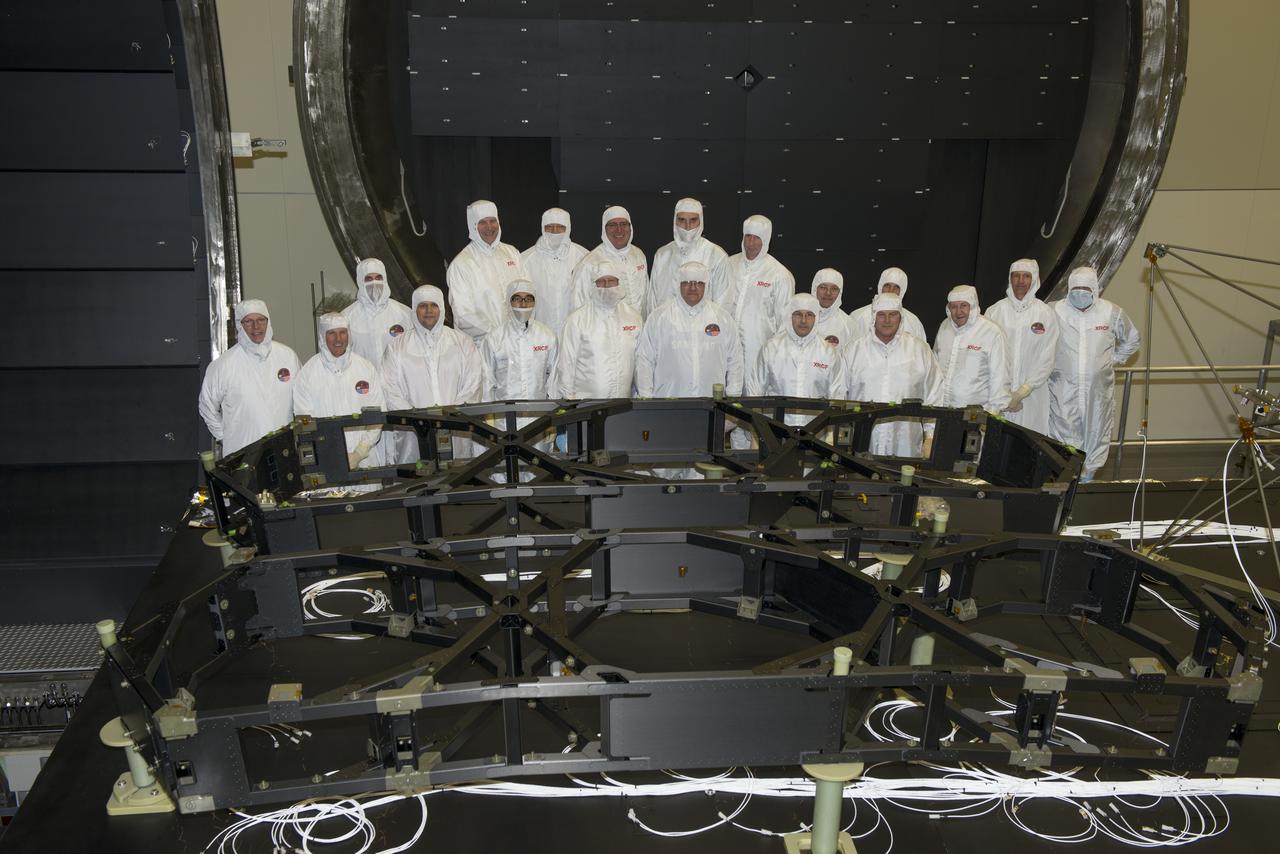
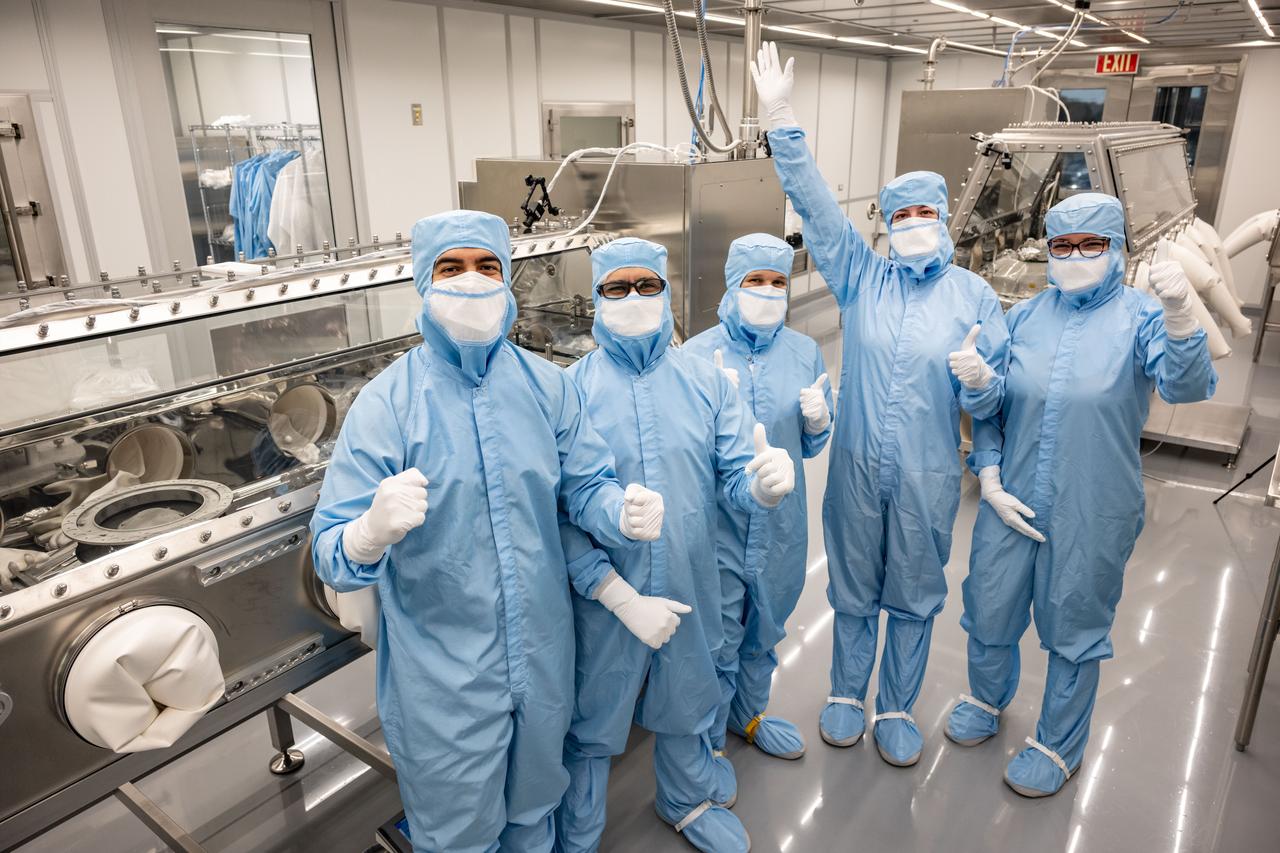
NASA AND ATK TEAM PHOTOGRAPH WITH THE 2 JWST (JAMES WEBB SPACE TELESCOPE) WINGS AFTER INSTALLATION IN THE XRCF (X-RAY & CRYOGENIC FACILITY)

ATK TEAM PHOTOGRAPH WITH THE 2 JWST (JAMES WEBB SPACE TELESCOPE) WINGS AFTER INSTALLATION IN THE XRCF (X-RAY & CRYOGENIC FACILITY)
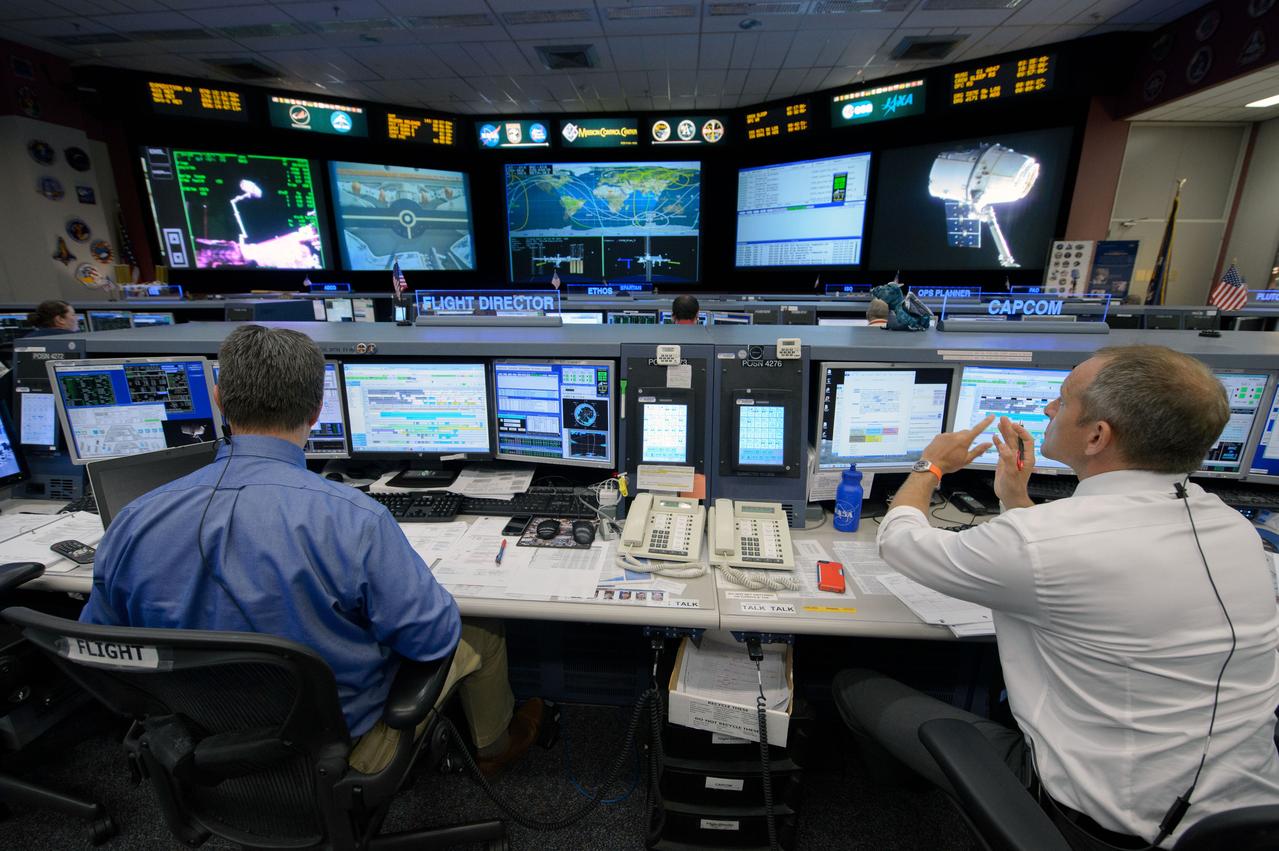
Expedition 43 flight control team with Flight Director Gary Horlacher during the release of SpaceX Dragon cargo vehicle. Photo Date: May 21, 2015. Location: Building 30 - FCR1. Photographer: Robert Markowitz
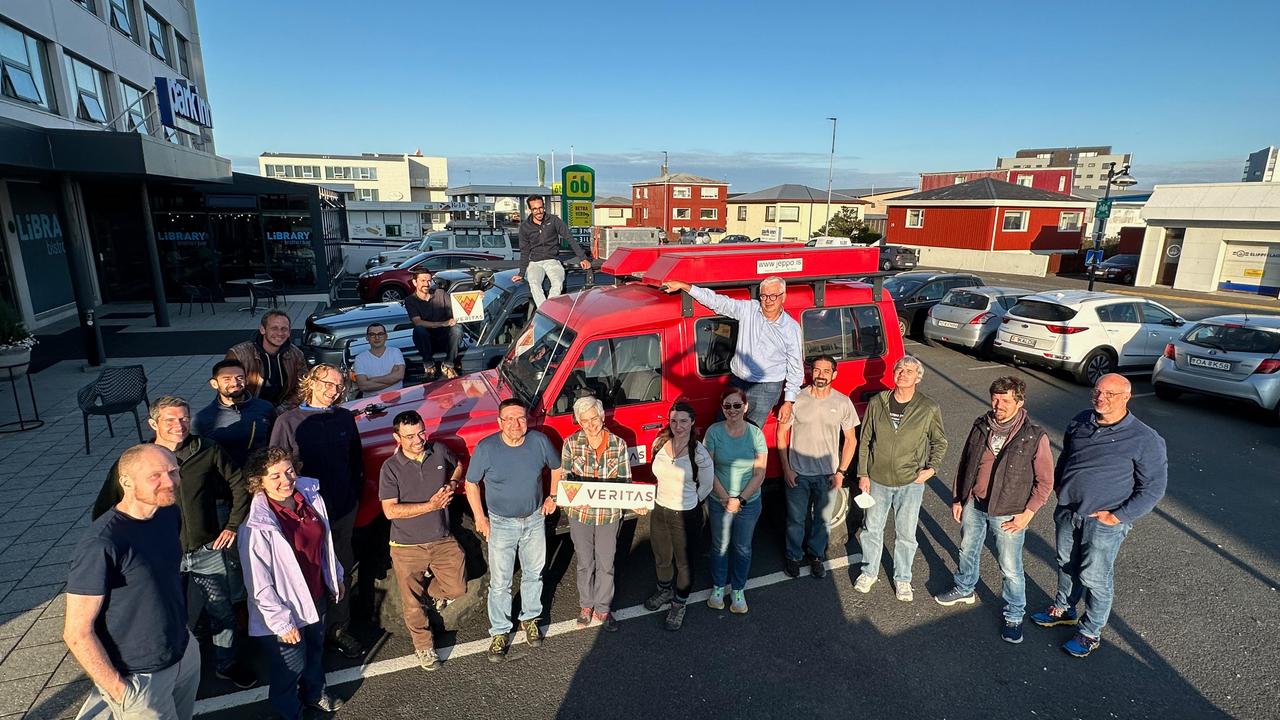
Members of the VERITAS science team pause for a photograph on July 31, 2023, after arriving in Iceland to begin a two-week campaign to study the volcanic island's geology to help the team prepare for NASA's VERITAS (short for Venus Emissivity, Radio science, InSAR, Topography, And Spectroscopy) mission to Venus. From July 30 to Aug. 14, 2023, the international science team, including local participation from the University of Iceland, worked to lay the groundwork for the science that will ultimately be done from Venus orbit. At center, holding the VERITAS mission identifier is the mission's principal investigator and the science team lead, Sue Smrekar, of NASA's Jet Propulsion Laboratory in Southern California. Flanking her are science team members from multiple U.S., Italian, and German institutions, including members of the German Aerospace Center (DLR) Flugzeug Synthetic Aperture Radar (F-SAR) airplane team. The DLR F-SAR team was tasked with collecting synthetic-aperture radar data of the regions studied by the field team. A key objective of the campaign is to refine change detection algorithms that will be used to look for global surface change (such as volcanic activity) between NASA's Magellan radar mission from the 1990s and VERITAS, as well as between VERITAS and the ESA (European Space Agency) EnVision mission to Venus, both of which are targeting the early 2030s for launch. NASA's VERITAS is an orbiter designed to peer through Venus' thick atmosphere with a suite of powerful instruments to create global maps of the planet's surface, including topography, radar images, rock type, and gravity, as well as detect surface changes. VERITAS is designed to understand what processes are currently active, search for evidence of past and current interior water, and understand the geologic evolution of the planet, illuminating how rocky planets throughout the galaxy evolve. VERITAS and NASA's Deep Atmosphere Venus Investigation of Noble gases, Chemistry, and Imaging (DAVINCI) mission were selected in 2021 under NASA's Discovery Program as the agency's next missions to Venus. The Discovery Program is managed by the Planetary Missions Program Office at NASA's Marshall Space Flight Center in Huntsville, Alabama, for the Planetary Science Division of NASA's Science Mission Directorate in Washington. https://photojournal.jpl.nasa.gov/catalog/PIA25835
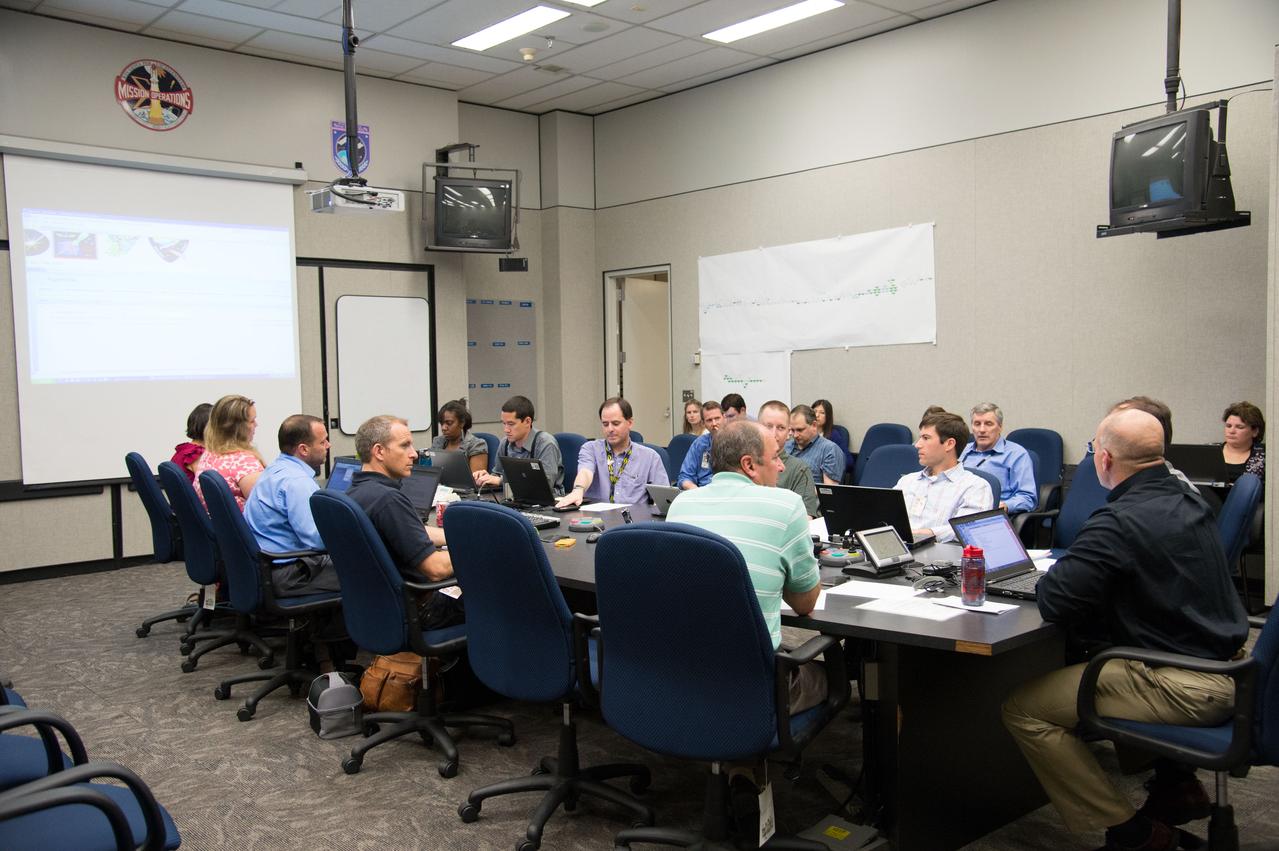
Photograph Increment 35 Lead Flight Director and Flight Control Team during JOP Meeting. Photo Date: 17 April 2013. Location: Bldg. 30, Room 225A. Photographer: Robert Markowitz
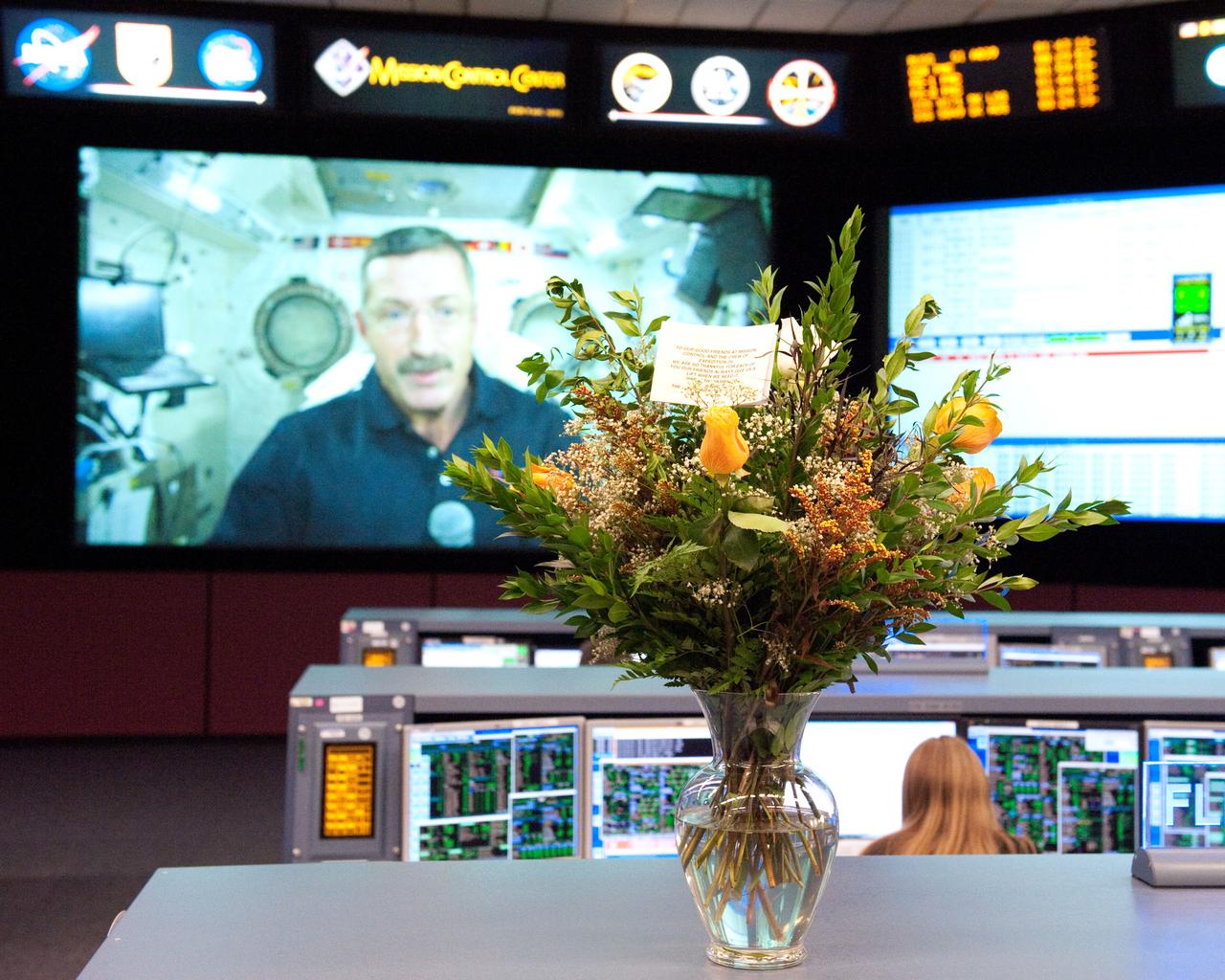
Date: 11-23-11 Location: Bldg 30, FCR-1 Subject: Photograph flowers sent by Shelton/Murphy family in honor of the Expedition 29 flight control team for Thanksgiving Photographer: James Blair
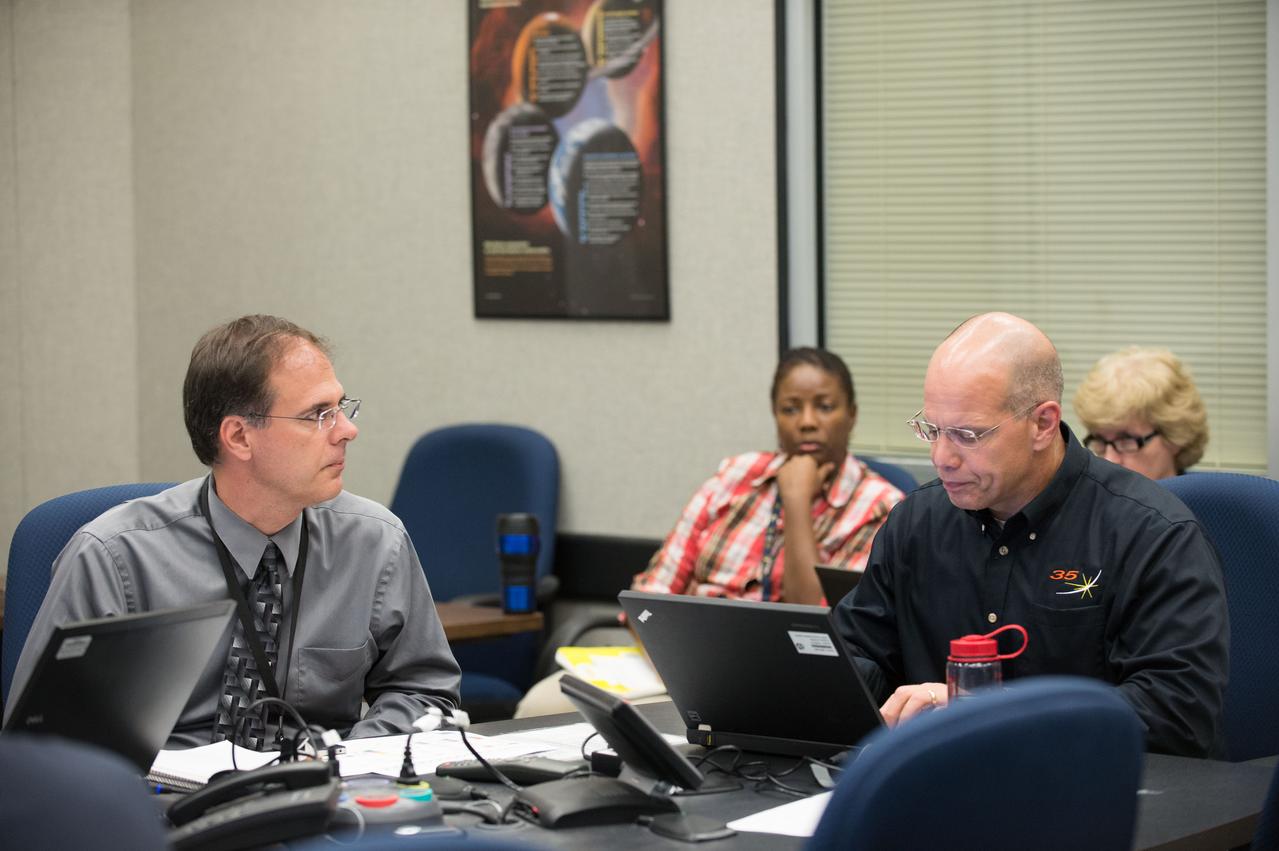
Photograph Increment 35 Lead Flight Director and Flight Control Team during JOP Meeting. Photo Date: 17 April 2013. Location: Bldg. 30, Room 225A. Photographer: Robert Markowitz
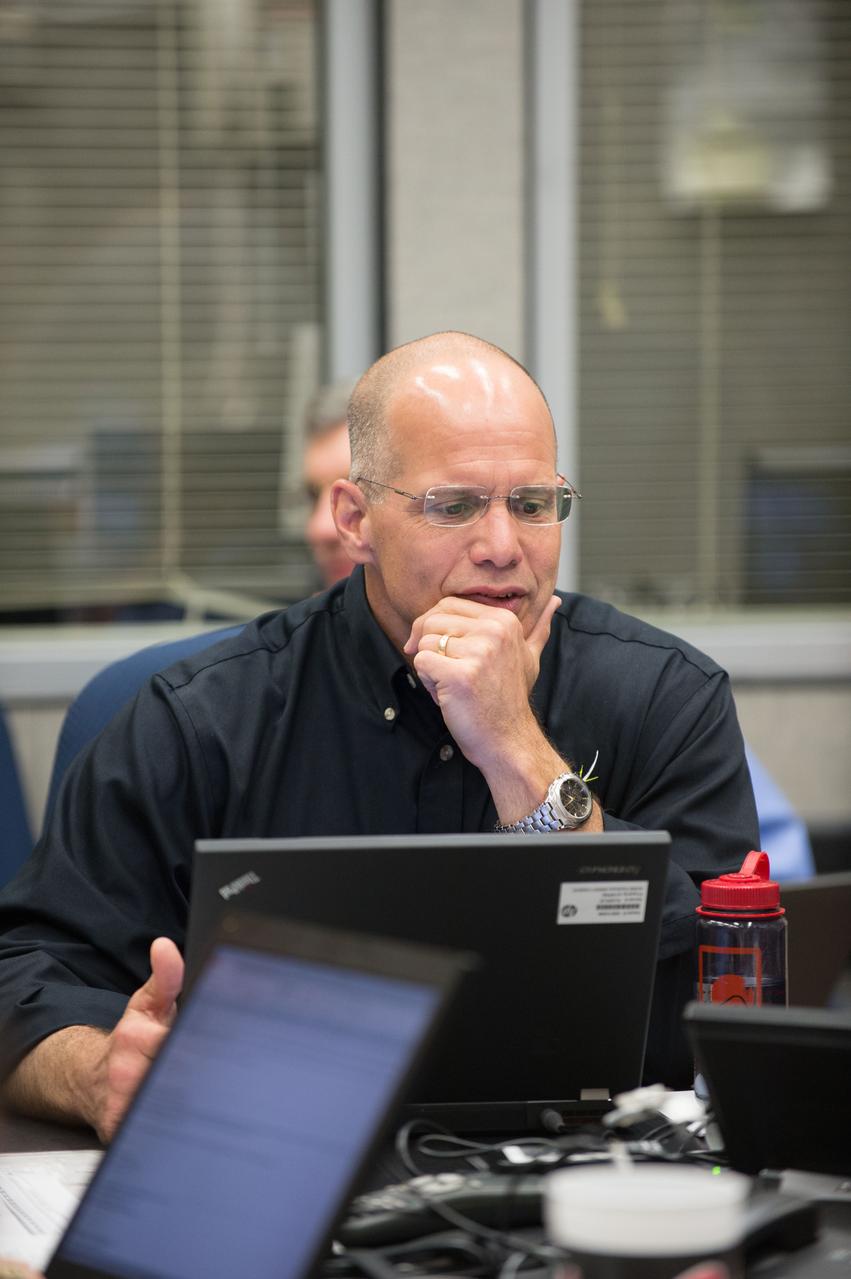
Photograph Increment 35 Lead Flight Director and Flight Control Team during JOP Meeting. Photo Date: 17 April 2013. Location: Bldg. 30, Room 225A. Photographer: Robert Markowitz
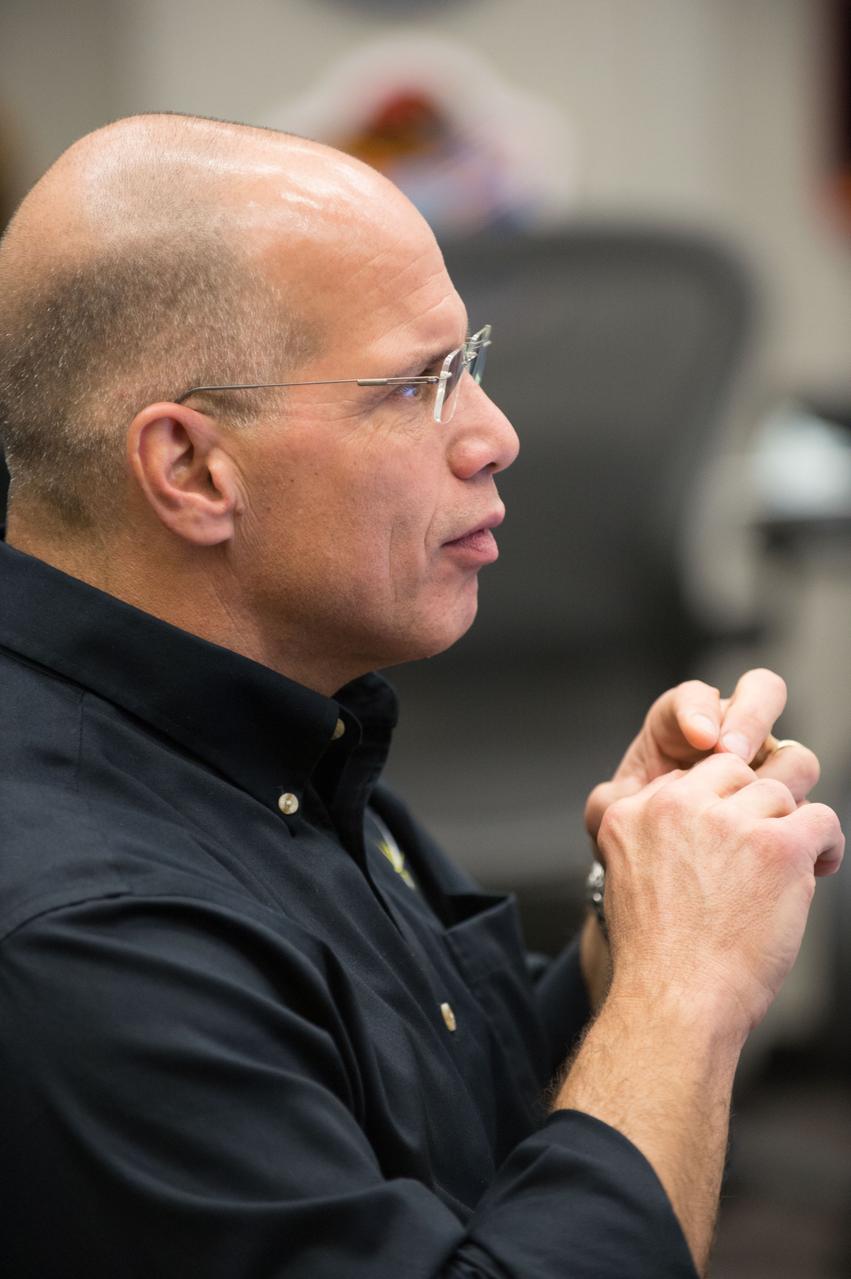
Photograph Increment 35 Lead Flight Director and Flight Control Team during JOP Meeting. Photo Date: 17 April 2013. Location: Bldg. 30, Room 225A. Photographer: Robert Markowitz
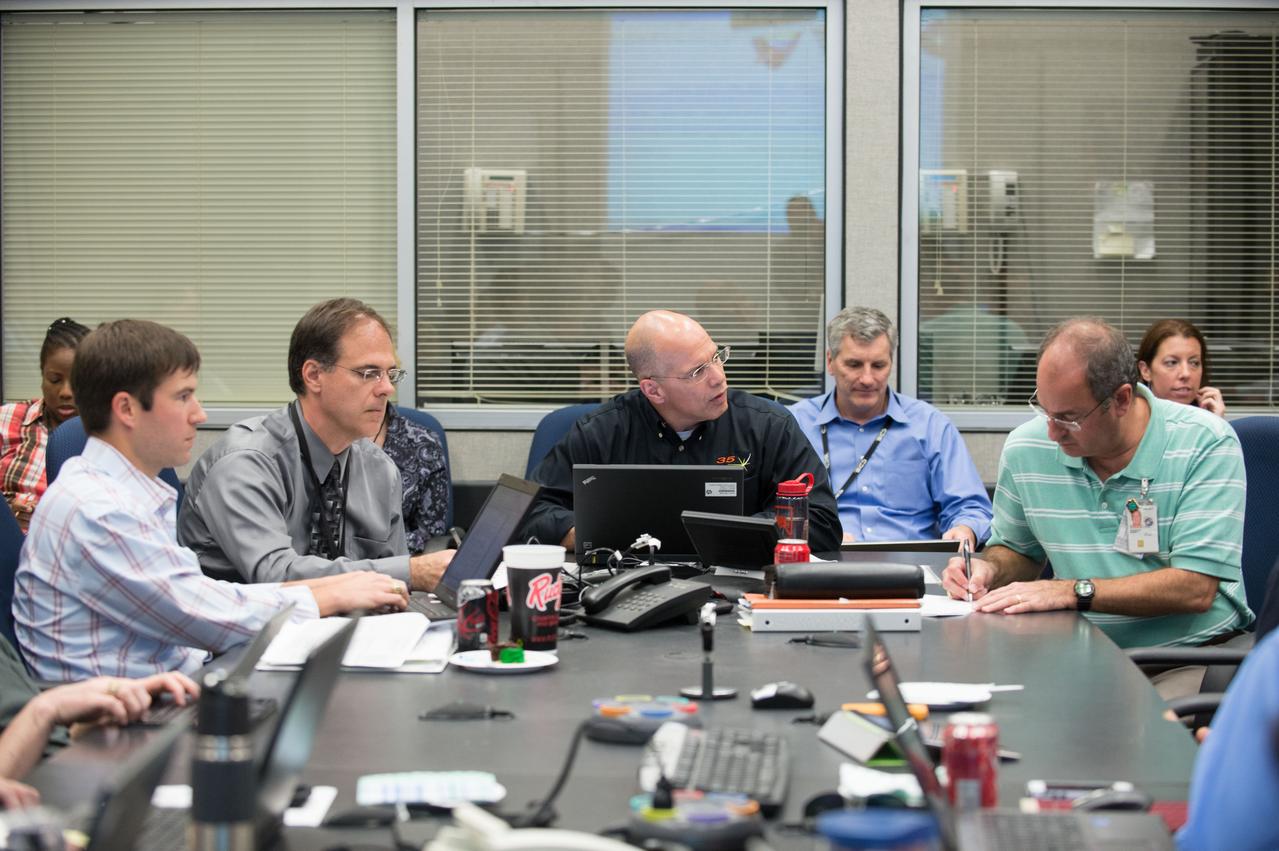
Photograph Increment 35 Lead Flight Director and Flight Control Team during JOP Meeting. Photo Date: 17 April 2013. Location: Bldg. 30, Room 225A. Photographer: Robert Markowitz
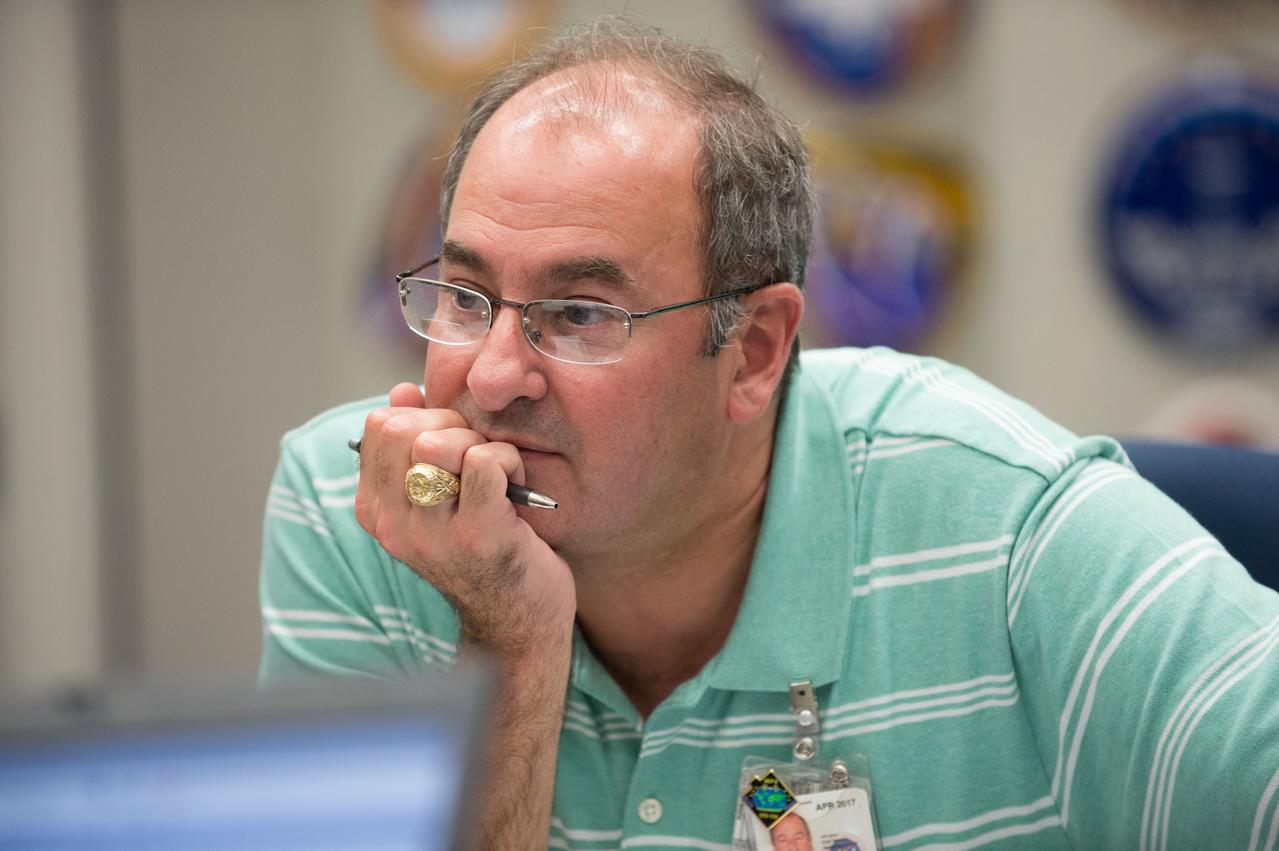
Photograph Increment 35 Lead Flight Director and Flight Control Team during JOP Meeting. Photo Date: 17 April 2013. Location: Bldg. 30, Room 225A. Photographer: Robert Markowitz
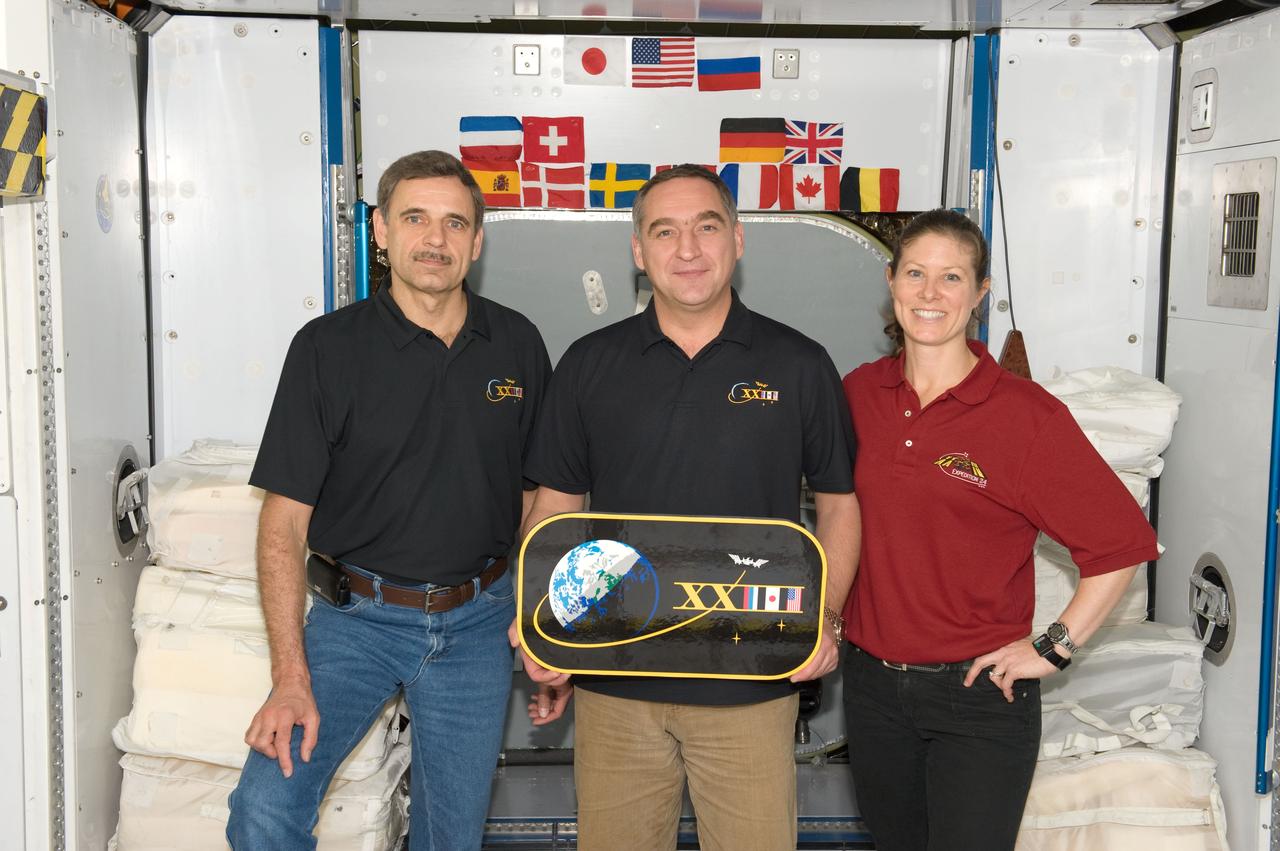
PHOTO DATE: 12-08-09 LOCATION: Bldg 9NW, ISS Mockups SUBJECT: Expedition 23 crew with the training team. PHOTOGRAPHER: James Blair
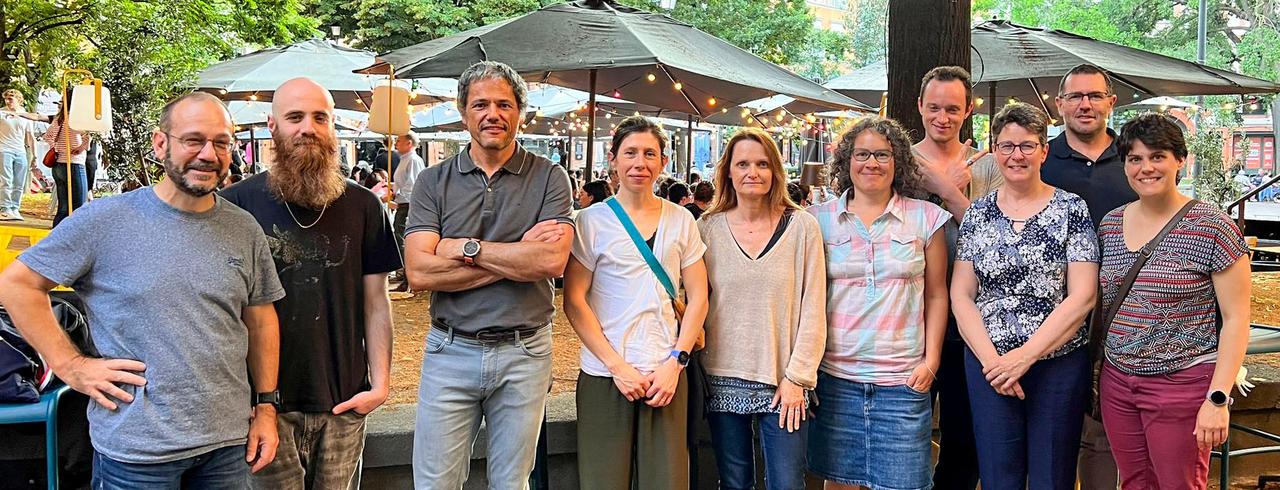
jsc2024e065154 ()9/25/2024) --- Euro Material Ageing team photograph taken by the IR-COASTER camera. Image courtesy of the Interuniversity Laboratory of Atmospheric Systems (LISA)..
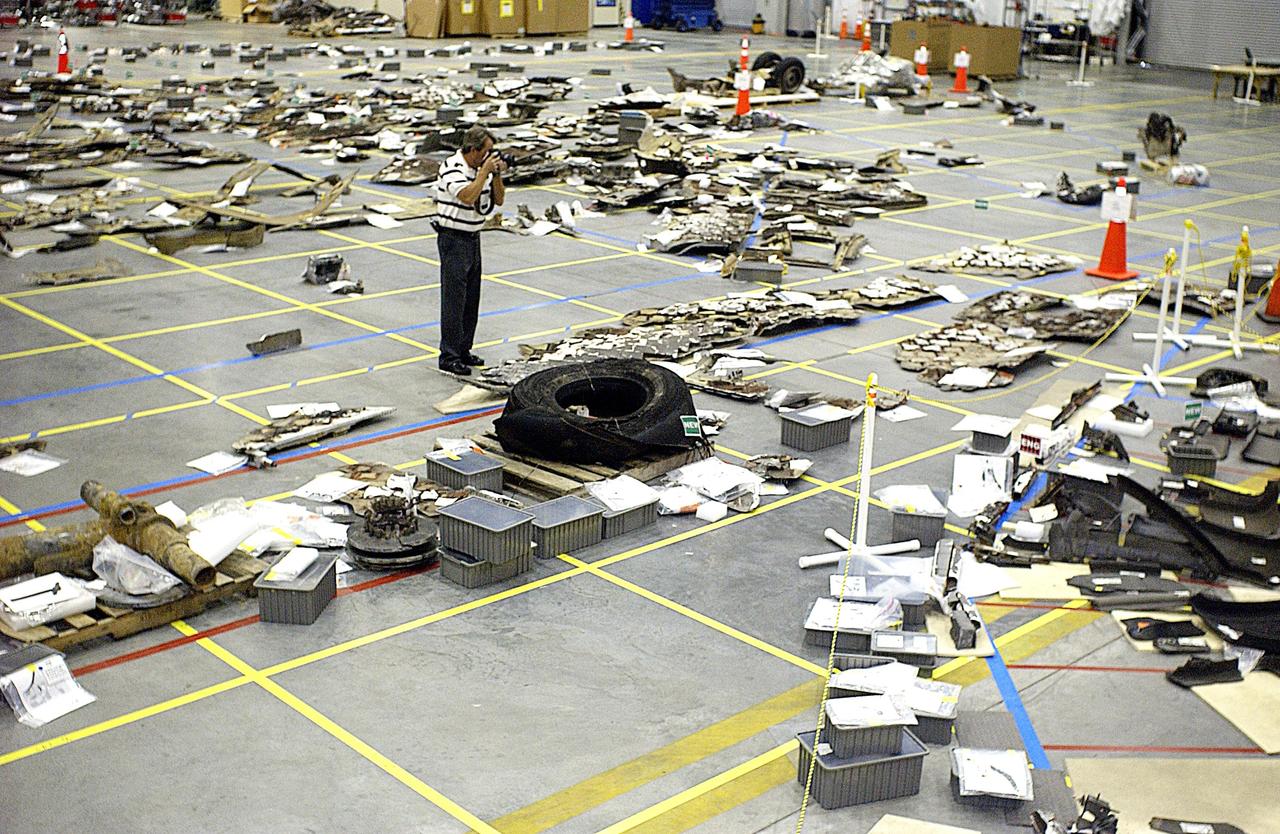
KENNEDY SPACE CENTER, FLA. - Pieces of Columbia debris are photographed by a KSC photographer. More than 70,000 items, weighing 78,000 pounds, about 36 percent of the Shuttle by weight, have been delivered to KSC for use in the mishap investigation. Ground teams have completed 78 percent of their primary search area, and airborne crews finished 80 percent of their assigned area. Search teams have completed 98 percent of the underwater searches in Lake Nacogdoches and Toledo Bend Reservoir.
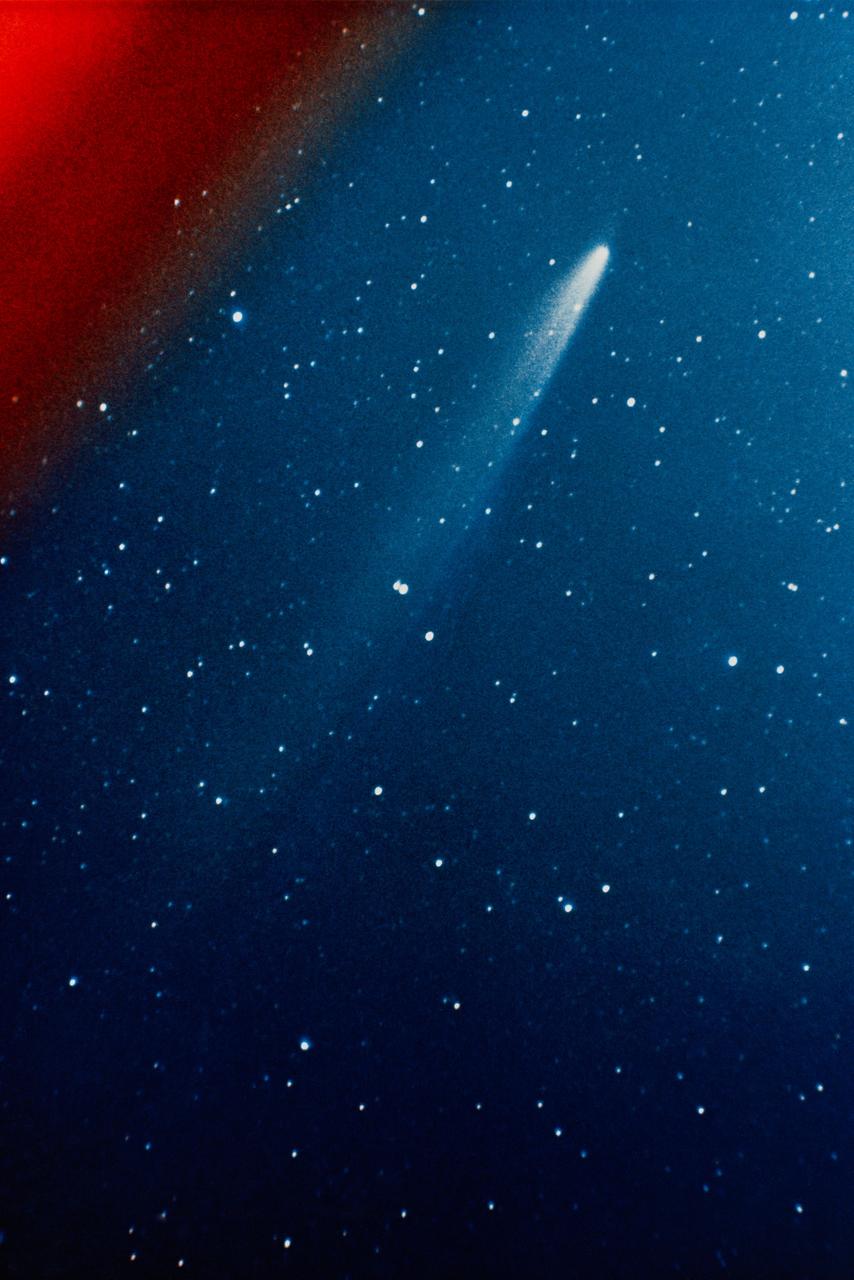
S74-17688 (11 Jan. 1974) --- This color photograph of the comet Kohoutek was taken by members of the lunar and planetary laboratory photographic team from the University of Arizona, at the Catalina Observatory with a 35mm camera on Jan. 11, 1974. Photo credit: NASA
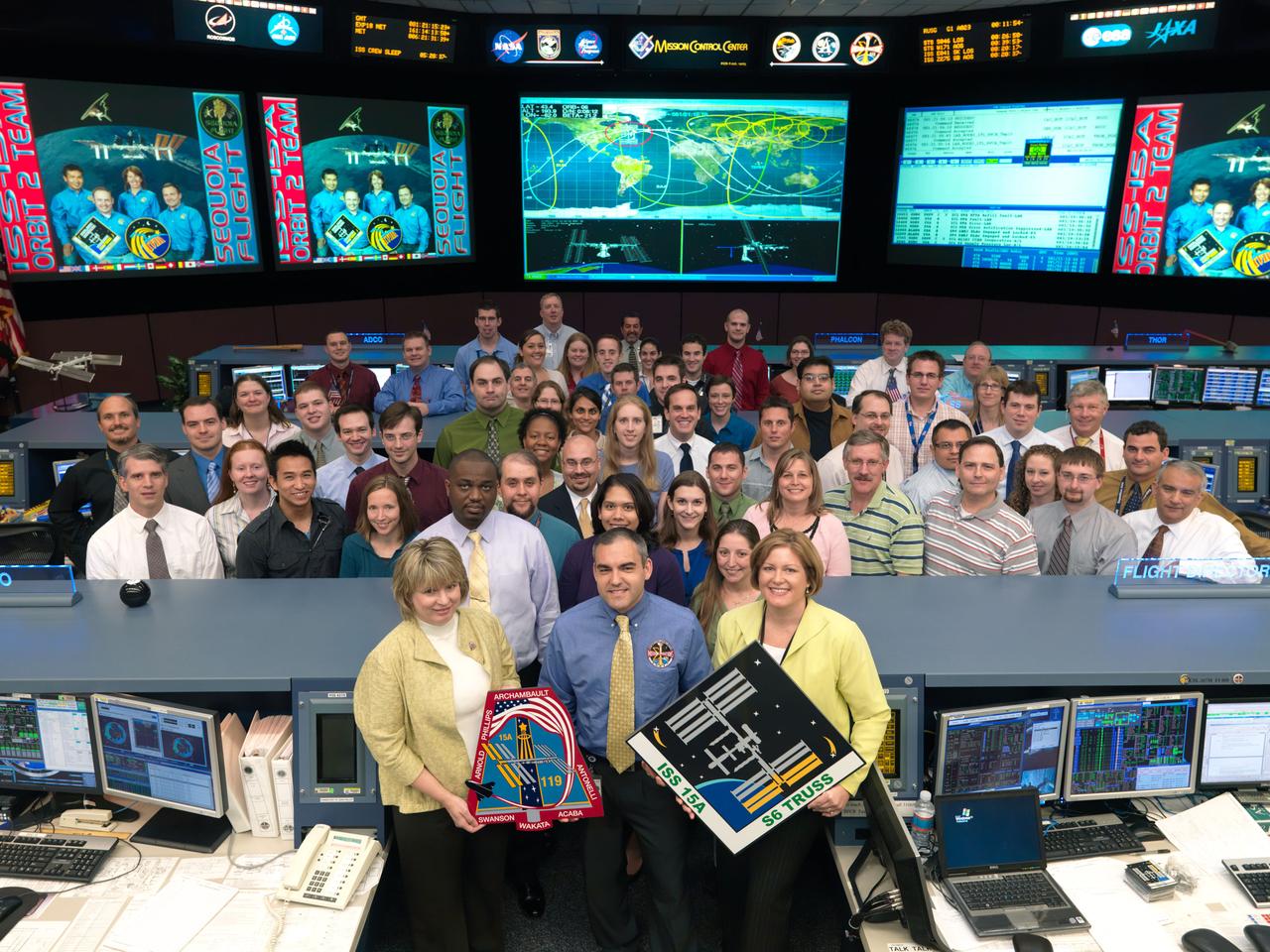
PHOTO DATE: 22 March 2009 - 3:30pm LOCATION: Bldg. 30, FCR-1 SUBJECT: Team photo of ISS 15A Flight Control Team - Orbit 2 - Flight Director Heather Rarick PHOTOGRAPHER: Bill Stafford

PHOTO DATE: 10-04-22 LOCATION: Flagstaff, Arizona SUBJECT: Joint EVA Test Team (JETT) Field Testing - JETT 3 fully integrated mission scale test PHOTOGRAPHER: BILL STAFFORD
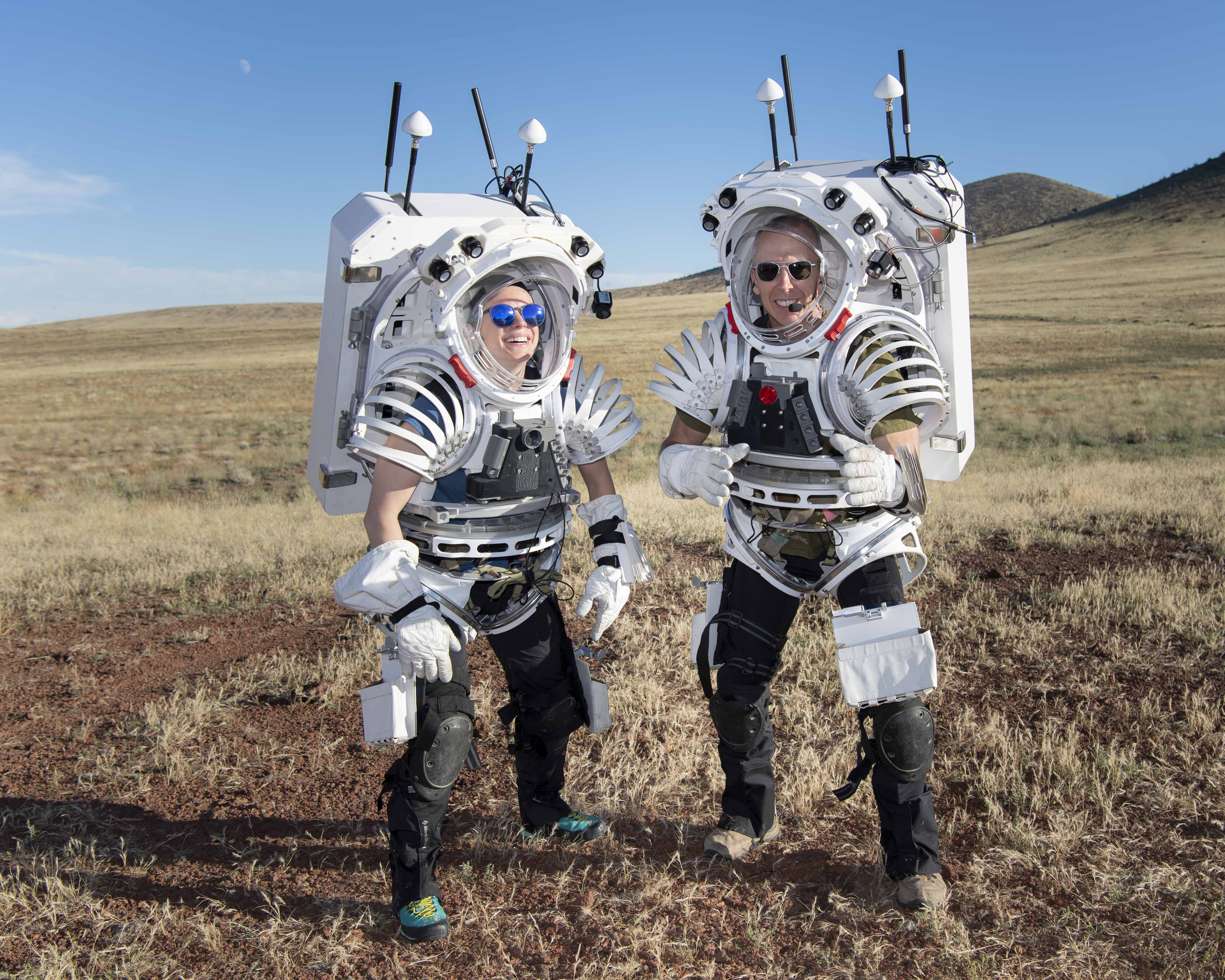
PHOTO DATE: 10-04-22 LOCATION: Flagstaff, Arizona SUBJECT: Joint EVA Test Team (JETT) Field Testing - JETT 3 fully integrated mission scale test PHOTOGRAPHER: BILL STAFFORD
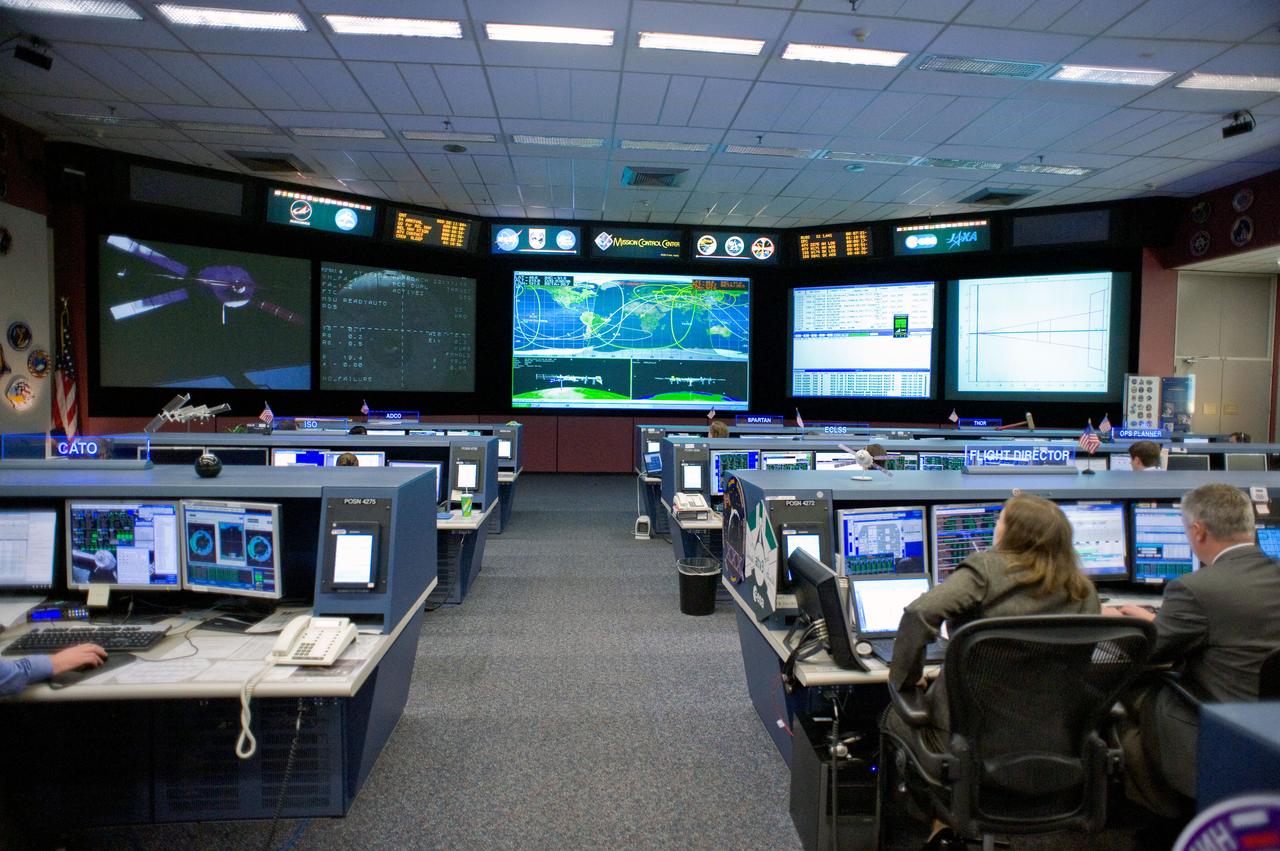
PHOTO DATE: 03-28-12 LOCATION: Bldg. 30 - FCR-1 (30M/231) SUBJECT: Expedition 30 flight control team during docking of ESA's ATV vehicle to ISS. PHOTOGRAPHER: BILL STAFFORD
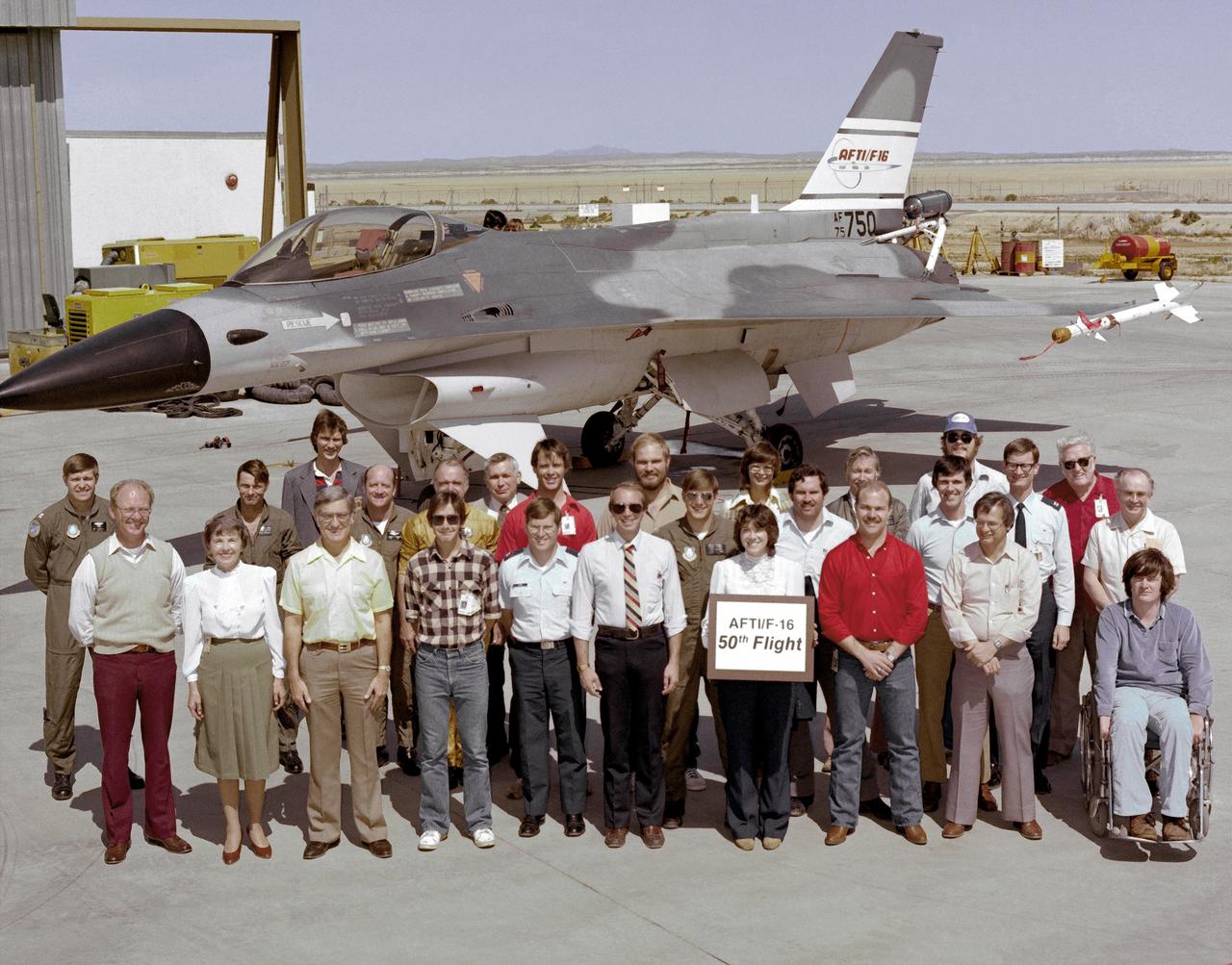
An early (1983) photograph of the AFTI F-16 team, commemorating the aircraft's 50th flight. It shows the initial configuration and paint finish of the AFTI F-16, as well as the forward mounted canards and the spin chute.
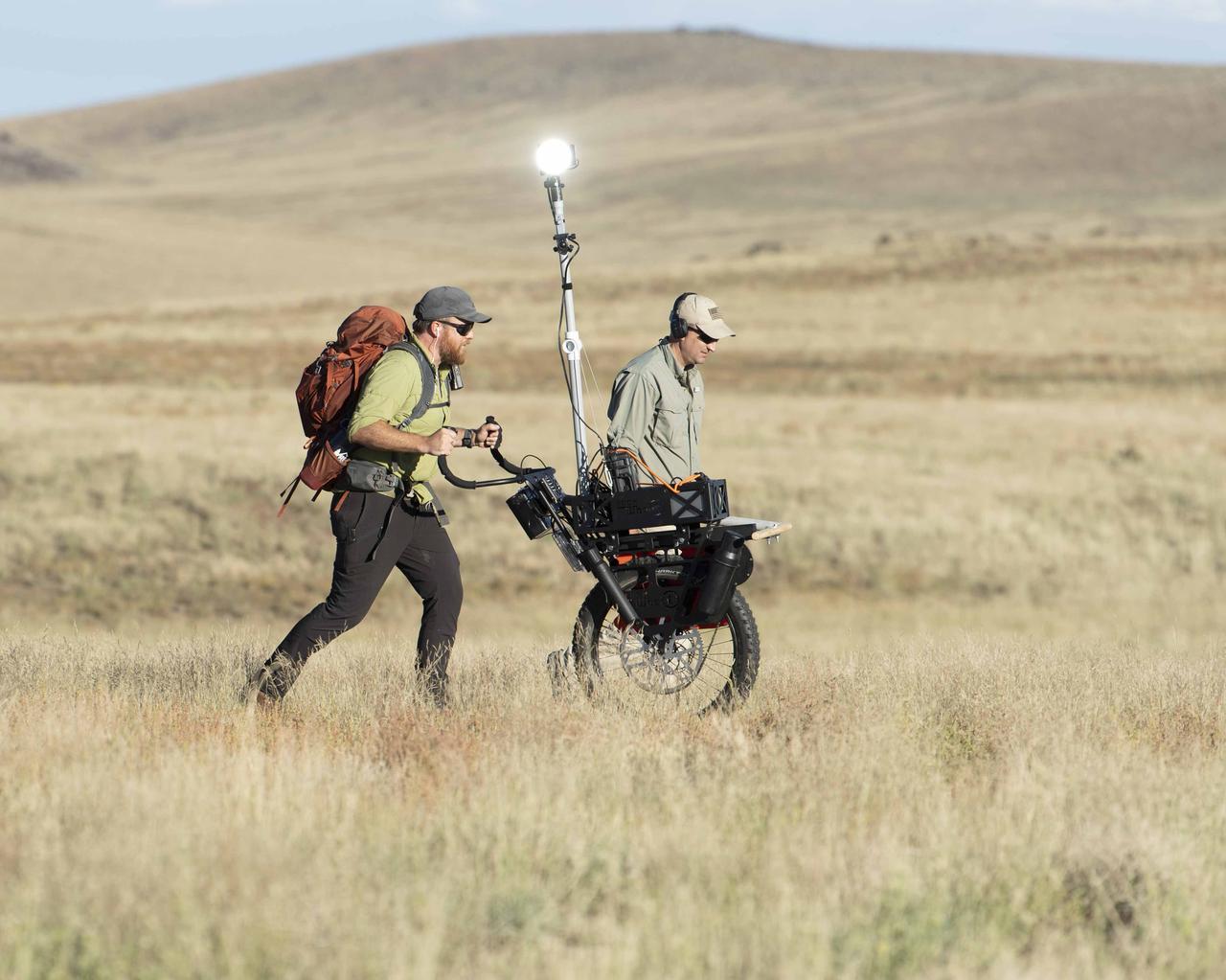
PHOTO DATE: 10-04-22 LOCATION: Flagstaff, Arizona SUBJECT: Joint EVA Test Team (JETT) Field Testing - JETT 3 fully integrated mission scale test PHOTOGRAPHER: BILL STAFFORD
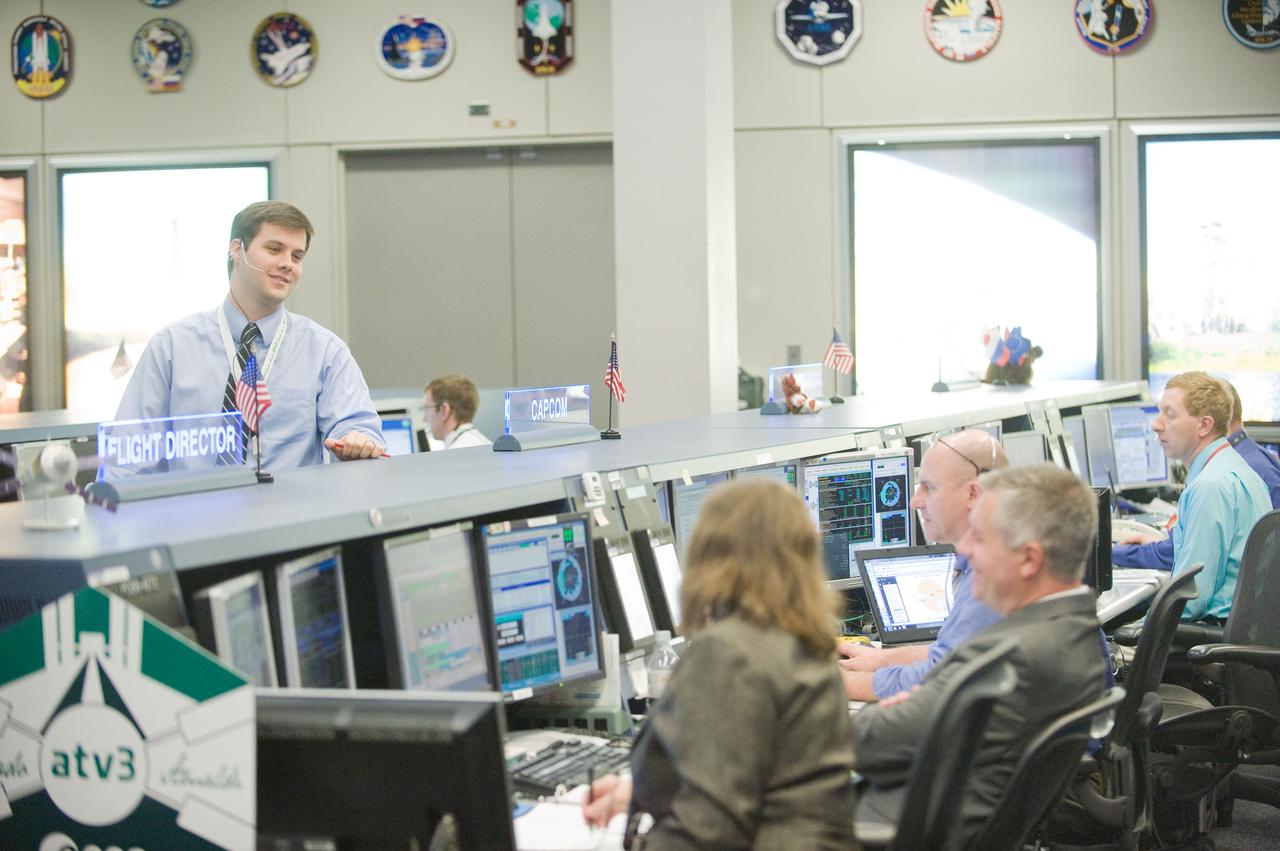
PHOTO DATE: 03-28-12 LOCATION: Bldg. 30 - FCR-1 (30M/231) SUBJECT: Expedition 30 flight control team during docking of ESA's ATV vehicle to ISS. PHOTOGRAPHER: BILL STAFFORD
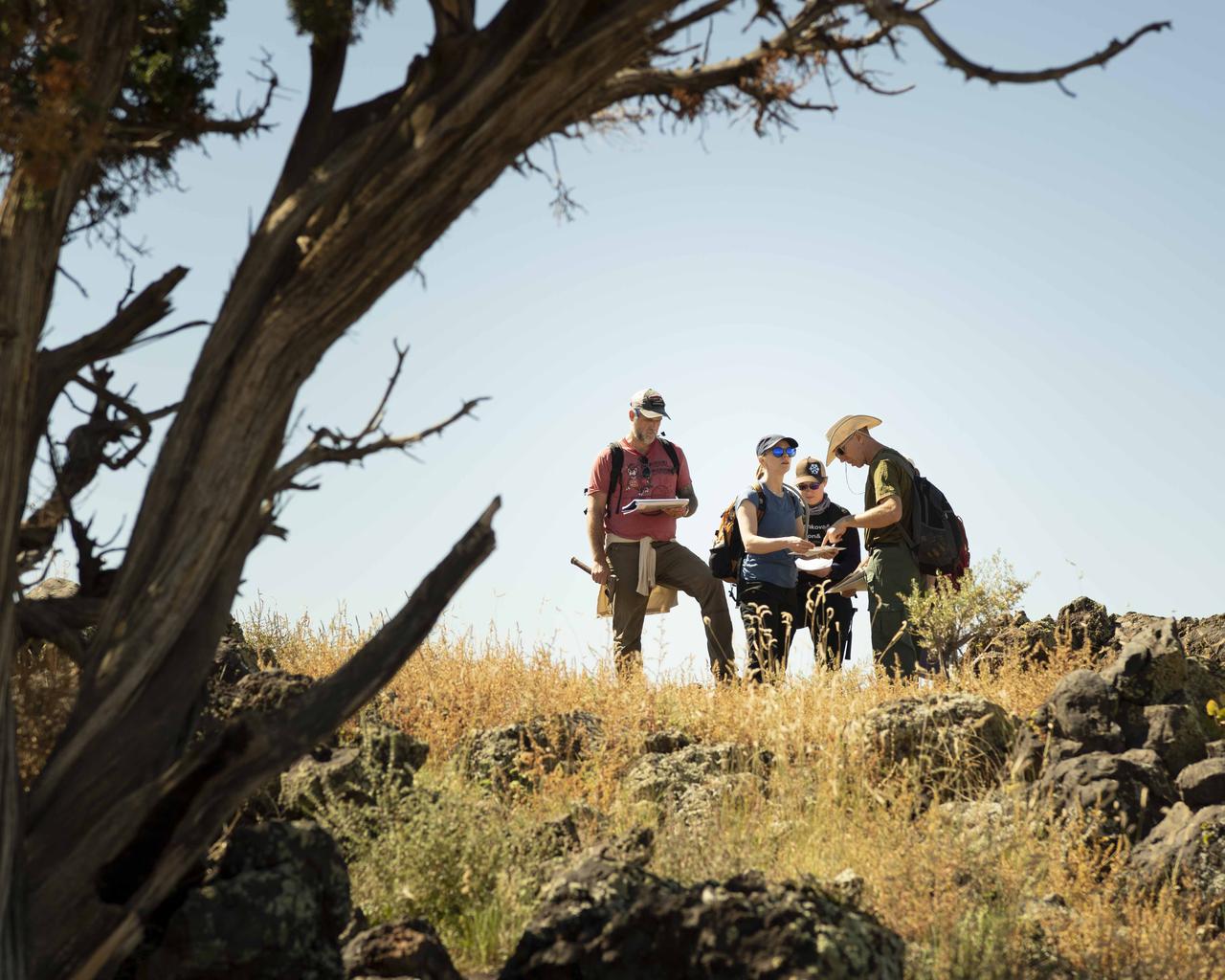
PHOTO DATE: 10-04-22 LOCATION: Flagstaff, Arizona SUBJECT: Joint EVA Test Team (JETT) Field Testing - JETT 3 fully integrated mission scale test PHOTOGRAPHER: BILL STAFFORD
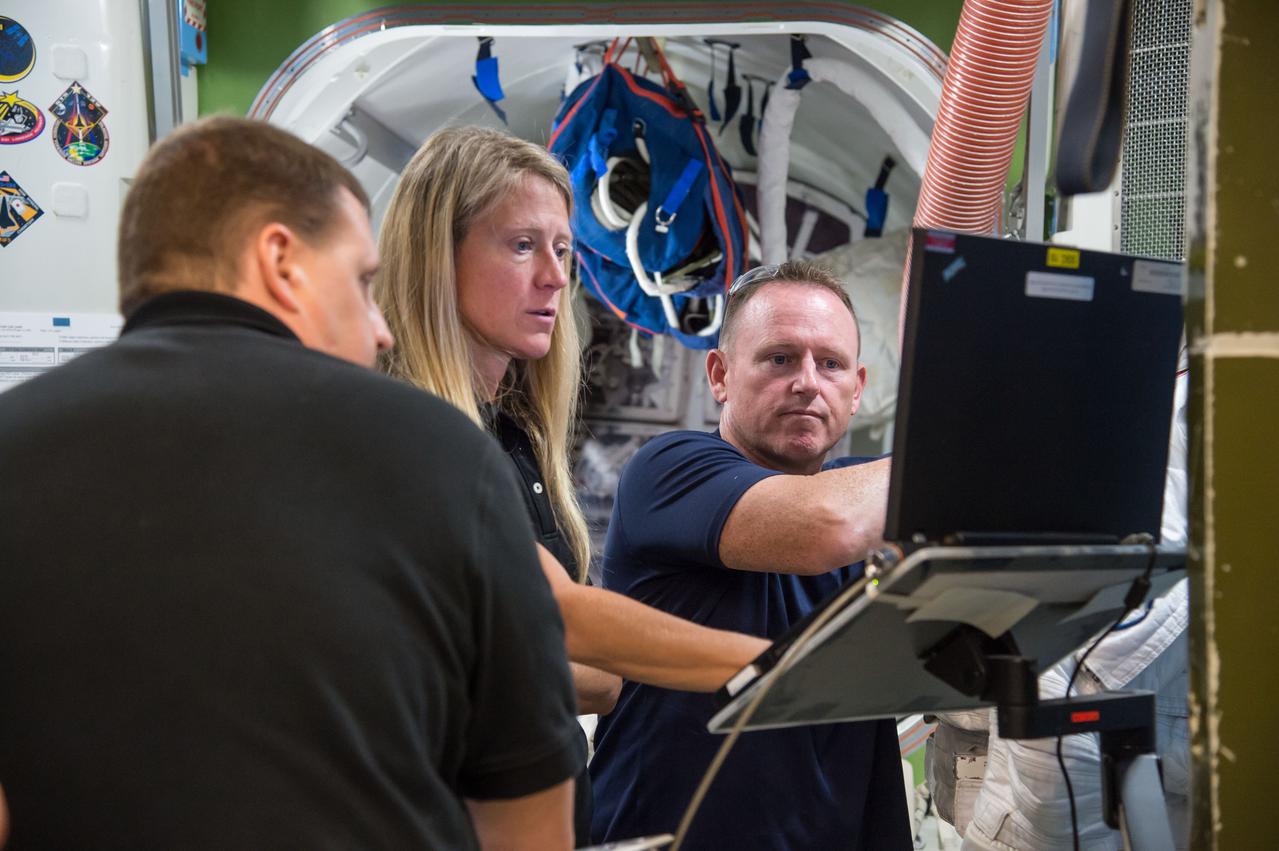
PHOTO DATE: 07-18-14 LOCATION: Bldg. 9NW - ISS Mockups SUBJECT: EVA Team training with Expedition 42 commander Barry "Butch" Wilmore. PHOTOGRAPHER: BILL STAFFORD
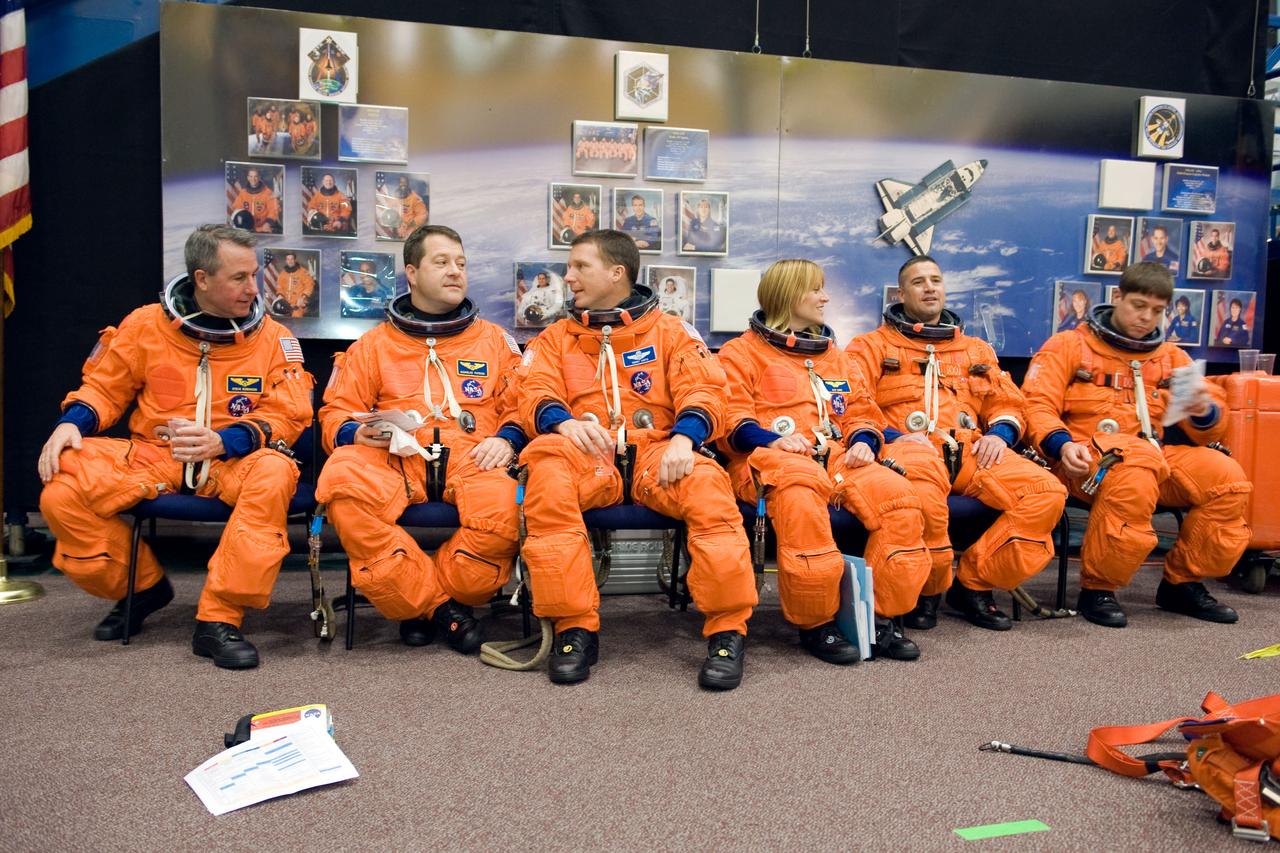
PHOTO DATE: 11-19-09 LOCATION: Bldg 9NW, CCT-II SUBJECT: STS-130 crew with training teams & ASC/CAP/DES 91020 training in CCT-II PHOTOGRAPHER: James Blair
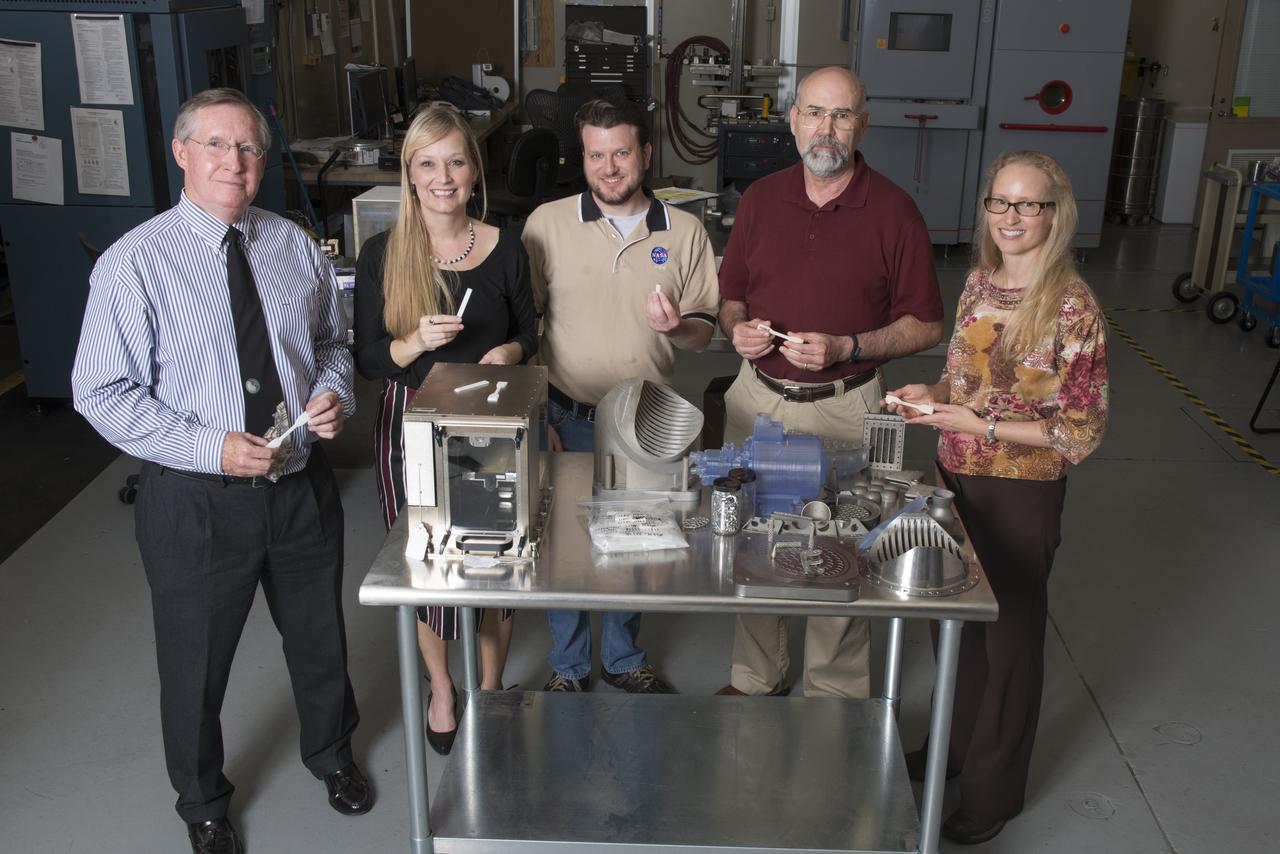
GROUP PHOTOGRAPH OF MEMBERS OF THE 3-D PRINTER TEAM IN THE ADDITIVE MANUFACTURING LAB IN BUILDING 4707. (L TO R) RAYMOND (CORKY) CLINTON, NIKKI WERKHEISER; QUINCY BEAN; RICK RYAN; AND JENNIFER EDMUNSON
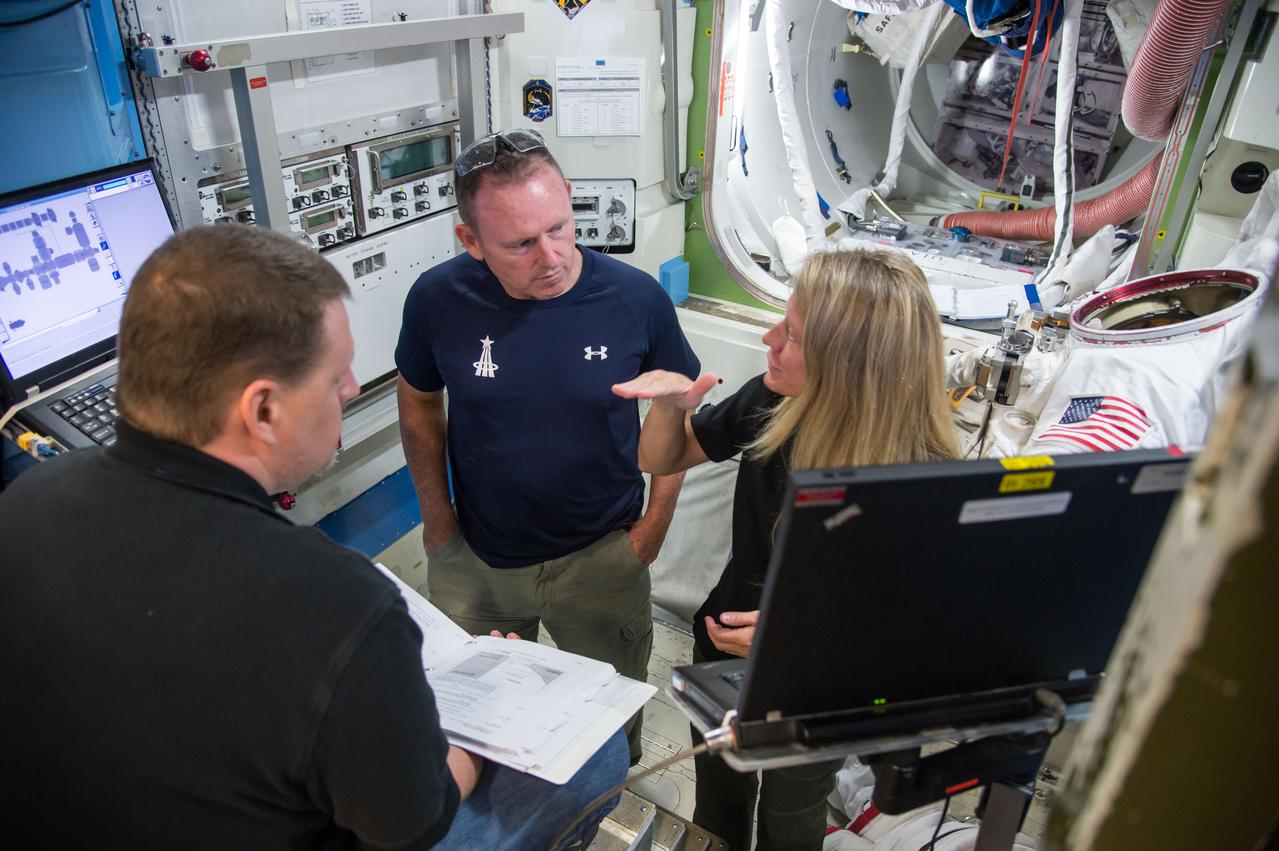
PHOTO DATE: 07-18-14 LOCATION: Bldg. 9NW - ISS Mockups SUBJECT: EVA Team training with Expedition 42 commander Barry "Butch" Wilmore. PHOTOGRAPHER: BILL STAFFORD

PHOTO DATE: 03-28-12 LOCATION: Bldg. 30 - FCR-1 (30M/231) SUBJECT: Expedition 30 flight control team during docking of ESA's ATV vehicle to ISS. PHOTOGRAPHER: BILL STAFFORD
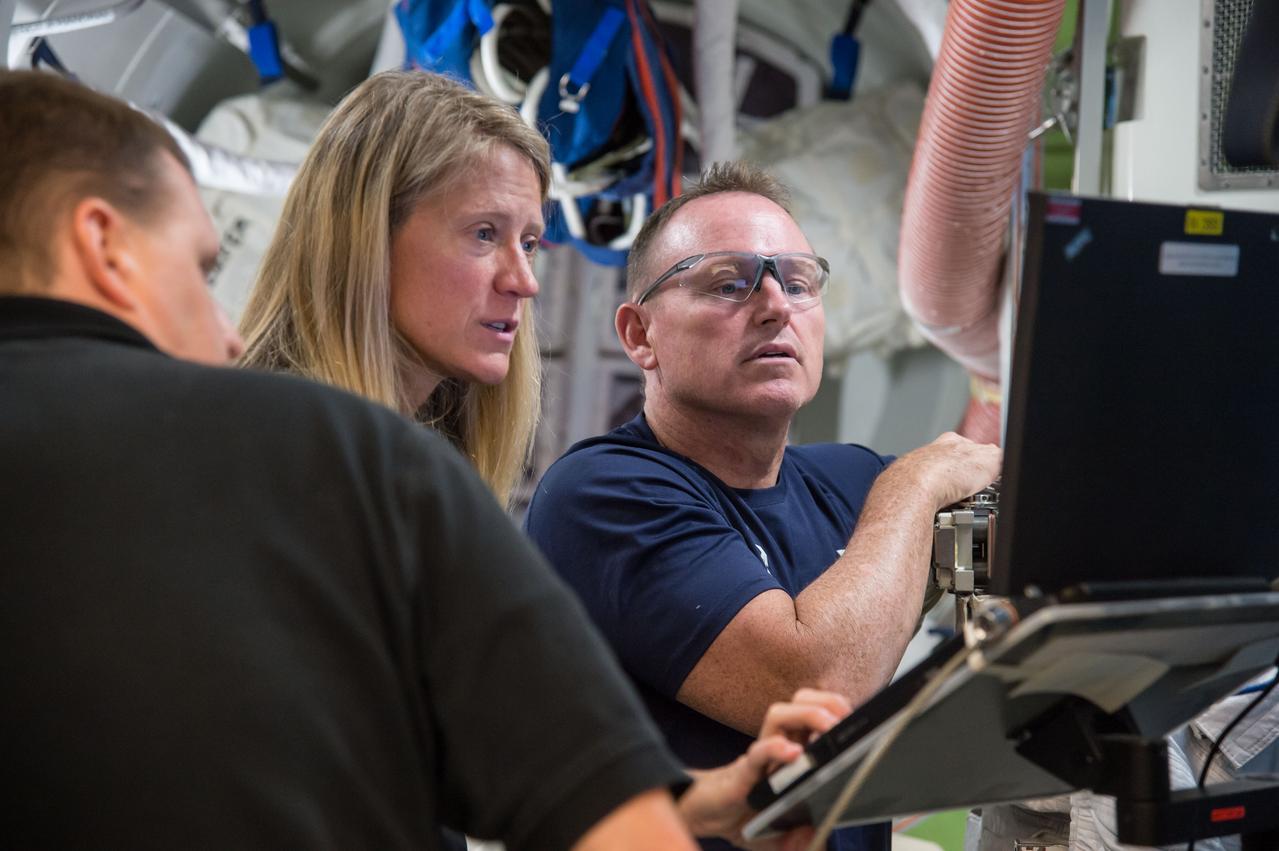
PHOTO DATE: 07-18-14 LOCATION: Bldg. 9NW - ISS Mockups SUBJECT: EVA Team training with Expedition 42 commander Barry "Butch" Wilmore. PHOTOGRAPHER: BILL STAFFORD
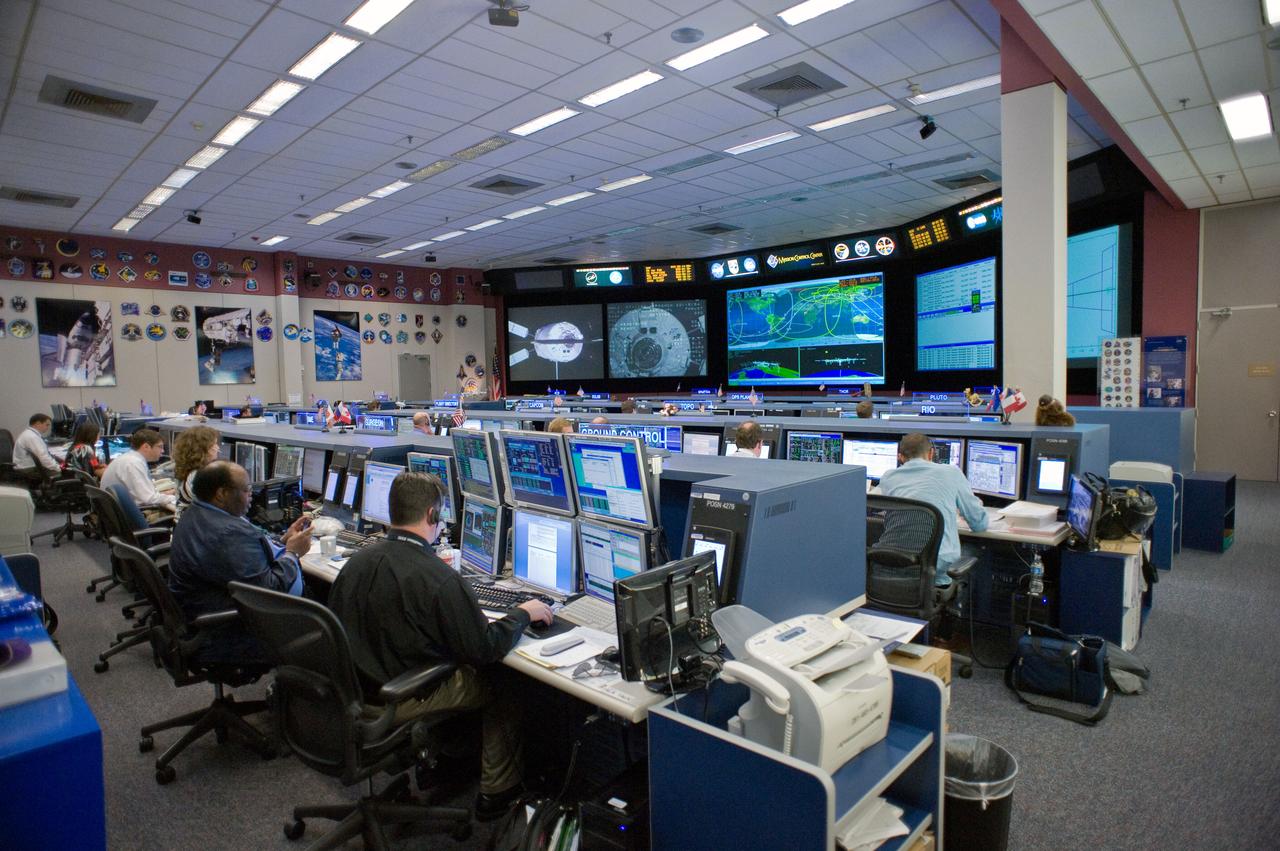
PHOTO DATE: 03-28-12 LOCATION: Bldg. 30 - FCR-1 (30M/231) SUBJECT: Expedition 30 flight control team during docking of ESA's ATV vehicle to ISS. PHOTOGRAPHER: BILL STAFFORD
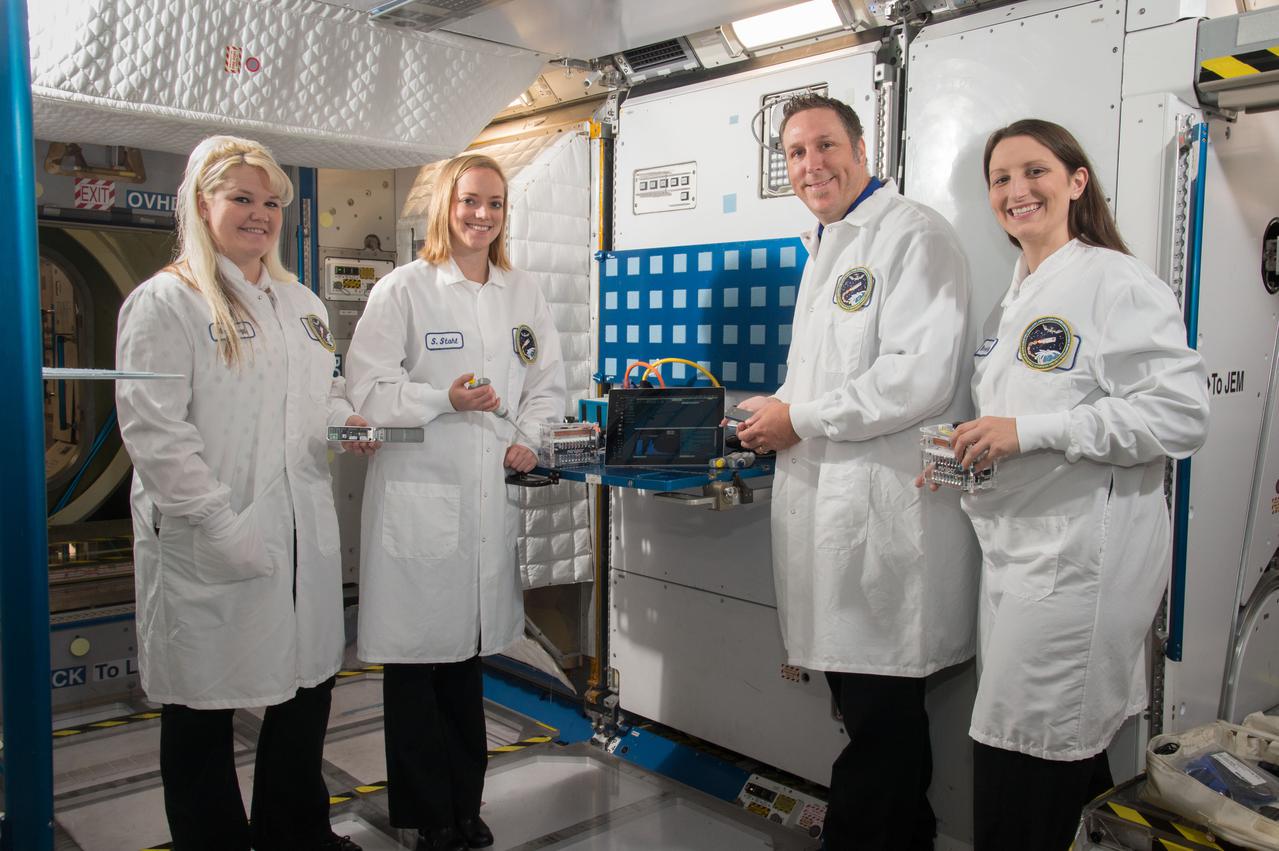
PHOTO DATE: 11-14-16 LOCATION: ISS MOCKUPS SUBJECT: Biomolecule Sequencer team group portrait of Sara Wallace, Sarah Stahl-Rommel, Aaron Burton and Kristen John. PHOTOGRAPHER: BILL STAFFORD
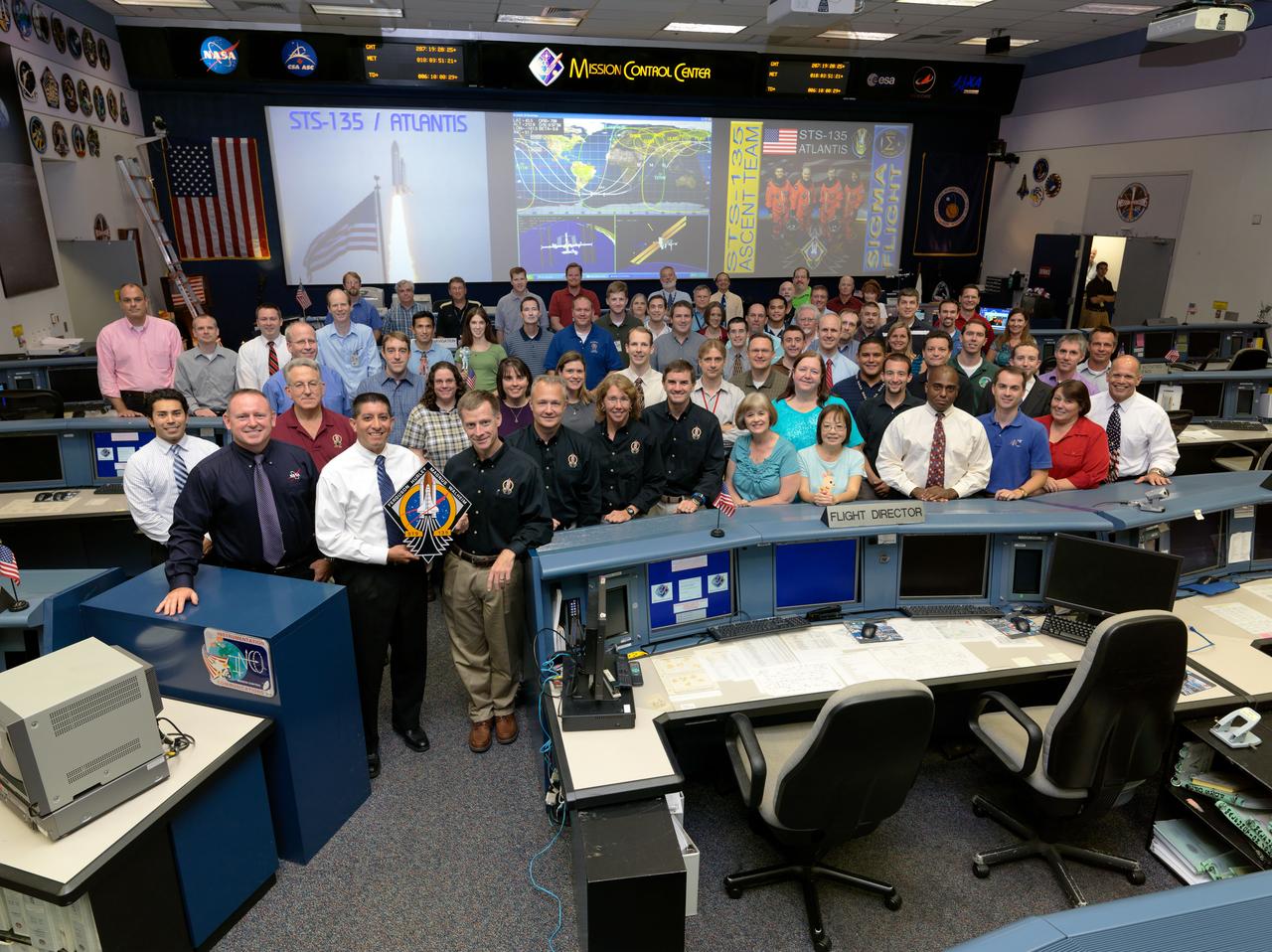
STS-135 Ascent Flight Control Team in WFCR with Flight Director Richard Jones. Photo Date: July 26, 2011. Location: Building 30 south - WFCR. Photographer: Robert Markowitz
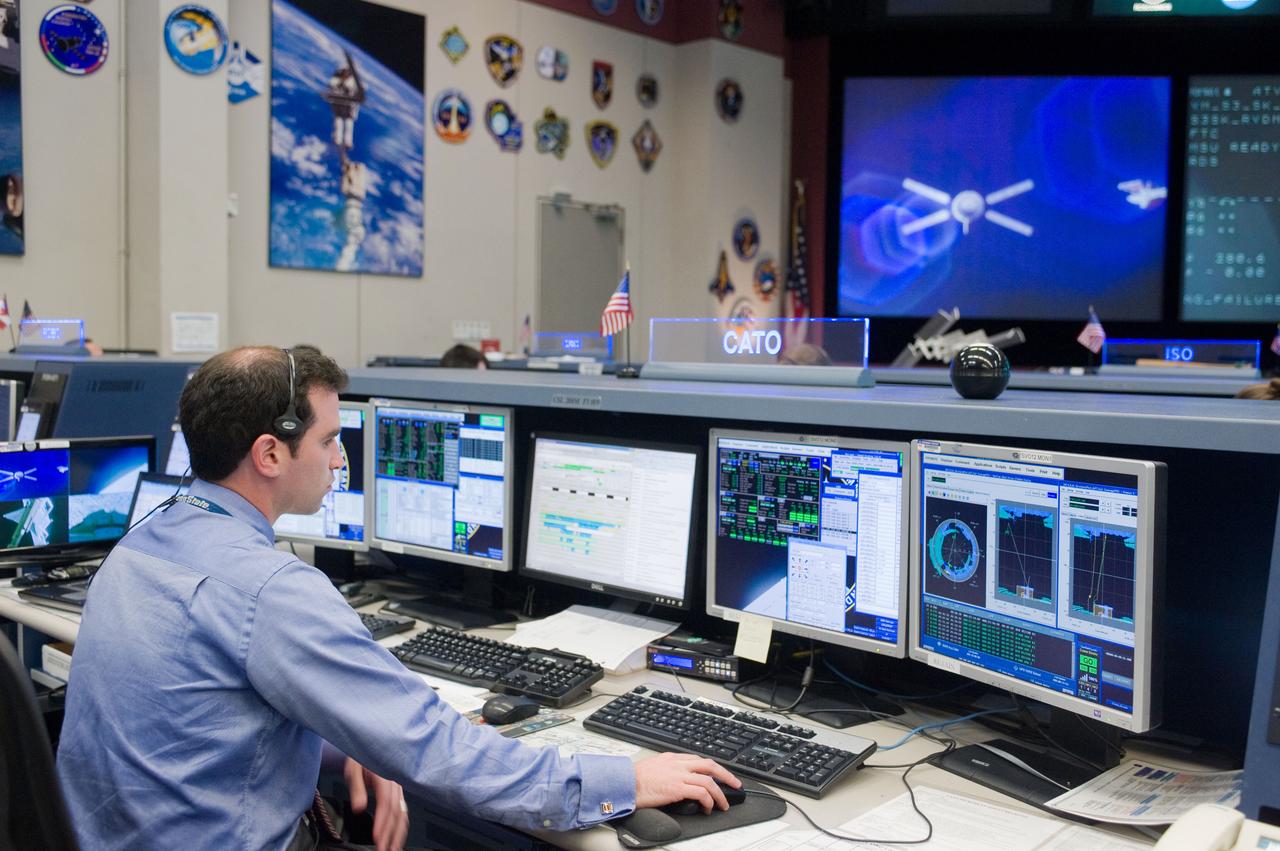
PHOTO DATE: 03-28-12 LOCATION: Bldg. 30 - FCR-1 (30M/231) SUBJECT: Expedition 30 flight control team during docking of ESA's ATV vehicle to ISS. PHOTOGRAPHER: BILL STAFFORD
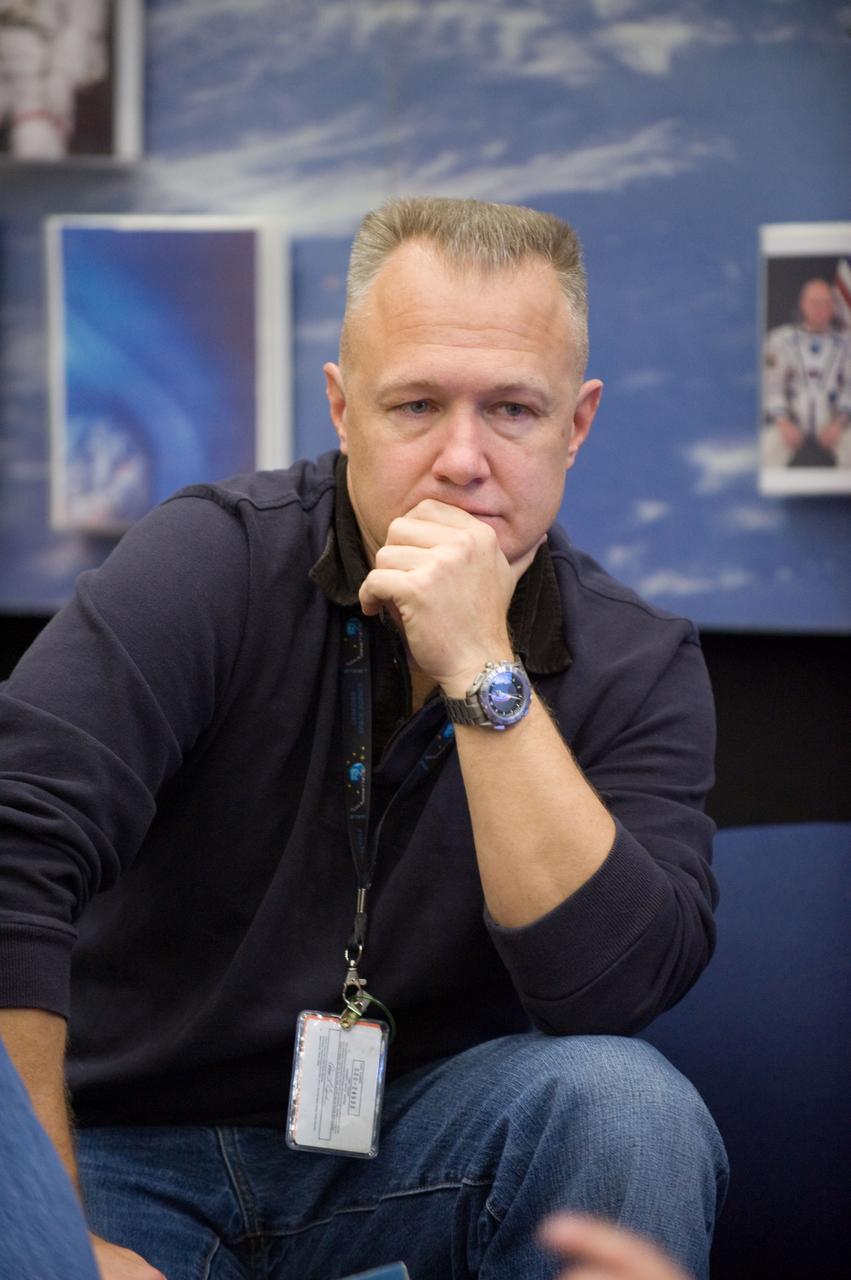
STS-335 crew and training team during Bailout training with instructors Bob Behrendsen and Patrick Jones. Photo Date: December 3, 2010. Location: Building 9NW - CCT-II Mockup. Photographer: Robert Markowitz.
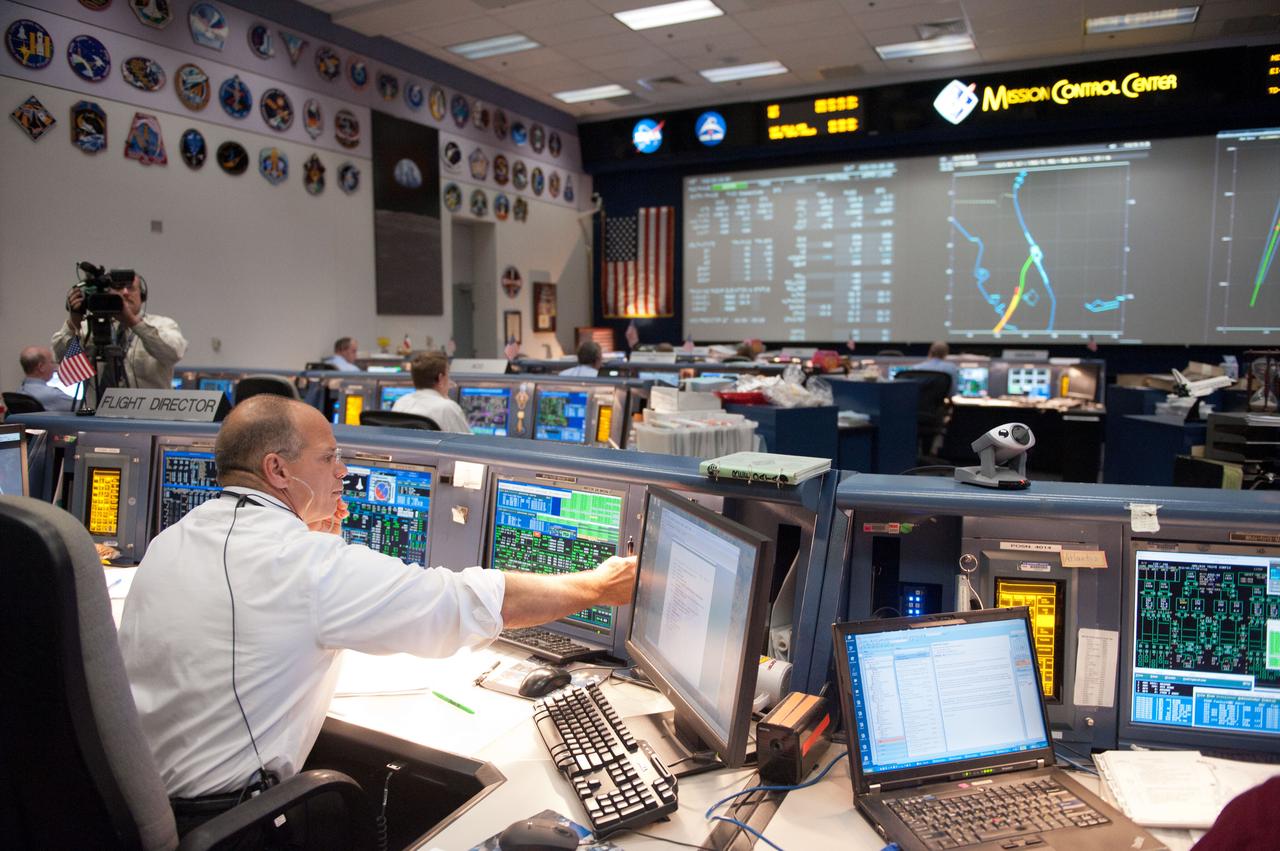
PHOTO DATE: 21 July 2011 LOCATION: Bldg. 30south, WFCR SUBJECT: STS-135 Entry flight control team in WFCR during the landing of space shuttle Atlantis. PHOTOGRAPHER: Robert Markowitz
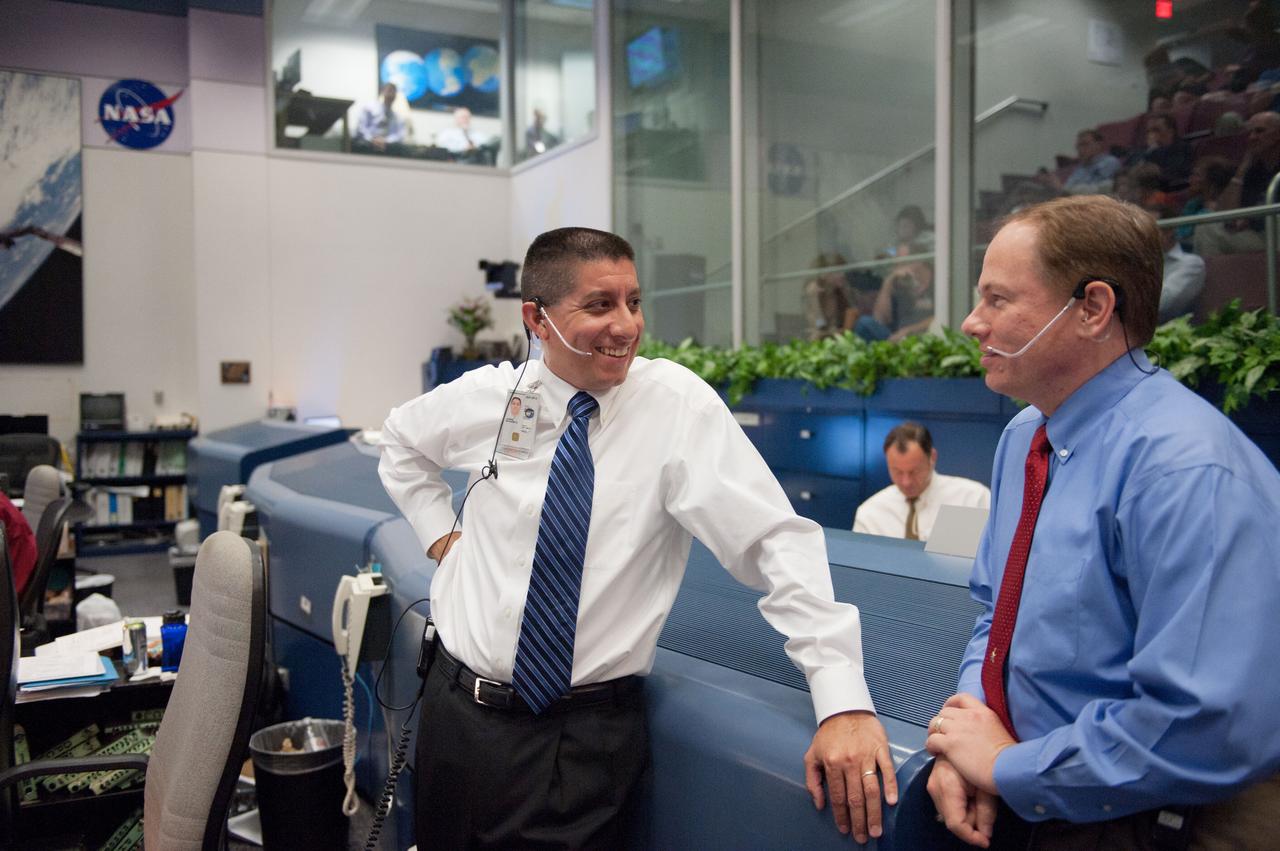
PHOTO DATE: 21 July 2011 LOCATION: Bldg. 30south, WFCR SUBJECT: STS-135 Entry flight control team in WFCR during the landing of space shuttle Atlantis. PHOTOGRAPHER: Robert Markowitz
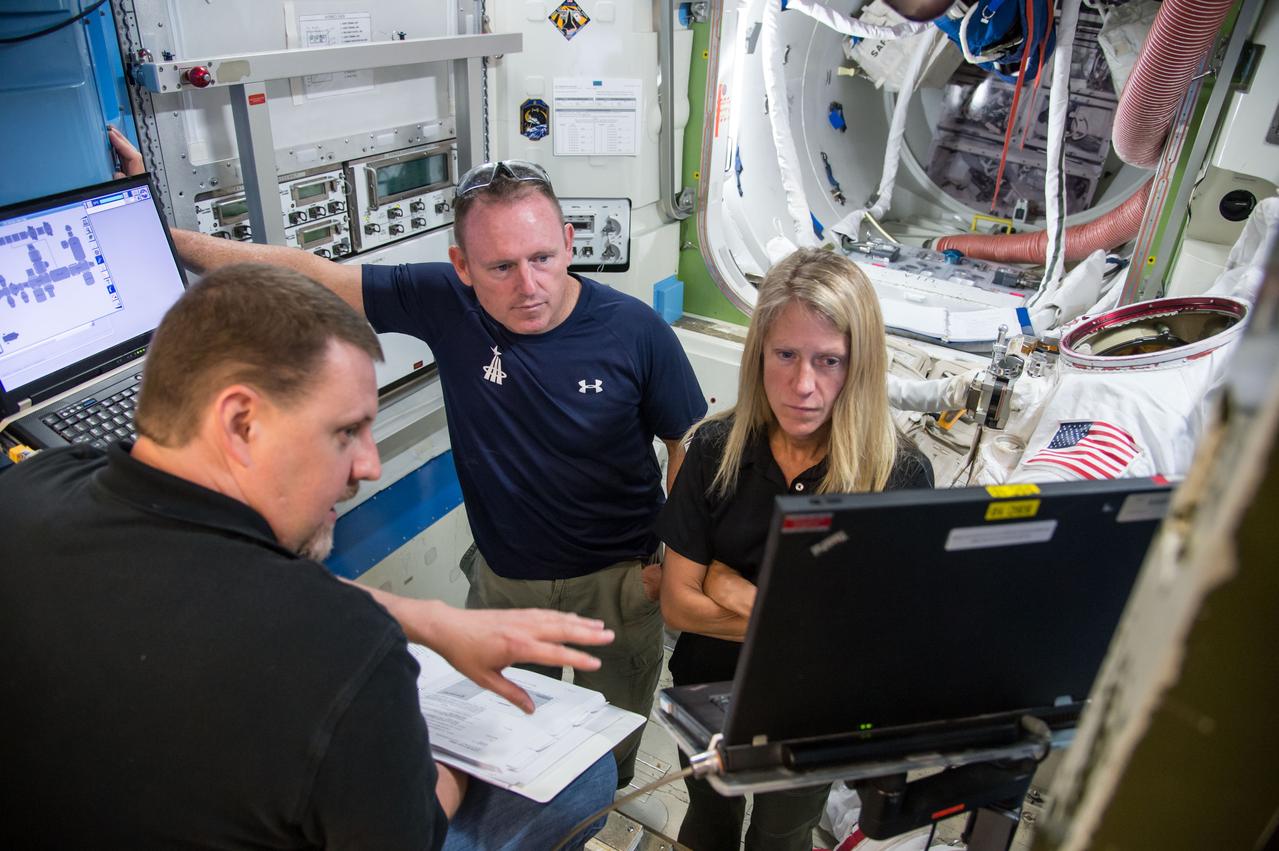
PHOTO DATE: 07-18-14 LOCATION: Bldg. 9NW - ISS Mockups SUBJECT: EVA Team training with Expedition 42 commander Barry "Butch" Wilmore. PHOTOGRAPHER: BILL STAFFORD
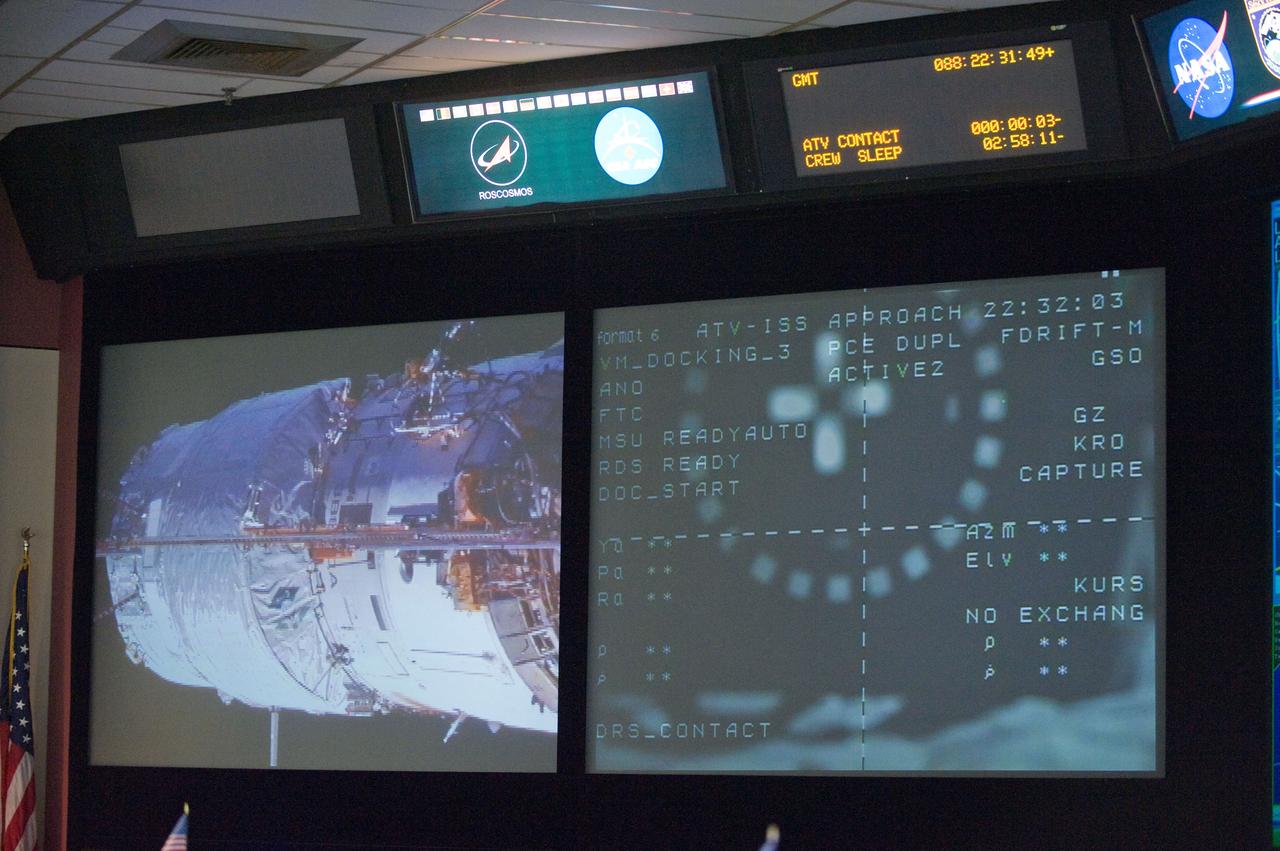
PHOTO DATE: 03-28-12 LOCATION: Bldg. 30 - FCR-1 (30M/231) SUBJECT: Expedition 30 flight control team during docking of ESA's ATV vehicle to ISS. PHOTOGRAPHER: BILL STAFFORD
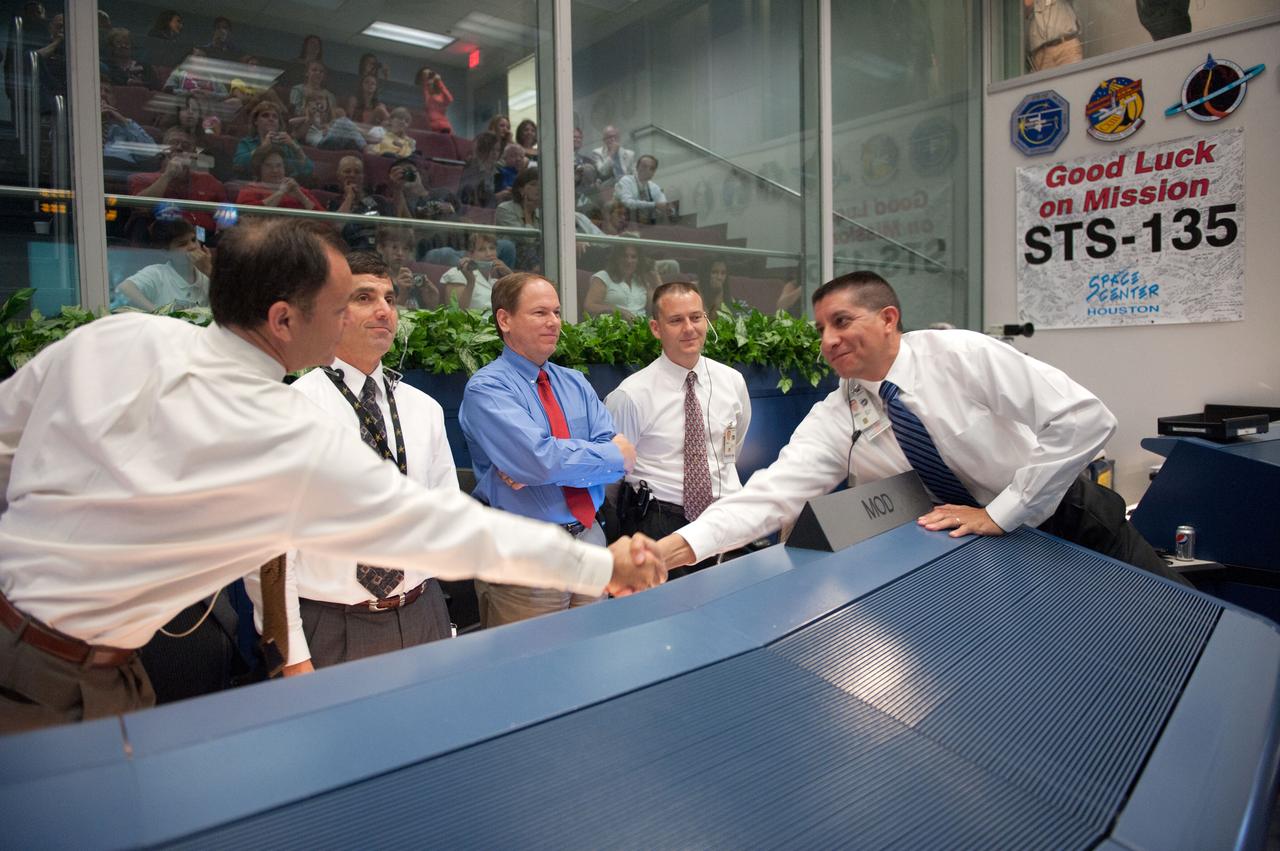
PHOTO DATE: 21 July 2011 LOCATION: Bldg. 30south, WFCR SUBJECT: STS-135 Entry flight control team in WFCR during the landing of space shuttle Atlantis. PHOTOGRAPHER: Robert Markowitz
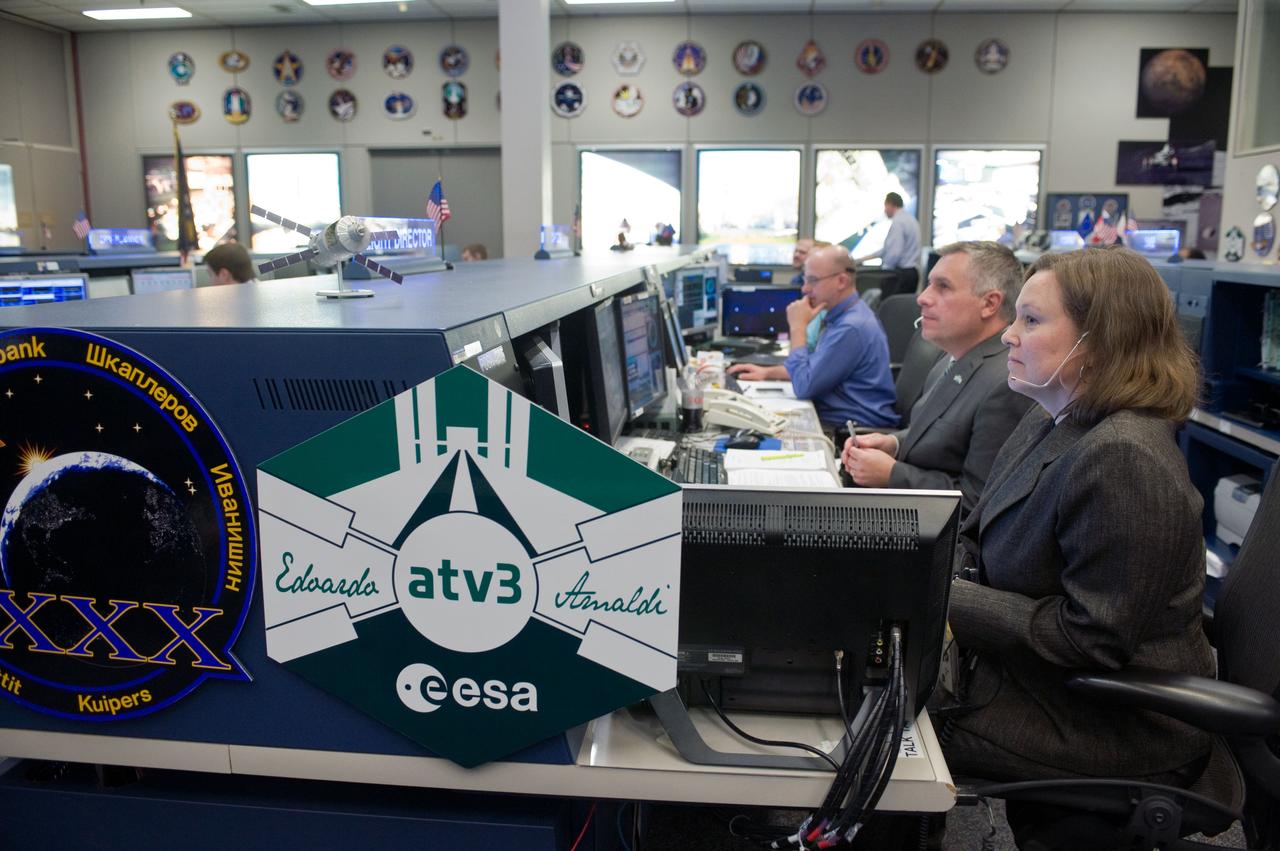
PHOTO DATE: 03-28-12 LOCATION: Bldg. 30 - FCR-1 (30M/231) SUBJECT: Expedition 30 flight control team during docking of ESA's ATV vehicle to ISS. PHOTOGRAPHER: BILL STAFFORD

Brandon Marsell, deputy technical fellow for Cryogenics in NASA’s Engineering and Safety Center Technical Discipline Team at Kennedy Space Center in Florida, poses for a photograph on Wednesday, Aug. 20, 2025.
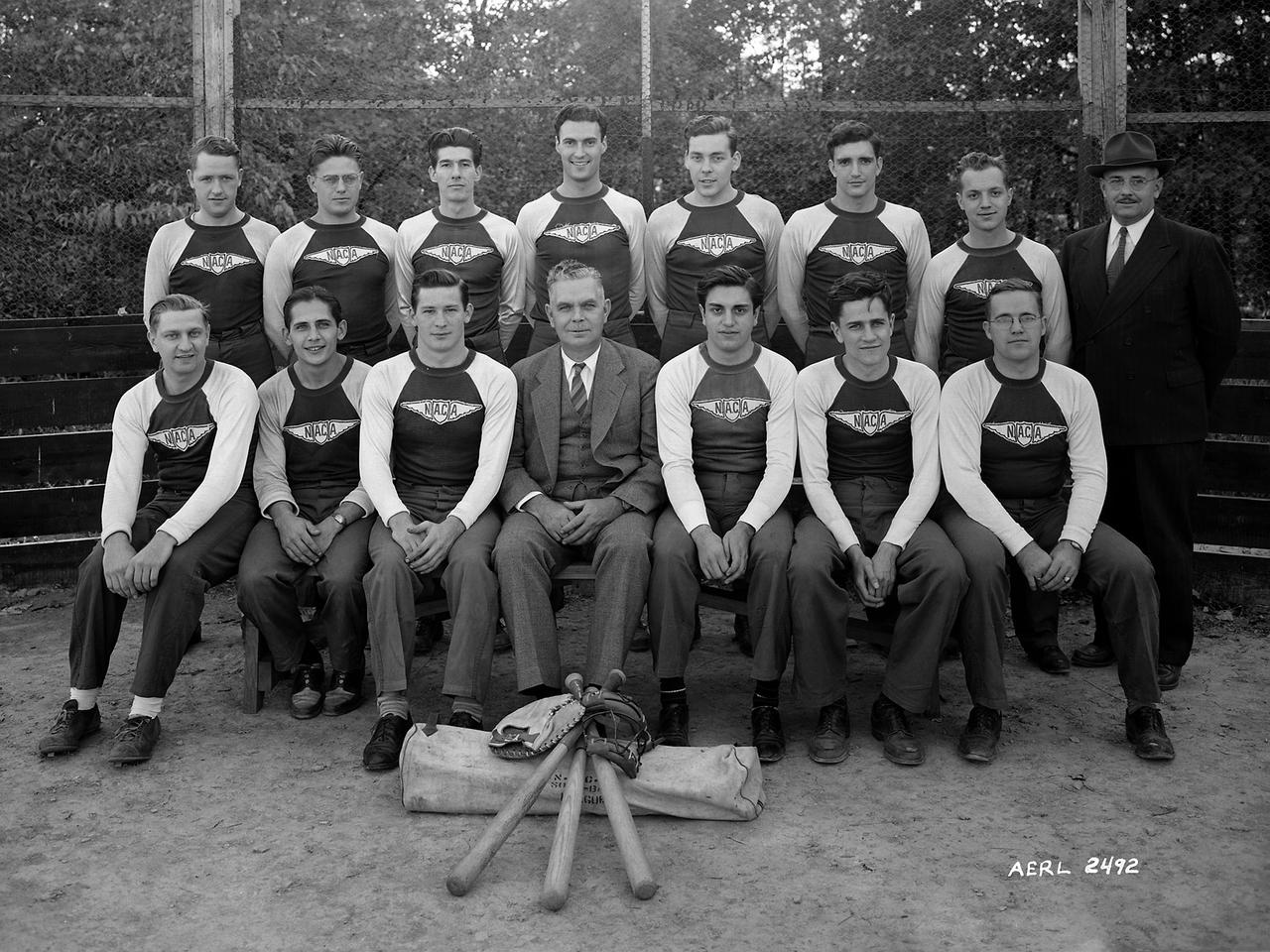
The NACA’s Aircraft Engine Research Laboratory’s baseball team photographed with director Raymond Sharp. The Exchange, which operated the non-profit cafeteria, sponsored several sports teams that participated in local leagues. The laboratory also had several intramural sports leagues. The baseball team, seen here in 1943, was suspended shortly thereafter as many of its members entered the military during World War II. The team was reconstituted after the war and became somewhat successful in the Class A Westlake League. After winning the championship in 1949 and 1950, the team was placed in the more advanced Middleberg League where they struggled.
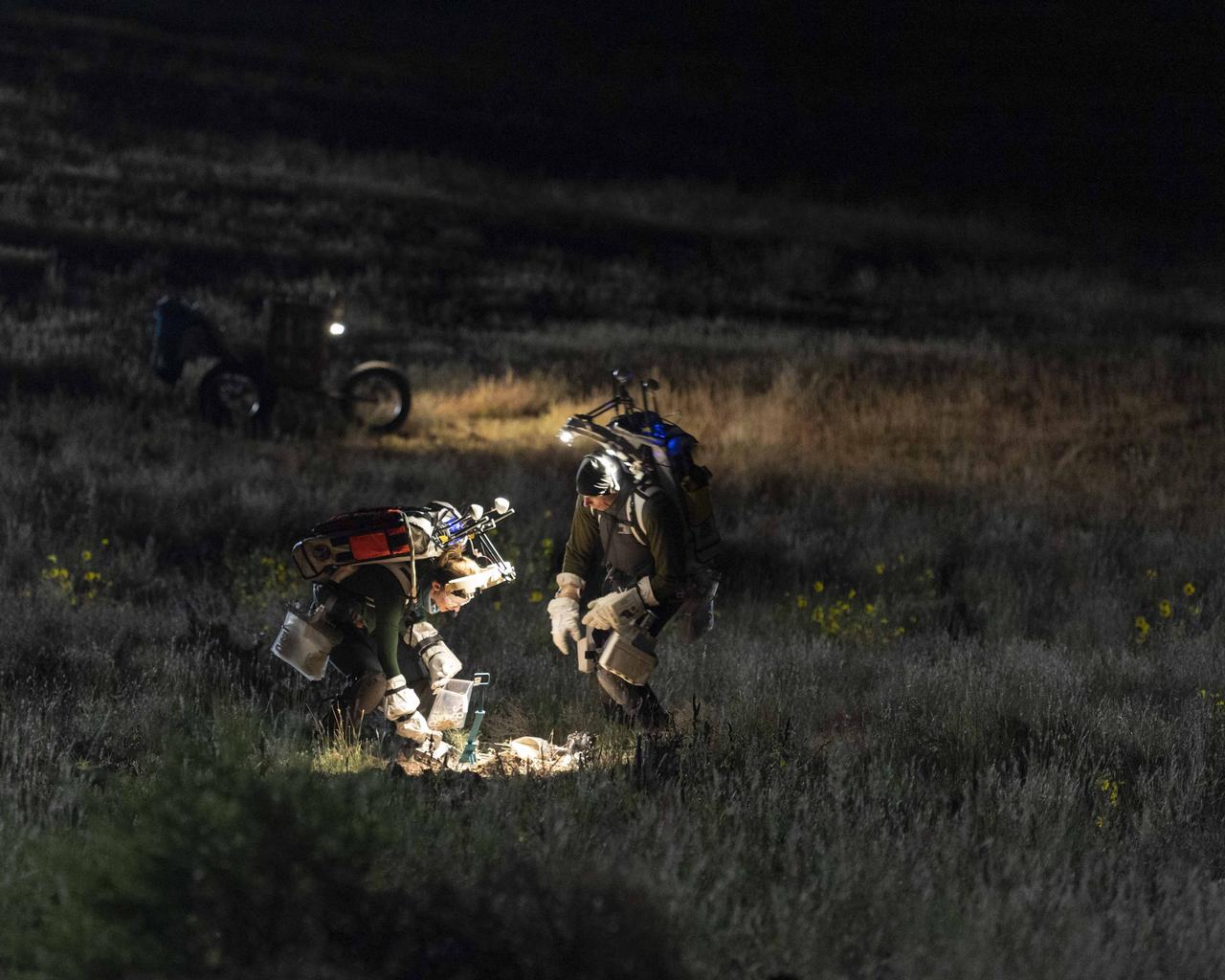
PHOTO DATE: 10-09-22 LOCATION: Flagstaff, Arizona SUBJECT: Photographic coverage of JETTS3 engineering night run 4. Joint EVA Test Team (JETT) Field Testing - JETT 3 fully integrated mission scale test to ensure successful surface operations and technology development for Artemis III. PHOTOGRAPHER: BILL STAFFORD
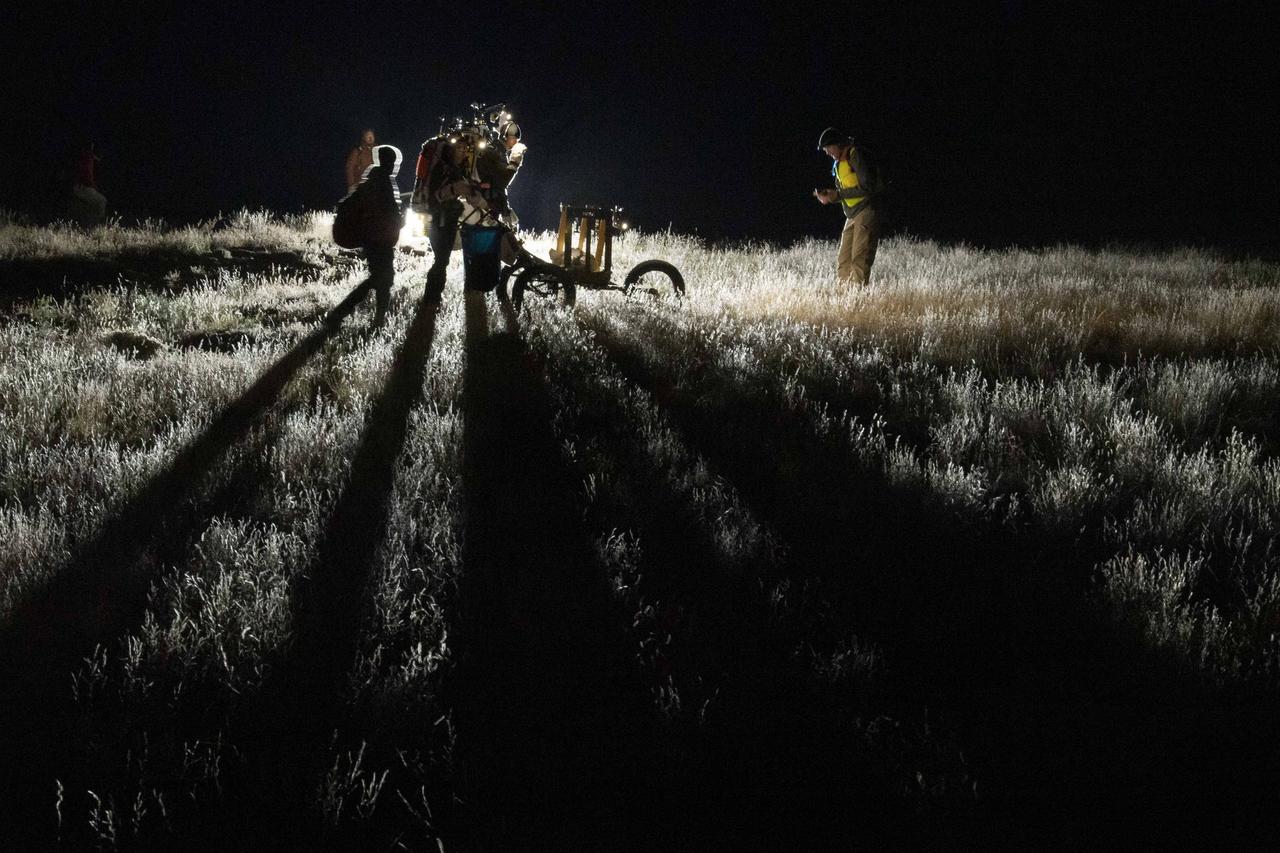
PHOTO DATE: 10-09-22 LOCATION: Flagstaff, Arizona SUBJECT: Photographic coverage of JETTS3 engineering night run 4. Joint EVA Test Team (JETT) Field Testing - JETT 3 fully integrated mission scale test to ensure successful surface operations and technology development for Artemis III. PHOTOGRAPHER: BILL STAFFORD
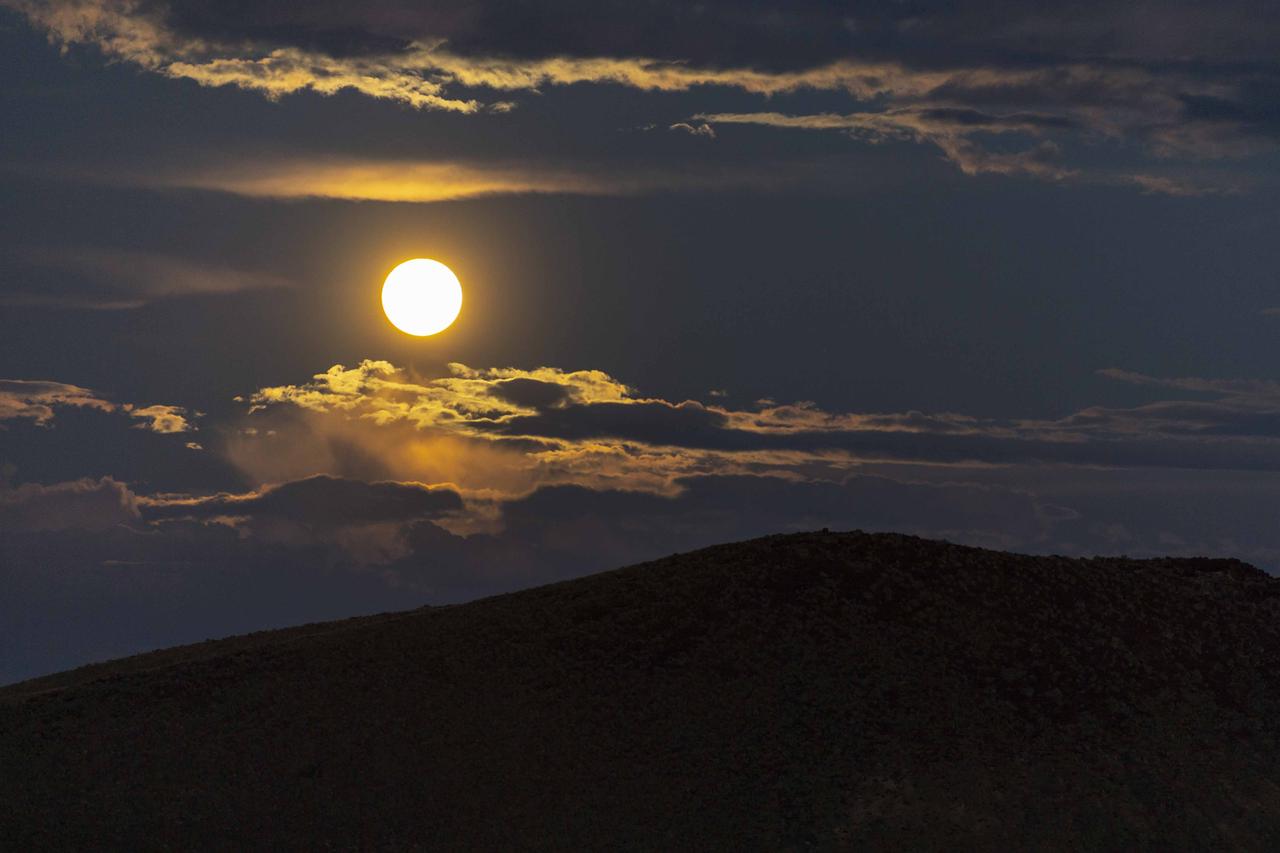
PHOTO DATE: 10-09-22 LOCATION: Flagstaff, Arizona SUBJECT: Photographic coverage of JETTS3 engineering night run 4. Joint EVA Test Team (JETT) Field Testing - JETT 3 fully integrated mission scale test to ensure successful surface operations and technology development for Artemis III. PHOTOGRAPHER: BILL STAFFORD

PHOTO DATE: 10-09-22 LOCATION: Flagstaff, Arizona SUBJECT: Photographic coverage of JETTS3 engineering night run 4. Joint EVA Test Team (JETT) Field Testing - JETT 3 fully integrated mission scale test to ensure successful surface operations and technology development for Artemis III. PHOTOGRAPHER: BILL STAFFORD
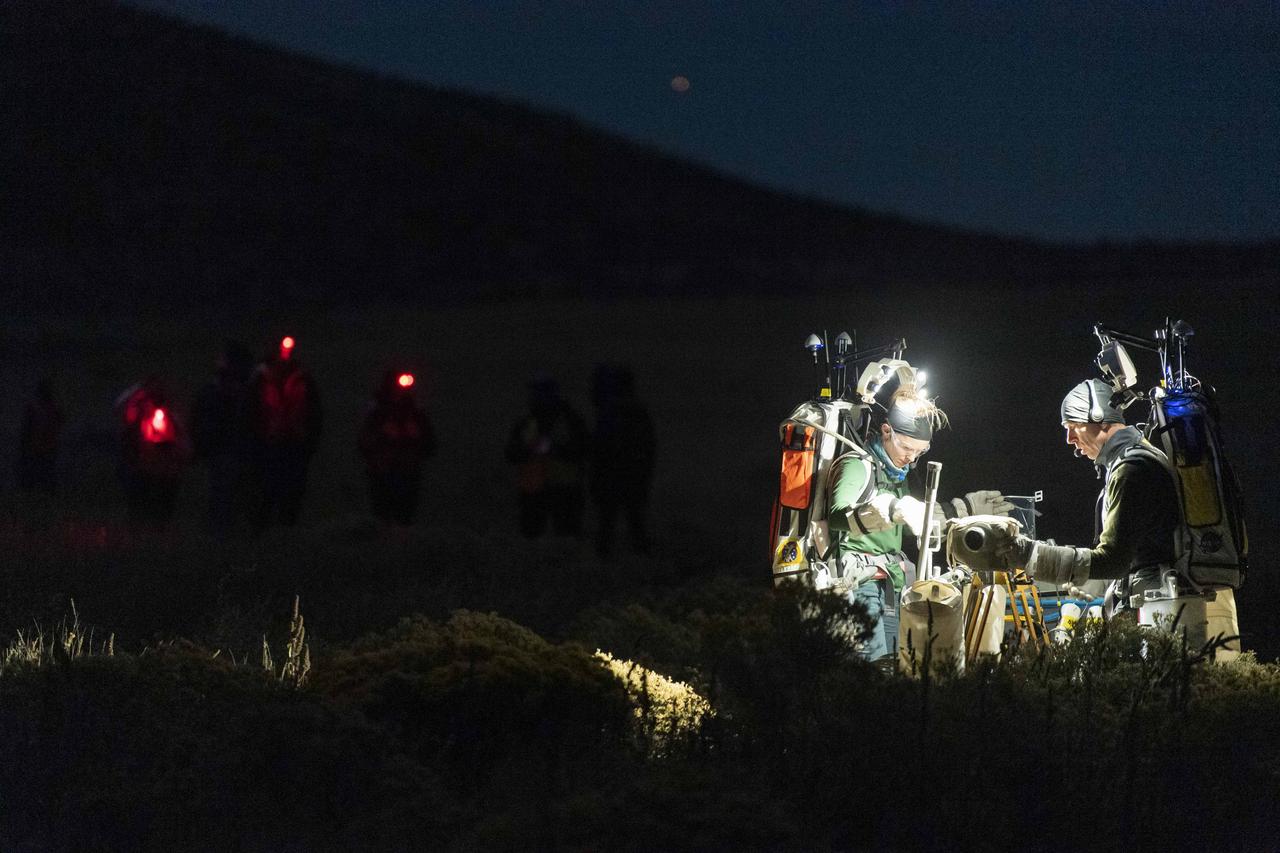
PHOTO DATE: 10-09-22 LOCATION: Flagstaff, Arizona SUBJECT: Photographic coverage of JETTS3 engineering night run 4. Joint EVA Test Team (JETT) Field Testing - JETT 3 fully integrated mission scale test to ensure successful surface operations and technology development for Artemis III. PHOTOGRAPHER: BILL STAFFORD
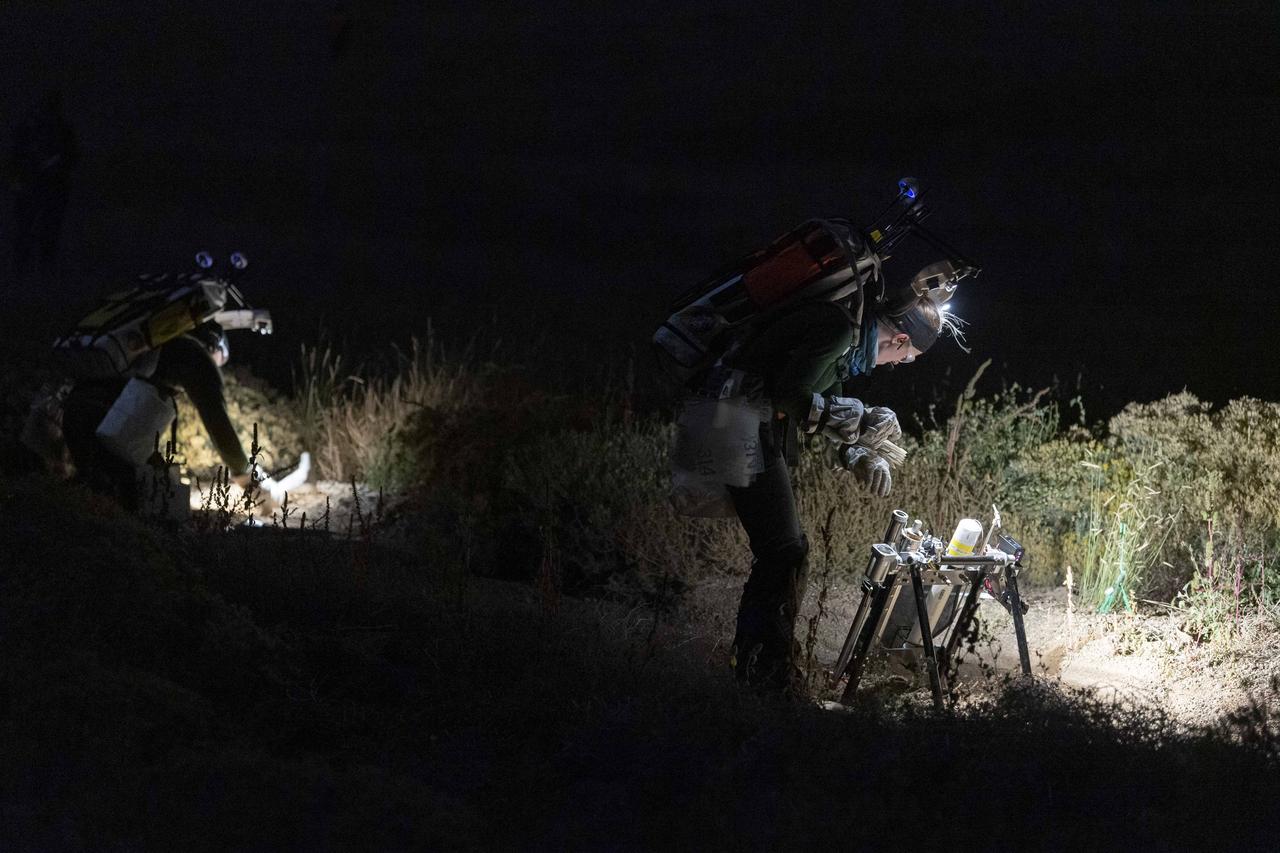
PHOTO DATE: 10-09-22 LOCATION: Flagstaff, Arizona SUBJECT: Photographic coverage of JETTS3 engineering night run 4. Joint EVA Test Team (JETT) Field Testing - JETT 3 fully integrated mission scale test to ensure successful surface operations and technology development for Artemis III. PHOTOGRAPHER: BILL STAFFORD
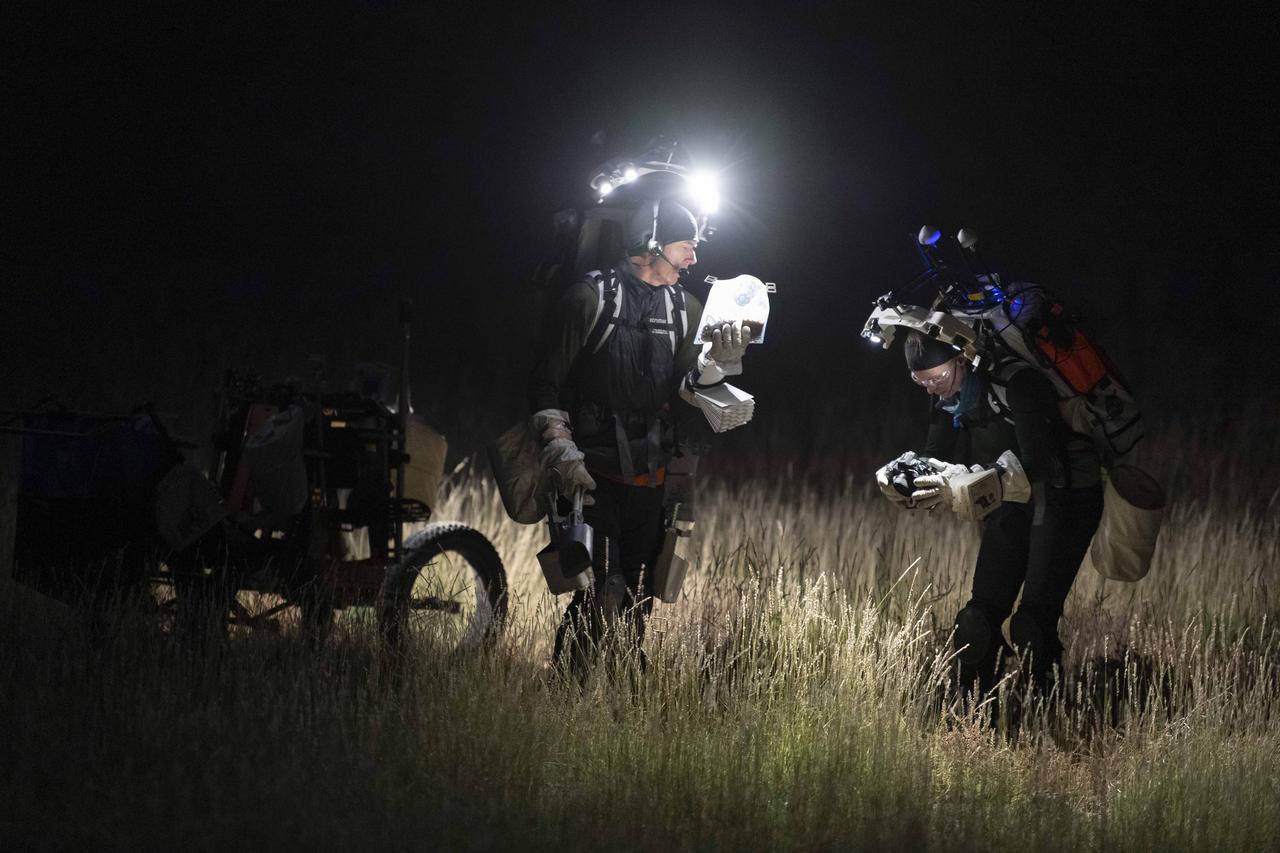
PHOTO DATE: 10-09-22 LOCATION: Flagstaff, Arizona SUBJECT: Photographic coverage of JETTS3 engineering night run 4. Joint EVA Test Team (JETT) Field Testing - JETT 3 fully integrated mission scale test to ensure successful surface operations and technology development for Artemis III. PHOTOGRAPHER: BILL STAFFORD
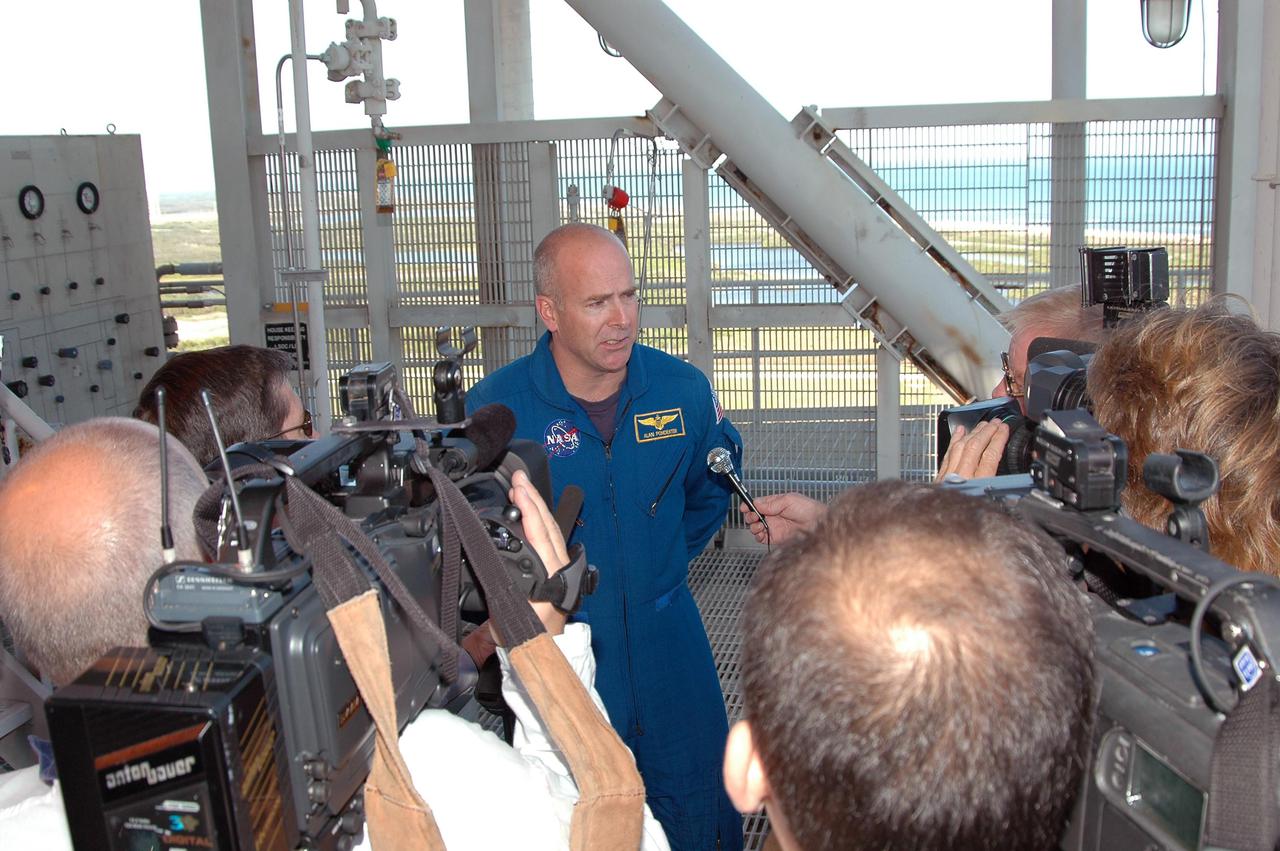
KENNEDY SPACE CENTER, FLA. - Prior to a simulated launch countdown_emergency simulation on Launch Pad 39A, the media photograph and interview astronaut Alan G. Poindexter. Pad team members participated in the four-hour exercise simulating normal launch countdown operations, with the added challenge of a fictitious event causing an evacuation of the vehicle and launch pad. The simulation tested the team’s rescue approaches on the Fixed Service Structure, slidewire basket evacuation, triage care and transportation of injured personnel to hospitals, as well as communications and coordination.
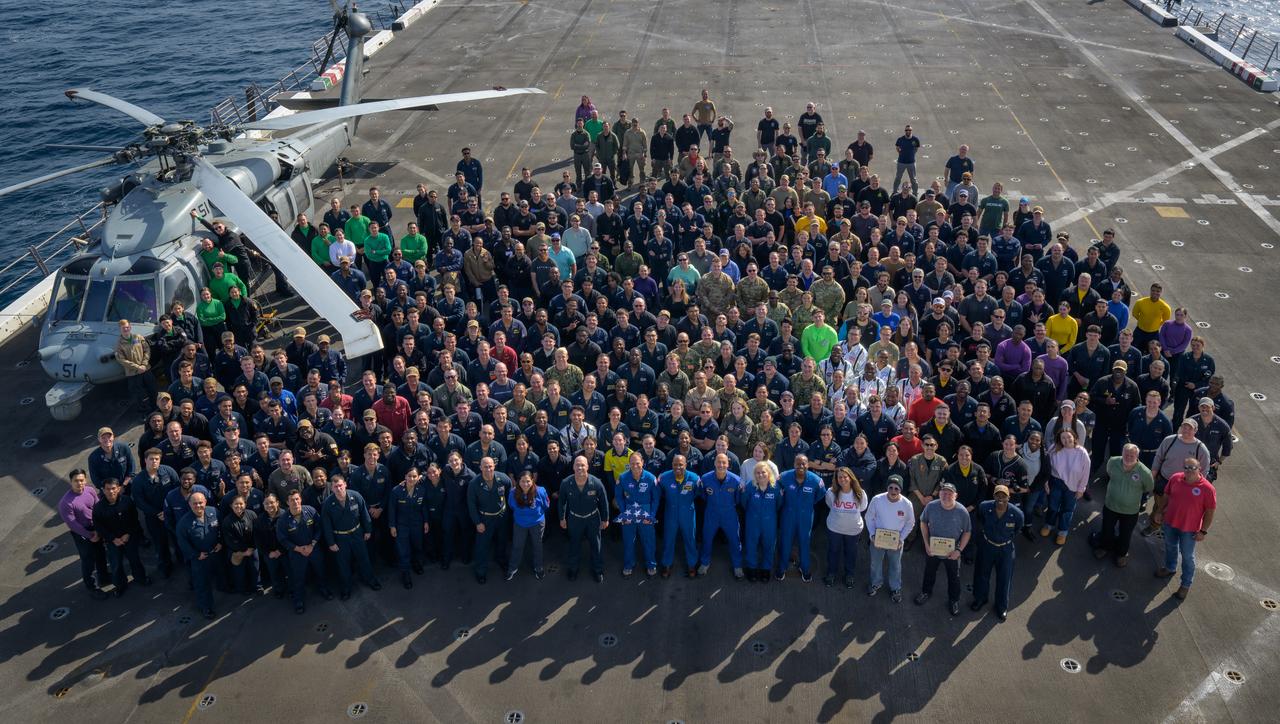
Members of NASA and Department of Defense recovery team pose for a group photograph on the flight deck of USS Somerset after practicing Artemis recovery operations during Underway Recovery Test-12 off the coast of California, Saturday, March 29, 2025. During the test, NASA and Department of Defense teams are practicing to ensure recovery procedures are validated as NASA plans to send Artemis II around the Moon and splashdown in the Pacific Ocean. Photo Credit: (NASA/Bill Ingalls)
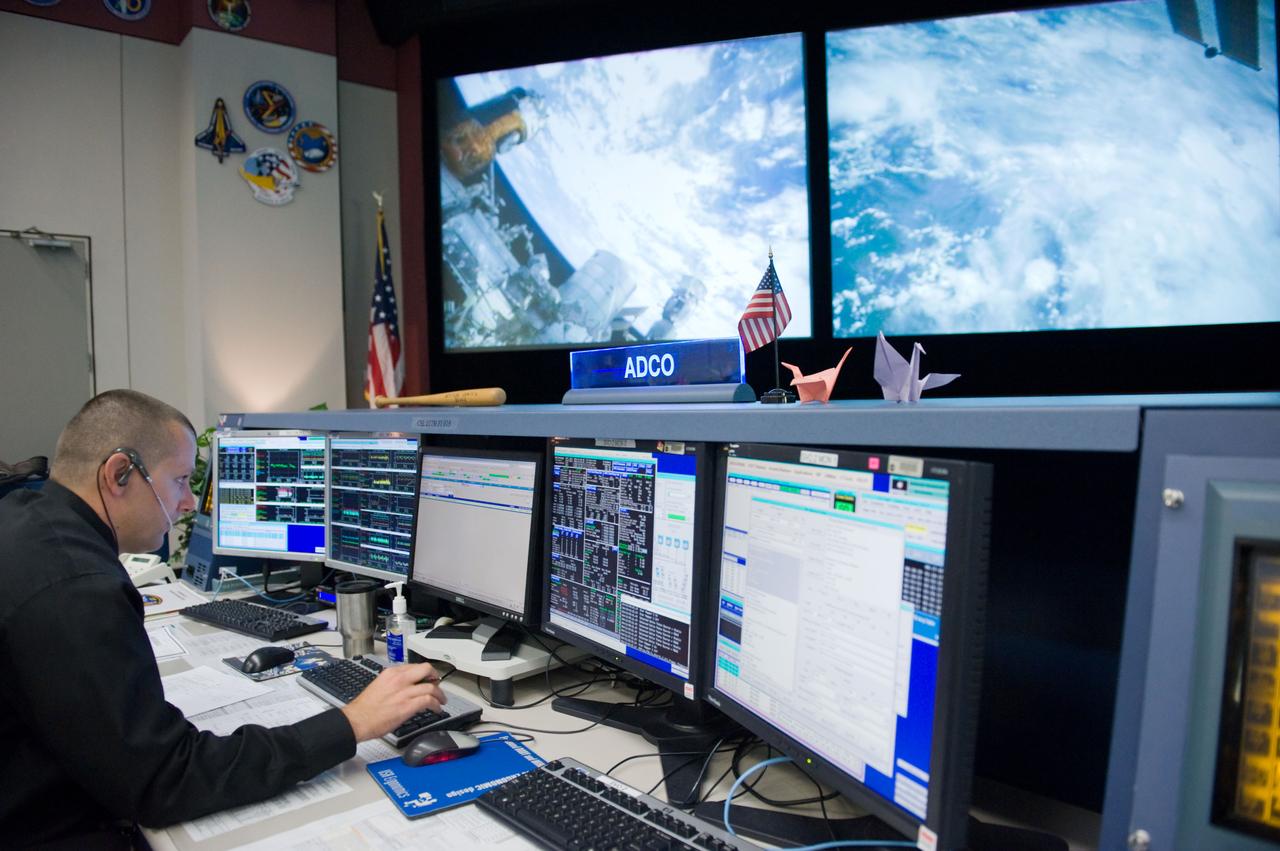
PHOTO DATE: 3-25-11 LOCATION: Bldg. 30M, FCR-1 SUBJECT: JAXA flight control team gave the Folding Paper Cranes to NASA ISS mission control team and now they are decorated on their consoles. The Folding Paper Cranes are for the people who suffer terrible pain from the earthquake in Japan. PHOTOGRAPHER: Lauren Harnett

The women who comprise the Artemis launch team are photographed inside Firing Room 1 of the Launch Control Center at NASA’s Kennedy Space Center in Florida on Friday, March 15, 2024. In the center behind the Artemis sign is NASA’s first female Launch Director Charlie Blackwell-Thompson. The team, which is about 30% women, will launch the agency’s Artemis II mission from Kennedy’s Launch Pad 39B, the first crewed mission on NASA's path to establishing a long-term presence at the Moon for science and exploration through Artemis.
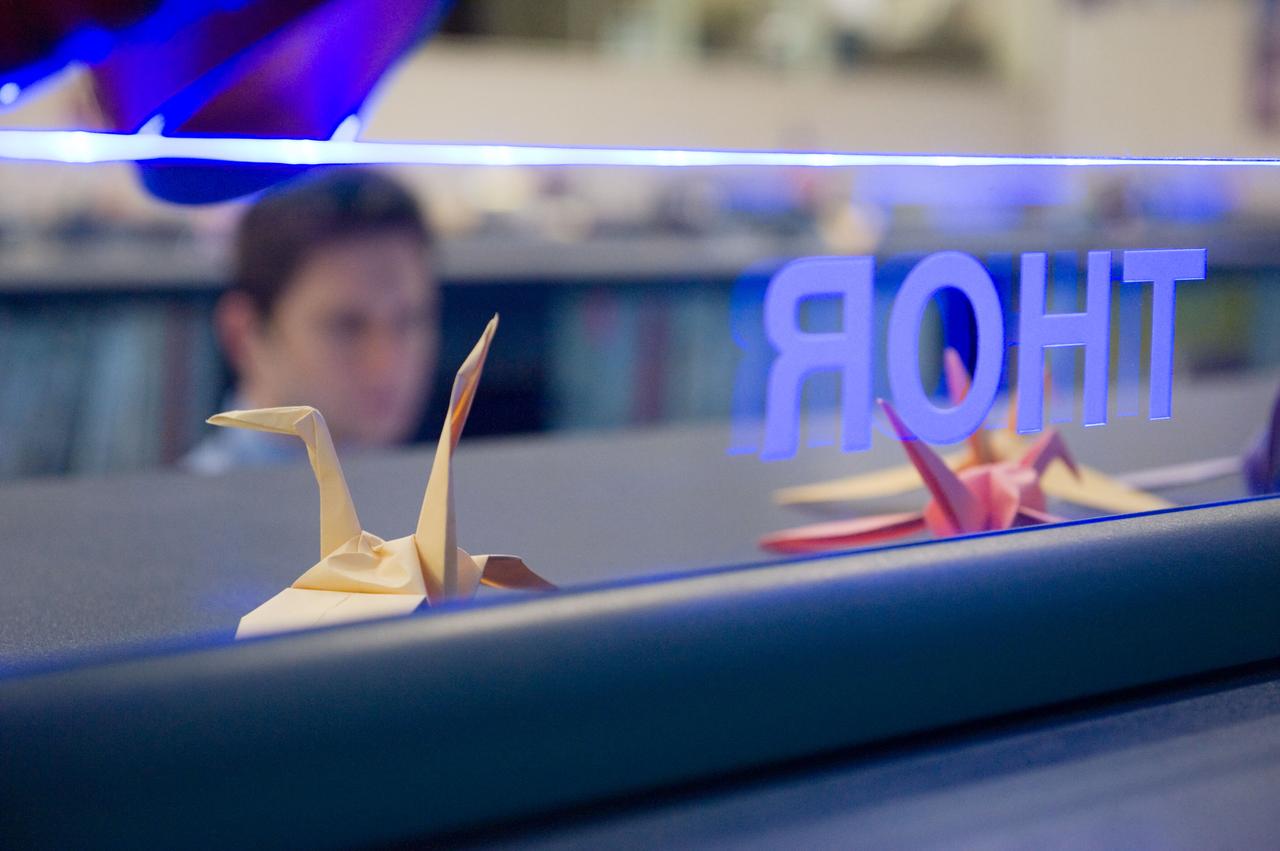
PHOTO DATE: 3-25-11 LOCATION: Bldg. 30M, FCR-1 SUBJECT: JAXA flight control team gave the Folding Paper Cranes to NASA ISS mission control team and now they are decorated on their consoles. The Folding Paper Cranes are for the people who suffer terrible pain from the earthquake in Japan. PHOTOGRAPHER: Lauren Harnett
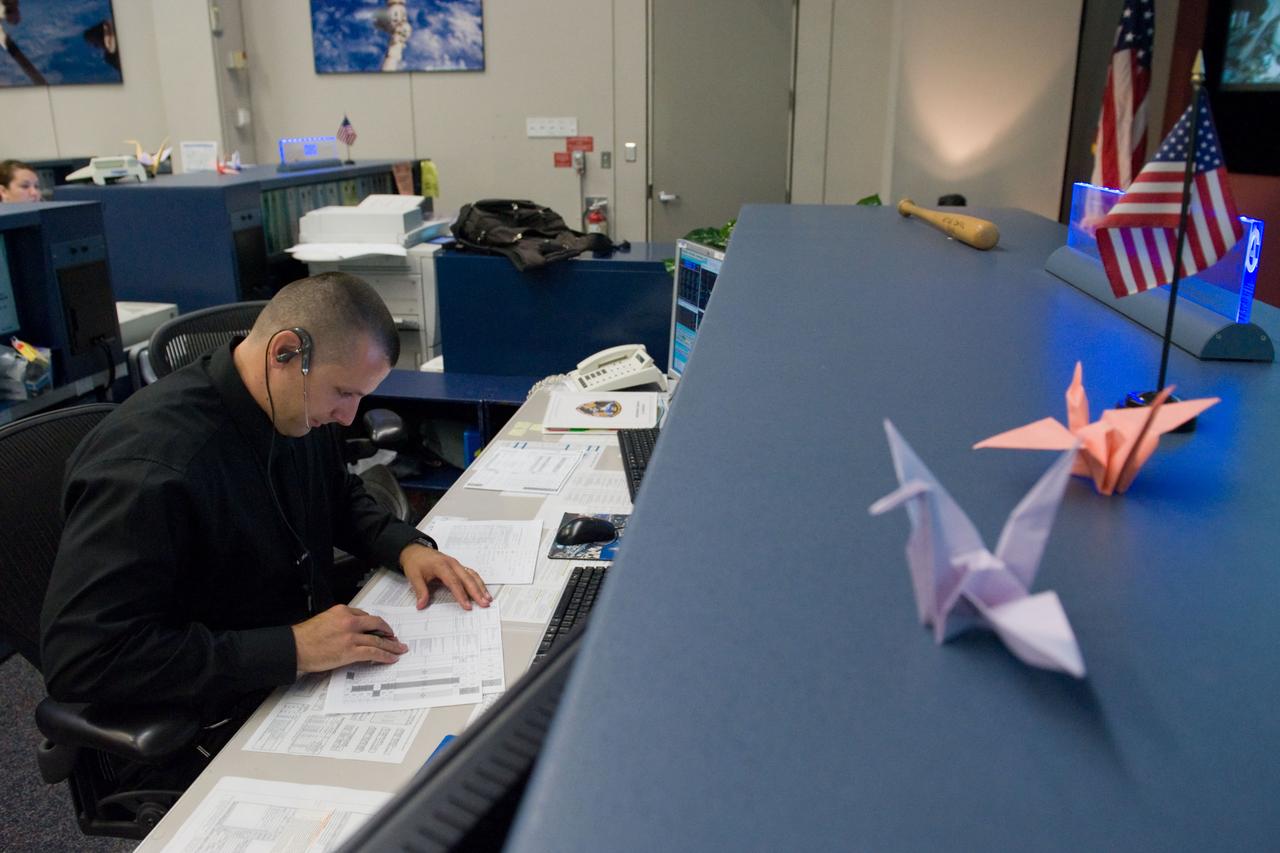
PHOTO DATE: 3-25-11 LOCATION: Bldg. 30M, FCR-1 SUBJECT: JAXA flight control team gave the Folding Paper Cranes to NASA ISS mission control team and now they are decorated on their consoles. The Folding Paper Cranes are for the people who suffer terrible pain from the earthquake in Japan. PHOTOGRAPHER: Lauren Harnett
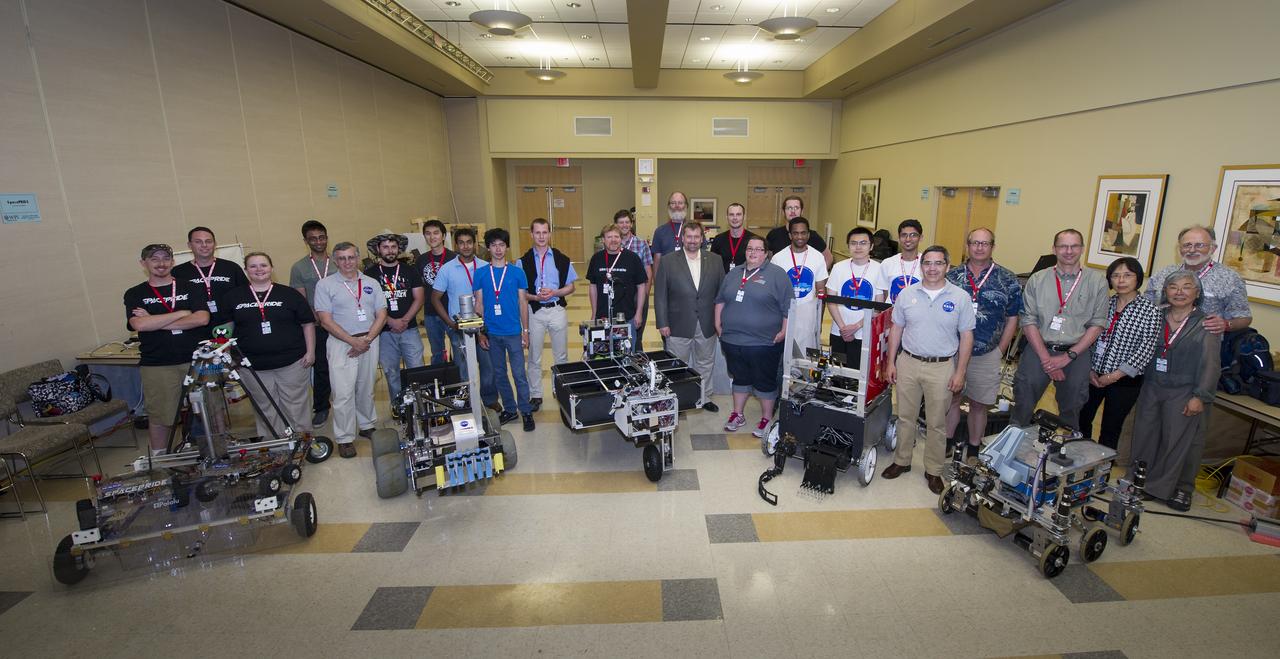
NASA-WPI Sample Return Robot Centennial Challenge teams, NASA management, and challenge organizers pose for a group photograph on Saturday, June 16, 2012 at Worcester Polytechnic Institute (WPI) in Worcester, Mass. Teams were challenged to build autonomous robots that can identify, collect and return samples. NASA needs autonomous robotic capability for future planetary exploration. Photo Credit: (NASA/Bill Ingalls)
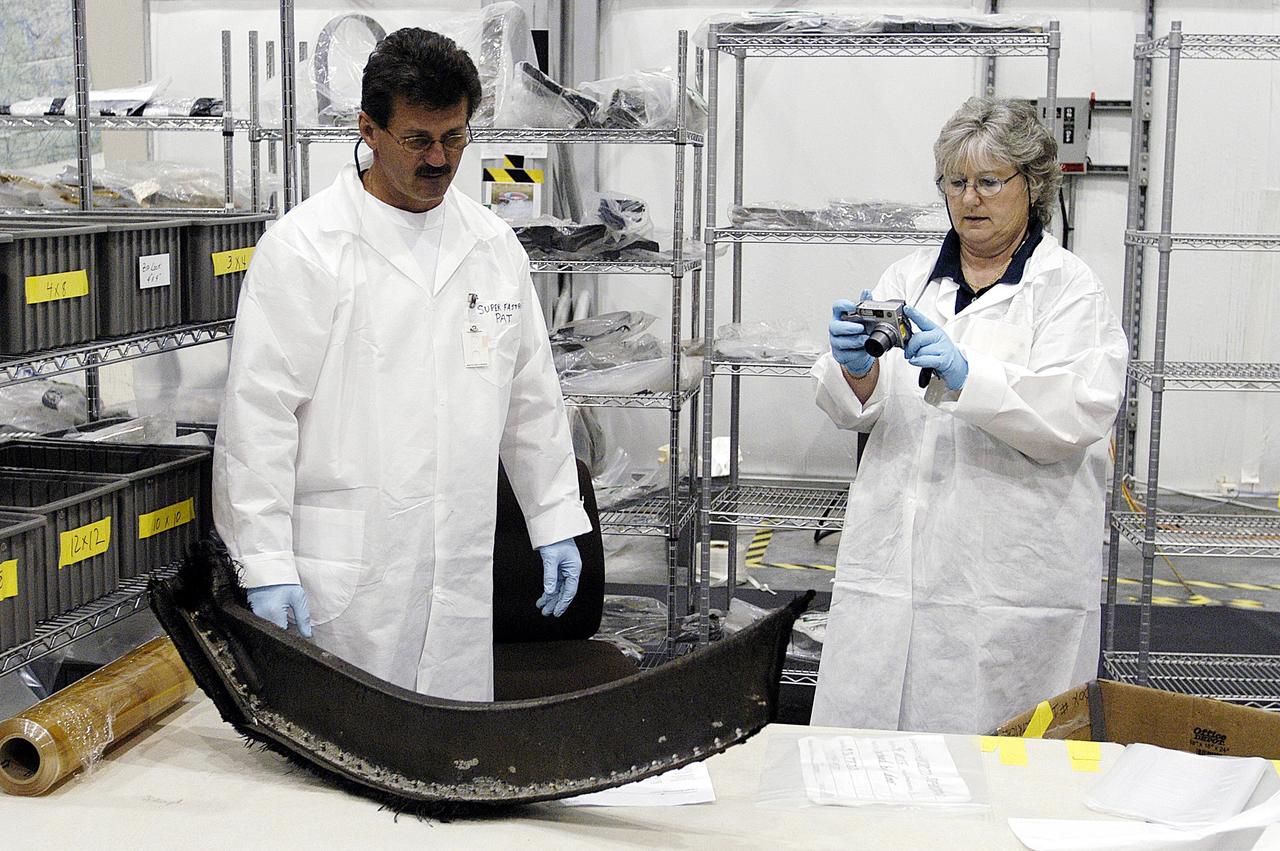
KENNEDY SPACE CENTER, FLA. -- In the RLV Hangar, members of the Columbia Reconstruction Project Team prepare to photograph a piece of debris from Columbia. The team is examining and identifying pieces as they are delivered to the hangar. More than 70,000 items, weighing 78,000 pounds, about 36 percent of the Shuttle by weight, have been delivered to KSC for use in the mishap investigation.
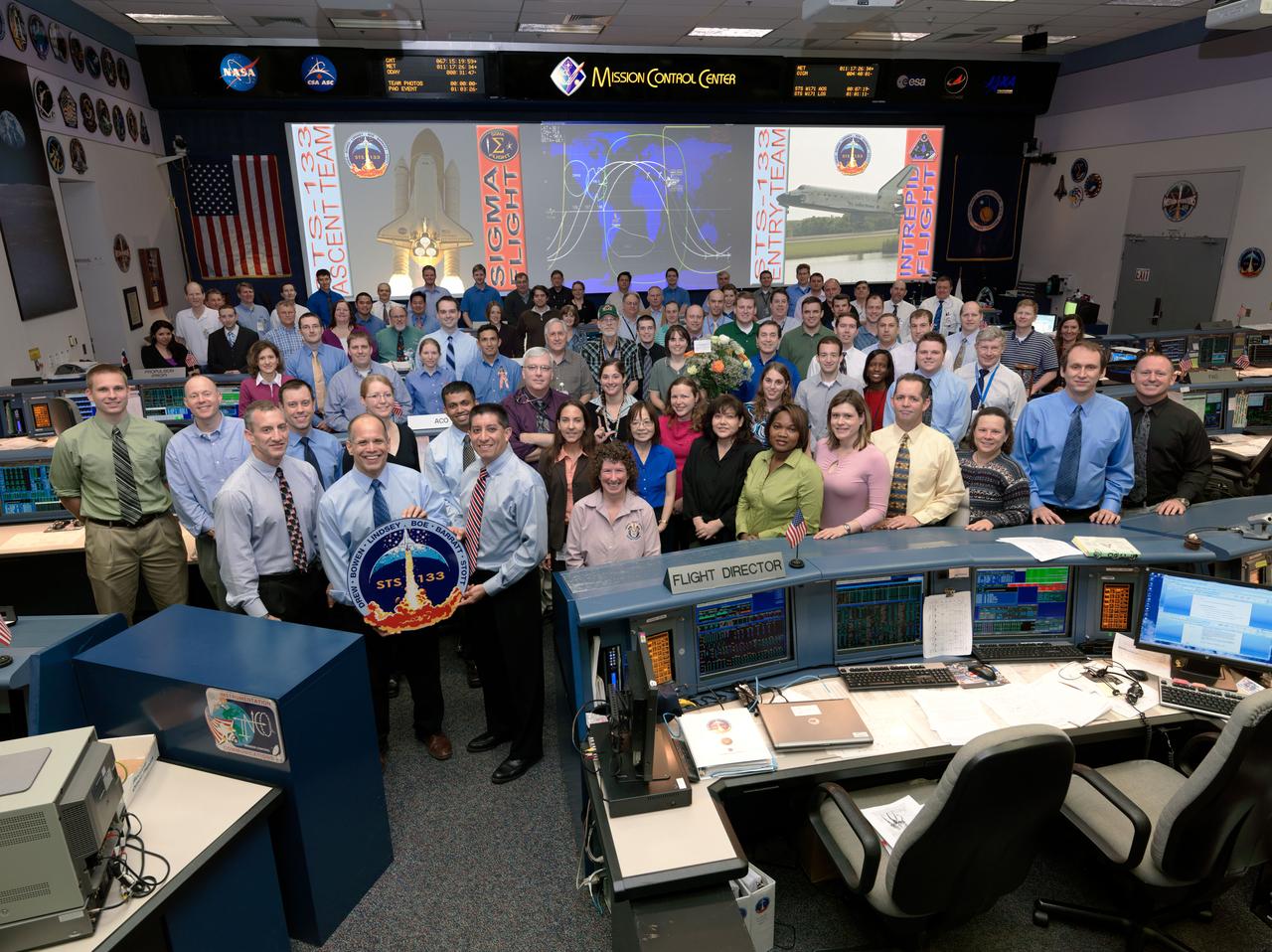
STS-133/ULF5 Ascent and Entry flight control team photo with Flight Director's Tony Ceccacci (Entry) and Richard Jones (Ascent). Photo Date: March 08, 2011. Location: Building 30 south - WFCR. Photographer: Robert Markowitz.
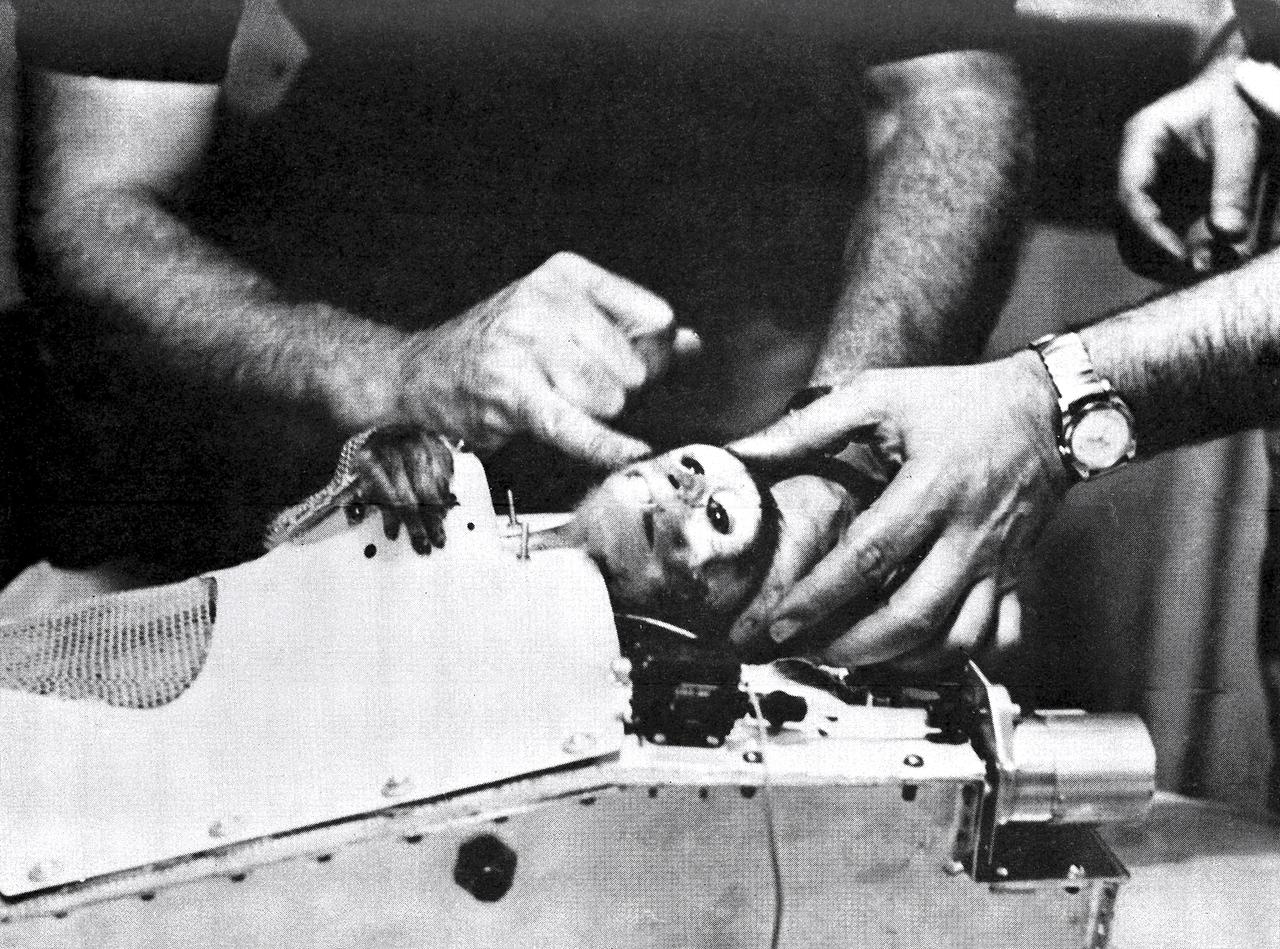
On May 28, 1959, a Jupiter Intermediate Range Ballistic Missile provided by a U.S. Army team in Redstone Arsenal, Alabama, launched a nose cone carrying Baker, A South American squirrel monkey and Able, An American-born rhesus monkey. This photograph shows Able after recovery of the nose cone of the Jupiter rocket by U.S.S. Kiowa.
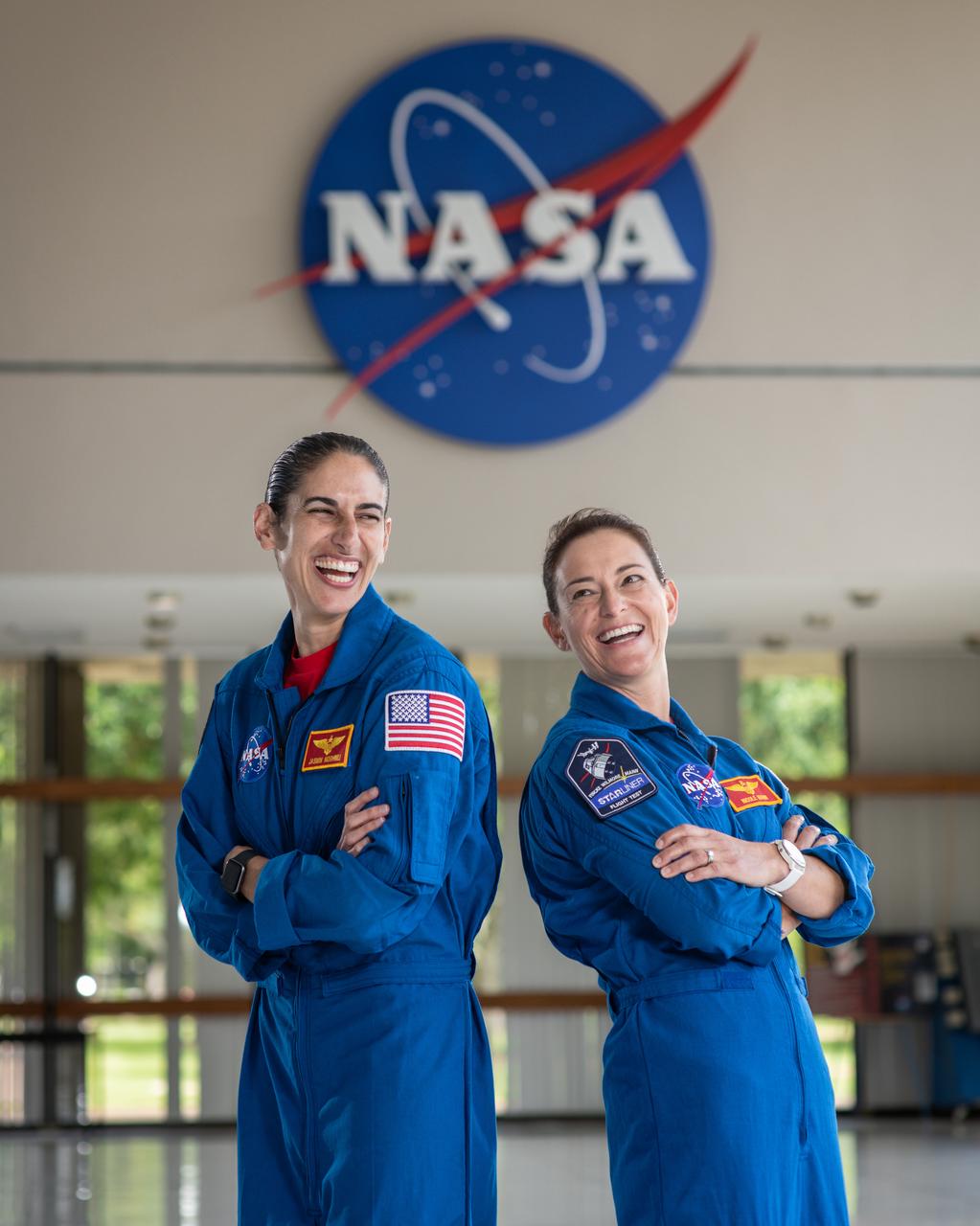
Marine astronauts Maj Jasmin “Jaws” Moghbeli and LtCol Nicole “Duke” Mann, both of whom are part of the Artemis team, laughing together during a photoshoot for the Leatherneck: Magazine of the Marines cover story. Photographer: Norah Moran – Johnson Space Center
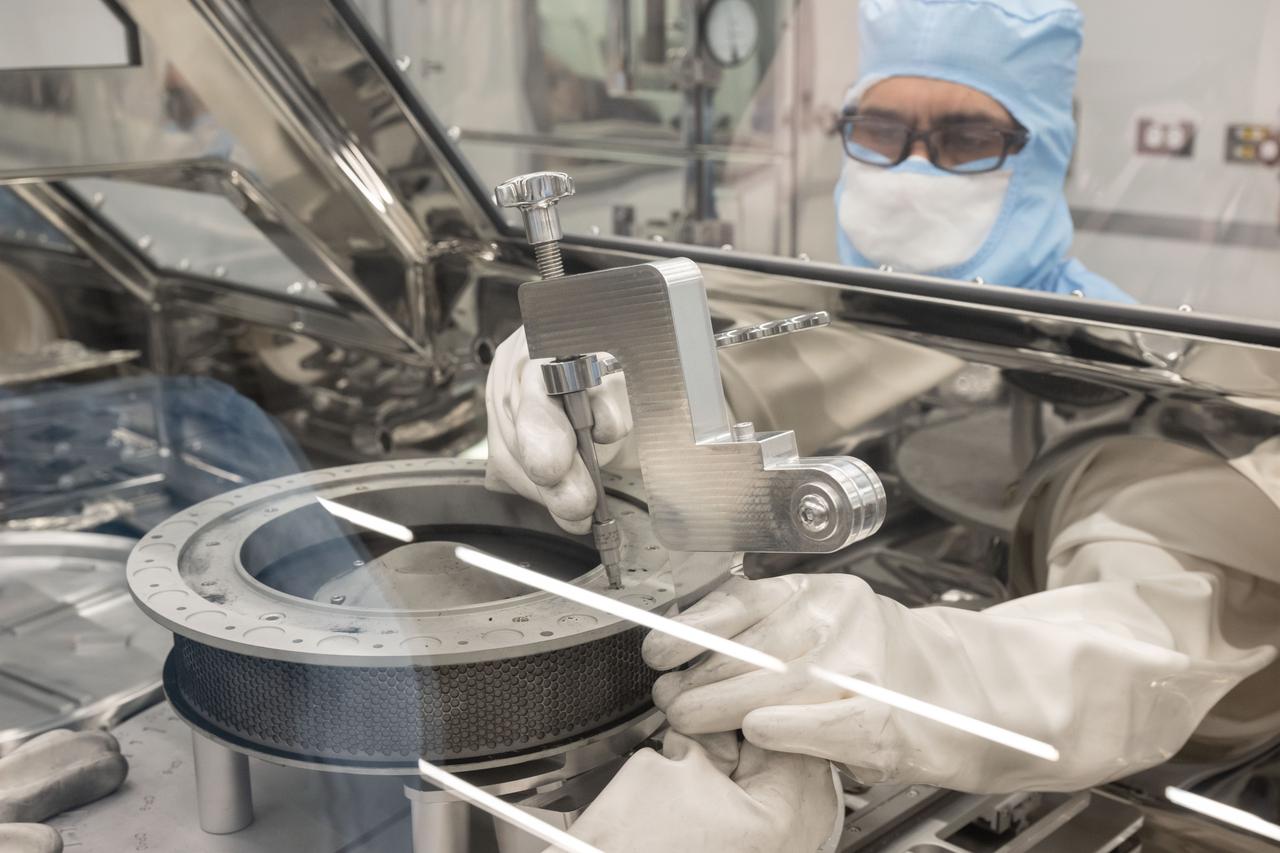
OSIRIS REx curation team attempting to remove the two stuck fasteners that are currently prohibiting the complete opening of the TAGSAM head. Photo Date: January 10, 2024. Location: Bldg. 31 - 2nd Floor - OSIRIS-REx lab. Photographer: Robert Markowitz
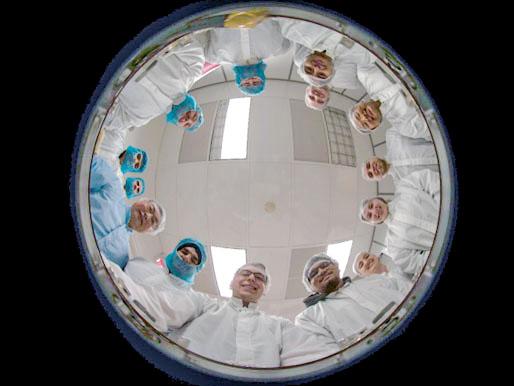
jsc2023e030776 (5/30/2023) --- The student team members who developed ESSENCE as photographed by the wide-angle lens camera installed in the CubeSat. This photo was taken during a camera test in the lab via ground station by radio link. Image courtesy of Nanoracks LLC.
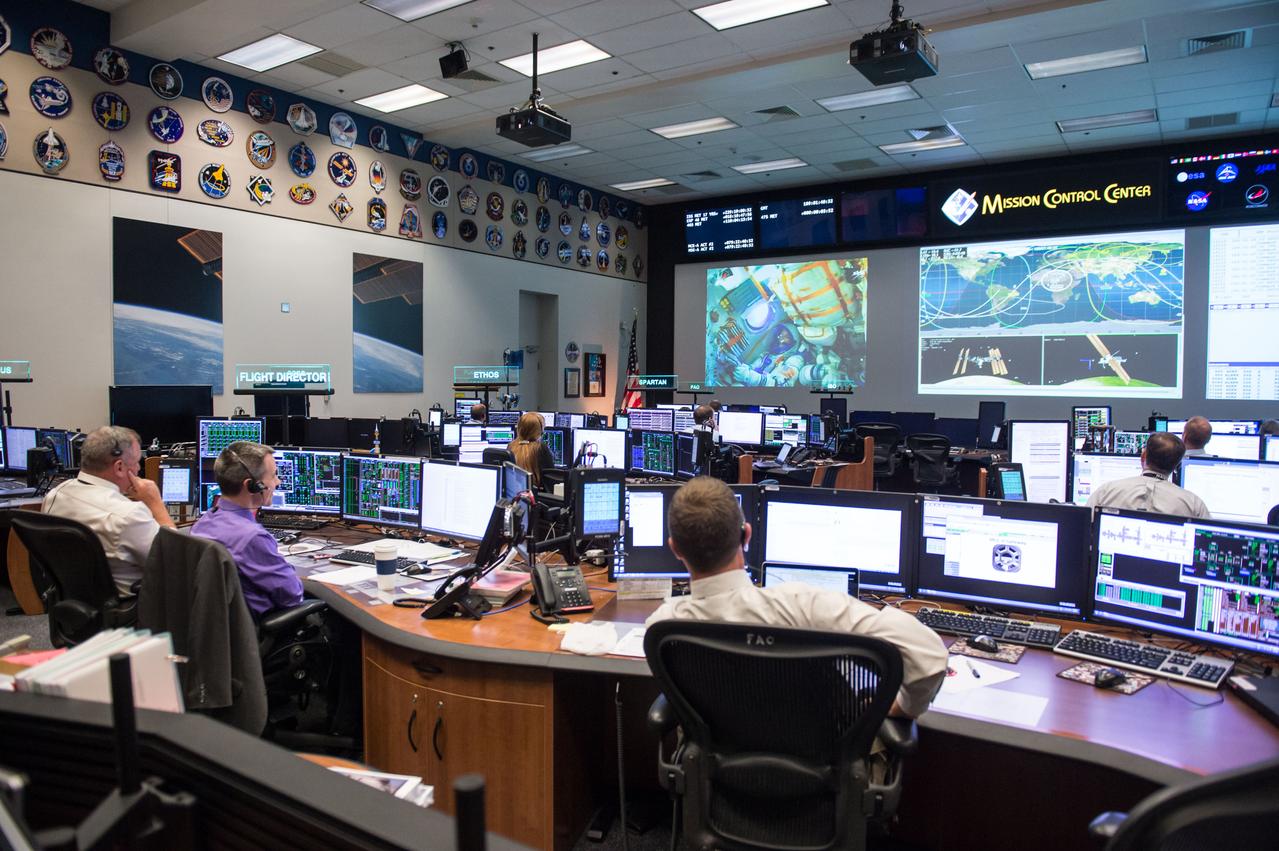
DATE: 7-6-16 LOCATION: Bldg. 30 - WFCR SUBJECT: Expedition 48/49 flight control team during Launch of the Expedition 48-49 Crew (Ivanishin, Onishi, Rubins) on the Soyuz MS-01 spacecraft from the Baikonur Cosmodrome in Kazakhstan. PHOTOGRAPHER: Lauren Harnett
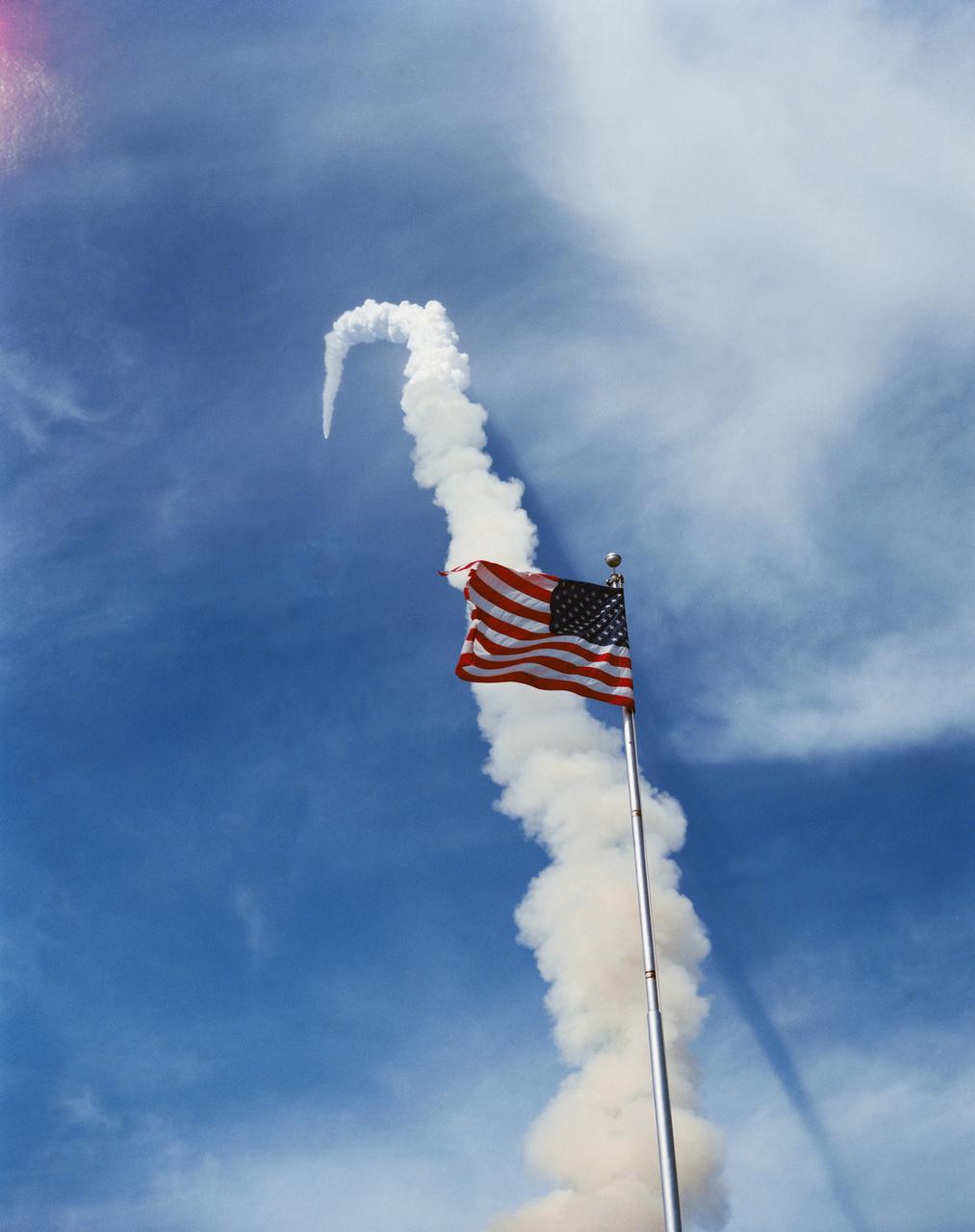
51F-S-068 (29 July 1985) --- The Space Shuttle Challenger heads toward Earth-orbit with the Spacelab-2 experiment pallet and a team of astronauts and scientists onboard. This photograph was taken by Otis Imboden of the National Geographic Society for NASA from the press site at Kennedy Space Center (KSC).
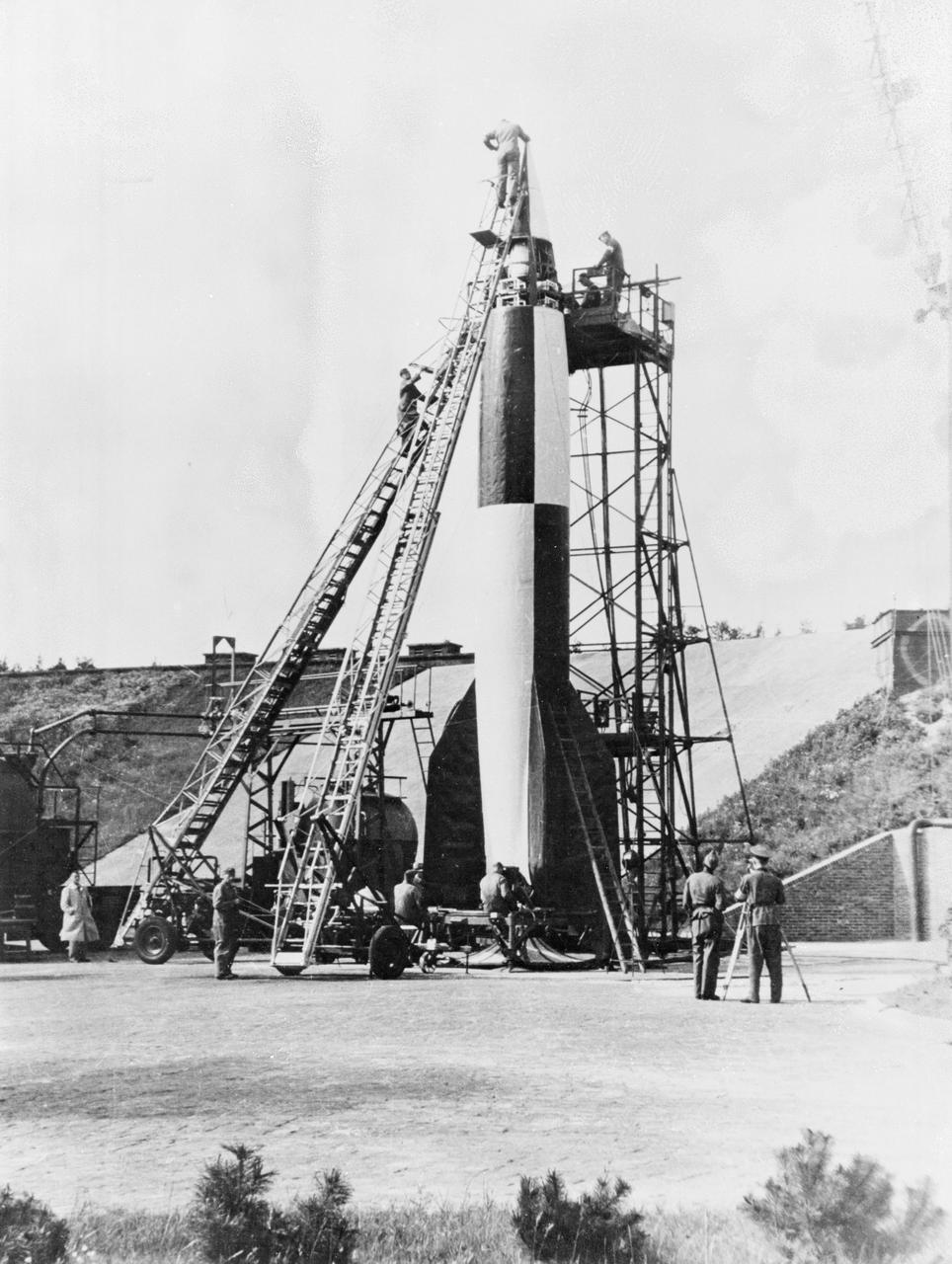
German technicians stack the various stages of the V-2 rocket in this undated photograph. The team of German engineers and scientists who developed the V-2 came to the United States at the end of World War II and worked for the U. S. Army at Fort Bliss, Texas, and Redstone Arsenal in Huntsville, Alabama.
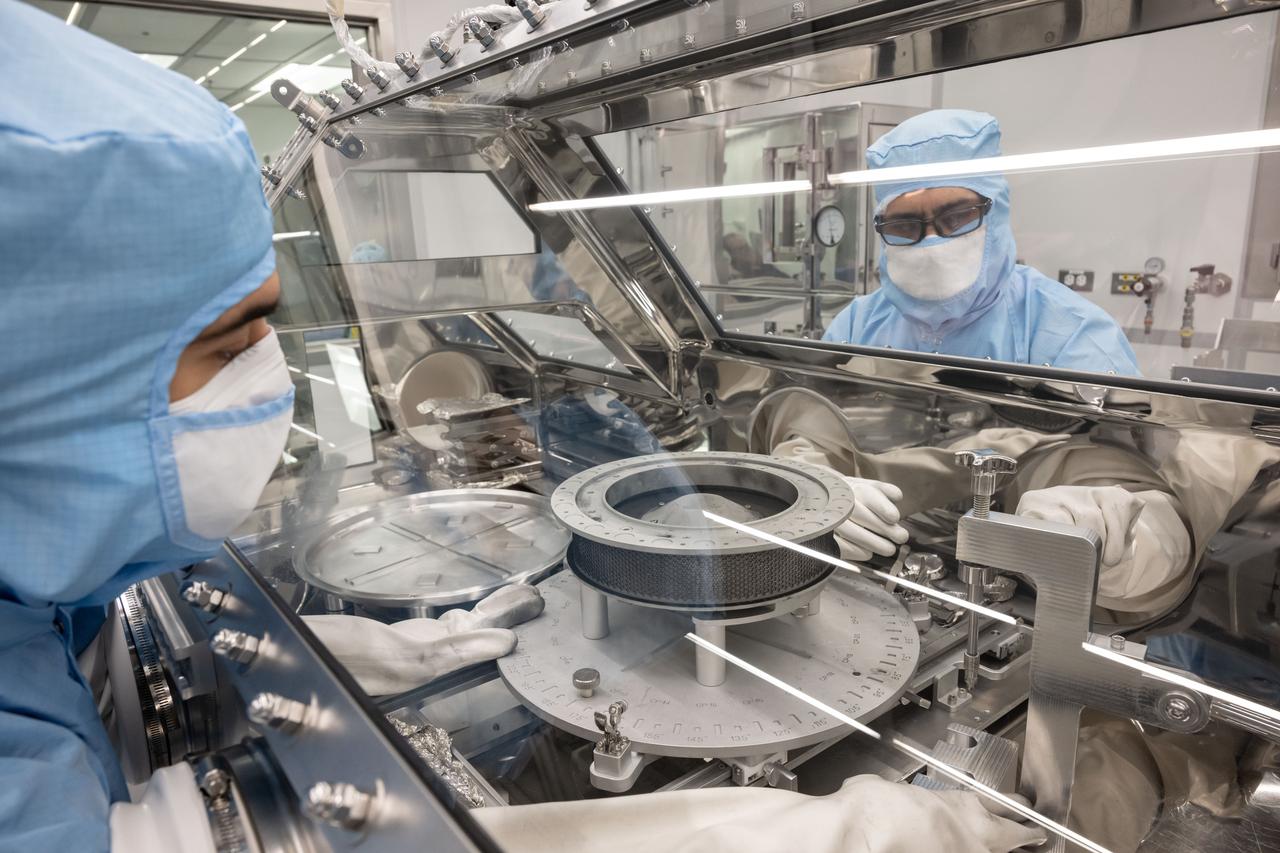
OSIRIS REx curation team attempting to remove the two stuck fasteners that are currently prohibiting the complete opening of the TAGSAM head. Photo Date: January 10, 2024. Location: Bldg. 31 - 2nd Floor - OSIRIS-REx lab. Photographer: Robert Markowitz
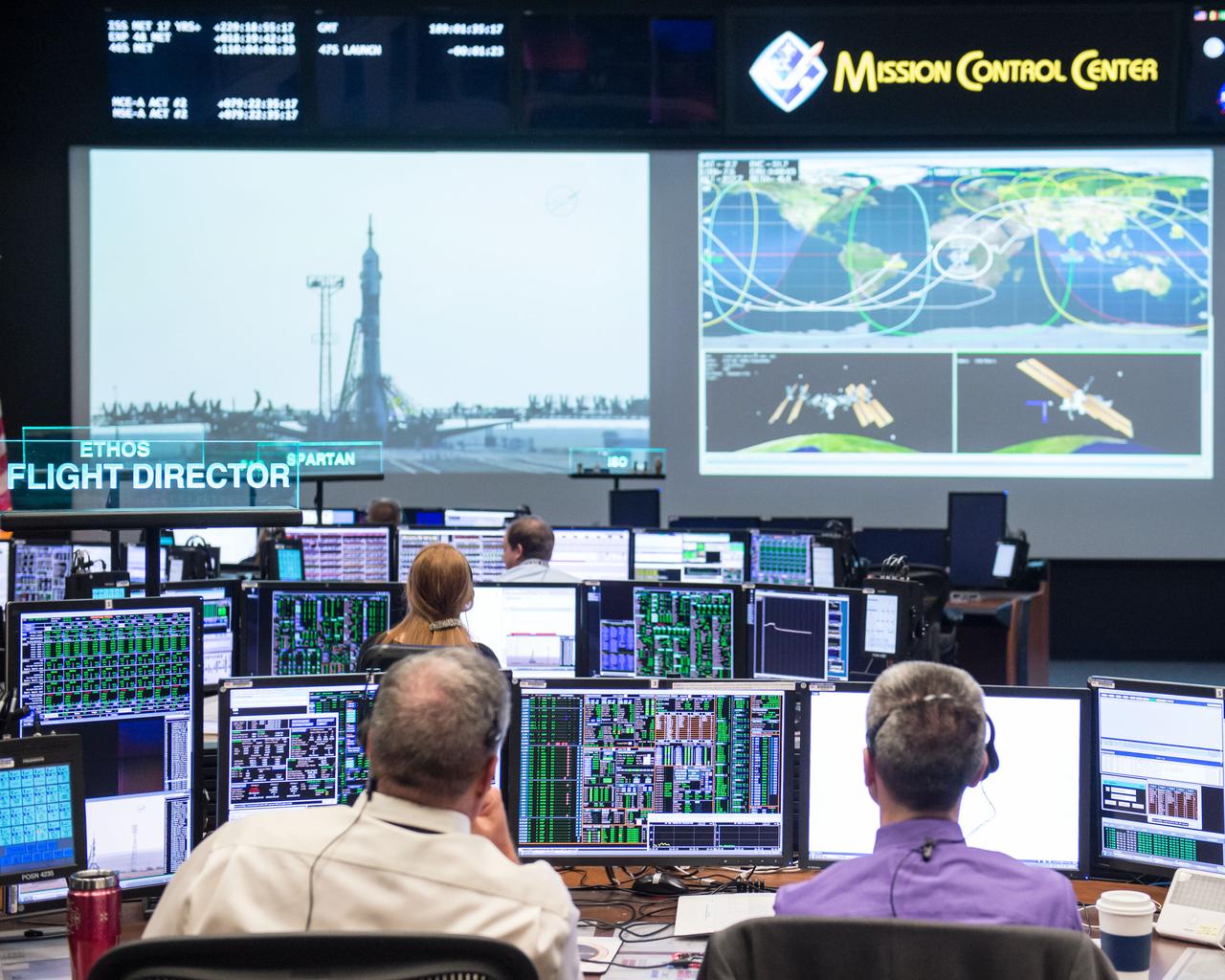
DATE: 7-6-16 LOCATION: Bldg. 30 - WFCR SUBJECT: Expedition 48/49 flight control team during Launch of the Expedition 48-49 Crew (Ivanishin, Onishi, Rubins) on the Soyuz MS-01 spacecraft from the Baikonur Cosmodrome in Kazakhstan. PHOTOGRAPHER: Lauren Harnett
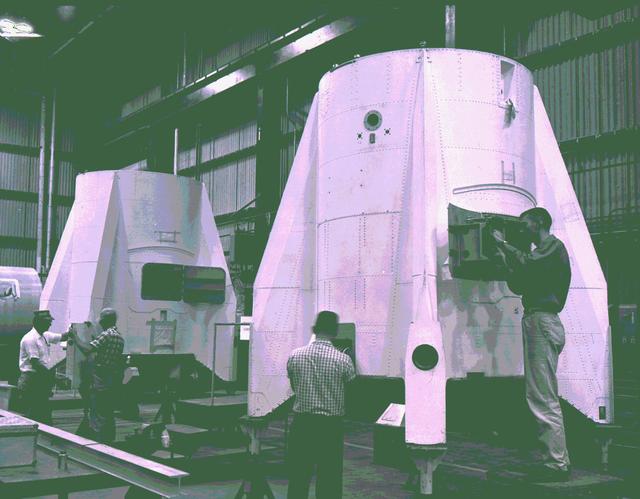
In this 1959 photograph, technicians prepare tail sections for Mercury-Redstone vehicles in Building 4706 at Redstone Arsenal in Huntsville, Alabama. Developed by Dr. Wernher von Braun and the rocket team at Redstone, the Mercury-Redstone launched the first two marned U.S. missions.
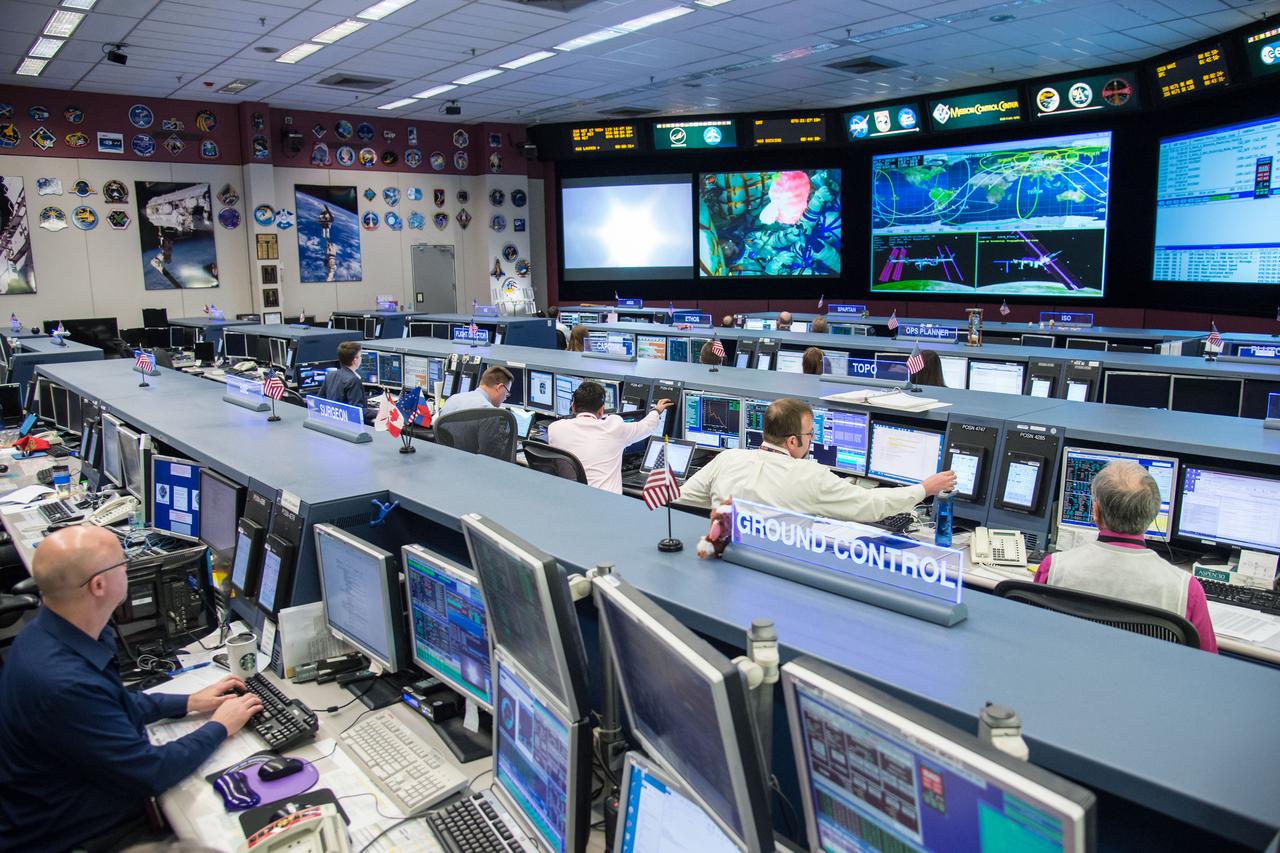
PHOTO DATE: 3-18-16 LOCATION: Bldg 30 - FCR-1 SUBJECT: Expedition 47 flight control team during launch of Expedition 47-48 Crew (Ovchinin, Skripochka, J. Williams) on the Soyuz TMA-20M spacecraft from the Baikonur Cosmodrome in Kazakhstan PHOTOGRAPHER: Lauren Harnett
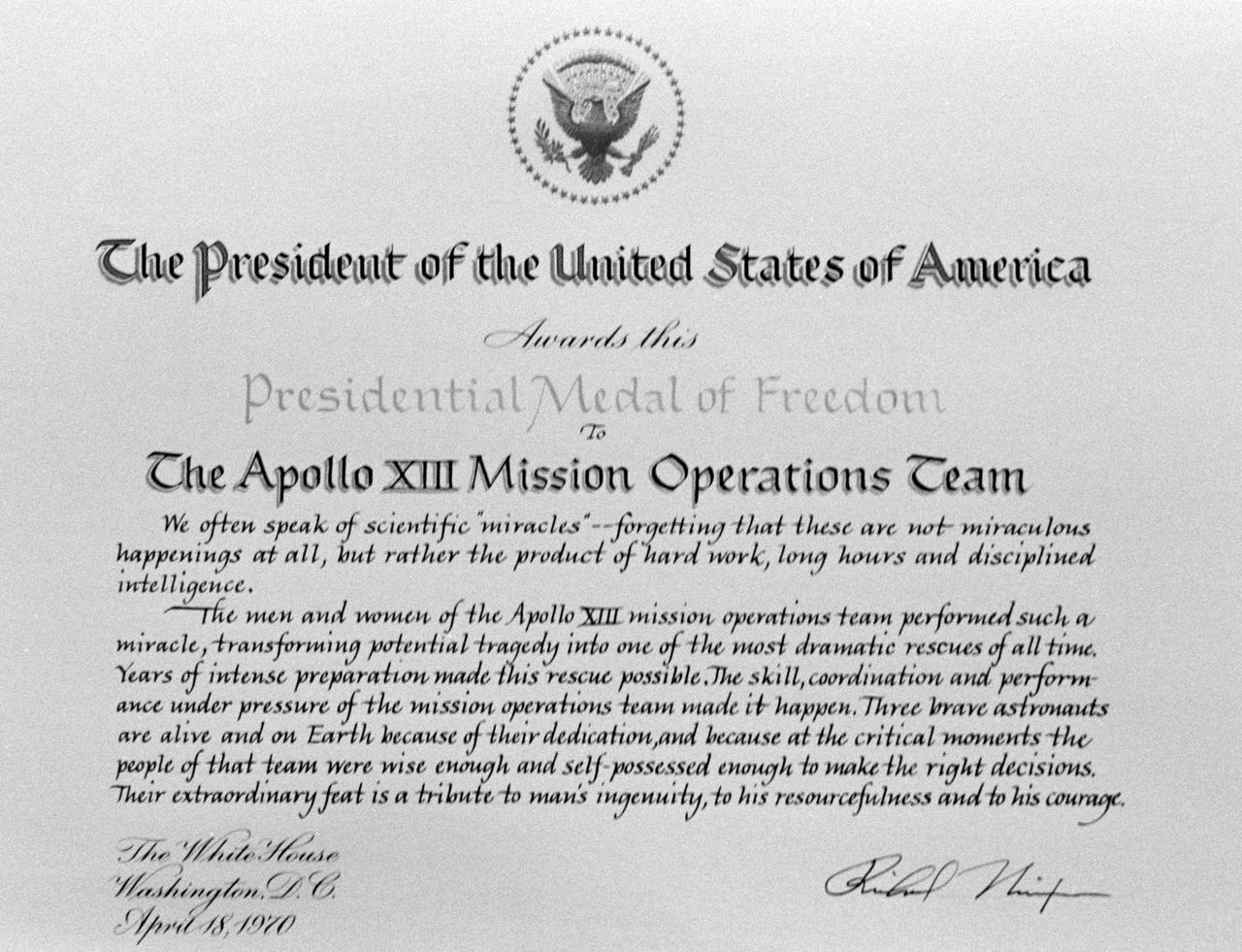
S70-35562 (April 1970) --- A photographic replica of the Presidential Medal of Freedom Award which President Richard M. Nixon presented to the Apollo 13 Missions Operations Team (MOT). The presentation was made by the Chief Executive during a visit to the Manned Spacecraft Center (MSC) in April 1970.
OSIRIS REx curation team attempting to remove the two stuck fasteners that are currently prohibiting the complete opening of the TAGSAM head. Photo Date: January 10, 2024. Location: Bldg. 31 - 2nd Floor - OSIRIS-REx lab. Photographer: Robert Markowitz
OSIRIS REx curation team attempting to remove the two stuck fasteners that are currently prohibiting the complete opening of the TAGSAM head. Photo Date: January 10, 2024. Location: Bldg. 31 - 2nd Floor - OSIRIS-REx lab. Photographer: Robert Markowitz
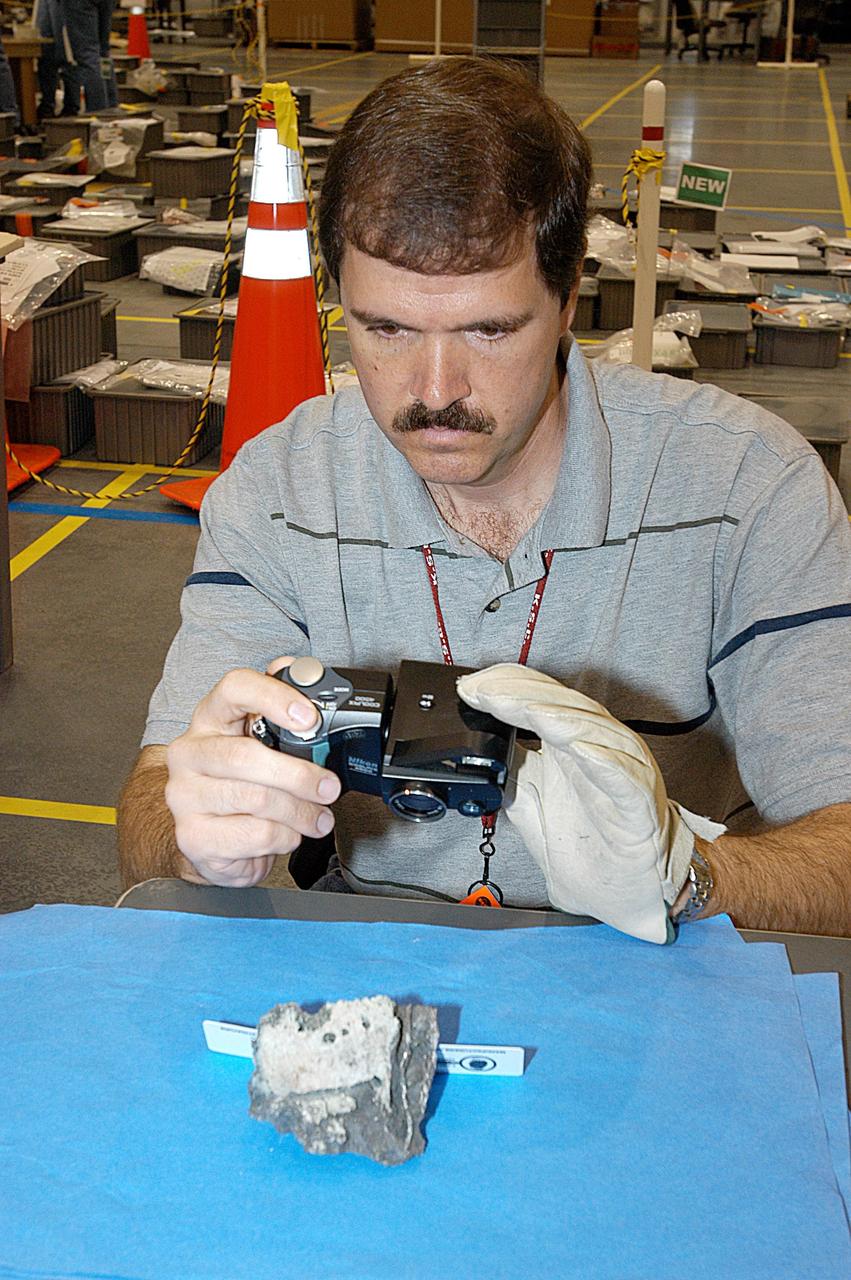
KENNEDY SPACE CENTER, FLA. -- A member of the Columbia Reconstruction Project team photographs a piece of Columbia debris delivered to the RLV Hangar. Shipped from Barksdale Air Force Base, Shreveport, La., more than 70,000 items, weighing 78,000 pounds, about 36 percent of the Shuttle by weight, have been delivered to KSC for use in the mishap investigation. Ground teams have completed 78 percent of their primary search area, and airborne crews finished 80 percent of their assigned area. Search teams have completed 98 percent of the underwater searches in Lake Nacogdoches and Toledo Bend Reservoir.
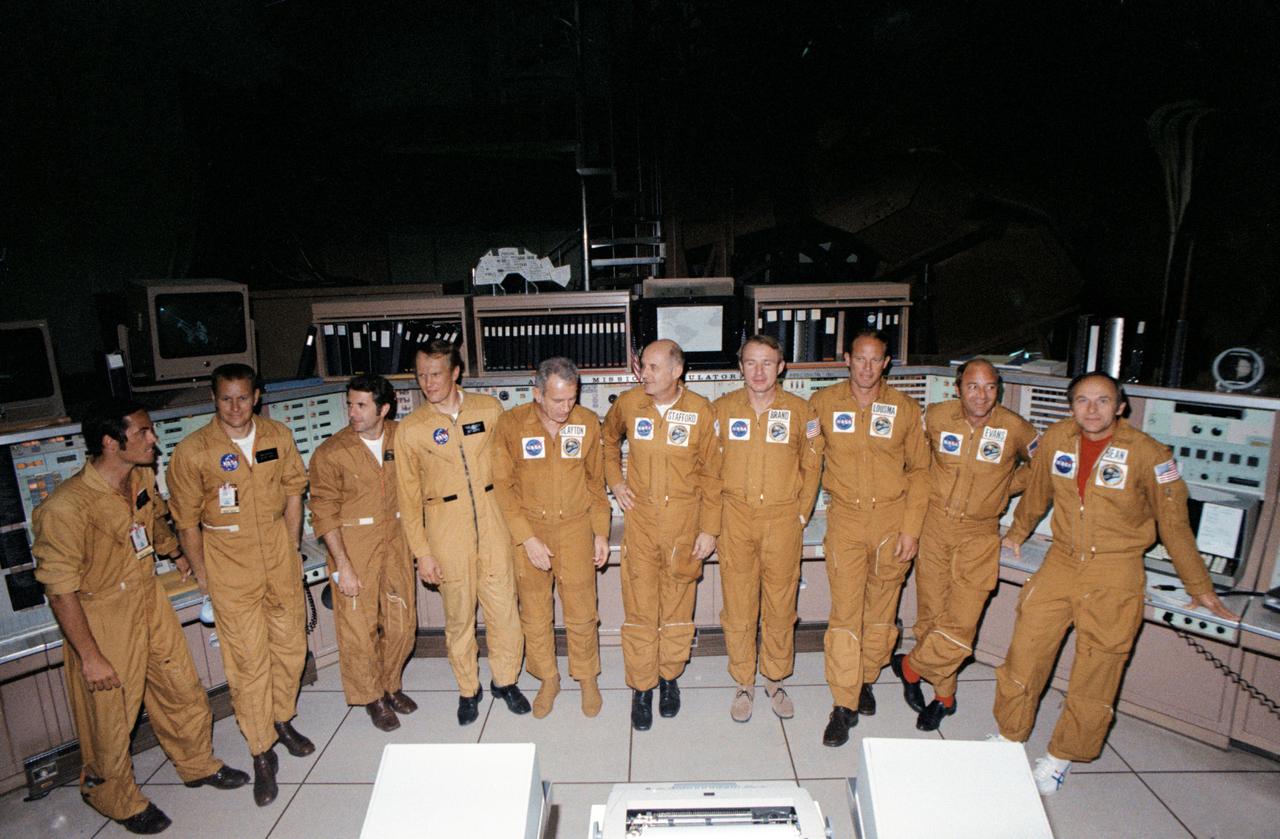
S75-28361 (9 July 1975) --- These ten American astronauts compose the U.S. prime crew, the backup crew and the crew support team for the joint U.S.-USSR Apollo-Soyuz Test Project docking mission in Earth orbit. They are, left to right, Robert L. Crippen, support team; Robert F. Overmyer, support team; Richard H. Truly, support team; Karol J. Bobko, support team; Donald K. Slayton, prime crew docking module pilot; Thomas P. Stafford, prime crew commander; Vance D. Brand, prime crew command module pilot; Jack R. Lousma, backup crew docking module pilot; Ronald E. Evans, backup crew command module pilot; and Alan L. Bean, backup crew commander. They are photographed by the Apollo Mission Simulator console in Building 5 at NASA's Johnson Space Center.
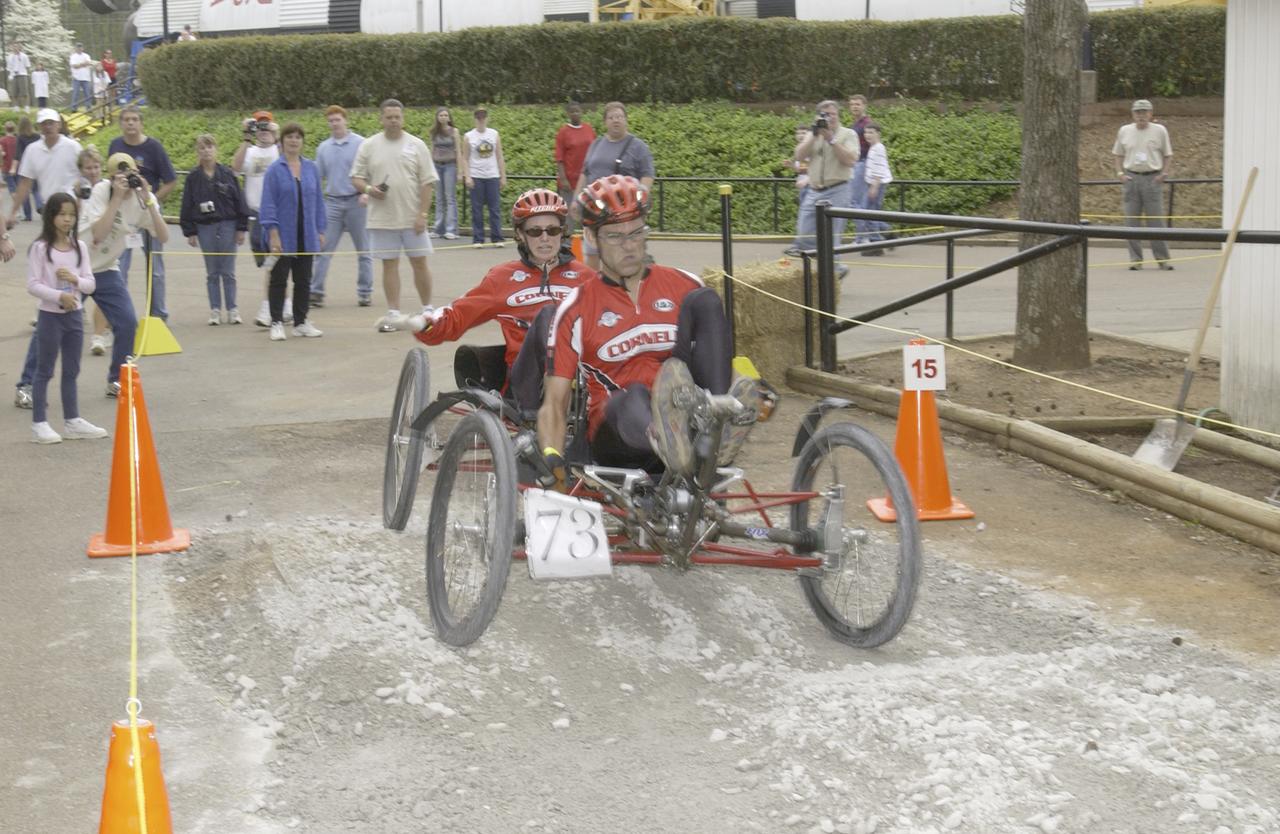
Students from across the United States and as far away as Puerto Rico and South America came to Huntsville, Alabama for the 9th annual Great Moonbuggy Race at the U.S. Space Rocket Center. Seventy-seven teams, representing high schools and colleges from 21 states, Puerto Rico, and Columbia, raced human powered vehicles over a lunar-like terrain. A team from Cornell University in Ithaca, New York, took the first place honor in the college division. This photograph shows the Cornell #2 team driving their vehicle through the course. The team finished the race in second place in the college division. Vehicles powered by two team members, one male and one female, raced one at a time over a half-mile obstacle course of simulated moonscape terrain. The competition is inspired by development, some 30 years ago, of the Lunar Roving Vehicle (LRV), a program managed by the Marshall Space Flight Center. The LRV team had to design a compact, lightweight, all-terrain vehicle, that could be transported to the Moon in the small Apollo spacecraft. The Great Moonbuggy Race challenges students to design and build a human powered vehicle so they will learn how to deal with real-world engineering problems, similar to those faced by the actual NASA LRV team.
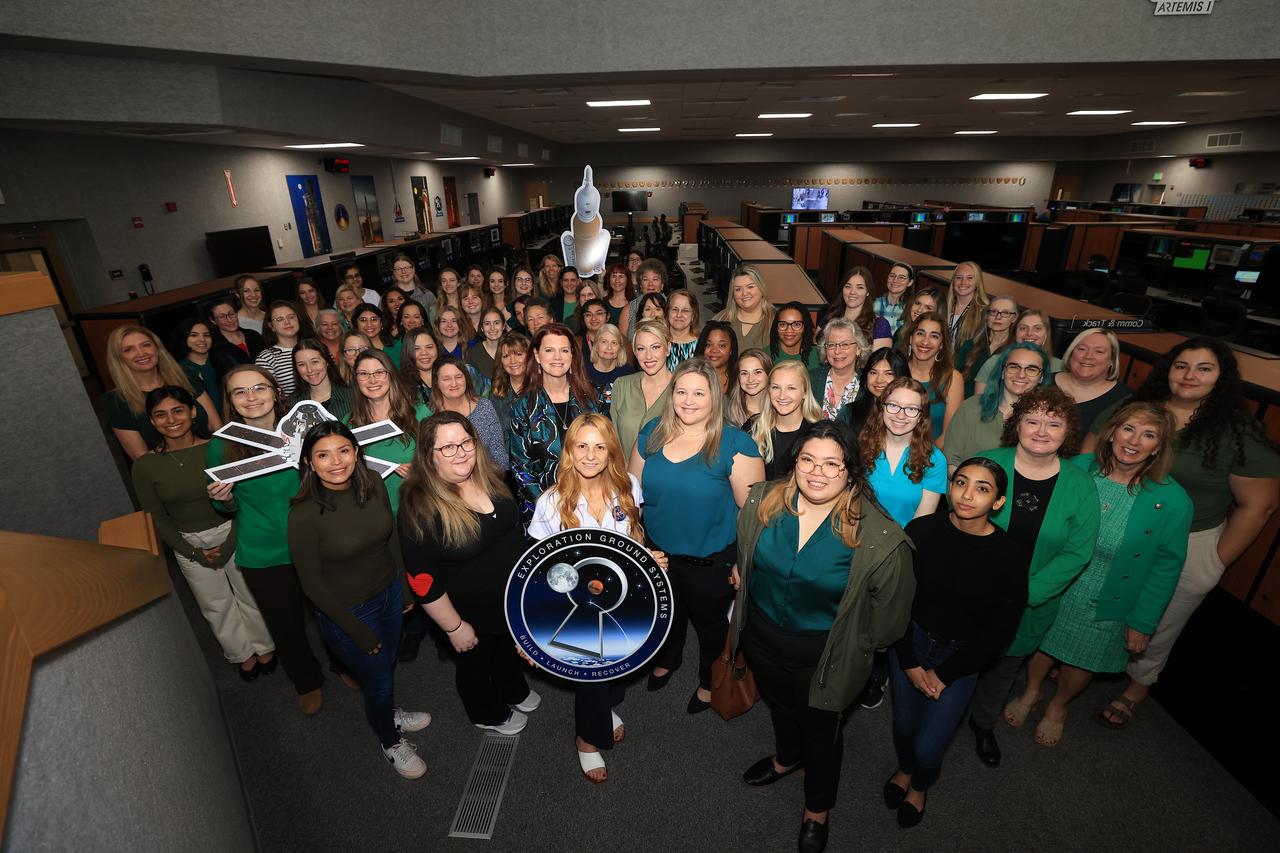
The women who comprise the Artemis launch team are photographed inside Firing Room 1 of the Launch Control Center at NASA’s Kennedy Space Center in Florida on Friday, March 15, 2024. In the second row center behind the Exploration Ground Systems sign is NASA’s first female Launch Director Charlie Blackwell-Thompson. The team, which is about 30% women, will launch the agency’s Artemis II mission from Kennedy’s Launch Pad 39B, the first crewed mission on NASA's path to establishing a long-term presence at the Moon for science and exploration through Artemis.
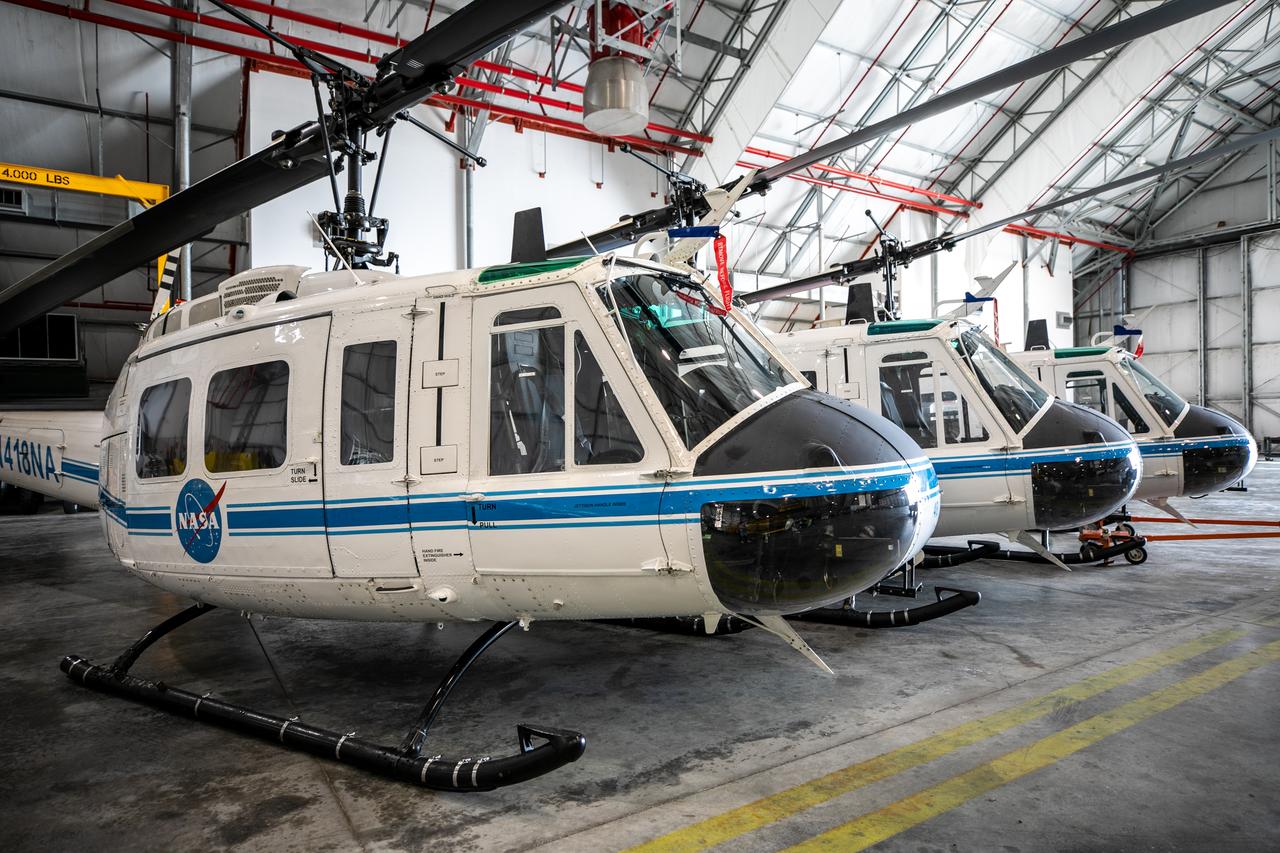
The three Bell Huey 2 helicopters utilized by Kennedy Space Center’s Flight Operations team for security purposes are photographed inside the Launch and Landing Facility hangar on Sept. 30, 2020. Two new Airbus H135 (T3) helicopters arrived at the Florida spaceport on Sept. 30 to replace the Bell Huey 2 aircraft in service now. The new helicopters provide a number of technological and safety advantages over the Hueys, such as more lifting power, greater stability in the air, and expanded medical capabilities. The team expects to fully transition to flying the two H135 aircraft later this year. A third is expected to arrive in early 2021, and with its arrival, will complete the fleet’s upgrade.
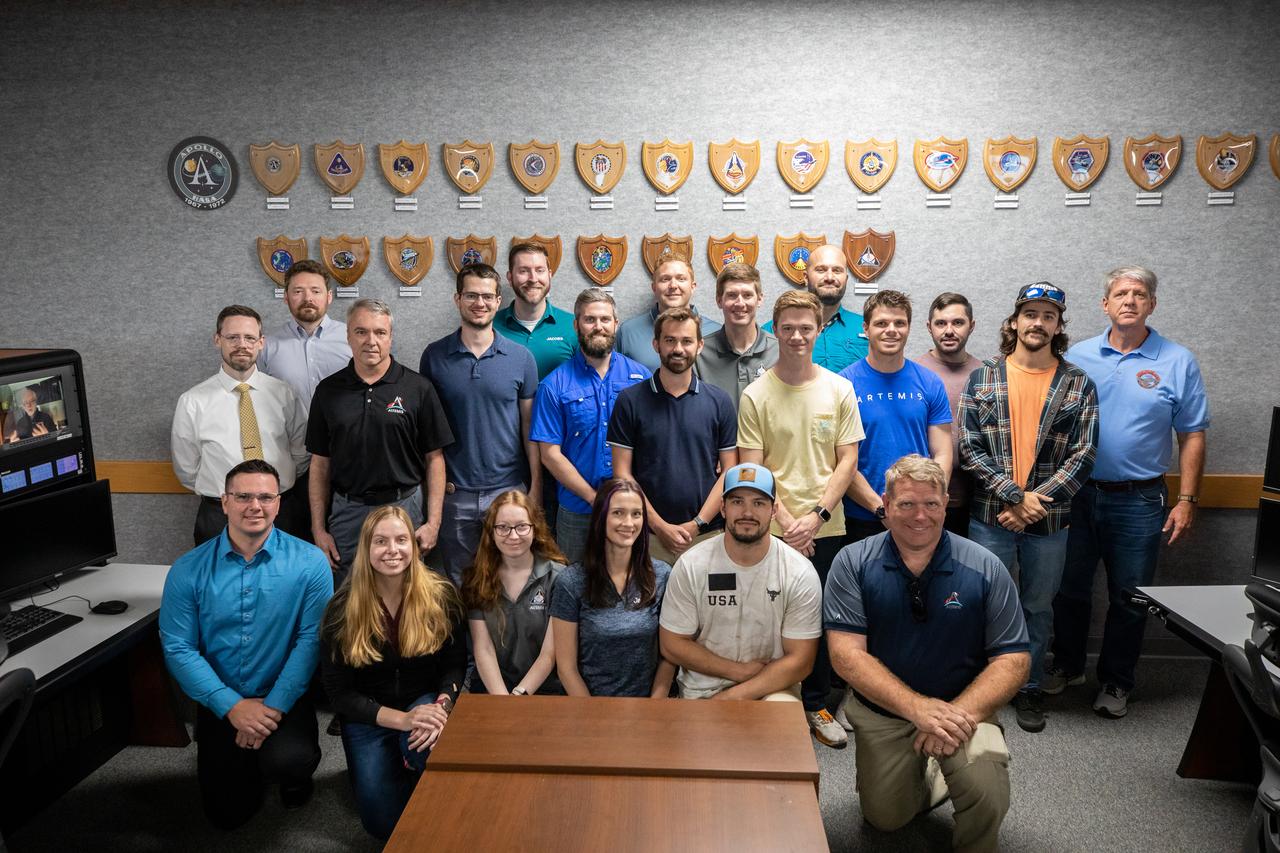
The Arms and Umbilicals (AUS) engineering team gather for a photograph during the Artemis launch director awards and plaque ceremony inside Firing Room 1 of the Launch Control Center at NASA’s Kennedy Space Center in Florida on March 24, 2023. Following tradition from the Apollo and Space Shuttle Programs, the AUS teams hung the Artemis I mission plaque to the wall behind them. The first in a series of increasingly complex missions, Artemis I launched successfully from Kennedy’s Launch Pad 39B at 1:47 a.m. EST on Nov. 16, 2022.
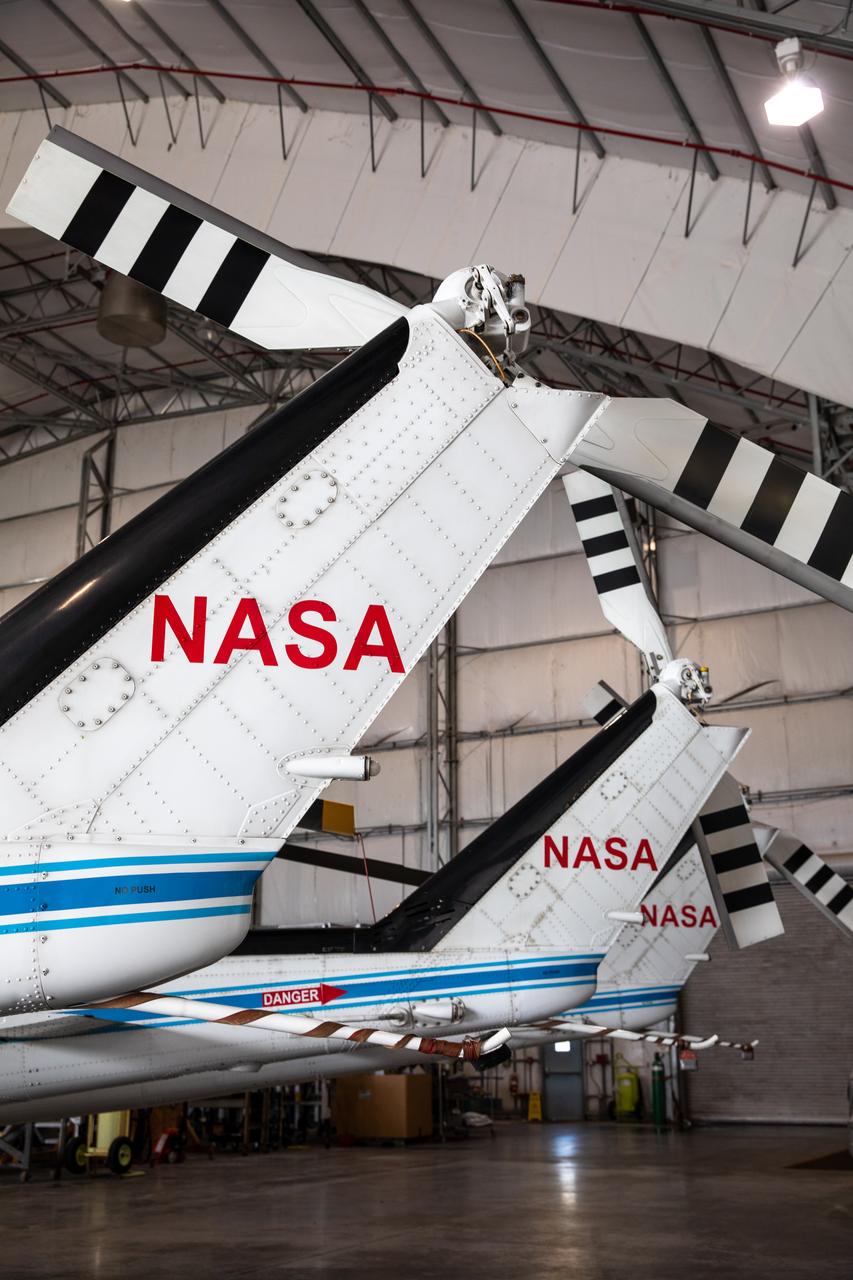
The three Bell Huey 2 helicopters utilized by Kennedy Space Center’s Flight Operations team for security purposes are photographed inside the Launch and Landing Facility hangar on Sept. 30, 2020. Two new Airbus H135 (T3) helicopters arrived at the Florida spaceport on Sept. 30 to replace the Bell Huey 2 aircraft in service now. The new helicopters provide a number of technological and safety advantages over the Hueys, such as more lifting power, greater stability in the air, and expanded medical capabilities. The team expects to fully transition to flying the two H135 aircraft later this year. A third is expected to arrive in early 2021, and with its arrival, will complete the fleet’s upgrade.
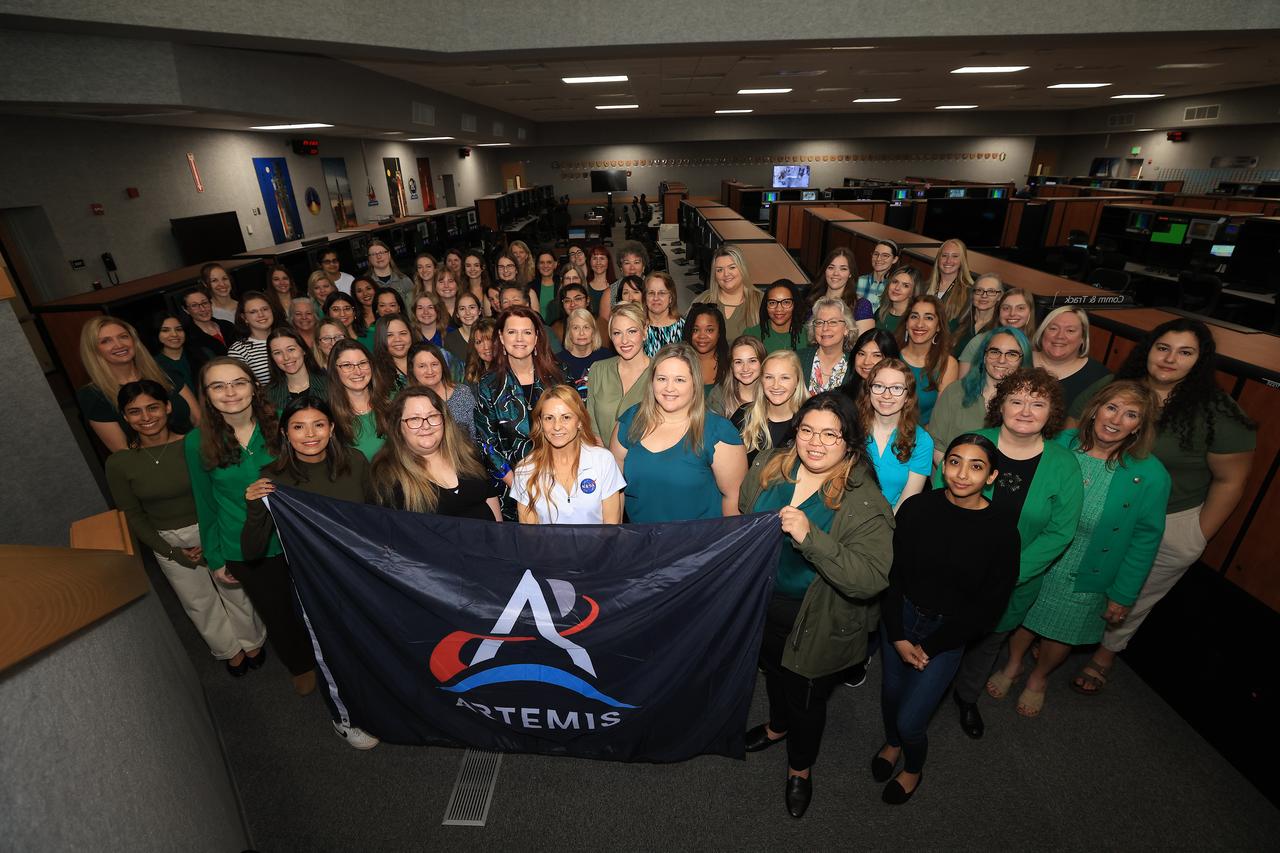
The women who comprise the Artemis launch team are photographed inside Firing Room 1 of the Launch Control Center at NASA’s Kennedy Space Center in Florida on Friday, March 15, 2024. In the second row center behind the Artemis banner is NASA’s first female Launch Director Charlie Blackwell-Thompson. The team, which is about 30% women, will launch the agency’s Artemis II mission from Kennedy’s Launch Pad 39B, the first crewed mission on NASA's path to establishing a long-term presence at the Moon for science and exploration through Artemis.
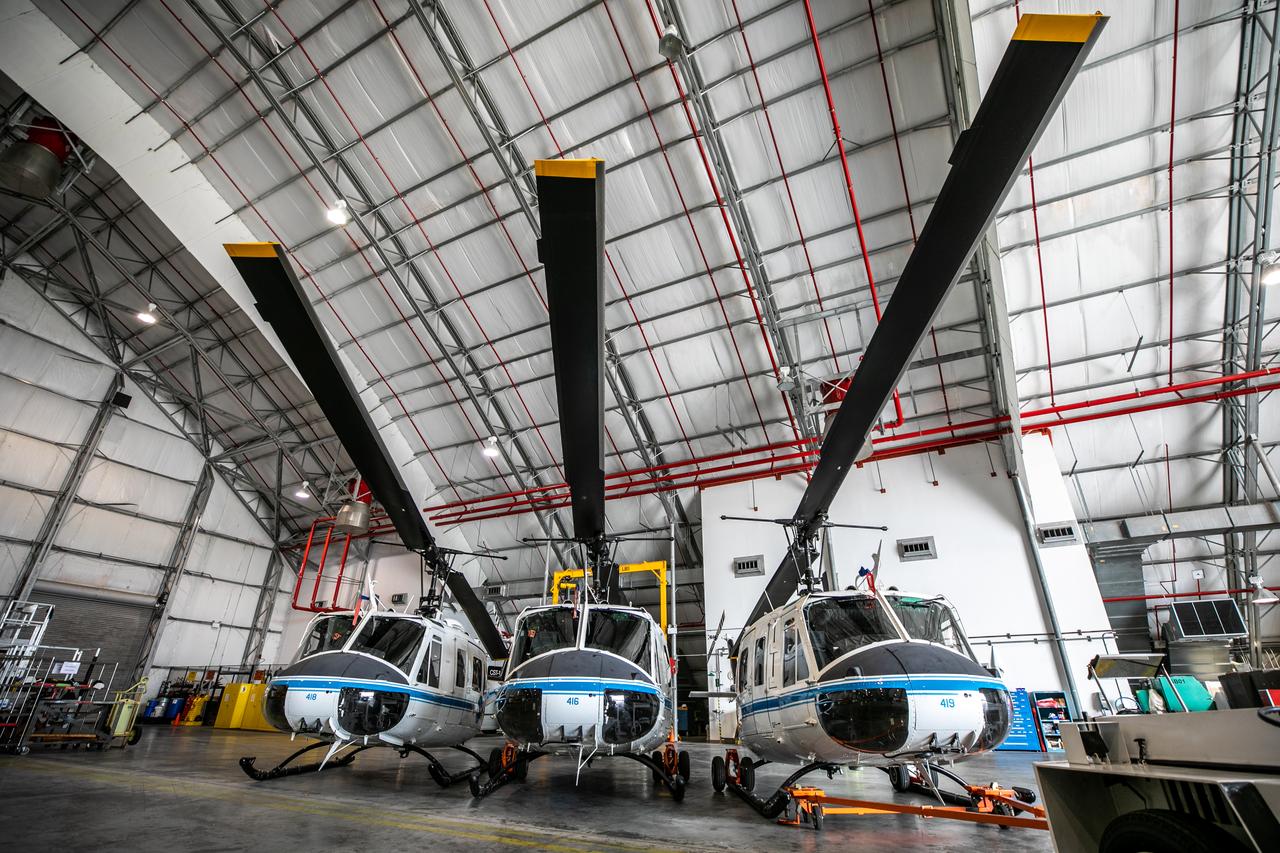
The three Bell Huey 2 helicopters utilized by Kennedy Space Center’s Flight Operations team for security purposes are photographed inside the Launch and Landing Facility hangar on Sept. 30, 2020. Two new Airbus H135 (T3) helicopters arrived at the Florida spaceport on Sept. 30 to replace the Bell Huey 2 aircraft in service now. The new helicopters provide a number of technological and safety advantages over the Hueys, such as more lifting power, greater stability in the air, and expanded medical capabilities. The team expects to fully transition to flying the two H135 aircraft later this year. A third is expected to arrive in early 2021, and with its arrival, will complete the fleet’s upgrade.
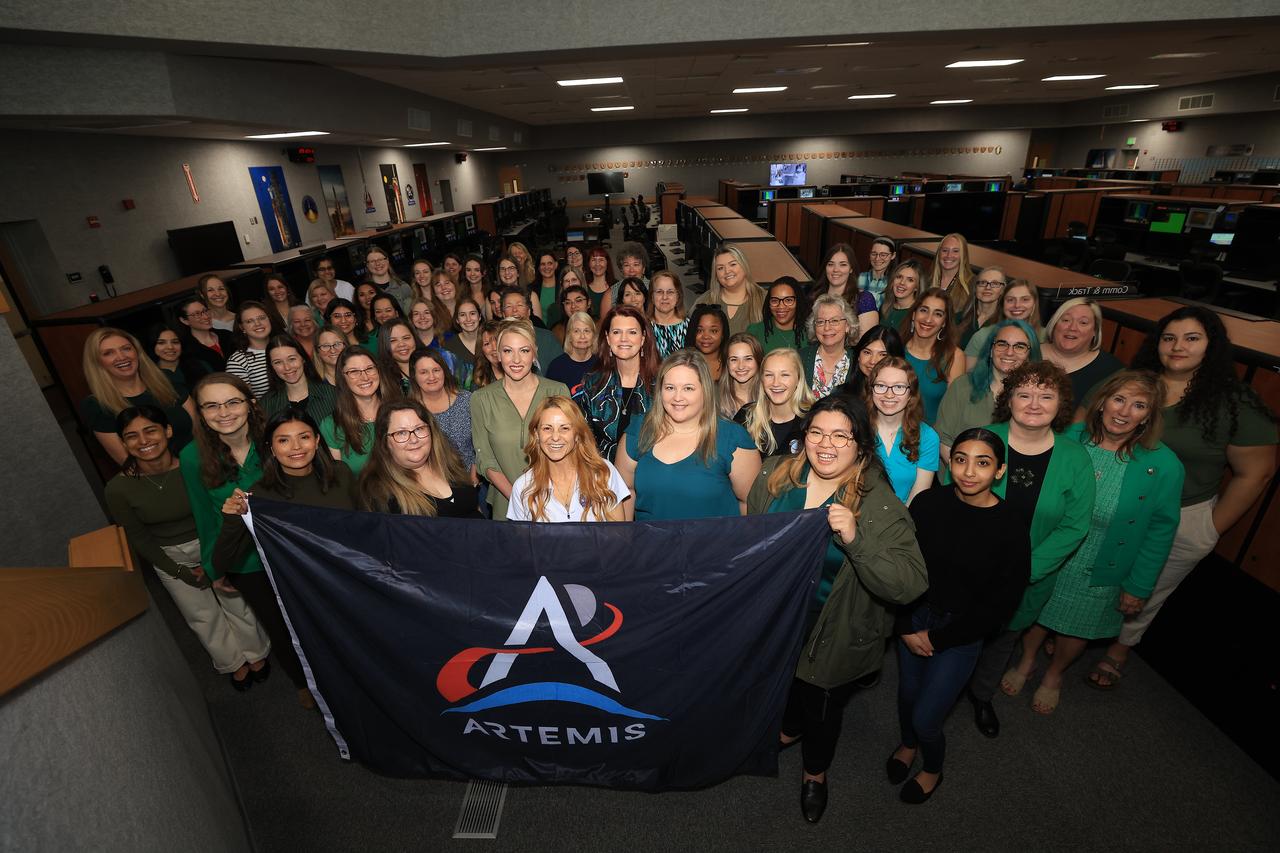
The women who comprise the Artemis launch team are photographed inside Firing Room 1 of the Launch Control Center at NASA’s Kennedy Space Center in Florida on Friday, March 15, 2024. In the second row center behind the Artemis banner is NASA’s first female Launch Director Charlie Blackwell-Thompson. The team, which is about 30% women, will launch the agency’s Artemis II mission from Kennedy’s Launch Pad 39B, the first crewed mission on NASA's path to establishing a long-term presence at the Moon for science and exploration through Artemis.
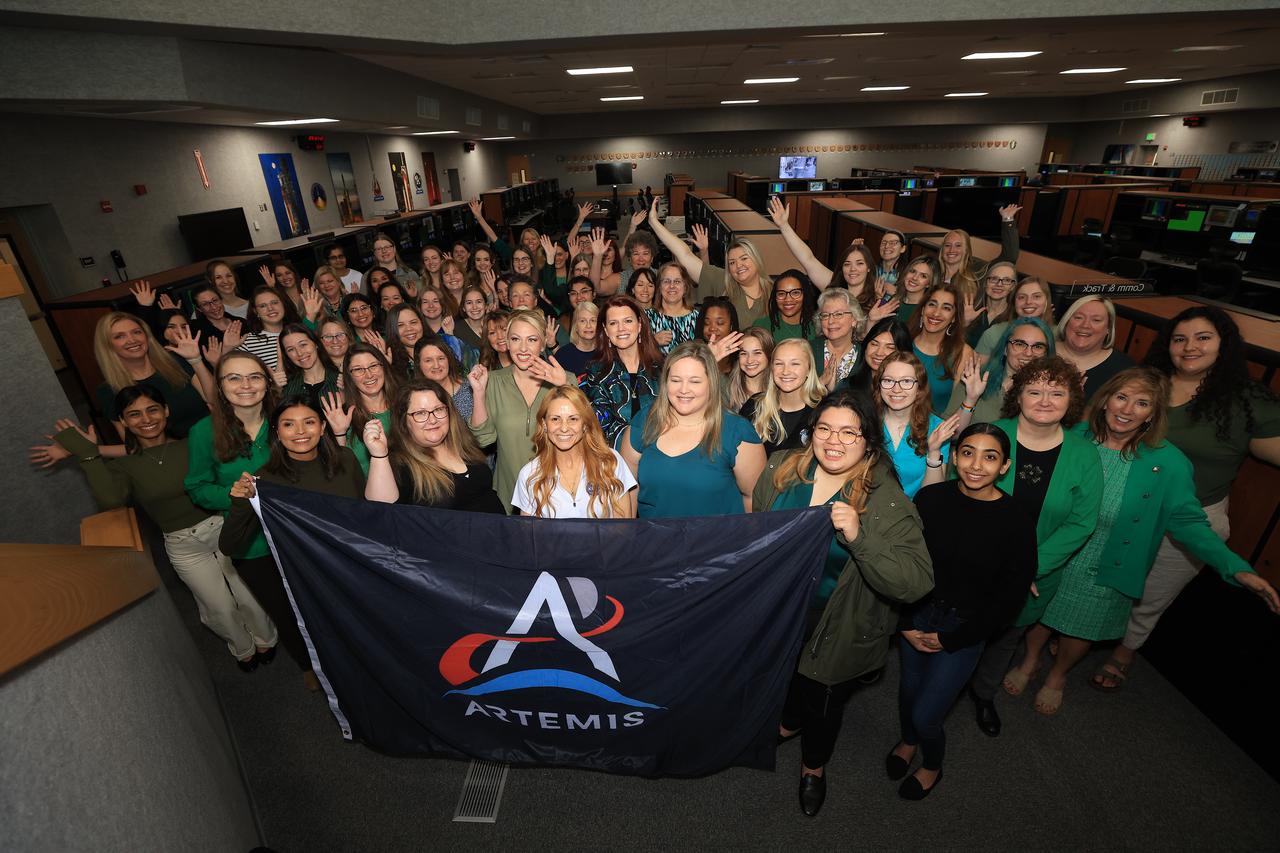
The women who comprise the Artemis launch team are photographed inside Firing Room 1 of the Launch Control Center at NASA’s Kennedy Space Center in Florida on Friday, March 15, 2024. In the second row center behind the Artemis banner is NASA’s first female Launch Director Charlie Blackwell-Thompson. The team, which is about 30% women, will launch the agency’s Artemis II mission from Kennedy’s Launch Pad 39B, the first crewed mission on NASA's path to establishing a long-term presence at the Moon for science and exploration through Artemis.
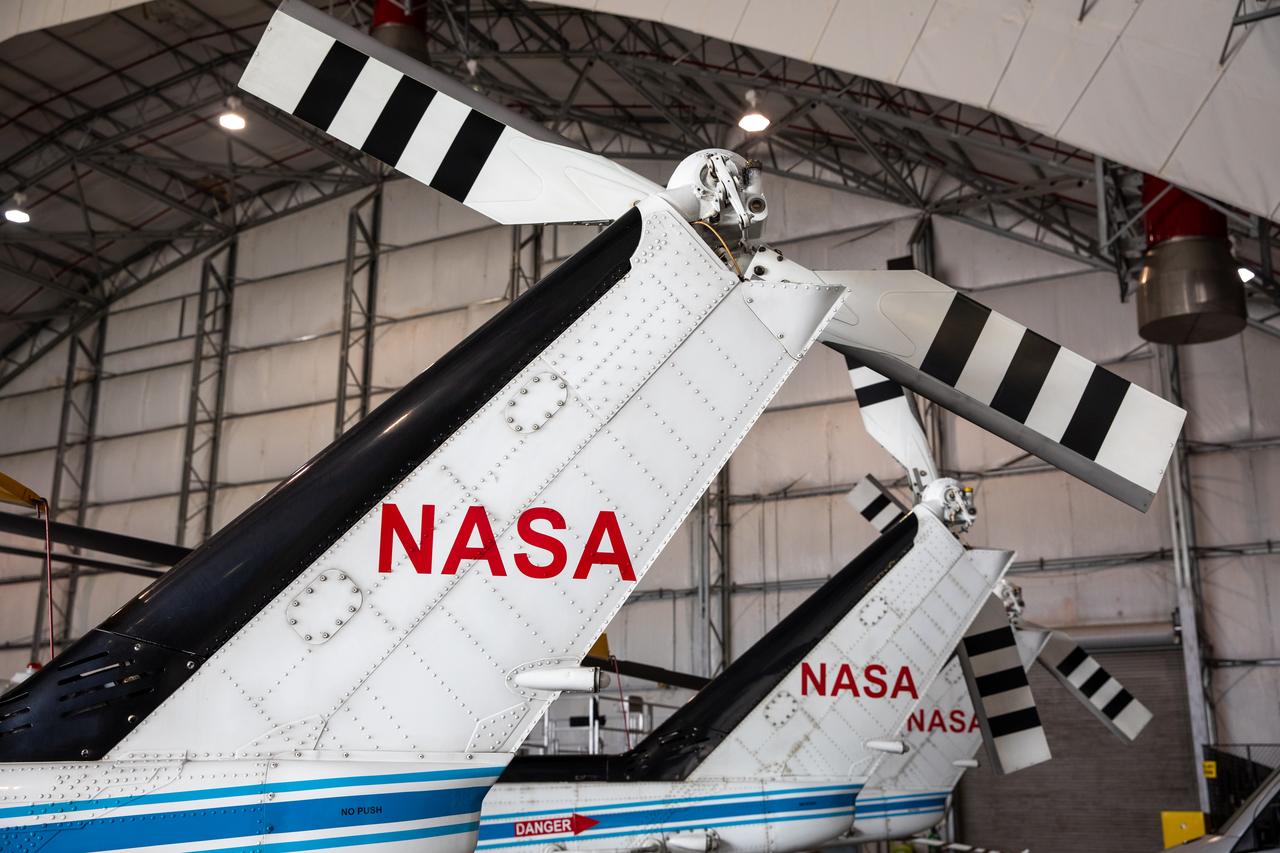
The three Bell Huey 2 helicopters utilized by Kennedy Space Center’s Flight Operations team for security purposes are photographed inside the Launch and Landing Facility hangar on Sept. 30, 2020. Two new Airbus H135 (T3) helicopters arrived at the Florida spaceport on Sept. 30 to replace the Bell Huey 2 aircraft in service now. The new helicopters provide a number of technological and safety advantages over the Hueys, such as more lifting power, greater stability in the air, and expanded medical capabilities. The team expects to fully transition to flying the two H135 aircraft later this year. A third is expected to arrive in early 2021, and with its arrival, will complete the fleet’s upgrade.
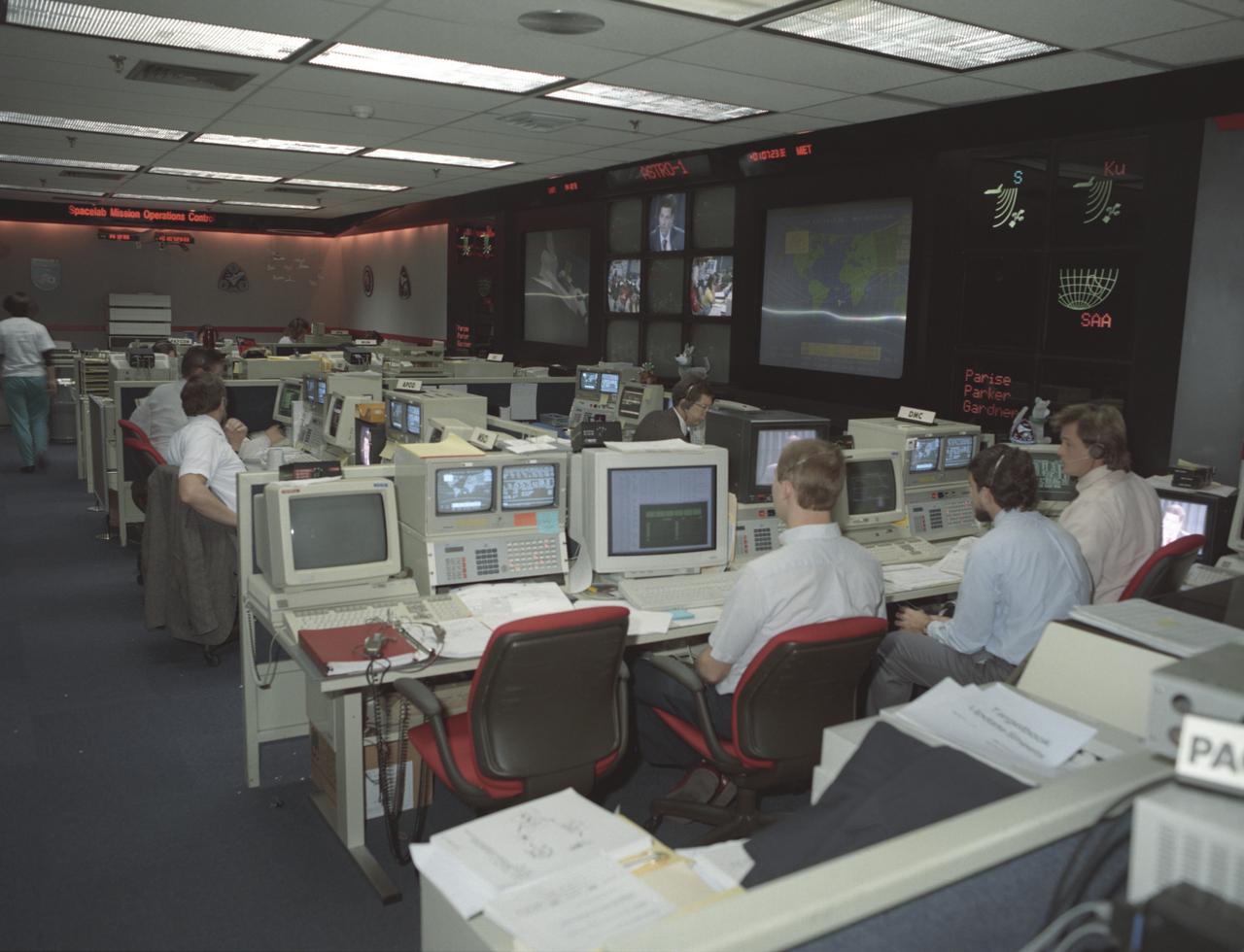
This photograph was taken during the Astro-1 mission (STS-35) showing activities at NASA's new Payload Operations Control Center (POCC) at the Marshall Space Flight Center. The POCC was the air/ground communication charnel used between the astronauts and ground control teams during the Spacelab missions. Teams of controllers and researchers directed on-orbit science operations, sent commands to the spacecraft, received data from experiments aboard the Space Shuttle, adjusted mission schedules to take advantage of unexpected science opportunities or unexpected results, and worked with crewmembers to resolve problems with their experiments.
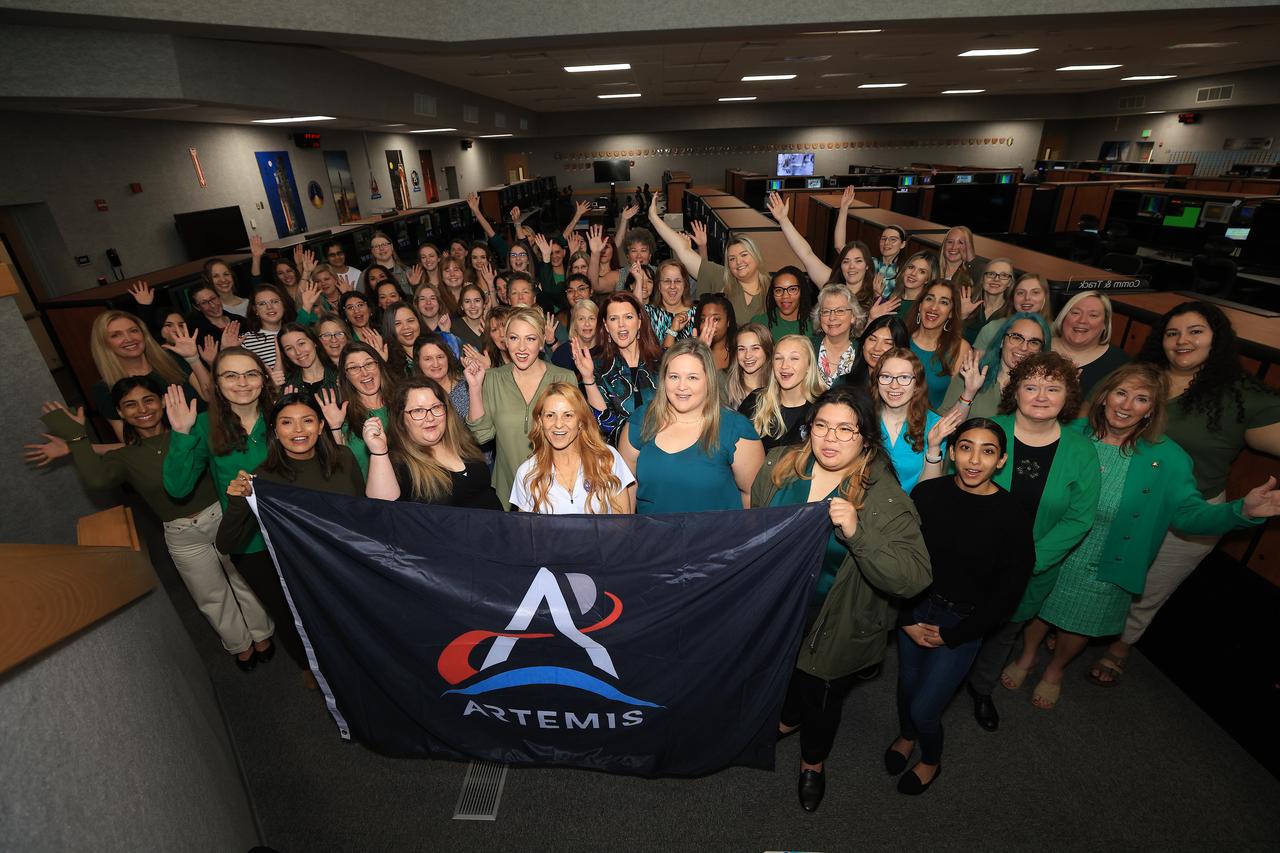
The women who comprise the Artemis launch team are photographed inside Firing Room 1 of the Launch Control Center at NASA’s Kennedy Space Center in Florida on Friday, March 15, 2024. In the second row center behind the Artemis banner is NASA’s first female Launch Director Charlie Blackwell-Thompson. The team, which is about 30% women, will launch the agency’s Artemis II mission from Kennedy’s Launch Pad 39B, the first crewed mission on NASA's path to establishing a long-term presence at the Moon for science and exploration through Artemis.
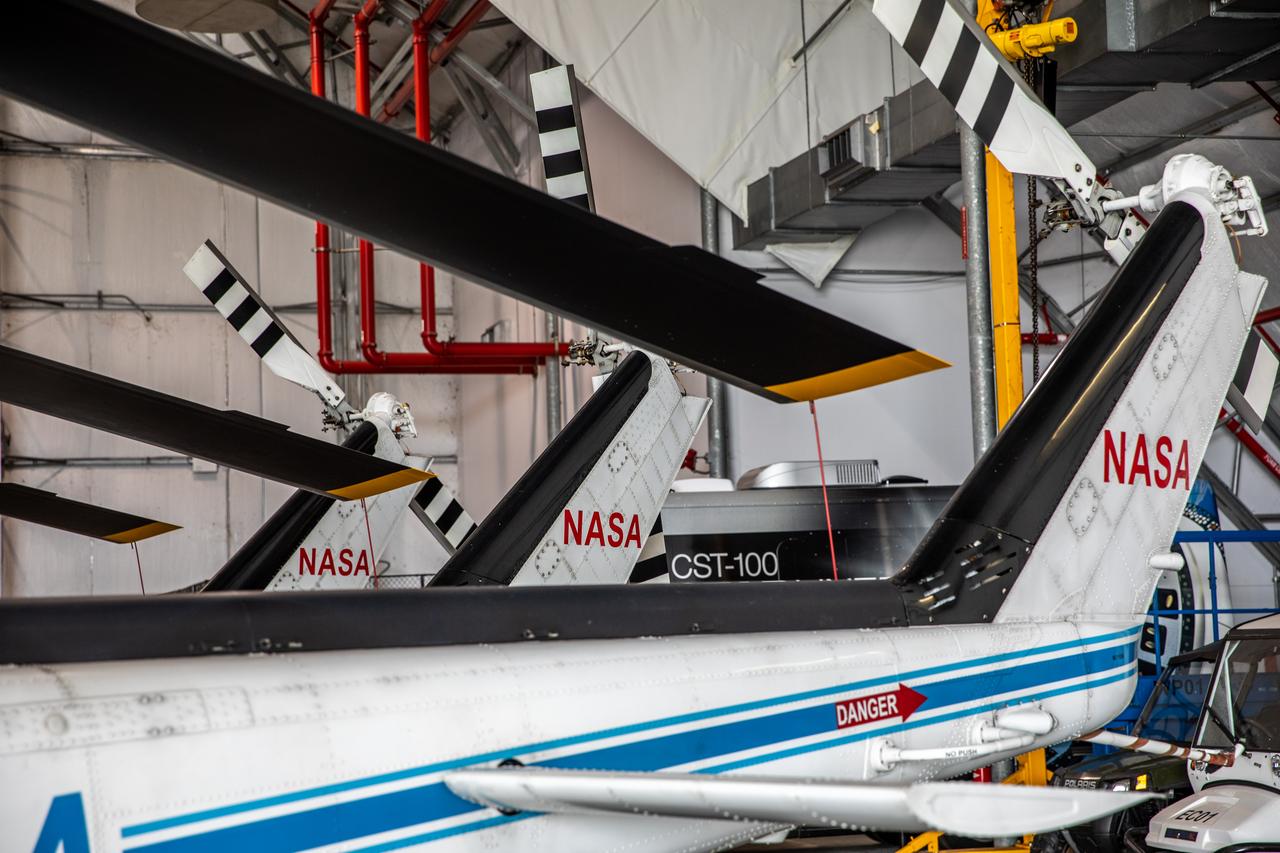
The three Bell Huey 2 helicopters utilized by Kennedy Space Center’s Flight Operations team for security purposes are photographed inside the Launch and Landing Facility hangar on Sept. 30, 2020. Two new Airbus H135 (T3) helicopters arrived at the Florida spaceport on Sept. 30 to replace the Bell Huey 2 aircraft in service now. The new helicopters provide a number of technological and safety advantages over the Hueys, such as more lifting power, greater stability in the air, and expanded medical capabilities. The team expects to fully transition to flying the two H135 aircraft later this year. A third is expected to arrive in early 2021, and with its arrival, will complete the fleet’s upgrade.
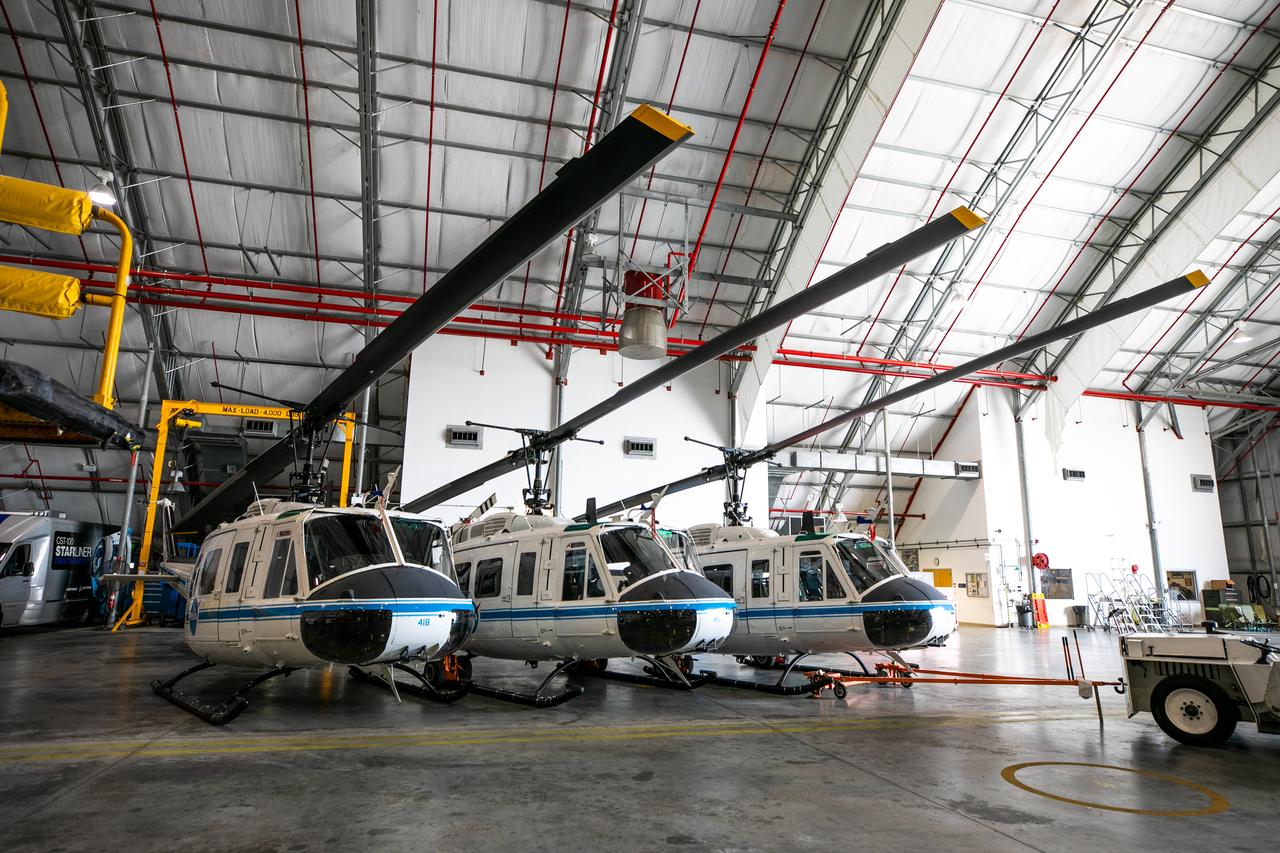
The three Bell Huey 2 helicopters utilized by Kennedy Space Center’s Flight Operations team for security purposes are photographed inside the Launch and Landing Facility hangar on Sept. 30, 2020. Two new Airbus H135 (T3) helicopters arrived at the Florida spaceport on Sept. 30 to replace the Bell Huey 2 aircraft in service now. The new helicopters provide a number of technological and safety advantages over the Hueys, such as more lifting power, greater stability in the air, and expanded medical capabilities. The team expects to fully transition to flying the two H135 aircraft later this year. A third is expected to arrive in early 2021, and with its arrival, will complete the fleet’s upgrade.
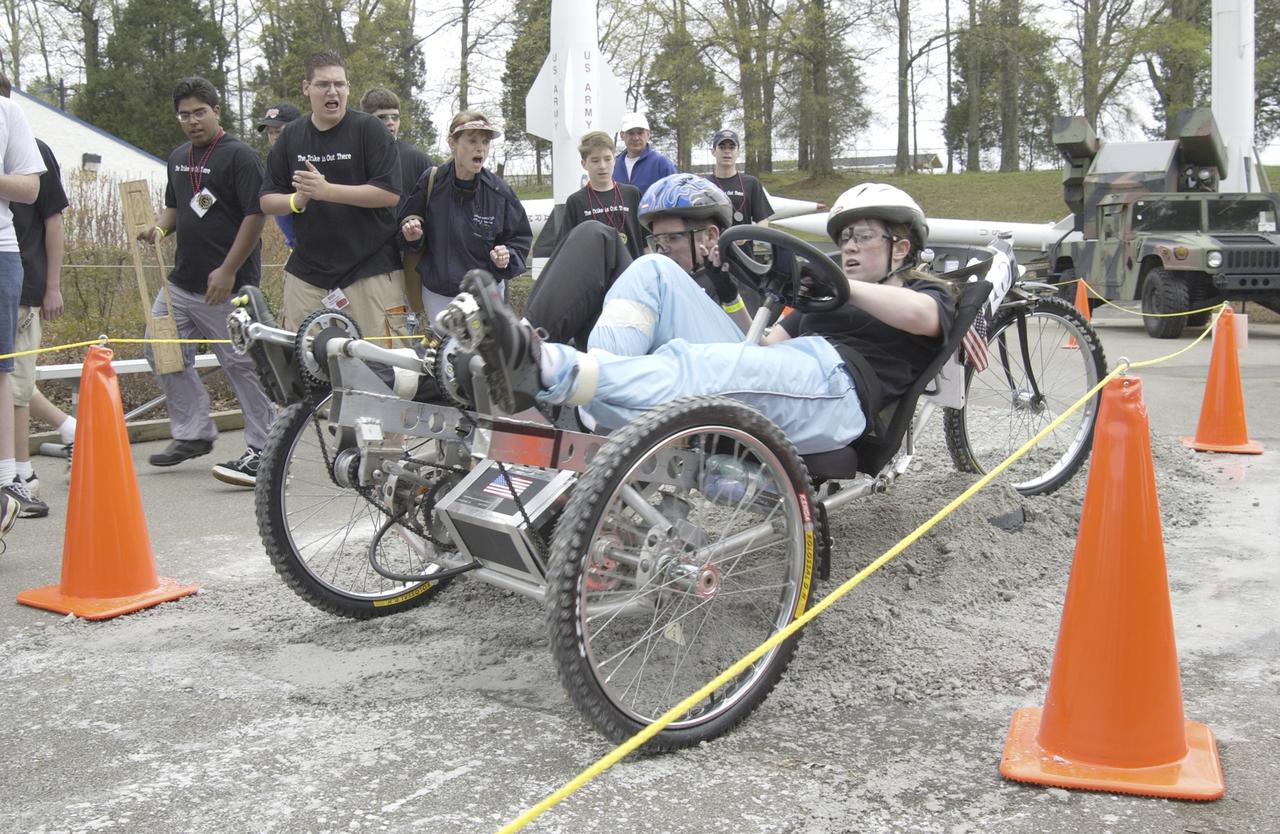
Students from across the United States and as far away as Puerto Rico and South America came to Huntsville, Alabama for the 9th annual Great Moonbuggy Race at the U.S. Space Rocket Center. Seventy-seven teams, representing high schools and colleges from 21 states, Puerto Rico, and Columbia, raced human powered vehicles over a lunar-like terrain. In this photograph, the New Orleans area schools team #2 from New Orleans, Louisiana maneuvers through an obstacle course. The team captured second place in the high school division competition. Vehicles powered by two team members, one male and one female, raced one at a time over a half-mile obstacle course of simulated moonscape terrain. The competition is inspired by the development, some 30 years ago, of the Lunar Roving Vehicle (LRV), a program managed by the Marshall Space Flight Center. The LRV team had to design a compact, lightweight, all-terrain vehicle that could be transported to the Moon in the small Apollo spacecraft. The Great Moonbuggy Race challenges students to design and build a human powered vehicle so they will learn how to deal with real-world engineering problems, similar to those faced by the actual NASA LRV team.
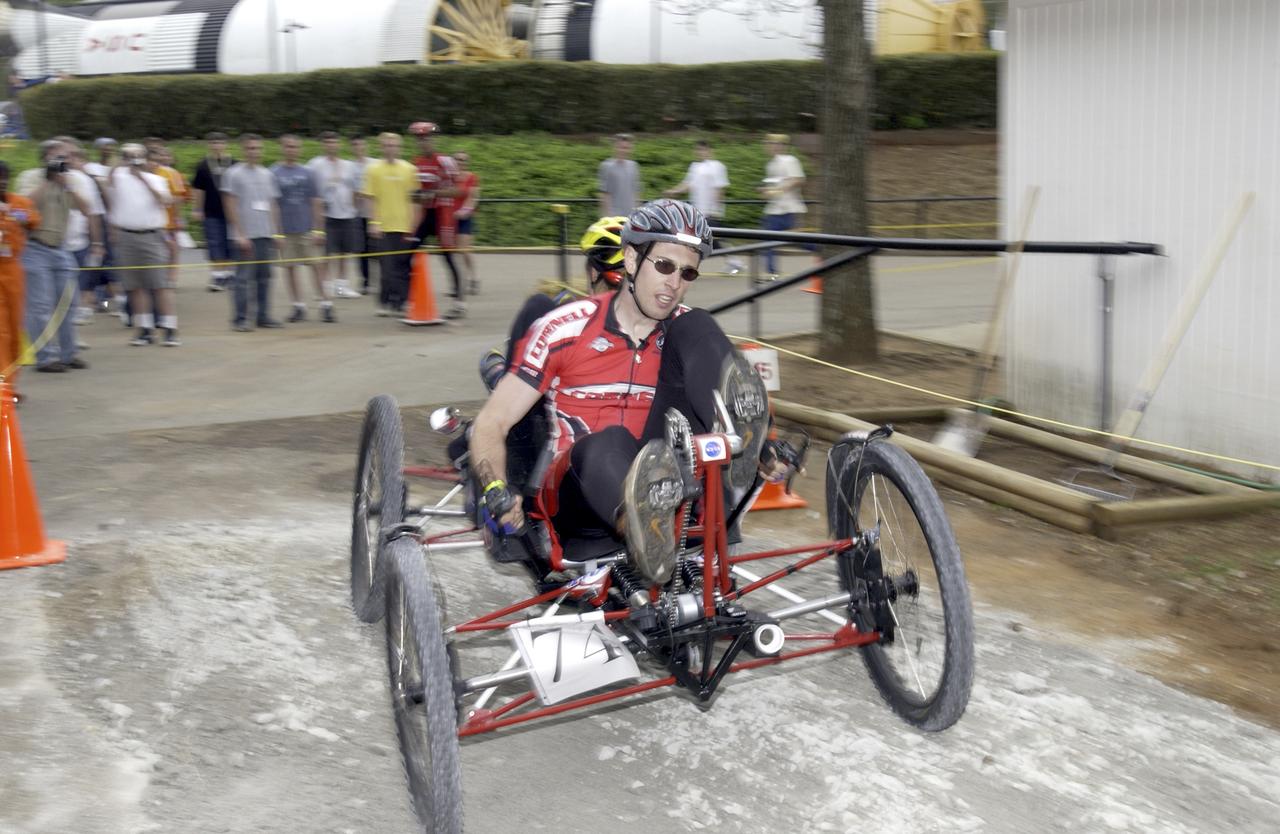
Students from across the United States and as far away as Puerto Rico and South America came to Huntsville, Alabama for the 9th annual Great Moonbuggy Race at the U.S. Space Rocket Center. Seventy-seven teams, representing high schools and colleges from 21 states, Puerto Rico, and Columbia, raced human powered vehicles over a lunar-like terrain. A team from Cornell University in Ithaca, New York, took the first place honor in the college division. In this photograph, the Cornell #1 team, the collegiate first place winner, maneuvers their vehicle through the course. Vehicles powered by two team members, one male and one female, raced one at a time over a half-mile obstacle course of simulated moonscape terrain. The competition is inspired by development, some 30 years ago, of the Lunar Roving Vehicle (LRV), a program managed by the Marshall Space Flight Center. The LRV team had to design a compact, lightweight, all-terrain vehicle that could be transported to the Moon in the small Apollo spacecraft. The Great Moonbuggy Race challenges students to design and build a humanpowered vehicle so they will learn how to deal with real-world engineering problems similar to those faced by the actual NASA LRV team.
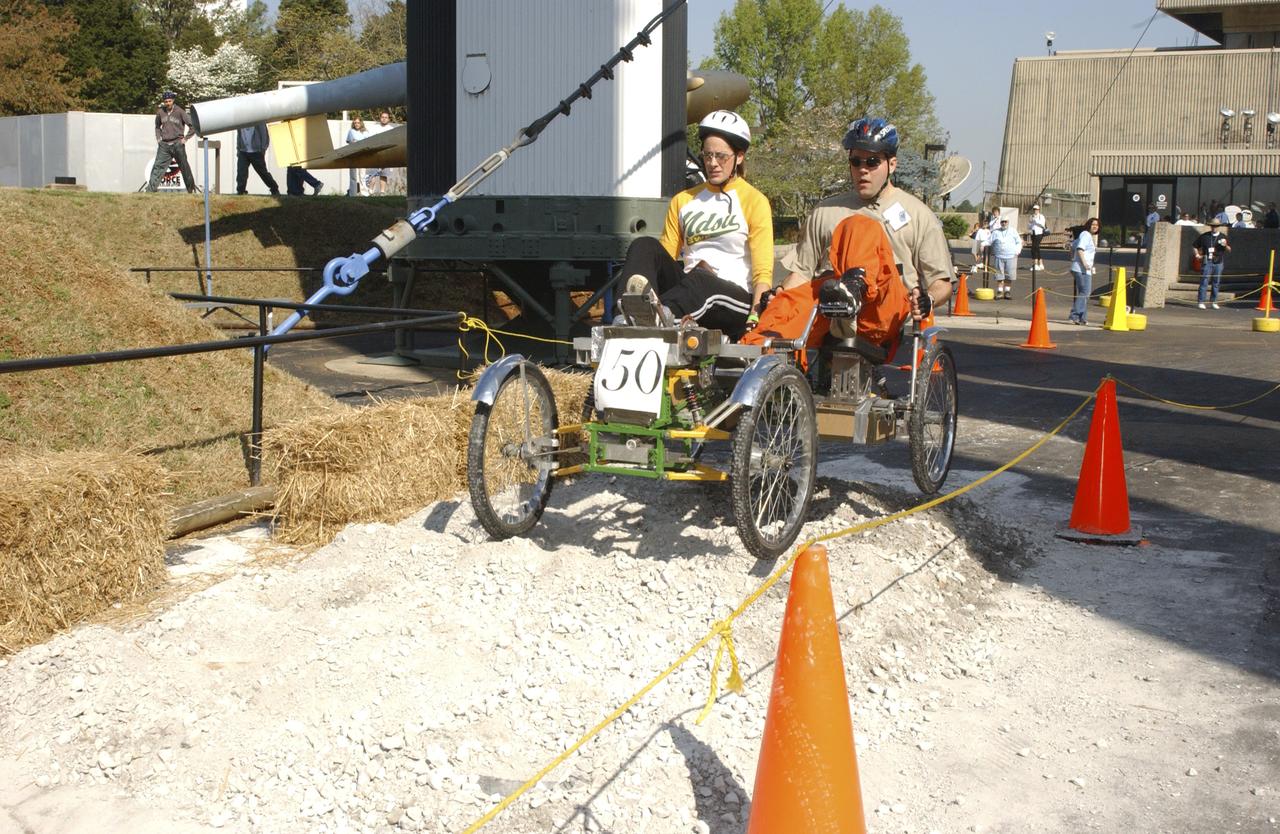
Students from across the United States and as far away as Puerto Rico came to Huntsville, Alabama for the 10th annual Great Moonbuggy Race at the U.S. Space Rocket Center. Sixty-eight teams, representing high schools and colleges from all over the United States, and Puerto Rico, raced human powered vehicles over a lunar-like terrain. Vehicles powered by two team members, one male and one female, raced one at a time over a half-mile obstacle course of simulated moonscape terrain. The competition is inspired by development, some 30 years ago, of the Lunar Roving Vehicle (LRV), a program managed by the Marshall Space Flight Center. The LRV team had to design a compact, lightweight, all-terrain vehicle that could be transported to the Moon in the small Apollo spacecraft. The Great Moonbuggy Race challenges students to design and build a human powered vehicle so they will learn how to deal with real-world engineering problems similar to those faced by the actual NASA LRV team. In this photograph, Team No. 1 from North Dakota State University in Fargo conquers one of several obstacles on their way to victory. The team captured first place honors in the college level competition.
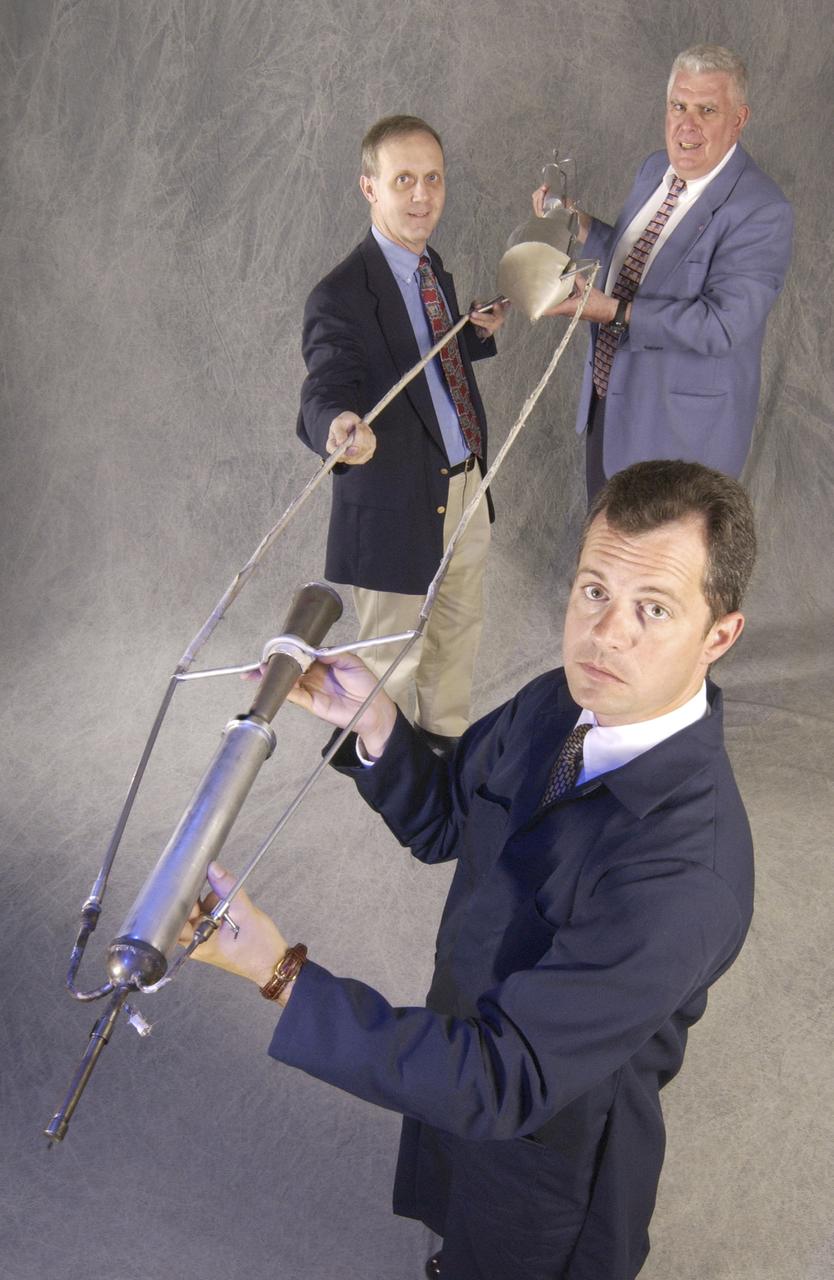
In honor of the Centernial of Flight celebration and commissioned by the American Institute of Aeronautics and Astronautics (AIAA), a team of engineers from Marshall Space Flight Center (MSFC) built a replica of the first liquid-fueled rocket. The original rocket, designed and built by rocket engineering pioneer Robert H. Goddard in 1926, opened the door to modern rocketry. Goddard's rocket reached an altitude of 41 feet while its flight lasted only 2.5 seconds. The Marshall design team's plan was to stay as close as possible to an authentic reconstruction of Goddard's rocket. The same propellants were used - liquid oxygen and gasoline - as available during Goddard's initial testing and firing. The team also tried to construct the replica using the original materials and design to the greatest extent possible. By purposely using less advanced techniques and materials than many that are available today, the team encountered numerous technical challenges in testing the functional hardware. There were no original blueprints or drawings, only photographs and notes. However, this faithful adherence to historical accuracy has also allowed the team to experience many of the same challenges Goddard faced 77 years ago, and more fully appreciate the genius of this extraordinary man. The replica will undergo ground tests at MSFC this summer.
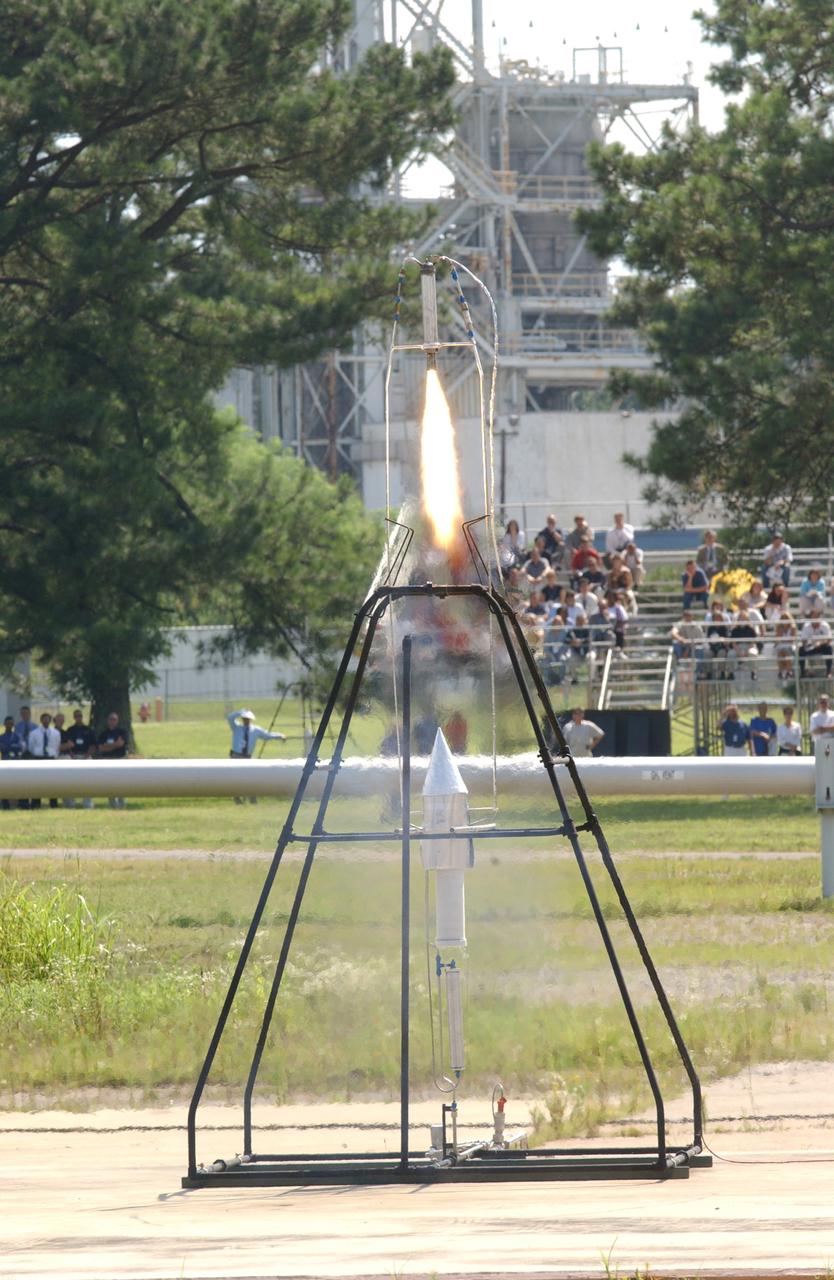
In honor of the Centernial of Flight Celebration and commissioned by the American Institute of Aeronautics and Astronautics (AIAA), a team of engineers from Marshall Space Flight Center (MSFC) built a replica of the first liquid-fueled rocket. The original rocket, designed and built by rocket engineering pioneer Robert H. Goddard in 1926, opened the door to modern rocketry. Goddard's rocket reached an altitude of 41 feet while its flight lasted only 2.5 seconds. The Marshall design team's plan was to stay as close as possible to an authentic reconstruction of Goddard's rocket. The same propellants were used - liquid oxygen and gasoline - as available during Goddard's initial testing and firing. The team also tried to construct the replica using the original materials and design to the greatest extent possible. By purposely using less advanced techniques and materials than many that are available today, the team encountered numerous technical challenges in testing the functional hardware. There were no original blueprints or drawings, only photographs and notes. However, this faithful adherence to historical accuracy has allowed the team to experience many of the same challenges Goddard faced 77 years ago, and more fully appreciate the genius of this extraordinary man. In this photo, the replica is shown firing in the A-frame launch stand in near-flight configuration at MSFC's Test Area 116 during the American Institute of Aeronautics and Astronautics 39th Joint Propulsion Conference on July 23, 2003.
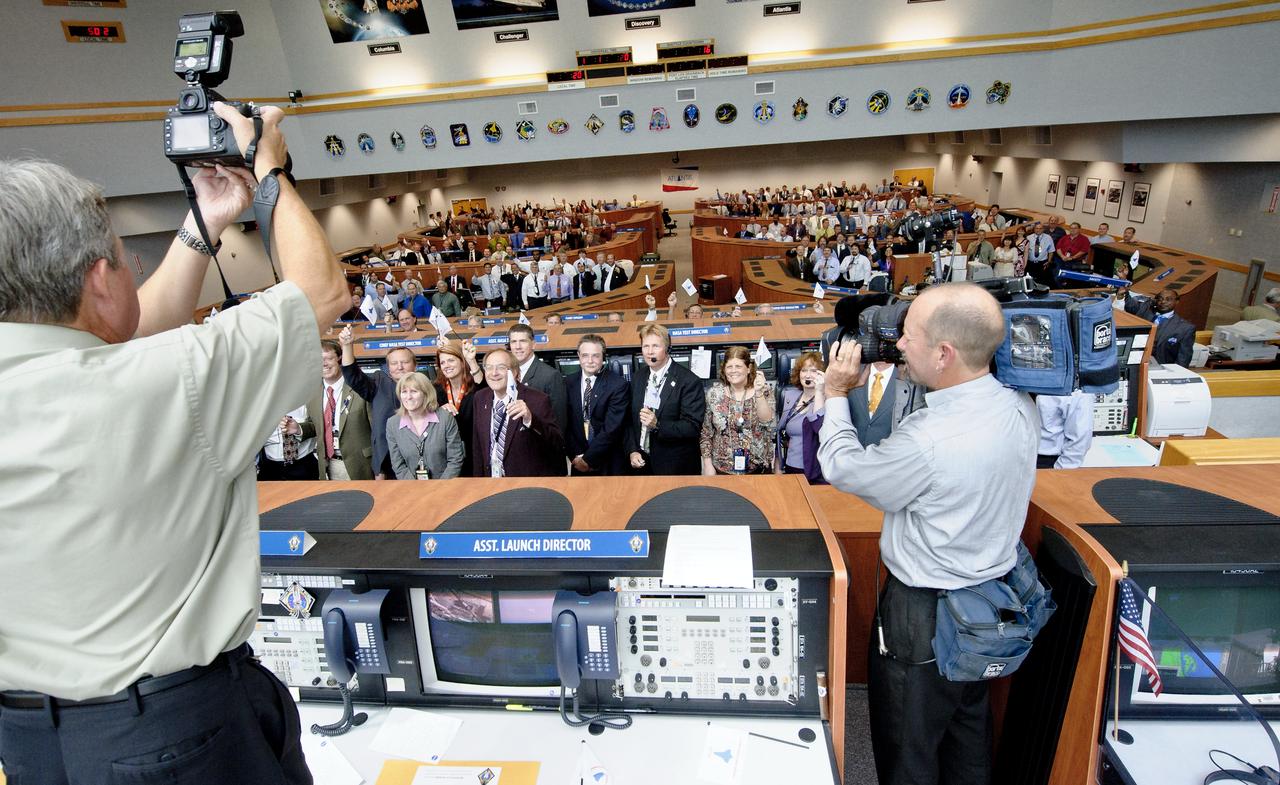
NASA Photographer Kim Shiflett, left, and Videographer Glenn Benson capture a group photo of the launch team in Firing Room Four of the NASA Kennedy Space Center Launch Control Center (LCC) shortly after the space shuttle Atlantis, STS-135, launched on Friday, July 8, 2011, in Cape Canaveral, Fla. The launch of Atlantis is the final flight of the shuttle program, a 12-day mission to the International Space Station. Photo Credit: (NASA/Bill Ingalls)
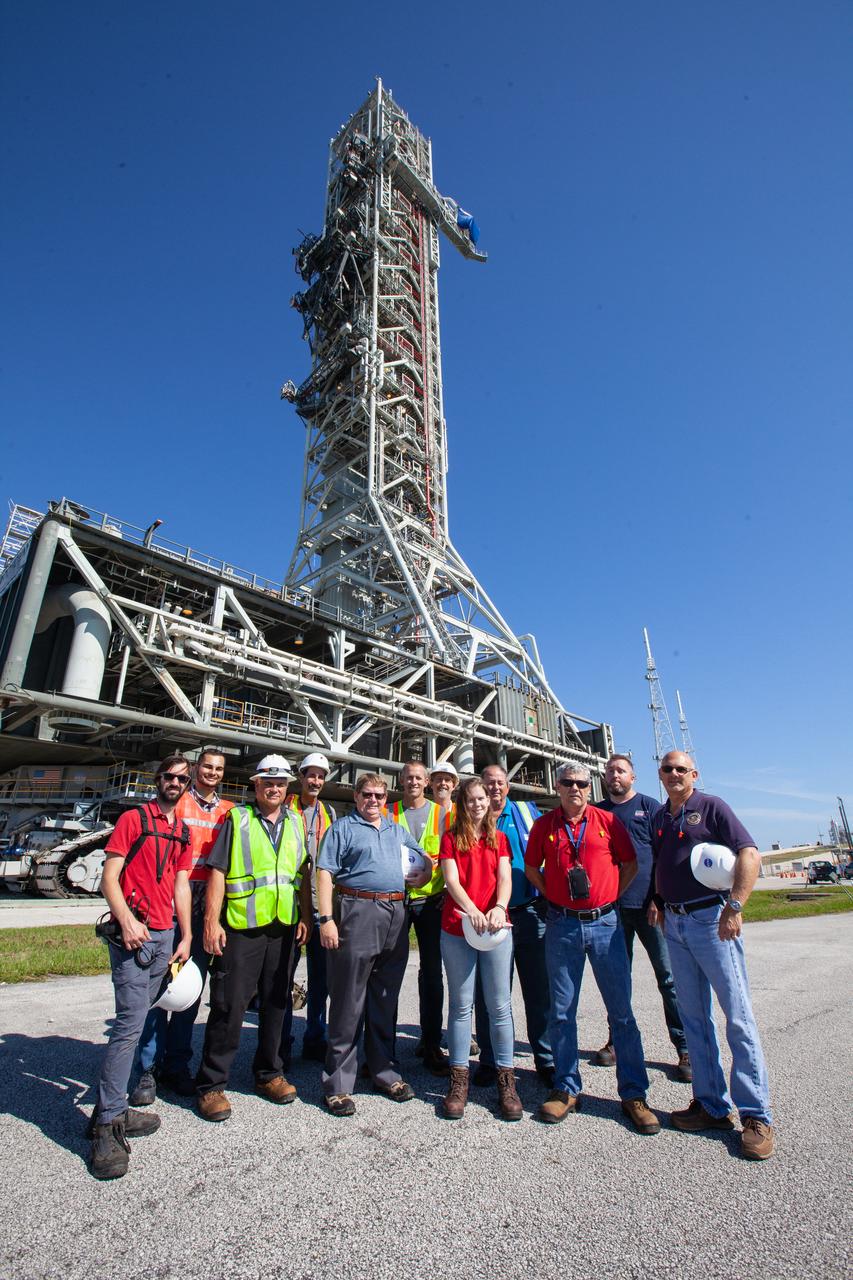
NASA’s Kennedy Space Center crawler team is photographed in front of the agency’s mobile launcher at Launch Complex 39B in Florida on June 27, 2019. After departing from the Vehicle Assembly Building at midnight on June 27, the mobile launcher made its final solo trek to the pad, where it will remain for the summer, undergoing final testing and checkouts. Its next roll to the pad will be with the agency’s Space Launch System rocket and Orion spacecraft in preparation for the launch of Artemis 1.
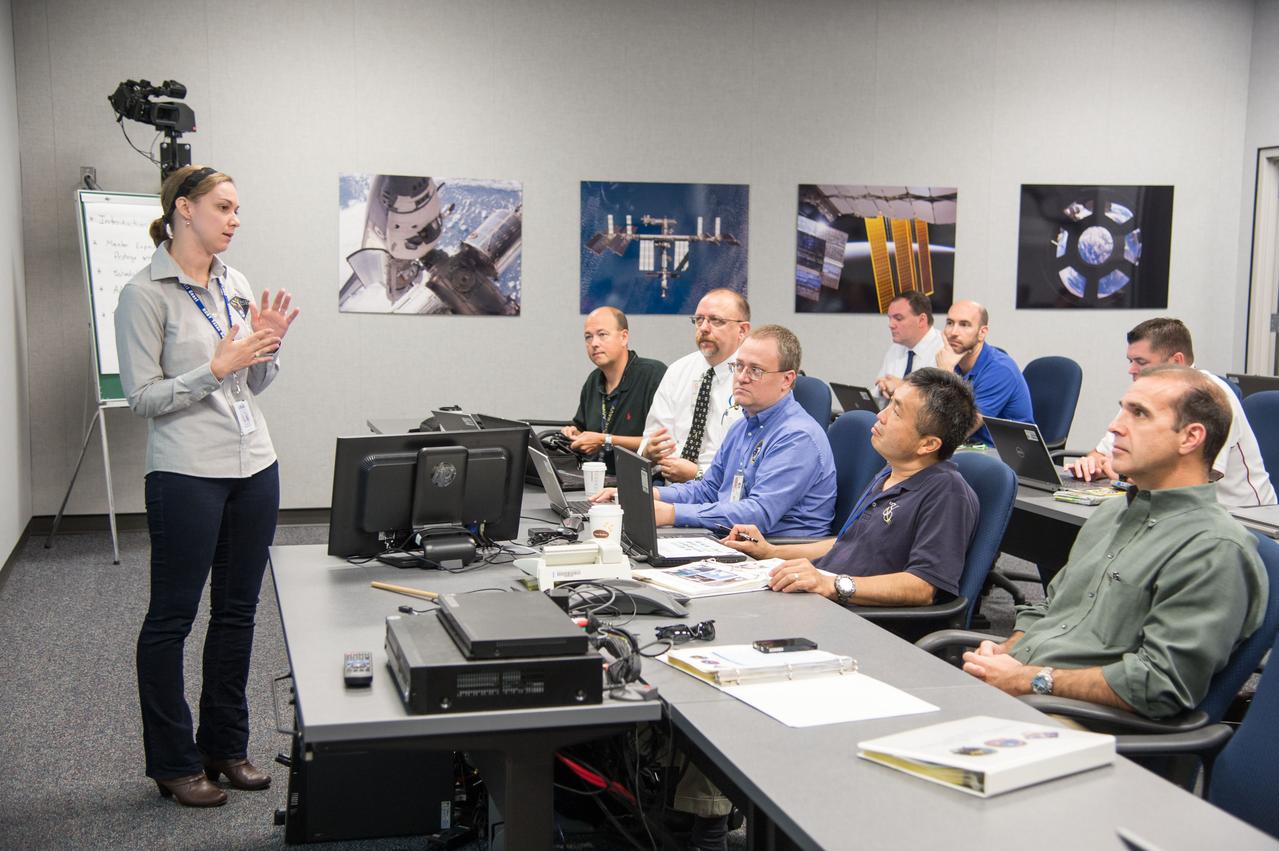
Expedition 39 “Increment Specific System Update” briefing for Soyuz 37 crew (Wakata, Tyurin, Mastracchio), which is supported by 19 flight control team disciplines and gives the upcoming crew a quick review of the entire vehicle’s current health, status and upcoming operations. Photo Date: August 30, 2013. Location: Building 5s, Room 3102. Photographer: Robert Markowitz
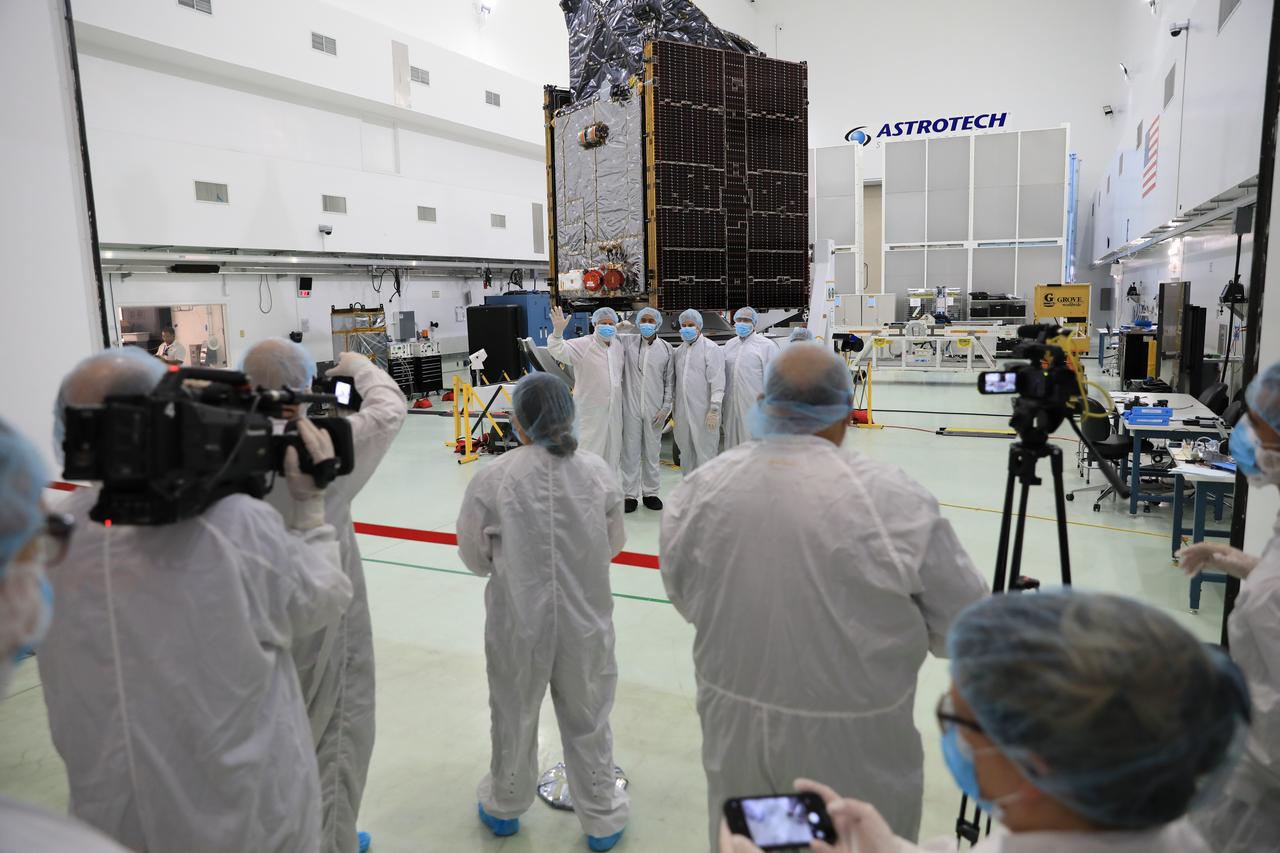
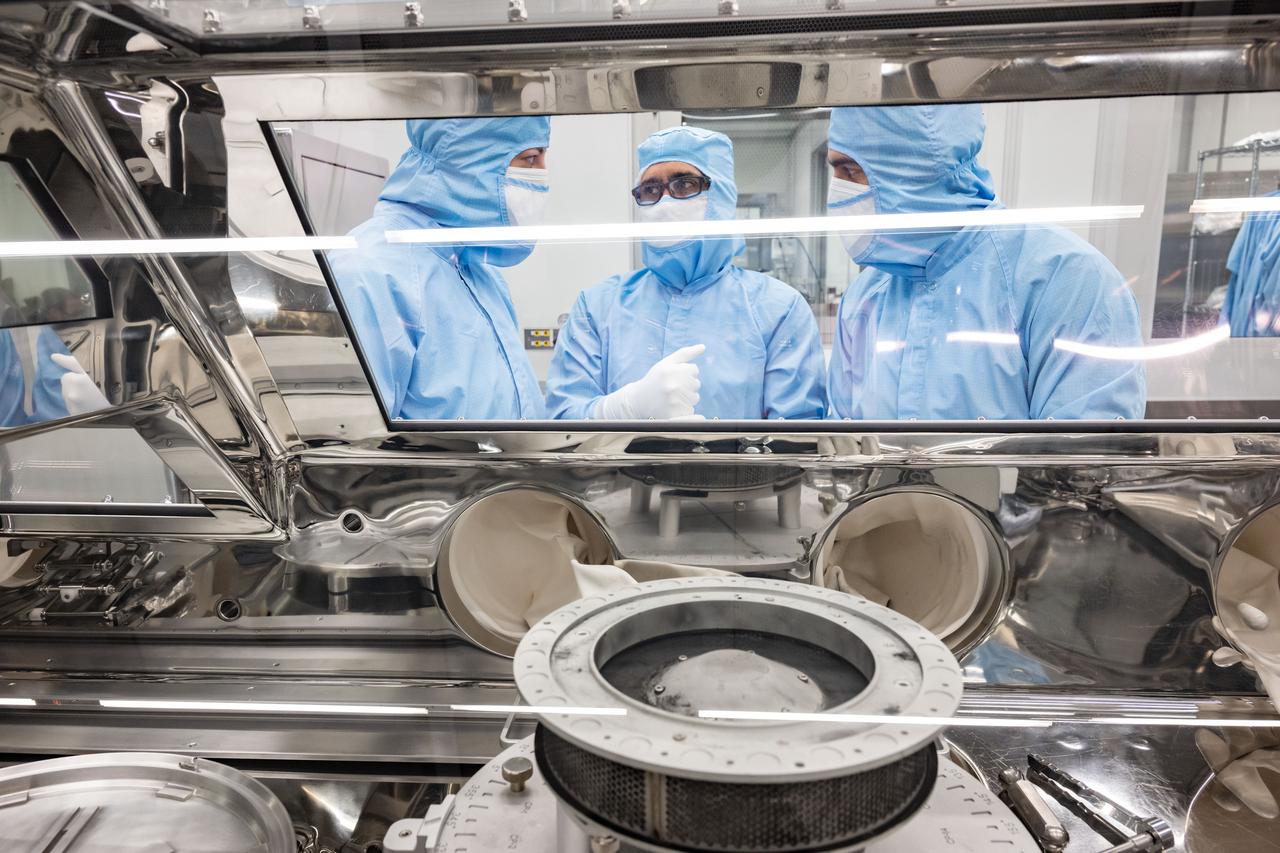
Members of NASA’s Psyche team are photographed with the spacecraft by media inside a cleanroom the Astrotech Space Operations Facility near Kennedy Space Center in Florida on Aug. 11, 2023. Psyche will launch atop a SpaceX Falcon Heavy rocket from Launch Complex 39A at Kennedy to explore a metal-rich asteroid. Launch is targeted for Oct. 5, 2023. Riding with Psyche is a pioneering technology demonstration, NASA’s Deep Space Optical Communications (DSOC) experiment.
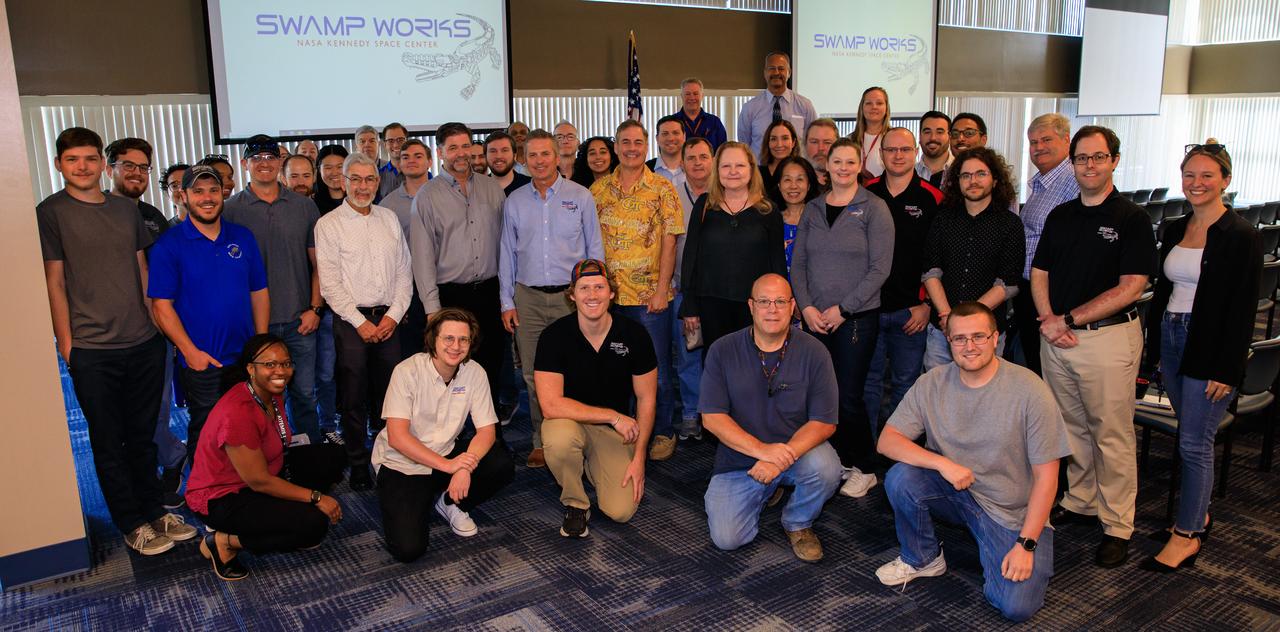
To celebrate its 10-year anniversary, the Swamp Works team poses for a group photograph inside the Space Station Processing Facility conference room at NASA’s Kennedy Space Center in Florida on April 21, 2023. Swamp Works includes several laboratories where hands-on, cutting-edge technology is developed for NASA and its exploration goals, as well as for benefits on Earth.

Canadian Space Agency (CSA) astronaut Jeremy Hansen, left, along with NASA astronauts Reid Wiseman, Victor Glover, and Christina Koch, right, pose for a group photograph with members of the Vehicle Assembly Building Operations Desk team on Tuesday, Nov. 19, 2024, inside the Vehicle Assembly Building at NASA's Kennedy Space Center in Florida.
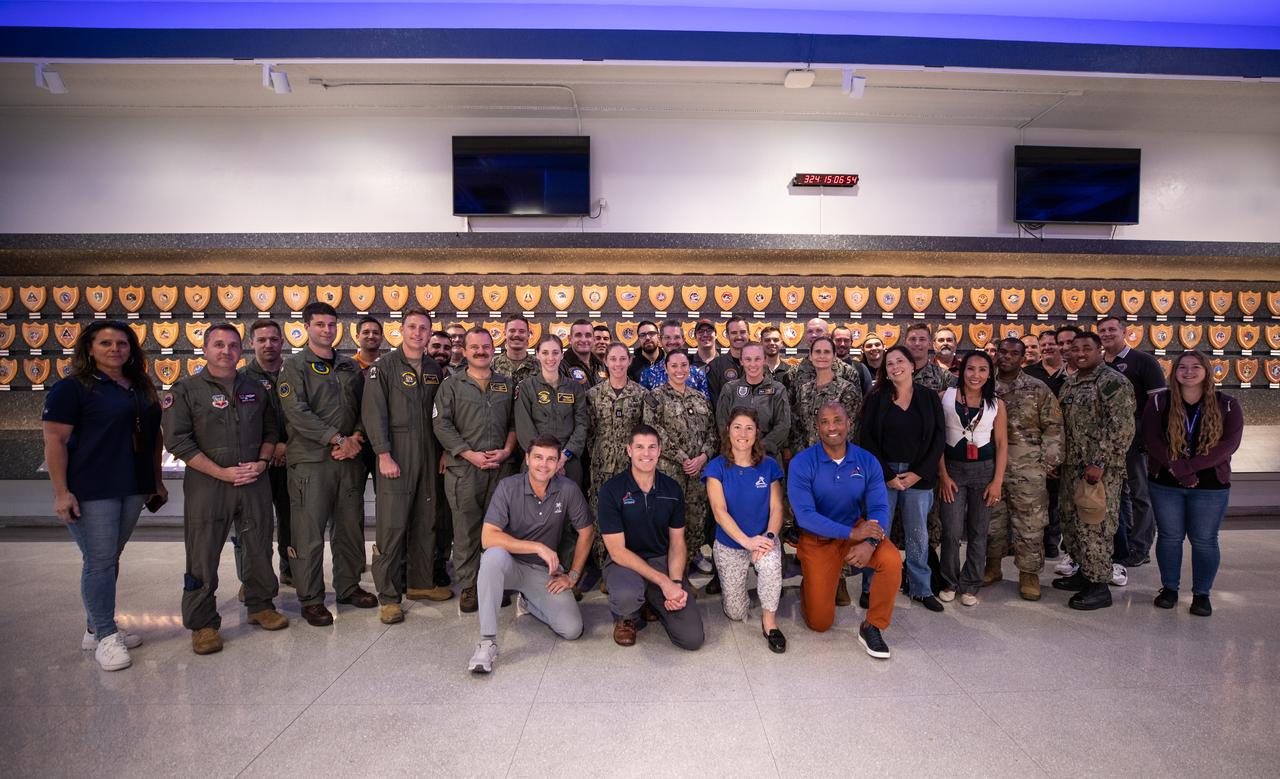
The Artemis II crew, NASA astronaut Reid Wiseman, left, Canadian Space Agency (CSA) astronaut Jeremy Hansen, as well as NASA astronauts Christina Koch and Victor Glover, pose for a group photograph with members of the agency’s Artemis II Landing and Recovery team and partners from the Department of Defense Tuesday, Nov. 19, 2024, inside the Vehicle Assembly Building at NASA's Kennedy Space Center in Florida.