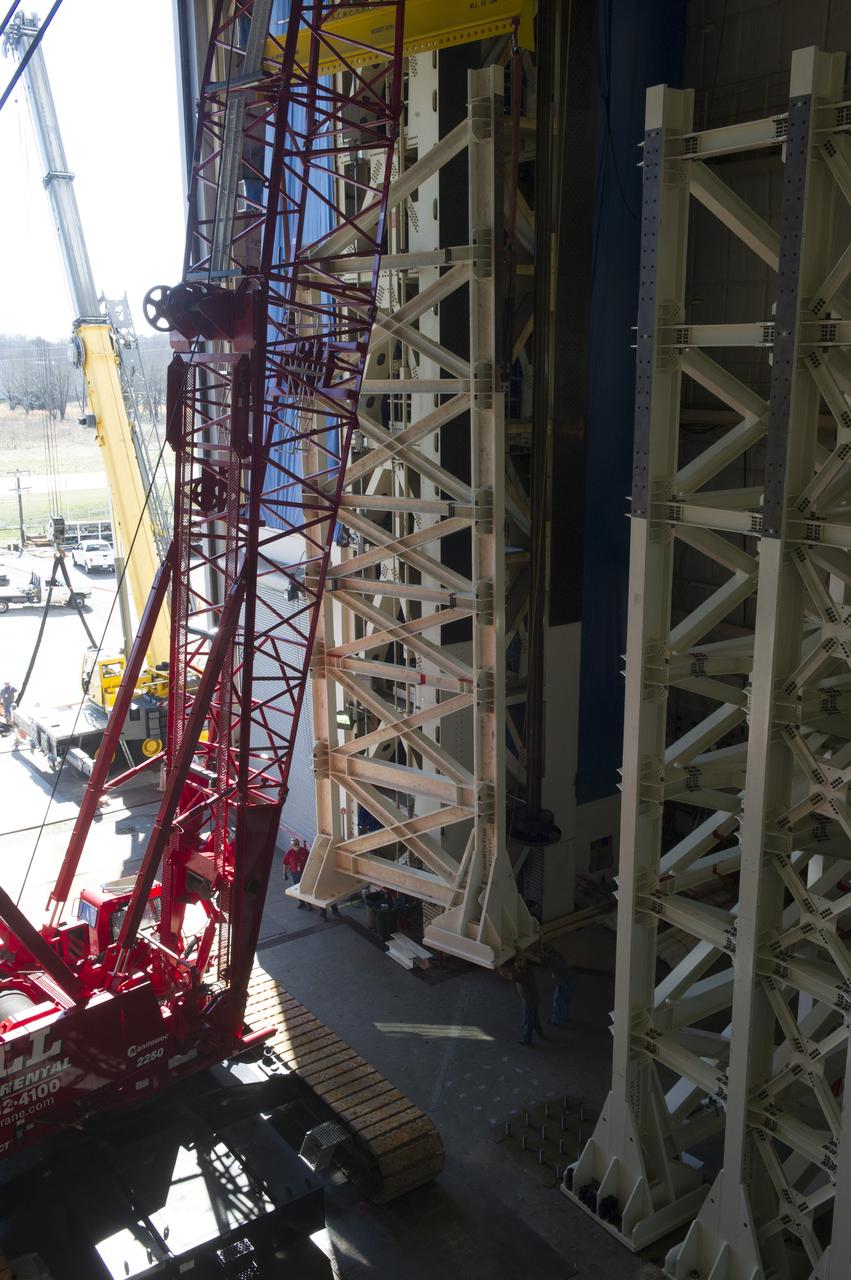
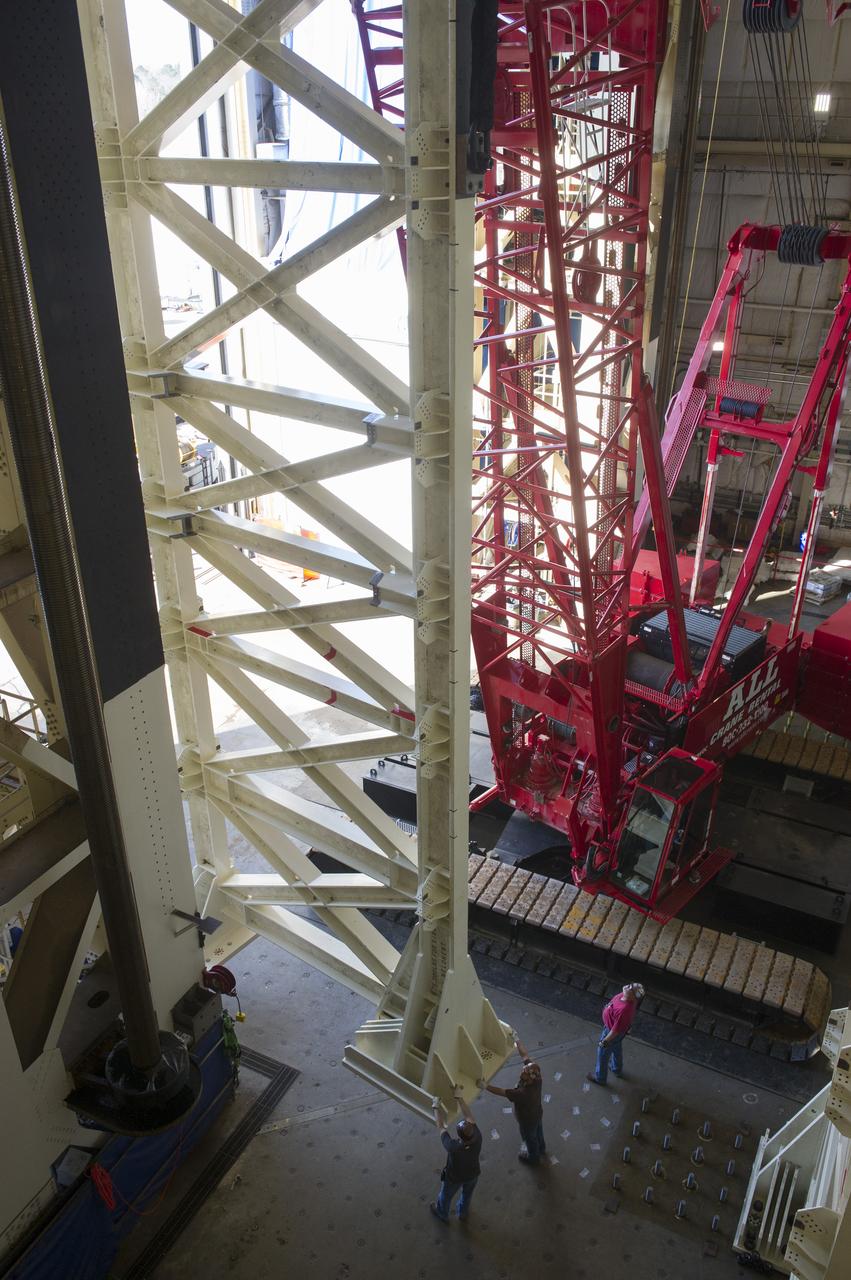
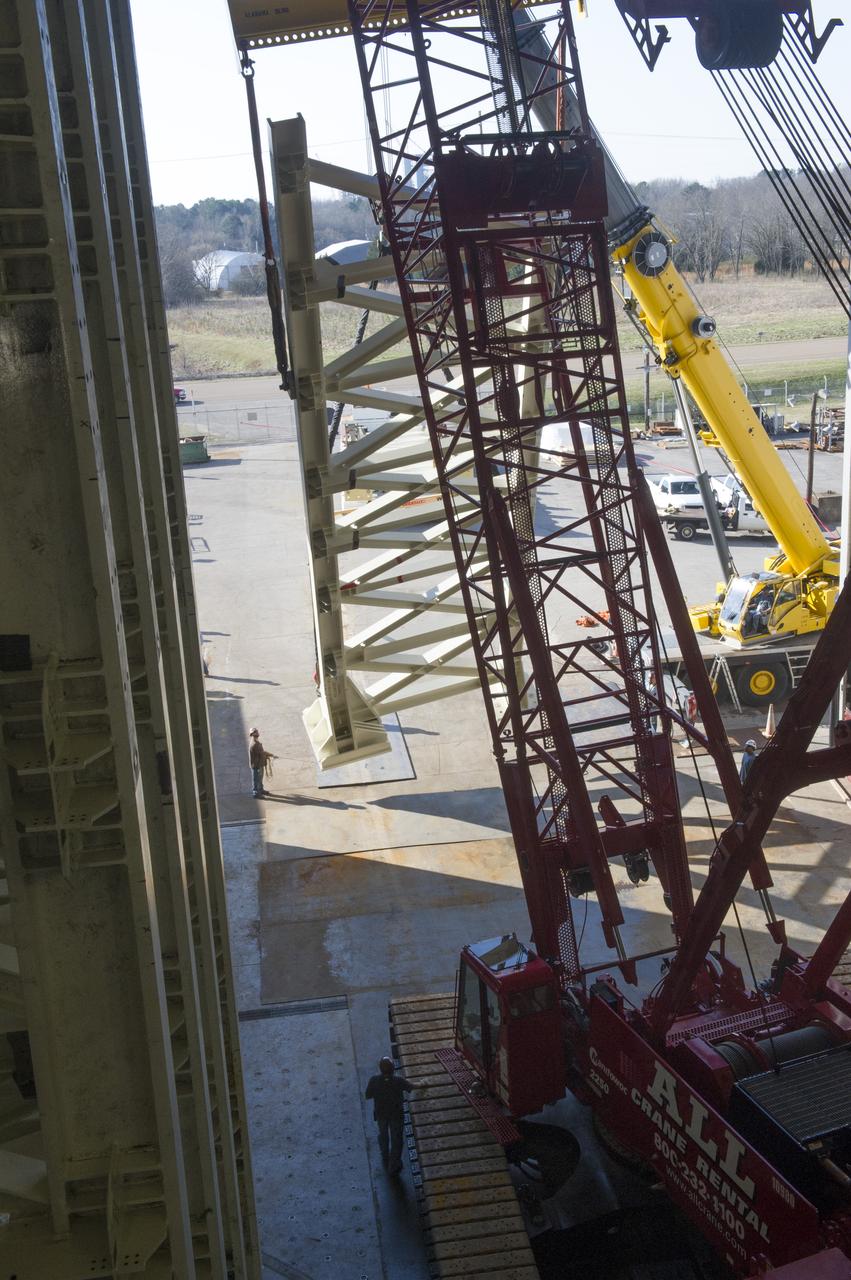
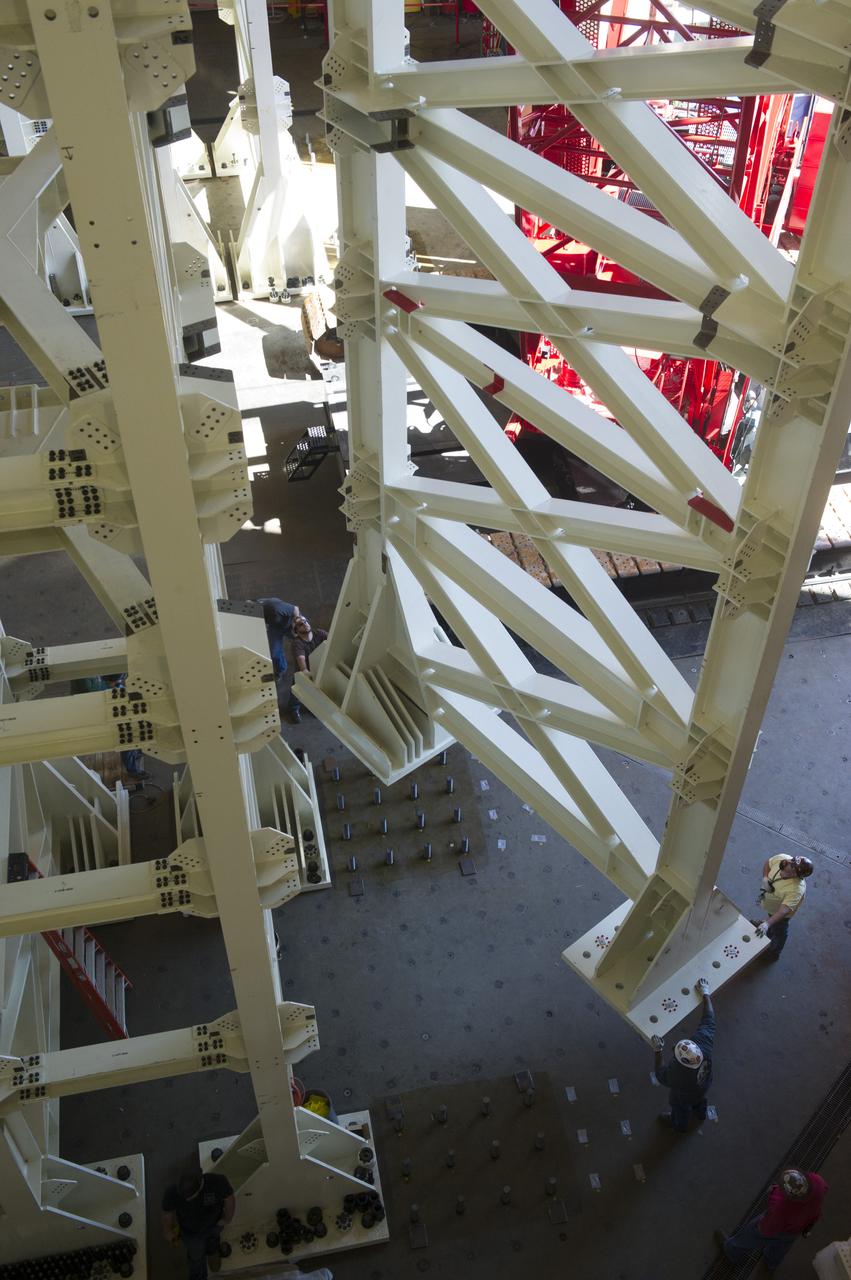
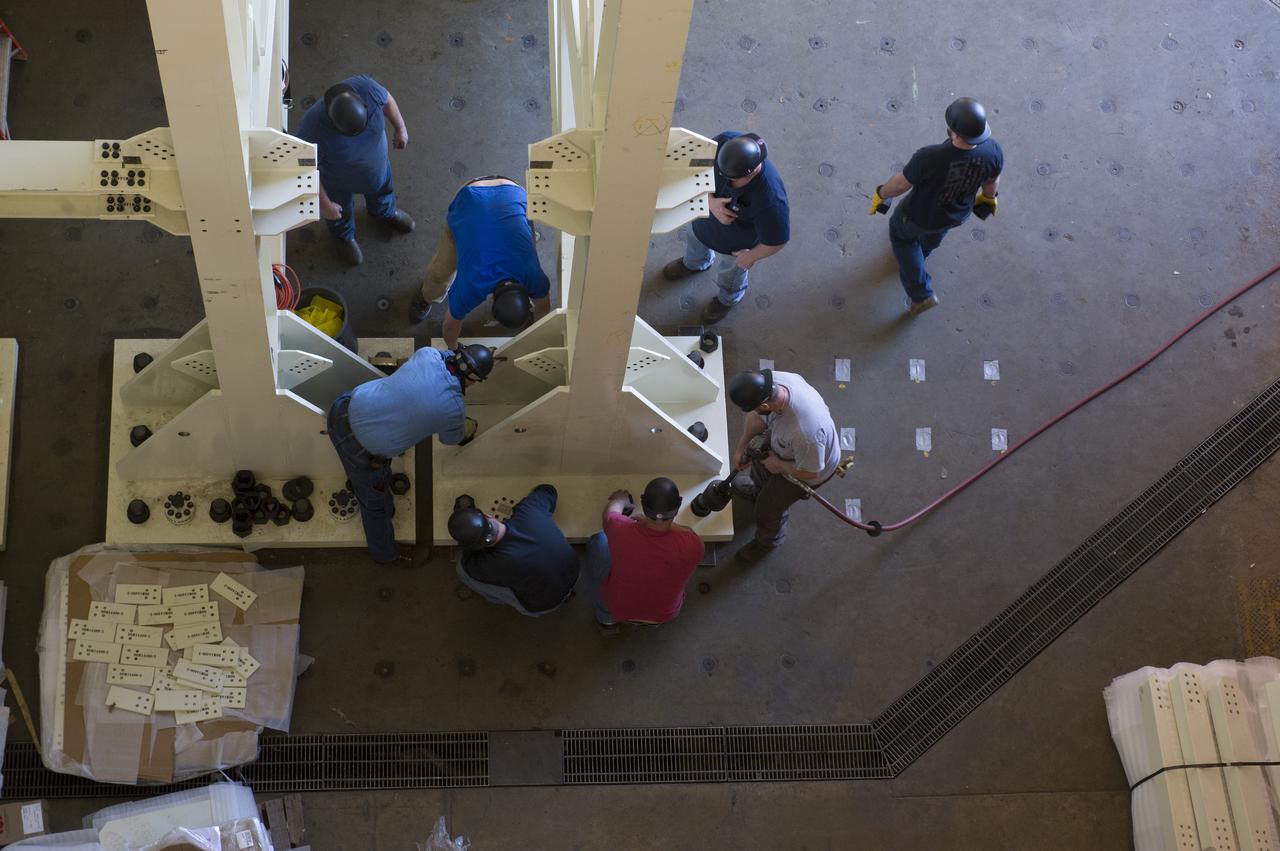
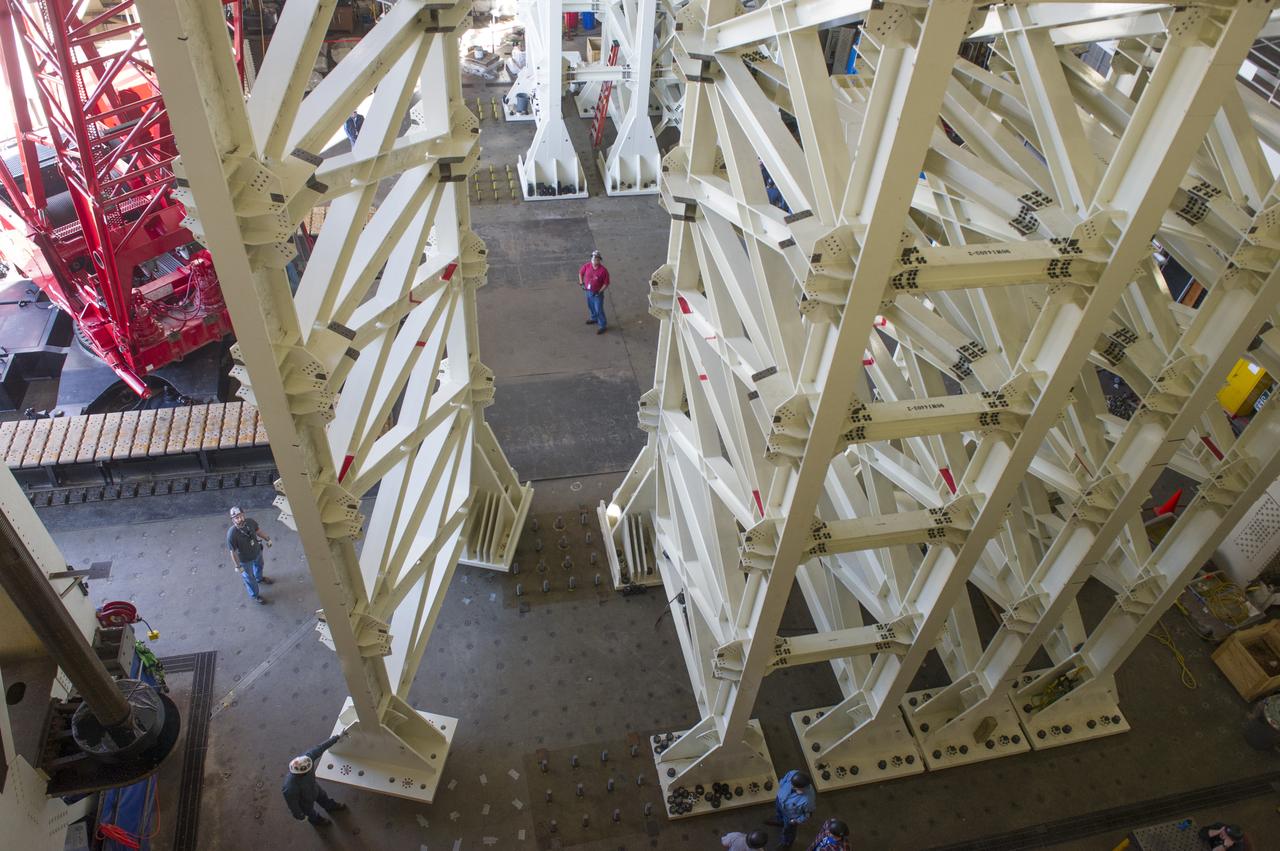
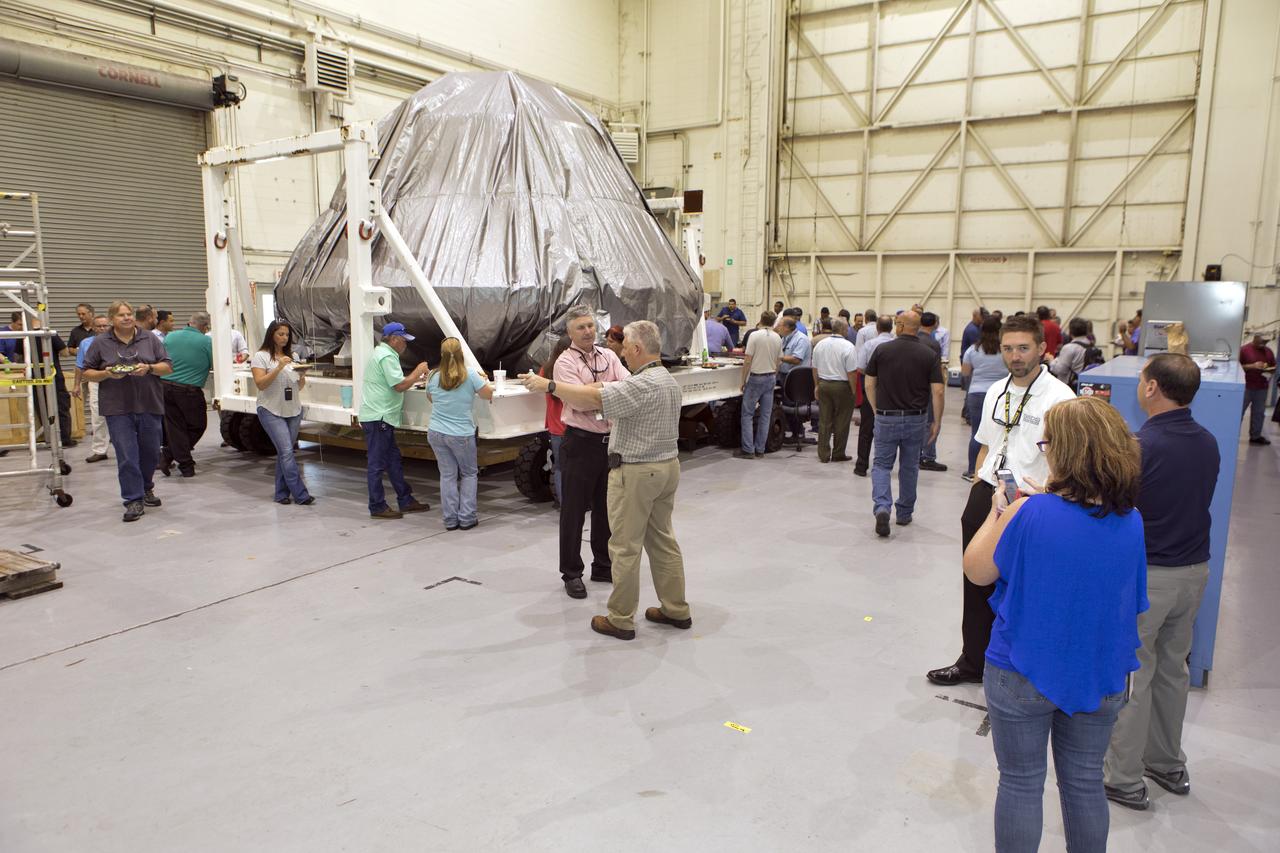
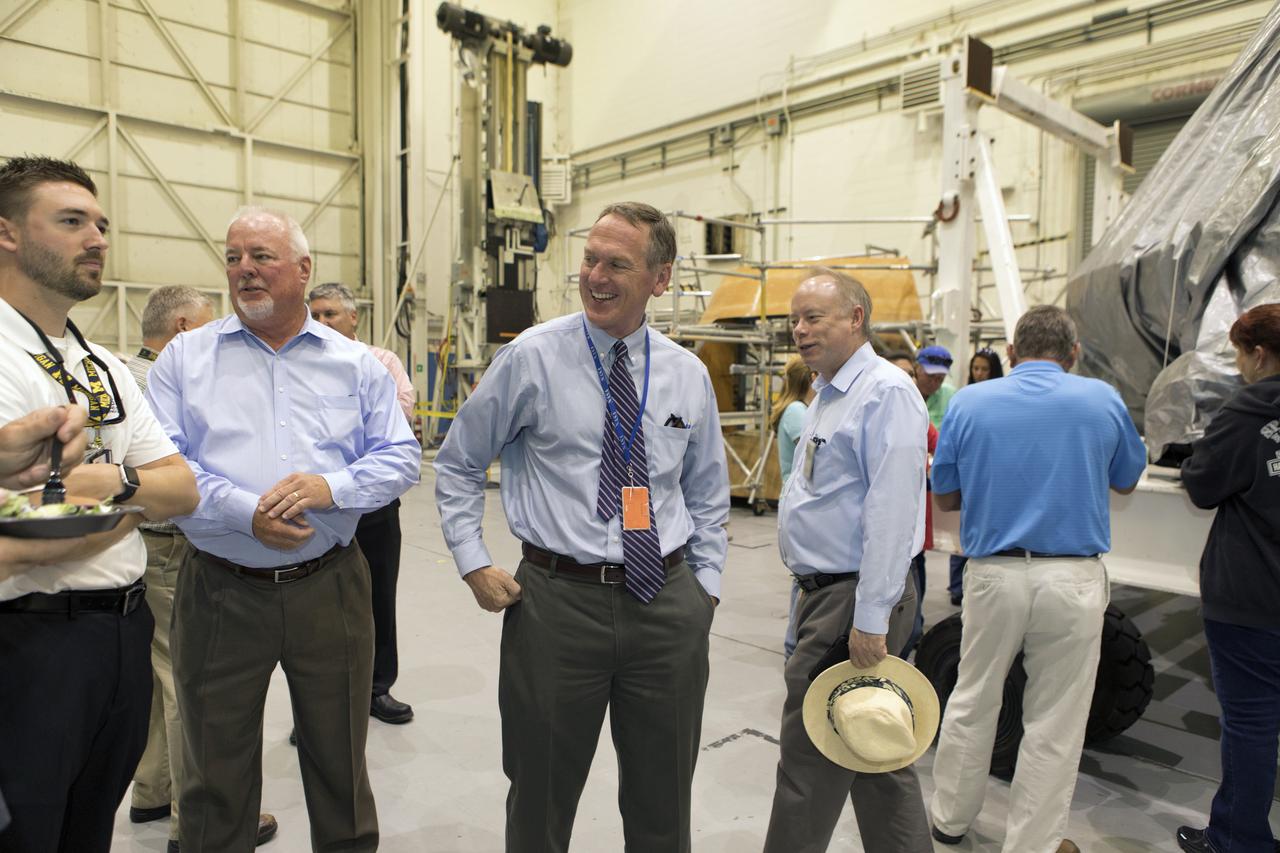
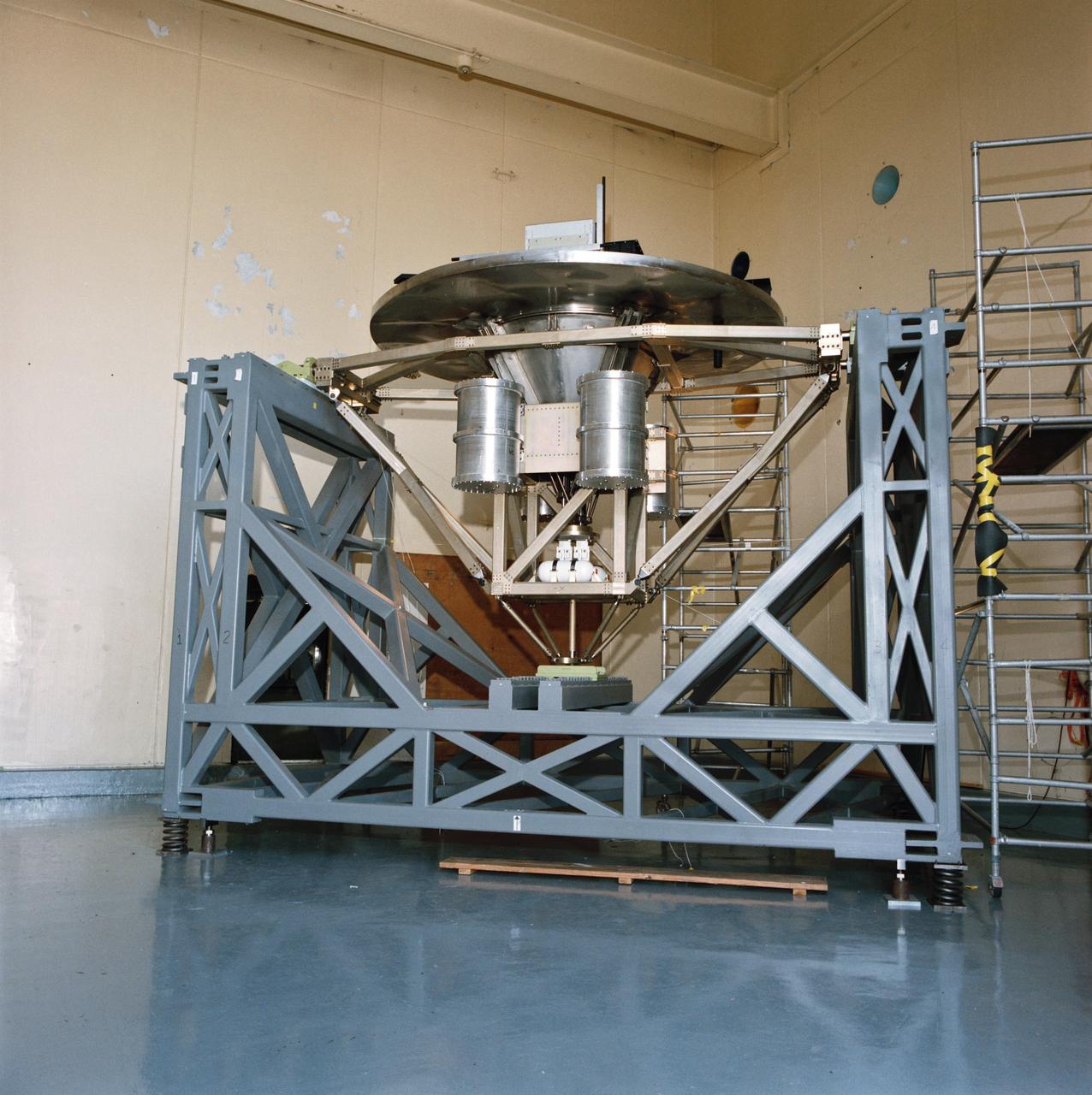
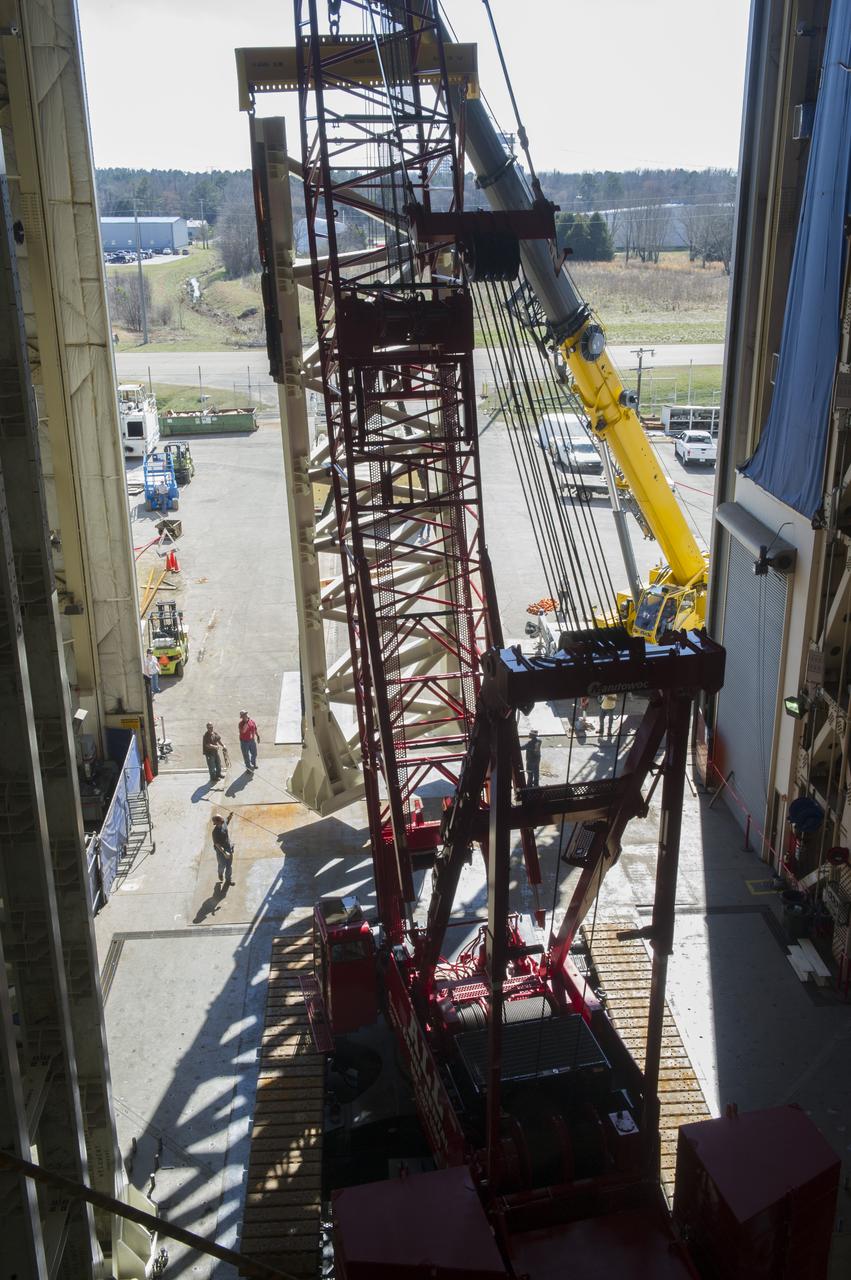
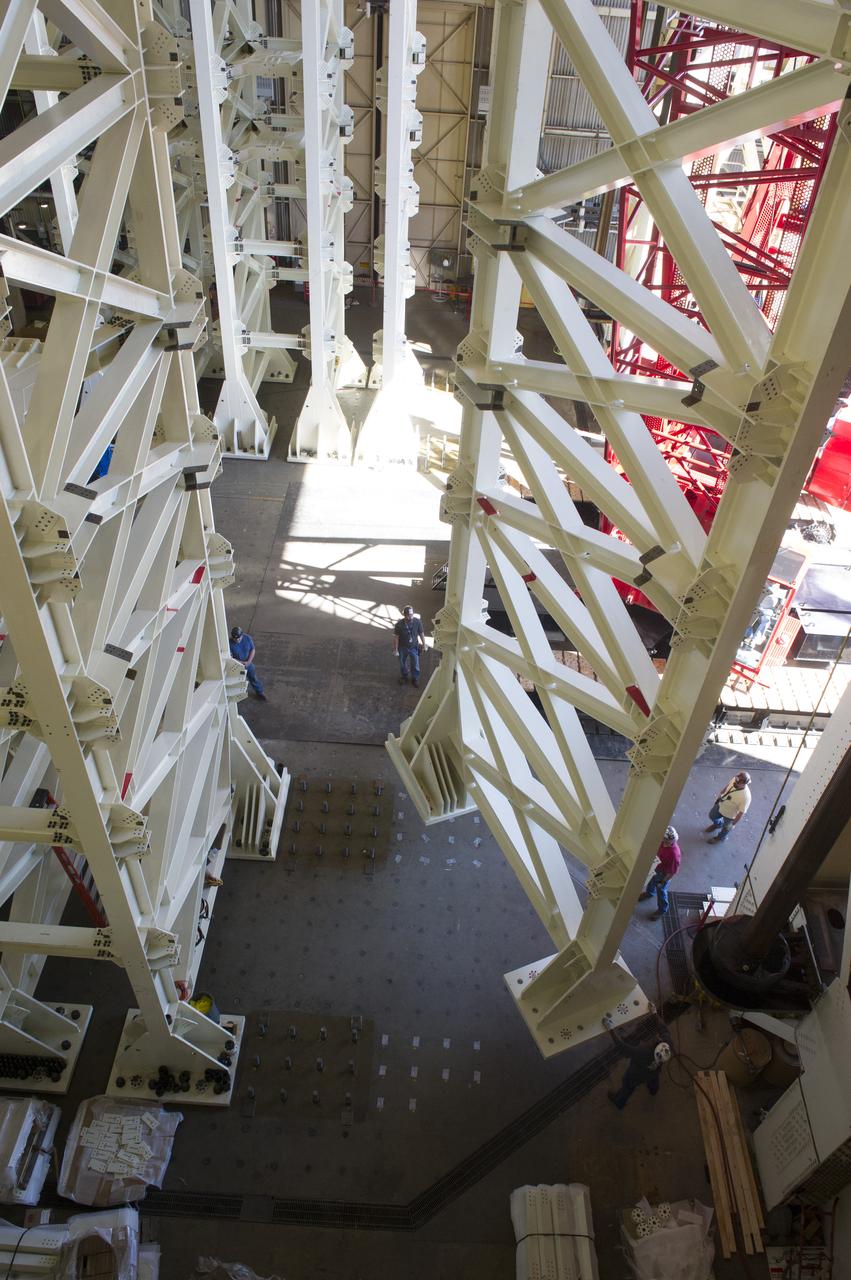
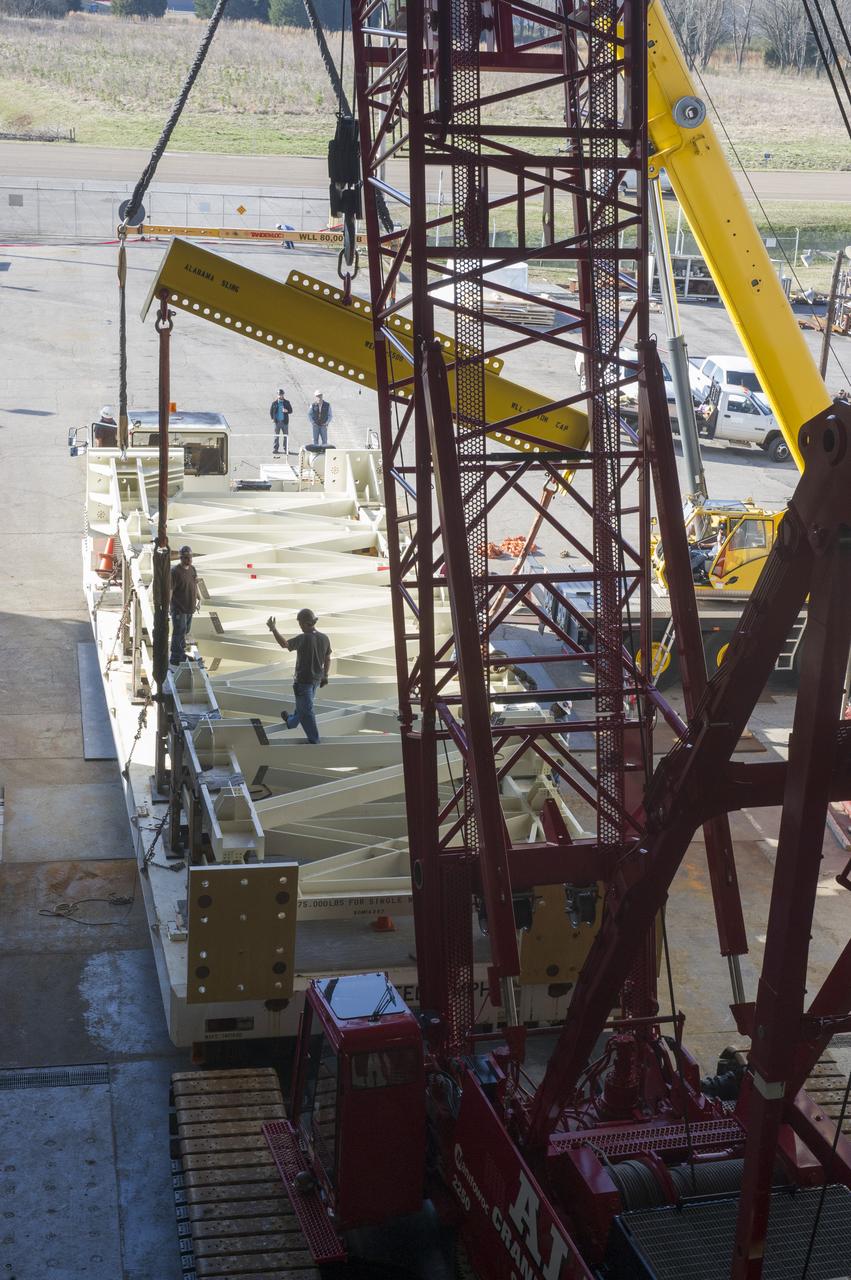
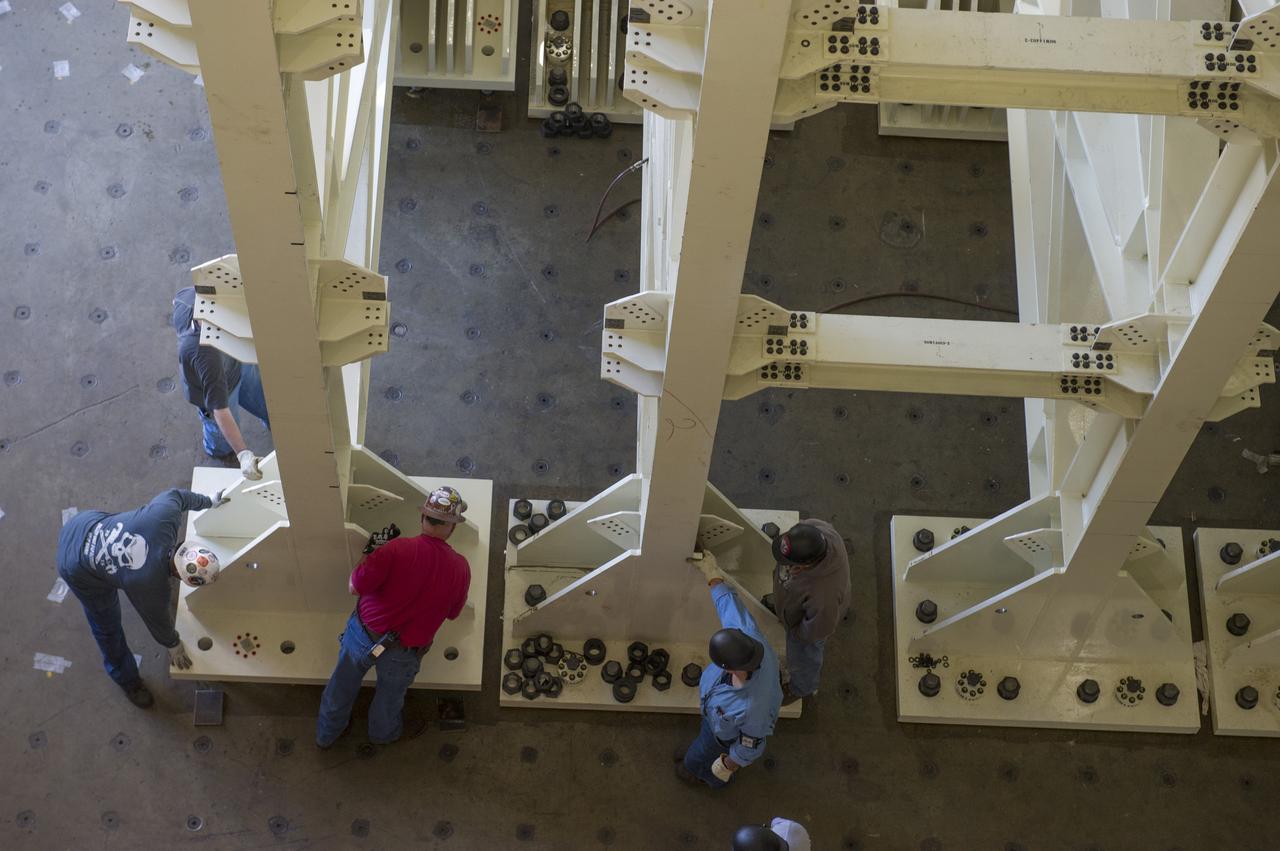
ERECTION OF TWO SLS INTERTANK, (IT), SPECIAL TEST EQUIPMENT, (STE), TOWER PANELS IN BLDG 4619
WEST TOWER PANEL ERECTION
ERECTION OF TWO SLS INTERTANK, (IT), SPECIAL TEST EQUIPMENT, (STE), TOWER PANELS IN BLDG 4619
WEST TOWER PANEL ERECTION
ERECTION OF TWO SLS INTERTANK, (IT), SPECIAL TEST EQUIPMENT, (STE), TOWER PANELS IN BLDG 4619
EAST TOWER PANEL ERECTION
ERECTION OF TWO SLS INTERTANK, (IT), SPECIAL TEST EQUIPMENT, (STE), TOWER PANELS IN BLDG 4619
WEST TOWER PANEL ERECTION
ERECTION OF TWO SLS INTERTANK, (IT), SPECIAL TEST EQUIPMENT, (STE), TOWER PANELS IN BLDG 4619
EAST TOWER PANEL ERECTION
ERECTION OF TWO SLS INTERTANK, (IT), SPECIAL TEST EQUIPMENT, (STE), TOWER PANELS IN BLDG 4619
WEST TOWER PANEL ERECTION
ERECTION OF TWO SLS INTERTANK, (IT), SPECIAL TEST EQUIPMENT, (STE), TOWER PANELS IN BLDG 4619
WEST TOWER PANEL ERECTION
ERECTION OF TWO SLS INTERTANK, (IT), SPECIAL TEST EQUIPMENT, (STE), TOWER PANELS IN BLDG 4619
EAST TOWER PANEL ERECTION
ERECTION OF TWO SLS INTERTANK, (IT), SPECIAL TEST EQUIPMENT, (STE), TOWER PANELS IN BLDG 4619
EAST TOWER PANEL ERECTION
ERECTION OF TWO SLS INTERTANK, (IT), SPECIAL TEST EQUIPMENT, (STE), TOWER PANELS IN BLDG 4619
EAST TOWER PANEL ERECTION
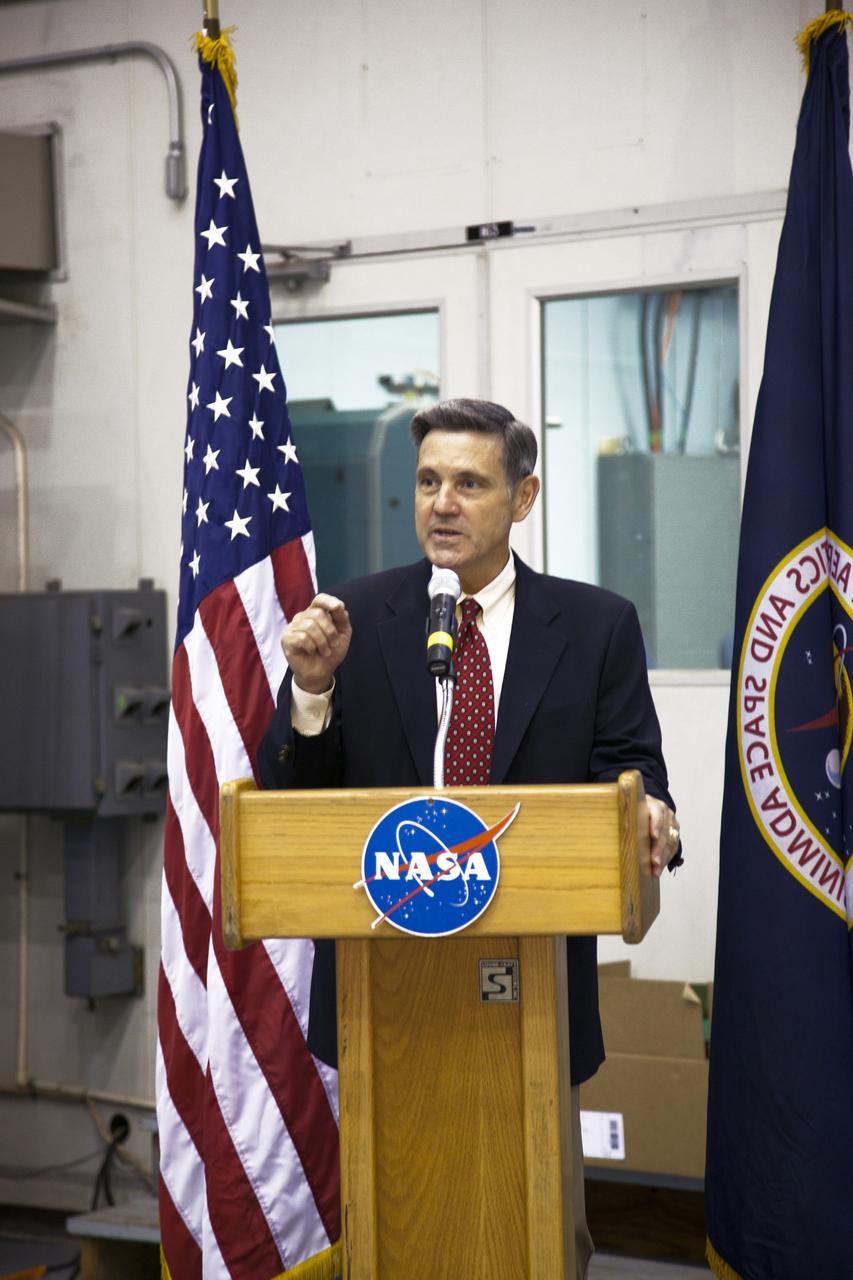
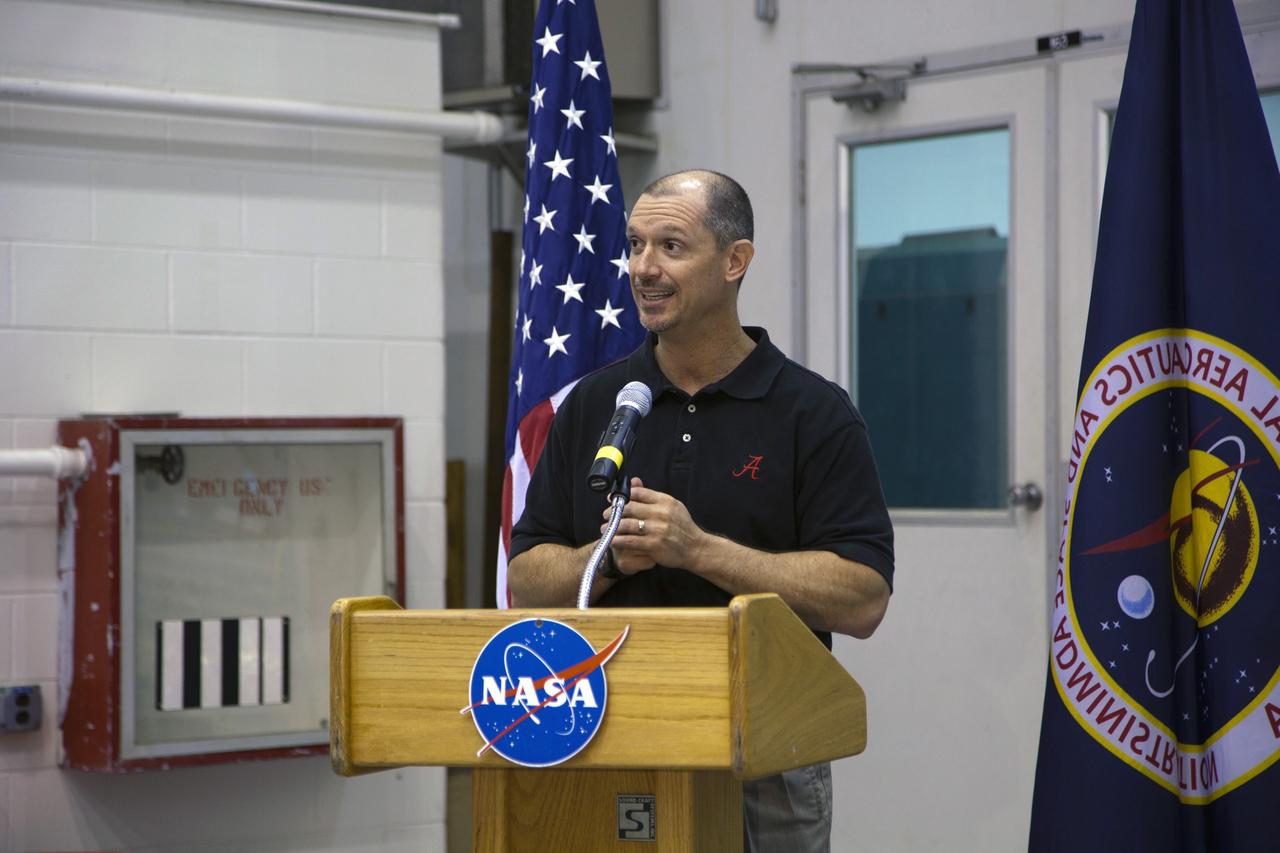
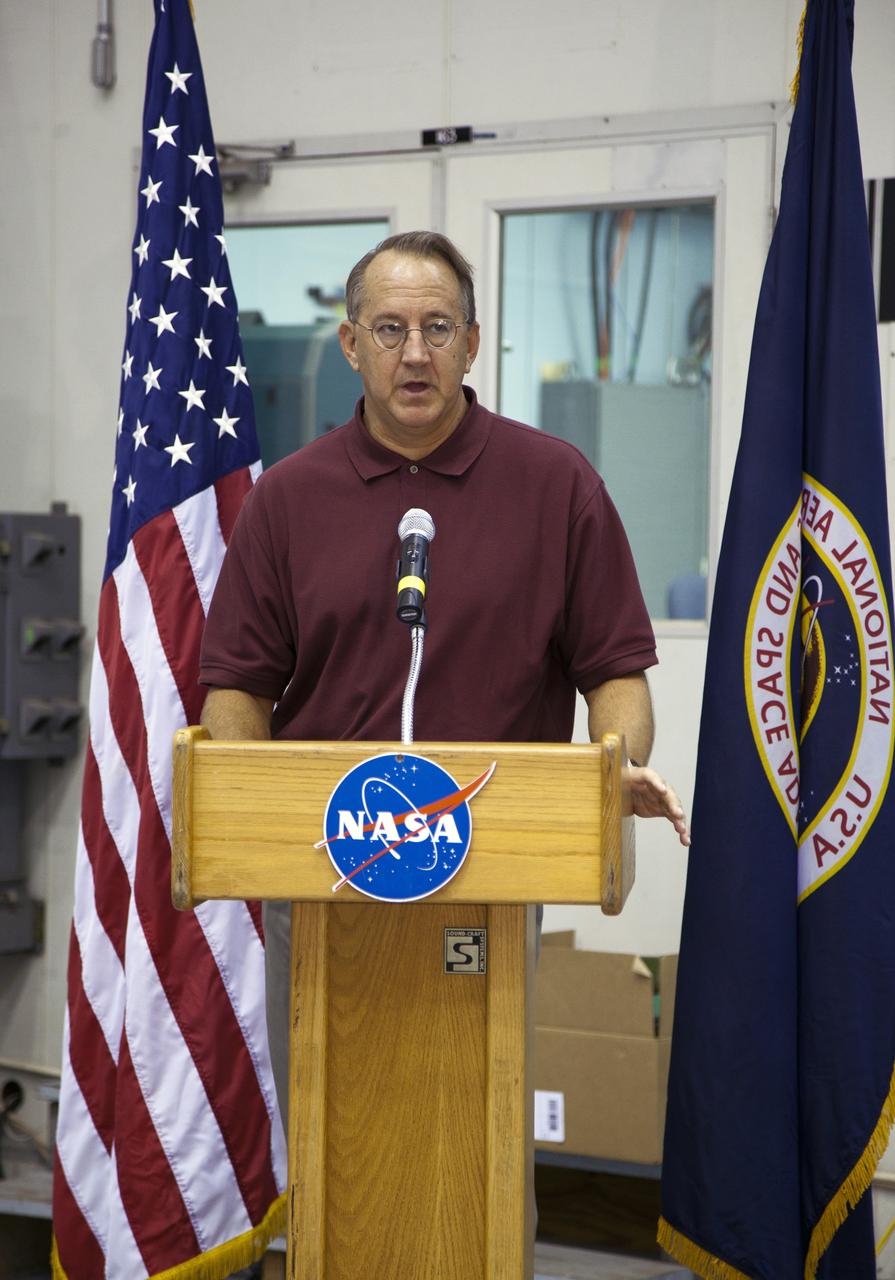
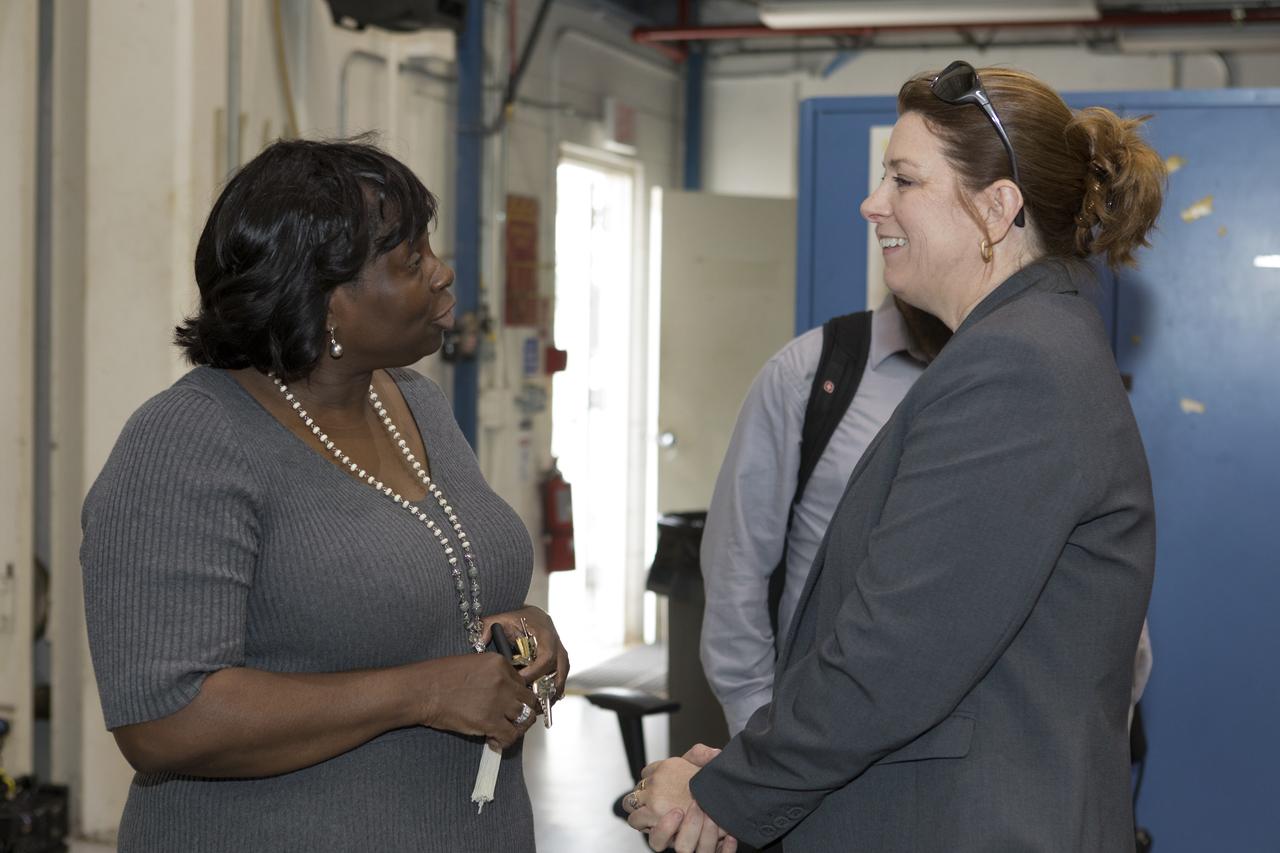
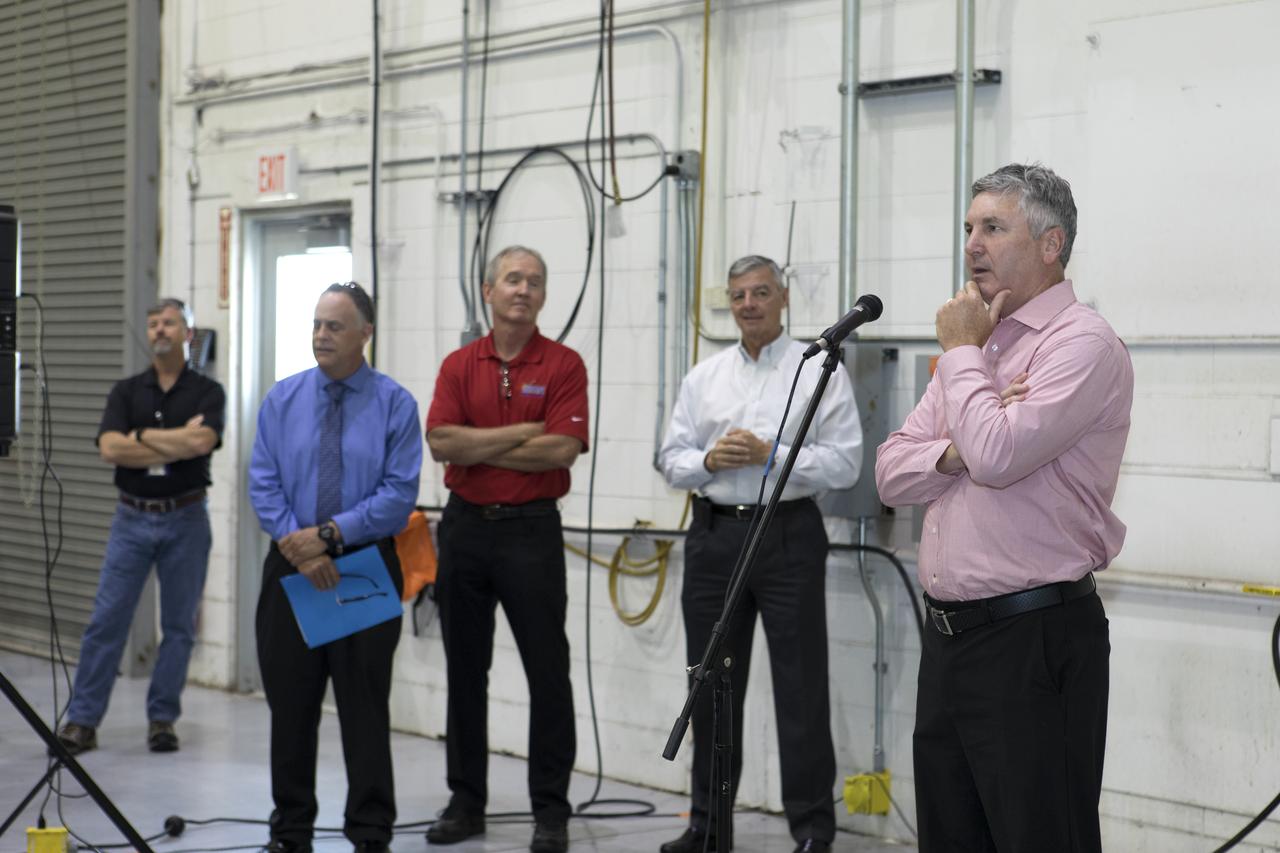
CAPE CANAVERAL, Fla. -- At NASA's Kennedy Space Center in Florida, Center Director Bob Cabana talks to workers at the Launch Equipment Test Facility (LETF), which recently underwent a $35 million comprehensive upgrade that lasted four years.           The LETF was established in the 1970s to support the qualification of the Space Shuttle Program’s umbilical and T-0 mechanisms. Throughout the years, it has supported the development of systems for shuttle and the International Space Station, Delta and Atlas rockets, and various research and development programs. The LETF has unique capabilities to evolve into a versatile test and development area that supports a wide spectrum of programs. For information on NASA's future plans, visit www.nasa.gov. Photo credit: NASA/Dimitri Gerondidakis
KSC-2010-4509
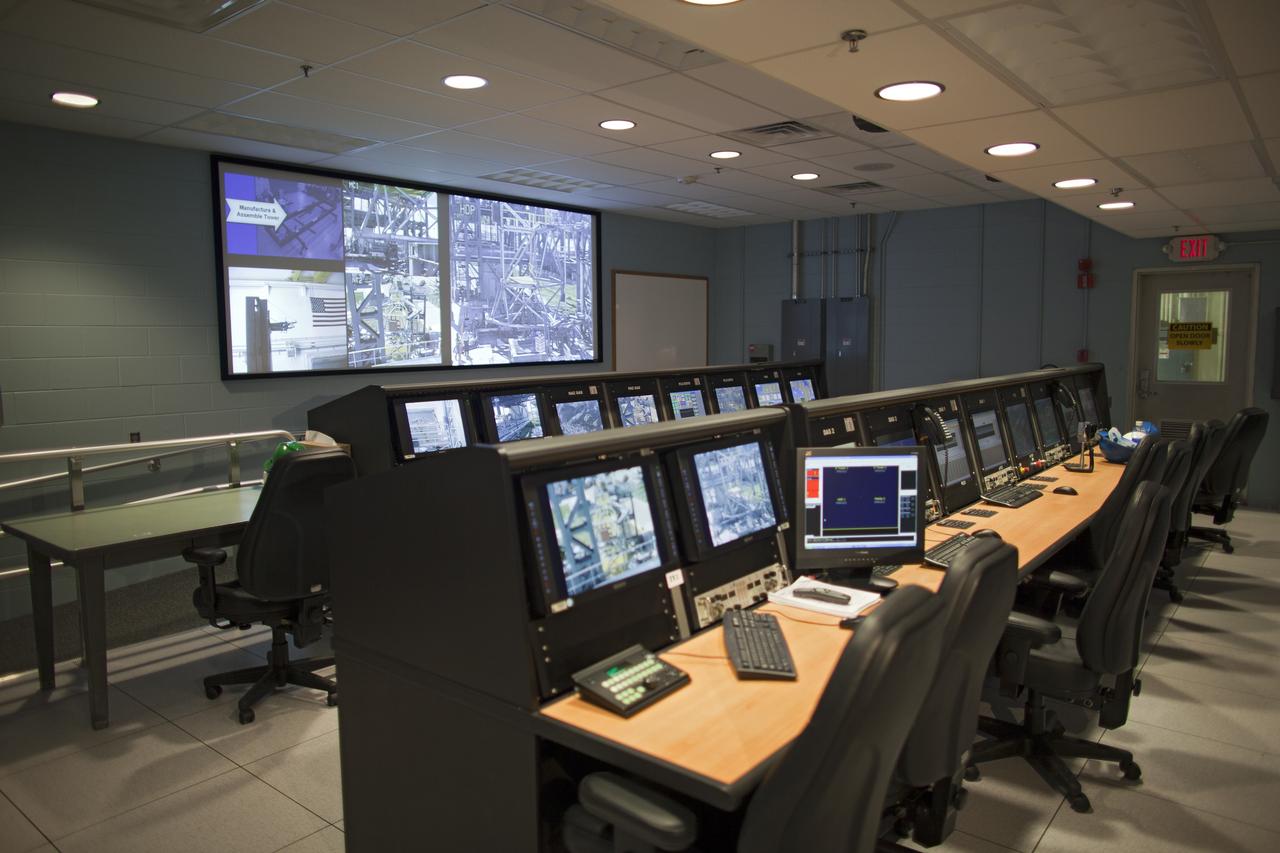
CAPE CANAVERAL, Fla. -- At NASA's Kennedy Space Center in Florida is the control room of the Launch Equipment Test Facility (LETF). The LETF recently underwent a $35 million comprehensive upgrade that lasted four years.            The LETF was established in the 1970s to support the qualification of the Space Shuttle Program’s umbilical and T-0 mechanisms. Throughout the years, it has supported the development of systems for shuttle and the International Space Station, Delta and Atlas rockets, and various research and development programs. The LETF has unique capabilities to evolve into a versatile test and development area that supports a wide spectrum of programs. For information on NASA's future plans, visit www.nasa.gov. Photo credit: NASA/Dimitri Gerondidakis
KSC-2010-4515
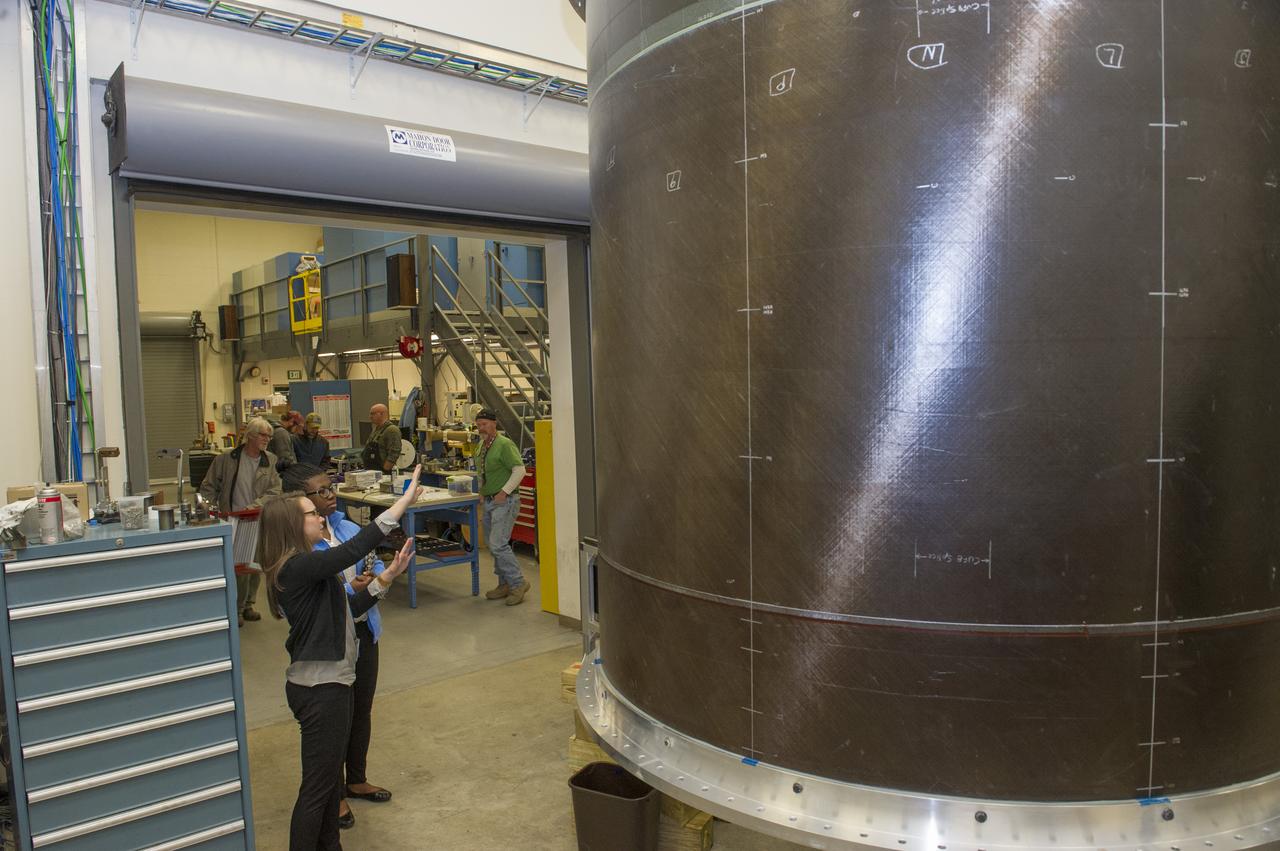
MICHELLE TILLOTSON, AN ENGINEER AT NASA’S MARSHALL SPACE FLIGHT CENTER, SHOWS KALYN HOPKINS A STUDENT AT THE MIAMI VALLEY SCHOOL, DAYTON OHIO, NEW EQUIPMENT THAT WILL BE USED TO TEST THE PROPELLANT TANKS FOR THE SLS
MICHELLE TILLOTSON WITH TEST EQUIPMENT
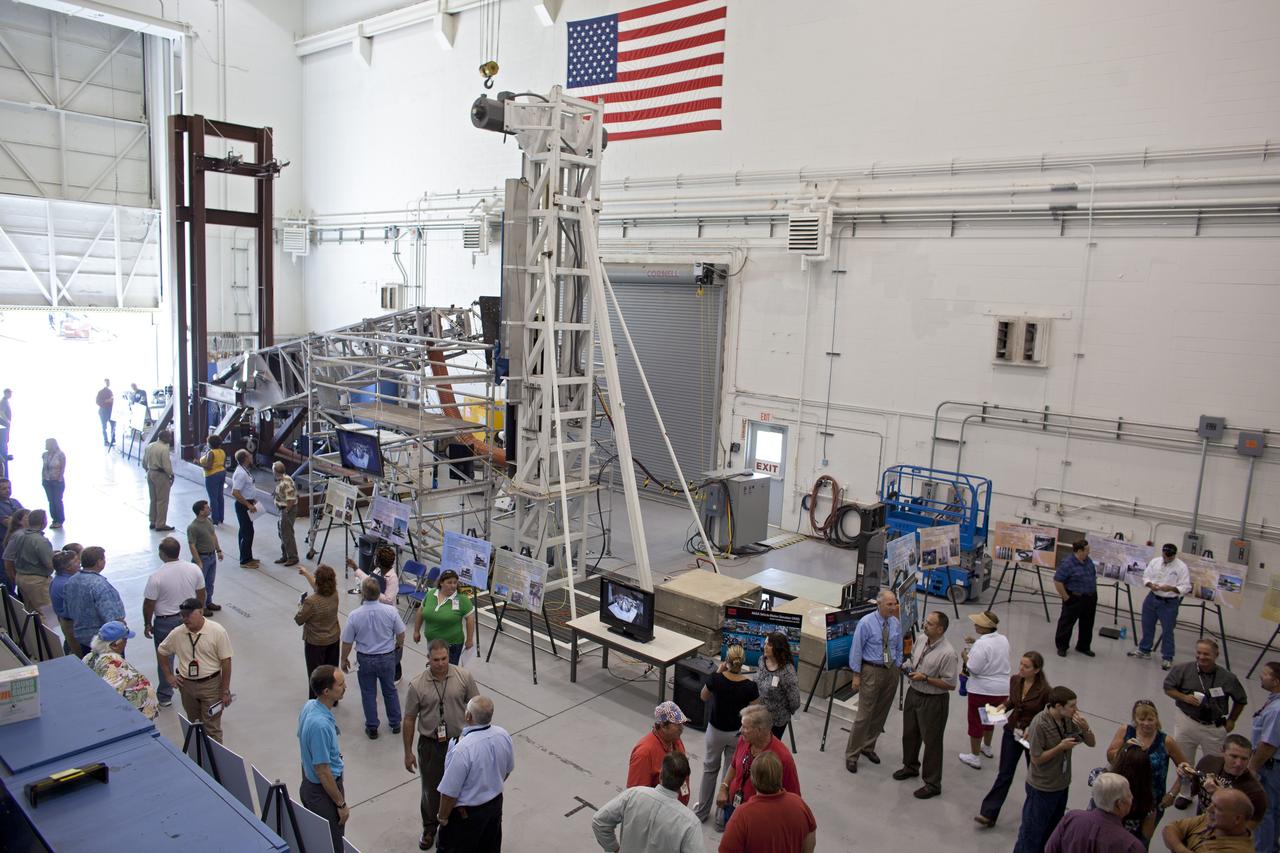
CAPE CANAVERAL, Fla. -- At NASA's Kennedy Space Center in Florida, workers check out the 6,000-square-foot high bay of the Launch Equipment Test Facility (LETF). The LETF recently underwent a $35 million comprehensive upgrade that lasted four years.             The LETF was established in the 1970s to support the qualification of the Space Shuttle Program’s umbilical and T-0 mechanisms. Throughout the years, it has supported the development of systems for shuttle and the International Space Station, Delta and Atlas rockets, and various research and development programs. The LETF has unique capabilities to evolve into a versatile test and development area that supports a wide spectrum of programs. For information on NASA's future plans, visit www.nasa.gov. Photo credit: NASA/Dimitri Gerondidakis
KSC-2010-4516
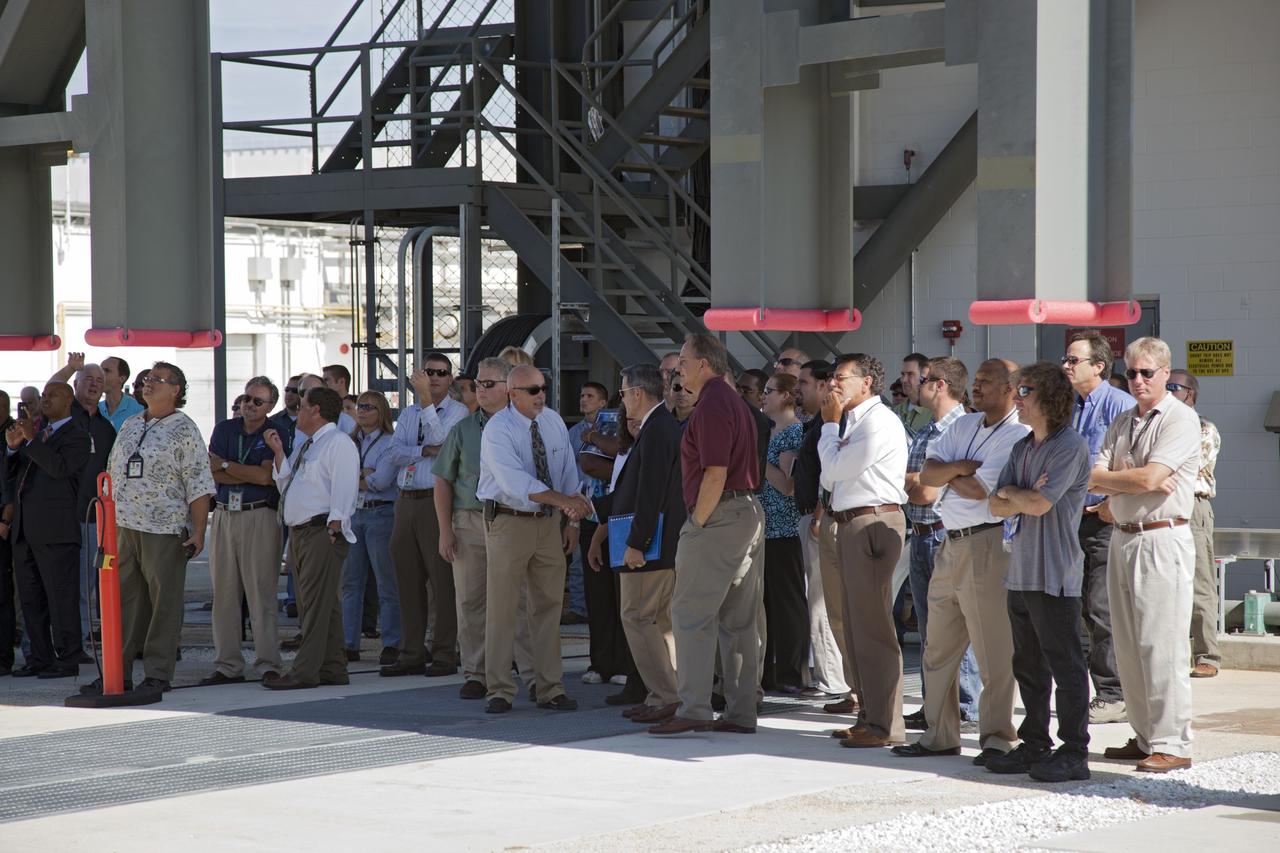
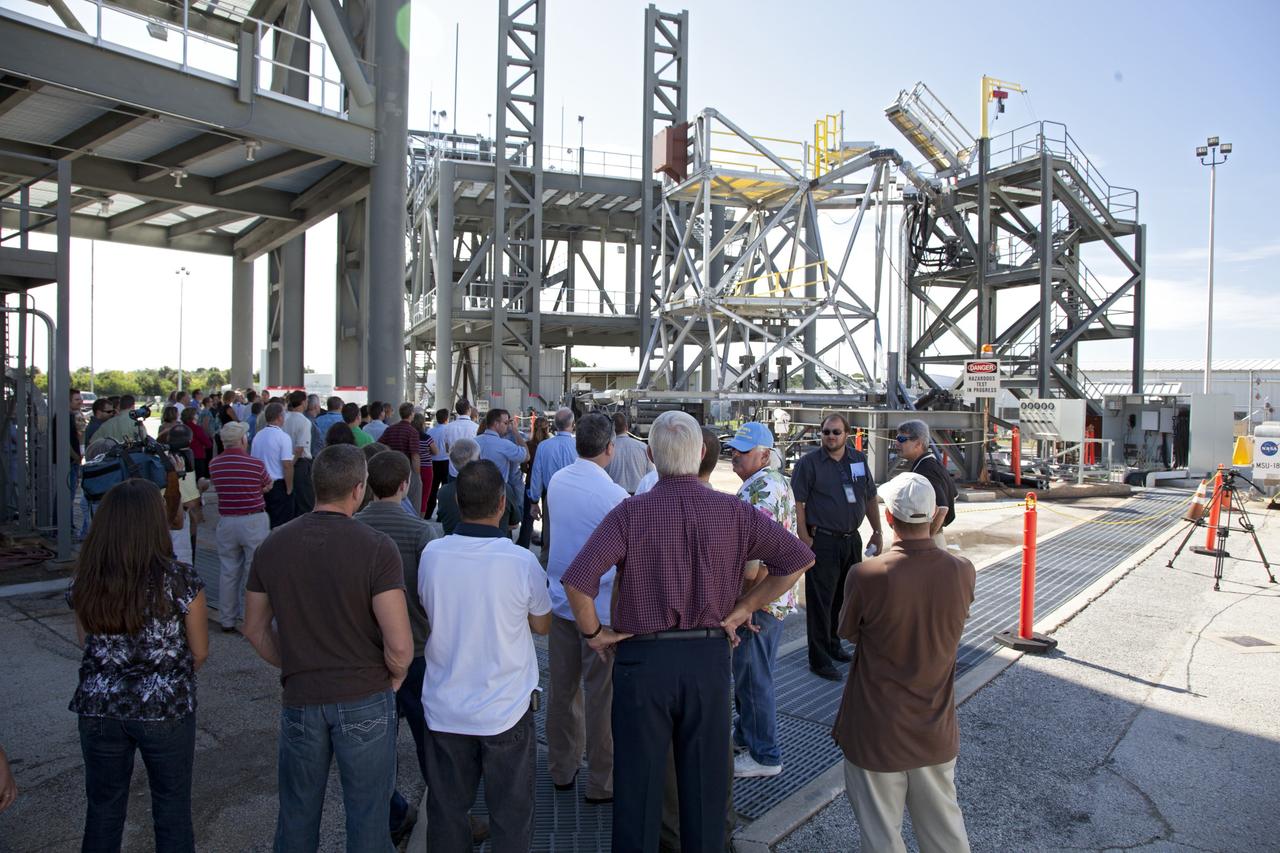
CAPE CANAVERAL, Fla. -- At NASA's Kennedy Space Center in Florida, workers watch the vehicle motion simulator, or VMS, simulate all of the movements a space vehicle could experience from rollout to launch. The VMS is part of the Launch Equipment Test Facility's (LETF) $35 million comprehensive upgrade that lasted four years.           The LETF was established in the 1970s to support the qualification of the Space Shuttle Program’s umbilical and T-0 mechanisms. Throughout the years, it has supported the development of systems for shuttle and the International Space Station, Delta and Atlas rockets, and various research and development programs. The LETF has unique capabilities to evolve into a versatile test and development area that supports a wide spectrum of programs. For information on NASA's future plans, visit www.nasa.gov. Photo credit: NASA/Dimitri Gerondidakis
KSC-2010-4513
CAPE CANAVERAL, Fla. -- At NASA's Kennedy Space Center in Florida, workers watch the vehicle motion simulator, or VMS, simulate all of the movements a space vehicle could experience from rollout to launch. The VMS is part of the Launch Equipment Test Facility's (LETF) $35 million comprehensive upgrade that lasted four years.            The LETF was established in the 1970s to support the qualification of the Space Shuttle Program’s umbilical and T-0 mechanisms. Throughout the years, it has supported the development of systems for shuttle and the International Space Station, Delta and Atlas rockets, and various research and development programs. The LETF has unique capabilities to evolve into a versatile test and development area that supports a wide spectrum of programs. For information on NASA's future plans, visit www.nasa.gov. Photo credit: NASA/Dimitri Gerondidakis
KSC-2010-4514
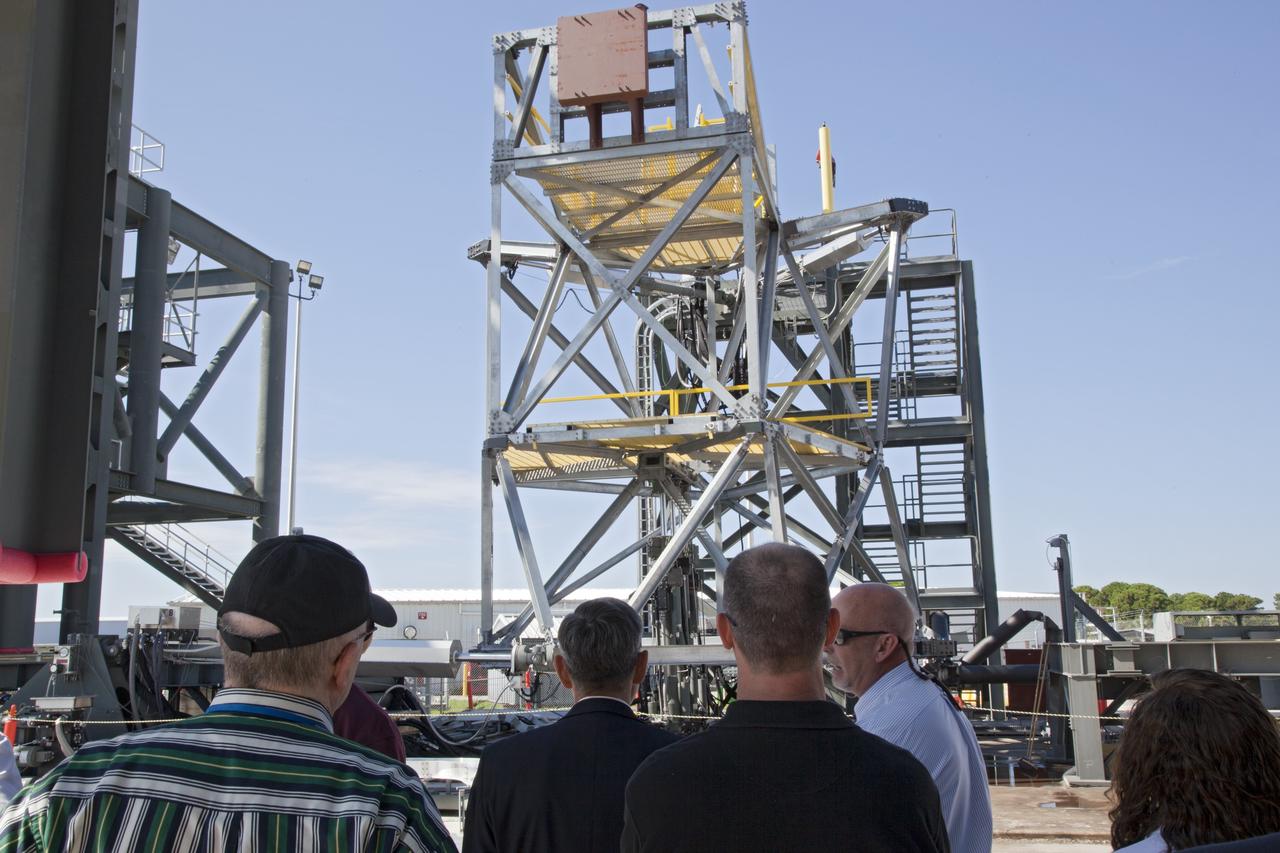
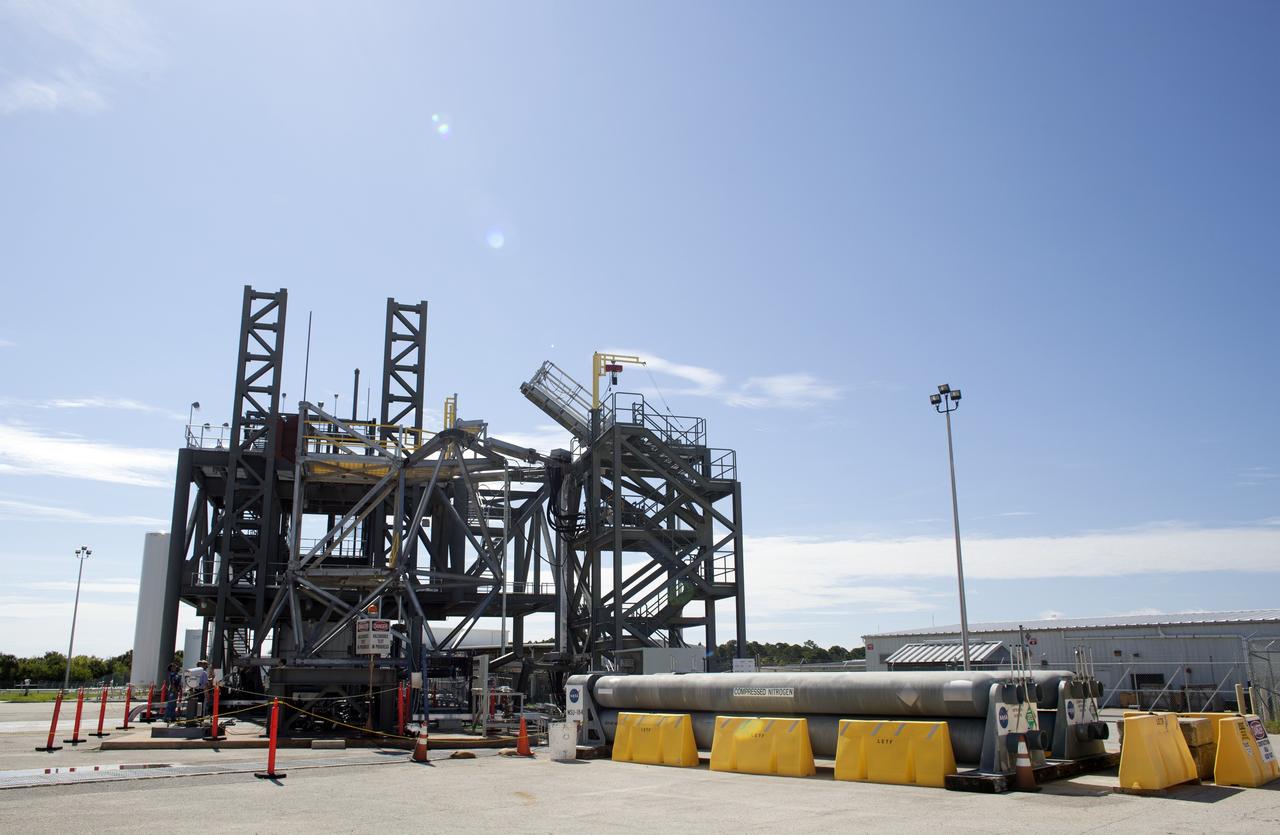
CAPE CANAVERAL, Fla. -- At NASA's Kennedy Space Center in Florida is the vehicle motion simulator, or VMS, which simulates all of the movements a space vehicle could experience from rollout to launch. The VMS is part of the Launch Equipment Test Facility's (LETF) $35 million comprehensive upgrade that lasted four years.              The LETF was established in the 1970s to support the qualification of the Space Shuttle Program’s umbilical and T-0 mechanisms. Throughout the years, it has supported the development of systems for shuttle and the International Space Station, Delta and Atlas rockets, and various research and development programs. The LETF has unique capabilities to evolve into a versatile test and development area that supports a wide spectrum of programs. For information on NASA's future plans, visit www.nasa.gov. Photo credit: NASA/Dimitri Gerondidakis
KSC-2010-4517
CAPE CANAVERAL, Fla. -- At NASA's Kennedy Space Center in Florida, Director of the center's Engineering Directorate Pat Simpkins talks to workers at the Launch Equipment Test Facility (LETF), which recently underwent a $35 million comprehensive upgrade that lasted four years.           The LETF was established in the 1970s to support the qualification of the Space Shuttle Program’s umbilical and T-0 mechanisms. Throughout the years, it has supported the development of systems for shuttle and the International Space Station, Delta and Atlas rockets, and various research and development programs. The LETF has unique capabilities to evolve into a versatile test and development area that supports a wide spectrum of programs. For information on NASA's future plans, visit www.nasa.gov. Photo credit: NASA/Dimitri Gerondidakis
KSC-2010-4510
CAPE CANAVERAL, Fla. -- At NASA's Kennedy Space Center in Florida, Director of the center's Constellation Project Office Pepper Phillips talks to workers at the Launch Equipment Test Facility (LETF), which recently underwent a $35 million comprehensive upgrade that lasted four years.           The LETF was established in the 1970s to support the qualification of the Space Shuttle Program’s umbilical and T-0 mechanisms. Throughout the years, it has supported the development of systems for shuttle and the International Space Station, Delta and Atlas rockets, and various research and development programs. The LETF has unique capabilities to evolve into a versatile test and development area that supports a wide spectrum of programs. For information on NASA's future plans, visit www.nasa.gov. Photo credit: NASA/Dimitri Gerondidakis
KSC-2010-4511
CAPE CANAVERAL, Fla. -- At NASA's Kennedy Space Center in Florida, workers watch the vehicle motion simulator, or VMS, simulate all of the movements a space vehicle could experience from rollout to launch. The VMS is part of the Launch Equipment Test Facility's (LETF) $35 million comprehensive upgrade that lasted four years.           The LETF was established in the 1970s to support the qualification of the Space Shuttle Program’s umbilical and T-0 mechanisms. Throughout the years, it has supported the development of systems for shuttle and the International Space Station, Delta and Atlas rockets, and various research and development programs. The LETF has unique capabilities to evolve into a versatile test and development area that supports a wide spectrum of programs. For information on NASA's future plans, visit www.nasa.gov. Photo credit: NASA/Dimitri Gerondidakis
KSC-2010-4512
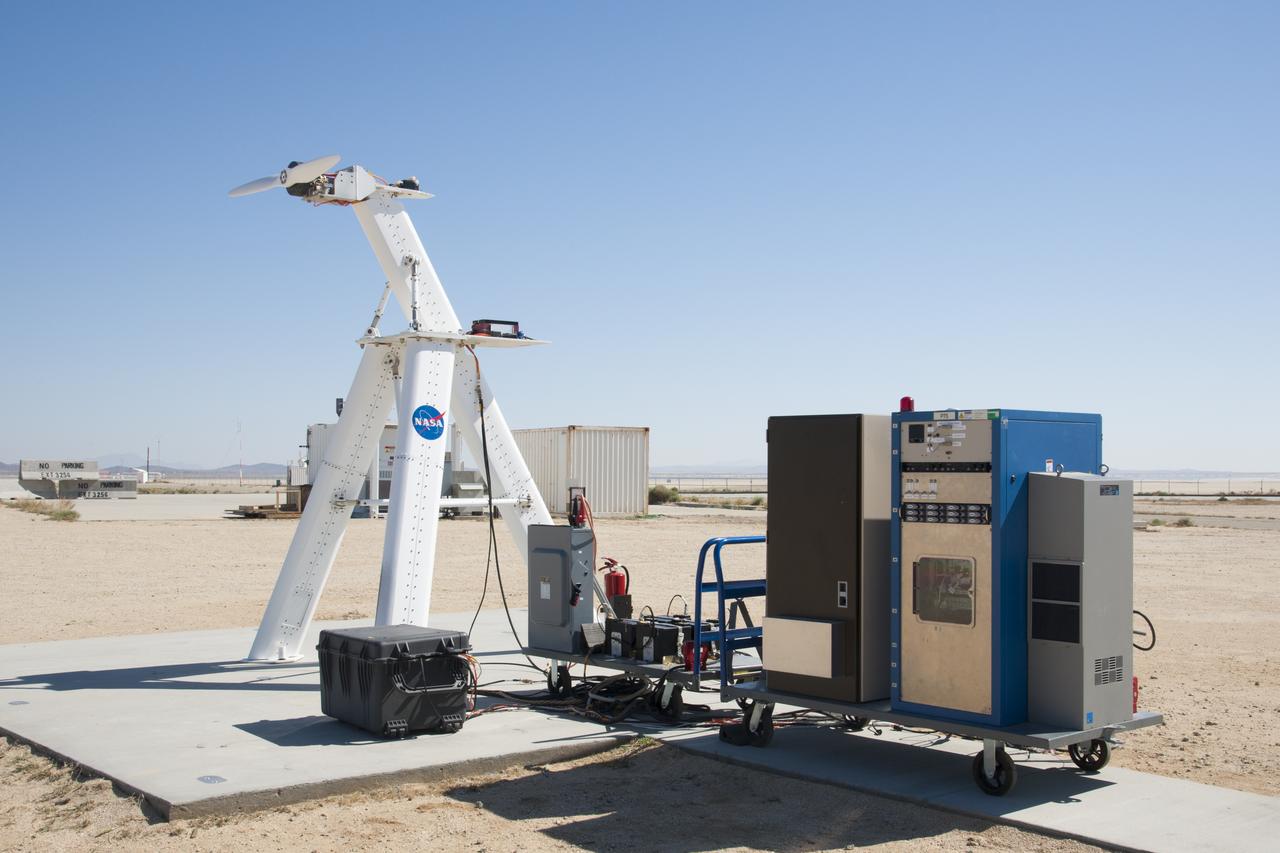
The equipment required for an electric propulsion test is ready for research.
Electric Motor Test Stand Will Help With Future X-planes
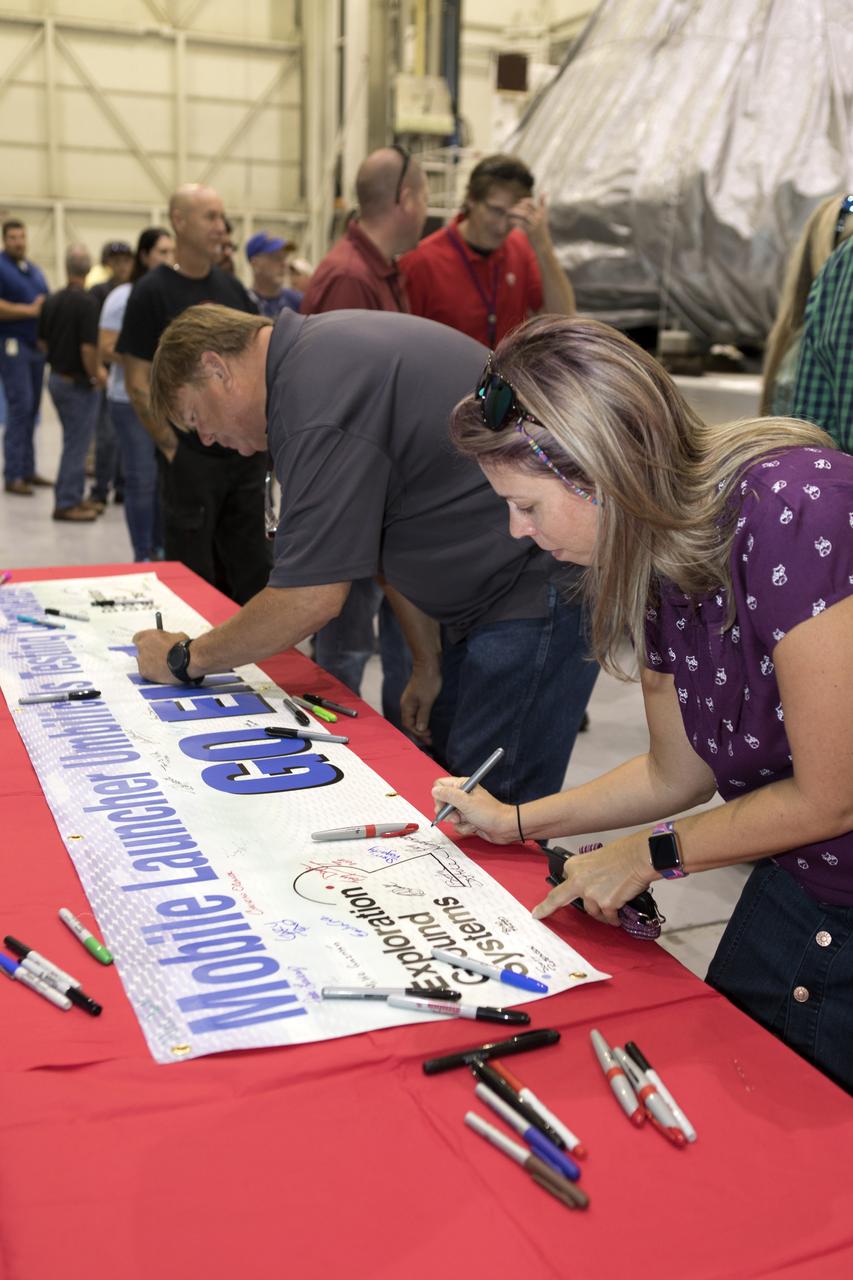
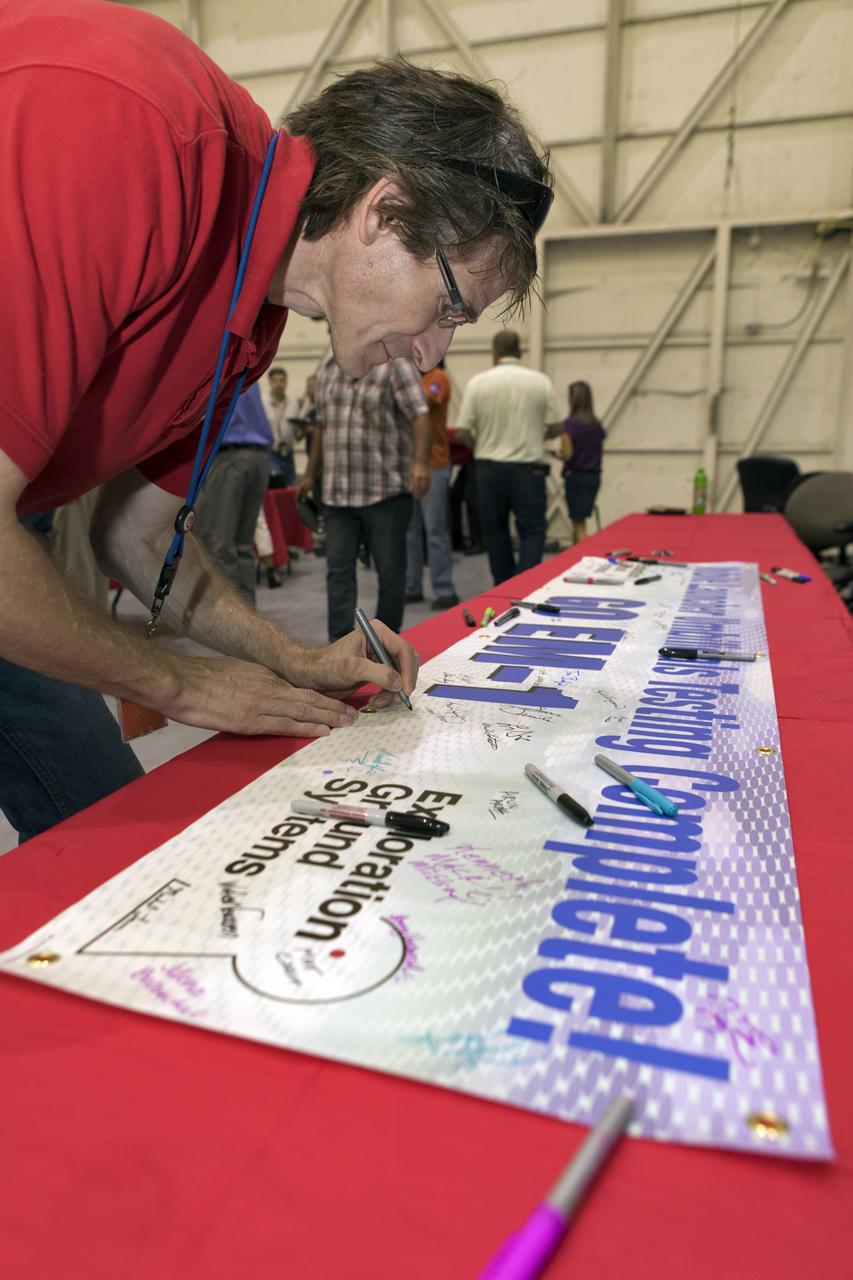
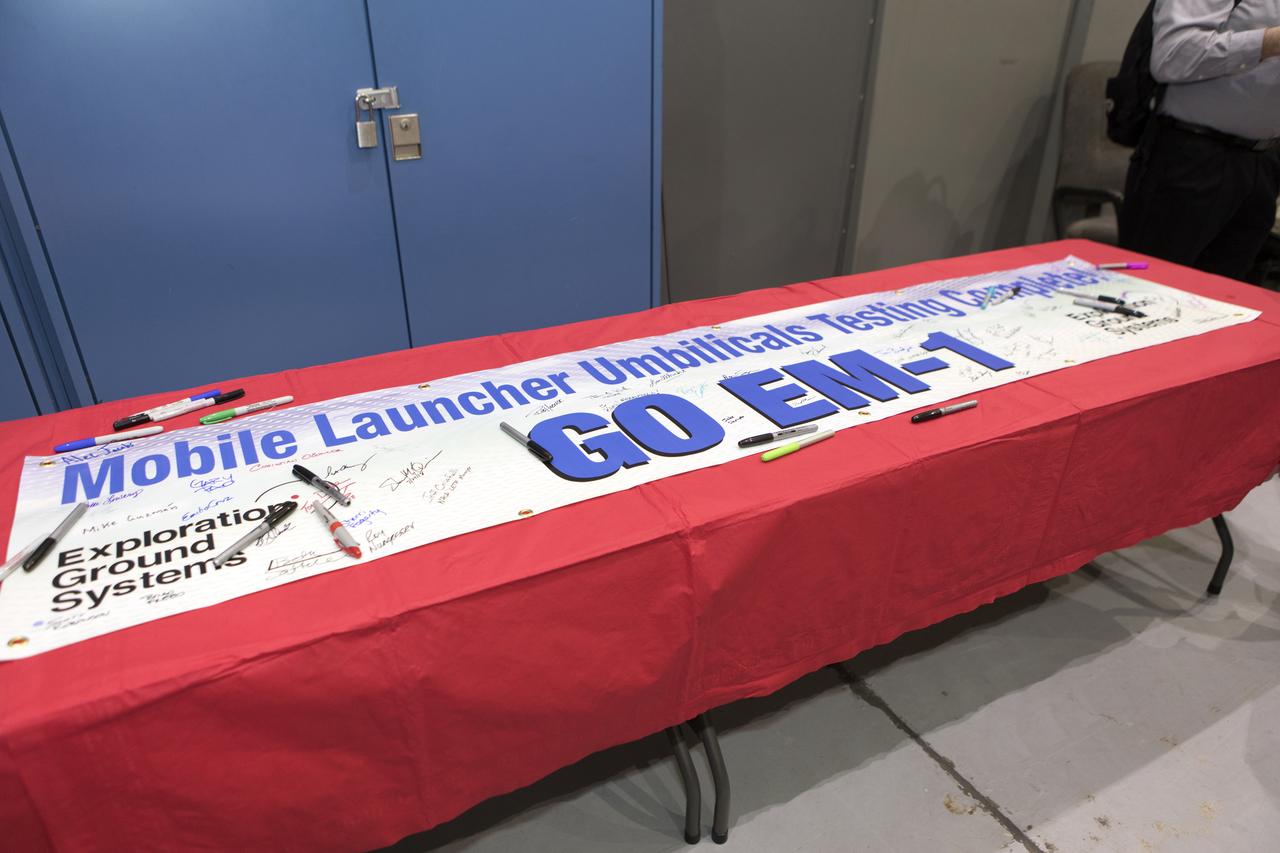
The team that tested the umbilical lines and accessories that will connect from the mobile launcher to NASA's Space Launch System rocket and Orion spacecraft for Exploration Mission-1 hold a banner signing event July 24, 2018, to mark completion of testing at the Launch Equipment Test Facility (LETF) at NASA's Kennedy Space Center in Florida. Attending the event is Mike Bolger, center, Exploration Ground Systems manager. A total of 21 umbilicals and launch accessories were tested on various simulators at the LETF before they were transferred to the mobile launcher for installation.
LETF Banner Event
The team that tested the umbilical lines and accessories that will connect from the mobile launcher to NASA's Space Launch System rocket and Orion spacecraft for Exploration Mission-1 hold a banner signing event July 24, 2018, to mark completion of testing at the Launch Equipment Test Facility (LETF) at NASA's Kennedy Space Center in Florida. A total of 21 umbilicals and launch accessories were tested on various simulators at the LETF before they were transferred to the mobile launcher for installation.
LETF Banner Event
The team that tested the umbilical lines and accessories that will connect from the mobile launcher to NASA's Space Launch System rocket and Orion spacecraft for Exploration Mission-1 hold a banner signing event July 24, 2018, to mark completion of testing at the Launch Equipment Test Facility (LETF) at NASA's Kennedy Space Center in Florida. A total of 21 umbilicals and launch accessories were tested on various simulators at the LETF before they were transferred to the mobile launcher for installation.
LETF Banner Event
The team that tested the umbilical lines and accessories that will connect from the mobile launcher to NASA's Space Launch System rocket and Orion spacecraft for Exploration Mission-1 hold a banner signing event July 24, 2018, to mark completion of testing at the Launch Equipment Test Facility (LETF) at NASA's Kennedy Space Center in Florida. A total of 21 umbilicals and launch accessories were tested on various simulators at the LETF before they were transferred to the mobile launcher for installation.
LETF Banner Event
The team that tested the umbilical lines and accessories that will connect from the mobile launcher to NASA's Space Launch System rocket and Orion spacecraft for Exploration Mission-1 hold a banner signing event July 24, 2018, to mark completion of testing at the Launch Equipment Test Facility (LETF) at NASA's Kennedy Space Center in Florida. A total of 21 umbilicals and launch accessories were tested on various simulators at the LETF before they were transferred to the mobile launcher for installation.
LETF Banner Event
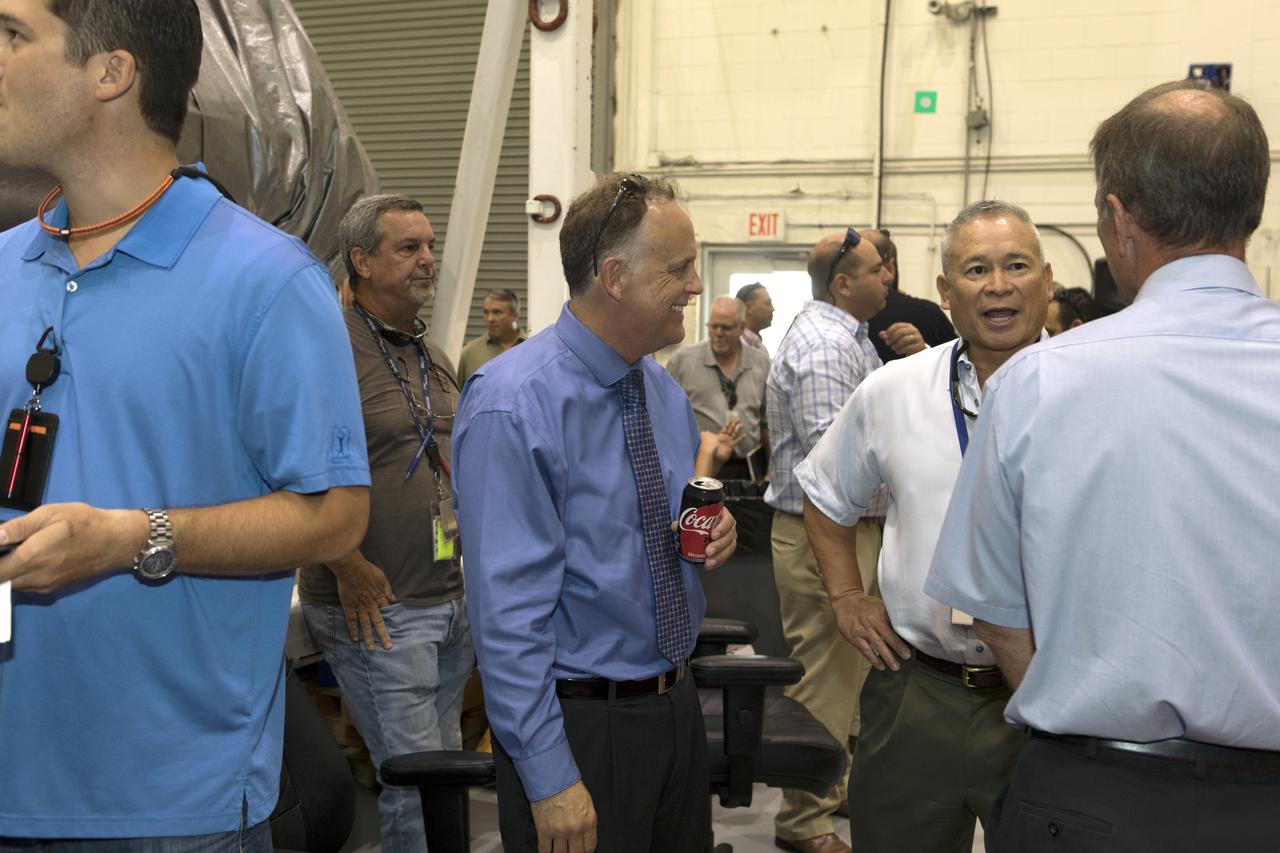
The team that tested the umbilical lines and accessories that will connect from the mobile launcher to NASA's Space Launch System rocket and Orion spacecraft for Exploration Mission-1 hold a banner signing event July 24, 2018, to mark completion of testing at the Launch Equipment Test Facility (LETF) at NASA's Kennedy Space Center in Florida. Attendees visit during the event. A total of 21 umbilicals and launch accessories were tested on various simulators at the LETF before they were transferred to the mobile launcher for installation.
LETF Banner Event
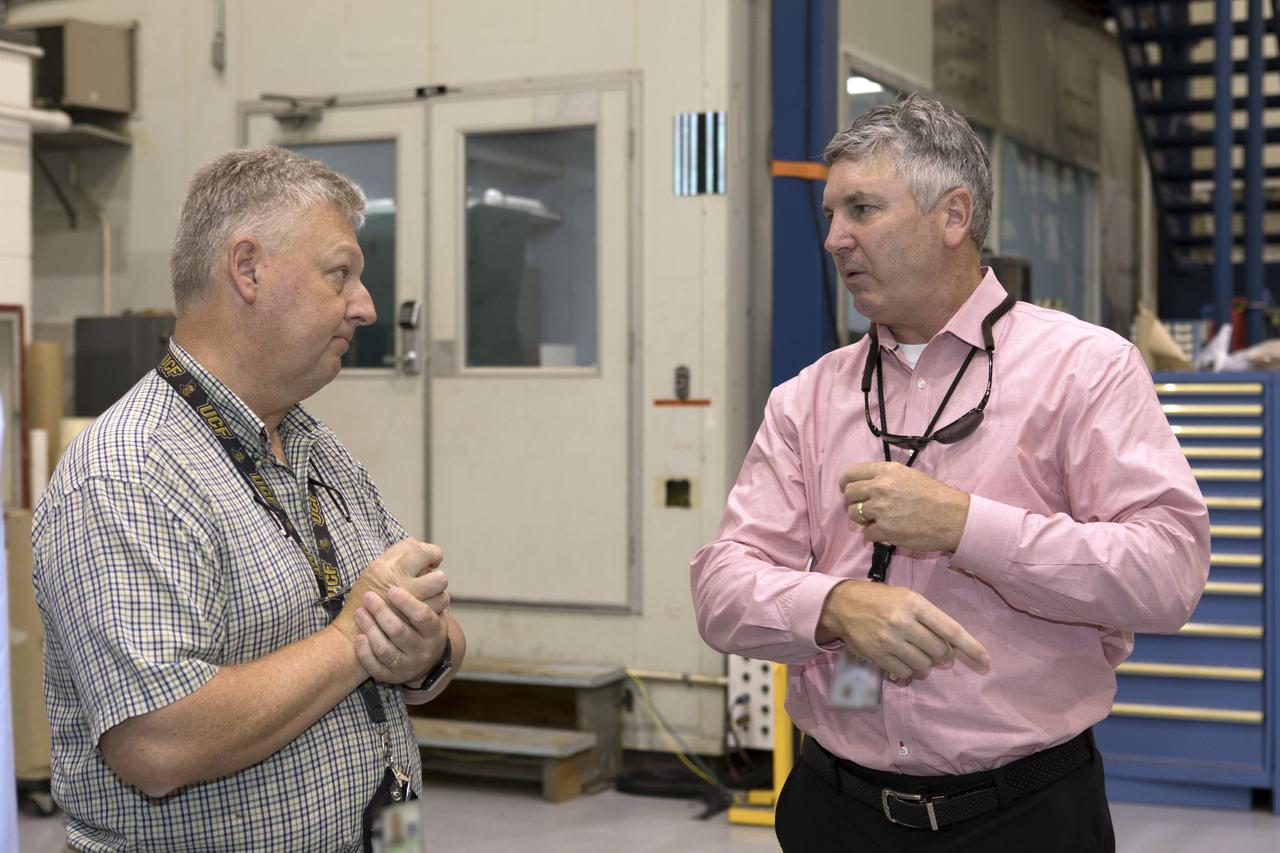
The team that tested the umbilical lines and accessories that will connect from the mobile launcher to NASA's Space Launch System rocket and Orion spacecraft for Exploration Mission-1 hold a banner signing event July 24, 2018, to mark completion of testing at the Launch Equipment Test Facility (LETF) at NASA's Kennedy Space Center in Florida. Attending the event is Shawn Quinn, center, director of Engineering. A total of 21 umbilicals and launch accessories were tested on various simulators at the LETF before they were transferred to the mobile launcher for installation.
LETF Banner Event
The team that tested the umbilical lines and accessories that will connect from the mobile launcher to NASA's Space Launch System rocket and Orion spacecraft for Exploration Mission-1 hold a banner signing event July 24, 2018, to mark completion of testing at the Launch Equipment Test Facility (LETF) at NASA's Kennedy Space Center in Florida. Attending the event is Scott Colloredo, at right, deputy director of Engineering. A total of 21 umbilicals and launch accessories were tested on various simulators at the LETF before they were transferred to the mobile launcher for installation.
LETF Banner Event
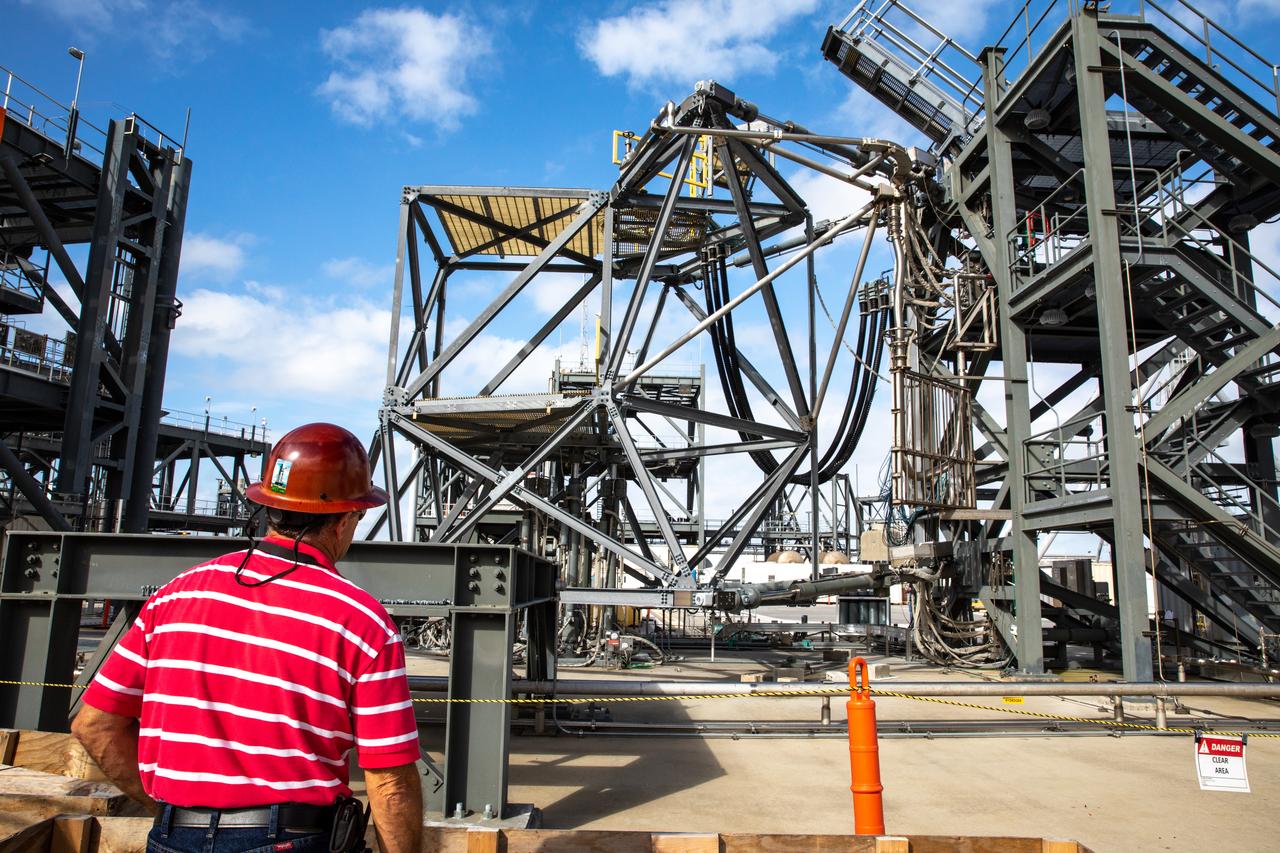
A view of one of the large test structures located at the Launch Equipment Test Facility (LETF) on Oct. 19, 2020, at NASA’s Kennedy Space Center in Florida. The LETF is a unique set of structures, equipment and tools built to test full-scale umbilicals and release mechanisms for the space shuttle. The facility also was used to test the umbilicals and other mechanisms for the mobile launcher. The mobile launcher will carry the Space Launch System and Orion spacecraft to Launch Pad 39B for Artemis I, a mission that will test the rocket and spacecraft as an integrated system ahead of crewed flights to the Moon. NASA will land the first woman and the next man on the Moon in 2024.
Engineering Labs: LETF
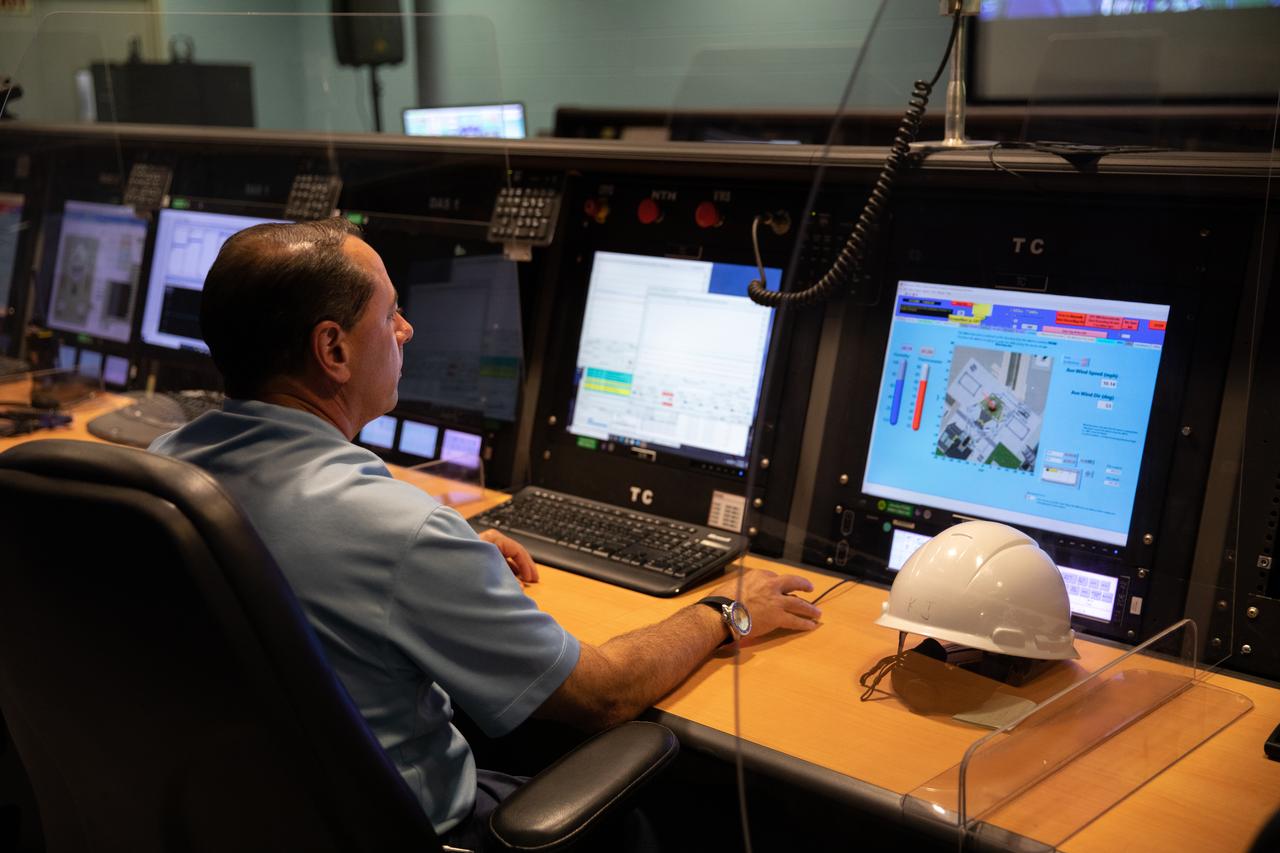
An engineer reviews test data inside a control room at the Launch Equipment Test Facility (LETF) on Oct. 19, 2020, at NASA’s Kennedy Space Center in Florida. The LETF is a unique set of structures, equipment and tools built to test full-scale umbilicals and release mechanisms for the space shuttle. The facility also was used to test the umbilicals and other mechanisms for the mobile launcher. The mobile launcher will carry the Space Launch System and Orion spacecraft to Launch Pad 39B for Artemis I, a mission that will test the rocket and spacecraft as an integrated system ahead of crewed flights to the Moon. NASA will land the first woman and the next man on the Moon in 2024.
Engineering Labs: LETF
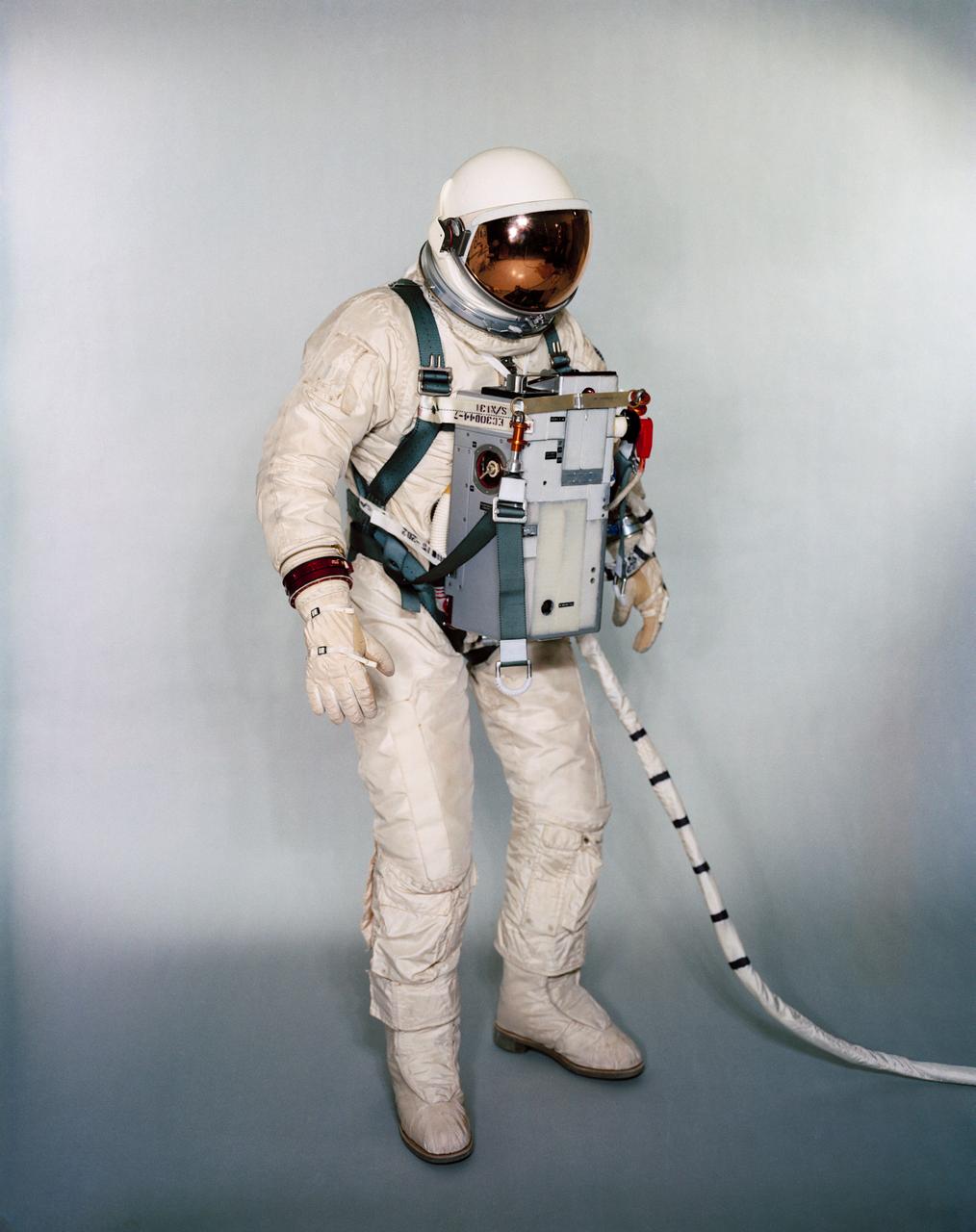
S67-24267 (1966) --- Suited test subject equipped with Gemini-12 Life Support System and waist tethers for extravehicular activity (EVA). Photo credit: NASA
Test subject equipped with Gemini 12 Life Support System and waist tethers
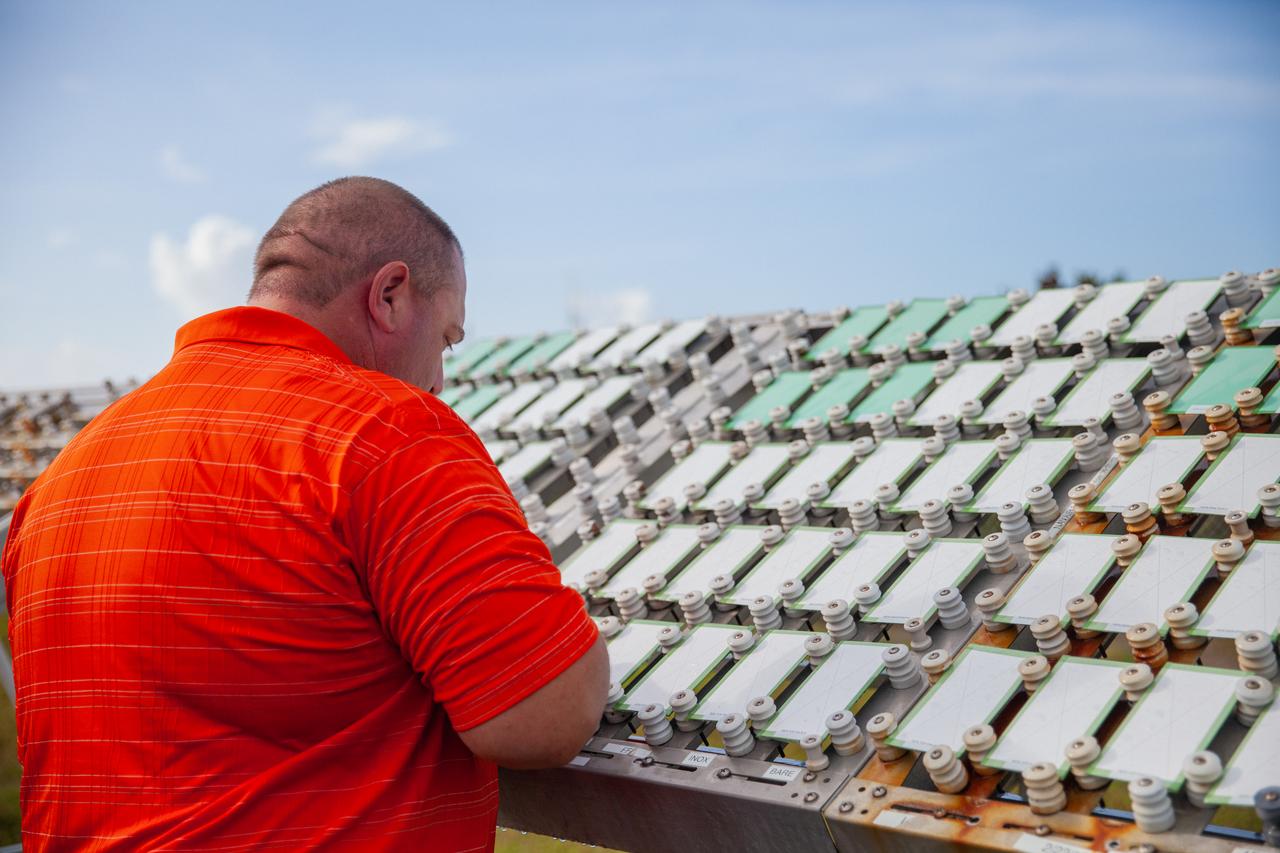
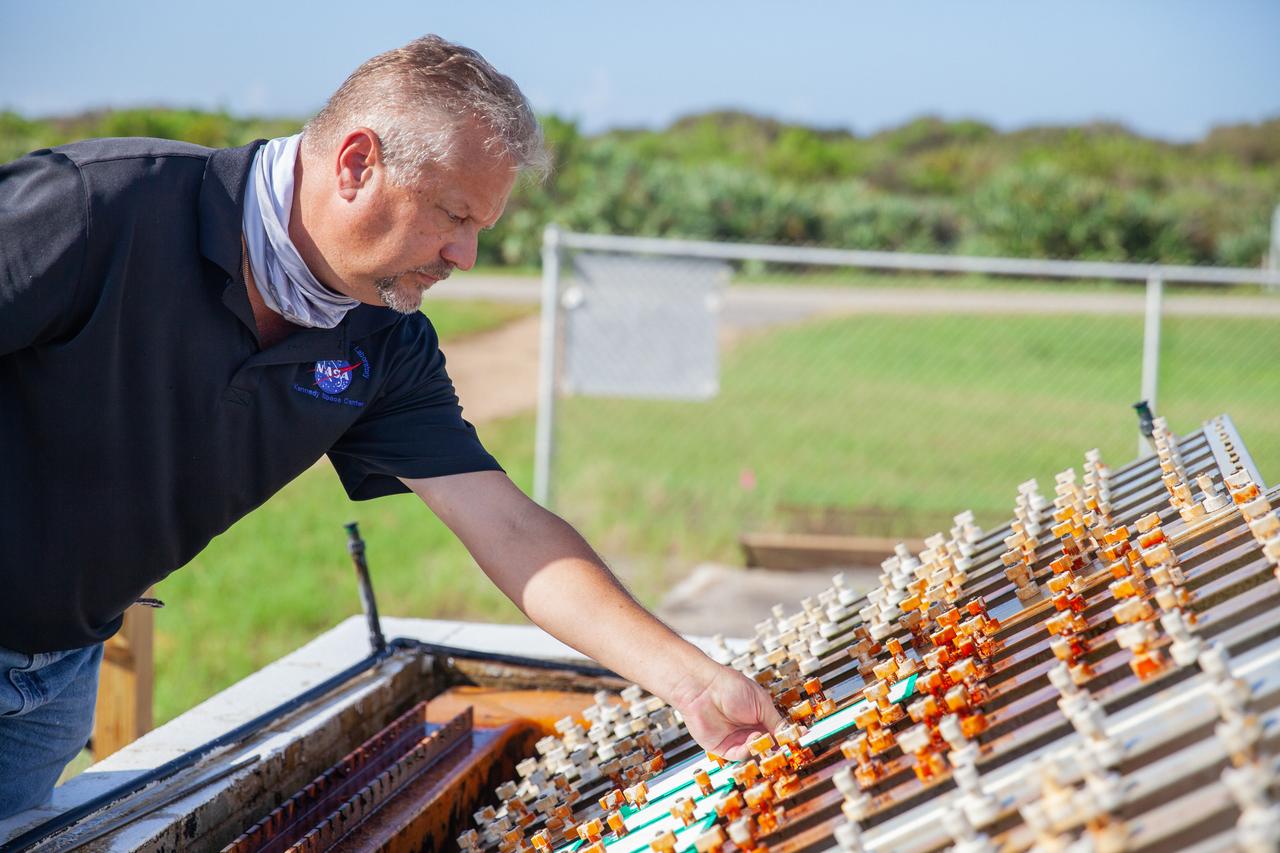
A Mechanical and Environmental Testing Lab engineer examines samples at the corrosion engineering test site at NASA’s Kennedy Space Center in Florida on Oct. 6, 2020. The corrosion lab is a network of people, equipment, and facilities that provides engineering services and technical innovations in all areas of corrosion for NASA and external customers.
Engineering Labs Equipment
A Mechanical and Environmental Testing Lab engineer examines samples at the corrosion engineering test site on Oct. 6, 2020, at NASA’s Kennedy Space Center in Florida. The corrosion lab is a network of people, equipment, and facilities that provides engineering services and technical innovations in all areas of corrosion for NASA and external customers.
Engineering Labs Equipment
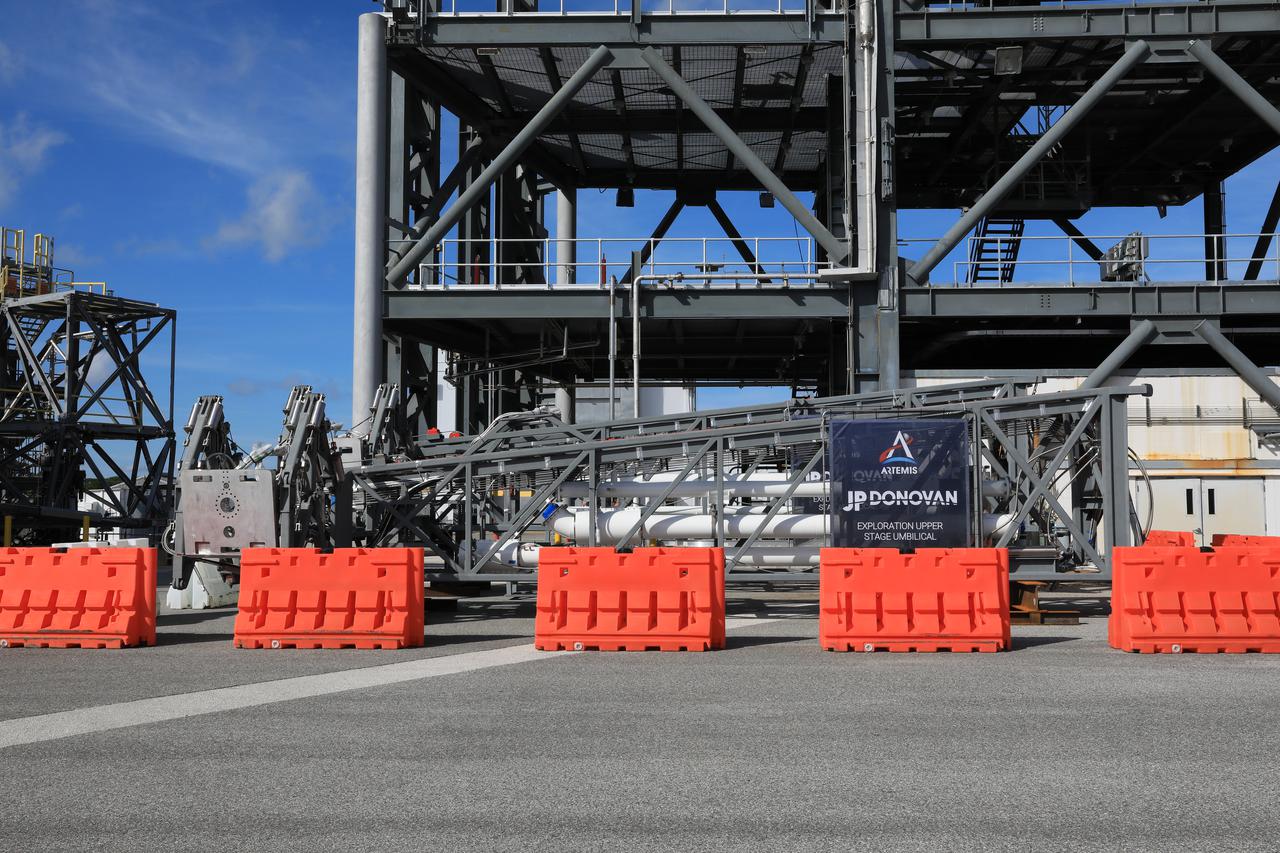
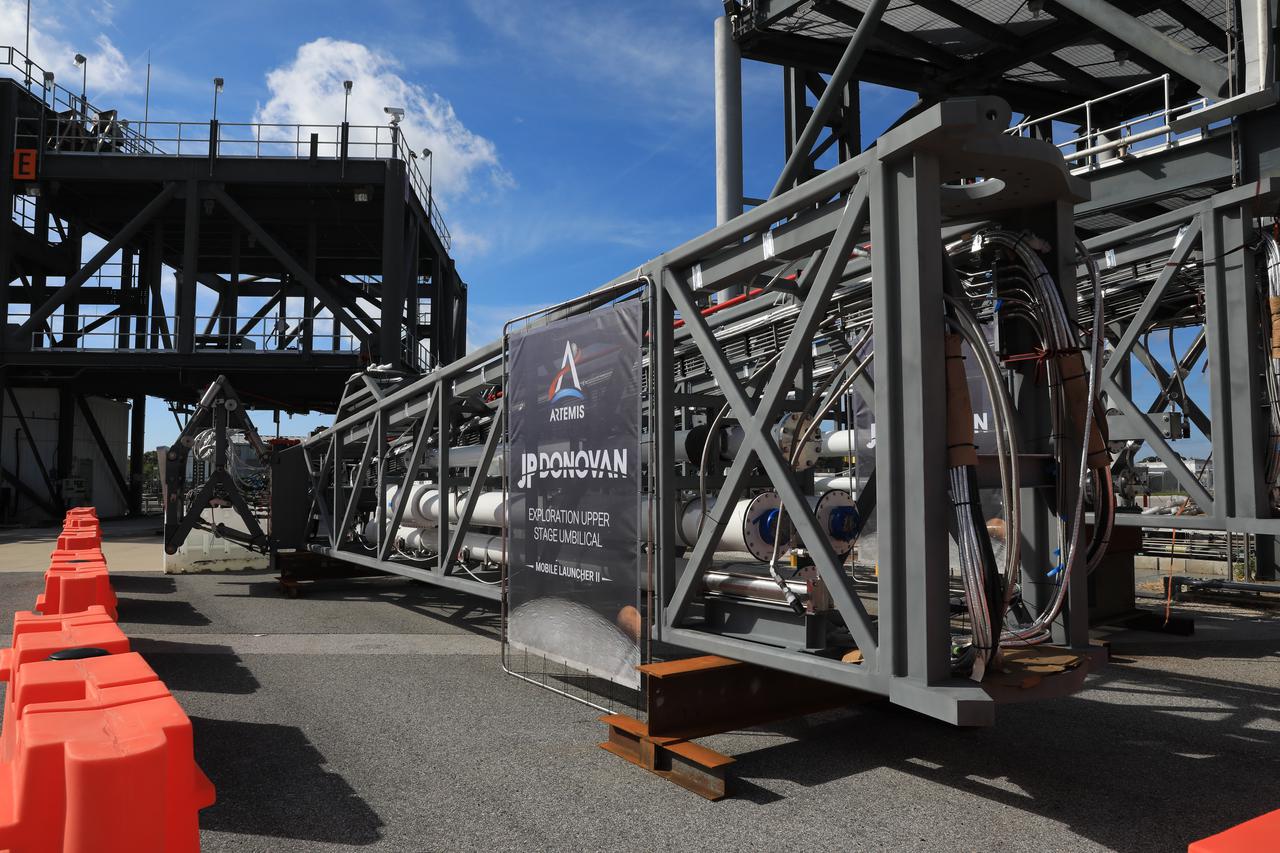
The first umbilical – one of many swing arms that will provide power, communications, and propellants to a larger configuration of NASA’s Space Launch System (SLS) rocket – for the agency’s mobile launcher 2 (ML2) arrives at the Launch Equipment Test Facility (LETF) at NASA’s Kennedy Space Center in Florida on Oct. 28, 2021. The umbilical will go through rounds of testing at the LETF to verify it functions properly before getting installed on the ML2 tower. This particular umbilical will provide propellants, environmental control systems, and a variety of purge gasses to the rocket’s Exploration Upper Stage. ML2 will be used to launch SLS Block 1B and Block 2 configurations to the Moon, starting with the Artemis IV mission, allowing NASA to send astronauts and heavy cargo to the lunar surface.
First Umbilical for ML2
The first umbilical – one of many swing arms that will provide power, communications, and propellants to a larger configuration of NASA’s Space Launch System (SLS) rocket – for the agency’s mobile launcher 2 (ML2) arrives at the Launch Equipment Test Facility (LETF) at NASA’s Kennedy Space Center in Florida on Oct. 28, 2021. The umbilical will go through rounds of testing at the LETF to verify it functions properly before getting installed on the ML2 tower. This particular umbilical will provide propellants, environmental control systems, and a variety of purge gasses to the rocket’s Exploration Upper Stage. ML2 will be used to launch SLS Block 1B and Block 2 configurations to the Moon, starting with the Artemis IV mission, allowing NASA to send astronauts and heavy cargo to the lunar surface.
First Umbilical for ML2
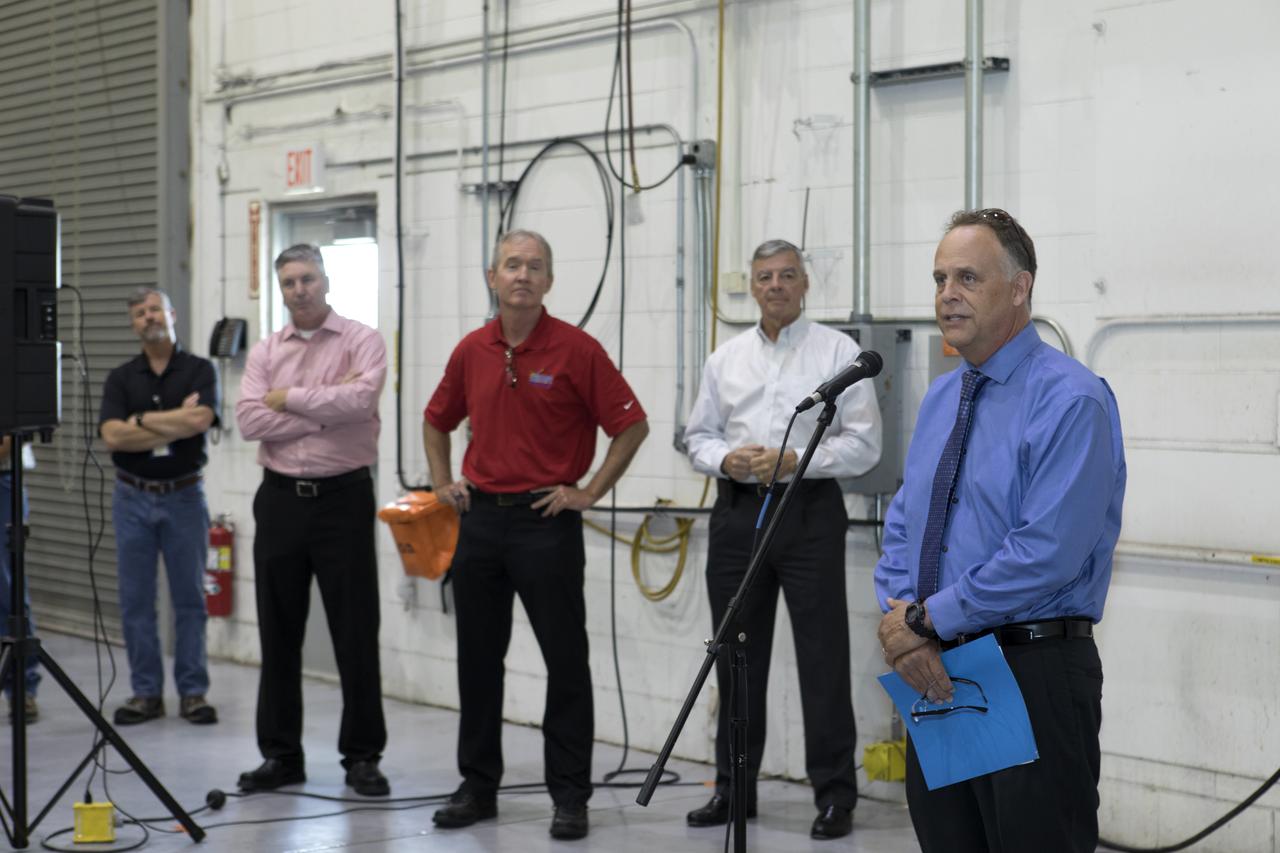
The team that tested the umbilical lines and accessories that will connect from the mobile launcher to NASA's Space Launch System rocket and Orion spacecraft for Exploration Mission-1 hold a banner signing event July 24, 2018, to mark completion of testing at the Launch Equipment Test Facility (LETF) at NASA's Kennedy Space Center in Florida. Speaking at the event is Shawn Quinn, far right, director of Engineering. Next to him, from left, are Scott Colloredo, deputy director of Engineering; Russ Deloach, director of Safety and Mission Assurance; and Andy Allen, program manager for Jacobs TOSC. A total of 21 umbilicals and launch accessories were tested on various simulators at the LETF before they were transferred to the mobile launcher for installation.
LETF Banner Event
The team that tested the umbilical lines and accessories that will connect from the mobile launcher to NASA's Space Launch System rocket and Orion spacecraft for Exploration Mission-1 hold a banner signing event July 24, 2018, to mark completion of testing at the Launch Equipment Test Facility (LETF) at NASA's Kennedy Space Center in Florida. Speaking at the event is Scott Colloredo, far right, deputy director of Engineering. Next to him, from left, are Shawn Quinn, director of Engineering. Russ Deloach, director of Safety and Mission Assurance; and Andy Allen, program manager for Jacobs TOSC. A total of 21 umbilicals and launch accessories were tested on various simulators at the LETF before they were transferred to the mobile launcher for installation.
LETF Banner Event
The team that tested the umbilical lines and accessories that will connect from the mobile launcher to NASA's Space Launch System rocket and Orion spacecraft for Exploration Mission-1 hold a banner signing event July 24, 2018, to mark completion of testing at the Launch Equipment Test Facility (LETF) at NASA's Kennedy Space Center in Florida. Speaking at the event is Andy Allen, far right, program manager for Jacobs TOSC.  Next to him, from left, are Shawn Quinn, director of Engineering; Scott Colloredo, deputy director of Engineering; and Russ Deloach, director of Safety and Mission Assurance. A total of 21 umbilicals and launch accessories were tested on various simulators at the LETF before they were transferred to the mobile launcher for installation.
LETF Banner Event
The team that tested the umbilical lines and accessories that will connect from the mobile launcher to NASA's Space Launch System rocket and Orion spacecraft for Exploration Mission-1 hold a banner signing event July 24, 2018, to mark completion of testing at the Launch Equipment Test Facility (LETF) at NASA's Kennedy Space Center in Florida. Speaking at the event is Andy Allen, far right, program manager for Jacobs TOSC.  Next to him, from left, are Shawn Quinn, director of Engineering; Scott Colloredo, deputy director of Engineering; and Russ Deloach, director of Safety and Mission Assurance. A total of 21 umbilicals and launch accessories were tested on various simulators at the LETF before they were transferred to the mobile launcher for installation.
LETF Banner Event
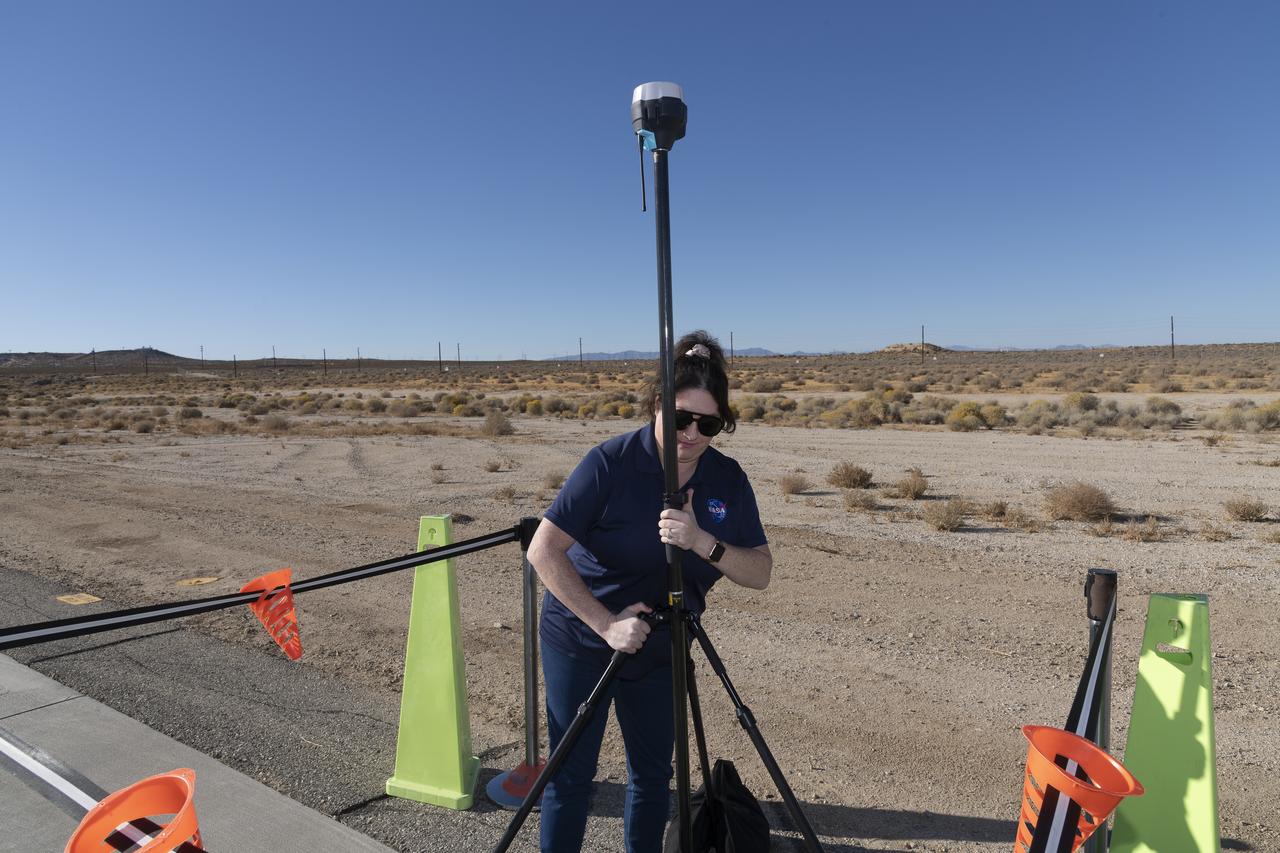
Saré Culbertson, NASA Pathways intern at NASA’s Armstrong Flight Research Center in Edwards, California, adjusts the Emlid Reach RS2+ receiver equipment that connects with GPS and global navigation satellite systems on Nov. 7, 2024, in preparation for future air taxi test flight research.
NASA Pathways Intern Adjusts Equipment for Air Taxi Tests
ISS011-E-09812 (28 June 2005) --- Cosmonaut Sergei K. Krikalev, Expedition 11 commander representing Russia's Federal Space Agency, tests the newly installed Proximity Communications Equipment (PCE) hardware of the ASN-M satellite navigation system for the European Automated Transfer Vehicle (ATV) “Jules Verne” in the Zvezda Service Module of the international space station. The ATV is scheduled to arrive at the station next year.
Testing the newly installed PCE (Proximity Communications Equipment) hardware
ISS011-E-09816 (28 June 2005) --- Cosmonaut Sergei K. Krikalev, Expedition 11 commander representing Russia's Federal Space Agency, tests the newly installed Proximity Communications Equipment (PCE) hardware of the ASN-M satellite navigation system for the European Automated Transfer Vehicle (ATV) “Jules Verne” in the Zvezda Service Module of the International Space Station. The ATV is scheduled to arrive at the Station next year.
Testing the newly installed PCE (Proximity Communications Equipment) hardware
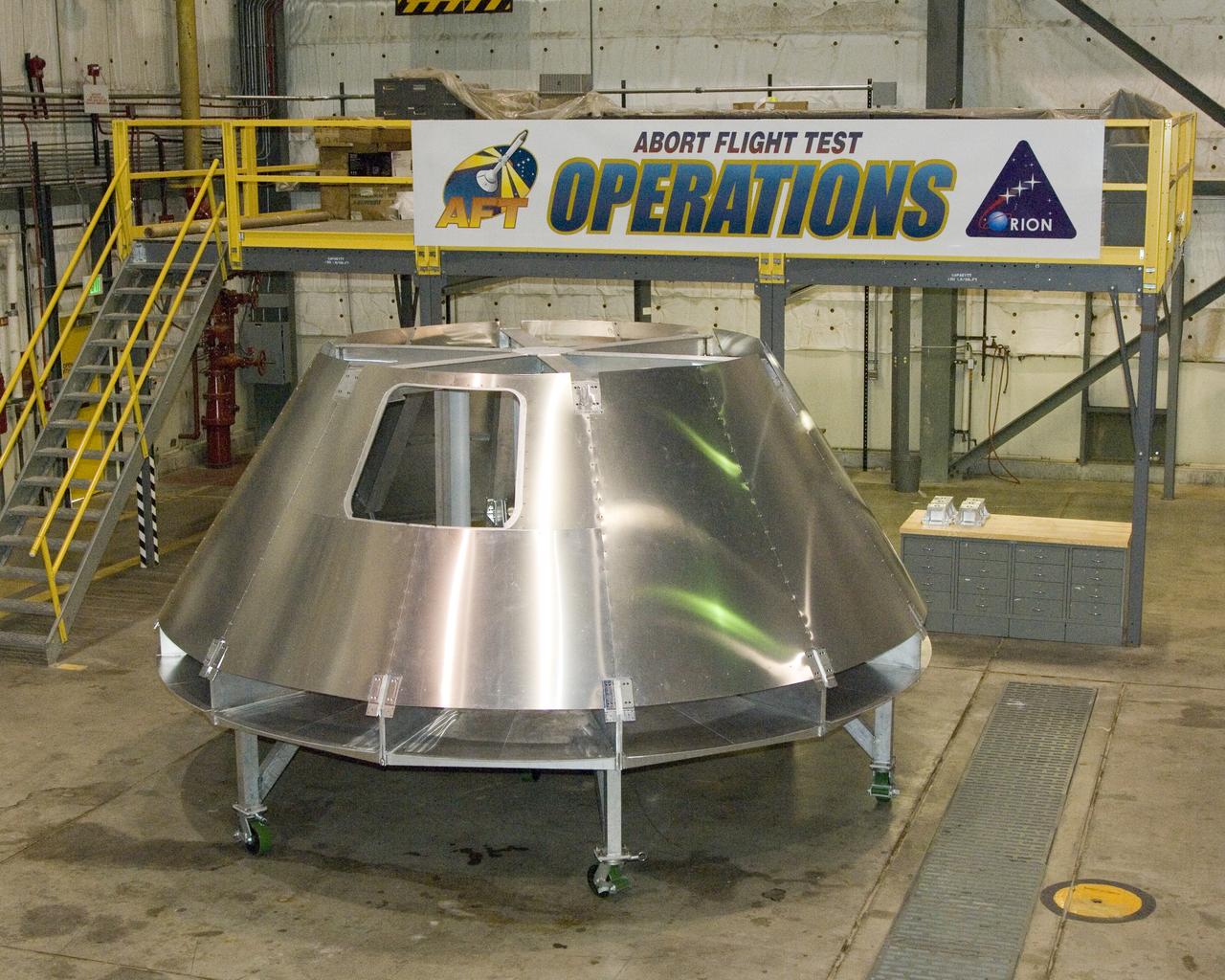
NASA Dryden's mockup Orion crew module is located in Dryden's Shuttle hangar, where abort flight test equipment is being positioned.
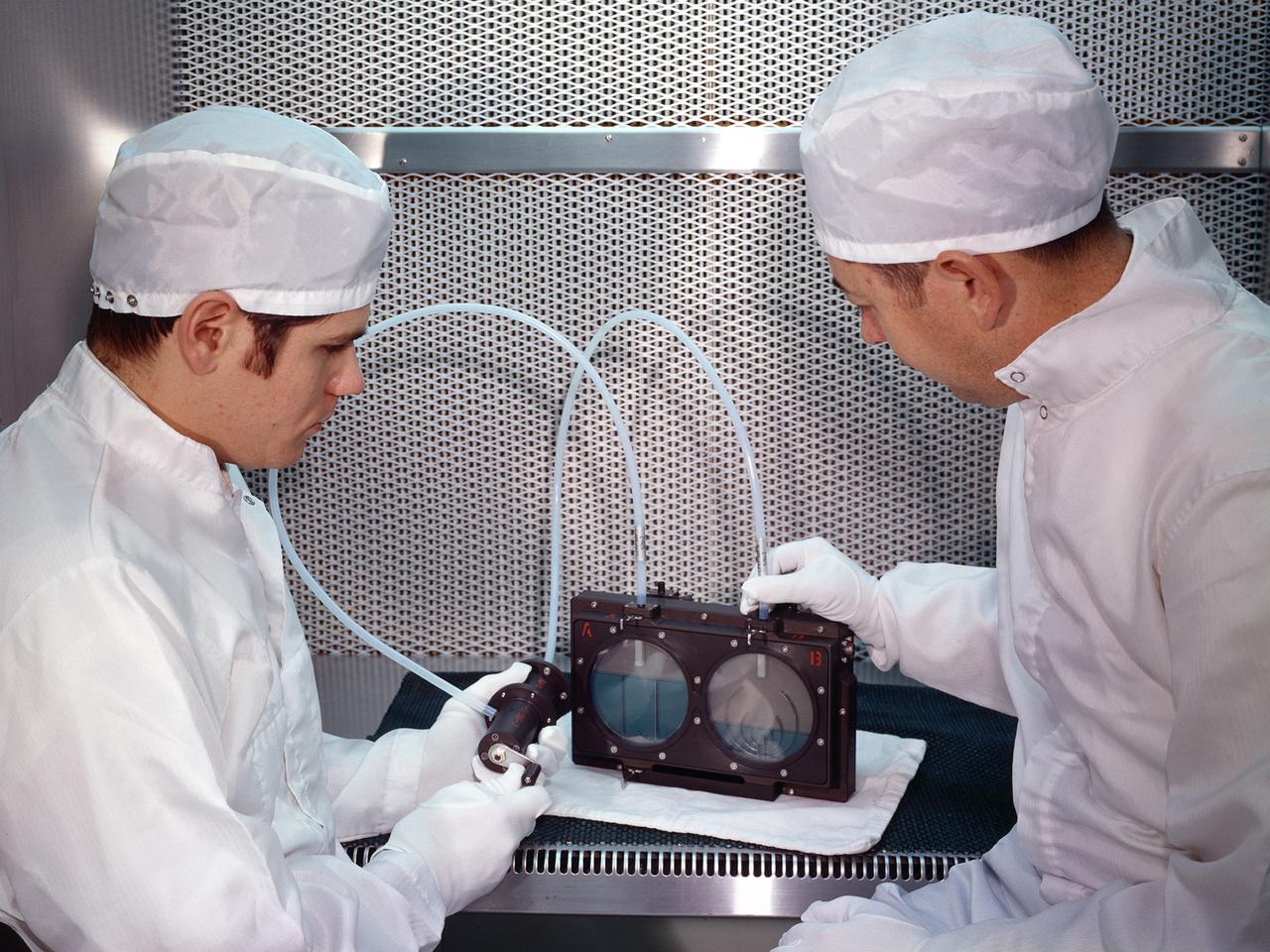
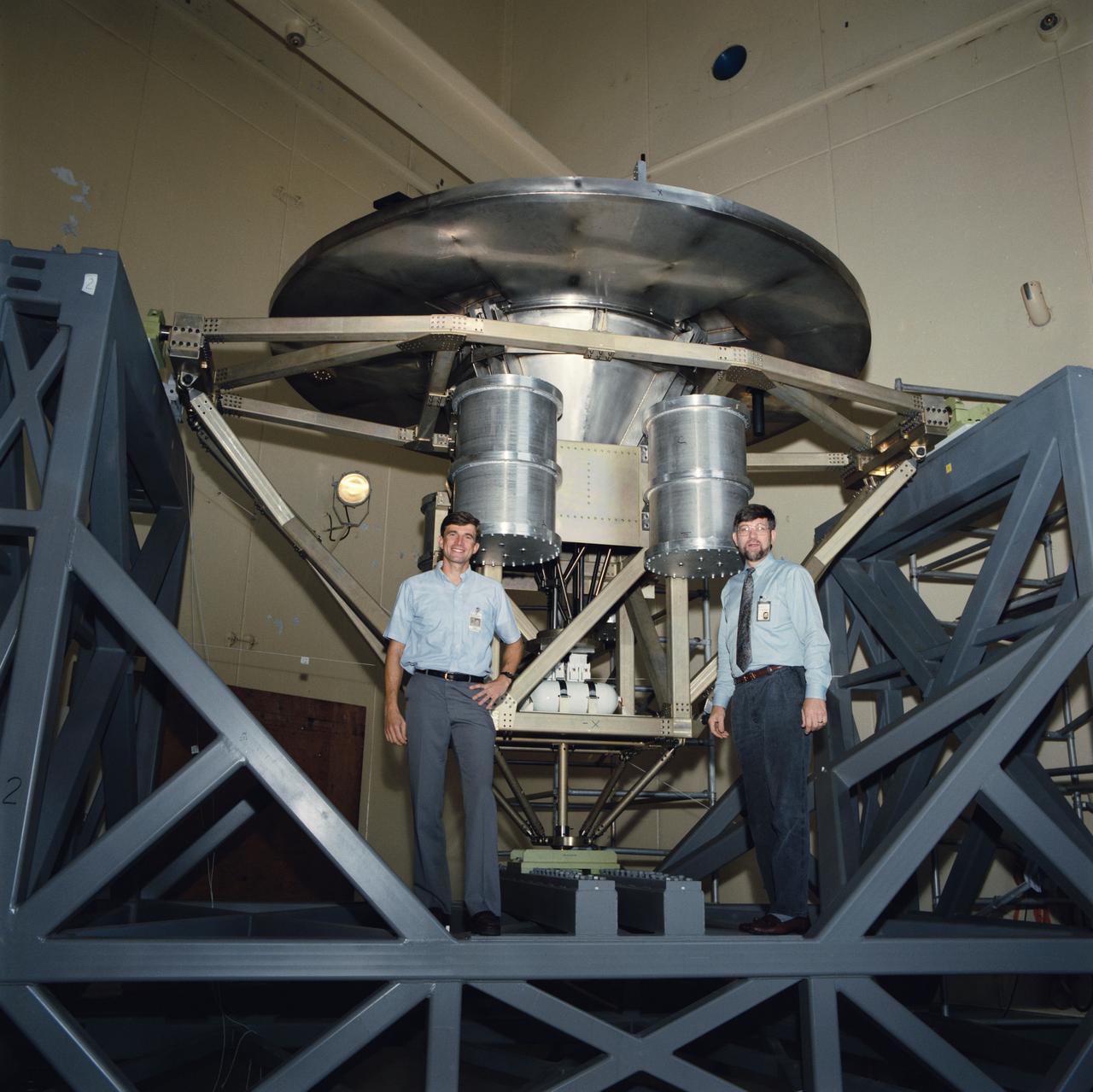
Two researchers at the National Aeronautics and Space Administration (NASA) Lewis Research Center demonstrate the test equipment they devised to study the transfer of liquid in microgravity onboard the Apollo 14 mission. The test was an early step in developing the ability to transfer liquids from a tanker vehicle to spacecraft in space. Researchers needed to know the tank’s outflow characteristics, the fluid’s behavior when entering new tank, and the effects of accelerations.    Others had performed some calculations and analytical studies, but no one had examined the complete transfer from one tank to another in microgravity. The early calculations concluded that the transfer process was impossible without devices to control the liquid and gas.     This investigation specifically sought to demonstrate the effectiveness of two different surface-tension baffle designs. The experiment was an entirely closed system with two baffled-tanks. The researchers also built a similar device without the baffles. The experiment was carried onboard the Apollo 14 spacecraft and conducted during the coast period on the way to the moon. The two surface tension baffle designs in the separate tanks were shown to be effective both as supply tanks and as receiver tanks. The liquid transferred within two percent of the design value with ingesting gas. The unbaffled tanks ingested gas after only 12-percent of the fluid had transferred.
Researchers Demonstrate Liquid Transfer Equipment for Apollo 14 Test
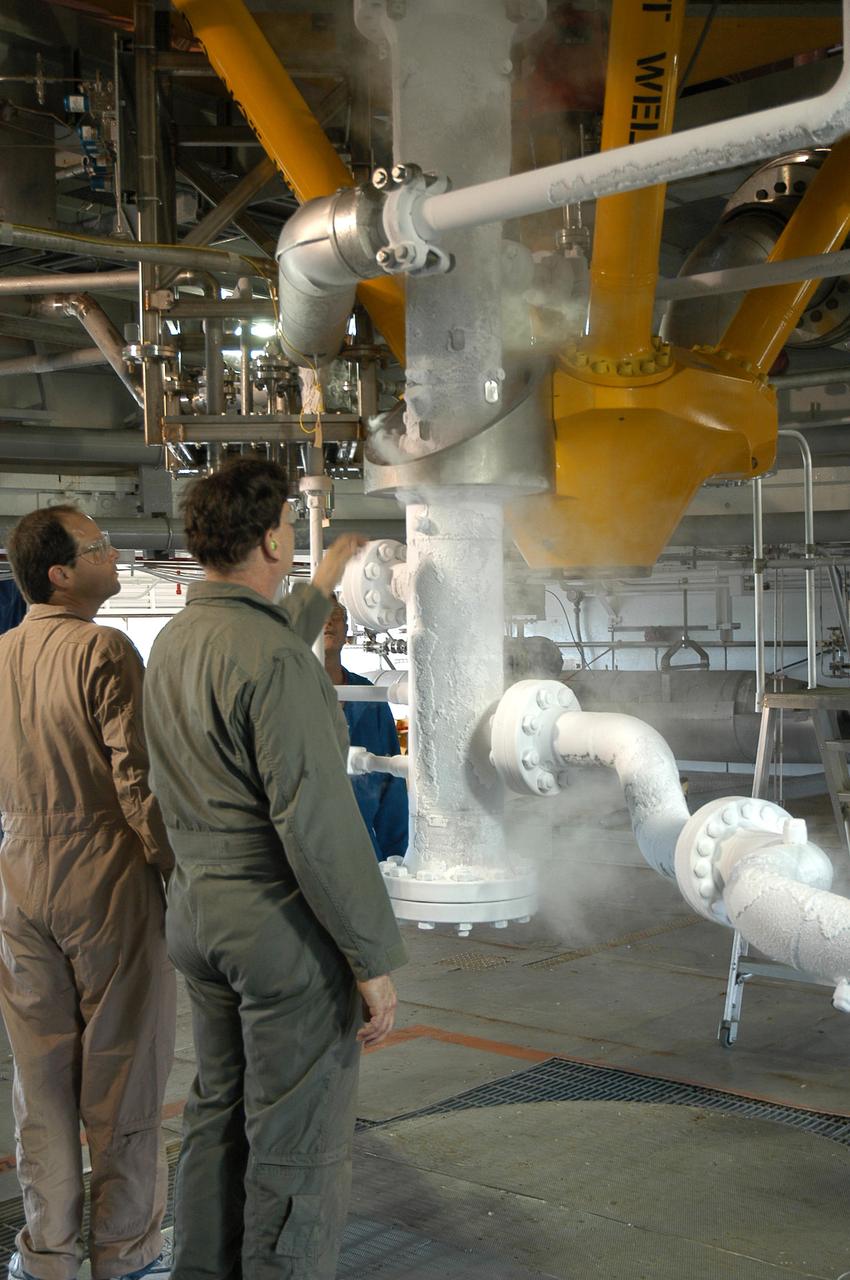
Team members check the progress of a liquid nitrogen cold shock test on the A-1 Test Stand at Stennis Space Center on Sept. 15. The cold shock test is used to confirm the test stand's support system can withstand test conditions, when super-cold rocket engine propellant is piped. The A-1 Test Stand is preparing to conduct tests on the powerpack component of the J-2X rocket engine, beginning in early 2012.
A-1 Test Stand modifications
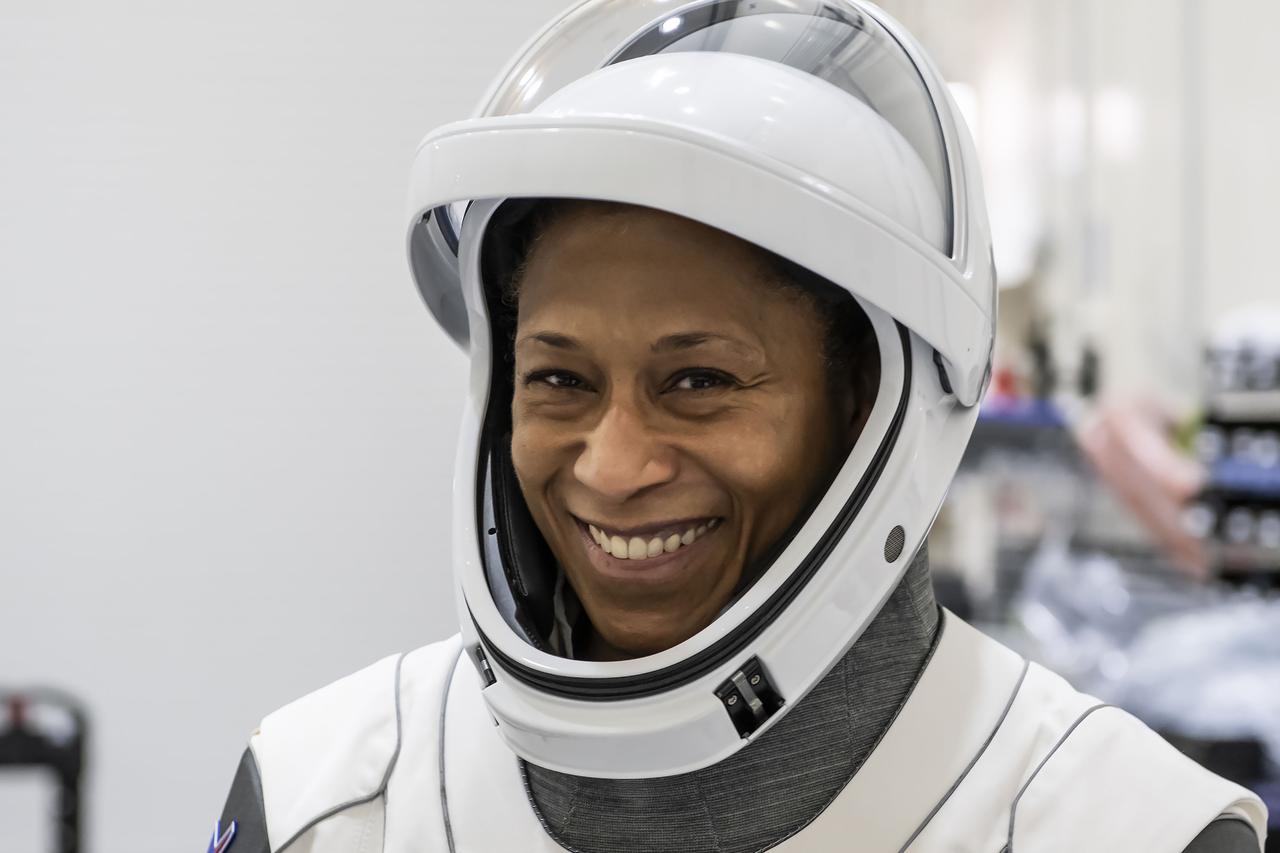
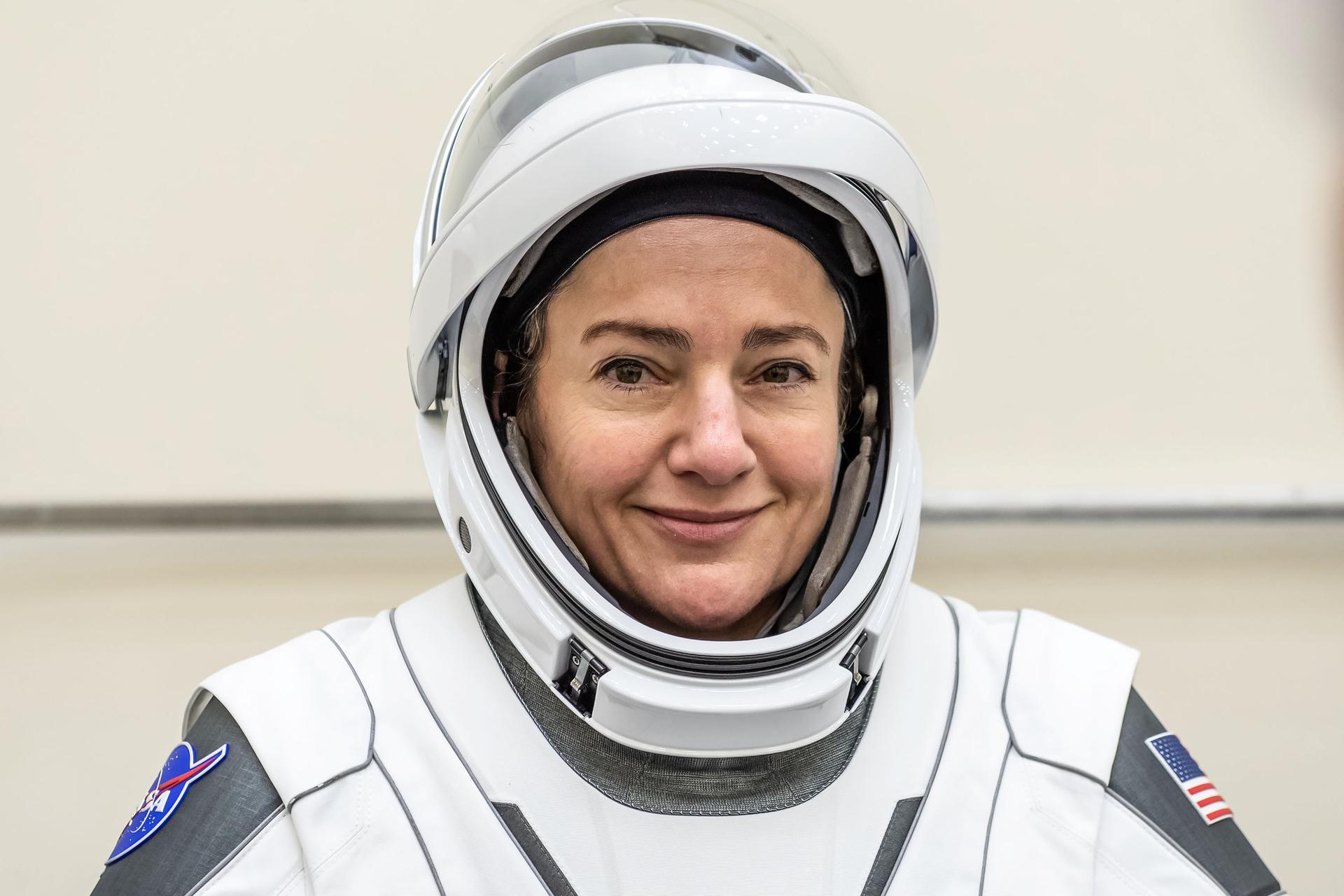
NASA astronaut Jeanette Epps, mission specialist of NASA’s SpaceX Crew-8 mission, is suited up to participate in a Crew Equipment Interface Test (CEIT) at Cape Canaveral Space Force Station in Florida on Friday, Jan. 12, 2024. During the CEIT, the astronauts practice launch and docking in a high-fidelity simulator and getting into position inside SpaceX’s Dragon capsule. As part of the agency’s Commercial Crew Program, Crew-8 marks the ninth human spaceflight mission supported by a SpaceX Dragon spacecraft and the eighth crew rotation mission to International Space Station. Crew-8 will launch on a SpaceX Falcon 9 rocket from Launch Complex 39A at NASA’s Kennedy Space Center in Florida no earlier than mid-February 2024.
SpaceX Crew-8 CEIT
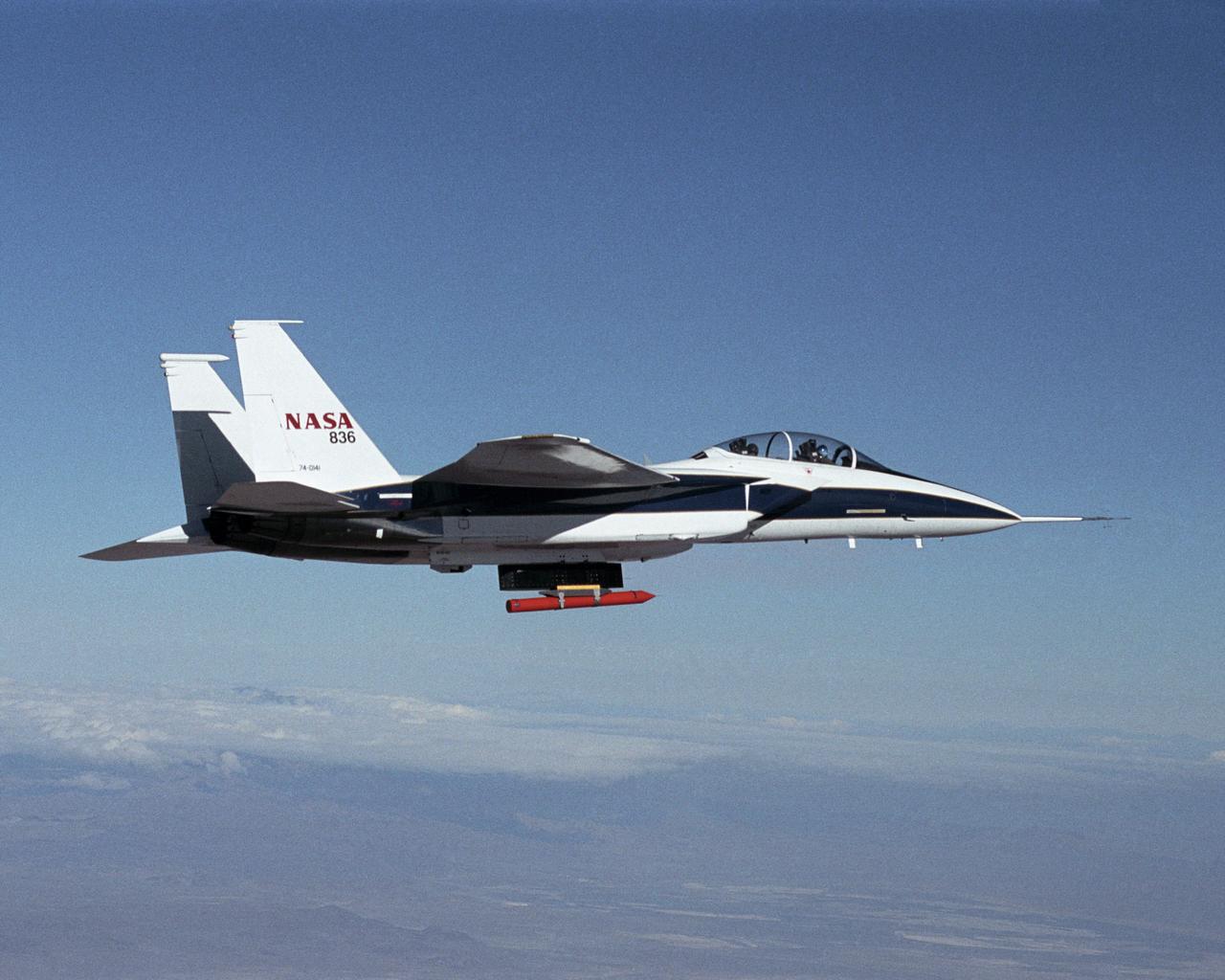
NASA Dryden's new in-house designed Propulsion Flight Test Fixture (PFTF) flew mated to a specially-equipped supersonic F-15B research aircraft during December 2001 and January 2002.
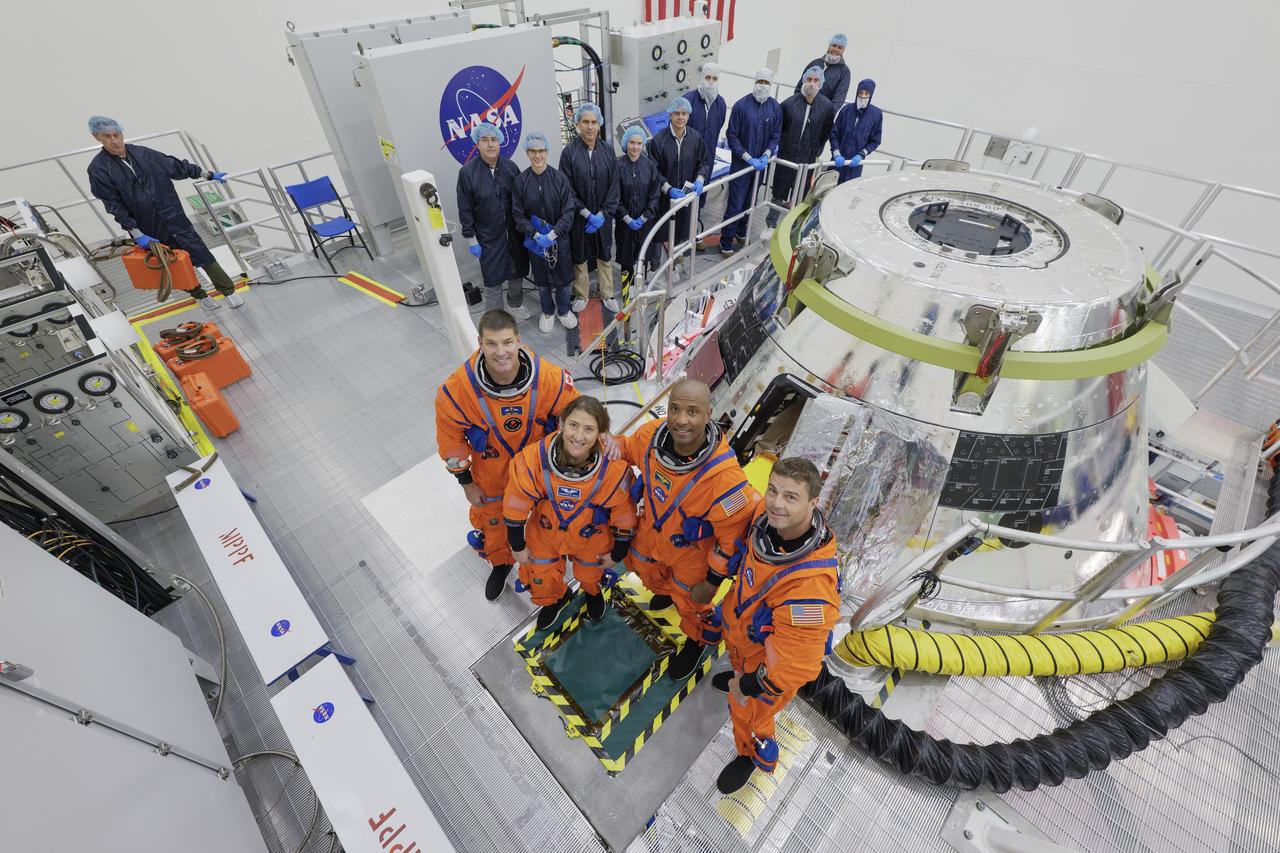
The Artemis II crew (from left to right) CSA (Canadian Space Agency) Jeremy Hansen, mission specialist; Christina Koch, mission specialist; Victor Glover, pilot; and Reid Wiseman, commander, don their Orion Crew Survival System Suits for a multi-day crew module training beginning Thursday, July 31, 2025 at the agency’s Kennedy Space Center in Florida. Behind the crew, wearing clean room apparel, are members of the Artemis II closeout crew. Testing included a suited crew test and crew equipment interface test, performing launch day and simulated orbital activities inside the Orion spacecraft. This series of tests marks the first time the crew entered their spacecraft that will take them around the Moon and back to Earth while wearing their spacesuits.
Artemis II Suit Crew Test and CEIT
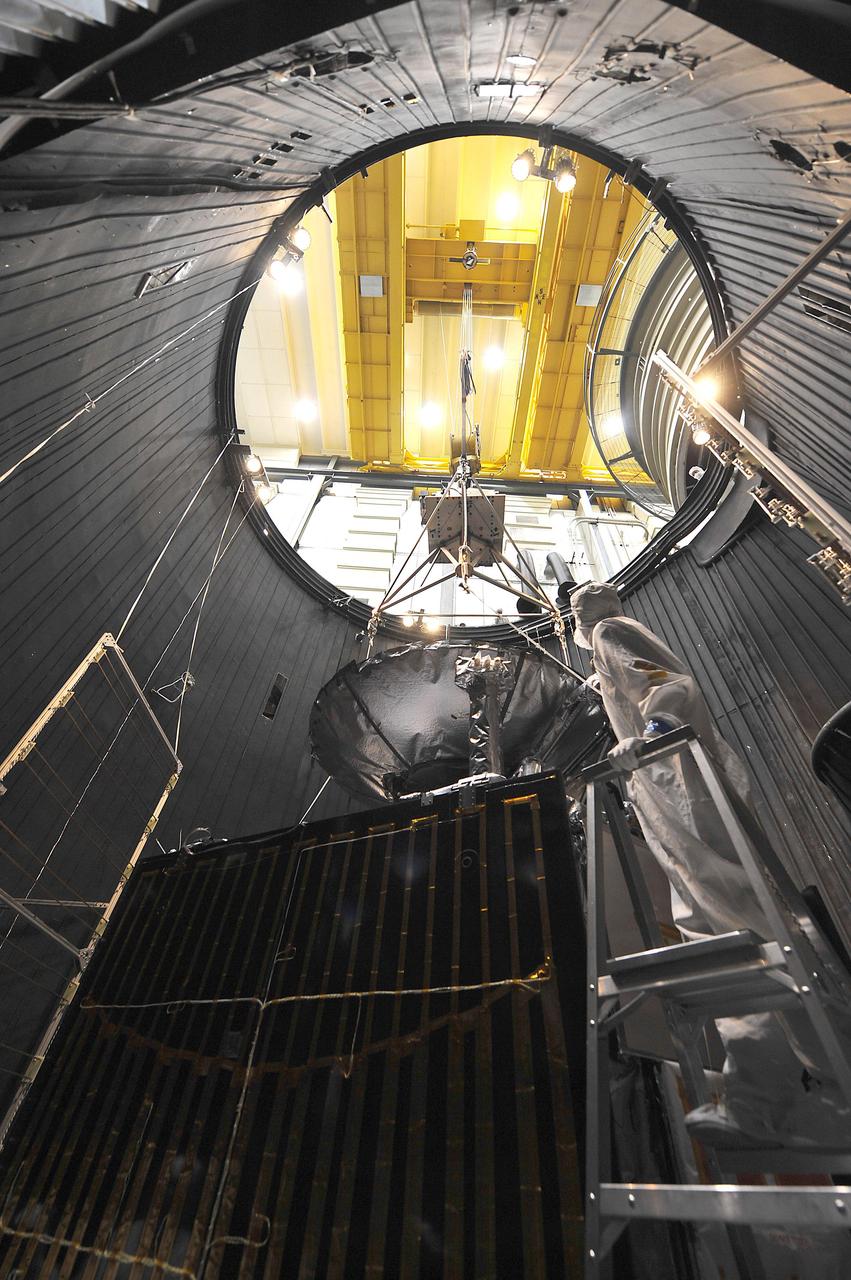
This image of NASA Juno spacecraft was taken as the vehicle completed its thermal vacuum chamber testing. A technician is attaching the lifting equipment in preparation for hoisting the 1,588-kilogram 3,500-pound spacecraft out of the chamber.
Juno Marches On
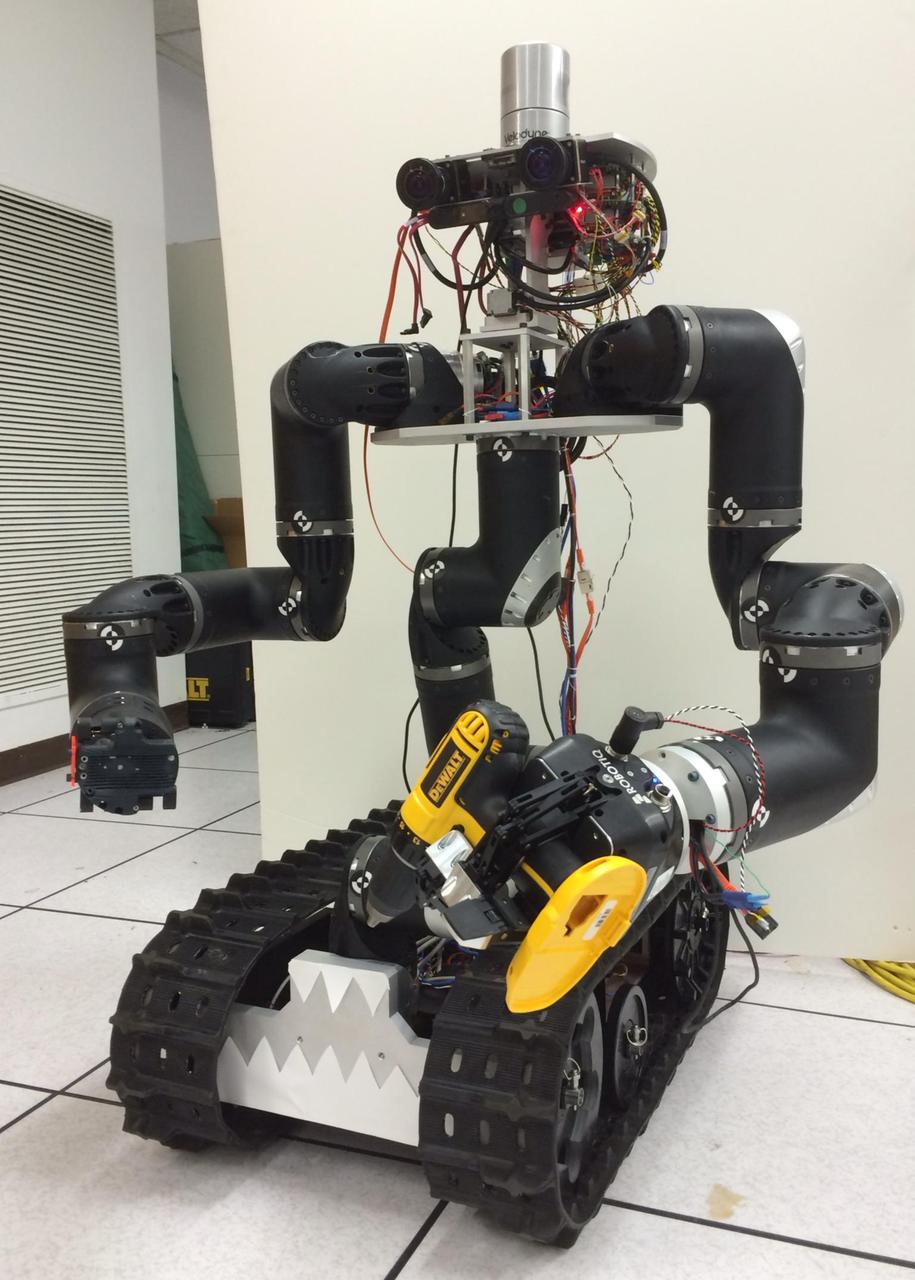
The Surrogate robot Surge, built at NASA Jet Propulsion Laboratory in Pasadena, CA., is being developed in order to extend humanity reach into hazardous environments to perform tasks such as using environmental test equipment.
Surrogate Robot
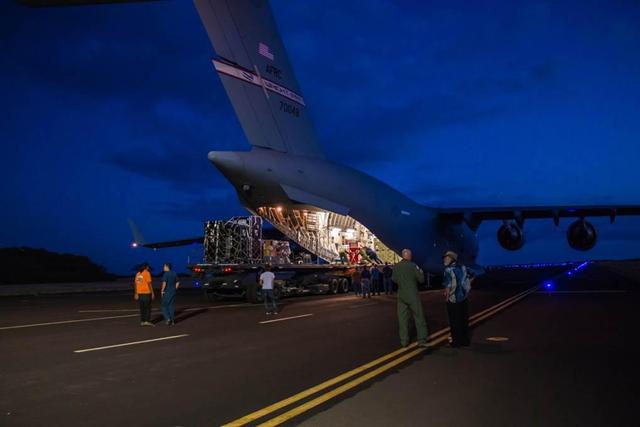
Engineers unload ground support equipment for a June engineering test flight above Kauai, Hawaii. The test flight is part of NASA LDSD project, which is investigating cutting-edge landing technologies that could fly on future Mars missions.
LDSD Test Device Arrives in Hawaii
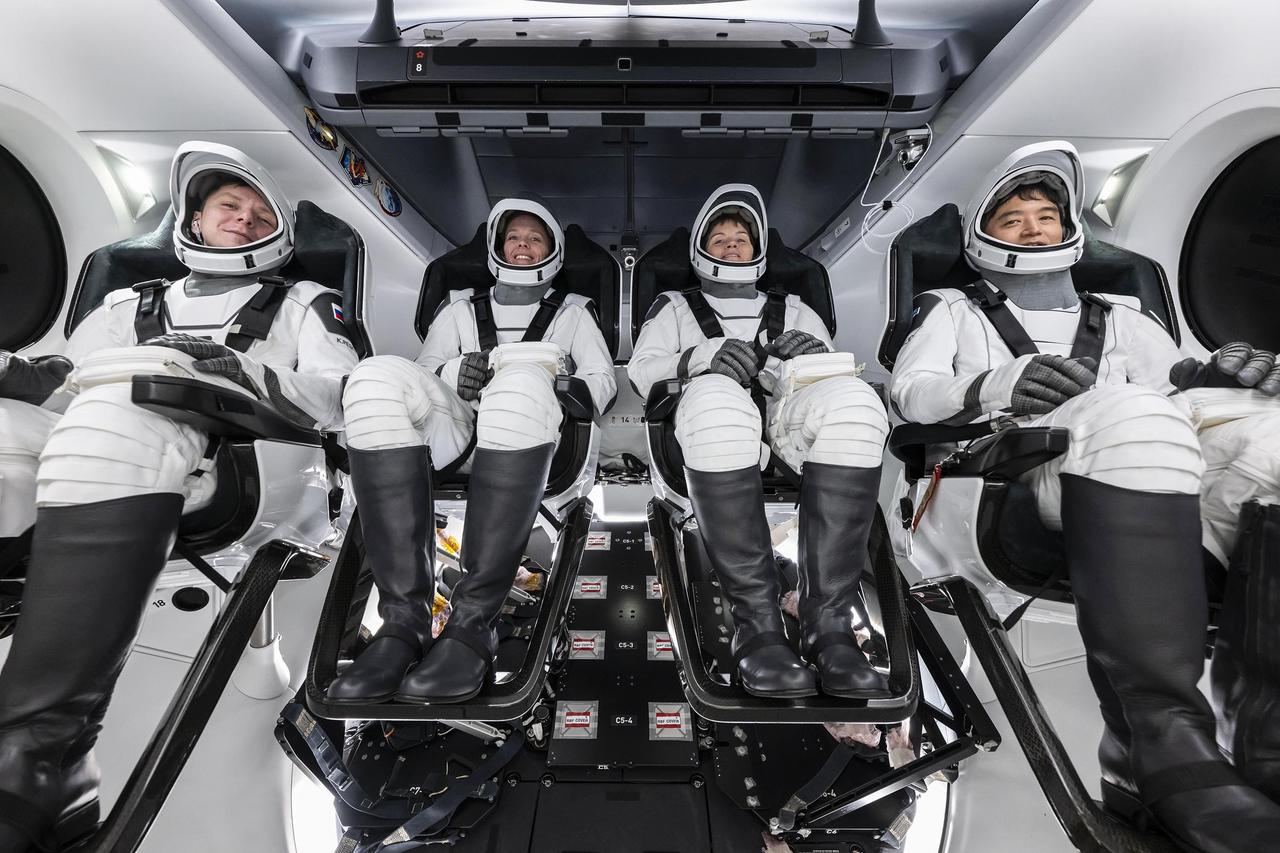
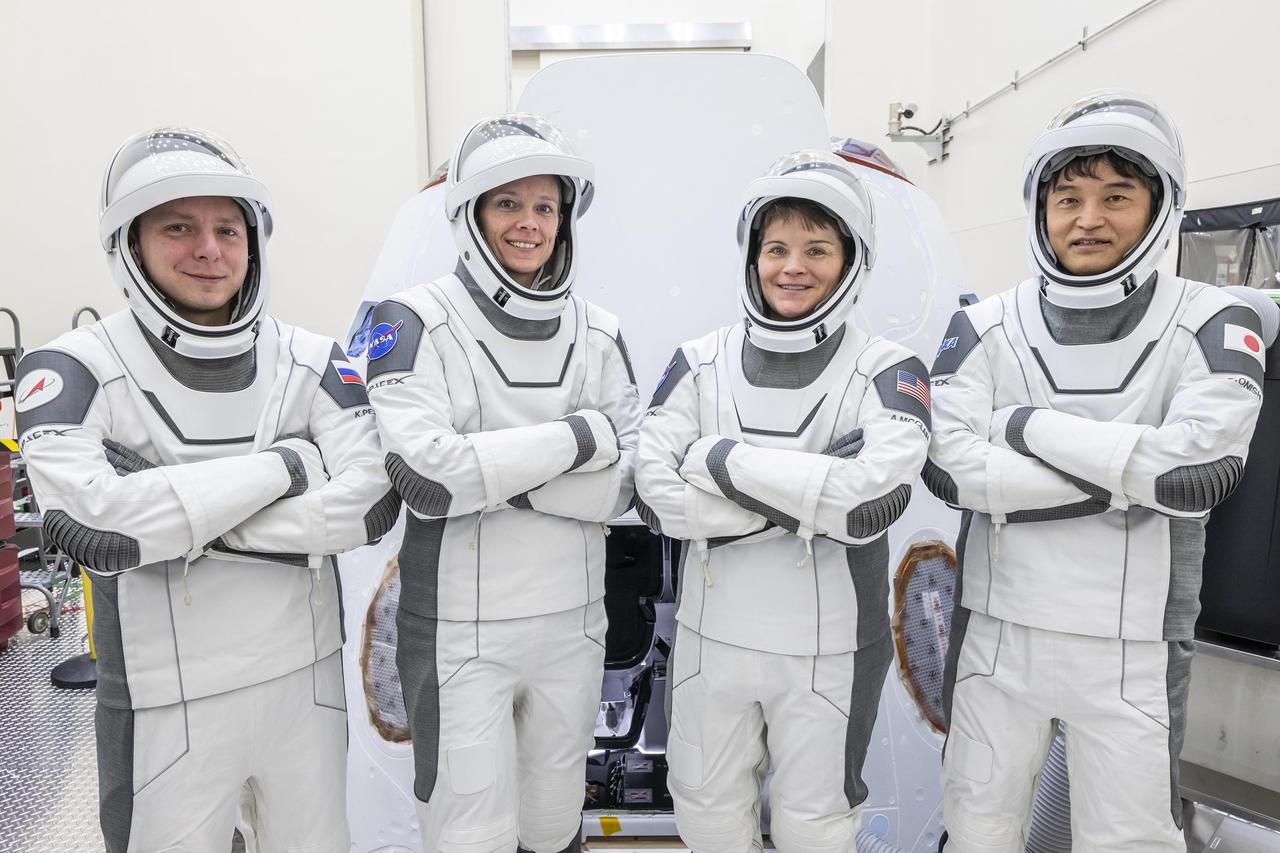
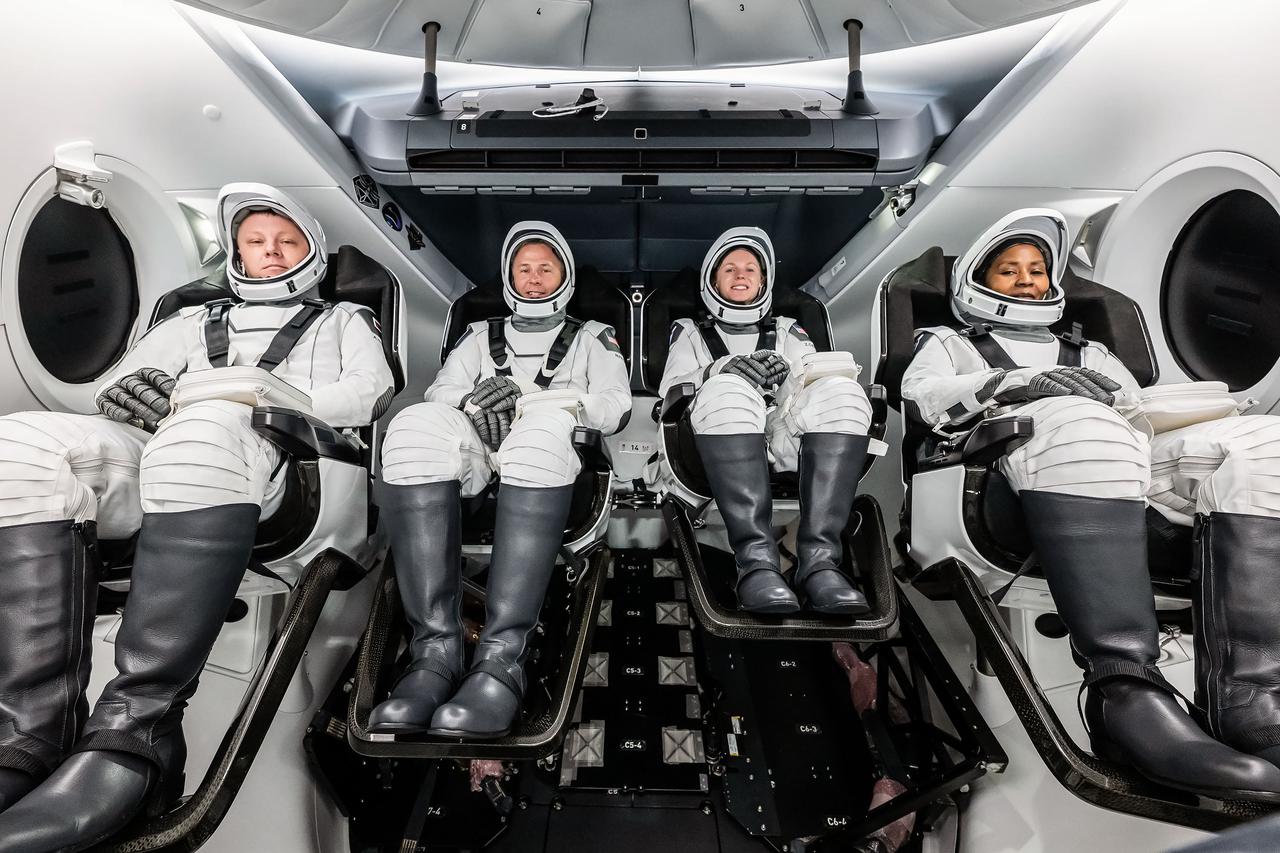
The crew of NASA’s SpaceX Crew-10 mission poses for a photo during a crew equipment interface test (CEIT) inside SpaceX’s new Dragon processing facility at the agency’s Kennedy Space Center in Florida on Monday, Feb. 17, 2025. From left, Roscosmos cosmonaut Kirill Peskov, mission specialist; NASA astronauts Nichole Ayers, pilot and Anne McClain, commander; and JAXA (Japan Aerospace Exploration Agency) astronaut Takuya Onishi, mission specialist, participated in the CEIT, which plays an important role in familiarizing crew members with the interior of the Dragon spacecraft ahead of their four-month mission to International Space Station.
SpaceX Crew-10 CEIT
The crew of NASA’s SpaceX Crew-10 mission poses for a photo during a crew equipment interface test (CEIT) inside SpaceX’s new Dragon processing facility at the agency’s Kennedy Space Center in Florida on Monday, Feb. 17, 2025. From left, Roscosmos cosmonaut Kirill Peskov, mission specialist; NASA astronauts Nichole Ayers, pilot and Anne McClain, commander; and JAXA (Japan Aerospace Exploration Agency) astronaut Takuya Onishi, mission specialist, participated in the CEIT, which plays an important role in familiarizing crew members with the interior of the Dragon spacecraft ahead of their four-month mission to International Space Station.
SpaceX Crew-10 CEIT
The Wake Shield Facility is displayed on a test stand at JSC. Astronaut Ronald M. Sega, mission specialist for STS-60, is seen with the facility during a break in testing in the acoustic and vibration facility at JSC.
Astronaut Ronald Sega with Wake Shield Facility on test stand at JSC
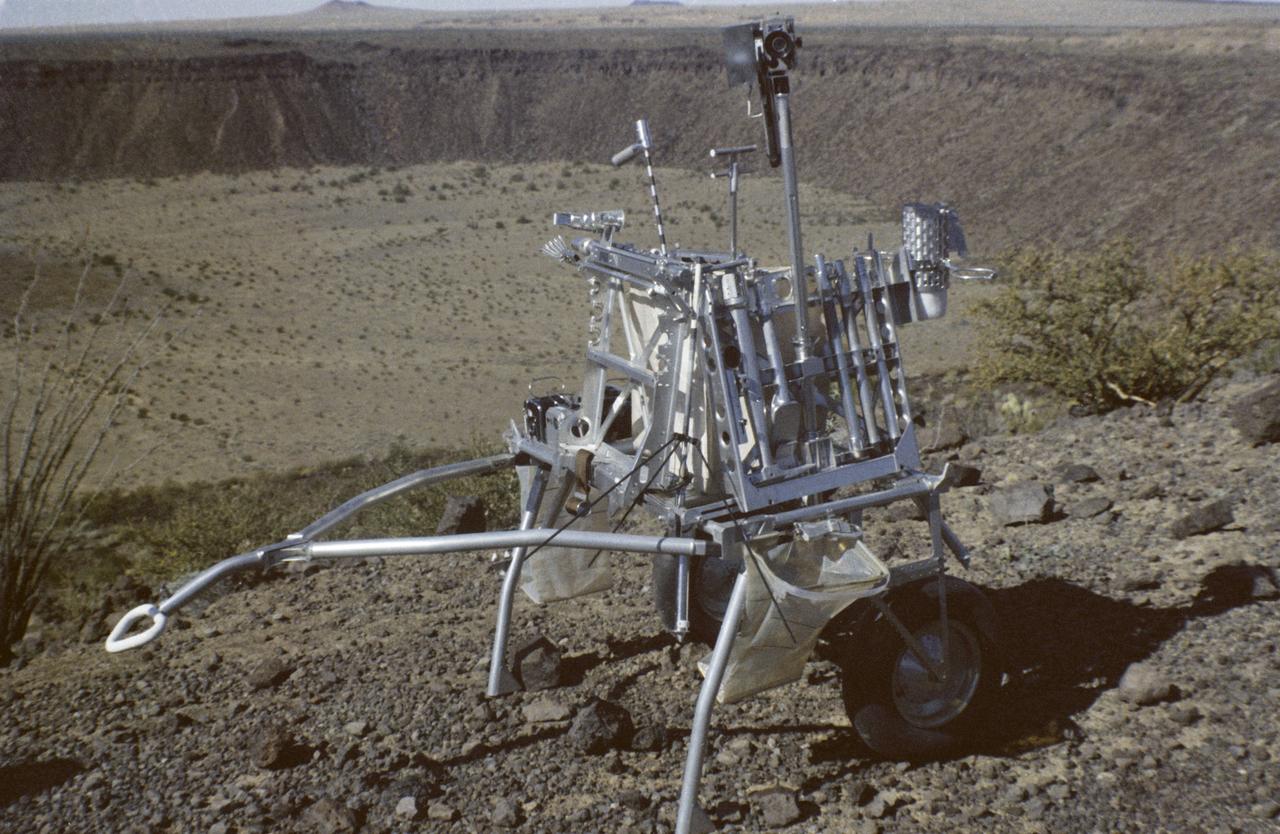
S70-29505 (13-18 Feb. 1970) --- A prototype of the modular equipment transporter (MET), nicknamed the "Rickshaw" after its shape and method of propulsion. This equipment was used by the Apollo 14 astronauts during their geological and lunar surface simulation training in the Pinacate volcanic area of northwestern Sonora, Mexico. The Apollo 14 crew will be the first one to use the MET. It will be a portable workbench with a place for the lunar hand tools and their carrier, three cameras, two sample container bags, a special environmental sample container, spare film magazines, and a lunar surface Penetrometer.
Prototype of the Modular Equipment Transporter (MET)
jsc2024e052322 (July 22, 2024) --- The crew of NASA’s SpaceX Crew-9 mission to the International Space Station poses for a photo during a crew equipment interface test (CEIT), which plays an important role in familiarizing crew members with the interior of the Dragon
The crew of NASA’s SpaceX Crew-9 mission
Some of the nearly 5,000 pounds (2,270 kilograms) of Perseverance mission flight hardware, test gear and equipment delivered to Kennedy Space Center on May 11, 2020, is unloaded from a NASA Wallops C-130.  https://photojournal.jpl.nasa.gov/catalog/PIA23918
Unloading Mars Gear
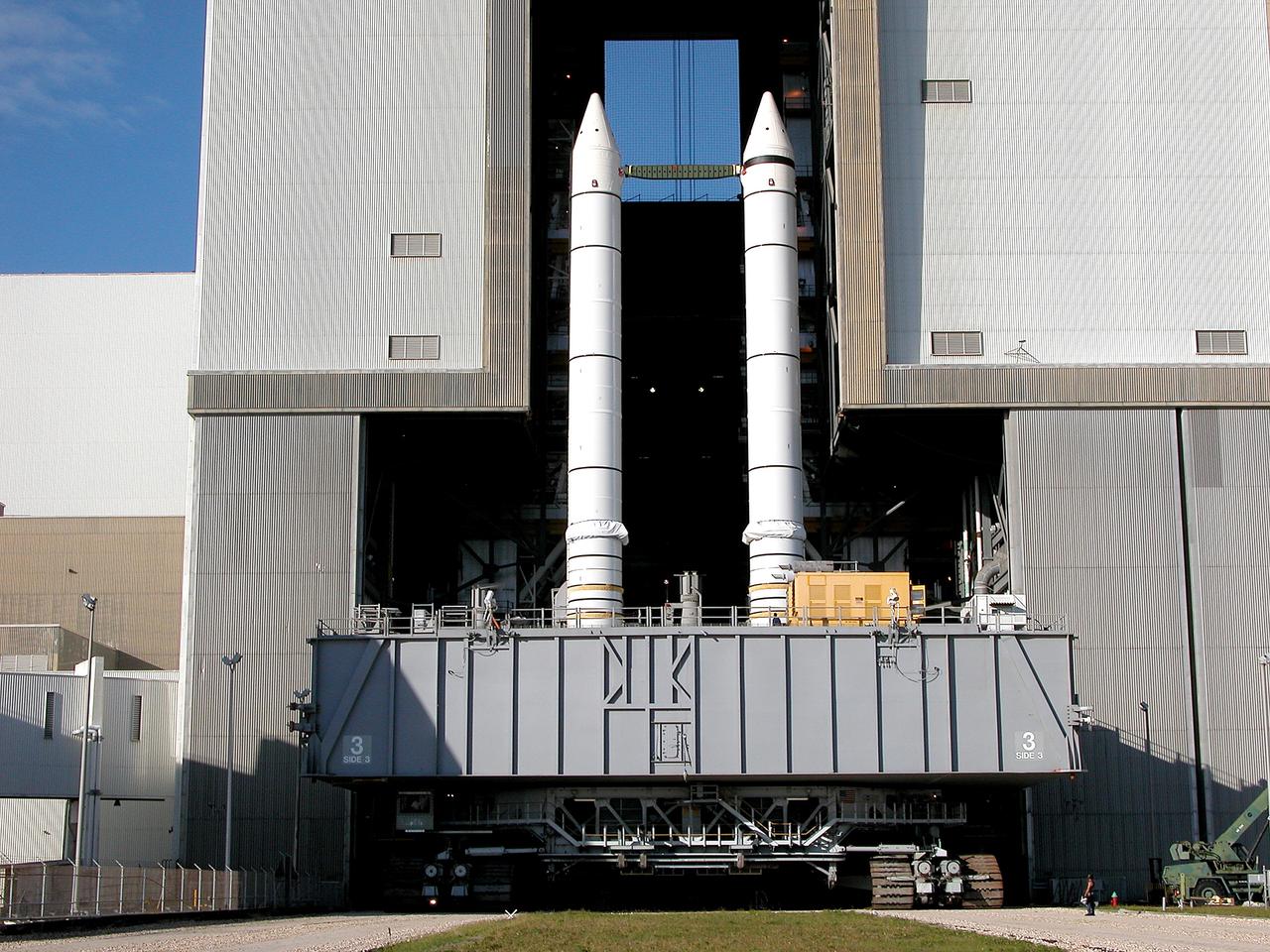
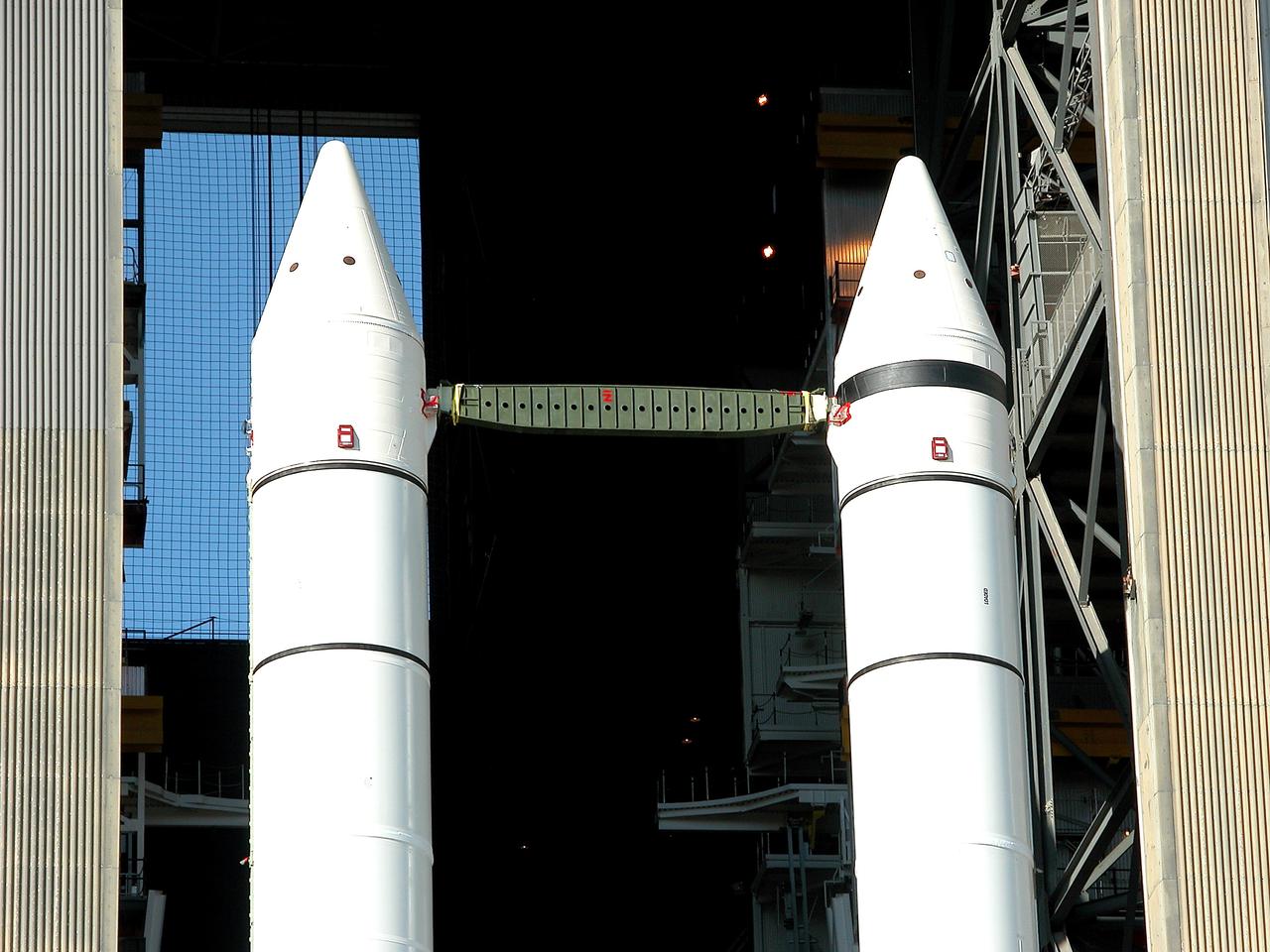
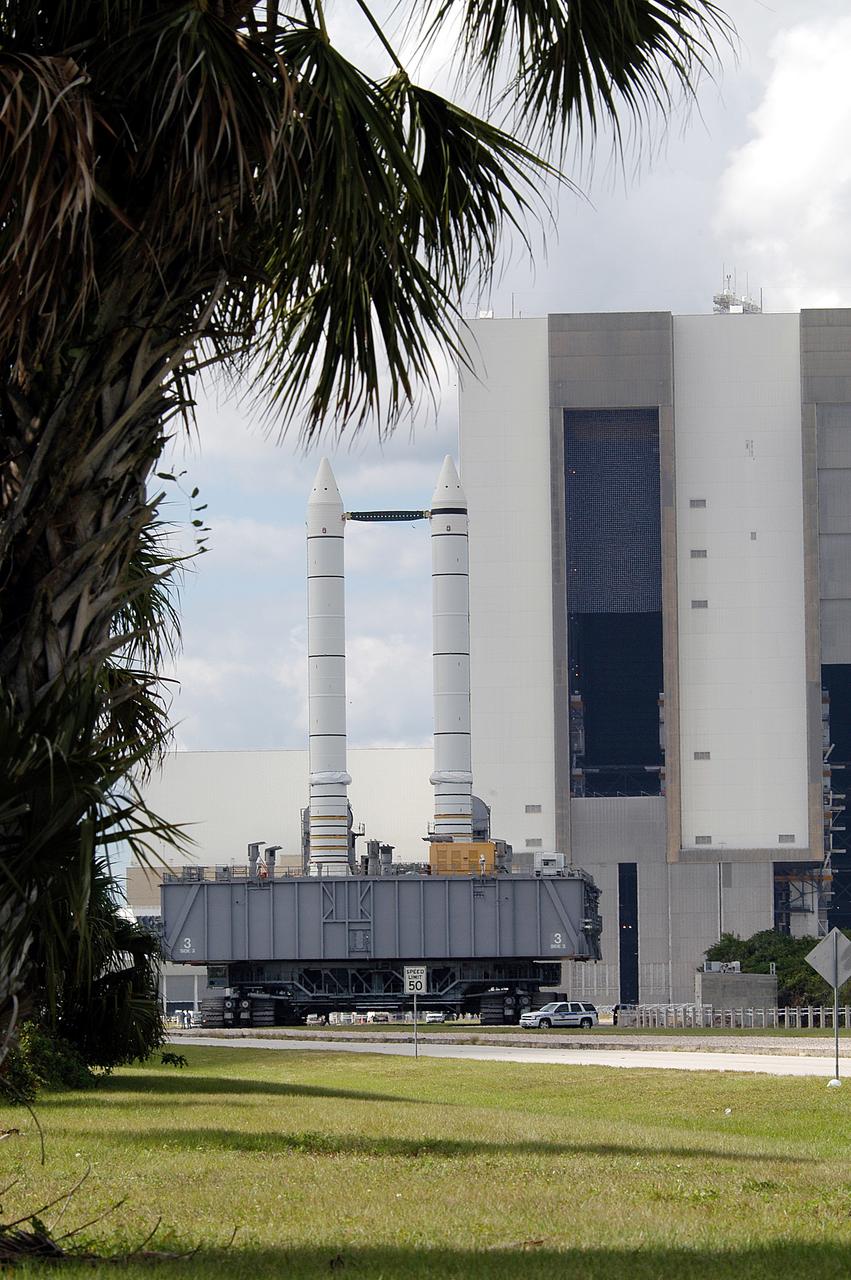
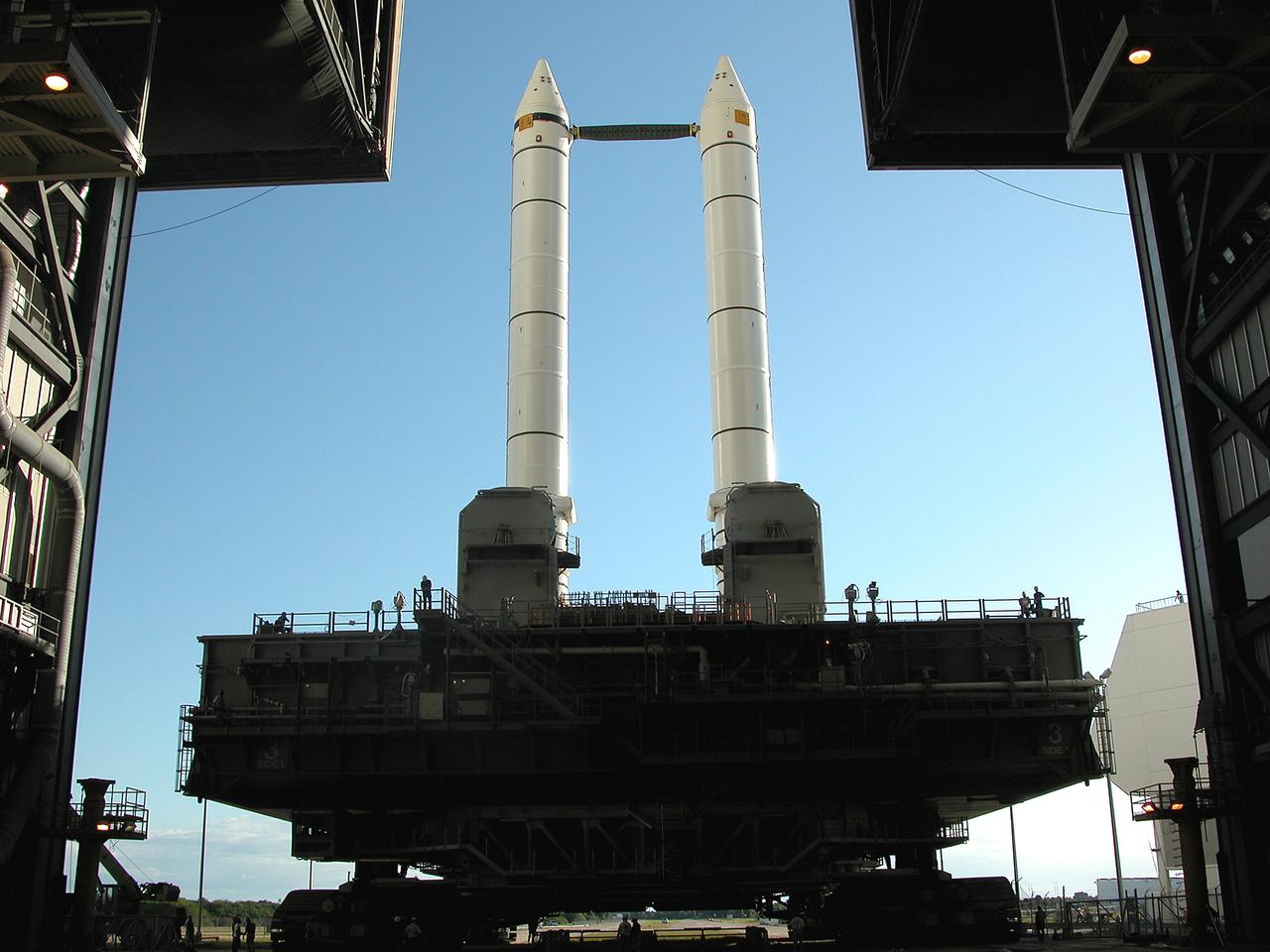
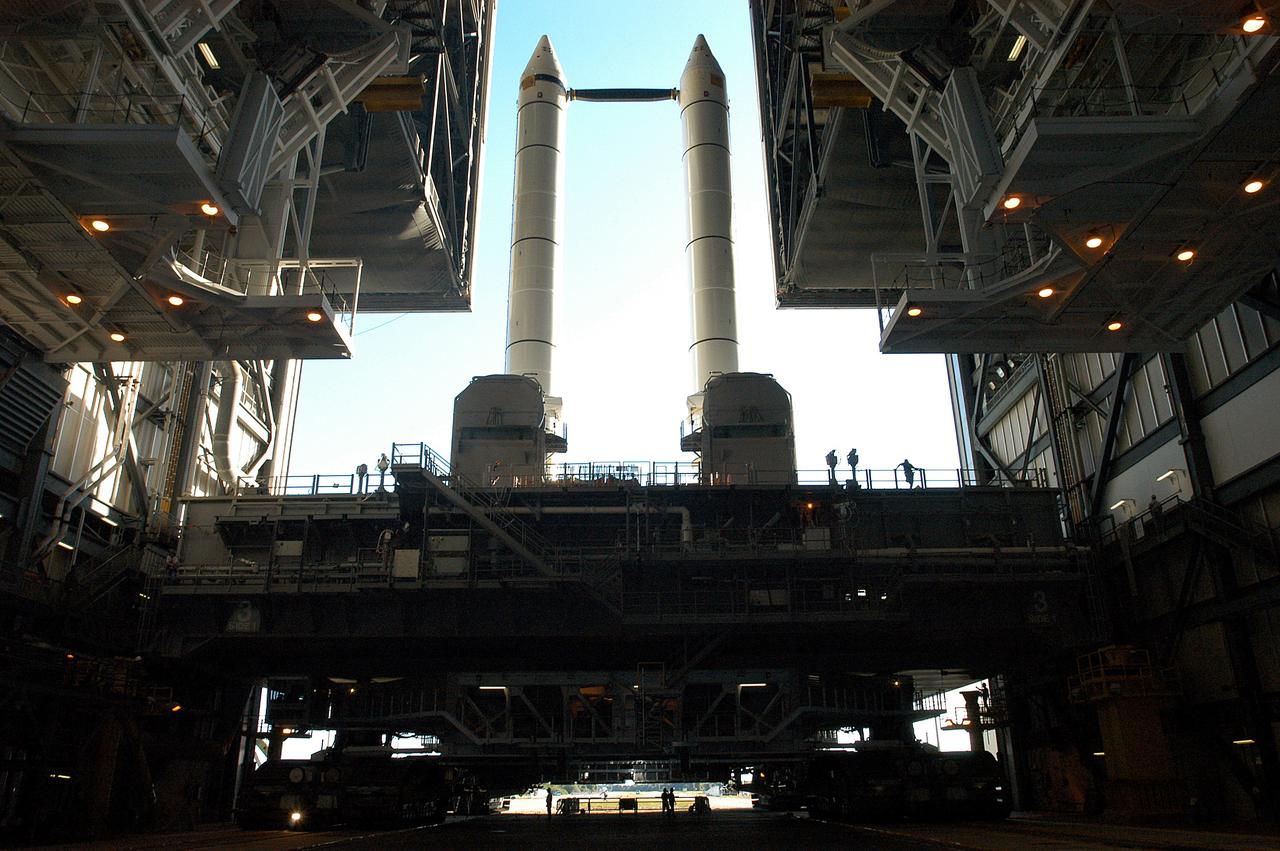
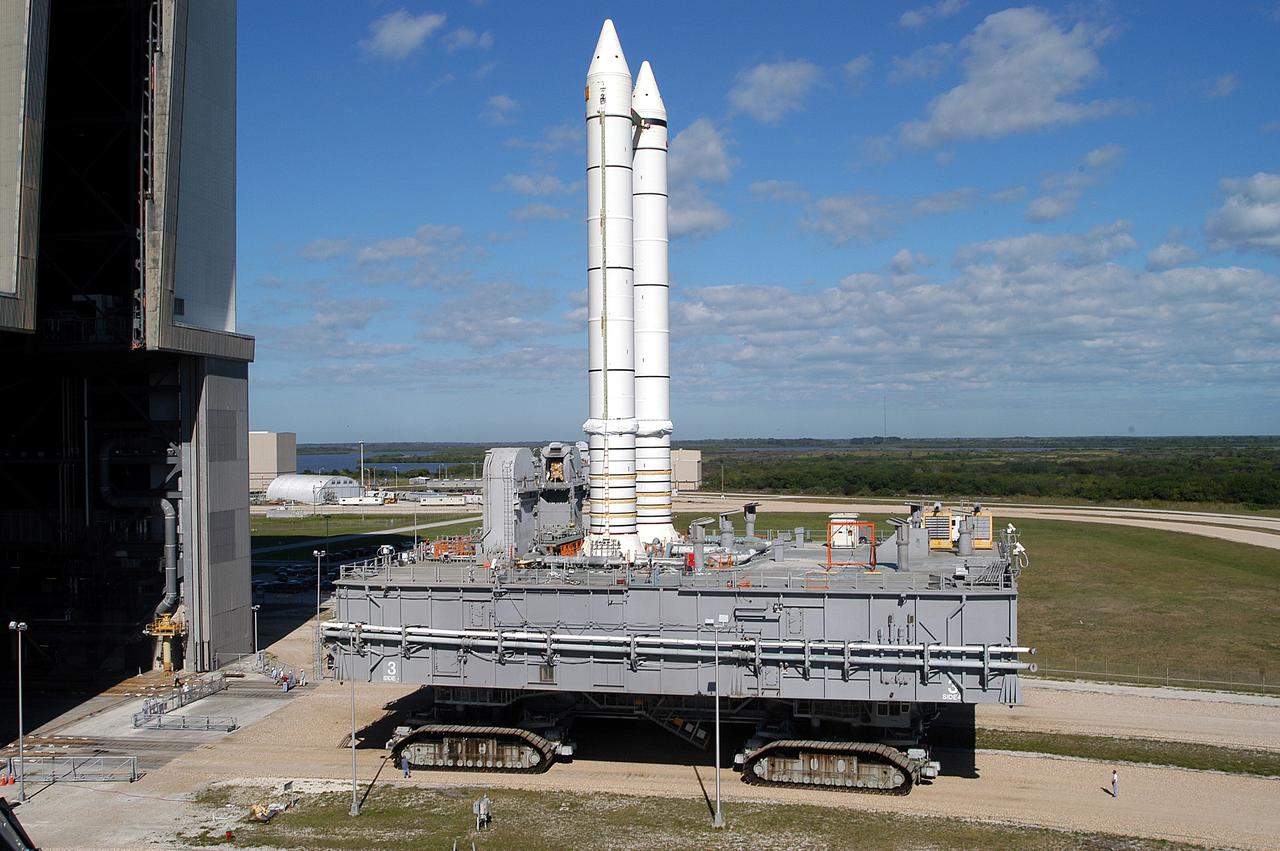
KENNEDY SPACE CENTER, FLA. -  As the crawler transporter slowly moves the Mobile Launcher Platform (MLP) out of the Vehicle Assembly Building, the two solid rocket boosters on top are framed in the doorway.  The move is in support of engineering analysis vibration tests on the crawler and MLP.  The crawler is moving at various speeds up to 1 mph in an effort to achieve vibration data gathering goals as it leaves the VAB and then returns.  The boosters are braced at the top for stability.  The primary purpose of these rollout tests is to gather data to develop future maintenance requirements on the transport equipment and the flight hardware. Various parts of the MLP and crawler transporter have been instrumented with vibration data collection equipment.
KENNEDY SPACE CENTER, FLA. - As the crawler transporter slowly moves the Mobile Launcher Platform (MLP) out of the Vehicle Assembly Building, the two solid rocket boosters on top are framed in the doorway. The move is in support of engineering analysis vibration tests on the crawler and MLP. The crawler is moving at various speeds up to 1 mph in an effort to achieve vibration data gathering goals as it leaves the VAB and then returns. The boosters are braced at the top for stability. The primary purpose of these rollout tests is to gather data to develop future maintenance requirements on the transport equipment and the flight hardware. Various parts of the MLP and crawler transporter have been instrumented with vibration data collection equipment.
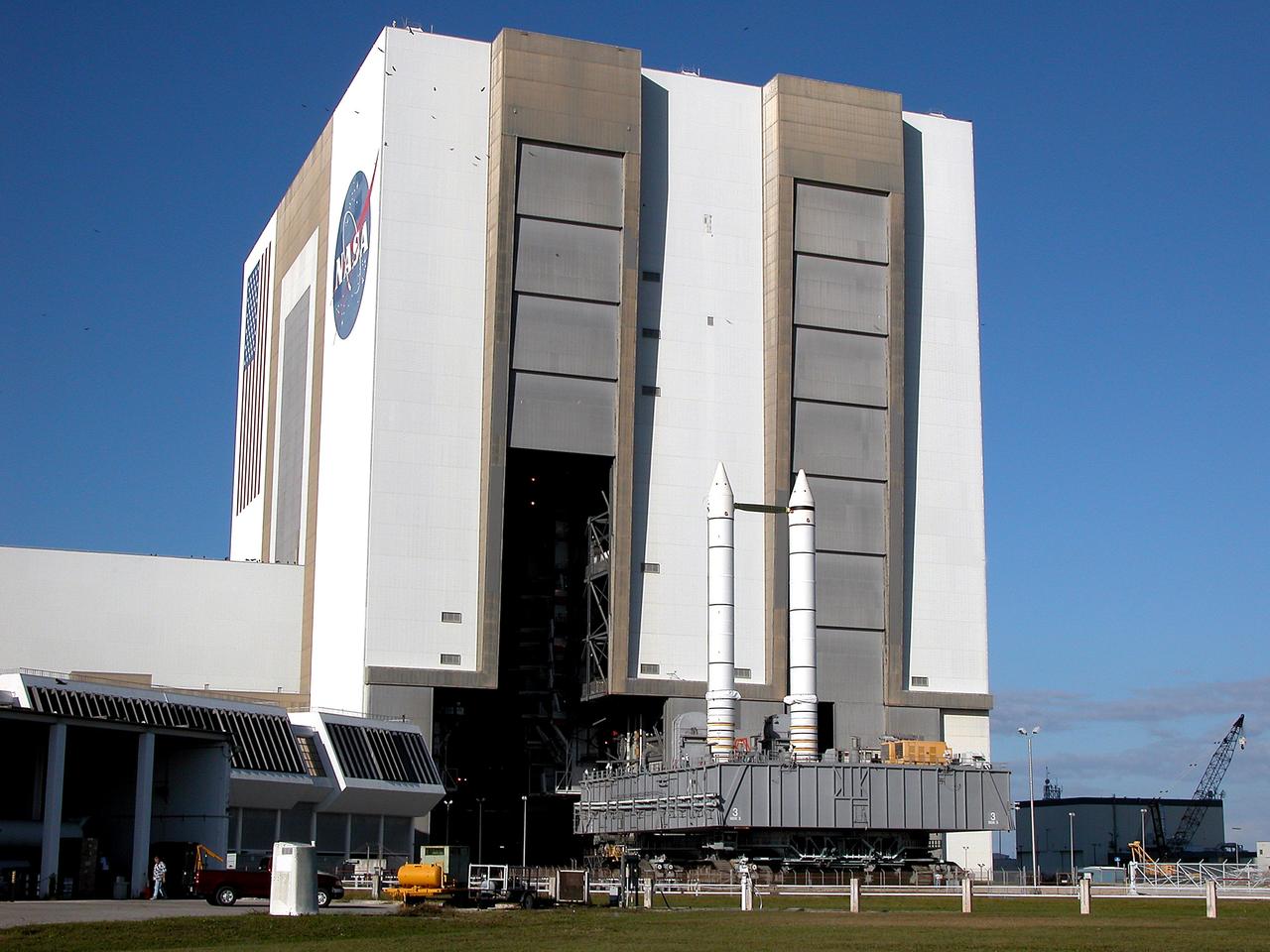
KENNEDY SPACE CENTER, FLA. -  The crawler transporter has slowly moved the Mobile Launcher Platform (MLP), carrying a set of twin solid rocket boosters, out of the Vehicle Assembly Building (VAB) in support of engineering analysis vibration tests on the crawler and MLP. The crawler is moving at various speeds up to 1 mph in an effort to achieve vibration data gathering goals as it leaves the VAB and then returns.  The boosters are braced at the top for stability.  The primary purpose of these rollout tests is to gather data to develop future maintenance requirements on the transport equipment and the flight hardware. Various parts of the MLP and crawler transporter have been instrumented with vibration data collection equipment.
KENNEDY SPACE CENTER, FLA. - The crawler transporter has slowly moved the Mobile Launcher Platform (MLP), carrying a set of twin solid rocket boosters, out of the Vehicle Assembly Building (VAB) in support of engineering analysis vibration tests on the crawler and MLP. The crawler is moving at various speeds up to 1 mph in an effort to achieve vibration data gathering goals as it leaves the VAB and then returns. The boosters are braced at the top for stability. The primary purpose of these rollout tests is to gather data to develop future maintenance requirements on the transport equipment and the flight hardware. Various parts of the MLP and crawler transporter have been instrumented with vibration data collection equipment.
KENNEDY SPACE CENTER, FLA. -  The crawler transporter slowly moves the Mobile Launcher Platform (MLP), carrying a set of twin solid rocket boosters, out of the Vehicle Assembly Building (VAB) in support of engineering analysis vibration tests on the crawler and MLP.   The crawler is moving at various speeds up to 1 mph in an effort to achieve vibration data gathering goals as it leaves the VAB and then returns.  The boosters are braced at the top for stability.  The primary purpose of these rollout tests is to gather data to develop future maintenance requirements on the transport equipment and the flight hardware. Various parts of the MLP and crawler transporter have been instrumented with vibration data collection equipment.
KENNEDY SPACE CENTER, FLA. - The crawler transporter slowly moves the Mobile Launcher Platform (MLP), carrying a set of twin solid rocket boosters, out of the Vehicle Assembly Building (VAB) in support of engineering analysis vibration tests on the crawler and MLP. The crawler is moving at various speeds up to 1 mph in an effort to achieve vibration data gathering goals as it leaves the VAB and then returns. The boosters are braced at the top for stability. The primary purpose of these rollout tests is to gather data to develop future maintenance requirements on the transport equipment and the flight hardware. Various parts of the MLP and crawler transporter have been instrumented with vibration data collection equipment.
KENNEDY SPACE CENTER, FLA. -  As the crawler transporter slowly moves the Mobile Launcher Platform (MLP) out of the Vehicle Assembly Building, the two solid rocket boosters on top are framed in the doorway.  The move is in support of engineering analysis vibration tests on the crawler and MLP. The crawler is moving at various speeds up to 1 mph in an effort to achieve vibration data gathering goals as it leaves the VAB and then returns.  The boosters are braced at the top for stability.  The primary purpose of these rollout tests is to gather data to develop future maintenance requirements on the transport equipment and the flight hardware. Various parts of the MLP and crawler transporter have been instrumented with vibration data collection equipment.
KENNEDY SPACE CENTER, FLA. - As the crawler transporter slowly moves the Mobile Launcher Platform (MLP) out of the Vehicle Assembly Building, the two solid rocket boosters on top are framed in the doorway. The move is in support of engineering analysis vibration tests on the crawler and MLP. The crawler is moving at various speeds up to 1 mph in an effort to achieve vibration data gathering goals as it leaves the VAB and then returns. The boosters are braced at the top for stability. The primary purpose of these rollout tests is to gather data to develop future maintenance requirements on the transport equipment and the flight hardware. Various parts of the MLP and crawler transporter have been instrumented with vibration data collection equipment.
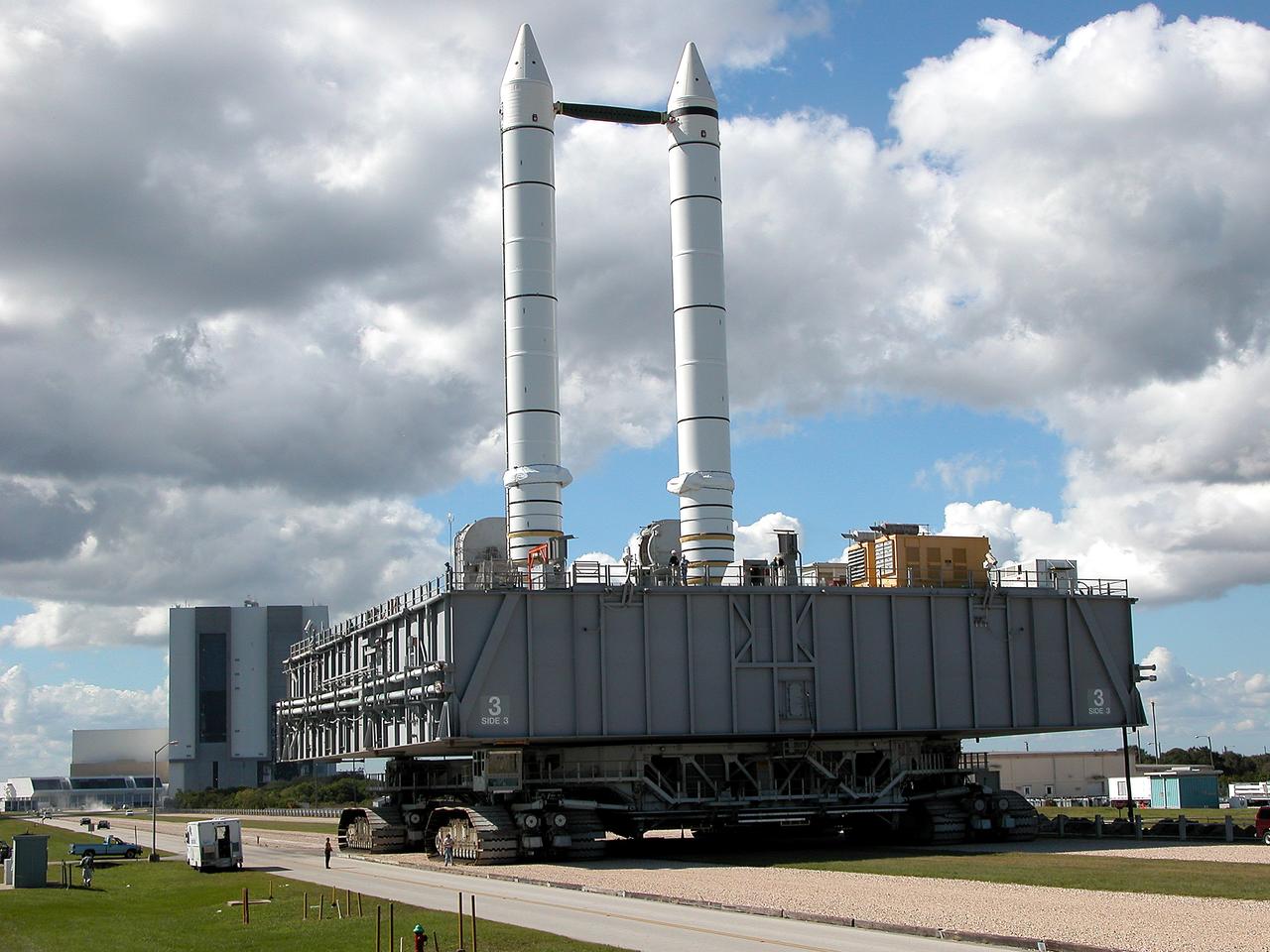
KENNEDY SPACE CENTER, FLA. -  Mobile Launcher Platform (MLP) number 3 and a set of twin solid rocket boosters, atop the crawler-transporter, inch along the crawlerway in support of the second engineering analysis vibration test on the crawler and MLP. The crawler is moving at various speeds up to 1 mph in an effort to achieve vibration data gathering goals as it leaves the VAB, travels toward Launch Pad 39A (framed between the boosters), and then returns.  The boosters are braced at the top for stability.  The primary purpose of these rollout tests is to gather data to develop future maintenance requirements on the transport equipment and the flight hardware. Various parts of the MLP and crawler transporter have been instrumented with vibration data collection equipment.
KENNEDY SPACE CENTER, FLA. - Mobile Launcher Platform (MLP) number 3 and a set of twin solid rocket boosters, atop the crawler-transporter, inch along the crawlerway in support of the second engineering analysis vibration test on the crawler and MLP. The crawler is moving at various speeds up to 1 mph in an effort to achieve vibration data gathering goals as it leaves the VAB, travels toward Launch Pad 39A (framed between the boosters), and then returns. The boosters are braced at the top for stability. The primary purpose of these rollout tests is to gather data to develop future maintenance requirements on the transport equipment and the flight hardware. Various parts of the MLP and crawler transporter have been instrumented with vibration data collection equipment.
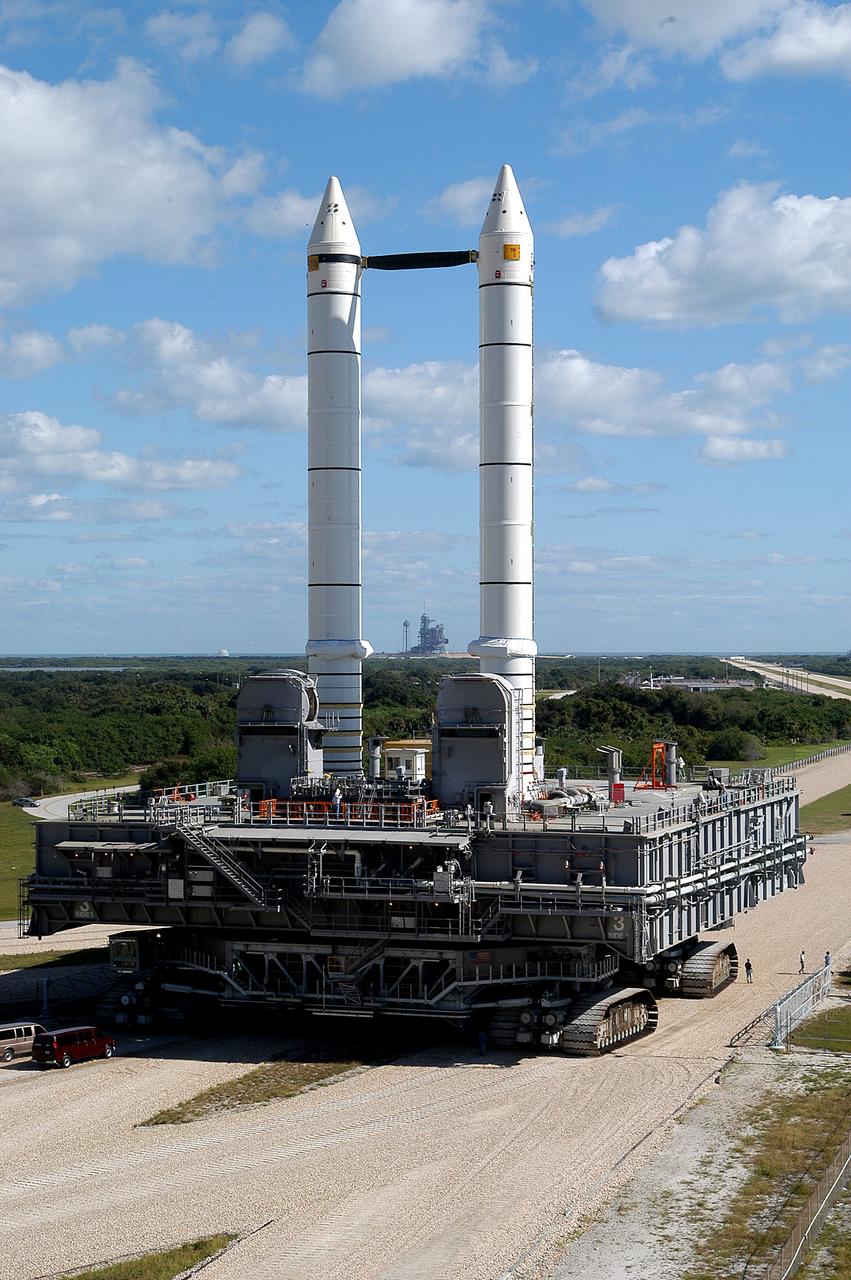
KENNEDY SPACE CENTER, FLA. -  Mobile Launcher Platform (MLP) number 3 and a set of twin solid rocket boosters, atop the crawler-transporter, crawls away from the Vehicle Assembly Building in support of the second engineering analysis vibration test on the crawler and MLP. The crawler is moving at various speeds up to 1 mph in an effort to achieve vibration data gathering goals as it leaves the VAB, travels toward Launch Pad 39A and then returns.  The boosters are braced at the top for stability.  The primary purpose of these rollout tests is to gather data to develop future maintenance requirements on the transport equipment and the flight hardware. Various parts of the MLP and crawler transporter have been instrumented with vibration data collection equipment.
KENNEDY SPACE CENTER, FLA. - Mobile Launcher Platform (MLP) number 3 and a set of twin solid rocket boosters, atop the crawler-transporter, crawls away from the Vehicle Assembly Building in support of the second engineering analysis vibration test on the crawler and MLP. The crawler is moving at various speeds up to 1 mph in an effort to achieve vibration data gathering goals as it leaves the VAB, travels toward Launch Pad 39A and then returns. The boosters are braced at the top for stability. The primary purpose of these rollout tests is to gather data to develop future maintenance requirements on the transport equipment and the flight hardware. Various parts of the MLP and crawler transporter have been instrumented with vibration data collection equipment.
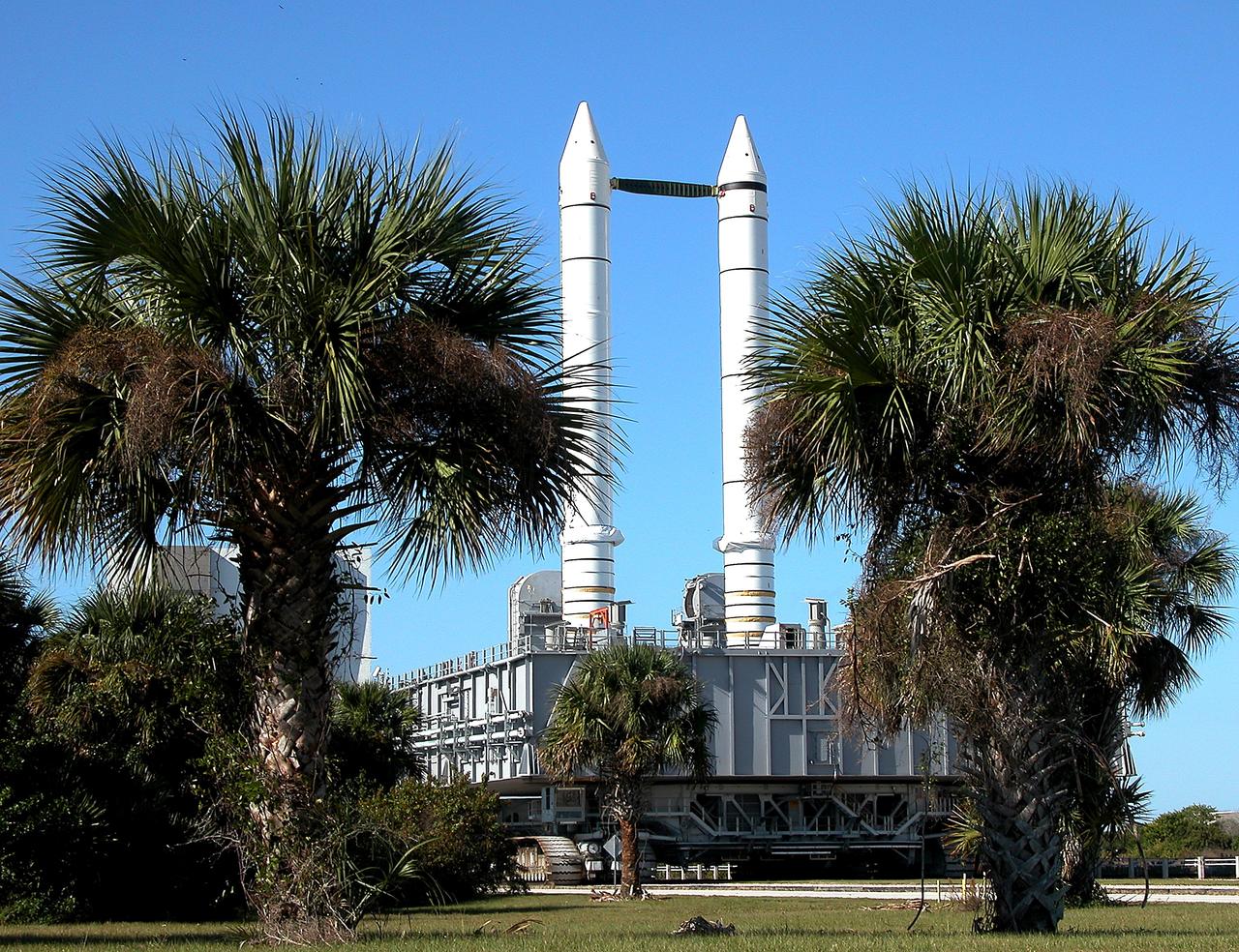
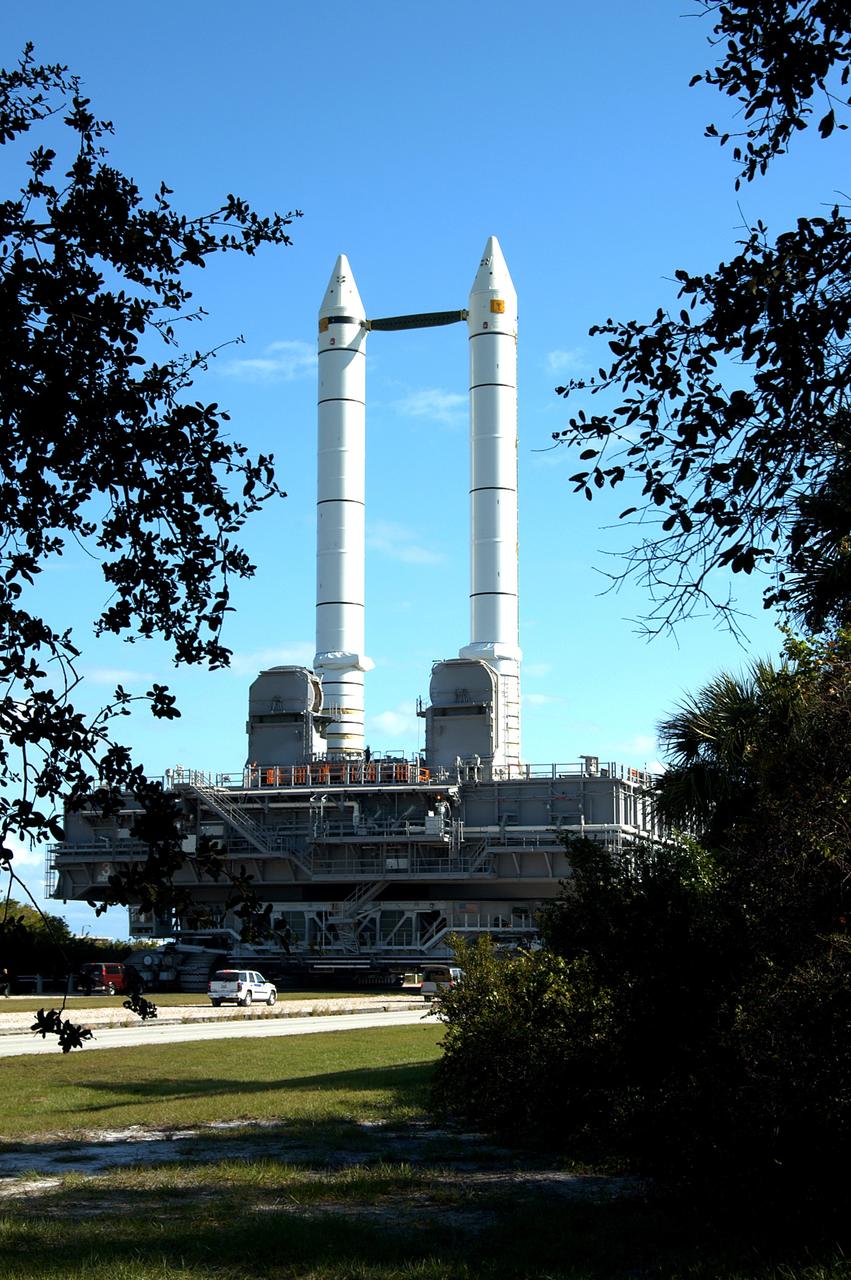
KENNEDY SPACE CENTER, FLA. -  Framed between palm trees, solid rocket boosters loom above the Mobile Launcher Platform (MLP) as the crawler transporter slowly moves it along the crawlerway.  The journey is in support of engineering analysis vibration tests on the crawler and MLP.  The crawler is moving at various speeds up to 1 mph in an effort to achieve vibration data gathering goals as it leaves the VAB and then returns.  The boosters are braced at the top for stability. The primary purpose of these rollout tests is to gather data to develop future maintenance requirements on the transport equipment and the flight hardware. Various parts of the MLP and crawler transporter have been instrumented with vibration data collection equipment.
KENNEDY SPACE CENTER, FLA. - Framed between palm trees, solid rocket boosters loom above the Mobile Launcher Platform (MLP) as the crawler transporter slowly moves it along the crawlerway. The journey is in support of engineering analysis vibration tests on the crawler and MLP. The crawler is moving at various speeds up to 1 mph in an effort to achieve vibration data gathering goals as it leaves the VAB and then returns. The boosters are braced at the top for stability. The primary purpose of these rollout tests is to gather data to develop future maintenance requirements on the transport equipment and the flight hardware. Various parts of the MLP and crawler transporter have been instrumented with vibration data collection equipment.
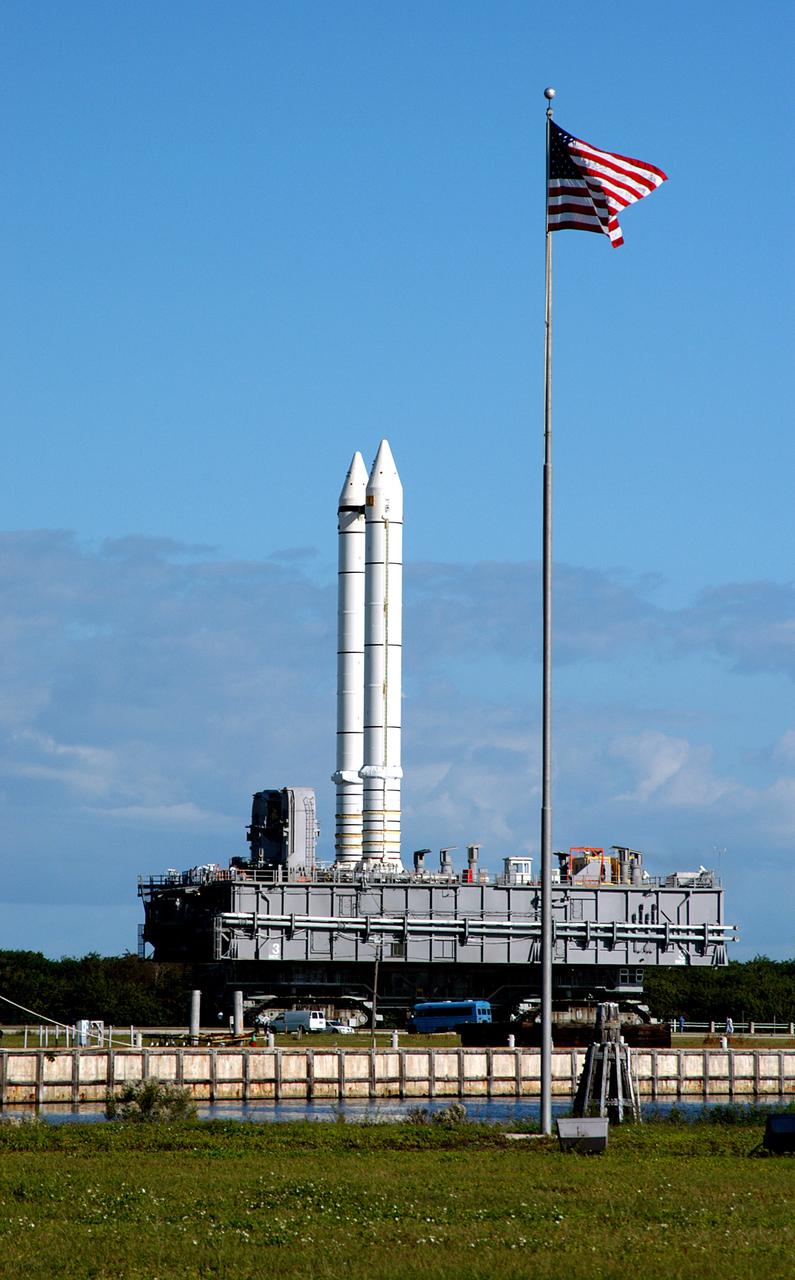
KENNEDY SPACE CENTER, FLA. - Carrying a set of twin solid rocket boosters, the crawler transporter slowly moves the Mobile Launcher Platform (MLP) past the NASA-KSC News Center where the U.S. flag flies daily.  The journey is in support of engineering analysis vibration tests on the crawler and MLP. The crawler is moving at various speeds up to 1 mph in an effort to achieve vibration data gathering goals as it leaves the VAB and then returns.  The boosters are braced at the top for stability.  The primary purpose of these rollout tests is to gather data to develop future maintenance requirements on the transport equipment and the flight hardware. Various parts of the MLP and crawler transporter have been instrumented with vibration data collection equipment.
KENNEDY SPACE CENTER, FLA. - Carrying a set of twin solid rocket boosters, the crawler transporter slowly moves the Mobile Launcher Platform (MLP) past the NASA-KSC News Center where the U.S. flag flies daily. The journey is in support of engineering analysis vibration tests on the crawler and MLP. The crawler is moving at various speeds up to 1 mph in an effort to achieve vibration data gathering goals as it leaves the VAB and then returns. The boosters are braced at the top for stability. The primary purpose of these rollout tests is to gather data to develop future maintenance requirements on the transport equipment and the flight hardware. Various parts of the MLP and crawler transporter have been instrumented with vibration data collection equipment.
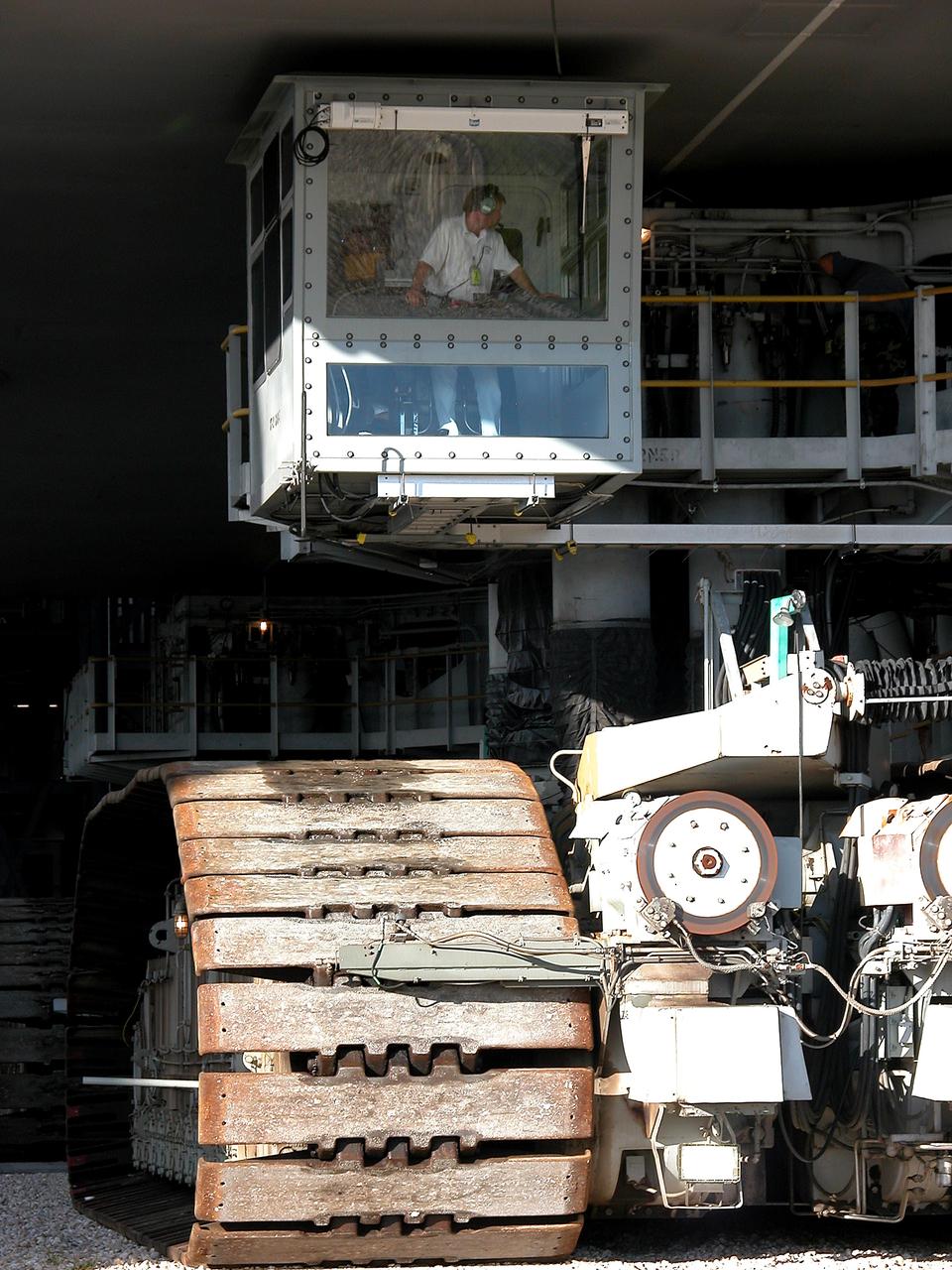
KENNEDY SPACE CENTER, FLA. -  As the crawler transporter slowly moves the Mobile Launcher Platform (MLP) out of the Vehicle Assembly Building, the driver of the front control cab can be seen.  The MLP is carrying two solid rocket boosters for engineering analysis vibration tests on the crawler and MLP.    The crawler is moving at various speeds up to 1 mph in an effort to achieve vibration data gathering goals as it leaves the VAB and then returns.  The boosters are braced at the top for stability.  The primary purpose of these rollout tests is to gather data to develop future maintenance requirements on the transport equipment and the flight hardware. Various parts of the MLP and crawler transporter have been instrumented with vibration data collection equipment.
KENNEDY SPACE CENTER, FLA. - As the crawler transporter slowly moves the Mobile Launcher Platform (MLP) out of the Vehicle Assembly Building, the driver of the front control cab can be seen. The MLP is carrying two solid rocket boosters for engineering analysis vibration tests on the crawler and MLP. The crawler is moving at various speeds up to 1 mph in an effort to achieve vibration data gathering goals as it leaves the VAB and then returns. The boosters are braced at the top for stability. The primary purpose of these rollout tests is to gather data to develop future maintenance requirements on the transport equipment and the flight hardware. Various parts of the MLP and crawler transporter have been instrumented with vibration data collection equipment.
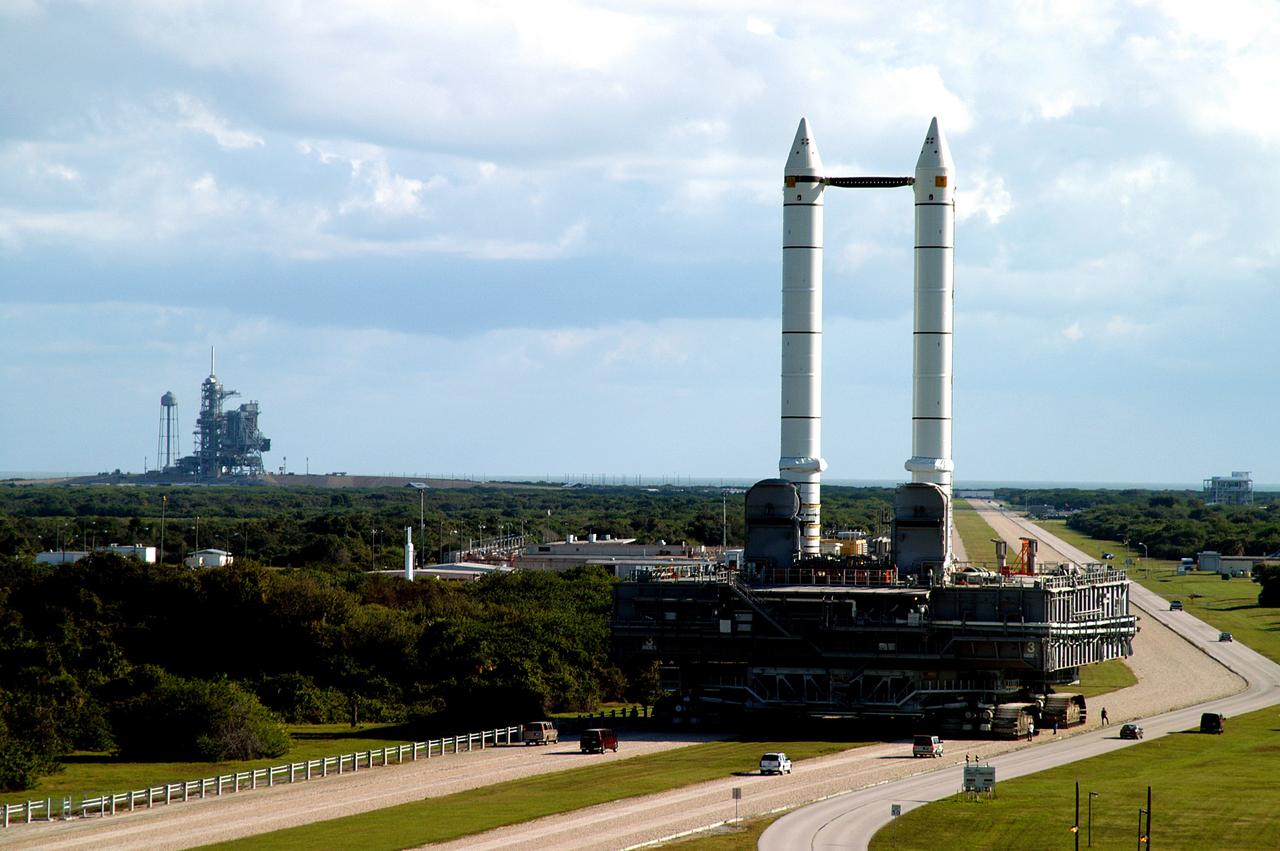
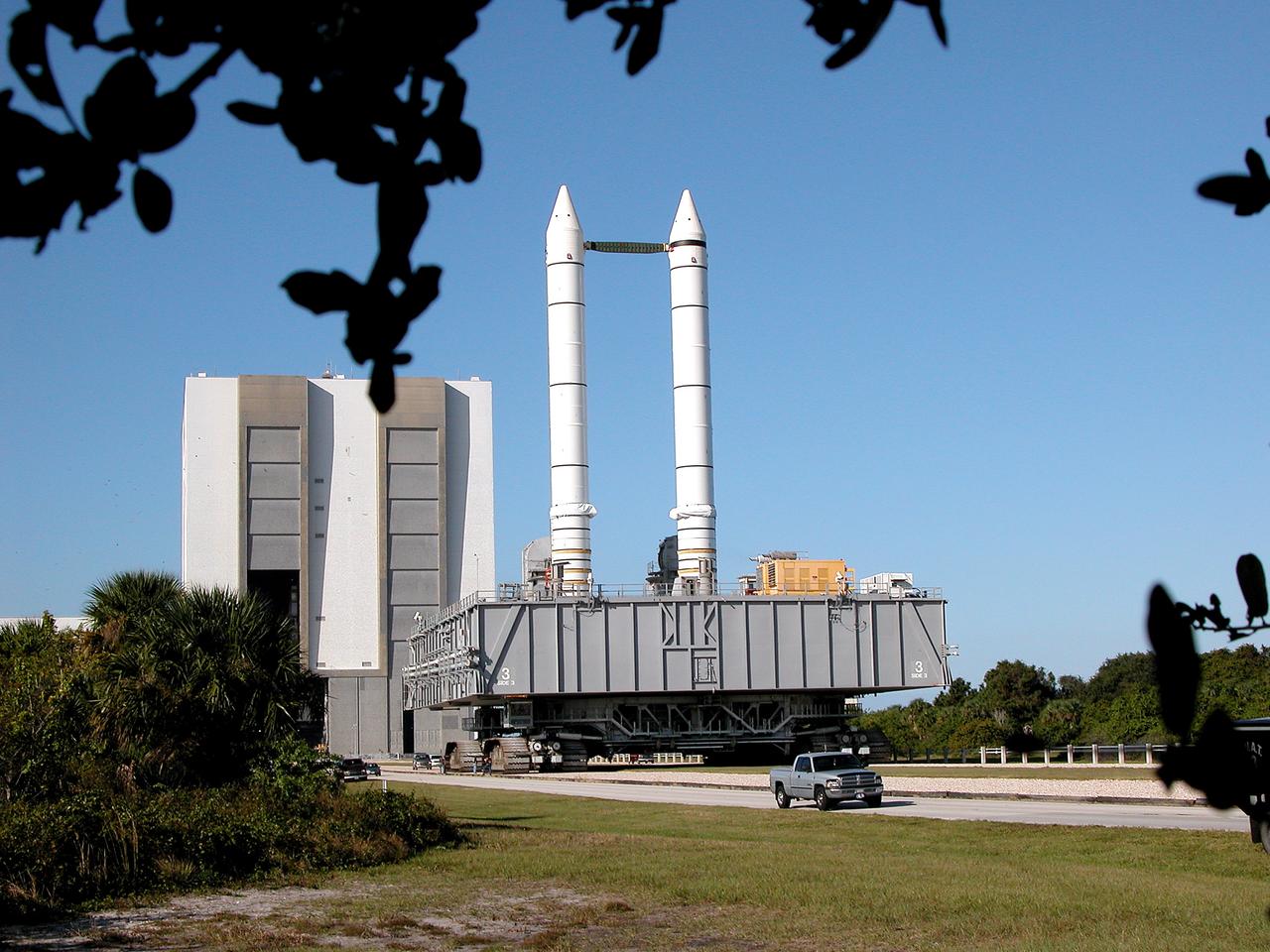
KENNEDY SPACE CENTER, FLA. -  The crawler transporter slowly moves the Mobile Launcher Platform (MLP), carrying a set of twin solid rocket boosters, along the crawlerway in support of engineering analysis vibration tests on the crawler and MLP.   In the distance, at left, is Launch Pad 39A. The crawler is moving at various speeds up to 1 mph in an effort to achieve vibration data gathering goals as it leaves the VAB and then returns.  The boosters are braced at the top for stability.  The primary purpose of these rollout tests is to gather data to develop future maintenance requirements on the transport equipment and the flight hardware. Various parts of the MLP and crawler transporter have been instrumented with vibration data collection equipment.
KENNEDY SPACE CENTER, FLA. - The crawler transporter slowly moves the Mobile Launcher Platform (MLP), carrying a set of twin solid rocket boosters, along the crawlerway in support of engineering analysis vibration tests on the crawler and MLP. In the distance, at left, is Launch Pad 39A. The crawler is moving at various speeds up to 1 mph in an effort to achieve vibration data gathering goals as it leaves the VAB and then returns. The boosters are braced at the top for stability. The primary purpose of these rollout tests is to gather data to develop future maintenance requirements on the transport equipment and the flight hardware. Various parts of the MLP and crawler transporter have been instrumented with vibration data collection equipment.
KENNEDY SPACE CENTER, FLA. -   The crawler transporter is slowly moving the Mobile Launcher Platform (MLP), carrying a set of twin solid rocket boosters, out of the Vehicle Assembly Building (VAB) in support of engineering analysis vibration tests on the crawler and MLP. The crawler is moving at various speeds up to 1 mph in an effort to achieve vibration data gathering goals as it leaves the VAB and then returns.  The boosters are braced at the top for stability.  The primary purpose of these rollout tests is to gather data to develop future maintenance requirements on the transport equipment and the flight hardware. Various parts of the MLP and crawler transporter have been instrumented with vibration data collection equipment.
KENNEDY SPACE CENTER, FLA. - The crawler transporter is slowly moving the Mobile Launcher Platform (MLP), carrying a set of twin solid rocket boosters, out of the Vehicle Assembly Building (VAB) in support of engineering analysis vibration tests on the crawler and MLP. The crawler is moving at various speeds up to 1 mph in an effort to achieve vibration data gathering goals as it leaves the VAB and then returns. The boosters are braced at the top for stability. The primary purpose of these rollout tests is to gather data to develop future maintenance requirements on the transport equipment and the flight hardware. Various parts of the MLP and crawler transporter have been instrumented with vibration data collection equipment.
KENNEDY SPACE CENTER, FLA. -  The crawler transporter slowly moves the Mobile Launcher Platform (MLP), carrying a set of twin solid rocket boosters, away from the Vehicle Assembly Building (VAB) in support of engineering analysis vibration tests on the crawler and MLP.   The crawler is moving at various speeds up to 1 mph in an effort to achieve vibration data gathering goals as it leaves the VAB and then returns.  The boosters are braced at the top for stability.  The primary purpose of these rollout tests is to gather data to develop future maintenance requirements on the transport equipment and the flight hardware. Various parts of the MLP and crawler transporter have been instrumented with vibration data collection equipment.
KENNEDY SPACE CENTER, FLA. - The crawler transporter slowly moves the Mobile Launcher Platform (MLP), carrying a set of twin solid rocket boosters, away from the Vehicle Assembly Building (VAB) in support of engineering analysis vibration tests on the crawler and MLP. The crawler is moving at various speeds up to 1 mph in an effort to achieve vibration data gathering goals as it leaves the VAB and then returns. The boosters are braced at the top for stability. The primary purpose of these rollout tests is to gather data to develop future maintenance requirements on the transport equipment and the flight hardware. Various parts of the MLP and crawler transporter have been instrumented with vibration data collection equipment.
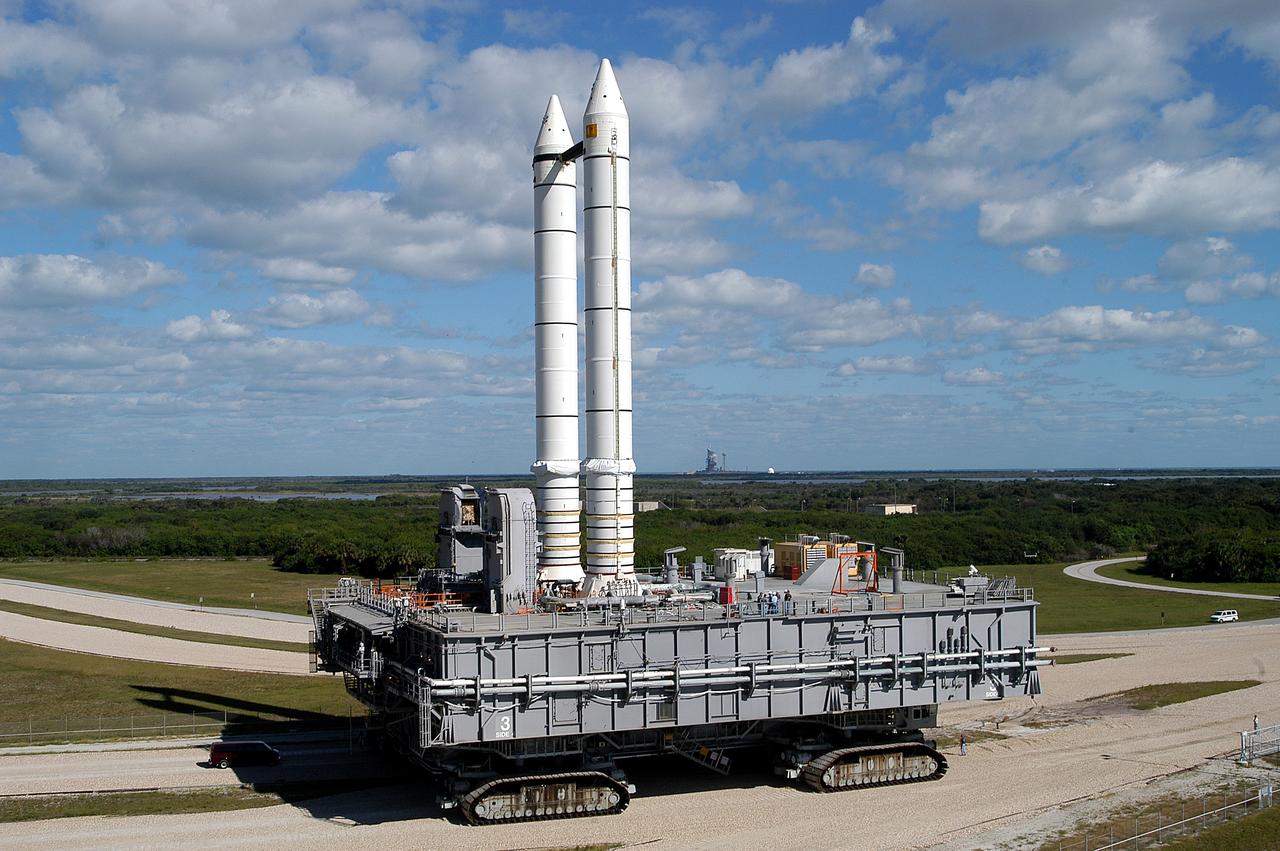
KENNEDY SPACE CENTER, FLA. -  Mobile Launcher Platform (MLP) number 3 and a set of twin solid rocket boosters, atop the crawler-transporter, inch along the crawlerway in support of the second engineering analysis vibration test on the crawler and MLP. The crawler is moving at various speeds up to 1 mph in an effort to achieve vibration data gathering goals as it leaves the VAB, travels toward Launch Pad 39A (on the horizon) and then returns.  The boosters are braced at the top for stability.  The primary purpose of these rollout tests is to gather data to develop future maintenance requirements on the transport equipment and the flight hardware. Various parts of the MLP and crawler transporter have been instrumented with vibration data collection equipment.
KENNEDY SPACE CENTER, FLA. - Mobile Launcher Platform (MLP) number 3 and a set of twin solid rocket boosters, atop the crawler-transporter, inch along the crawlerway in support of the second engineering analysis vibration test on the crawler and MLP. The crawler is moving at various speeds up to 1 mph in an effort to achieve vibration data gathering goals as it leaves the VAB, travels toward Launch Pad 39A (on the horizon) and then returns. The boosters are braced at the top for stability. The primary purpose of these rollout tests is to gather data to develop future maintenance requirements on the transport equipment and the flight hardware. Various parts of the MLP and crawler transporter have been instrumented with vibration data collection equipment.
KENNEDY SPACE CENTER, FLA. -   The crawler transporter slowly moves the Mobile Launcher Platform (MLP), carrying a set of twin solid rocket boosters, along the crawlerway in support of engineering analysis vibration tests on the crawler and MLP.  The crawler is moving at various speeds up to 1 mph in an effort to achieve vibration data gathering goals as it leaves the VAB and then returns.  The boosters are braced at the top for stability.  The primary purpose of these rollout tests is to gather data to develop future maintenance requirements on the transport equipment and the flight hardware. Various parts of the MLP and crawler transporter have been instrumented with vibration data collection equipment.
KENNEDY SPACE CENTER, FLA. - The crawler transporter slowly moves the Mobile Launcher Platform (MLP), carrying a set of twin solid rocket boosters, along the crawlerway in support of engineering analysis vibration tests on the crawler and MLP. The crawler is moving at various speeds up to 1 mph in an effort to achieve vibration data gathering goals as it leaves the VAB and then returns. The boosters are braced at the top for stability. The primary purpose of these rollout tests is to gather data to develop future maintenance requirements on the transport equipment and the flight hardware. Various parts of the MLP and crawler transporter have been instrumented with vibration data collection equipment.
KENNEDY SPACE CENTER, FLA. -  The crawler transporter slowly moves the Mobile Launcher Platform (MLP), carrying a set of twin solid rocket boosters, away from the Vehicle Assembly Building (VAB) in support of engineering analysis vibration tests on the crawler and MLP.   The crawler is moving at various speeds up to 1 mph in an effort to achieve vibration data gathering goals as it leaves the VAB and then returns.  The boosters are braced at the top for stability.  The primary purpose of these rollout tests is to gather data to develop future maintenance requirements on the transport equipment and the flight hardware. Various parts of the MLP and crawler transporter have been instrumented with vibration data collection equipment.
KENNEDY SPACE CENTER, FLA. - The crawler transporter slowly moves the Mobile Launcher Platform (MLP), carrying a set of twin solid rocket boosters, away from the Vehicle Assembly Building (VAB) in support of engineering analysis vibration tests on the crawler and MLP. The crawler is moving at various speeds up to 1 mph in an effort to achieve vibration data gathering goals as it leaves the VAB and then returns. The boosters are braced at the top for stability. The primary purpose of these rollout tests is to gather data to develop future maintenance requirements on the transport equipment and the flight hardware. Various parts of the MLP and crawler transporter have been instrumented with vibration data collection equipment.
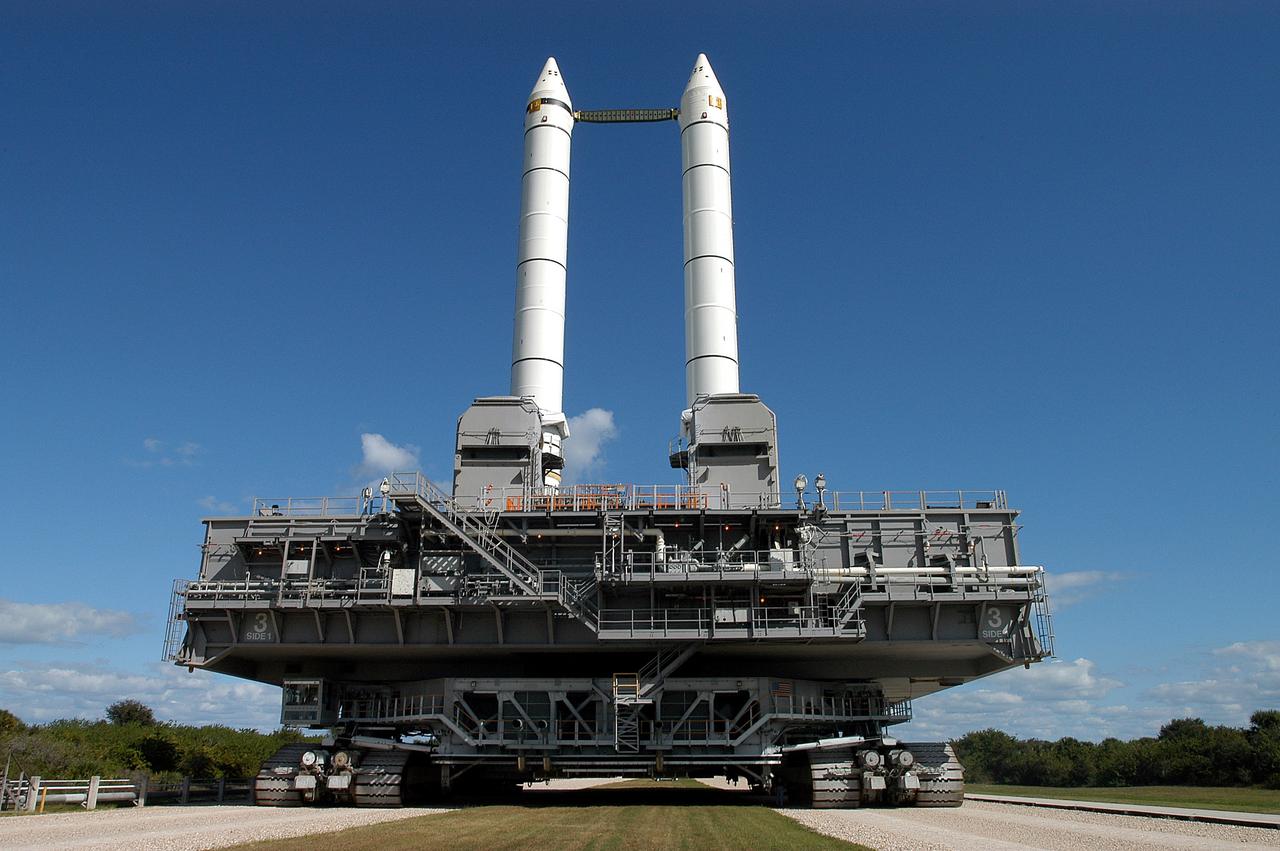
KENNEDY SPACE CENTER, FLA. -  Like candles embedded in a sculptured “cake,” the Mobile Launcher Platform (MLP) number 3 with twin solid rocket boosters bolted to it inches along the crawlerway at various speeds up to 1 mph in an effort to achieve vibration data gathering goals. The boosters are braced at the top for stability.  The primary purpose of these rollout tests is to gather data to develop future maintenance requirements on the transport equipment and the flight hardware. Various parts of the MLP and crawler transporter have been instrumented with vibration data collection equipment.
KENNEDY SPACE CENTER, FLA. - Like candles embedded in a sculptured “cake,” the Mobile Launcher Platform (MLP) number 3 with twin solid rocket boosters bolted to it inches along the crawlerway at various speeds up to 1 mph in an effort to achieve vibration data gathering goals. The boosters are braced at the top for stability. The primary purpose of these rollout tests is to gather data to develop future maintenance requirements on the transport equipment and the flight hardware. Various parts of the MLP and crawler transporter have been instrumented with vibration data collection equipment.
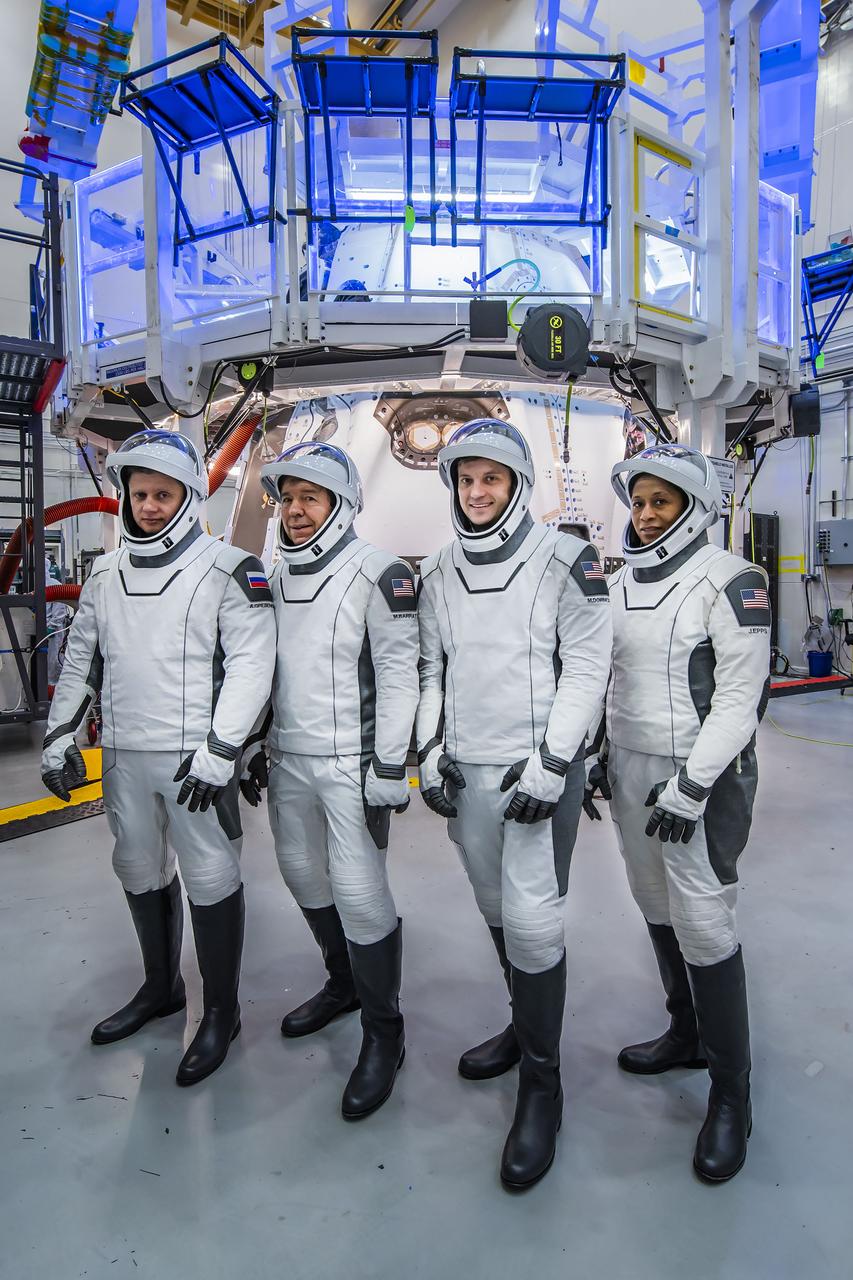
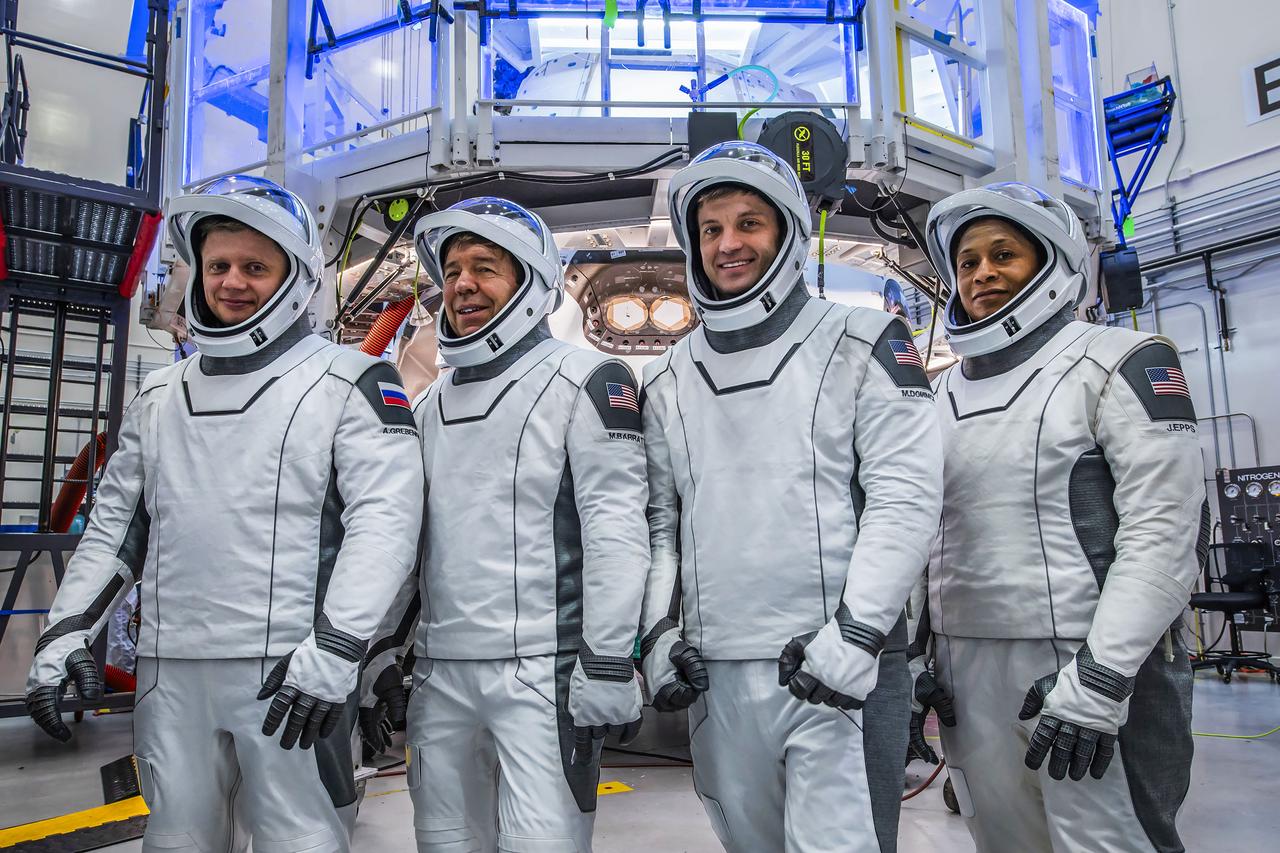
Members of NASA’s SpaceX Crew-8 from right to left, NASA astronauts Jeanette Epps, mission specialist; Matthew Dominick, commander; Michael Barratt, pilot; and Roscosmos cosmonaut Alexander Grebenkin, mission specialist; participate in the Crew Equipment Interface Test at Cape Canaveral Space Force Station in Florida on Friday, Jan. 12, 2024. As part of the agency’s Commercial Crew Program, Crew-8 marks the ninth human spaceflight mission supported by a SpaceX Dragon spacecraft and the eighth crew rotation mission to International Space Station. Crew-8 will launch on a SpaceX Falcon 9 rocket from Launch Complex 39A at NASA’s Kennedy Space Center in Florida no earlier than mid-February 2024.
SpaceX Crew-8 CEIT
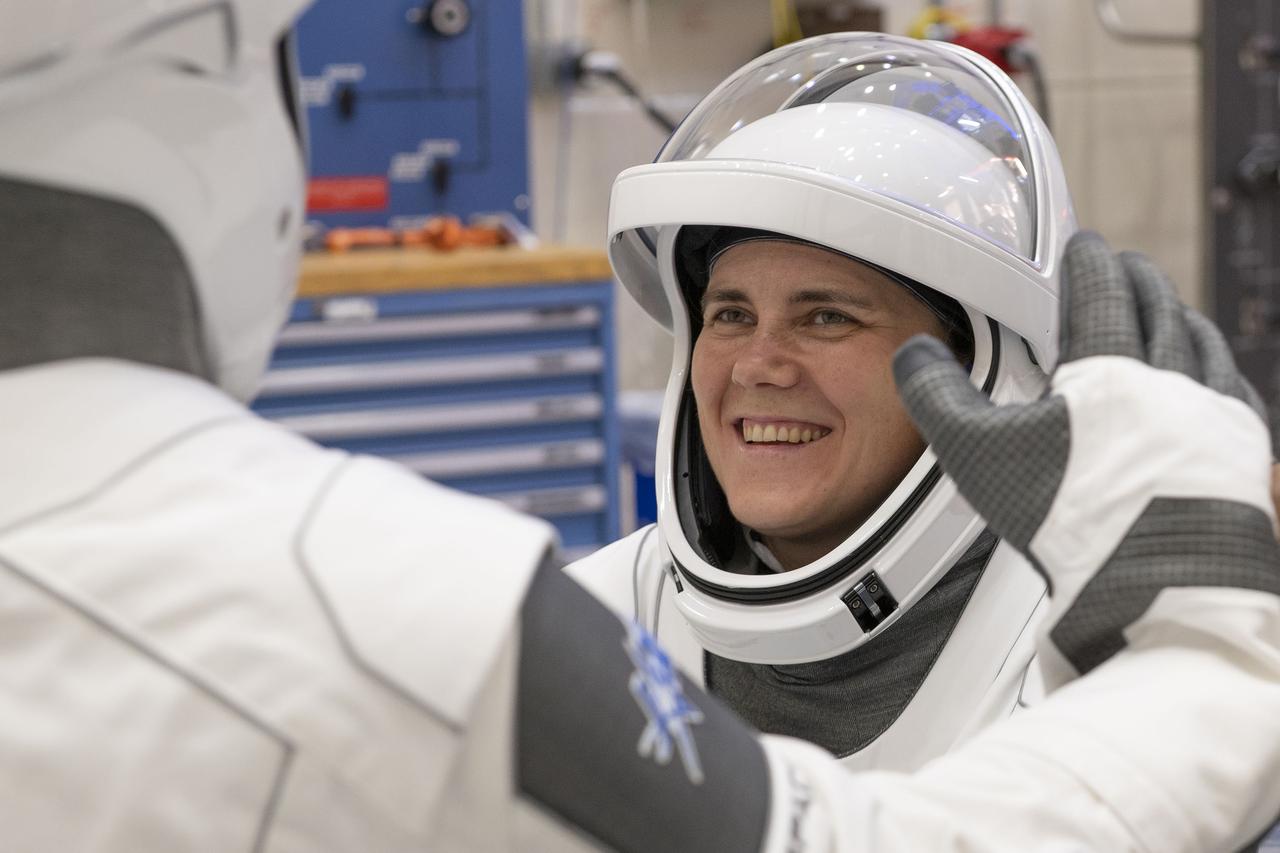
SpaceX Crew-5 astronaut Anna Kikina, mission specialist, gets suited up to participate in a crew equipment interface test (CEIT) at SpaceX headquarters in Hawthorne, California, on Aug. 13, 2022. During the CEIT, the astronauts will practice launch and docking in a high-fidelity simulator of SpaceX’s Dragon capsule. They also will practice getting into position inside the capsule. NASA’s SpaceX Crew-5 will be the fifth crew rotation mission of the company’s human space transportation system and its sixth flight with astronauts to the International Space Station for the agency’s Commercial Crew Program. Crew-5 will launch on the Falcon 9 rocket from Launch Complex 39A at NASA’s Kennedy Space Center in Florida no earlier than Sept. 29, 2022.
SpaceX Crew-5 CEIT
NASA astronaut Michael Barratt, pilot of NASA’s SpaceX Crew-8 mission, is suited up to participate in a Crew Equipment Interface Test (CEIT) at Cape Canaveral Space Force Station in Florida on Friday, Jan. 12, 2024. During the CEIT, the astronauts practice launch and docking in a high-fidelity simulator and getting into position inside SpaceX’s Dragon capsule. As part of the agency’s Commercial Crew Program, Crew-8 marks the ninth human spaceflight mission supported by a SpaceX Dragon spacecraft and the eighth crew rotation mission to International Space Station. Crew-8 will launch on a SpaceX Falcon 9 rocket from Launch Complex 39A at NASA’s Kennedy Space Center in Florida no earlier than mid-February 2024.
SpaceX Crew-8 CEIT
Members of NASA’s SpaceX Crew-8 from right to left, NASA astronauts Jeanette Epps, mission specialist; Matthew Dominick, commander; Michael Barratt, pilot; and Roscosmos cosmonaut Alexander Grebenkin, mission specialist; participate in the Crew Equipment Interface Test at Cape Canaveral Space Force Station in Florida on Friday, Jan. 12, 2024. As part of the agency’s Commercial Crew Program, Crew-8 marks the ninth human spaceflight mission supported by a SpaceX Dragon spacecraft and the eighth crew rotation mission to International Space Station. Crew-8 will launch on a SpaceX Falcon 9 rocket from Launch Complex 39A at NASA’s Kennedy Space Center in Florida no earlier than mid-February 2024.
SpaceX Crew-8 CEIT
Members of NASA’s SpaceX Crew-8 from right to left, NASA astronauts Jeanette Epps, mission specialist; Matthew Dominick, commander; Michael Barratt, pilot; and Roscosmos cosmonaut Alexander Grebenkin, mission specialist; participate in the Crew Equipment Interface Test at Cape Canaveral Space Force Station in Florida on Friday, Jan. 12, 2024. As part of the agency’s Commercial Crew Program, Crew-8 marks the ninth human spaceflight mission supported by a SpaceX Dragon spacecraft and the eighth crew rotation mission to International Space Station. Crew-8 will launch on a SpaceX Falcon 9 rocket from Launch Complex 39A at NASA’s Kennedy Space Center in Florida no earlier than mid-February 2024.
SpaceX Crew-8 CEIT
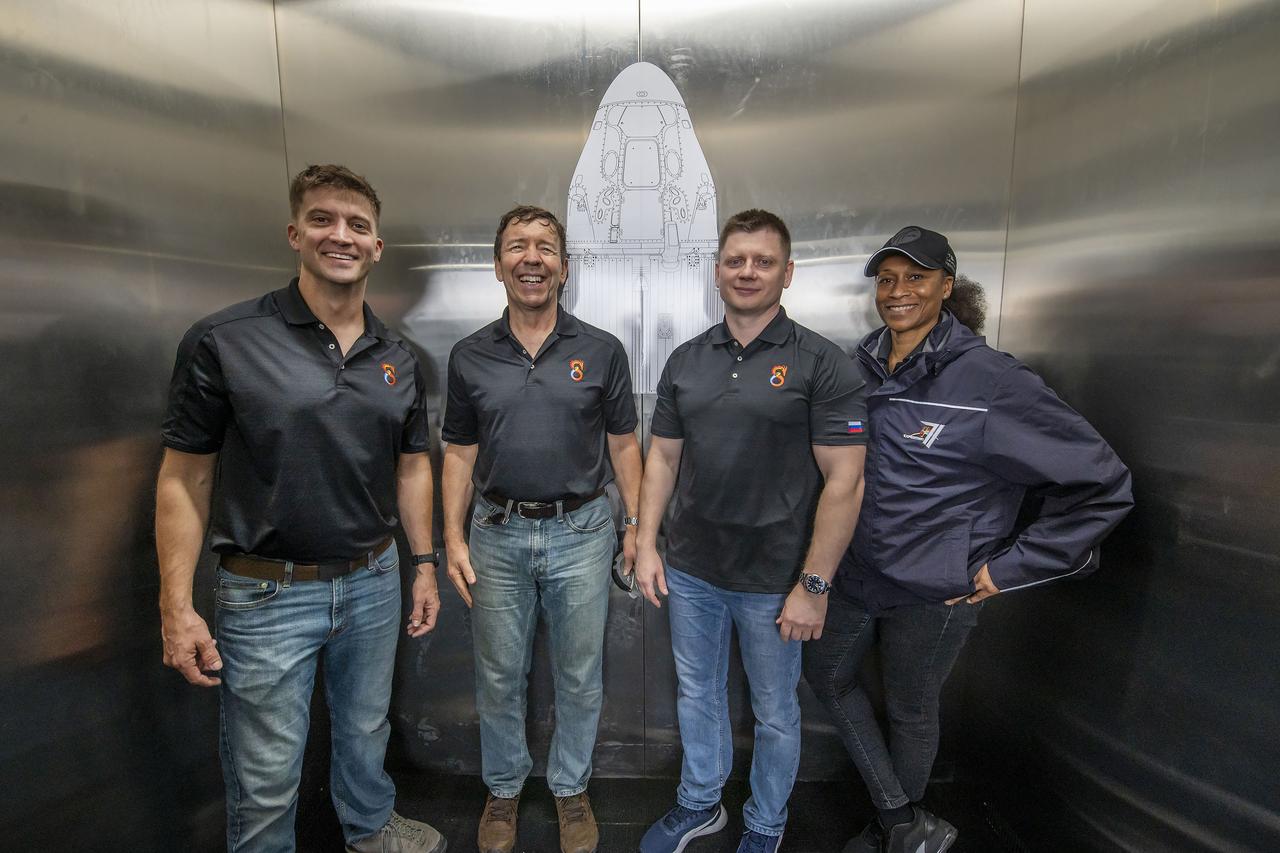
Members of NASA’s SpaceX Crew-8 mission from left to right, NASA astronauts Matthew Dominick, commander; Michael Barratt, pilot; Roscosmos cosmonaut Alexander Grebenkin, mission specialist; and NASA astronaut Jeanette Epps, mission specialist; pose for a photo during Crew Equipment Interface Test activities at Cape Canaveral Space Force Station in Florida on Friday, Jan. 12, 2024. As part of the agency’s Commercial Crew Program, Crew-8 marks the ninth human spaceflight mission supported by a SpaceX Dragon spacecraft and the eighth crew rotation mission to International Space Station. Crew-8 will launch on a SpaceX Falcon 9 rocket from Launch Complex 39A at NASA’s Kennedy Space Center in Florida no earlier than mid-February 2024.
SpaceX Crew-8 CEIT
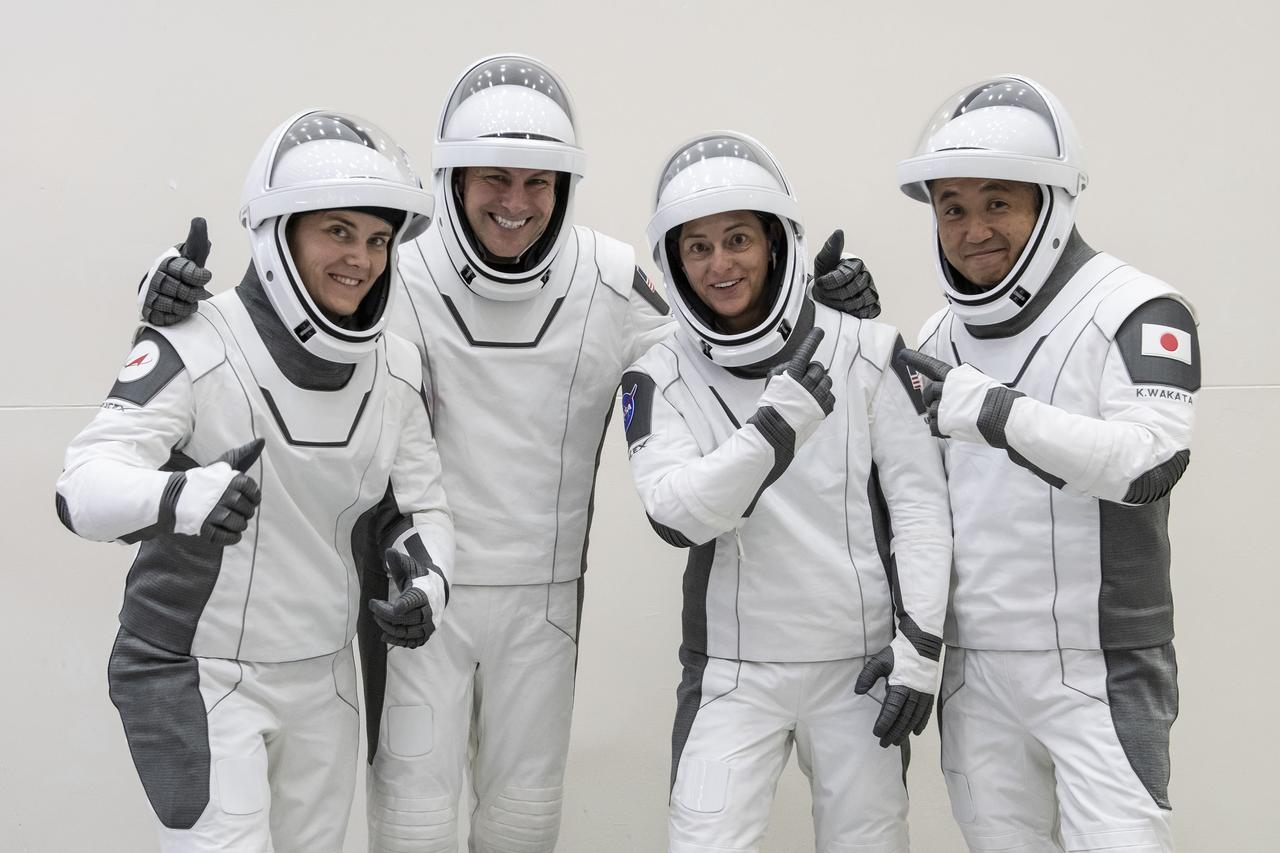
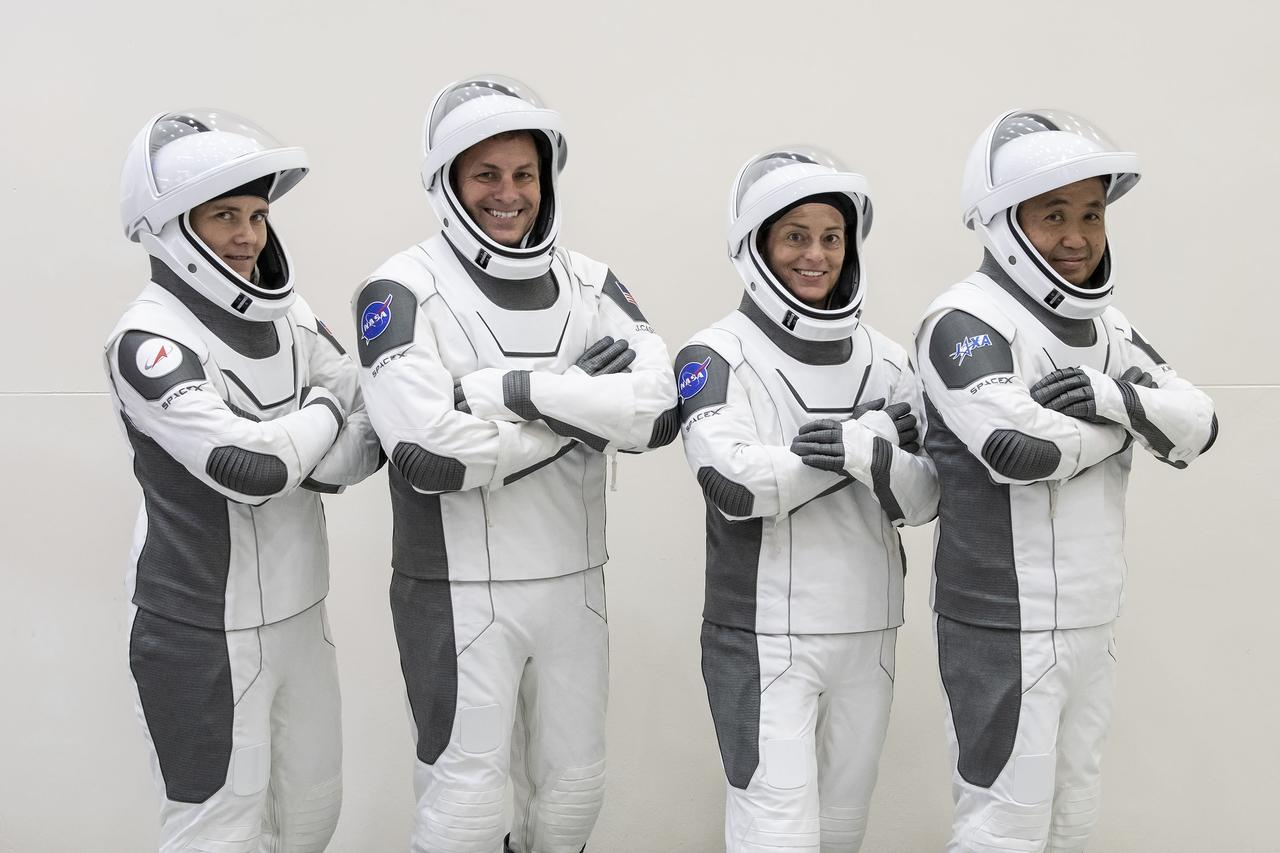
SpaceX Crew-5 astronauts are suited up and ready to participate in a crew equipment interface test (CEIT) at SpaceX headquarters in Hawthorne, California, on Aug. 13, 2022. From left are Anna Kikina, mission specialist; Josh Cassada, pilot; Nicole Mann, spacecraft commander; and Koichi Wakata, mission specialist with JAXA (Japan Aerospace Exploration Agency). During the CEIT, the astronauts will practice launch and docking in a high-fidelity simulator of SpaceX’s Dragon capsule. They also will practice getting into position inside the capsule. NASA’s SpaceX Crew-5 will be the fifth crew rotation mission of the company’s human space transportation system and its sixth flight with astronauts to the International Space Station for the agency’s Commercial Crew Program. Crew-5 will launch on the Falcon 9 rocket from Launch Complex 39A at NASA’s Kennedy Space Center in Florida no earlier than Sept. 29, 2022.
SpaceX Crew-5 CEIT
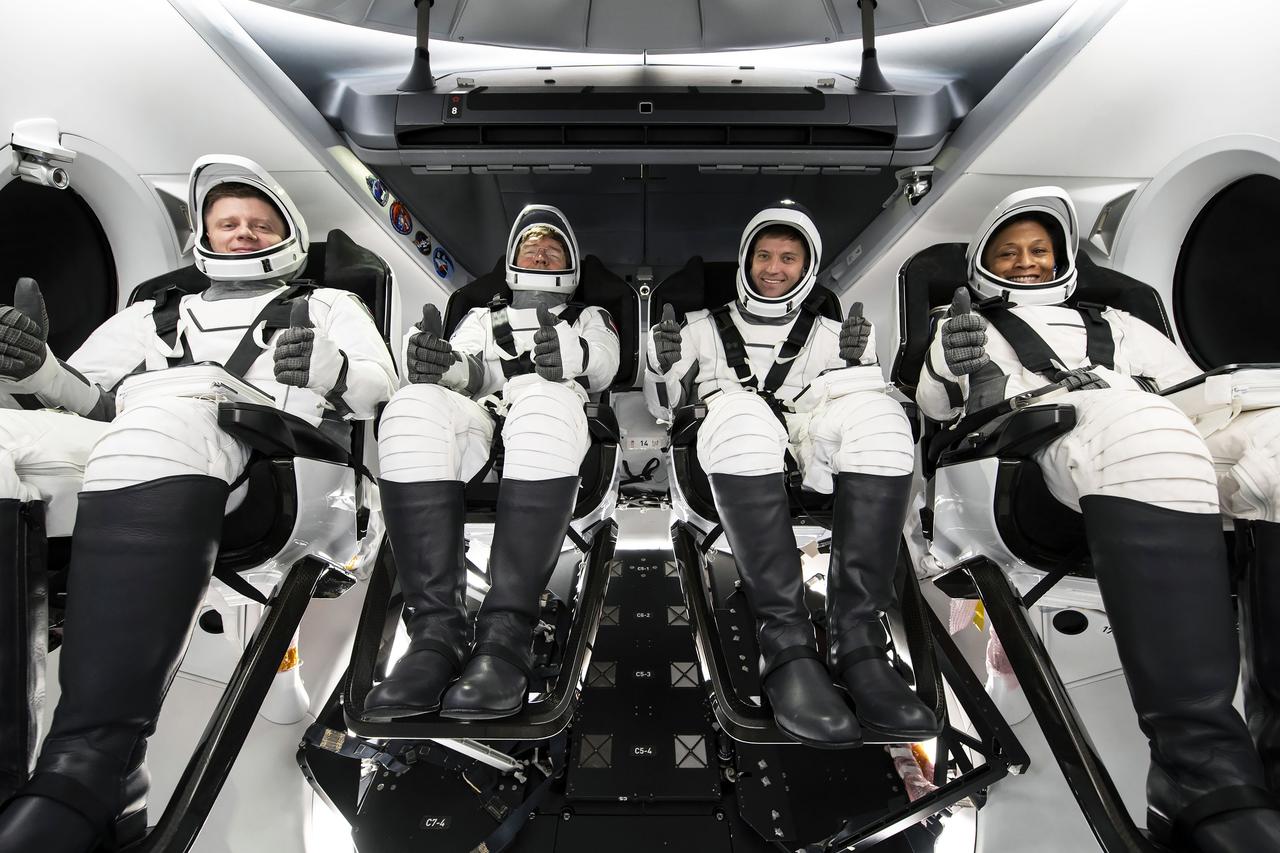
SpaceX Crew-5 astronauts give a thumbs up during a crew equipment interface test (CEIT) at SpaceX headquarters in Hawthorne, California, on Aug. 13, 2022. From left are Anna Kikina, mission specialist; Josh Cassada, pilot; Nicole Mann, spacecraft commander; and Koichi Wakata, mission specialist with JAXA (Japan Aerospace Exploration Agency). During the CEIT, the astronauts practiced launch and docking in a high-fidelity simulator of SpaceX’s Dragon capsule. Each astronaut suited up and practiced getting into position inside the capsule. NASA’s SpaceX Crew-5 will be the fifth crew rotation mission of the company’s human space transportation system and its sixth flight with astronauts to the International Space Station for the agency’s Commercial Crew Program. Crew-5 will launch on the Falcon 9 rocket from Launch Complex 39A at NASA’s Kennedy Space Center in Florida no earlier than Sept. 29, 2022.
SpaceX Crew-5 CEIT
SpaceX Crew-5 astronauts take a break during a crew equipment interface test (CEIT) at SpaceX headquarters in Hawthorne, California, on Aug. 13, 2022. From left are Anna Kikina, mission specialist; Josh Cassada, pilot; Nicole Mann, spacecraft commander; and Koichi Wakata, mission specialist with JAXA (Japan Aerospace Exploration Agency). During the CEIT, the astronauts practiced launch and docking in a high-fidelity simulator of SpaceX’s Dragon capsule. Each astronaut suited up and practiced getting into position inside the capsule. NASA’s SpaceX Crew-5 will be the fifth crew rotation mission of the company’s human space transportation system and its sixth flight with astronauts to the International Space Station for the agency’s Commercial Crew Program. Crew-5 will launch on the Falcon 9 rocket from Launch Complex 39A at NASA’s Kennedy Space Center in Florida no earlier than Sept. 29, 2022.
SpaceX Crew-5 CEIT
Members of NASA’s SpaceX Crew-8 from right to left, NASA astronauts Jeanette Epps, mission specialist; Matthew Dominick, commander; Michael Barratt, pilot; and Roscosmos cosmonaut Alexander Grebenkin, mission specialist; participate in the Crew Equipment Interface Test at Cape Canaveral Space Force Station in Florida on Friday, Jan. 12, 2024. As part of the agency’s Commercial Crew Program, Crew-8 marks the ninth human spaceflight mission supported by a SpaceX Dragon spacecraft and the eighth crew rotation mission to International Space Station. Crew-8 will launch on a SpaceX Falcon 9 rocket from Launch Complex 39A at NASA’s Kennedy Space Center in Florida no earlier than mid-February 2024.
SpaceX Crew-8 CEIT
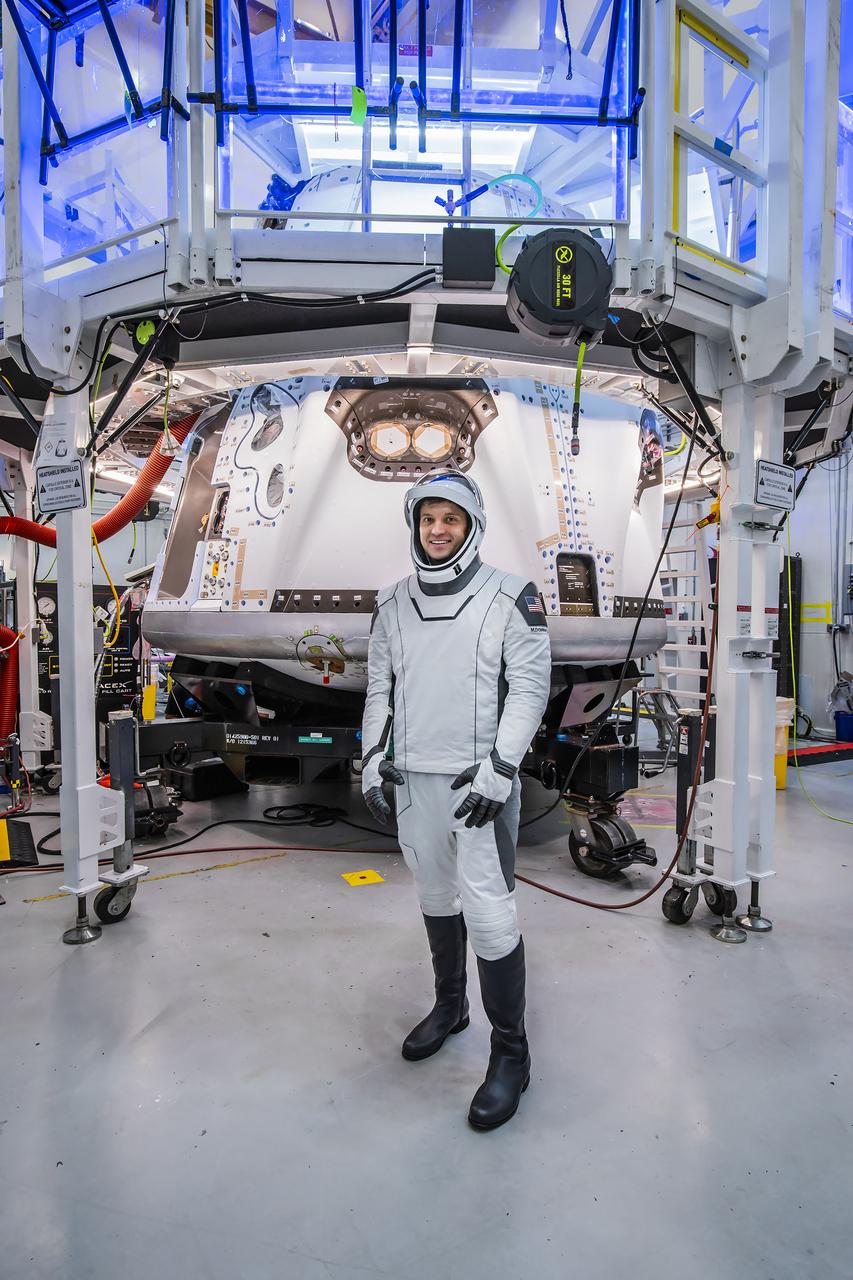
NASA astronaut Matthew Dominick, commander of NASA’s SpaceX Crew-8 mission, is suited up to participate in a Crew Equipment Interface Test (CEIT) at Cape Canaveral Space Force Station in Florida on Friday, Jan. 12, 2024. During the CEIT, the astronauts practice launch and docking in a high-fidelity simulator and getting into position inside SpaceX’s Dragon capsule. As part of the agency’s Commercial Crew Program, Crew-8 marks the ninth human spaceflight mission supported by a SpaceX Dragon spacecraft and the eighth crew rotation mission to International Space Station. Crew-8 will launch on a SpaceX Falcon 9 rocket from Launch Complex 39A at NASA’s Kennedy Space Center in Florida no earlier than mid-February 2024.
SpaceX Crew-8 CEIT
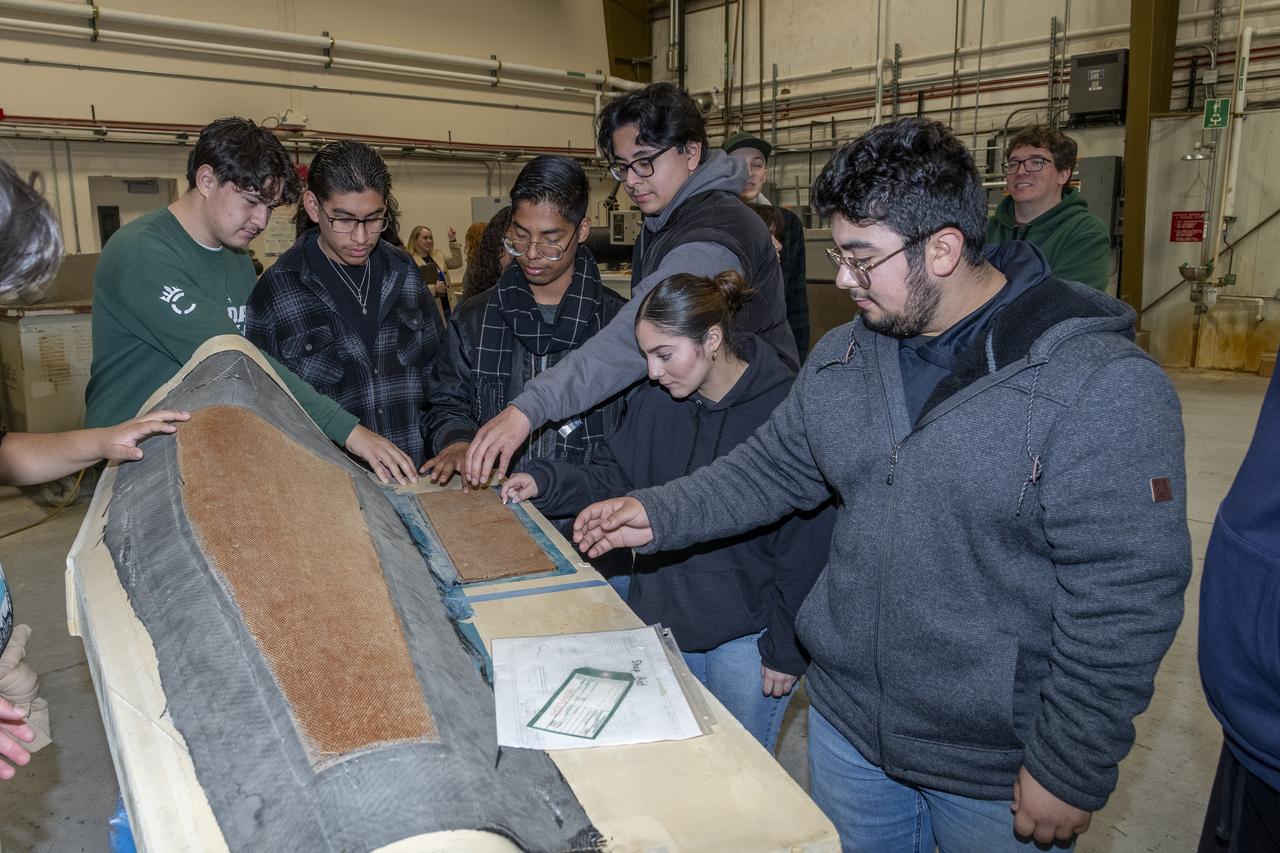
Students examine the Global Hawk Fairing Load Test at the Experimental Fabrication Shop at NASA’s Armstrong Research Flight Center in Edwards, California. The students are from the engineering club from Palmdale High School in Palmdale, California.
Engineering Club Visits NASA Armstrong
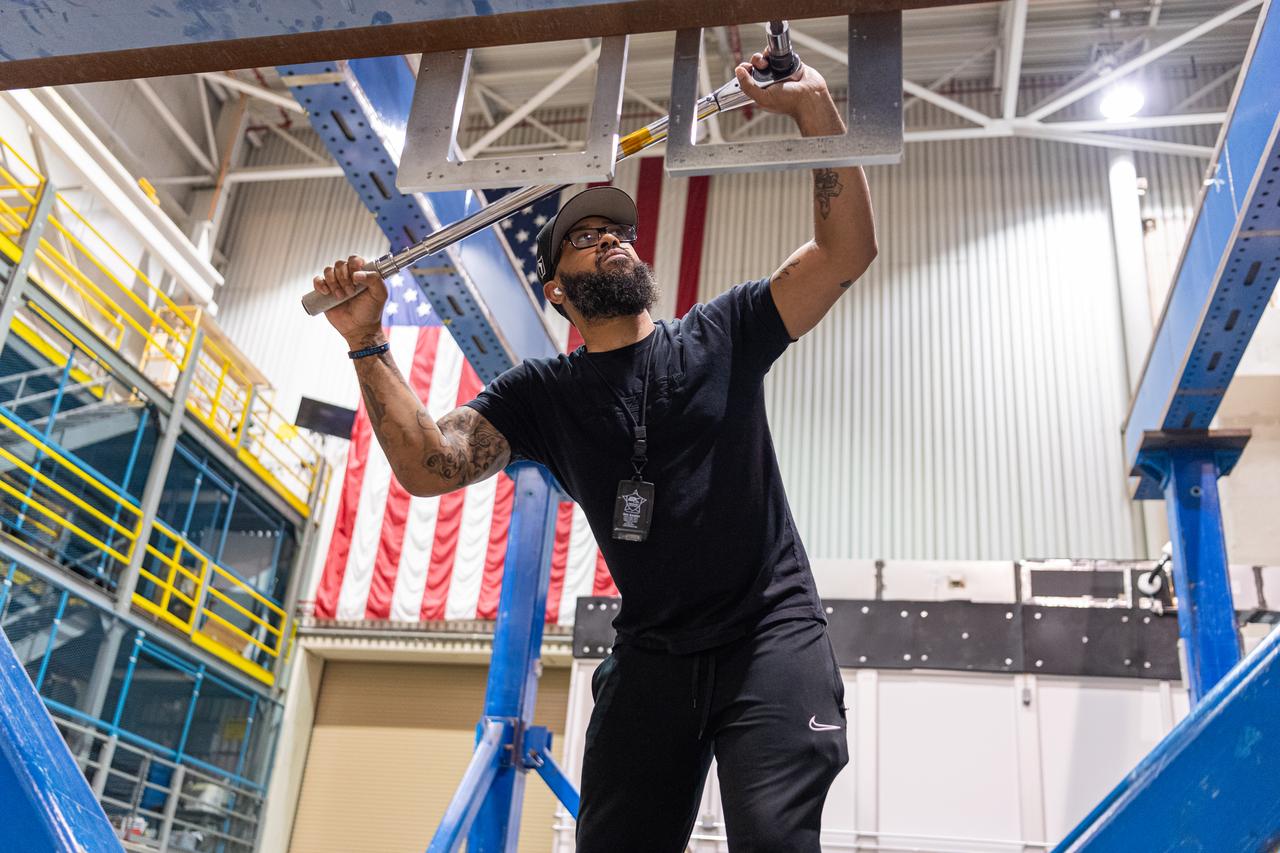
Mechanical engineering and integration technician Ivan Pratt installs brackets onto the static load testing platform in preparation of an OSAM-1 ground support equipment proof test at Goddard Space Flight Center, Greenbelt Md., July 19, 2023. This photo has been reviewed by OSAM1 project management and the Export Control Office and is released for public view. NASA/Mike Guinto
GSFC_20230719_OSAM1_006753
Pictured on a test stand at JSC is the Wake Shield Facility scheduled to fly on STS-60.
Wake Shield Facility on test stand at JSC
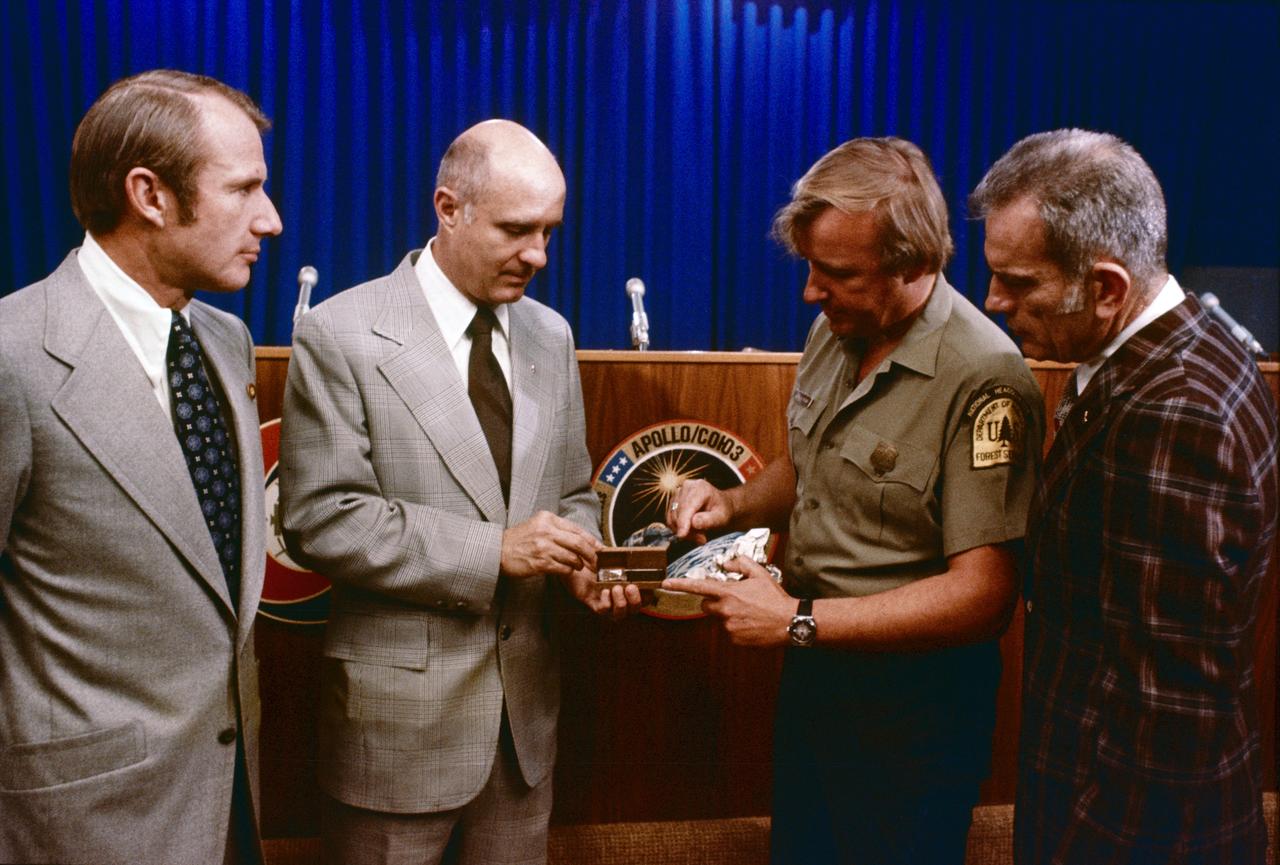
S75-27445 (6 June 1975) --- American ASTP crewmen Vance D. Brand (left), Thomas P. Stafford (second from left) and Donald K. Slayton (right) receive a special box of genetically superior white spruce seeds from Glenn A. Kovar (second from right), USDA Forest Service project coordinator. The seeds, enough to plant an acre of trees, will be presented to the Soviet ASTP crewmen during the U.S.-USSR Apollo-Soyuz Test Project docking-in-Earth-orbit mission in July 1975.  The seeds will produce faster-growing trees of exceptional height and shape. The trees will thrive in Moscow-like climate, and were developed by Forest Service?s Institute of Forest Genetics in Rhinelander, Wisconsin.  The seed container box was made from recycled fibers and stabilized walnut. These seeds are an outstanding example of the U.S. Forest Service research to help produce new improved forests for the world. The four men are standing in the Building 2 briefing room at NASA's Johnson Space Center.
APOLLO-SOYUZ TEST PROJECT (ASTP) - EQUIPMENT (SEEDS)
Experiment sequence test on USML-1 Glovebox equipment and test investigator group.
Microgravity
jsc2024e052328 (July 22, 2024) --- NASA’s SpaceX Crew-9 Mission Specialist Stephanie Wilson focuses during the crew equipment interface test (CEIT). She has collectively spent 42 days in space aboard three space shuttle Discovery missions – STS-120, STS-121, and STS-131. Credit: SpaceX
SpaceX Crew-9 Mission Specialist Stephanie Wilson
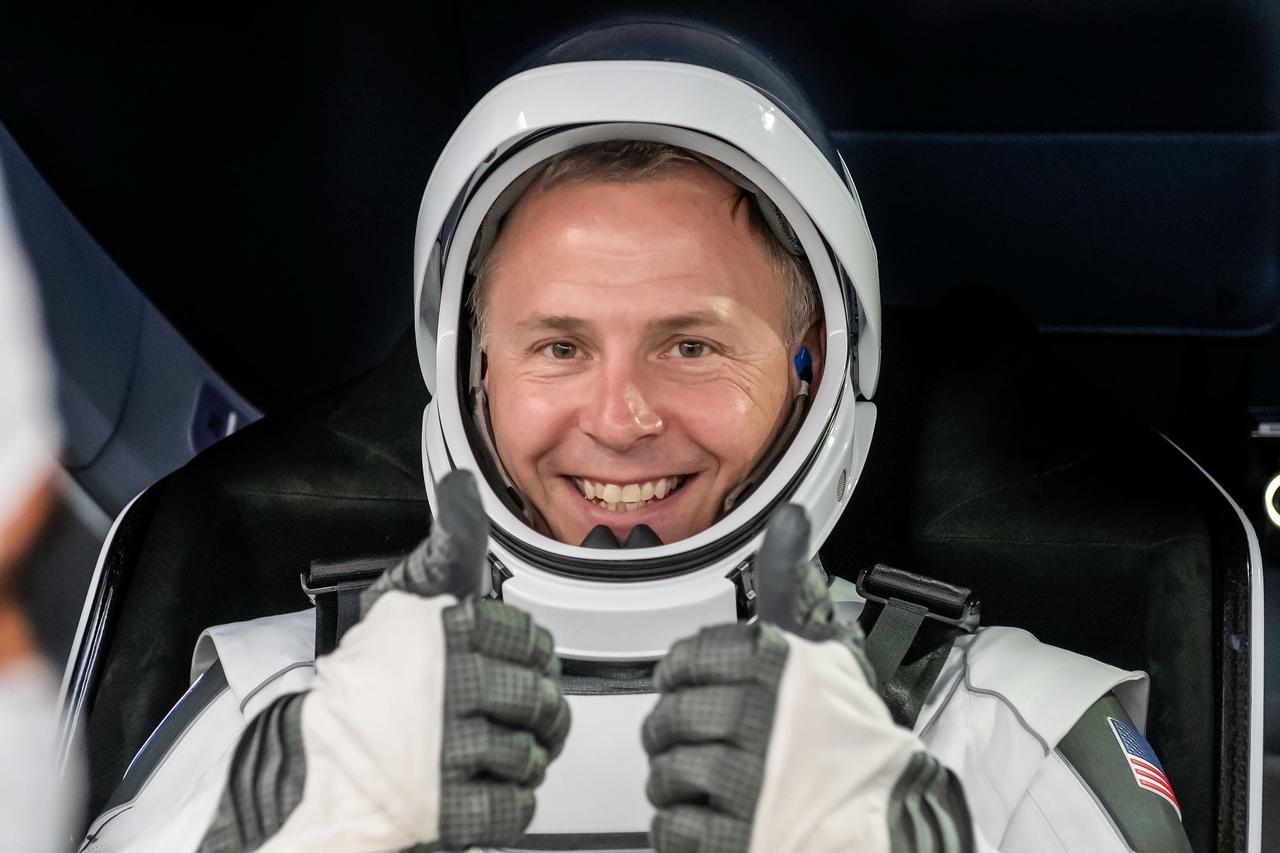
jsc2024e052329 (July 22, 2024) --- NASA’s SpaceX Crew-9 Pilot Nick Hague smiles and gives two thumbs up during the crew equipment interface test (CEIT) at SpaceX’s new Dragon refurbishing facility at Kennedy Space Center in Florida. This will be his second mission to the orbiting laboratory. Credit: SpaceX
SpaceX Crew-9 Pilot Nick Hague
STS-85 Crew Equipment Interface Test (CEIT
KSC-97PC908
STS-85 Crew Equipment Interface Test (CEIT
KSC-97PC909
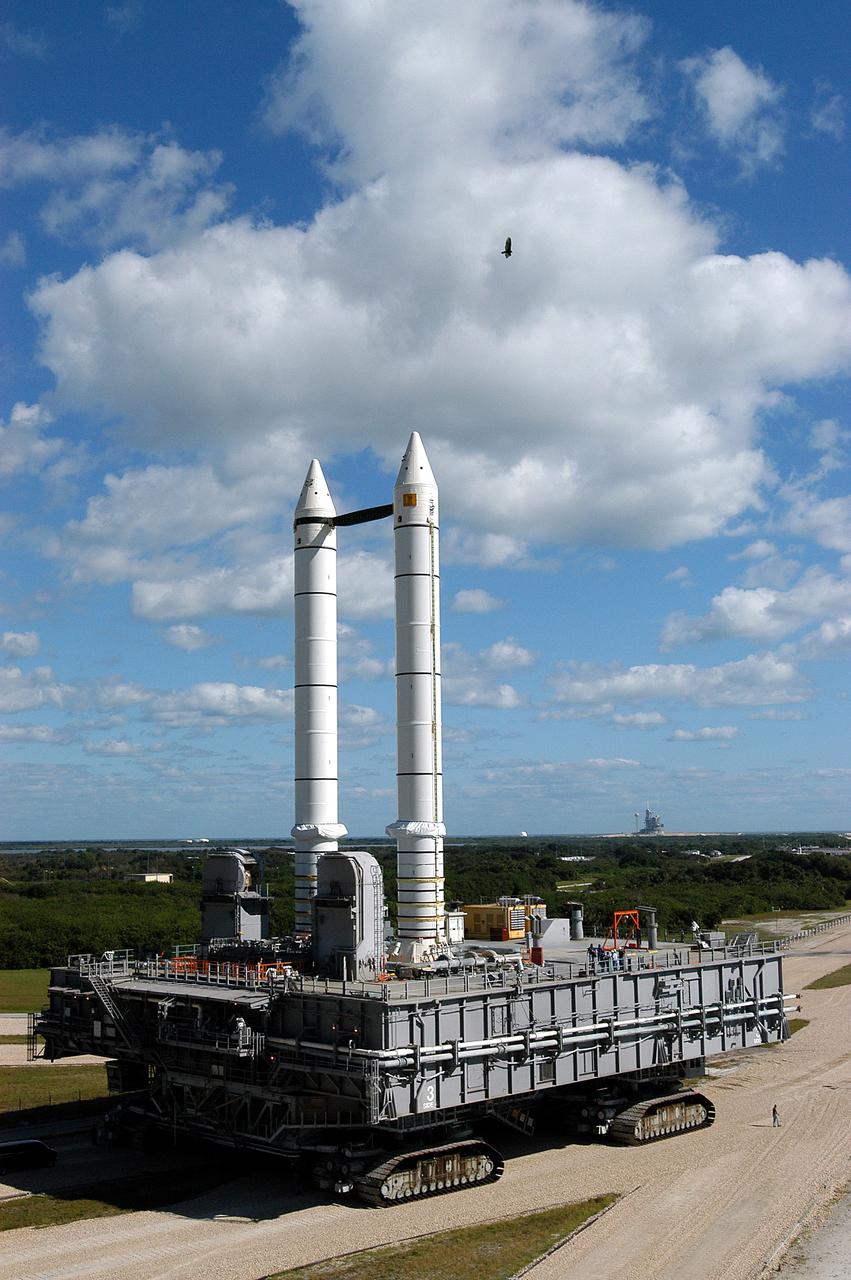
KENNEDY SPACE CENTER, FLA. -  A high-flying bird takes a closer look at the Mobile Launcher Platform (MLP) number 3 with twin solid rocket boosters bolted to it as it crawls toward Launch Pad 39A, in the background.  The crawler is moving along the crawlerway at various speeds up to 1 mph in an effort to achieve vibration data gathering goals as it travels toward Launch Pad 39A and then returns.  The boosters are braced at the top for stability.  The primary purpose of these rollout tests is to gather data to develop future maintenance requirements on the transport equipment and the flight hardware. Various parts of the MLP and crawler transporter have been instrumented with vibration data collection equipment.
KENNEDY SPACE CENTER, FLA. - A high-flying bird takes a closer look at the Mobile Launcher Platform (MLP) number 3 with twin solid rocket boosters bolted to it as it crawls toward Launch Pad 39A, in the background. The crawler is moving along the crawlerway at various speeds up to 1 mph in an effort to achieve vibration data gathering goals as it travels toward Launch Pad 39A and then returns. The boosters are braced at the top for stability. The primary purpose of these rollout tests is to gather data to develop future maintenance requirements on the transport equipment and the flight hardware. Various parts of the MLP and crawler transporter have been instrumented with vibration data collection equipment.
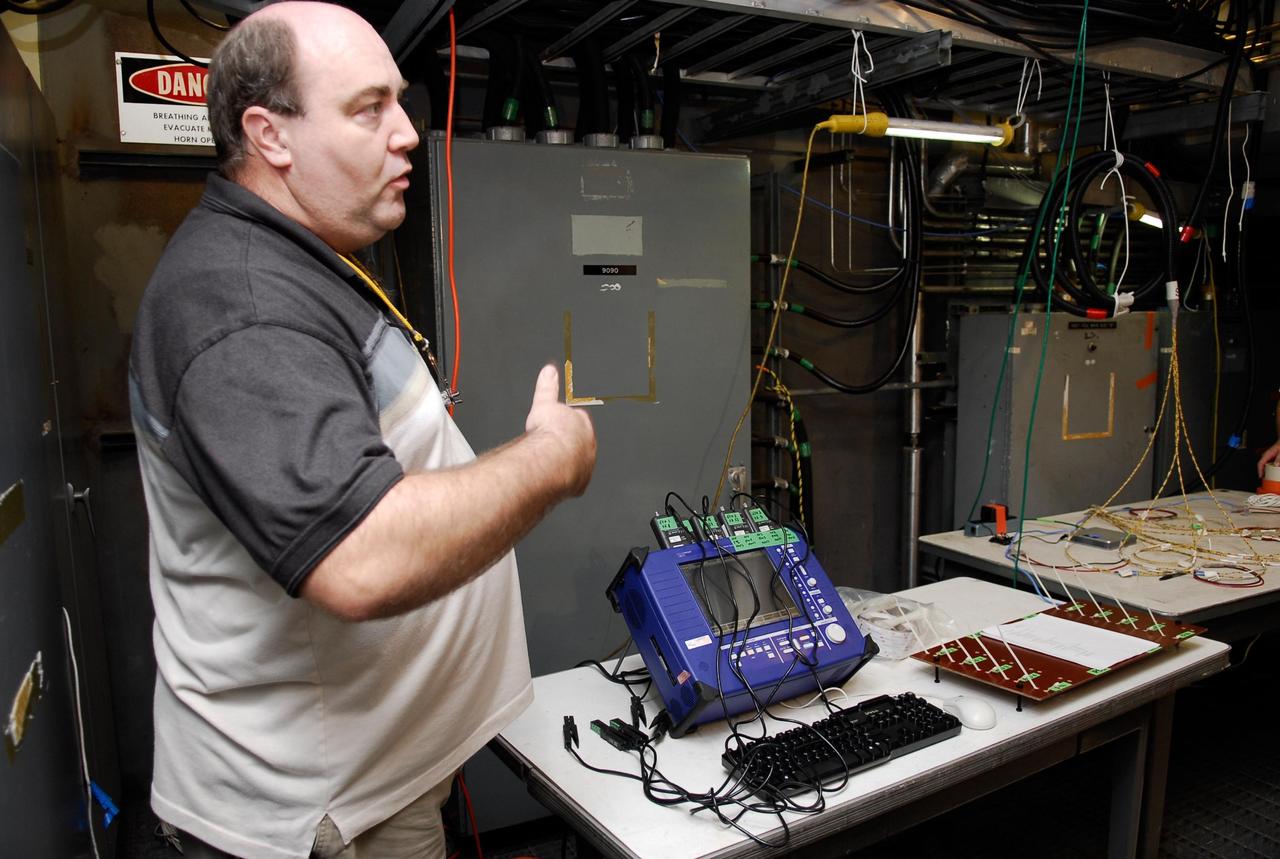
KENNEDY SPACE CENTER, FLA.  --  On Launch Pad 39A, a technician explains how test equipment -- the blue monitor -- will be used to validate the circuit on test wiring from the electrical harness in space shuttle Atlantis' aft main engine compartment connected with the engine cut-off system.  The test wiring leads from the tail mast on the mobile launcher platform to the interior where the Time Domain Reflectometry, or TDR, test equipment will be located to test the sensor system.  Photo credit: NASA/Kim Shiflett
KSC-07pd3631
KENNEDY SPACE CENTER, FLA. -  The crawler transporter slowly moves the Mobile Launcher Platform (MLP), carrying a set of twin solid rocket boosters, away from the Vehicle Assembly Building (VAB) in support of engineering analysis vibration tests on the crawler and MLP.   In the distance, at left, is Launch Pad 39A.  The water on the right of the crawlerway is the Banana River.  The crawler is moving at various speeds up to 1 mph in an effort to achieve vibration data gathering goals as it leaves the VAB and then returns.  The boosters are braced at the top for stability.  The primary purpose of these rollout tests is to gather data to develop future maintenance requirements on the transport equipment and the flight hardware. Various parts of the MLP and crawler transporter have been instrumented with vibration data collection equipment.
KENNEDY SPACE CENTER, FLA. - The crawler transporter slowly moves the Mobile Launcher Platform (MLP), carrying a set of twin solid rocket boosters, away from the Vehicle Assembly Building (VAB) in support of engineering analysis vibration tests on the crawler and MLP. In the distance, at left, is Launch Pad 39A. The water on the right of the crawlerway is the Banana River. The crawler is moving at various speeds up to 1 mph in an effort to achieve vibration data gathering goals as it leaves the VAB and then returns. The boosters are braced at the top for stability. The primary purpose of these rollout tests is to gather data to develop future maintenance requirements on the transport equipment and the flight hardware. Various parts of the MLP and crawler transporter have been instrumented with vibration data collection equipment.
KENNEDY SPACE CENTER, FLA. -  Mobile Launcher Platform (MLP) number 3 and a set of twin solid rocket boosters bolted to it, atop the crawler-transporter, crawl to the intersection in the crawlerway in support of the second engineering analysis vibration test on the crawler and MLP.  In the background are Launch Pads 39A (right) and 39B (left).  The crawler is moving at various speeds up to 1 mph in an effort to achieve vibration data gathering goals as it leaves the VAB, travels toward Launch Pad 39A and then returns.  The boosters are braced at the top for stability.  The primary purpose of these rollout tests is to gather data to develop future maintenance requirements on the transport equipment and the flight hardware. Various parts of the MLP and crawler transporter have been instrumented with vibration data collection equipment.
KENNEDY SPACE CENTER, FLA. - Mobile Launcher Platform (MLP) number 3 and a set of twin solid rocket boosters bolted to it, atop the crawler-transporter, crawl to the intersection in the crawlerway in support of the second engineering analysis vibration test on the crawler and MLP. In the background are Launch Pads 39A (right) and 39B (left). The crawler is moving at various speeds up to 1 mph in an effort to achieve vibration data gathering goals as it leaves the VAB, travels toward Launch Pad 39A and then returns. The boosters are braced at the top for stability. The primary purpose of these rollout tests is to gather data to develop future maintenance requirements on the transport equipment and the flight hardware. Various parts of the MLP and crawler transporter have been instrumented with vibration data collection equipment.
KENNEDY SPACE CENTER, FLA. - A Kennedy Space Center technician inspects the shoes on one of eight tracks of a crawler-transporter (CT).  The CT is moving Mobile Launcher Platform (MLP) number 3 with a set of twin solid rocket boosters bolted on top to the intersection in the crawlerway in support of the second engineering analysis vibration test on the crawler and MLP.  The crawler is moving at various speeds up to 1 mph in an effort to achieve vibration data gathering goals as it leaves the VAB, travels toward Launch Pad 39A and then returns. The boosters are braced at the top for stability. The primary purpose of these rollout tests is to gather data to develop future maintenance requirements on the transport equipment and the flight hardware. Various parts of the MLP and crawler transporter have been instrumented with vibration data collection equipment.
KENNEDY SPACE CENTER, FLA. - A Kennedy Space Center technician inspects the shoes on one of eight tracks of a crawler-transporter (CT). The CT is moving Mobile Launcher Platform (MLP) number 3 with a set of twin solid rocket boosters bolted on top to the intersection in the crawlerway in support of the second engineering analysis vibration test on the crawler and MLP. The crawler is moving at various speeds up to 1 mph in an effort to achieve vibration data gathering goals as it leaves the VAB, travels toward Launch Pad 39A and then returns. The boosters are braced at the top for stability. The primary purpose of these rollout tests is to gather data to develop future maintenance requirements on the transport equipment and the flight hardware. Various parts of the MLP and crawler transporter have been instrumented with vibration data collection equipment.
KENNEDY SPACE CENTER, FLA. - A Kennedy Space Center technician monitors the performance of a crawler-transporter as it moves Mobile Launcher Platform (MLP) number 3, with a set of twin solid rocket boosters bolted atop, to the intersection in the crawlerway during the second engineering analysis vibration test on the crawler and MLP.  The crawler is moving at various speeds up to 1 mph in an effort to achieve vibration data gathering goals as it leaves the VAB, travels toward Launch Pad 39A, and then returns. The boosters are braced at the top for stability. The primary purpose of these rollout tests is to gather data to develop future maintenance requirements on the transport equipment and the flight hardware. Various parts of the MLP and crawler transporter have been instrumented with vibration data collection equipment.
KENNEDY SPACE CENTER, FLA. - A Kennedy Space Center technician monitors the performance of a crawler-transporter as it moves Mobile Launcher Platform (MLP) number 3, with a set of twin solid rocket boosters bolted atop, to the intersection in the crawlerway during the second engineering analysis vibration test on the crawler and MLP. The crawler is moving at various speeds up to 1 mph in an effort to achieve vibration data gathering goals as it leaves the VAB, travels toward Launch Pad 39A, and then returns. The boosters are braced at the top for stability. The primary purpose of these rollout tests is to gather data to develop future maintenance requirements on the transport equipment and the flight hardware. Various parts of the MLP and crawler transporter have been instrumented with vibration data collection equipment.