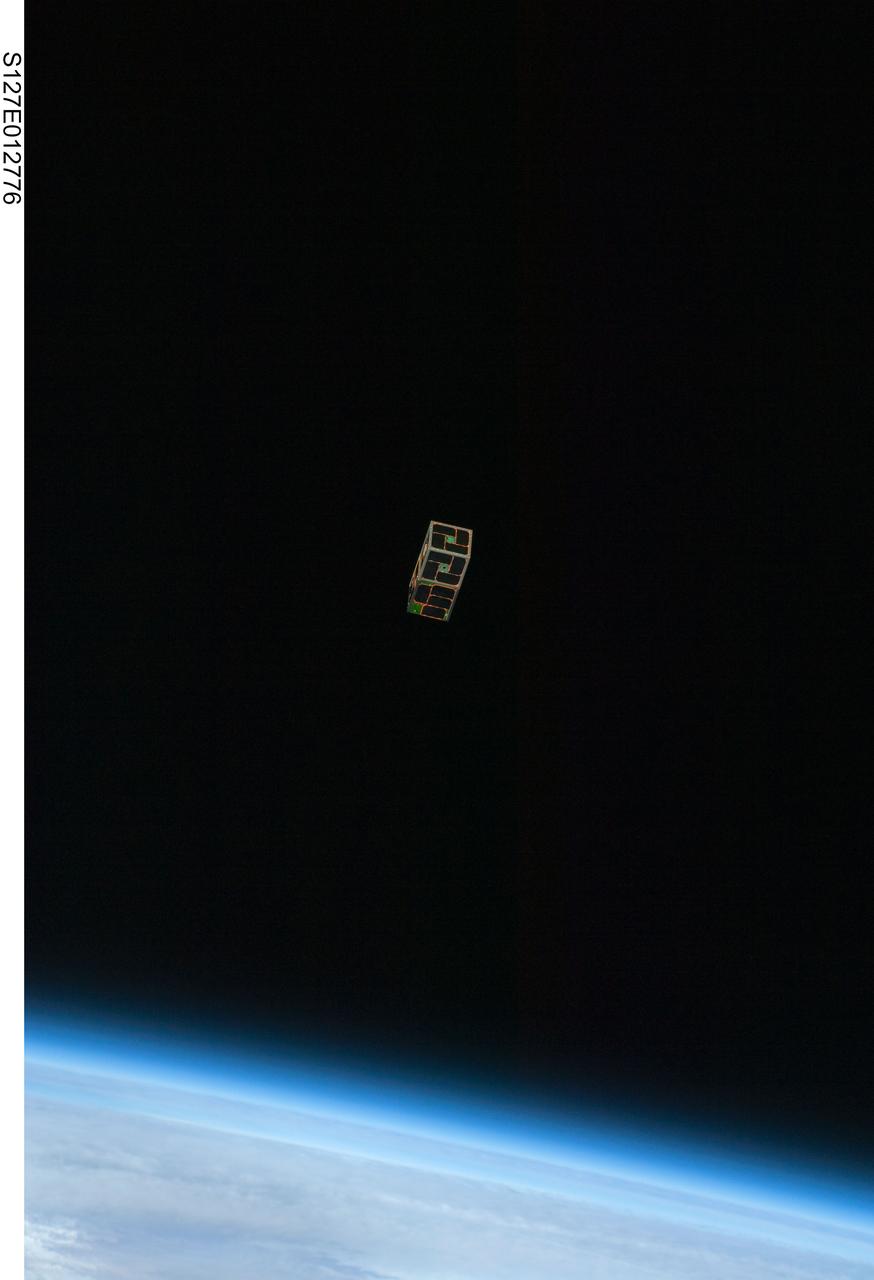
S127-E-012776 (30 July 2009) --- Backdropped by Earth?s horizon and the blackness of space, a Dual RF Astrodynamic GPS Orbital Navigator Satellite (DRAGONSat) is photographed after its release from Space Shuttle Endeavour?s payload bay by STS-127 crew members. DRAGONSat will look at independent rendezvous of spacecraft in orbit using Global Positioning Satellite data. The two satellites were designed and built by students at the University of Texas, Austin, and Texas A&M University, College Station.
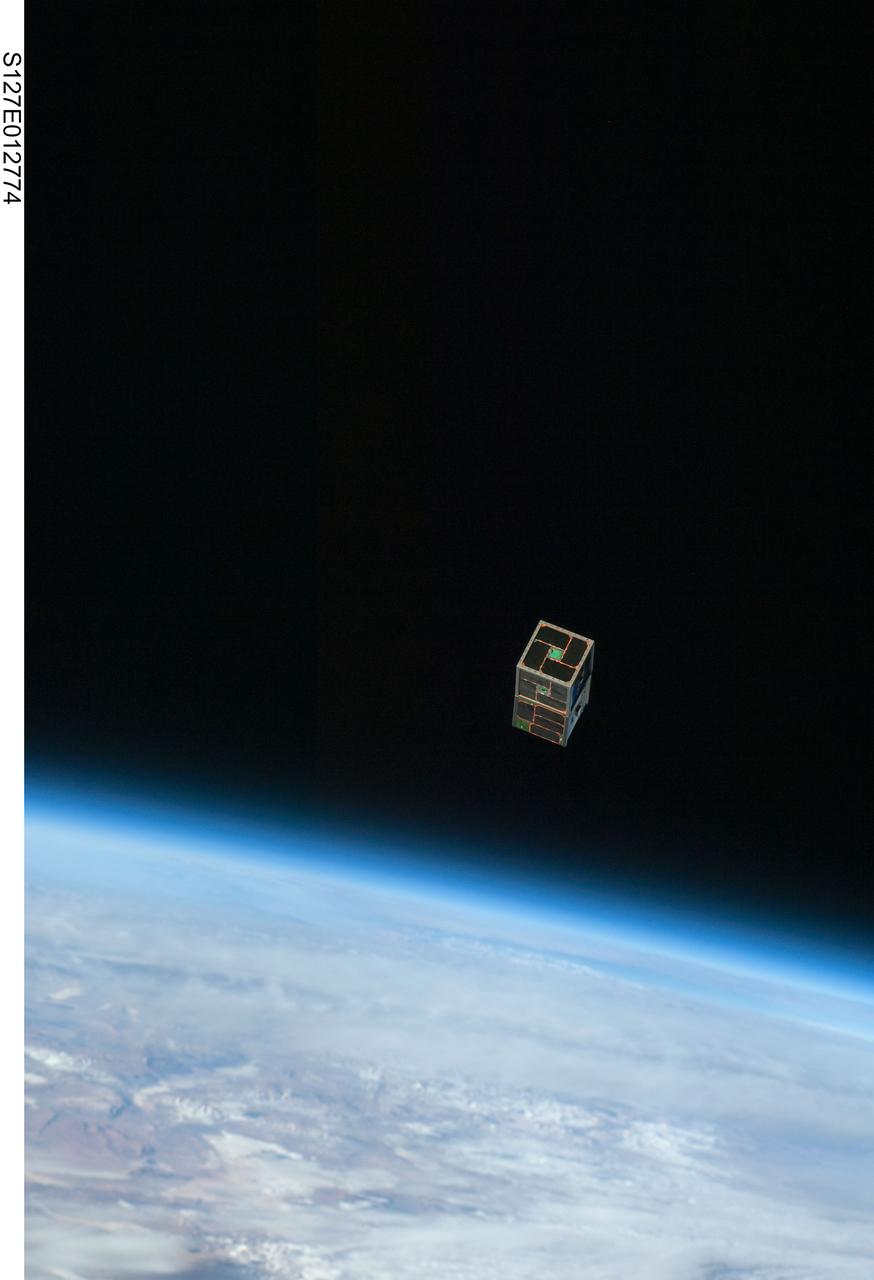
S127-E-012774 (30 July 2009) --- Backdropped by Earth?s horizon and the blackness of space, a Dual RF Astrodynamic GPS Orbital Navigator Satellite (DRAGONSat) is photographed after its release from Space Shuttle Endeavour?s payload bay by STS-127 crew members. DRAGONSat will look at independent rendezvous of spacecraft in orbit using Global Positioning Satellite data. The two satellites were designed and built by students at the University of Texas, Austin, and Texas A&M University, College Station.
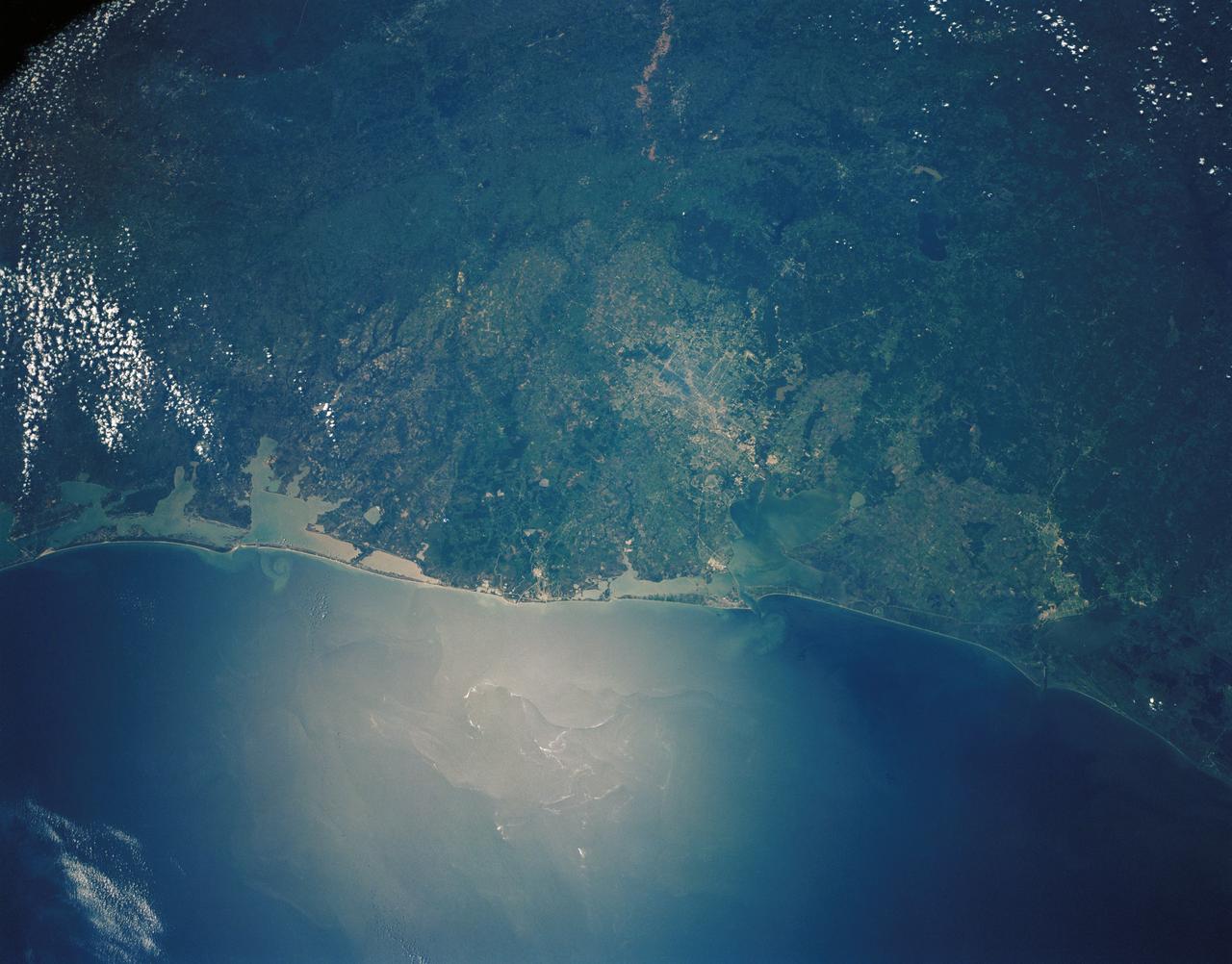
STS030-152-066 (4-8 May 1989) --- The upper Texas and Louisiana Gulf Coast area was clearly represented in this large format frame photographed by the astronaut crew of the Earth-orbiting Space Shuttle Atlantis. The area covered stretches almost 300 miles from Aransas Pass, Texas to Cameron, Louisiana. The sharp detail of both the natural and cultural features noted throughout the scene is especially evident in the Houston area, where highways, major streets, airport runways and even some neighborhood lanes are easily seen. Other major areas seen are Austin, San Antonio and the Golden Triangle. An Aero Linhof camera was used to expose the frame.
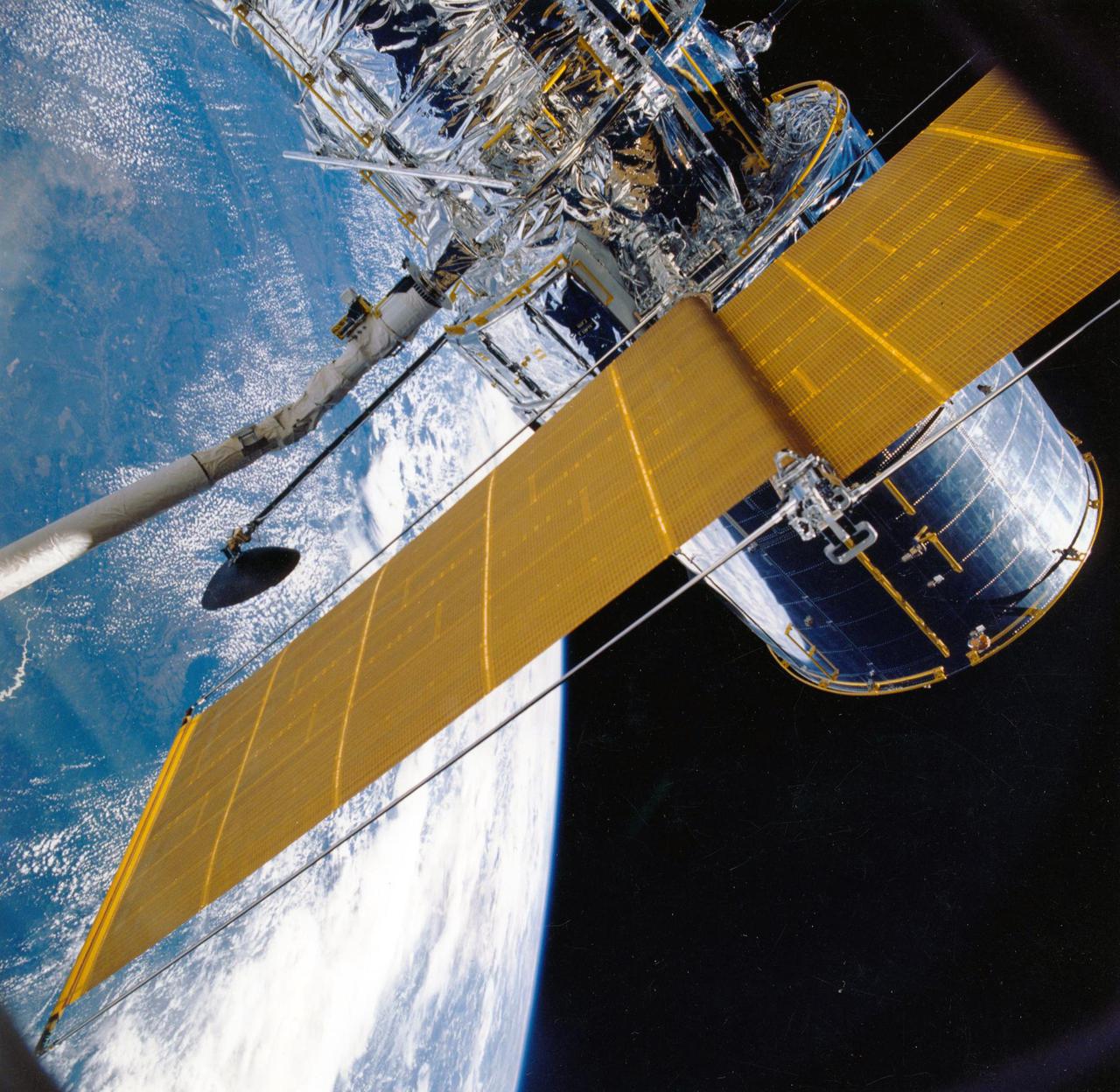
JOHNSON SPACE CENTER, HOUSTON, TEXAS -- STS-31 ONBOARD SCENE -- Most of the giant Hubble Space Telescope (HST) can be seen as it is suspended in space by Discovery's remote manipulator system (RMS), following the deployment of part of its solar panels and antennae. The photo was taken with a handheld Hasselblad camera. This was among the first photos NASA released on April 30 from the five-day STS-31 mission.
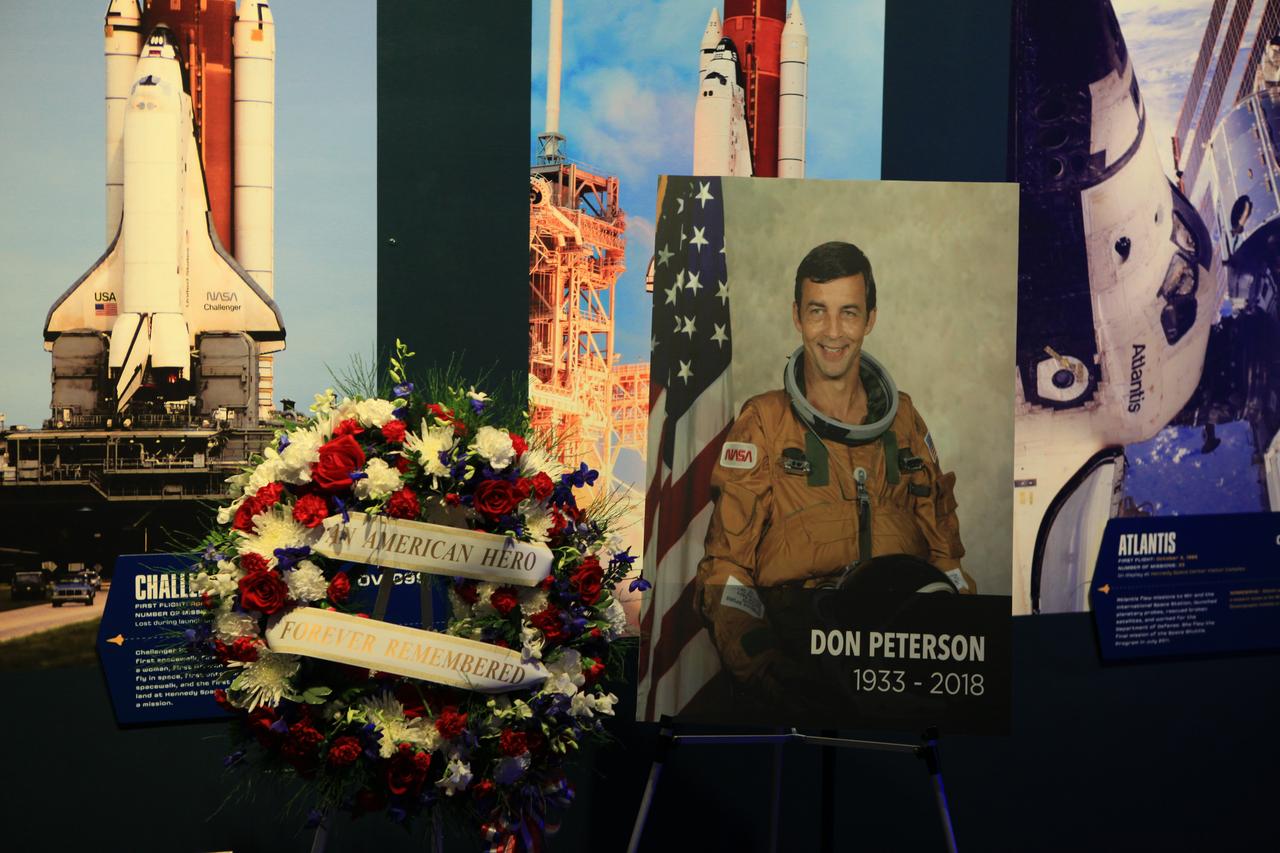
A memorial wreath placed in the Space Shuttle Atlantis exhibit at the Kennedy Space Center Visitor Complex on Wednesday, May 30, 2018, honoring former NASA astronaut Don Peterson. As a mission specialist on STS-6 in April 1983, he participated in the first spacewalk of the Space Shuttle Program. He passed away May 27, 2018, in El Lago, Texas. He was 84.

Therrin Protze, COO at the Kennedy Space Center Visitor Complex, speaks in the Space Shuttle Atlantis exhibit during a ceremony on Wednesday, May 30, 2018, honoring former NASA astronaut Don Peterson. As a mission specialist on STS-6 in April 1983, he participated in the first spacewalk of the Space Shuttle Program. He passed away May 27, 2018, in El Lago, Texas. He was 84.
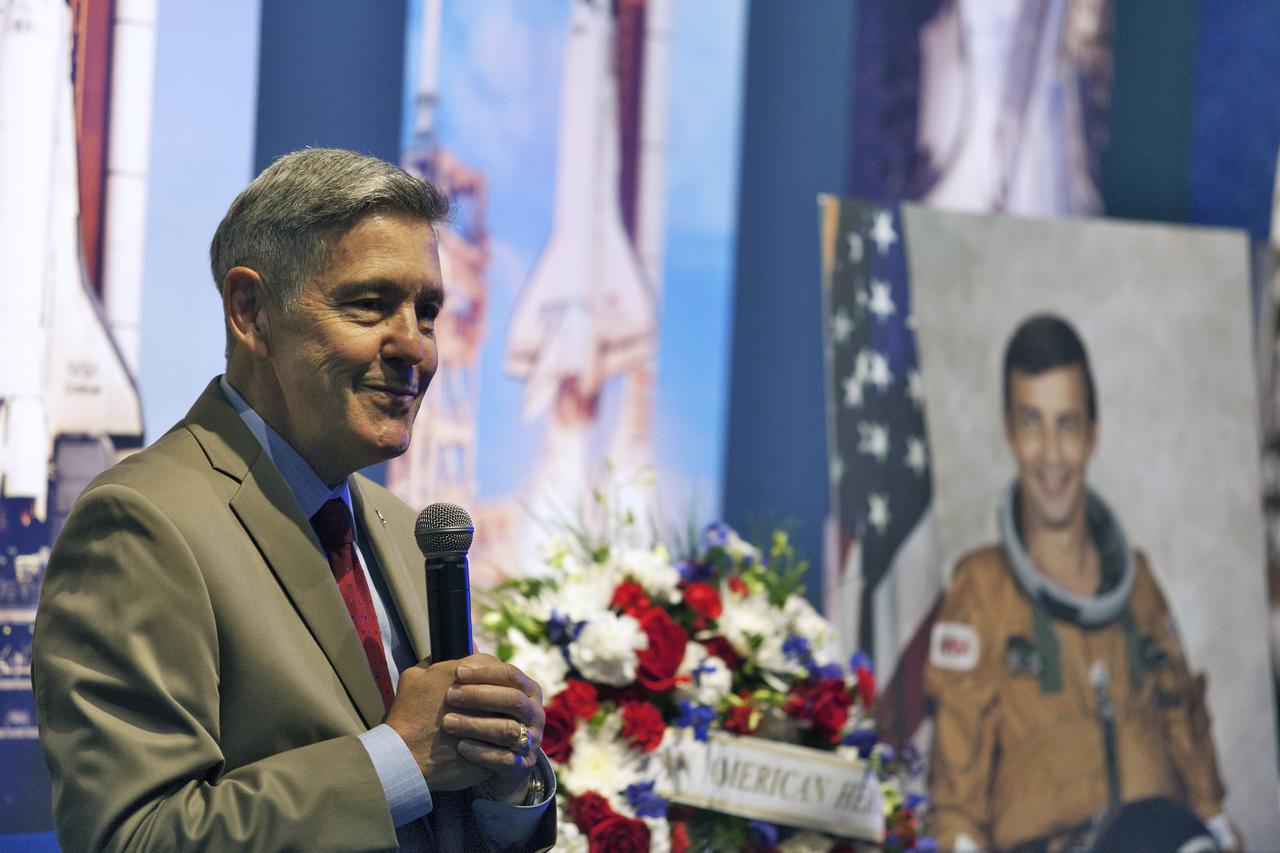
Kennedy Space Center Director Bob Cabana speaks to guests in the Space Shuttle Atlantis exhibit at the spaceport's visitor complex on Wednesday, May 30, 2018. The ceremony is honoring the memory of former NASA astronaut Don Peterson. As a mission specialist on STS-6 in April 1983, he participated in the first spacewalk of the Space Shuttle Program. He passed away May 27, 2018, in El Lago, Texas. He was 84.
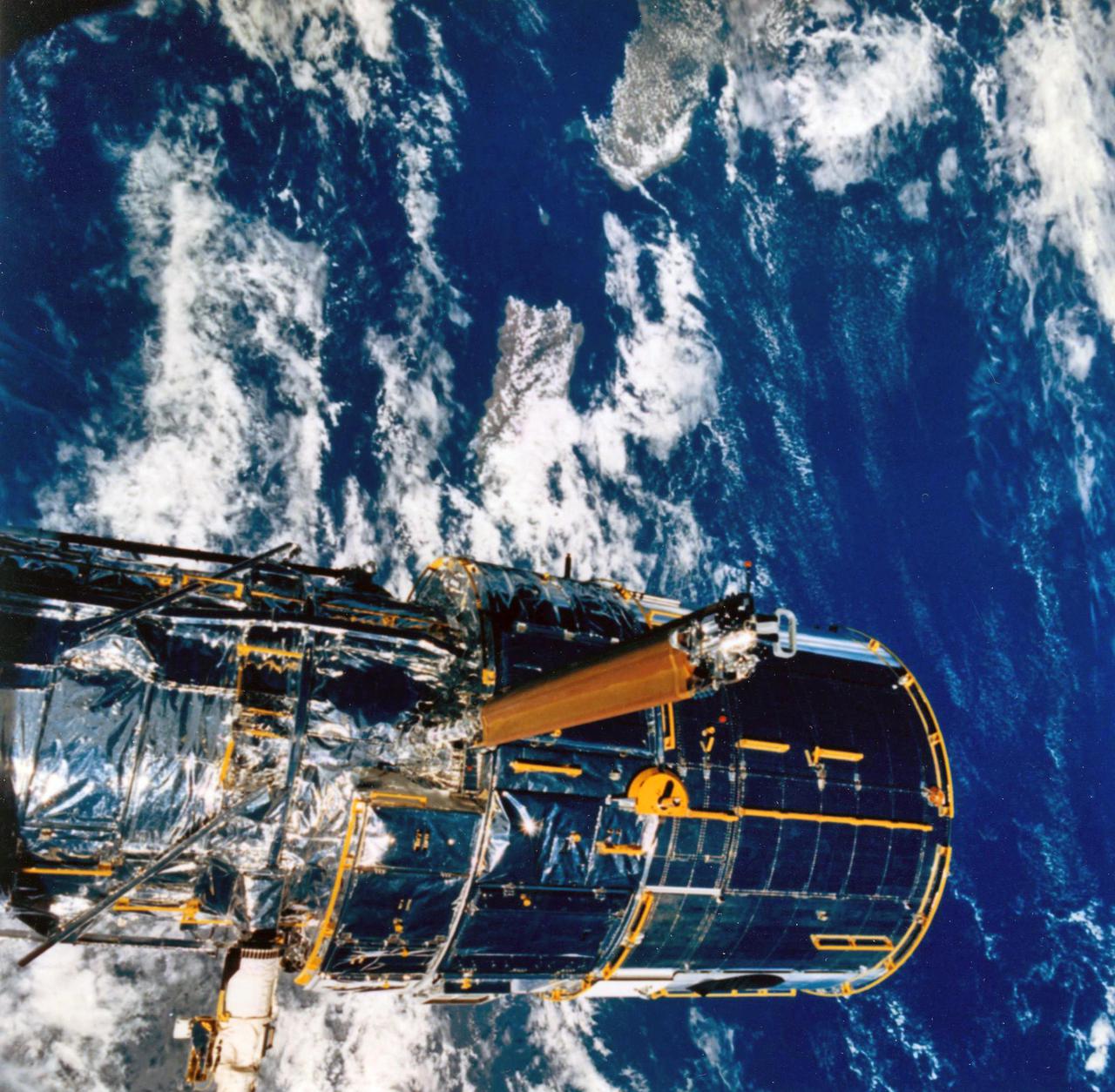
JOHNSON SPACE CENTER, HOUSTON, TEXAS-- STS-31 ONBOARD SCENE -- The Hubble Space Telescope (HST) is suspended in space by Discovery's remote manipulator system prior to deployment of its solar array panels and antennae and its ultimate release. Puerto Rico and the Dominican Republic are recognizable at left of the frame. The photo was taken with a handheld Hasselblad camera. This was among the first photos NASA released on April 30 from the five-day mission.
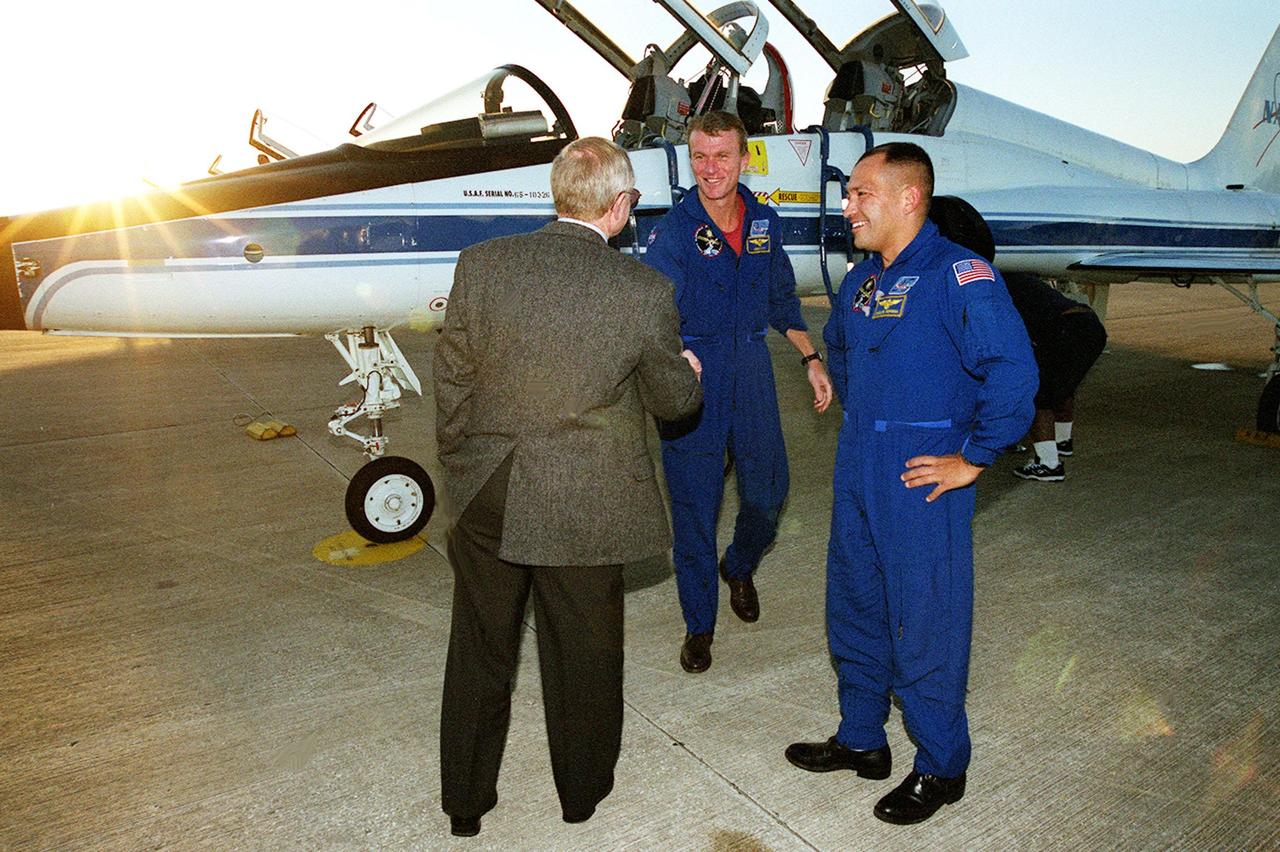
At the Shuttle Landing Facility, Center Director Roy Bridges (left) greets STS-97 Commander Brent Jett on his arrival at KSC for the mission launch. At right is Mission Specialist Carlos Noriega. Jett and Noriega traveled from Johnson Space Center, Houston, Texas, in the T-38 jet aircraft behind them. Mission STS-97is the sixth construction flight to the International Space Station. Its payload includes the P6 Integrated Truss Structure and a photovoltaic (PV) module, with giant solar arrays that will provide power to the Station. The mission includes two spacewalks to complete the solar array connections. STS-97 is scheduled to launch Nov. 30 at about 10:06 p.m. EST
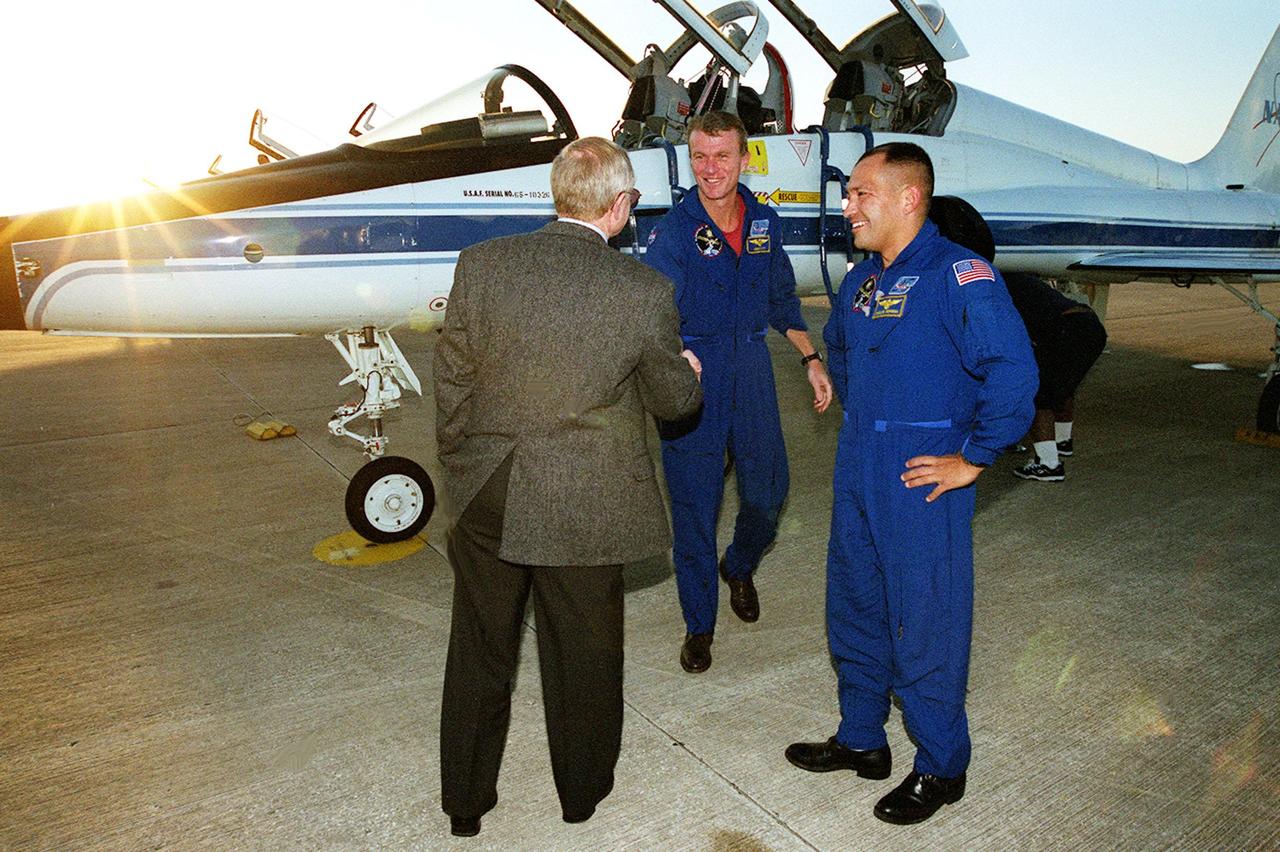
At the Shuttle Landing Facility, Center Director Roy Bridges (left) greets STS-97 Commander Brent Jett on his arrival at KSC for the mission launch. At right is Mission Specialist Carlos Noriega. Jett and Noriega traveled from Johnson Space Center, Houston, Texas, in the T-38 jet aircraft behind them. Mission STS-97is the sixth construction flight to the International Space Station. Its payload includes the P6 Integrated Truss Structure and a photovoltaic (PV) module, with giant solar arrays that will provide power to the Station. The mission includes two spacewalks to complete the solar array connections. STS-97 is scheduled to launch Nov. 30 at about 10:06 p.m. EST