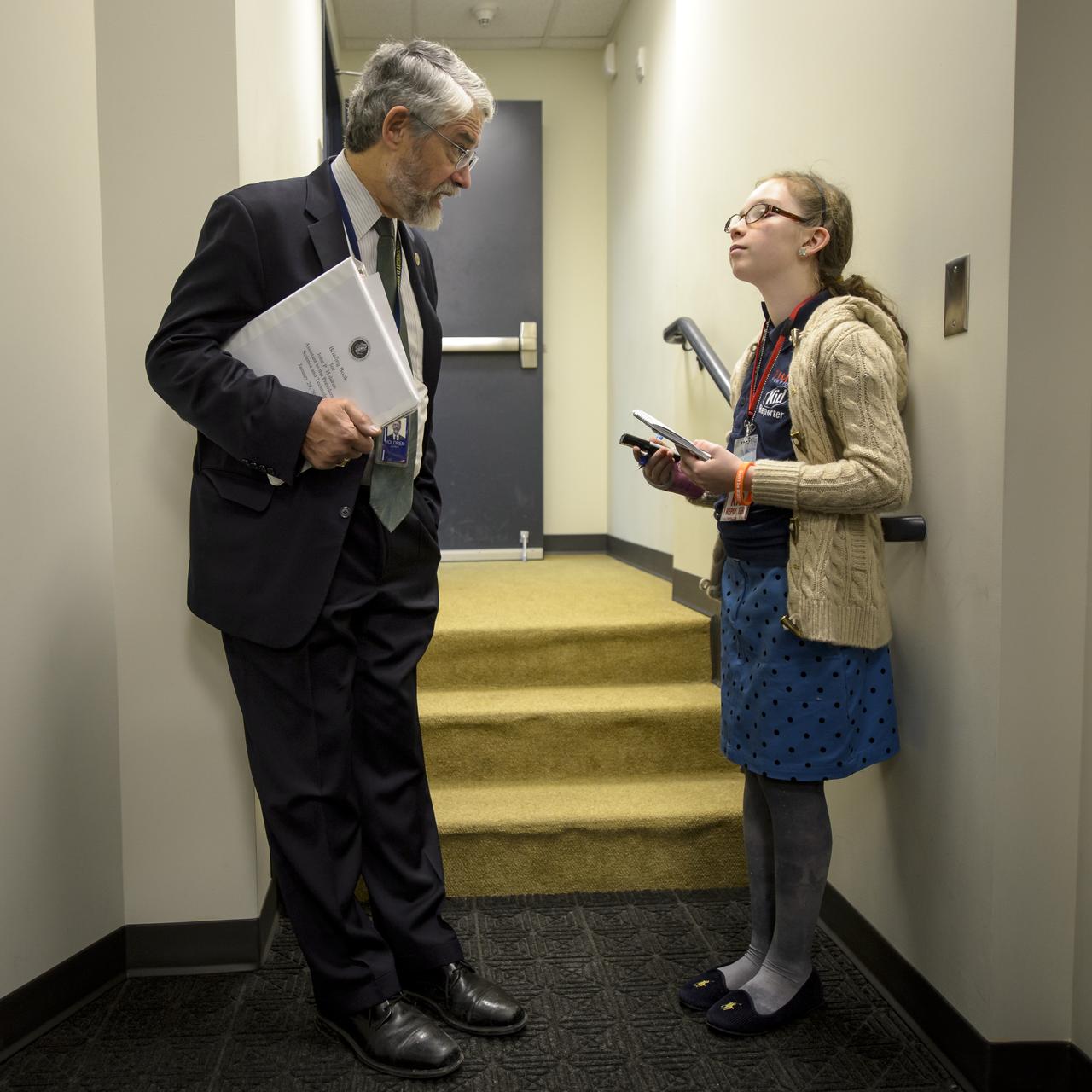
Dr. John P. Holdren, Assistant to the President for Science and Technology and Director of the White House Office of Science & Technology Policy, left, is interviewed by TIME for Kids reporter Grace Clark ahead of the annual White House State of Science, Technology, Engineering, and Math (SoSTEM) address, Wednesday, Jan. 29, 2014, in the South Court Auditorium in the Eisenhower Executive Office Building on the White House complex in Washington. Photo Credit: (NASA/Bill Ingalls)
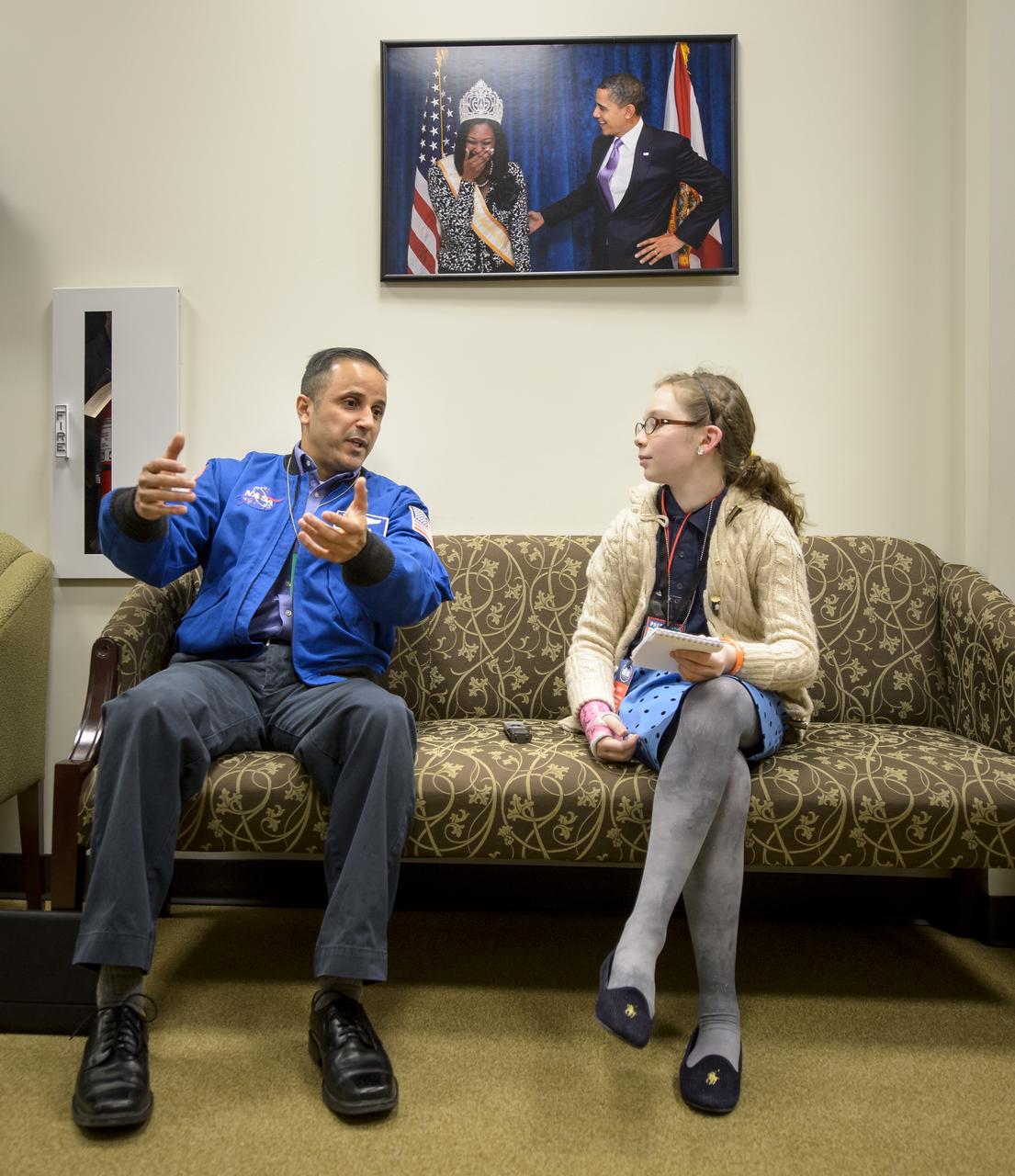
NASA Astronaut Joe Acaba, left, is interviewed by TIME for Kids reporter Grace Clark ahead of the annual White House State of Science, Technology, Engineering, and Math (SoSTEM) address, Wednesday, Jan. 29, 2014, in the South Court Auditorium in the Eisenhower Executive Office Building on the White House complex in Washington. Photo Credit: (NASA/Bill Ingalls)

Rylee Ritter, student and first time visitor to NASA's Armstrong Flight Research Center, sits in a mockup of an F-15 cockpit, during the center's Take Your Kids To Work Day event.
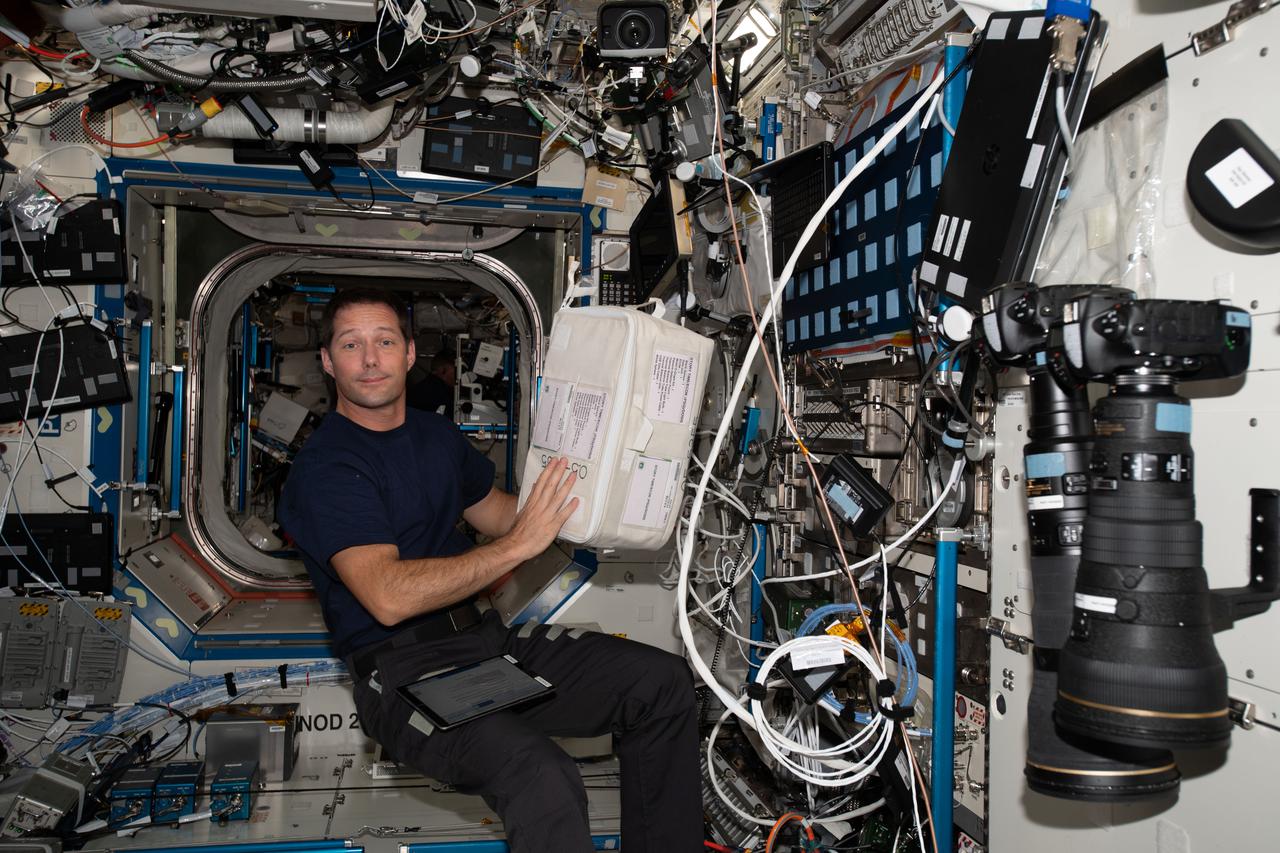
iss065e033974 (May 12, 2021) --- ESA (European Space Agency) astronaut and Expedition 65 Flight Engineer Thomas Pesquet gathers hardware inside the U.S. Destiny laboratory module to demonstrate a simple heat transfer experiment as part of the Story Time from Space science program for kids.

Dr. John P. Holdren, Assistant to the President for Science and Technology and Director of the White House Office of Science & Technology Policy is interviewed by TIME for Kids reporter Kristen Rigsby, ahead of the annual White House State of Science, Technology, Engineering, and Math (SoSTEM) address, Wednesday, Jan. 29, 2014, in the South Court Auditorium in the Eisenhower Executive Office Building on the White House complex in Washington. Photo Credit: (NASA/Bill Ingalls)
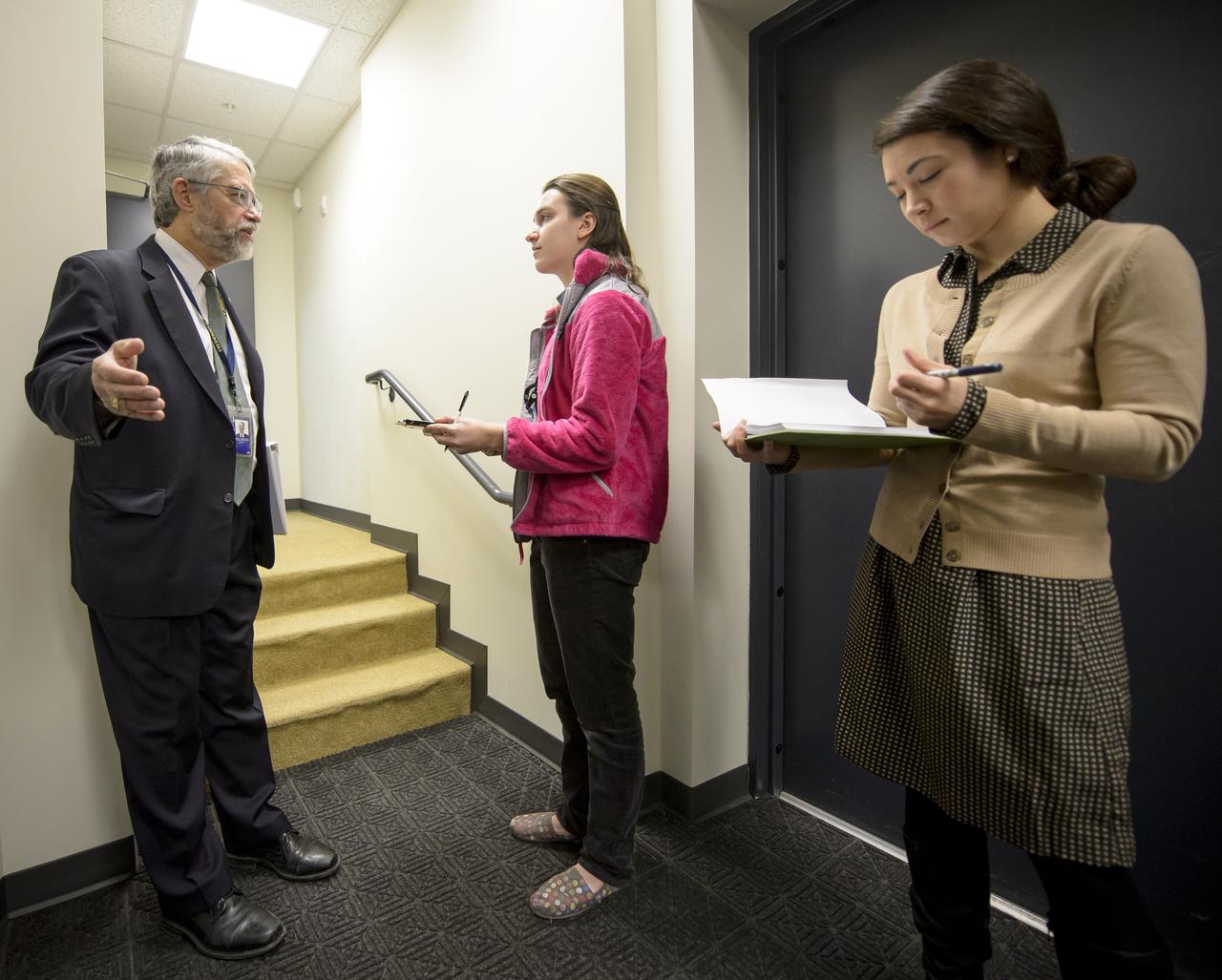
Dr. John P. Holdren, Assistant to the President for Science and Technology and Director of the White House Office of Science & Technology Policy, left, is interviewed by TIME for Kids reporter Kristen Rigsby, as Moira Vahey, Deputy Assistant Director for Strategic Communications at the White House Office of Science & Technology Policy, right, takes notes ahead of the annual White House State of Science, Technology, Engineering, and Math (SoSTEM) address, Wednesday, Jan. 29, 2014, in the South Court Auditorium in the Eisenhower Executive Office Building on the White House complex in Washington. Photo Credit: (NASA/Bill Ingalls)
![“I love working in STEM. There's something about working at NASA, where you see new possibilities and amazing things happen all the time. During my first job at NASA [I'll never forget], I was working in the newsroom and was sent a draft press release about the discovery of new exoplanets. I got so excited and thought, I can't believe that I'm one of the first people reading about this discovery, and then tomorrow at noon, it will be released to the public, and everyone will feel this. I felt like an explorer, like I had made this amazing discovery on my own, but really, I was just reviewing a press release. “I get to see that excitement on the faces of the next generation, kids of all ages, when they're able to connect something on their own, or they have this new revelation of the world because that's what the agency has brought to them. That palatable excitement reminds me of how excited I was, and it's this kind of beautiful life cycle because it reenergizes me and gets me excited as well. “NASA is so big on this own, and for kids to feel like they're a part of it, it symbolizes this connection to great exploration and new discoveries. It makes them feel just as important and gets them excited thinking about what they can contribute or about learning something new. I've seen just one spark of curiosity create a great burning love and fire for learning. “Some of the kids I've talked to [during STEM outreach] will tell me they like something, and then I see it's created a more meaningful connection in the neighborhood. They'll dress up as astronauts for Halloween, or when they see me, they'll high-five me and tell me something they learned in science class. It spurs them on to not just make the connection at NASA but make the connection within themselves that they could do this if they wanted to. Not only can they be a part of STEM, but they realize they can also have a variety of interests in their life.” – Katherine Brown, Public Affairs Offi](https://images-assets.nasa.gov/image/NHQ202302280007/NHQ202302280007~medium.jpg)
“I love working in STEM. There's something about working at NASA, where you see new possibilities and amazing things happen all the time. During my first job at NASA [I'll never forget], I was working in the newsroom and was sent a draft press release about the discovery of new exoplanets. I got so excited and thought, I can't believe that I'm one of the first people reading about this discovery, and then tomorrow at noon, it will be released to the public, and everyone will feel this. I felt like an explorer, like I had made this amazing discovery on my own, but really, I was just reviewing a press release. “I get to see that excitement on the faces of the next generation, kids of all ages, when they're able to connect something on their own, or they have this new revelation of the world because that's what the agency has brought to them. That palatable excitement reminds me of how excited I was, and it's this kind of beautiful life cycle because it reenergizes me and gets me excited as well. “NASA is so big on this own, and for kids to feel like they're a part of it, it symbolizes this connection to great exploration and new discoveries. It makes them feel just as important and gets them excited thinking about what they can contribute or about learning something new. I've seen just one spark of curiosity create a great burning love and fire for learning. “Some of the kids I've talked to [during STEM outreach] will tell me they like something, and then I see it's created a more meaningful connection in the neighborhood. They'll dress up as astronauts for Halloween, or when they see me, they'll high-five me and tell me something they learned in science class. It spurs them on to not just make the connection at NASA but make the connection within themselves that they could do this if they wanted to. Not only can they be a part of STEM, but they realize they can also have a variety of interests in their life.” – Katherine Brown, Public Affairs Offi

Environmentalist and third-year law student at Elon University School of Law Tyrone Davis is interviewed by TIME for Kids reporter Grace Clark ahead of the annual White House State of Science, Technology, Engineering, and Math (SoSTEM) address, Wednesday, Jan. 29, 2014, in the South Court Auditorium in the Eisenhower Executive Office Building on the White House complex in Washington. Davis sat with the First Lady at the President’s 2014 State of the Union Address. As a Fellow with the Environmental Defense Fund in 2010, he helped show Elizabeth City State University how to save more than $31,000 a year and 200 tons of carbon emissions reductions annually by using technology and efficiency solutions. Photo Credit: (NASA/Bill Ingalls)
!["Where I grew up [on my family farm] 100% shaped who I am. In fact, my son and I were talking about high schools and how big his is. His high school population is double the population of the town I grew up in. I had 20 kids in my graduating class, and three of them were foreign exchange students. He asked me, 'Do you wish you would have gone to a bigger school like us?' And I said, 'Actually, no, I don't.' I loved where I grew up. I absolutely cherish what it instilled in me, and that's something I carry with me all the time. "The earliest lesson was that you are part of something much bigger than yourself. Everybody has an important role in what they're doing, no matter how small. I remember when we were bringing in the corn. Right now, everybody buys it, but I didn't buy corn until maybe college because it was a whole family thing. We went and picked the corn. The little kids would shuck it, pulling off all the silk. The grown-ups would shave it off the cob and then push it off to the side, and then the older kids would bag it up into plastic bags. And then everybody went home. It was always about a team. You can be the youngest person or the lowest-ranking person, but you always bring something important to that table. "Everywhere I've been since I got commissioned [as an Air Force officer], my very first office in 1997, I hang an aerial picture of our farm on my wall because it's [a reminder to] remember where you came from, remember home, and don't get too big for your britches. No matter what, you could be part of something huge, and I look at that picture and say, 'I have always been part of something much bigger than myself.' All the little, tiny moments in life that build upon themselves trace back to that family farm for me." Alana Johnson, Senior Communications Specialist, poses for a portrait, Wednesday, Feb. 7, 2024, at the Mary W. Jackson NASA Headquarters building in Washington. Photo Credit: (NASA/Joel Kowsky)](https://images-assets.nasa.gov/image/NHQ202402070011/NHQ202402070011~medium.jpg)
"Where I grew up [on my family farm] 100% shaped who I am. In fact, my son and I were talking about high schools and how big his is. His high school population is double the population of the town I grew up in. I had 20 kids in my graduating class, and three of them were foreign exchange students. He asked me, 'Do you wish you would have gone to a bigger school like us?' And I said, 'Actually, no, I don't.' I loved where I grew up. I absolutely cherish what it instilled in me, and that's something I carry with me all the time. "The earliest lesson was that you are part of something much bigger than yourself. Everybody has an important role in what they're doing, no matter how small. I remember when we were bringing in the corn. Right now, everybody buys it, but I didn't buy corn until maybe college because it was a whole family thing. We went and picked the corn. The little kids would shuck it, pulling off all the silk. The grown-ups would shave it off the cob and then push it off to the side, and then the older kids would bag it up into plastic bags. And then everybody went home. It was always about a team. You can be the youngest person or the lowest-ranking person, but you always bring something important to that table. "Everywhere I've been since I got commissioned [as an Air Force officer], my very first office in 1997, I hang an aerial picture of our farm on my wall because it's [a reminder to] remember where you came from, remember home, and don't get too big for your britches. No matter what, you could be part of something huge, and I look at that picture and say, 'I have always been part of something much bigger than myself.' All the little, tiny moments in life that build upon themselves trace back to that family farm for me." Alana Johnson, Senior Communications Specialist, poses for a portrait, Wednesday, Feb. 7, 2024, at the Mary W. Jackson NASA Headquarters building in Washington. Photo Credit: (NASA/Joel Kowsky)
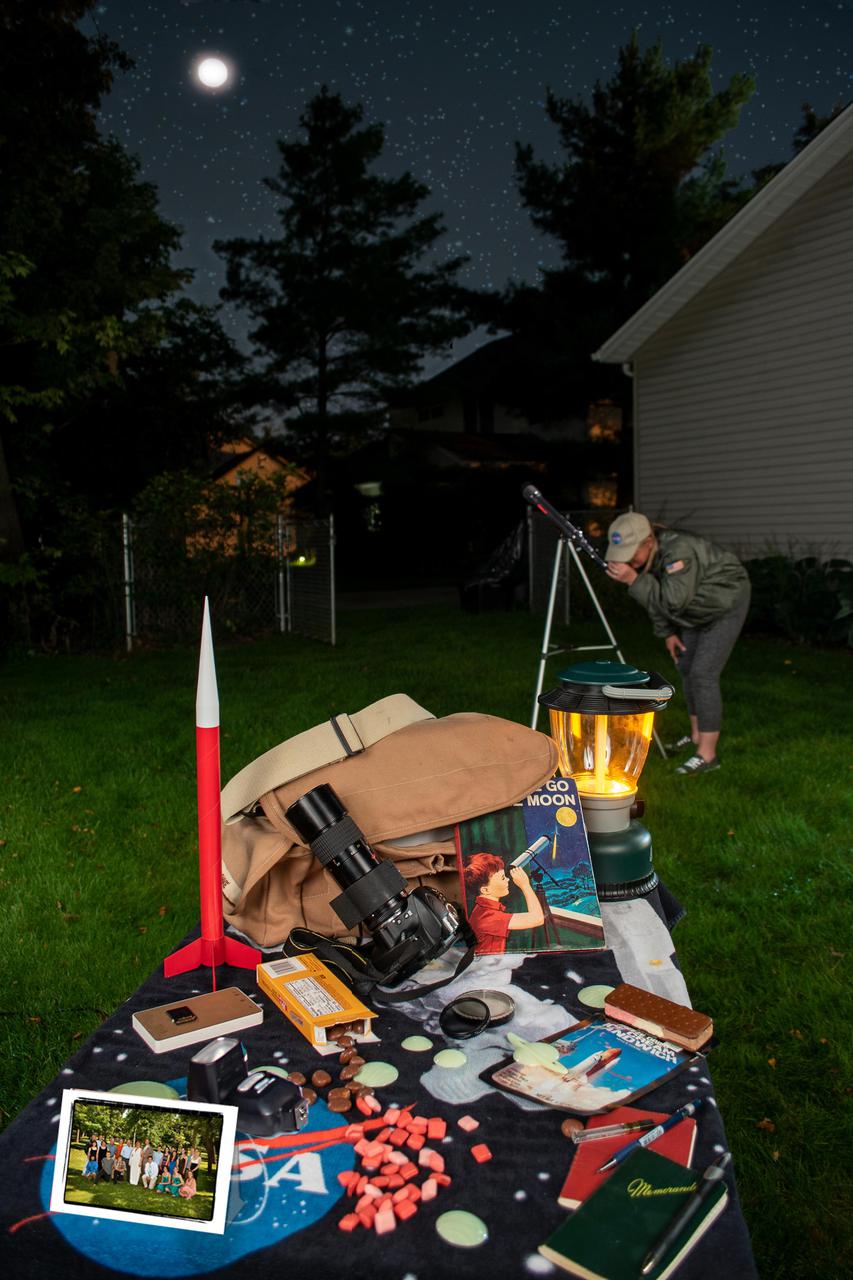
NASA Moon Kit of things I would take to the moon, The first thing I thought of for my Moon Kit was the first book I ever read when I was learning to read. It is titled, You Will Go To The Moon. I really liked that book and read it many times, looking at the illustrations and wondering about if I would ever actually go to the moon. Of the many belongings that I have lost through the years from moving, etc. that book has stayed with me and so it would of course go to the moon with me. Photography has always interested me and so a family photo was second to get packed. We always had photos taken and volumes of old family photos in the house and so photography has played an important role in my life and so my camera gear is third to get packed. As a kid I spend a lot of time and money building rockets and flying them. I bet my rocket would go very high on the moon. I also like a little candy wherever I go.
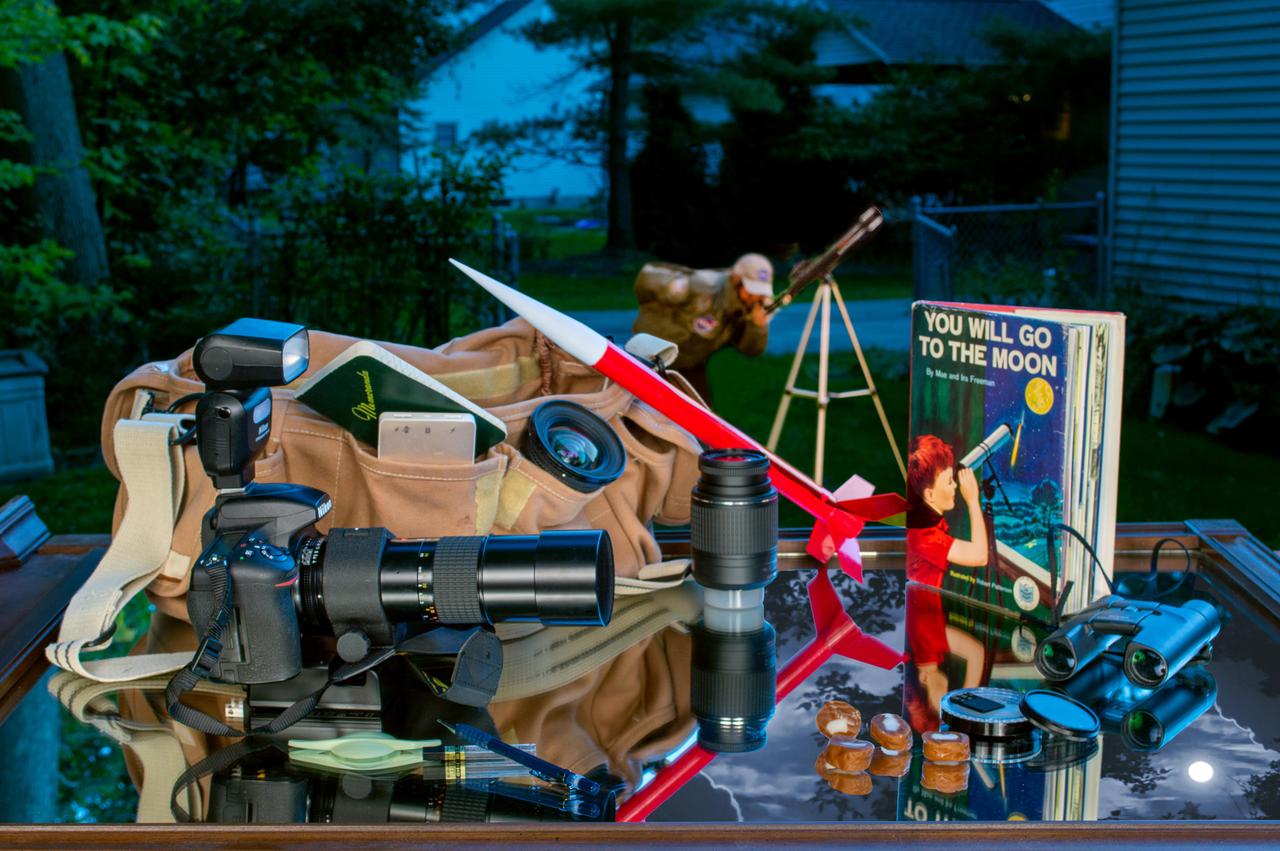
NASA Moon Kit of things I would take to the moon with me, The first thing I thought of for my Moon Kit was the first book I ever read when I was learning to read. It is titled, You Will Go To The Moon. I really liked that book and read it many times, looking at the illustrations and wondering about if I would ever actually go to the moon. Of the many belongings that I have lost through the years from moving, etc. that book has stayed with me and so it would of course go to the moon with me. Photography has always interested me and so a family photo was second to get packed. We always had photos taken and volumes of old family photos in the house and so photography has played an important role in my life and so my camera gear is third to get packed. As a kid I spend a lot of time and money building rockets and flying them. I bet my rocket would go very high on the moon. I also like a little candy wherever I go.
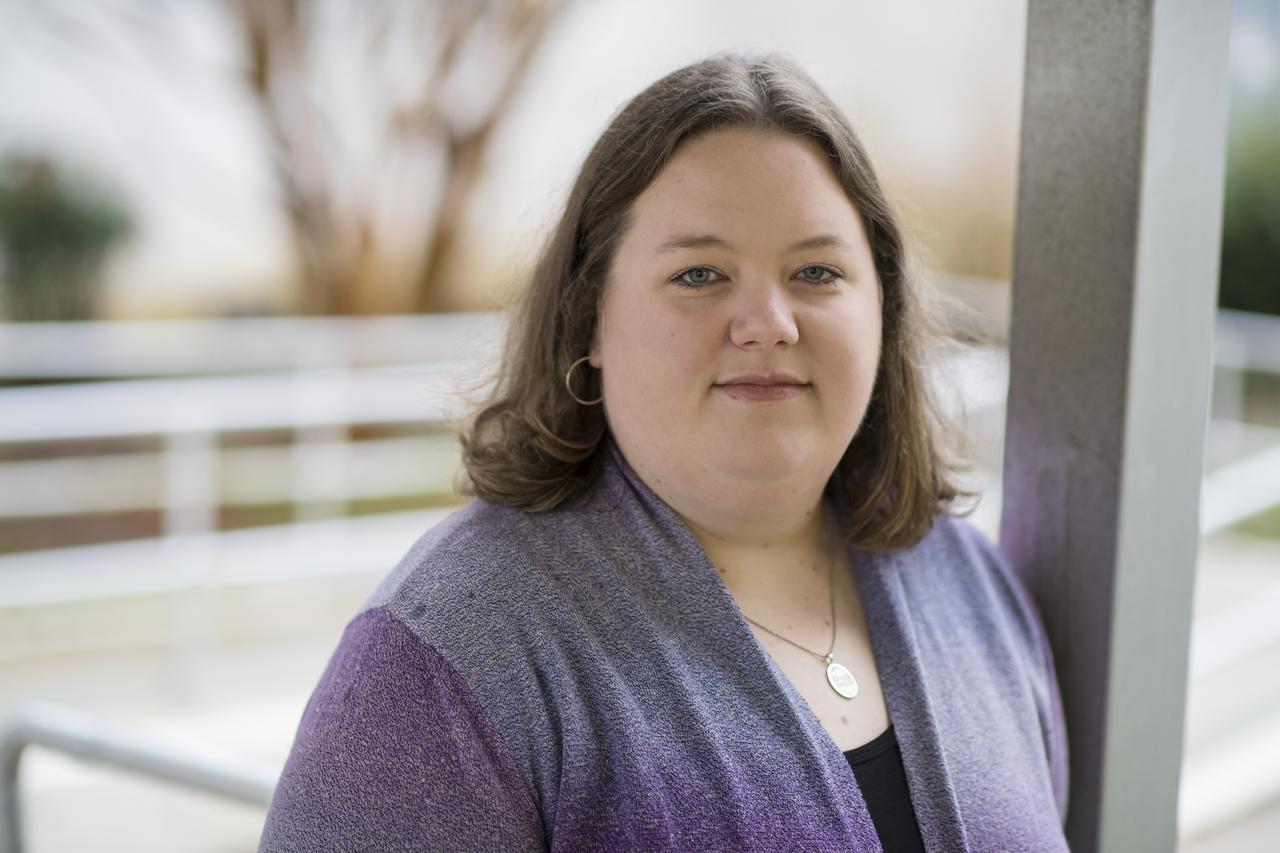
NASA Wallops Flight Facility Public Affairs Specialist, Rebecca Hudson, Thursday, Feb. 6, 2020 at Wallops Flight Facility in Virginia. “What I really think stands out the most is when you go to a launch and you see people who have never seen one before. Some people get so emotional, they cry. It’s so energizing to see people get that excited. For me, every single time we launch a rocket —whether it be a sounding rocket or something as big as an Antares rocket or anything in between — all the hard work and long hours, all that leading up to it… you kind of forget it as soon as you see that emotion that people are experiencing. I always think about that as I drive home at night: “Do you know how many people we made happy today?” And so I think that is important — no matter what we do here, whether it’s my job or the test director’s or the administrator’s or all points in between — everybody’s got something to contribute. You ask little kids what their big dream is, and it’s not uncommon to hear “astronaut.” It’s not uncommon to hear they want to fly in a spaceship. That’s not uncommon. But we’re doing that. We’re making dreams for people.” Photo Credit: (NASA/Aubrey Gemignani)
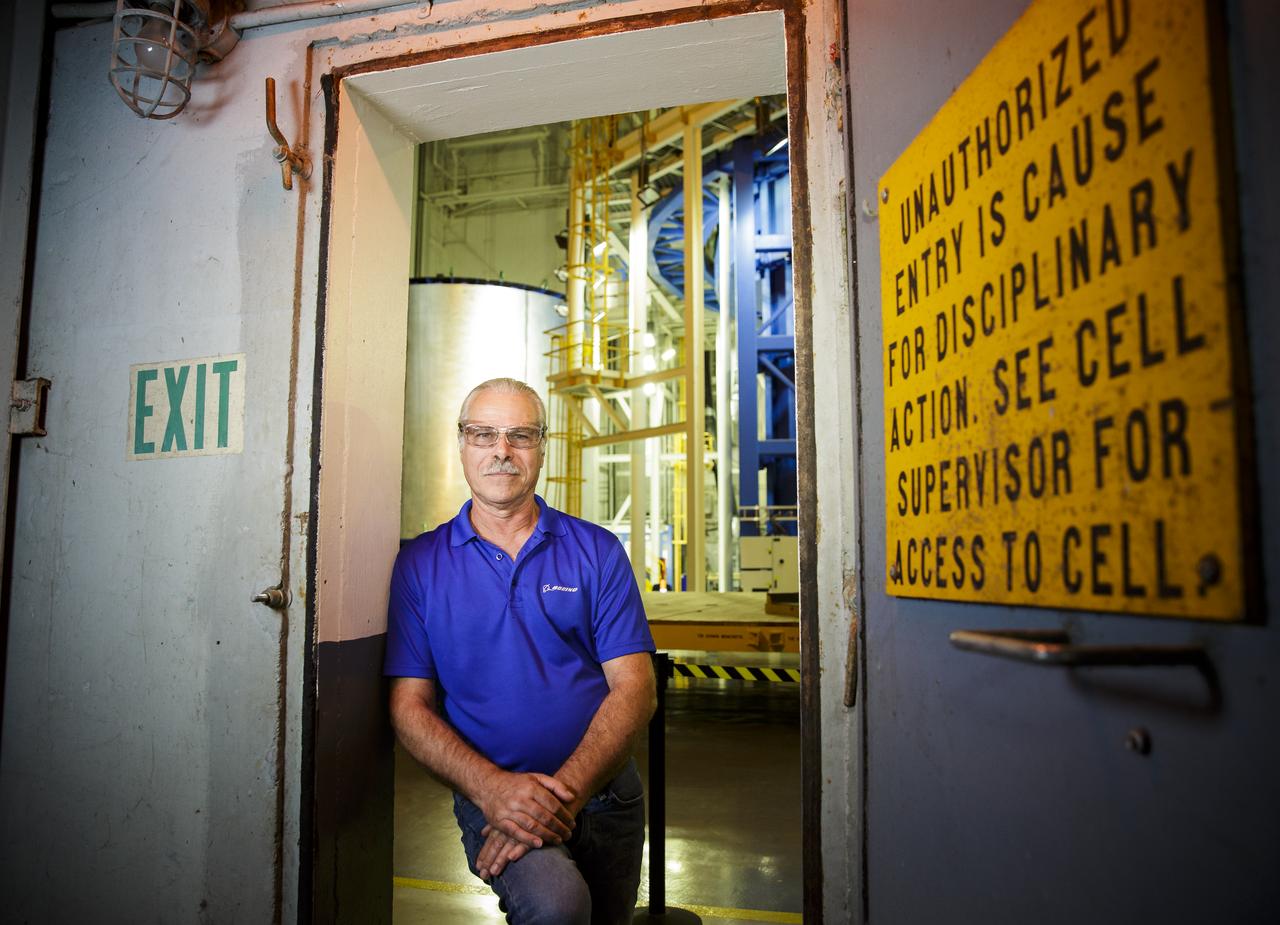
"I’m old enough that I watched Mercury and Apollo missions. That’s when a kid’s dream went from becoming a doctor when you grew up to becoming an astronaut. Everyone wanted to be an astronaut. Which, I realized, was way out of scope for me. I thought I’d never have anything to do with the aerospace program, but it was a cool thought. I ended up working on the Shuttle Program, and I was just wide-eyed the entire time. And I never had any desire to leave aerospace. It was always something new, always something different. I wanted to be involved, y’know? This is exploration. There’s no more land to explore. Instead of going across oceans, we’re going across space. And I can be a part of that. "My very first project was literally on a bar napkin. And I was given three dimensions: the top, the bottom and the length between. My manager gave me this and said, 'Here, make me something like this. Order whatever you need to do it.' And I thought, 'Well, this is going to be a great job!'" Dr. Terry Teal, Facilities and Asset Management, Boeing, Friday, June 28, 2019 at Michoud Assembly Facility, New Orleans, LA. Photo Credit: (NASA/Aubrey Gemignani)
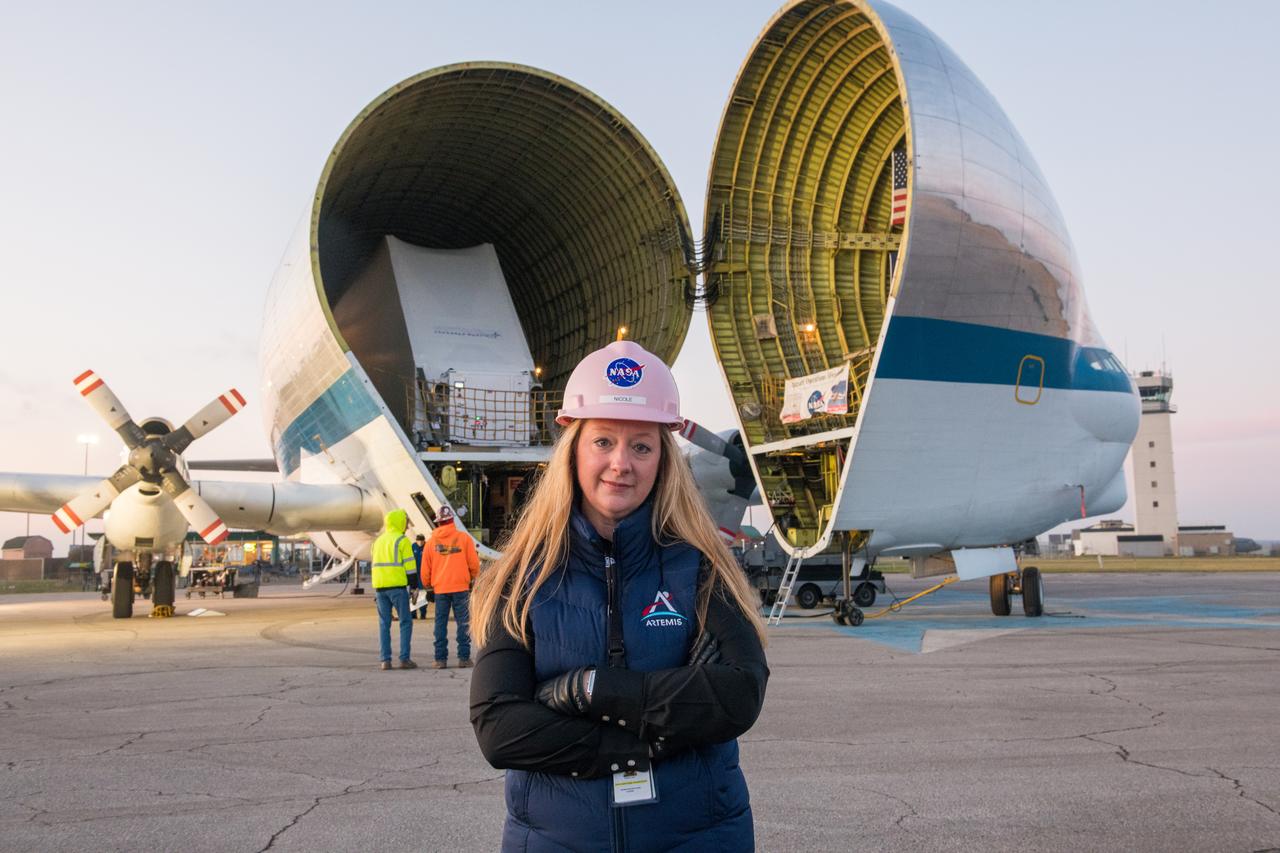
“When I started in the aerospace industry, I was shocked by how outnumbered I was. At my first job, I was the only woman in a group of 35 people. I was the youngest by 15 years. And I was like ‘wow, okay. This is surprising.’ "As I got older and had more professional experiences, I started working with American Institute of Aeronautics and Astronautics. I was the first young professional liaison to their board of directors… so I was always trying to do things to encourage young professionals to get more involved. Over time, I started to do more and more work with university students, and then high school students. "That’s the fun part of outreach — I not only get to inspire kids, I also inspire myself. It reminds me to pick my head up at that 35,000 foot-level and say, ‘you know what? This is pretty cool.' "I’m selfish. I want to see more women go into engineering. I think there’s a lot of data on how more diversity on an engineering team makes a better product. Companies that have more diversity in their leadership have better profits. I want to see more women in the workforce. I want to see more women in technical fields. I want to see more women in technical leadership.” — Nicole Smith, Chief of Exploration Systems Office, Glenn Research Center Orion - EM-1 - Artemis Spacecraft Arrival at Mansfield Lahm Airport, Transportation to Plum Brook Station and Installation in the Space Environment Complex, SEC Thermal Vacuum Chamber
![“I came [to the United States] in ’83 and in ’98, I was invited to go back to Costa Rica. The first Hispanic astronaut that NASA ever had is a Costa Rican — Franklin Chang Diaz. So everyone was talking about Franklin. At that point I had been working for NASA for seven years. All of a sudden, I had little girls and women coming to me, wanting to ask me about engineering. I resisted it at first, because I thought, they only care about the astronauts. That’s what ran through my head at first. I didn’t think I had done anything at that point. I didn’t think that I could be a role model. But as time went on, people started to hear about me more in Costa Rica, and eventually throughout Latin America. I got requests to travel all over to give talks — all the way from Mexico down to Chile. I cannot tell you when it was, but I realized, there are so many men in this field. When a little kid draws an engineer or a scientist, they tend to draw men. But here I am. And maybe I haven’t accomplished everything I want to do. But I can show little girls and little boys out there that it doesn’t matter where you come from. You can be anything that you want to, even when you have had a very difficult upbringing.” Earth Science Deputy Division Director in the Science Mission Directorate, Sandra Cauffman, poses for a portrait, Friday, Sept. 17, 2021 at NASA Headquarters in Washington. Photo Credit: (NASA/Aubrey Gemignani)](https://images-assets.nasa.gov/image/NHQ202109170001/NHQ202109170001~medium.jpg)
“I came [to the United States] in ’83 and in ’98, I was invited to go back to Costa Rica. The first Hispanic astronaut that NASA ever had is a Costa Rican — Franklin Chang Diaz. So everyone was talking about Franklin. At that point I had been working for NASA for seven years. All of a sudden, I had little girls and women coming to me, wanting to ask me about engineering. I resisted it at first, because I thought, they only care about the astronauts. That’s what ran through my head at first. I didn’t think I had done anything at that point. I didn’t think that I could be a role model. But as time went on, people started to hear about me more in Costa Rica, and eventually throughout Latin America. I got requests to travel all over to give talks — all the way from Mexico down to Chile. I cannot tell you when it was, but I realized, there are so many men in this field. When a little kid draws an engineer or a scientist, they tend to draw men. But here I am. And maybe I haven’t accomplished everything I want to do. But I can show little girls and little boys out there that it doesn’t matter where you come from. You can be anything that you want to, even when you have had a very difficult upbringing.” Earth Science Deputy Division Director in the Science Mission Directorate, Sandra Cauffman, poses for a portrait, Friday, Sept. 17, 2021 at NASA Headquarters in Washington. Photo Credit: (NASA/Aubrey Gemignani)
![“I remember crying on the floor of my living room. In the nineties, three-day forecasts were about as good as five-day forecasts are today. [Hurricane Brett] was within three days, but it wasn’t completely clear whether it was going to hit my hometown or not. It ended up hitting south of us and we didn’t even get rain out of it. But I remember being fearful for that whole day and night. But then I turned that fear into fascination. In 2003, my hometown got hit by hurricane Claudette. I wasn’t as fearful then. I was a little bit older at that time. And then a year and a half later, we had a snowstorm in south Texas. We had 12 inches overnight. And it was so incredibly weird. I had seen a forecast on TV, and it was this outlandish forecast from ten days out that said it was going to snow. I was a kid and I believed it. I bet my dad ten dollars that it was going to happen, and he said, ‘there’s no way.’ And I ended up winning ten dollars. And to me that was like, ‘oh my gosh! I stole somebody else’s forecast and I won ten dollars.’ I think people try to take their fears and understand and dissect them. This goes not only for the physical sciences but also for the life sciences. So many people who have been impacted by cancer in their family go into cancer research. It gives them a sense of closure. It gives them a sense of understanding. They want to be part of the solution. For example, my brother is autistic, low-functioning. My backup plan would have been researching neurodivergence. It’s all about the feeling of wanting to understand.” NASA Deputy Program Scientist, Earth Science Division, Dr. Aaron Piña, poses for a portrait, Monday, June 13, 2022, at the Mary W. Jackson NASA Headquarters building in Washington. Photo Credit: (NASA/Aubrey Gemignani)](https://images-assets.nasa.gov/image/NHQ202206130001/NHQ202206130001~medium.jpg)
“I remember crying on the floor of my living room. In the nineties, three-day forecasts were about as good as five-day forecasts are today. [Hurricane Brett] was within three days, but it wasn’t completely clear whether it was going to hit my hometown or not. It ended up hitting south of us and we didn’t even get rain out of it. But I remember being fearful for that whole day and night. But then I turned that fear into fascination. In 2003, my hometown got hit by hurricane Claudette. I wasn’t as fearful then. I was a little bit older at that time. And then a year and a half later, we had a snowstorm in south Texas. We had 12 inches overnight. And it was so incredibly weird. I had seen a forecast on TV, and it was this outlandish forecast from ten days out that said it was going to snow. I was a kid and I believed it. I bet my dad ten dollars that it was going to happen, and he said, ‘there’s no way.’ And I ended up winning ten dollars. And to me that was like, ‘oh my gosh! I stole somebody else’s forecast and I won ten dollars.’ I think people try to take their fears and understand and dissect them. This goes not only for the physical sciences but also for the life sciences. So many people who have been impacted by cancer in their family go into cancer research. It gives them a sense of closure. It gives them a sense of understanding. They want to be part of the solution. For example, my brother is autistic, low-functioning. My backup plan would have been researching neurodivergence. It’s all about the feeling of wanting to understand.” NASA Deputy Program Scientist, Earth Science Division, Dr. Aaron Piña, poses for a portrait, Monday, June 13, 2022, at the Mary W. Jackson NASA Headquarters building in Washington. Photo Credit: (NASA/Aubrey Gemignani)