
Collapse Tube

Lava Tubes of Olympus
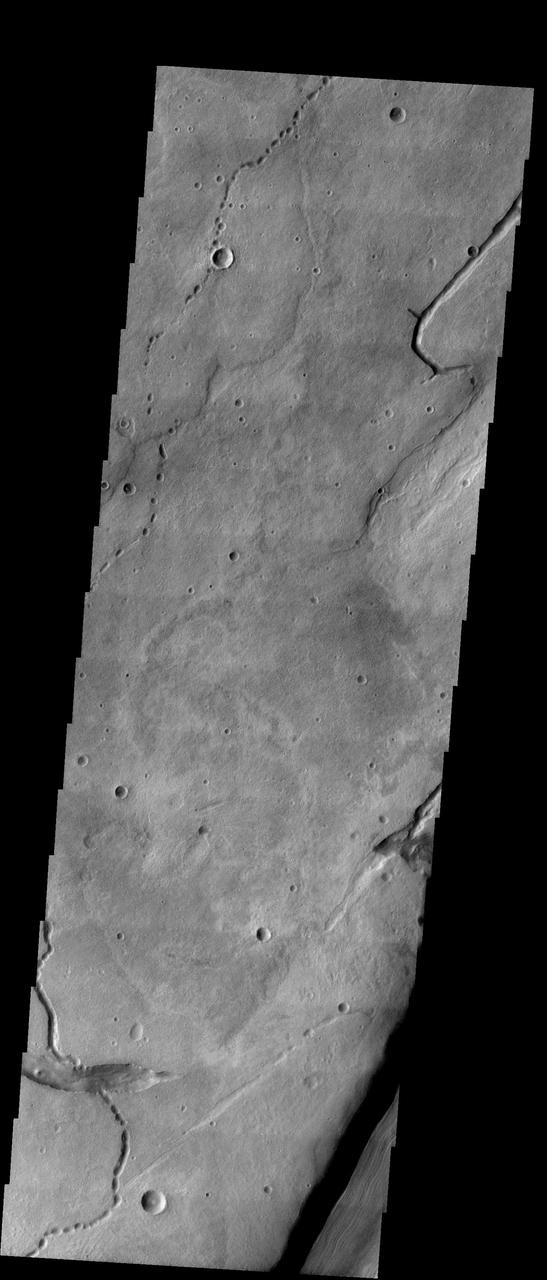
Lava Tube Collapse Pits
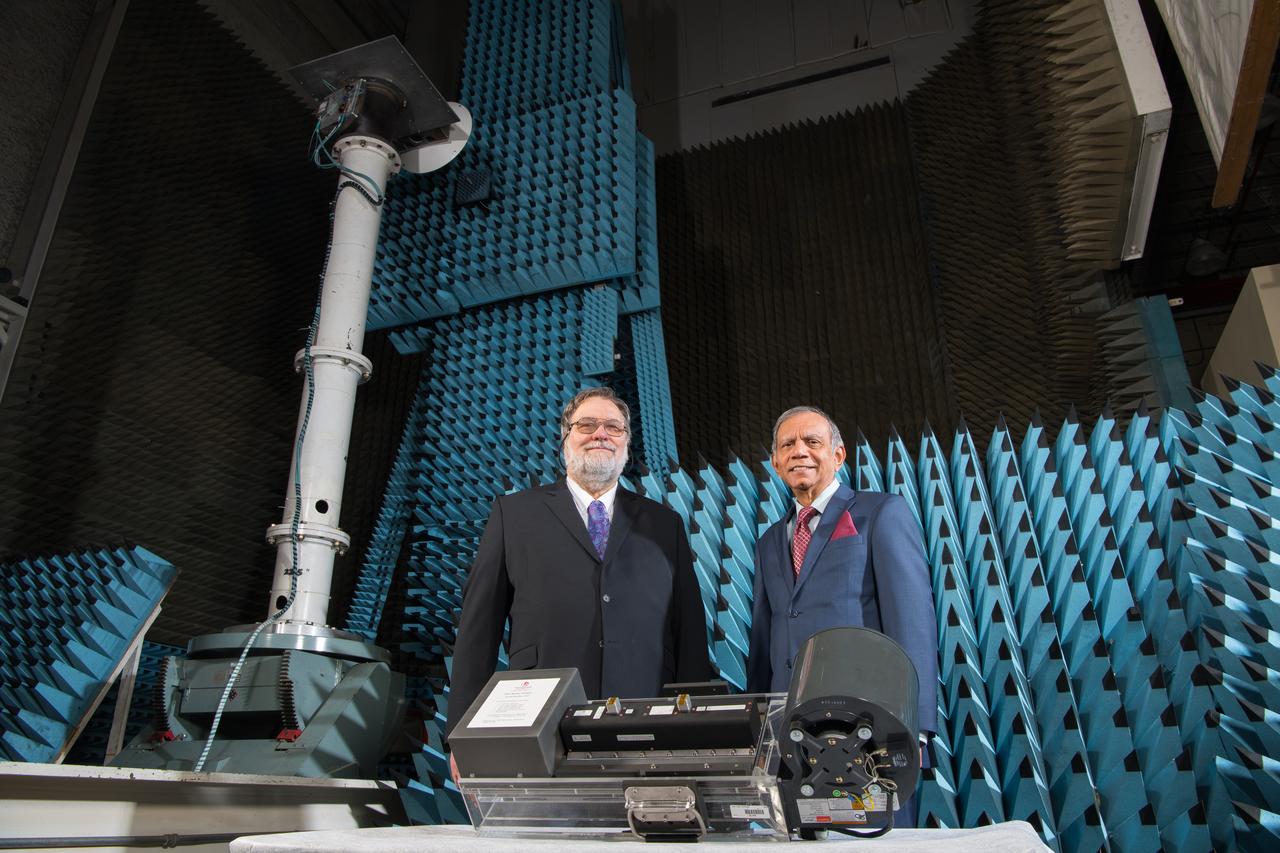
Traveling Wave Tube Amplifier,TWTA,

Traveling Wave Tube Amplifier,TWTA,

Traveling Wave Tube Amplifier,TWTA,
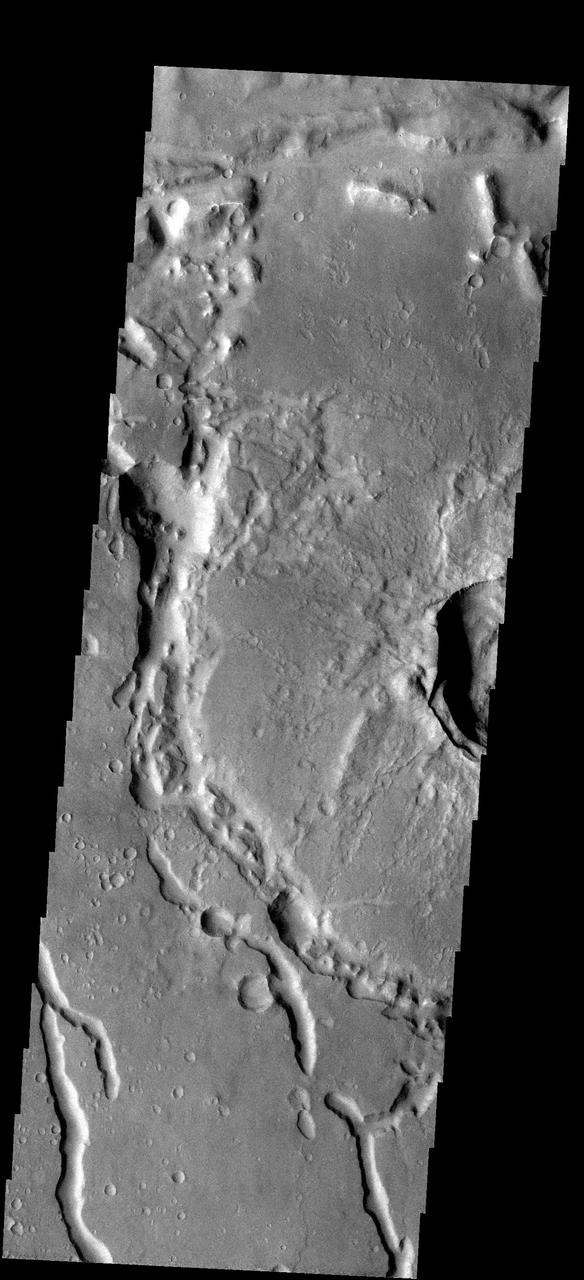
The discontinuous channels in this image are collapsed lava tubes
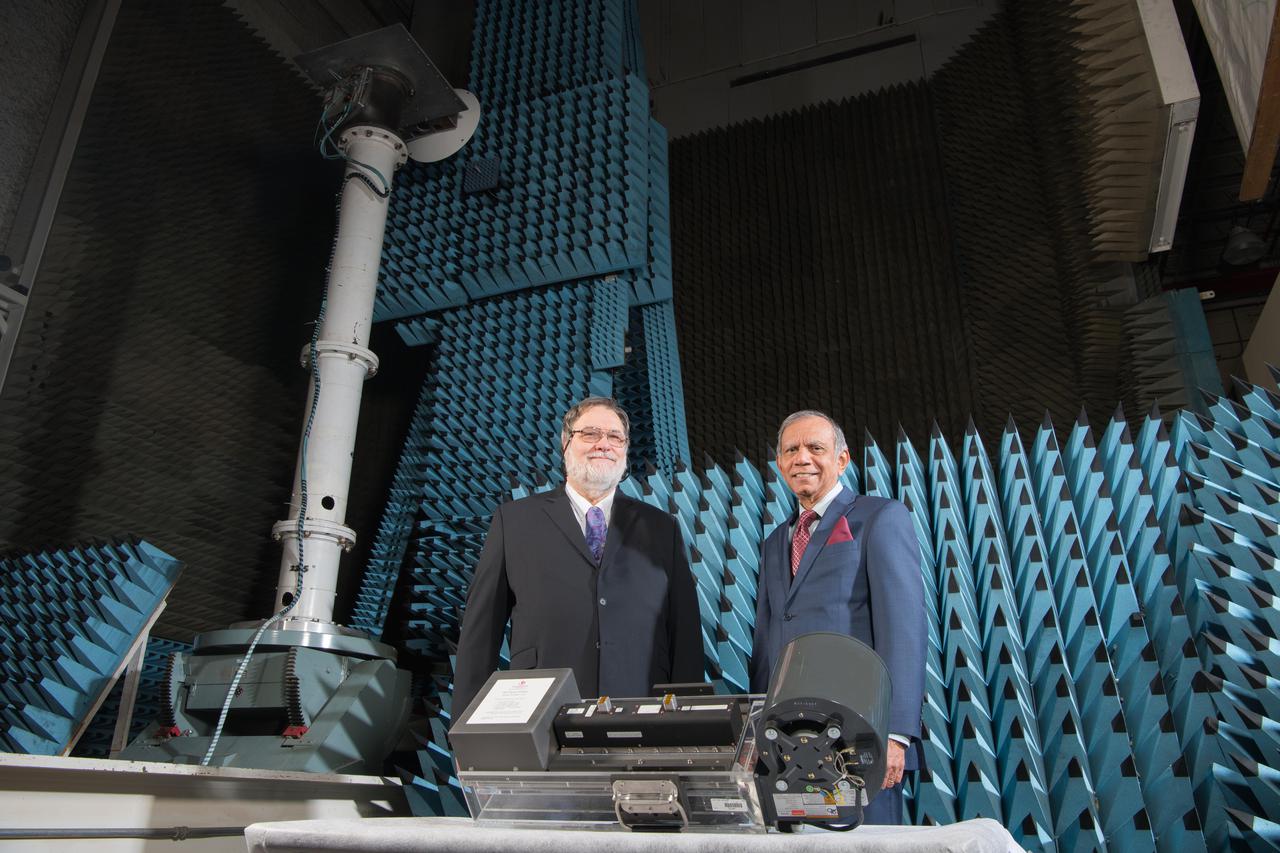
Traveling Wave Tube Amplifier,TWTA,
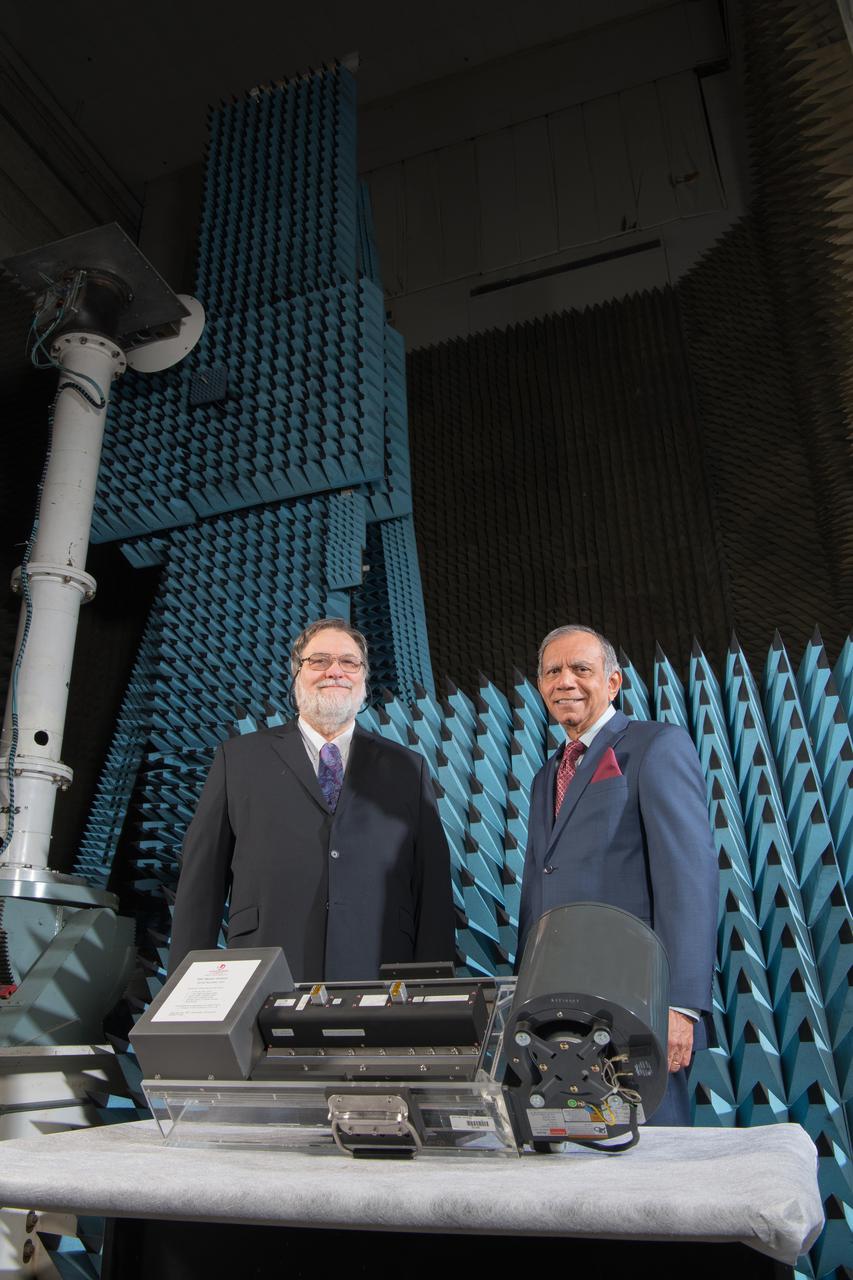
Traveling Wave Tube Amplifier,TWTA,
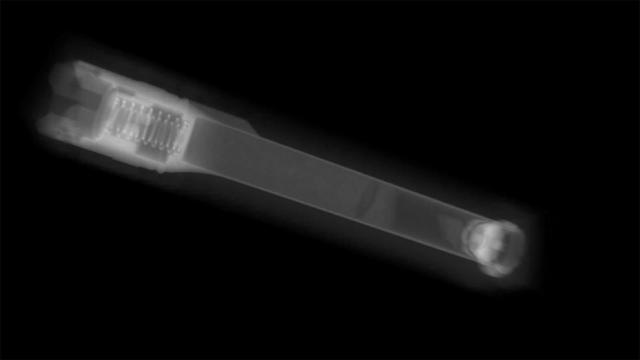
This animation shows the data collected on a Mars 2020 sample tube using a computerized tomography (CT) scanner. Engineers working on the sample tubes used the 3D imagery to better understand the tubes' internal structure. About the size and shape of a standard lab test tube, the 43 sample tubes headed to Mars must be lightweight, hardy enough to survive the demands of the round trip, and so clean that future scientists will be confident that what they are analyzing is 100% Mars. Movie available at https://photojournal.jpl.nasa.gov/catalog/PIA24304
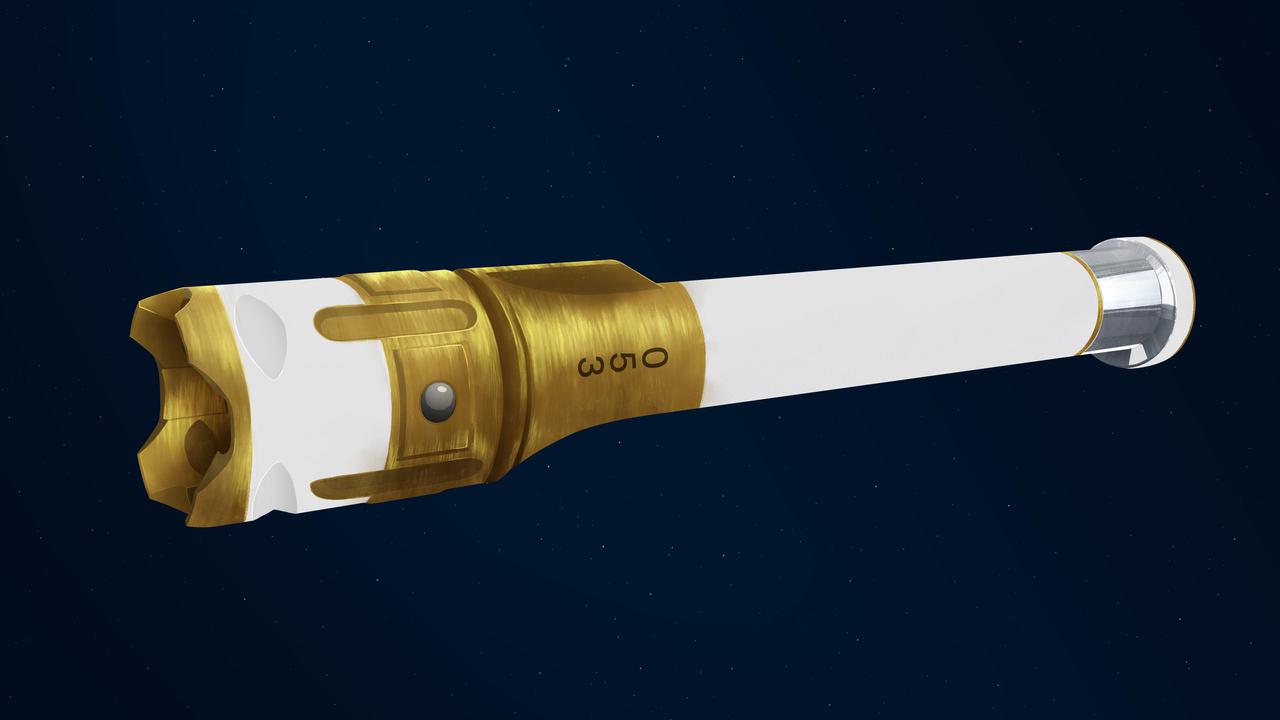
This illustration depicts the exterior of a sample tube being carried aboard the Mars 2020 Perseverance rover. About the size and shape of a standard lab test tube, the 43 sample tubes headed to Mars must be lightweight, hardy enough to survive the demands of the round trip, and so clean that future scientists will be confident that what they are analyzing is 100% Mars, without Earthly contaminants. Exterior Ball Lock: Placed on opposite sides of the tube, the two ball locks help secure the sample tube as it progresses through the many stages of sample collection and storage. Serial Number: Helps with identification of the tubes and their contents. Titanium Nitride Coating: Gold in color, this extremely hard ceramic coating is used as a specialized surface treatment that resists contamination. Alumina Coating: The reflective coating provides thermal protection and acts as a sponge to prevent potential contaminants from getting inside the sample tube. Bare Titanium: The portion of tube near the open end contains no coating to eliminate the possibility that the coating could delaminate from this portion of the tube during the insertion of a hermetic seal. Bearing Race: An asymmetrical flange at the open end of the tube, it assists in the process of shearing (breaking) off samples at the completion of the coring portion of sample collection. https://photojournal.jpl.nasa.gov/catalog/PIA24306
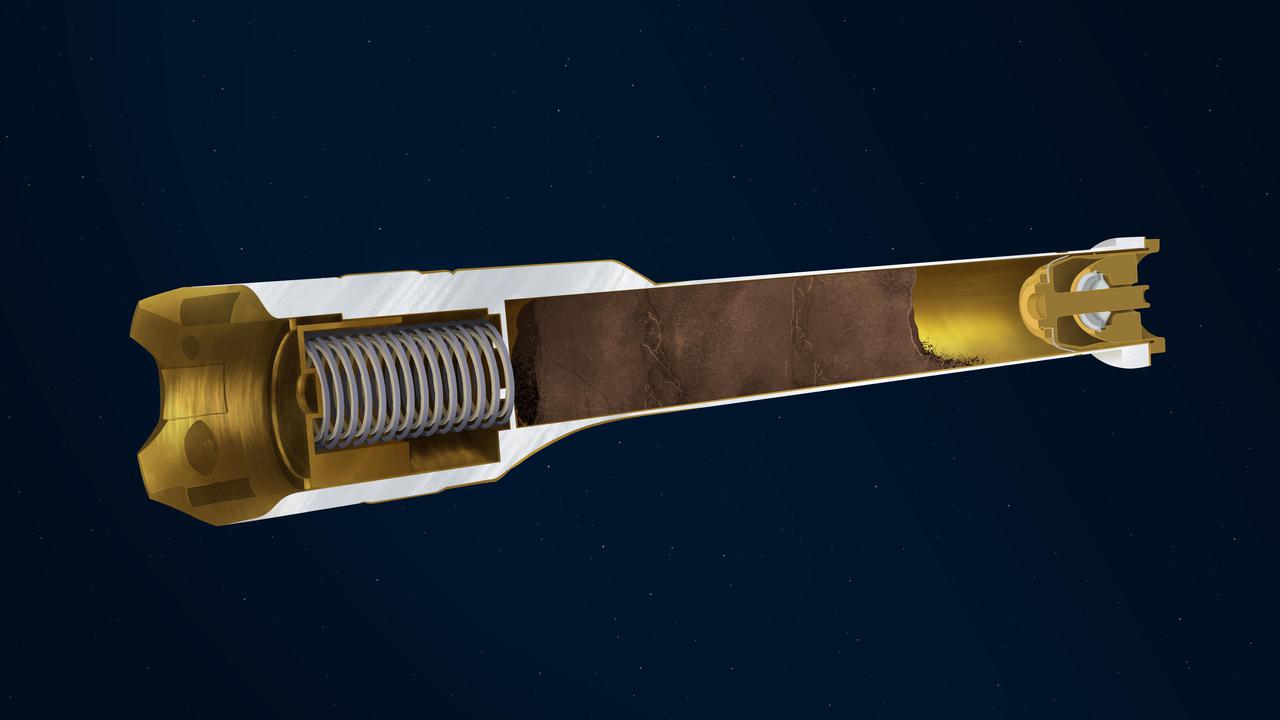
This illustration depicts the interior of a sample tube being carried aboard the Mars 2020 Perseverance rover. About the size and shape of a standard lab test tube, the 43 sample tubes headed to Mars must be lightweight, hardy enough to survive the demands of the round trip, and so clean that future scientists will be confident that what they are analyzing is 100% Mars, without Earthly contaminants. Cutaway Plunger: Works in concert with the spring to release (retract) or activate (extend) the two exterior-mounted ball locks. Springs: Along with the plunger, acts to release or activate the ball locks. Payload Cavity: Also known as the bore, is the area in the tube where cores of Martian rock and samples of regolith will be stored. Titanium Nitride Coating: The specialized surface treatment resists contamination. Hermetic Seal: This mechanically-activated plug is designed to ensure that no contaminants can get into the sample tube and that nothing from inside the tube can get out. https://photojournal.jpl.nasa.gov/catalog/PIA24307
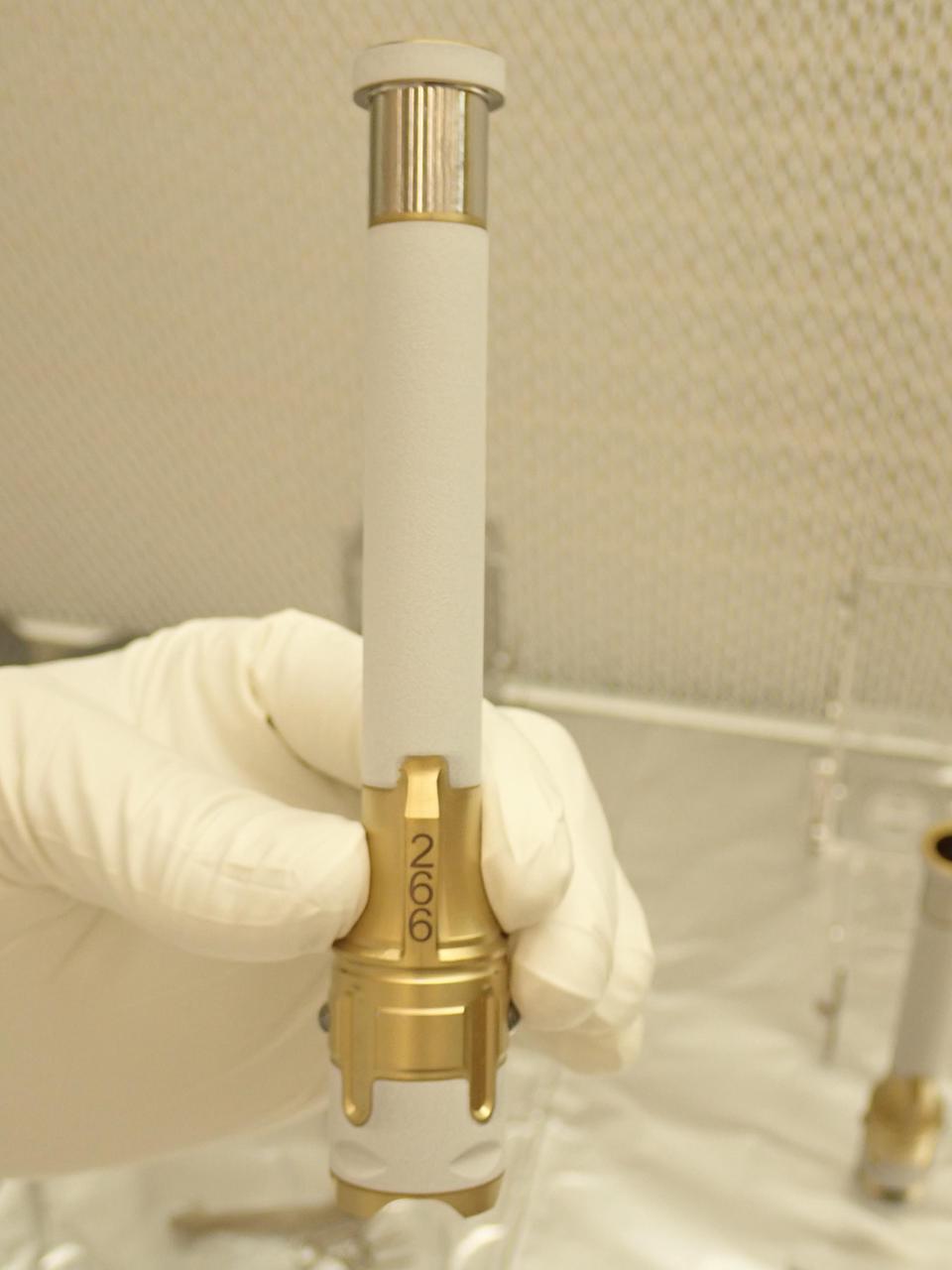
This image, taken in a clean room at NASA's Jet Propulsion Laboratory, shows sample tube number 266, which was used to collect the first sample of Martian rock by NASA's Perseverance rover. The laser-etched serial number helps science team identify the tubes and their contents. Perseverance carries 43 sample tubes, 38 of which have been tasked to carry different samples from a variety of geologic units and surface materials. The other five are "witness tubes" that (prior to launch) were loaded with materials geared to capture molecular and particulate contaminants. They'll be opened one at a time on Mars to witness the ambient environment primarily near sample collection sites, so the science team can catalog any impurities that may have traveled with the tube from Earth or contaminants from the spacecraft that may be present during sample collection. Made chiefly of titanium, each sample tube for Perseverance weighs less than 2 ounces (57 grams) and is less than 6 inches long. . A white exterior coating guards against heating by the Sun potentially changing the chemical composition of the samples after Perseverance deposits the tubes on the surface of Mars. https://photojournal.jpl.nasa.gov/catalog/PIA24808
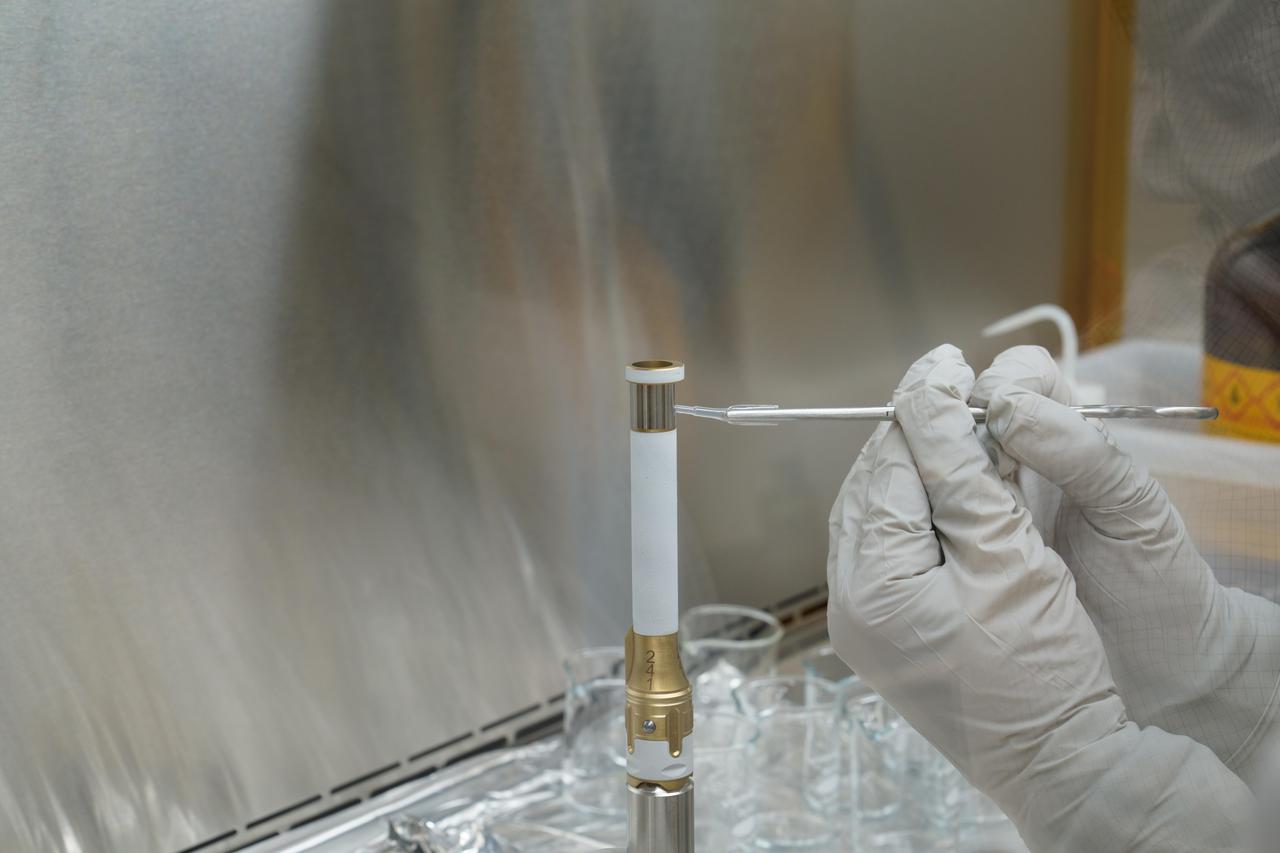
A technician working on the Mars 2020 Perseverance rover mission takes a sample from the surface of sample tube 241 to test for contamination. Each sample tube has its own unique serial number (seen on the gold-colored portion of the tube). The image was taken in a clean room facility at NASA's Jet Propulsion Laboratory in Southern California, where the tubes were developed and assembled. https://photojournal.jpl.nasa.gov/catalog/PIA24294
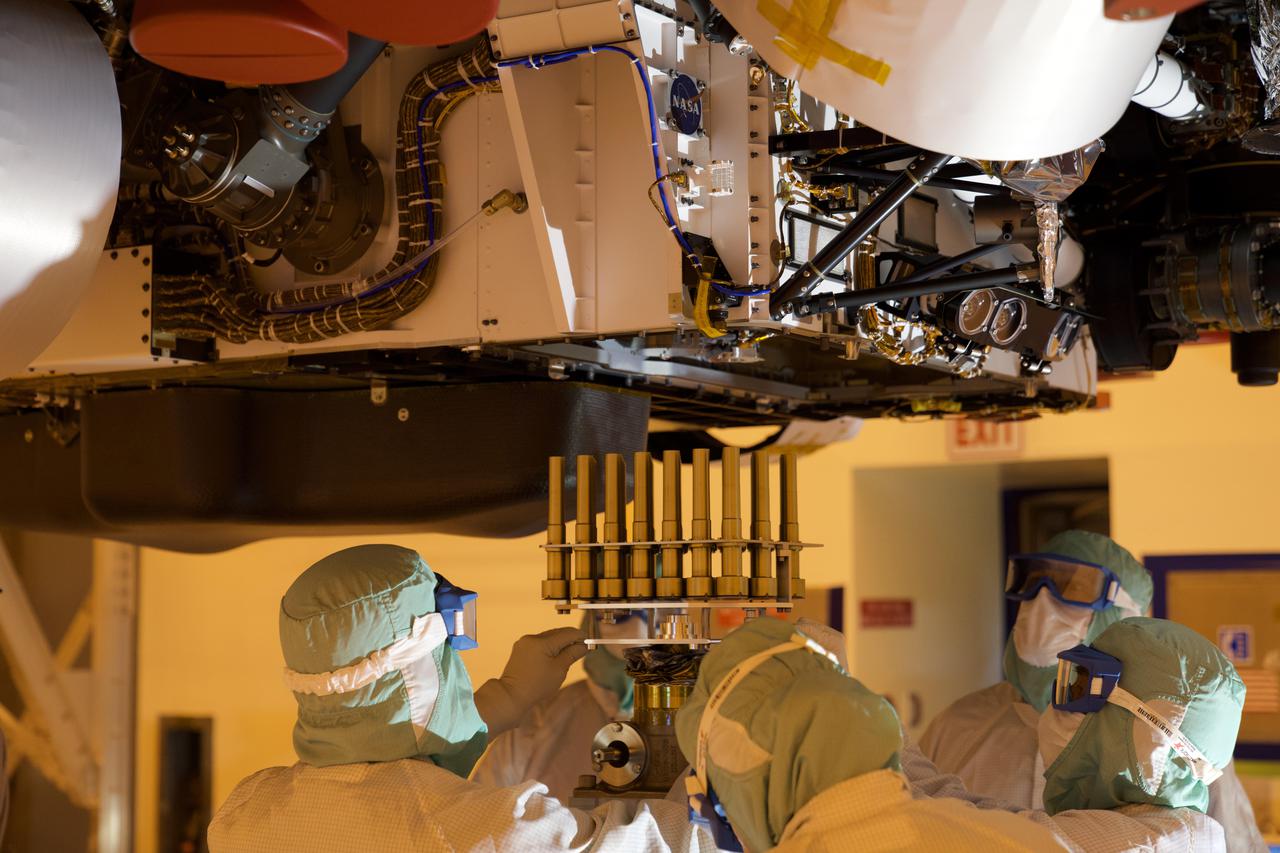
A tray holding 39 sample tubes headed to Mars is installed into the Perseverance rover on May 21, 2020, in a clean room at NASA's Kennedy Space Center in Florida during final installation for launch. Each tube is enveloped in its own gold-colored titanium sheath that protects it until the sample handling arm within the rover retrieves it to begin the process of collecting a sample of Martian rock or regolith (dust and crushed rock). In total, the rover carries 43 sample tubes. https://photojournal.jpl.nasa.gov/catalog/PIA24305
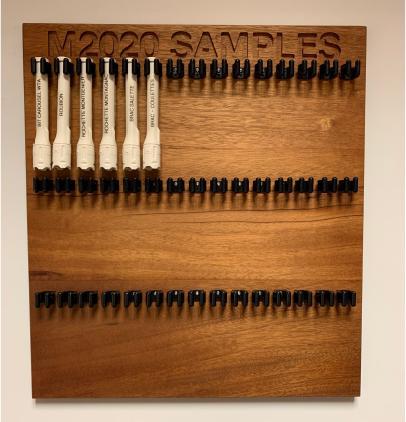
Six facsimile sample tubes hang on the sample tube board in the offices of NASA's Perseverance Mars rover mission at NASA's Jet Propulsion Laboratory in Southern California. Each 3D-printed tube represents actual sample tubes the rover has filled on Mars, either with rock or atmosphere, and they are labeled with the names of the target from which they came. The board was handmade by Perseverance's deputy project manager, Rick Welch. A key objective for Perseverance's mission on Mars is astrobiology, including the search for signs of ancient microbial life. The rover will characterize the planet's geology and past climate, pave the way for human exploration of the Red Planet, and be the first mission to collect and cache Martian rock and regolith (broken rock and dust). Subsequent NASA missions, in cooperation with ESA (European Space Agency), would send spacecraft to Mars to collect these sealed samples from the surface and return them to Earth for in-depth analysis. The Mars 2020 Perseverance mission is part of NASA's Moon to Mars exploration approach, which includes Artemis missions to the Moon that will help prepare for human exploration of the Red Planet. https://photojournal.jpl.nasa.gov/catalog/PIA25026
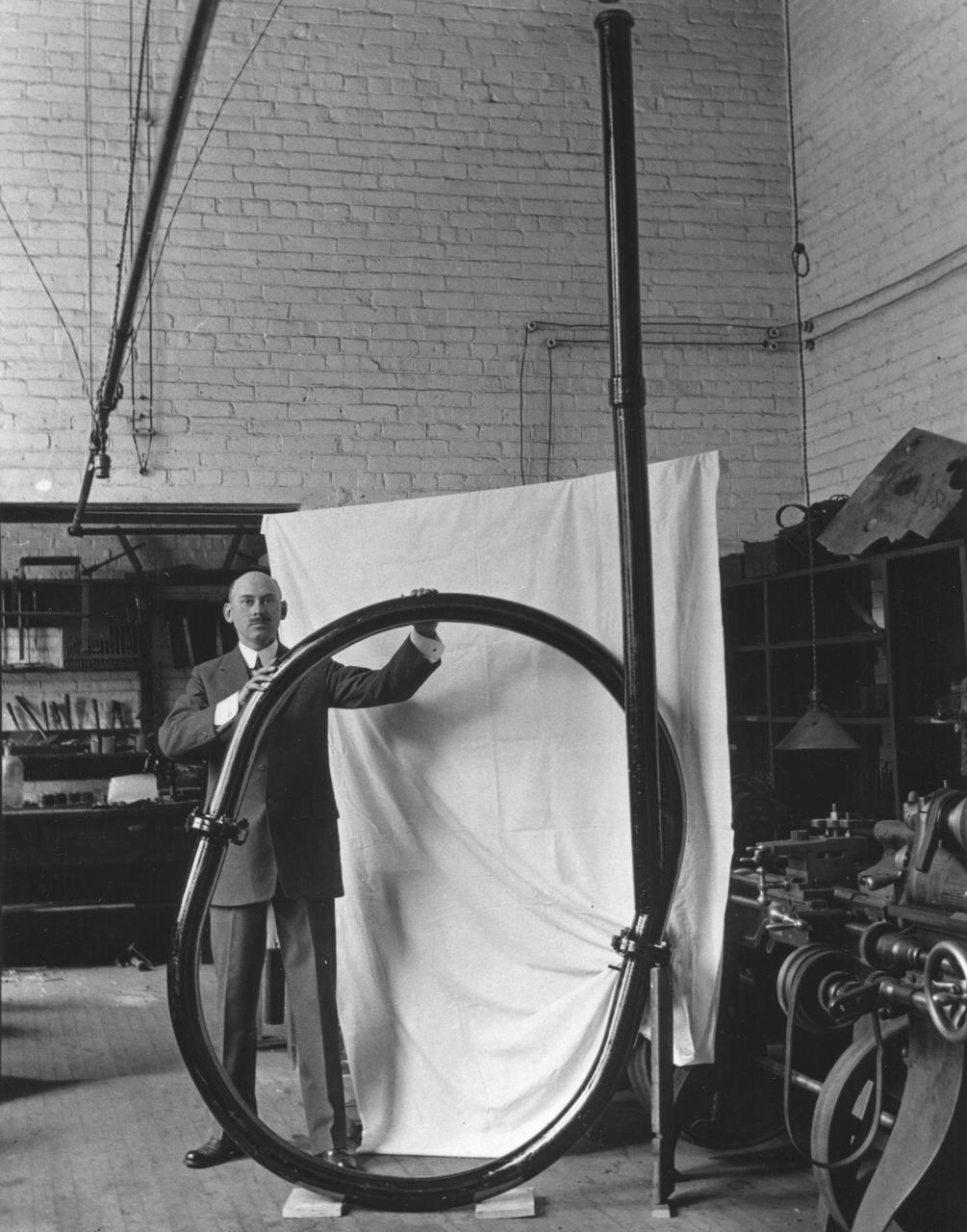
Robert H. Goddard with vacuum tube apparatus he built in 1916 to research rocket efficiency. Dr. Robert Hutchings Goddard is commonly referred to as the father of American rocketry. The same year he built the apparatus, Goddard wrote a study requesting funding from the Smithsonian Institution so that he could continue his rocket research, which he had begun in 1907 while still a student at Worcester Polytechnic Institute. A brilliant physicist, with a unique genius for invention, Goddard may not have succeeded had it not been for the Smithsonian Institution and later the Daniel Guggenheim Foundation and his employer the Worcester Polytechnic Institute of Clark University. The former gave him research monies while the Institute provided leaves of absence so that he could continue his life's work. He was the first scientist who not only realized the potential of missiles and space flight, but also contributed directly to making them a reality. <b><a href="http://www.nasa.gov/centers/goddard/home/index.html" rel="nofollow">NASA Goddard Space Flight Center</a></b> enables NASA’s mission through four scientific endeavors: Earth Science, Heliophysics, Solar System Exploration, and Astrophysics. Goddard plays a leading role in NASA’s accomplishments by contributing compelling scientific knowledge to advance the Agency’s mission. <b>Follow us on <a href="http://twitter.com/NASA_GoddardPix" rel="nofollow">Twitter</a></b> <b>Join us on <a href="http://www.facebook.com/pages/Greenbelt-MD/NASA-Goddard/395013845897?ref=tsd" rel="nofollow">Facebook</a></b>
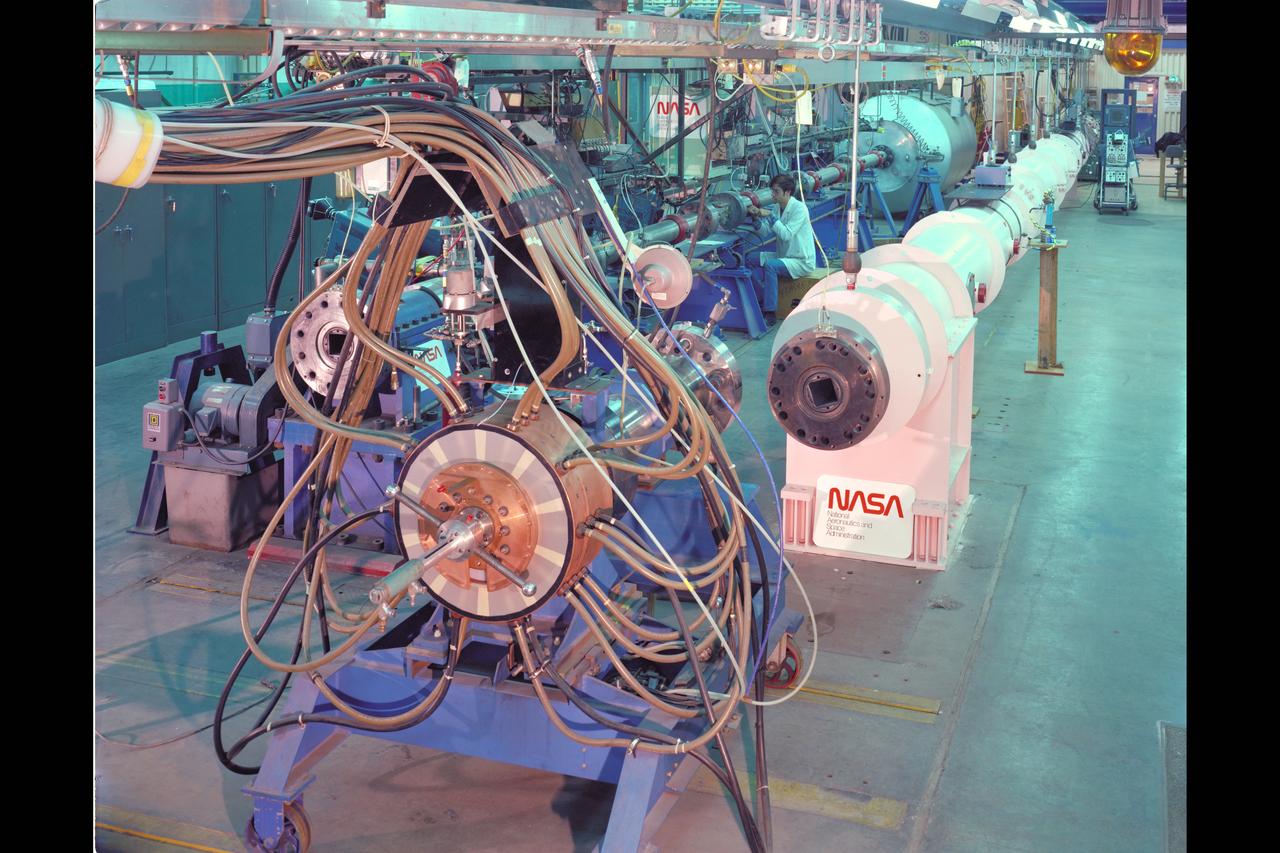
4' and 24' Shock Tubes - Electric Arc Shock Tube Facililty N-229 (East) The facility is used to investigate the effects of radiation and ionization during outer planetary entries as well as for air-blast simualtion which requires the strongest possible shock generation in air at loadings of 1 atm or greater.
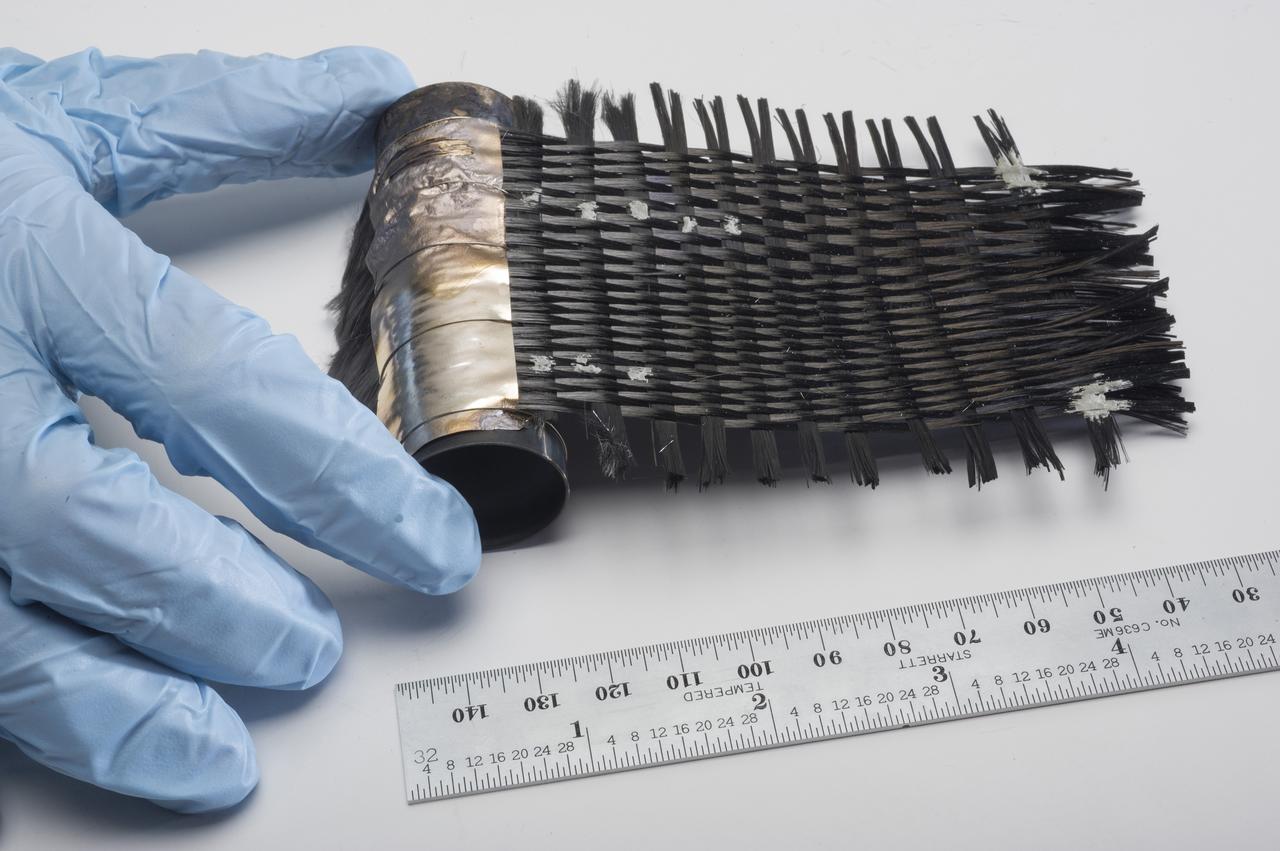
HAND-WOVEN MITSUBISHI K13D2U PITCH-BASED CARBON FIBERS BRAZED TO AN INCONEL TUBE.
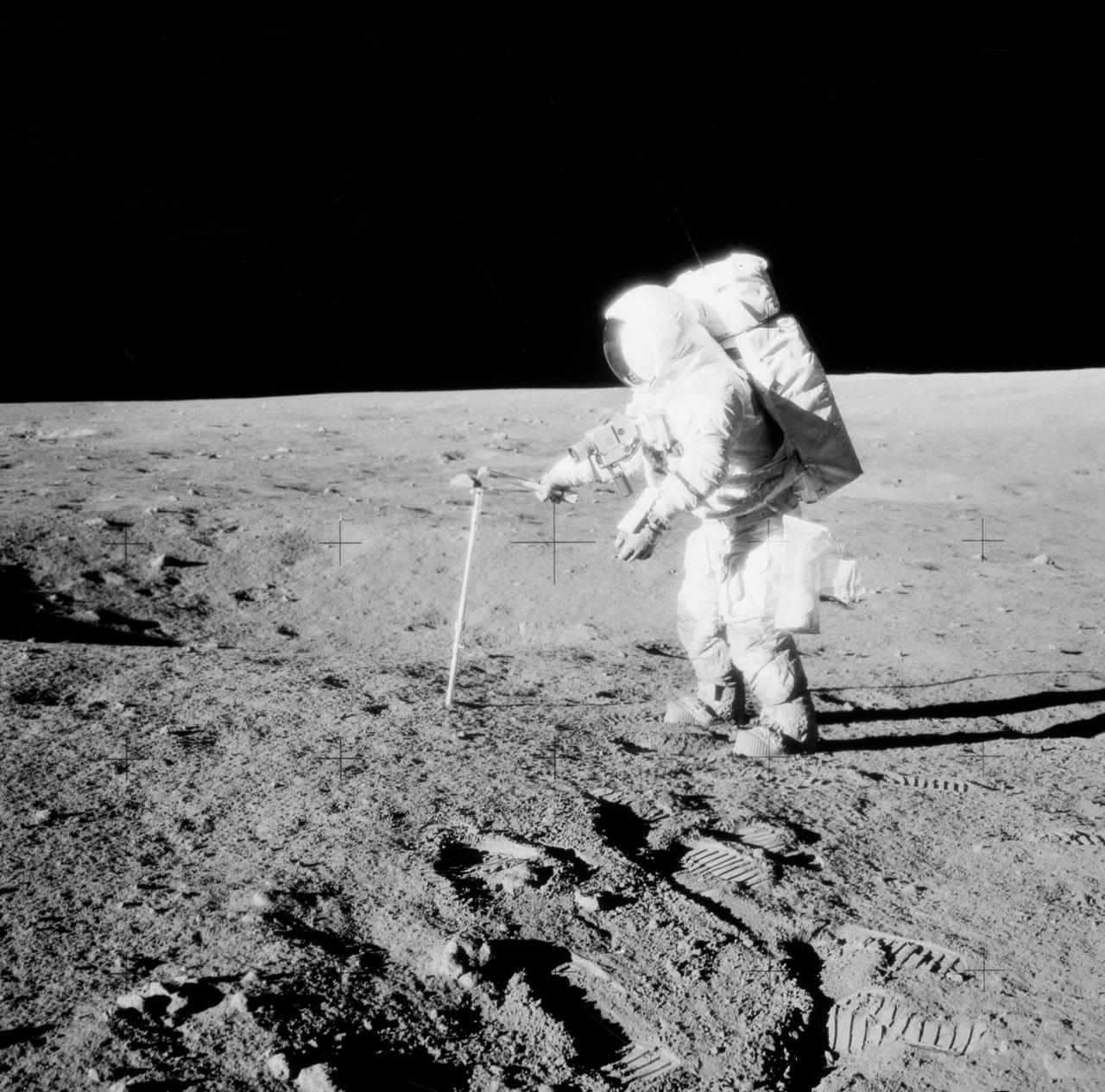
AS12-49-7286 (20 Nov. 1969) --- Astronaut Alan L. Bean, lunar module pilot, drives a core sample tube into the lunar surface during the Apollo 12 extravehicular activity. Good view of lunar soil.
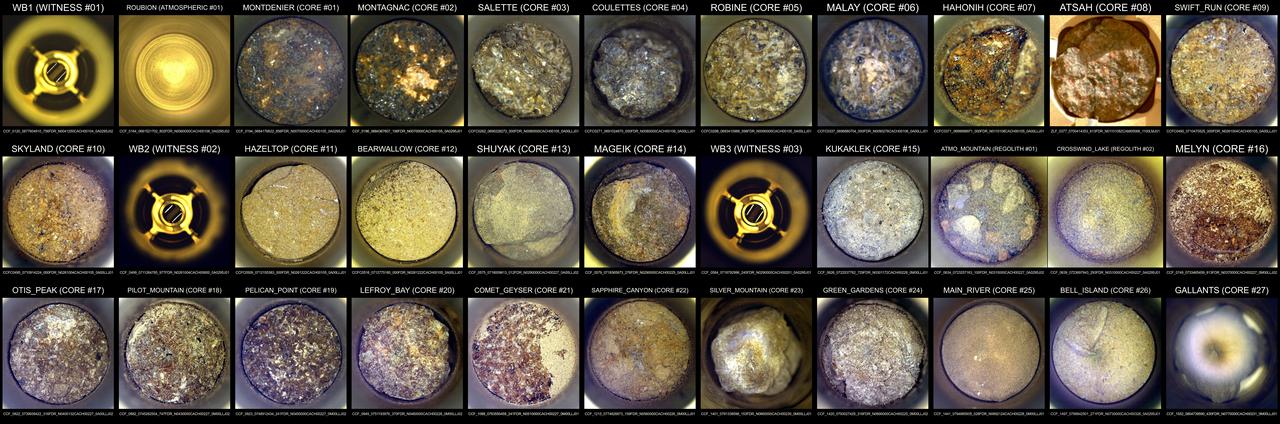
Shown here is an annotated composite image of the interiors of the 33 tubes NASA's Perseverance Mars rover has used to collect samples as of July 24, 2025, the 1,574th Martian day (or sol) of the mission. At this point, Perseverance has collected 27 rock cores, two samples of regolith (broken Mars rock and dust), and one atmospheric sample. The composite also includes images of the three witness tube interiors. Atop each image in white text is the name given to the sample by the rover science team. Ten of the samples depicted here – including one atmospheric sample and one witness tube – were deposited in January 2023 at the rover's sample depot at a location dubbed "Three Forks" within Jezero Crater. The other 23 samples collected thus far remain aboard the rover. Visit this page for details on each sample. The images of the sample tube interiors were collected by the rover's Sampling and Caching System Camera (known as CacheCam). https://photojournal.jpl.nasa.gov/catalog/PIA26643
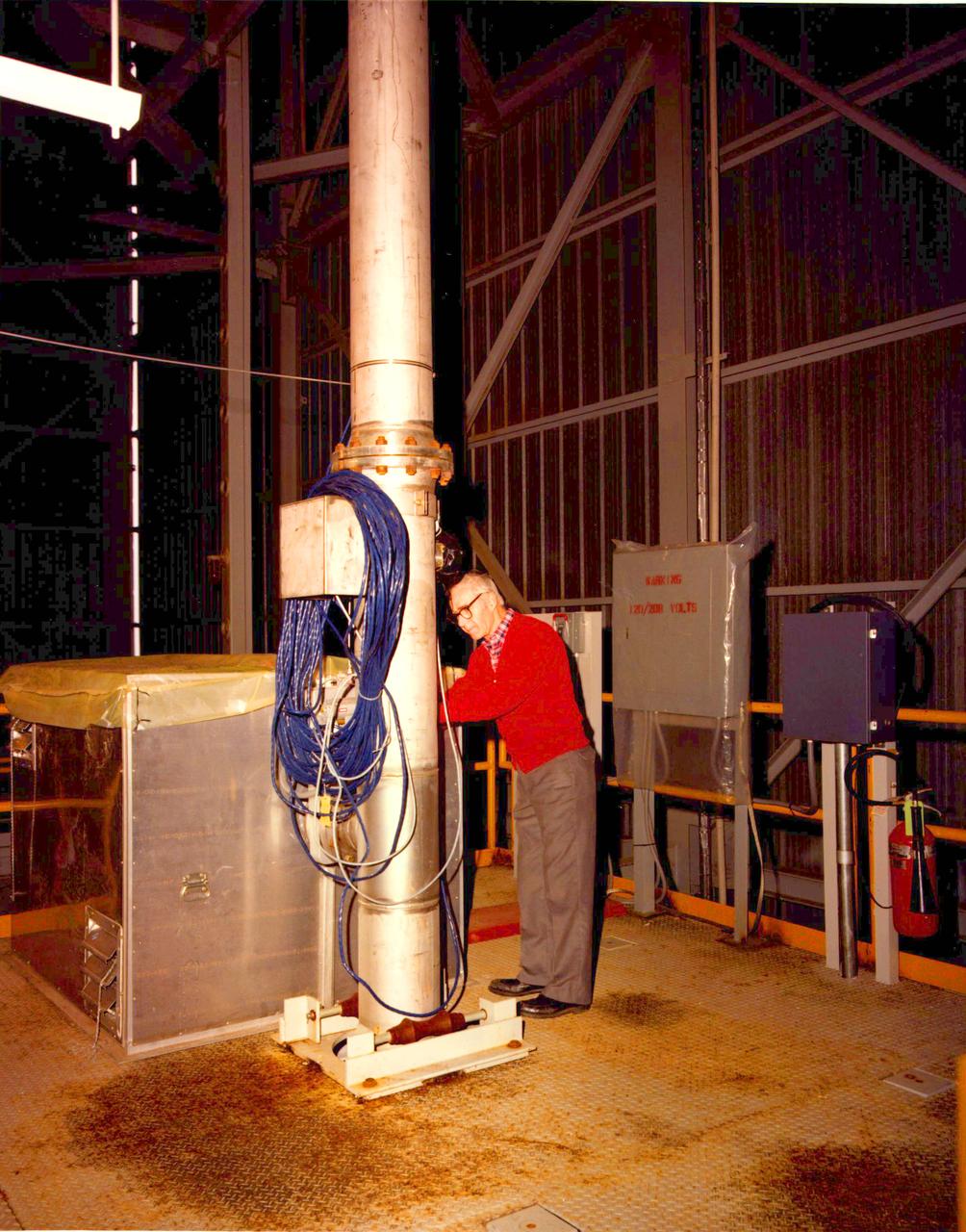
A Drop Tube is a long vertical shaft used for dropping experiment packages, enabling them to achieve microgravity through freefall.
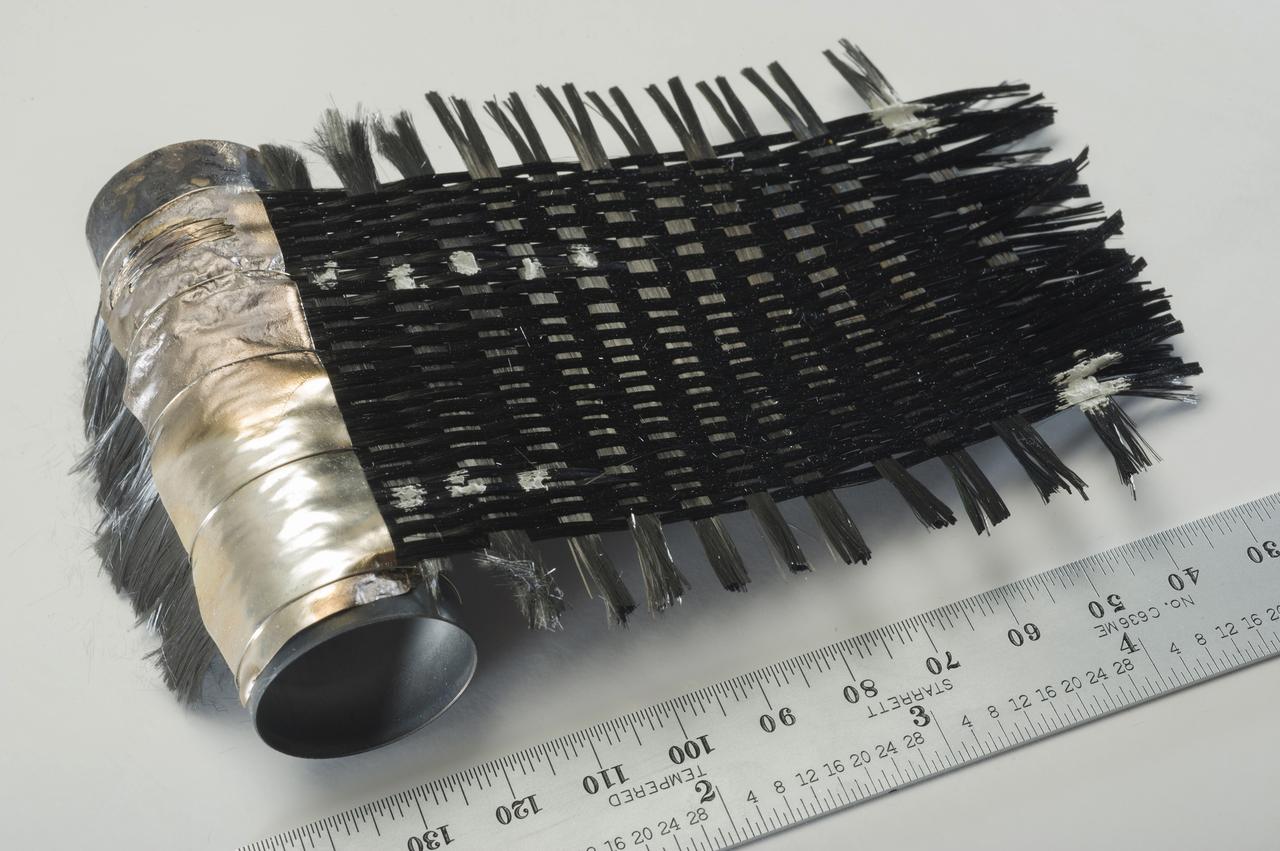
HAND-WOVEN MITSUBISHI K13D2U PITCH-BASED CARBON FIBERS BRAZED TO AN INCONEL TUBE.
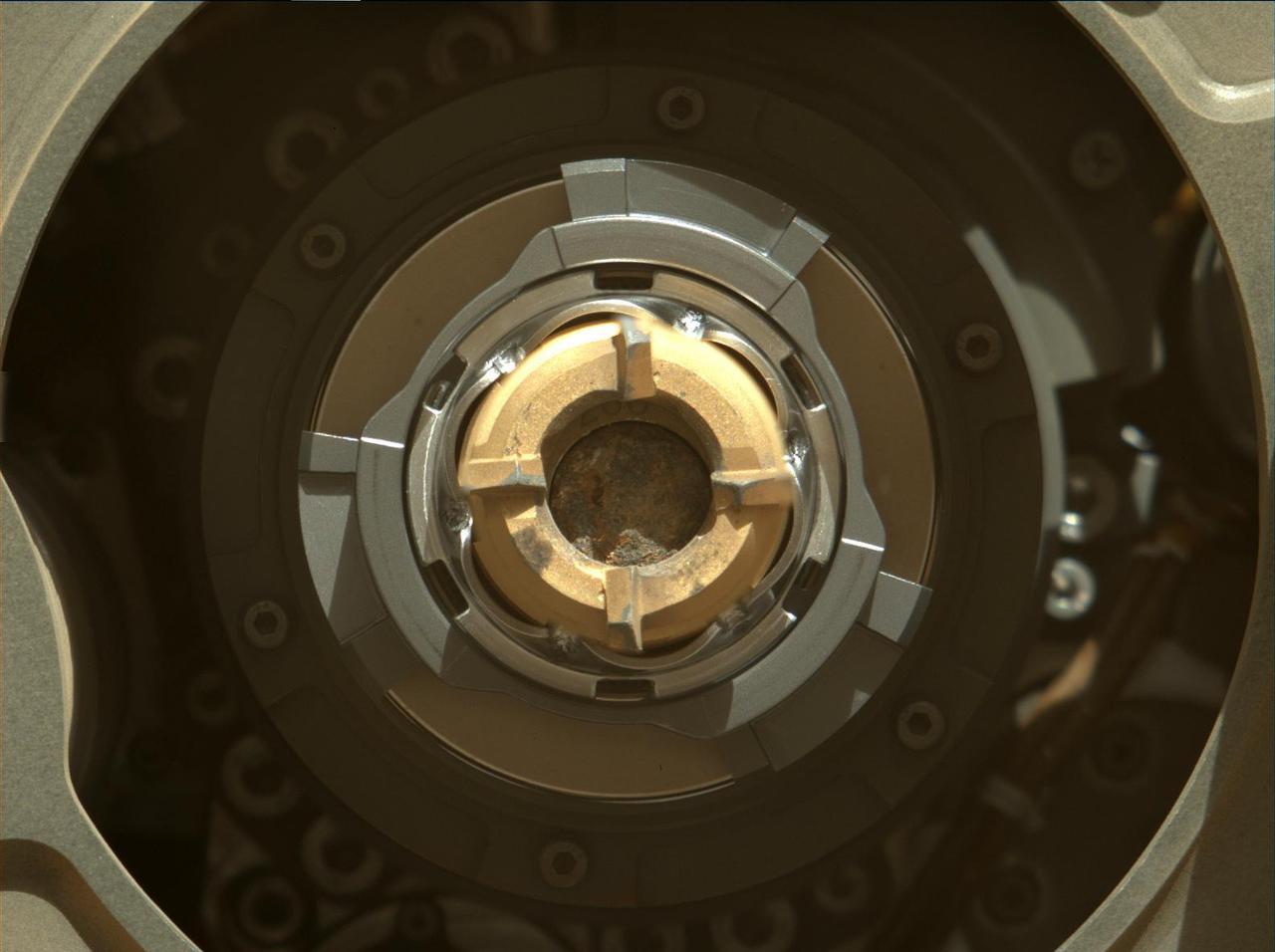
This Mastcam-Z image shows a sample of Mars rock inside the sample tube on Sept. 1, 2021 (the 190th sol, or Martian day, of the mission), shortly after the coring operation. The image was taken after coring concluded but prior to an operation that vibrates the drill bit and tube to clear the tube's lip of any residual material. The bronze-colored outer-ring is the coring bit. The lighter-colored inner-ring is the open end of the sample tube, and inside is a rock core sample slightly thicker than a pencil. A portion of the tube's serial number – 266 – can be seen on the top side of tube's wall. Arizona State University in Tempe leads the operations of the Mastcam-Z instrument, working in collaboration with Malin Space Science Systems in San Diego. A key objective for Perseverance's mission on Mars is astrobiology, including the search for signs of ancient microbial life. The rover will characterize the planet's geology and past climate, pave the way for human exploration of the Red Planet, and be the first mission to collect and cache Martian rock and regolith (broken rock and dust). Subsequent NASA missions, in cooperation with ESA (European Space Agency), would send spacecraft to Mars to collect these sealed samples from the surface and return them to Earth for in-depth analysis. The Mars 2020 Perseverance mission is part of NASA's Moon to Mars exploration approach, which includes Artemis missions to the Moon that will help prepare for human exploration of the Red Planet. https://photojournal.jpl.nasa.gov/catalog/PIA24804
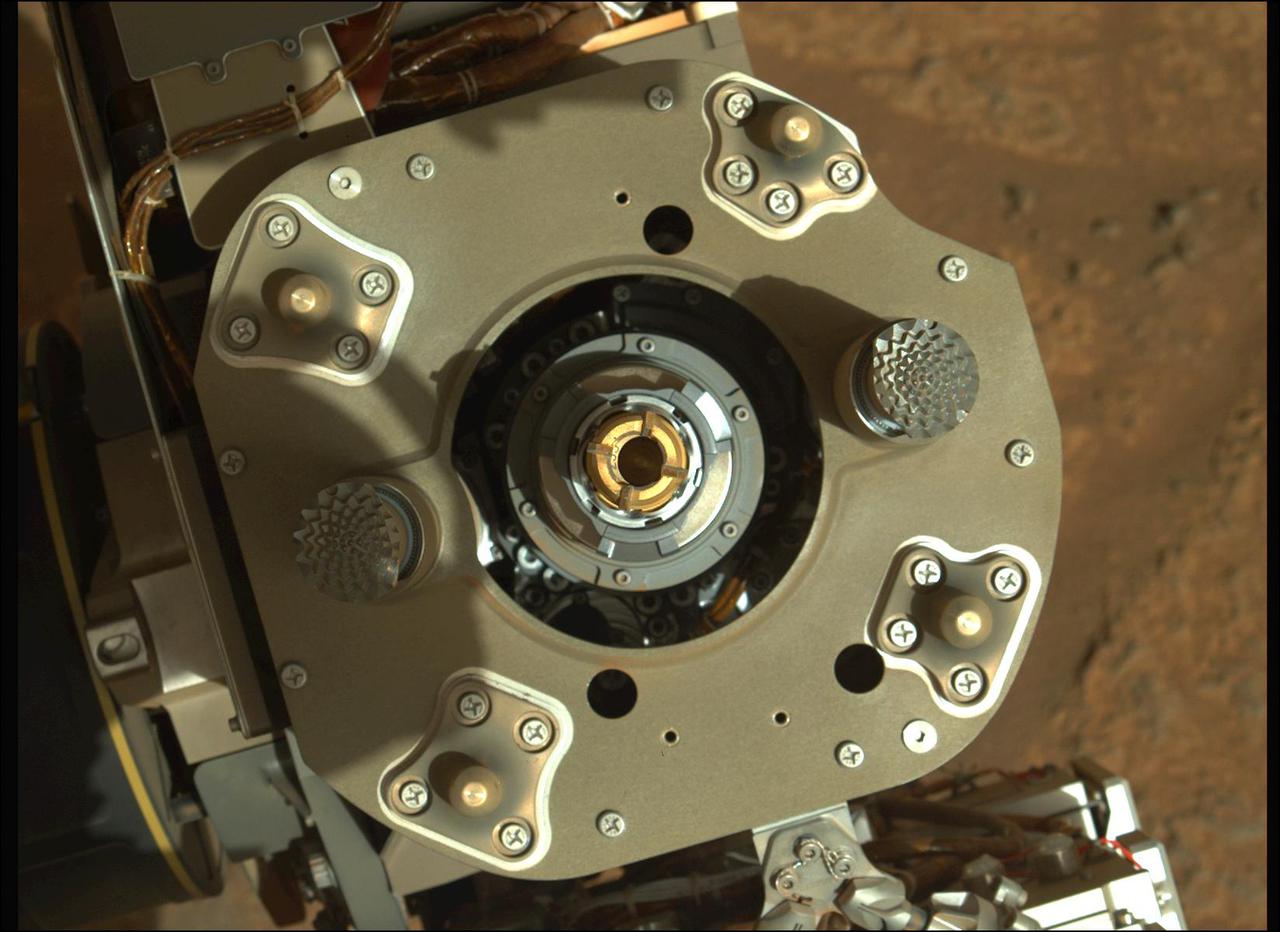
This enhanced-color image from the Mastcam-Z instrument aboard NASA's Perseverance rover shows a sample tube inside the coring bit after the August 6, 2021, coring activity was completed. The bronze-colored outer-ring is the coring bit. The lighter-colored inner-ring is the open end of the sample tube. A portion of the tube's serial number – 233 – can be seen on the left side of tube's wall. A key objective for Perseverance's mission on Mars is astrobiology, including the search for signs of ancient microbial life. The rover will characterize the planet's geology and past climate, pave the way for human exploration of the Red Planet, and be the first mission to collect and cache Martian rock and regolith (broken rock and dust). Subsequent NASA missions, in cooperation with ESA (European Space Agency), would send spacecraft to Mars to collect these sealed samples from the surface and return them to Earth for in-depth analysis. The Mars 2020 Perseverance mission is part of NASA's Moon to Mars exploration approach, which includes Artemis missions to the Moon that will help prepare for human exploration of the Red Planet. https://photojournal.jpl.nasa.gov/catalog/PIA24799
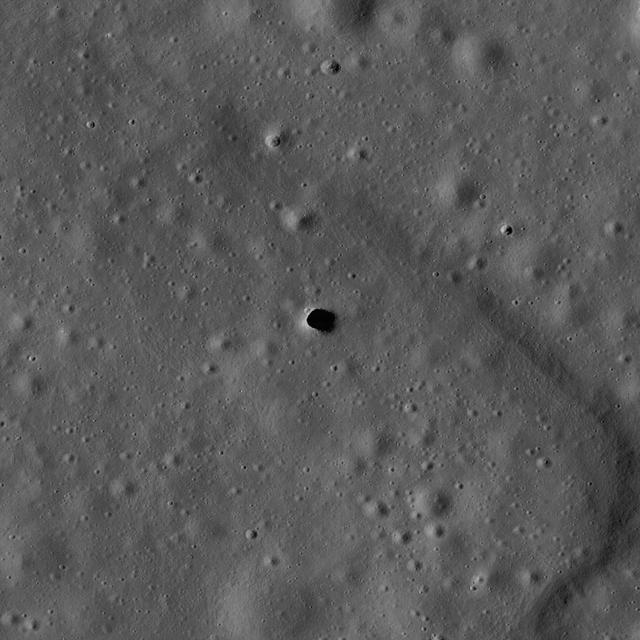
The Marius Hills pit is a possible skylight in a lava tube in an ancient volcanic region of the Moon called the Marius Hills. This image was taken by NASA Lunar Reconnaissance Orbiter.
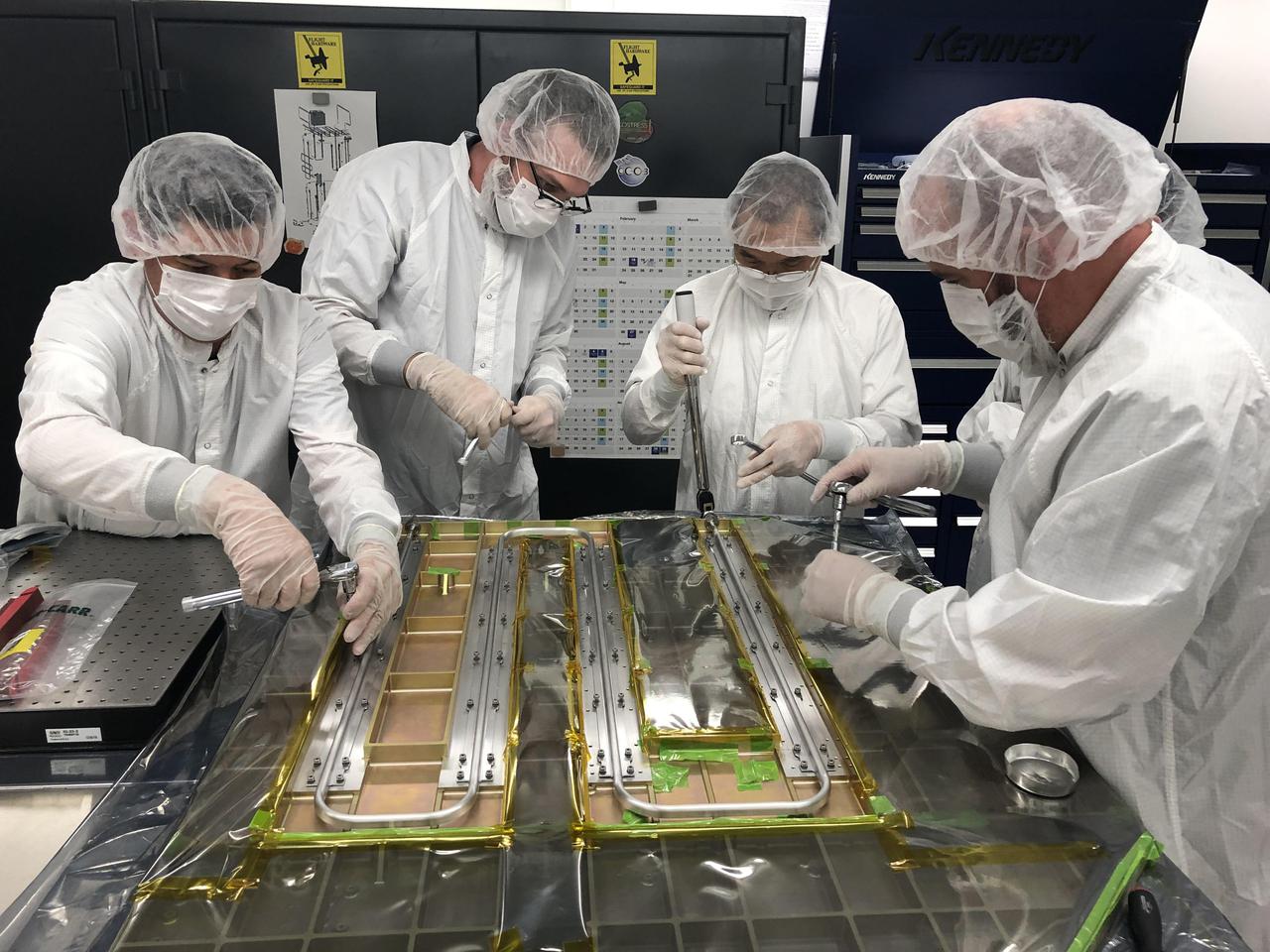
Europa Clipper technicians and engineers at NASA's Jet Propulsion Laboratory in Southern California work together in a cleanroom on Sept. 12, 2019. They bond thermal tubing to the spacecraft's Radio Frequency (RF) panel, which was built by Johns Hopkins University Applied Physics Laboratory (APL) in Laurel, Maryland. The tubing is part of a Heat Redistribution System (HRS) that pumps coolant all around the spacecraft and helps control its temperature as it travels through space. With an internal global ocean twice the size of Earth's oceans combined, Europa may have the potential to harbor life. NASA's Europa Clipper spacecraft will swoop around Jupiter on an elliptical path, dipping close to the moon on each flyby to collect data. Understanding Europa's habitability will help scientists better understand how life developed on Earth and the potential for finding life beyond our planet. Europa Clipper is aiming for a launch readiness date of 2024. https://photojournal.jpl.nasa.gov/catalog/PIA24324
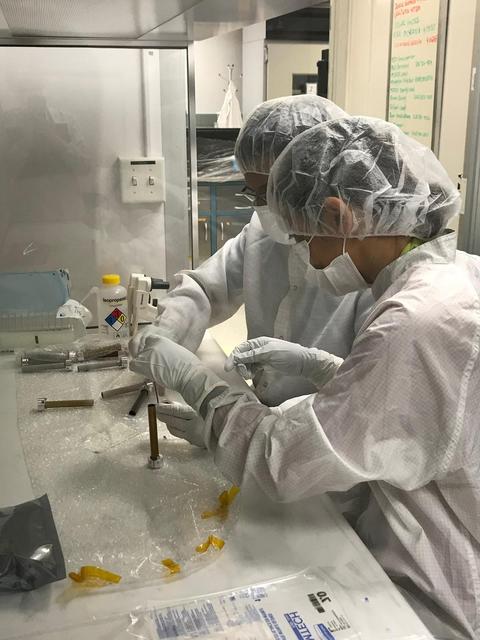
Planetary protection engineers at NASA's Jet Propulsion Laboratory in Southern California swab engineering models of the tubes that will store Martian rock and sediment samples as part of NASA’s Mars 2020 Perseverance mission. Team members wanted to understand the transport of biological particles when the rover is taking rock cores. These measurements helped the rover team design hardware and sampling methods that meet stringent biological contamination control requirements. https://photojournal.jpl.nasa.gov/catalog/PIA23718
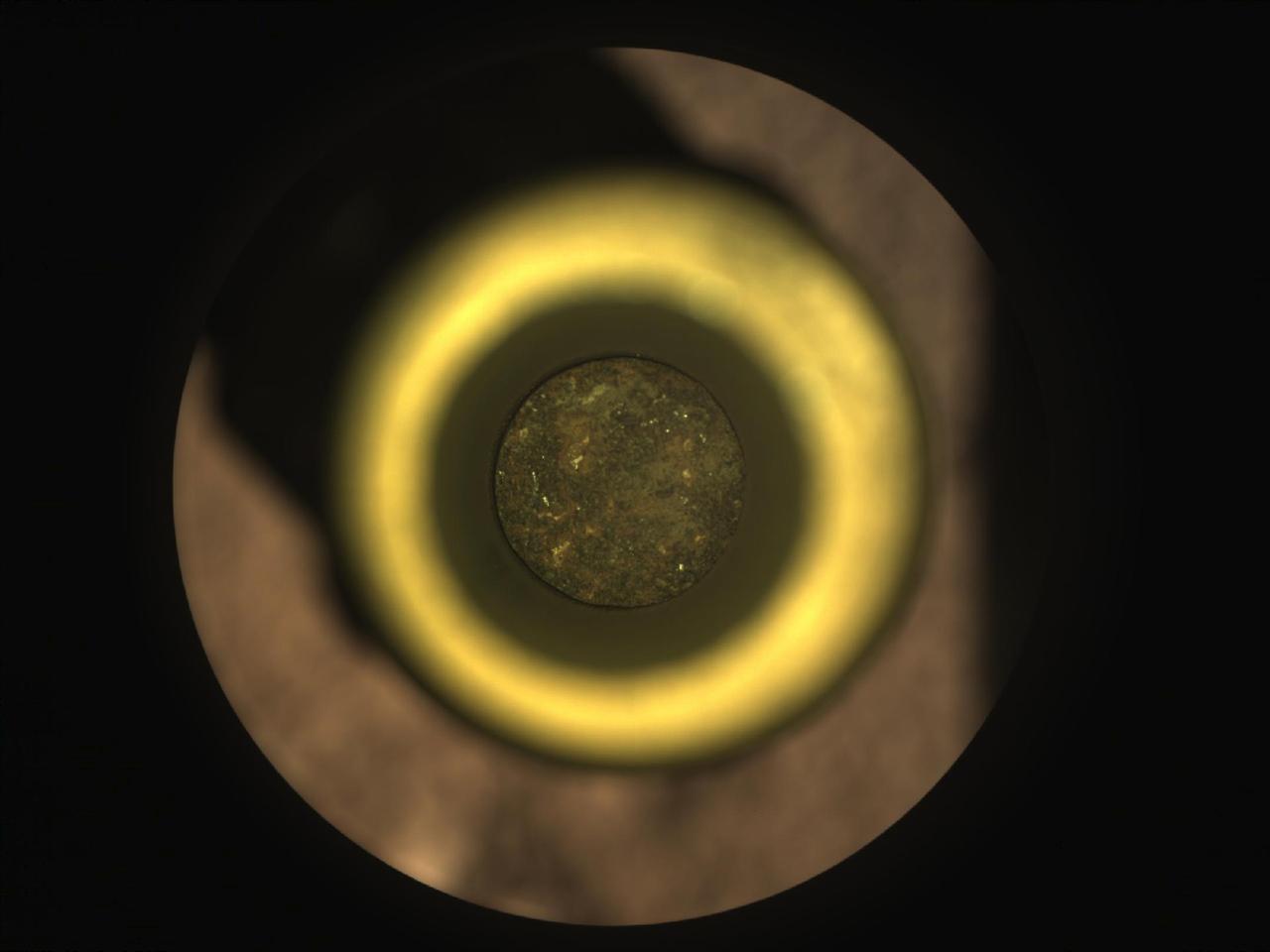
The first cored sample of Mars rock is visible (at center) inside a titanium sample collection tube in this from the Sampling and Caching System Camera (known as CacheCam) of NASA's Perseverance rover. The image was taken on Sept. 6, 2021 (the 194th sol, or Martian day, of the mission), prior to the system attaching and sealing a metal cap onto the tube. The image was taken so the cored-rock sample would be in focus. The seemingly dark ring surrounding the sample is a portion of the sample tube's inner wall. The bright gold-colored ring surrounding the tube and sample is the "bearing race," an asymmetrical flange that assists in shearing off a sample once the coring drill has bored into a rock. The outermost, mottled-brown disc in this image is a portion of the sample handling arm inside the rover's adaptive caching assembly. An additional set of images shows the tube and its cored sample during CacheCam imaging inspection. A key objective for Perseverance's mission on Mars is astrobiology, including the search for signs of ancient microbial life. The rover will characterize the planet's geology and past climate, pave the way for human exploration of the Red Planet, and be the first mission to collect and cache Martian rock and regolith (broken rock and dust). Subsequent NASA missions, in cooperation with ESA (European Space Agency), would send spacecraft to Mars to collect these sealed samples from the surface and return them to Earth for in-depth analysis. The Mars 2020 Perseverance mission is part of NASA's Moon to Mars exploration approach, which includes Artemis missions to the Moon that will help prepare for human exploration of the Red Planet. Movie available at https://photojournal.jpl.nasa.gov/catalog/PIA24806
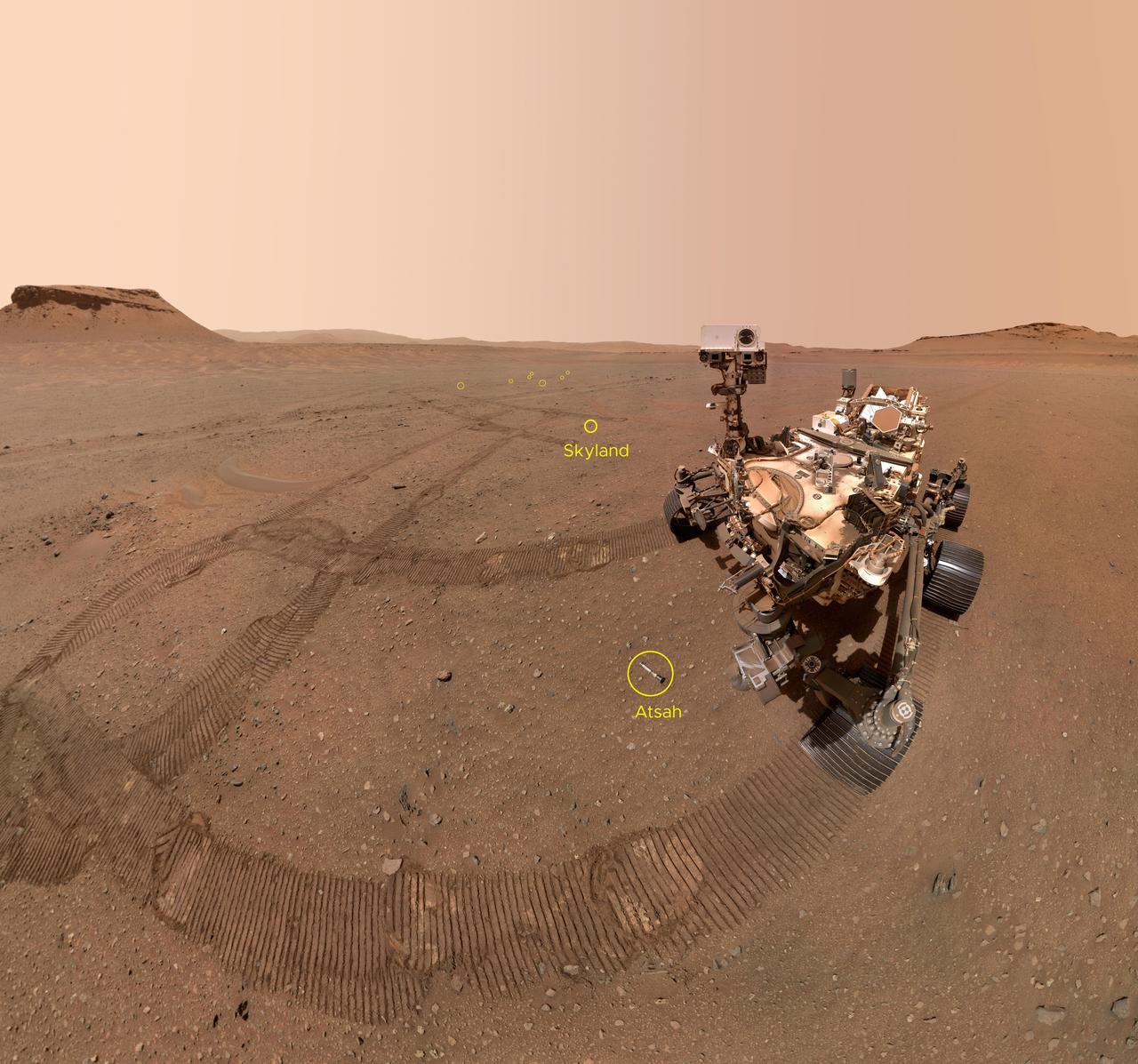
NASA's Perseverance Mars rover took a selfie with nine of the 10 sample tubes it deposited at a sample depot created within an area of Jezero Crater nicknamed "Three Forks." This annotated version of the selfie points out the estimated locations of those nine tubes. The ninth tube dropped during the construction of the depot, containing the sample the science team refers to as "Atsah," can be seen in front of the rover. Other sample tubes are visible in the background, including "Skyland," which is labeled. The image was taken by the WATSON (Wide Angle Topographic Sensor for Operations and eNgineering) camera on the end of the rover's robotic arm on Jan. 22, 2023, the 684th Martian day, or sol, of the mission. The selfie is composed of 59 individual WATSON images that were stitched together once they were sent back to Earth. The Curiosity rover takes similar selfies using a camera on its robotic arm; videos explaining how the rovers take their selfies can be found here. The depot marks a crucial milestone in the NASA-ESA (European Space Agency) Mars Sample Return campaign that aims to bring Mars samples to Earth for closer study. The depot – completed when the 10th tube was dropped on Jan. 29, 2023 – will serve as a backup if Perseverance can't deliver its samples to a future robotic lander. A key objective for Perseverance's mission on Mars is astrobiology, including the search for signs of ancient microbial life. The rover will characterize the planet's geology and past climate, pave the way for human exploration of the Red Planet, and be the first mission to collect and cache Martian rock and regolith (broken rock and dust). Subsequent NASA missions, in cooperation with ESA (European Space Agency), would send spacecraft to Mars to collect these sealed samples from the surface and return them to Earth for in-depth analysis. The Mars 2020 Perseverance mission is part of NASA's Moon to Mars exploration approach, which includes Artemis missions to the Moon that will help prepare for human exploration of the Red Planet. https://photojournal.jpl.nasa.gov/catalog/PIA25735
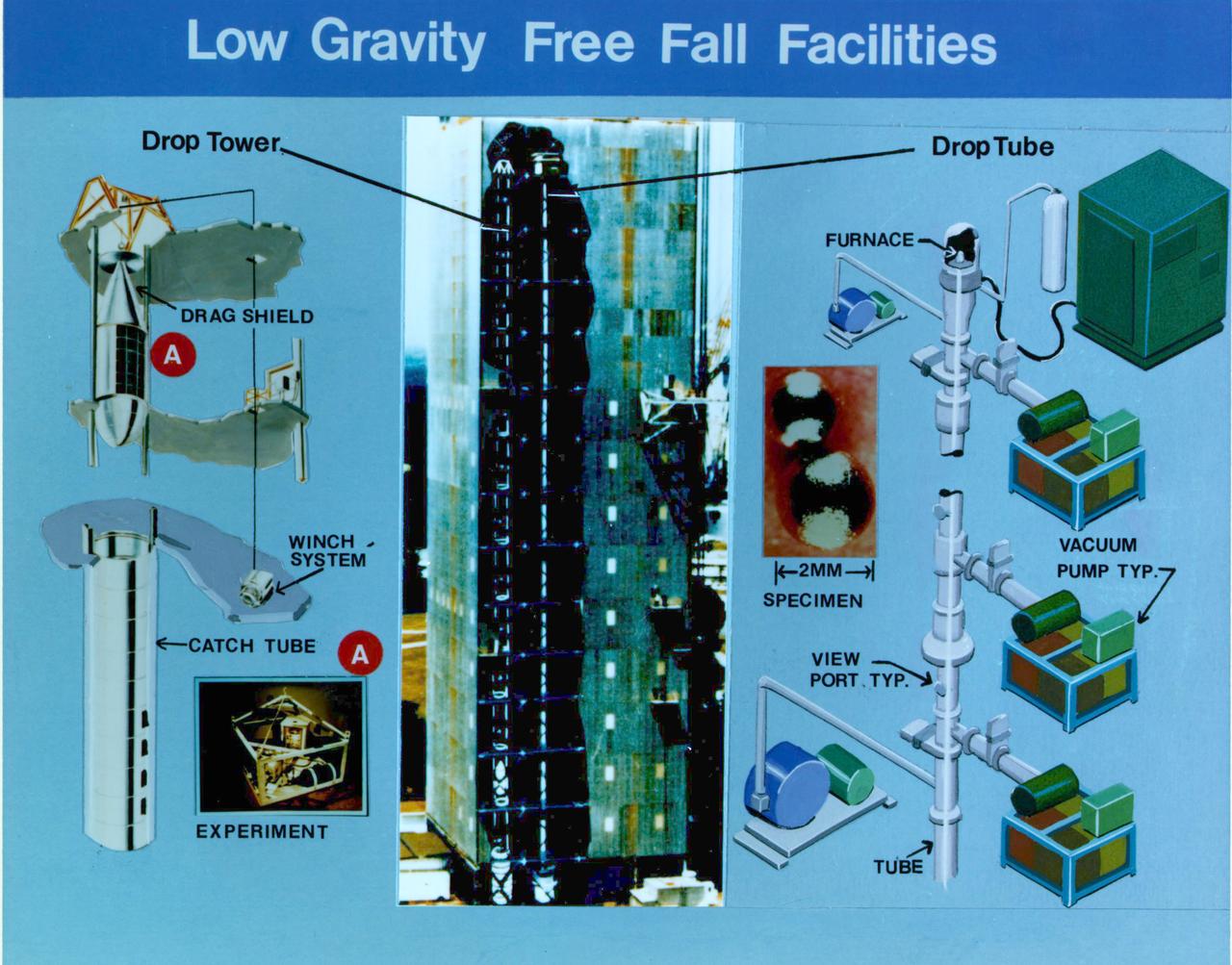
Composite of Marshall Space Flight Center's Low-Gravity Free Fall Facilities.These facilities include a 100-meter drop tower and a 100-meter drop tube. The drop tower simulates in-flight microgravity conditions for up to 4.2 seconds for containerless processing experiments, immiscible fluids and materials research, pre-flight hardware design test and flight experiment simulation. The drop tube simulates in-flight microgravity conditions for up to 4.6 seconds and is used extensively for ground-based microgravity convection research in which extremely small samples are studied. The facility can provide deep undercooling for containerless processing experiments that require materials to remain in a liquid phase when cooled below the normal solidification temperature.
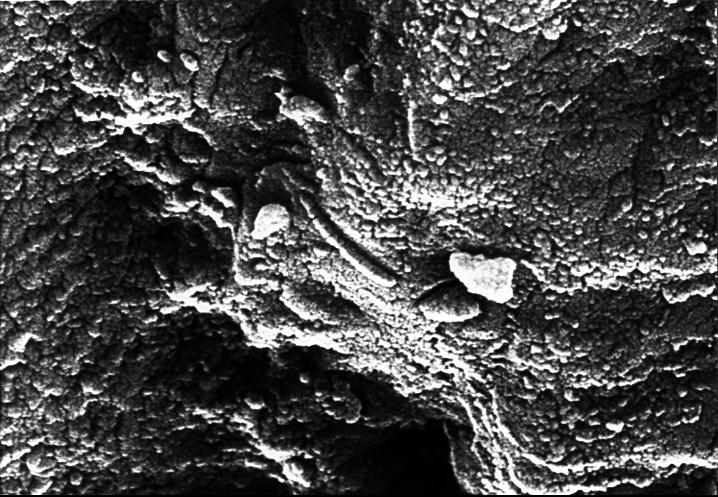
This high-resolution scanning electron microscope image shows an unusual tube-like structural form that is less than 1/100th the width of a human hair in size found in meteorite ALH84001, a meteorite believed to be of Martian origin. http://photojournal.jpl.nasa.gov/catalog/PIA00288
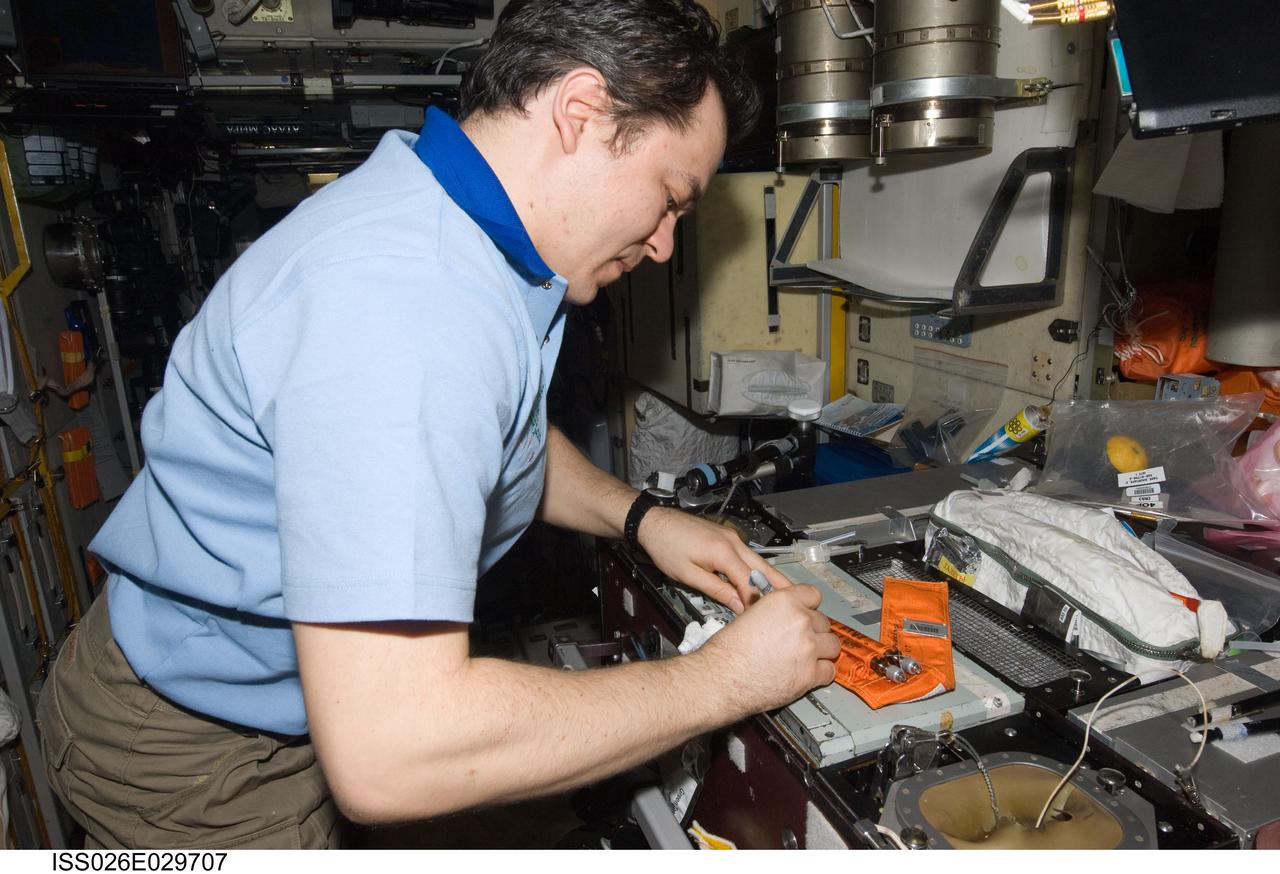
ISS026-E-029707 (25 Feb. 2011) --- Russian cosmonaut Oleg Skripochka, Expedition 26 flight engineer, labels surface sampling tubes in the Zvezda Service Module of the International Space Station.
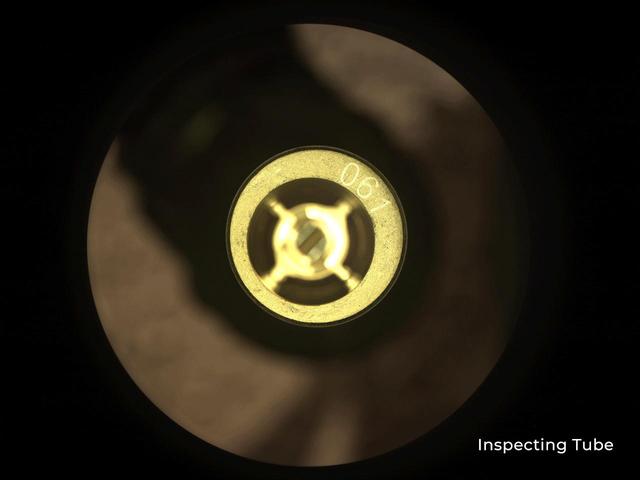
As part of its search for signs of ancient life on Mars, Perseverance is the first rover to bring a sample caching system to the Red Planet that will package promising samples for return to Earth by a future mission. This series of images shows NASA's Perseverance rover inspecting and sealing a "witness" sample tube on June 21, 2021 (the 120th sol, or Martian day, of the mission), as it prepares to collect its first sample of Martian rock and sediment. Witness tubes are similar to the sample tubes that will hold Martian rock and sediment, except they have been preloaded with a variety of materials that can capture molecular and particulate contaminants. They are opened on the Martian surface to "witness" the ambient environment near sample collection sites. With samples returned to Earth in the future, the witness tubes would show whether Earth contaminants were present during sample collection. Such information would help scientists tell which materials in the Martian samples may be of Earth origin. The sampling system's dedicated camera, the Cachecam, captured these images. A key objective for Perseverance's mission on Mars is astrobiology, including the search for signs of ancient microbial life. The rover will characterize the planet's geology and past climate, pave the way for human exploration of the Red Planet, and be the first mission to collect and cache Martian rock and regolith (broken rock and dust). Subsequent NASA missions, in cooperation with ESA (European Space Agency), would send spacecraft to Mars to collect these sealed samples from the surface and return them to Earth for in-depth analysis. The Mars 2020 Perseverance mission is part of NASA's Moon to Mars exploration approach, which includes Artemis missions to the Moon that will help prepare for human exploration of the Red Planet. Animation available at https://photojournal.jpl.nasa.gov/catalog/PIA24751
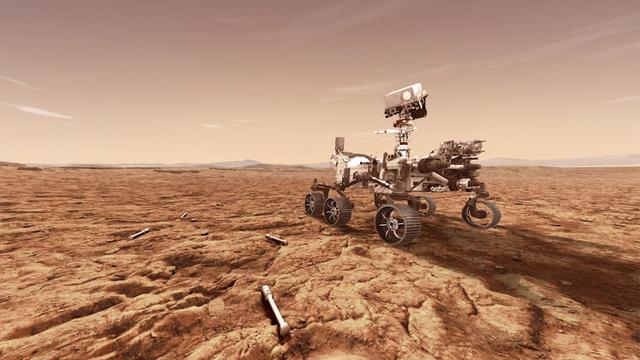
NASA's Mars 2020 rover will store rock and soil samples in sealed tubes on the planet's surface for future missions to retrieve, as seen in this illustration. The Mars 2020 rover, scheduled to launch in July 2020, represents the first leg of humanity's first planned round trip to another planet. NASA and the European Space Agency are solidifying concepts for a Mars sample return mission. https://photojournal.jpl.nasa.gov/catalog/PIA23492
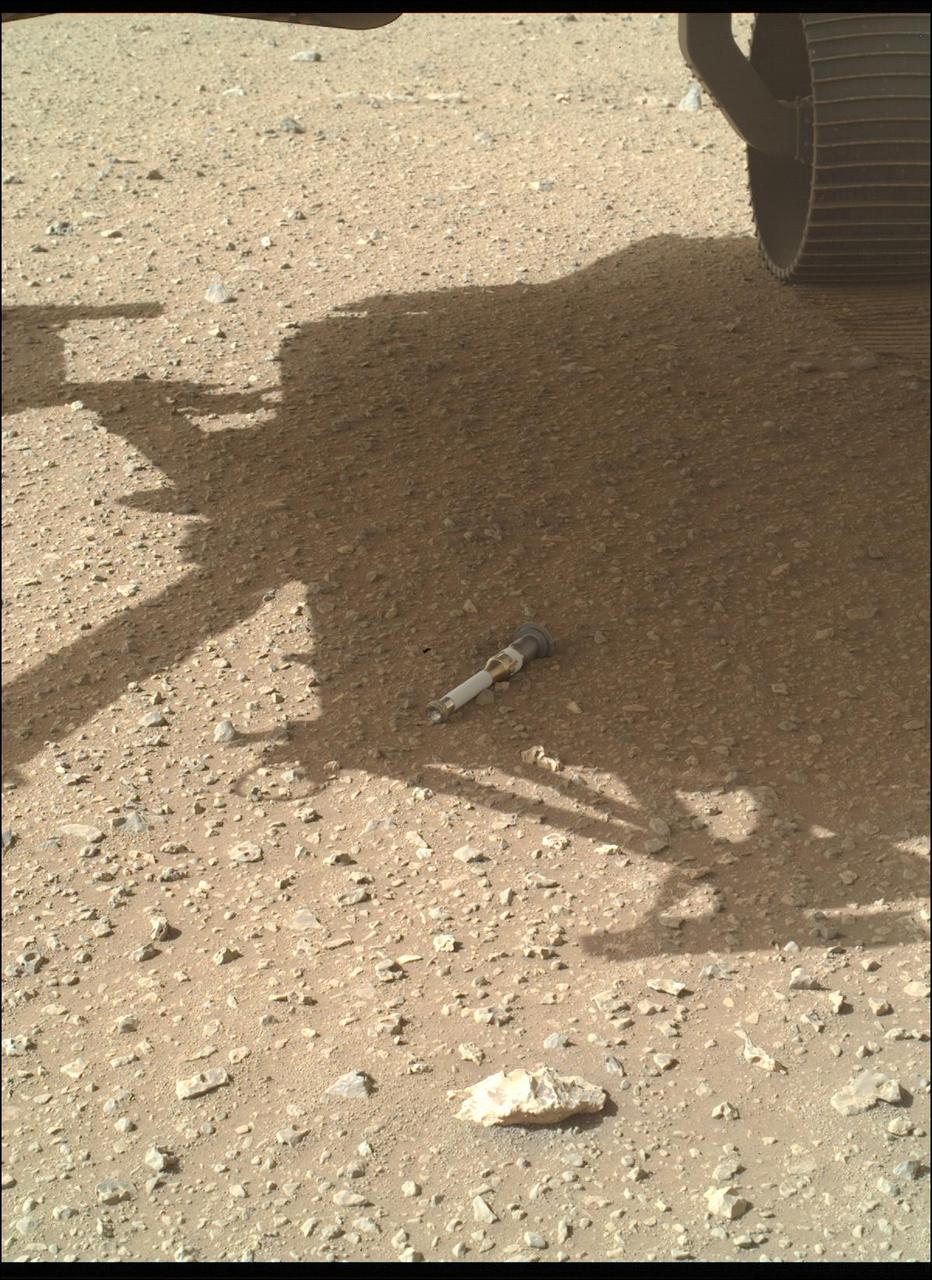
NASA's Perseverance Mars rover dropped the last of 10 tubes at the "Three Forks" sample depot on Jan. 28, 2023, the 690th Martian day, or sol, of the mission. This image of the 10th tube was taken by the WATSON (Wide Angle Topographic Sensor for Operations and eNgineering) camera on the end of the rover's 7-foot-long (2-meter-long) robotic arm. This final sample is what's called a "witness" tube – one of three collected by the rover so far and the only one deposited at the depot. Witness tubes are similar to the sample tubes that hold Martian rock and sediment, except they have been preloaded with a variety of materials that can capture molecular and particulate contaminants. They are opened on the Martian surface to "witness" the ambient environment near sample collection sites. With samples returned to Earth in the future, the witness tubes would be used to determine if samples being collected might be contaminated with materials that traveled with the rover from Earth. The Three Forks depot, the first sample depot on another world, is a crucial milestone in the NASA-ESA (European Space Agency) Mars Sample Return campaign, which aims to bring Mars samples to Earth for closer study. The Perseverance rover will be the primary means to convey the collected samples to a future robotic lander as part of the campaign. The lander would, in turn, use a robotic arm to place the samples in a containment capsule aboard a small rocket that would blast off to Mars orbit, where another spacecraft would capture the sample container and return it safely to Earth. Hosting the duplicate set, the Three Forks depot will serve as a backup if Perseverance can't deliver its samples. A key objective for Perseverance's mission on Mars is astrobiology, including the search for signs of ancient microbial life. The rover will characterize the planet's geology and past climate, pave the way for human exploration of the Red Planet, and be the first mission to collect and cache Martian rock and regolith (broken rock and dust). Subsequent NASA missions, in cooperation with ESA (European Space Agency), would send spacecraft to Mars to collect these sealed samples from the surface and return them to Earth for in-depth analysis. The Mars 2020 Perseverance mission is part of NASA's Moon to Mars exploration approach, which includes Artemis missions to the Moon that will help prepare for human exploration of the Red Planet. https://photojournal.jpl.nasa.gov/catalog/PIA25340
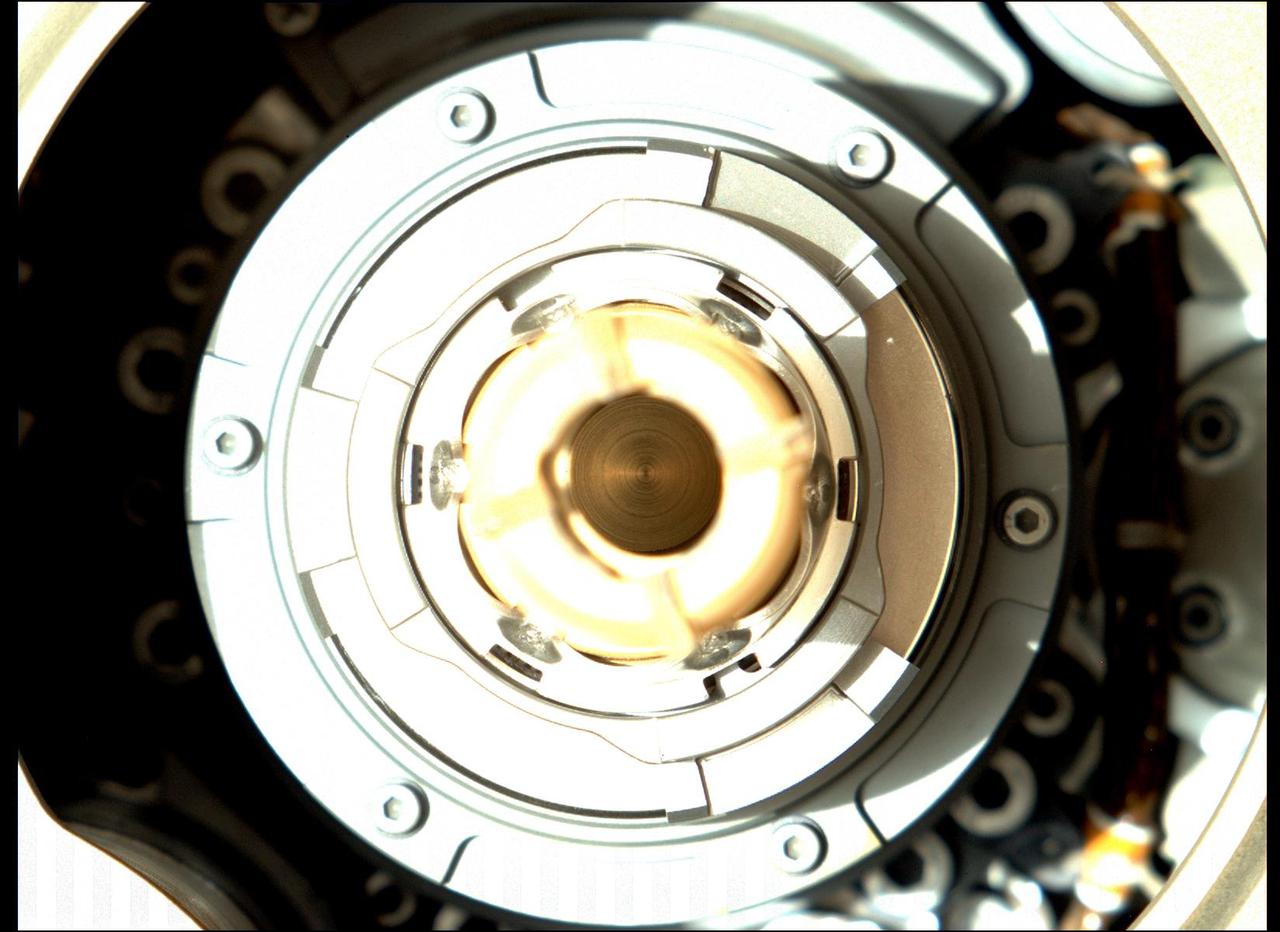
This image taken by the Mastcam-Z camera aboard NASA's Perseverance Mars rover on Jan. 20, 2022, shows that the rover successfully expelled the remaining large fragments of cored rock from a sample tube held in the drill at the end of its robotic arm. The sample was originally collected by the rover on Dec. 29, 2021, from a rock the team calls "Issole." This image has been processed to enhance contrast. Arizona State University in Tempe leads the operations of the Mastcam-Z instrument, working in collaboration with Malin Space Science Systems in San Diego. A key objective for Perseverance's mission on Mars is astrobiology, including the search for signs of ancient microbial life. The rover will characterize the planet's geology and past climate, pave the way for human exploration of the Red Planet, and be the first mission to collect and cache Martian rock and regolith (broken rock and dust). The Mars 2020 Perseverance mission is part of NASA's Moon to Mars exploration approach, which includes Artemis missions to the Moon that will help prepare for human exploration of the Red Planet. https://photojournal.jpl.nasa.gov/catalog/PIA25073
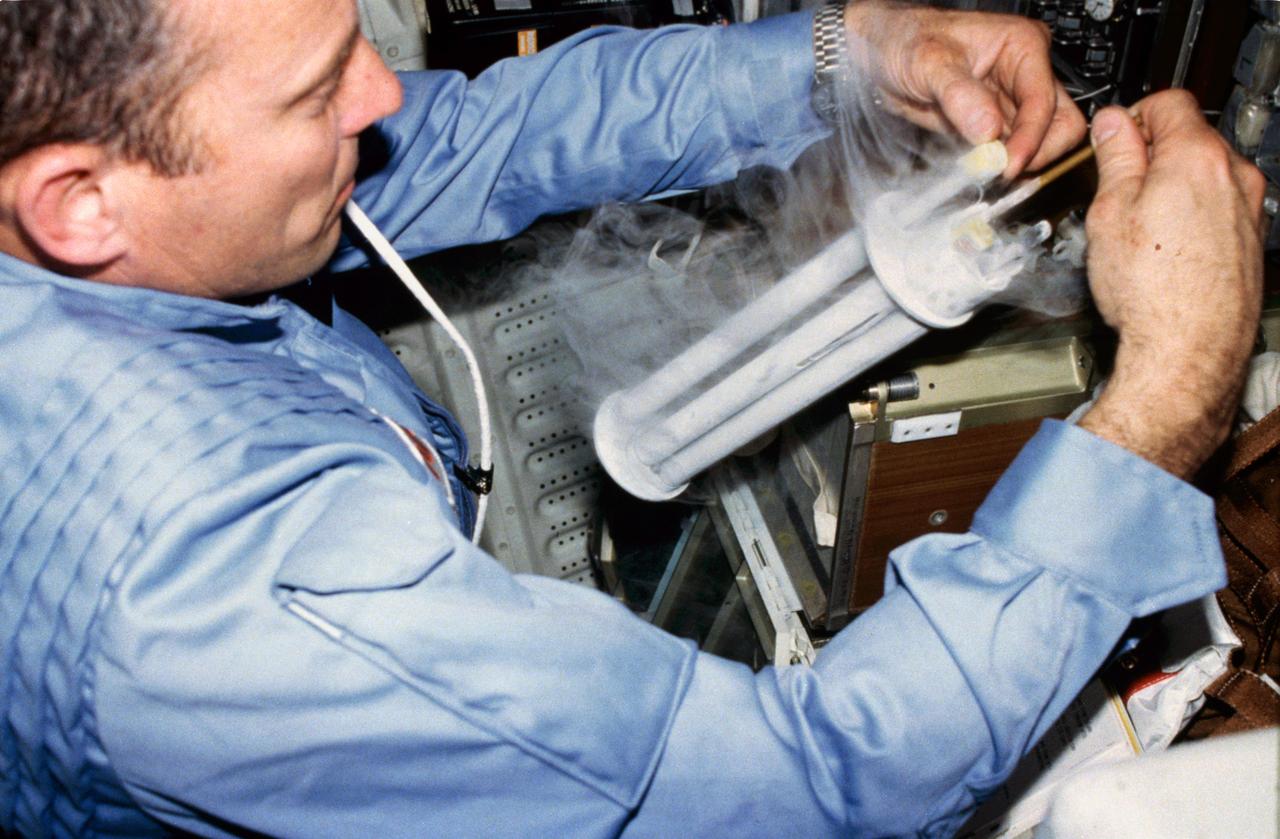
Commander Jack Lousma works with Electrophoresis Equipment Verification Test (EEVT) electrophoresis unit, cryogenic freezer and tube, and stowage locker equipment located on crew compartment middeck aft bulkhead.

iss049e035512 (10/14/2016) --- NASA astronaut Kate Rubins during Microbe IV Sampling Sheet and White Tube Collection in the Japanese Experiment Module (JEM) Pressurized Module (JPM). The JAXA KIBO Utilization scenario, studies the relationship between humans and microbes in space habitation environments, which are critical for success in long-duration missions. Credit: JAXA/Takuya Onishi
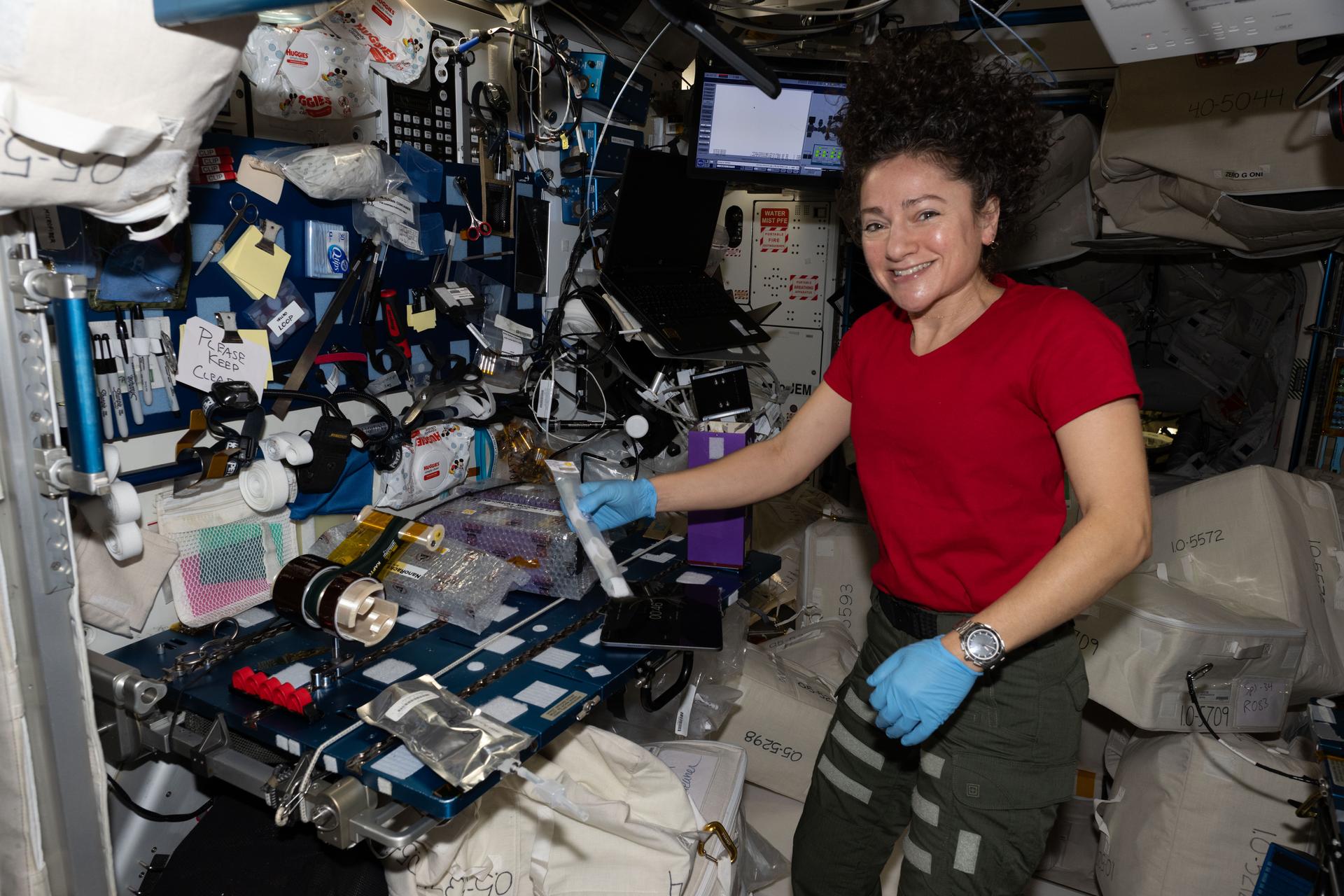
iss074e0711168 (June 14, 2026) --- NASA astronaut and Expedition 74 flight engineer Jessica Meir activates tubes filled with microbial and botanical samples associated with a variety of student-designed experiments inside the International Space Station's Harmony module. Credit: NASA/Chris Williams

iss074e0711179 (June 14, 2026) --- NASA astronaut and Expedition 74 flight engineer Jessica Meir activates tubes filled with microbial and botanical samples and shows off NanoRacks research hardware associated with a variety of student-designed experiments inside the International Space Station's Harmony module. Credit: NASA/Chris Williams
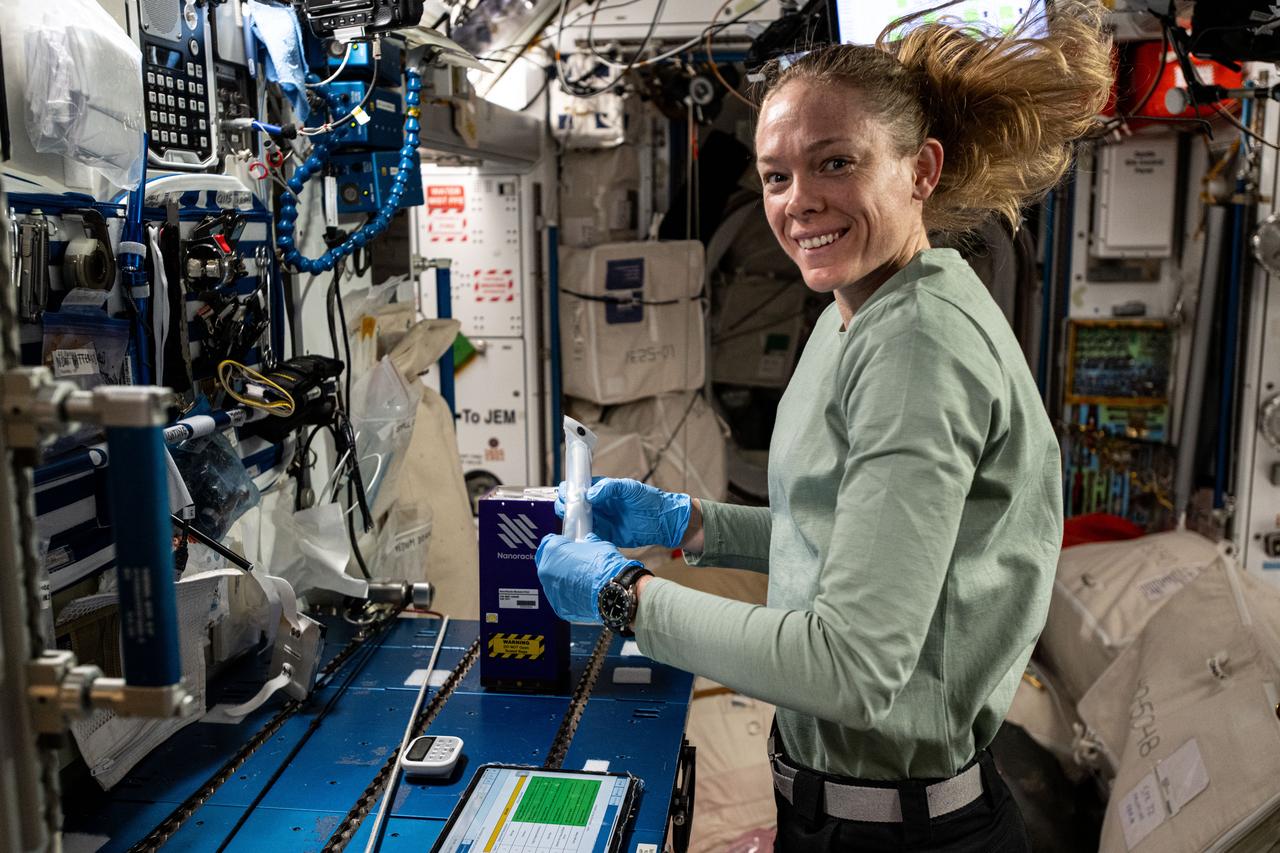
iss073e0001398 (April 23, 2025) --- NASA astronaut and Expedition 73 Flight Engineer Nichole Ayers prepares mixture tubes containing research samples for the Nanoracks Module-9 series of student-designed space experiments. Ayers was working at the Harmony module's maintenance work area aboard the International Space Station.
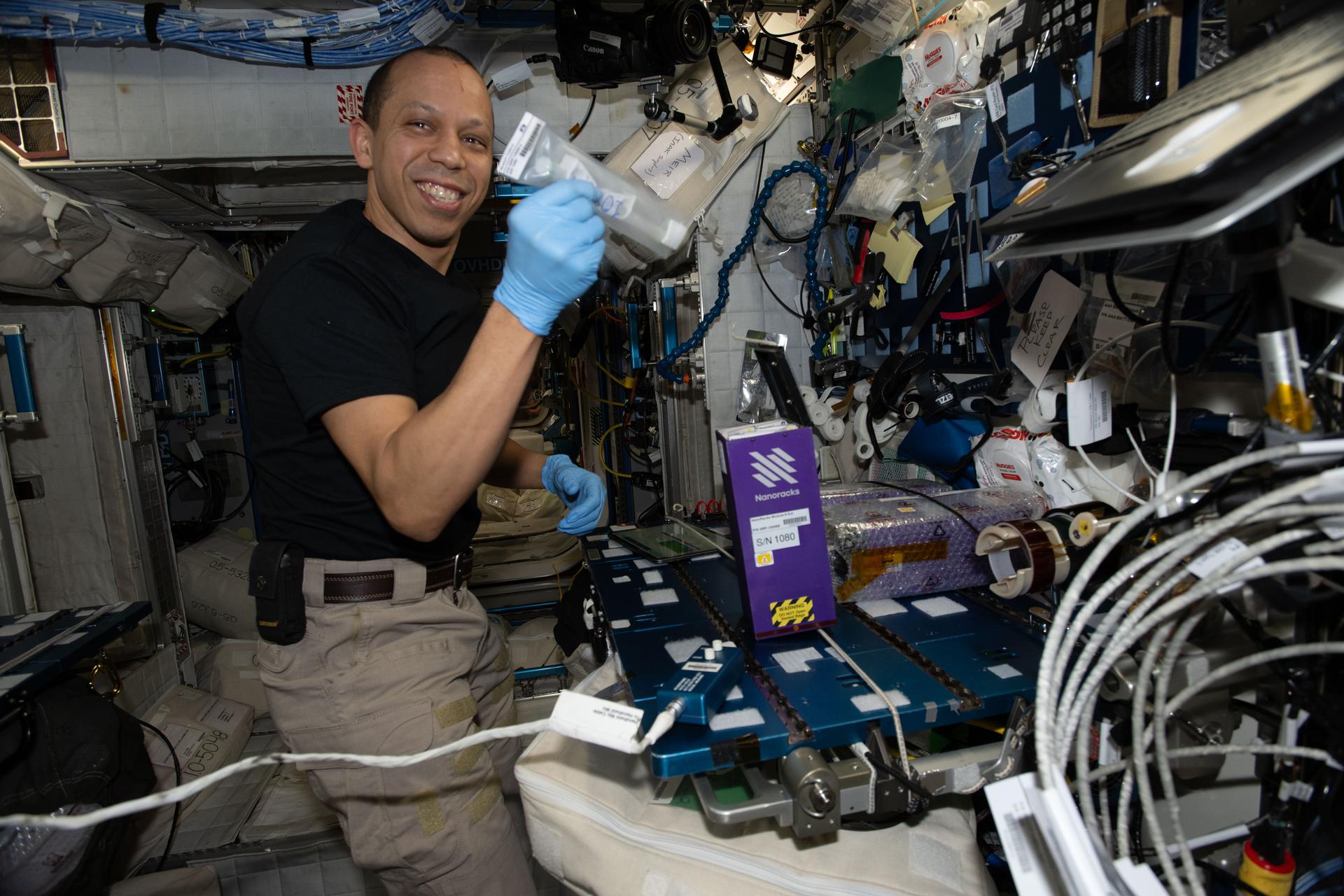
iss074e0590901 (May 18, 2026) --- NASA astronaut and Expedition 74 flight engineer Chris Williams activates sample‑containing tubes for a variety of student‑designed experiments using NanoRacks research hardware. The tubes were filled with biological and material samples to help expand knowledge of space phenomena and inspire junior high and high school students to consider scientific, technical, and engineering careers. Credit: NASA/Jack Hathaway

STS009-128-858 (28 Nov-8 Dec 1983) --- Astronaut John W. Young takes notes in the commander?s station on the flight deck of the Columbia. The cathode ray tube (CRT) among the forward panels displays the orbiter?s position in relation to the Earth on its monitor. Astronaut Brewster H. Shaw Jr., pilot, took this photograph.
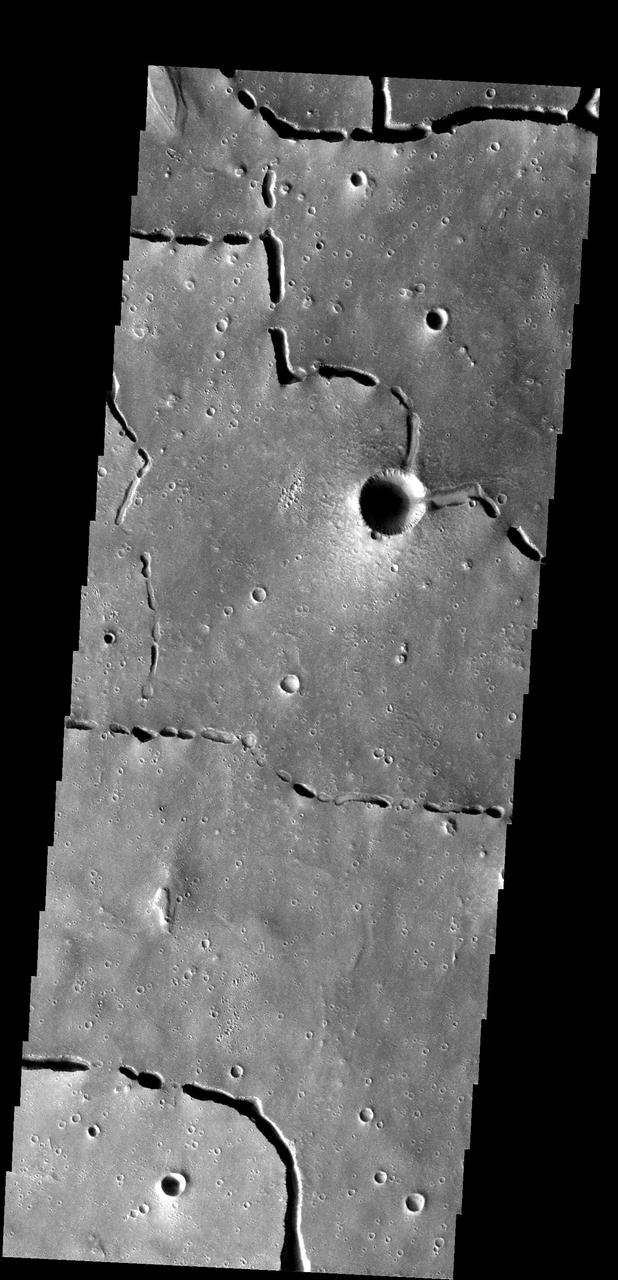
The collapse features in this images are related to lava tubes that likely originated at Elysium volcanic complex

Perseverance chief engineer, JPL, Adam Steltzner, shows a sample tube that will hold sample core’s collected from the Mars surface during a NASA Perseverance rover mission engineering and technology overview, Tuesday, Feb. 16, 2021, at NASA's Jet Propulsion Laboratory in Pasadena, California. The Perseverance Mars rover is due to land on Mars Thursday, Feb. 18, 2021. A key objective for Perseverance’s mission on Mars is astrobiology, including the search for signs of ancient microbial life. The rover will characterize the planet’s geology and past climate, pave the way for human exploration of the Red Planet, and be the first mission to collect and cache Martian rock and regolith. Photo Credit: (NASA/Bill Ingalls)
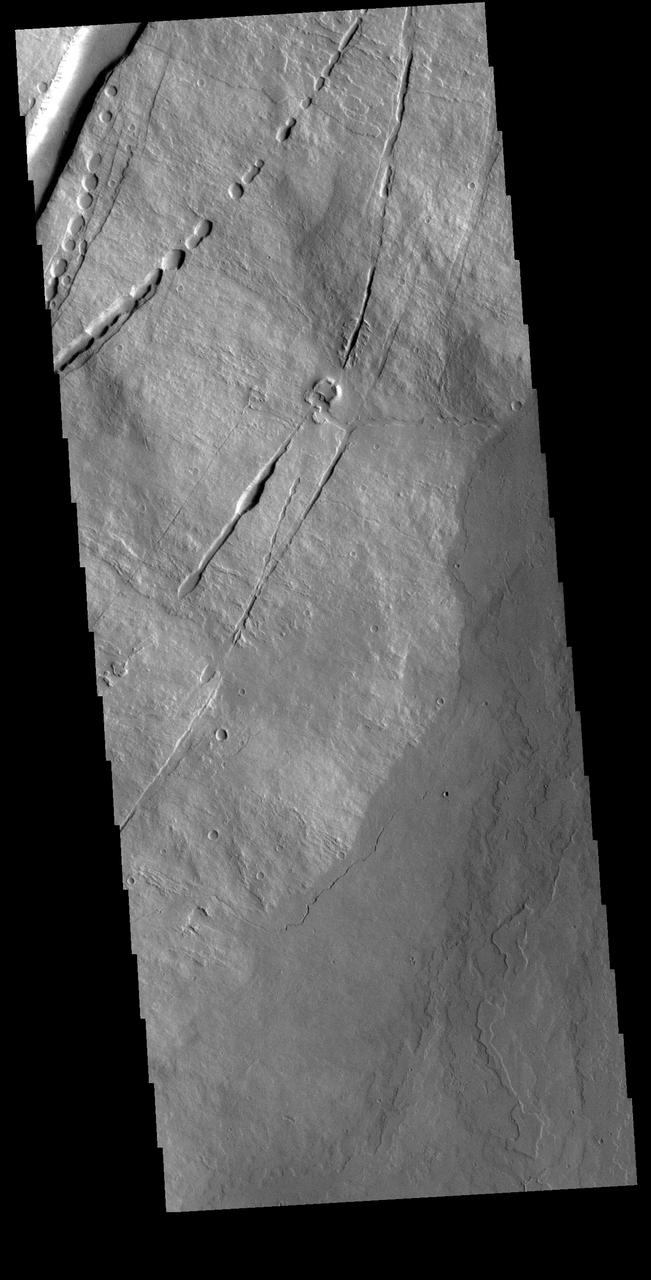
Today's VIS image is of the eastern flank of Pavonis Mons where the volcano meets the surrounding volcanic plains. The arced features toward the top of the image are fractures and lava tubes that were revealed by collapse of the roof of the tube into the underlying void. Orbit Number: 72343 Latitude: 0.300092 Longitude: 249.729 Instrument: VIS Captured: 2018-04-05 21:52 https://photojournal.jpl.nasa.gov/catalog/PIA22580
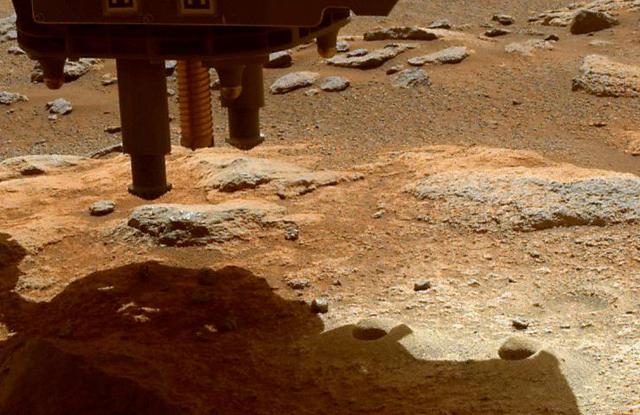
The robotic arm on NASA's Perseverance Mars rover used its percussive drill to eject fragments of cored rock from a sample tube on Jan. 15, 2022, the 322nd Martian day, or sol, of the mission. One of the rover's hazard cameras (hazcam) obtained same-day, before-and-after images of the surface below the rover to help better understand the results of this operation. There are two versions of the image: Animation frame 1 shows the ground below Perseverance prior to the use of the rover's percussive drill on Jan. 15. Animation frame 2 shows the same ground later that same day, after the percussive drill was employed. In this second image, at least eight new pieces of rock fragments can be seen. A key objective for Perseverance's mission on Mars is astrobiology, including the search for signs of ancient microbial life. The rover will characterize the planet's geology and past climate, pave the way for human exploration of the Red Planet, and be the first mission to collect and cache Martian rock and regolith (broken rock and dust). Subsequent NASA missions, in cooperation with ESA (European Space Agency), would send spacecraft to Mars to collect these sealed samples from the surface and return them to Earth for in-depth analysis. The Mars 2020 Perseverance mission is part of NASA's Moon to Mars exploration approach, which includes Artemis missions to the Moon that will help prepare for human exploration of the Red Planet. Animation available at https://photojournal.jpl.nasa.gov/catalog/PIA25070
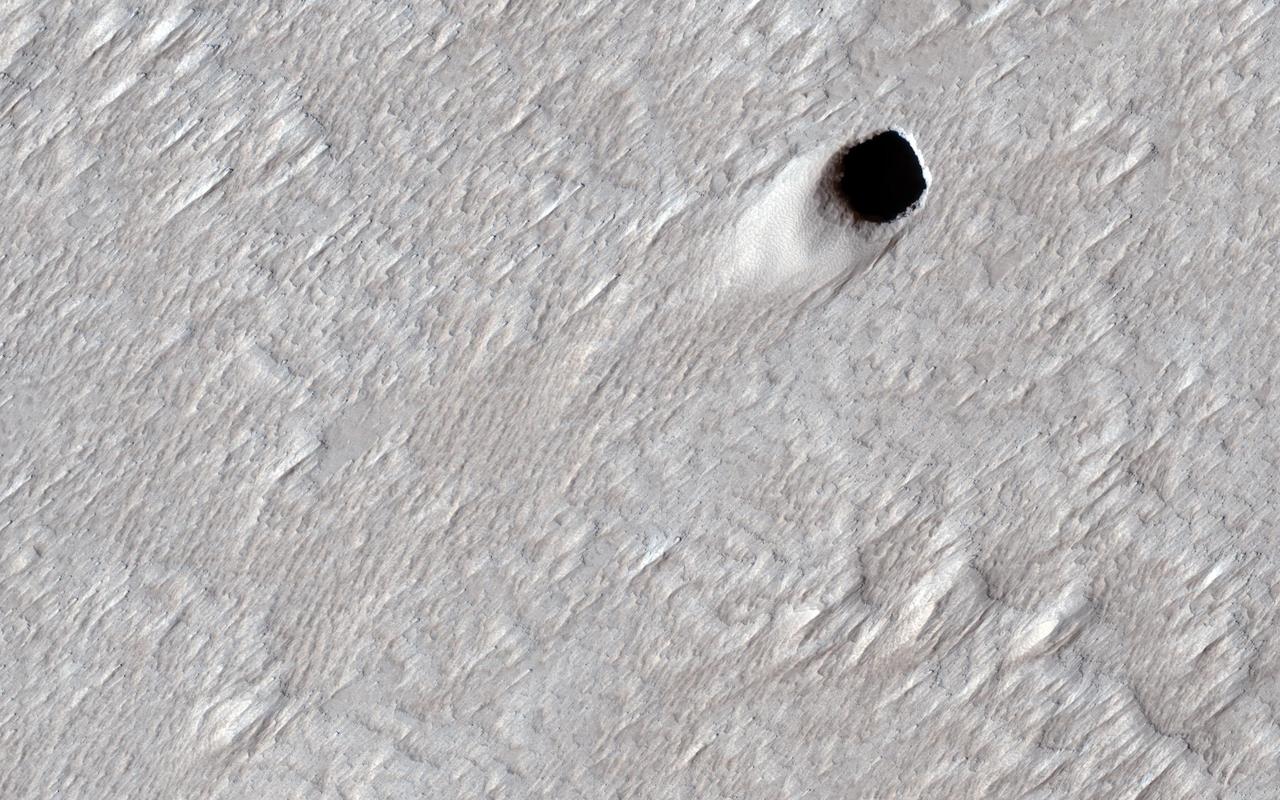
Some types of lava can squeeze underneath older rock and lift it up so it can continue to flow underground. Large underground rivers of lava can form this way and when the volcano stops erupting, the lava can drain out of these underground tubes. These empty underground tubes are common on the Earth and may criss-cross the giant volcanoes of Mars like in this location on the flanks of Arsia Mons. In this image, the ceiling of the lava tube collapsed in one spot and made this pit crater. The pit is about 50 meters (150 feet) across, so it's likely that the underground tube is also at least this big (much bigger than similar caves on the Earth). HiRISE can't see inside these steep pits because it's always late afternoon when we pass overhead and the inside is shadowed at that time of day. https://photojournal.jpl.nasa.gov/catalog/PIA24149
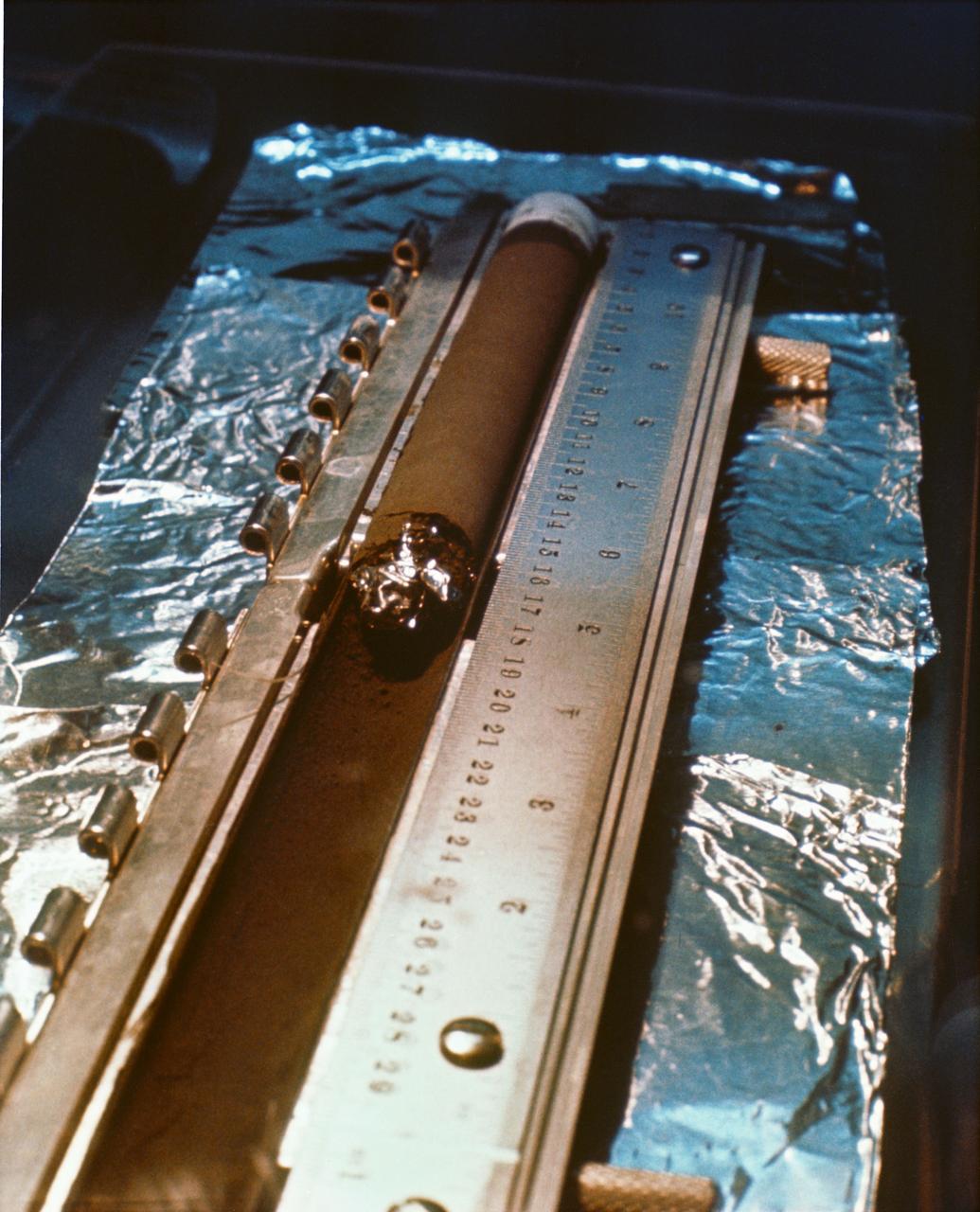
S69-40945 (August 1969) --- This is a core tube sample under study and examination in the Manned Spacecraft Center?s (MSC) Lunar Receiving Laboratory (LRL). The sample was among lunar soil and rock samples collected by astronauts Neil A. Armstrong and Edwin E. Aldrin Jr. during their extravehicular activity (EVA) on July 20, 1969. While astronauts Armstrong, commander; and Aldrin, lunar module pilot; descended in the Apollo 11 Lunar Module (LM) "Eagle" to explore the Sea of Tranquility landing site on the moon. Astronaut Michael Collins, command module pilot, remained with the Command and Service Modules (CSM) "Columbia" in lunar orbit.
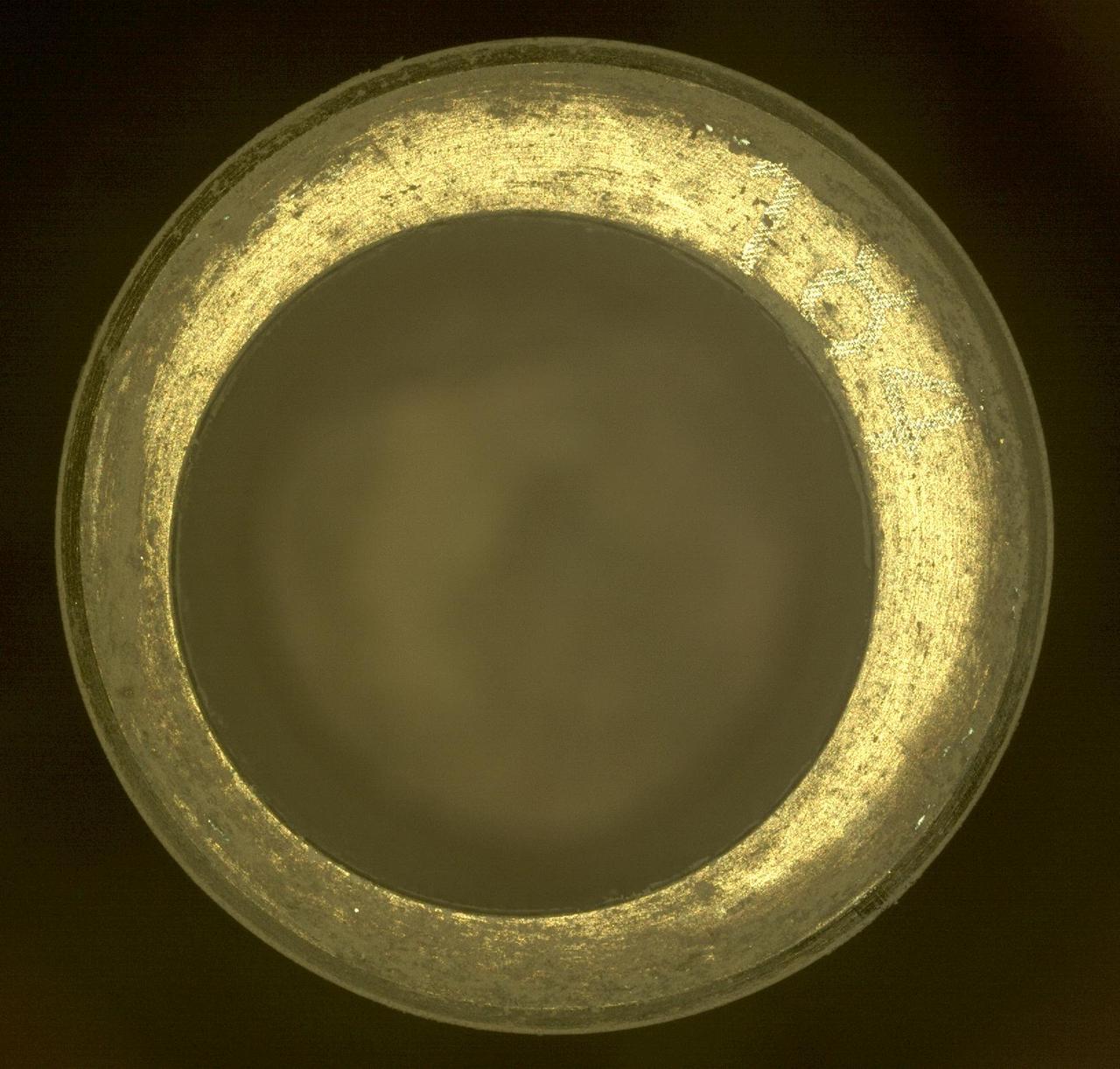
Perseverance's Sampling and Caching System Camera, or CacheCam, captured this time-lapse series of images of the rover's 14th rock-core sample. Taken over four Martian days (or sols) – on Sols 595, 599, 601, and 604 of the mission (Oct. 22, Oct. 26, Oct. 28, and Oct. 31, 2022) – they document the results of the mission's use of the rover's Bore Sweep Tool to remove dust from the tube. Small dust grains can be seen moving around the rim of the sample tube. The tool is designed to clean the inner surface near the tube's opening and also move the collected rock sample further down into the tube. Because the CacheCam's depth of field is plus or minus 5 millimeters, the rock sample, which is farther down in the tube, is not in focus in these images. The pixel scale in this image is approximately 13 microns per pixel. The images were acquired on Oct. 5. When the rover attempted to insert a seal into the open end of the tube, the seal did not release as expected from its dispenser. The bright gold-colored ring in the foreground is the bearing race, an asymmetrical flange that assists in shearing off a sample once the coring drill has bored into a rock. The sample collection tube's serial number, "184," can be seen in the 2 o'clock position on the bearing race. About the size and shape of a standard lab test tube, these tubes are designed to contain representative samples of Martian rock and regolith (broken rock and dust). A key objective for Perseverance's mission on Mars is astrobiology, including the search for signs of ancient microbial life. The rover will characterize the planet's geology and past climate, pave the way for human exploration of the Red Planet, and be the first mission to collect and cache Martian rock and regolith (broken rock and dust). Subsequent NASA missions, in cooperation with ESA (European Space Agency), would send spacecraft to Mars to collect these sealed samples from the surface and return them to Earth for in-depth analysis. The Mars 2020 Perseverance mission is part of NASA's Moon to Mars exploration approach, which includes Artemis missions to the Moon that will help prepare for human exploration of the Red Planet. Animation available at https://photojournal.jpl.nasa.gov/catalog/PIA25337

Associate Administrator of NASA's Science Mission Directorate, Thomas Zurbuchen, shows a sample tube that will hold sample core’s collected from the Mars surface during a NASA Perseverance rover press briefing about the search for ancient life at Mars and about samples to be brought back to Earth on a future mission, Wednesday, Feb. 17, 2021, at NASA's Jet Propulsion Laboratory in Pasadena, California. The Perseverance Mars rover is due to land on Mars Thursday, Feb. 18, 2021. A key objective for Perseverance’s mission on Mars is astrobiology, including the search for signs of ancient microbial life. The rover will characterize the planet’s geology and past climate, pave the way for human exploration of the Red Planet, and be the first mission to collect and cache Martian rock and regolith. Photo Credit: (NASA/Bill Ingalls)

Associate Administrator of NASA's Science Mission Directorate, Thomas Zurbuchen, shows a sample tube that will hold sample core’s collected from the Mars surface during a NASA Perseverance rover press briefing about the search for ancient life at Mars and about samples to be brought back to Earth on a future mission, Wednesday, Feb. 17, 2021, at NASA's Jet Propulsion Laboratory in Pasadena, California. The Perseverance Mars rover is due to land on Mars Thursday, Feb. 18, 2021. A key objective for Perseverance’s mission on Mars is astrobiology, including the search for signs of ancient microbial life. The rover will characterize the planet’s geology and past climate, pave the way for human exploration of the Red Planet, and be the first mission to collect and cache Martian rock and regolith. Photo Credit: (NASA/Bill Ingalls)
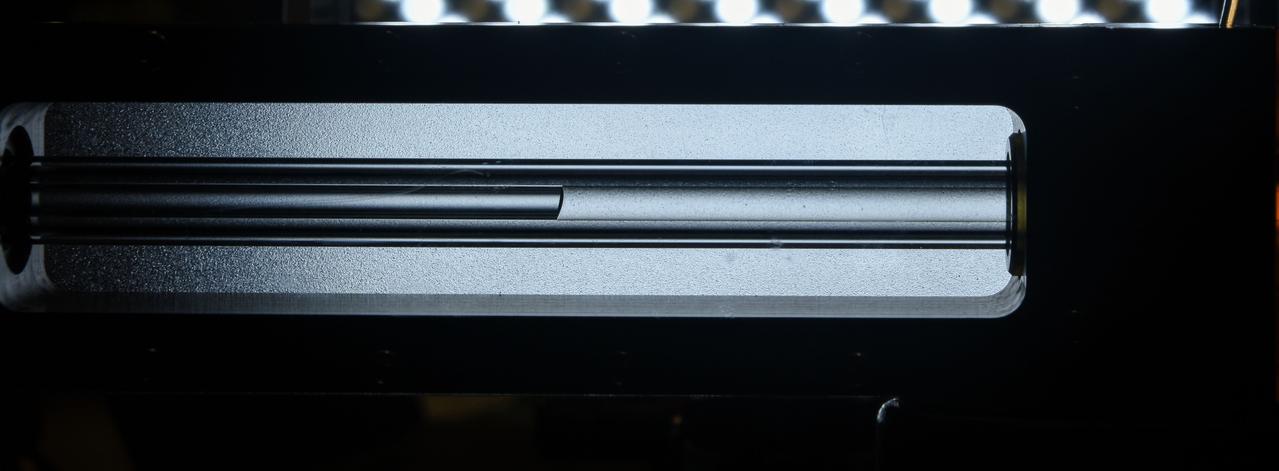
jsc2023e055882 10/5/2023) --- Oil flows into a glass tube during the imbibition phase of the experiment. The oil is initially stored in a reservoir on the right side of the tube (not visible). When the reservoir is open, the oil spontaneously flows into the tube, driven by interfacial/capillary action. The Wicking in Gel-Coated Tubes (Gaucho Lung) investigation studies fluid transport within gel-coated tubes to learn more about treatment programs for respiratory distress syndrome and develop new contamination control strategies. Image courtesy of University of California, Santa Barbara.

This observation from NASA Mars Reconnaissance Orbiter shows an incredible diversity of ancient lava tubes and impact craters filled with sediment on the flank of Arsia Mons.
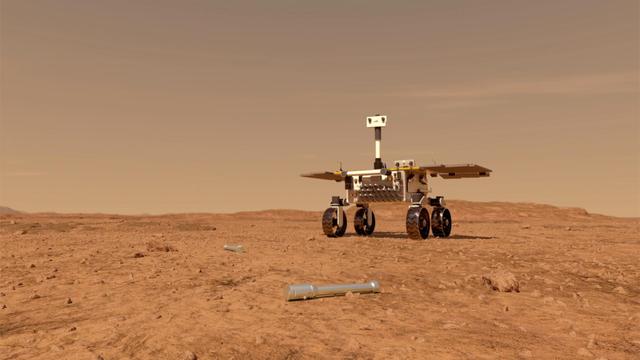
This illustration shows a concept of what a rover fetching rock and soil samples on Mars for return to Earth could look like. The sample tube in this image would have been left on the surface by a previous mission, NASA's Mars 2020 rover. NASA and the European Space Agency (ESA) are solidifying concepts for a Mars sample return mission to return Mars 2020 samples to Earth for scientific investigation. NASA will deliver a Mars lander in the vicinity of Jezero Crater, where the Mars 2020 rover will have collected and cached samples. The lander will carry a NASA rocket (the Mars Ascent Vehicle) along with ESA's Sample Fetch Rover that is roughly the size of NASA's Opportunity Mars rover. The fetch rover will gather the cached samples and carry them back to the lander for transfer to the ascent vehicle; additional samples could also be delivered directly by Mars 2020. The ascent vehicle will then launch a special container holding the samples into Mars orbit. ESA will put a spacecraft in orbit around Mars before the ascent vehicle launches. This spacecraft will rendezvous with and capture the orbiting samples before returning them to Earth. NASA will provide the payload module for the orbiter. https://photojournal.jpl.nasa.gov/catalog/PIA23493
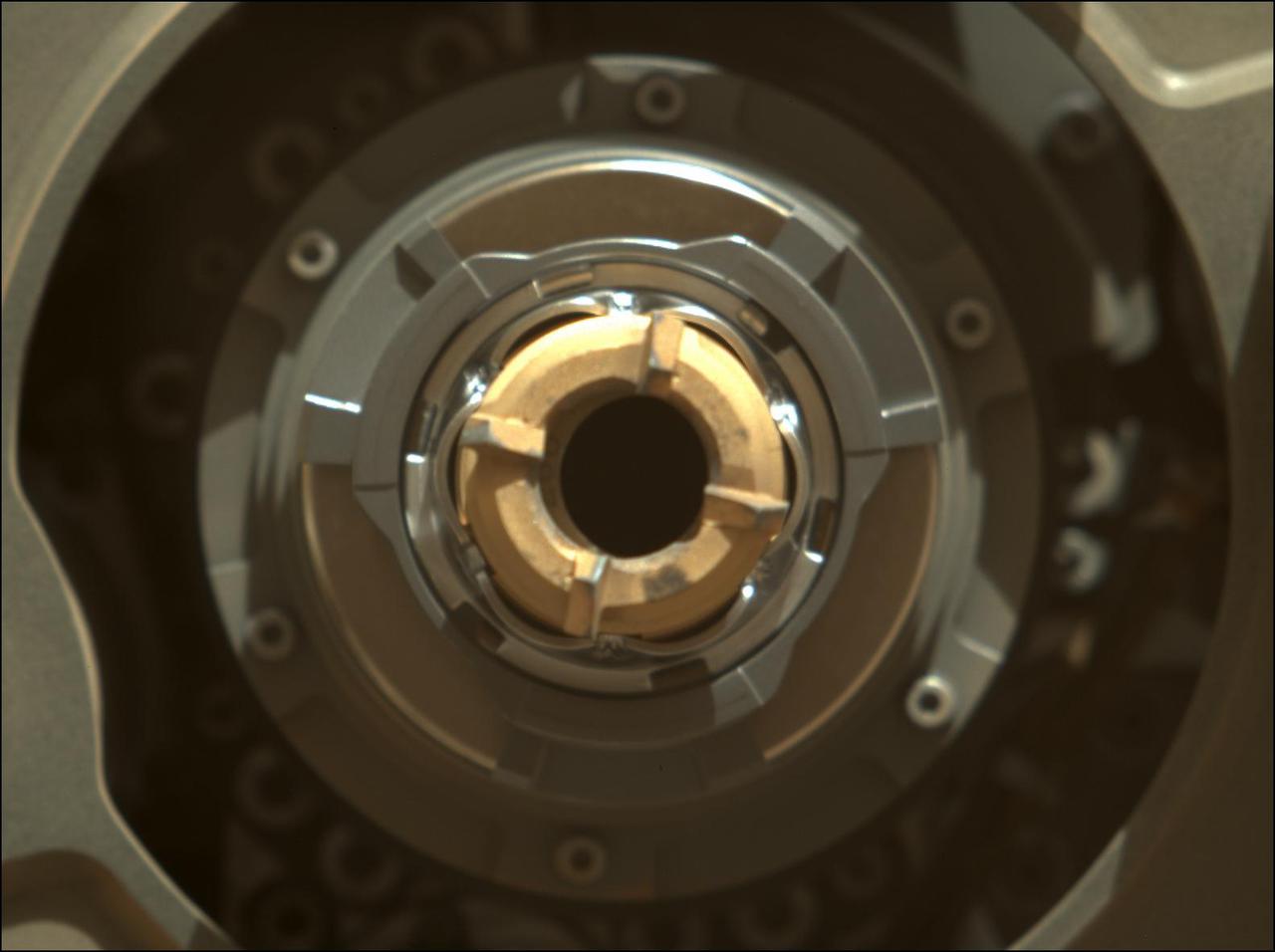
This Mastcam-Z image shows Perseverance's drill with no cored-rock sample evident in the sample tube. The image was taken on Sept. 1, 2021 (the 190th sol, or Martian day, of the mission), after coring – and after a cleaning operation was performed to clear the sample tube's lip of any residual material. The bronze-colored ring is the coring bit. The half-moon inside the bit is the open end of the sample tube. A portion of the tube's serial number – 266 – can be seen on the left side of tube's rim. Arizona State University in Tempe leads the operations of the Mastcam-Z instrument, working in collaboration with Malin Space Science Systems in San Diego. A key objective for Perseverance's mission on Mars is astrobiology, including the search for signs of ancient microbial life. The rover will characterize the planet's geology and past climate, pave the way for human exploration of the Red Planet, and be the first mission to collect and cache Martian rock and regolith (broken rock and dust). Subsequent NASA missions, in cooperation with ESA (European Space Agency), would send spacecraft to Mars to collect these sealed samples from the surface and return them to Earth for in-depth analysis. The Mars 2020 Perseverance mission is part of NASA's Moon to Mars exploration approach, which includes Artemis missions to the Moon that will help prepare for human exploration of the Red Planet. https://photojournal.jpl.nasa.gov/catalog/PIA24803
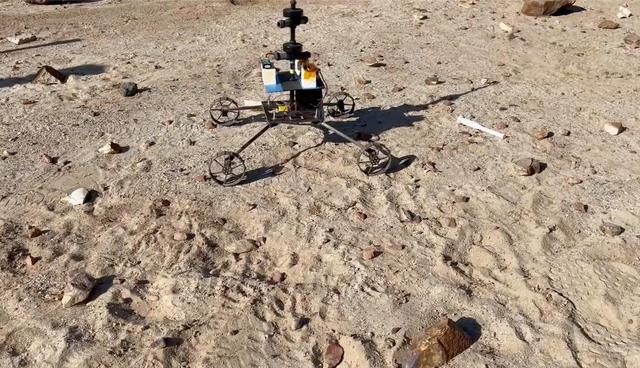
A model Sample Recovery Helicopter drives and positions itself over a sample tube during a test in the Mars Yard at NASA's Jet Propulsion Laboratory in Southern California. Two Sample Recovery Helicopters are slated to fly to Mars as part of the Mars Sample Return campaign. NASA is developing the Sample Recovery Helicopters to serve as backups to the agency's Perseverance rover in transporting sample tubes to the Sample Retrieval Lander. These helicopters are follow-ons to NASA's Ingenuity Mars Helicopter, which arrived at the Red Planet in the belly of Perseverance in February 2021. The Sample Recovery Helicopters have wheels instead of feet, as well as a small manipulator arm with a two-fingered gripper capable of carrying precious sample tubes. Testing of the Sample Recovery Helicopters is ongoing. The testbed was made by AeroVironment Inc. Movie available at https://photojournal.jpl.nasa.gov/catalog/PIA25320
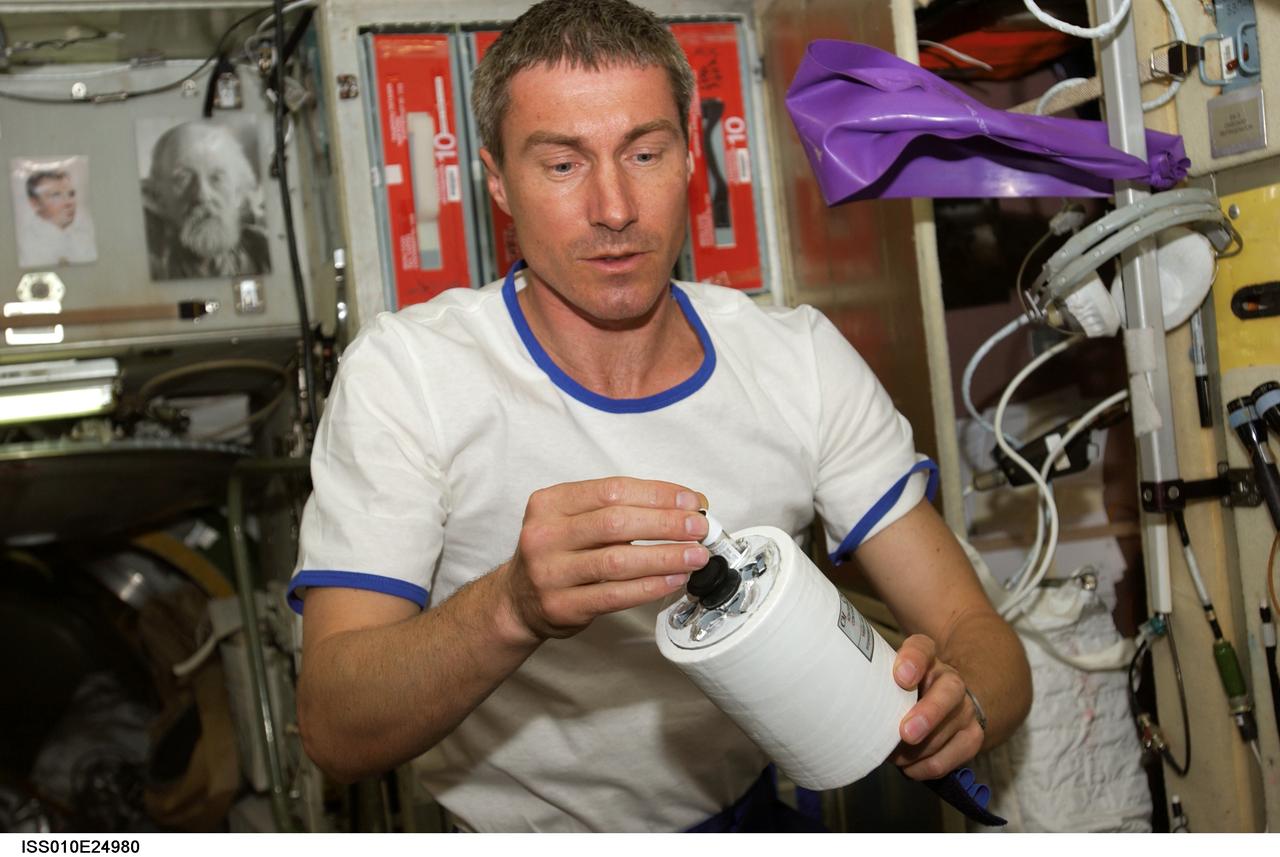
ISS010-E-24980 (18 April 2005) --- Cosmonaut Sergei K. Krikalev, Expedition 11 commander representing Russia's Federal Space Agency, holds a sample tube within the Commercial Protein Crystallization Facility-2 (CPCF-2) Activation Mechanism which is part of the Kriogem-03 refrigerator in the Zvezda Service Module of the International Space Station (ISS).
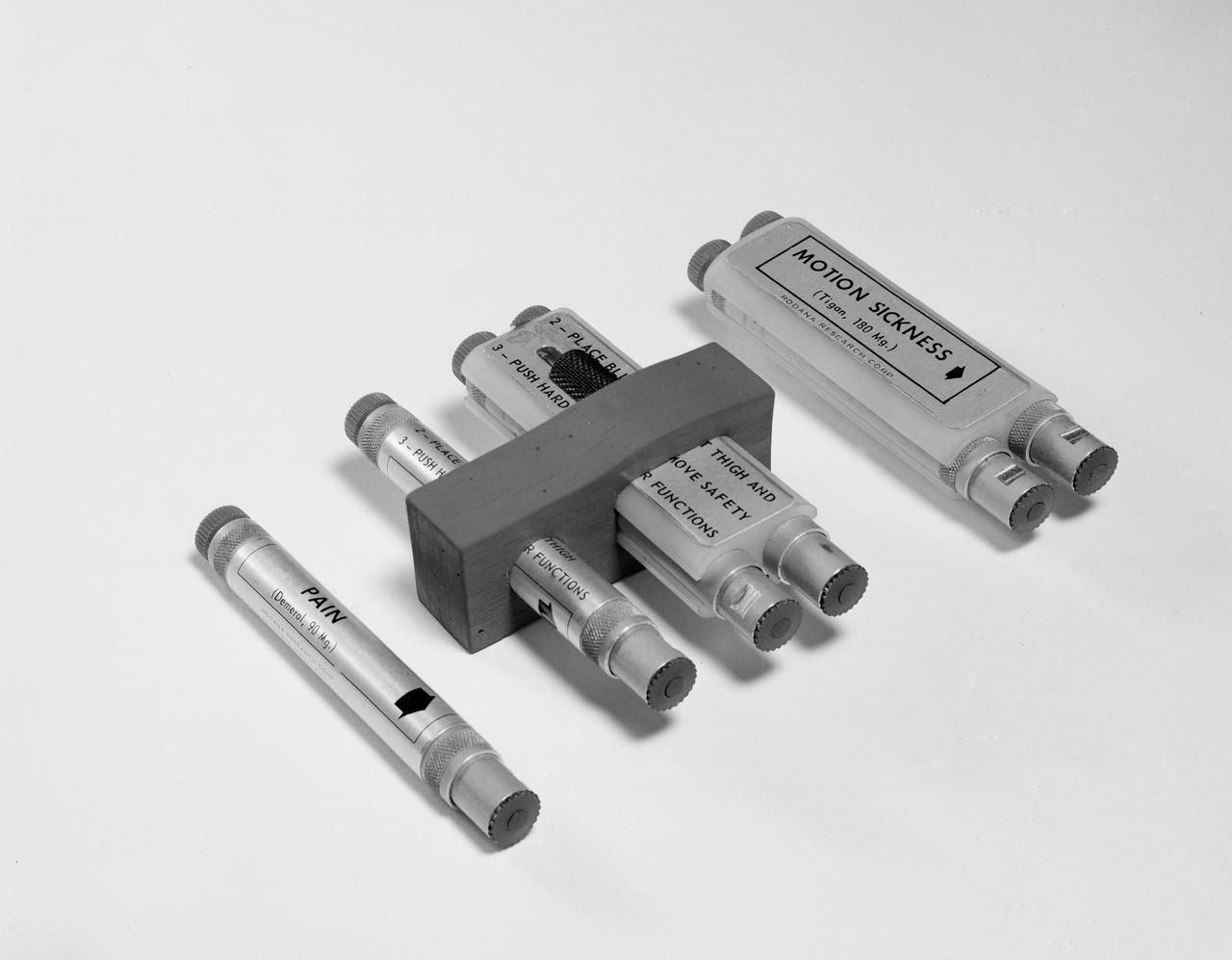
S62-08371 (1962) --- The automatic medical injectors carried on the Mercury-Atlas 9 flight. The injectors provide the astronaut with injection tubes of Tigan, for preventing motion sickness and Demerol, for relieving pain. The tubes encased in the block are stowed in the astronauts survival kit. The single injection tubes are placed in a pocket of the astronauts spacesuit. Photo credit: NASA

This image from NASA Mars Odyssey shows part of the eastern flank of Ascraeus Mons, one of the large Tharsis Volcanoes. The circular pits all aligned in a row mark the collapse of the roof of a lava tube.
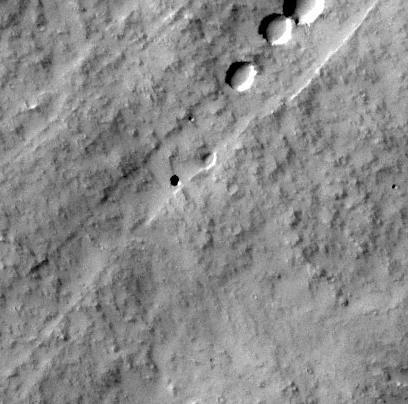
This image captured by NASA Mars Odyssey orbiter shows a Martian pit feature on the slope of an equatorial volcano named Pavonis Mons, appears to be a skylight in an underground lava tube.

This image from NASA 2001 Mars Odyssey spacecraft shows the complex surface on the northeastern flank of Arsia Mons. The channel-like features and collapse pits are likely all due to subsurface lava tubes.
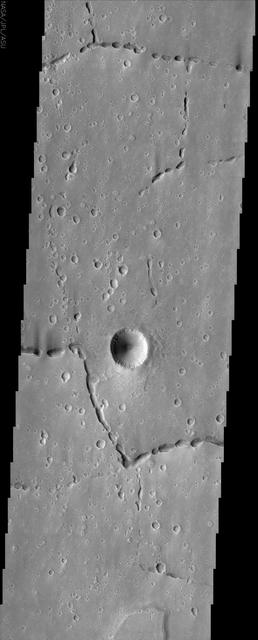
Off the western flank of Elysium are the Hephaestus Fossae, seen in this image from NASA Mars Odyssey, with linear arrangements of small, round pits. These features are commonly called pit chains and most likely represent the collapse of lava tubes.
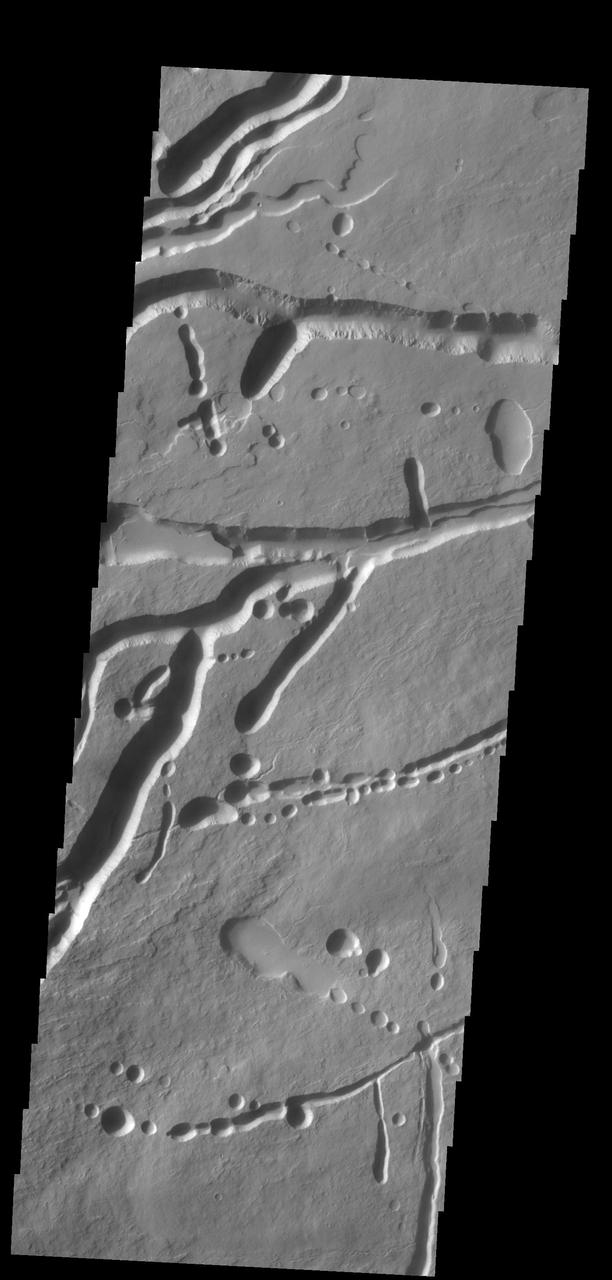
The pits, fractures and channel-like features captured by NASA 2001 Mars Odyssey spacecraft are located on the northern flank of Ascraeus Mons. Most of these features were created by collapse into lava tubes that existed below the surface.
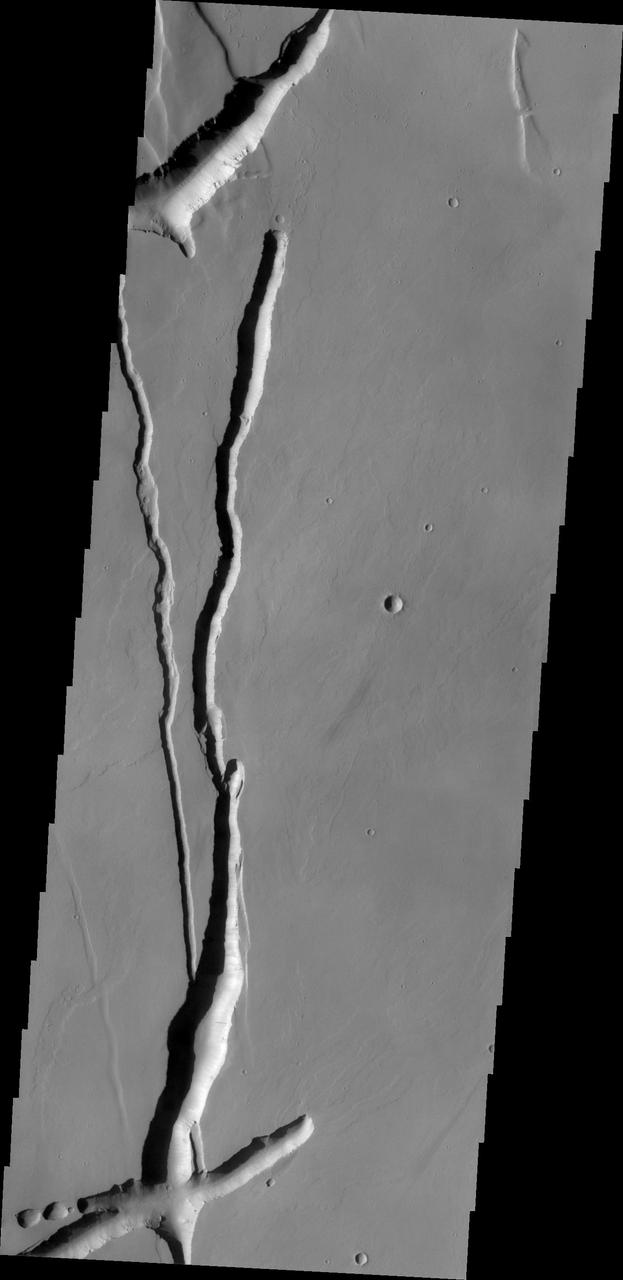
The depressions in this image from NASA Mars Odyssey likely formed due to both volcanic and tectonic forces. Tectonic forces likely account for some of the depressions, while collapse into lava tubes and lava flow erosion account for the remainder.

This image captured by NASA 2001 Mars Odyssey spacecraft shows part of the lava field just off the northern flank of Ascraeus Mons. The depressions are collapse features most likely related to lava tubes below the surface.
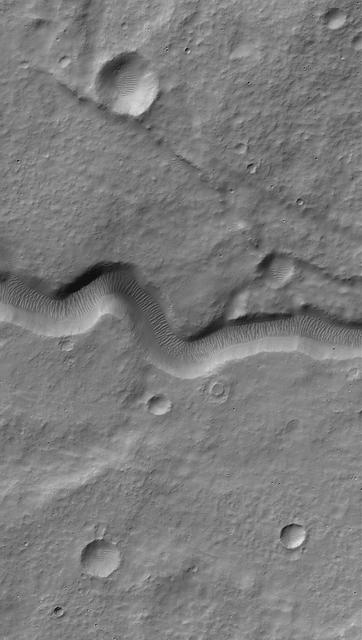
This MOC image shows narrow channel on the upper east flank of the martian volcano, Hadriaca Patera. Located on a volcano, most likely this channel was formed by lava, perhaps as a lava tube at which the thin roof later collapsed
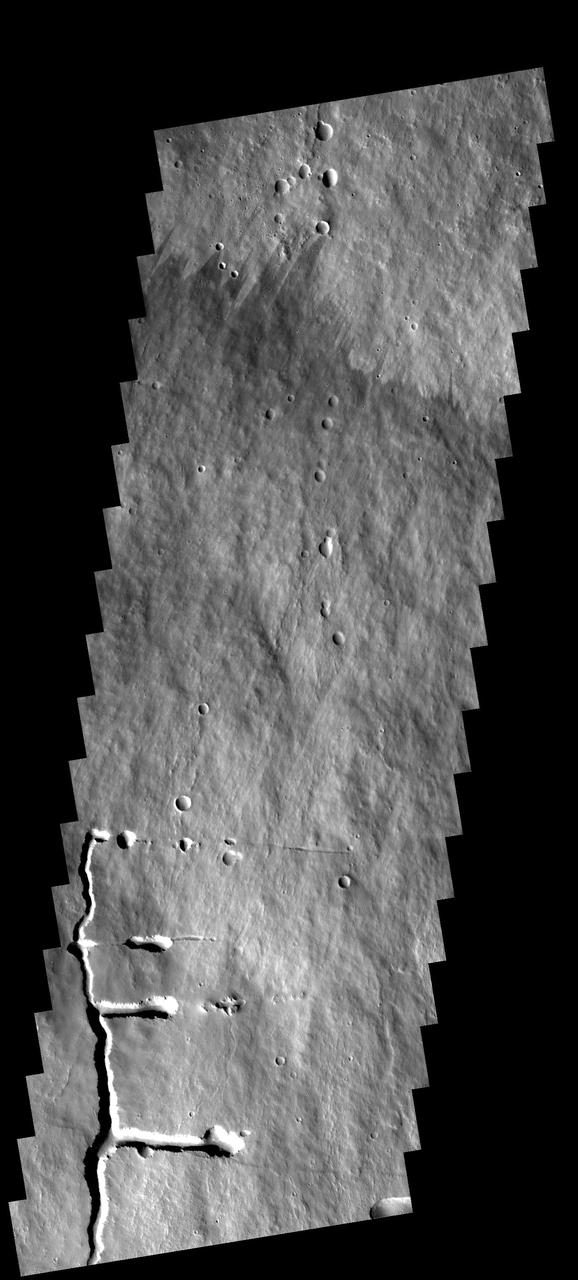
This image shows a portion of the flank of Pavonis Mons as seen by NASA 2001 Mars Odyssey spacecraft. The collapse features at the bottom of the image are related to subsurface tubes that once contained lava.
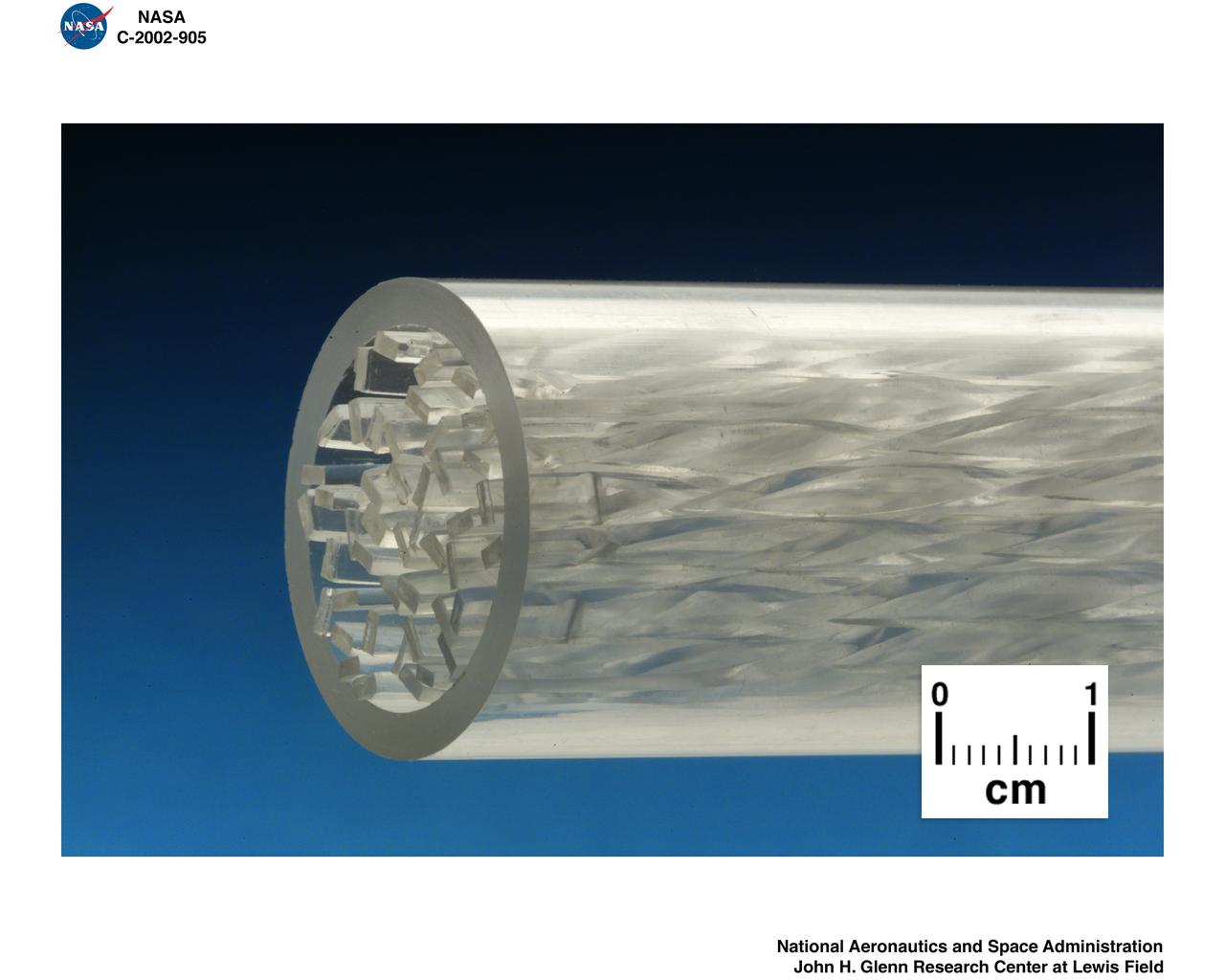
48 TWISTED TAPES IN A 1 INCH DIAMETER TUBE
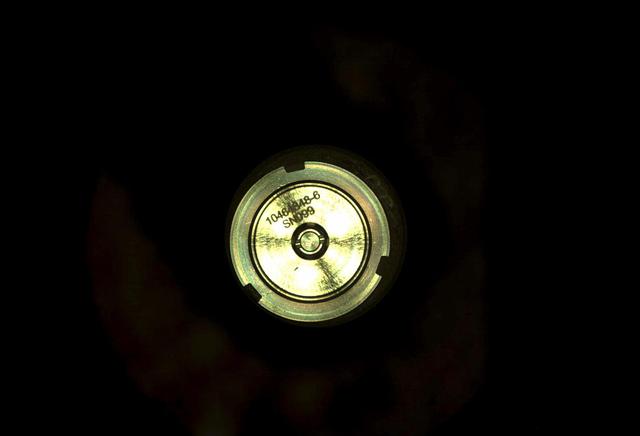
The first cored sample of Mars rock acquired by NASA's Perseverance rover is sealed inside its titanium container tube in this image taken by rover's Sampling and Caching System Camera (known as CacheCam). The image was taken on Sept. 6, 2021 (the 194th sol, or Martian day, of the mission), after the seal was attached and hermetically fixed in place onto the tube. The seal's item and serial numbers can be seen near the center of the disk. An additional set of images shows the tube before and after sealing. Perseverance engineers designed a visual check to confirm the hermetic seal. The distance between the two rings outside the item and serial numbers increases. A key objective for Perseverance's mission on Mars is astrobiology, including the search for signs of ancient microbial life. The rover will characterize the planet's geology and past climate, pave the way for human exploration of the Red Planet, and be the first mission to collect and cache Martian rock and regolith (broken rock and dust). Subsequent NASA missions, in cooperation with ESA (European Space Agency), would send spacecraft to Mars to collect these sealed samples from the surface and return them to Earth for in-depth analysis. The Mars 2020 Perseverance mission is part of NASA's Moon to Mars exploration approach, which includes Artemis missions to the Moon that will help prepare for human exploration of the Red Planet. Animation available at https://photojournal.jpl.nasa.gov/catalog/PIA24807
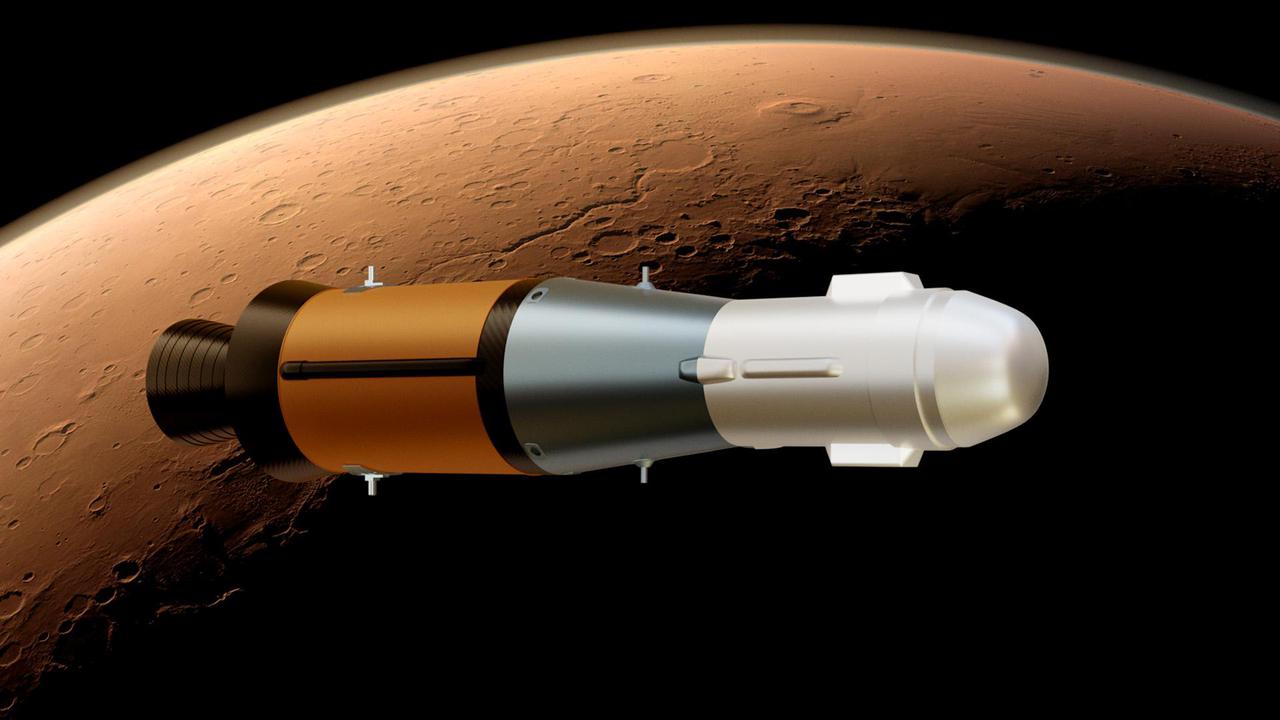
This illustration shows NASA's Mars Ascent Vehicle (MAV), which will carry tubes containing Martian rock and soil samples into orbit around Mars, where ESA's Earth Return Orbiter spacecraft will enclose them in a highly secure containment capsule and deliver them to Earth. https://photojournal.jpl.nasa.gov/catalog/PIA25078
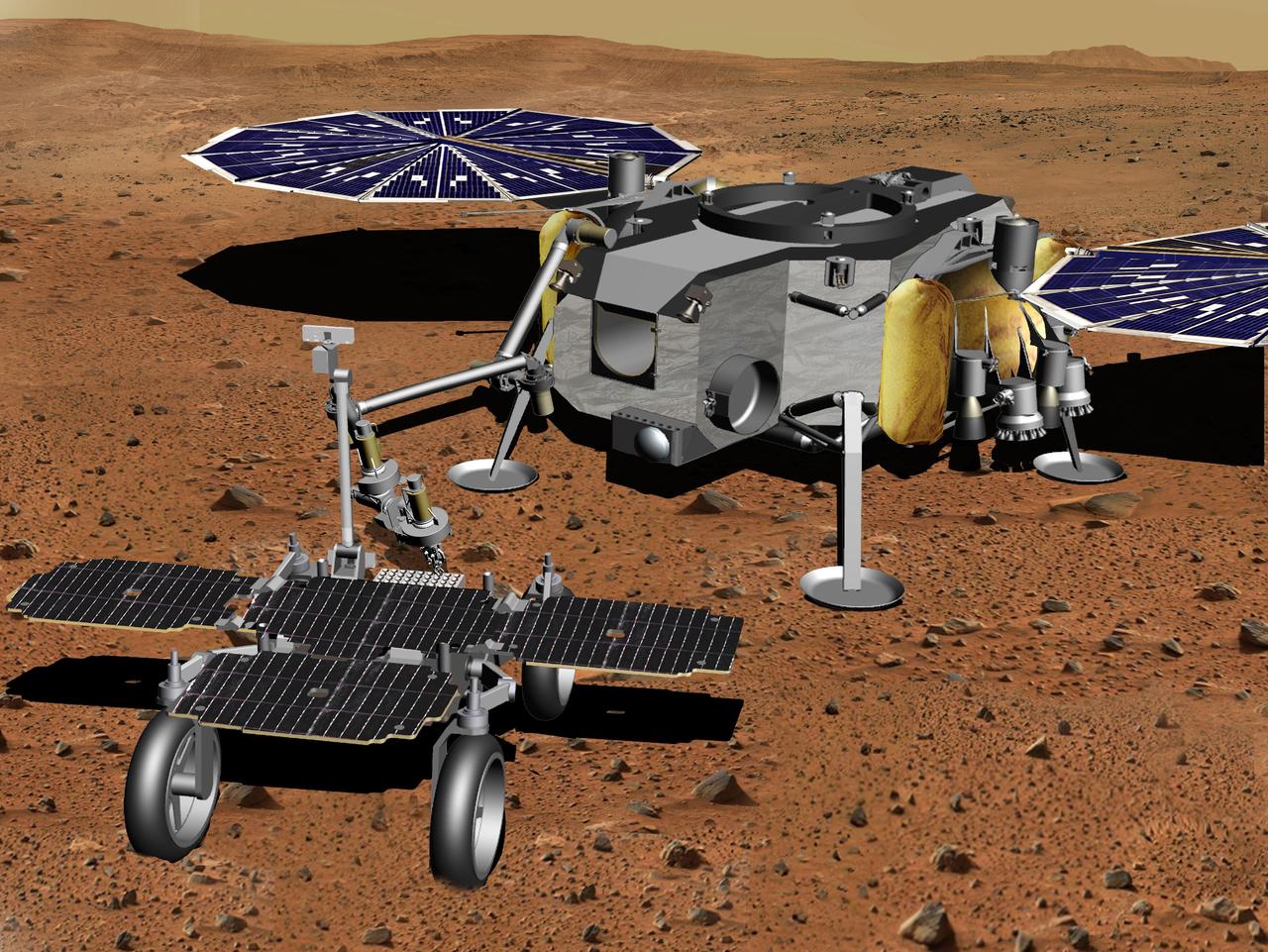
In this illustration of a Mars sample return mission concept, a robotic arm transfers samples of Martian rock and soil from a fetch rover onto a lander. NASA and the European Space Agency are solidifying concepts for a Mars sample return mission after NASA's Mars 2020 rover collects rock and soil samples and stores them in sealed tubes on the planet's surface for potential future return to Earth. NASA will deliver a Mars lander in the vicinity of Jezero Crater, where Mars 2020 will have collected and cached samples. The lander will carry a NASA rocket (the Mars Ascent Vehicle) along with ESA's Sample Fetch Rover that is roughly the size of NASA's Opportunity Mars rover. The fetch rover will gather the cached samples and carry them back to the lander for transfer to the ascent vehicle; additional samples could also be delivered directly by Mars 2020. The ascent vehicle will then launch from the surface and deploy a special container holding the samples into Mars orbit. ESA will put a spacecraft in orbit around Mars before the ascent vehicle launches. This spacecraft will rendezvous with and capture the orbiting samples before returning them to Earth. NASA will provide the payload module for the orbiter. https://photojournal.jpl.nasa.gov/catalog/PIA23495
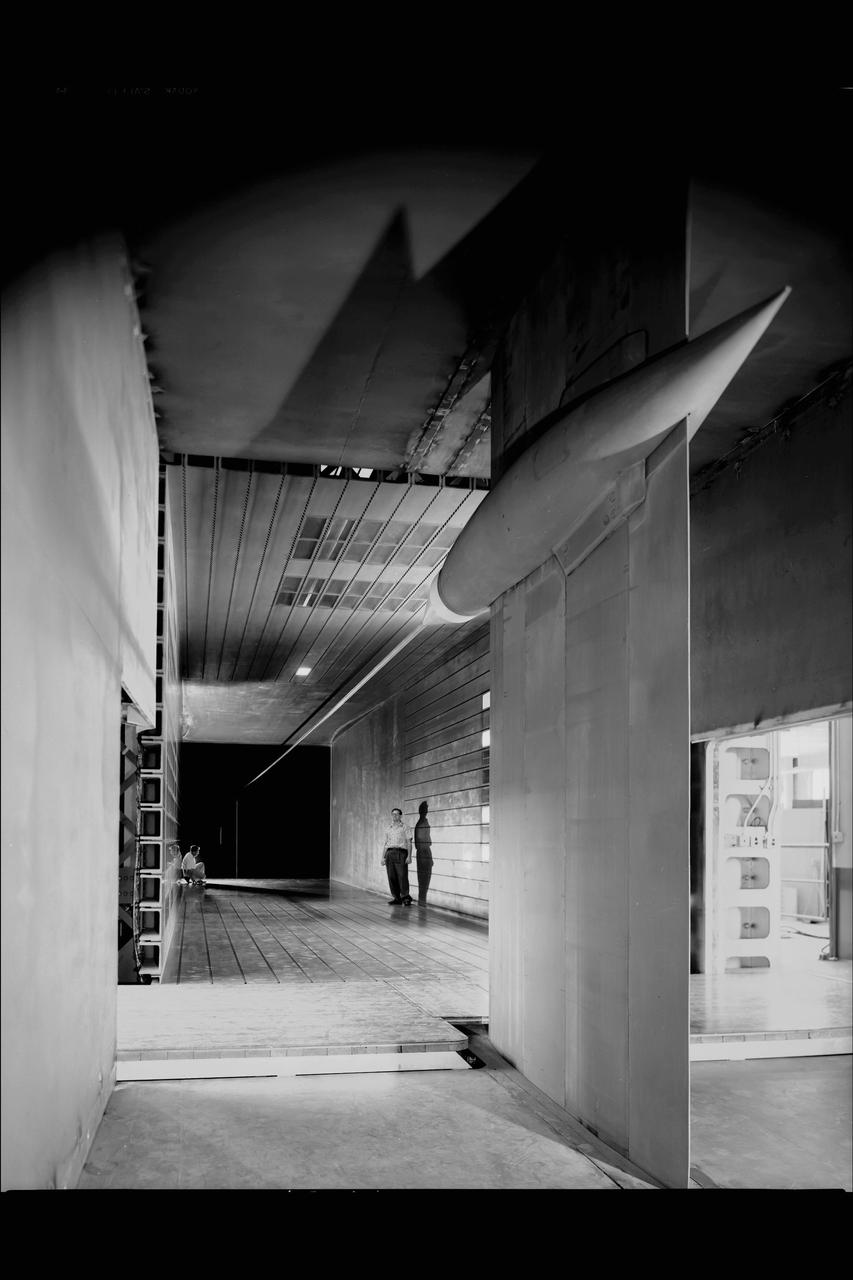
NACA Ames Research Center 14' TRANSONIC WIND TUNNEL SURVEY TUBE.
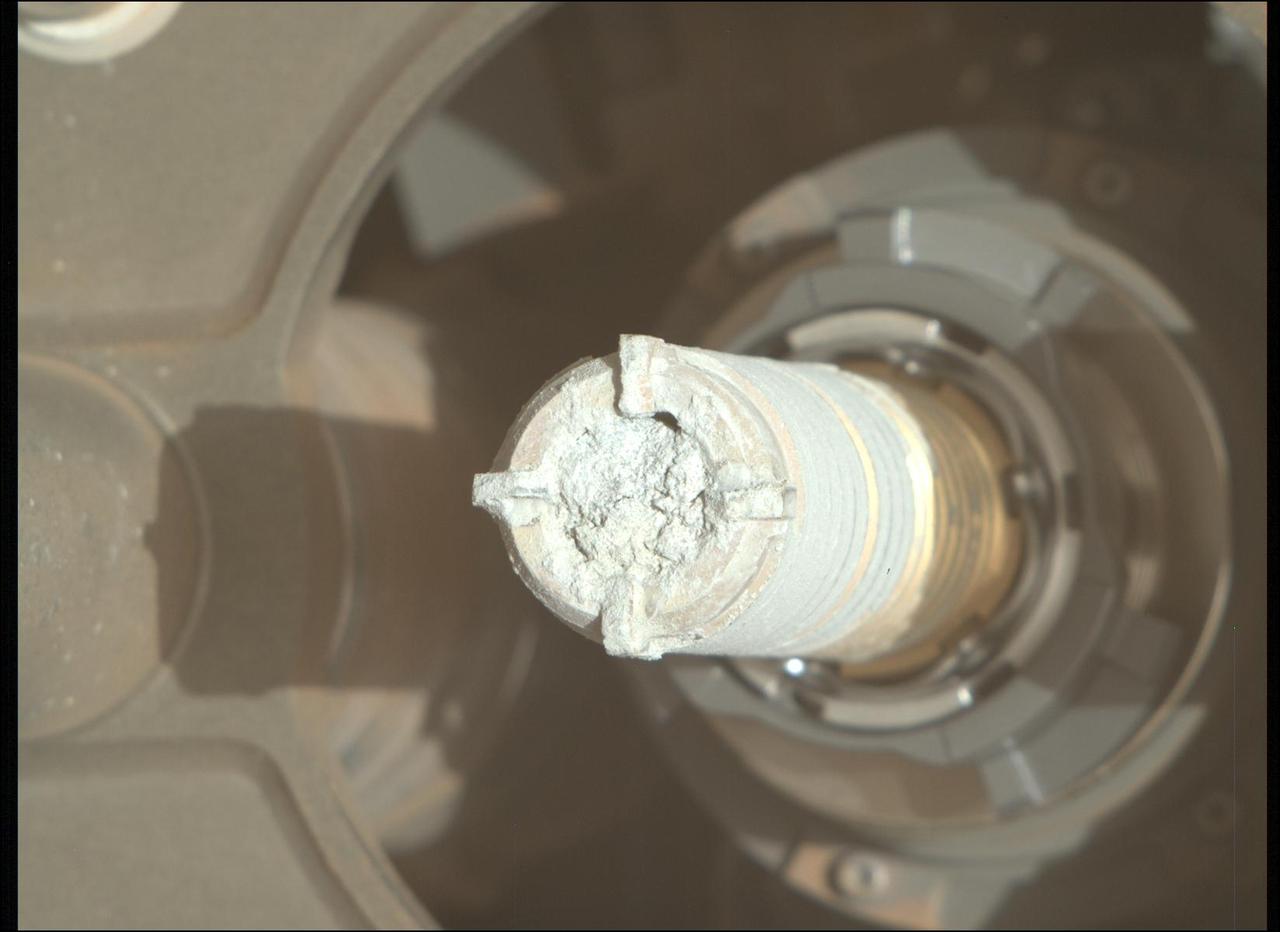
This image shows a cylinder of rock the size of a piece of classroom chalk inside the drill of NASA's Perseverance Mars rover. The sample, dubbed "Green Gardens," was taken from a rock called "Tablelands" on the rim of Mars' Jezero Crater. The image was captured by the Mastcam-Z instrument on Feb. 16, 2025, the 1,420th Martian day, or sol, of the mission. Each core the rover takes is about 0.5 inches (13 millimeters) in diameter and 2.4 inches (60 millimeters) long. Data from the rover's instruments indicates that Tablelands is made almost entirely of serpentine minerals, which form when large amounts of water react with iron- and magnesium-bearing minerals in igneous rocks. During this process, called serpentinization, the rock's original structure and mineralogy change, often causing it to expand and fracture. Byproducts of the process sometimes include hydrogen gas, which can lead to the generation of methane in the presence of carbon dioxide. On Earth, such rocks can support microbial communities. Arizona State University leads the operations of the Mastcam-Z instrument, working in collaboration with Malin Space Science Systems in San Diego, on the design, fabrication, testing, and operation of the cameras, and in collaboration with the Niels Bohr Institute of the University of Copenhagen on the design, fabrication, and testing of the calibration targets. A key objective for Perseverance's mission on Mars is astrobiology, including the search for signs of ancient microbial life. The rover will characterize the planet's geology and past climate, pave the way for human exploration of the Red Planet, and be the first mission to collect and cache Martian rock and regolith (broken rock and dust). Subsequent NASA missions, in cooperation with ESA (European Space Agency), would send spacecraft to Mars to collect these sealed samples from the surface and return them to Earth for in-depth analysis. The Mars 2020 Perseverance mission is part of NASA's Mars Exploration Program (MEP) portfolio and the agency's Moon to Mars exploration approach, which includes Artemis missions to the Moon that will help prepare for human exploration of the Red Planet. https://photojournal.jpl.nasa.gov/catalog/PIA26529
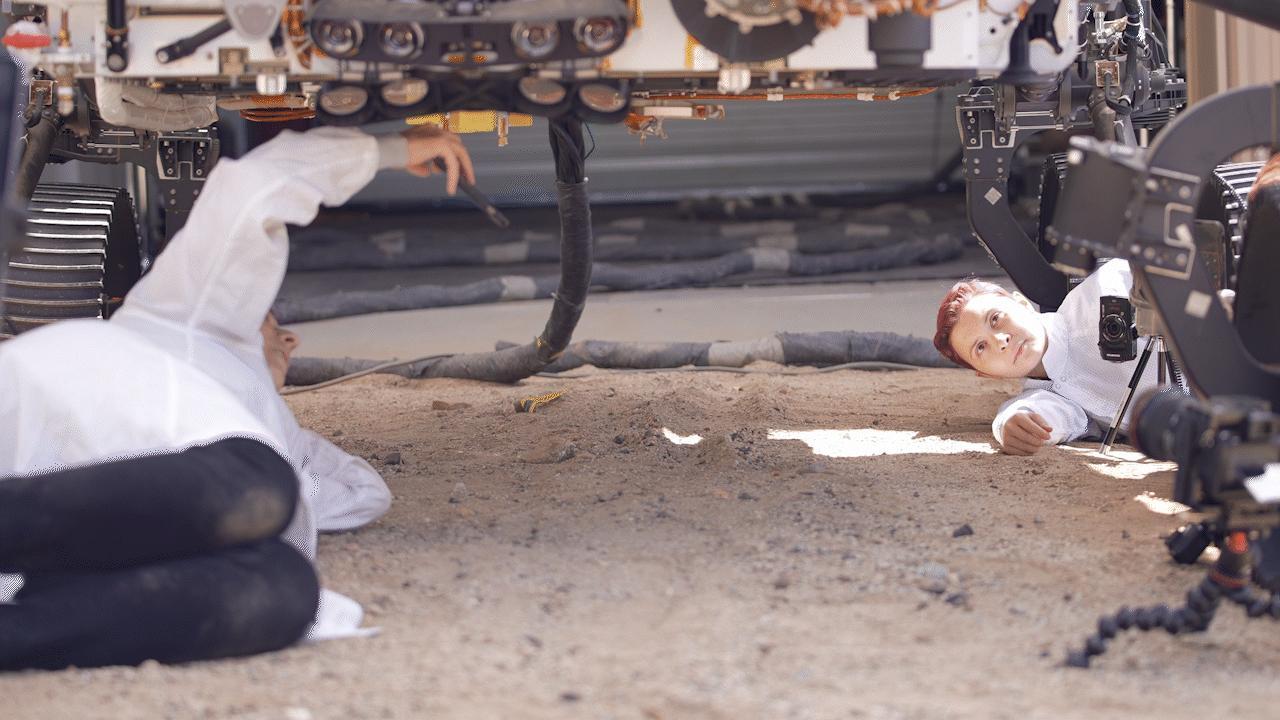
Engineers react with surprise while testing how NASA's Perseverance rover will deposit its sample tubes on the Martian surface. Less than 5% of the time, a flat end on the sample tube caused it to land straight up after dropping. This test was conducted using OPTIMISM, a full-scale replica of Perseverance, in the Mars Yard at NASA's Jet Propulsion Laboratory in Southern California. Perseverance has been taking duplicate samples from each rock target the mission selects. After depositing one sample on the surface Dec. 21, 2022, the rover has 17 samples in its belly, including one atmospheric sample. Based on the architecture of the Mars Sample Return campaign, the rover would deliver samples to a robotic lander carrying a small rocket that would blast them off to space. The depot will serve as a backup if Perseverance can't deliver its samples. In that case, a pair of Sample Recovery Helicopters would be called upon to pick up the sample tubes and deliver them to the lander. A key objective for Perseverance's mission on Mars is astrobiology, including the search for signs of ancient microbial life. The rover will characterize the planet's geology and past climate, pave the way for human exploration of the Red Planet, and be the first mission to collect and cache Martian rock and regolith (broken rock and dust). Subsequent NASA missions, in cooperation with ESA (European Space Agency), would send spacecraft to Mars to collect these sealed samples from the surface and return them to Earth for in-depth analysis. The Mars 2020 Perseverance mission is part of NASA's Moon to Mars exploration approach, which includes Artemis missions to the Moon that will help prepare for human exploration of the Red Planet. Movie available at https://photojournal.jpl.nasa.gov/catalog/PIA25677

NASA's Perseverance rover deposited the first of several sample tubes onto the Martian surface on Dec. 21, 2022, the 653rd Martian day, or sol, of the mission. This composite image of the tube, filled with a sample of igneous rock, is made up of a series of stitched-together images taken by a camera called WATSON (Wide Angle Topographic Sensor for Operations and eNgineering) on the end of the rover's 7-foot-long (2-meter-long) robotic arm. Perseverance has been taking duplicate samples from each rock target the mission selects. After having dropped its first sample on the surface, the rover now has 17 samples in its belly, including one atmospheric sample. Based on the architecture of the Mars Sample Return campaign, the rover would deliver samples to a robotic lander carrying a small rocket that would blast them off to space. The depot will serve as a backup if Perseverance can't deliver its samples. In that case, a pair of Sample Recovery Helicopters would be called upon to pick up the sample tubes and deliver them to the lander. A key objective for Perseverance's mission on Mars is astrobiology, including the search for signs of ancient microbial life. The rover will characterize the planet's geology and past climate, pave the way for human exploration of the Red Planet, and be the first mission to collect and cache Martian rock and regolith (broken rock and dust). Subsequent NASA missions, in cooperation with ESA (European Space Agency), would send spacecraft to Mars to collect these sealed samples from the surface and return them to Earth for in-depth analysis. The Mars 2020 Perseverance mission is part of NASA's Moon to Mars exploration approach, which includes Artemis missions to the Moon that will help prepare for human exploration of the Red Planet. https://photojournal.jpl.nasa.gov/catalog/PIA25663
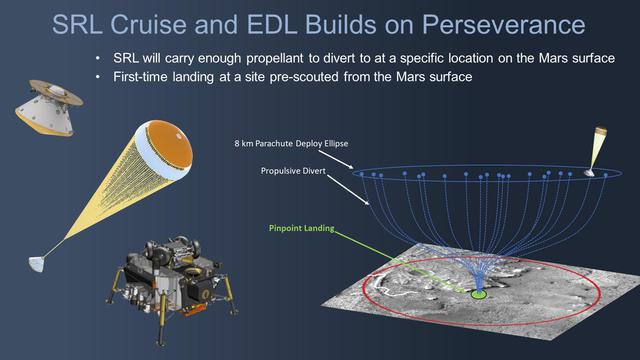
During the NASA Mars 2020 Perseverance rover mission, pristine samples of Mars rock and regolith (broken rock and dust) will be collected and sealed inside collection tubes. At strategic locations during the rover's drive, these tubes will be deposited onto the Martian surface to create collection points, or "depots." This marks the first phase of the Mars Sample Return campaign, which will be followed by the Sample Retrieval Lander mission in the late 2020s. Tasked with collecting these containers for their eventual return to Earth, the Sample Retrieval Lander will be the first Mars mission to land at a specific location already scouted out from the surface. As such, to enable such a precise landing close to one of these depots, the lander will carry enough fuel make a propulsive divert maneuver (powered by its rocket thrusters) after being slowed down sufficiently by its parachute on entering the Martian atmosphere. https://photojournal.jpl.nasa.gov/catalog/PIA24164
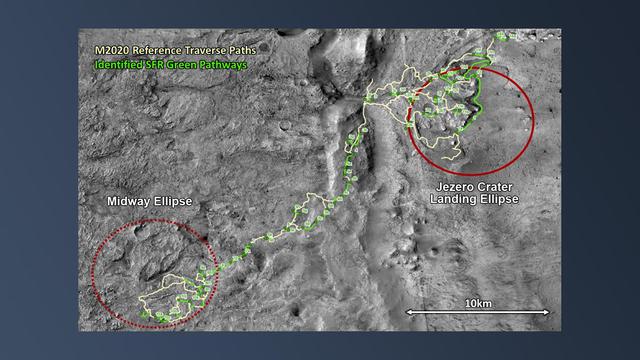
After the NASA Mars 2020 Perseverance rover mission has collected pristine samples of Mars rock and regolith (broken rock and dust) and deposited them inside collection tubes, they will be dropped off at strategic locations (called "depots") along the rover's driving route. This will be the first phase of the Mars Sample Return campaign. In the late 2020's, NASA and ESA (European Space Agency) will send the Sample Retrieval Lander (SRL) mission to Mars to collect those sample tubes from the surface. To accomplish this, the lander will make a pinpoint landing near Perseverance's driving route and dispatch its Sample Fetch Rover (SFR) that will then drive to retrieve the sample tubes. This map shows possible driving routes (yellow lines) for Perseverance at Jezero Crater and the potential locations where the depots might be located. The green lines show possible Sample Fetch Rover pathways that can access these depot locations. The large number of possible SRL landing locations and SFR traverse pathways is indicative of the high degree of resiliency inherent in the overall Mars Sample Return architecture. https://photojournal.jpl.nasa.gov/catalog/PIA24165
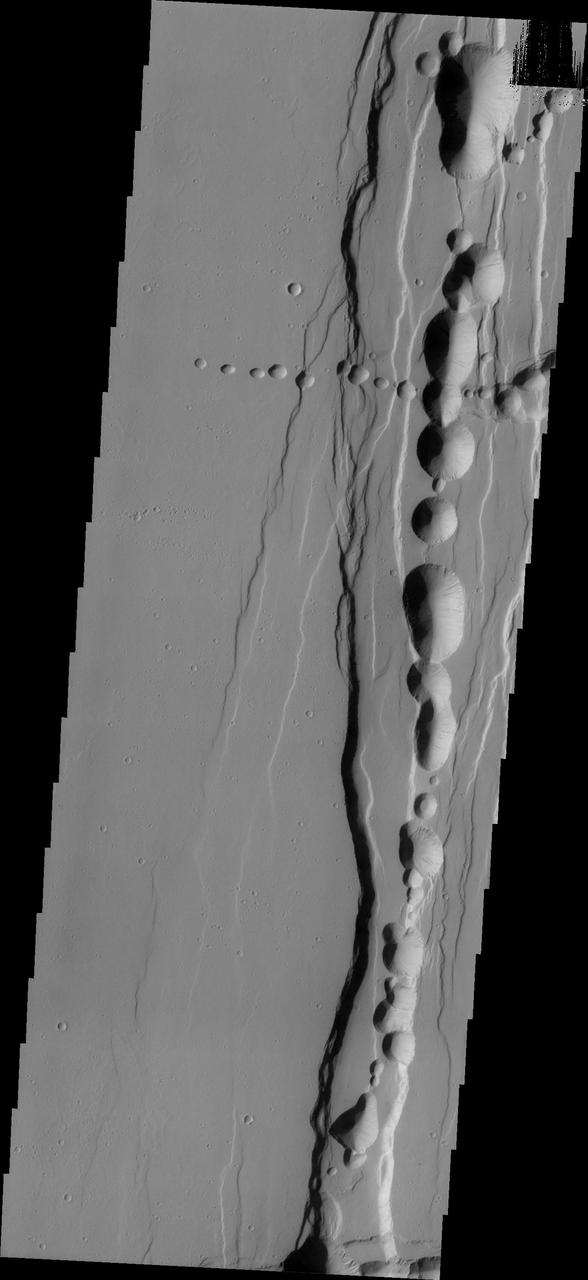
Tractus Catena is a series of collapse pits and fractures south of Alba Mons as seen in this image from NASA 2001 Mars Odyssey spacecraft. The collapse pits, which run in two directions in this image, are typically indicative of volcanic lava tubes.
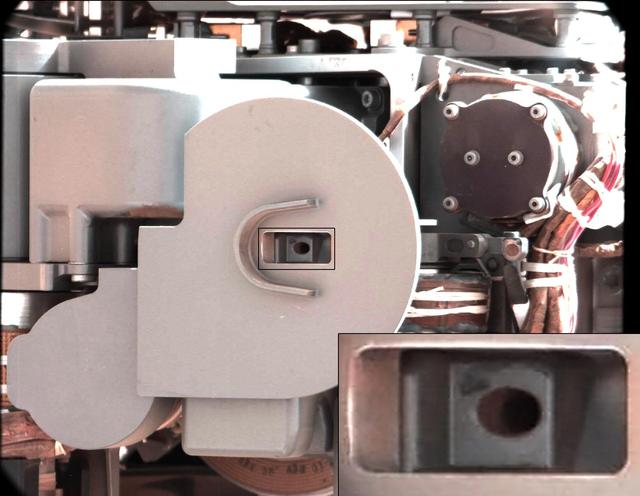
This image from NASA Curiosity rover just after discarding a soil sample as part of its first decontamination exercise. A small amount of remnant material is visible inside the delivery tube, which is magnified in the blow-up at lower right.
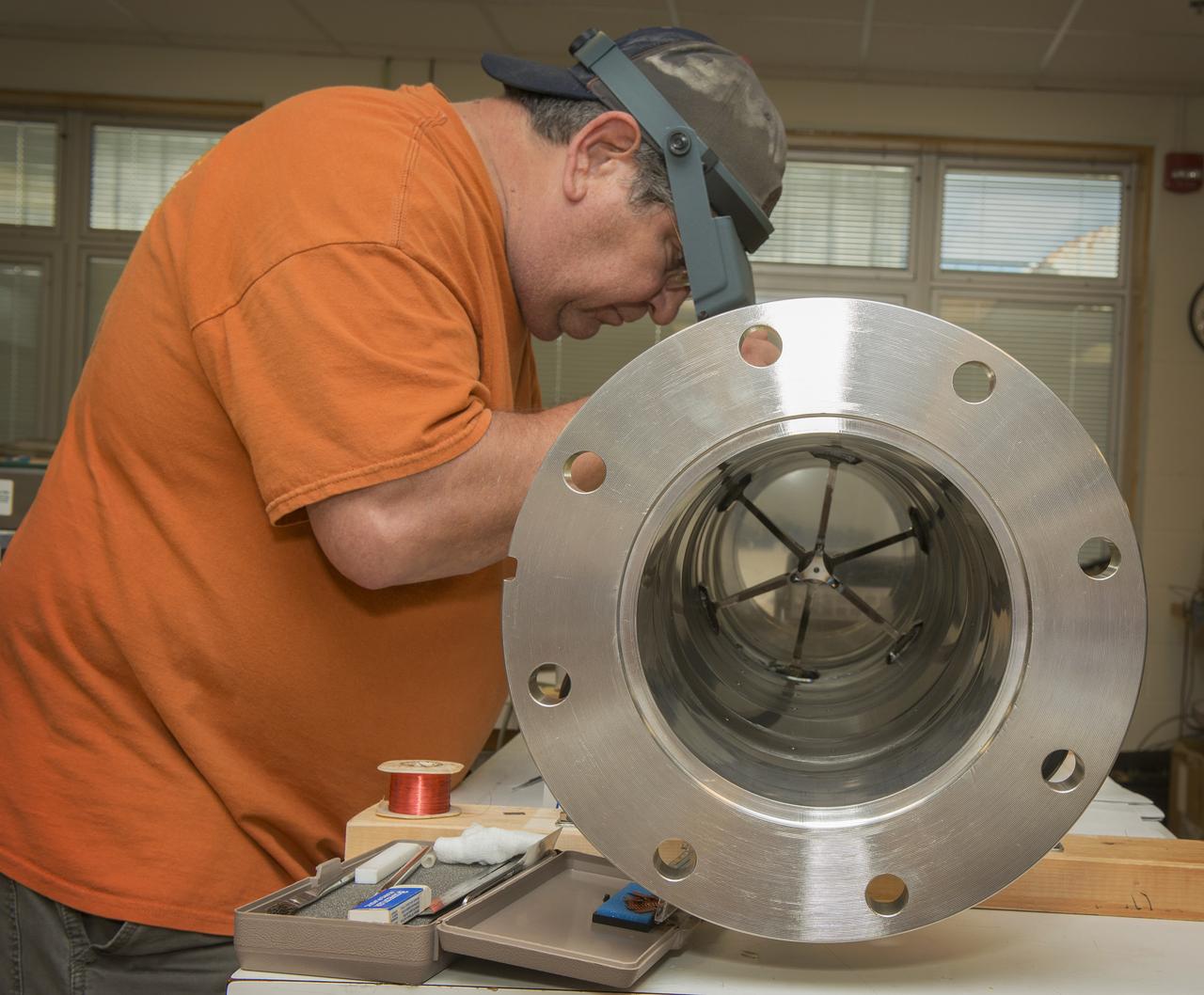
JOE MIRANDY, ET20, PREPARES SENSORS ON THE POGO Z- BAFFLE AND BELLOWS PRIOR TO FLOW TESTING. THE SENSORS WILL MEASURE VIBRATION AS FUEL FLOWS THROUGH THE TUBE AND BAFFLE.
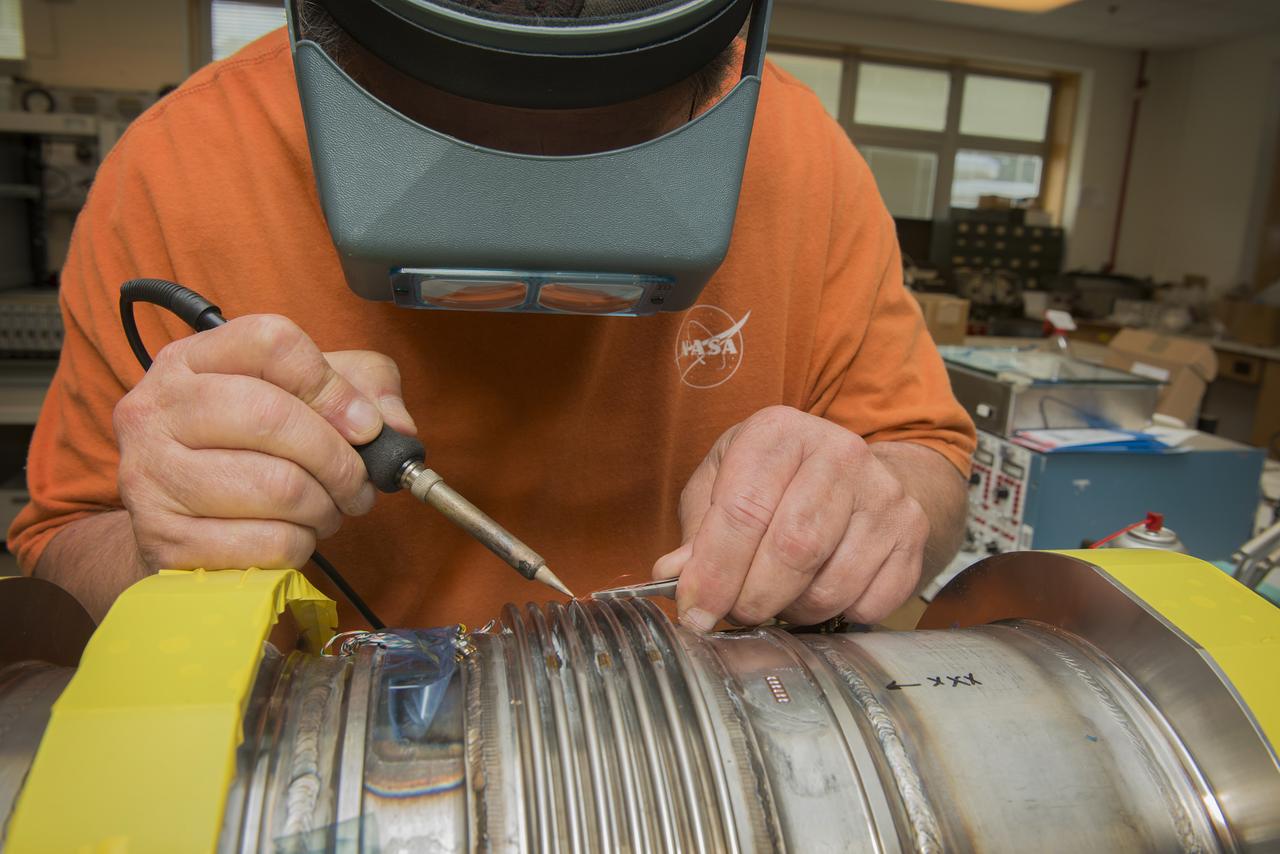
JOE MIRANDY, ET20, PREPARES SENSORS ON THE POGO Z- BAFFLE AND BELLOWS PRIOR TO FLOW TESTING. THE SENSORS WILL MEASURE VIBRATION AS FUEL FLOWS THROUGH THE TUBE AND BAFFLE.
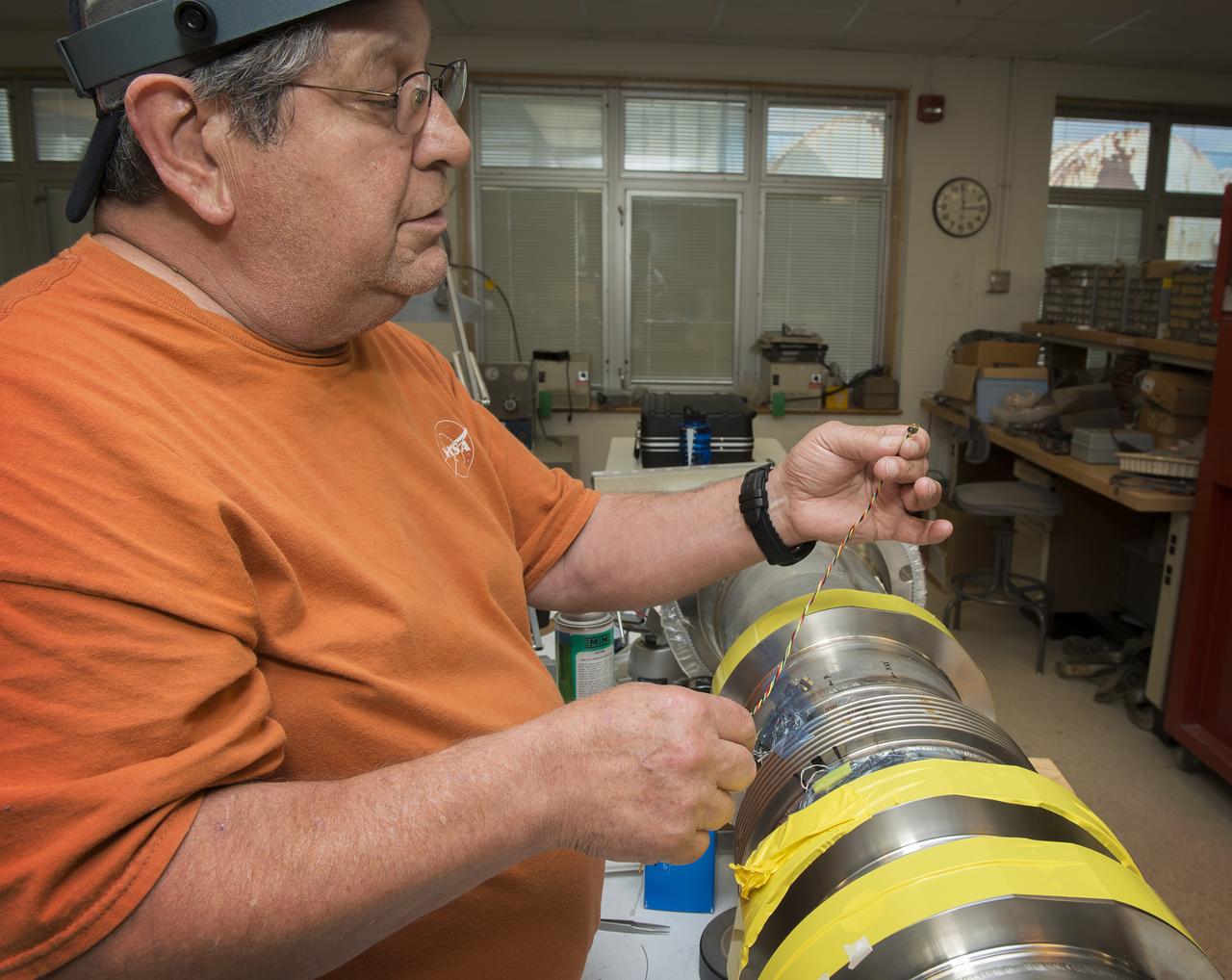
JOE MIRANDY, ET20, PREPARES SENSORS ON THE POGO Z- BAFFLE AND BELLOWS PRIOR TO FLOW TESTING. THE SENSORS WILL MEASURE VIBRATION AS FUEL FLOWS THROUGH THE TUBE AND BAFFLE.

MSC Space Shuttle Stability and Control Characteristics. Schlieren of a Hollow Tube in 6ft. W.T. Test-66-503 Approximate Mach 1.2
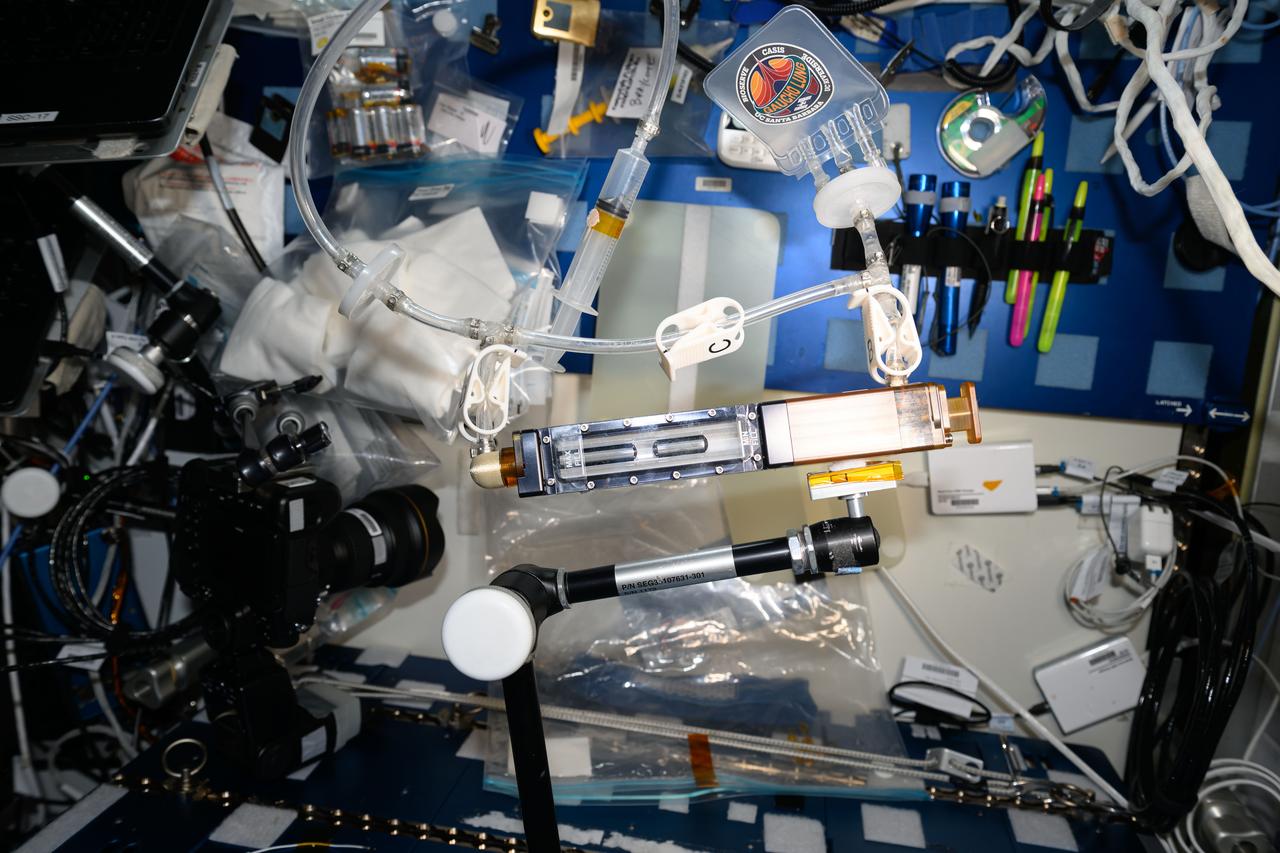
iss071e062617 (5/7/2024) --- A view of the Gaucho Lung investigation hardware aboard the International space station (ISS). The Wicking in Gel-Coated Tubes (Gaucho Lung) investigation studies fluid transport within gel-coated tubes to learn more about treatment programs for respiratory distress syndrome and develop new contamination control strategies.

jsc2019e029850 (4/2/2019) --- Preflight imagery of the Non-Newtonian Fluids in Microgravity (Nickelodeon Slime in Space) investigation slime bag. The bags are made with food grade PVC and have a capacity of 350 mL. The slime bags have two ports: one remains sealed and the other has a long tube which can be sealed with a pinch clip. The bags are filled with Nickelodeon's slime material. On the space station, the slime is extruded through the tube with the pinch clip. Image courtesy of the International Space Station U.S. National Laboratory.
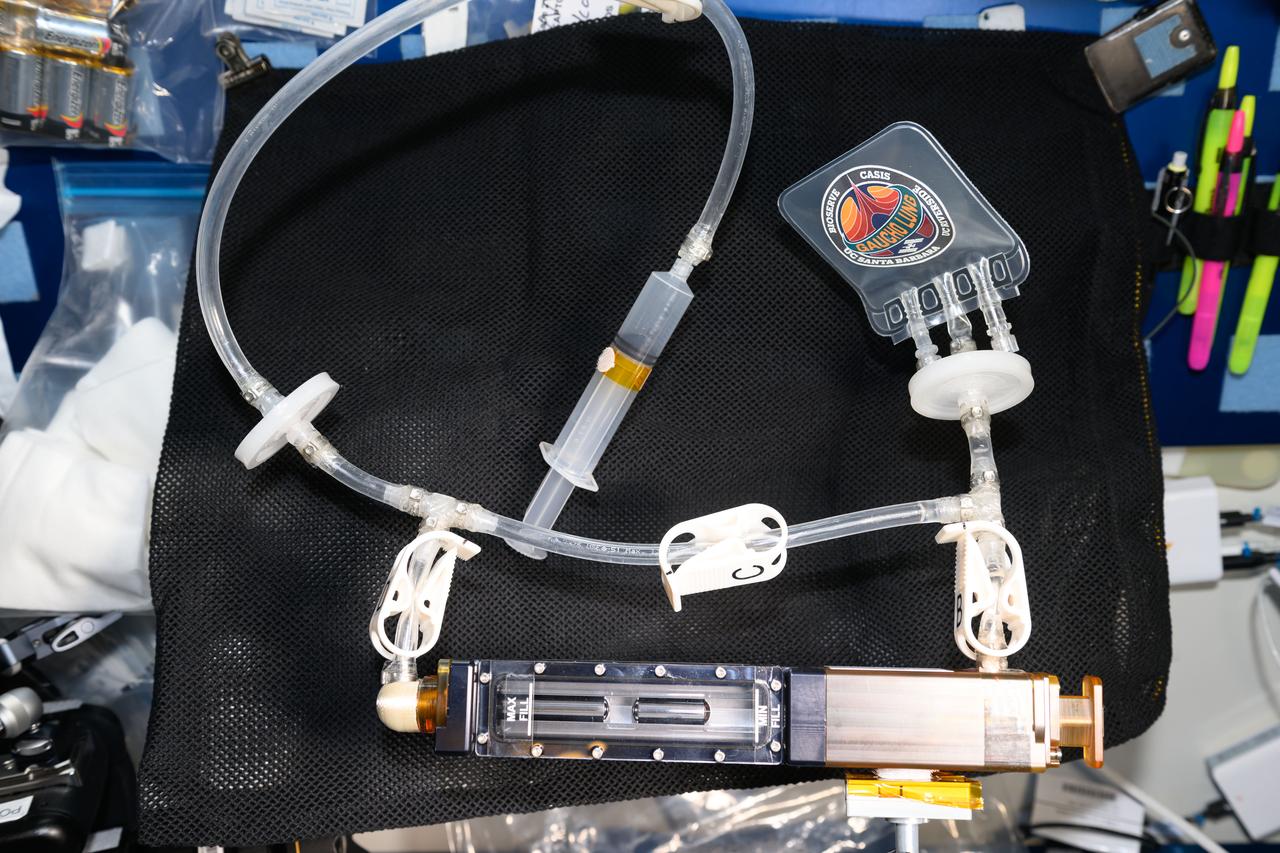
iss071e06219 (5/7/2024) --- A view of the Gaucho Lung investigation hardware aboard the International space station (ISS). The Wicking in Gel-Coated Tubes (Gaucho Lung) investigation studies fluid transport within gel-coated tubes to learn more about treatment programs for respiratory distress syndrome and develop new contamination control strategies.
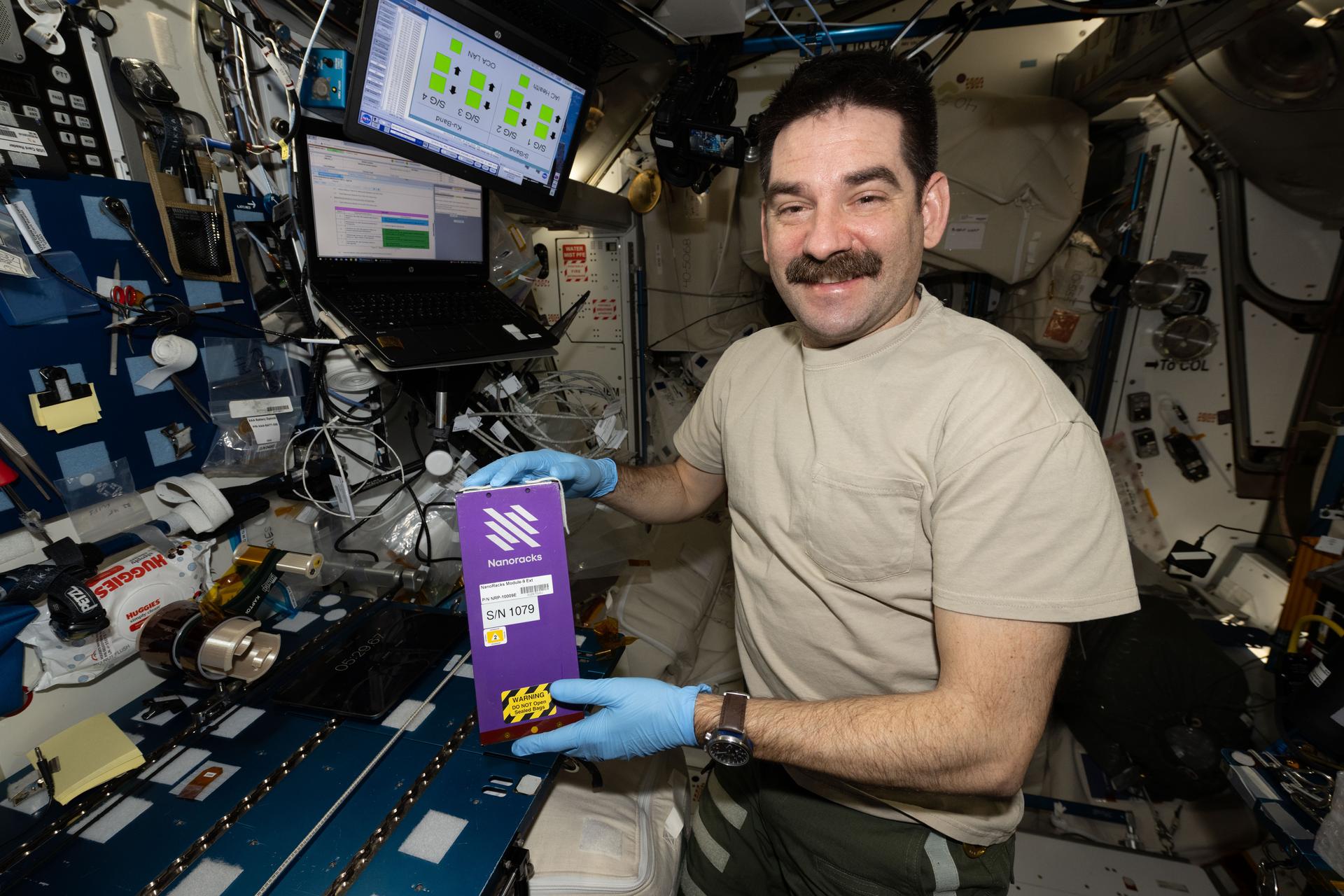
iss074e0642442 (June 1, 2026) --- NASA astronaut and Expedition 74 flight engineer Jack Hathaway shows off NanoRacks research hardware that stored sample-containing tubes filled with seeds and microbes for a variety of student-designed experiments. Hathaway was activating the tubes aboard the International Space Station's Harmony module to expand the knowledge of space phenomena and inspire junior high and high school students to consider scientific, technical, and engineering careers. Credit: NASA/Jessica Meir
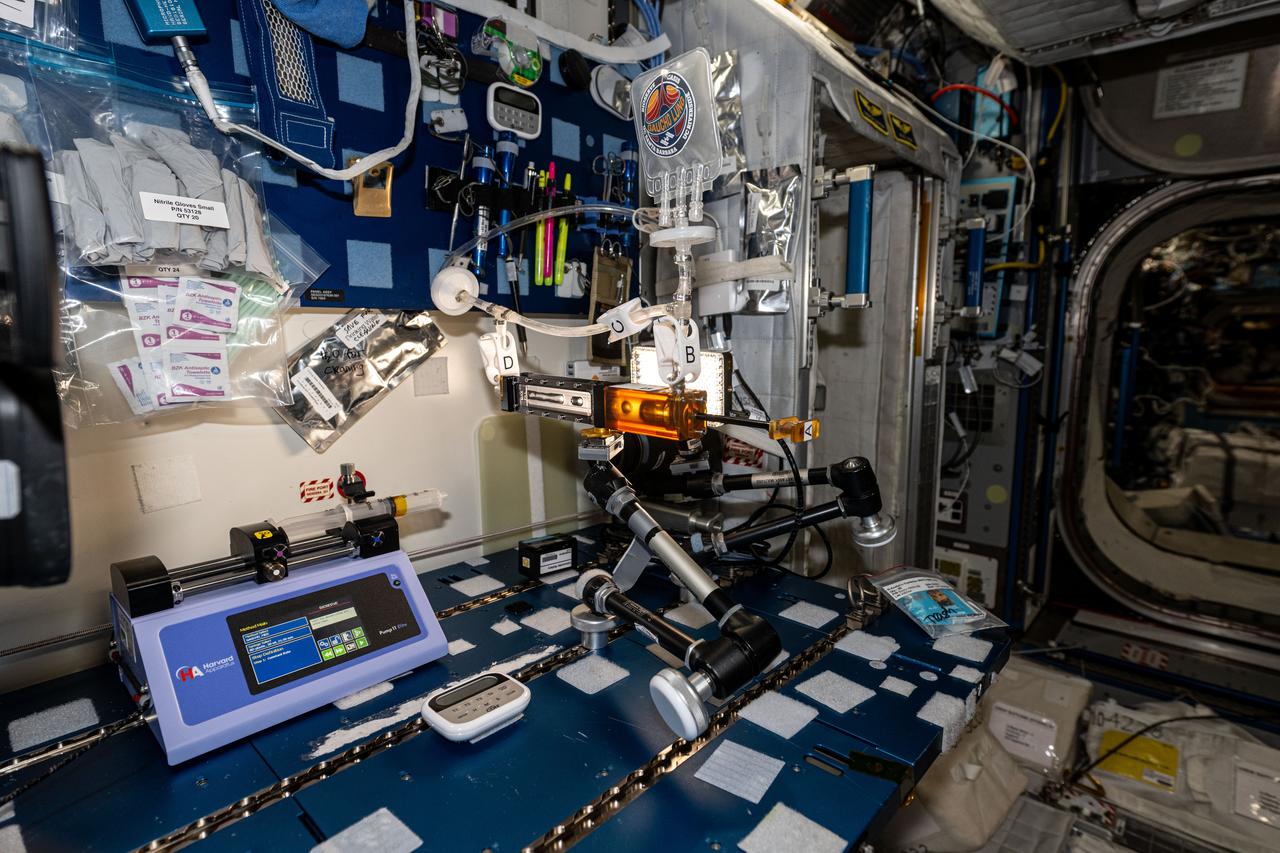
iss071e092797 (5/20/2024) --- A view of the Gaucho Lung investigation hardware aboard the International space station (ISS). The Wicking in Gel-Coated Tubes (Gaucho Lung) investigation studies fluid transport within gel-coated tubes to learn more about treatment programs for respiratory distress syndrome and develop new contamination control strategies.
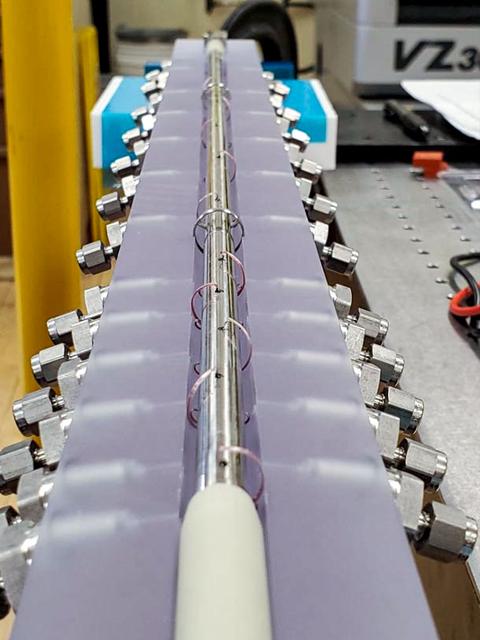
jsc2023e038724 (6/28/2023) --- An interior view of the FBCE-CM-HT test section. Test fluid is vaporized and pumped through the steel tube embedded in an insulating material while space station cooling water is flown around the outer annulus of the steel tube causing the internal vapor to condense. Both cooling water and test fluid temperatures are measured using a system of.thermocouples to calculate heat transfer. Image courtesy of NASA Glenn Research Center..
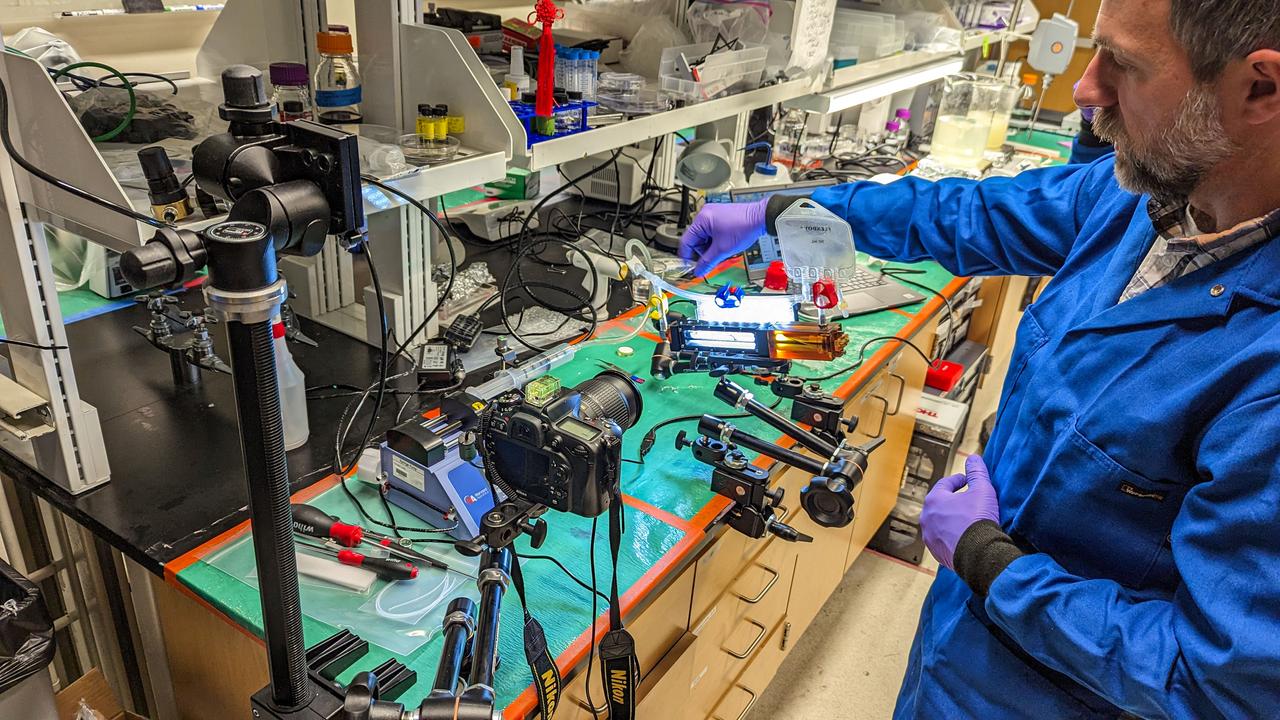
jsc2023e055885 (2/22/2023) --- Matthew Vellone operates the first prototype of the experimental system to fly aboard the International Space Station. The ground set-up is tilted to drive the flow of oil into a large tube using gravity. The Gaucho Lung investigation will study fluid transport within gel-coated tubes to learn more about treatment programs for respiratory distress syndrome and develop new contamination control strategies. Image courtesy of Bioserve.
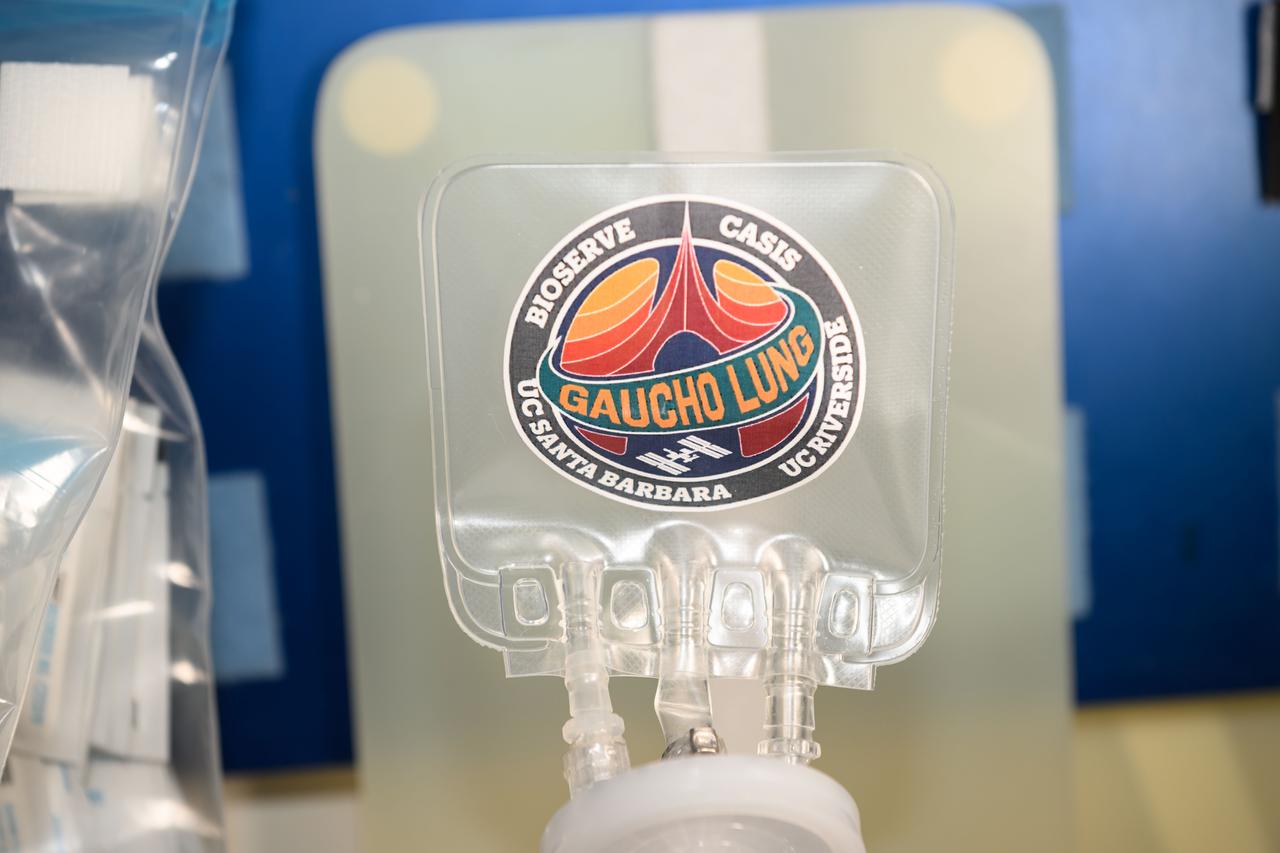
iss071e062589 (5/7/2024) --- A view of the Gaucho Lung Sample Pouch aboard the International space station (ISS). The Wicking in Gel-Coated Tubes (Gaucho Lung) investigation studies fluid transport within gel-coated tubes to learn more about treatment programs for respiratory distress syndrome and develop new contamination control strategies.
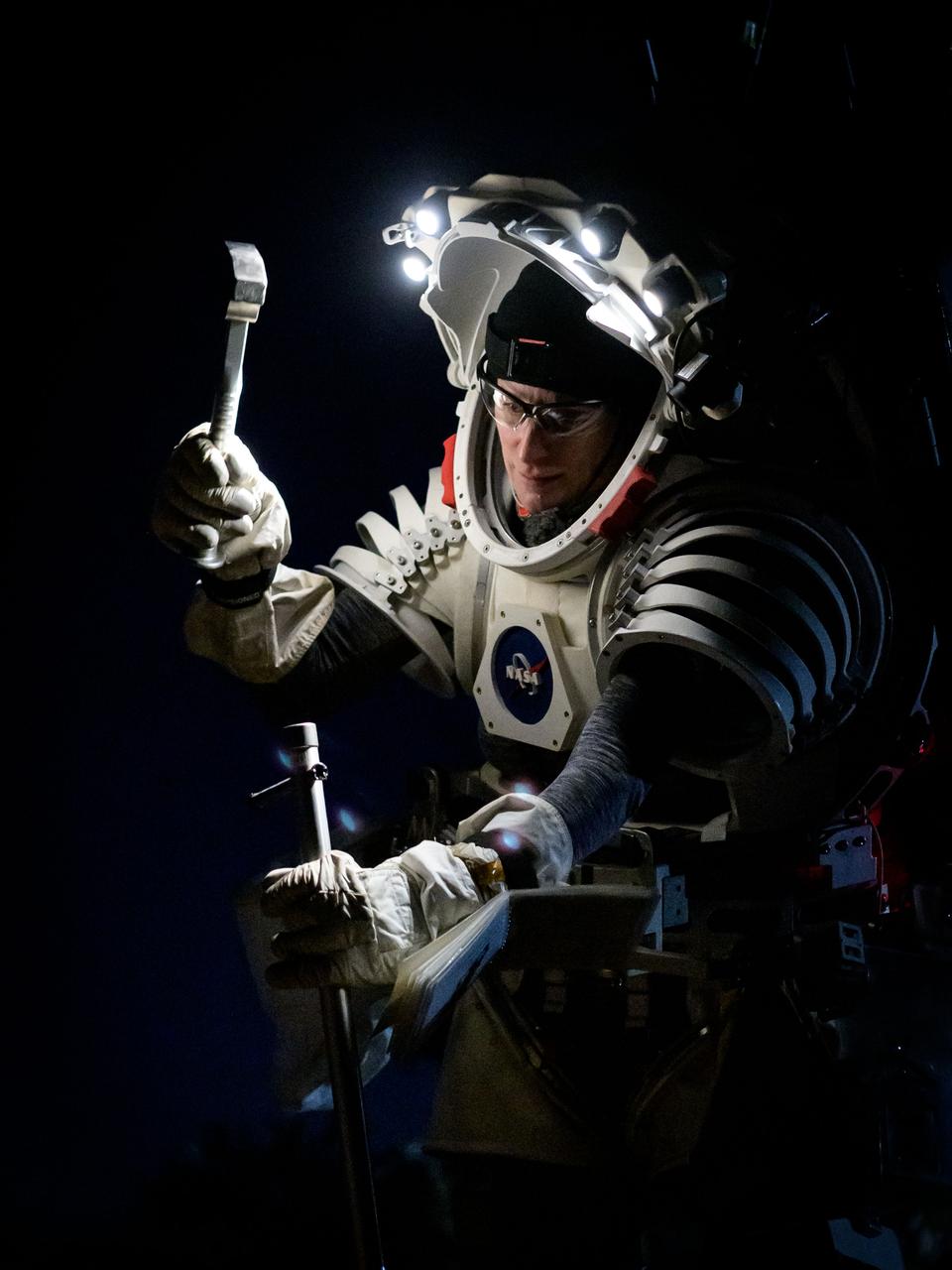
NASA astronaut Kate Rubins uses a hammer to get a drive tube into the ground to collect a pristine soil sample during a¬¬ nighttime simulated moonwalk in the San Francisco Volcanic Field in Northern Arizona on May 16, 2024. The drive tube is the key piece of hardware for preserving the integrity of samples from the Moon. Credit: NASA/Josh Valcarcel
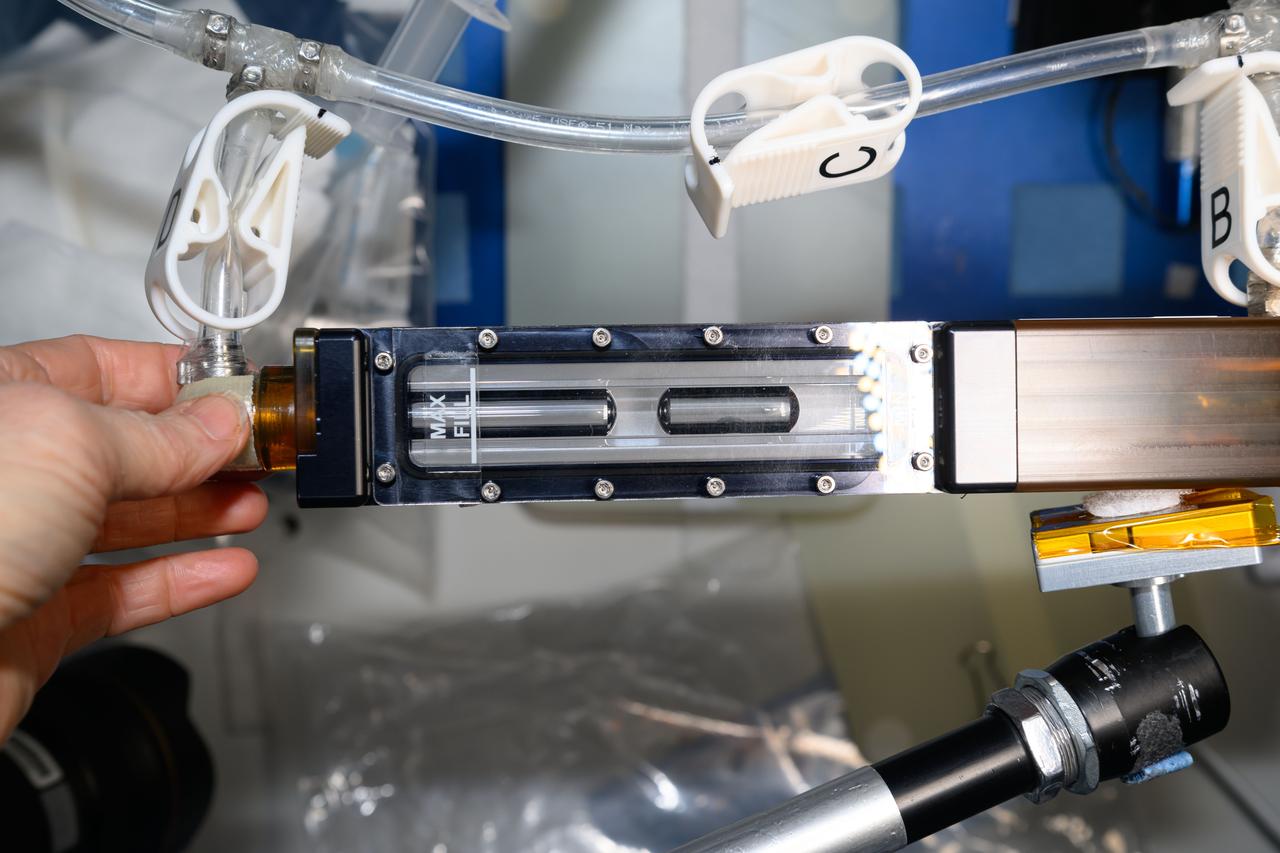
iss071e062603 (5/7/2024) --- A view of the Gaucho Lung investigation hardware aboard the International space station (ISS). The Wicking in Gel-Coated Tubes (Gaucho Lung) investigation studies fluid transport within gel-coated tubes to learn more about treatment programs for respiratory distress syndrome and develop new contamination control strategies.
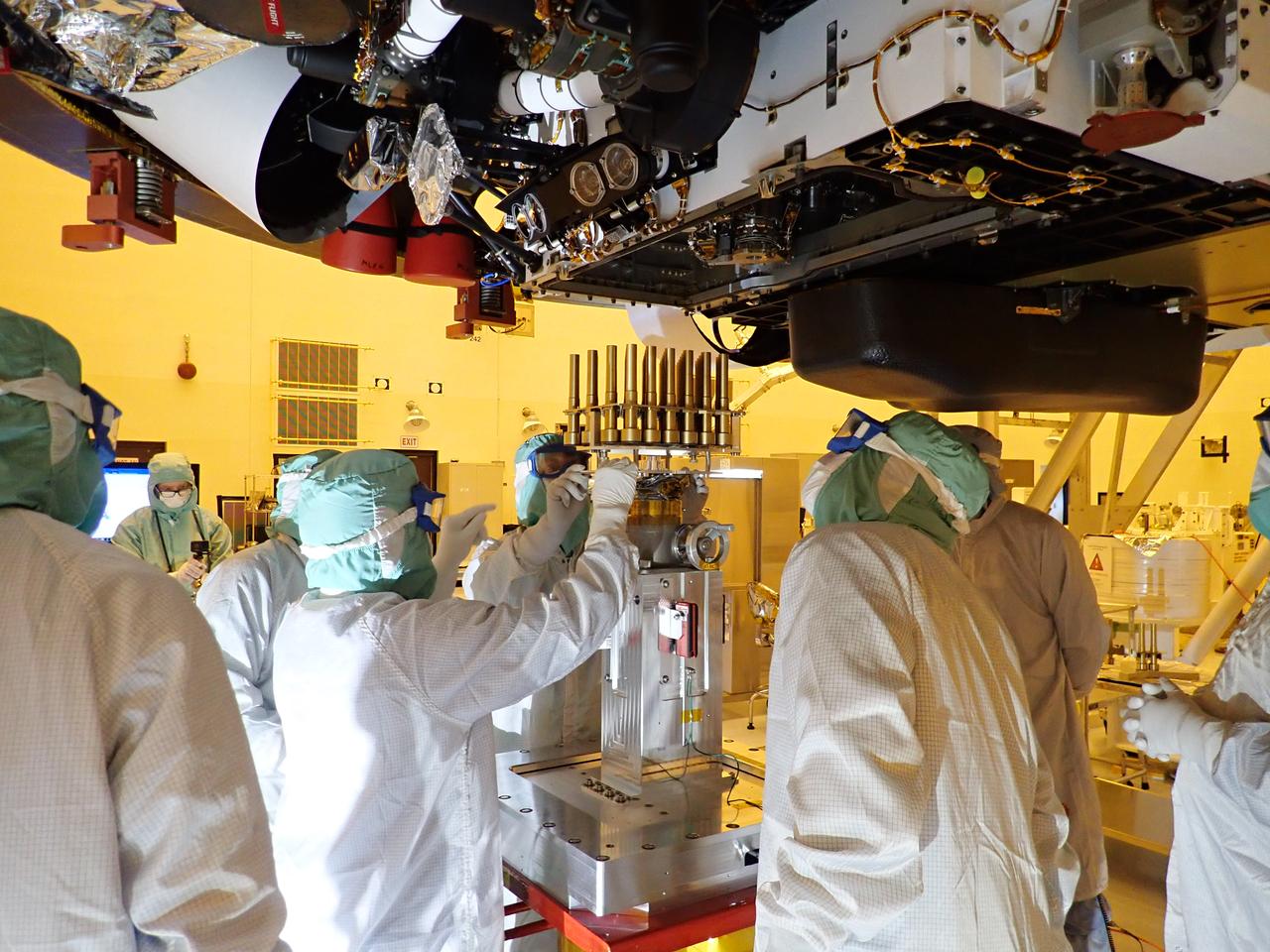
Inside the Payload Hazardous Servicing Facility at NASA’s Kennedy Space Center in Florida, workers prepare to install the Sample Caching System Sterile Flight Model hardware on the Mars Perseverance rover on May 21, 2020. The system includes 39 sample tubes that will be inserted into the underside of the rover. Each tube is sheathed in a gold-colored cylindrical enclosure to protect it from contamination. Perseverance rover will carry 43 sample tubes in total to Mars' Jezero Crater. The Mars Perseverance rover is scheduled to launch in mid-July atop a United Launch Alliance Atlas V 541 rocket from Pad 41 at nearby Cape Canaveral Air Force Station. The rover is part of NASA’s Mars Exploration Program, a long-term effort of robotic exploration of the Red Planet. The rover will search for habitable conditions in the ancient past and signs of past microbial life on Mars. The Launch Services Program at Kennedy is responsible for launch management.
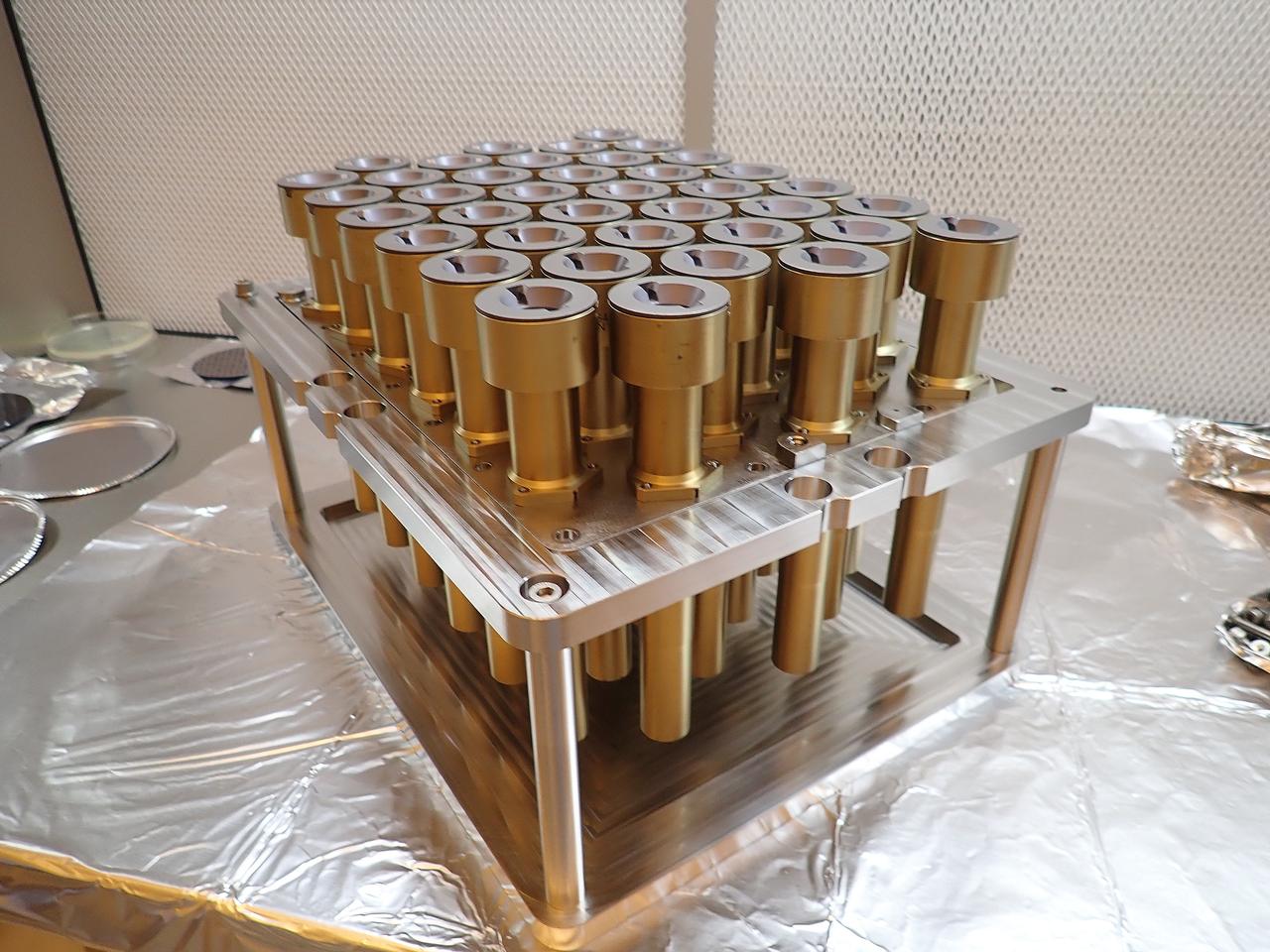
Inside the Payload Hazardous Servicing Facility at NASA’s Kennedy Space Center in Florida, the Sample Caching System Sterile Flight Model hardware is being prepared for installation on the Mars Perseverance rover on May 21, 2020. The system includes 39 sample tubes that will be inserted into the underside of the rover. Each tube is sheathed in a gold-colored cylindrical enclosure to protect it from contamination. Perseverance rover will carry 43 sample tubes in total to Mars' Jezero Crater. The Mars Perseverance rover is scheduled to launch in mid-July atop a United Launch Alliance Atlas V 541 rocket from Pad 41 at nearby Cape Canaveral Air Force Station. The rover is part of NASA’s Mars Exploration Program, a long-term effort of robotic exploration of the Red Planet. The rover will search for habitable conditions in the ancient past and signs of past microbial life on Mars. The Launch Services Program at Kennedy is responsible for launch management.
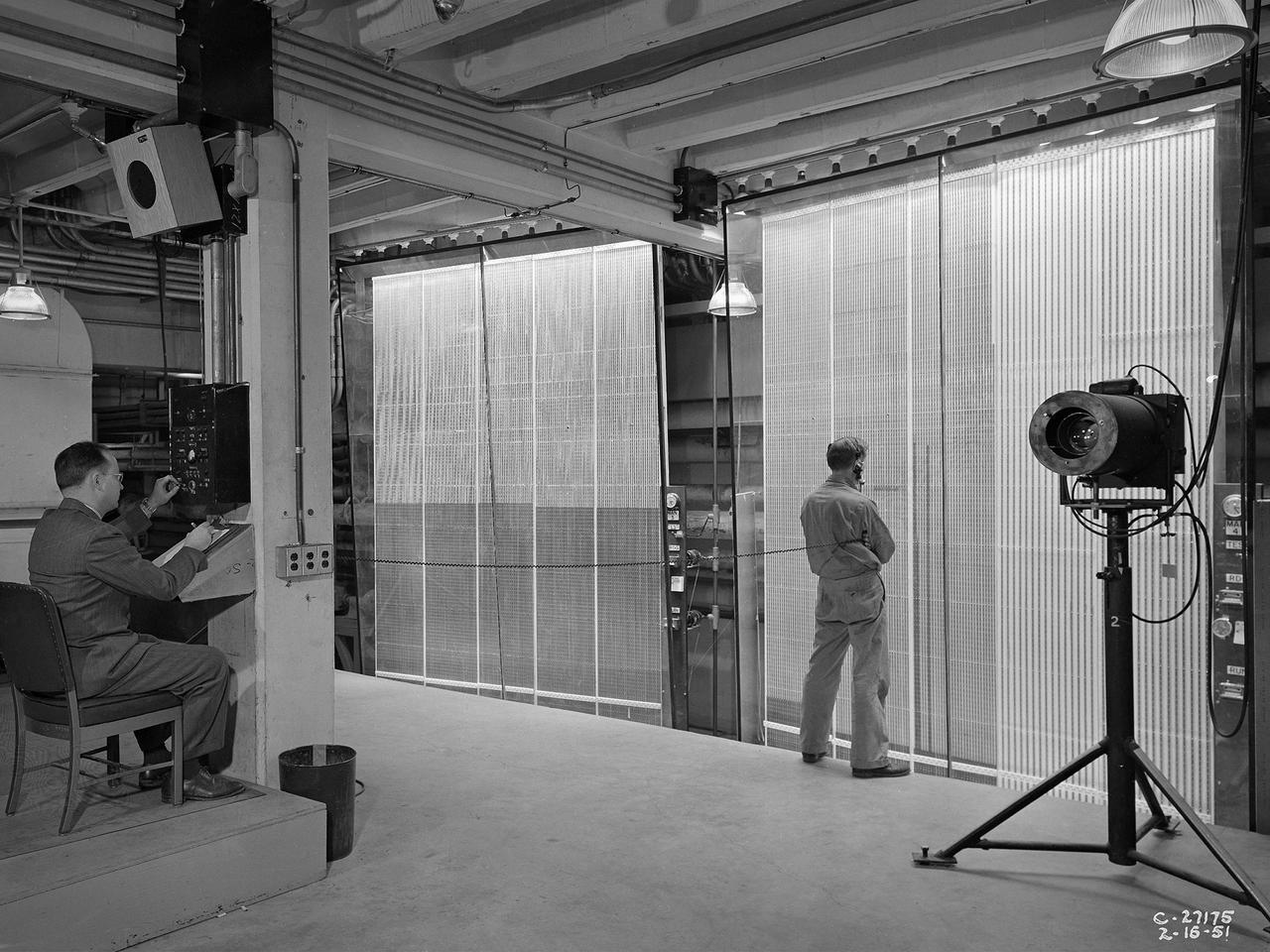
Analysts at the National Advisory Committee for Aeronautics (NACA) Lewis Flight Propulsion Laboratory take data readings from rows of manometers in the basement of the 8- by 6-Foot Supersonic Wind Tunnel. Manometers were mercury-filled glass tubes that indicated different pressure levels in the test section. Manometers look and function very similarly to thermometers. Pressure sensing instruments were installed on the test article inside the wind tunnel or other test facility. Each test could have dozens of such instruments installed and connected to a remotely located manometer tube. The mercury inside the manometer rose and fell with the pressure levels. The dark mercury can be seen at different levels within the tubes. Since the pressure readings were dynamic, it was necessary to note the levels at given points during the test. This was done using both female computers and photography. A camera is seen on a stand to the right in this photograph.
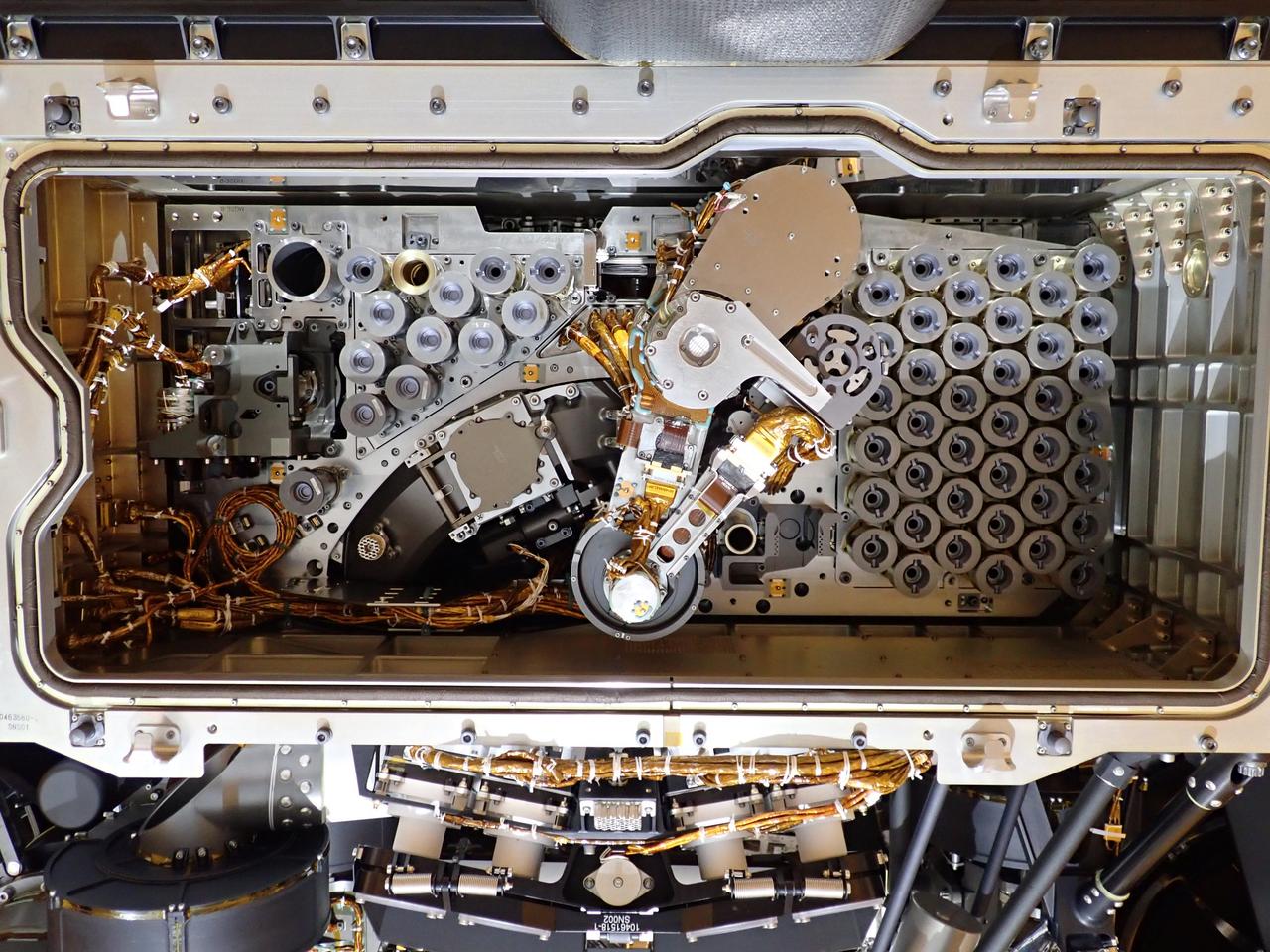
Inside the Payload Hazardous Servicing Facility at NASA’s Kennedy Space Center in Florida, the Sample Caching System Sterile Flight Model hardware was installed on the Mars Perseverance rover on May 21, 2020. The system includes 39 sample tubes. Each tube is sheathed in a gold-colored cylindrical enclosure to protect it from contamination. Perseverance rover will carry 43 sample tubes in total to Mars' Jezero Crater. The Mars Perseverance rover is scheduled to launch in mid-July atop a United Launch Alliance Atlas V 541 rocket from Pad 41 at nearby Cape Canaveral Air Force Station. The rover is part of NASA’s Mars Exploration Program, a long-term effort of robotic exploration of the Red Planet. The rover will search for habitable conditions in the ancient past and signs of past microbial life on Mars. The Launch Services Program at Kennedy is responsible for launch management.
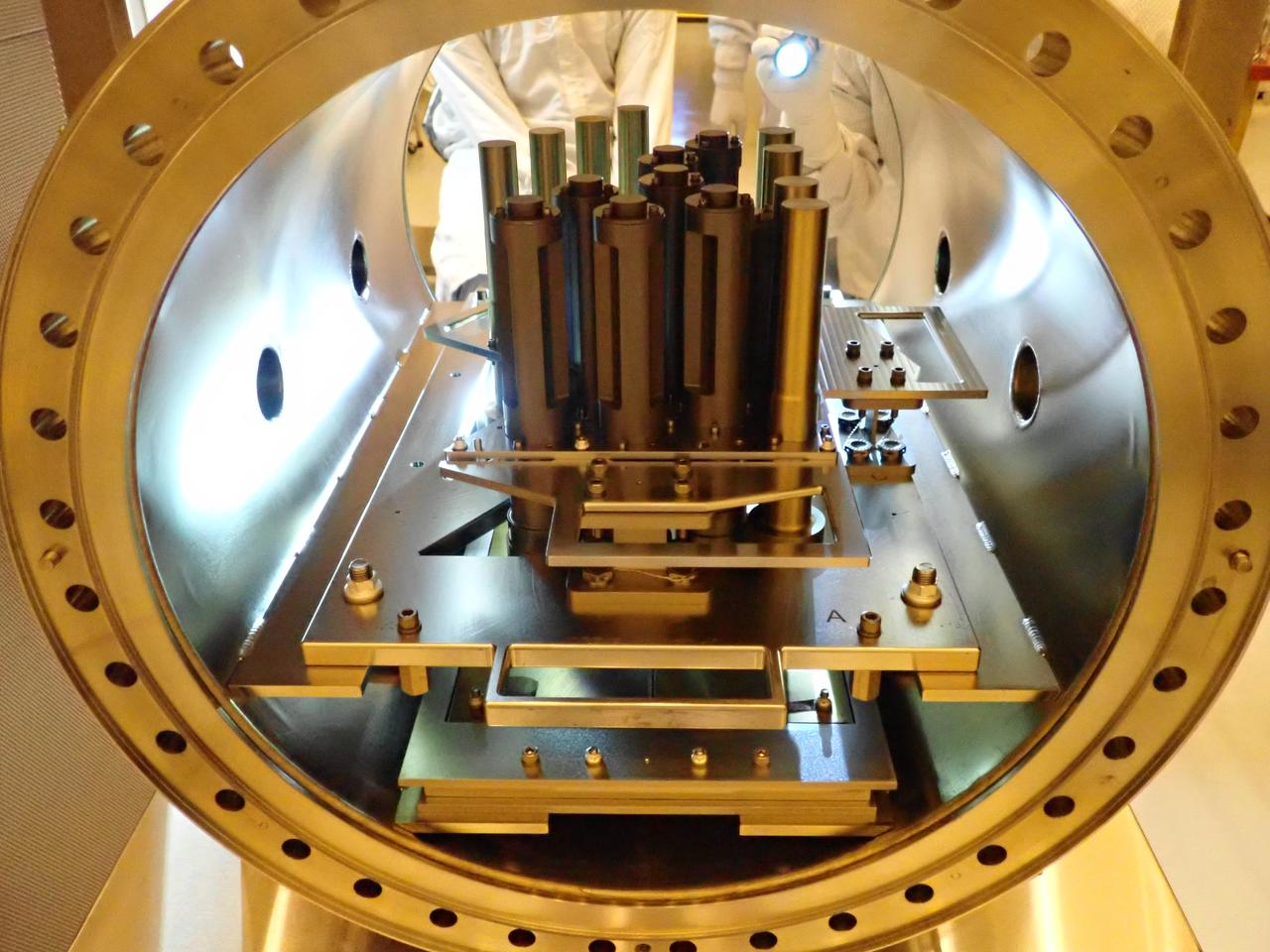
Inside the Payload Hazardous Servicing Facility at NASA’s Kennedy Space Center in Florida, the Sample Caching System Sterile Flight Model hardware is being prepared for installation on the Mars Perseverance rover on May 20, 2020. The system includes 39 sample tubes that will be inserted into the underside of the rover. Each tube is sheathed in a gold-colored cylindrical enclosure to protect it from contamination. Perseverance rover will carry 43 sample tubes in total to Mars' Jezero Crater. The Mars Perseverance rover is scheduled to launch in mid-July atop a United Launch Alliance Atlas V 541 rocket from Pad 41 at nearby Cape Canaveral Air Force Station. The rover is part of NASA’s Mars Exploration Program, a long-term effort of robotic exploration of the Red Planet. The rover will search for habitable conditions in the ancient past and signs of past microbial life on Mars. The Launch Services Program at Kennedy is responsible for launch management.