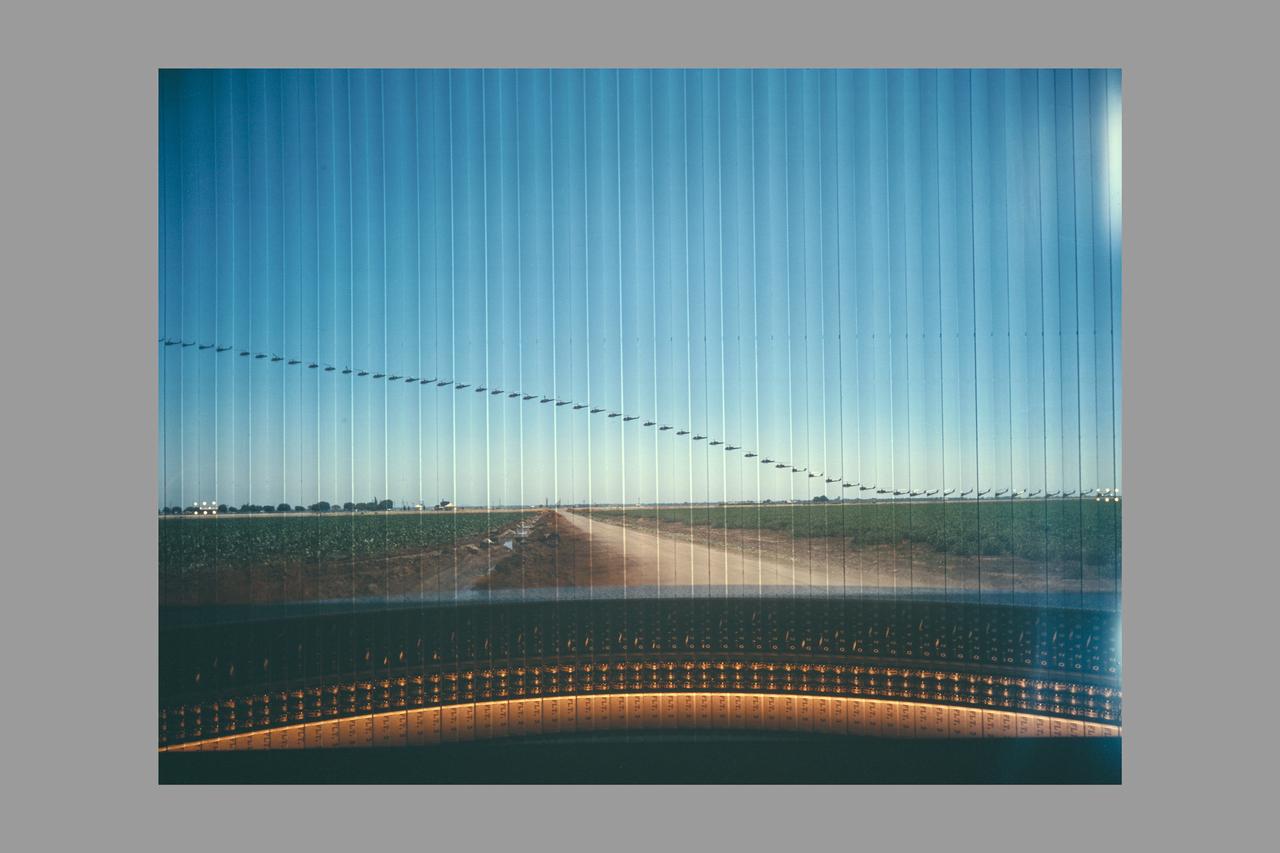
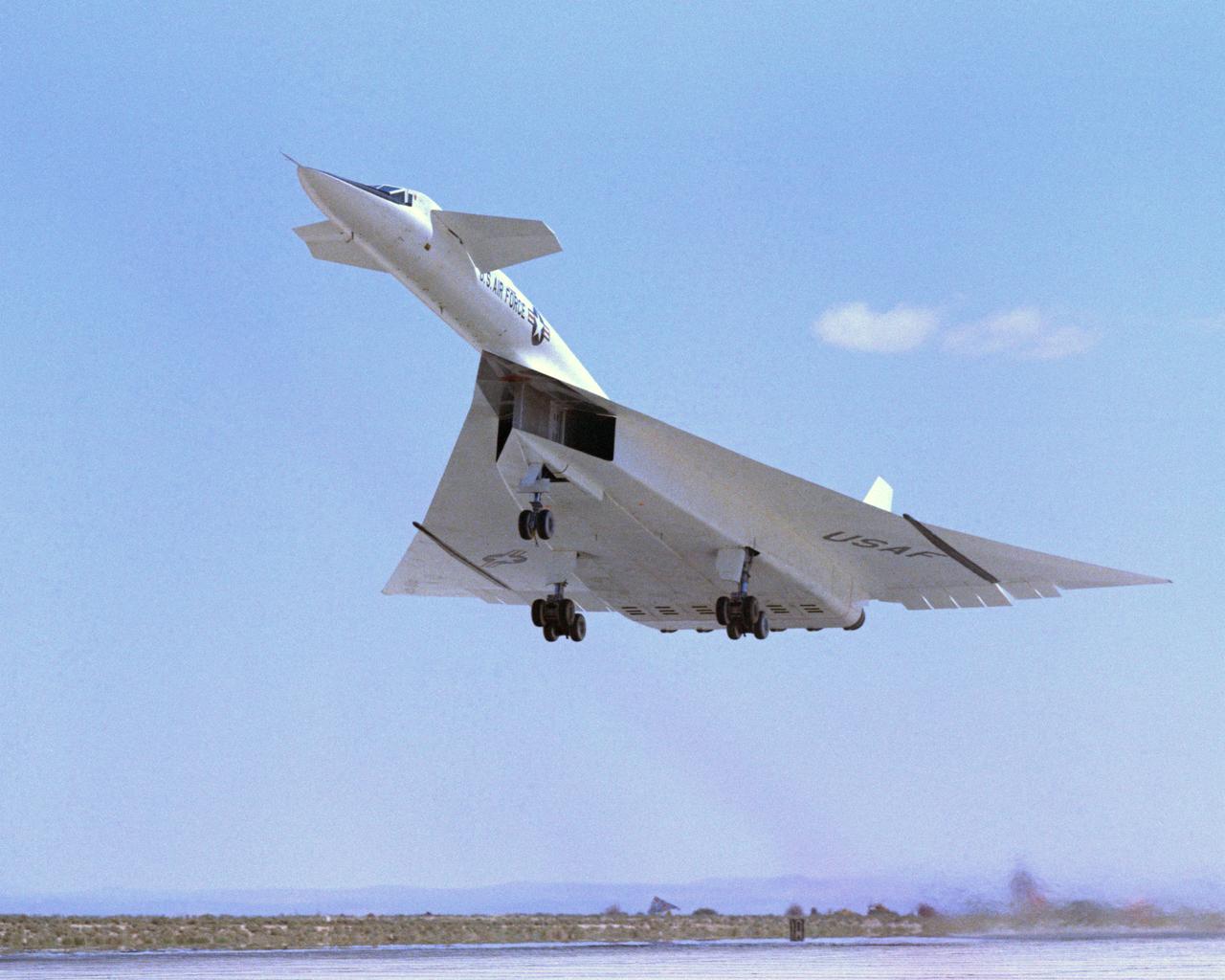
Viewed from the front the #1 XB-70A (62-0001) is shown climbing out during take-off. Most flights were scheduled during the morning hours to take advantage of the cooler ambient air temperatures for improved propulsion efficiencies. The wing tips are extended straight out to provide a maximum lifting wing surface. The XB-70A, capable of flying three times the speed of sound, was the world's largest experimental aircraft in the 1960s. Two XB-70A aircraft were built. Ship #1 was flown by NASA in a high speed flight research program.
XB-70A during take-off
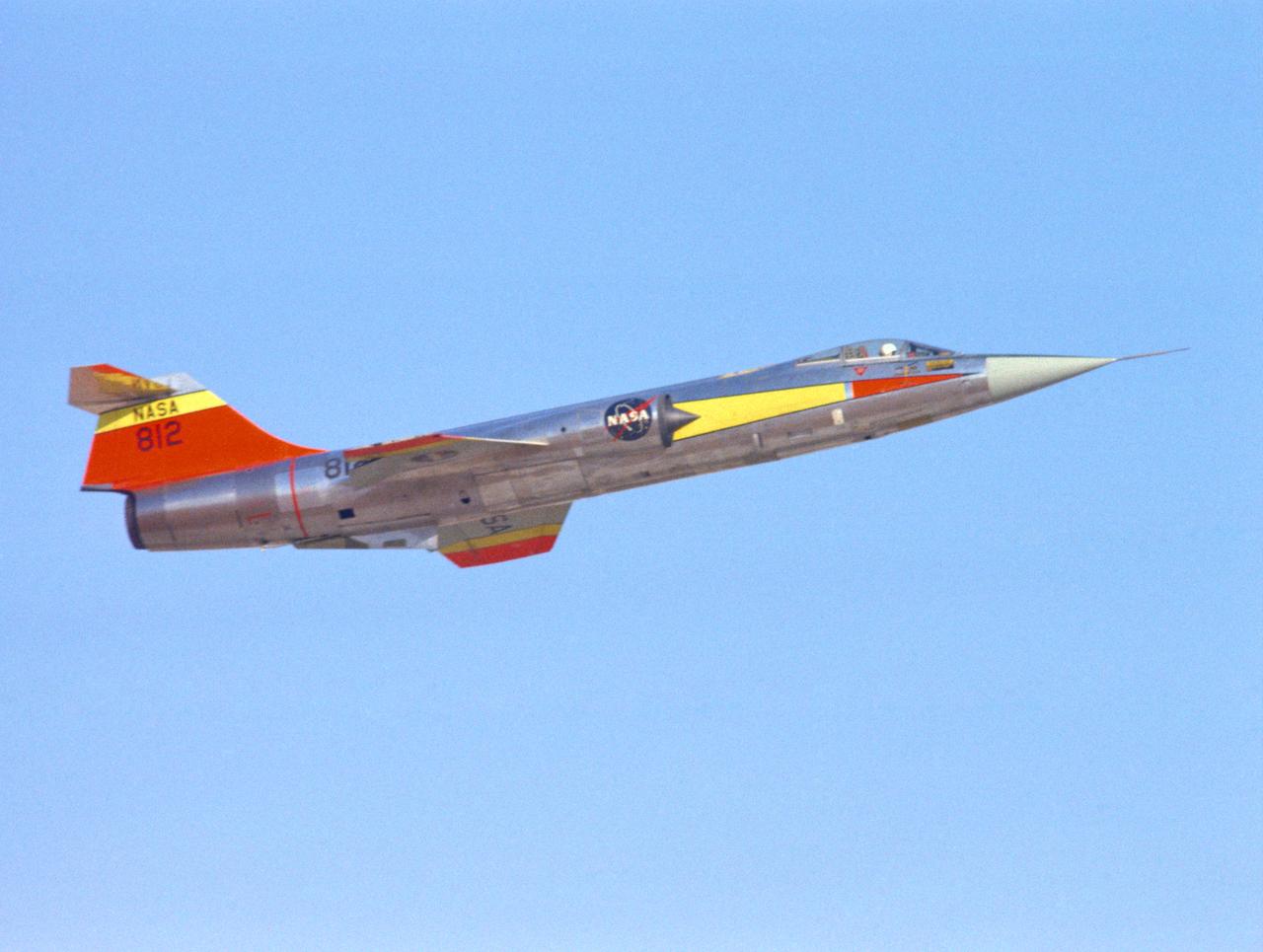
EC66-01426 F-104N #812 Take off 9/1/66
EC66-01426
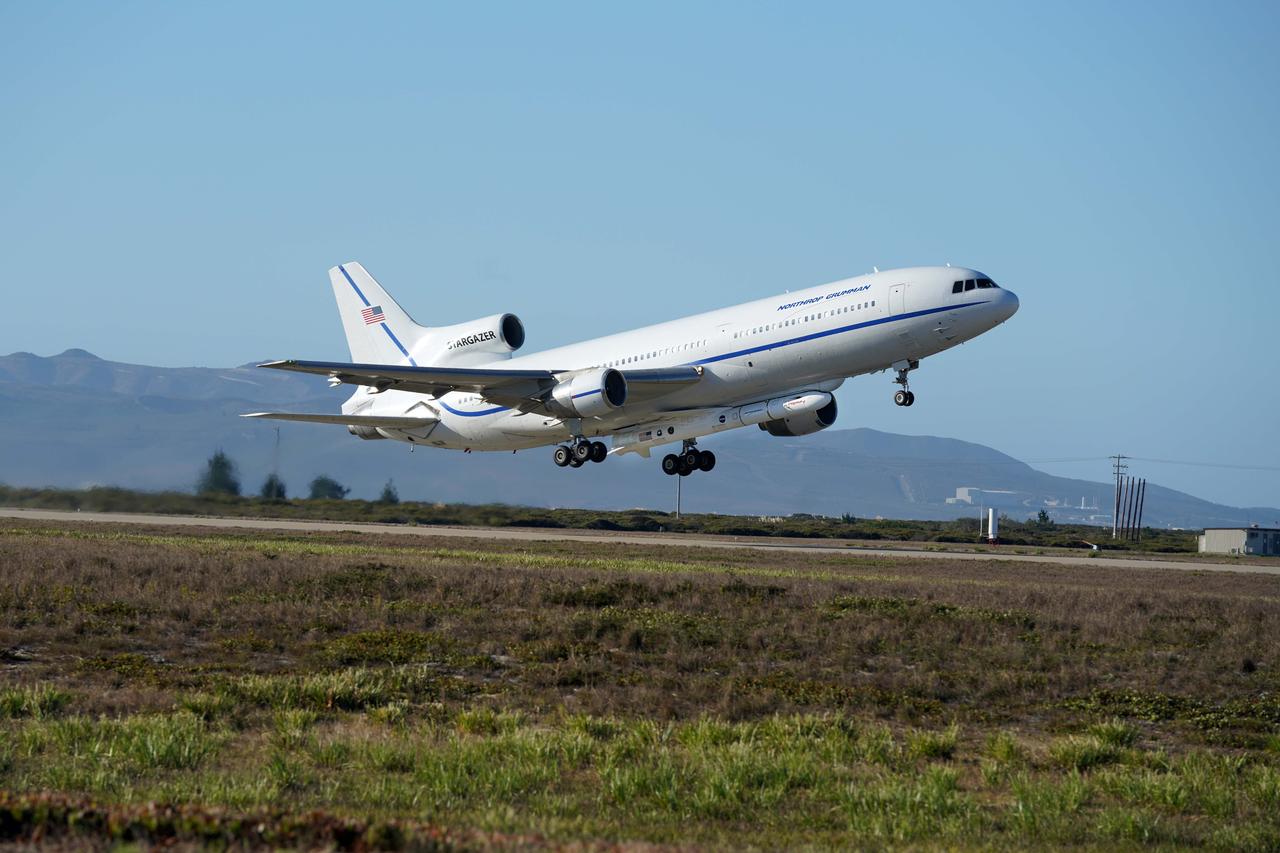
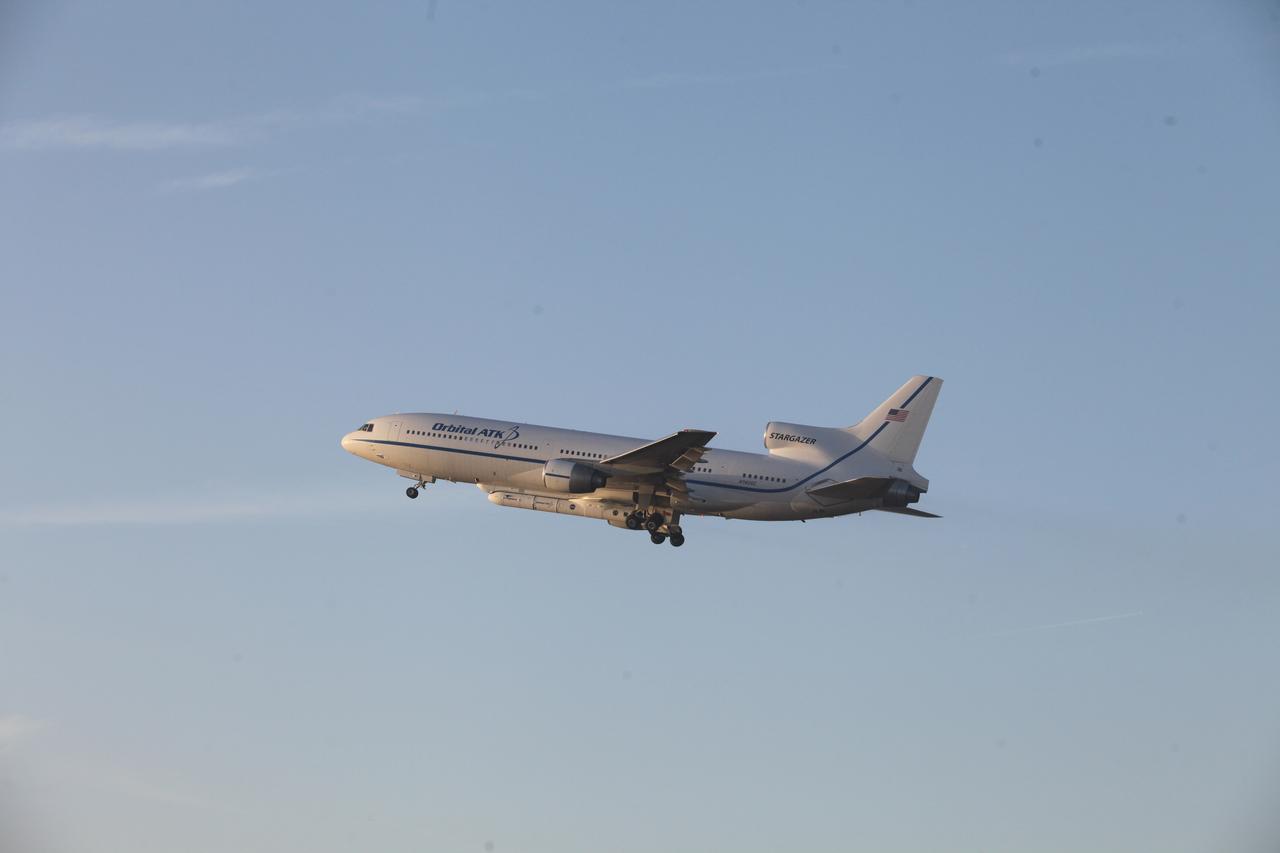
Northrop Grumman's L-1011 Stargazer takes off from Vandenberg Air Force Base in California on Oct. 1, 2019. The company's Pegasus XL rocket, containing NASA's Ionospheric Connection Explorer (ICON), is attached beneath the aircraft. The explorer is targeted to launch on Oct. 9, 2019, from Cape Canaveral Air Force Station in Florida. ICON will study the frontier of space - the dynamic zone high in Earth's atmosphere where terrestrial weather from below meets space weather above.
Pegasus ICON Takeoff from VAFB
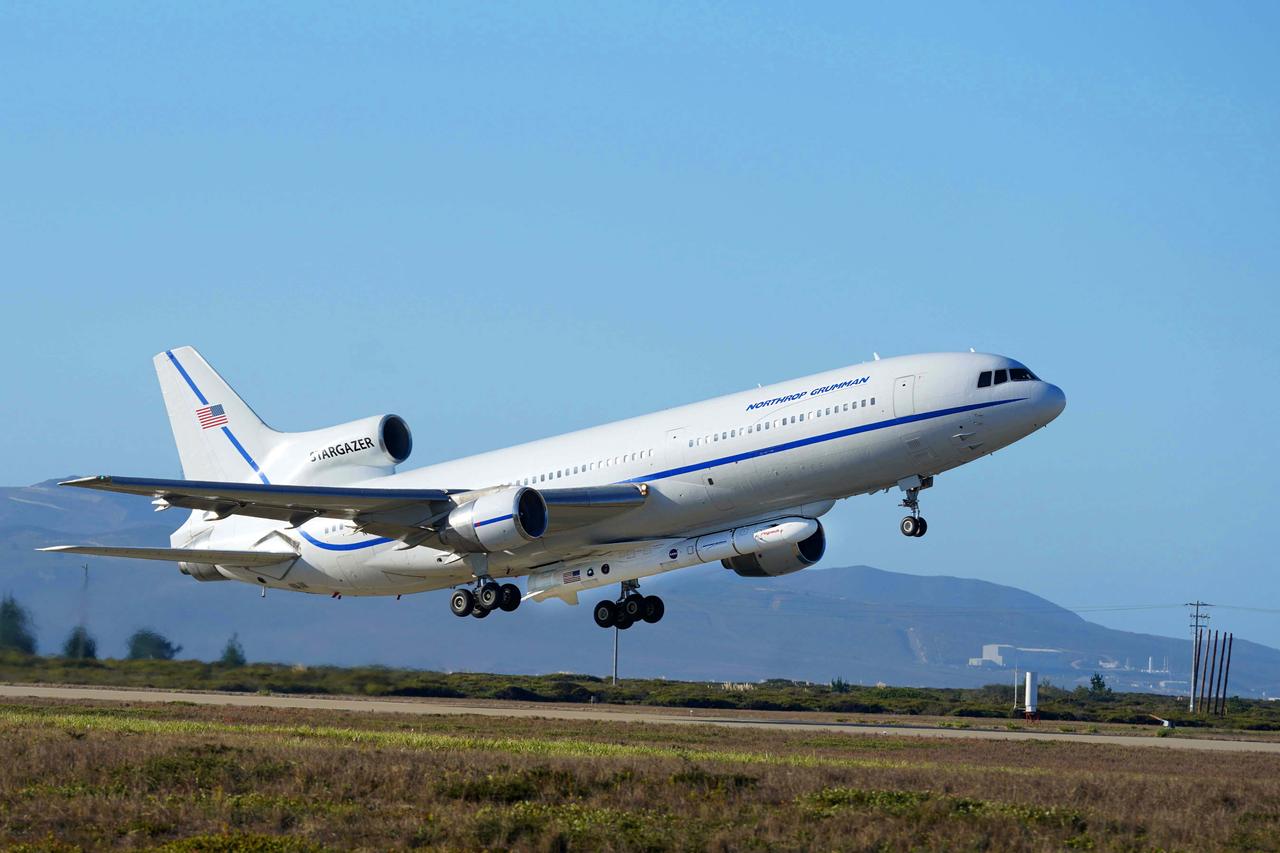
Northrop Grumman's L-1011 Stargazer takes off from Vandenberg Air Force Base in California on Oct. 1, 2019. The company's Pegasus XL rocket, containing NASA's Ionospheric Connection Explorer (ICON), is attached beneath the aircraft. The explorer is targeted to launch on Oct. 9, 2019, from Cape Canaveral Air Force Station in Florida. ICON will study the frontier of space - the dynamic zone high in Earth's atmosphere where terrestrial weather from below meets space weather above.
Pegasus ICON Takeoff from VAFB
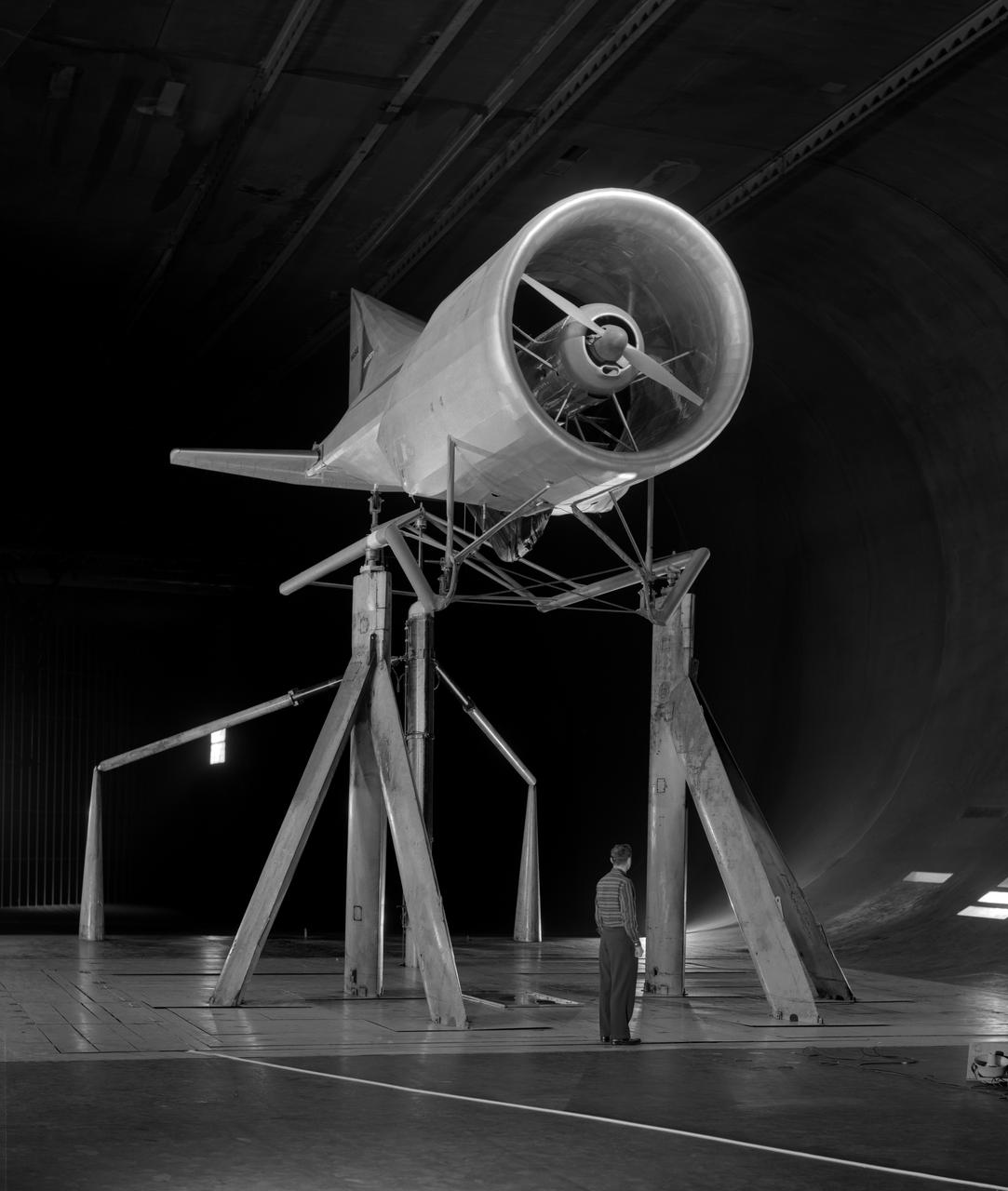
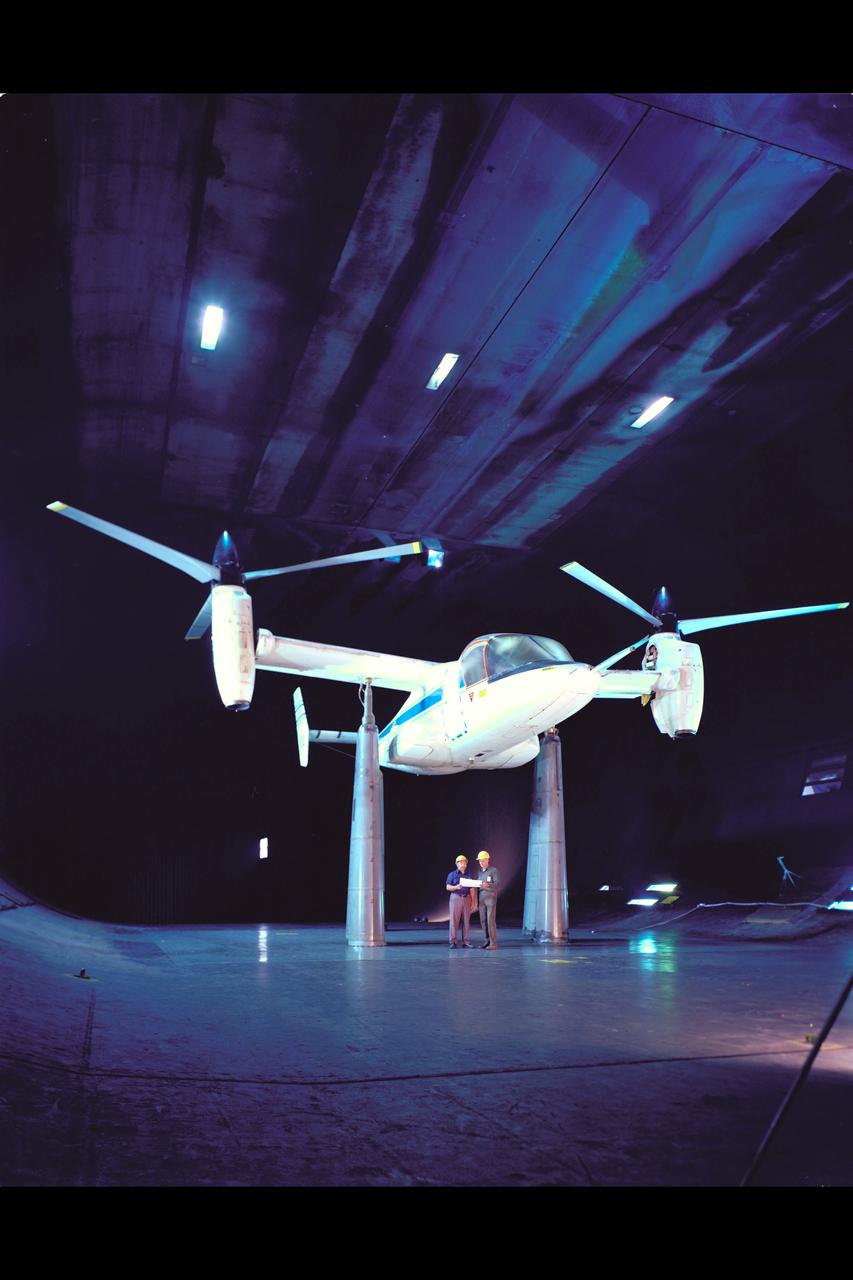
Collins Aerodyne VTOL Vertical take off and landing model in the 40x80 foot wind tunnel at NASA's Ames Research Center. Designed by Alexander Lippisch.
Collins Aerodyne VTOL model.
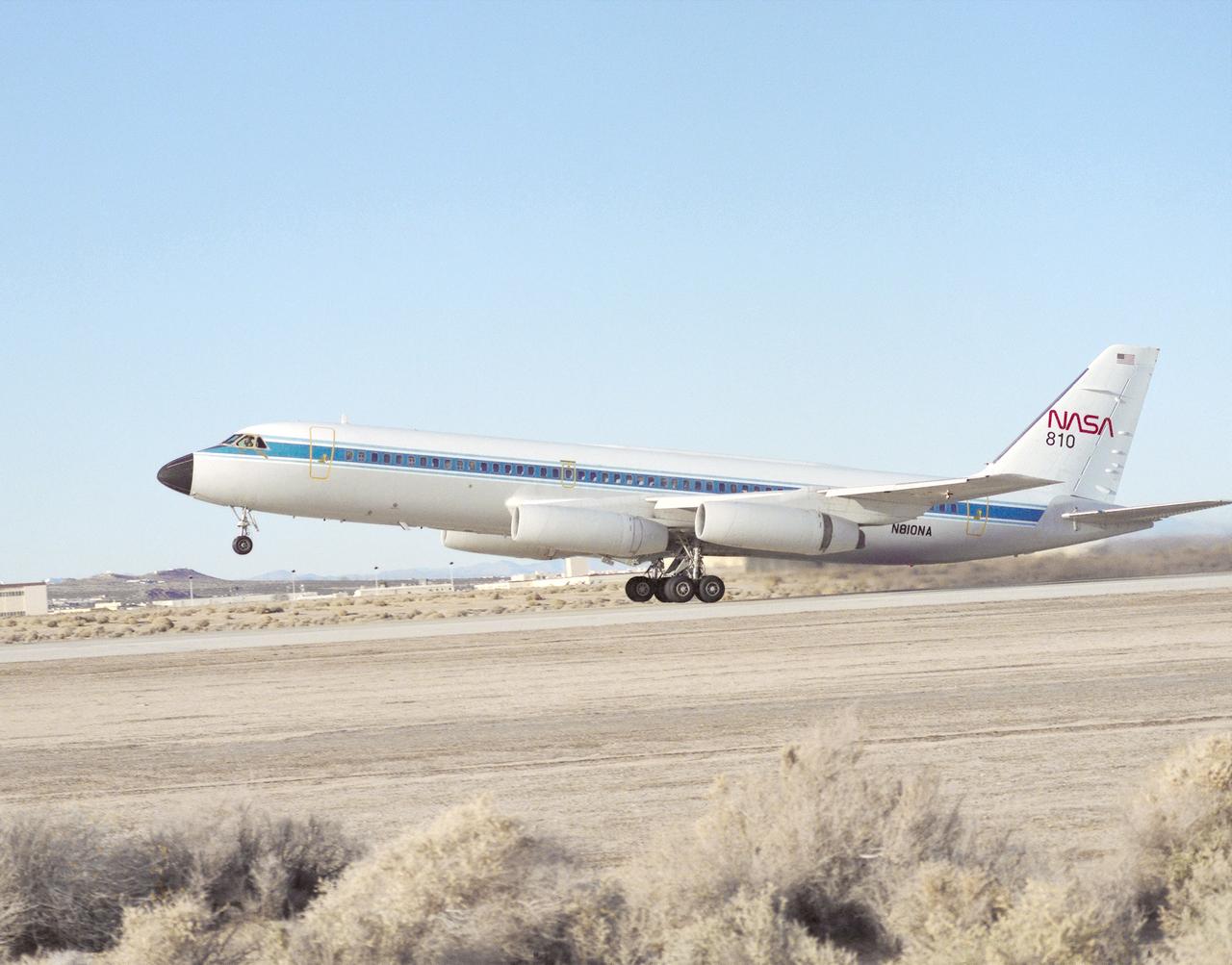
Taking off on a flight from NASA's Dryden Flight Research Center, Edwards, California, is NASA's Landing Systems Research Aircraft (LSRA), a modified Convair (CV) 990. A new landing gear test fixture representative of the shuttle's landing gear system had been installed in the lower fuselage of the CV-990 test aircraft between the aircraft's normal main landing gear. Following initial flights, static loads testing and calibration of the test gear were conducted at Dryden. Tests allowed engineers to assess the performance of the space shuttle's main and nose landing gear systems under varying conditions.
LSRA taking off
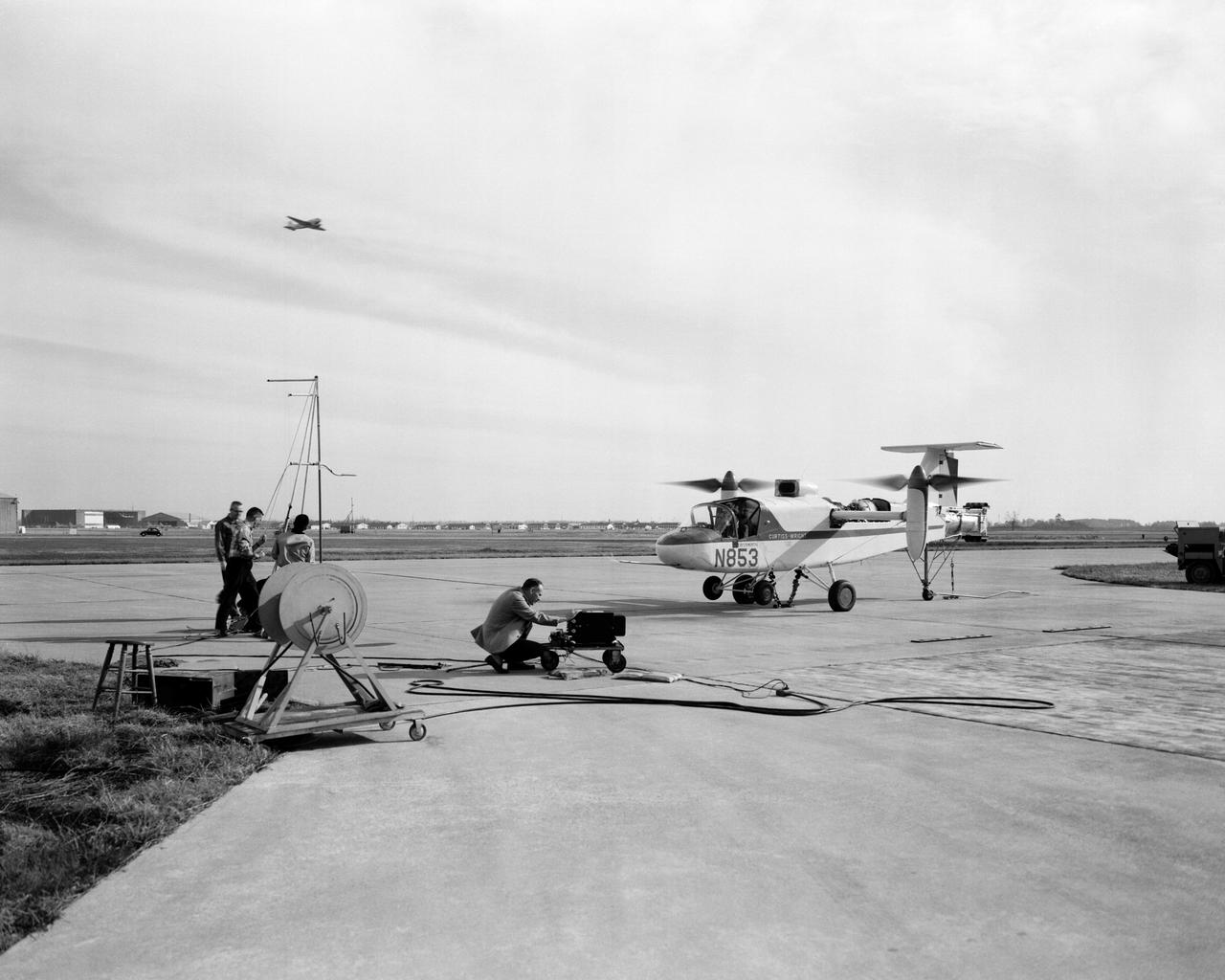
Curtiss-Wright X-100 (VTOL) Vertical Take-Off Transport.
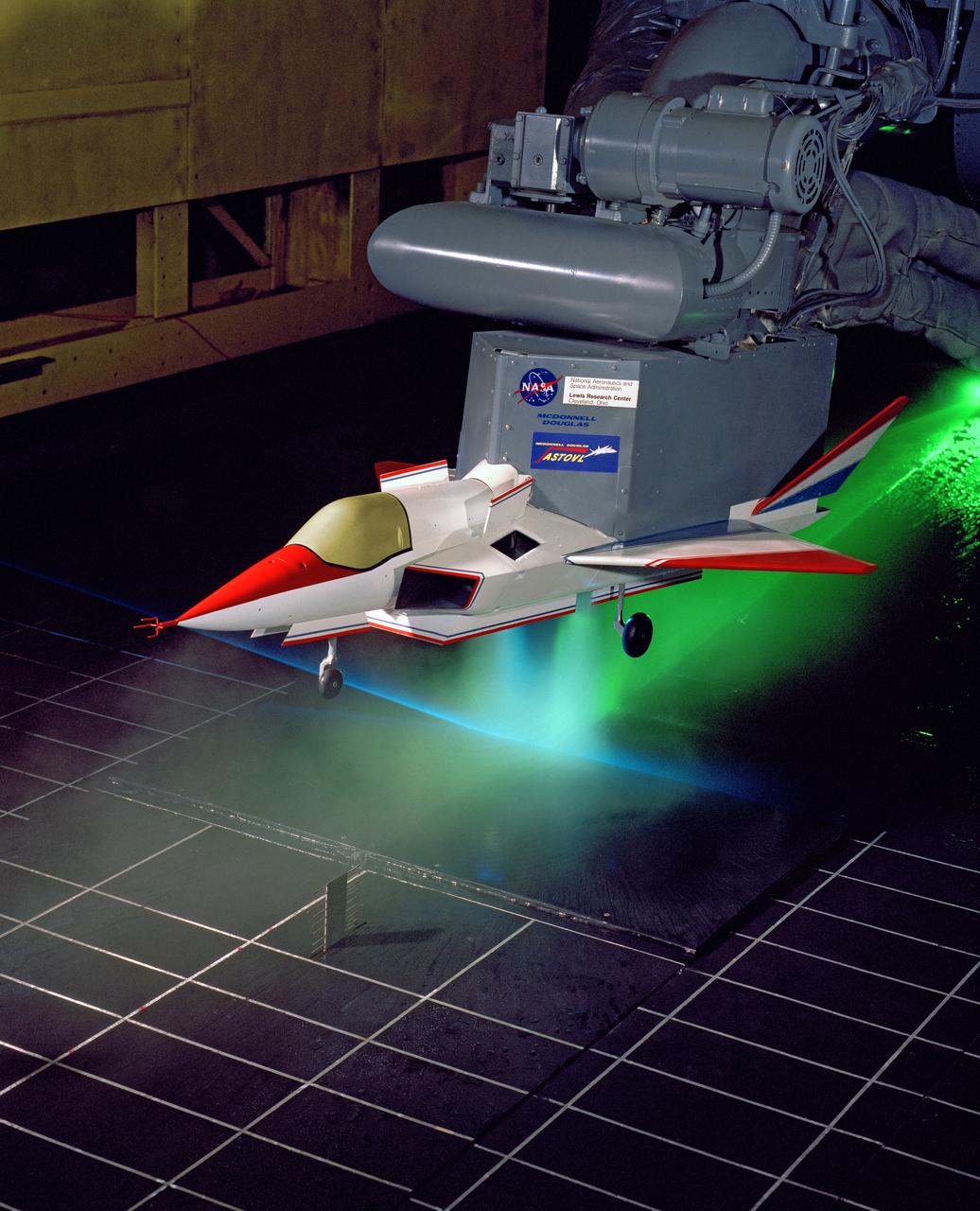
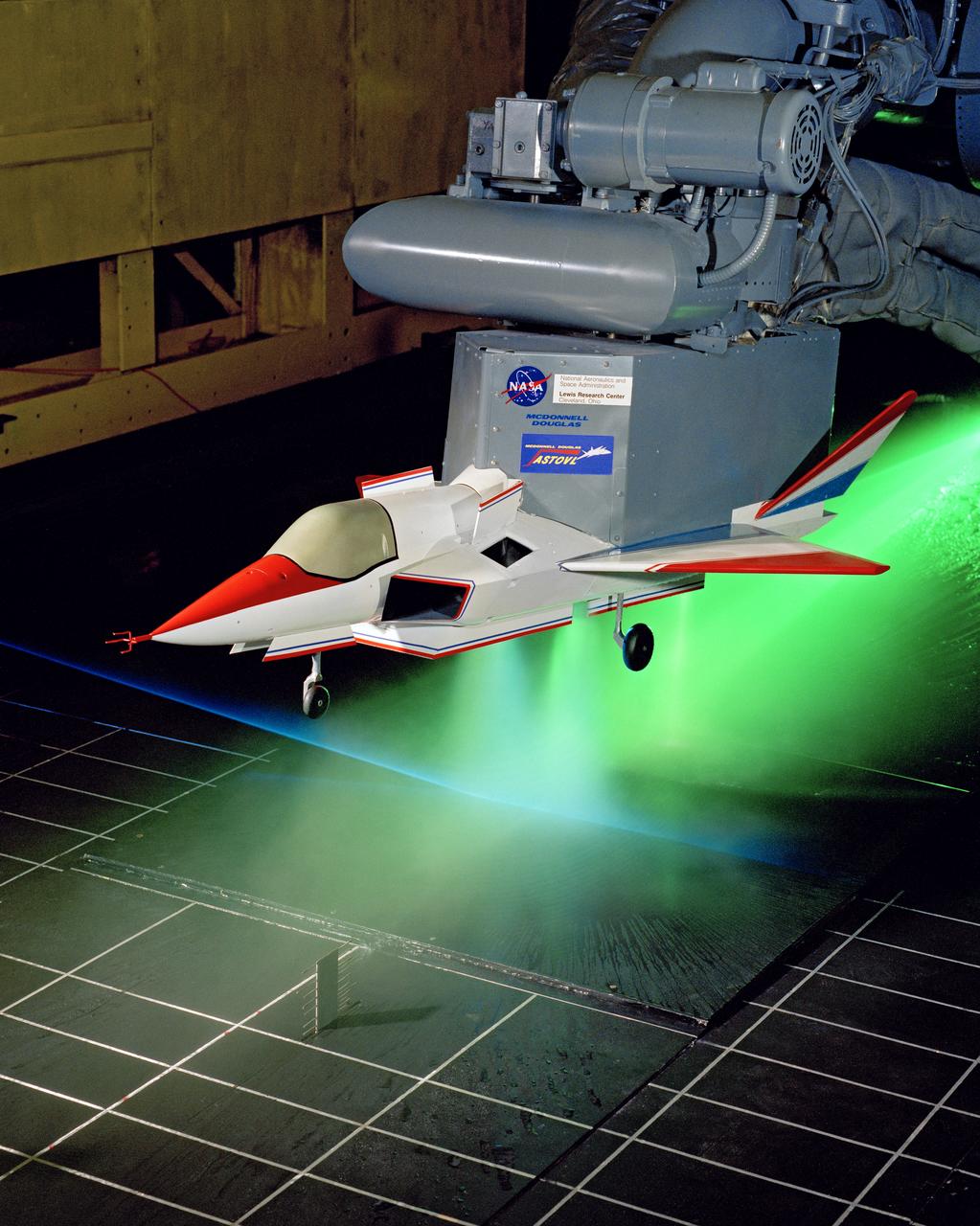
Supersonic Short Take Off Vertical Landing Hot Gas Ingestion Model Testing in the 9x15-foot Low Speed Wind Tunnel, LSWT
GRC-1993-C-07355
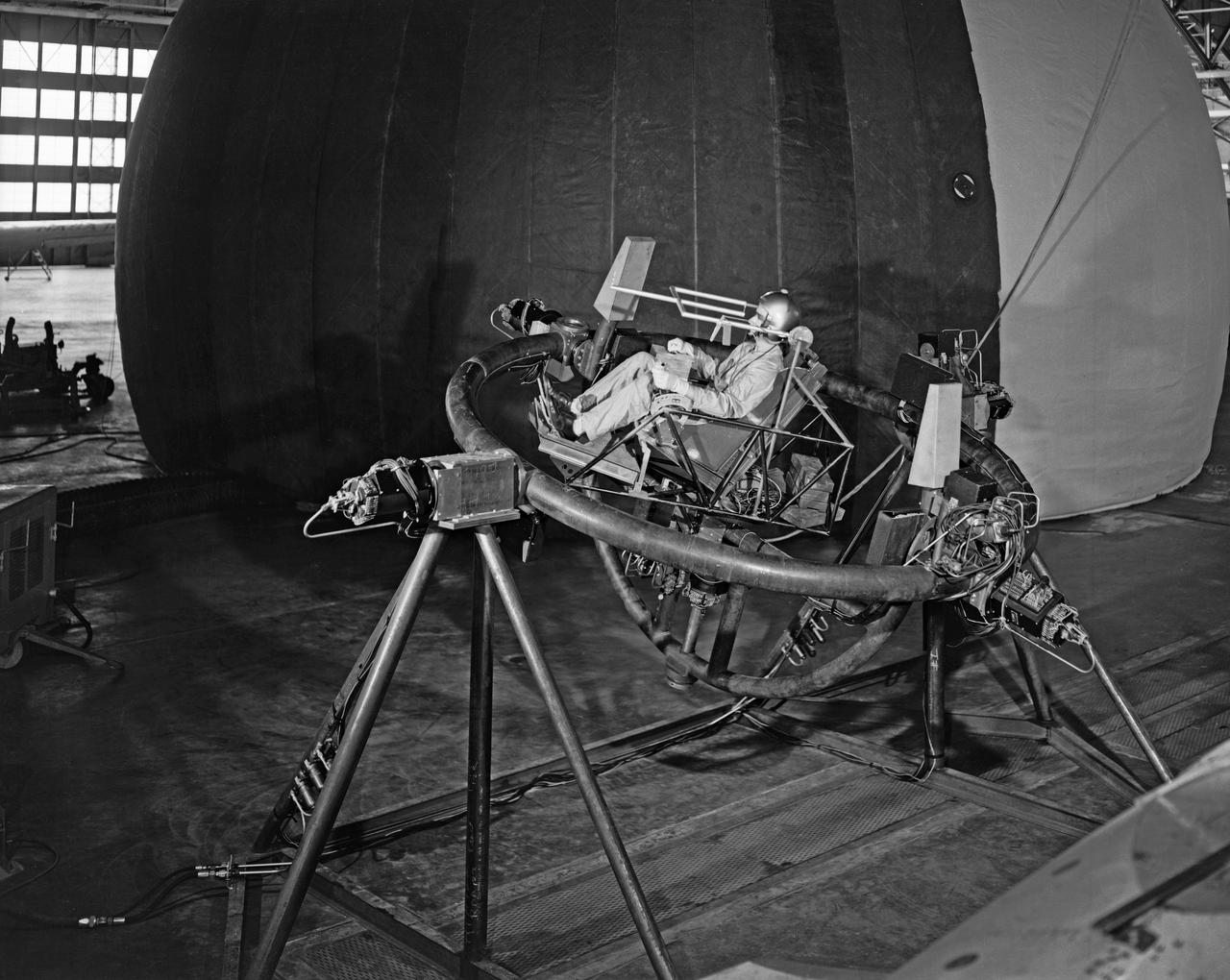
Lunar Take Off Simulator: This simulator is used by scientists at the Langley Research Center ... to help determine human ability to control a lunar launch vehicle in vertical alignment during takeoff from the moon for rendezvous with a lunar satellite vehicle on the return trip to earth. The three-axis chair, a concept which allows the pilot to sit upright during launch, gives the navigator angular motion (pitch, role, and yaw) cues as he operates the vehicle through a sidearm control system. The sight apparatus in front of the pilot's face enables him to align the vehicle on a course toward a chosen star, which will be followed as a guidance reference during the lunar launch. The pilot's right hand controls angular motions, while his left hand manipulates the thrust lever. The simulator is designed for operation inside an artificial planetarium, where a star field will be projected against the ceiling during "flights". The tests are part of an extensive NASA program at Langley in the study of problems relating to a manned lunar mission. (From a NASA Langley, photo release caption.)
Lunar Take Off Simulator
NASA's Ingenuity Mars Helicopter takes off and lands in this video captured on April 19, 2021, by Mastcam-Z, an imager aboard NASA's Perseverance Mars rover. This video features only the moments of takeoff and the landing and not footage of the helicopter hovering for about 30 seconds.  The Ingenuity Mars Helicopter was built by JPL, which also manages this technology demonstration project for NASA Headquarters. It is supported by NASA's Science Mission Directorate, Aeronautics Research Mission Directorate, and Space Technology Mission Directorate. NASA's Ames Research Center and Langley Research Center provided significant flight performance analysis and technical assistance during Ingenuity's development.  A key objective for Perseverance's mission on Mars is astrobiology, including the search for signs of ancient microbial life. The rover will characterize the planet's geology and past climate, pave the way for human exploration of the Red Planet, and be the first mission to collect and cache Martian rock and regolith (broken rock and dust).  Subsequent NASA missions, in cooperation with ESA (European Space Agency), would send spacecraft to Mars to collect these sealed samples from the surface and return them to Earth for in-depth analysis.  The Mars 2020 Perseverance mission is part of NASA's Moon to Mars exploration approach, which includes Artemis missions to the Moon that will help prepare for human exploration of the Red Planet.  Movie available at https://photojournal.jpl.nasa.gov/catalog/PIA24583
Mastcam-Z Video of Ingenuity Taking Off and Landing
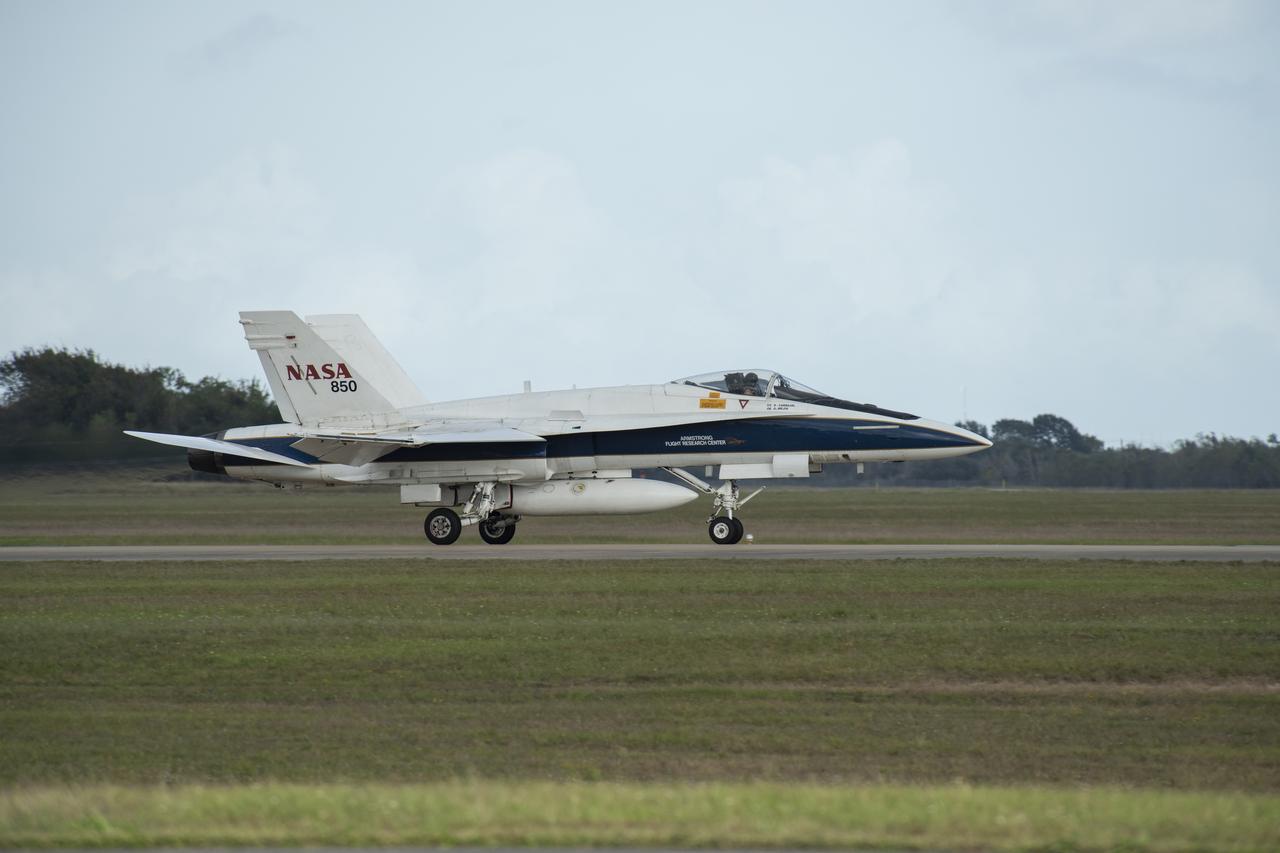
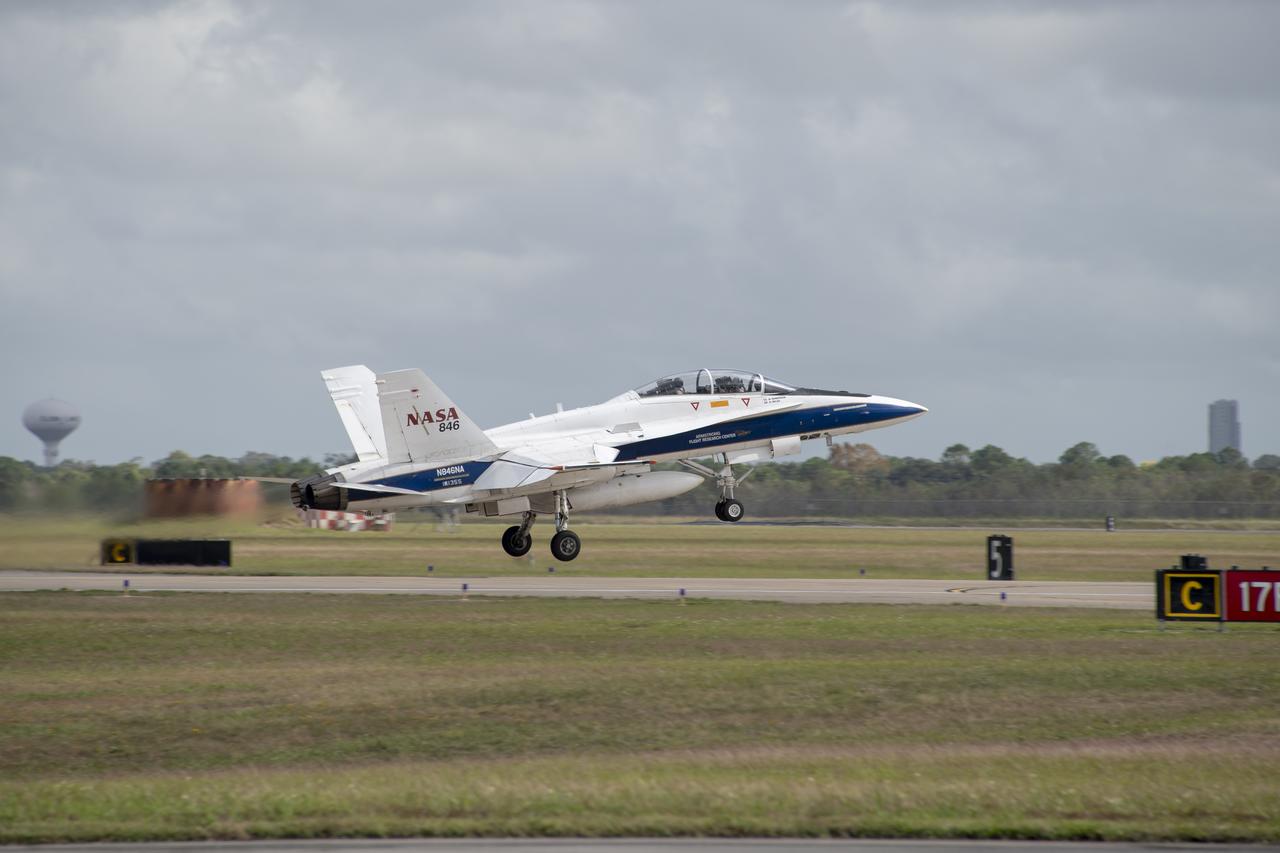
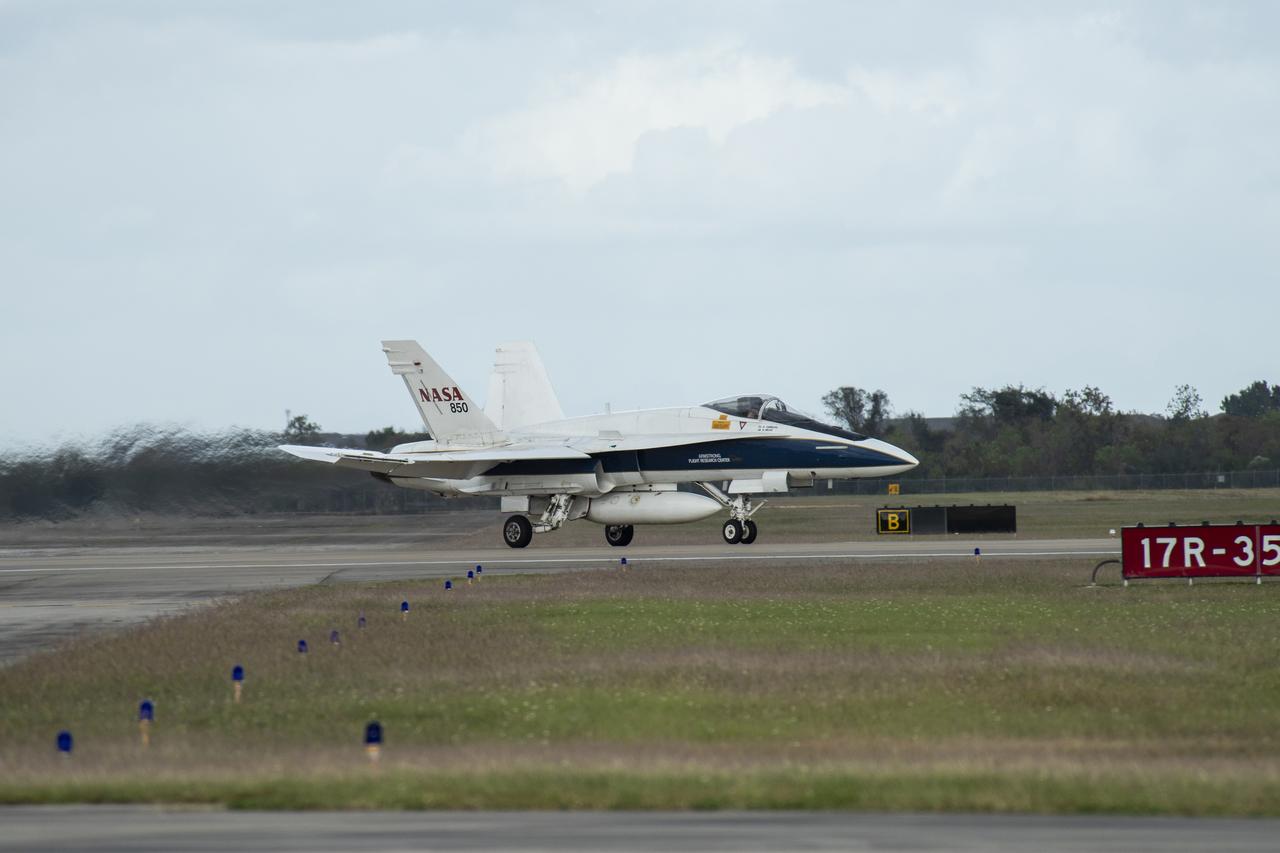
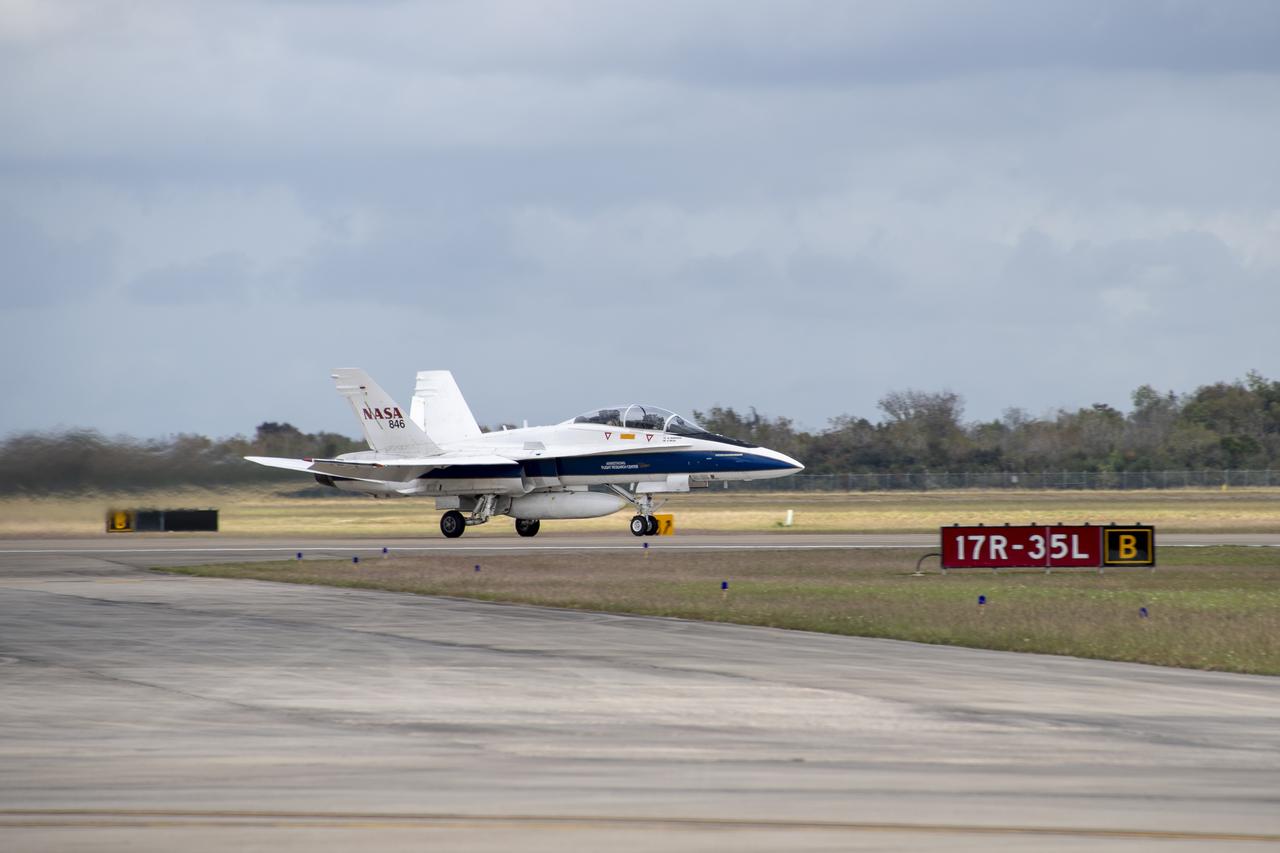
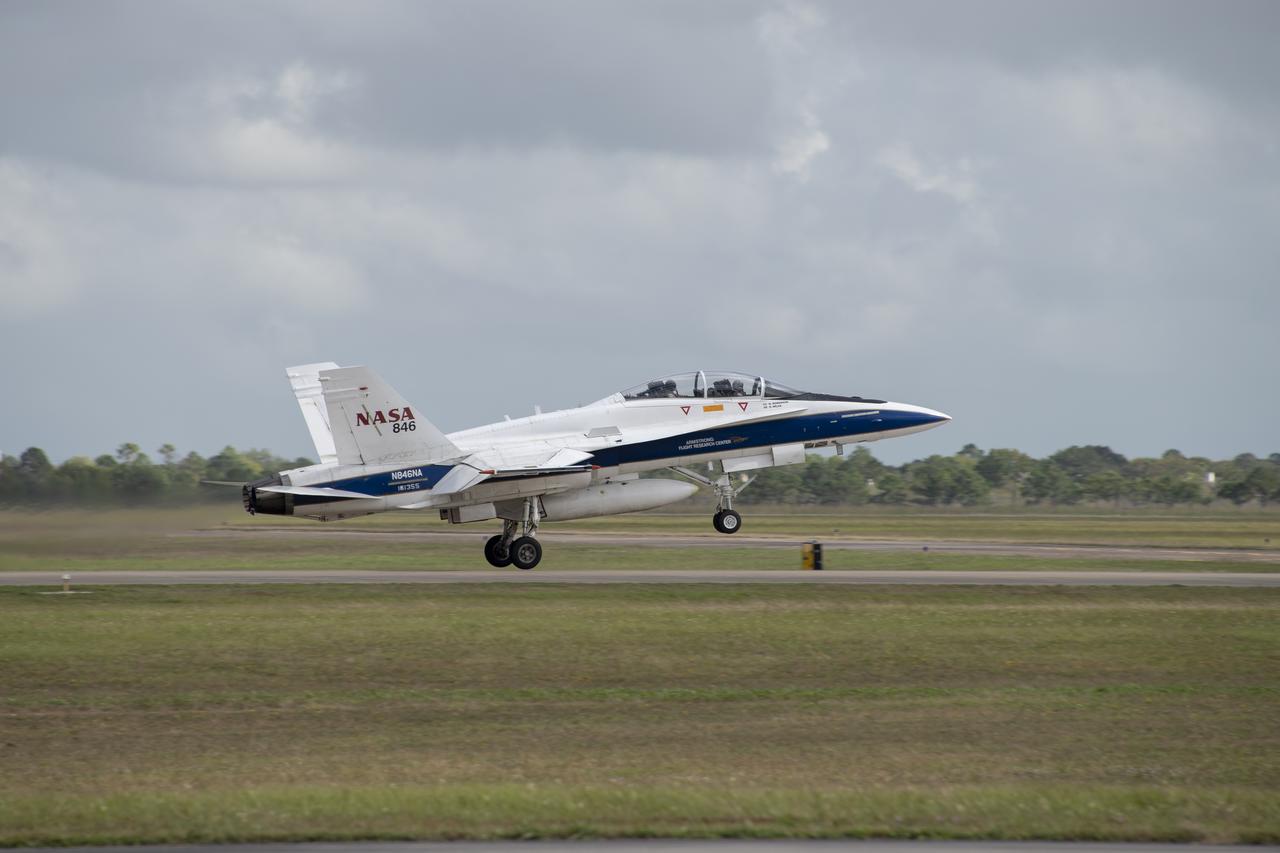
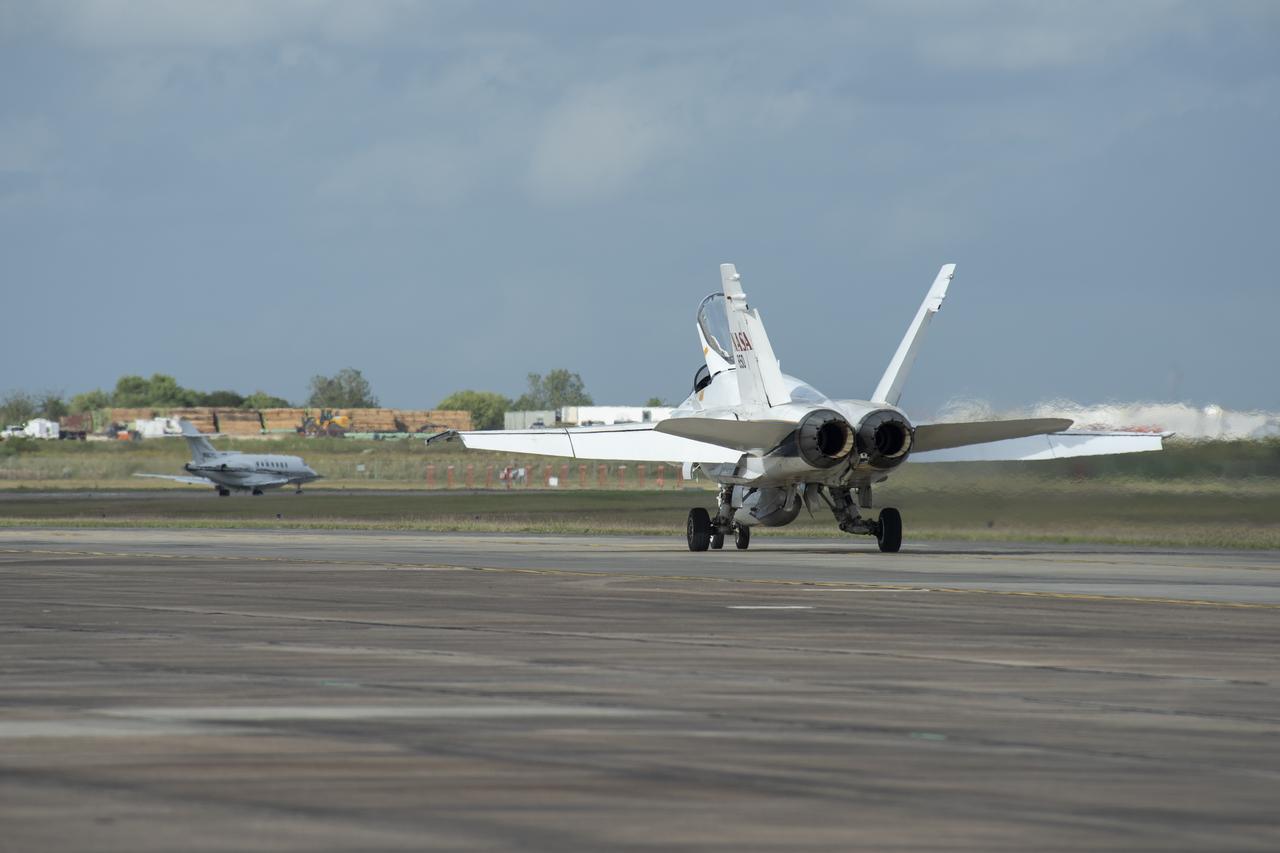
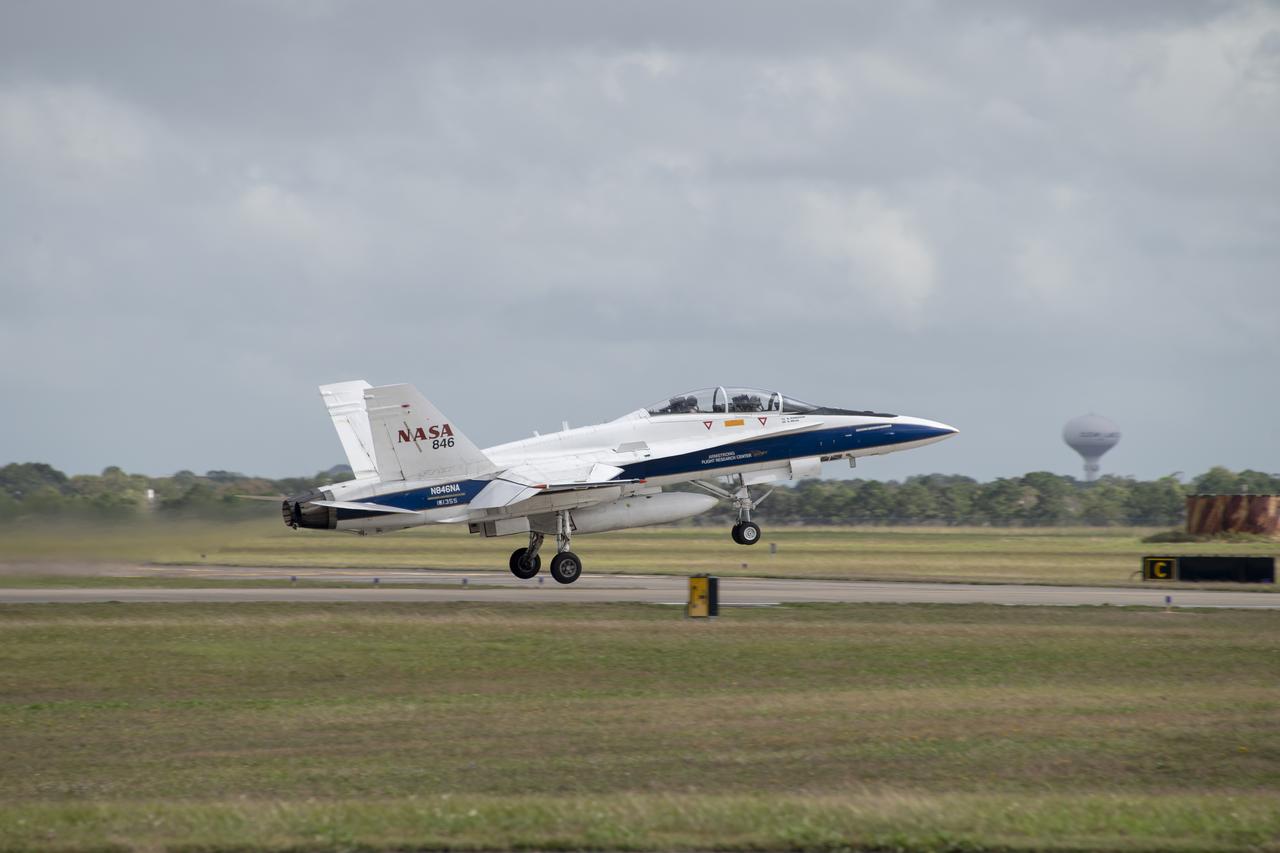
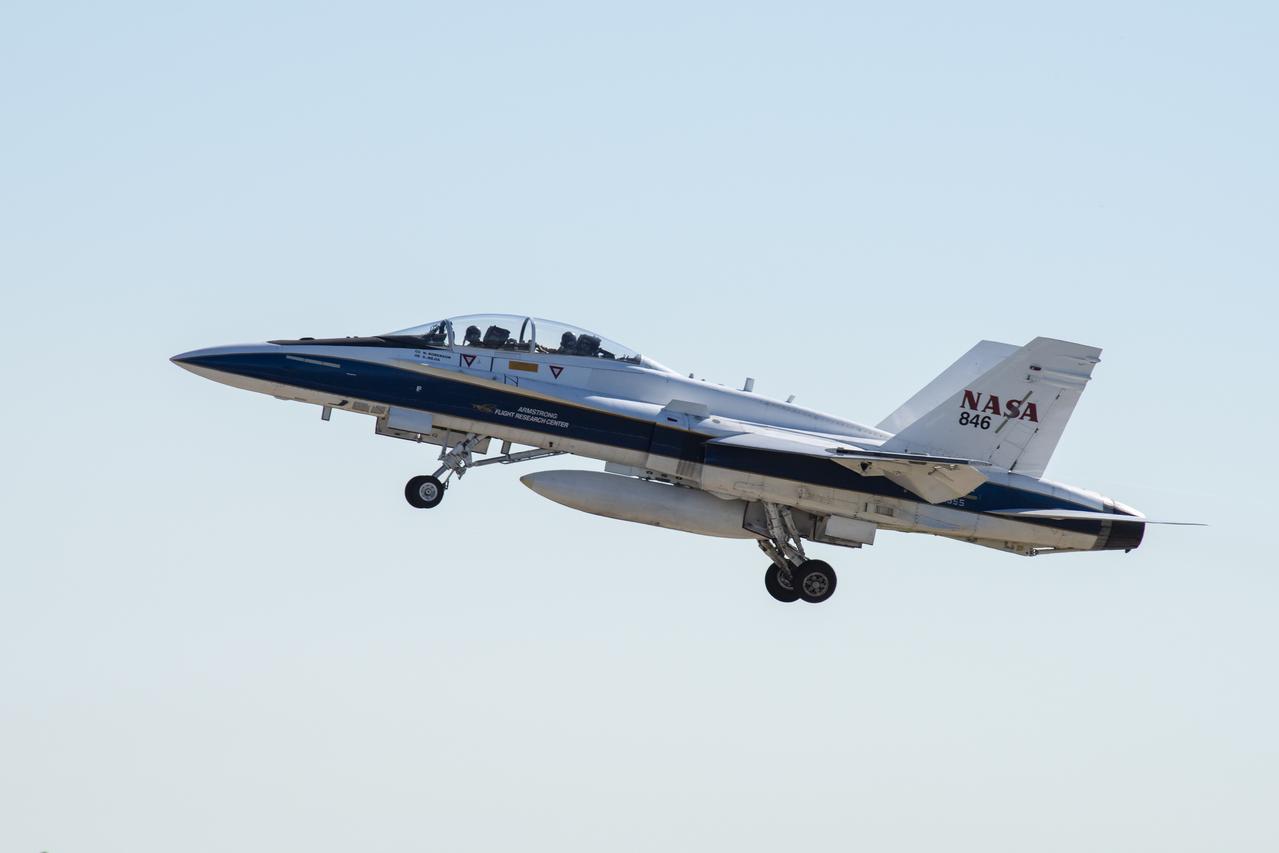
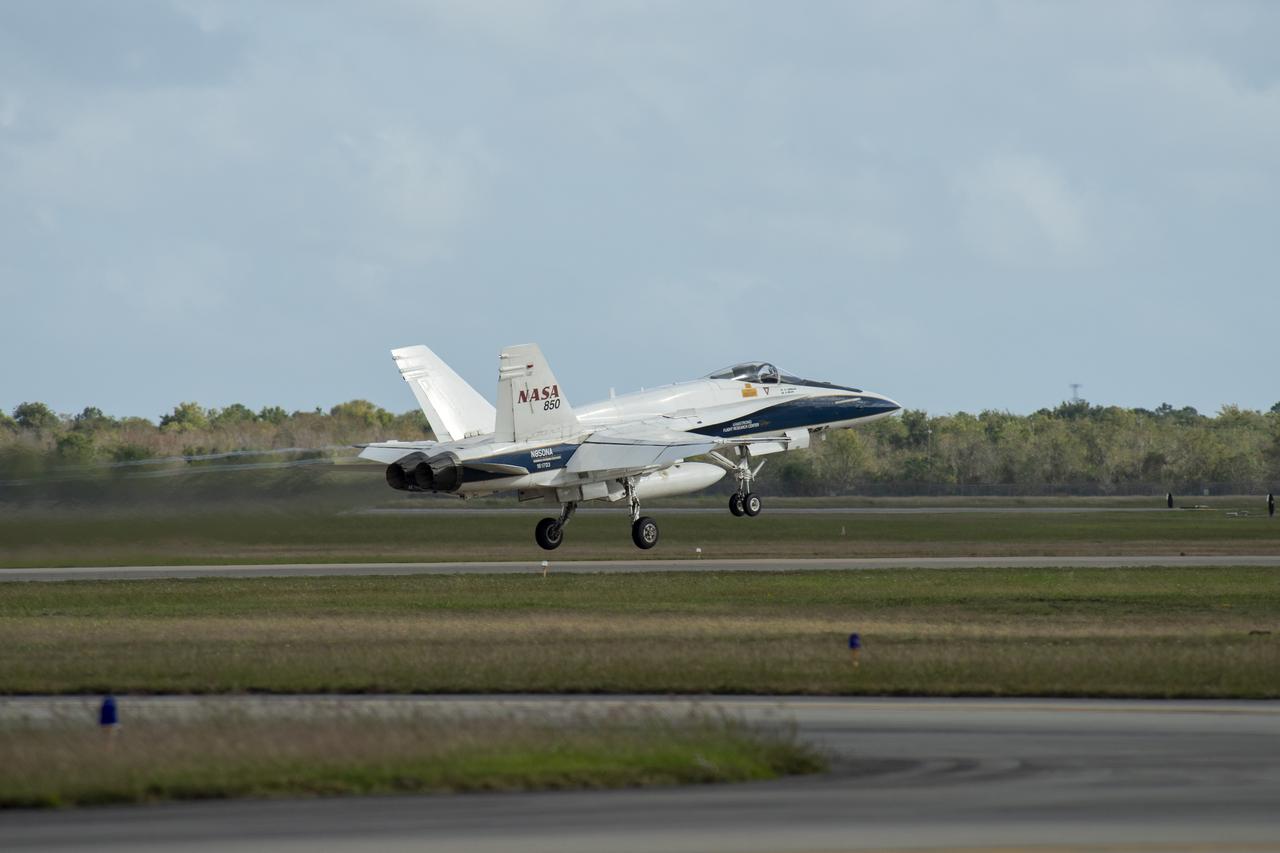
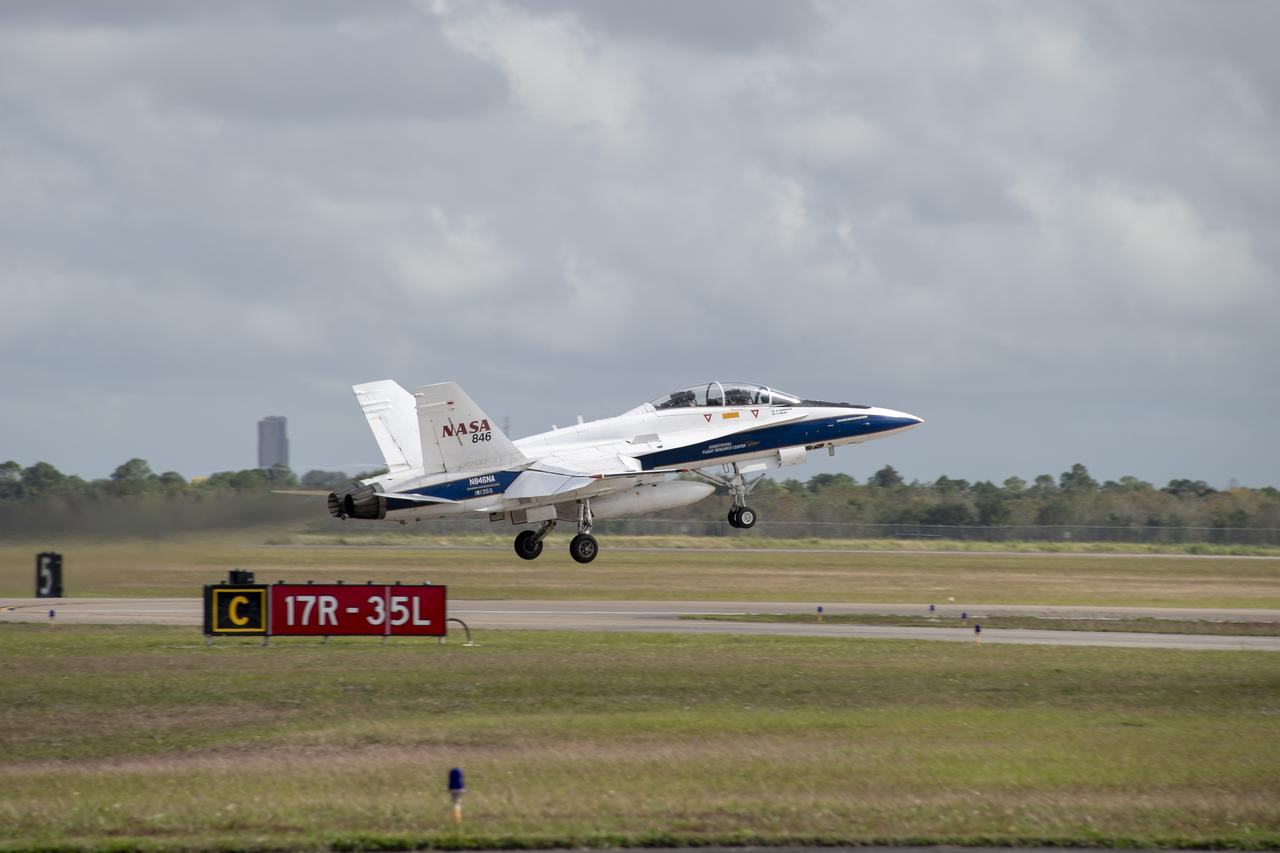
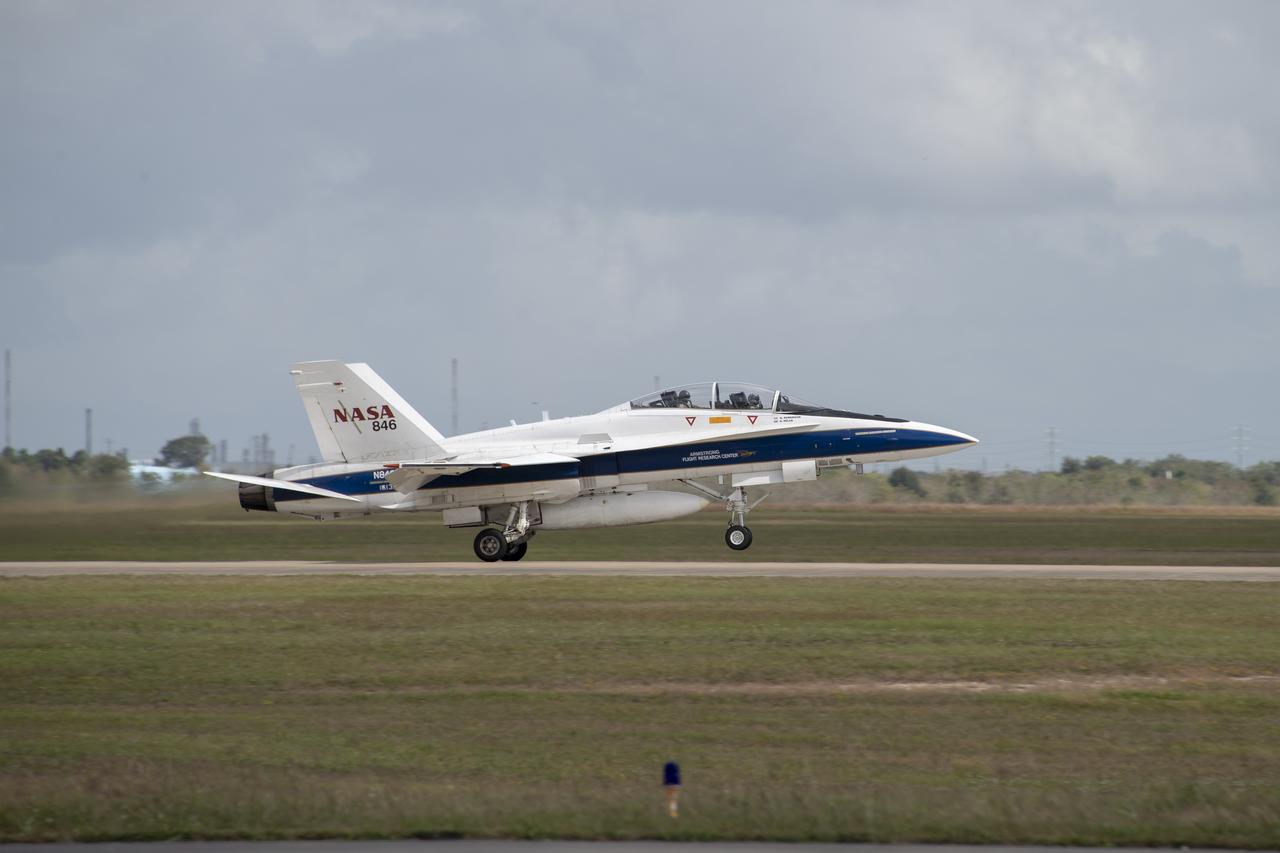
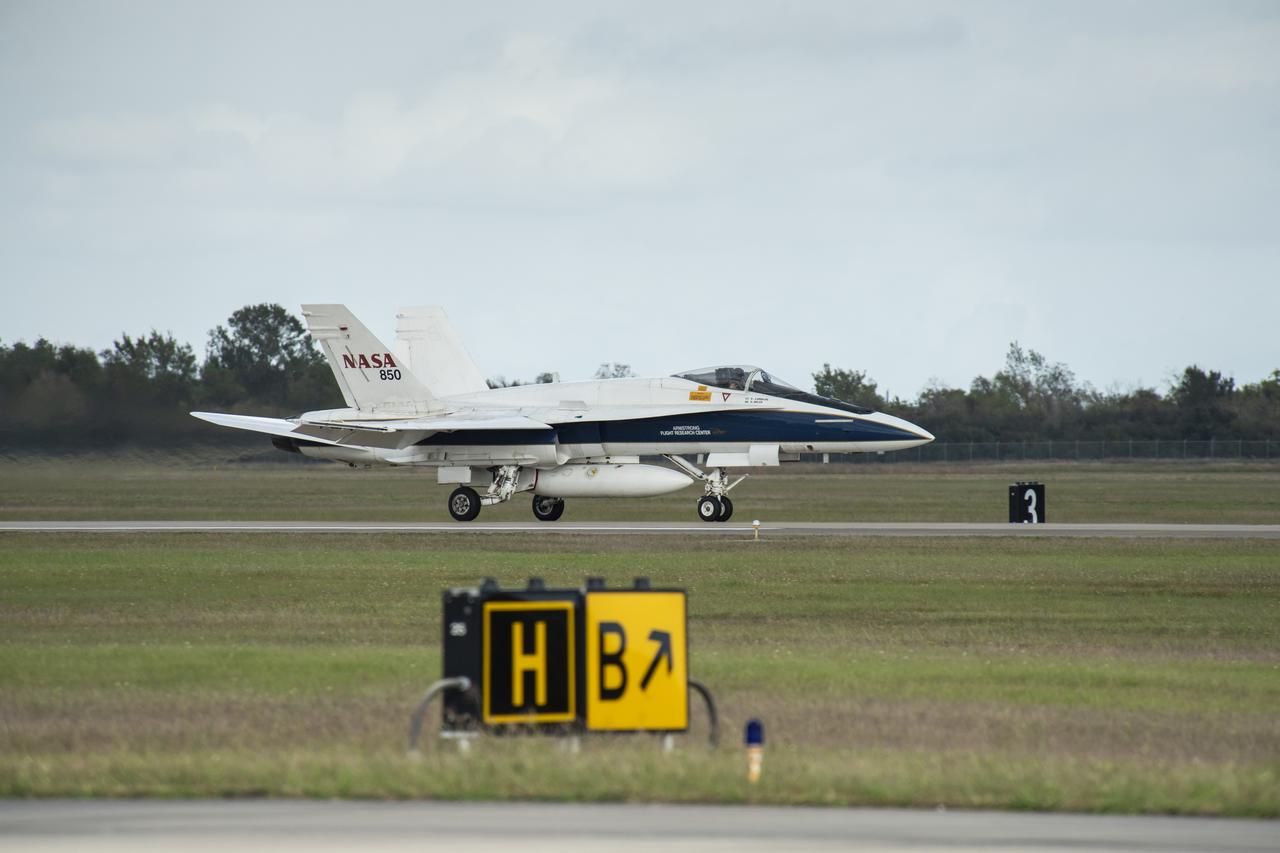
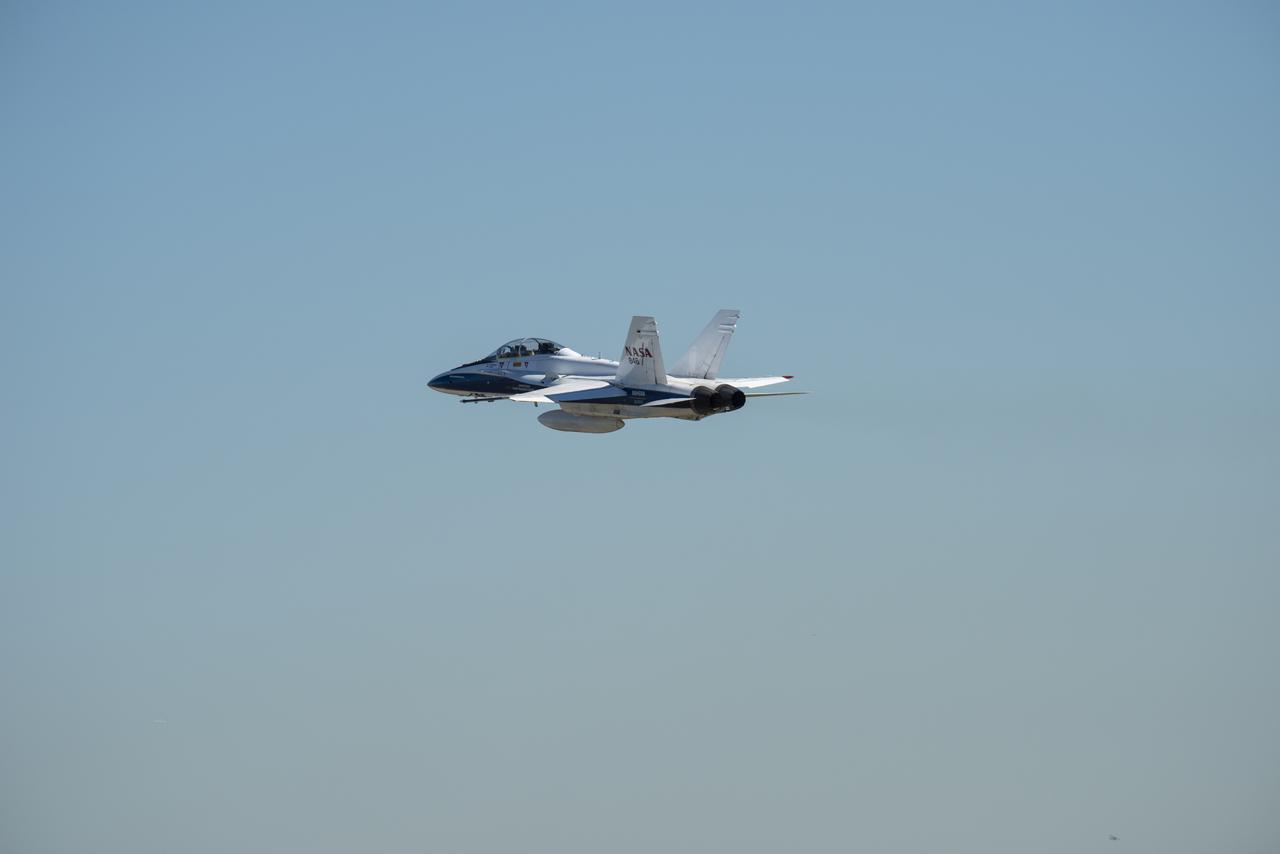
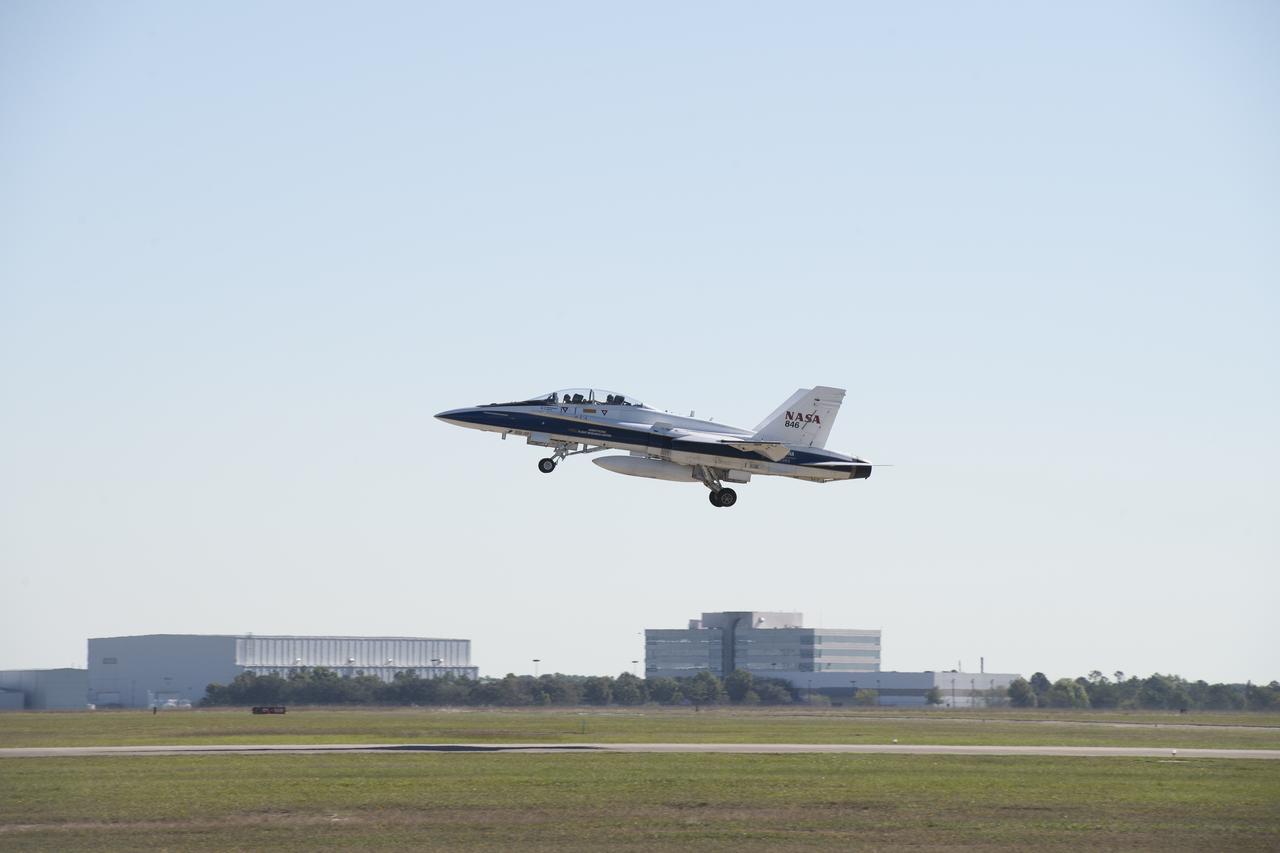
NASA’s F/A-18 research aircraft takes off from Ellington Field in Houston, Texas for a quiet supersonic research flight off the coast of Galveston, as part of the QSF18 flight series. The F/A-18 will climb to 50,000 feet over the Gulf of Mexico, where it will perform the quiet supersonic dive maneuver.
NASA F/A-18 Takes Off for QSF18 Supersonic Flight
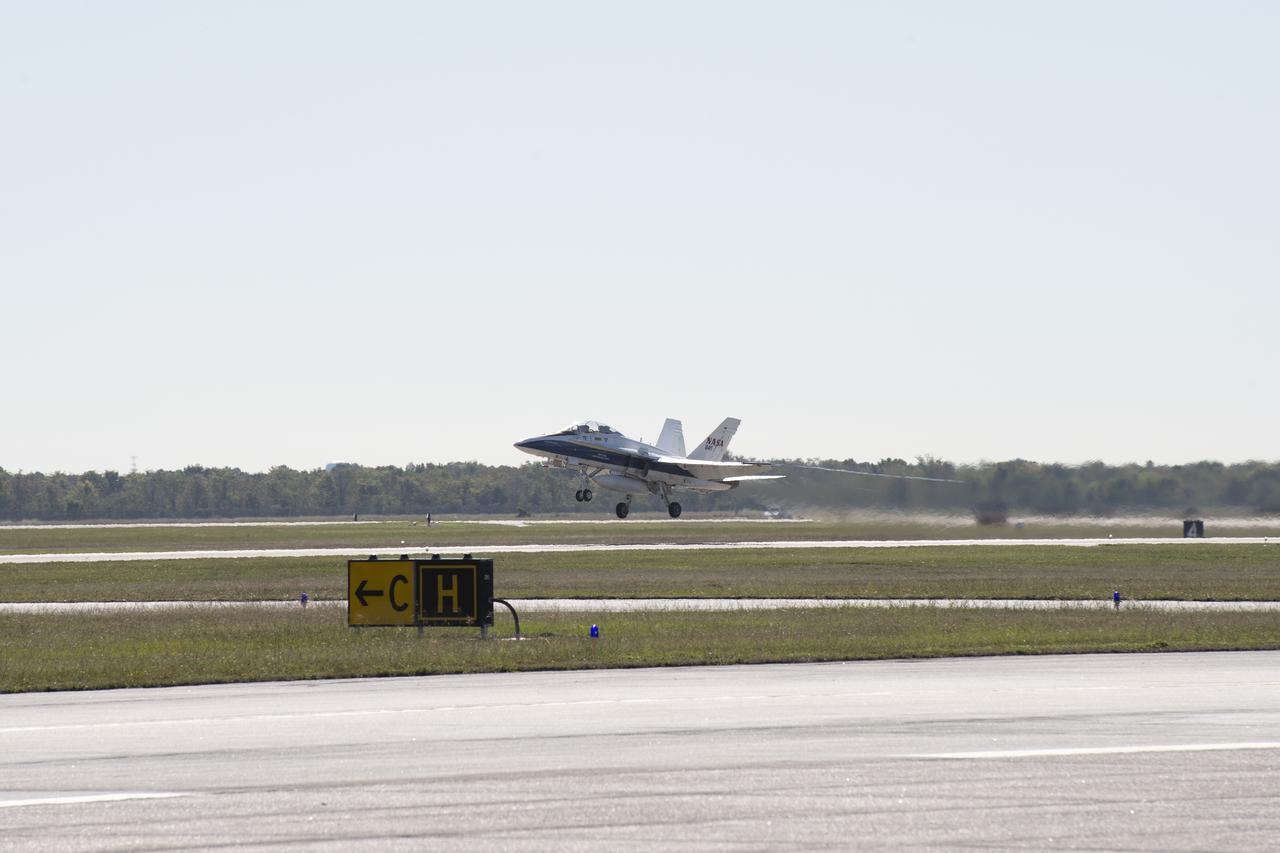
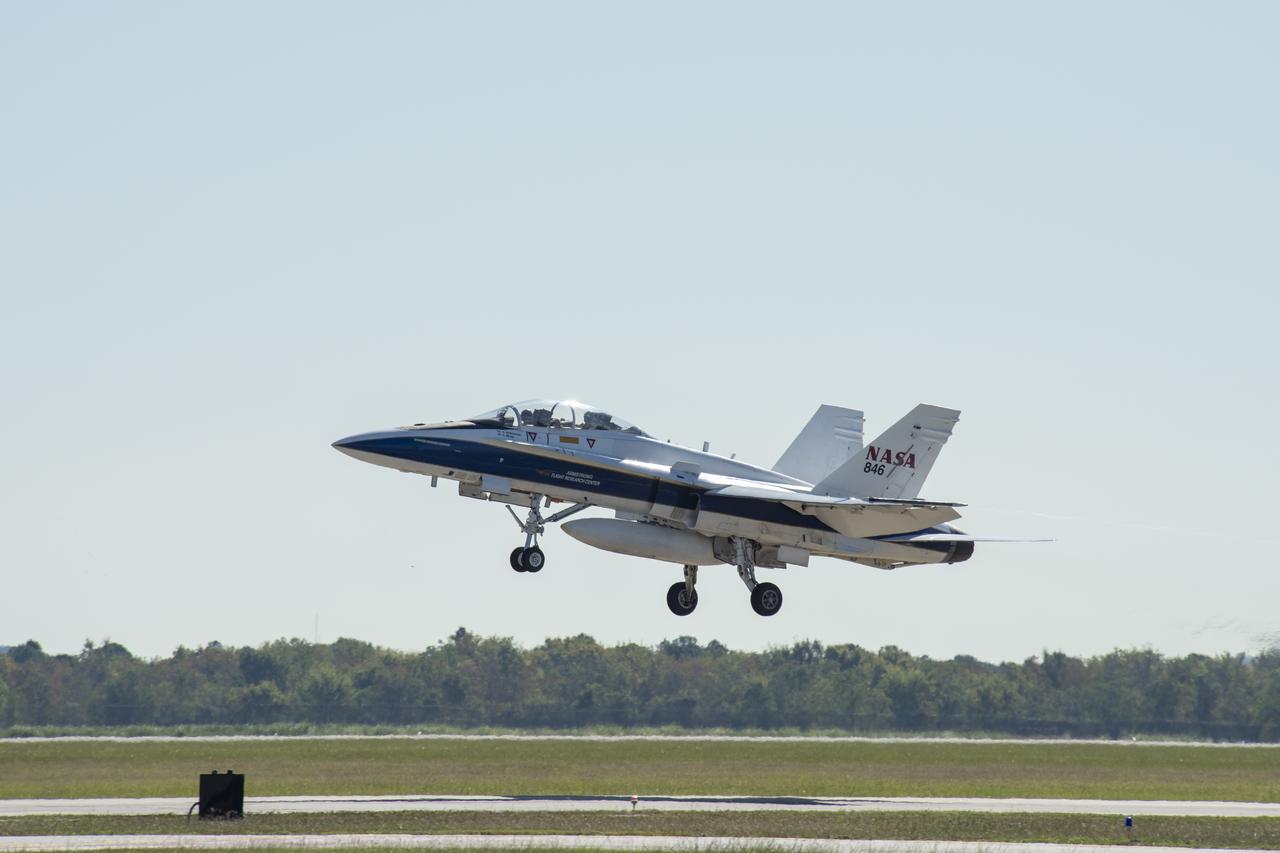
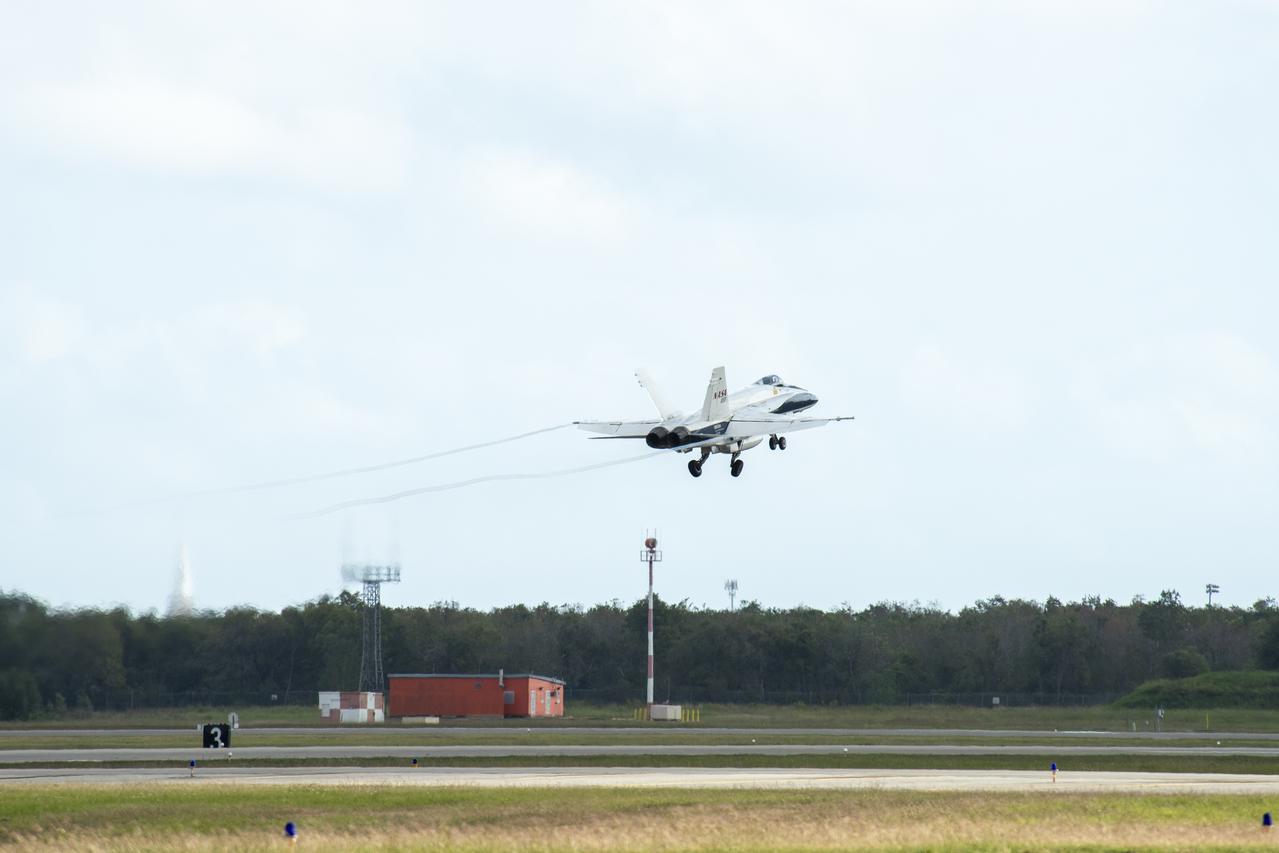
NASA’s F/A-18 research aircraft takes off from Ellington Field in Houston, Texas for a quiet supersonic research flight off the coast of Galveston, as part of the QSF18 flight series. The F/A-18 will climb to 50,000 feet over the Gulf of Mexico, where it will perform the quiet supersonic dive maneuver.
NASA F/A-18 Takes Off for QSF18 Supersonic Flight
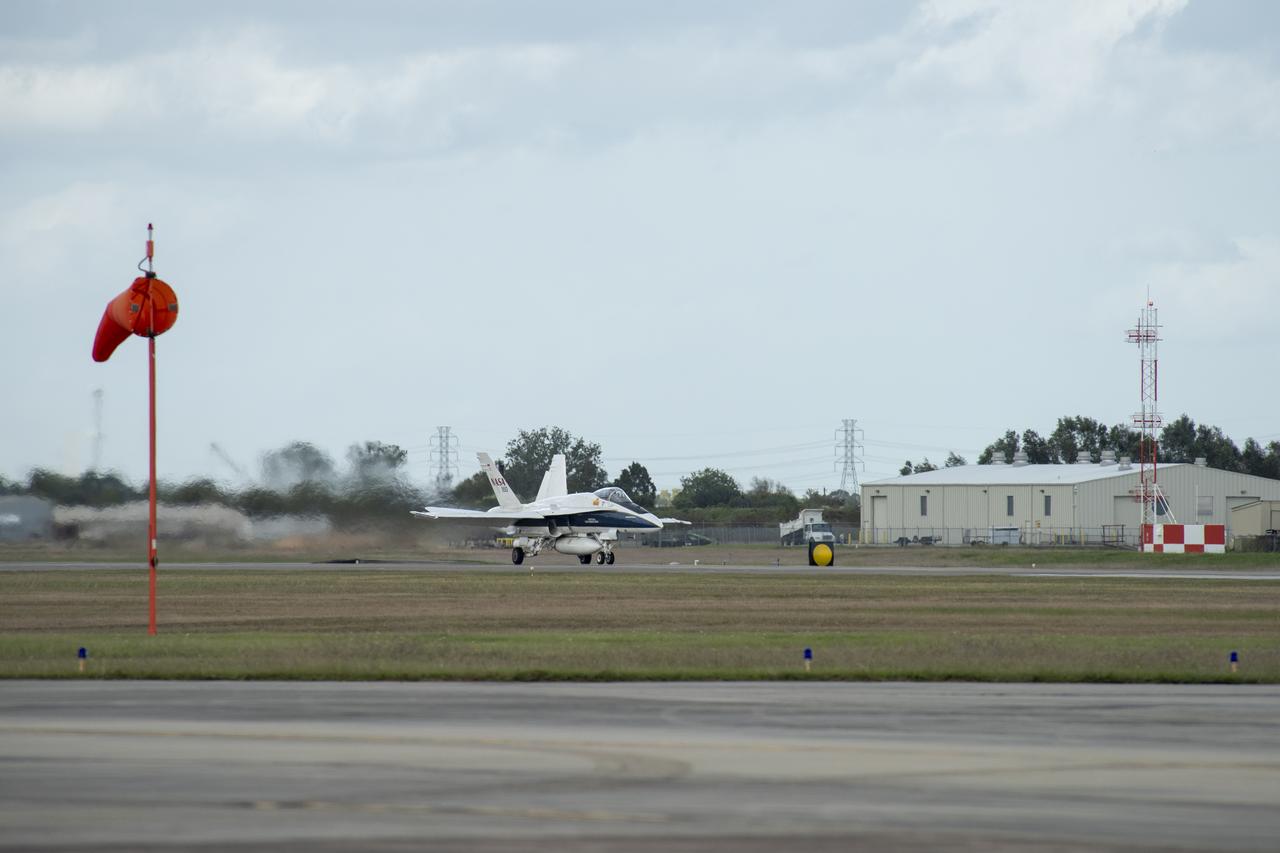
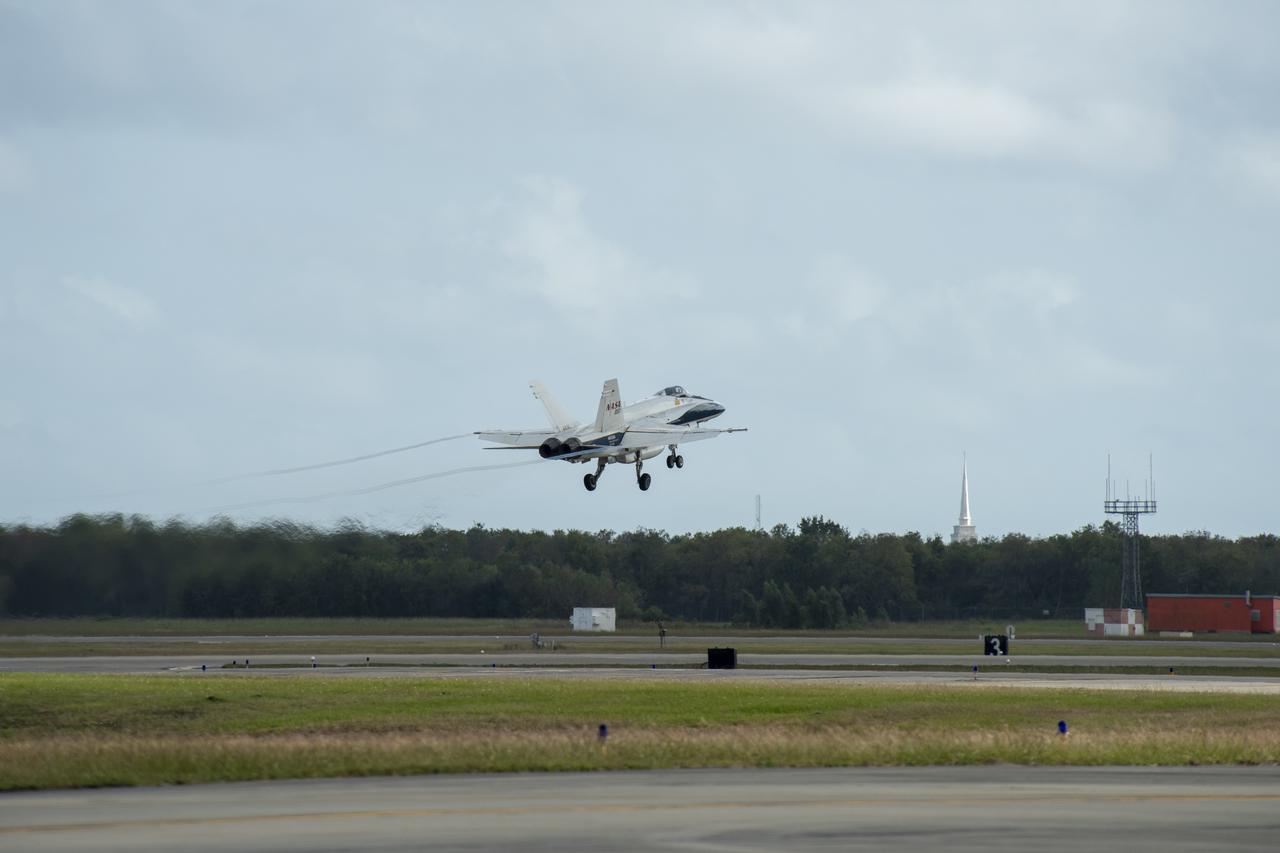
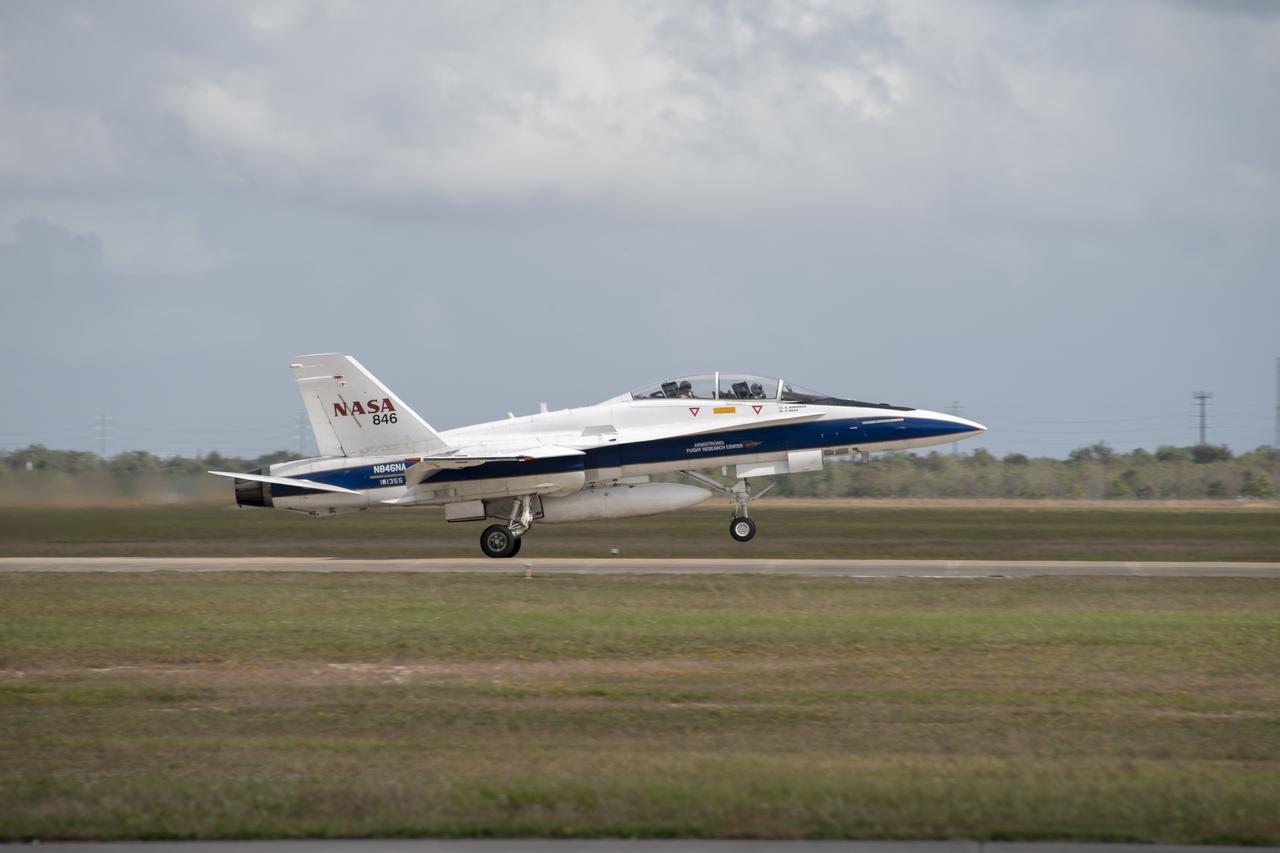
NASA’s F/A-18 research aircraft takes off from Ellington Field in Houston, Texas for a quiet supersonic research flight off the coast of Galveston, as part of the QSF18 flight series. The F/A-18 will climb to 50,000 feet over the Gulf of Mexico, where it will perform the quiet supersonic dive maneuver.
NASA F/A-18 Takes Off for QSF18 Supersonic Flight
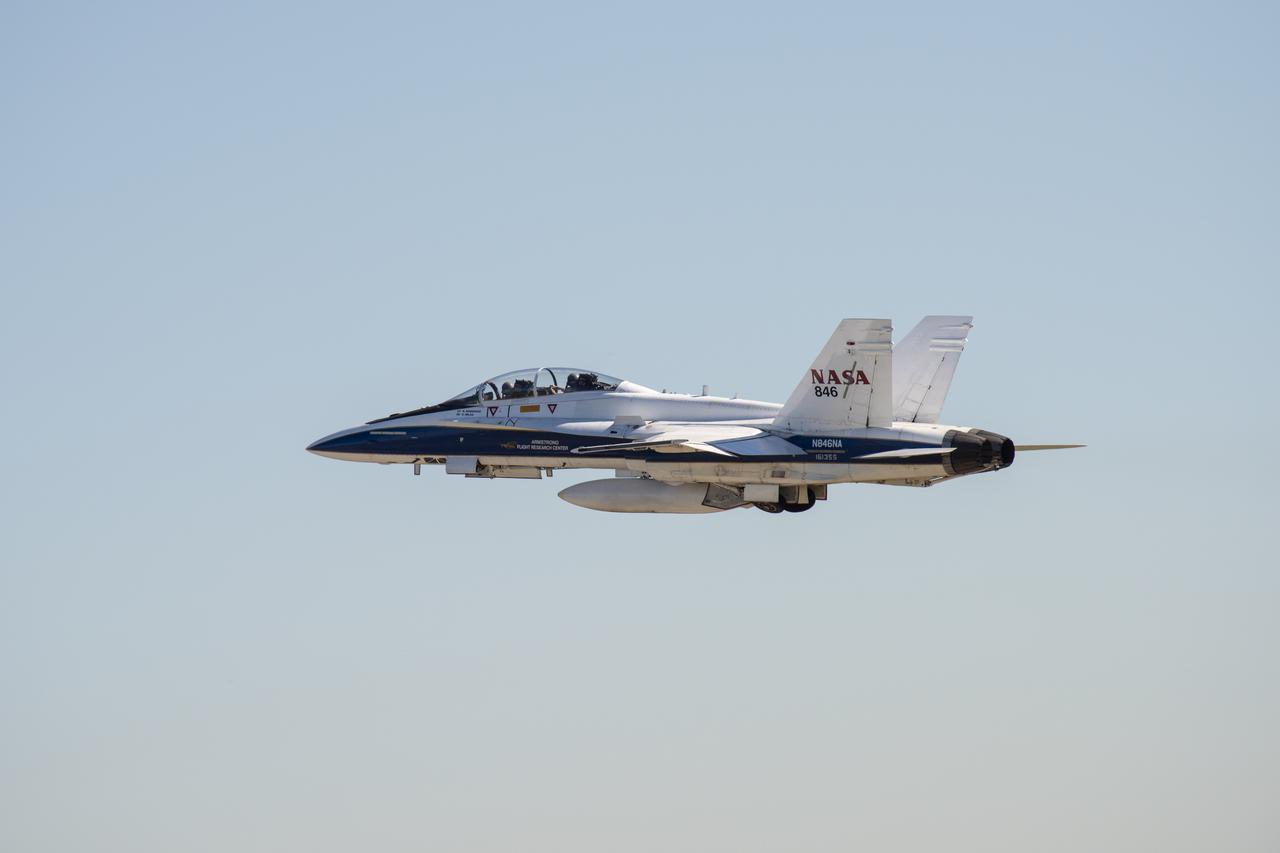
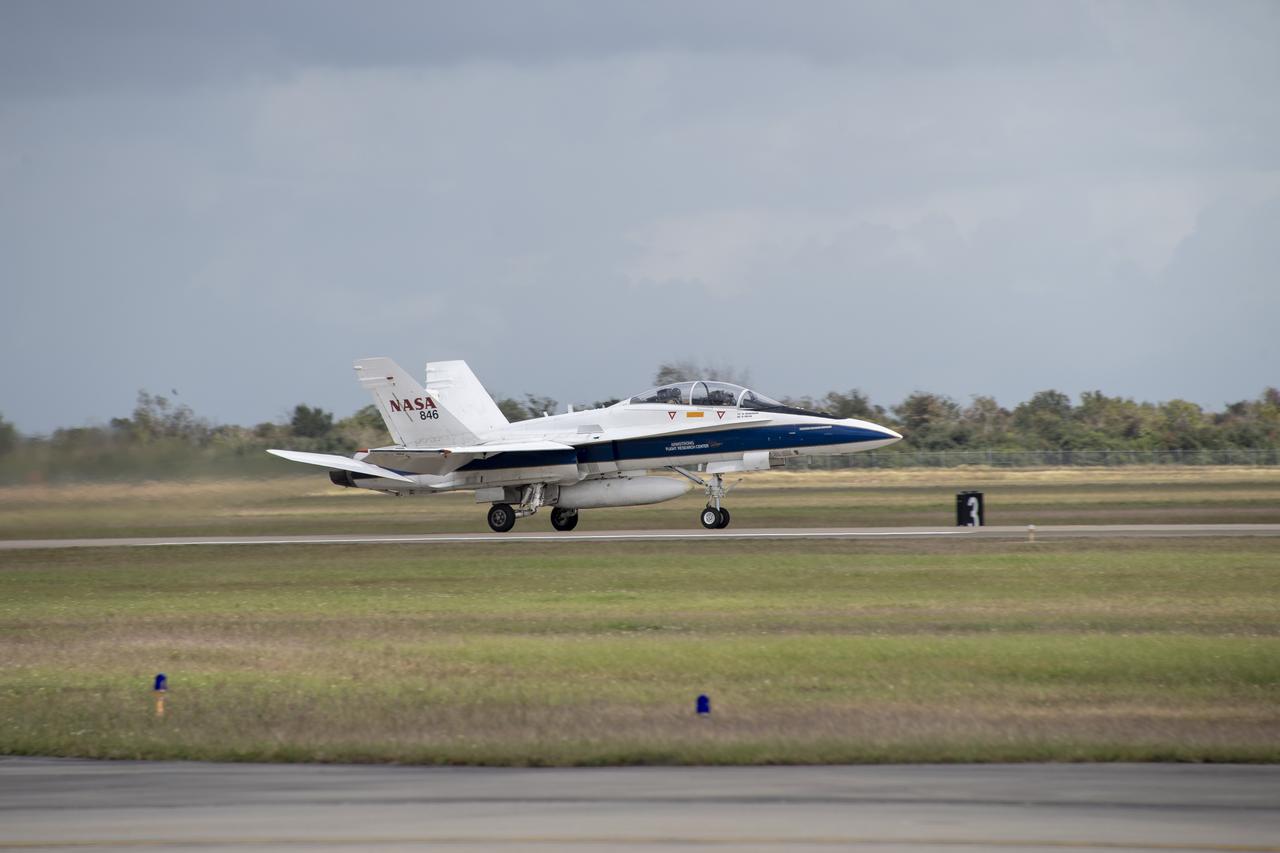
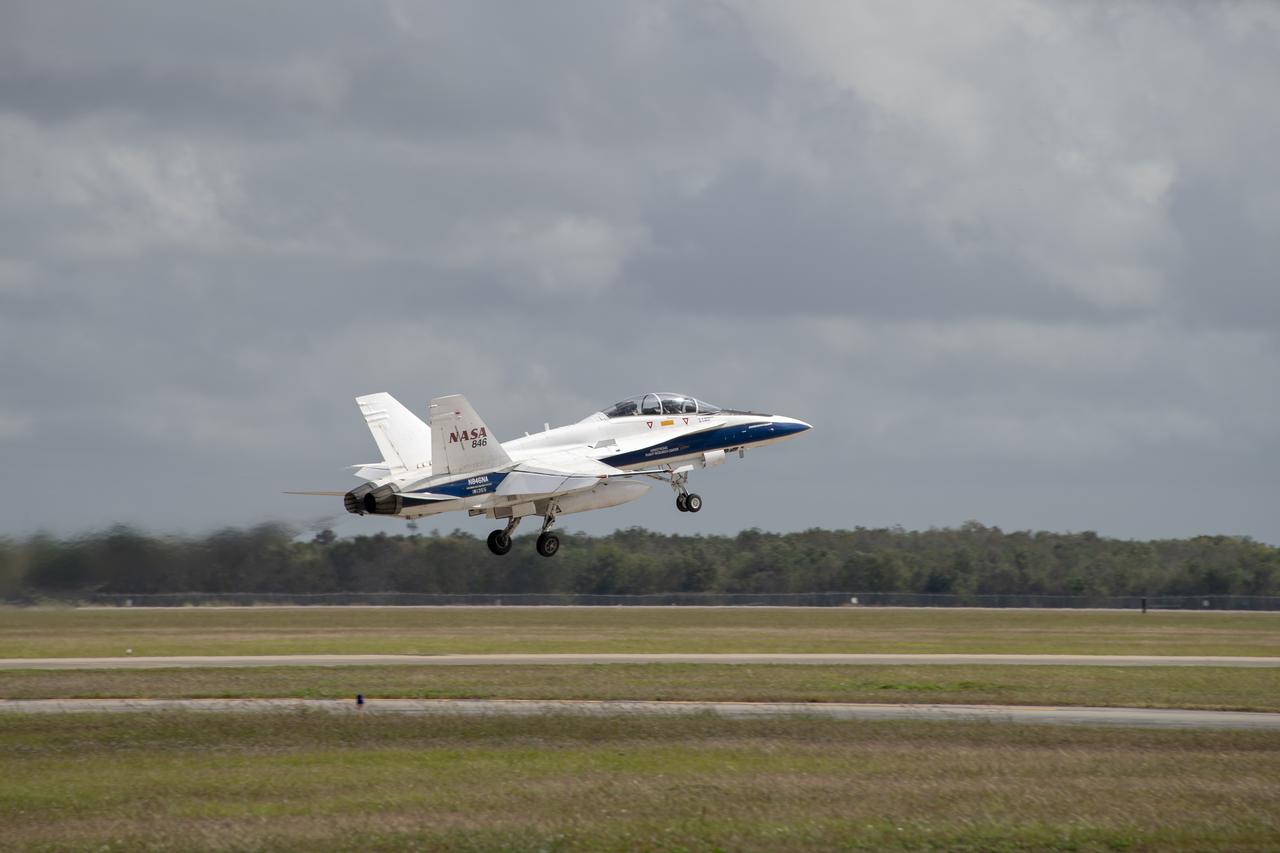
NASA’s F/A-18 research aircraft takes off from Ellington Field in Houston, Texas for a quiet supersonic research flight off the coast of Galveston, as part of the QSF18 flight series. The F/A-18 will climb to 50,000 feet over the Gulf of Mexico, where it will perform the quiet supersonic dive maneuver.
NASA F/A-18 Takes Off for QSF18 Supersonic Flight
NASA’s F/A-18 research aircraft takes off from Ellington Field in Houston, Texas for a quiet supersonic research flight off the coast of Galveston, as part of the QSF18 flight series. The F/A-18 will climb to 50,000 feet over the Gulf of Mexico, where it will perform the quiet supersonic dive maneuver.
NASA F/A-18 Takes Off for QSF18 Supersonic Flight
NASA's F/A-18 research aircraft takes off from Ellington Field in Houston, Texas for a quiet supersonic research flight off the coast of Galveston, as part of the QSF18 flight series. The F/A-18 will climb to 50,000 feet over the Gulf of Mexico, where it will perform the quiet supersonic dive maneuver.
NASA F/A-18 Takes Off for QSF18 Supersonic Flight
NASA’s F/A-18 research aircraft takes off from Ellington Field in Houston, Texas for a quiet supersonic research flight off the coast of Galveston, as part of the QSF18 flight series. The F/A-18 will climb to 50,000 feet over the Gulf of Mexico, where it will perform the quiet supersonic dive maneuver.
NASA F/A-18 Takes Off for QSF18 Supersonic Flight
NASA's F/A-18 research aircraft takes off from Ellington Field in Houston, Texas for a quiet supersonic research flight off the coast of Galveston, as part of the QSF18 flight series. The F/A-18 will climb to 50,000 feet over the Gulf of Mexico, where it will perform the quiet supersonic dive maneuver.
NASA F/A-18 Takes Off for QSF18 Supersonic Flight
NASA’s F/A-18 research aircraft takes off from Ellington Field in Houston, Texas for a quiet supersonic research flight off the coast of Galveston, as part of the QSF18 flight series. The F/A-18 will climb to 50,000 feet over the Gulf of Mexico, where it will perform the quiet supersonic dive maneuver.
NASA F/A-18 Takes Off for QSF18 Supersonic Flight
NASA’s F/A-18 research aircraft takes off from Ellington Field in Houston, Texas for a quiet supersonic research flight off the coast of Galveston, as part of the QSF18 flight series. The F/A-18 will climb to 50,000 feet over the Gulf of Mexico, where it will perform the quiet supersonic dive maneuver.
NASA F/A-18 Takes Off for QSF18 Supersonic Flight
NASA’s F/A-18 research aircraft takes off from Ellington Field in Houston, Texas for a quiet supersonic research flight off the coast of Galveston, as part of the QSF18 flight series. The F/A-18 will climb to 50,000 feet over the Gulf of Mexico, where it will perform the quiet supersonic dive maneuver.
NASA F/A-18 Takes Off for QSF18 Supersonic Flight
NASA’s F/A-18 research aircraft takes off from Ellington Field in Houston, Texas for a quiet supersonic research flight off the coast of Galveston, as part of the QSF18 flight series. The F/A-18 will climb to 50,000 feet over the Gulf of Mexico, where it will perform the quiet supersonic dive maneuver.
NASA F/A-18 Takes Off for QSF18 Supersonic Flight
NASA’s F/A-18 research aircraft takes off from Ellington Field in Houston, Texas for a quiet supersonic research flight off the coast of Galveston, as part of the QSF18 flight series. The F/A-18 will climb to 50,000 feet over the Gulf of Mexico, where it will perform the quiet supersonic dive maneuver.
NASA F/A-18 Takes Off for QSF18 Supersonic Flight
NASA's F/A-18 research aircraft takes off from Ellington Field in Houston, Texas for a quiet supersonic research flight off the coast of Galveston, as part of the QSF18 flight series. The F/A-18 will climb to 50,000 feet over the Gulf of Mexico, where it will perform the quiet supersonic dive maneuver.
NASA F/A-18 Takes Off for QSF18 Supersonic Flight
NASA’s F/A-18 research aircraft takes off from Ellington Field in Houston, Texas for a quiet supersonic research flight off the coast of Galveston, as part of the QSF18 flight series. The F/A-18 will climb to 50,000 feet over the Gulf of Mexico, where it will perform the quiet supersonic dive maneuver.
NASA F/A-18 Takes Off for QSF18 Supersonic Flight
NASA’s F/A-18 research aircraft takes off from Ellington Field in Houston, Texas for a quiet supersonic research flight off the coast of Galveston, as part of the QSF18 flight series. The F/A-18 will climb to 50,000 feet over the Gulf of Mexico, where it will perform the quiet supersonic dive maneuver.
NASA F/A-18 Takes Off for QSF18 Supersonic Flight
NASA's F/A-18 research aircraft takes off from Ellington Field in Houston, Texas for a quiet supersonic research flight off the coast of Galveston, as part of the QSF18 flight series. The F/A-18 will climb to 50,000 feet over the Gulf of Mexico, where it will perform the quiet supersonic dive maneuver.
NASA F/A-18 Takes Off for QSF18 Supersonic Flight
NASA’s F/A-18 research aircraft takes off from Ellington Field in Houston, Texas for a quiet supersonic research flight off the coast of Galveston, as part of the QSF18 flight series. The F/A-18 will climb to 50,000 feet over the Gulf of Mexico, where it will perform the quiet supersonic dive maneuver.
NASA F/A-18 Takes Off for QSF18 Supersonic Flight
NASA’s F/A-18 research aircraft takes off from Ellington Field in Houston, Texas for a quiet supersonic research flight off the coast of Galveston, as part of the QSF18 flight series. The F/A-18 will climb to 50,000 feet over the Gulf of Mexico, where it will perform the quiet supersonic dive maneuver.
NASA F/A-18 Takes Off for QSF18 Supersonic Flight
NASA’s F/A-18 research aircraft takes off from Ellington Field in Houston, Texas for a quiet supersonic research flight off the coast of Galveston, as part of the QSF18 flight series. The F/A-18 will climb to 50,000 feet over the Gulf of Mexico, where it will perform the quiet supersonic dive maneuver.
NASA F/A-18 Takes Off for QSF18 Supersonic Flight
NASA’s F/A-18 research aircraft takes off from Ellington Field in Houston, Texas for a quiet supersonic research flight off the coast of Galveston, as part of the QSF18 flight series. The F/A-18 will climb to 50,000 feet over the Gulf of Mexico, where it will perform the quiet supersonic dive maneuver.
NASA F/A-18 Takes Off for QSF18 Supersonic Flight
NASA’s F/A-18 research aircraft takes off from Ellington Field in Houston, Texas for a quiet supersonic research flight off the coast of Galveston, as part of the QSF18 flight series. The F/A-18 will climb to 50,000 feet over the Gulf of Mexico, where it will perform the quiet supersonic dive maneuver.
NASA F/A-18 Takes Off for QSF18 Supersonic Flight
NASA’s F/A-18 research aircraft takes off from Ellington Field in Houston, Texas for a quiet supersonic research flight off the coast of Galveston, as part of the QSF18 flight series. The F/A-18 will climb to 50,000 feet over the Gulf of Mexico, where it will perform the quiet supersonic dive maneuver.
NASA F/A-18 Takes Off for QSF18 Supersonic Flight
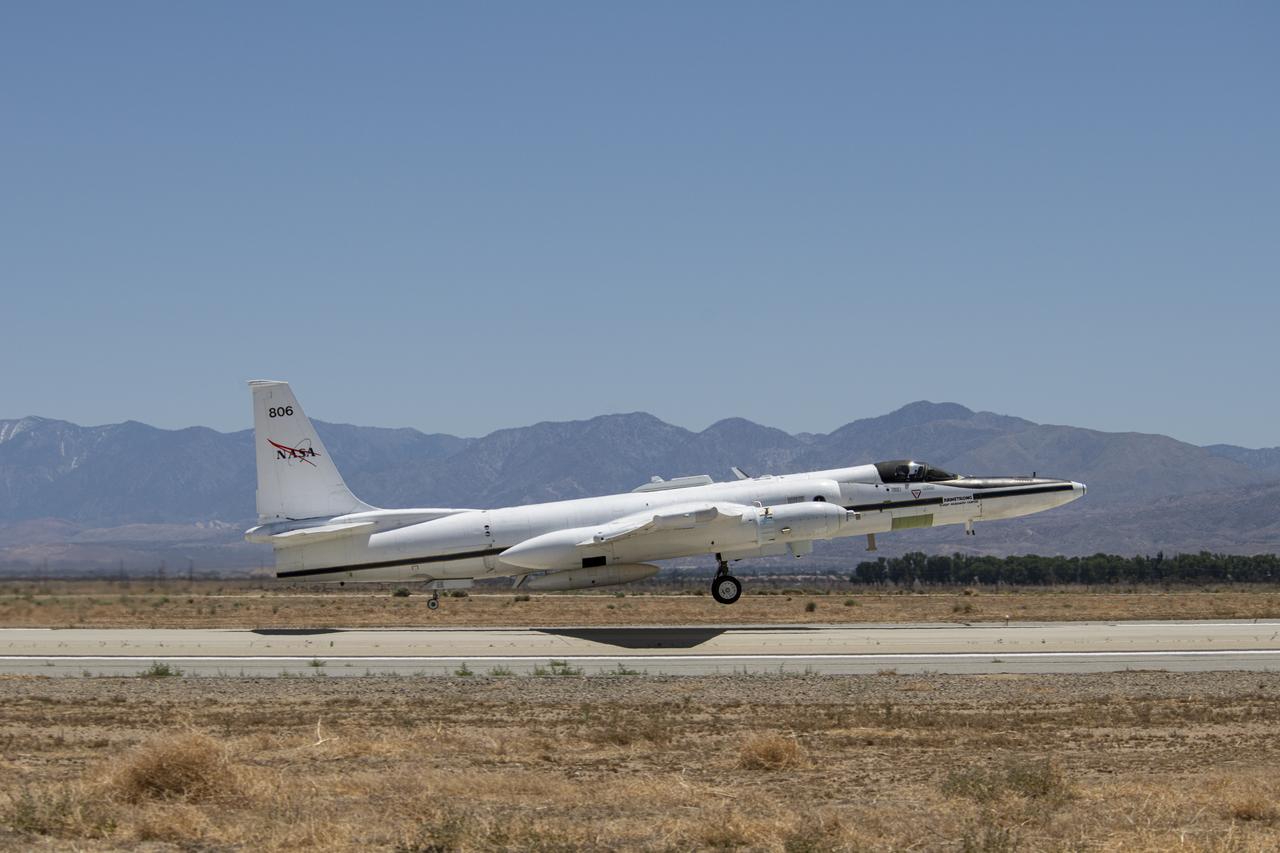
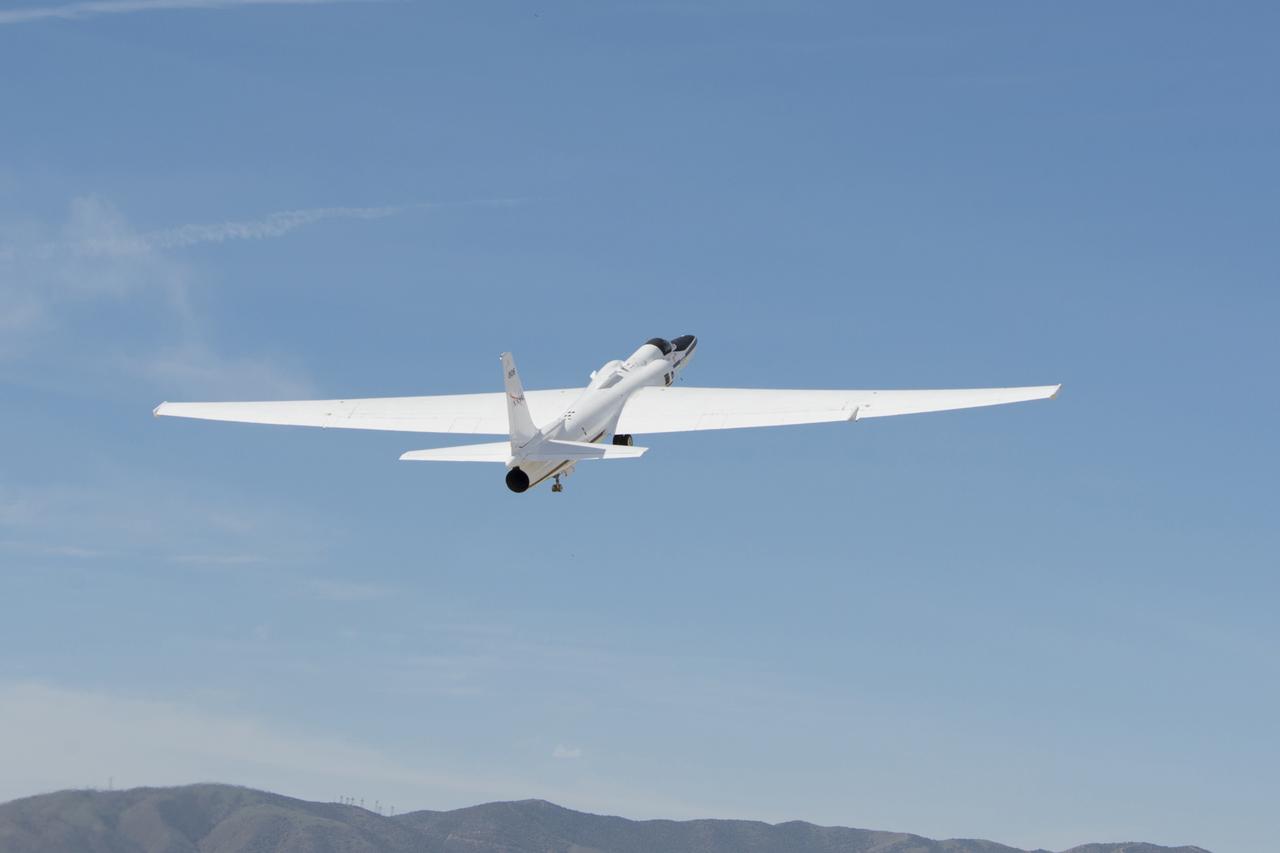
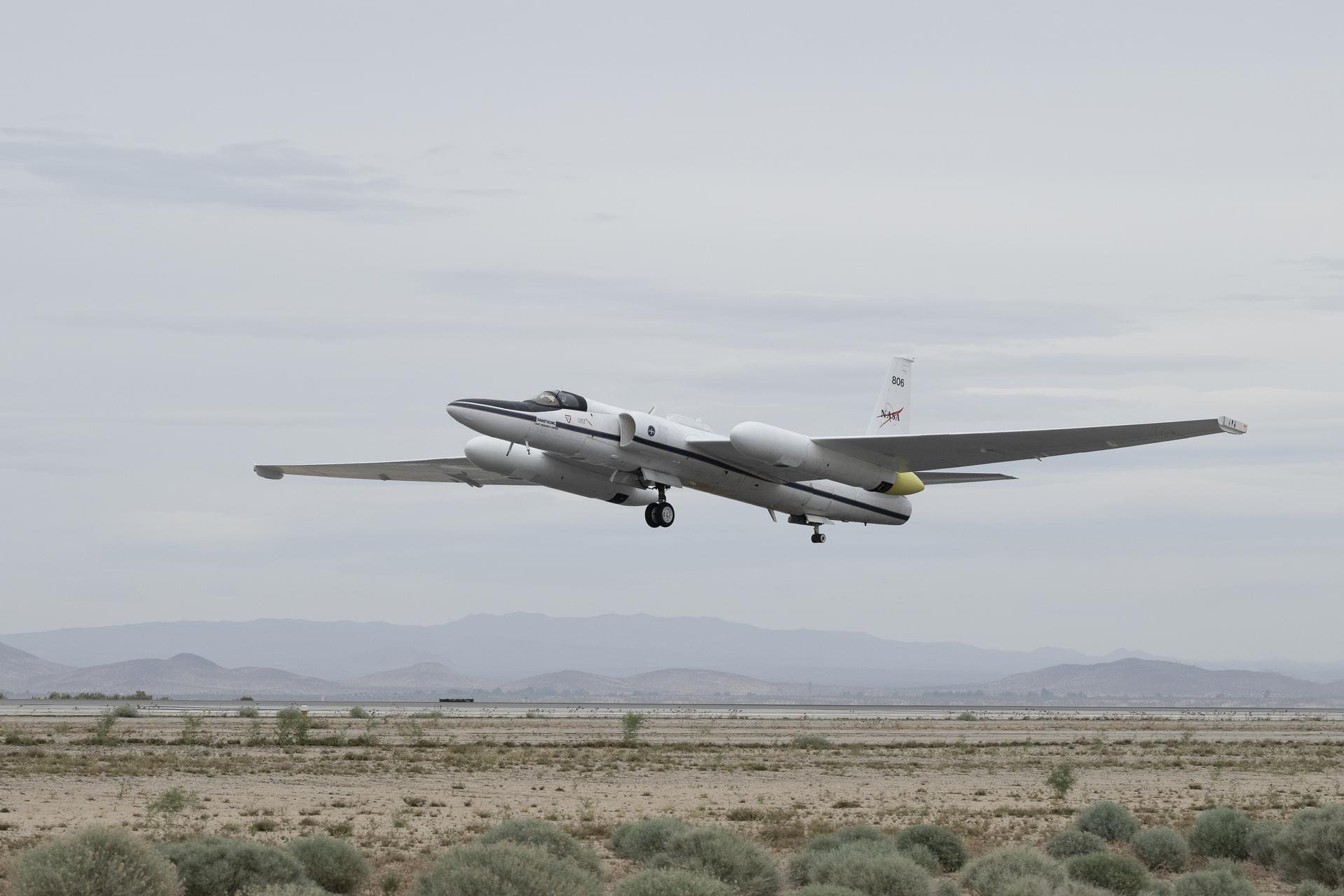
NASA's ER-2 high altitude aircraft takes off from Armstrong Flight Research Center Building 703 in Palmdale, California to perform a check flight for the the Dynamics and Chemistry of the Summer Stratosphere, or DCOTSS, 2022 campaign on May 13, 2022.
NASA's ER-2 Taking Off for a DCOTSS Check Flight
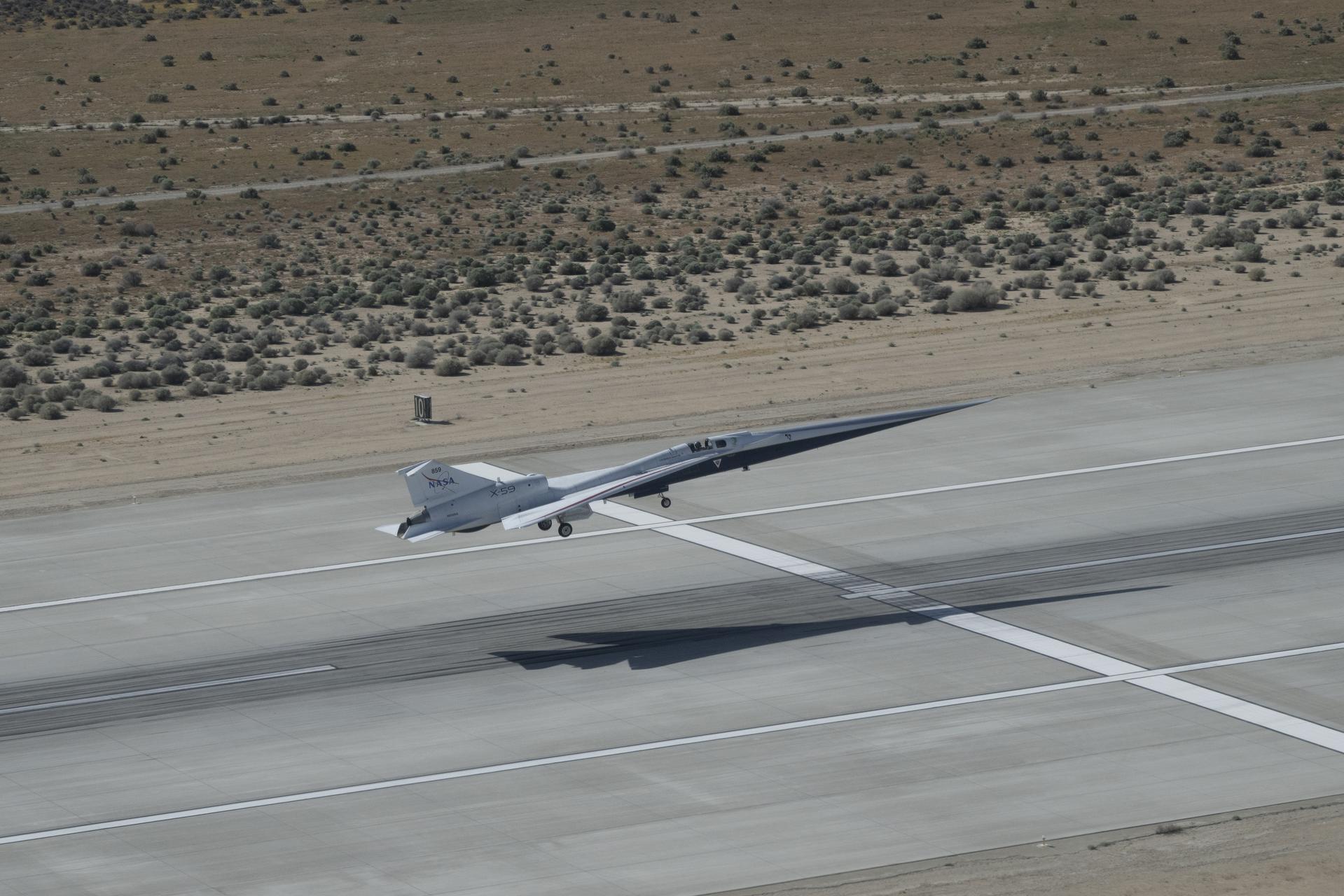
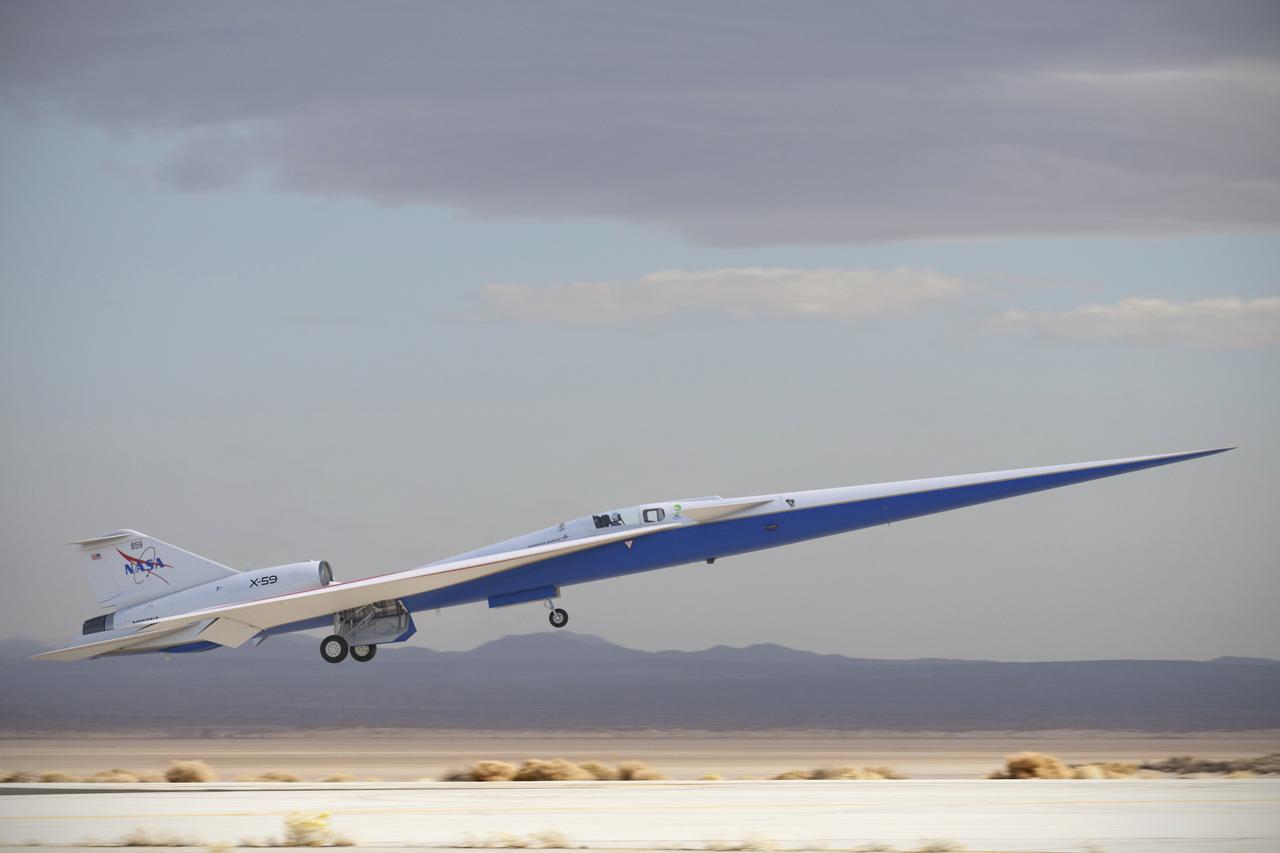
Artist illustration of the X-59 taking off from the runway.
Takeoff_001_LM_Aug_update.jpg
An Orbital ATK L-1011 Stargazer aircraft carrying a Pegasus XL Rocket with eight NASA Cyclone Global Navigation Satellite System, or CYGNSS, spacecraft takes off from the Skid Strip at Cape Canaveral Air Force Station, Florida. With the aircraft flying off shore, the Pegasus rocket will be released. Five seconds later, the solid propellant engine will ignite and boost the eight hurricane observatories to orbit. The eight CYGNSS satellites will make frequent and accurate measurements of ocean surface winds throughout the life cycle of tropical storms and hurricanes.
Pegasus XL CYGNSS Launch Attempt; Scrubbed - Take Off
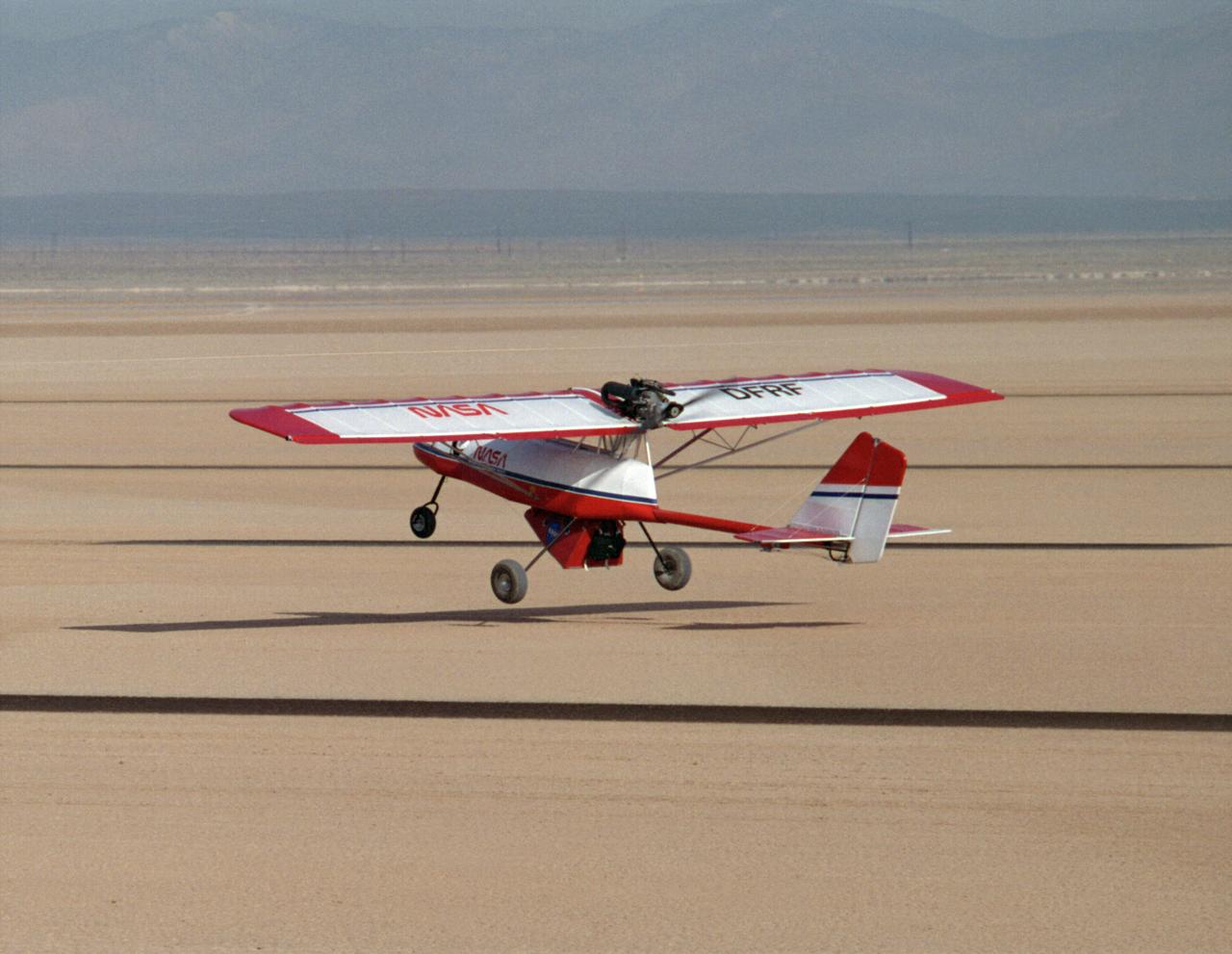
A Rans S-12 remotely piloted "mothership" takes off from a lakebed runway carrying a Spacewedge research model during 1992 flight tests. The Spacewedge was lauched in flight from the Rans S-12 aircraft and then glided back to a landing under a steerable parafoil. Technology tested in the Spacewedge program was used in developing the X-38 research vehicle.
Rans S-12 RPV Takes off with Spacewedge #2
SUPERSONIC SHORT TAKE OFF Vertical LANDING HOT GAS INGESTION MODEL 9X15 WIND TUNNEL
GRC-1993-C-07356
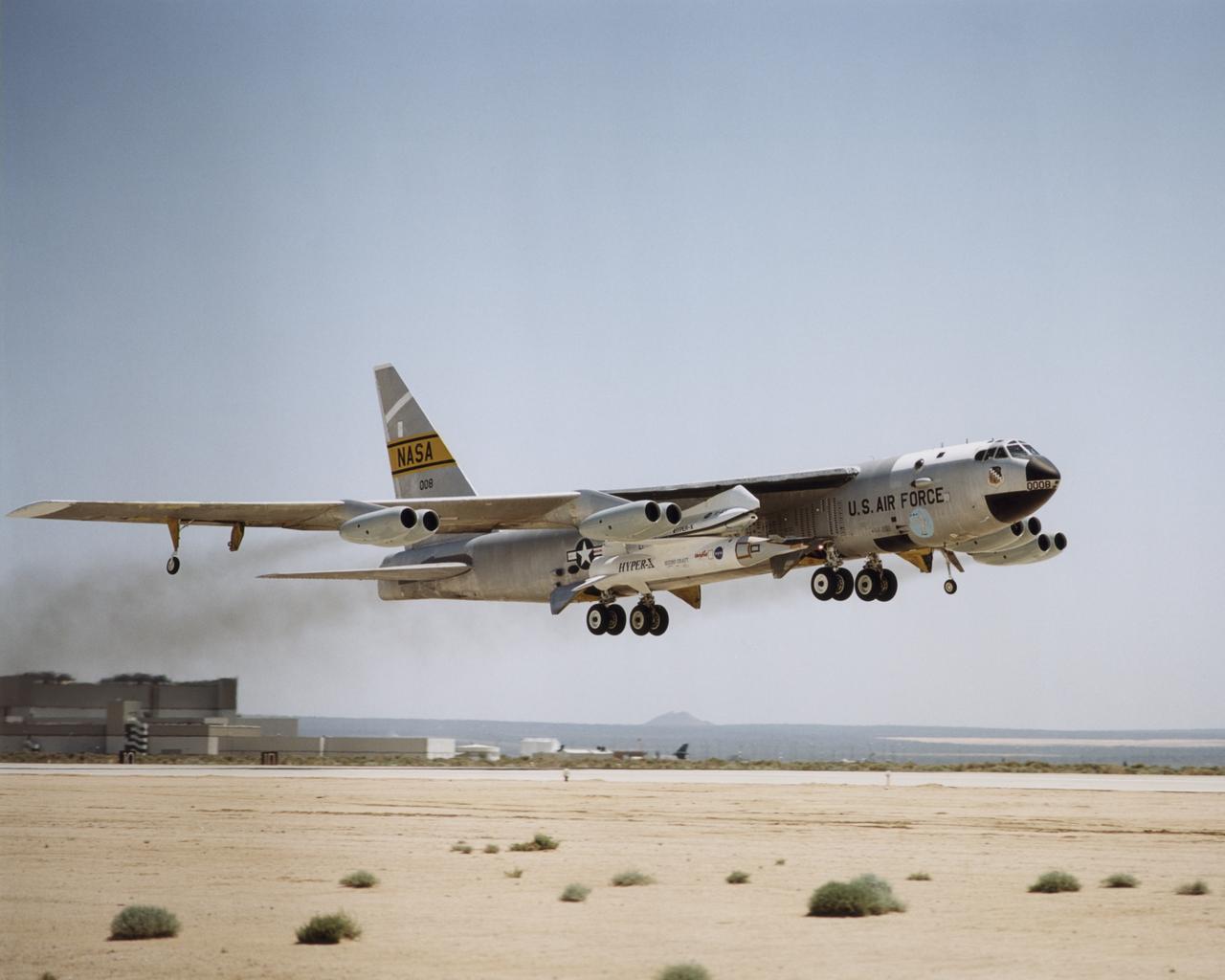
The NASA X-43A hypersonic research vehicle and its Pegasus booster rocket, mounted beneath the wing of their B-52 mothership, had a successful first captive-carry flight on April 28, 2001, Basically a dress rehearsal for a subsequent free flight, the captive-carry flight kept the X-43A-and-Pegasus combination attached to the B-52's wing pylon throughout the almost two-hour mission from NASA's Dryden Flight Research Center, Edwards, Calif., over the Pacific Missile Test Range, and back to Dryden.
B-52/Pegasus with X-43A departing on first captive flight
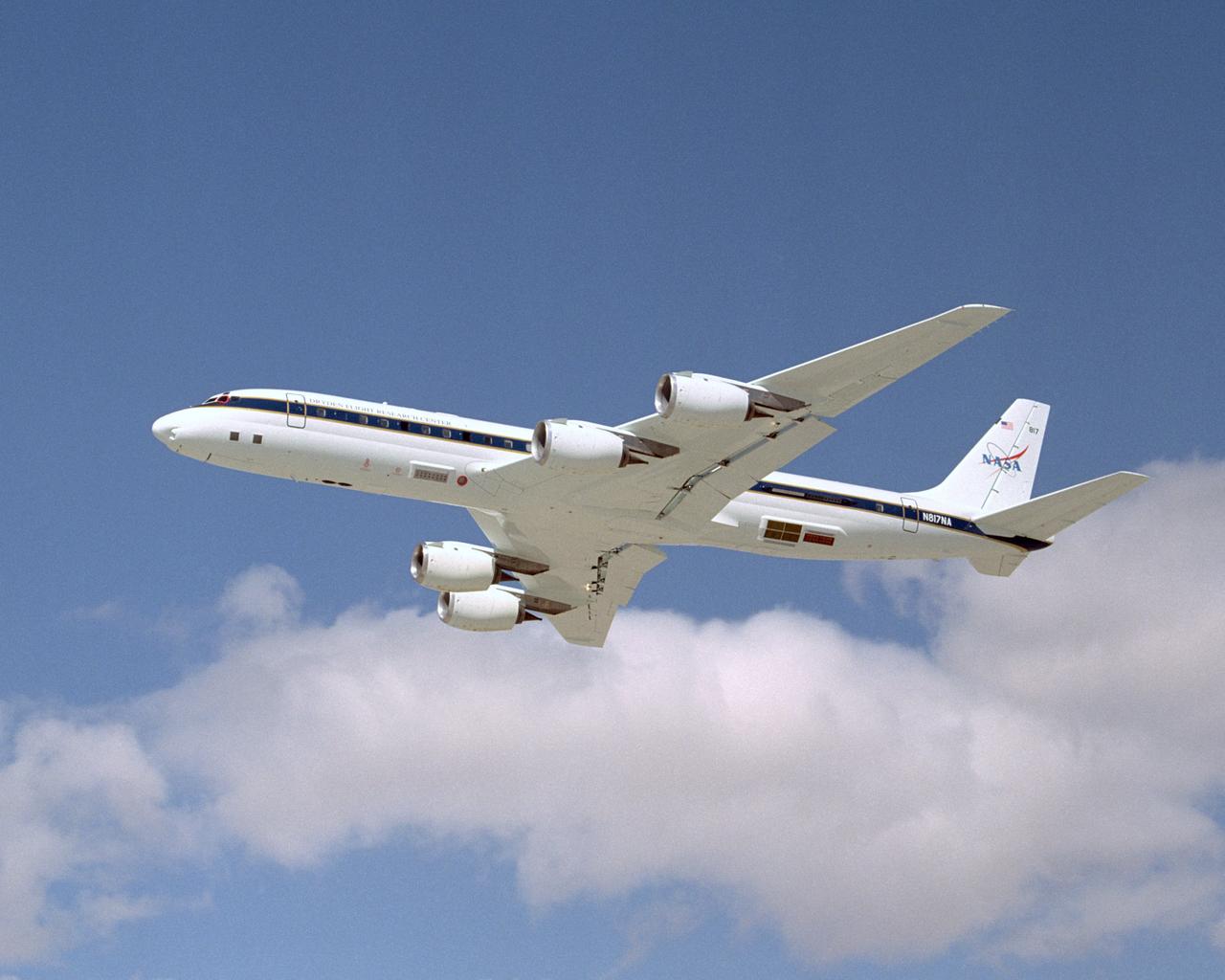
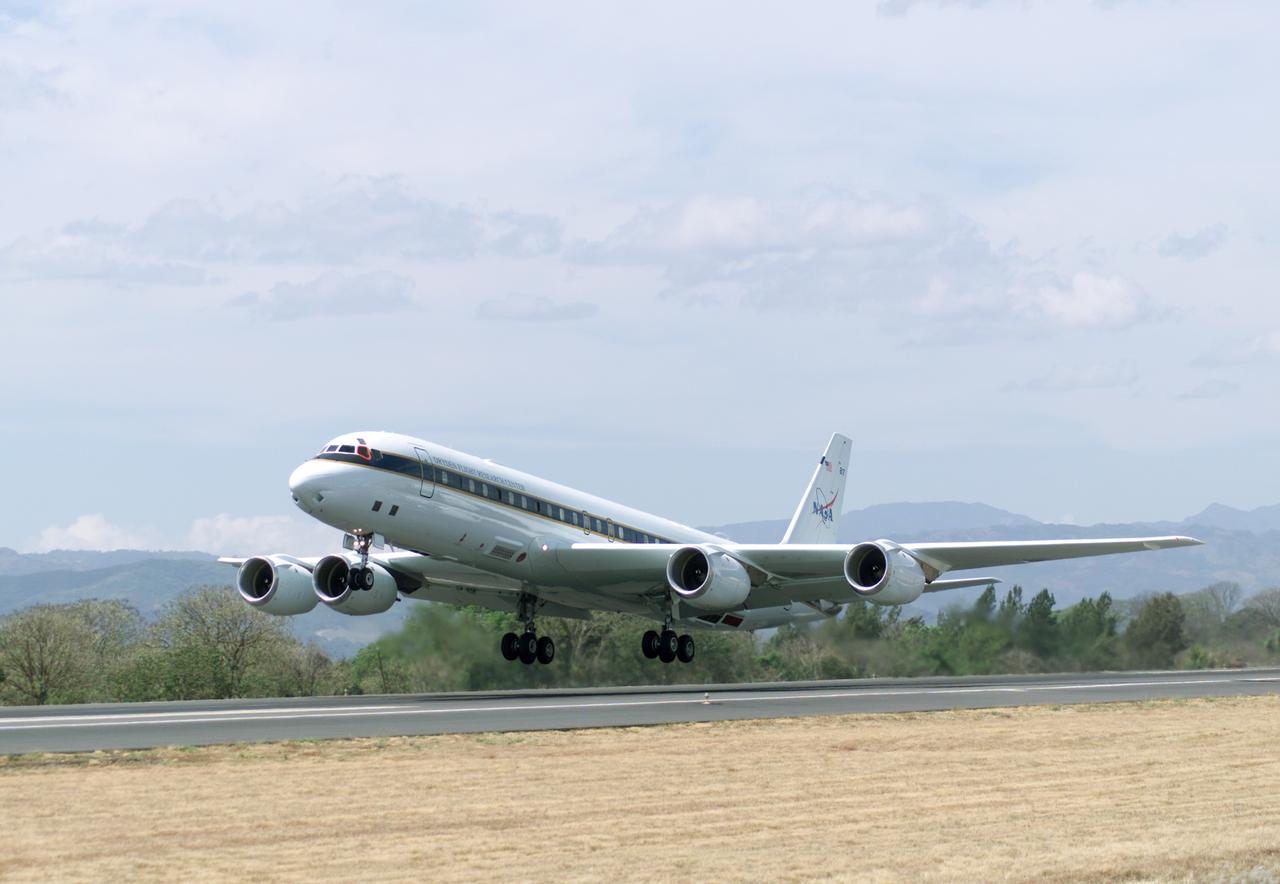
NASA's DC-8 Airborne Science research aircraft, in new colors and markings, takes off Feb. 24, 2004. Dark panels on lower fuselage are synthetic aperture radar antennas enabling sophisticated studies of Earth features.
NASA's DC-8 Airborne Science research aircraft, in new colors and markings, takes off Feb. 24, 2004
SOFIA’s flight crew prepare to takeoff from the U.S. Antarctic Program facility   at Christchurch International Airport in Christchurch, New Zealand, to observe the Southern Hemisphere’s skies. Pilot: Manny Antimisiaris, Co-Pilot: Jim Less, Flight Engineer: Marty Trout
SOFIA Prepares For Take-Off
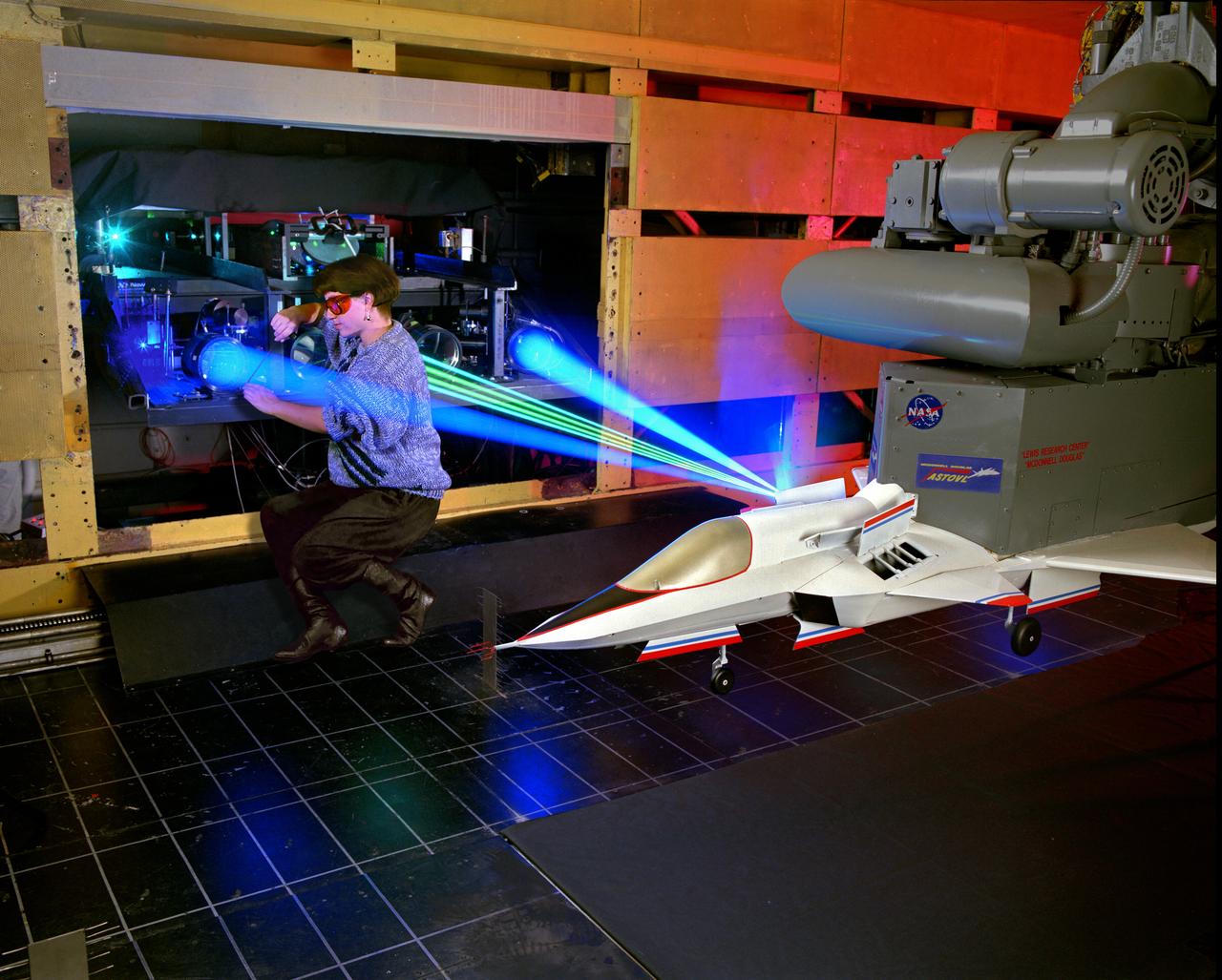
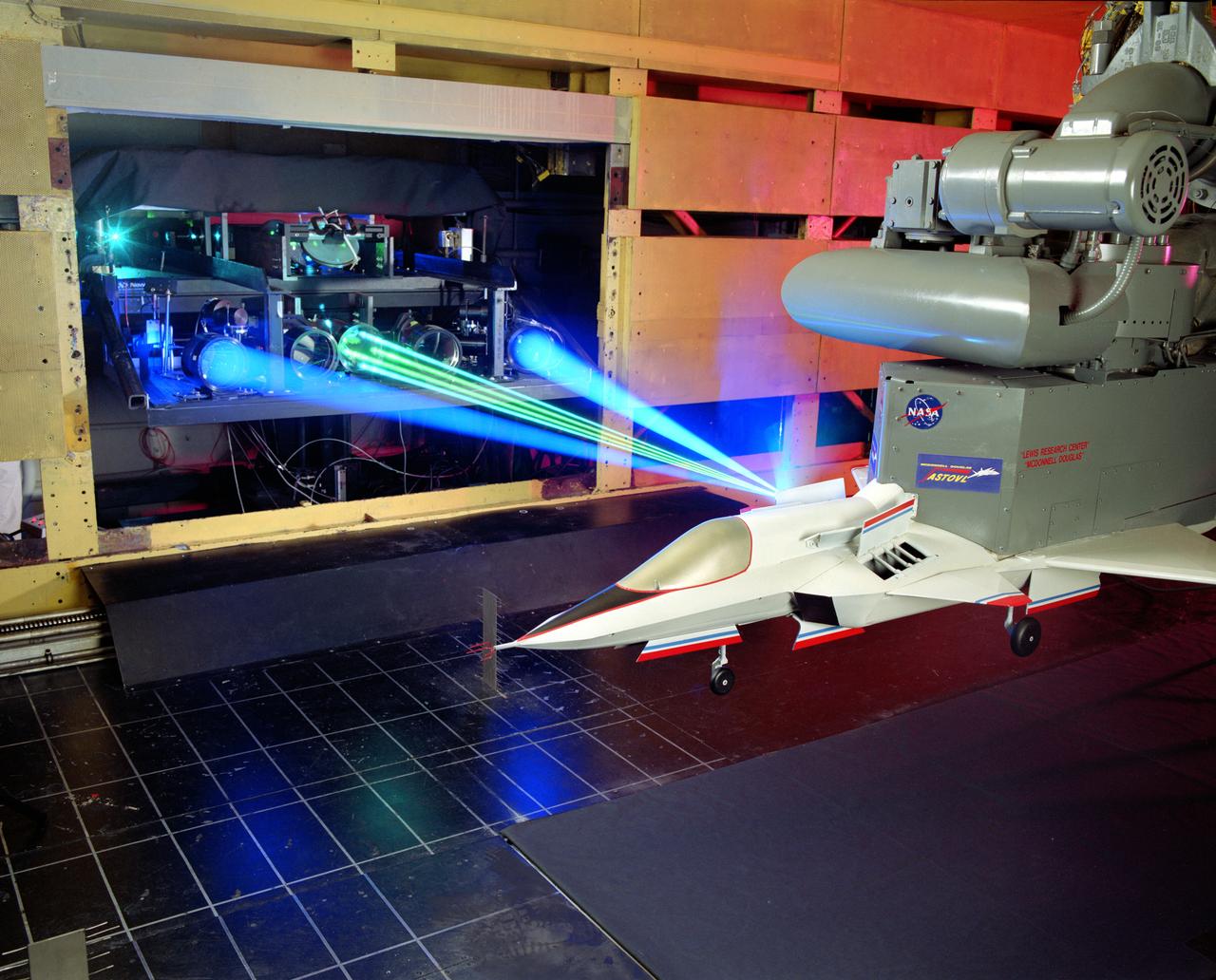
The 9x15 low speed tunnel tests take off and landing of aircraft.  The laser velocimetry system for flow measurement show here, with the color blue and green lasers, measures engine exhaust that comes back up from the ground.  The STOVL model n the 9x15 low speed wind tunnel, building 39, is similar to the British Harrier aircraft.
GRC-1994-C-00158
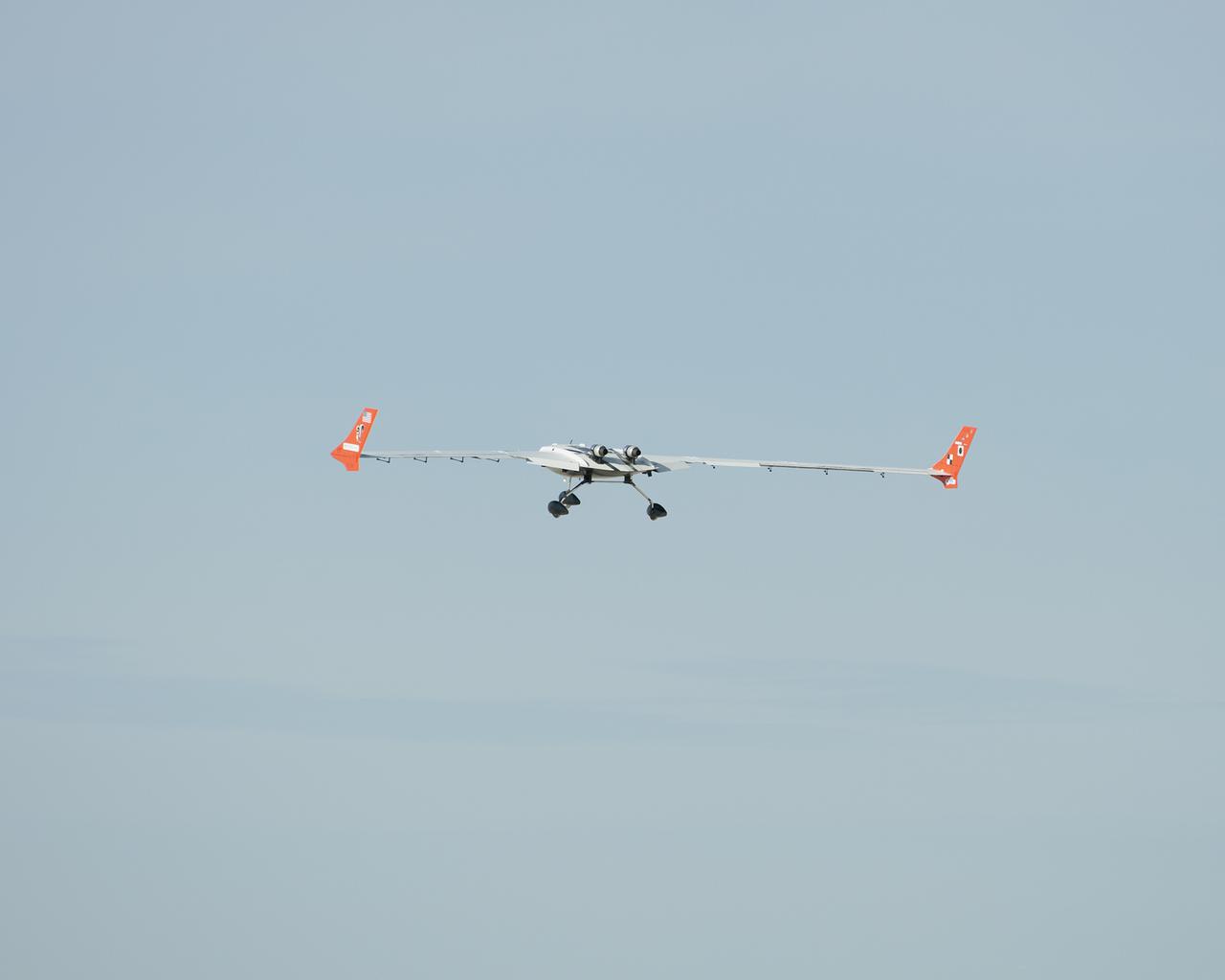
The X-56A takes off on its maiden flight from NASA Armstrong Flight Research Center, Edwards, California.
Second X-56A MUTT Makes First Flight
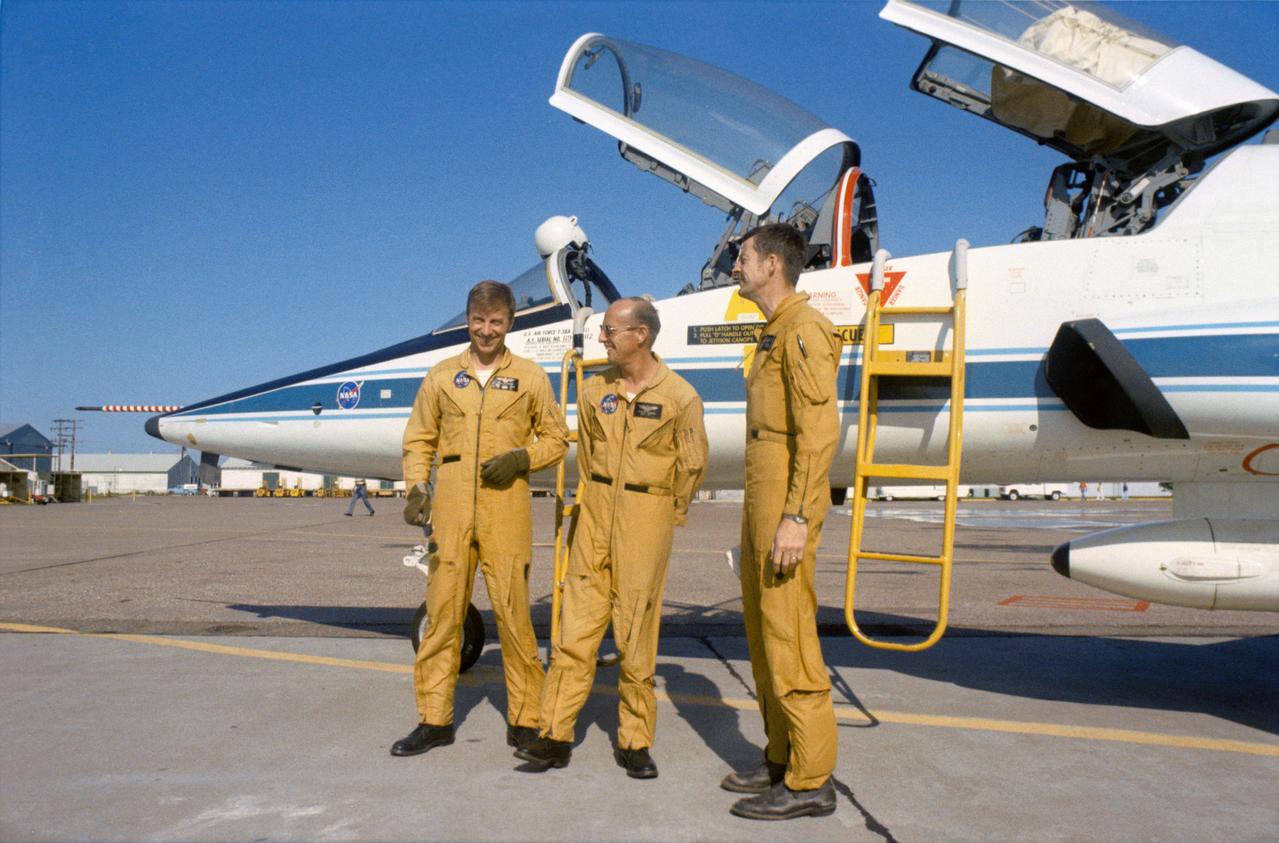
S73-25714 (13 May 1973) --- Members of the prime crew of the first manned Skylab Mission (Skylab 2) stand beside a NASA T-38 jet aircraft trainer at nearby Ellington Air Force Base prior to take off for the Kennedy Space Center, Florida. They are (left to right) astronauts Paul J. Weitz, mission pilot; Charles Conrad Jr., commander; and scientist Joseph P. Kerwin, science pilot. The three crewmen have completed their prelaunch training at JSC. Photo credit: NASA
Prime crew of the Skylab 2 mission stand beside T-38 prior to take off
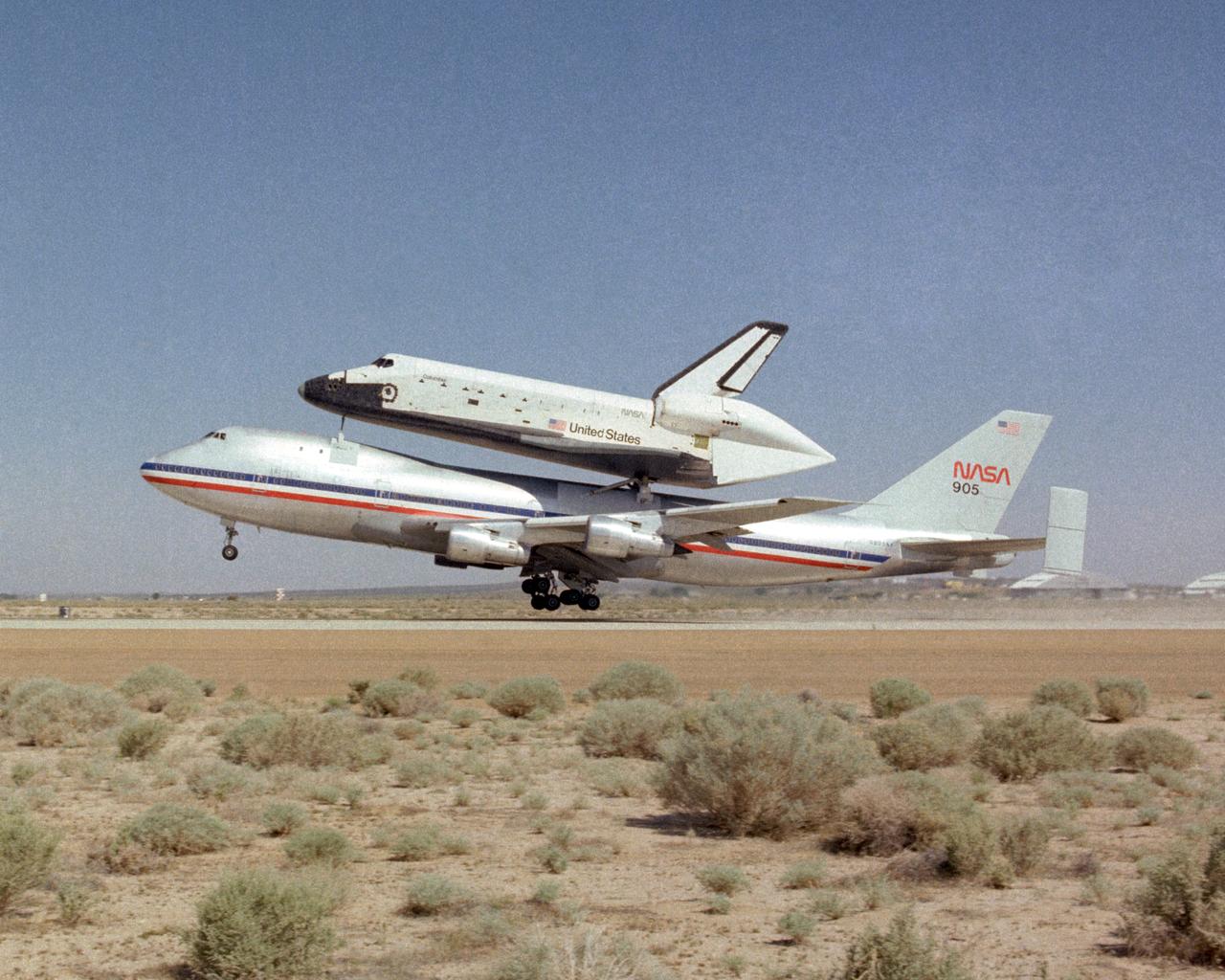
NASA's specially modified 747 with the Space Shuttle Columbia atop takes off to ferry the Shuttle back to Kennedy Space Center in Florida. Columbia had recently completed its first orbital mission with a landing at Edwards Air Force Base in California.
NASA's 747 with Columbia atop takes off to ferry the Shuttle back to KSC in Florida, after completing its first orbital mission with a landing at Edwards AFB
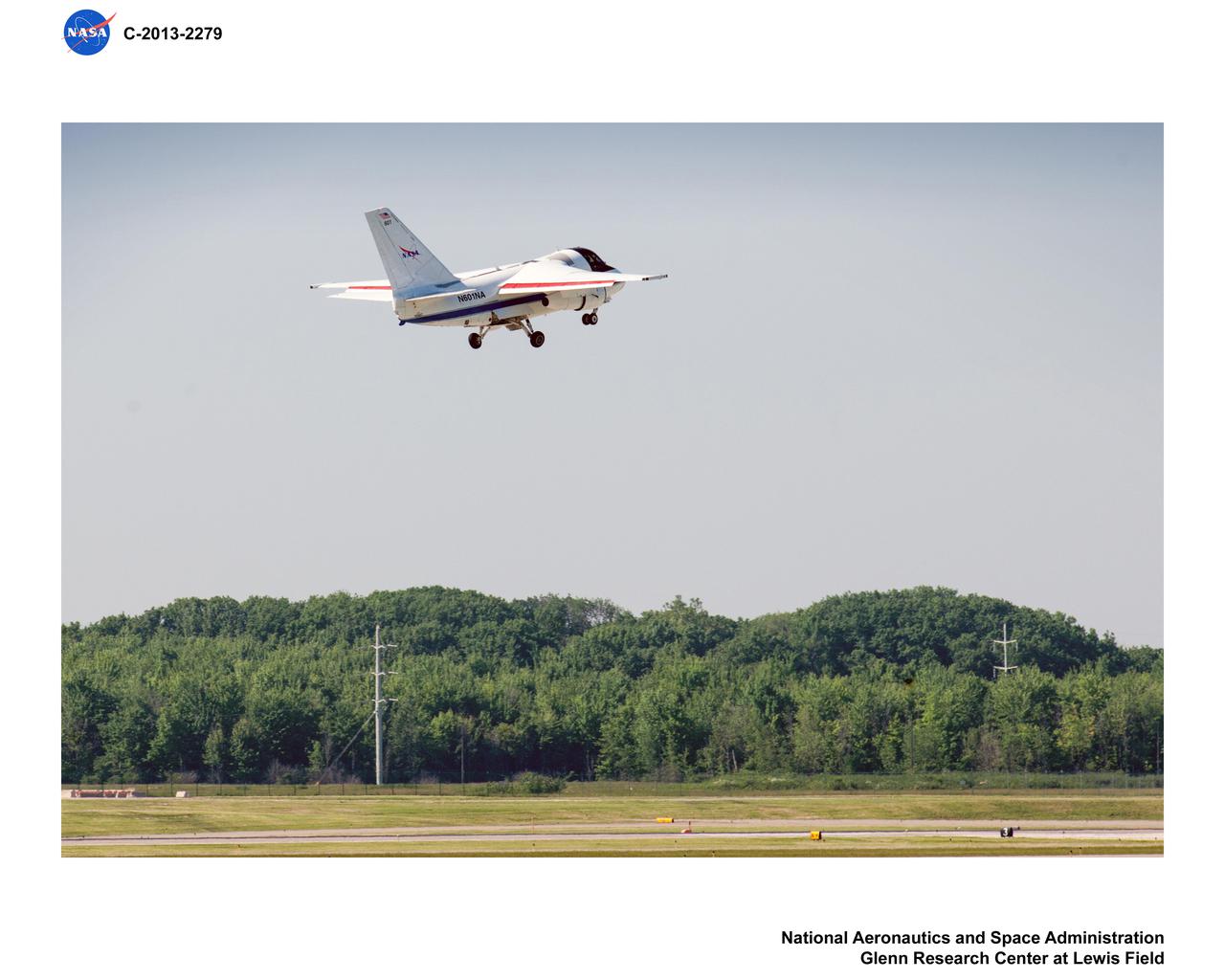
NASA, Lockheed Martin S-3B Viking Aircraft #N601NA, takes off from Cleveland Hopkins Airport, in support of the Unmanned Aircraft Communications Project
NASA, Lockheed Martin S-3B Viking Aircraft #N601NA, Unmanned Aircraft Communications Project
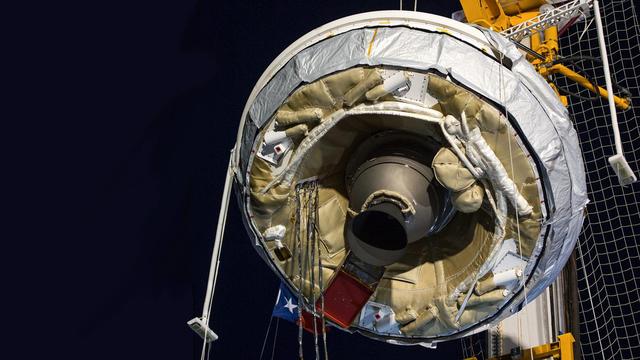
NASA's Low-Density Supersonic Decelerator test vehicle attached to launch tower just prior to take off.  LDSD completed its second flight test when the saucer-shaped craft splashed down safely Monday, June 8, 2015, in the Pacific Ocean off the coast of the Hawaiian island of Kauai.  http://photojournal.jpl.nasa.gov/catalog/PIA19683
LDSD Test Vehicle Attached to Launch Tower
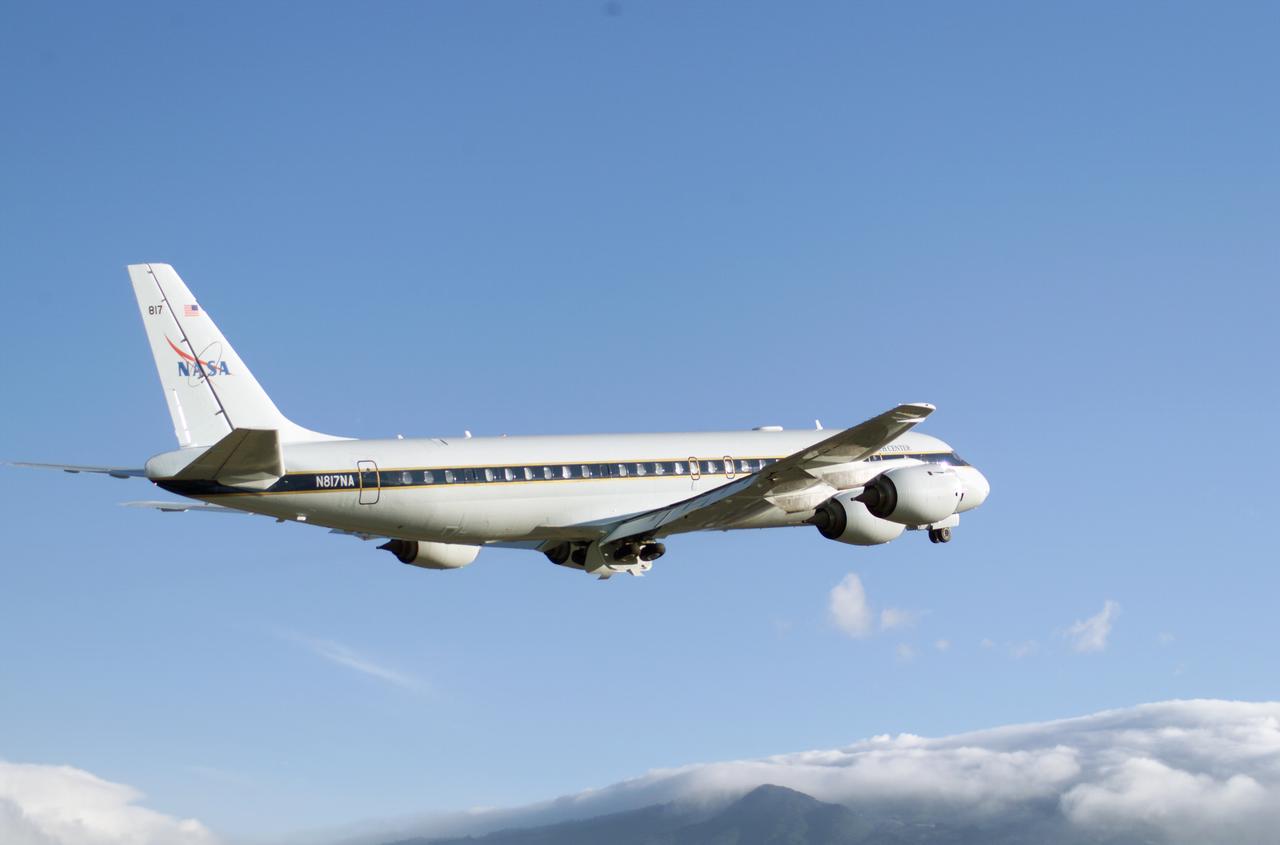
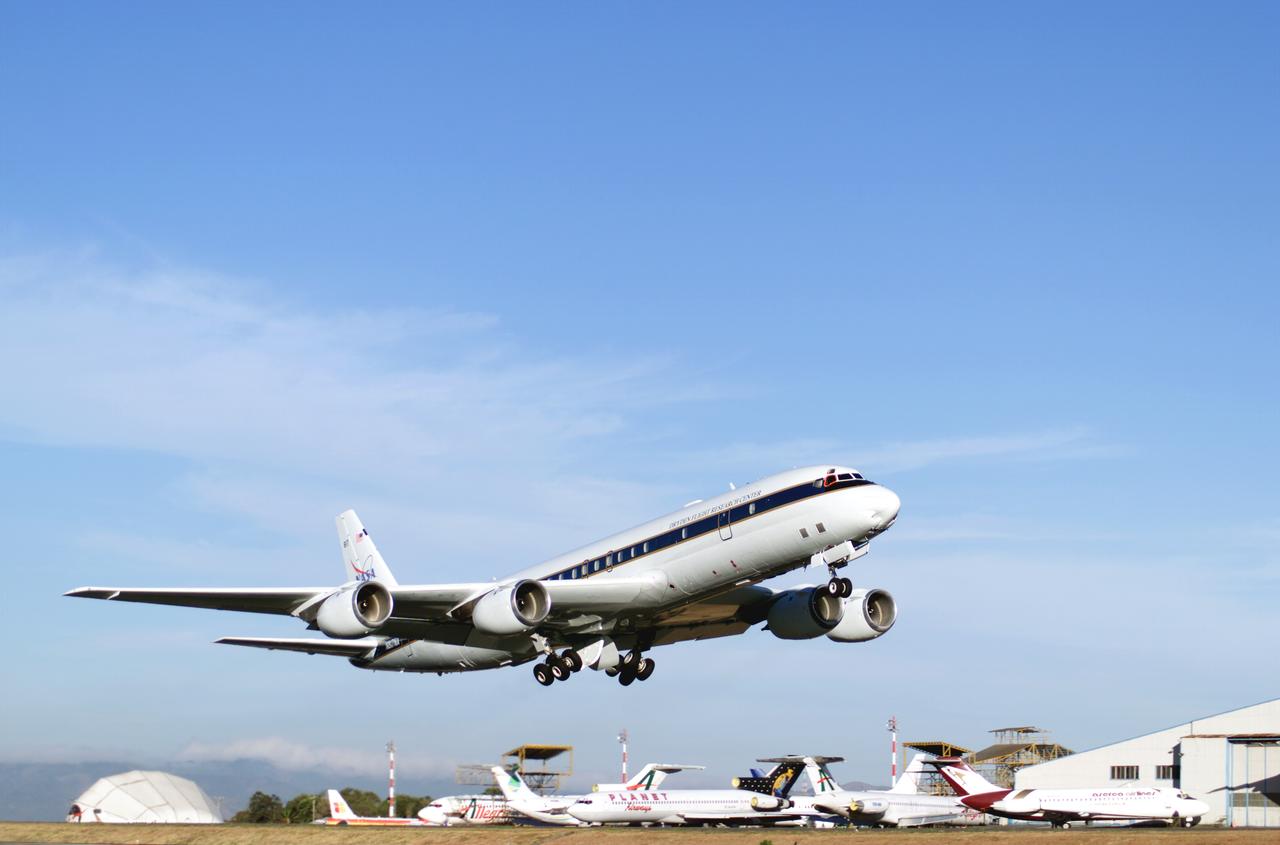
NASA's DC-8 flying laboratory takes off from Juan Santamaria International Airport in San Jose, Costa Rica, on NASA's AirSAR 2004 campaign. AirSAR 2004 is a three-week expedition by an international team of scientists that will use an all-weather imaging tool, called the Airborne Synthetic Aperture Radar (AirSAR), in a mission ranging from the tropical rain forests of Central America to frigid Antarctica.
NASA's DC-8 flying laboratory takes off from Juan Santamaria International Airport in San Jose, Costa Rica, on NASA's AirSAR 2004 campaign
The 9x15 low speed tunnel tests take off and landing of aircraft.  The laser velocimetry system for flow measurement show here, with the color blue and green lasers, measures engine exhaust that comes back up from the ground.  The STOVL model n the 9x15 low speed wind tunnel, building 39, is similar to the British Harrier aircraft.
STOVL (Short Take Off Vertical Landing) Phase III Hot Gas Ingestion Into Engine Intake Test in the 9x15 Low Speed Wind Tunnel
NASA's DC-8 flying laboratory takes off from Juan Santamaria International Airport in San Jose, Costa Rica, on NASA's AirSAR 2004 campaign. AirSAR 2004 is a three-week expedition by an international team of scientists that will use an all-weather imaging tool, called the Airborne Synthetic Aperture Radar (AirSAR), in a mission ranging from the tropical rain forests of Central America to frigid Antarctica.
NASA's DC-8 flying laboratory takes off from Juan Santamaria International Airport in San Jose, Costa Rica, on NASA's AirSAR 2004 campaign
F-15B ACTIVE in flight
NASA’s ER-2 takes off from its base of operations at NASA’s Armstrong Flight Research Center Building 703 in Palmdale, California to test instruments that will support upcoming science flights for the Geostationary Operational Environmental Satellite-R-series.
AFRC2016-0105-15
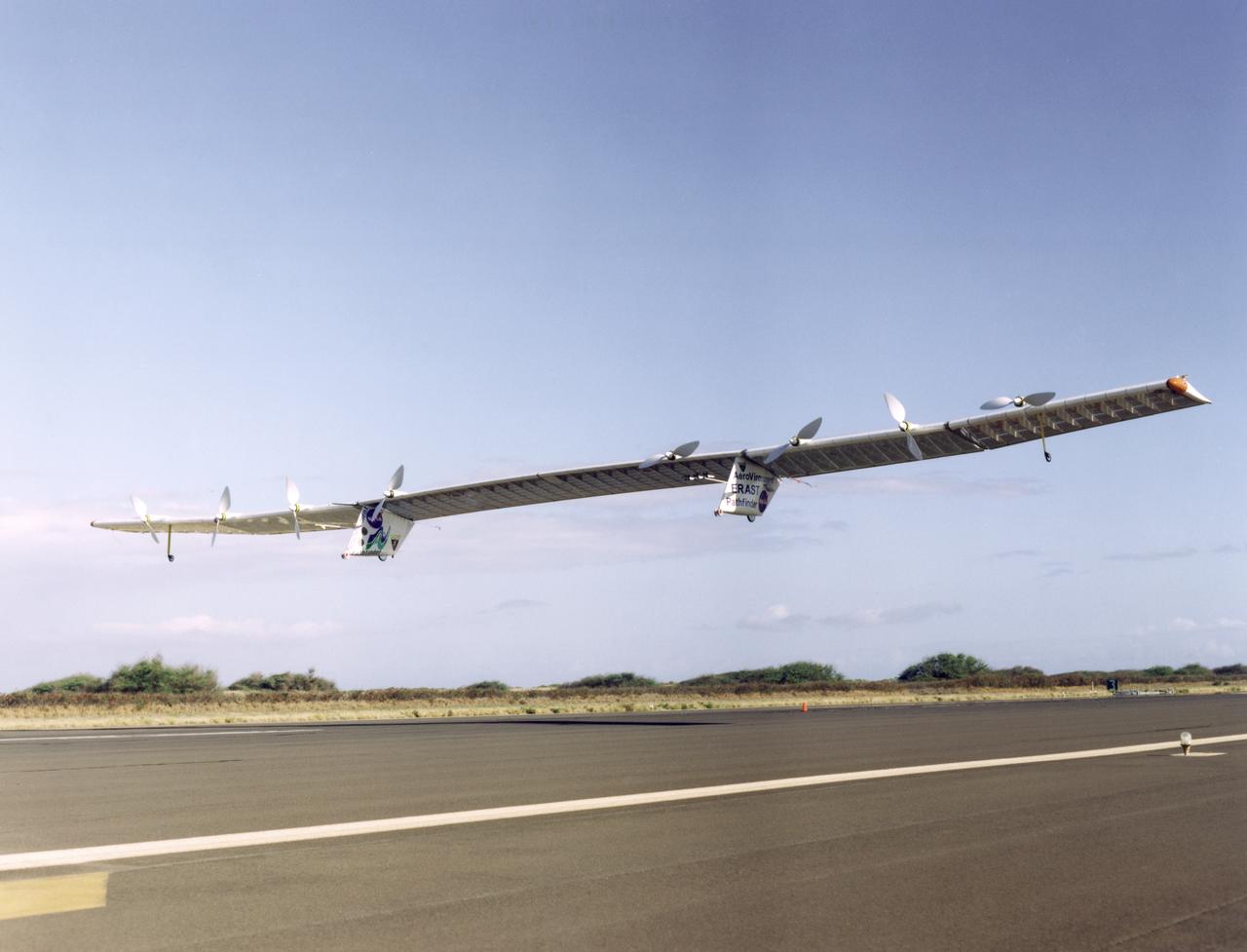
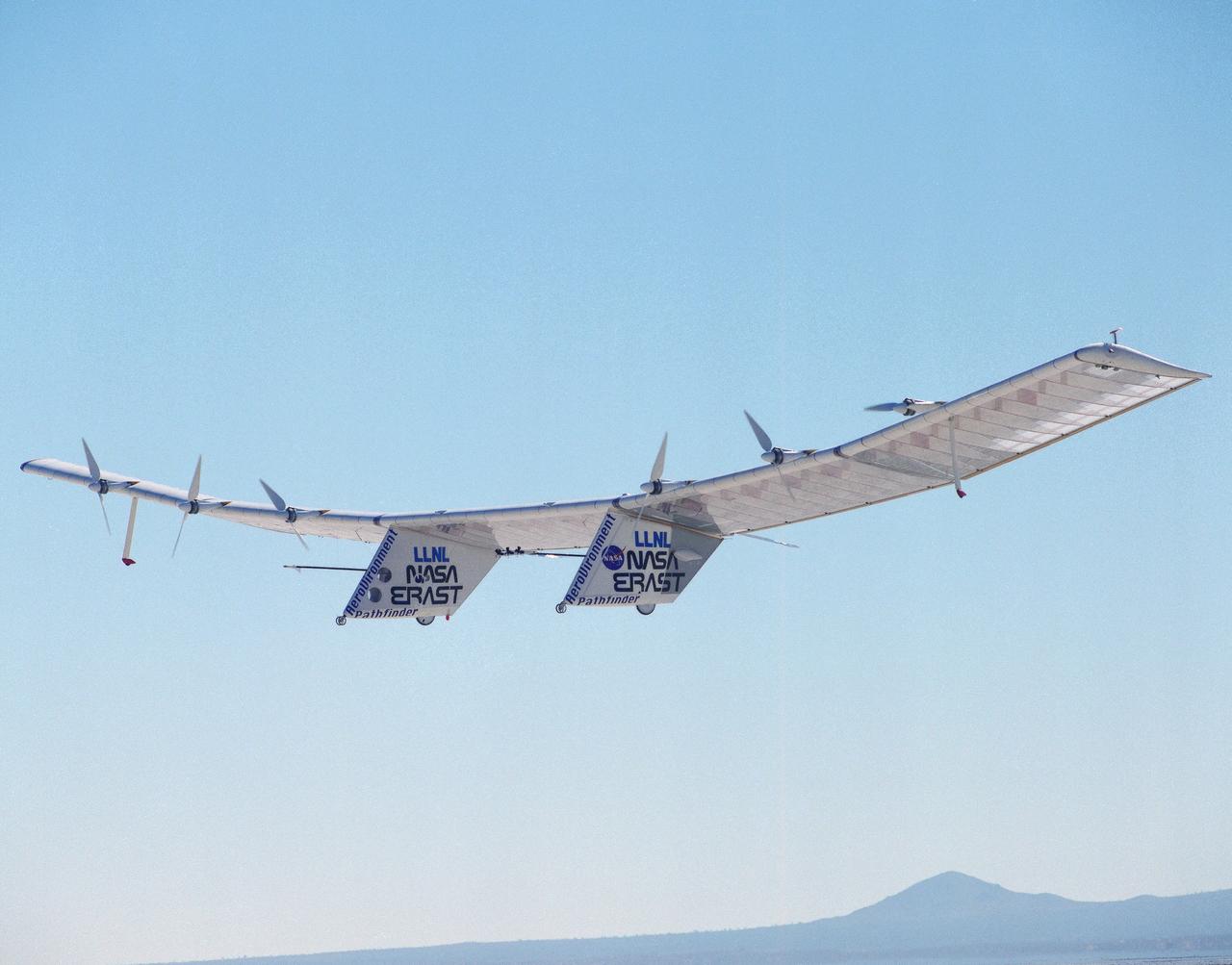
Pathfinder-Plus on a flight over Hawaii in 1998.
Pathfinder-Plus takes off on flight in Hawaii
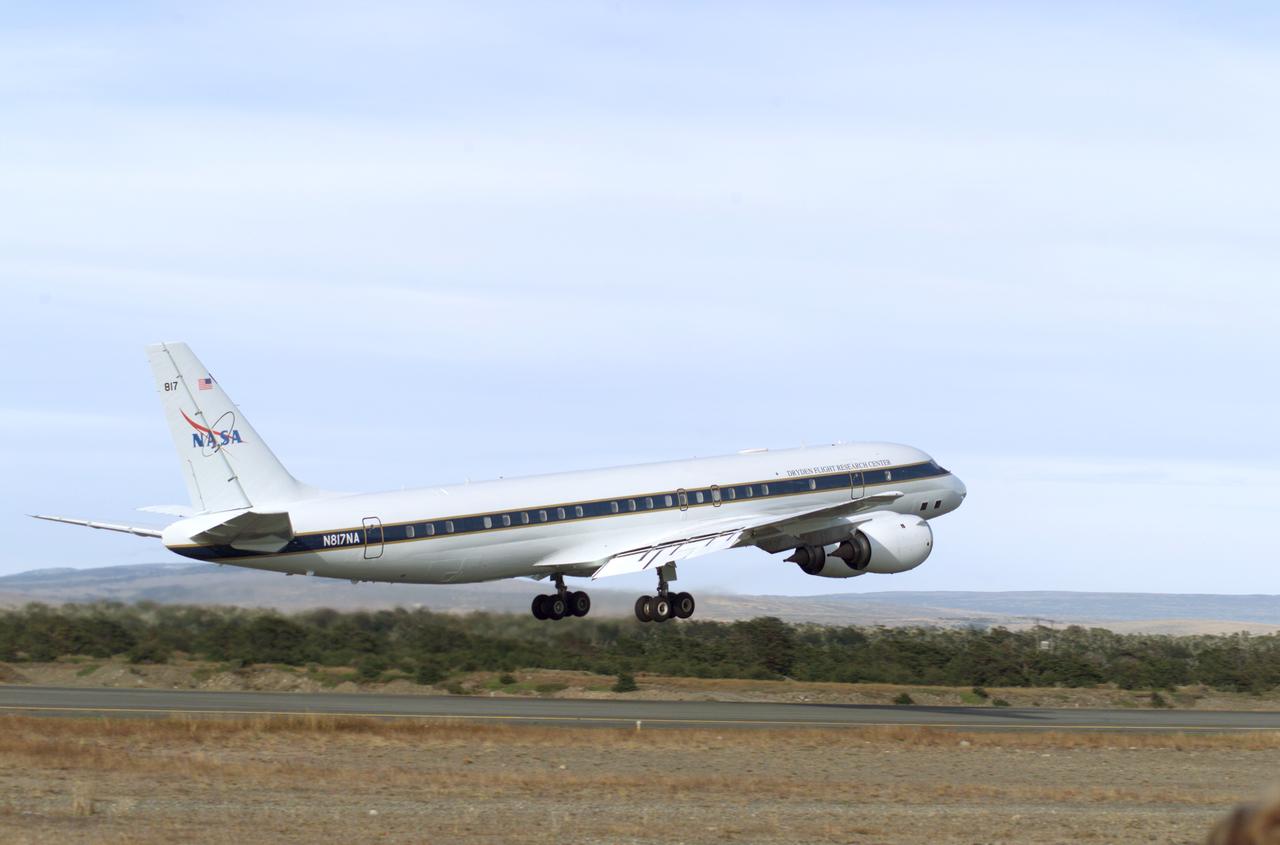
NASA's DC-8 flying laboratory takes off from Carlos Ibanez International Airport in Punta Arenas, Chile, during NASA's AirSAR 2004 campaign. AirSAR 2004 is a three-week expedition in Central and South America by an international team of scientists that is using an all-weather imaging tool, called the Airborne Synthetic Aperture Radar (AirSAR), located onboard NASA's DC-8 airborne laboratory. Scientists from many parts of the world are combining ground research with NASA's AirSAR technology to improve and expand on the quality of research they are able to conduct.
NASA's DC-8 flying laboratory takes off from Carlos Ibanez International Airport in Punta Arenas, Chile, during NASA's AirSAR 2004 campaign
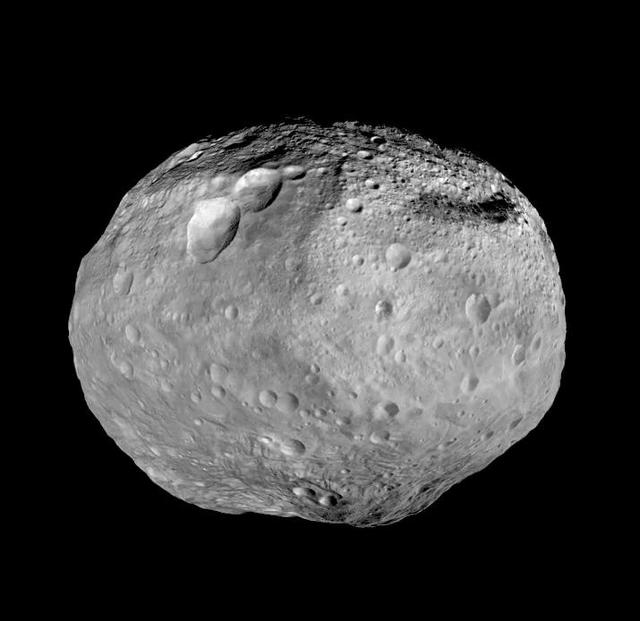
As NASA Dawn spacecraft takes off for its next destination, this mosaic synthesizes some of the best views the spacecraft had of the giant asteroid Vesta. The set of three craters known as the nowman can be seen at the top left.
Full View of Vesta
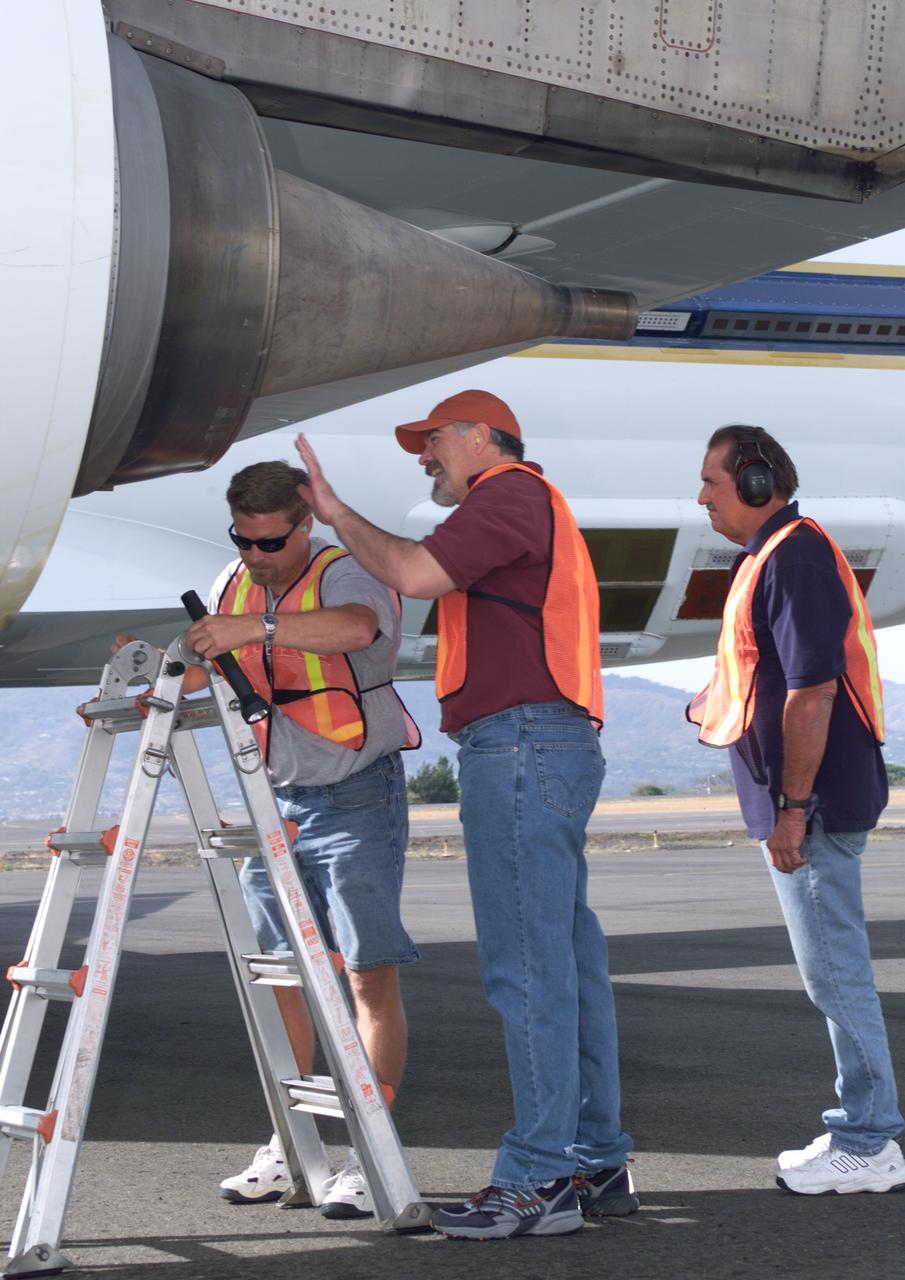
NASA Dryden DC-8 maintenance crew members inspect the aircraft prior to take-off. L-R; Scott Silver, Paul Ristrim and Mike Lakowski. AirSAR 2004 Mesoamerica is a three-week expedition by an international team of scientists that uses an all-weather imaging tool, called the Airborne Synthetic Aperture Radar (AirSAR) which is located onboard NASA's DC-8 airborne laboratory. Scientists from many parts of the world including NASA's Jet Propulsion Laboratory are combining ground research done in several areas in Central America with NASA's AirSAR technology to improve and expand on the quality of research they are able to conduct.  The radar, developed by NASA's Jet Propulsion Laboratory, can penetrate clouds and also collect data at night. Its high-resolution sensors operate at multiple wavelengths and modes, allowing AirSAR to see beneath treetops, through thin sand, and dry snow pack.  AirSAR's 2004 campaign is a collaboration of many U.S. and Central American institutions and scientists, including NASA; the National Science Foundation; the Smithsonian Institution; National Geographic; Conservation International; the Organization of Tropical Studies; the Central American Commission for Environment and Development; and the Inter-American Development Bank.
NASA Dryden DC-8 maintenance crew members inspect the aircraft prior to take-off for an AirSAR 2004 flight
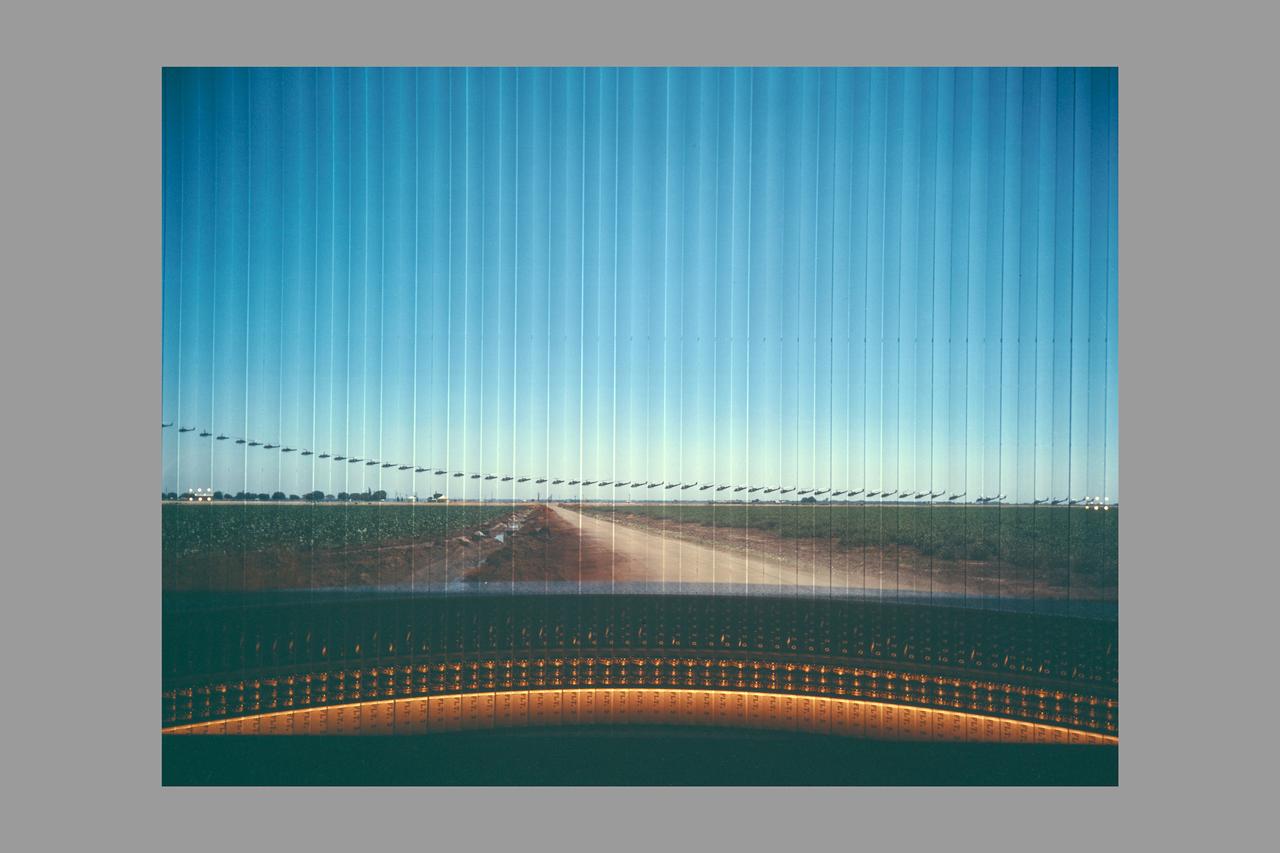
MAX Performance take-offs of helicopter at Crows Landing
ARC-1973-AC73-3482
MAX Performance take-offs of helicopter at Crows Landing
ARC-1973-AC73-3481
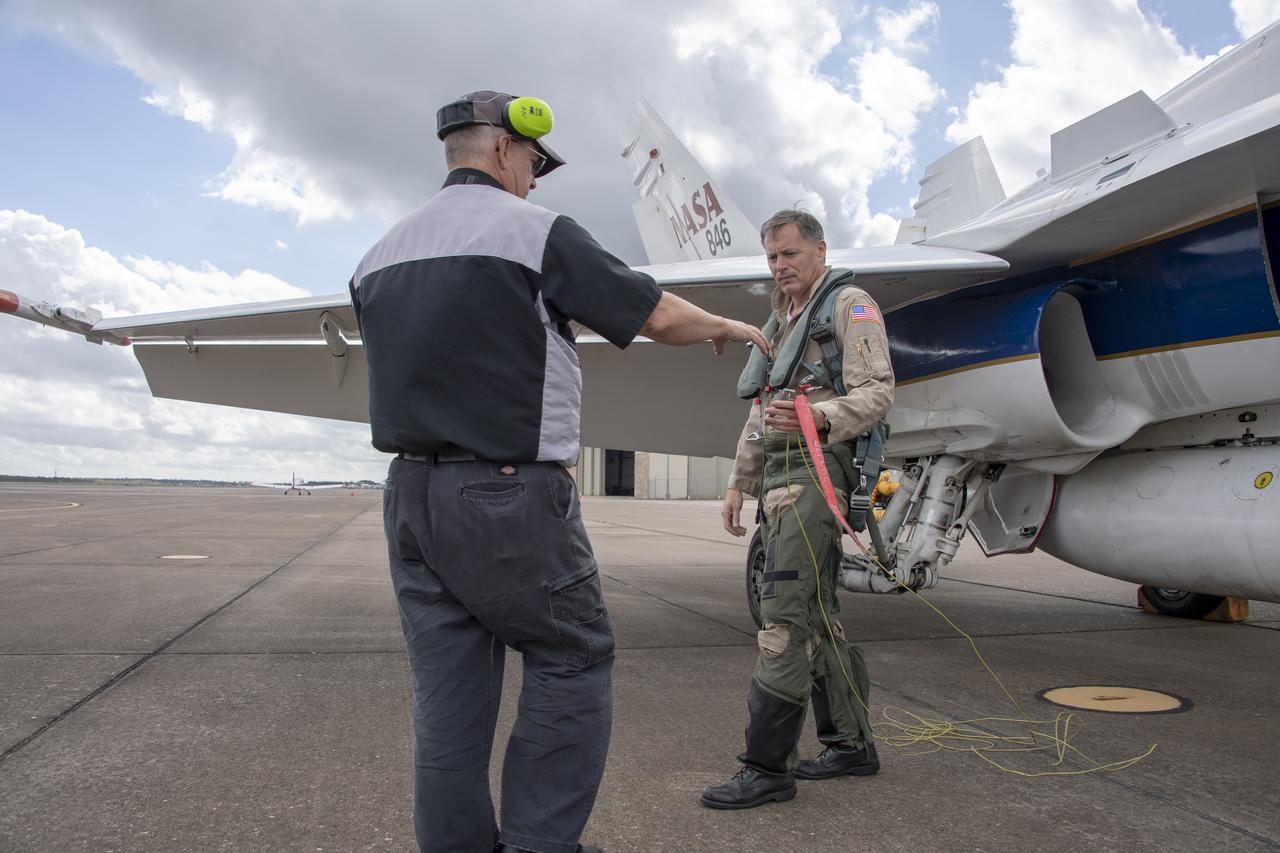
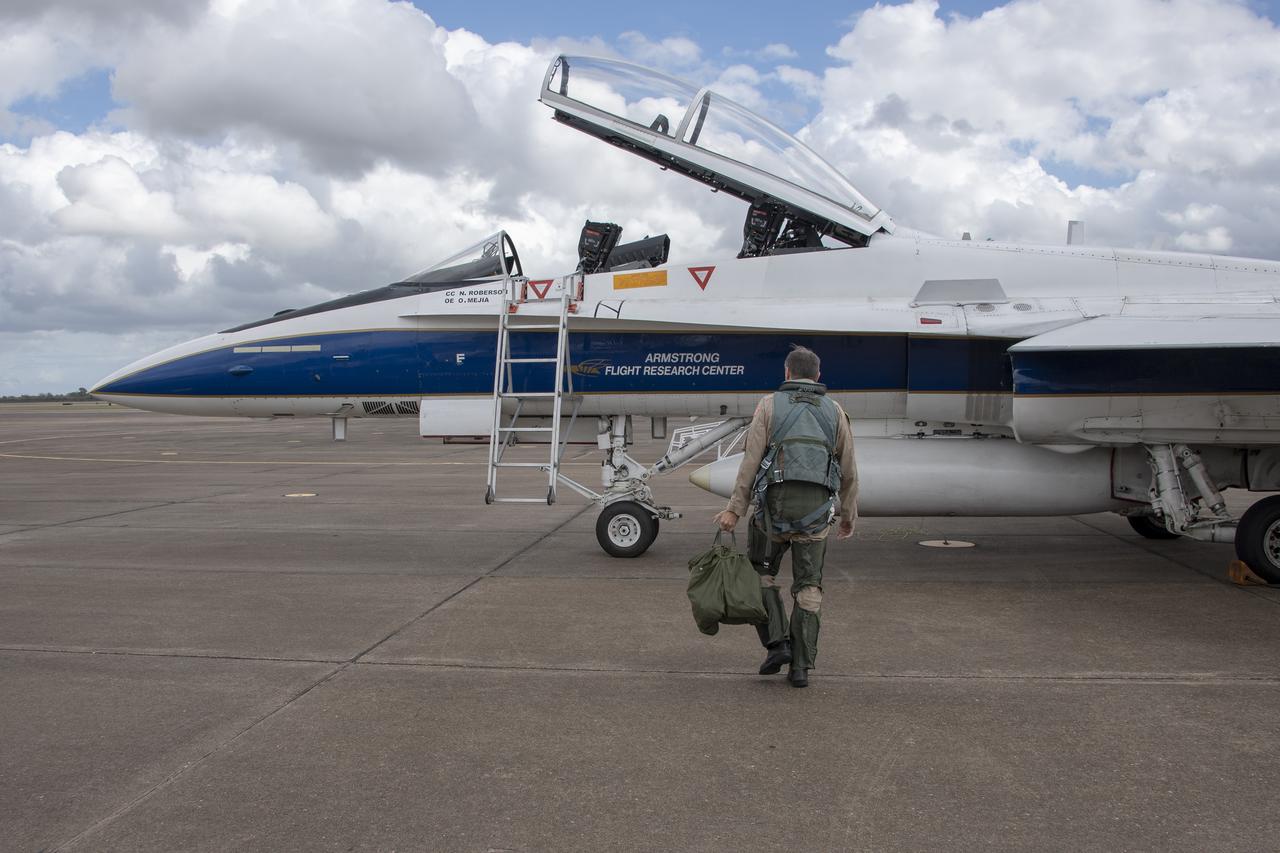
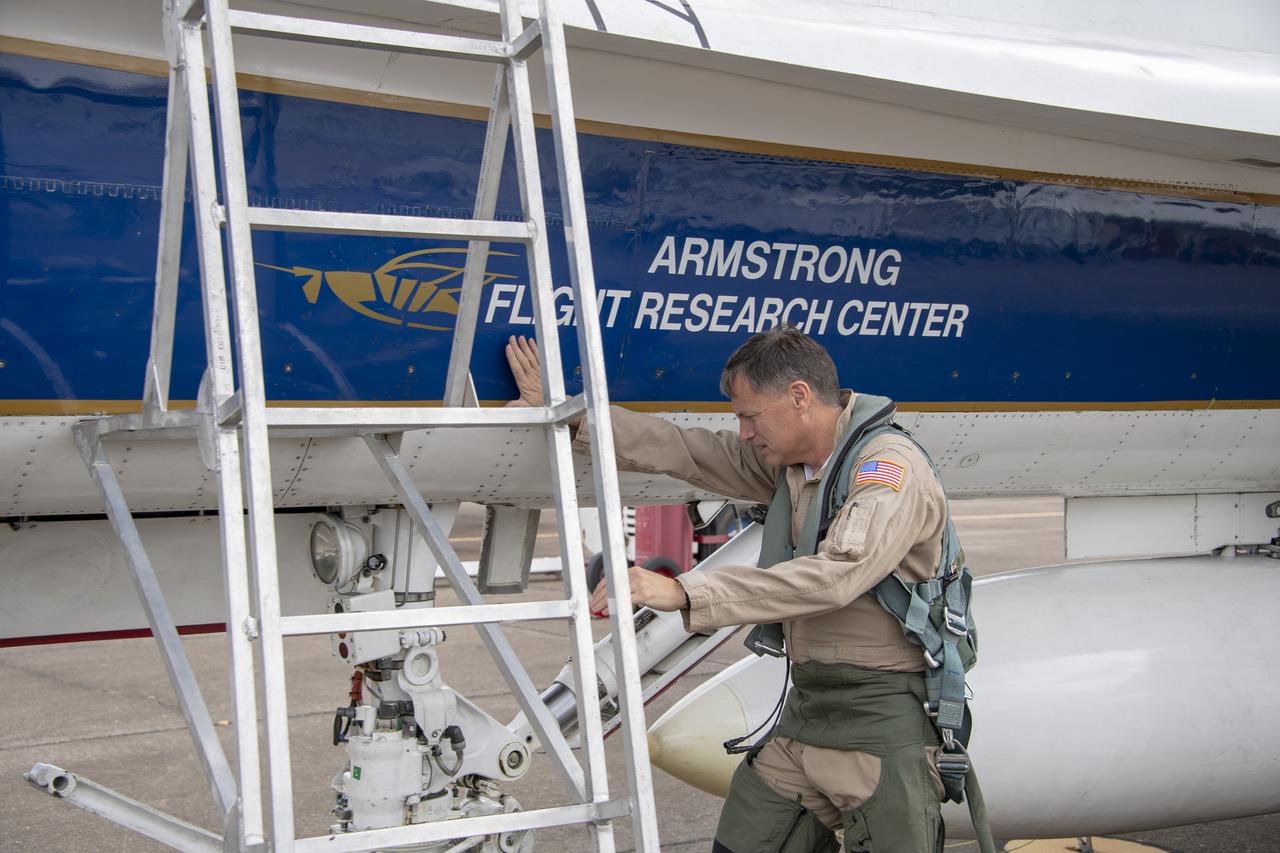
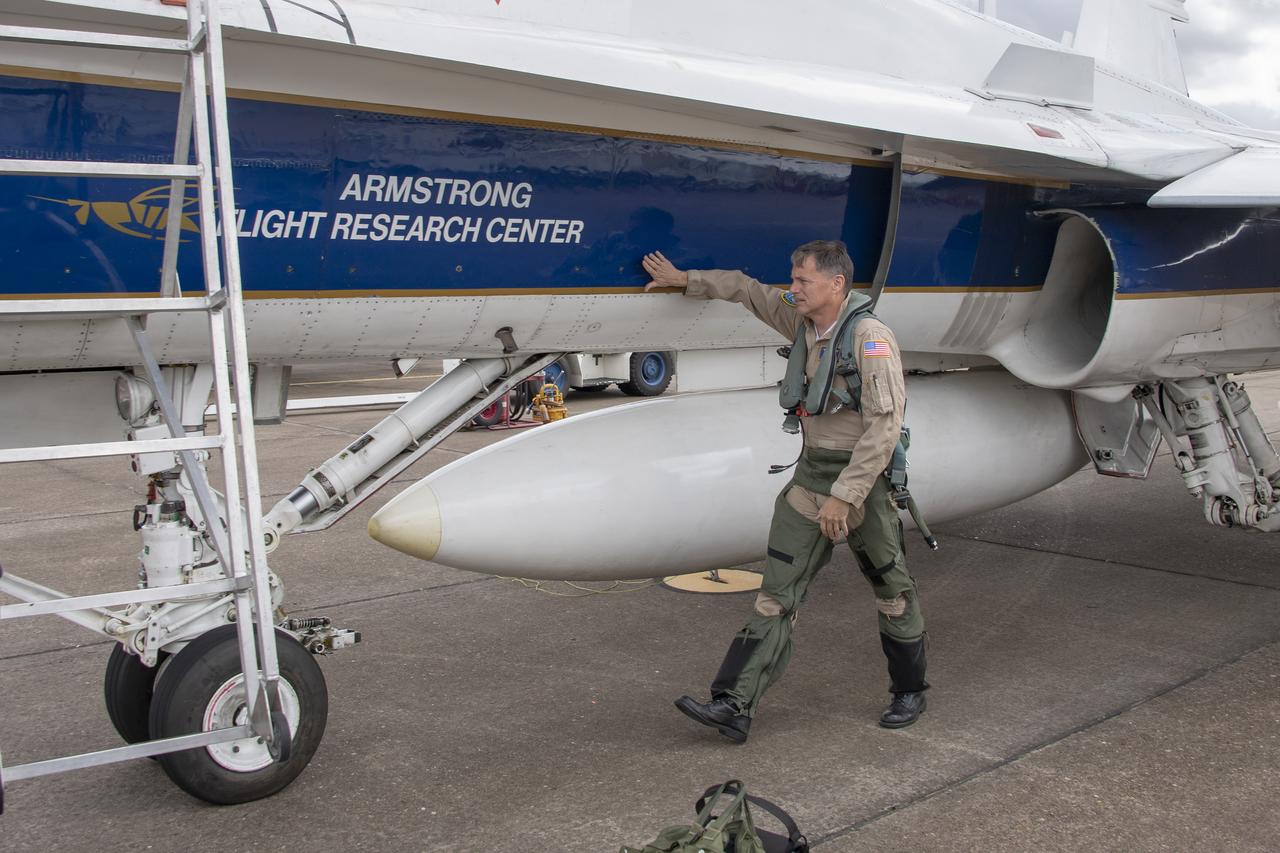
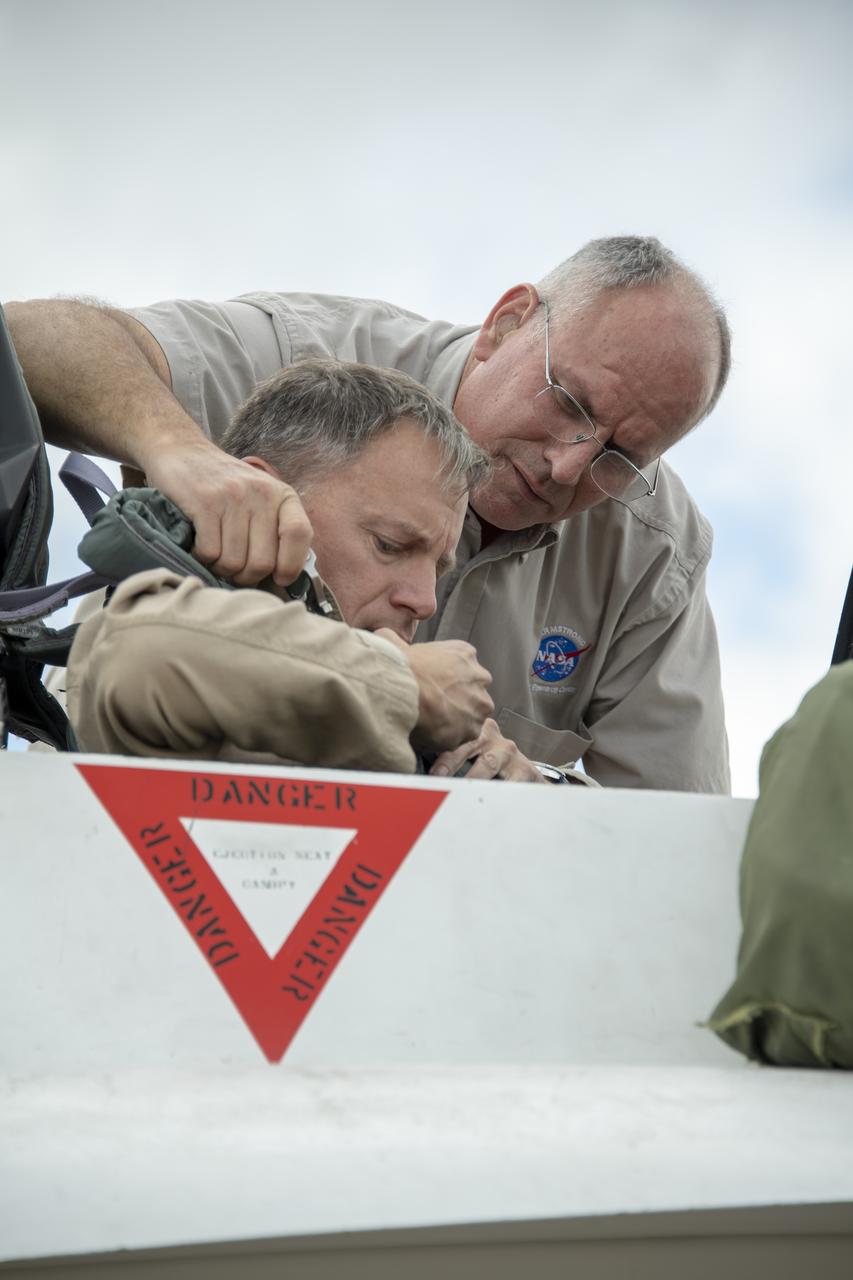
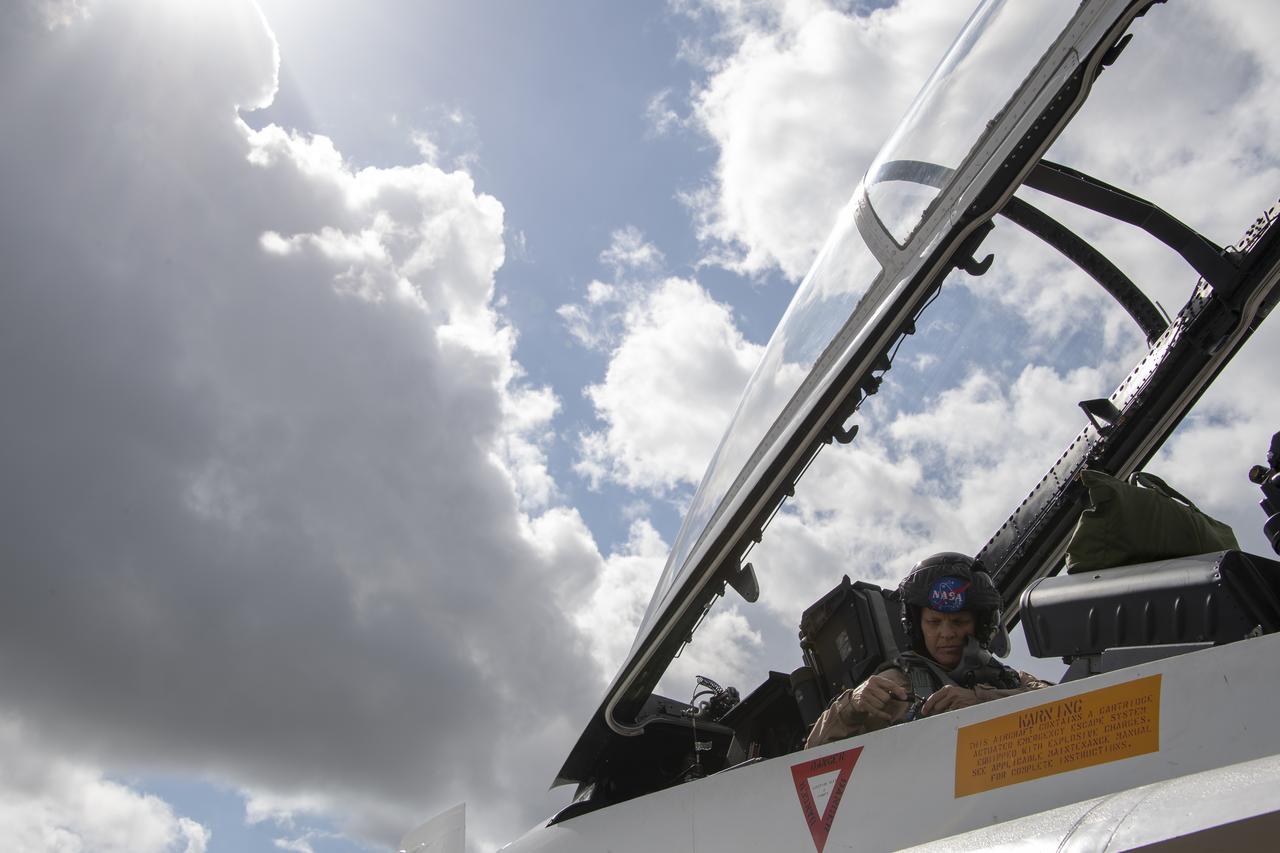
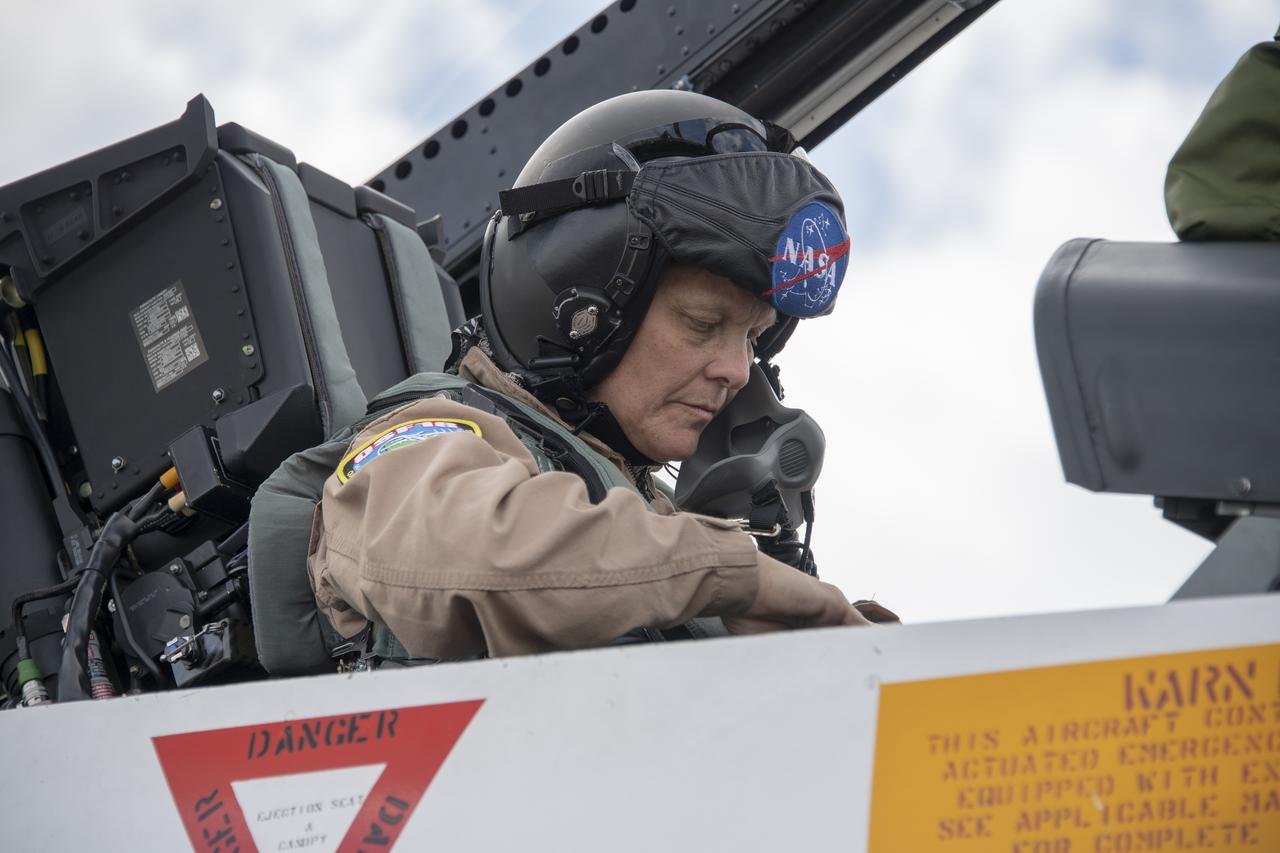
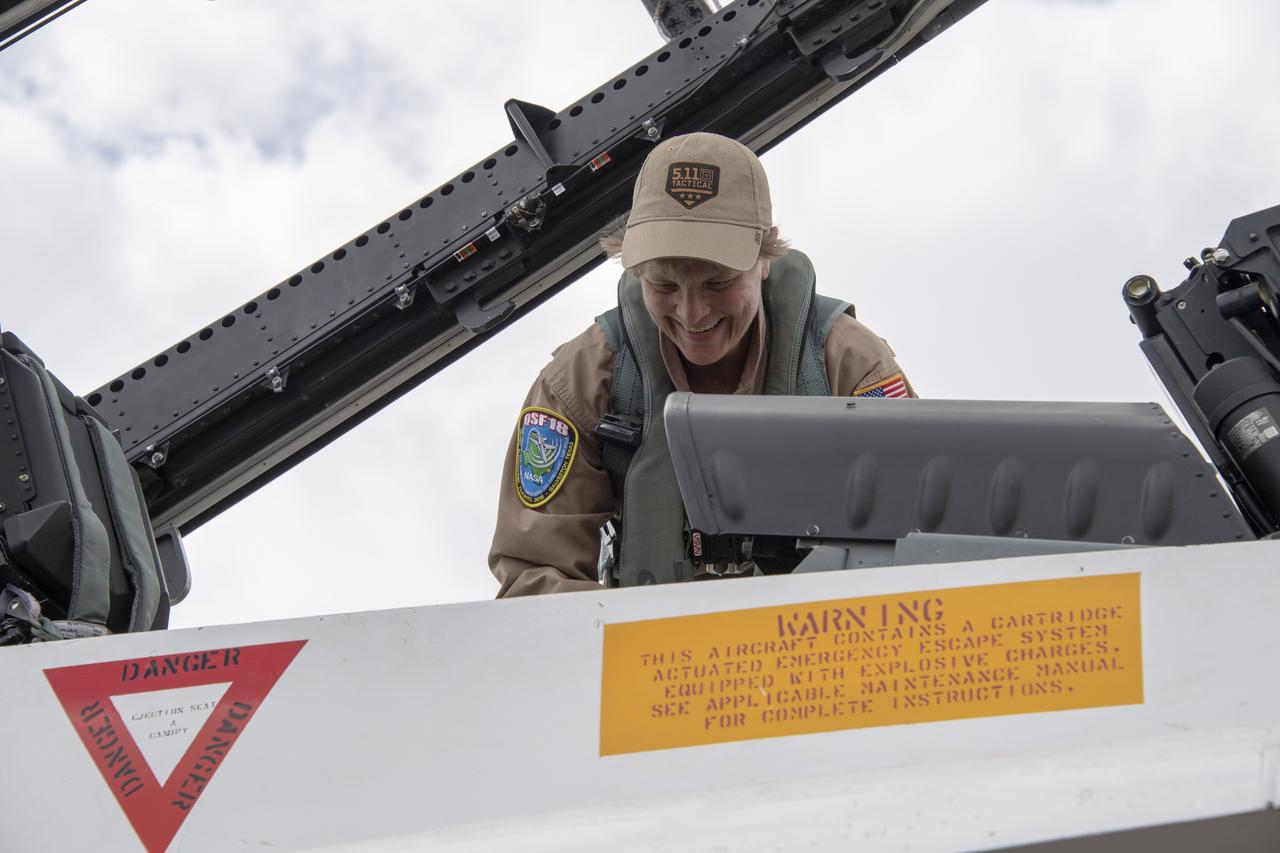
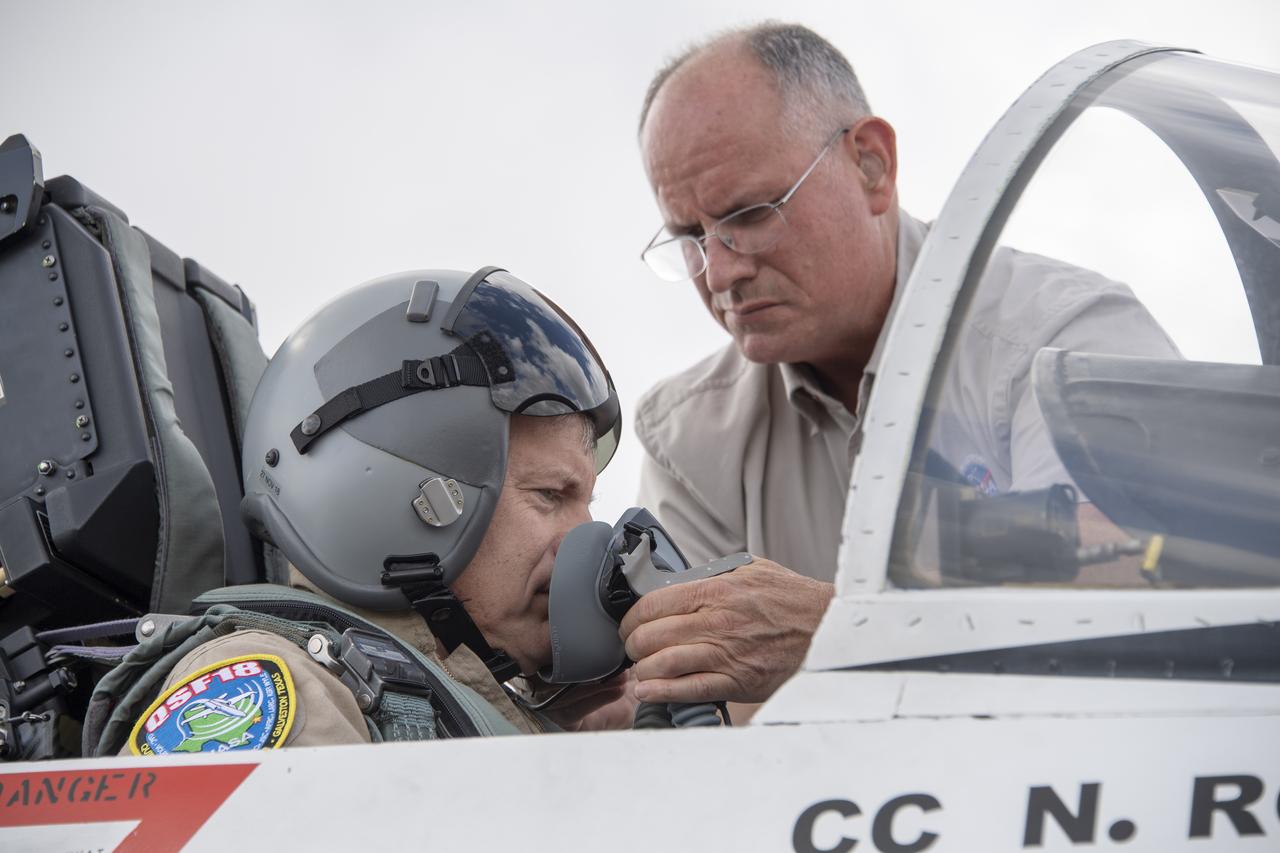
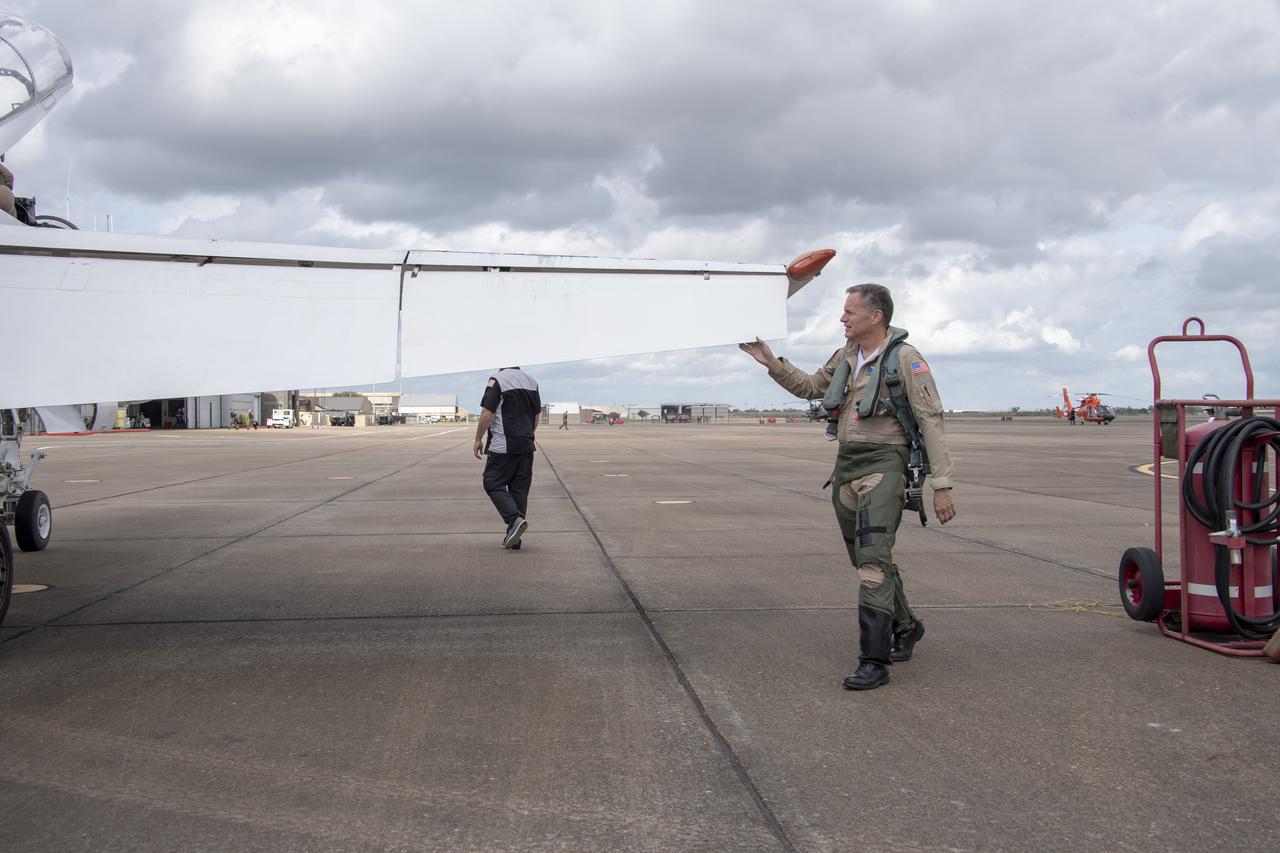
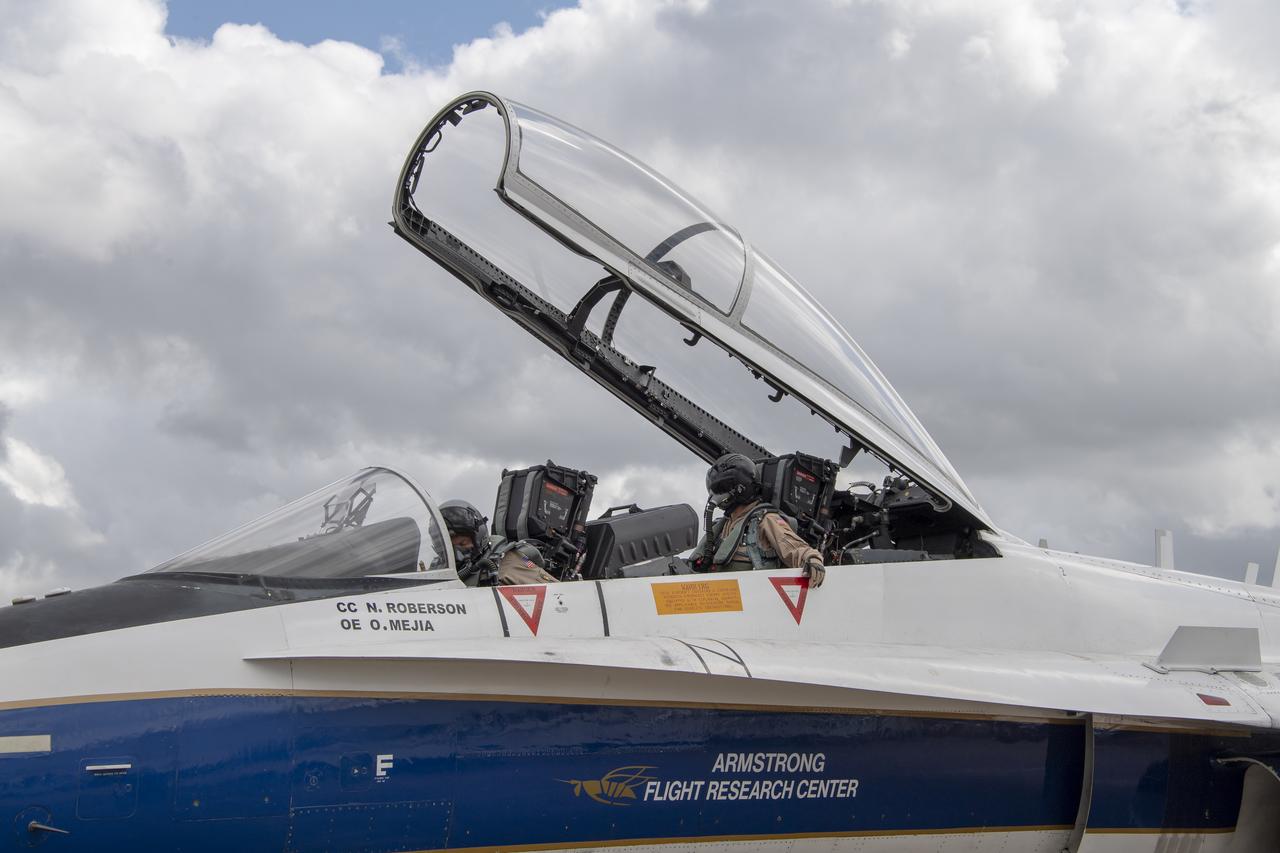
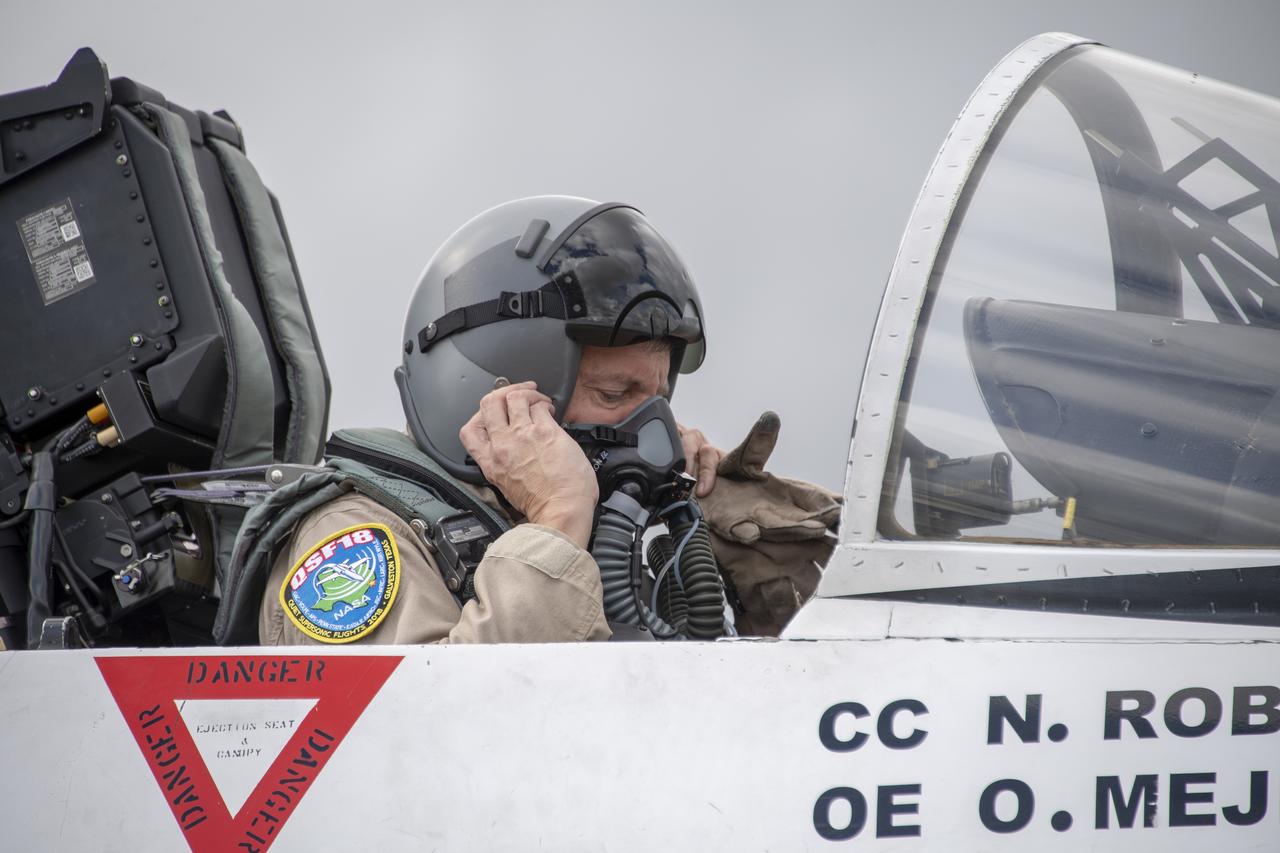
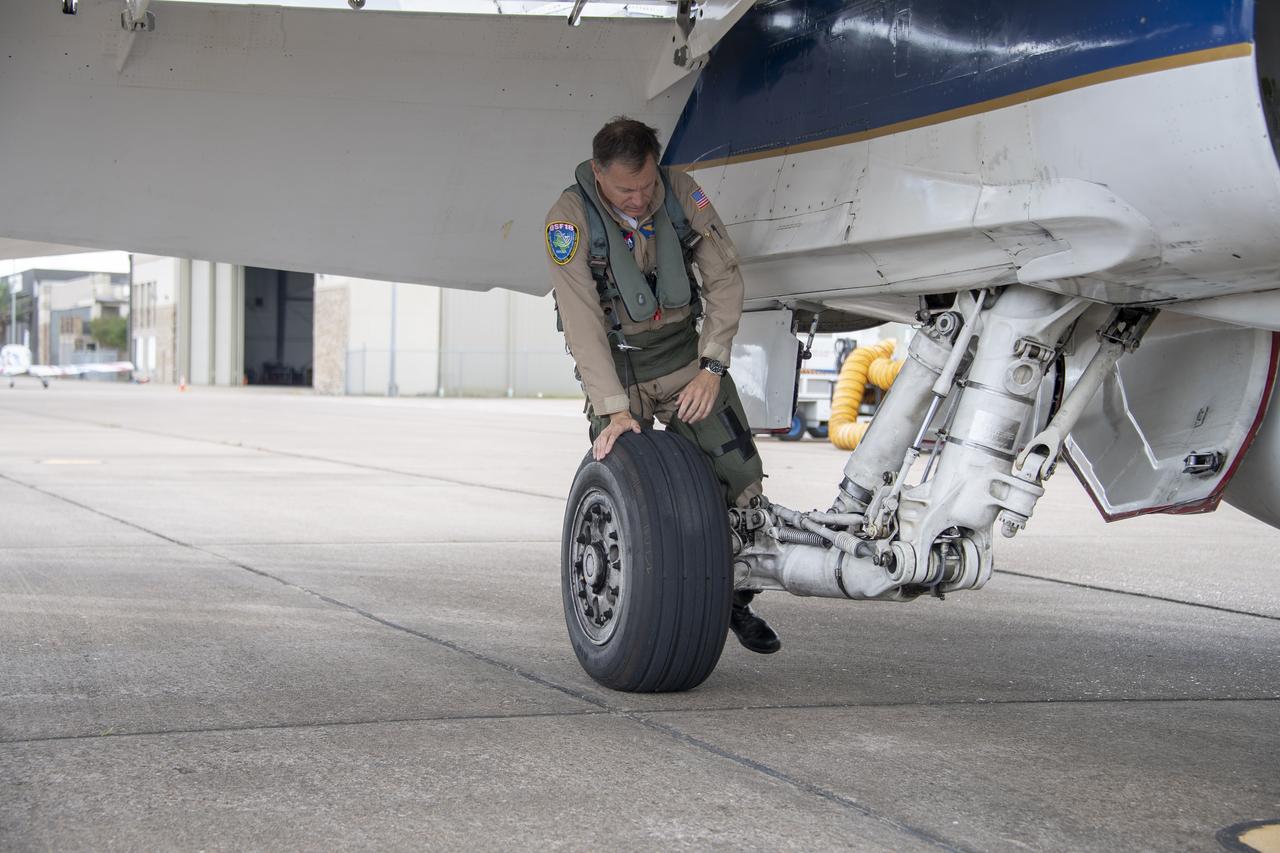
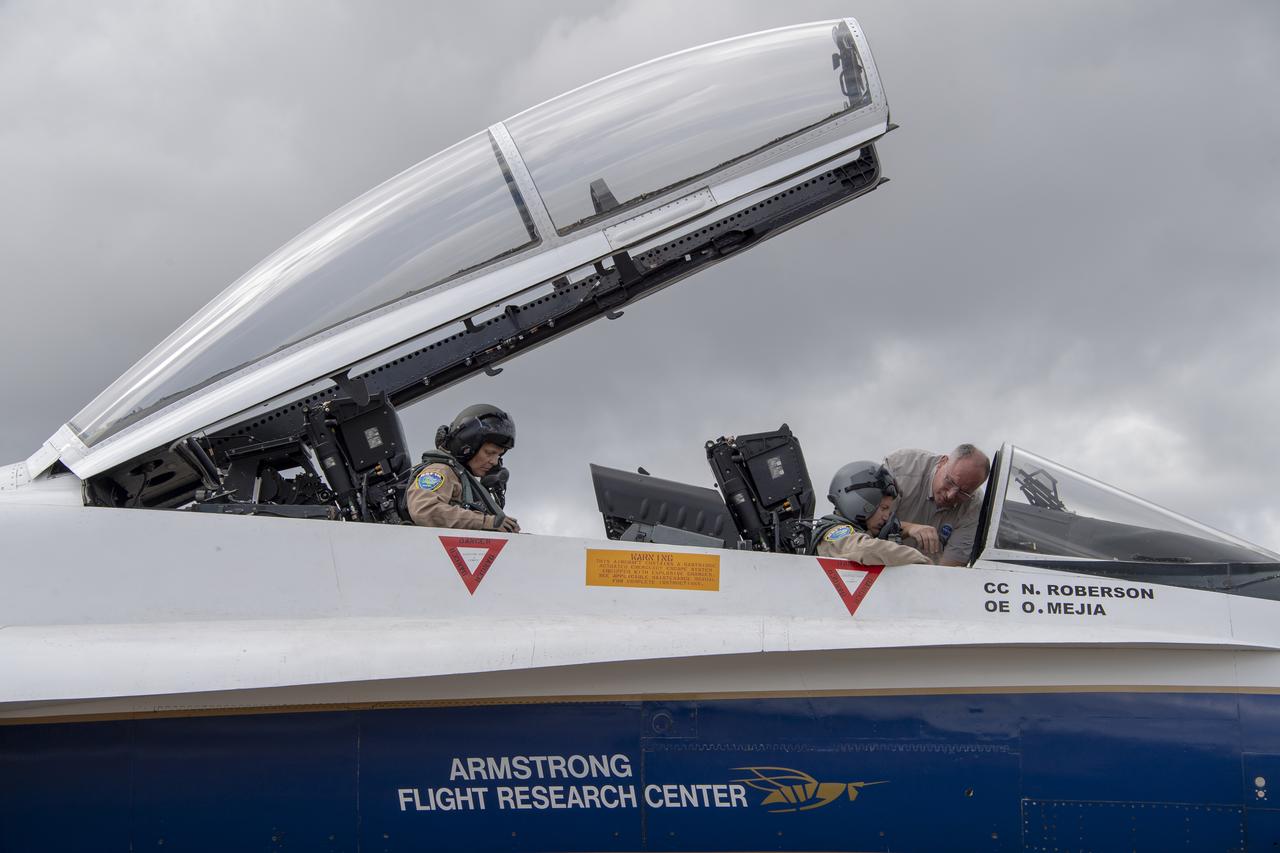
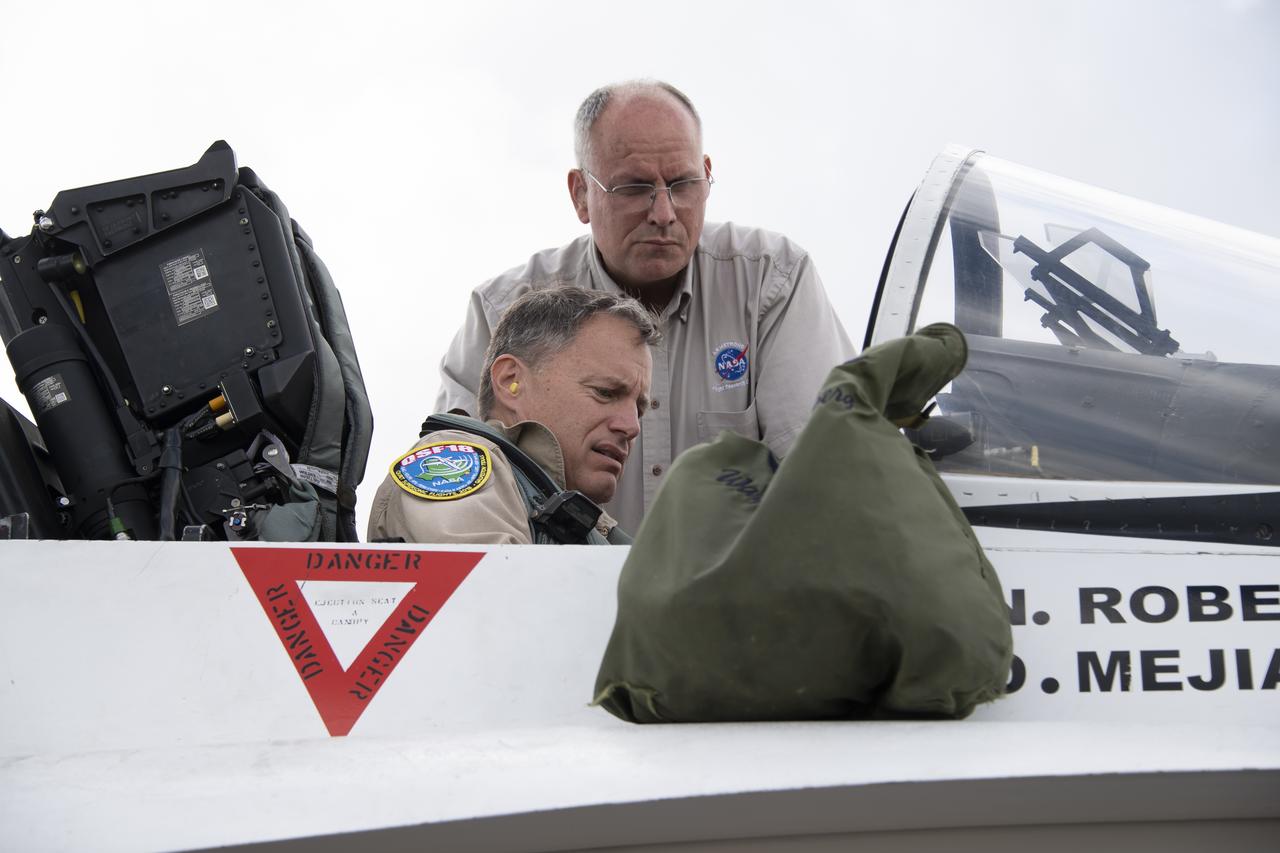
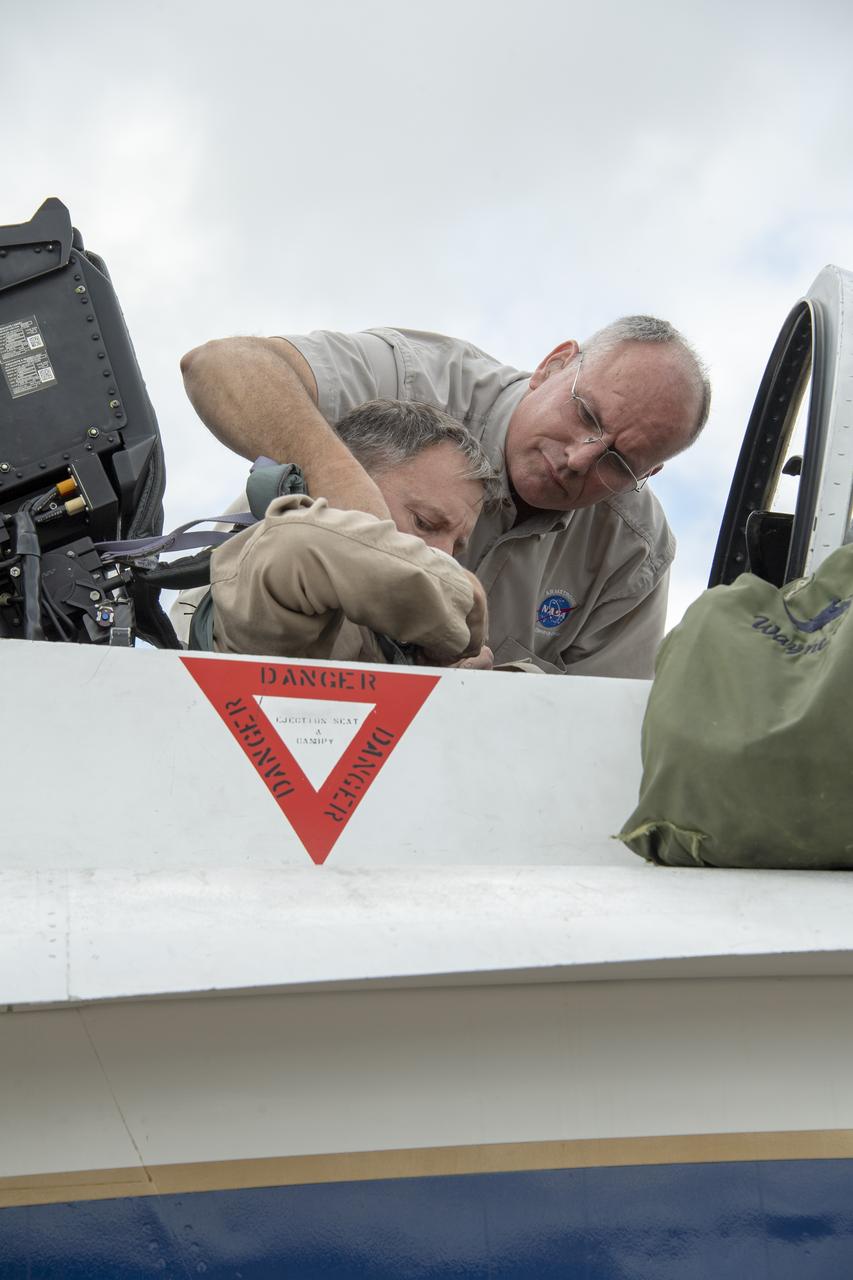
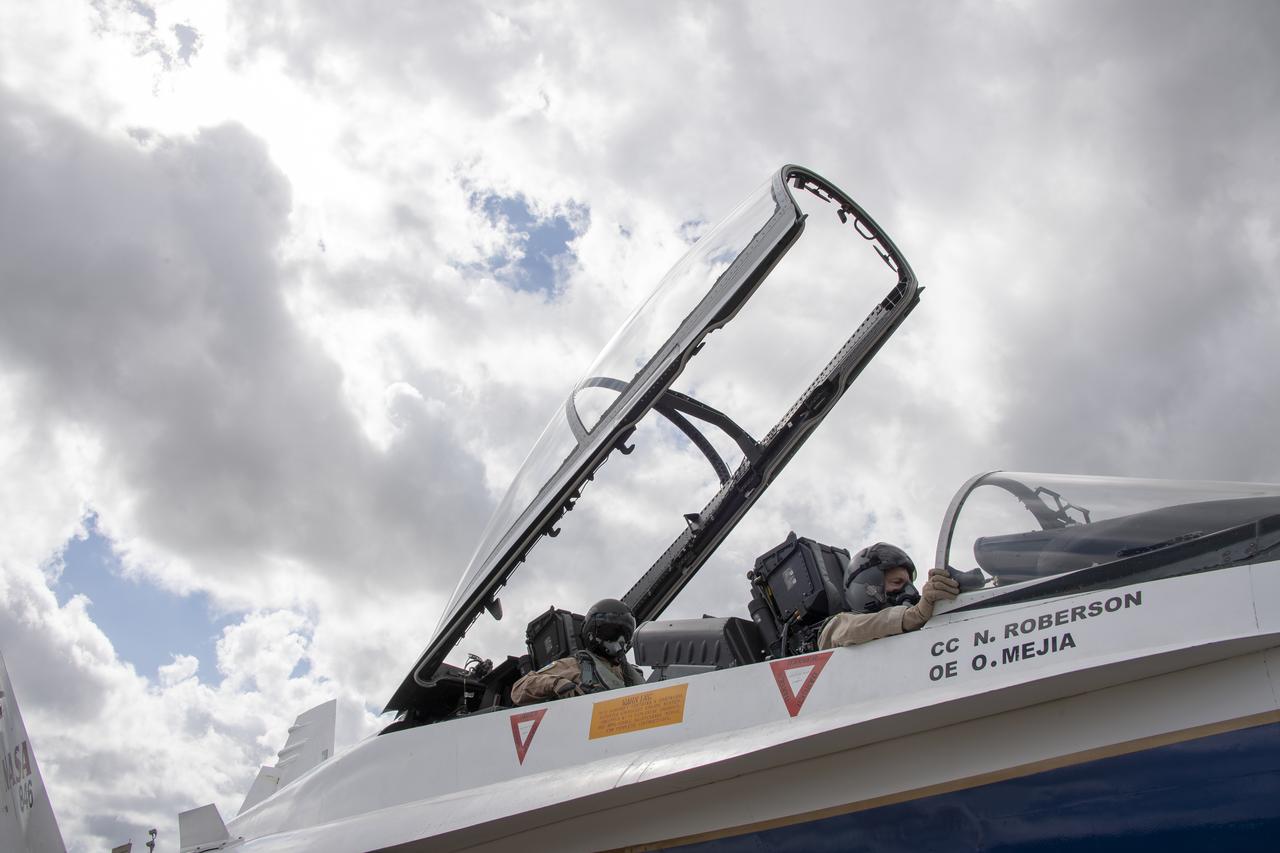
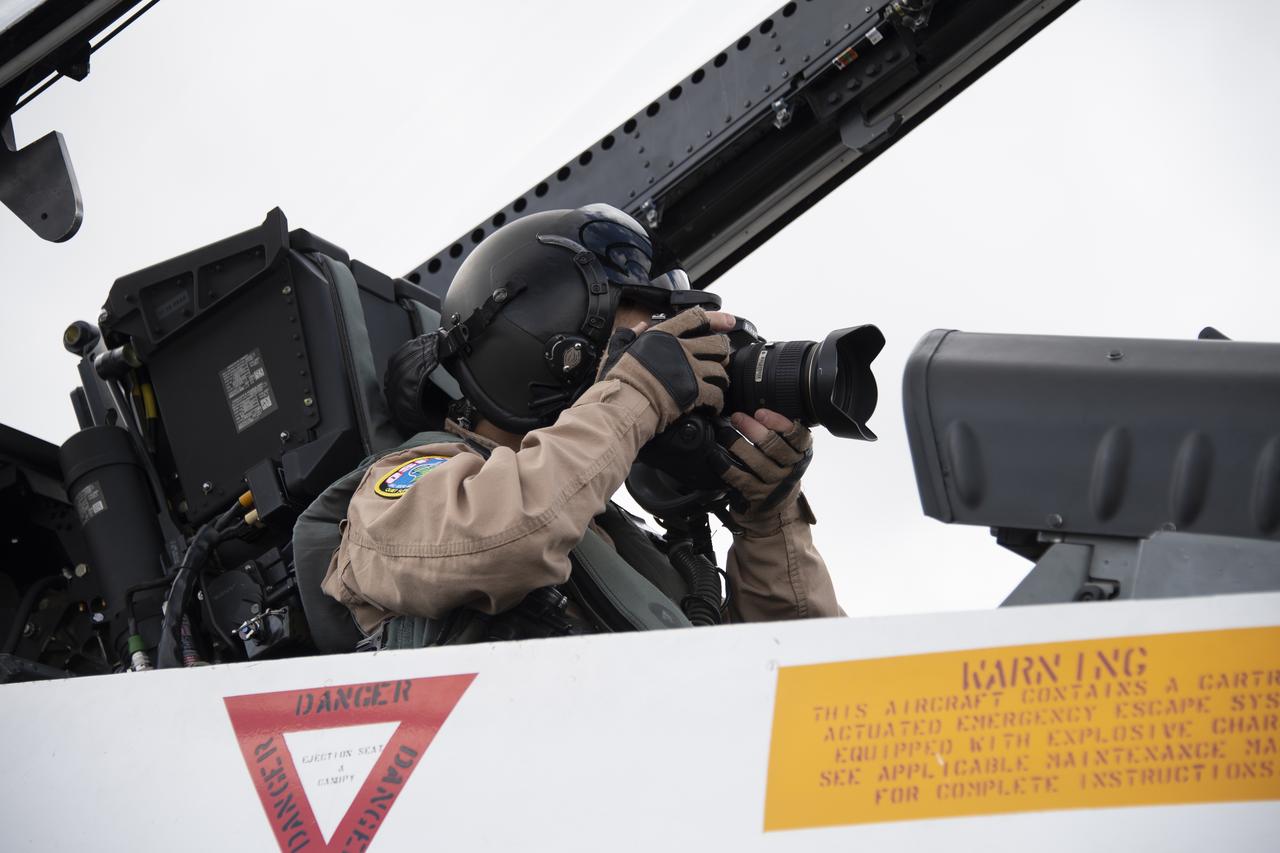
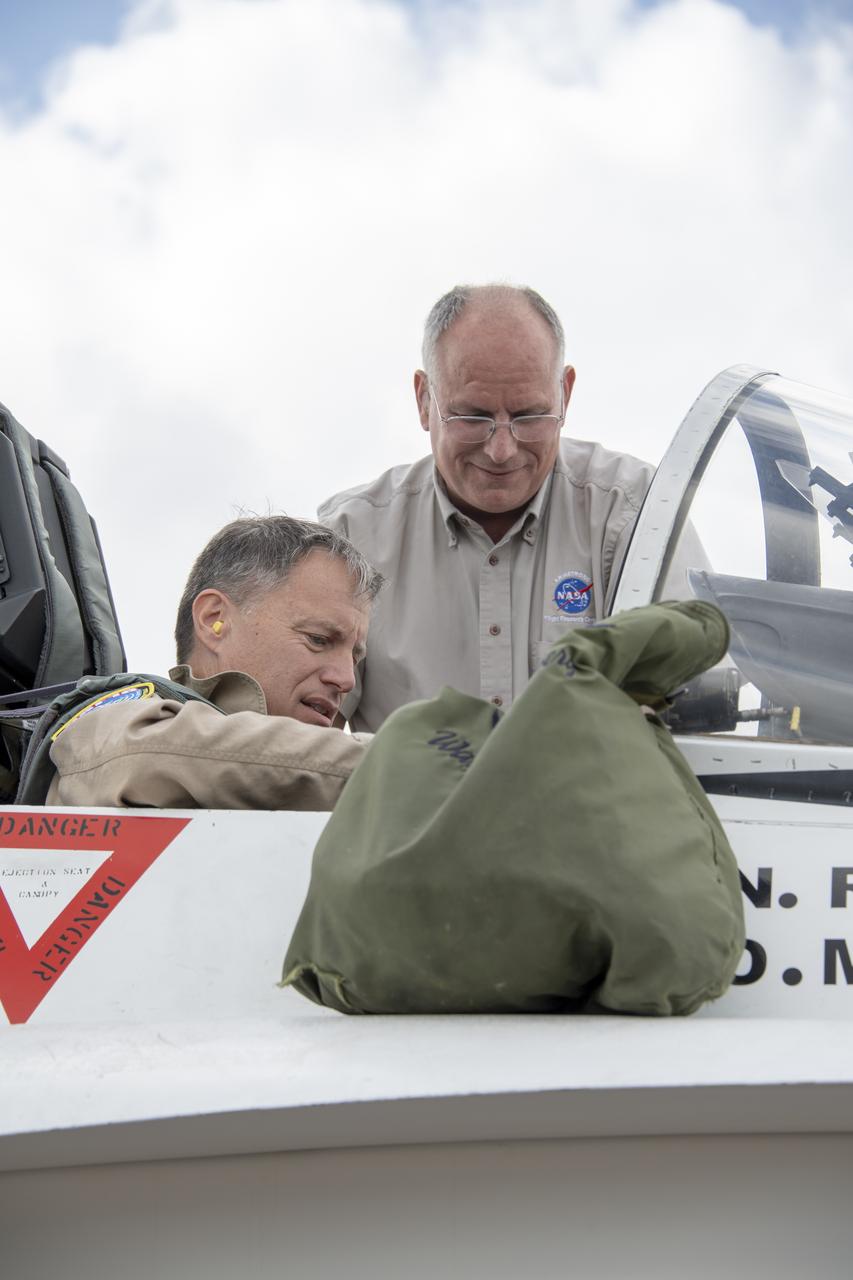
NASA test pilot Wayne “Ringo” Ringelberg and photographer Carla Thomas prepare to take off for a supersonic research flight in support of the QSF18 campaign off the coast of Texas. NASA photographers and videographers take part in operations to support mission documentation.
NASA F/A-18 Prepares for Supersonic Research Flight
NASA test pilot Wayne “Ringo” Ringelberg and photographer Carla Thomas prepare to take off for a supersonic research flight in support of the QSF18 campaign off the coast of Texas. NASA photographers and videographers take part in operations to support mission documentation.
NASA F/A-18 Prepares for Supersonic Research Flight
NASA test pilot Wayne “Ringo” Ringelberg and photographer Carla Thomas prepare to take off for a supersonic research flight in support of the QSF18 campaign off the coast of Texas. NASA photographers and videographers take part in operations to support mission documentation.
NASA F/A-18 Prepares for Supersonic Research Flight
NASA test pilot Wayne “Ringo” Ringelberg and photographer Carla Thomas prepare to take off for a supersonic research flight in support of the QSF18 campaign off the coast of Texas. NASA photographers and videographers take part in operations to support mission documentation.
NASA F/A-18 Prepares for Supersonic Research Flight
NASA test pilot Wayne “Ringo” Ringelberg and photographer Carla Thomas prepare to take off for a supersonic research flight in support of the QSF18 campaign off the coast of Texas. NASA photographers and videographers take part in operations to support mission documentation.
NASA F/A-18 Prepares for Supersonic Research Flight
NASA test pilot Wayne “Ringo” Ringelberg and photographer Carla Thomas prepare to take off for a supersonic research flight in support of the QSF18 campaign off the coast of Texas. NASA photographers and videographers take part in operations to support mission documentation.
NASA F/A-18 Prepares for Supersonic Research Flight
NASA test pilot Wayne “Ringo” Ringelberg and photographer Carla Thomas prepare to take off for a supersonic research flight in support of the QSF18 campaign off the coast of Texas. NASA photographers and videographers take part in operations to support mission documentation.
NASA F/A-18 Prepares for Supersonic Research Flight
NASA test pilot Wayne "Ringo" Ringelberg and photographer Carla Thomas prepare to take off for a supersonic research flight in support of the QSF18 campaign off the coast of Texas. NASA photographers and videographers take part in operations to support mission documentation.
NASA F/A-18 Prepares for Supersonic Research Flight
NASA test pilot Wayne “Ringo” Ringelberg and photographer Carla Thomas prepare to take off for a supersonic research flight in support of the QSF18 campaign off the coast of Texas. NASA photographers and videographers take part in operations to support mission documentation.
NASA F/A-18 Prepares for Supersonic Research Flight
NASA test pilot Wayne “Ringo” Ringelberg and photographer Carla Thomas prepare to take off for a supersonic research flight in support of the QSF18 campaign off the coast of Texas. NASA photographers and videographers take part in operations to support mission documentation.
NASA F/A-18 Prepares for Supersonic Research Flight
NASA test pilot Wayne “Ringo” Ringelberg and photographer Carla Thomas prepare to take off for a supersonic research flight in support of the QSF18 campaign off the coast of Texas. NASA photographers and videographers take part in operations to support mission documentation.
NASA F/A-18 Prepares for Supersonic Research Flight
NASA test pilot Wayne “Ringo” Ringelberg and photographer Carla Thomas prepare to take off for a supersonic research flight in support of the QSF18 campaign off the coast of Texas. NASA photographers and videographers take part in operations to support mission documentation.
NASA F/A-18 Prepares for Supersonic Research Flight
NASA test pilot Wayne “Ringo” Ringelberg and photographer Carla Thomas prepare to take off for a supersonic research flight in support of the QSF18 campaign off the coast of Texas. NASA photographers and videographers take part in operations to support mission documentation.
NASA F/A-18 Prepares for Supersonic Research Flight
NASA test pilot Wayne "Ringo" Ringelberg and photographer Carla Thomas prepare to take off for a supersonic research flight in support of the QSF18 campaign off the coast of Texas. NASA photographers and videographers take part in operations to support mission documentation.
NASA F/A-18 Prepares for Supersonic Research Flight
NASA test pilot Wayne “Ringo” Ringelberg and photographer Carla Thomas prepare to take off for a supersonic research flight in support of the QSF18 campaign off the coast of Texas. NASA photographers and videographers take part in operations to support mission documentation.
NASA F/A-18 Prepares for Supersonic Research Flight
NASA test pilot Wayne “Ringo” Ringelberg and photographer Carla Thomas prepare to take off for a supersonic research flight in support of the QSF18 campaign off the coast of Texas. NASA photographers and videographers take part in operations to support mission documentation.
NASA F/A-18 Prepares for Supersonic Research Flight
NASA test pilot Wayne “Ringo” Ringelberg and photographer Carla Thomas prepare to take off for a supersonic research flight in support of the QSF18 campaign off the coast of Texas. NASA photographers and videographers take part in operations to support mission documentation.
NASA F/A-18 Prepares for Supersonic Research Flight
NASA test pilot Wayne “Ringo” Ringelberg and photographer Carla Thomas prepare to take off for a supersonic research flight in support of the QSF18 campaign off the coast of Texas. NASA photographers and videographers take part in operations to support mission documentation.
NASA F/A-18 Prepares for Supersonic Research Flight
NASA test pilot Wayne “Ringo” Ringelberg and photographer Carla Thomas prepare to take off for a supersonic research flight in support of the QSF18 campaign off the coast of Texas. NASA photographers and videographers take part in operations to support mission documentation.
NASA F/A-18 Prepares for Supersonic Research Flight
NASA test pilot Wayne “Ringo” Ringelberg and photographer Carla Thomas prepare to take off for a supersonic research flight in support of the QSF18 campaign off the coast of Texas. NASA photographers and videographers take part in operations to support mission documentation.
NASA F/A-18 Prepares for Supersonic Research Flight
NASA test pilot Wayne “Ringo” Ringelberg and photographer Carla Thomas prepare to take off for a supersonic research flight in support of the QSF18 campaign off the coast of Texas. NASA photographers and videographers take part in operations to support mission documentation.
NASA F/A-18 Prepares for Supersonic Research Flight
NASA test pilot Wayne “Ringo” Ringelberg and photographer Carla Thomas prepare to take off for a supersonic research flight in support of the QSF18 campaign off the coast of Texas. NASA photographers and videographers take part in operations to support mission documentation.
NASA F/A-18 Prepares for Supersonic Research Flight
NASA test pilot Wayne “Ringo” Ringelberg and photographer Carla Thomas prepare to take off for a supersonic research flight in support of the QSF18 campaign off the coast of Texas. NASA photographers and videographers take part in operations to support mission documentation.
NASA F/A-18 Prepares for Supersonic Research Flight
NASA test pilot Wayne “Ringo” Ringelberg and photographer Carla Thomas prepare to take off for a supersonic research flight in support of the QSF18 campaign off the coast of Texas. NASA photographers and videographers take part in operations to support mission documentation.
NASA F/A-18 Prepares for Supersonic Research Flight
XV-15 Tiltrotor Aircraft in 40x80ft w.t. -  helicopter (take-off) mode
ARC-1978-AC78-0579-1
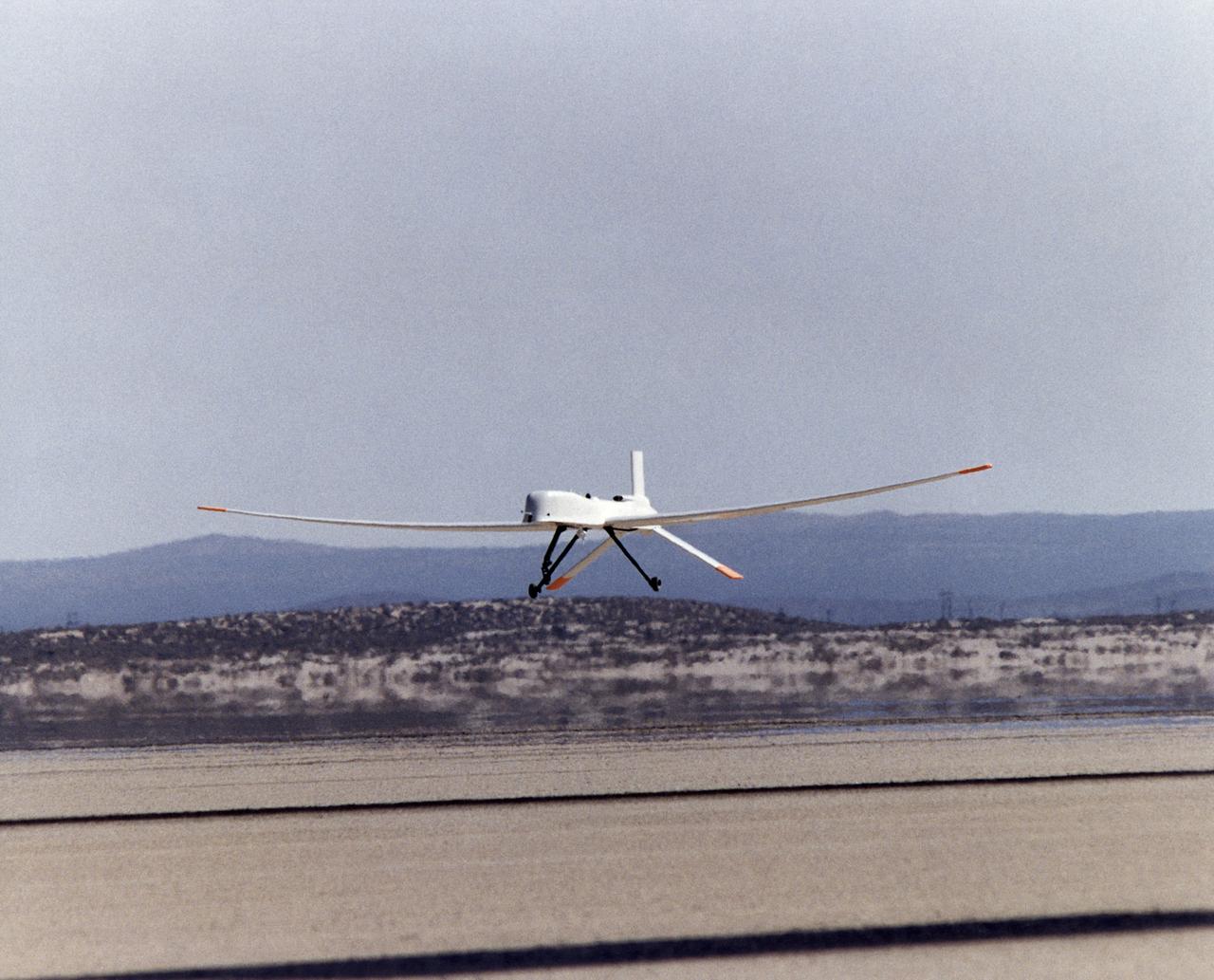
Altus I aircraft taking off from lakebed runway
EC97-44175-13
NASA's DC-8 flying laboratory takes off from Juan Santamaria International Airport in San Jose, Costa Rica, on NASA's AirSAR 2004 campaign. AirSAR 2004 Mesoamerica is a three-week expedition by an international team of scientists that uses an all-weather imaging tool, called the Airborne Synthetic Aperture Radar (AirSAR) which is located onboard NASA's DC-8 airborne laboratory. Scientists from many parts of the world including NASA's Jet Propulsion Laboratory are combining ground research done in several areas in Central America with NASA's AirSAR technology to improve and expand on the quality of research they are able to conduct.  The radar, developed by NASA's Jet Propulsion Laboratory, can penetrate clouds and also collect data at night. Its high-resolution sensors operate at multiple wavelengths and modes, allowing AirSAR to see beneath treetops, through thin sand, and dry snow pack.  AirSAR's 2004 campaign is a collaboration of many U.S. and Central American institutions and scientists, including NASA; the National Science Foundation; the Smithsonian Institution; National Geographic; Conservation International; the Organization of Tropical Studies; the Central American Commission for Environment and Development; and the Inter-American Development Bank.
NASA's DC-8 flying laboratory takes off from Juan Santamaria International Airport in San Jose, Costa Rica, on NASA's AirSAR 2004 campaign
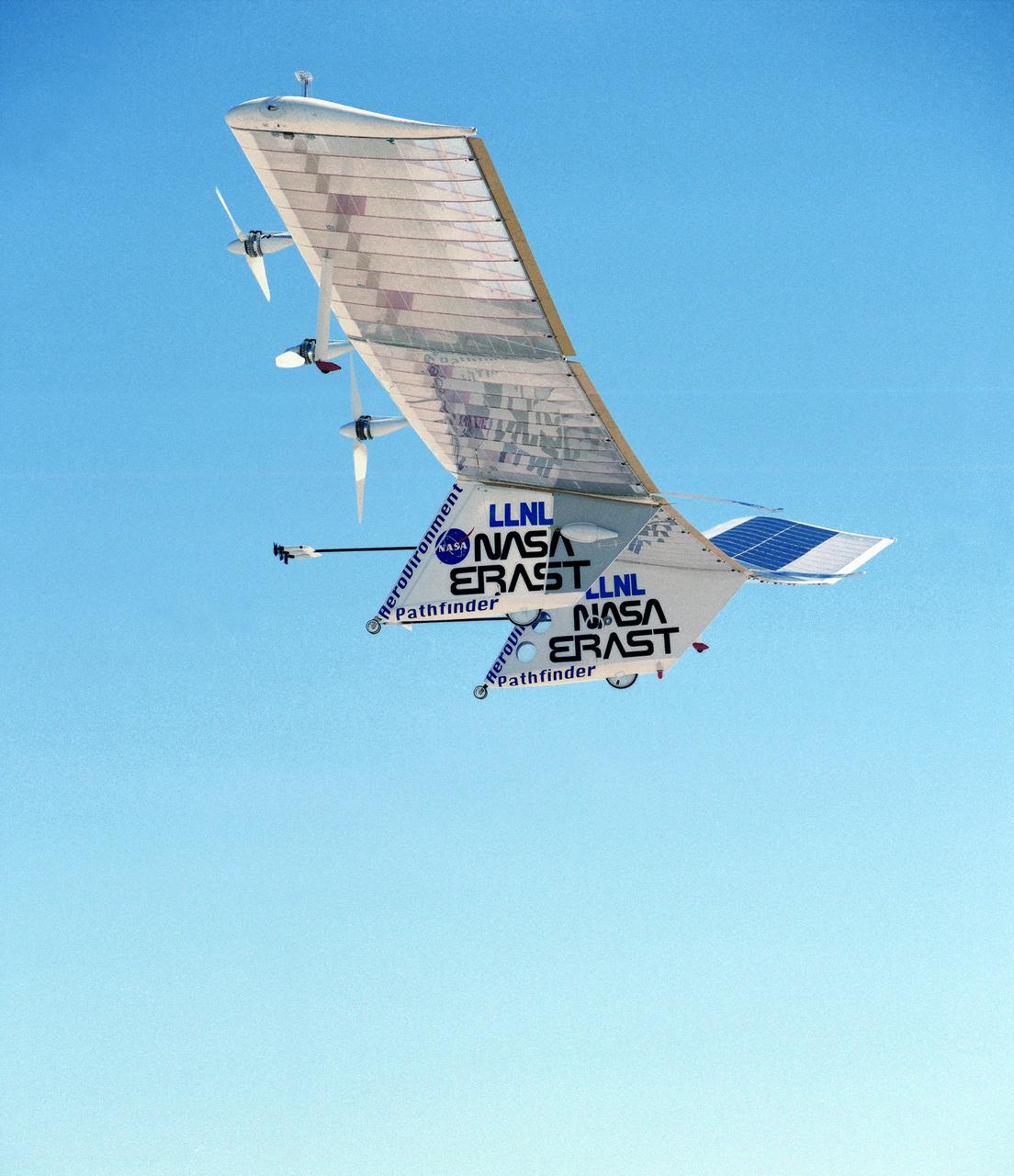
The Pathfinder solar-powered remotely piloted aircraft climbs to a record-setting altitude of 50,567 feet during a flight Sept. 11, 1995, at NASA's Dryden Flight Research Center, Edwards, California.
Pathfinder aircraft taking off - setting new solar powered altitude record
The Pathfinder solar-powered remotely piloted aircraft climbs to a record-setting altitude of 50,567 feet during a flight Sept. 11, 1995, at NASA's Dryden Flight Research Center, Edwards, California. The flight was part of the NASA ERAST (Environmental Research Aircraft and Sensor Technology) program. The Pathfinder was designed and built by AeroVironment Inc., Monrovia, California. Solar arrays cover nearly all of the upper wing surface and produce electricity to power the aircraft's six motors.
Pathfinder aircraft taking off - setting new solar powered altitude record
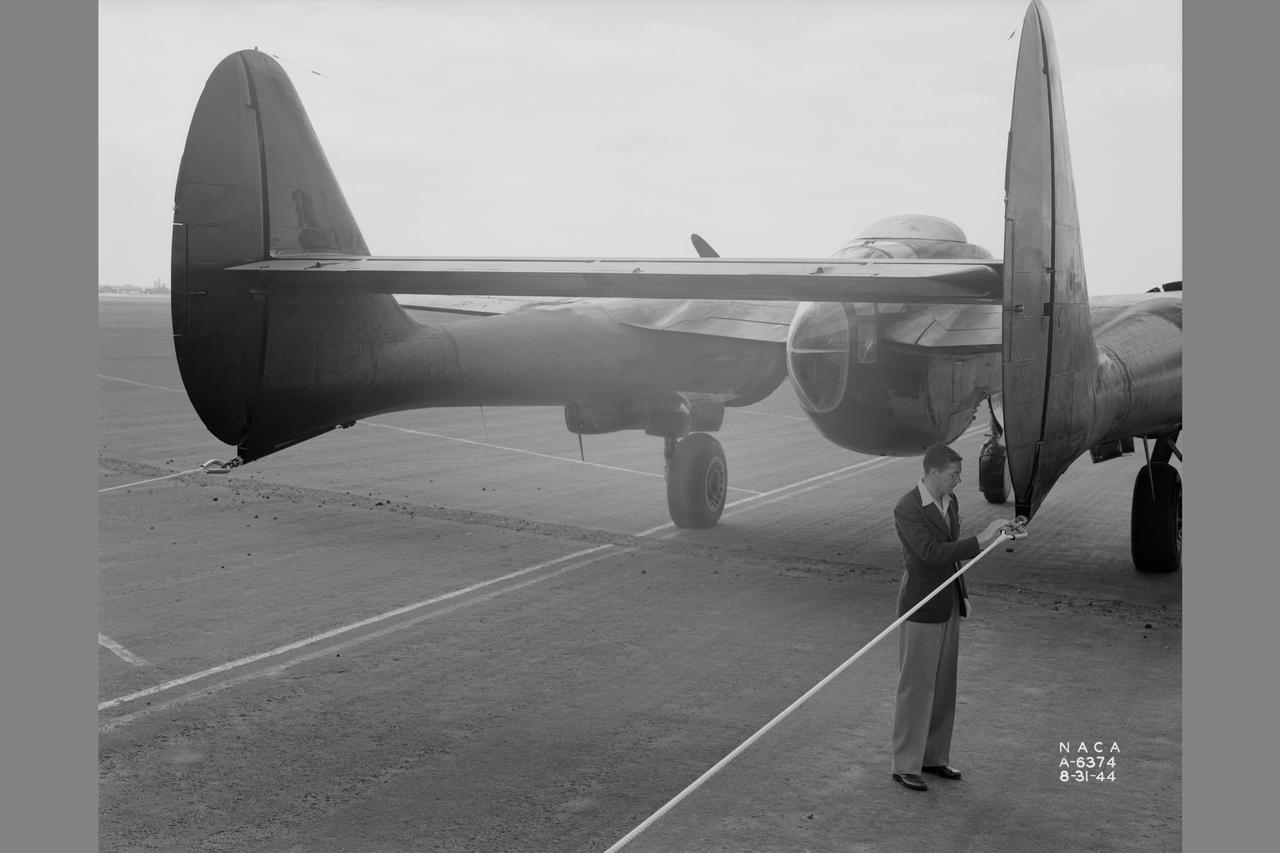
Towing installations on P-51 and P-61 airplanes for propeller off tests on the P-51. Rear view of P-61 in towing position preparing for take off at NACA Ames Research Center, Moffett Field, California
ARC-1944-AA-6374
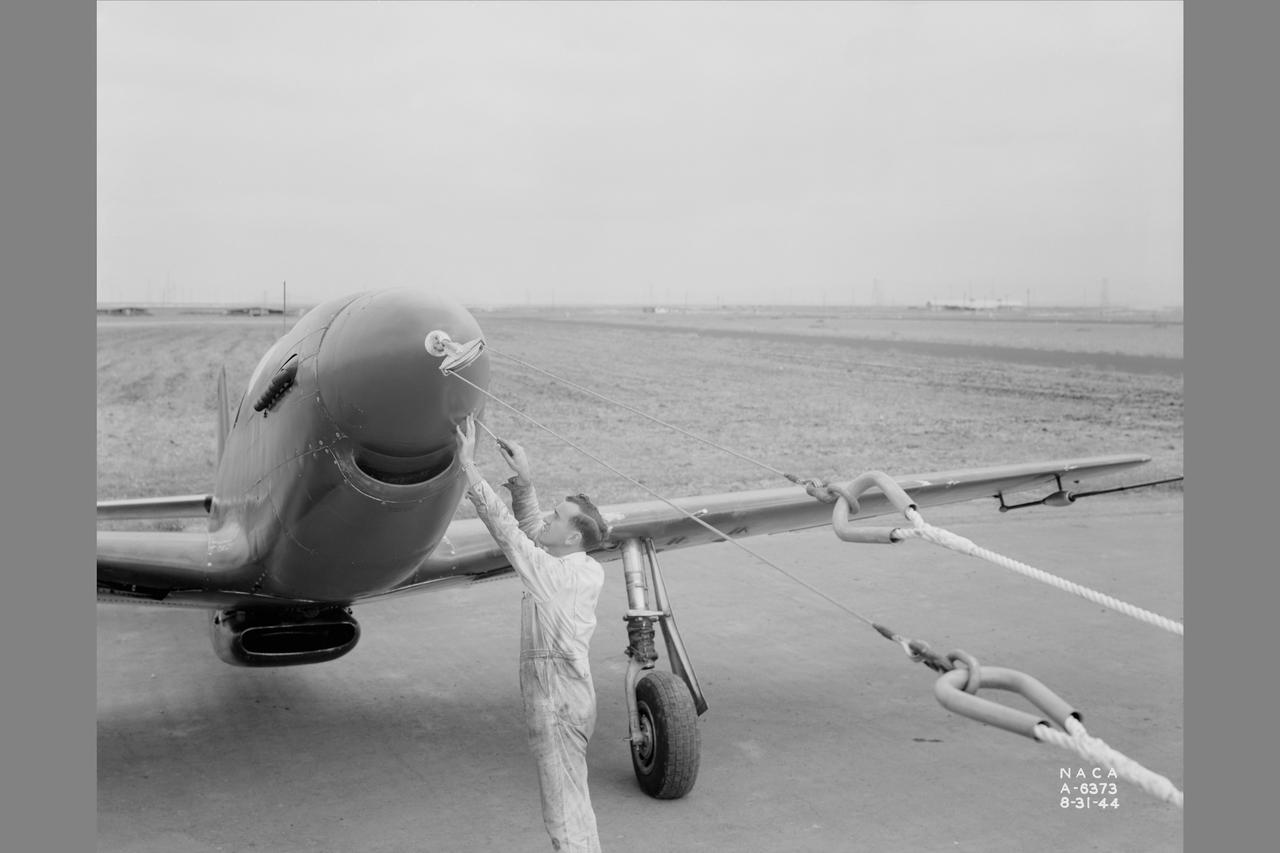
Towing installations on P-51 airplane for propeller off tests on the P-51 Front view of P-51 in towing position with P-61A  preparing for take off at NACA Ames Research Center, Moffett Field, California
ARC-1944-AAL-6373
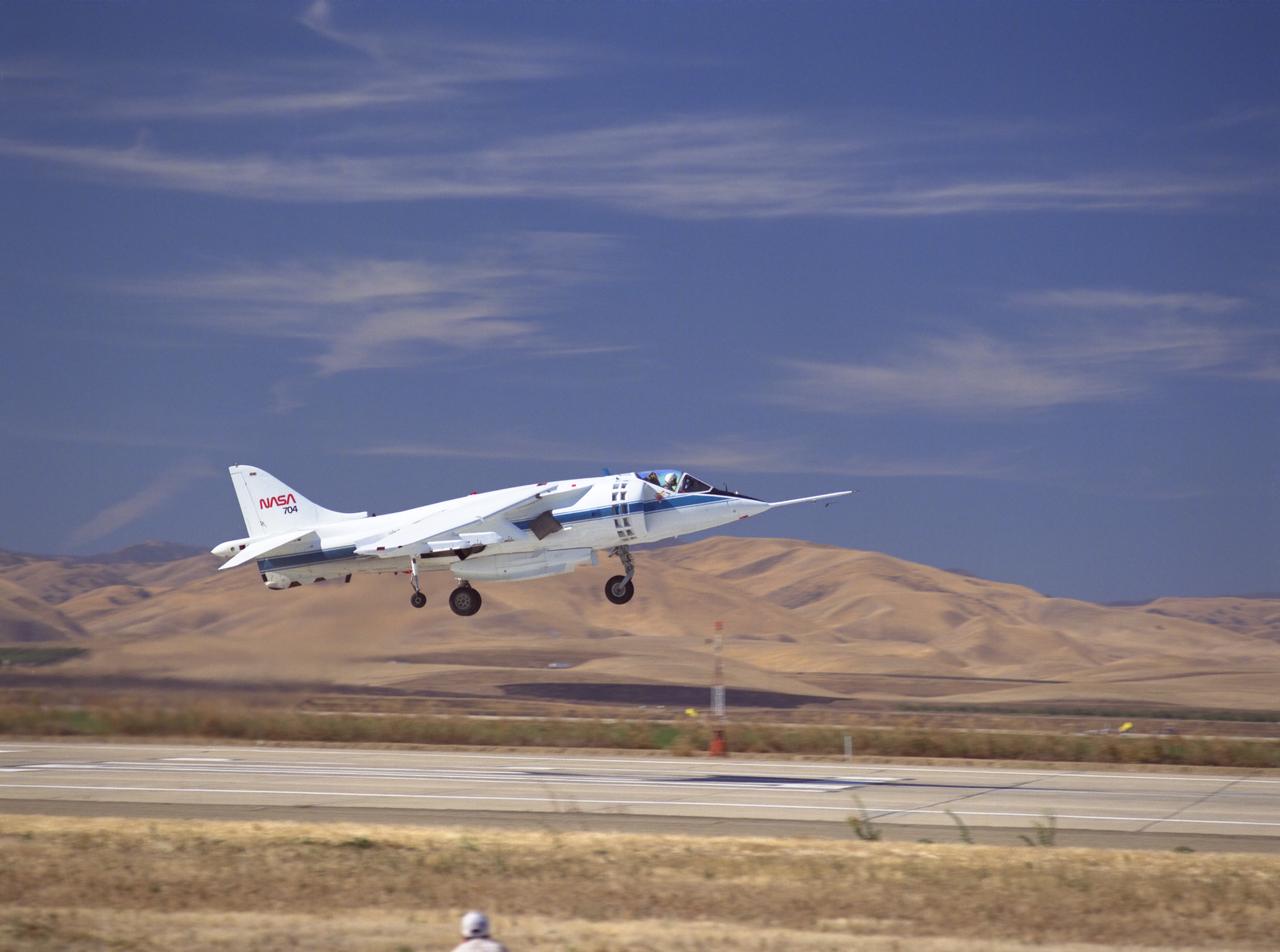
AV-8B (NASA-704) take-off at Crow Landing, Central Valley, CA
ARC-1985-AC85-0850-54
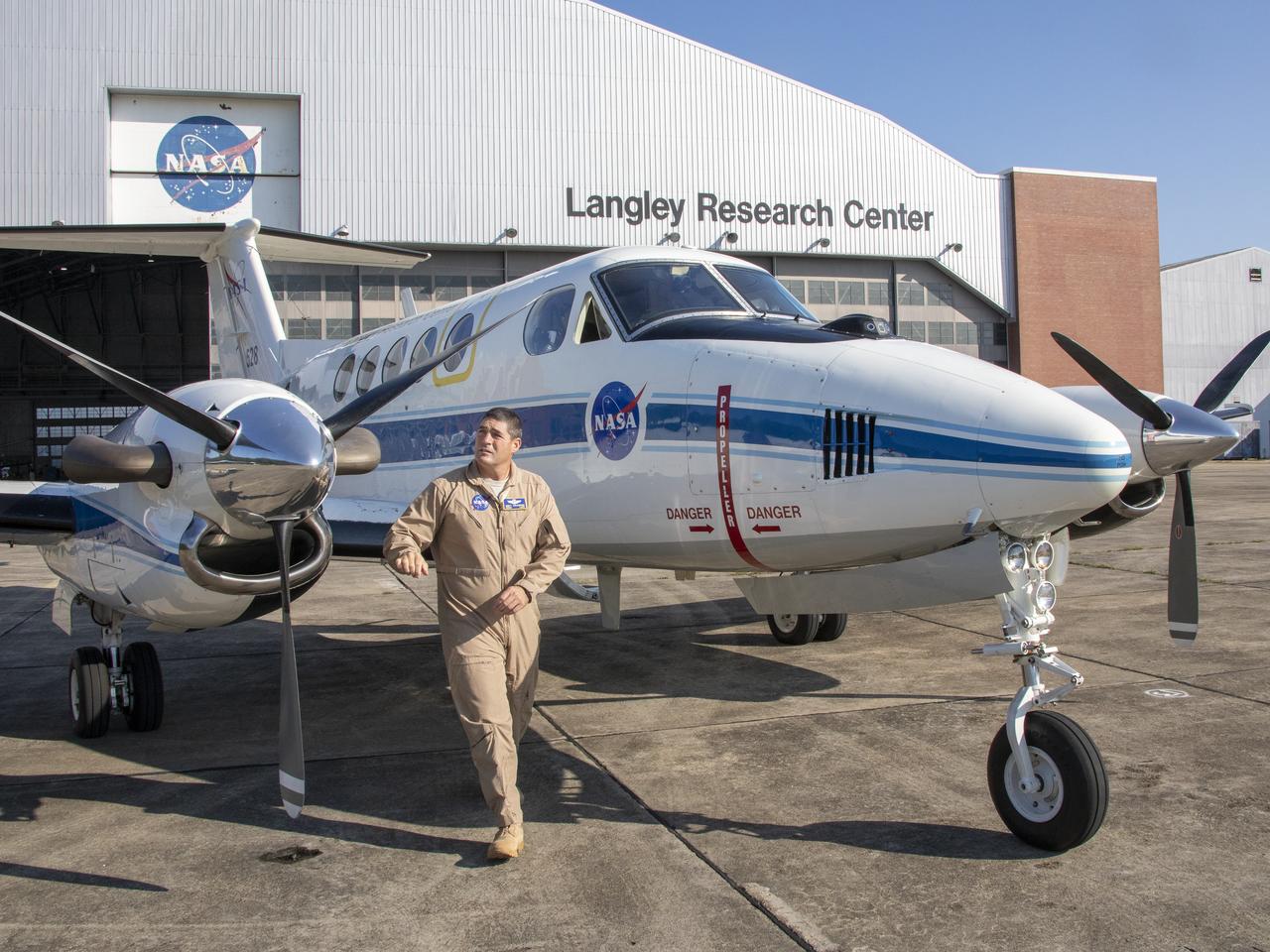
First test flight testing the visual display for the X59. Pilot Matt Coldsnow making a flight check before taking off.
Testing of the External Vision System (XVS) Software on the B200 King Air
AV-8B Harrier V/STOL Aircraft NASA-704 take off at the NASA Ames facillity Crows Landing, CA
ARC-1985-AC85-0740-13
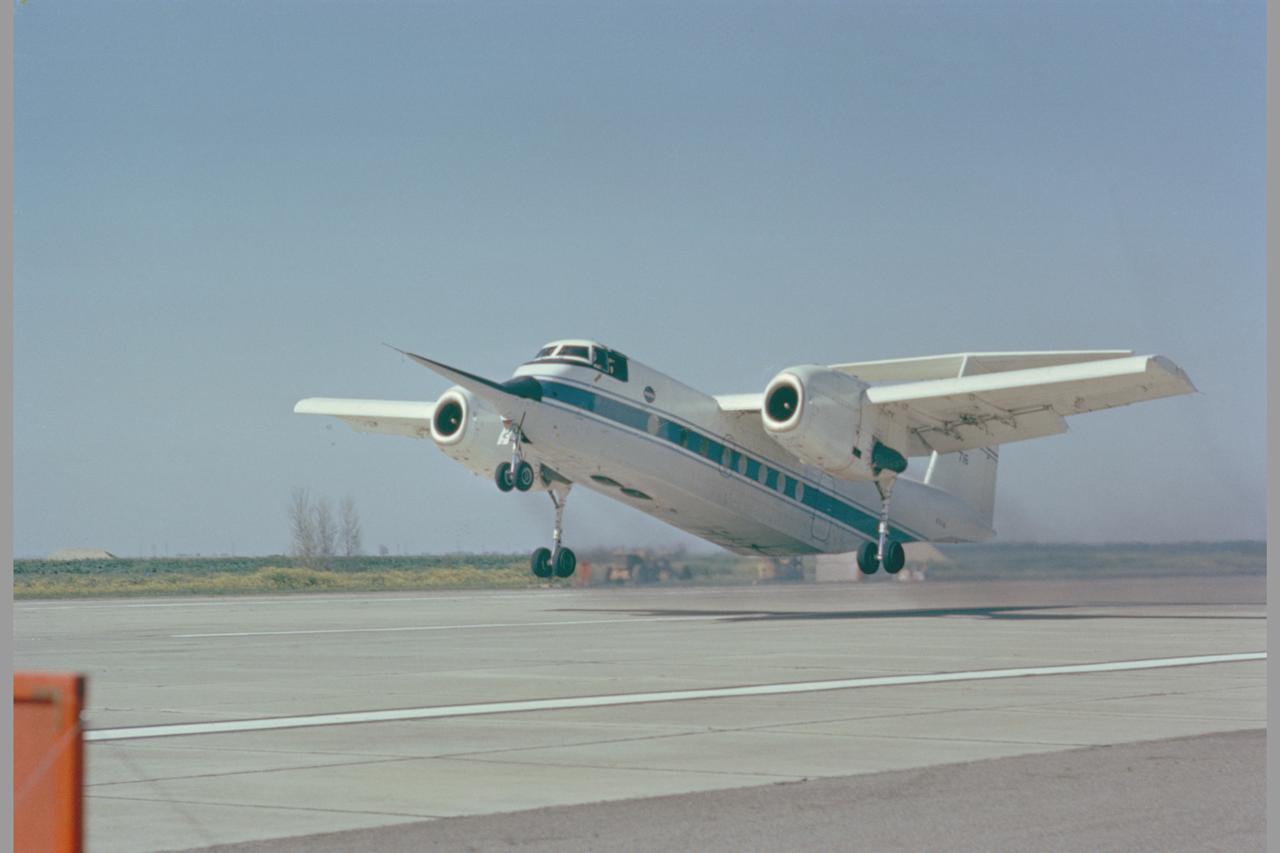
C-8A (NASA-716) Buffalo Augmentor Wing Jet STOL Research Aircraft at Crows Landing during take-off
ARC-1973-AC73-2101
XV-15 (NASA-703) Tilt Rotor take-offs at the NASA Ames facility at Crows Landing, CA
ARC-1982-AC82-0723-22
NASA's DC-8 taking off to St. Croix in support of the Convective Processes Experiment - Aerosols and Winds campaign (CPEX-AW) on Aug 17, 2021.
DC-8 CPEX-AW Deployment
ARCTAS Mission - NASA P-3 aircraft N426NA takes off from NASA's Moffett Federal Airfield (MFA) Mt. View, California
ARC-2008-ACD08-0137-035
Artwork - Artist unknown High Speed Rotorcraft Concept Variable Diameter Civil Tilt-Rotor Artwork depicting vertiport take off/landing (40 passenger)
ARC-1991-AC91-0067-2
E-7 STOVL fighter model testing in Ames 40x80ft Subsonic wind tunnel. Investigating Supersonic Short Take-off and Vertical Landing (STOVL) technology.
ARC-1988-AC88-0530-29
Perseid Meteor flight on Google's Gulfstream Aircraft. P.I. Peter Jenniskens, SETI Group - Google's Gulfstream Aircraft on flightline before take-off
ARC-2007-ACD07-0152-025
Pilot Stu Broce is pre-breathing 100% oxygen prior to take off for an Air-LUSI flight at NASA’s Armstrong Flight Research Center.
Air-LUSI Project - ER-2 Science Mission