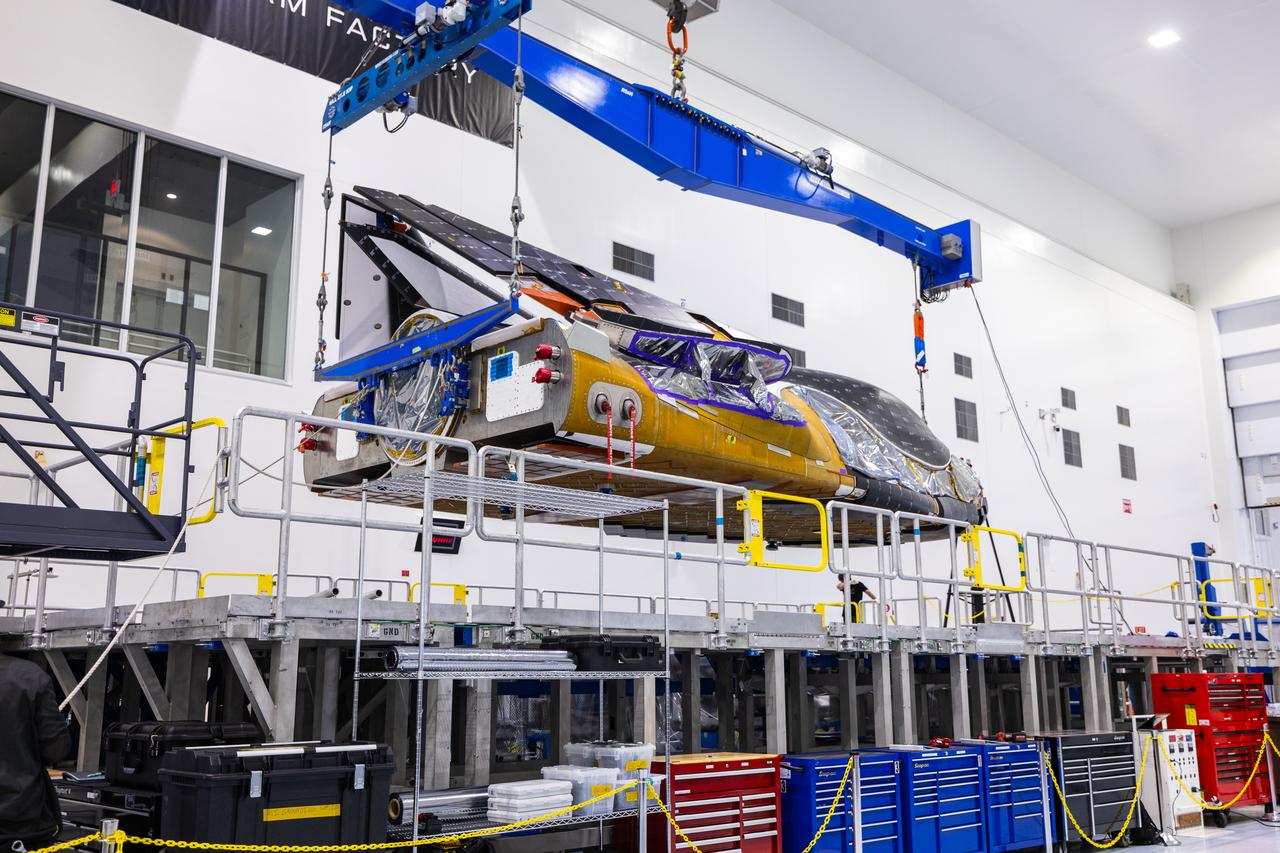
Dream Chaser Tenacity, Sierra Space's uncrewed cargo spaceplane is lifted and moved by crane inside the Space Systems Processing Facility (SSPF) at NASA’s Kennedy Space Center in Florida on Monday, May 20, 2024. Dream Chaser Tenacity will undergo final testing and prelaunch processing inside the high bay of the SSPF ahead of its inaugural launch atop a ULA (United Launch Alliance) Vulcan rocket from nearby Cape Canaveral Space Force Station. The reusable transportation system is contracted to perform a minimum of seven cargo missions to the International Space Station as part of the agency’s efforts to expand commercial resupply services to low Earth orbit.
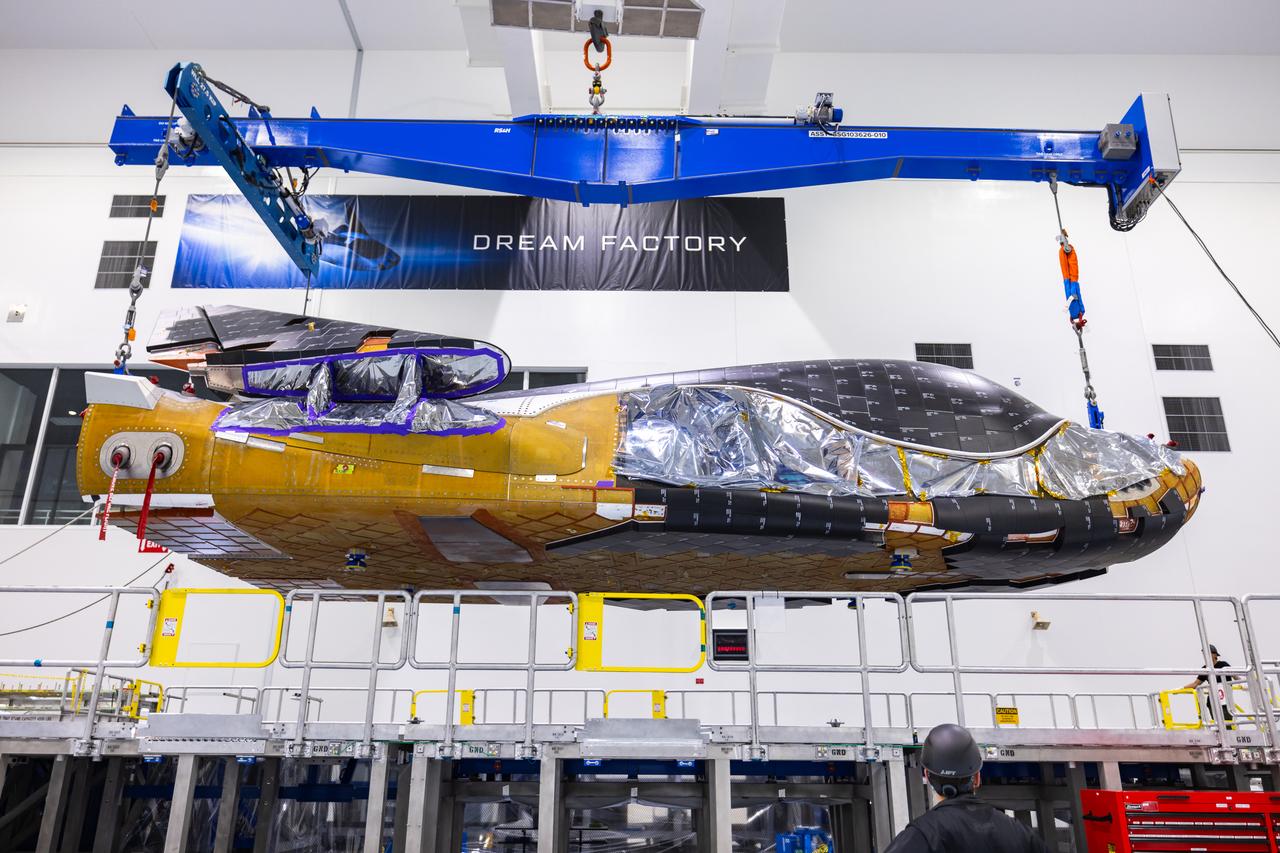
Dream Chaser Tenacity, Sierra Space's uncrewed cargo spaceplane is lifted and moved by crane inside the Space Systems Processing Facility (SSPF) at NASA’s Kennedy Space Center in Florida on Monday, May 20, 2024. Dream Chaser Tenacity will undergo final testing and prelaunch processing inside the high bay of the SSPF ahead of its inaugural launch atop a ULA (United Launch Alliance) Vulcan rocket from nearby Cape Canaveral Space Force Station. The reusable transportation system is contracted to perform a minimum of seven cargo missions to the International Space Station as part of the agency’s efforts to expand commercial resupply services to low Earth orbit.
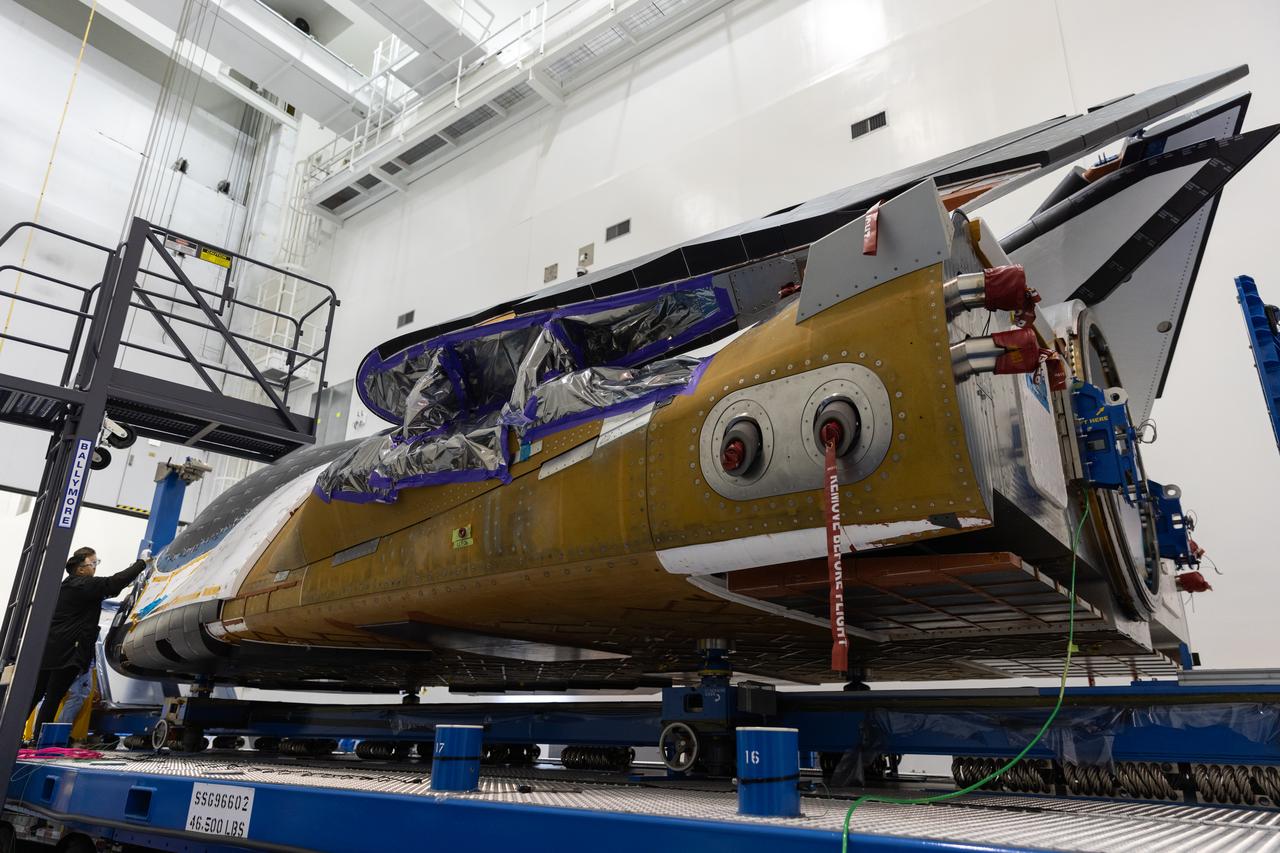
Teams process Dream Chaser Tenacity, Sierra Space's uncrewed cargo spaceplane, inside the Space Systems Processing Facility (SSPF) at NASA’s Kennedy Space Center in Florida on Monday, May 20, 2024, following its arrival from the agency's Neil Armstrong Test Facility in Ohio. Dream Chaser Tenacity will undergo final testing and prelaunch processing inside the high bay of the SSPF ahead of its inaugural launch atop a ULA (United Launch Alliance) Vulcan rocket from nearby Cape Canaveral Space Force Station. The reusable transportation system is contracted to perform a minimum of seven cargo missions to the International Space Station as part of the agency’s efforts to expand commercial resupply services to low Earth orbit.
Teams process Dream Chaser Tenacity, Sierra Space's uncrewed cargo spaceplane, inside the Space Systems Processing Facility (SSPF) at NASA’s Kennedy Space Center in Florida on Monday, May 20, 2024, following its arrival from the agency's Neil Armstrong Test Facility in Ohio. Dream Chaser Tenacity will undergo final testing and prelaunch processing inside the high bay of the SSPF ahead of its inaugural launch atop a ULA (United Launch Alliance) Vulcan rocket from nearby Cape Canaveral Space Force Station. The reusable transportation system is contracted to perform a minimum of seven cargo missions to the International Space Station as part of the agency’s efforts to expand commercial resupply services to low Earth orbit.
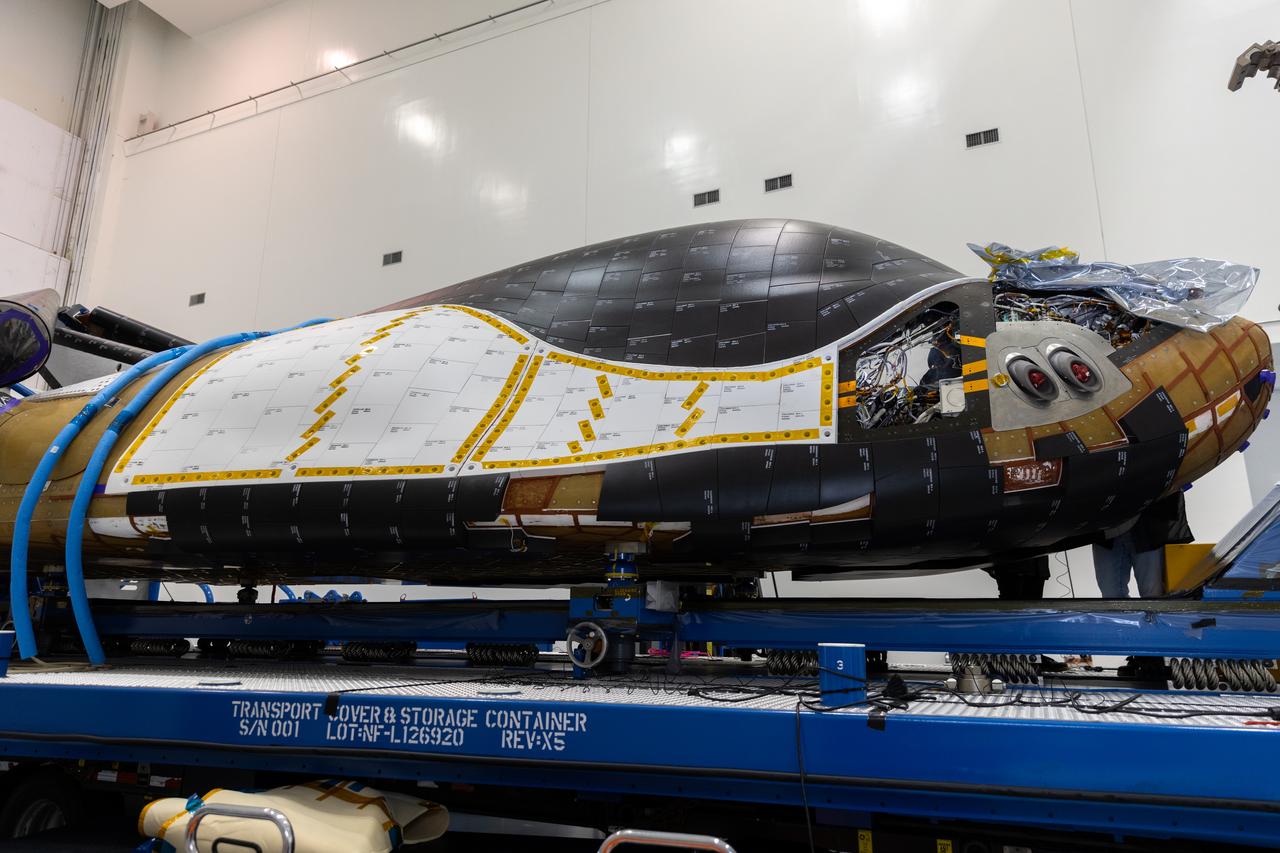
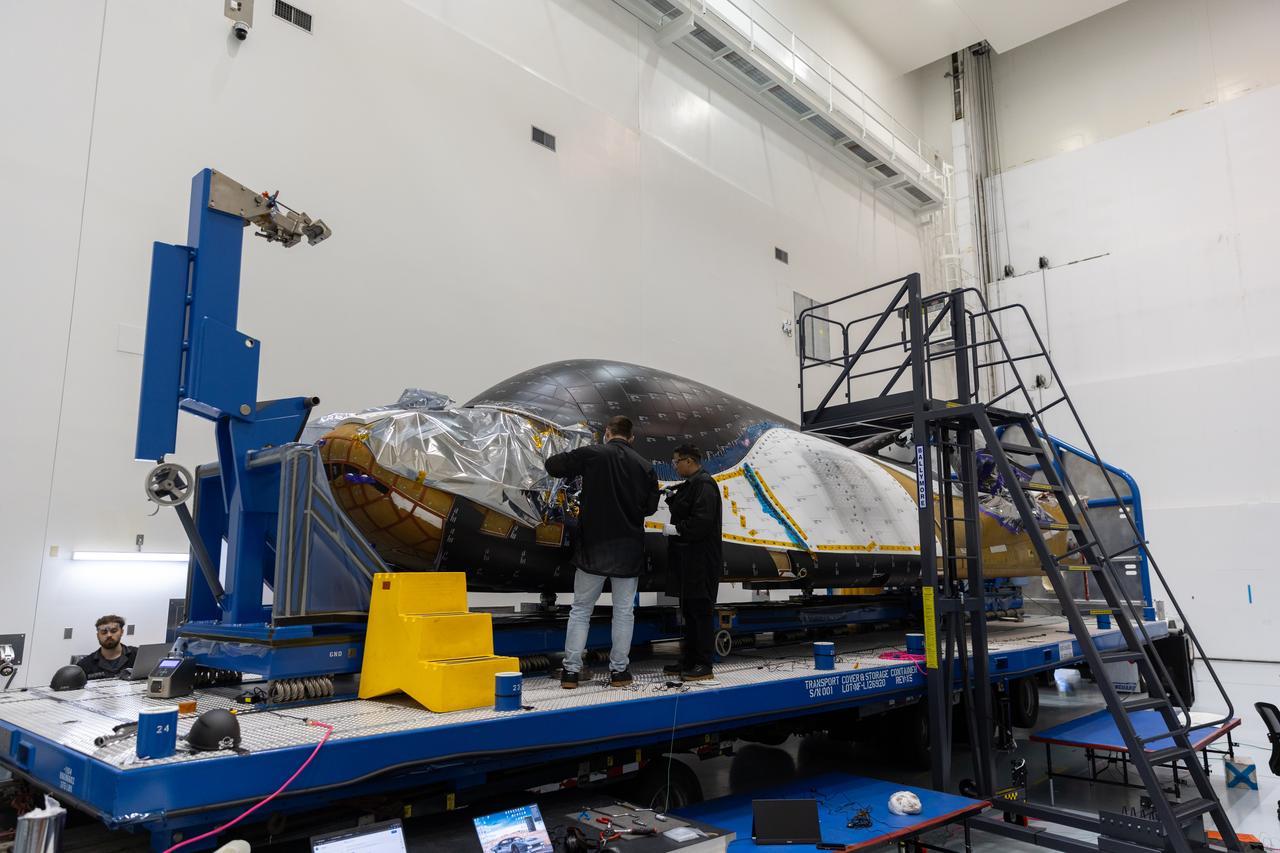
Dream Chaser Tenacity, Sierra Space's uncrewed cargo spaceplane is processed inside the Space Systems Processing Facility (SSPF) at NASA’s Kennedy Space Center in Florida on Monday, May 20, 2024, after arriving by truck inside a climate-controlled transportation container, completing the journey from the agency's Neil Armstrong Test Facility in Ohio. Dream Chaser Tenacity will undergo final testing and prelaunch processing inside the high bay of the SSPF ahead of its inaugural launch atop a ULA (United Launch Alliance) Vulcan rocket from nearby Cape Canaveral Space Force Station. The reusable transportation system is contracted to perform a minimum of seven cargo missions to the International Space Station as part of the agency’s efforts to expand commercial resupply services to low Earth orbit.
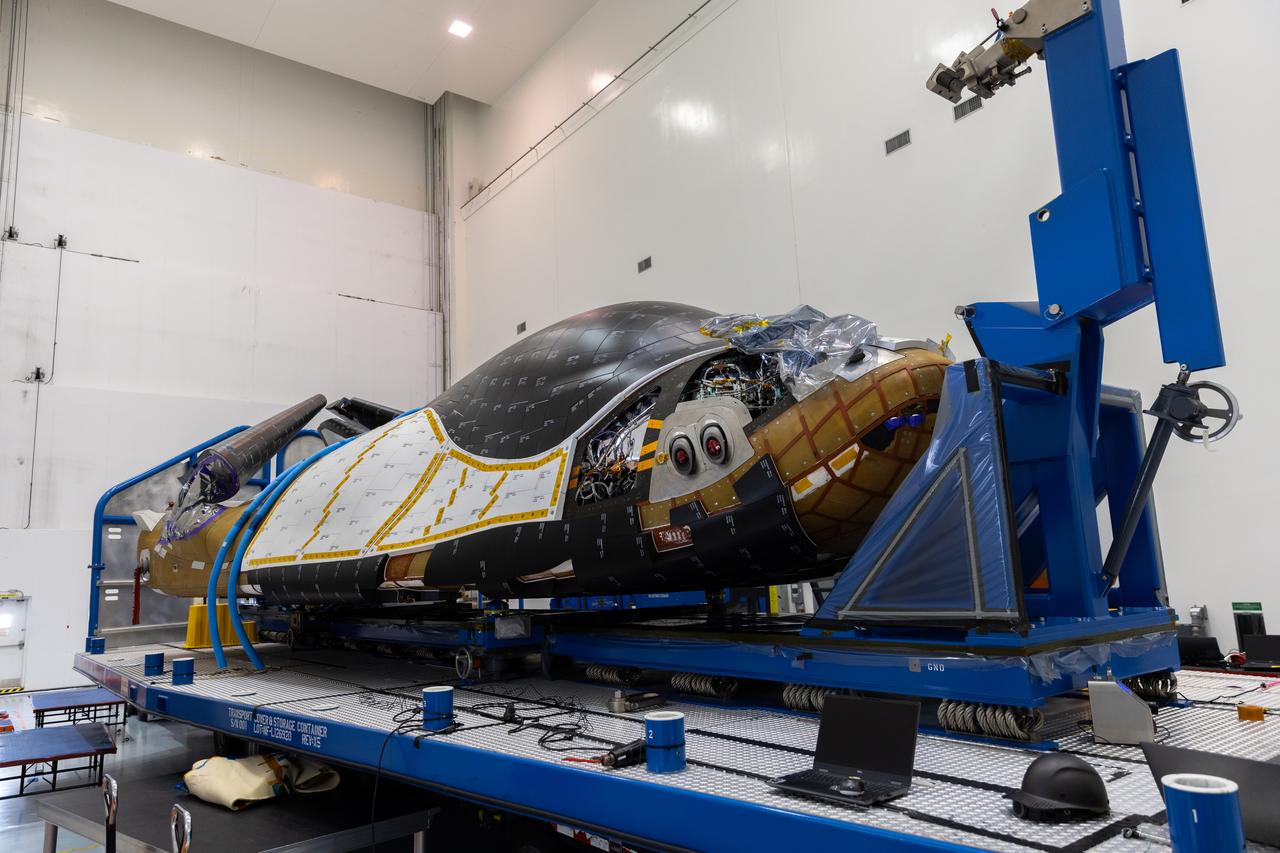
Dream Chaser Tenacity, Sierra Space's uncrewed cargo spaceplane is processed inside the Space Systems Processing Facility (SSPF) at NASA’s Kennedy Space Center in Florida on Monday, May 20, 2024, after arriving by truck inside a climate-controlled transportation container, completing the journey from the agency's Neil Armstrong Test Facility in Ohio. Dream Chaser Tenacity will undergo final testing and prelaunch processing inside the high bay of the SSPF ahead of its inaugural launch atop a ULA (United Launch Alliance) Vulcan rocket from nearby Cape Canaveral Space Force Station. The reusable transportation system is contracted to perform a minimum of seven cargo missions to the International Space Station as part of the agency’s efforts to expand commercial resupply services to low Earth orbit.
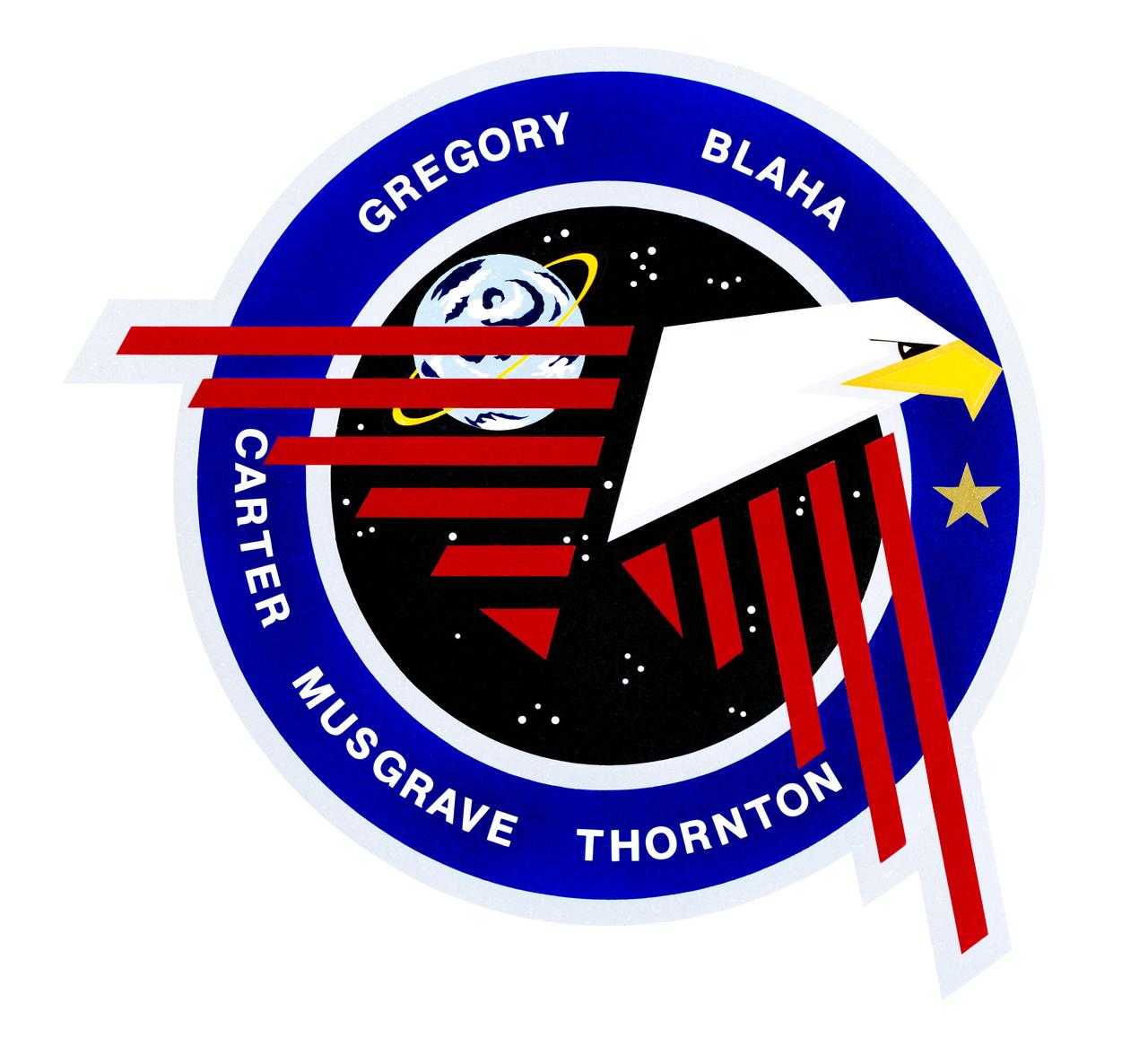
S89-39195 (July 1989) --- This is the crew patch for STS-33, designed by the five crew members. It features a stylized falcon soaring into space to represent America's commitment to manned spaceflight. The crew members feel the falcon symbolizes courage, intelligence, tenacity, and love of flight. They intend the orbit around Earth to represent the falcon's lofty domain; however, the bird, with its keen vision and natural curiosity, is depicted looking forward beyond that domain to challenge the edge of the universe. The bold red feathers of the wings drawn from the American flag overlaying the random field of stars illustrate the determination to expand the boundaries of knowledge by American presence in space. The single gold star on a field of blue honors the memory of the late Rear Admiral S. David Griggs, originally assigned to this crew. The NASA insignia design for space shuttle flights is reserved for use by the astronauts and for other official use as the NASA Administrator may authorize. Public availability has been approved only in the forms of illustrations by the various news media. When and if there is any change in this policy, which is not anticipated, the change will be publicly announced. Photo credit: NASA