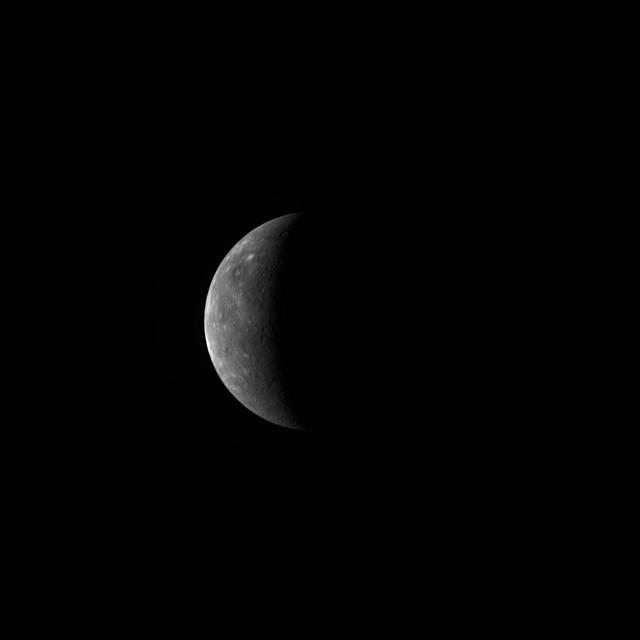
Today, MESSENGER Flies by Mercury!
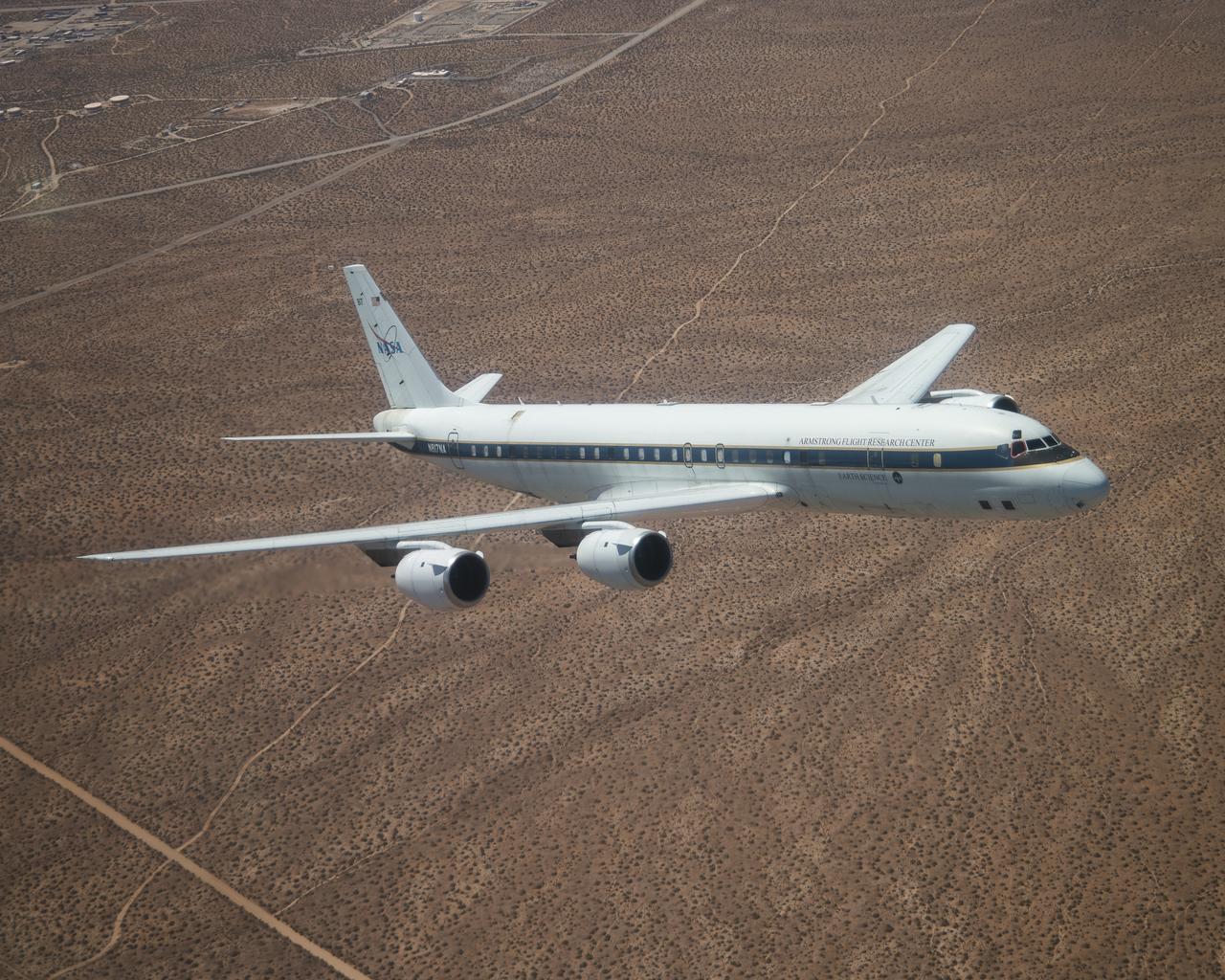
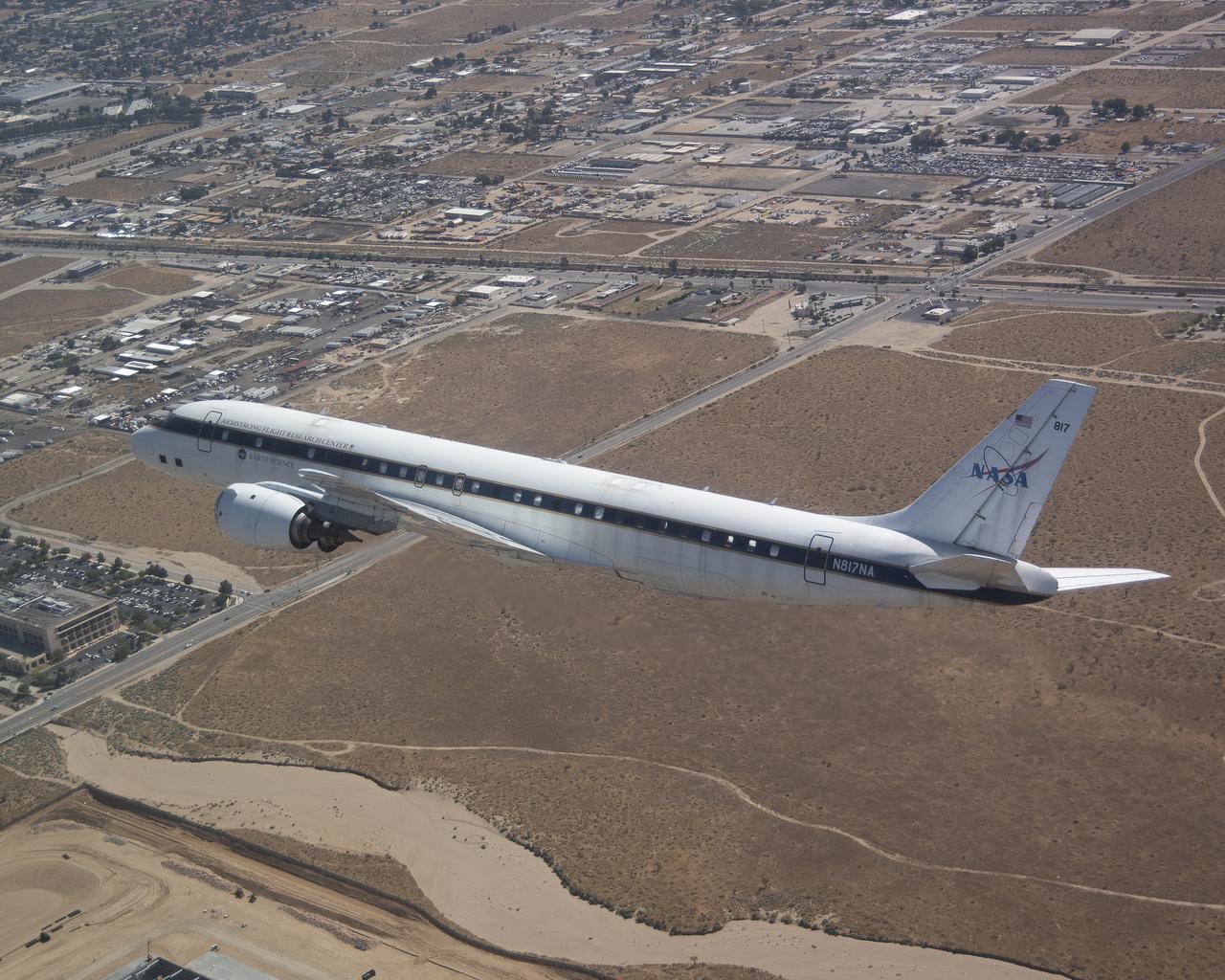
The DC-8 flies for the last time from NASA’s Armstrong Flight Research Center Building 703 in Palmdale, California, before it retires to Idaho State University in Pocatello, Idaho. The DC-8 will provide real-world experience to train future aircraft technicians at the college’s Aircraft Maintenance Technology Program.
NASA’s DC-8 Flies for Last Time
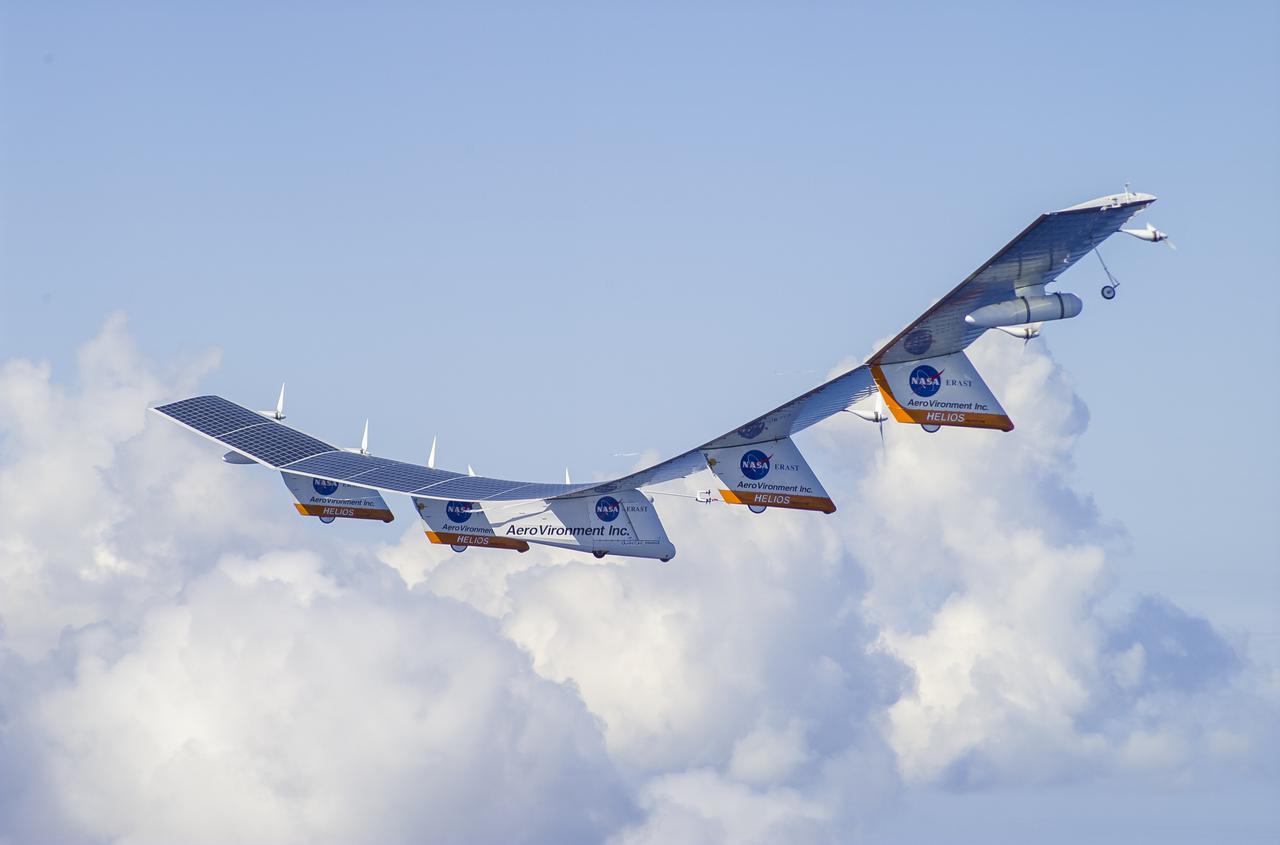
The AeroVironment Helios high-altitude, solar-powered aircraft flies in Kauai, Hawaii. Helios reached 96,300 feet altitude, the record for sustained, level flight for a winged aircraft.
Helios Flies High
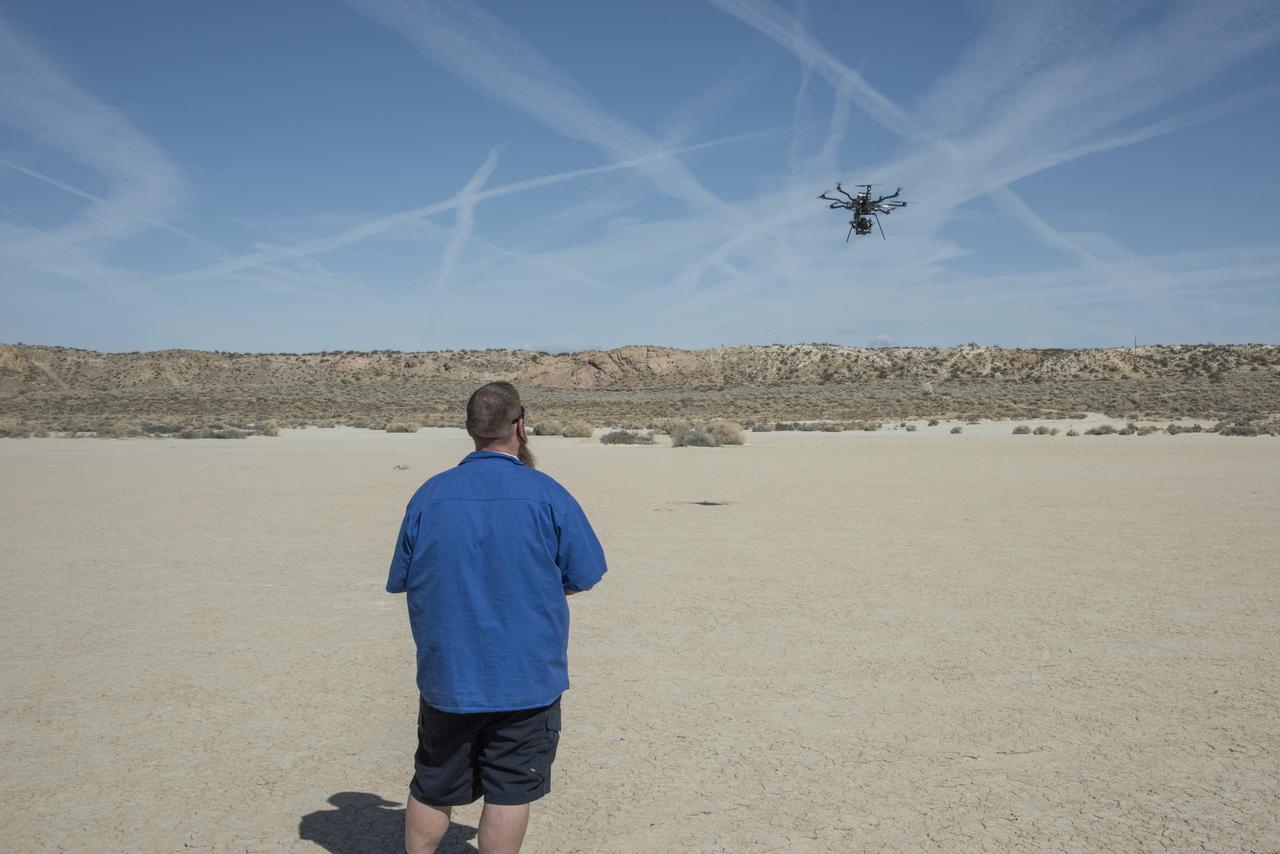
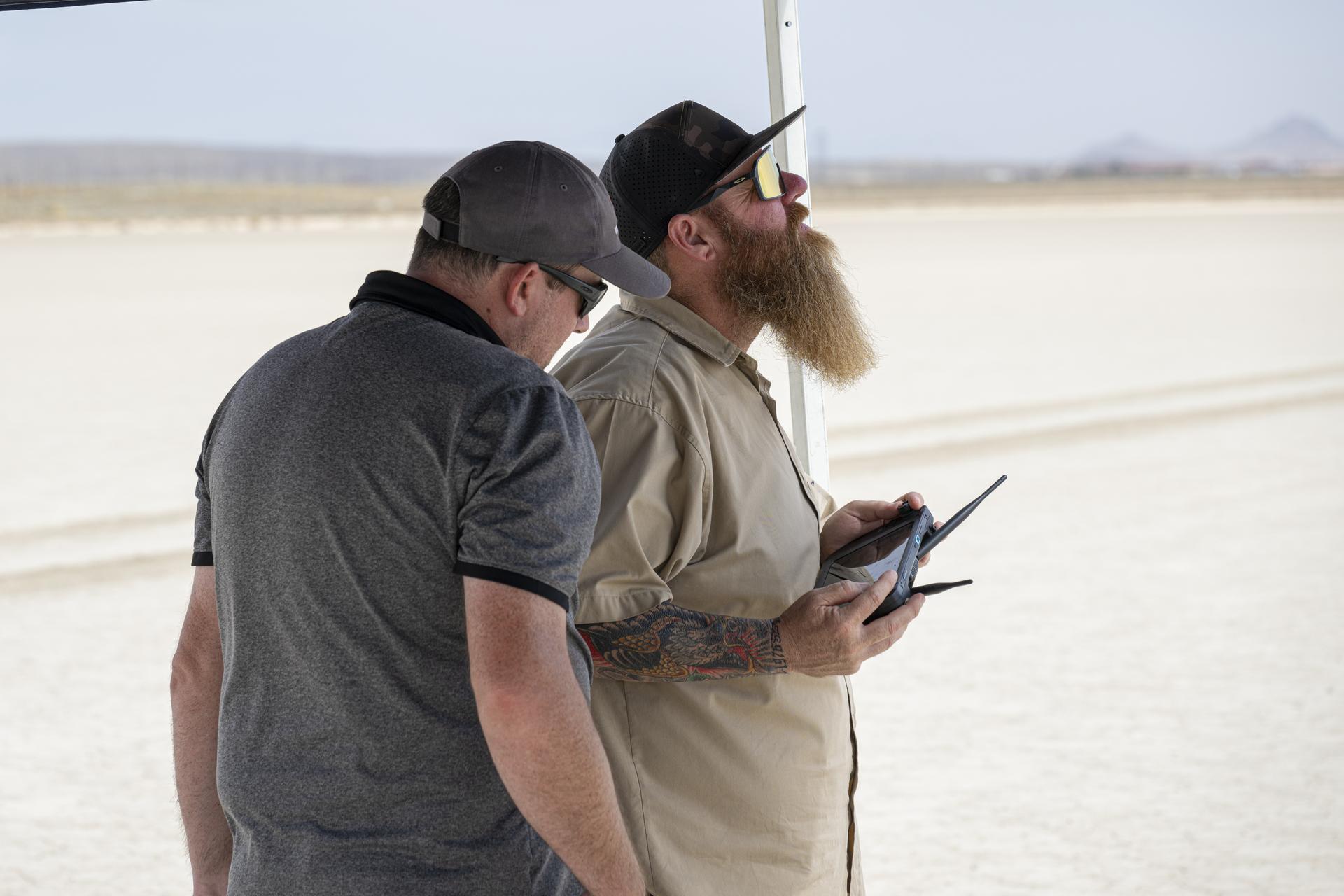
Justin Hall flies the Alta 8 remotely piloted aircraft in March 2021 at Rosamond North Lakebed at NASA’s Armstrong Flight Research Center in Edwards, California. The Resilient Autonomy project used these flights to collect data with the Nav Module hardware and software developed by NASA’s Jet Propulsion Laboratory in Pasadena, California.
The Resilient Autonomy Project Flies the Alta 8
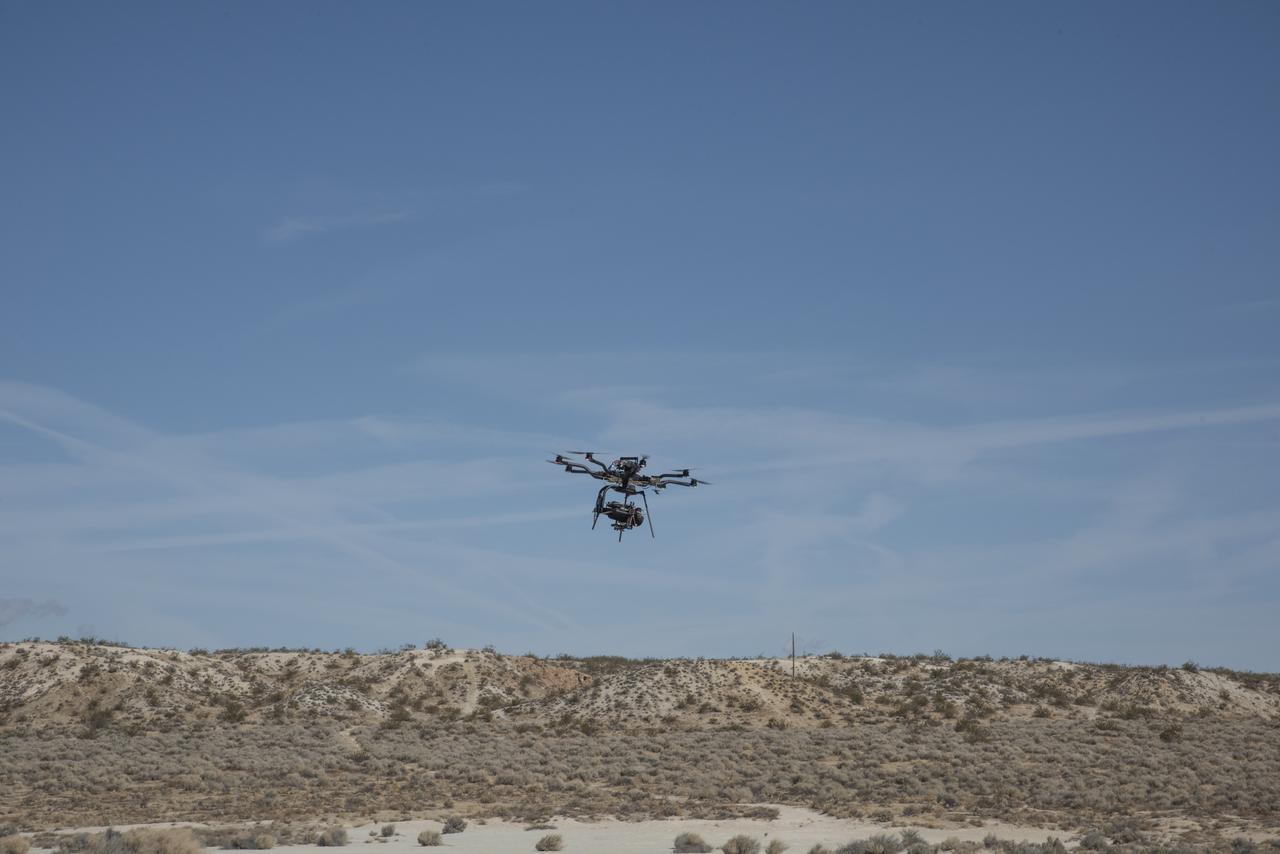
The Alta 8 remotely piloted aircraft flies above Rosamond North Lakebed at NASA's Armstrong Flight Research Center in Edwards, California. The Resilient Autonomy project used these flights to collect data with the Nav Module hardware and software developed by NASA's Jet Propulsion Laboratory in Pasadena, California.
The Resilient Autonomy Project Flies the Alta 8
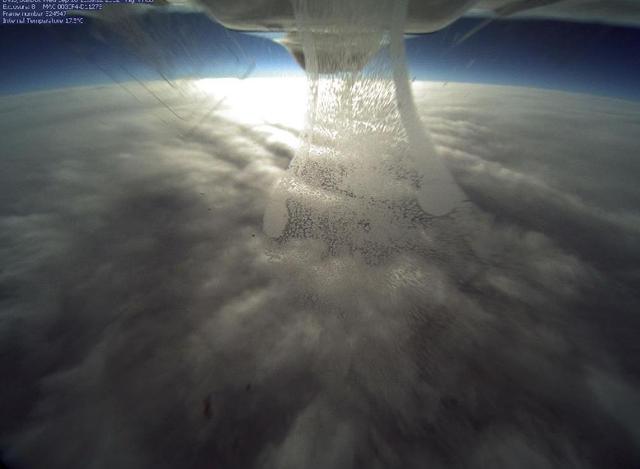
NASA's Global Hawk flew over Tropical Storm Nadine on Sept. 26, 2012 at 3 p.m. EDT and captured this photo from the camera located in the belly if the aircraft as it flew over the northern edge of the storm. Credit: NASA  <b><a href="http://www.nasa.gov/audience/formedia/features/MP_Photo_Guidelines.html" rel="nofollow">NASA image use policy.</a></b>  <b><a href="http://www.nasa.gov/centers/goddard/home/index.html" rel="nofollow">NASA Goddard Space Flight Center</a></b> enables NASA’s mission through four scientific endeavors: Earth Science, Heliophysics, Solar System Exploration, and Astrophysics. Goddard plays a leading role in NASA’s accomplishments by contributing compelling scientific knowledge to advance the Agency’s mission.  <b>Follow us on <a href="http://twitter.com/NASA_GoddardPix" rel="nofollow">Twitter</a></b>  <b>Like us on <a href="http://www.facebook.com/pages/Greenbelt-MD/NASA-Goddard/395013845897?ref=tsd" rel="nofollow">Facebook</a></b>  <b>Find us on <a href="http://instagrid.me/nasagoddard/?vm=grid" rel="nofollow">Instagram</a></b>
NASA's Global Hawk Flies Over Tropical Storm Nadine
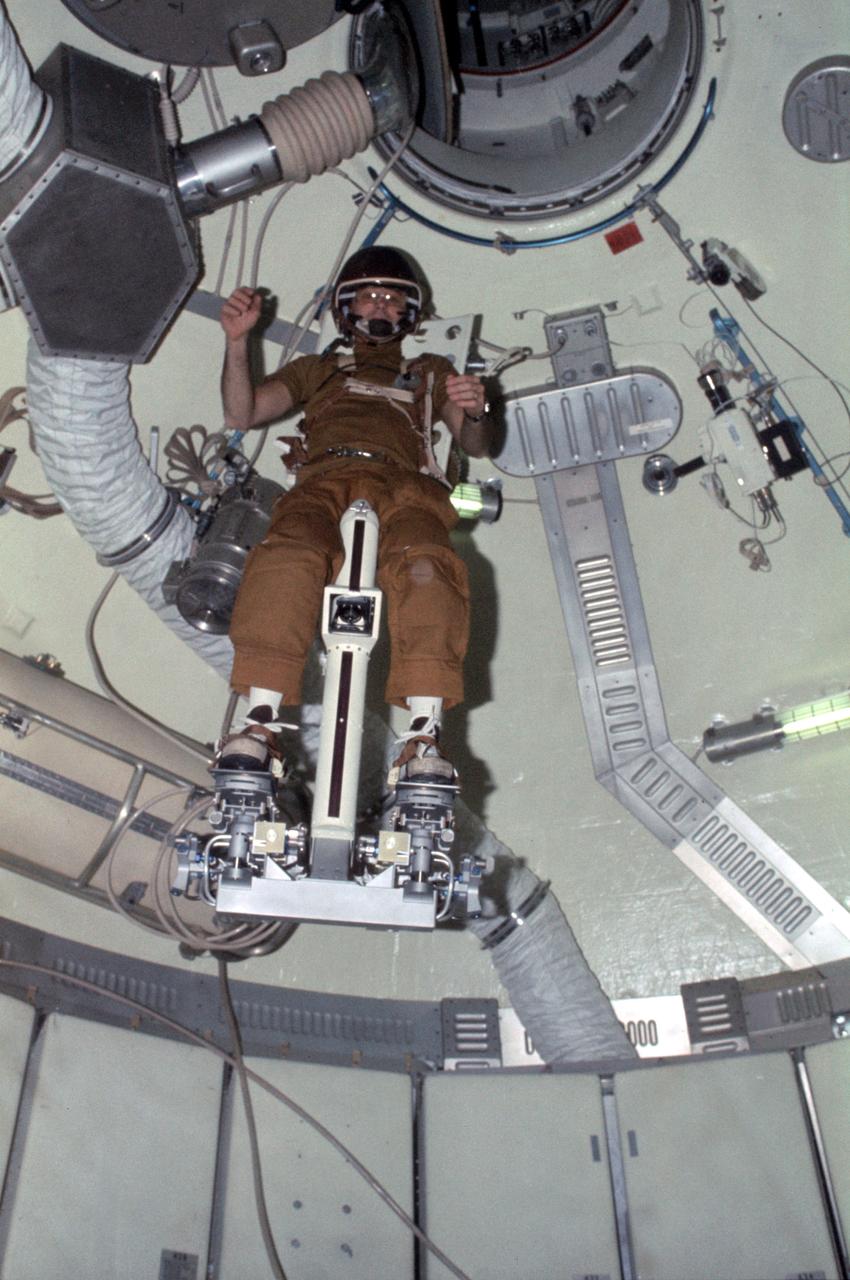
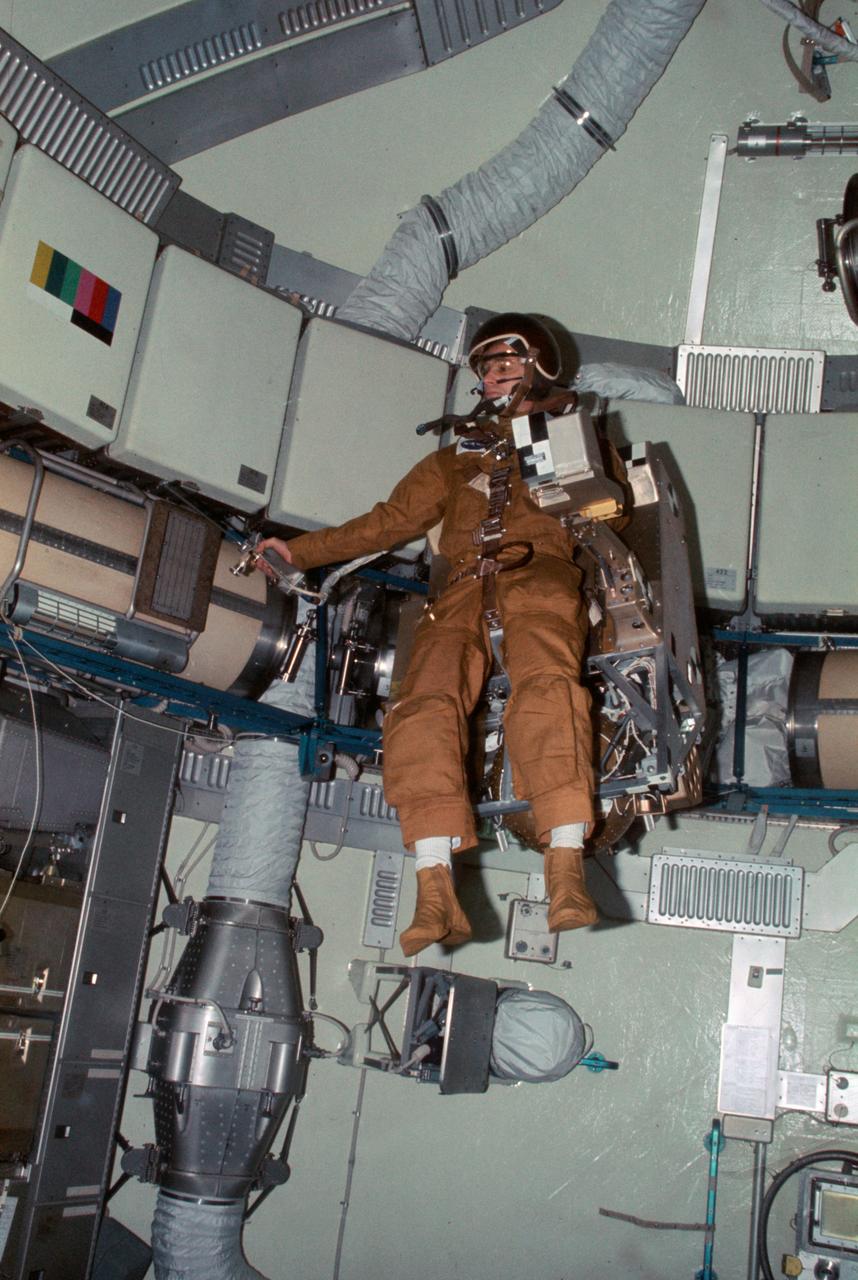
SL3-107-1215 (27 Aug. 1973) --- Astronaut Alan L. Bean, Skylab 3 commander, flies the M509 Astronaut Maneuvering Equipment in the forward dome area of the Orbital Workshop (OWS) on the space station cluster in Earth orbit. One of his fellow crewmen took this photograph with a 35mm Nikon camera. Bean is strapped into the back mounted, hand-controlled Automatically Stabilized Maneuvering Unit (ASMU). The dome area is about 22 feet in diameter and 19 feet from top to bottom. Photo credit: NASA
Astronaut Alan Bean flies the Astronaut Maneuvering Equipment
SL3-108-1304 (July-September 1973) --- Astronaut Alan L. Bean, Skylab 3 commander, flies the M509 Astronaut Maneuvering Equipment in the forward dome area of the Orbital Workshop (OWS) on the space station cluster in Earth orbit. Bean is strapped in to the back-mounted, hand-controlled Automatically Stabilized Maneuvering Unit (ASMU). This ASMU experiment is being done in shirt sleeves. The dome area where the experiment is conducted is about 22 feet in diameter and 19 feet from top to bottom. Photo credit: NASA
Astronaut Alan Bean flies the Astronaut Maneuvering Equipment
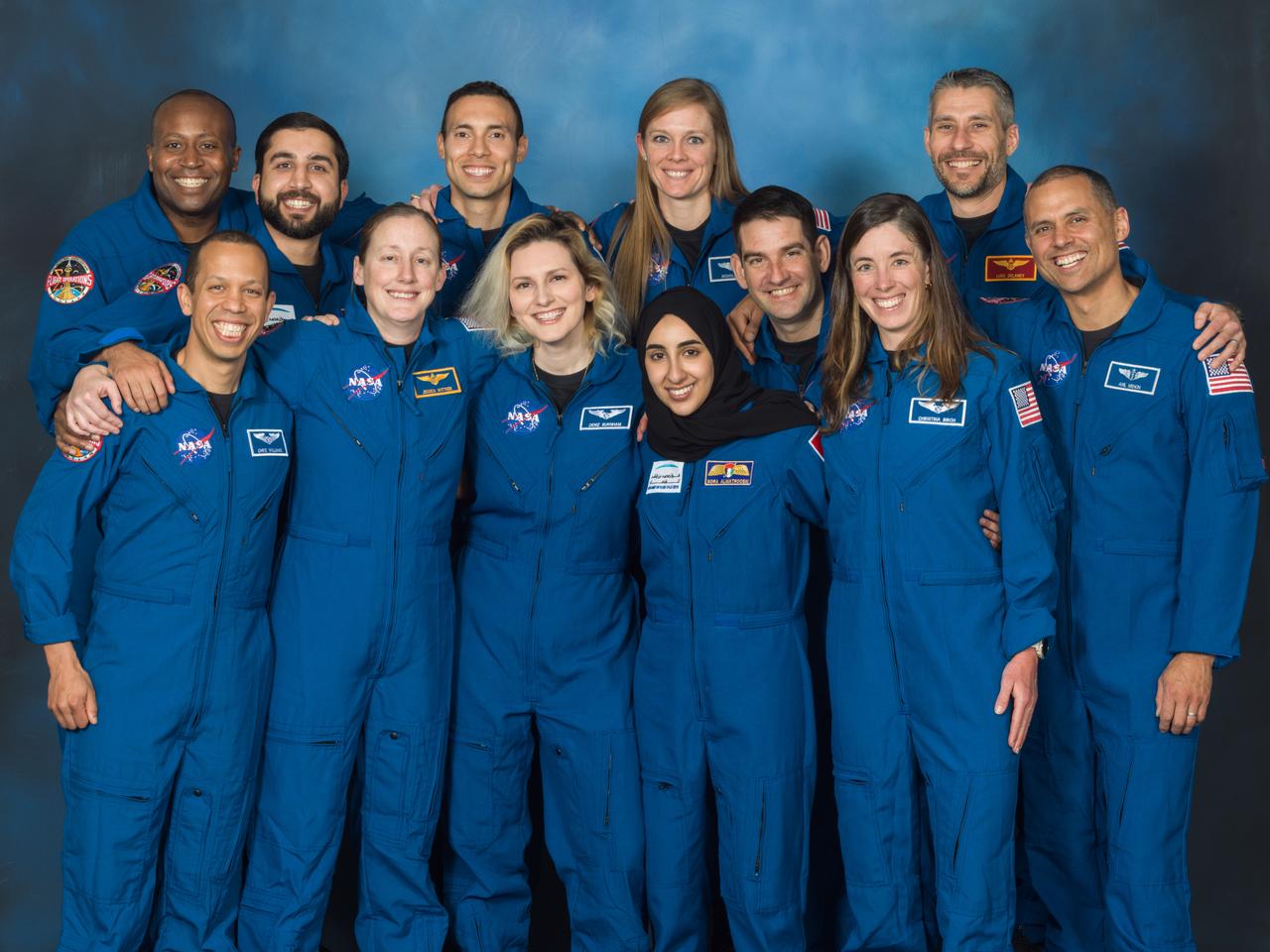
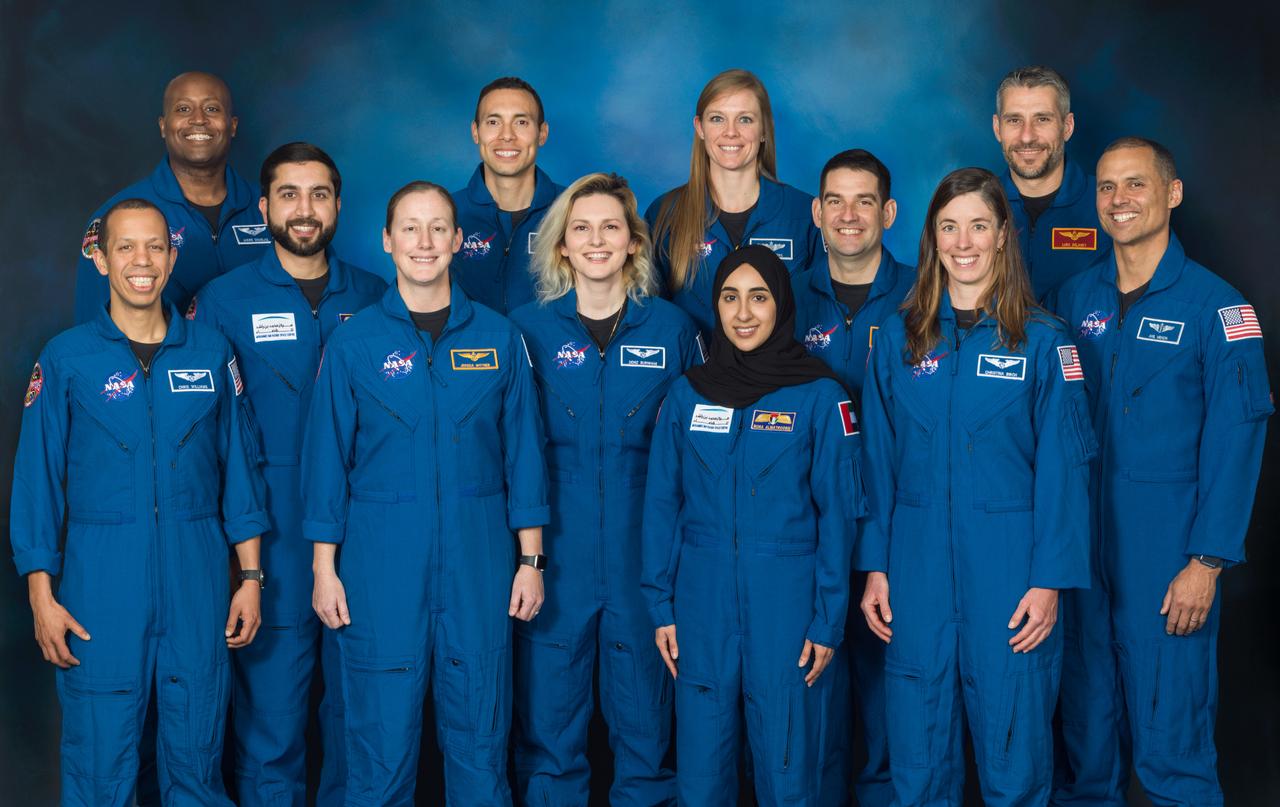
Official ASCAN Group 23 (Class of 2021) Photo. Photo Date: March 7, 2022.  Location: Building 8, Room 183 - Photo Studio. Credit: NASA/Robert Markowitz & Josh Valcarcel.
2021 ASCAN class group photo
ASCAN Group 23 (Class of 2021) Photo.  Photo Date: March 7, 2022.  Location: Building 8, Room 183 - Photo Studio.  Credit: NASA/Robert Markowitz & Josh Valcarcel.
2021 ASCAN class group photo
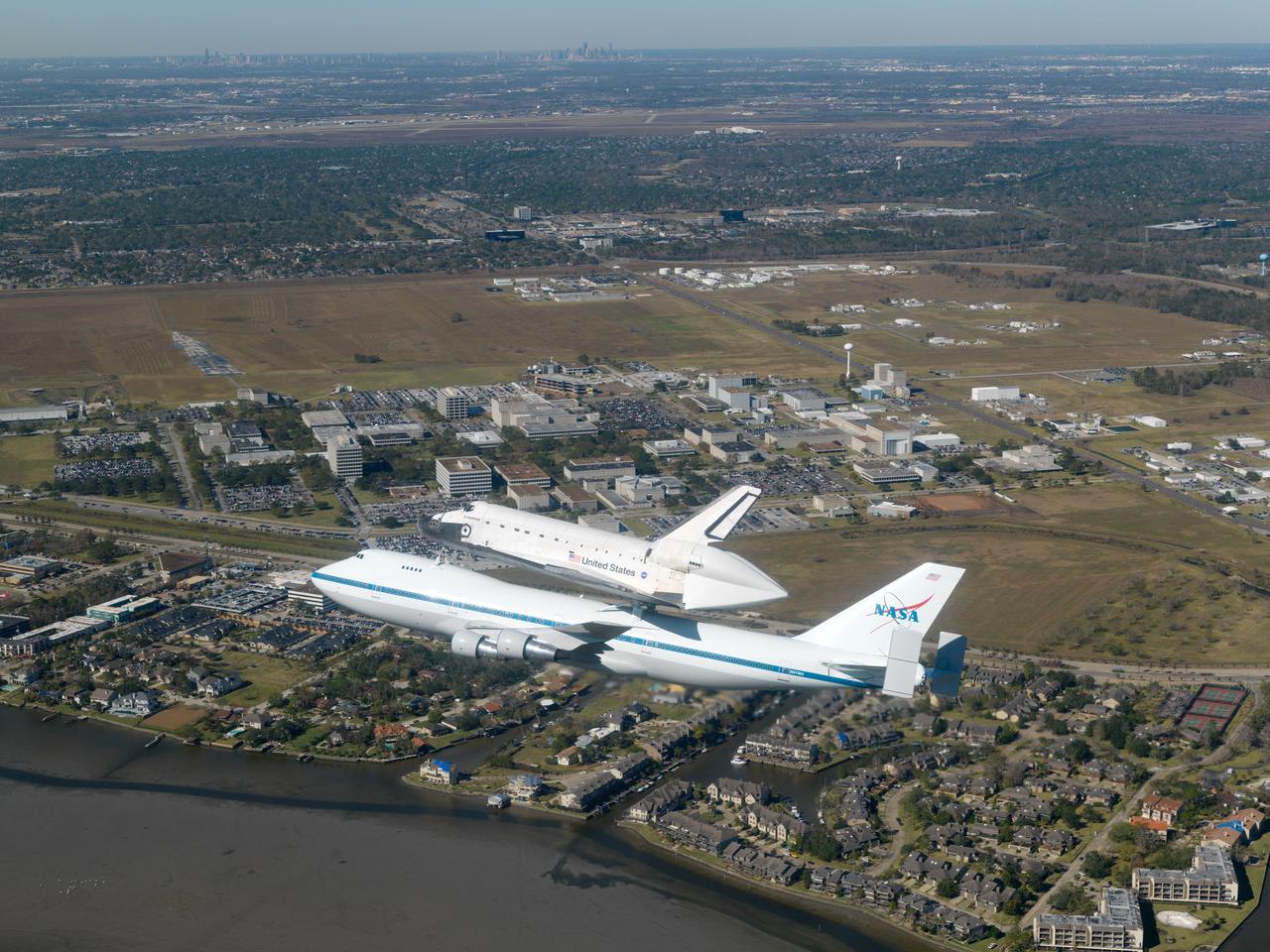
JSC2008-E-154359 (11 Dec. 2008) --- The Space Shuttle Endeavour flies over the Clear Lake area and the Johnson Space Center after having spent the night at a stopover in Tarrant County, while mounted on a modified Boeing 747 shuttle carrier aircraft. Endeavour landed in California on Nov. 30 and was en route back to Florida.  This photo, taken from the rear station of a NASA T-38 aircraft, shows the main part of the 1625-acre JSC site.  The extremely clear weather allows viewing all the way to Houston's central business district. Harris County Domed Stadium and the Houston NFL franchise's stadium are visible in the upper left quadrant of the photo.
Space Shuttle Endeavour flies by Johnson Space Center
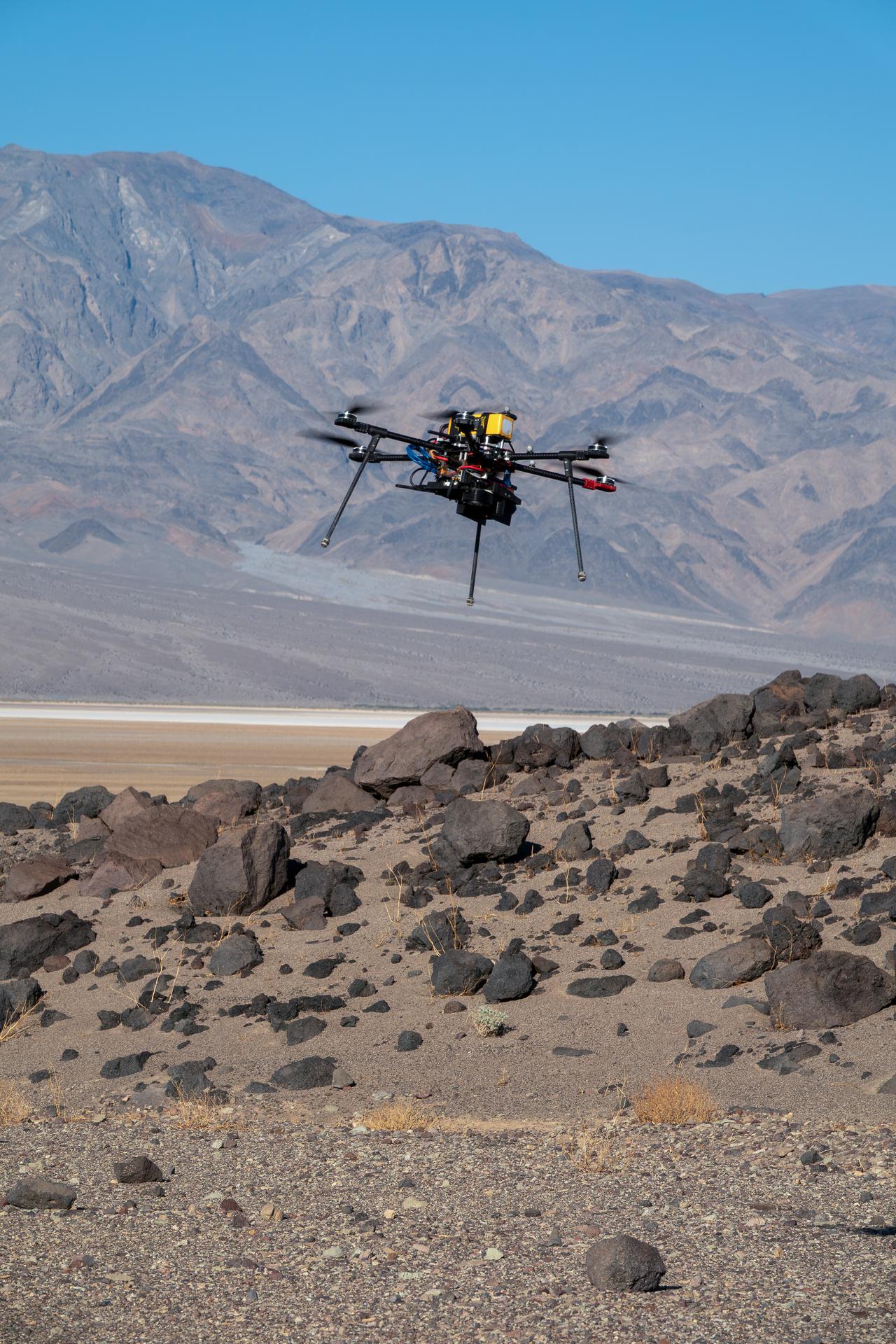
One of three drones used in recent tests by NASA’s Jet Propulsion Laboratory in Southern California flies over Mars Hill, a region of Death Valley National Park, in September 2025. The region’s rubbly, volcanic rocks have served as a Mars-like testing area and analog site for scientists since the 1970s, when NASA was preparing to land the twin Viking spacecraft on the Red Planet.  The drone research — tests of navigation software for the Martian surface — was one of 25 projects funded by NASA’s Mars Exploration Program this past year to push the limits of future technologies. Sand dunes confused the navigation algorithm of the Ingenuity Mars helicopter during several of its last flights, including its 72nd and final flight on the Red Planet in January 2024. The navigation software in development would help future rotorcraft to track the surface of especially bland, featureless terrain similar to the barren sand dunes seen in parts of Death Valley and in the Mojave Desert and to land safely in cluttered environments like Mars Hill.
Research Drone Flies Over Mars Hill
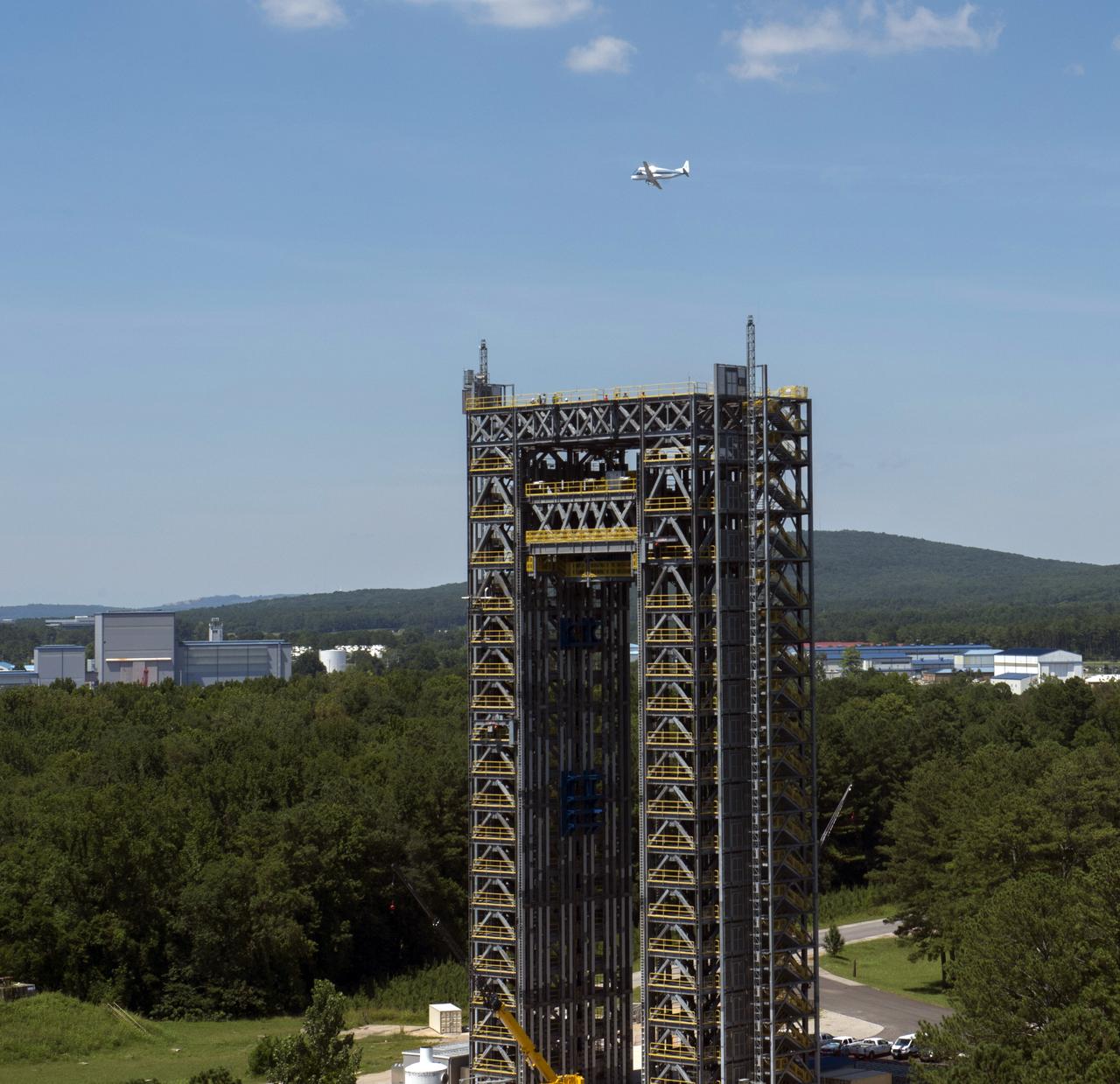
NASA's Super Guppie flies over Marshall Space Flight Center's test stand 4693 in the west test area.
MSFC-1700815
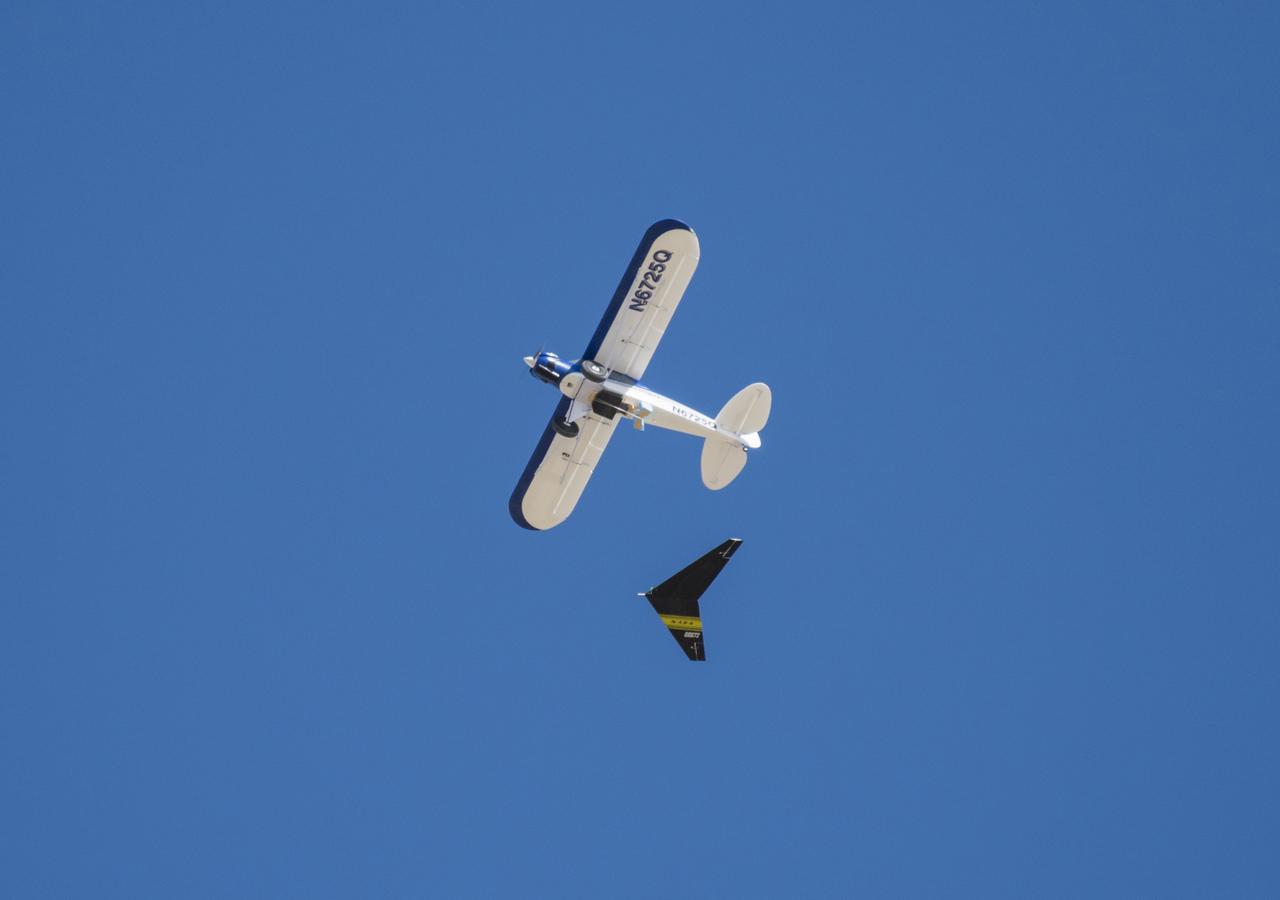
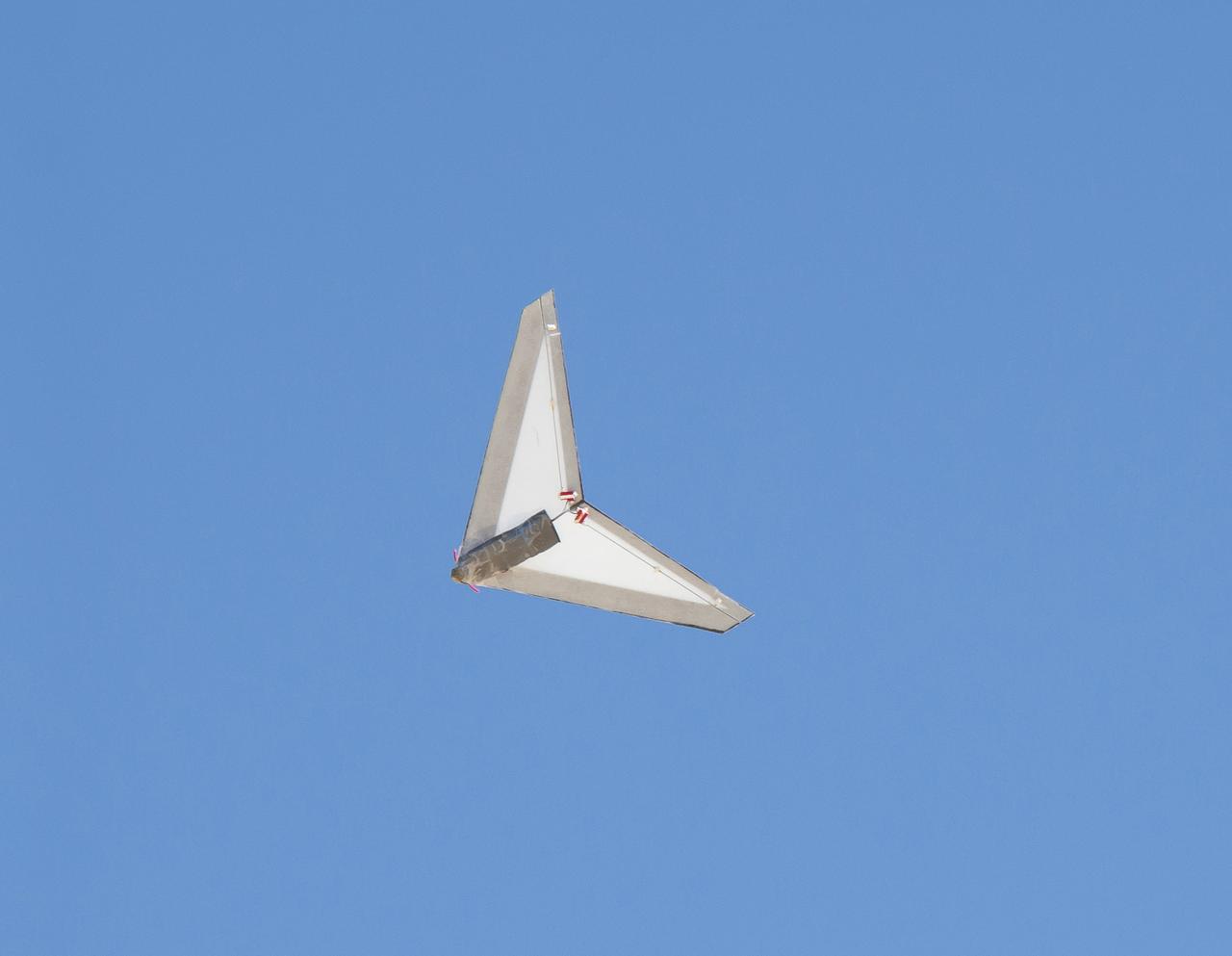
A Prandtl-M aerodynamic model flies following an air launch from a remotely piloted Carbon Cub.
Potential Mars Airplane Resumes Flight
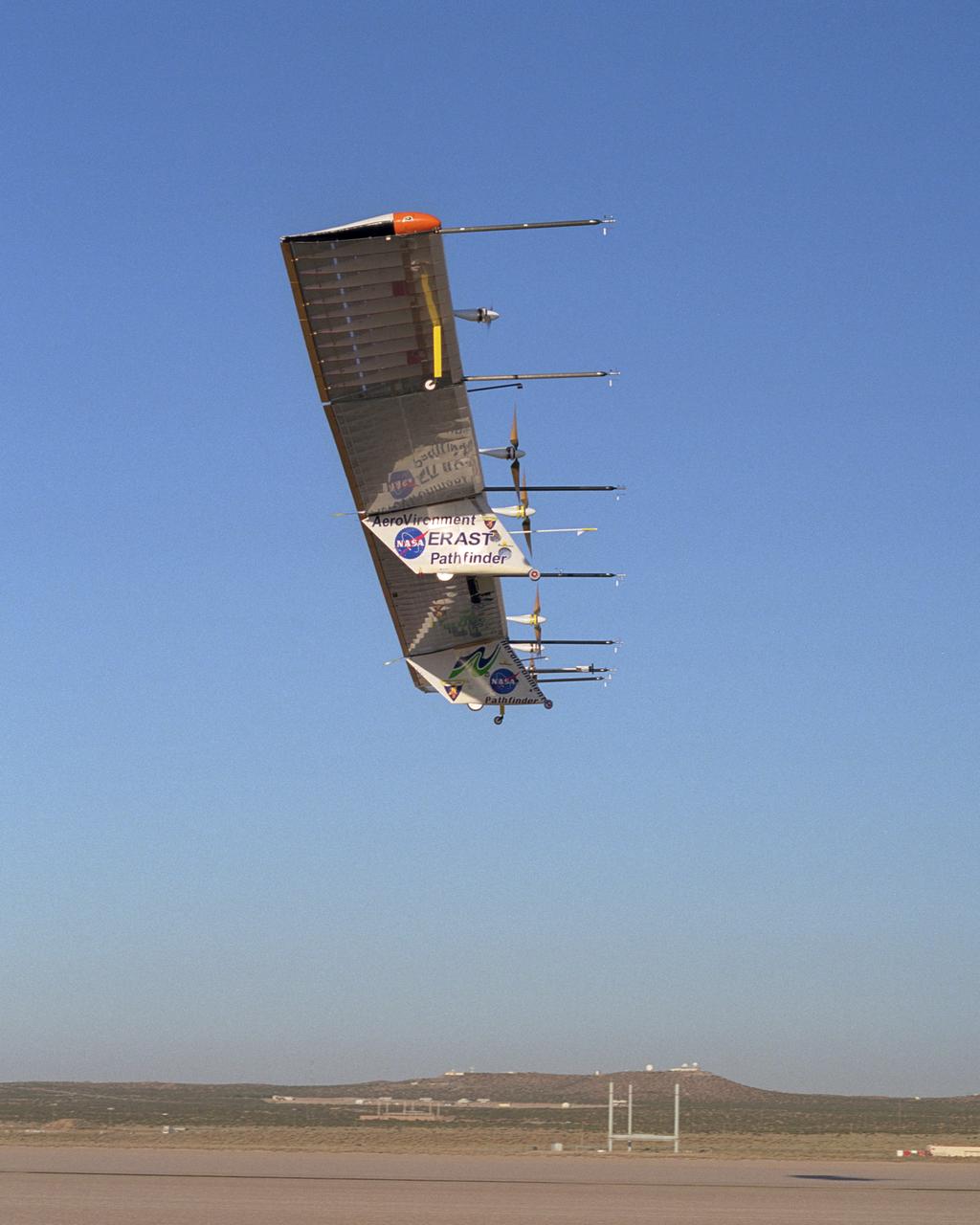
The Atmospheric Turbulence Measurement System booms are clearly evident in this view of the Pathfinder-Plus solar aircraft as it flies over Rogers Dry Lake.
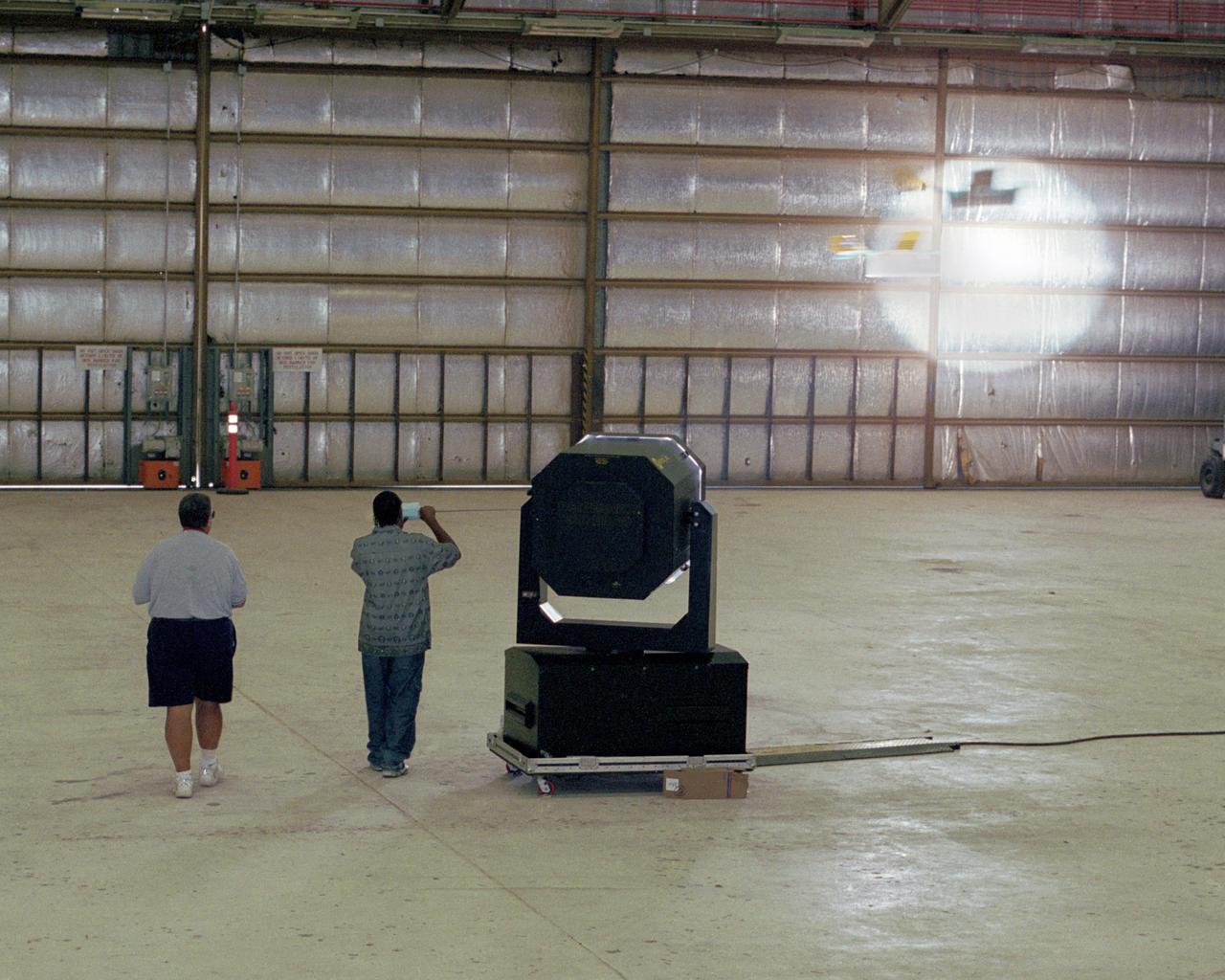
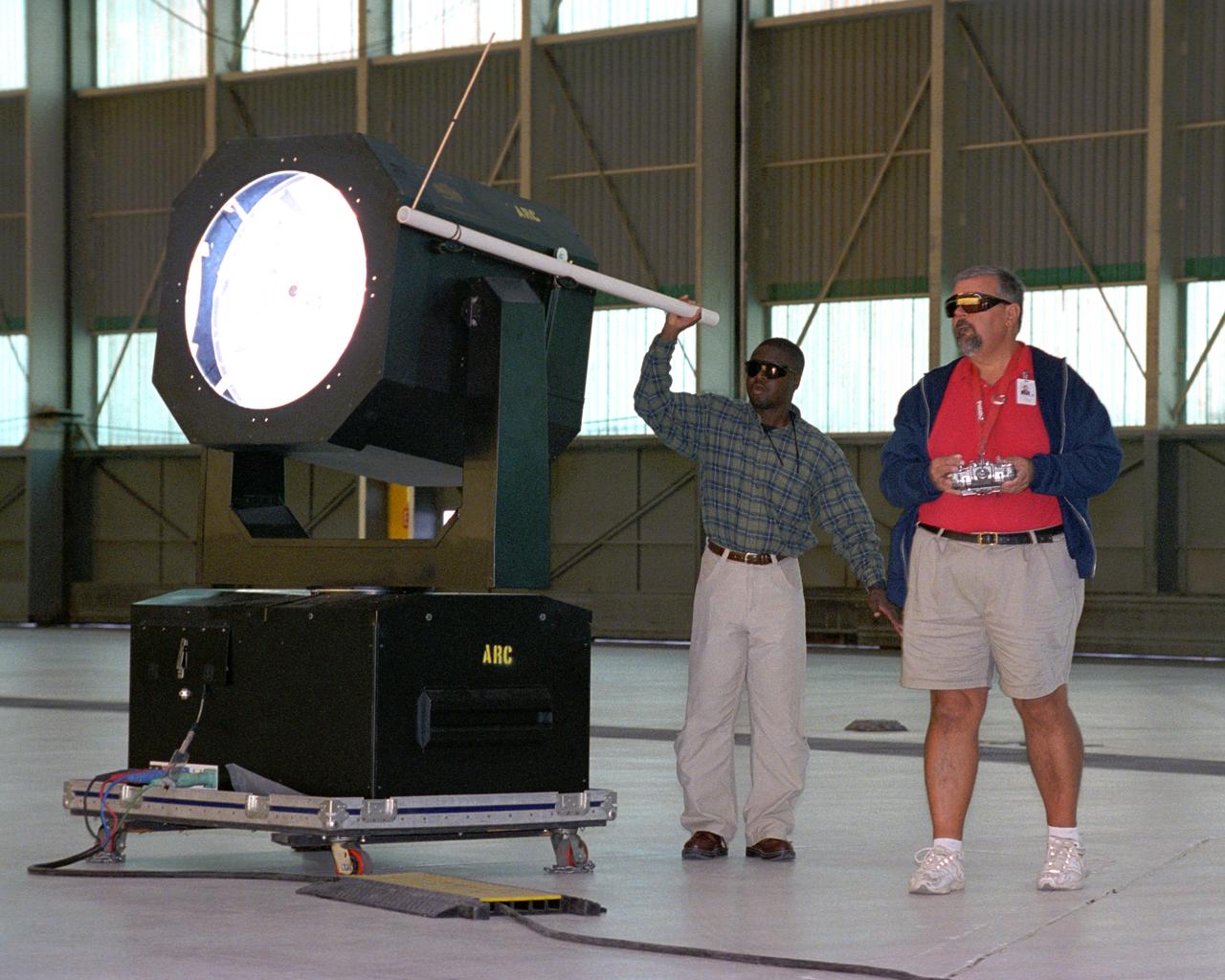
Dryden Model Shop's Tony Frakowiak remotely flies an experimental model aircraft being powered by a spotlight operated by student intern Derrick Barrett.
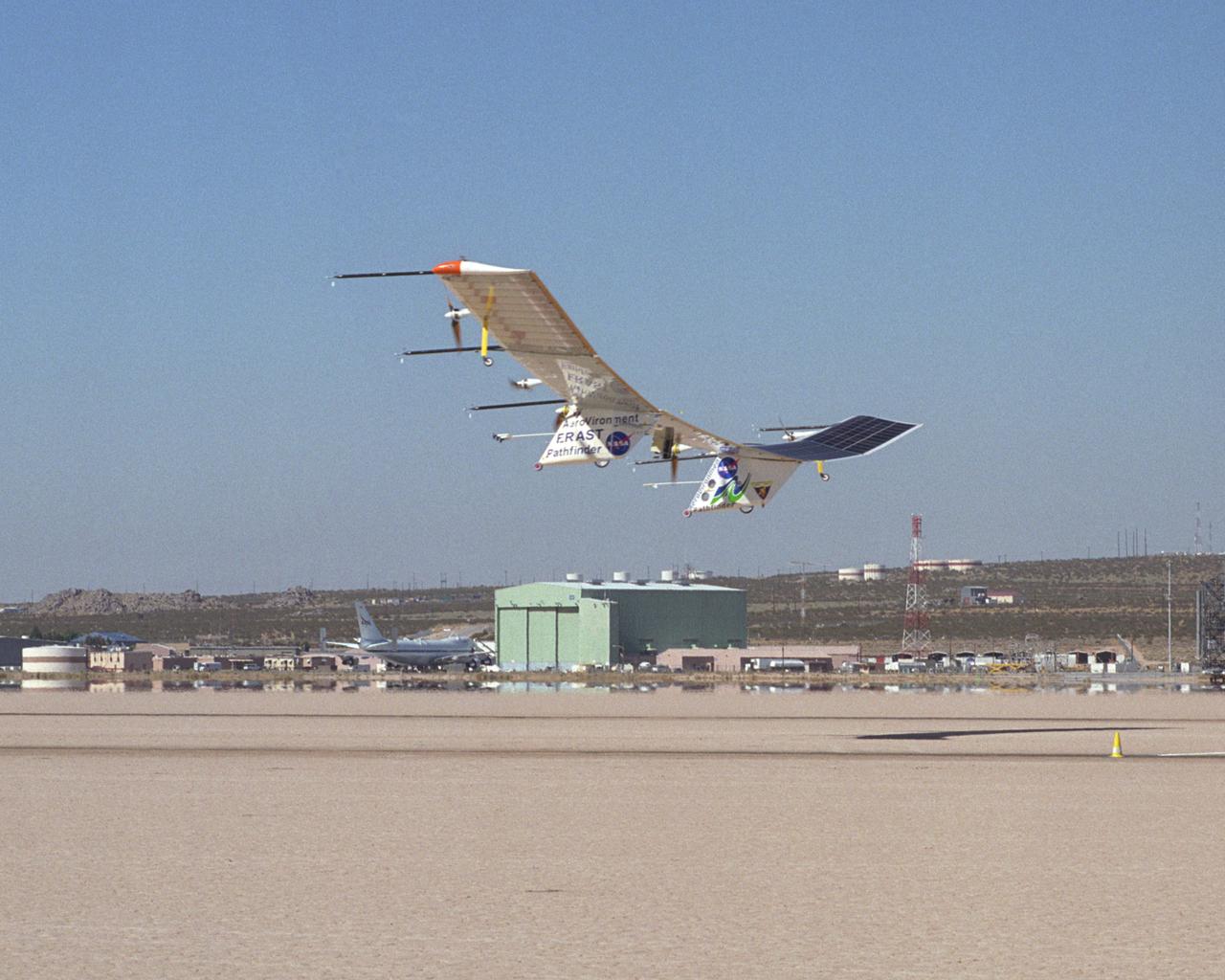
The Pathfinder-Plus solar aircraft flies past NASA Dryden's space shuttle hangar and shuttle carrier aircraft as it descends for landing on Rogers Dry Lake.
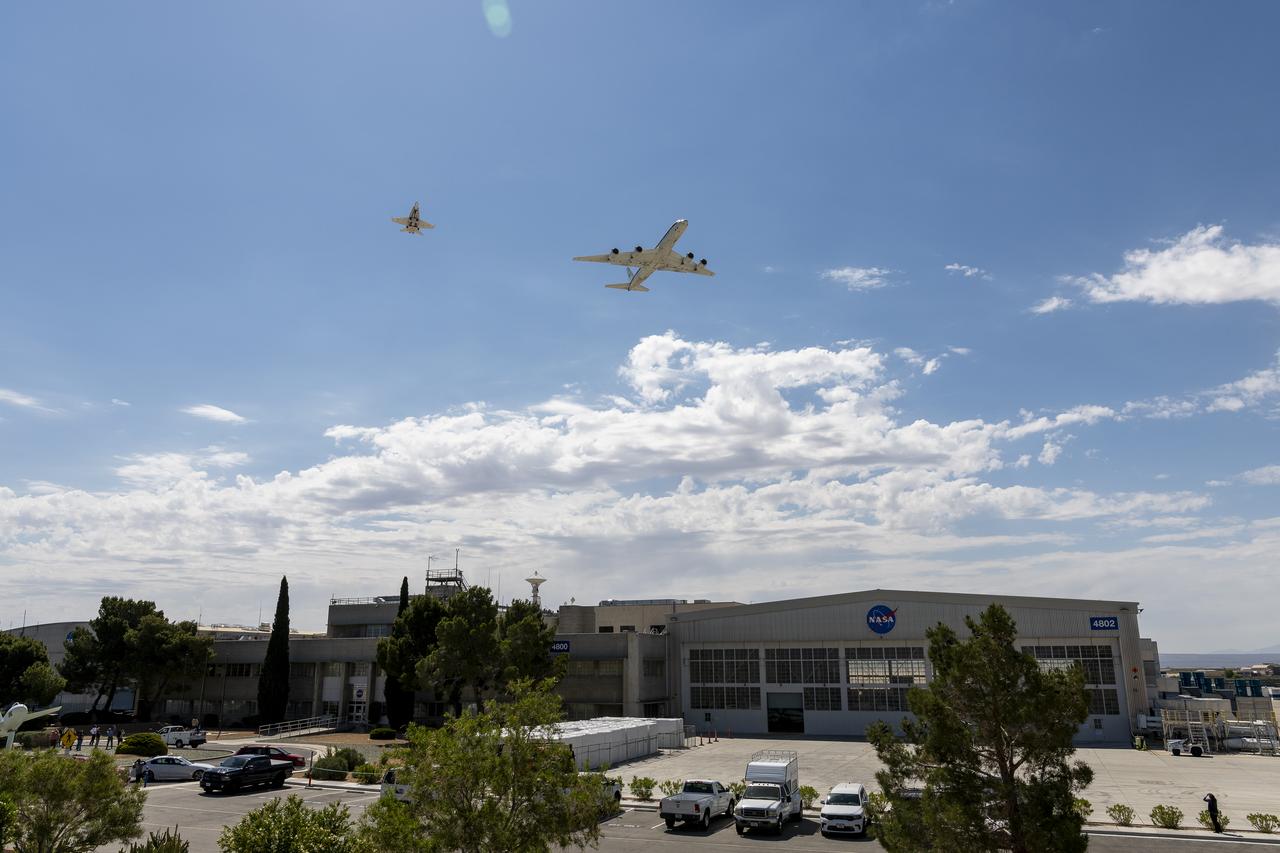
The DC-8 flies low over the Antelope Valley during its final flight before it is retired from NASA’s Armstrong Flight Research Center Building 703 in Palmdale, California, to Idaho State University in Pocatello, Idaho. The DC-8 will provide real-world experience to train future aircraft technicians at the college’s Aircraft Maintenance Technology Program.
NASA’s DC-8 Conducts Final Flight Over Antelope Valley
The ALOFT mission, Airborne Lightning Observatory for Fly’s eye simulator and Terrestrial gamma ray flashes, is a collaboration between NASA and the University of Bergen, Norway.  NASA Armstrong Flight Research Center’s ER-2 aircraft flies just above the height of thunderclouds over the Floridian and Caribbean coastlines to collect data about lightning glows and terrestrial gamma ray flashes.  Scientists expect to collect more accurate data than ever before that can advance the study of high-energy radiation emissions from thunderstorms.
NASA’s ER-2 aircraft flies high for ALOFT mission
The ALOFT mission, Airborne Lightning Observatory for Fly’s eye simulator and Terrestrial gamma ray flashes, is a collaboration between NASA and the University of Bergen, Norway.  NASA Armstrong Flight Research Center’s ER-2 aircraft flies just above the height of thunderclouds over the Floridian and Caribbean coastlines to collect data about lightning glows and terrestrial gamma ray flashes.  Scientists expect to collect more accurate data than ever before that can advance the study of high-energy radiation emissions from thunderstorms.
NASA’s ER-2 aircraft flies high for ALOFT mission
The ALOFT mission, Airborne Lightning Observatory for Fly’s eye simulator and Terrestrial gamma ray flashes, is a collaboration between NASA and the University of Bergen, Norway.  NASA Armstrong Flight Research Center’s ER-2 aircraft flies just above the height of thunderclouds over the Floridian and Caribbean coastlines to collect data about lightning glows and terrestrial gamma ray flashes.  Scientists expect to collect more accurate data than ever before that can advance the study of high-energy radiation emissions from thunderstorms.
NASA’s ER-2 aircraft flies high for ALOFT mission
The ALOFT mission, Airborne Lightning Observatory for Fly’s eye simulator and Terrestrial gamma ray flashes, is a collaboration between NASA and the University of Bergen, Norway.  NASA Armstrong Flight Research Center’s ER-2 aircraft flies just above the height of thunderclouds over the Floridian and Caribbean coastlines to collect data about lightning glows and terrestrial gamma ray flashes.  Scientists expect to collect more accurate data than ever before that can advance the study of high-energy radiation emissions from thunderstorms.
NASA’s ER-2 aircraft flies high for ALOFT mission
The ALOFT mission, Airborne Lightning Observatory for Fly’s eye simulator and Terrestrial gamma ray flashes, is a collaboration between NASA and the University of Bergen, Norway.  NASA Armstrong Flight Research Center’s ER-2 aircraft flies just above the height of thunderclouds over the Floridian and Caribbean coastlines to collect data about lightning glows and terrestrial gamma ray flashes.  Scientists expect to collect more accurate data than ever before that can advance the study of high-energy radiation emissions from thunderstorms.
NASA’s ER-2 aircraft flies high for ALOFT mission
The ALOFT mission, Airborne Lightning Observatory for Fly’s eye simulator and Terrestrial gamma ray flashes, is a collaboration between NASA and the University of Bergen, Norway.  NASA Armstrong Flight Research Center’s ER-2 aircraft flies just above the height of thunderclouds over the Floridian and Caribbean coastlines to collect data about lightning glows and terrestrial gamma ray flashes.  Scientists expect to collect more accurate data than ever before that can advance the study of high-energy radiation emissions from thunderstorms.
NASA’s ER-2 aircraft flies high for ALOFT mission
The ALOFT mission, Airborne Lightning Observatory for Fly’s eye simulator and Terrestrial gamma ray flashes, is a collaboration between NASA and the University of Bergen, Norway.  NASA Armstrong Flight Research Center’s ER-2 aircraft flies just above the height of thunderclouds over the Floridian and Caribbean coastlines to collect data about lightning glows and terrestrial gamma ray flashes.  Scientists expect to collect more accurate data than ever before that can advance the study of high-energy radiation emissions from thunderstorms.
NASA’s ER-2 aircraft flies high for ALOFT mission
The ALOFT mission, Airborne Lightning Observatory for Fly’s eye simulator and Terrestrial gamma ray flashes, is a collaboration between NASA and the University of Bergen, Norway.  NASA Armstrong Flight Research Center’s ER-2 aircraft flies just above the height of thunderclouds over the Floridian and Caribbean coastlines to collect data about lightning glows and terrestrial gamma ray flashes.  Scientists expect to collect more accurate data than ever before that can advance the study of high-energy radiation emissions from thunderstorms.
NASA’s ER-2 aircraft flies high for ALOFT mission
The ALOFT mission, Airborne Lightning Observatory for Fly’s eye simulator and Terrestrial gamma ray flashes, is a collaboration between NASA and the University of Bergen, Norway.  NASA Armstrong Flight Research Center’s ER-2 aircraft flies just above the height of thunderclouds over the Floridian and Caribbean coastlines to collect data about lightning glows and terrestrial gamma ray flashes.  Scientists expect to collect more accurate data than ever before that can advance the study of high-energy radiation emissions from thunderstorms.
NASA’s ER-2 aircraft flies high for ALOFT mission
The ALOFT mission, Airborne Lightning Observatory for Fly’s eye simulator and Terrestrial gamma ray flashes, is a collaboration between NASA and the University of Bergen, Norway.  NASA Armstrong Flight Research Center’s ER-2 aircraft flies just above the height of thunderclouds over the Floridian and Caribbean coastlines to collect data about lightning glows and terrestrial gamma ray flashes.  Scientists expect to collect more accurate data than ever before that can advance the study of high-energy radiation emissions from thunderstorms.
NASA’s ER-2 aircraft flies high for ALOFT mission
The ALOFT mission, Airborne Lightning Observatory for Fly’s eye simulator and Terrestrial gamma ray flashes, is a collaboration between NASA and the University of Bergen, Norway.  NASA Armstrong Flight Research Center’s ER-2 aircraft flies just above the height of thunderclouds over the Floridian and Caribbean coastlines to collect data about lightning glows and terrestrial gamma ray flashes.  Scientists expect to collect more accurate data than ever before that can advance the study of high-energy radiation emissions from thunderstorms.
NASA’s ER-2 aircraft flies high for ALOFT mission
The ALOFT mission, Airborne Lightning Observatory for Fly’s eye simulator and Terrestrial gamma ray flashes, is a collaboration between NASA and the University of Bergen, Norway.  NASA Armstrong Flight Research Center’s ER-2 aircraft flies just above the height of thunderclouds over the Floridian and Caribbean coastlines to collect data about lightning glows and terrestrial gamma ray flashes.  Scientists expect to collect more accurate data than ever before that can advance the study of high-energy radiation emissions from thunderstorms.
NASA’s ER-2 aircraft flies high for ALOFT mission
The ALOFT mission, Airborne Lightning Observatory for Fly’s eye simulator and Terrestrial gamma ray flashes, is a collaboration between NASA and the University of Bergen, Norway.  NASA Armstrong Flight Research Center’s ER-2 aircraft flies just above the height of thunderclouds over the Floridian and Caribbean coastlines to collect data about lightning glows and terrestrial gamma ray flashes.  Scientists expect to collect more accurate data than ever before that can advance the study of high-energy radiation emissions from thunderstorms.
NASA’s ER-2 aircraft flies high for ALOFT mission
The ALOFT mission, Airborne Lightning Observatory for Fly’s eye simulator and Terrestrial gamma ray flashes, is a collaboration between NASA and the University of Bergen, Norway.  NASA Armstrong Flight Research Center’s ER-2 aircraft flies just above the height of thunderclouds over the Floridian and Caribbean coastlines to collect data about lightning glows and terrestrial gamma ray flashes.  Scientists expect to collect more accurate data than ever before that can advance the study of high-energy radiation emissions from thunderstorms.
NASA’s ER-2 aircraft flies high for ALOFT mission
The DC-8 flies low for the last time over NASA’s Armstrong Flight Research Center in Edwards, California, before it retires to Idaho State University in Pocatello, Idaho. The DC-8 will provide real-world experience to train future aircraft technicians at the college’s Aircraft Maintenance Technology Program.
NASA Bids Farewell to DC-8
ASCAN Group 23 (Class of 2021) Photo. Photo Date: March 7, 2022.  Location: Building 8, Room 183 - Photo Studio. Credit: NASA/Robert Markowitz & Josh Valcarcel.
2021 ASCAN class group photo
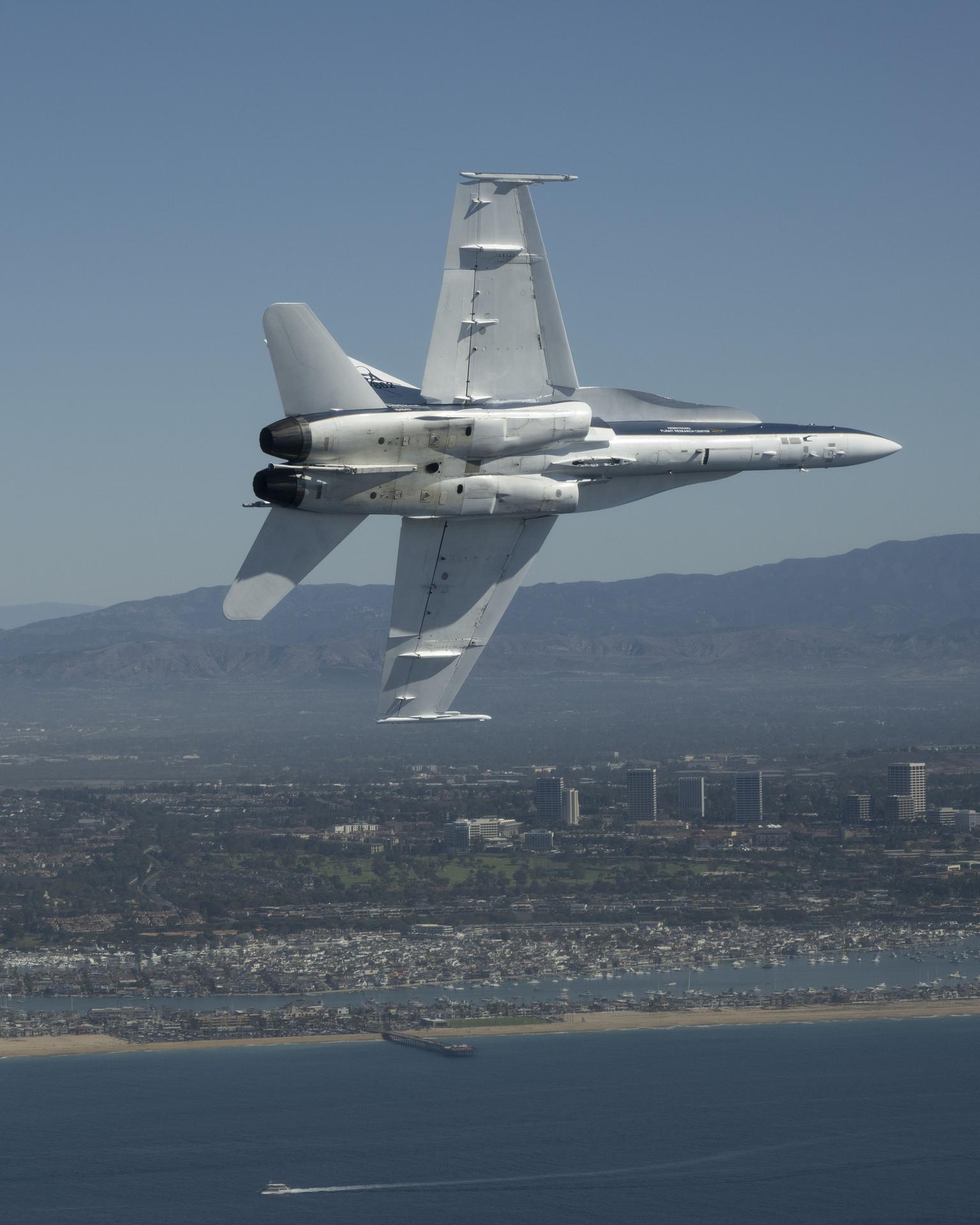
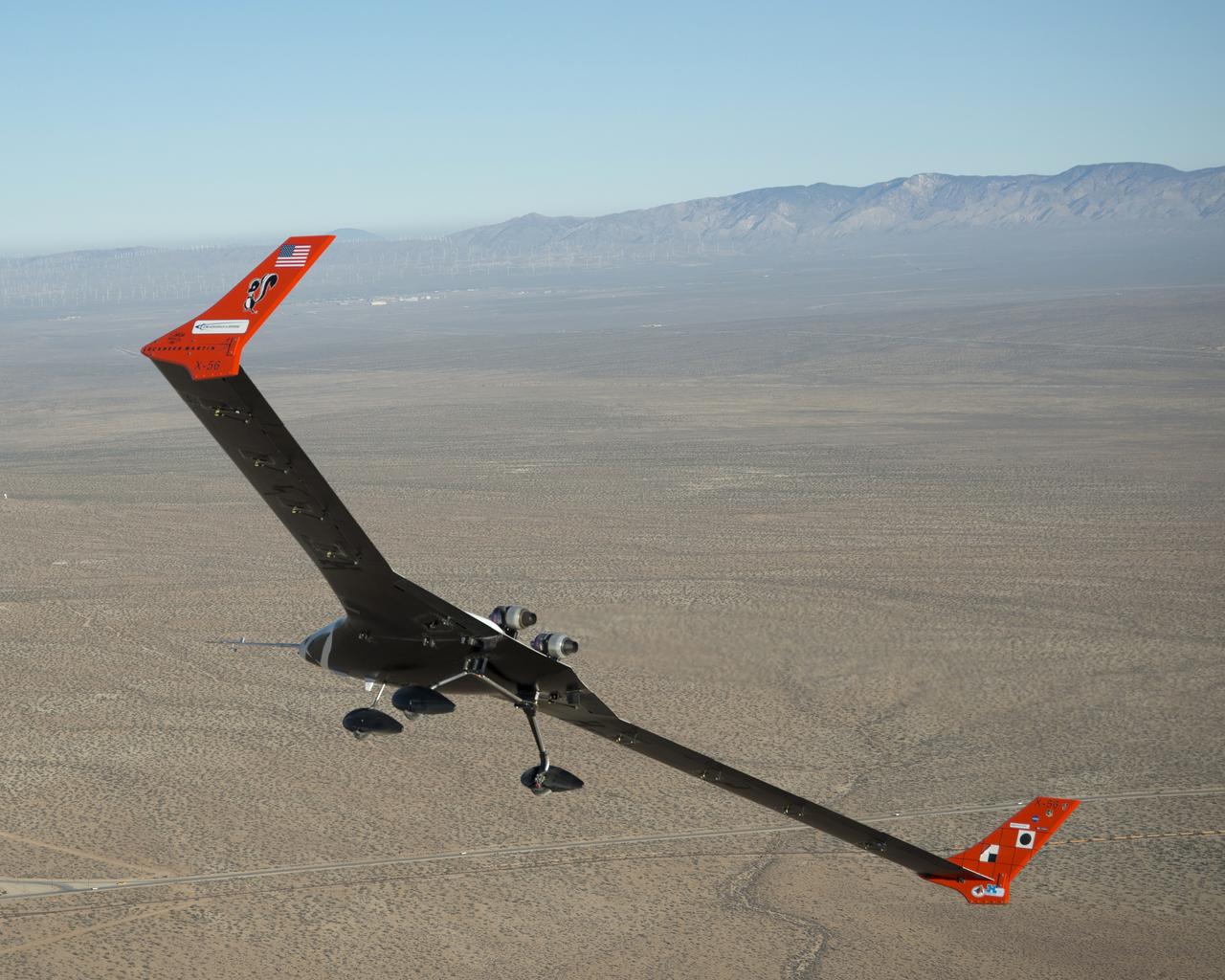
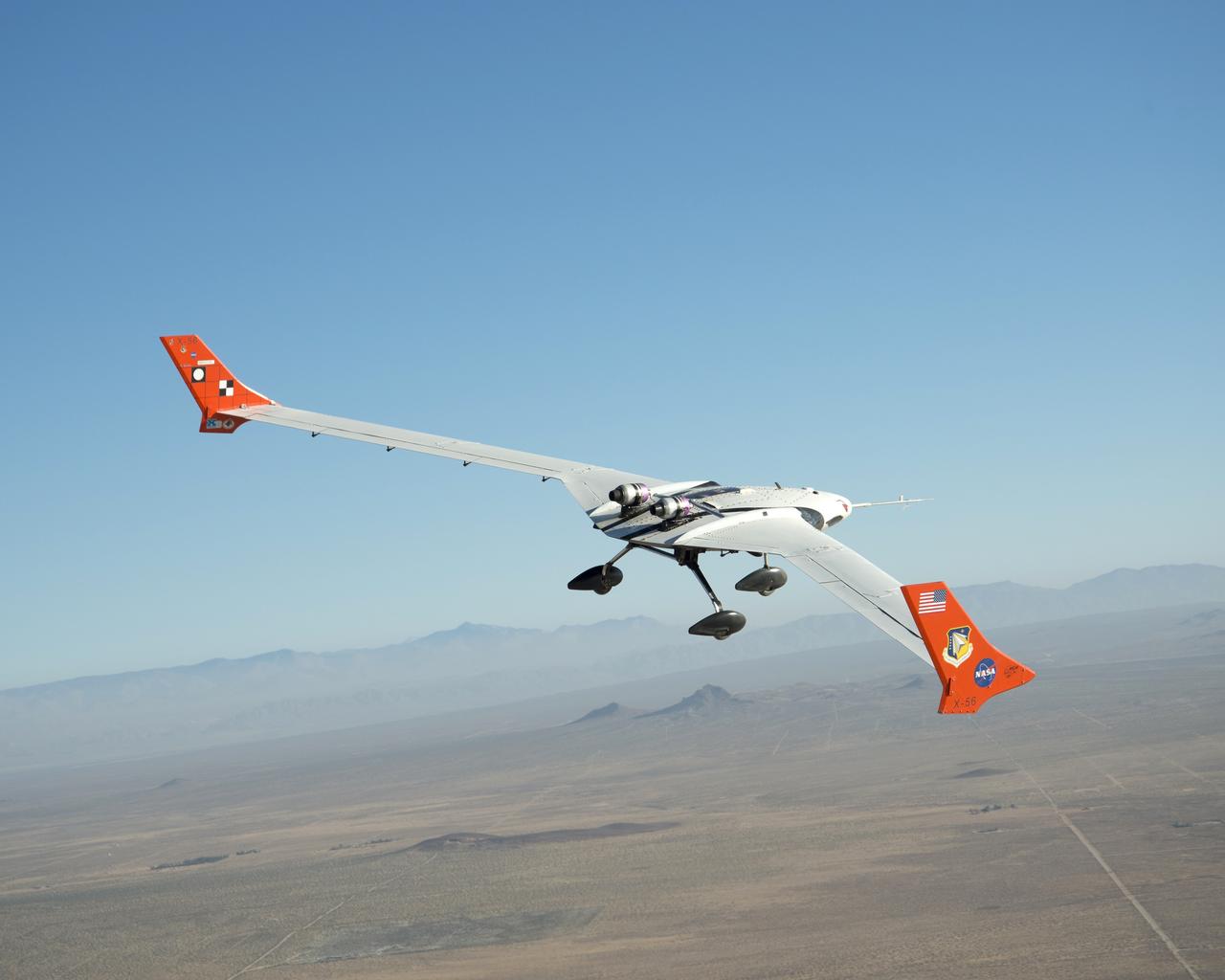
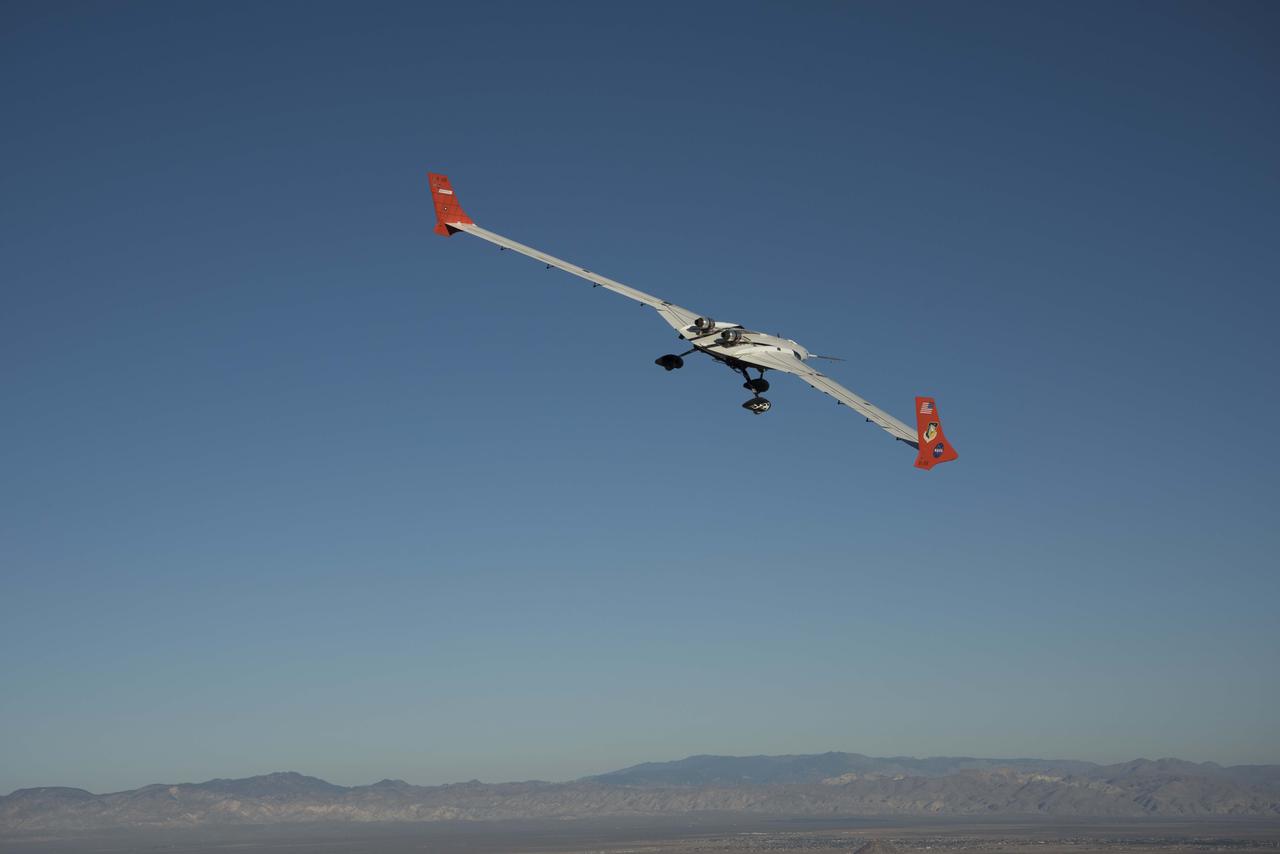
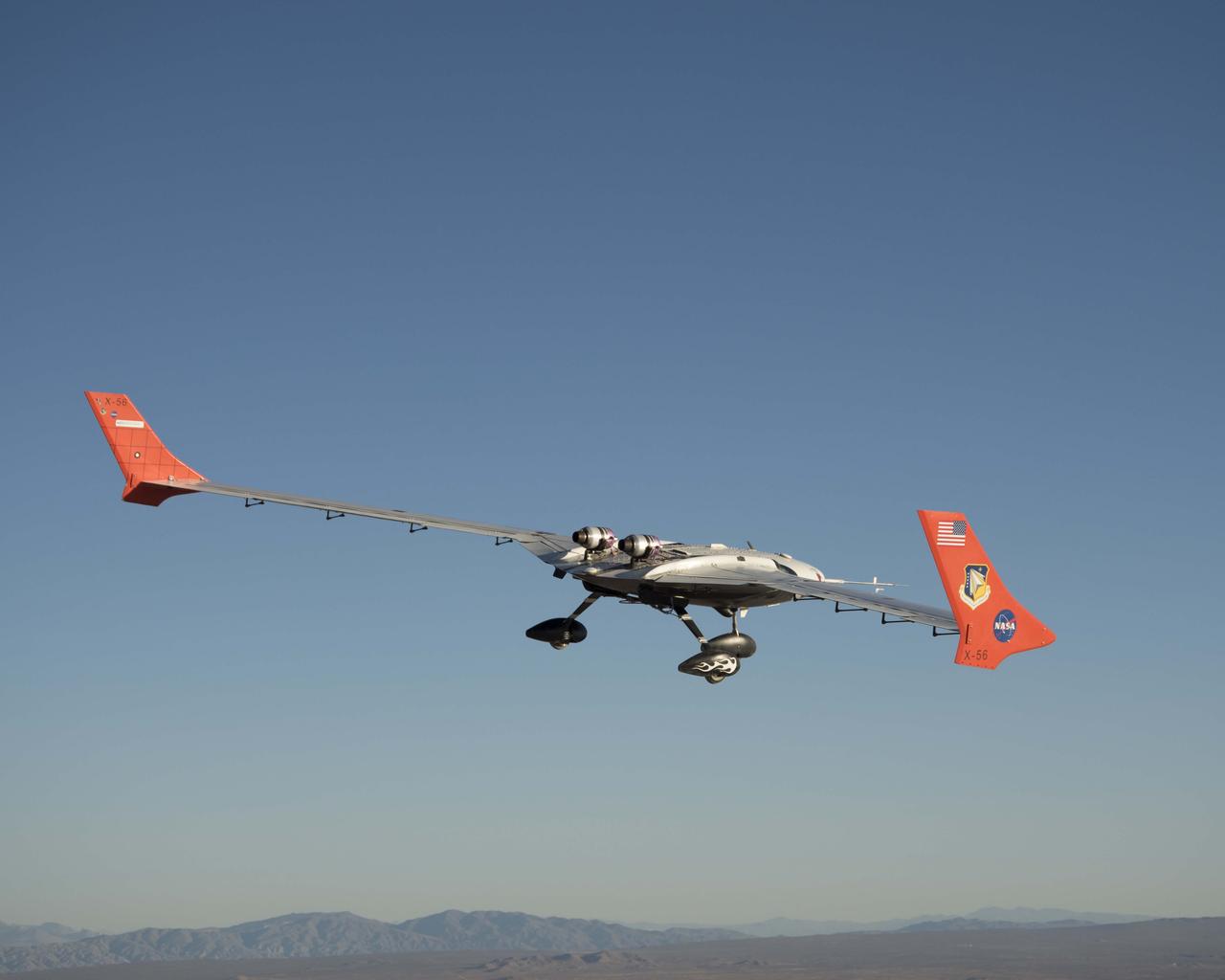
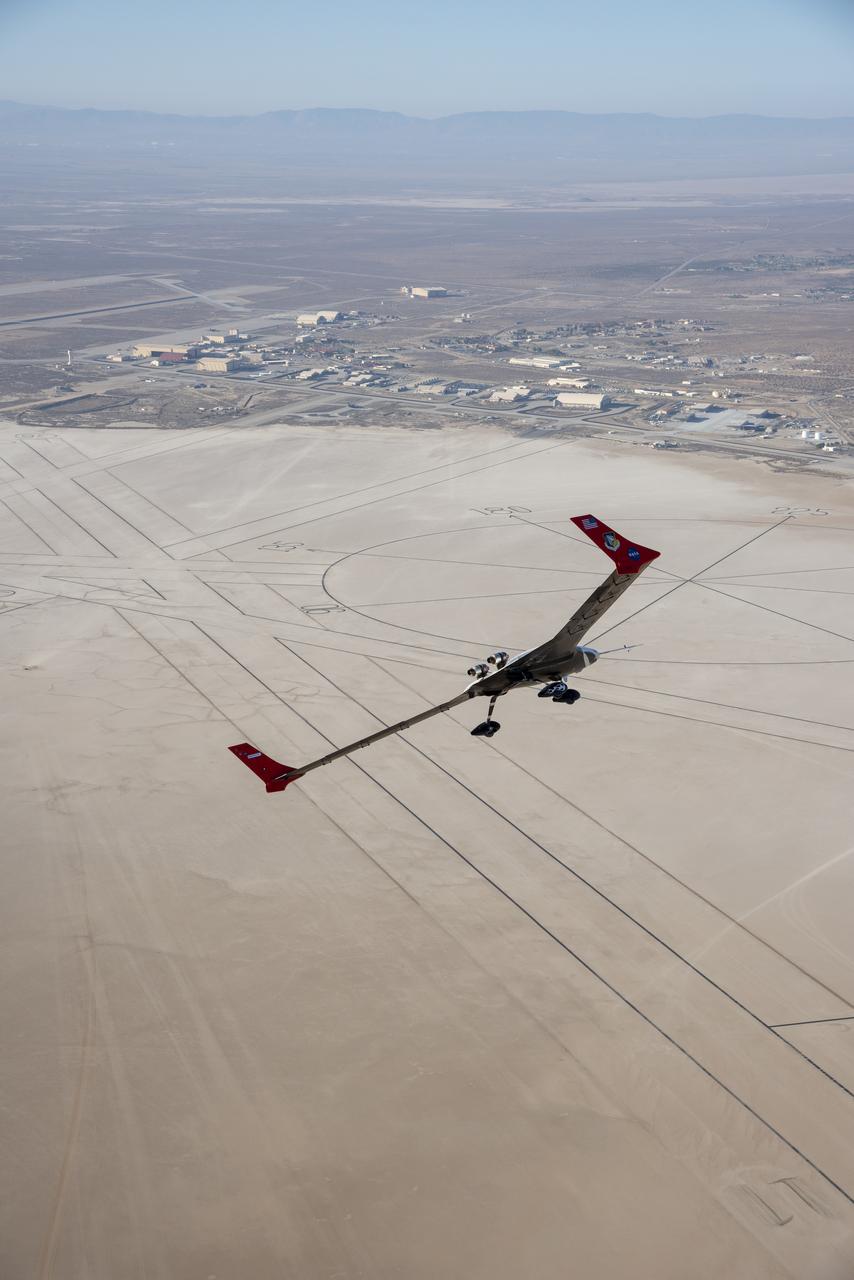
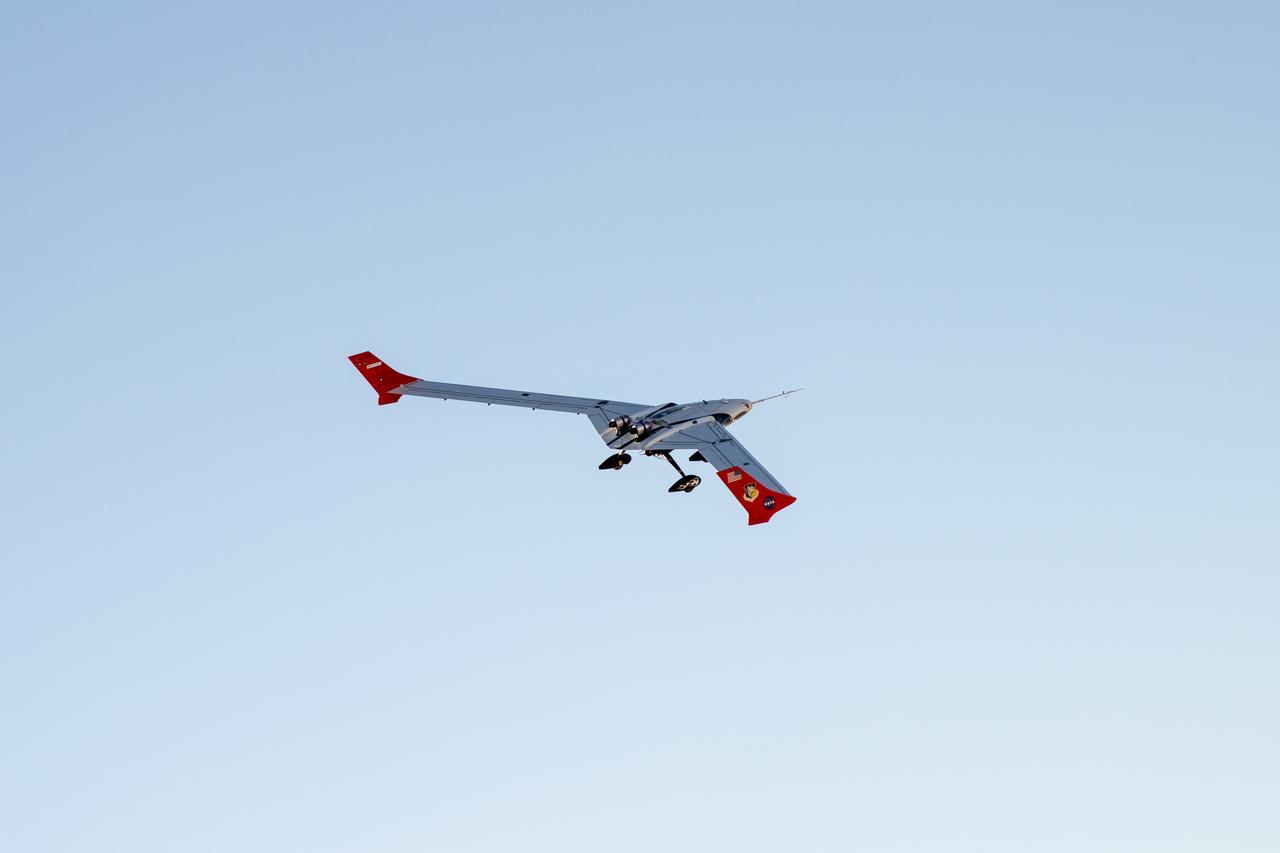
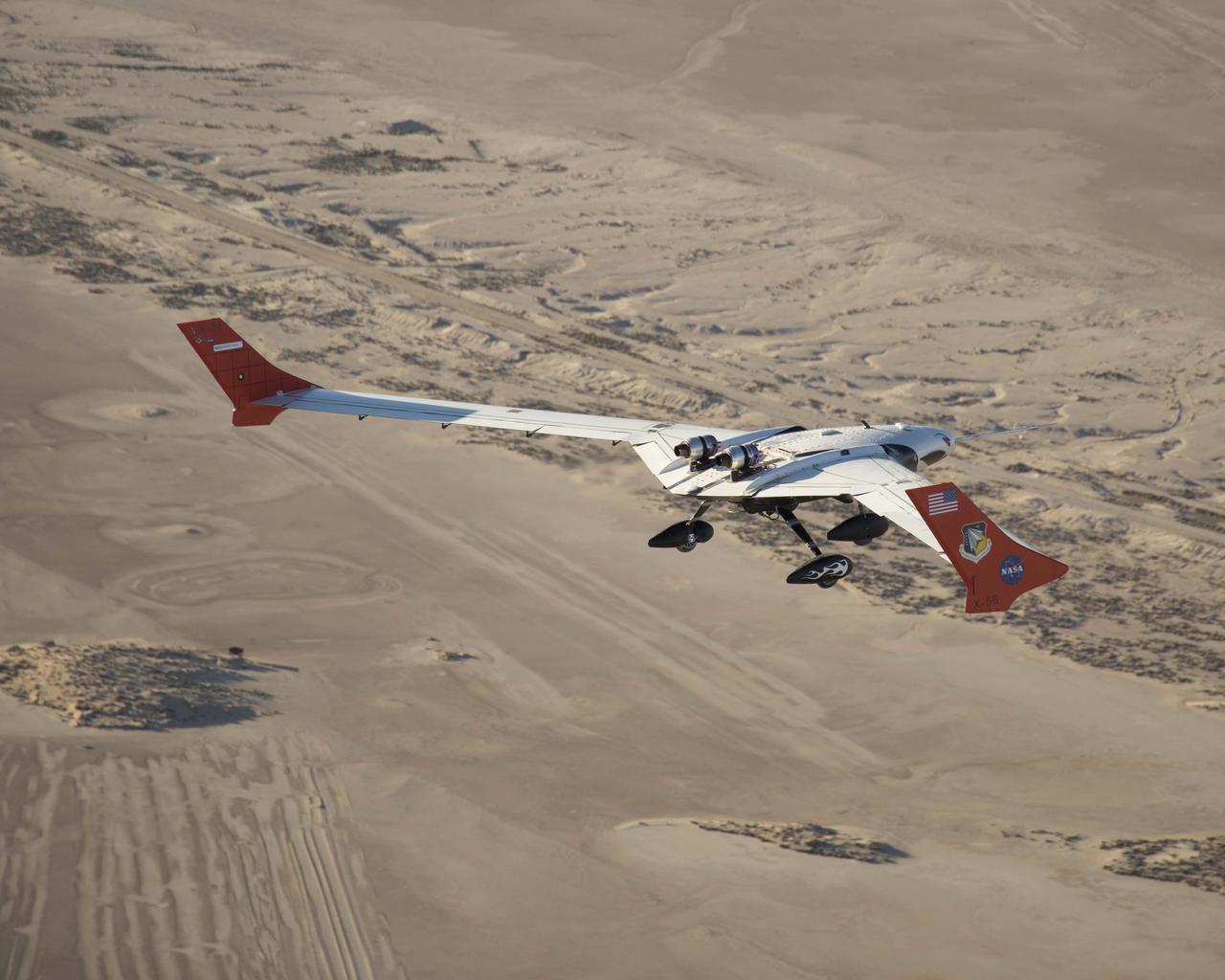
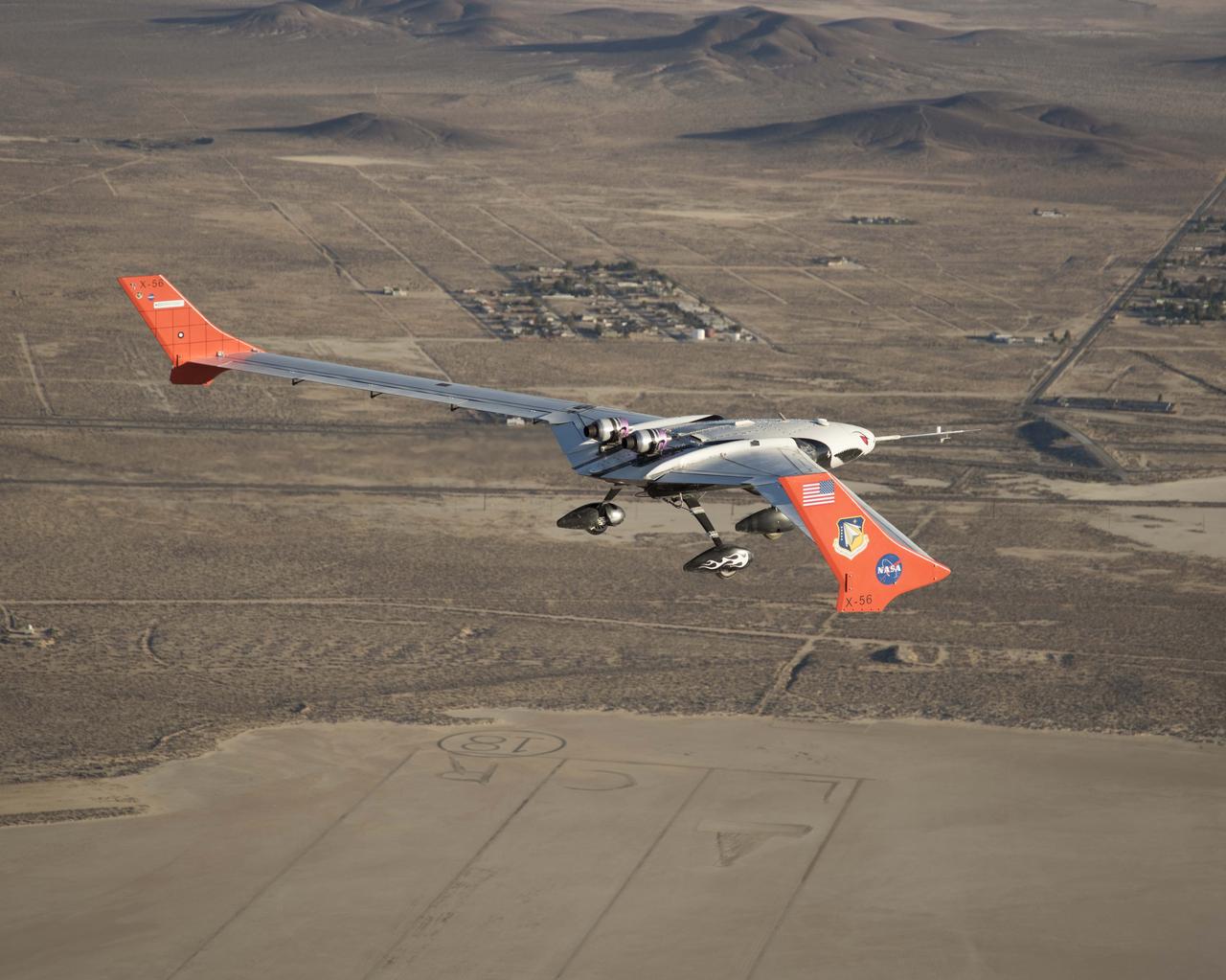
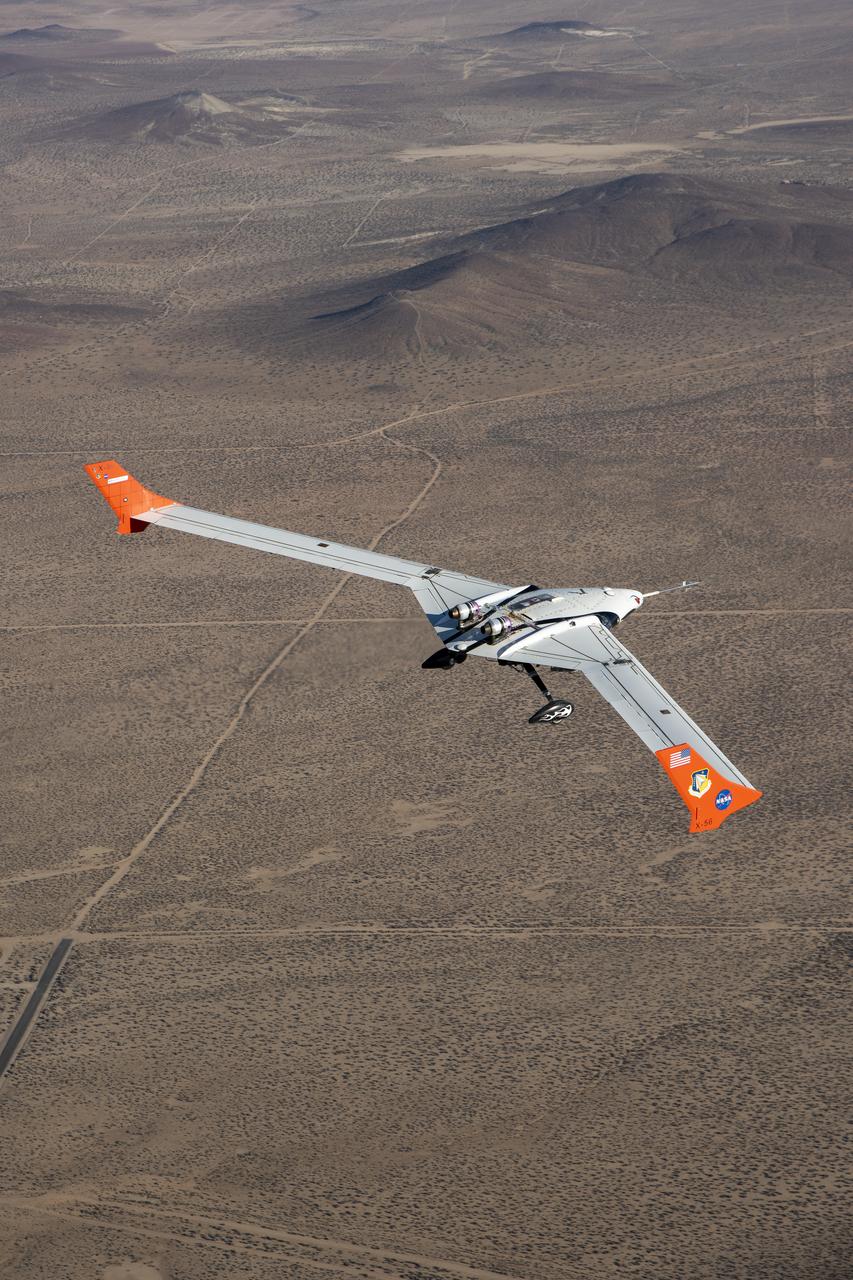
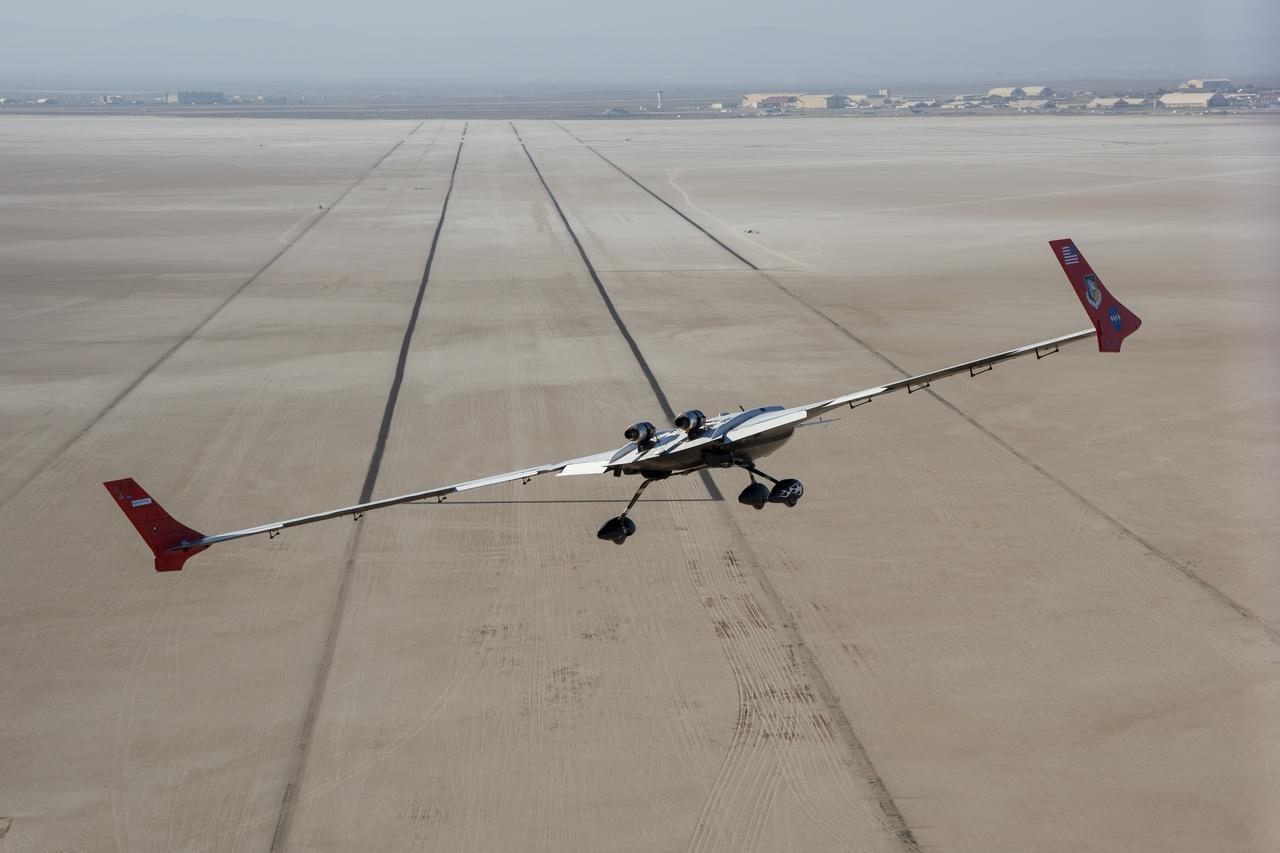
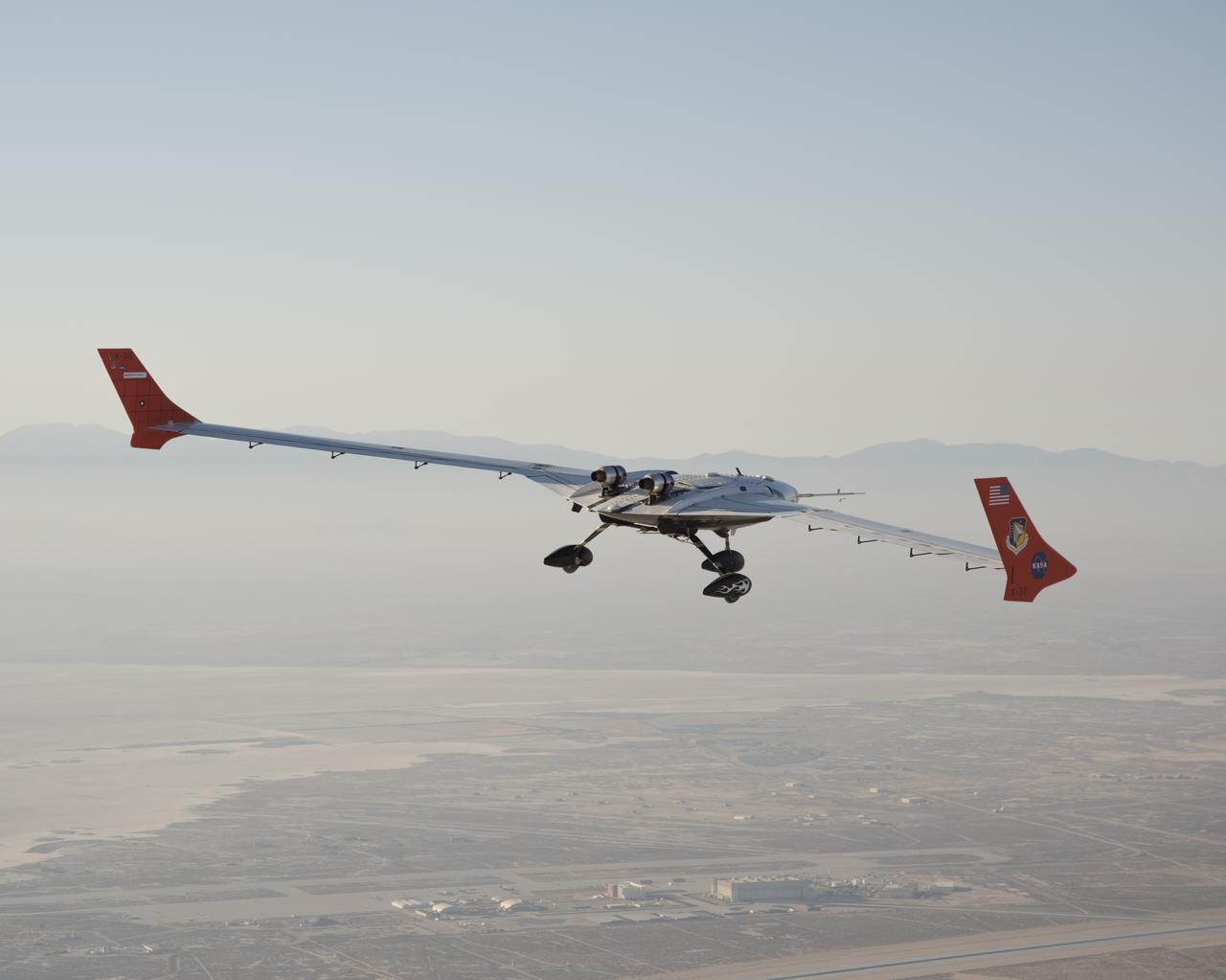
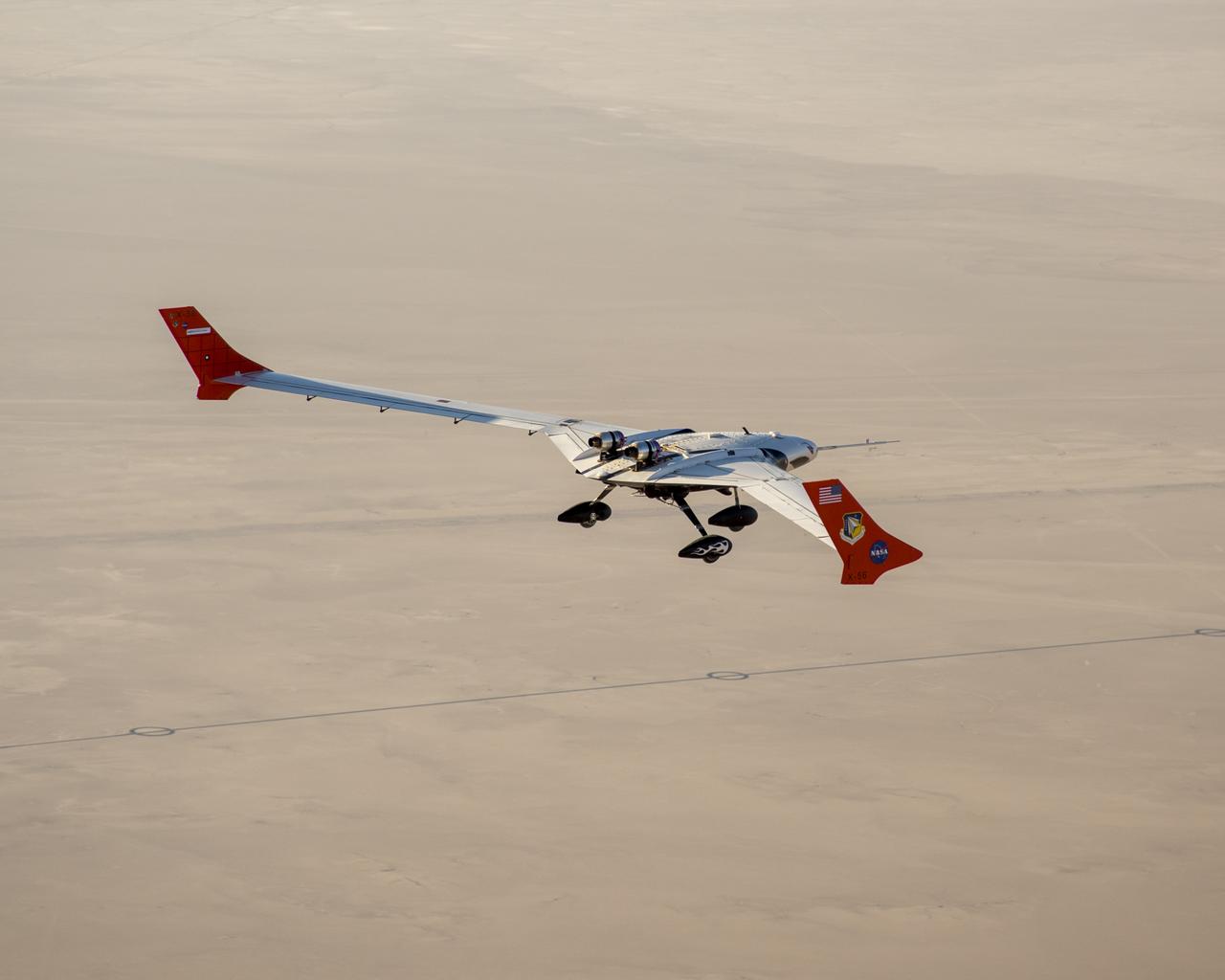
The X-56A flies over the desert near NASA Armstrong Flight Research Center, Edwards, California.  NASA researchers are using the remotely piloted X-56A to explore the behavior of lightweight, flexible aircraft structures.
ED15-0241-21
The X-56A flies over the desert near NASA Armstrong Flight Research Center, Edwards, California.  NASA researchers are using the remotely piloted X-56A to explore the behavior of lightweight, flexible aircraft structures.
ED15-0241-05
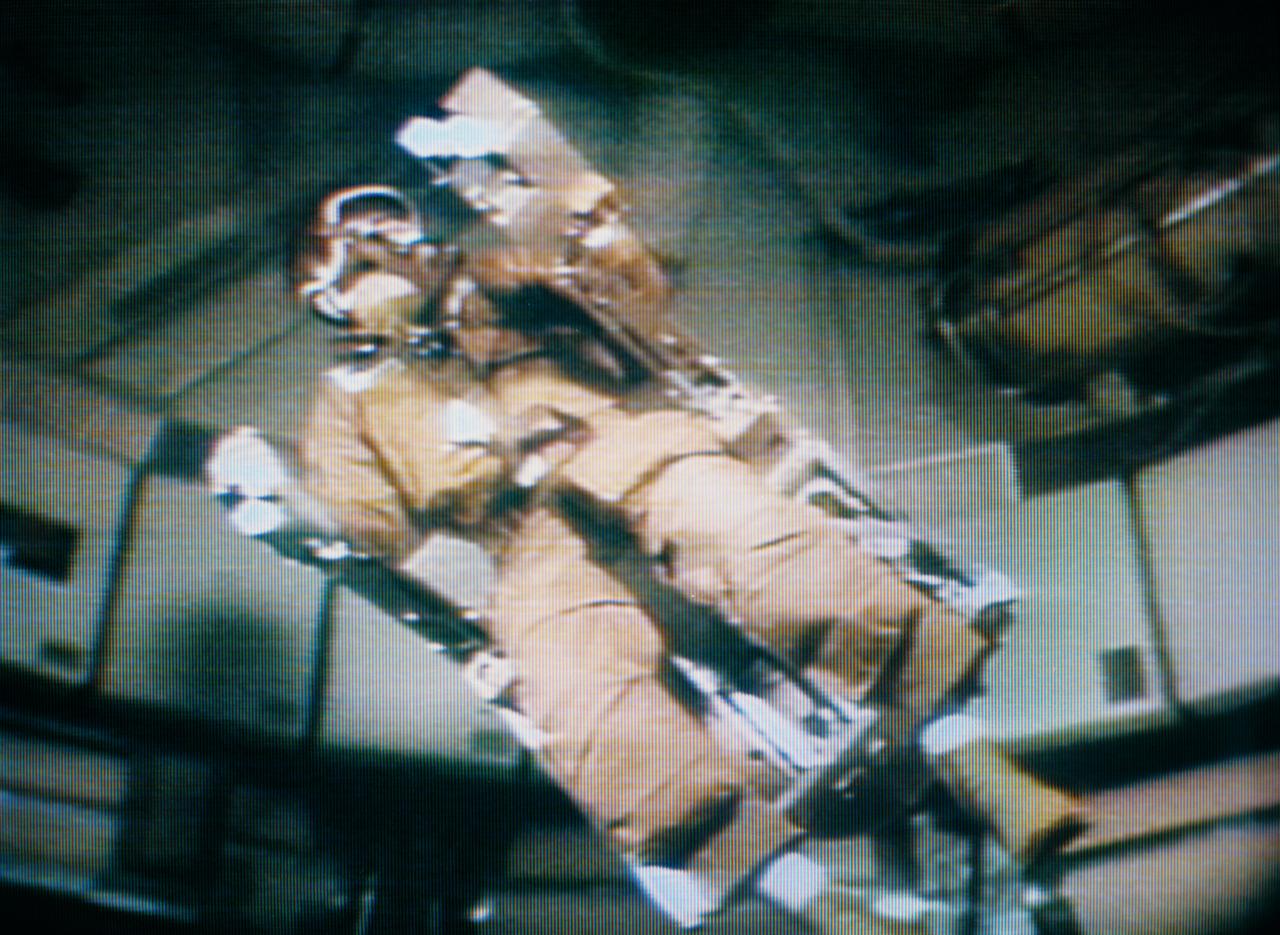
S73-34207 (28 Aug. 1973) --- Astronaut Alan L. Bean, Skylab 3 commander, flies the M509 astronaut Maneuvering Equipment, as seen in this photographic reproduction taken from a television transmission made by a color television camera in the Orbital Workshop (OWS) of the Skylab space station in Earth orbit. Bean is strapped into the back-mounted, hand-controlled Automatically Stabilized Maneuvering Unit (ASMU). The M509 exercise was in the forward dome area of the OWS. The dome area is about 22 feet in diameter and 19 feet from top to bottom. Photo credit: NASA
Astronaut Alan Bean flies the Astronaut Maneuvering Equipment in the OWS
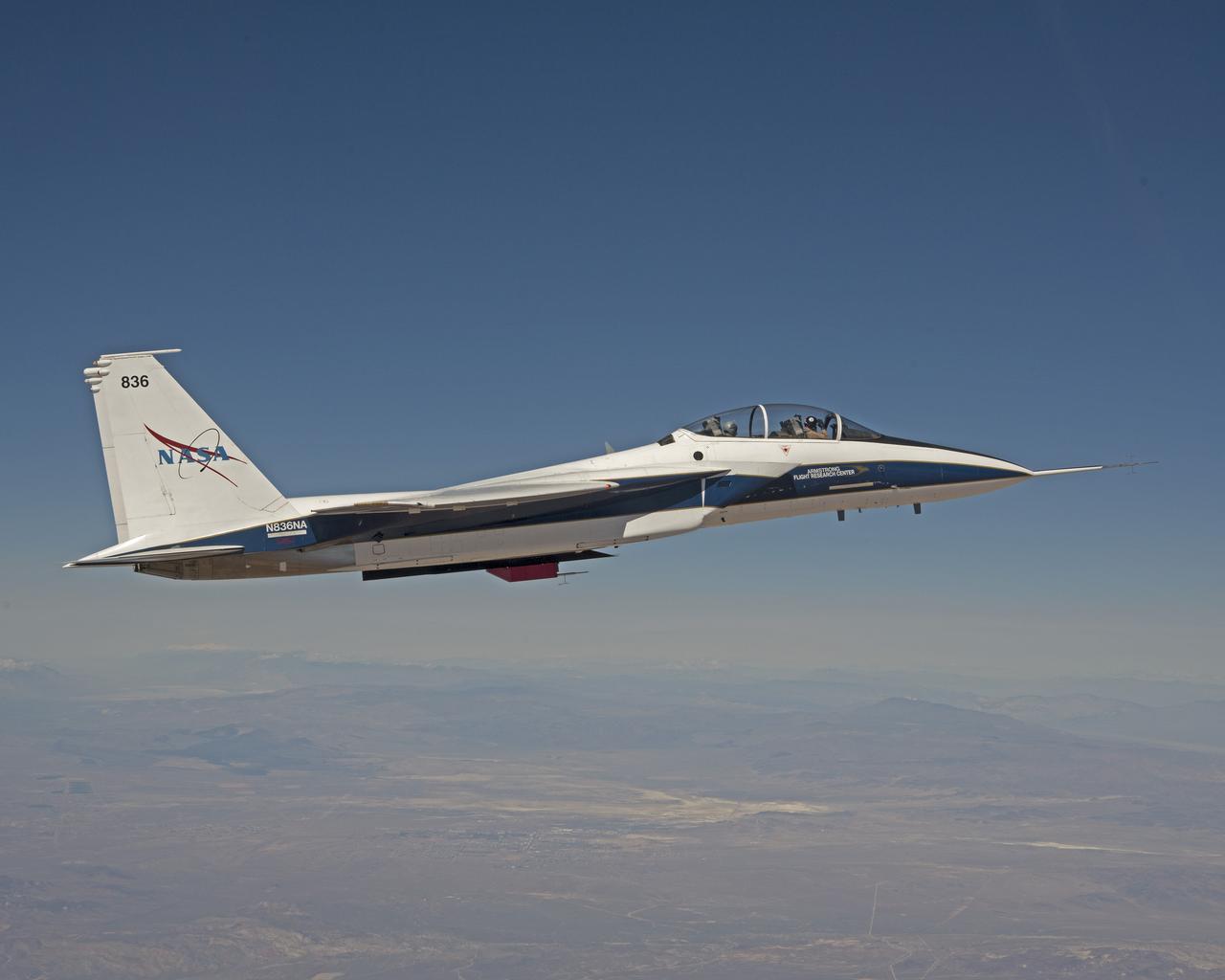
Research on the Eagle Aero Probe is ongoing from an F-15B flight test fixture, as the aircraft flies missions over the high desert.
AFRC2016-0072-01
The DC-8 flies for the last time from NASA’s Armstrong Flight Research Center Building 703 in Palmdale, California, before it retires to Idaho State University in Pocatello, Idaho. The DC-8 will provide real-world experience to train future aircraft technicians at the college’s Aircraft Maintenance Technology Program.
NASA’s DC-8 Conducts Final Flight
Boeing's sub-scale X-48B Blended Wing Body aircraft flies over the edge of Rogers Dry Lake at Edwards Air Force Base during its fifth flight on Aug. 14, 2007.
Boeing's sub-scale X-48B Blended Wing Body aircraft flies over the edge of Rogers Dry Lake at Edwards Air Force Base during its fifth flight on Aug. 14, 2007
Dryden Model Shop's Tony Frakowiak remotely flies an experimental model aircraft being powered by a spotlight operated by Dryden aerospace engineer (code RA) Ryan Warner.
Dryden Model Shop's Tony Frakowiak remotely flies an experimental model aircraft being powered by a spotlight operated by Dryden aerospace engineer (Code RA) Ryan Warner.
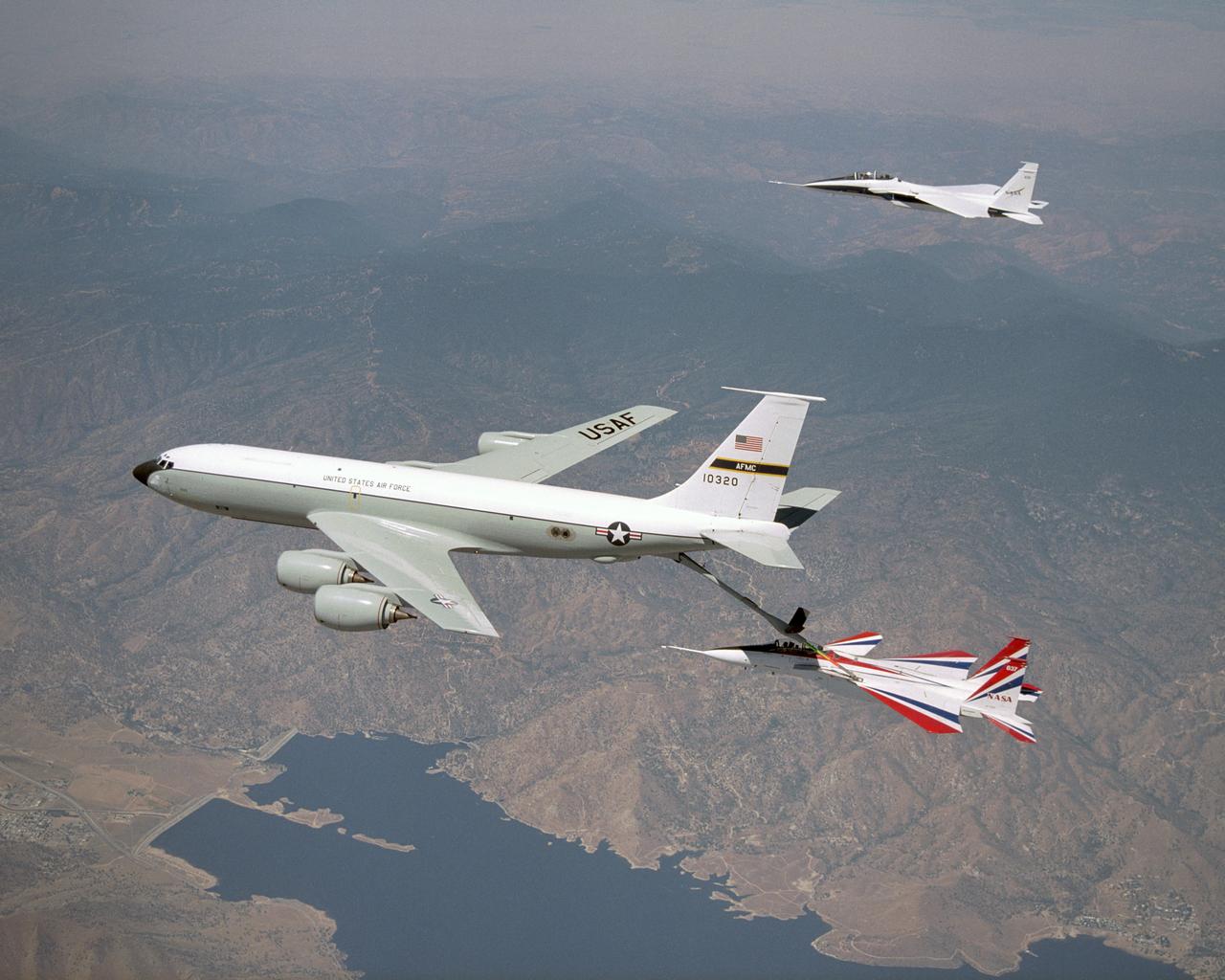
One of NASA's two F-15 research aircraft gets refueled in mid-air over Lake Isabella from a USAF KC-135 tanker while NASA's other F-15 flies chase alongside.
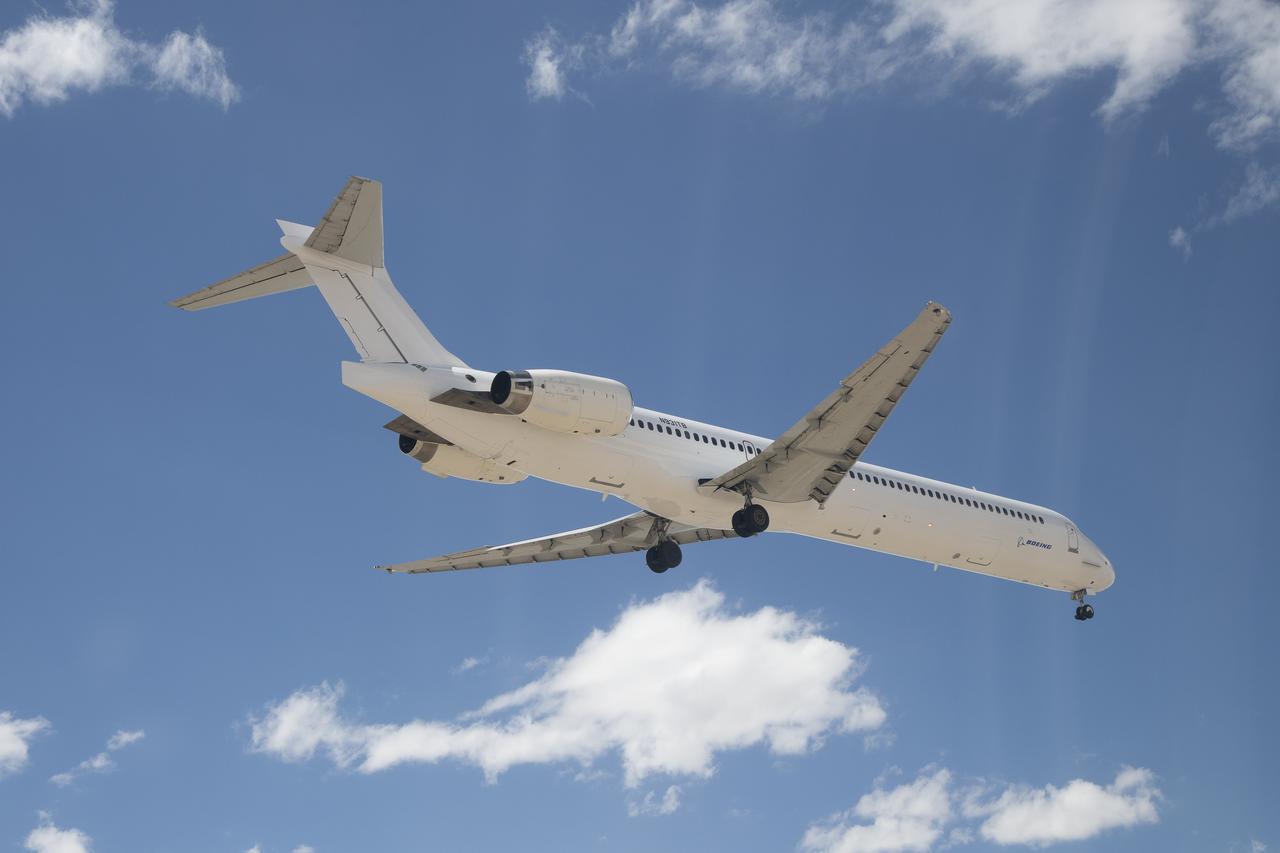
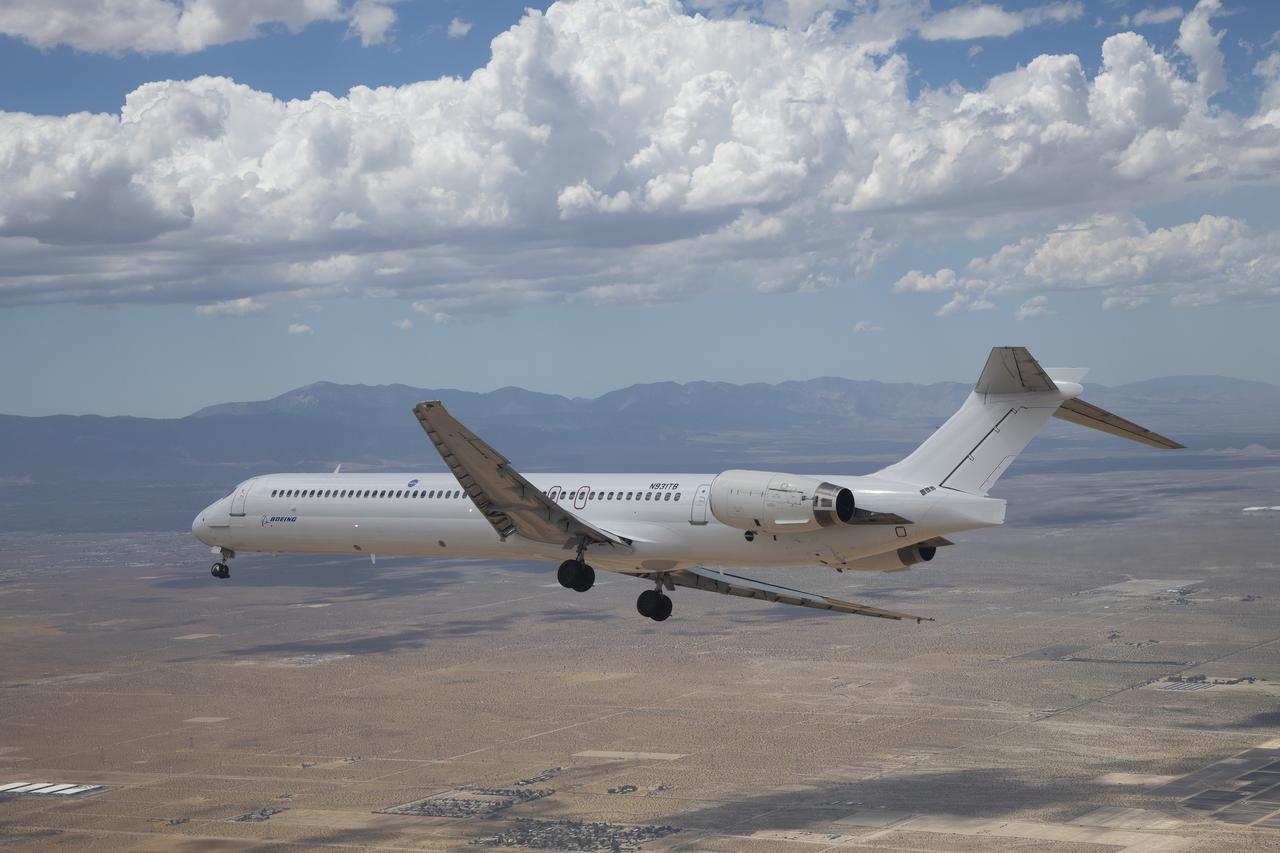
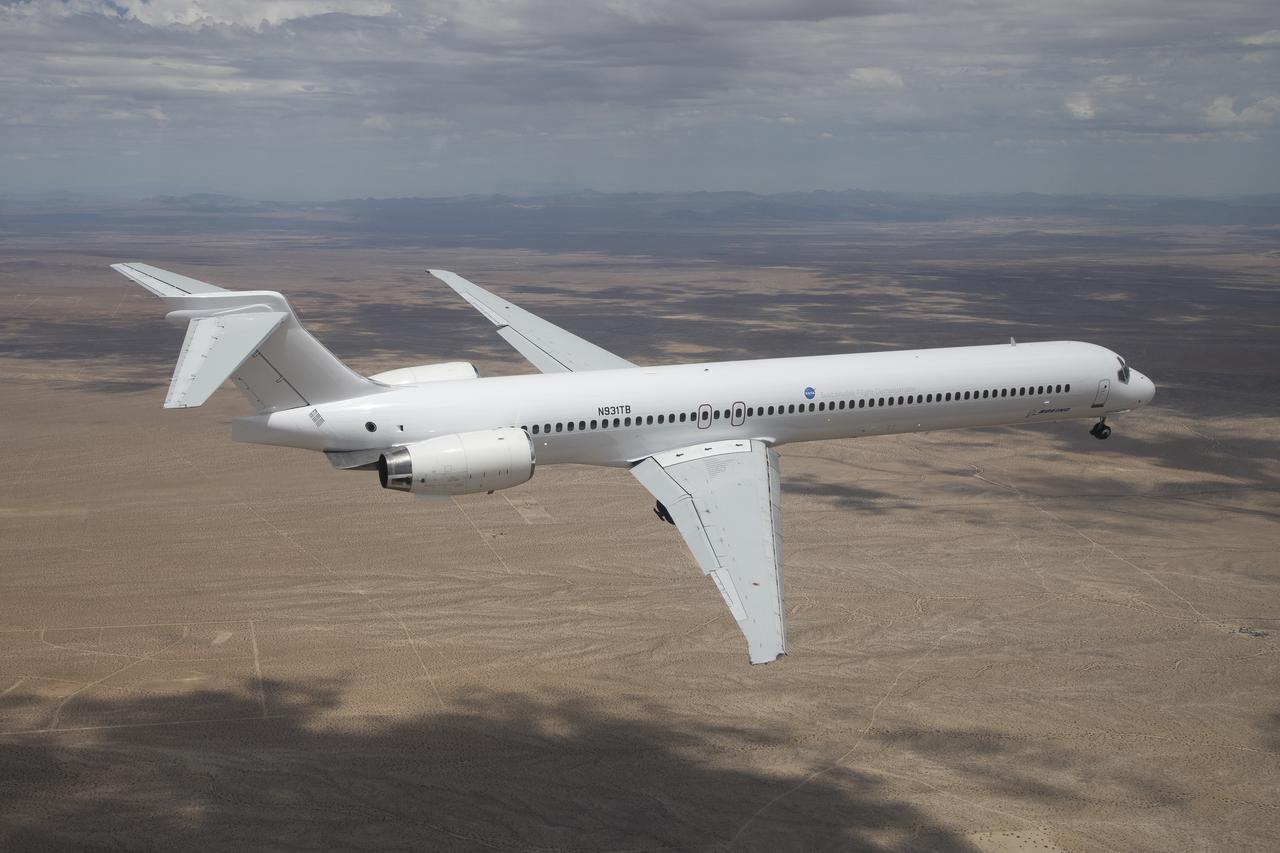
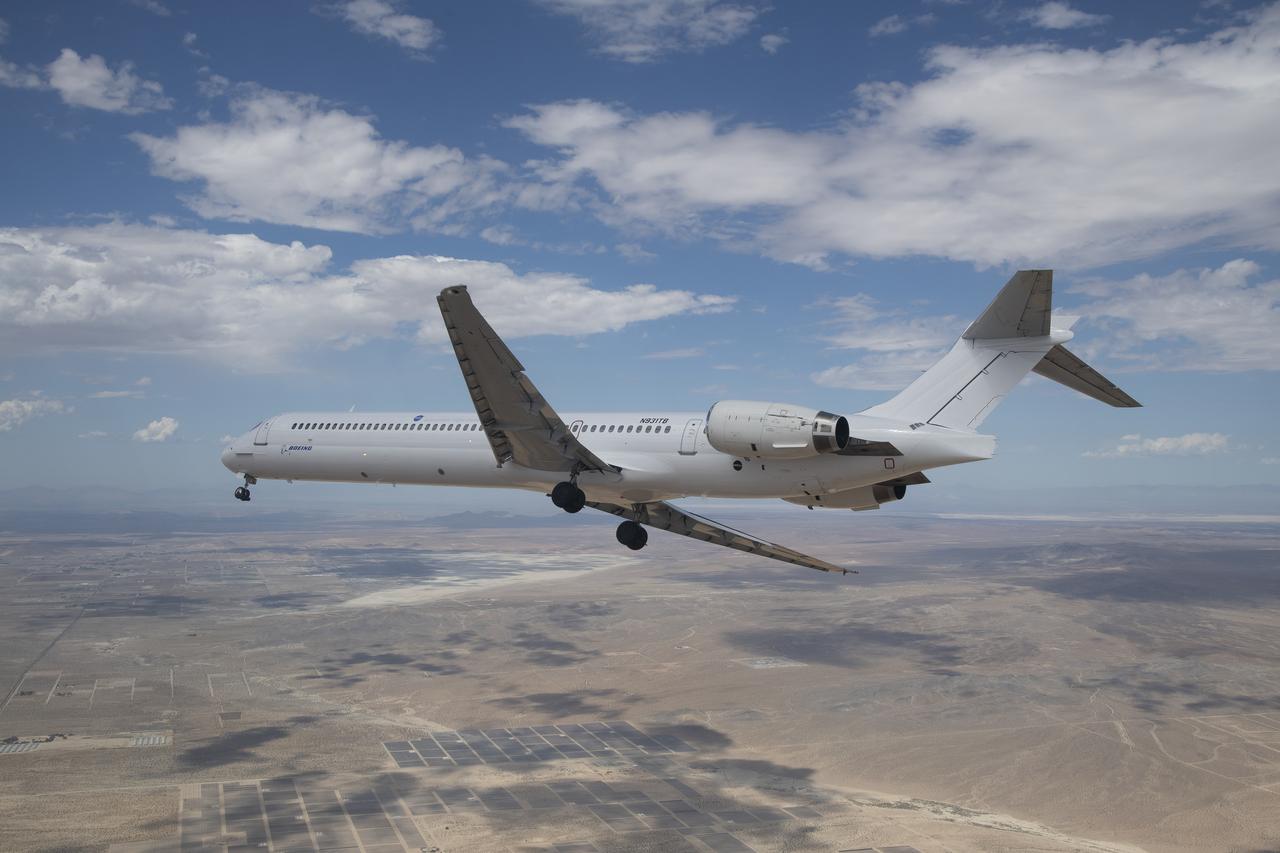
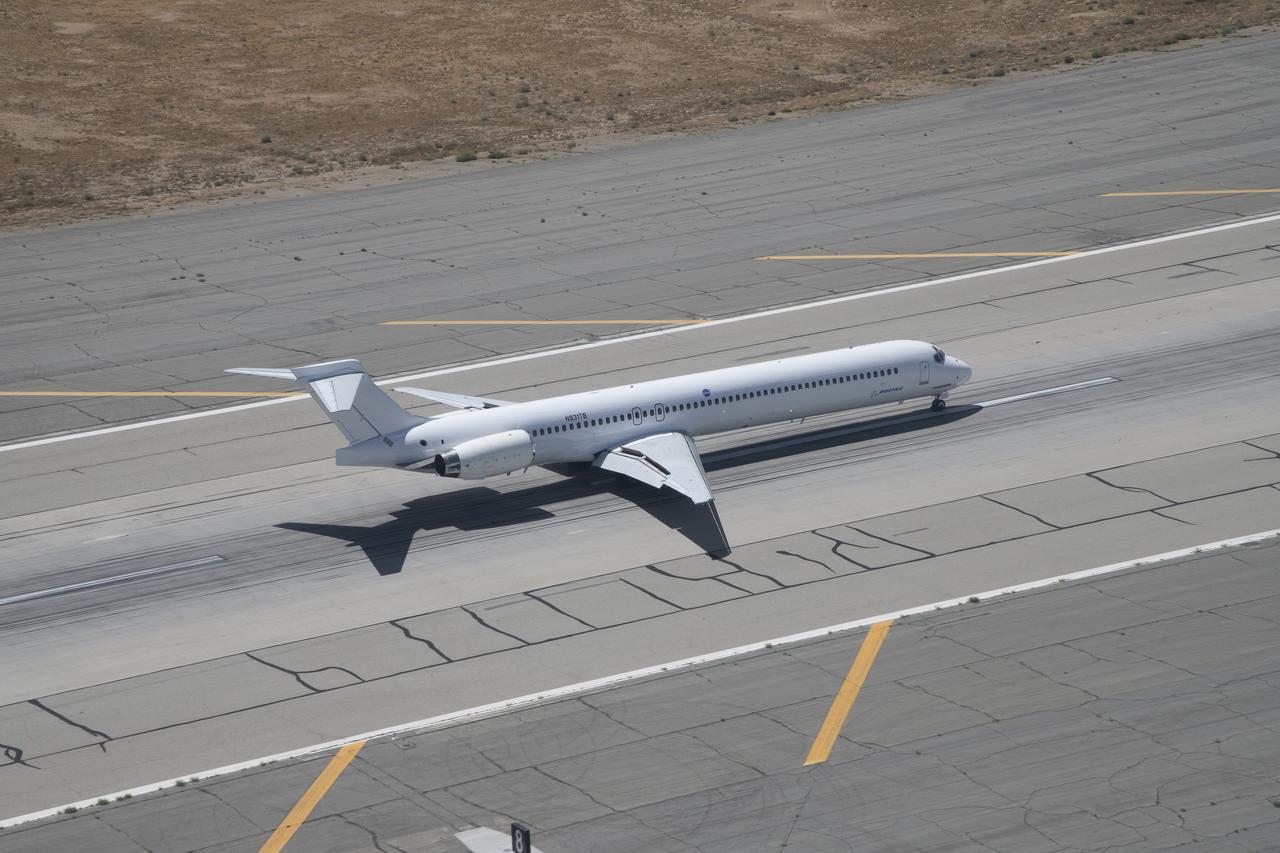
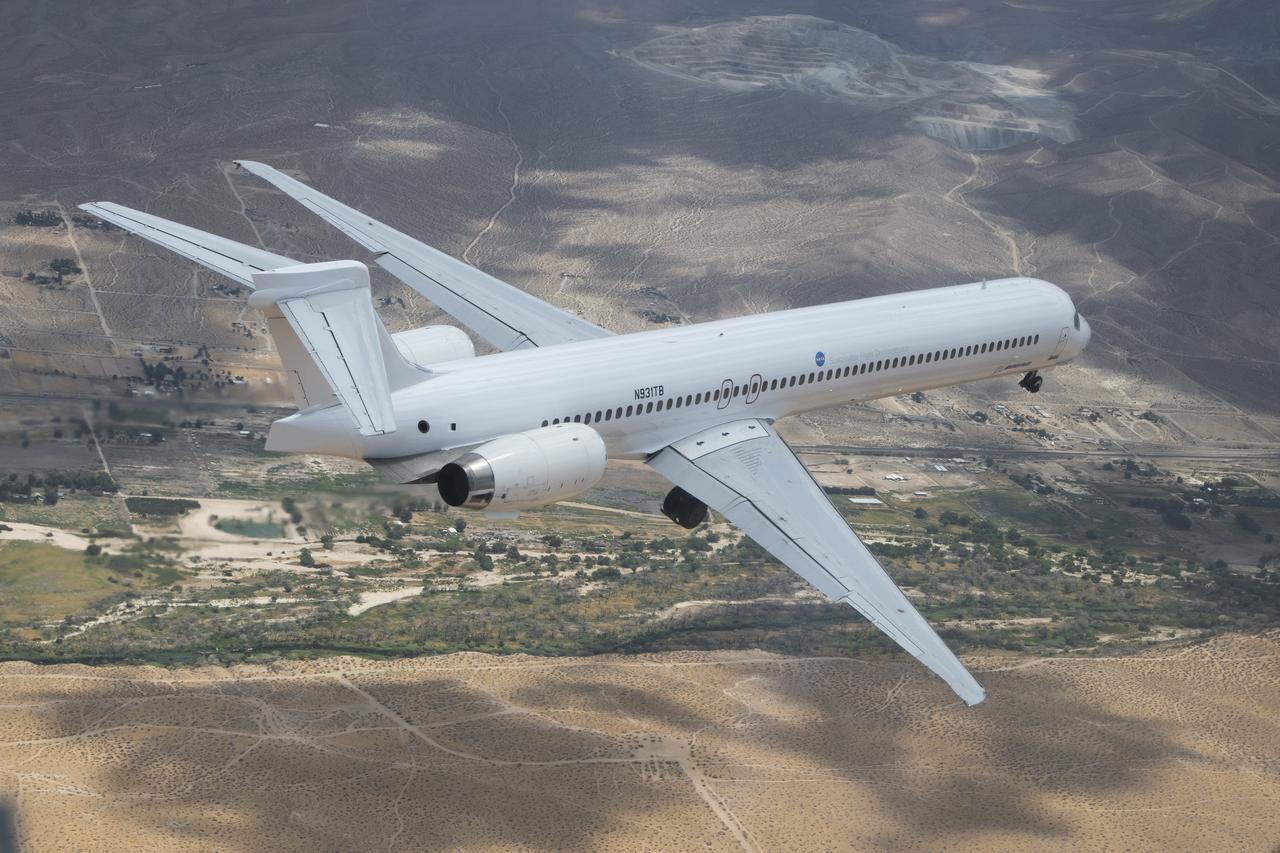
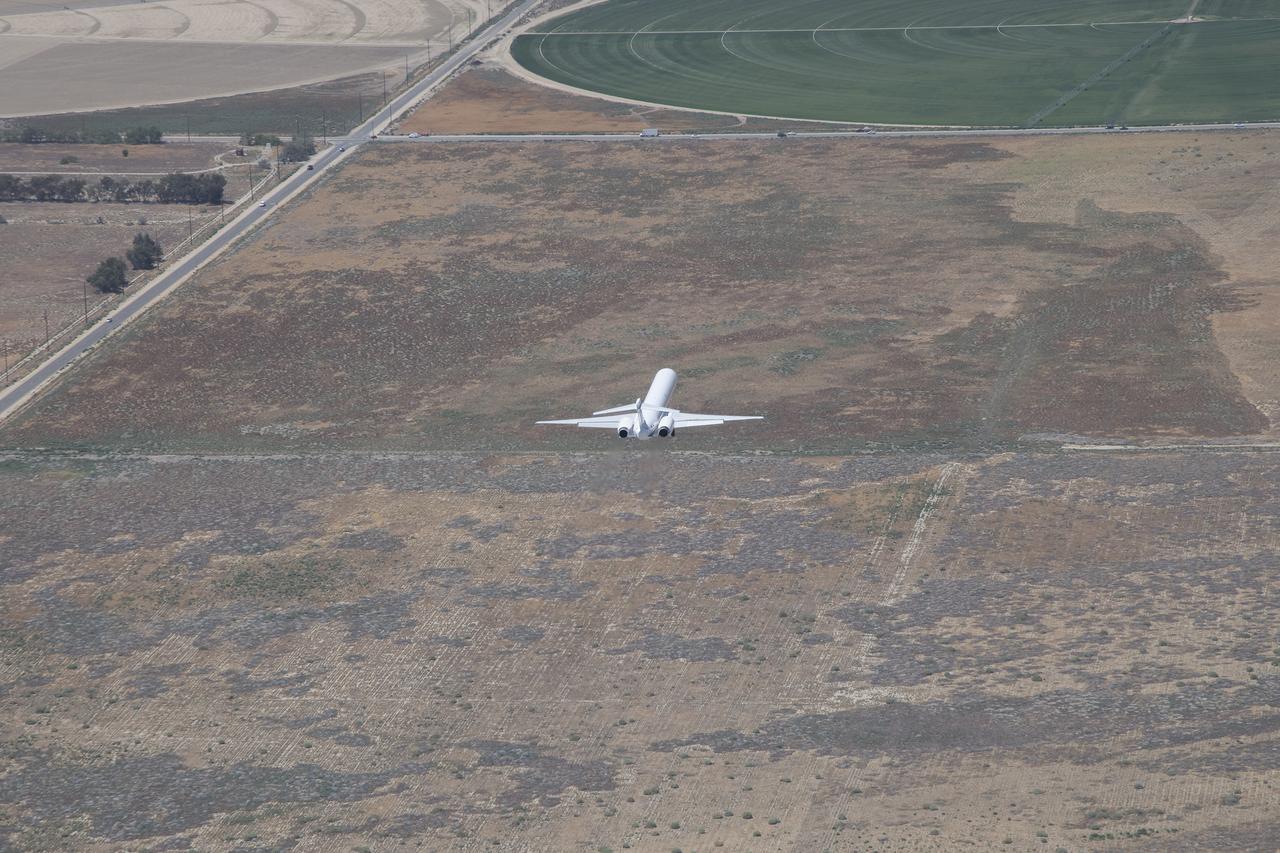
Boeing’s MD-90 aircraft flies from Victorville California to Palmdale, California on August 15, 2023. This aircraft will be NASA’s future Sustainable Flight Demonstrator. Modifications to the aircraft will include changes to the fuselage and most notably the use of a transonic truss-braced wing.
Boeing MD-90 flies from Victorville, California to Palmdale, California where it will begin modifications as part of NASA Sustainable Flight Demonstrator
Boeing’s MD-90 aircraft flies from Victorville California to Palmdale, California on August 15, 2023. This aircraft will be NASA’s future Sustainable Flight Demonstrator. Modifications to the aircraft will include changes to the fuselage and most notably the use of a transonic truss-braced wing.
Boeing MD-90 flies from Victorville, California to Palmdale, California where it will begin modifications as part of NASA Sustainable Flight Demonstrator
Boeing’s MD-90 aircraft flies from Victorville California to Palmdale, California on August 15, 2023. This aircraft will be NASA’s future Sustainable Flight Demonstrator. Modifications to the aircraft will include changes to the fuselage and most notably the use of a transonic truss-braced wing.
Boeing MD-90 flies from Victorville, California to Palmdale, California where it will begin modifications as part of NASA Sustainable Flight Demonstrator
Boeing’s MD-90 aircraft flies from Victorville California to Palmdale, California on August 15, 2023. This aircraft will be NASA’s future Sustainable Flight Demonstrator. Modifications to the aircraft will include changes to the fuselage and most notably the use of a transonic truss-braced wing.
Boeing MD-90 flies from Victorville, California to Palmdale, California where it will begin modifications as part of NASA Sustainable Flight Demonstrator
Boeing’s MD-90 aircraft flies from Victorville California to Palmdale, California on August 15, 2023. This aircraft will be NASA’s future Sustainable Flight Demonstrator. Modifications to the aircraft will include changes to the fuselage and most notably the use of a transonic truss-braced wing.
Boeing MD-90 flies from Victorville, California to Palmdale, California where it will begin modifications as part of NASA Sustainable Flight Demonstrator
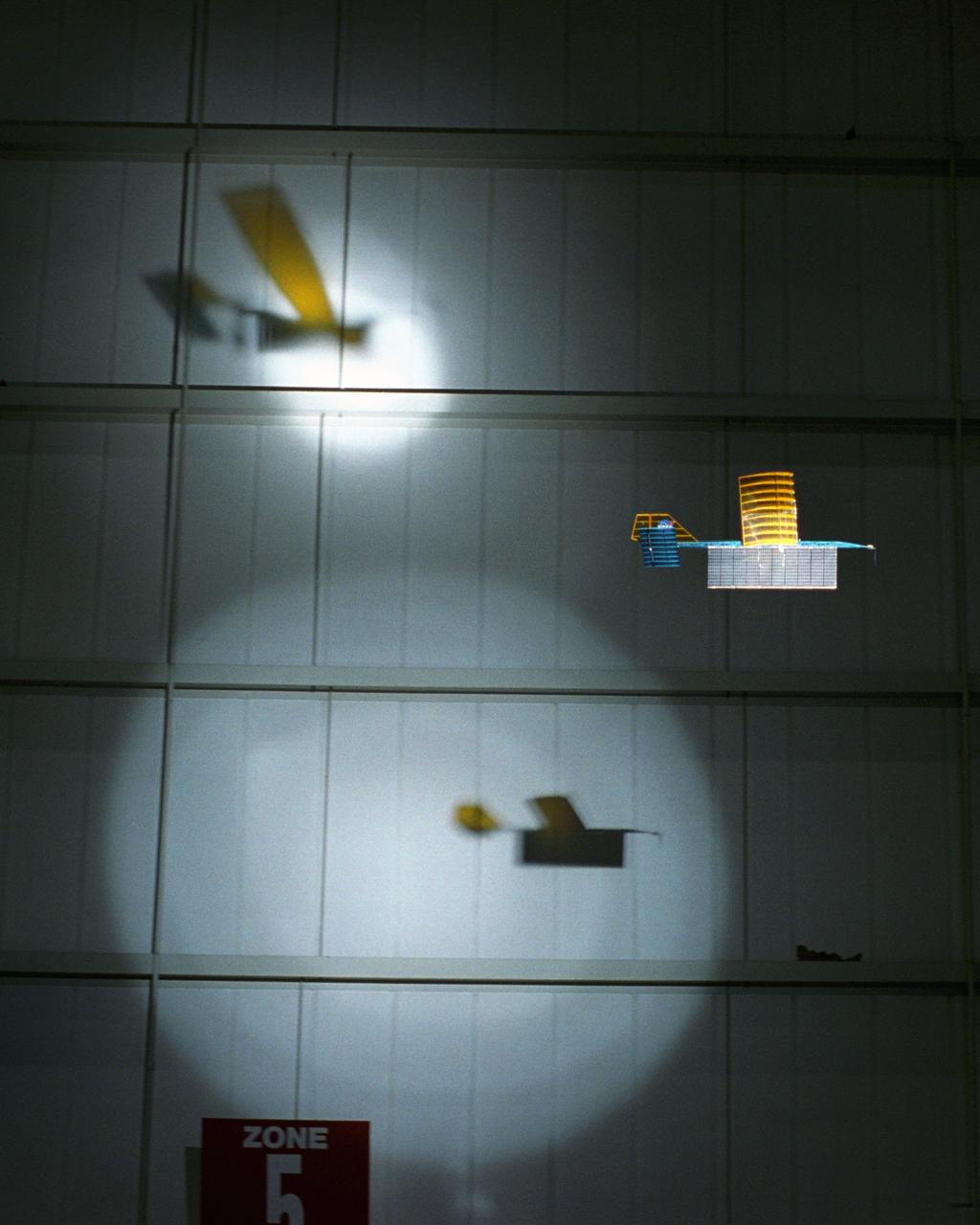
An experimental radio-controlled model aircraft casts two unique shadows as it flies inside a Dryden hangar using two spotlights as energy sources. This phase of testing was used to develop procedures and operations for "handing off" the aircraft between different sources of power.
An experimental radio-controlled model aircraft casts two unique shadows as it flies inside a Dryden hangar using two spotlights as energy sources.
Boeing’s MD-90 aircraft flies from Victorville California to Palmdale, California on August 15, 2023. This aircraft will be NASA’s future Sustainable Flight Demonstrator. Modifications to the aircraft will include changes to the fuselage and most notably the use of a transonic truss-braced wing.
Boeing MD-90 flies from Victorville, California to Palmdale, California where it will begin modifications as part of NASA Sustainable Flight Demonstrator
Boeing’s MD-90 aircraft flies from Victorville California to Palmdale, California on August 15, 2023. This aircraft will be NASA’s future Sustainable Flight Demonstrator. Modifications to the aircraft will include changes to the fuselage and most notably the use of a transonic truss-braced wing.
Boeing MD-90 flies from Victorville, California to Palmdale, California where it will begin modifications as part of NASA Sustainable Flight Demonstrator
The atmospheric probe model flies free after release from a quad rotor remotely piloted aircraft above Rogers Dry Lake, a flight area adjacent NASA’s Armstrong Flight Research Center in Edwards, California, on Oct. 22, 2024. The probe was designed and built at the center.
Atmospheric Probe Shows Promise in Test Flight
The atmospheric probe model flies free after release from a quad rotor remotely piloted aircraft above Rogers Dry Lake, a flight area adjacent NASA’s Armstrong Flight Research Center in Edwards, California, on Oct. 22, 2024. The probe was designed and built at the center.
Atmospheric Probe Shows Promise in Test Flight
The Mars Climate Sounder instrument on NASA Mars Reconnaissance Orbiter maps the vertical distribution of temperatures, dust, water vapor and ice clouds in the Martian atmosphere as the orbiter flies a near-polar orbit.
Martian Atmosphere Profiles
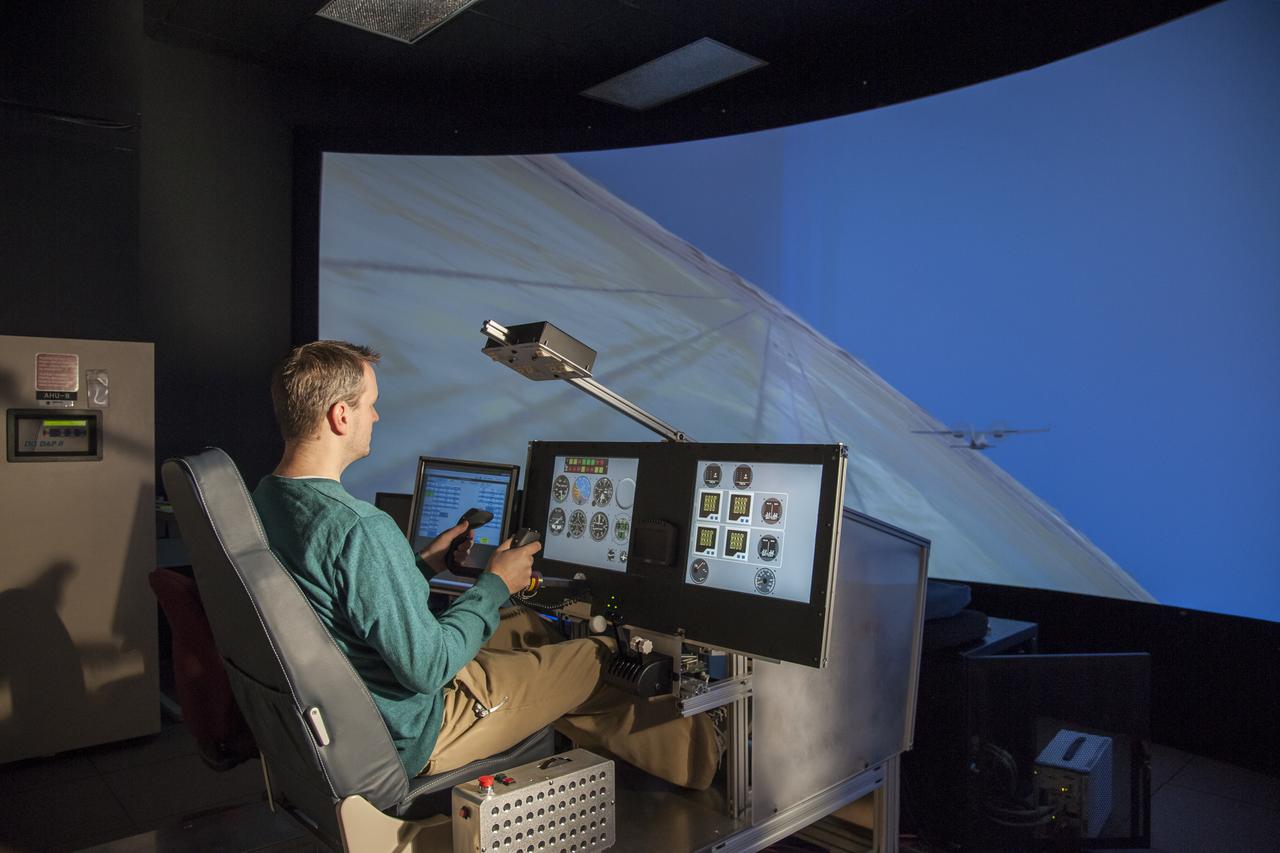
X-57 principal investigator Sean Clarke flies the X-57 simulator at NASA’s Armstrong Flight Research Center, examining ideal maneuvers and reaction times for flight.
NASA X-57 Simulator Prepares Pilots, Engineers for Flight of Electric X-Plane
The Preliminary Research Aerodynamic Design to Land on Mars, or Prandtl-M, flies during a test flight. A new proposal based on the aircraft recently won an agencywide technology grant.
Subscale Glider Could Assist in Weather Studies, Prediction
Ikhana flies a UAS Integration in the NAS mission
UAS-NAS ACAS Xu FT2 Flight
The X-56A flies a mission Oct. 23, 2018.
X-56A Advances Toward Milestones
The X-56A flies a mission Oct. 23, 2018.
X-56A Advances Toward Milestones
The X-56A flies a mission Oct. 18, 2018.
X-56A Flights Continue
The X-56A flies a mission Oct. 18, 2018.
X-56A Flights Continue
The X-56A flies a mission Oct. 18, 2018.
X-56A Flights Continue
The X-56A flies a mission Oct. 18, 2018.
X-56A Flights Continue
The X-56A flies a mission Oct. 23, 2018.
X-56A Advances Toward Milestones
The X-56A flies a mission Oct. 23, 2018.
X-56A Advances Toward Milestones
The Intersex Progress Pride flag flies beneath the American flag on the center pole with the California state and NASA flag at either side.  The Intersex Progress Pride flag flies for the first time at any NASA center in front of the Ames Administration Building, N200, to commemorate Pride Month.
Intersex Progress Pride Flag at Ames
The Intersex Progress Pride flag flies beneath the American flag on the center pole with the California state and NASA flag at either side.  The Intersex Progress Pride flag flies for the first time at any NASA center in front of the Ames Administration Building, N200, to commemorate Pride Month.
Intersex Progress Pride Flag at Ames
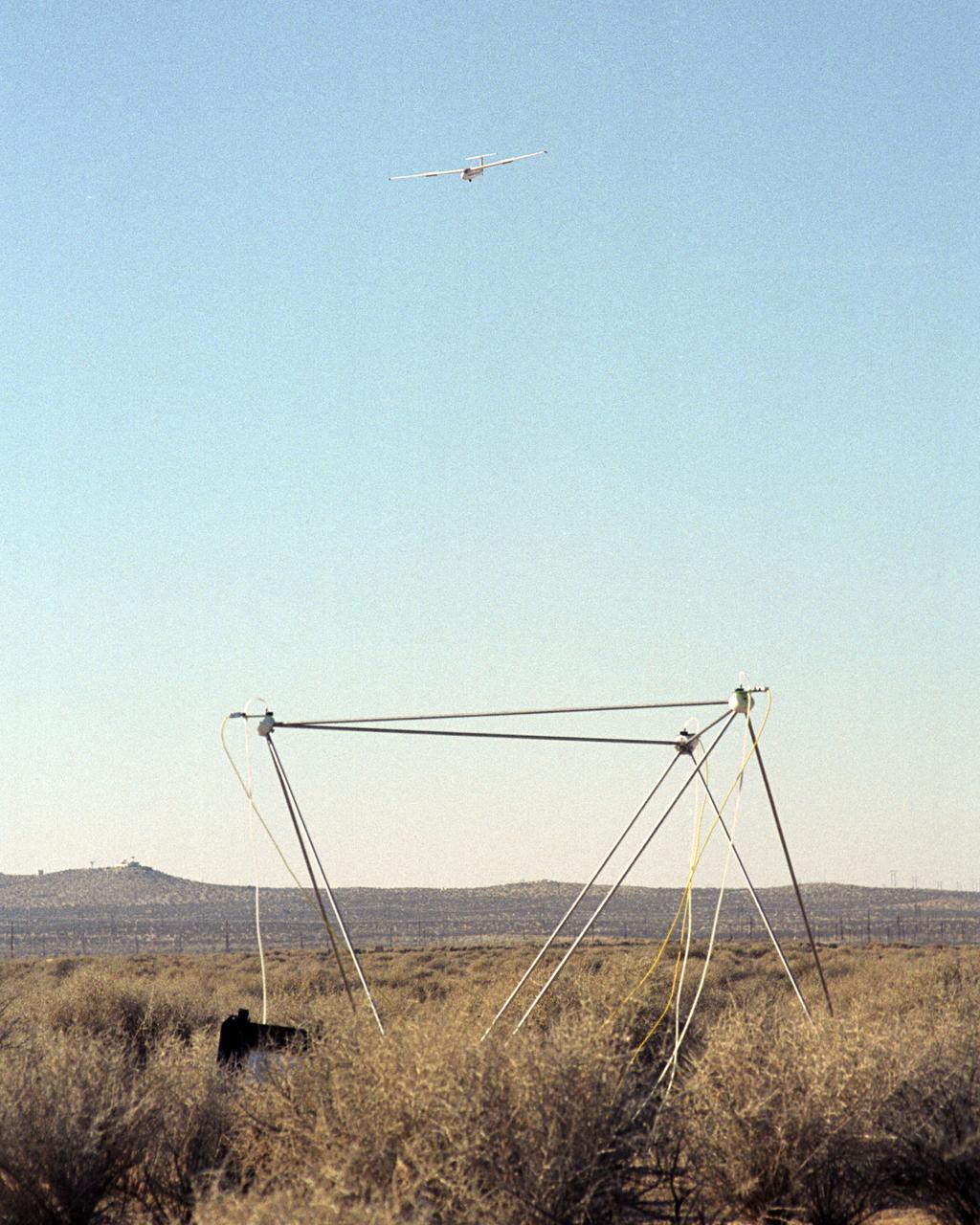
A United States Air Force Test Pilot School Blanik L-23 glider carrying a microphone and a pressure transducer flies near a BADS (Boom Amplitudes Direction System) sensor following flight at an altitude of 10 thousand feet under the path of the F-5E SSBE aircraft. The SSBE (Shaped Sonic Boom Experiment) was formerly known as the Shaped Sonic Boom Demonstration, or SSBD, and is part of DARPA's Quiet Supersonic Platform (QSP) program. On August 27, 2003, the F-5E SSBD aircraft demonstrated a method to reduce the intensity of sonic booms.
A Blanik L-23 glider carrying a microphone and a pressure transducer flies near a BADS sensor following flight under the path of the F-5E SSBE aircraft
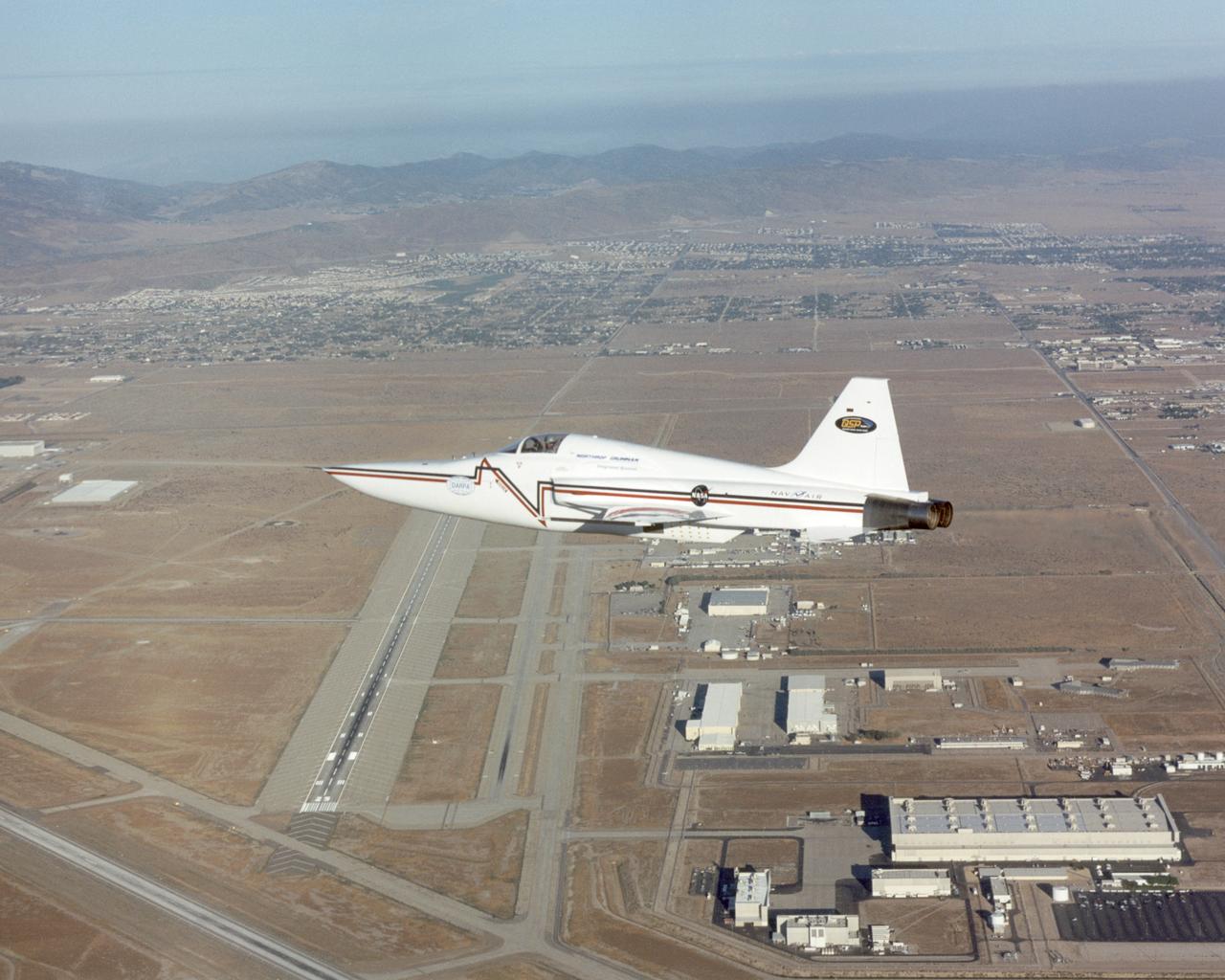
Northrop Grumman Corporation's modified U.S. Navy F-5E Shaped Sonic Boom Demonstration (SSBD) aircraft flies over the company's Palmdale, California facilities on Aug. 2, 2003. NASA Dryden provided range, air and ground data-gathering support for the SSBD project, which is part of DARPA's Quiet Supersonic Platform (QSP) program.
Northrop Grumman Corporation's modified U.S. Navy F-5E Shaped Sonic Boom Demonstration (SSBD) aircraft flies over the company's Palmdale, Calif. facilities on Aug. 2, 2003
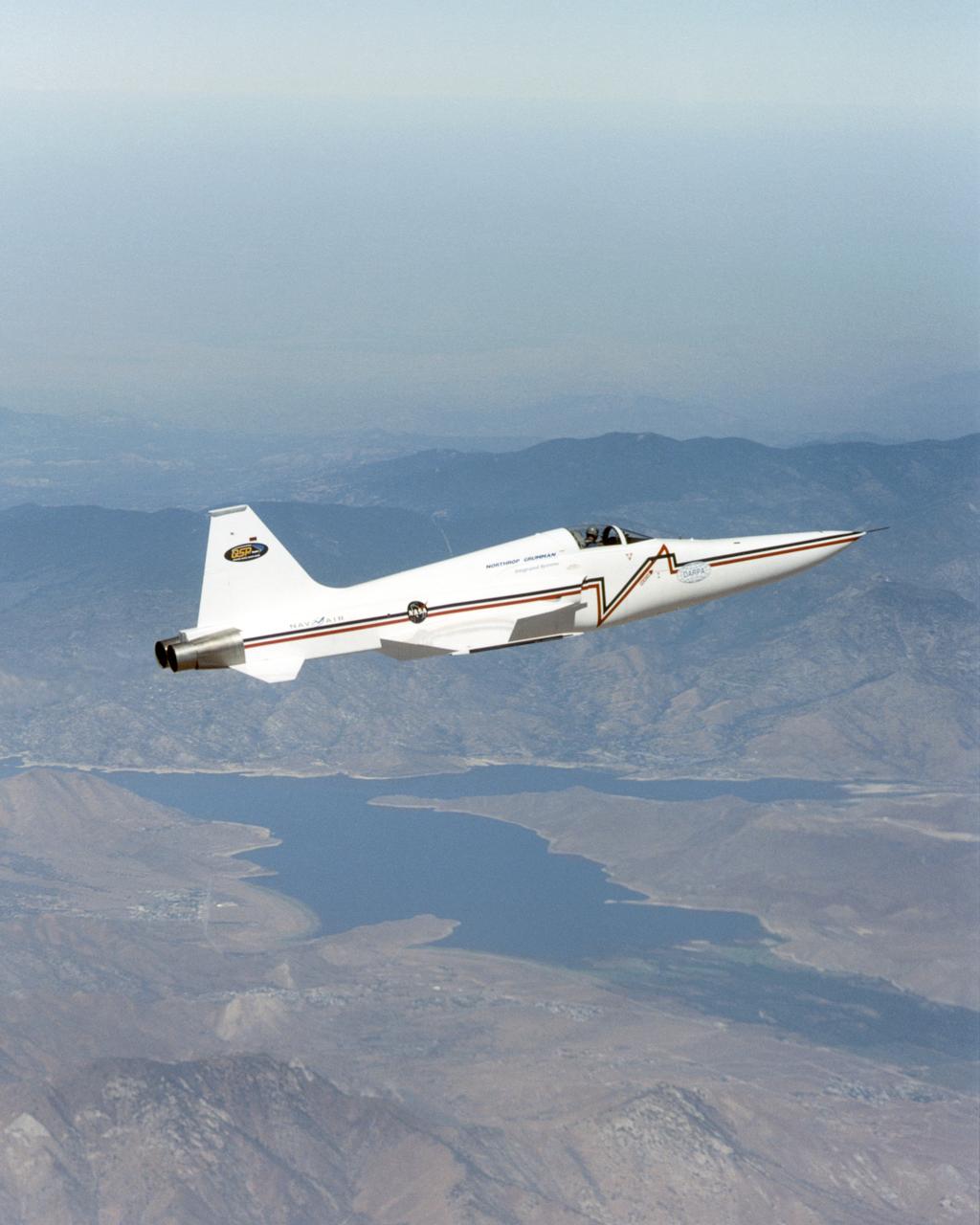
Northrop Grumman Corporation's modified U.S. Navy F-5E Shaped Sonic Boom Demonstration (SSBD) aircraft flies over Lake Isabella, California on Aug. 4, 2003. NASA Dryden provided range, air and ground data-gathering support for the SSBD project, which is part of DARPA's Quiet Supersonic Platform (QSP) program.
Northrop Grumman Corporation's modified U.S. Navy F-5E Shaped Sonic Boom Demonstration (SSBD) aircraft flies over Lake Isabella, Calif., on Aug. 4, 2003
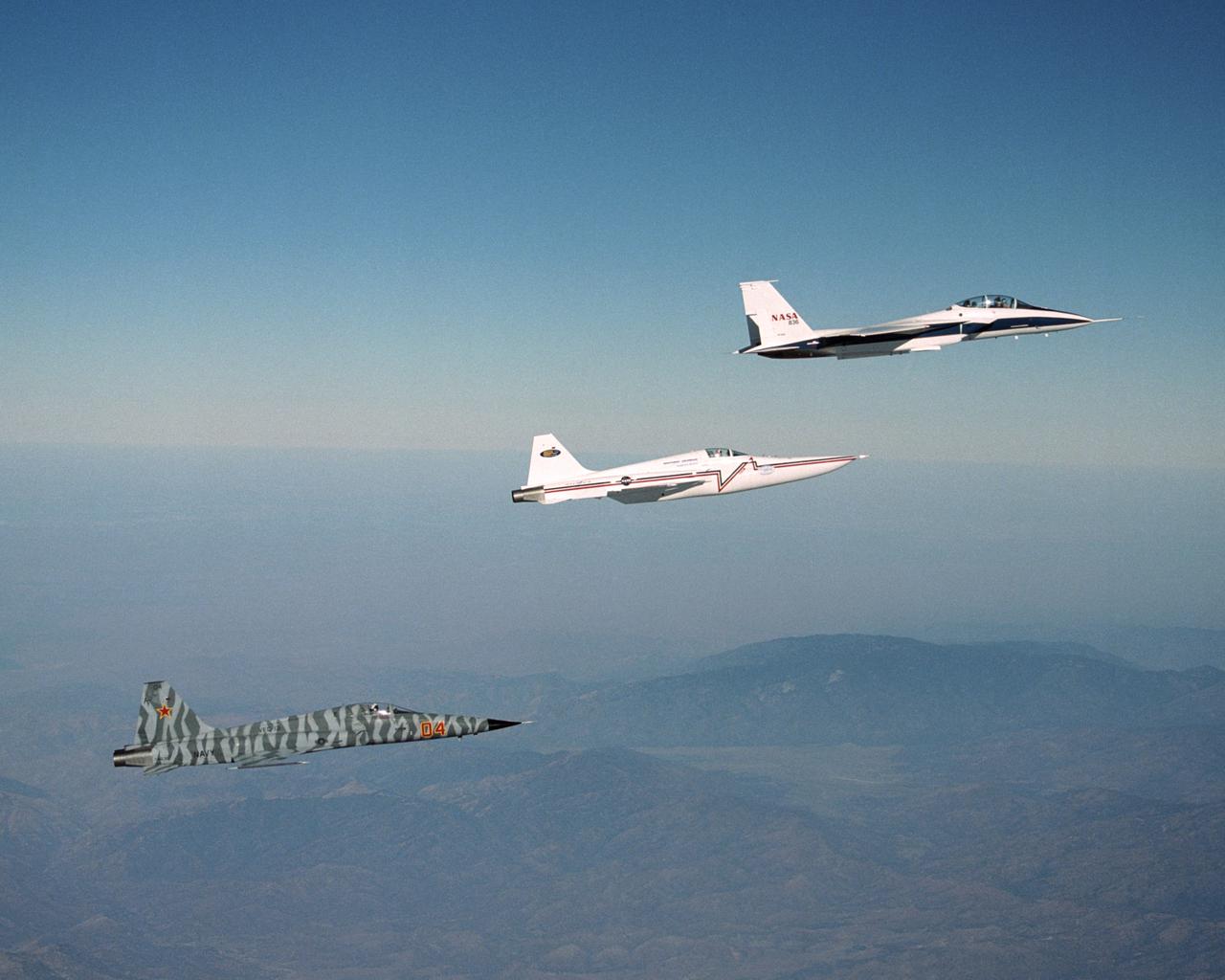
In a role-reversal, Northrop Grumman Corp.'s modified F-5E Shaped Sonic Boom Demonstration (SSBD) aircraft flies off the wing of NASA's F-15B Research testbed aircraft. The F-15B, from NASA's Dryden Flight Research Center, flew in the supersonic shockwave of the F-5E as part of the SSBD project. Following the two aircraft is an unmodified U.S. Navy F-5E used for baseline sonic boom measurements.
Northrop Grumman Corp.'s modified F-5E Shaped Sonic Boom Demonstration (SSBD) aircraft flies off the wing of NASA's F-15B Research testbed aircraft.
The X-56A flies a research flight in the skies above Edwards Air Force Base.
X-56A Has a Busy Control Room
The X-56A flies a research flight in the skies above Edwards Air Force Base.
X-56A Has a Busy Control Room
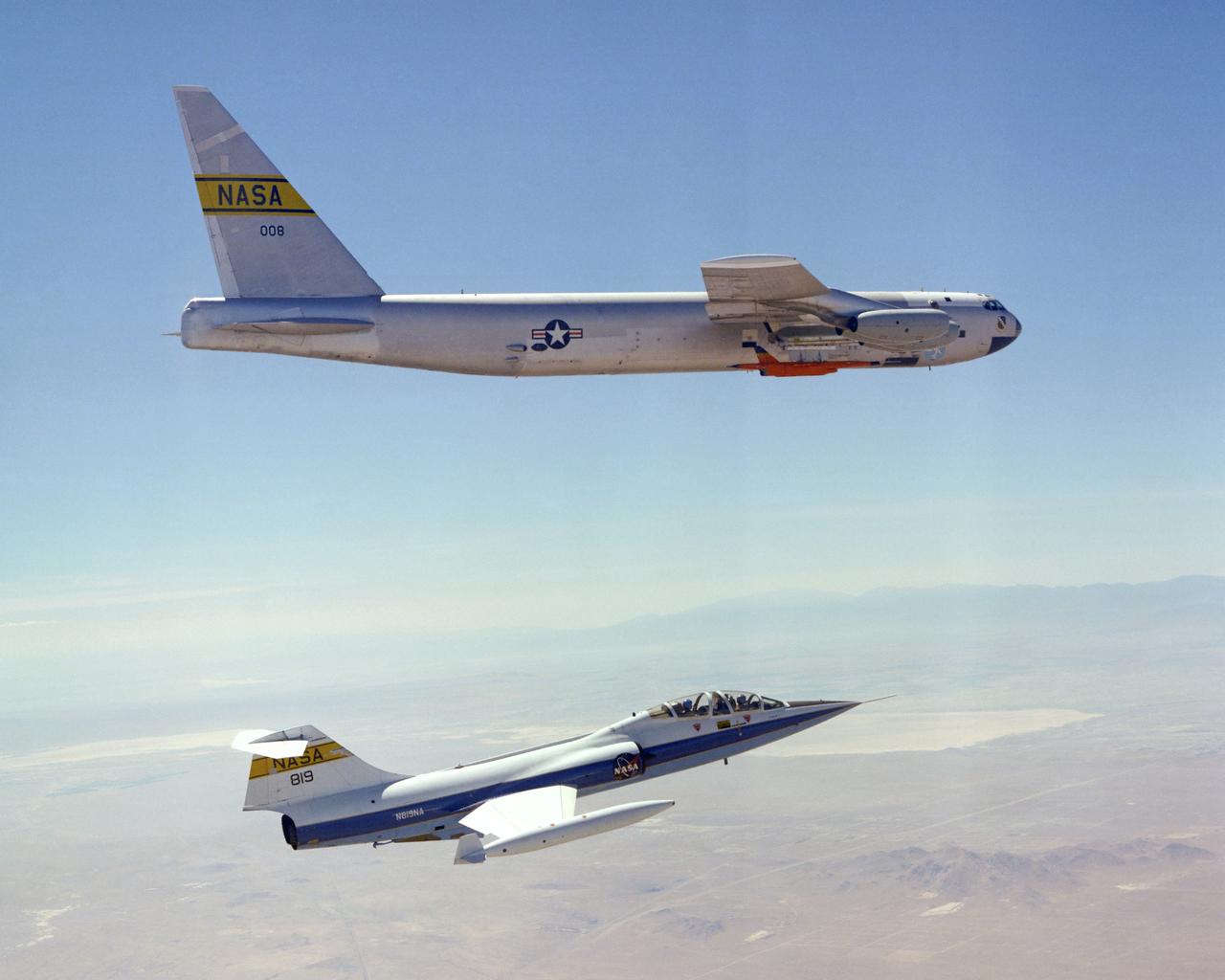
F-104B #819 flies chase on the NB-52B #008 during the first DAST captive flight.
EC77-8122
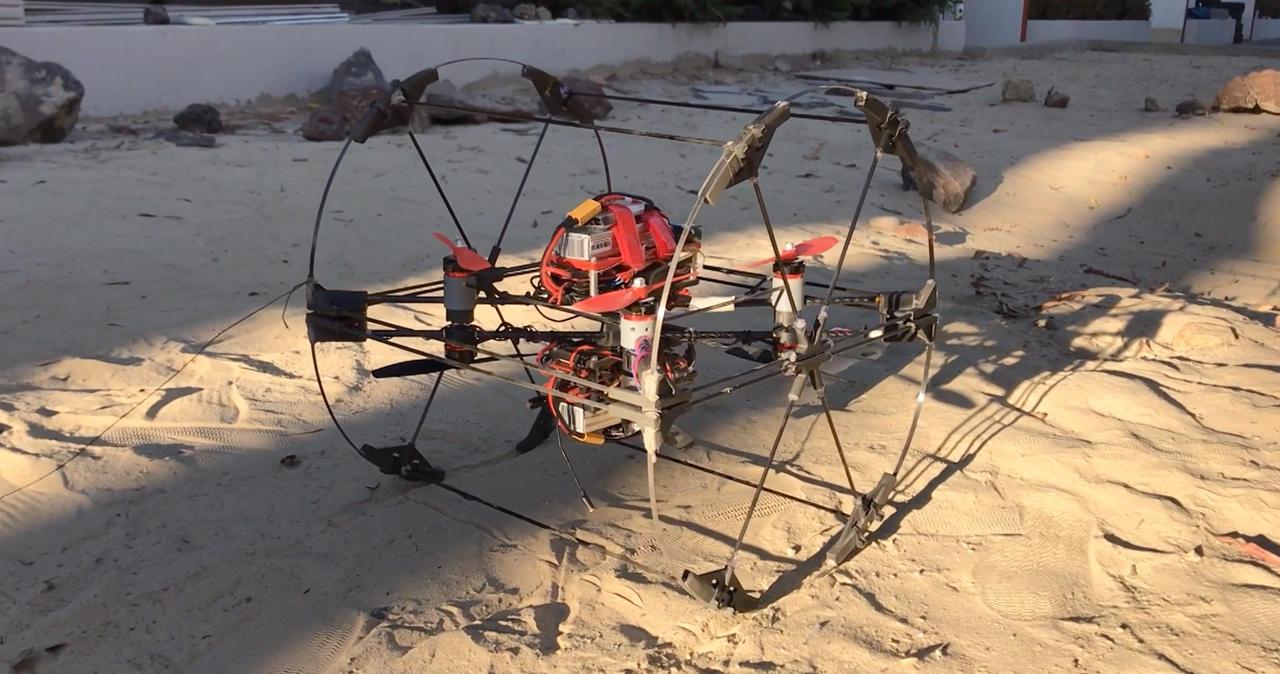
A prototype of the transforming robot Shapeshifter is tested in the robotics yard at NASA's Jet Propulsion Laboratory. Shapeshifter is made of smaller robots that can morph into rolling spheres, flying drones, swimming submersibles and more. Shapeshifter is a developing concept for a transformational vehicle to explore treacherous, distant worlds. The flying amphibious robot is part of the early-stage research program NASA Innovative Advanced Concepts (NIAC), which offers several phases of funding to visionary concepts, helping turn ideas that sound like science fiction into science fact. JPL Principle Investigator Ali Agha envisions Shapeshifter as a mission to Saturn's moon Titan, the only other world in the solar system known to have liquid in the form of methane lakes, rivers and seas on its surface.  https://photojournal.jpl.nasa.gov/catalog/PIA23433
Shapeshifter Prototype Rolls and Flies
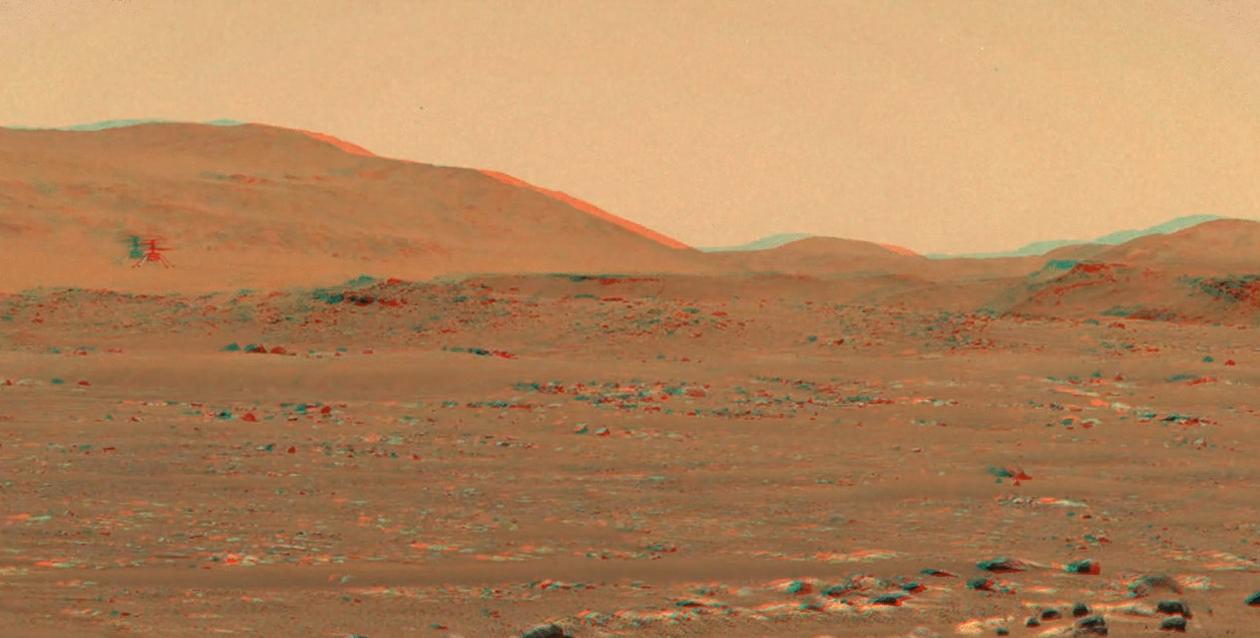
After the zoomable dual-camera Mastcam-Z imager aboard NASA's Perseverance rover captured the third flight of the agency's Ingenuity Mars helicopter on April 25, 2021, Justin Maki, an imaging scientist at NASA's Jet Propulsion Laboratory in Southern California, led the team that stitched the images into a video. The frames of the video were then reprojected to optimize viewing in an anaglyph, or an image seen in 3D when viewed with color-filtered glasses.  Arizona State University in Tempe leads the operations of the Mastcam-Z instrument, working in collaboration with Malin Space Science Systems in San Diego.  A key objective for Perseverance's mission on Mars is astrobiology, including the search for signs of ancient microbial life. The rover will characterize the planet's geology and past climate, pave the way for human exploration of the Red Planet, and be the first mission to collect and cache Martian rock and regolith (broken rock and dust).  Subsequent NASA missions, in cooperation with ESA (European Space Agency), would send spacecraft to Mars to collect these sealed samples from the surface and return them to Earth for in-depth analysis.  The Mars 2020 Perseverance mission is part of NASA's Moon to Mars exploration approach, which includes Artemis missions to the Moon that will help prepare for human exploration of the Red Planet.  Movie available at https://photojournal.jpl.nasa.gov/catalog/PIA24522
Ingenuity Flies in 3D
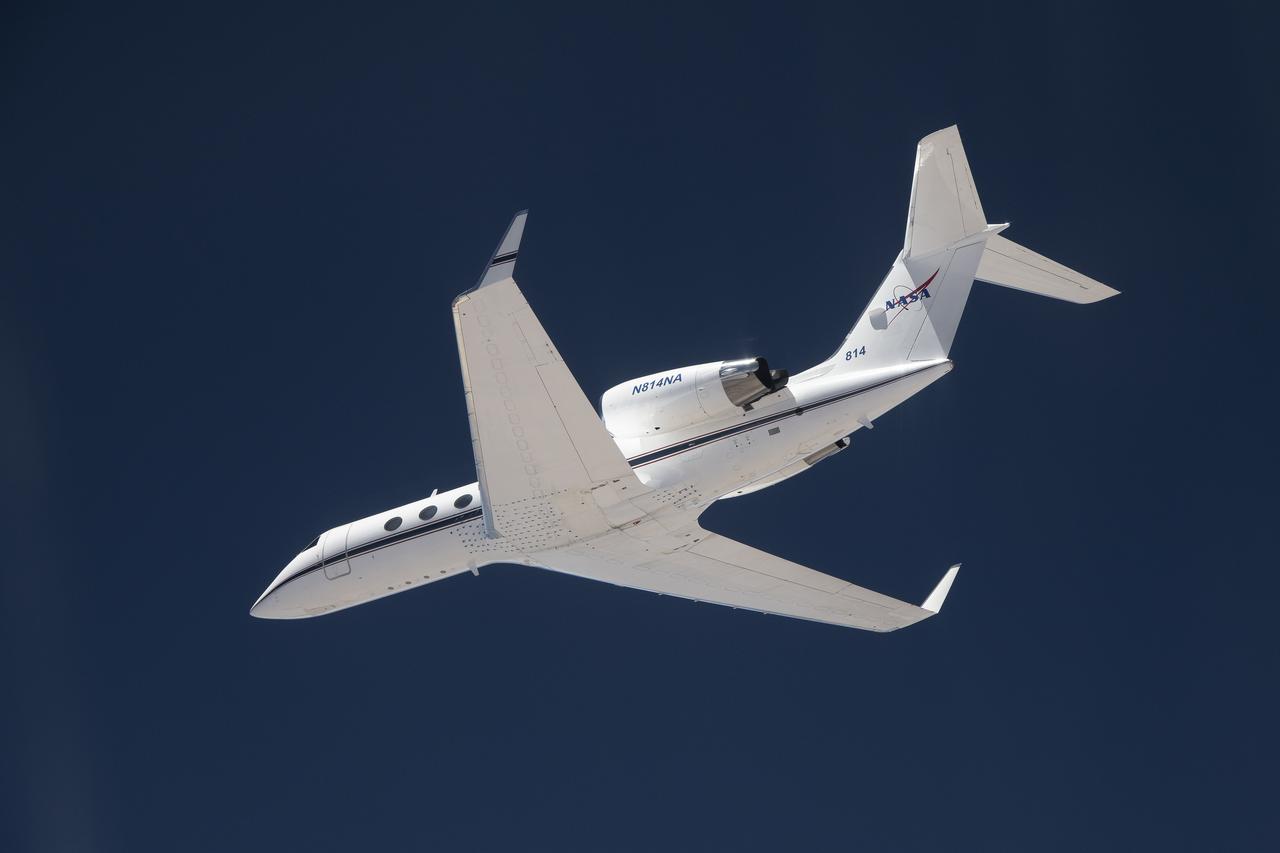
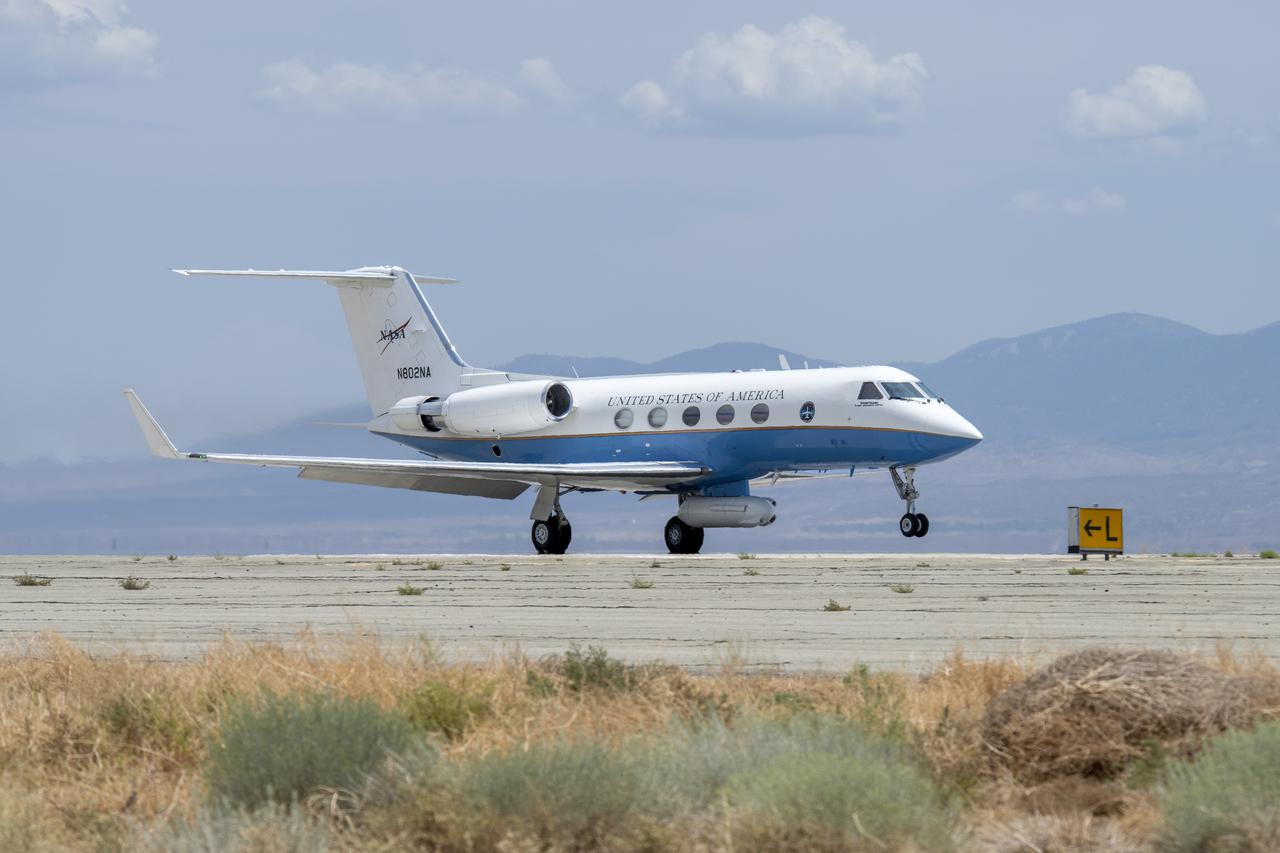
The G-IV aircraft flies overhead in the Mojave Desert near NASA’s Armstrong Flight Research Center in Edwards, California. Baseline flights like this one occurred in June 2024, and future flights in service of science research will benefit from the installment of the Soxnav navigational system, developed in collaboration with NASA’s Jet Propulsion Laboratory in Southern California and the Bay Area Environmental Research Institute in California’s Silicon Valley. This navigational system provides precise, economical aircraft guidance for a variety of aircraft types moving at high speeds.
The G-IV aircraft is optimized by the Soxnav navigational system
This still from an artist animation flies through the Kepler-20 star system, where NASA Kepler mission discovered the first Earth-size planets around a star beyond our own. The system is jam-packed with five planets.
An Unusual Planetary System Artist Concept
The subscale Prandtl-D 3C glider, carrying a pressure system developed and integrated by students, successfully flies at Edwards Air Force Base in California.
Student Developed Aircraft System Provides Vital Data
iss064e018896 (Jan. 1, 2021) --- The International Space Station flies into an orbital sunrise 264 miles above the North Pacific off the coast of Russia.
iss064e018896
NASA’s Armstrong Flight Research Center flies the C-20 aircraft in support of the Advanced Synthetic Aperture Radar (ASAR) campaign on July 22, 2021. 
C-20 ASAR Flight
NASA's Armstrong Flight Research Center flies the C-20 aircraft in support of the Advanced Synthetic Aperture Radar (ASAR) campaign on July 22, 2021.
C-20 ASAR Flight
NASA's Armstrong Flight Research Center flies the C-20 aircraft in support of the Advanced Synthetic Aperture Radar (ASAR) campaign on July 22, 2021.
C-20 ASAR Flight
iss057e114400 (Dec. 7, 2018) --- The International Space Station flies 252 miles above the island nation of Cuba and the Gulf of Batabano in the Caribbean Sea.
iss057e114400
A newly constructed pylon (green) for carrying aerospace vehicles aloft flies attached to the wing of NASA Dryden Flight Research Center's B-52H aircraft.
EC04-0194-19
iss067e290430 (Aug. 26, 2022) --- The International Space Station flies into an orbital sunrise 261 miles above the Atlantic Ocean off the coast of northwestern Spain.
iss067e290430
iss067e036271 (May 7, 2022) --- The International Space Station flies into an orbital sunset at an altitude of 266 miles above the Atlantic Ocean off the coast of South Africa.
iss067e036271
NASA’s Armstrong Flight Research Center flies the C-20 aircraft in support of the Advanced Synthetic Aperture Radar (ASAR) campaign on July 22, 2021. 
C-20 ASAR Flight
iss059e067877 (May 19, 2019) --- The International Space Station flies 255 miles above Indonesia as the sun's glint beams off the Celebes Sea in southeast Asia.
Earth observation taken by Expedition 59 crew
iss065e009306 (April 28, 2021) --- The International Space Station flies into an orbital sunrise 264 miles above far eastern China near the the Sea of Japan.
Earth observation taken during Expedition 65
A research plane carrying the AVIRIS-NG (Airborne Visible/Infrared Imaging Spectrometer-Next Generation) instrument flies off the Central Coast of California near Point Conception and the Jack and Laura Dangermond Preserve on Feb. 24, 2022. The flight is part of the Surface Biology and Geology High-Frequency Time Series (SHIFT) campaign, which is jointly led by NASA's Jet Propulsion Laboratory, the University of California, Santa Barbara (UCSB), and The Nature Conservancy.      Operating between late February and late May 2022, the aerial portion of SHIFT flies on an approximately weekly basis over a 640-square-mile (1,656-square-kilometer) study area in Santa Barbara County and the nearby ocean, collecting spectral data of plant communities it observes below. SHIFT combines the ability of airborne science instruments to gather data over widespread areas with the more concentrated observations scientists conduct in the field to study the functional characteristics, health, and resilience of plant communities.      The sampling and analysis done by researchers on the ground and in the ocean is intended to validate data taken by AVIRIS-NG and help scientists design data collection and processing algorithms for NASA's proposed Surface Biology and Geology (SBG) mission, which would launch no earlier than 2028. The data is also intended to support the research and conservation objectives of The Nature Conservancy, which owns the Dangermond Preserve, and UCSB, which operates the Sedgwick Reserve, another nature preserve within the study area. More than 60 scientists from institutions around the U.S. have indicated they intend to use the SHIFT data in their research.      AVIRIS-NG, which was designed at JPL, flies aboard Dynamic Aviation's King Air B-200.  https://photojournal.jpl.nasa.gov/catalog/PIA25143
Aerial View of Point Conception, California, and the Dangermond Preserve
From left Eric Becker watches as Nathan Sam, Robert 'Red' Jensen and Justin Hall attach a Prandtl-M aircraft onto the Carbon Cub aircraft that air launched it at NASA's Armstrong Flight Research Center in California. The aircraft is the second of three prototypes of varying sizes to provide scientists with options to fly sensors in the Martian atmosphere to collect weather and landing site information for future human exploration of Mars.
Latest Mars Aircraft Prototype Flies
This frame from an animation shows a conceptual sketch of Mercury magnetosphere at the time of NASA MESSENGER spacecraft flyby.
MESSENGER Flies through Mercury Magnetosphere
A Prandtl-M prototype is air launched from the Carbon Cub aircraft March 13, 2020, at NASA’s Armstrong Flight Research Center in California. The aircraft is the second of three prototypes of varying sizes to provide scientists with options to fly sensors in the Martian atmosphere to collect weather and landing site information for future human exploration of Mars.
Latest Mars Aircraft Prototype Flies
The first of three Prandtl-M prototype aircraft was air launched Aug. 16, 2019, from an Aerostat blimp at NASA’s Armstrong Flight Research Center in California. Three different prototypes of varying size, two still in development, eventually will be air launched from a weather balloon at 100,000 feet to simulate the atmosphere on Mars. The validated Prandtl-M could give scientists options to fly sensors in the Martian atmosphere to collect weather and landing site information for future human exploration of Mars.
Latest Mars Aircraft Prototype Flies
The Intersex Progress Pride flag flies for the first time at any NASA center below the American flag, in front of the Ames Administration Building, N200, to commemorate Pride Month.
Intersex Progress Pride Flag at Ames
An F-104 Starfighter flies above a gathering of NASA officials, family members and other invited guests following Kennedy Space Center's Day of Remembrance ceremony at the Kennedy Space Center Visitor Complex.
2017 A Day of Remembrance
The X-56B remotely piloted aircraft flies the first of a new flight series. The flight was April 19 at NASA's Armstrong Flight Research Center in Edwards, California, with partner Northrop Grumman.
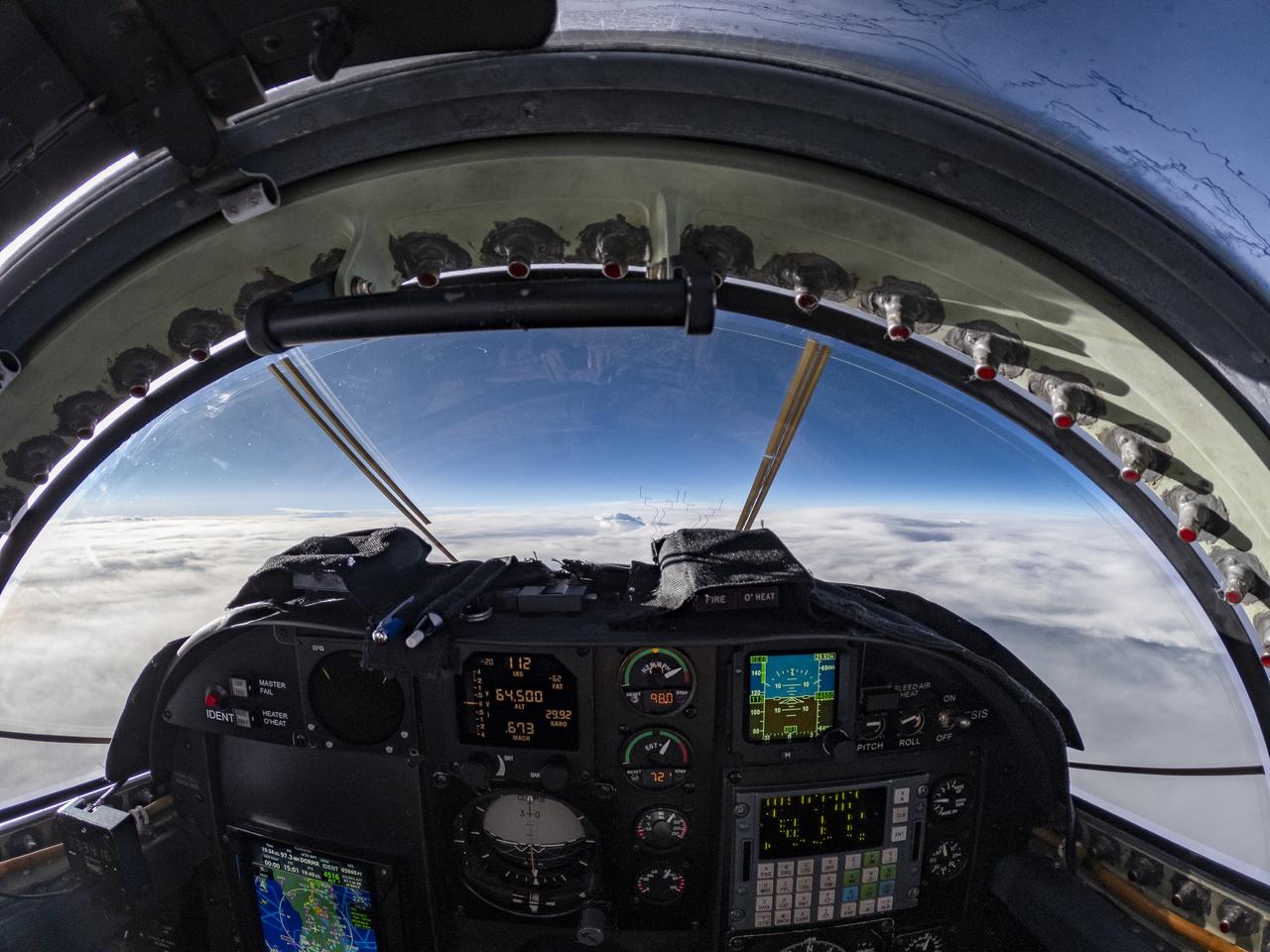
X-56B Begins New Flight Series
NASA Glenn Research Pilot Jim Demers flies the T-34C Mentor aircraft. When NASA scientists study Great Lakes algal blooms, Demers is one of the pilots at the controls.
T-34C Mentor aircraft
VANDENBERG AFB, California – An American flag flies at Space Launch Complex-2 at Vandenberg AFB, California - the launch site for NASA's SMAP spacecraft. For more, go to www.nasa.gov/smap Photo credit: NASA/Randy Beaudoin
KSC-2015-1203