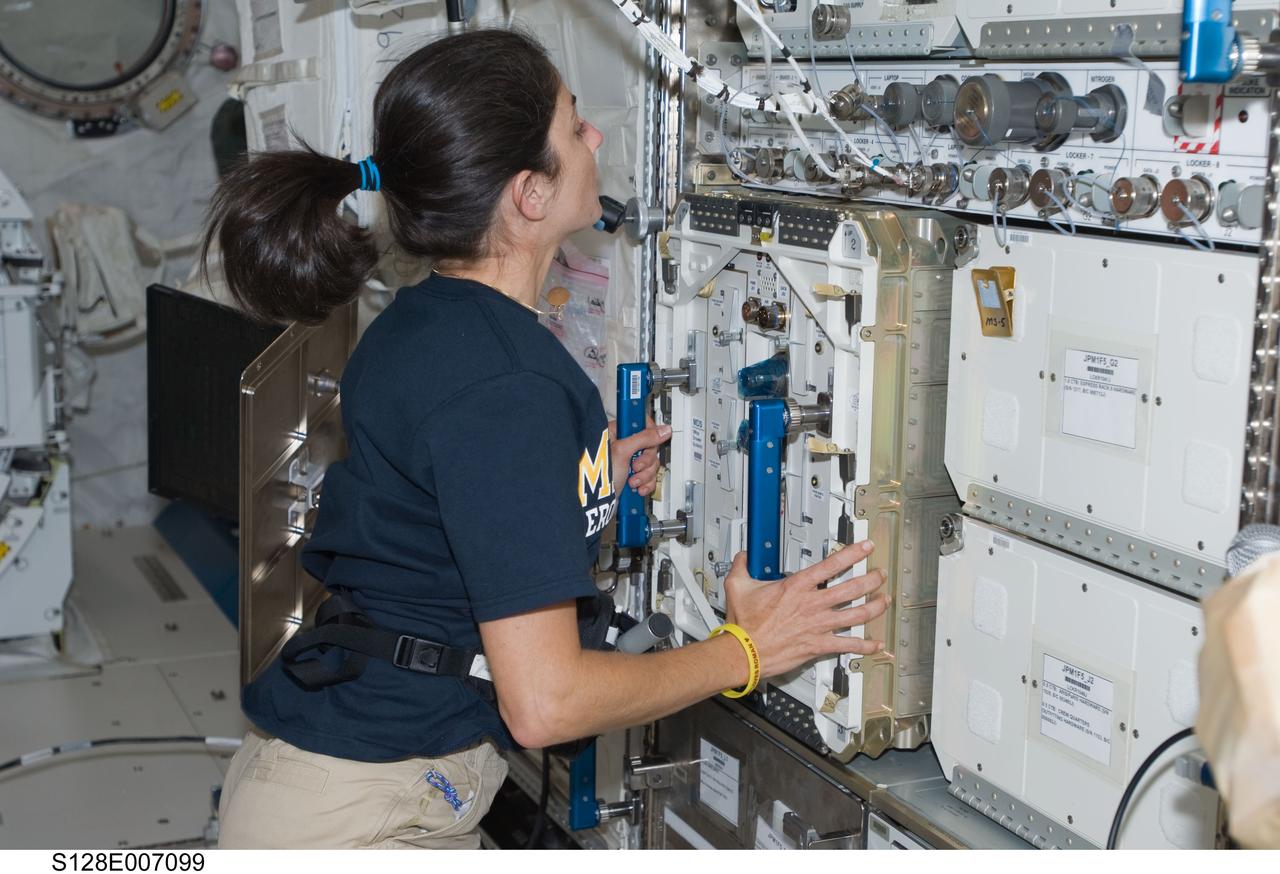
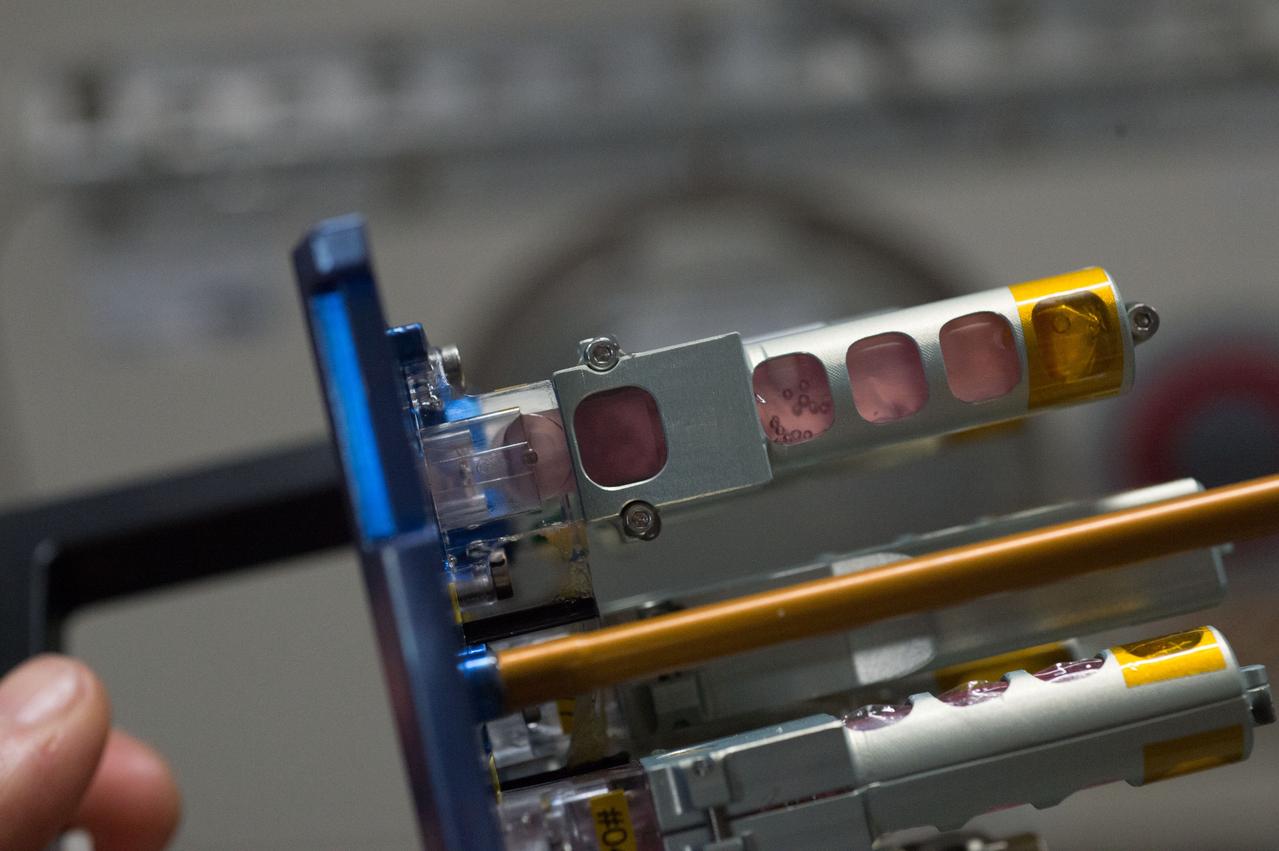
View of Nicole Stott as she works to transfer the Mice Drawer System (MDS) from the middeck (MDDK) of Discovery to the JEM Pressurized Module (JPM) during STS-128.
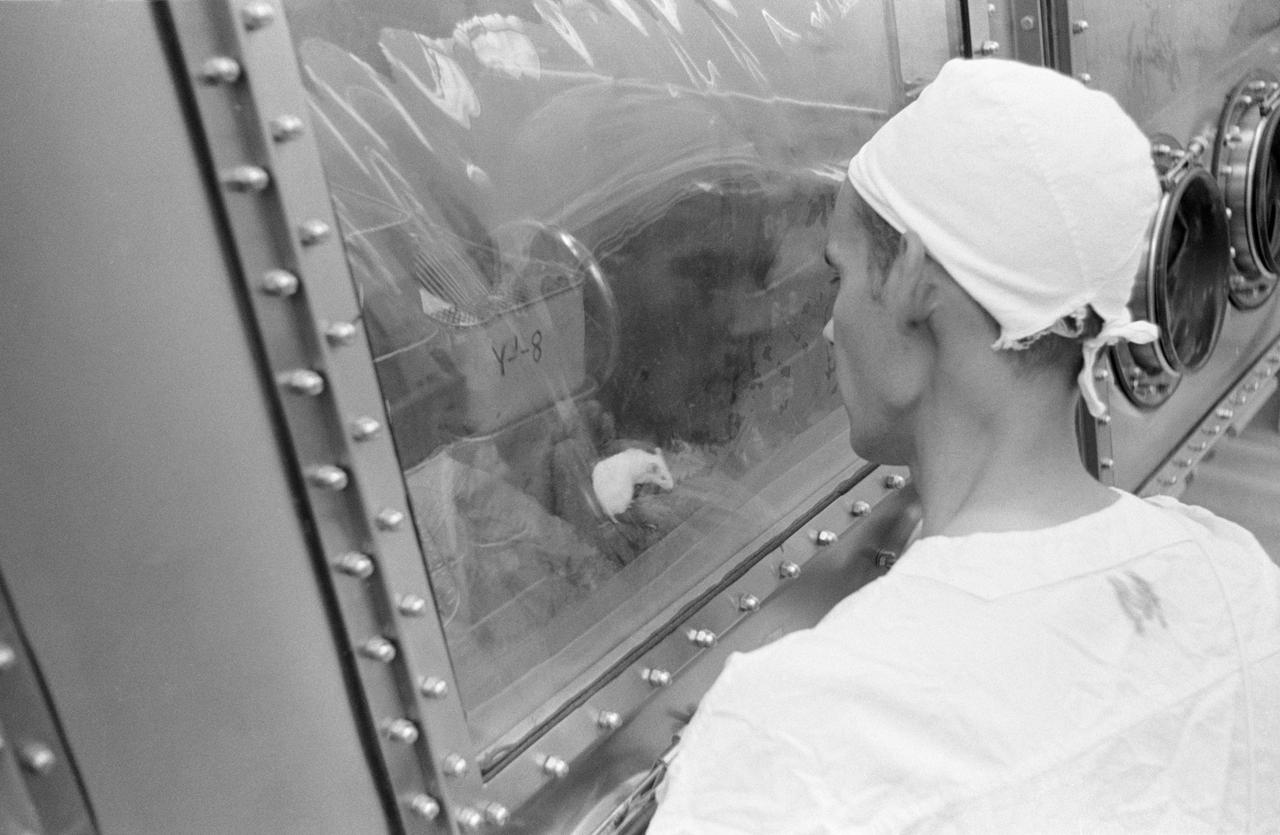
S69-40752 (August 1969) --- Landrum Young, Brown and Root - Northrop technician examines mice in the Animal Laboratory of the Lunar Receiving Laboratory (LRL) which have been inoculated with lunar sample material. The sample material was collected by astronauts Neil A. Armstrong and Edwin E. Aldrin Jr. during their lunar surface extravehicular activity (EVA) on July 20, 1969.
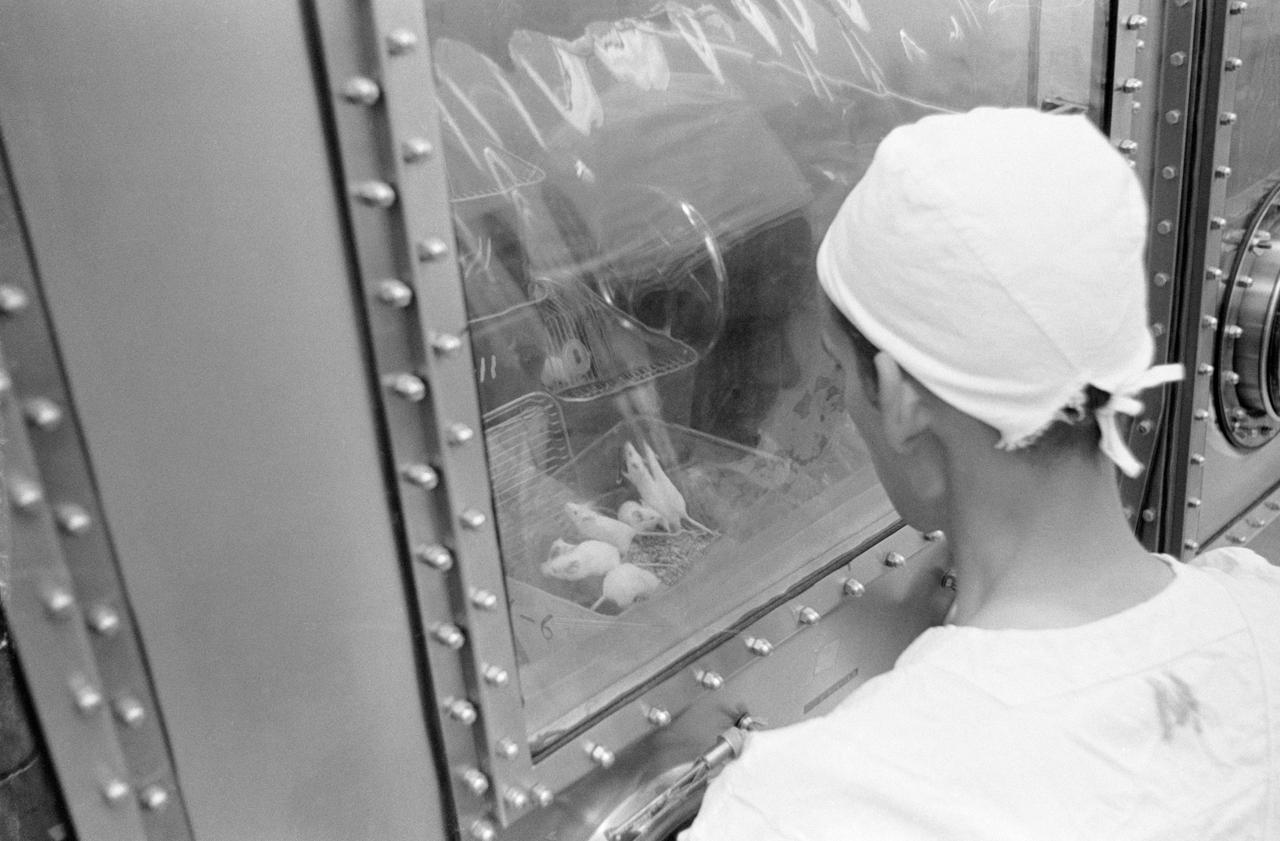
S69-40751 (August 1969) --- Landrum Young, Brown and Root - Northrop technician, examines mice in the Animal Laboratory of the Lunar Receiving Laboratory (LRL) which have been inoculated with lunar sample material. The sample material was collected by astronauts Neil A. Armstrong and Edwin E. Aldrin Jr. during their lunar surface extravehicular activity (EVA) on July 20, 1969.
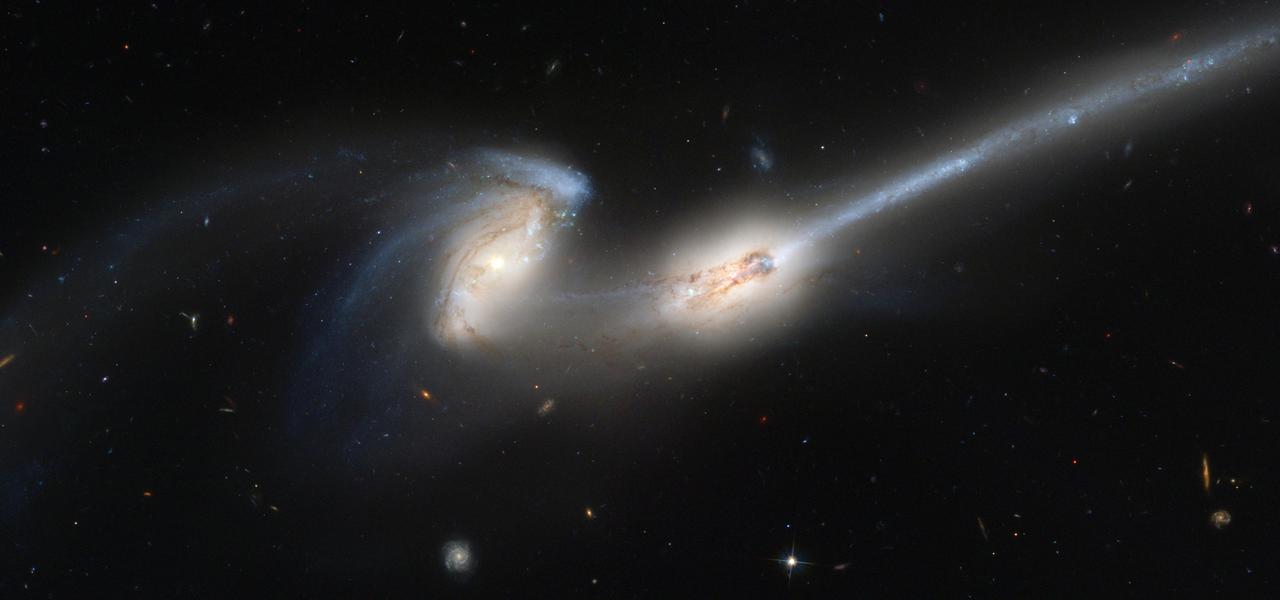
The Advanced Camera for Surveys (ACS), the newest camera on the Hubble Space Telescope, has captured a spectacular pair of galaxies. Located 300 million light-years away in the constellation Coma Berenices, the colliding galaxies have been nicknamed "The Mice" because of the long tails of stars and gas emanating from each galaxy. Otherwise known as NGC 4676, the pair will eventually merge into a single giant galaxy. In the galaxy at left, the bright blue patch is resolved into a vigorous cascade of clusters and associations of young, hot blue stars, whose formation has been triggered by the tidal forces of the gravitational interaction. The clumps of young stars in the long, straight tidal tail (upper right) are separated by fainter regions of material. These dim regions suggest that the clumps of stars have formed from the gravitational collapse of the gas and dust that once occupied those areas. Some of the clumps have luminous masses comparable to dwarf galaxies that orbit the halo of our own Milky Way Galaxy. Computer simulations by astronomers show that we are seeing two near identical spiral galaxies approximately 160 million years after their closest encounter. The simulations also show that the pair will eventually merge, forming a large, nearly spherical galaxy (known as an elliptical galaxy). The Mice presage what may happen to our own Milky Way several billion years from now when it collides with our nearest large neighbor, the Andromeda Galaxy (M31). This picture is assembled from three sets of images taken on April 7, 2002, in blue, orange, and near-infrared filters. Credit: NASA, H. Fort (JHU), G. Illingworth (USCS/LO), M. Clampin (STScI), G. Hartig (STScI), the ACS Science Team, and ESA.
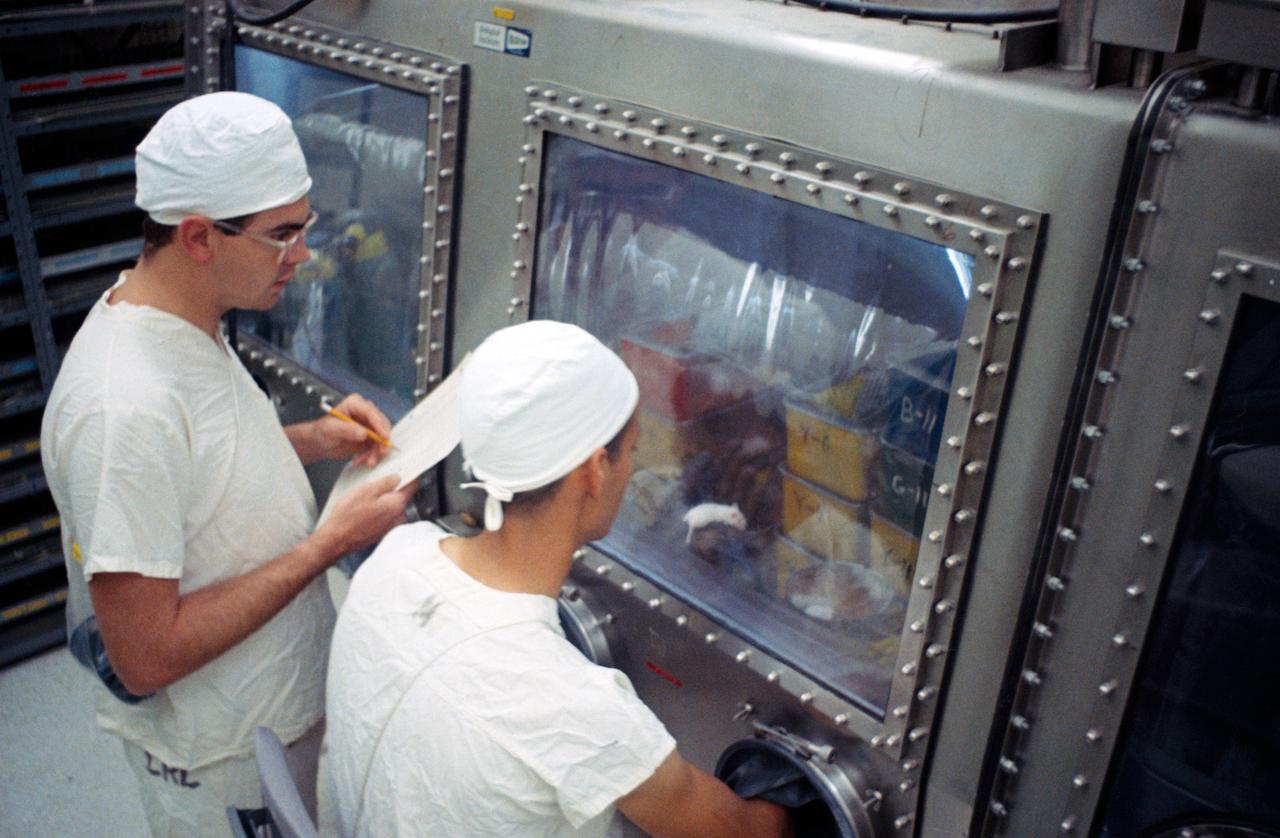
S69-40940 (August 1969) --- Landrum Young (seated), Brown and Root - Northrop, and Russell Stullken, Manned Spacecraft Center (MSC), examine mice in the Animal Laboratory which have been inoculated with lunar sample material. The sample material was collected by astronauts Neil A. Armstrong and Edwin E. Aldrin Jr. during their lunar surface extravehicular activity (EVA) on July 20, 1969.

S69-40939 (August 1969) --- Landrum Young, Brown and Root - Northrop technician, examines mice in the Animal Laboratory of the Lunar Receiving Laboratory (LRL) which have been inoculated with lunar sample material. The sample material was collected by astronauts Neil A. Armstrong and Edwin E. Aldrin Jr. during their lunar surface extravehicular activity (EVA) on July 20, 1969.
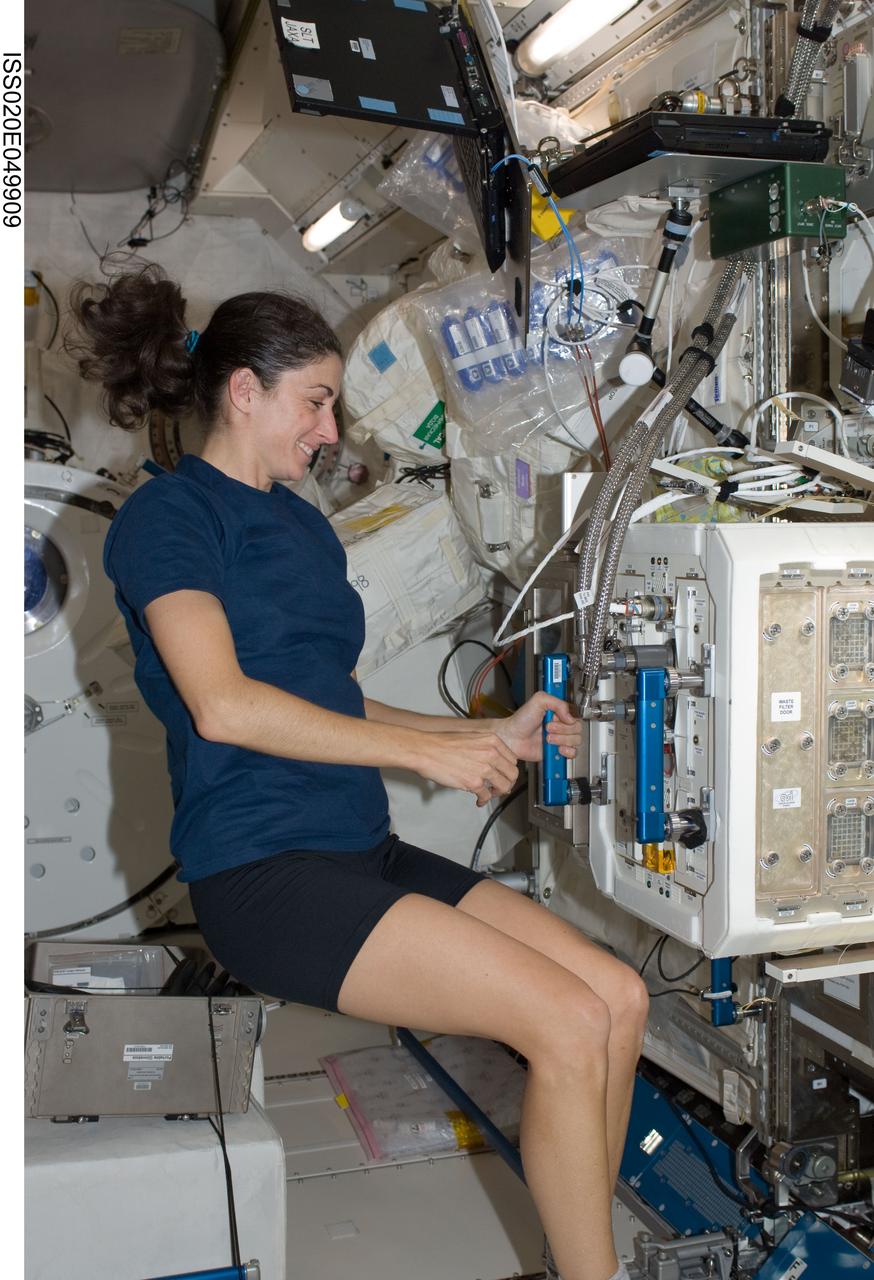
ISS020-E-049909 (2 Oct. 2009) --- NASA astronaut Nicole Stott, Expedition 20/21 flight engineer, works with the Mice Drawer System (MDS) in the Kibo laboratory of the International Space Station.
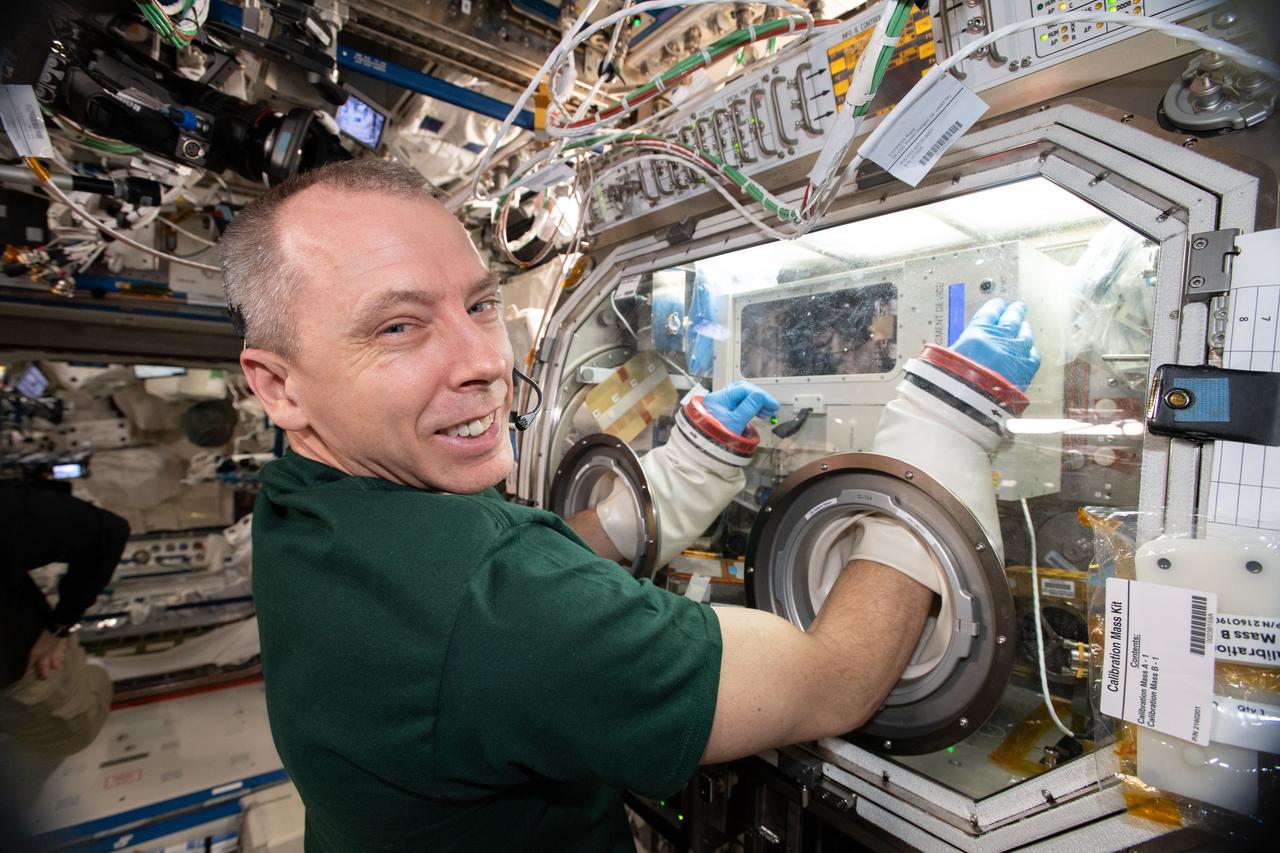
iss056e097340 (July 18, 2018) --- NASA astronaut Drew Feustel works inside the Microgravity Science Glovebox inspecting mice being observed as part of the Rodent Research-7 experiment. Feustel measured the rodent's breathing and mass for the study that examines how the space environment affects the community of microoganisms in the gastrointestinal tract of mice (also known as the microbiota). It also looks at microgravity’s effects on multiple physiological systems known to be affected by the microbiota, including the gastrointestinal, immune, metabolic, circadian, and sleep systems. These studies help explain mechanisms underlying interactions between these systems and the role of the microbiota in these interactions.
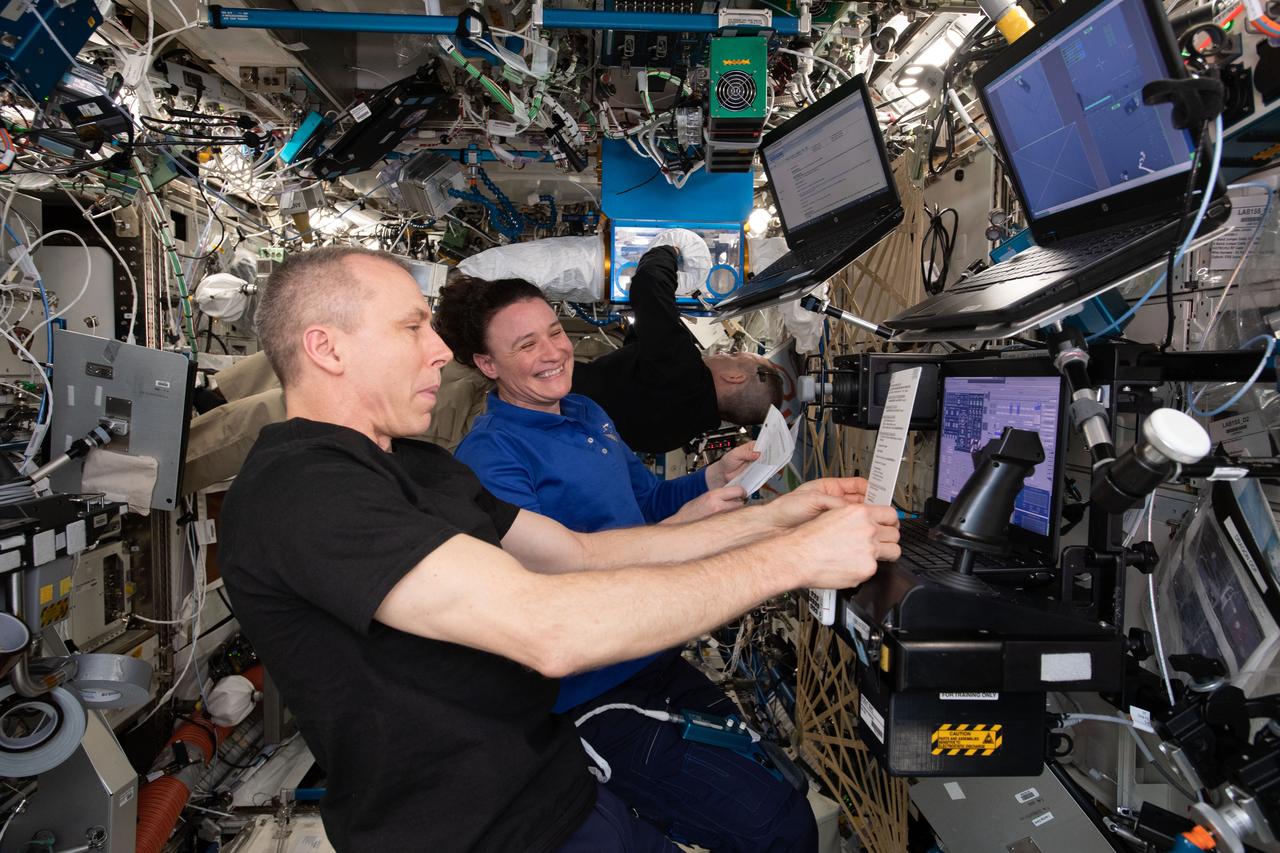
iss056e161212 (Sept. 6, 2018) --- Astronauts Drew Feustel and Serena Auñón-Chancellor train on a computer in the U.S. Destiny laboratory practicing rendezvous procedures and robotics maneuvers ahead of the arrival of Japan's HTV-7 resupply ship. In the background, astronaut Ricky Arnold works on the Rodent Research Habitat feeding mice and cleaning cameras.
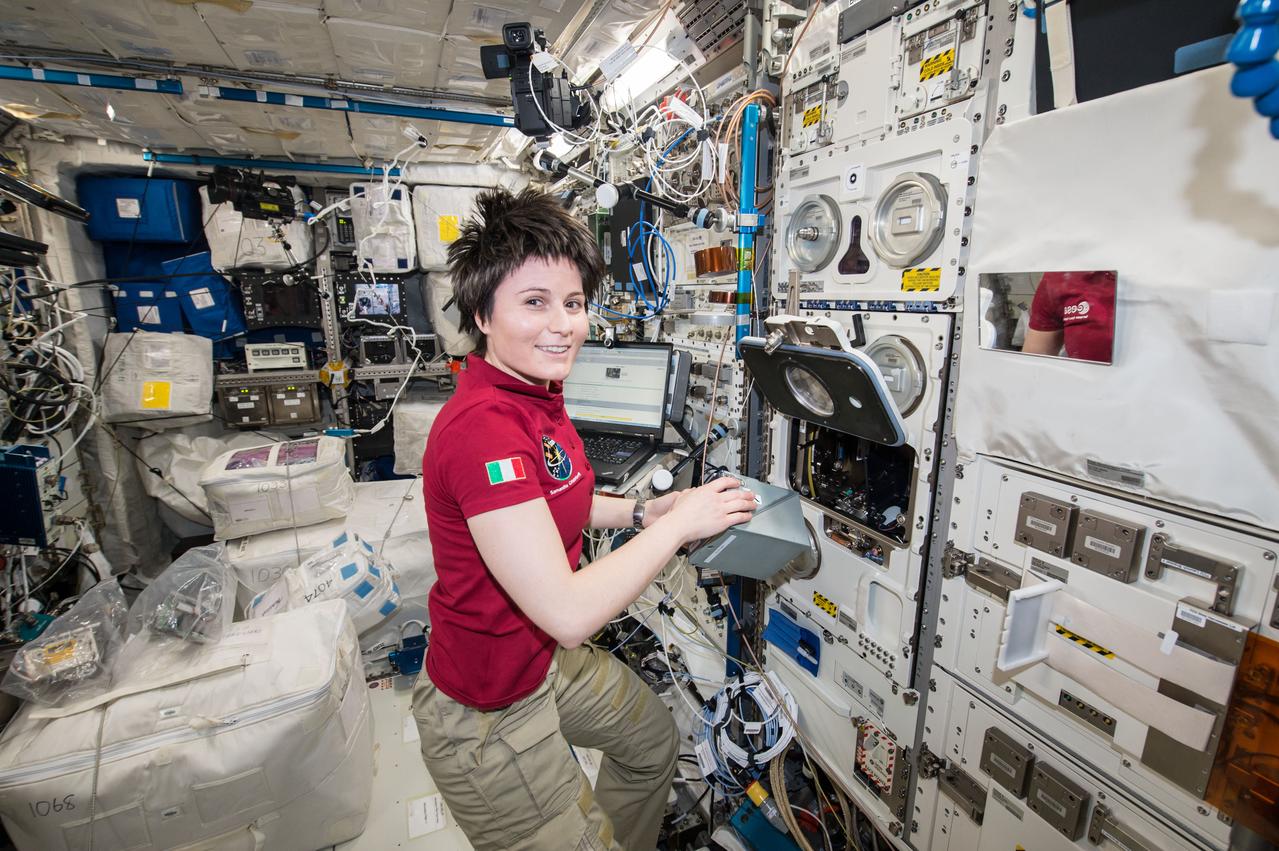
iss043e181042 (May 8, 2015) --- European Space Agency (ESA) astronaut Samantha Christoforetti prepares the TripleLux-A experiment for return on SpaceX's Dragon cargo craft. The TripleLux-A experiment studies the effects of the spaceflight conditions on immune suppresion in mice, which will help scientists understand the effects of radiation and microgravity on the human immune system in space.
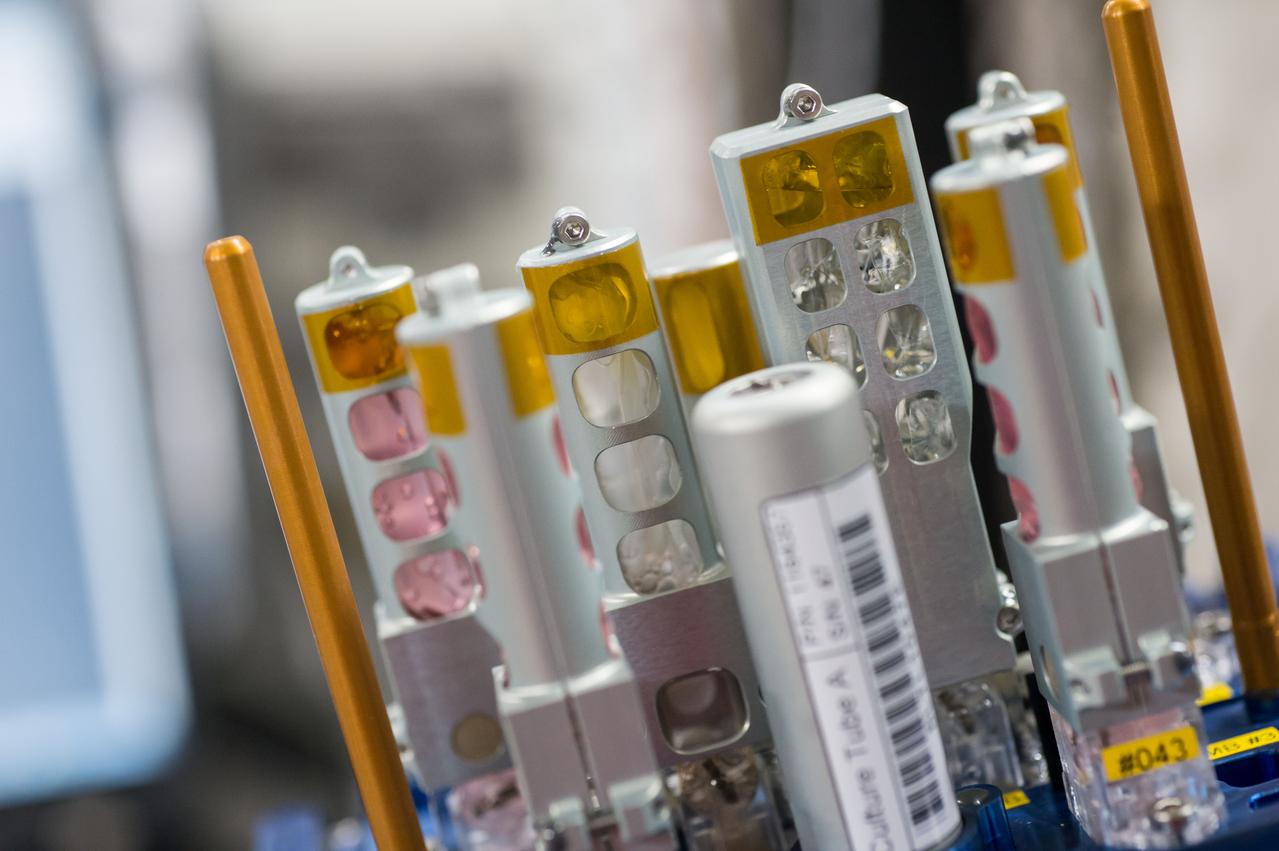
iss043e181153 (May 8, 2015) --- Experiment Container (EC) for the TripleLux-A experiment during removal from Incubator. The TripleLux-A experiment studies the effects of the spaceflight conditions on immune suppression in mice, which will help scientists understand the effects of radiation and microgravity on the human immune system in space.

iss043e167919 (May 2, 2015) --- Experiment Container (EC) for the TripleLux-A experiment during removal from Incubator. The TripleLux-A experiment studies the effects of the spaceflight conditions on immune suppression in mice, which will help scientists understand the effects of radiation and microgravity on the human immune system in space.
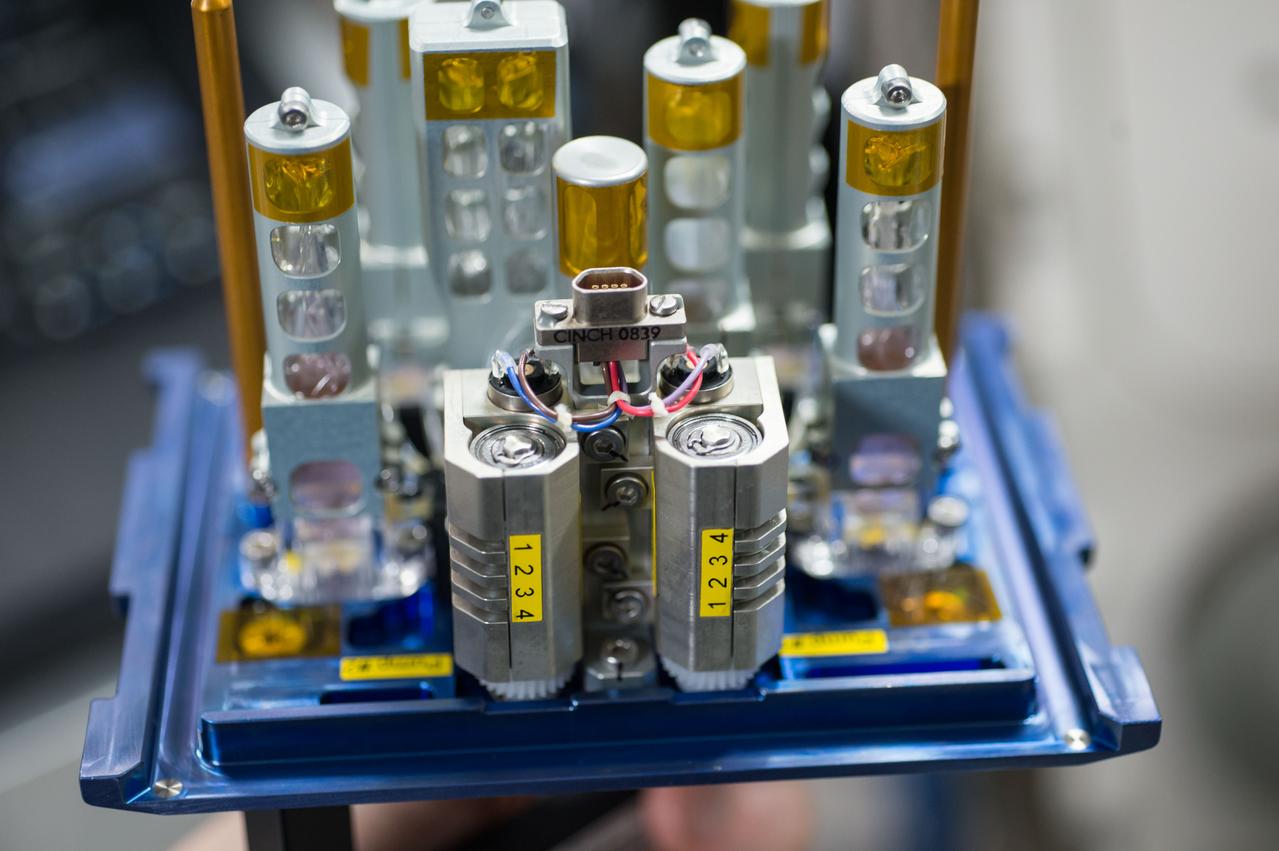
iss043e152043 (April 29, 2015) --- Experiment Container (EC) for the TripleLux-A experiment during removal from Incubator. The TripleLux-A experiment studies the effects of the spaceflight conditions on immune suppression in mice, which will help scientists understand the effects of radiation and microgravity on the human immune system in space.
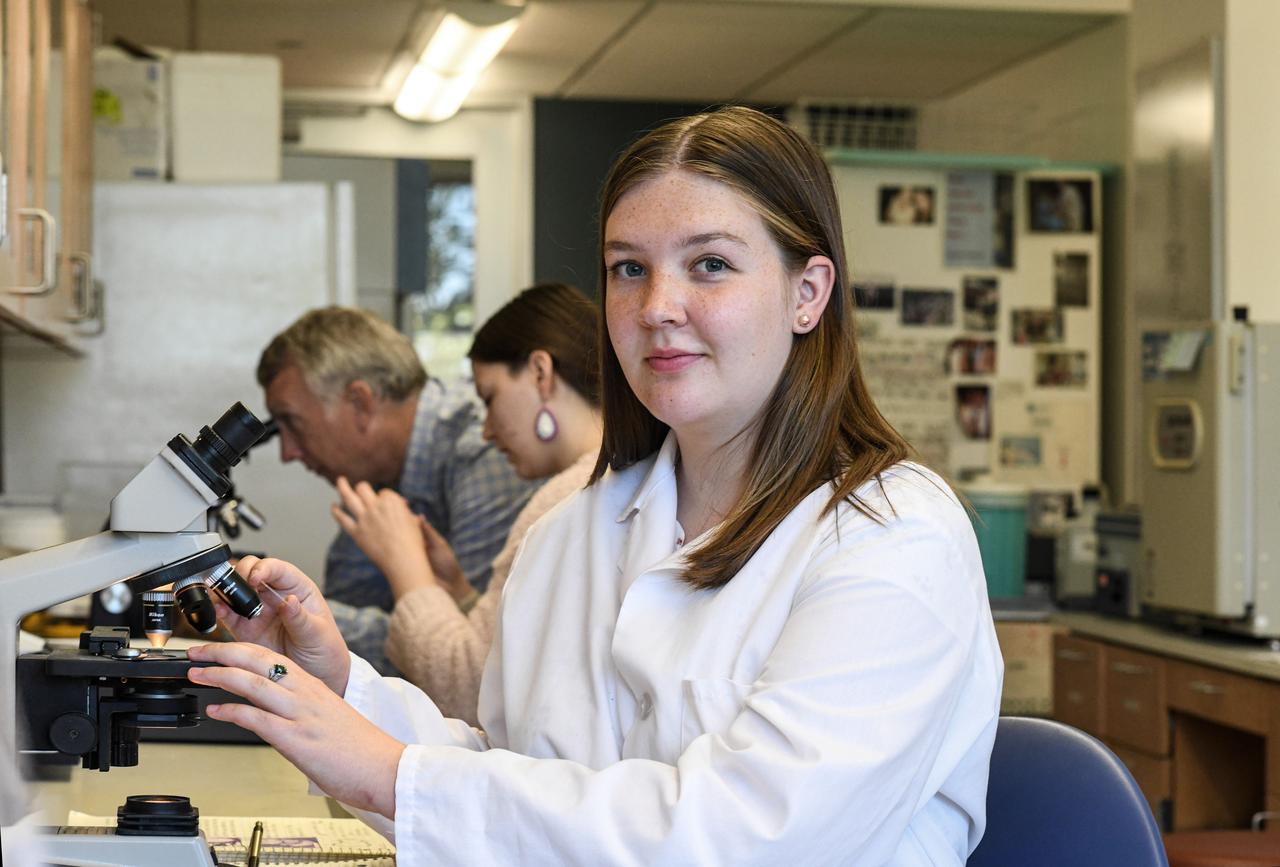
jsc2023e064879 (12/9/2023) --- Dr. Lane Christenson discusses the finer points of follicular classification and counts with Payton Nies. Rodent Research-20 (RR-20) evaluates ovarian function in female mice in microgravity, fertility following return to Earth, and the effect of spaceflight on the next generation. Image courtesy of the University of Kansas Medical Center.
iss043e167915 (May 2, 2015) --- Experiment Container (EC) for the TripleLux-A experiment during remobal from Incubator. The TripleLux-A experiment studies the effects of the spaceflight conditions on immune suppresion in mice, which will help scientists understand the effects of radiation and microgravity on the human immune system in space.
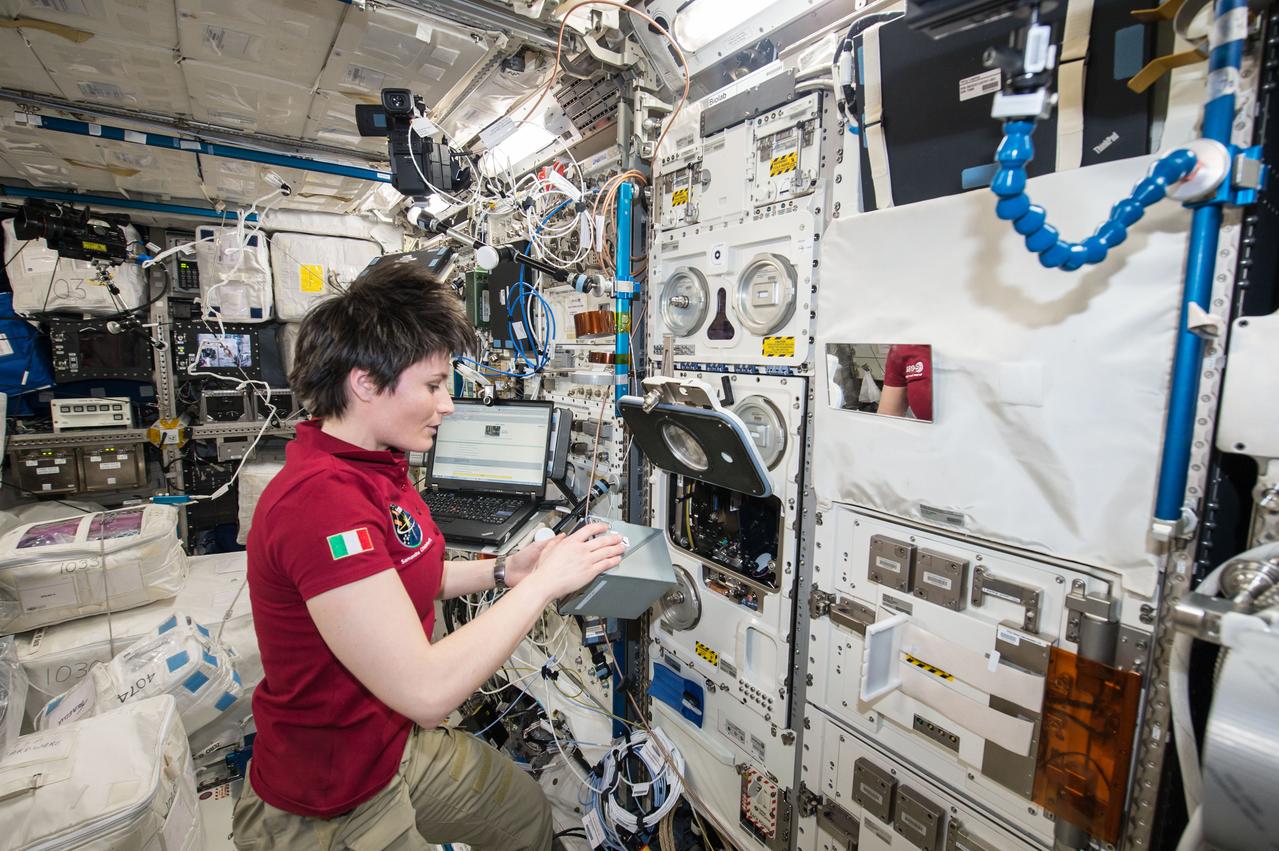
iss043e181041 (May 8, 2015) --- European Space Agency (ESA) astronaut Samantha Christoforetti prepares the TripleLux-A experiment for return on SpaceX's Dragon cargo craft. The TripleLux-A experiment studies the effects of the spaceflight conditions on immune suppresion in mice, which will help scientists understand the effects of radiation and microgravity on the human immune system in space.
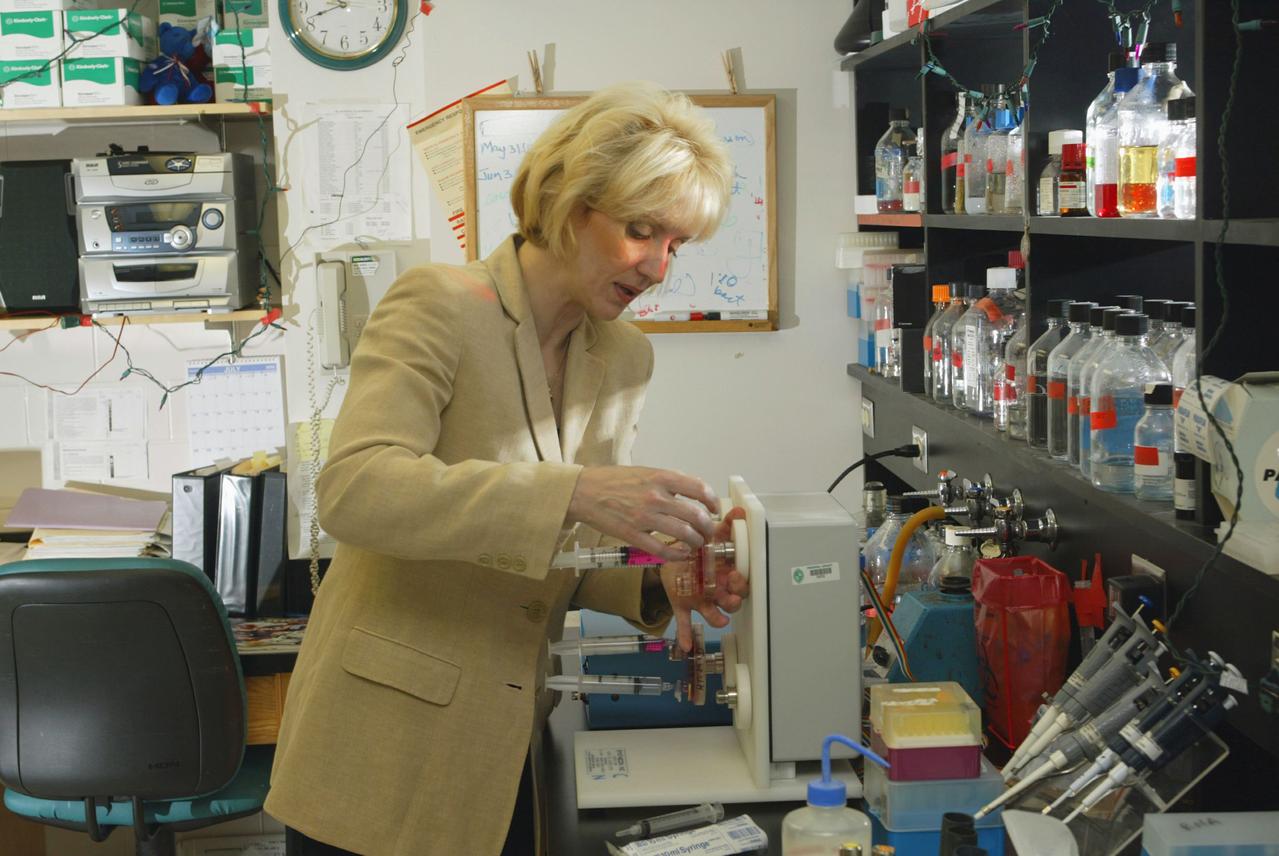
Dr. Cheryl Nickerson of Tulane University is studying the effects of simulated low-g on a well-known pathogen, Salmonella typhimurium, a bacterium that causes two to four million cases of gastrointestinal illness in the United States each year. While most healthy people recover readily, S. typhimurium can kill people with weakened immune systems. Thus, a simple case of food poisoning could disrupt a space mission. Using the NASA rotating-wall bioreactor, Nickerson cultured S. typhimurium in modeled microgravity. Mice infected with the bacterium died an average of three days faster than the control mice, indicating that S. typhimurium's virulence was enhanced by the bioreactor. Earlier research showed that 3 percent of the genes were altered by exposure to the bioreactor. Nickerson's work earned her a 2001 Presidential Early Career Award for Scientists and Engineers.
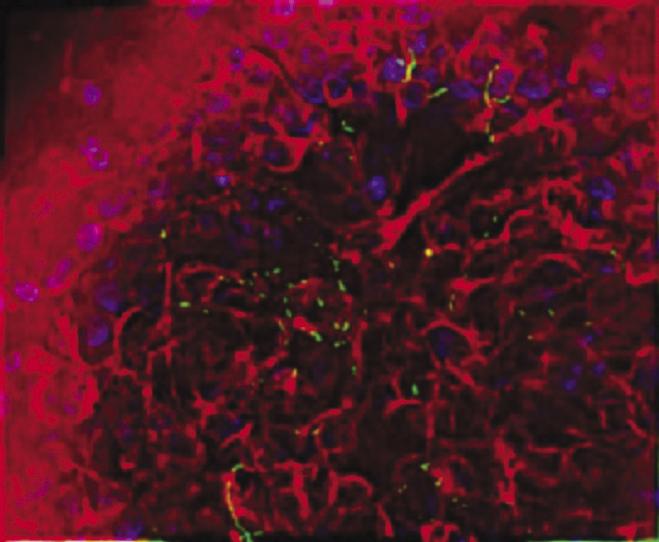
Salmonella typhimurium appears green in on human intestinal tissue (stained red) cultured in a NASA rotating wall bioreactor. Dr. Cheryl Nickerson of Tulane University is studying the effects of simulated low-g on a well-known pathogen, Salmonella typhimurium, a bacterium that causes two to four million cases of gastrointestinal illness in the United States each year. While most healthy people recover readily, S. typhimurium can kill people with weakened immune systems. Thus, a simple case of food poisoning could disrupt a space mission. Using the NASA rotating-wall bioreactor, Nickerson cultured S. typhimurium in modeled microgravity. Mice infected with the bacterium died an average of three days faster than the control mice, indicating that S. typhimurium's virulence was enhanced by the bioreactor. Earlier research showed that 3 percent of the genes were altered by exposure to the bioreactor. Nickerson's work earned her a 2001 Presidential Early Career Award for Scientists and Engineers.
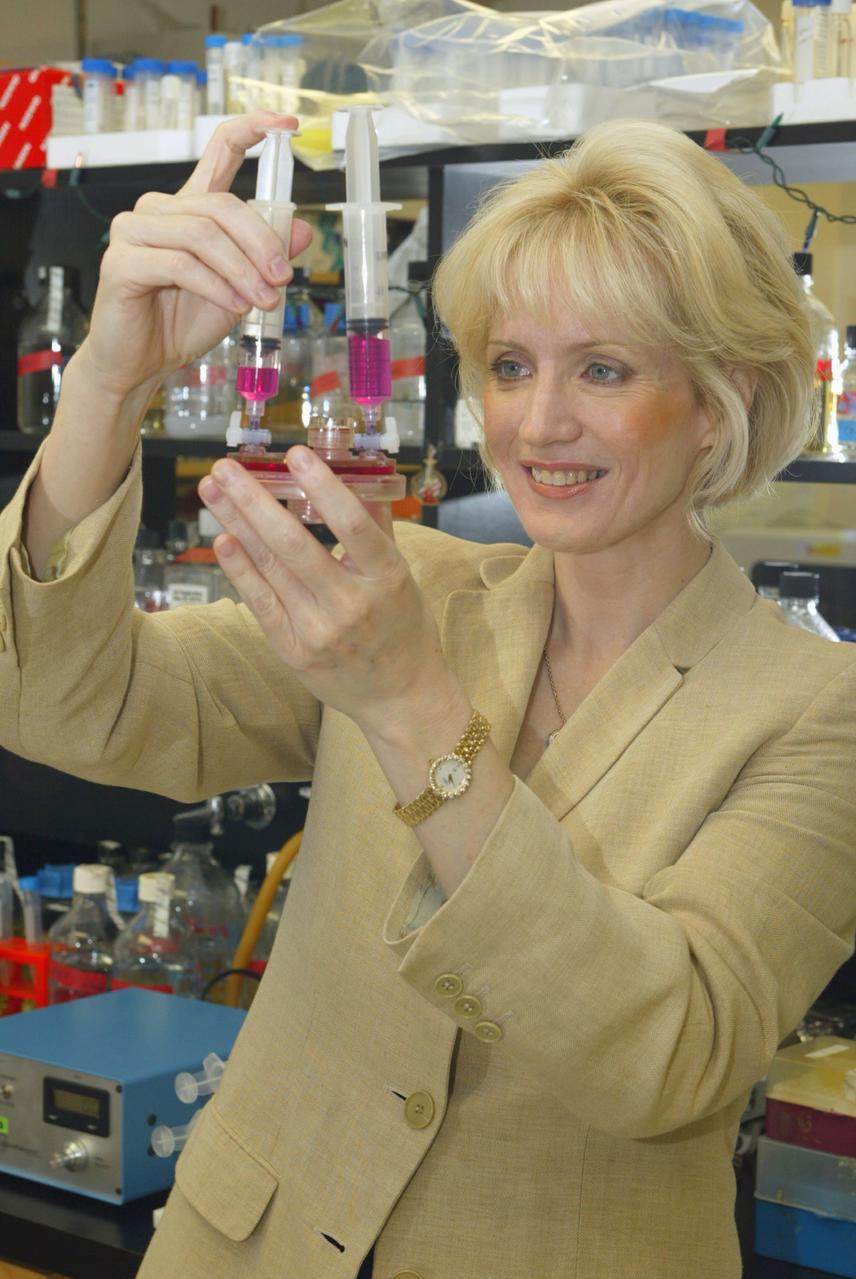
Dr. Cheryl Nickerson of Tulane University is studying the effects of simulated low-g on a well-known pathogen, Salmonella typhimurium, a bacterium that causes two to four million cases of gastrointestinal illness in the United States each year. While most healthy people recover readily, S. typhimurium can kill people with weakened immune systems. Thus, a simple case of food poisoning could disrupt a space mission. Using the NASA rotating-wall bioreactor, Nickerson cultured S. typhimurium in modeled microgravity. Mice infected with the bacterium died an average of three days faster than the control mice, indicating that S. typhimurium's virulence was enhanced by the bioreactor. Earlier research showed that 3 percent of the genes were altered by exposure to the bioreactor. Nickerson's work earned her a 2001 Presidential Early Career Award for Scientists and Engineers.
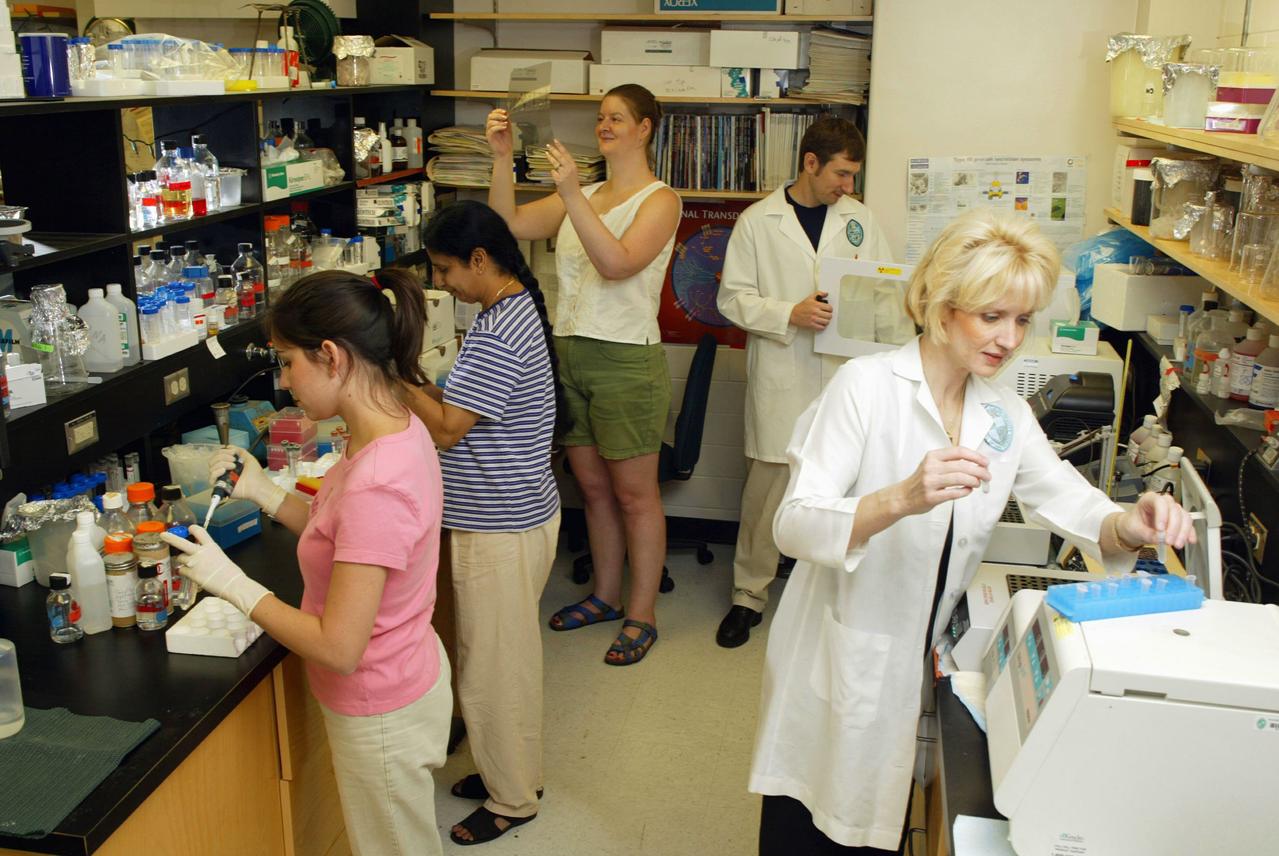
Dr. Cheryl Nickerson (right) of Tulane University is studying the effects of simulated low-g on a well-known pathogen, Salmonella typhimurium, a bacterium that causes two to four million cases of gastrointestinal illness in the United States each year. While most healthy people recover readily, S. typhimurium can kill people with weakened immune systems. Thus, a simple case of food poisoning could disrupt a space mission. Using the NASA rotating-wall bioreactor, Nickerson cultured S. typhimurium in modeled microgravity. Mice infected with the bacterium died an average of three days faster than the control mice, indicating that S. typhimurium's virulence was enhanced by the bioreactor. Earlier research showed that 3 percent of the genes were altered by exposure to the bioreactor. Nickerson's work earned her a 2001 Presidential Early Career Award for Scientists and Engineers.
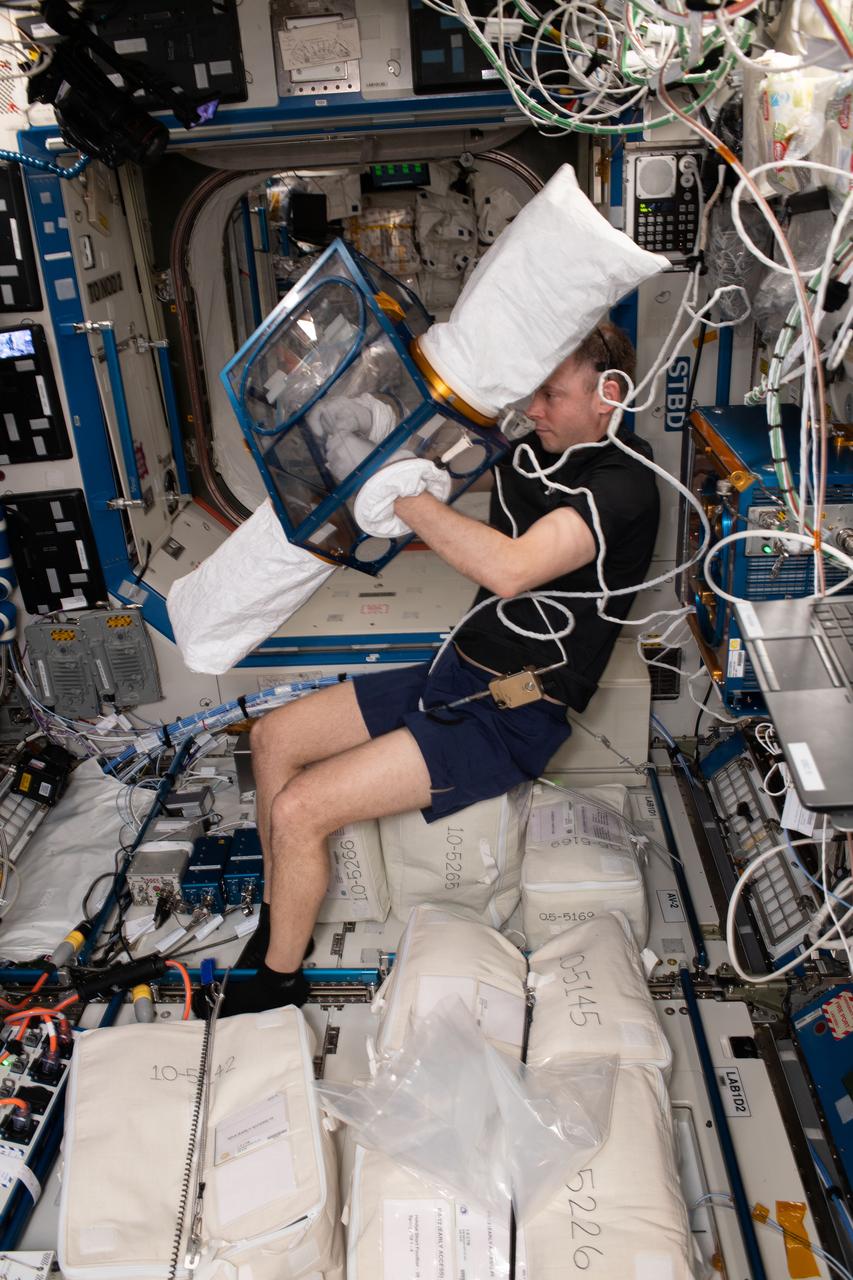
iss059e027387 (4/22/2019) --- NASA astronaut Nick Hague is photographed with the Rodent Research Facility during transfer of mice from the Cygnus spacecraft into the ( International Space Station ISS) Rodent Habitats. RR-12, Tetanus Antibody Response by B cells in Space (TARBIS), examines the effects of spaceflight on the function of antibody production and immune memory.
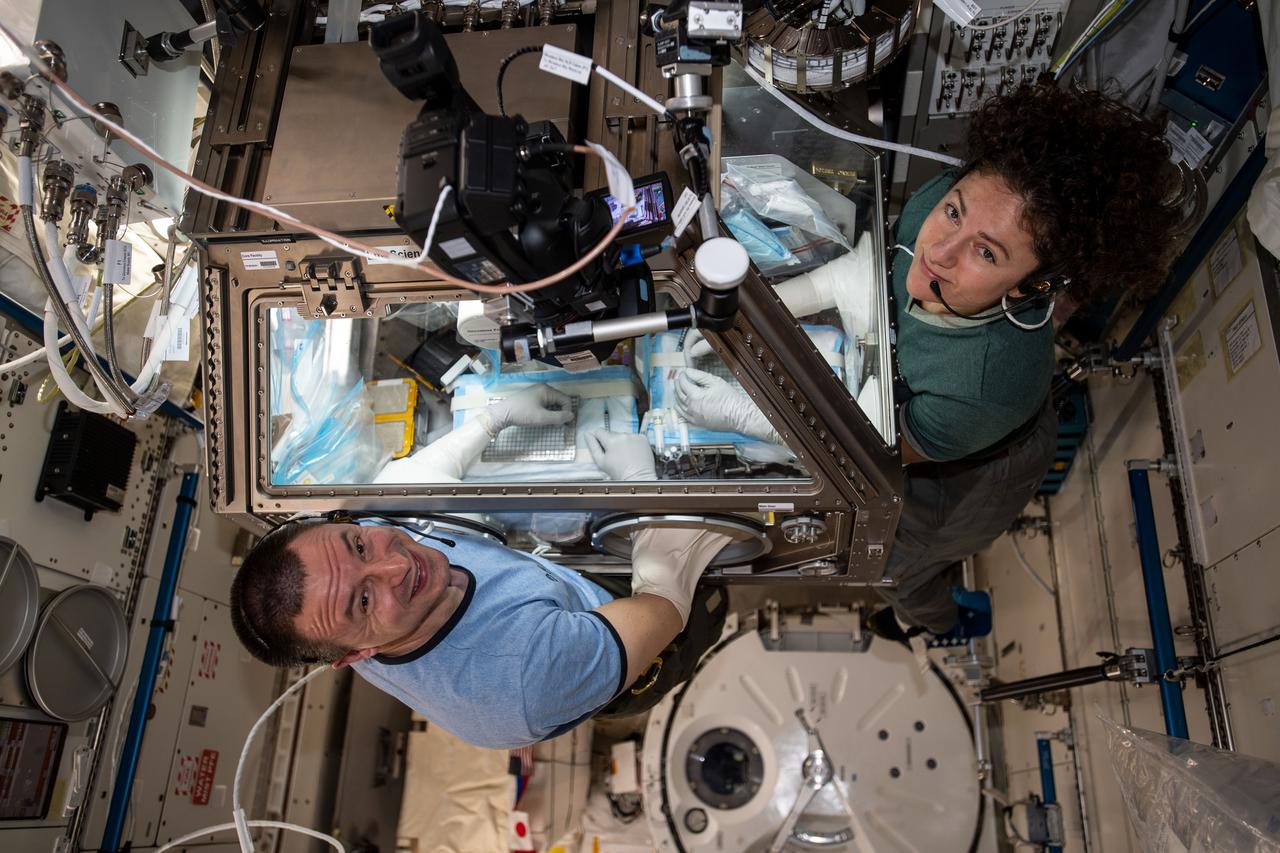
iss061e060142 (Nov. 26, 2019) --- NASA astronauts Andrew Morgan and Jessica Meir conduct research operations inside the Japanese Kibo lab module's Life Sciences Glovebox. The Expedition 61 flight engineers were studying mice for the Rodent Research-14 investigation, which observes how microgravity affects the body on a cellular and organ level.
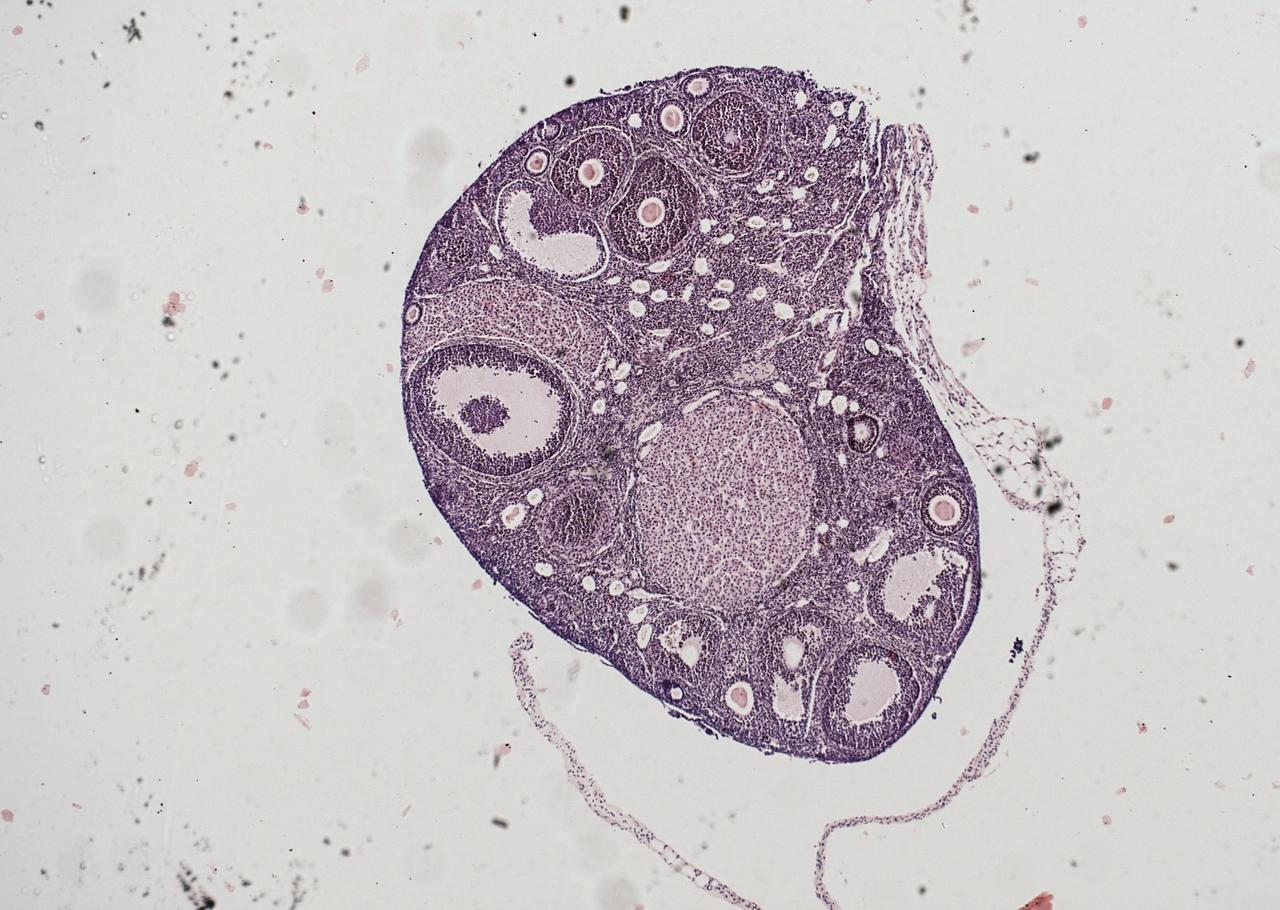
jsc2023e064877 (10/19/2023) --- An ovarian tissue section shows a variety of follicular types. The (Female Reproductive Health: Space Flight Induced Ovarian and Estrogen Signaling Dysfunction, Adaptation, and Recovery) Rodent Research-20 (RR-20) investigation evaluates ovarian function in female mice in microgravity, fertility following return to Earth, and the effect of spaceflight on the next generation. Image courtesy of the University of Kansas Medical Center.
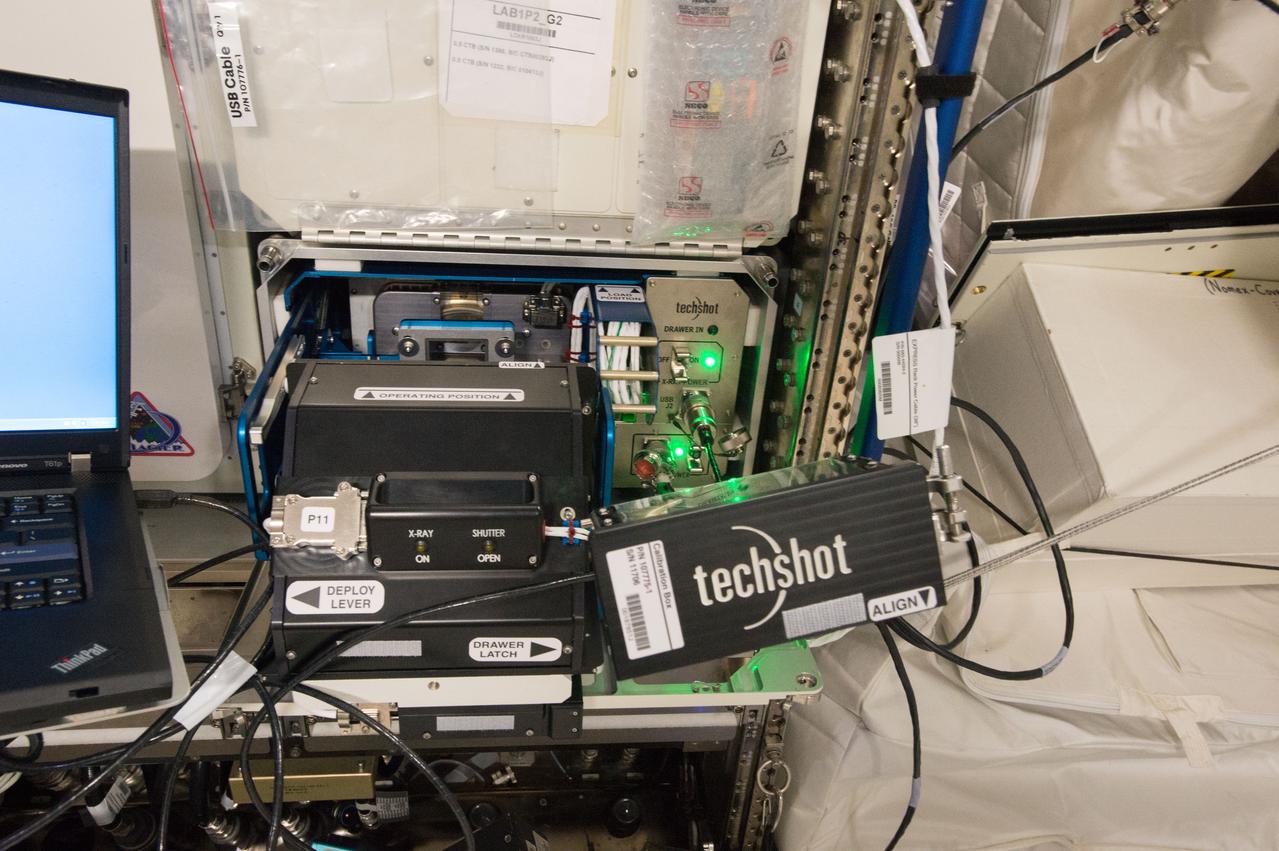
iss043e286992 (6/6/2015) --- Photographic documentation of the Bone Densitometer Validation experiment in support of Rodent Research 2 (RR2) experiment. Bone Densitometer Hardware Validation (Bone Densitometer Validation) tests an X-ray device the size of a kitchen microwave oven, which measures bone density, muscle and fat in mice living on the International Space Station.
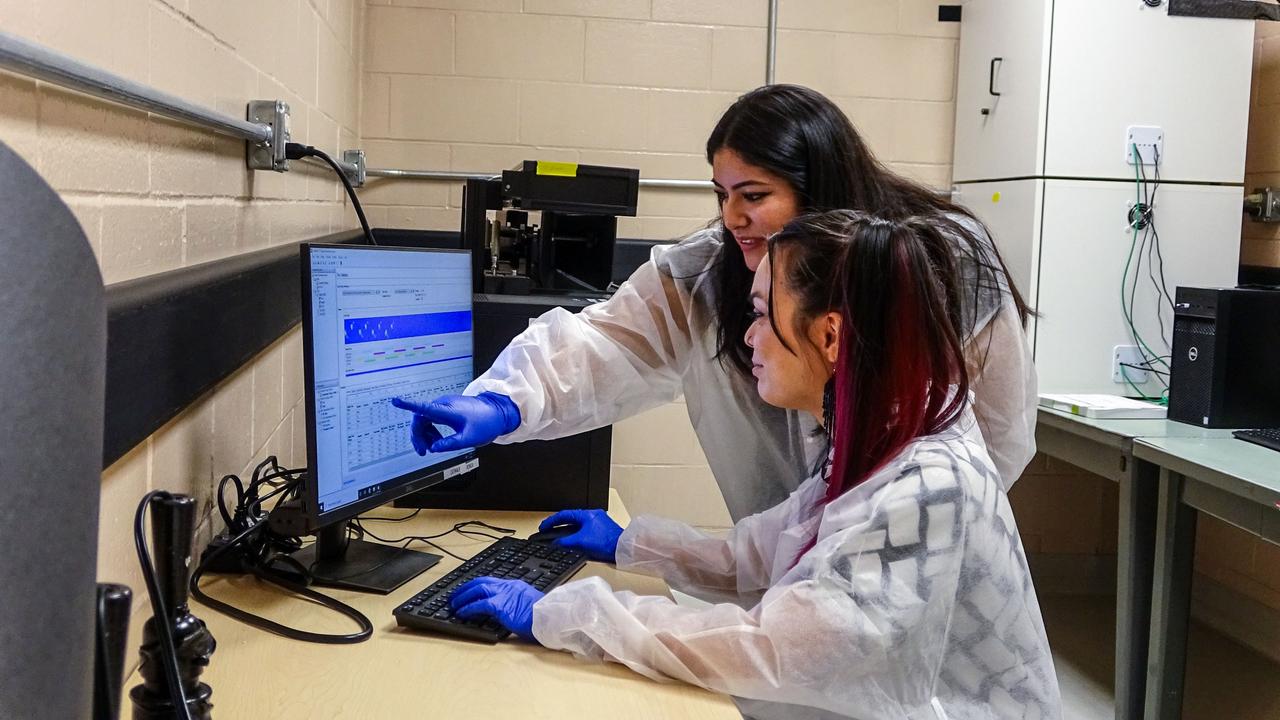
jsc2023e069280 (10/4/2023) --- Steffy Tabares Ruiz and Jade Nguyen analyze behavioral data that are informative for quantifying the effects of the space environment on neurobehavioral function. Rodent Research-20 (RR-20) evaluates ovarian function in female mice in microgravity, fertility following return to Earth, and the effect of spaceflight on the next generation. Image courtesy of the University of Kansas Medical Center.

iss061e060141 (Nov. 26, 2019) --- NASA astronauts (from top) Christina Koch and Jessica Meir conduct research operations inside the Japanese Kibo lab module's Life Sciences Glovebox. The Expedition 61 flight engineers were studying mice for the Rodent Research-14 investigation, which observes how microgravity affects the body on a cellular and organ level.
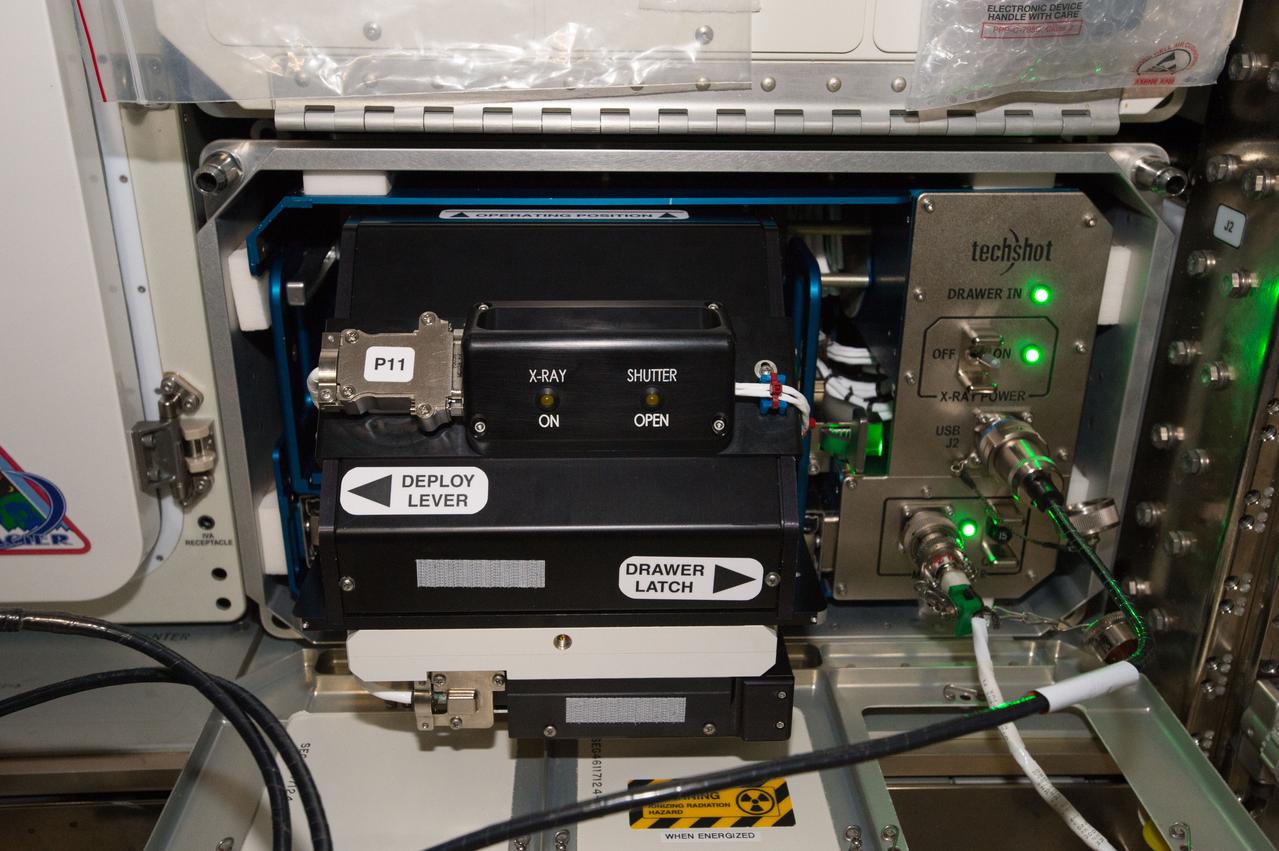
iss043e286986 (6/6/2015) --- Photographic documentation of the Bone Densitometer Validation experiment in support of Rodent Research 2 (RR2) experiment. Bone Densitometer Hardware Validation (Bone Densitometer Validation) tests an X-ray device the size of a kitchen microwave oven, which measures bone density, muscle and fat in mice living on the International Space Station.
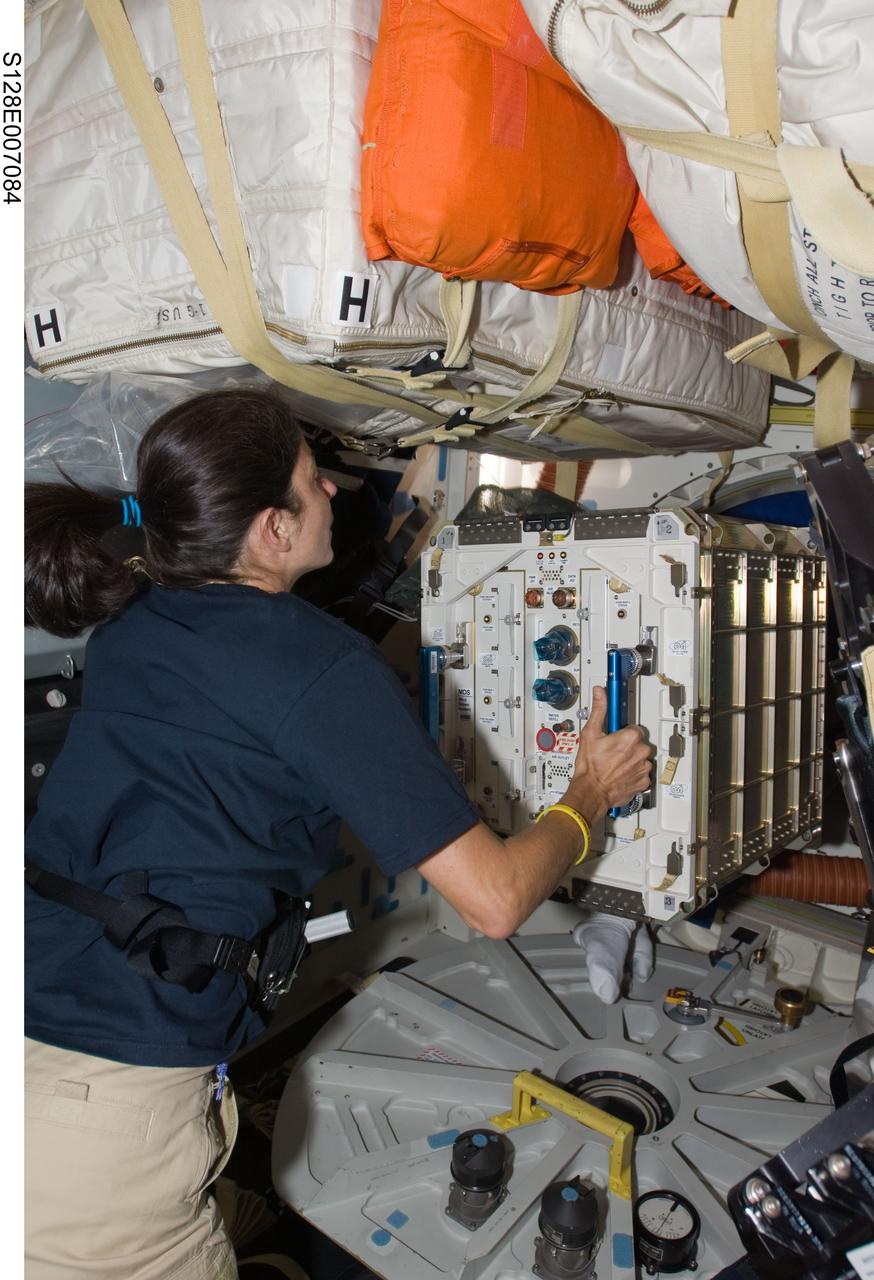
S128-E-007084 (31 Aug. 2009) --- Astronaut Nicole Stott, Expedition 20 flight engineer, prepares to move hardware through a hatch on the middeck of Space Shuttle Discovery (STS-128) while docked with the International Space Station.
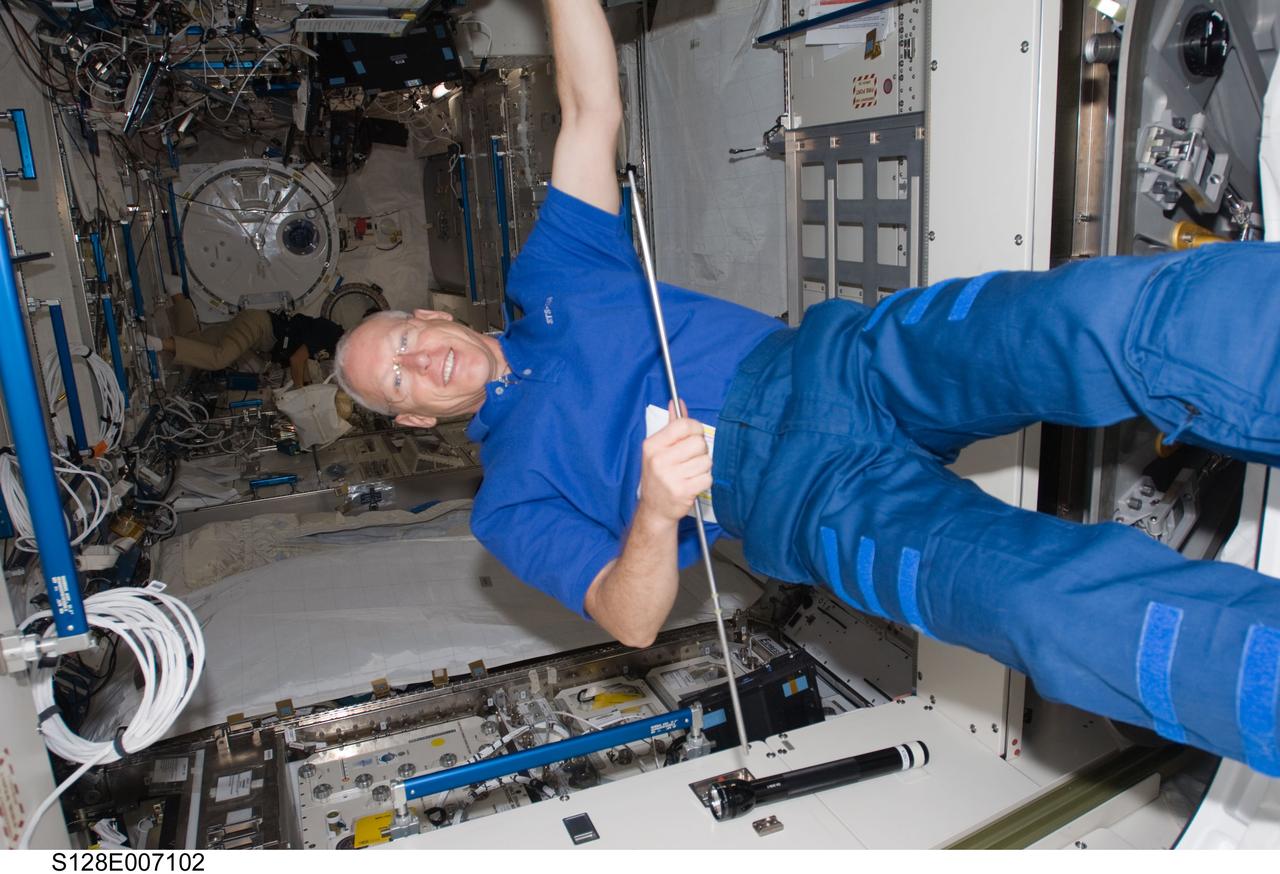
S128-E-007102 (31 Aug. 2009) --- Astronaut Patrick Forrester, STS-128 mission specialist, is pictured in the Kibo laboratory of the International Space Station while Space Shuttle Discovery remains docked to the station.
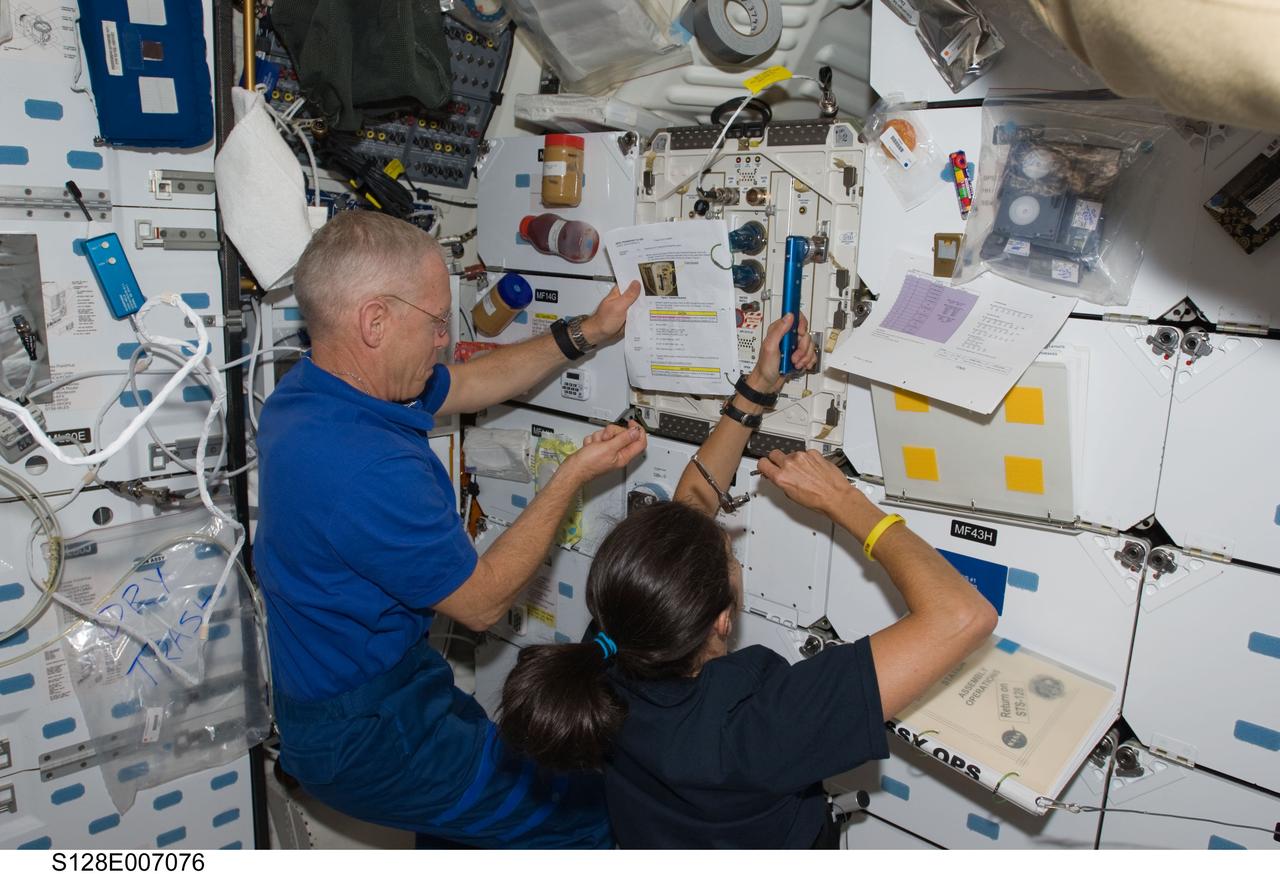
S128-E-007076 (31 Aug. 2009) --- Astronauts Patrick Forrester, STS-128 mission specialist; and Nicole Stott, Expedition 20 flight engineer, work on the middeck of Space Shuttle Discovery while docked with the International Space Station.
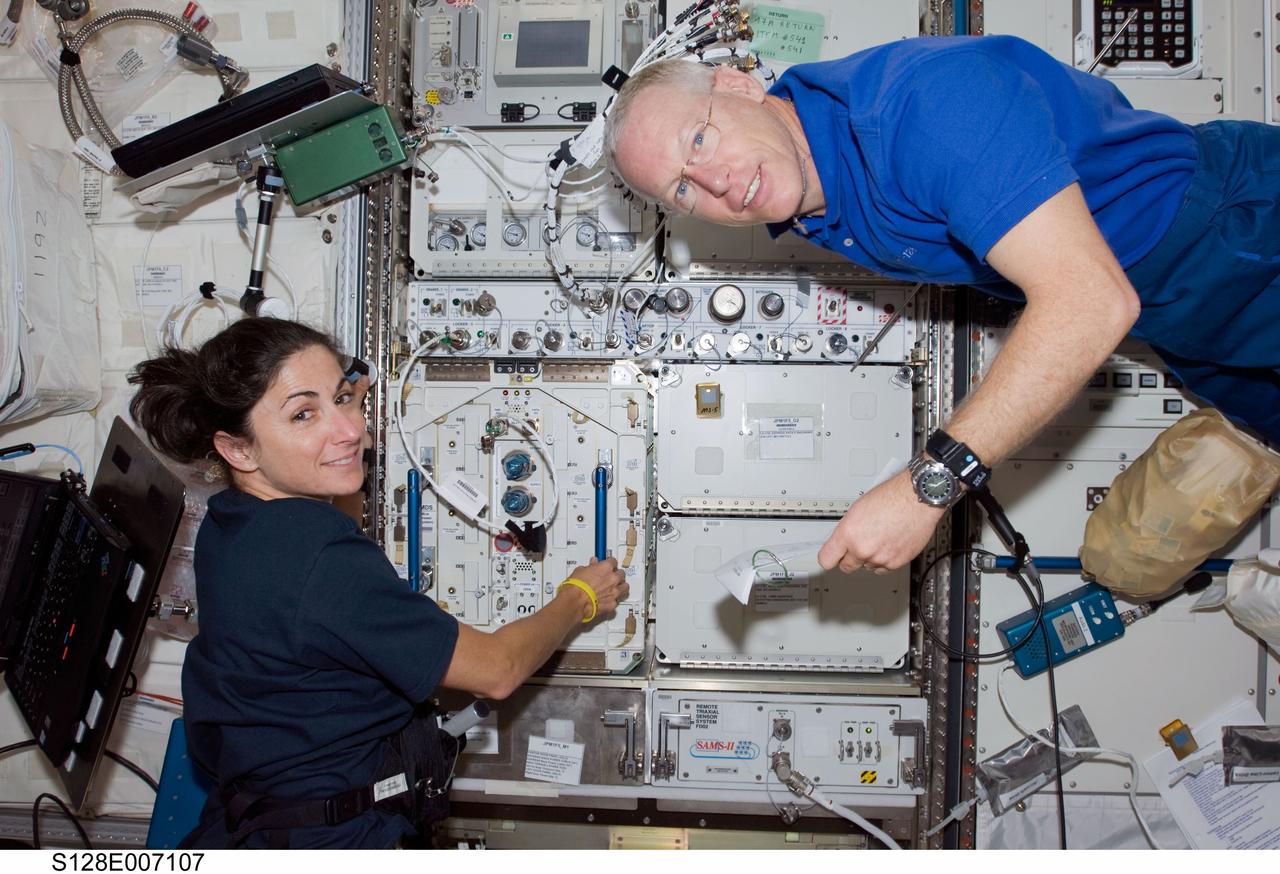
S128-E-007107 (31 Aug. 2009) --- Astronauts Nicole Stott, Expedition 20 flight engineer; and Patrick Forrester, STS-128 mission specialist, work in the Kibo laboratory of the International Space Station while Space Shuttle Discovery remains docked to the station.

S128-E-007097 (31 Aug. 2009) --- Astronaut Nicole Stott, Expedition 20 flight engineer, installs hardware in the Kibo laboratory of the International Space Station while Space Shuttle Discovery (STS-128) remains docked to the station.
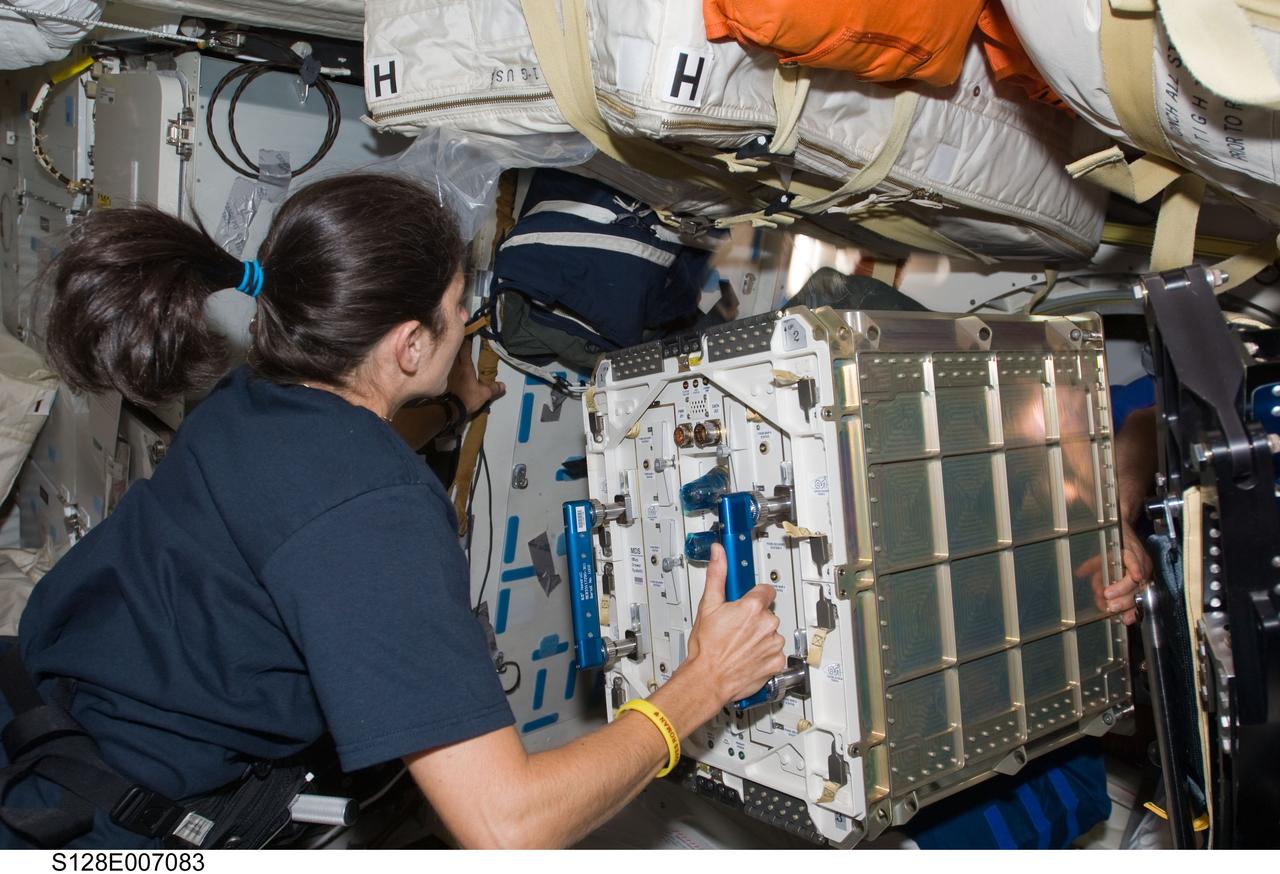
S128-E-007083 (31 Aug. 2009) --- Astronaut Nicole Stott, Expedition 20 flight engineer, prepares to move hardware through a hatch on the middeck of Space Shuttle Discovery (STS-128) while docked with the International Space Station.

jsc2021e036649 (8/4/2021) --- From left to right: Eng. Michele Cioffi Program Manager, Eng.Marco Fabio Miceli System & Test Engineer, Eng. Pasquale Pellegrino Test Engineer from ALI S.c.a r.l. and Eng.Maurizio Ruggiero Electronic Specialist from Euro.Soft s.r.l.. REducing Arthritis Dependent Inflammation First Phase (READI FP) evaluates how microgravity and space radiation affect the generation of bone tissue. It also examines the potential protective effects of bio-collagen and bioactive metabolites such as antioxidants during spaceflight. The source of these metabolites are vegetal extracts produced as waste products in wine production.
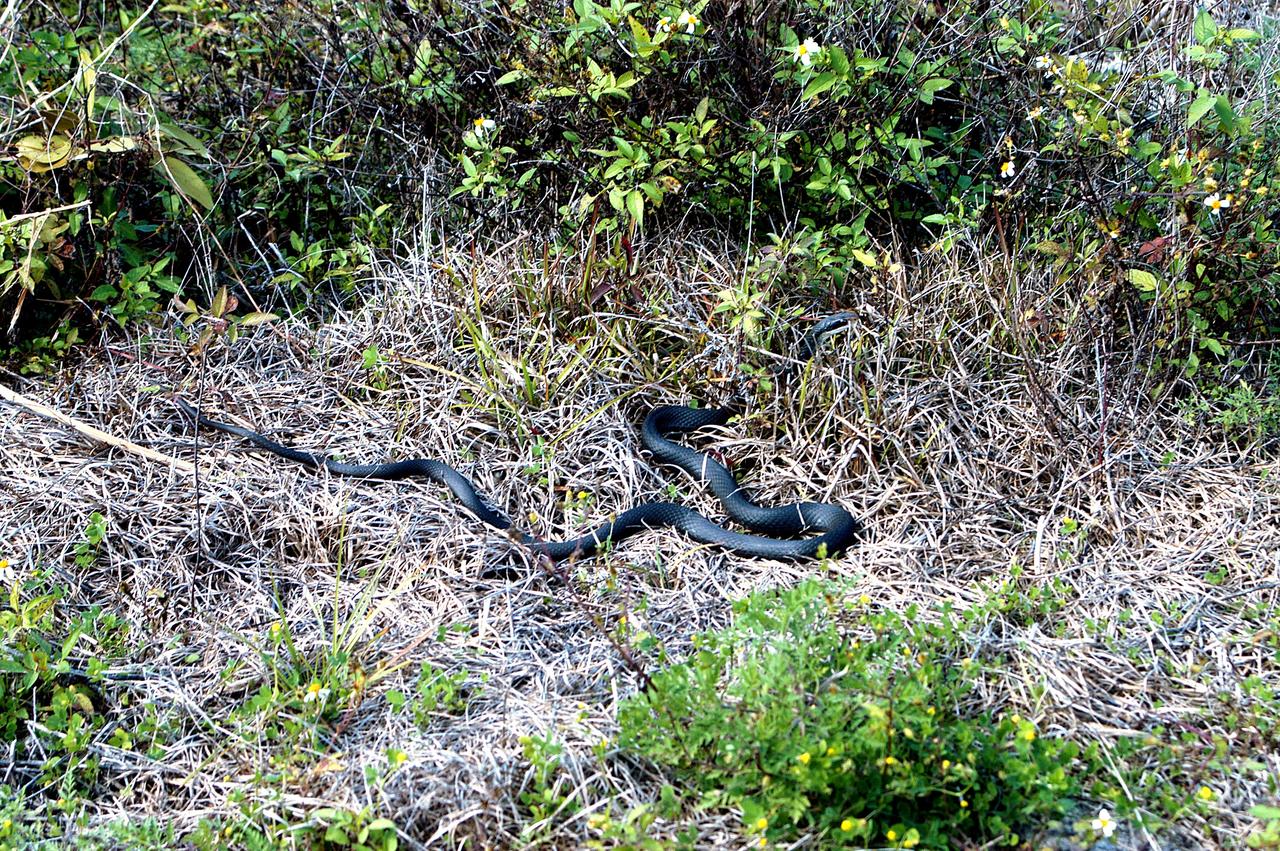
KENNEDY SPACE CENTER, FLA. - A black racer snake slithers away through a patch of dry grass on the grounds of Kennedy Space Center. The Black Racer Snake is one of the fastest, non-venomous snakes in North America. It has a slender body with a slender oval-shaped head and white patch on its chin. It lives in brushy areas, rocky hillsides and meadows, and underneath boards or tin around old buildings. Black Racers feed on insects, eggs, mice, frogs and lizards. Kennedy shares a boundary with the Merritt Island National Wildlife Refuge, home to some of the nation’s rarest and most unusual species of wildlife. In addition, the Refuge supports 19 endangered or threatened wildlife species on Federal or State lists, more than any other single refuge in the U.S.
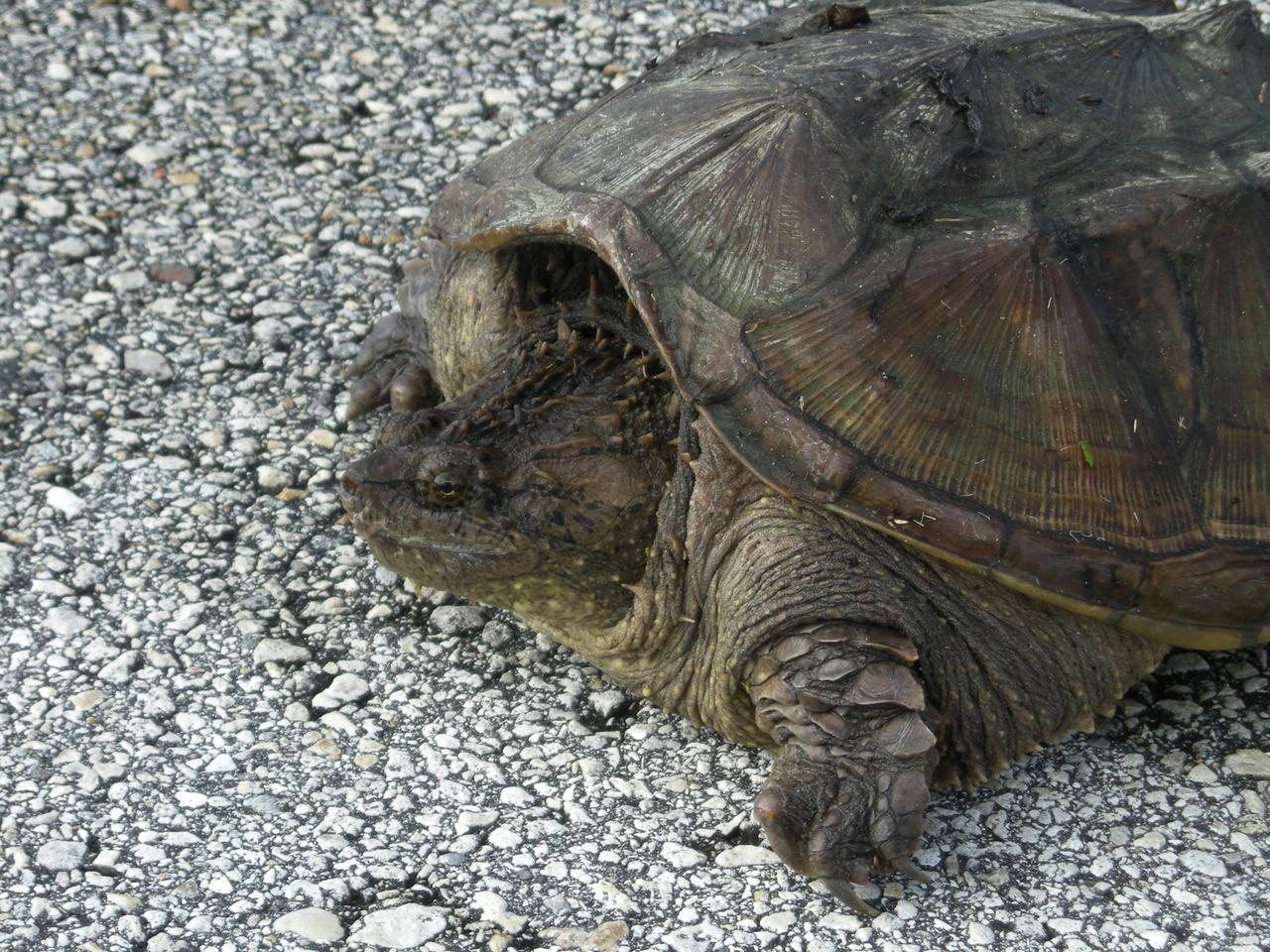
KENNEDY SPACE CENTER, FLA. -- A rare photo of a Florida snapping turtle out in the open on Beach Road, near NASA's Kennedy Space Center. Found only in Florida and Georgia, this species is related to the common snapping turtle. It is considered a dangerous turtle because it can snap very quickly with its extremely strong jaws. Its tail, which is almost as long as its shell, has saw-edges along the top. The shell also has rough points down the middle. The shell is tan to dark brown and may have green algae growing on it. It can grow to 17 inches long and weigh 45 pounds. Snapping turtles usually live in ponds under the shadows and don’t like to rest in the sun like most turtles. They eat almost anything: water bugs, fish, lizards, small birds, mice, plants and even dead animals. Photo credit: NASA/Kenny Allen
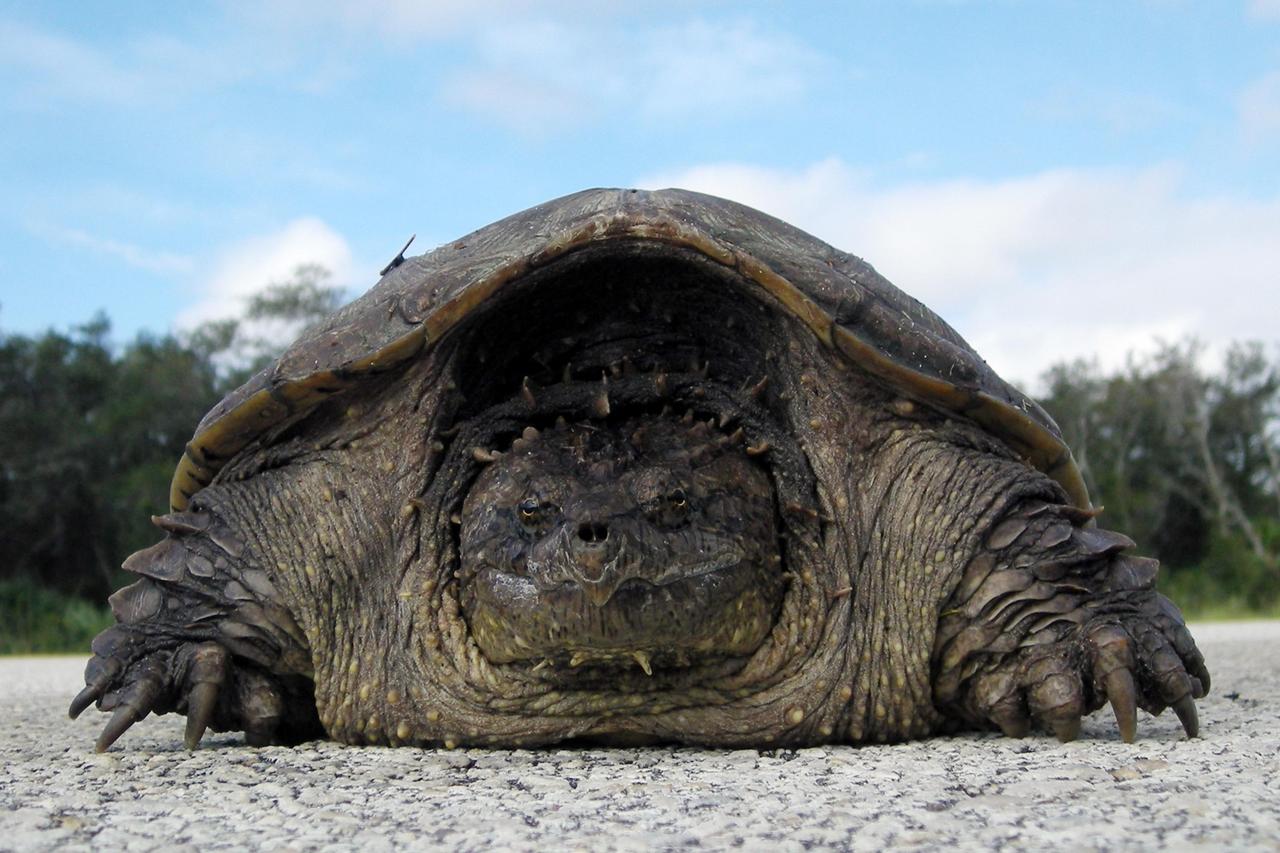
KENNEDY SPACE CENTER, FLA. -- A rare photo of a Florida snapping turtle out in the open on Beach Road, near NASA's Kennedy Space Center. Found only in Florida and Georgia, this species is related to the common snapping turtle. It is considered a dangerous turtle because it can snap very quickly with its extremely strong jaws. Its tail, which is almost as long as its shell, has saw-edges along the top. The shell also has rough points down the middle. The shell is tan to dark brown and may have green algae growing on it. It can grow to 17 inches long and weigh 45 pounds. Snapping turtles usually live in ponds under the shadows and don’t like to rest in the sun like most turtles. They eat almost anything: water bugs, fish, lizards, small birds, mice, plants and even dead animals. Photo credit: NASA/Kenny Allen
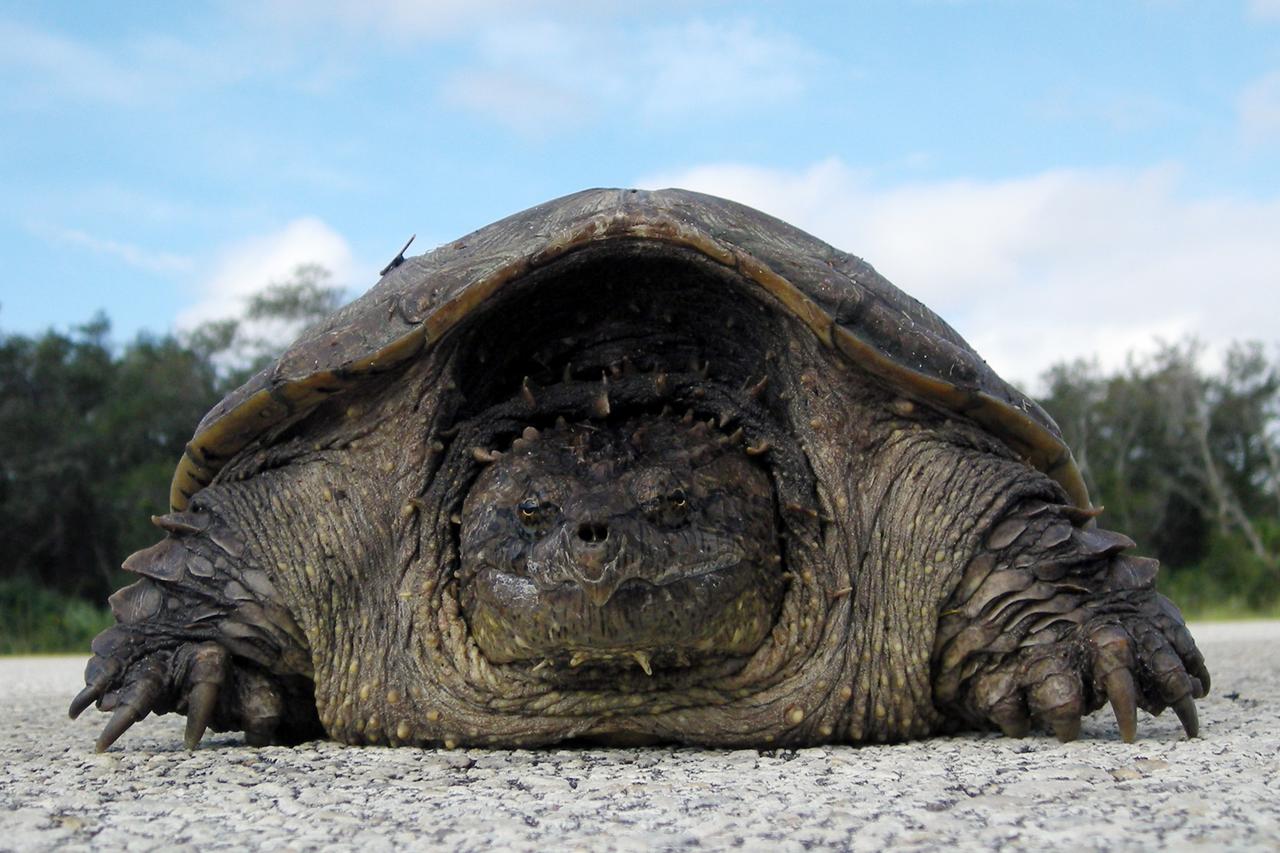
A rare photo of a Florida snapping turtle out in the open on Beach Road, near NASA's Kennedy Space Center. Found only in Florida and Georgia, this species is related to the common snapping turtle. It is considered a dangerous turtle because it can snap very quickly with its extremely strong jaws. Its tail, which is almost as long as its shell, has saw-edges along the top. The shell also has rough points down the middle. The shell is tan to dark brown and may have green algae growing on it. It can grow to 17 inches long and weigh 45 pounds. Snapping turtles usually live in ponds under the shadows and don’t like to rest in the sun like most turtles. They eat almost anything: water bugs, fish, lizards, small birds, mice, plants and even dead animals
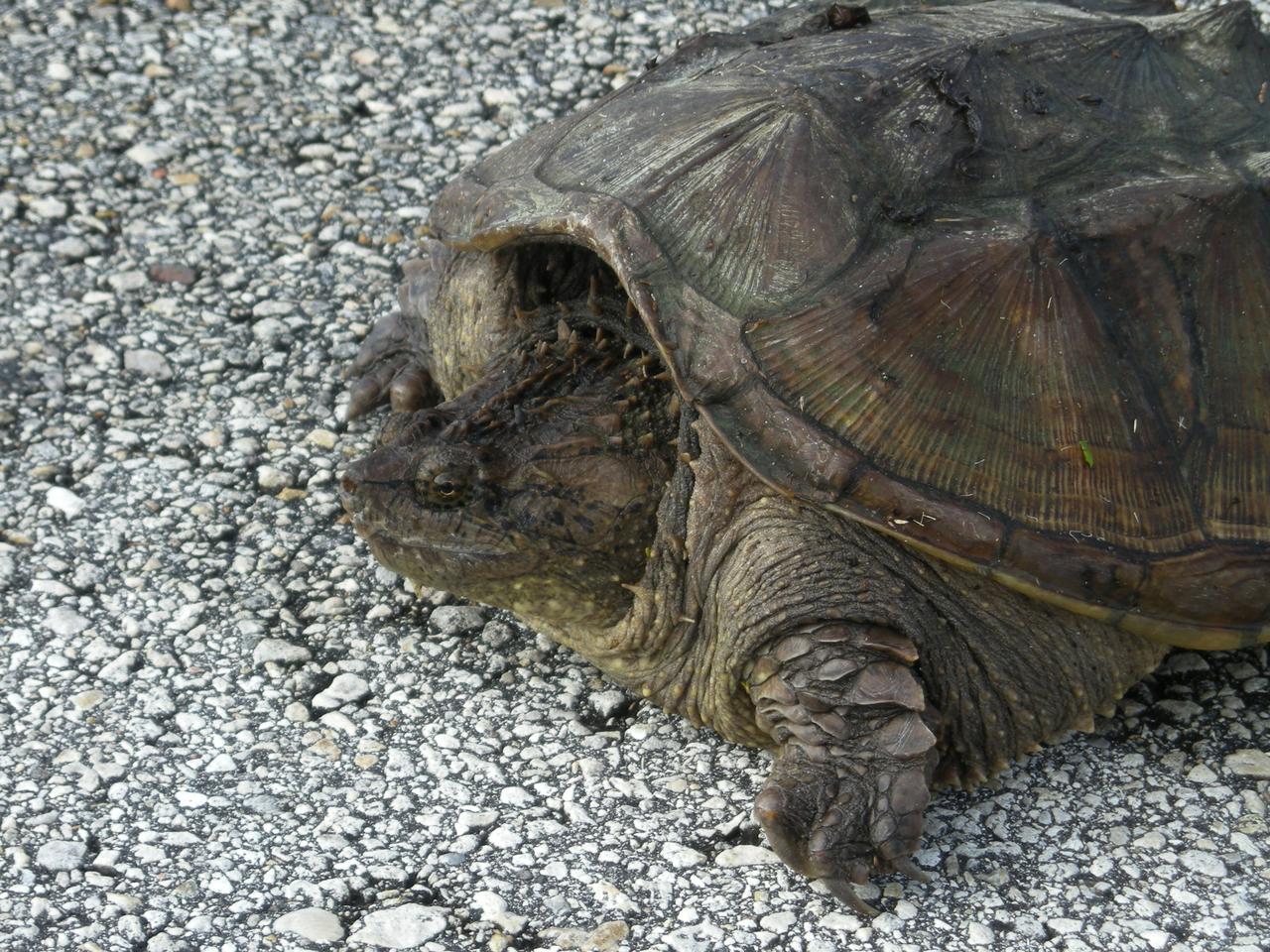
A rare photo of a Florida snapping turtle out in the open on Beach Road, near NASA's Kennedy Space Center. Found only in Florida and Georgia, this species is related to the common snapping turtle. It is considered a dangerous turtle because it can snap very quickly with its extremely strong jaws. Its tail, which is almost as long as its shell, has saw-edges along the top. The shell also has rough points down the middle. The shell is tan to dark brown and may have green algae growing on it. It can grow to 17 inches long and weigh 45 pounds. Snapping turtles usually live in ponds under the shadows and don’t like to rest in the sun like most turtles. They eat almost anything: water bugs, fish, lizards, small birds, mice, plants and even dead animals.
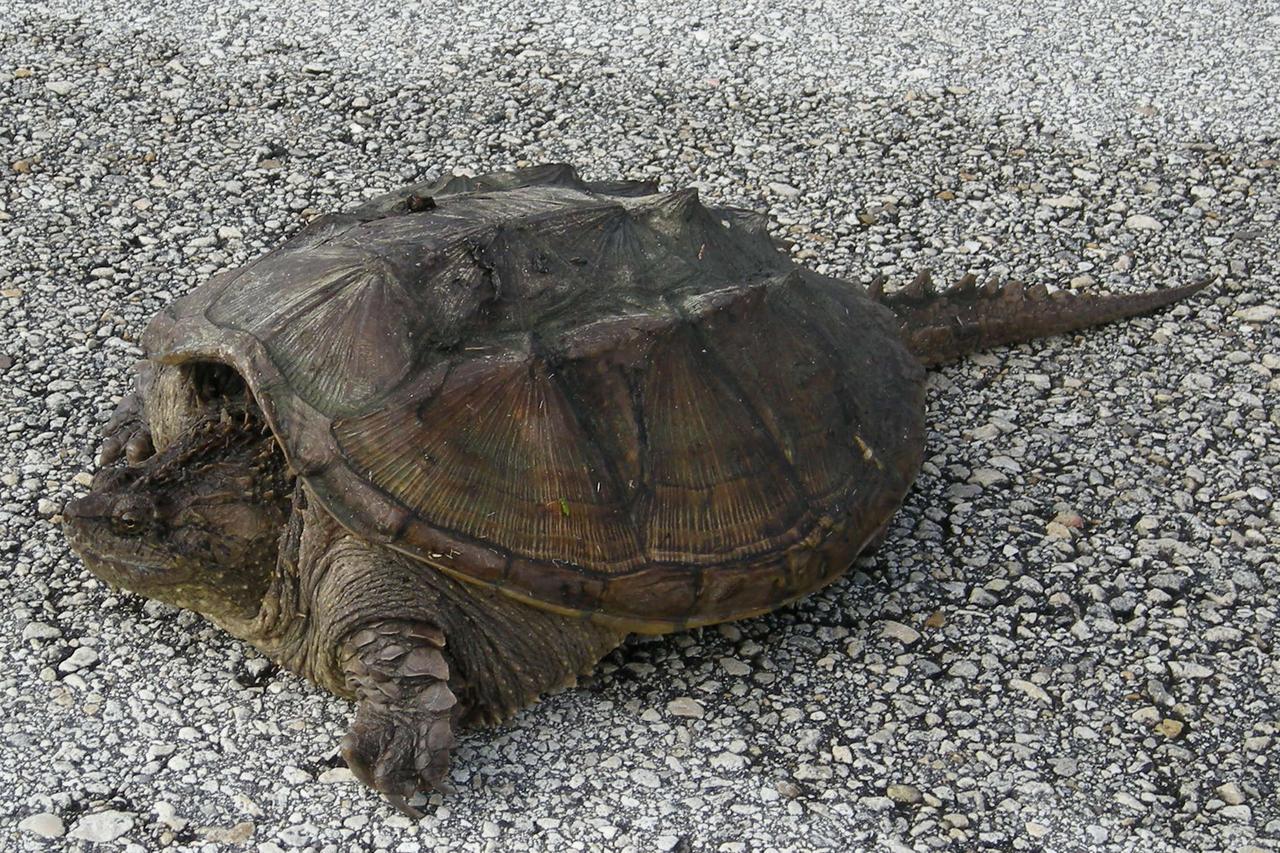
A rare photo of a Florida snapping turtle out in the open on Beach Road, near NASA's Kennedy Space Center. Found only in Florida and Georgia, this species is related to the common snapping turtle. It is considered a dangerous turtle because it can snap very quickly with its extremely strong jaws. Its tail, which is almost as long as its shell, has saw-edges along the top. The shell also has rough points down the middle. The shell is tan to dark brown and may have green algae growing on it. It can grow to 17 inches long and weigh 45 pounds. Snapping turtles usually live in ponds under the shadows and don’t like to rest in the sun like most turtles. They eat almost anything: water bugs, fish, lizards, small birds, mice, plants and even dead animals.
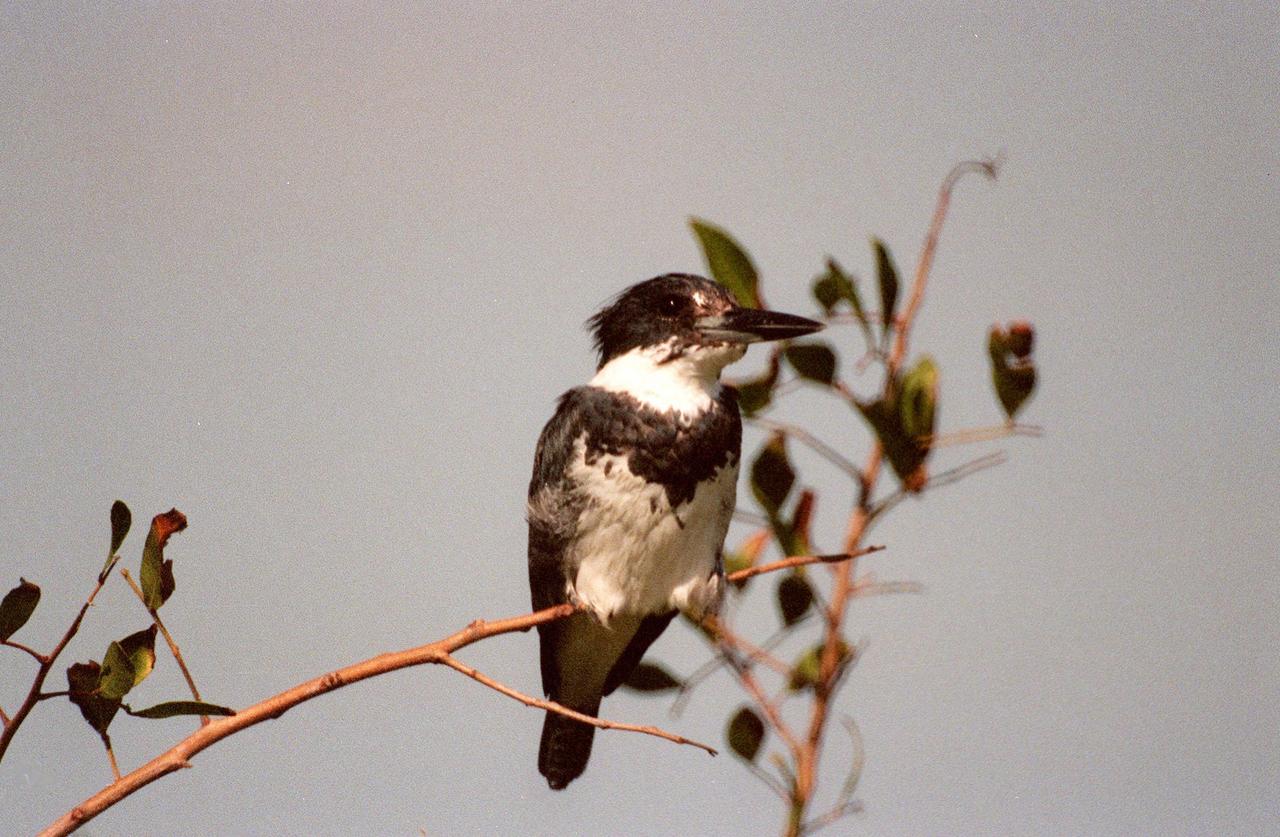
KENNEDY SPACE CENTER, FLA. -- A belted kingfisher perches on a twig in the Merritt Island National Wildlife Refuge, which shares a boundary with the Kennedy Space Center. The pigeon-sized, blue-gray male is identified by the blue-gray breast band; females show a chestnut belly band. The belted kingfisher ranges throughout the United States and Canada, wintering south to Panama and the West Indies. They dive into the water for fish and may also take crabs, crayfish, salamanders, lizards, mice and insects. The 92,000-acre refuge is a habitat for more than 310 species of birds, 25 mammals, 117 fishes and 65 amphibians and reptiles. The marshes and open water of the refuge also provide wintering areas for 23 species of migratory waterfowl, as well as a year-round home for great blue herons, great egrets, wood storks, cormorants, brown pelicans and other species of marsh and shore birds
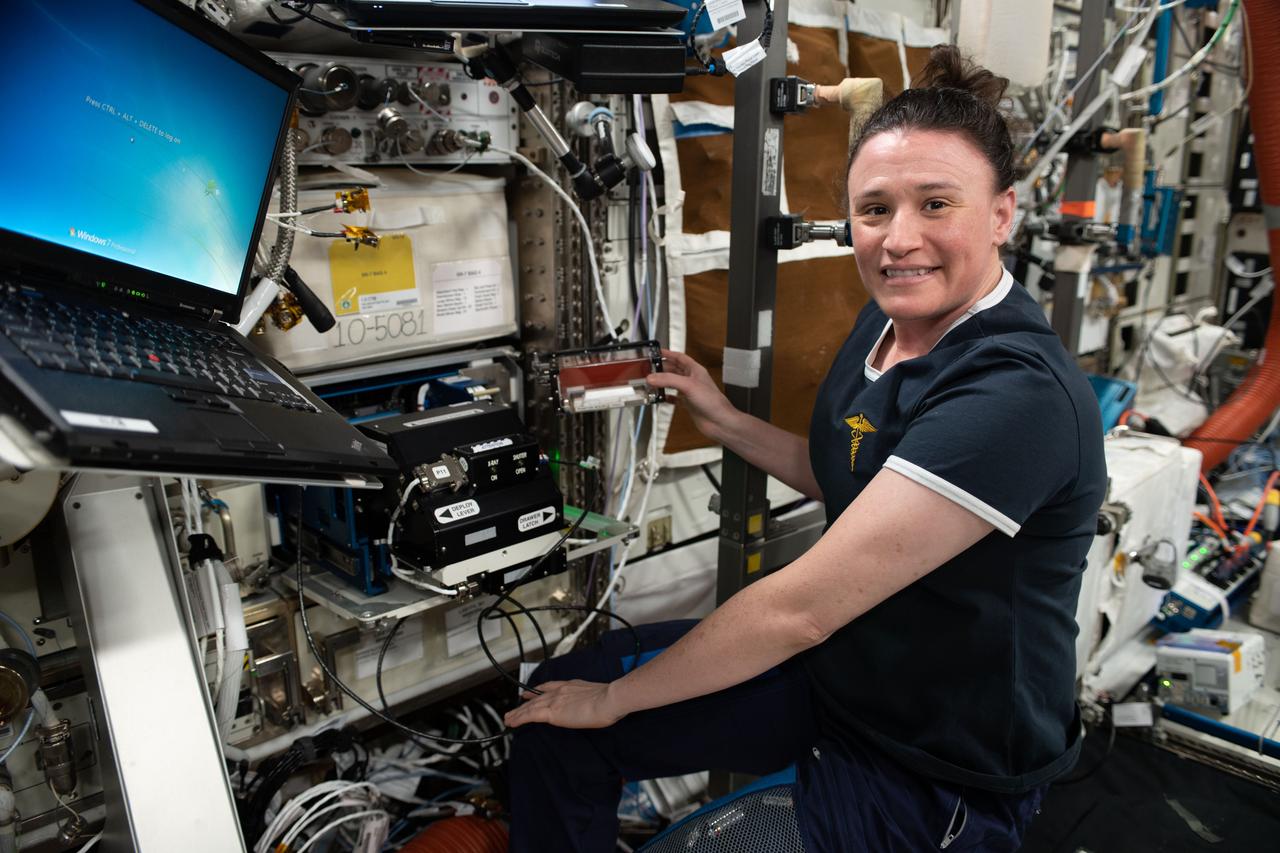
iss056e158493 (Aug. 27, 2018) --- NASA astronaut Serena Auñón-Chancellor works to calibrate a Bone Densitometer aboard the International Space Station's U.S. Destiny laboratory. The device measures the mass per unit volume (density) of minerals in bone using using Dual-Energy X-ray Absorptiometry (DEXA). It is being developed from commercial off-the-shelf hardware and is being designed to fit into an EXPRESS Rack locker. The Bone Densitometer takes quantitative measures of bone loss in mice, during orbital space flight, which are necessary for the development of countermeasures for human crew members, as well as for bone-loss syndromes on Earth, by commercial entities. Planned studies, both academic and commercial, require on-orbit analytical methods including bone densitometry.
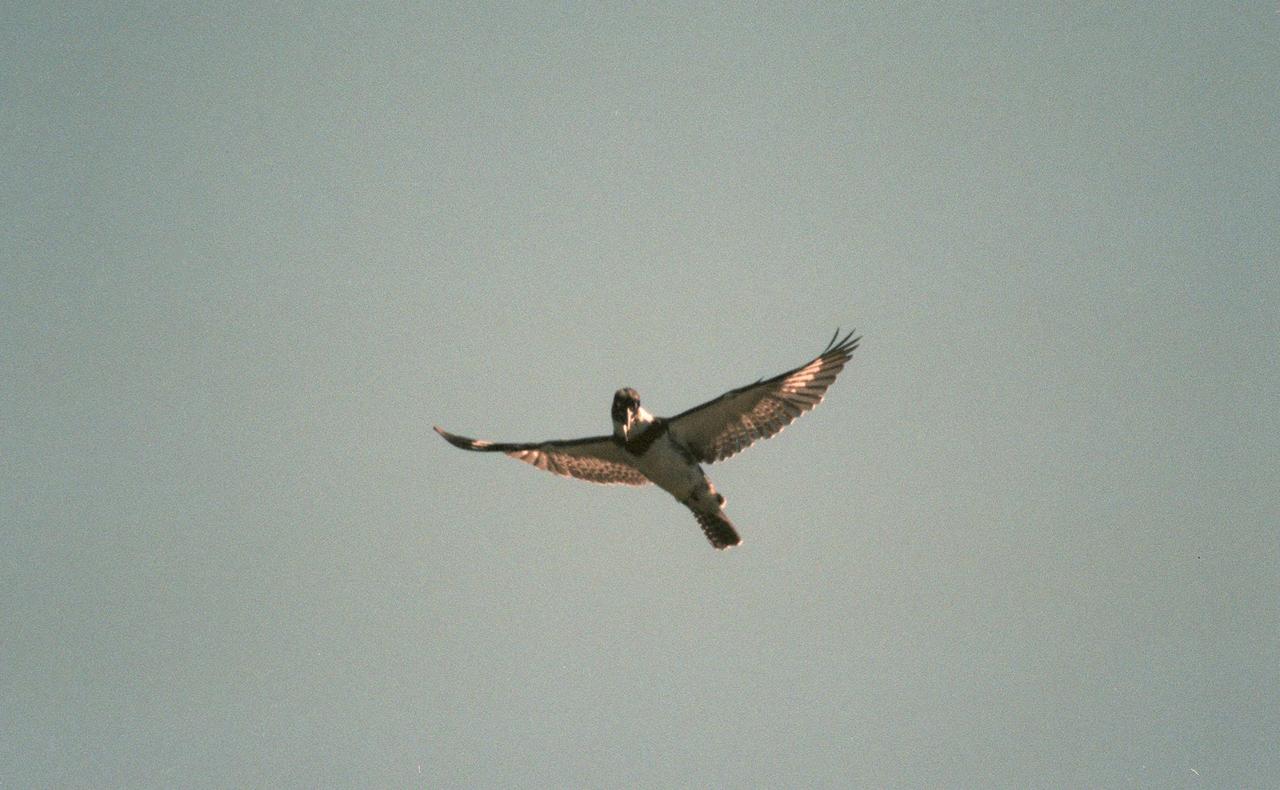
KENNEDY SPACE CENTER, FLA. -- A belted kingfisher soars over the Merritt Island National Wildlife Refuge, which shares a boundary with Kennedy Space Center. The pigeon-sized, blue-gray male is identified by the blue-gray breast band; females show a chestnut belly band. The belted kingfisher ranges throughout the United States and Canada, wintering south to Panama and the West Indies. They dive into the water for fish and may also take crabs, crayfish, salamanders, lizards, mice and insects. The 92,000-acre refuge is a habitat for more than 310 species of birds, 25 mammals, 117 fishes and 65 amphibians and reptiles. The marshes and open water of the refuge also provide wintering areas for 23 species of migratory waterfowl, as well as a year-round home for great blue herons, great egrets, wood storks, cormorants, brown pelicans and other species of marsh and shore birds
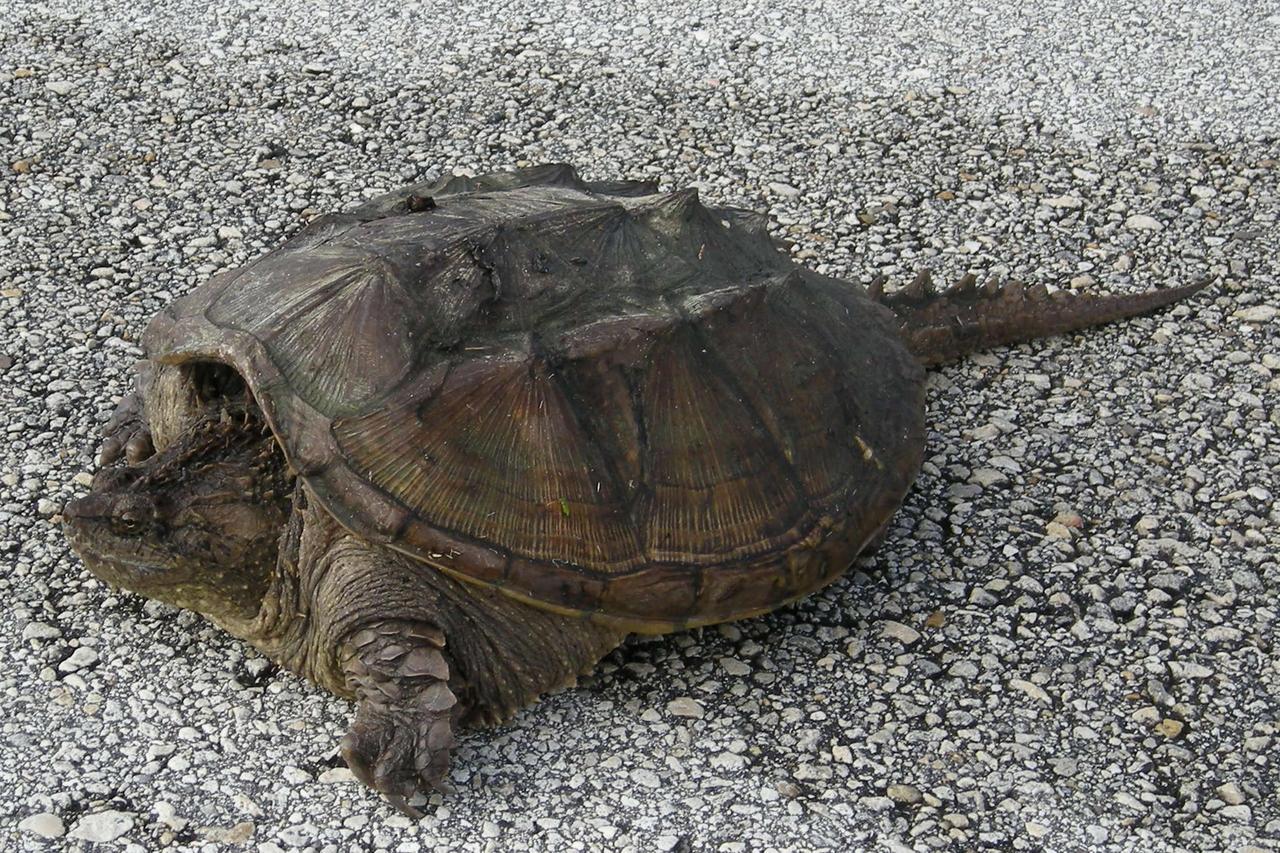
KENNEDY SPACE CENTER, FLA. -- A rare photo of a Florida snapping turtle out in the open on Beach Road, near NASA's Kennedy Space Center. Found only in Florida and Georgia, this species is related to the common snapping turtle. It is considered a dangerous turtle because it can snap very quickly with its extremely strong jaws. Its tail, which is almost as long as its shell, has saw-edges along the top. The shell also has rough points down the middle. The shell is tan to dark brown and may have green algae growing on it. It can grow to 17 inches long and weigh 45 pounds. Snapping turtles usually live in ponds under the shadows and don’t like to rest in the sun like most turtles. They eat almost anything: water bugs, fish, lizards, small birds, mice, plants and even dead animals. Photo credit: NASA/Kenny Allen
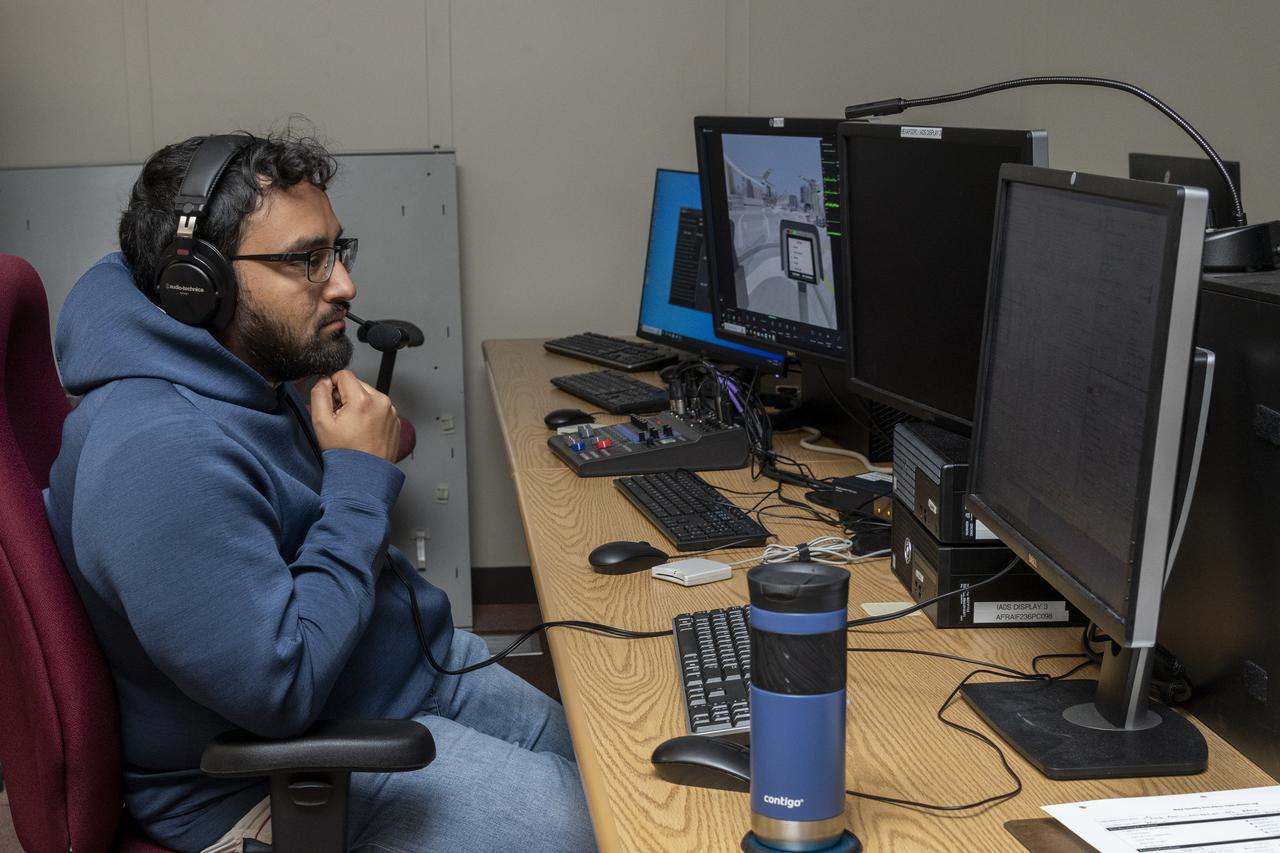
NASA researcher Saravanakumaar Ramia controls the air taxi passenger ride quality simulator by monitoring several computers in the Ride Quality Laboratory at NASA’s Armstrong Flight Research Center in Edwards, California, during an experiment on Oct. 23, 2024. Studies continue in this lab to better understand passenger comfort for future air taxi rides.