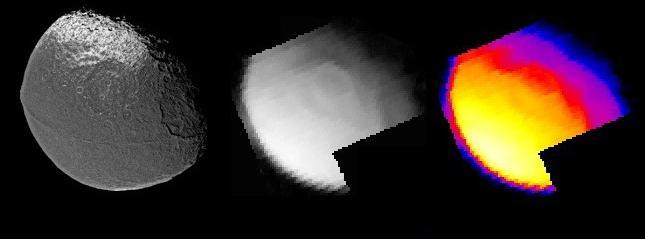
Iapetus Thermal Radiation Image
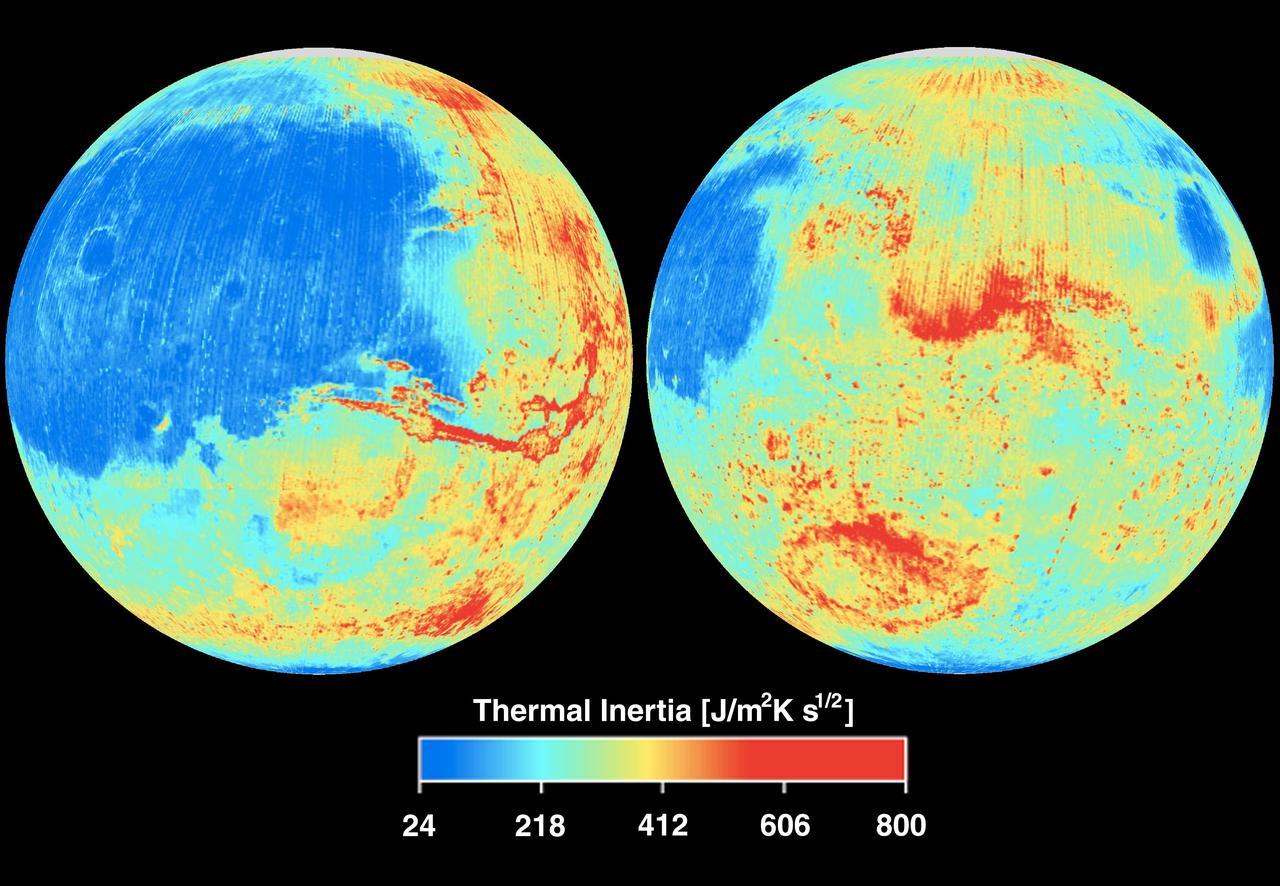
Mars Thermal Inertia
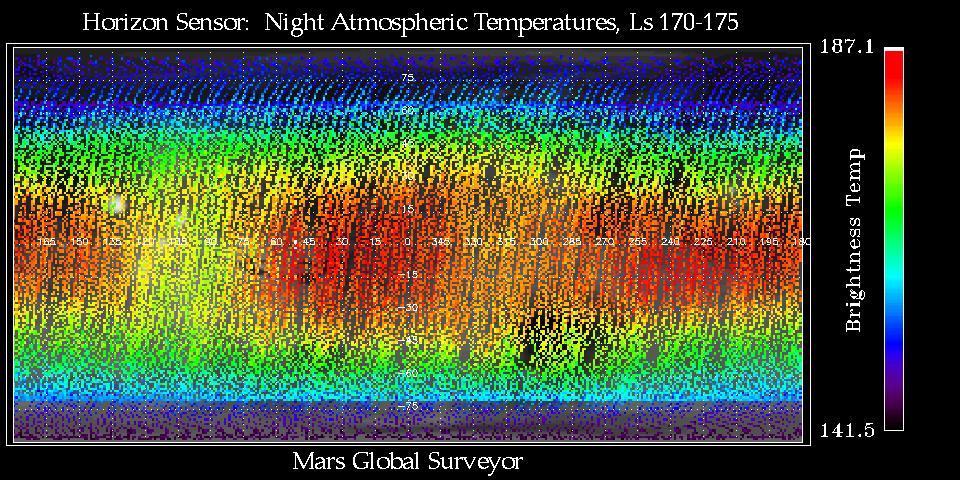
Thermal Wave Phenomena
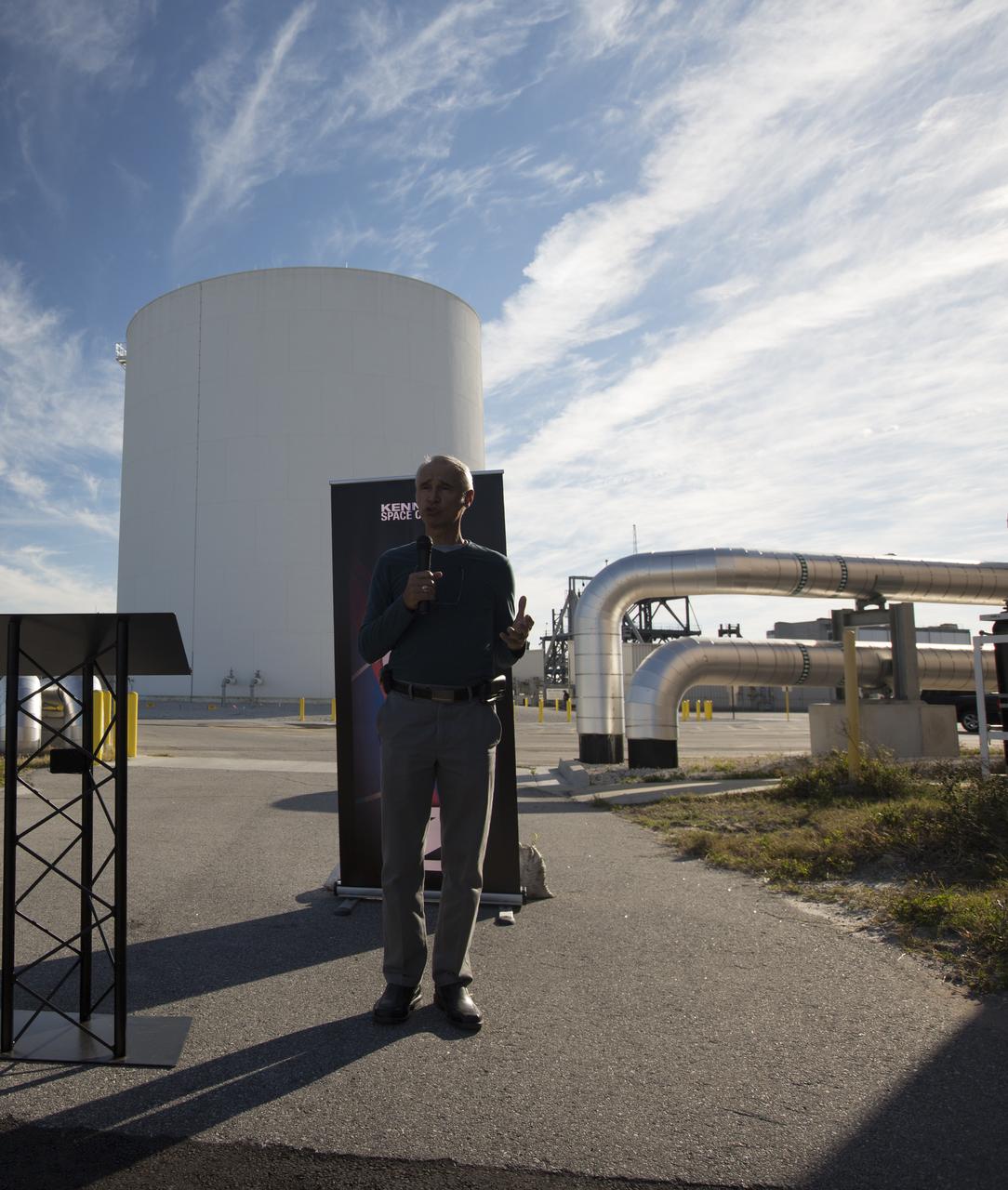
Ismael H. Otero, NASA Kennedy Space Center's project manager on the thermal energy program, addresses the news media and NASA Social about the new Thermal Energy Storage (TES) tank Feb. 17. The TES tank works like a giant battery and is saving the center utility cost. These savings will be applied to new sustainable projects at Kennedy.
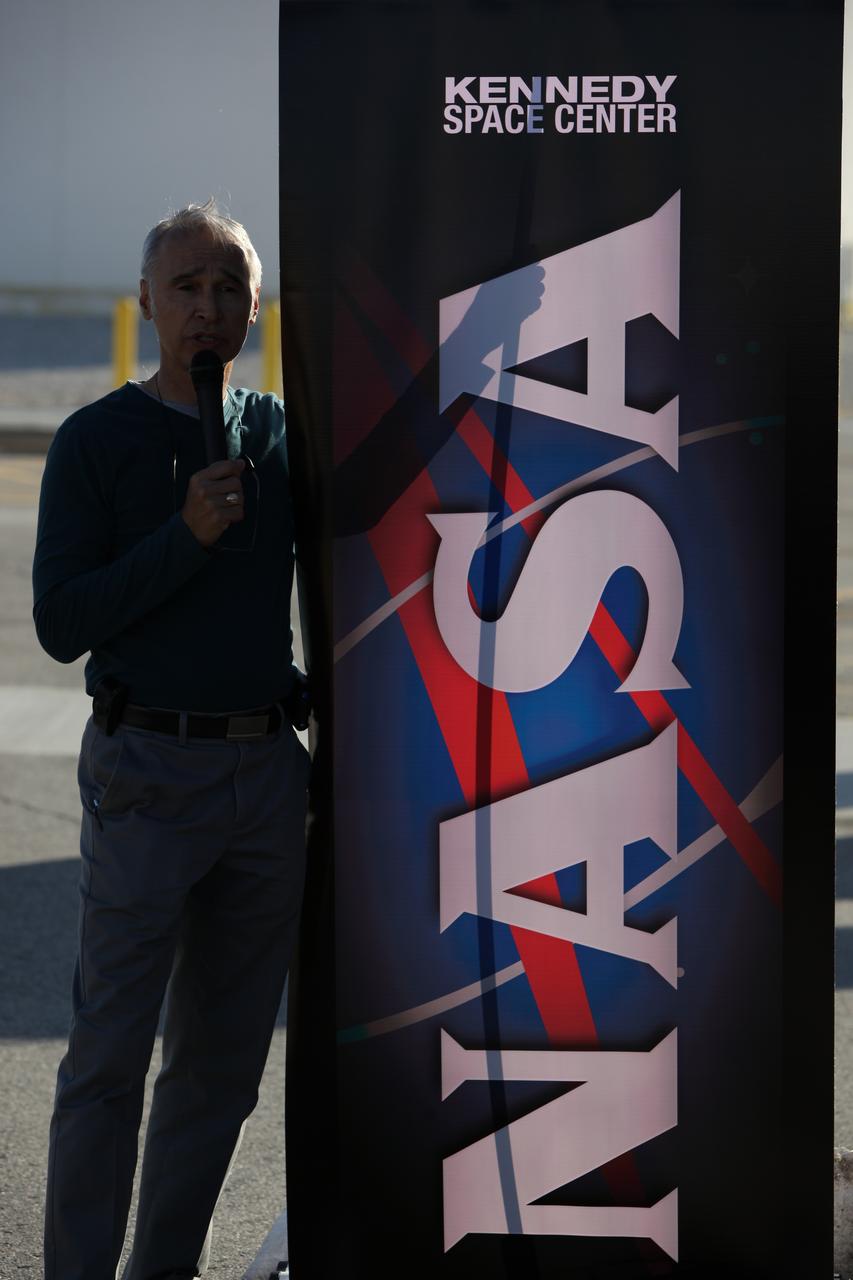
Ismael H. Otero, NASA Kennedy Space Center's project manager on the thermal energy program, addresses the news media and NASA Social about the new Thermal Energy Storage (TES) tank Feb. 17. The TES tank works like a giant battery and is saving the center utility cost. These savings will be applied to new sustainable projects at Kennedy.
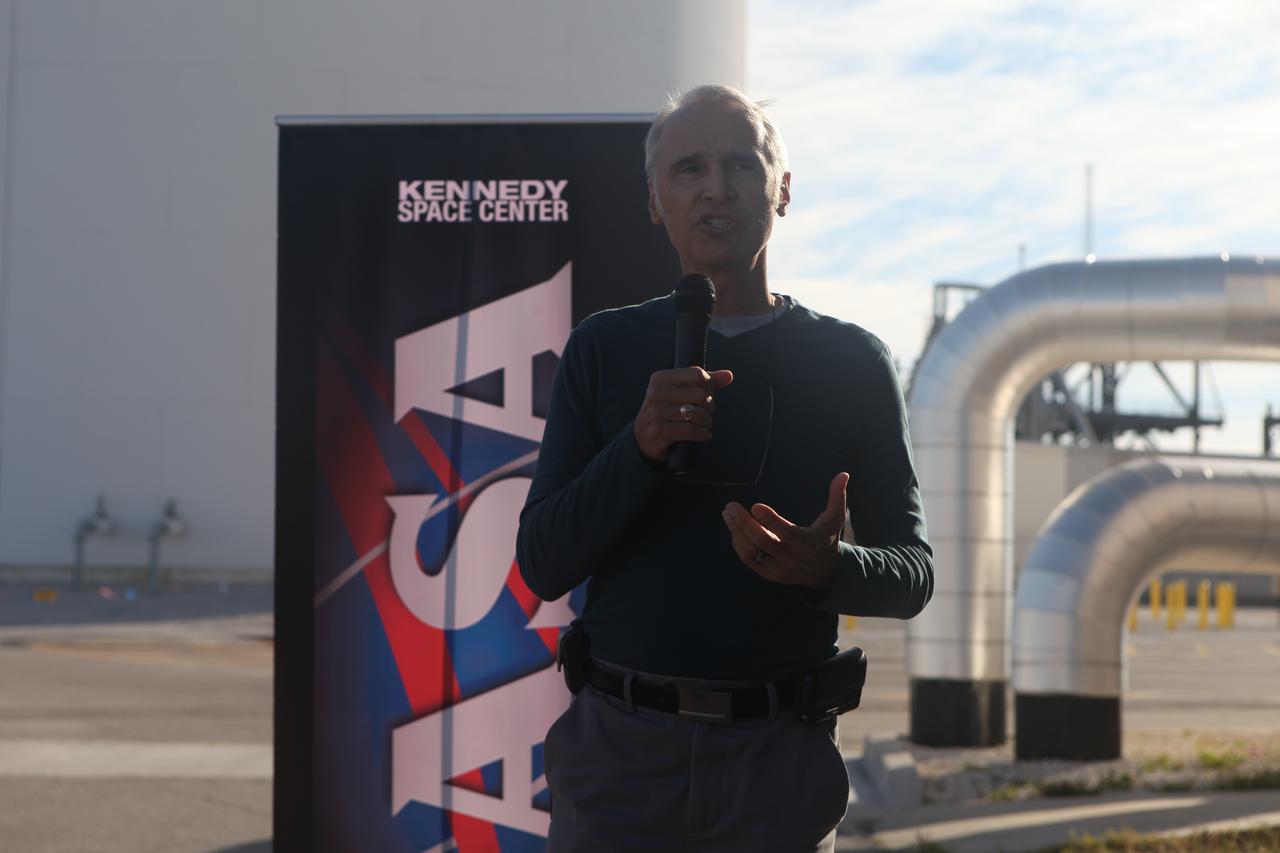
Ismael H. Otero, NASA Kennedy Space Center's project manager on the thermal energy program, addresses the news media and NASA Social about the new Thermal Energy Storage (TES) tank Feb. 17. The TES tank works like a giant battery and is saving the center utility cost. These savings will be applied to new sustainable projects at Kennedy.
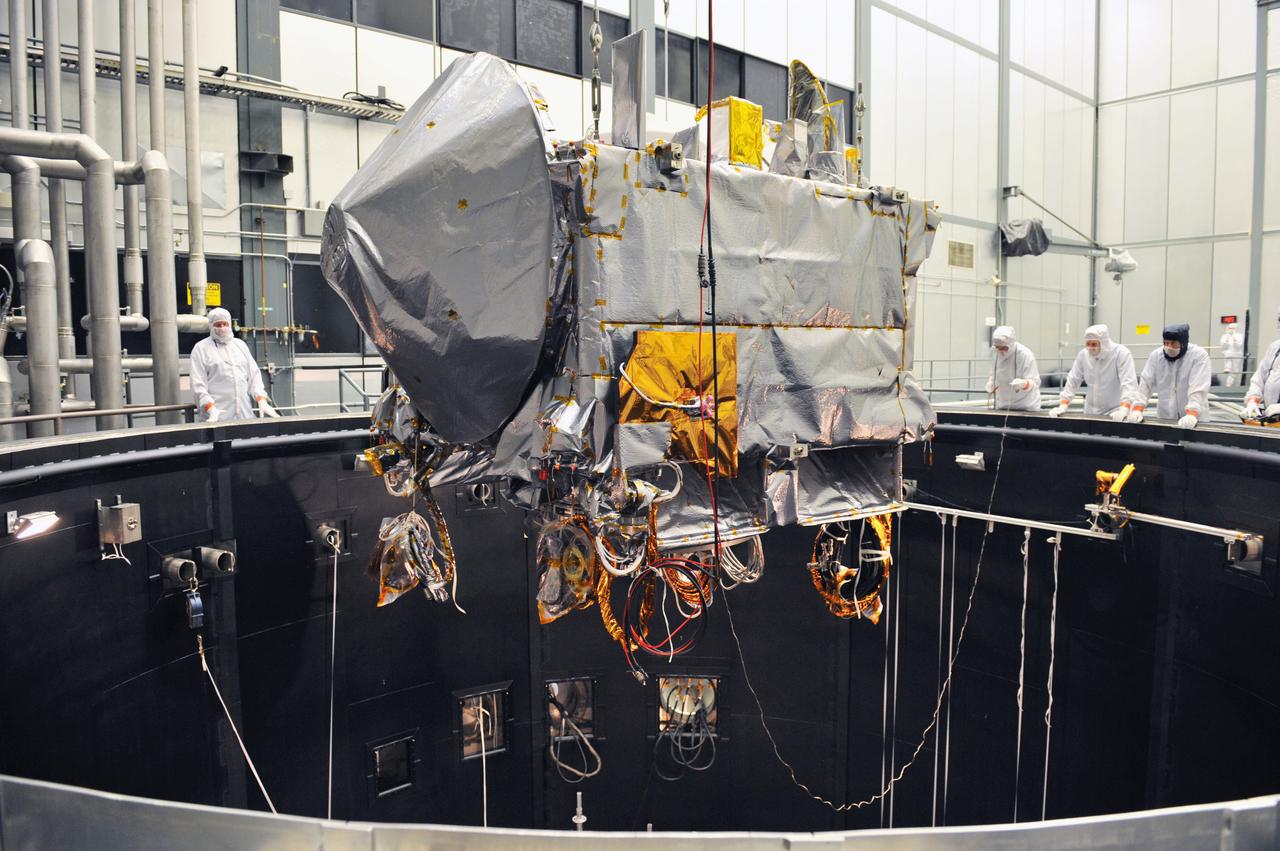
The OSIRIS-REx spacecraft being lifted into the thermal vacuum chamber at Lockheed Martin for environmental testing. Credits: Lockheed Martin Read more: <a href="http://www.nasa.gov/feature/goddard/2016/osiris-rex-in-thermal-vac" rel="nofollow">www.nasa.gov/feature/goddard/2016/osiris-rex-in-thermal-vac</a>
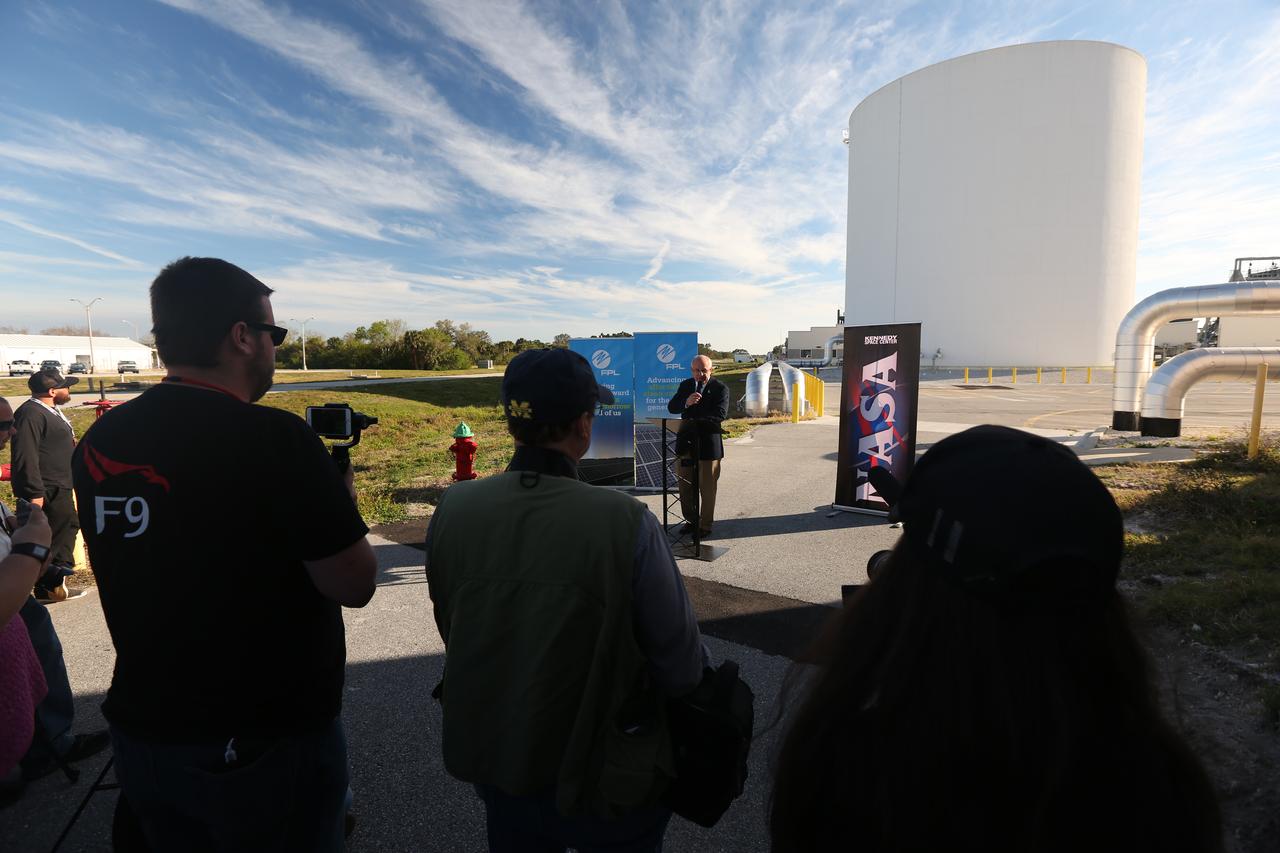
Bart Gaetjens, Florida Power & Light's FPL area external affairs manager, addresses the news media and NASA Social about the new Thermal Energy Storage (TES) tank Feb. 17. The TES tank works like a giant battery and is saving the center utility cost. These savings will be applied to new sustainable projects at Kennedy.
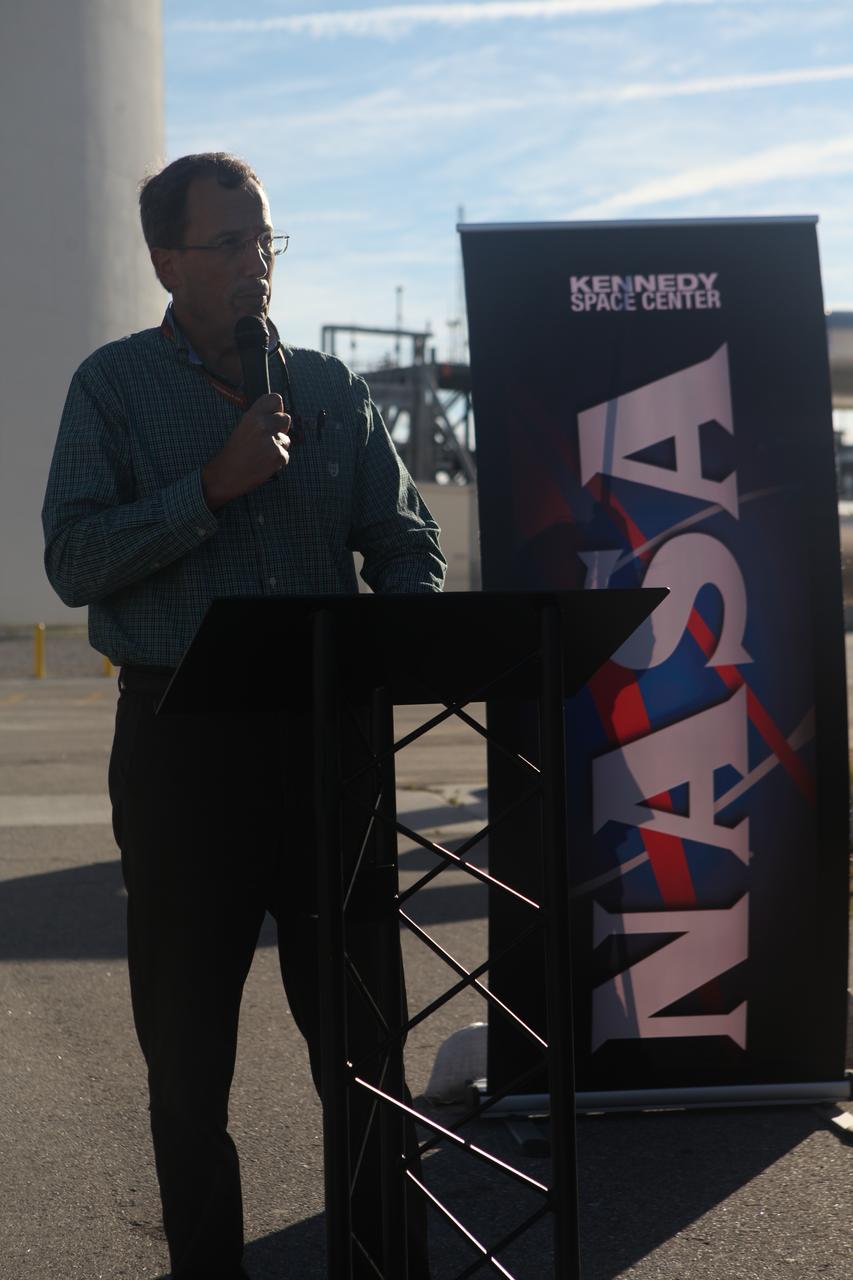
Sustainability Team Lead Dan Clark addresses the news media and NASA Social about the new Thermal Energy Storage (TES) tank at NASA's Kennedy Space Center Feb. 17. The TES tank works like a giant battery and is saving the center utility cost. These savings will be applied to new sustainable projects at Kennedy.
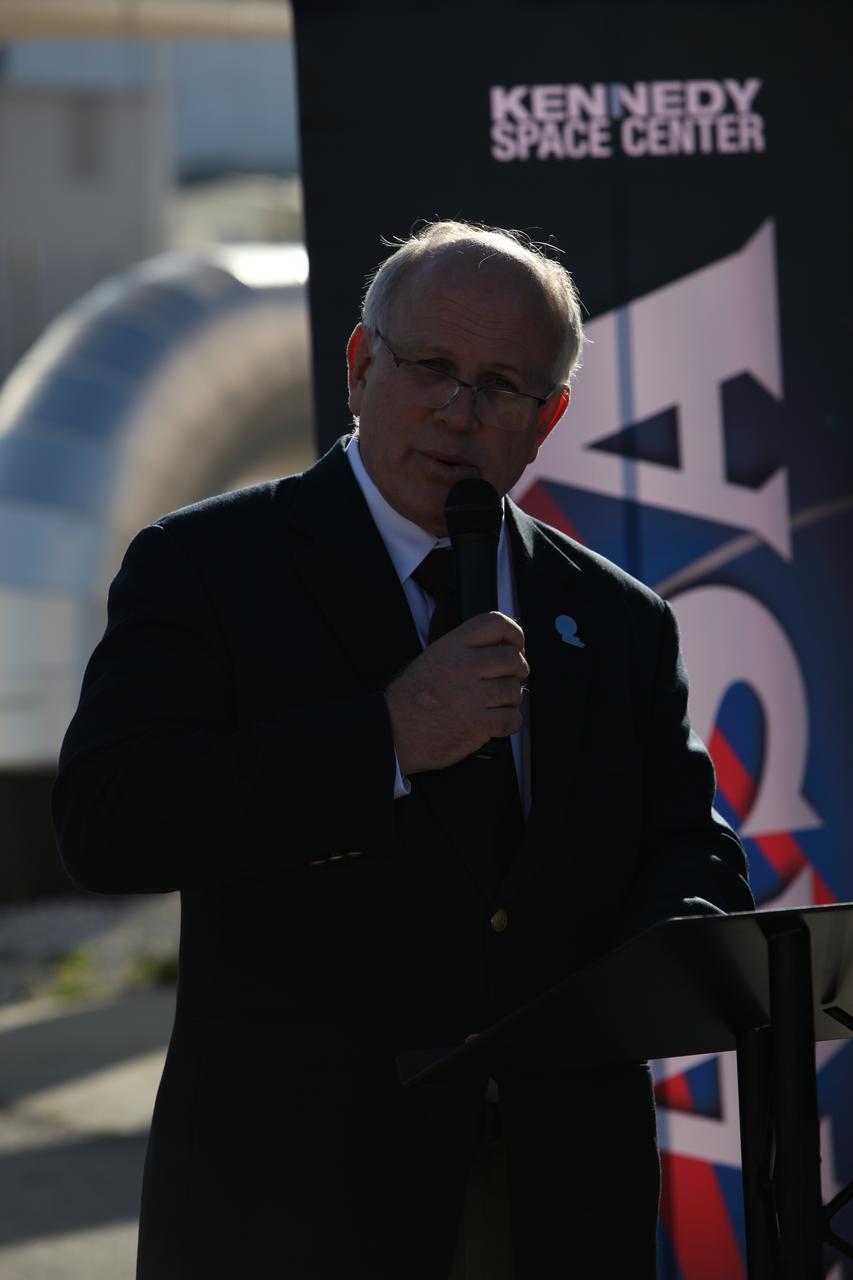
Bart Gaetjens, Florida Power & Light's FPL area external affairs manager, addresses the news media and NASA Social about the new Thermal Energy Storage (TES) tank Feb. 17. The TES tank works like a giant battery and is saving the center utility cost. These savings will be applied to new sustainable projects at Kennedy.
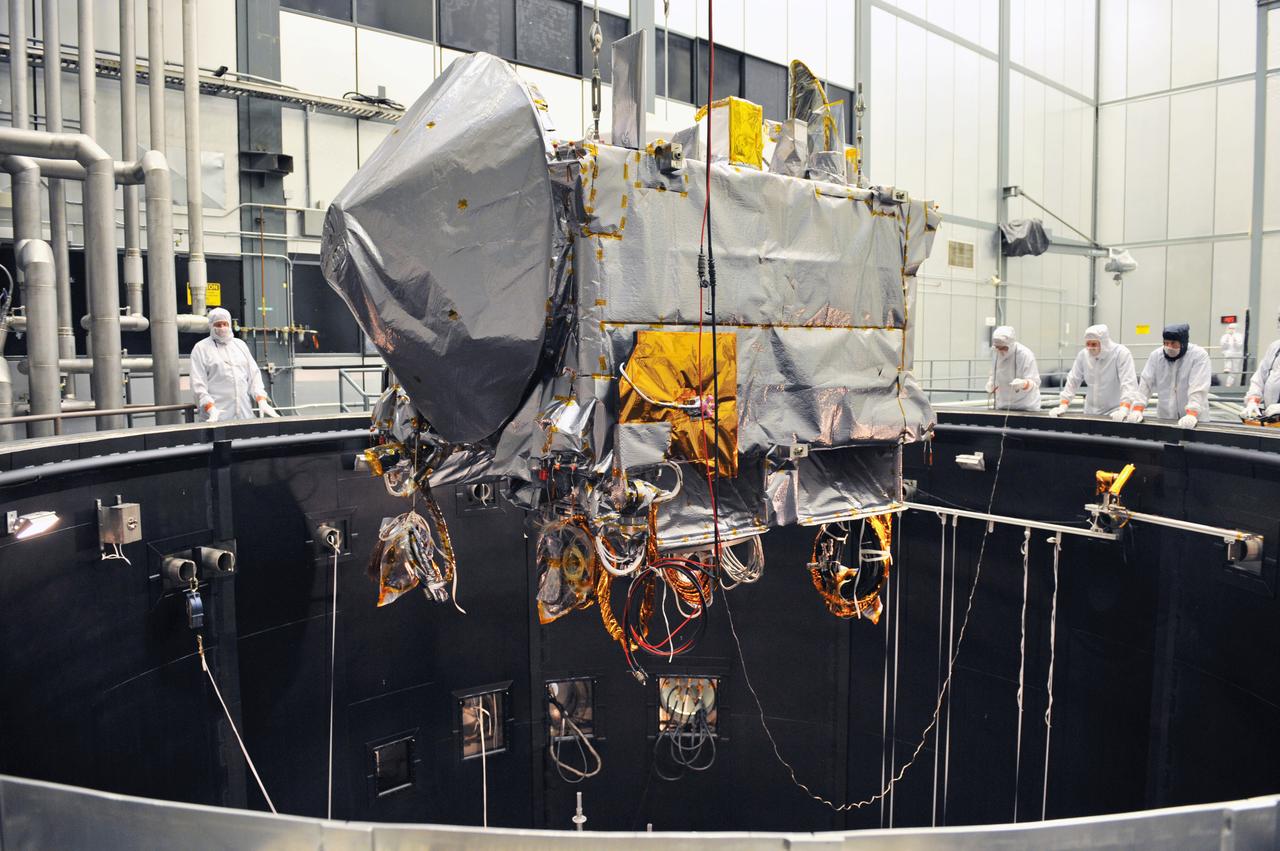
The OSIRIS-REx spacecraft being lifted into the thermal vacuum chamber at Lockheed Martin for environmental testing.
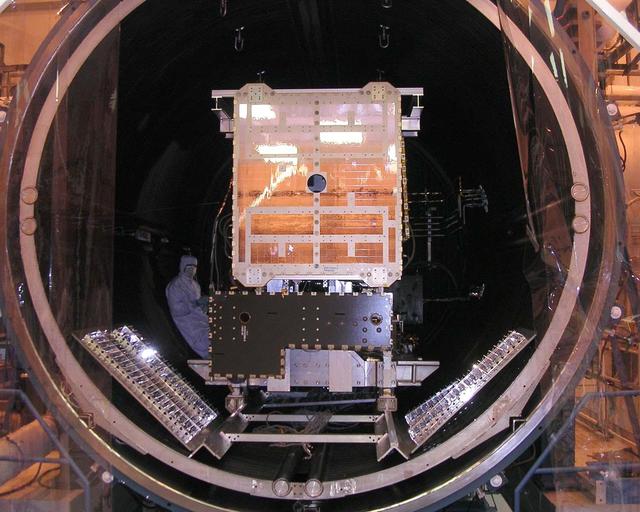
NASA Dawn spacecraft in thermal vacuum chamber.
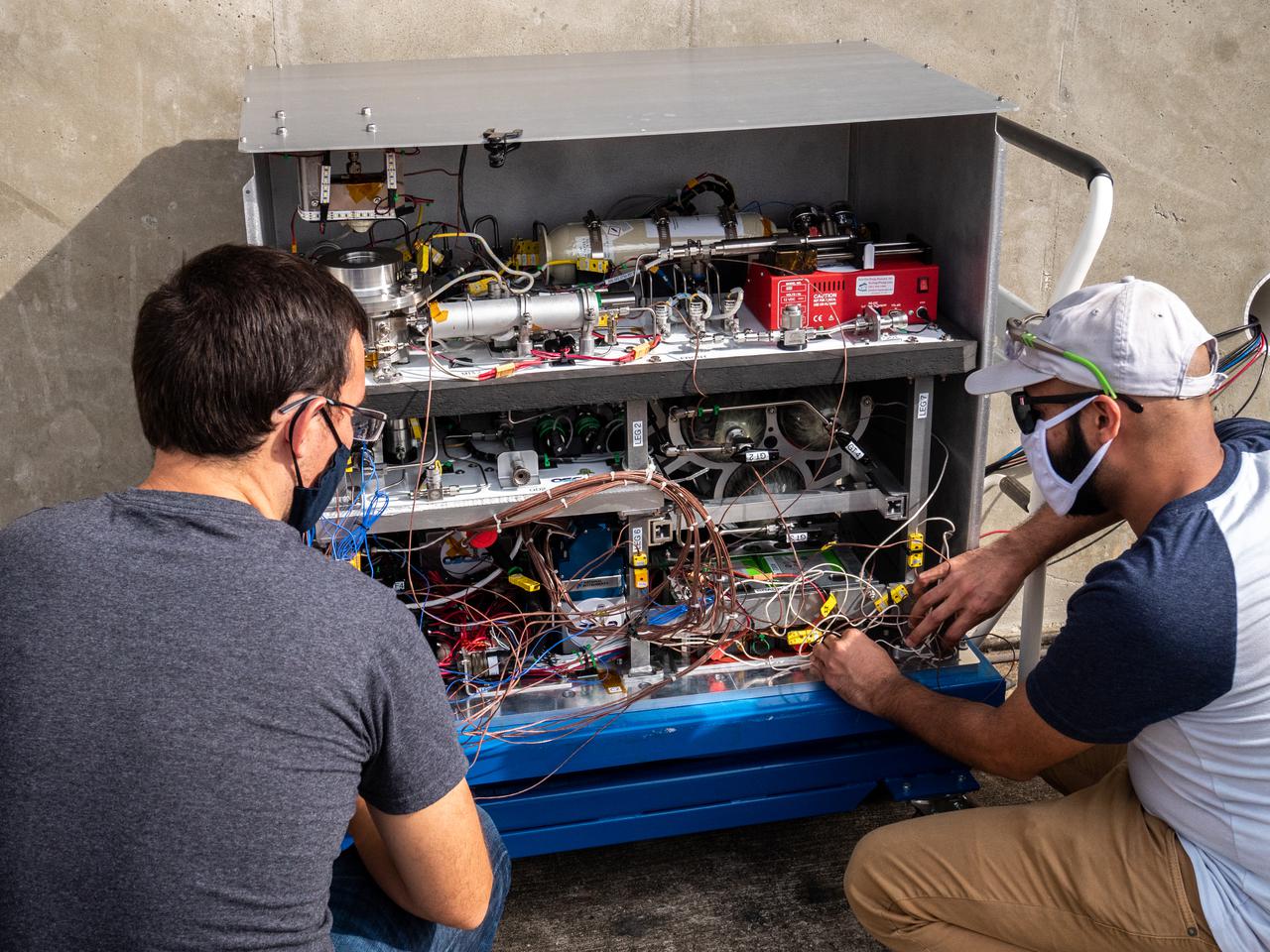
Chemical Engineer David Rinderknecht, left, and Thermal/Fluid Analysis Engineer Malay Shah prepare the Orbital Syngas Commodity Augmentation Reactor (OSCAR) for thermal testing Jan. 26, 2021, at NASA’s Kennedy Space Center in Florida. The tests are in preparation for a scheduled suborbital flight test later this year facilitated by NASA’s Flight Opportunities program. The testing ensures the thermal environment of the payload won’t create additional hazards during flight and that OSCAR can successfully operate within the temperature range it may encounter as it performs tests in microgravity.
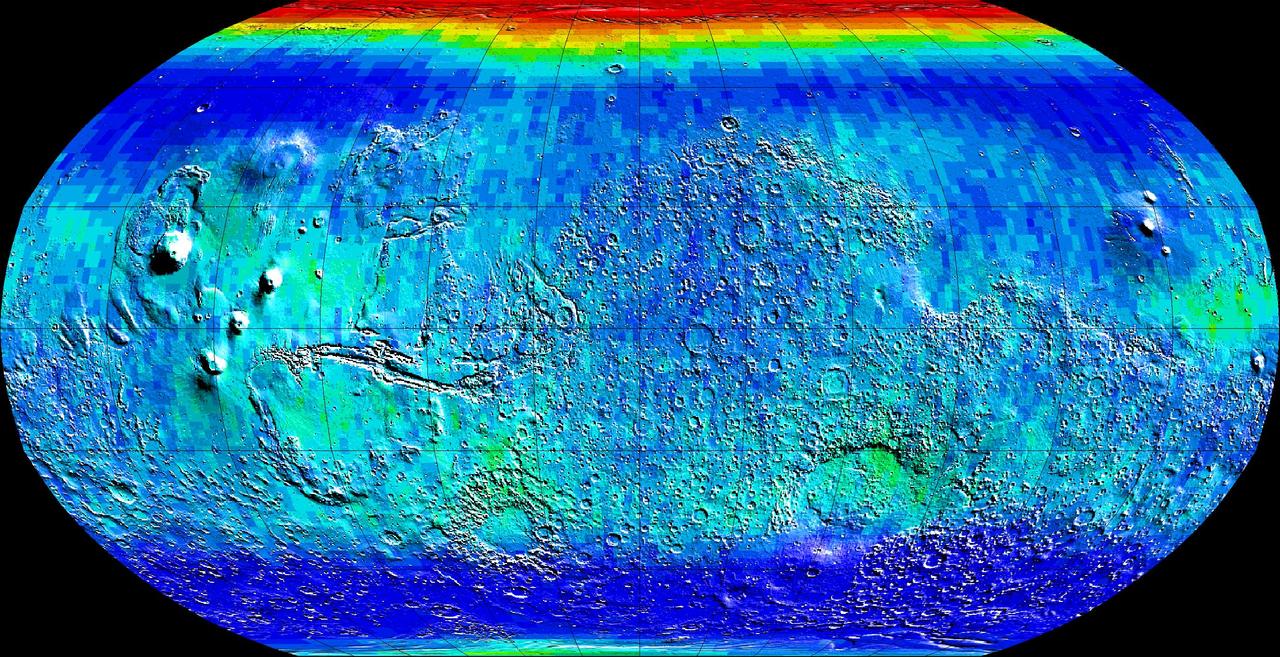
Observations by NASA Mars Odyssey spacecraft show a global view of Mars in low energy, or thermal, neutrons. Thermal neutrons are sensitive to the presence of hydrogen and the presence of carbon dioxide, in this case dry ice frost.
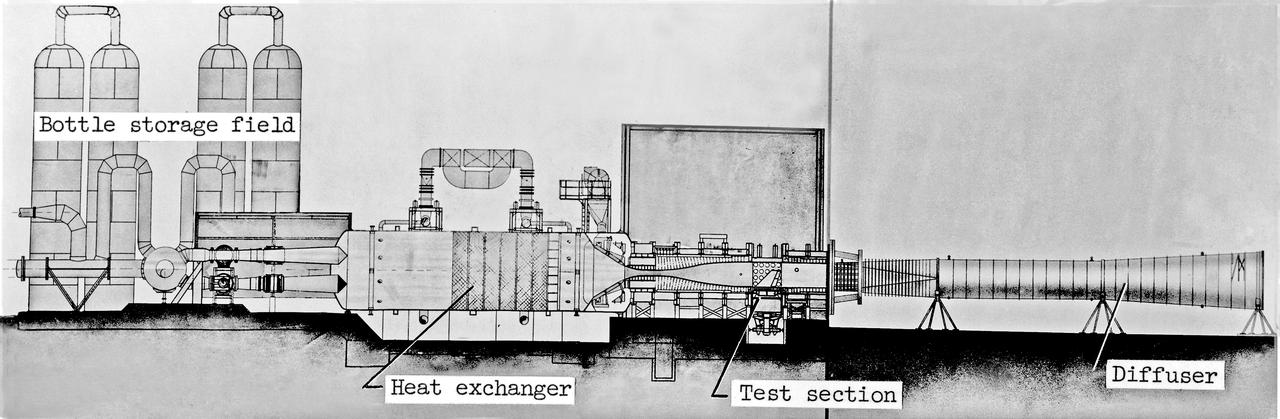
Scale Model of 9x6 Thermal Structures Tunnel: Image L-7256.01 is a Drawing Figure 12 in NASA Document L-1265. The Major components of the 9-by6-Foot Thermal Structures Tunnel. The 97 foot-long diffuser was added in 1960 to reduce noise.
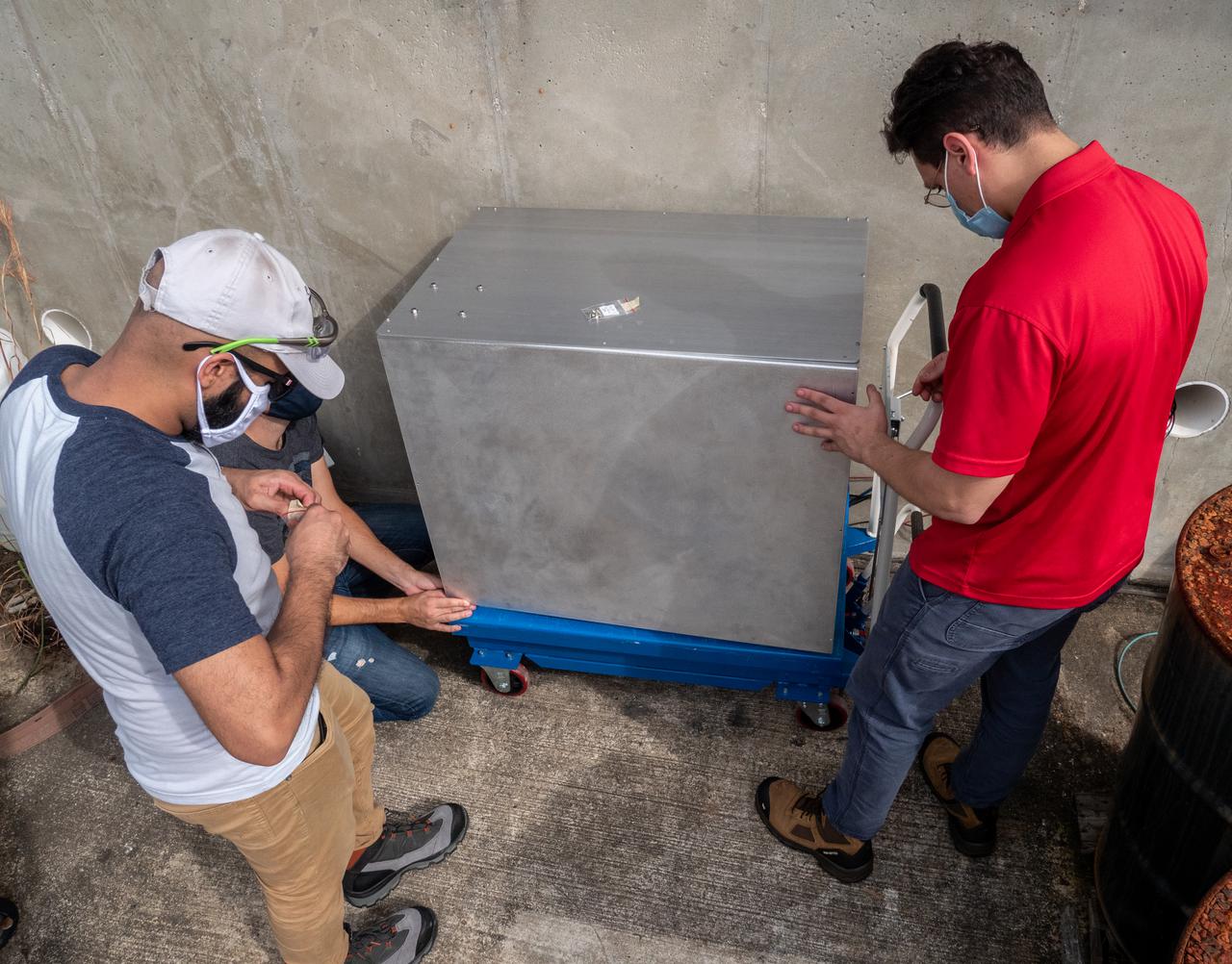
Thermal/Fluid Analysis Engineer Malay Shah, left, and Ray Pitts, co-principal investigator for the Orbital Syngas Commodity Augmentation Reactor (OSCAR), prepare OSCAR for thermal testing Jan. 26, 2021, at NASA’s Kennedy Space Center in Florida. The tests are in preparation for a scheduled suborbital flight test later this year facilitated by NASA’s Flight Opportunities program. The testing ensures the thermal environment of the payload won’t create additional hazards during flight and that OSCAR can successfully operate within the temperature range it may encounter as it performs tests in microgravity.
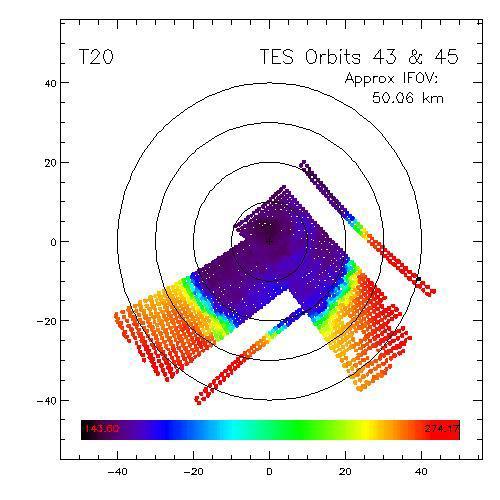
Dark Dry Ice on Southern Cap - Thermal Image
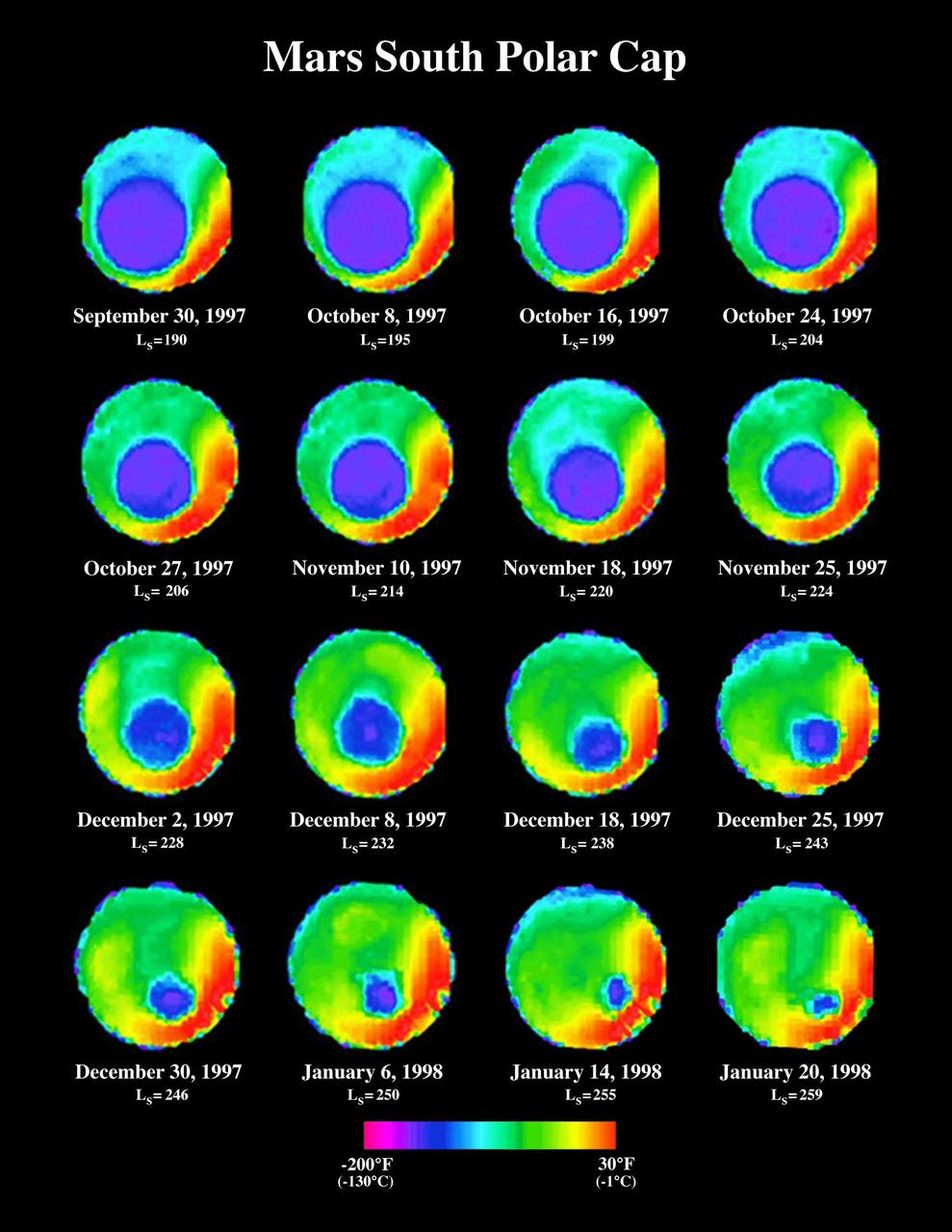
South Polar Cap Thermal Retreat TES
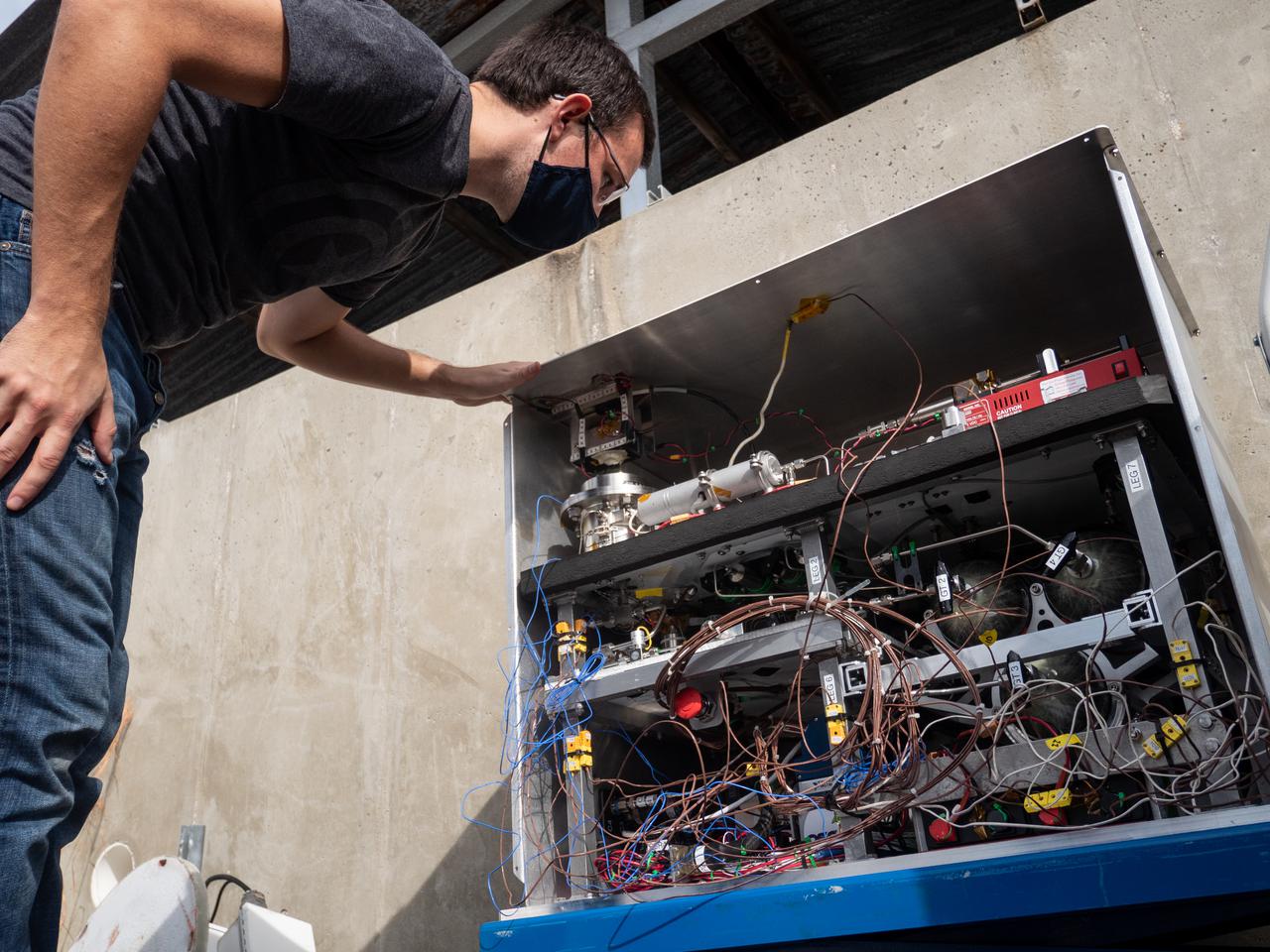
Chemical Engineer David Rinderknecht prepares the Orbital Syngas Commodity Augmentation Reactor (OSCAR) for thermal testing Jan. 26, 2021, at NASA’s Kennedy Space Center in Florida. The tests are in preparation for a scheduled suborbital flight test later this year facilitated by NASA’s Flight Opportunities program. The testing ensures the thermal environment of the payload won’t create additional hazards during flight and that OSCAR can successfully operate within the temperature range it may encounter as it performs tests in microgravity.
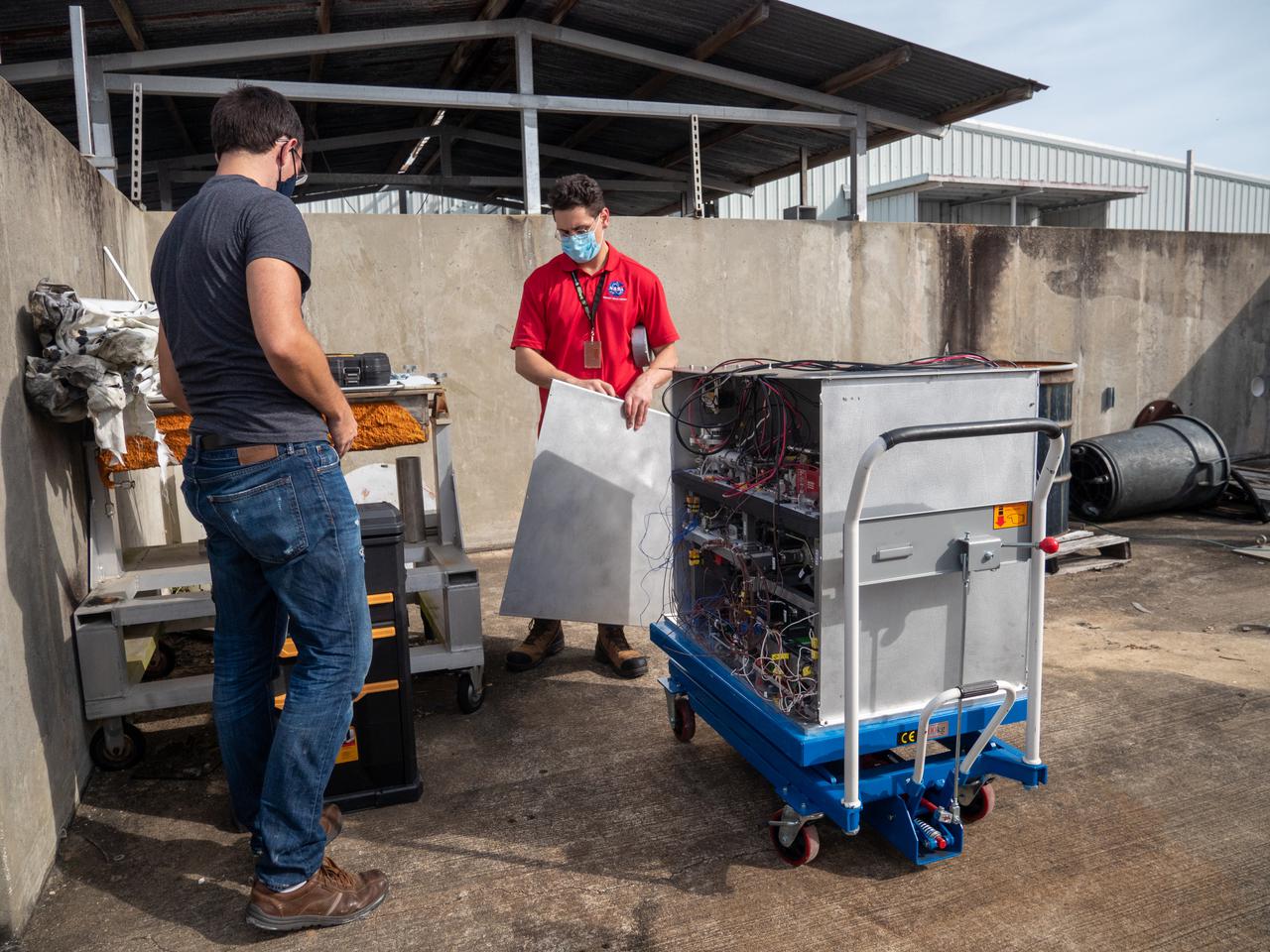
Chemical Engineer David Rinderknecht, left, and Ray Pitts, co-principal investigator for the Orbital Syngas Commodity Augmentation Reactor (OSCAR), prepare OSCAR for thermal testing Jan. 26, 2021, at NASA’s Kennedy Space Center in Florida. The tests are in preparation for a scheduled suborbital flight test later this year facilitated by NASA’s Flight Opportunities program. The testing ensures the thermal environment of the payload won’t create additional hazards during flight and that OSCAR can successfully operate within the temperature range it may encounter as it performs tests in microgravity.
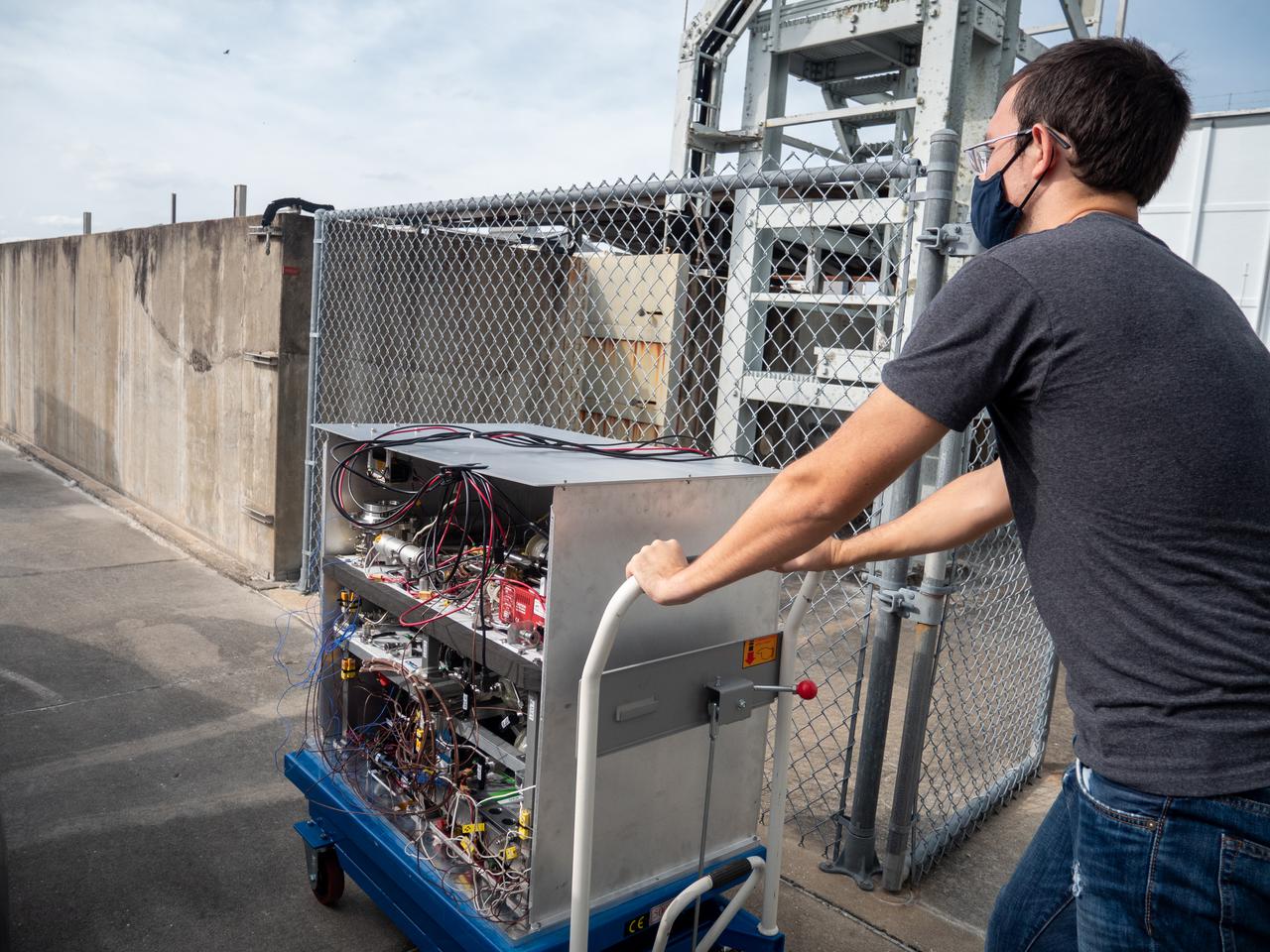
Chemical Engineer David Rinderknecht prepares the Orbital Syngas Commodity Augmentation Reactor (OSCAR) for thermal testing Jan. 26, 2021, at NASA’s Kennedy Space Center in Florida. The tests are in preparation for a scheduled suborbital flight test later this year facilitated by NASA’s Flight Opportunities program. The testing ensures the thermal environment of the payload won’t create additional hazards during flight and that OSCAR can successfully operate within the temperature range it may encounter as it performs tests in microgravity.
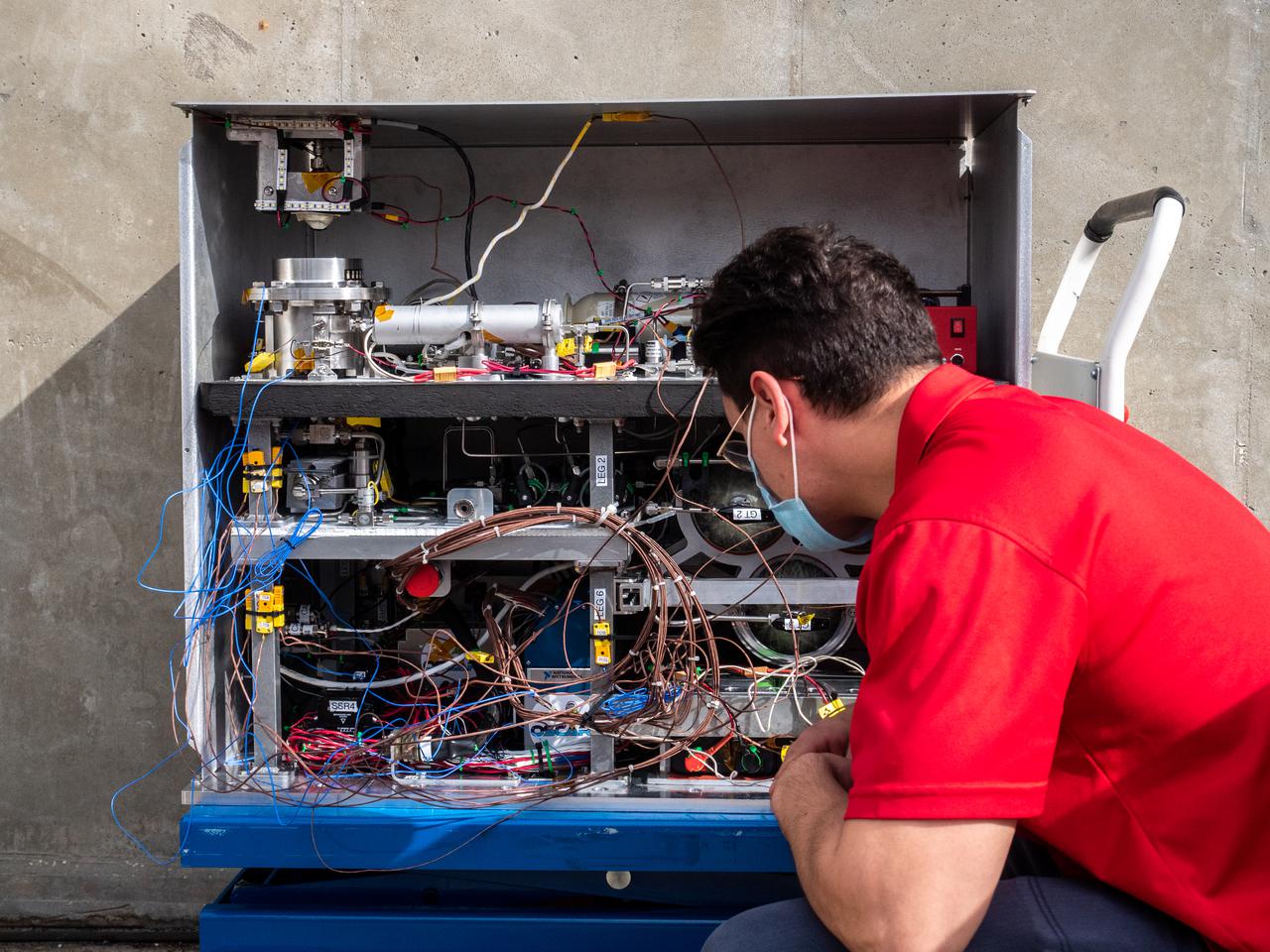
Ray Pitts, co-principal investigator for OSCAR, prepares the Orbital Syngas Commodity Augmentation Reactor (OSCAR) for thermal testing Jan. 26, 2021, at NASA’s Kennedy Space Center in Florida. The tests are in preparation for a scheduled suborbital flight test later this year facilitated by NASA’s Flight Opportunities program. The testing ensures the thermal environment of the payload won’t create additional hazards during flight and that OSCAR can successfully operate within the temperature range it may encounter as it performs tests in microgravity.
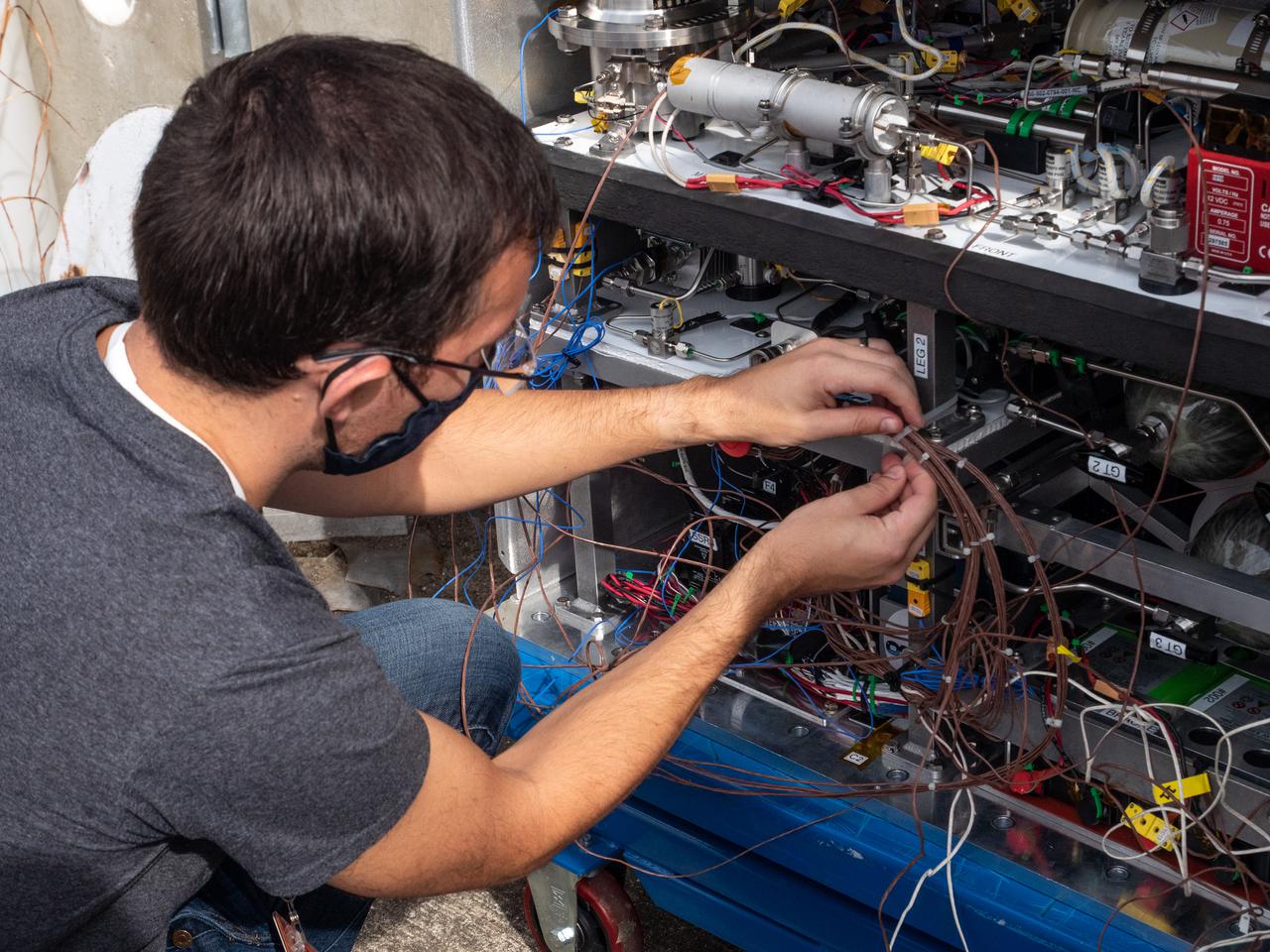
Chemical Engineer David Rinderknecht prepares the Orbital Syngas Commodity Augmentation Reactor (OSCAR) for thermal testing Jan. 26, 2021, at NASA’s Kennedy Space Center in Florida. The tests are in preparation for a scheduled suborbital flight test later this year facilitated by NASA’s Flight Opportunities program. The testing ensures the thermal environment of the payload won’t create additional hazards during flight and that OSCAR can successfully operate within the temperature range it may encounter as it performs tests in microgravity.
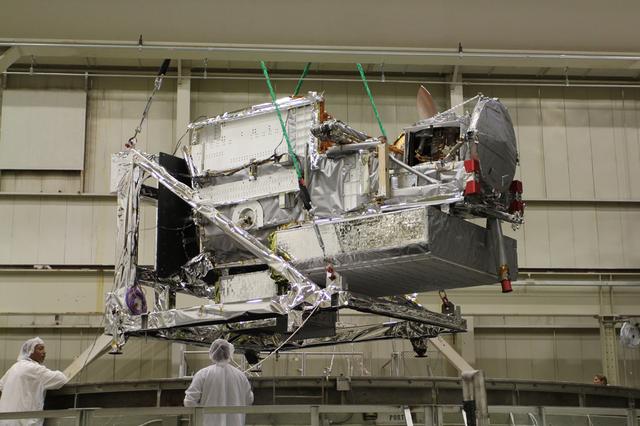
Engineers guiding the GPM Core Observatory into the thermal vacuum chamber. Credit: NASA/Goddard The Global Precipitation Measurement (GPM) mission is an international partnership co-led by NASA and the Japan Aerospace Exploration Agency (JAXA) that will provide next-generation global observations of precipitation from space. GPM will study global rain, snow and ice to better understand our climate, weather, and hydrometeorological processes. As of Novermber 2013 the GPM Core Observatory is in the final stages of testing at NASA Goddard Space Flight Center. The satellite will be flown to Japan in the fall of 2013 and launched into orbit on an HII-A rocket in early 2014. For more on the GPM mission, visit <a href="http://gpm.gsfc.nasa.gov/" rel="nofollow">gpm.gsfc.nasa.gov/</a>. <b><a href="http://www.nasa.gov/audience/formedia/features/MP_Photo_Guidelines.html" rel="nofollow">NASA image use policy.</a></b> <b><a href="http://www.nasa.gov/centers/goddard/home/index.html" rel="nofollow">NASA Goddard Space Flight Center</a></b> enables NASA’s mission through four scientific endeavors: Earth Science, Heliophysics, Solar System Exploration, and Astrophysics. Goddard plays a leading role in NASA’s accomplishments by contributing compelling scientific knowledge to advance the Agency’s mission. <b>Follow us on <a href="http://twitter.com/NASA_GoddardPix" rel="nofollow">Twitter</a></b> <b>Like us on <a href="http://www.facebook.com/pages/Greenbelt-MD/NASA-Goddard/395013845897?ref=tsd" rel="nofollow">Facebook</a></b> <b>Find us on <a href="http://instagram.com/nasagoddard?vm=grid" rel="nofollow">Instagram</a></b>
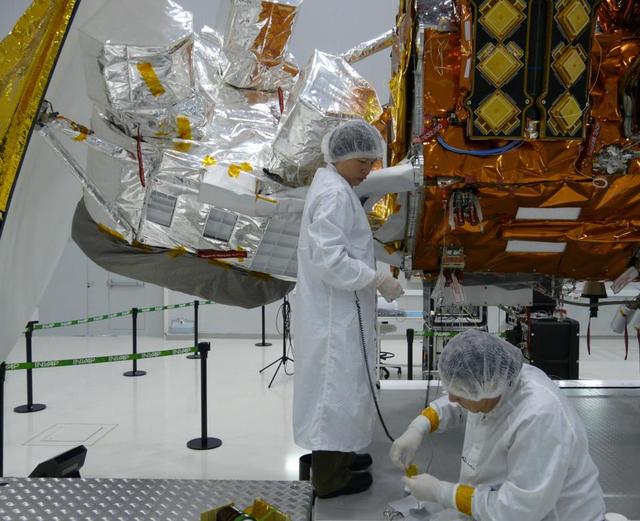
Completion of the thermal blanket patterns for the Aquarius bipod after routing the flight harness from the SAC-D service platform.
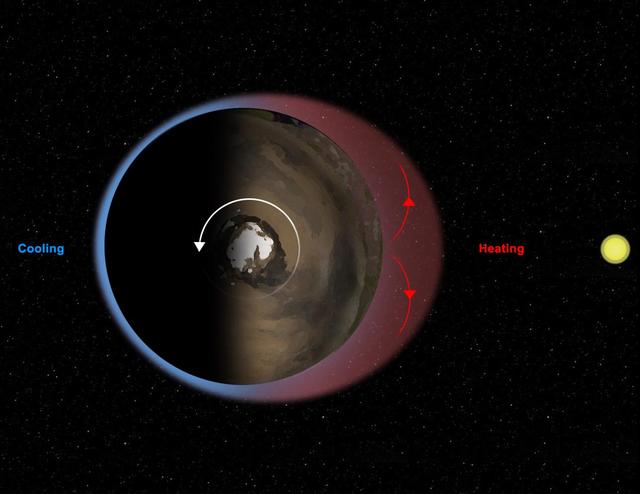
This diagram illustrates Mars thermal tides, a weather phenomenon responsible for large, daily variations in pressure at the Martian surface.
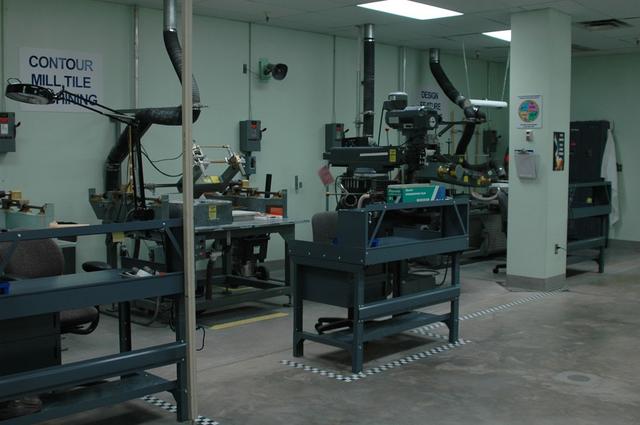
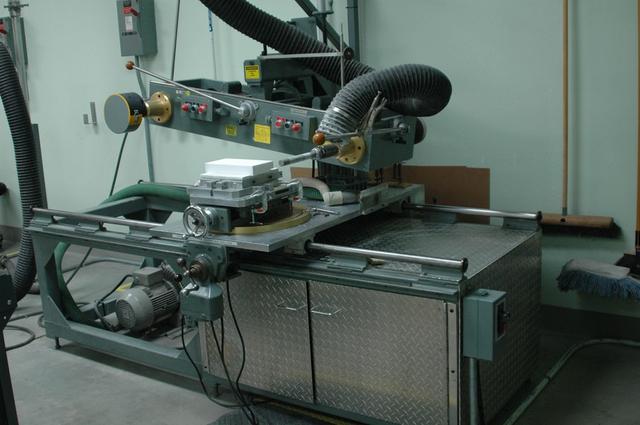
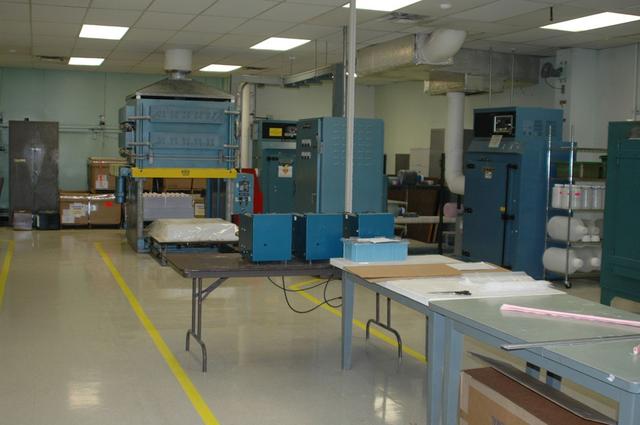
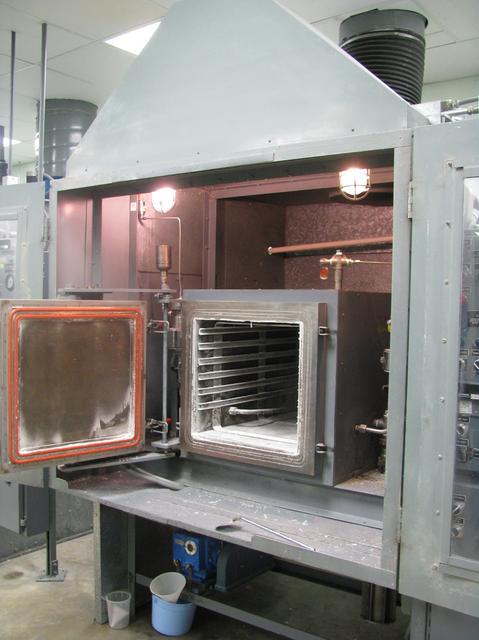
Interior view of the Thermal Ptroctection System facility
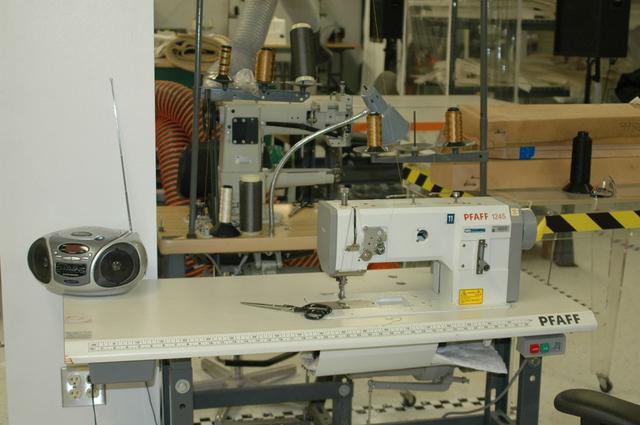
Interior view of the Thermal Ptroctection System facility
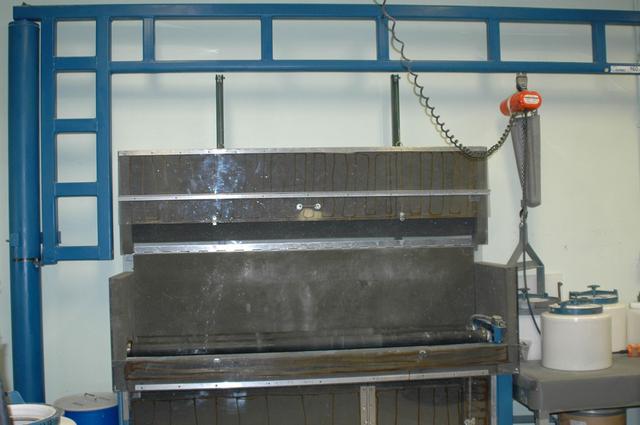
Interior view of the Thermal Ptroctection System facility
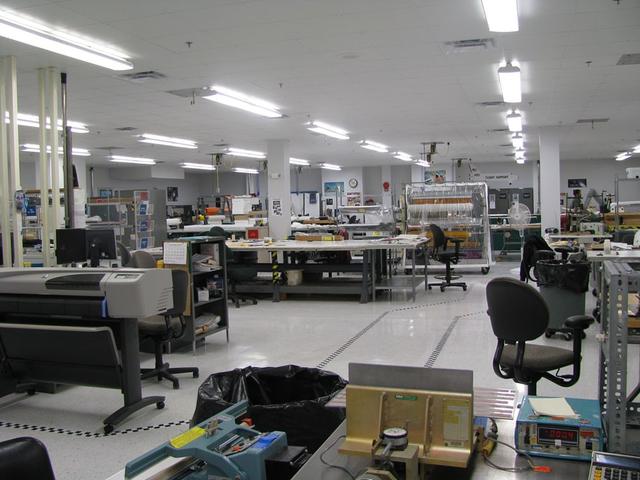
Interior view of the Thermal Ptroctection System facility
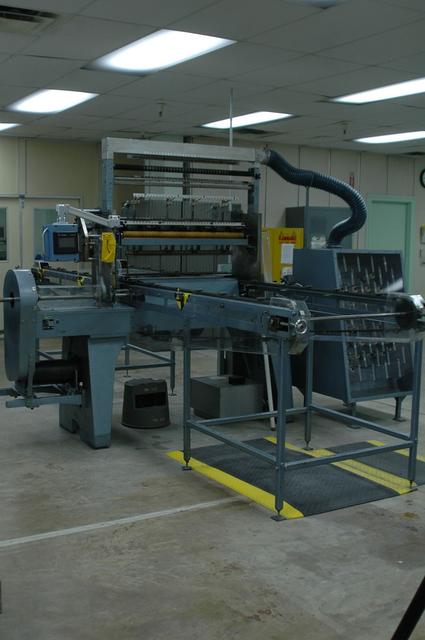
Interior view of the Thermal Ptroctection System facility
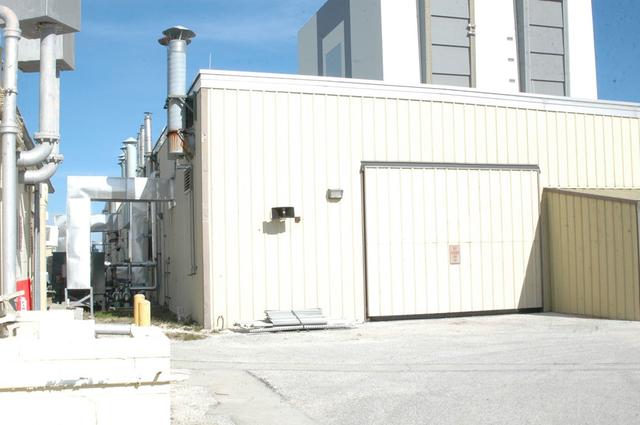
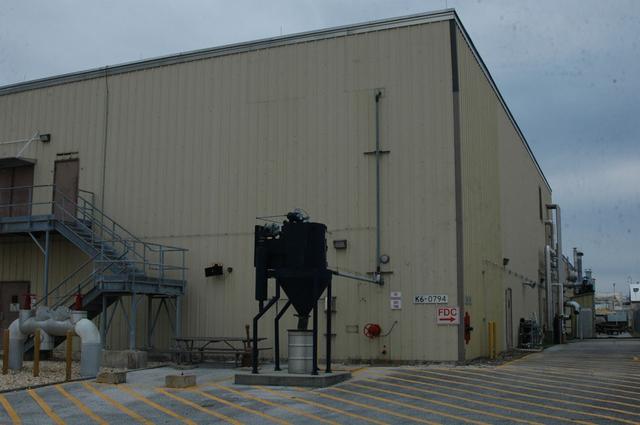
Exterior view of the Thermal Ptroctection System facility
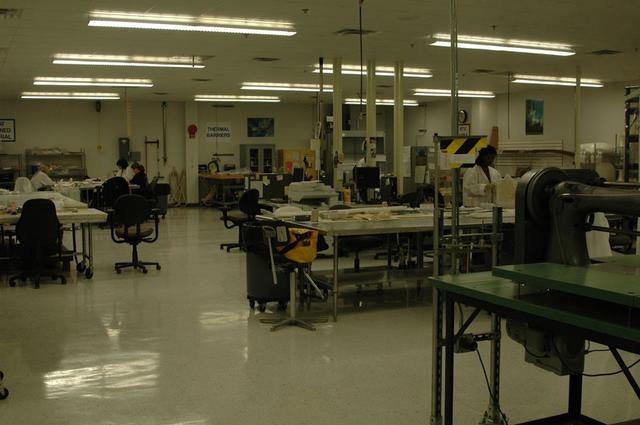
Interior view of the Thermal Ptroctection System facility
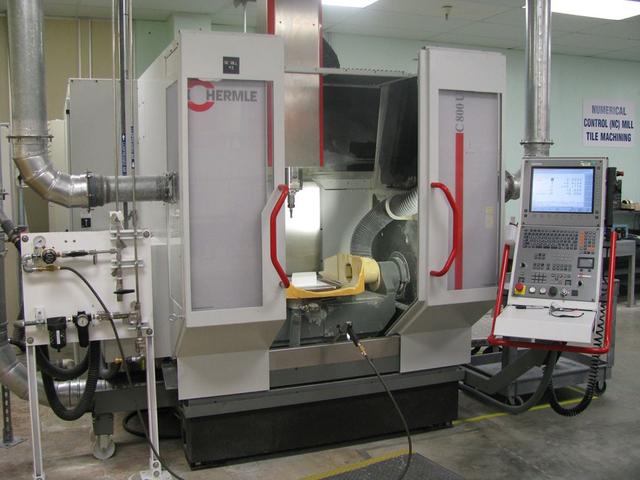
Interior view of the Thermal Ptroctection System facility
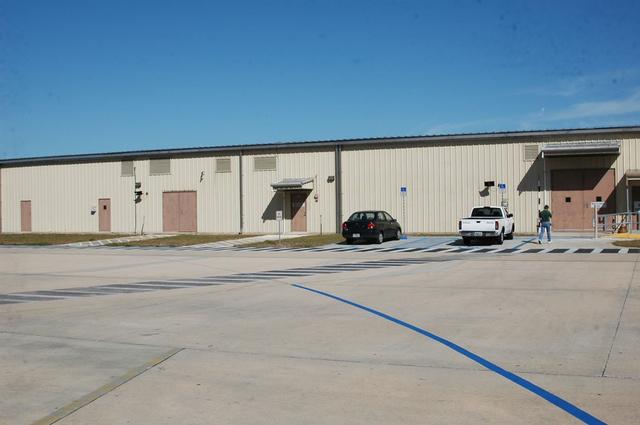
Exterior view of the Thermal Ptroctection System facility
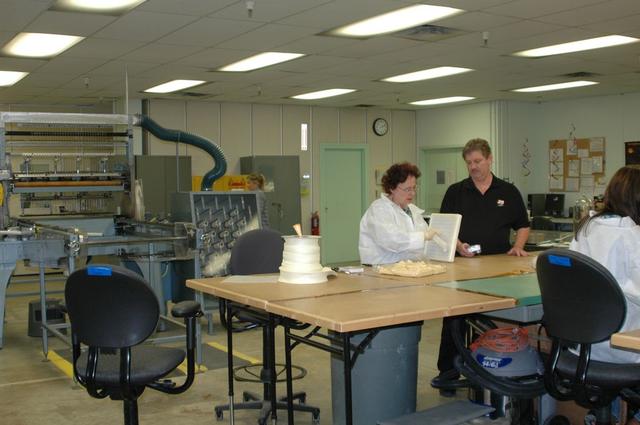
Interior view of the Thermal Ptroctection System facility

Interior view of the Thermal Ptroctection System facility
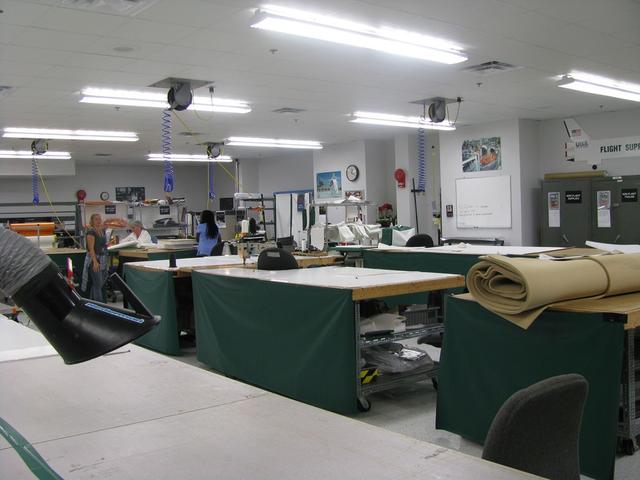
Interior view of the Thermal Ptroctection System facility
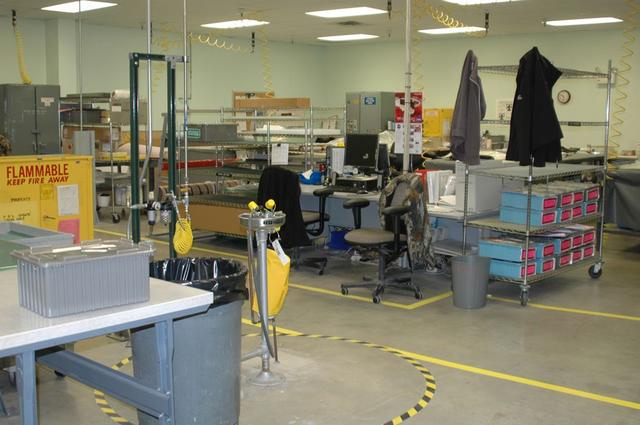
Interior view of the Thermal Ptroctection System facility
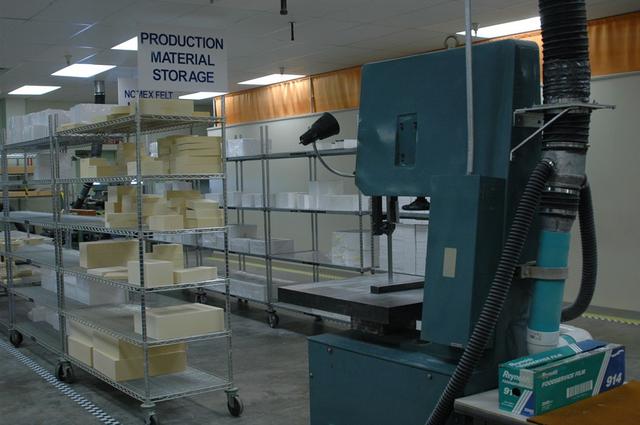
Interior view of the Thermal Ptroctection System facility
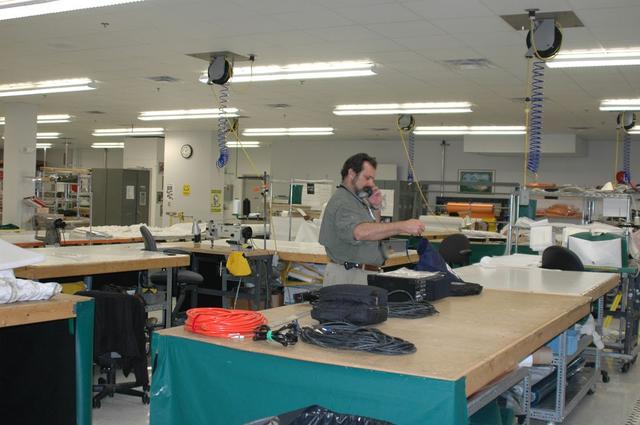
Interior view of the Thermal Ptroctection System facility
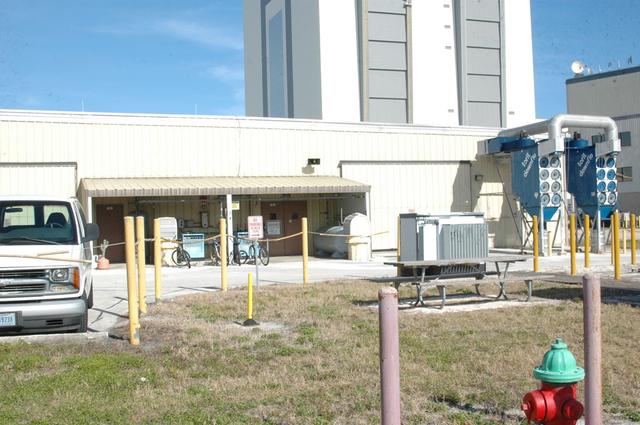
Exterior view of the Thermal Ptroctection System facility
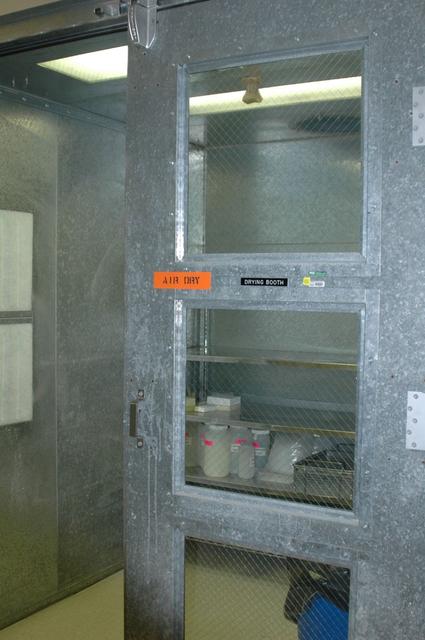
Interior view of the Thermal Ptroctection System facility
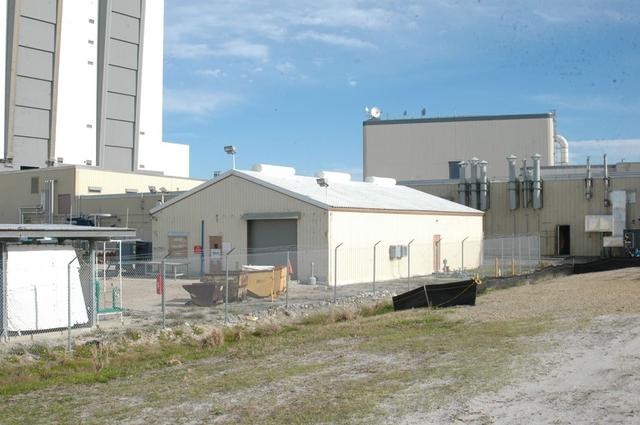
Exterior view of the Thermal Ptroctection System facility
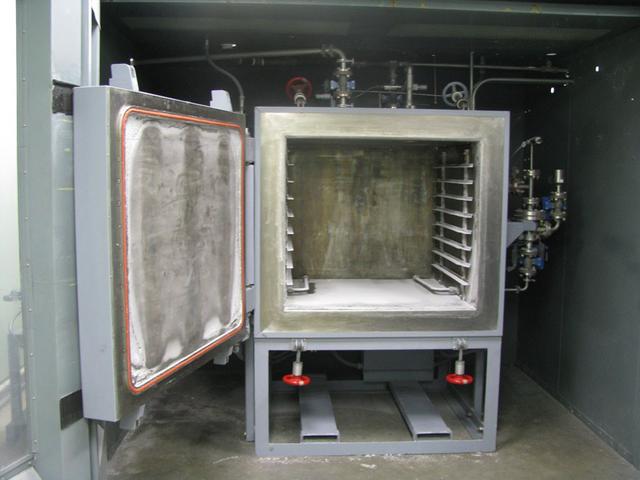
Interior view of the Thermal Ptroctection System facility
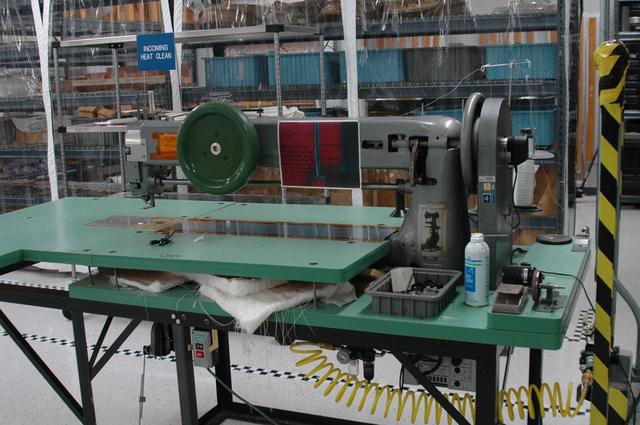
Interior view of the Thermal Ptroctection System facility
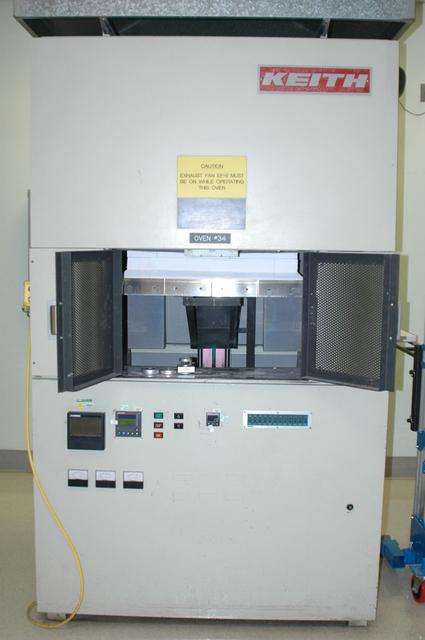
Interior view of the Thermal Ptroctection System facility
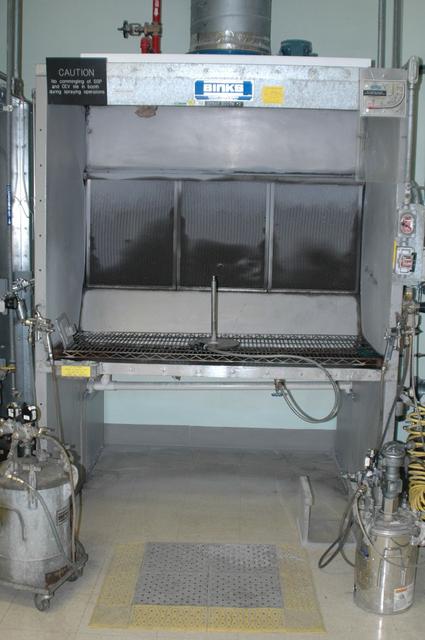
Interior view of the Thermal Ptroctection System facility
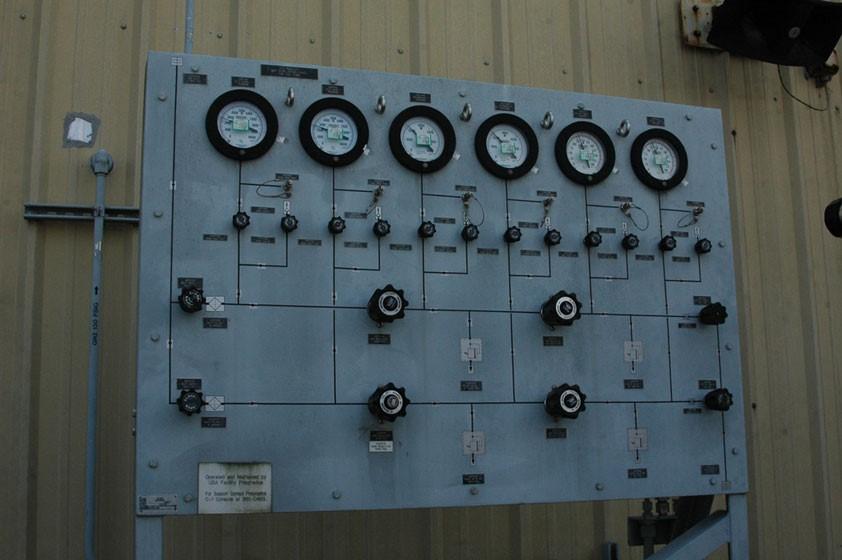
Interior view of the Thermal Ptroctection System facility
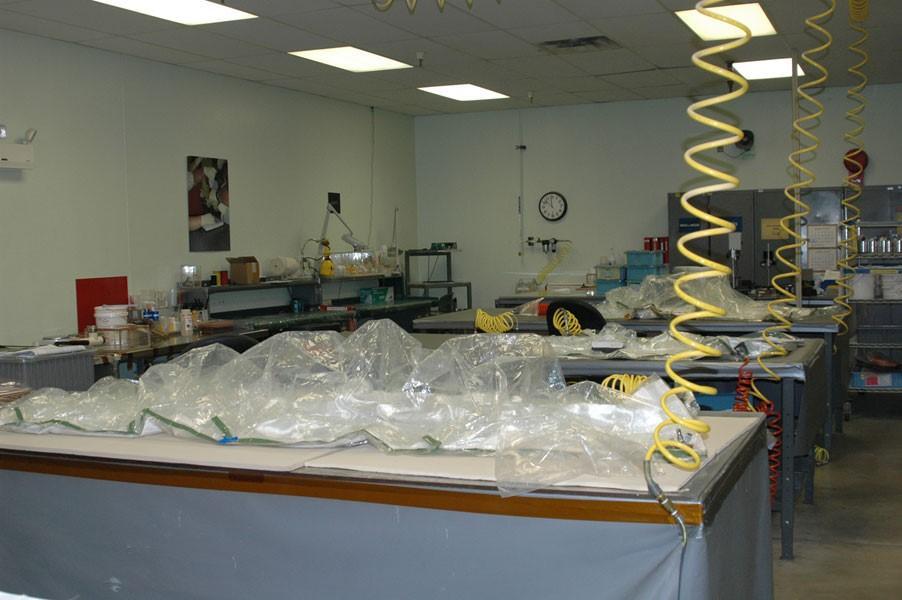
Interior view of the Thermal Ptroctection System facility
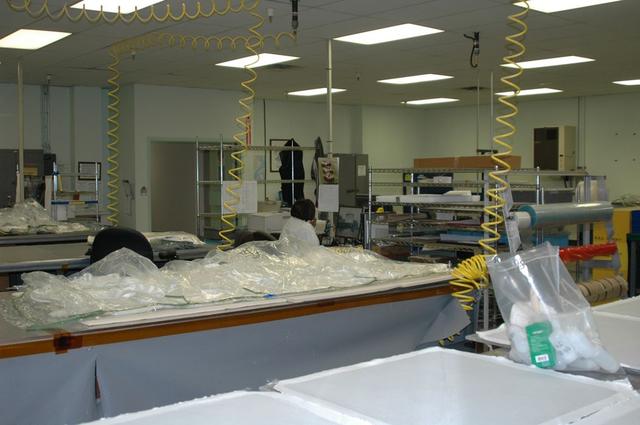
Interior view of the Thermal Ptroctection System facility
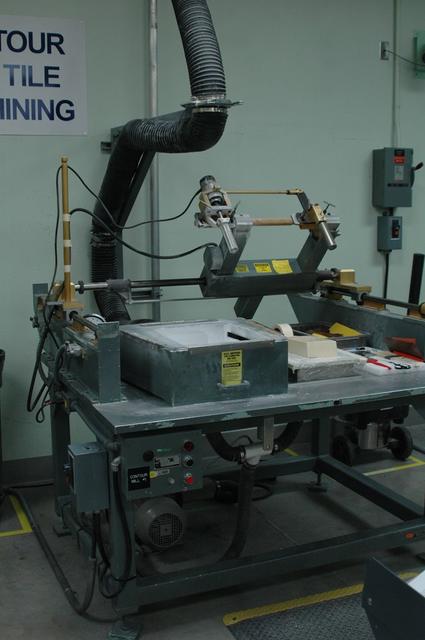
Interior view of the Thermal Ptroctection System facility
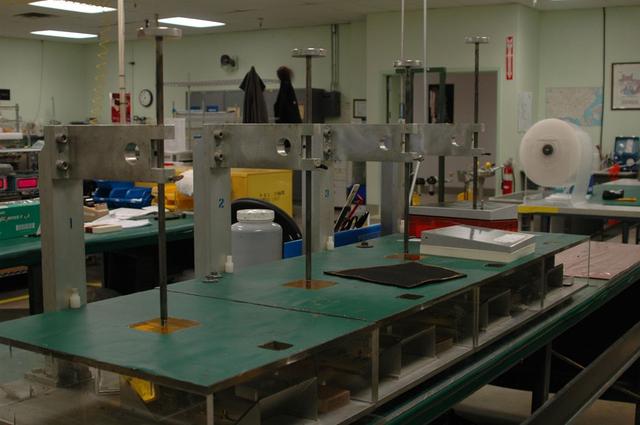
Interior view of the Thermal Ptroctection System facility
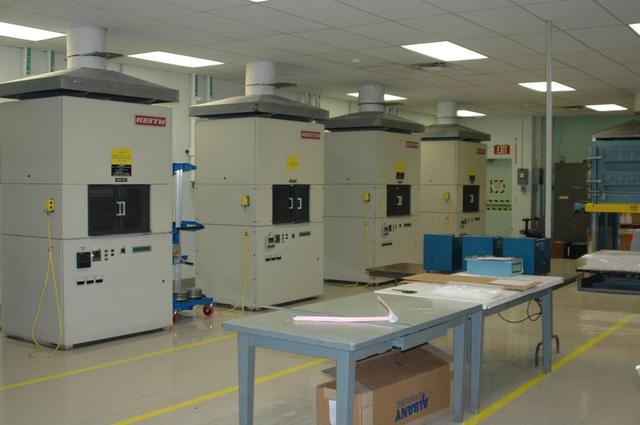
Interior view of the Thermal Ptroctection System facility
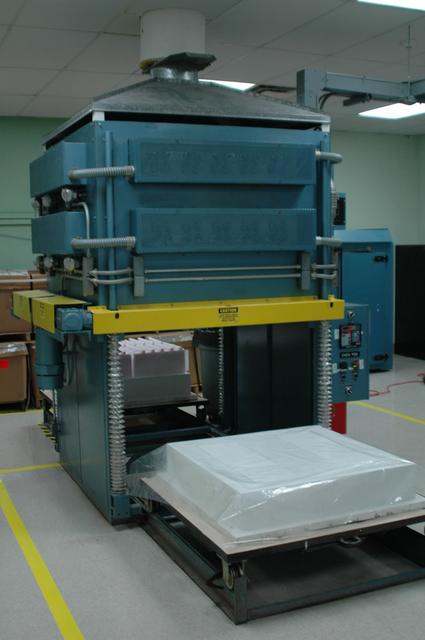
Interior view of the Thermal Ptroctection System facility
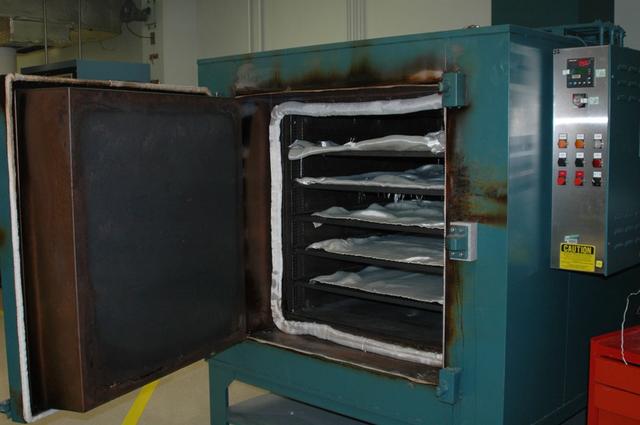
Interior view of the Thermal Ptroctection System facility
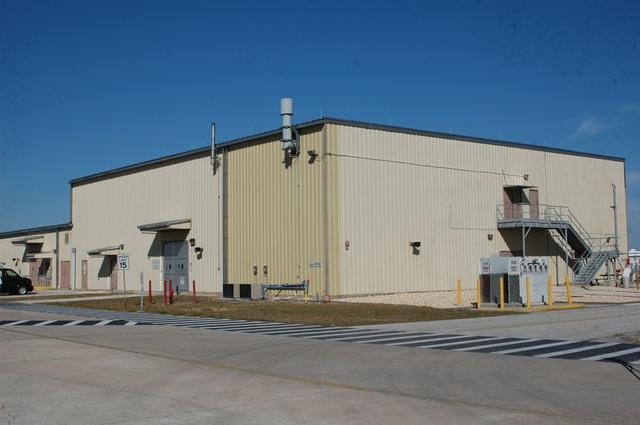
Exterior view of the Thermal Ptroctection System facility
Interior view of the Thermal Ptroctection System facility
Interior view of the Thermal Ptroctection System facility
Interior view of the Thermal Ptroctection System facility
Exterior view of the Thermal Ptroctection System facility
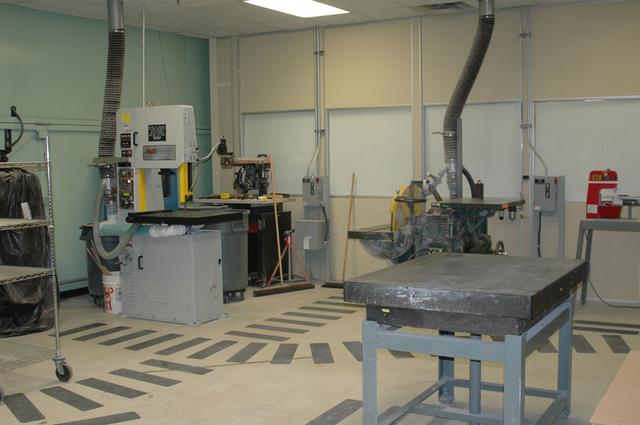
Interior view of the Thermal Ptroctection System facility
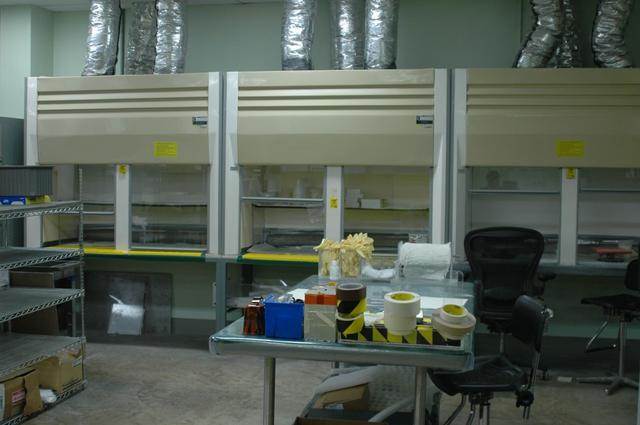
Interior view of the Thermal Ptroctection System facility
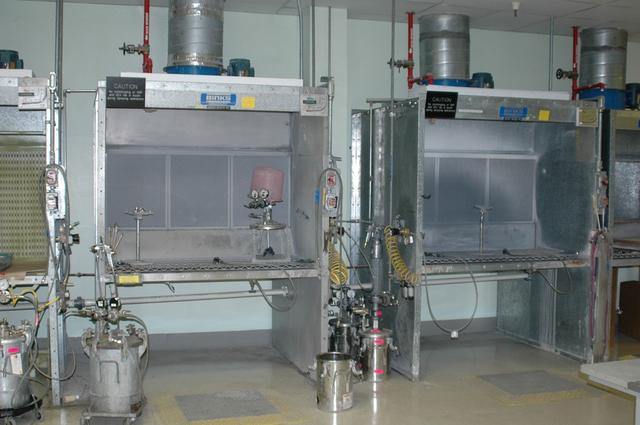
Interior view of the Thermal Ptroctection System facility
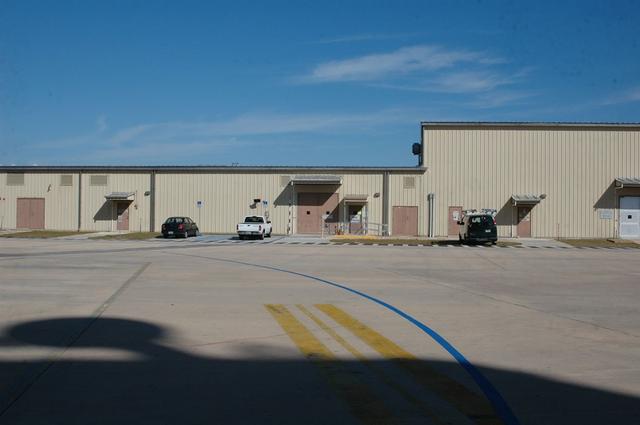
Exterior view of the Thermal Ptroctection System facility
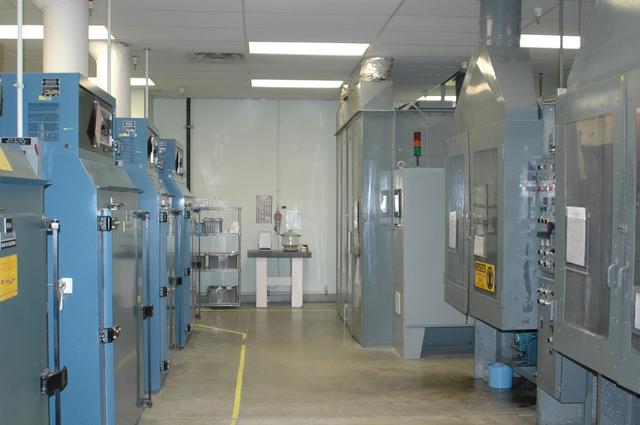
Interior view of the Thermal Ptroctection System facility
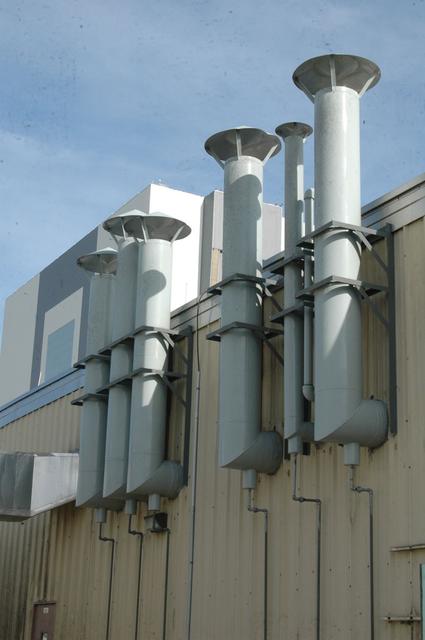
Exterior view of the Thermal Ptroctection System facility
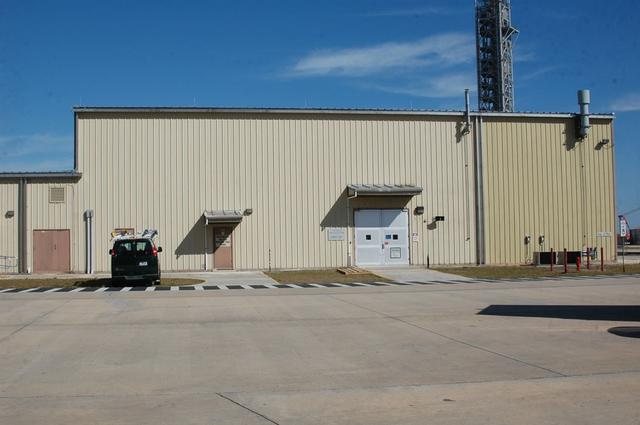
Exterior view of the Thermal Ptroctection System facility
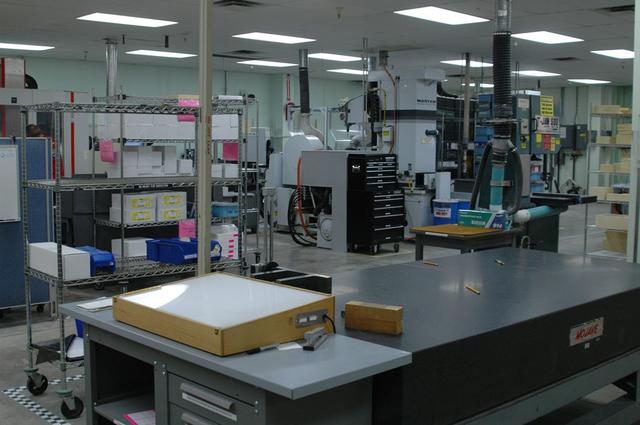
Interior view of the Thermal Ptroctection System facility
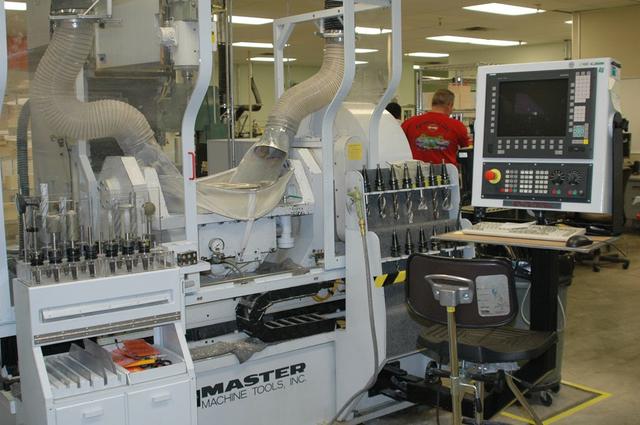
Interior view of the Thermal Ptroctection System facility
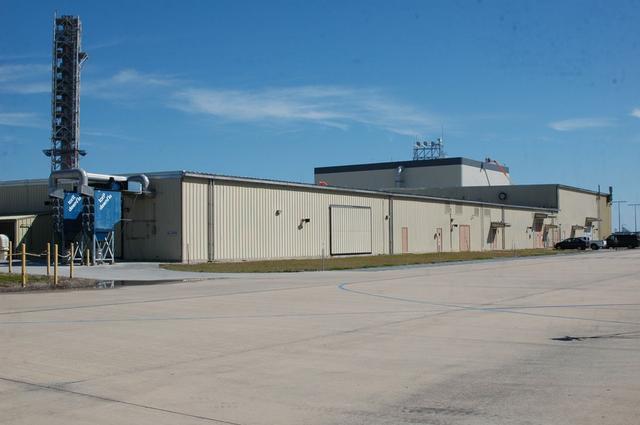
Exterior view of the Thermal Ptroctection System facility
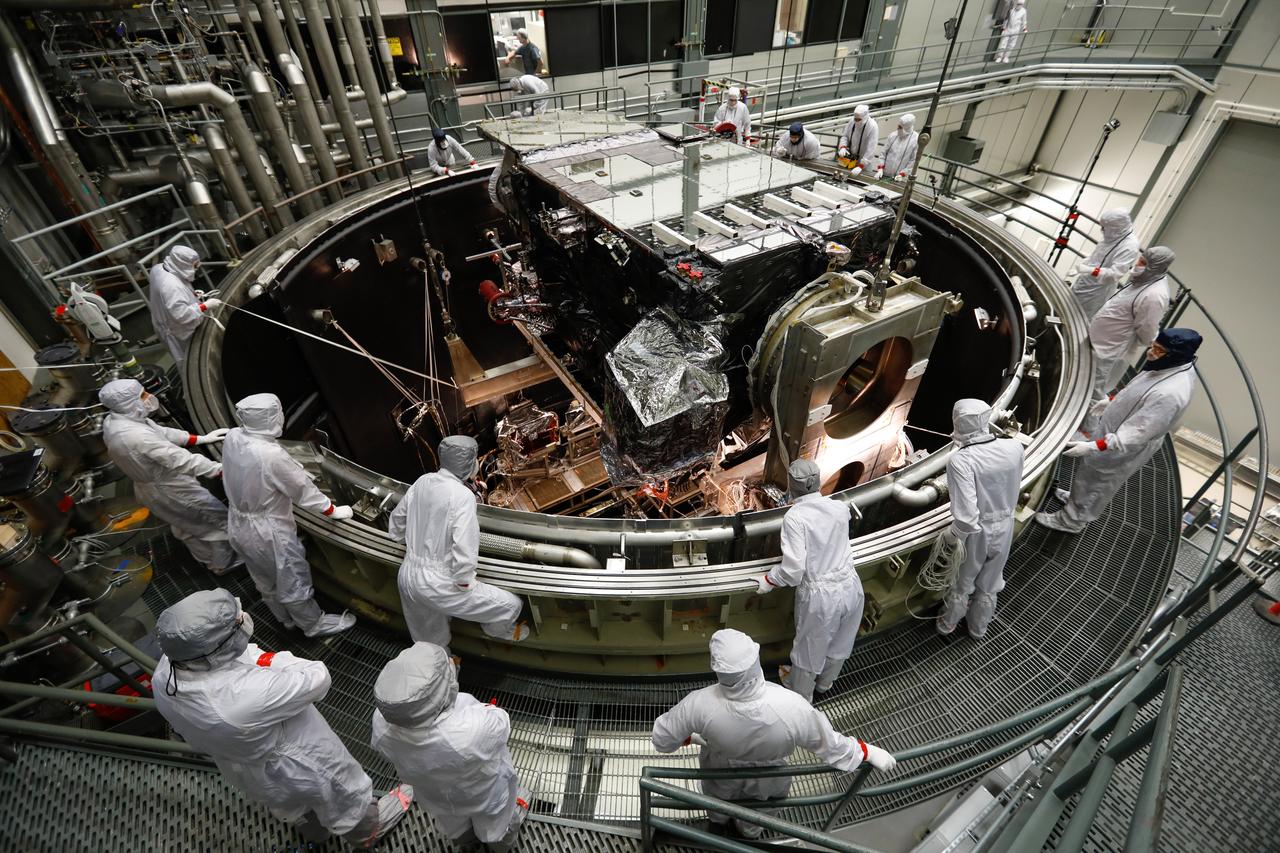
In March, NOAA's Geostationary Operational Environmental Satellite-S (GOES-S) satellite was lifted into a thermal vacuum chamber to test its ability to function in the cold void of space in its orbit 22,300 miles above the Earth. The most complicated and challenging test is thermal vacuum where a satellite experiences four cycles of extreme cold to extreme heat in a giant vacuum chamber. To simulate the environment of space, the chamber is cooled to below minus 100 degrees Celsius or minus 148 degrees Fahrenheit and air is pumped out. The test simulates the temperature changes GOES-S will encounter in space, as well as worst case scenarios of whether the instruments can come back to life in case of a shut down that exposes them to even colder temperatures. In this photo from March 8, the GOES-S satellite was lowered into the giant vacuum chamber at Lockheed Martin Space Systems, Denver, Colorado. GOES-S will be in the thermal vacuum chamber for 45 days. As of March 30, two of four thermal cycles were complete. GOES-S is the second in the GOES-R series. The GOES-R program is a collaborative development and acquisition effort between the National Oceanic and Atmospheric Administration and NASA. The GOES-R series of satellites will help meteorologists observe and predict local weather events, including thunderstorms, tornadoes, fog, flash floods, and other severe weather. In addition, GOES-R will monitor hazards such as aerosols, dust storms, volcanic eruptions, and forest fires and will also be used for space weather, oceanography, climate monitoring, in-situ data collection, and for search and rescue. Credit: Lockheed Martin <b><a href="http://www.nasa.gov/audience/formedia/features/MP_Photo_Guidelines.html" rel="nofollow">NASA image use policy.</a></b> <b><a href="http://www.nasa.gov/centers/goddard/home/index.html" rel="nofollow">NASA Goddard Space Flight Center</a></b> enables NASA’s mission through four scientific endeavors: Earth Science, Heliophysics, Solar System Exploration, and Astrophysics. Goddard plays a leading role in NASA’s accomplishments by contributing compelling scientific knowledge to advance the Agency’s mission. <b>Follow us on <a href="http://twitter.com/NASAGoddardPix" rel="nofollow">Twitter</a></b> <b>Like us on <a href="http://www.facebook.com/pages/Greenbelt-MD/NASA-Goddard/395013845897?ref=tsd" rel="nofollow">Facebook</a></b> <b>Find us on <a href="http://instagrid.me/nasagoddard/?vm=grid" rel="nofollow">Instagram</a></b>
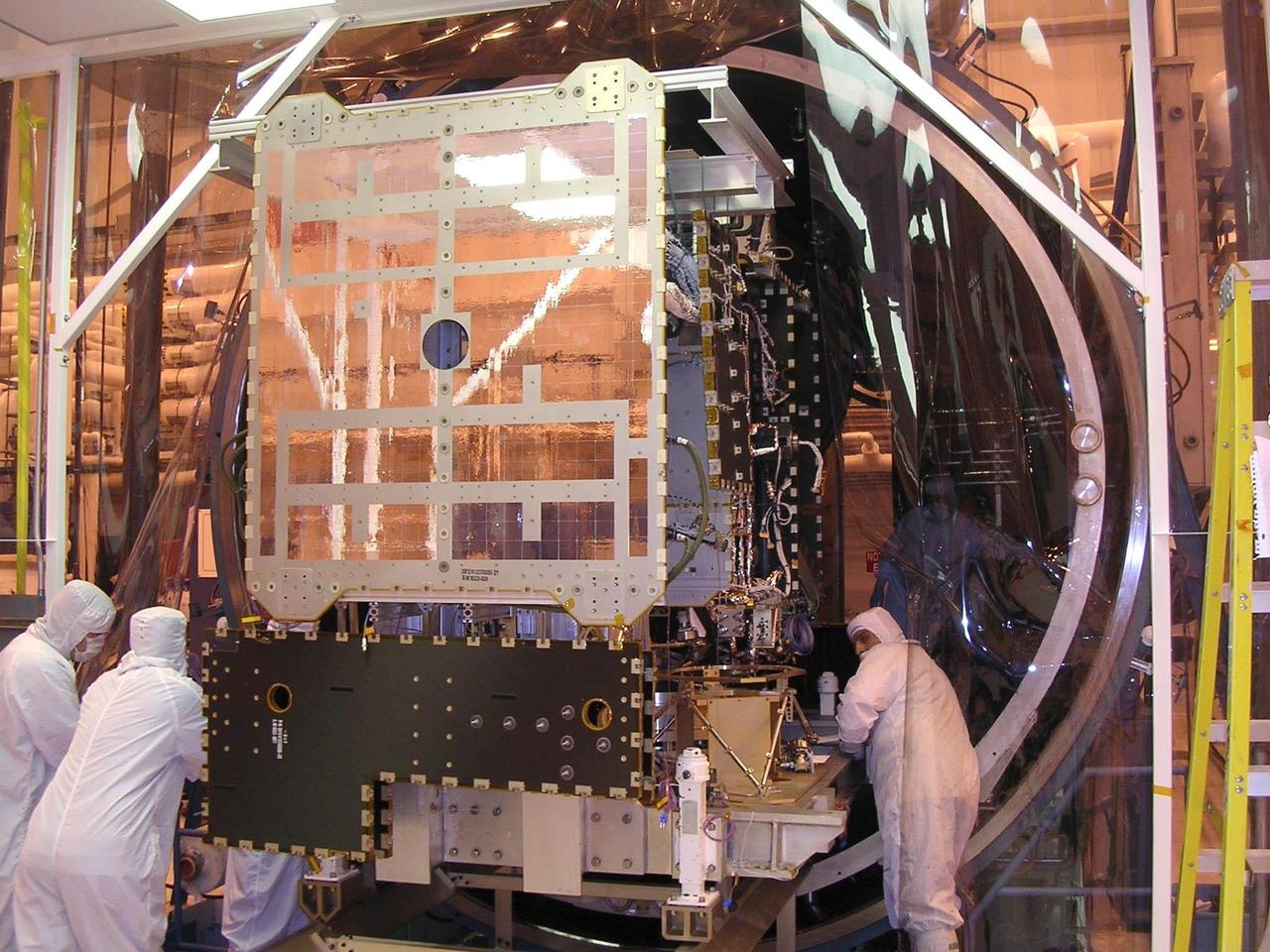
NASA Dawn spacecraft being moved into thermal vacuum chamber for bake-out.
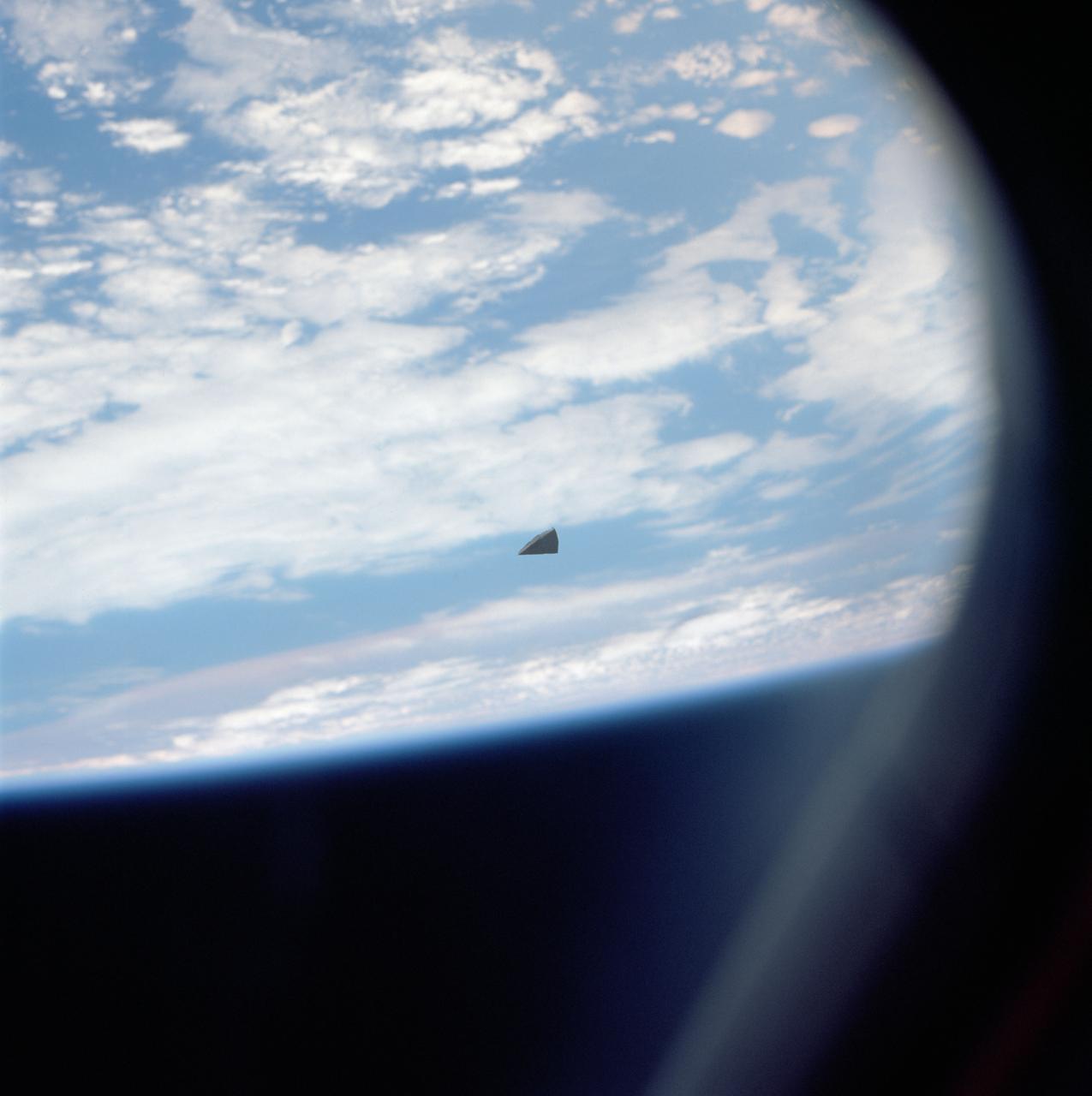
A small piece of thermal insulation tile floats in space near the Shuttle Columbia. The cloudy surface of the earth is used as a background.
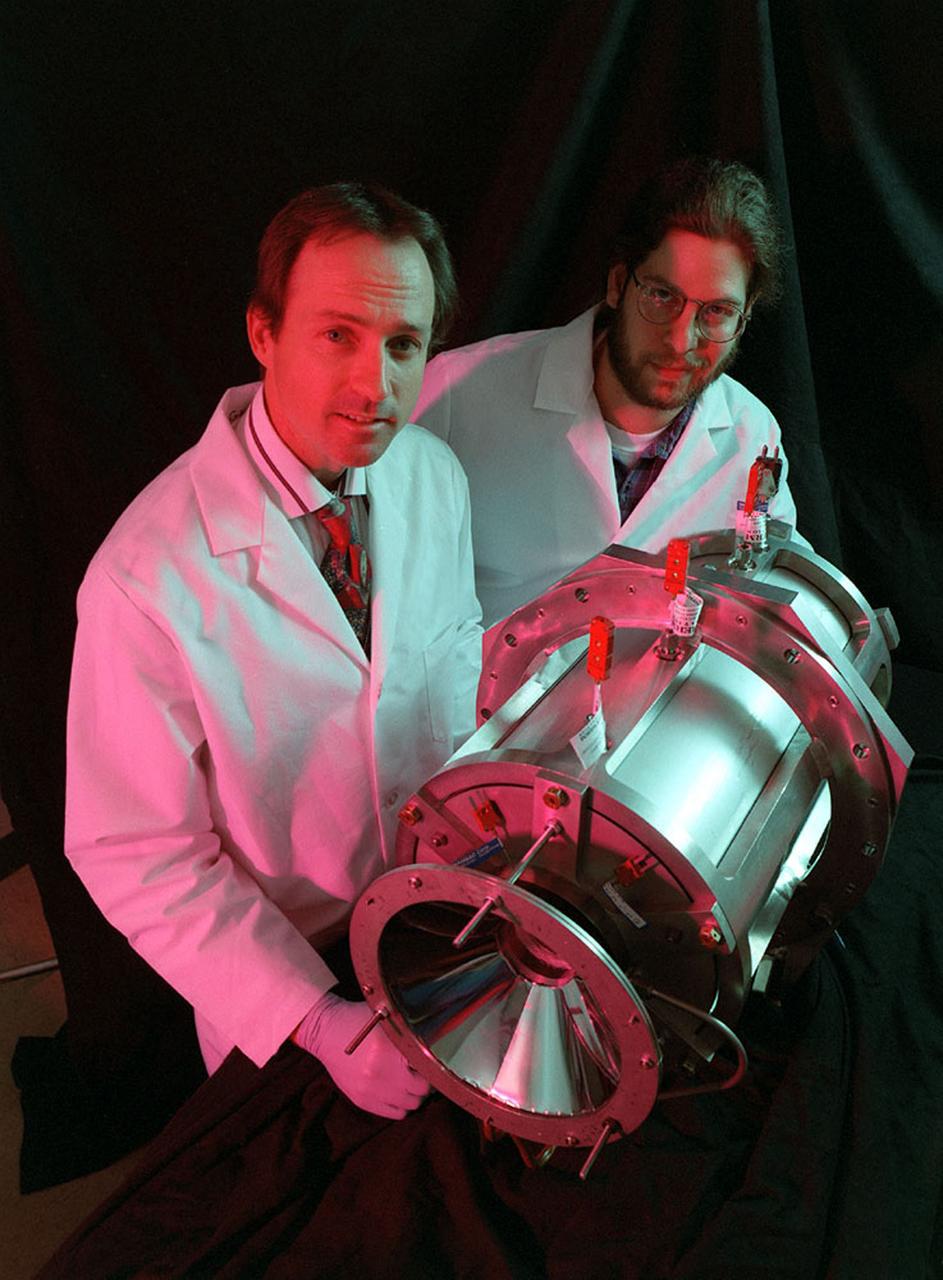
The Direct Gain Solar Thermal Engine was designed with no moving parts. The concept of Solar Thermal Propulsion Research uses focused solar energy from an inflatable concentrator (a giant magnifying glass) to heat a propellant (hydrogen) and allows thermal expansion through the nozzle for low thrust without chemical combustion. Energy limitations and propellant weight associated with traditional combustion engines are non-existant with this concept. The Direct Gain Solar Thermal Engine would be used for moving from a lower orbit to an upper synchronous orbit.

An overhead glimpse inside the thermal vacuum chamber at NASA's Goddard Space Flight Center in Greenbelt, Md., as engineers ready the James Webb Space Telescope's Integrated Science Instrument Module, just lowered into the chamber for its first thermal vacuum test. The ISIM and the ISIM System Integration Fixture that holds the ISIM Electronics Compartment is completely covered in protective blankets to shield it from contamination. Image credit: NASA/Chris Gunn <b><a href="http://www.nasa.gov/audience/formedia/features/MP_Photo_Guidelines.html" rel="nofollow">NASA image use policy.</a></b> <b><a href="http://www.nasa.gov/centers/goddard/home/index.html" rel="nofollow">NASA Goddard Space Flight Center</a></b> enables NASA’s mission through four scientific endeavors: Earth Science, Heliophysics, Solar System Exploration, and Astrophysics. Goddard plays a leading role in NASA’s accomplishments by contributing compelling scientific knowledge to advance the Agency’s mission. <b>Follow us on <a href="http://twitter.com/NASA_GoddardPix" rel="nofollow">Twitter</a></b> <b>Like us on <a href="http://www.facebook.com/pages/Greenbelt-MD/NASA-Goddard/395013845897?ref=tsd" rel="nofollow">Facebook</a></b> <b>Find us on <a href="http://instagram.com/nasagoddard?vm=grid" rel="nofollow">Instagram</a></b>
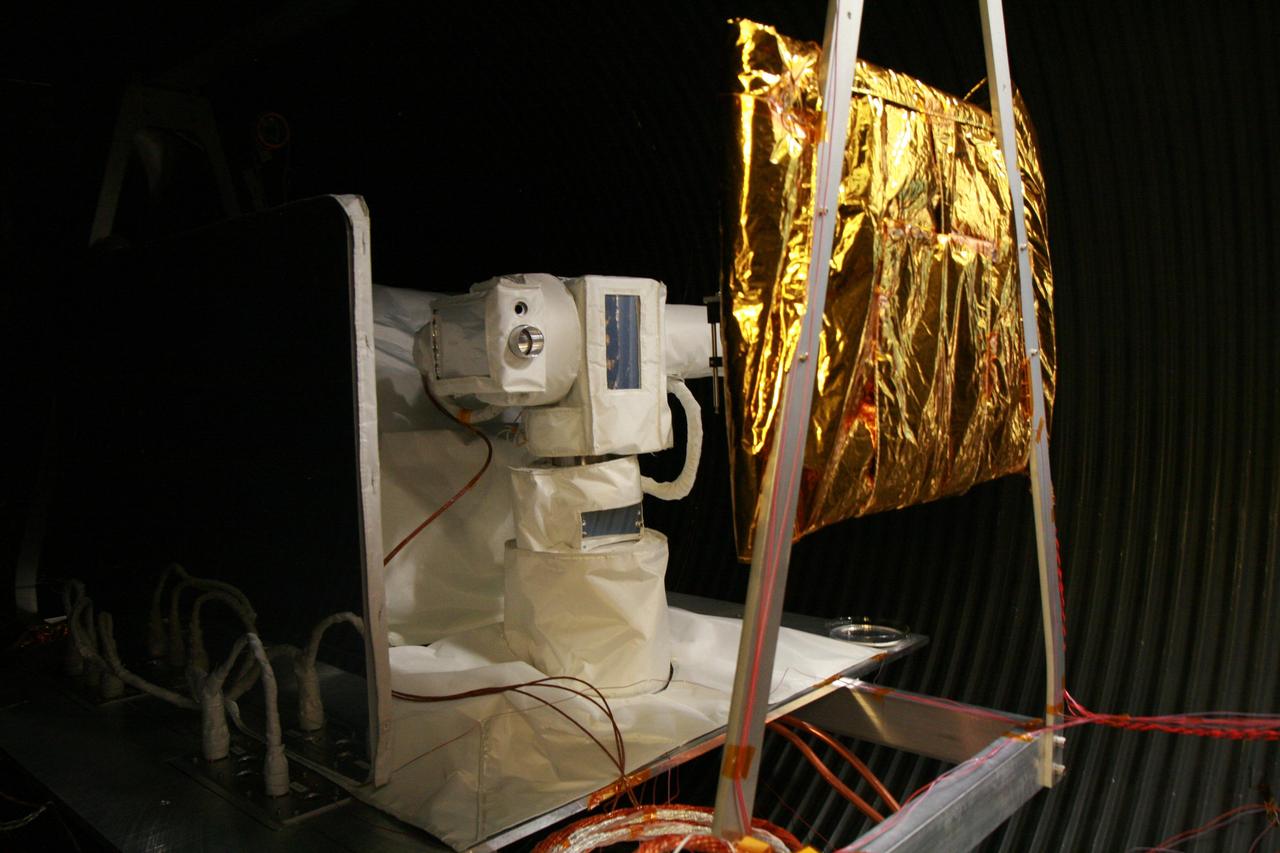
The Optical PAyload for Lasercomm Science OPALS flight terminal undergoes testing in a thermal vacuum chamber at NASA Jet Propulsion Laboratory to simulate the space environment.
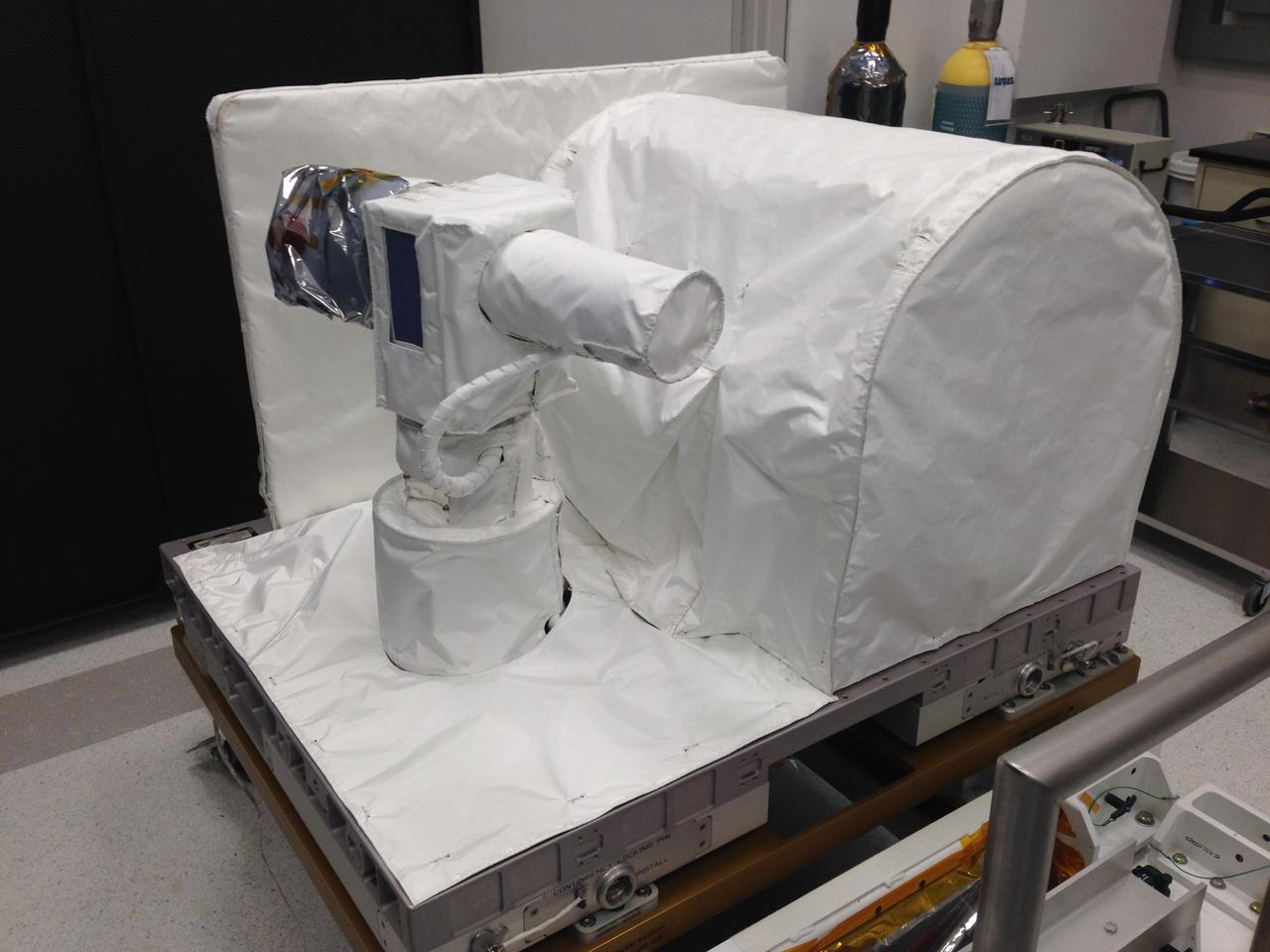
Optical PAyload for Lasercomm Science OPALS is covered in white thermal blankets awaiting integration with its launch vehicle at NASA Kennedy Space Center.
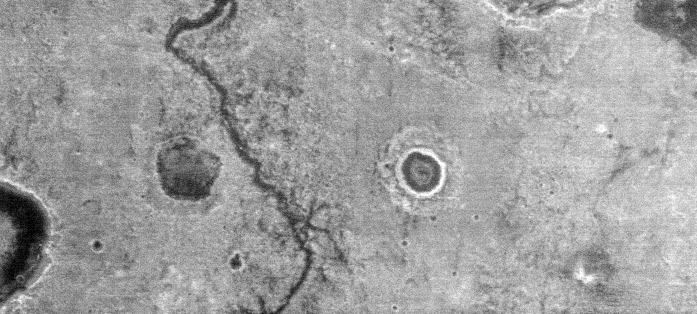
This nighttime thermal infrared image, taken by NASA Mars Odyssey spacecraft, shows differences in temperature that are due to differences in the abundance of rocks, sand and dust on the surface.
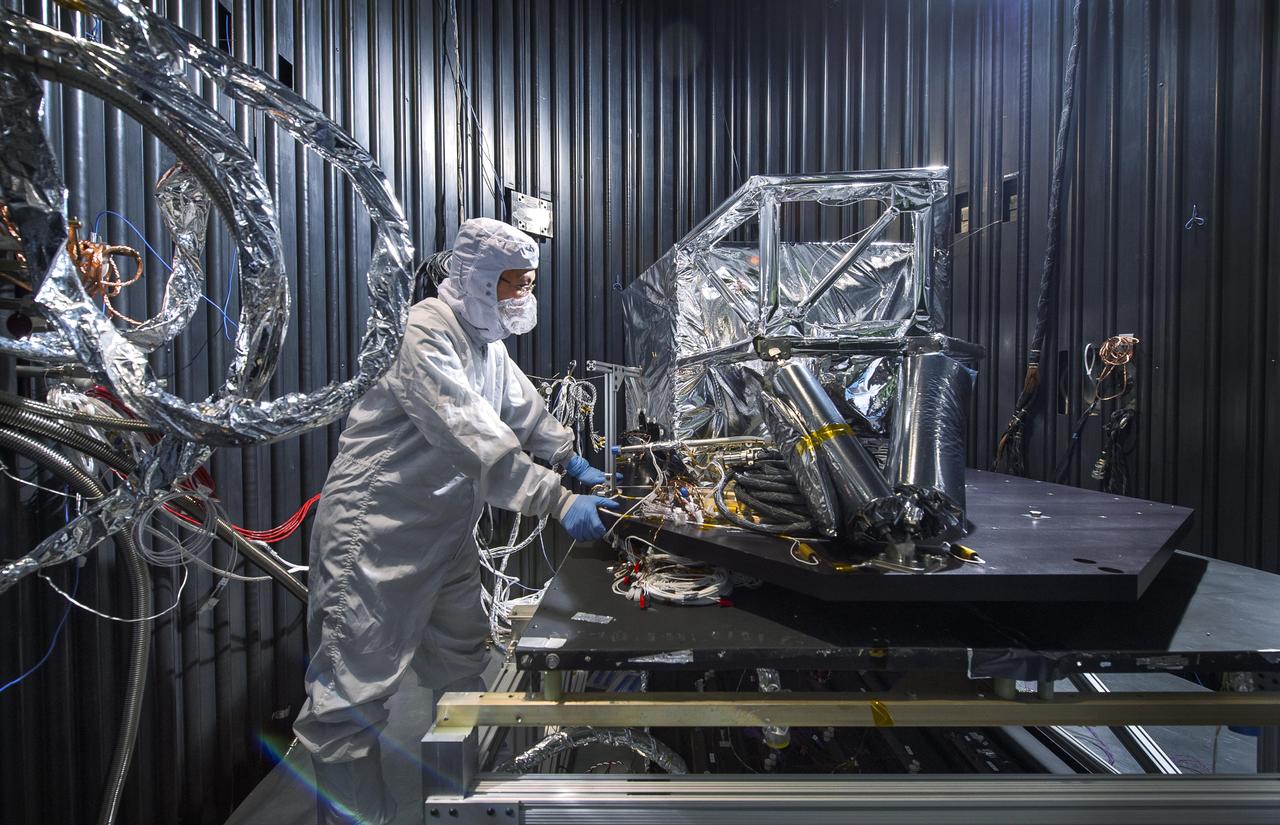
NASA engineer Acey Herrera recently checked out copper test wires inside the thermal shield of the Mid-Infrared Instrument, known as MIRI, that will fly aboard NASA's James Webb Space Telescope. The shield is designed to protect the vital MIRI instrument from excess heat. At the time of the photo, the thermal shield was about to go through rigorous environmental testing to ensure it can perform properly in the extreme cold temperatures that it will encounter in space. Herrera is working in a thermal vacuum chamber at NASA's Goddard Space Flight Center in Greenbelt, Md. As the MIRI shield lead, Herrera along with a thermal engineer and cryo-engineer verify that the shield is ready for testing. On the Webb telescope, the pioneering camera and spectrometer that comprise the MIRI instrument sit inside the Integrated Science Instrument Module flight structure, that holds Webb's four instruments and their electronic systems during launch and operations. Read more: <a href="http://1.usa.gov/15I0wrS" rel="nofollow">1.usa.gov/15I0wrS</a> Credit: NASA/Chris Gunn <b><a href="http://www.nasa.gov/audience/formedia/features/MP_Photo_Guidelines.html" rel="nofollow">NASA image use policy.</a></b> <b><a href="http://www.nasa.gov/centers/goddard/home/index.html" rel="nofollow">NASA Goddard Space Flight Center</a></b> enables NASA’s mission through four scientific endeavors: Earth Science, Heliophysics, Solar System Exploration, and Astrophysics. Goddard plays a leading role in NASA’s accomplishments by contributing compelling scientific knowledge to advance the Agency’s mission. <b>Follow us on <a href="http://twitter.com/NASA_GoddardPix" rel="nofollow">Twitter</a></b> <b>Like us on <a href="http://www.facebook.com/pages/Greenbelt-MD/NASA-Goddard/395013845897?ref=tsd" rel="nofollow">Facebook</a></b> <b>Find us on <a href="http://instagram.com/nasagoddard?vm=grid" rel="nofollow">Instagram</a></b>
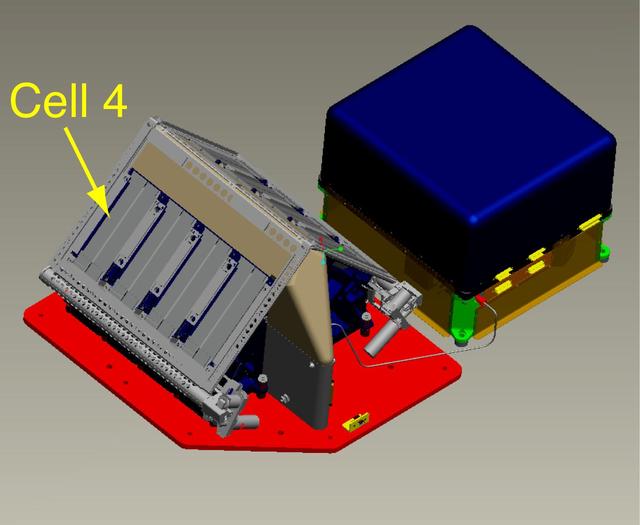
This is a computer-aided drawing of the Thermal and Evolved-Gas Analyzer, or TEGA, on NASA Phoenix Mars Lander.
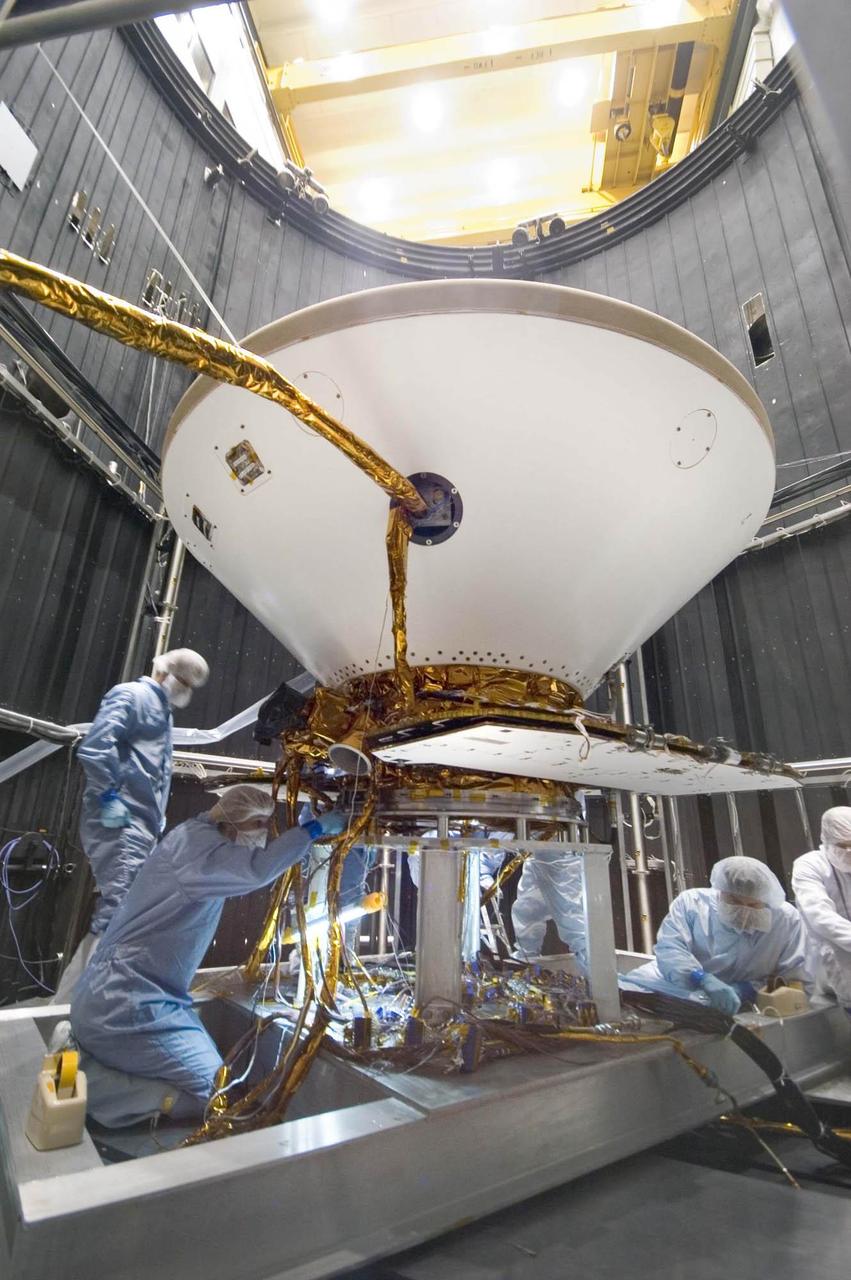
Inside a thermal vacuum at Lockheed Martin Space Systems, Denver, technicians prepared NASA Phoenix Mars Lander for environmental testing
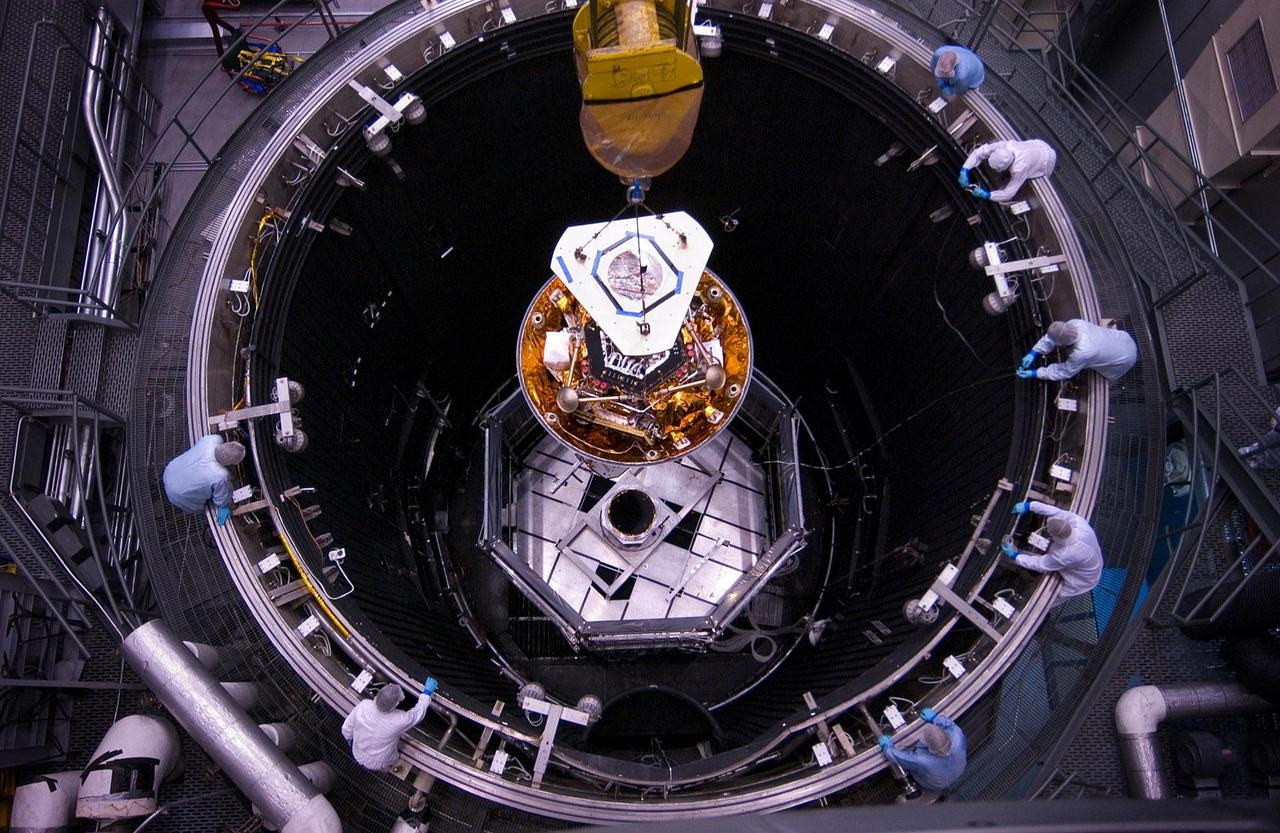
NASA Phoenix Mars Lander was lowered into a thermal vacuum chamber at Lockheed Martin Space Systems, Denver, in December 2006
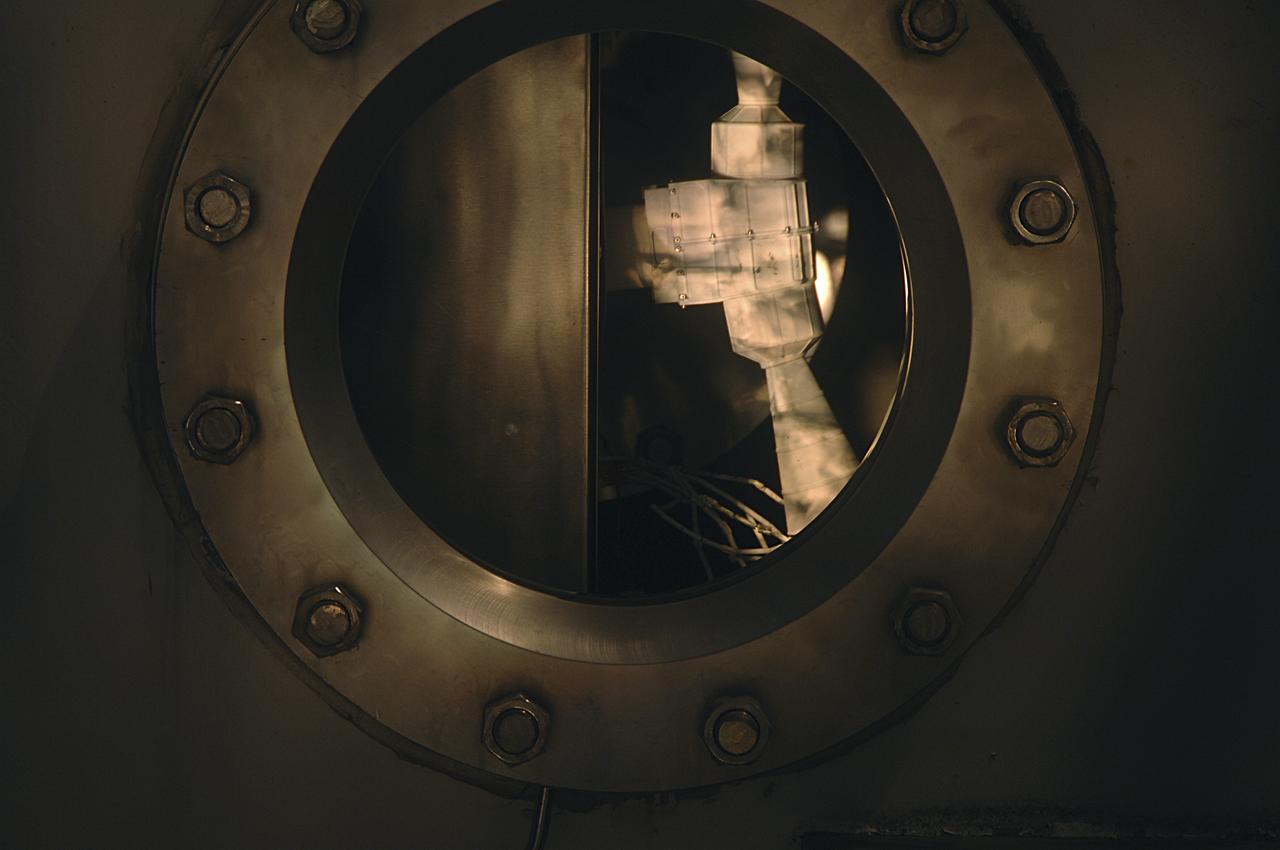
PA084 SOLAR THERMAL PROPULSION, BLDG 4590, STROFIO THERMAL BALANCE TEST, CLOSE UP VIEW OF TEST CHAMBERVIEW
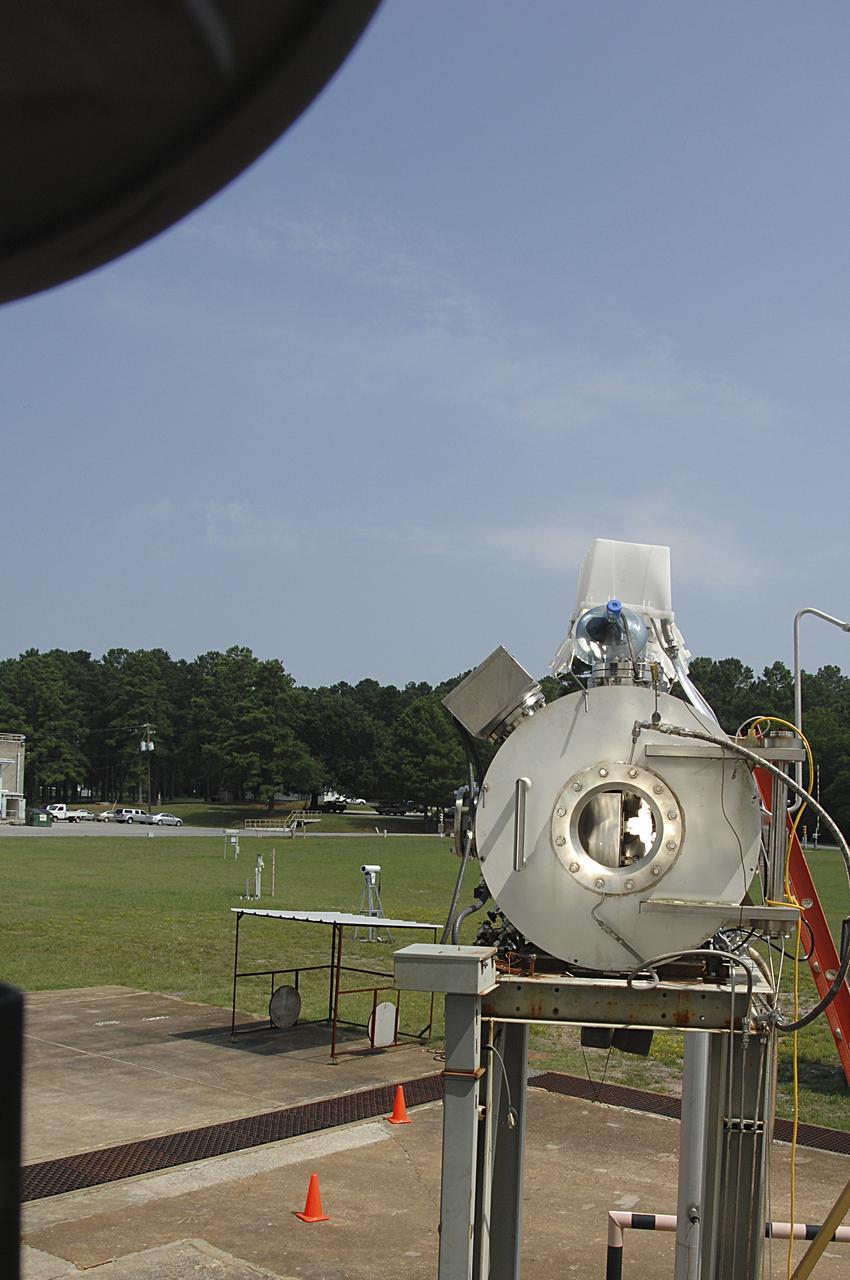
PA084 SOLAR THERMAL PROPULSION BLDG 4590. STROFIO THERMAL BALANCE TEST, OVERALL VIEW OF TEST CHAMBER
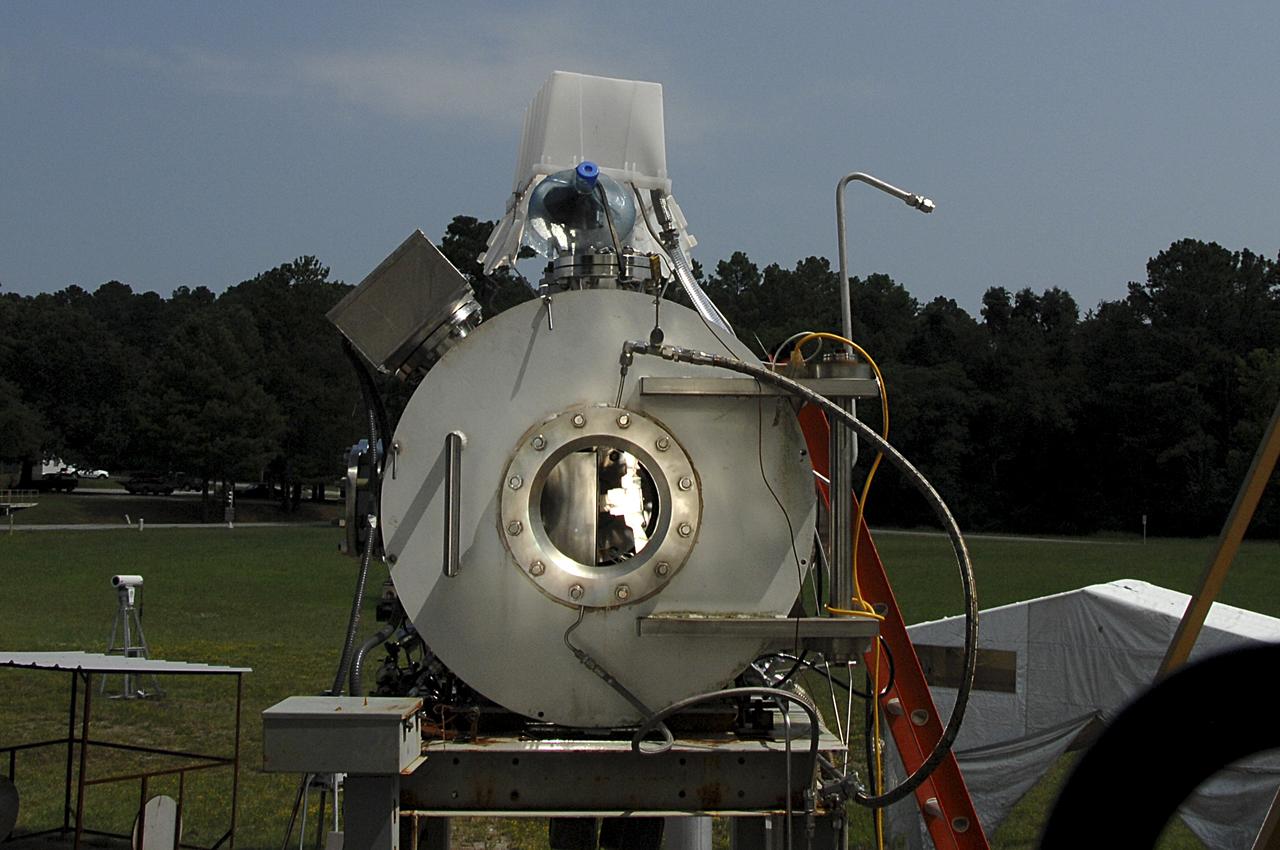
PA084 SOLAR THERMAL PROPULSION BLDG 4590. STROFIO THERMAL BALANCE TEST, CLOSE UP VIEW OF CHAMBER
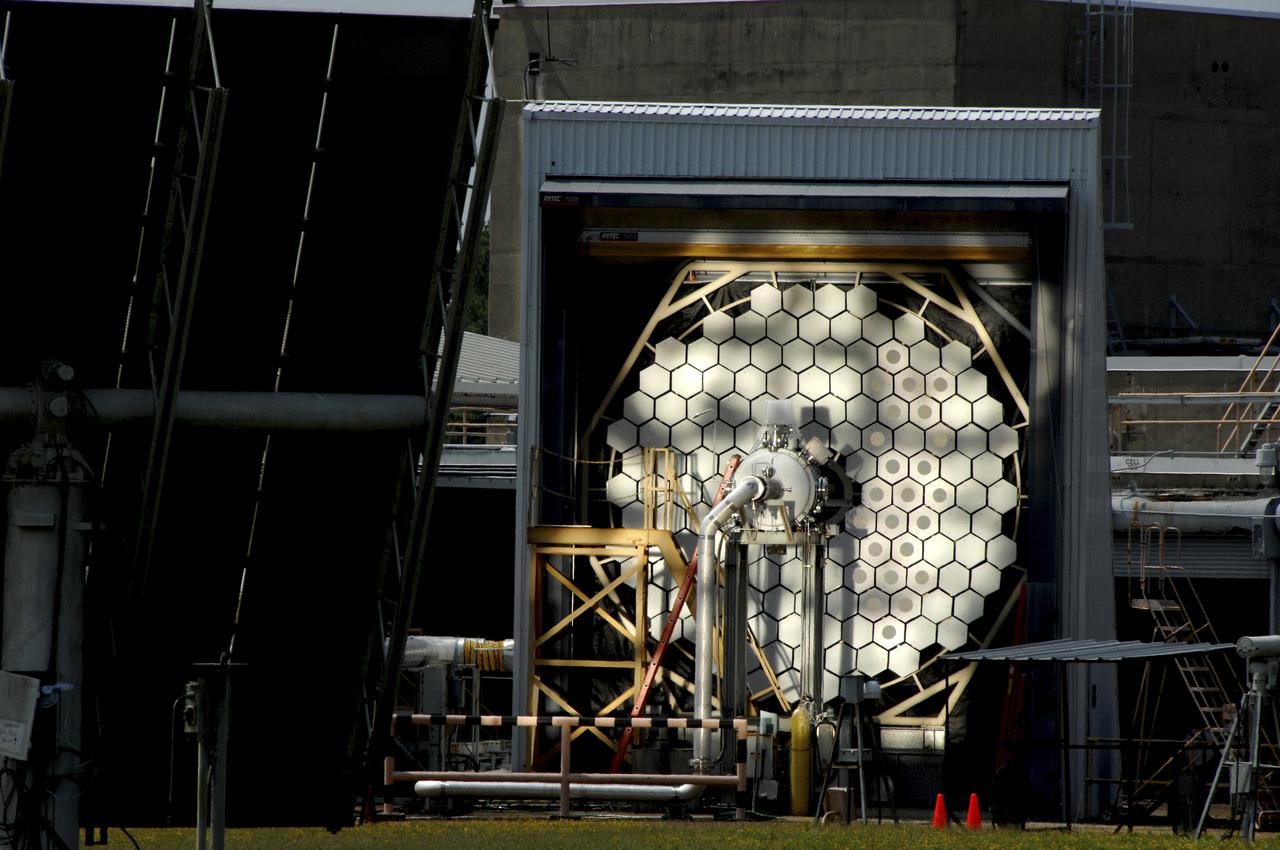
PA084 SOLAR THERMAL PROPULSION BLDG 4590 STROFIO THERMAL BALANCE TEST. OVERALL VIEW
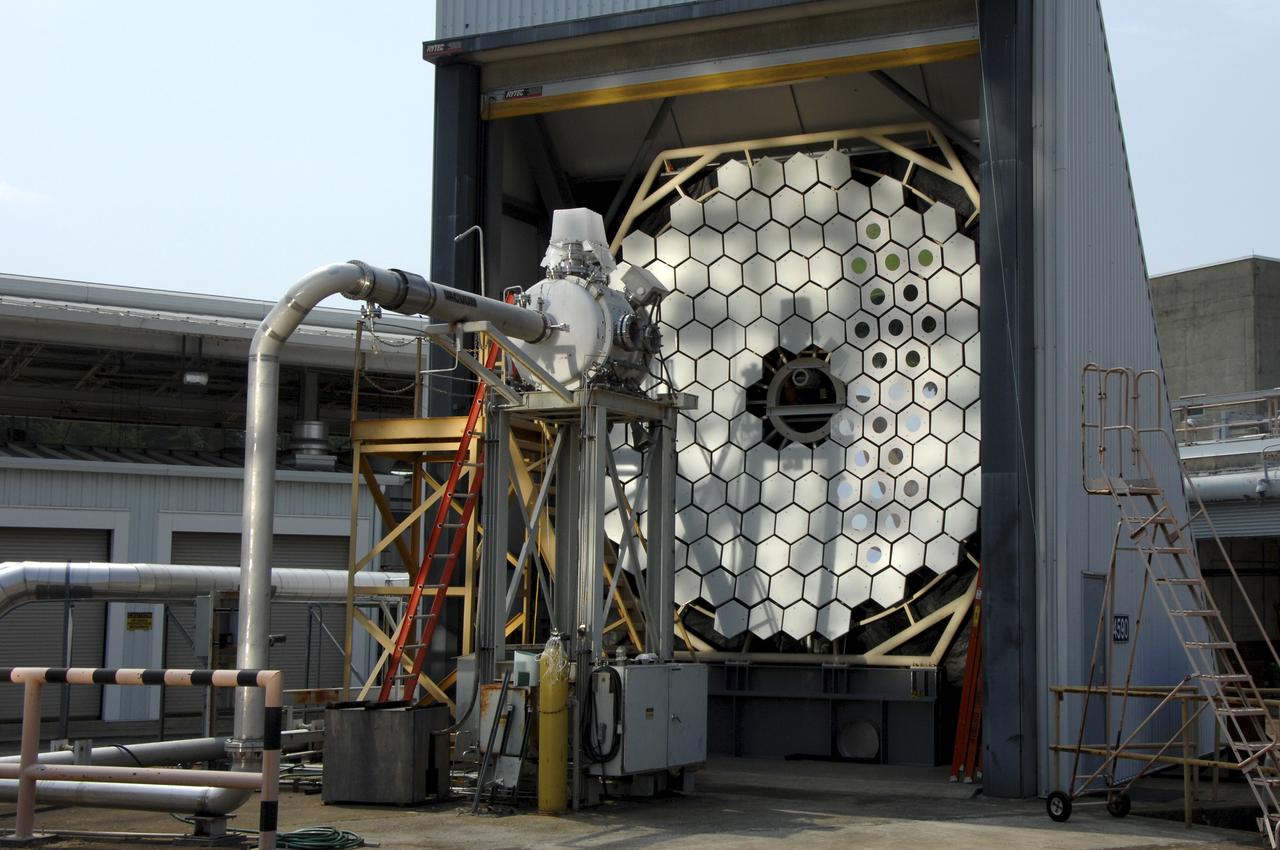
PA084 SOLAR THERMAL PROPULSION, BLDG 4590, STROFIO THERMAL BALANCE TEST, OVERALL VIEW
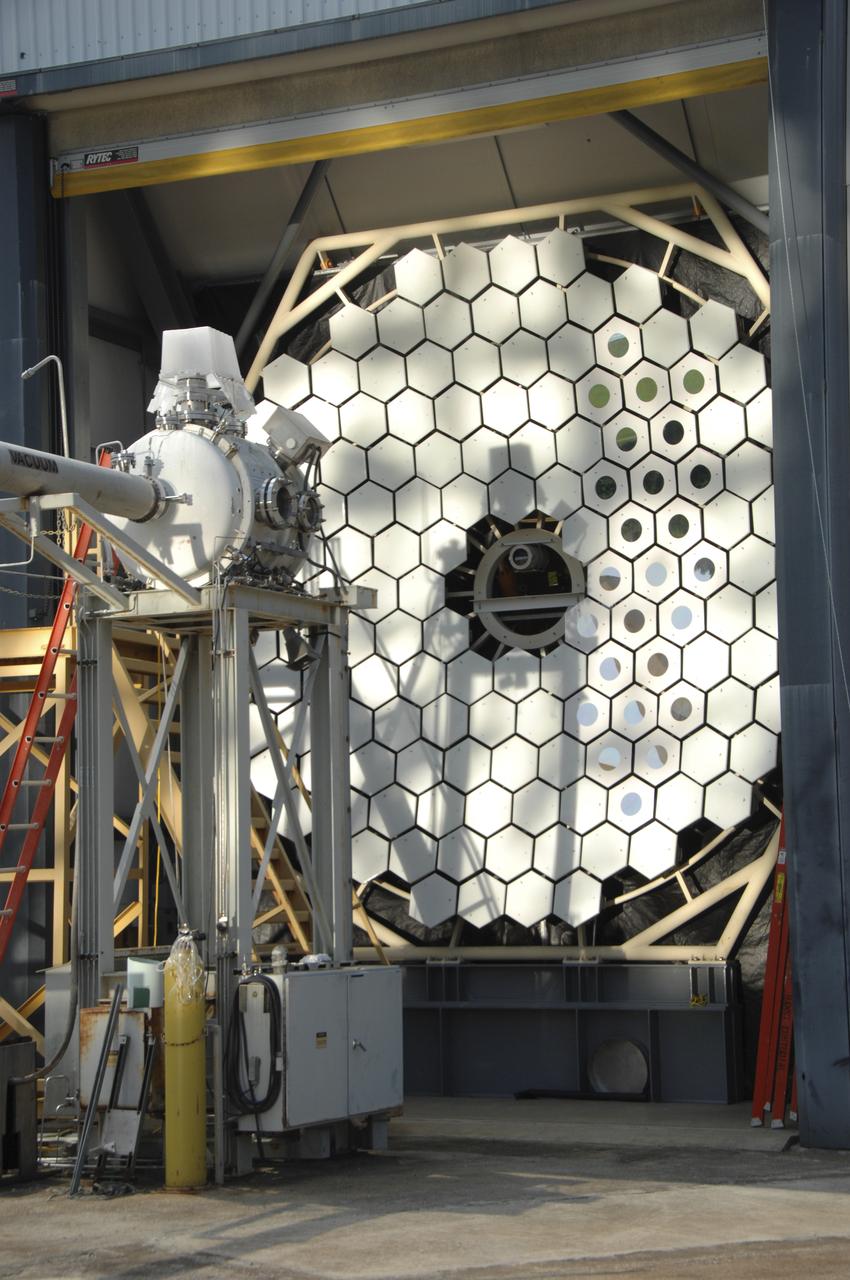
PA084 SOLAR THERMAL PROPULSION BLDG 4590, STROFIO THERMAL BALANCE TEST, OVERALL VIEW
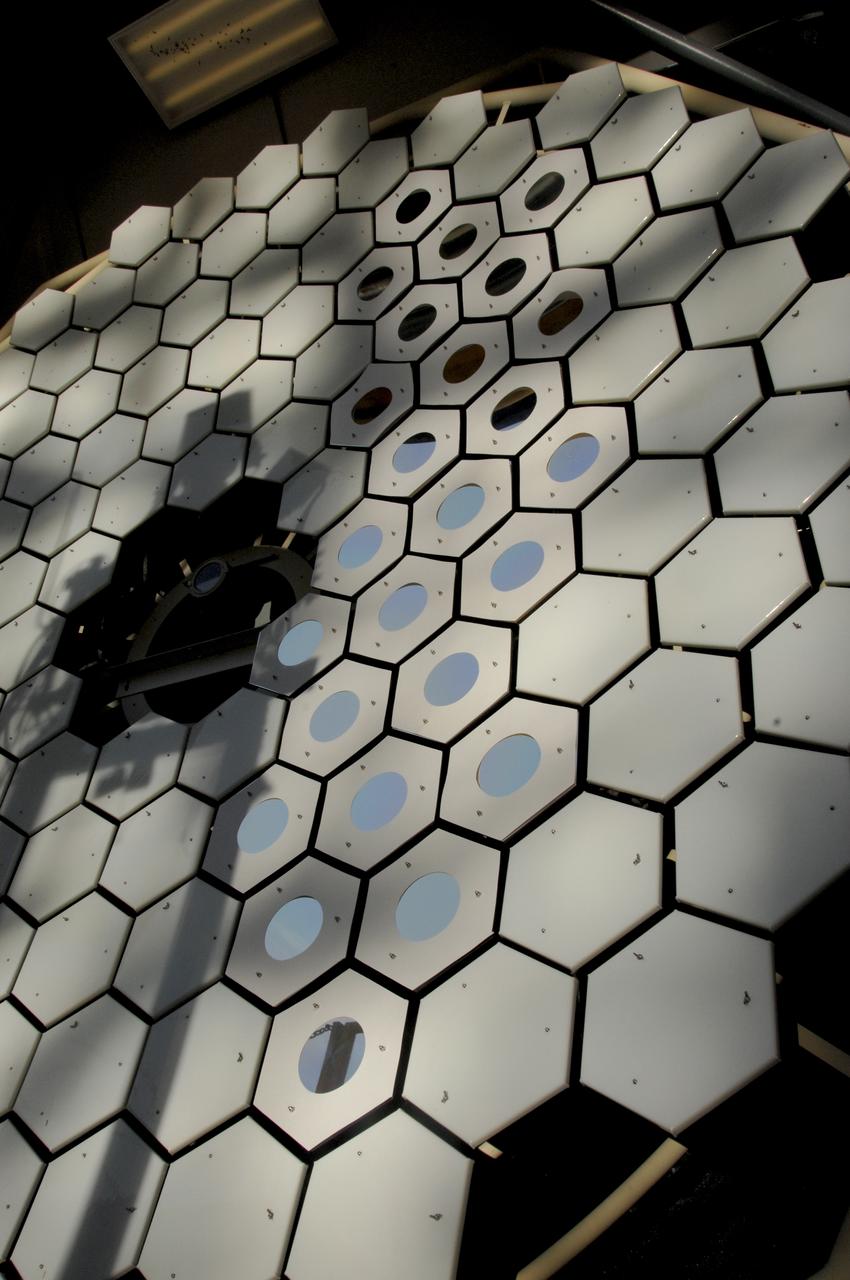
PA084 SOLAR THERMAL PROPULSION. BLDG 4590 STROFIO THERMAL BALANCE TEST, MIRROR VIEW
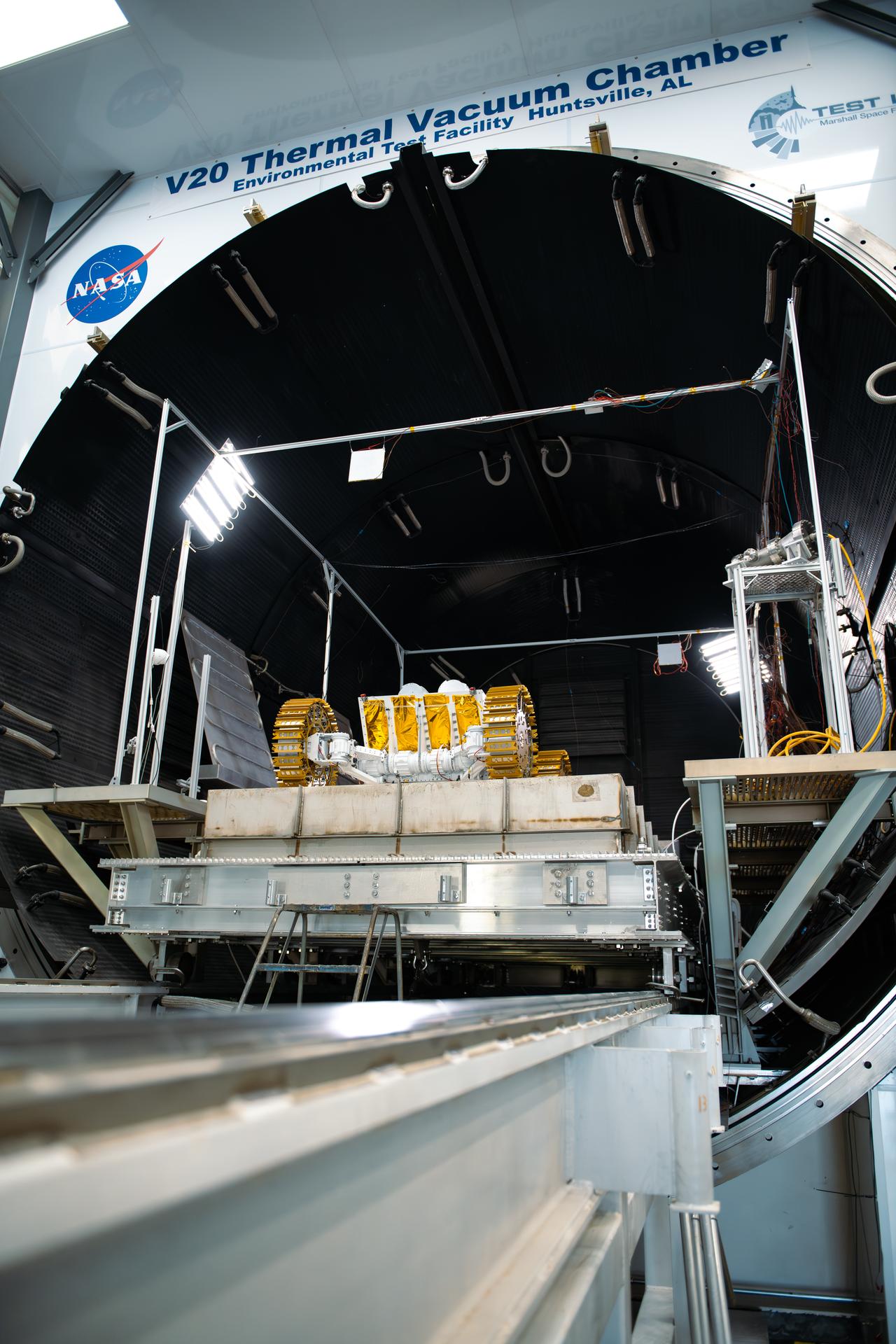
Starpath’s rover sits atop a concrete slab at the mouth of the thermal vacuum chamber, ready to be closed in and commence testing at NASA’s Marshall Space Flight Center in Huntsville, Alabama, on July 30, 2025. The technology startup headquartered in Hawthorne, California, won second place overall at the Break the Ice Lunar Challenge’s live demonstration and finale in June 2024. This competition, one of NASA’s Centennial Challenges, tasked competitors to design, build, and demonstrate robotic technologies that could excavate and transport the icy, rocky dirt – otherwise known as regolith – found on the Moon. Starpath’s visit to NASA Marshall was part of their prize opportunity to test their upgraded lunar regolith excavation and transportation rover in the center’s 20-foot thermal vacuum chamber. For more information, contact NASA Marshall’s Office of Communications at 256-544-0034.
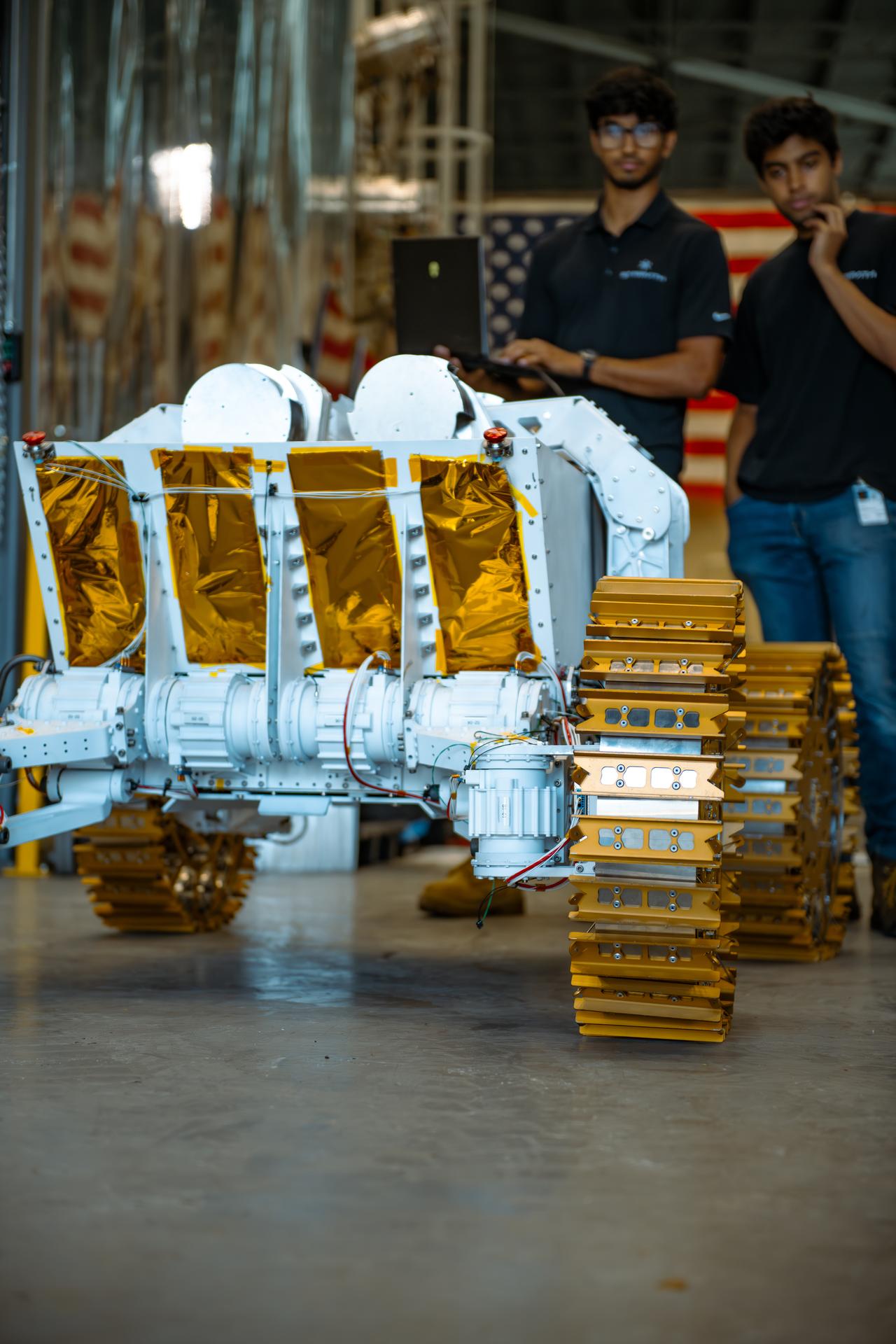
Members of the small business Starpath remotely operate the rover and run data in preparation for its entrance to the V20 Thermal Vacuum Chamber at NASA’s Marshall Space Flight Center in Huntsville, Alabama, on July 30, 2025. The technology startup headquartered in Hawthorne, California, won second place overall at the agency’s Break the Ice Lunar Challenge’s live demonstration and finale in June 2024. Their visit to NASA Marshall was part of their prize opportunity to test their upgraded lunar regolith excavation and transportation rover in the center’s 20-foot thermal vacuum chamber. The competition, one of NASA’s Centennial Challenges, tasked competitors to design, build, and demonstrate robotic technologies that could excavate and transport the icy, rocky dirt – otherwise known as regolith – found on the Moon. For more information, contact NASA Marshall’s Office of Communications at 256-544-0034.
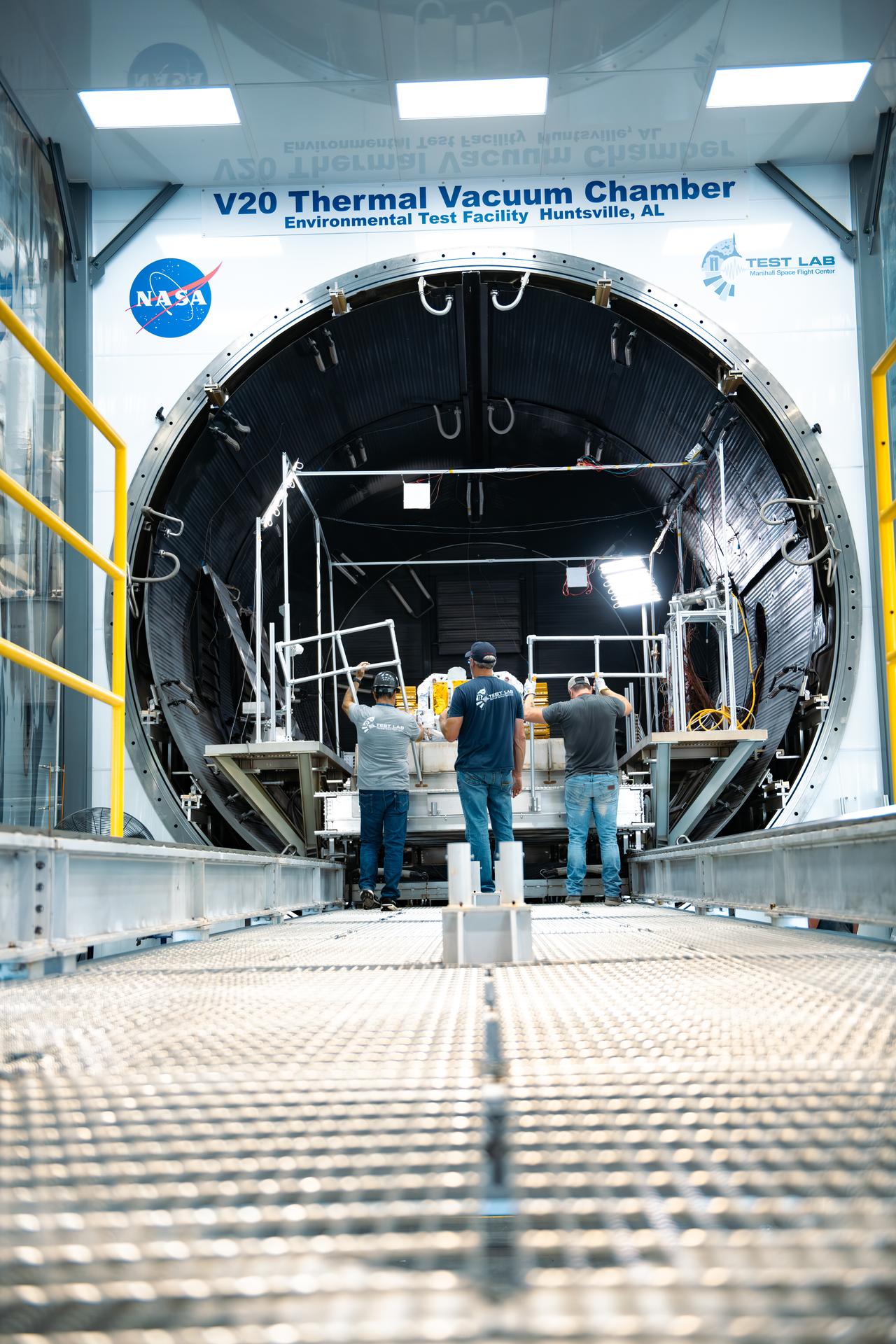
NASA Environmental Test Facility employees at the agency’s Marshall Space Flight Center in Huntsville, Alabama, work with members from the Starpath team to push the sliding platform into the thermal vacuum chamber, with the heavy rover and concrete slab in tow. The technology startup headquartered in Hawthorne, California, won second place overall at the agency’s Break the Ice Lunar Challenge’s live demonstration and finale in June 2024. This competition, one of NASA’s Centennial Challenges, tasked competitors to design, build, and demonstrate robotic technologies that could excavate and transport the icy, rocky dirt – otherwise known as regolith – found on the Moon. Starpath’s visit to NASA Marshall was part of their prize opportunity to test their upgraded lunar regolith excavation and transportation rover in the center’s 20-foot thermal vacuum chamber. For more information, contact NASA Marshall’s Office of Communications at 256-544-0034.
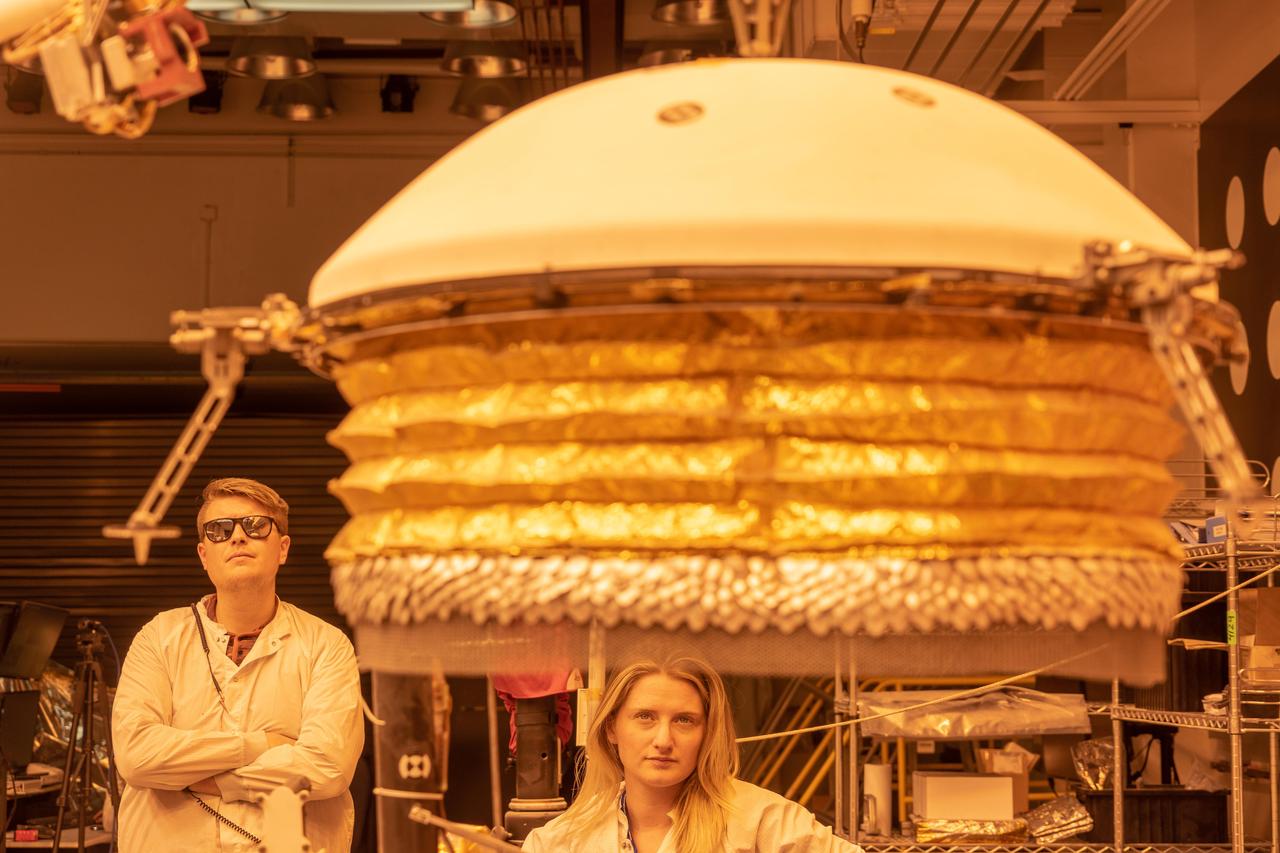
ForeSight, a fully functional, full-size model of NASA's InSight lander, practices deploying a model of the lander's Wind and Thermal Shield while engineers Phil Bailey (left) and Jaime Singer (center) look on. The Wind and Thermal Shield protects InSight's seismometer. This testing was done at NASA's Jet Propulsion Laboratory in Pasadena, California. Bailey is wearing sunglasses to block the bright yellow lights in the test space, which mimic sunlight as it appears on Mars. https://photojournal.jpl.nasa.gov/catalog/PIA22955
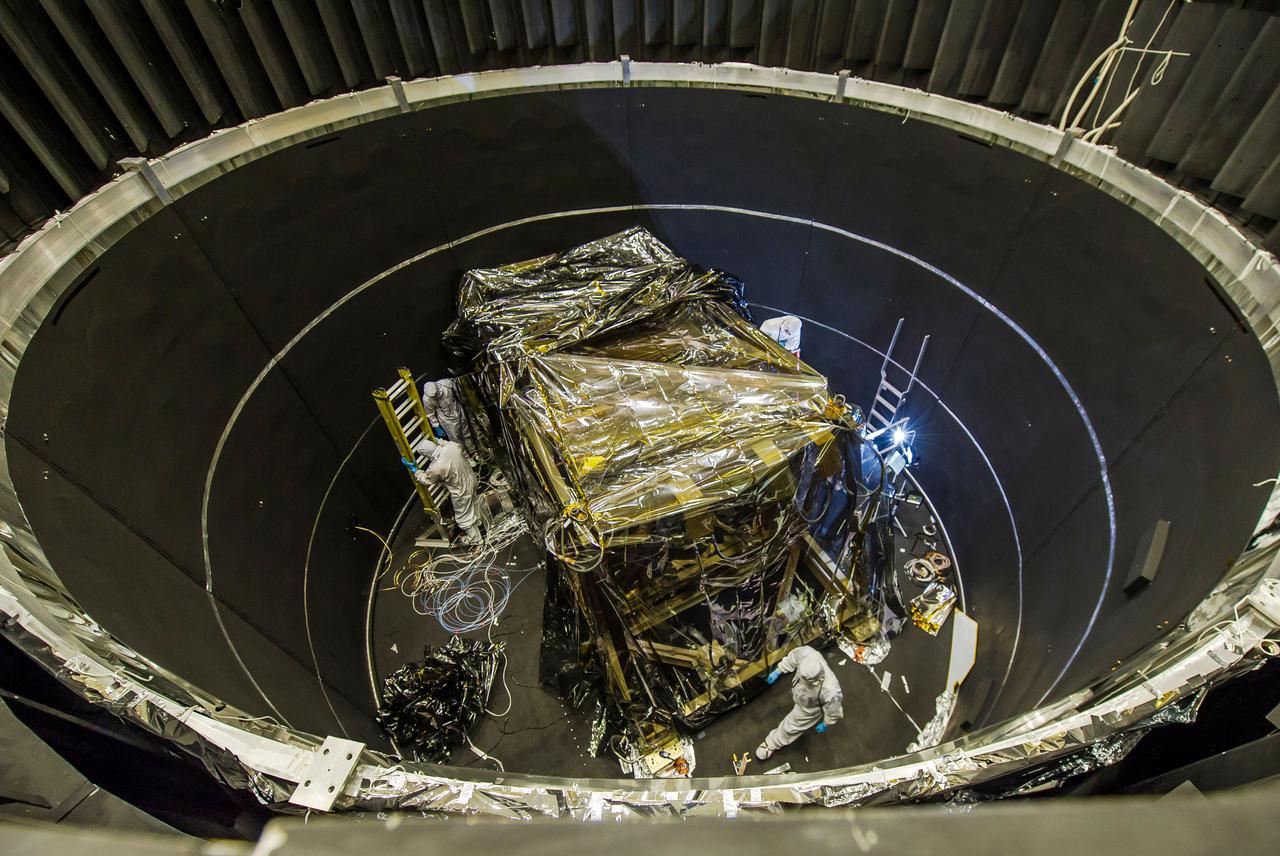
Engineers work with the Integrated Science Instrument Module for the James Webb Space Telescope inside the thermal vacuum chamber at NASA's Goddard Space Flight Center in Greenbelt, Md. The ISIM and the ISIM System Integration Fixture that holds the ISIM Electronics Compartment was recently lifted inside the chamber for its first thermal vacuum test. In this image one of the ISIM's many protective blanket layers is pulled back. The blankets will be removed during testing. Image credit: NASA/Chris Gunn <b><a href="http://www.nasa.gov/audience/formedia/features/MP_Photo_Guidelines.html" rel="nofollow">NASA image use policy.</a></b> <b><a href="http://www.nasa.gov/centers/goddard/home/index.html" rel="nofollow">NASA Goddard Space Flight Center</a></b> enables NASA’s mission through four scientific endeavors: Earth Science, Heliophysics, Solar System Exploration, and Astrophysics. Goddard plays a leading role in NASA’s accomplishments by contributing compelling scientific knowledge to advance the Agency’s mission. <b>Follow us on <a href="http://twitter.com/NASA_GoddardPix" rel="nofollow">Twitter</a></b> <b>Like us on <a href="http://www.facebook.com/pages/Greenbelt-MD/NASA-Goddard/395013845897?ref=tsd" rel="nofollow">Facebook</a></b> <b>Find us on <a href="http://instagram.com/nasagoddard?vm=grid" rel="nofollow">Instagram</a></b>
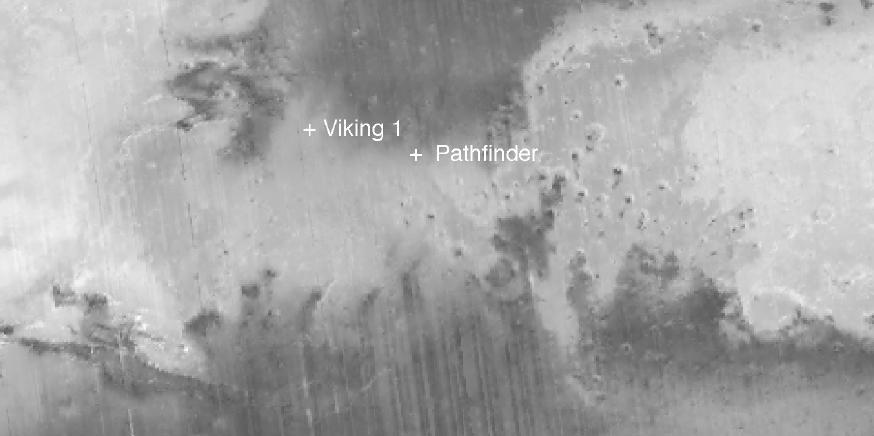
New Views of Mars from the Thermal Emission Spectrometer Instrument
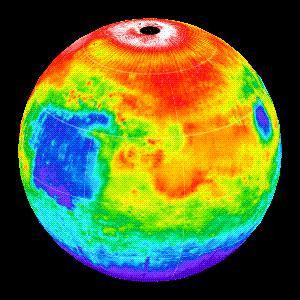
Martian Temperatures Measured by the Thermal Emission Spectrometer TES. Isidis Planitia View
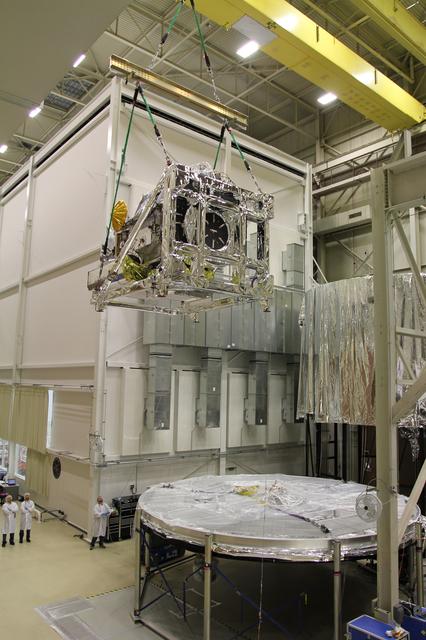
Crane lifting the GPM Core Observatory into position for TVAC testing. Credit: NASA/Goddard The Global Precipitation Measurement (GPM) mission is an international partnership co-led by NASA and the Japan Aerospace Exploration Agency (JAXA) that will provide next-generation global observations of precipitation from space. GPM will study global rain, snow and ice to better understand our climate, weather, and hydrometeorological processes. As of Novermber 2013 the GPM Core Observatory is in the final stages of testing at NASA Goddard Space Flight Center. The satellite will be flown to Japan in the fall of 2013 and launched into orbit on an HII-A rocket in early 2014. For more on the GPM mission, visit <a href="http://gpm.gsfc.nasa.gov/" rel="nofollow">gpm.gsfc.nasa.gov/</a>. <b><a href="http://www.nasa.gov/audience/formedia/features/MP_Photo_Guidelines.html" rel="nofollow">NASA image use policy.</a></b> <b><a href="http://www.nasa.gov/centers/goddard/home/index.html" rel="nofollow">NASA Goddard Space Flight Center</a></b> enables NASA’s mission through four scientific endeavors: Earth Science, Heliophysics, Solar System Exploration, and Astrophysics. Goddard plays a leading role in NASA’s accomplishments by contributing compelling scientific knowledge to advance the Agency’s mission. <b>Follow us on <a href="http://twitter.com/NASA_GoddardPix" rel="nofollow">Twitter</a></b> <b>Like us on <a href="http://www.facebook.com/pages/Greenbelt-MD/NASA-Goddard/395013845897?ref=tsd" rel="nofollow">Facebook</a></b> <b>Find us on <a href="http://instagram.com/nasagoddard?vm=grid" rel="nofollow">Instagram</a></b>
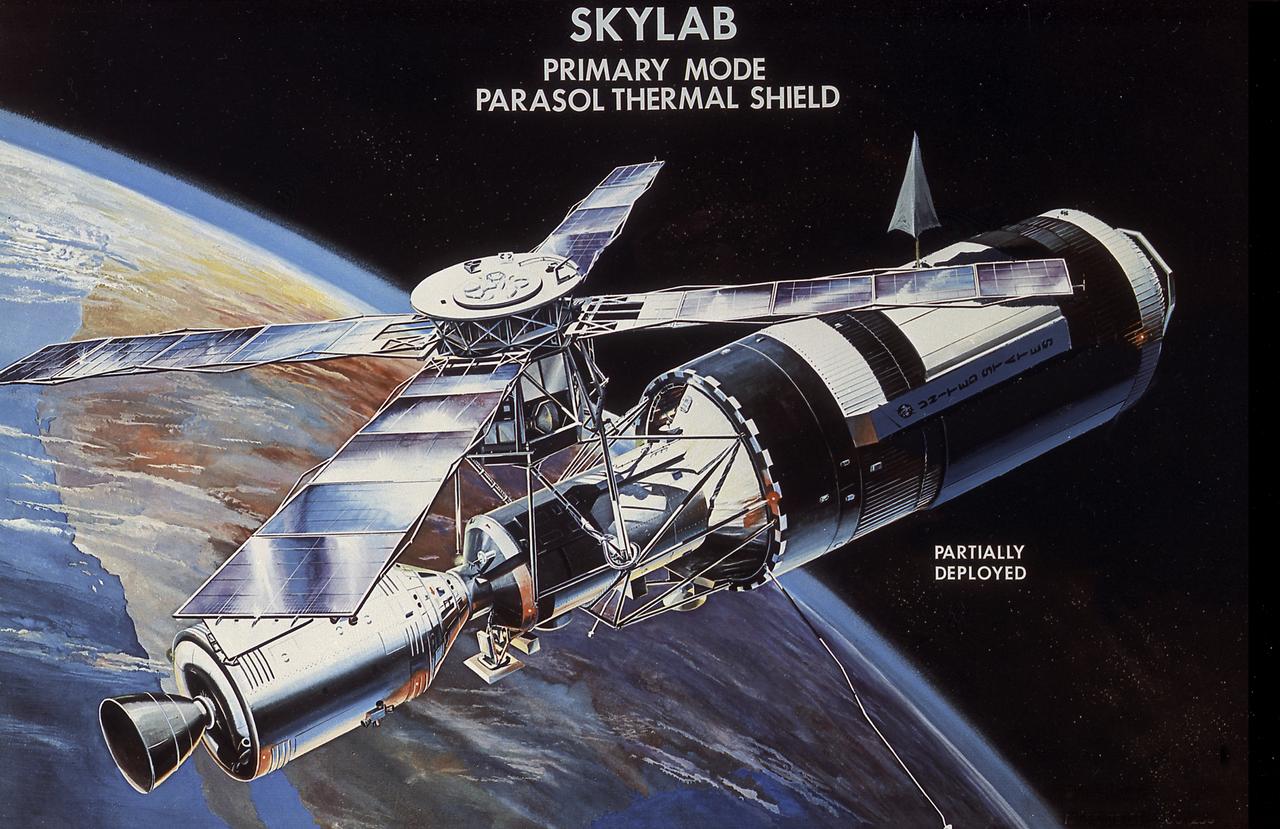
This image illustrates the deployment of the Skylab parasol thermal shield. Skylab lost its thermal protection shield during its launch on May 14, 1973. The Skylab-2 crew deployed a parasol thermal shield to protect the workshop from overheating. The crew attached the canister containing the parasol to the scientific airlock and extended the folded shield through the opening and into space. Slowly, the struts extended and the sunshade took shape and was in place over the workshop's outer surface. This illustration shows the parasol at partial extension. Emergency procedures to repair and salvage the damaged Skylab were a joint effort of the Marshall Space Flight Center, other NASA centers, and contractors.
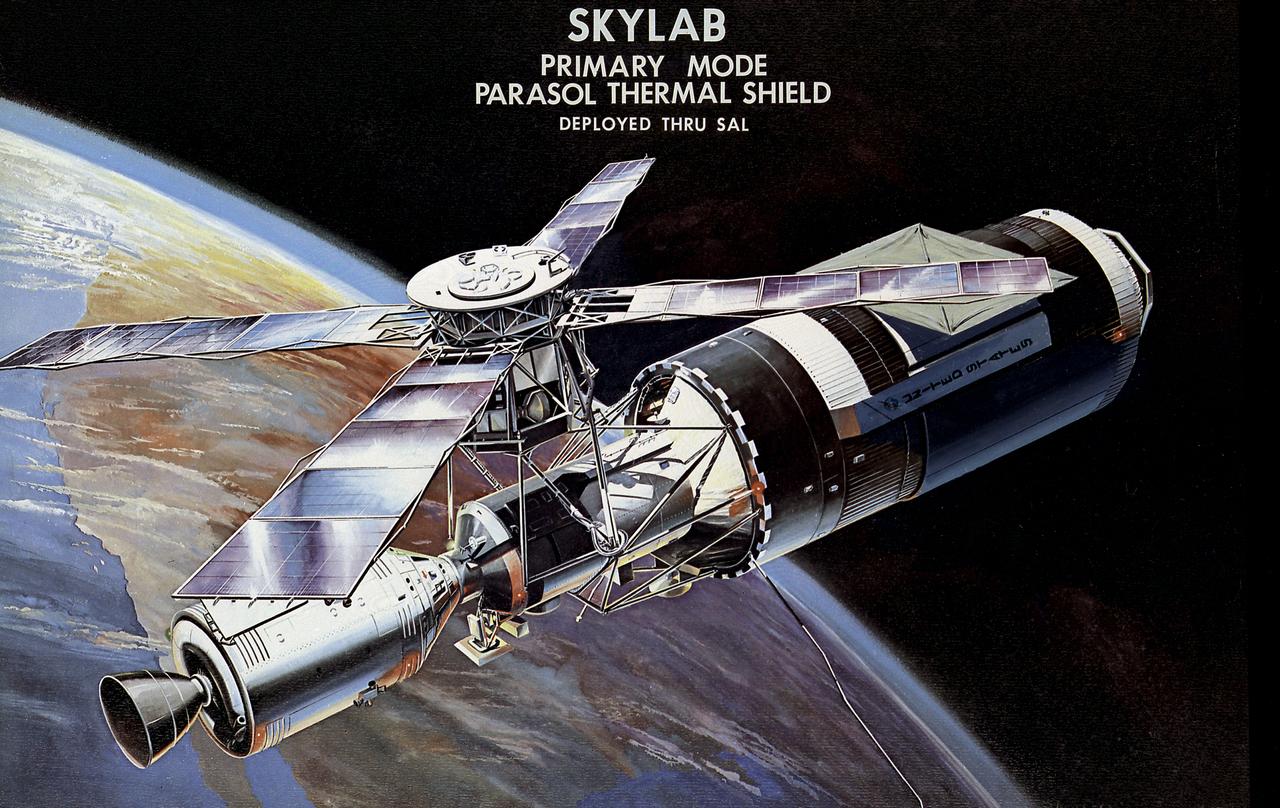
This image illustrates the deployment of the Skylab parasol thermal shield. Skylab lost its thermal protection shield during its launch on May 14, 1973. The Skylab-2 crew deployed a parasol thermal shield to protect the workshop from overheating. The crew attached the canister containing the parasol to the scientific airlock and extended the folded shield through the opening and into space. Slowly, the struts extended, the sunshade took shape, and was in place over the workshop's outer surface. This illustration shows the parasol being fully deployed and retracted for service. Emergency procedures to repair and salvage the damaged Skylab were a joint effort of the Marshall Space Flight Center, other NASA centers, and contractors.