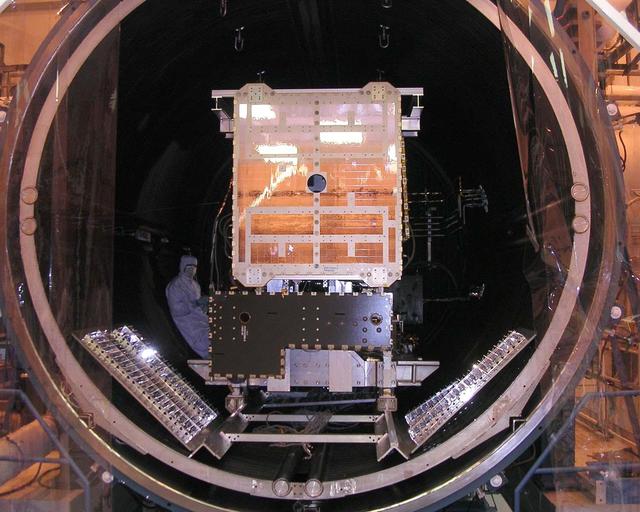
NASA Dawn spacecraft in thermal vacuum chamber.
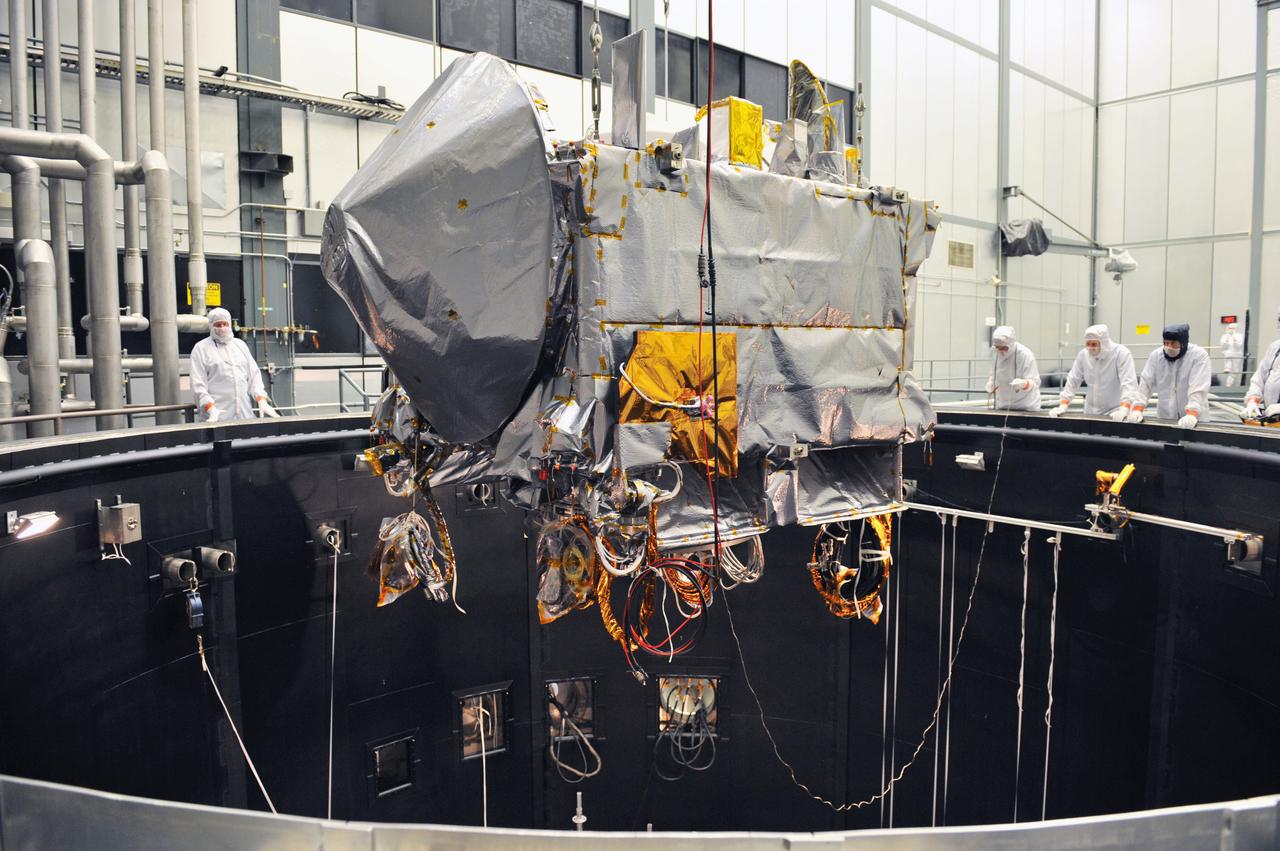
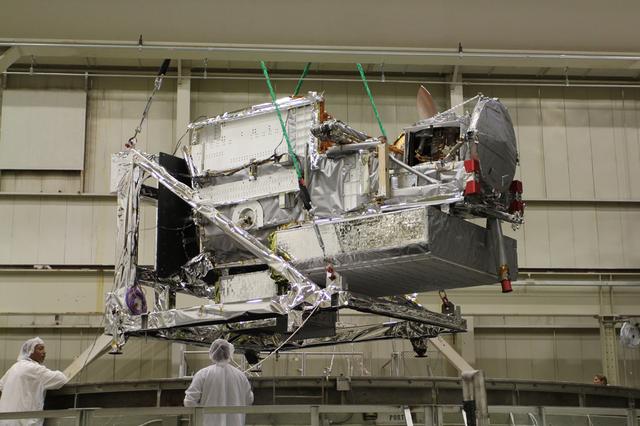
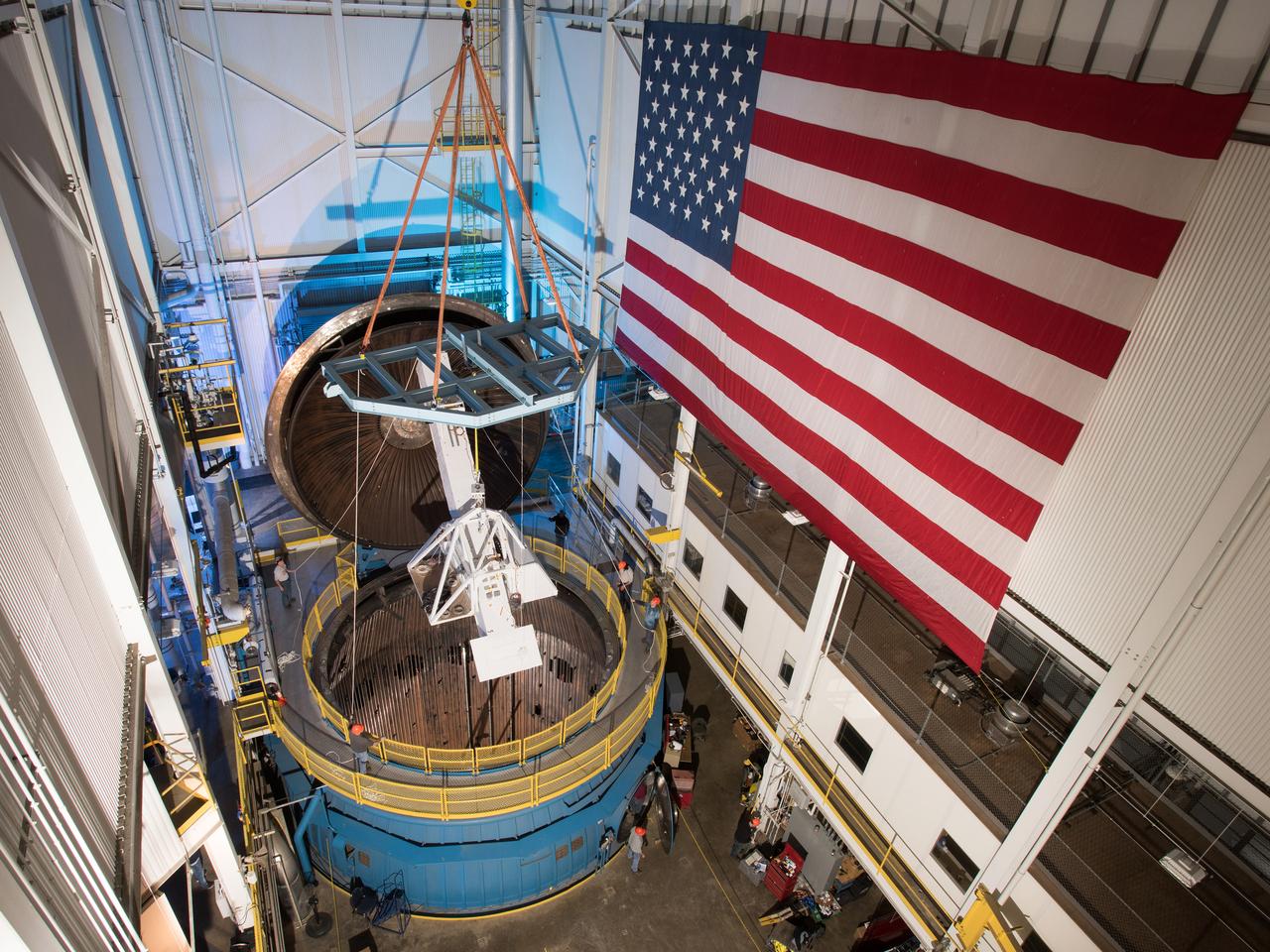
The OSIRIS-REx spacecraft being lifted into the thermal vacuum chamber at Lockheed Martin for environmental testing. Credits: Lockheed Martin Read more: <a href="http://www.nasa.gov/feature/goddard/2016/osiris-rex-in-thermal-vac" rel="nofollow">www.nasa.gov/feature/goddard/2016/osiris-rex-in-thermal-vac</a>
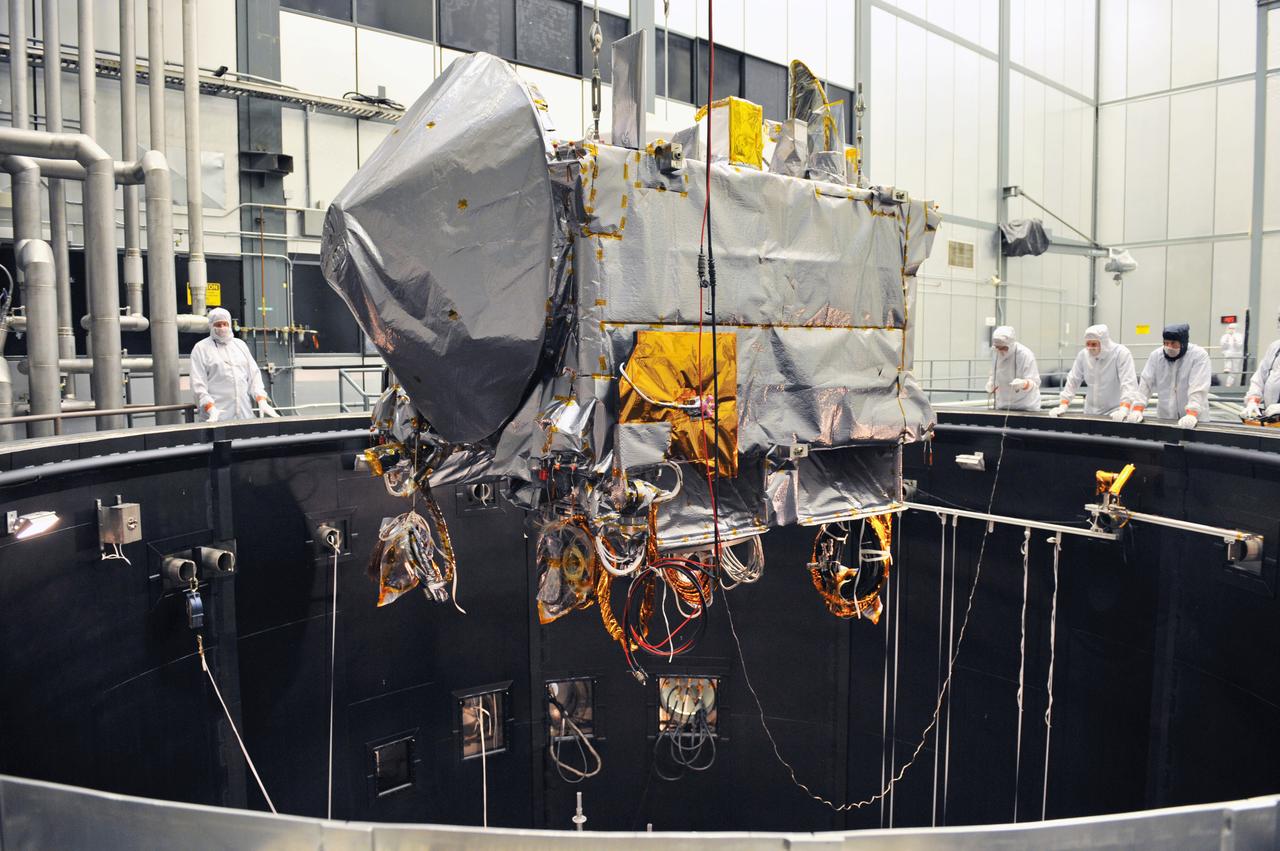
The OSIRIS-REx spacecraft being lifted into the thermal vacuum chamber at Lockheed Martin for environmental testing.
In March, NOAA's Geostationary Operational Environmental Satellite-S (GOES-S) satellite was lifted into a thermal vacuum chamber to test its ability to function in the cold void of space in its orbit 22,300 miles above the Earth. The most complicated and challenging test is thermal vacuum where a satellite experiences four cycles of extreme cold to extreme heat in a giant vacuum chamber. To simulate the environment of space, the chamber is cooled to below minus 100 degrees Celsius or minus 148 degrees Fahrenheit and air is pumped out. The test simulates the temperature changes GOES-S will encounter in space, as well as worst case scenarios of whether the instruments can come back to life in case of a shut down that exposes them to even colder temperatures. In this photo from March 8, the GOES-S satellite was lowered into the giant vacuum chamber at Lockheed Martin Space Systems, Denver, Colorado. GOES-S will be in the thermal vacuum chamber for 45 days. As of March 30, two of four thermal cycles were complete. GOES-S is the second in the GOES-R series. The GOES-R program is a collaborative development and acquisition effort between the National Oceanic and Atmospheric Administration and NASA. The GOES-R series of satellites will help meteorologists observe and predict local weather events, including thunderstorms, tornadoes, fog, flash floods, and other severe weather. In addition, GOES-R will monitor hazards such as aerosols, dust storms, volcanic eruptions, and forest fires and will also be used for space weather, oceanography, climate monitoring, in-situ data collection, and for search and rescue. Credit: Lockheed Martin <b><a href="http://www.nasa.gov/audience/formedia/features/MP_Photo_Guidelines.html" rel="nofollow">NASA image use policy.</a></b> <b><a href="http://www.nasa.gov/centers/goddard/home/index.html" rel="nofollow">NASA Goddard Space Flight Center</a></b> enables NASA’s mission through four scientific endeavors: Earth Science, Heliophysics, Solar System Exploration, and Astrophysics. Goddard plays a leading role in NASA’s accomplishments by contributing compelling scientific knowledge to advance the Agency’s mission. <b>Follow us on <a href="http://twitter.com/NASAGoddardPix" rel="nofollow">Twitter</a></b> <b>Like us on <a href="http://www.facebook.com/pages/Greenbelt-MD/NASA-Goddard/395013845897?ref=tsd" rel="nofollow">Facebook</a></b> <b>Find us on <a href="http://instagrid.me/nasagoddard/?vm=grid" rel="nofollow">Instagram</a></b>
Engineers guiding the GPM Core Observatory into the thermal vacuum chamber. Credit: NASA/Goddard The Global Precipitation Measurement (GPM) mission is an international partnership co-led by NASA and the Japan Aerospace Exploration Agency (JAXA) that will provide next-generation global observations of precipitation from space. GPM will study global rain, snow and ice to better understand our climate, weather, and hydrometeorological processes. As of Novermber 2013 the GPM Core Observatory is in the final stages of testing at NASA Goddard Space Flight Center. The satellite will be flown to Japan in the fall of 2013 and launched into orbit on an HII-A rocket in early 2014. For more on the GPM mission, visit <a href="http://gpm.gsfc.nasa.gov/" rel="nofollow">gpm.gsfc.nasa.gov/</a>. <b><a href="http://www.nasa.gov/audience/formedia/features/MP_Photo_Guidelines.html" rel="nofollow">NASA image use policy.</a></b> <b><a href="http://www.nasa.gov/centers/goddard/home/index.html" rel="nofollow">NASA Goddard Space Flight Center</a></b> enables NASA’s mission through four scientific endeavors: Earth Science, Heliophysics, Solar System Exploration, and Astrophysics. Goddard plays a leading role in NASA’s accomplishments by contributing compelling scientific knowledge to advance the Agency’s mission. <b>Follow us on <a href="http://twitter.com/NASA_GoddardPix" rel="nofollow">Twitter</a></b> <b>Like us on <a href="http://www.facebook.com/pages/Greenbelt-MD/NASA-Goddard/395013845897?ref=tsd" rel="nofollow">Facebook</a></b> <b>Find us on <a href="http://instagram.com/nasagoddard?vm=grid" rel="nofollow">Instagram</a></b>
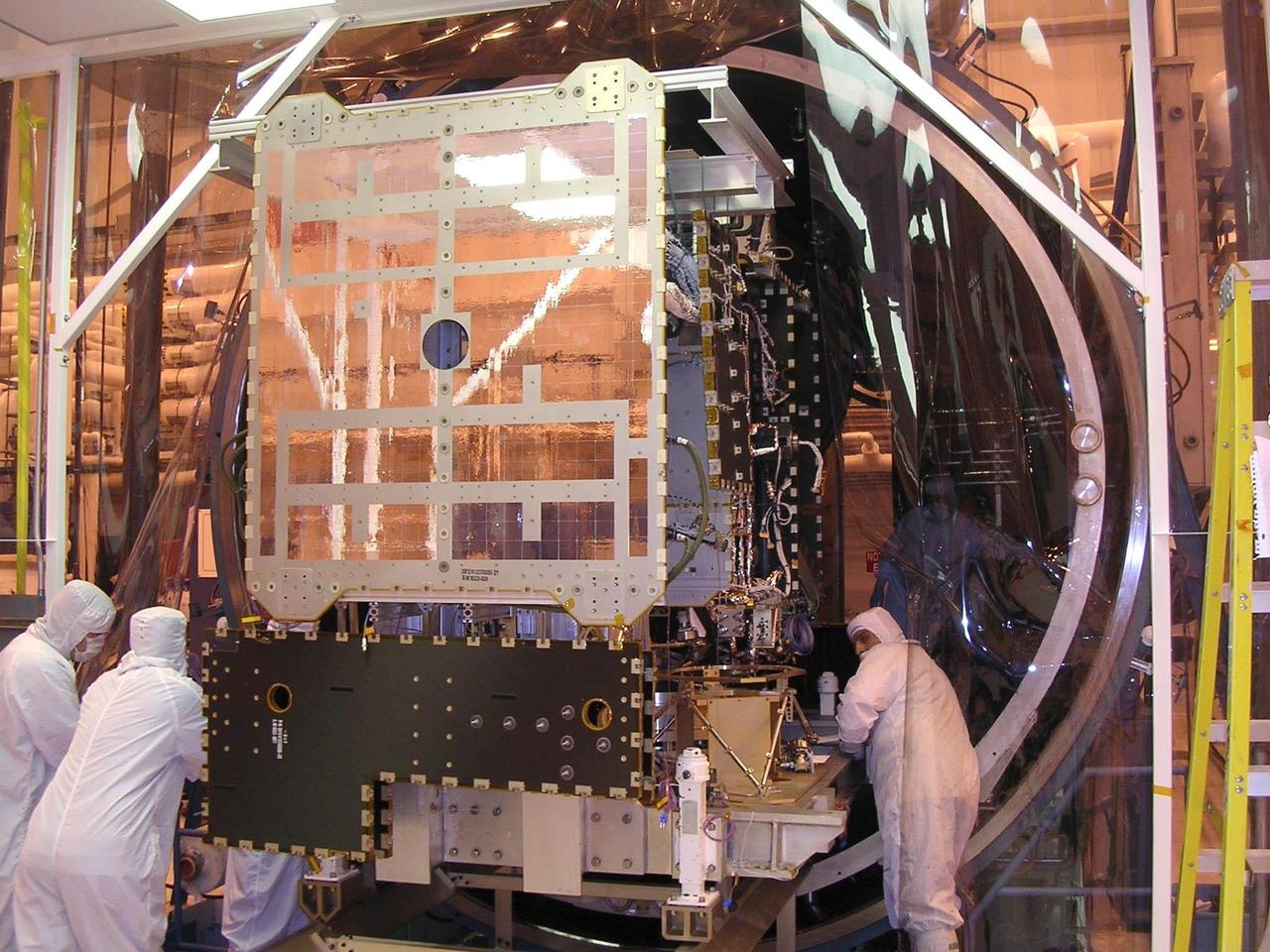
NASA Dawn spacecraft being moved into thermal vacuum chamber for bake-out.
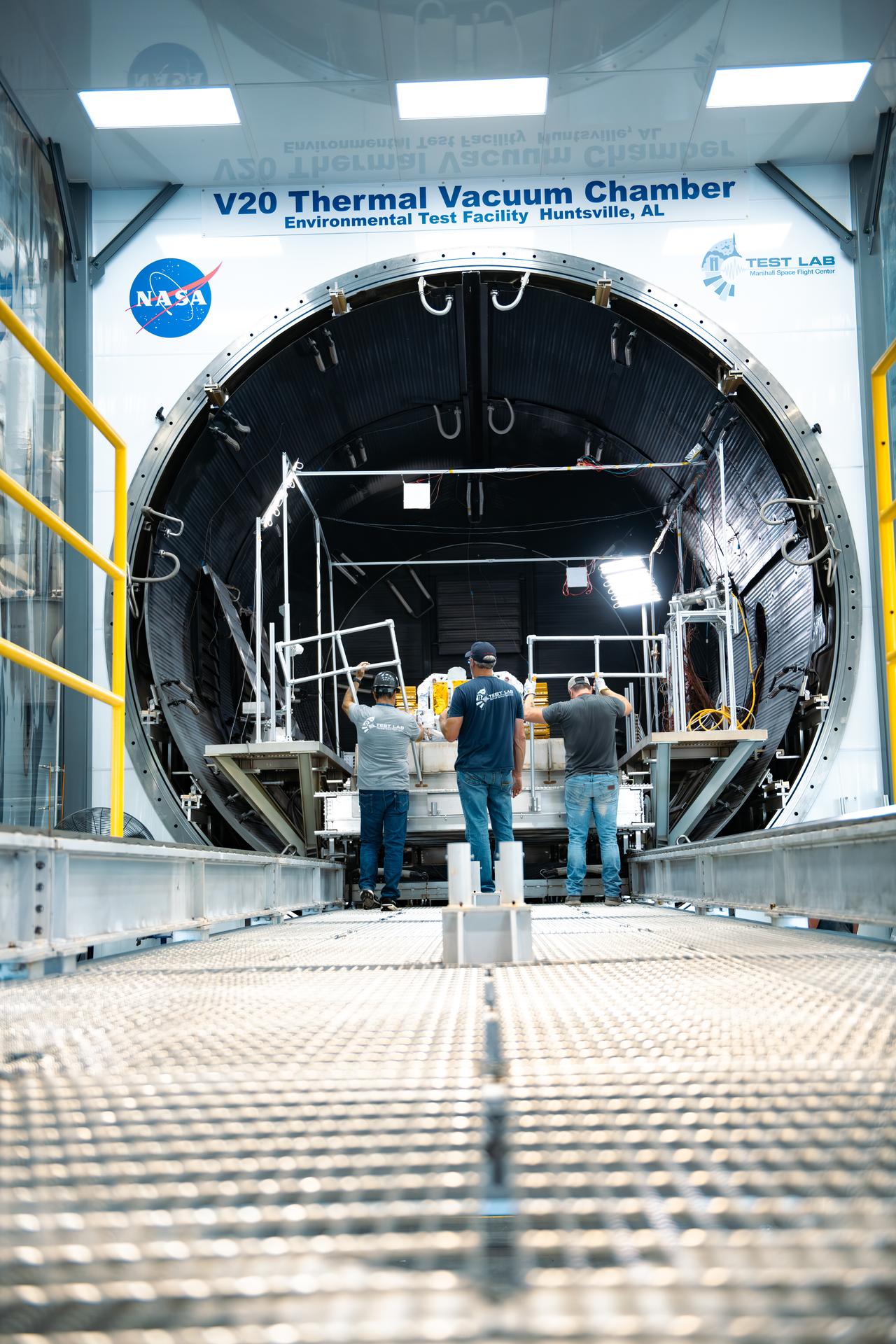
NASA Environmental Test Facility employees at the agency’s Marshall Space Flight Center in Huntsville, Alabama, work with members from the Starpath team to push the sliding platform into the thermal vacuum chamber, with the heavy rover and concrete slab in tow. The technology startup headquartered in Hawthorne, California, won second place overall at the agency’s Break the Ice Lunar Challenge’s live demonstration and finale in June 2024. This competition, one of NASA’s Centennial Challenges, tasked competitors to design, build, and demonstrate robotic technologies that could excavate and transport the icy, rocky dirt – otherwise known as regolith – found on the Moon. Starpath’s visit to NASA Marshall was part of their prize opportunity to test their upgraded lunar regolith excavation and transportation rover in the center’s 20-foot thermal vacuum chamber. For more information, contact NASA Marshall’s Office of Communications at 256-544-0034.
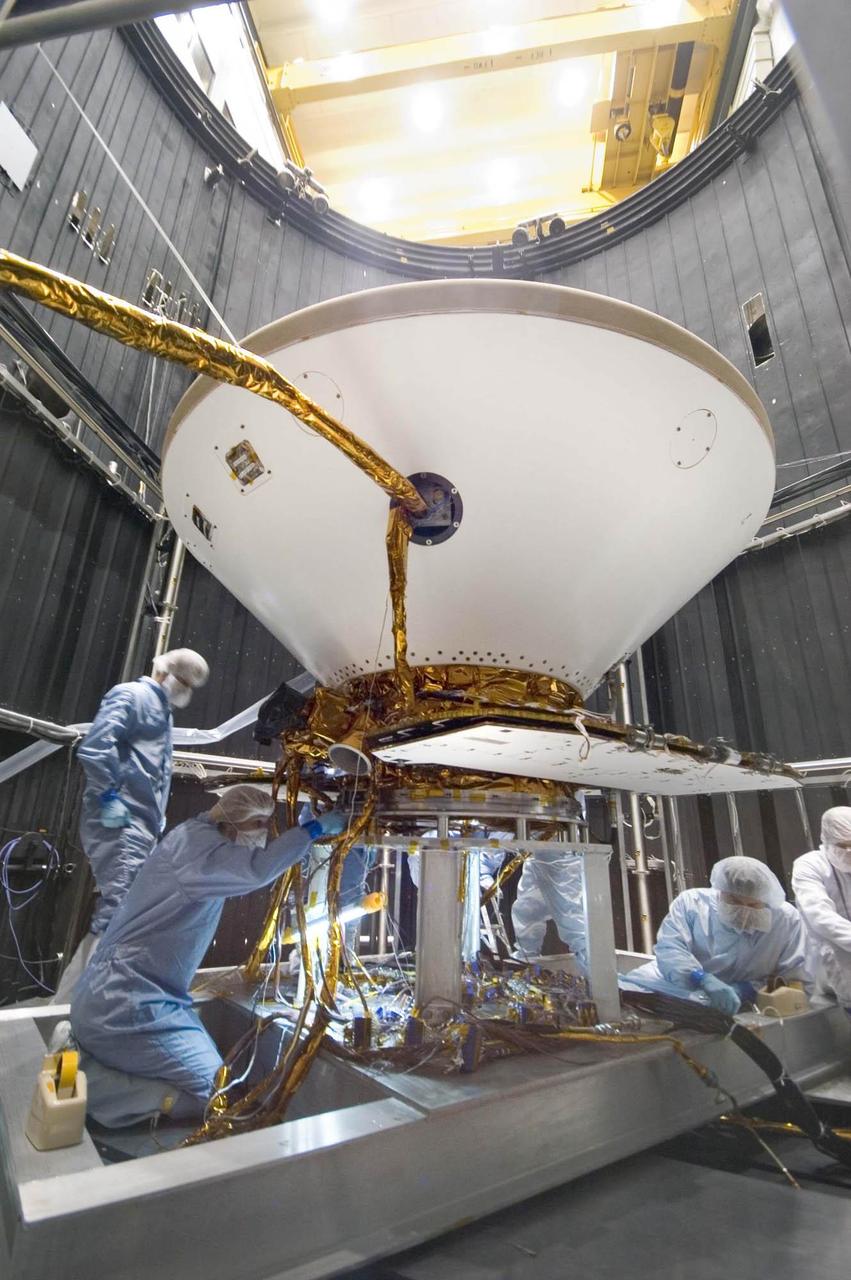
Inside a thermal vacuum at Lockheed Martin Space Systems, Denver, technicians prepared NASA Phoenix Mars Lander for environmental testing
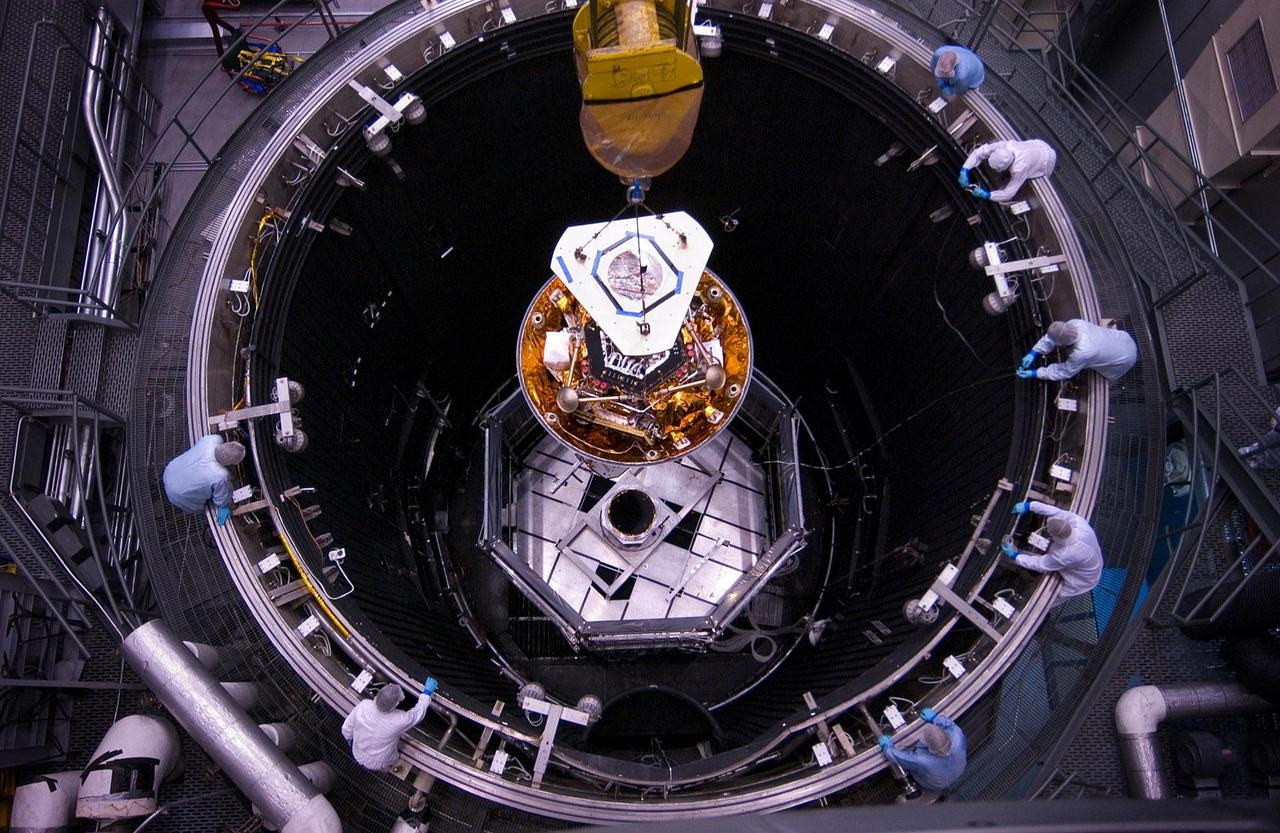
NASA Phoenix Mars Lander was lowered into a thermal vacuum chamber at Lockheed Martin Space Systems, Denver, in December 2006

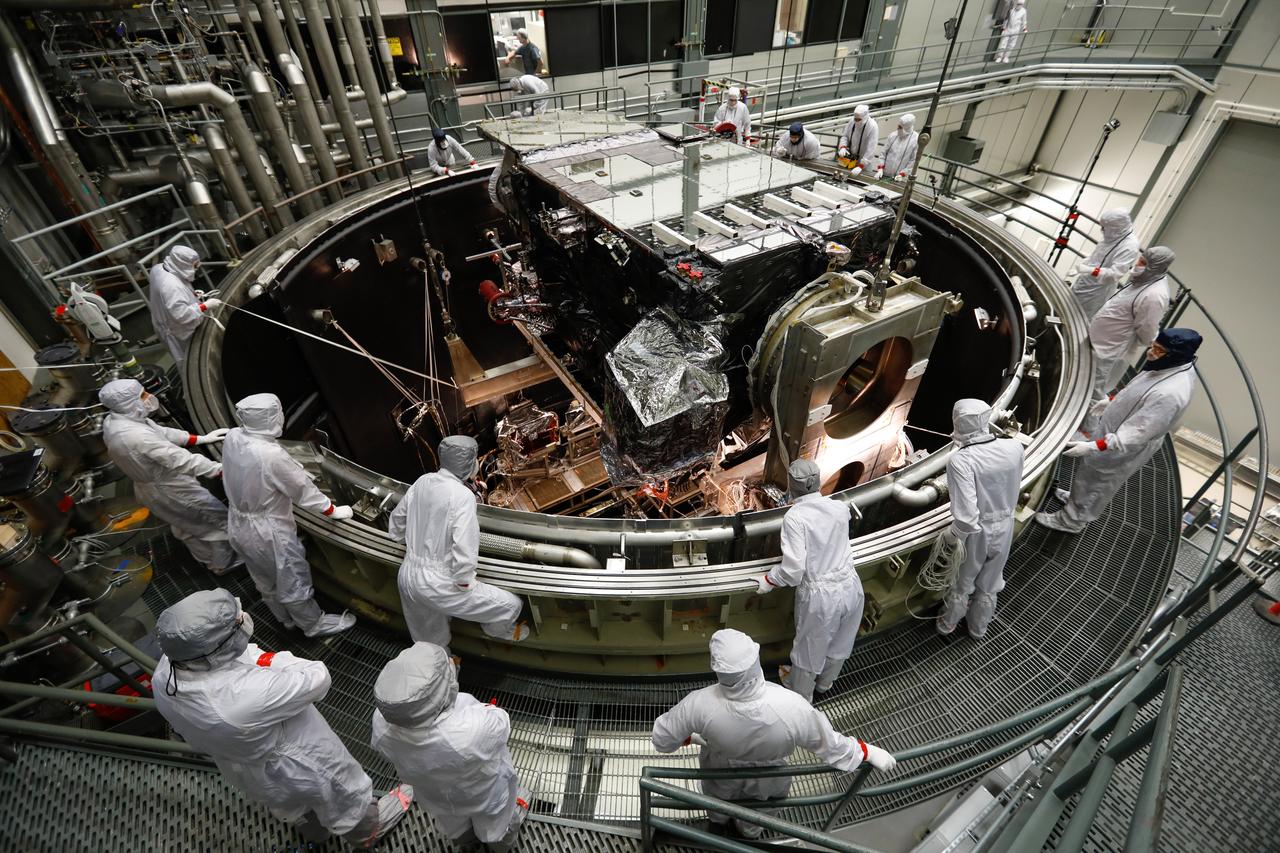
An overhead glimpse inside the thermal vacuum chamber at NASA's Goddard Space Flight Center in Greenbelt, Md., as engineers ready the James Webb Space Telescope's Integrated Science Instrument Module, just lowered into the chamber for its first thermal vacuum test. The ISIM and the ISIM System Integration Fixture that holds the ISIM Electronics Compartment is completely covered in protective blankets to shield it from contamination. Image credit: NASA/Chris Gunn <b><a href="http://www.nasa.gov/audience/formedia/features/MP_Photo_Guidelines.html" rel="nofollow">NASA image use policy.</a></b> <b><a href="http://www.nasa.gov/centers/goddard/home/index.html" rel="nofollow">NASA Goddard Space Flight Center</a></b> enables NASA’s mission through four scientific endeavors: Earth Science, Heliophysics, Solar System Exploration, and Astrophysics. Goddard plays a leading role in NASA’s accomplishments by contributing compelling scientific knowledge to advance the Agency’s mission. <b>Follow us on <a href="http://twitter.com/NASA_GoddardPix" rel="nofollow">Twitter</a></b> <b>Like us on <a href="http://www.facebook.com/pages/Greenbelt-MD/NASA-Goddard/395013845897?ref=tsd" rel="nofollow">Facebook</a></b> <b>Find us on <a href="http://instagram.com/nasagoddard?vm=grid" rel="nofollow">Instagram</a></b>
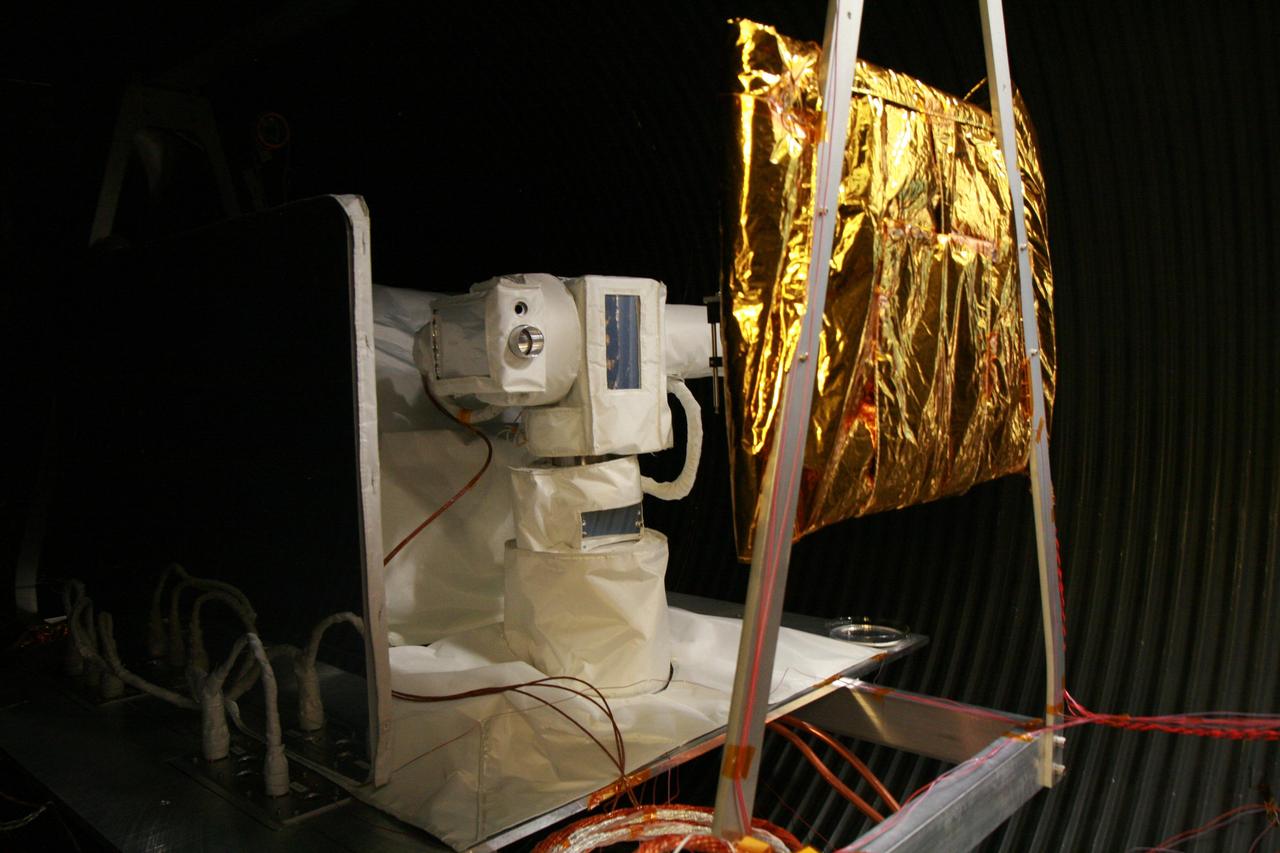
The Optical PAyload for Lasercomm Science OPALS flight terminal undergoes testing in a thermal vacuum chamber at NASA Jet Propulsion Laboratory to simulate the space environment.
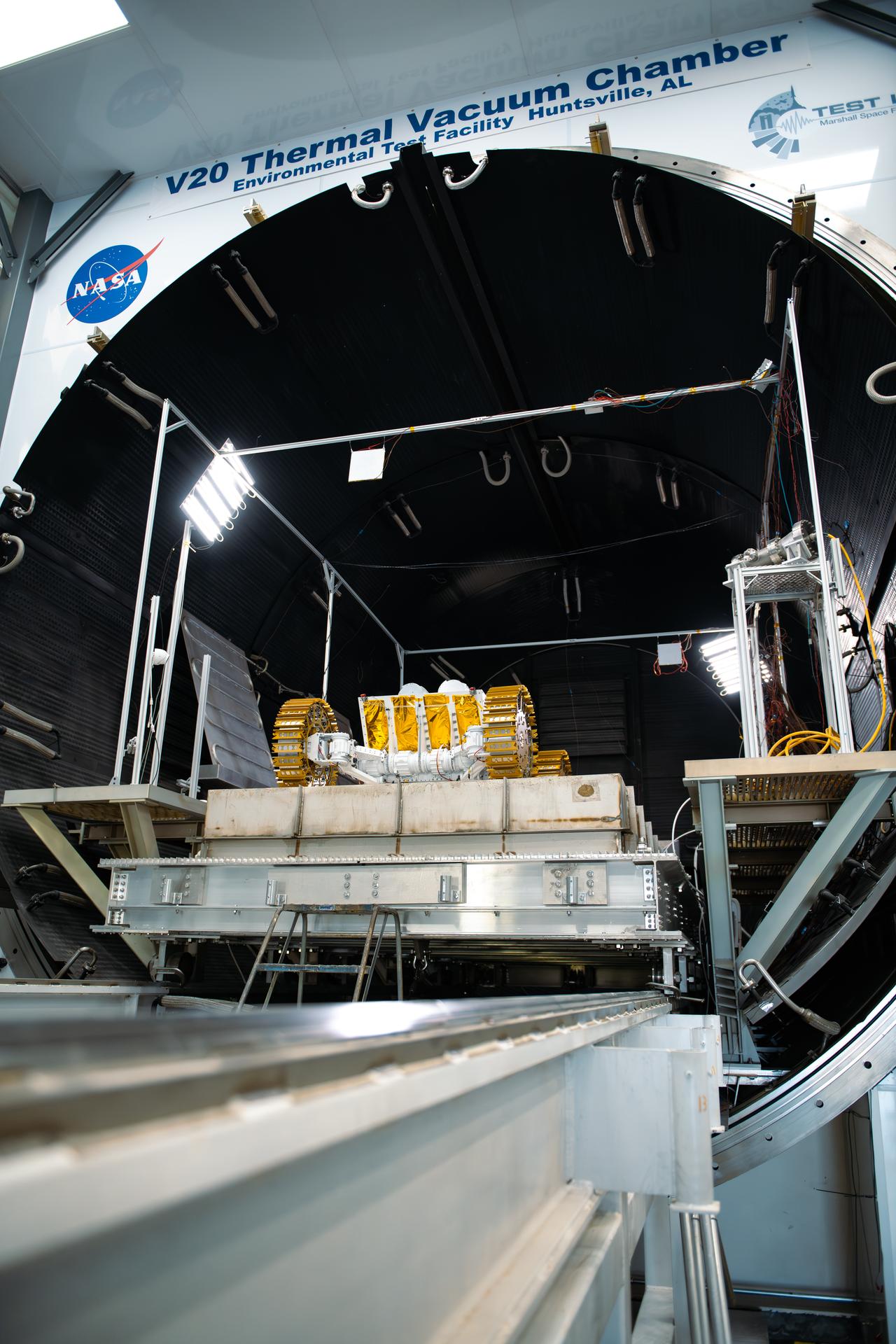
Starpath’s rover sits atop a concrete slab at the mouth of the thermal vacuum chamber, ready to be closed in and commence testing at NASA’s Marshall Space Flight Center in Huntsville, Alabama, on July 30, 2025. The technology startup headquartered in Hawthorne, California, won second place overall at the Break the Ice Lunar Challenge’s live demonstration and finale in June 2024. This competition, one of NASA’s Centennial Challenges, tasked competitors to design, build, and demonstrate robotic technologies that could excavate and transport the icy, rocky dirt – otherwise known as regolith – found on the Moon. Starpath’s visit to NASA Marshall was part of their prize opportunity to test their upgraded lunar regolith excavation and transportation rover in the center’s 20-foot thermal vacuum chamber. For more information, contact NASA Marshall’s Office of Communications at 256-544-0034.
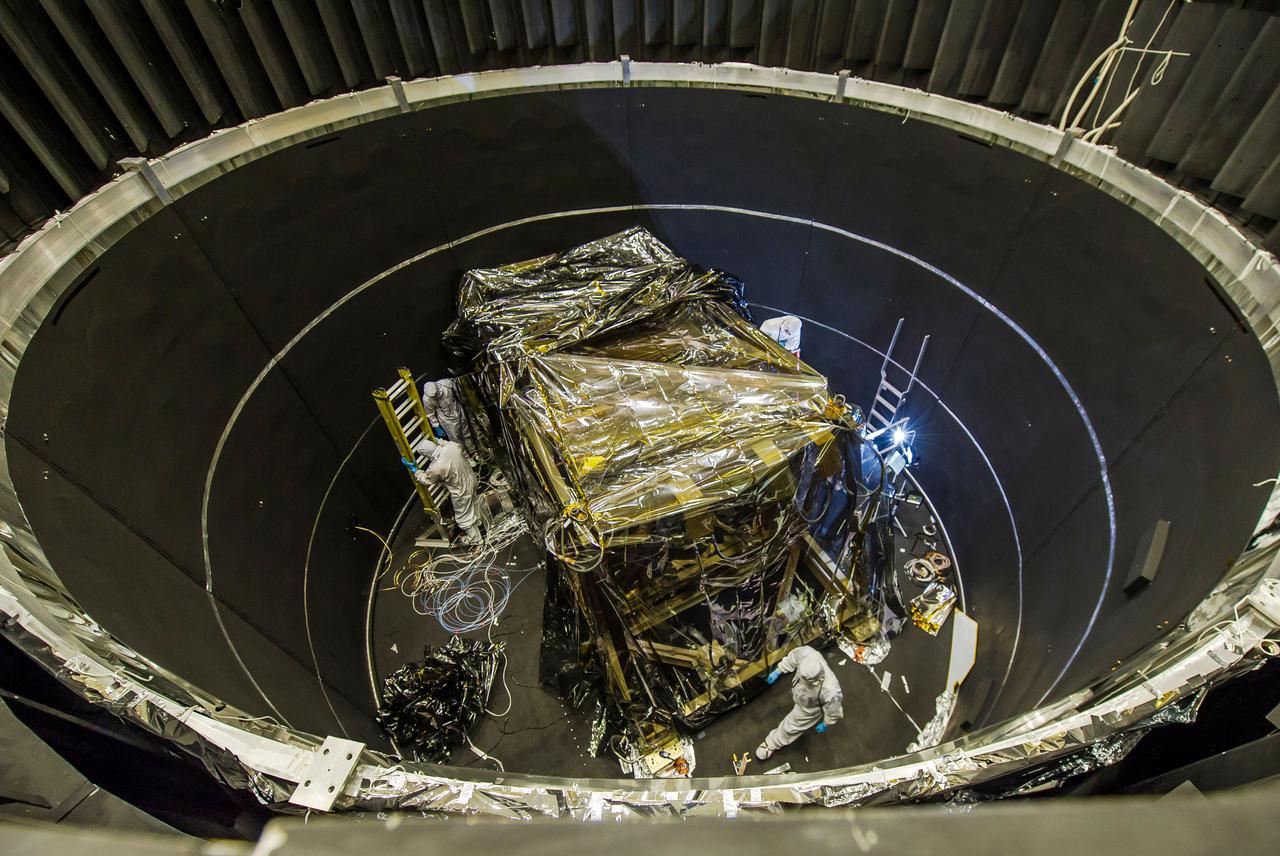
Engineers work with the Integrated Science Instrument Module for the James Webb Space Telescope inside the thermal vacuum chamber at NASA's Goddard Space Flight Center in Greenbelt, Md. The ISIM and the ISIM System Integration Fixture that holds the ISIM Electronics Compartment was recently lifted inside the chamber for its first thermal vacuum test. In this image one of the ISIM's many protective blanket layers is pulled back. The blankets will be removed during testing. Image credit: NASA/Chris Gunn <b><a href="http://www.nasa.gov/audience/formedia/features/MP_Photo_Guidelines.html" rel="nofollow">NASA image use policy.</a></b> <b><a href="http://www.nasa.gov/centers/goddard/home/index.html" rel="nofollow">NASA Goddard Space Flight Center</a></b> enables NASA’s mission through four scientific endeavors: Earth Science, Heliophysics, Solar System Exploration, and Astrophysics. Goddard plays a leading role in NASA’s accomplishments by contributing compelling scientific knowledge to advance the Agency’s mission. <b>Follow us on <a href="http://twitter.com/NASA_GoddardPix" rel="nofollow">Twitter</a></b> <b>Like us on <a href="http://www.facebook.com/pages/Greenbelt-MD/NASA-Goddard/395013845897?ref=tsd" rel="nofollow">Facebook</a></b> <b>Find us on <a href="http://instagram.com/nasagoddard?vm=grid" rel="nofollow">Instagram</a></b>
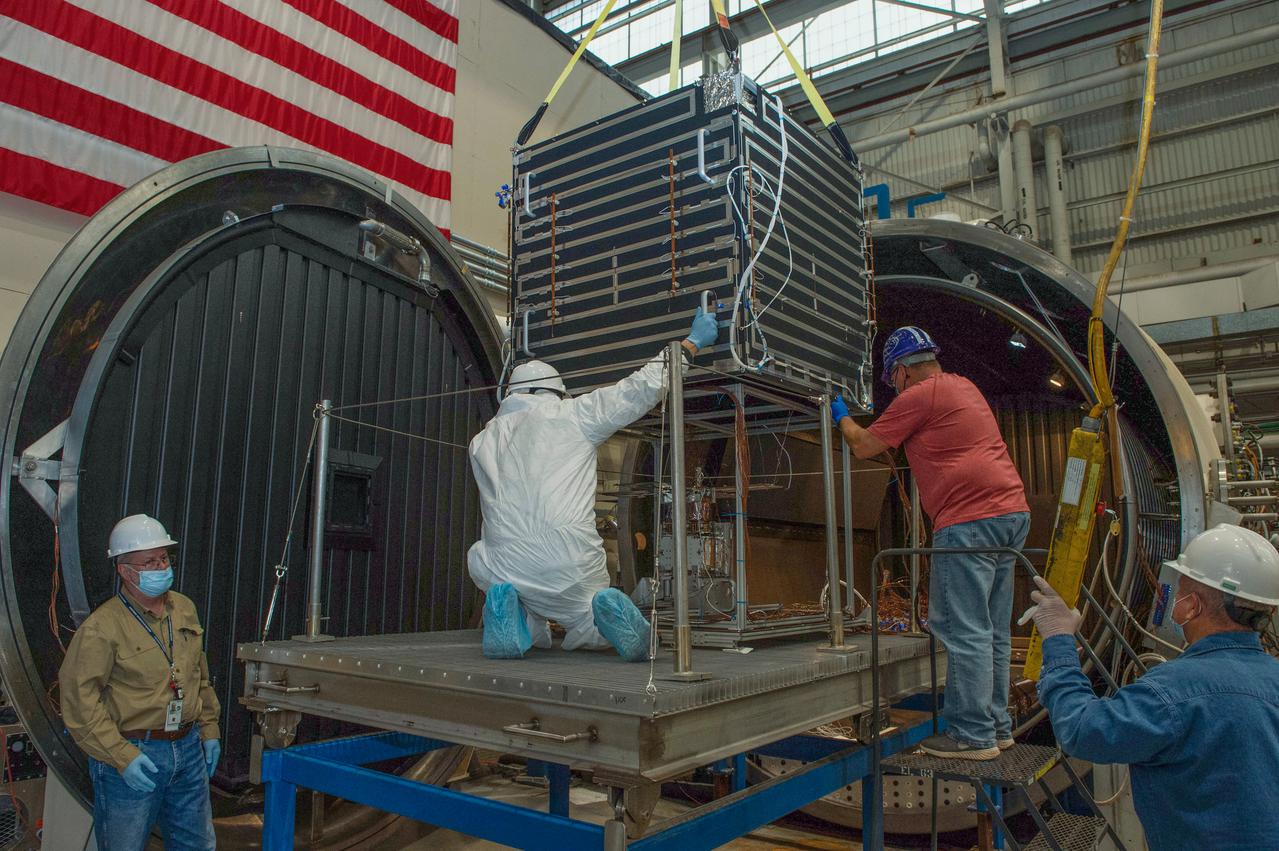
Opening Thermal Vacuum Chamber V15 to extract hot box containing NEA Scout spacecraft 2 of 2
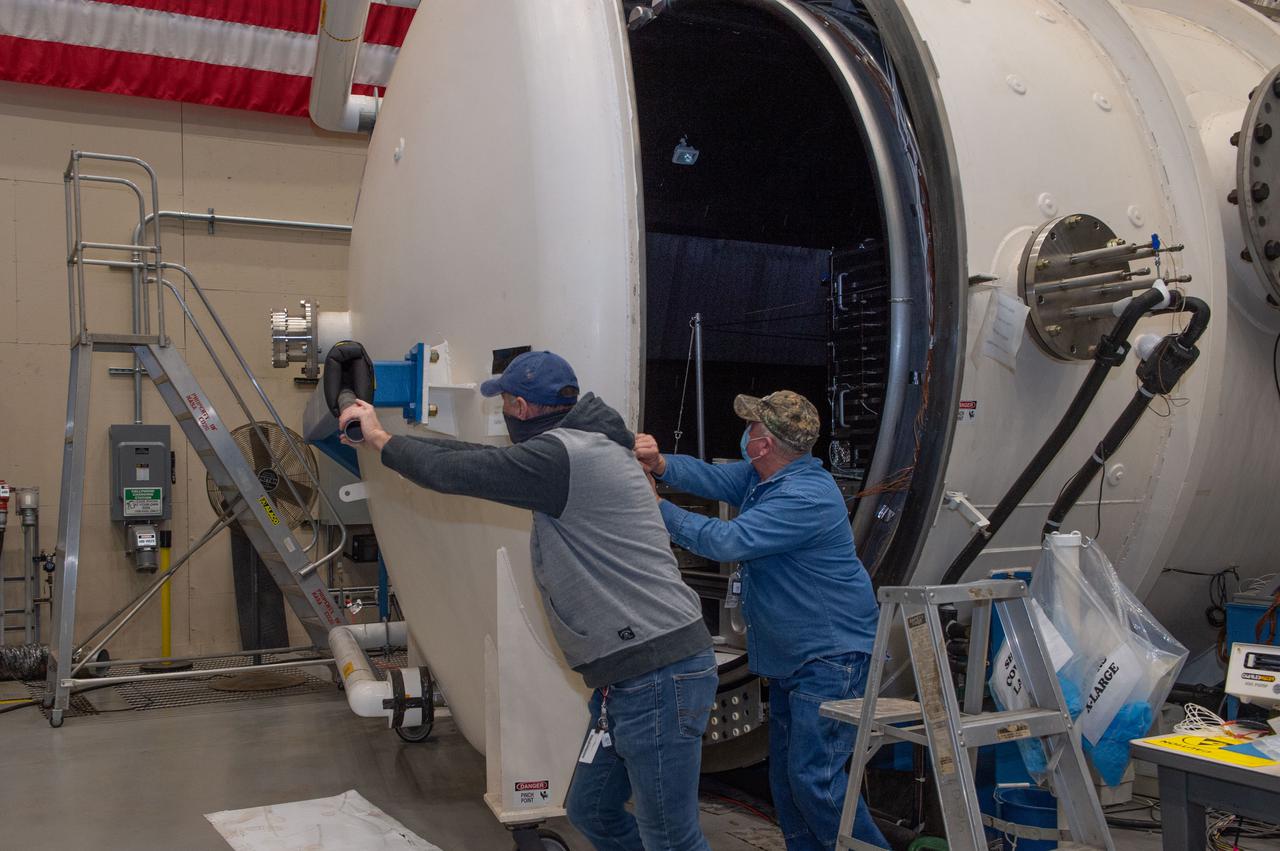
Opening Thermal Vacuum Chamber V15 to extract hot box containing NEA Scout spacecraft.
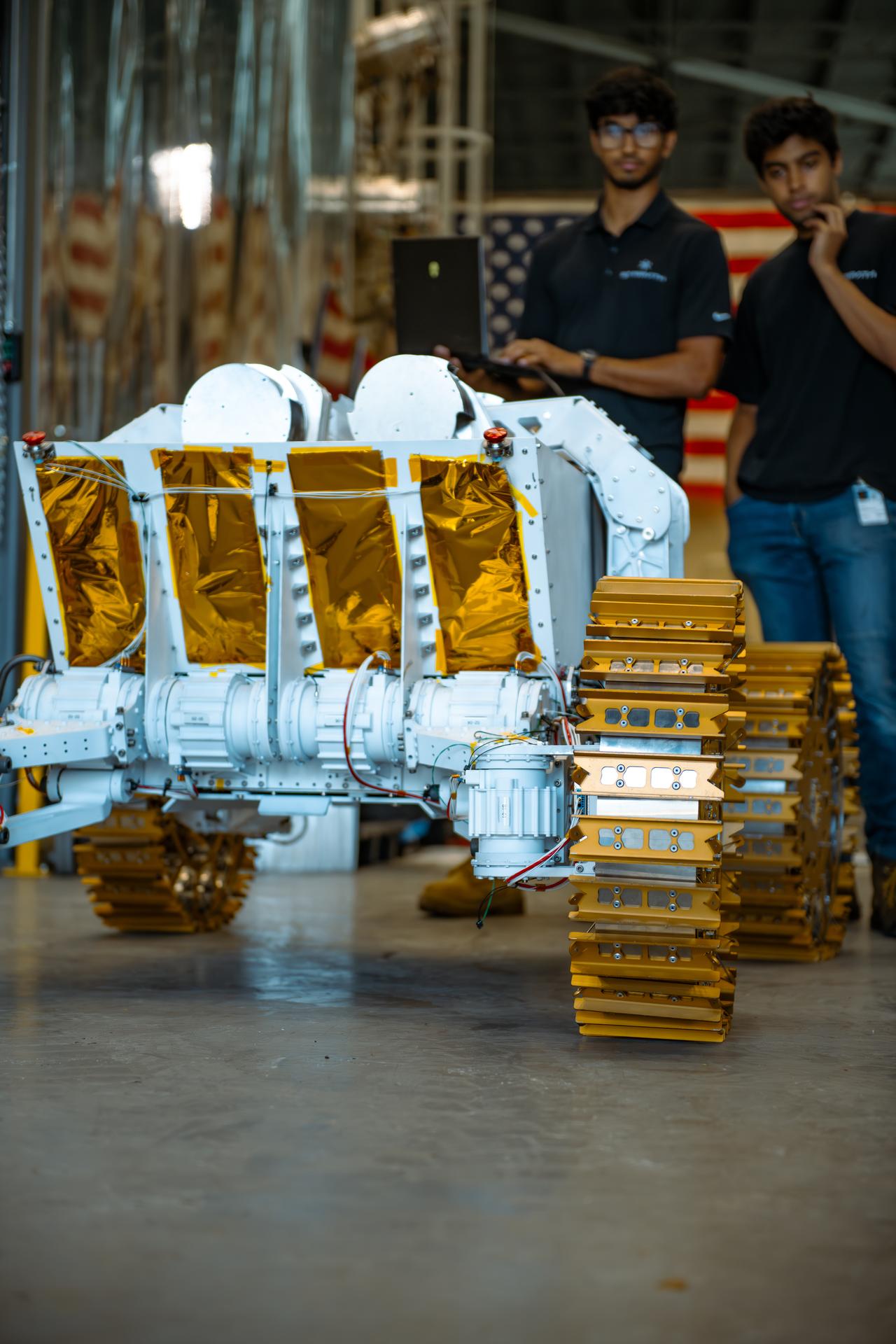
Members of the small business Starpath remotely operate the rover and run data in preparation for its entrance to the V20 Thermal Vacuum Chamber at NASA’s Marshall Space Flight Center in Huntsville, Alabama, on July 30, 2025. The technology startup headquartered in Hawthorne, California, won second place overall at the agency’s Break the Ice Lunar Challenge’s live demonstration and finale in June 2024. Their visit to NASA Marshall was part of their prize opportunity to test their upgraded lunar regolith excavation and transportation rover in the center’s 20-foot thermal vacuum chamber. The competition, one of NASA’s Centennial Challenges, tasked competitors to design, build, and demonstrate robotic technologies that could excavate and transport the icy, rocky dirt – otherwise known as regolith – found on the Moon. For more information, contact NASA Marshall’s Office of Communications at 256-544-0034.
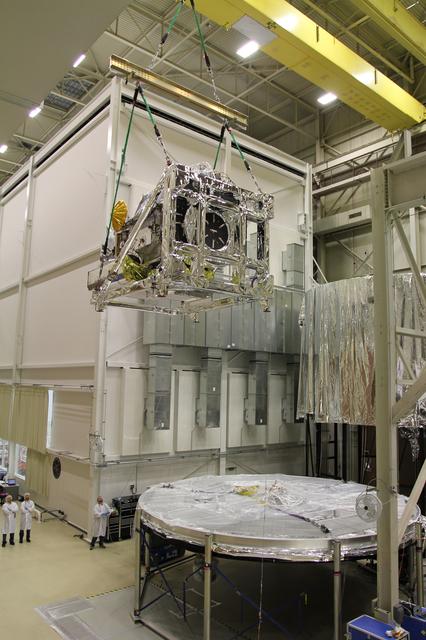
Crane lifting the GPM Core Observatory into position for TVAC testing. Credit: NASA/Goddard The Global Precipitation Measurement (GPM) mission is an international partnership co-led by NASA and the Japan Aerospace Exploration Agency (JAXA) that will provide next-generation global observations of precipitation from space. GPM will study global rain, snow and ice to better understand our climate, weather, and hydrometeorological processes. As of Novermber 2013 the GPM Core Observatory is in the final stages of testing at NASA Goddard Space Flight Center. The satellite will be flown to Japan in the fall of 2013 and launched into orbit on an HII-A rocket in early 2014. For more on the GPM mission, visit <a href="http://gpm.gsfc.nasa.gov/" rel="nofollow">gpm.gsfc.nasa.gov/</a>. <b><a href="http://www.nasa.gov/audience/formedia/features/MP_Photo_Guidelines.html" rel="nofollow">NASA image use policy.</a></b> <b><a href="http://www.nasa.gov/centers/goddard/home/index.html" rel="nofollow">NASA Goddard Space Flight Center</a></b> enables NASA’s mission through four scientific endeavors: Earth Science, Heliophysics, Solar System Exploration, and Astrophysics. Goddard plays a leading role in NASA’s accomplishments by contributing compelling scientific knowledge to advance the Agency’s mission. <b>Follow us on <a href="http://twitter.com/NASA_GoddardPix" rel="nofollow">Twitter</a></b> <b>Like us on <a href="http://www.facebook.com/pages/Greenbelt-MD/NASA-Goddard/395013845897?ref=tsd" rel="nofollow">Facebook</a></b> <b>Find us on <a href="http://instagram.com/nasagoddard?vm=grid" rel="nofollow">Instagram</a></b>
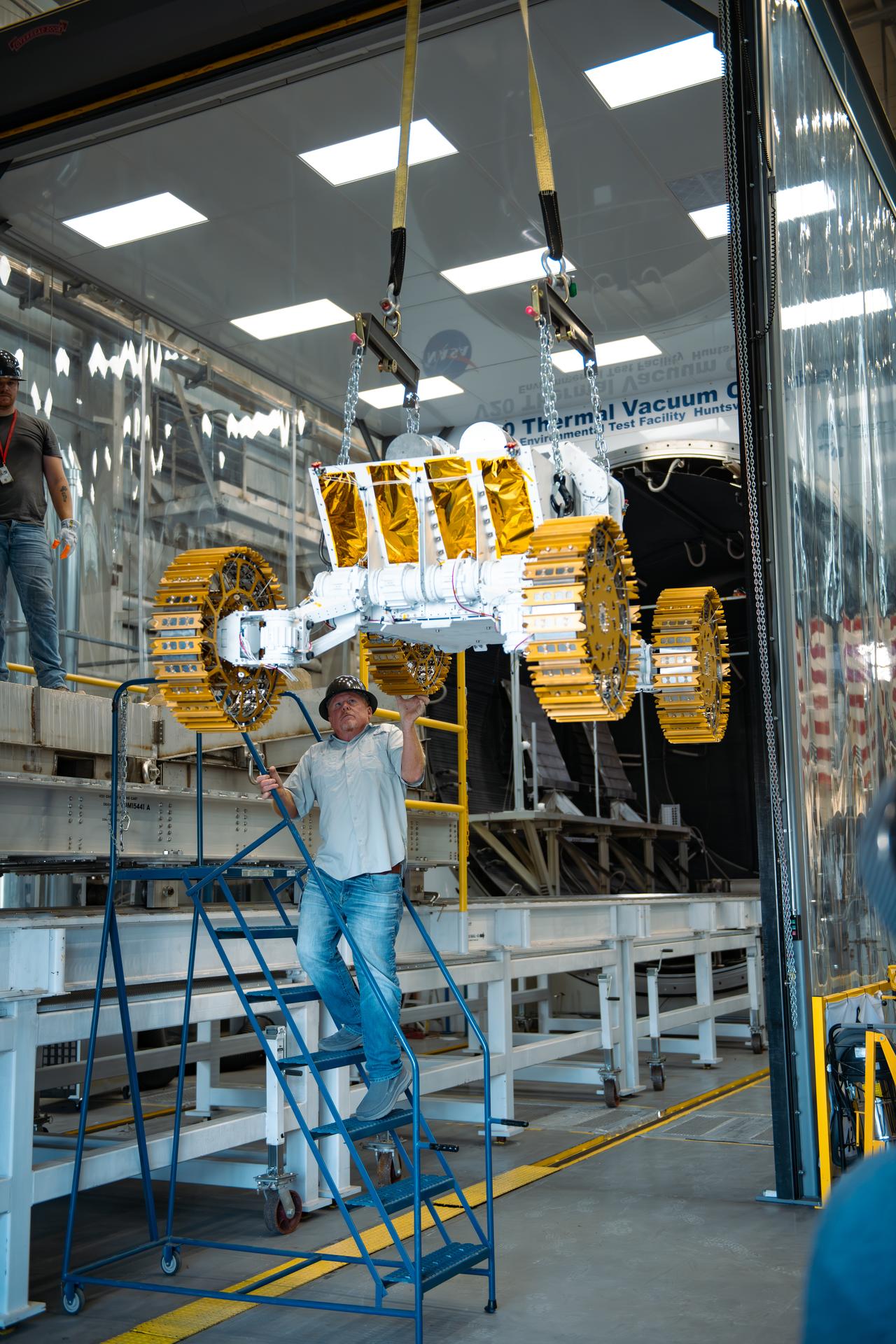
Employees from Environmental Test Facility at NASA’s Marshall Space Flight Center in Huntsville, Alabama, work with the Starpath team on July 30, 2025, to carefully maneuver the rover onto a platform that will slide the rover into the chamber. The technology startup headquartered in Hawthorne, California, won second place overall at the agency’s Break the Ice Lunar Challenge’s live demonstration and finale in June 2024. Their visit to NASA Marshall was part of their prize opportunity to test their upgraded lunar regolith excavation and transportation rover in the center’s 20-foot thermal vacuum chamber. The competition, one of NASA’s Centennial Challenges, tasked competitors to design, build, and demonstrate robotic technologies that could excavate and transport the icy, rocky dirt – otherwise known as regolith – found on the Moon. For more information, contact NASA Marshall’s Office of Communications at 256-544-0034.
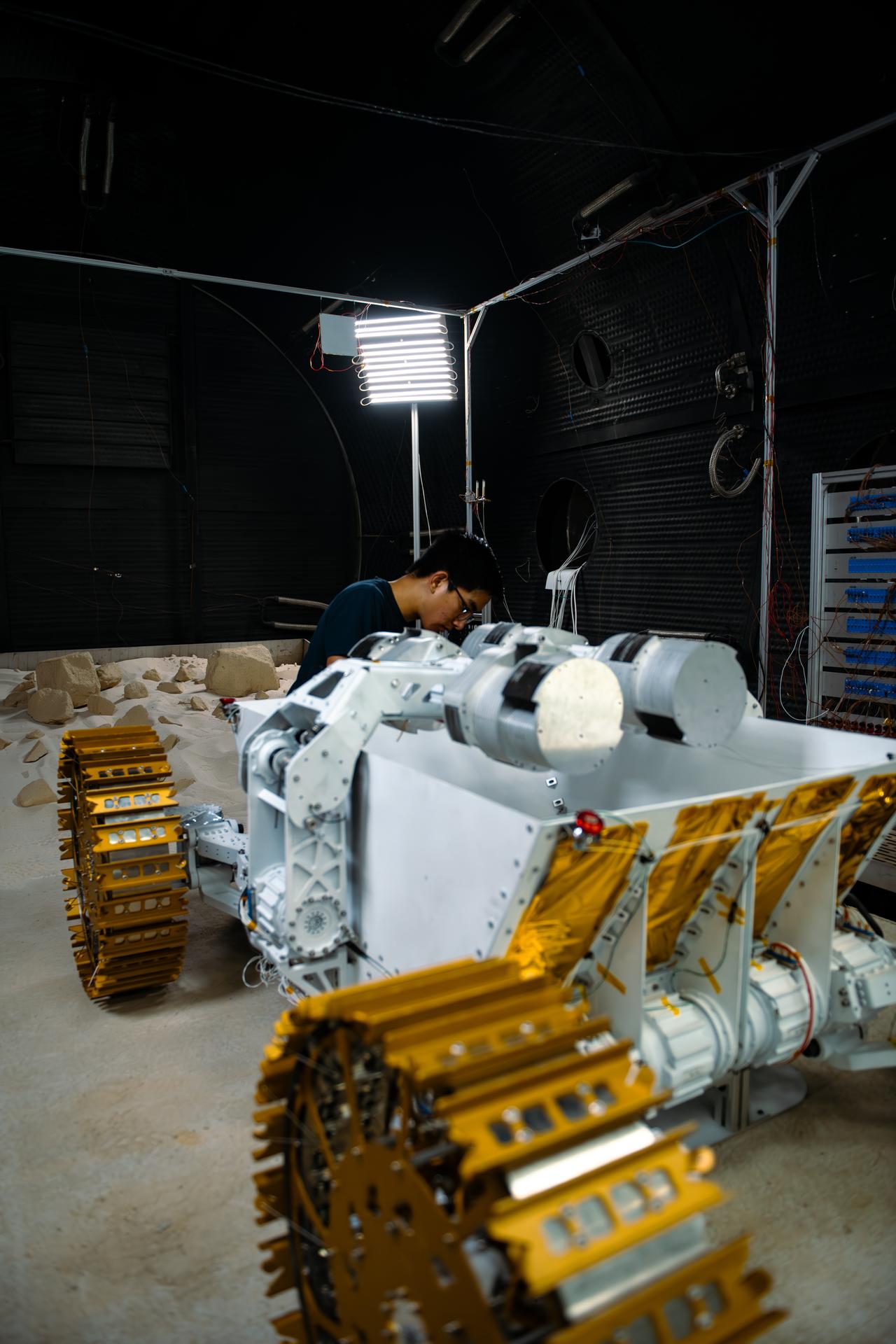
Starpath’s rover sits on a concrete slab that will be used to mimic the rugged lunar surface within a vacuum chamber at NASA’s Marshall Space Flight Center in Huntsville, Alabama, on July 30, 2025. The slab features a sandy, rocky terrain, and lamps within the chamber will turn on and off to simulate sunlight. The technology startup headquartered in Hawthorne, California, won second place overall at the agency’s Break the Ice Lunar Challenge’s live demonstration and finale in June 2024. This competition, one of NASA’s Centennial Challenges, tasked competitors to design, build, and demonstrate robotic technologies that could excavate and transport the icy, rocky dirt – otherwise known as regolith – found on the Moon. Starpath’s visit to NASA Marshall was part of their prize opportunity to test their upgraded lunar regolith excavation and transportation rover in the center’s 20-foot thermal vacuum chamber. For more information, contact NASA Marshall’s Office of Communications at 256-544-0034
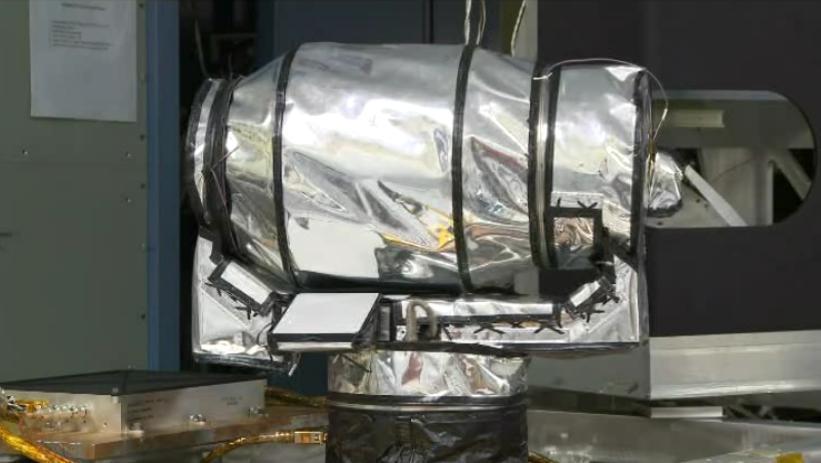
Diviner undergoing post thermal vacuum range of motion testing. Diviner is one of seven instruments aboard NASA LRO Mission.
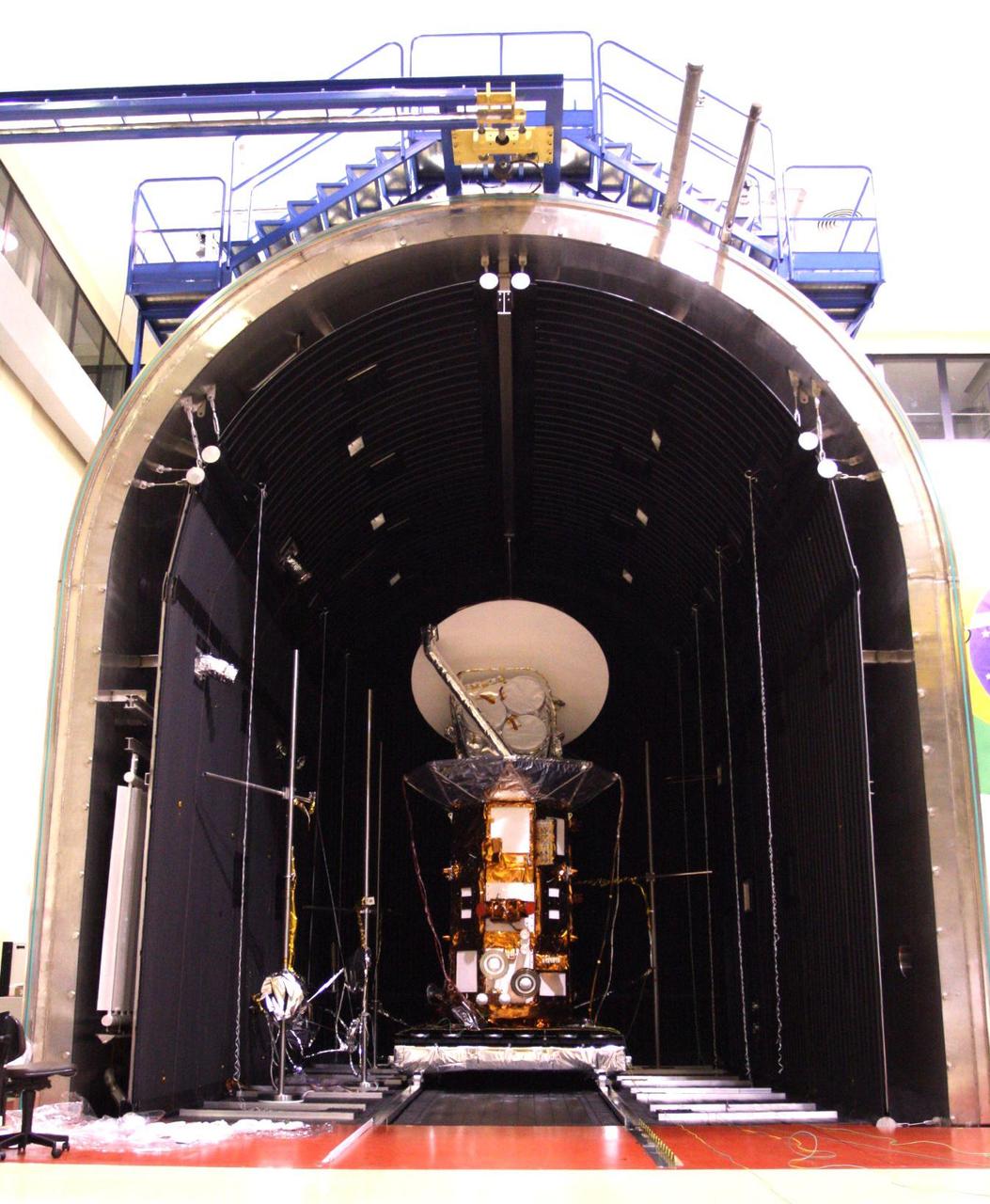
NASA Aquarius/SAC-D observatory is moved into the thermal-vacuum chamber at Brazil National Institute for Space Research.
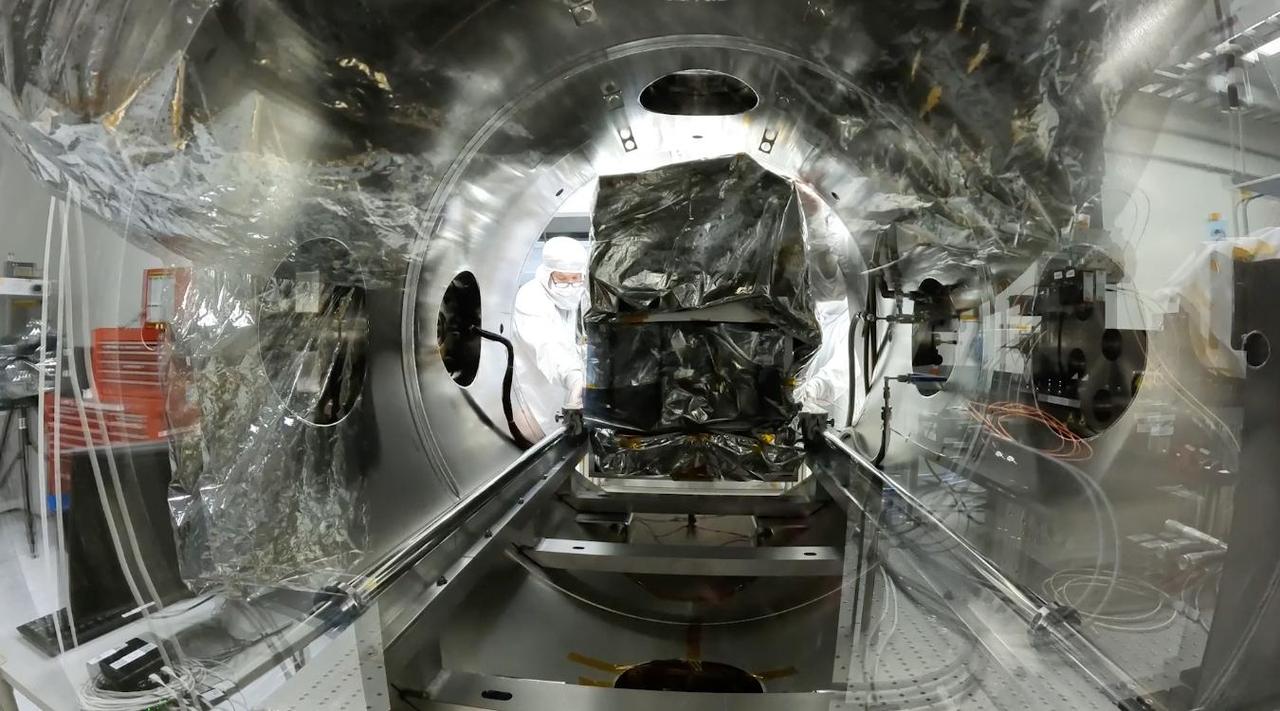
A technician slides an imaging spectrometer instrument, which will measure the greenhouse gases methane and carbon dioxide from space, into a thermal vacuum test chamber at NASA's Jet Propulsion Laboratory in Southern California in July 2023. The thermal vacuum chamber test is one of a series meant to ensure that the instrument can withstand the rigors of launch and the harsh conditions of space. Engineers use the chamber to subject the spectrometer to the extreme temperatures it will encounter in the vacuum of space. The instrument shipped Sept. 12, 2023, from JPL to Planet Labs PBC in San Francisco, where it will be integrated into a Tanager satellite. Designed and built by JPL, imaging spectrometer will be part of an effort led by the nonprofit Carbon Mapper organization to collect data on greenhouse gas point-source emissions. The information will help locate and quantify "super-emitters" – the small percentage of individual sources responsible for a significant fraction of methane and carbon dioxide emissions around the world. Movie available at https://photojournal.jpl.nasa.gov/catalog/PIA26098
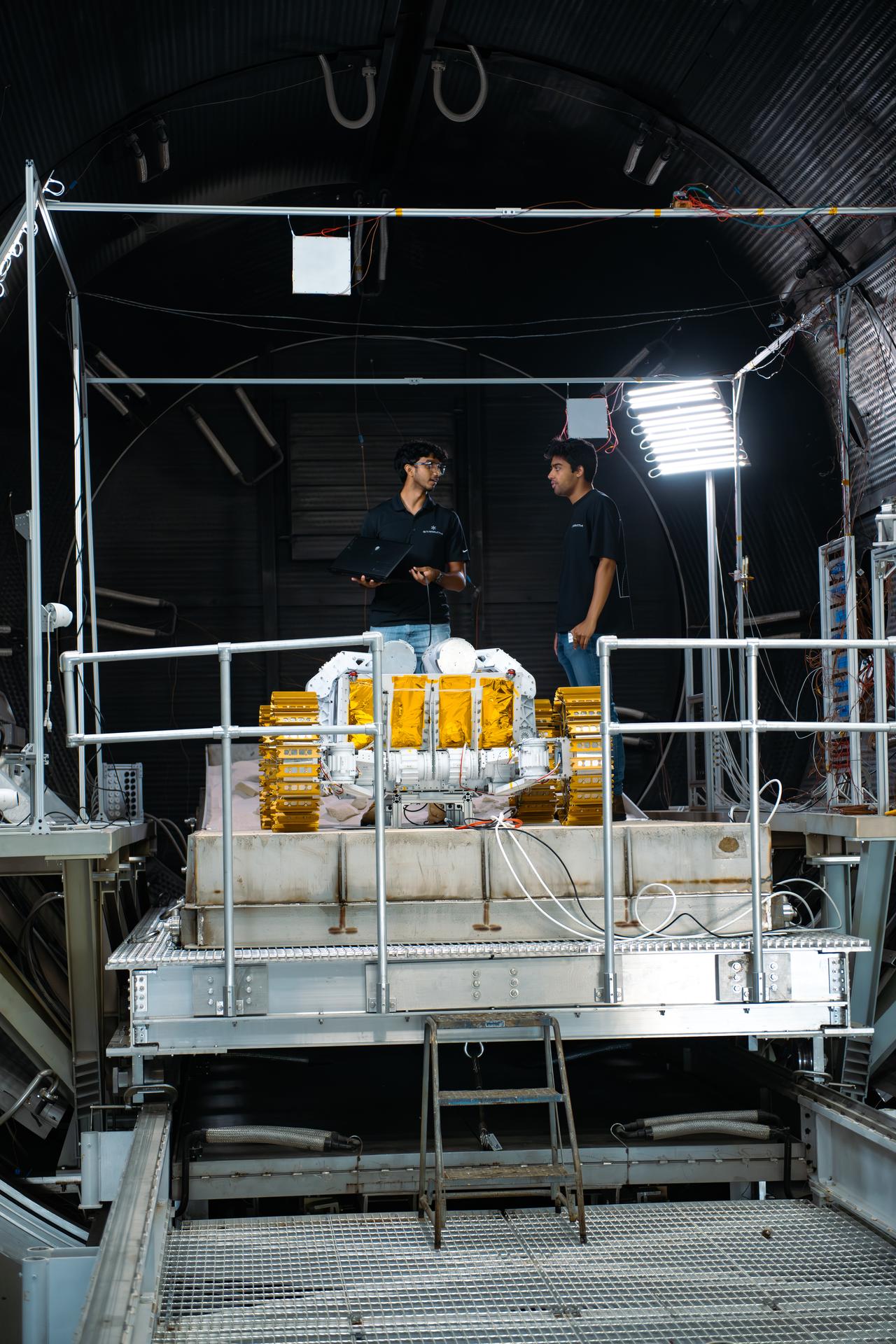
On July 30, 2025, members of the Starpath team discuss what final preparations need to be made before the chamber is closed for testing of their rover at NASA’s Marshall Space Flight Center in Huntsville, Alabama. The technology startup headquartered in Hawthorne, California, won second place overall at the Break the Ice Lunar Challenge’s live demonstration and finale in June 2024. This competition, one of NASA’s Centennial Challenges, tasked competitors to design, build, and demonstrate robotic technologies that could excavate and transport the icy, rocky dirt – otherwise known as regolith – found on the Moon. Starpath’s visit to NASA Marshall was part of their prize opportunity to test their upgraded lunar regolith excavation and transportation rover in the center’s 20-foot thermal vacuum chamber. For more information, contact NASA Marshall’s Office of Communications at 256-544-0034.
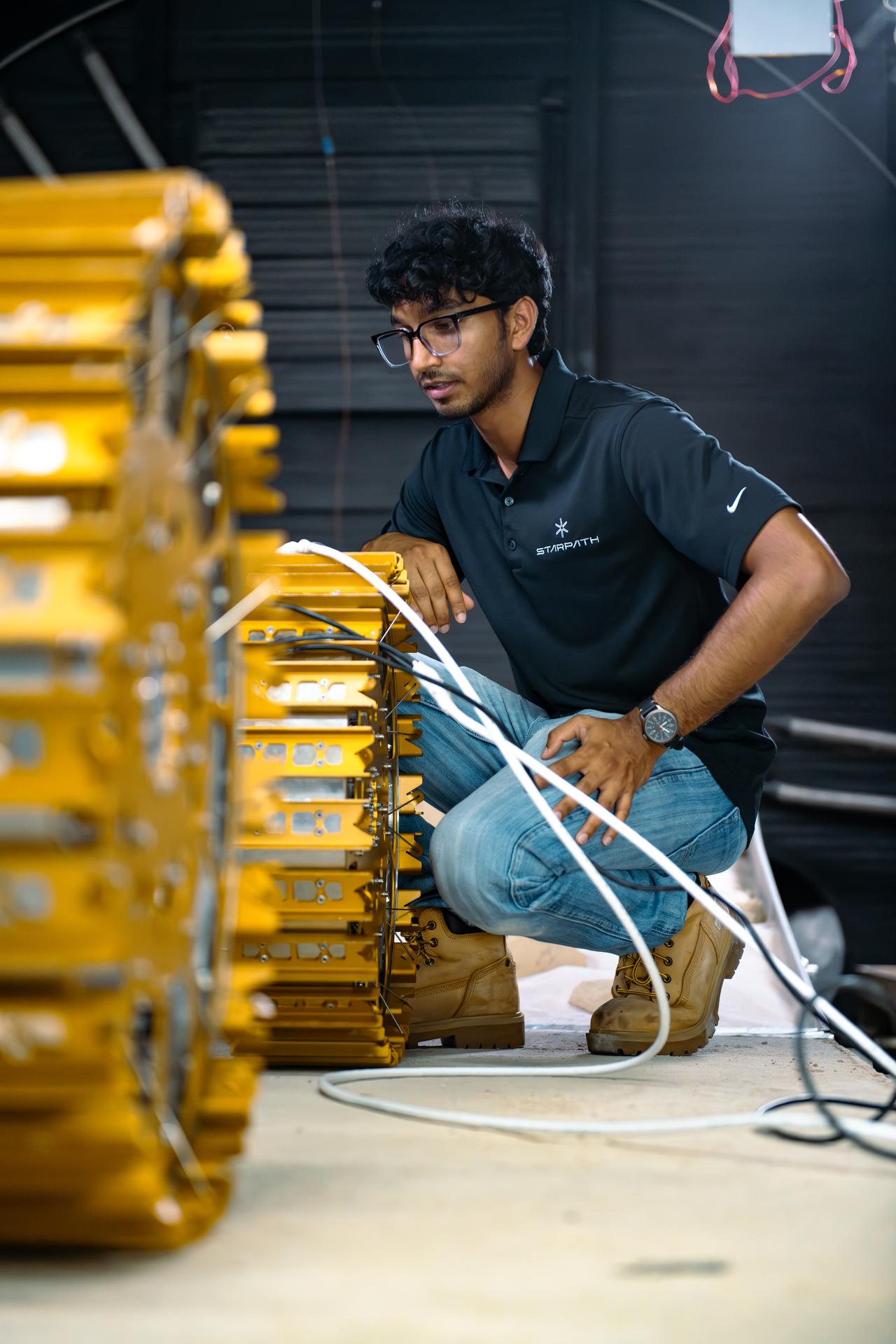
Starpath mechanical engineer Josh Kavilaveettil monitors a component of the rover, attached to wires, in preparation for testing at NASA’s Marshall Space Flight Center in Huntsville, Alabama on July 30, 2025. The technology startup headquartered in Hawthorne, California, won second place overall at the agency’s Break the Ice Lunar Challenge’s live demonstration and finale in June 2024. This competition, one of NASA’s Centennial Challenges, tasked competitors to design, build, and demonstrate robotic technologies that could excavate and transport the icy, rocky dirt – otherwise known as regolith – found on the Moon. Starpath’s visit to NASA Marshall was part of their prize opportunity to test their upgraded lunar regolith excavation and transportation rover in the center’s 20-foot thermal vacuum chamber. For more information, contact NASA Marshall’s Office of Communications at 256-544-0034.
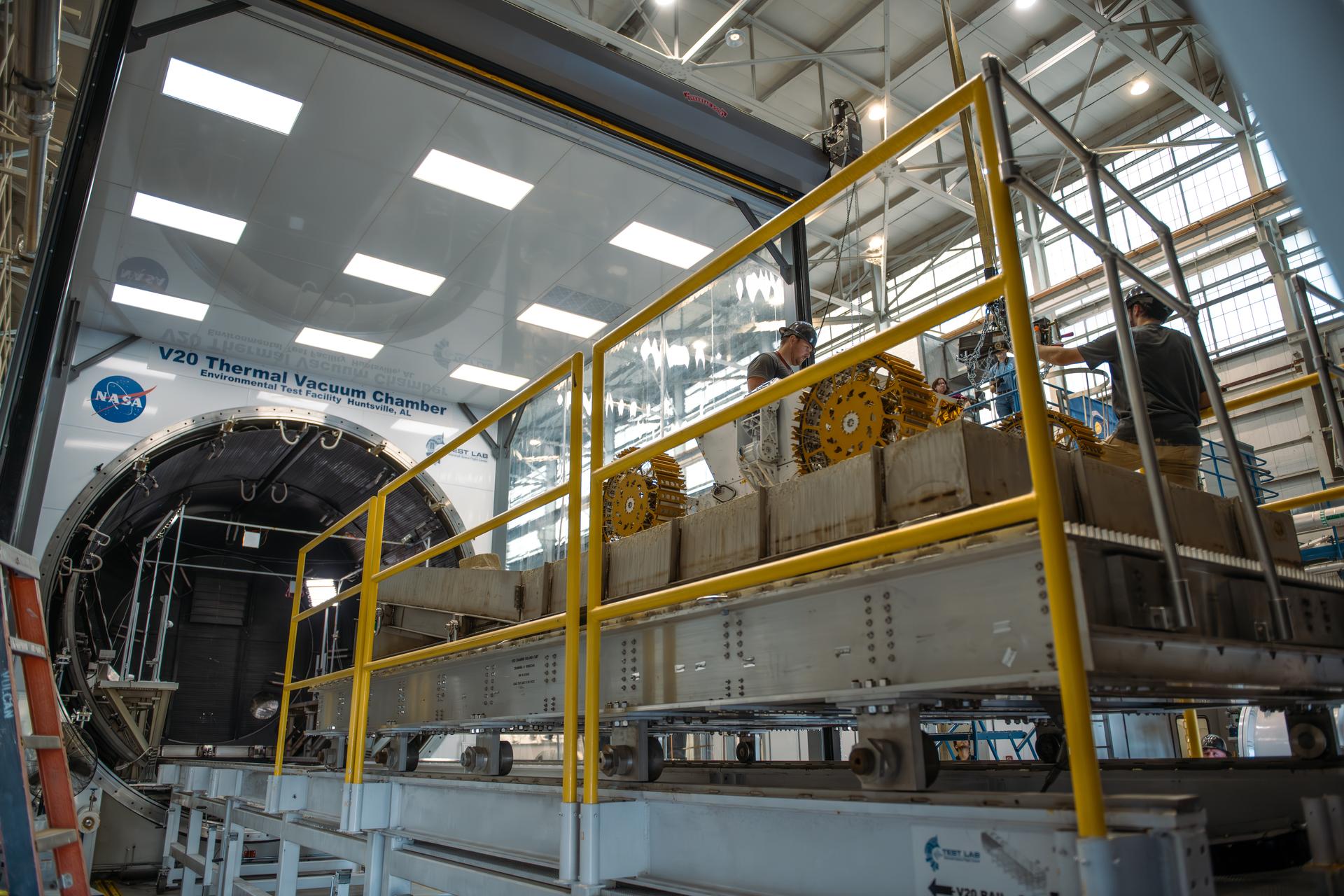
Starpath’s rover freely rests on a concrete slab at the end of a platform at NASA’s Marshall Space Flight Center in Huntsville, Alabama. The large metal structure will slide into the chamber, bringing the rover and concrete slab with it. The technology startup headquartered in Hawthorne, California, won second place overall at the agency’s Break the Ice Lunar Challenge’s live demonstration and finale in June 2024. This competition, one of NASA’s Centennial Challenges, tasked competitors to design, build, and demonstrate robotic technologies that could excavate and transport the icy, rocky dirt – otherwise known as regolith – found on the Moon. Starpath’s visit to NASA Marshall was part of their prize opportunity to test their upgraded lunar regolith excavation and transportation rover in the center’s 20-foot thermal vacuum chamber. For more information, contact NASA Marshall’s Office of Communications at 256-544-0034.
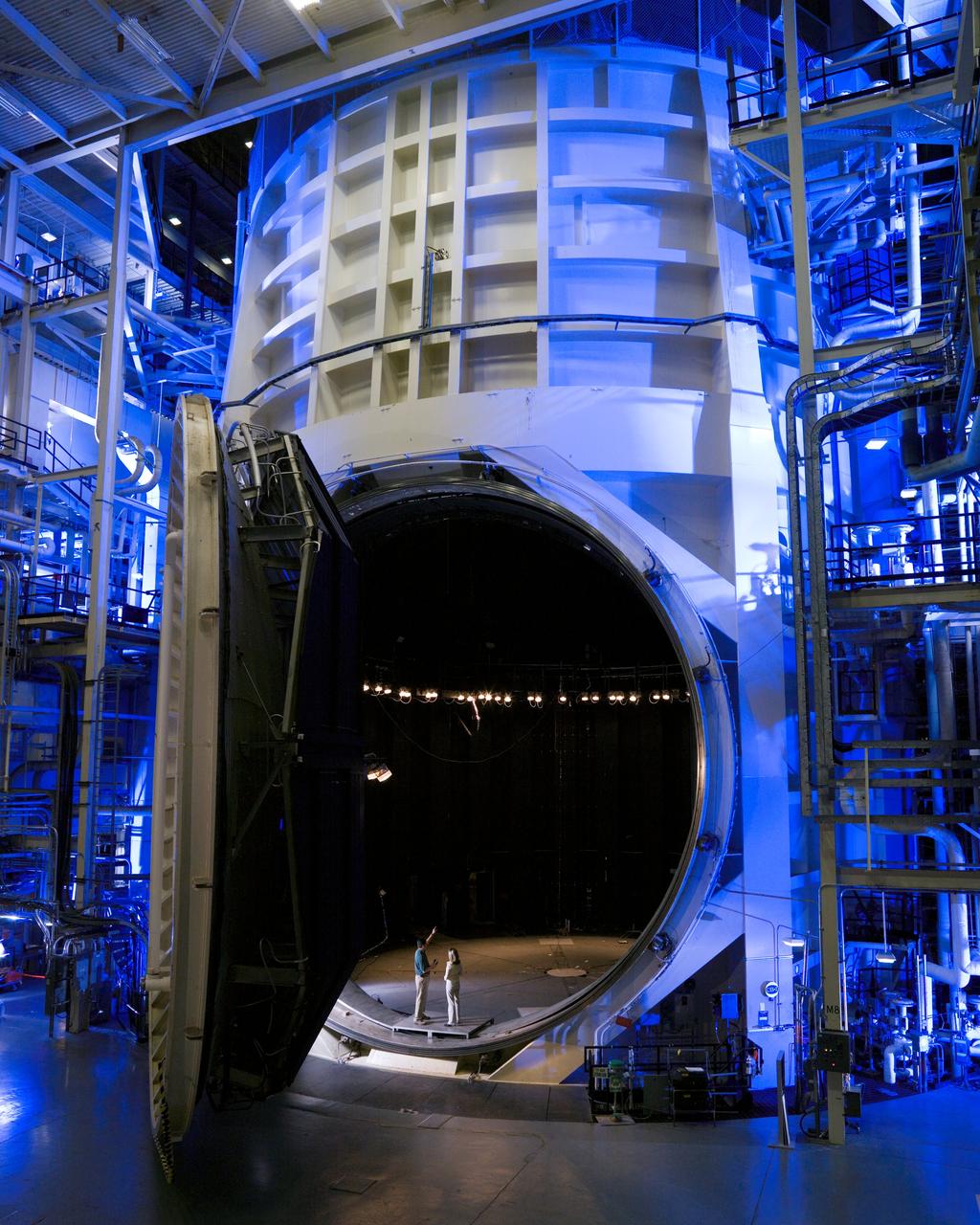
View of Thermal Vacuum Test Chamber A (with it's door opened) in bldg 32. Two people are standing inside the hatch to show a size comparision.
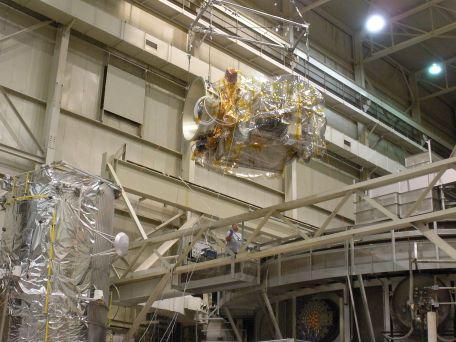
Loading the Lunar Reconnaissance Orbiter into the thermal vacuum chamber at Goddard Space Flight Center. Diviner is one of seven instruments aboard NASA LRO Mission.
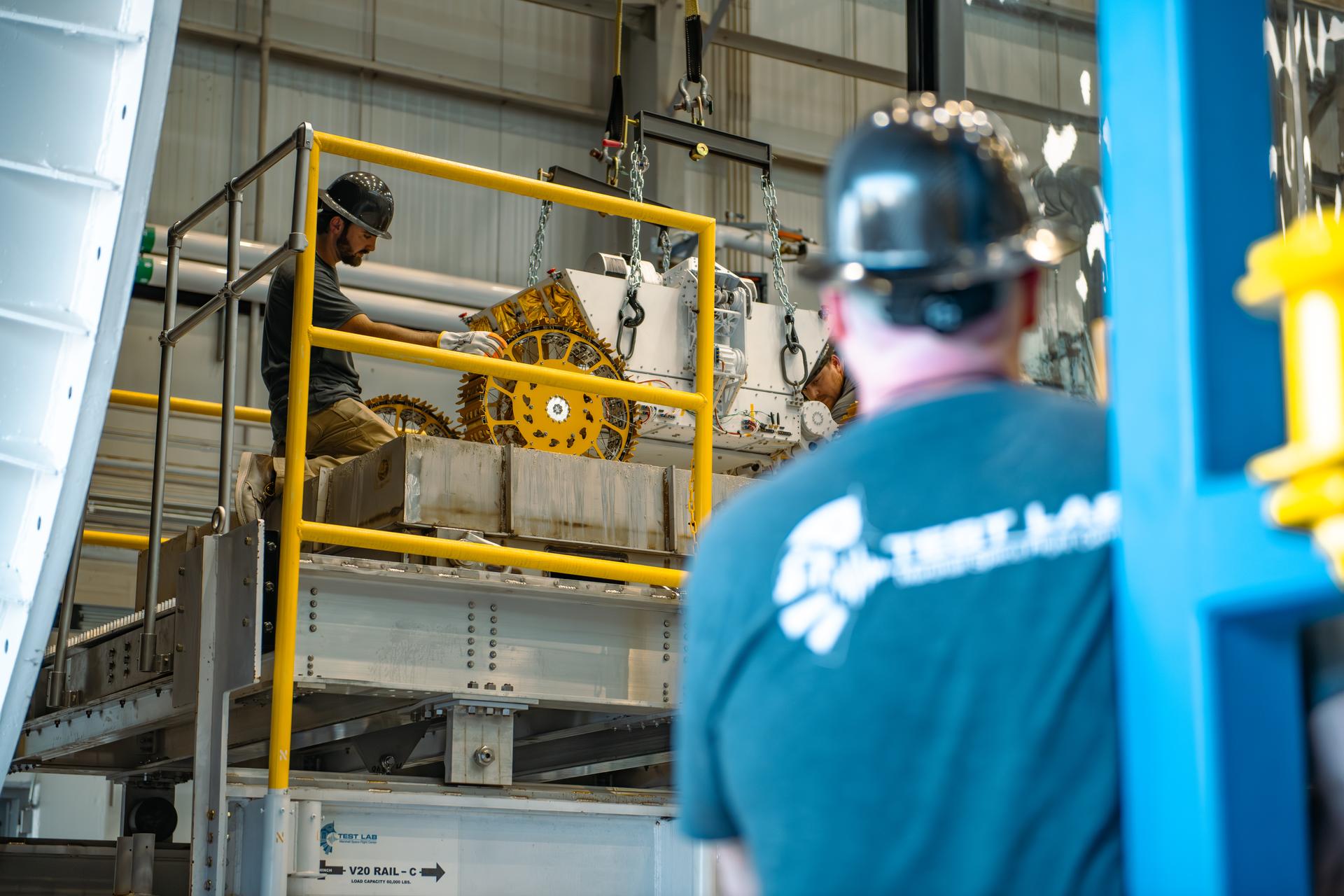
NASA test engineers with the Environmental Test Facility at NASA’s Marshall Space Flight Center situate the rover over the concrete slab that it will operate on before removing the suspension straps that lifted it onto the platform. The technology startup headquartered in Hawthorne, California, won second place overall at the agency’s Break the Ice Lunar Challenge’s live demonstration and finale in June 2024. This competition, one of NASA’s Centennial Challenges, tasked competitors to design, build, and demonstrate robotic technologies that could excavate and transport the icy, rocky dirt – otherwise known as regolith – found on the Moon. Starpath’s visit to NASA Marshall was part of their prize opportunity to test their upgraded lunar regolith excavation and transportation rover in the center’s 20-foot thermal vacuum chamber. For more information, contact NASA Marshall’s Office of Communications at 256-544-0034.
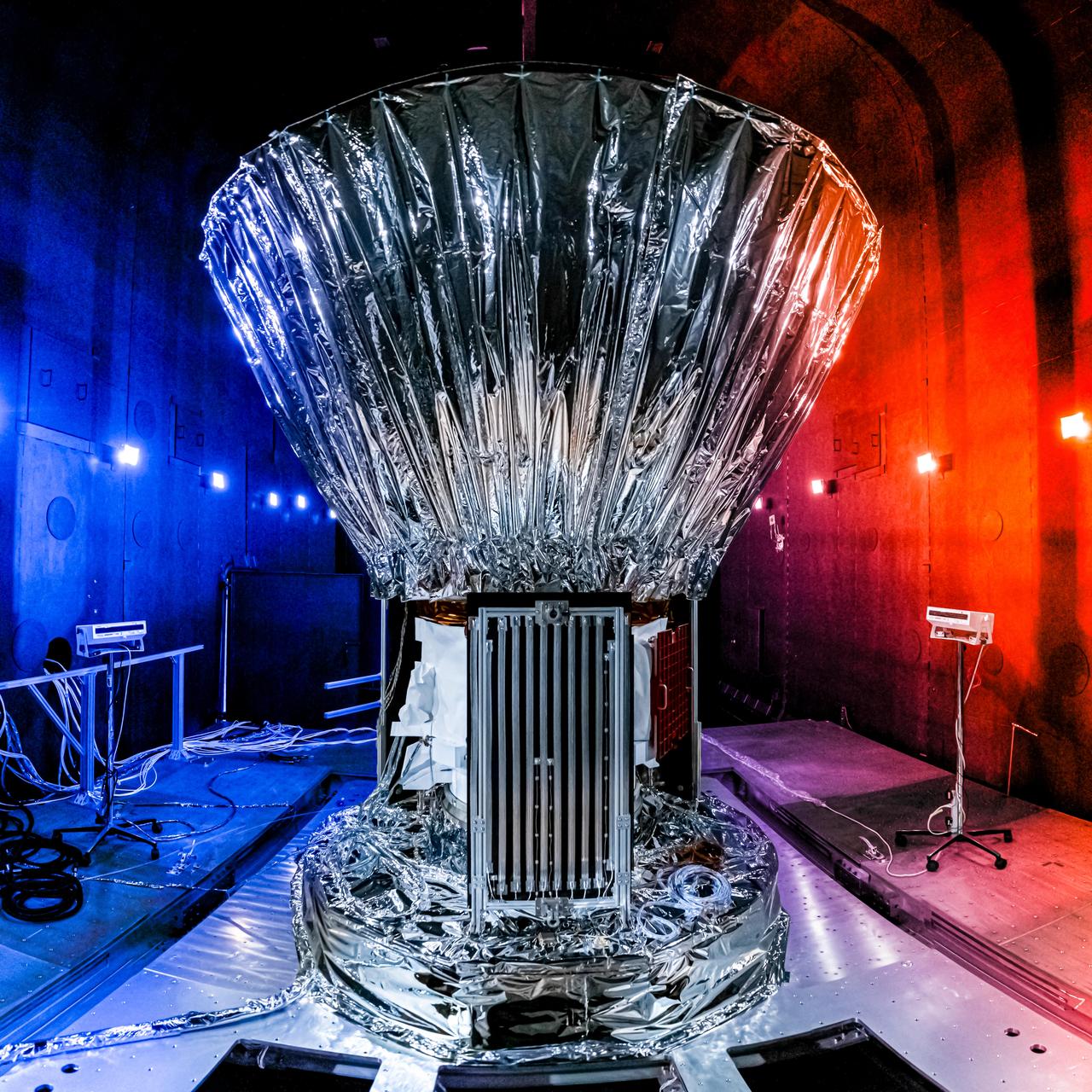
NASA's SPHEREx observatory is installed in the Titan Thermal Vacuum (TVAC) test Chamber at BAE Systems in Boulder, Colorado, in June 2024. As part of the test setup, the spacecraft and photon shield are covered in multilayer insulation and blankets and surrounded by ground support equipment. Short for Spectro-Photometer for the History of the Universe, Epoch of Reionization and Ices Explorer, SPHEREx will create a map of the cosmos like no other. Using a technique called spectroscopy to image the entire sky in 102 wavelengths of infrared light, SPHEREx will gather information about the composition of and distance to millions of galaxies and stars. With this map, scientists will study what happened in the first fraction of a second after the big bang, how galaxies formed and evolved, and the origins of water in planetary systems in our galaxy. https://photojournal.jpl.nasa.gov/catalog/PIA26541
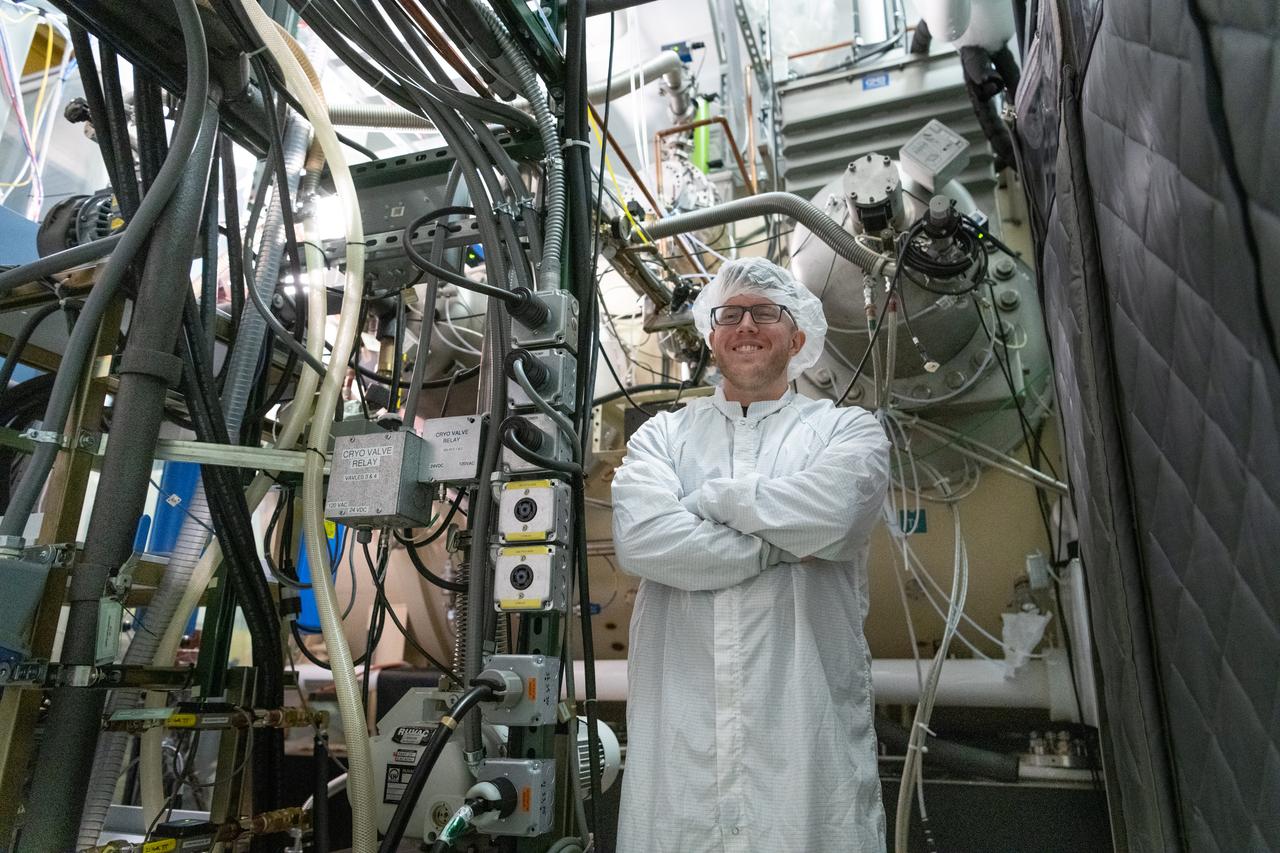
Thermal vacuum technician, Sean Cook, monitors the Ocean Color Instrument (OCI) thermal vacuum chamber temperatures during the environmental test campaign. OCI is a highly advanced optical spectrometer that will be used to measure properties of light over portions of the electromagnetic spectrum. It will enable continuous measurement of light at finer wavelength resolution than previous NASA satellite sensors, extending key system ocean color data records for climate studies. OCI is PACE's (Plankton, Aerosol, Cloud, ocean Ecosystem) primary sensor built at Goddard Space Flight Center in Greenbelt, MD.
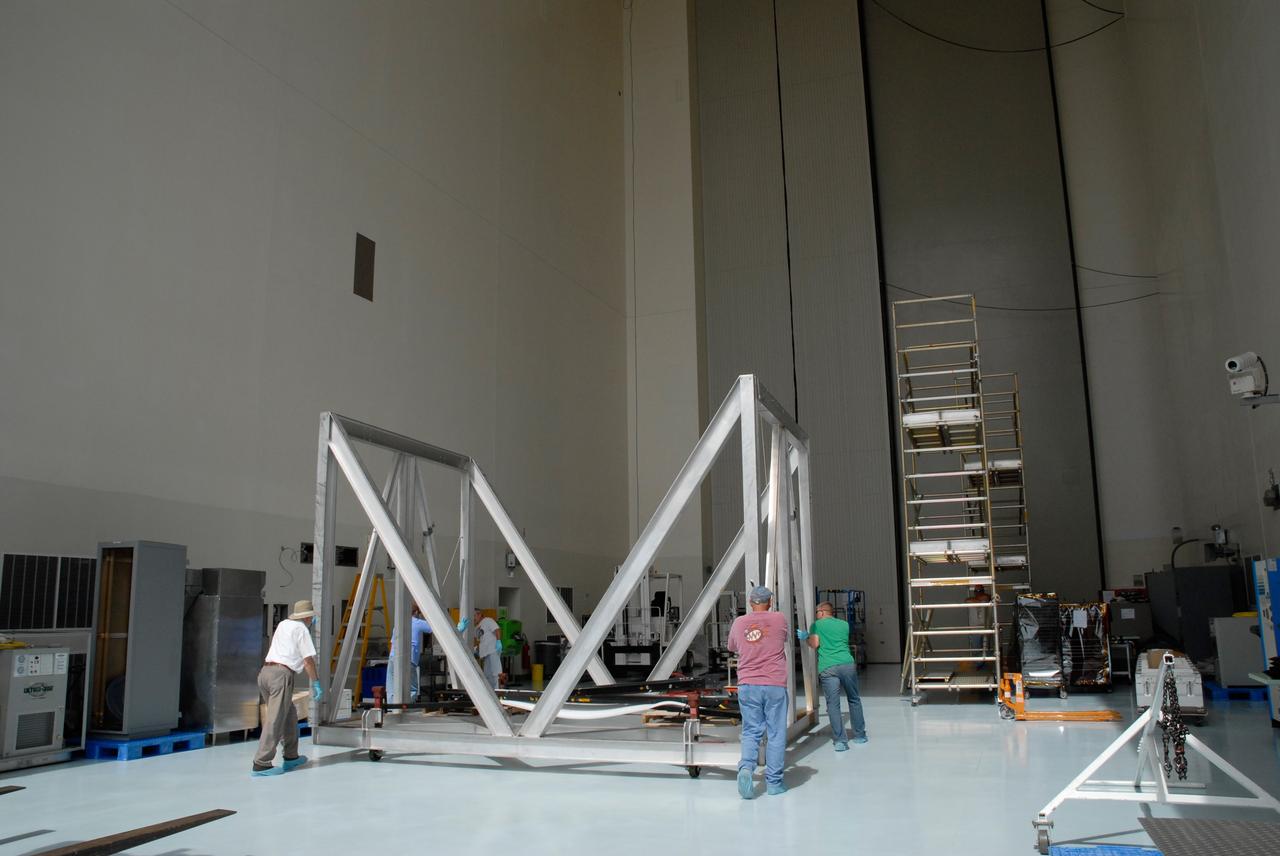
CAPE CANAVERAL, Fla. – At NASA's Kennedy Space Center, workers move the thermal vacuum fixture deeper into the Payload Hazardous Servicing Center. Space shuttle Atlantis is targeted to launch on the STS-125 mission Oct. 8. The mission crew will perform history-making, on-orbit “surgery” on two important science instruments aboard the telescope. After capturing the telescope, two teams of spacewalking astronauts will perform the repairs during five planned spacewalks. Photo credit: NASA/Jack Pfaller
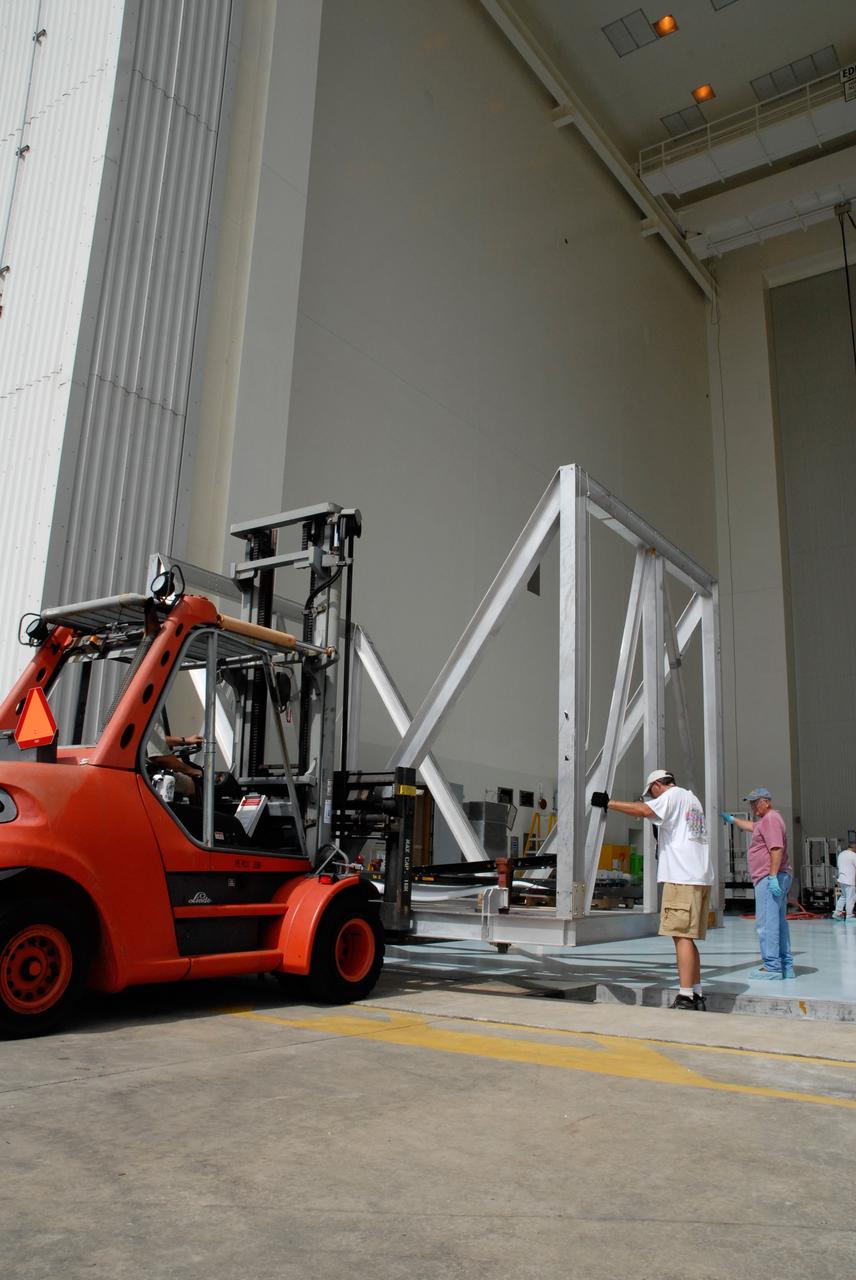
CAPE CANAVERAL, Fla. – At NASA's Kennedy Space Center, a transporter moves the thermal vacuum fixture into the Payload Hazardous Servicing Center. Space shuttle Atlantis is targeted to launch on the STS-125 mission Oct. 8. The mission crew will perform history-making, on-orbit “surgery” on two important science instruments aboard the telescope. After capturing the telescope, two teams of spacewalking astronauts will perform the repairs during five planned spacewalks. Photo credit: NASA/Jack Pfaller
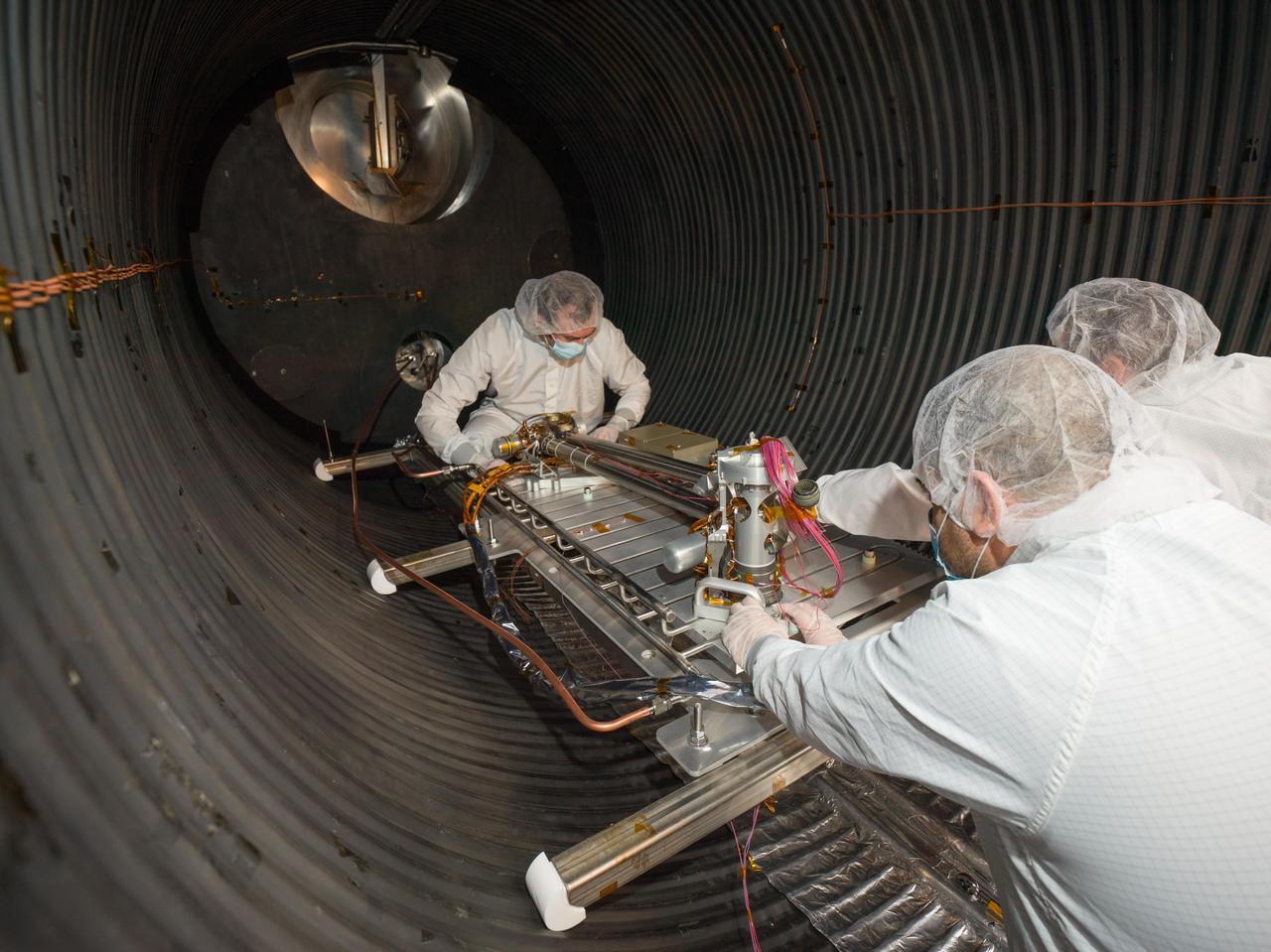
Engineers and technicians prepare NASA's Cold Operable Lunar Deployable Arm (COLDArm) robotic arm system for testing in a thermal vacuum chamber at the agency's Jet Propulsion Laboratory in Southern California in November 2023. Successful testing in this chamber, which was reduced to minus 292 F (minus 180 C), demonstrates the arm can withstand the conditions it would face on the surface of the Moon. To operate in the cold, COLDArm combines several key new technologies: gears made of bulk metallic glass, which require no wet lubrication or heating; cold motor controllers that don't need to be kept warm in an electronics box near the core of the spacecraft, and a cryogenic six-axis force torque sensor that lets the arm "feel" what it's doing and make adjustments. A variety of attachments and small instruments could go on the end of the arm, including a 3D-printed titanium scoop that could be used for collecting samples from a celestial body's surface. Like the arm on NASA's InSight Mars lander, COLDArm could deploy science instruments to the surface. https://photojournal.jpl.nasa.gov/catalog/PIA26162
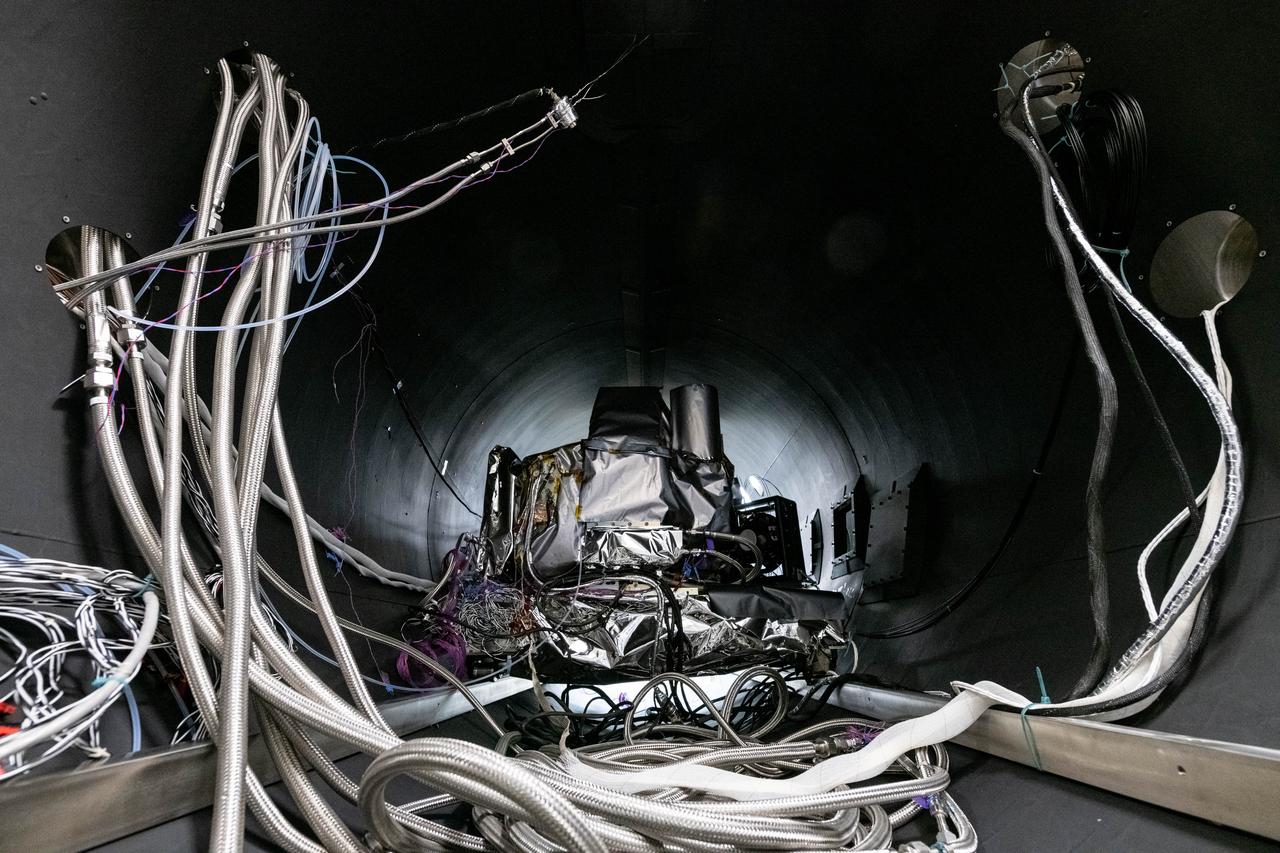
The flight Ocean Color Instrument (OCI) is connected to flex lines and other alignment calibration hardware in a thermal vacuum chamber as it is prepared for thermal testing in a clean tent at Goddard Space Flight Center in Greenbelt, MD. OCI is a highly advanced optical spectrometer that will be used to measure properties of light over portions of the electromagnetic spectrum. It will enable continuous measurement of light at finer wavelength resolution than previous NASA satellite sensors, extending key system ocean color data records for climate studies. OCI is PACE's (Plankton, Aerosol, Cloud, ocean Ecosystem) primary sensor built at Goddard Space Flight Center in Greenbelt, MD.
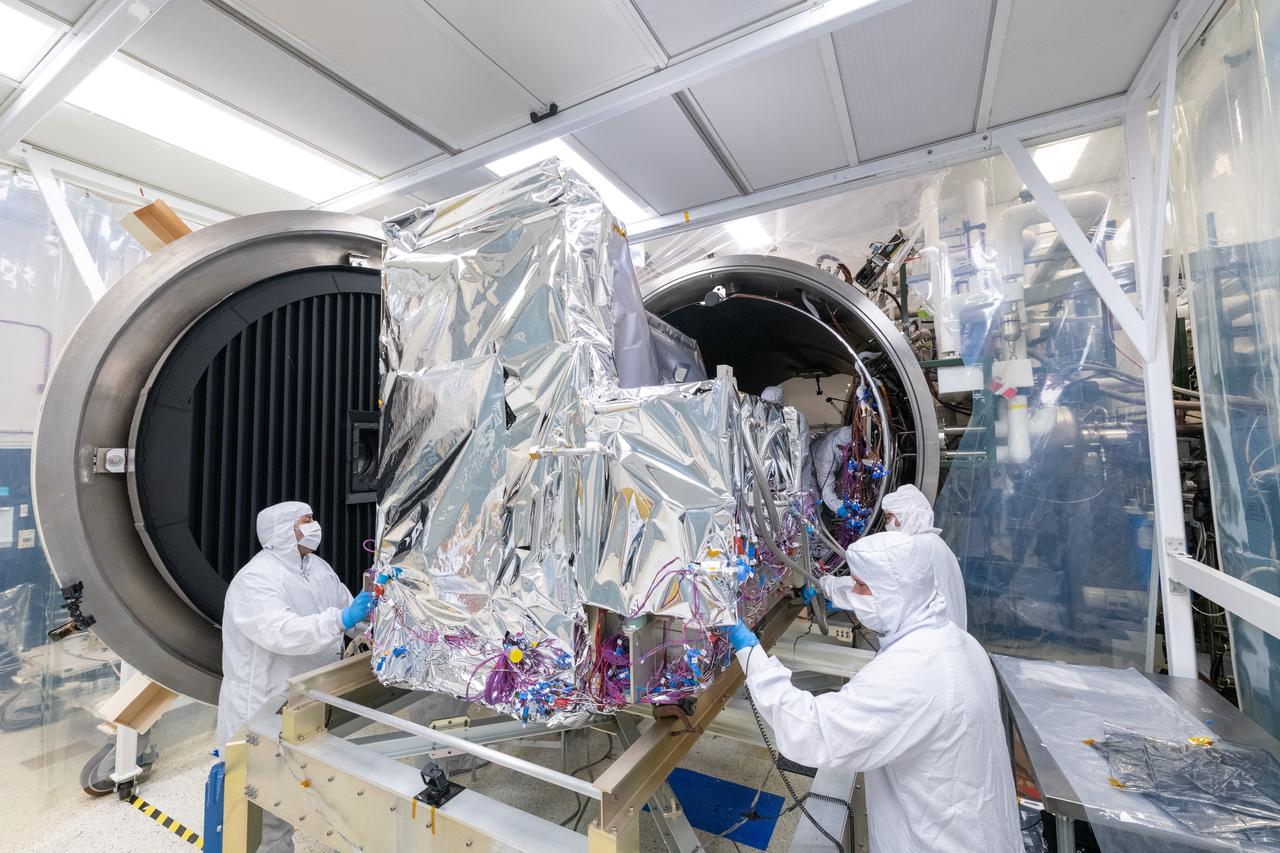
The Ocean Color Instrument (OCI) mechanical team aligns the instrument on a transportation sled and slowly pushes the instrument into a thermal vacuum chamber to prepare it for a sixty day thermal test to ensure the instrument will perform effectively once it launches into the airless environment of space. OCI is a highly advanced optical spectrometer that will be used to measure properties of light over portions of the electromagnetic spectrum. It will enable continuous measurement of light at finer wavelength resolution than previous NASA satellite sensors, extending key system ocean color data records for climate studies. OCI is PACE's (Plankton, Aerosol, Cloud, ocean Ecosystem) primary sensor built at Goddard Space Flight Center in Greenbelt, MD.
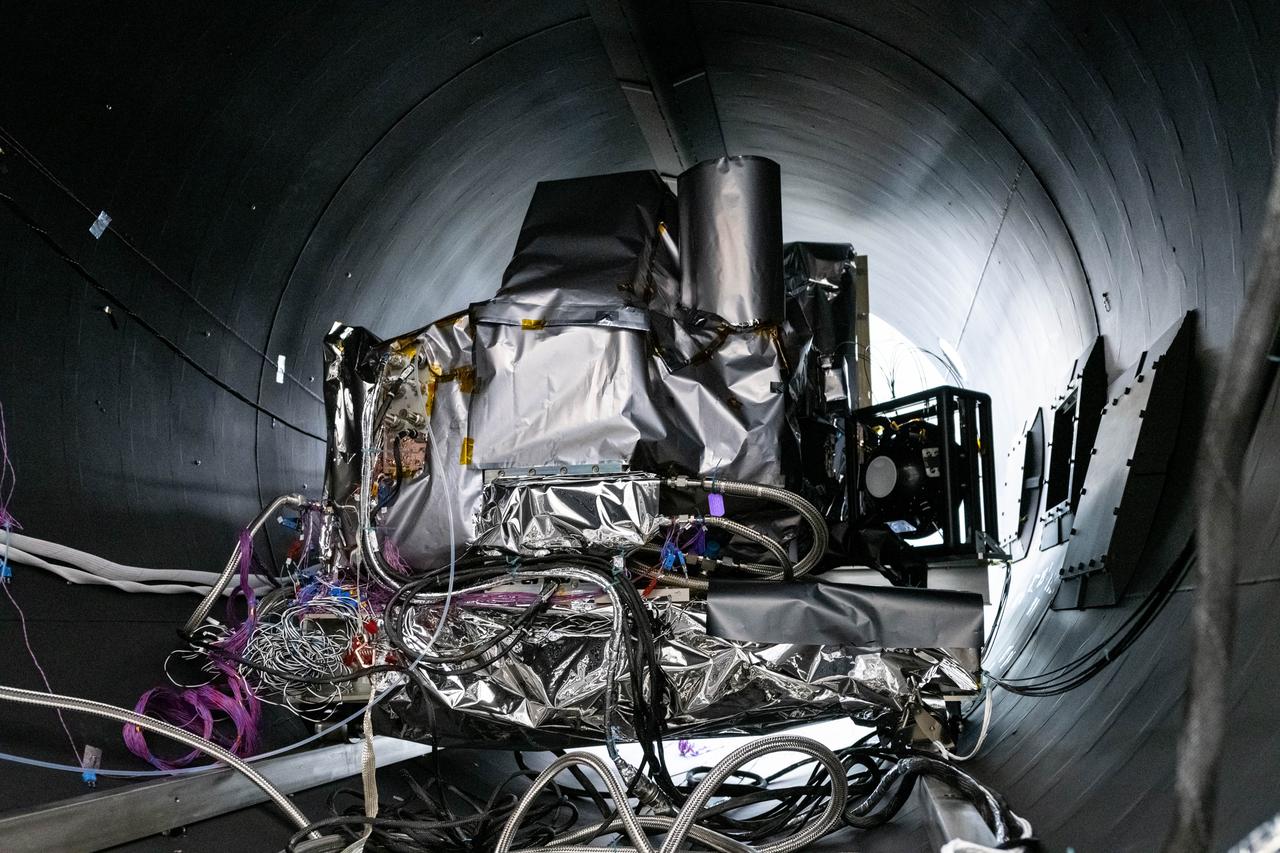
The flight Ocean Color Instrument (OCI) is connected to flex lines and other alignment calibration hardware in a thermal vacuum chamber as it is prepared for thermal testing in a clean tent at Goddard Space Flight Center in Greenbelt, MD. OCI is a highly advanced optical spectrometer that will be used to measure properties of light over portions of the electromagnetic spectrum. It will enable continuous measurement of light at finer wavelength resolution than previous NASA satellite sensors, extending key system ocean color data records for climate studies. OCI is PACE's (Plankton, Aerosol, Cloud, ocean Ecosystem) primary sensor built at Goddard Space Flight Center in Greenbelt, MD.
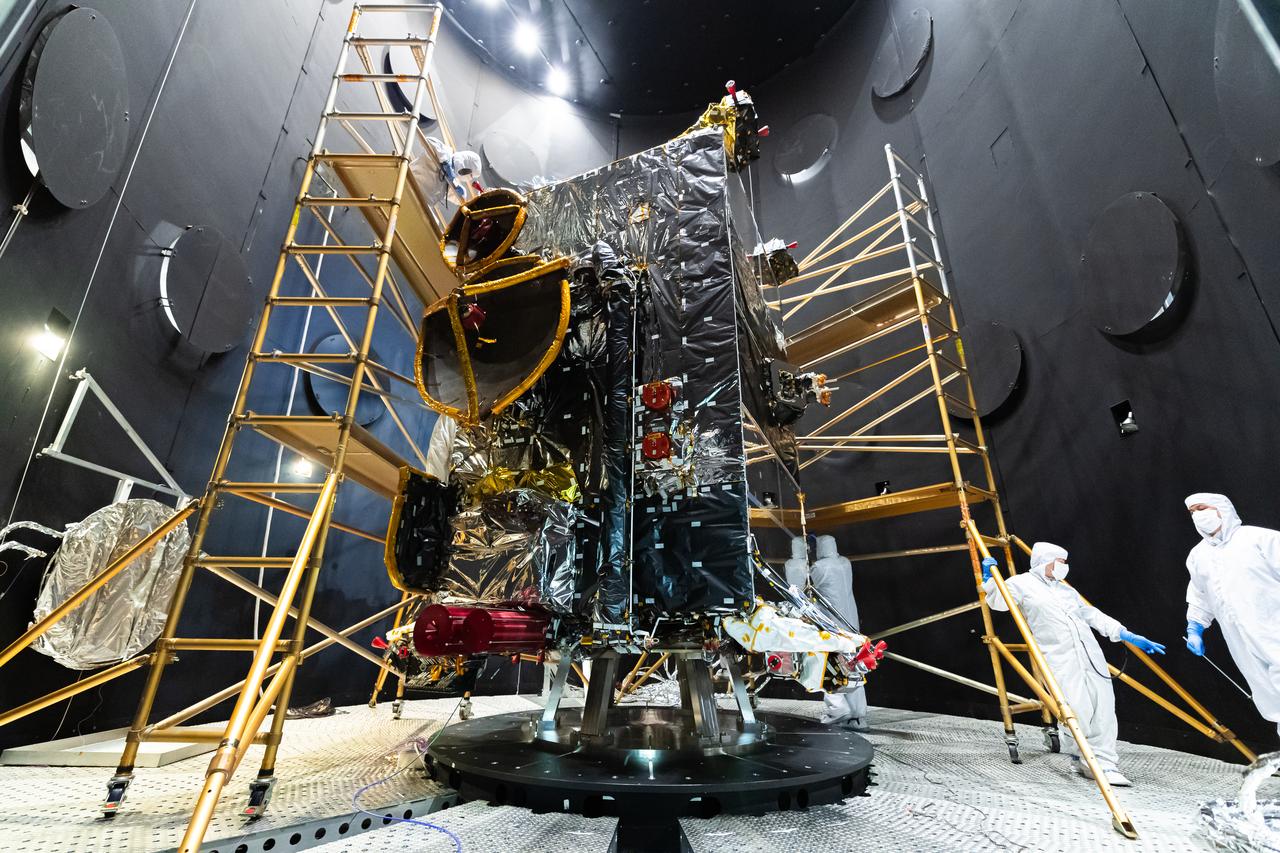
A view of the OSAM-1 spacecraft bus inside the thermal vacuum chamber at Goddard Space Flight Center, Greenbelt Md., Dec 1, 2023. This photo has been reviewed by Maxar, OSAM1 project management, and the Export Control Office and is released for public view. NASA/Mike Guinto
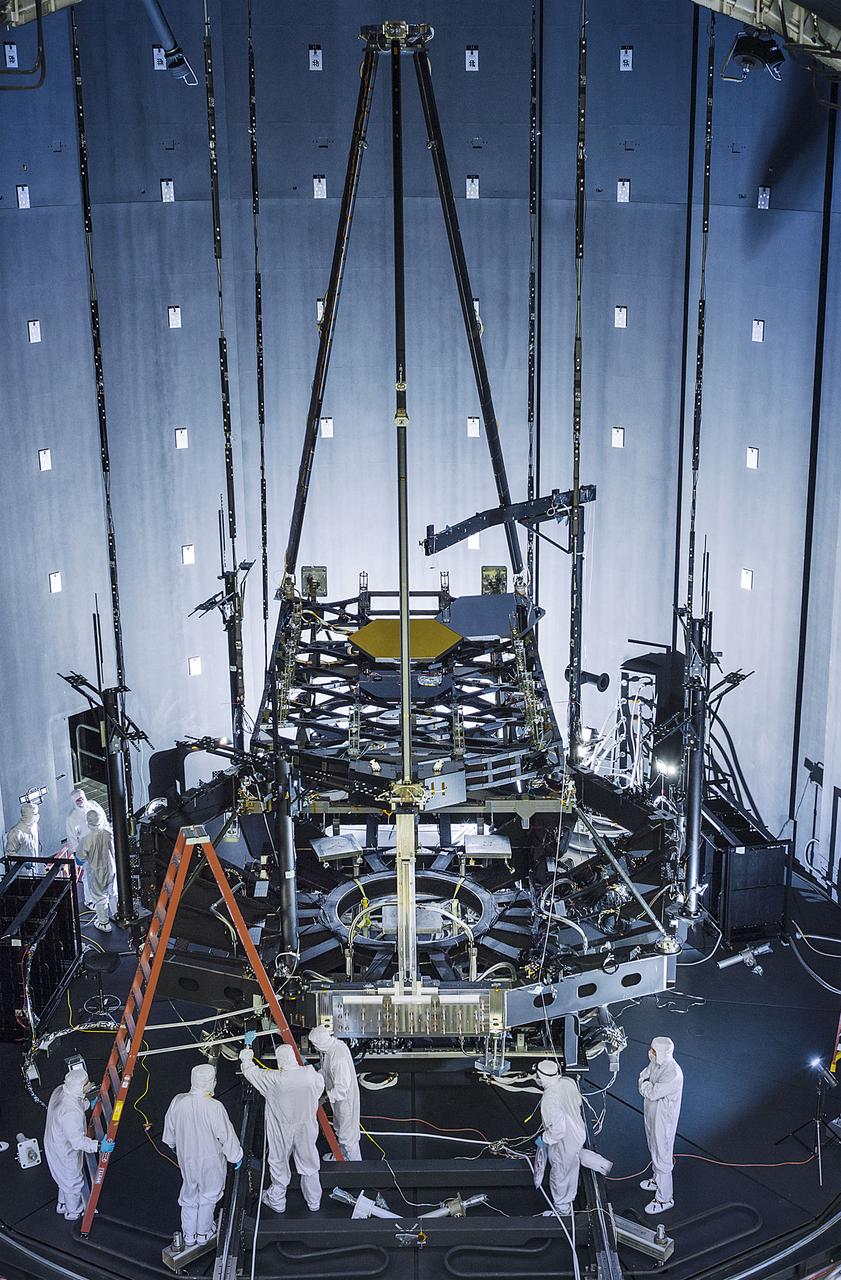
Inside NASA's giant thermal vacuum chamber, called Chamber A, at NASA's Johnson Space Center in Houston, the James Webb Space Telescope's Pathfinder backplane test model, is being prepared for its cryogenic test. Previously used for manned spaceflight missions, this historic chamber is now filled with engineers and technicians preparing for a crucial test. Exelis developed and installed the optical test equipment in the chamber. "The optical test equipment was developed and installed in the chamber by Exelis," said Thomas Scorse, Exelis JWST Program Manager. "The Pathfinder telescope gives us our first opportunity for an end-to-end checkout of our equipment." "This will be the first time on the program that we will be aligning two primary mirror segments together," said Lee Feinberg, NASA Optical Telescope Element Manager. "In the past, we have always tested one mirror at a time but this time we will use a single test system and align both mirrors to it as though they are a single monolithic mirror." The James Webb Space Telescope is the scientific successor to NASA's Hubble Space Telescope. It will be the most powerful space telescope ever built. Webb is an international project led by NASA with its partners, the European Space Agency and the Canadian Space Agency. Image credit: NASA/Chris Gunn Text credit: Laura Betz, NASA's Goddard Space Flight Center, Greenbelt, Maryland <b><a href="http://www.nasa.gov/audience/formedia/features/MP_Photo_Guidelines.html" rel="nofollow">NASA image use policy.</a></b> <b><a href="http://www.nasa.gov/centers/goddard/home/index.html" rel="nofollow">NASA Goddard Space Flight Center</a></b> enables NASA’s mission through four scientific endeavors: Earth Science, Heliophysics, Solar System Exploration, and Astrophysics. Goddard plays a leading role in NASA’s accomplishments by contributing compelling scientific knowledge to advance the Agency’s mission. <b>Follow us on <a href="http://twitter.com/NASAGoddardPix" rel="nofollow">Twitter</a></b> <b>Like us on <a href="http://www.facebook.com/pages/Greenbelt-MD/NASA-Goddard/395013845897?ref=tsd" rel="nofollow">Facebook</a></b> <b>Find us on <a href="http://instagrid.me/nasagoddard/?vm=grid" rel="nofollow">Instagram</a></b>
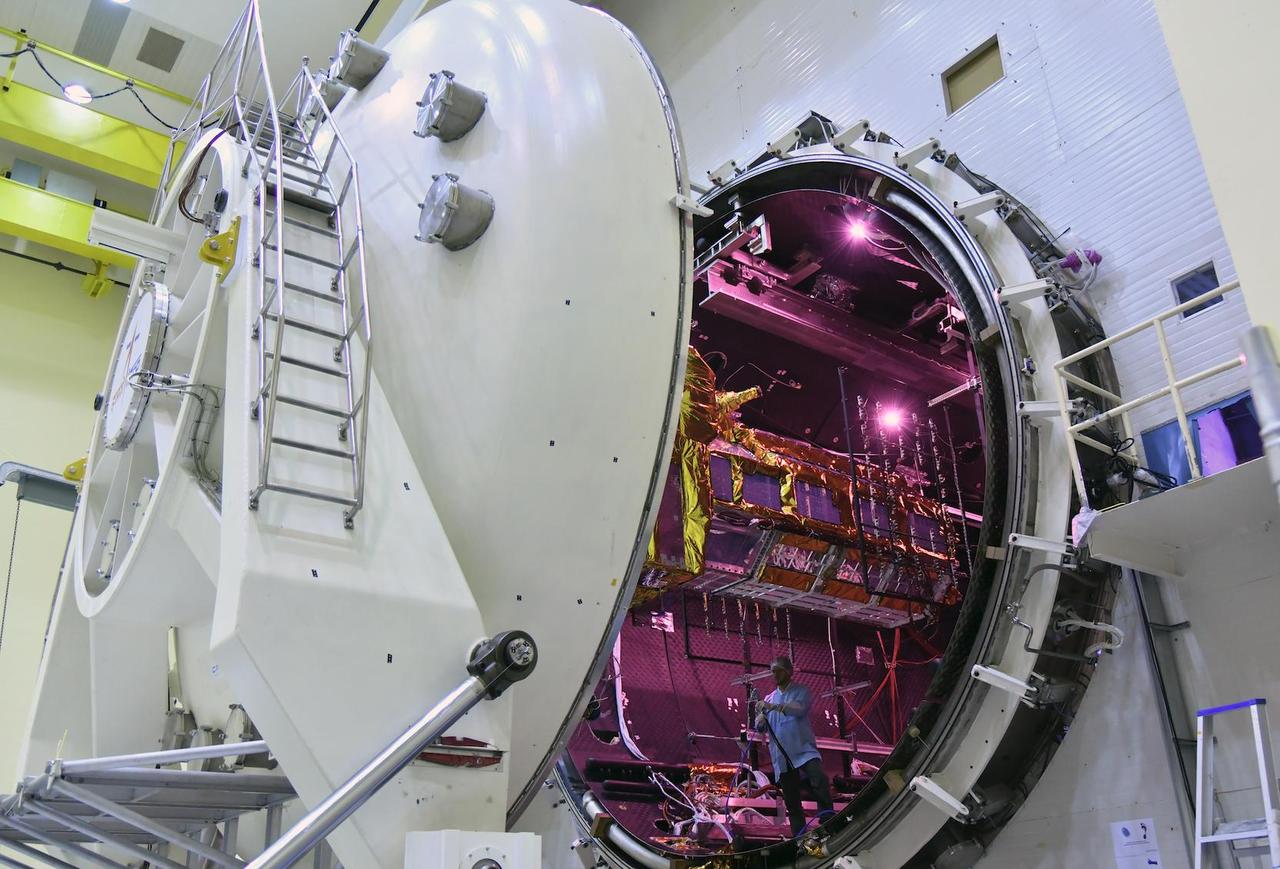
The NISAR satellite, partially covered in gold-hued thermal blanketing, enters the thermal vacuum chamber at the Indian Space Research Organisation's Satellite Integration and Test Establishment (ISITE) in Bengaluru, India, on Oct. 19, 2023. Short for NASA-ISRO Synthetic Aperture Radar, NISAR was bound for a 21-day trial aimed at evaluating its ability to function in the extreme temperatures and the vacuum of space. The satellite emerged from the chamber on Nov. 13, having met all requirements of the test. Teams from ISRO and NASA's Jet Propulsion Laboratory worked around the clock, evaluating the performance of the satellite's thermal systems and its two primary science instrument systems – the L-band and S-band radars – under the most extreme temperature conditions they will experience in space. During the three-week period, engineers and technicians lowered the pressure inside the chamber to an infinitesimal fraction of the normal pressure at sea level. They also subjected the satellite to an 80-hour "cold soak" at 14 degrees Fahrenheit (minus 10 degrees Celsius), followed by an equally lengthy "hot soak" at up to 122 F (50 C). This simulates the temperature swings the spacecraft will experience as it is exposed to sunlight and darkness in orbit. After further tests, the satellite will be transported about 220 miles (350 kilometers) eastward to Satish Dhawan Space Centre, where it will be inserted into its launch faring, mounted atop ISRO's Geosynchronous Satellite Launch Vehicle Mark II rocket, and sent into low-Earth orbit. NISAR is the first space-hardware collaboration between NASA and ISRO on an Earth-observing mission. Scheduled to launch in early 2024, the satellite will scan nearly all of the planet's land and ice twice every 12 days, monitoring the motion of those surfaces down to fractions of an inch. It will also track other processes, including the dynamics of forests, wetlands, and agricultural lands. https://photojournal.jpl.nasa.gov/catalog/PIA26114
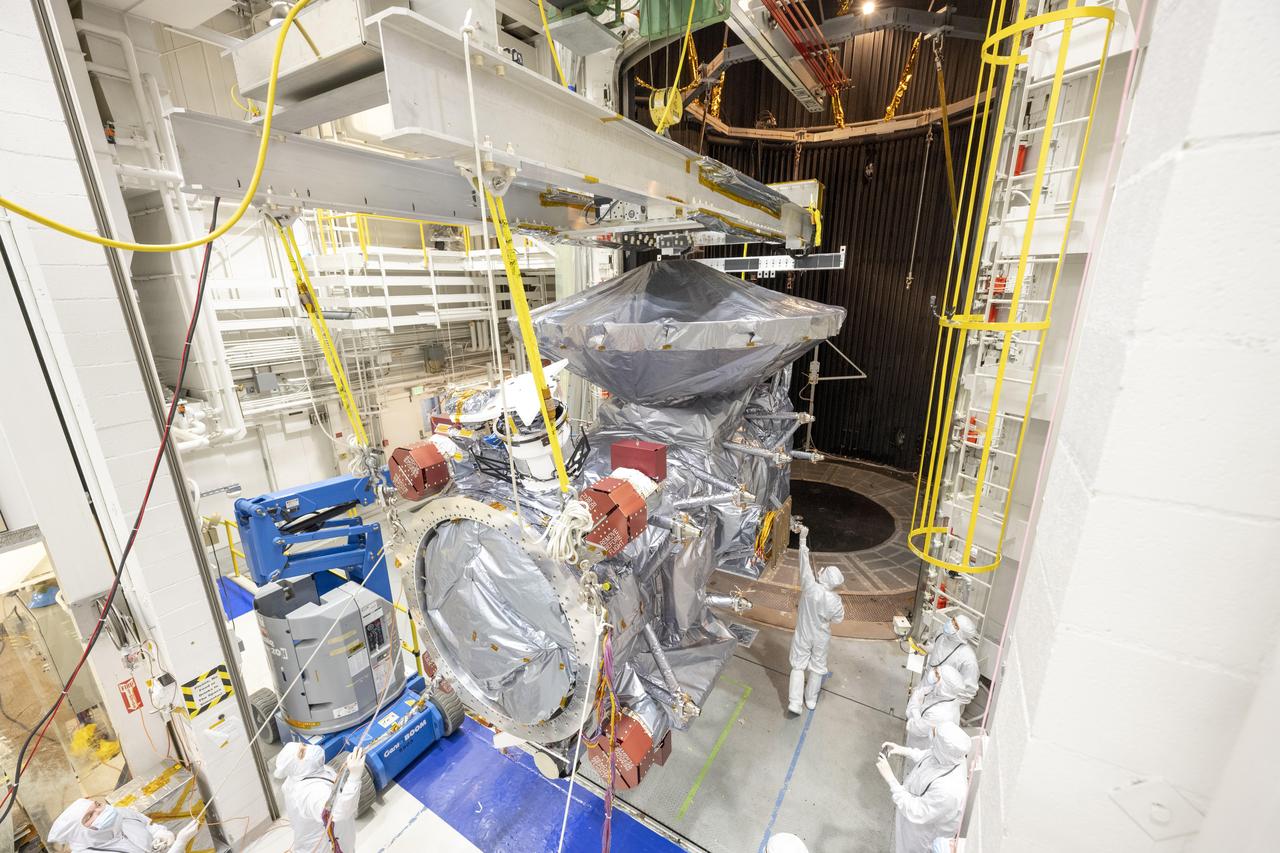
NASA's Europa Clipper spacecraft is seen in the 85-foot-tall, 25-foot-wide (26-meter-by-8-meter) vacuum chamber, known as the Space Simulator, at the agency's Jet Propulsion Laboratory in Southern California in February 2024. Shortly after this photo was taken, the spacecraft underwent 16 days of thermal vacuum chamber (TVAC) testing so that engineers can be sure the hardware will survive the extreme temperatures and airless environment of space. TVAC is part of a regimen called environmental testing that takes place before spacecraft are approved for flight. Europa Clipper, set to launch in October 2024 from Kennedy Space Center in Florida, will arrive at the Jupiter system in 2030 and conduct about 50 flybys of the moon Europa. The mission's main science goal is to determine whether there are places below the surface of Europa that could support life. The mission's three main science objectives are to determine the thickness of the moon's icy shell and its surface interactions with the ocean below, to investigate its composition, and to characterize its geology. The mission's detailed exploration of Europa will help scientists better understand the astrobiological potential for habitable worlds beyond our planet. https://photojournal.jpl.nasa.gov/catalog/PIA26065
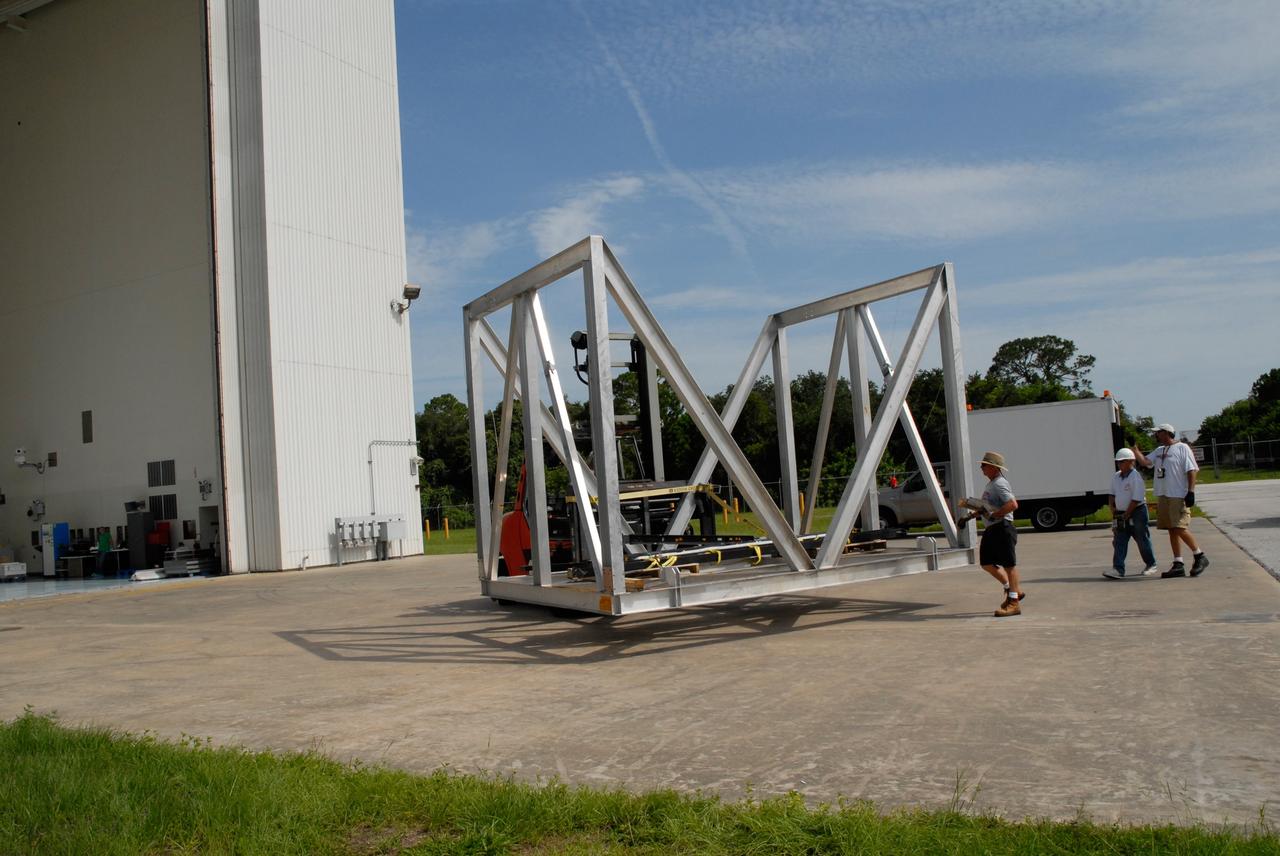
CAPE CANAVERAL, Fla. – The thermal vacuum fixture is transferred to a transporter in front of the Payload Hazardous Servicing Center at NASA's Kennedy Space Center. The fixture will be used to hold the carrier and flight support system for the STS-125 Hubble Space Telescope Servicing Mission 4. Space shuttle Atlantis is targeted to launch on the STS-125 mission Oct. 8. The mission crew will perform history-making, on-orbit “surgery” on two important science instruments aboard the telescope. After capturing the telescope, two teams of spacewalking astronauts will perform the repairs during five planned spacewalks. Photo credit: NASA/Jack Pfaller

CAPE CANAVERAL, Fla. – The thermal vacuum fixture arrives at NASA's Kennedy Space Center. The fixture will be used to hold the carrier and flight support system for the STS-125 Hubble Space Telescope Servicing Mission 4. Space shuttle Atlantis is targeted to launch on the STS-125 mission Oct. 8. The mission crew will perform history-making, on-orbit “surgery” on two important science instruments aboard the telescope. After capturing the telescope, two teams of spacewalking astronauts will perform the repairs during five planned spacewalks. Photo credit: NASA/Jack Pfaller
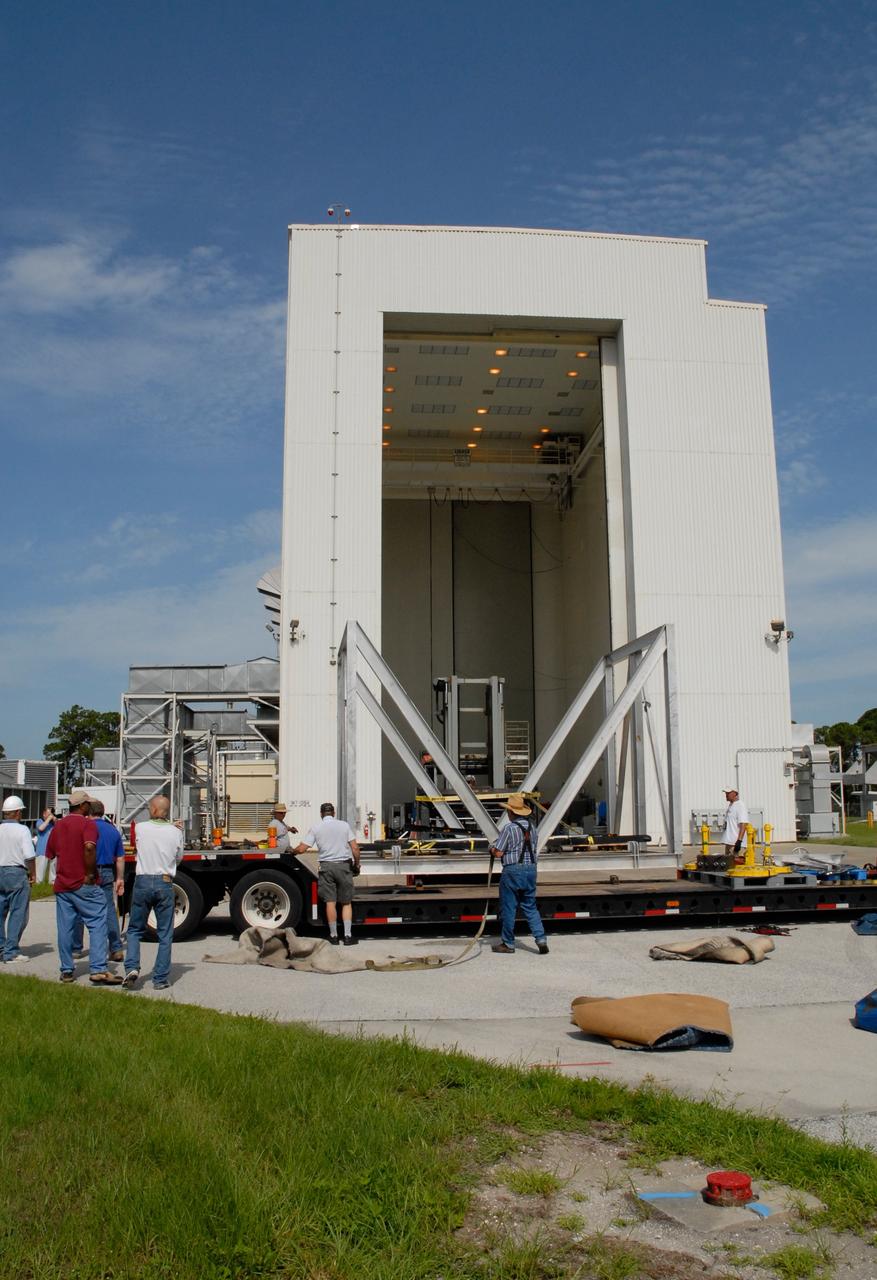
CAPE CANAVERAL, Fla. – The thermal vacuum fixture arrives at the Payload Hazardous Servicing Center at NASA's Kennedy Space Center. The fixture will be used to hold the carrier and flight support system for the STS-125 Hubble Space Telescope Servicing Mission 4. Space shuttle Atlantis is targeted to launch on the STS-125 mission Oct. 8. The mission crew will perform history-making, on-orbit “surgery” on two important science instruments aboard the telescope. After capturing the telescope, two teams of spacewalking astronauts will perform the repairs during five planned spacewalks. Photo credit: NASA/Jack Pfaller
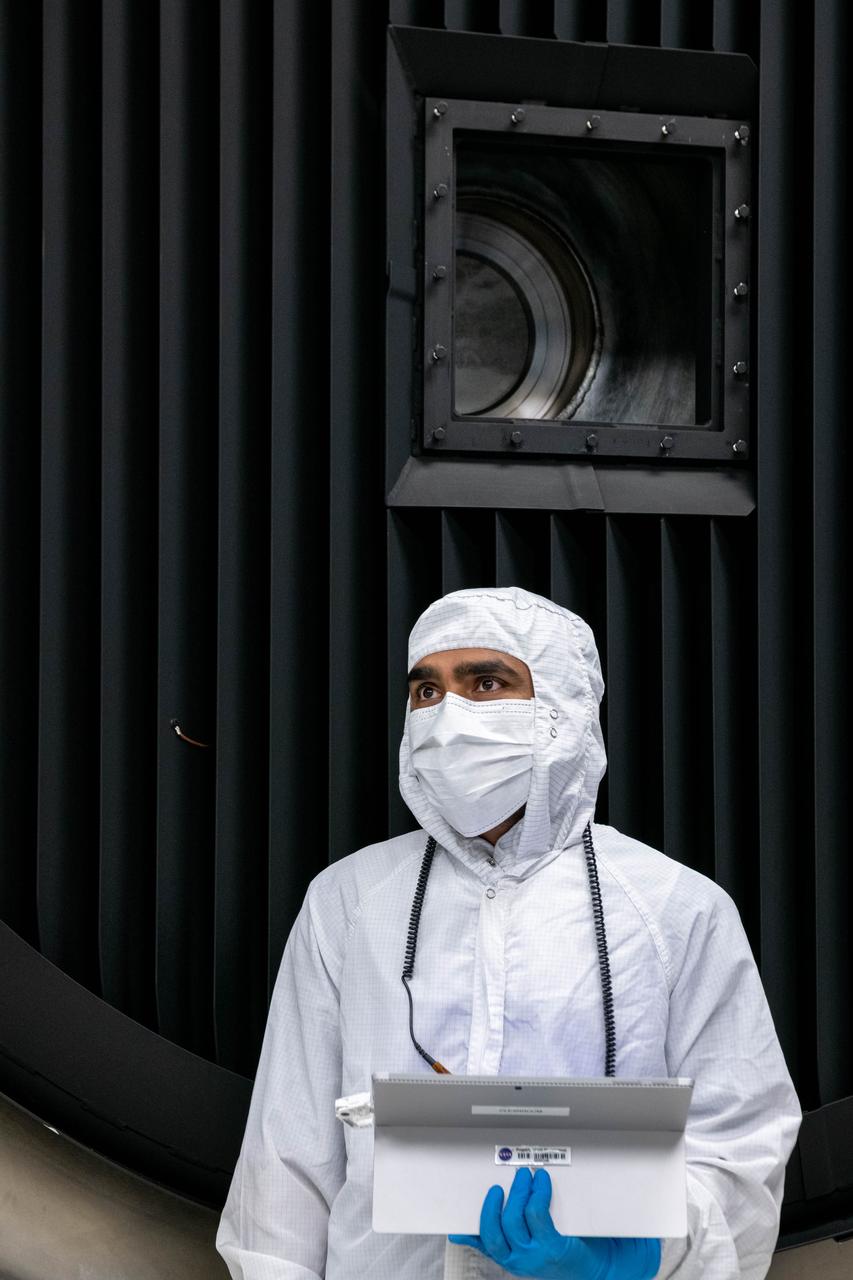
Thermal Engineer, Deepak Patel, reviews test plans and inspects the Ocean Color Instrument (OCI) in the thermal vacuum chamber prior to the door for the instruments sixty day thermal test to ensure it will perform effectively once it launches into the airless environment of space. OCI is a highly advanced optical spectrometer that will be used to measure properties of light over portions of the electromagnetic spectrum. It will enable continuous measurement of light at finer wavelength resolution than previous NASA satellite sensors, extending key system ocean color data records for climate studies. OCI is PACE's (Plankton, Aerosol, Cloud, ocean Ecosystem) primary sensor built at Goddard Space Flight Center in Greenbelt, MD.
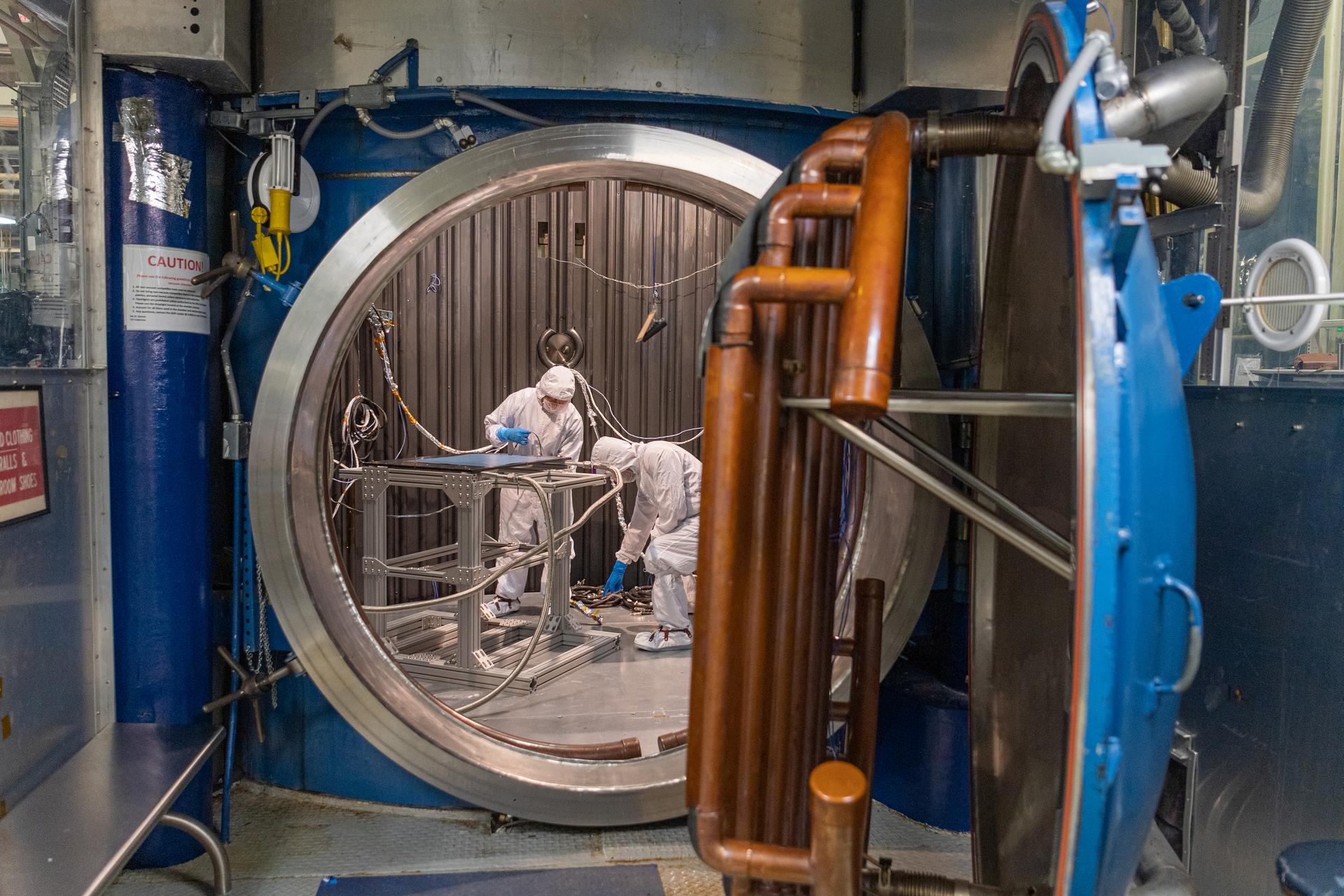
Members of the OSAM-1 power supply unit (PSU) team make preparations inside a thermal vacuum chamber for the PSU electronics box to be lowered in at Goddard Space Flight Center, Greenbelt Md., Mar 16, 2023. This photo has been reviewed by OSAM1 project management and the Export Control Office and is released for public view. NASA/Mike Guinto
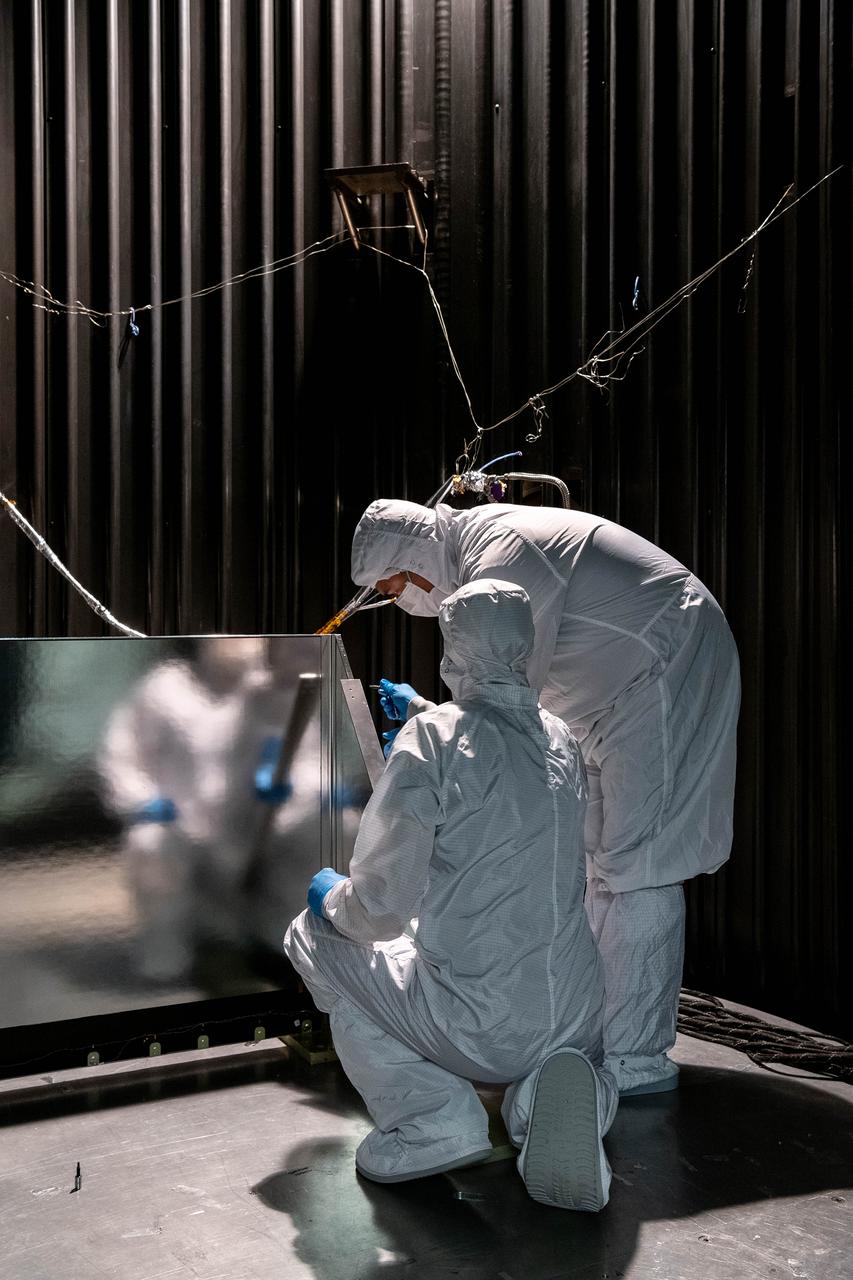
Mechanical Technicians, Daniel Dizon and Joseph Eddy, install the Ocean Color Instrument (OCI) Earth Shade into a thermal vacuum chamber so that team members can test the thermal capabilities of the hardware under a simulated space environment. OCI is a highly advanced optical spectrometer that will be used to measure properties of light over portions of the electromagnetic spectrum. It will enable continuous measurement of light at finer wavelength resolution than previous NASA satellite sensors, extending key system ocean color data records for climate studies. OCI is PACE's (Plankton, Aerosol, Cloud, ocean Ecosystem) primary sensor built at Goddard Space Flight Center in Greenbelt, MD.
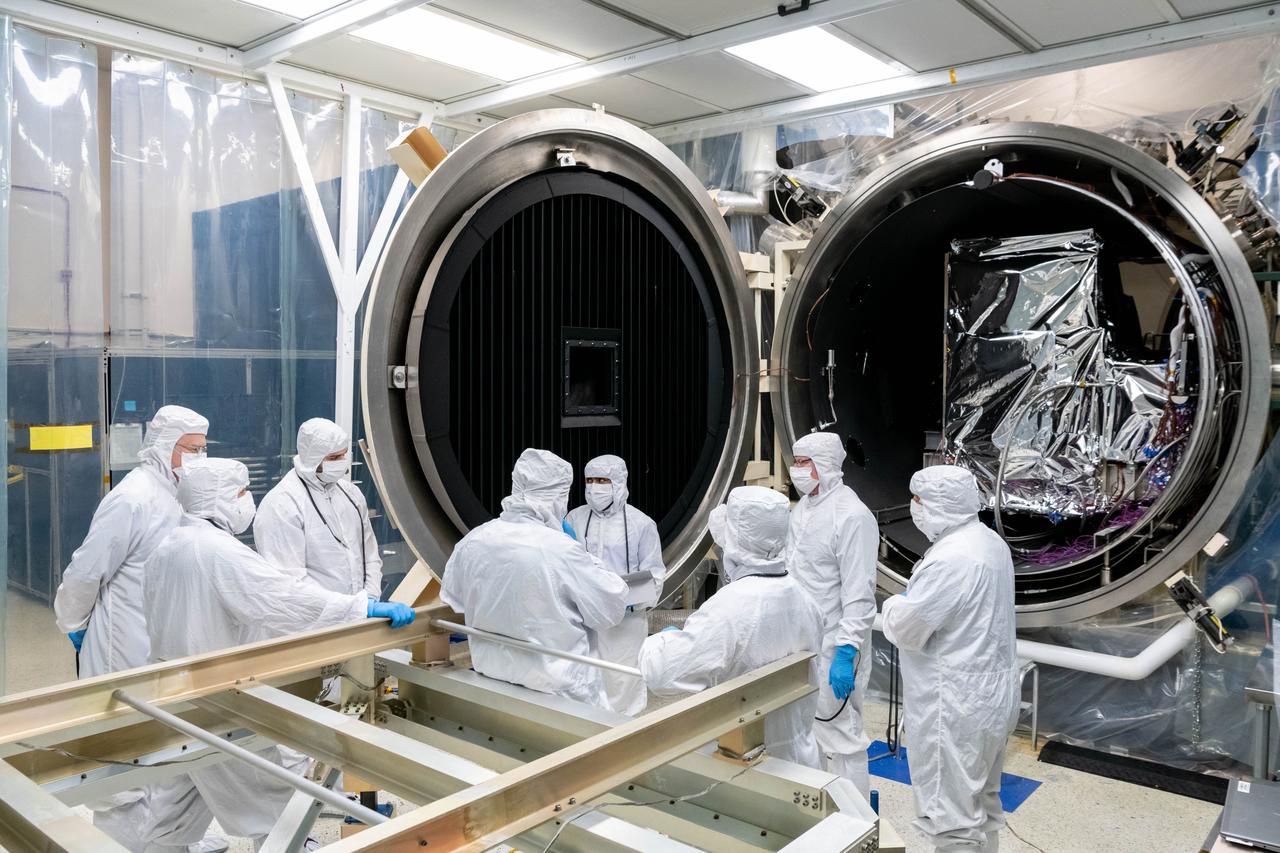
The Ocean Color Instrument (OCI) team reviews test plans and inspects the instrument in the thermal vacuum chamber prior to closing the large door for a sixty day thermal test which ensures the instrument will perform effectively once it launches into the airless environment of space. OCI is a highly advanced optical spectrometer that will be used to measure properties of light over portions of the electromagnetic spectrum. It will enable continuous measurement of light at finer wavelength resolution than previous NASA satellite sensors, extending key system ocean color data records for climate studies. OCI is PACE's (Plankton, Aerosol, Cloud, ocean Ecosystem) primary sensor built at Goddard Space Flight Center in Greenbelt, MD.
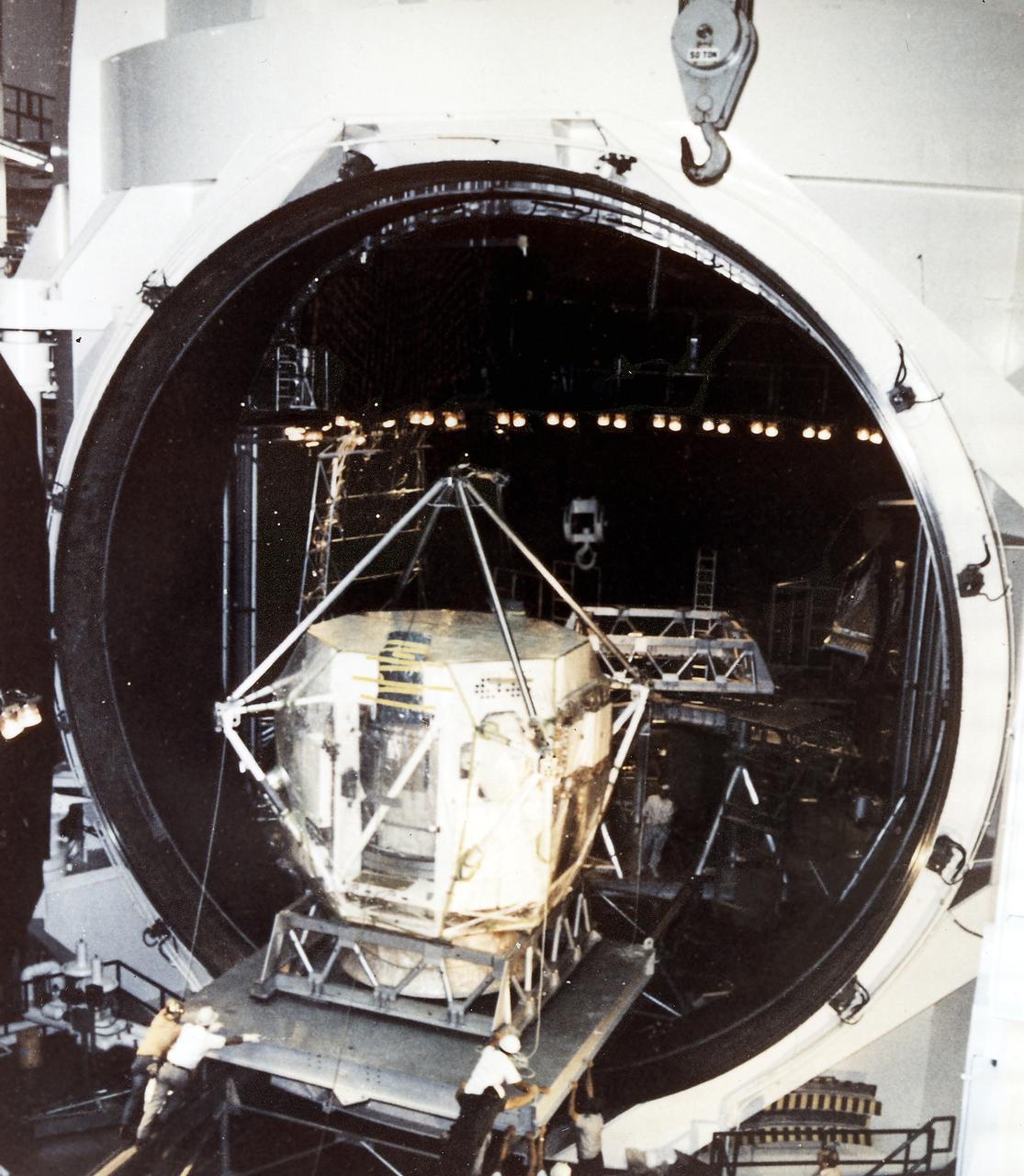
The Apollo Telescope Mount (ATM), designed and developed by the Marshall Space Flight Center, was one of four major components comprising the Skylab. The ATM housed the first marned scientific telescopes in space. In this photograph, taken at the Manned Spacecraft Center (later renamed the Johnson Space Center), an ATM prototype can be seen in a thermal vacuum chamber that tested the unit's ability to withstand the environment of space.
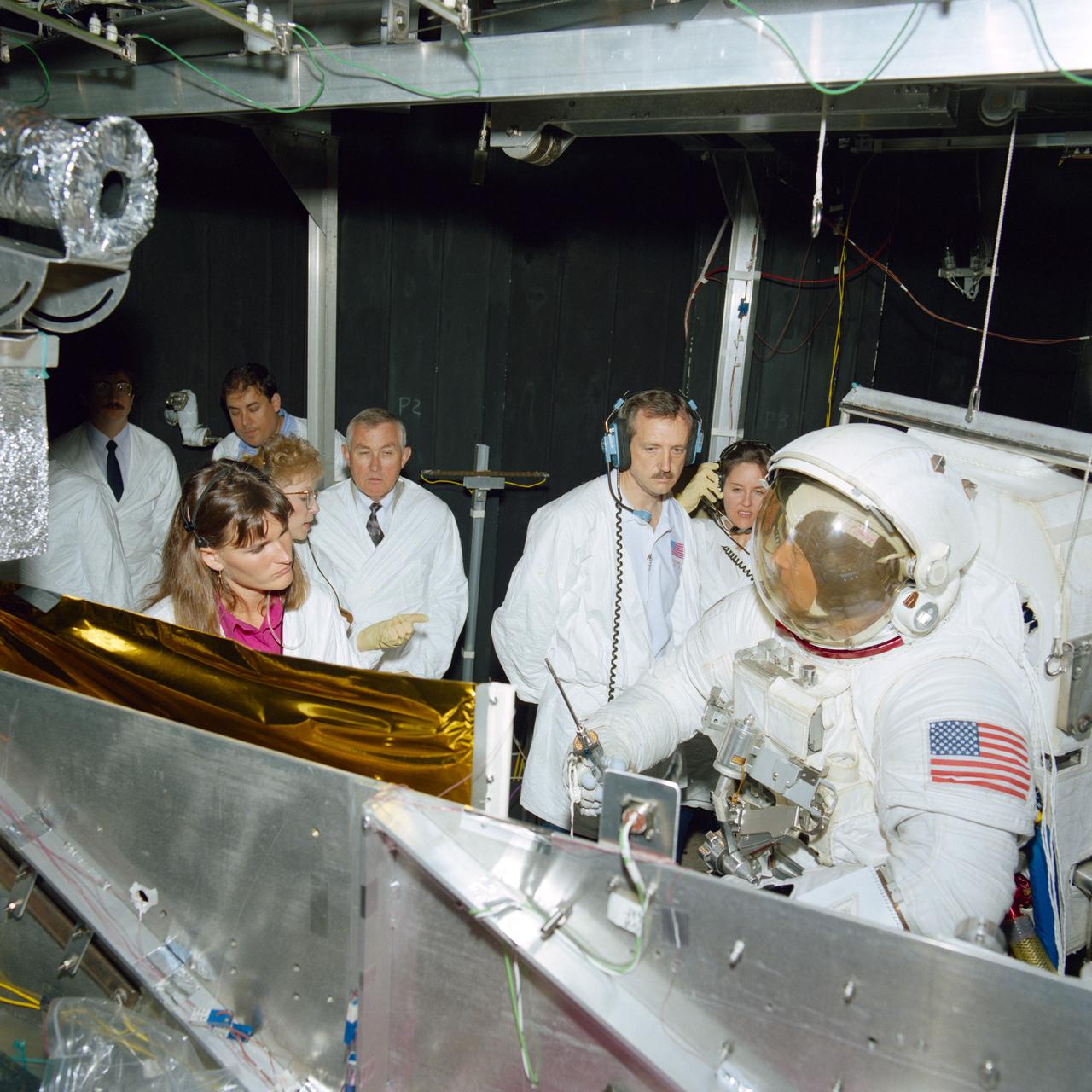
S93-34001 (26 May 1993) --- Astronaut F. Story Musgrave, wearing a training version of the Extravehicular Mobility Unit (EMU), participates in a dry run for tests in a thermal vacuum chamber. The payload commander will be among four suited crew members participating in task rehearsals and testing the tools that will be used on the Hubble Space Telescope (HST) repair mission. The test, conducted in Chamber B of the Space Environment and Simulation Laboratory (SESL) at the Johnson Space Center (JSC), verified that the tools being designed for the mission will work in the cold vacuum of space. Others pictured, from the left, are Andrea Tullar and Donna Fender, test directors; Leonard S. Nicholson, acting director of engineering; and astronauts Thomas D. Akers and Kathryn C. Thornton, mission specialists, along with Musgrave.
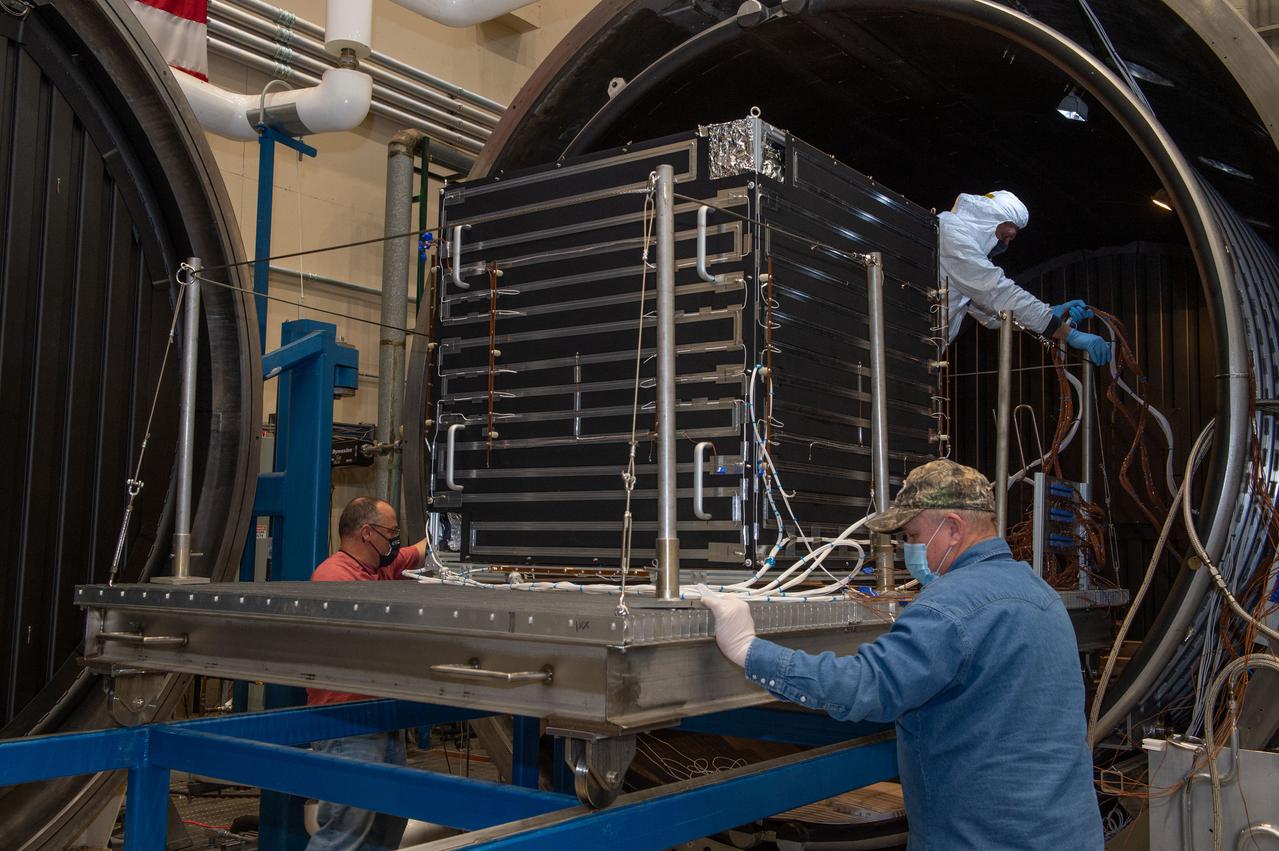
Removal of hot box containing NEA Scout spacecraft from Thermal Vacuum Chamber V15 1 of 2
The Gamma-Ray Imager/Polarimeter for Solar flares (GRIPS) instrument is installed in the B-2 vacuum chamber for a full-instrument thermal-vacuum test in 2015. The GRIPS telescope was launched via balloon in January 2016 on a high-altitude flight over Antarctica to study the acceleration and transport of solar flare particles.
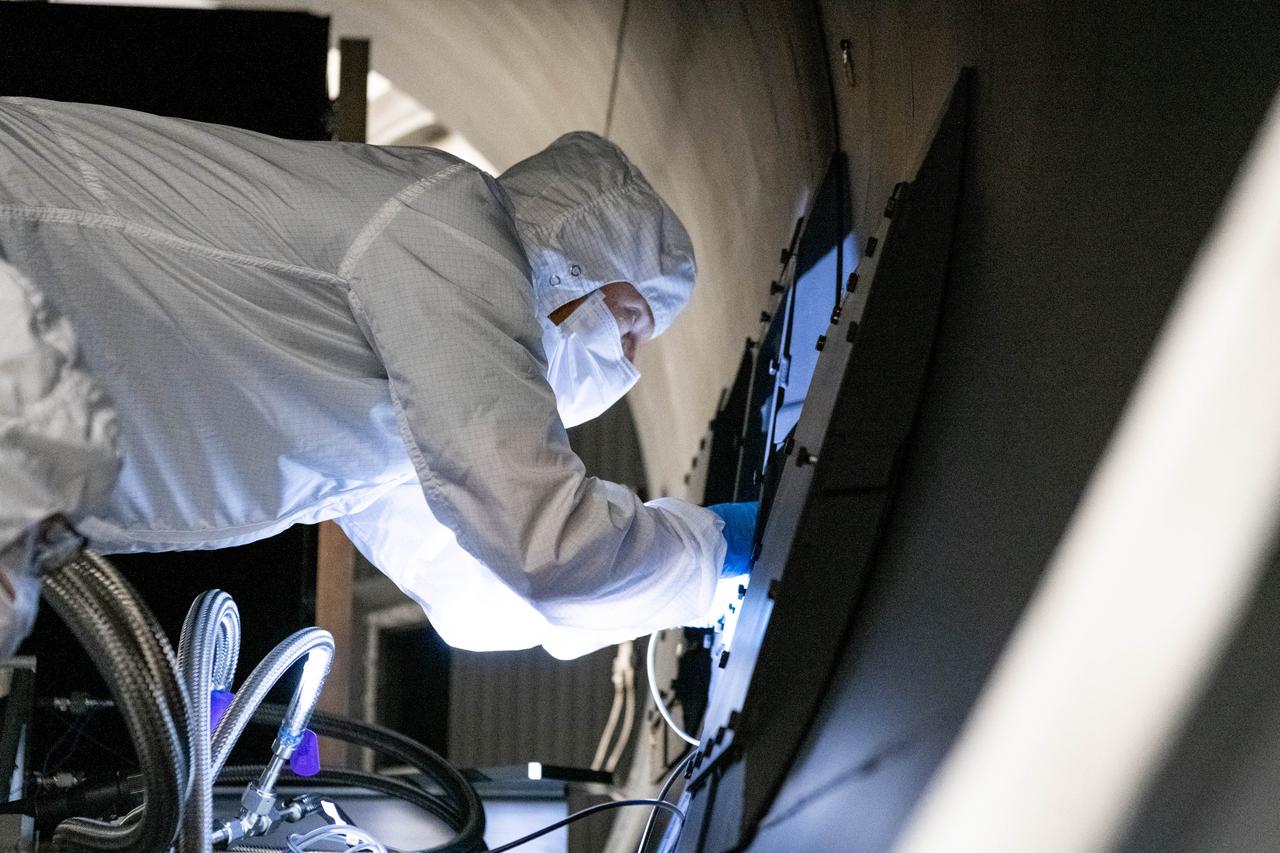
Optical engineer, Brendan McAndrew, installs radiometers inside the Ocean Color Instrument (OCI) thermal vacuum chamber in preparation for window calibration testing. The testing will help scientists and engineers know if the optical components of OCI are aligned correctly before it gets integrated to the PACE (Plankton, Aerosol, Cloud, ocean Ecosystem) spacecraft. OCI is a highly advanced optical spectrometer that will be used to measure properties of light over portions of the electromagnetic spectrum. It will enable continuous measurement of light at finer wavelength resolution than previous NASA satellite sensors, extending key system ocean color data records for climate studies. OCI is PACE's (Plankton, Aerosol, Cloud, ocean Ecosystem) primary sensor built at Goddard Space Flight Center in Greenbelt, MD.
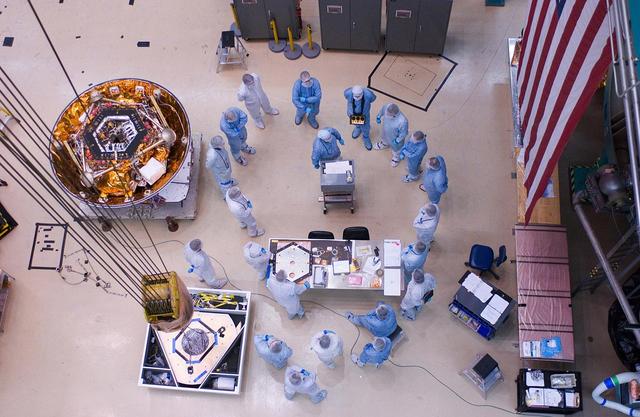
Spacecraft specialists huddle to discuss the critical lift of NASA Phoenix Mars Lander into a thermal vacuum chamber
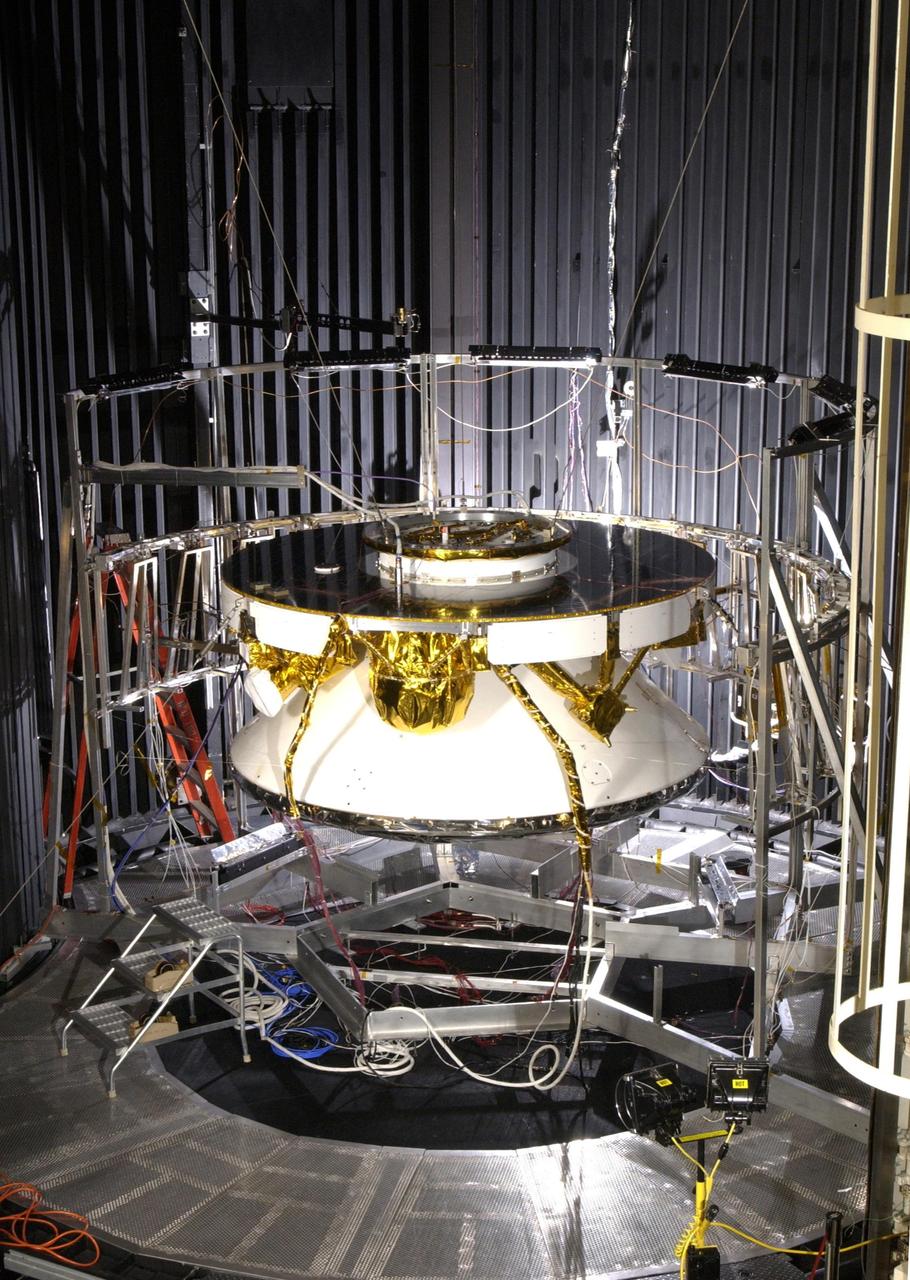
NASA Rover 1 in the cruise configuration in Jet Propulsion Laboratory 25-ft Solar Thermal Vacuum Chamber where it underwent environmental testing.
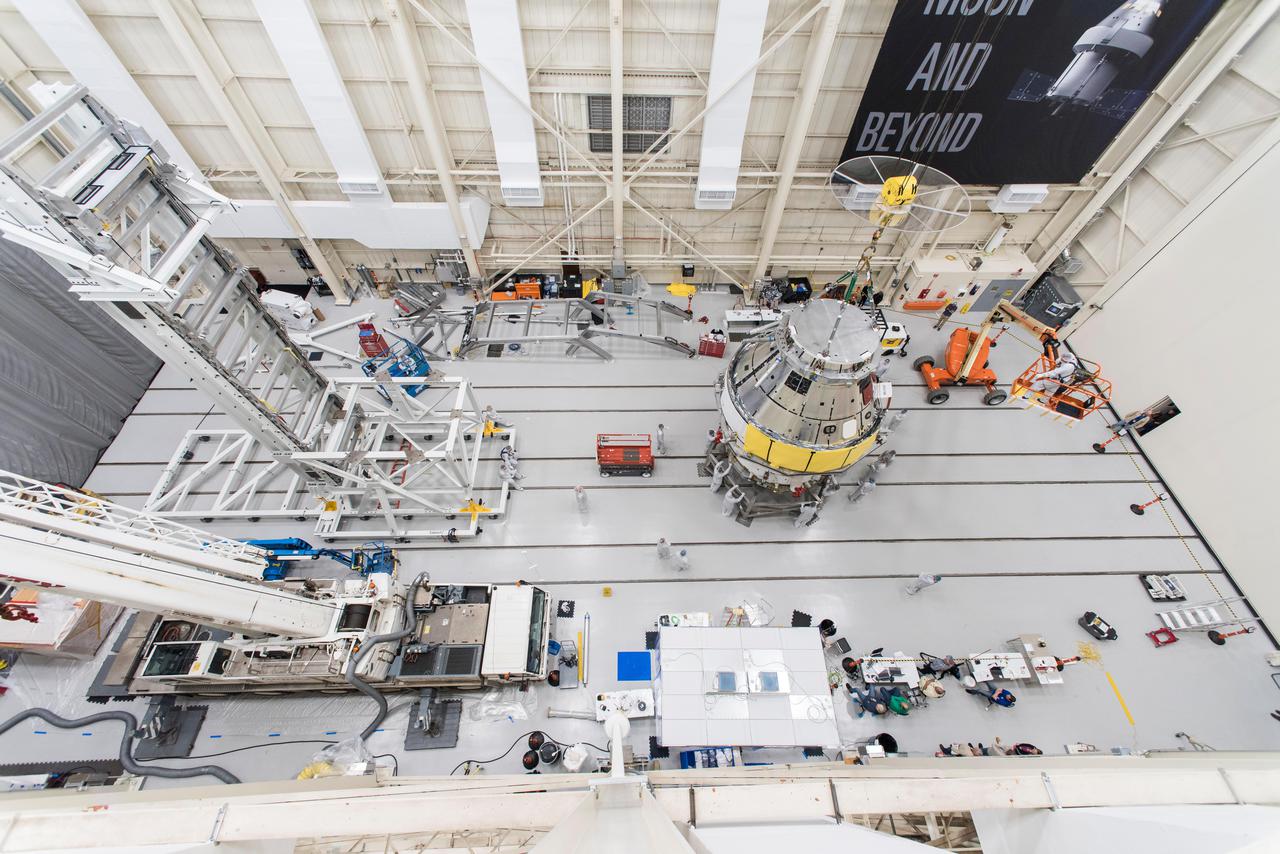
Orion - EM-1 - Artemis Spacecraft Departure at the Space Environments Complex, SEC Thermal Vacuum Chamber at the Neil A. Armstrong Test Facility, Transportation to Mansfield Lahm Airport
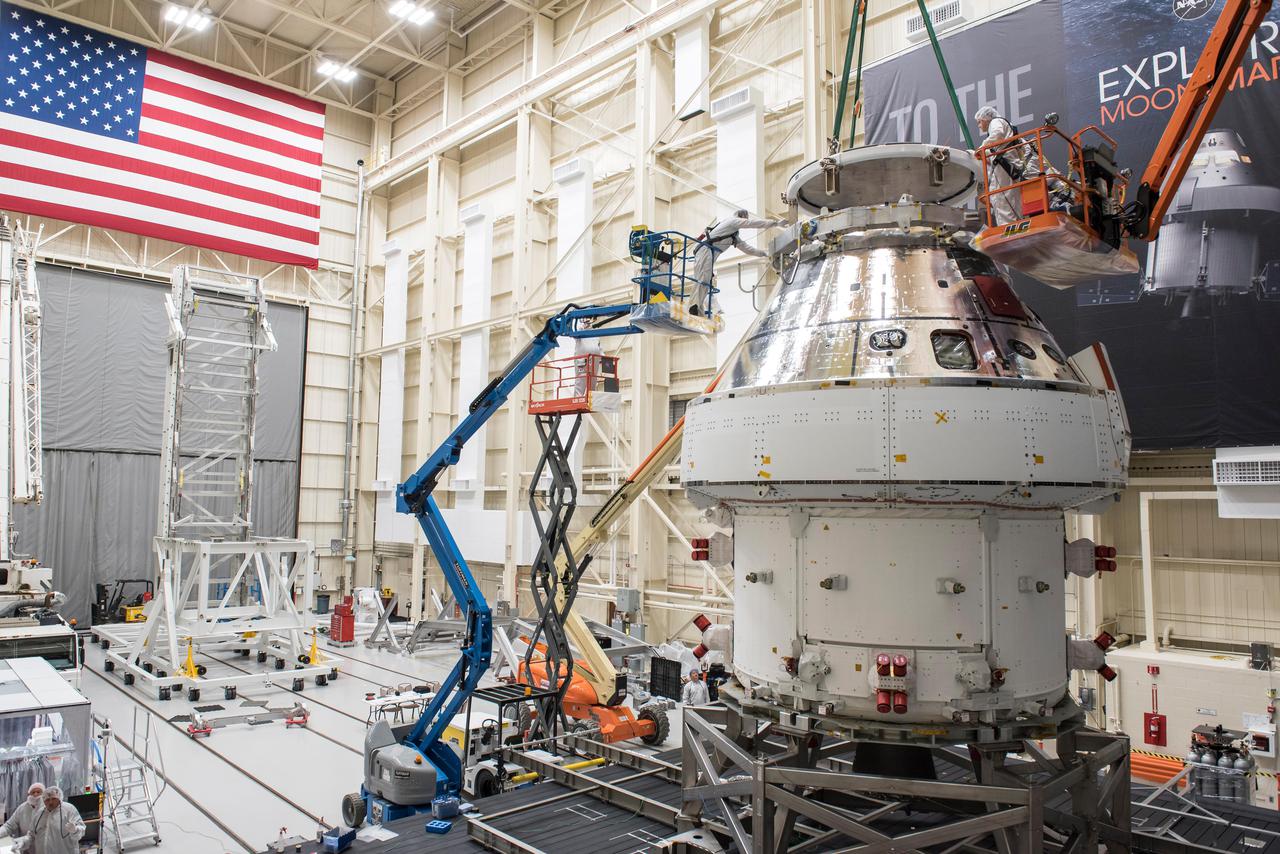
Orion - EM-1 - Artemis Spacecraft Departure at the Space Environments Complex, SEC Thermal Vacuum Chamber at the Neil A. Armstrong Test Facility, Transportation to Mansfield Lahm Airport

Orion - EM-1 - Artemis Spacecraft Arrival at Mansfield Lahm Airport, Transportation to Plum Brook Station and Installation in the Space Environment Complex, SEC Thermal Vacuum Chamber
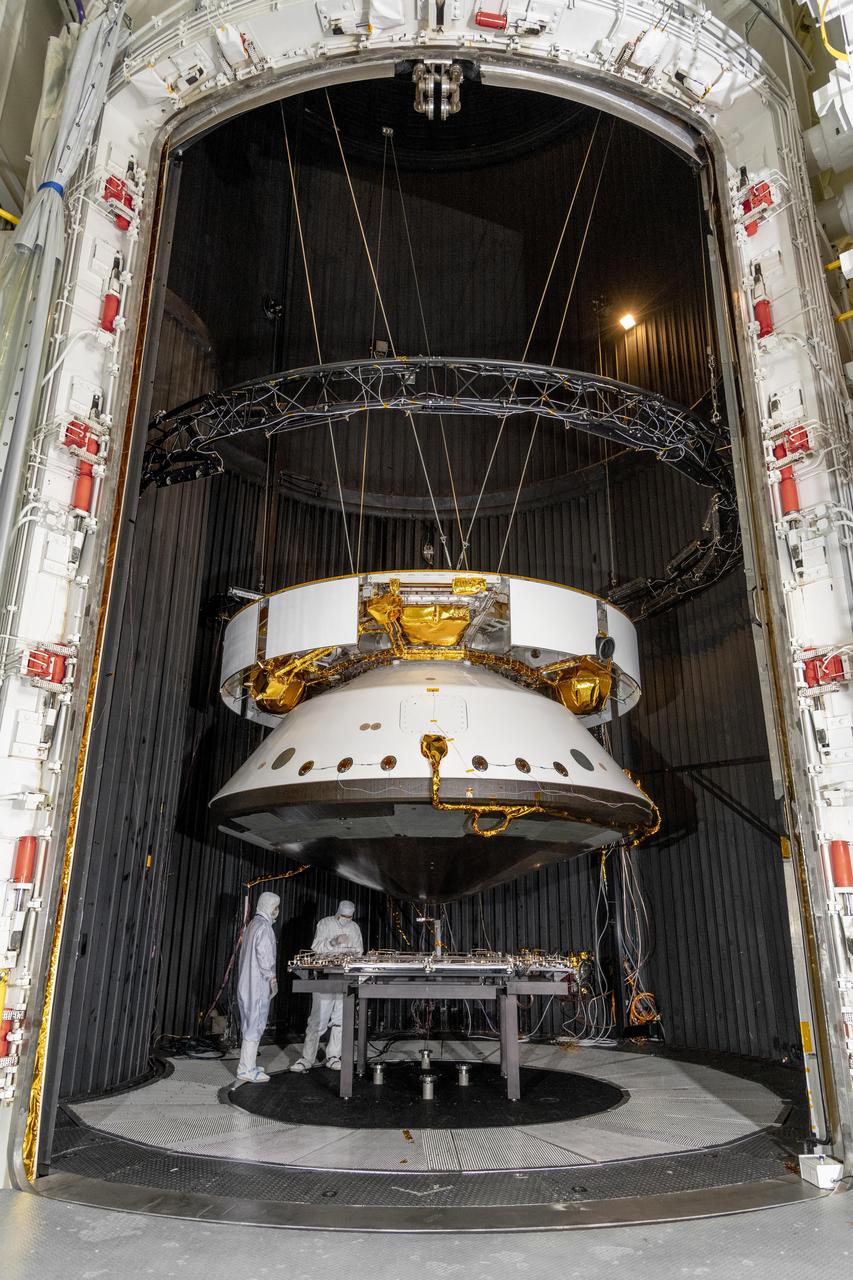
Engineers prepare the Mars 2020 spacecraft for a thermal vacuum (TVAC) test in the Space Simulator Facility at NASA's Jet Propulsion Laboratory in Pasadena, California. The image was taken on May 9, 2019. https://photojournal.jpl.nasa.gov/catalog/PIA23263

Engineers at Lockheed Martin Space, Denver, Colorado, prepare NASA's InSight lander for testing in a thermal vacuum chamber several months before launch. https://photojournal.jpl.nasa.gov/catalog/PIA22740
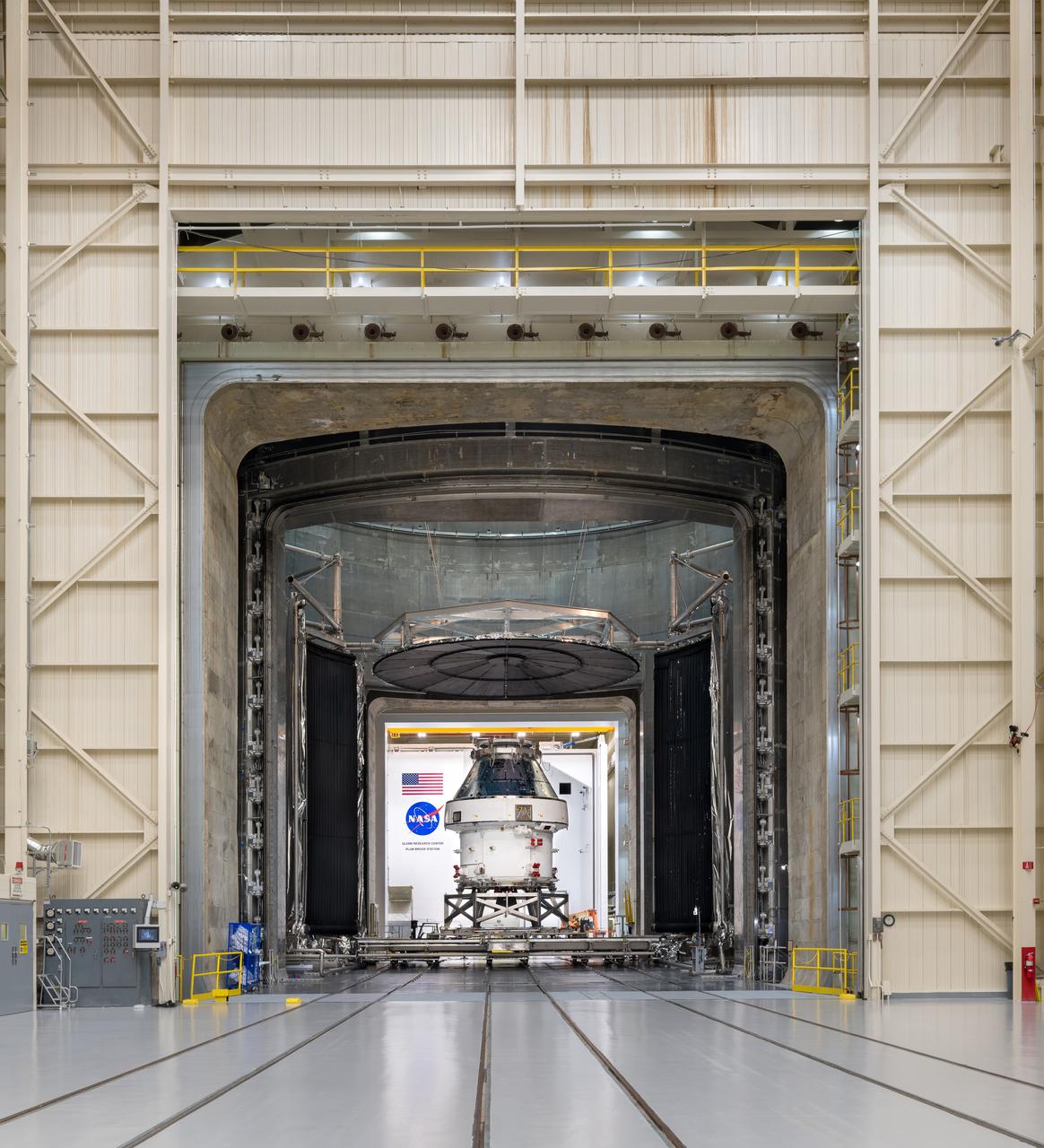
The Orion spacecraft for the Artemis I Mission, consisting of the crew module and European-built service module, sits in the NASA Glenn Research Center, Plum Brook Station, Space Environments Complex, SEC, Thermal Vacuum Chamber after more than three months of testing where it was subjected to the extreme temperatures and electromagnetic environment it will experience in the vacuum of space during Artemis missions. Orion is a key component of Artemis I, an uncrewed test flight around the Moon that will land the first woman and next man on the lunar surface by 2024.
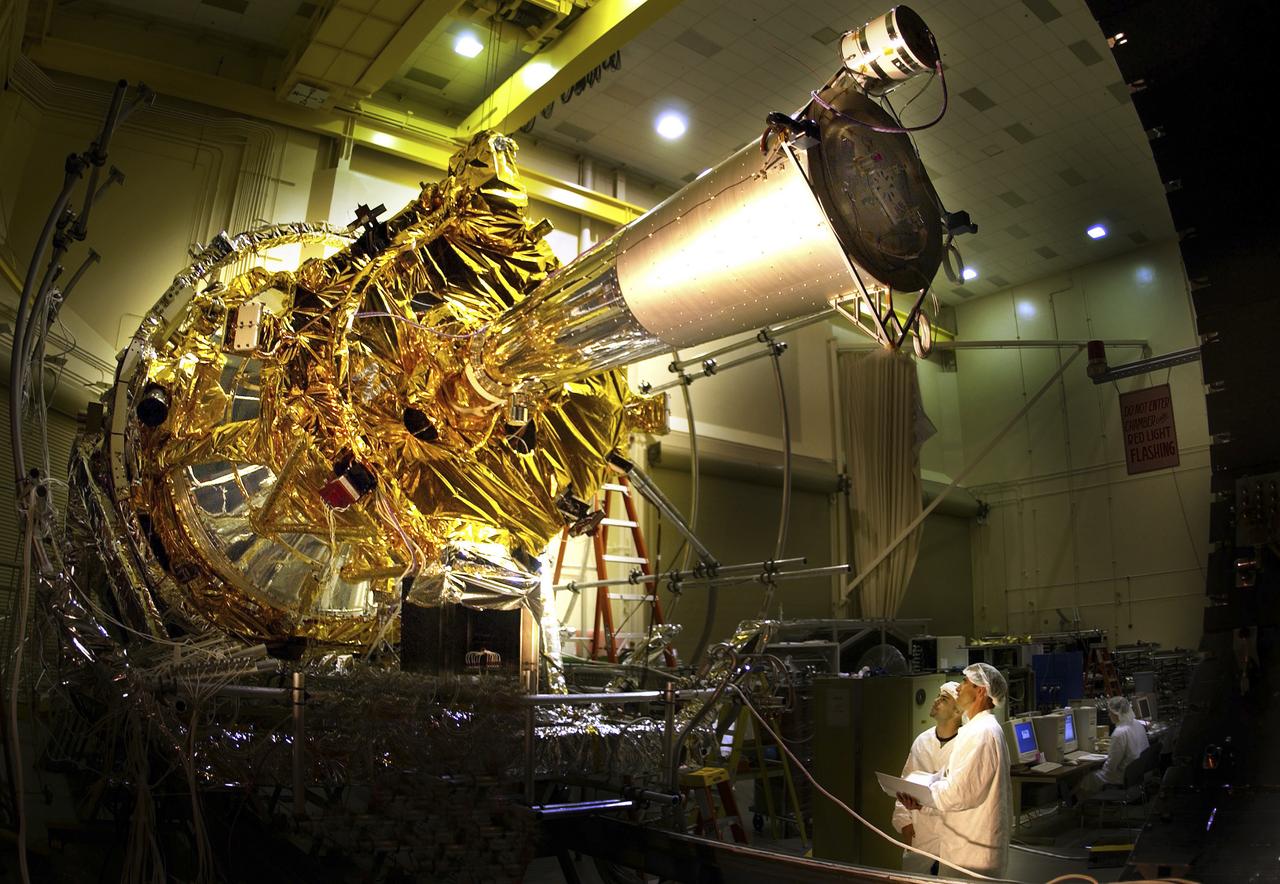
The Gravity Probe B (GP-B) is the relativity experiment developed at Stanford University to test two extraordinary predictions of Albert Einstein’s general theory of relativity. The experiment will measure, very precisely, the expected tiny changes in the direction of the spin axes of four gyroscopes contained in an Earth-orbiting satellite at a 400-mile altitude. So free are the gyroscopes from disturbance that they will provide an almost perfect space-time reference system. They will measure how space and time are very slightly warped by the presence of the Earth, and, more profoundly, how the Earth’s rotation very slightly drags space-time around with it. These effects, though small for the Earth, have far-reaching implications for the nature of matter and the structure of the Universe. In this photograph, the completed space vehicle is undergoing thermal vacuum environment testing. GP-B is among the most thoroughly researched programs ever undertaken by NASA. This is the story of a scientific quest in which physicists and engineers have collaborated closely over many years. Inspired by their quest, they have invented a whole range of technologies that are already enlivening other branches of science and engineering. Launched April 20, 2004 , the GP-B program was managed for NASA by the Marshall Space Flight Center. Development of the GP-B is the responsibility of Stanford University along with major subcontractor Lockheed Martin Corporation. (Image credit to Russ Underwood, Lockheed Martin Corporation.)
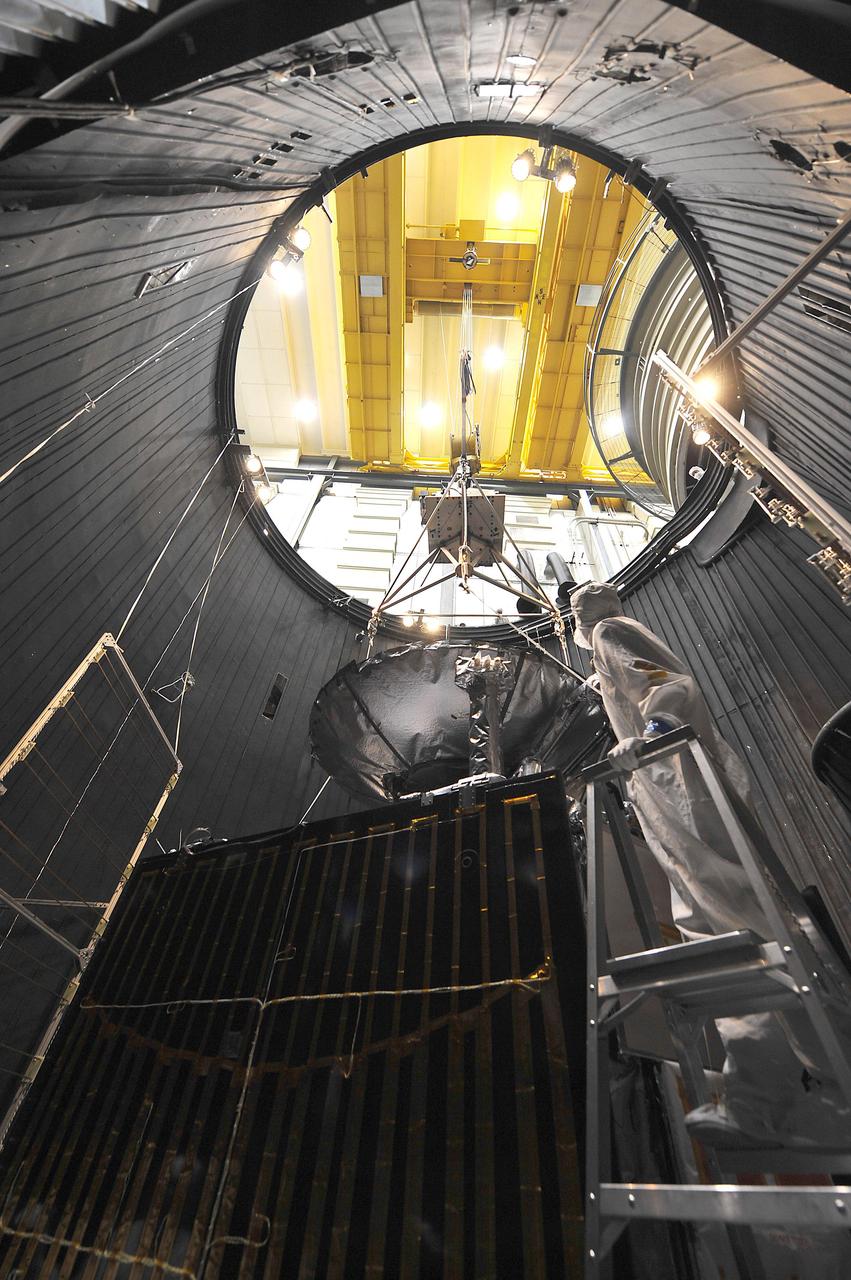
This image of NASA Juno spacecraft was taken as the vehicle completed its thermal vacuum chamber testing. A technician is attaching the lifting equipment in preparation for hoisting the 1,588-kilogram 3,500-pound spacecraft out of the chamber.
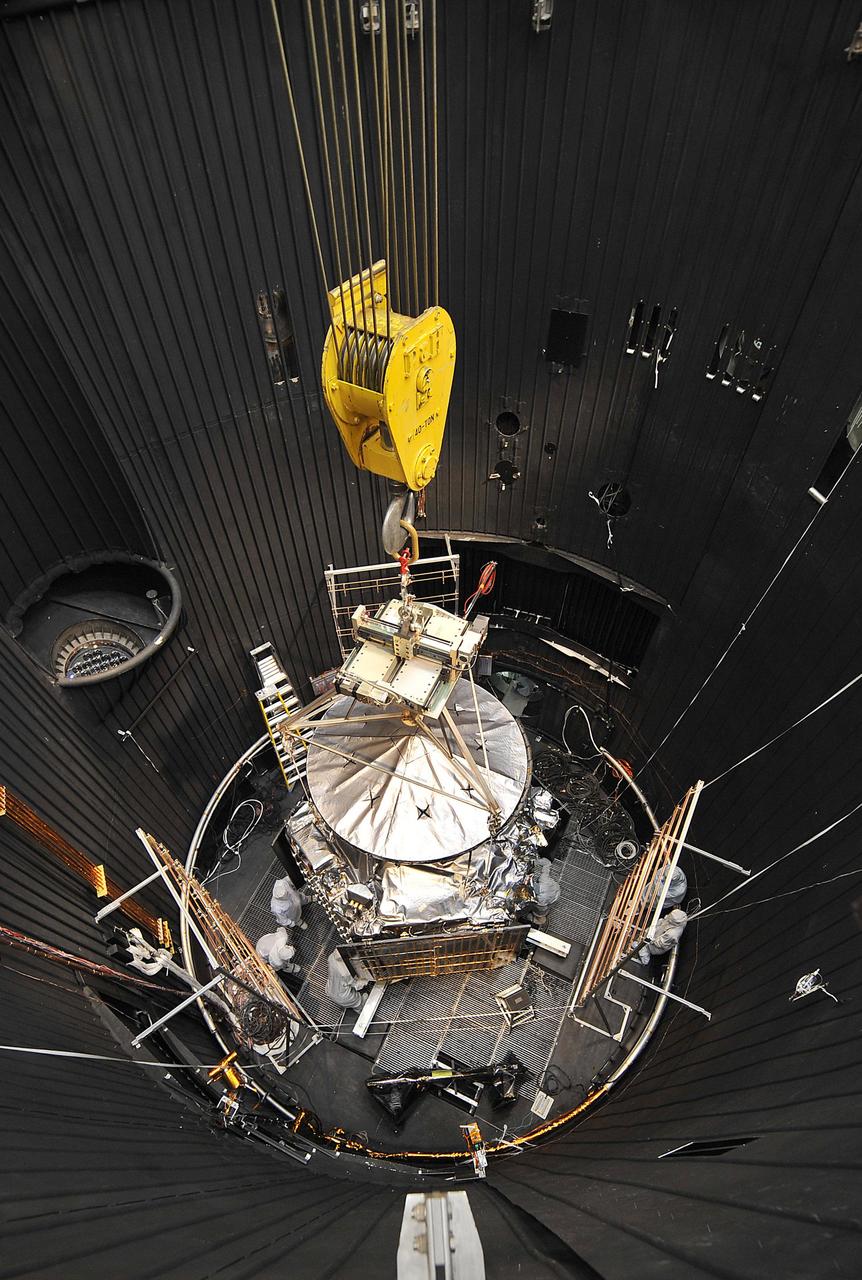
NASA Juno spacecraft is readied for lifting out of a thermal vacuum chamber following testing to simulate the environment of space over the range of conditions the probe will encounter during its mission.
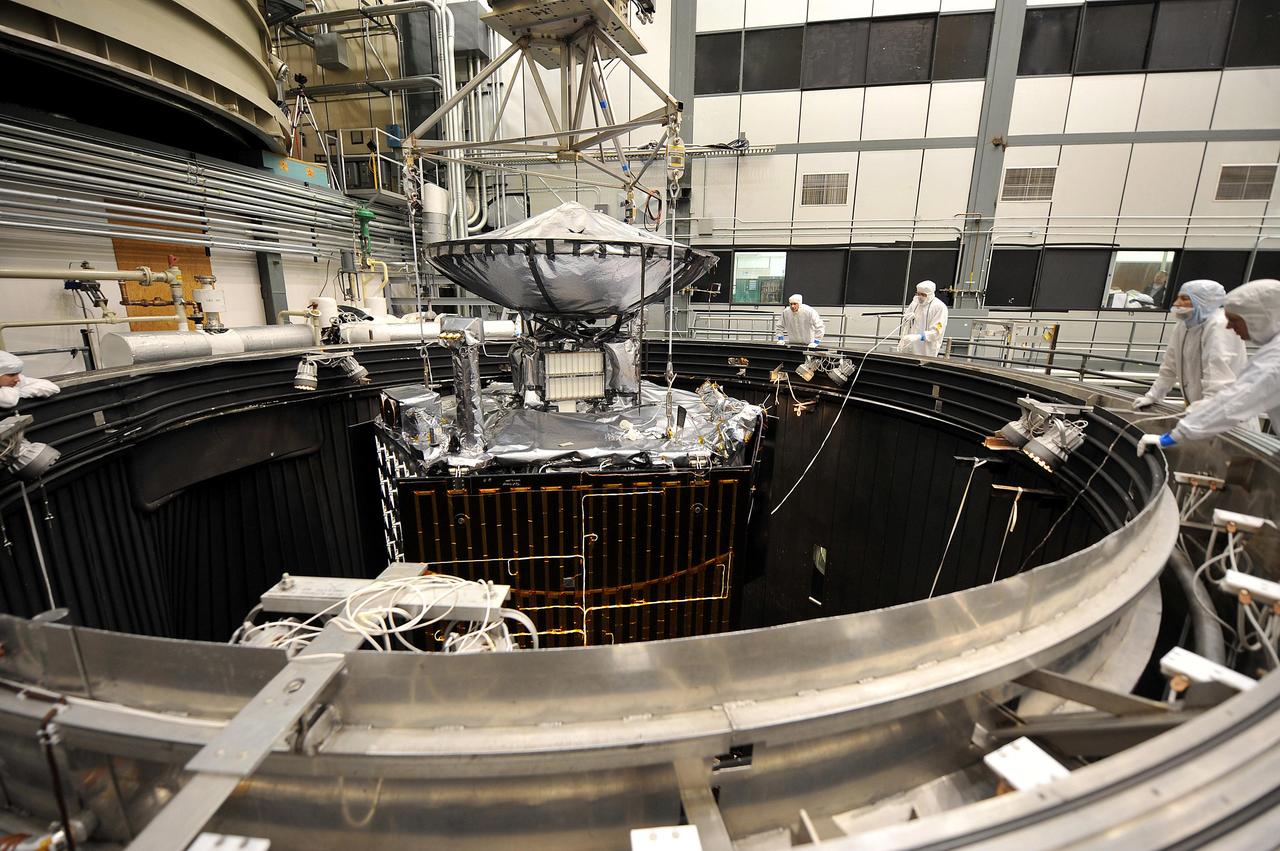
NASA Juno spacecraft is raised out of a thermal vacuum chamber following tests that simulated the environment of space over the range of conditions the probe will encounter during its mission.
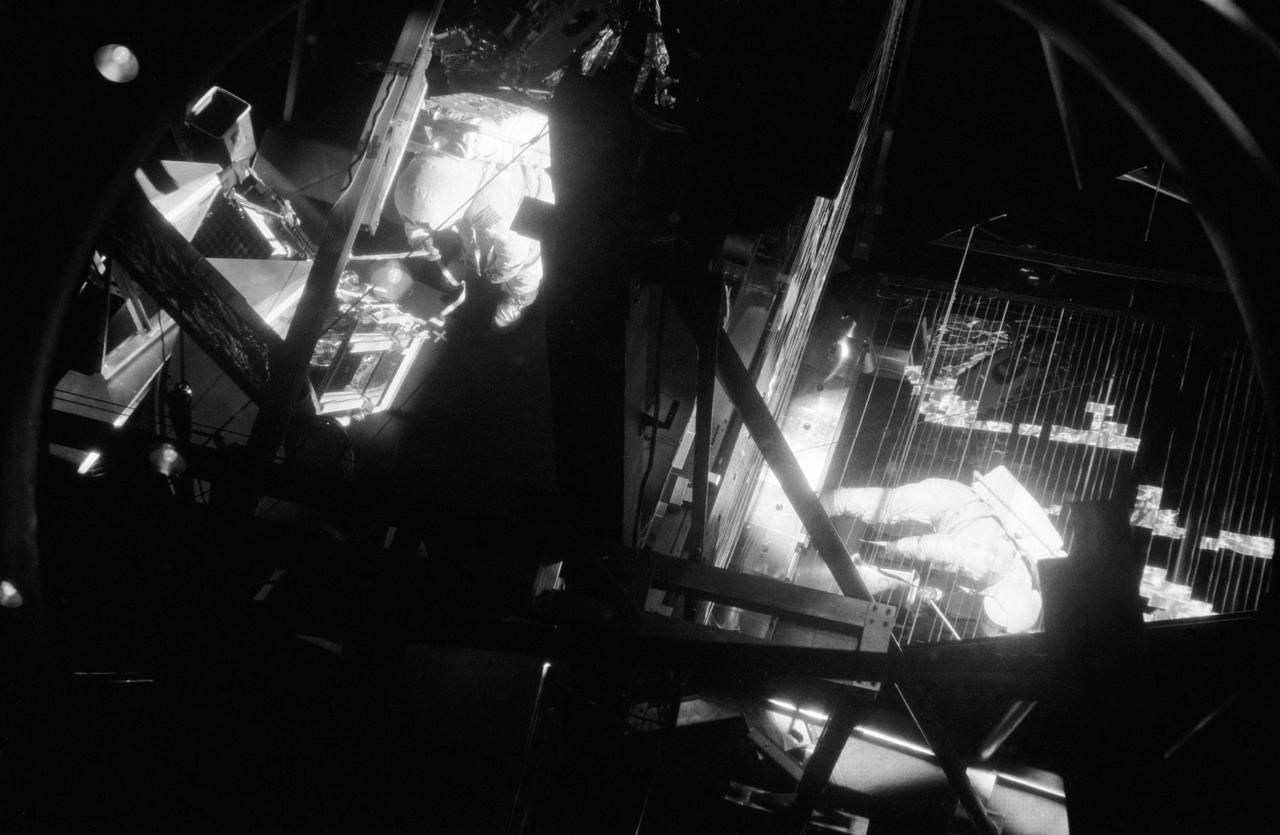
Astronaut Neil A. Armstrong, commander of the Apollo 11 lunar landing mission, is photographed during thermovacuum training in Chamber B of the Space Environment Simulation Laboratory, Building 32, Manned Spacecraft Center. He is wearing an Extravehicular Mobility Unit. The training simulated lunar surface vacuum and thermal conditions during astronaut operations outside the Lunar Module on the moon's surface. The mirror was used to reflect solar light.
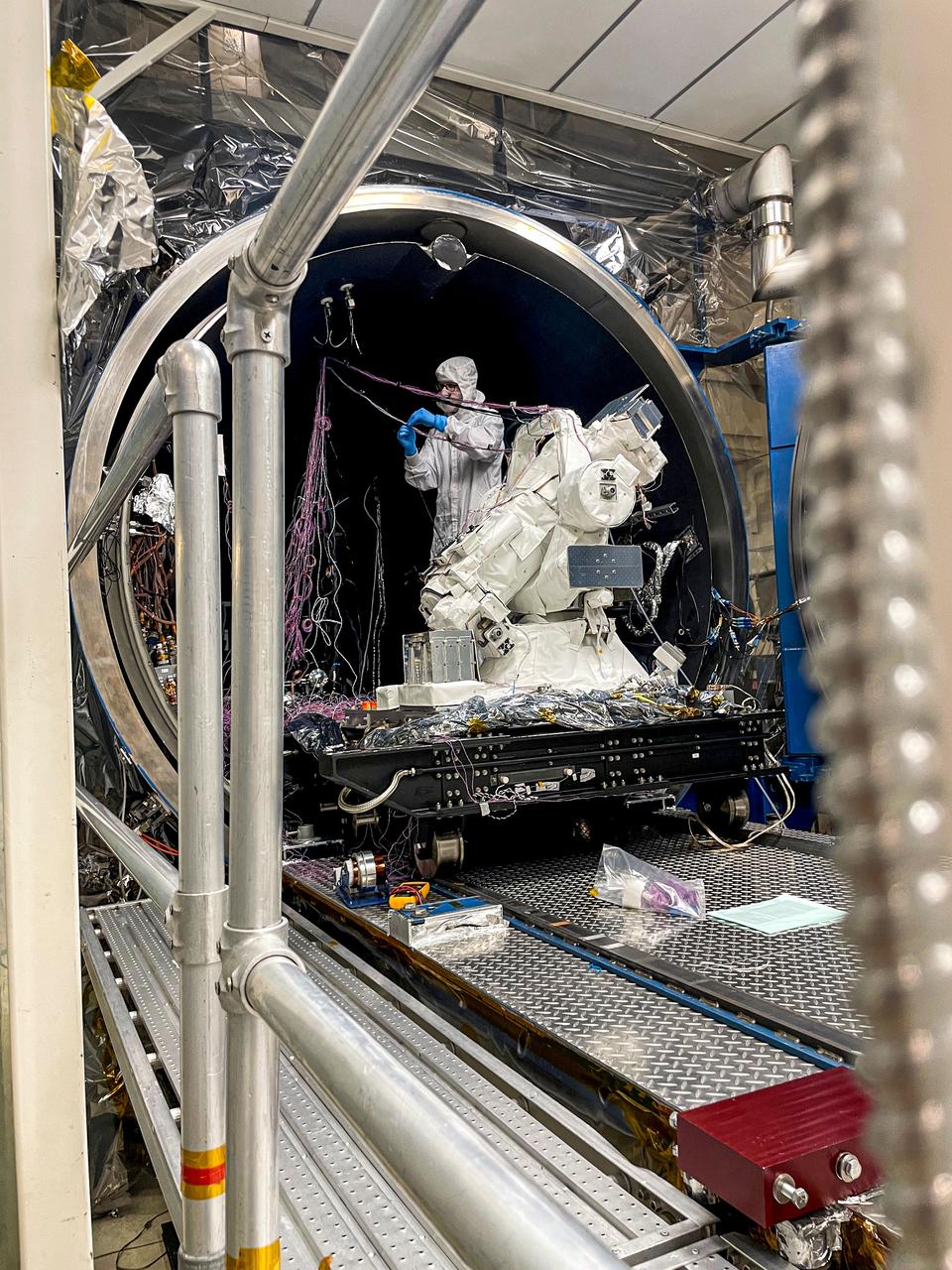
jsc2024e061942 (9/12/2024) --- COronal Diagnostic EXperiment (CODEX) prepares for the thermal vacuum thermal balance test at Goddard Space Flight Center. This test verifies CODEX can survive and operate successfully in vacuum of space and under the changing temperatures of day and night cycles. Credit: CODEX team / NASA
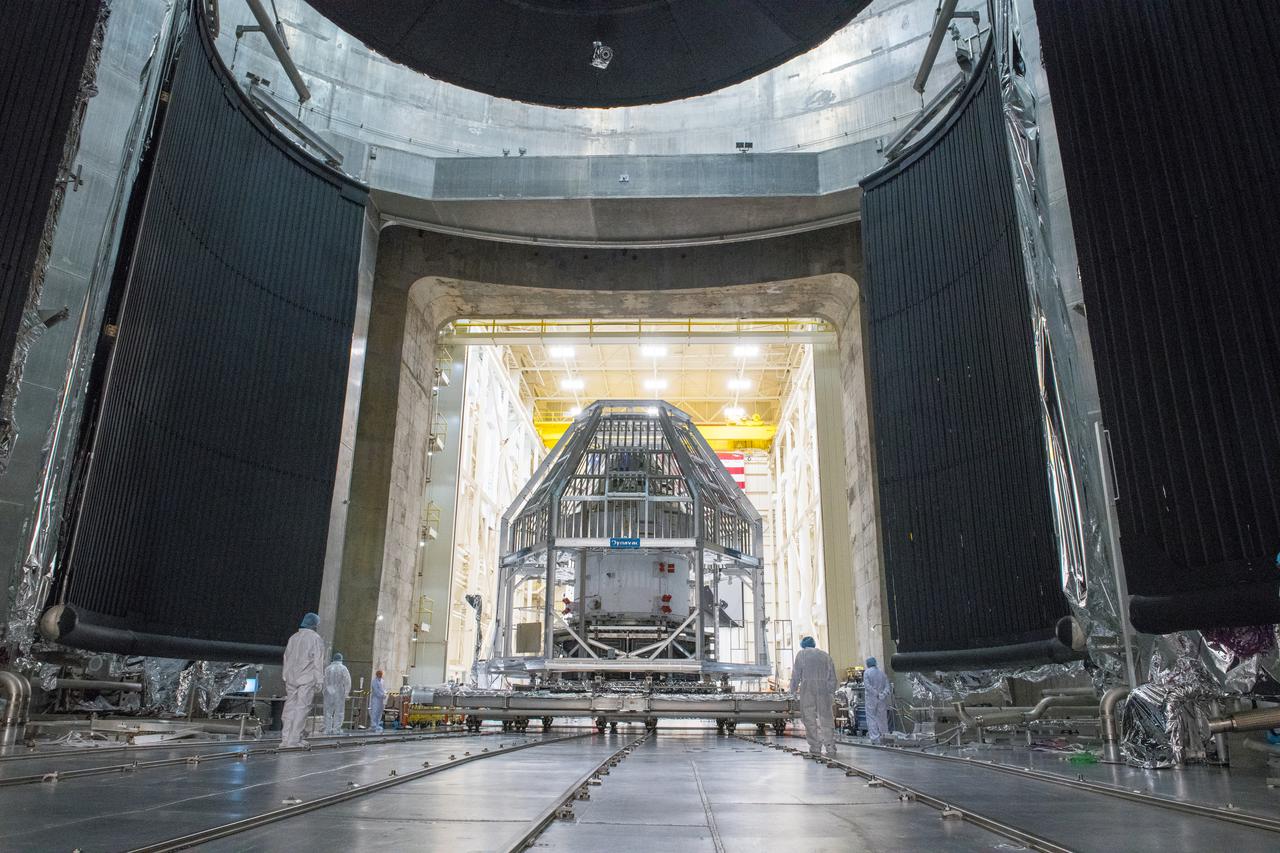
Orion - EM-1 - Artemis Spacecraft Installation in the Space Environment Complex, SEC Thermal Vacuum Chamber
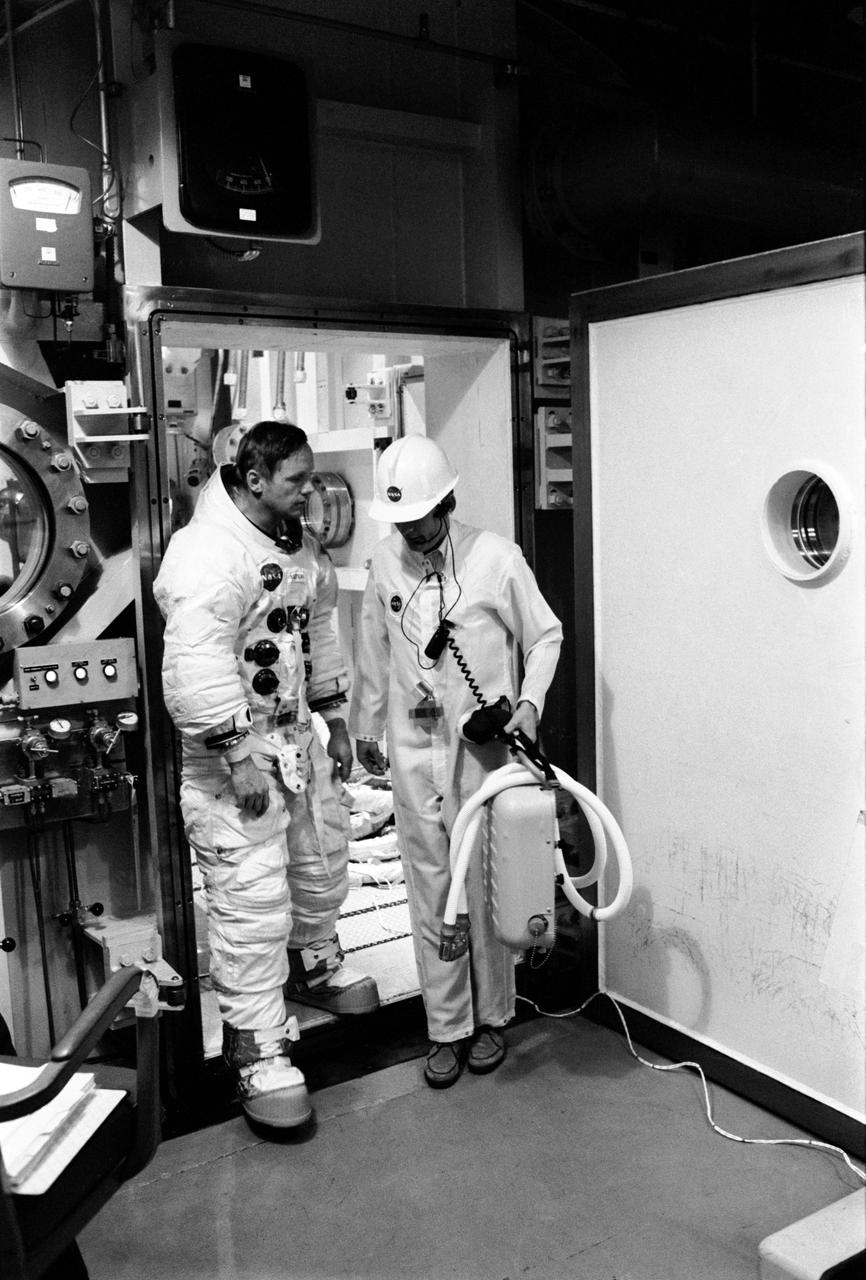
Apollo XI Astronaut Armstrong Thermal Vacuum Training in Chamber "B", Bldg. 32. MSC, Houston, TX
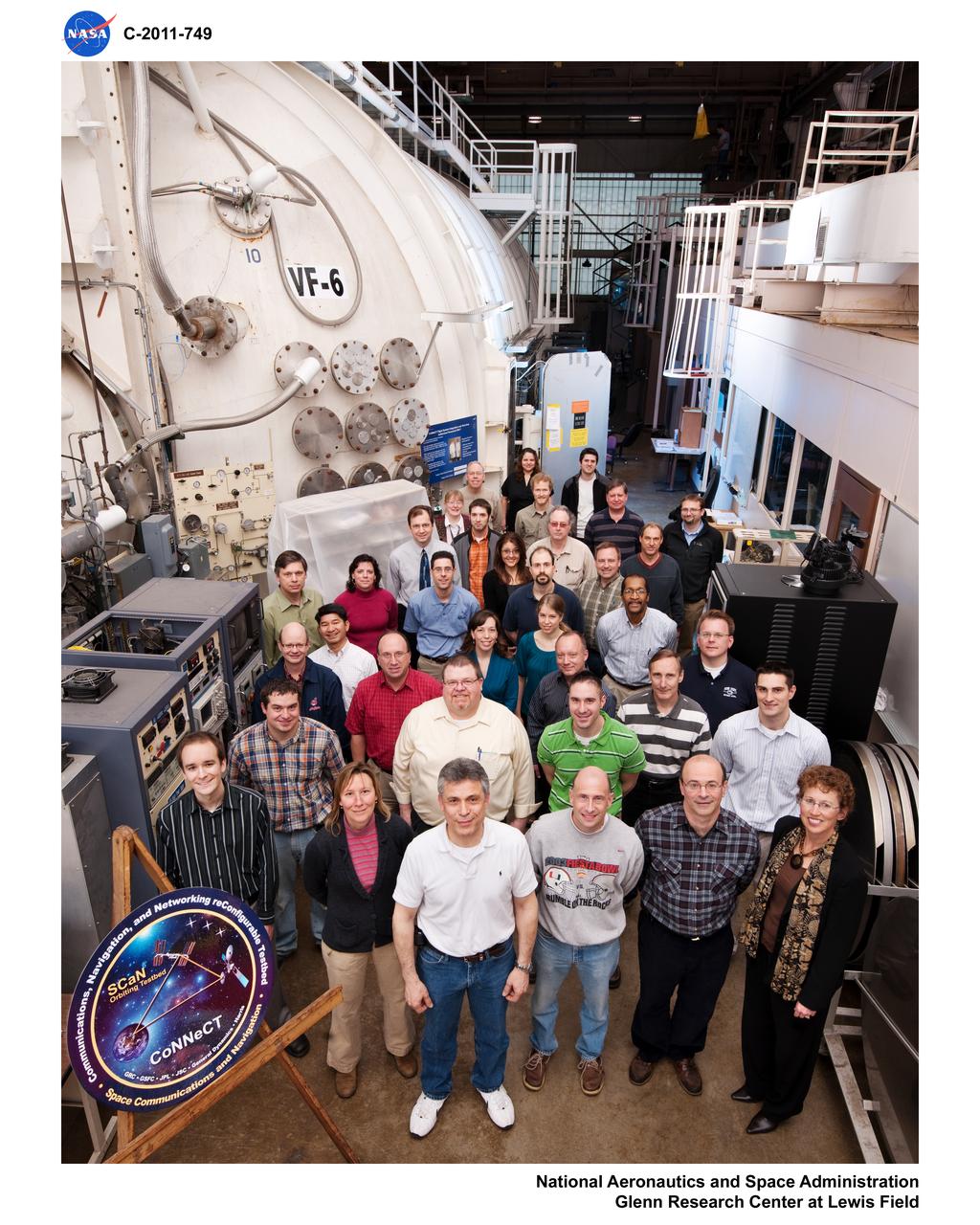
Communications, Navigation, and Network Reconfigurable Test-bed, CoNNeCT Thermal Vacuum, TVAC Testing Team
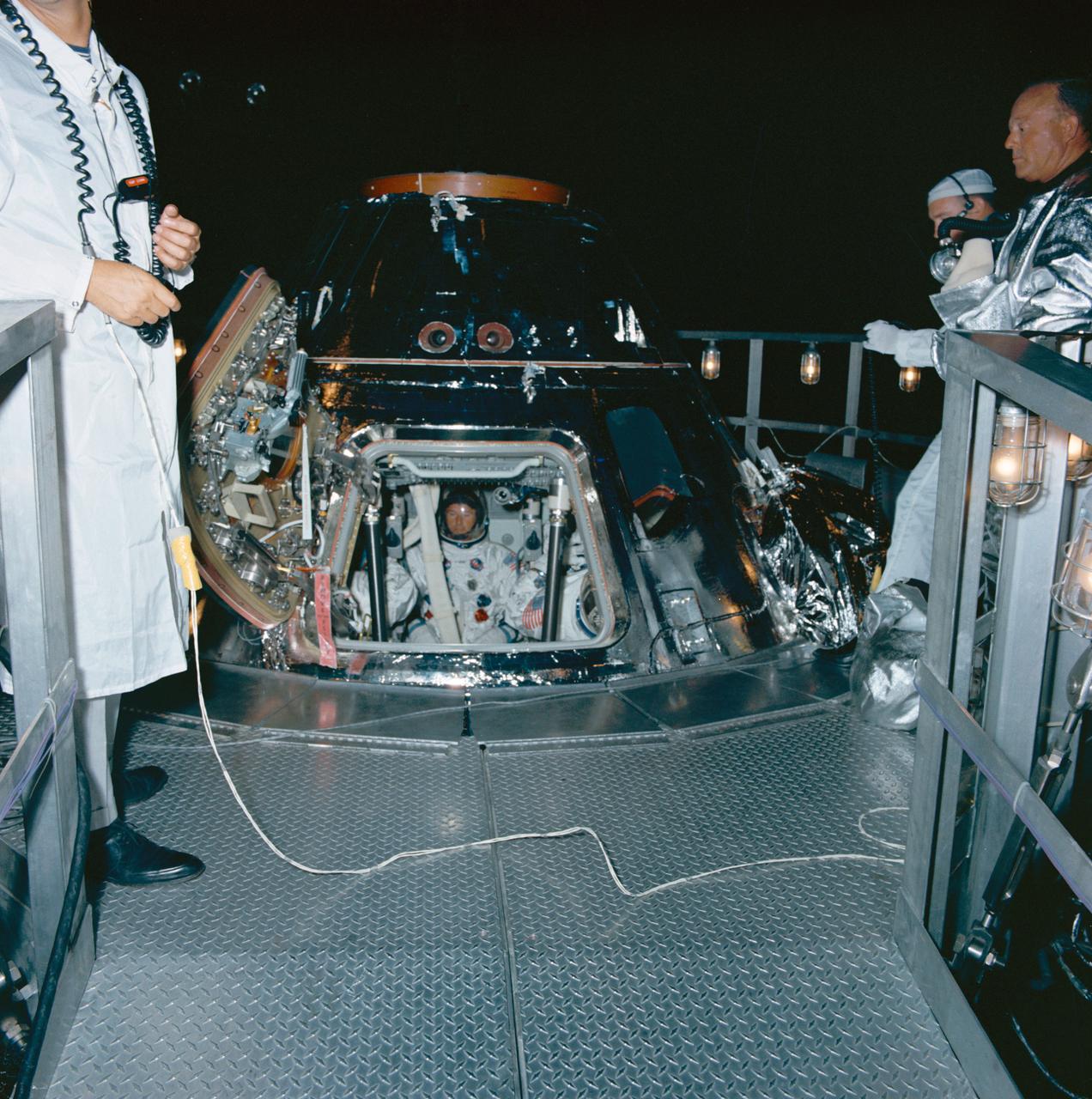
Crew ingress and beginnings of 7 1/2-day Manned Thermal Vacuum Test with Astronauts Joe Engle, Dr. Joseph Kerwin and Brand in the Apollo S/C-2TV-1, Chamber "A", Bldg. 32. Note - 35mm BW (S68-35881 thru S68-35882) - 120 CN (S68-35883 thru S68-35908) 1. ASTRONAUT BRAND, VANCE D. - VACUUM TEST 2. ASTRONAUT KERWIN, JOSEPH - VACUUM TEST 3. ASTRONAUT ENGLE, JOE - VACUUM MSC, HOUSTON, TX
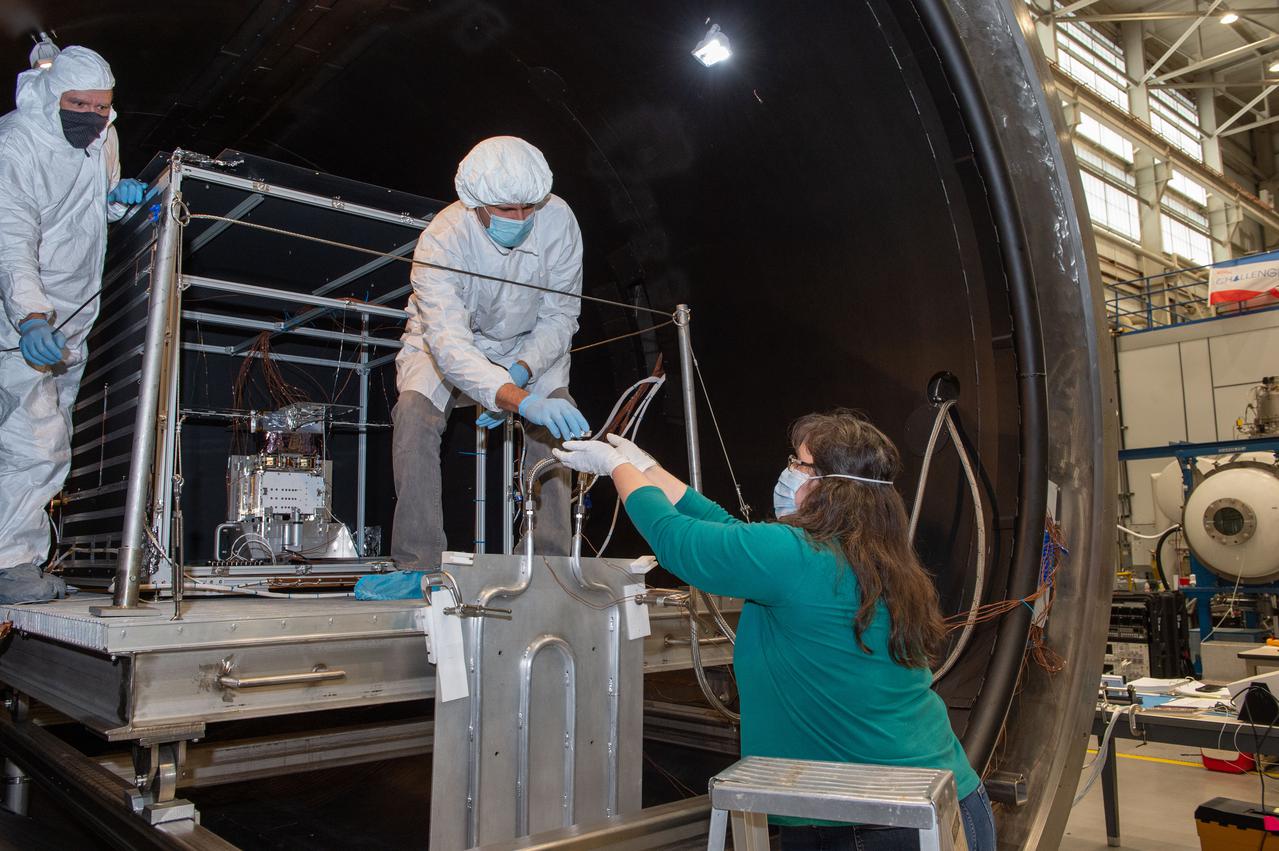
Miria Finckenor collects Optical Witness Samples and swab samples for analysis to verify that the NEA Scout thermal vacuum bake-out is complete and the chamber is clean.
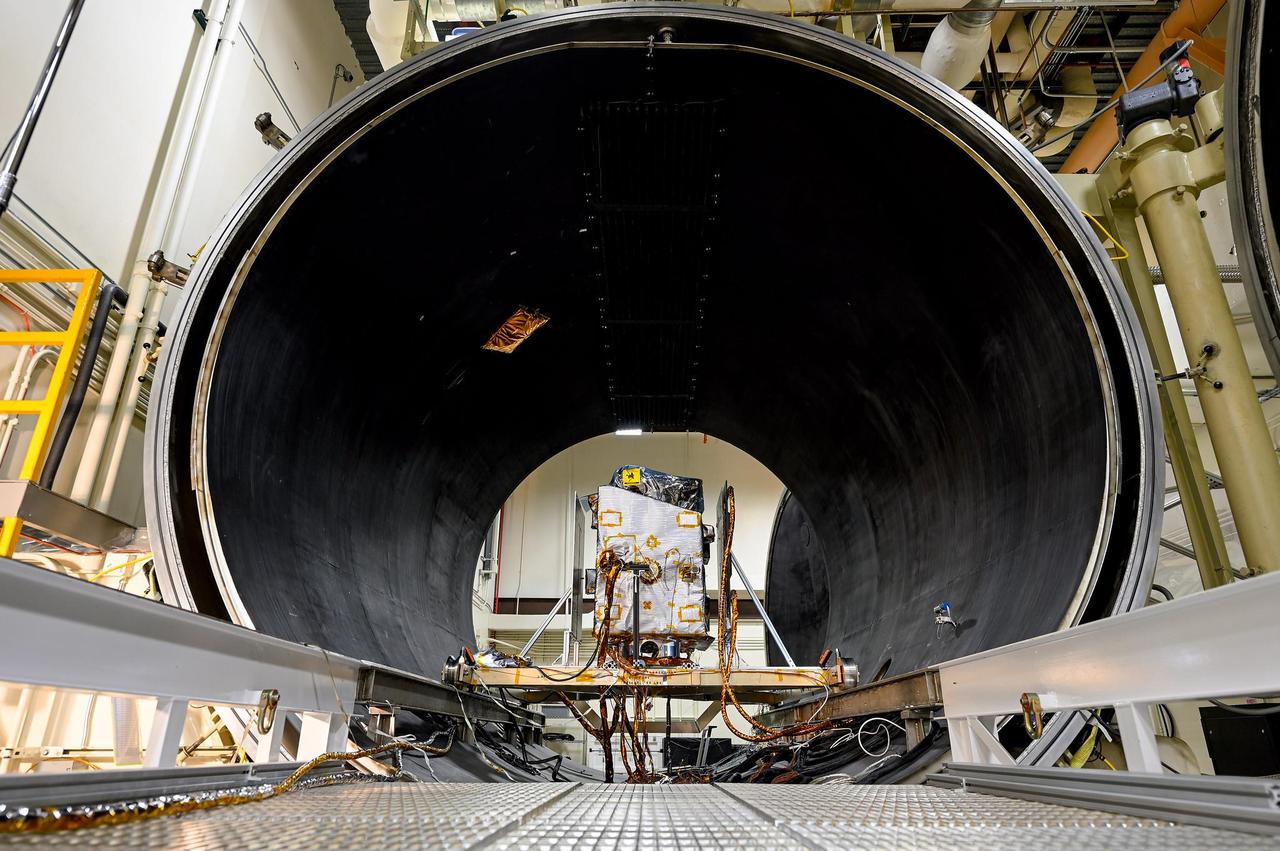
NASA's Lunar Trailblazer undergoes thermal vacuum chamber (TVAC) testing at Lockheed Martin Space in Littleton, Colorado, in June 2023. The extremely low pressures and temperatures during these tests simulate the conditions that the spacecraft will experience during in space. Lunar Trailblazer, which has a mass of about 440 pounds (200 kilograms) and measures only 11.5 feet (3.5 meters) wide with its solar panels deployed, has now completed TVAC testing and is nearing completion before its planned launch in early 2024. The spacecraft's two science instruments will map the form, abundance, and locations of water in on the lunar surface while also revealing the thermal properties and surface composition of those regions. https://photojournal.jpl.nasa.gov/catalog/PIA25836
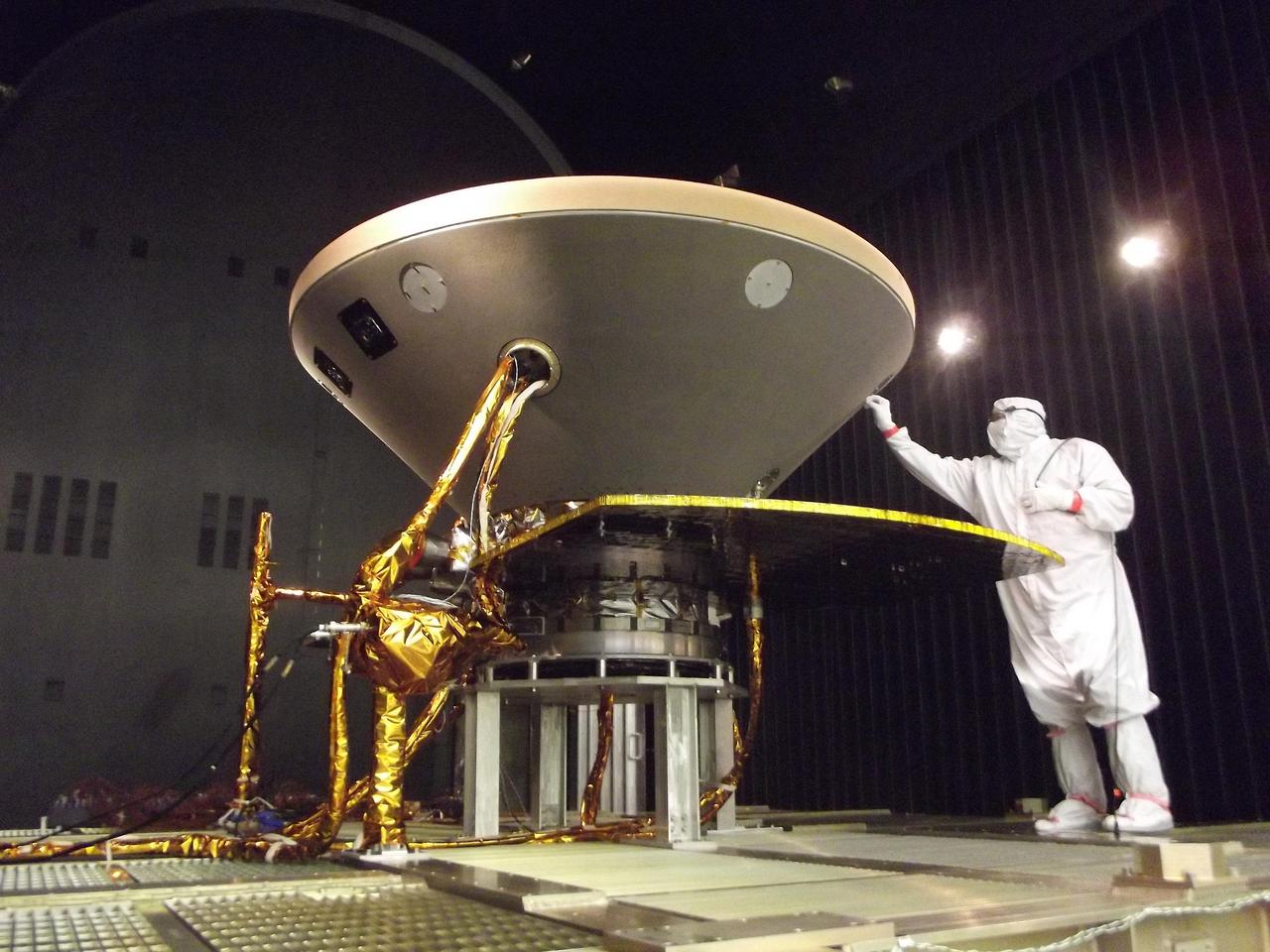
In this photo, a spacecraft specialist prepares NASA's InSight spacecraft for thermal vacuum testing in the flight system's "cruise" configuration for its 2016 flight to Mars. The testing simulates conditions of outer space that InSight will experience during its flight. The photo was taken on May 29, 2015, in a clean room of spacecraft assembly and test facilities at Lockheed Martin Space Systems, Denver. Note: After thorough examination, NASA managers have decided to suspend the planned March 2016 launch of the Interior Exploration using Seismic Investigations Geodesy and Heat Transport (InSight) mission. The decision follows unsuccessful attempts to repair a leak in a section of the prime instrument in the science payload. http://photojournal.jpl.nasa.gov/catalog/PIA19812
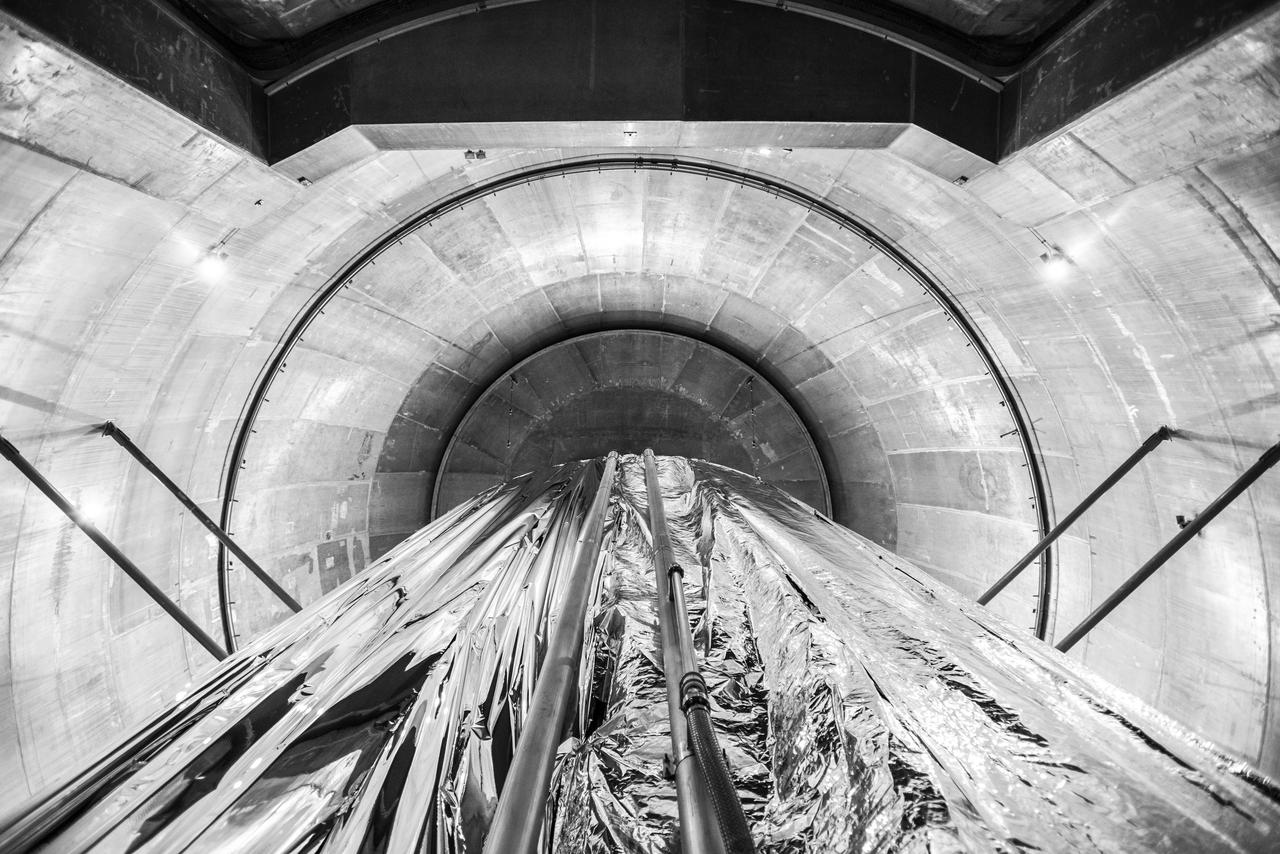
Space Environments Complex Vacuum Chamber. Cryoshroud, used to provide the thermal cold sink for Orion Vehicle testing. This view is looking at the west side of the Cryoshroud where the northwest and southwest walls intersect in the closed position. The view is from the Space Environments Complex, SEC Vacuum Chamber floor, directly up towards the vacuum chamber dome.

An engineer prepares the Carbon Mapper imaging spectrometer, which will measure the greenhouse gases methane and carbon dioxide from space, for testing in a thermal vacuum chamber at NASA's Jet Propulsion Laboratory in Southern California in July 2023. This test is one of a series meant to ensure that the instrument can withstand the rigors of launch and the harsh conditions of space. Engineers used the chamber to subject the spectrometer to the extreme temperatures it will encounter in the vacuum of space. The instrument was shipped from JPL to Planet Labs PBC in San Francisco on Sept. 12, 2023, where it will be integrated into a Tanager satellite. Designed and built by JPL, imaging spectrometer will be part of an effort led by the nonprofit Carbon Mapper organization to collect data on greenhouse gas point-source emissions. The information will help locate and quantify "super-emitters" – the small percentage of individual sources responsible for a significant fraction of methane and carbon dioxide emissions around the world. https://photojournal.jpl.nasa.gov/catalog/PIA26094
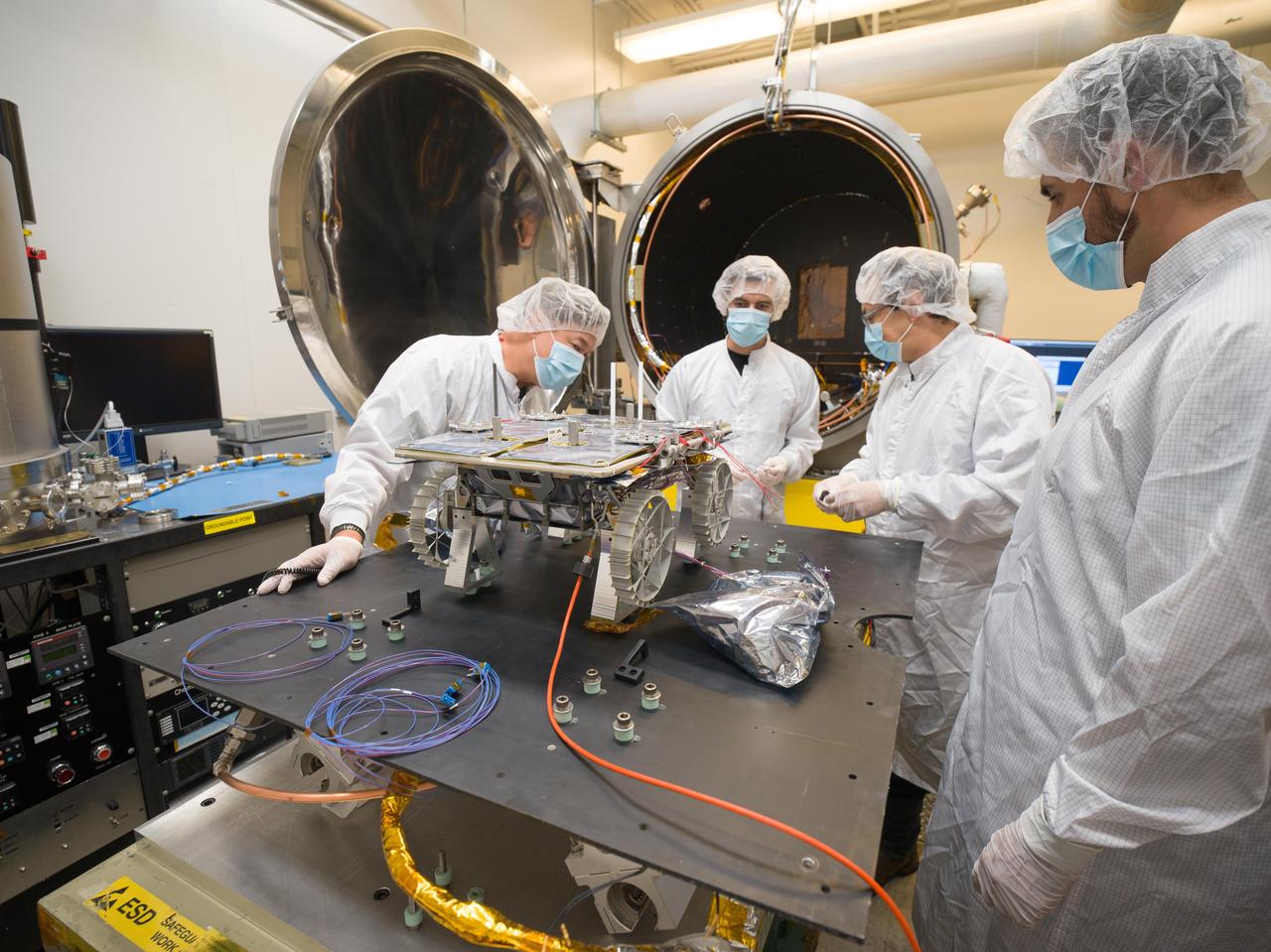
Engineers prepare a small rover – part of NASA's CADRE (Cooperative Autonomous Distributed Robotic Exploration) technology demonstration that's headed to the Moon – for testing in the thermal vacuum chamber behind them at the agency's Jet Propulsion Laboratory in Southern California in October 2023. Slated to arrive at the Moon in 2024 as part of NASA's CLPS (Commercial Lunar Payload Services) initiative, CADRE is designed to demonstrate that multiple robots can cooperate and explore together autonomously – without direct input from human mission controllers. A trio of the miniature solar-powered rovers, each about the size of a carry-on suitcase, will explore the Moon as a team, communicating via radio with each other and a base station aboard a lunar lander. By taking simultaneous measurements from multiple locations, CADRE will also demonstrate how multirobot missions can record data impossible for a single robot to achieve – a tantalizing prospect for future missions. The rover being tested is the first flight model to be completed. Thermal vacuum testing simulates the harsh environment the rovers will face on the journey to the Moon and on the lunar surface: All the air is pumped out of the chamber and the temperature is cycled to high and low extremes. https://photojournal.jpl.nasa.gov/catalog/PIA25670
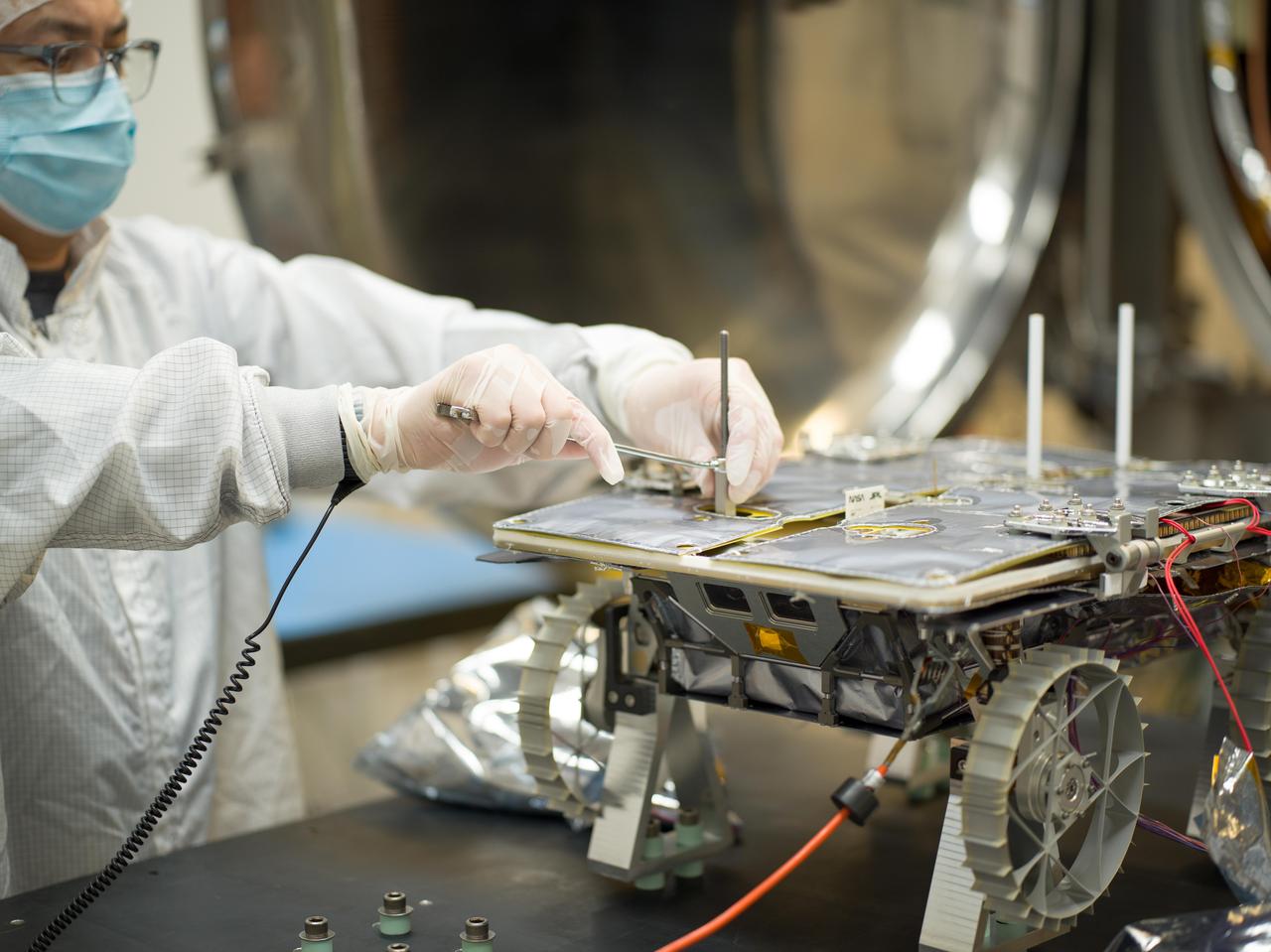
An engineer prepares a small rover – part of NASA's CADRE (Cooperative Autonomous Distributed Robotic Exploration) technology demonstration that's headed to the Moon – for testing in a thermal vacuum chamber at the agency's Jet Propulsion Laboratory in Southern California in October 2023. Slated to arrive at the Moon in 2024 as part of NASA's CLPS (Commercial Lunar Payload Services) initiative, CADRE is designed to demonstrate that multiple robots can cooperate and explore together autonomously – without direct input from human mission controllers. A trio of the miniature solar-powered rovers, each about the size of a carry-on suitcase, will explore the Moon as a team, communicating via radio with each other and a base station aboard a lunar lander. By taking simultaneous measurements from multiple locations, CADRE will also demonstrate how multirobot missions can record data impossible for a single robot to achieve – a tantalizing prospect for future missions. The rover being tested is the first flight model to be completed. Thermal vacuum testing simulates the harsh environment the rovers will face on the journey to the Moon and on the lunar surface: All the air is pumped out of the chamber and the temperature is cycled to high and low extremes. https://photojournal.jpl.nasa.gov/catalog/PIA25669
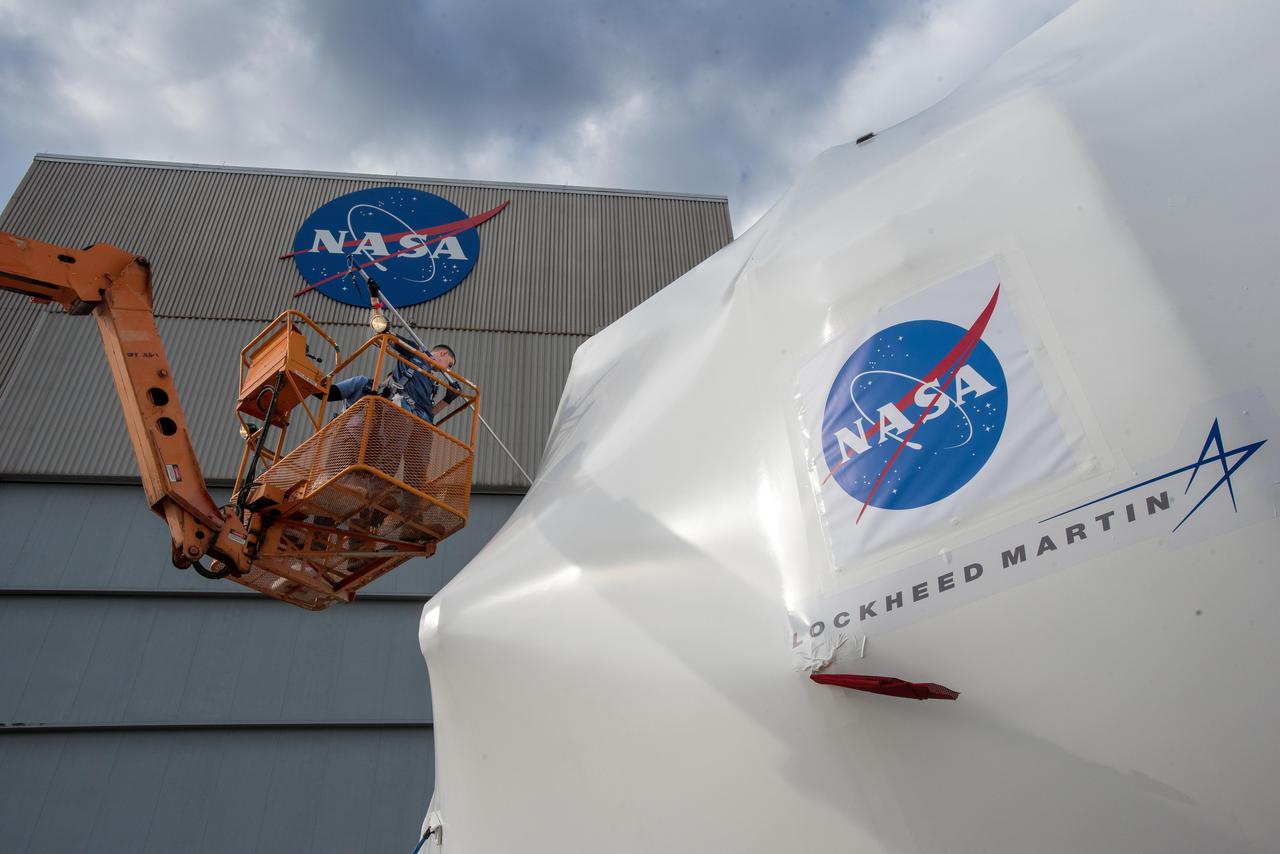
Orion - EM-1 - Artemis Spacecraft Arrival at Mansfield Lahm Airport, Transportation to Plum Brook Station and Installation in the Space Environment Complex, SEC Thermal Vacuum Chamber
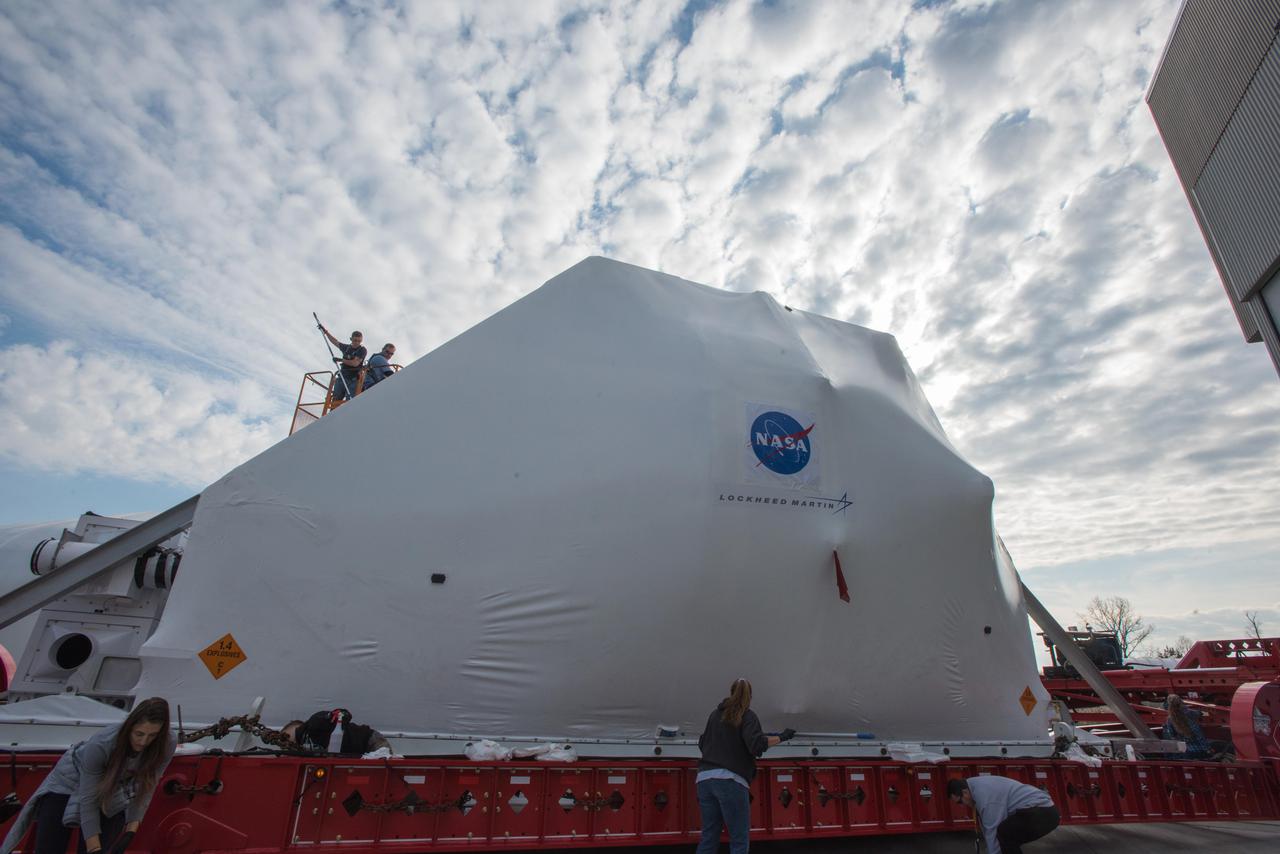
Orion - EM-1 - Artemis Spacecraft Arrival at Mansfield Lahm Airport, Transportation to Plum Brook Station and Installation in the Space Environment Complex, SEC Thermal Vacuum Chamber
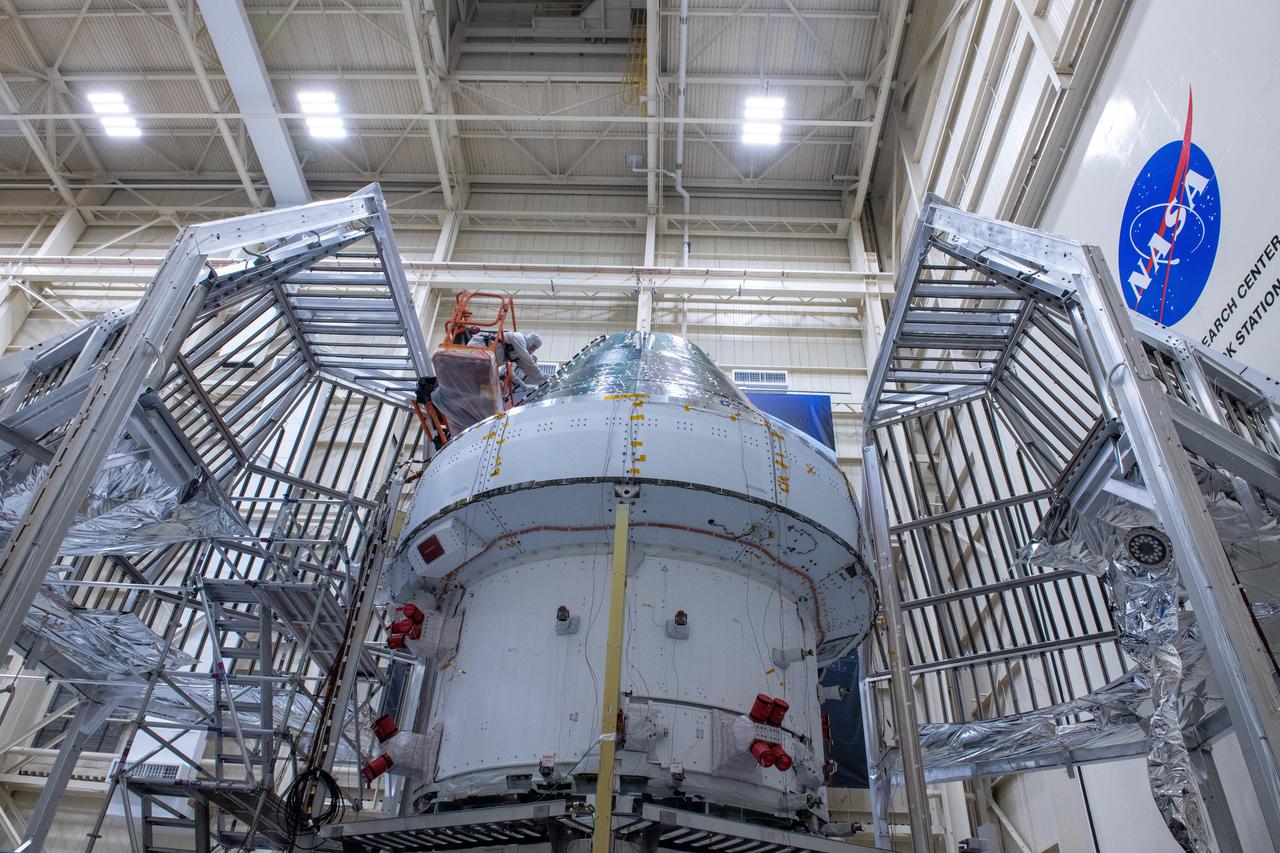
Orion - EM-1 - Artemis Spacecraft Arrival at Mansfield Lahm Airport, Transportation to Plum Brook Station and Installation in the Space Environment Complex, SEC Thermal Vacuum Chamber
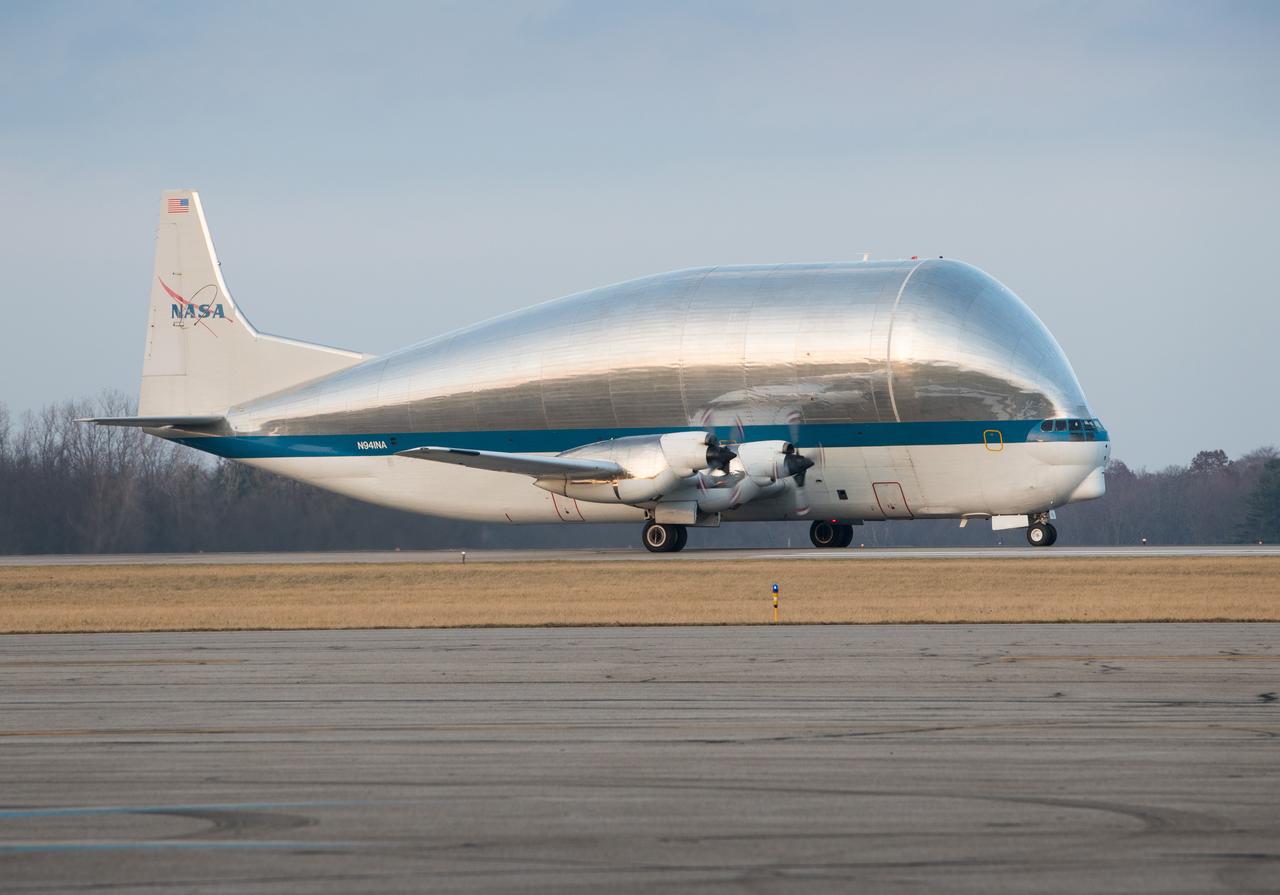
Orion - EM-1 - Artemis Spacecraft Arrival at Mansfield Lahm Airport on Board the Super Guppy Aircraft, Transportation to Plum Brook Station and Installation in the Space Environment Complex, SEC Thermal Vacuum Chamber
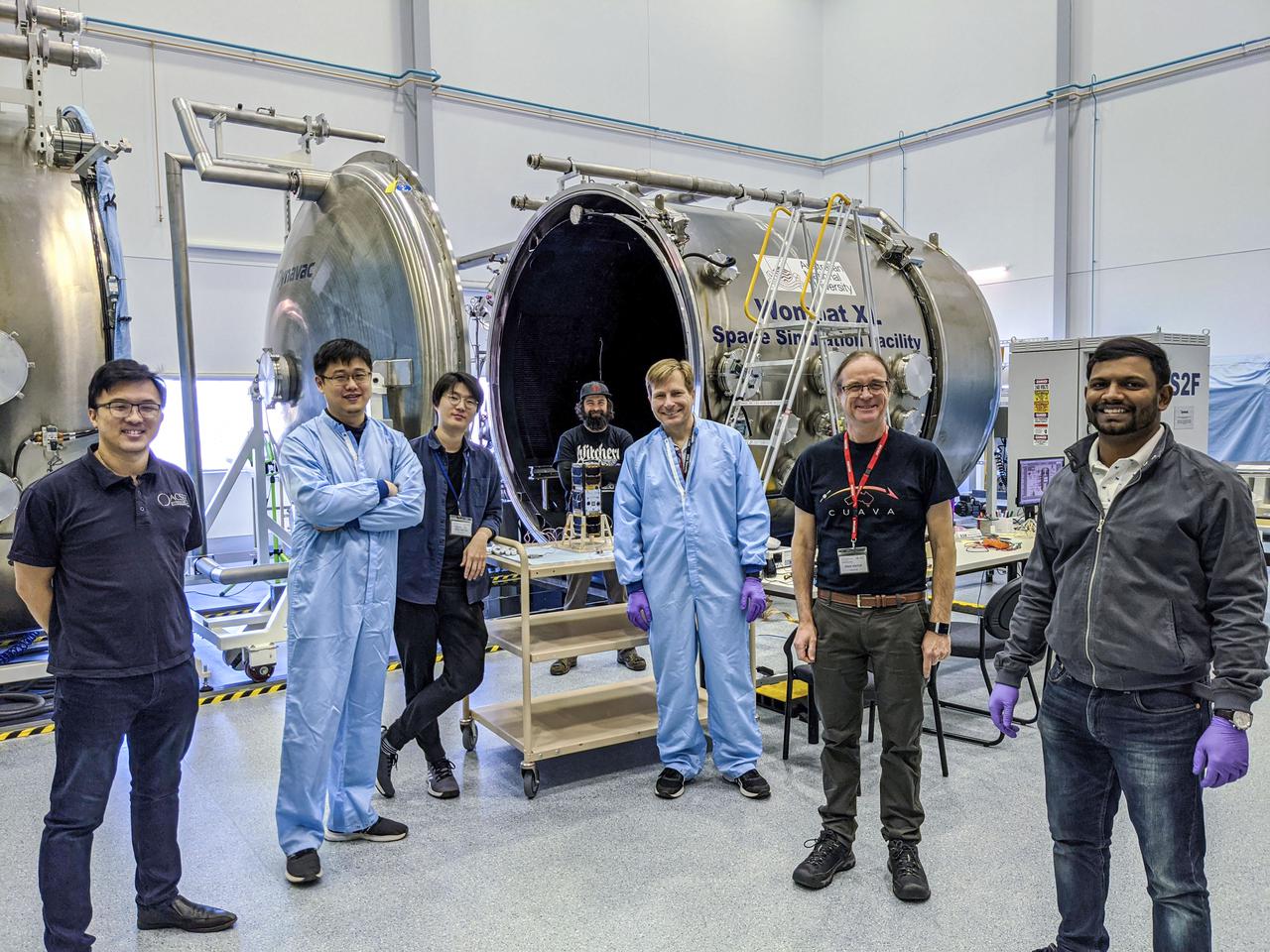
jsc2021e052205 (8/26/2020) --- A preflight imagery of personnel posing with the CUAVA-1 flight module prior to thermal vacuum testing at the Australian Research Council Industrial Transformation Training Centre (AITC). Image Credit: CUAVA.
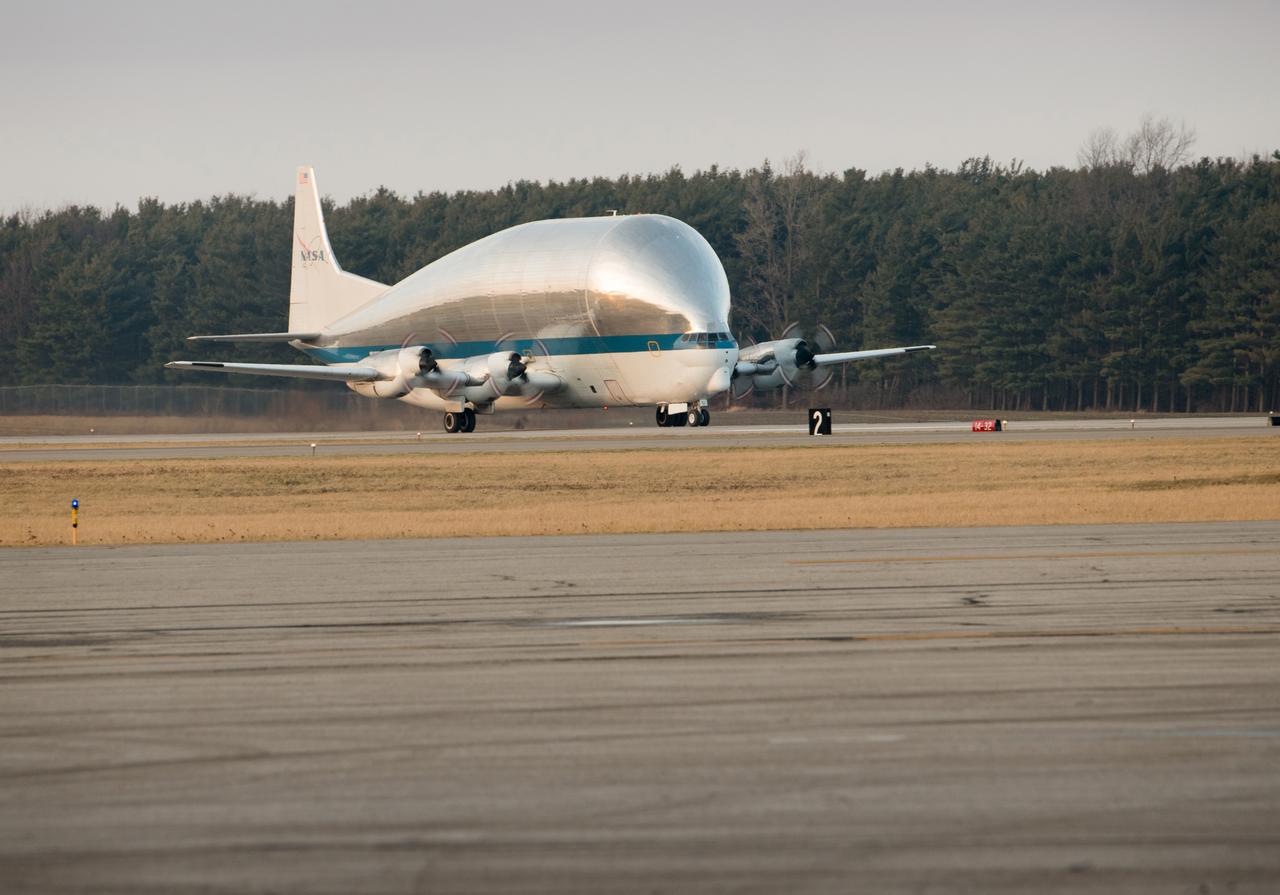
Orion - EM-1 - Artemis Spacecraft Arrival at Mansfield Lahm Airport on board the Super Guppy Aircraft, Transportation to Plum Brook Station and Installation in the Space Environment Complex, SEC Thermal Vacuum Chamber

jsc2022e084483 (10/27/2022) --- A Preflight view of the Space Test Program-Houston 9-Neutron Radiation Detection Instrument (STP-H9-NeRDI) during thermal vacuum testing. Image courtesy of U.S. Naval Research Laboratory.
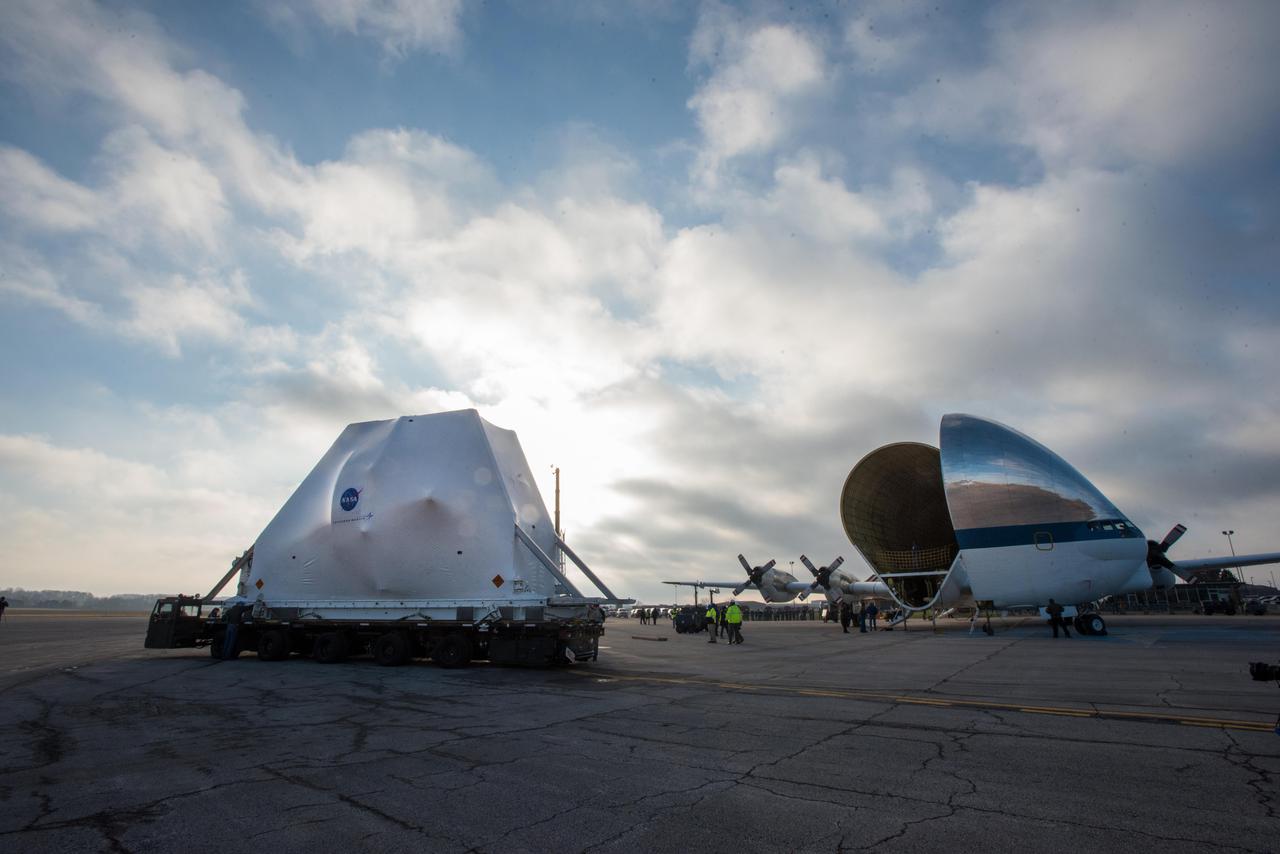
Orion - EM-1 - Artemis Spacecraft Arrival at Mansfield Lahm Airport, Transportation to Plum Brook Station and Installation in the Space Environment Complex, SEC Thermal Vacuum Chamber

jsc2026e034358 (April 28, 2026) --- STORIE team members prepare the instrument for thermal vacuum testing in the Integration and Test Complex at NASA’s Goddard Space Flight Center in Greenbelt, Maryland. .Photo Credit: NASA/Lacey Young

jsc2026e034355 (April 28, 2026) --- STORIE team members prepare the instrument for thermal vacuum testing in the Integration and Test Complex at NASA’s Goddard Space Flight Center in Greenbelt, Maryland..Photo Credit: NASA/Lacey Young

jsc2026e034356 (April 28, 2026) --- STORIE team members prepare the instrument for thermal vacuum testing in the Integration and Test Complex at NASA’s Goddard Space Flight Center in Greenbelt, Maryland..Photo Credit: NASA/Lacey Young

jsc2026e034357 (April 28, 2026) --- STORIE team members prepare the instrument for thermal vacuum testing in the Integration and Test Complex at NASA’s Goddard Space Flight Center in Greenbelt, Maryland..Photo Credit: NASA/Lacey Young
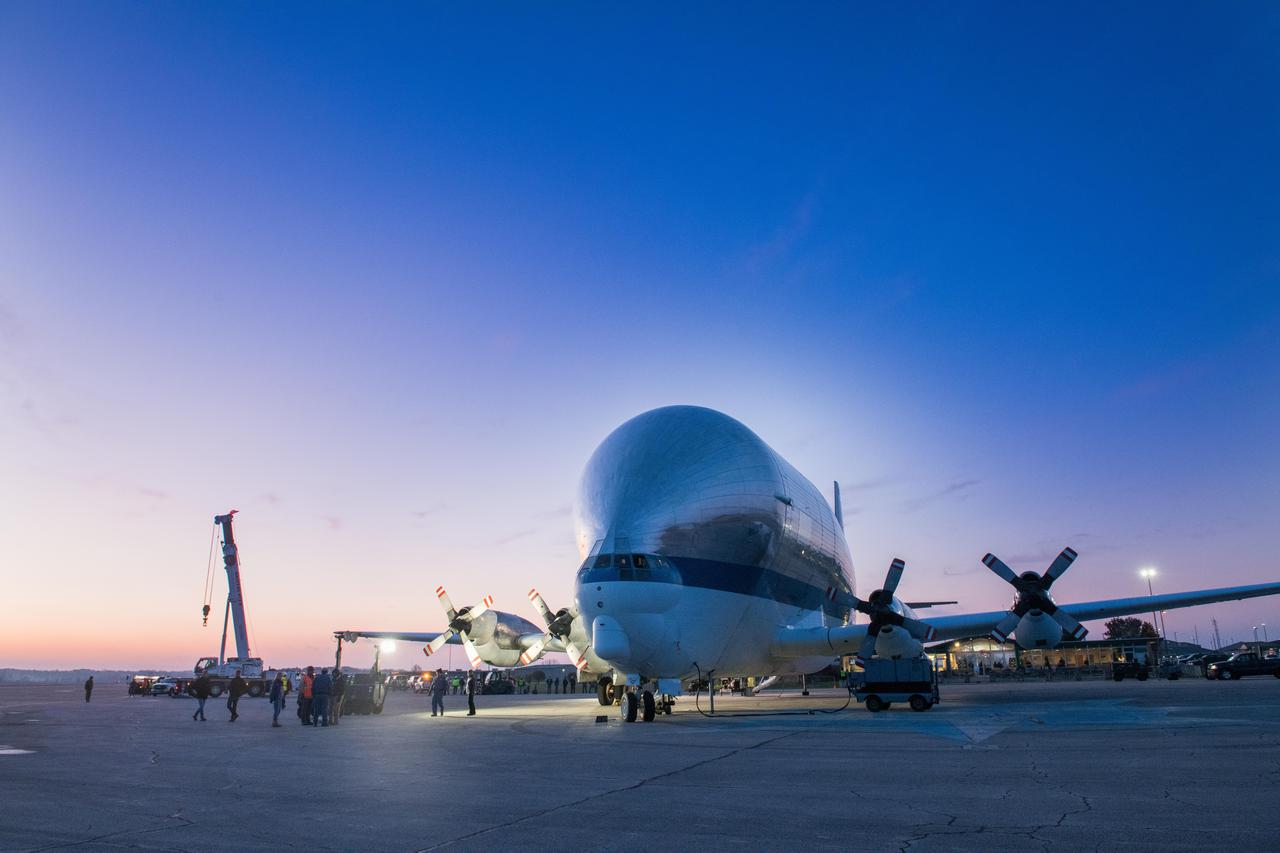
Orion - EM-1 - Artemis Spacecraft Arrival at Mansfield Lahm Airport, Transportation to Plum Brook Station and Installation in the Space Environment Complex, SEC Thermal Vacuum Chamber
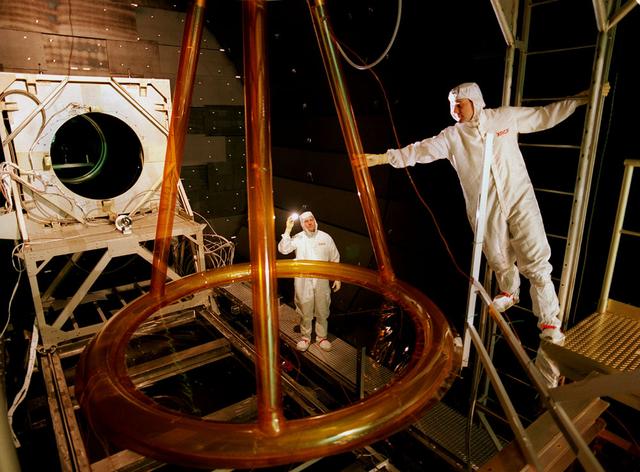
The Shooting Star Experiment (SSE) is designed to develop and demonstrate the technology required to focus the sun's energy and use the energy for inexpensive space Propulsion Research. Pictured is an engineering model (Pathfinder III) of the Shooting Star Experiment (SSE). This model was used to test and characterize the motion and deformation of the structure caused by thermal effects. In this photograph, alignment targets are being placed on the engineering model so that a theodolite (alignment telescope) could be used to accurately measure the deformation and deflections of the engineering model under extreme conditions, such as the coldness of deep space and the hotness of the sun as well as vacuum. This thermal vacuum test was performed at the X-Ray Calibration Facility because of the size of the test article and the capabilities of the facility to simulate in-orbit conditions
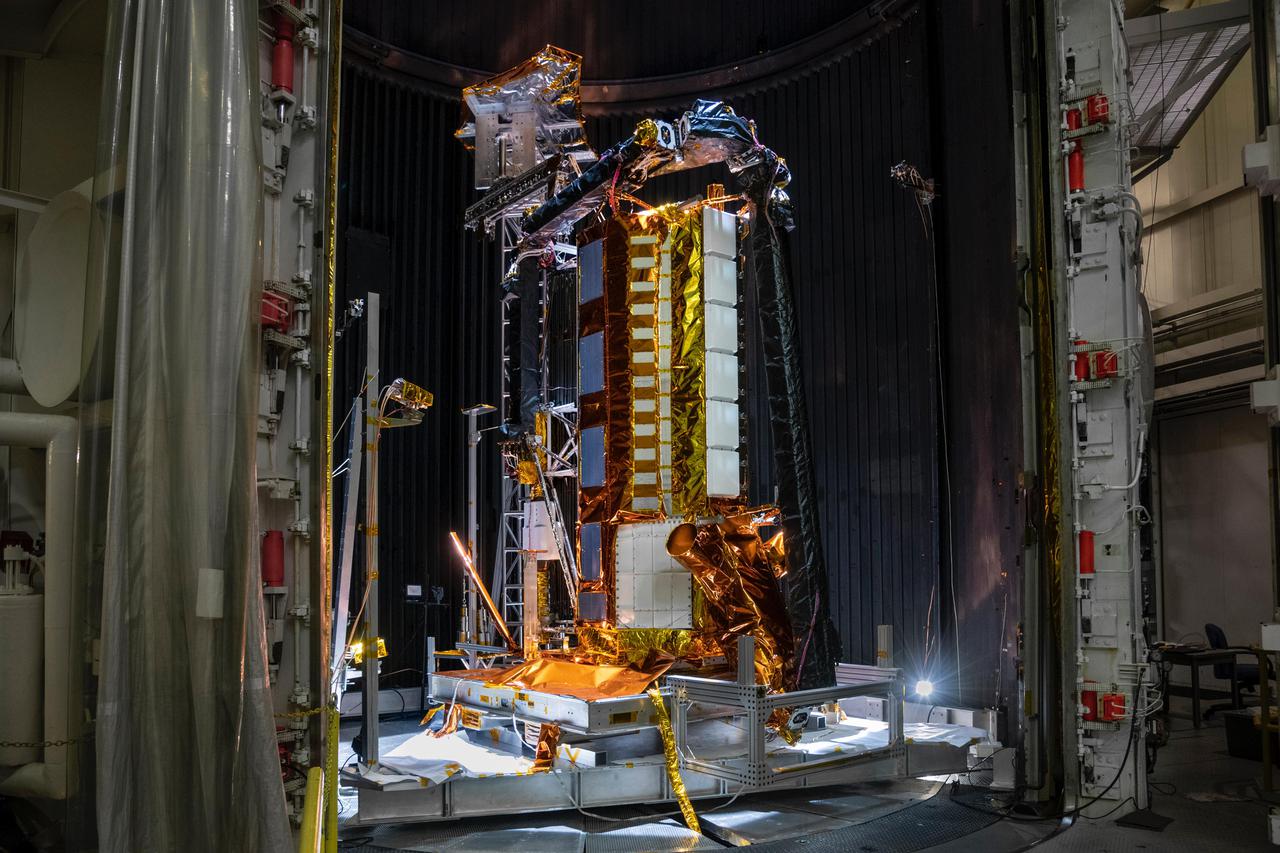
Part of the NASA-ISRO Synthetic Aperture Radar (NISAR) satellite rests in a thermal vacuum chamber – meant to mimic the conditions found in space – at NASA's Jet Propulsion Laboratory in August 2020. Engineers tested the hardware in conditions similar to the ones NISAR will experience in space to see how it will hold up. The SUV-size Earth satellite will track subtle changes in the planet's surface as small as 0.4 inches (a centimeter) over areas about the size of half a tennis court. NISAR will spot warning signs of imminent volcanic eruptions, help to monitor groundwater supplies, track the melt rate of ice sheets, and observe shifts in the distribution of vegetation around the world. https://photojournal.jpl.nasa.gov/catalog/PIA24539
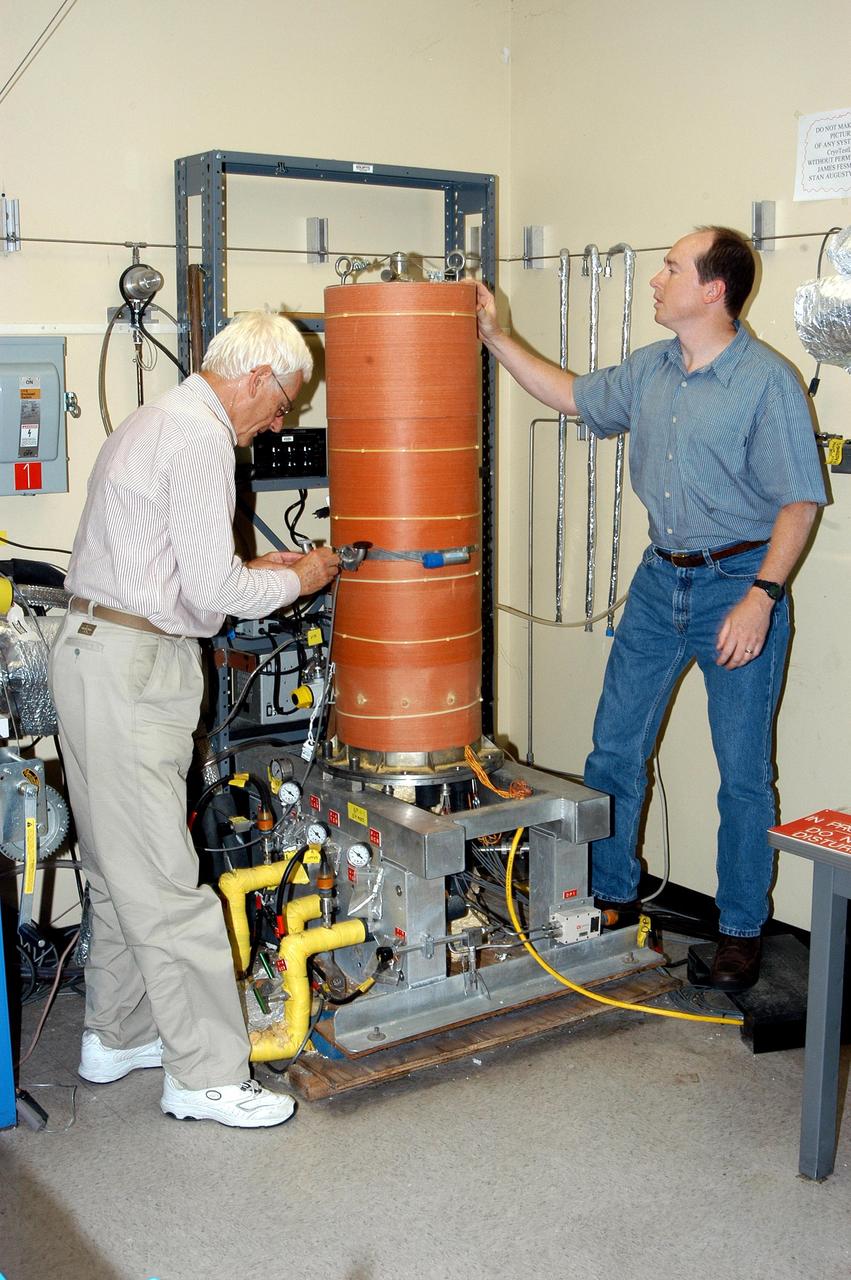
KENNEDY SPACE CENTER, FLA. - James E. Fesmire (right), NASA lead engineer for the KSC Cryogenics Testbed, works on Cryostat-1, the Methods of Testing Thermal Insulation and Association Test Apparatus, which he developed. At left is co-inventor Dr. Stan Augustynowicz, chief scientist with Sierra Lobo Inc. in Milan, Ohio. Cryostat-1 provides absolute thermal performance values of cryogenic insulation systems under real-world conditions. Cryogenic liquid is supplied to a test chamber and two guard chambers, and temperatures are sensed within the vacuum chamber to test aerogels, foams or other materials. The Cryostat-1 machine can detect the absolute heat leakage rates through materials under the full range of vacuum conditions. Fesmire recently acquired three patents for testing thermal insulation materials for cryogenic systems. The research team of the Cryogenics Testbed offers testing and support for a number of programs and initiatives for NASA and commercial customers.
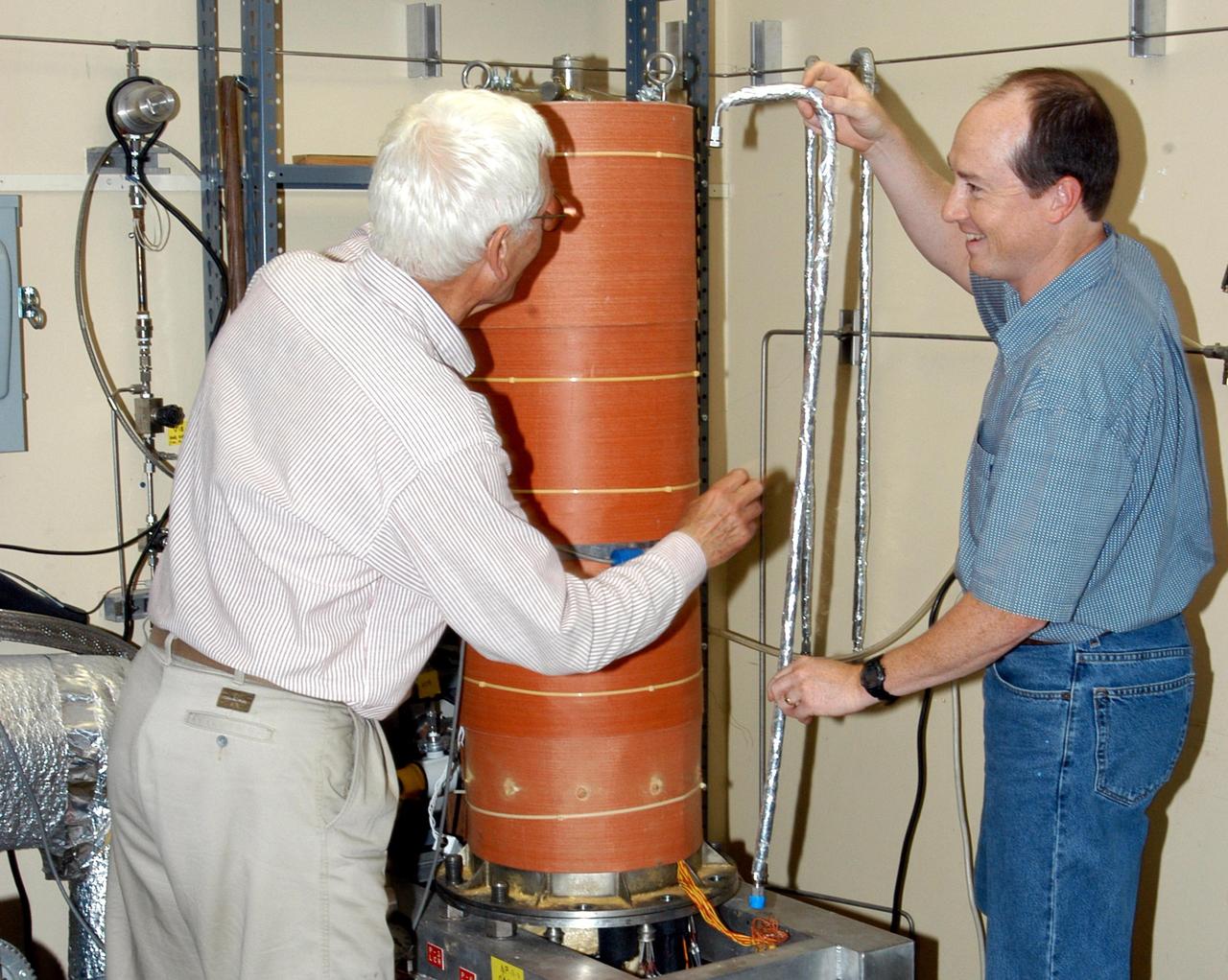
KENNEDY SPACE CENTER, FLA. - James E. Fesmire (right), NASA lead engineer for the KSC Cryogenics Testbed, works on Cryostat-1, the Methods of Testing Thermal Insulation and Association Test Apparatus, which he developed. At left is co-inventor Dr. Stan Augustynowicz, chief scientist with Sierra Lobo Inc. in Milan, Ohio. Cryostat-1 provides absolute thermal performance values of cryogenic insulation systems under real-world conditions. Cryogenic liquid is supplied to a test chamber and two guard chambers, and temperatures are sensed within the vacuum chamber to test aerogels, foams or other materials. The Cryostat-1 machine can detect the absolute heat leakage rates through materials under the full range of vacuum conditions. Fesmire recently acquired three patents for testing thermal insulation materials for cryogenic systems. The research team of the Cryogenics Testbed offers testing and support for a number of programs and initiatives for NASA and commercial customers.
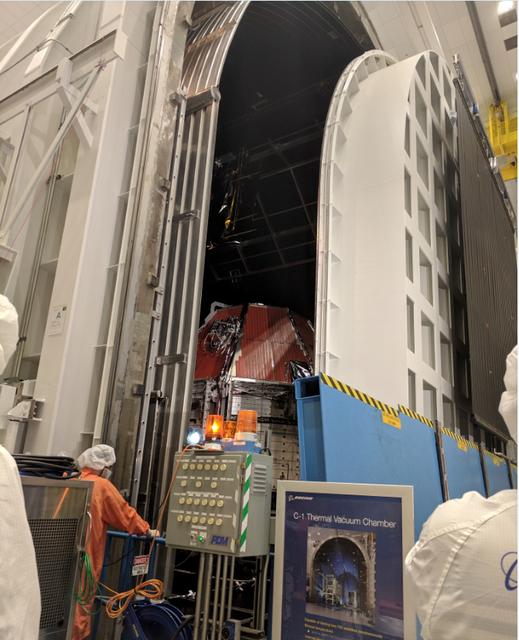
Boeing’s Crew Flight Test Starliner prepares for thermal vacuum testing at Boeing’s Space Environment Test Facility in El Segundo, Calif. During this test series, test teams outfitted Starliner with hot plates and radiators and placed in a vacuum chamber that could also be filled with a cryogenic nitrogen shroud. This allowed Boeing teams to simulate the vacuum environment in space as well as the drastic temperature swings Starliner will see as it moves to and from direct sunlight and the Earth’s shadow. This is the Starliner that will be used for Boeing’s Crew Flight Test as part of NASA’s Commercial Crew Program, which is working with Boeing to return human spaceflight launches to the space station from U.S. soil.
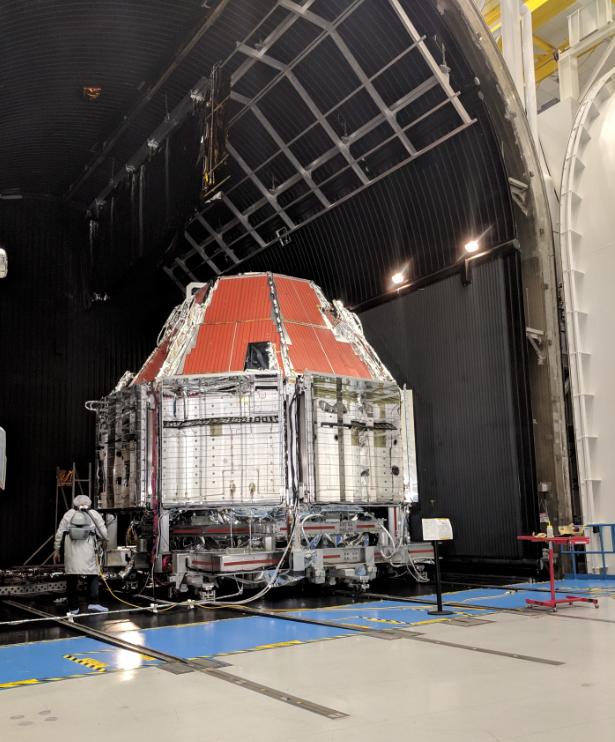
Boeing’s Crew Flight Test Starliner prepares for thermal vacuum testing at Boeing’s Space Environment Test Facility in El Segundo, Calif. During this test series, test teams outfitted Starliner with hot plates and radiators and placed in a vacuum chamber that could also be filled with a cryogenic nitrogen shroud. This allowed Boeing teams to simulate the vacuum environment in space as well as the drastic temperature swings Starliner will see as it moves to and from direct sunlight and the Earth’s shadow. This is the Starliner that will be used for Boeing’s Crew Flight Test as part of NASA’s Commercial Crew Program, which is working with Boeing to return human spaceflight launches to the space station from U.S. soil.
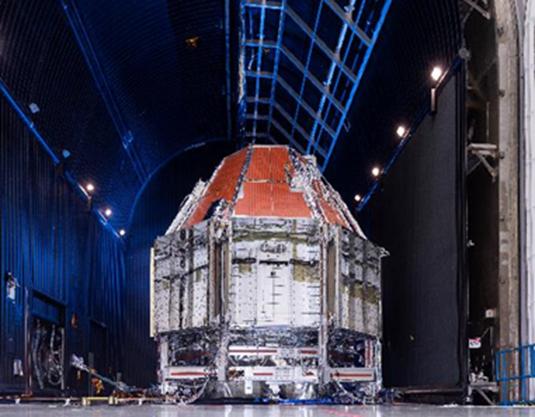
Boeing’s Crew Flight Test CST-100 Starliner prepares for thermal vacuum testing at Boeing’s Space Environment Test Facility in El Segundo, Calif. During this test series, test teams outfitted Starliner with hot plates and radiators and placed in a vacuum chamber that could also be filled with a cryogenic nitrogen shroud. This allowed Boeing teams to simulate the vacuum environment in space as well as the drastic temperature swings Starliner will see as it moves to and from direct sunlight and the Earth’s shadow. This is the Starliner that will be used for Boeing’s Crew Flight Test as part of NASA’s Commercial Crew Program, which is working with Boeing to return human spaceflight launches to the space station from U.S. soil.
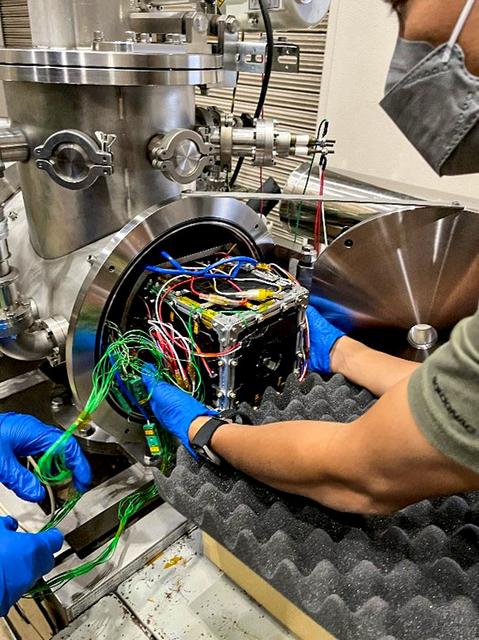
jsc2023e031071 (5/31/2023) --- The BIRDS-4S Project, consisting of the cubesats Maya-5 and Maya-6, are placed inside the Small Thermal Vacuum Chamber at the Center for Nanosatellite Testing, Kyushu Institute of Technology. Image courtesy of Batch-2 STeP-UP Scholars.
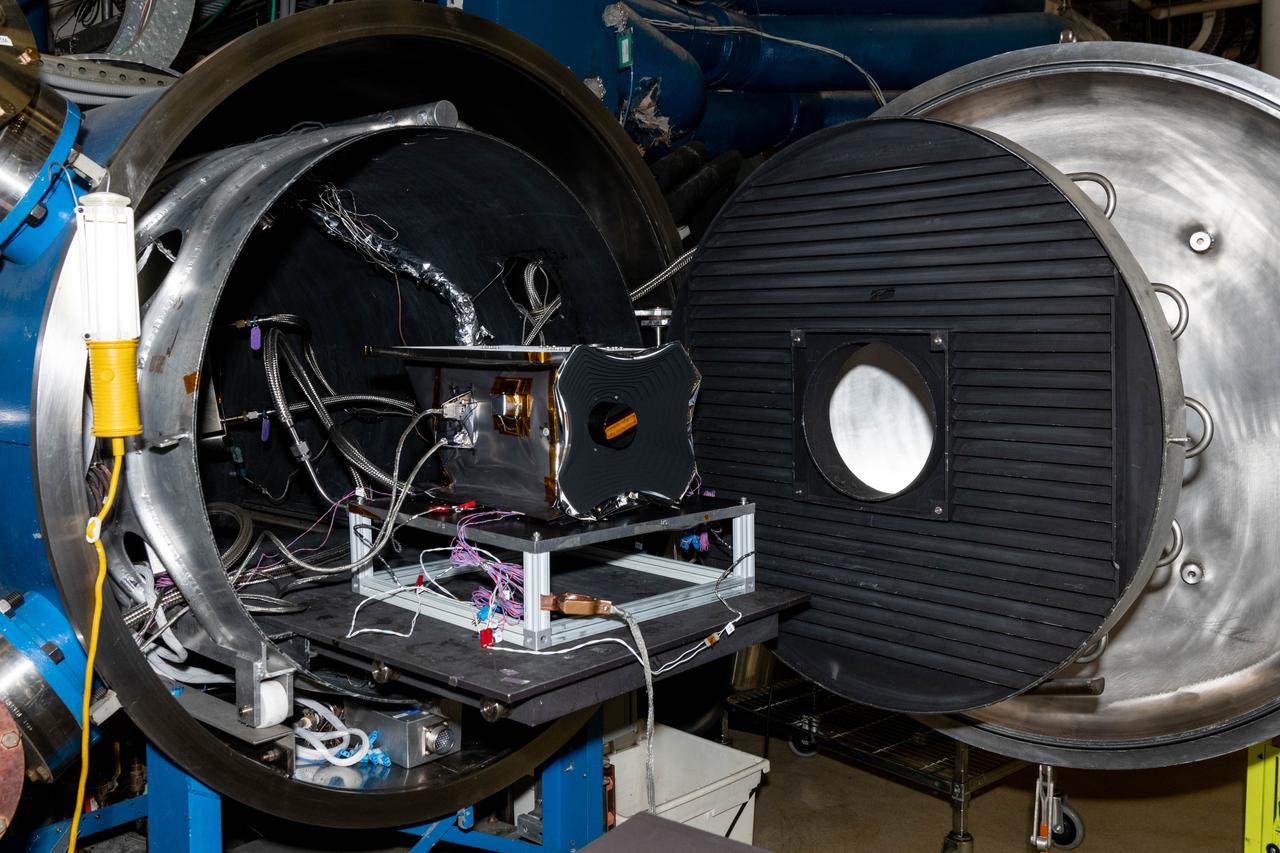
The Hyper-Angular Rainbow Polarimeter #2 (HARP2) instrument prior to thermal vacuum testing at NASA's Goddard Space Flight Center in Greenbelt Maryland on August 8th, 2022. HARP2 is one of three instruments on NASA's Plankton, Aerosol, Cloud, ocean Ecosystem (PACE) observatory, it was designed and built by UMBC's Earth and Space Institute.
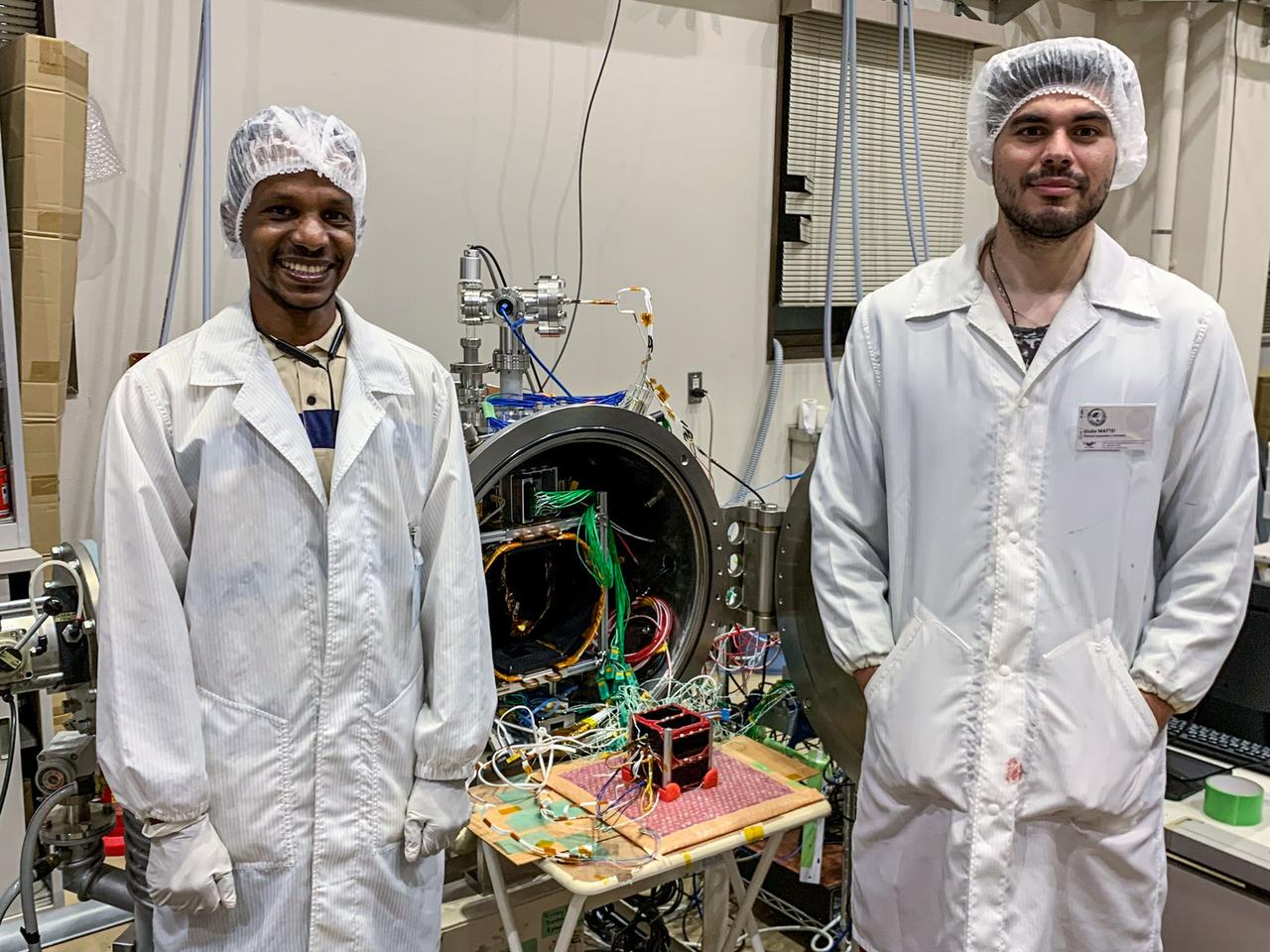
jsc2024e006087 (10/5/2022) --- The thermocouples needed for measurements are connected to the flight model before conducting the thermal vacuum test.Two members are standing in front of the satellite and the chamber. From left to right : ABBAS Yasir, and MATTEI Giulio..Image Credit: MOUMNI Fahd.