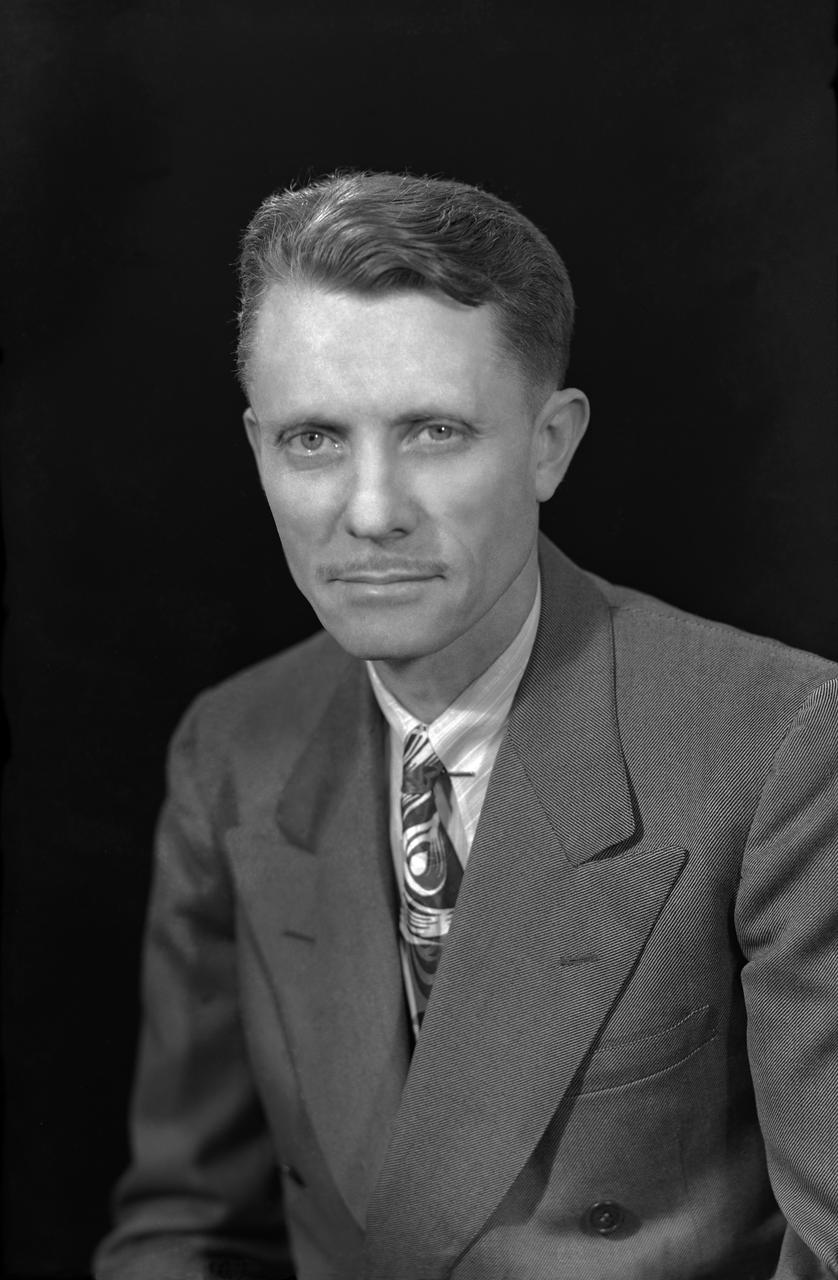
Portrait of Floyd L. Thompson NASA Langley Center Director from 1960 to 1968. Died in 1976
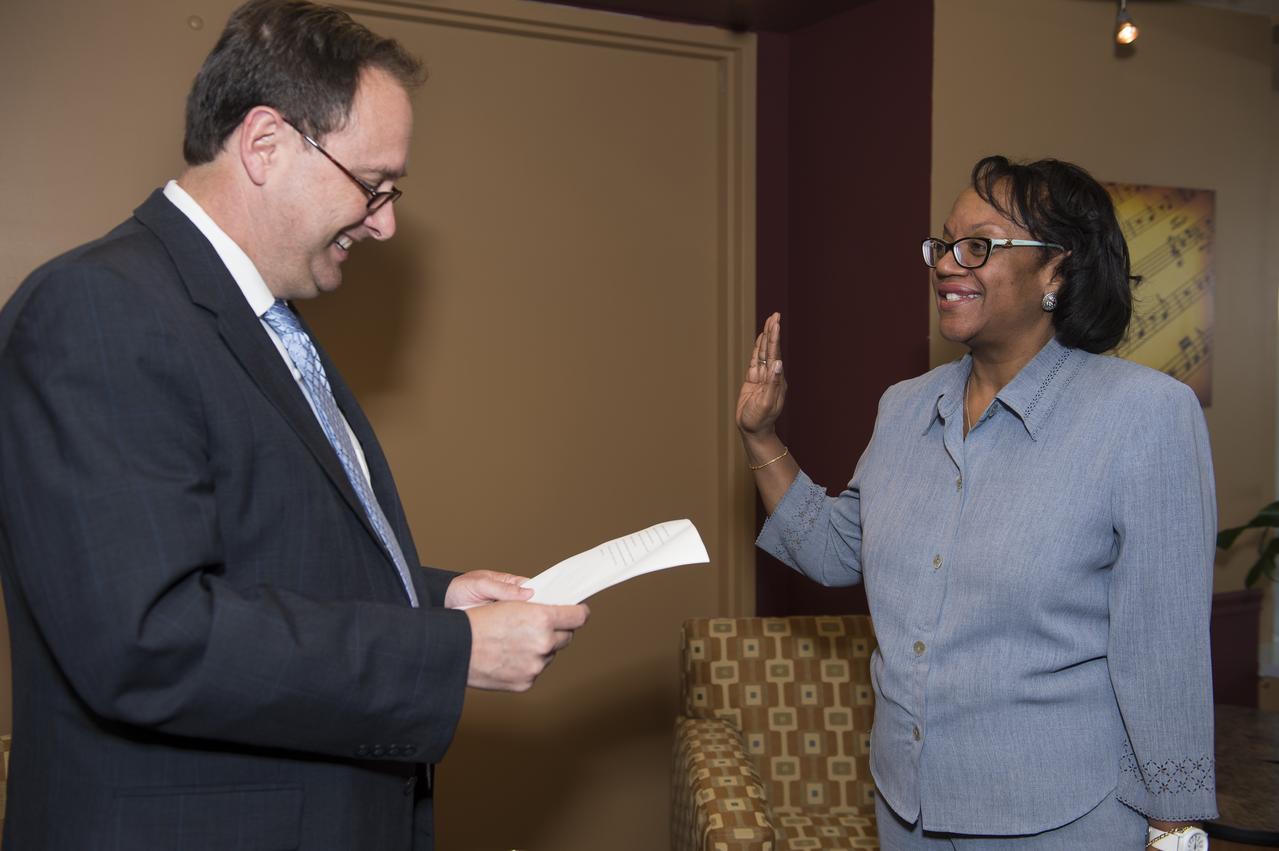
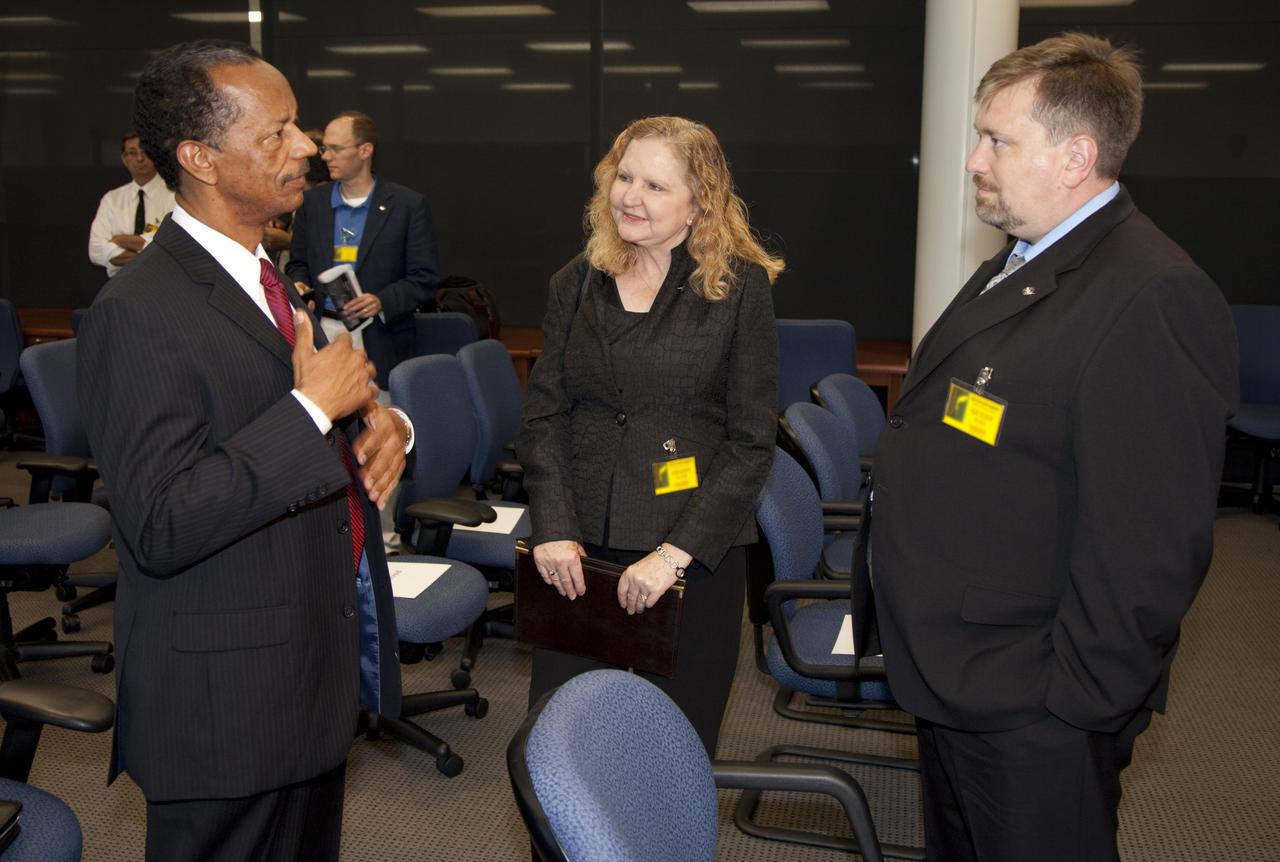
Sumara Thompson-King is seen here being sworn in by Robert Lightfoot, Associate Administrator (left) at NASA Headquarters in Washington, DC on June 2, 2014. Thompson-King assumed the role of General Counsel on Sunday, June 1, 2014 after Michael Wholley, former General Counsel, retired. She started her career at NASA in the Office of Chief Counsel at Goddard Space Flight Center in Greenbelt, MD in 1986. In 1991, she became a senior attorney at NASA Headquarters and in 1995 was promoted to the Deputy Associate General Counsel (Contracts) position. She is the first woman and first African American to serve as General Counsel at NASA Headquarters. (Photo Credit: NASA/Aubrey Gemignani)
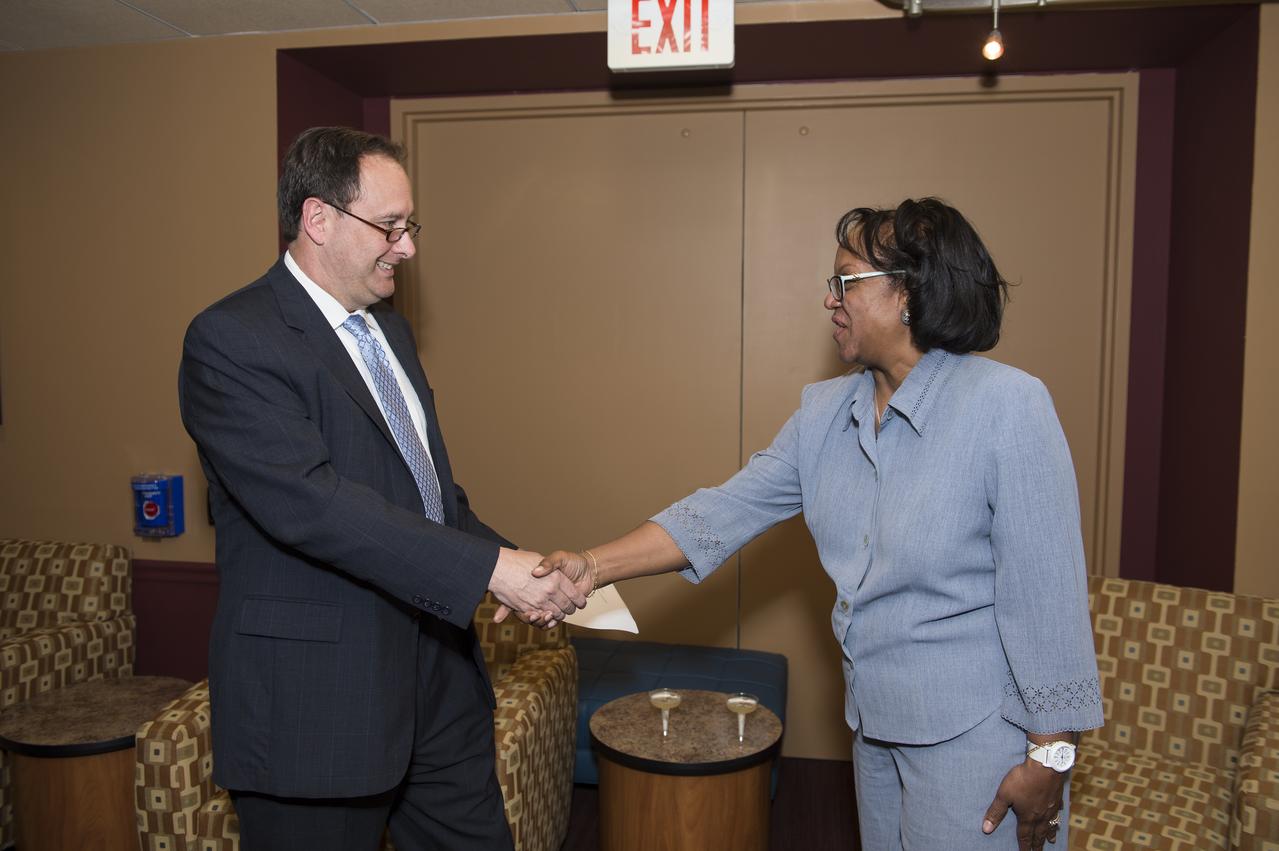
Sumara Thompson-King is seen here after being sworn in by Robert Lightfoot, Associate Administrator (left) at NASA Headquarters in Washington, DC on June 2, 2014. Thompson-King assumed the role of General Counsel on Sunday, June 1, 2014 after Michael Wholley, former General Counsel, retired. She started her career at NASA in the Office of Chief Counsel at Goddard Space Flight Center in Greenbelt, MD in 1986. In 1991, she became a senior attorney at NASA Headquarters and in 1995 was promoted to the Deputy Associate General Counsel (Contracts) position. She is the first woman and first African American to serve as General Counsel at NASA Headquarters. (Photo Credit: NASA/Aubrey Gemignani)
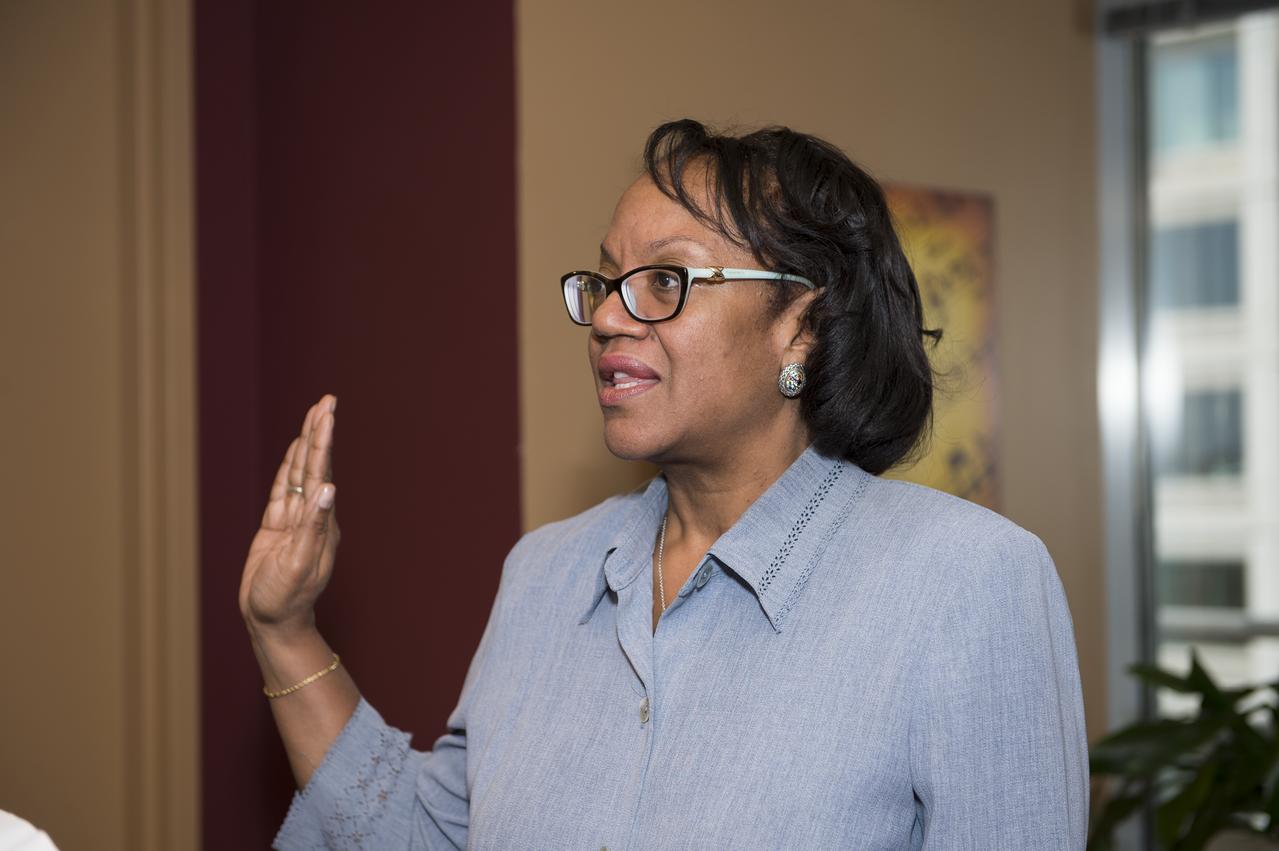
Sumara Thompson-King is seen here being sworn in by Robert Lightfoot, Associate Administrator (not pictured) at NASA Headquarters in Washington, DC on June 2, 2014. Thompson-King assumed the role of General Counsel on Sunday, June 1, 2014 after Michael Wholley, former General Counsel, retired. She started her career at NASA in the Office of Chief Counsel at Goddard Space Flight Center in Greenbelt, MD in 1986. In 1991, she became a senior attorney at NASA Headquarters and in 1995 was promoted to the Deputy Associate General Counsel (Contracts) position. She is the first woman and first African American to serve as General Counsel at NASA Headquarters. (Photo Credit: NASA/Aubrey Gemignani)
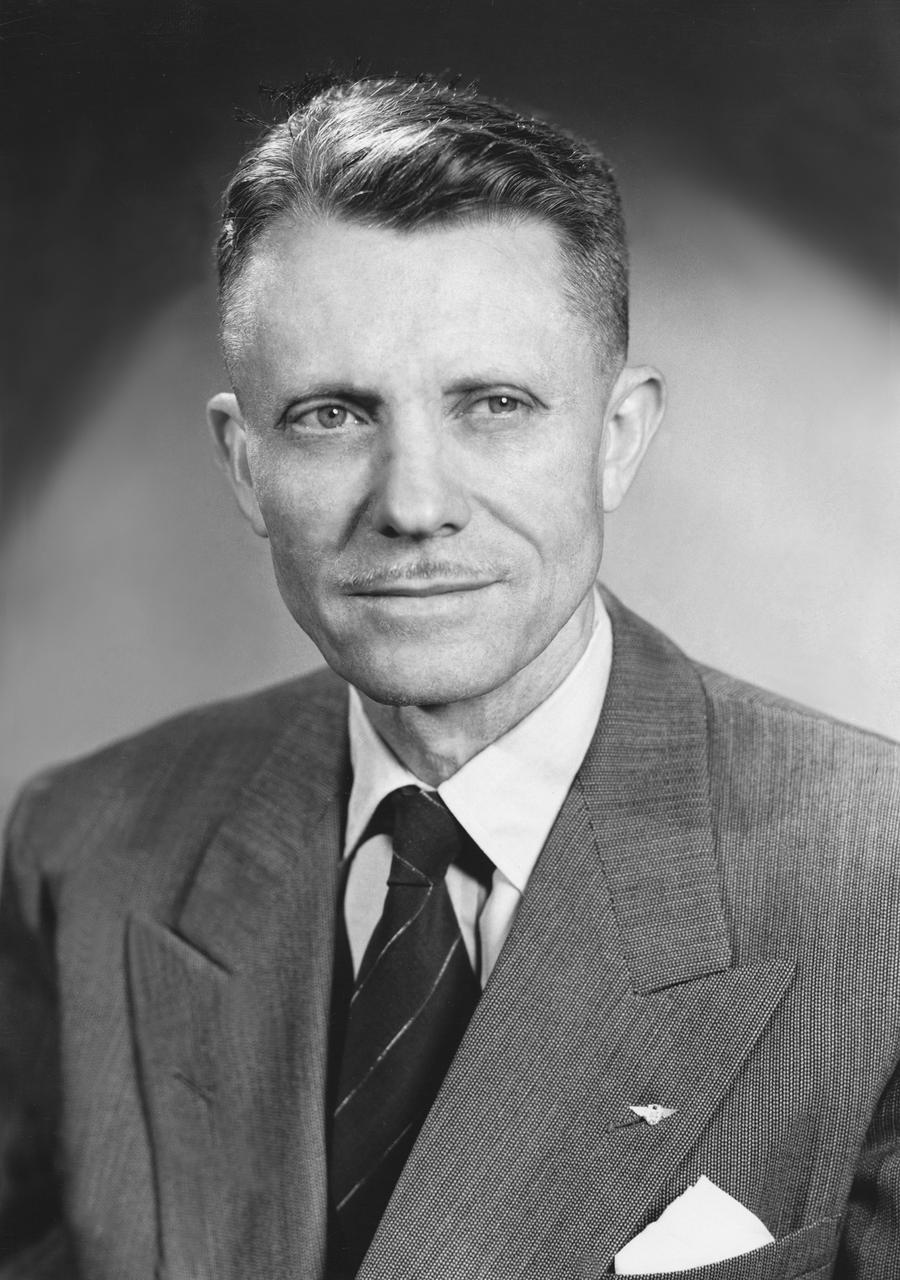
Portrait of Floyd L. Thompson NASA Langley Center Director 1960-1968. Died in 1976
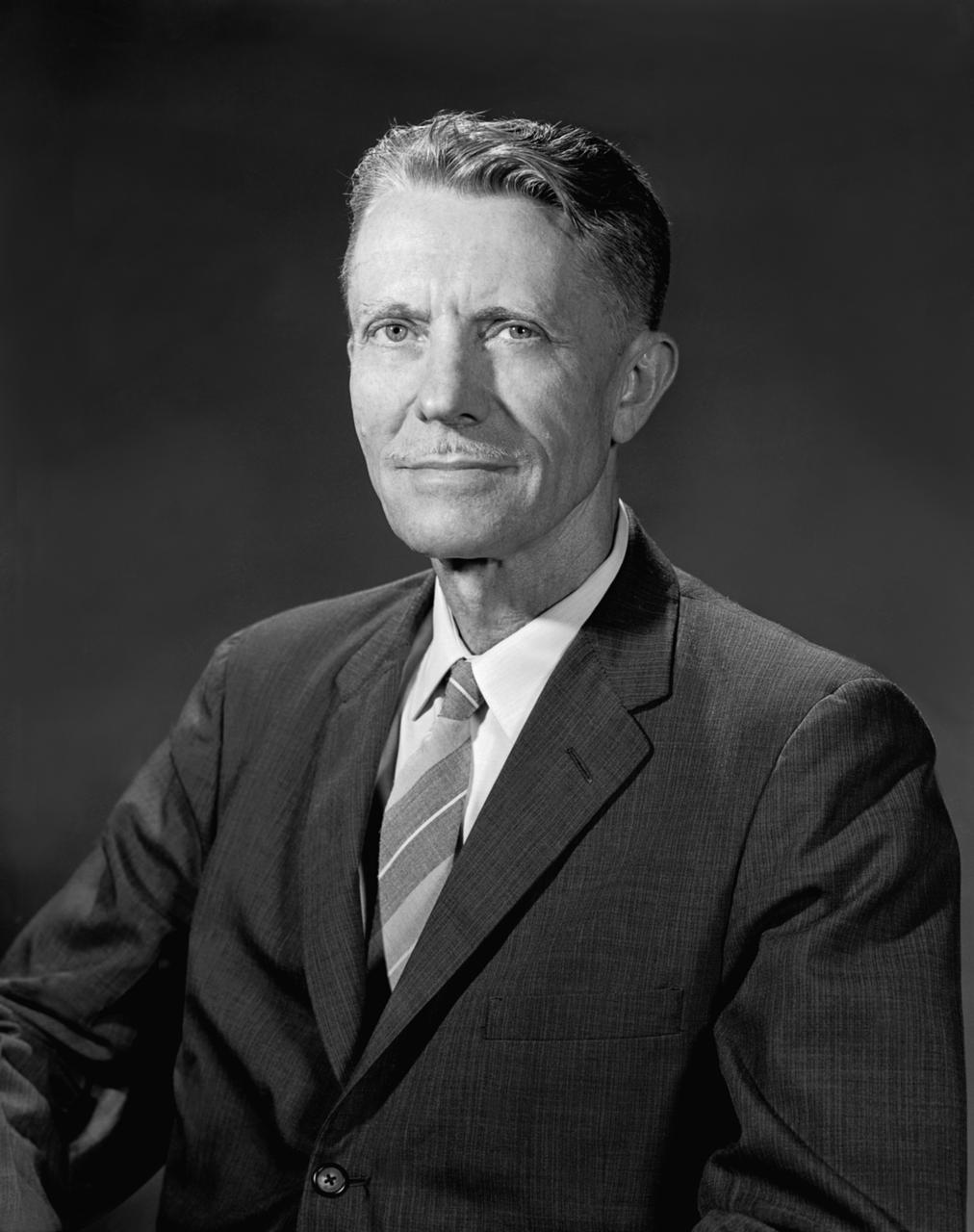
Portrait of Floyd L. Thompson NASA Langley Center Director
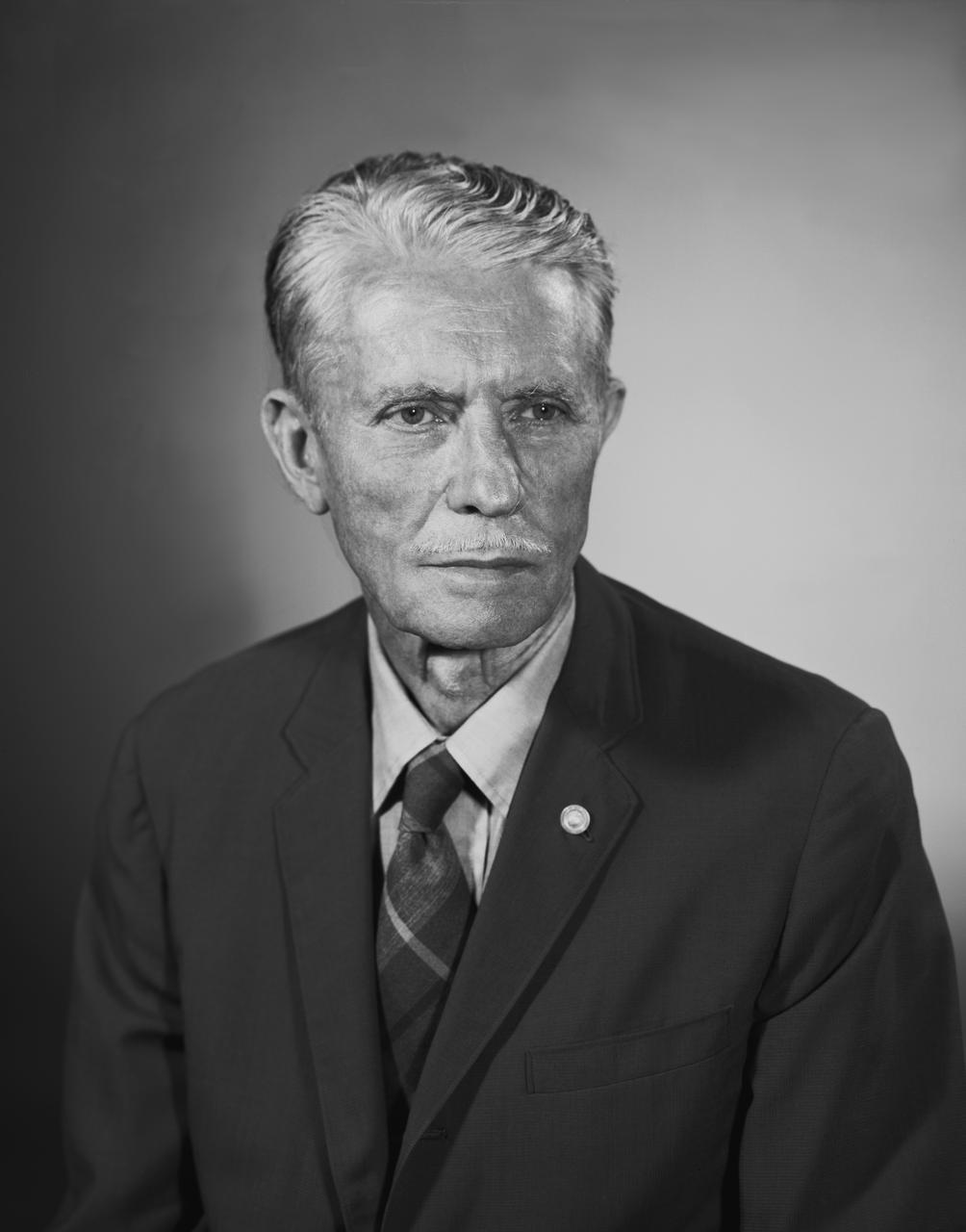
Portrait of Floyd L. Thompson NASA Langley Center Director
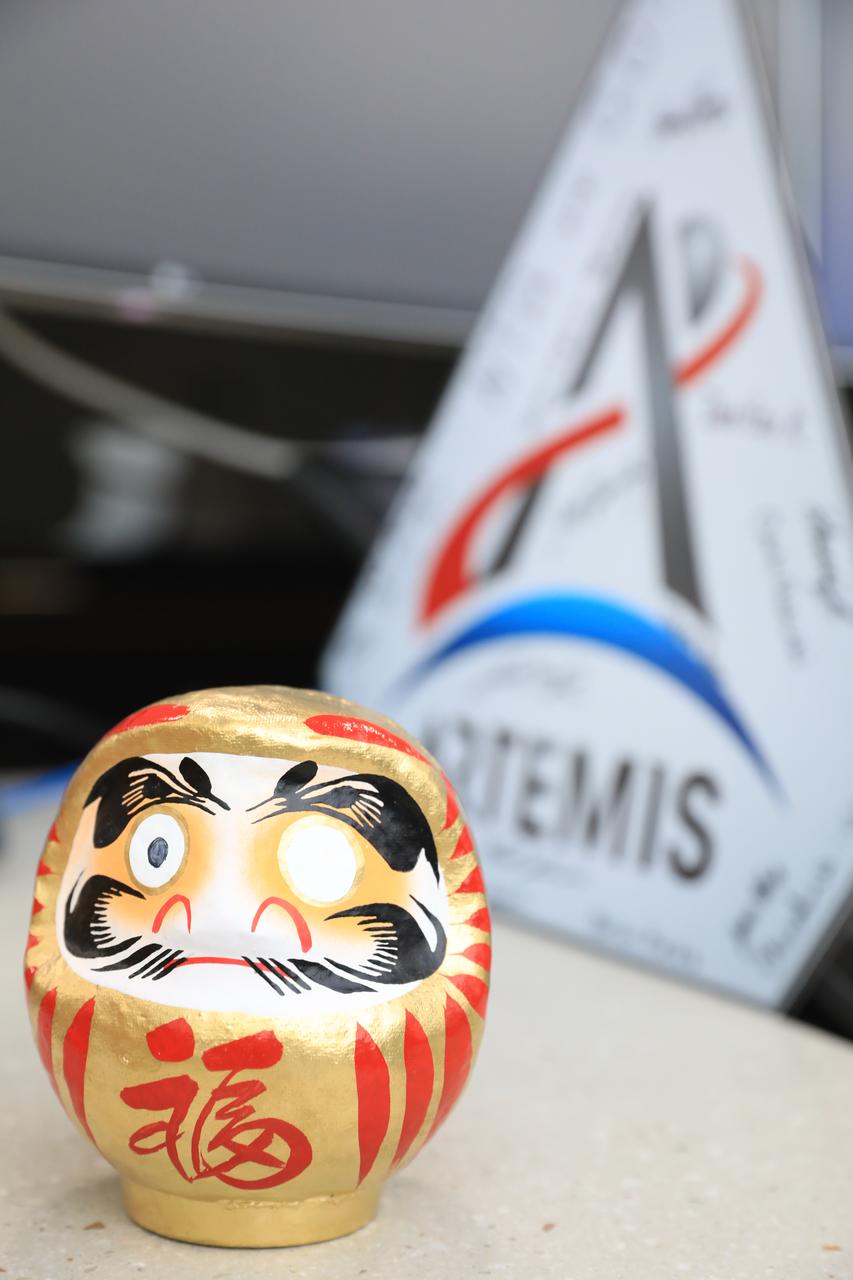
Artemis launch director, Charlie Blackwell-Thompson and associate administrator of NASA’s Space Operations Mission Directorate, Kathryn Lueders finish coloring in the other eye of the Japanese Daruma doll to highlight the successful Artemis I mission on Dec. 20, 2022 in Firing Room 1 of the Rocco A. Petrone Launch Control Center at NASA’s Kennedy Space Center in Florida. The Japan Aerospace Exploration Agency gave a Daruma doll to both Lueders and associate administrator for the Exploration Systems Development Mission Directorate, Jim Free as a token of good luck prior to the Artemis I launch. Free filled in his eye on Dec. 11, 2022, with Artemis I Ascent and Entry Flight Director Judd Frieling in Mission Control Center at NASA’s Johnson Space Center in Houston, Texas.

Artemis launch director, Charlie Blackwell-Thompson and associate administrator of NASA’s Space Operations Mission Directorate, Kathryn Lueders finish coloring in the other eye of the Japanese Daruma doll to highlight the successful Artemis I mission on Dec. 20, 2022 in Firing Room 1 of the Rocco A. Petrone Launch Control Center at NASA’s Kennedy Space Center in Florida. The Japan Aerospace Exploration Agency gave a Daruma doll to both Lueders and associate administrator for the Exploration Systems Development Mission Directorate, Jim Free as a token of good luck prior to the Artemis I launch. Free filled in his eye on Dec. 11, 2022, with Artemis I Ascent and Entry Flight Director Judd Frieling in Mission Control Center at NASA’s Johnson Space Center in Houston, Texas.
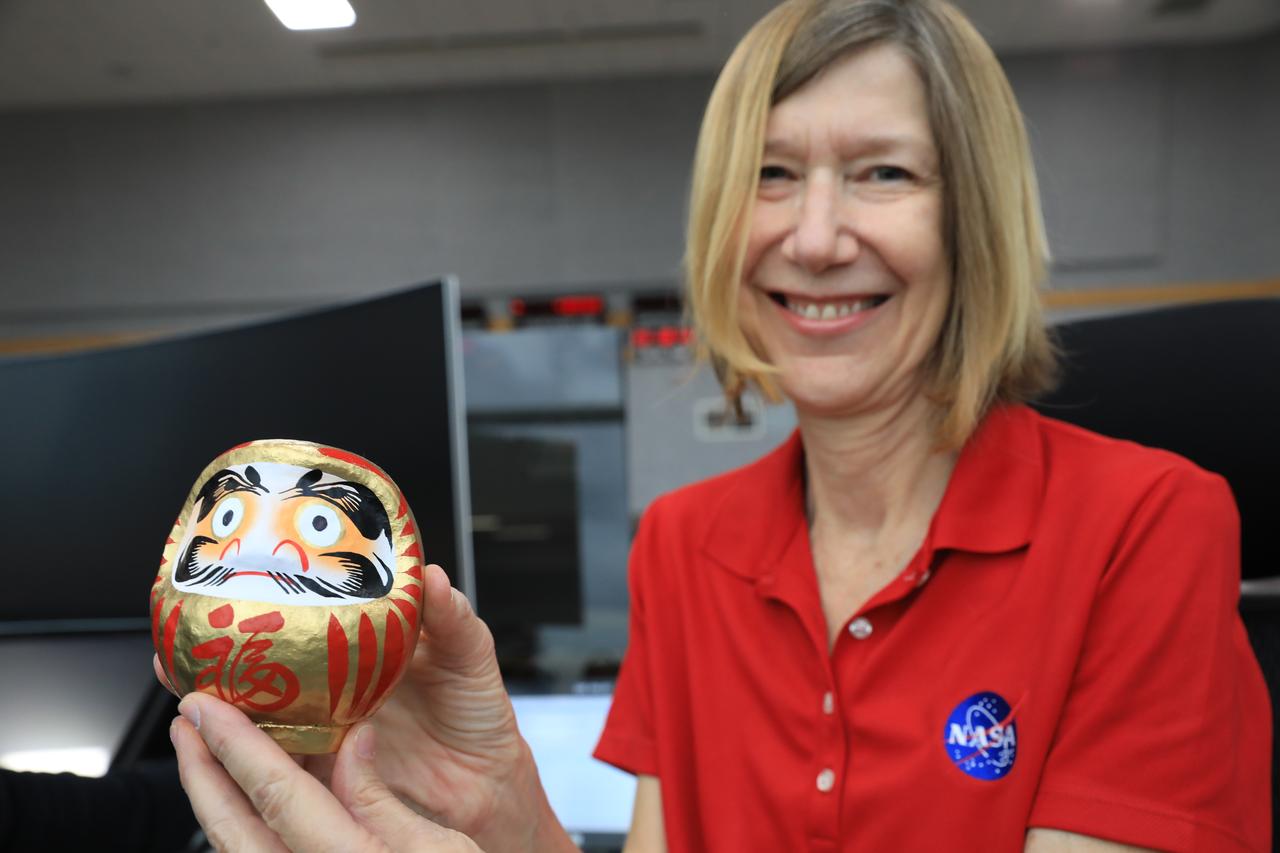
Artemis launch director, Charlie Blackwell-Thompson and associate administrator of NASA’s Space Operations Mission Directorate, Kathryn Lueders finish coloring in the other eye of the Japanese Daruma doll to highlight the successful Artemis I mission on Dec. 20, 2022 in Firing Room 1 of the Rocco A. Petrone Launch Control Center at NASA’s Kennedy Space Center in Florida. The Japan Aerospace Exploration Agency gave a Daruma doll to both Lueders and associate administrator for the Exploration Systems Development Mission Directorate, Jim Free as a token of good luck prior to the Artemis I launch. Free filled in his eye on Dec. 11, 2022, with Artemis I Ascent and Entry Flight Director Judd Frieling in Mission Control Center at NASA’s Johnson Space Center in Houston, Texas.
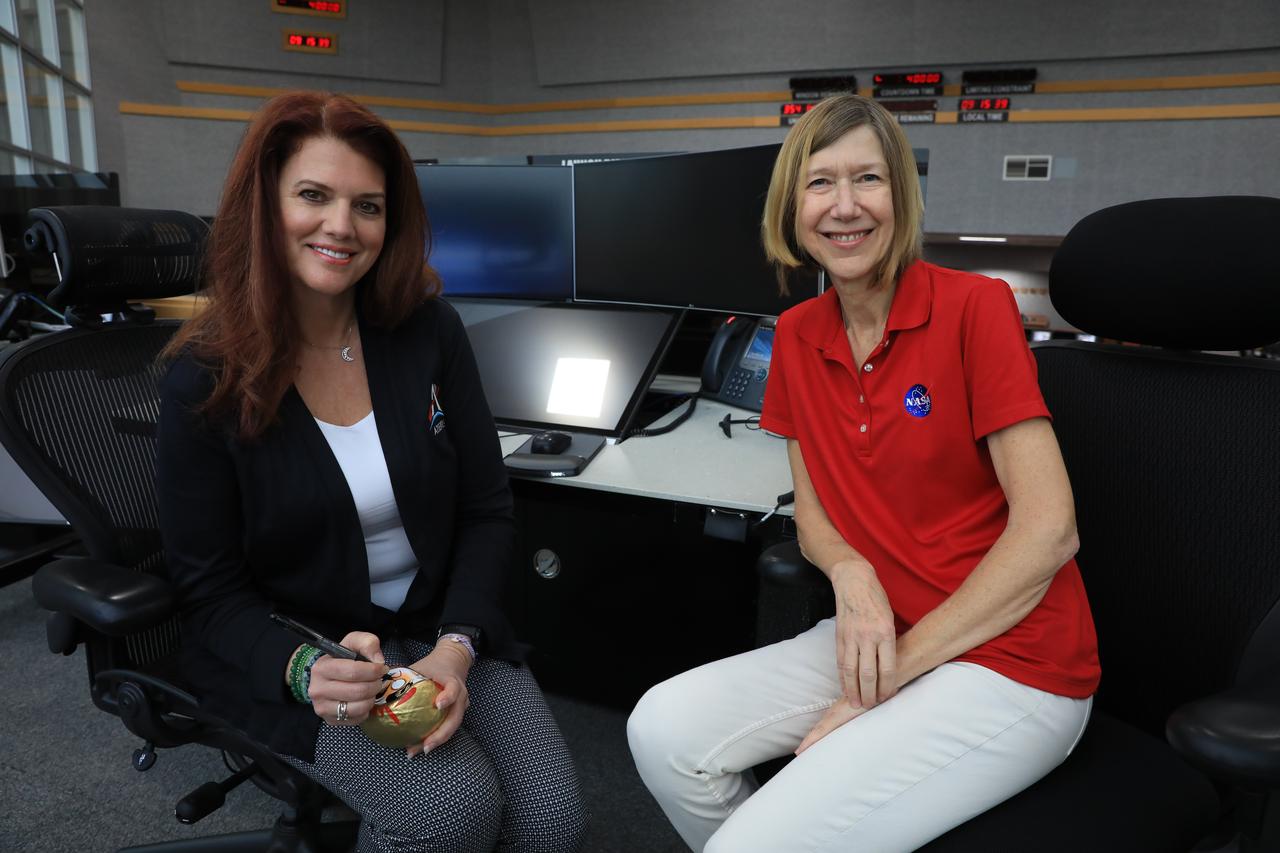
Artemis launch director, Charlie Blackwell-Thompson and associate administrator of NASA’s Space Operations Mission Directorate, Kathryn Lueders finish coloring in the other eye of the Japanese Daruma doll to highlight the successful Artemis I mission on Dec. 20, 2022 in Firing Room 1 of the Rocco A. Petrone Launch Control Center at NASA’s Kennedy Space Center in Florida. The Japan Aerospace Exploration Agency gave a Daruma doll to both Lueders and associate administrator for the Exploration Systems Development Mission Directorate, Jim Free as a token of good luck prior to the Artemis I launch. Free filled in his eye on Dec. 11, 2022, with Artemis I Ascent and Entry Flight Director Judd Frieling in Mission Control Center at NASA’s Johnson Space Center in Houston, Texas.
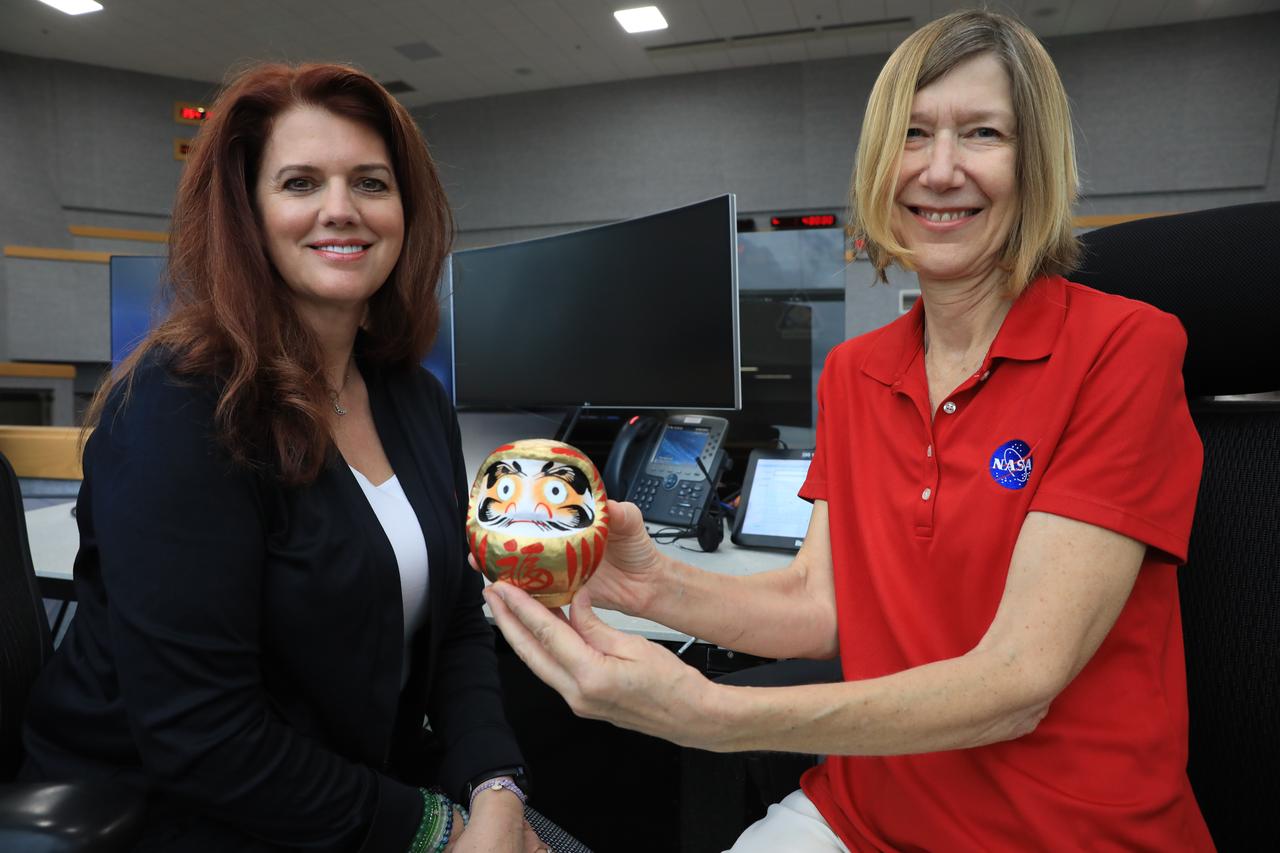
Artemis launch director, Charlie Blackwell-Thompson and associate administrator of NASA’s Space Operations Mission Directorate, Kathryn Lueders finish coloring in the other eye of the Japanese Daruma doll to highlight the successful Artemis I mission on Dec. 20, 2022 in Firing Room 1 of the Rocco A. Petrone Launch Control Center at NASA’s Kennedy Space Center in Florida. The Japan Aerospace Exploration Agency gave a Daruma doll to both Lueders and associate administrator for the Exploration Systems Development Mission Directorate, Jim Free as a token of good luck prior to the Artemis I launch. Free filled in his eye on Dec. 11, 2022, with Artemis I Ascent and Entry Flight Director Judd Frieling in Mission Control Center at NASA’s Johnson Space Center in Houston, Texas.
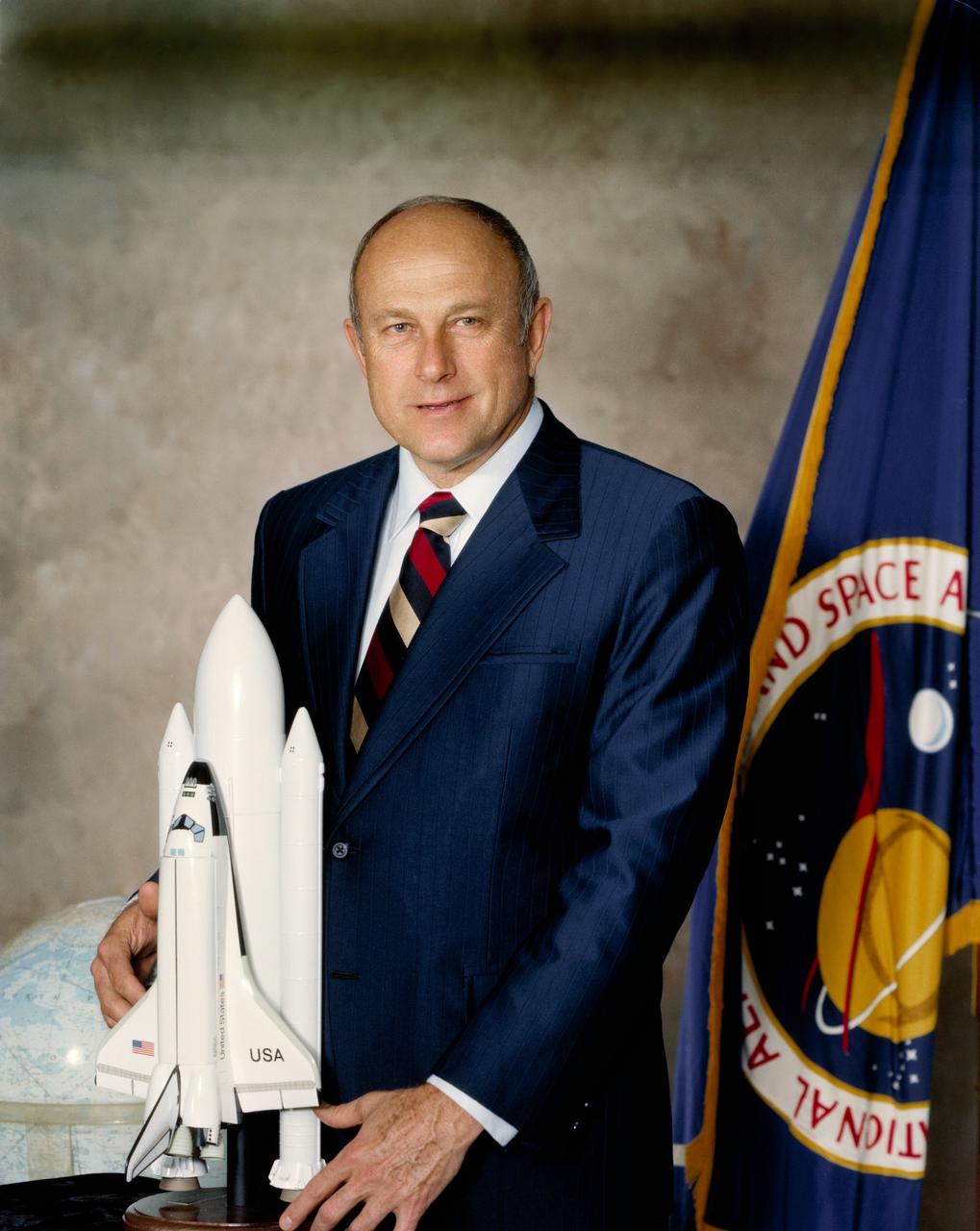
S80-29677 (1980) - Robert F. Thompson
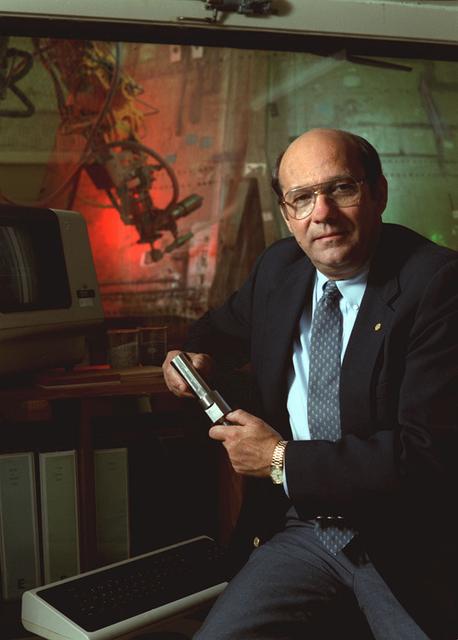
Marshall's fifth Center Director, James R. Thompson (1986-1989), in the control room of the Solid Rocket Booster (SRB)automated thermal protection system (TPS) removal facility. Under Dr. Thompson's leadership, the shuttle program was rekindled after the Challenger explosion. Return to Flight kept NASA 's future programs alive.
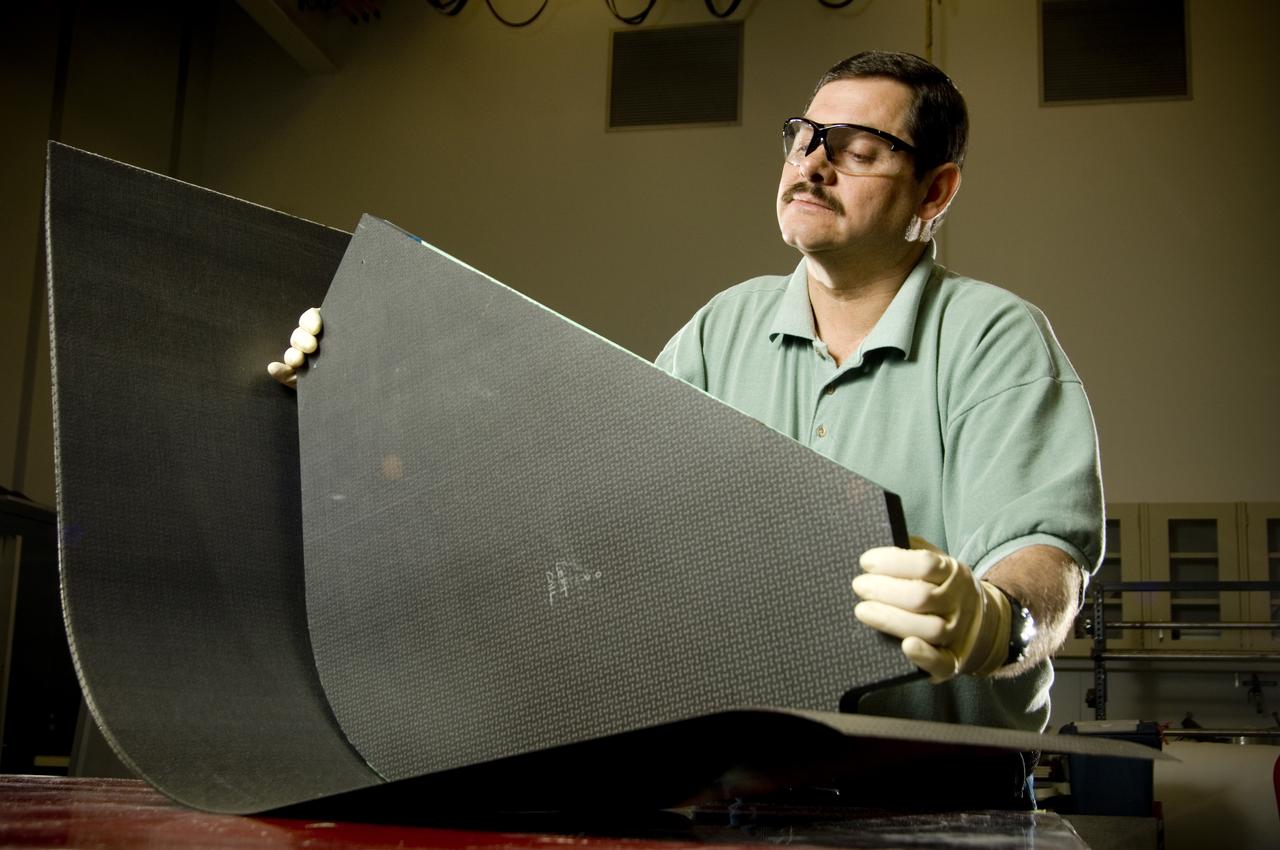
PHILLIP THOMPSON (ENGINEERING TECHNICIAN, ATK LS) ASSEMBLES A COMPOSITE
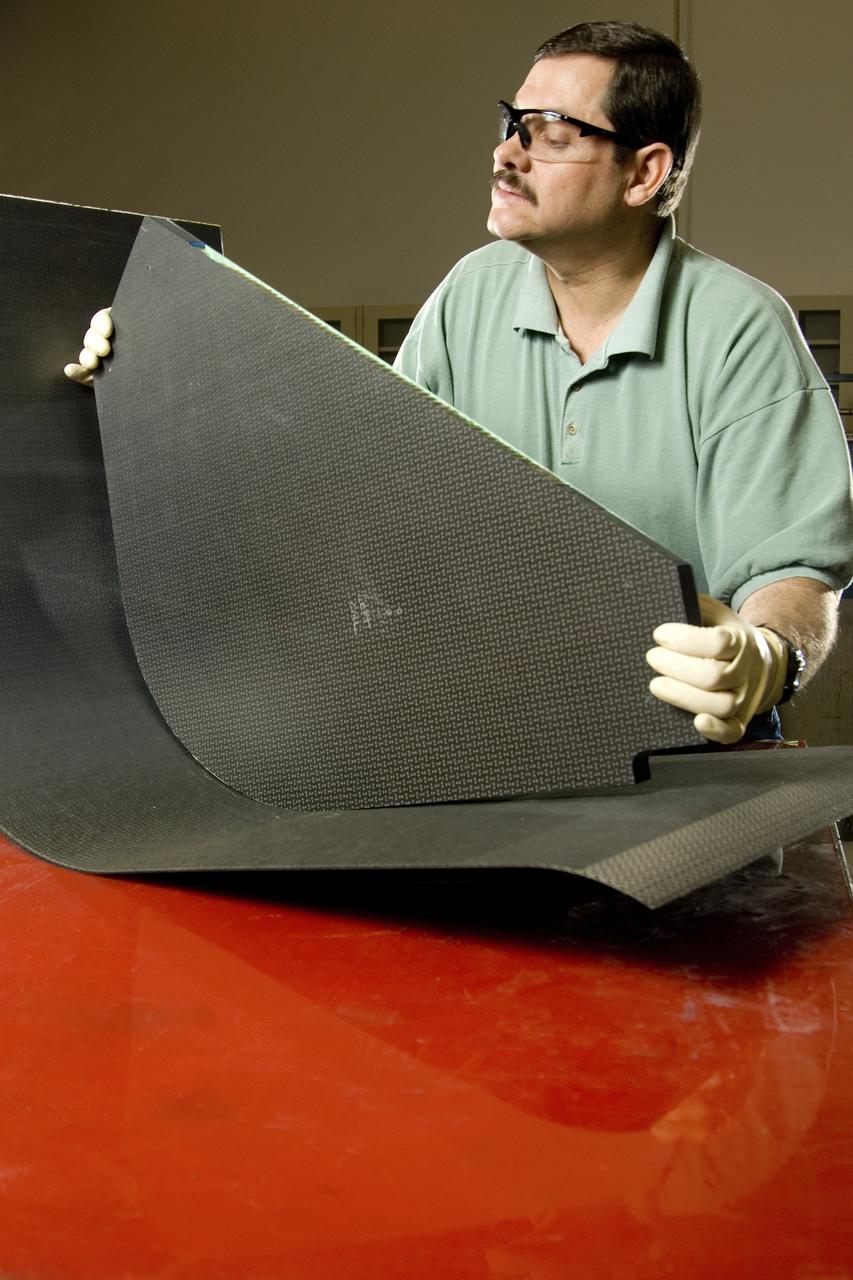
PHILLIP THOMPSON (ENGINEERING TECHNICIAN, ATK LS) ASSEMBLES A COMPOSITE
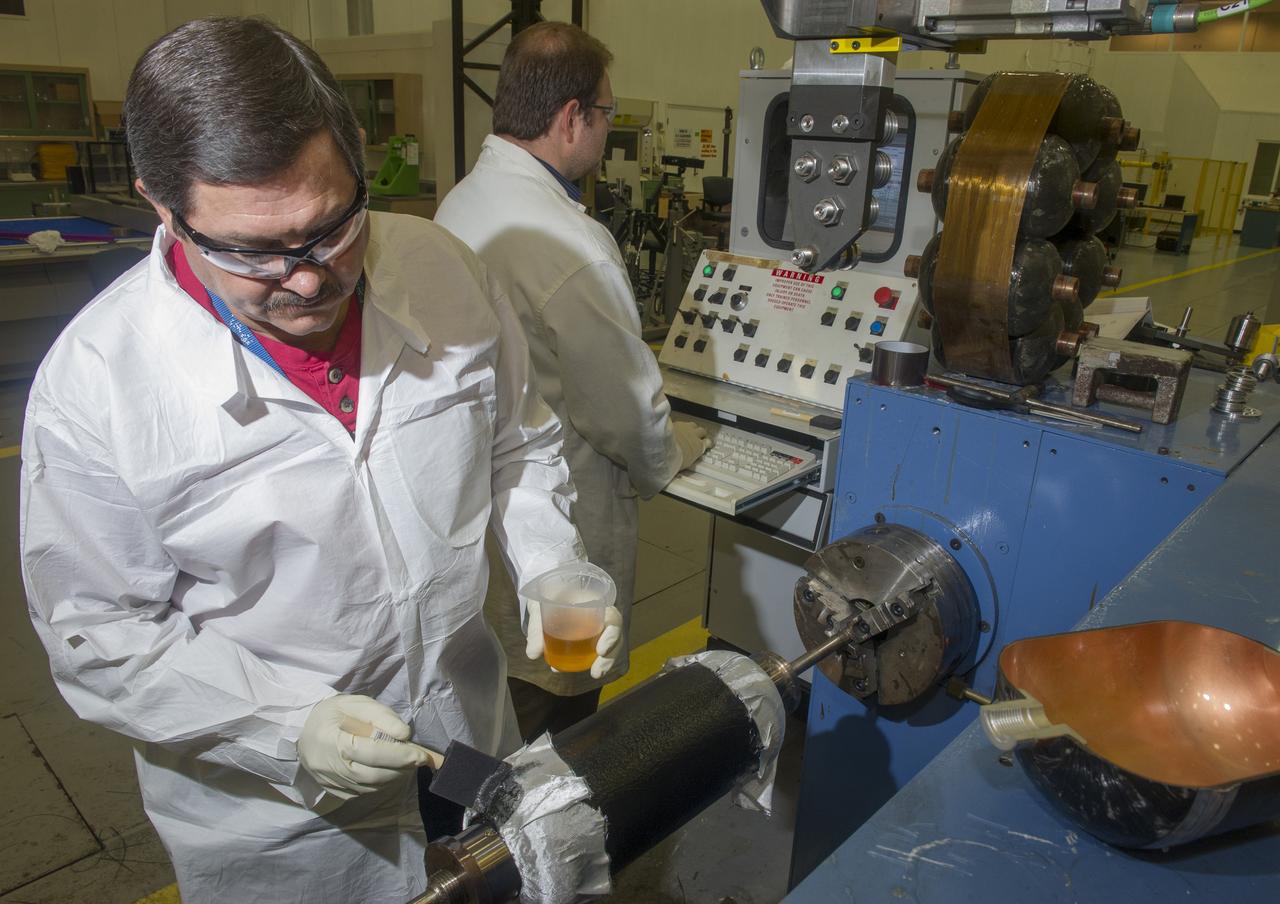
PHILLIP THOMPSON APPLIES EPOXY RESIN TO BURST TEST ARTICLE
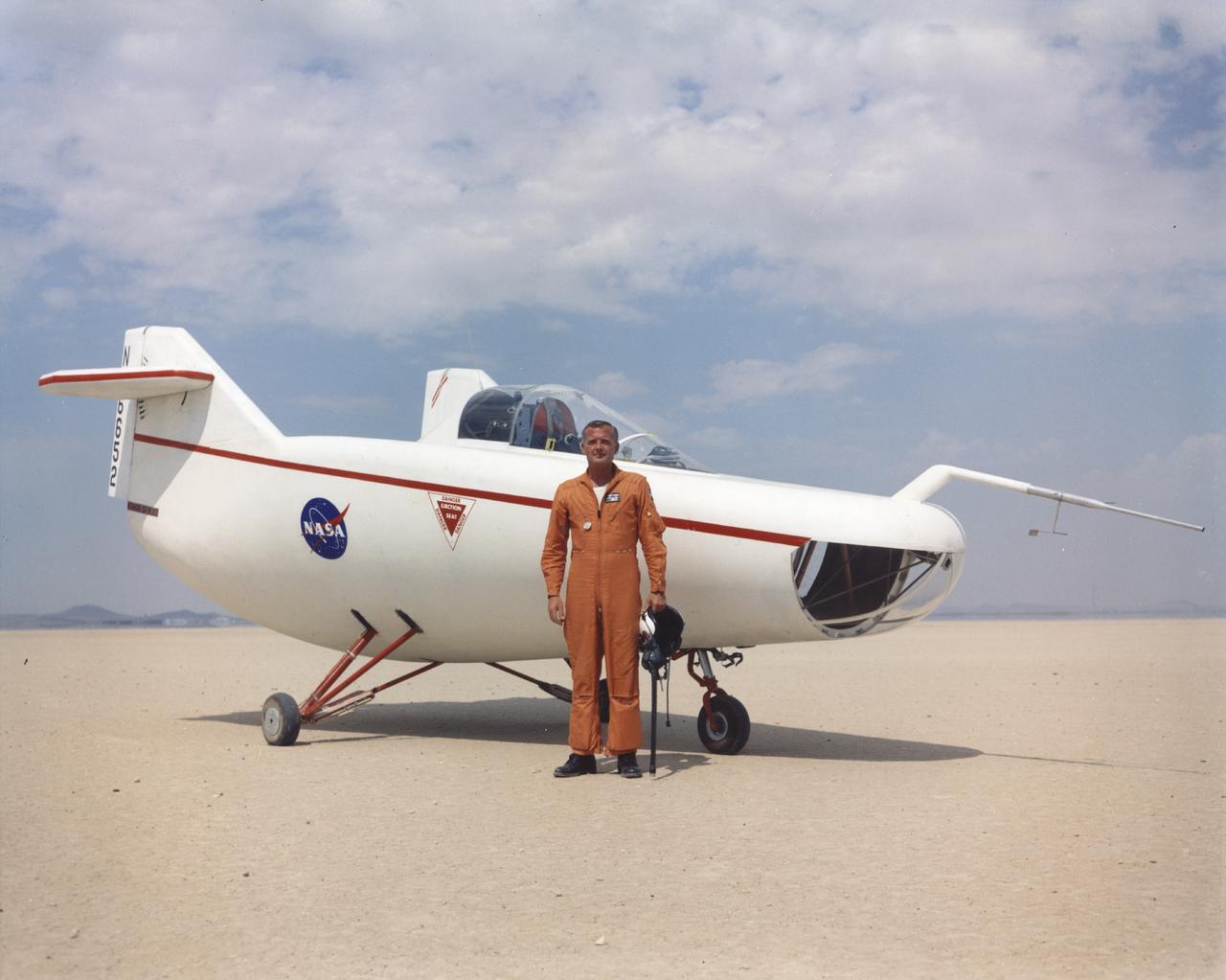
NASA Flight Research Pilot Milt Thompson, shown here on the lakebed with the M2-F1 lifting body, was an early backer of R. Dale Reed's lifting-body proposal. He urged Flight Research Center director Paul Bikle to approve the M2-F1's construction. Thompson also made the first glide flights in both the M2-F1 and its successor, the heavyweight M2-F2.
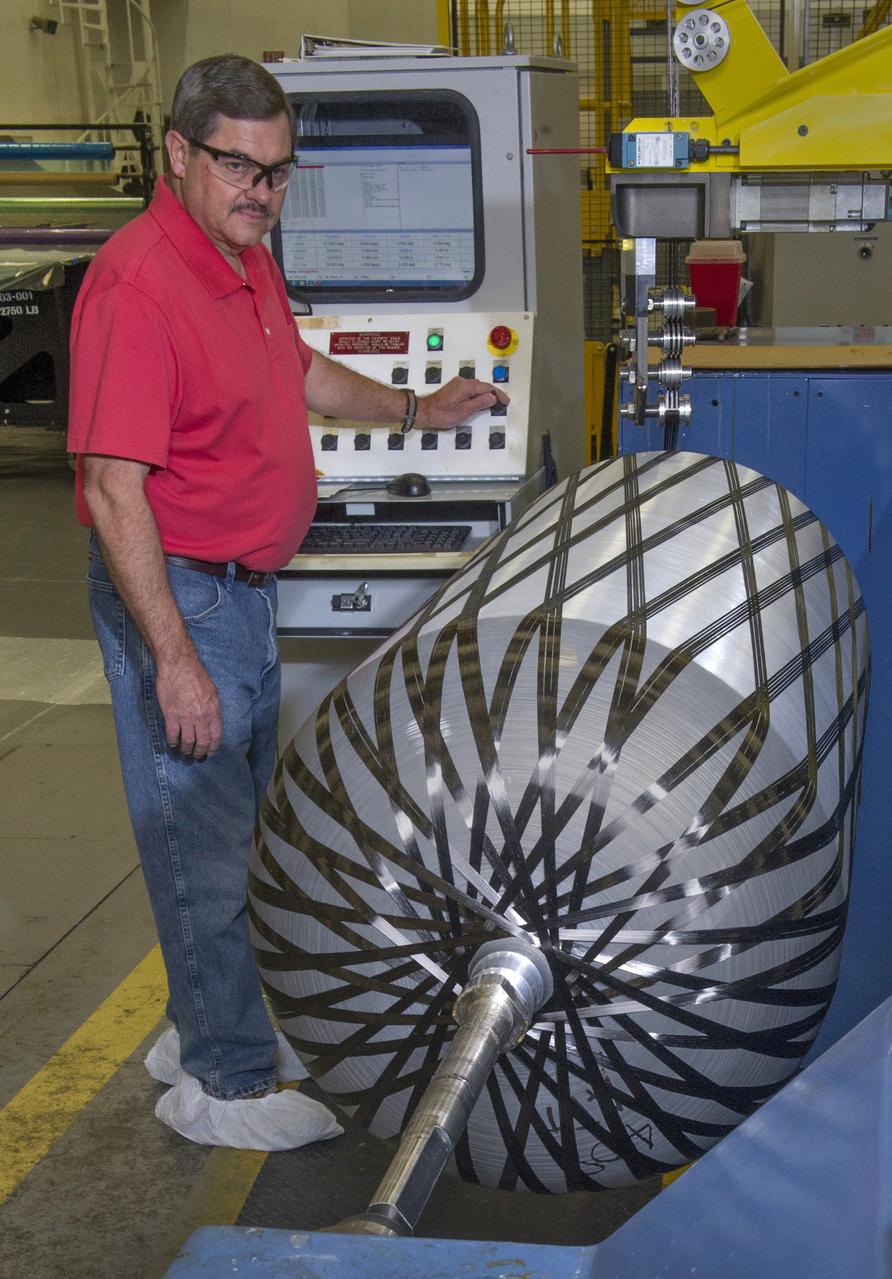
PHILLIP THOMPSON WRAPS PRESSURE VESSEL WITH COMPOSITE MATERIAL
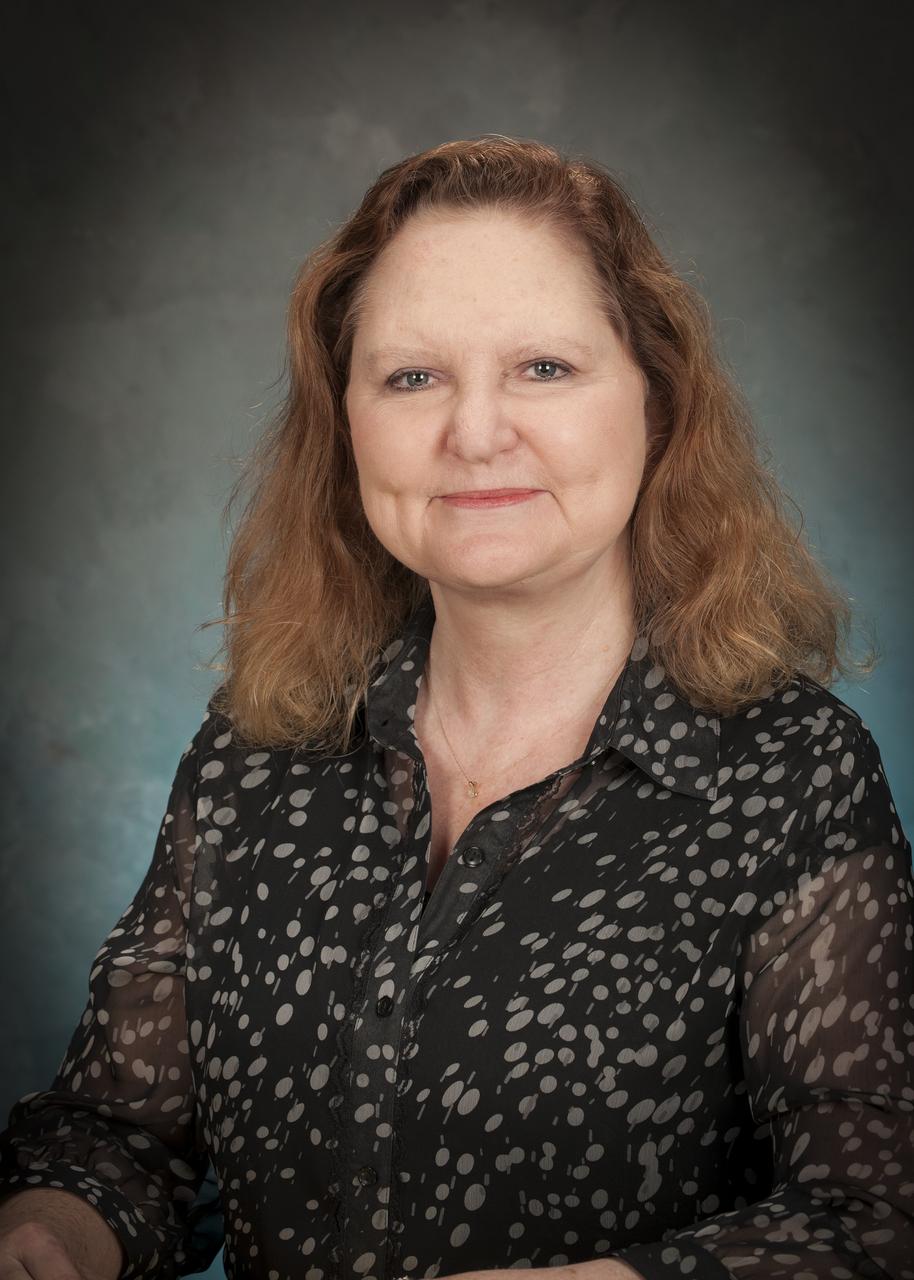
Studio Portrait of Karen Thompson-Chief Technologist NASA
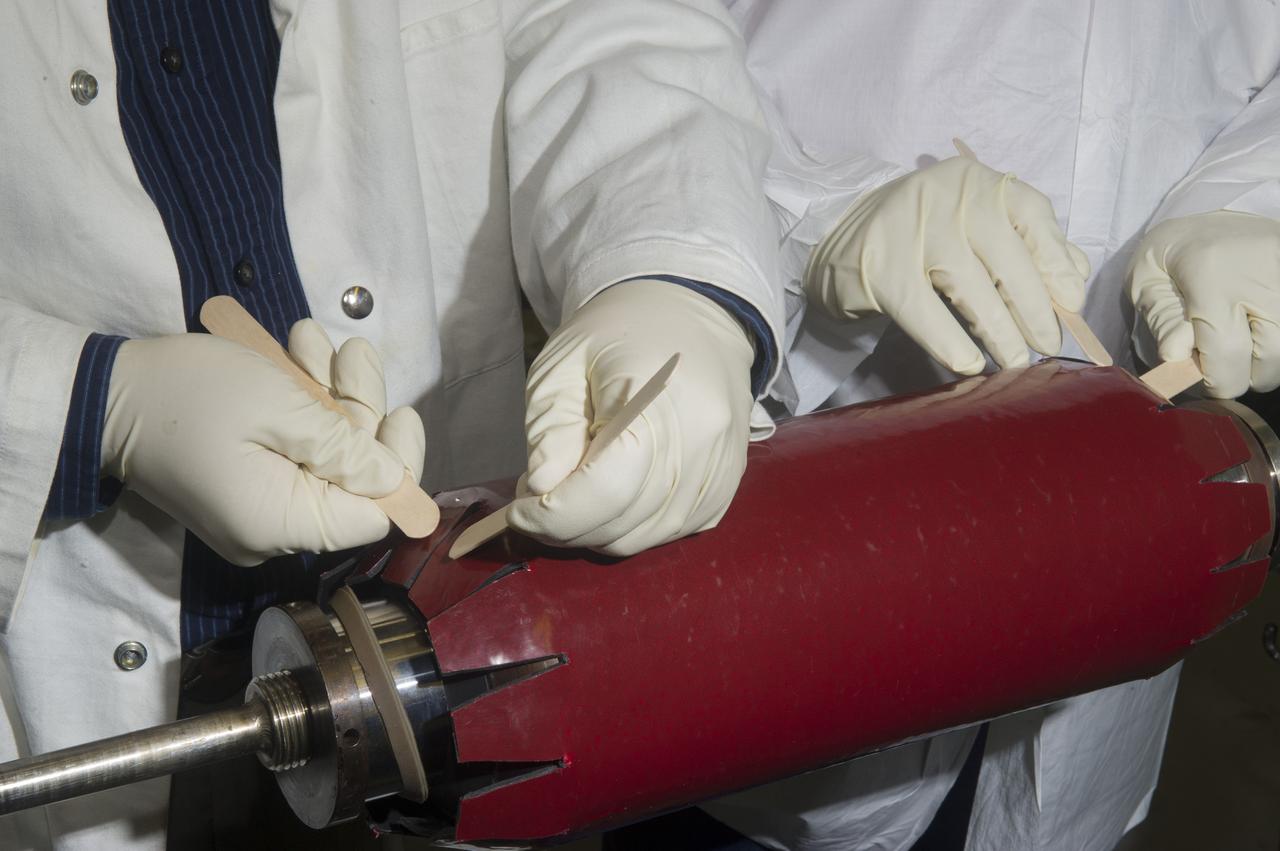
MATERIALS ENGINEER CHAD HASTINGS AND ENGINEERING TECHNICIAN PHILLIP THOMPSON LAYING UP RUBBER INSULATION ON BURST TEST ARTICLE
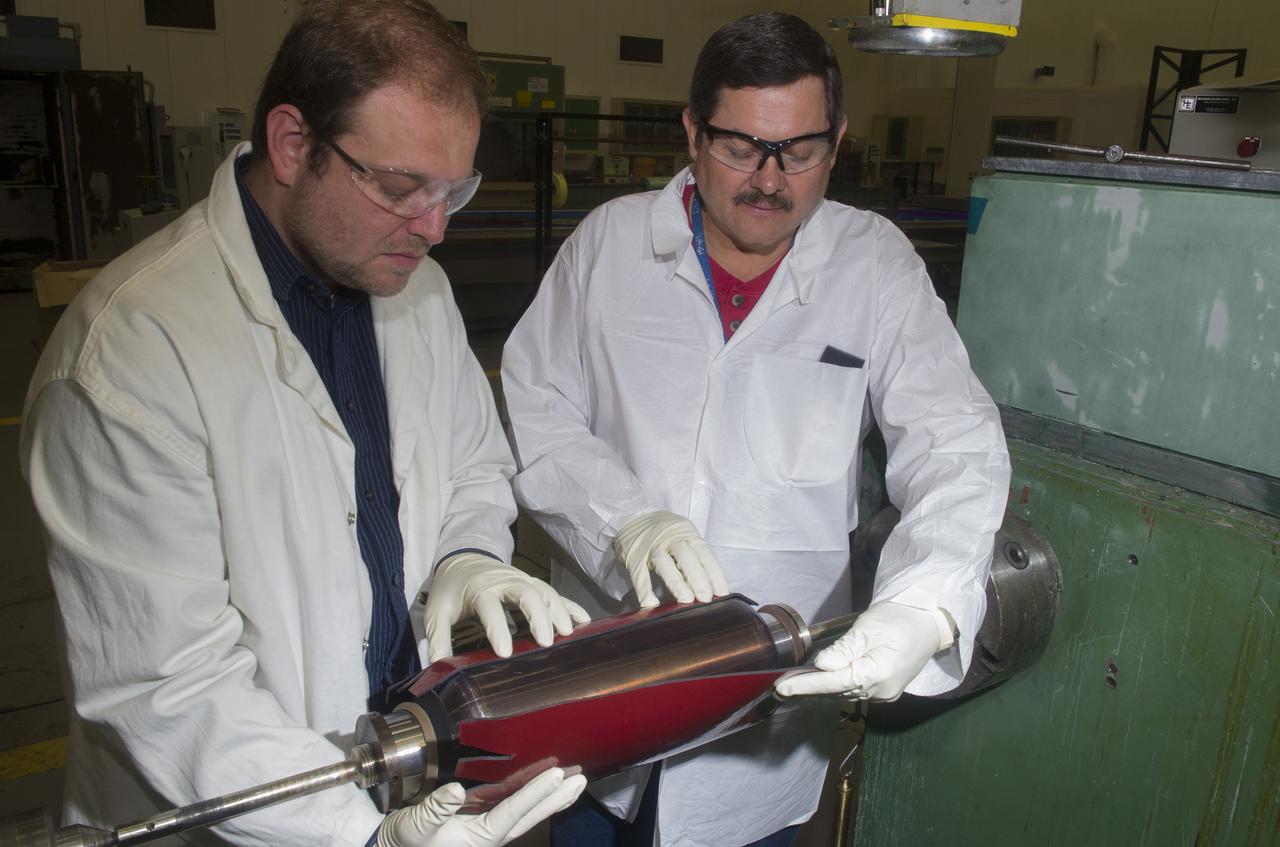
MATERIALS ENGINEER CHAD HASTINGS AND ENGINEERING TECHNICIAN PHILLIP THOMPSON LAYING UP RUBBER INSULATION ON BURST TEST ARTICLE
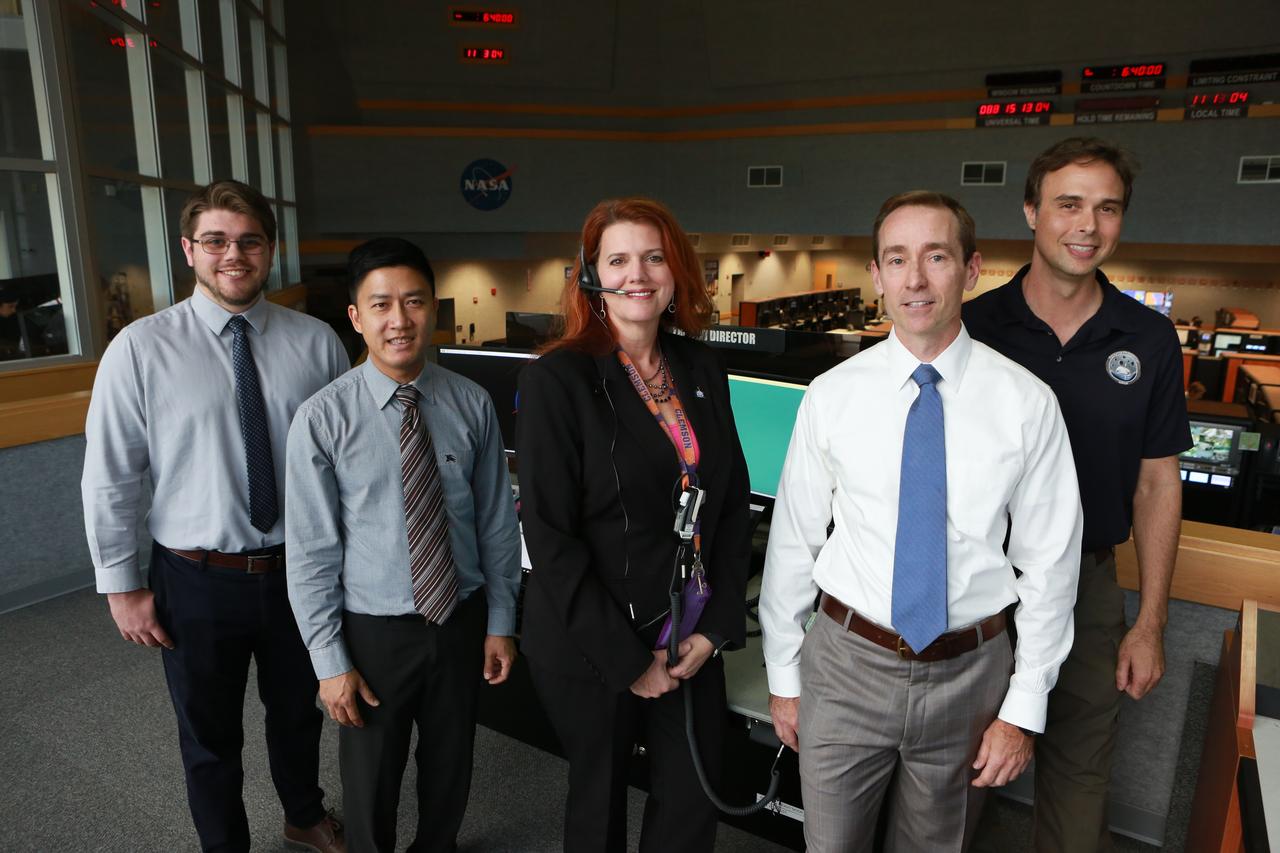
NASA Launch Director Charlie Blackwell-Thompson, center, stands next to her console in Firing Room 1 at the Kennedy Space Center's Launch Control Center. With her, from the left, are NASA intern Justin Connolly, NASA Engineering Project Manager Dan Tran, Blackwell-Thompson, Shawn Reverter, Project Manager for Red Canyon Software, Inc., and NASA Structures and Mechanisms Design Branch Chief Adam Dokos, during a countdown simulation for Exploration Mission 1. It was the agency's first simulation of a portion of the countdown for the first launch of a Space Launch System rocket and Orion spacecraft that will eventually take astronauts beyond low-Earth orbit to destinations such as the Moon and Mars.
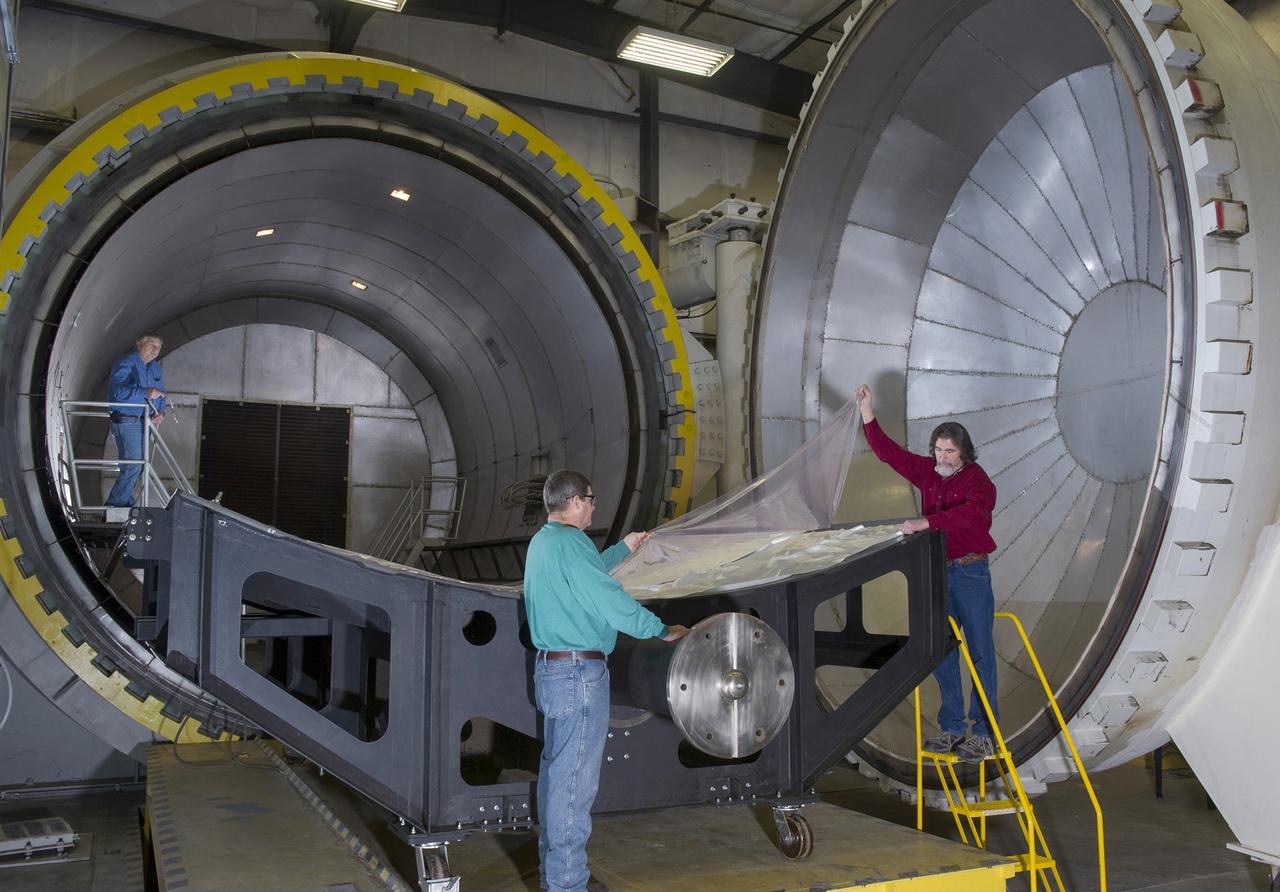
JAMES NEWTON, LEFT, PHILLIP THOMPSON, CENTER, AND DAVID LAWRENCE, RIGHT PREPARE COMPOSITE TOOL FOR CURE IN 18' X 20' AUTOCLAVE IN BUILDING 4707
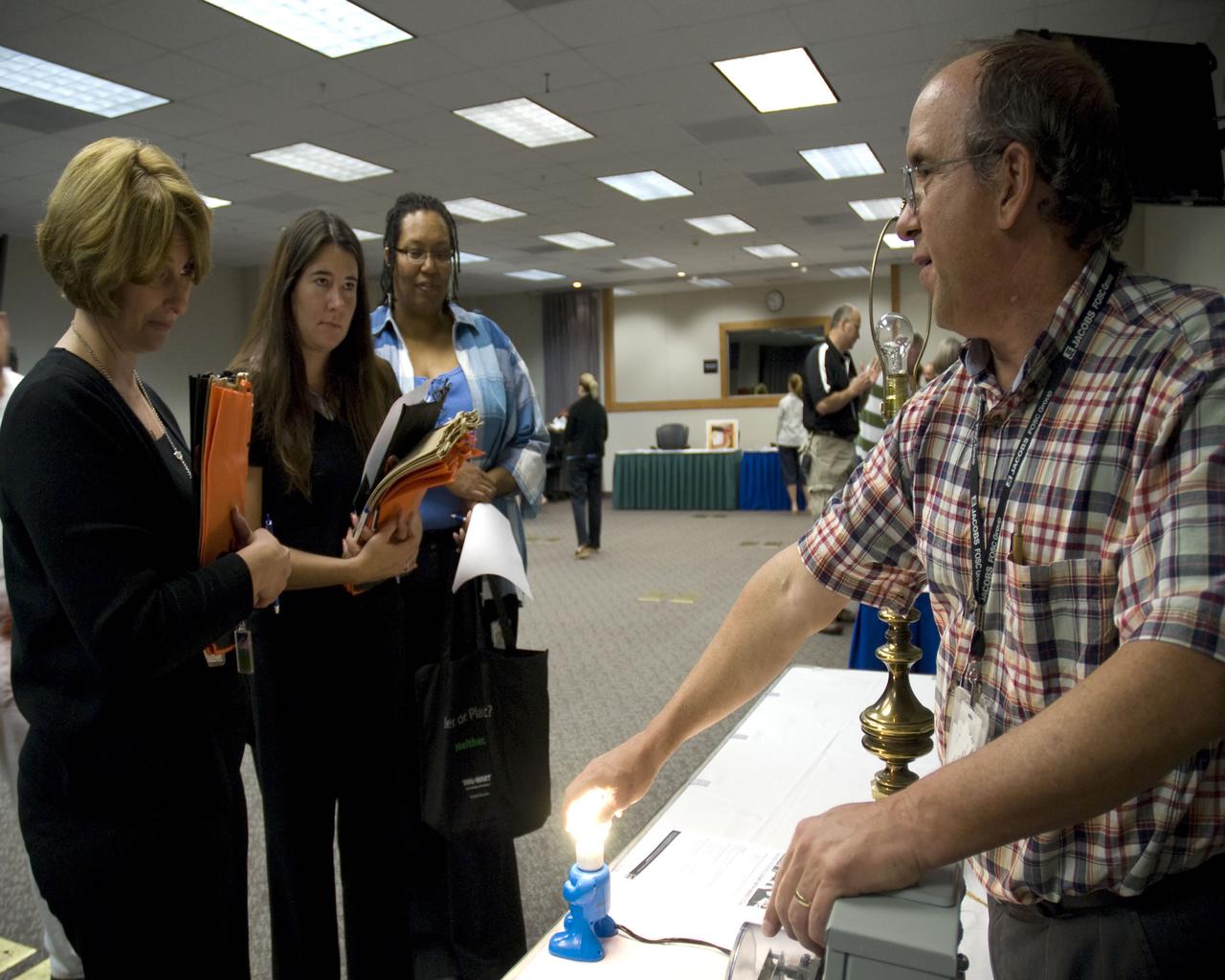
Donnie Thompson, site energy manager for the Jacobs Technology FOSC Group, demonstrates the efficiency of fluorescent bulbs during Energy Awareness Day at Stennis on Sept. 30.
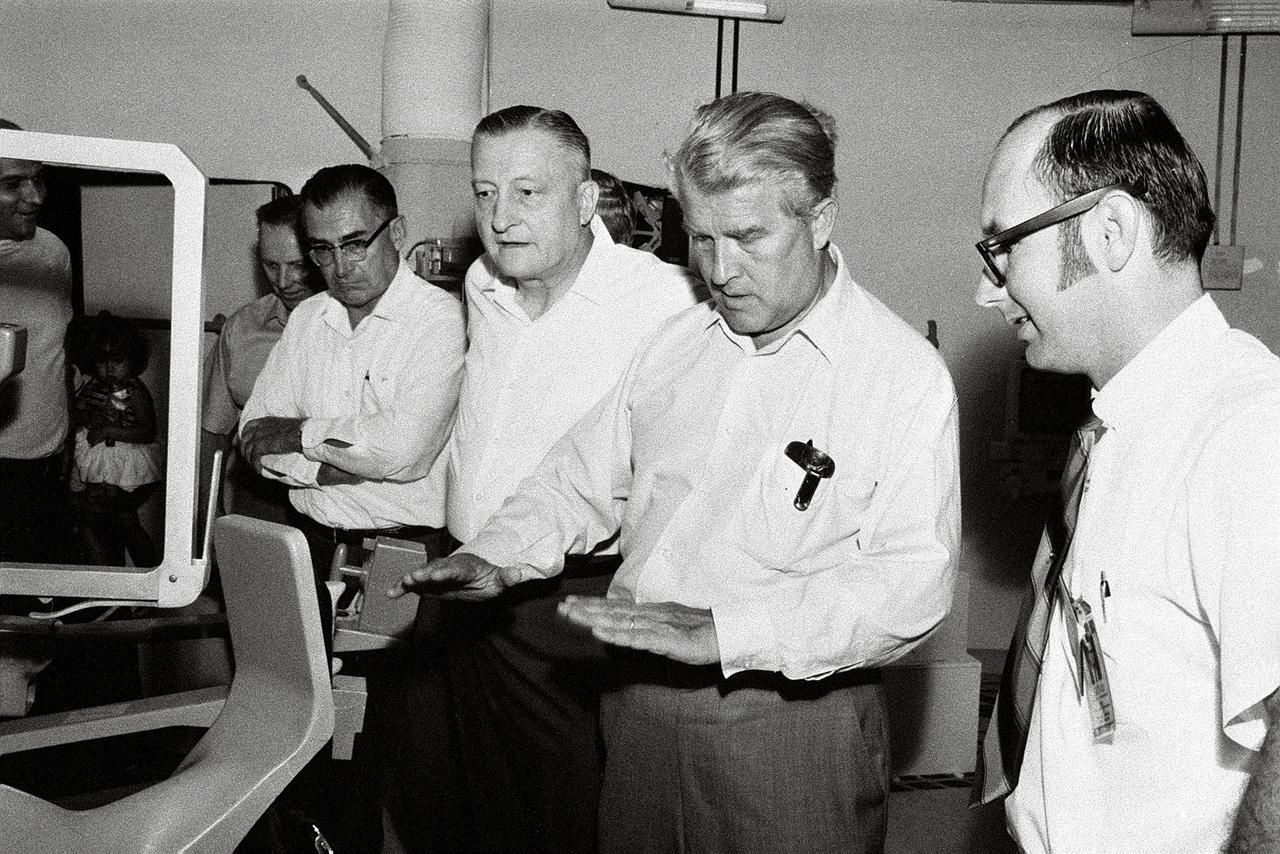
This photograph was taken after Dr. von Braun moved from his post as Director of the Marshall Space Flight Center (MSFC) to Deputy Associate Administrator for Plarning at NASA Headquarters. On June 27, 1970, he visited the MSFC again to look at a mockup of the spacecraft that would later be known as Skylab. Others in the photograph are, from left to right, James R. Thompson, David Newby, Karl Heimburg, Hermann Weidner, and Jack Stockes. Years later, Thompson would serve as Director of the MSFC.
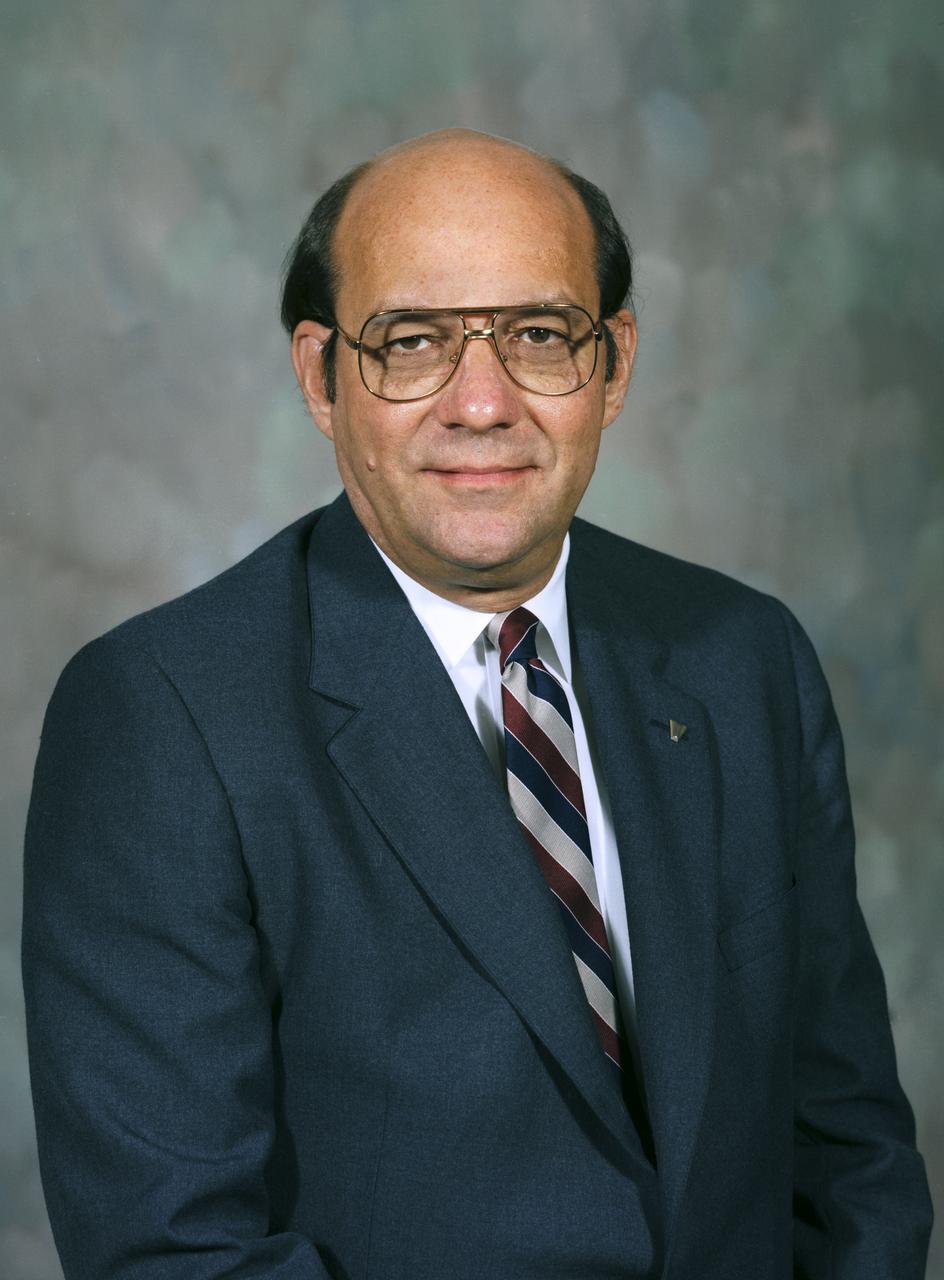
James R. Thompon served as director of the Marshall Space Flight Center from September 29, 1986 until July 6, 1989, when he was appointed as NASA Deputy Administrator. Prior to his tenure as Marshall's Director, Thompson served from March to June 1986 as the vice-chairman of the NASA task force investigating the cause of the Space Shuttle Challenger accident. He was credited with playing a significant role in returning the Space Shuttle to flight following the Challenger disaster.
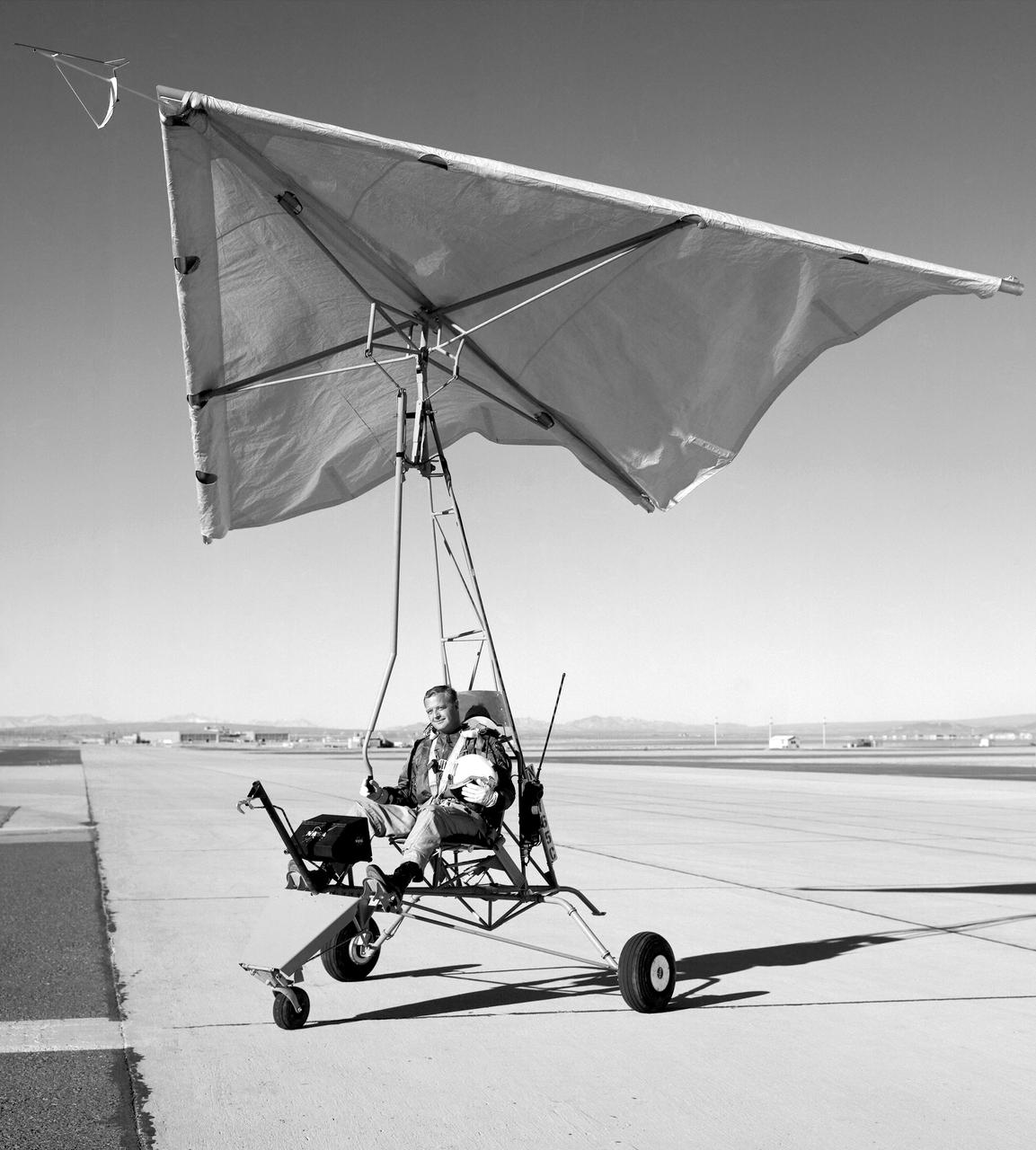
Test pilot Milton Thompson sitting in NASA Flight Research Center-built Paresev 1 (Paraglider Research Vehicle) on the taxi strip in front of the NASA Flight Research Center in 1962. In this photo the control stick can be seen coming from overhead and hanging in front of the pilot. The control system was a direct link with the wing membrane made of doped Irish linen. By maintaining simplicity during construction, it was possible to make control and configuration changes overnight and, in many instances, in minutes.
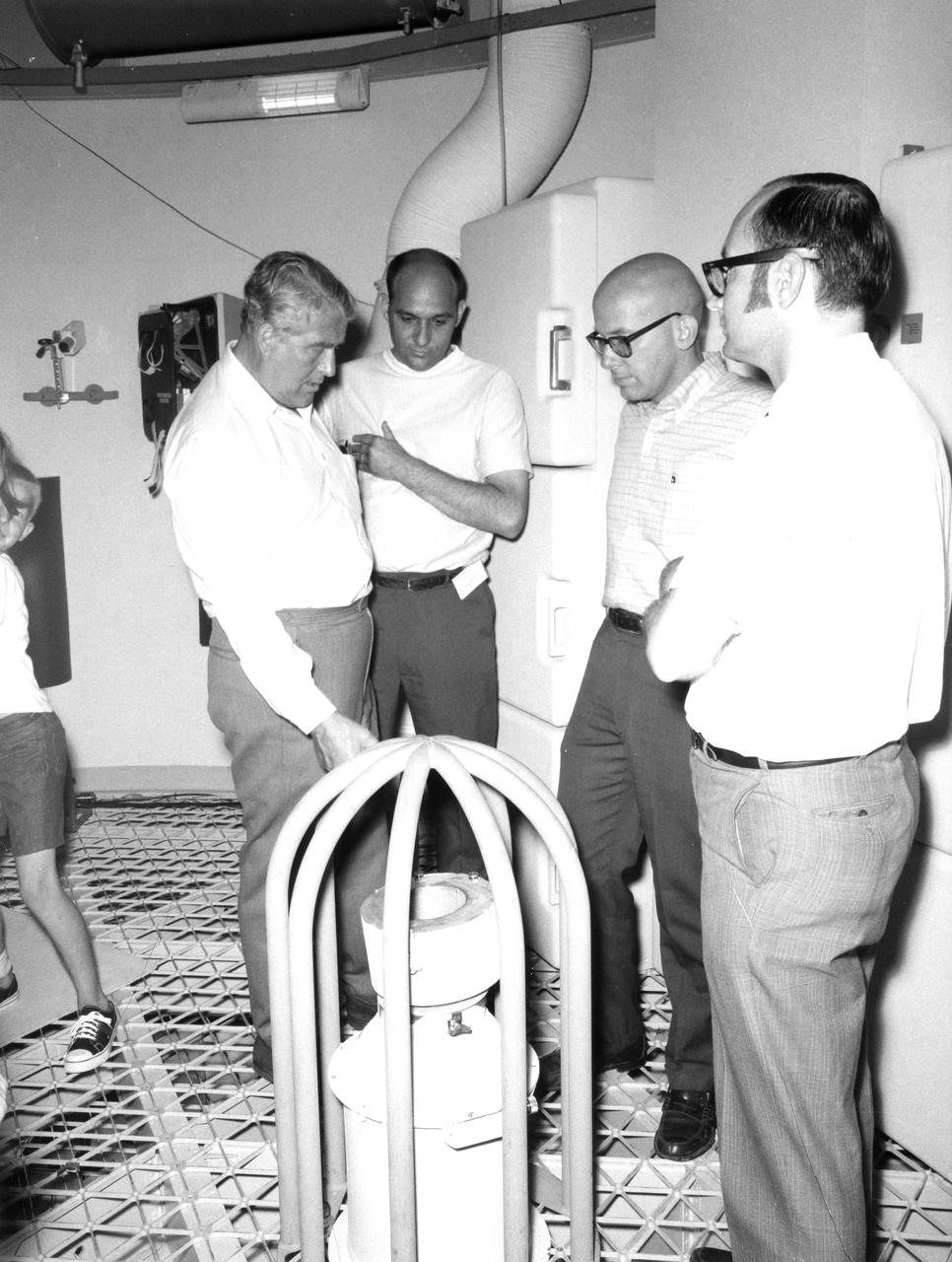
This photograph was taken after Dr. von Braun moved from his post as Director of the Marshall Space Flight Center (MSFC) to Deputy Associate Administrator for Planning at NASA Headquarters. On June 27, 1970, he visited the MSFC again during the center’s 10th anniversary to look at a mockup of the spacecraft that would later be known as Skylab. In this photo, he is examining an experiment in the mockup. With von Braun are (left to right): James R. Thompson, Richard T. Heckman, and Jack Stokes of the Center’s Astrionics Laboratory.
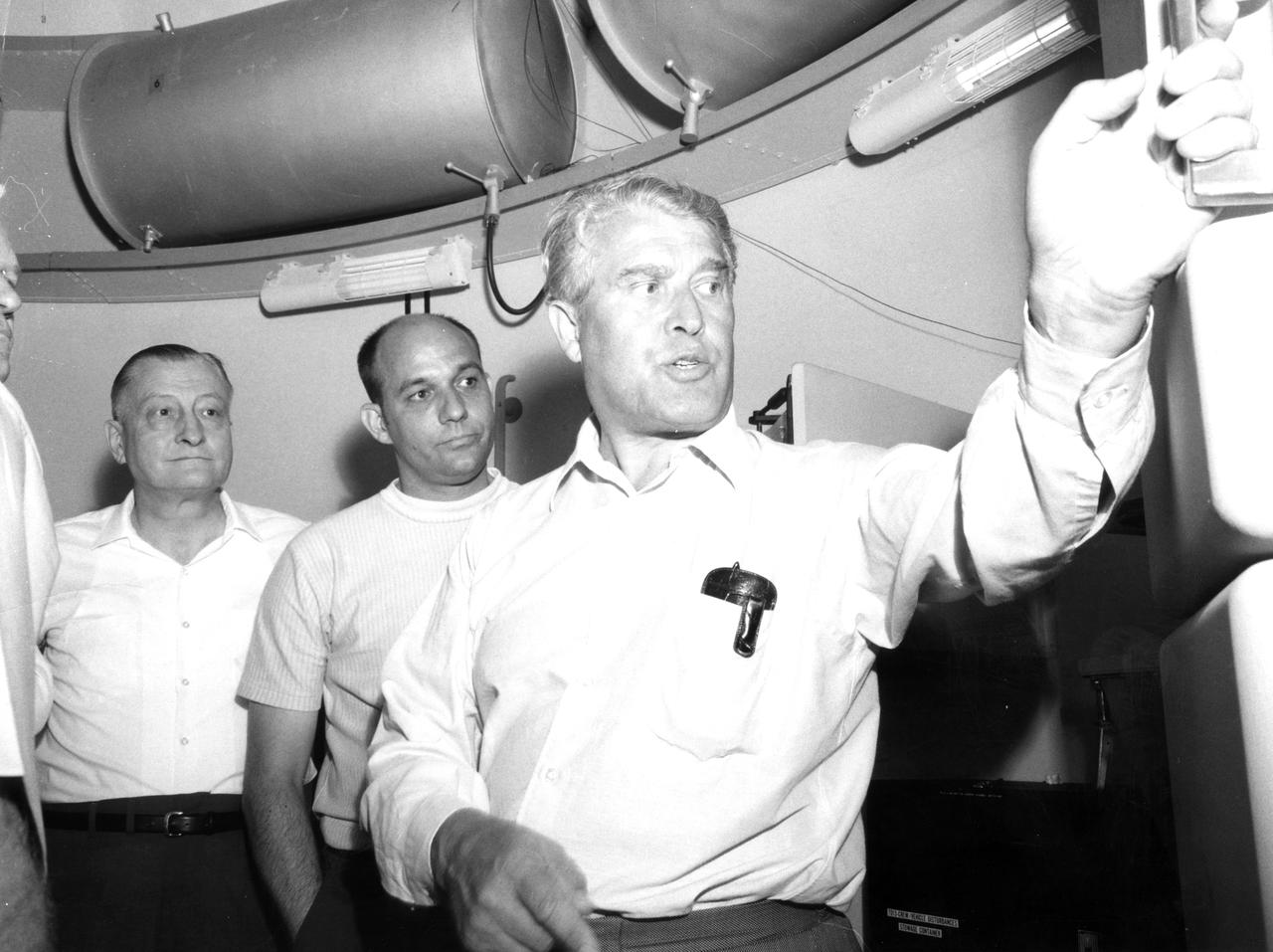
This photograph was taken after Dr. von Braun moved from his post as Director of the Marshall Space Flight Center (MSFC) to Deputy Associate Administrator for Planning at NASA Headquarters. On June 27, 1970, he visited the MSFC again during the center’s 10th anniversary to look at a mockup of the spacecraft that would later be known as Skylab. With von Braun are (left to right): Herman K. Weidner, director of Science and Engineering at MSFC, and James R. Thompson of the center’s Astrionics Laboratory.
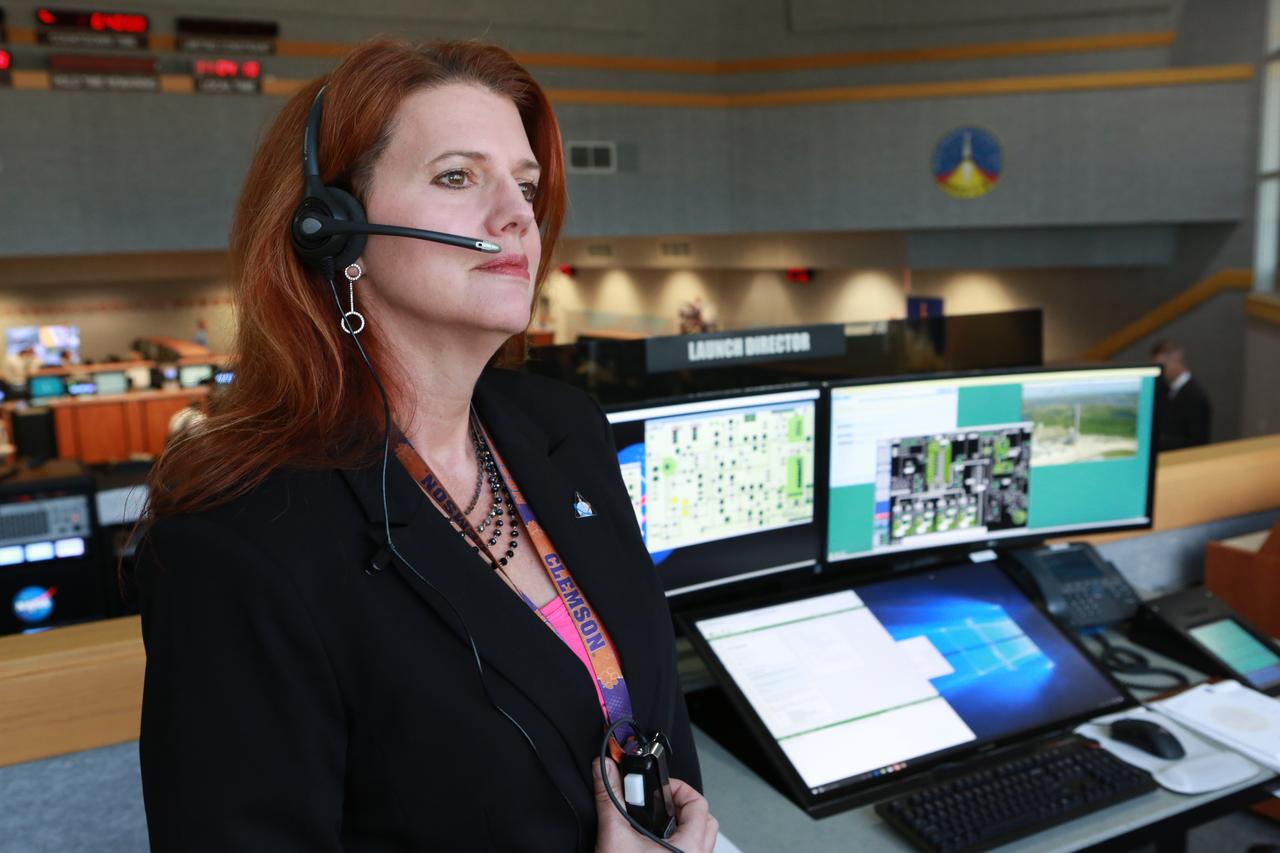
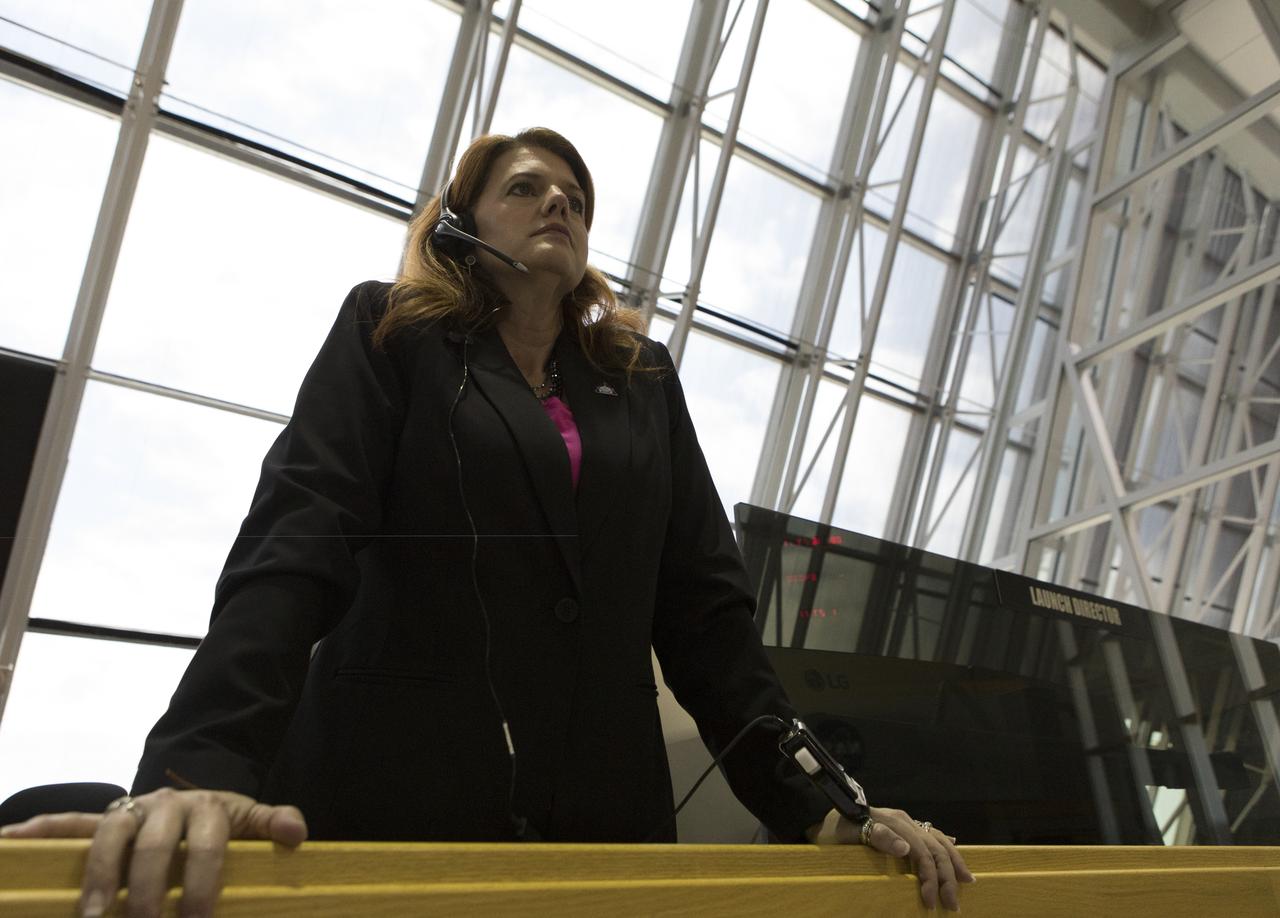
NASA Launch Director Charlie Blackwell-Thompson stands next to her console in Firing Room 1 at the Kennedy Space Center's Launch Control Center during a countdown simulation for Exploration Mission 1. It was the agency's first simulation of a portion of the countdown for the first launch of a Space Launch System rocket and Orion spacecraft that will eventually take astronauts beyond low-Earth orbit to destinations such as the Moon and Mars.
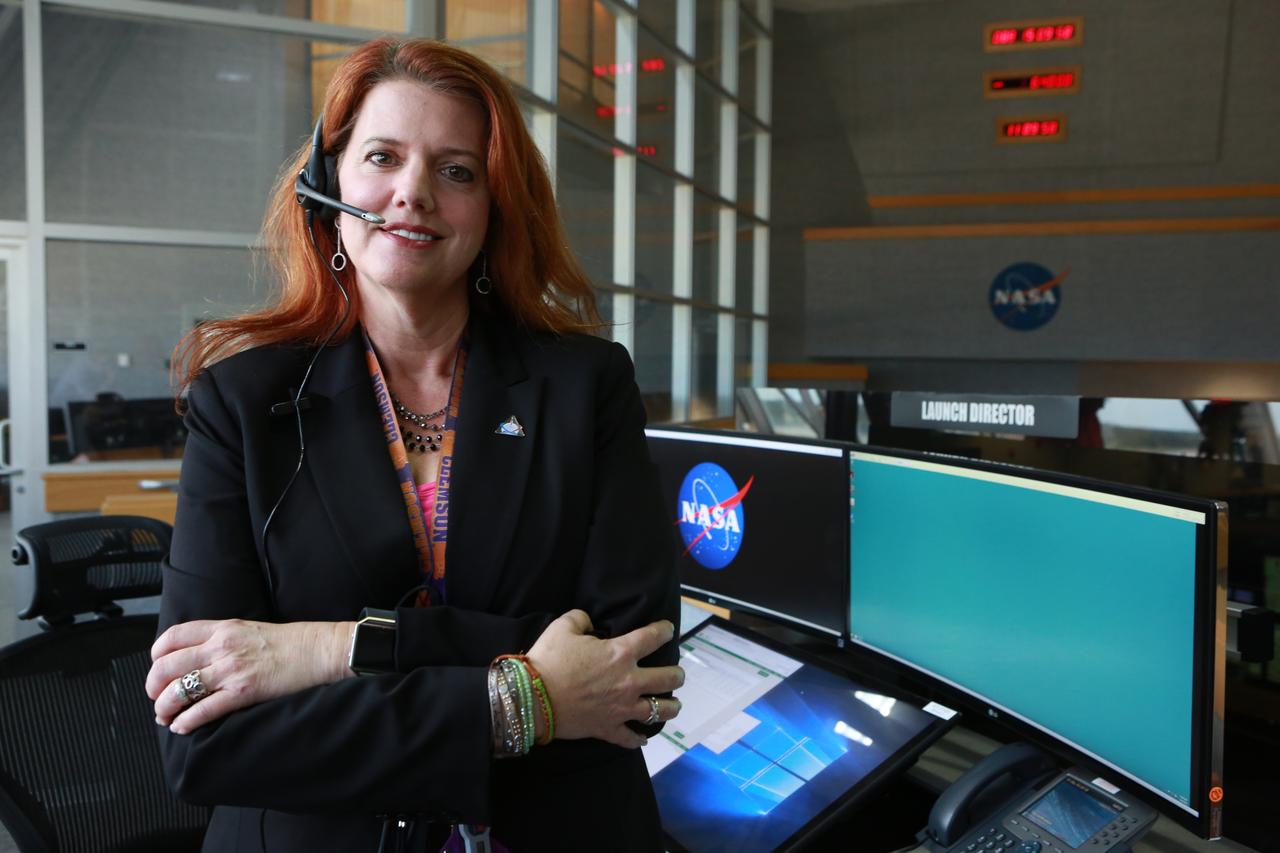
NASA Launch Director Charlie Blackwell-Thompson stands next to her console in Firing Room 1 at the Kennedy Space Center's Launch Control Center during a countdown simulation for Exploration Mission 1. It was the agency's first simulation of a portion of the countdown for the first launch of a Space Launch System rocket and Orion spacecraft that will eventually take astronauts beyond low-Earth orbit to destinations such as the Moon and Mars.
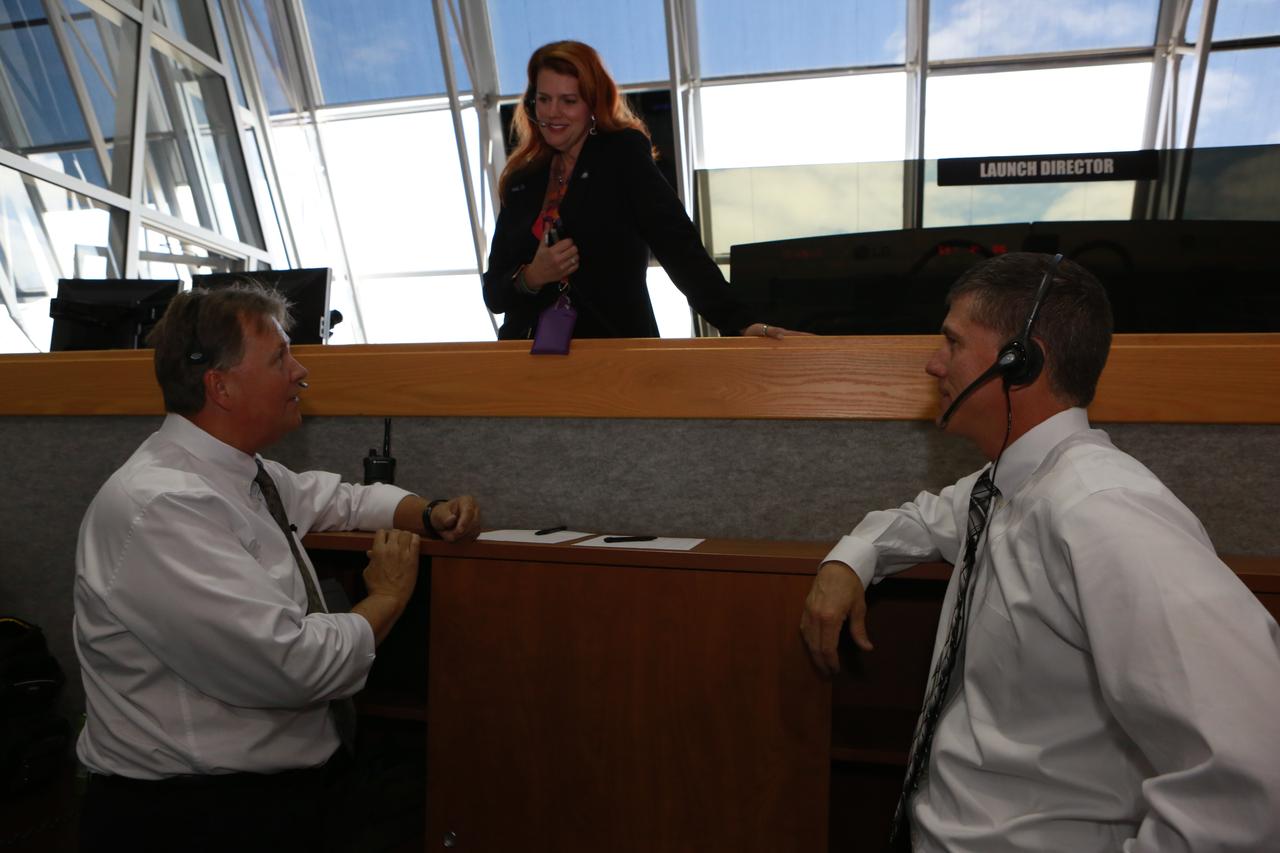
NASA Launch Director Charlie Blackwell-Thompson, above, confers with Senior NASA Test Director Jeff Spaulding, left, and Chief NASA Test Director Jeremy Graeber in Firing Room 1 at the Kennedy Space Center's Launch Control Center during a countdown simulation for Exploration Mission 1. It was the agency's first simulation of a portion of the countdown for the first launch of a Space Launch System rocket and Orion spacecraft that will eventually take astronauts beyond low-Earth orbit to destinations such as the Moon and Mars.
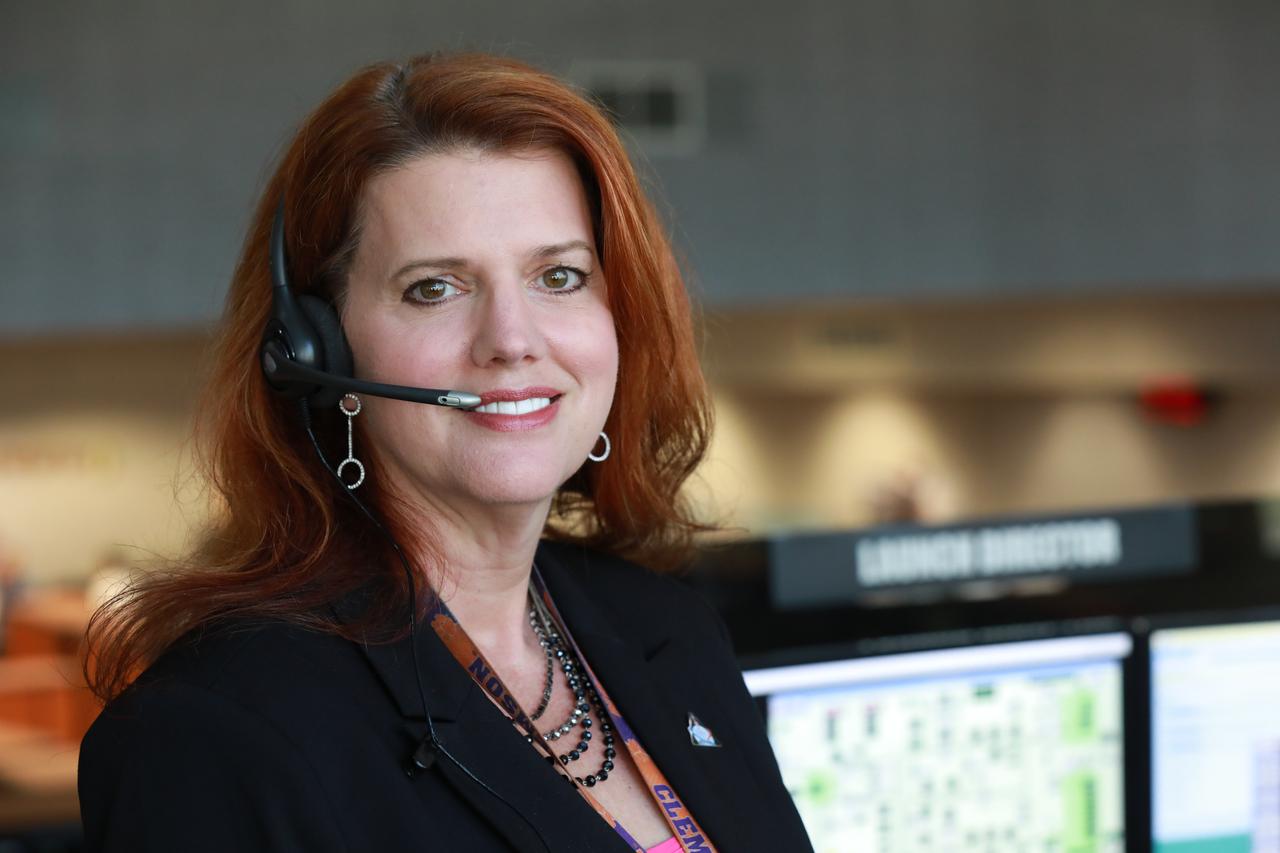
NASA Launch Director Charlie Blackwell-Thompson stands next to her console in Firing Room 1 at the Kennedy Space Center's Launch Control Center during a countdown simulation for Exploration Mission 1. It was the agency's first simulation of a portion of the countdown for the first launch of a Space Launch System rocket and Orion spacecraft that will eventually take astronauts beyond low-Earth orbit to destinations such as the Moon and Mars.
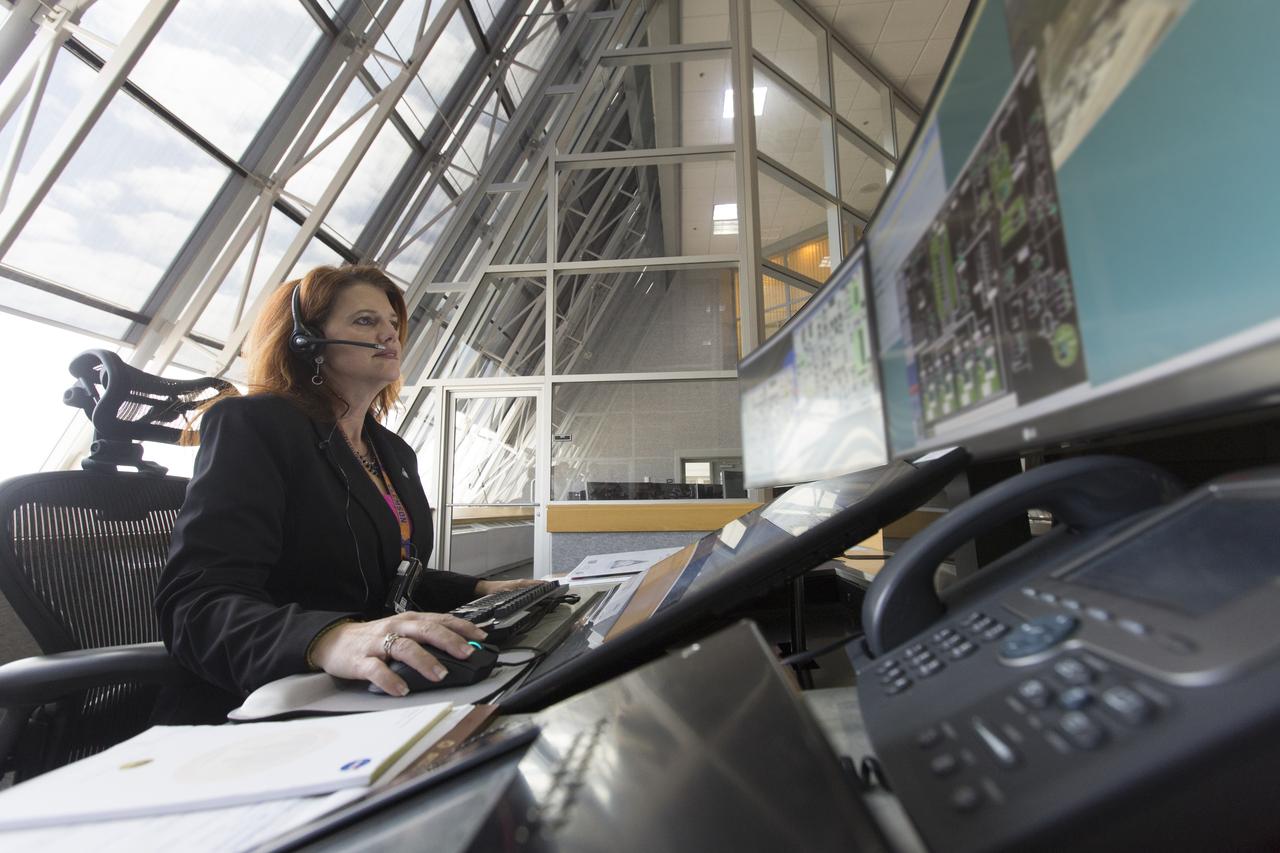
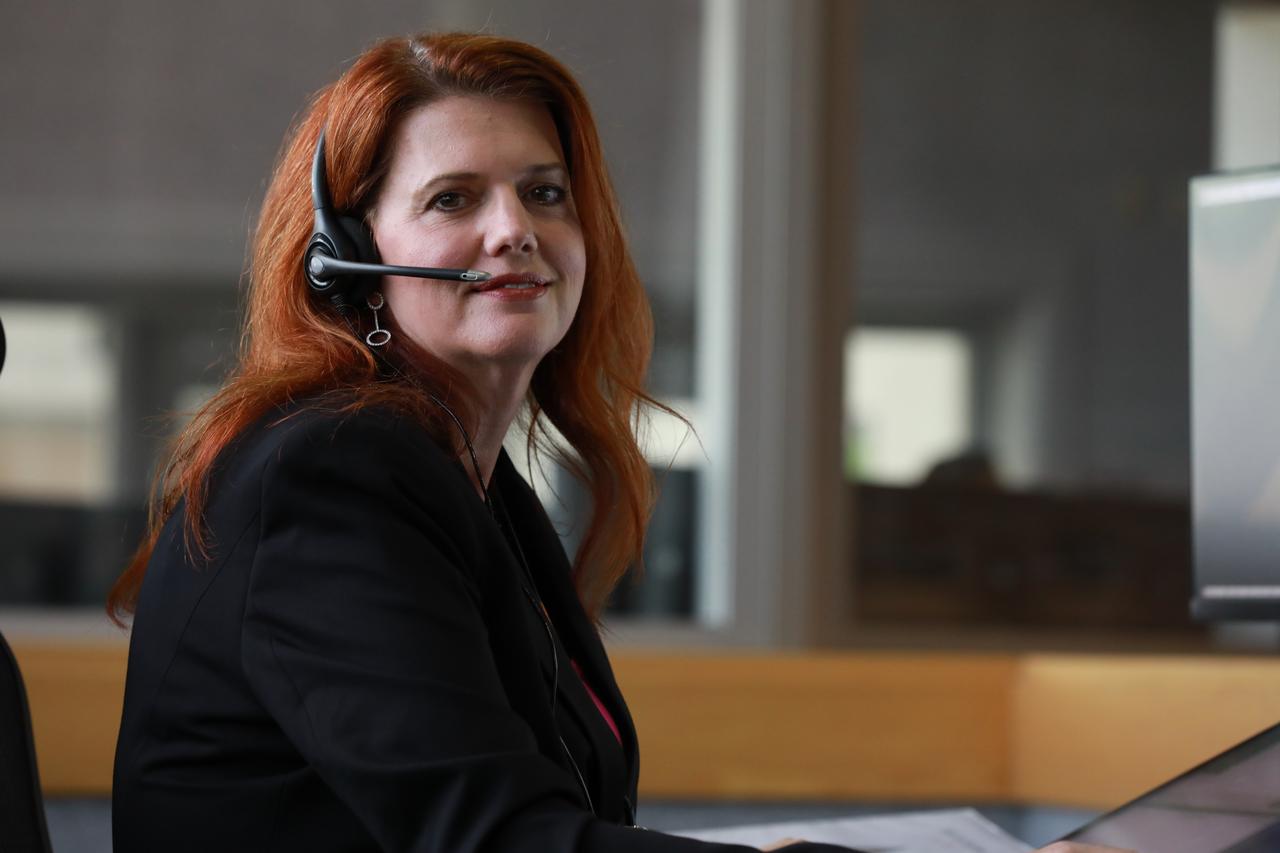
NASA Launch Director Charlie Blackwell-Thompson follows operations at her console in Firing Room 1 at the Kennedy Space Center's Launch Control Center during a countdown simulation for Exploration Mission 1. It was the agency's first simulation of a portion of the countdown for the first launch of a Space Launch System rocket and Orion spacecraft that will eventually take astronauts beyond low-Earth orbit to destinations such as the Moon and Mars.
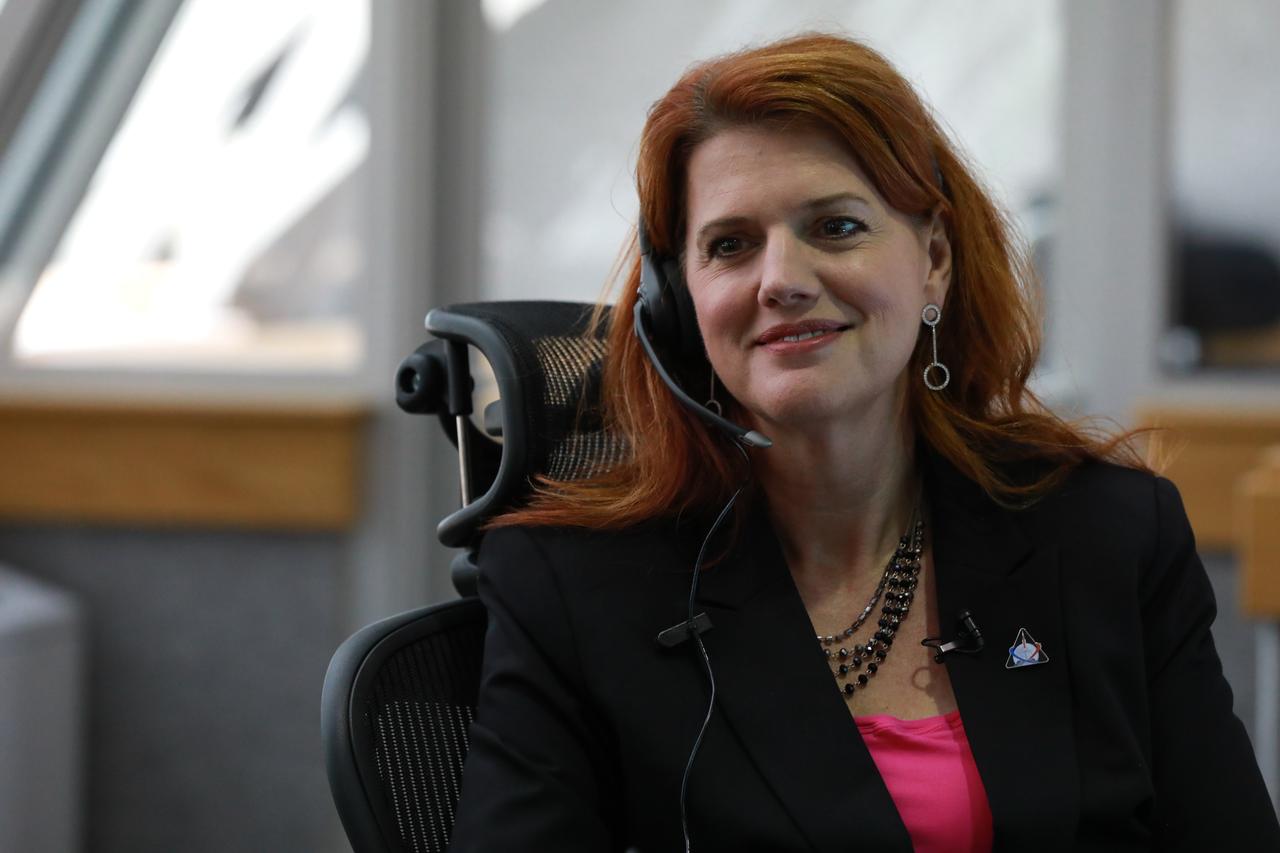
NASA Launch Director Charlie Blackwell-Thompson follows operations at her console in Firing Room 1 at the Kennedy Space Center's Launch Control Center during a countdown simulation for Exploration Mission 1. It was the agency's first simulation of a portion of the countdown for the first launch of a Space Launch System rocket and Orion spacecraft that will eventually take astronauts beyond low-Earth orbit to destinations such as the Moon and Mars.
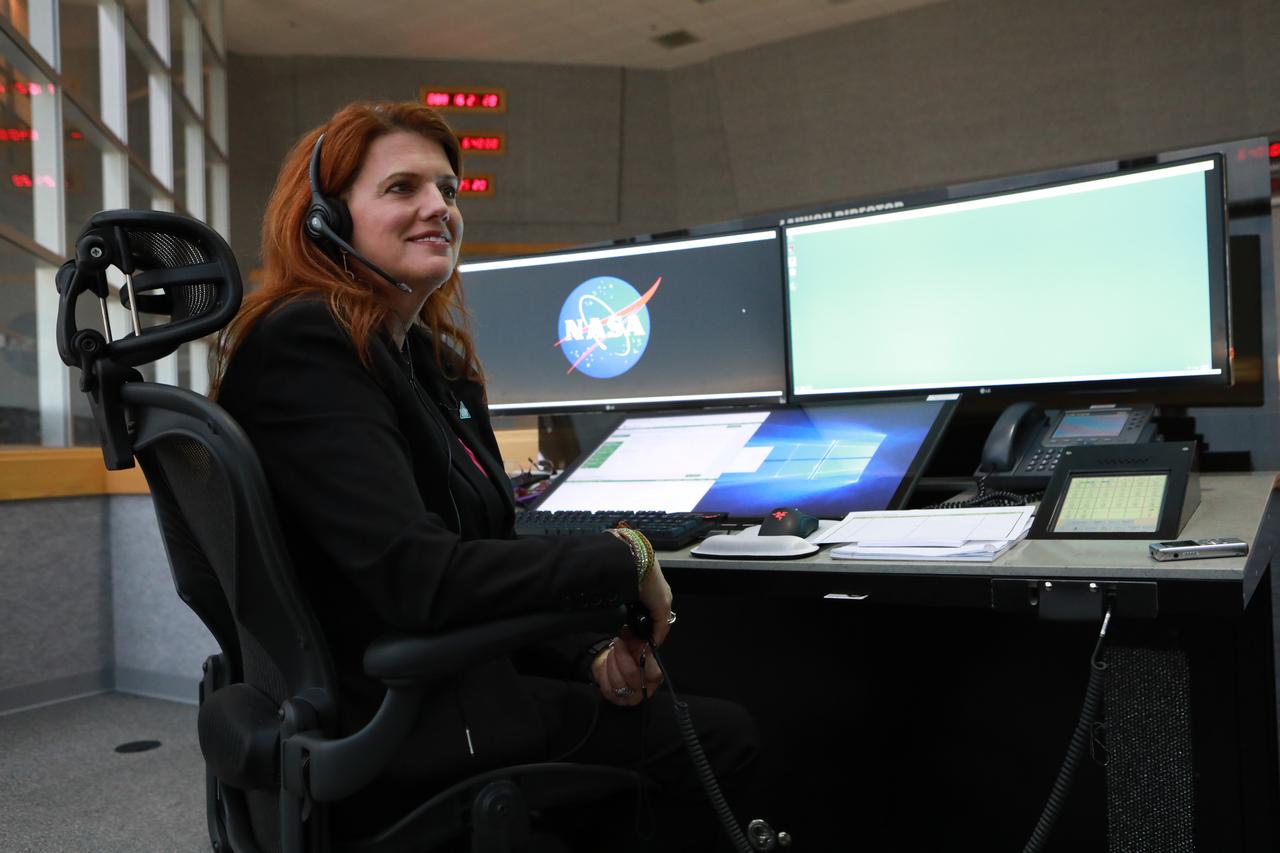
NASA Launch Director Charlie Blackwell-Thompson follows operations at her console in Firing Room 1 at the Kennedy Space Center's Launch Control Center during a countdown simulation for Exploration Mission 1. It was the agency's first simulation of a portion of the countdown for the first launch of a Space Launch System rocket and Orion spacecraft that will eventually take astronauts beyond low-Earth orbit to destinations such as the Moon and Mars.
NASA Launch Director Charlie Blackwell-Thompson follows operations at her console in Firing Room 1 at the Kennedy Space Center's Launch Control Center during a countdown simulation for Exploration Mission 1. It was the agency's first simulation of a portion of the countdown for the first launch of a Space Launch System rocket and Orion spacecraft that will eventually take astronauts beyond low-Earth orbit to destinations such as the Moon and Mars.
NASA Launch Director Charlie Blackwell-Thompson follows operations in Firing Room 1 at the Kennedy Space Center's Launch Control Center during a countdown simulation for Exploration Mission 1. It was the agency's first simulation of a portion of the countdown for the first launch of a Space Launch System rocket and Orion spacecraft that will eventually take astronauts beyond low-Earth orbit to destinations such as the Moon and Mars.
NASA Launch Director Charlie Blackwell-Thompson follows operations at her console in Firing Room 1 at the Kennedy Space Center's Launch Control Center during a countdown simulation for Exploration Mission 1. It was the agency's first simulation of a portion of the countdown for the first launch of a Space Launch System rocket and Orion spacecraft that will eventually take astronauts beyond low-Earth orbit to destinations such as the Moon and Mars.
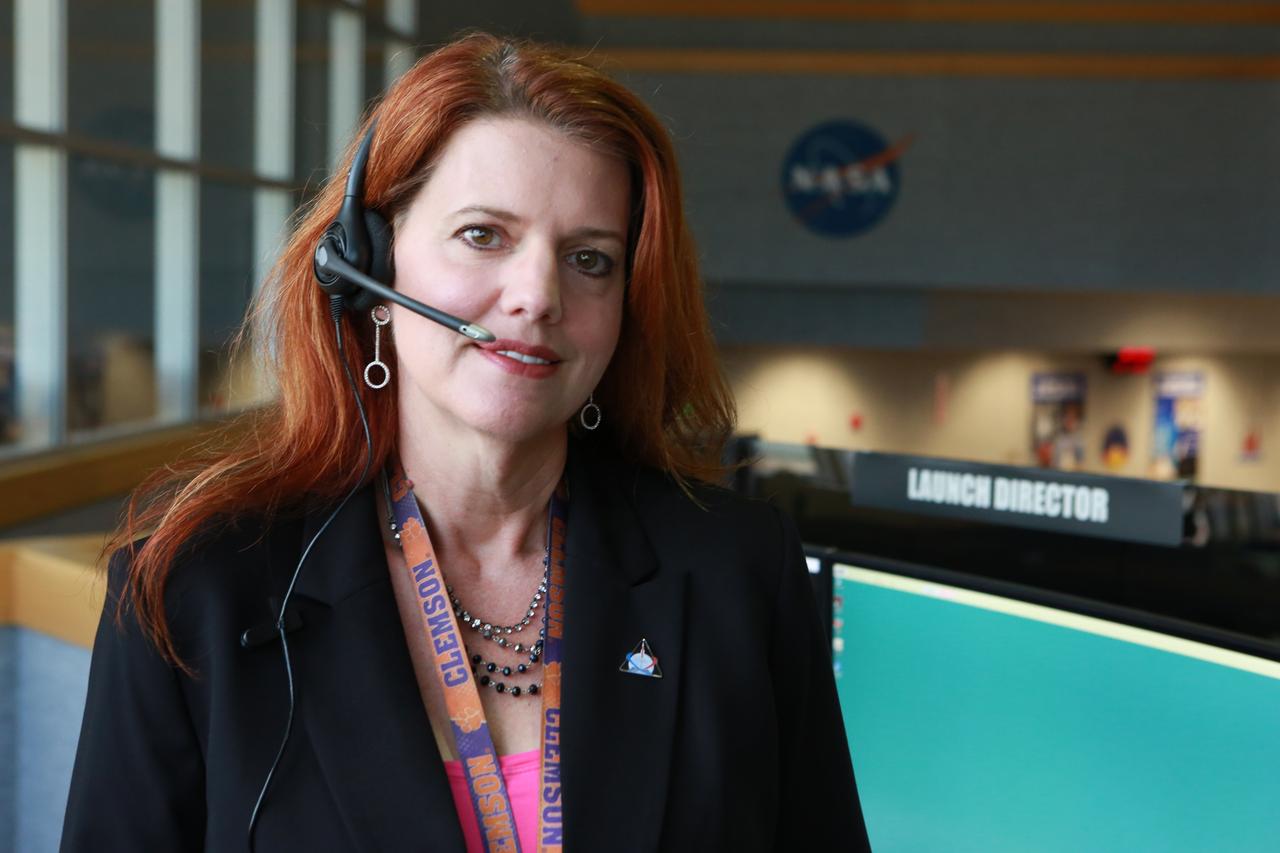
NASA Launch Director Charlie Blackwell-Thompson at her console in Firing Room 1 at the Kennedy Space Center's Launch Control Center during a countdown simulation for Exploration Mission 1. It was the agency's first simulation of a portion of the countdown for the first launch of a Space Launch System rocket and Orion spacecraft that will eventually take astronauts beyond low-Earth orbit to destinations such as the Moon and Mars.
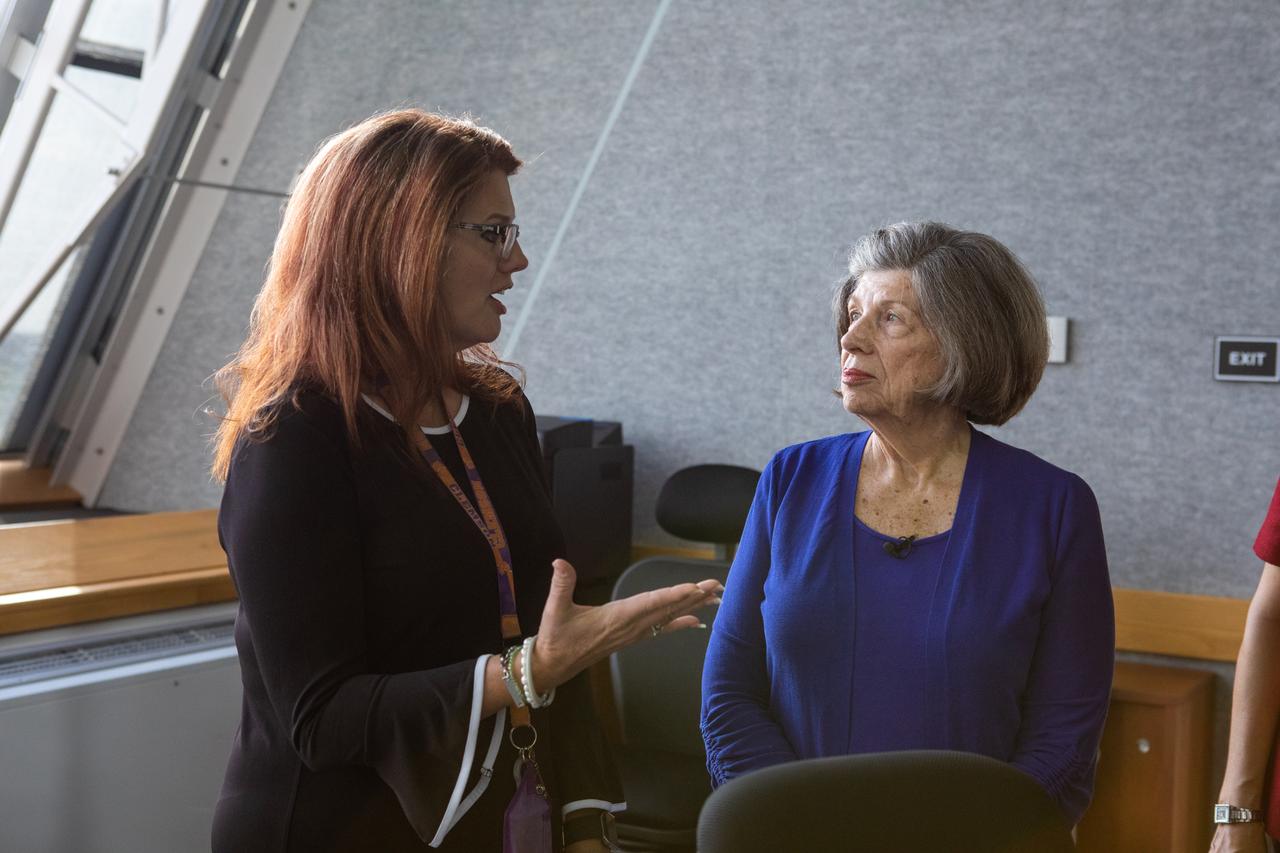
On July 16, 2019, the 50th anniversary of the Apollo 11 launch to the Moon, Artemis 1 Launch Director Charlie Blackwell-Thompson, left, talks with Apollo-era launch team member JoAnn Morgan in Launch Control Center Firing Room 1 at NASA's Kennedy Space Center in Florida. Morgan was the only woman in the firing room during Apollo 11 countdown activities. Blackwell-Thompson is the first female launch director. Apollo 11 launched atop the Saturn V rocket at 9:32 a.m. on July 16, 1969.

CAPE CANAVERAL, Fla. – CAPE CANAVERAL, Fla. – Dr. Mason Peck, center, NASA's chief technologist, visits with Mike Woolley in the lobby of United Launch Alliance's Atlas V Space Operations Center at Cape Canaveral Air Force Station in Florida. Karen L. Thompson, left, chief technologist for Kennedy Space Center, looks on. Photo credit: NASA/Jim Grossman
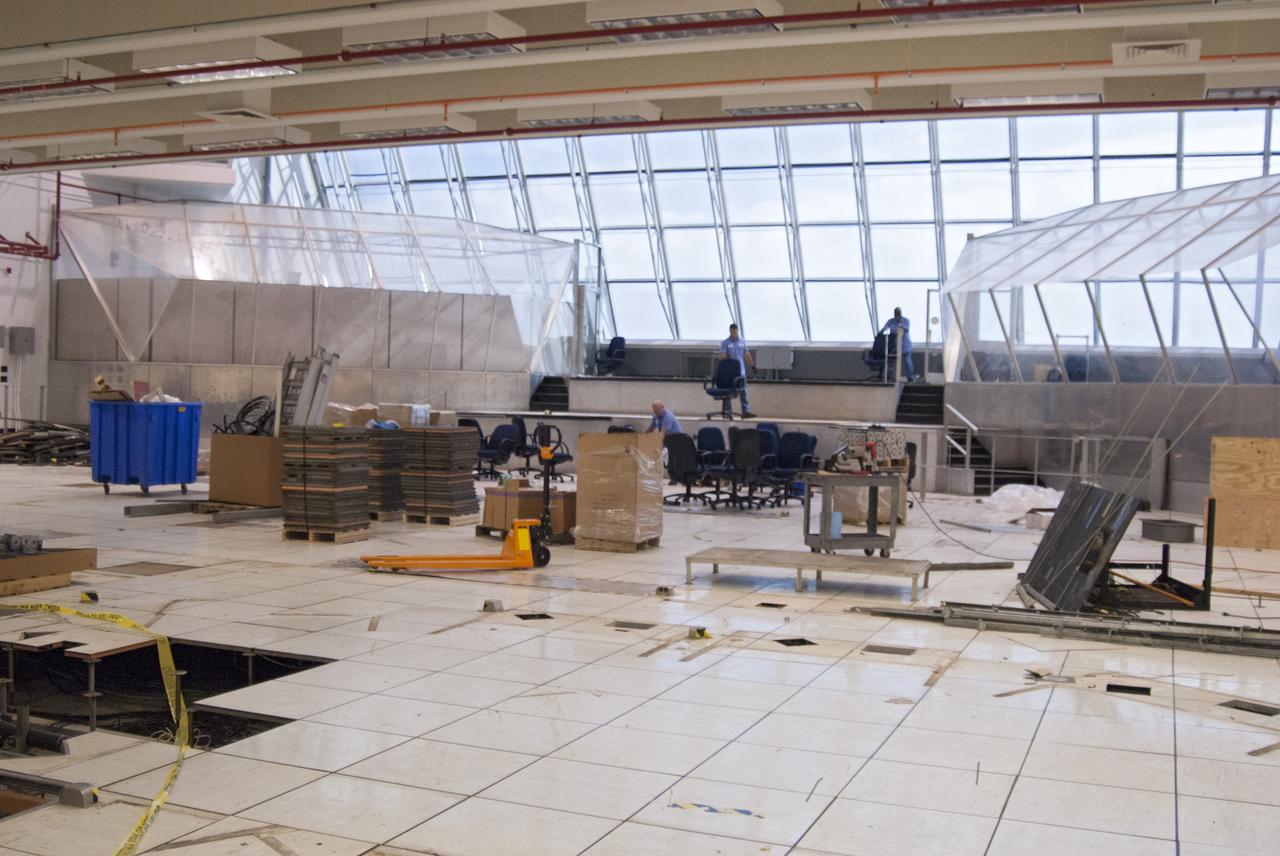
CAPE CANAVERAL, Fla. – At NASA’s Kennedy Space Center in Florida, work continues in Firing Room 2 in the Launch Control Center, or LCC. The legacy flooring is being removed and wiring and conduits below the floor will be upgraded. The mission director’s room to the left and another viewing room to the right also will be upgraded. Firing Rooms inside the LCC are being upgraded by the Ground System Development and Operations Program at Kennedy to support the processing and launch of multiple types of rockets and spacecraft, whether they are government or commercial models. Kennedy’s Launch Complex 39 is transitioning to support multiple users with the Firing Rooms being modified to be more generic in nature for upcoming programs. Photo credit: NASA_Gary Thompson
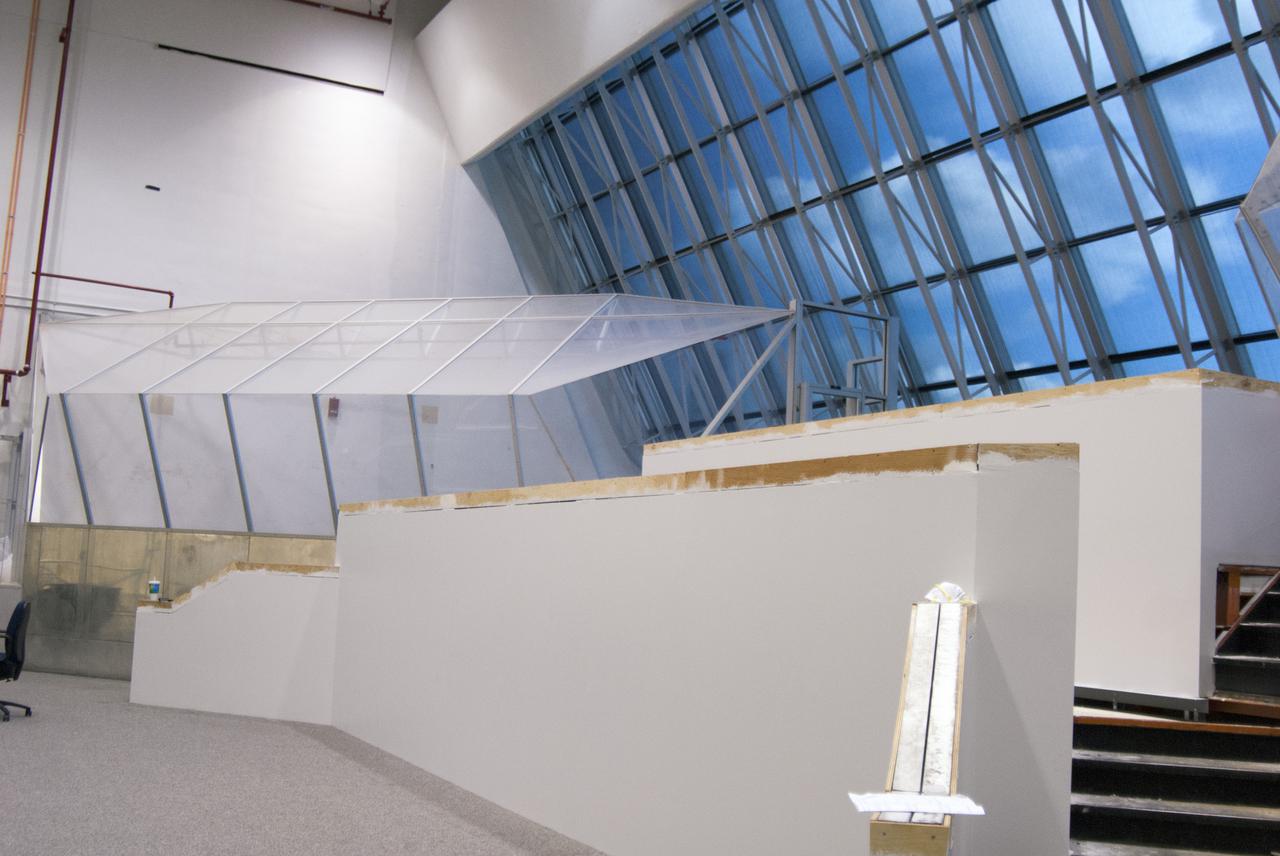
CAPE CANAVERAL, Fla. – At NASA’s Kennedy Space Center in Florida, modifications continue to Firing Room 3 in the Launch Control Center, or LCC. Wiring and conduits below the floor have been upgraded and new flooring has been installed. Walls have been repaired and are in the process of being painted. Firing Rooms inside the LCC are being upgraded by the Ground System Development and Operations Program at Kennedy to support the processing and launch of multiple types of rockets and spacecraft, whether they are government or commercial models. Kennedy’s Launch Complex 39 is transitioning to support multiple users with the Firing Rooms being modified to be more generic in nature for upcoming programs. Photo credit: NASA_Gary Thompson
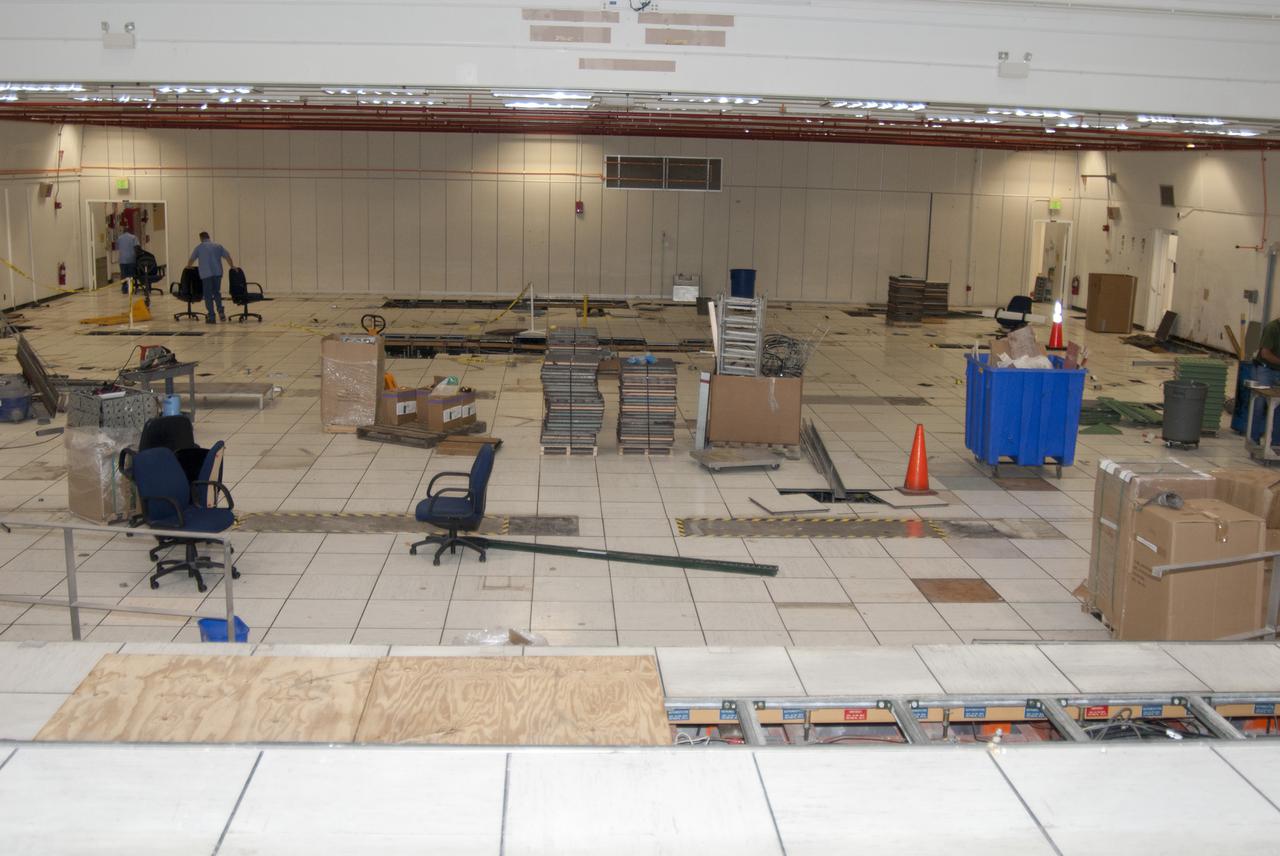
CAPE CANAVERAL, Fla. – At NASA’s Kennedy Space Center in Florida, work continues in Firing Room 2 in the Launch Control Center, or LCC. The legacy flooring is being removed and wiring and conduits below the floor will be upgraded. Firing Rooms inside the LCC are being upgraded by the Ground System Development and Operations Program at Kennedy to support the processing and launch of multiple types of rockets and spacecraft, whether they are government or commercial models. Kennedy’s Launch Complex 39 is transitioning to support multiple users with the Firing Rooms being modified to be more generic in nature for upcoming programs. Photo credit: NASA_Gary Thompson
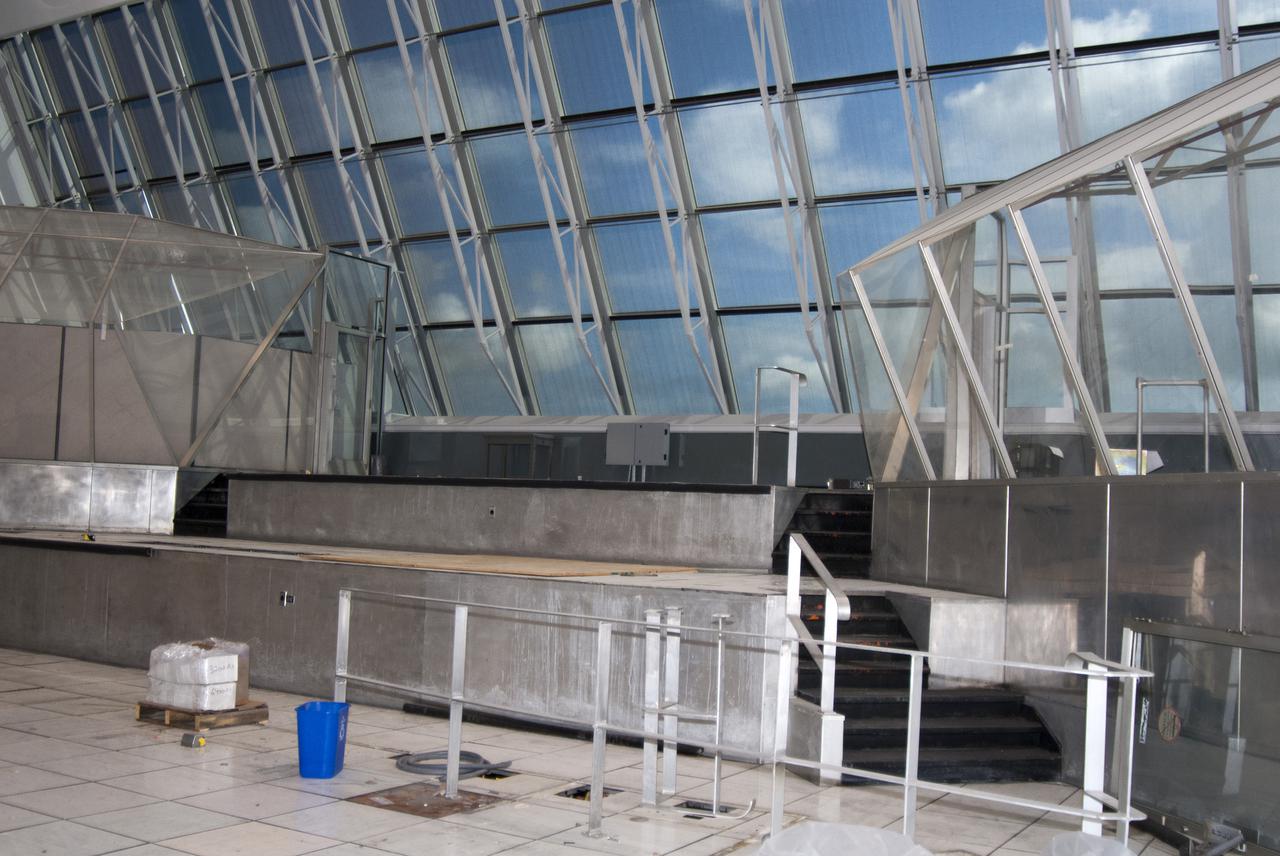
CAPE CANAVERAL, Fla. – At NASA’s Kennedy Space Center in Florida, work continues in Firing Room 2 in the Launch Control Center, or LCC. The legacy flooring is being removed and wiring and conduits below the floor will be upgraded. The mission director’s room to the left and another viewing room to the right also will be upgraded. Firing Rooms inside the LCC are being upgraded by the Ground System Development and Operations Program at Kennedy to support the processing and launch of multiple types of rockets and spacecraft, whether they are government or commercial models. Kennedy’s Launch Complex 39 is transitioning to support multiple users with the Firing Rooms being modified to be more generic in nature for upcoming programs. Photo credit: NASA_Gary Thompson
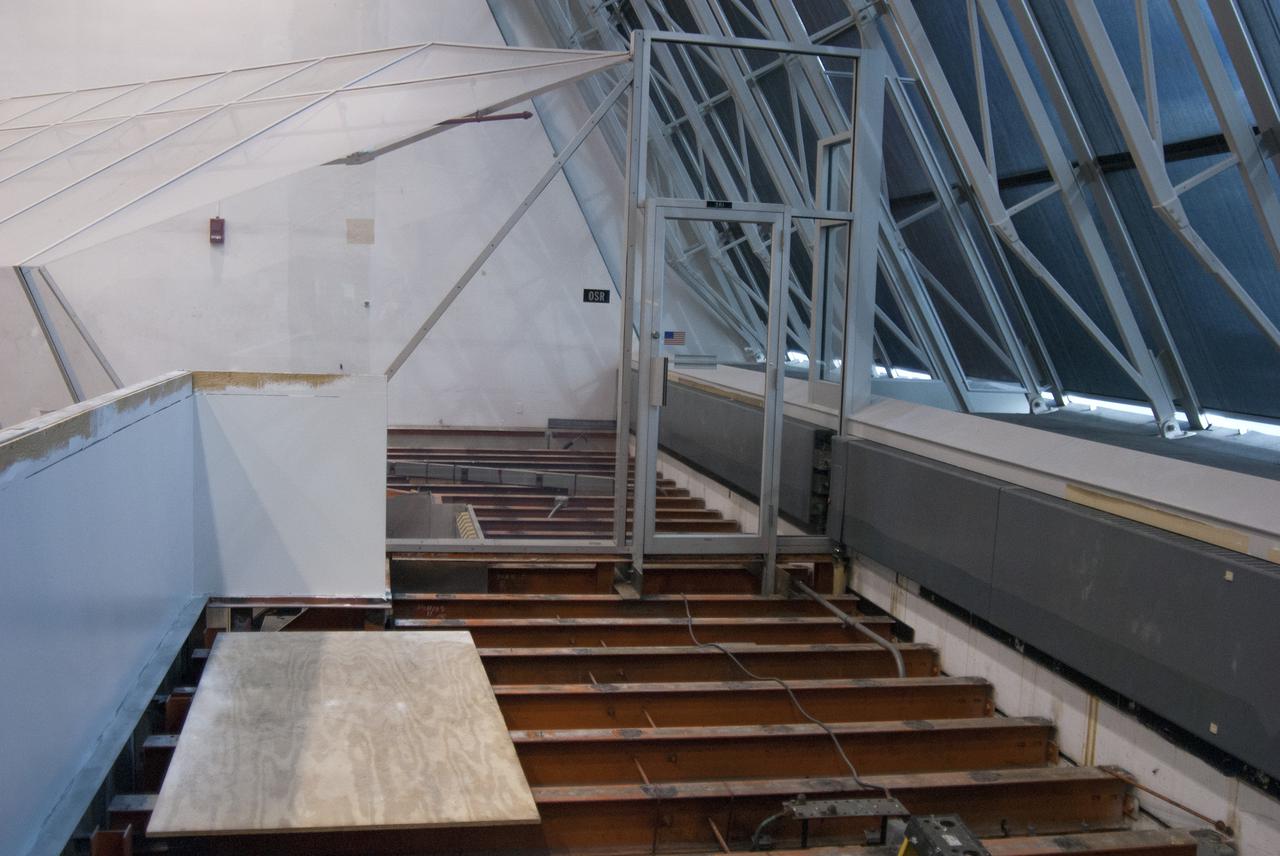
CAPE CANAVERAL, Fla. – At NASA’s Kennedy Space Center in Florida, modifications continue to Firing Room 3 in the Launch Control Center, or LCC. Wiring and conduits below the floor have been upgraded. The legacy flooring leading to and inside a viewing room has been removed and the area is being prepared for new flooring to be installed. Firing Rooms inside the LCC are being upgraded by the Ground System Development and Operations Program at Kennedy to support the processing and launch of multiple types of rockets and spacecraft, whether they are government or commercial models. Kennedy’s Launch Complex 39 is transitioning to support multiple users with the Firing Rooms being modified to be more generic in nature for upcoming programs. Photo credit: NASA_Gary Thompson
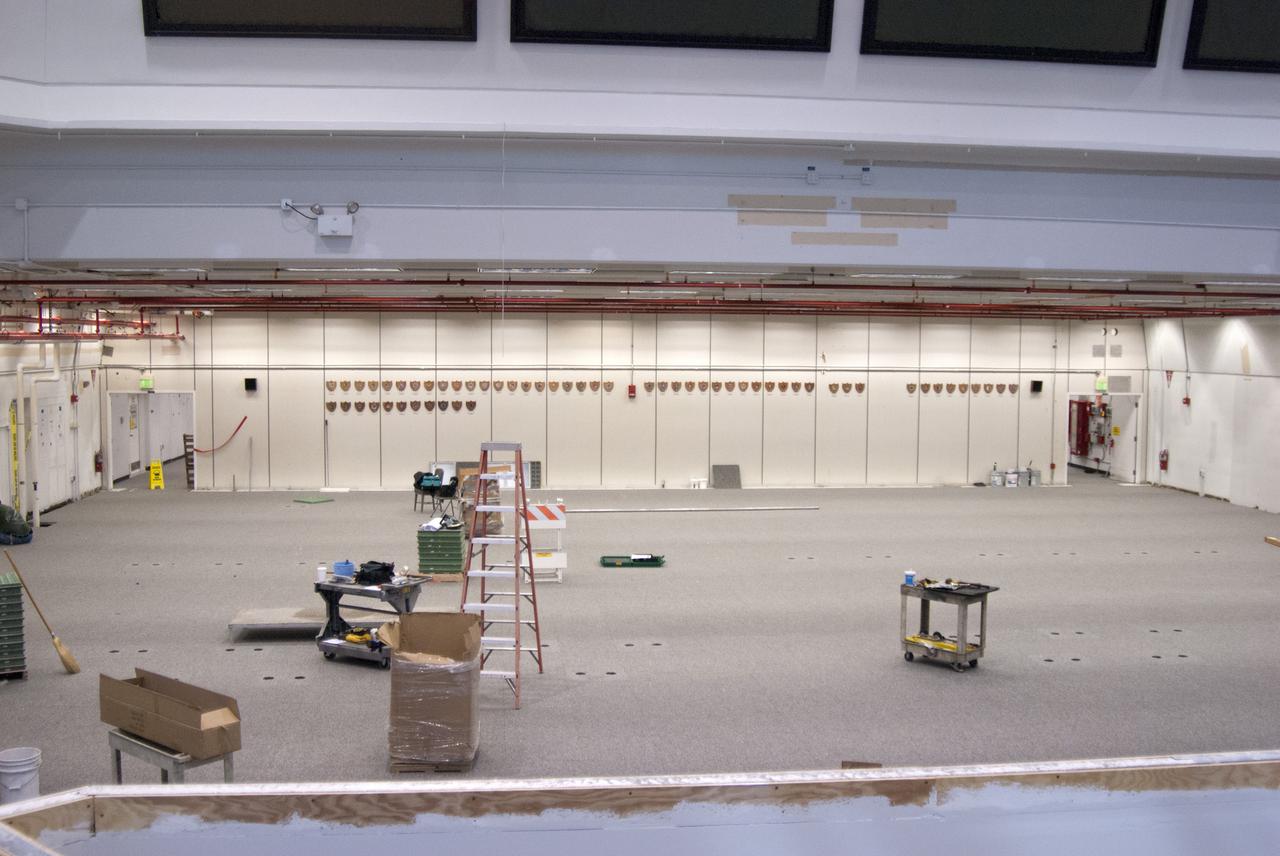
CAPE CANAVERAL, Fla. – At NASA’s Kennedy Space Center in Florida, modifications continue to Firing Room 3 in the Launch Control Center, or LCC. Wiring and conduits below the floor have been upgraded and new flooring is being installed. Firing Rooms inside the LCC are being upgraded by the Ground System Development and Operations Program at Kennedy to support the processing and launch of multiple types of rockets and spacecraft, whether they are government or commercial models. Kennedy’s Launch Complex 39 is transitioning to support multiple users with the Firing Rooms being modified to be more generic in nature for upcoming programs. Photo credit: NASA_Gary Thompson
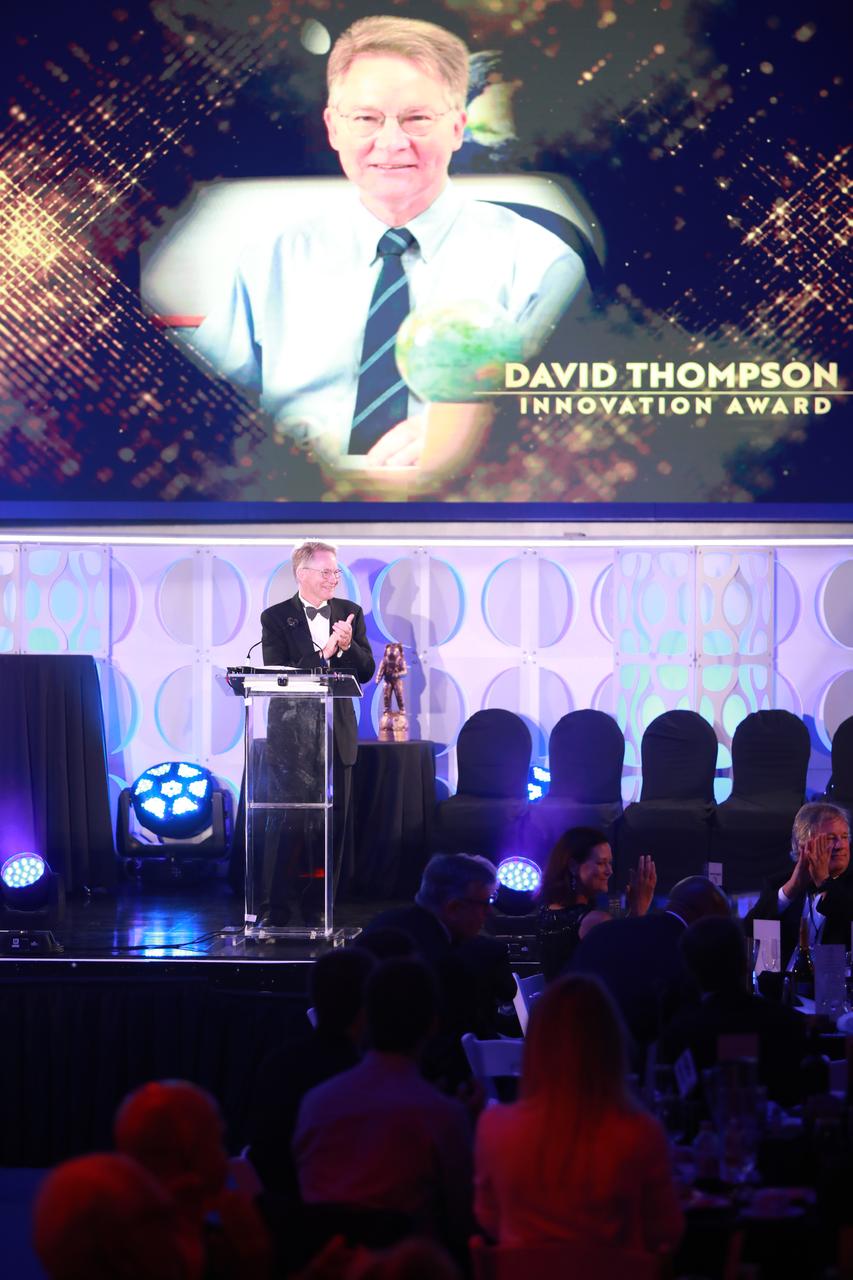
David Thompson, founder, presdient and CEO of Orbital Sciences Corp. (later known as Orbital ATK), makes remarks after receiving the Innovation Award at the Apollo 50th Gala on July 16, 2019. The gala, presented by Northrop Grumman, was held inside the Apollo/Saturn V Center at the Kennedy Space Center Visitor Complex in Florida.
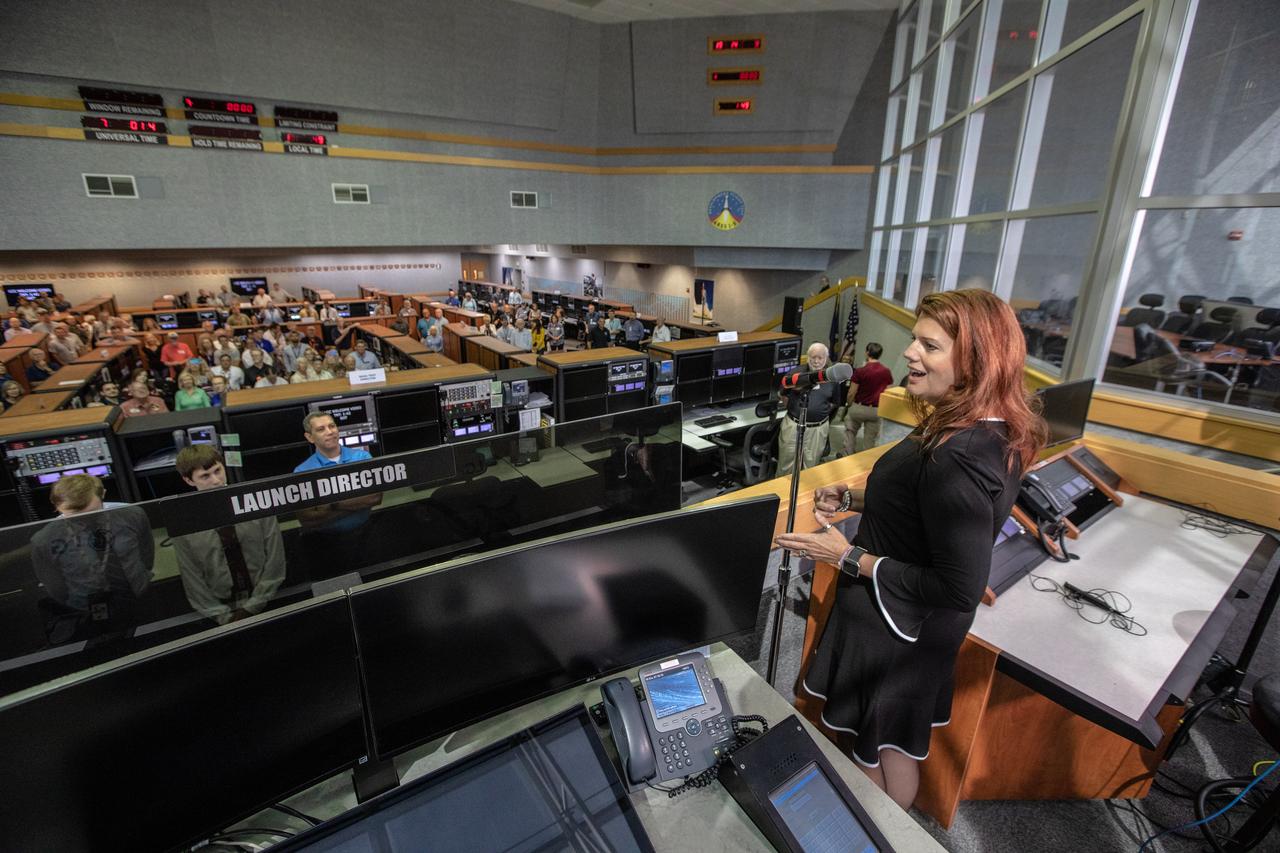
On July 16, 2019, the 50th anniversary of the Apollo 11 launch to the Moon, Artemis 1 Launch Director Charlie Blackwell-Thompson stands in Firing Room 1 in the Launch Control Center at NASA's Kennedy Space Center in Floirda. Apollo 11 and Artemis 1 launch team members mingle in the firing room.
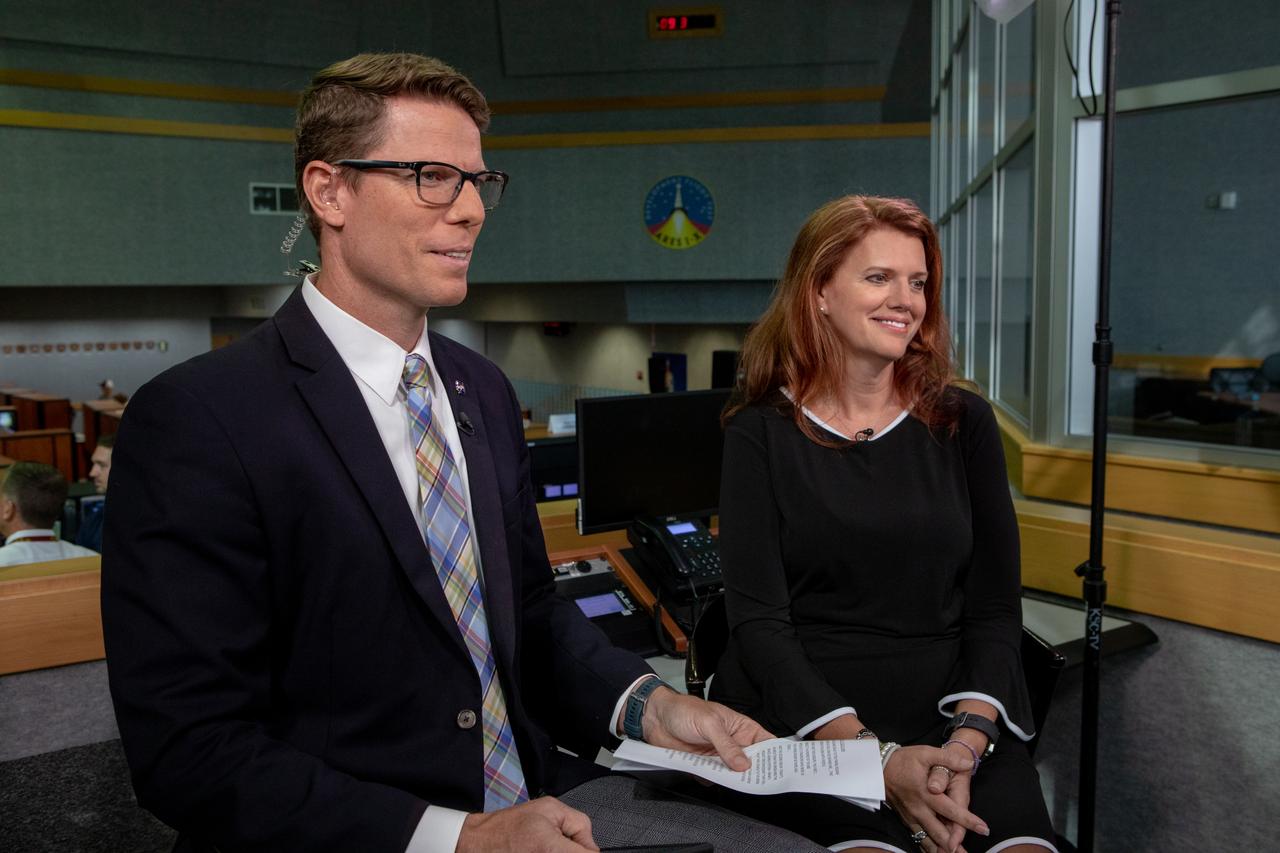
On July 16, 2019, the 50th anniversary of the Apollo 11 launch, Artemis 1 Launch Director Charlie Blackwell-Thompson, right, talks to NASA’s Derrol Nail at the agency’s Kennedy Space Center in Florida about our plans to return to the Moon.
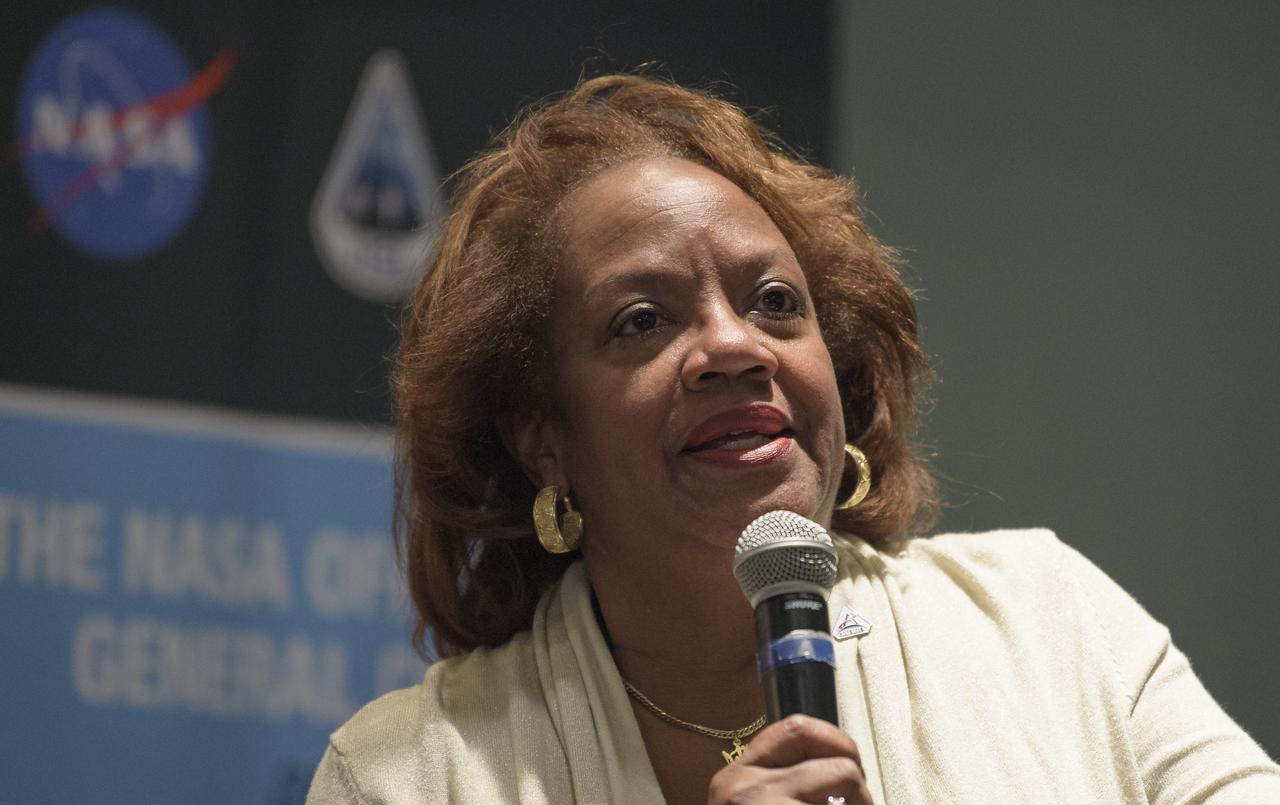
NASA General Counsel Sumara M. Thompson-King introduces NASA Administrator Jim Bridenstine during the International Institute of Space Law (IISL), Manfred Lachs Space Law Moot Court Competition finals, Thursday, Oct. 24, 2019 at NASA Headquarters in Washington. Photo Credit: (NASA/Bill Ingalls)
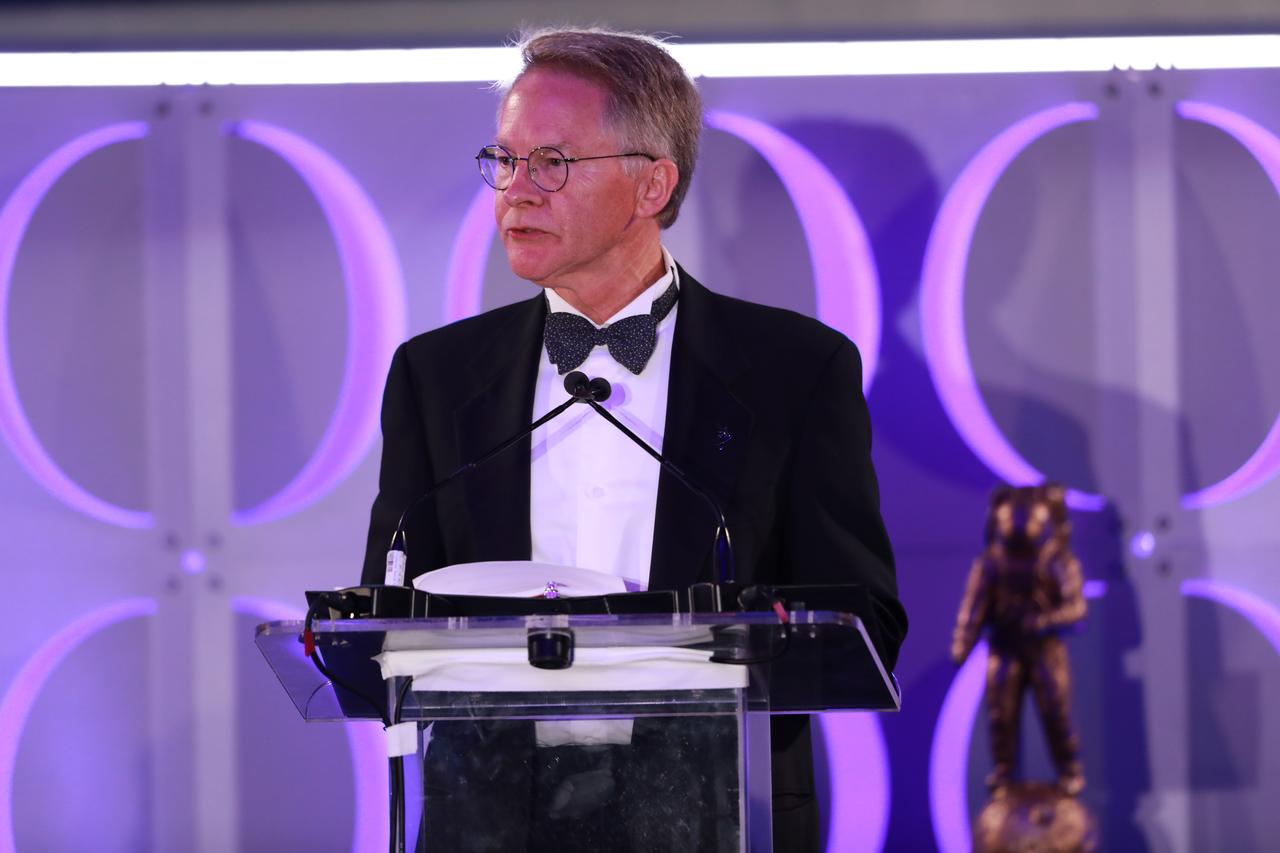
David Thompson, founder, presdient and CEO of Orbital Sciences Corp. (later known as Orbital ATK), makes remarks after receiving the Innovation Award at the Apollo 50th Gala on July 16, 2019. The gala, presented by Northrop Grumman, was held inside the Apollo/Saturn V Center at the Kennedy Space Center Visitor Complex in Florida.
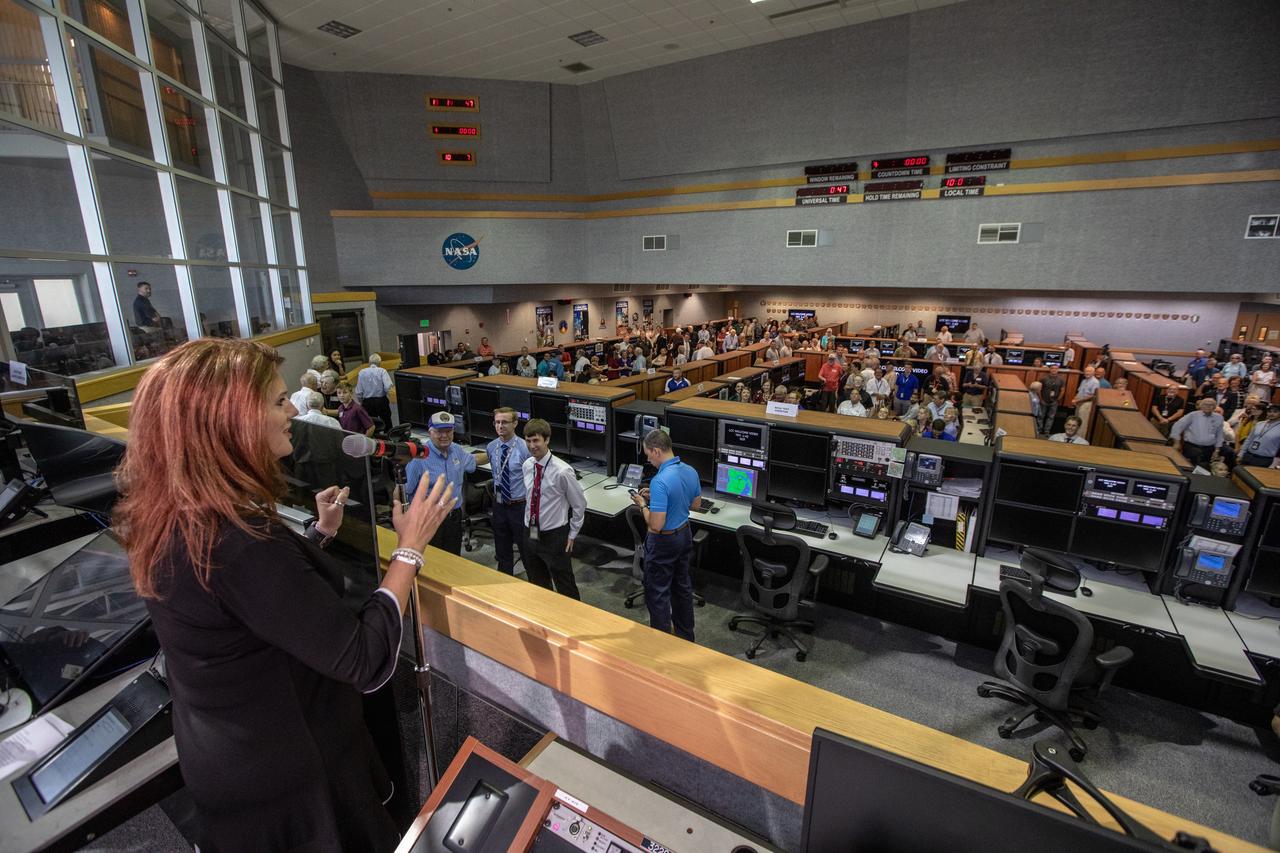
On July 16, 2019, the 50th anniversary of the Apollo 11 launch to the Moon, Artemis 1 Launch Director Charlie Blackwell-Thompson stands in Firing Room 1 in the Launch Control Center at NASA's Kennedy Space Center in Floirda. Apollo 11 and Artemis 1 launch team members mingle in the firing room.
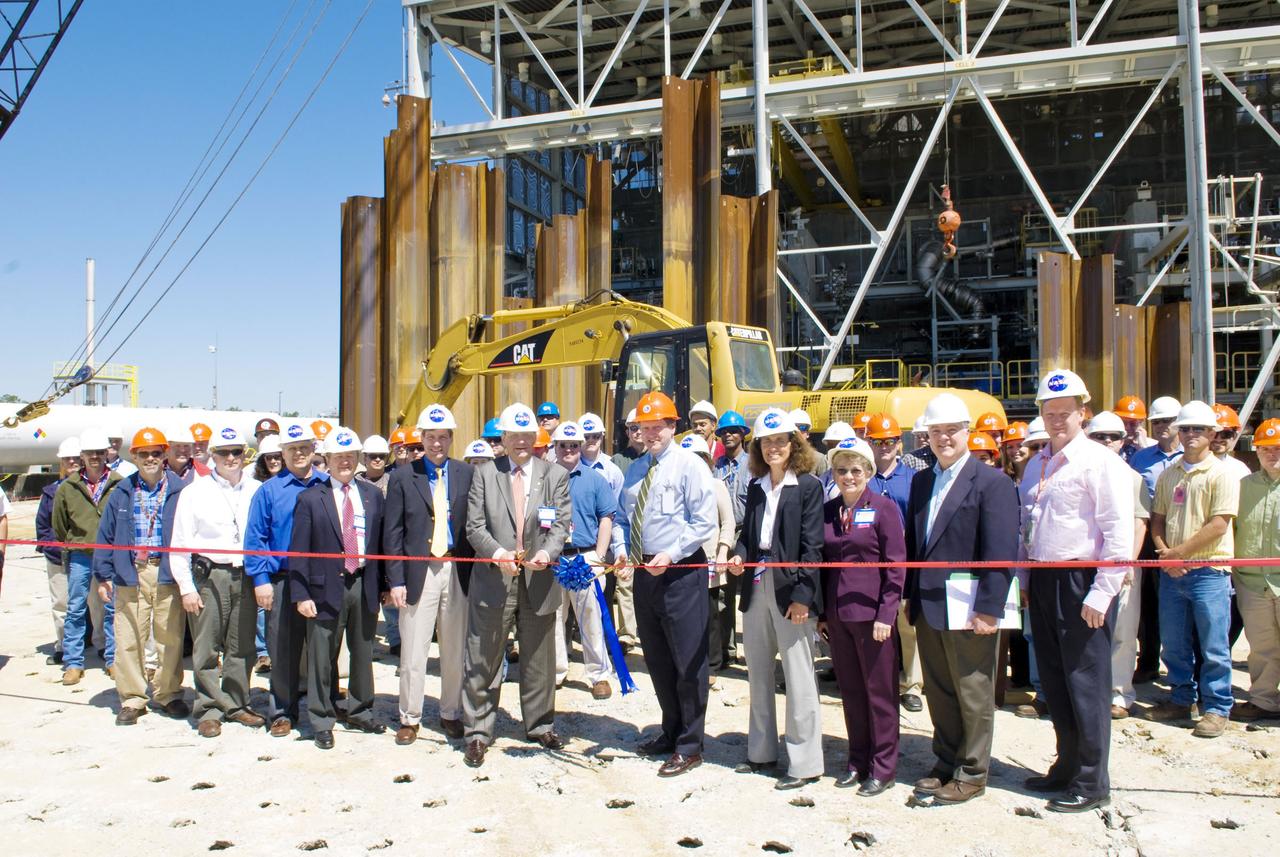
Representatives from NASA, Orbital Sciences Corp. and Aerojet participate in a ribbon-cutting ceremony for construction of a flame deflector trench at Stennis Space Center's E Test Complex. Participants included Orbital CEO J.R. Thompson (center, left) and Stennis Space Center Director Gene Goldman (center, right).
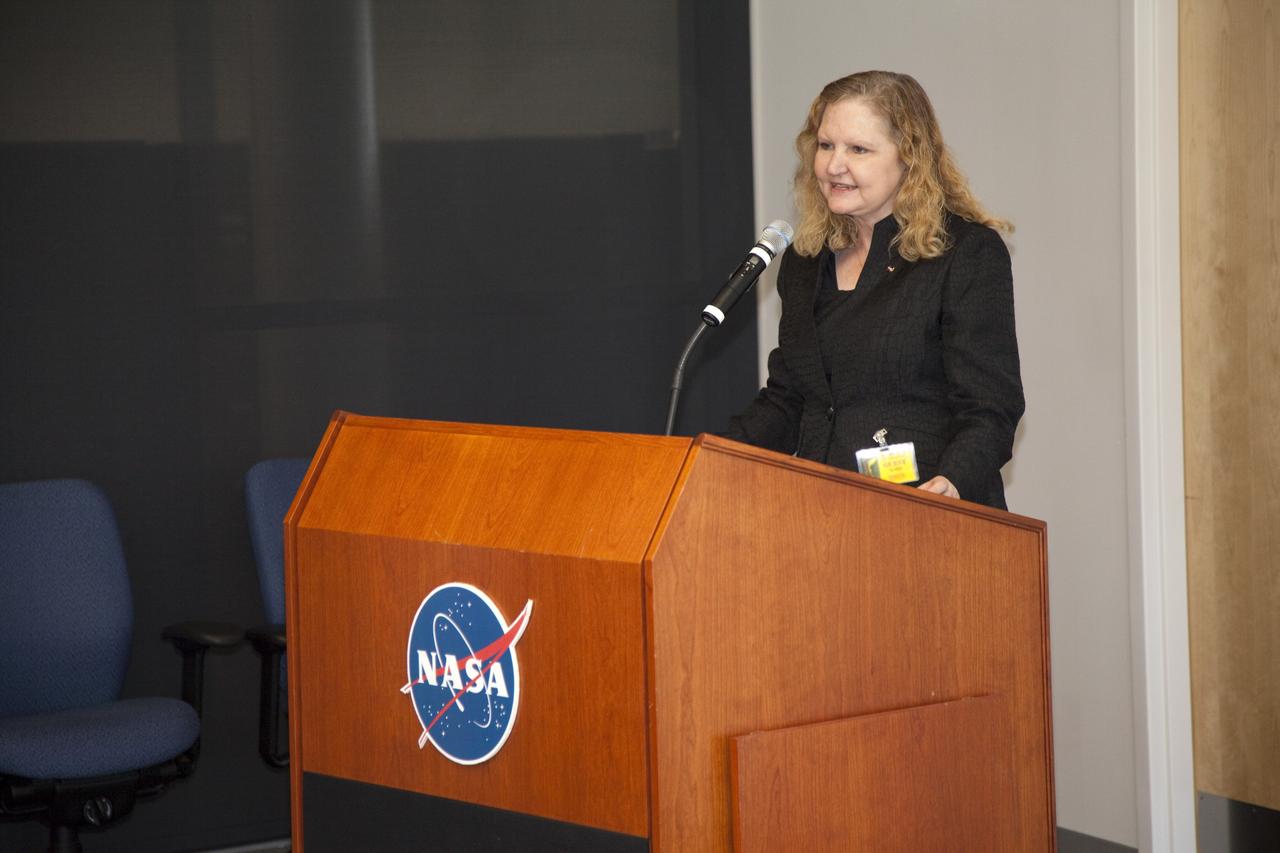
CAPE CANAVERAl, Fla. - Karen L. Thompson, chief technologist for Kennedy Space Center, speaks during a visit by Dr. Mason Peck, NASA's chief Technologist, to to Kennedy Space Center's Space Life Sciences Laboratory. Peck toured the lab facility during a visit to the space center. Photo credit: NASA/Frankie Martin
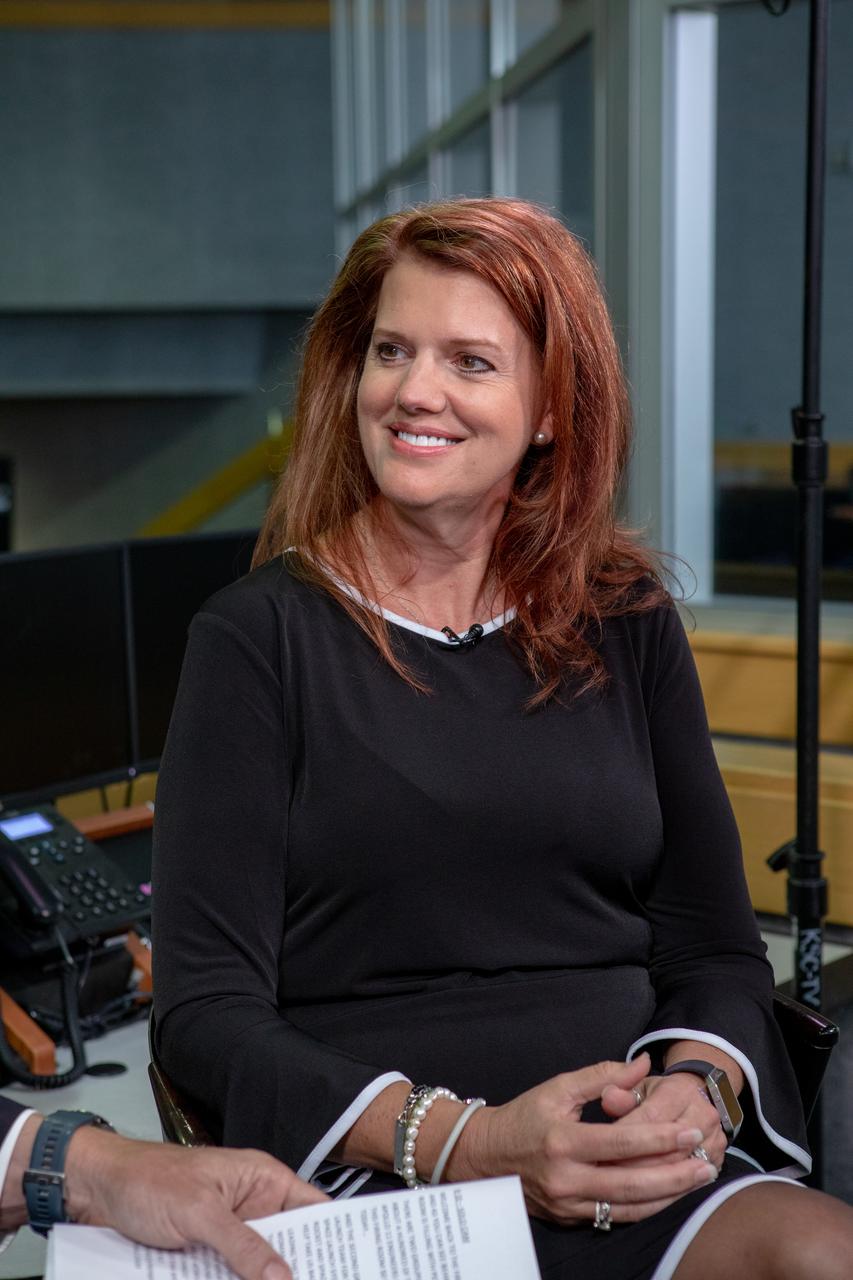
On July 16, 2019, the 50th anniversary of the Apollo 11 launch to the Moon, Artemis 1 Launch Director Charlie Blackwell-Thompson talks to NASA’s Derrol Nail at the agency’s Kennedy Space Center in Florida about our plans to return to the Moon.
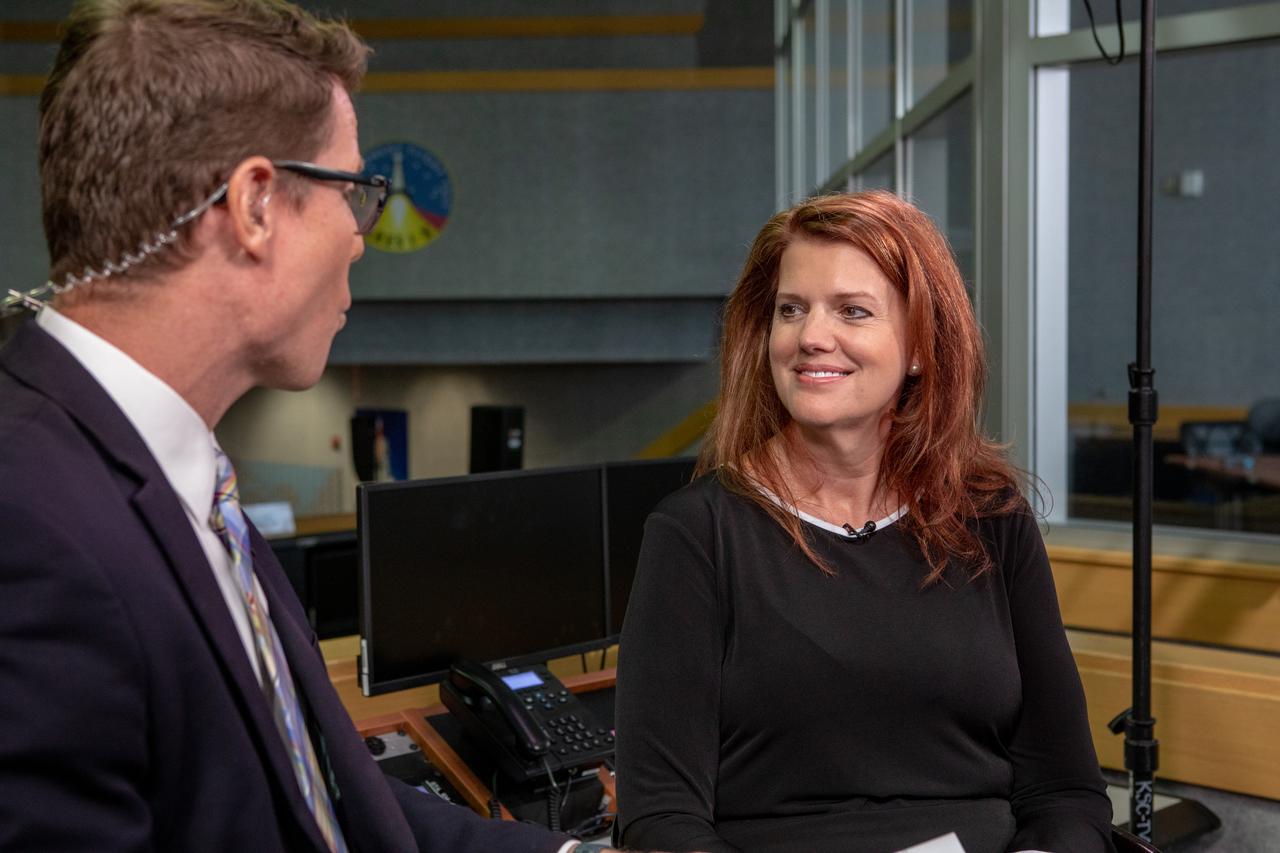
On July 16, 2019, the 50th anniversary of the Apollo 11 launch to the Moon, Artemis 1 Launch Director Charlie Blackwell-Thompson, right, talks to NASA’s Derrol Nail at the agency’s Kennedy Space Center in Florida about our plans to return to the Moon.

Dr. Kyle Thompson, research aerothermodynamist at NASA’s Langley Research Center, participates in an employee incentive flying event with NASA Administrator Jared Isaacman's personal F-5 aircraft, Wednesday, May 13, 2026, at NASA’s Kennedy Space Center in Florida. Photo Credit: (NASA/John Kraus)
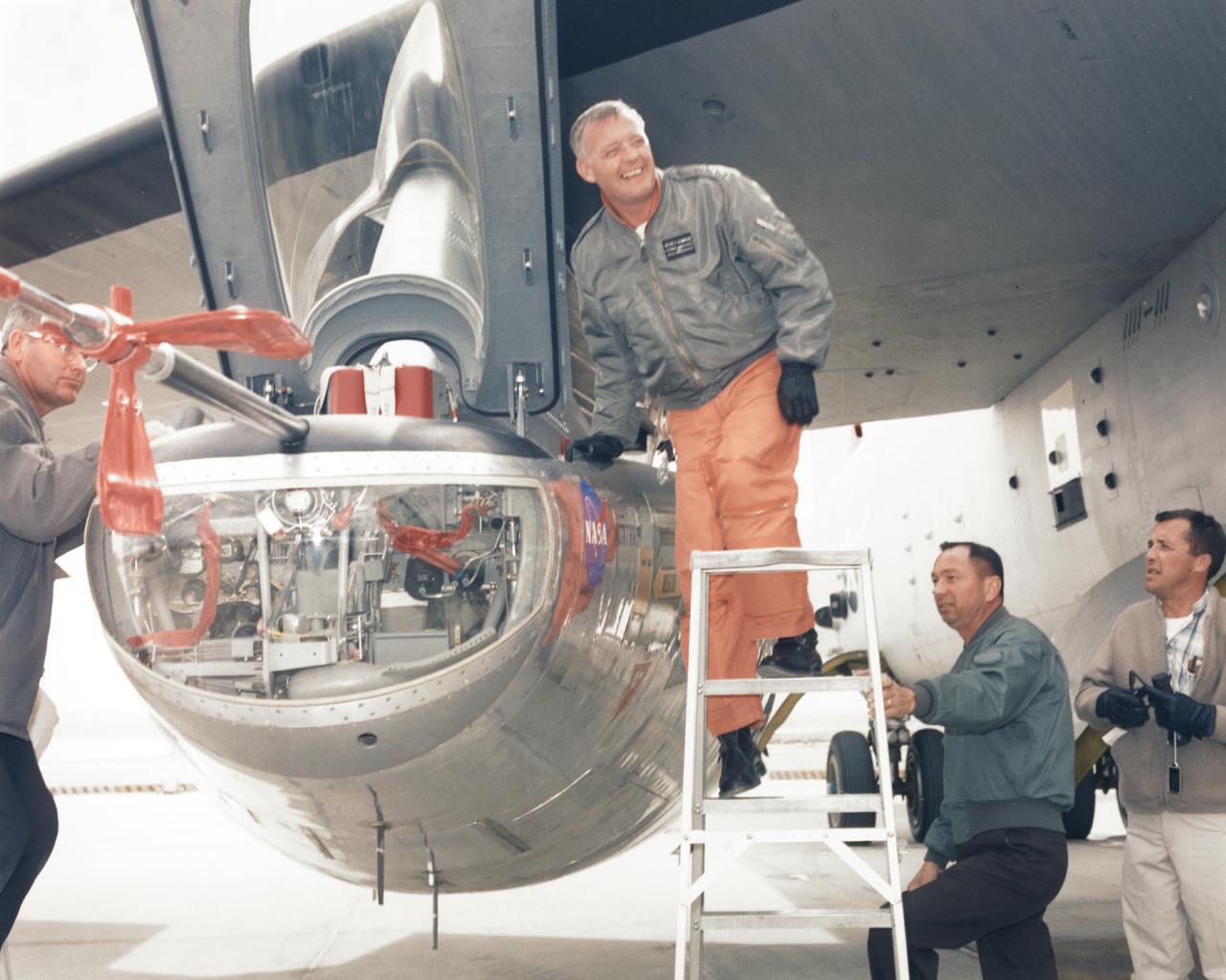
NASA research pilot Milt Thompson is helped into the cockpit of the M2-F2 lifting body research aircraft at NASA’s Flight Research Center (now the Dryden Flight Research Center). The M2-F2 is attached to a wing pylon under the wing of NASA’s B-52 mothership. The flight was a captive flight with the pilot on-board. Milt Thompson flew in the lifting body throughout the flight, but it was never dropped from the mothership.
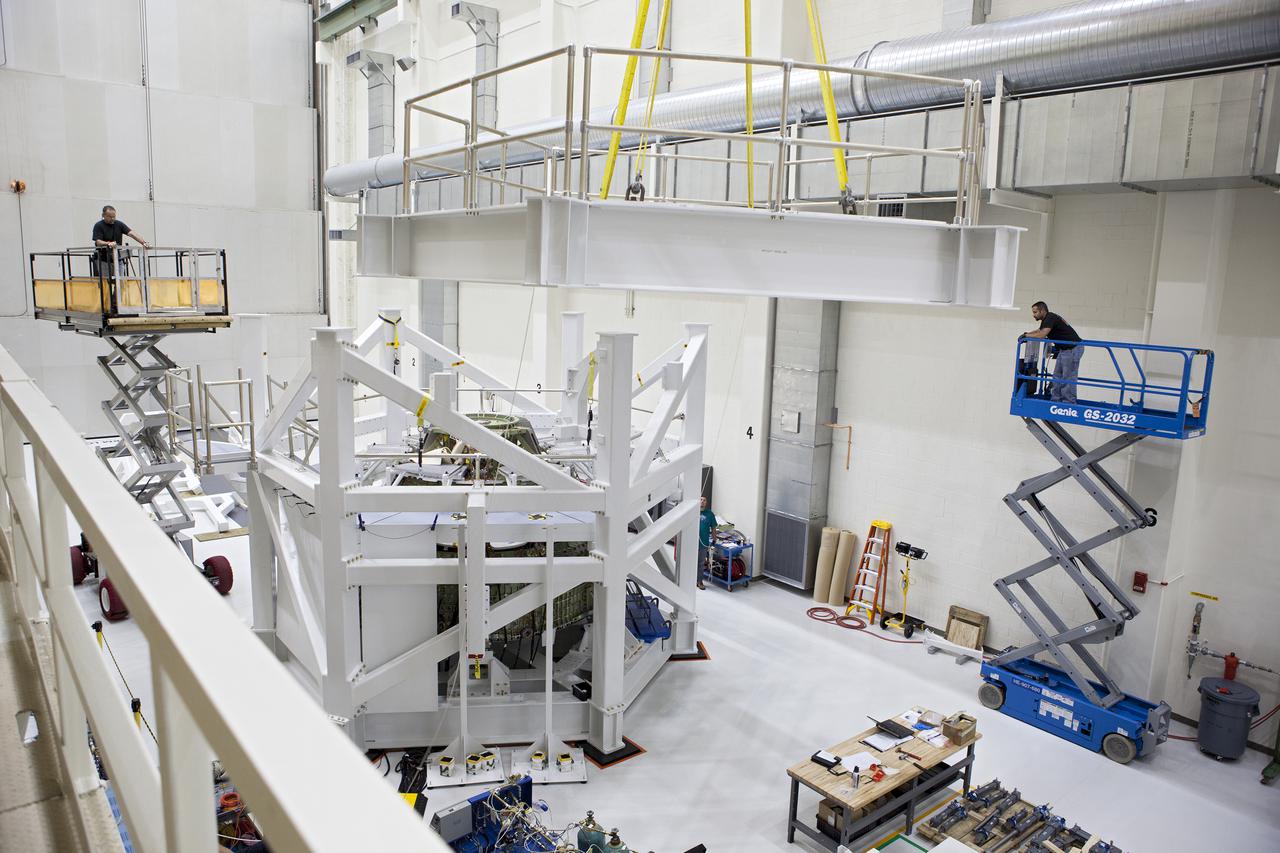
CAPE CANAVERAL, Fla. – Inside the Operations and Checkout Building high bay at NASA’s Kennedy Space Center in Florida, technicians monitor the progress as a crane lifts the top platform of a test stand for the Orion crew module. Lockheed Martin Space Systems and NASA engineers are preparing Orion for a series of static load tests that simulate the massive loads the spacecraft would experience during its mission. Orion is the exploration spacecraft designed to carry crews to space beyond low Earth orbit. It will provide emergency abort capability, sustain the crew during the space travel and provide safe re-entry from deep space return velocities. Orion’s first unpiloted test flight, Exploration Flight Test 1, is scheduled to launch in 2014 atop a Delta IV rocket. A second uncrewed flight test is scheduled for 2017 on NASA’s Space Launch System rocket. For more information, visit http:__www.nasa.gov_orion. Photo credit: NASA_Gary Thompson
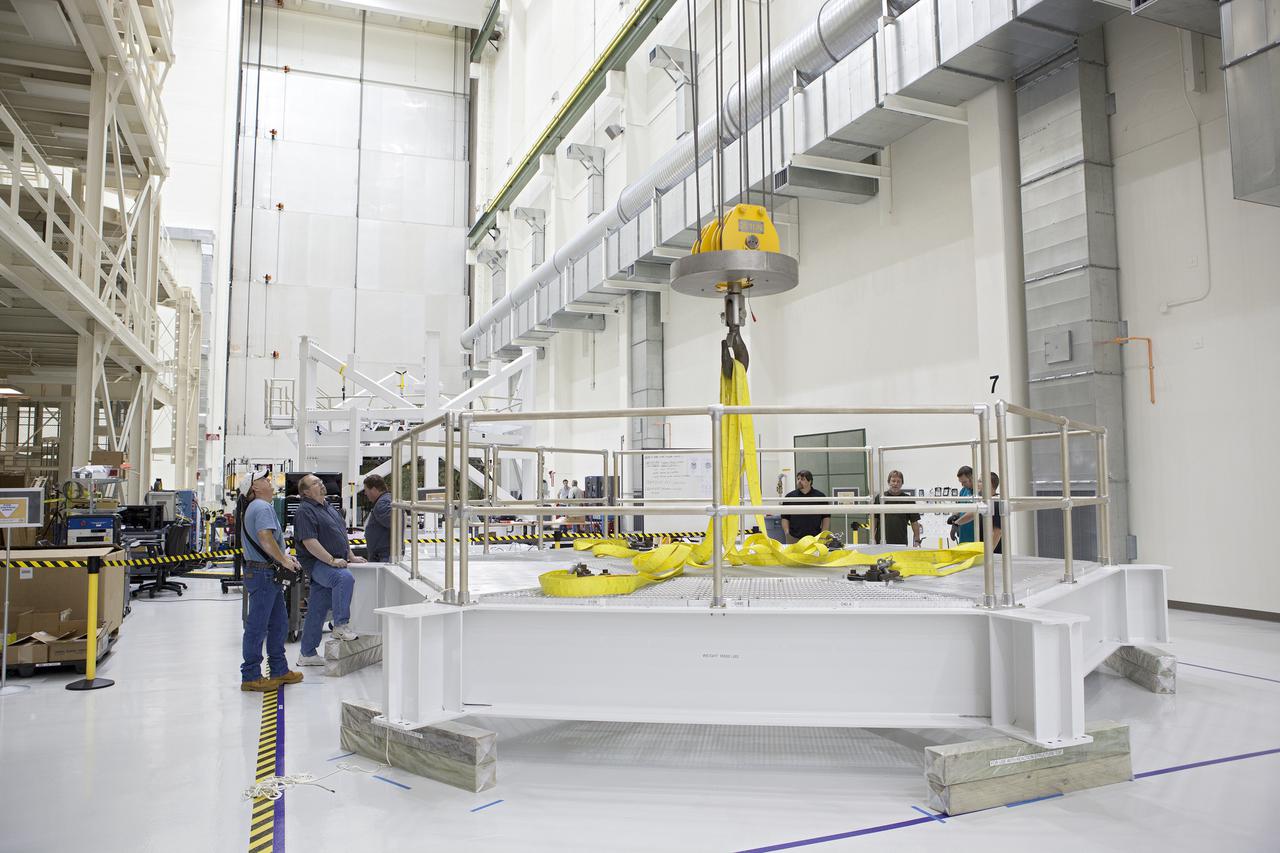
CAPE CANAVERAL, Fla. – Inside the Operations and Checkout Building high bay at NASA’s Kennedy Space Center in Florida, technicians monitor the progress as a crane is attached to the top platform of a test stand for the Orion crew module. Lockheed Martin Space Systems and NASA engineers are preparing Orion for a series of static load tests that simulate the massive loads the spacecraft would experience during its mission. Orion is the exploration spacecraft designed to carry crews to space beyond low Earth orbit. It will provide emergency abort capability, sustain the crew during the space travel and provide safe re-entry from deep space return velocities. Orion’s first unpiloted test flight, Exploration Flight Test 1, is scheduled to launch in 2014 atop a Delta IV rocket. A second uncrewed flight test is scheduled for 2017 on NASA’s Space Launch System rocket. For more information, visit http:__www.nasa.gov_orion. Photo credit: NASA_Gary Thompson
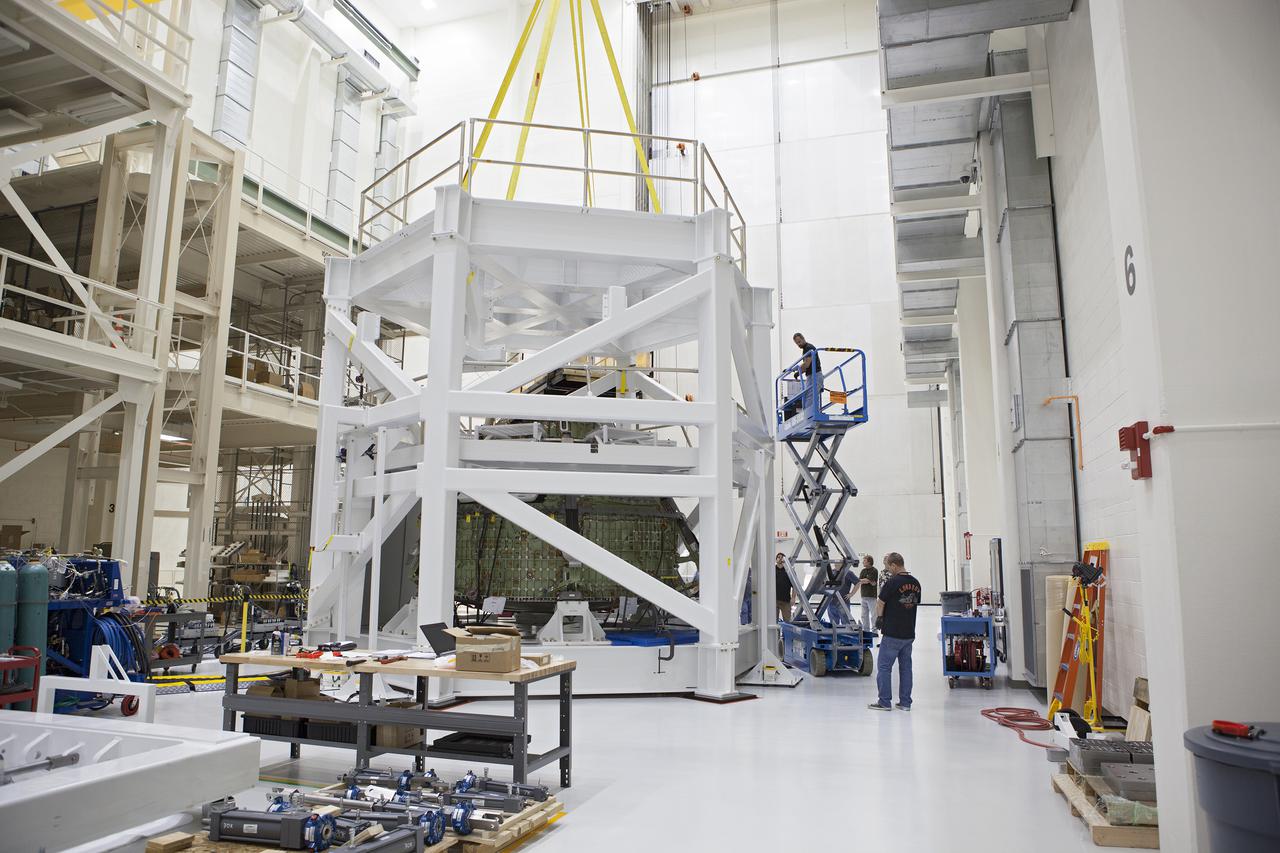
CAPE CANAVERAL, Fla. – Inside the Operations and Checkout Building high bay at NASA’s Kennedy Space Center in Florida, technicians have attached the top platform to the test stand for the Orion crew module. Lockheed Martin Space Systems and NASA engineers are preparing Orion for a series of static load tests that simulate the massive loads the spacecraft would experience during its mission. Orion is the exploration spacecraft designed to carry crews to space beyond low Earth orbit. It will provide emergency abort capability, sustain the crew during the space travel and provide safe re-entry from deep space return velocities. Orion’s first unpiloted test flight, Exploration Flight Test 1, is scheduled to launch in 2014 atop a Delta IV rocket. A second uncrewed flight test is scheduled for 2017 on NASA’s Space Launch System rocket. For more information, visit http:__www.nasa.gov_orion. Photo credit: NASA_Gary Thompson
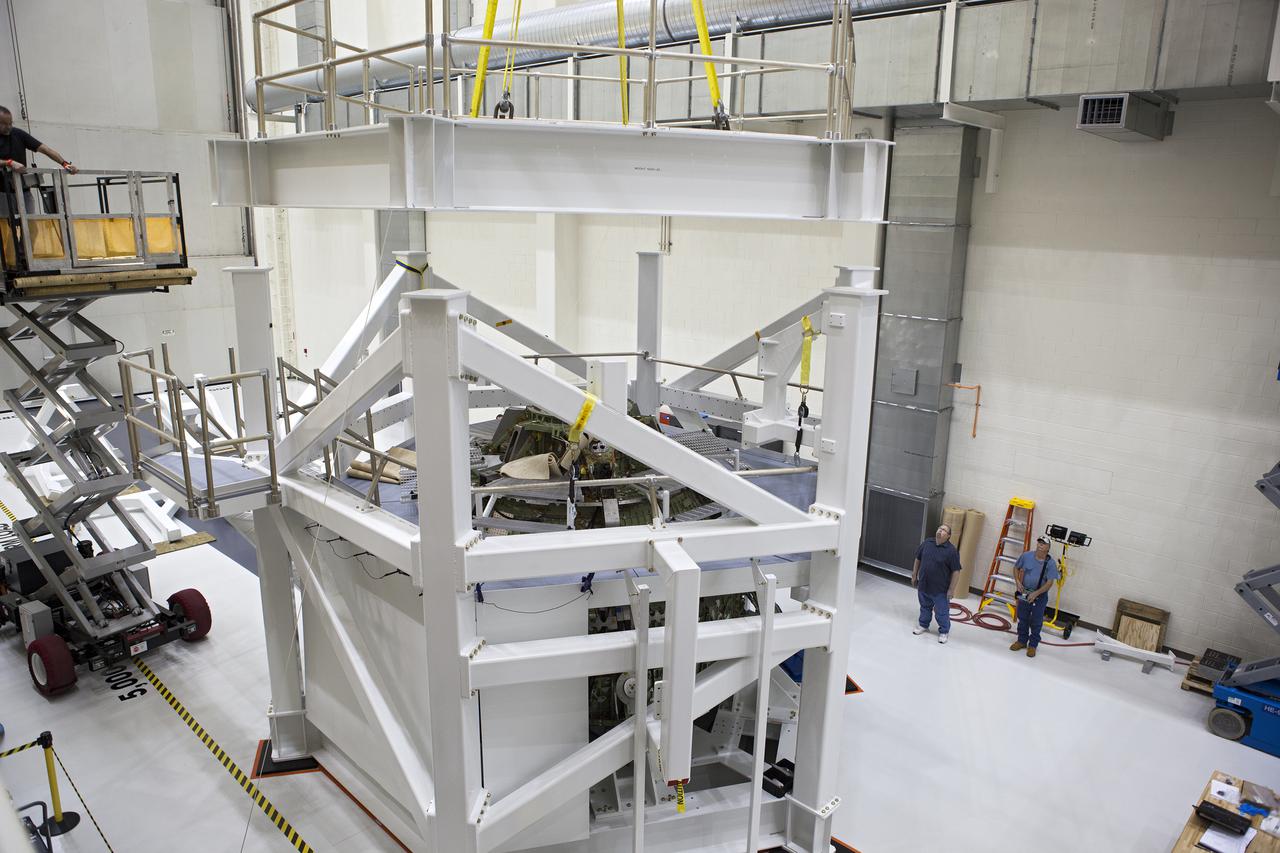
CAPE CANAVERAL, Fla. – Inside the Operations and Checkout Building high bay at NASA’s Kennedy Space Center in Florida, technicians monitor the progress as a crane lowers the top platform of a test stand for the Orion crew module. Lockheed Martin Space Systems and NASA engineers are preparing Orion for a series of static load tests that simulate the massive loads the spacecraft would experience during its mission. Orion is the exploration spacecraft designed to carry crews to space beyond low Earth orbit. It will provide emergency abort capability, sustain the crew during the space travel and provide safe re-entry from deep space return velocities. Orion’s first unpiloted test flight, Exploration Flight Test 1, is scheduled to launch in 2014 atop a Delta IV rocket. A second uncrewed flight test is scheduled for 2017 on NASA’s Space Launch System rocket. For more information, visit http:__www.nasa.gov_orion. Photo credit: NASA_Gary Thompson
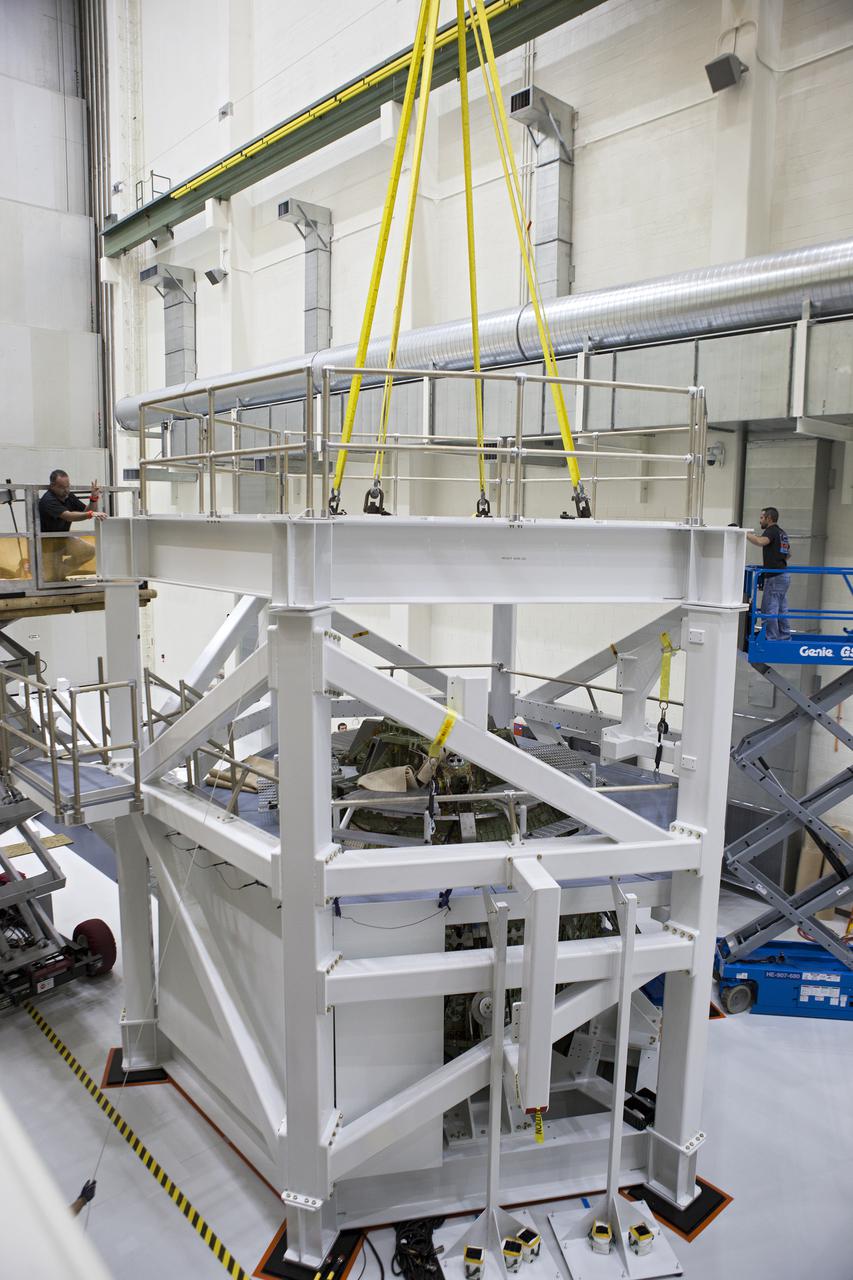
CAPE CANAVERAL, Fla. – Inside the Operations and Checkout Building high bay at NASA’s Kennedy Space Center in Florida, technicians attach the top platform to the test stand for the Orion crew module. Lockheed Martin Space Systems and NASA engineers are preparing Orion for a series of static load tests that simulate the massive loads the spacecraft would experience during its mission. Orion is the exploration spacecraft designed to carry crews to space beyond low Earth orbit. It will provide emergency abort capability, sustain the crew during the space travel and provide safe re-entry from deep space return velocities. Orion’s first unpiloted test flight, Exploration Flight Test 1, is scheduled to launch in 2014 atop a Delta IV rocket. A second uncrewed flight test is scheduled for 2017 on NASA’s Space Launch System rocket. For more information, visit http:__www.nasa.gov_orion. Photo credit: NASA_Gary Thompson
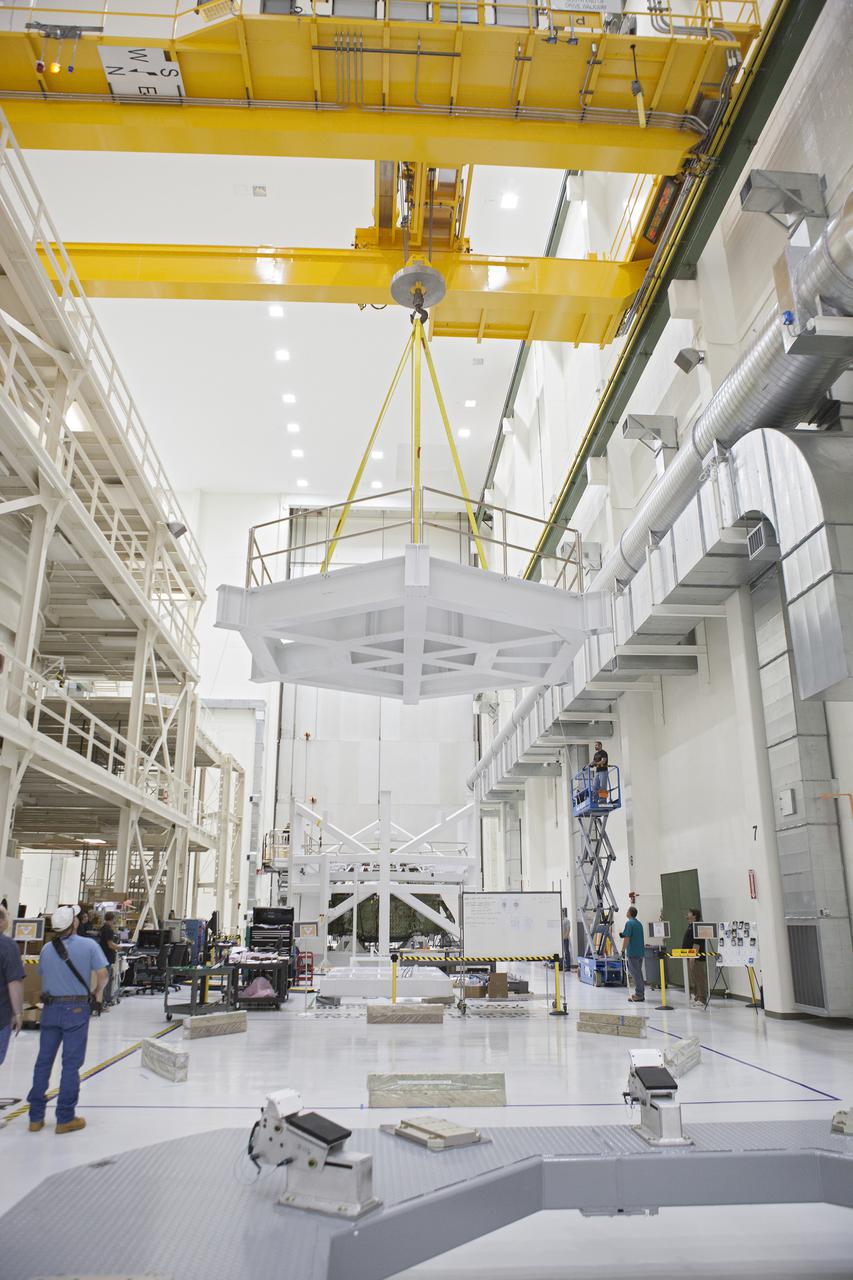
CAPE CANAVERAL, Fla. – Inside the Operations and Checkout Building high bay at NASA’s Kennedy Space Center in Florida, technicians monitor the progress as a crane lifts the top platform of a test stand for the Orion crew module. Lockheed Martin Space Systems and NASA engineers are preparing Orion for a series of static load tests that simulate the massive loads the spacecraft would experience during its mission. Orion is the exploration spacecraft designed to carry crews to space beyond low Earth orbit. It will provide emergency abort capability, sustain the crew during the space travel and provide safe re-entry from deep space return velocities. Orion’s first unpiloted test flight, Exploration Flight Test 1, is scheduled to launch in 2014 atop a Delta IV rocket. A second uncrewed flight test is scheduled for 2017 on NASA’s Space Launch System rocket. For more information, visit http:__www.nasa.gov_orion. Photo credit: NASA_Gary Thompson
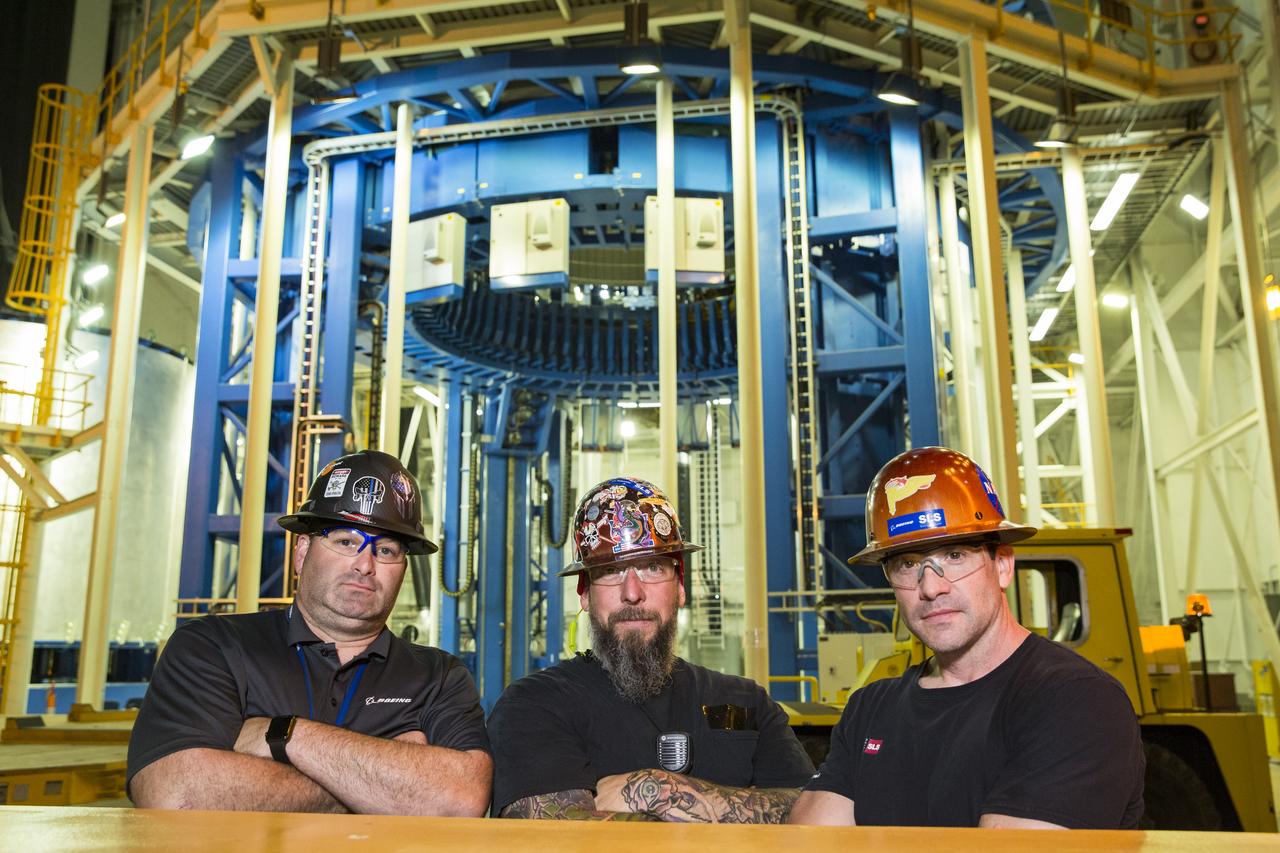
From left to right, Mac Cook, Jeffrey Thompson, Chris Mart, Critical Lift and Move Team, Boeing, Portrait, Friday, June 28, 2019 at Michoud Assembly Facility, New Orleans, LA. Photo Credit: (NASA/Aubrey Gemignani)
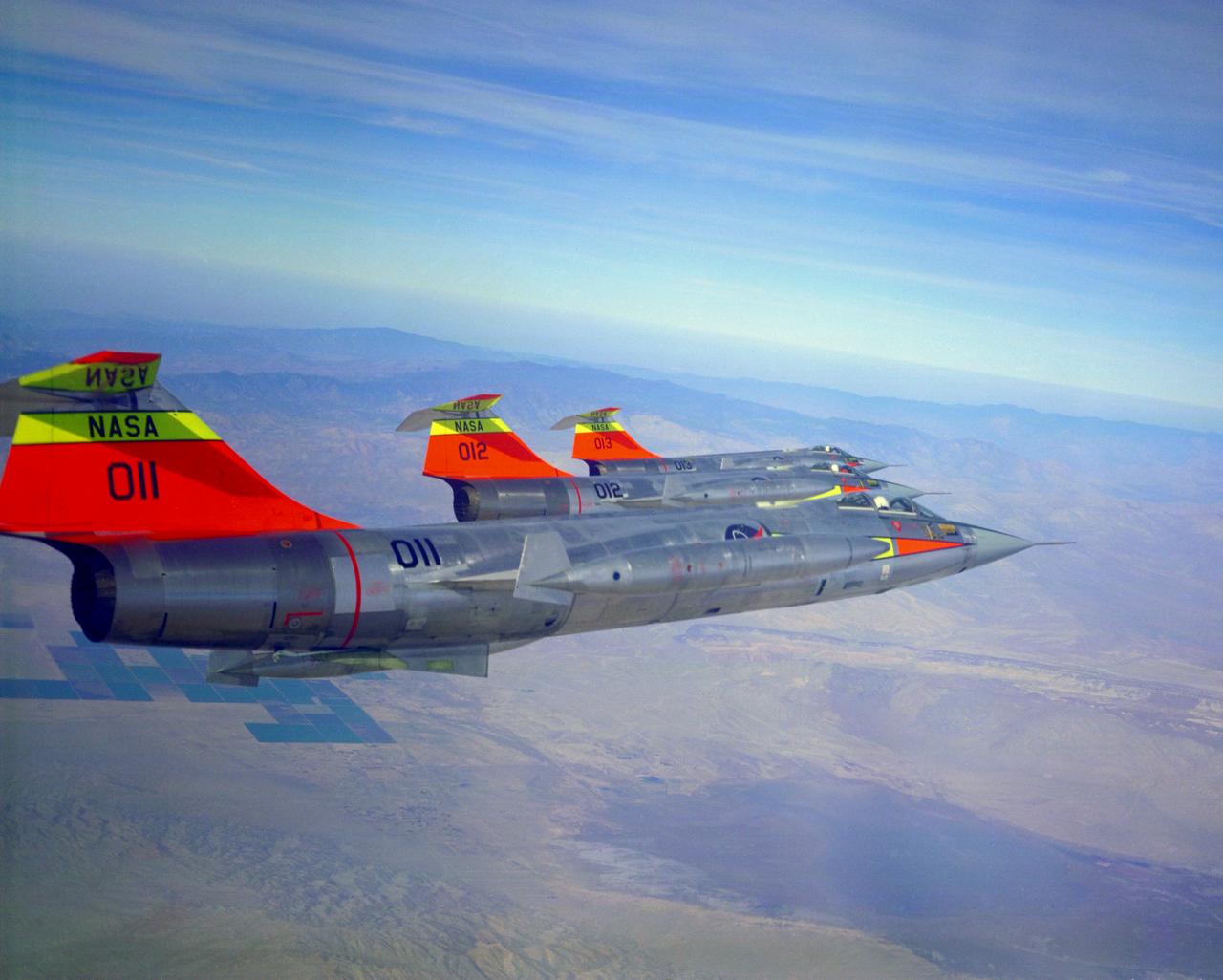
All three NASA F-104N's fly in formation. Aircraft numbers 011, 012 and 013. These would be changed to 811, 812 and 813 in 1965. Pilots are Bruce Peterson in 011, Milt Thompson in 012 and Joe Walker in 013. October 24, 1963
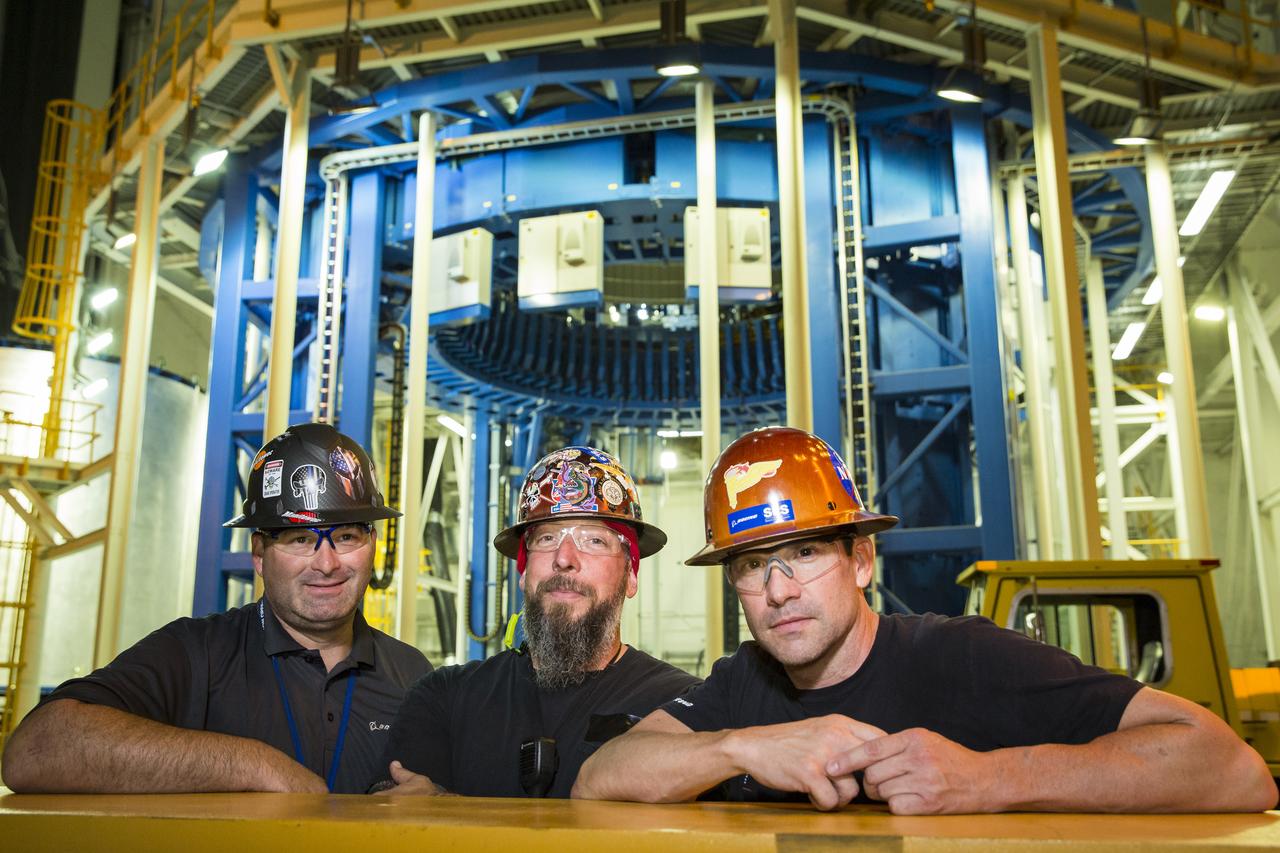
From left to right, Mac Cook, Jeffrey Thompson, Chris Mart, Critical Lift and Move Team, Boeing, Portrait, Friday, June 28, 2019 at Michoud Assembly Facility, New Orleans, LA. Photo Credit: (NASA/Aubrey Gemignani)
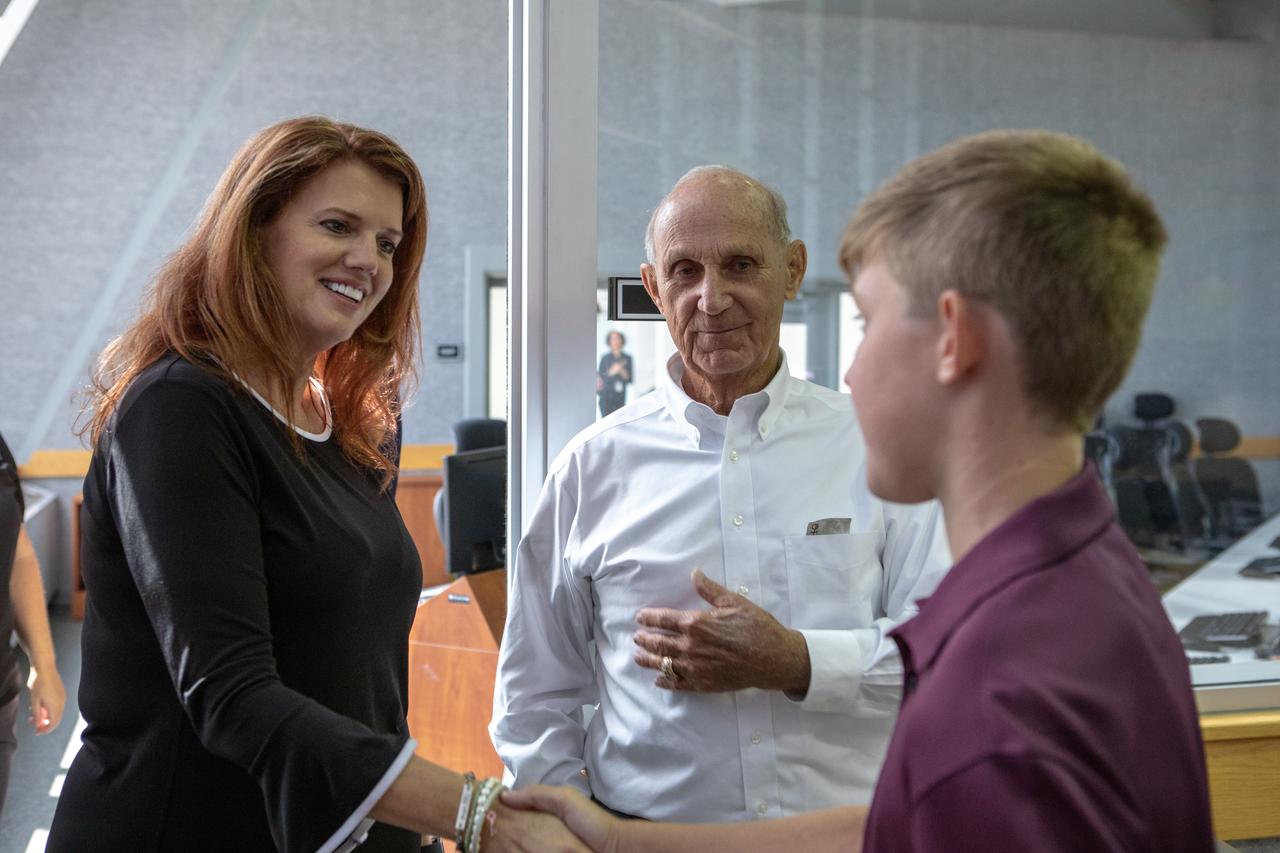
On July 16, 2019, the 50th anniversary of the Apollo 11 launch to the Moon, Artemis 1 Launch Director Charlie Blackwell-Thompson, left, talks with an Apollo 11 launch team member and family in Launch Control Center Firing Room 1 at NASA's Kennedy Space Center in Florida.
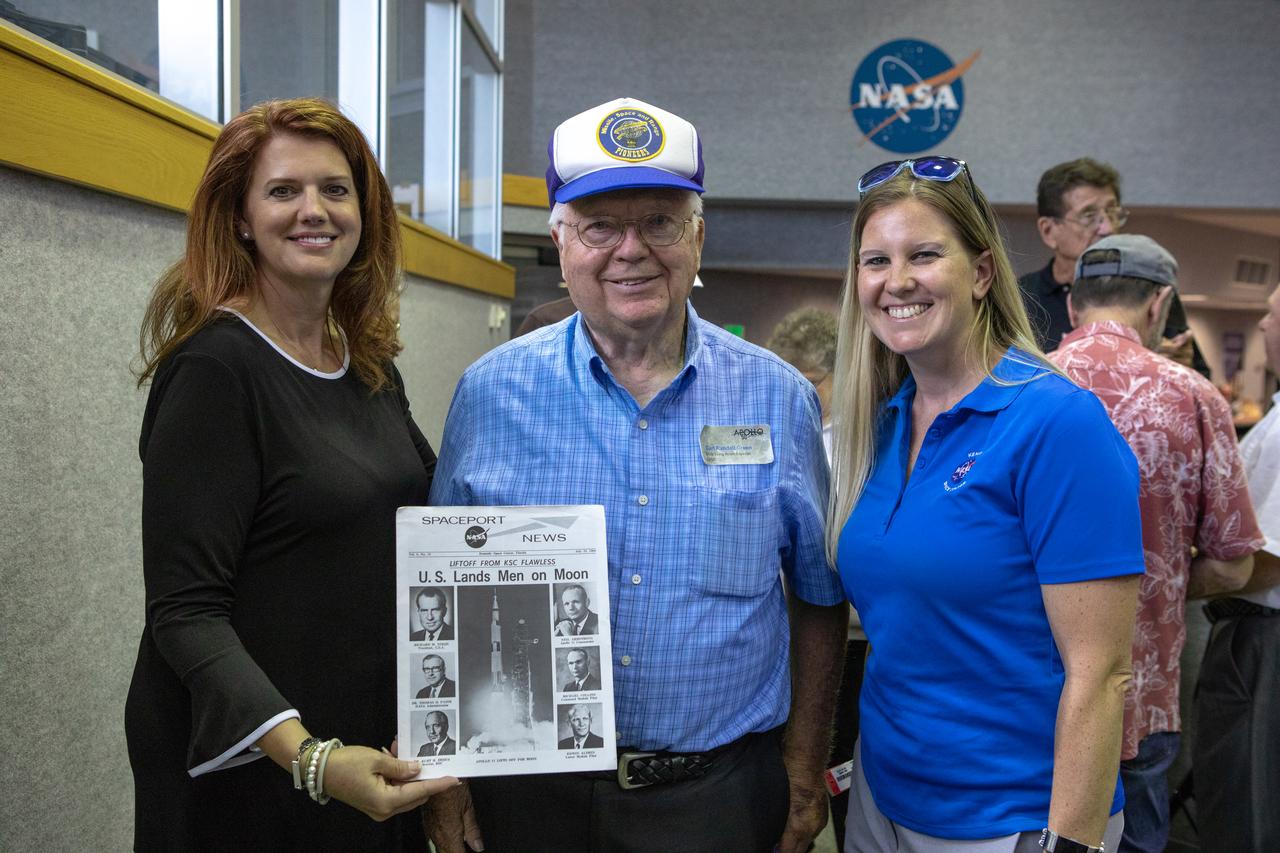
On July 16, 2019, the 50th anniversary of the Apollo 11 launch, Apollo-era and Artemis 1 workers gathered together in Launch Control Center Firing Room 1 at NASA's Kennedy Space Center in Florida. From left, are Artemis 1 Launch Director Charlie Blackwell-Thompson, Apollo-era launch team member Carl Green, and Tiffany Lindsley Wardlow, strategic communications specialist in Exploration Ground Systems.

NASA Deputy Administrator Lori Garver, left, and White House Office of Science and Technology Chief of Staff Jim Kohlenberger, right, listen to Mr. David W. Thompson, Chairman and Chief Executive Officer Orbital Sciences Corporation as he gives a tour of the Orbital Sciences facilities on Tuesday, Jan. 11, 2011 in Dulles, VA. Photo Credit: (NASA/Bill Ingalls)
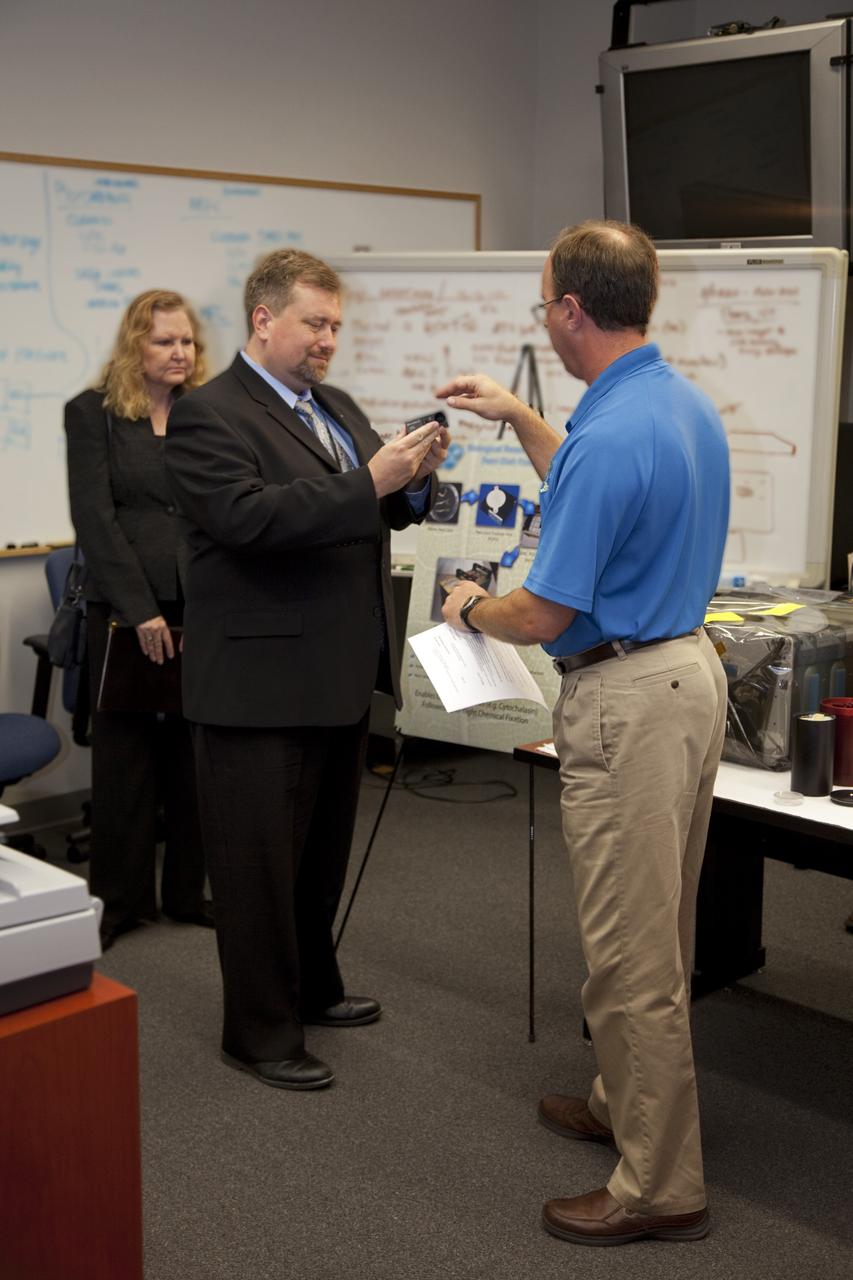
CAPE CANAVERAL, Fla. – Dr. Mason Peck, center, NASA's chief Technologist, listens as David Reed, right, explains an innovation during Pecks' tour of the Space Life Sciences Laboratory at Kennedy. Karen L. Thompson, chief technologist for Kennedy Space Center, looks on. Peck toured the lab facility during a visit to the space center. Photo credit: NASA/Frankie Martin
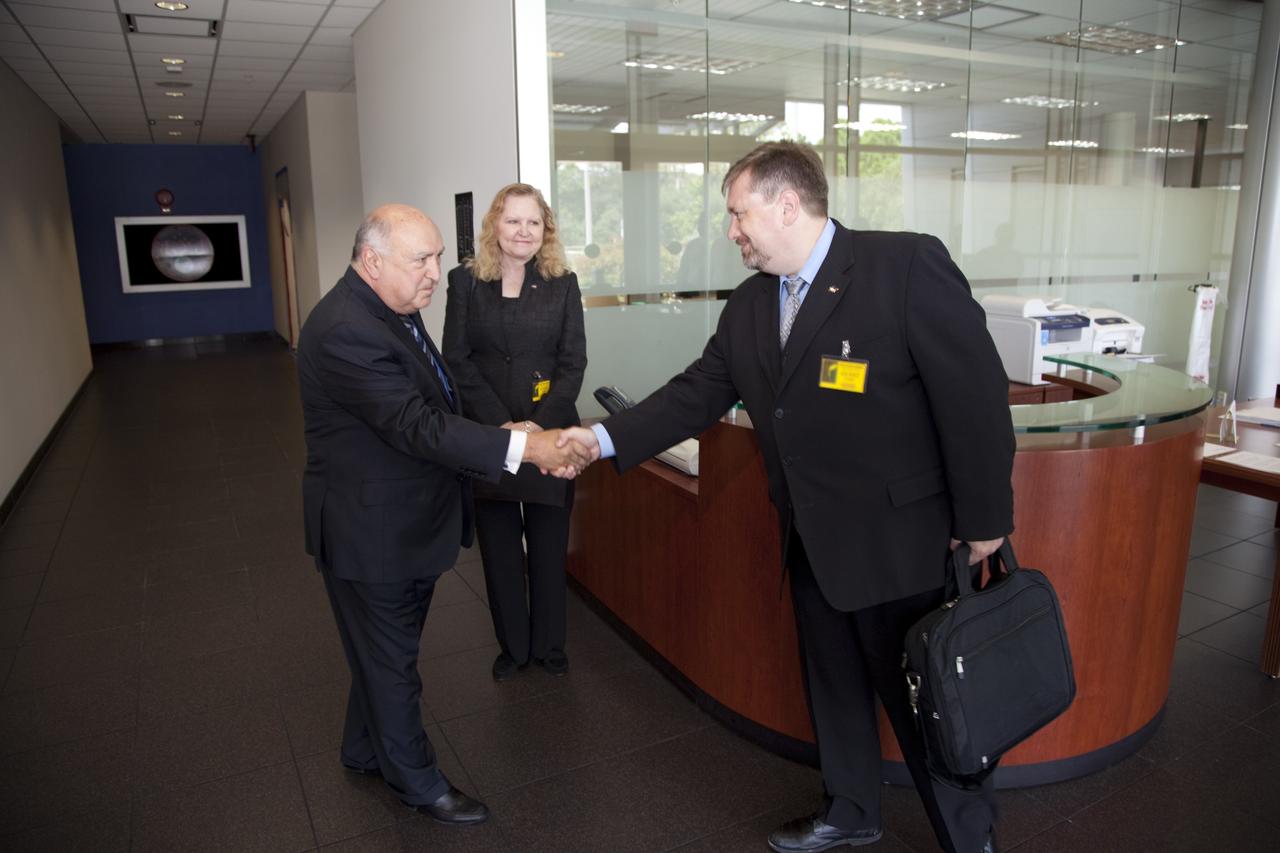
CAPE CANAVERAL, Fla. – Dr. Mason Peck, right, NASA's chief Technologist, greets Frank DiBello, president and CEO of Space Florida as Karen L. Thompson, chief technologist for Kennedy Space Center, looks on. Space Florida manages the Space Life Sciences Laboratory at Kennedy. Peck toured the lab facility during a visit to the space center. Photo credit: NASA/Frankie Martin
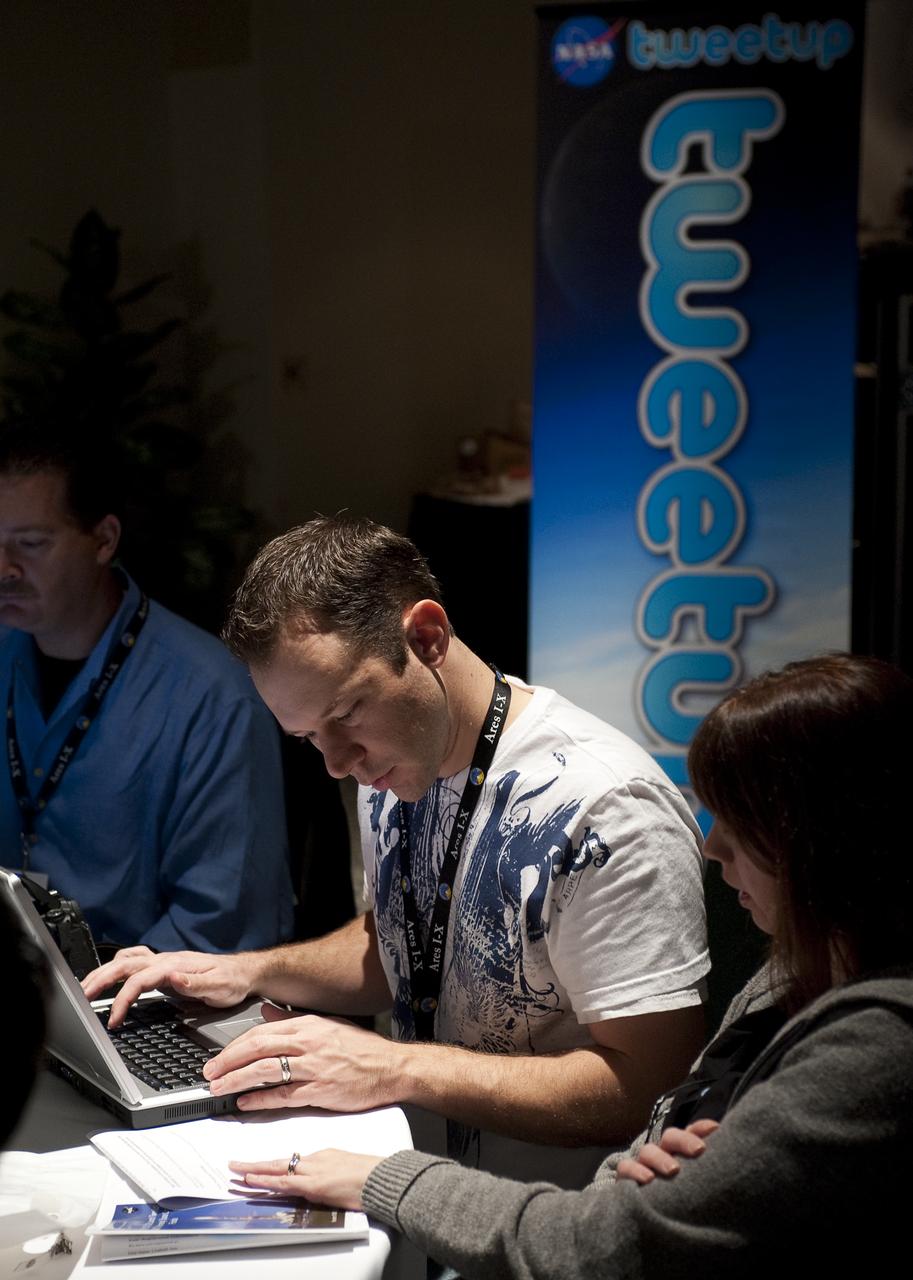
Twitter user Paul Thompson from Dallas, Texas, who goes by the twitter name @flyingphotog, uses his laptop during a two-day NASA Tweetup event held at NASA's Kennedy Space Center in Cape Canaveral, Fla, Sunday, Nov. 15, 2009. NASA Twitter followers in attendance will have the opportunity to take a tour of NASA's Kennedy Space Center, view the space shuttle launch and speak with shuttle technicians, engineers, astronauts and managers. Photo Credit: (NASA/Carla Cioffi)
CAPE CANAVERAl, Fla. - Dr. Mason Peck, right, NASA's chief Technologist, talks with Martin Belson, president and CEO of Diversified Industries CEIS, as Karen L. Thompson, chief technologist for Kennedy Space Center, looks on. Peck toured Kennedy Space Center's Space Life Sciences Laboratory during a visit to the space center. Photo credit: NASA/Frankie Martin

NASA Deputy Administrator Lori Garver, far left at table, answers a students question at a Women's History Month event at NASA Headquarters, Wednesday, March 16, 2011 in Washington. Garver is joined on the panel by NASA astronaut Tracy Caldwell Dyson, center, and NASA Aerospace Engineer Sabrina Thompson. The event entitled Women Inspiring the Next Generation to Reveal the Unknown is a joint venture with NASA and the White House Council on Women and Girls. Photo Credit: (NASA/Carla Cioffi)
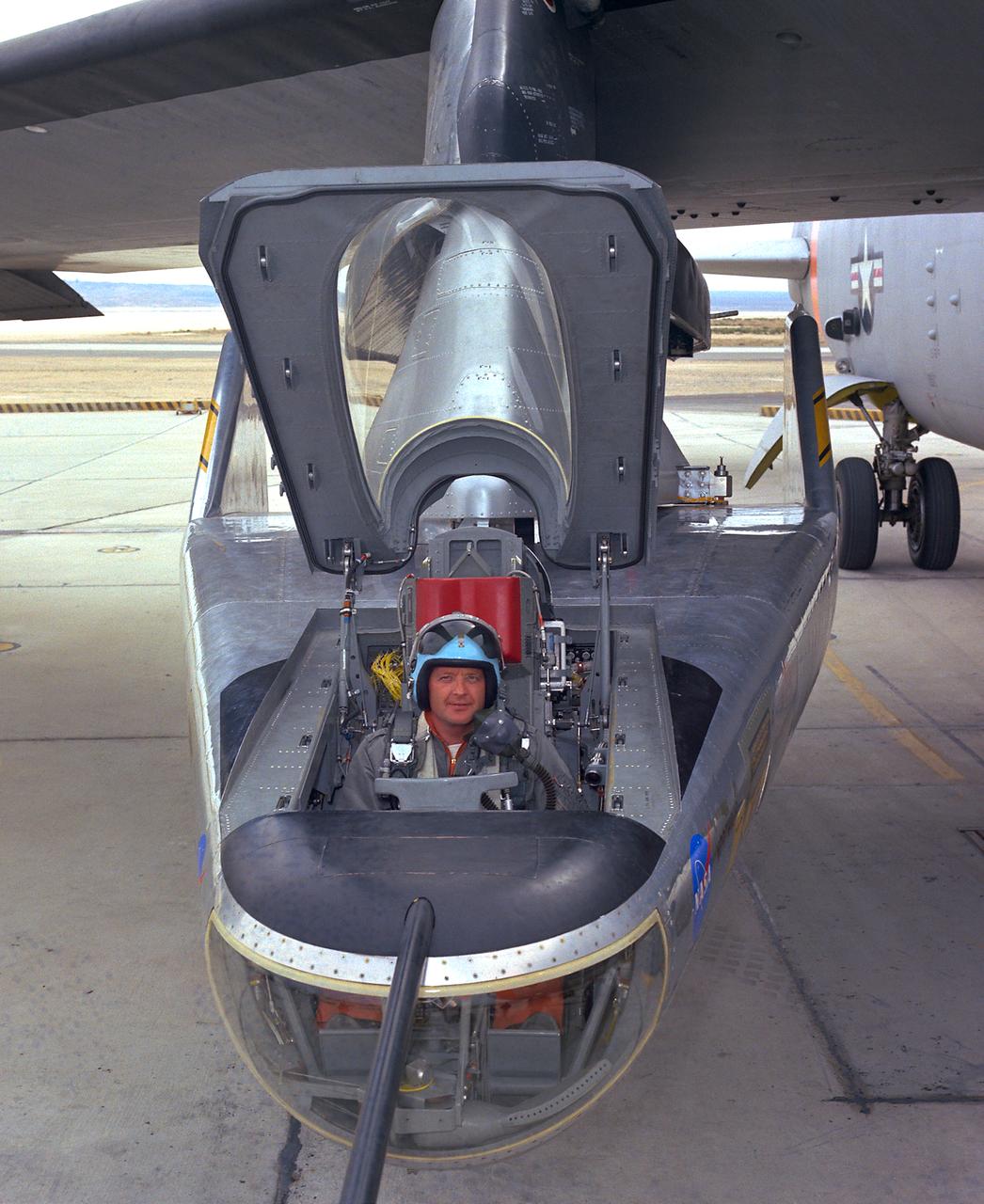
NASA research pilot Milt Thompson sits in the M2-F2 "heavyweight" lifting body research vehicle before a 1966 test flight. The M2-F2 and the other lifting-body designs were all attached to a wing pylon on NASA’s B-52 mothership and carried aloft. The vehicles were then drop-launched and, at the end of their flights, glided back to wheeled landings on the dry lake or runway at Edwards AFB. The lifting body designs influenced the design of the Space Shuttle and were also reincarnated in the design of the X-38 in the 1990s.
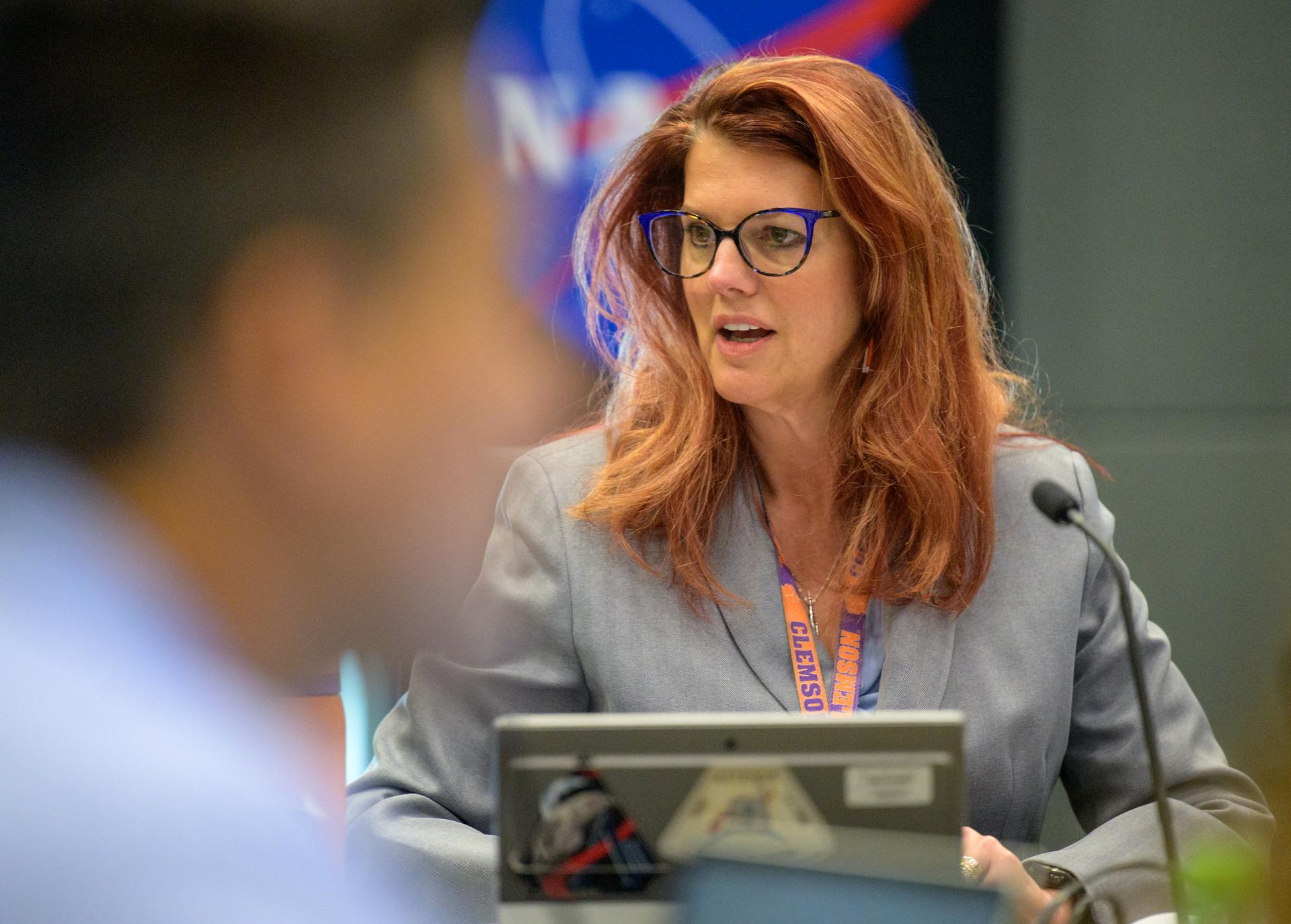
Charlie Blackwell-Thompson, Artemis II launch director, is seen as teams meet for the Artemis II launch countdown pre-test briefing, Saturday, March 28, 2026, at NASA’s Kennedy Space Center, Operations Support Building II in Florida. Photo Credit: (NASA/Bill Ingalls)
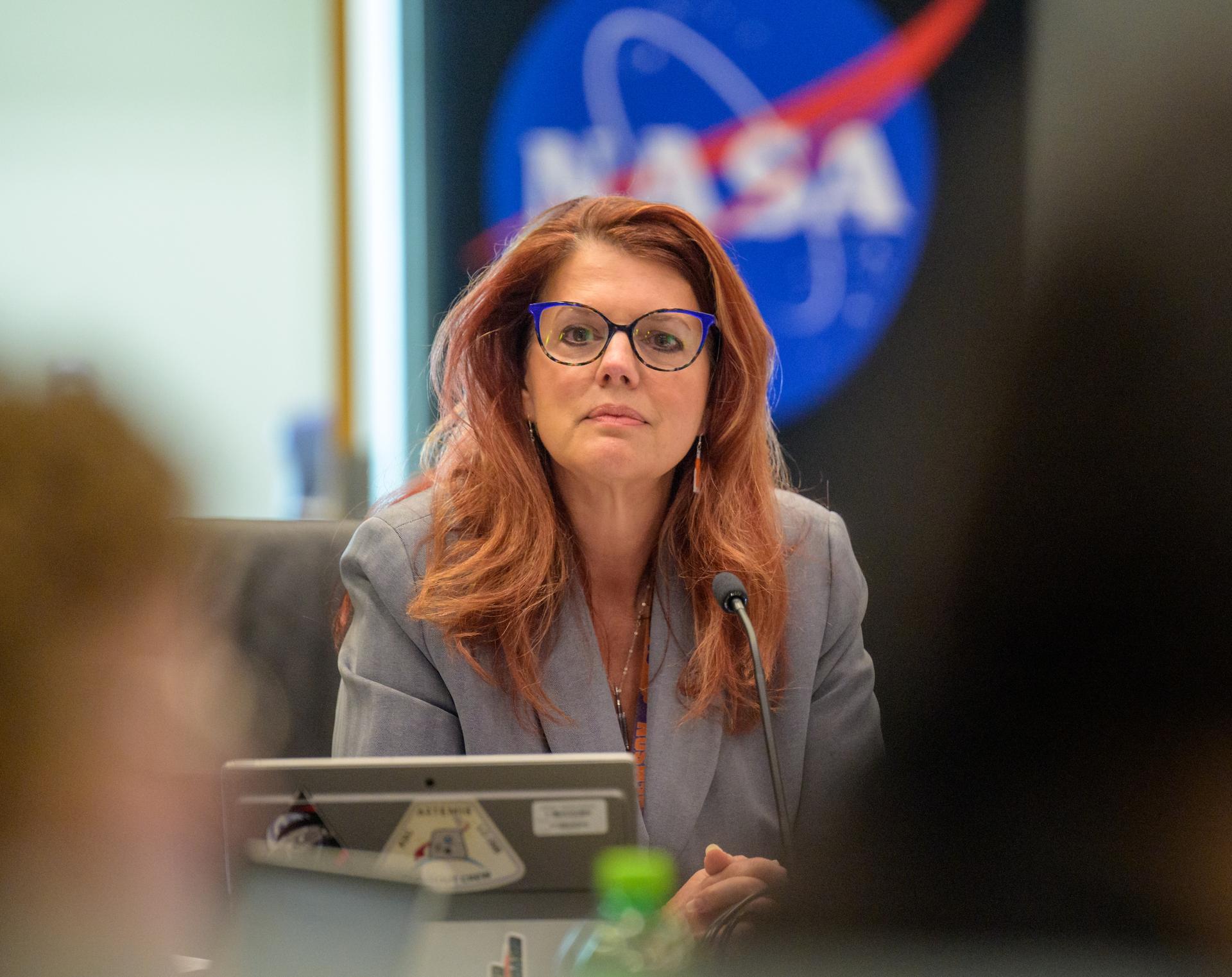
Charlie Blackwell-Thompson, Artemis II launch director, is seen as teams meet for the Artemis II launch countdown pre-test briefing, Saturday, March 28, 2026, at NASA’s Kennedy Space Center, Operations Support Building II in Florida. Photo Credit: (NASA/Bill Ingalls)
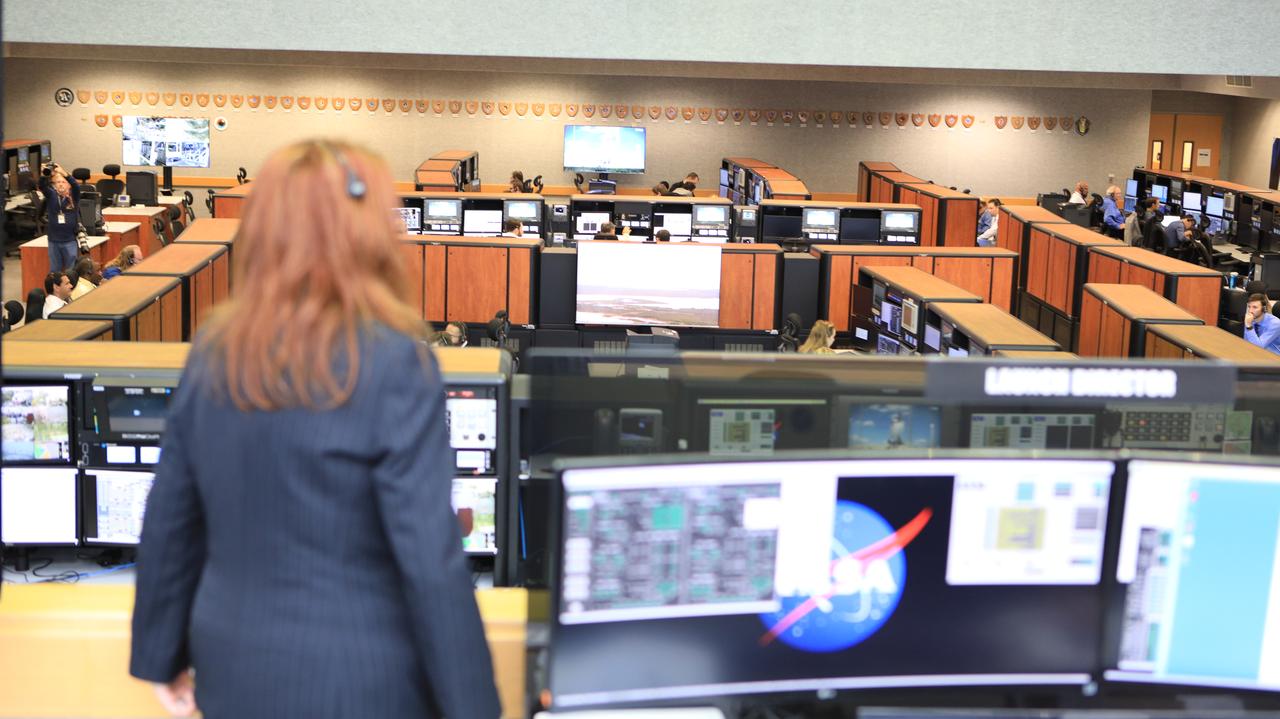
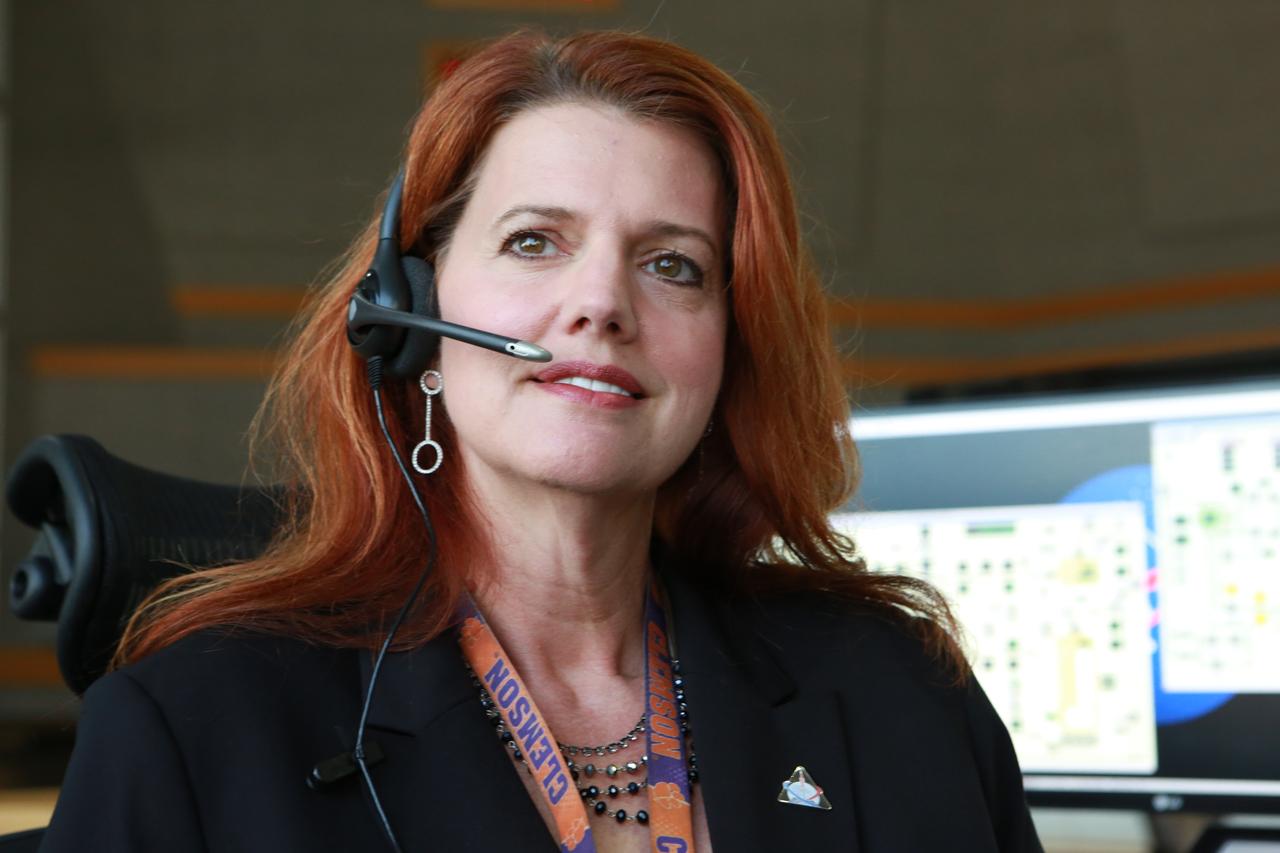
NASA Launch Director Charlie Blackwell-Thompson looks out over Firing Room 1 in the Launch Control Center at NASA’s Kennedy Space Center in Florida during a terminal countdown demonstration for Exploration Mission 1, or EM-1, on Dec. 14, 2018. The launch will be the first integrated test of the Space Launch System rocket and Orion spacecraft that will eventually take astronauts beyond low-Earth orbit to destinations such as the Moon and Mars. The countdown demonstration was intended to validate the launch team's capability to perform an EM-1 countdown and respond to challenges put into the system for practice.
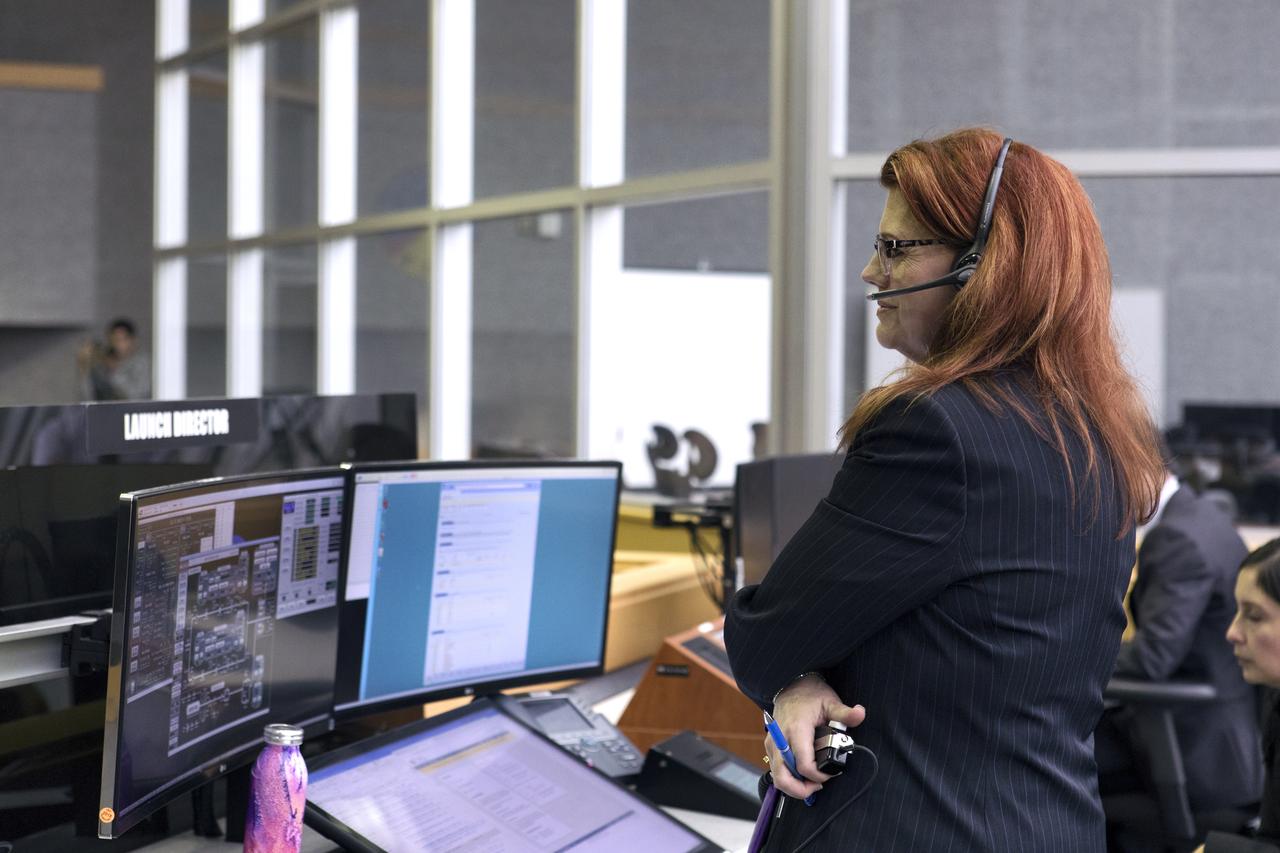
NASA Launch Director Charlie Blackwell-Thompson stands next to her console in Firing Room 1 at the Kennedy Space Center's Launch Control Center during a terminal countdown demonstration for Exploration Mission 1, or EM-1. The launch will be the first integrated test of the Space Launch System rocket and Orion spacecraft that will eventually take astronauts beyond low-Earth orbit to destinations such as the Moon and Mars. Taking place on Dec. 14, 2018, the countdown demonstration was intended to validate the launch team's capability to perform an EM-1 countdown and respond to challenges put into the system for practice.

NASA Launch Director Charlie Blackwell-Thompson stands next to her console in Firing Room 1 at the Kennedy Space Center's Launch Control Center during a terminal countdown demonstration for Exploration Mission 1, or EM-1. The launch will be the first integrated test of the Space Launch System rocket and Orion spacecraft that will eventually take astronauts beyond low-Earth orbit to destinations such as the Moon and Mars. Taking place on Dec. 14, 2018, the countdown demonstration was intended to validate the launch team's capability to perform an EM-1 countdown and respond to challenges put into the system for practice.
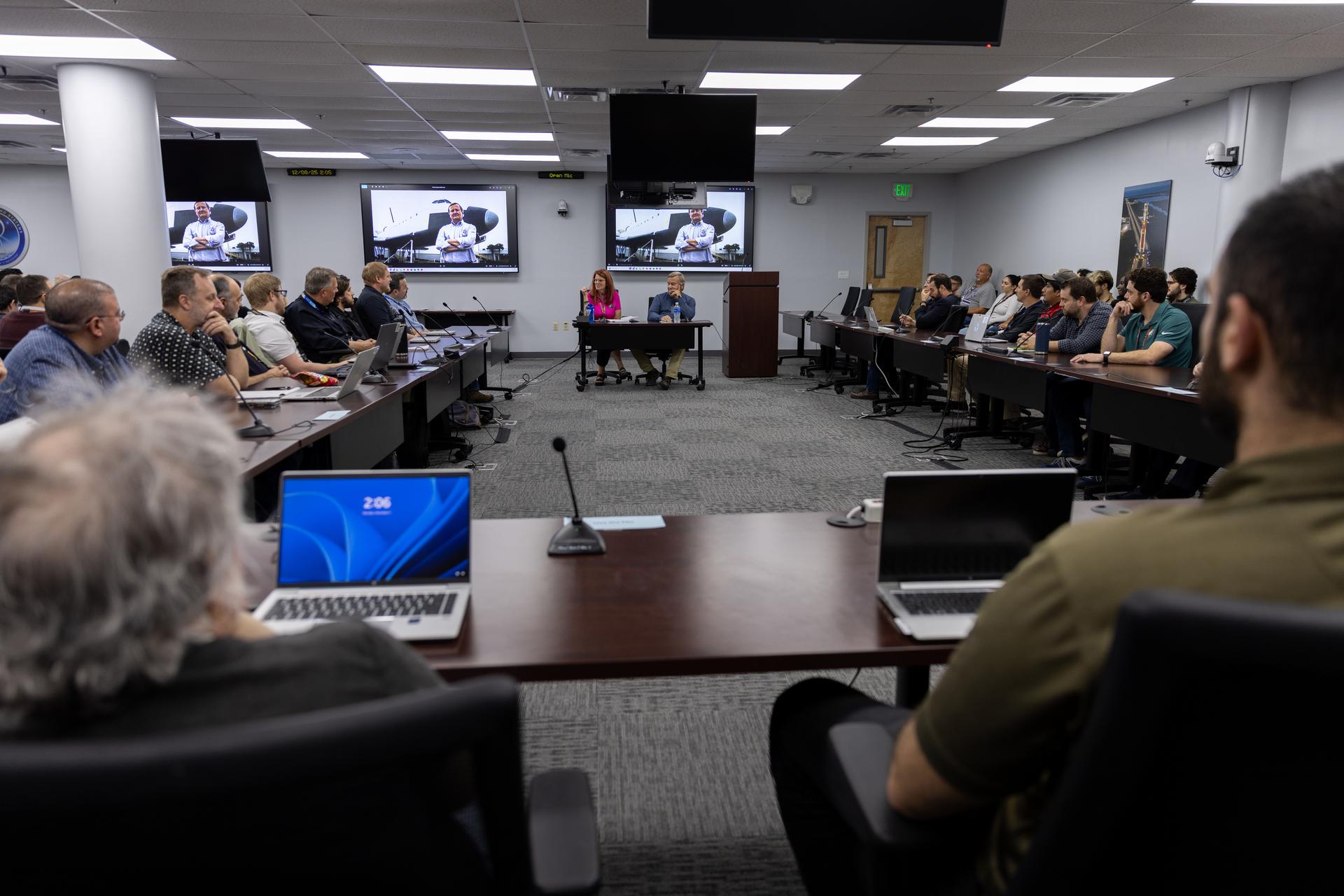
From left, Artemis Launch Director Charlie Blackwell-Thompson with the Exploration Ground Systems Program and former NASA Space Shuttle Launch Director Mike Leinbach speak during a meetup inside the Operations Support Building I at NASA’s Kennedy Space Center in Florida on Monday, Dec. 8, 2025. Leinbach spoke about his experience as the launch director for several space shuttle missions and discussed the upcoming Artemis II mission that will send four astronauts around the Moon and back in early 2026 from the spaceport’s Launch Complex 39B at NASA Kennedy.
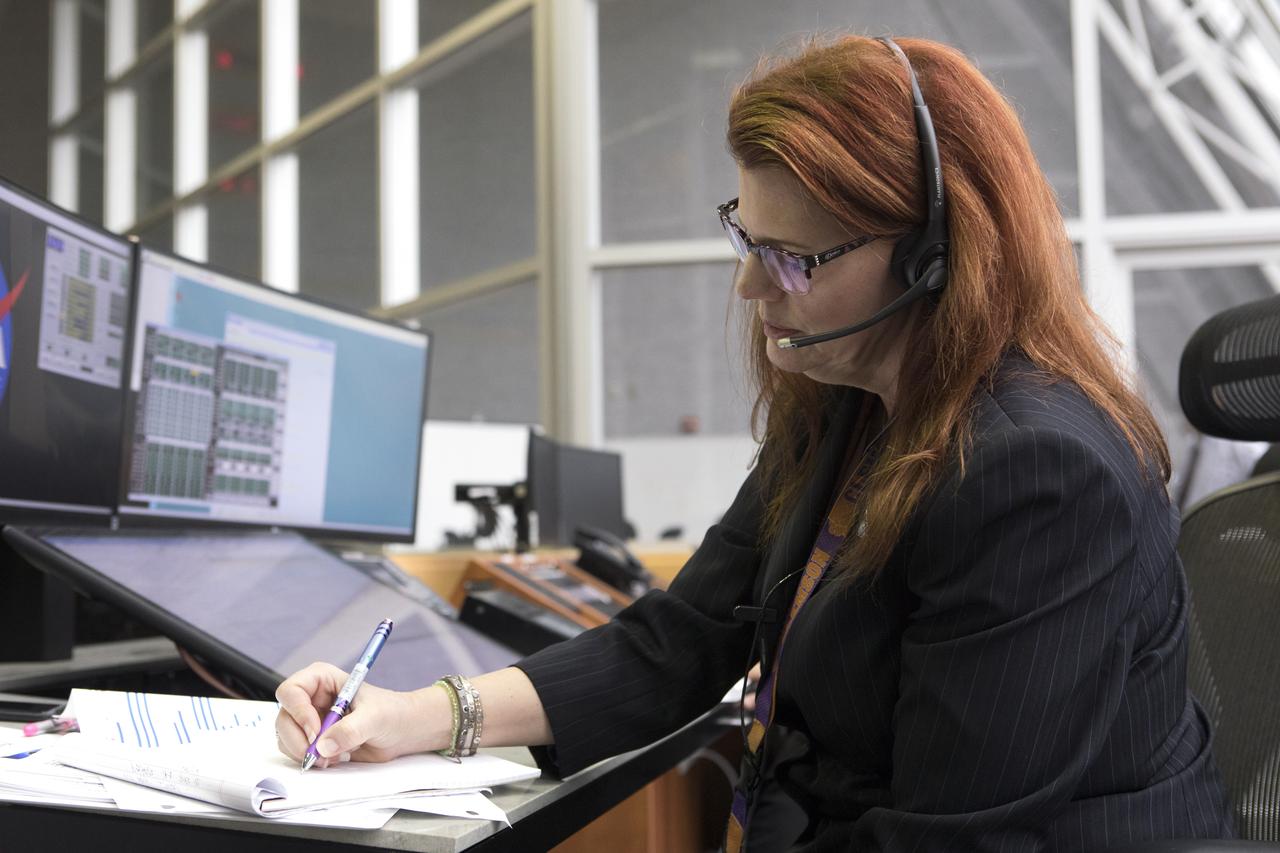
NASA Launch Director Charlie Blackwell-Thompson makes notes at her console in Firing Room 1 at the Kennedy Space Center's Launch Control Center during a terminal countdown demonstration for Exploration Mission 1, or EM-1. The launch will be the first integrated test of the Space Launch System rocket and Orion spacecraft that will eventually take astronauts beyond low-Earth orbit to destinations such as the Moon and Mars. Taking place on Dec. 14, 2018, the countdown demonstration was intended to validate the launch team's capability to perform an EM-1 countdown and respond to challenges put into the system for practice.
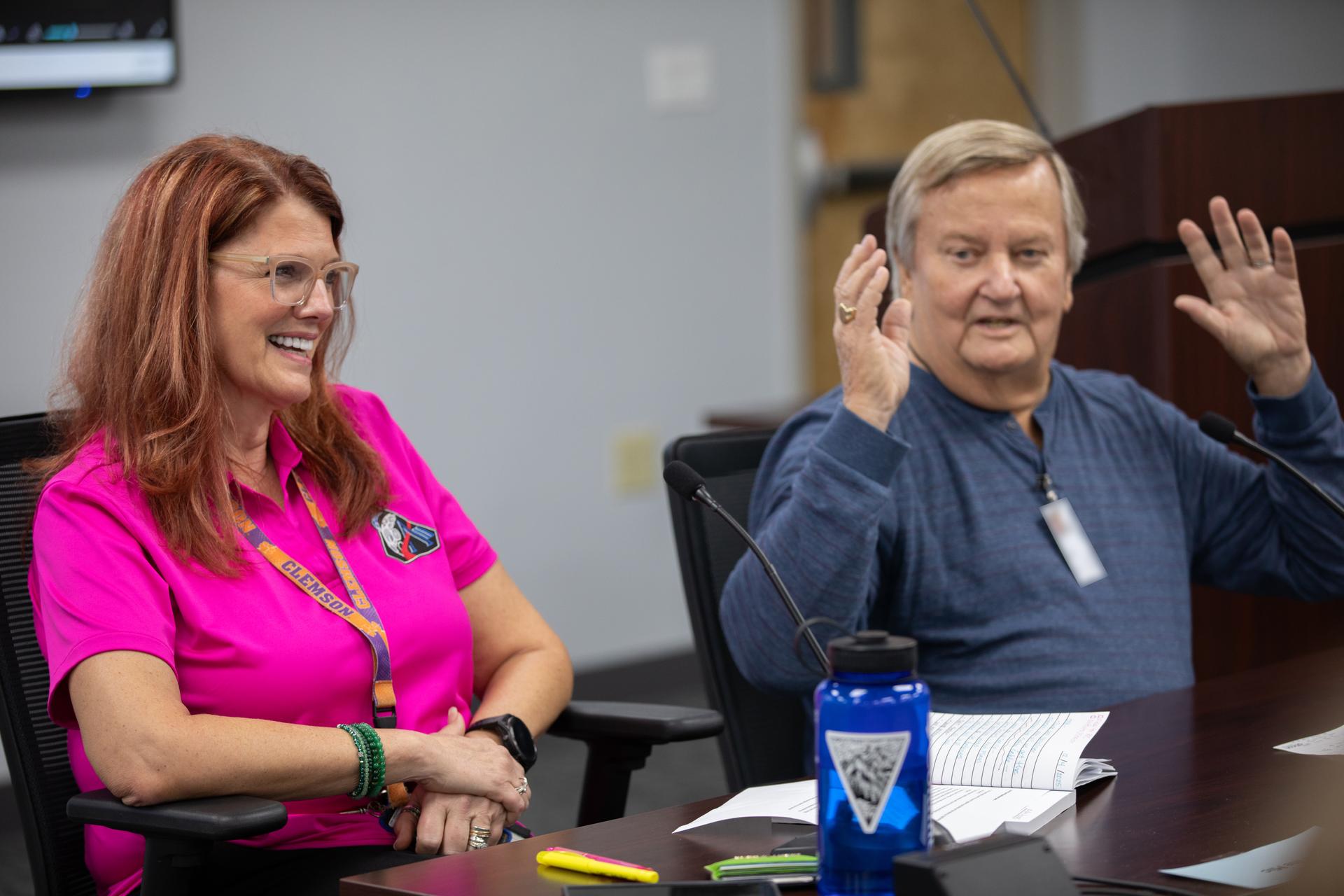
From left, Artemis Launch Director Charlie Blackwell-Thompson with the Exploration Ground Systems Program and former NASA Space Shuttle Launch Director Mike Leinbach speak during a meetup inside the Operations Support Building I at NASA’s Kennedy Space Center in Florida on Monday, Dec. 8, 2025. Leinbach spoke about his experience as the launch director for several space shuttle missions and discussed the upcoming Artemis II mission that will send four astronauts around the Moon and back in early 2026 from the spaceport’s Launch Complex 39B at NASA Kennedy.
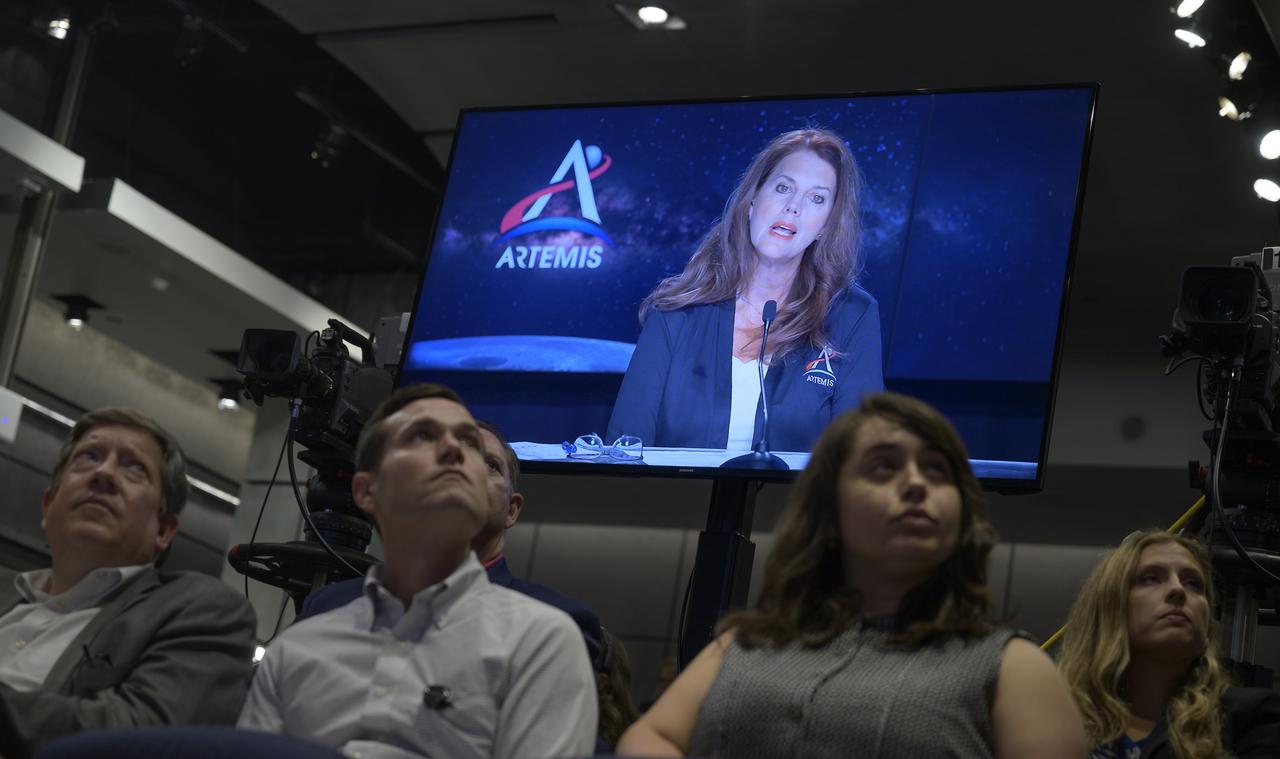
Charlie Blackwell-Thompson, Artemis I launch director at NASA's Kennedy Space Center gives remarks remotely during a NASA briefing on the Artemis I Moon mission, Wednesday, Aug. 3, 2022, at the Mary W. Jackson NASA Headquarters building in Washington. NASA’s Artemis I mission is the first integrated test of the agency’s deep space exploration systems: the Orion spacecraft, Space Launch System rocket, and supporting ground systems. Launch of the uncrewed flight test is targeted for no earlier than Monday, Aug. 29. Photo Credit: (NASA/Bill Ingalls)
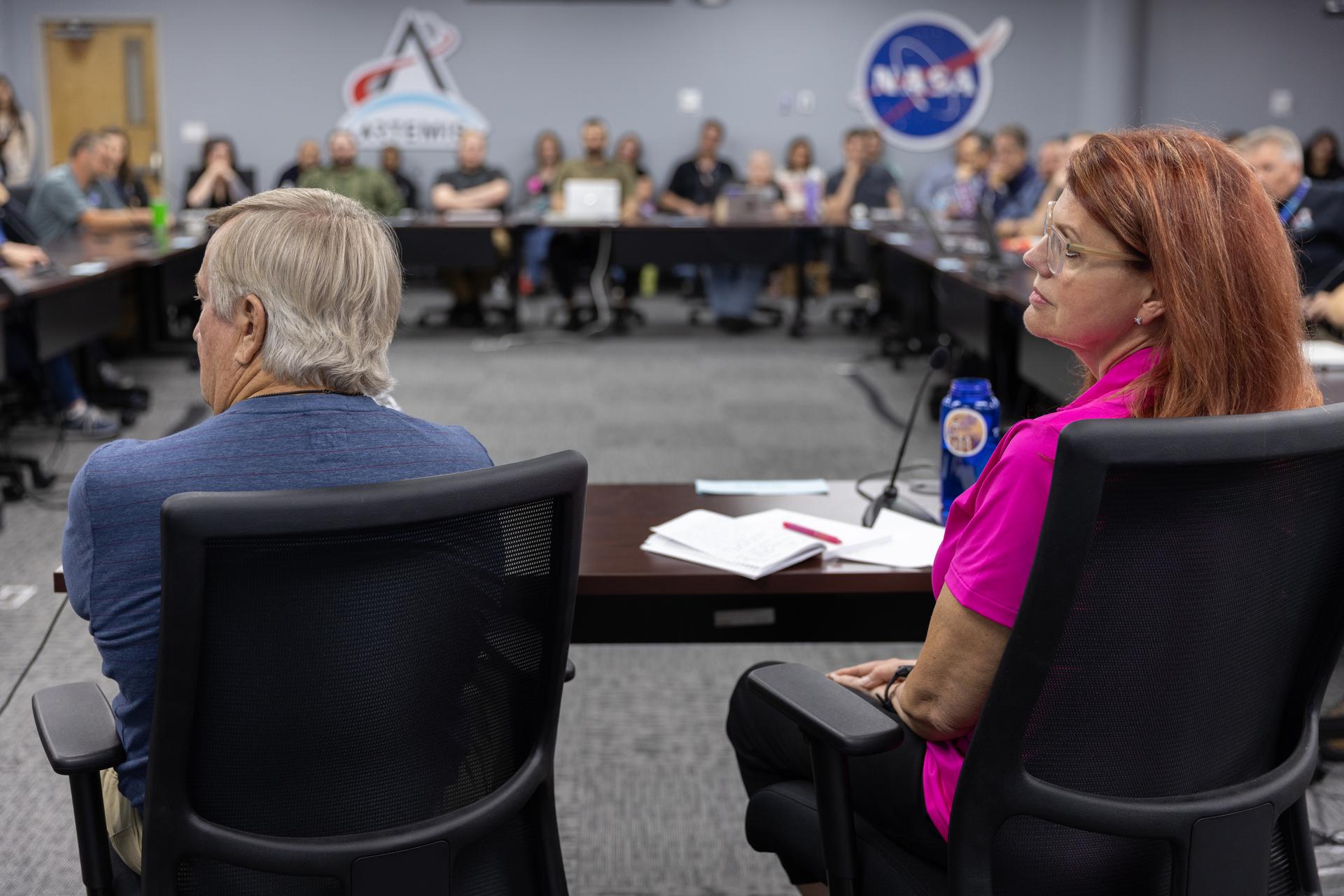
From left, Artemis Launch Director Charlie Blackwell-Thompson with the Exploration Ground Systems Program and former NASA Space Shuttle Launch Director Mike Leinbach speak during a meetup inside the Operations Support Building I at NASA’s Kennedy Space Center in Florida on Monday, Dec. 8, 2025. Leinbach spoke about his experience as the launch director for several space shuttle missions and discussed the upcoming Artemis II mission that will send four astronauts around the Moon and back in early 2026 from the spaceport’s Launch Complex 39B at NASA Kennedy.
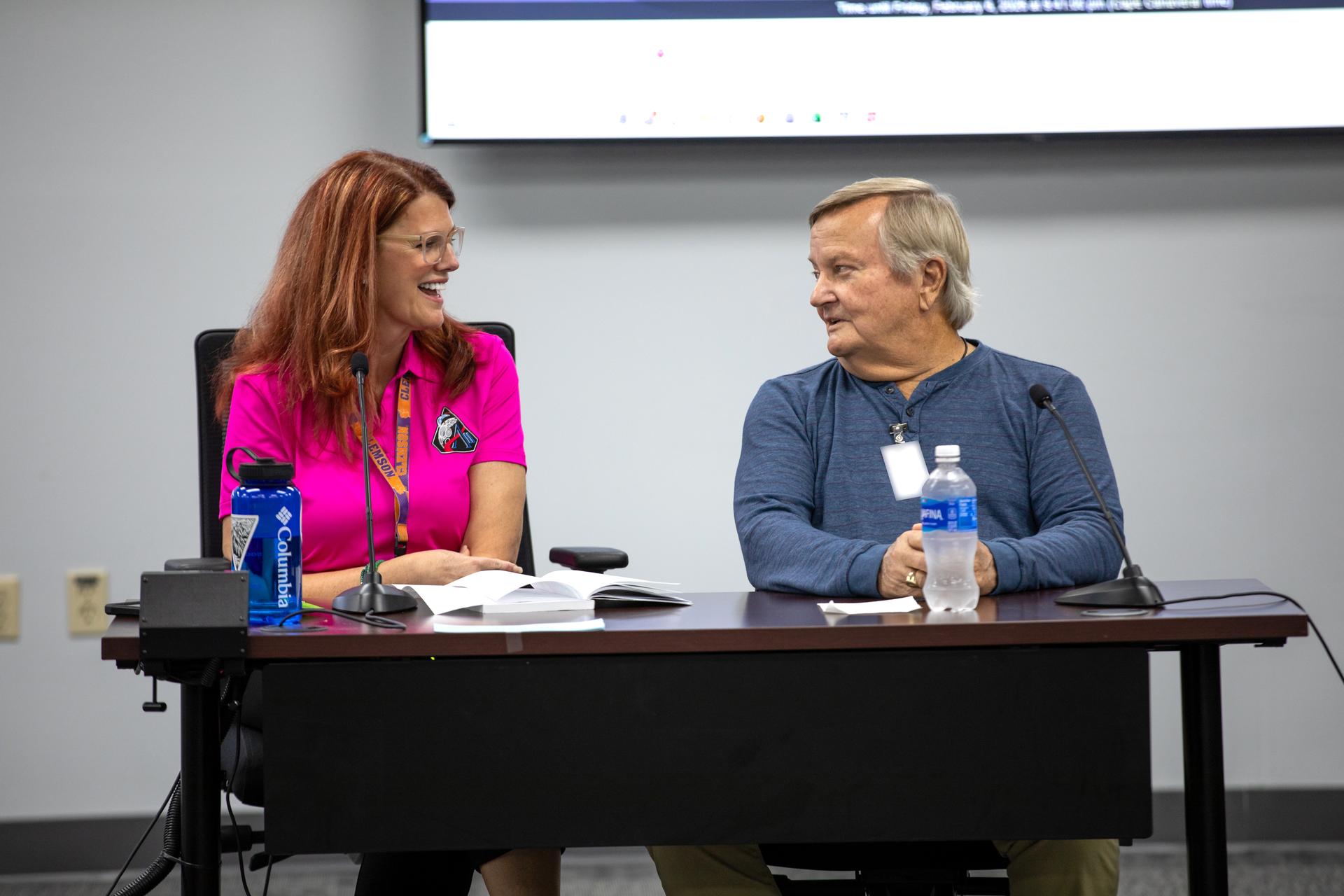
From left, Artemis Launch Director Charlie Blackwell-Thompson with the Exploration Ground Systems Program and former NASA Space Shuttle Launch Director Mike Leinbach speak during a meetup inside the Operations Support Building I at NASA’s Kennedy Space Center in Florida on Monday, Dec. 8, 2025. Leinbach spoke about his experience as the launch director for several space shuttle missions and discussed the upcoming Artemis II mission that will send four astronauts around the Moon and back in early 2026 from the spaceport’s Launch Complex 39B at NASA Kennedy.
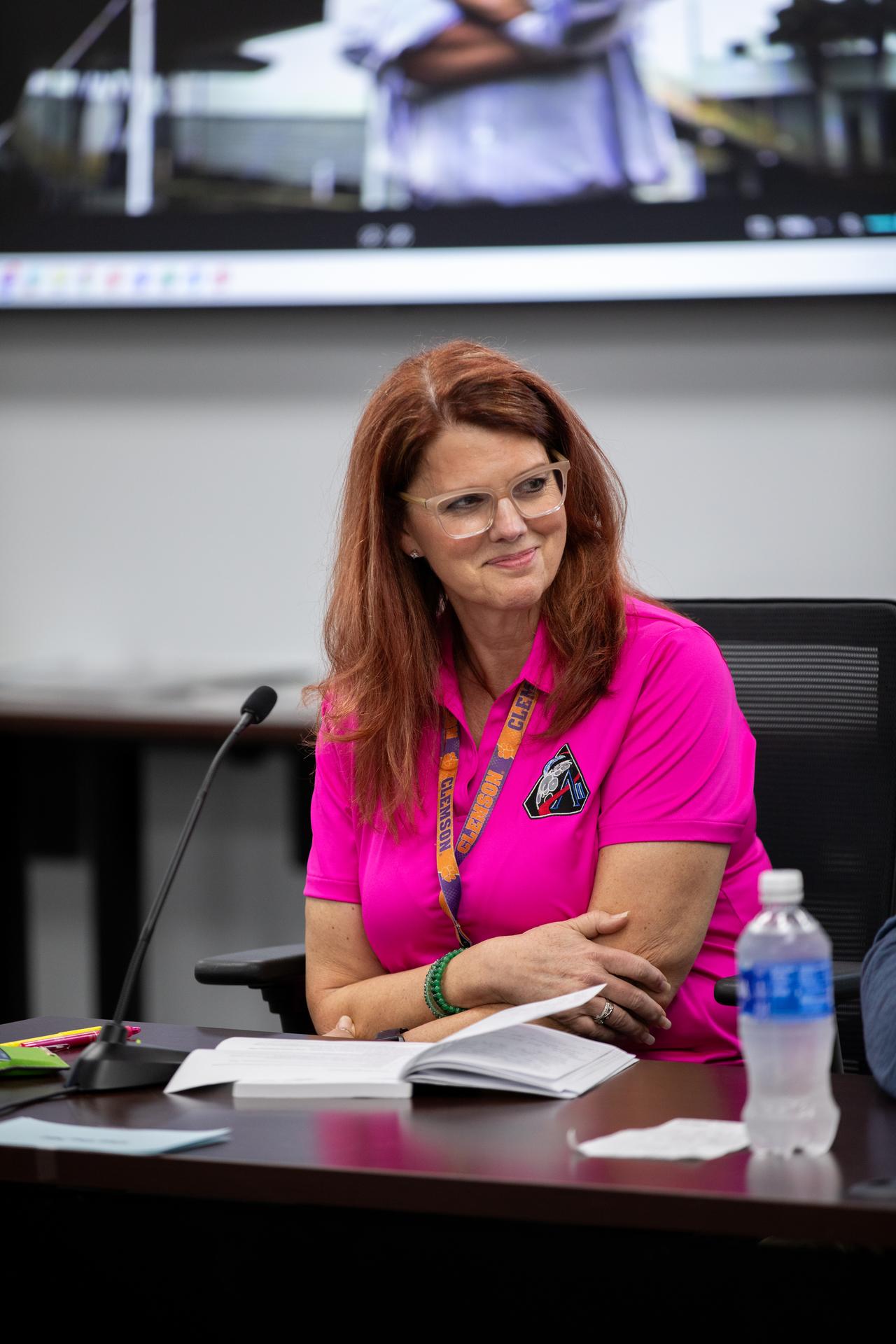
Artemis Launch Director Charlie Blackwell-Thompson with the Exploration Ground Systems Program listens during a presentation by former NASA Space Shuttle Launch Director Mike Leinbach inside the Operations Support Building I at NASA’s Kennedy Space Center in Florida on Monday, Dec. 8, 2025. Leinbach spoke about his experience as the launch director for several space shuttle missions and discussed the upcoming Artemis II mission that will send four astronauts around the Moon and back in early 2026 from the spaceport’s Launch Complex 39B at NASA Kennedy.
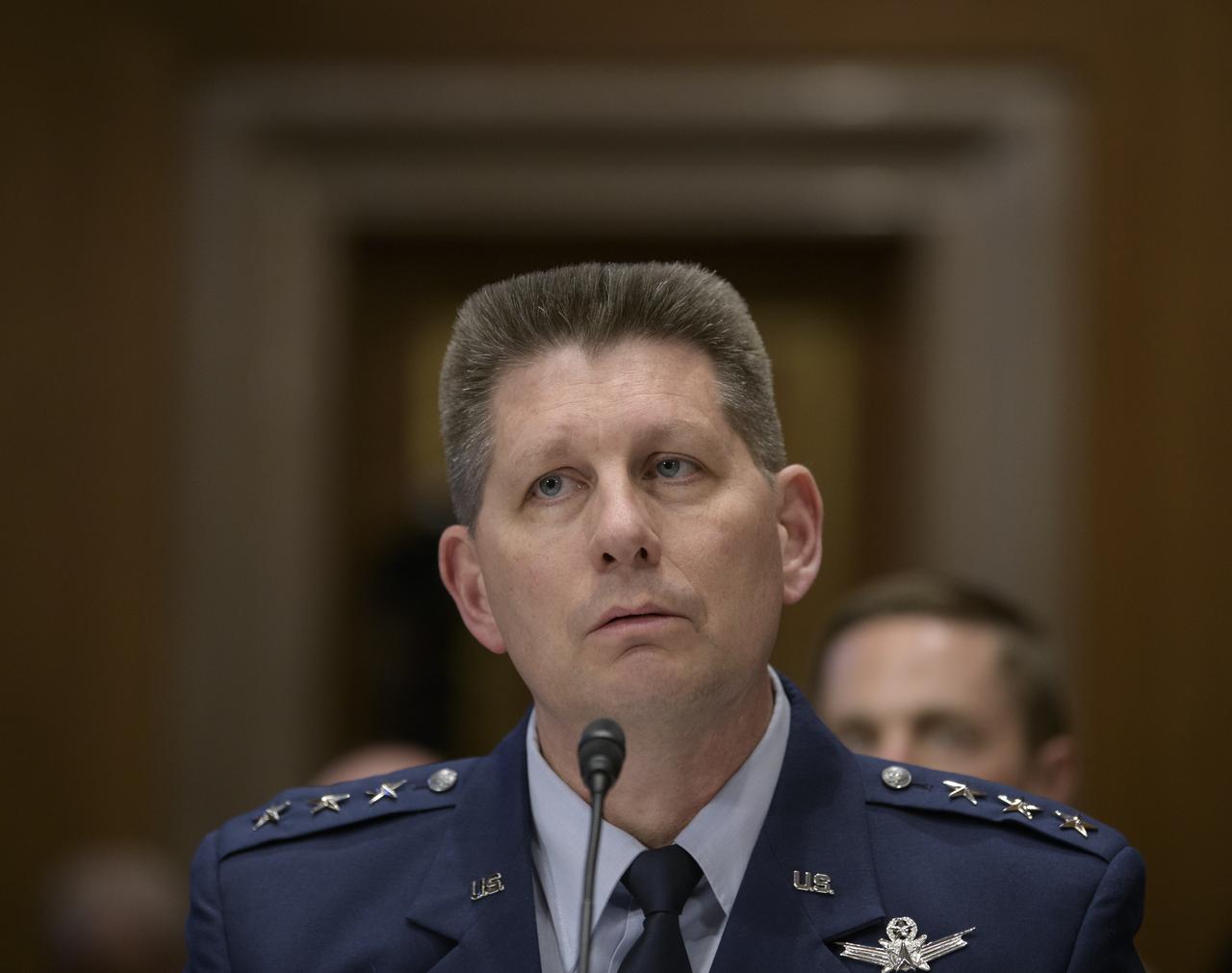
Lt. Gen. David D. Thompson, Vice Commander, Space Command, United States Air Force testifies before the Aviation and Space Subcommittee of the Senate Commerce, Science, and Transportation Committee during a hearing titled “The Emerging Space Environment: Operational, Technical, and Policy Challenges.”, Tuesday, May 14, 2019, at the Dirksen Senate Office Building in Washington. Photo Credit: (NASA/Bill Ingalls)
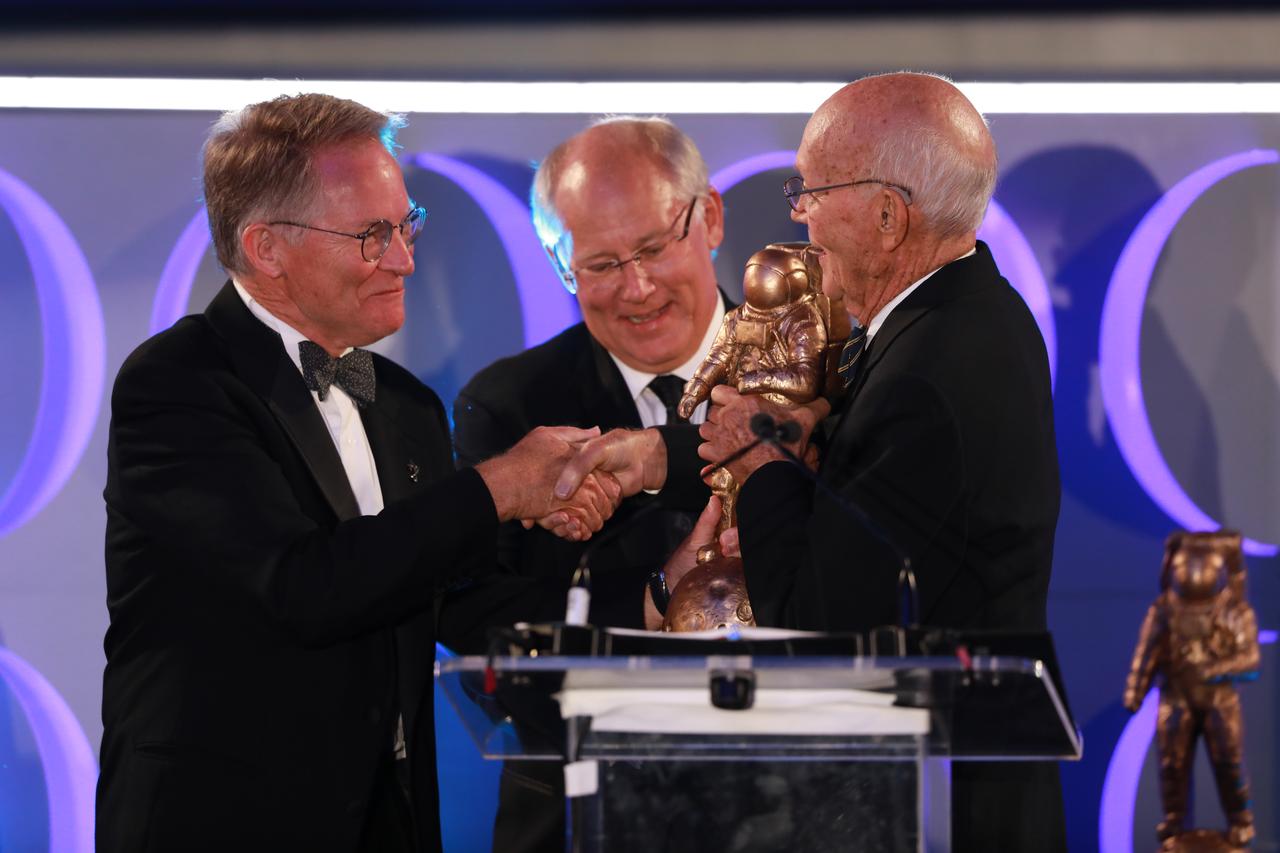
Michael Collins; right; Apollo 11 astronaut; presents the Innovation Award to David Thompson; left; founder; president and CEO of Orbital Sciences Corp (later known as Orbital ATK); during the Apollo 50th Gala on July 16; 2019. The event; presented by Northrop Grumman; was held inside the Apollo/Saturn V Center at the Kennedy Space Center Visitor Comples in Florida. In the center at the podium is Andy Aldrin; son of Apollo 11 astronaut Buzz Aldrin.
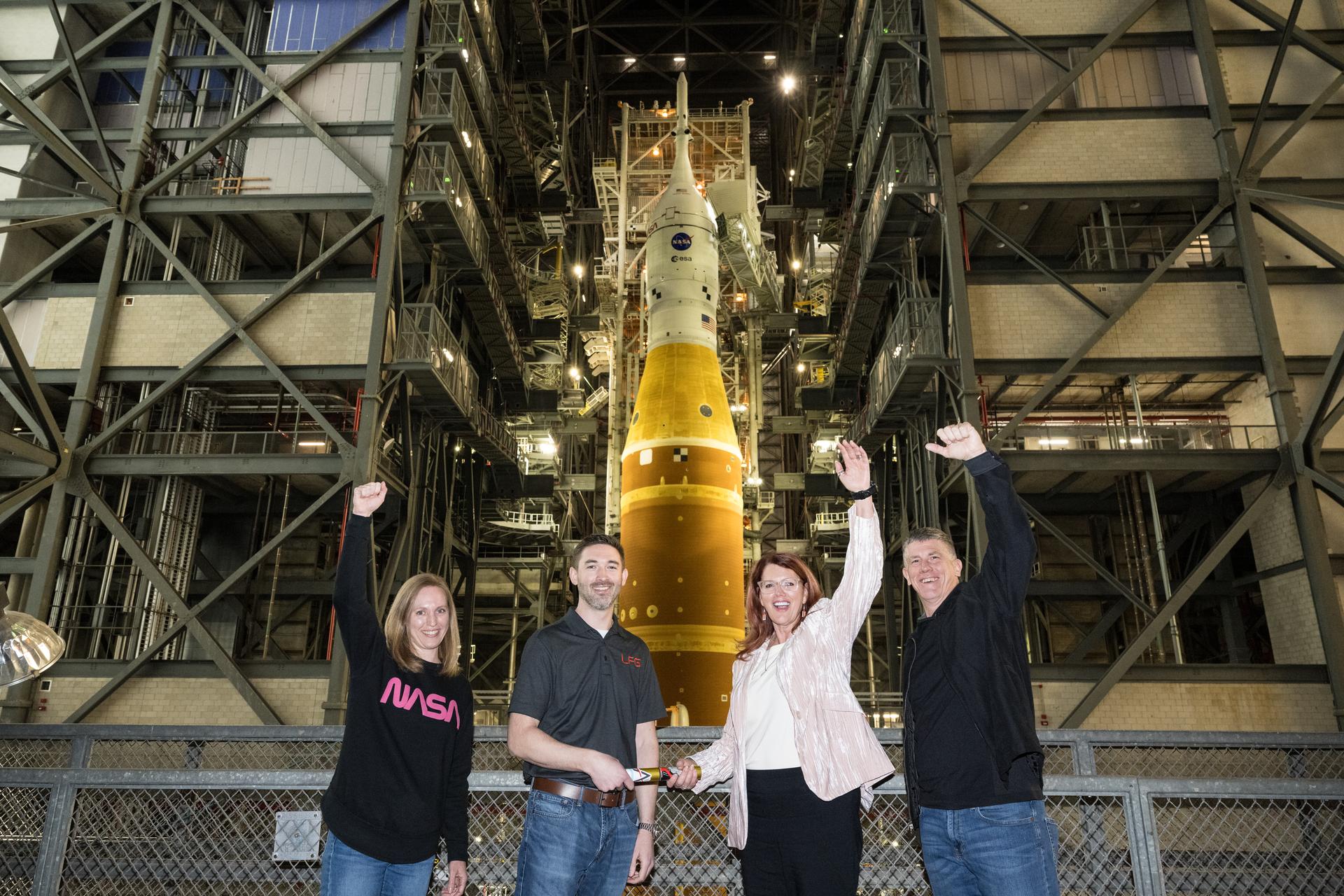
From left to right, NASA Exploration Ground System’s Cross-Program Integration Lead Allison Mjoen, Senior Vehicle Operations Manager Matt Czech, Artemis II Launch Director Charlie Blackwell-Thompson, and Artemis II Assistant Launch Director Jeremy Graeber, pose for a photo, Friday, Jan. 16, 2026, at NASA’s Kennedy Space Center in Florida, after Matt Czech passed the baton to Charlie Blackwell-Thompson signaling the teams are ready for NASA’s Artemis II SLS (Space Launch System) rocket and Orion spacecraft to depart the Vehicle Assembly building and head to Launch Complex 39B ahead of the Artemis II mission. Photo Credit: (NASA/Aubrey Gemignani)
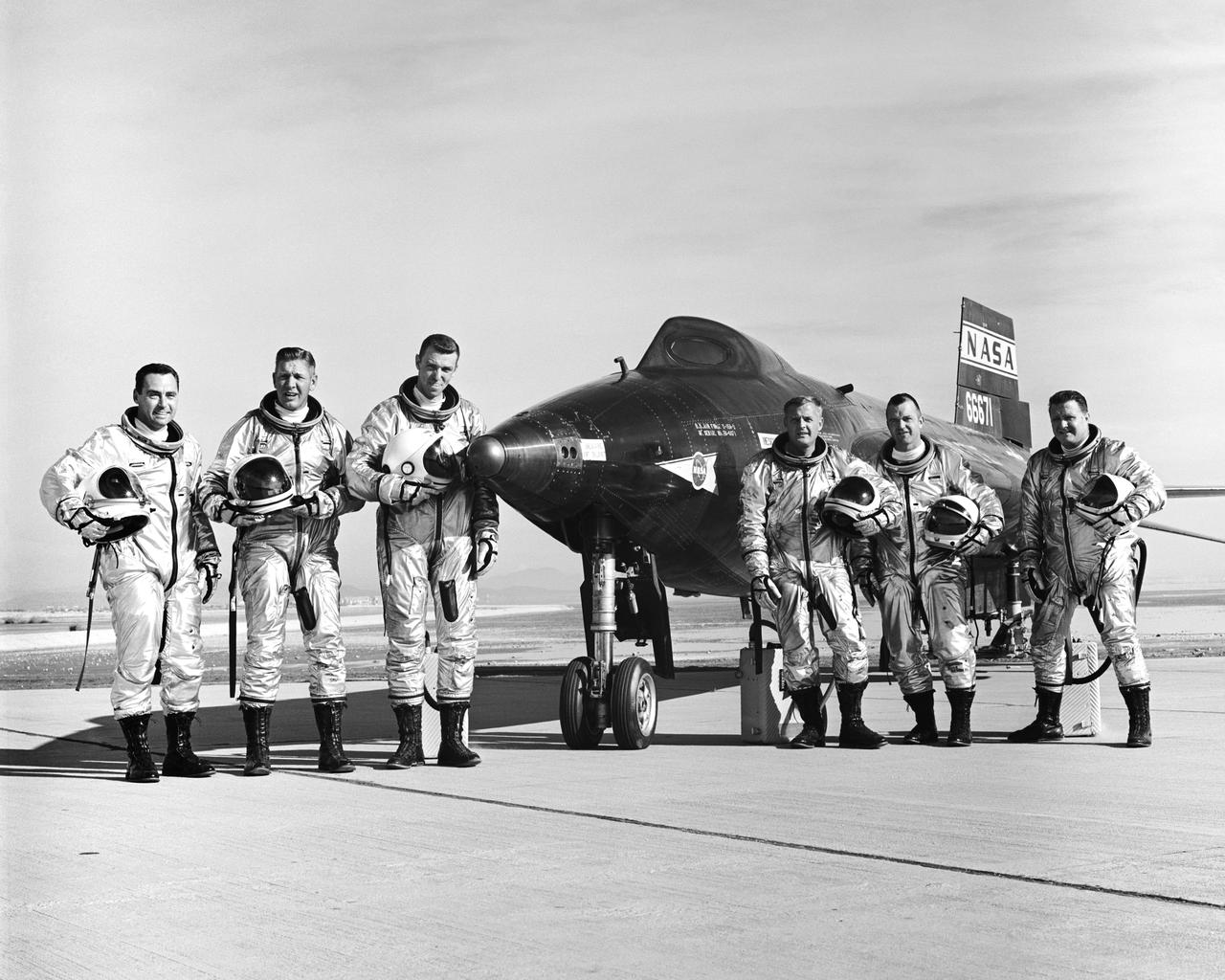
X-15 Pilots, Left to Right: Air Force pilot William J. "Pete" Knight, Air Force Major Robert A. Rushworth, Air Force Captain Joseph H. Engle, NASA pilot Milton O. Thompson, NASA pilot Bill Dana, and NASA pilot John B. "Jack" McKay.
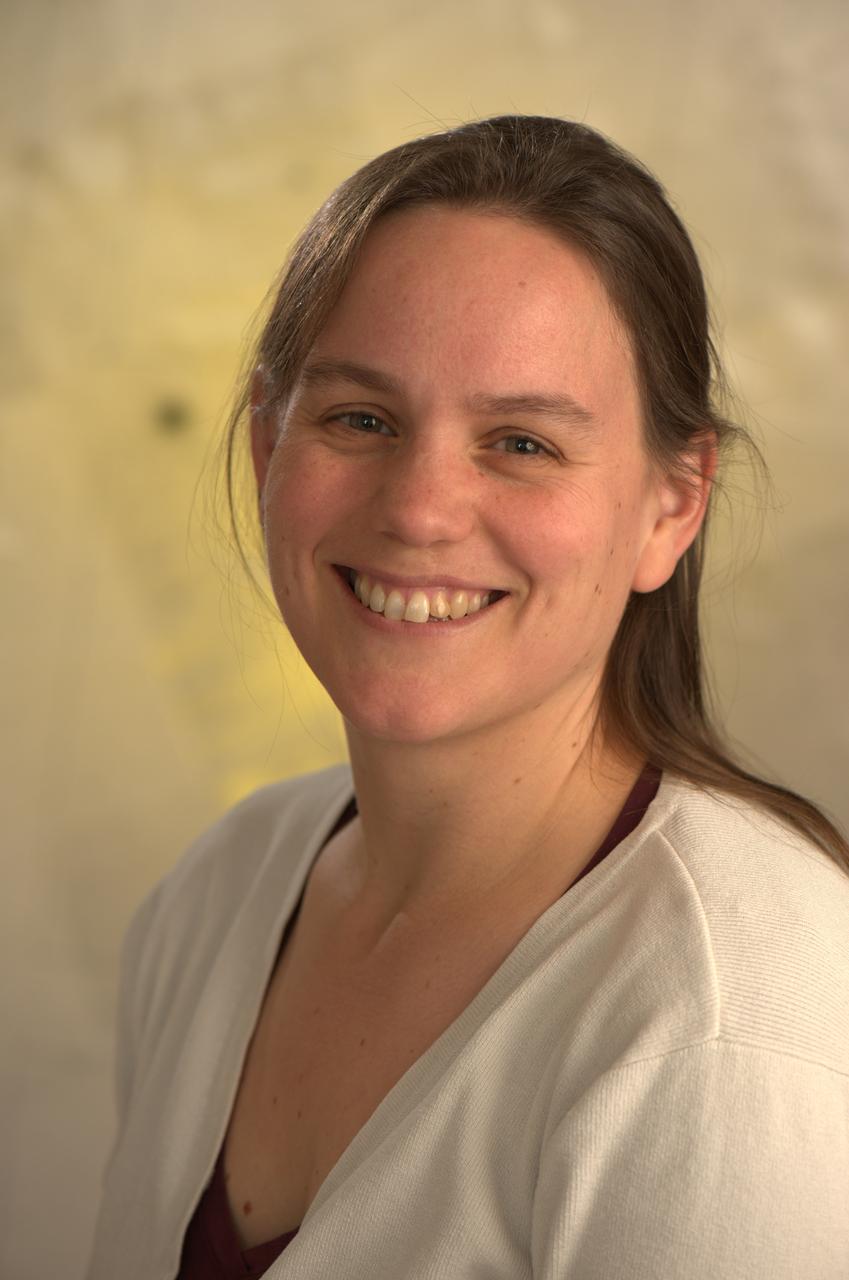
Kepler Team members Susan Thompson
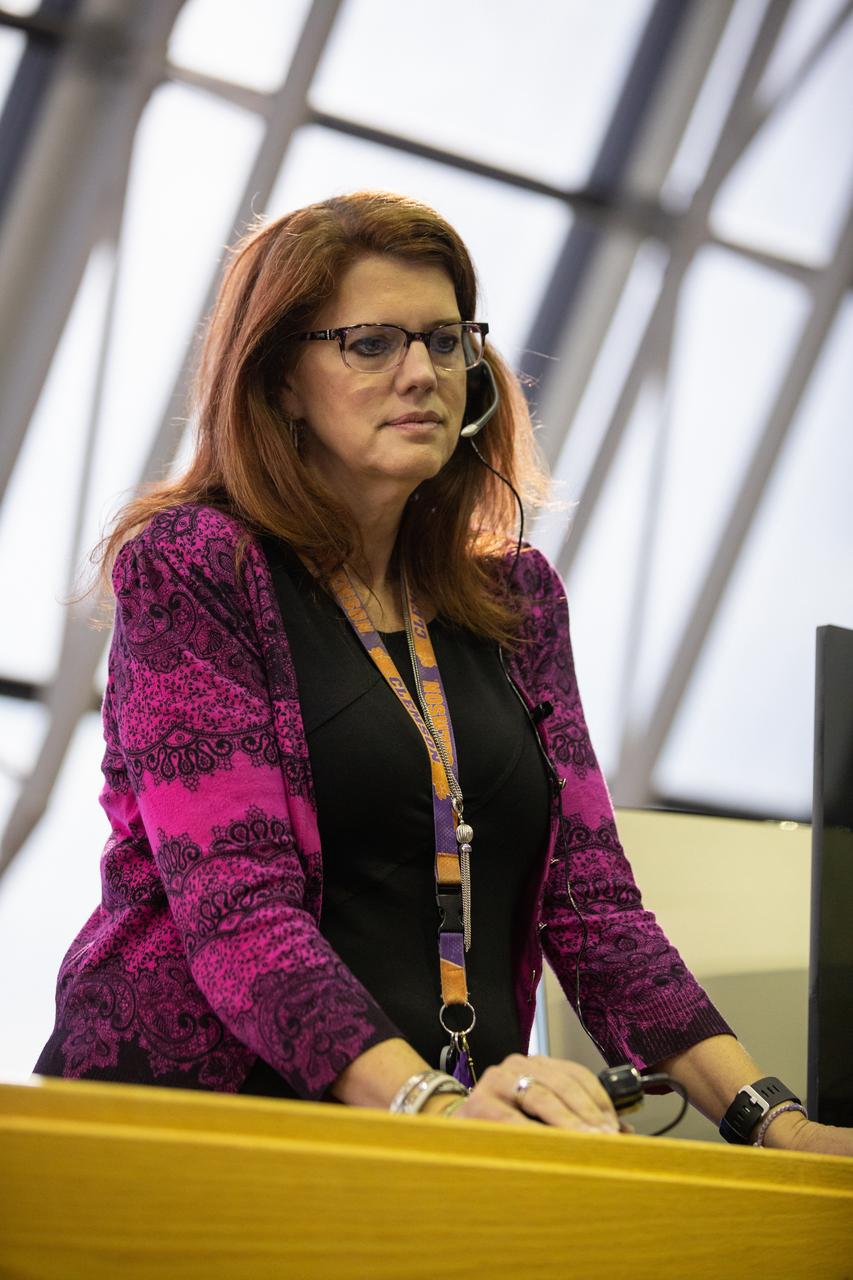
Artemis 1 Launch Director Charlie Blackwell-Thompson leads the launch team through validation testing inside Firing Room 1 in the Launch Control Center at NASA’s Kennedy Space Center in Florida on July 11, 2019. The team includes personnel with NASA’s Exploration Ground Systems (EGS) and Jacobs Test and Operations Contract (TOSC). The simulation was designed to validate the firing room consoles and communications systems, as well as the new Spaceport Command and Control System (SCCS), which will operate, monitor and coordinate ground equipment in preparation for Artemis 1, the uncrewed first flight of the Space Launch System rocket and Orion spacecraft.

Artemis 1 Launch Director Charlie Blackwell-Thompson leads the launch team, including personnel with NASA’s Exploration Ground Systems (EGS) and Jacobs Test and Operations Contract (TOSC), through validation testing inside Firing Room 1 in the Launch Control Center at NASA’s Kennedy Space Center in Florida on July 11, 2019. The simulation was designed to validate the firing room consoles and communications systems, as well as the new Spaceport Command and Control System (SCCS), which will operate, monitor and coordinate ground equipment in preparation for Artemis 1, the uncrewed first flight of the Space Launch System rocket and Orion spacecraft.
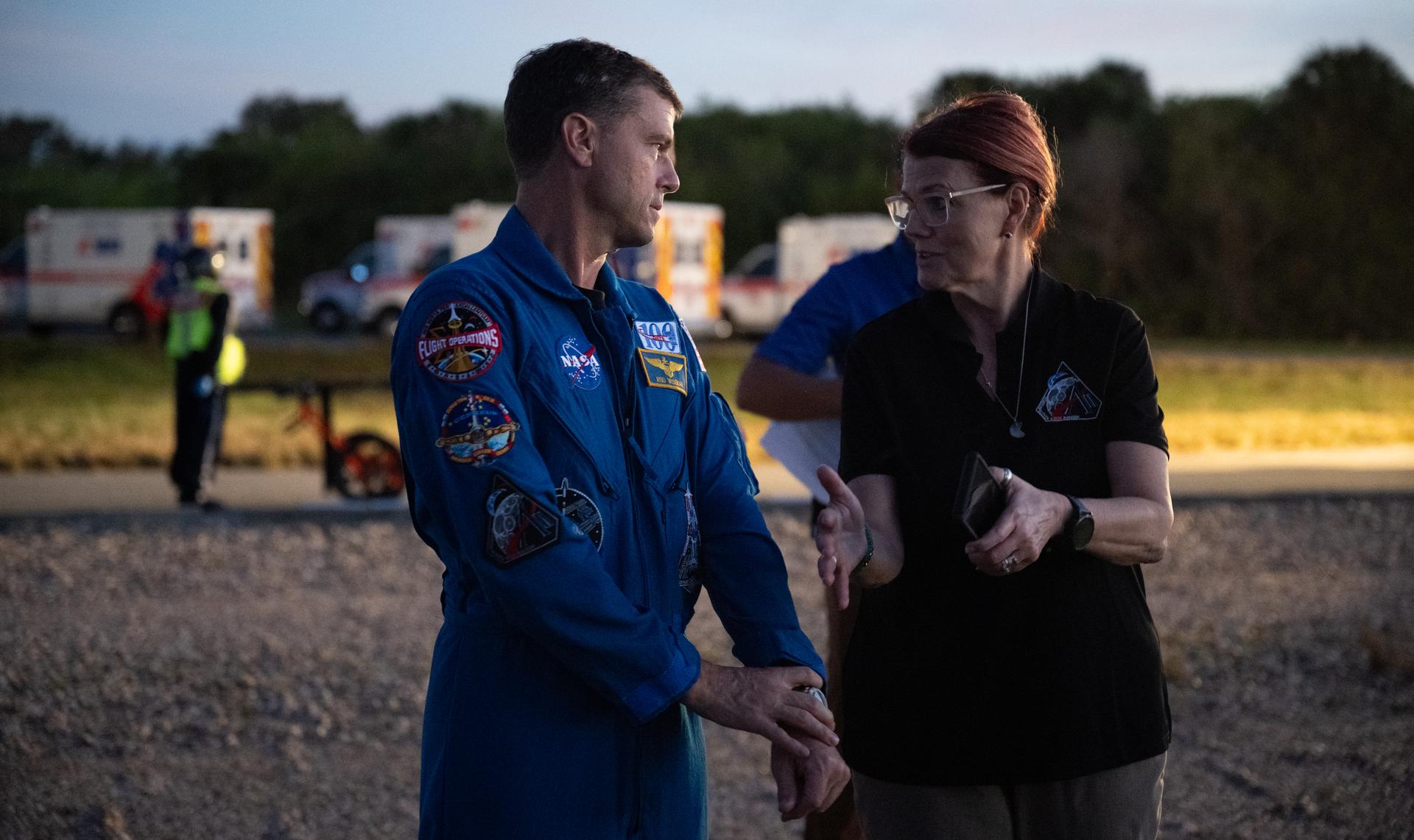
NASA astronaut Reid Wiseman, Artemis II commander, and Charline Blackwell-Thompson, Artemis II Launch Director, talk as teams at NASA's Kennedy Space Center in Florida practiced various emergency rescue training scenarios with the Artemis II crew, Friday, Dec. 19, 2025, ahead of the Artemis II mission. In the unlikely event of an emergency during launch countdown at Launch Complex 39B, personnel will be transported in mine-resistant ambush protected vehicles, or MRAPS, from the pad and to one of the triage site locations at Kennedy. Photo Credit: (NASA/Joel Kowsky)
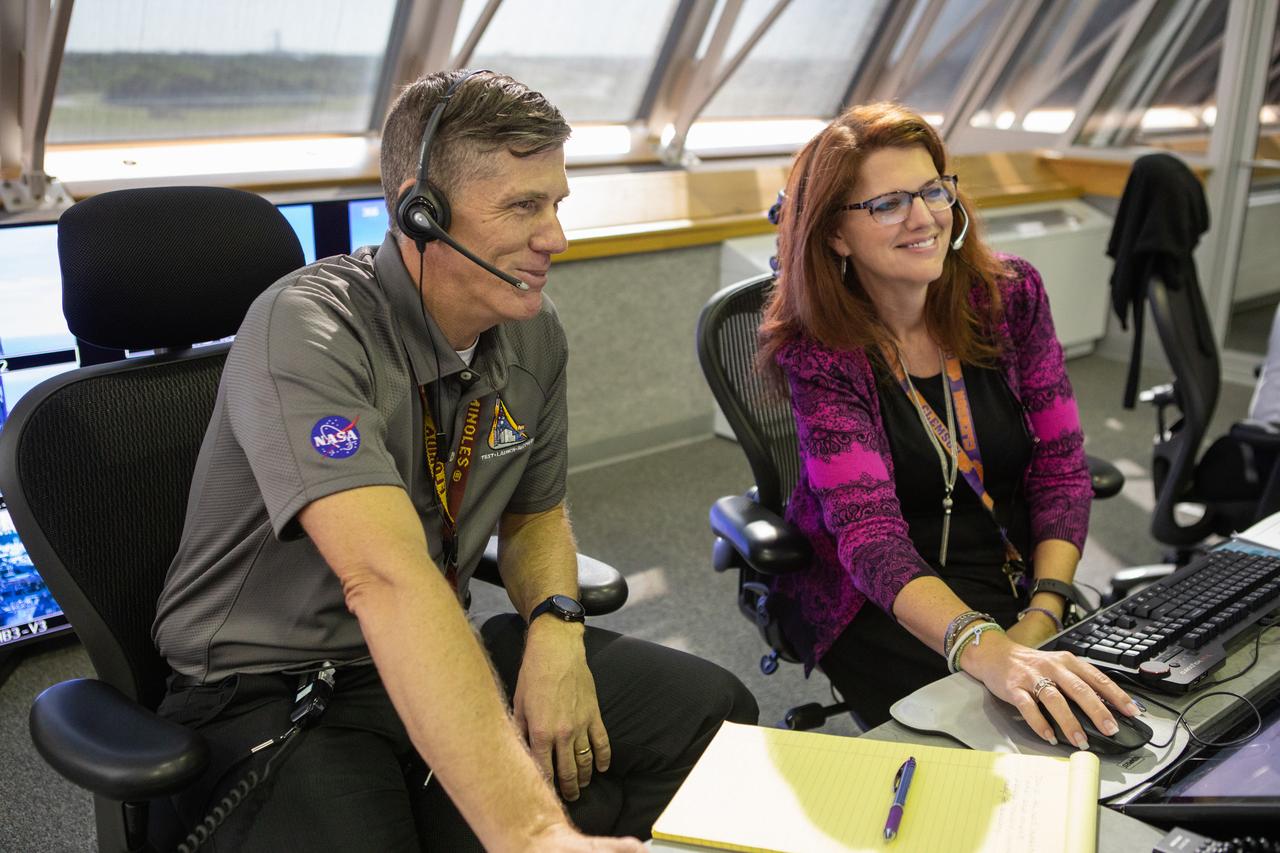
From left, Jeremy Graeber, chief NASA test director, and Charlie Blackwell-Thompson, Artemis 1 launch director, participate in validation testing inside Firing Room 1 in the Launch Control Center at NASA’s Kennedy Space Center in Florida on July 11, 2019. The launch team includes personnel with NASA’s Exploration Ground Systems (EGS) and Jacobs Test and Operations Contract (TOSC). The simulation was designed to validate the firing room consoles and communications systems, as well as the new Spaceport Command and Control System (SCCS), which will operate, monitor and coordinate ground equipment in preparation for Artemis 1, the uncrewed first flight of the Space Launch System rocket and Orion spacecraft.