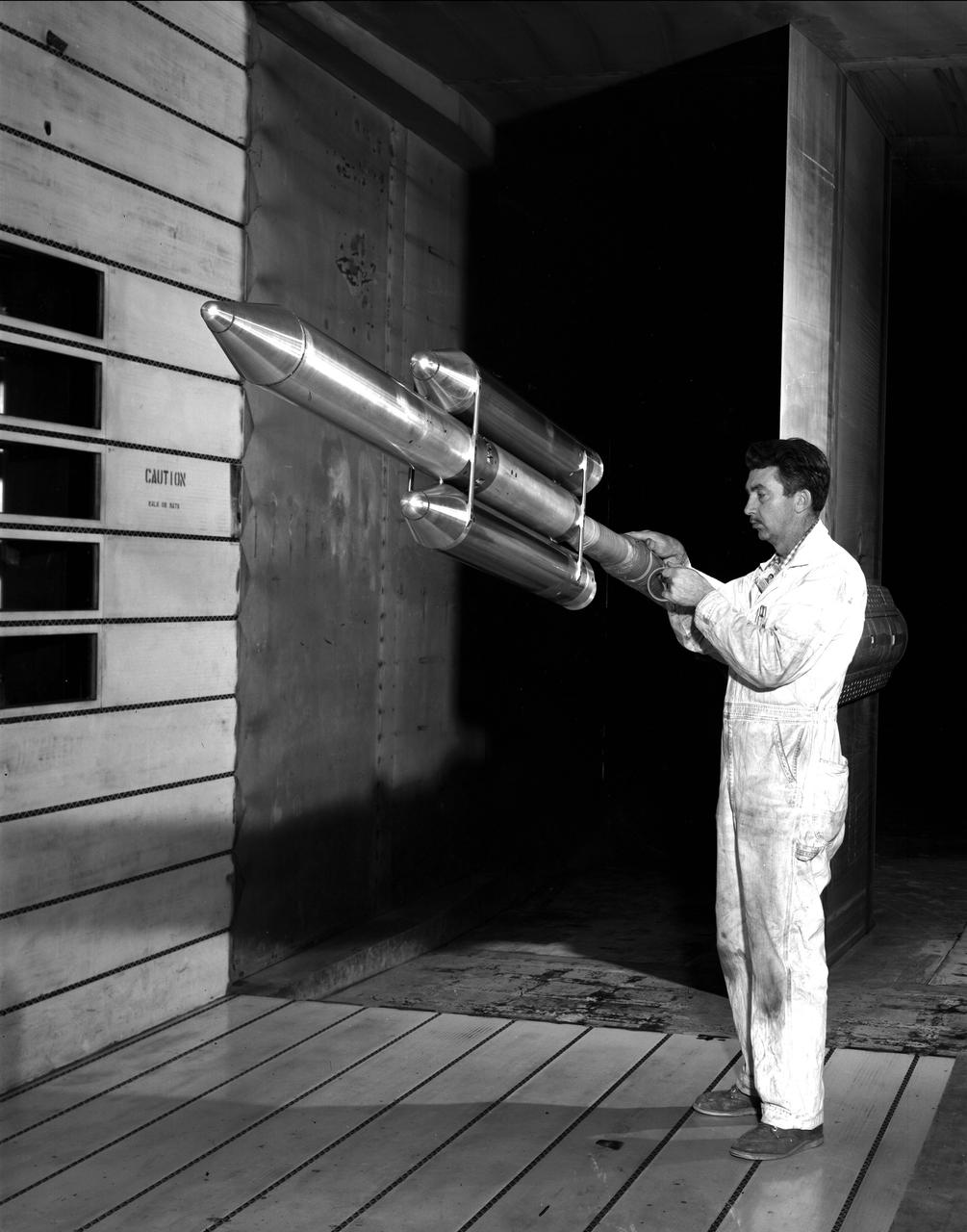
TITAN III in 14ft wind tunnel
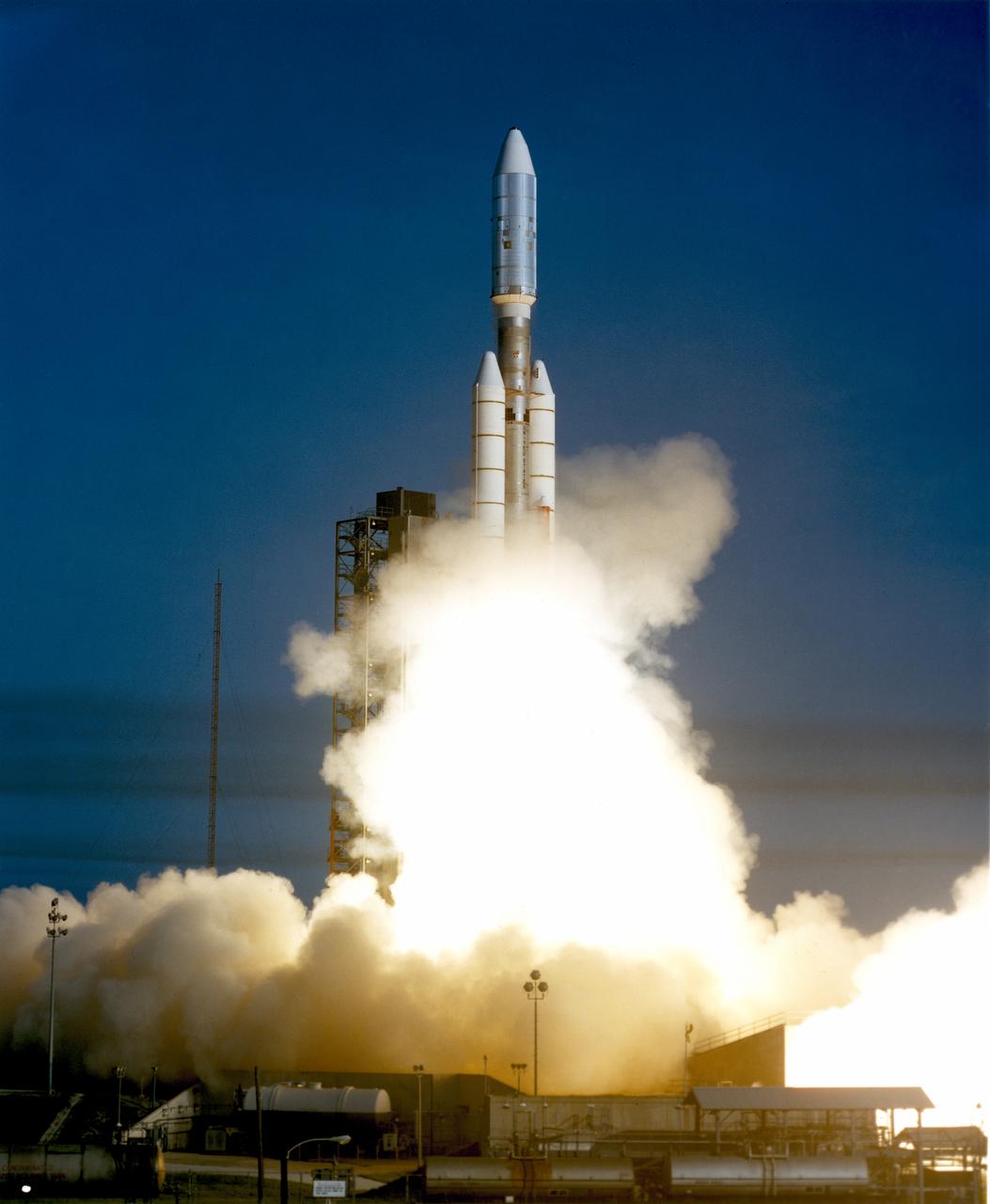
The Voyager 1 aboard the Titan III/Centaur lifted off on September 5, 1977, joining its sister spacecraft, the Voyager 2, on a mission to the outer planets.
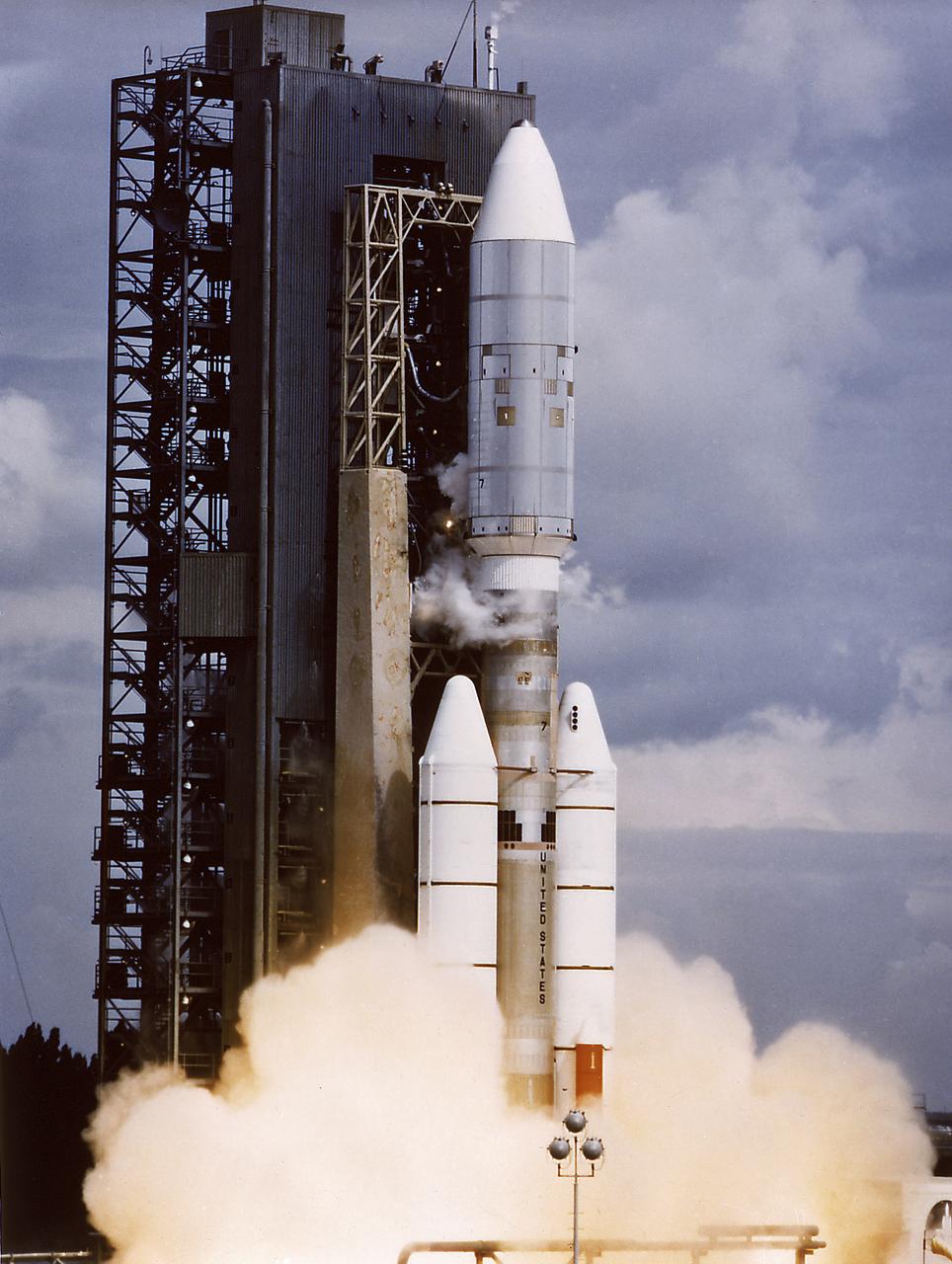
The Voyager 2 aboard Titan III-Centaur launch vehicle lifted off on August 20, 1977. The Voyager 2 was a scientific satellite to study the Jupiter and the Saturn planetary systems including their satellites and Saturn's rings.
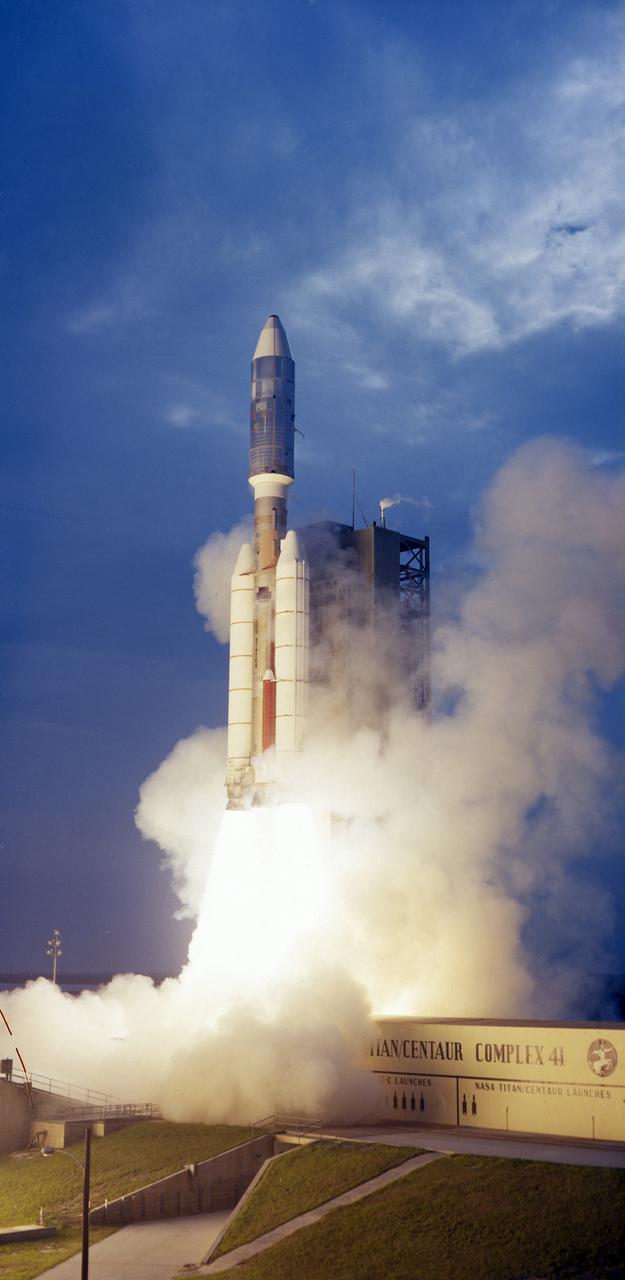
The Titan III-Centaur carrying the Viking 1 Lander lifted off on August 20, 1975. The Viking Lander conducted a detailed scientific investigation of the planet Mars.
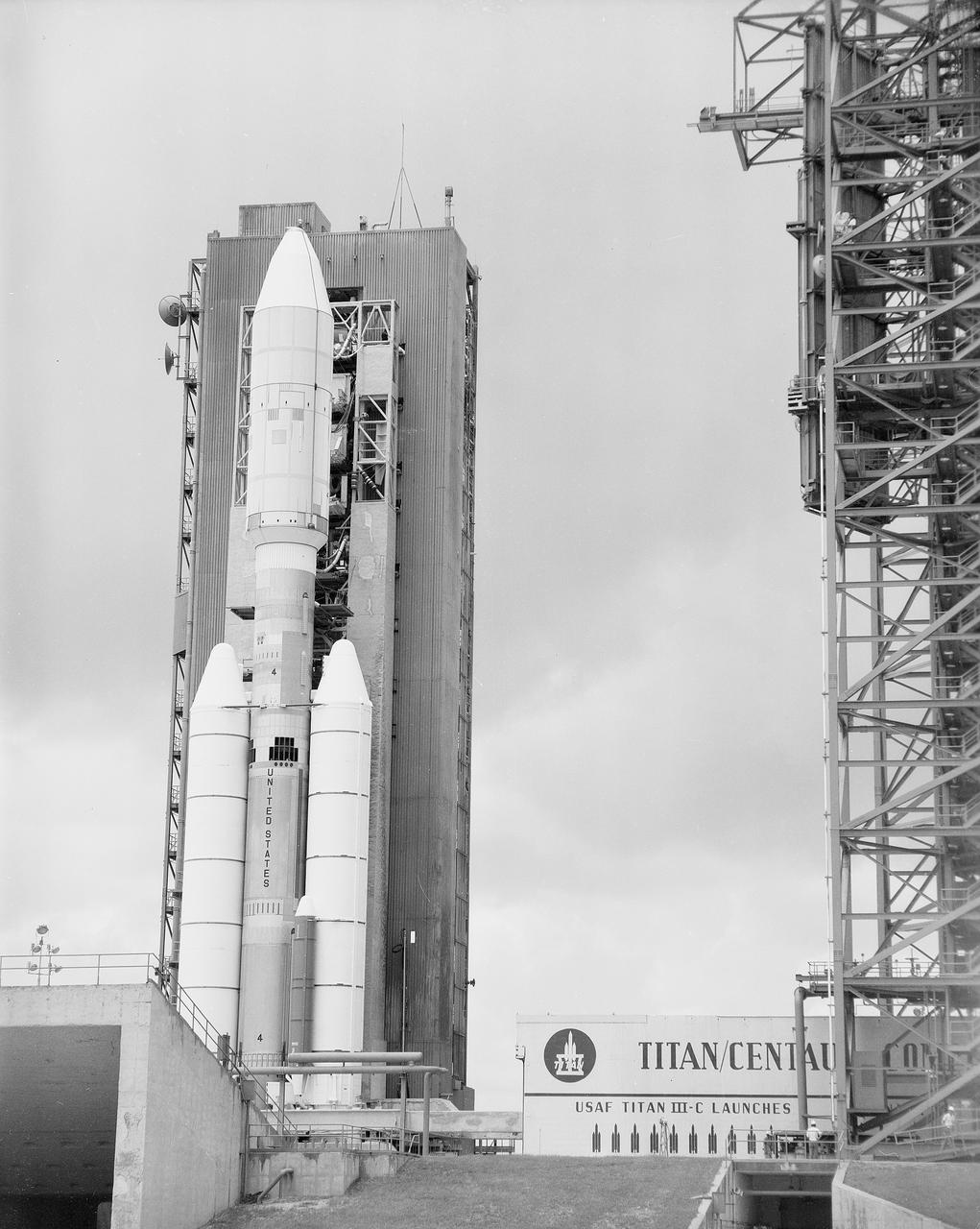
The Titan III/Centaur, Viking 1, is sitting on the launch pad ready for blast off. The launch occurred on August 20, 1975. The mission was for the scientific investigation of Mars, and United States’ first attempt to soft land a spacecraft on another planet.
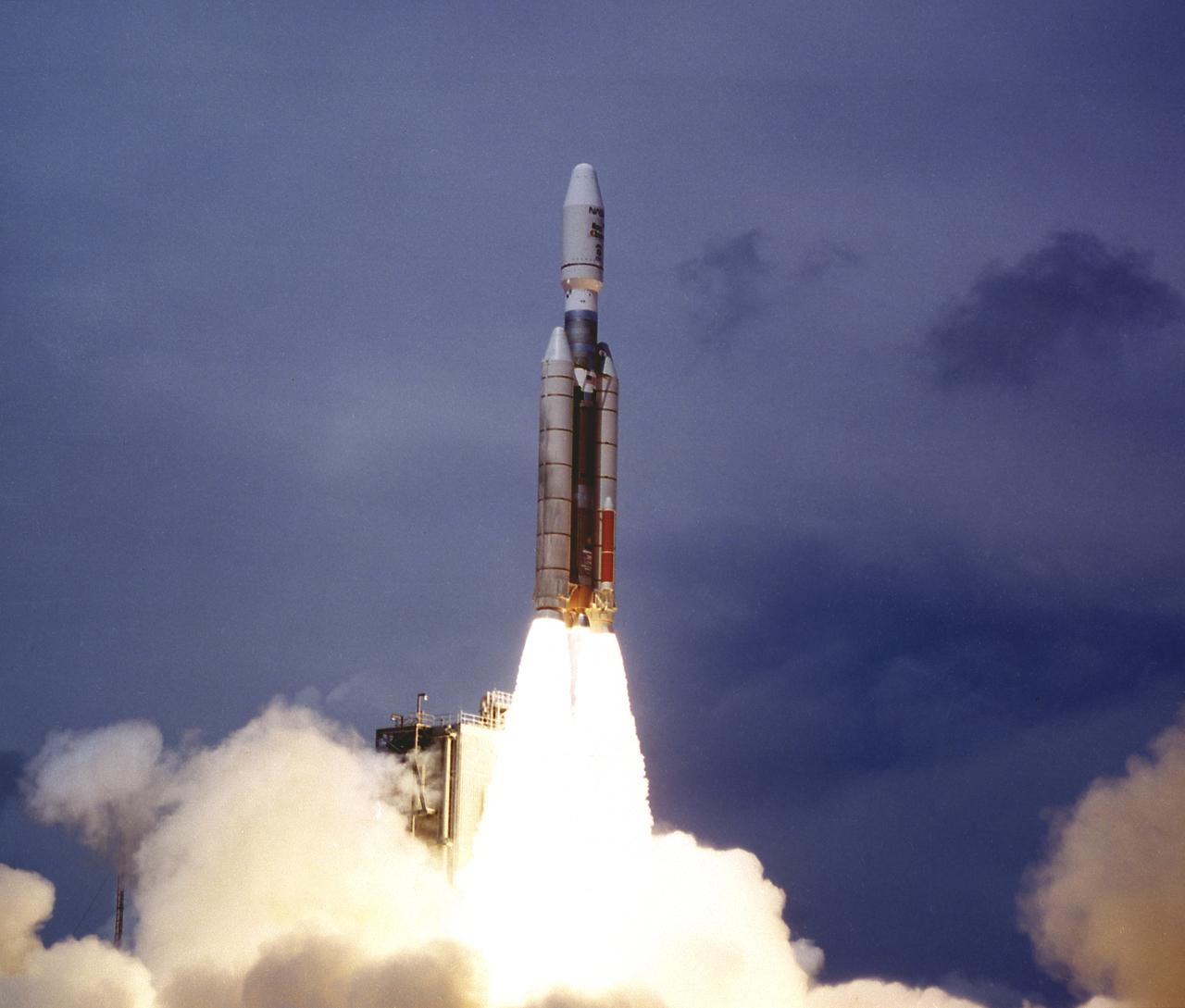
Titan III vehicle launched the Mars Observer spacecraft and the Transfer Orbit Stage (TOS) from the Cape Canaveral Air Force Station on September 25, 1992. Managed by the Marshall Space Flight Center (MSFC), TOS will fire to send the Observer on an 11-month interplanetary journey to the Mars. The Observer failed to reach the Mars orbit in August 1993.
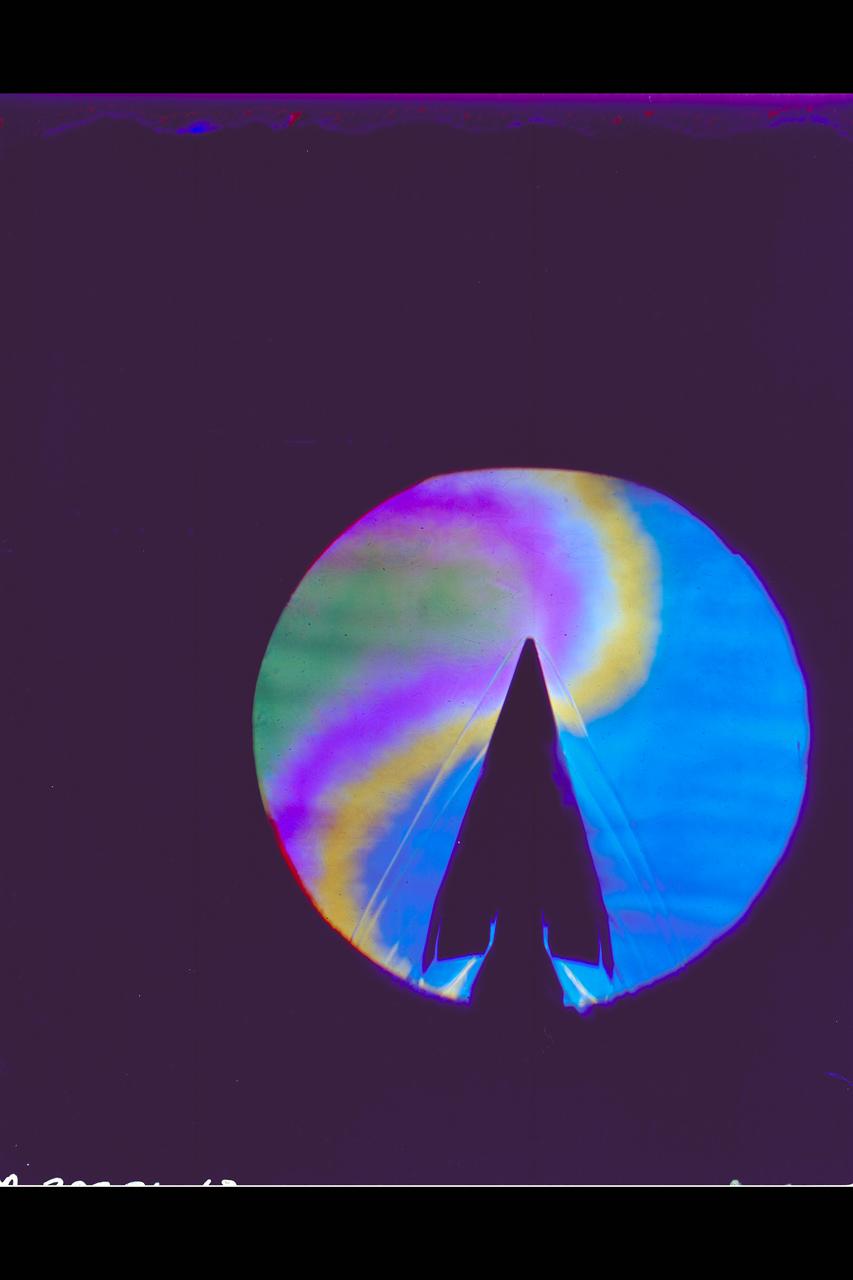
X-20 Dyna Soar on 624-A Titan III Booster: Schlieren
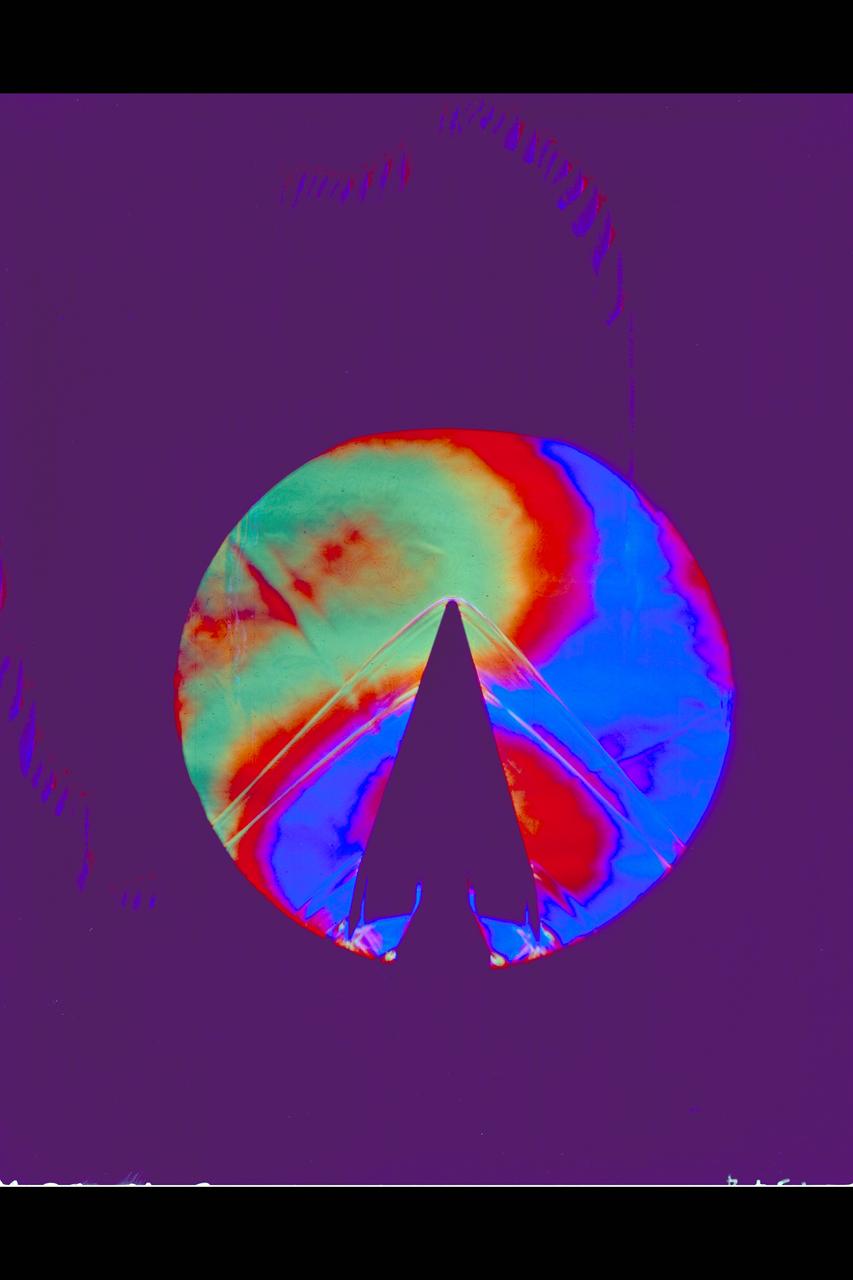
Schlieren of X-20 Dyna Soar mounted on 624-A Titan III Booster
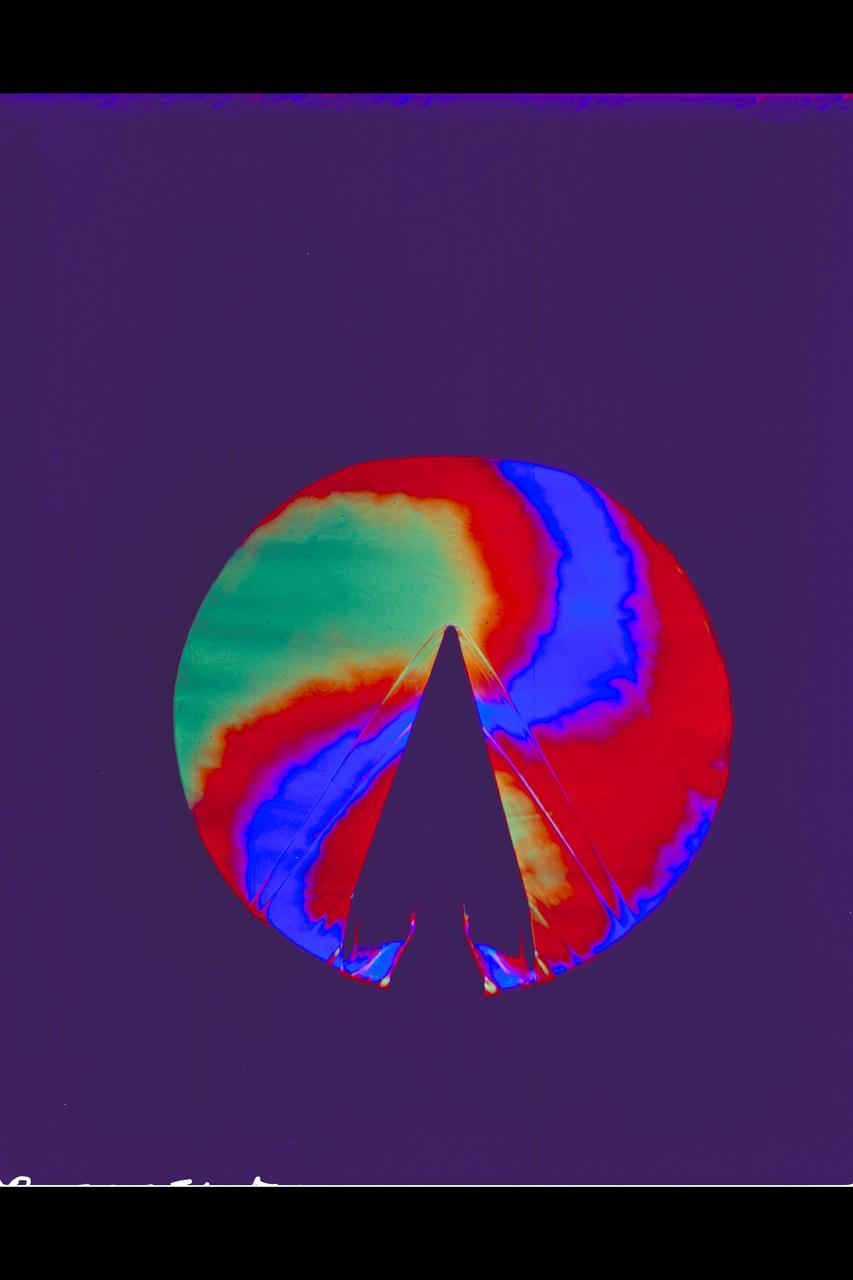
X-20 Dyna Soar on 624-A Titan III Booster: Schlieren
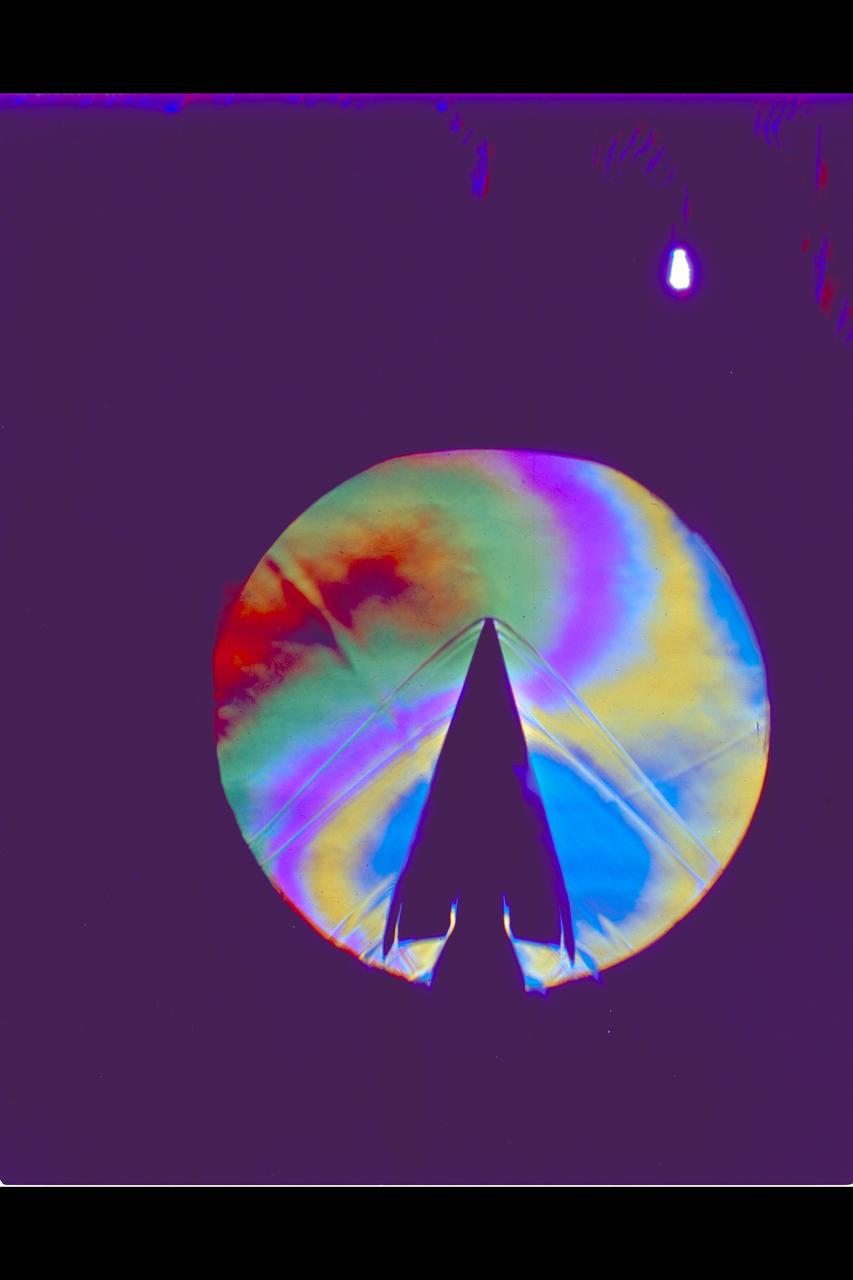
X-20 Dyna Soar on 624-A Titan III Booster: Schlieren
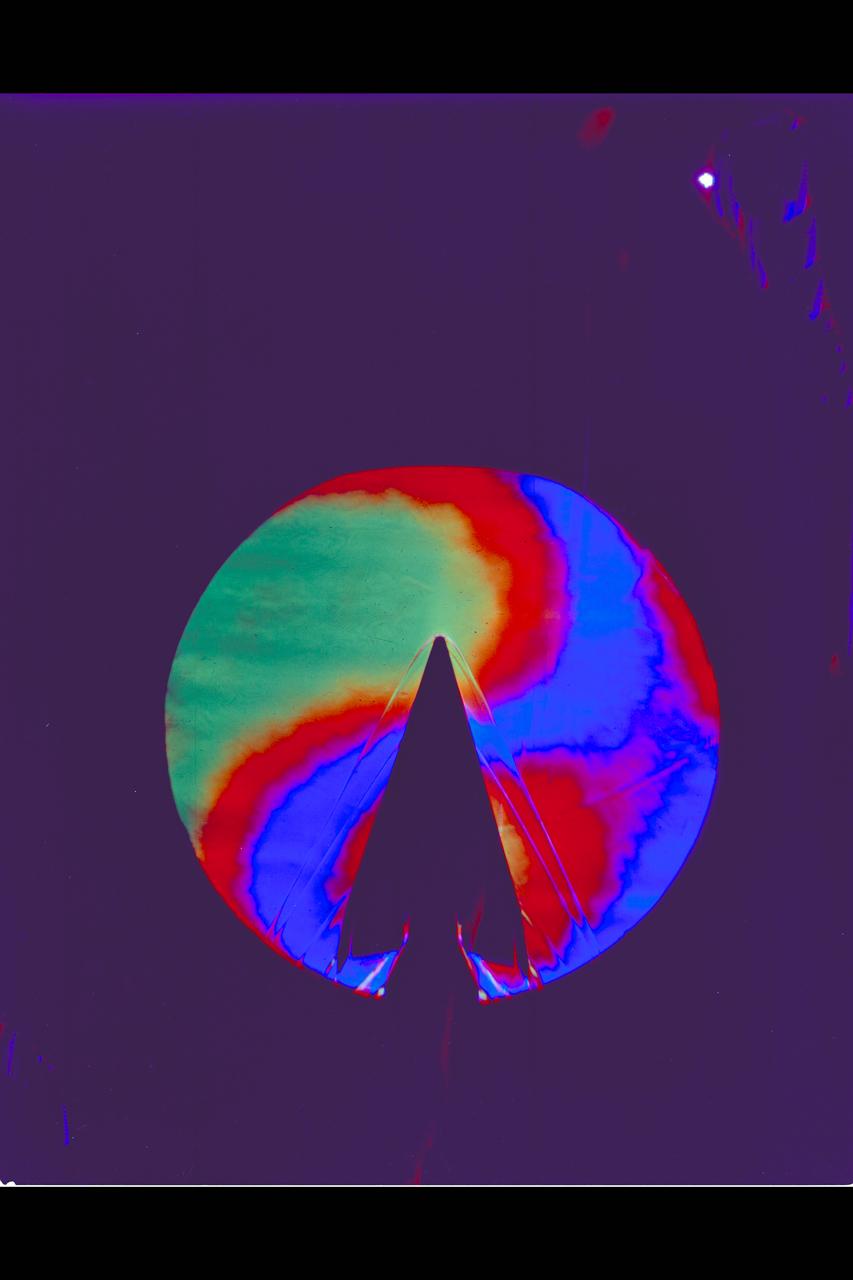
X-20 Dyna Soar on 624-A Titan III Booster: Schlieren

X-20 Dyna Soar on 624-A Titan III Booster: Schlieren
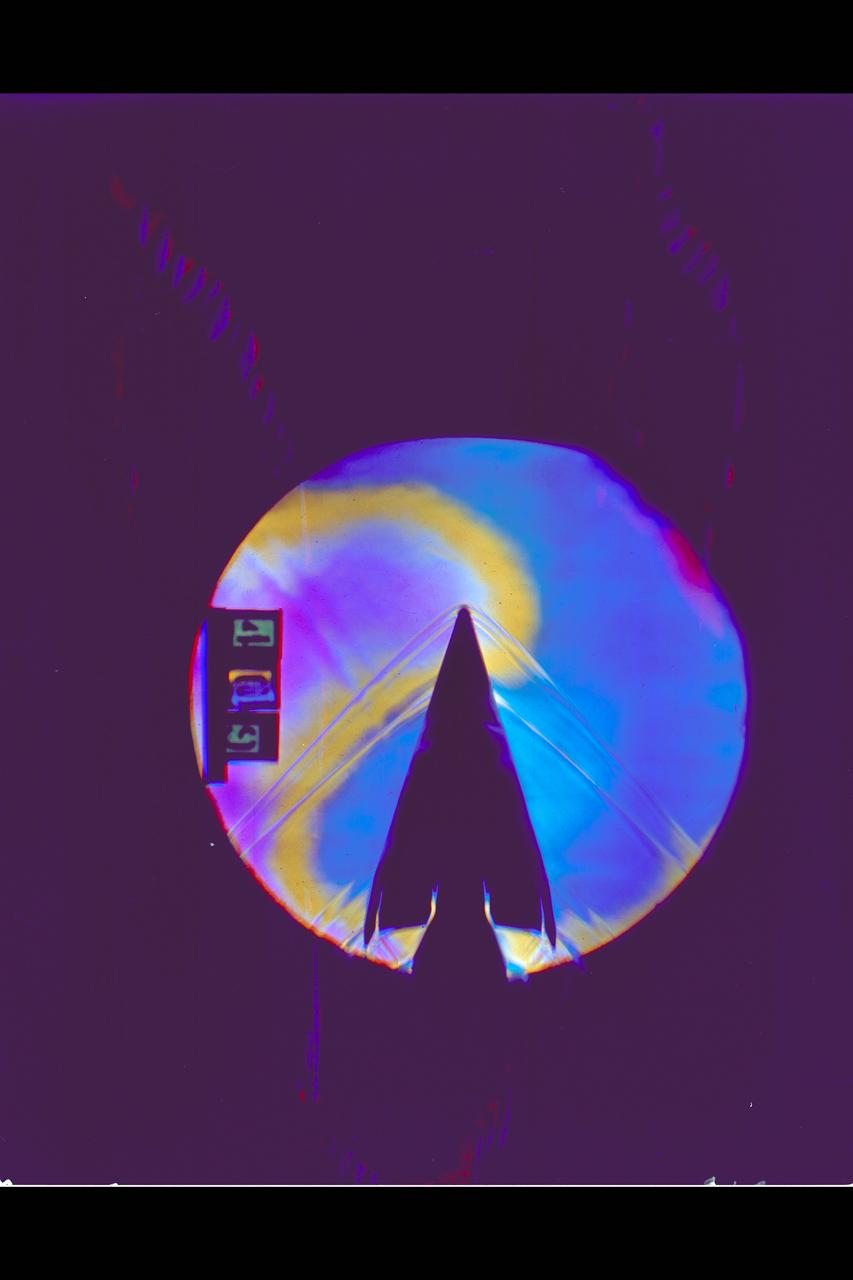
Schlieren of X-20 Dyna Soar mounted on 624-A Titan III Booster
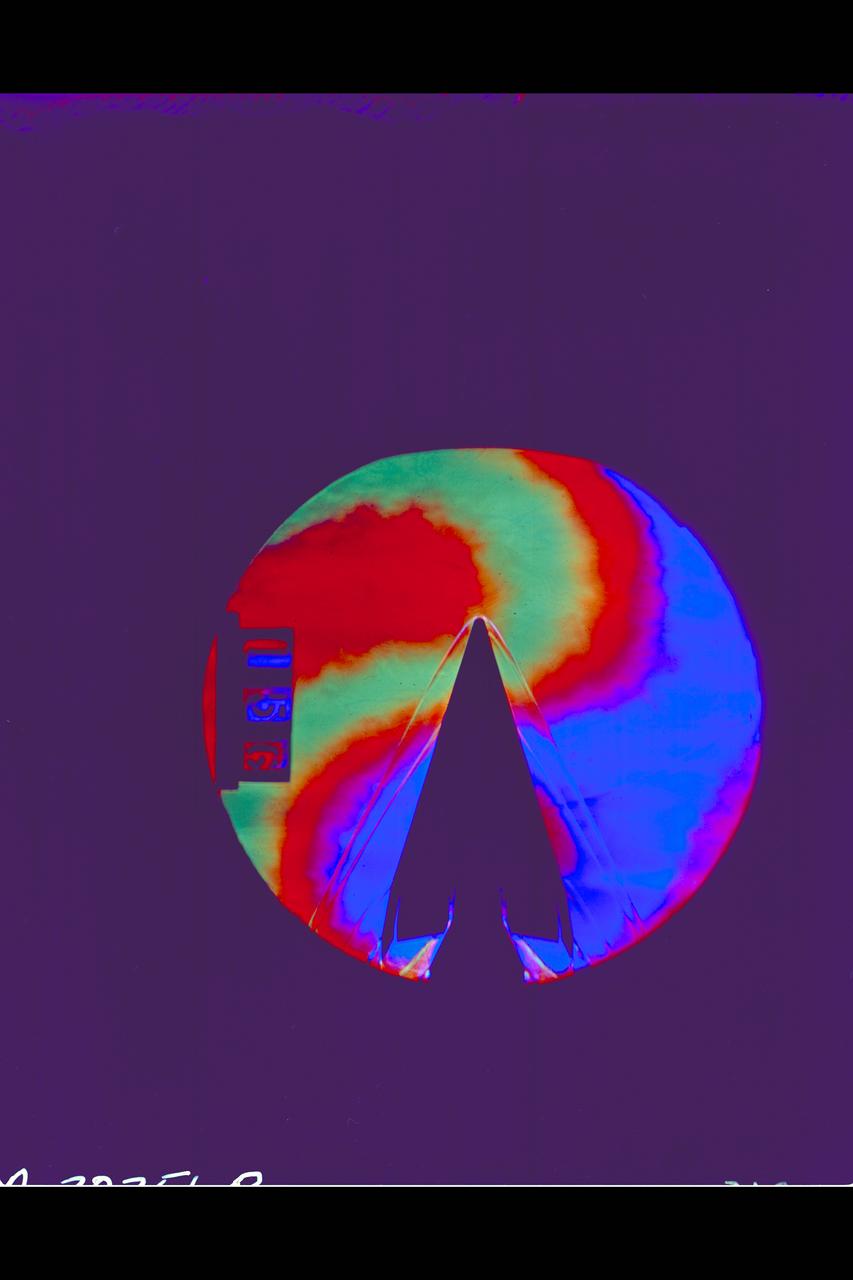
X-20 Dyna Soar on 624-A Titan III Booster: Schlieren
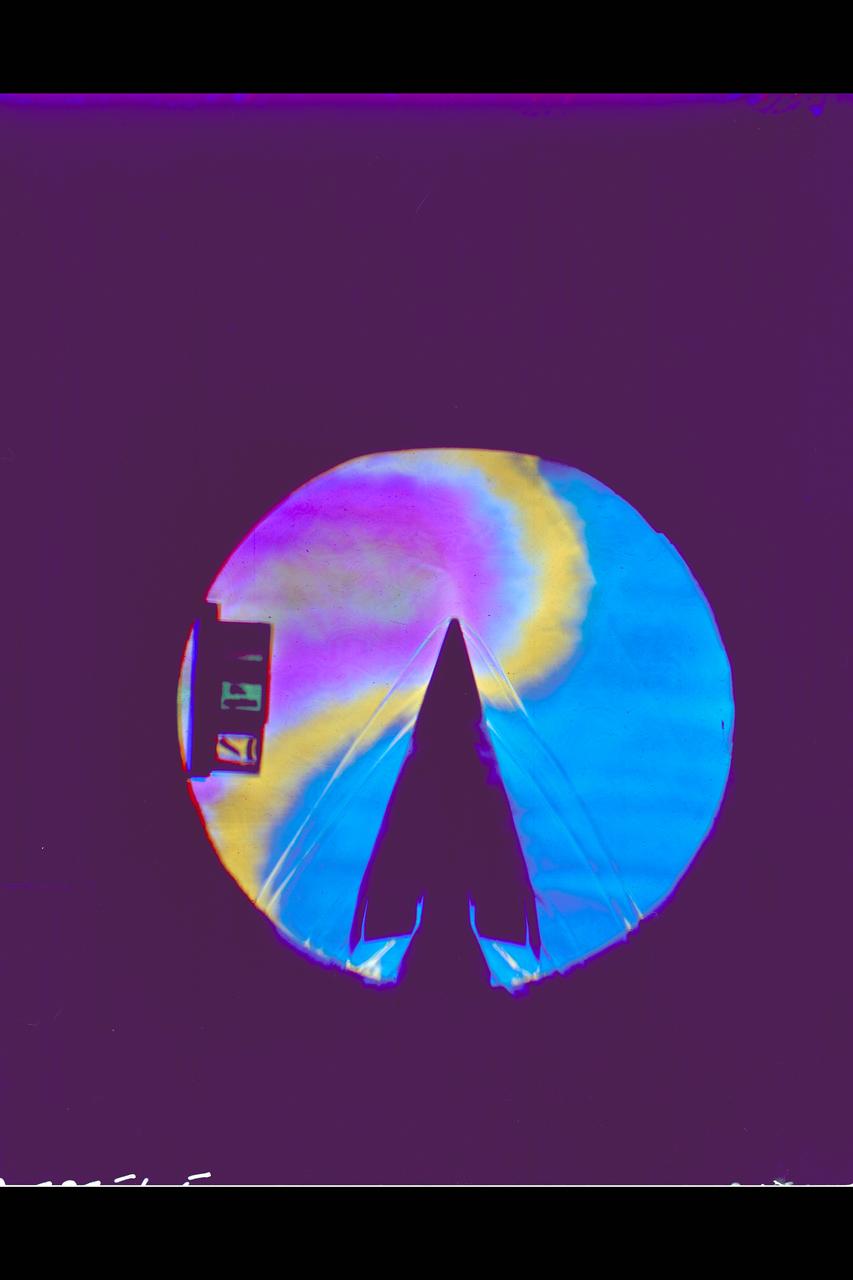
X-20 Dyna Soar on 624-A Titan III Booster: Schlieren
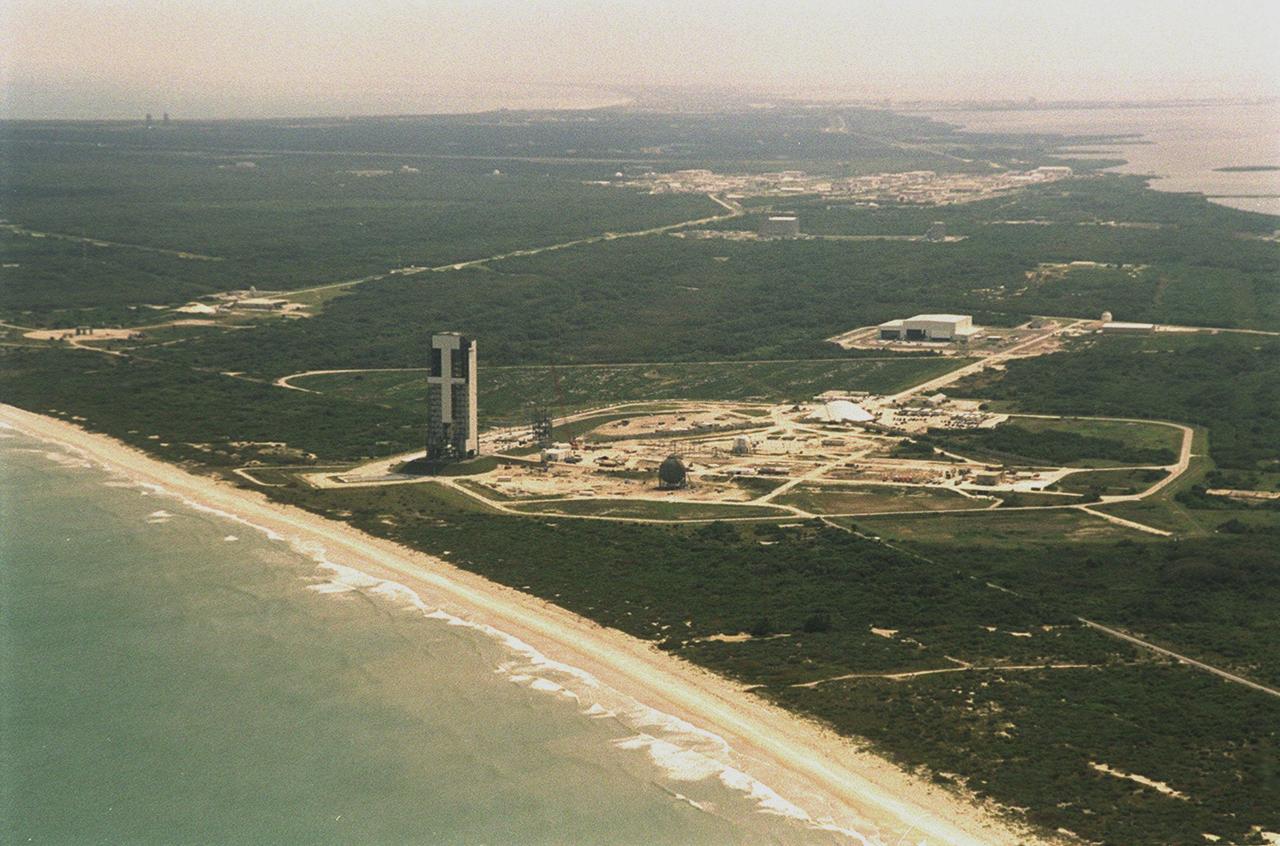
Looking from the east, over the Atlantic Ocean, this aerial view shows the construction on Launch Complex 41, Cape Canaveral Air Force Station, previously used to launch 17 Titan III and 10 Titan IV rockets. Lockheed Martin Astronautics razed the old towers that supported their last Titan launch in April 1999 to make way for construction of this new Atlas V launch facility. The launch pad abuts the Atlantic Ocean on the east, seen here in the foreground.
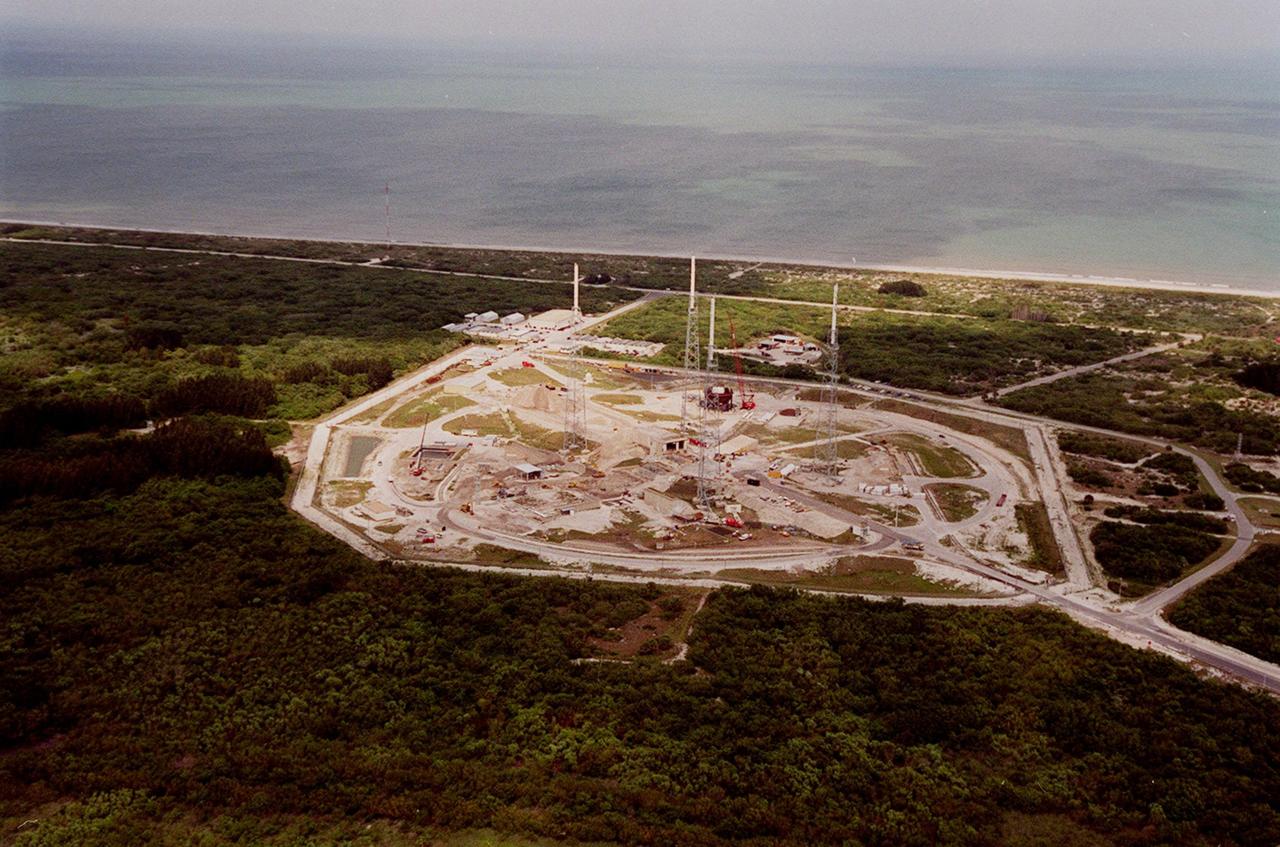
This aerial view from the west looks over the construction on Launch Complex 41, Cape Canaveral Air Force Station, previously used to launch 17 Titan III and 10 Titan IV rockets. Lockheed Martin Astronautics razed the old towers that supported their last Titan launch in April 1999 to make way for construction of this new Atlas V launch facility. The launch pad abuts the Atlantic Ocean on the east, seen here in the background
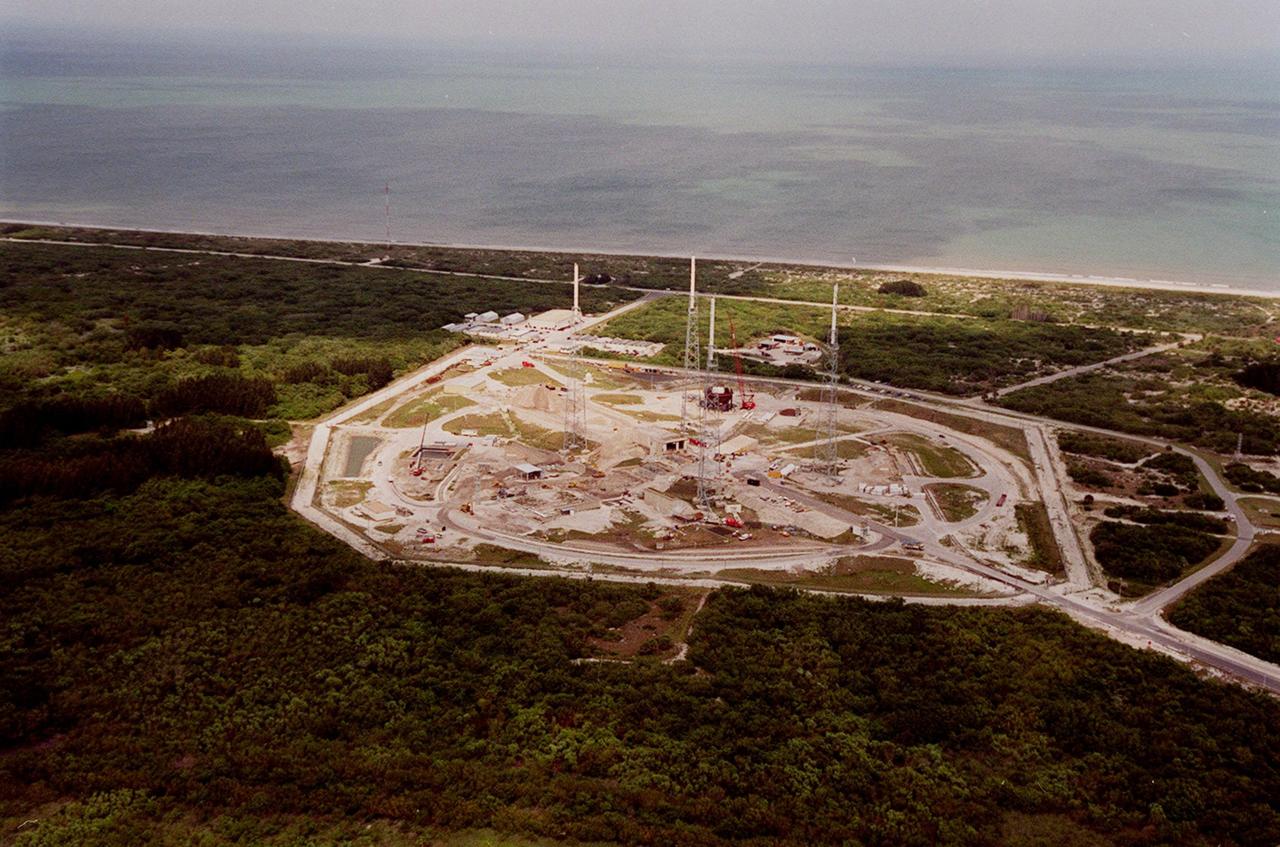
This aerial view from the west looks over the construction on Launch Complex 41, Cape Canaveral Air Force Station, previously used to launch 17 Titan III and 10 Titan IV rockets. Lockheed Martin Astronautics razed the old towers that supported their last Titan launch in April 1999 to make way for construction of this new Atlas V launch facility. The launch pad abuts the Atlantic Ocean on the east, seen here in the background
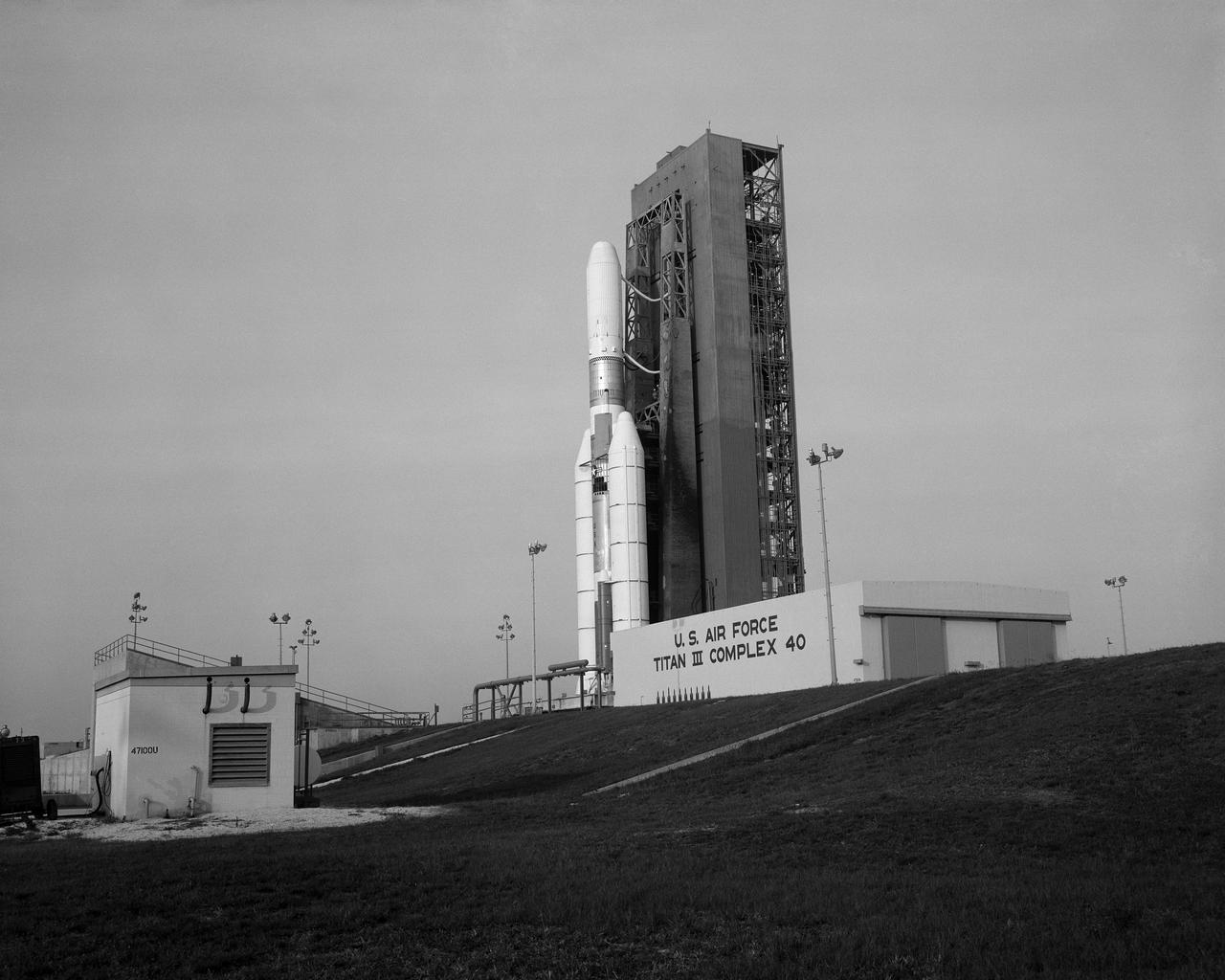
A Titan III-C stands poised on Complex 40 at Cape Canaveral Air Force Station for the launch of Application Technology Satellite-F, first in a new generation of NASA communications satellites. (1.3-2)
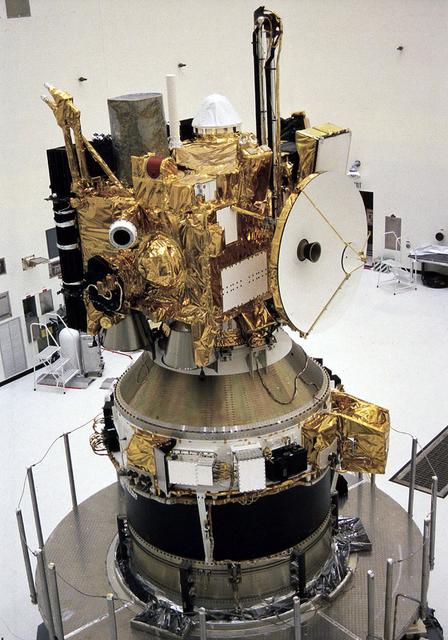
In the Payload Hazardous Servicing Facility, the integrated Mars Observer/Transfer Orbit Stage (TOS) payload is ready for encapsulation in the Titan III nose fairing. The TOS booster maiden flight was dedicated to Thomas O. Paine, a former NASA administrator who strongly supported interplanetary exploration and was an early backer of the TOS program. Launched September 25, 1992 from the Kennedy Space Flight Center aboard a Titan III rocket and the TOS, the Mars Observer spacecraft was to be the first U.S. spacecraft to study Mars since the Viking missions 18 years prior. Unfortunately, the Mars Observer spacecraft fell silent just 3 days prior to entering orbit around Mars.
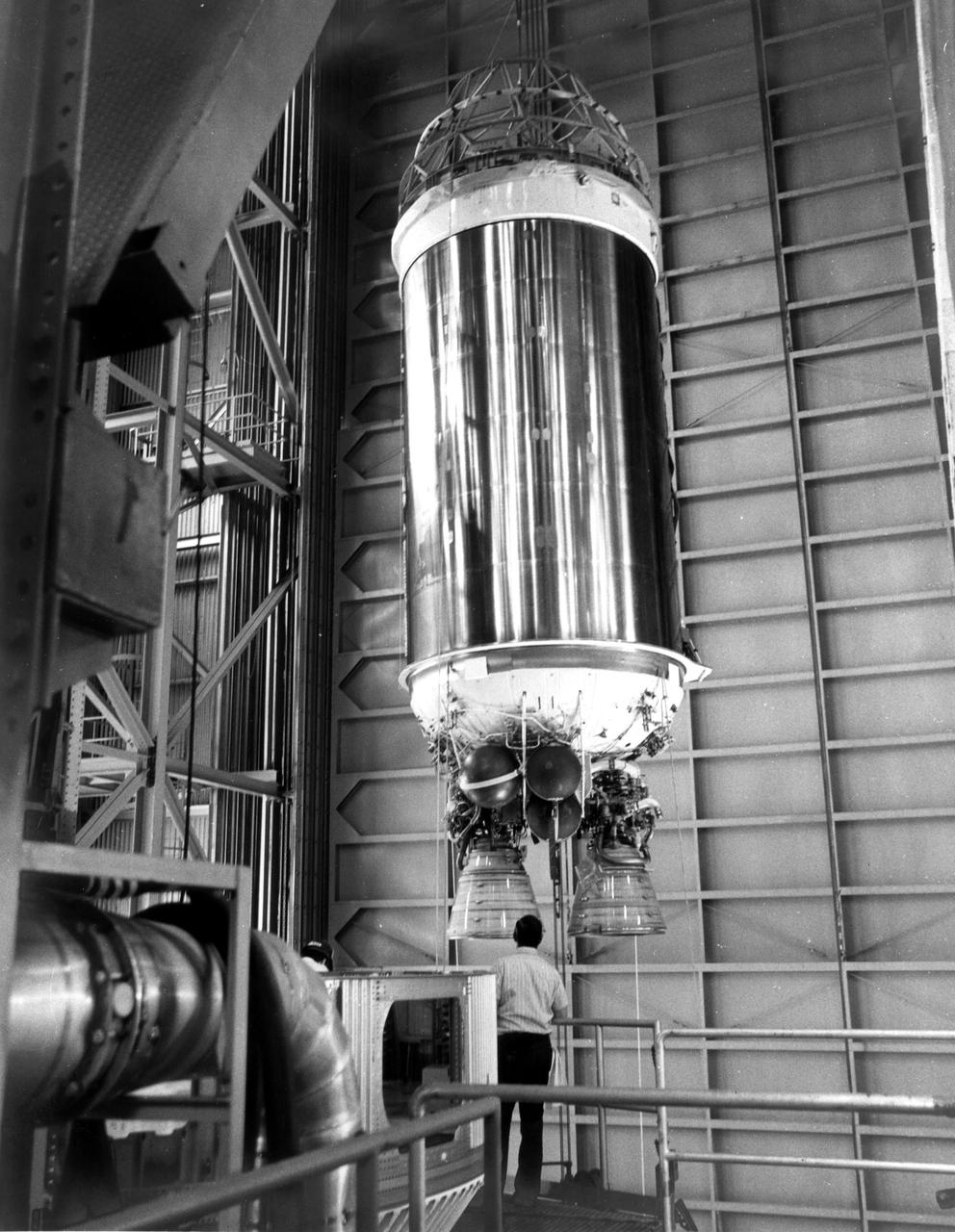
KENNEDY SPACE CENTER, FLA. -- The Centaur high-energy third stage for Titan_Centaur 3 is mated with its Titan rocket in the Vehicle Integration Building in the Titan III complex at Cape Canaveral Air Force Station. Titan_Centaur 3 and Titan_Centaur 4 will launch twin Viking spacecraft to Mars in the late summer of 1975. Launch will be by KSC's Unmanned Launch Operations Directorate from Complex 41.

An Air Force Titan III-C lifted off from Complex 40 at Cape Canaveral Air Force Station at 9:00 A.M. EDT today to launch Application Technology Satellite 6, first in a new generation of NASA Communications satellites. (1.3-13)(Test 7670)
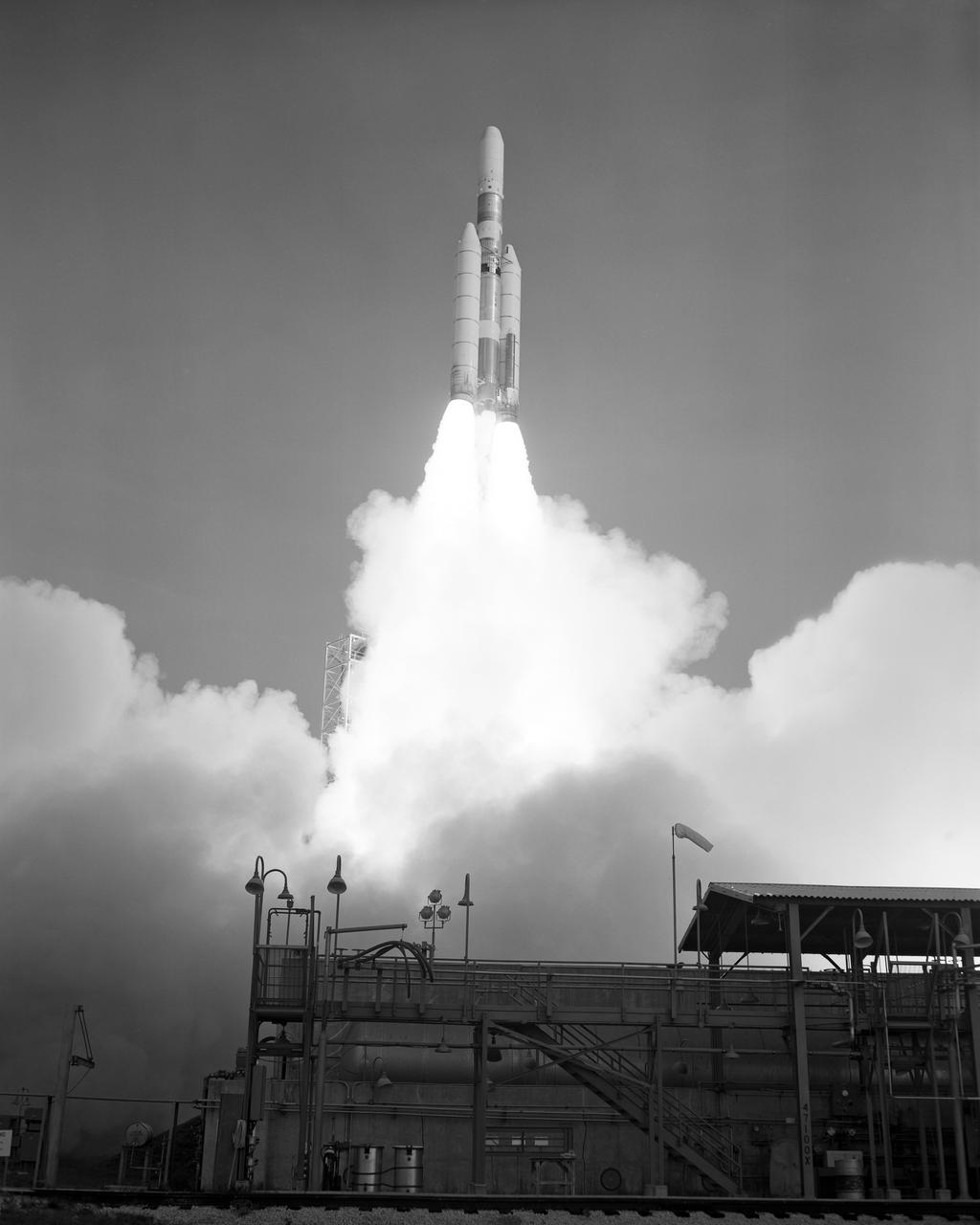
An Air Force Titan III-C lifted off from Complex 40 at Cape Canaveral Air Force Station at 9:00 A.M. EDT today to launch Application Technology Satellite 6, first in a new generation of NASA Communications satellites. (1.3-22)
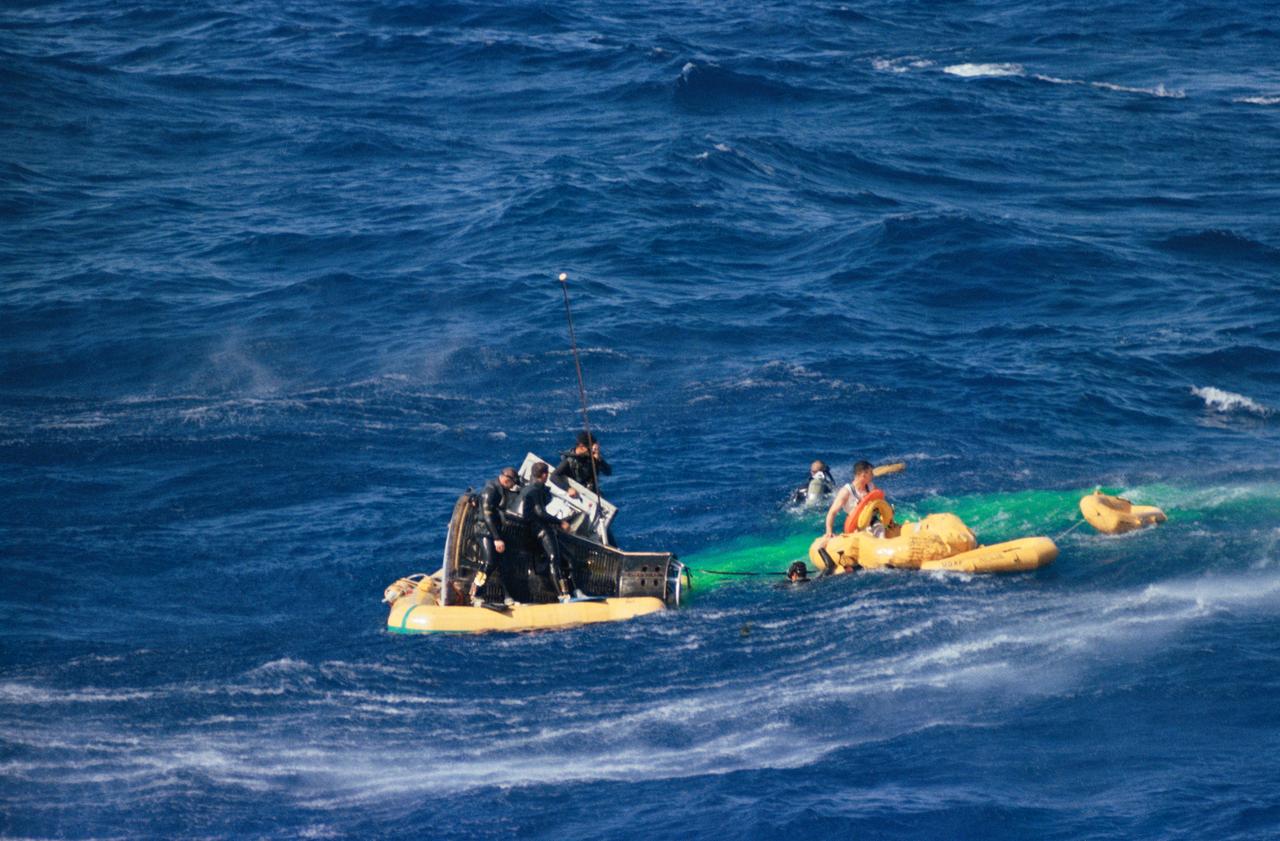
S65-22893 (23 March 1965) --- Astronaut John W. Young, the pilot of the Gemini-Titan III (GT-3) flight, waits in a life raft to be picked up by a helicopter during recovery operations following the successful three-orbit mission. Young and astronaut Virgil I. Grissom, command pilot, were flown by helicopter to the nearby recovery vessel, the USS Intrepid. The recovery ship later came alongside and retrieved the GT-3 spacecraft. United States Navy swimmers assisted in the GT-3 recovery operations.
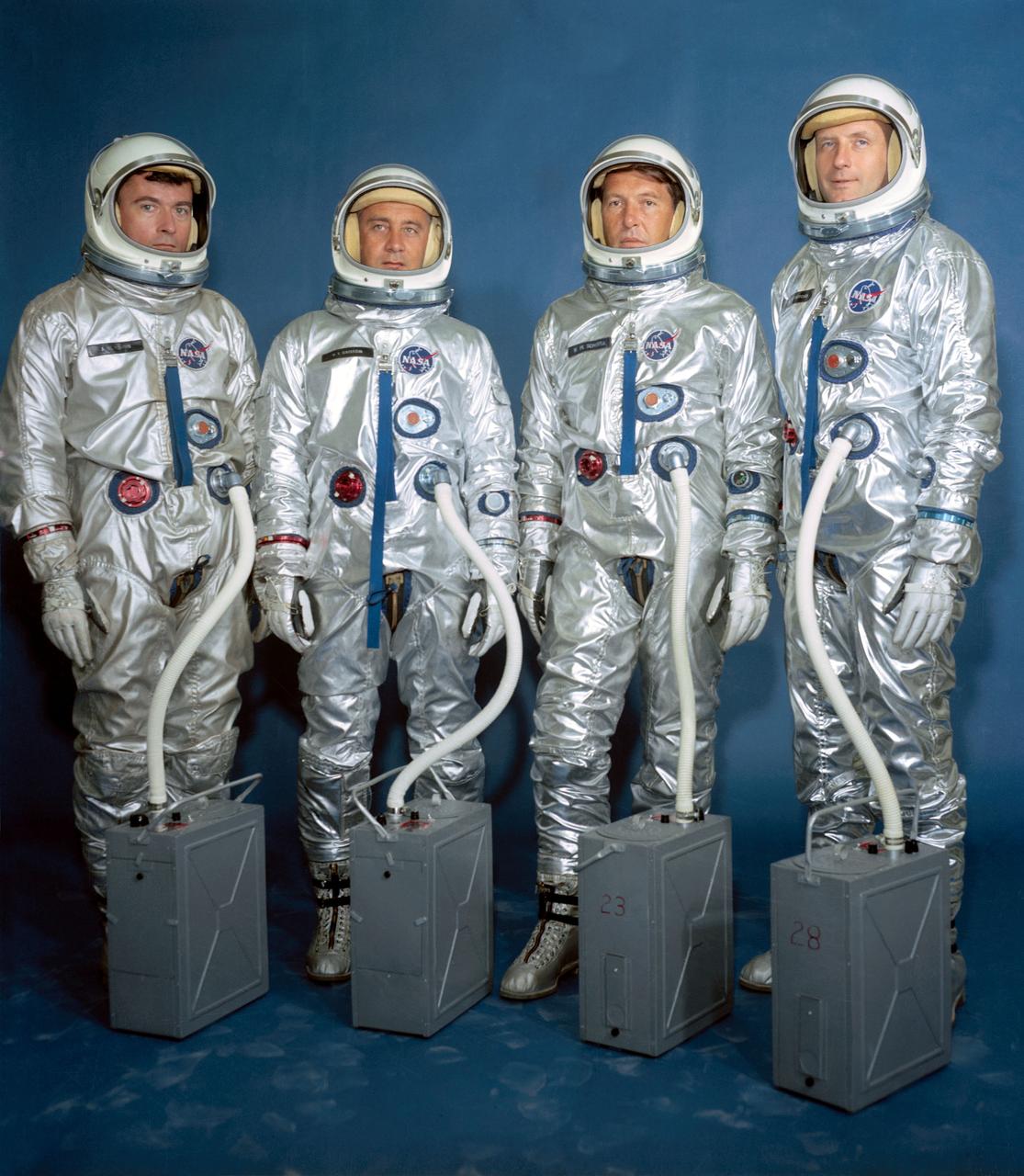
S64-19432 (13 April 1964) --- Left to right are astronauts John W. Young, Virgil I. Grissom, Walter M. Schirra Jr. and Thomas P. Stafford. Gemini III crew assignments are as follows: Grissom, command pilot; Young, pilot, on the prime crew, with Schirra (command pilot) and Stafford (pilot) serving as alternates. EDITOR'S NOTE: For the Gemini-Titan VI mission, Grissom and Young served as backups for Schirra and Stafford.
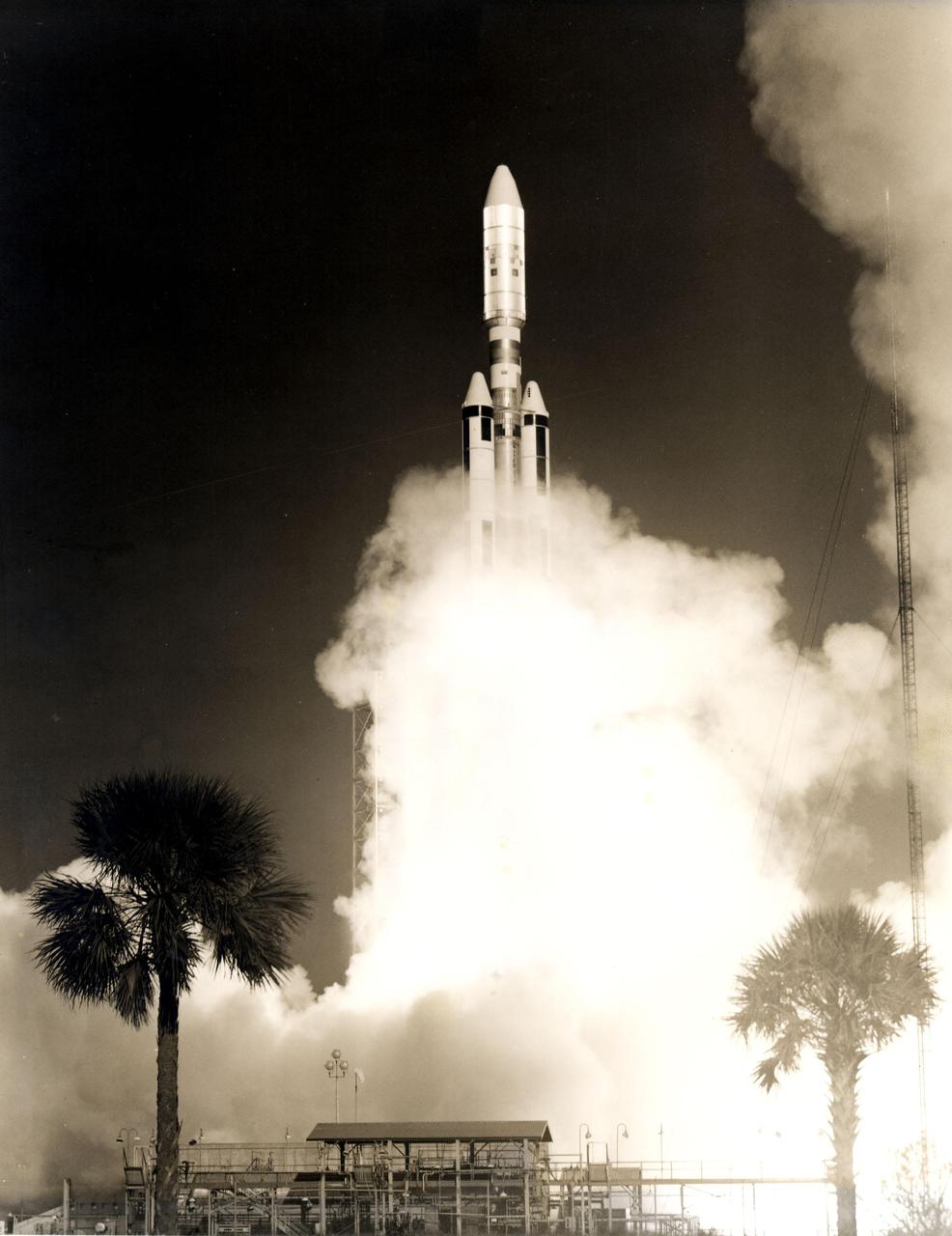
The first Titan_Centaur lifted off from Complex 41 at Cape Kennedy Air Force Station at 9:48 a.m. EDT today. The Titan stages burned as programmed, but when the Centaur stage failed to ignite, it was destroyed by the Range Safety Officer. The new NASA rocket was launched on a proof flight designed to prepare it for twin Viking launches to Mars in 1975 and other missions involving heavy unmanned payloads. The 160-foot-tall rocket combines the Air Force Titan III with the NASA high-energy Centaur final stage. The twin solid rocket boosters have a combined liftoff thrust of 2.4 million pounds. Aboard Titan_Centaur on its proof flight were a dynamic simulator of the Viking spacecraft and a small scientific satellite (SPHYNX) designed to determine how high voltage solar cells, insulators and conductors are affected by the charged particles in space. Launch was conducted by KSC's Unmanned Launch Operations Directorate.
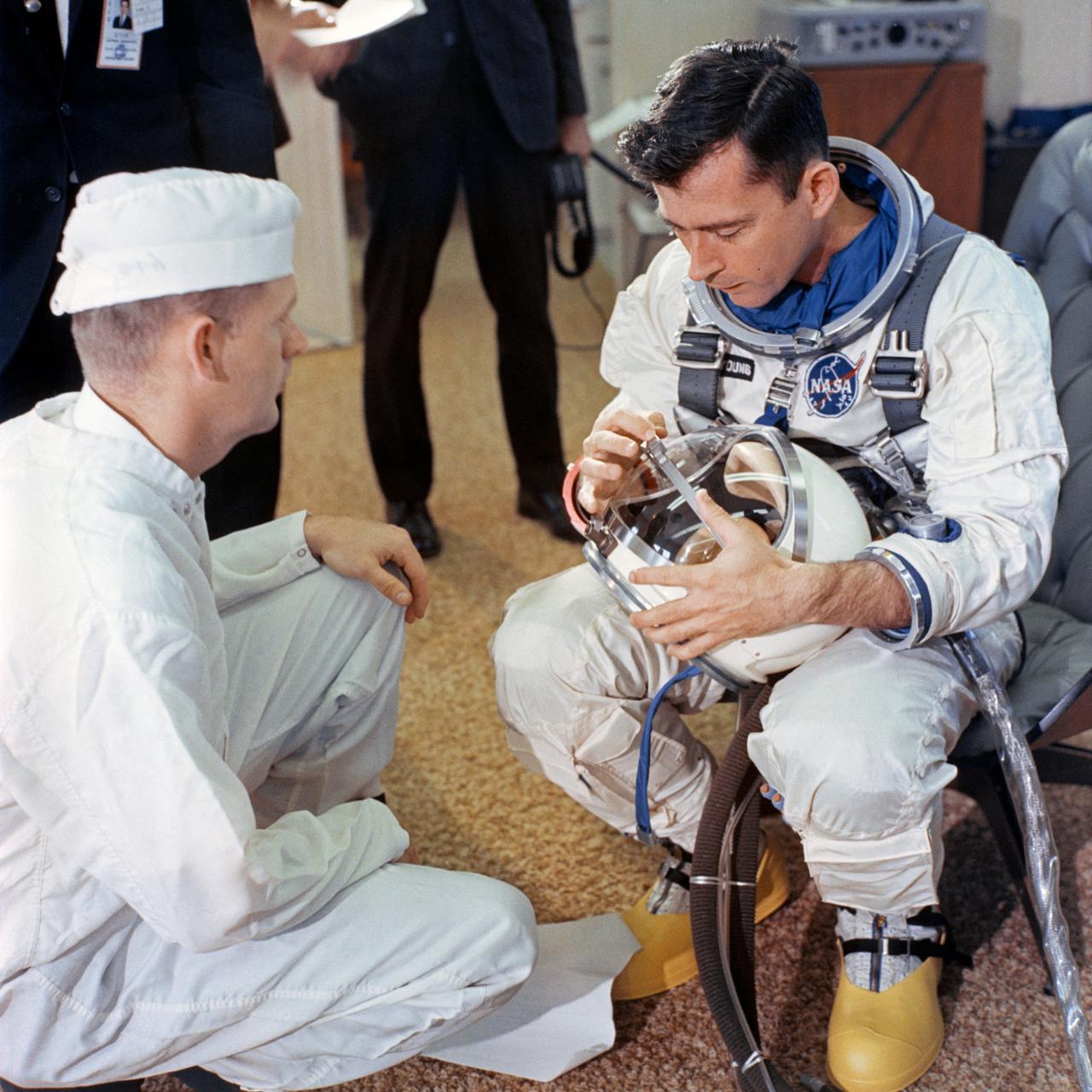
S65-23488 (23 March 1965) --- Astronaut John W. Young, pilot of the Gemini-Titan 3 space flight, checks over his helmet during suiting operations in the suiting trailer at Pad 16 prior to flight.
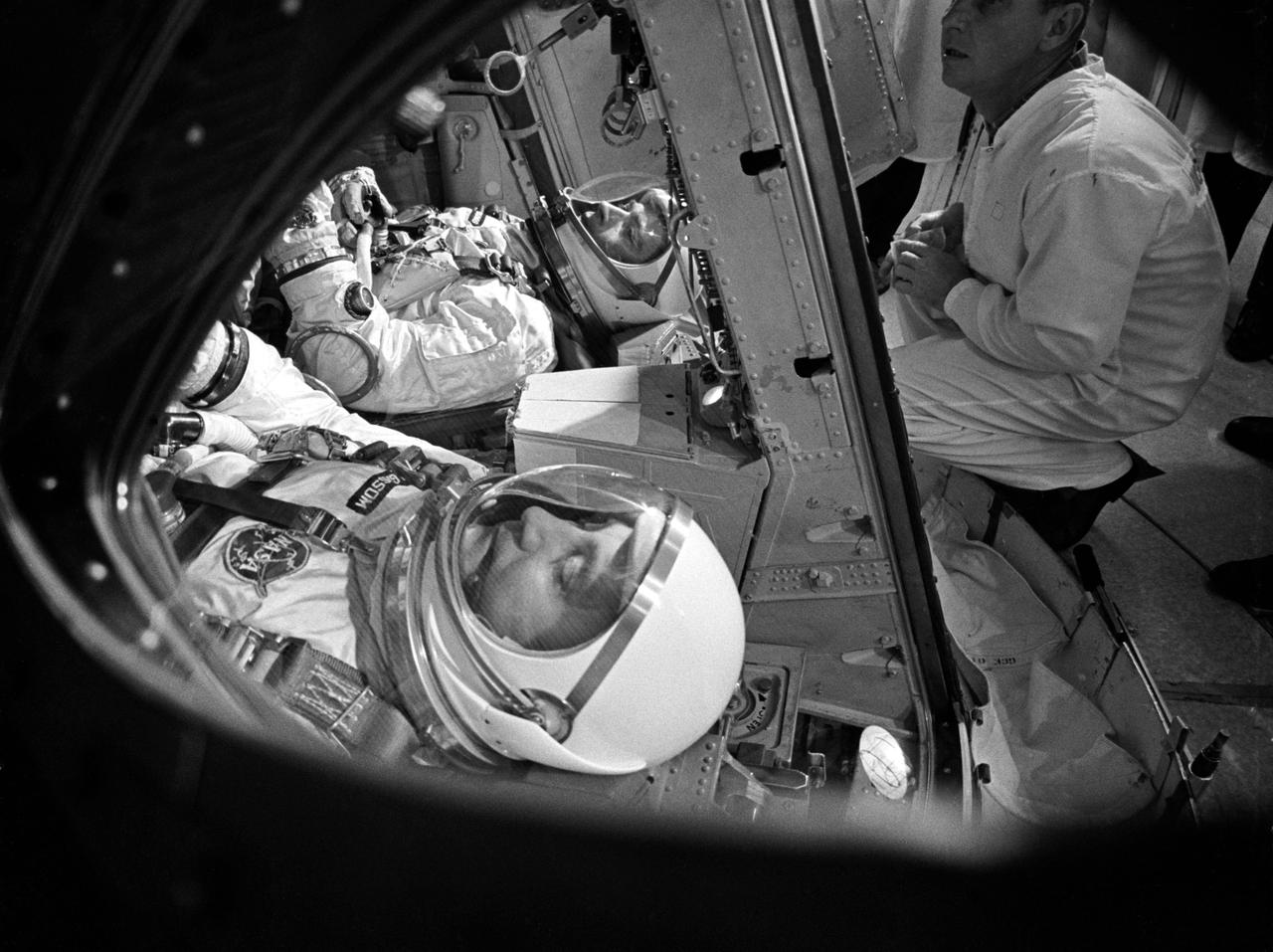
Final preparation for insertion of the crew members into the GT-III Spacecraft takes place in the white room atop the Launch Vehicle, Pad 19. CAPE KENNEDY, FL B&W
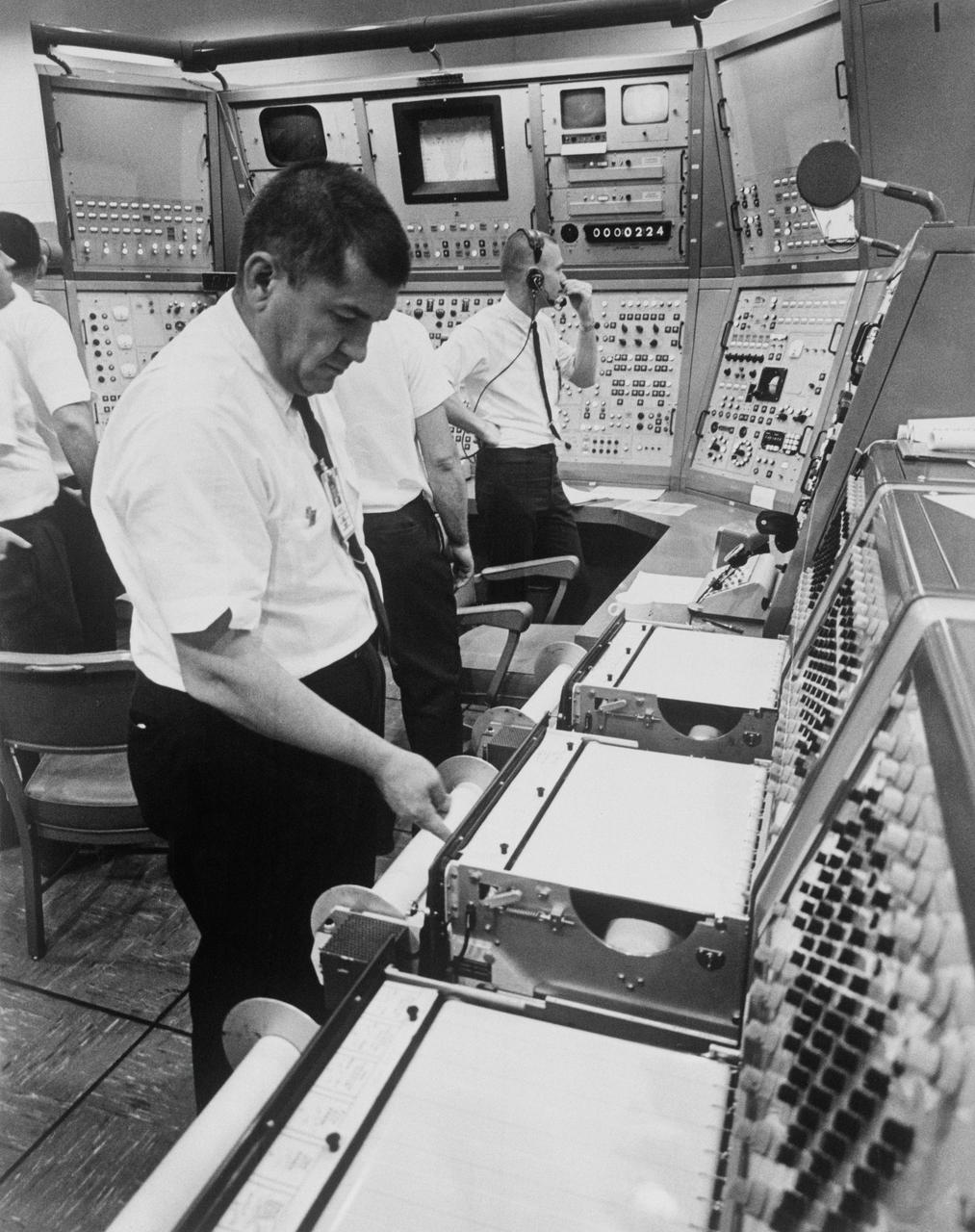
S65-18765 (19 March 1965) --- NASA technicians are shown operating the consoles for the Gemini mission simulator in the Mission Control center during simulations by the Gemini-Titan 3 crew members.
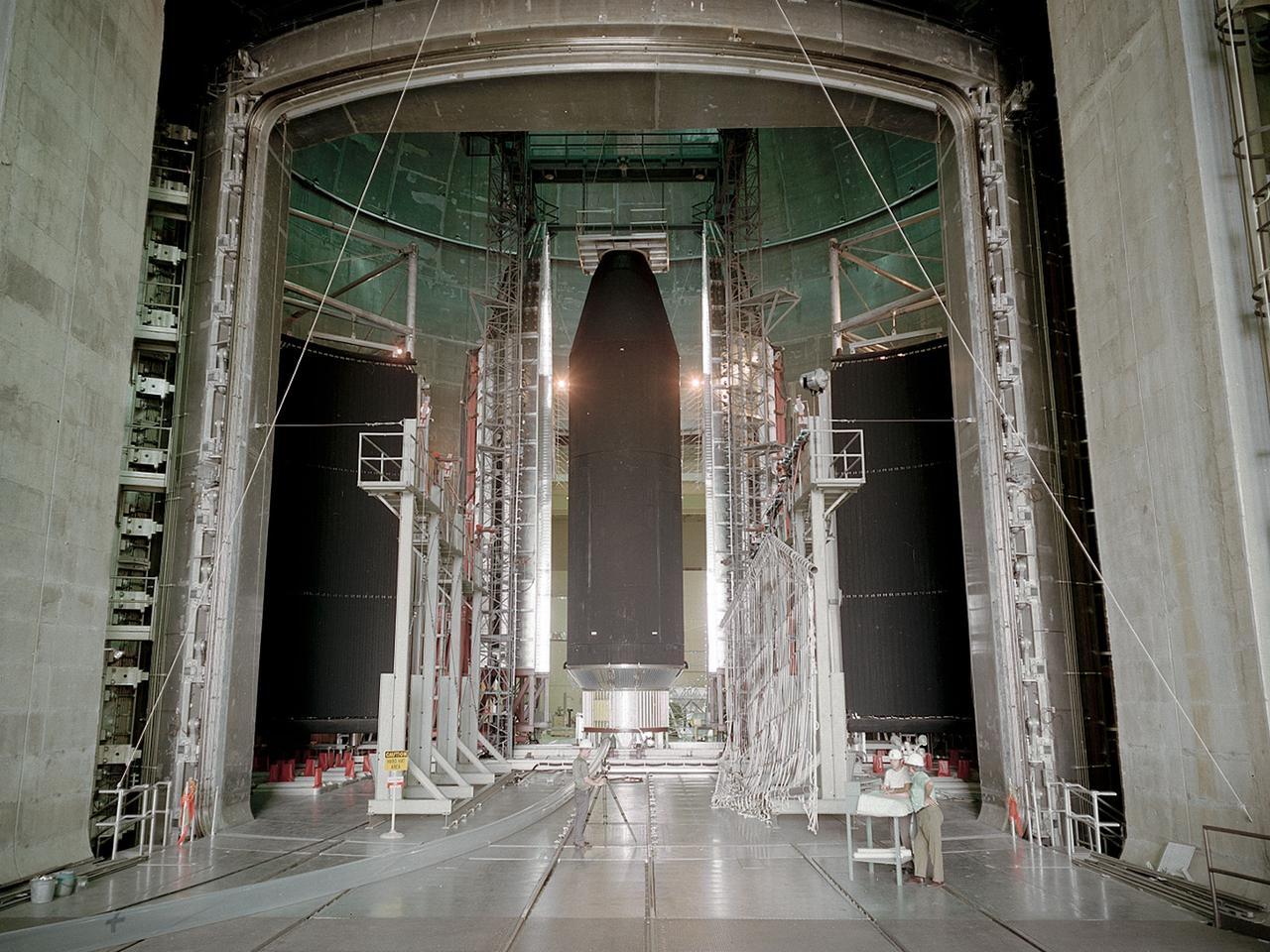
The Centaur Standard Shroud prepared for a jettison test in the Space Power Facility at the National Aeronautics and Space Administration’s (NASA) Plum Brook Station. In the late 1960s NASA engineers were planning the ambitious new Viking mission to send two rover vehicles to the surface of Mars. The Viking rovers were the heaviest payloads ever attempted by the Centaur second-stage rocket. Each Viking was over three times the weight of the Atlas-Centaur’s previous heaviest payload. Consequently, NASA engineers sought to mate the Centaur with the more powerful Titan III booster for the launches. General Dynamics created a new version of the Centaur, D-1T, specifically for Titan. The D-1T’s most significant modification was a completely new shroud designed by Lockheed, called the Centaur Standard Shroud. The conical two-piece covering encapsulated the payload to protect it against adverse conditions and improve the aerodynamics as the launch vehicle passed through the atmosphere. The shroud would be jettisoned when the vehicle reached the edge of space. A string of tests were conducted in Plum Brook’s Nuclear Rocket Dynamics and Control Facility (B-3) during 1973 and 1974. The new shroud performed flawlessly during the actual Viking launches in 1975. Viking 1 and 2 operated on the Martian surface until November 1982 and April 1980, respectively.
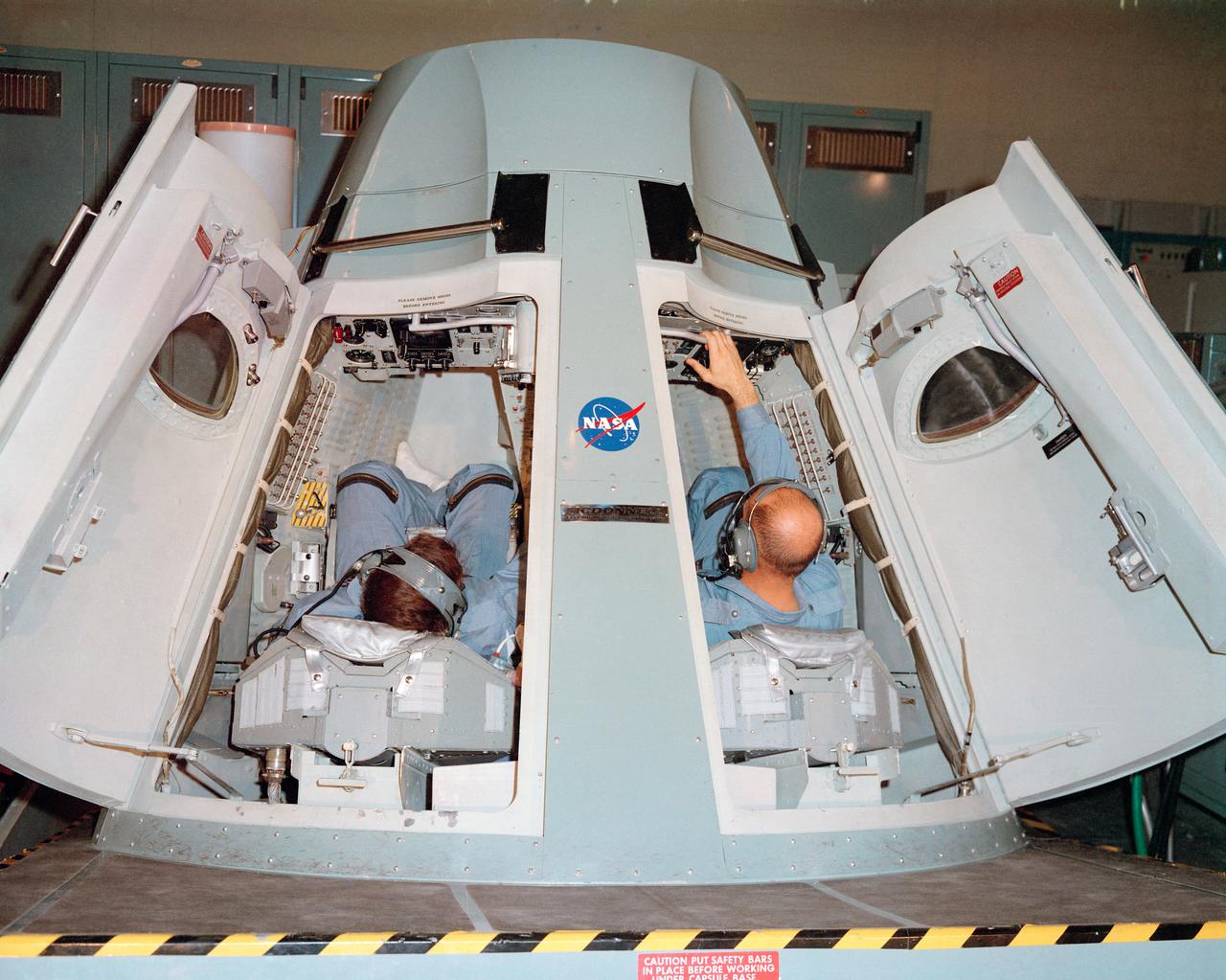
S65-13920 (15 Jan. 1965) --- The Gemini-6 prime crew, astronauts Walter M. Schirra Jr. (left), command pilot, and Thomas P. Stafford, pilot, are pictured in the Gemini simulator during training exercises at the Mission Control Center at Cape Kennedy, Florida. Photo credit: NASA or National Aeronautics and Space Administration
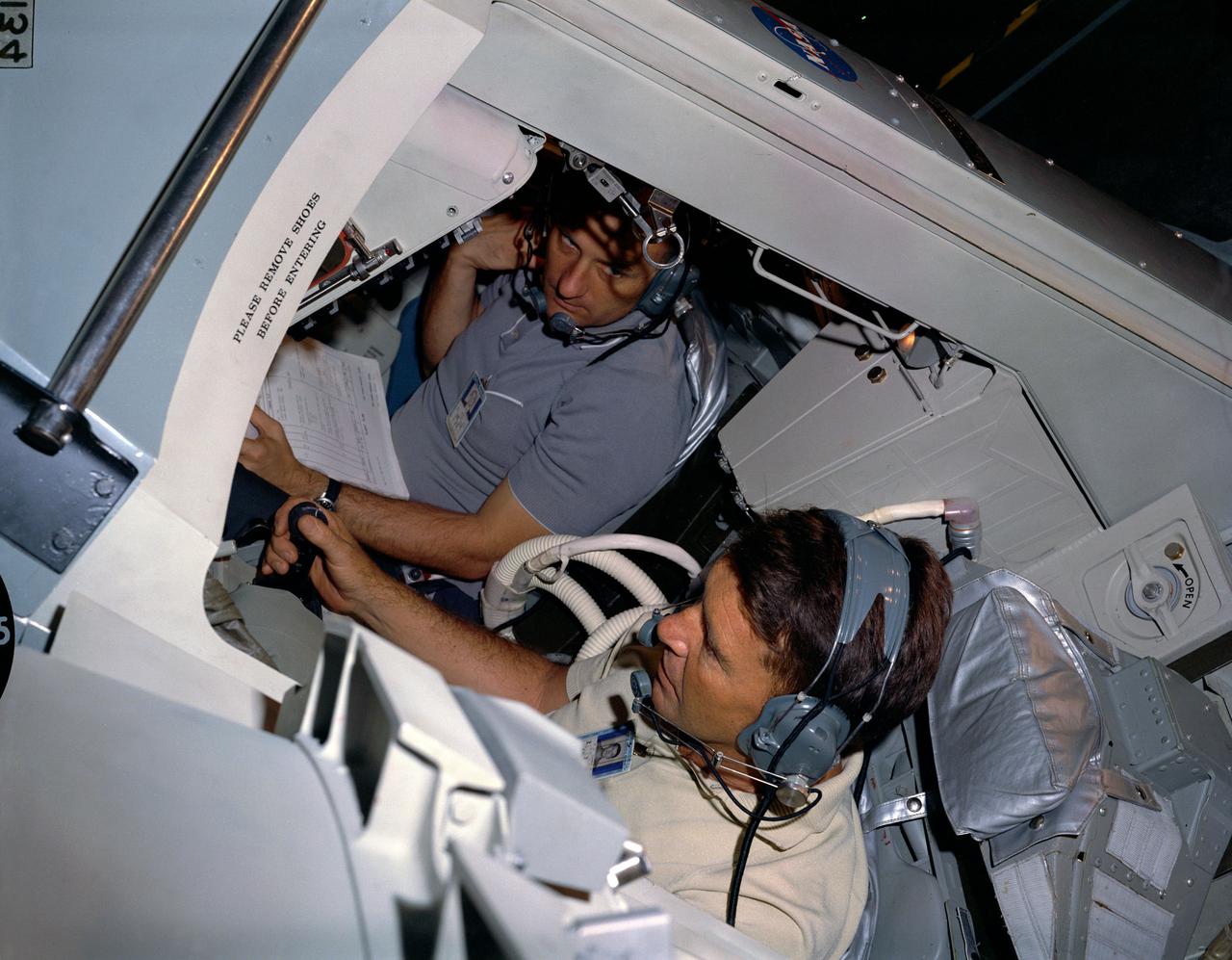
S65-13921 (1965) --- Overhead view of astronauts Walter M. Schirra Jr. (foreground), backup command pilot, and Thomas P. Stafford, backup pilot, as they prepare to run Gemini-Titan 3 simulations in the Gemini mission simulator in the Mission Control Center at Merritt Island, Florida.
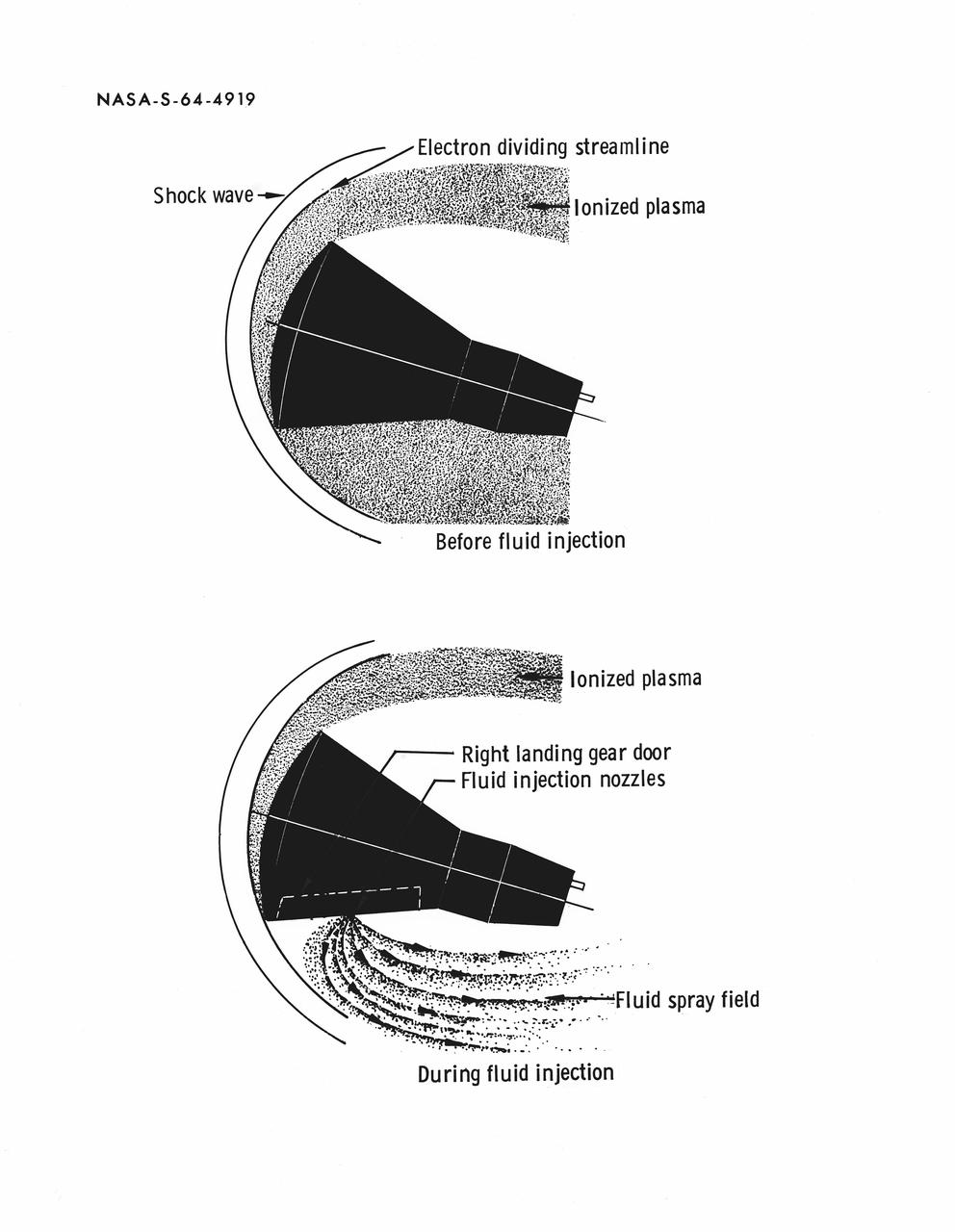
S64-04919 (September 1964) --- Diagram of reduction of the re-entry ionized plasma about a Gemini spacecraft by fluid injection, an experiment planned for the Gemini-Titan 3 orbital flight.
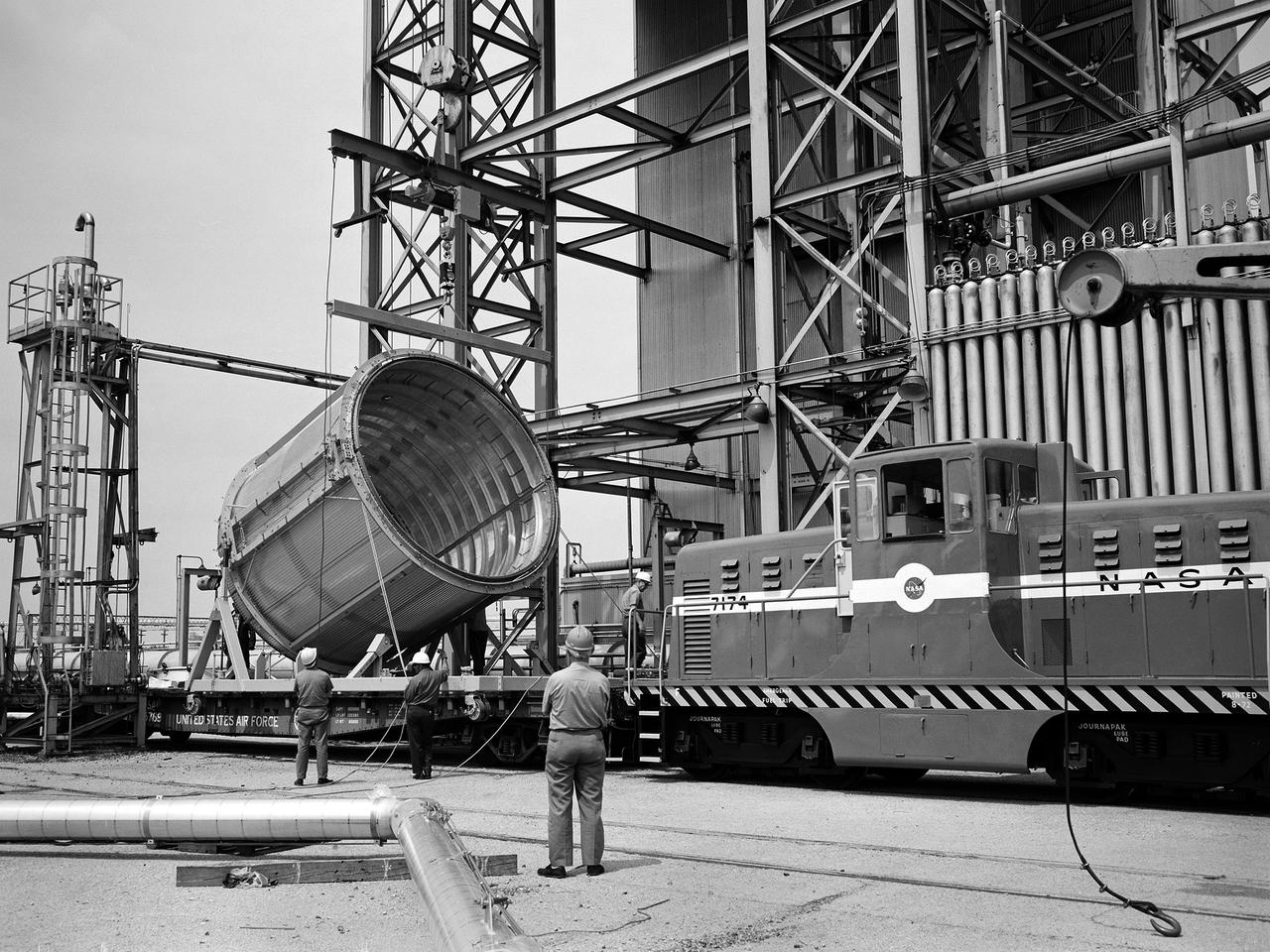
A section of the Centaur Standard Shroud transported to Nuclear Rocket Dynamics and Control Facility, or B-3 Test Stand, at the National Aeronautics and Space Administration’s (NASA) Plum Brook Station. B-3 was built in the early 1960s to test full-scale liquid hydrogen fuel systems in simulated altitude conditions. The facility was used in 1972, however, for testing of the Centaur Standard Shroud’s ejection system. In the late 1960s NASA engineers were planning the ambitious new Viking mission to send two rover vehicles to the surface of Mars. The Viking rovers were the heaviest payloads ever attempted and were over three times the weight of Atlas-Centaur’s previous heaviest payload. Consequently, NASA engineers selected the more powerful the Titan III rocket booster to mate with the Centaur. Concurrently, General Dynamics was in the process of introducing a new Centaur model for Titan—the D-1T. The biggest change for the D-1T was a completely new shroud designed by Lockheed, called the Centaur Standard Shroud. The shroud, its insulation, the Centaur ground-hold purge system, and the hydrogen tank venting system were all studied in B-3. After more than two years of preparations, the tests were run between April and July 1973. The tests determined the ultimate flight loads on two axes, established the Centaur’s load sharing, the level of propellant boiloff during launch holds, and the vent system capacity. The Centaur Standard Shroud performed flawlessly during the August 20 and September 9, 1975 launches of Viking 1 and 2.
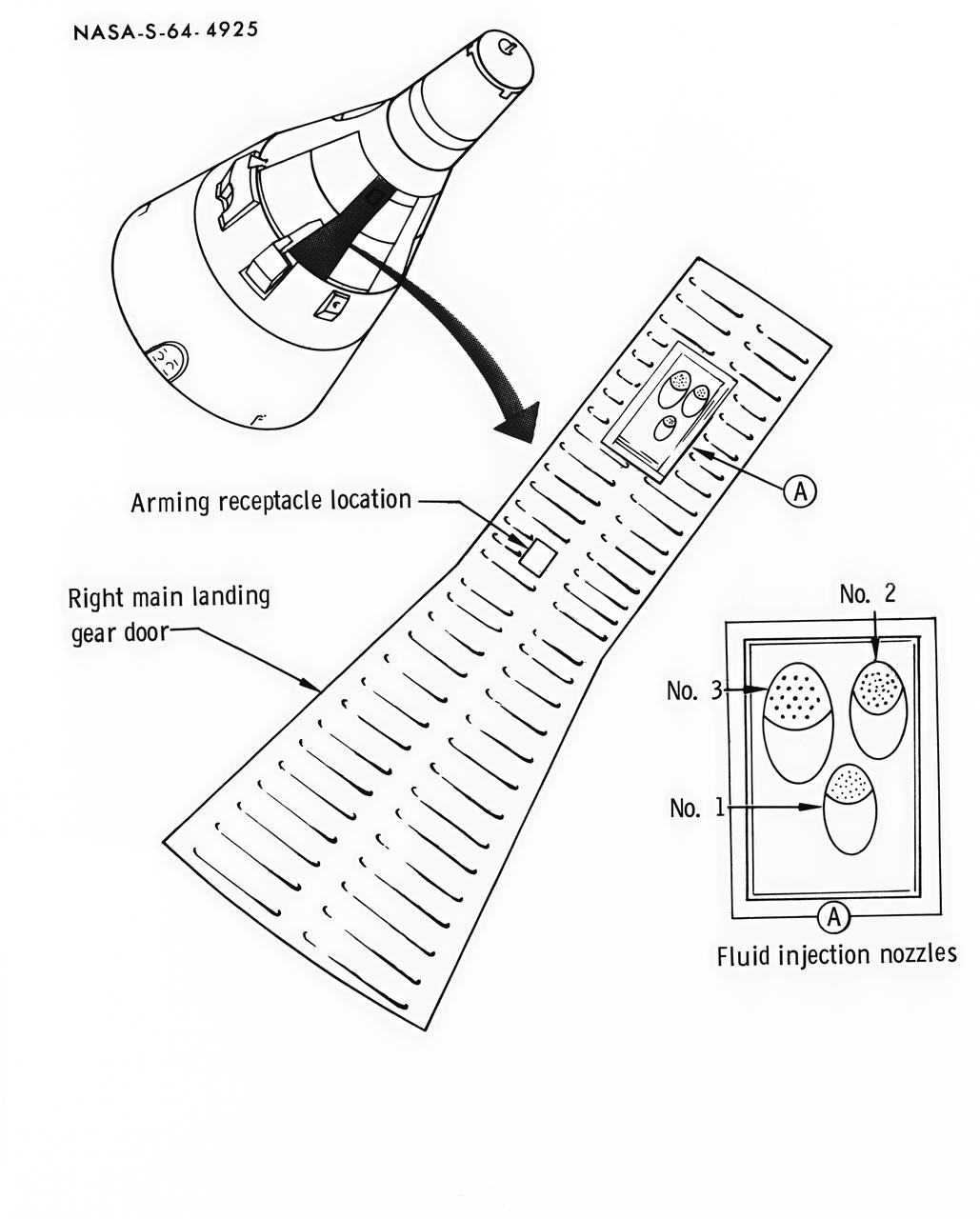
S64-04925 (September 1964) --- Diagram of Gemini spacecraft location of re-entry communications experiment planned for the Gemini-Titan 3 orbital flight.
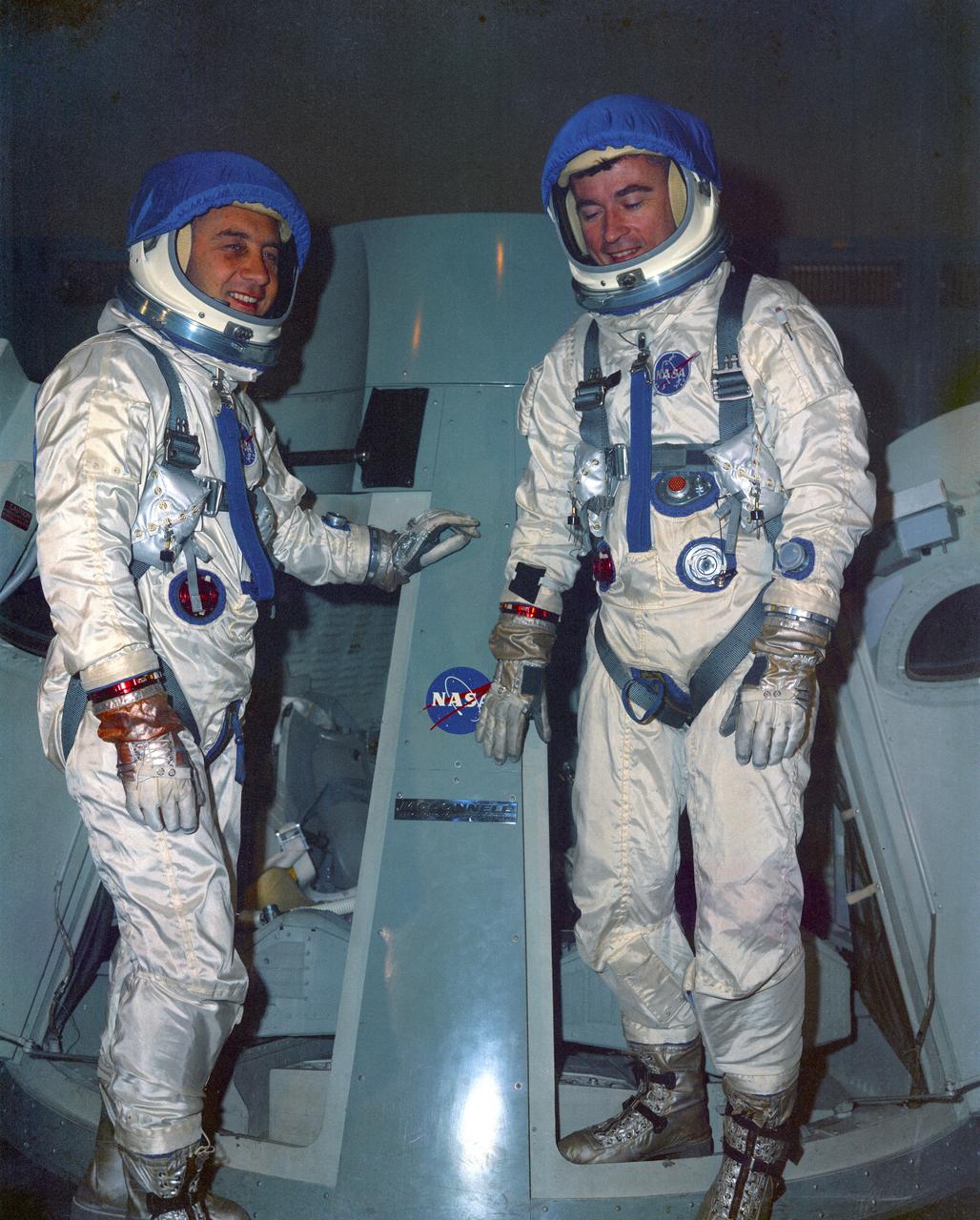
Seen in this view left to right Astronauts Virgil I. Grissom and John Young stand in front of Gemini trainer prior to test, MCC. MSC, HOUSTON, TX CN
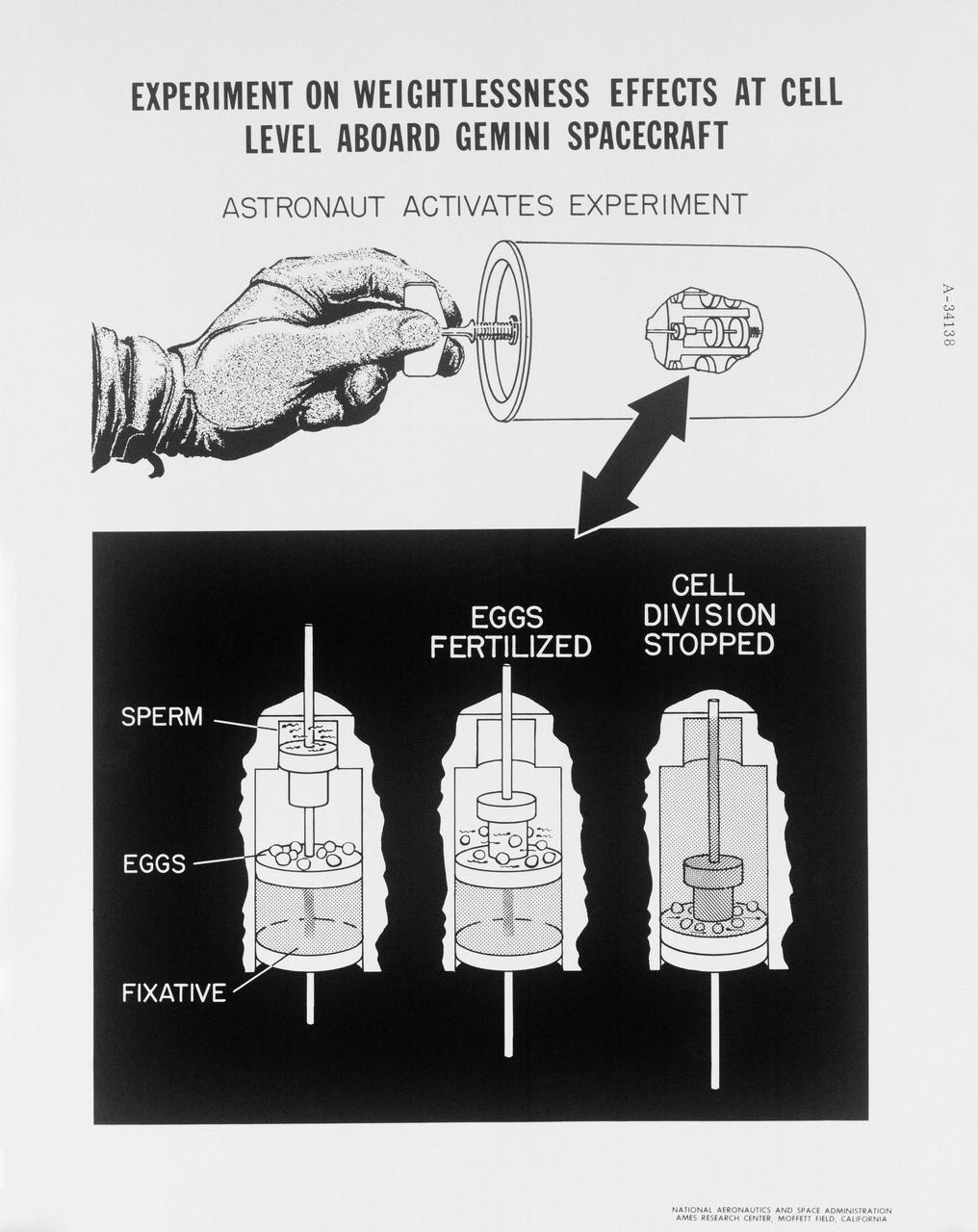
S65-18766 (March 1965) --- Diagram of experiment planned for the Gemini-Titan 3 mission scheduled on March 23, 1965, to find out if there are effects of weightlessness on individual living cells. The round canister (top) shows the experiment package. It will contain eight identical chambers, each with sections of sperm, eggs and fixative. Cells are eggs of the spiny, black sea animal, the sea urchin. Bottom panel shows the three stages of each chamber. From left in the first stage, sperm, eggs and fixative are separated. By turning the handle, astronauts will fertilize a certain portion of the eggs, which will begin to divide. At 20 minutes after launch, further turns of the handle will force fixative into two chambers and stop cell division. At 70 minutes after launch, cell division in four more chambers will be stopped, and just prior to re-entry, growth of the remaining two chambers will be terminated by a turn of the handle. This system will allow study after the flight of how cells divided after various time periods in weightlessness. Abnormalities would suggest weightlessness effects on living tissue and possible hazard to prolonged manned spaceflight.