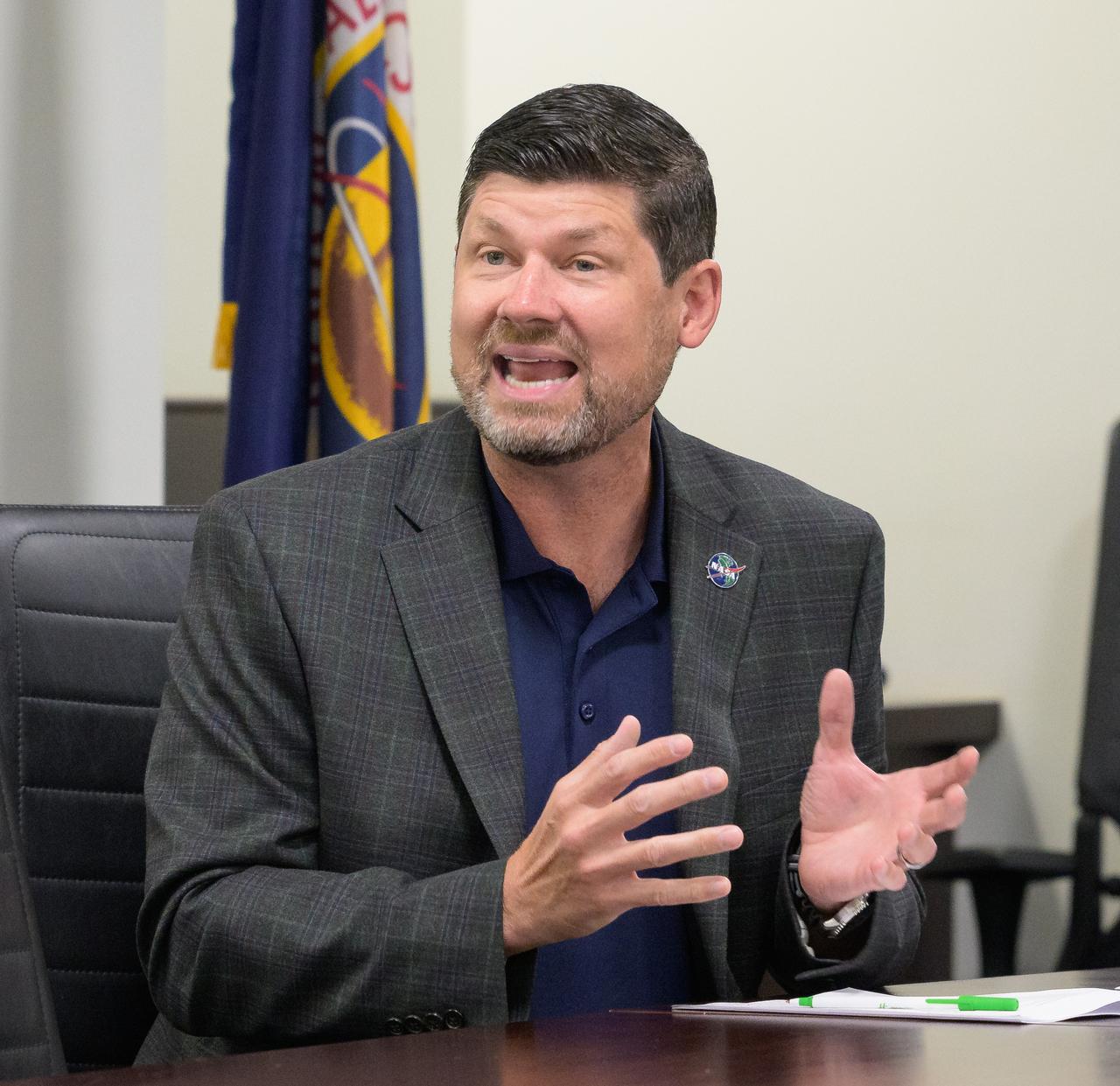
NASA Earth Action Associate Director Tom Wagner highlights NASA’s climate work during a media roundtable, Thursday, July 20, 2023, at the NASA Headquarters Mary W. Jackson Building in Washington. Photo Credit: (NASA/Bill Ingalls)
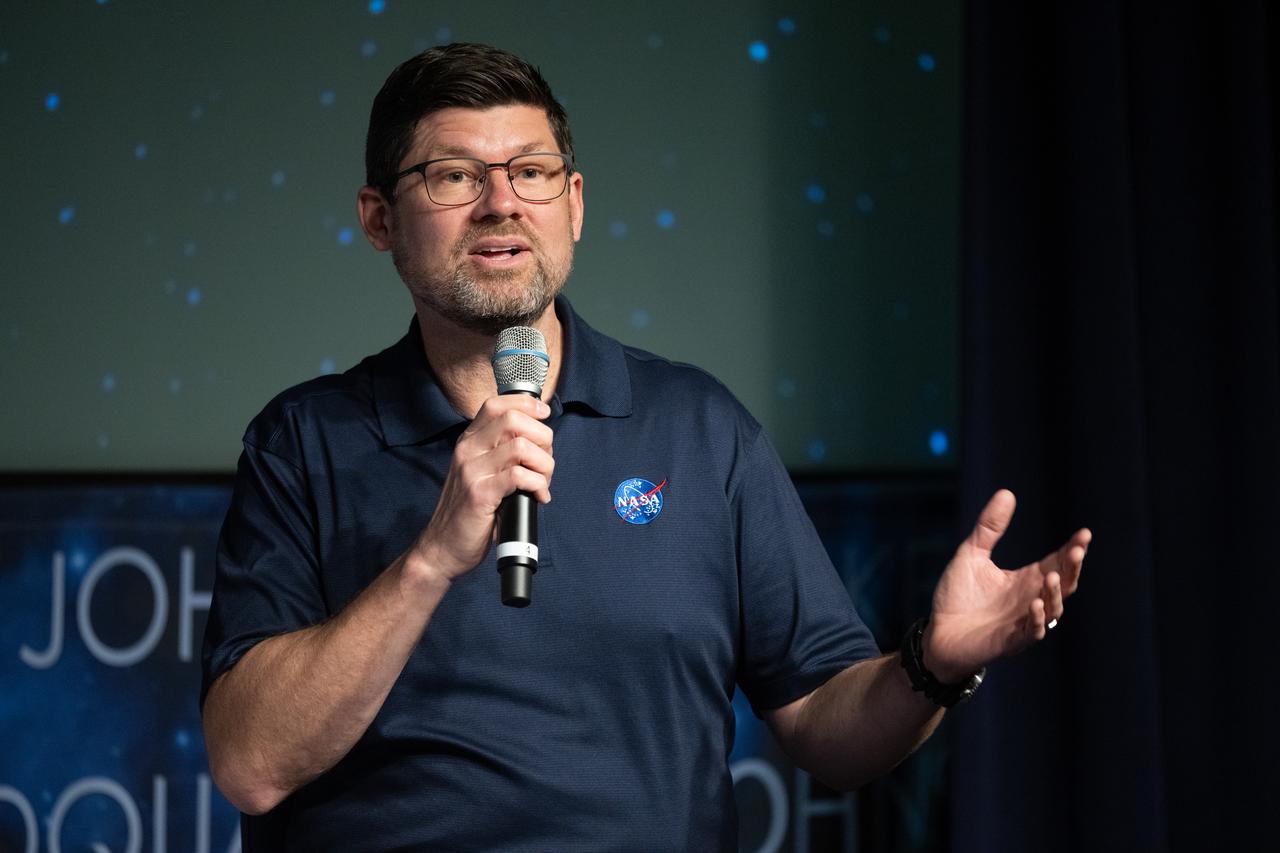
Tom Wagner, associate director for Earth Action in the Earth Science Division of NASA’s Science Mission Directorate, speaks during a briefing, Friday, April 19, 2024, at the Mary W. Jackson NASA Headquarters building in Washington. Wagner, Karen St. Germain, division director of the Earth Sciences Division of NASA’s Science Mission Directorate, and NASA Administrator Bill Nelson discussed early data from NASA’s PACE (Plankton, Aerosol, Cloud, ocean Ecosystem) mission and announced new airborne science missions. Photo Credit: (NASA/Joel Kowsky)
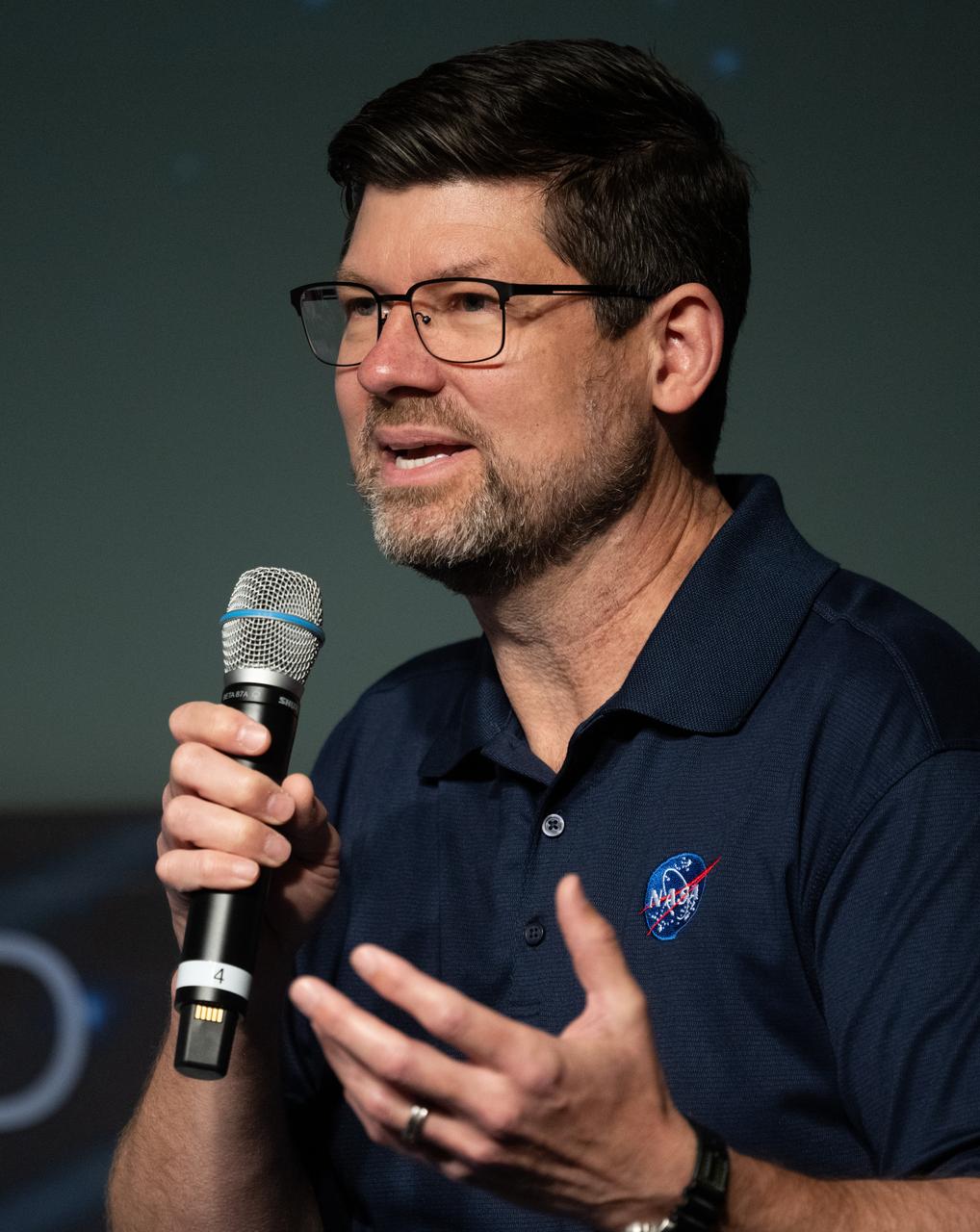
Tom Wagner, associate director for Earth Action in the Earth Science Division of NASA’s Science Mission Directorate, speaks during a briefing, Friday, April 19, 2024, at the Mary W. Jackson NASA Headquarters building in Washington. Wagner, Karen St. Germain, division director of the Earth Sciences Division of NASA’s Science Mission Directorate, and NASA Administrator Bill Nelson discussed early data from NASA’s PACE (Plankton, Aerosol, Cloud, ocean Ecosystem) mission and announced new airborne science missions. Photo Credit: (NASA/Joel Kowsky)
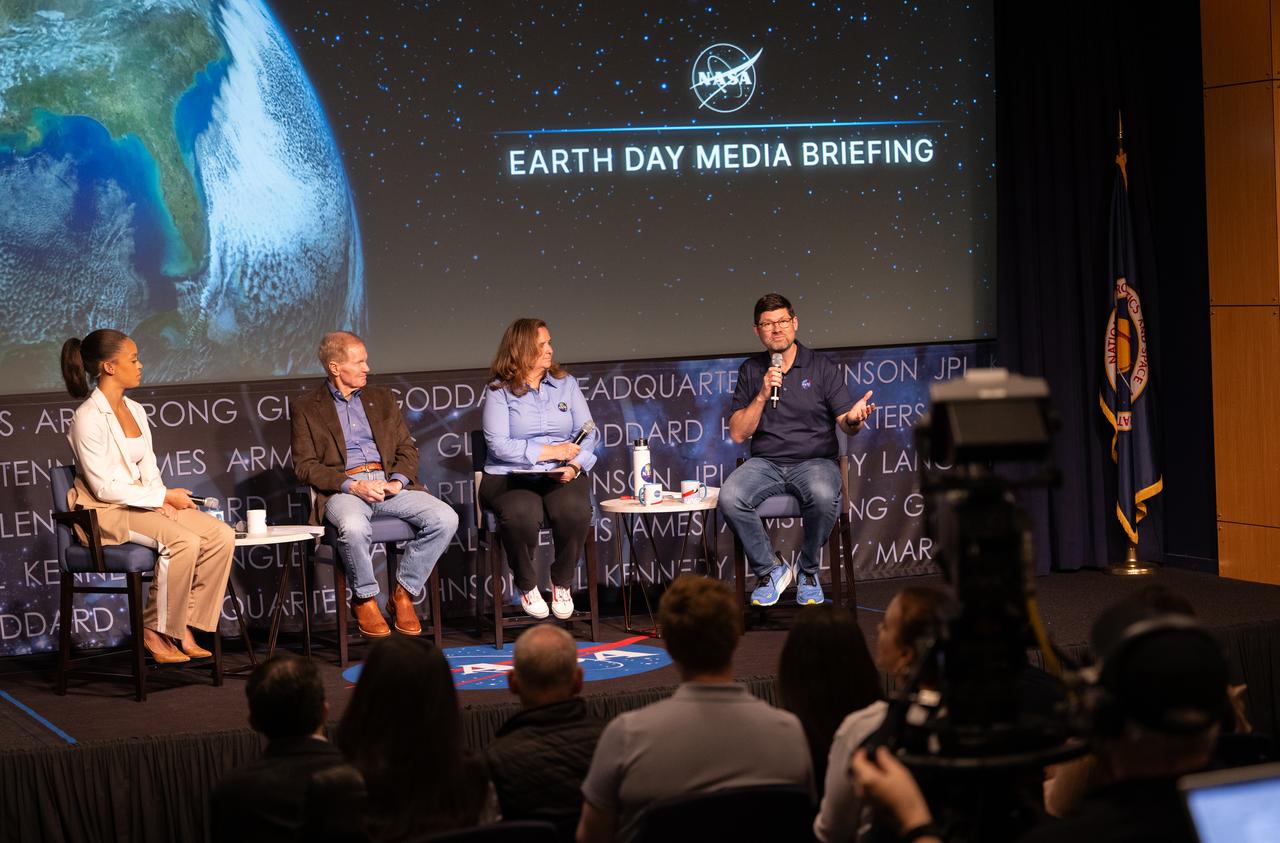
Tom Wagner, right, speaks during a briefing in advance of Earth Day to share updates on NASA’s climate science alongside Faith McKie, acting NASA Press Secretary, left, NASA Administrator Bill Nelson, second from left, and Karen St. Germain, division director of the Earth Science Division of NASA’s Science Mission Directorate, second from right, Friday, April 19, 2024, at the Mary W. Jackson NASA Headquarters building in Washington. Nelson, St. Germain, and Wagner discussed early data from NASA’s PACE (Plankton, Aerosol, Cloud, ocean Ecosystem) mission and announced new airborne science missions. Photo Credit: (NASA/Joel Kowsky)
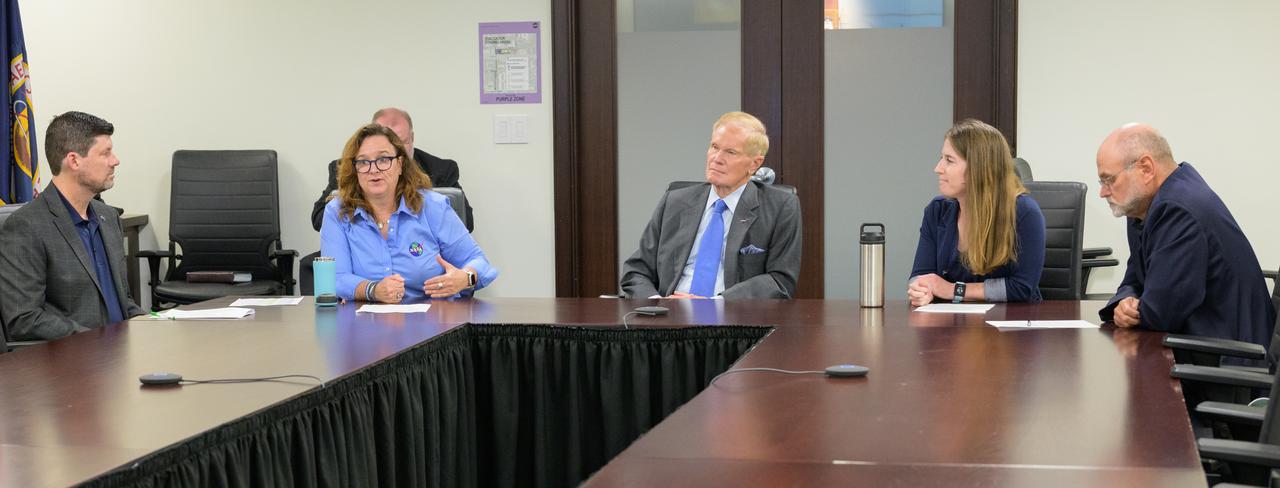
NASA Earth Action Associate Director Tom Wagner, left, NASA Earth Science Division Director Karen St. Germain, NASA Administrator Bill Nelson, NASA Chief Scientist and Senior Climate Adviser Kate Calvin, and NASA Goddard Space Flight Center Ocean Ecology Laboratory Chief Carlos Del Castillo, highlight NASA’s climate work during a media roundtable, Thursday, July 20, 2023, at the NASA Headquarters Mary W. Jackson Building in Washington. Photo Credit: (NASA/Bill Ingalls)
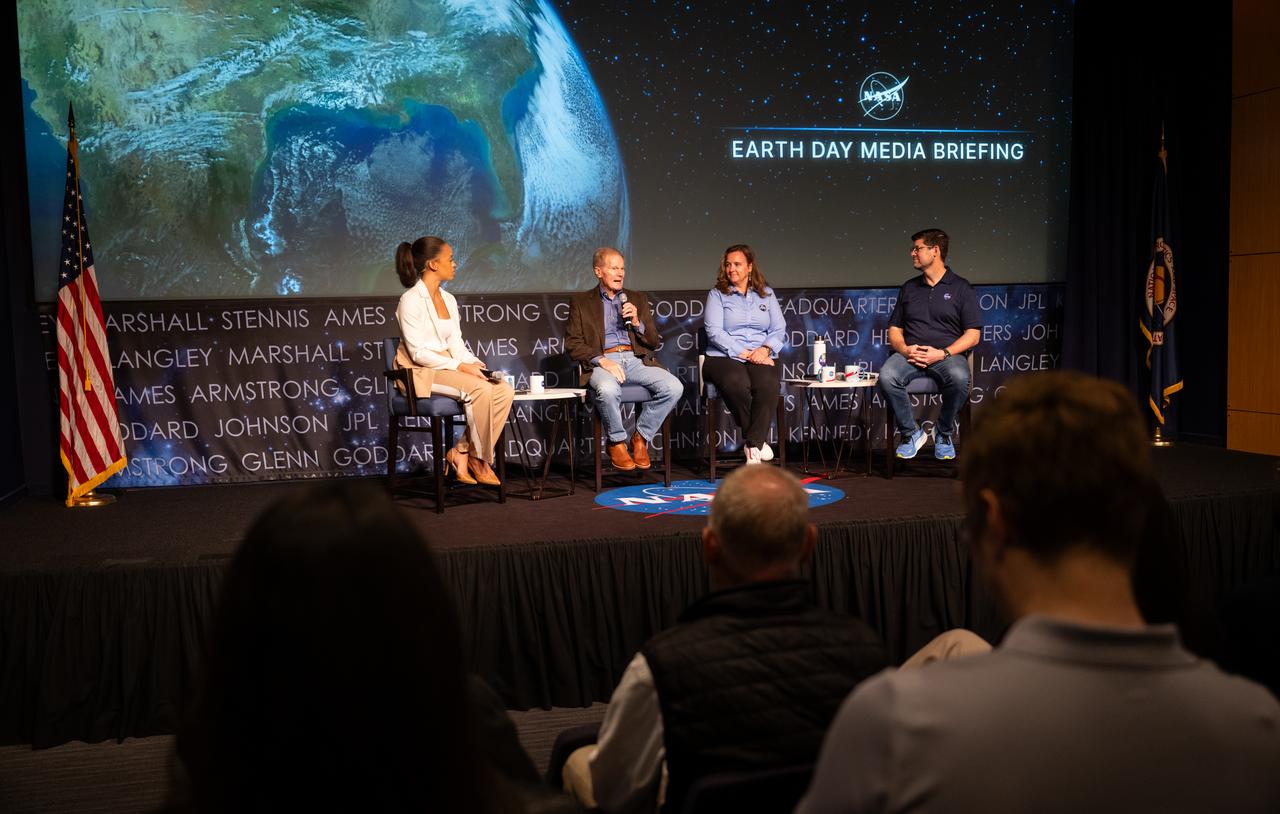
NASA Administrator Bill Nelson, second from left, speaks during a briefing in advance of Earth Day to share updates on NASA’s climate science alongside Faith McKie, acting NASA Press Secretary, left, Karen St. Germain, division director of the Earth Science Division of NASA’s Science Mission Directorate, second from right, and Tom Wagner, associate director for Earth Action in the Earth Science Division of NASA’s Science Mission Directorate, right, Friday, April 19, 2024, at the Mary W. Jackson NASA Headquarters building in Washington. Nelson, St. Germain, and Wagner discussed early data from NASA’s PACE (Plankton, Aerosol, Cloud, ocean Ecosystem) mission and announced new airborne science missions. Photo Credit: (NASA/Joel Kowsky)
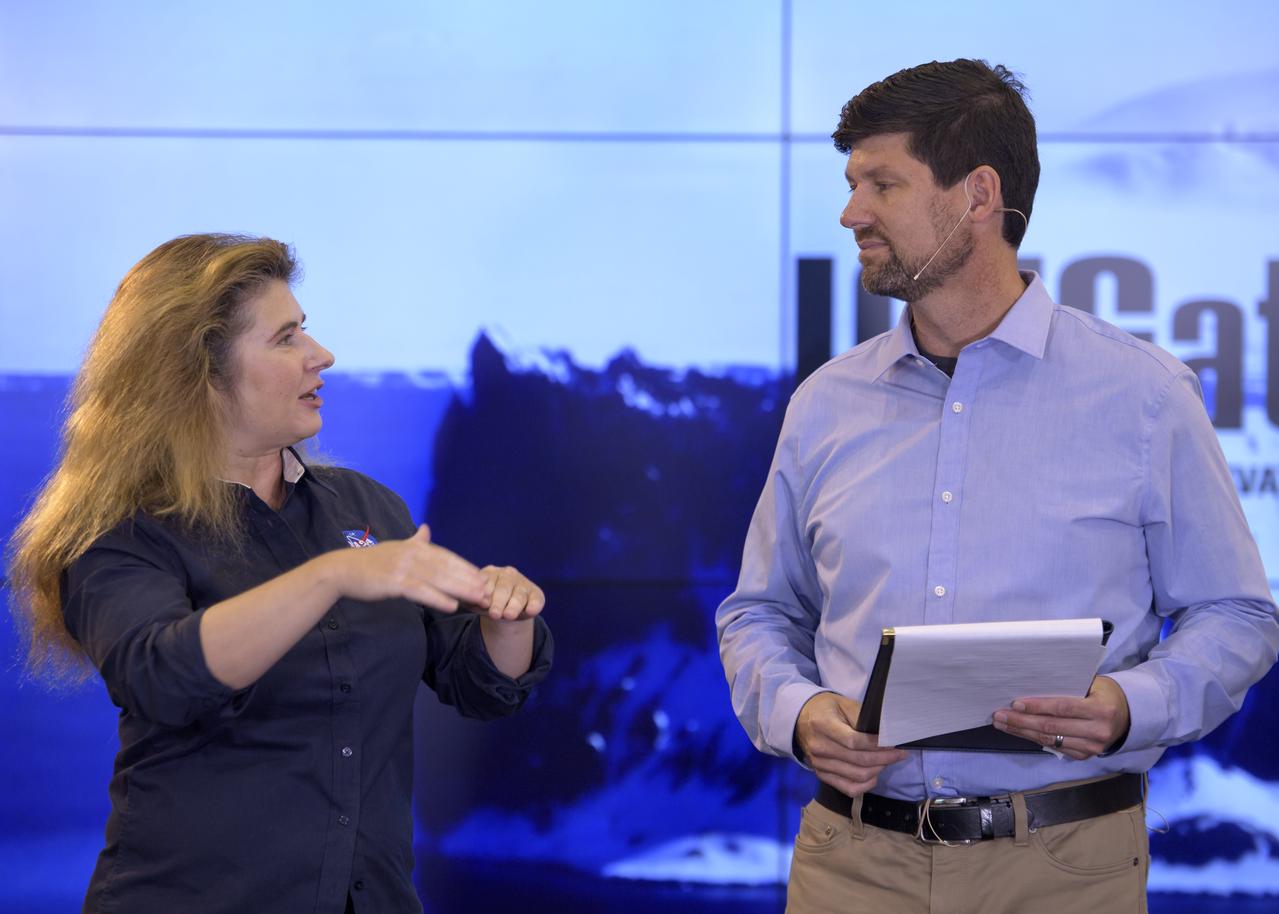
NASA Scientist Michelle Thaller and Tom Wagner, ICESat-2 Program Scientist, NASA Headquarters are seen during a NASA Ice, Cloud and land Elevation Satellite-2 (ICESat-2) prelaunch briefing, Thursday, Sept. 13, 2018, at Vandenberg Air Force Base in California. The ICESat-2 mission will measure the changing height of Earth's ice. Photo Credit: (NASA/Bill Ingalls)
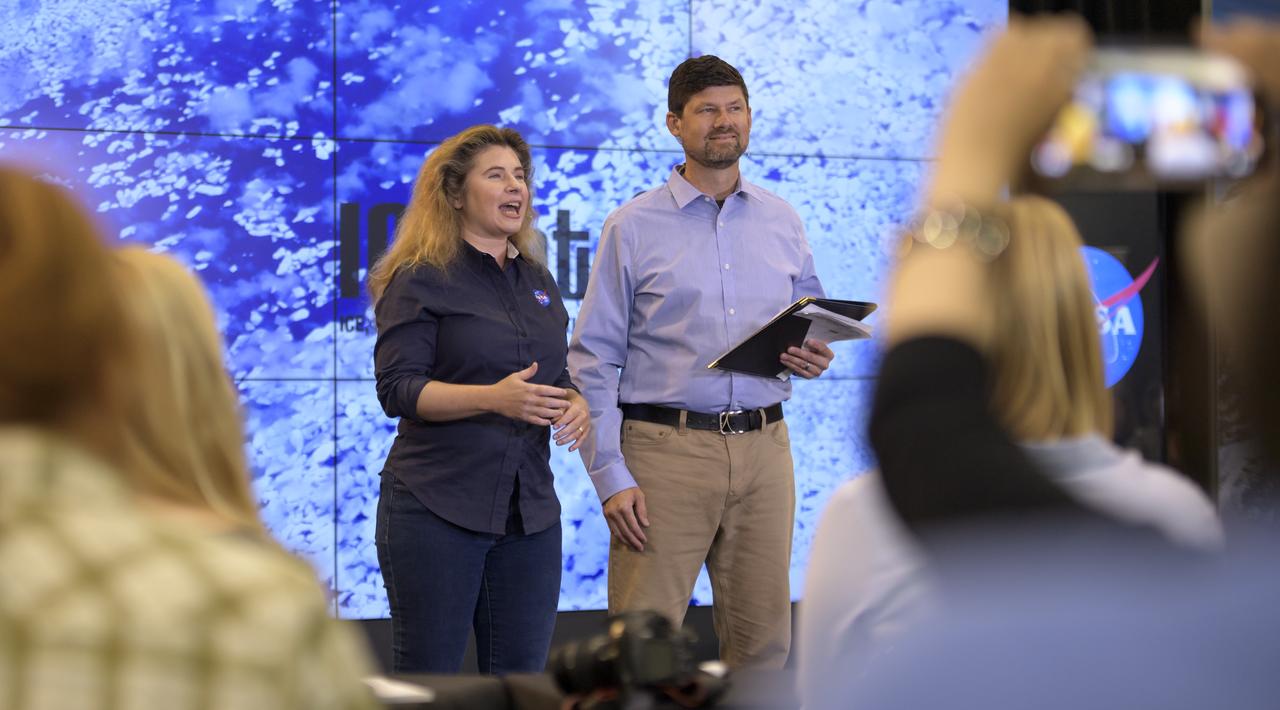
NASA Scientist Michelle Thaller and Tom Wagner, ICESat-2 Program Scientist, NASA Headquarters are seen during a NASA Ice, Cloud and land Elevation Satellite-2 (ICESat-2) prelaunch briefing, Thursday, Sept. 13, 2018, at Vandenberg Air Force Base in California. The ICESat-2 mission will measure the changing height of Earth's ice. Photo Credit: (NASA/Bill Ingalls)
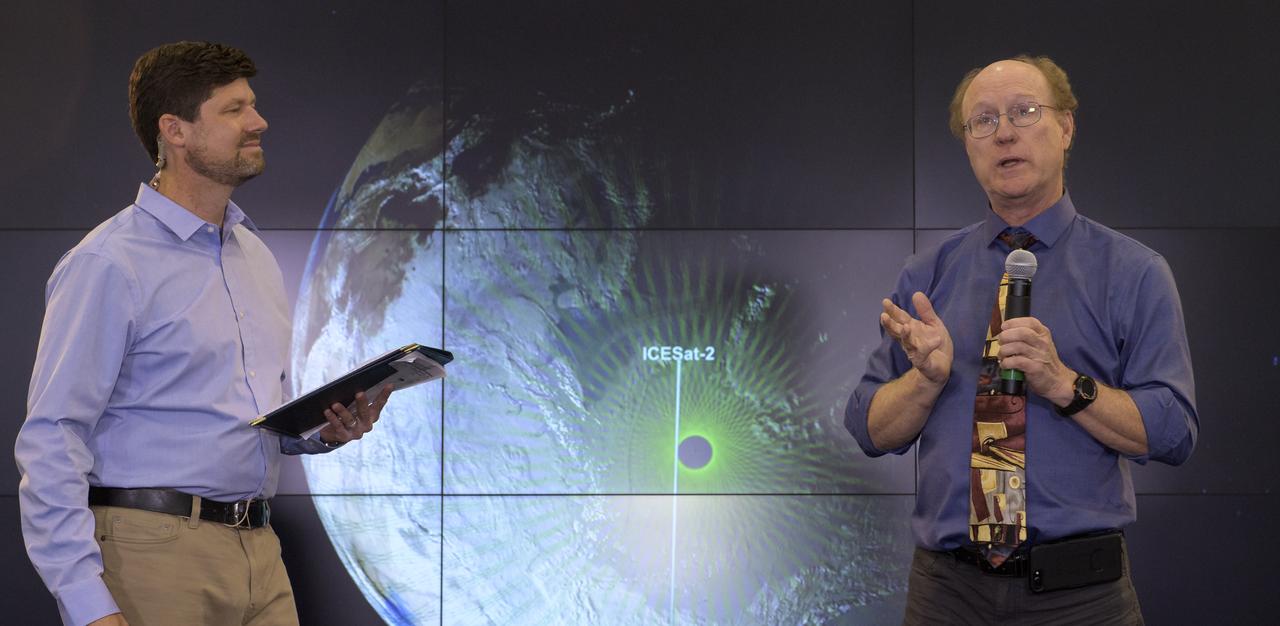
Tom Wagner, ICESat-2 Program Scientist, NASA Headquarters, left, and Doug McLennan, ICESat-2 Project Manager, NASA's Goddard Space Flight Center, are seen during a NASA Ice, Cloud and land Elevation Satellite-2 (ICESat-2) prelaunch briefing, Thursday, Sept. 13, 2018, at Vandenberg Air Force Base in California. The ICESat-2 mission will measure the changing height of Earth's ice. Photo Credit: (NASA/Bill Ingalls)
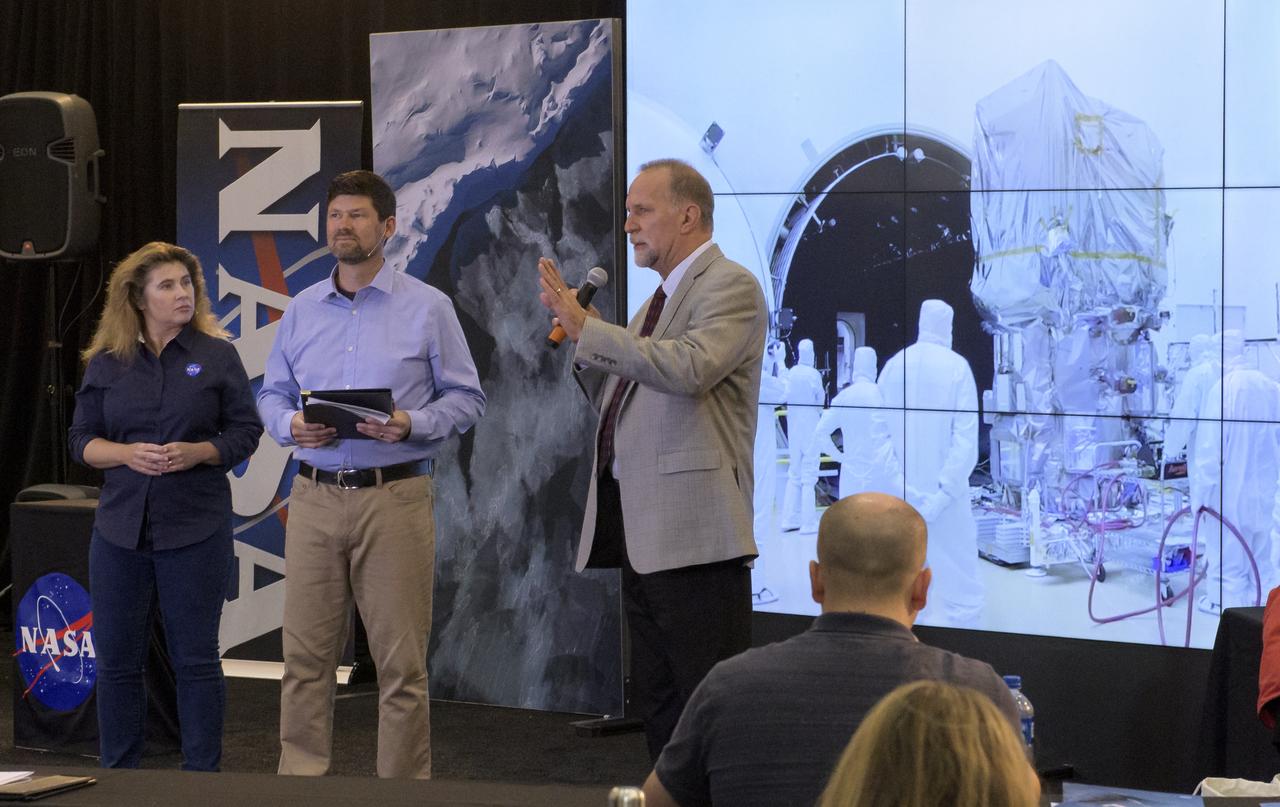
NASA Scientist Michelle Thaller, Tom Wagner, ICESat-2 Program Scientist, NASA Headquarters, center, and Bill Barnhart, ICESat-2 Program Manager, Northrop Grumman, are seen during a NASA Ice, Cloud and land Elevation Satellite-2 (ICESat-2) prelaunch briefing, Thursday, Sept. 13, 2018, at Vandenberg Air Force Base in California. The ICESat-2 mission will measure the changing height of Earth's ice. Photo Credit: (NASA/Bill Ingalls)

NASA Scientist Michelle Thaller and Tom Wagner, ICESat-2 Program Scientist, NASA Headquarters are seen during a NASA Ice, Cloud and land Elevation Satellite-2 (ICESat-2) prelaunch briefing, Thursday, Sept. 13, 2018, at Vandenberg Air Force Base in California. The ICESat-2 mission will measure the changing height of Earth's ice. Photo Credit: (NASA/Bill Ingalls)
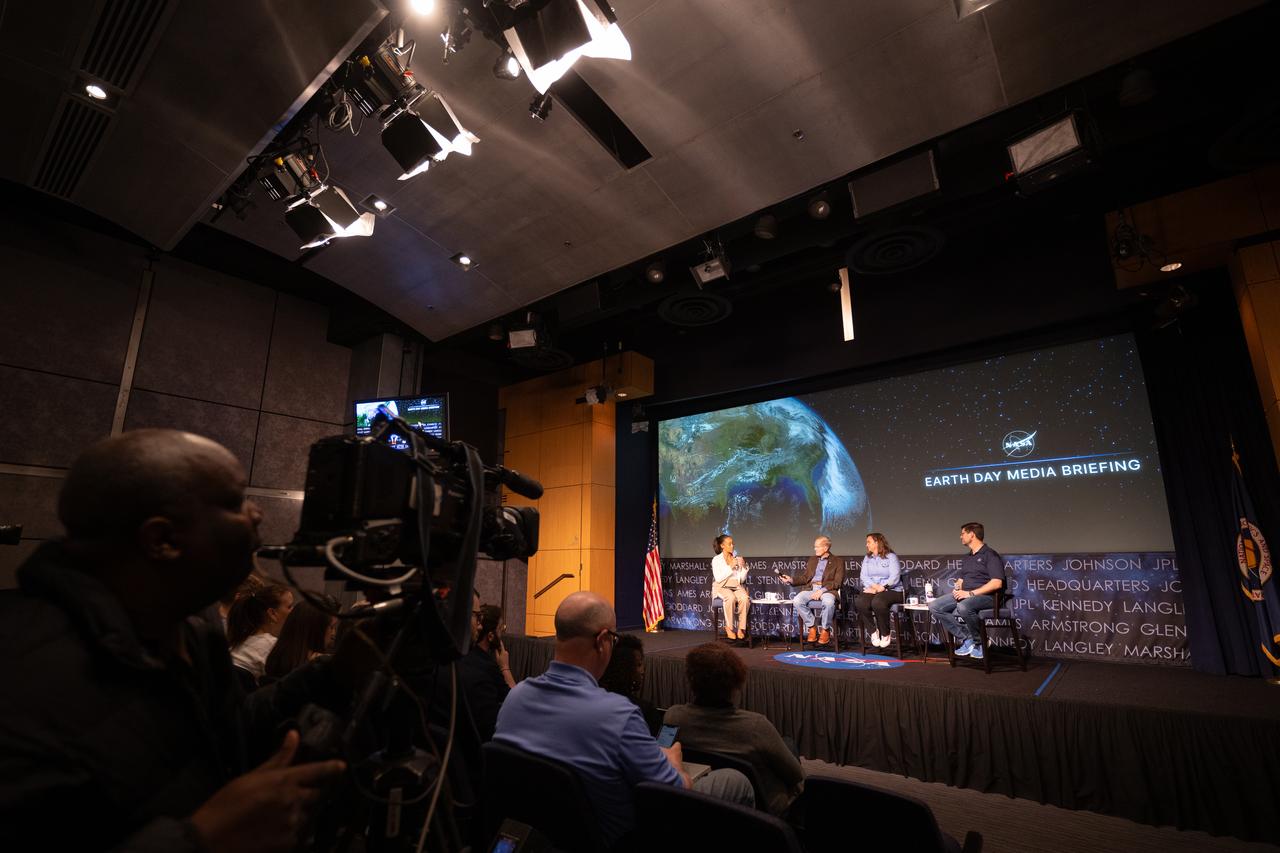
Faith McKie, acting NASA Press Secretary, left, asks a question a briefing in advance of Earth Day to share updates on NASA’s climate science, Friday, April 19, 2024, at the Mary W. Jackson NASA Headquarters building in Washington. NASA Administrator Bill Nelson, second from left, Karen St. Germain, division director of the Earth Science Division of NASA’s Science Mission Directorate, second from right, and Tom Wagner, associate director for Earth Action in the Earth Science Division of NASA’s Science Mission Directorate, right, discussed early data from NASA’s PACE (Plankton, Aerosol, Cloud, ocean Ecosystem) mission and announced new airborne science missions. Photo Credit: (NASA/Joel Kowsky)
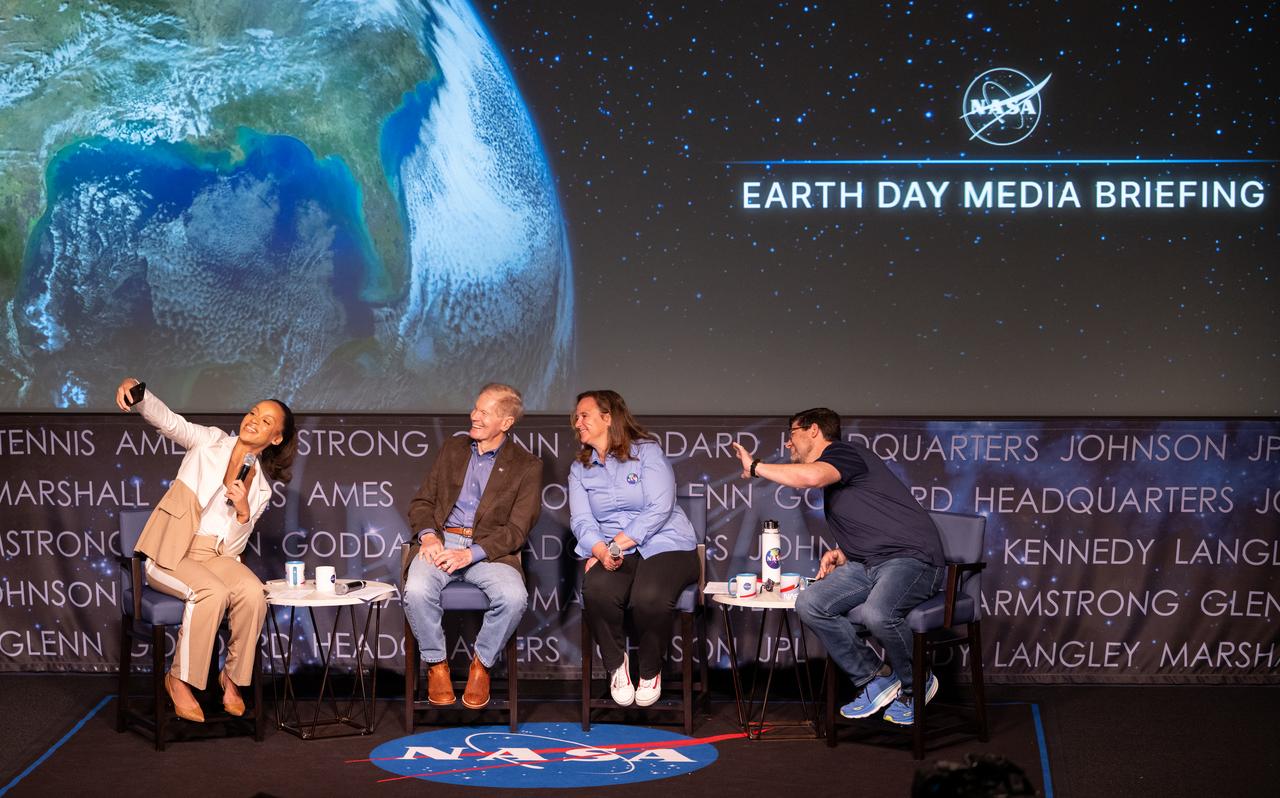
Faith McKie, acting NASA Press Secretary, left, takes a selfie for the agency’s Global Selfie campaign with NASA Administrator Bill Nelson, second from left, Karen St. Germain, division director of the Earth Science Division of NASA’s Science Mission Directorate, second from right, and Tom Wagner, associate director for Earth Action in the Earth Science Division of NASA’s Science Mission Directorate, right, at the conclusion of a briefing in advance of Earth Day to share updates on NASA’s climate science, Friday, April 19, 2024, at the Mary W. Jackson NASA Headquarters building in Washington. discussed early data from NASA’s PACE (Plankton, Aerosol, Cloud, ocean Ecosystem) mission and announced new airborne science missions. Photo Credit: (NASA/Joel Kowsky)
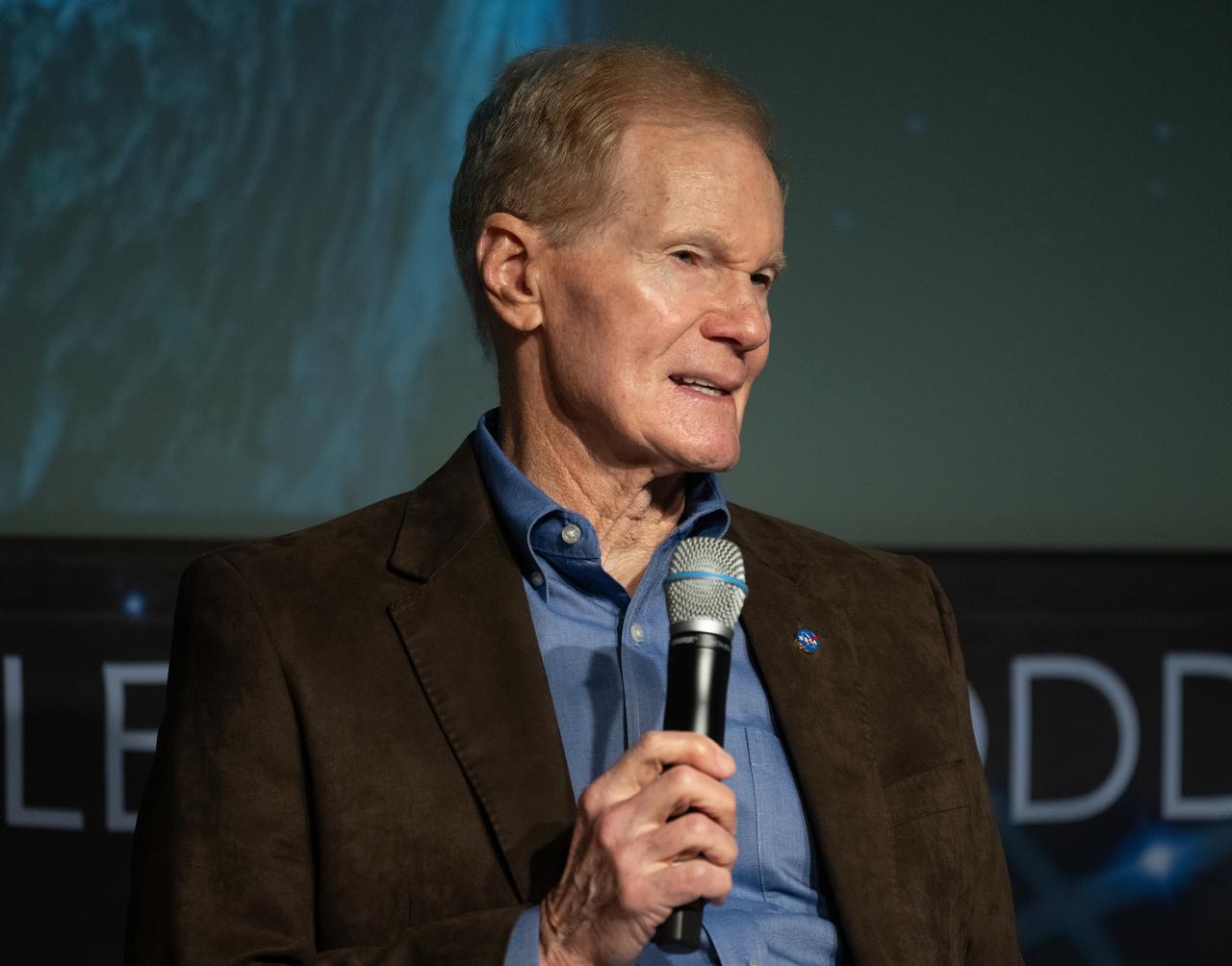
NASA Administrator Bill Nelson speaks during a briefing in advance of Earth Day to share updates on NASA’s climate science, Friday, April 19, 2024, at the Mary W. Jackson NASA Headquarters building in Washington. Nelson, Karen St. Germain, division director of the Earth Science Division of NASA’s Science Mission Directorate, and Tom Wagner, associate director for Earth Action in the Earth Science Division of NASA’s Science Mission Directorate, discussed early data from NASA’s PACE (Plankton, Aerosol, Cloud, ocean Ecosystem) mission and announced new airborne science missions. Photo Credit: (NASA/Joel Kowsky)
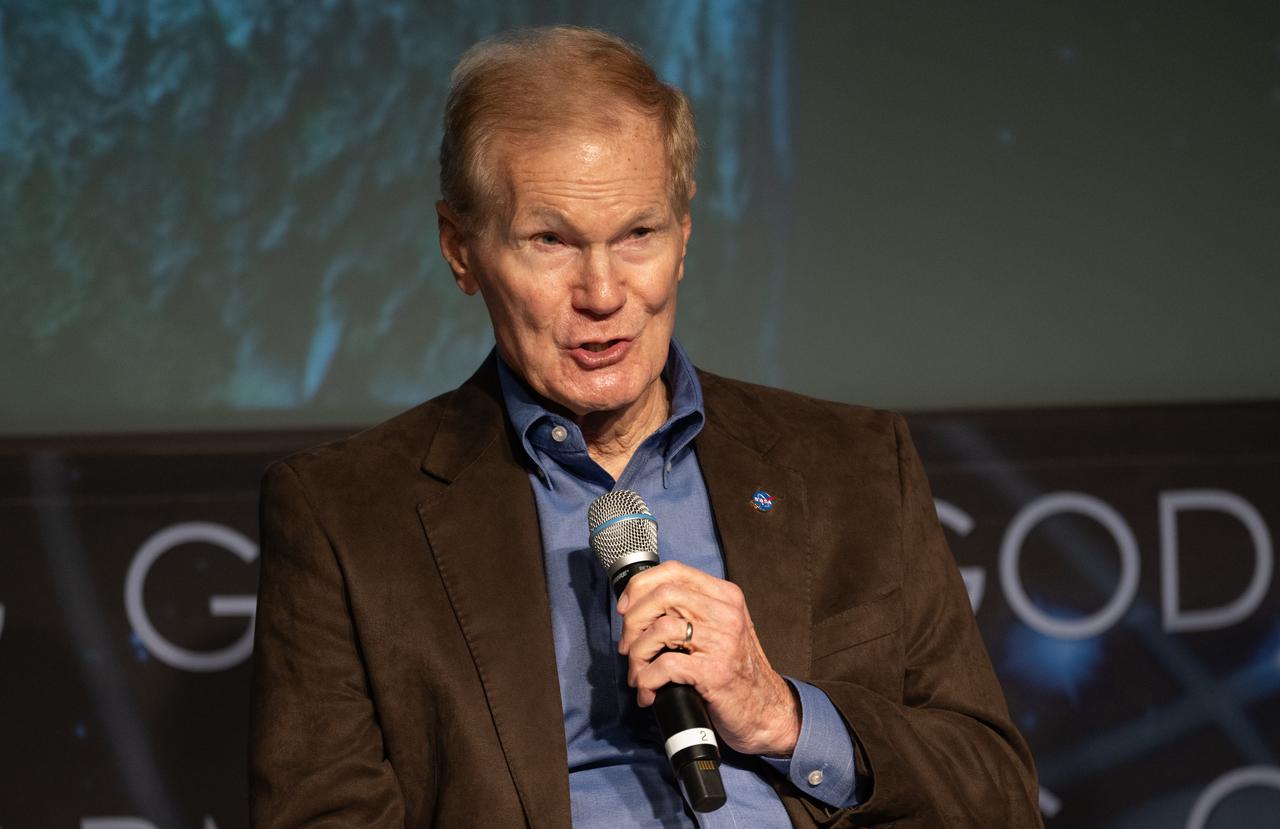
NASA Administrator Bill Nelson speaks during a briefing in advance of Earth Day to share updates on NASA’s climate science, Friday, April 19, 2024, at the Mary W. Jackson NASA Headquarters building in Washington. Nelson, Karen St. Germain, division director of the Earth Science Division of NASA’s Science Mission Directorate, and Tom Wagner, associate director for Earth Action in the Earth Science Division of NASA’s Science Mission Directorate, discussed early data from NASA’s PACE (Plankton, Aerosol, Cloud, ocean Ecosystem) mission and announced new airborne science missions. Photo Credit: (NASA/Joel Kowsky)
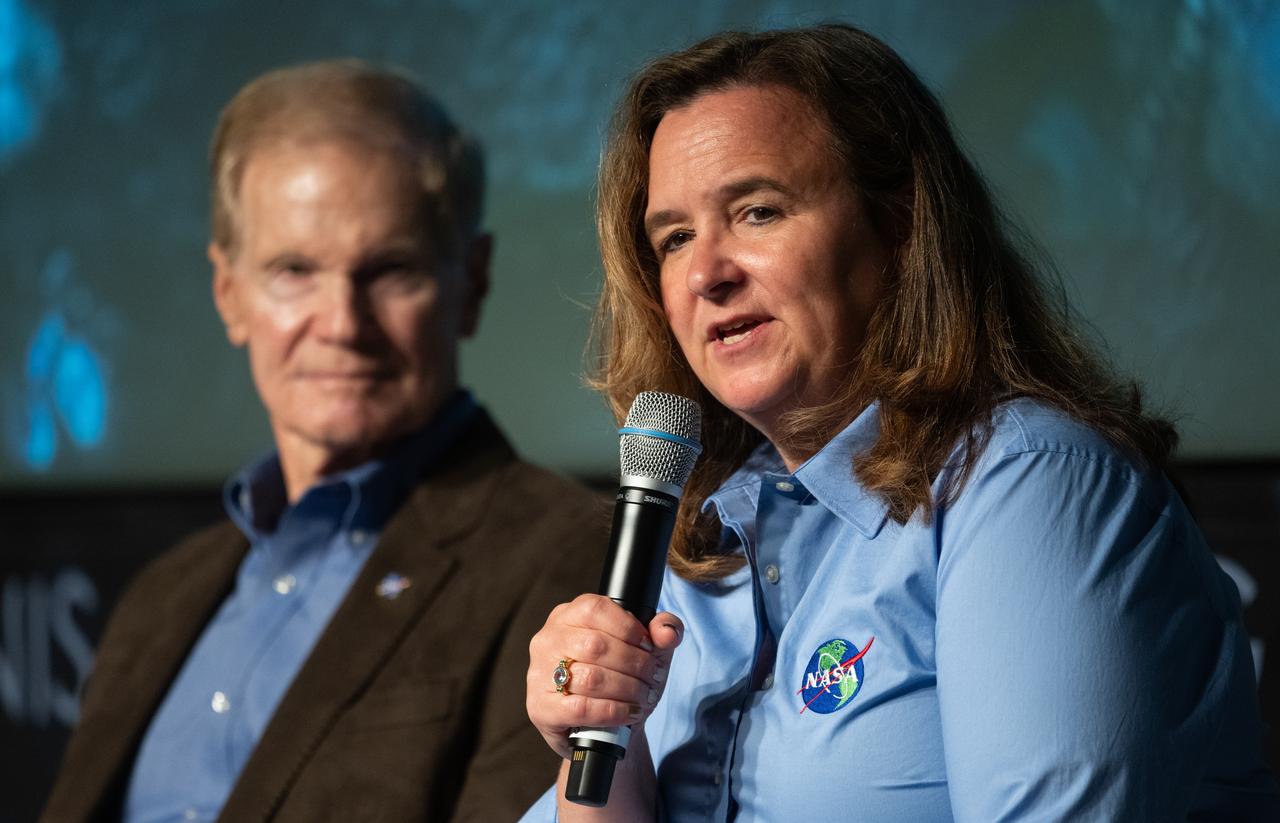
Karen St. Germain, division director of the Earth Sciences Division of NASA’s Science Mission Directorate, speaks during a briefing, Friday, April 19, 2024, at the Mary W. Jackson NASA Headquarters building in Washington. Germain, NASA Administrator Bill Nelson, and Tom Wagner, associate director for Earth Action in the Earth Science Division of NASA’s Science Mission Directorate, discussed early data from NASA’s PACE (Plankton, Aerosol, Cloud, ocean Ecosystem) mission and announced new airborne science missions. Photo Credit: (NASA/Joel Kowsky)

Faith McKie, acting NASA Press Secretary, left, asks a question a briefing in advance of Earth Day to share updates on NASA’s climate science, Friday, April 19, 2024, at the Mary W. Jackson NASA Headquarters building in Washington. NASA Administrator Bill Nelson, Karen St. Germain, division director of the Earth Science Division of NASA’s Science Mission Directorate, and Tom Wagner, associate director for Earth Action in the Earth Science Division of NASA’s Science Mission Directorate, discussed early data from NASA’s PACE (Plankton, Aerosol, Cloud, ocean Ecosystem) mission and announced new airborne science missions. Photo Credit: (NASA/Joel Kowsky)

Faith McKie, acting NASA Press Secretary, open a briefing in advance of Earth Day to share updates on NASA’s climate science, Friday, April 19, 2024, at the Mary W. Jackson NASA Headquarters building in Washington. NASA Administrator Bill Nelson, Karen St. Germain, division director of the Earth Science Division of NASA’s Science Mission Directorate, and Tom Wagner, associate director for Earth Action in the Earth Science Division of NASA’s Science Mission Directorate, discussed early data from NASA’s PACE (Plankton, Aerosol, Cloud, ocean Ecosystem) mission and announced new airborne science missions. Photo Credit: (NASA/Joel Kowsky)

Karen St. Germain, division director of the Earth Sciences Division of NASA’s Science Mission Directorate, speaks during a briefing, Friday, April 19, 2024, at the Mary W. Jackson NASA Headquarters building in Washington. Germain, NASA Administrator Bill Nelson, and Tom Wagner, associate director for Earth Action in the Earth Science Division of NASA’s Science Mission Directorate, discussed early data from NASA’s PACE (Plankton, Aerosol, Cloud, ocean Ecosystem) mission and announced new airborne science missions. Photo Credit: (NASA/Joel Kowsky)
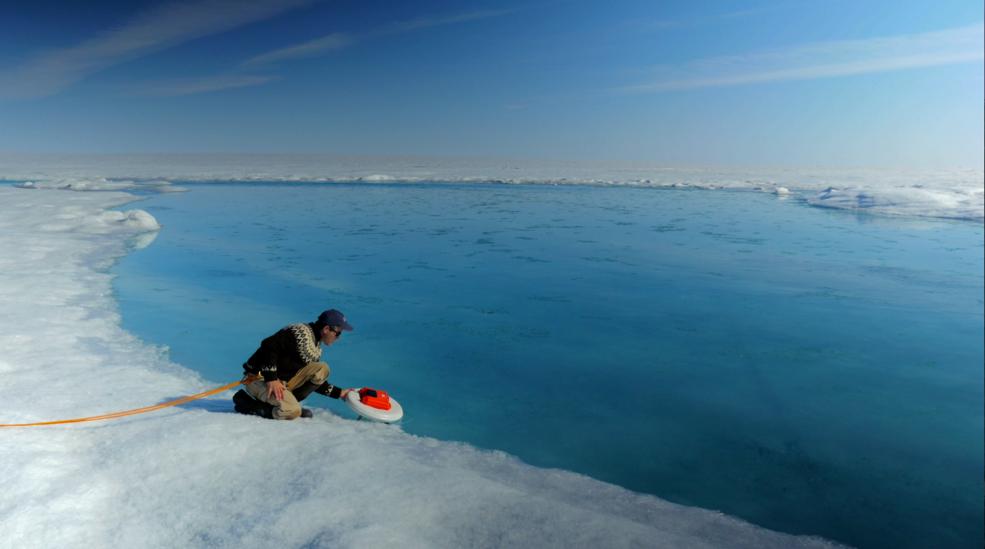
Laurence Smith, chair of geography at University of California, Los Angeles, deploys an autonomous drift boat equipped with several sensors in a meltwater river on the surface of the Greenland ice sheet on July 19, 2015. “Surface melting in Greenland has increased recently, and we lacked a rigorous estimate of the water volumes being produced and their transport,” said Tom Wagner, the cryosphere program scientist at NASA Headquarters in Washington. “NASA funds fieldwork like Smith’s because it helps us to interpret satellite data, and to extrapolate measurements from the local field sites to the larger ice sheet." Credit: NASA/Goddard/Jefferson Beck
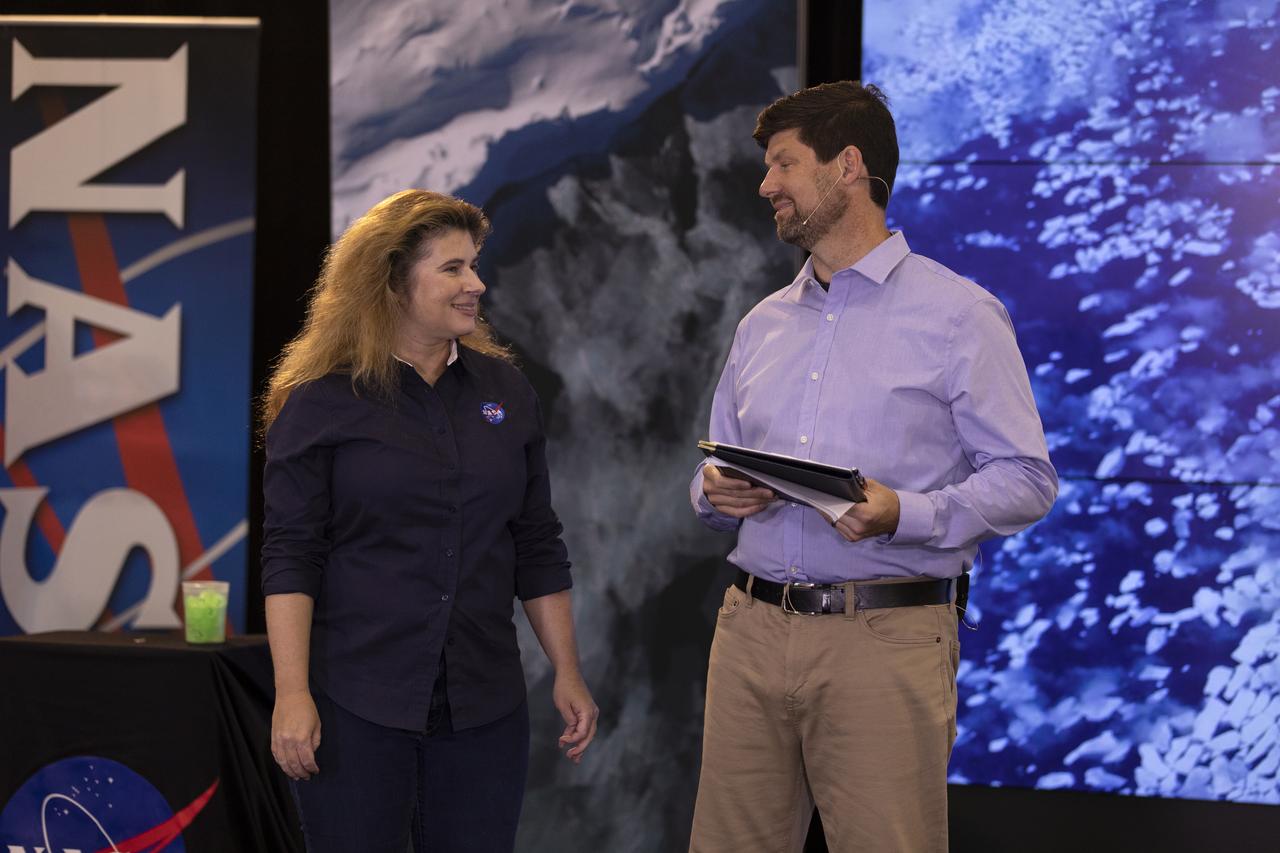
Michelle Thaller, NASA Communications (left), and Tom Wagner, ICESat-2 program scientist, NASA Headquarters (right) speaks to members of the news media and social media participants during a prelaunch mission briefing for NASA's Ice, Cloud and land Elevation Satellite-2 (ICESat-2), a mission to measure the changing height of Earth's ice, on Sept. 13, 2018 at Vandenberg Air Force Base (VAFB) in California. ICESat-2 will launch aboard a United Launch Alliance Delta II, the rocket’s final mission, from Space Launch Complex 2 at VAFB. Launch is scheduled for 8:46 a.m. EDT (5:46 a.m. PDT).
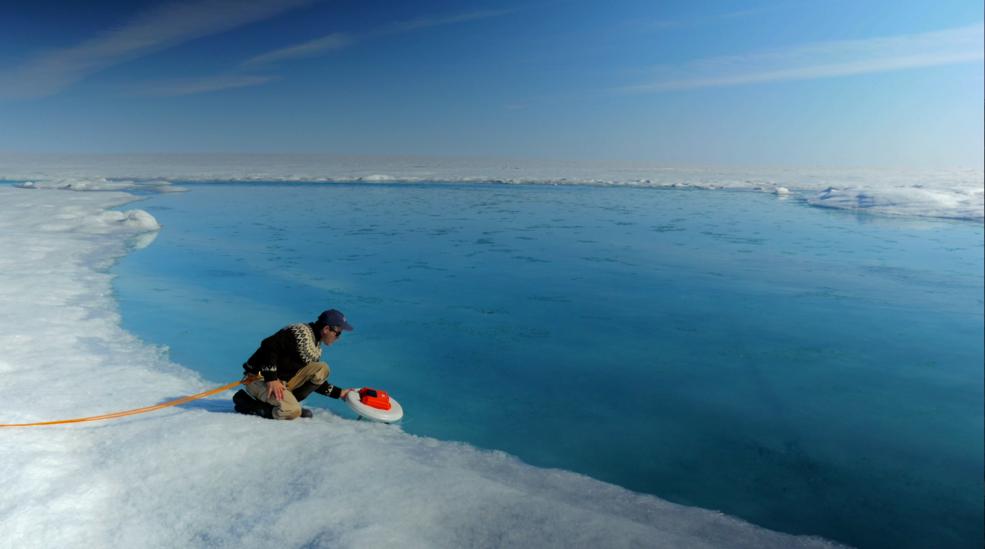
Laurence Smith, chair of geography at University of California, Los Angeles, deploys an autonomous drift boat equipped with several sensors in a meltwater river on the surface of the Greenland ice sheet on July 19, 2015. “Surface melting in Greenland has increased recently, and we lacked a rigorous estimate of the water volumes being produced and their transport,” said Tom Wagner, the cryosphere program scientist at NASA Headquarters in Washington. “NASA funds fieldwork like Smith’s because it helps us to interpret satellite data, and to extrapolate measurements from the local field sites to the larger ice sheet." Credit: NASA/Goddard/Jefferson Beck Read more: <a href="http://www.nasa.gov/feature/a-summer-of-nasa-research-on-sea-level-rise-in-greenland" rel="nofollow">www.nasa.gov/feature/a-summer-of-nasa-research-on-sea-lev...</a> <b><a href="http://www.nasa.gov/audience/formedia/features/MP_Photo_Guidelines.html" rel="nofollow">NASA image use policy.</a></b> <b><a href="http://www.nasa.gov/centers/goddard/home/index.html" rel="nofollow">NASA Goddard Space Flight Center</a></b> enables NASA’s mission through four scientific endeavors: Earth Science, Heliophysics, Solar System Exploration, and Astrophysics. Goddard plays a leading role in NASA’s accomplishments by contributing compelling scientific knowledge to advance the Agency’s mission. <b>Follow us on <a href="http://twitter.com/NASAGoddardPix" rel="nofollow">Twitter</a></b> <b>Like us on <a href="http://www.facebook.com/pages/Greenbelt-MD/NASA-Goddard/395013845897?ref=tsd" rel="nofollow">Facebook</a></b> <b>Find us on <a href="http://instagrid.me/nasagoddard/?vm=grid" rel="nofollow">Instagram</a></b>
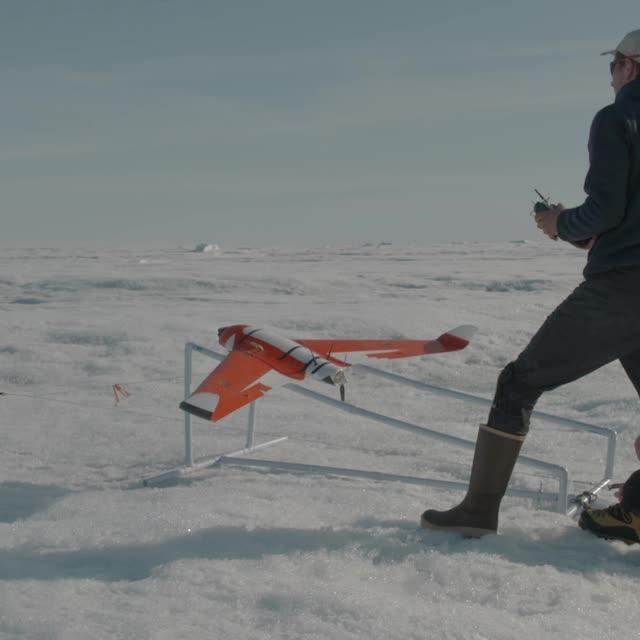
At 1 p.m. EDT (10 a.m. PDT) on Friday, Aug. 28, NASA's Goddard Space Flight Center in Greenbelt, Maryland, will host a live TV program about agency research into how and why the massive Greenland ice sheet is changing. The event features scientists actively conducting field work in Greenland, along with extensive video footage of their work performed over this summer. Panelists include: Tom Wagner (cryosphere program scientist with NASA's Earth Science Division), Laurence Smith (chair of the University of California, Los Angeles Department of Geography), Mike Bevis (professor of geodynamics at Ohio State University in Columbus), Sophie Nowicki (physical scientist at Goddard), and Josh Willis (JPL). The Friday program will air live on NASA TV and stream online at: <a href="http://www.nasa.gov/nasatv" rel="nofollow">www.nasa.gov/nasatv</a>. To ask questions via social media during the televised event, use the hashtag #askNASA. <b><a href="http://www.nasa.gov/audience/formedia/features/MP_Photo_Guidelines.html" rel="nofollow">NASA image use policy.</a></b> <b><a href="http://www.nasa.gov/centers/goddard/home/index.html" rel="nofollow">NASA Goddard Space Flight Center</a></b> enables NASA’s mission through four scientific endeavors: Earth Science, Heliophysics, Solar System Exploration, and Astrophysics. Goddard plays a leading role in NASA’s accomplishments by contributing compelling scientific knowledge to advance the Agency’s mission. <b>Follow us on <a href="http://twitter.com/NASAGoddardPix" rel="nofollow">Twitter</a></b> <b>Like us on <a href="http://www.facebook.com/pages/Greenbelt-MD/NASA-Goddard/395013845897?ref=tsd" rel="nofollow">Facebook</a></b> <b>Find us on <a href="http://instagrid.me/nasagoddard/?vm=grid" rel="nofollow">Instagram</a></b>
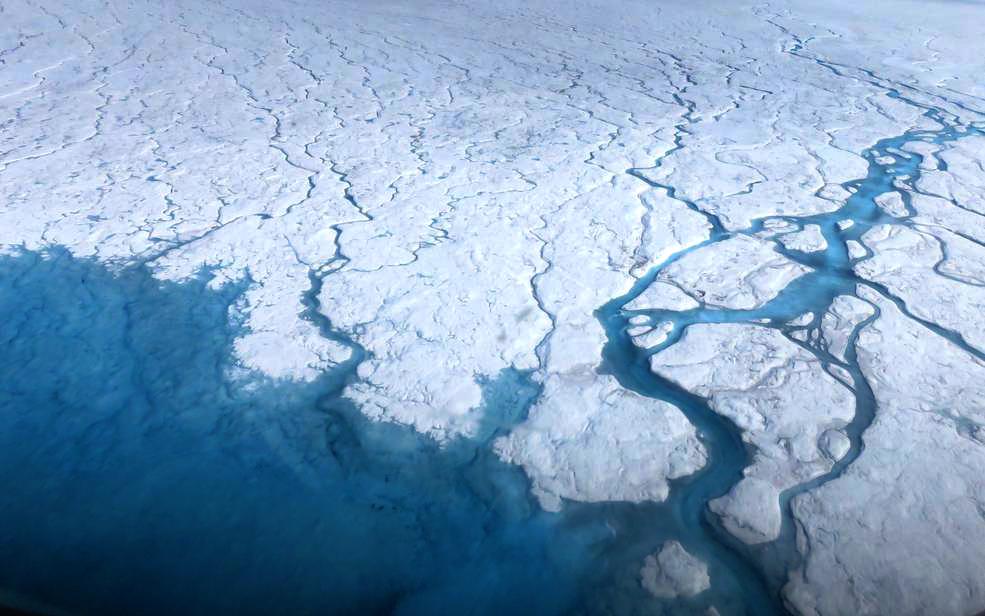
Streams and rivers that form on top of the Greenland ice sheet during spring and summer are the main agent transporting melt runoff from the ice sheet to the ocean. “Surface melting in Greenland has increased recently, and we lacked a rigorous estimate of the water volumes being produced and their transport,” said Tom Wagner, the cryosphere program scientist at NASA Headquarters in Washington. “NASA funds fieldwork like Smith’s because it helps us to interpret satellite data, and to extrapolate measurements from the local field sites to the larger ice sheet." Credit: NASA/Goddard/Maria-José Viñas Read more: <a href="http://www.nasa.gov/feature/a-summer-of-nasa-research-on-sea-level-rise-in-greenland" rel="nofollow">www.nasa.gov/feature/a-summer-of-nasa-research-on-sea-lev...</a> <b><a href="http://www.nasa.gov/audience/formedia/features/MP_Photo_Guidelines.html" rel="nofollow">NASA image use policy.</a></b> <b><a href="http://www.nasa.gov/centers/goddard/home/index.html" rel="nofollow">NASA Goddard Space Flight Center</a></b> enables NASA’s mission through four scientific endeavors: Earth Science, Heliophysics, Solar System Exploration, and Astrophysics. Goddard plays a leading role in NASA’s accomplishments by contributing compelling scientific knowledge to advance the Agency’s mission. <b>Follow us on <a href="http://twitter.com/NASAGoddardPix" rel="nofollow">Twitter</a></b> <b>Like us on <a href="http://www.facebook.com/pages/Greenbelt-MD/NASA-Goddard/395013845897?ref=tsd" rel="nofollow">Facebook</a></b> <b>Find us on <a href="http://instagrid.me/nasagoddard/?vm=grid" rel="nofollow">Instagram</a></b>