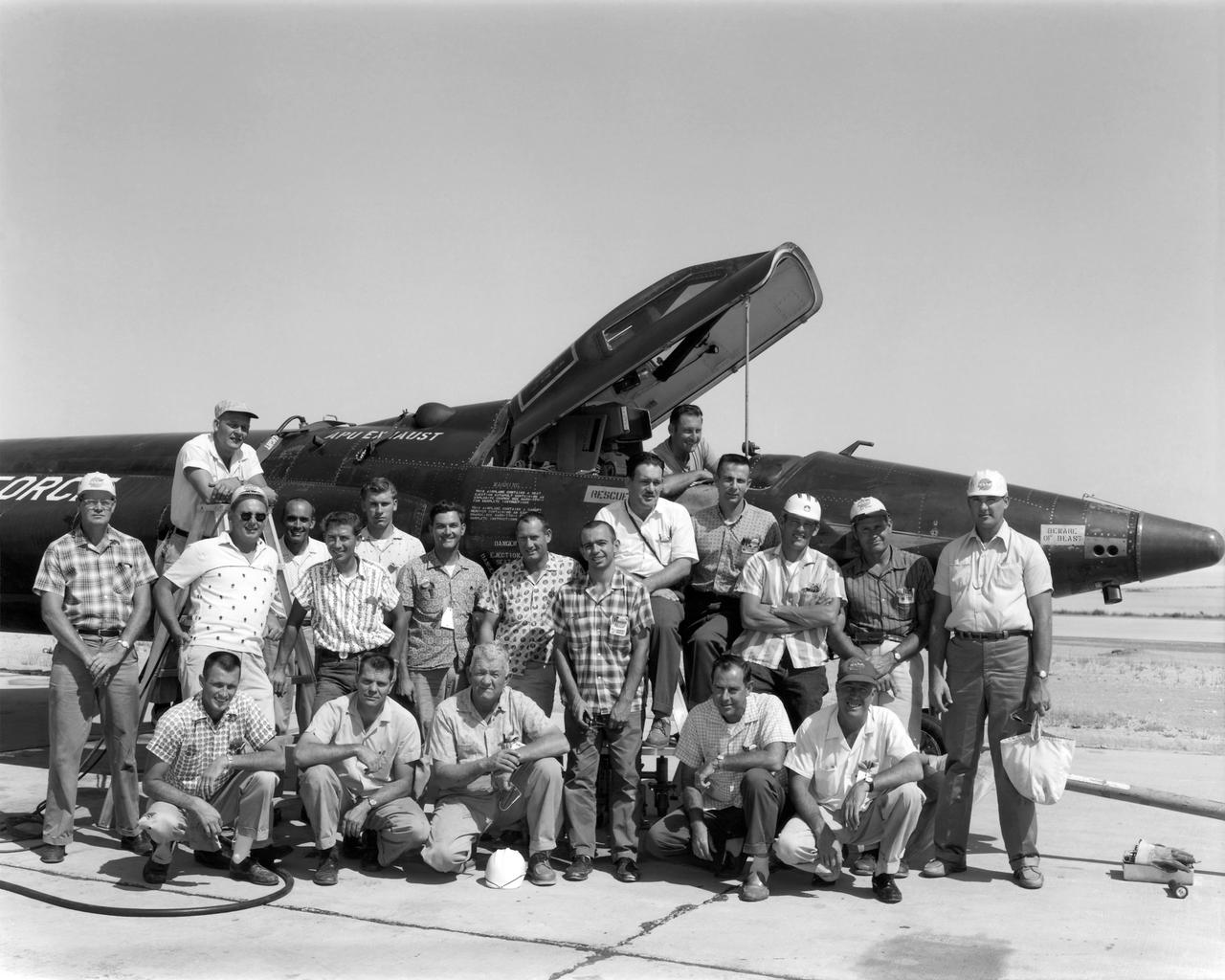
X-15 personnel July 1962 Cockpit: Edward "Ed" Nice Ladder: Thomas "Tom" McAlister Back Row, left to right: William Clark, Edward "Ed" Sabo, Donald "Don" Hall, Billy Furr, Allen Dustin, Raymond "Ray" White, George E. Trott, Alfred "Al" Grieshaber, Merle Curtis, LeRoy "Lee" Adelsbach, Allen Lowe, Jay L. King, Lorenzo "Larry" Barnett. Kneeling, left to right: Byron Gibbs, Price "Bob" Workman, Ira Cupp, unidentified, John Gordon.
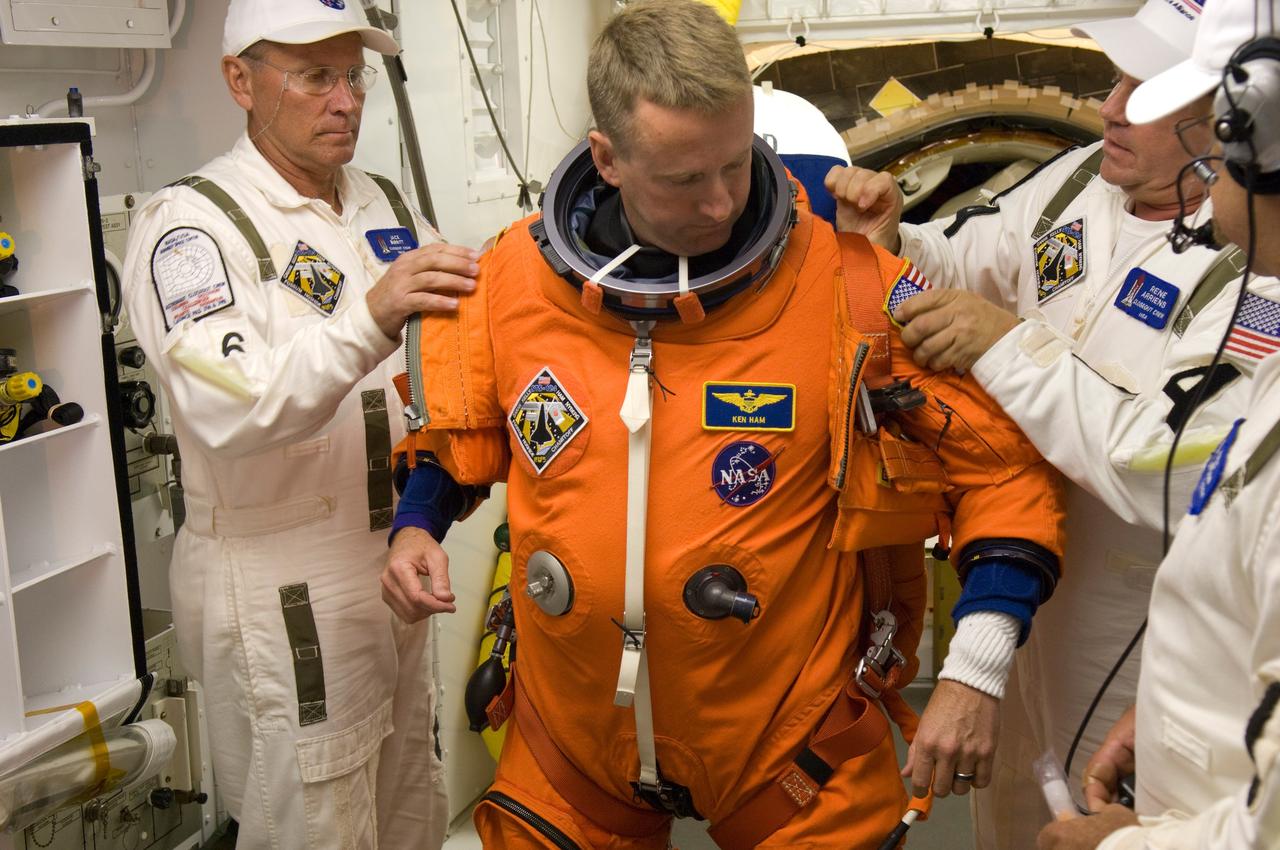
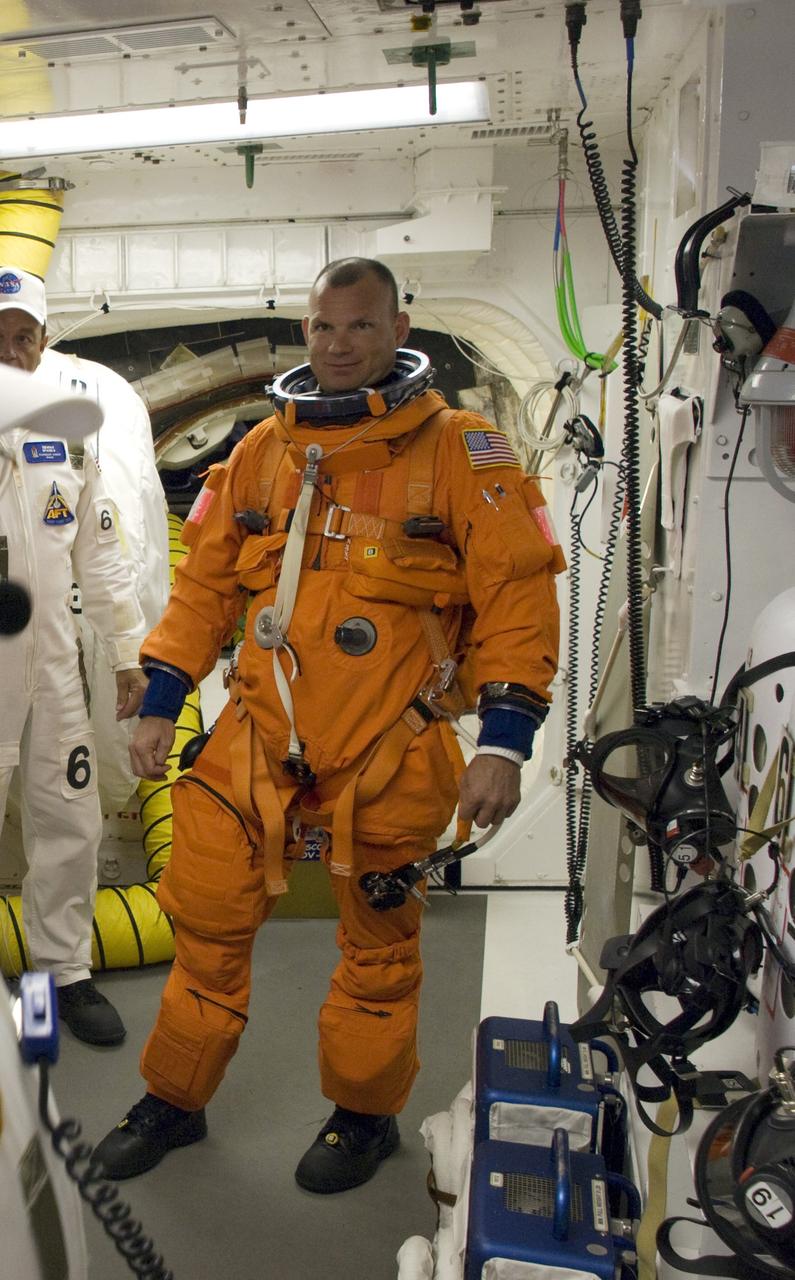
CAPE CANAVERAL, Fla. -- In the White Room on Launch Pad 39A at NASA's Kennedy Space Center, STS-124 Pilot Ken Ham is helped into the harness over his launch and entry suit. The White Room provides access into the shuttle. Discovery is making its 35th flight. The STS-124 mission is the 26th in the assembly of the space station. It is the second of three flights launching components to complete the Japan Aerospace Exploration Agency's Kibo laboratory. The shuttle crew will install Kibo's large Japanese Pressurized Module and its remote manipulator system, or RMS. The 14-day flight includes three spacewalks. Photo credit: NASA/Tom Farrar, Kevin O'Connell, Scott Haun
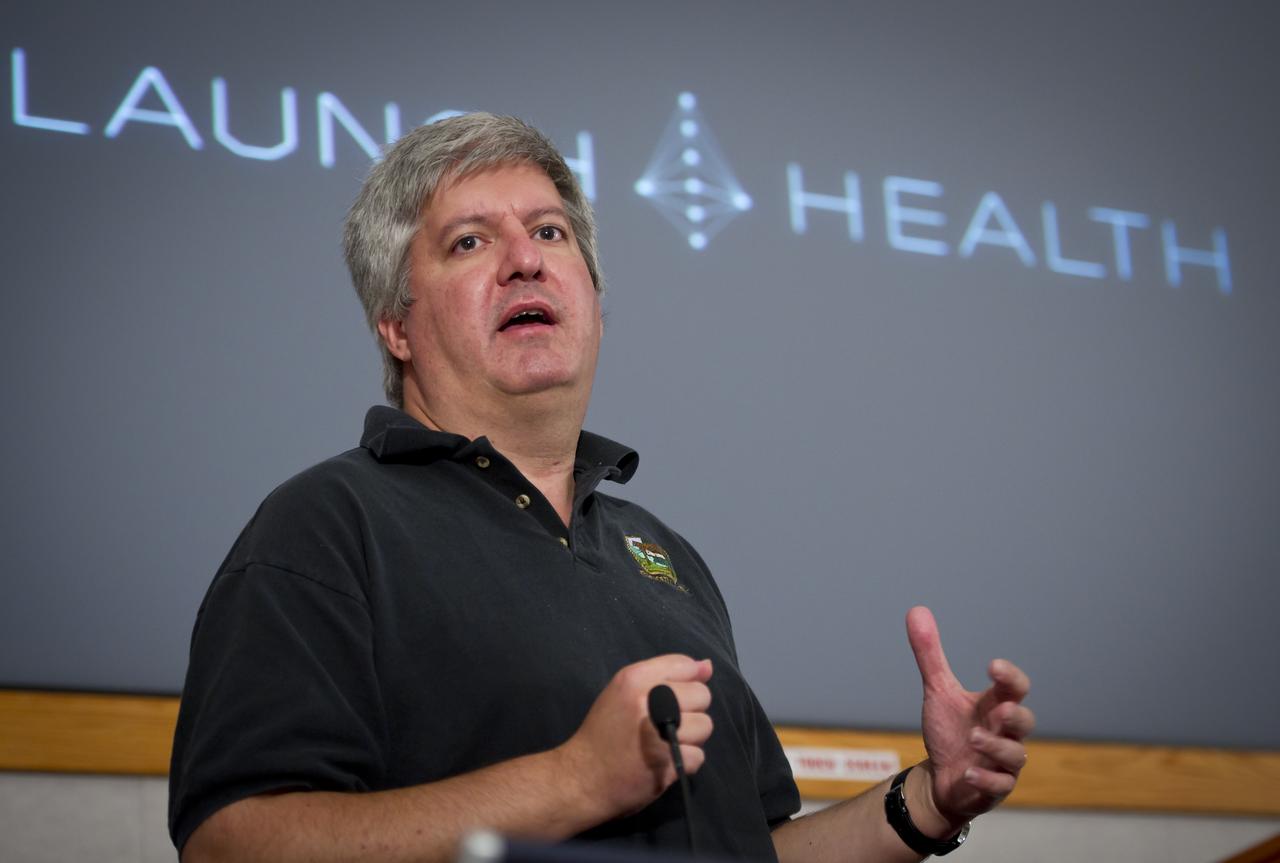
Tom Kalil, Deputy Director of the White House Office of Science and Technology Policy, opens the LAUNCH: Health forum at NASA's Kennedy Space Center in Florida on Saturday, Oct. 30, 2010. LAUNCH: Health provides a forum to discuss accelerating innovation for a sustainable future. LAUNCH: Health partners include NASA, USAID and Nike. Photo Credit: (NASA/Bill Ingalls)
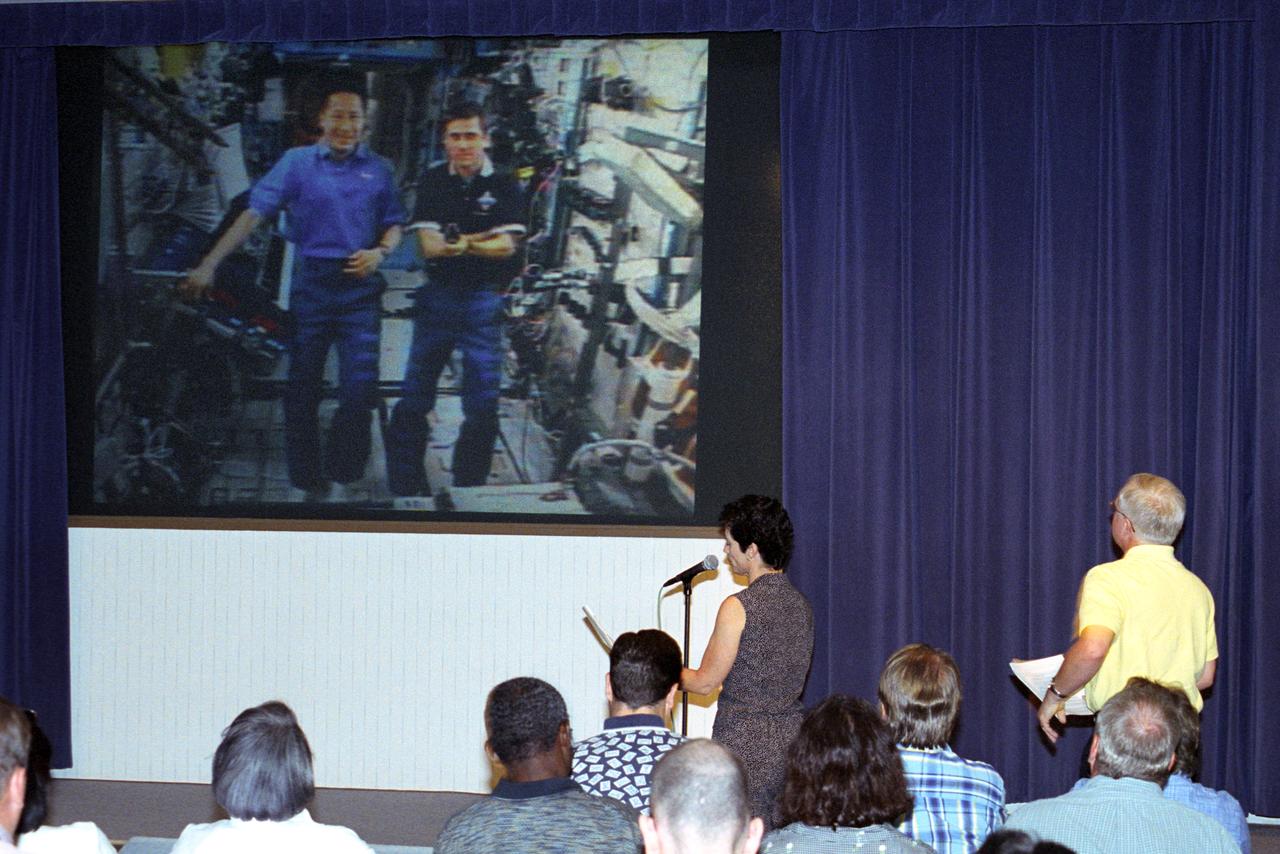
Teacher Kim Cantrell from the Edwards Air Force Base Middle School, Edwards, Calif., participating in a live uplink at NASA Dryden as part of NASA's Explorer Schools program, asks the crew of the International Space Station a question.
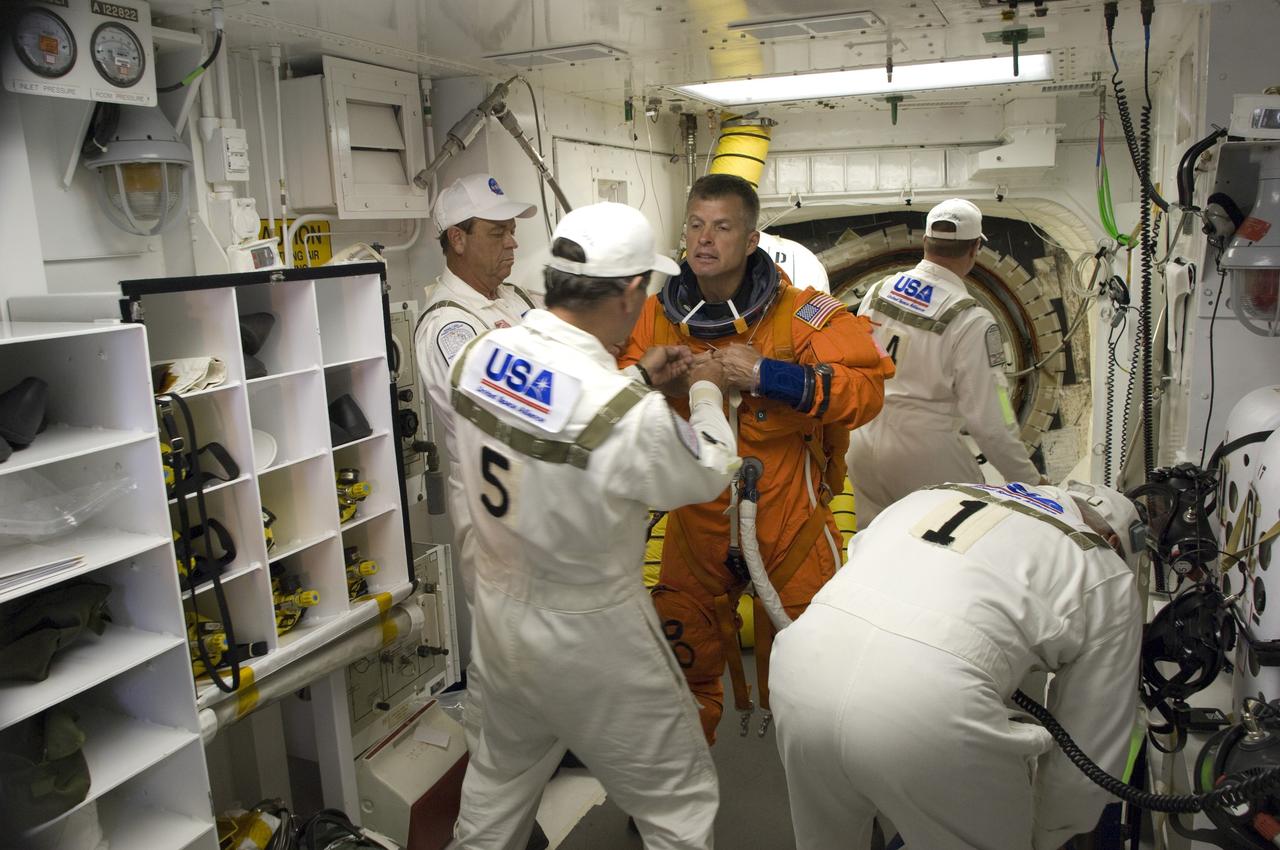
CAPE CANAVERAL, Fla. – In the White Room on Launch Pad 39A at NASA's Kennedy Space Center in Florida, STS-119 Mission Specialist Steve Swanson is helped by the closeout crew putting on his harness, which includes a parachute pack, before crawling through the open hatch into space shuttle Discovery. The White Room is at the end of the orbiter access arm on the fixed service structure and provides access into the shuttle. The STS-119 mission is the 28th to the International Space Station and the 125th space shuttle flight. Discovery will deliver the final pair of power-generating solar array wings and the S6 truss segment. Installation of S6 will signal the station's readiness to house a six-member crew for conducting increased science. Liftoff is scheduled for 7:43 p.m. EDT. Photo credit: NASA/Tony Gray, Tom Farrar
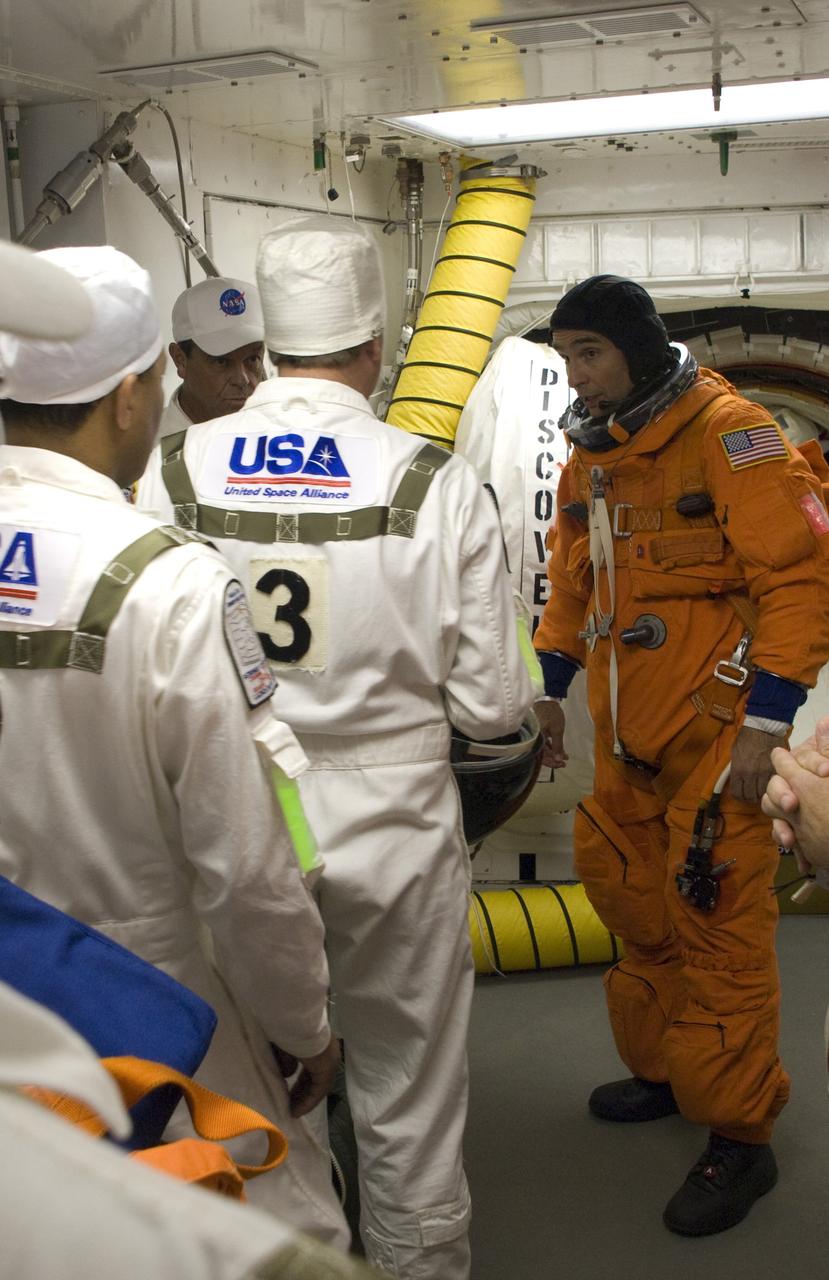
CAPE CANAVERAL, Fla. – In the White Room on Launch Pad 39A at NASA's Kennedy Space Center in Florida, STS-119 Commander Lee Archambault talks to the closeout crew who will put on his harness, which includes a parachute pack, before crawling through the open hatch into the shuttle. The White Room is at the end of the orbiter access arm on the fixed service structure and provides access into space shuttle Discovery. The STS-119 mission is the 28th to the International Space Station and the 125th space shuttle flight. Discovery will deliver the final pair of power-generating solar array wings and the S6 truss segment. Installation of S6 will signal the station's readiness to house a six-member crew for conducting increased science. Liftoff is scheduled for 7:43 p.m. EDT. Photo credit: Photo credit: NASA/Tony Gray, Tom Farrar
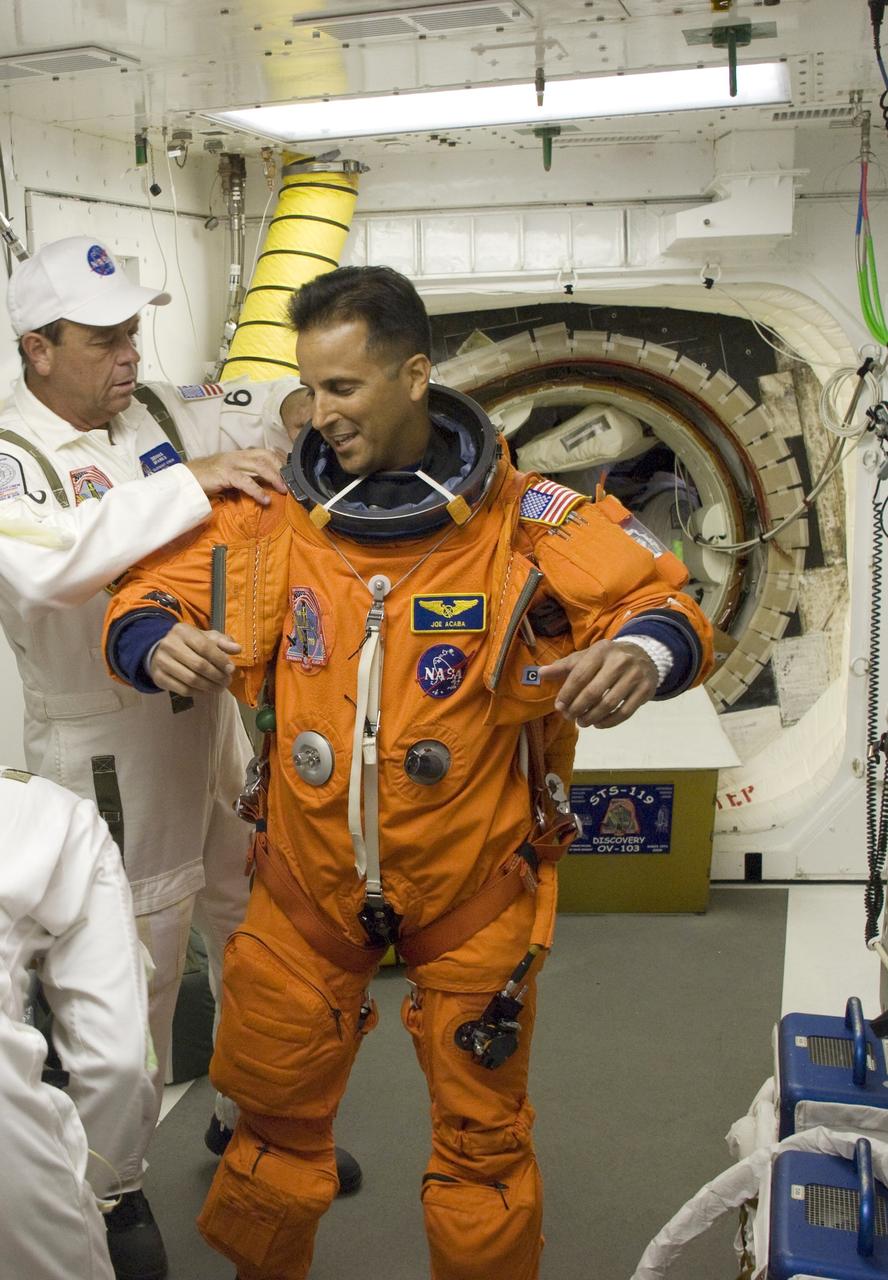
CAPE CANAVERAL, Fla. – In the White Room on Launch Pad 39A at NASA's Kennedy Space Center in Florida, STS-119 Mission Specialist Joseph Acaba is helped by the closeout crew putting on his harness, which includes a parachute pack, before crawling through the open hatch into space shuttle Discovery. The White Room is at the end of the orbiter access arm on the fixed service structure and provides access into the shuttle. The STS-119 mission is the 28th to the International Space Station and the 125th space shuttle flight. Discovery will deliver the final pair of power-generating solar array wings and the S6 truss segment. Installation of S6 will signal the station's readiness to house a six-member crew for conducting increased science. Liftoff is scheduled for 7:43 p.m. EDT. Photo credit: NASA/Tony Gray, Tom Farrar
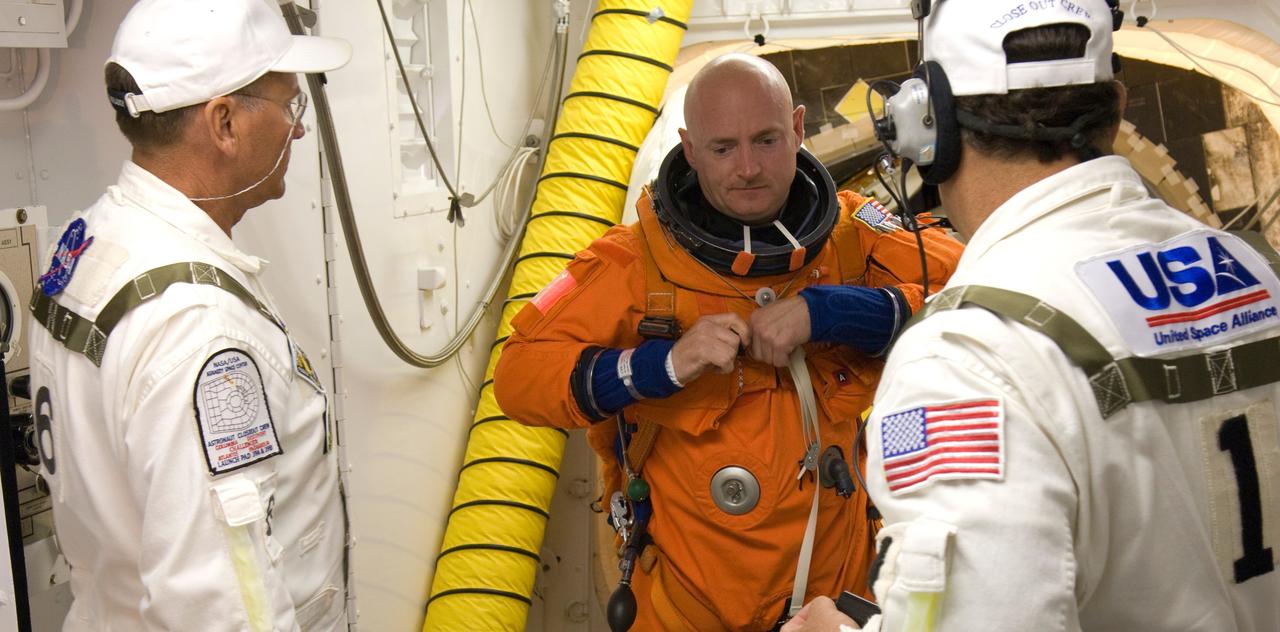
CAPE CANAVERAL, Fla. --In the White Room on Launch Pad 39A at NASA's Kennedy Space Center, STS-124 Commander Mark Kelly adjusts his harness on the launch and entry suit before entering space shuttle Discovery for launch. The White Room provides access into the shuttle. Discovery is making its 35th flight. The STS-124 mission is the 26th in the assembly of the space station. It is the second of three flights launching components to complete the Japan Aerospace Exploration Agency's Kibo laboratory. The shuttle crew will install Kibo's large Japanese Pressurized Module and its remote manipulator system, or RMS. The 14-day flight includes three spacewalks. Photo credit: NASA/Tom Farrar, Kevin O'Connell, Scott Haun
CAPE CANAVERAL, Fla. – In the White Room on Launch Pad 39A at NASA's Kennedy Space Center in Florida, STS-119 Pilot Tony Antonelli is getting into his harness, which includes a parachute pack, before crawling through the open hatch into space shuttle Discovery. The White Room is at the end of the orbiter access arm on the fixed service structure and provides access into the shuttle. The STS-119 mission is the 28th to the International Space Station and the 125th space shuttle flight. Discovery will deliver the final pair of power-generating solar array wings and the S6 truss segment. Installation of S6 will signal the station's readiness to house a six-member crew for conducting increased science. Liftoff is scheduled for 7:43 p.m. EDT. Photo credit: NASA/Tony Gray, Tom Farrar
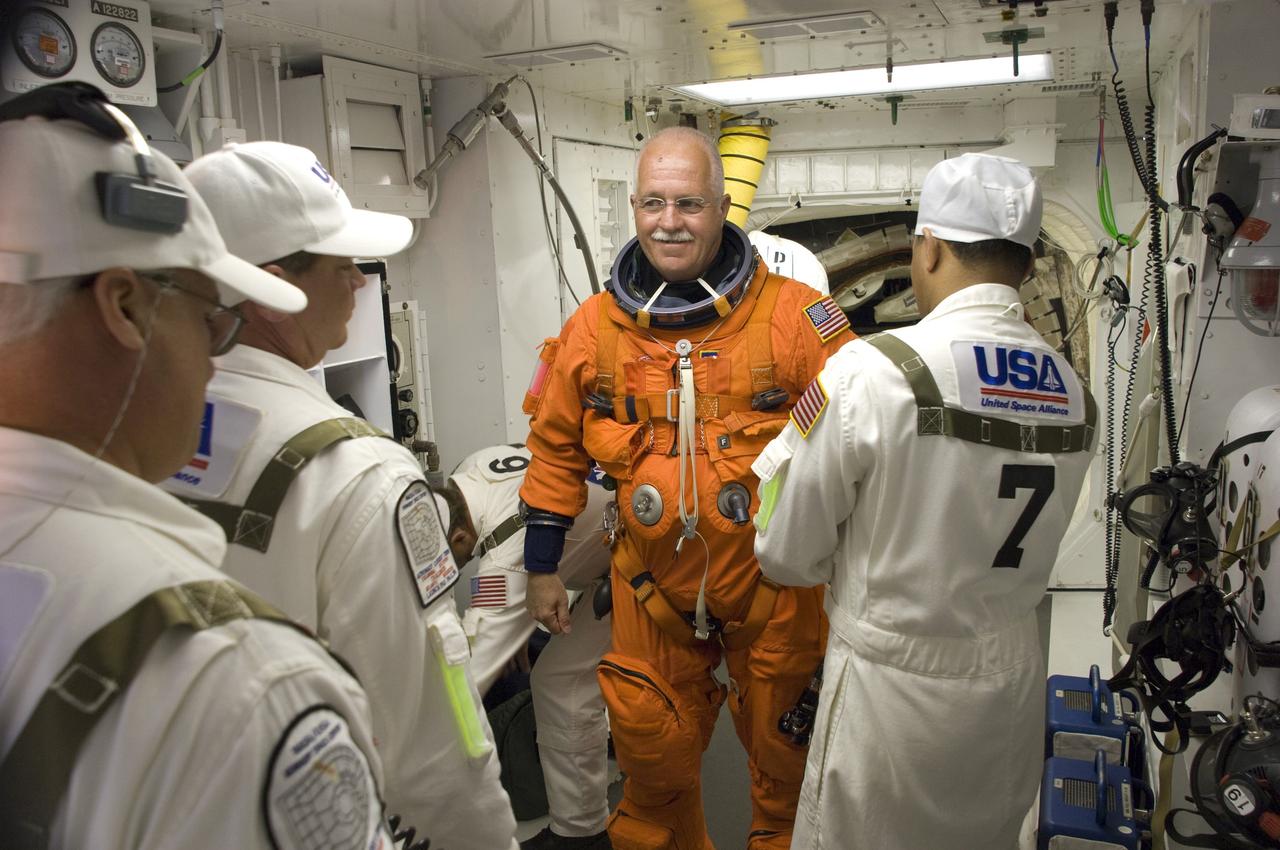
CAPE CANAVERAL, Fla. – In the White Room on Launch Pad 39A at NASA's Kennedy Space Center in Florida, STS-119 Mission Specialist John Phillips is helped by the closeout crew putting on his harness, which includes a parachute pack, before crawling through the open hatch into space shuttle Discovery. The White Room is at the end of the orbiter access arm on the fixed service structure and provides access into the shuttle. The STS-119 mission is the 28th to the International Space Station and the 125th space shuttle flight. Discovery will deliver the final pair of power-generating solar array wings and the S6 truss segment. Installation of S6 will signal the station's readiness to house a six-member crew for conducting increased science. Liftoff is scheduled for 7:43 p.m. EDT. Photo credit: NASA/Tony Gray, Tom Farrar
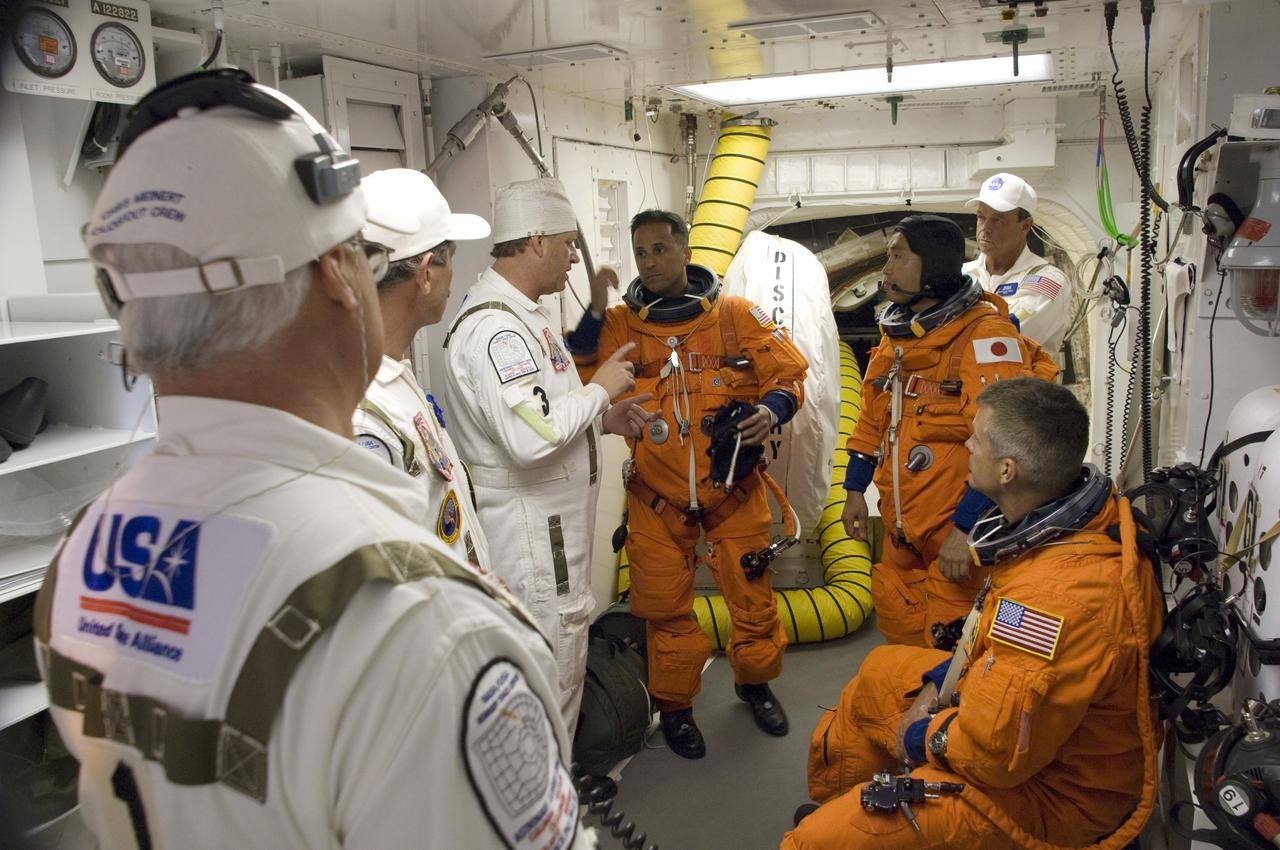
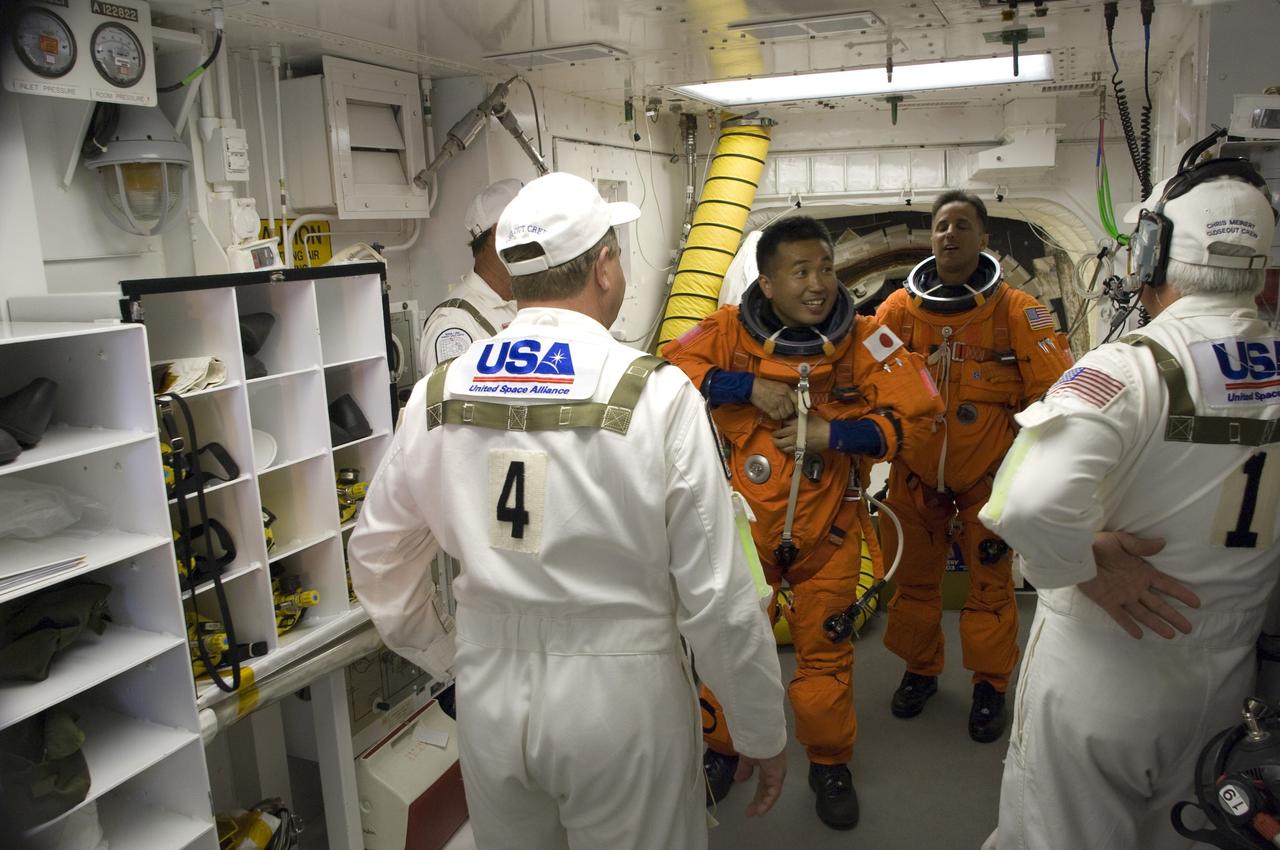
CAPE CANAVERAL, Fla. – In the White Room on Launch Pad 39A at NASA's Kennedy Space Center in Florida, STS-119 Mission Specialists Joseph Acaba (left), Koichi Wakata (center) and Steve Swanson (right) talk to the closeout crew as they prepare to go through the open hatch into space shuttle Discovery. The White Room is at the end of the orbiter access arm on the fixed service structure and provides access into the shuttle. The STS-119 mission is the 28th to the International Space Station and the 125th space shuttle flight. Discovery will deliver the final pair of power-generating solar array wings and the S6 truss segment. Installation of S6 will signal the station's readiness to house a six-member crew for conducting increased science. Liftoff is scheduled for 7:43 p.m. EDT. Photo credit: NASA/Tony Gray, Tom Farrar
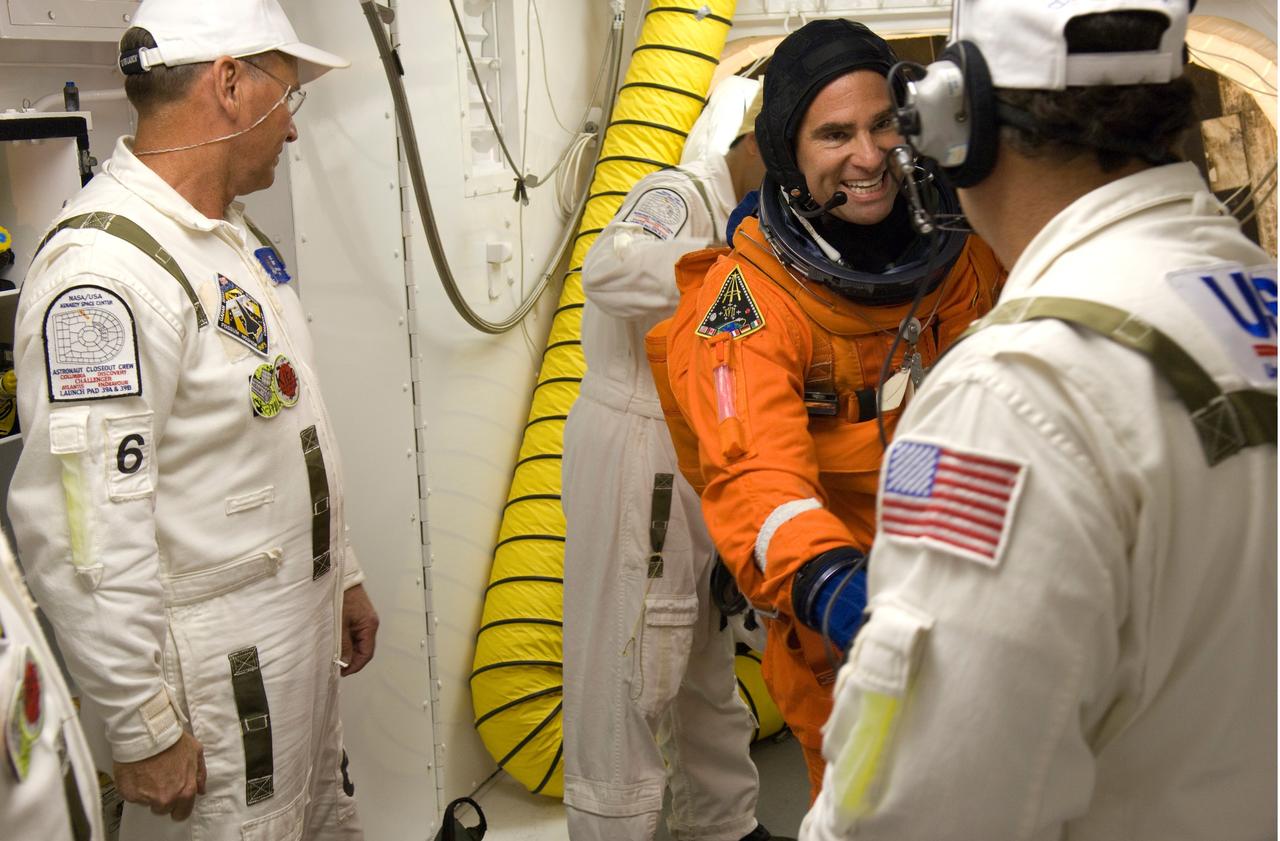
CAPE CANAVERAL, Fla. --In the White Room on Launch Pad 39A at NASA's Kennedy Space Center, STS-124 Mission Specialist Gregory Chamitoff talks with a suit technician before getting into the harness for his launch and entry suit. The White Room provides access into the shuttle. Discovery is making its 35th flight. The STS-124 mission is the 26th in the assembly of the space station. It is the second of three flights launching components to complete the Japan Aerospace Exploration Agency's Kibo laboratory. The shuttle crew will install Kibo's large Japanese Pressurized Module and its remote manipulator system, or RMS. The 14-day flight includes three spacewalks. Photo credit: NASA/Tom Farrar, Kevin O'Connell, Scott Haun
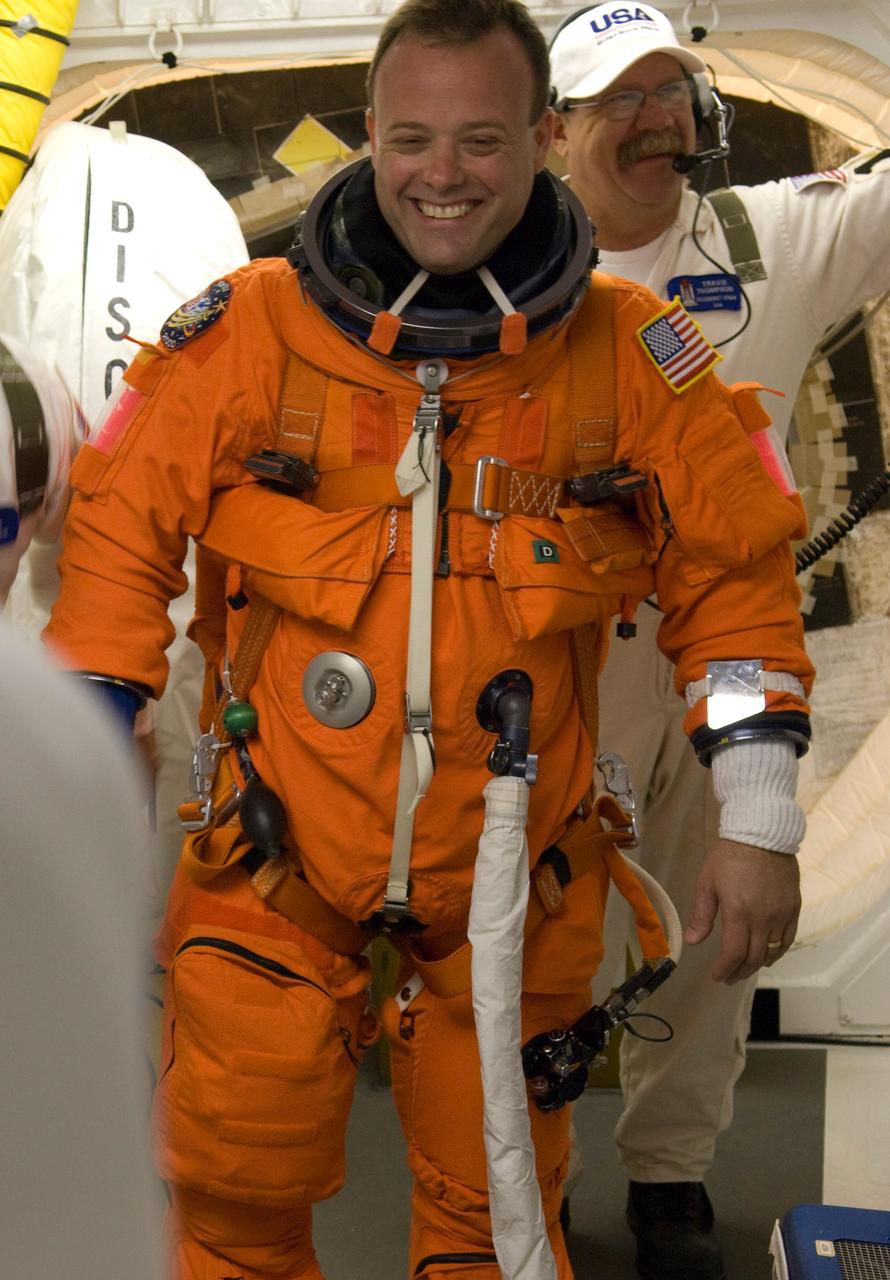
CAPE CANAVERAL, Fla. -- In the White Room on Launch Pad 39A at NASA's Kennedy Space Center, STS-124 Mission Specialist Ron Garan is enjoying the final moments of suit preparation before entering space shuttle Discovery for his first shuttle flight. The White Room provides access into the shuttle. Discovery is making its 35th flight. The STS-124 mission is the 26th in the assembly of the space station. It is the second of three flights launching components to complete the Japan Aerospace Exploration Agency's Kibo laboratory. The shuttle crew will install Kibo's large Japanese Pressurized Module and its remote manipulator system, or RMS. The 14-day flight includes three spacewalks. Photo credit: NASA/Tom Farrar, Kevin O'Connell, Scott Haun
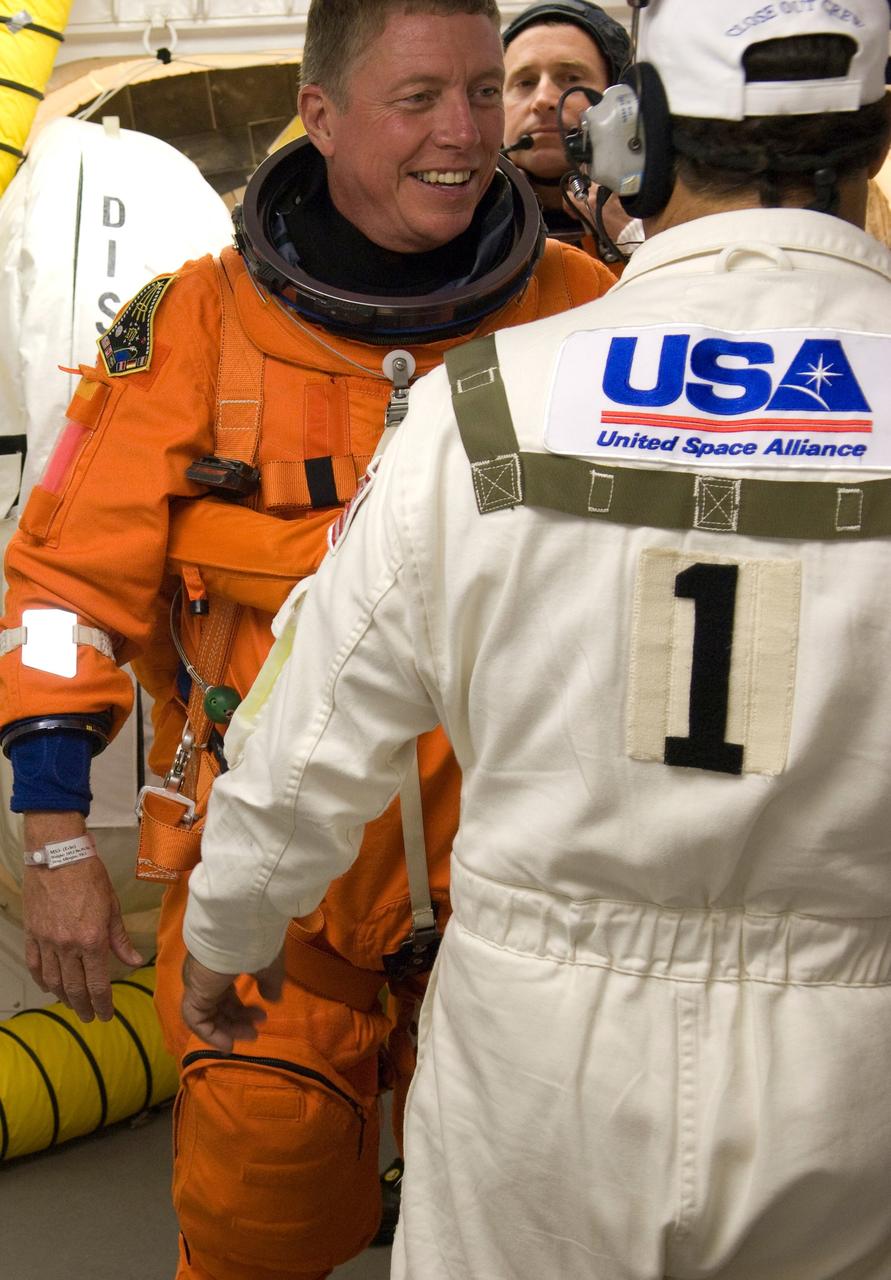
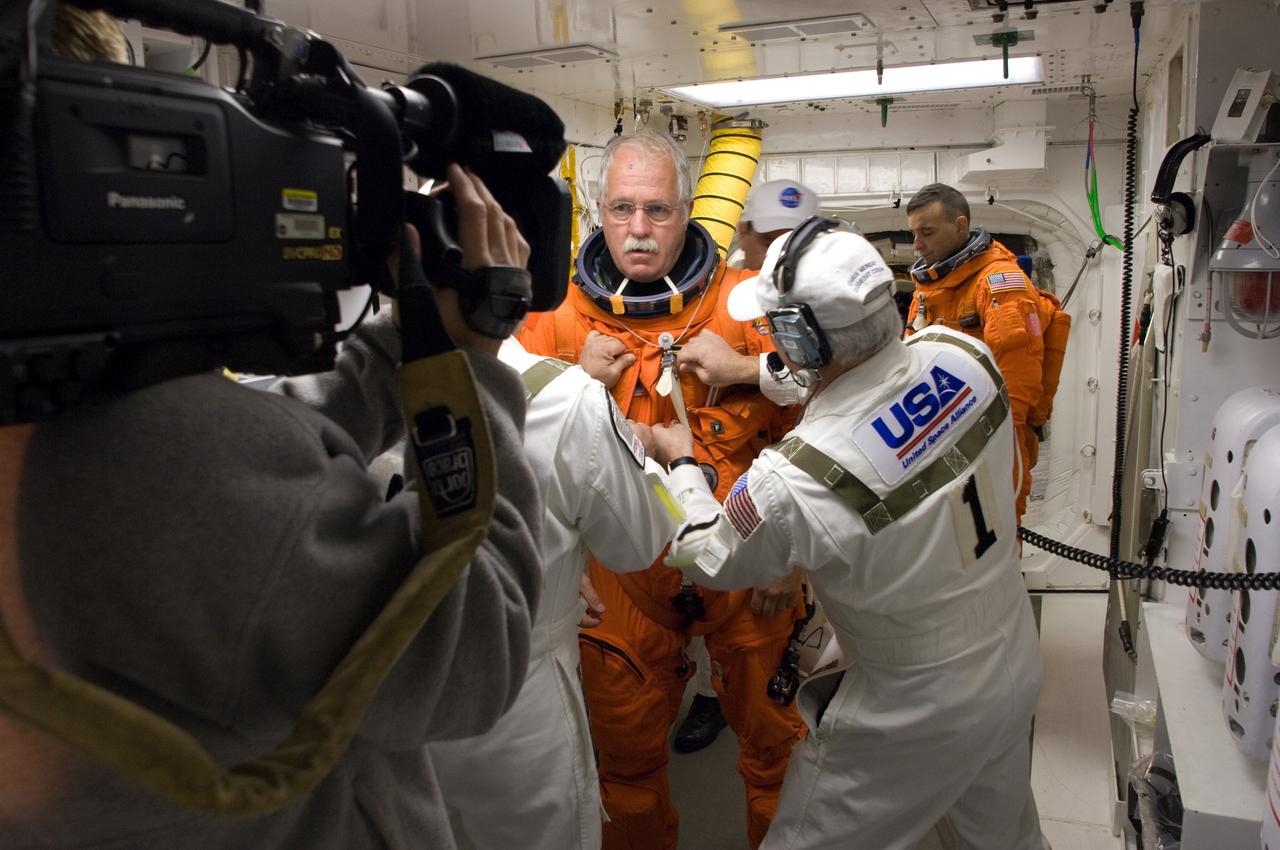
CAPE CANAVERAL, Fla. -- In the White Room on Launch Pad 39A at NASA's Kennedy Space Center, STS-124 Mission Specialist Mike Fossum is helped by suit technicians to secure the harness over his launch and entry suit. Behind Fossum is Pilot Ken Ham. The White Room provides access into the shuttle. Discovery is making its 35th flight. The STS-124 mission is the 26th in the assembly of the space station. It is the second of three flights launching components to complete the Japan Aerospace Exploration Agency's Kibo laboratory. The shuttle crew will install Kibo's large Japanese Pressurized Module and its remote manipulator system, or RMS. The 14-day flight includes three spacewalks. Photo credit: NASA/Tom Farrar, Kevin O'Connell, Scott Haun
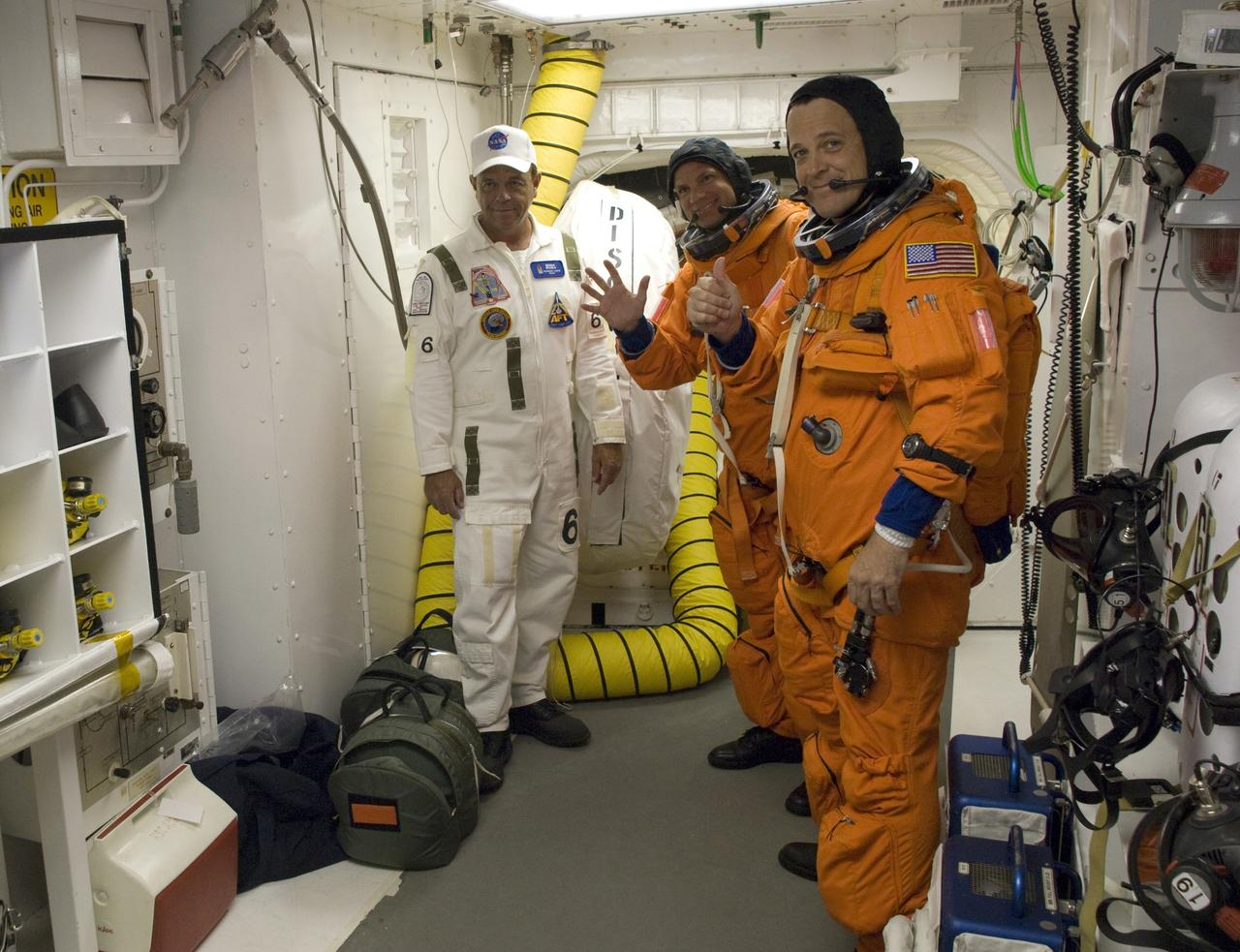
CAPE CANAVERAL, Fla. – In the White Room on Launch Pad 39A at NASA's Kennedy Space Center in Florida, STS-119 Pilot Tony Antonelli (center) and Mission Specialist Richard Arnold are getting ready to enter the open hatch into space shuttle Discovery. The White Room is at the end of the orbiter access arm on the fixed service structure and provides access into the shuttle. The STS-119 mission is the 28th to the International Space Station and the 125th space shuttle flight. Discovery will deliver the final pair of power-generating solar array wings and the S6 truss segment. Installation of S6 will signal the station's readiness to house a six-member crew for conducting increased science. Liftoff is scheduled for 7:43 p.m. EDT. Photo credit: NASA/Tony Gray, Tom Farrar
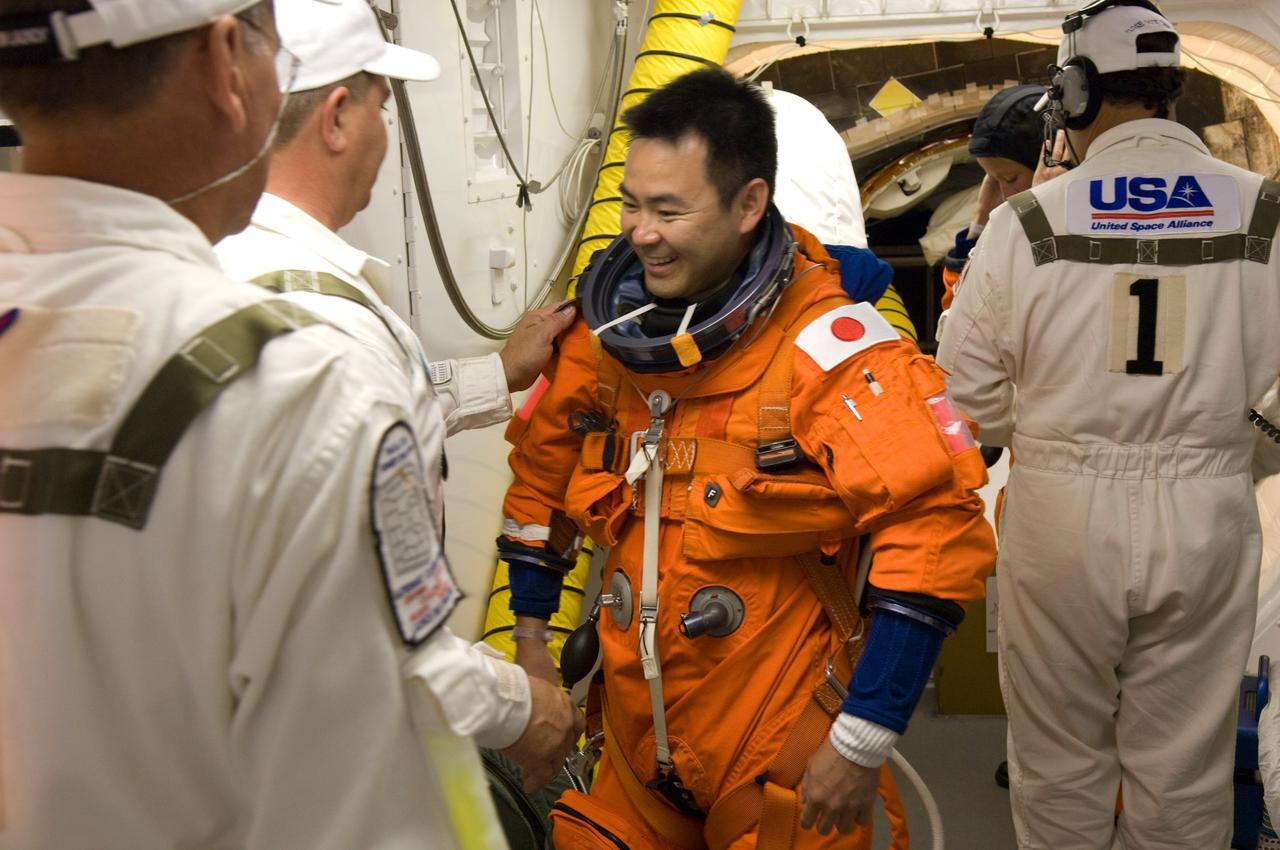
CAPE CANAVERAL, Fla. -- In the White Room on Launch Pad 39A at NASA's Kennedy Space Center, STS-124 Mission Specialist Akihiko Hoshide is helped with the harness over his launch and entry suit. Hoshide represents the Japan Aerospace Exploration Agency. The White Room provides access into the shuttle. Discovery is making its 35th flight. The STS-124 mission is the 26th in the assembly of the space station. It is the second of three flights launching components to complete the Japan Aerospace Exploration Agency's Kibo laboratory. The shuttle crew will install Kibo's large Japanese Pressurized Module and its remote manipulator system, or RMS. The 14-day flight includes three spacewalks. Photo credit: NASA/Tom Farrar, Kevin O'Connell, Scott Haun
CAPE CANAVERAL, Fla. – In the White Room on Launch Pad 39A at NASA's Kennedy Space Center in Florida, STS-119 Mission Specialists Koichi Wakata (center) and Steve Swanson are getting into their harnesses, which include a parachute pack, before crawling through the open hatch into space shuttle Discovery. The White Room is at the end of the orbiter access arm on the fixed service structure and provides access into the shuttle. The STS-119 mission is the 28th to the International Space Station and the 125th space shuttle flight. Discovery will deliver the final pair of power-generating solar array wings and the S6 truss segment. Installation of S6 will signal the station's readiness to house a six-member crew for conducting increased science. Liftoff is scheduled for 7:43 p.m. EDT. Photo credit: NASA/Tony Gray, Tom Farrar
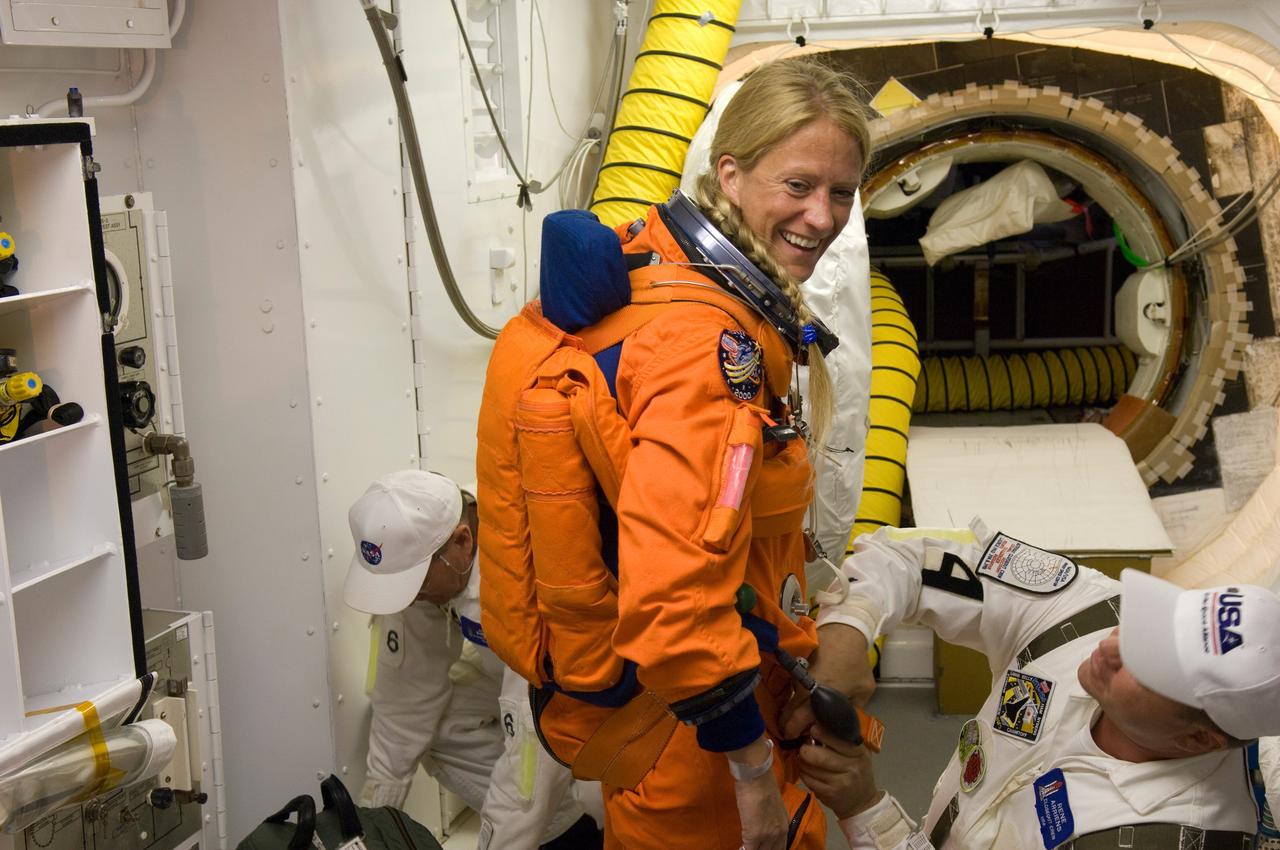
CAPE CANAVERAL, Fla. -- In the White Room on Launch Pad 39A at NASA's Kennedy Space Center, suit technicians help secure the harness over STS-124 Mission Specialist Karen Nyberg's launch and entry suit. The White Room provides access into the shuttle. Discovery is making its 35th flight. The STS-124 mission is the 26th in the assembly of the space station. It is the second of three flights launching components to complete the Japan Aerospace Exploration Agency's Kibo laboratory. The shuttle crew will install Kibo's large Japanese Pressurized Module and its remote manipulator system, or RMS. The 14-day flight includes three spacewalks. Photo credit: NASA/Tom Farrar, Kevin O'Connell, Scott Haun

Tom Kalil, Deputy Director for Technology and Innovation, White House Office of Science and Technology Policy, talks during the Asteroid Initiative Industry and Partner Day at NASA Headquarters on Tuesday, June 18, 2013 in Washington. During the event NASA Deputy Administrator Lori Garver and other senior NASA officials discussed the progress being made on NASA's mission to capture, redirect, and explore an asteroid. NASA also announced an Asteroid Grand Challenge focused on finding all asteroid threats to human populations and knowing what to do about them. Photo Credit: (NASA/Bill Ingalls)
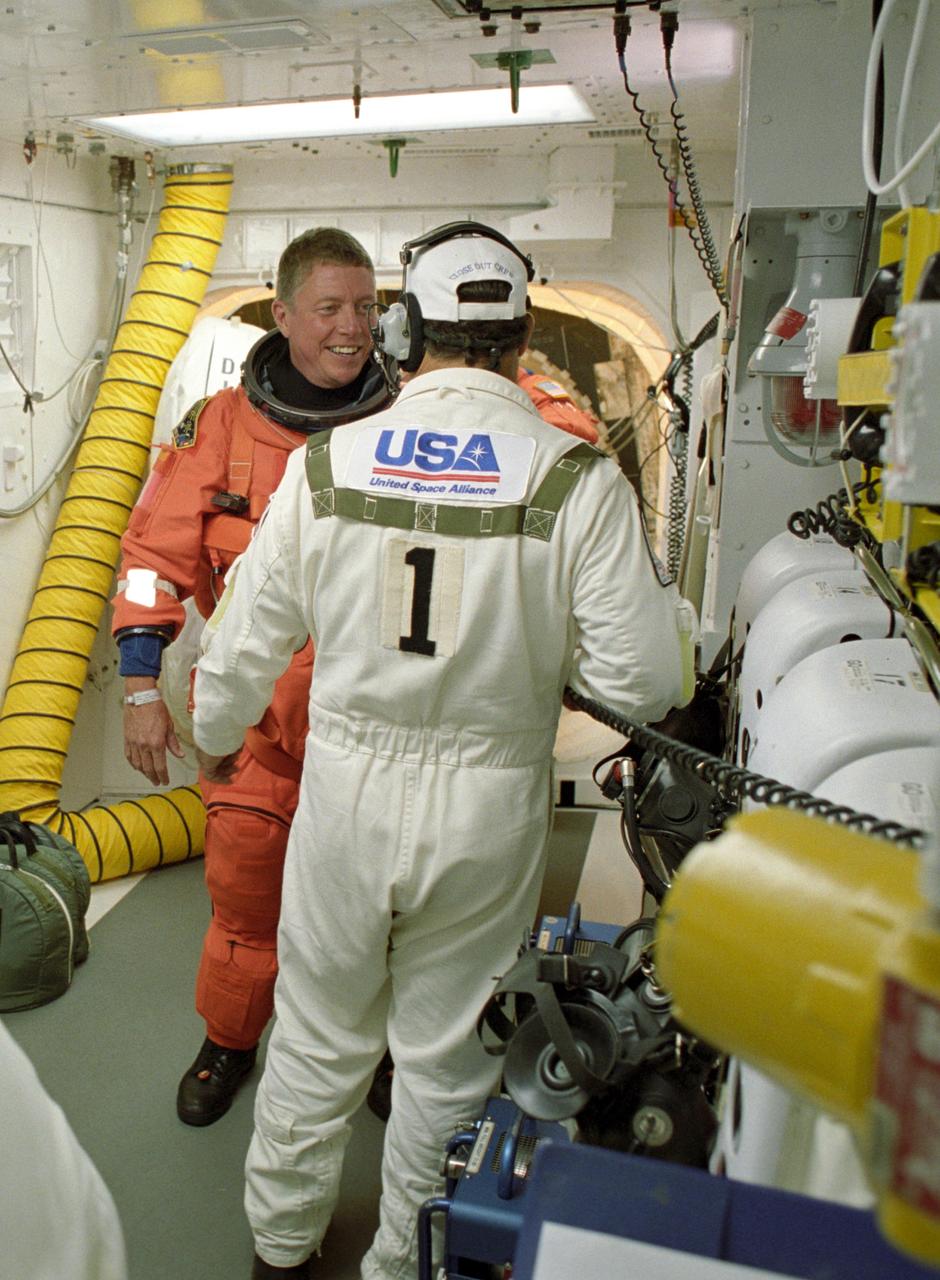
CAPE CANAVERAL, Fla. -- In the White Room on Launch Pad 39A at NASA's Kennedy Space Center, STS-124 Mission Specialist Mike Fossum talks to a suit technician after donning a harness over his launch and entry suit. In the background is the hatch for entry into space shuttle Discovery. The STS-124 mission is the 26th in the assembly of the space station. It is the second of three flights launching components to complete the Japan Aerospace Exploration Agency's Kibo laboratory. The shuttle crew will install Kibo's large Japanese Pressurized Module and its remote manipulator system, or RMS. The 14-day flight includes three spacewalks. Photo credit: NASA/Scott Haun, Tom Farrar, Kevin O'Connell
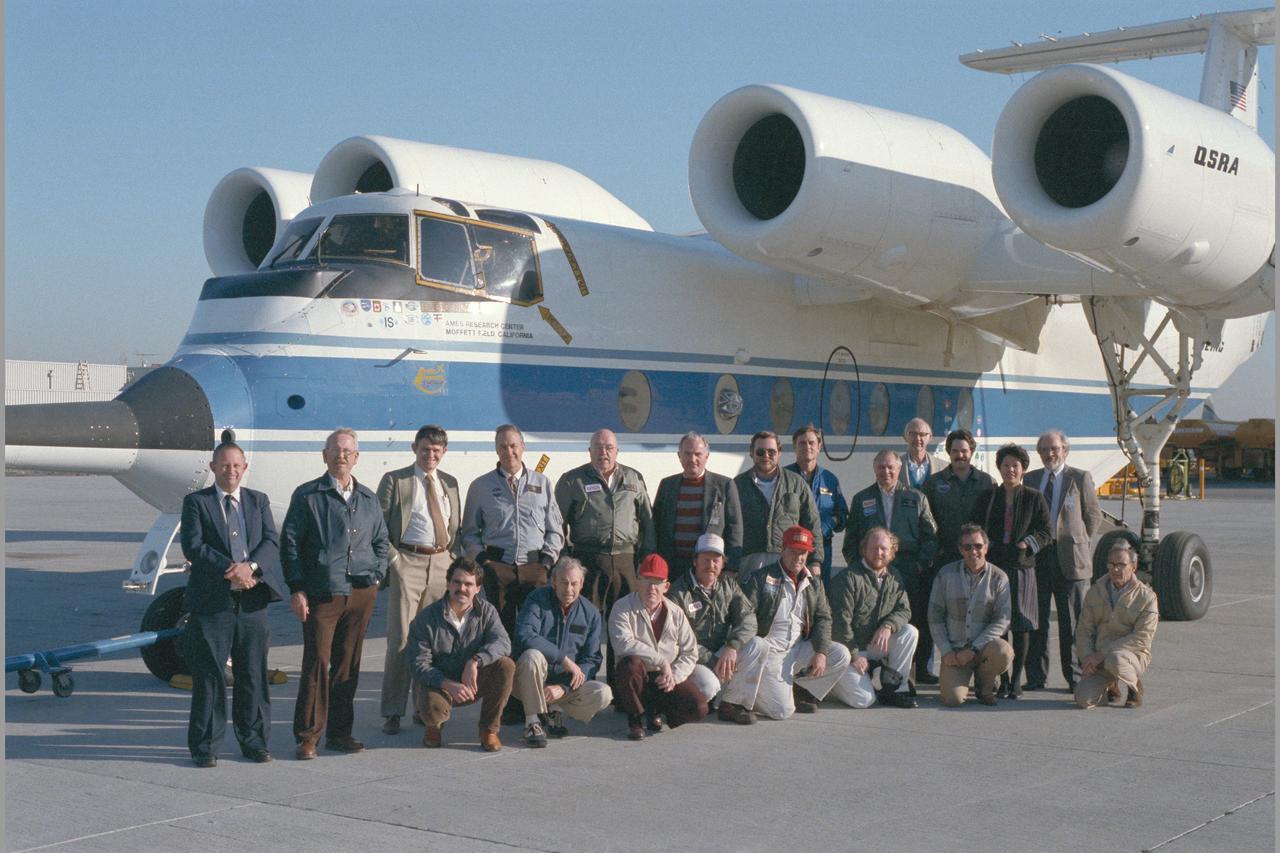
QSRA (NASA 715) 400TH FLIGHT PARTICIPANTS. L-R: front row: Jim Ahlman, Bob Innis, Del Watson, Jim Lesko, Lee Mountz, Mike Herschel, Tom Kaisersatt, Jack Stephenson, Back row: Dennis Riddle, Neis Watz, Jack Franklin, Gordon Hardy, Bob Hinds, Charlie Hynes, Richard Young, Jim Martin, Joe Eppel, John White, Bob America, Hien Tran, Bill Bjorkman. Note: Used in publication in Flight Research at Ames; 57 Years of Development and Validation of Aeronautical Technology NASA SP-1998-3300 fig. 112
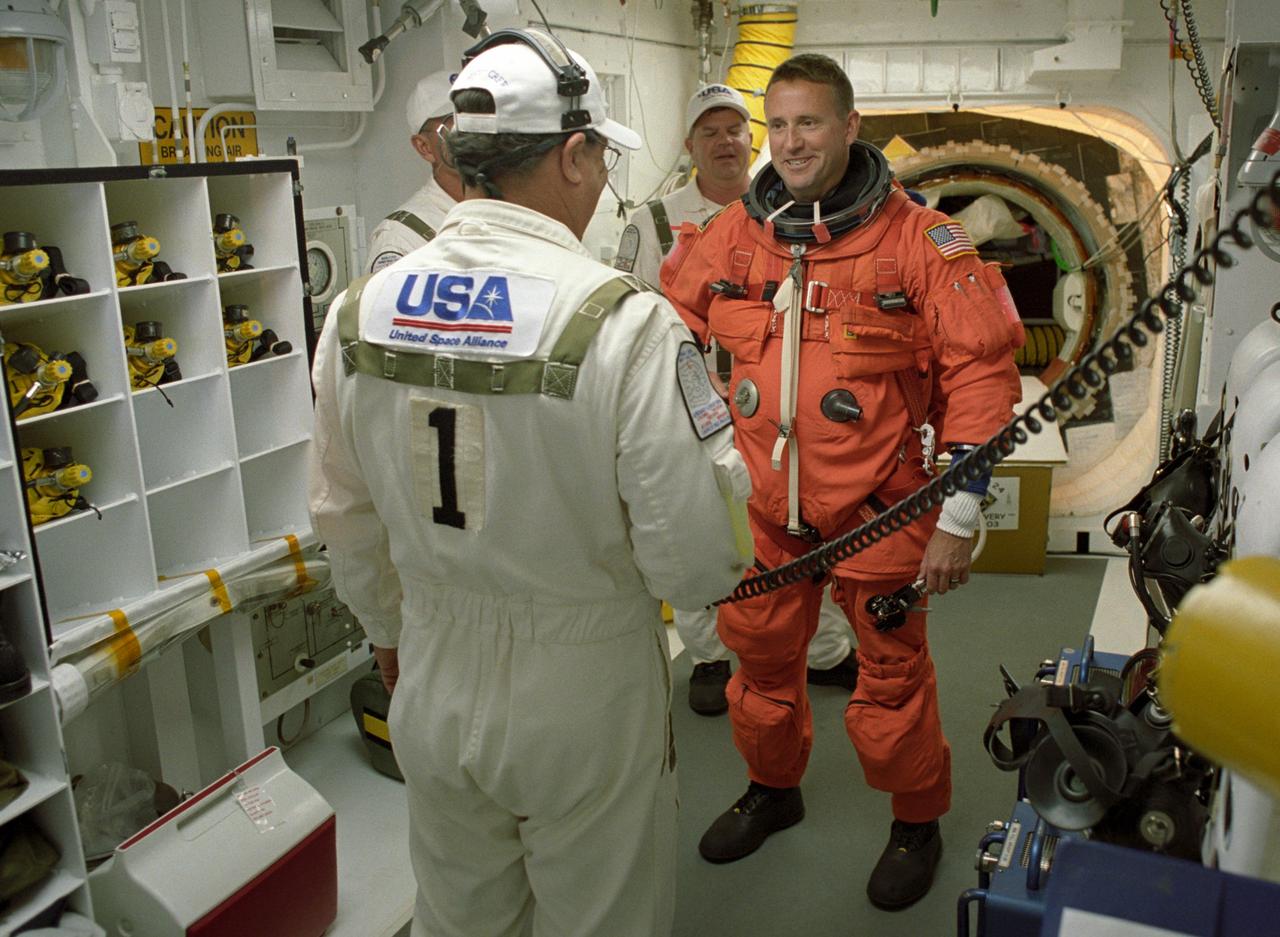
CAPE CANAVERAL, Fla. -- In the White Room on Launch Pad 39A at NASA's Kennedy Space Center, STS-124 Pilot Ken Ham talks with suit technicians after donning a harness over his launch and entry suit. Behind him is the hatch for entry into space shuttle Discovery. The STS-124 mission is the 26th in the assembly of the space station. It is the second of three flights launching components to complete the Japan Aerospace Exploration Agency's Kibo laboratory. The shuttle crew will install Kibo's large Japanese Pressurized Module and its remote manipulator system, or RMS. The 14-day flight includes three spacewalks. Photo credit: NASA/Scott Haun, Tom Farrar, Kevin O'Connell
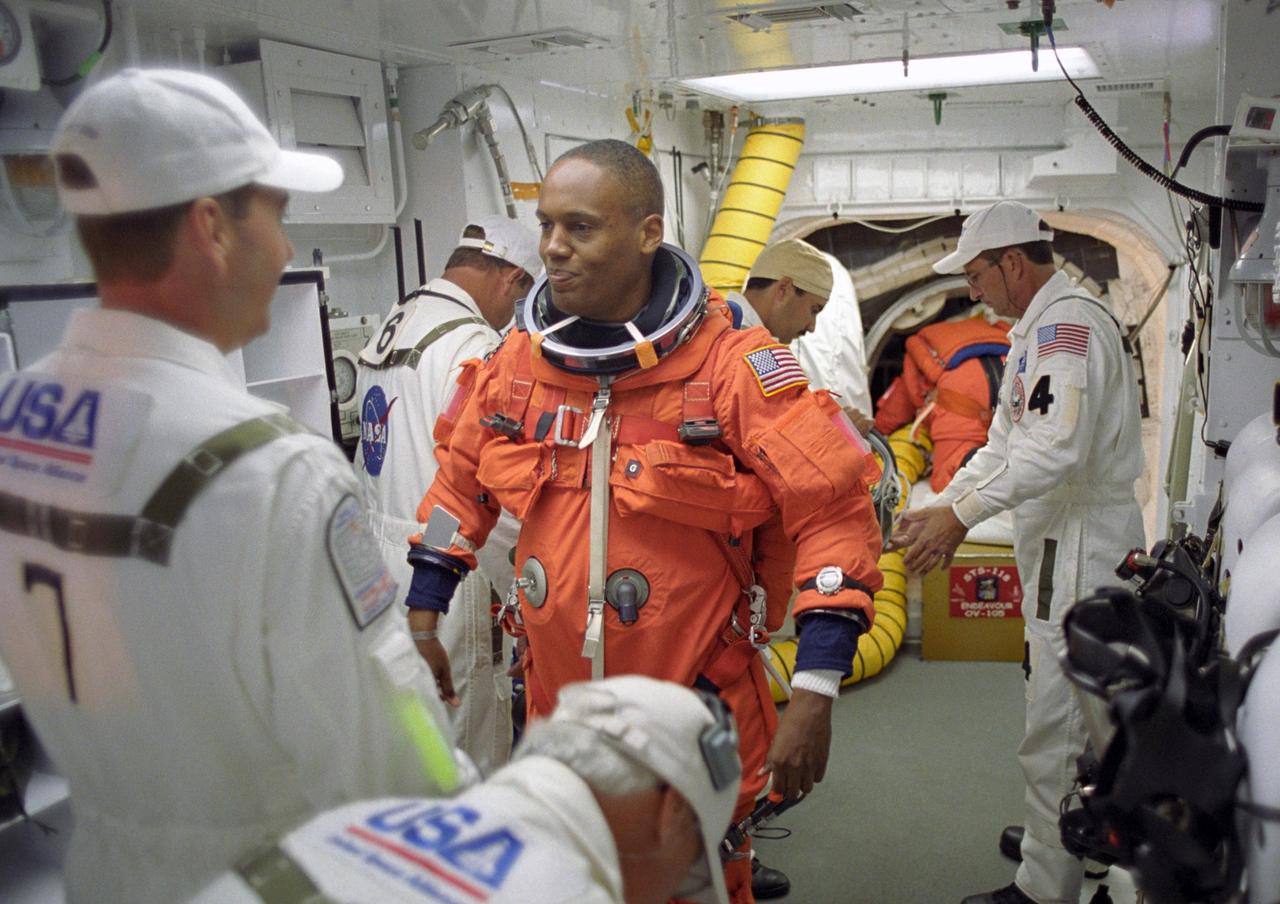
KENNEDY SPACE CENTER, FLA. -- In the White Room on Launch Pad 39A, STS-118 Mission Specialist Alvin Drew is helped with his launch gear by the closeout crew before he enters Space Shuttle Endeavour. Drew is making his first space flight. The outer end of the orbiter access arm ends in an environmental chamber (the White Room) that mates with the orbiter and allows personnel to enter the crew compartment. With assistance, each member of the flight crew dons a parachute pack before crawling through the open hatch into the shuttle. The closeout crew also straps the astronauts into the space shuttle's crew module and takes care of any other last-minute needs that arise. Space Shuttle Endeavour's STS-118 mission is the 22nd shuttle flight to the International Space Station. It will continue space station construction by delivering a third starboard truss segment, S5, and other payloads such as the SPACEHAB module and the external stowage platform 3. Liftoff of Endeavour is scheduled at 6:36 p.m. EDT. Photo credit: NASA/John Kechele, Scott Haun, Tom Farrar
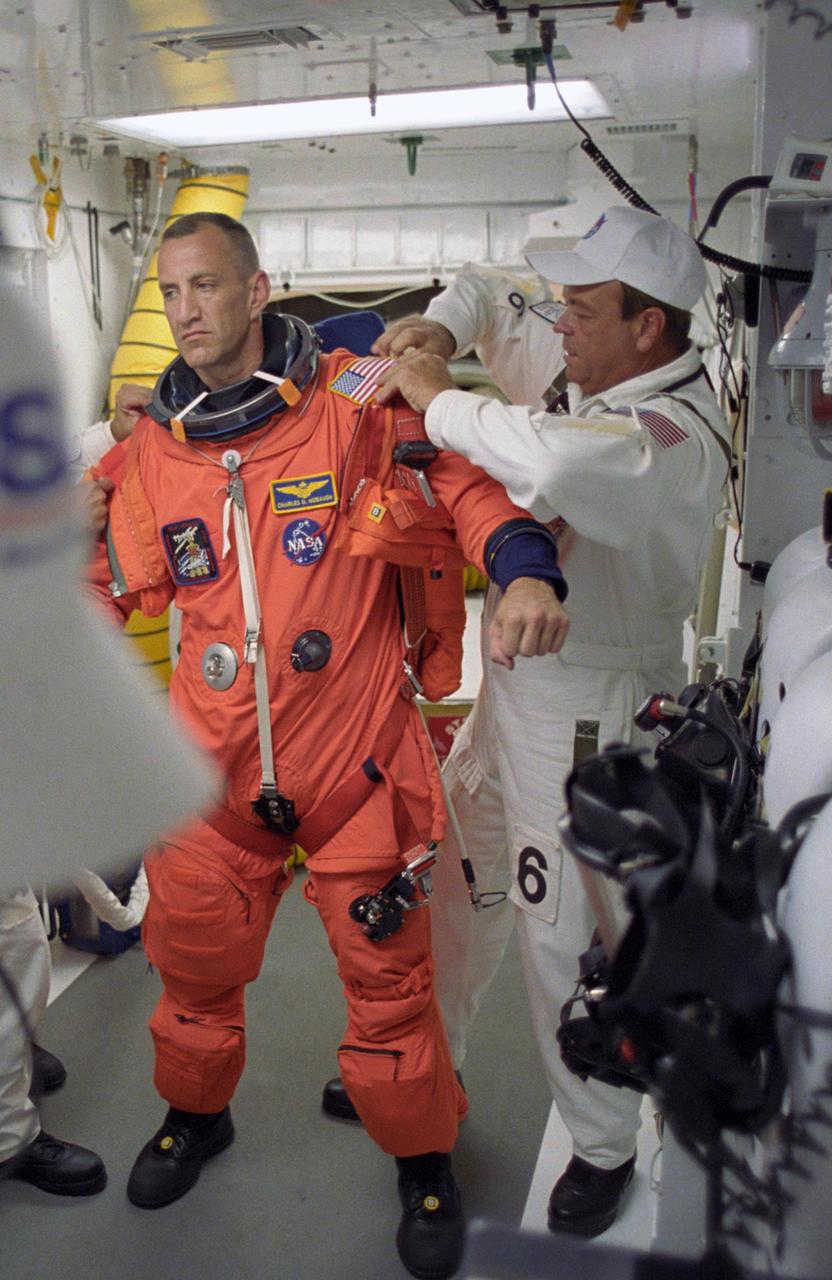
KENNEDY SPACE CENTER, FLA. -- In the White Room on Launch Pad 39A, STS-118 Pilot Charlie Hobaugh is helped by the closeout crew with his parachute before he enters Space Shuttle Endeavour. The outer end of the orbiter access arm ends in an environmental chamber (the White Room) that mates with the orbiter and allows personnel to enter the crew compartment. With assistance, each member of the flight crew dons a parachute pack before crawling through the open hatch into the shuttle. The closeout crew also straps the astronauts into the space shuttle's crew module and takes care of any other last-minute needs that arise. Space Shuttle Endeavour's STS-118 mission is the 22nd shuttle flight to the International Space Station. It will continue space station construction by delivering a third starboard truss segment, S5, and other payloads such as the SPACEHAB module and the external stowage platform 3. Liftoff of Endeavour is scheduled at 6:36 p.m. EDT. Photo credit: NASA/John Kechele, Scott Haun, Tom Farrar
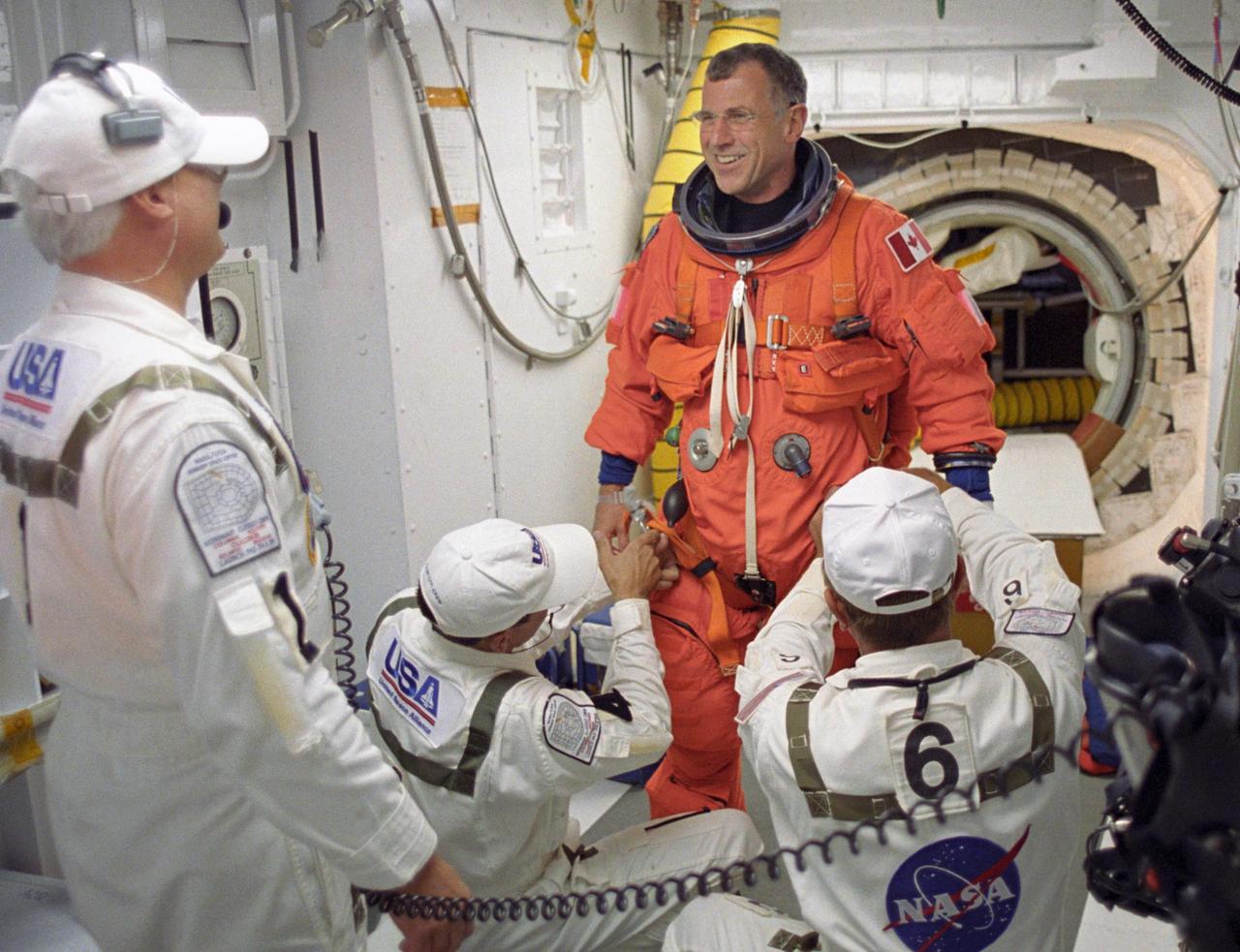
KENNEDY SPACE CENTER, FLA. -- In the White Room on Launch Pad 39A, STS-118 Mission Specialist Dave Williams is helped with his launch gear by the closeout crew before he enters Space Shuttle Endeavour. Williams represents the Canadian Space Agency. The outer end of the orbiter access arm ends in an environmental chamber (the White Room) that mates with the orbiter and allows personnel to enter the crew compartment. With assistance, each member of the flight crew dons a parachute pack before crawling through the open hatch into the shuttle. The closeout crew also straps the astronauts into the space shuttle's crew module and takes care of any other last-minute needs that arise. Space Shuttle Endeavour's STS-118 mission is the 22nd shuttle flight to the International Space Station. It will continue space station construction by delivering a third starboard truss segment, S5, and other payloads such as the SPACEHAB module and the external stowage platform 3. Liftoff of Endeavour is scheduled at 6:36 p.m. EDT. Photo credit: NASA/John Kechele, Scott Haun, Tom Farrar
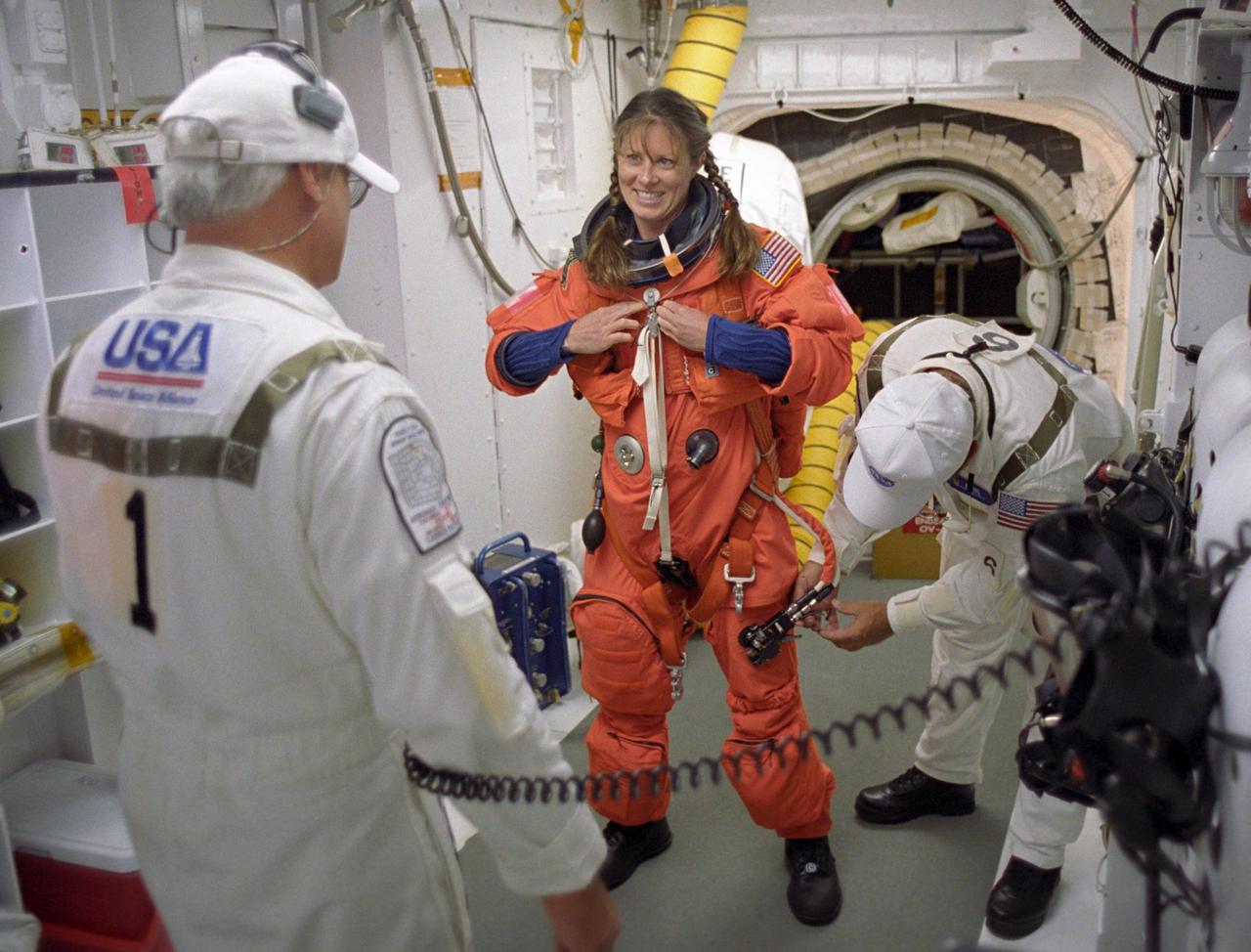
KENNEDY SPACE CENTER, FLA. -- In the White Room on Launch Pad 39A, STS-118 Mission Specialist Tracy Caldwell, with the help of the closeout crew, goes through final preparation of her launch and entry suit before she enters Space Shuttle Endeavour. The outer end of the orbiter access arm ends in an environmental chamber (the White Room) that mates with the orbiter and allows personnel to enter the crew compartment. With assistance, each member of the flight crew dons a parachute pack before crawling through the open hatch into the shuttle. The closeout crew also straps the astronauts into the space shuttle's crew module and takes care of any other last-minute needs that arise. Space Shuttle Endeavour's STS-118 mission is the 22nd shuttle flight to the International Space Station. It will continue space station construction by delivering a third starboard truss segment, S5, and other payloads such as the SPACEHAB module and the external stowage platform 3. Liftoff of Endeavour is scheduled at 6:36 p.m. EDT. Photo credit: NASA/John Kechele, Scott Haun, Tom Farrar
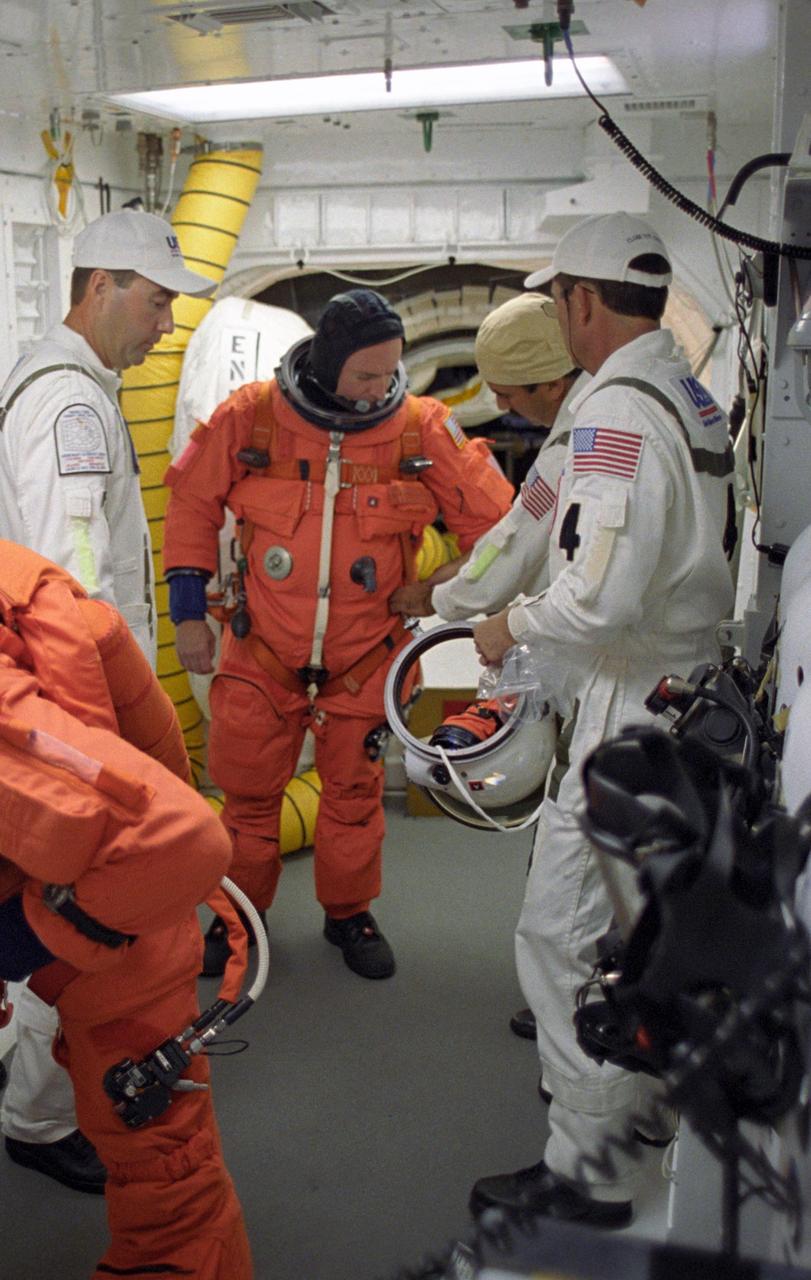
KENNEDY SPACE CENTER, FLA. -- In the White Room on Launch Pad 39A, STS-118 Commander Scott Kelly is helped with his launch gear by the closeout crew before he enters Space Shuttle Endeavour. The outer end of the orbiter access arm ends in an environmental chamber (the White Room) that mates with the orbiter and allows personnel to enter the crew compartment. With assistance, each member of the flight crew dons a parachute pack before crawling through the open hatch into the shuttle. The closeout crew also straps the astronauts into the space shuttle's crew module and takes care of any other last-minute needs that arise. Space Shuttle Endeavour's STS-118 mission is the 22nd shuttle flight to the International Space Station. It will continue space station construction by delivering a third starboard truss segment, S5, and other payloads such as the SPACEHAB module and the external stowage platform 3. Liftoff of Endeavour is scheduled at 6:36 p.m. EDT. Photo credit: NASA/John Kechele, Scott Haun, Tom Farrar
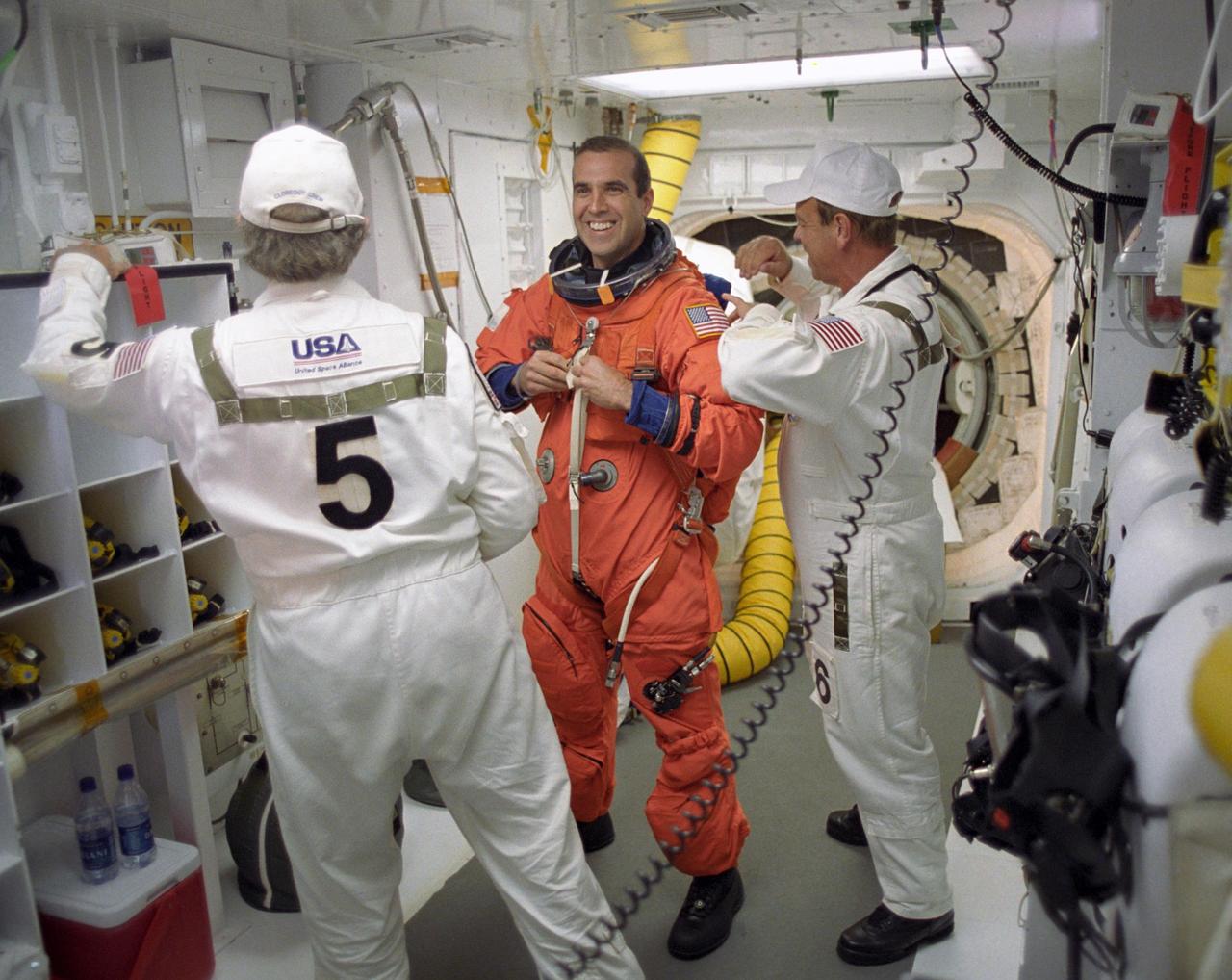
KENNEDY SPACE CENTER, FLA. -- In the White Room on Launch Pad 39A, STS-118 Mission Specialist Rick Mastracchio is helped with his launch gear by the closeout crew before he enters Space Shuttle Endeavour. The outer end of the orbiter access arm ends in an environmental chamber (the White Room) that mates with the orbiter and allows personnel to enter the crew compartment. With assistance, each member of the flight crew dons a parachute pack before crawling through the open hatch into the shuttle. The closeout crew also straps the astronauts into the space shuttle's crew module and takes care of any other last-minute needs that arise. Space Shuttle Endeavour's STS-118 mission is the 22nd shuttle flight to the International Space Station. It will continue space station construction by delivering a third starboard truss segment, S5, and other payloads such as the SPACEHAB module and the external stowage platform 3. Liftoff of Endeavour is scheduled at 6:36 p.m. EDT. Photo credit: NASA/John Kechele, Scott Haun, Tom Farrar
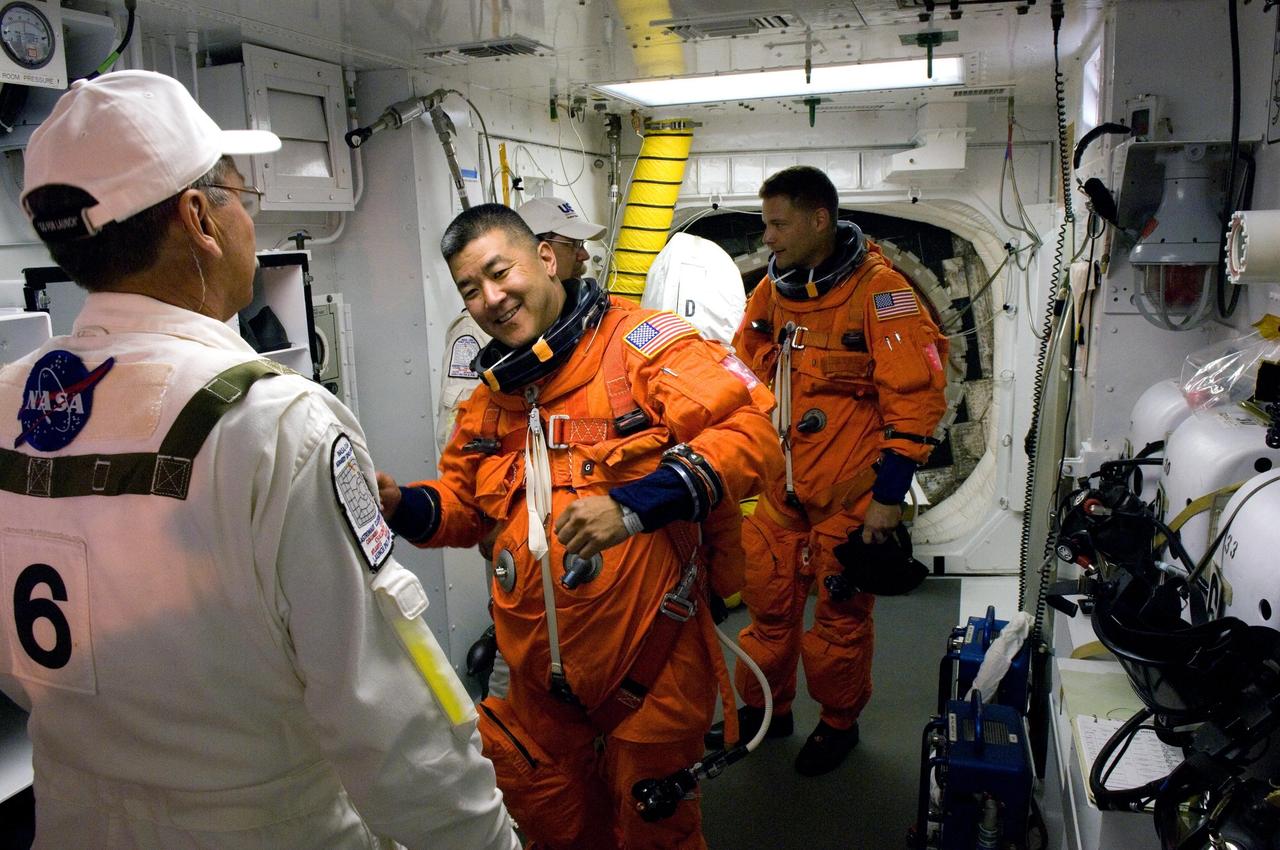
KENNEDY SPACE CENTER, FLA. -- In the White Room on Launch Pad 39A at NASA's Kennedy Space Center, STS-120 Mission Specialist Daniel Tani is helped by the closeout crew to put on a parachute and get ready to enter space shuttle Discovery for liftoff at 11:38 a.m. EDT. Behind him is Mission Specialist Doug Wheelock. At the end of the mission, Tani will remain behind on the International Space Station to join the Expedition 16 crew. The STS-120 mission will be the 23rd assembly flight to the space station and the 34th flight for Discovery. Payload on the mission is the Italian-built U.S. Node 2, called Harmony. During the 14-day mission, the crew will install Harmony and move the P6 solar arrays to their permanent position and deploy them. Discovery is expected to complete its mission and return home at 4:47 a.m. EST on Nov. 6. Photo credit: NASA/Scott Haun, Tom Farrar, Rafael Hernandez
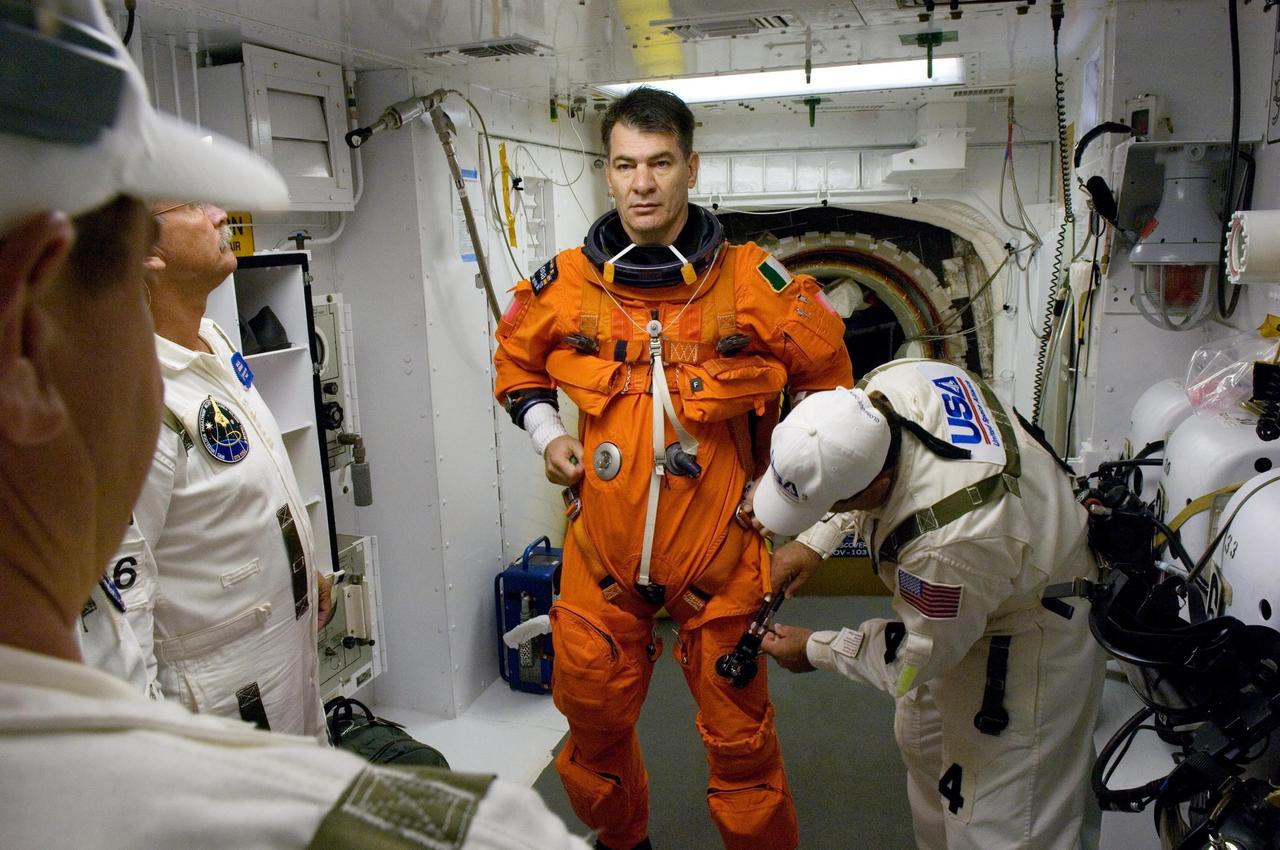
KENNEDY SPACE CENTER, FLA. -- In the White Room on Launch Pad 39A at NASA's Kennedy Space Center, STS-120 Mission Specialist Paolo Nespoli is helped by the closeout crew to put on a parachute and get ready to enter space shuttle Discovery for liftoff at 11:38 a.m. EDT. Nespoli represents the European Space Agency. The STS-120 mission will be the 23rd assembly flight to the space station and the 34th flight for Discovery. Payload on the mission is the Italian-built U.S. Node 2, called Harmony. During the 14-day mission, the crew will install Harmony and move the P6 solar arrays to their permanent position and deploy them. Discovery is expected to complete its mission and return home at 4:47 a.m. EST on Nov. 6. Photo credit: NASA/Scott Haun, Tom Farrar, Rafael Hernandez
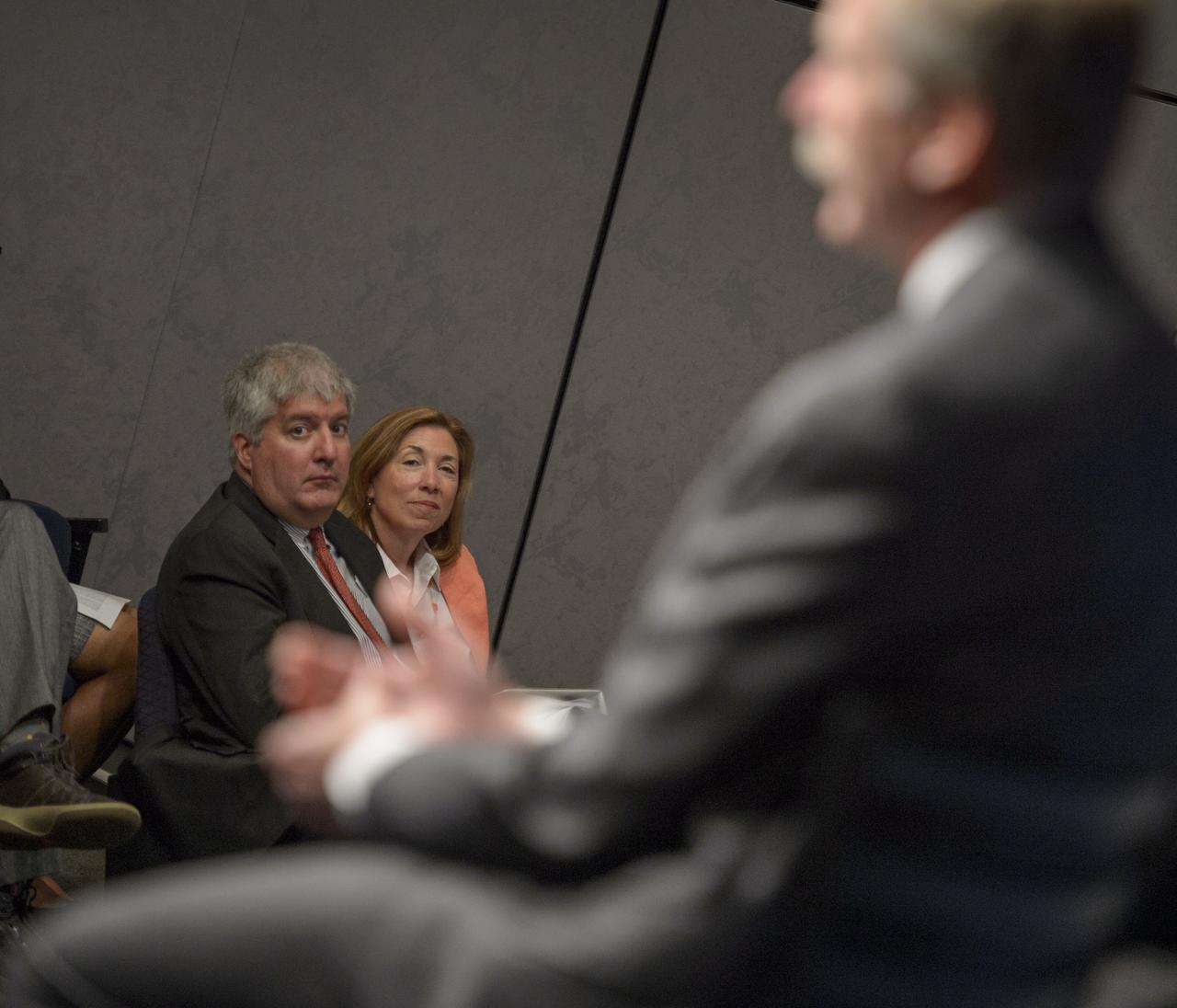
Tom Kalil, Deputy Director for Technology and Innovation, White House Office of Science and Technology Policy, and, NASA Deputy Administrator Lori Garver, listen as NASA Associate Administrator for Human Exploration and Operations, William Gerstenmaier, talks during the Asteroid Initiative Industry and Partner Day at NASA Headquarters on Tuesday, June 18, 2013 in Washington. During the event NASA Deputy Administrator Lori Garver and other senior NASA officials discussed the progress being made on NASA's mission to capture, redirect, and explore an asteroid. NASA also announced an Asteroid Grand Challenge focused on finding all asteroid threats to human populations and knowing what to do about them. Photo Credit: (NASA/Bill Ingalls)
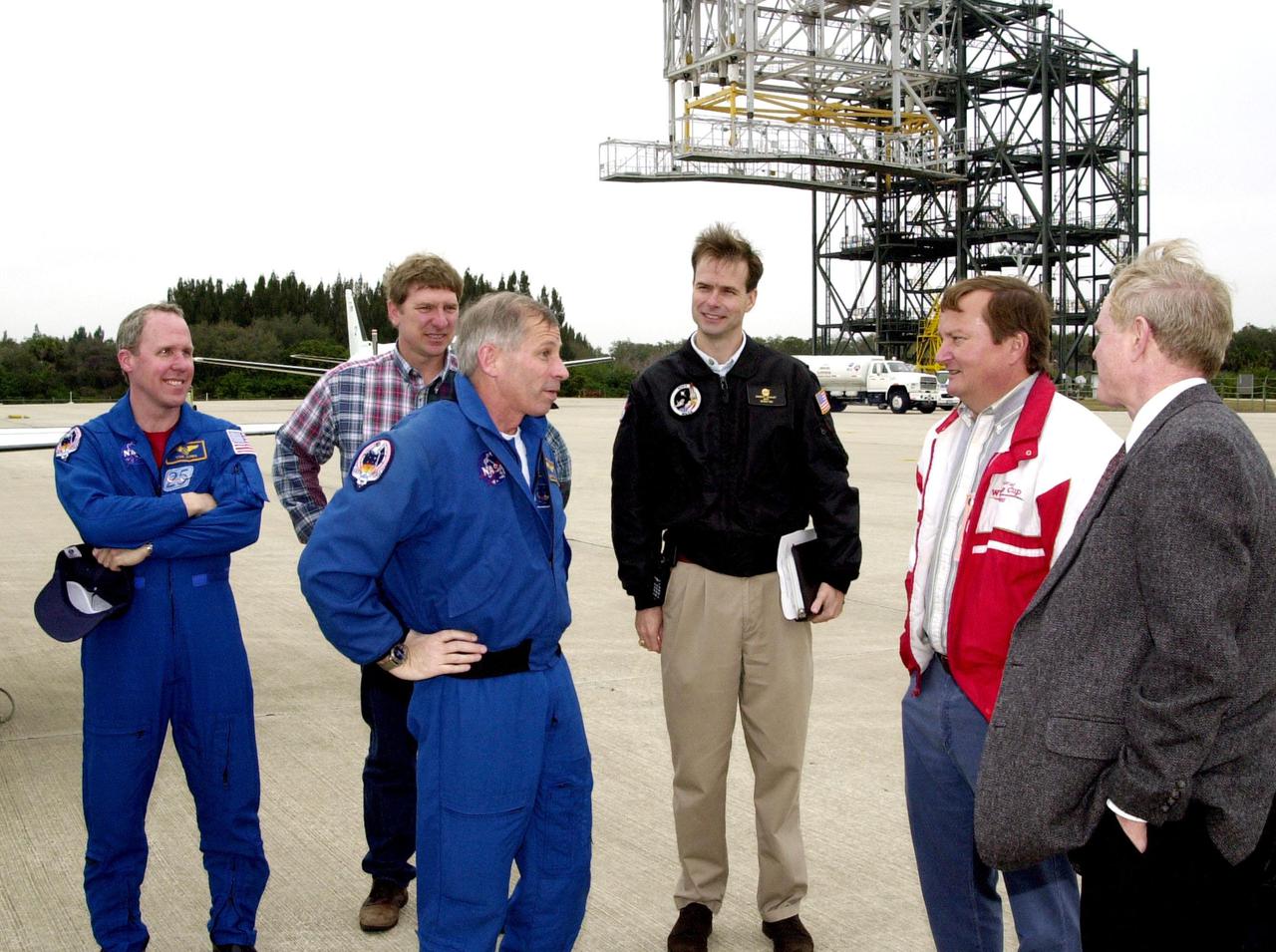
KENNEDY SPACE CENTER, FLA. -- STS-98 Mission Commander Kenneth Cockrell (center) talks with Launch Director Michael Leinbach (red and white jacket) and Center Director Roy Bridges (right) at the Shuttle Landing Facility after the crew's arrival Sunday to complete preparations for launch.; Behind him are, from left to right, Mission Specialist Thomas Jones; Tom Kwiatkowski, NASA, Johnson Space Center (JSC); and Robert Hanley, United Space Alliance, JSC.; The crew also includes Pilot Mark Polansky and Mission Specialists Marsha Ivins and Robert Curbeam.; STS-98 is the seventh construction flight to the International Space Station, carrying as payload the U.S. Lab Destiny, a key element in the construction of the ISS. Launch of STS-98 is scheduled for Feb. 7 at 6:11 p.m. EST
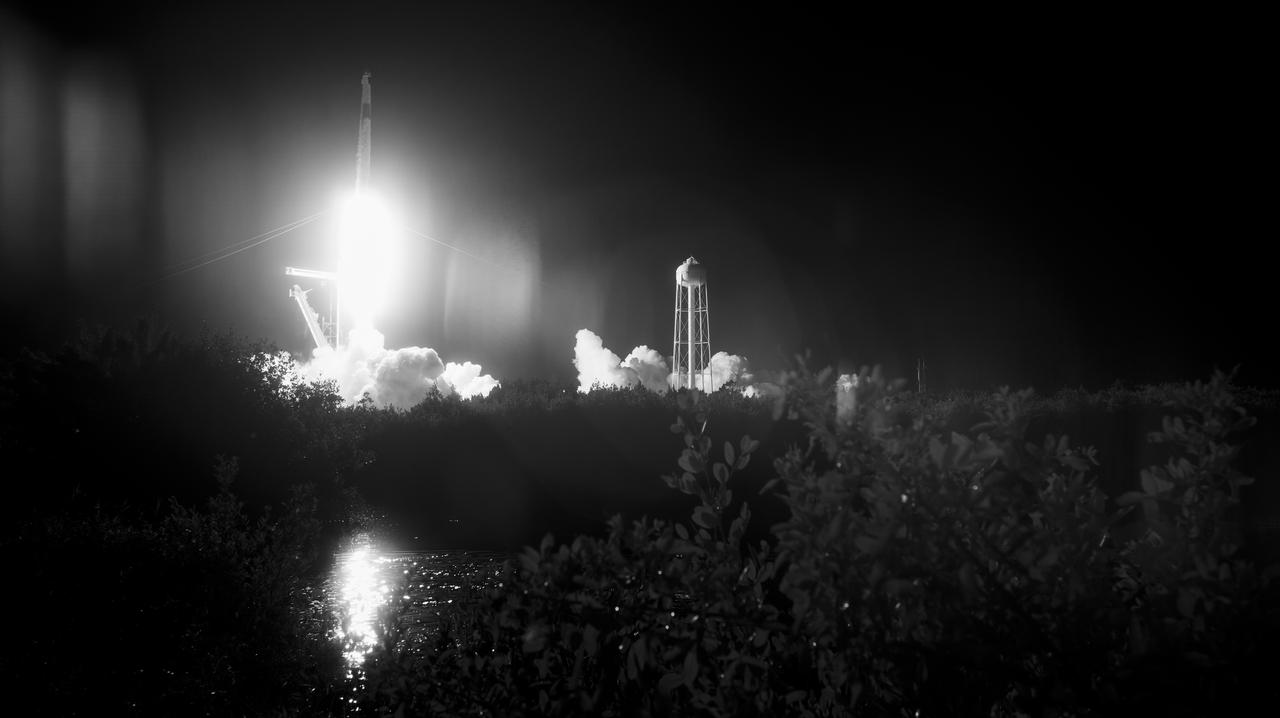
In this black and white infrared image, a SpaceX Falcon 9 rocket carrying the company's Crew Dragon spacecraft is launched on NASA’s SpaceX Crew-3 mission to the International Space Station with NASA astronauts Raja Chari, Tom Marshburn, Kayla Barron, and ESA (European Space Agency) astronaut Matthias Maurer onboard, Wednesday, Nov. 10, 2021, at NASA’s Kennedy Space Center in Florida. NASA’s SpaceX Crew-3 mission is the third crew rotation mission of the SpaceX Crew Dragon spacecraft and Falcon 9 rocket to the International Space Station as part of the agency’s Commercial Crew Program. Chari, Marshburn, Barron, Maurer launched at 9:03 p.m. EST from Launch Complex 39A at the Kennedy Space Center to begin a six month mission onboard the orbital outpost. Photo Credit: (NASA/Joel Kowsky)
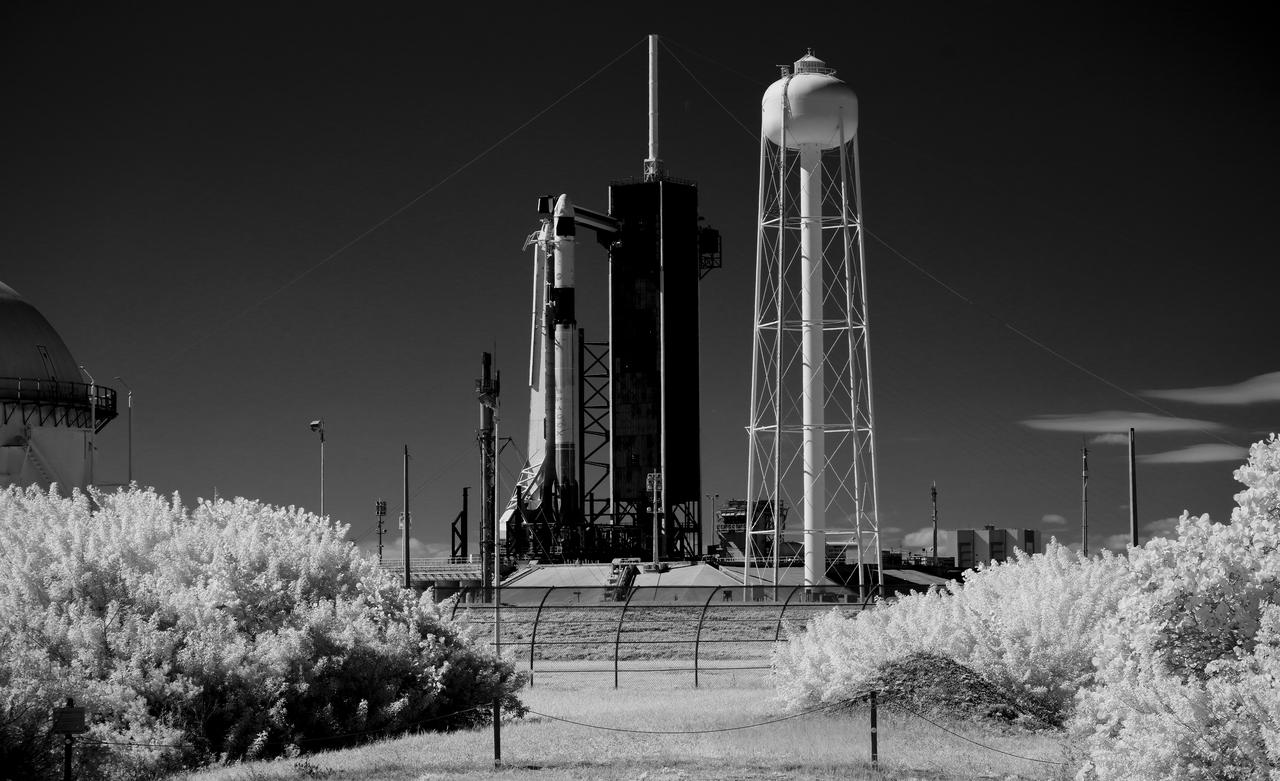
In this black and white infrared image, a SpaceX Falcon 9 rocket with the company's Crew Dragon spacecraft onboard is seen on the launch pad at Launch Complex 39A as preparations continue for the Crew-3 mission, Sunday, Oct. 31, 2021, at NASA’s Kennedy Space Center in Florida. NASA’s SpaceX Crew-3 mission is the third crew rotation mission of the SpaceX Crew Dragon spacecraft and Falcon 9 rocket to the International Space Station as part of the agency’s Commercial Crew Program. NASA astronauts Raja Chari, Tom Marshburn, Kayla Barron, and ESA (European Space Agency) astronaut Matthias Maurer are scheduled to launch on Nov. 3 at 1:10 a.m. ET, from Launch Complex 39A at the Kennedy Space Center. Photo Credit: (NASA/Joel Kowsky)
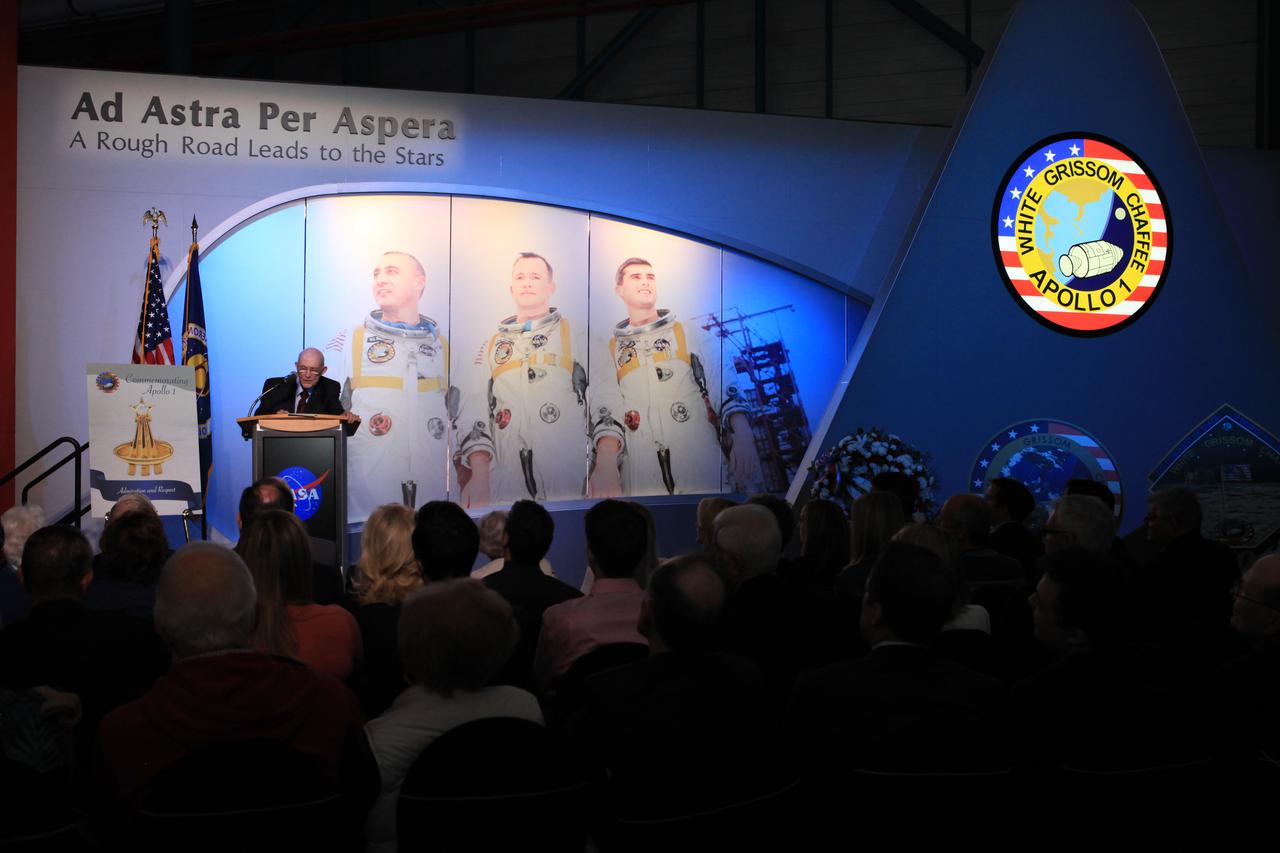
Former Gemini and Apollo astronaut Tom Stafford speaks during the opening of the tribute exhibition to the Apollo 1 astronauts who perished in a fire at the launch pad on Jan. 27, 1967, during training for the mission. The tribute highlights the lives and careers of astronauts Gus Grissom, Ed White II and Roger Chaffee who were lost during the fire. The tribute at the Apollo/Saturn V Center at NASA's Kennedy Space Center opened Jan. 27, 2017, 50 years after the crew of three was lost. It features numerous items recalling the lives of the three astronauts. The tribute also includes the three-part hatch to the spacecraft itself, the first time any part of the Apollo 1 spacecraft has been displayed publicly. A version of the hatch after it was redesigned is also showcased as an example of improvements NASA made throughout the agency and to the Apollo spacecraft that would later carry astronauts to the moon.
CAPE CANAVERAL, Fla. – In the White Room on Launch Pad 39A at NASA's Kennedy Space Center in Florida, STS-119 Mission Specialist John Phillips (center) is helped by the Closeout Crew to put on his harness. Phillips will join Commander Lee Archambault (background right) and other crew members to enter space shuttle Discovery to conduct a simulated launch countdown. The astronauts are at Kennedy to prepare for launch through Terminal Countdown Demonstration Test activities. The TCDT includes equipment familiarization and emergency egress training. Discovery is targeted to launch on the STS-119 mission Feb. 12. During the 14-day mission, the crew will install the S6 truss segment and solar arrays to the starboard side of the International Space Station, completing the station's truss, or backbone. Photo credit: NASA/Sandra Joseph, Kevin O'Connell, Tom Farrar
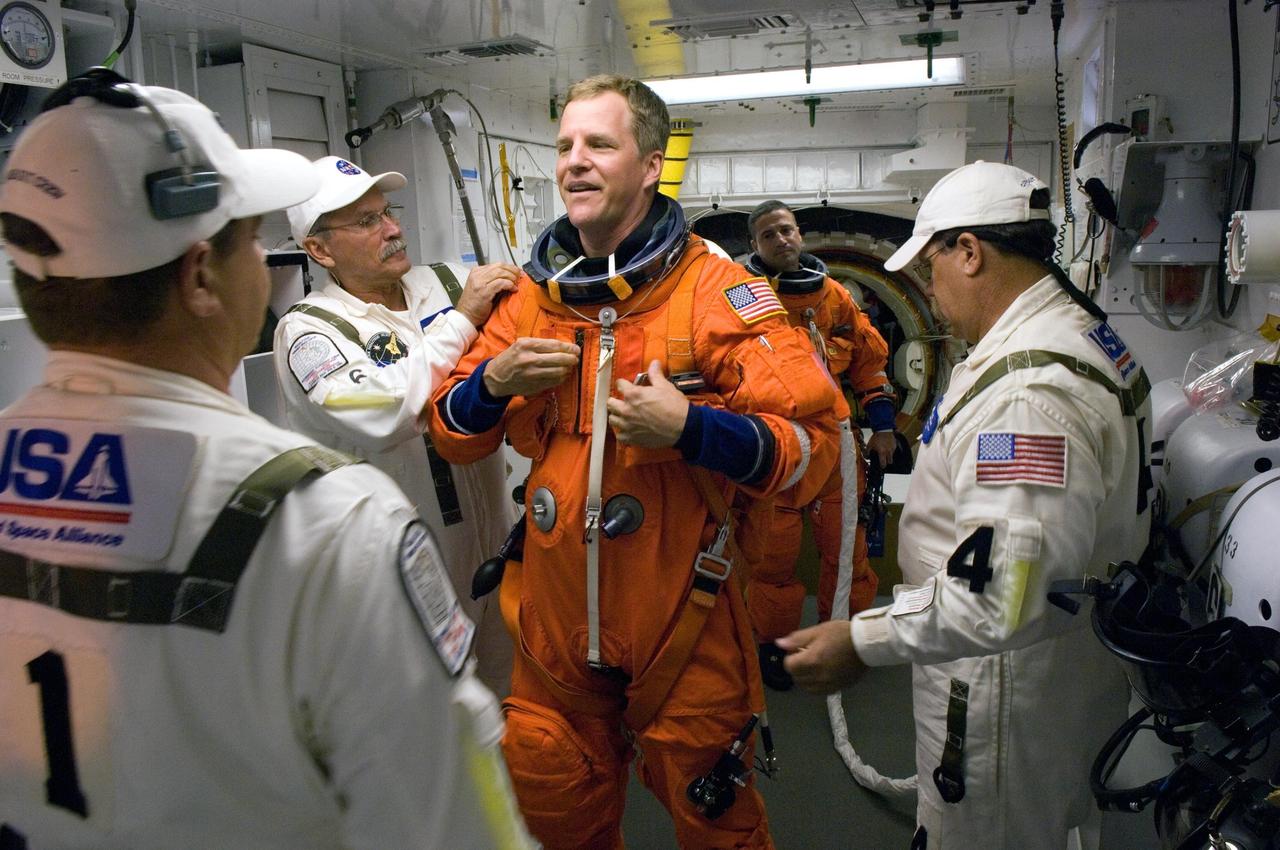
KENNEDY SPACE CENTER, FLA. -- In the White Room on Launch Pad 39A at NASA's Kennedy Space Center, STS-120 Mission Specialist Scott Parazynski is helped by the closeout crew to put on a parachute and get ready to enter space shuttle Discovery for liftoff at 11:38 a.m. EDT. Behind him, near Discovery's hatch opening, is Pilot George Zamka. The STS-120 mission will be the 23rd assembly flight to the space station and the 34th flight for Discovery. Payload on the mission is the Italian-built U.S. Node 2, called Harmony. During the 14-day mission, the crew will install Harmony and move the P6 solar arrays to their permanent position and deploy them. Discovery is expected to complete its mission and return home at 4:47 a.m. EST on Nov. 6. Photo credit: NASA/Scott Haun, Tom Farrar, Rafael Hernandez
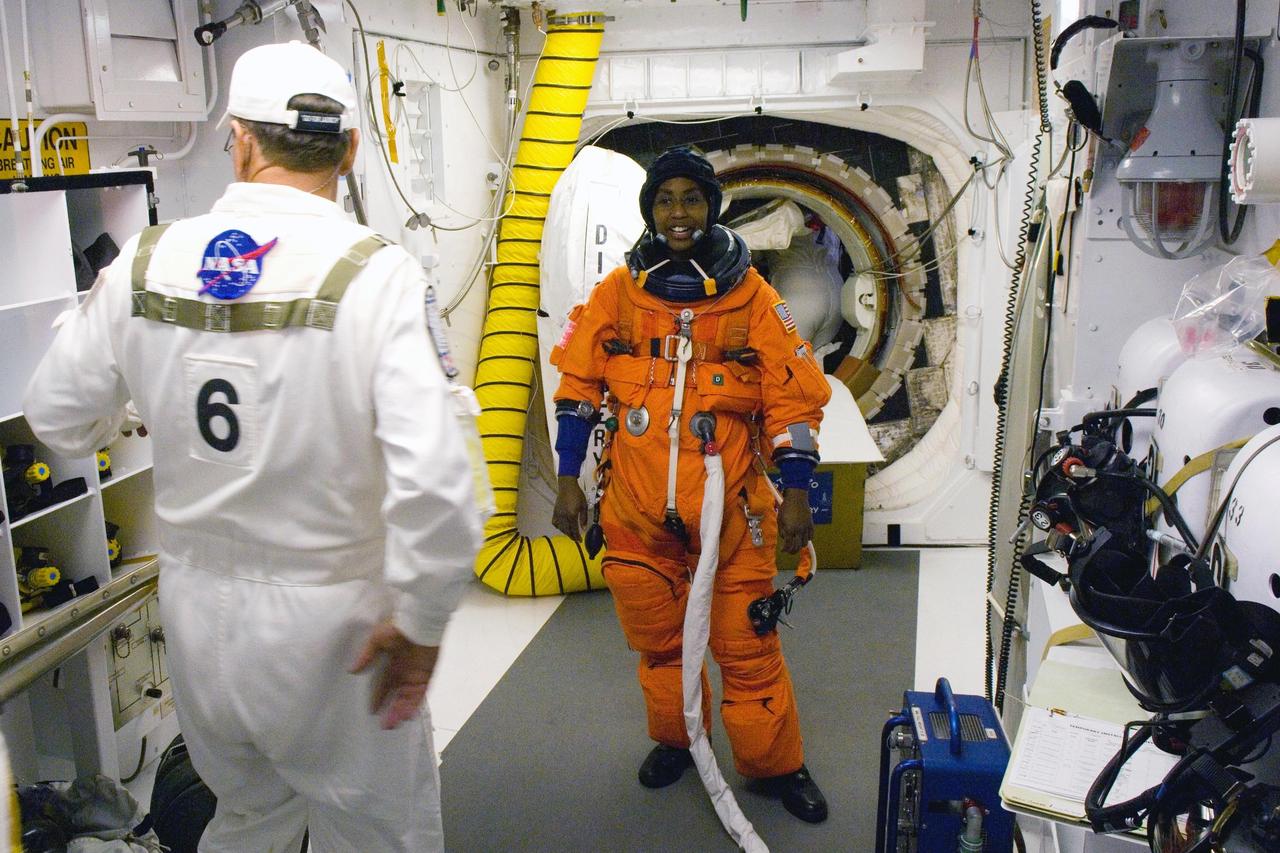
KENNEDY SPACE CENTER, FLA. -- In the White Room on Launch Pad 39A at NASA's Kennedy Space Center, STS-120 Mission Specialist Stephanie Wilson waits her turn to enter space shuttle Discovery for liftoff at 11:38 a.m. EDT. The closeout crew helped her to put on a parachute and prepare her launch and entry suit for the launch. The STS-120 mission will be the 23rd assembly flight to the space station and the 34th flight for Discovery. Payload on the mission is the Italian-built U.S. Node 2, called Harmony. During the 14-day mission, the crew will install Harmony and move the P6 solar arrays to their permanent position and deploy them. Discovery is expected to complete its mission and return home at 4:47 a.m. EST on Nov. 6. Photo credit: NASA/Scott Haun, Tom Farrar, Rafael Hernandez

KENNEDY SPACE CENTER, FLA. -- In the White Room on Launch Pad 39A at NASA's Kennedy Space Center, STS-120 Pilot George Zamka is helped by the closeout crew to put on a parachute and get ready to enter space shuttle Discovery for liftoff at 11:38 a.m. EDT. The STS-120 mission will be the 23rd assembly flight to the space station and the 34th flight for Discovery. Payload on the mission is the Italian-built U.S. Node 2, called Harmony. During the 14-day mission, the crew will install Harmony and move the P6 solar arrays to their permanent position and deploy them. Discovery is expected to complete its mission and return home at 4:47 a.m. EST on Nov. 6. Photo credit: NASA/Scott Haun, Tom Farrar, Rafael Hernandez

CAPE CANAVERAL, Fla. – In the White Room on Launch Pad 39A at NASA's Kennedy Space Center in Florida, STS-119 Mission Specialist Koichi Wakata is helped by the Closeout Crew to put on his harness. Wakata will join other crew members to enter space shuttle Discovery to conduct a simulated launch countdown. The astronauts are at Kennedy to prepare for launch through Terminal Countdown Demonstration Test activities. The TCDT includes equipment familiarization and emergency egress training. Discovery is targeted to launch on the STS-119 mission Feb. 12. During the 14-day mission, the crew will install the S6 truss segment and solar arrays to the starboard side of the International Space Station, completing the station's truss, or backbone. Photo credit: NASA/Sandra Joseph, Kevin O'Connell, Tom Farrar
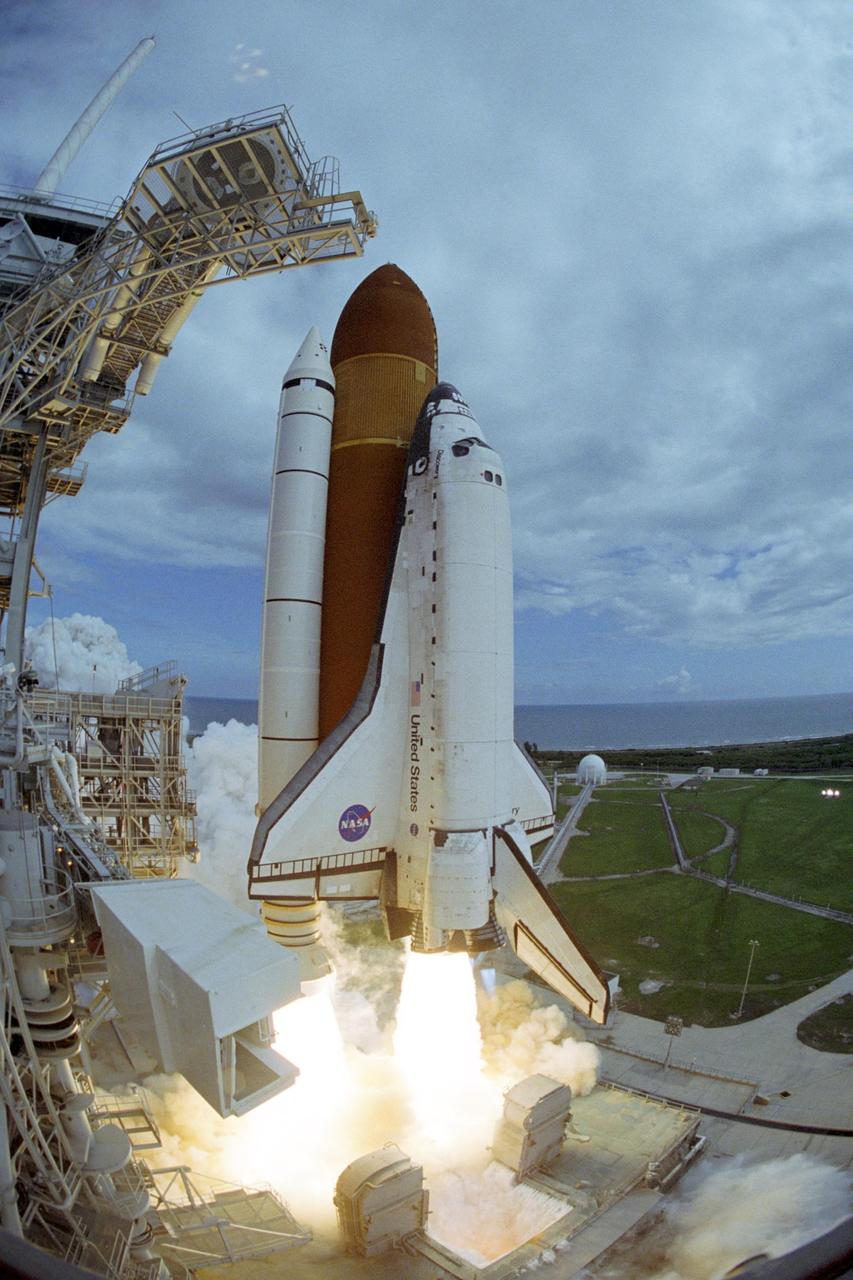
KENNEDY SPACE CENTER, FLA. -- A fish-eye view of space shuttle Discovery as it lifts off Launch Pad 39A at NASA's Kennedy Space Center on mission STS-120 to the International Space Station. AT left is the White Room, at the end of the orbiter access arm. Below is the mobile launcher platform with the tail masts standing. In the distance is the Atlantic Ocean. Liftoff of Discovery was on time at 11:38:19 a.m. EDT. The mission is the 23rd assembly flight to the space station and the 34th flight for Discovery. The STS-120 payload is the Italian-built U.S. Node 2, called Harmony. During the 14-day mission, the crew will install Harmony and move the P6 solar arrays to their permanent position and deploy them. Discovery is expected to complete its mission and return home at 4:50 a.m. EST on Nov. 6. Photo credit: NASA/Tom Farrar, Scott Haun, Raphael Hernandez
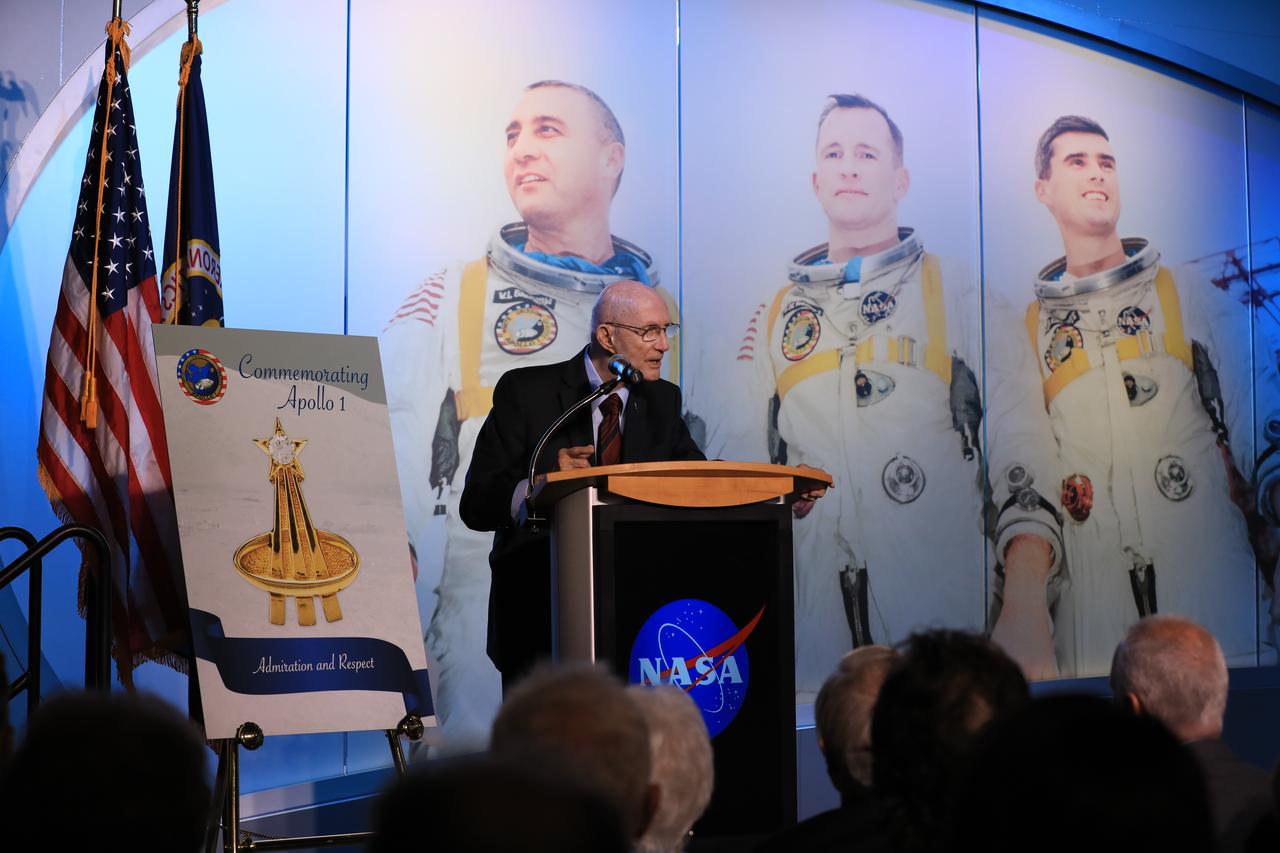
Former Gemini and Apollo astronaut Tom Stafford speaks during the opening of the tribute exhibition to the Apollo 1 astronauts who perished in a fire at the launch pad on Jan. 27, 1967, during training for the mission. The tribute highlights the lives and careers of astronauts Gus Grissom, Ed White II and Roger Chaffee who were lost during the fire. The tribute at the Apollo/Saturn V Center at NASA's Kennedy Space Center opened Jan. 27, 2017, 50 years after the crew of three was lost. It features numerous items recalling the lives of the three astronauts. The tribute also includes the three-part hatch to the spacecraft itself, the first time any part of the Apollo 1 spacecraft has been displayed publicly. A version of the hatch after it was redesigned is also showcased as an example of improvements NASA made throughout the agency and to the Apollo spacecraft that would later carry astronauts to the moon.
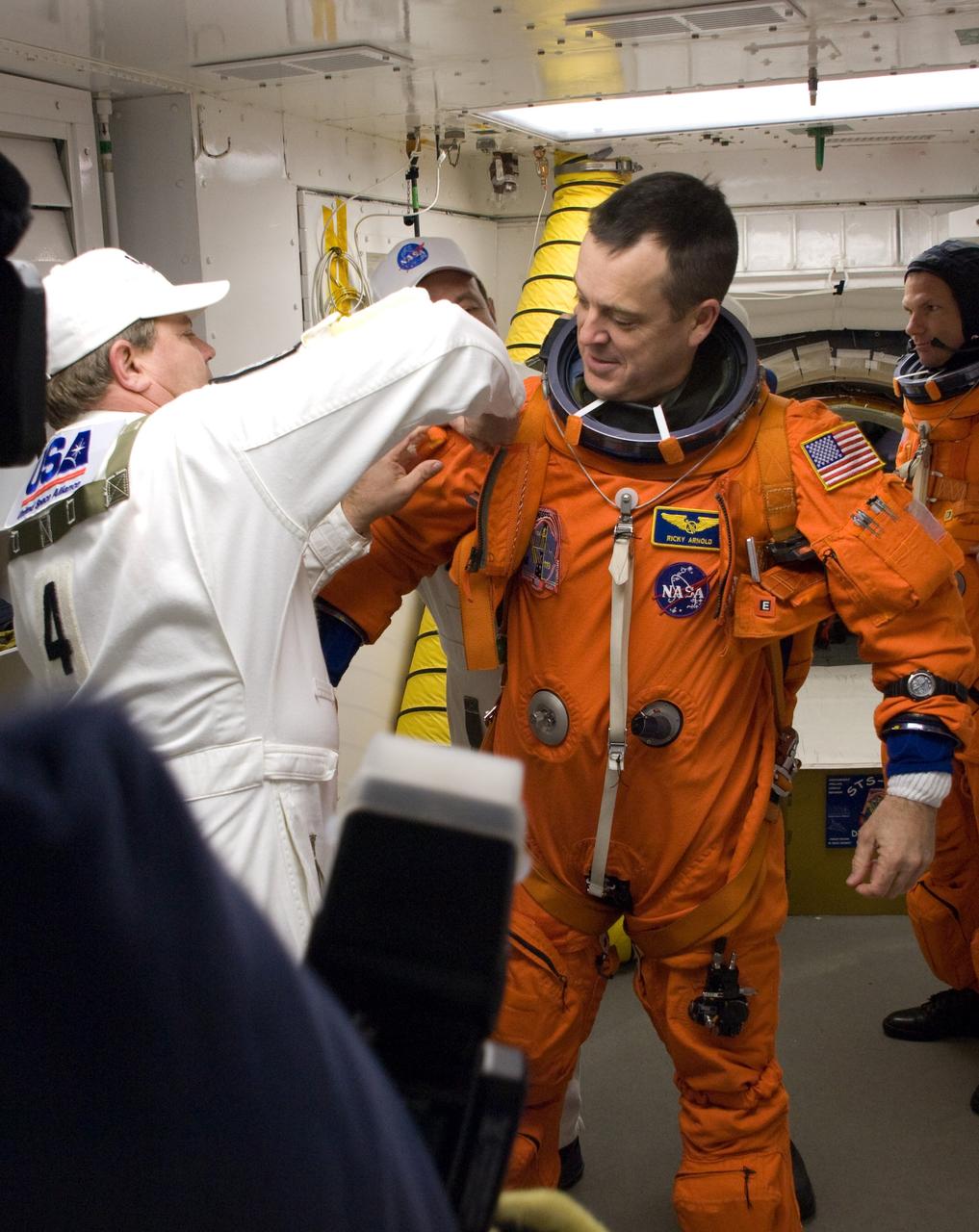
CAPE CANAVERAL, Fla. – In the White Room on Launch Pad 39A at NASA's Kennedy Space Center in Florida, STS-119 Mission Specialist Richard Arnold (foreground) is helped by the Closeout Crew to put on his harness. Arnold will join Pilot Tony Antonelli (background right) and other crew members to enter space shuttle Discovery to conduct a simulated launch countdown. The astronauts are at Kennedy to prepare for launch through Terminal Countdown Demonstration Test activities. The TCDT includes equipment familiarization and emergency egress training. Discovery is targeted to launch on the STS-119 mission Feb. 12. During the 14-day mission, the crew will install the S6 truss segment and solar arrays to the starboard side of the International Space Station, completing the station's truss, or backbone. Photo credit: NASA/Sandra Joseph, Kevin O'Connell, Tom Farrar
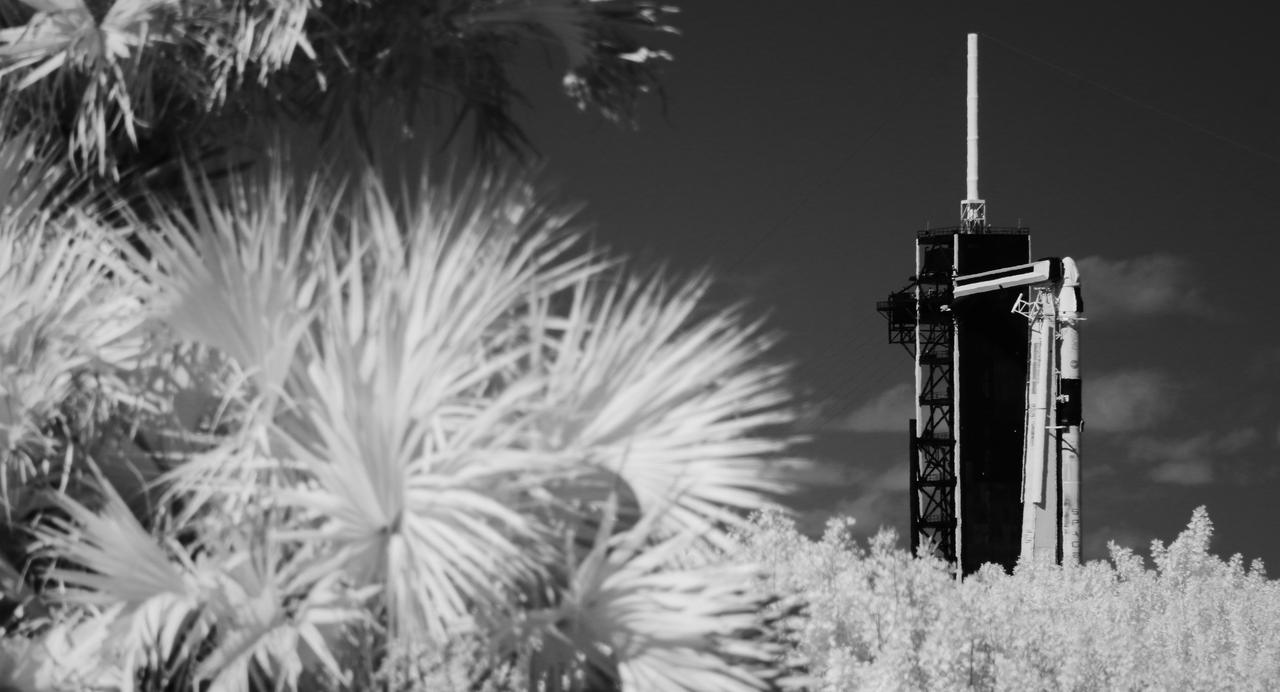
In this black and white infrared image, a SpaceX Falcon 9 rocket with the company's Crew Dragon spacecraft onboard is seen on the launch pad at Launch Complex 39A as preparations continue for the Crew-3 mission, Sunday, Oct. 31, 2021, at NASA’s Kennedy Space Center in Florida. NASA’s SpaceX Crew-3 mission is the third crew rotation mission of the SpaceX Crew Dragon spacecraft and Falcon 9 rocket to the International Space Station as part of the agency’s Commercial Crew Program. NASA astronauts Raja Chari, Tom Marshburn, Kayla Barron, and ESA (European Space Agency) astronaut Matthias Maurer are scheduled to launch on Nov. 3 at 1:10 a.m. ET, from Launch Complex 39A at the Kennedy Space Center. Photo Credit: (NASA/Joel Kowsky)
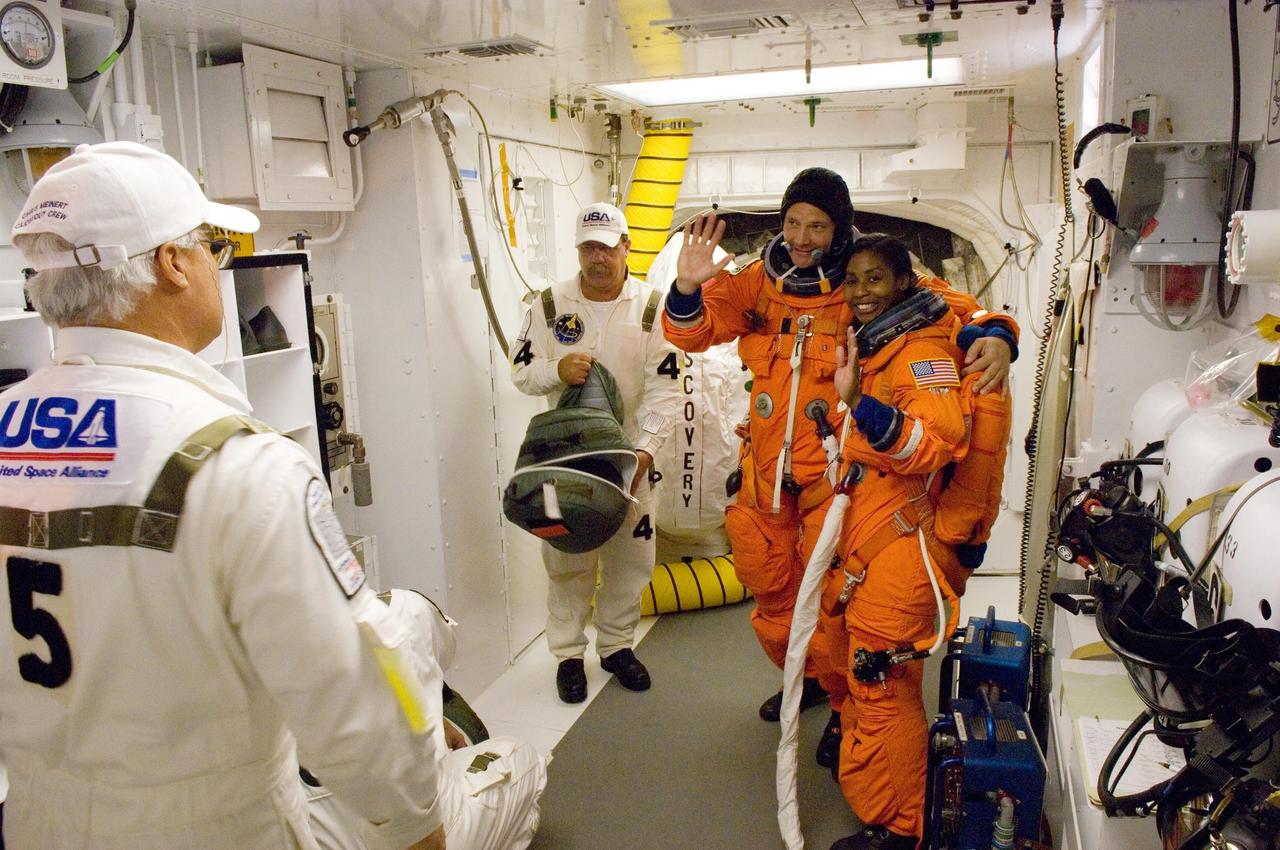
KENNEDY SPACE CENTER, FLA. -- In the White Room on Launch Pad 39A at NASA's Kennedy Space Center, STS-120 Mission Specialists Doug Wheelock and Stephanie Wilson are eager to start the mission, after being helped by the closeout crew, and enter space shuttle Discovery for liftoff at 11:38 a.m. EDT. The STS-120 mission will be the 23rd assembly flight to the space station and the 34th flight for Discovery. Payload on the mission is the Italian-built U.S. Node 2, called Harmony. During the 14-day mission, the crew will install Harmony and move the P6 solar arrays to their permanent position and deploy them. Discovery is expected to complete its mission and return home at 4:47 a.m. EST on Nov. 6. Photo credit: NASA/Scott Haun, Tom Farrar, Rafael Hernandez
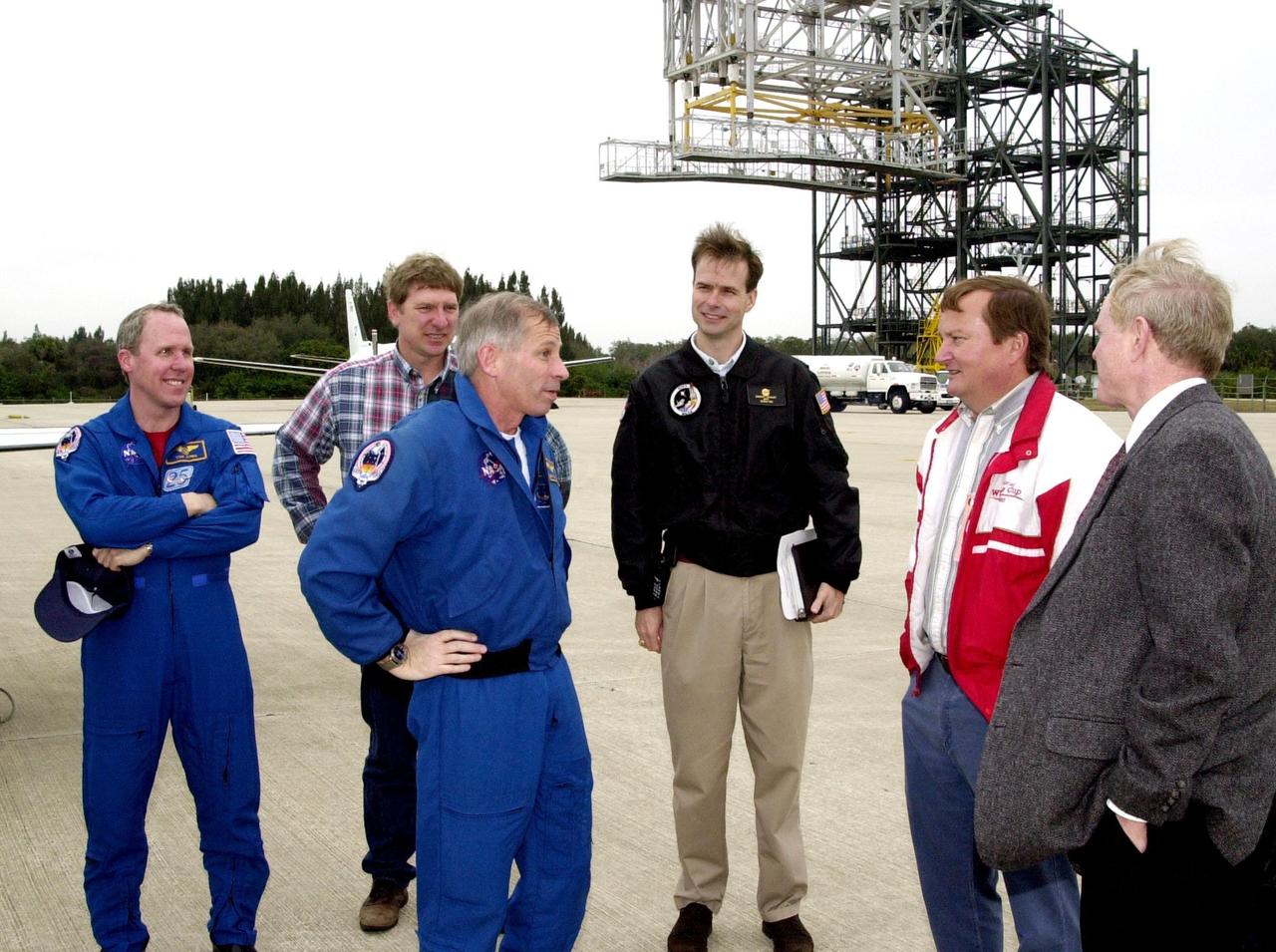
KENNEDY SPACE CENTER, FLA. -- STS-98 Mission Commander Kenneth Cockrell (center) talks with Launch Director Michael Leinbach (red and white jacket) and Center Director Roy Bridges (right) at the Shuttle Landing Facility after the crew's arrival Sunday to complete preparations for launch.; Behind him are, from left to right, Mission Specialist Thomas Jones; Tom Kwiatkowski, NASA, Johnson Space Center (JSC); and Robert Hanley, United Space Alliance, JSC.; The crew also includes Pilot Mark Polansky and Mission Specialists Marsha Ivins and Robert Curbeam.; STS-98 is the seventh construction flight to the International Space Station, carrying as payload the U.S. Lab Destiny, a key element in the construction of the ISS. Launch of STS-98 is scheduled for Feb. 7 at 6:11 p.m. EST
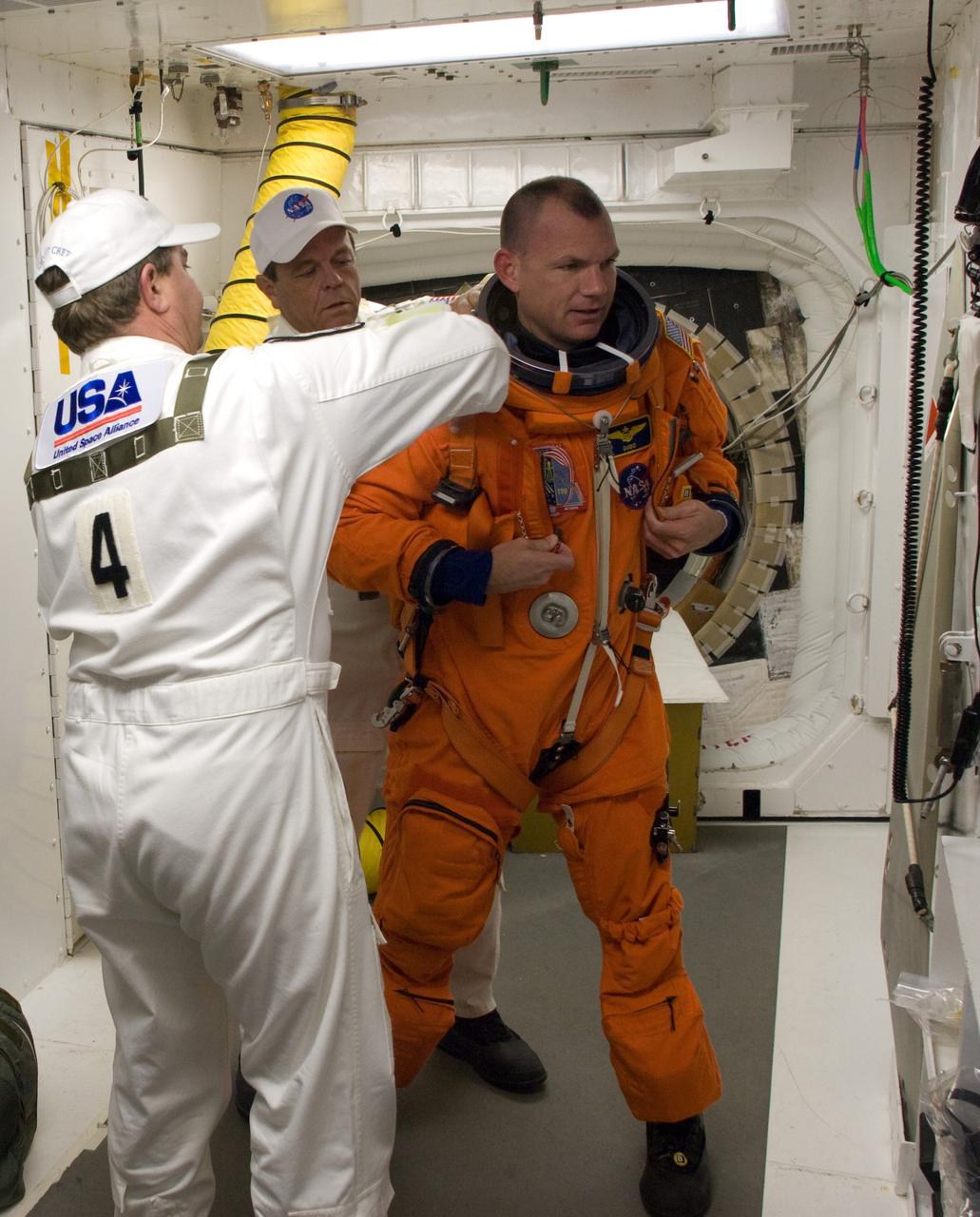
CAPE CANAVERAL, Fla. – In the White Room on Launch Pad 39A at NASA's Kennedy Space Center in Florida, STS-119 Pilot Tony Antonelli is helped by the Closeout Crew to put on his harness. Antonelli will enter space shuttle Discovery along with the other crew members to conduct a simulated launch countdown. The astronauts are at Kennedy to prepare for launch through Terminal Countdown Demonstration Test activities. The TCDT includes equipment familiarization and emergency egress training. Discovery is targeted to launch on the STS-119 mission Feb. 12. During the 14-day mission, the crew will install the S6 truss segment and solar arrays to the starboard side of the International Space Station, completing the station's truss, or backbone. Photo credit: NASA/Sandra Joseph, Kevin O'Connell, Tom Farrar
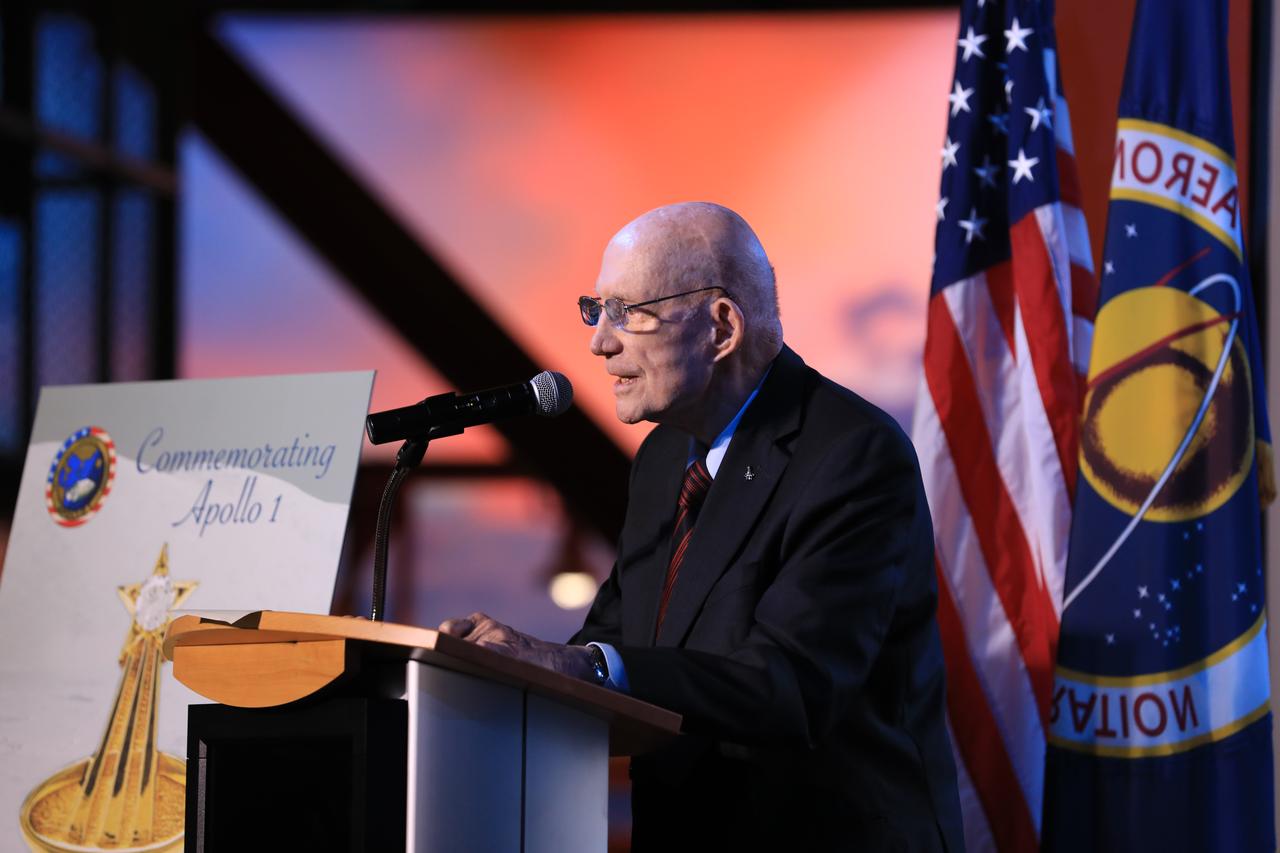
Former Gemini and Apollo astronaut Tom Stafford speaks during the opening of the tribute exhibition to the Apollo 1 astronauts who perished in a fire at the launch pad on Jan. 27, 1967, during training for the mission. The tribute highlights the lives and careers of astronauts Gus Grissom, Ed White II and Roger Chaffee who were lost during the fire. The tribute at the Apollo/Saturn V Center at NASA's Kennedy Space Center opened Jan. 27, 2017, 50 years after the crew of three was lost. It features numerous items recalling the lives of the three astronauts. The tribute also includes the three-part hatch to the spacecraft itself, the first time any part of the Apollo 1 spacecraft has been displayed publicly. A version of the hatch after it was redesigned is also showcased as an example of improvements NASA made throughout the agency and to the Apollo spacecraft that would later carry astronauts to the moon.
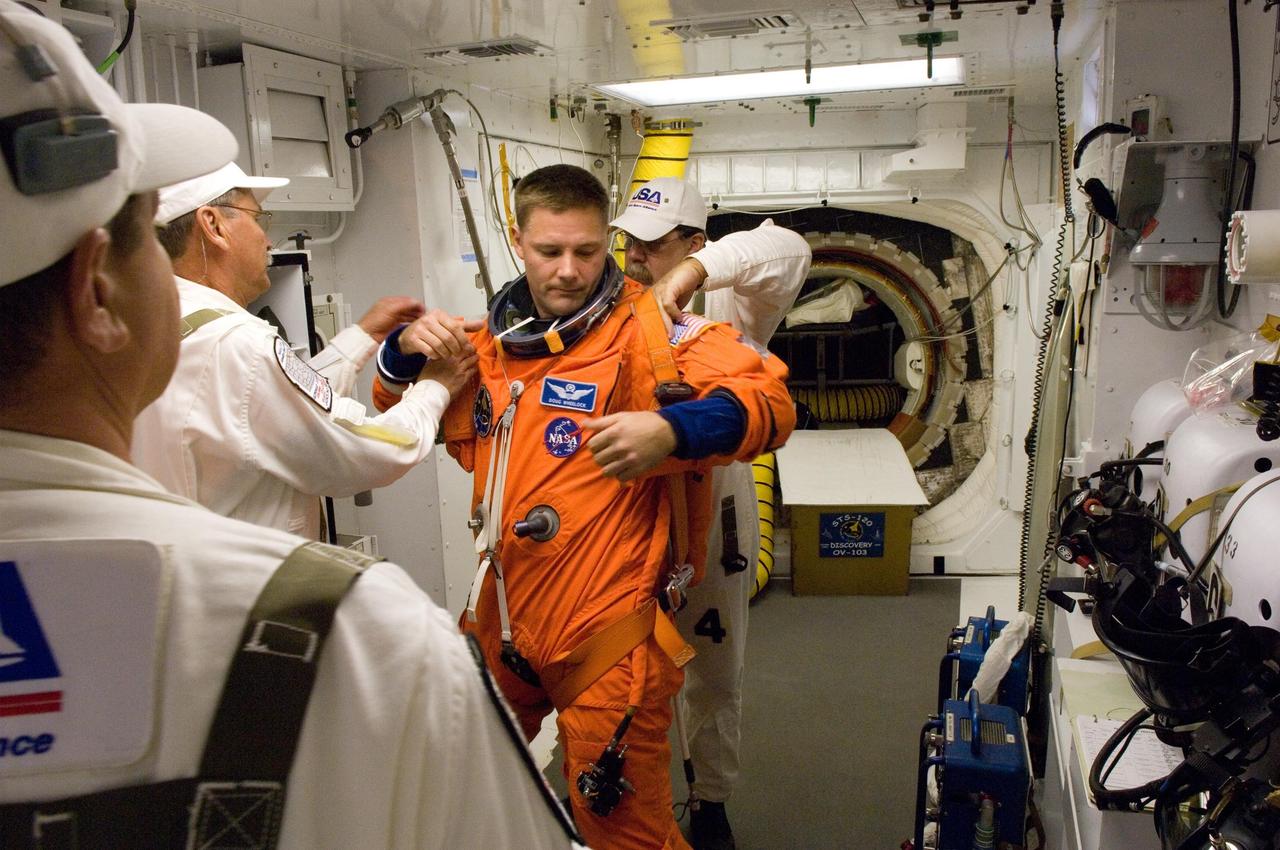
KENNEDY SPACE CENTER, FLA. -- In the White Room on Launch Pad 39A at NASA's Kennedy Space Center, STS-120 Mission Specialist Doug Wheelock is helped by the closeout crew to put on a parachute and get ready to enter space shuttle Discovery for liftoff at 11:38 a.m. EDT. The STS-120 mission will be the 23rd assembly flight to the space station and the 34th flight for Discovery. Payload on the mission is the Italian-built U.S. Node 2, called Harmony. During the 14-day mission, the crew will install Harmony and move the P6 solar arrays to their permanent position and deploy them. Discovery is expected to complete its mission and return home at 4:47 a.m. EST on Nov. 6. Photo credit: NASA/Scott Haun, Tom Farrar, Rafael Hernandez
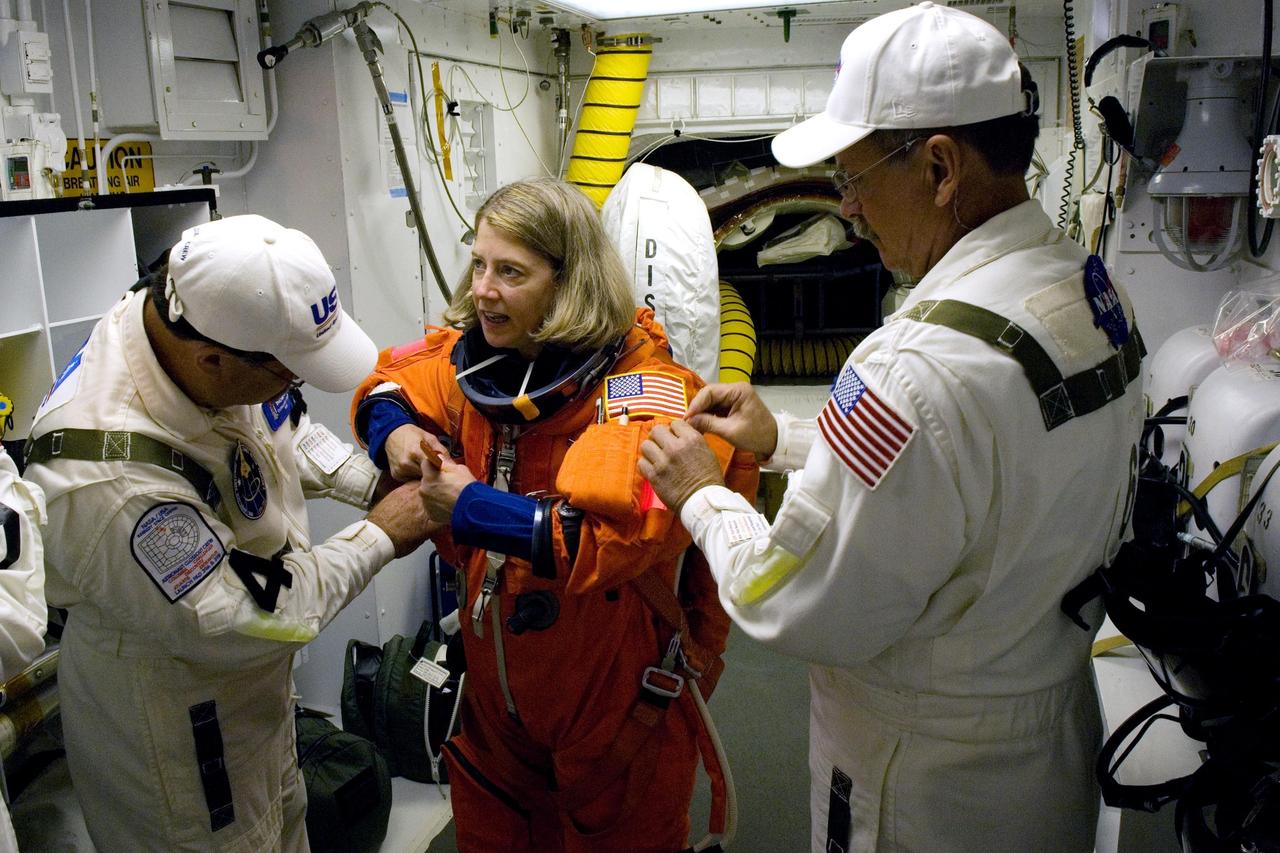
KENNEDY SPACE CENTER, FLA. -- In the White Room on Launch Pad 39A at NASA's Kennedy Space Center, STS-120 Commander Pamela Melroy is helped by the closeout crew to put on a parachute and get ready to enter space shuttle Discovery for liftoff at 11:38 a.m. EDT. The STS-120 mission will be the 23rd assembly flight to the space station and the 34th flight for Discovery. Payload on the mission is the Italian-built U.S. Node 2, called Harmony. During the 14-day mission, the crew will install Harmony and move the P6 solar arrays to their permanent position and deploy them. Discovery is expected to complete its mission and return home at 4:47 a.m. EST on Nov. 6. Photo credit: NASA/Scott Haun, Tom Farrar, Rafael Hernandez
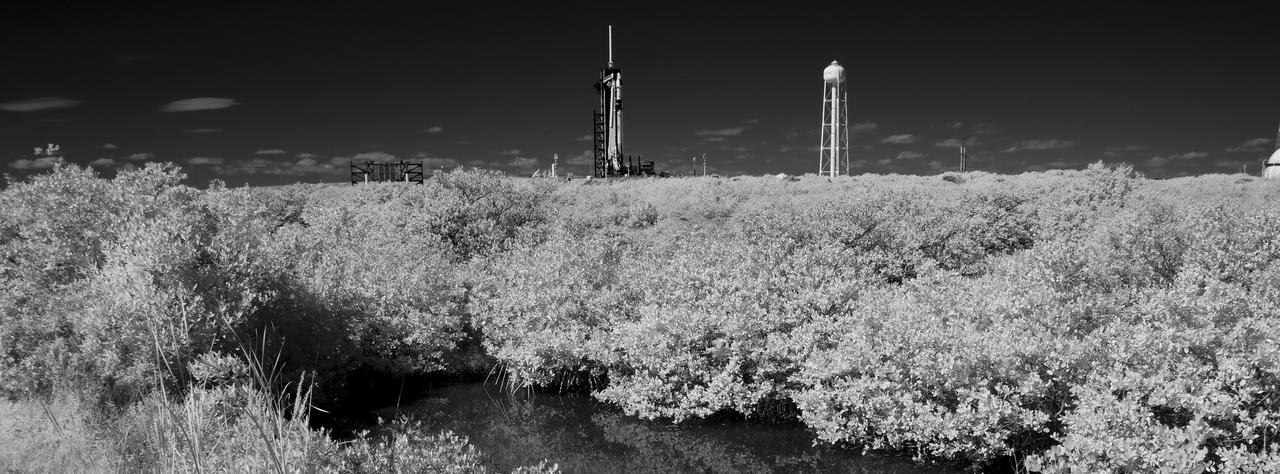
In this black and white infrared image, a SpaceX Falcon 9 rocket with the company's Crew Dragon spacecraft onboard is seen on the launch pad at Launch Complex 39A as preparations continue for the Crew-3 mission, Sunday, Oct. 31, 2021, at NASA’s Kennedy Space Center in Florida. NASA’s SpaceX Crew-3 mission is the third crew rotation mission of the SpaceX Crew Dragon spacecraft and Falcon 9 rocket to the International Space Station as part of the agency’s Commercial Crew Program. NASA astronauts Raja Chari, Tom Marshburn, Kayla Barron, and ESA (European Space Agency) astronaut Matthias Maurer are scheduled to launch on Nov. 3 at 1:10 a.m. ET, from Launch Complex 39A at the Kennedy Space Center. Photo Credit: (NASA/Joel Kowsky)
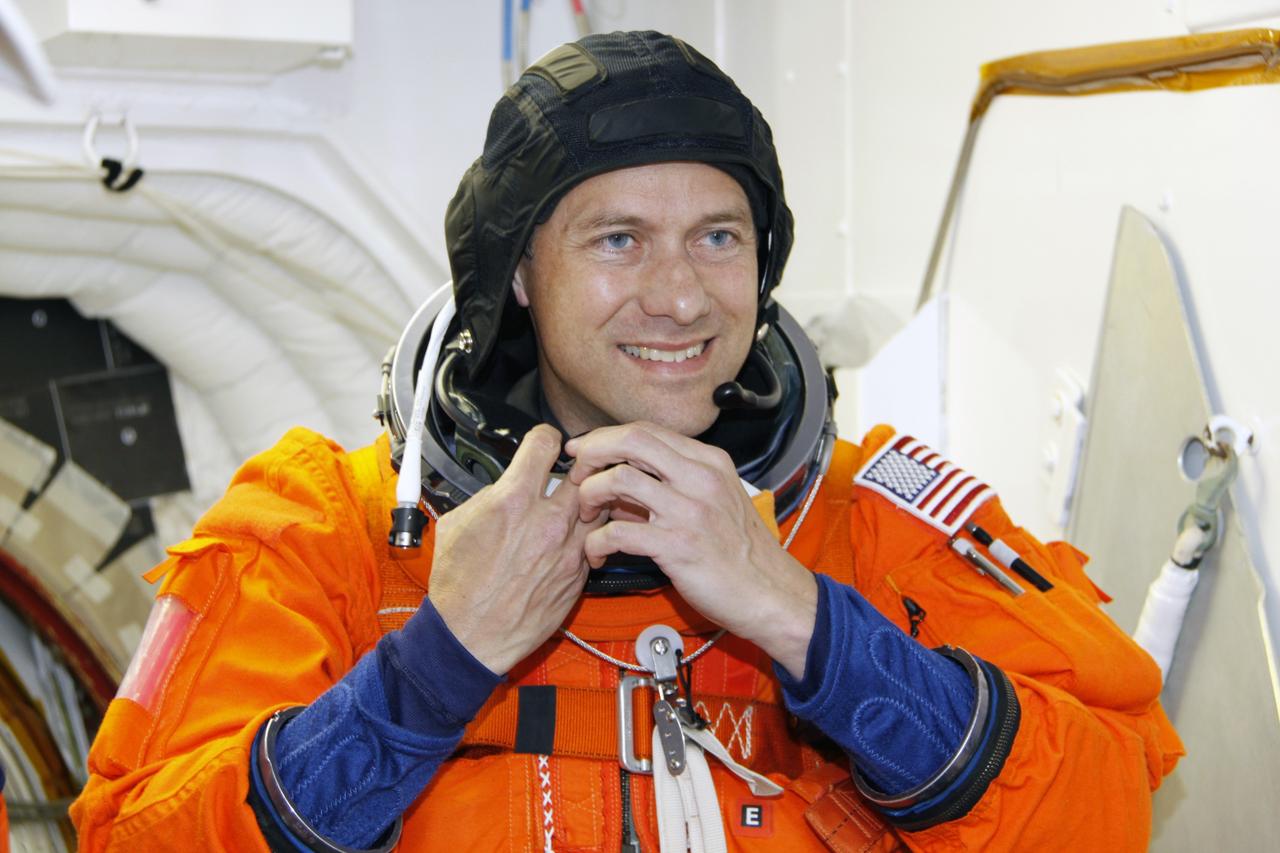
CAPE CANAVERAL, Fla. – – In the White Room on the orbiter access arm of the fixed service structure on Launch Pad 39A at NASA's Kennedy Space Center in Florida, STS-127 Mission Specialist Tom Marshburn finishes suiting up before entering space shuttle Endeavour for the simulated launch countdown. The crew is at Kennedy for a launch dress rehearsal called the terminal countdown demonstration test, or TCDT, which includes the simulation, emergency exit training and equipment familiarization. Endeavour's STS-127 mission is the final of three flights dedicated to the assembly of the Japanese Kibo laboratory complex on the International Space Station. Endeavour's launch is scheduled for June 13 at 7:17 a.m. EDT. Photo credit: NASA/Troy Cryder
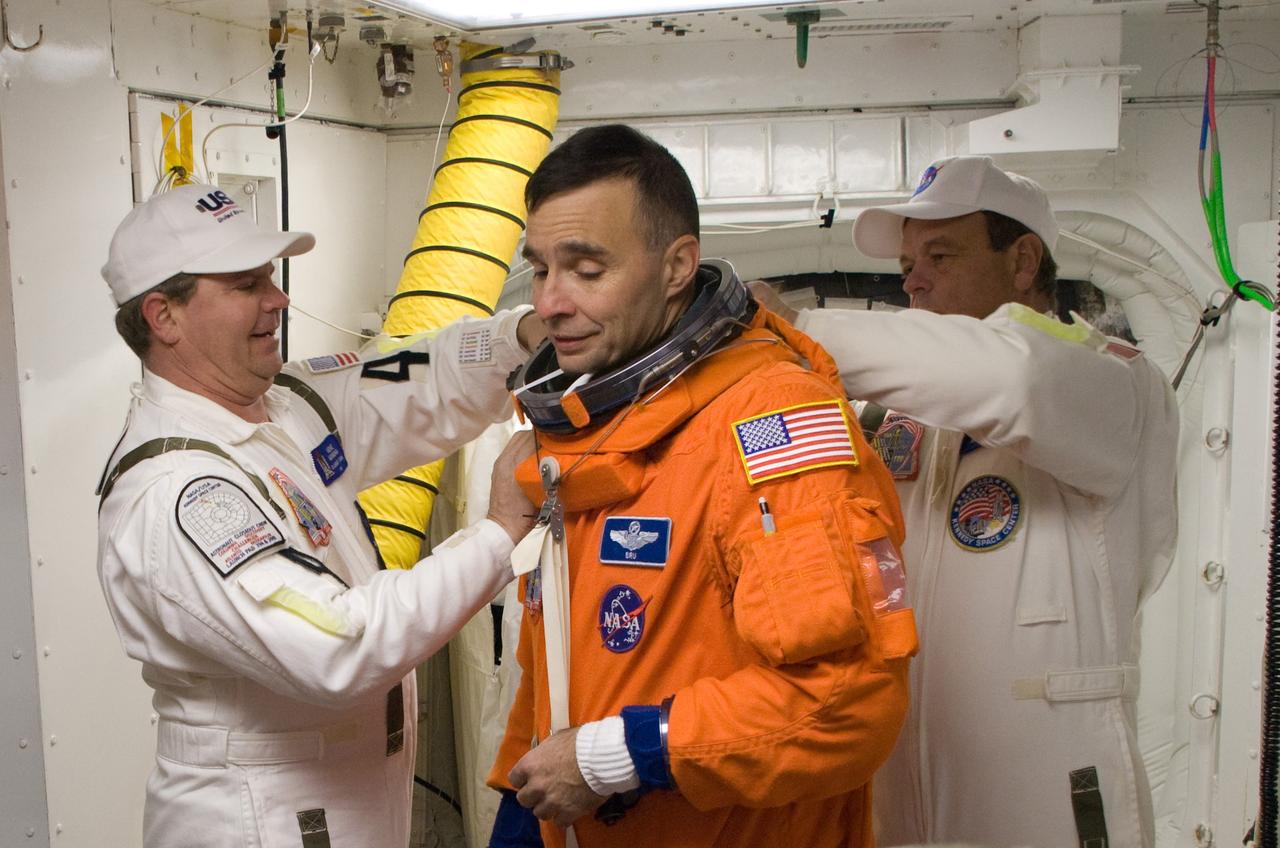
CAPE CANAVERAL, Fla. – In the White Room on Launch Pad 39A at NASA's Kennedy Space Center in Florida, STS-119 Commander Lee Archambault is helped by the Closeout Crew to put on his harness. Archambault will enter space shuttle Discovery along with the other crew members to conduct a simulated launch countdown. The astronauts are at Kennedy to prepare for launch through Terminal Countdown Demonstration Test activities. The TCDT includes equipment familiarization and emergency egress training. Discovery is targeted to launch on the STS-119 mission Feb. 12. During the 14-day mission, the crew will install the S6 truss segment and solar arrays to the starboard side of the International Space Station, completing the station's truss, or backbone. Photo credit: NASA/Sandra Joseph, Kevin O'Connell, Tom Farrar
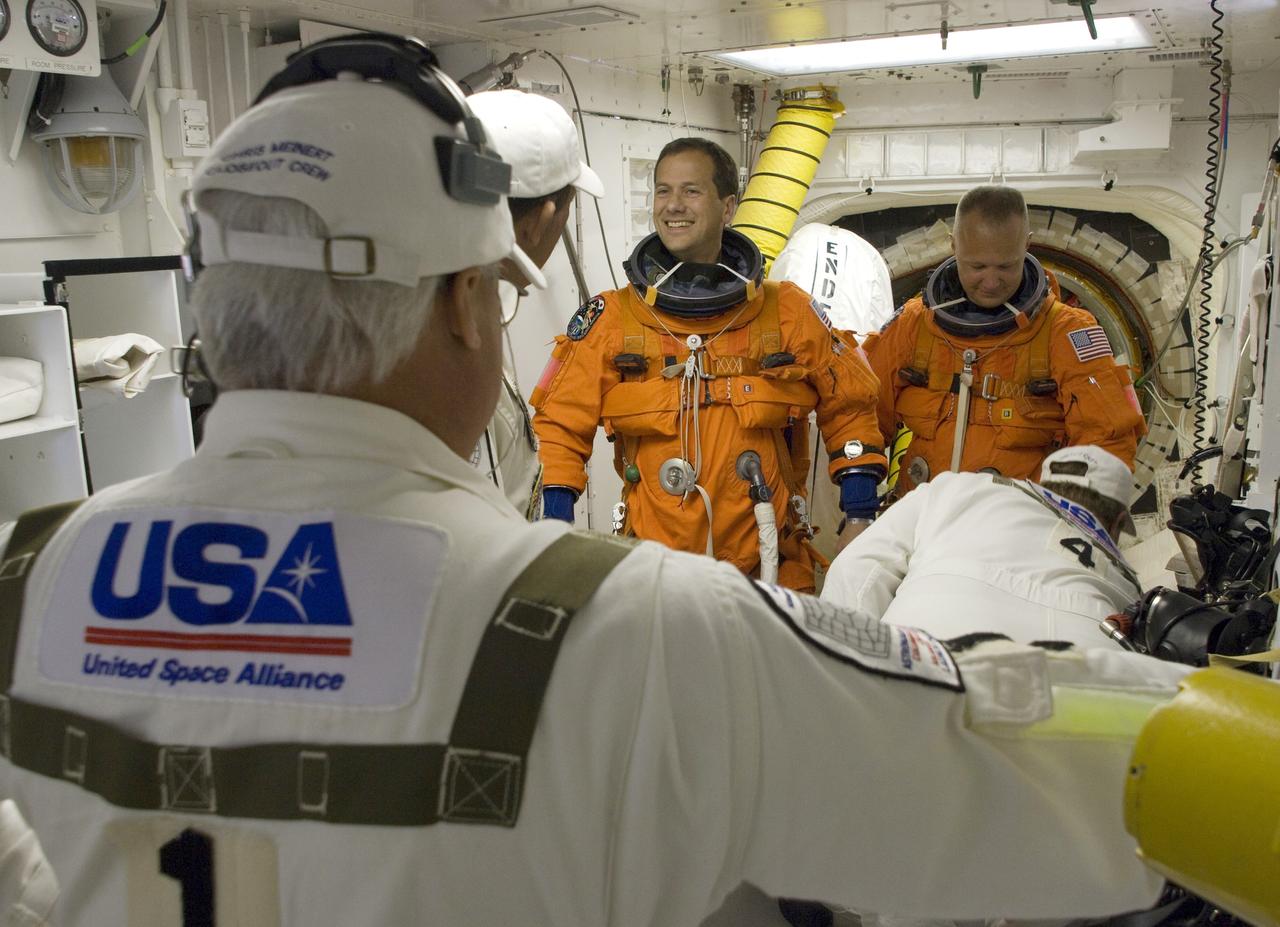
CAPE CANAVERAL, Fla. – On Launch Pad 39A at NASA's Kennedy Space Center in Florida, the closeout crew in the White Room help STS-127 crew members complete their suitup before entering space shuttle Endeavour for the 7:13 p.m. EDT liftoff. Seen here are Mission Specialist Tom Marshburn (left) and Pilot Doug Hurley. This is the fourth launch attempt for the STS-127 mission. The first two launch attempts on June 13 and June 17 were scrubbed when a hydrogen gas leak occurred during tanking due to a misaligned Ground Umbilical Carrier Plate. Mission managers also decided to delay tanking on July 11 for a launch attempt later in the day to allow engineers and safety personnel time to analyze data captured during lightning strikes near the pad on July 10. Endeavour will deliver the Japanese Experiment Module's Exposed Facility, or JEM-EF, and the Experiment Logistics Module-Exposed Section, or ELM-ES, in the final of three flights dedicated to the assembly of the Japan Aerospace Exploration Agency's Kibo laboratory complex on the International Space Station. STS-127 is the 29th flight for the assembly of the space. Photo credit: NASA/Sandra Joseph & Kevin O'Connell
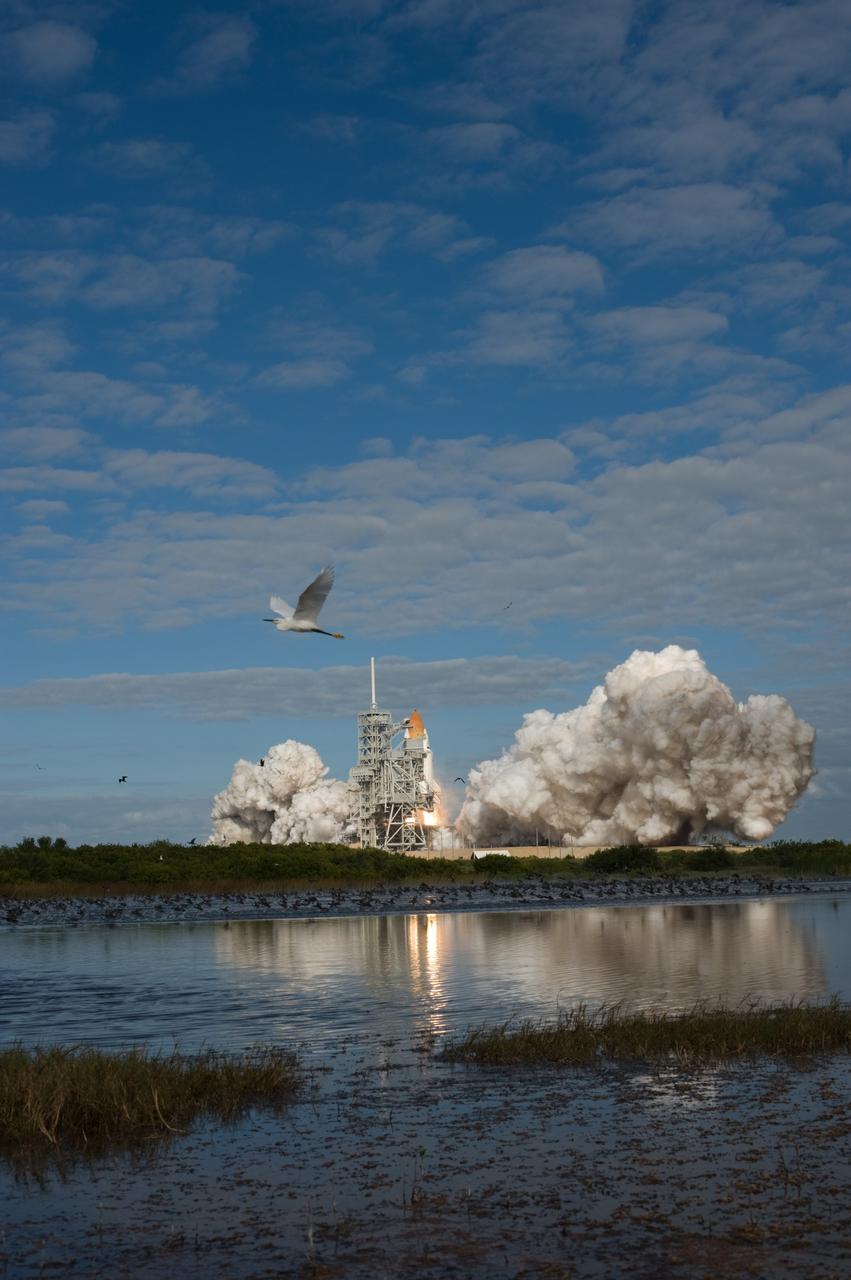
CAPE CANAVERAL, Fla. - Launch of space shuttle Atlantis from Pad 39A at NASA's Kennedy Space Center in Florida surprises a great white egret passing near the pad. Liftoff on its STS-129 mission came at 2:28 p.m. EST Nov. 16. Aboard are crew members Commander Charles O. Hobaugh; Pilot Barry E. Wilmore; and Mission Specialists Leland Melvin, Randy Bresnik, Mike Foreman and Robert L. Satcher Jr. On STS-129, the crew will deliver two ExPRESS Logistics Carriers to the International Space Station, the largest of the shuttle's cargo carriers, containing 15 spare pieces of equipment including two gyroscopes, two nitrogen tank assemblies, two pump modules, an ammonia tank assembly and a spare latching end effector for the station's robotic arm. Atlantis will return to Earth a station crew member, Nicole Stott, who has spent more than two months aboard the orbiting laboratory. STS-129 is slated to be the final space shuttle Expedition crew rotation flight. For information on the STS-129 mission and crew, visit http://www.nasa.gov/mission_pages/shuttle/shuttlemissions/sts129/index.html. Photo credit: NASA/Tom Farrar and Tony Gray
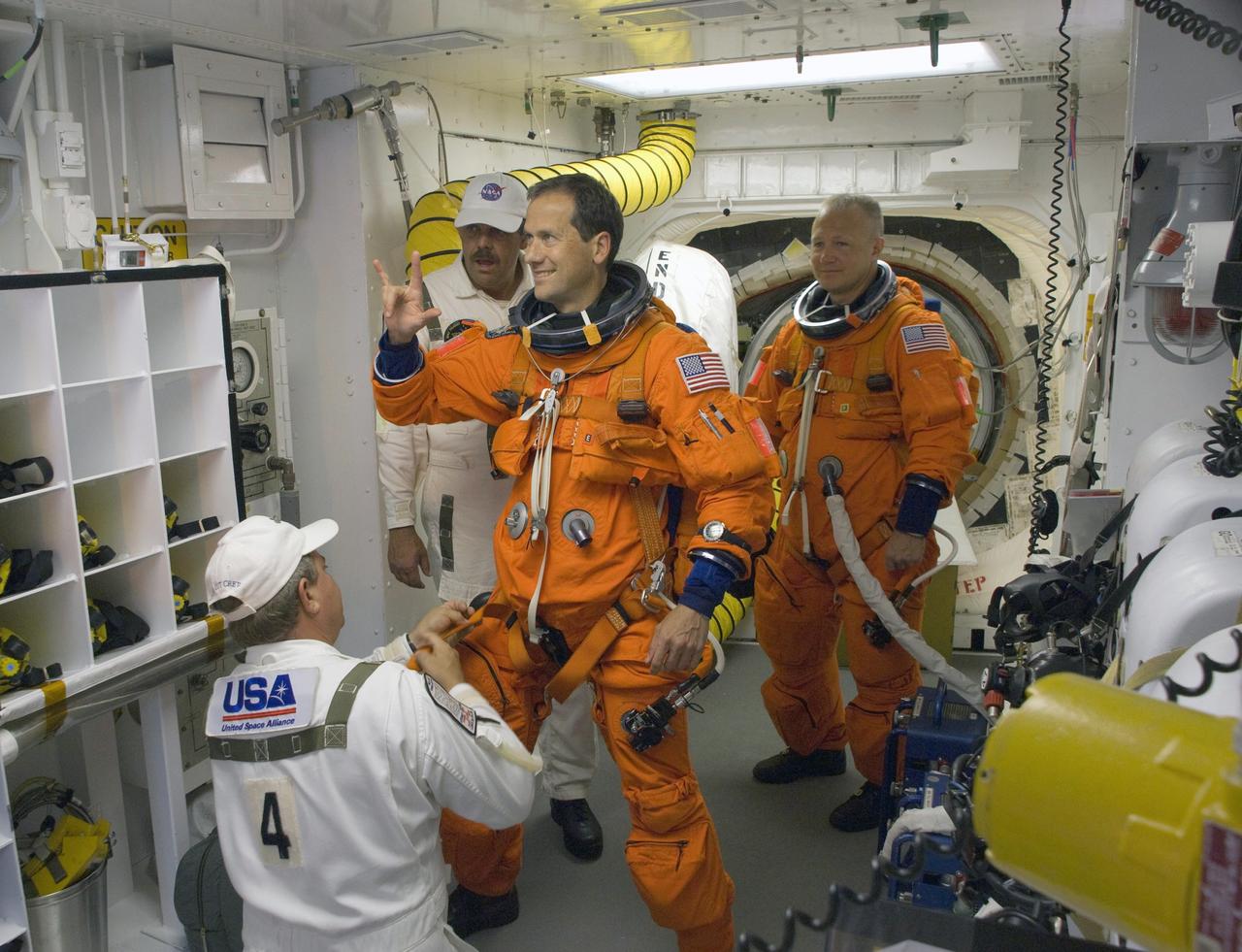
CAPE CANAVERAL, Fla. – – On Launch Pad 39A at NASA's Kennedy Space Center in Florida, the Closeout Crew in the White Room help STS-127 crew members complete their suitup before entering space shuttle Endeavour for the 6:03 p.m. EDT liftoff. Seen here are Mission Specialist Tom Marshburn (left) and Pilot Doug Hurley. Today will be the sixth launch attempt for the STS-127 mission. The launch was scrubbed on June 13 and June 17 when a hydrogen gas leak occurred during tanking due to a misaligned Ground Umbilical Carrier Plate. The mission was postponed July 11, 12 and 13 due to weather conditions near the Shuttle Landing Facility at Kennedy that violated rules for launching, and lightning issues. Endeavour will deliver the Japanese Experiment Module's Exposed Facility and the Experiment Logistics Module-Exposed Section in the final of three flights dedicated to the assembly of the Japan Aerospace Exploration Agency's Kibo laboratory complex on the International Space Station. Photo credit: NASA/ Sandra Joseph, Kevin O'Connell

This composite image shows a hot spot in Jupiter's atmosphere. In the image on the left, taken on Nov. 8, 2020, by NASA's Infrared Telescope Facility (IRTF) on the island of Hawaii, the hot spot appears bright in the infrared. The inset image on the right, taken by the JunoCam visible-light imager (also on Nov. 8, during Juno's 30th perijove pass), the hot spot appears dark and is flanked by high light-colored clouds to the south and a bright white storm to the west. Jupiter's hot spots have been known for a long time. On Dec. 7, 1995, the Galileo probe likely descended into a similar hot spot. To the naked eye, Jupiter's hot spots appear as dark, cloud-free spots in Jupiter's equatorial belt, but at infrared wavelengths, they are extremely bright, revealing the warm, deep atmosphere below the clouds. High-resolution images of hot spots such as these are key to understanding the role of storms and waves in Jupiter's atmosphere and to solving the mystery of Jupiter's elusive water. Citizen scientist Kevin Gill processed the image to enhance the color and contrast, with further processing by Tom Momary to map the JunoCam image to the IRTF data. The NASA IRTF is a 10.5-foot-diameter (3.2-meter-diameter) telescope optimized for infrared observations and is managed for NASA by the Institute for Astronomy at the University of Hawai'i. https://photojournal.jpl.nasa.gov/catalog/PIA24300
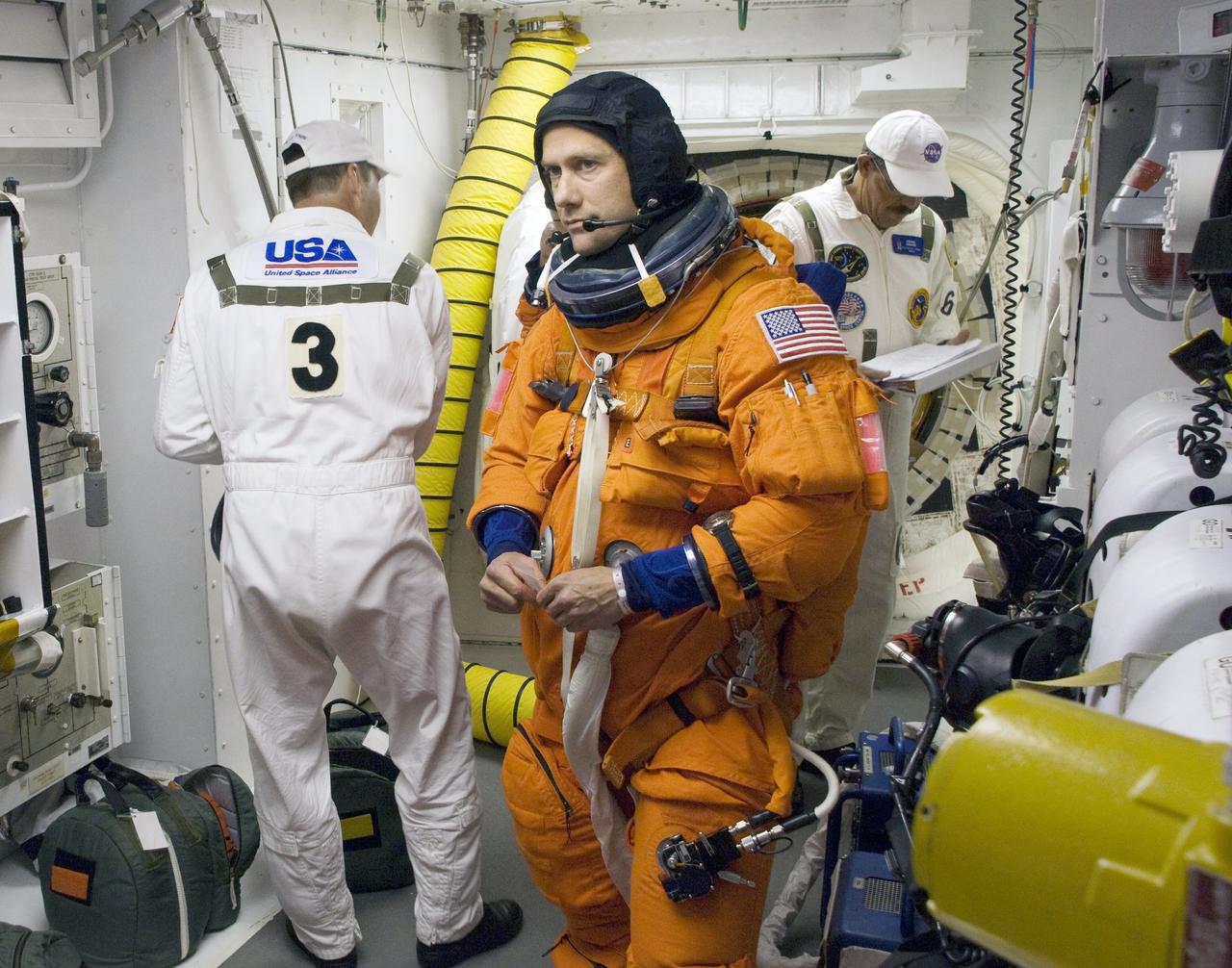
CAPE CANAVERAL, Fla. – On Launch Pad 39A at NASA's Kennedy Space Center in Florida, the closeout crew in the White Room help STS-127 crew members complete their suitup before entering space shuttle Endeavour for the 7:13 p.m. EDT liftoff. Seen here is Mission Specialist Tom Marshburn. This is the fourth launch attempt for the STS-127 mission. The first two launch attempts on June 13 and June 17 were scrubbed when a hydrogen gas leak occurred during tanking due to a misaligned Ground Umbilical Carrier Plate. Mission managers also decided to delay tanking on July 11 for a launch attempt later in the day to allow engineers and safety personnel time to analyze data captured during lightning strikes near the pad on July 10. Endeavour will deliver the Japanese Experiment Module's Exposed Facility, or JEM-EF, and the Experiment Logistics Module-Exposed Section, or ELM-ES, in the final of three flights dedicated to the assembly of the Japan Aerospace Exploration Agency's Kibo laboratory complex on the International Space Station. STS-127 is the 29th flight for the assembly of the space. Photo credit: NASA/Sandra Joseph & Kevin O'Connell