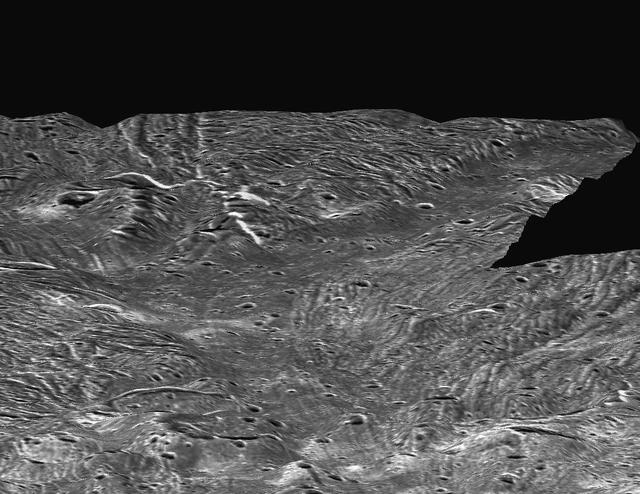
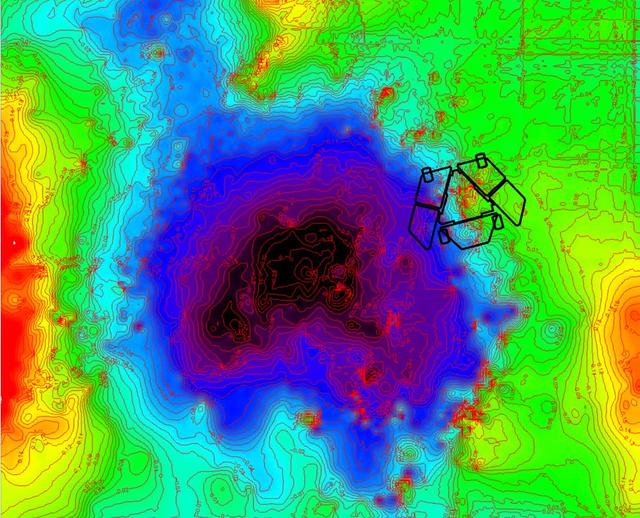
Ganymede Topography
Ganymede Topography
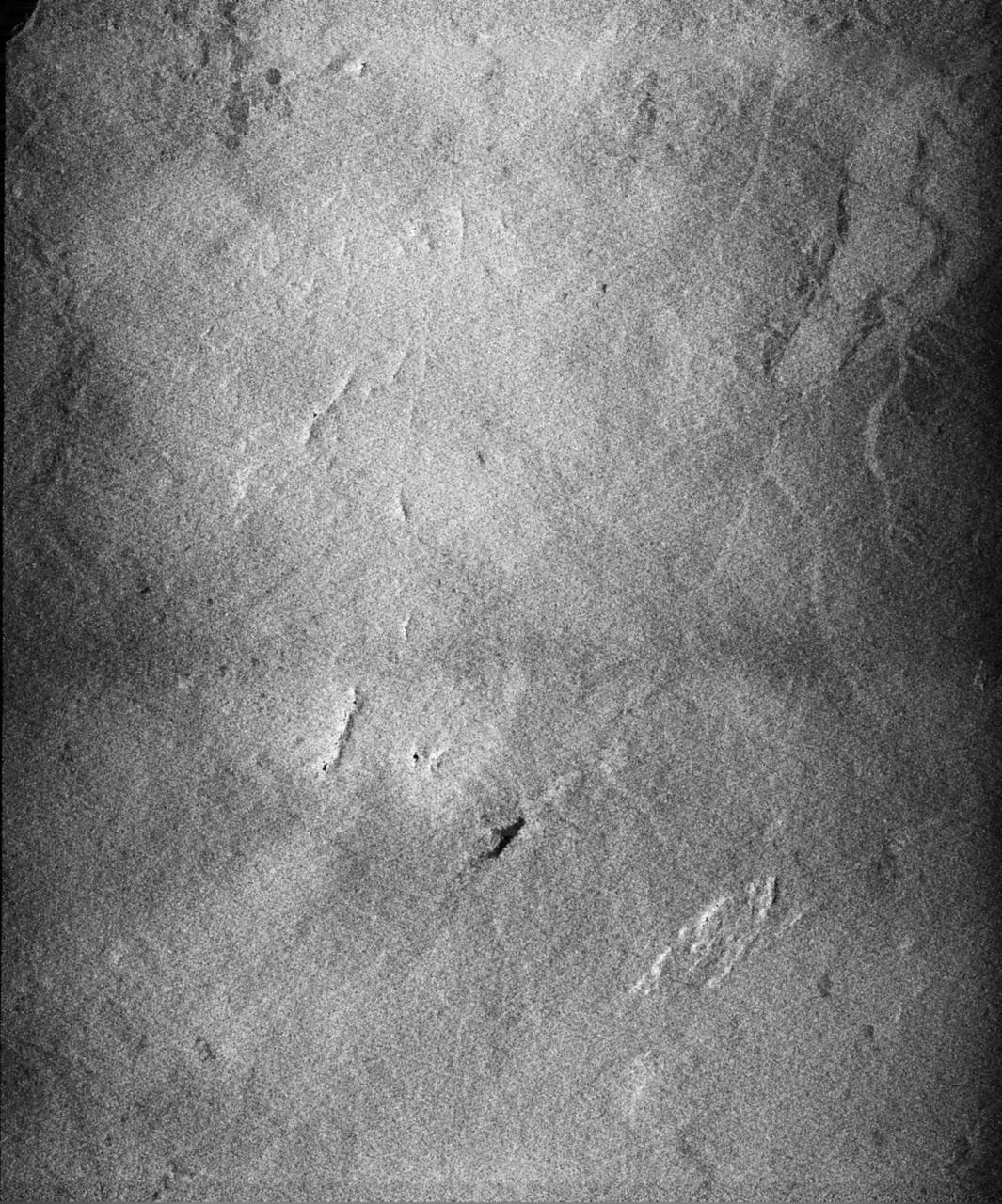
Inverted Topography
Inverted Topography
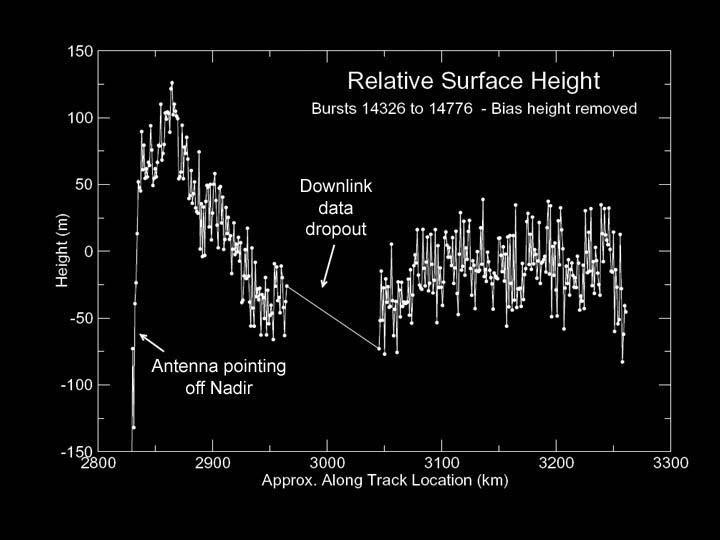
Topography on Titan
Topography on Titan
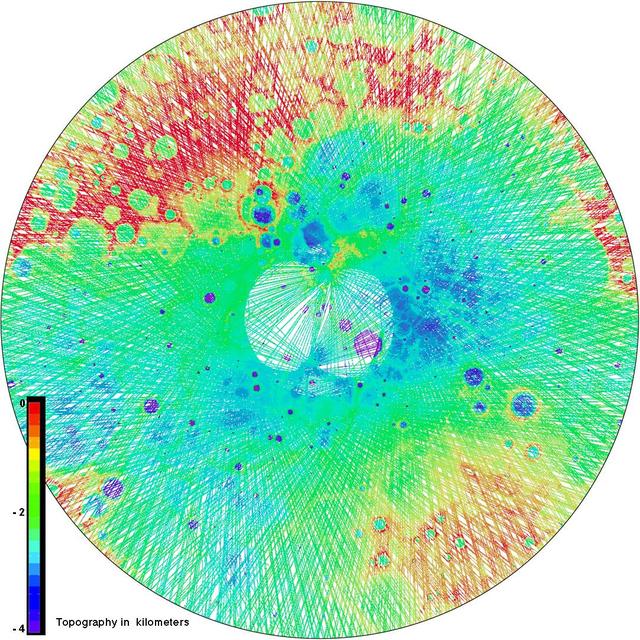
Polar Topography
Polar Topography
Northern Topography
Northern Topography
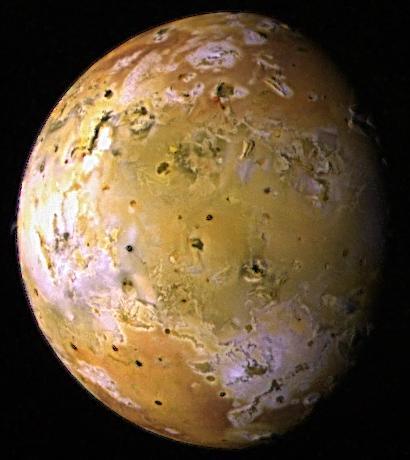
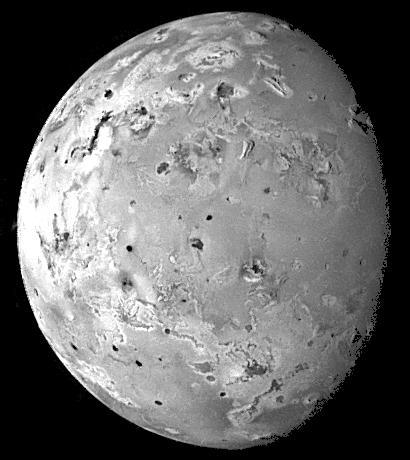
Topography of Io
Topography of Io
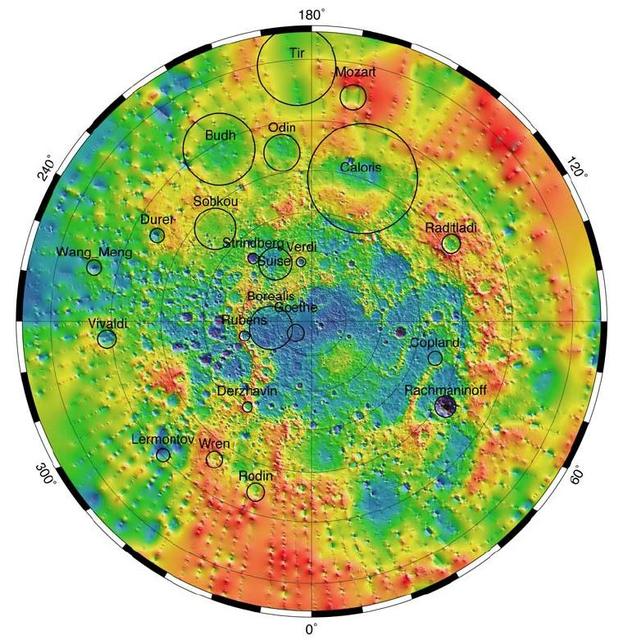
South Polar Topography MOLA
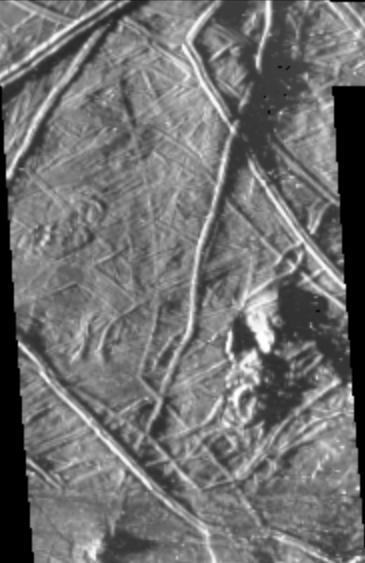
Topography on Europa....the Shadow Knows
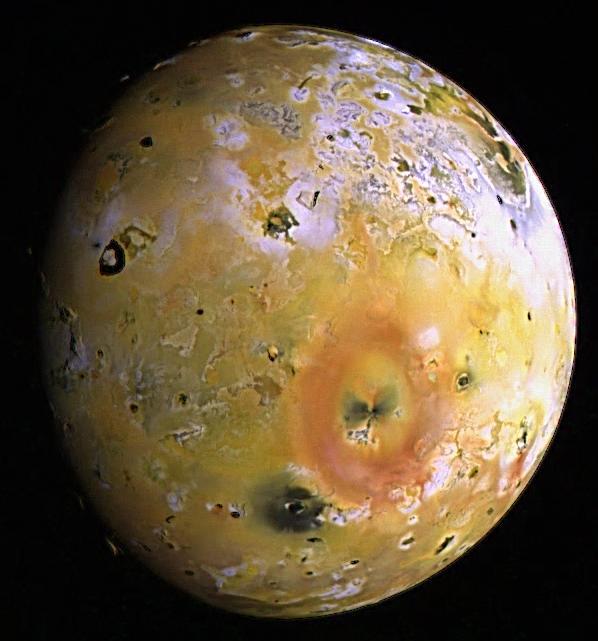
Topography and Volcanoes on Io color
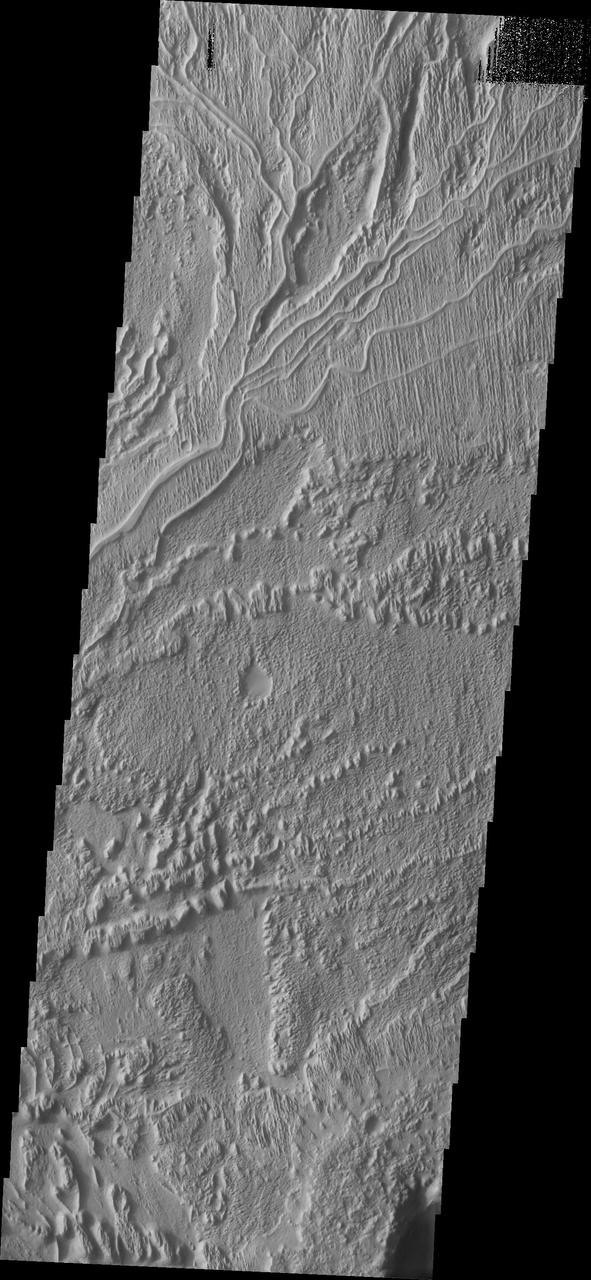
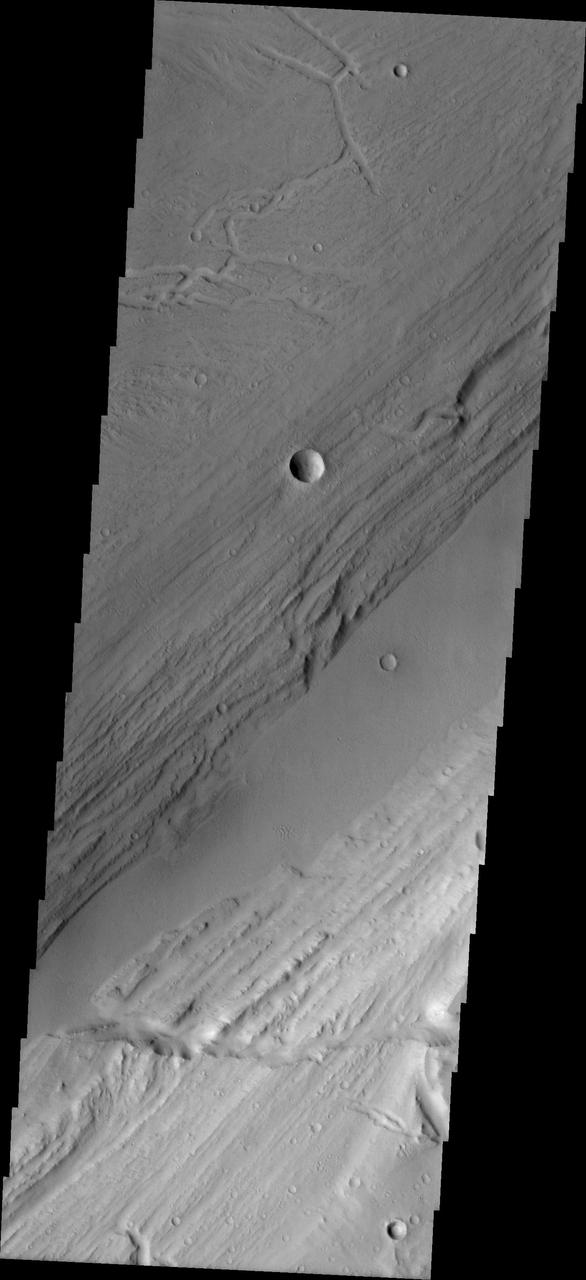
Kasei Vallis Topography
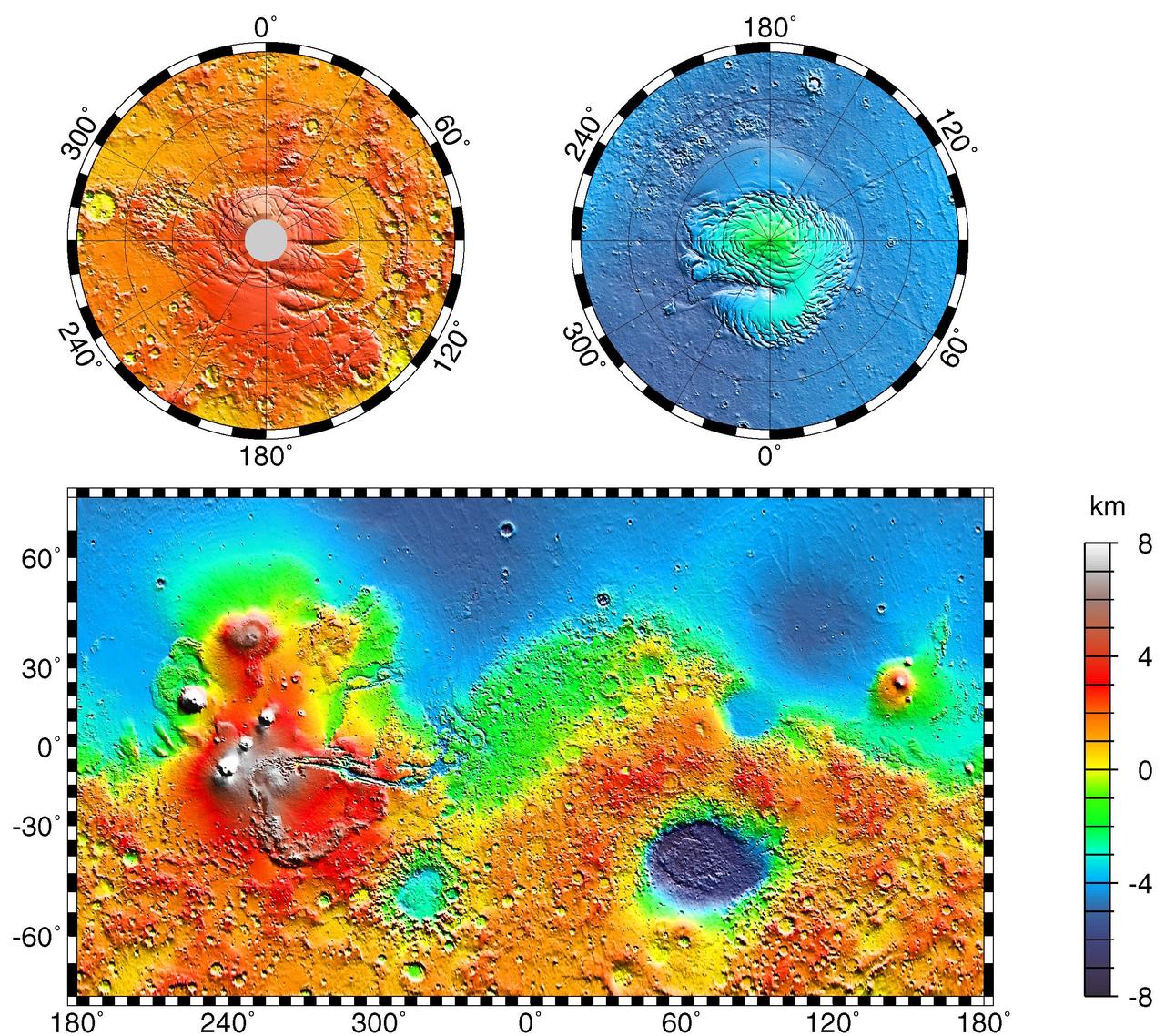
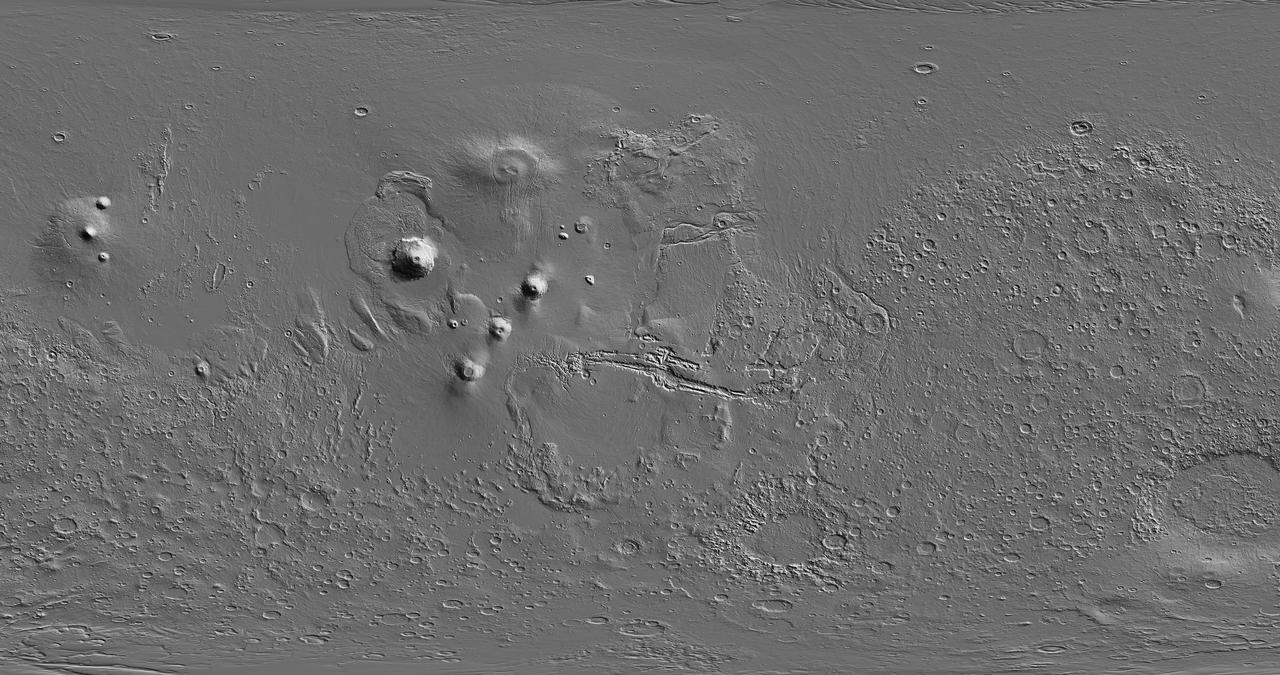
Global View of Mars Topography
Maps of Mars Global Topography
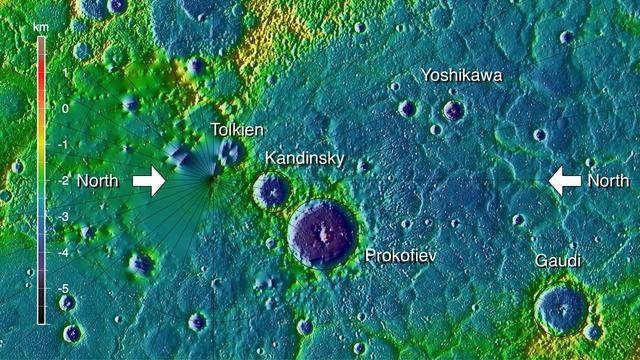
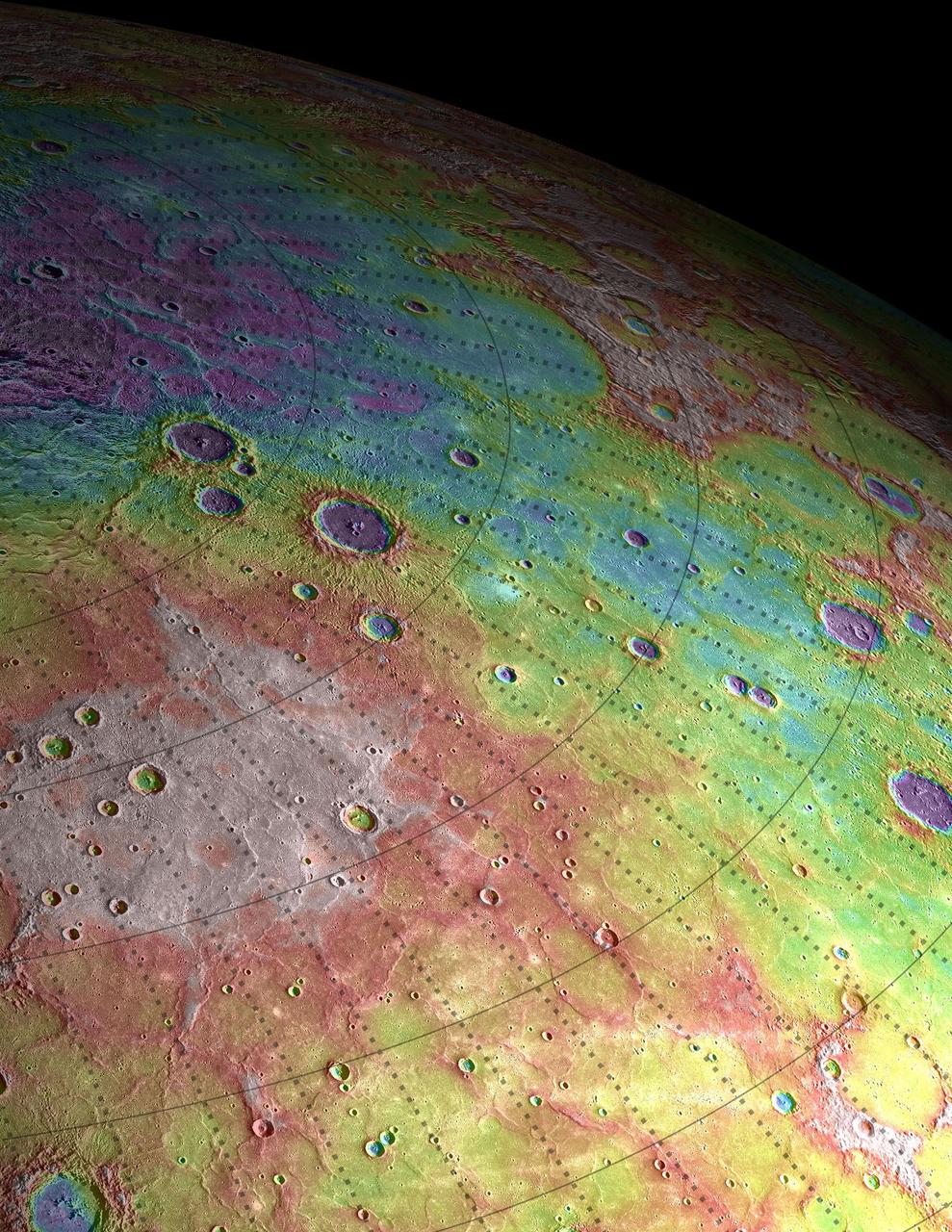
Perspective View of Mercury Topography
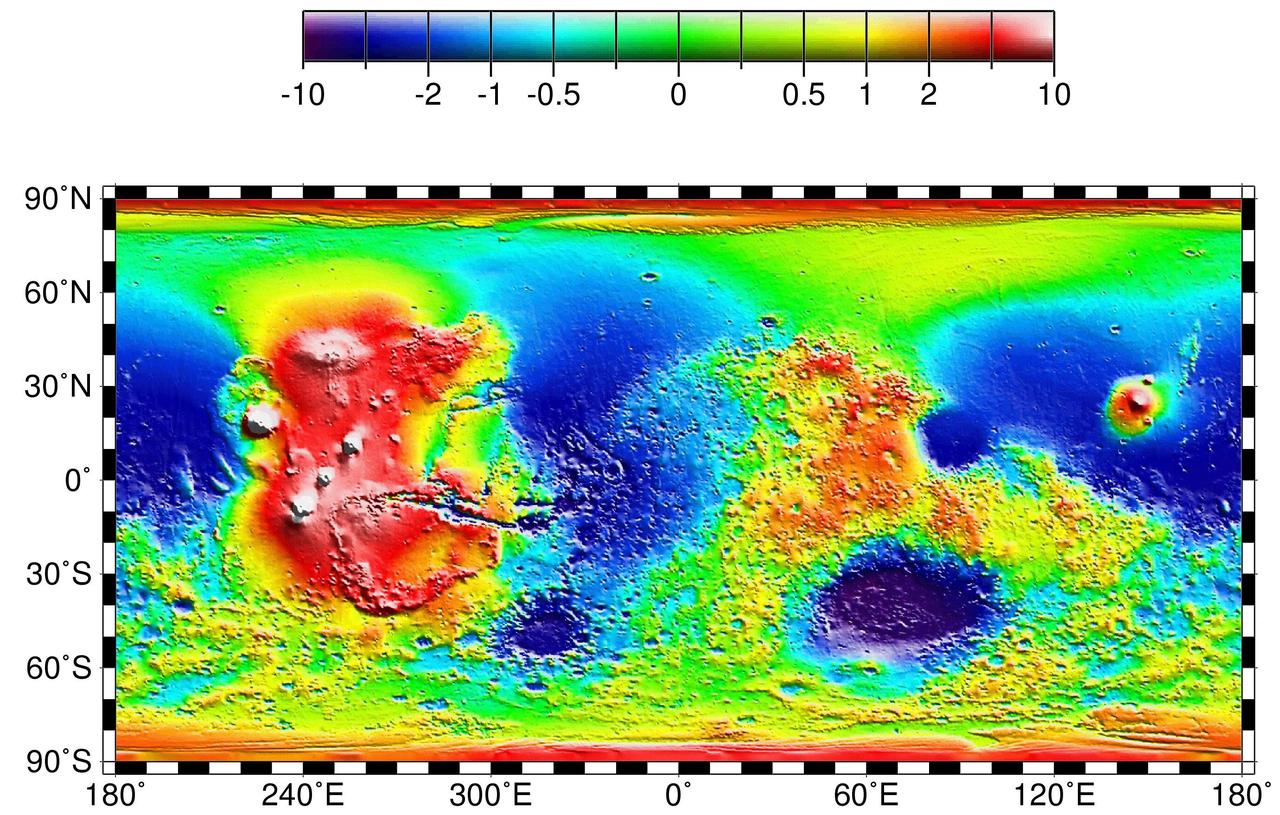
Map of Mars Topography
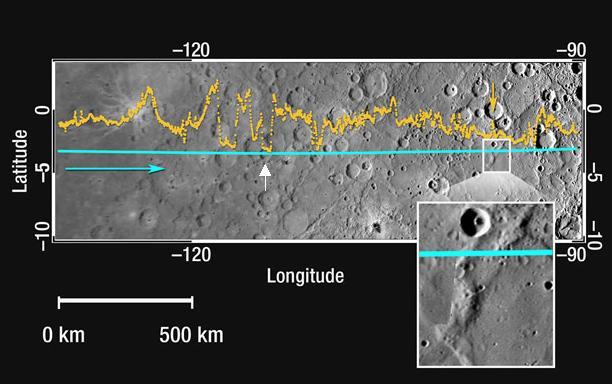
Mercury Topography from MLA
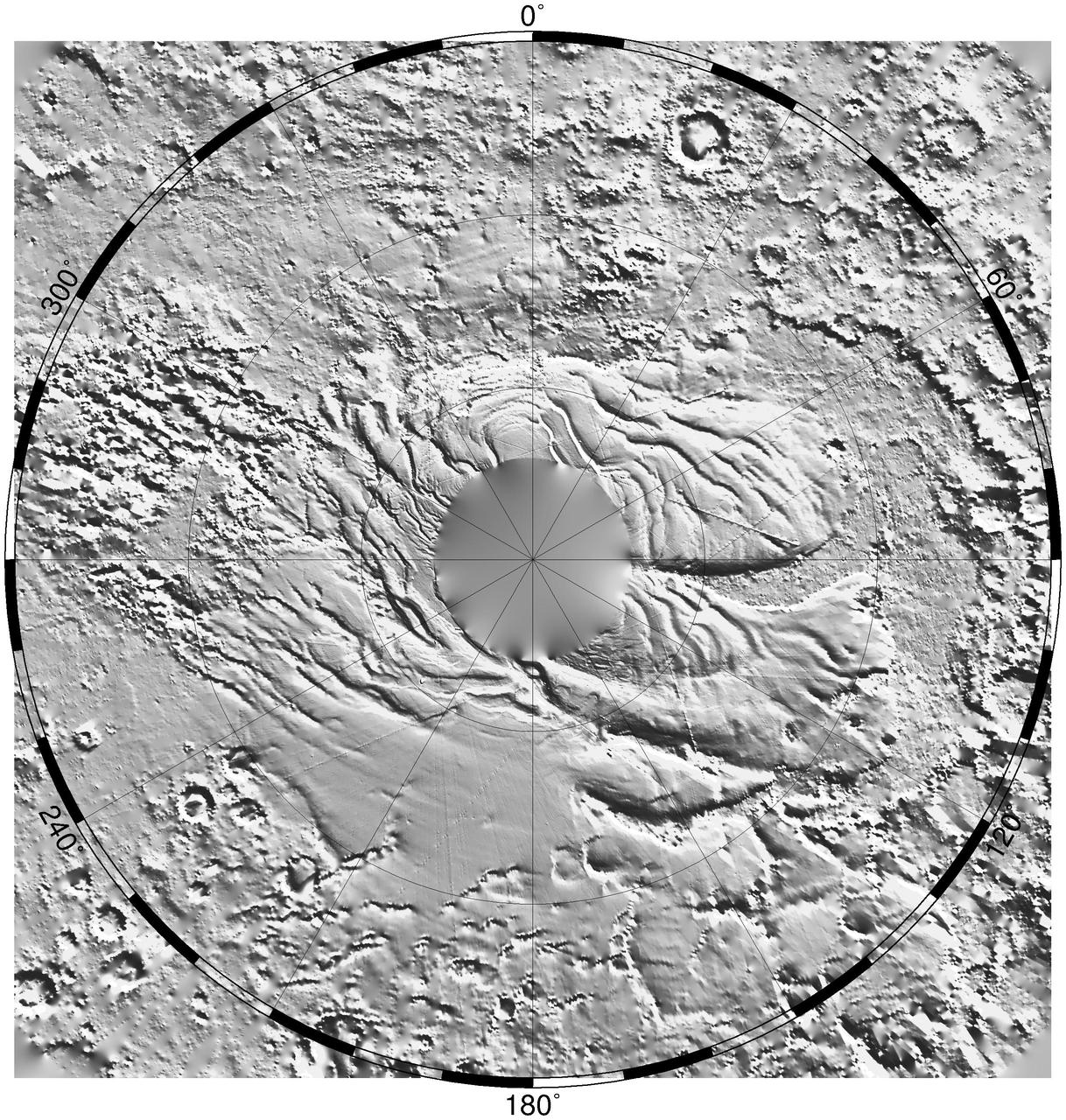
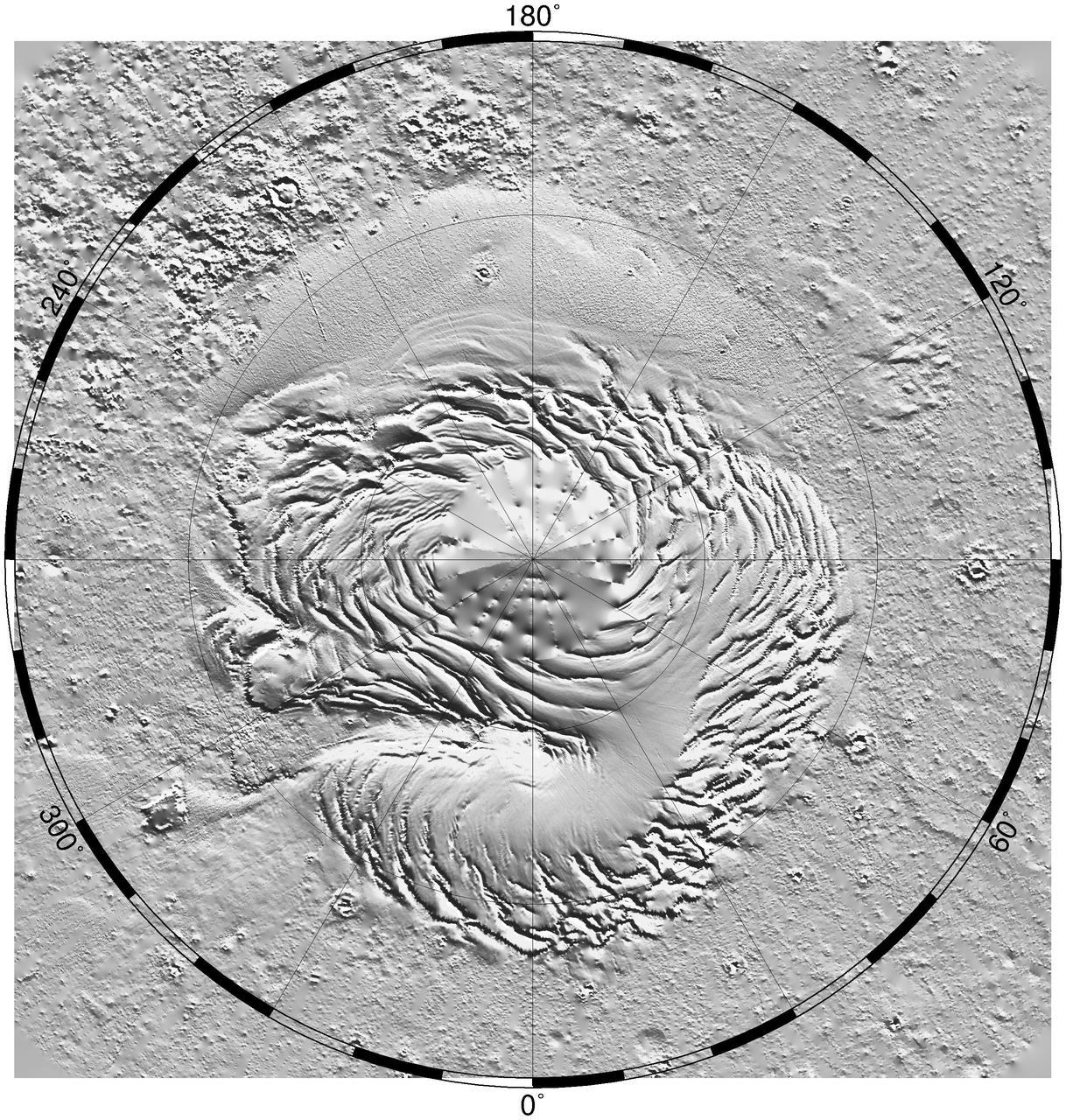
North Polar Topography MOLA
Topography of Io color
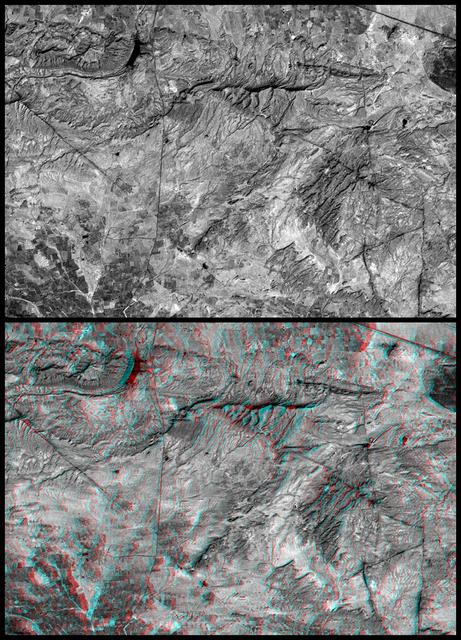
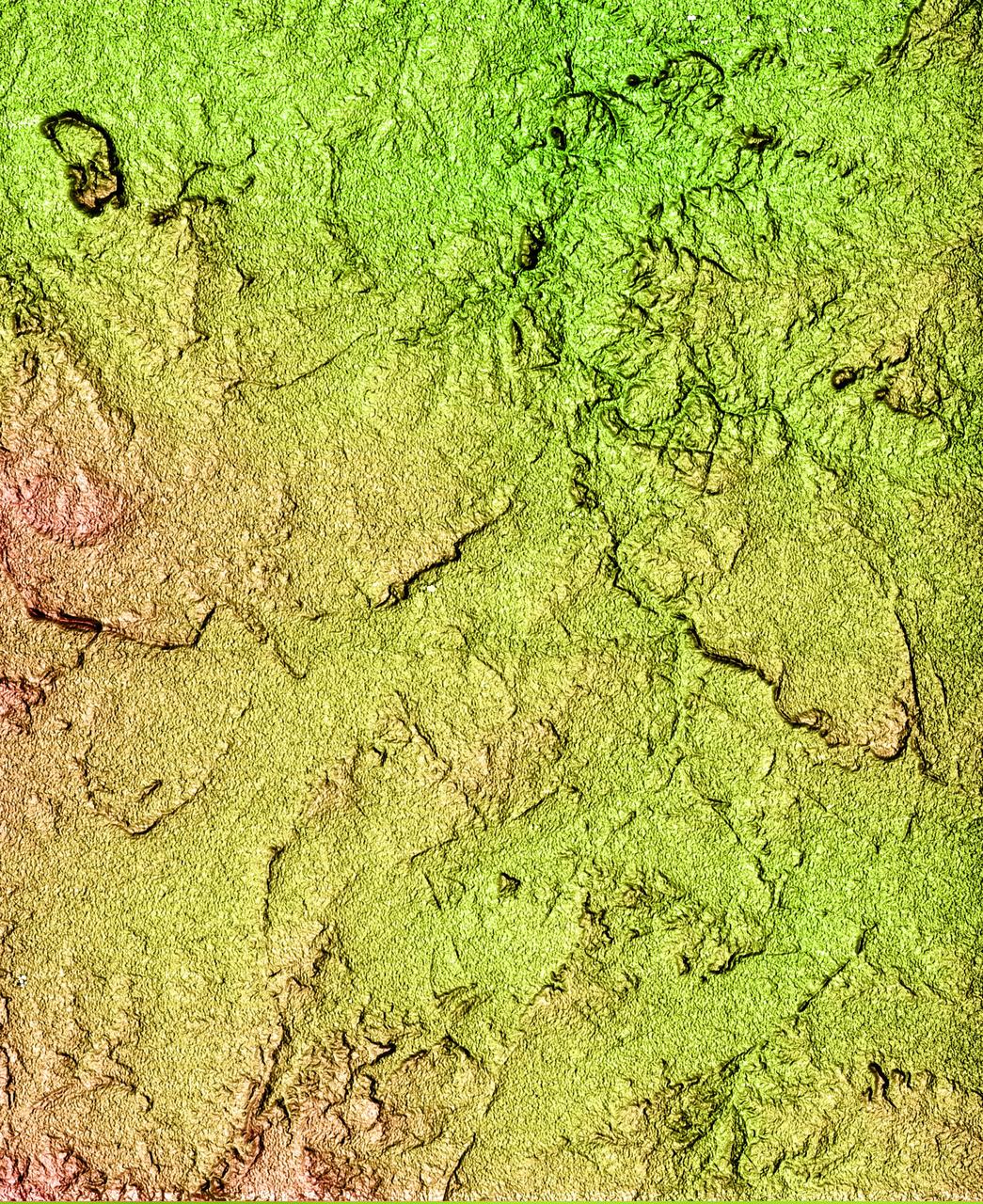
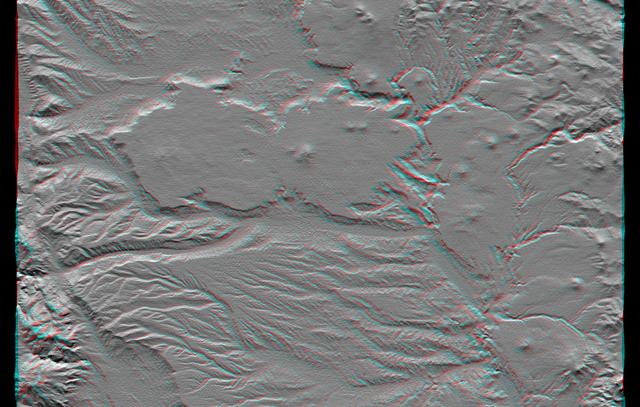
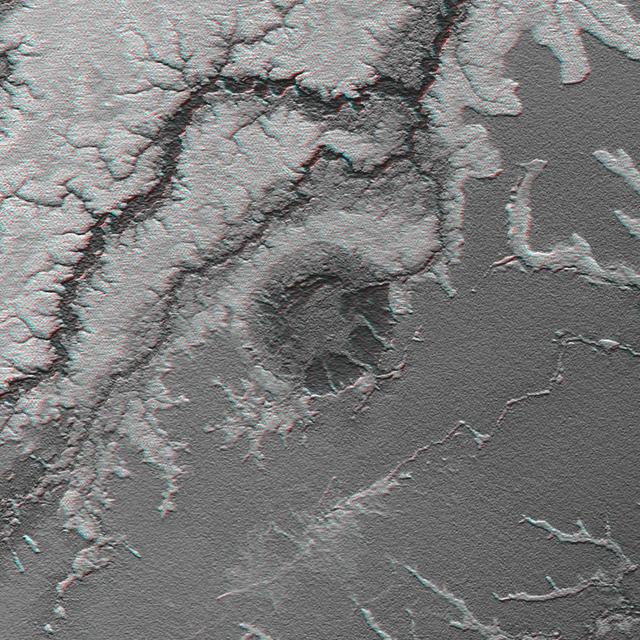
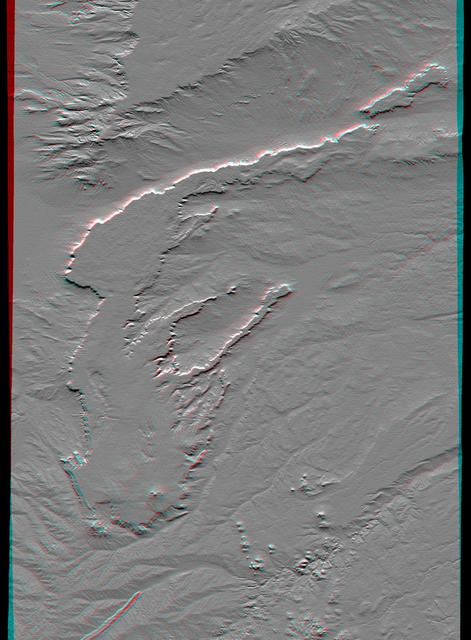
This anaglyph, from NASA Shuttle Radar Topography Mission, shows Meseta de Somuncura, a broad plateau capped by basalt. Near its western edge is evidence of multiple volcanic events. 3D glasses are necessary to view this image.
SRTM Anaglyph: Inverted Topography, Patagonia, Argentina
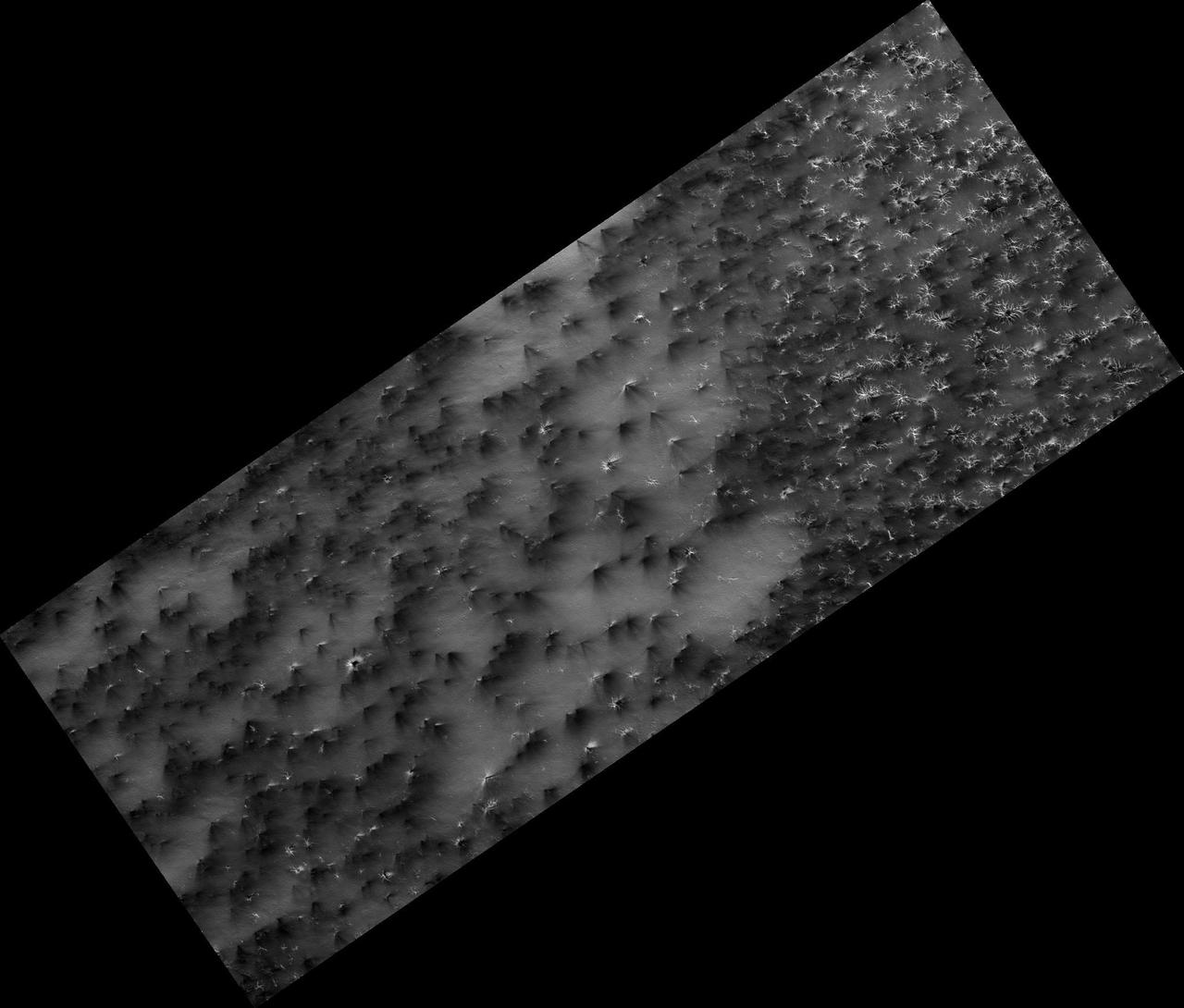
Science in Motion: Isolated Araneiform Topography
Topography Around Europa Cilix Crater
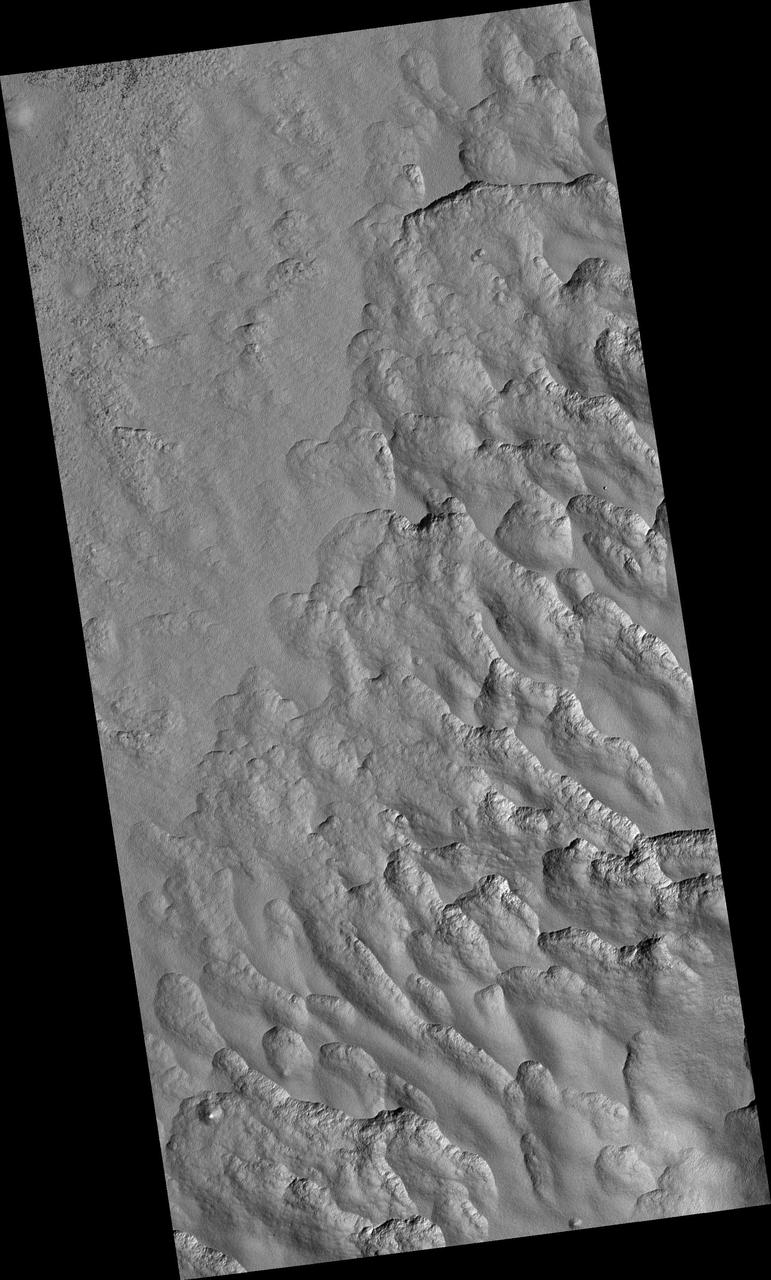
Scalloped Topography in Peneus Patera Crater
Mercury Topography from the Second Flyby
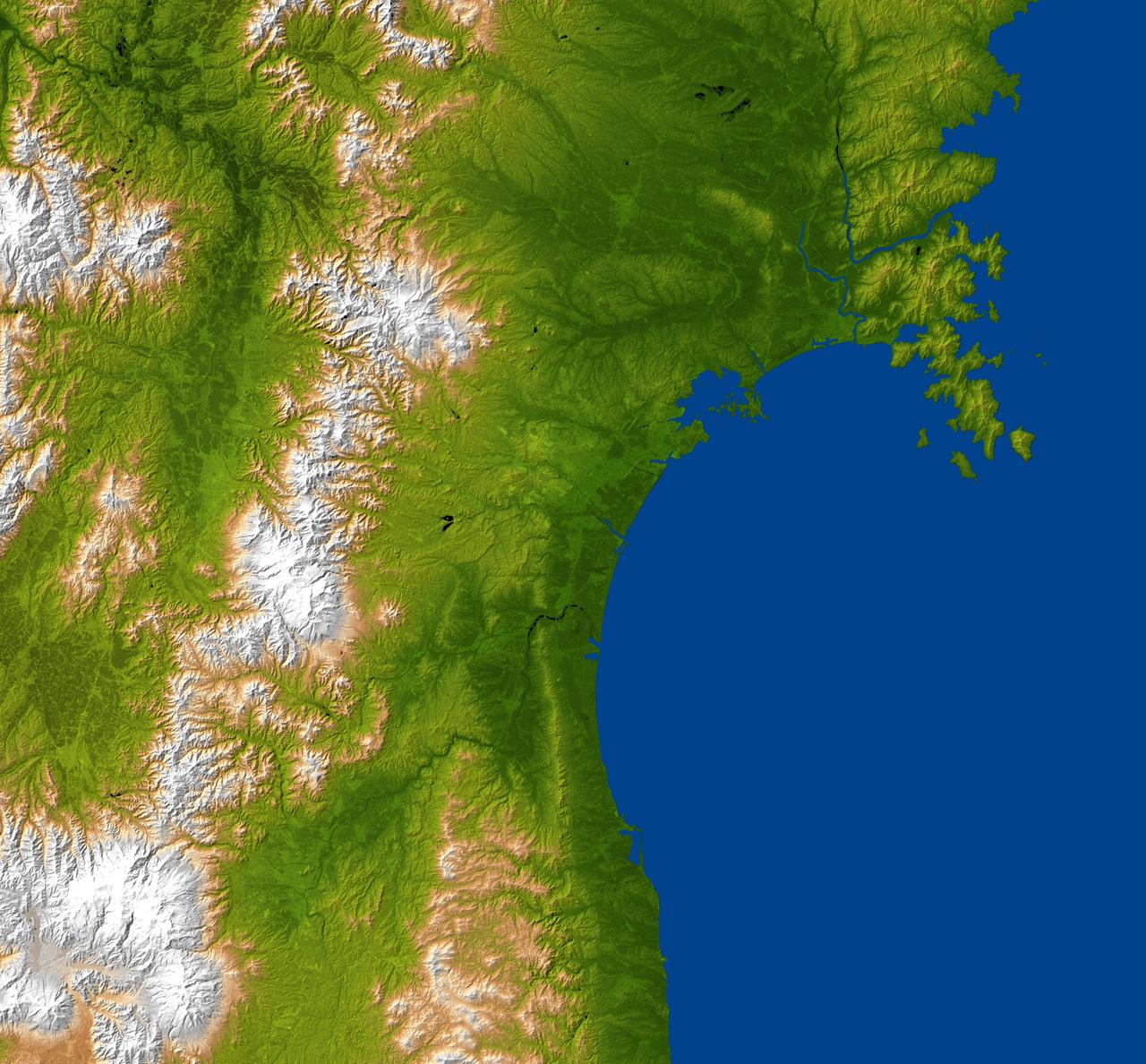
NASA Shuttle Radar Topography Mission imaged Sendai, the capital city of Japan Miyagi Prefecture a magnitude 8.9 earthquake struck offshore on Mar. 11. 2011.
NASA Radar Image Shows Topography of Sendai, Japan Region
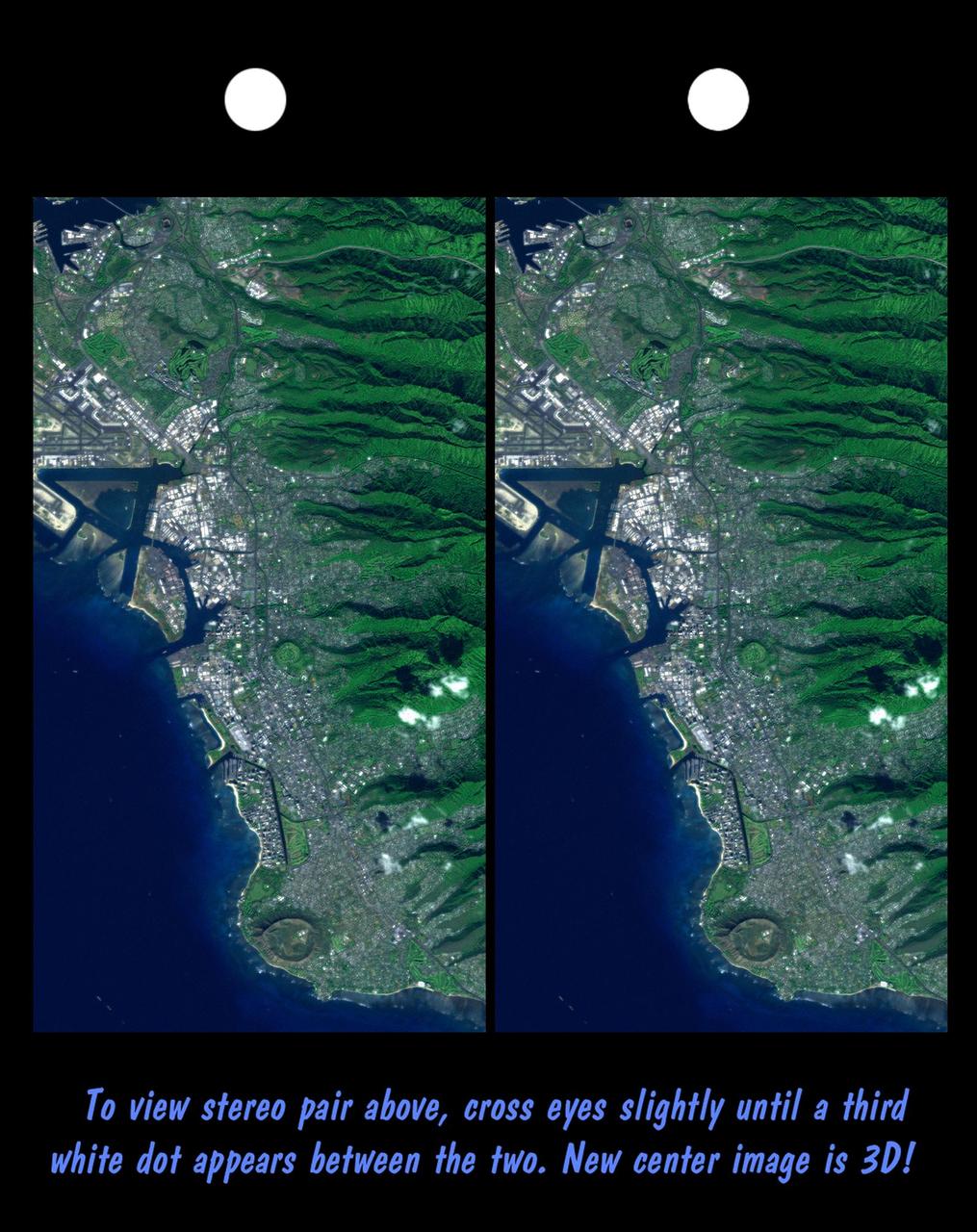
Honolulu, on the island of Oahu, is a large and growing urban area. This stereoscopic image pair, combining a Landsat image with topography measured by NASA Shuttle Radar Topography Mission SRTM, shows how topography controls the urban pattern.
Stereo Pair, Honolulu, Oahu
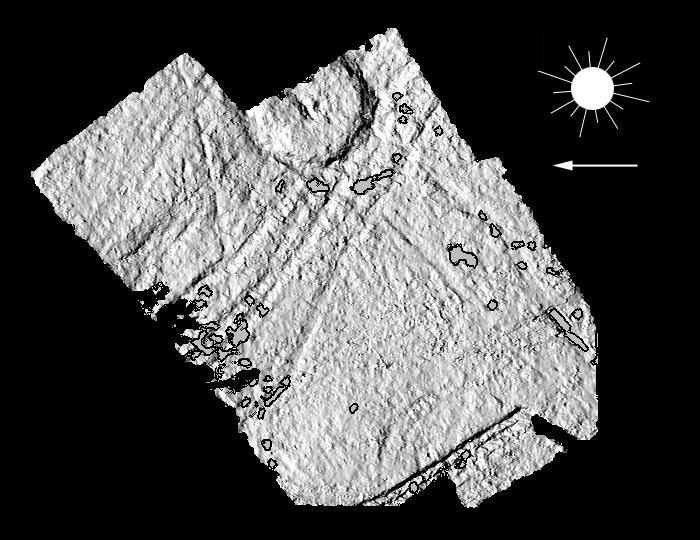
Dark Slope Streak with Streak-Generated Topography
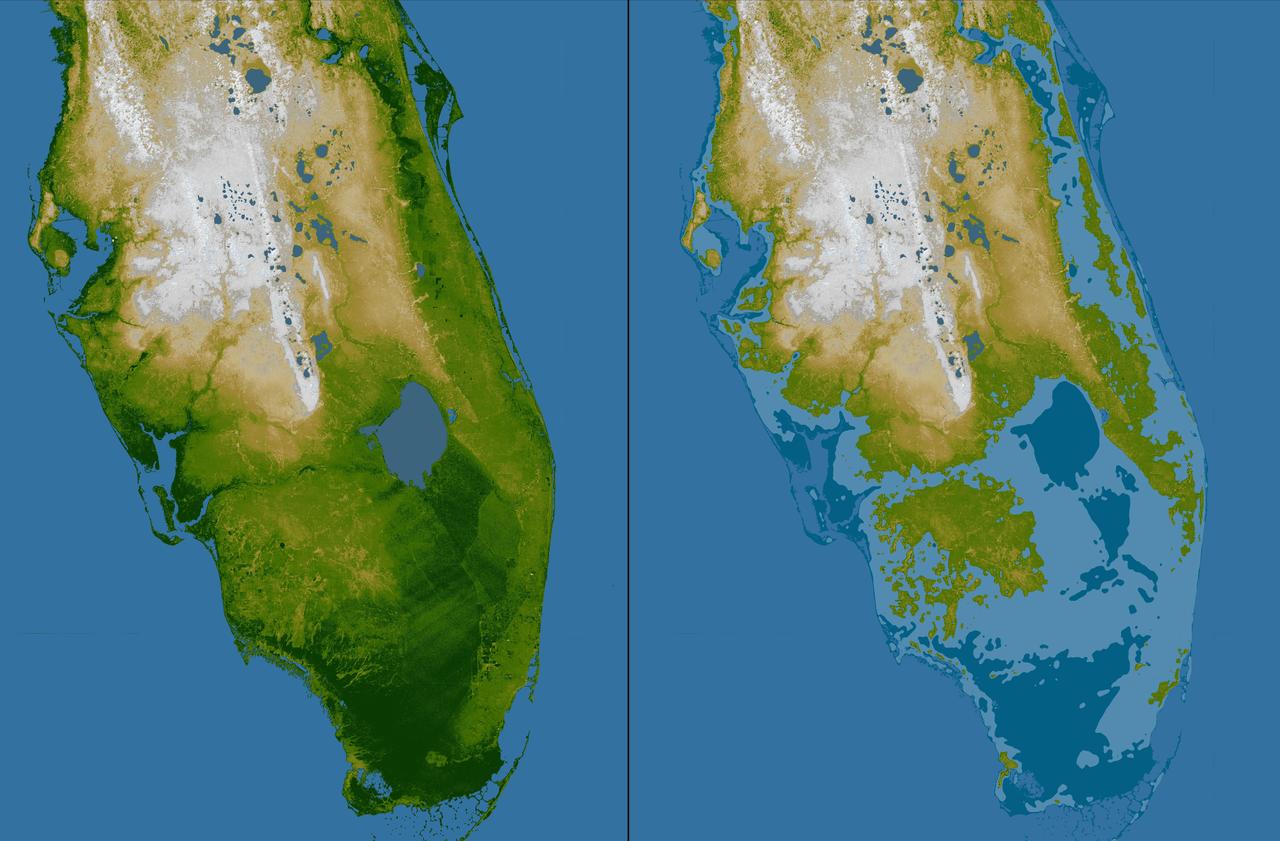
The very low topography of southern Florida is evident in this color-coded shaded relief map generated with data from NASA Shuttle Radar Topography Mission.
Southern Florida, Shaded Relief and Colored Height
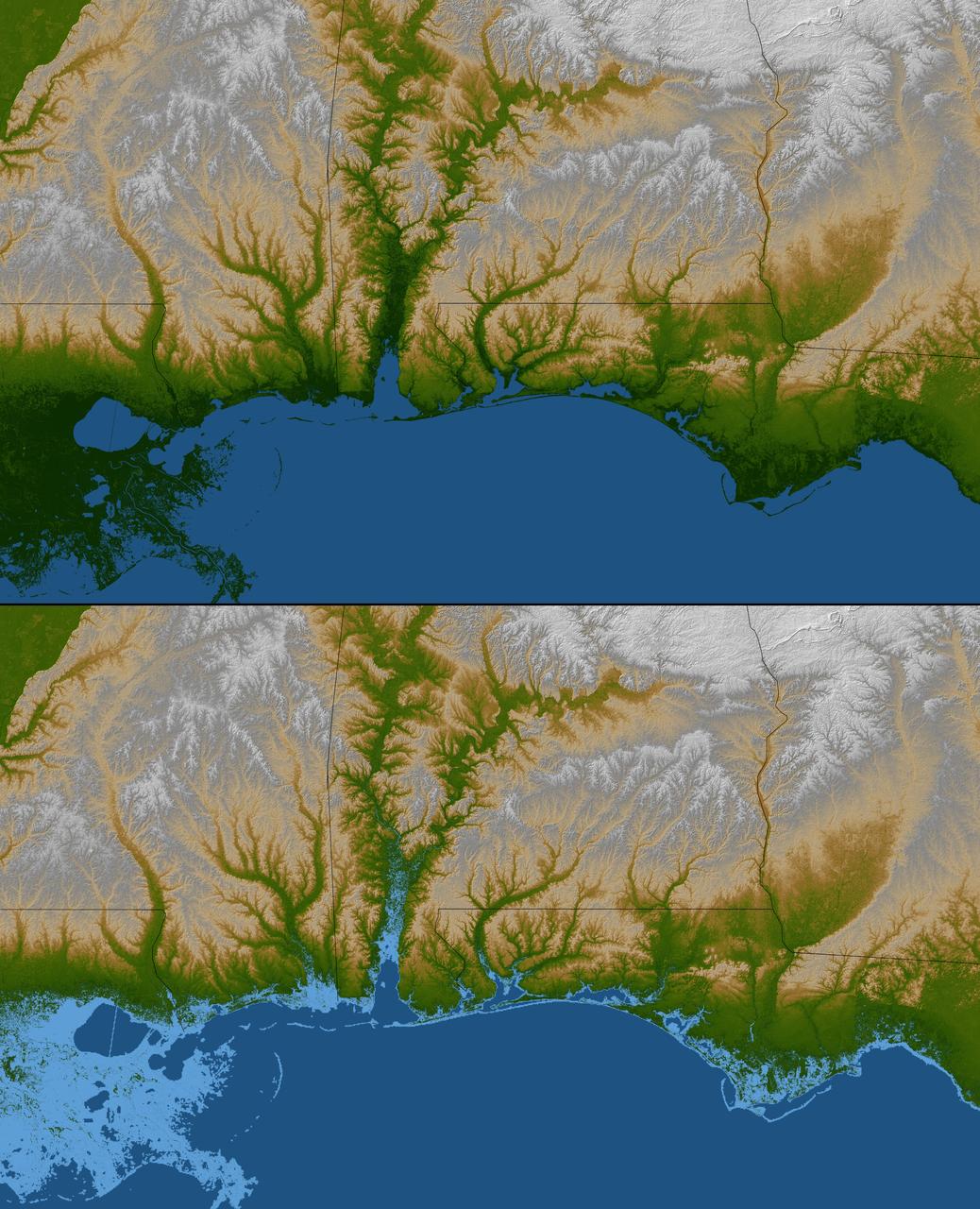
The topography of the Gulf Coast states is well shown in this color-coded shaded relief map generated with data from NASA Shuttle Radar Topography Mission.
Gulf Coast, Shaded Relief and Colored Height
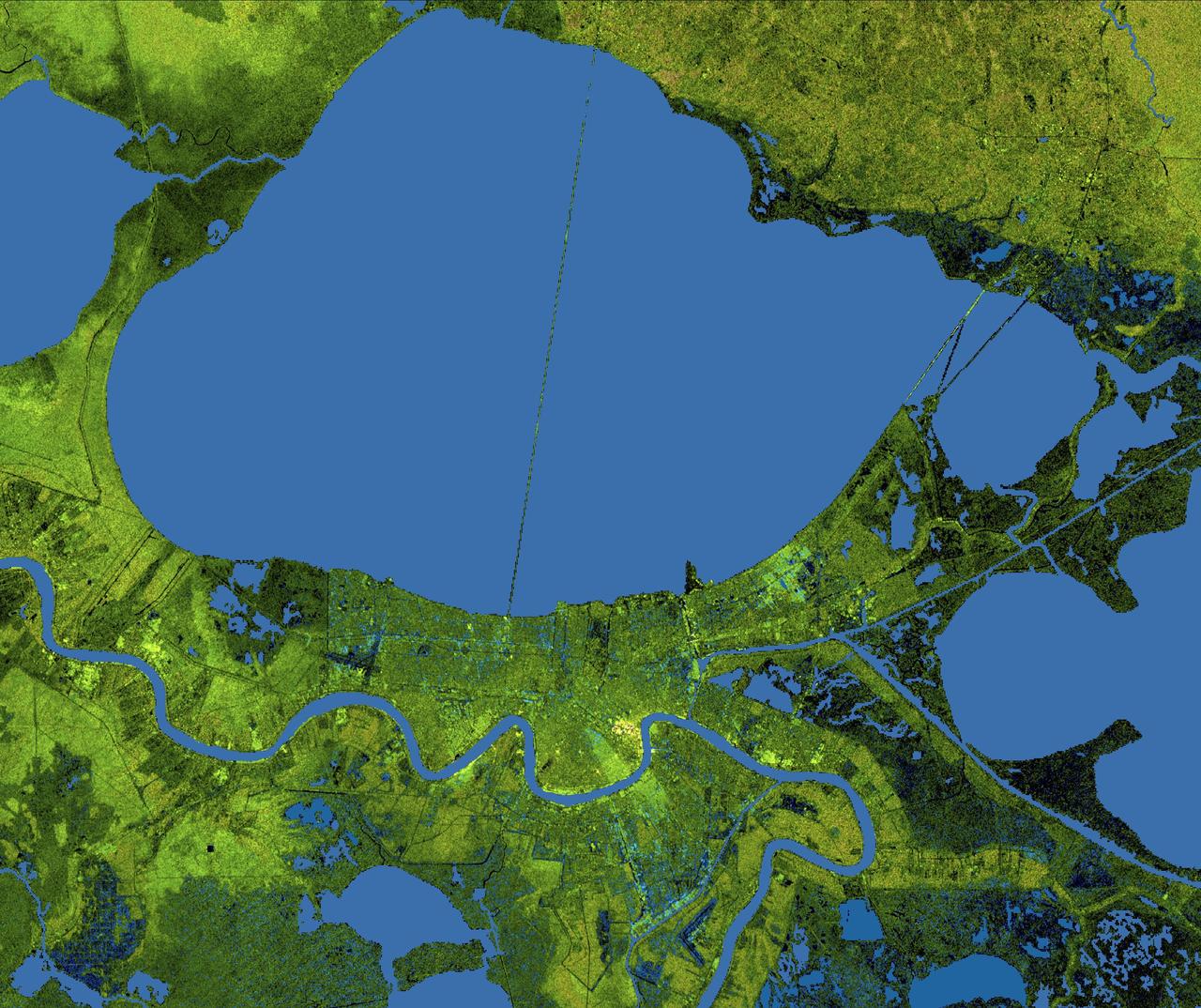
The city of New Orleans, situated on the southern shore of Lake Pontchartrain, is shown in this radar image from the Shuttle Radar Topography Mission (SRTM). In this image bright areas show regions of high radar reflectivity, such as from urban areas, and elevations have been coded in color using height data also from the SRTM mission. Dark green colors indicate low elevations, rising through yellow and tan, to white at the highest elevations.  New Orleans is near the center of this scene, between the lake and the Mississippi River. The line spanning the lake is the Lake Pontchartrain Causeway, the world’s longest overwater highway bridge. Major portions of the city of New Orleans are actually below sea level, and although it is protected by levees and sea walls that are designed to protect against storm surges of 18 to 20 feet, flooding during storm surges associated with major hurricanes is a significant concern.   http://photojournal.jpl.nasa.gov/catalog/PIA04174
New Orleans Topography, Radar Image with Colored Height
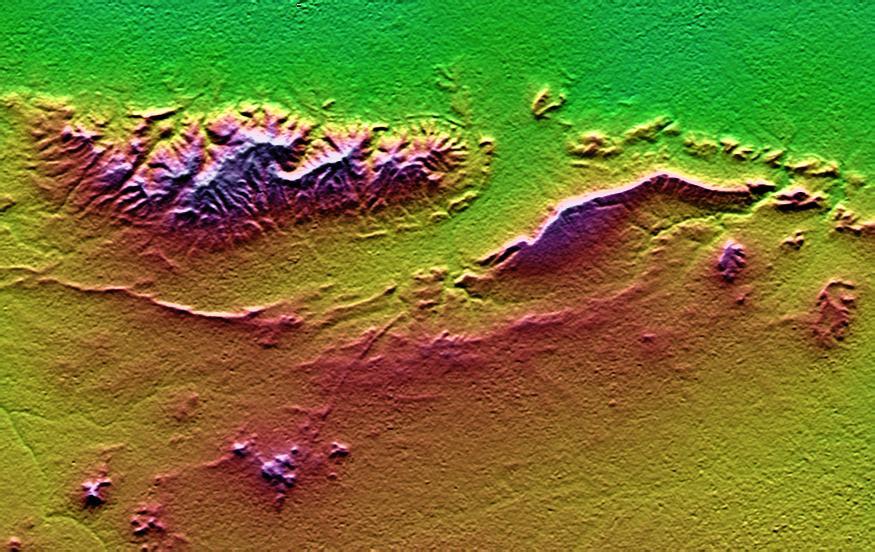
On January 26, 2001, the Kachchh region in western India suffered the most deadly earthquake in India's history. This shaded topography view of landforms northeast of the city of Bhuj depicts geologic structures that are of interest in the study the tectonic processes that may have led to that earthquake. However, preliminary field studies indicate that these structures are composed of Mesozoic rocks that are overlain by younger rocks showing little deformation. Thus these structures may be old, not actively growing, and not directly related to the recent earthquake.  The Haro Hills are on the left and the Kas Hills are on the right. The Haro Hills are an "anticline," which is an upwardly convex elongated fold of layered rocks. In this view, the anticline is distinctly ringed by an erosion resistant layer of sandstone. The east-west orientation of the anticline may relate to the crustal compression that has occurred during India's northward movement toward, and collision with, Asia. In contrast, the largest of the Kas Hills appears to be a tilted (to the south) and faulted (on the north) block of layered rocks. Also seen here, the linear feature trending toward the southwest from the image center is an erosion-resistant "dike," which is an igneous intrusion into older "host" rocks along a fault plane or other crack. These features are simple examples of how shaded topography can provide a direct input to geologic studies.  In this image, colors show the elevation as measured by the Shuttle Radar Topography Mission (SRTM). Colors range from green at the lowest elevations, through yellow and red, to purple at the highest elevations. Elevations here range from near sea level to about 300 meters (about 1000 feet). Shading has been added, with illumination from the north (image top).  http://photojournal.jpl.nasa.gov/catalog/PIA03300
SRTM Colored and Shaded Topography: Haro and Kas Hills, India
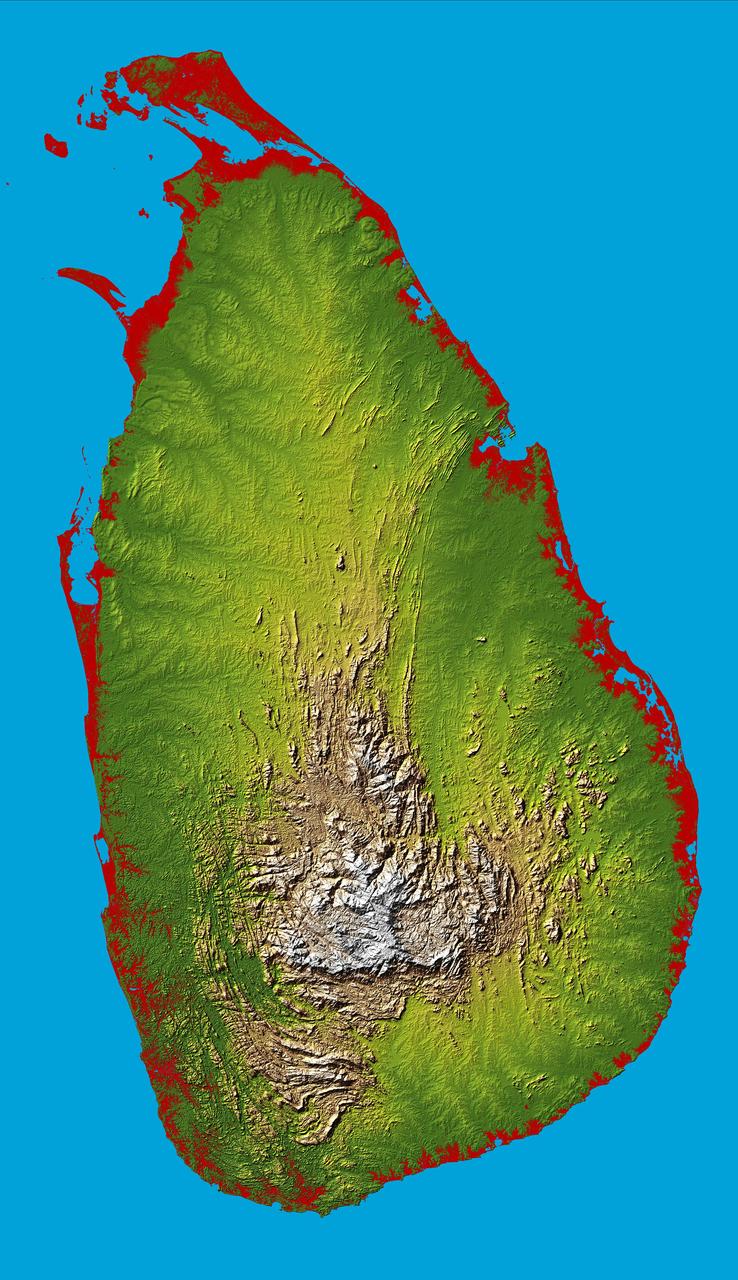
The topography of the island nation of Sri Lanka is well shown in this color-coded shaded relief map generated with digital elevation data from NASA Shuttle Radar Topography Mission SRTM.
Sri Lanka, Colored Height
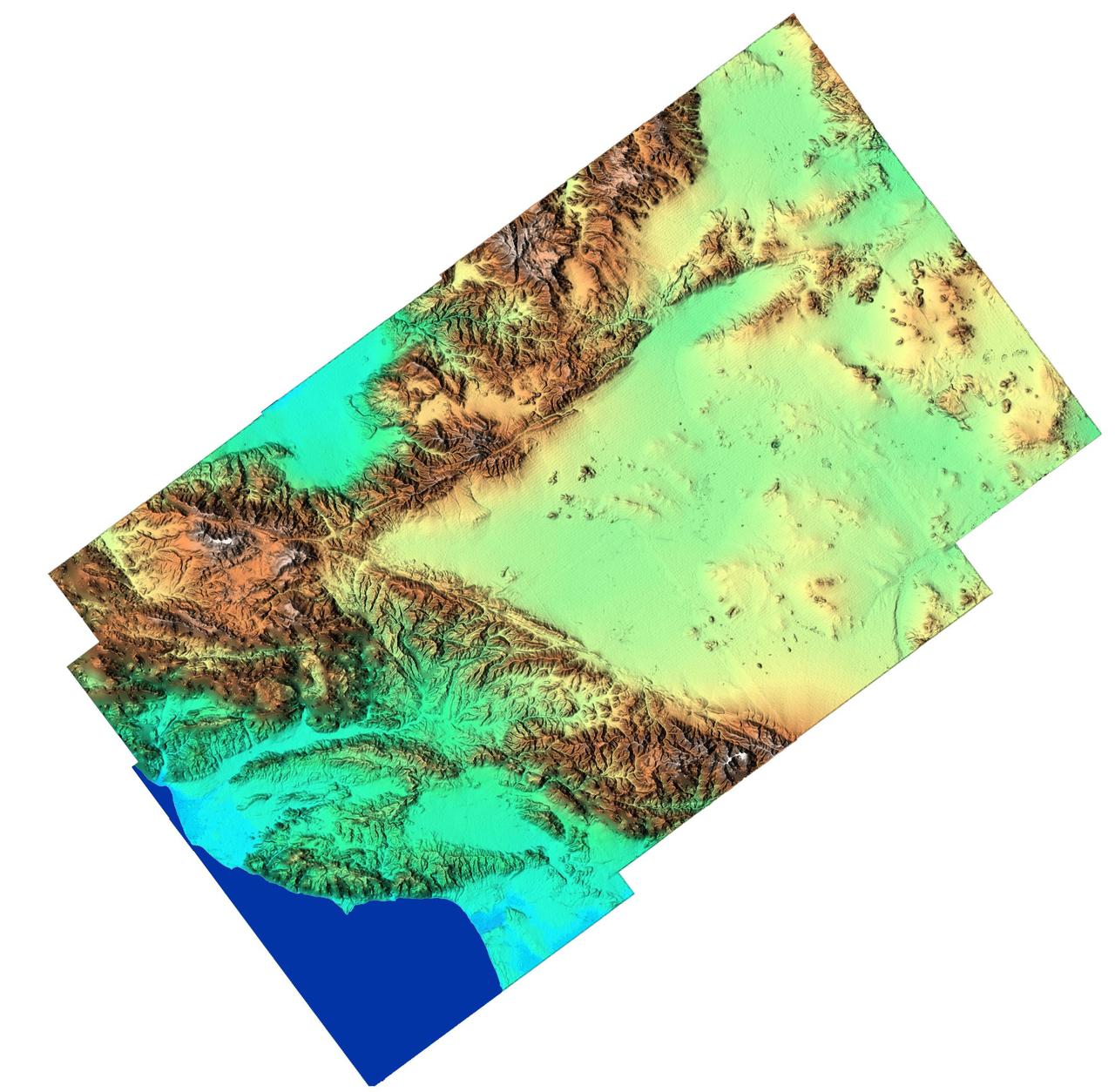
From the desert to the mountains to the sea, this image acquired by NASA Shuttle Radar Topography Mission SRTM in Feb. 2000, shows in striking detail the varied topography of Southern California.
Southern California Shaded Relief, Color as Height
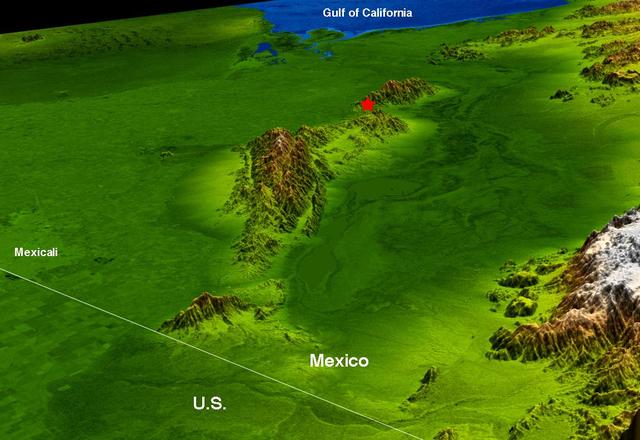
The topography surrounding the Laguna Salada Fault in the Mexican state of Baja, California, is shown in this perspective view with data from NASA Shuttle Radar Topography Mission where a 7.2 earthquake struck on April 4, 2010.
Baja Earthquake, Radar Image and Colored Height
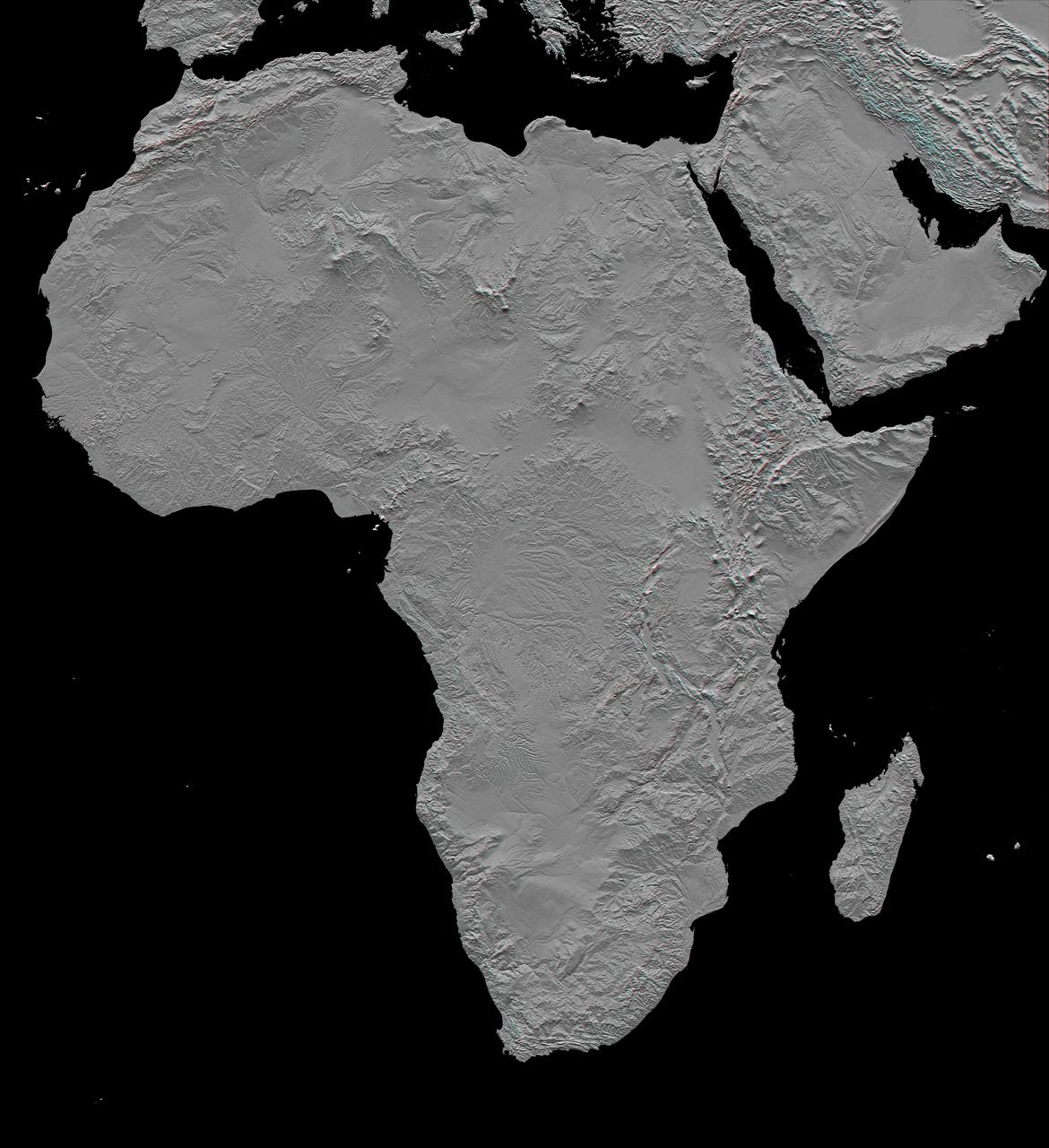
This stereoscopic shaded relief image from NASA Shuttle Radar Topography Mission shows Africa topography. Also shown are Madagascar, the Arabian Peninsula, and other adjacent regions. 3D glasses are necessary to view this image.
Africa in SRTM 3-D, Anaglyph of Shaded Relief
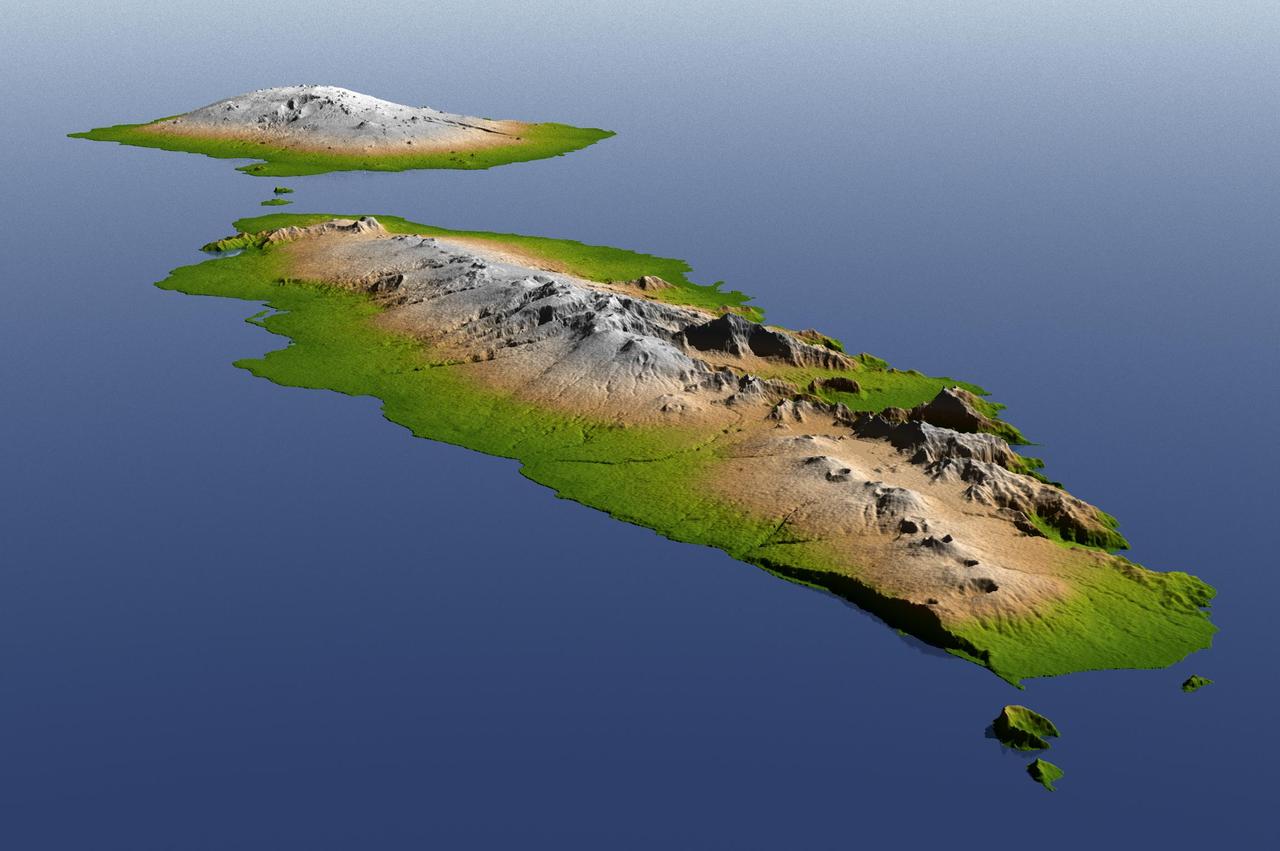
The topography of Savai’i and Upolu, the two large islands of the Independent State of Samoa, is well shown in this color-coded perspective view from NASA Shuttle Radar Topography Mission.
Independent State of Samoa, Shaded Relief and Colored Height
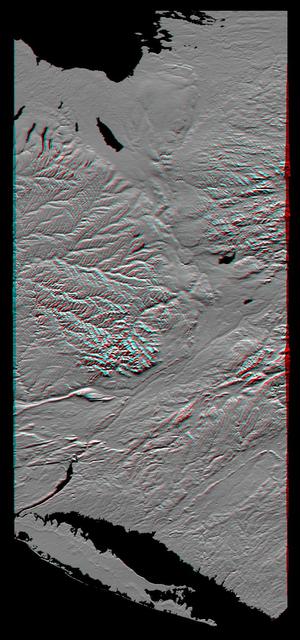
This anaglyph, from NASA Shuttle Radar Topography Mission, shows the varied topography of eastern New York State and parts of Massachusetts, Connecticut, Pennsylvania and New Jersey. 3D glasses are necessary.
Anaglyph of Shaded Relief New York State, Lake Ontario to Long Island
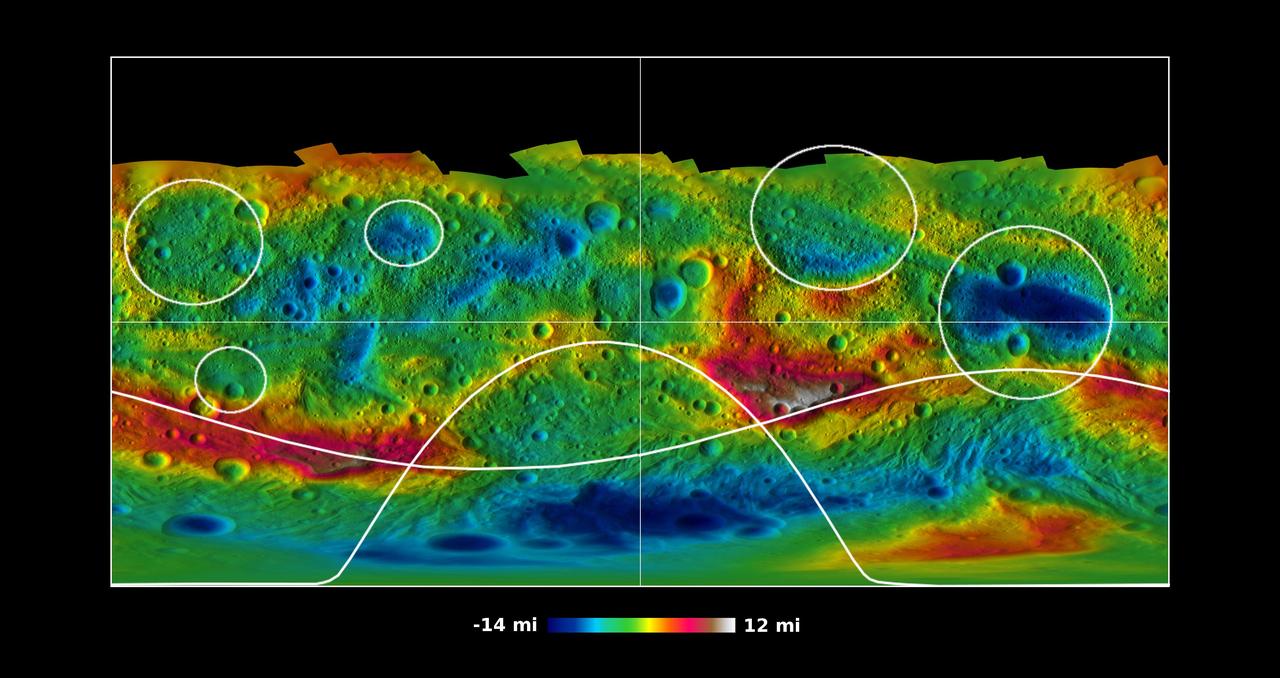
This global map from NASA Dawn mission shows the topography of the giant asteroid Vesta, with the seven most prominent impact basins highlighted.
Global Topography of Vesta
MGS Mars Orbiter Laser MOLA Surface Topography of Northern Hemisphere
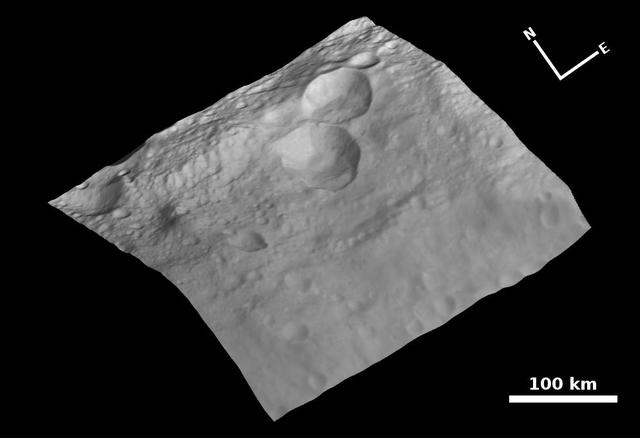
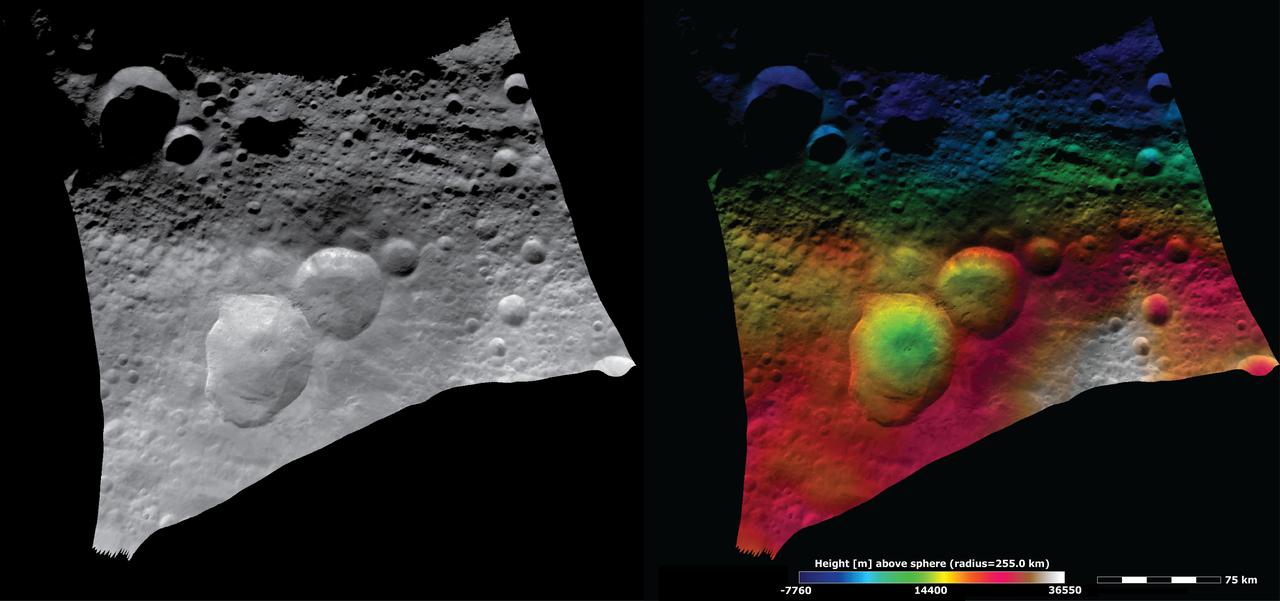
These images from NASA Dawn spacecraft show the Domitia crater in Vesta northern hemisphere and the topography of the surrounding region, which includes the Snowman craters.
Topography and Albedo Image of Domitia Crater
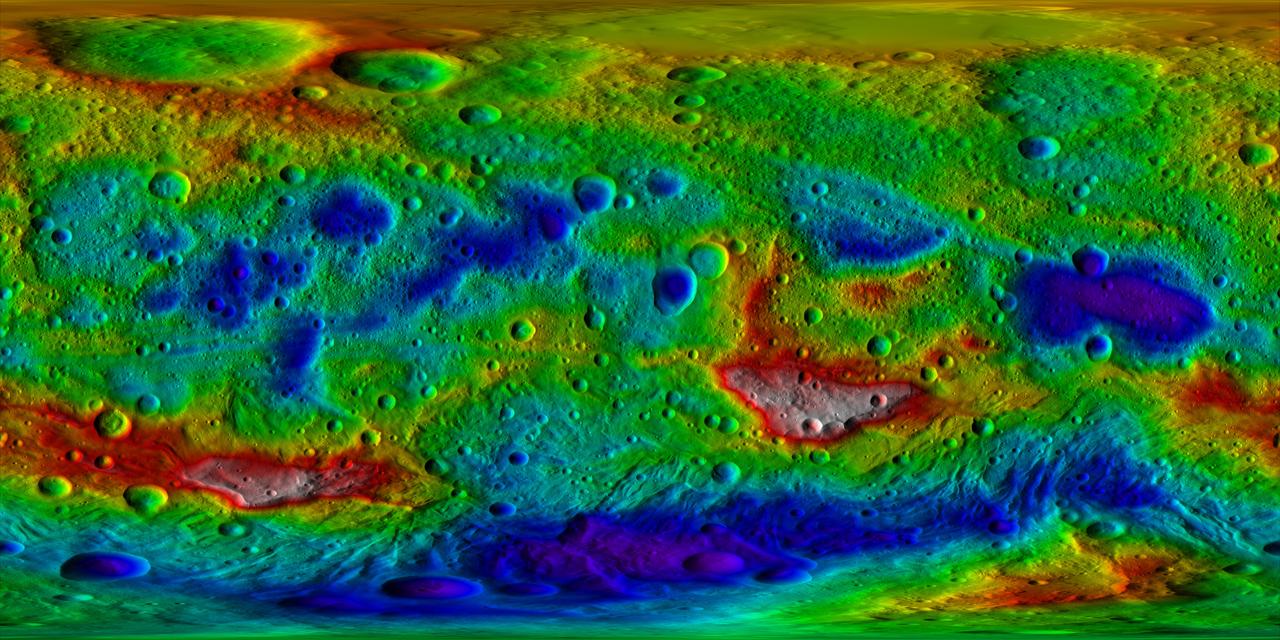
This color-coded topography map from NASA Dawn mission shows the giant asteroid Vesta in an equirectangular projection at 32 pixels per degree, relative to an ellipsoid of 177 miles by 177 miles by 142 miles.
Vesta Topography Map
This view of the topography of asteroid Vesta surface is composed of several images obtained with the framing camera on NASA Dawn spacecraft on August 6, 2011. The image mosaic is shown superimposed on a digital terrain model.
Topography of Vesta Surface
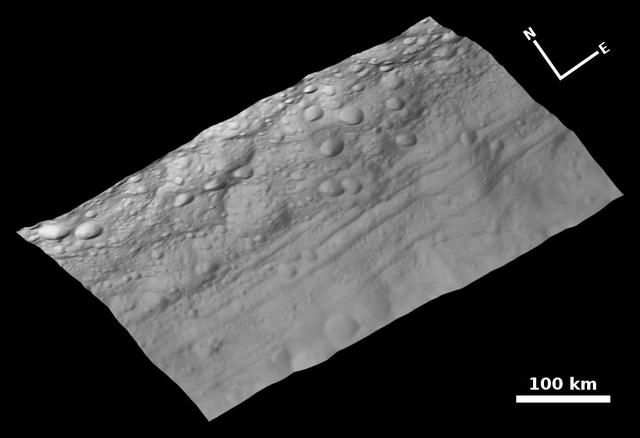
This view of the topography of asteroid Vesta surface is composed of several images obtained with the clear filter in the framing camera on NASA Dawn spacecraft on August 6, 2011. The image has a resolution of about 260 meters per pixel.
Topography of Troughs on Vesta
NASA Voyager 2 was 530,000 kilometers 330,000 miles from Neptune largest satellite, Triton, when this photo was taken, Aug. 24, 1989. This is the first photo of Triton to reveal surface topography.
Triton Surface Topography
The topography surrounding the Laguna Salada Fault in the Mexican state of Baja, California, is shown in this combined radar image and topographic view with data from NASA Shuttle Radar Topography Mission where a 7.2 earthquake struck on April 4, 2010.
Baja Earthquake Perspective View
This anaglyph, from NASA Shuttle Radar Topography Mission, shows the city of Bhuj, India. 3D glasses are necessary to view this image.
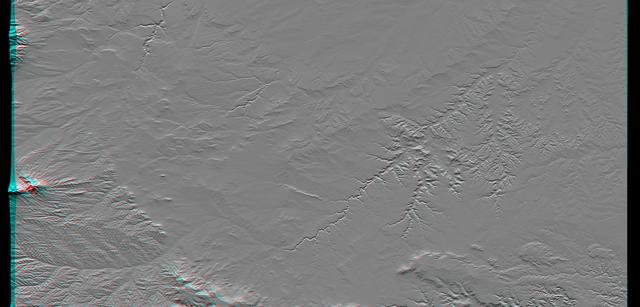
SRTM Anaglyph: Piñon Canyon region, Colorado
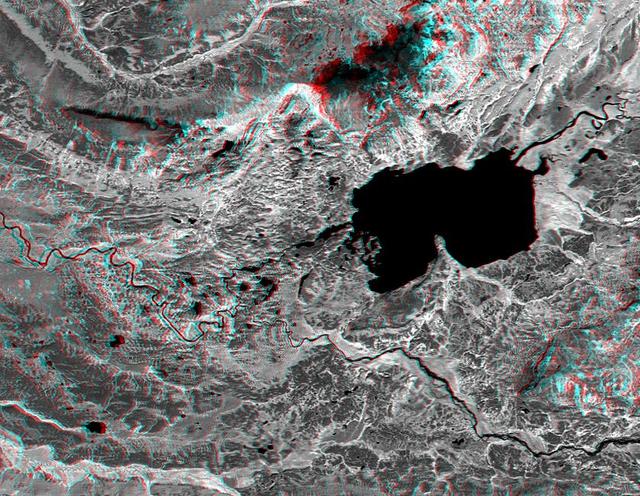
This anaglyph, from NASA Shuttle Radar Topography Mission, is of Lake Palanskoye in northern Kamchatka. 3D glasses are necessary to view this image.
Anaglyph, Lake Palanskoye Landslide, Kamchatka Peninsula, Russia
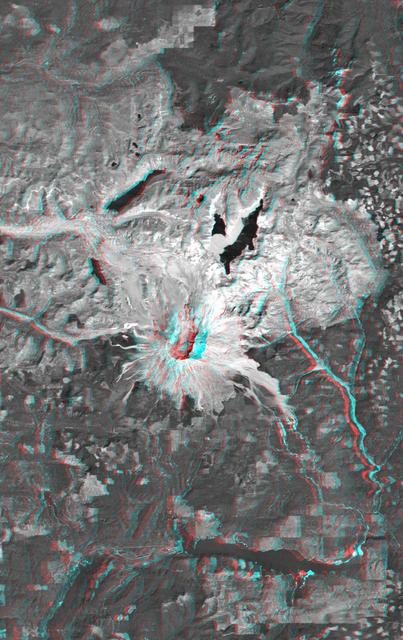
This anaglyph, from NASA Shuttle Radar Topography Mission, is of Mount St Helens, Washington. 3D glasses are necessary to view this image.
Anaglyph, Mount St Helens, Washington State
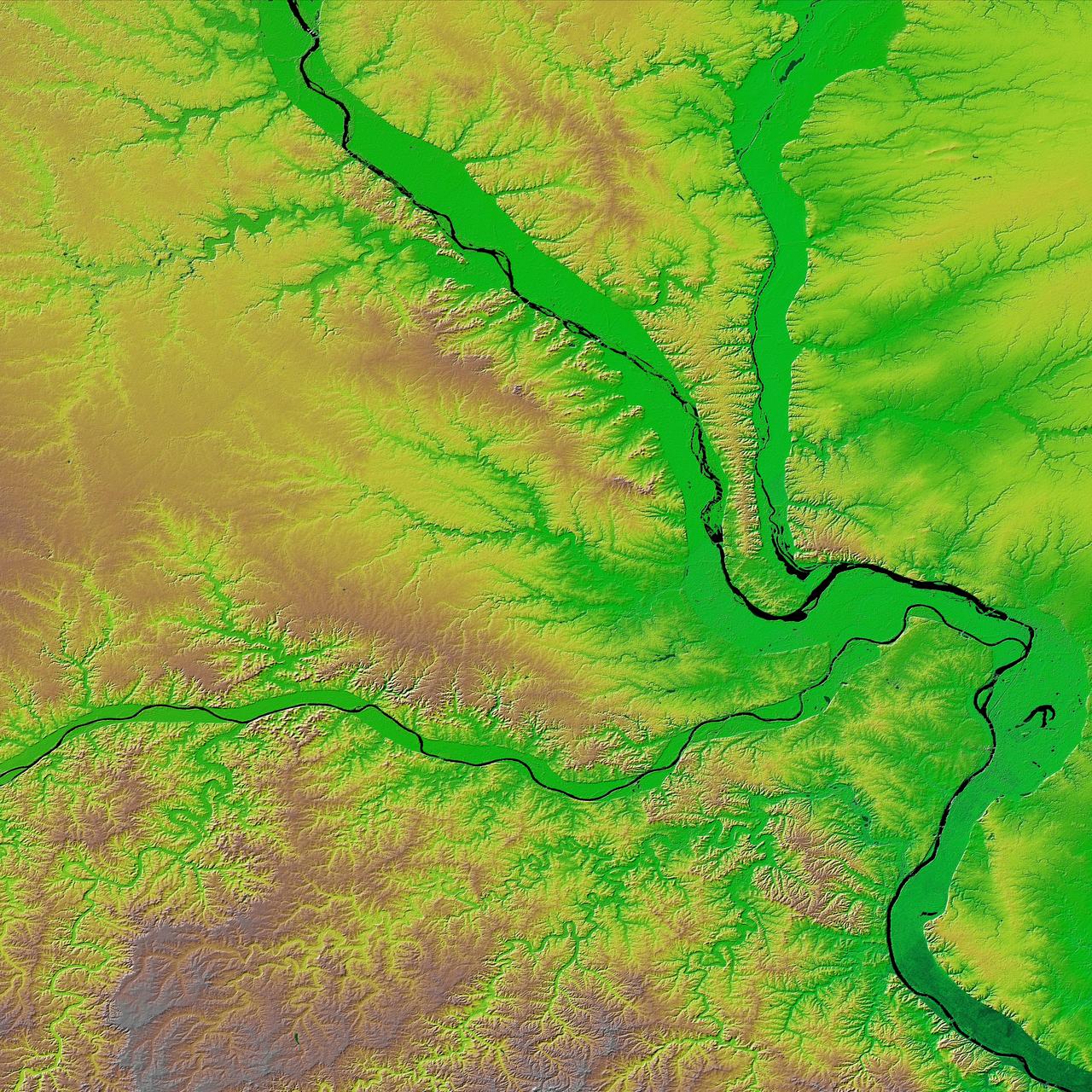
The confluence of the Mississippi, Missouri and Illinois rivers are shown in this view of the St. Louis area from NASA Shuttle Radar Topography Mission.
Shaded Relief with Color as Height, St. Louis, Missouri
The diversity of landforms that make up the state of California is evident in this new [sic] rendition of the 3-D topography of the state.
Shaded Relief with Color as Height, California Mosaic with Insets
This anaglyph, from NASA Shuttle Radar Topography Mission, is of Honolulu, on the island of Oahu .3D glasses are necessary to view this image.
Anaglyph, Landsat overlay Honolulu, Hawaii
All of the major landforms relate to volcanism and/or erosion in this Shuttle Radar Topography Mission scene of Patagonia, near La Esperanza, Argentina.
SRTM Colored Height and Shaded Relief: Lava plateaus in Argentina
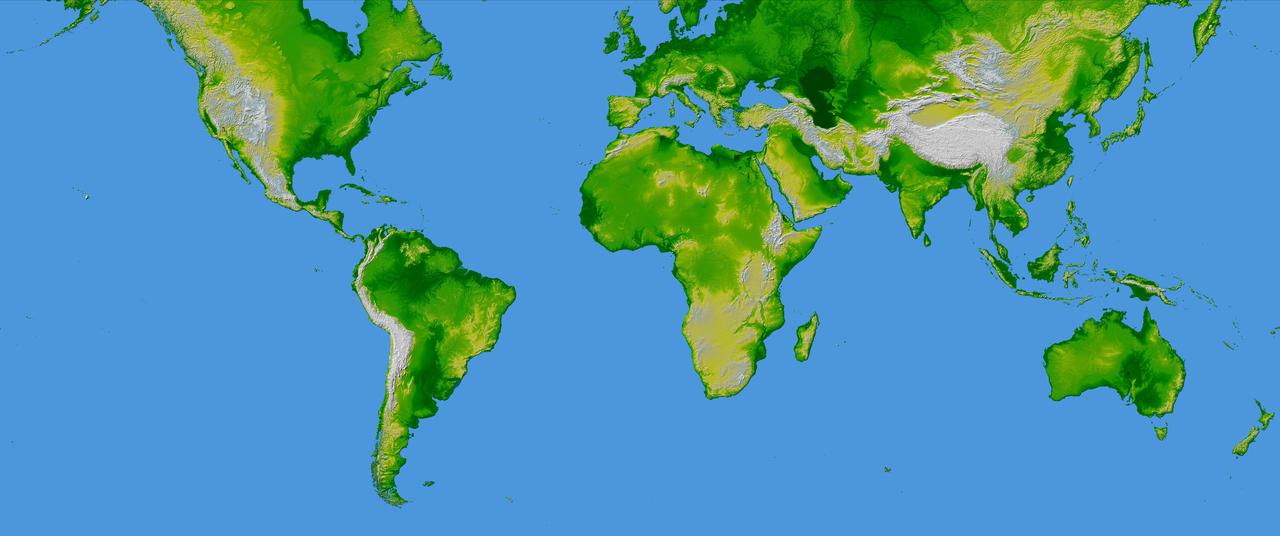
This image of the world was generated with data from NASA Shuttle Radar Topography Mission SRTM.
World in Mercator Projection, Shaded Relief and Colored Height
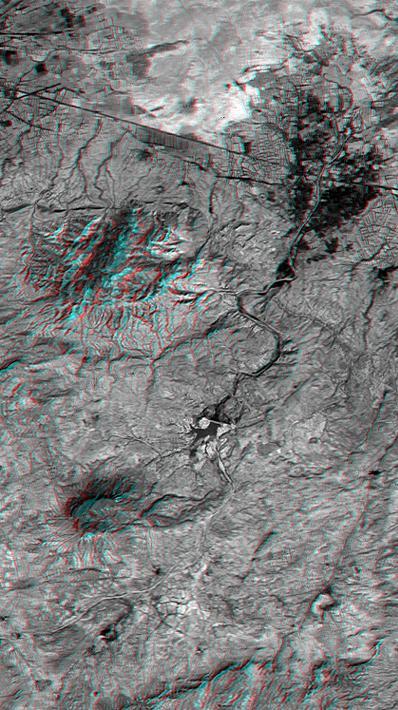
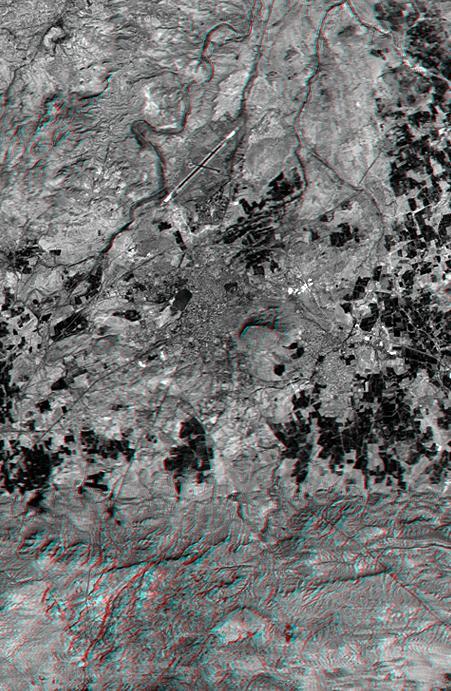
This anaglyph, from NASA Shuttle Radar Topography Mission, shows the city of Bhuj, India. 3D glasses are necessary to view this image.
SRTM Anaglyph: Bhuj, India, Two Weeks After Earthquake
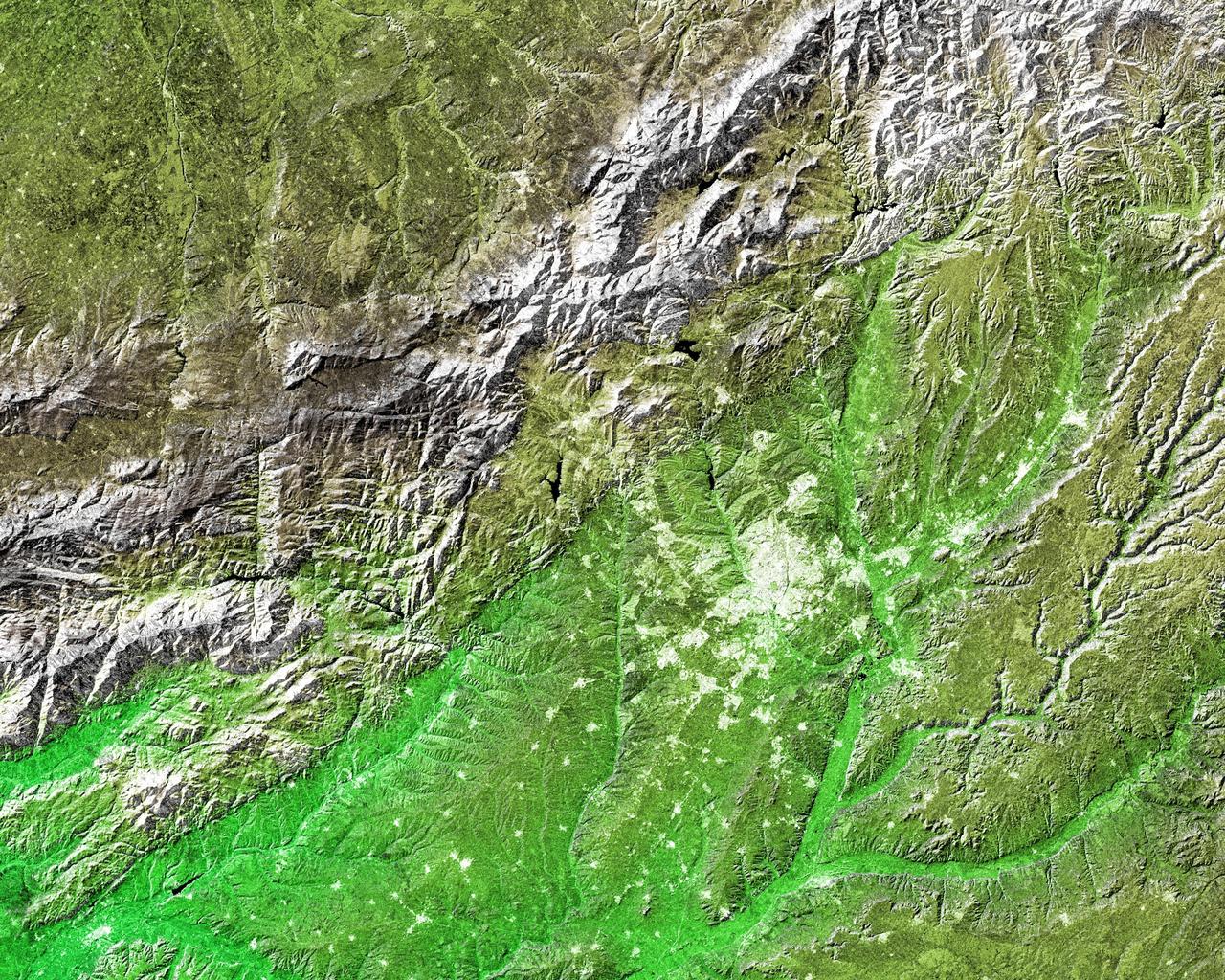
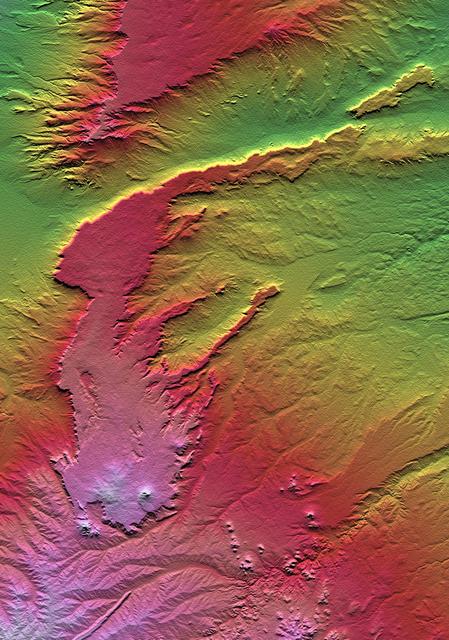
Volcanism and erosion are prominently seen in this view of the eastern flank of the Andes Mountains taken by NASA Shuttle Radar Topography Mission SRTM.
SRTM Colored Height and Shaded Relief: Corral de Piedra, Argentina
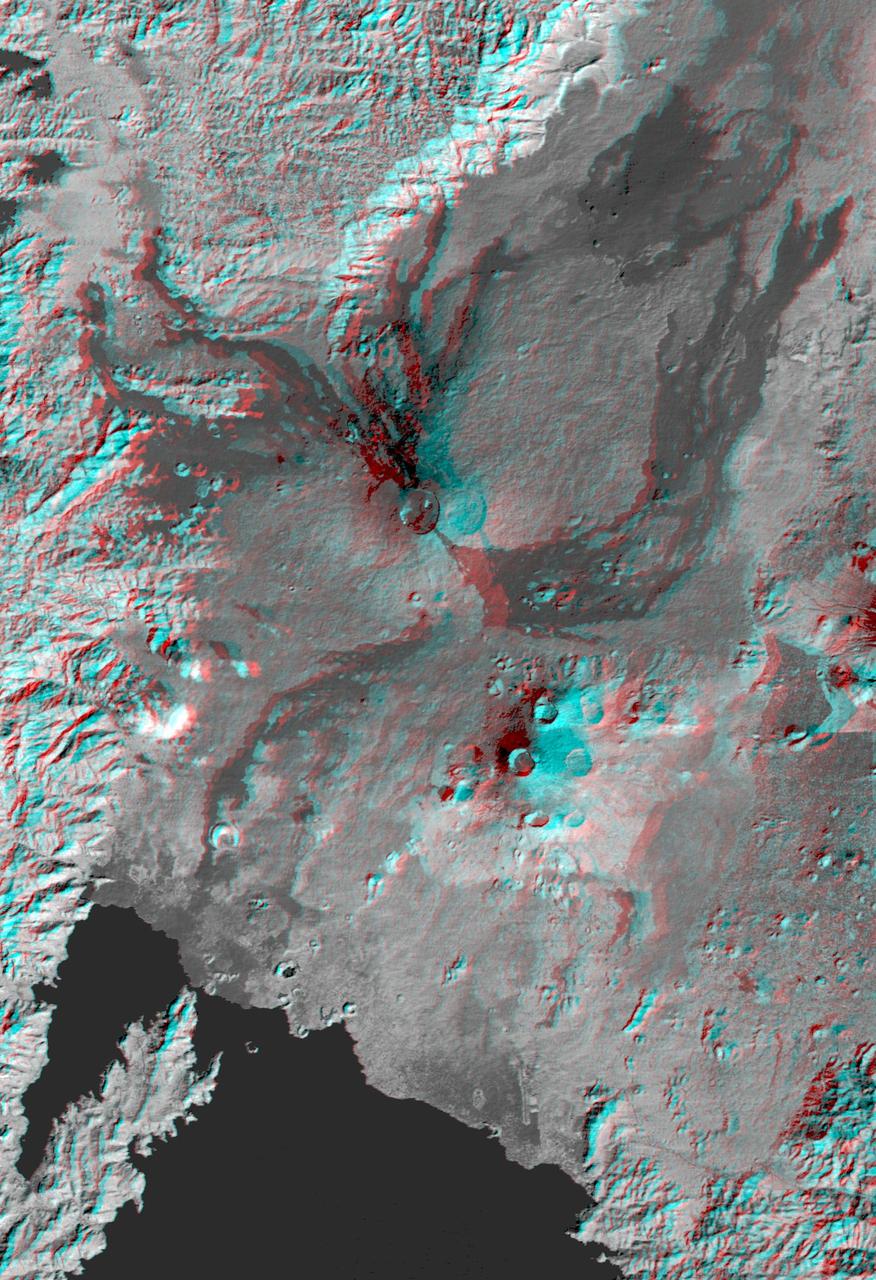
This anaglyph, from NASA Shuttle Radar Topography Mission, is of the Nyiragongo volcano in the Congo. 3D glasses are necessary to view this image.
Nyiragongo volcano, Congo, Anaglyph, SRTM / Landsat
This topographic image acquired in February 2000 by NASA Shuttle Radar Topography Mission SRTM shows an area in the state of Bahia in Brazil.
Shaded Relief of Bahia State, Brazil
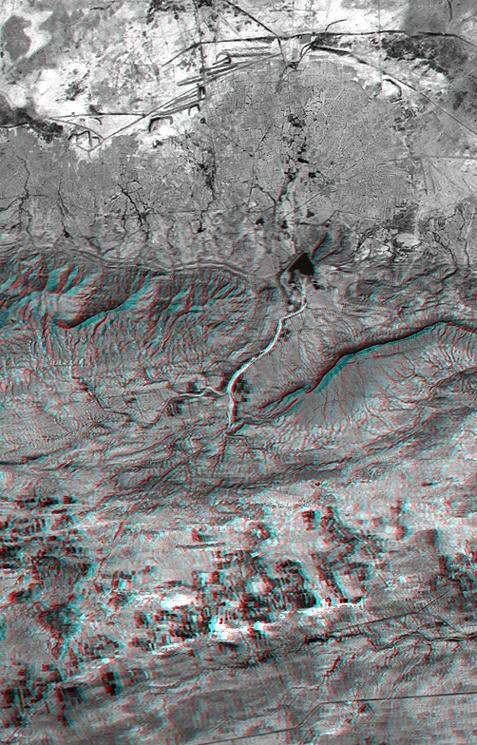
This anaglyph NASA Shuttle Radar Topography Mission, shows the city of Bhuj, India. 3D glasses are necessary to view this image.
SRTM Anaglyph: Northwest of Bhuj, India
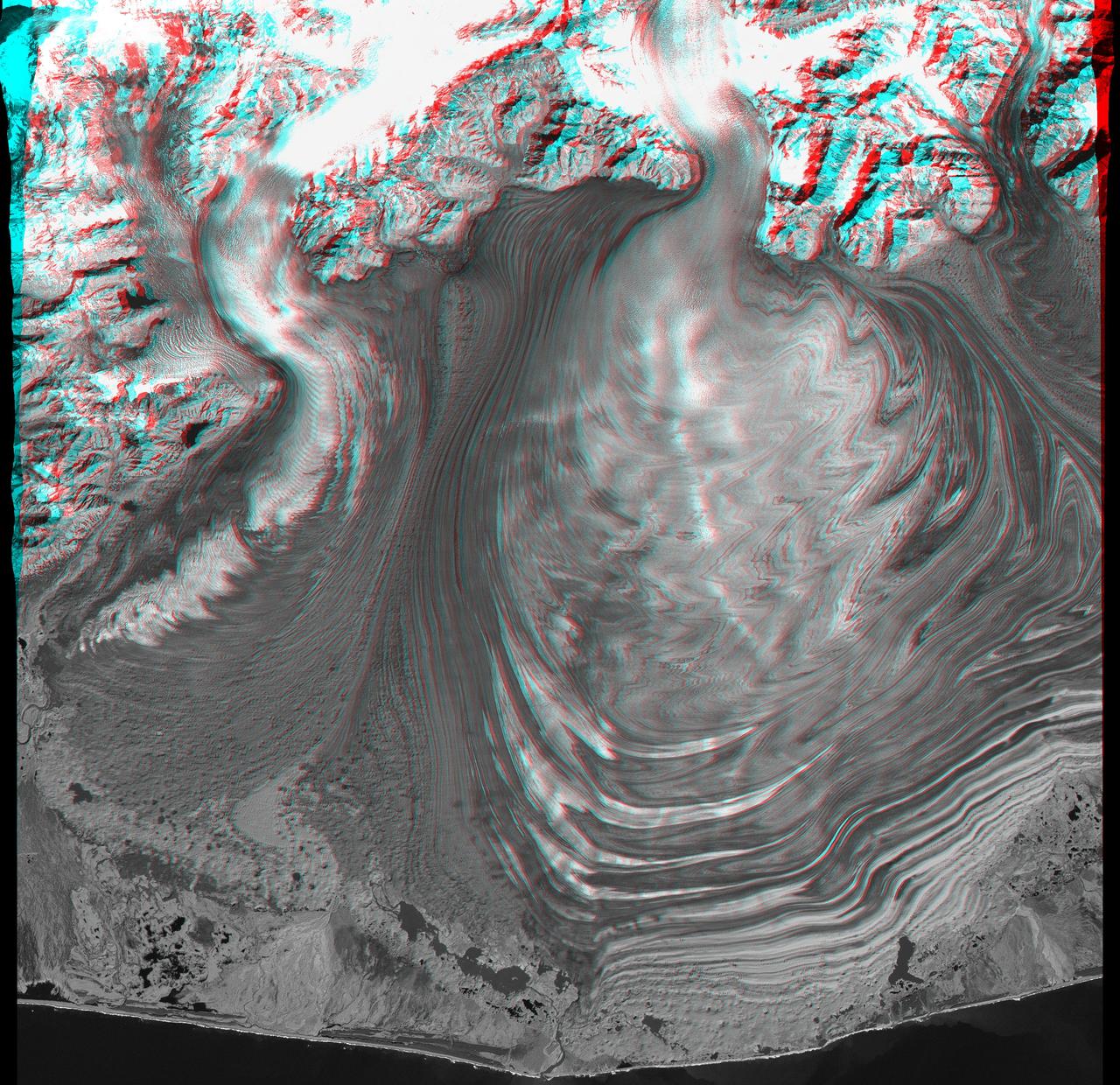
This anaglyph, from NASA Shuttle Radar Topography Mission, is of Malaspina Glacier in southeastern Alaska. 3D glasses are necessary to view this image.
Malaspina Glacier, Alaska, Anaglyph with Landsat Overlay
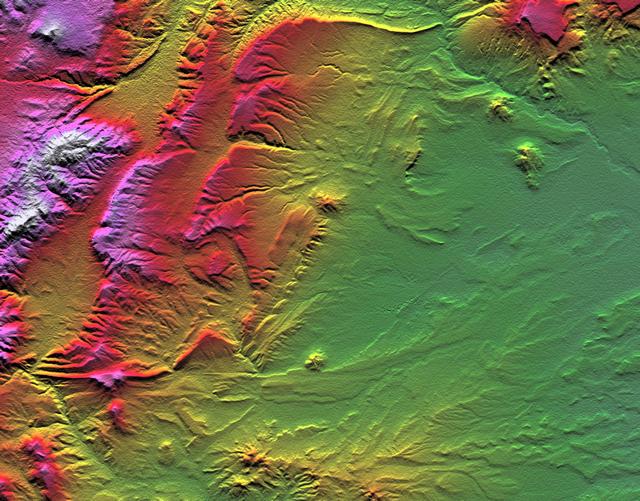
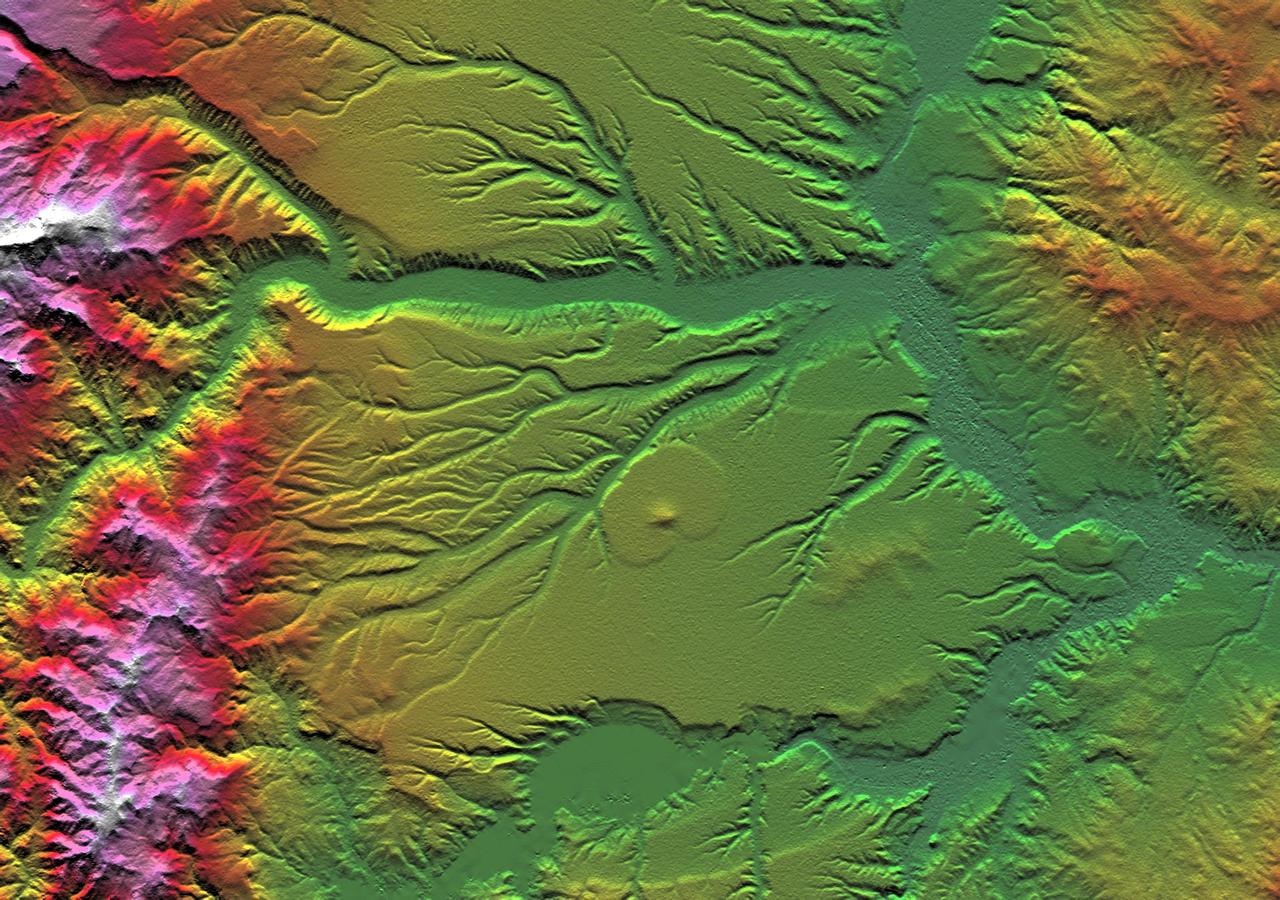
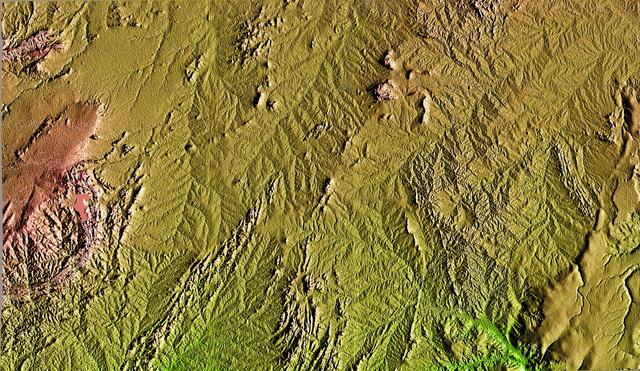
Topographic data provided by NASA Shuttle Radar Topography Mission can provide many clues to geologic history and processes.
SRTM Colored Height and Shaded Relief: Near Zapala, Argentina
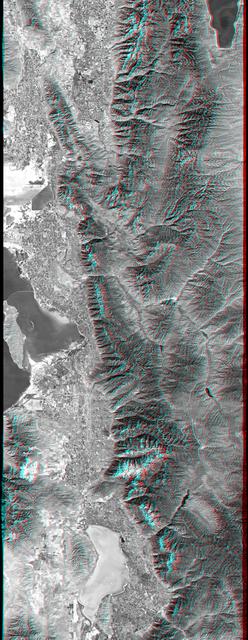
This anaglyph, from NASA Shuttle Radar Topography Mission, is of Salt Lake City, Utah. 3D glasses are necessary to view this image.
Anaglyph, Salt Lake City, Utah
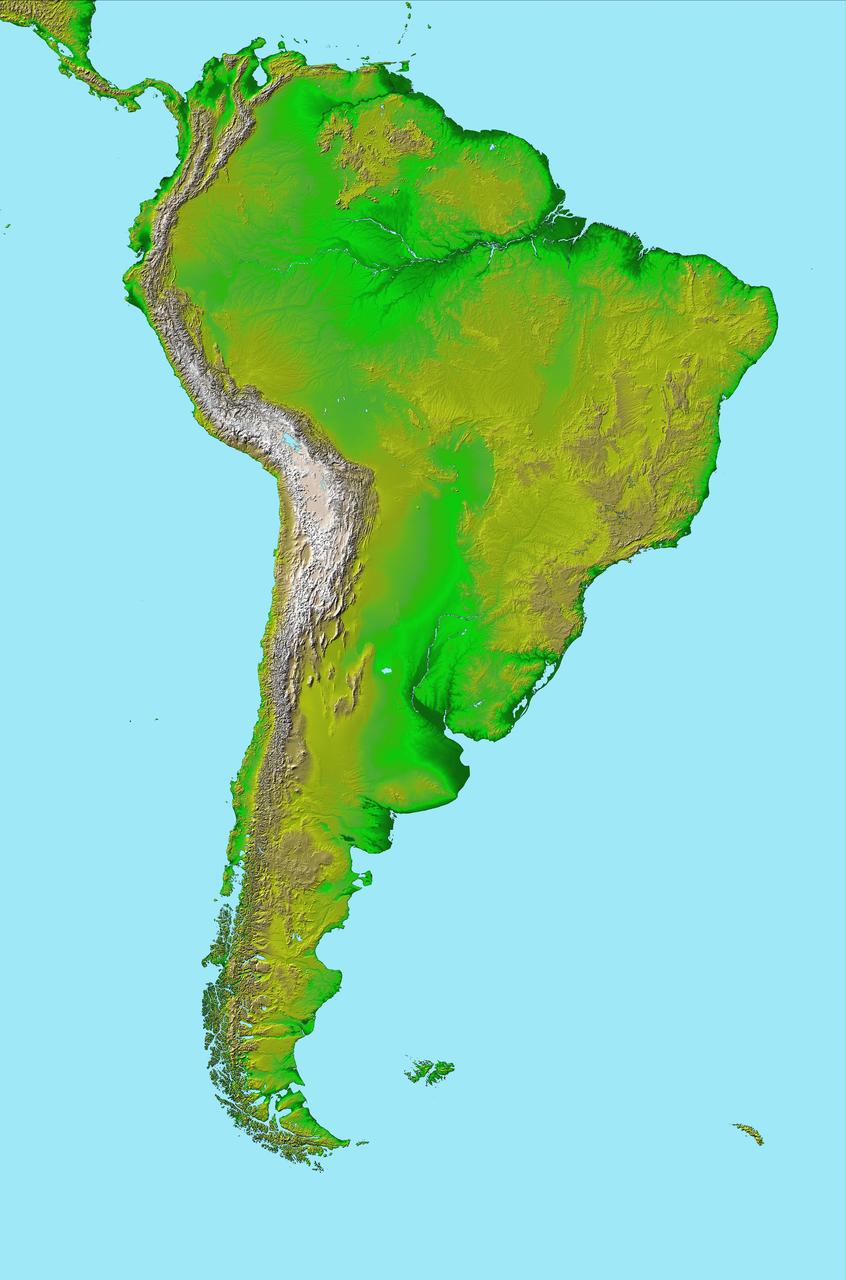
This image of South America was generated with data from NASA Shuttle Radar Topography Mission SRTM.
South America, Shaded Relief and Colored Height
The white, mottled area in the right-center of this image from NASA Shuttle Radar Topography Mission SRTM is Madrid, the capital of Spain.
Shaded Relief and Radar Image with Color as Height, Madrid, Spain
This radar image acquired in February 2000 by NASA Shuttle Radar Topography Mission SRTM shows an area in the state of Bahia in Brazil.
Shaded Relief of South Africa, Northern Cape Province
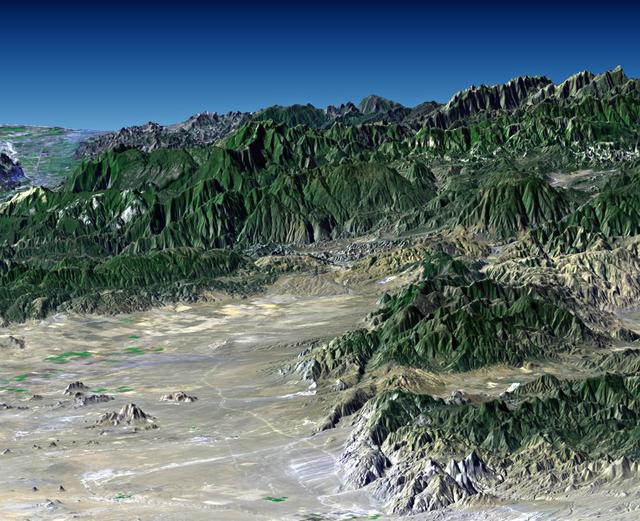
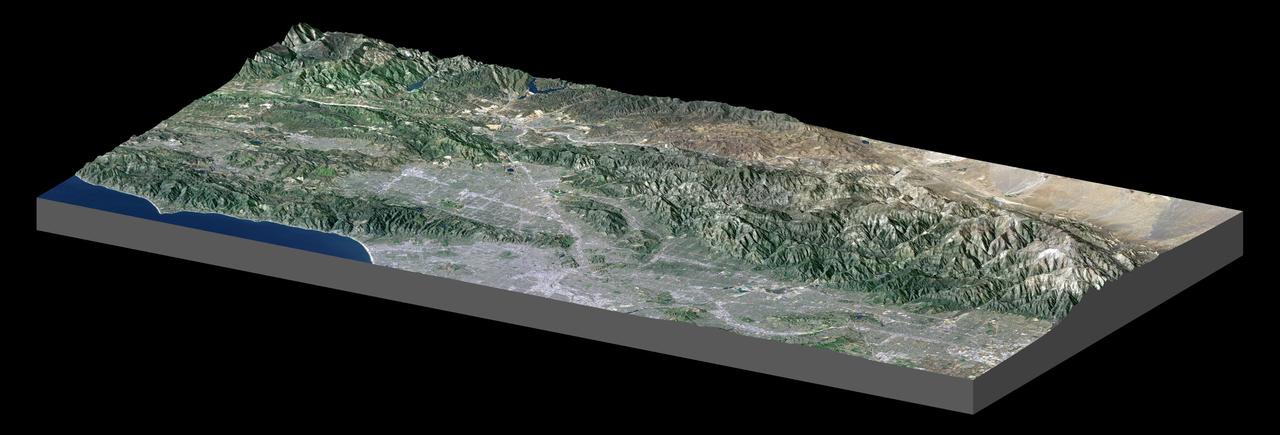
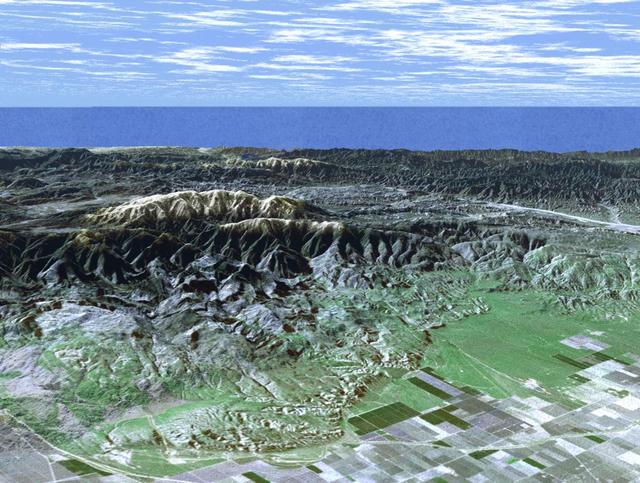
Southern California dramatic topography plays acritical role in its climate, hydrology, ecology, agriculture, and habitability.
Perspective with Landsat Overlay: Mojave to Ventura, California
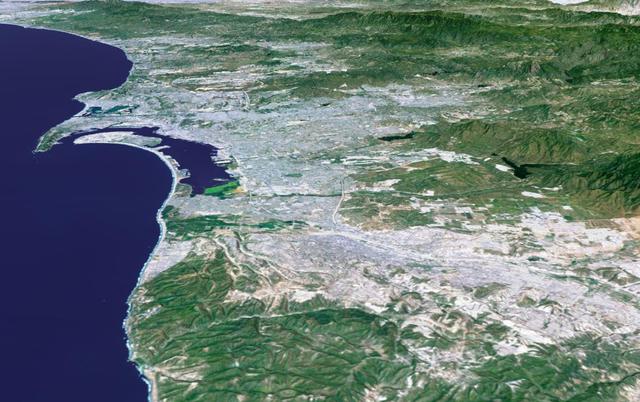
The influence of topography on the growth of the city of San Diego is seen clearly in this computer-generated perspective viewed from the south.
Perspective View with Landsat Overlay, San Diego, Calif.
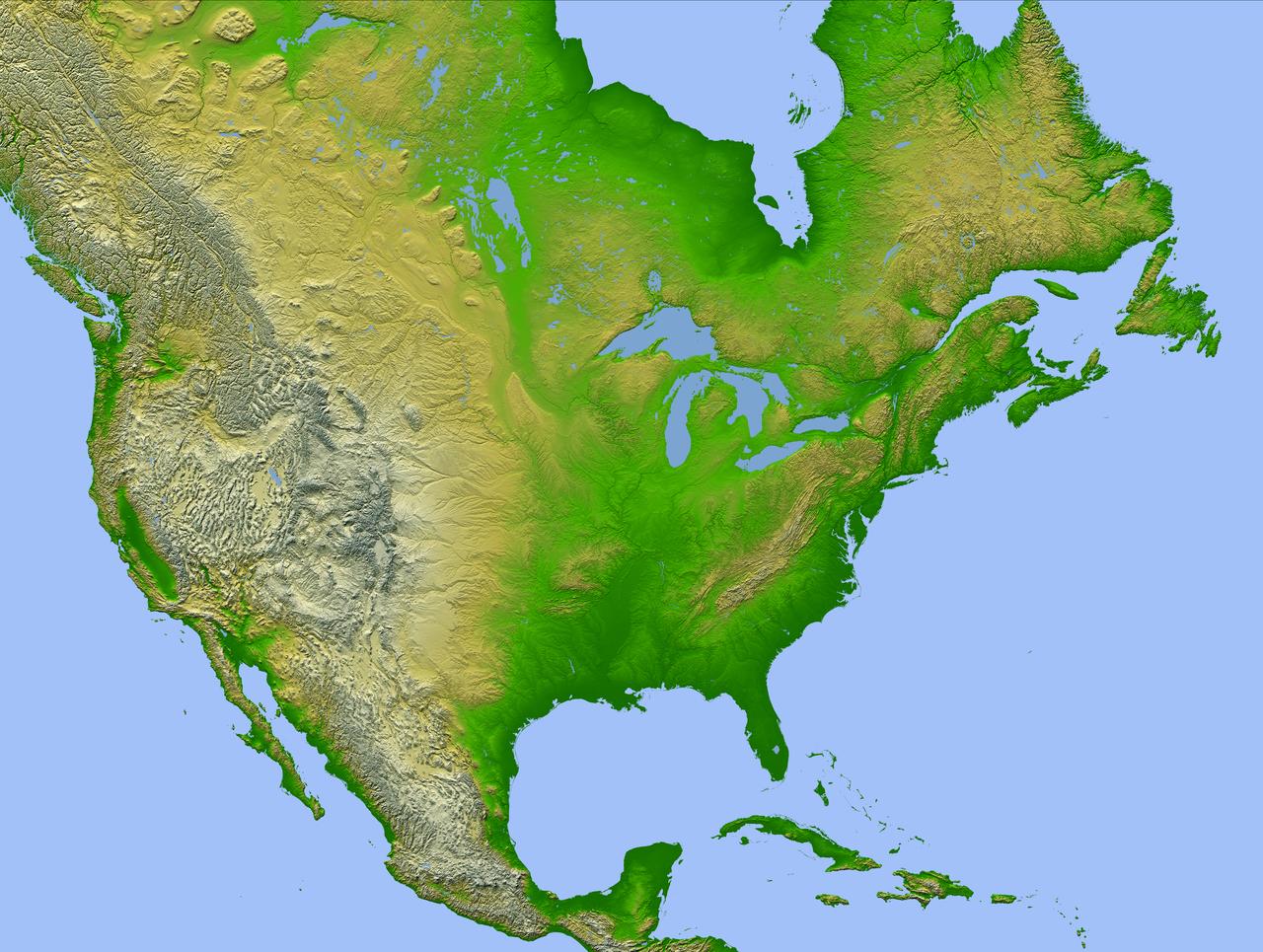
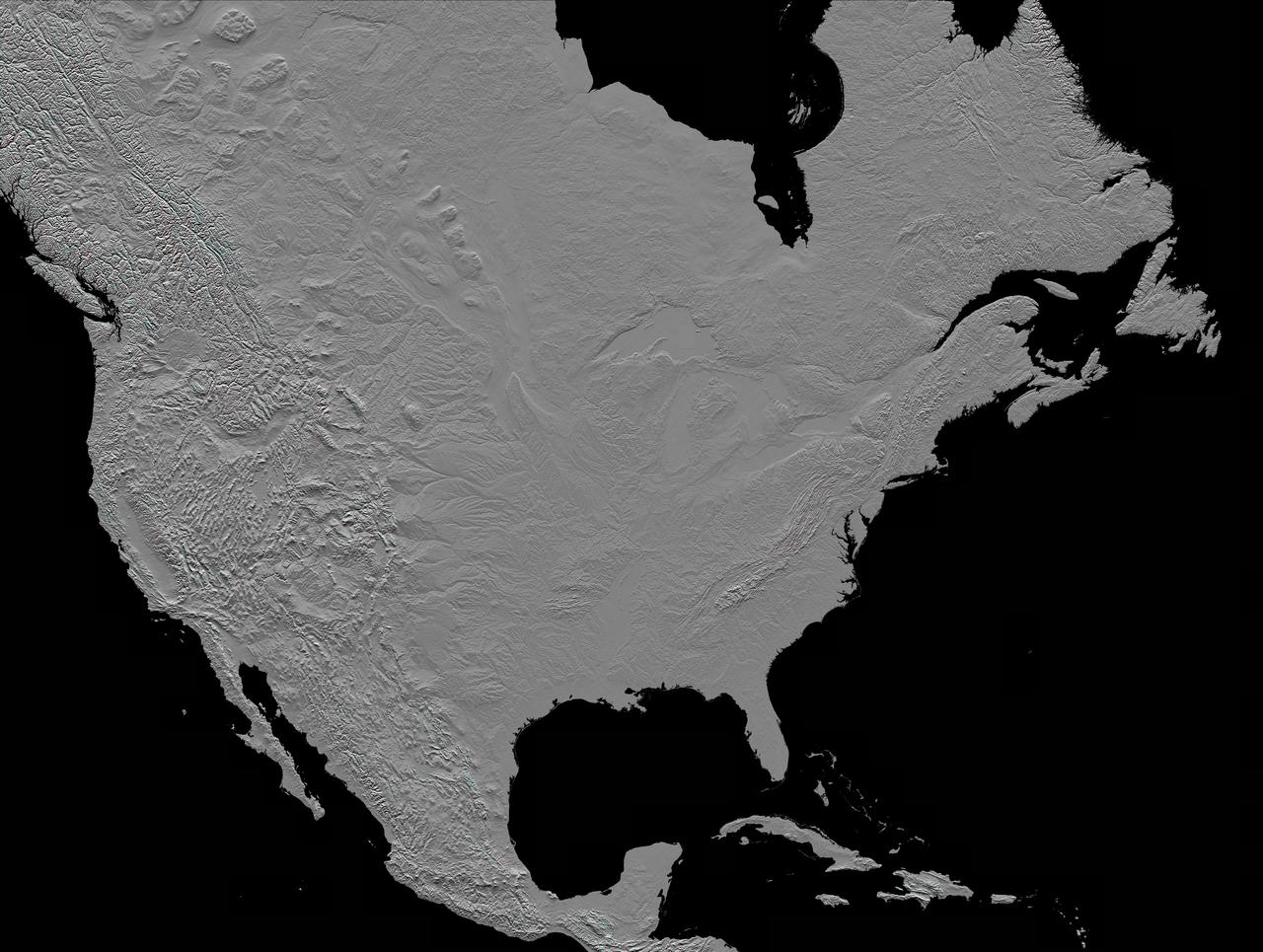
This image of North America was generated with data from NASA Shuttle Radar Topography Mission SRTM.
Shaded Relief with Height as Color, North America
This radar image acquired in February 2000 by NASA Shuttle Radar Topography Mission SRTM shows an area in the state of Bahia in Brazil.
Radar Image with Color as Height, Bahia State, Brazil
The diversity of landforms that make up the state of California is evident in this new [sic] rendition of the 3-D topography of the state.
Shaded Relief with Color as Height, California Mosaic
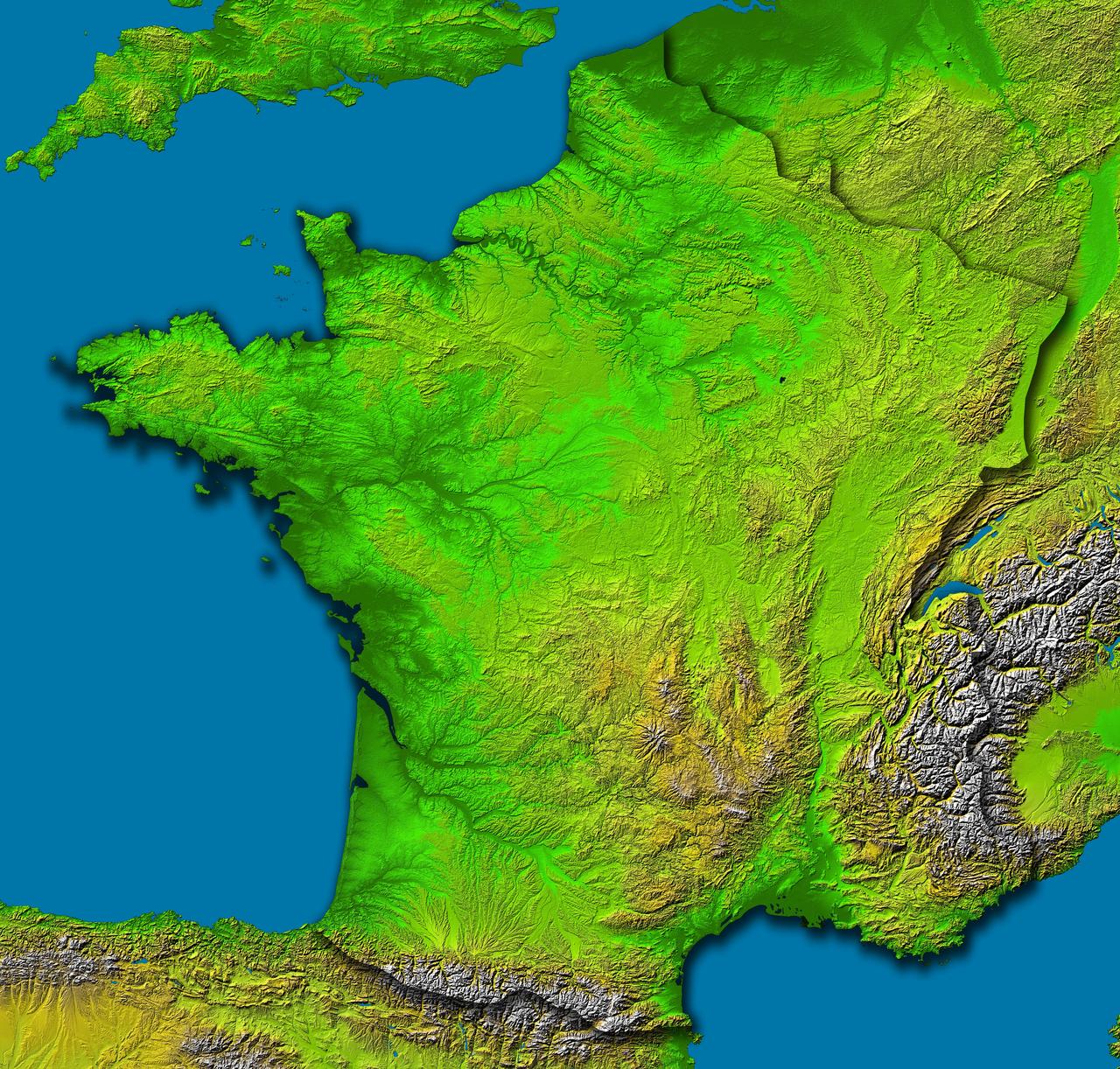
This image of France was generated with data from NASA Shuttle Radar Topography Mission SRTM.
France, Shaded Relief and Colored Height
NASA Shuttle Radar Topography Mission SRTM has produced the first high-resolution, near-global elevation dataset of Earth.
Library of Congress Model, Perspective View
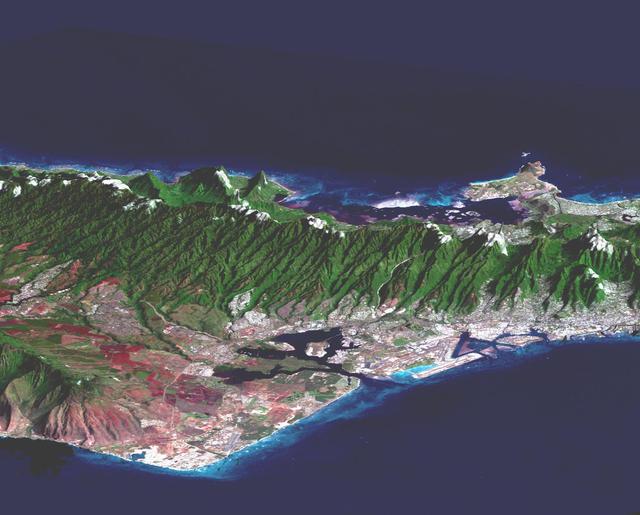
This perspective view, acquired by NASA Shuttle Radar Topography Mission SRTM in Feb. 2000, shows Honolulu, on the island of Oahu.
Perspective view, Landsat Overlay Oahu, Hawaii
This anaglyph NASA Shuttle Radar Topography Mission, shows the city of Bhuj, India. 3D glasses are necessary to view this image.
SRTM Anaglyph: Roads versus Dikes near Bhuj, India
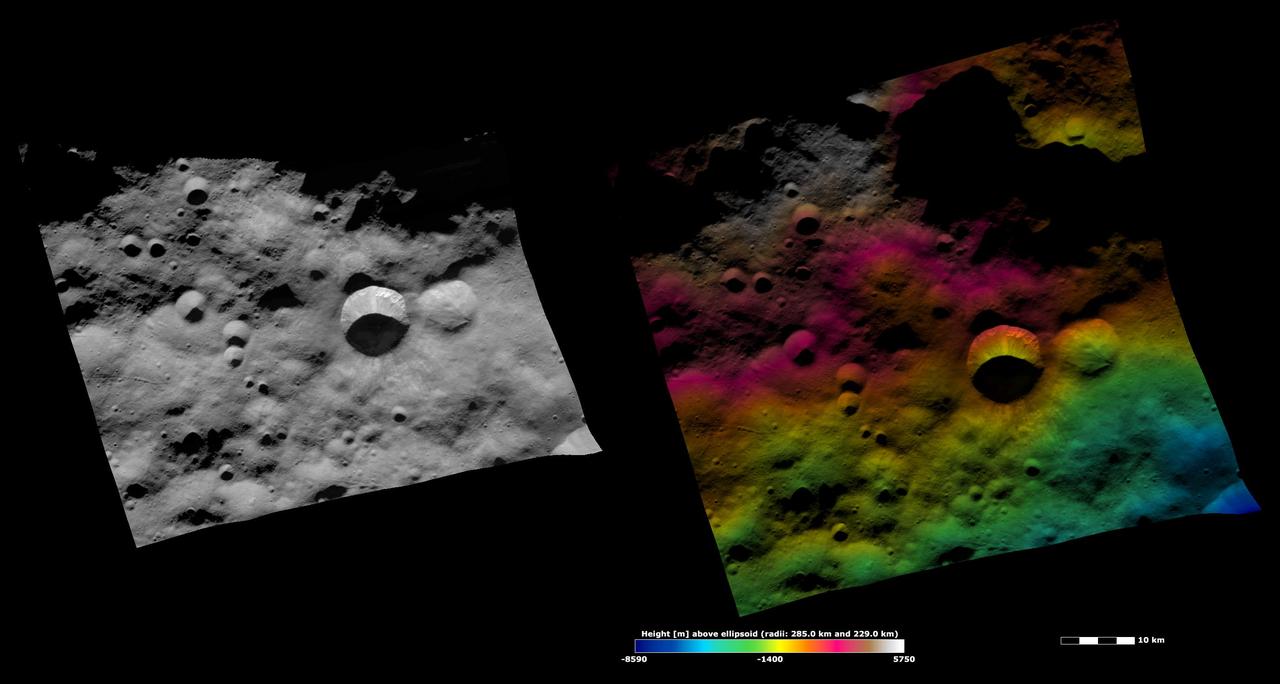
These apparent brightness and topography images from NASA Dawn spacecraft are located in asteroid Vesta Floronia quadrangle, in Vesta northern hemisphere.
Lepida Crater, Apparent Brightness and Topography Images
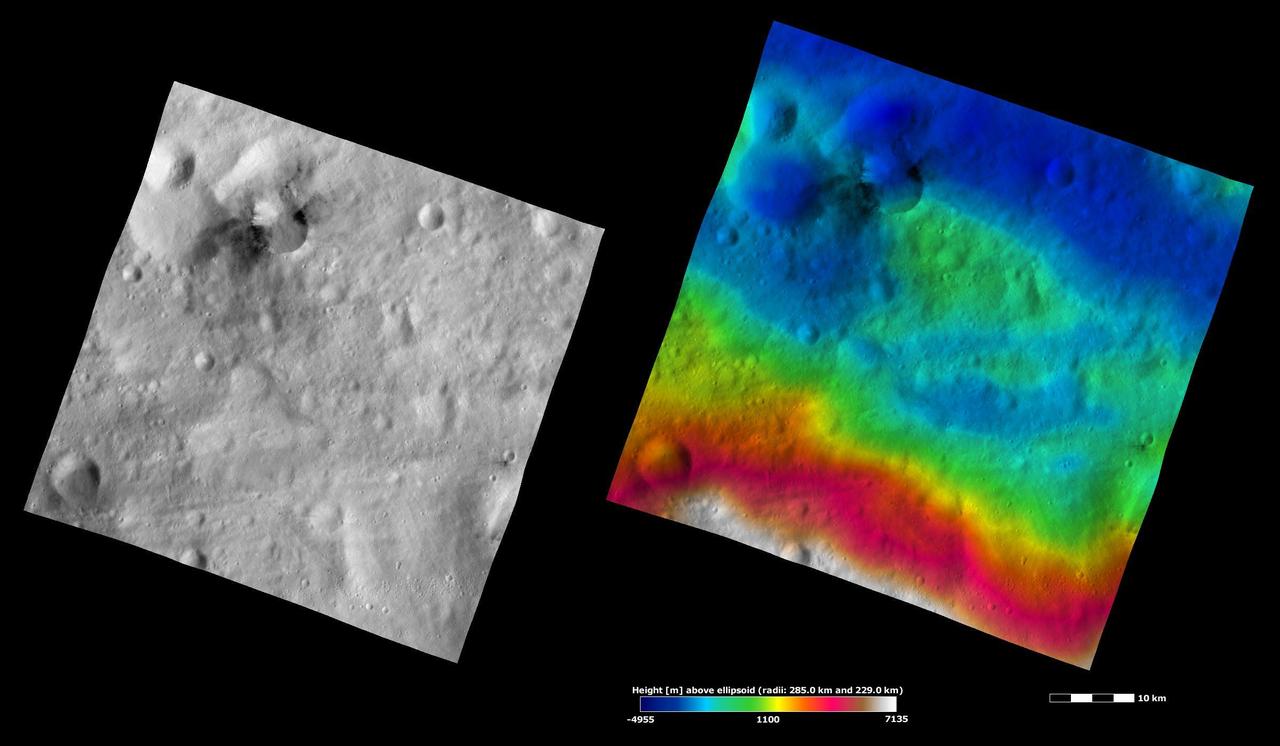
These apparent brightness and topography images from NASA Dawn spacecraft are located in asteroid Vesta Bellicia quadrangle, in Vesta northern hemisphere.
Arruntia Crater, Apparent Brightness and Topography Image
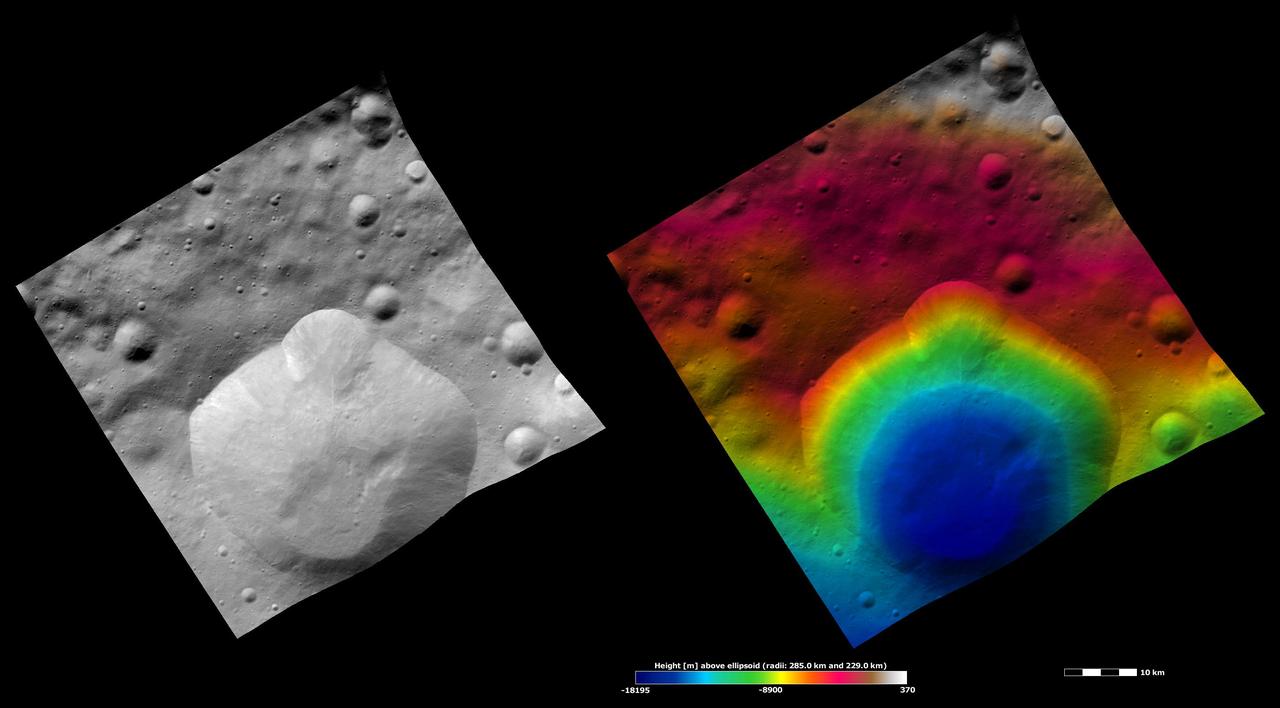
These apparent brightness and topography images from NASA Dawn spacecraft are located in asteroid Vesta Sextilia quadrangle, in Vesta southern hemisphere.
Serena Crater, Apparent Brightness and Topography Images
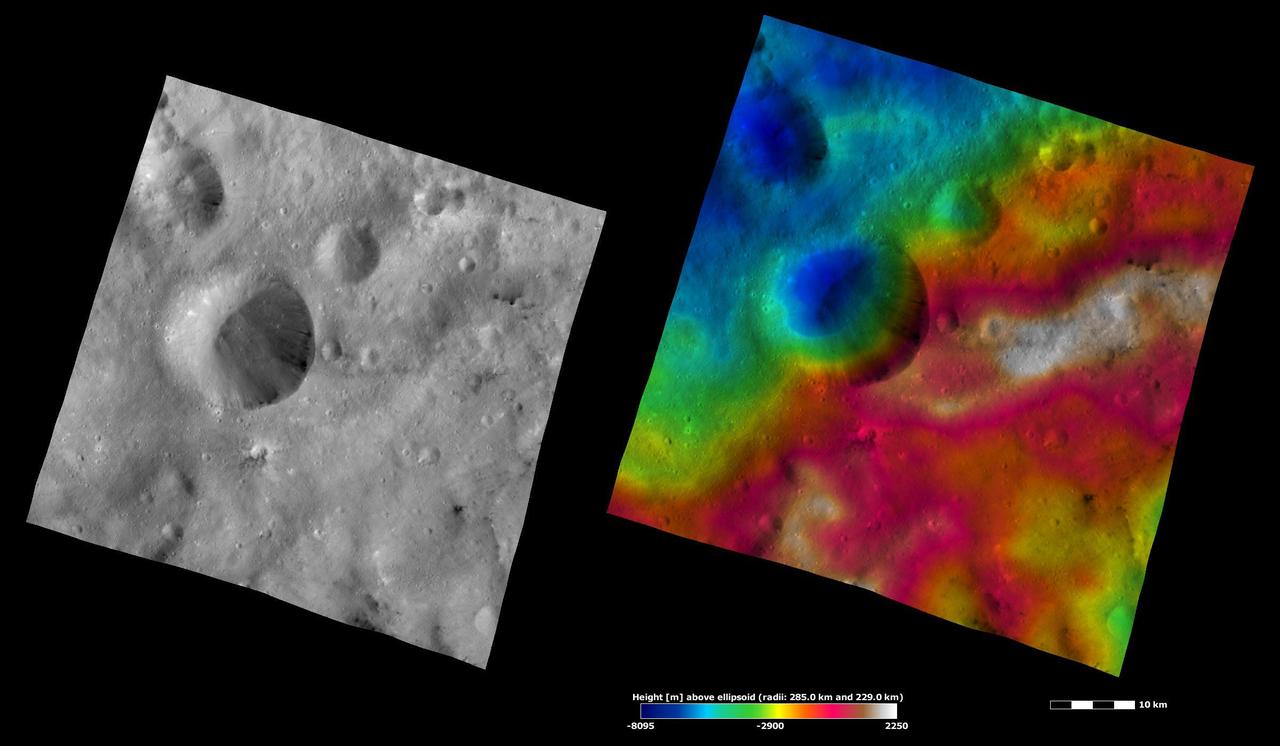
These apparent brightness and topography images from NASA Dawn spacecraft are located in asteroid Vesta Gegania quadrangle, in Vesta southern hemisphere.
Occia Crater, Apparent Brightness and Topography Images
An artist concept of the Ocean Surface Topography Mission/Jason 2 Earth satellite.  The Ocean Surface Topography Mission/Jason 2 is an Earth satellite designed to make observations of ocean topography for investigations into sea-level rise and the relationship between ocean circulation and climate change. The satellite also provides data on the forces behind such large-scale climate phenomena as El Niño and La Niña.  The mission is a follow-on to the French-American Jason 1 mission, which began collecting data on sea-surface levels in 1992.  http://photojournal.jpl.nasa.gov/catalog/PIA18158
Ocean Surface Topography Mission/Jason 2 Artist Concept
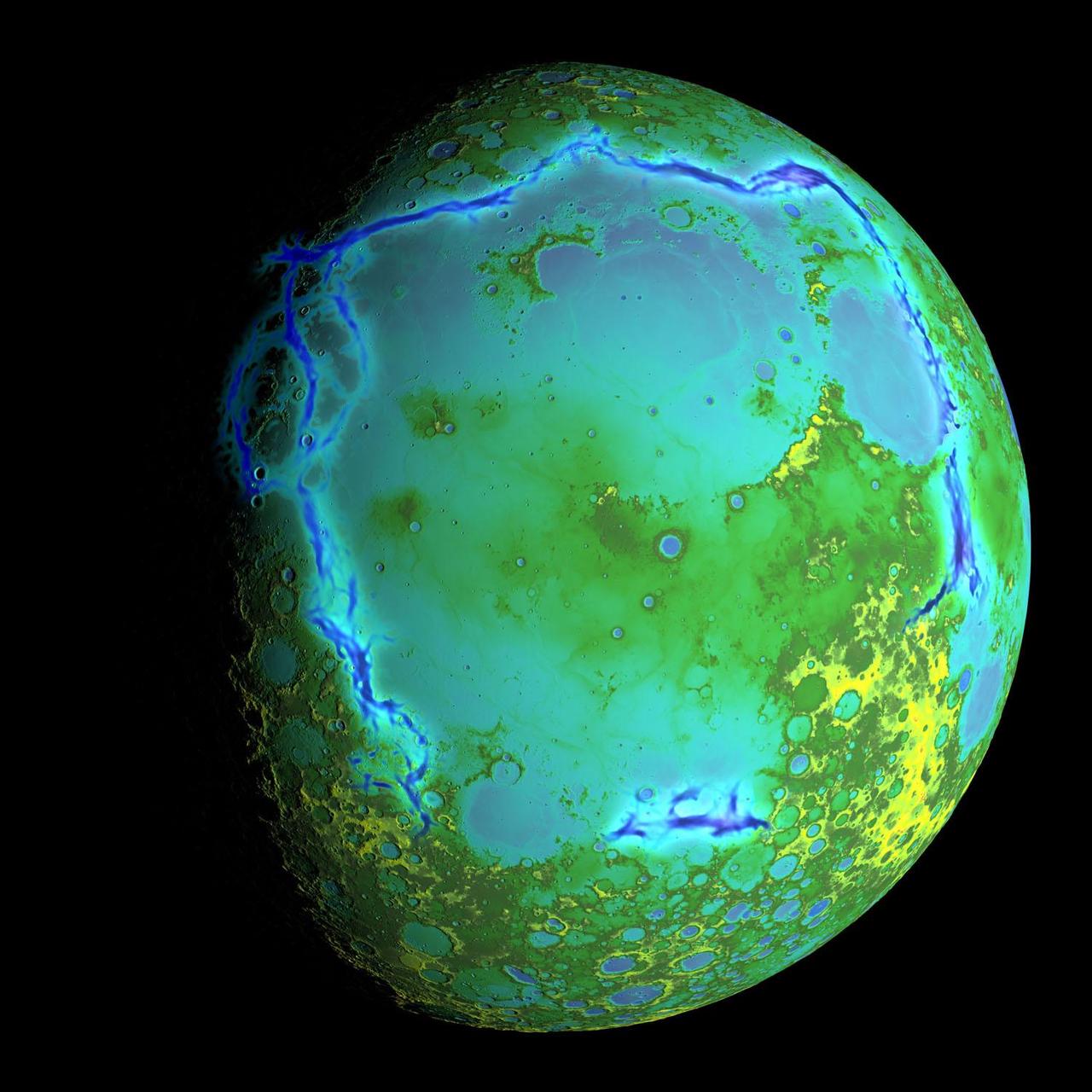
Topography of Earth's moon generated from data collected by the Lunar Orbiter Laser Altimeter, aboard NASA's Lunar Reconnaissance Orbiter, with the gravity anomalies bordering the Procellarum region superimposed in blue. The border structures are shown using gravity gradients calculated with data from NASA's Gravity Recovery and Interior Laboratory (GRAIL) mission. These gravity anomalies are interpreted as ancient lava-flooded rift zones buried beneath the volcanic plains (or maria) on the nearside of the Moon.  Launched as GRAIL A and GRAIL B in September 2011, the probes, renamed Ebb and Flow, operated in a nearly circular orbit near the poles of the moon at an altitude of about 34 miles (55 kilometers) until their mission ended in December 2012. The distance between the twin probes changed slightly as they flew over areas of greater and lesser gravity caused by visible features, such as mountains and craters, and by masses hidden beneath the lunar surface.  The twin spacecraft flew in a nearly circular orbit until the end of the mission on Dec. 17, 2012, when the probes intentionally were sent into the moon's surface. NASA later named the impact site in honor of late astronaut Sally K. Ride, who was America's first woman in space and a member of the GRAIL mission team.  GRAIL's prime and extended science missions generated the highest-resolution gravity field map of any celestial body. The map will provide a better understanding of how Earth and other rocky planets in the solar system formed and evolved.  The GRAIL mission was managed by NASA's Jet Propulsion Laboratory (JPL) in Pasadena, California, for NASA's Science Mission Directorate in Washington. The mission was part of the Discovery Program managed at NASA's Marshall Space Flight Center in Huntsville, Alabama. GRAIL was built by Lockheed Martin Space Systems in Denver.  For more information about GRAIL, please visit <a href="http://grail.nasa.gov" rel="nofollow">grail.nasa.gov</a>.  Credit: NASA/Colorado School of Mines/MIT/GSFC/Scientific Visualization Studio
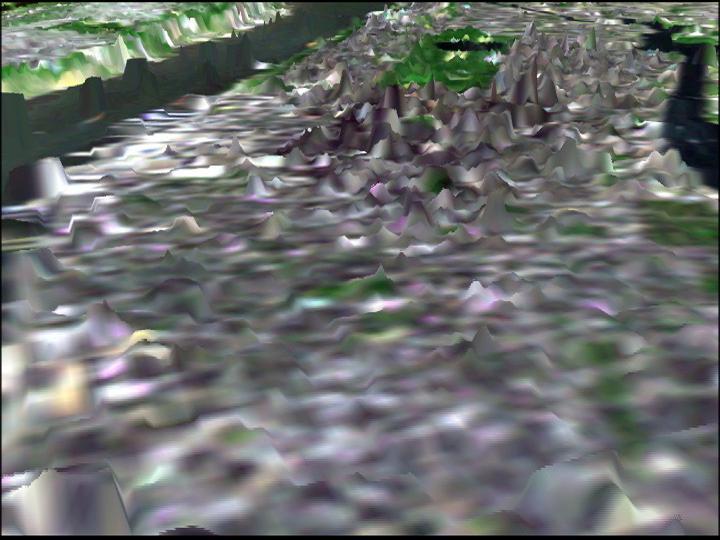
Topography of Earth's moon
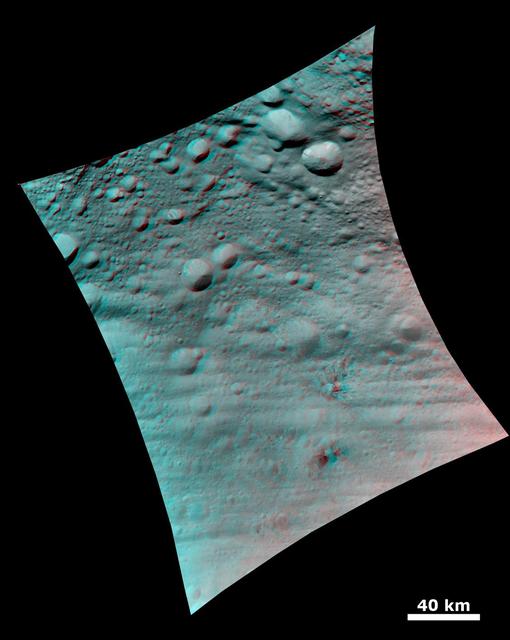
This 3D image shows the topography of Vesta densely cratered terrain obtained by the framing camera instrument aboard NASA Dawn spacecraft on August 6, 2011. You need 3D glasses to view this image.
Topography of Densely Cratered Deformed Terrain
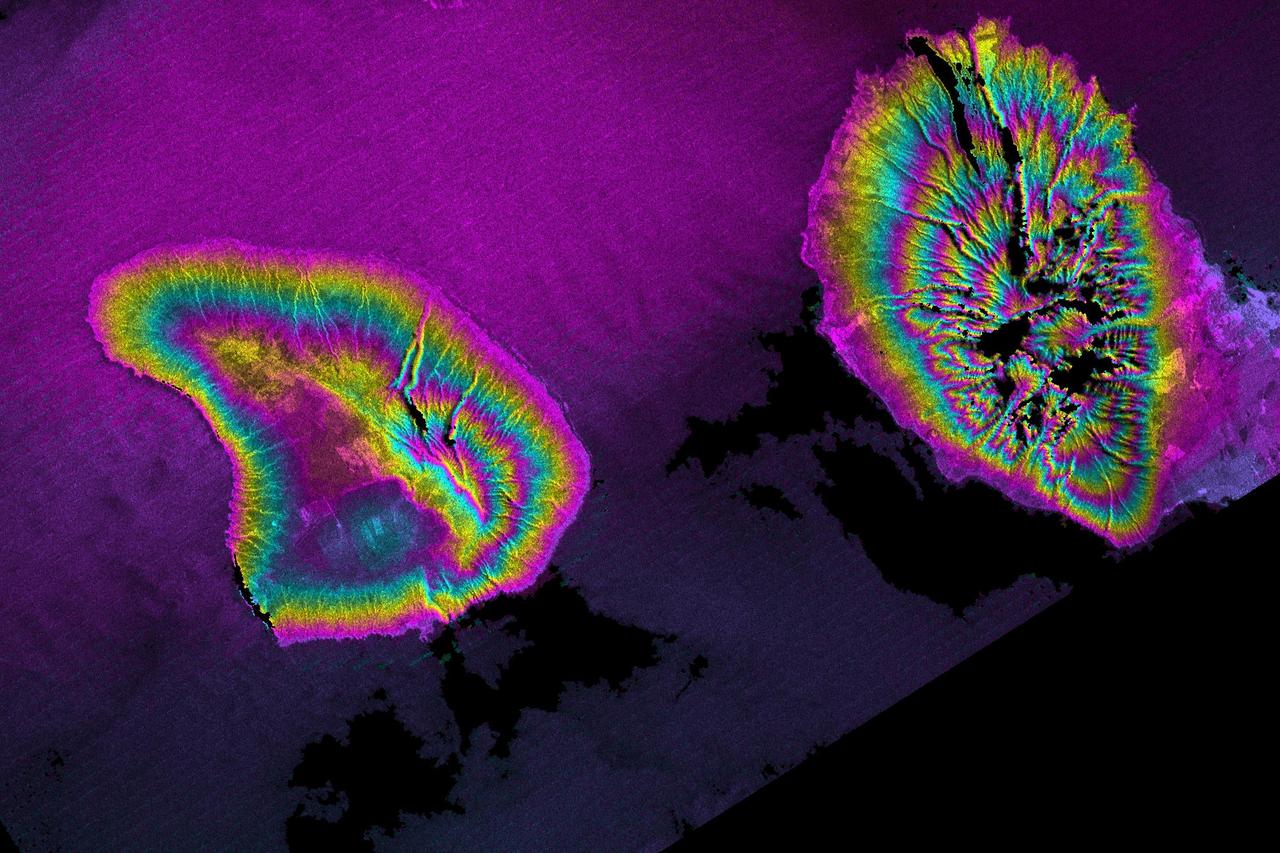
This topographic radar image acquired by NASA Shuttle Radar Topography Mission SRTM in Feb. 2000 shows the Lanai left and western Maui right islands of Hawaii.
Radar Image, Wrapped Color as Height, Lanai and West Maui, Hawaii
This image is of Mt. Pinos and San Joaquin Valley, California. NASA Shuttle Radar Topography Mission SRTM acquired this data on February 16, 2000.
SRTM Perspective View with Landsat Overlay: Mt. Pinos and San Joaquin Valley, California
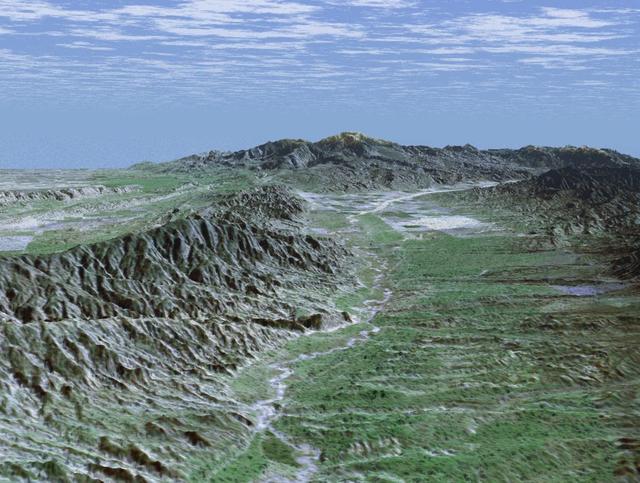
Caliente Range and Cuyama Valley, California, are shown in this image acquired by NASA Shuttle Radar Topography Mission SRTM on February 16, 2000.
SRTM Perspective View with Landsat Overlay: Caliente Range and Cuyama Valley, California
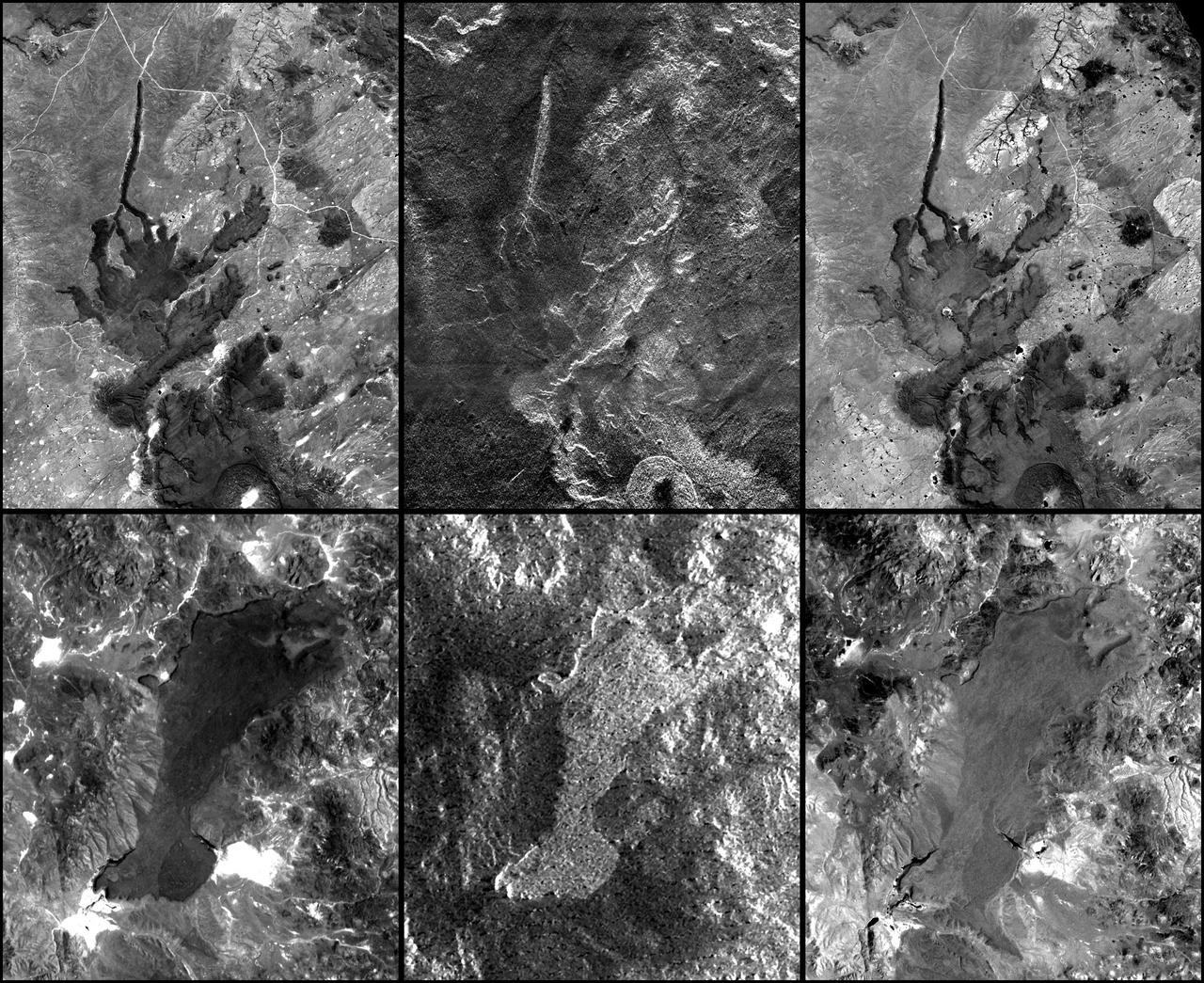
In addition to an elevation model of most of Earth landmass, NASA Shuttle Radar Topography Mission will produce C-band radar imagery of the same area.
SRTM Radar - Landsat Image Comparison, Patagonia, Argentina
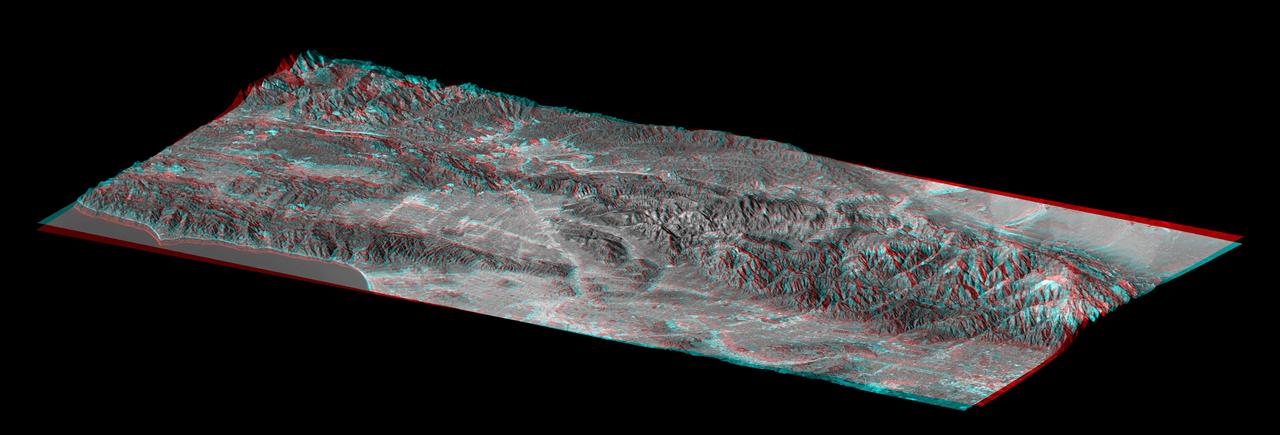
This elevation anaglyph of Los Angeles and adjacent mountainous terrain was created by NASA Shuttle Radar Topography Mission. 3D glasses are necessary to view this image.
Library of Congress Model, Anaglyph
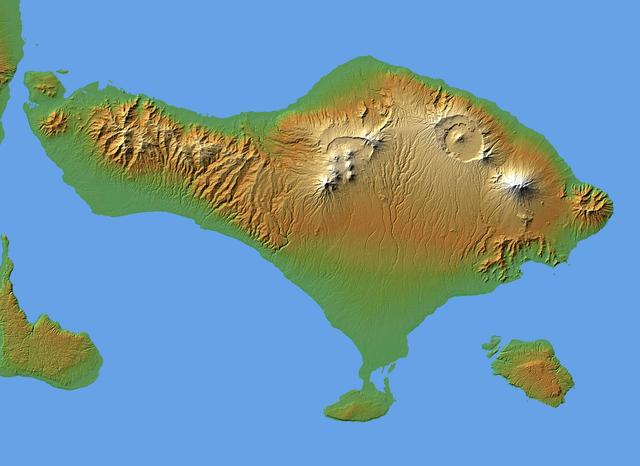
The volcanic nature of the island of Bali is evident in this shaded relief image generated with data from NASA Shuttle Radar Topography Mission SRTM.
Bali, Shaded Relief and Colored Height
This anaglyph NASA Shuttle Radar Topography Mission, shows the Haro and Kas Hills of the Kachchh region in western India. 3D glasses are necessary to view this image.
SRTM Anaglyph: Haro and Kas Hills
This anaglyph, from NASA Shuttle Radar Topography Mission, is of the Andes Mountains, southeast of San Carlos de Bariloche, Argentina. 3D glasses are necessary to view this image.
SRTM Anaglyph: Las Bayas, Argentina
This anaglyph, from NASA Shuttle Radar Topography Mission, is of the Iturralde Structure, Bolivia, a possible impact crater. 3D glasses are necessary to view this image.
Anaglyph, North America
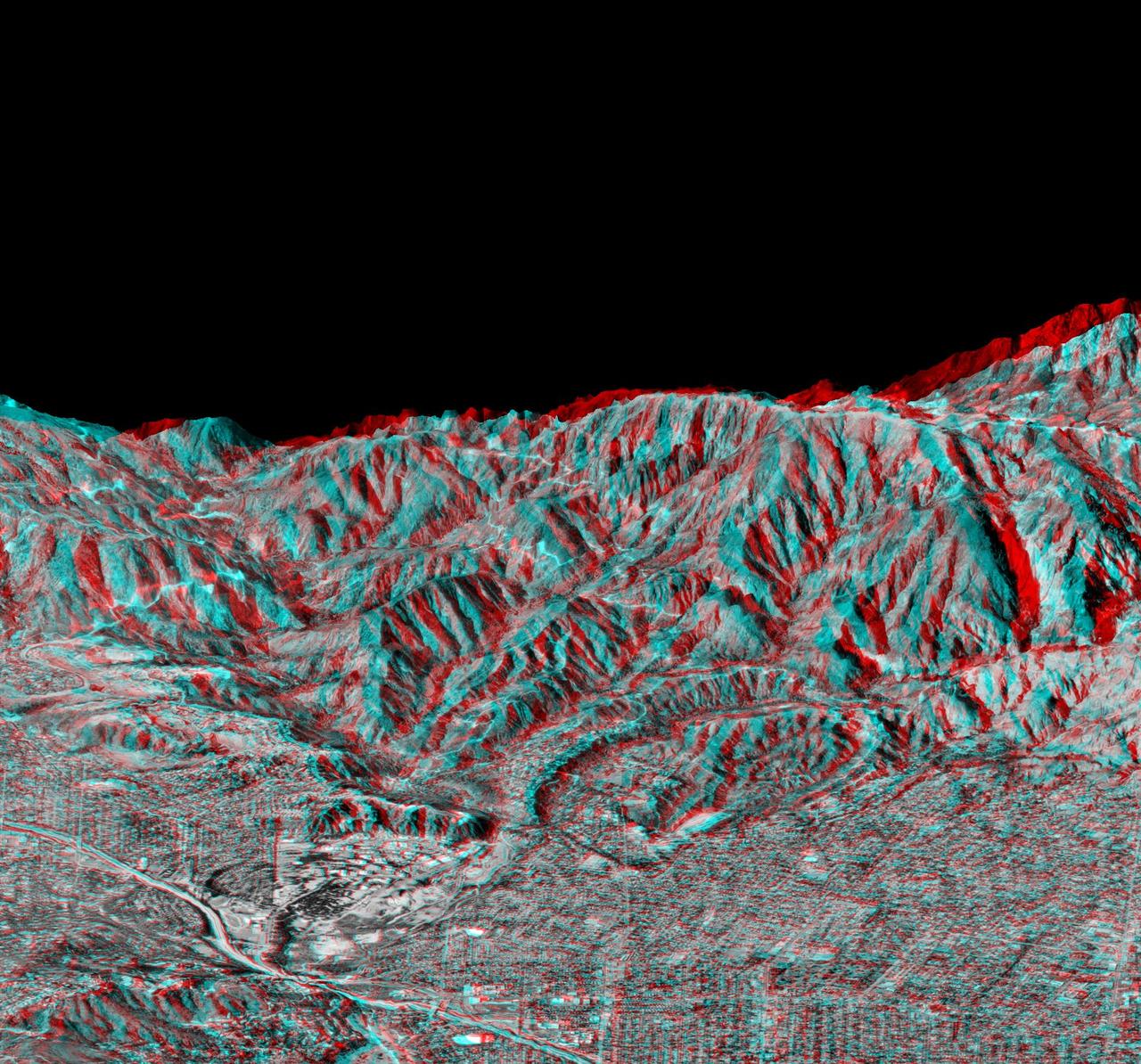
This anaglyph, from NASA Shuttle Radar Topography Mission, is of Pasadena, California, looking north toward the San Gabriel Mountains. 3D glasses are necessary to view this image.
Anaglyph of Perspective View with Aerial Photo Overlay Pasadena, California
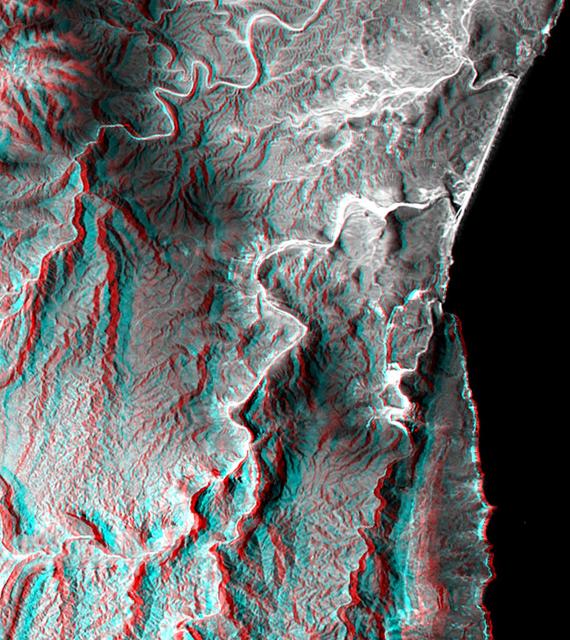
This anaglyph, from NASA Shuttle Radar Topography Mission, is of the coastal area in southernmost Oman; the Arabian Sea is on the right. 3D glasses are necessary to view this image.
Anaglyph, Landsat overlay, Southernmost Coastal Oman
In this image of Manhattan, acquired by NASA Shuttle Radar Topography Mission SRTM on February 12, 2000, the city skyscrapers appear as ghostly white spikes.
SRTM Perspective View with Landsat Overlay: Manhattan Island, New York
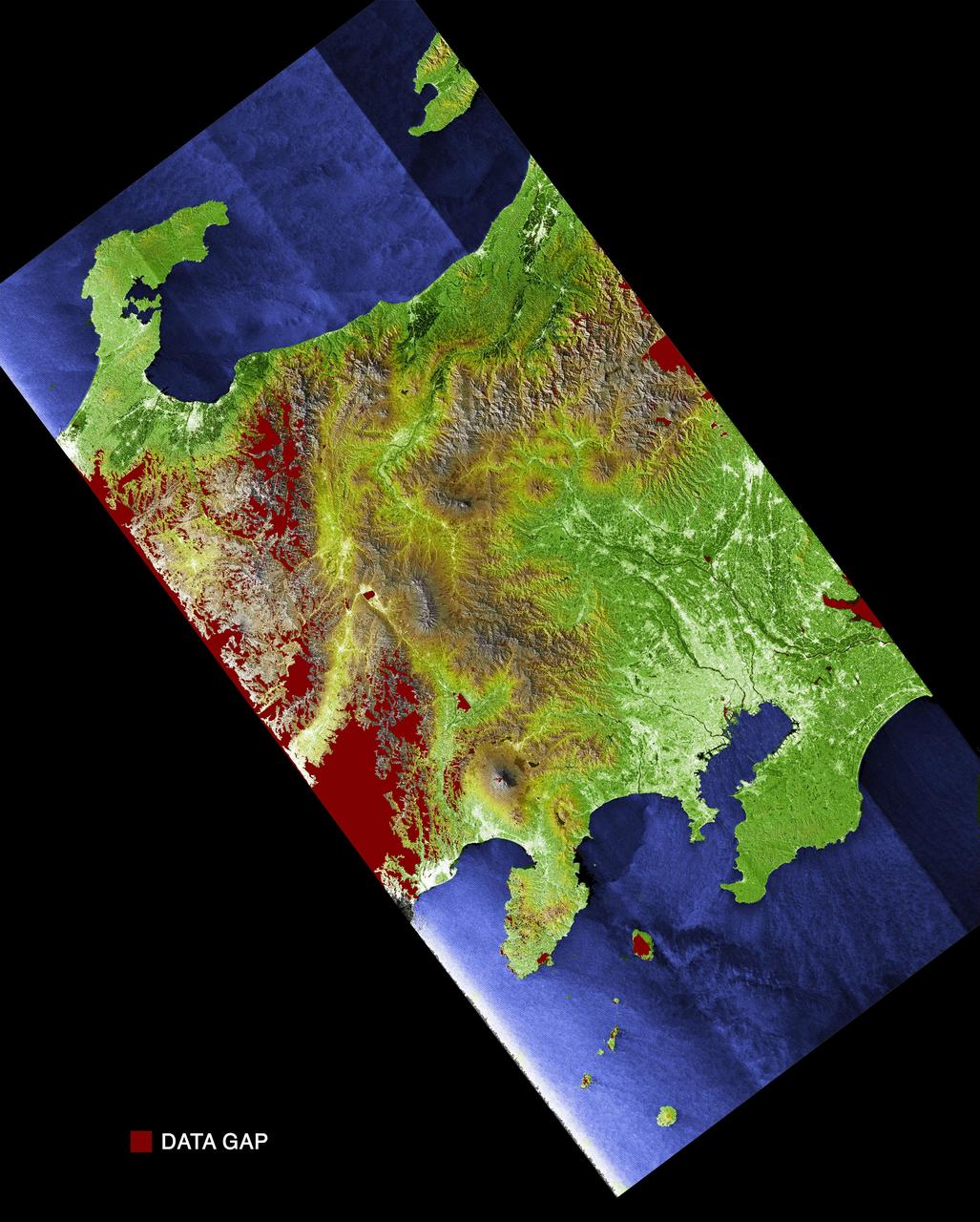
Much of Honshu, Japan largest island, is seen in this image generated from NASA Shuttle Radar Topography Mission SRTM data on February 19, 2000.
Radar Image with Color as Height: Tokyo, Honshu, Japan
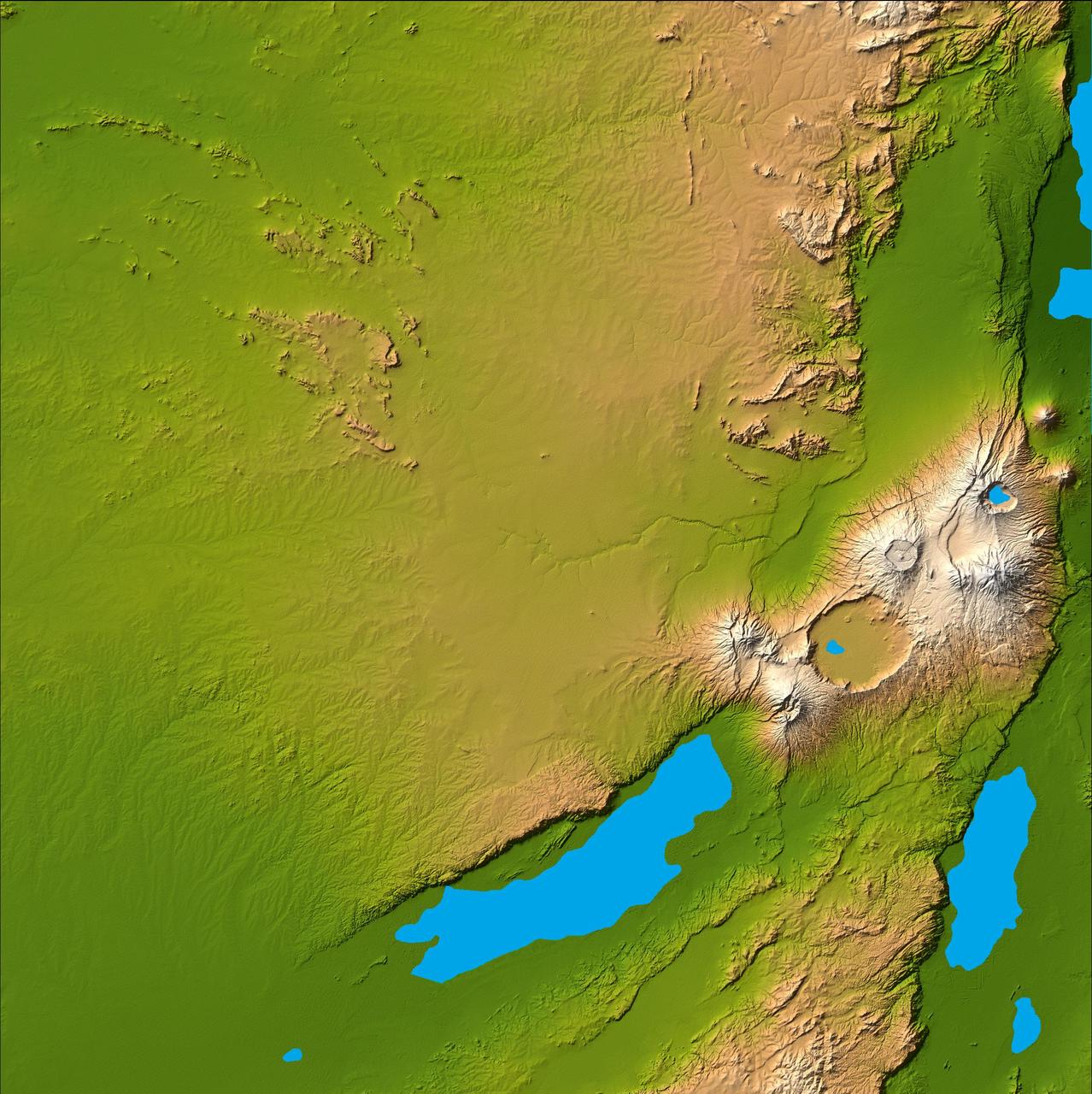
Three striking and important areas of Tanzania in eastern Africa are shown in this color-coded shaded relief image from NASA Shuttle Radar Topography Mission.
Olduvai Gorge, Shaded Relief and Colored Height
This anaglyph, from NASA Shuttle Radar Topography Mission, is of Patagonia, near La Esperanza, Argentina. 3D glasses are necessary to view this image.
SRTM Anaglyph: Lava plateaus, Argentina
This anaglyph, from NASA Shuttle Radar Topography Mission, is of the Iturralde Structure, Bolivia, a possible impact crater. 3D glasses are necessary to view this image.
Anaglyph: Shaded Relief and Height as Brightness, Iturralde Structure, Bolivia
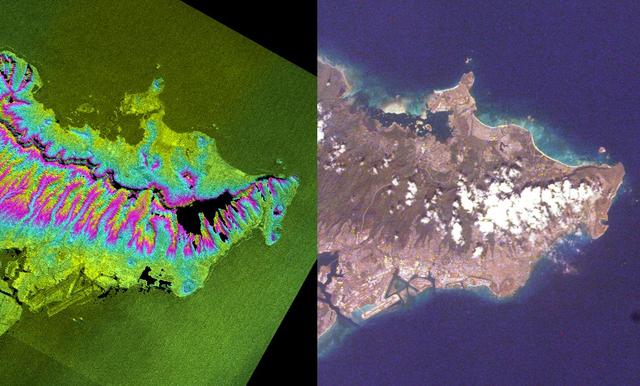
These two images of the eastern part of the island of Oahu, Hawaii provide information on regional topography and show the relationship between urban development and sensitive ecosystems.
SRTM Radar Image, Wrapped Color as Height/EarthKam Optical Honolulu, Hawaii
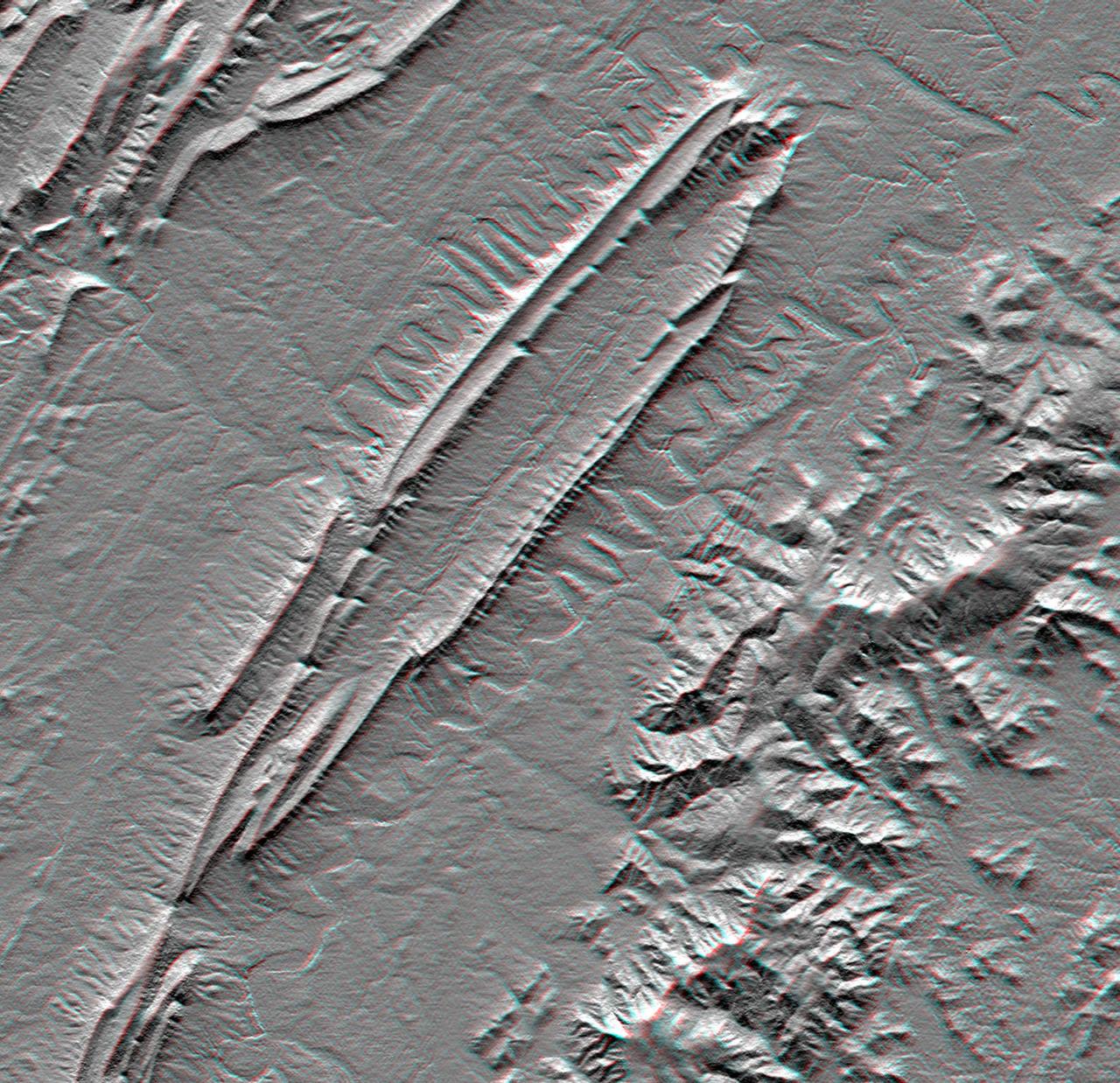
This anaglyph, from NASA Shuttle Radar Topography Mission, is of Massanutten Mountain in the Shenandoah Valley of northern Virginia. 3D glasses are necessary to view this image.
Massanutten Mountain, Virginia, USA Anaglyph
The Sovereign Democratic Republic of the Fiji Islands, commonly known as Fiji, is shown in this image acquired by NASA Shuttle Radar Topography Mission SRTM on February 19, 2000.
SRTM Stereo Pair: Fiji Islands
This radar image acquired in February 2000 by NASA Shuttle Radar Topography Mission SRTM shows an area south of the Sao Francisco River in Brazil.
Radar Image of Rio Sao Francisco, Brazil
A depression called Scamander Crater, dominates the terrain near NASA Mars Exploration Rover Spirit in this map that emphasizes local topography by removing the regional tilt to the northwest.
Adjusted Local Topography Map of Spirit Surroundings
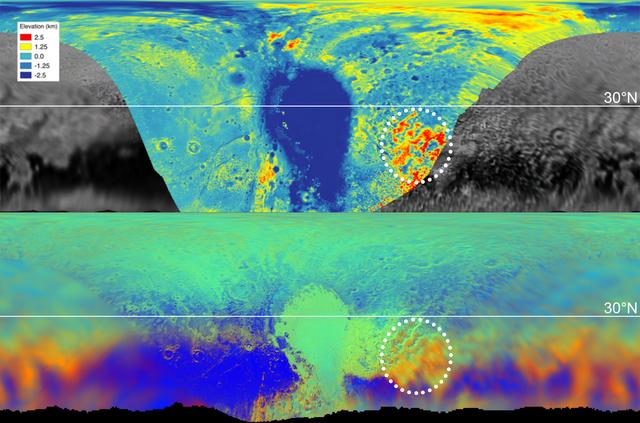
These maps are from New Horizons' data on the topography (top) and composition (bottom) of Pluto's surface. In the high-resolution topographical map, the highlighted red region is high in elevation. The map below, showing the composition, indicates the same section also contains methane, color-coded in orange. One can see the orange features spread into the fuzzier, lower-resolution data that covers the rest of the globe, meaning those areas, too, are high in methane, and therefore likely to be high in elevation.   https://photojournal.jpl.nasa.gov/catalog/PIA22036
Pluto Topography and Composition Map