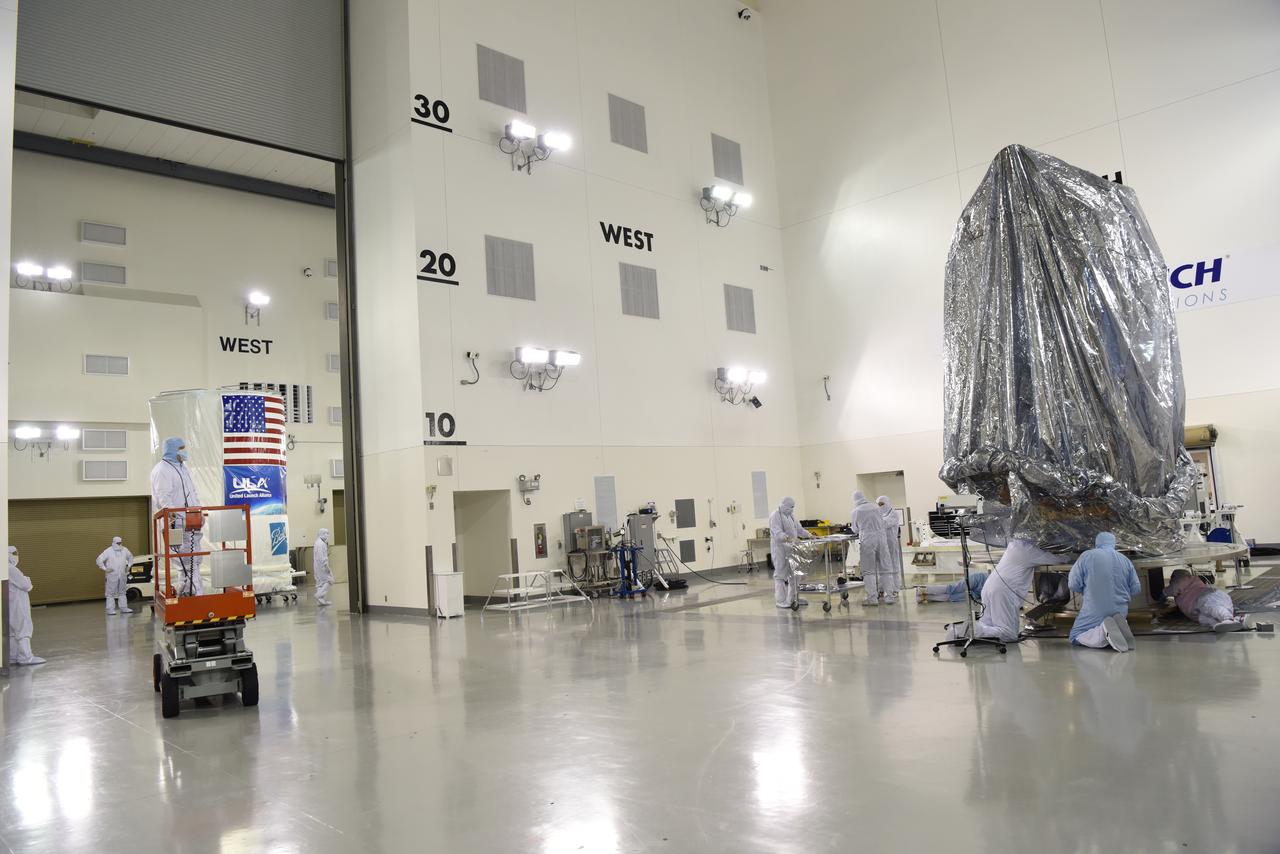
JPSS-1 Spacecraft Canning and Lift to Transport Trailer at the Astrotech facility located at Vandenberg Air Force Station in California.
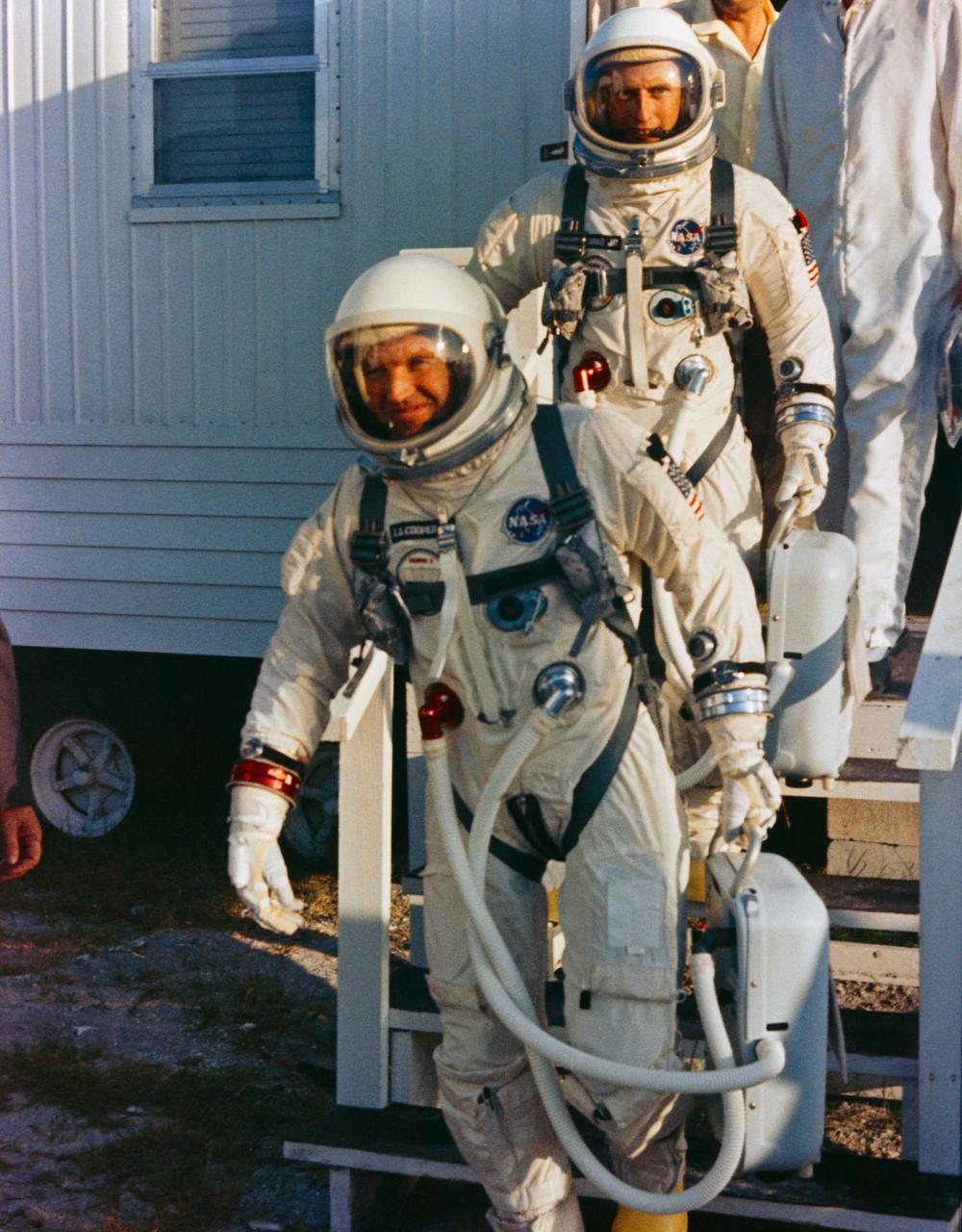
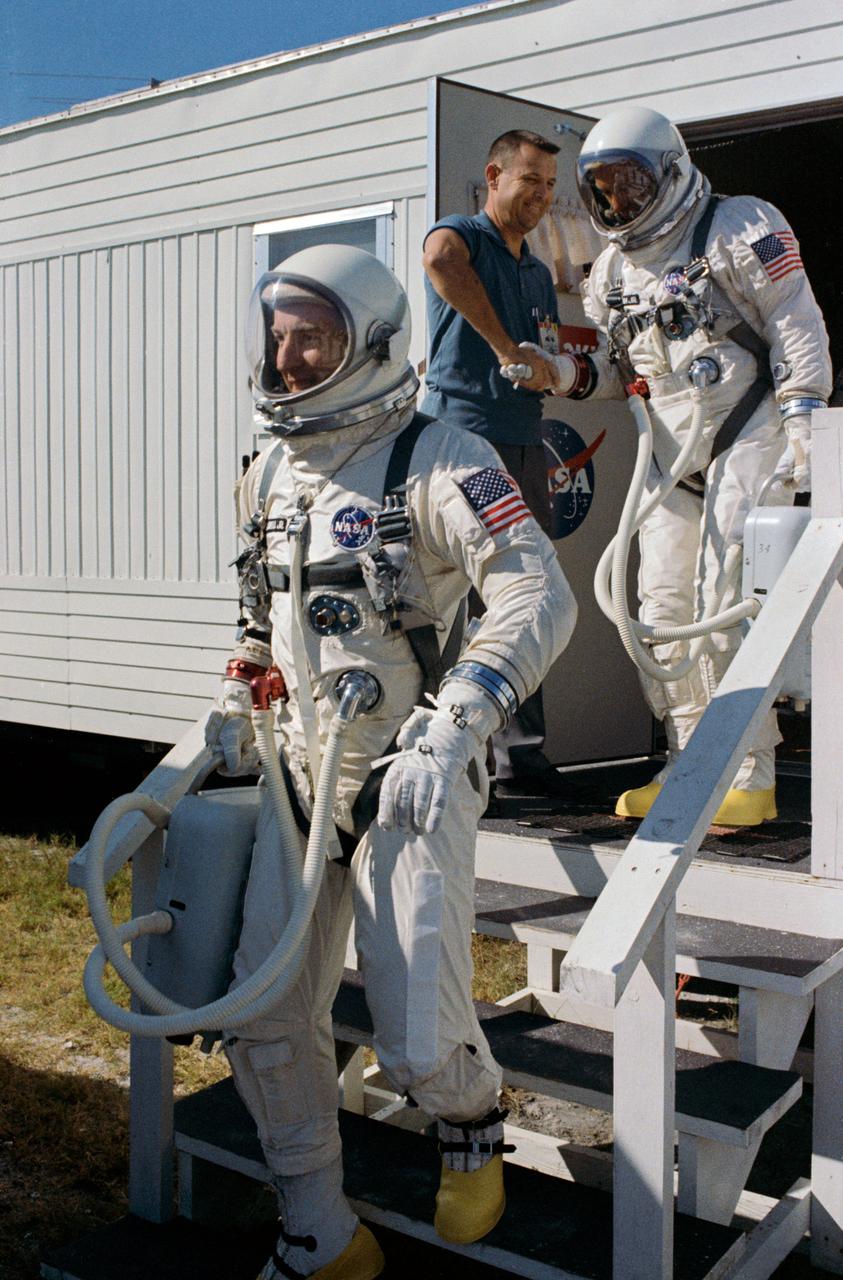
S65-28740 (21 Aug. 1965) --- Astronauts L. Gordon Cooper Jr. (foreground) and Charles Conrad Jr. leave suiting trailer at Pad 16 during Gemini-5 countdown at Cape Kennedy, Florida.
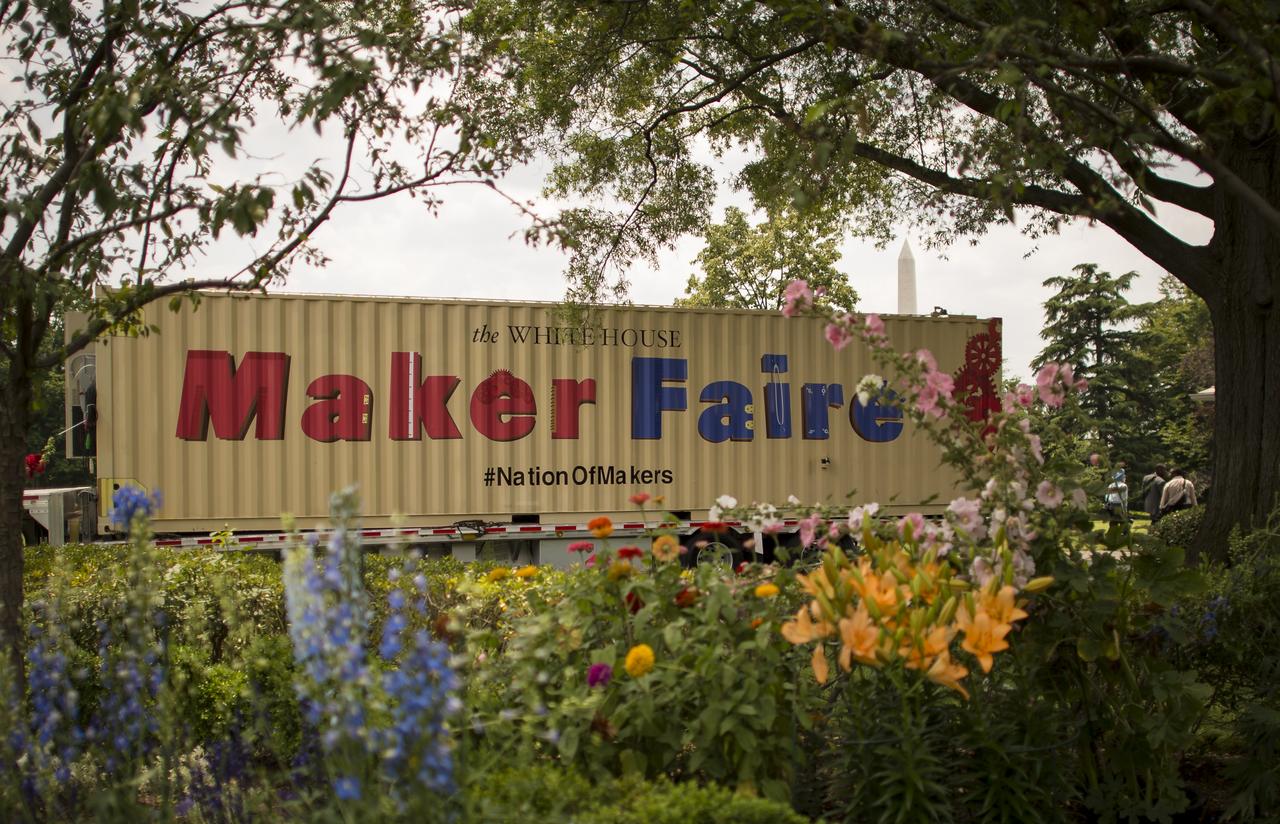
The Maker Faire trailer is seen outside the rose garden during the first ever White House Maker Faire, which brings together students, entrepreneurs, and everyday citizens who are using new tools and techniques to launch new businesses, learn vital skills in science, technology, engineering, and math (STEM), and fuel the renaissance in American manufacturing, at the White House, Wednesday, June 18, 2014 in Washington. The President announced new steps the Administration and its partners are taking to support the ability of more Americans, young and old, to have to access to these tools and techniques and brings their ideas to life. Photo Credit: (NASA/Bill Ingalls)
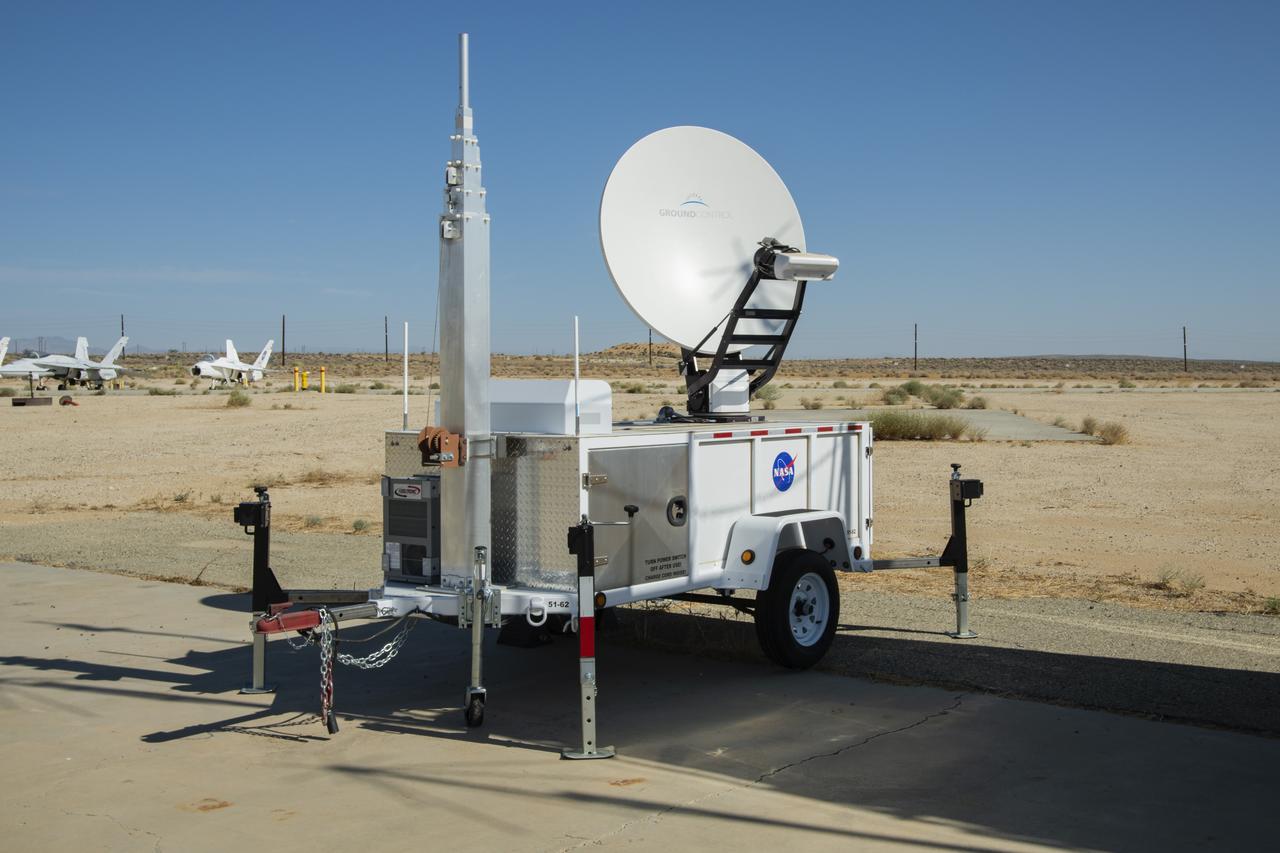
NASA Advanced Air Mobility project’s National Campaign mobile testing trailer is pictured at NASA Armstrong Flight Research Center in Edwards California on July 20, 2022. This trailer supports the Mobile Operations Facility’s data transmission when deployed to test locations.
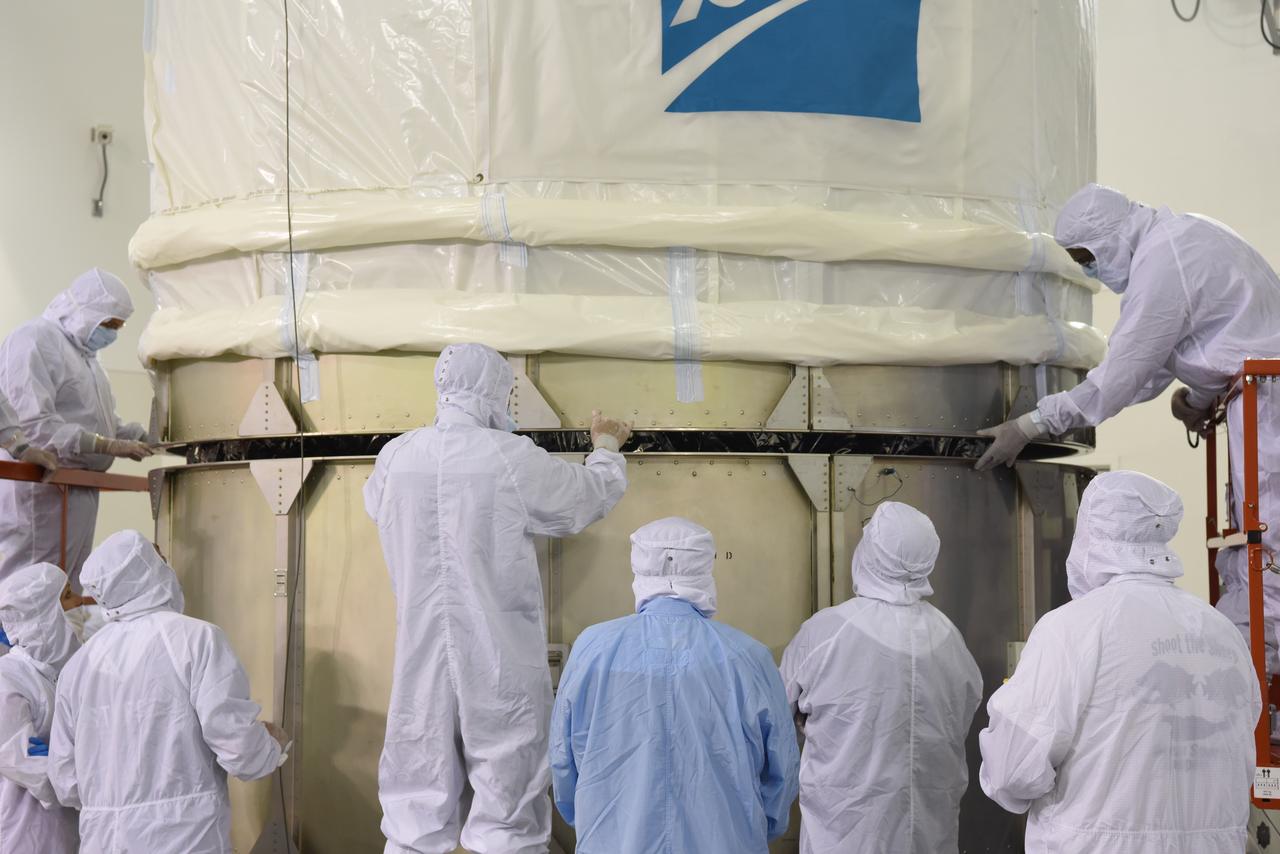
In the Astrotech Processing Facility at Vandenberg Air Force Base in California, technicians and engineers place the Joint Polar Satellite System-1, or JPSS-1, spacecraft in a protective container. It then will be mounted on a transport trailer for its move to Space Launch Complex 2. At the pad, JPSS-1 will be lifted for mating atop a United Launch Alliance Delta II rocket. Built by Ball Aerospace and Technologies Corp. of Boulder, Colorado, JPSS is the first in a series four next-generation environmental satellites in a collaborative program between the NOAA and NASA. Liftoff is scheduled to take place from Vandenberg's Space Launch Complex 2.
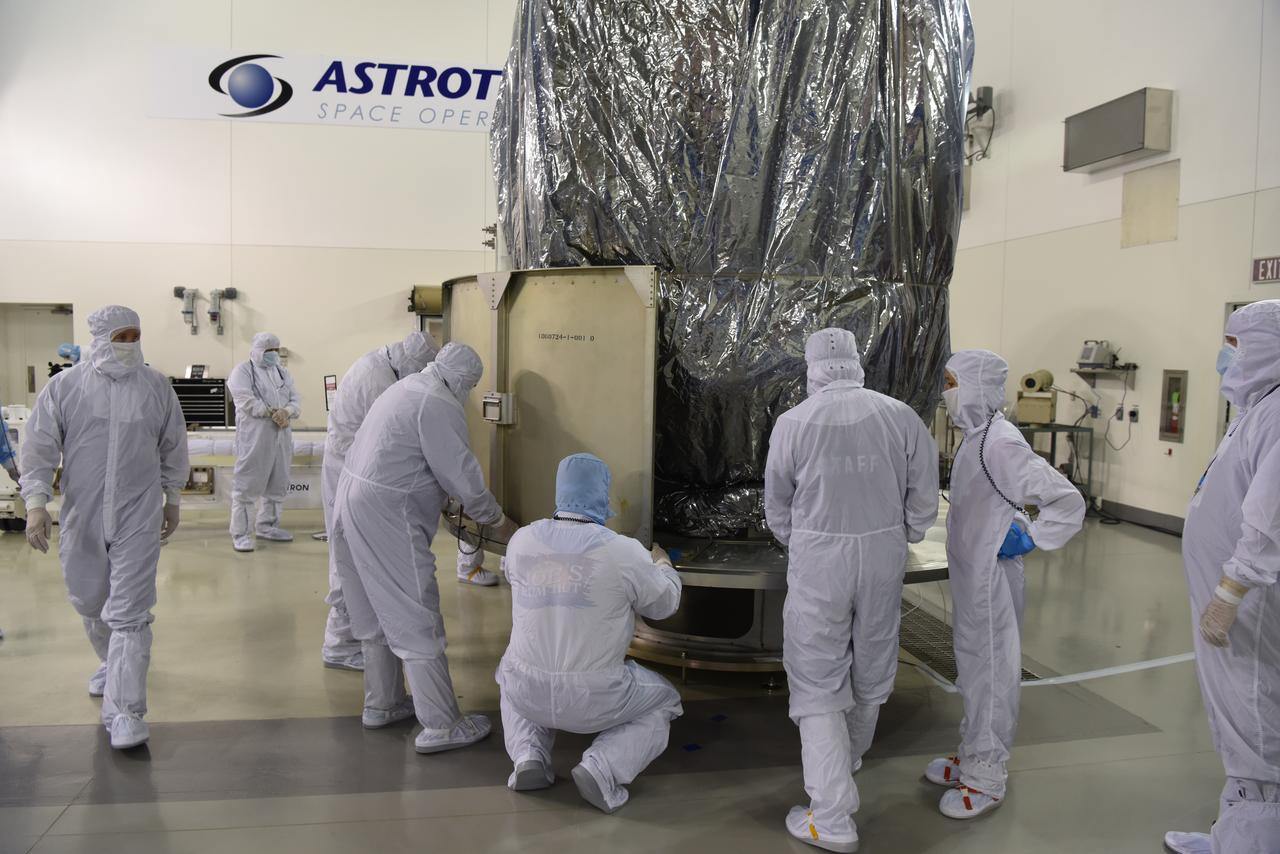
In the Astrotech Processing Facility at Vandenberg Air Force Base in California, the Joint Polar Satellite System-1, or JPSS-1, spacecraft is wrapped in a protective covering prior to technicians and engineers placing it in a protective container. It then will be mounted on a transport trailer for its move to Space Launch Complex 2. At the pad, JPSS-1 will be lifted for mating atop a United Launch Alliance Delta II rocket. Built by Ball Aerospace and Technologies Corp. of Boulder, Colorado, JPSS is the first in a series four next-generation environmental satellites in a collaborative program between the NOAA and NASA. Liftoff is scheduled to take place from Vandenberg's Space Launch Complex 2.
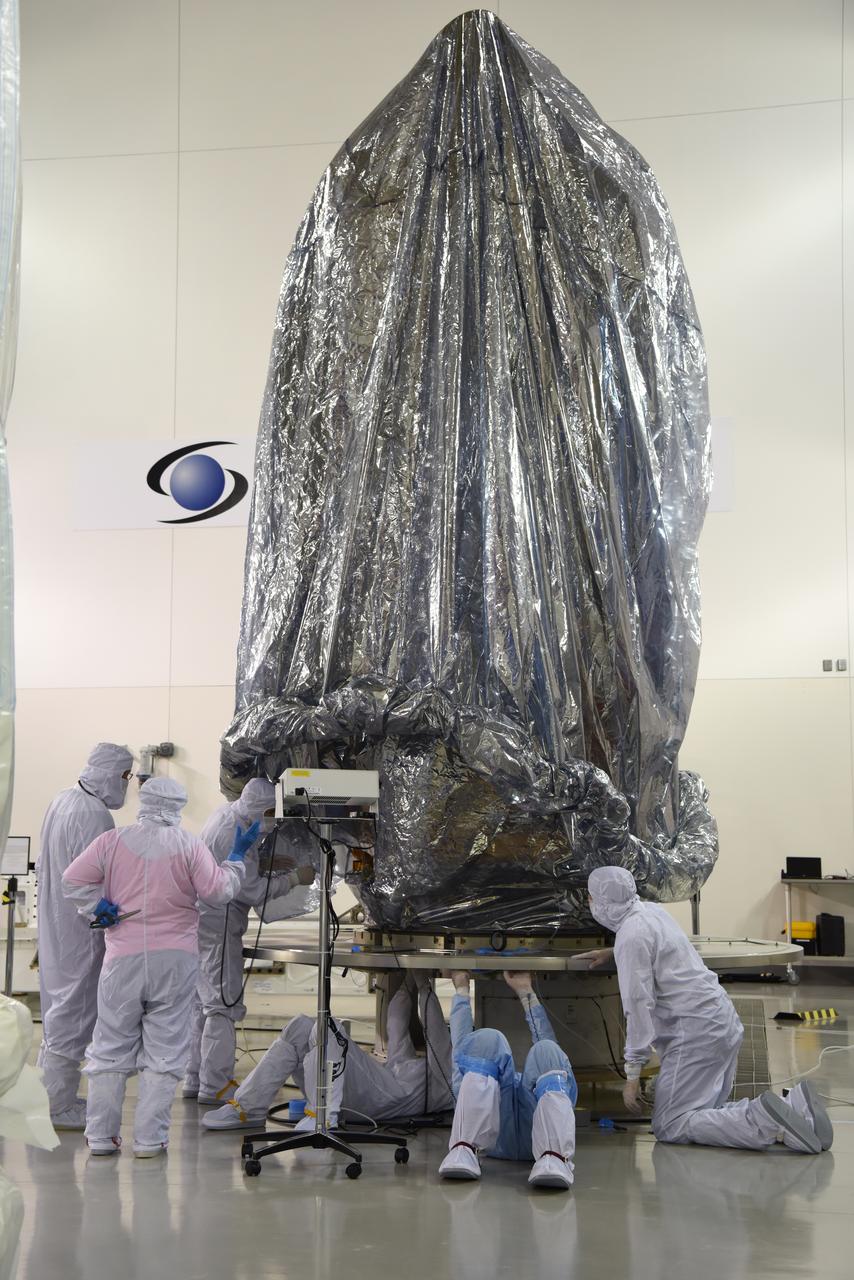
In the Astrotech Processing Facility at Vandenberg Air Force Base in California, the Joint Polar Satellite System-1, or JPSS-1, spacecraft is wrapped in a protective covering prior to being placed it in a protective container. It then will be mounted on a transport trailer for its move to Space Launch Complex 2. At the pad, JPSS-1 will be lifted for mating atop a United Launch Alliance Delta II rocket. Built by Ball Aerospace and Technologies Corp. of Boulder, Colorado, JPSS is the first in a series four next-generation environmental satellites in a collaborative program between the NOAA and NASA. Liftoff is scheduled to take place from Vandenberg's Space Launch Complex 2.
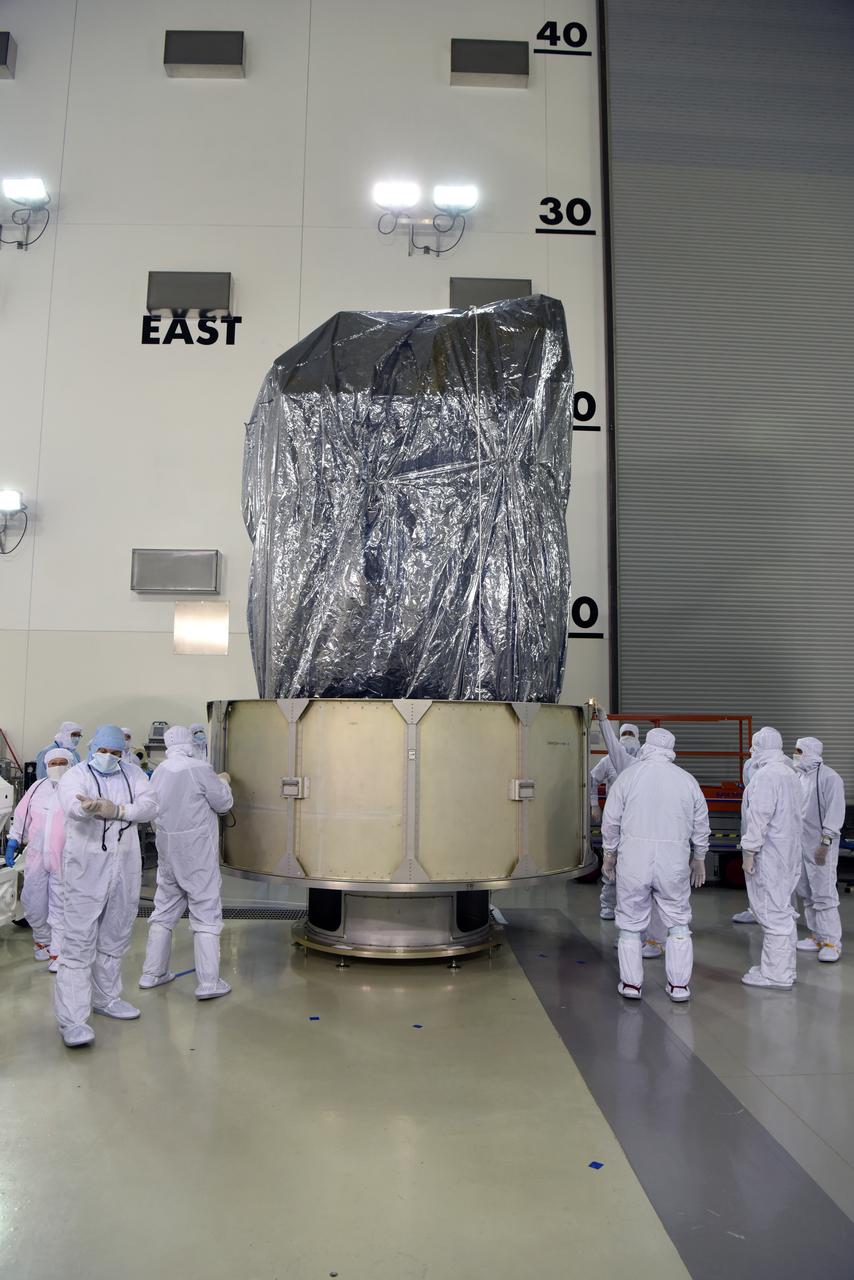
In the Astrotech Processing Facility at Vandenberg Air Force Base in California, the Joint Polar Satellite System-1, or JPSS-1, spacecraft is wrapped in a protective covering prior to technicians and engineers placing it in a protective container. It then will be mounted on a transport trailer for its move to Space Launch Complex 2. At the pad, JPSS-1 will be lifted for mating atop a United Launch Alliance Delta II rocket. Built by Ball Aerospace and Technologies Corp. of Boulder, Colorado, JPSS is the first in a series four next-generation environmental satellites in a collaborative program between the NOAA and NASA. Liftoff is scheduled to take place from Vandenberg's Space Launch Complex 2.
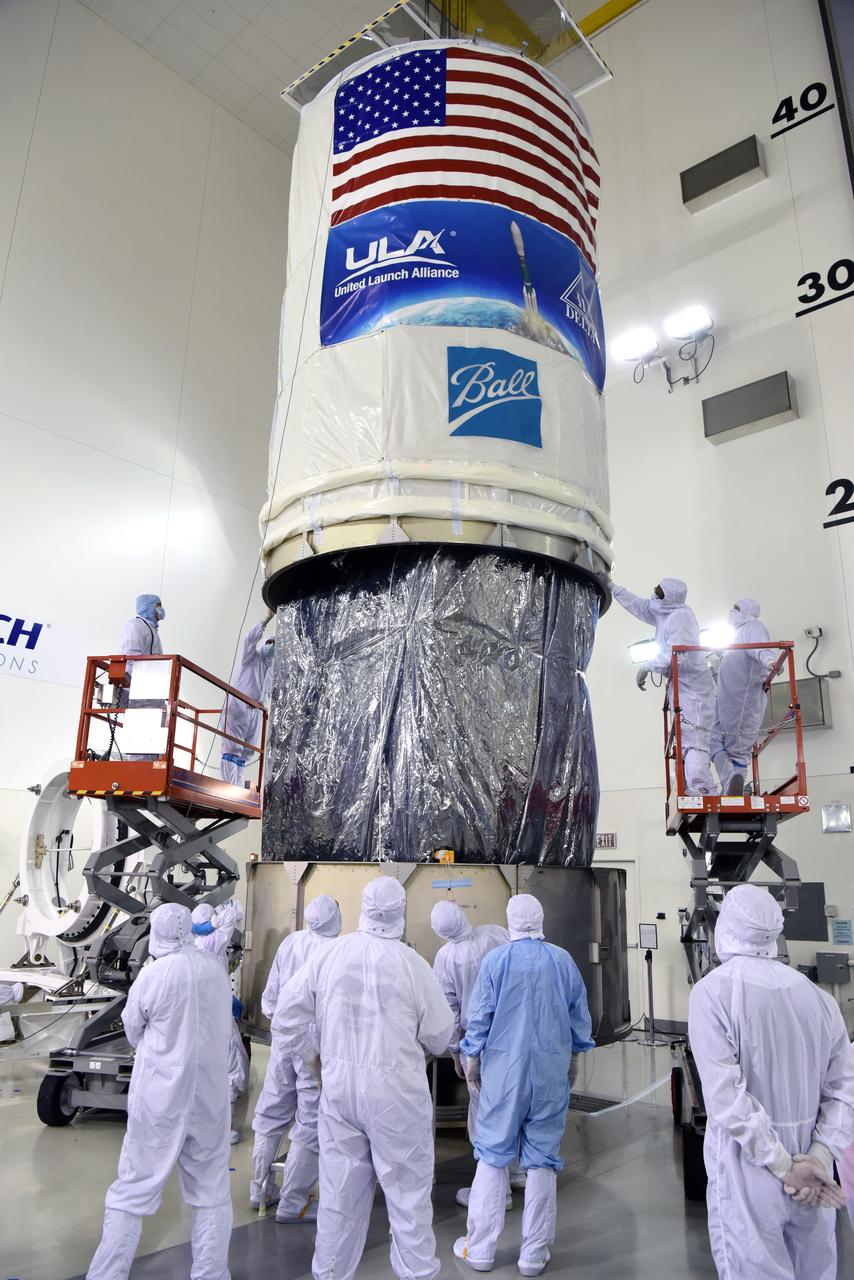
In the Astrotech Processing Facility at Vandenberg Air Force Base in California, technicians and engineers place the Joint Polar Satellite System-1, or JPSS-1, spacecraft in a protective container. It then will be mounted on a transport trailer for its move to Space Launch Complex 2. At the pad, JPSS-1 will be lifted for mating atop a United Launch Alliance Delta II rocket. Built by Ball Aerospace and Technologies Corp. of Boulder, Colorado, JPSS is the first in a series four next-generation environmental satellites in a collaborative program between the NOAA and NASA. Liftoff is scheduled to take place from Vandenberg's Space Launch Complex 2.
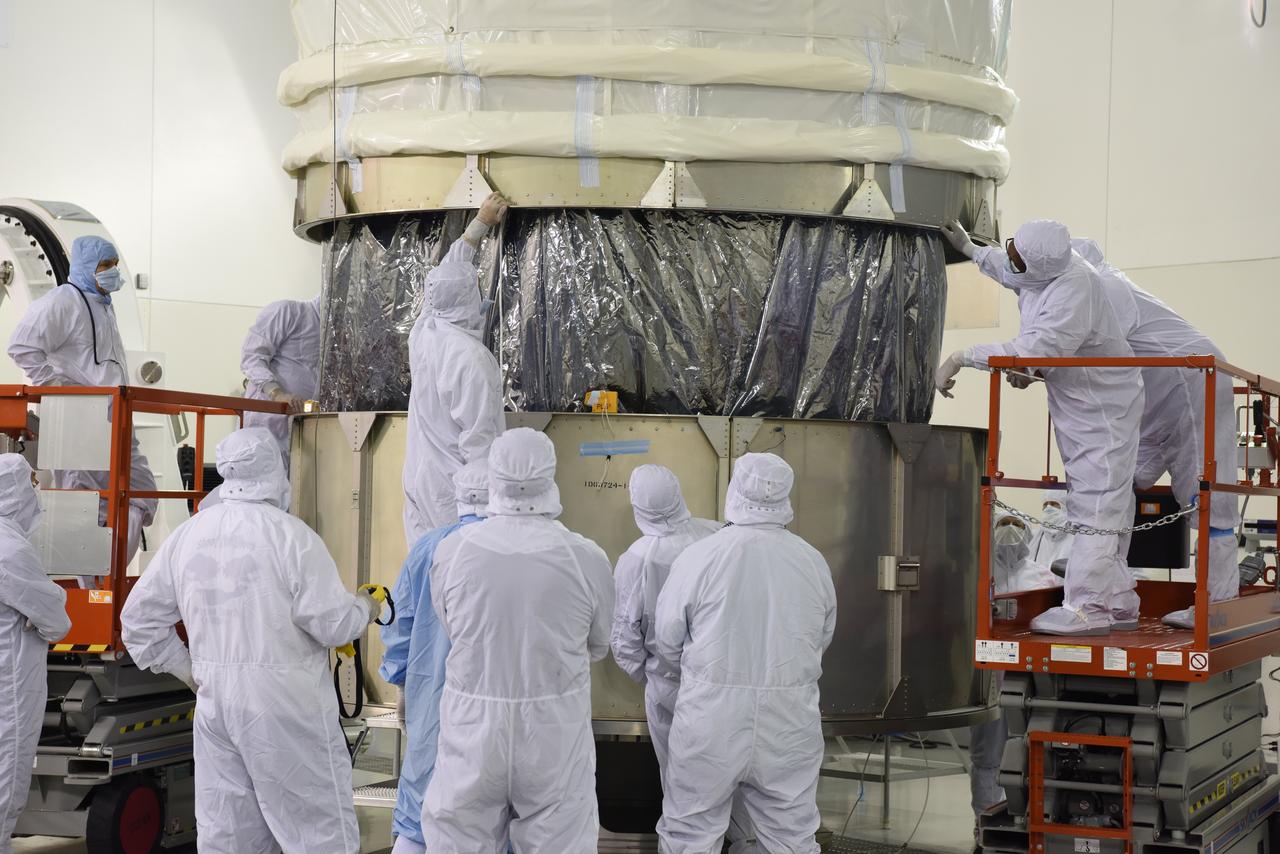
In the Astrotech Processing Facility at Vandenberg Air Force Base in California, technicians and engineers place the Joint Polar Satellite System-1, or JPSS-1, spacecraft in a protective container. It then will be mounted on a transport trailer for its move to Space Launch Complex 2. At the pad, JPSS-1 will be lifted for mating atop a United Launch Alliance Delta II rocket. Built by Ball Aerospace and Technologies Corp. of Boulder, Colorado, JPSS is the first in a series four next-generation environmental satellites in a collaborative program between the NOAA and NASA. Liftoff is scheduled to take place from Vandenberg's Space Launch Complex 2.
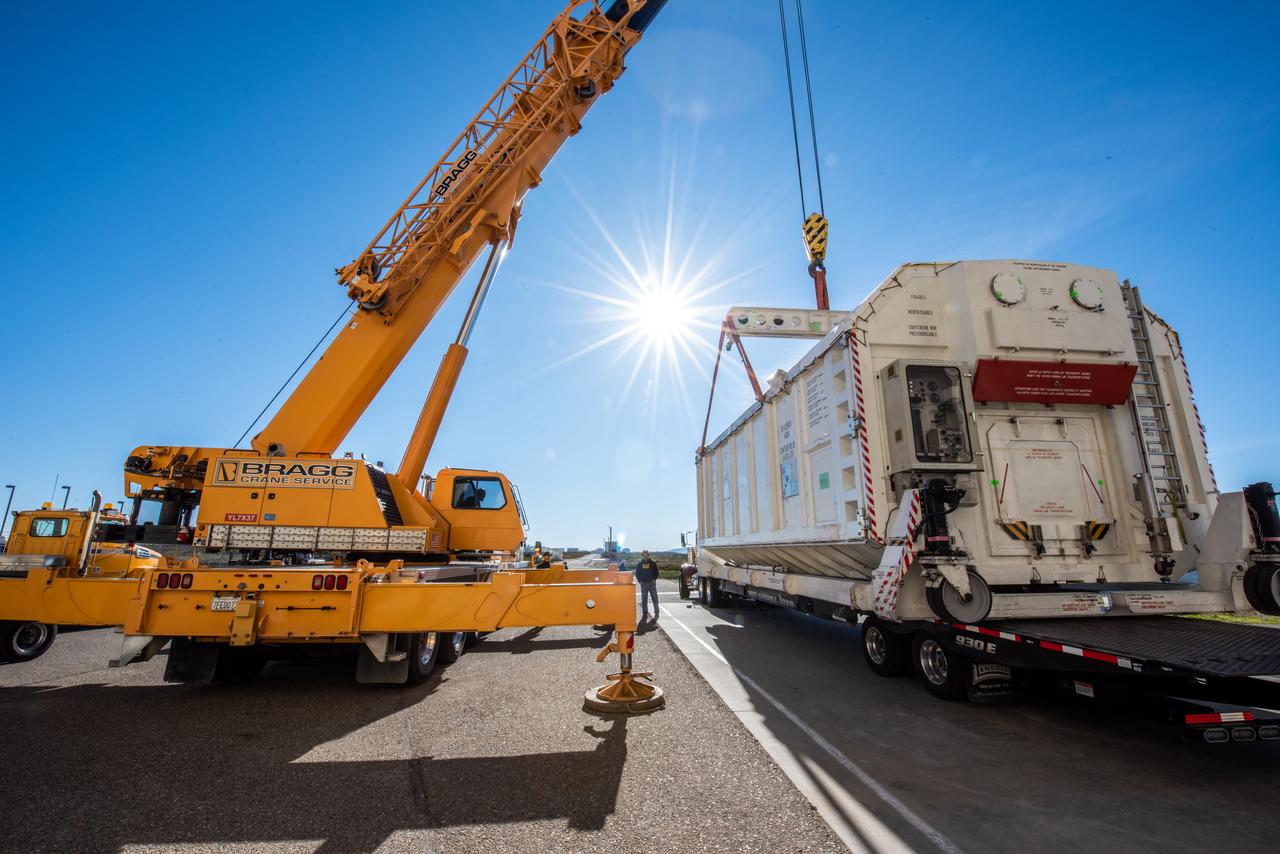
A container, with the Surface Water and Ocean Topography (SWOT) spacecraft inside, is moved to a trailer at the Astrotech facility at Vandenberg Space Force Base in California on Nov. 19, 2022. The satellite will be transported to the SpaceX facility at Vandenberg. SWOT is the first mission that will observe nearly all water on Earth’s surface, measuring the height of water in the planet’s lakes, rivers, reservoirs, and the ocean. It is set to launch aboard a SpaceX Falcon 9 rocket in December from Vandenberg’s Space Launch Center-4 East. NASA’s Launch Services Program, based at the agency’s Kennedy Space Center in Florida, is managing the launch service.
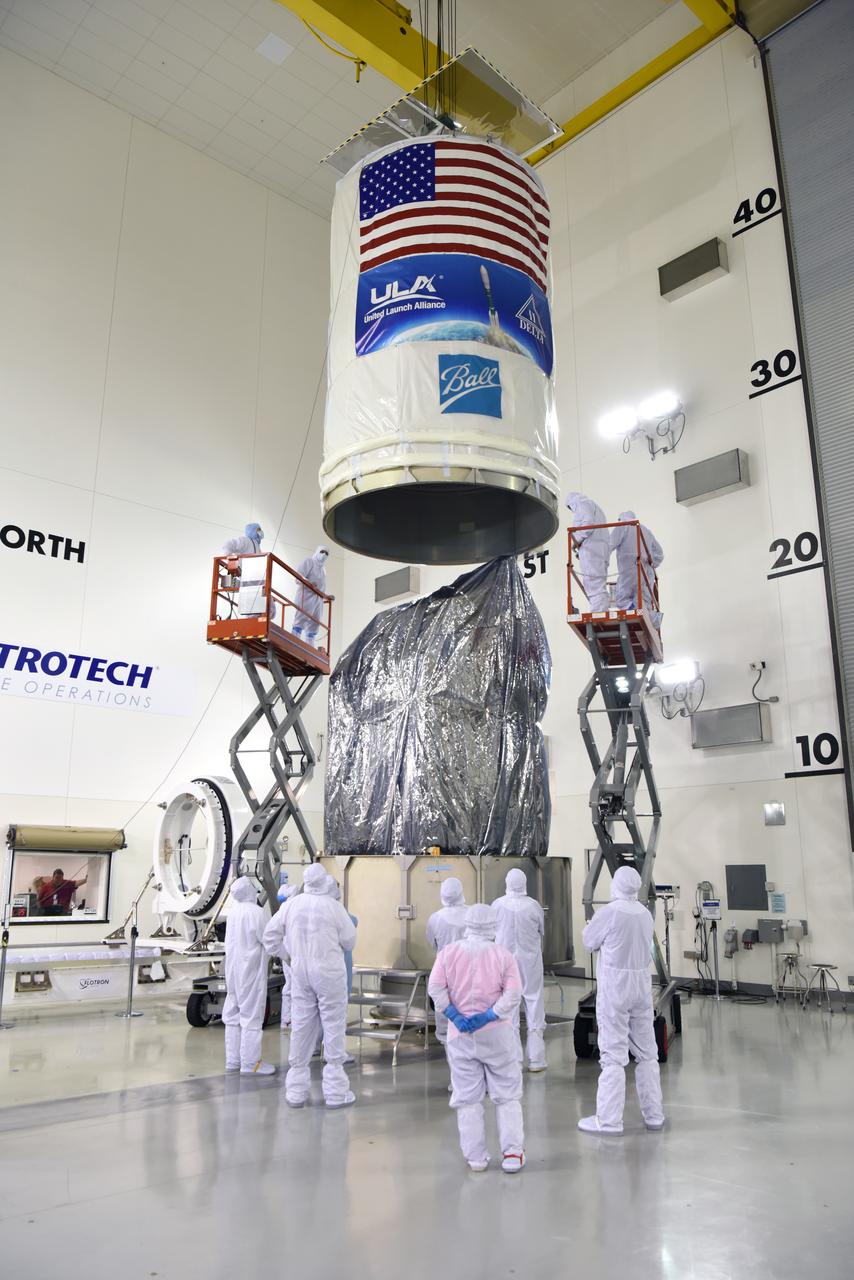
In the Astrotech Processing Facility at Vandenberg Air Force Base in California, technicians and engineers place the Joint Polar Satellite System-1, or JPSS-1, spacecraft in a protective container. It then will be mounted on a transport trailer for its move to Space Launch Complex 2. At the pad, JPSS-1 will be lifted for mating atop a United Launch Alliance Delta II rocket. Built by Ball Aerospace and Technologies Corp. of Boulder, Colorado, JPSS is the first in a series four next-generation environmental satellites in a collaborative program between the NOAA and NASA. Liftoff is scheduled to take place from Vandenberg's Space Launch Complex 2.
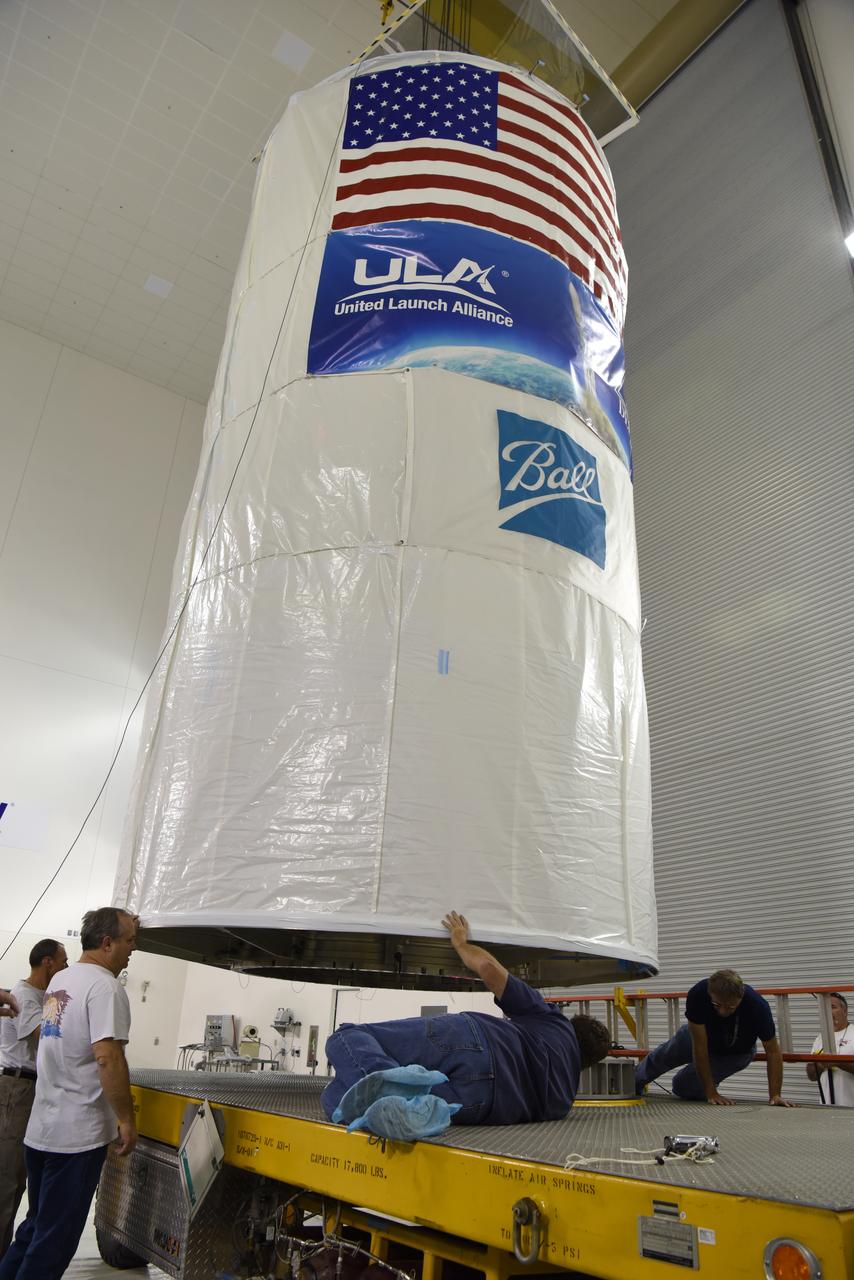
In the Astrotech Processing Facility at Vandenberg Air Force Base in California, the Joint Polar Satellite System-1, or JPSS-1, spacecraft in a protective container is placed on a transport trailer for the trip to Space Launch Complex 2. At the pad, JPSS-1 will be lifted for mating atop a United Launch Alliance Delta II rocket. Built by Ball Aerospace and Technologies Corp. of Boulder, Colorado, JPSS is the first in a series four next-generation environmental satellites in a collaborative program between the NOAA and NASA. Liftoff is scheduled to take place from Vandenberg's Space Launch Complex 2.
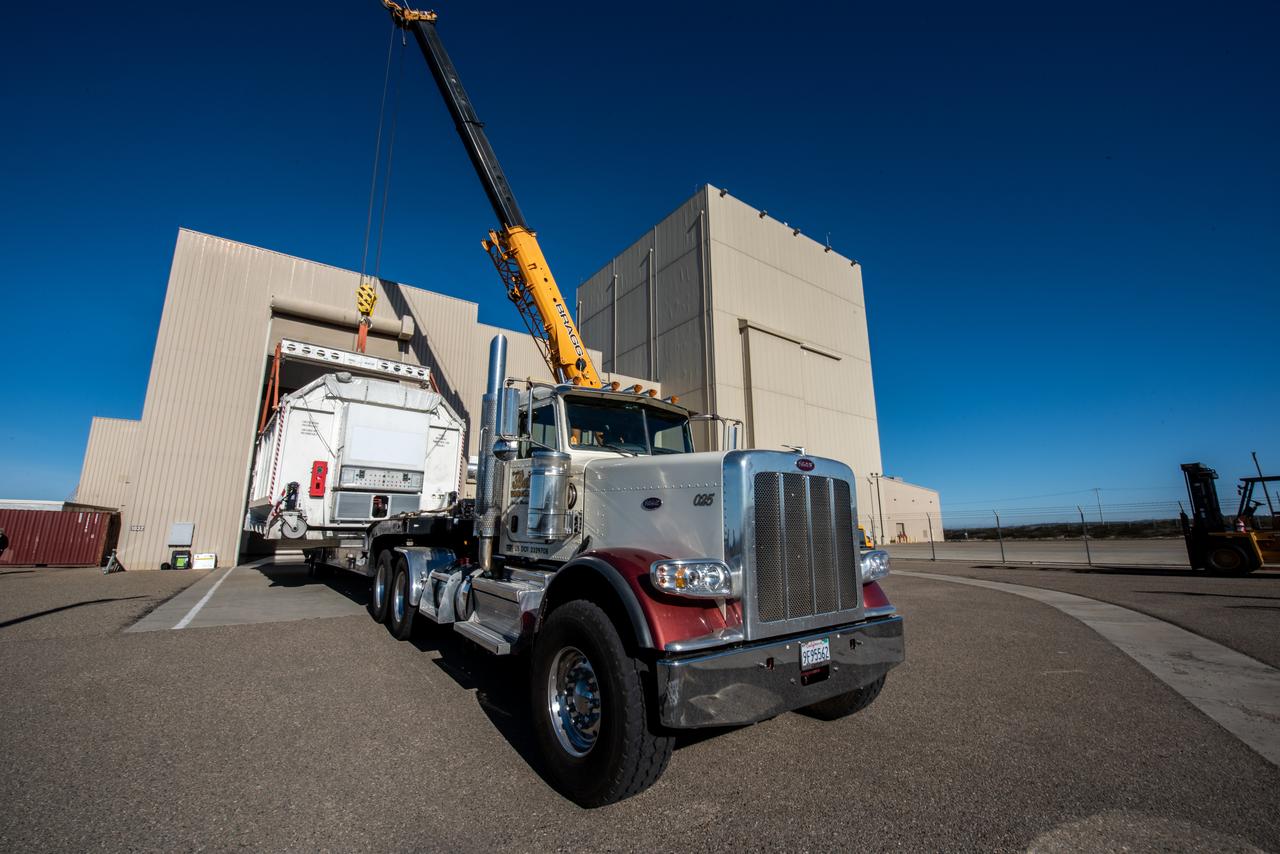
A container, with the Surface Water and Ocean Topography (SWOT) spacecraft inside, is moved to a trailer at the Astrotech facility at Vandenberg Space Force Base in California on Nov. 19, 2022. The satellite will be transported to the SpaceX facility at Vandenberg. SWOT is the first mission that will observe nearly all water on Earth’s surface, measuring the height of water in the planet’s lakes, rivers, reservoirs, and the ocean. It is set to launch aboard a SpaceX Falcon 9 rocket in December from Vandenberg’s Space Launch Center-4 East. NASA’s Launch Services Program, based at the agency’s Kennedy Space Center in Florida, is managing the launch service.
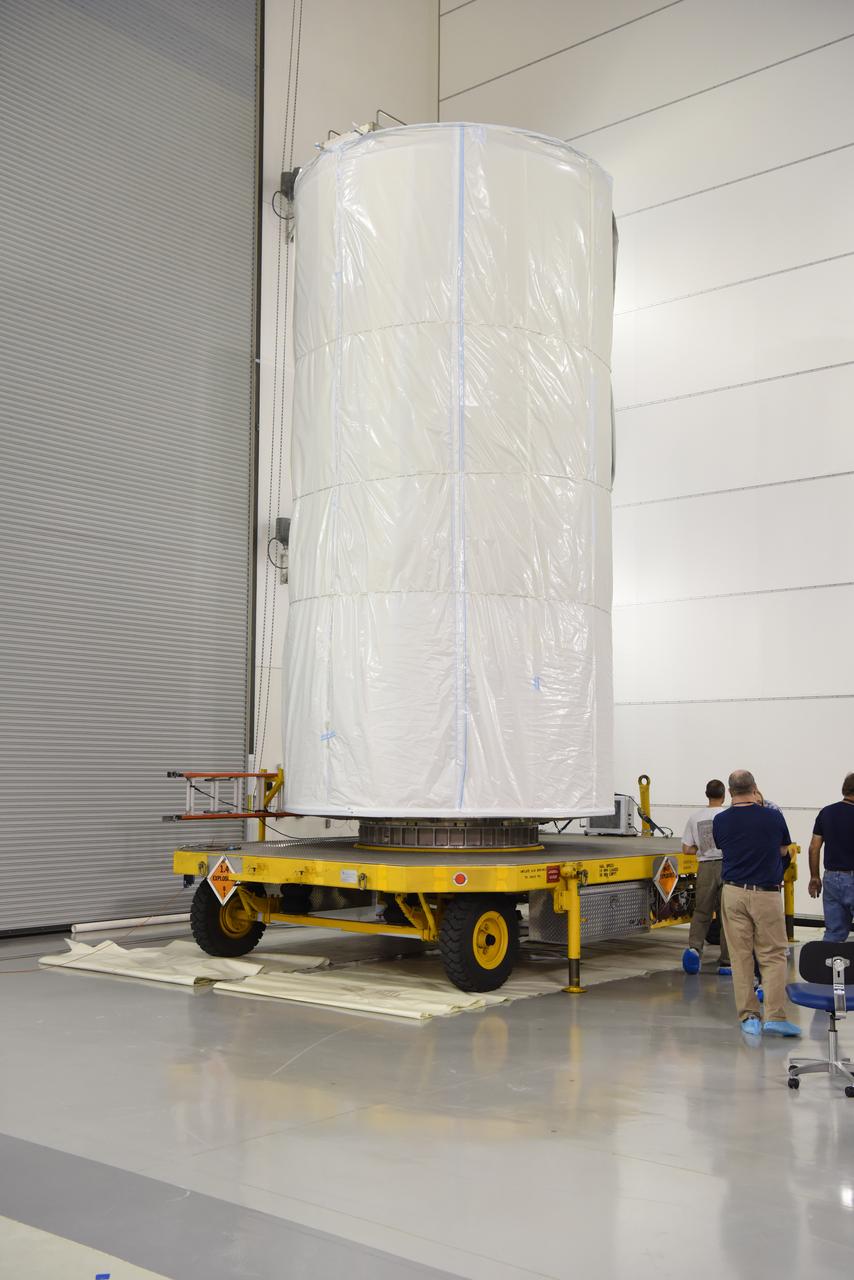
In the Astrotech Processing Facility at Vandenberg Air Force Base in California, the Joint Polar Satellite System-1, or JPSS-1, spacecraft in a protective container is mounted on a transport trailer for the trip to Space Launch Complex 2. At the pad, JPSS-1 will be lifted for mating atop a United Launch Alliance Delta II rocket. Built by Ball Aerospace and Technologies Corp. of Boulder, Colorado, JPSS is the first in a series four next-generation environmental satellites in a collaborative program between the NOAA and NASA. Liftoff is scheduled to take place from Vandenberg's Space Launch Complex 2.
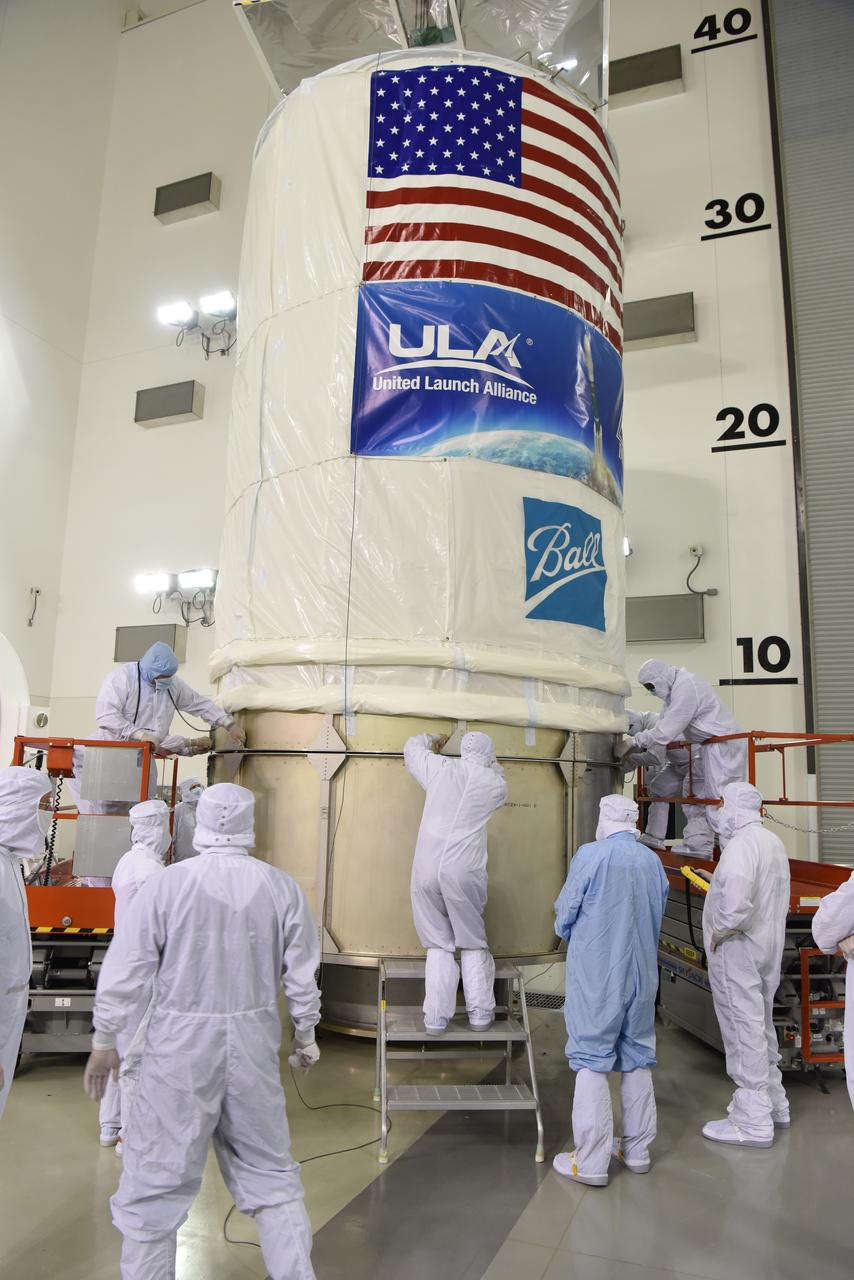
In the Astrotech Processing Facility at Vandenberg Air Force Base in California, technicians and engineers place the Joint Polar Satellite System-1, or JPSS-1, spacecraft in a protective container. It then will be mounted on a transport trailer for its move to Space Launch Complex 2. At the pad, JPSS-1 will be lifted for mating atop a United Launch Alliance Delta II rocket. Built by Ball Aerospace and Technologies Corp. of Boulder, Colorado, JPSS is the first in a series four next-generation environmental satellites in a collaborative program between the NOAA and NASA. Liftoff is scheduled to take place from Vandenberg's Space Launch Complex 2.
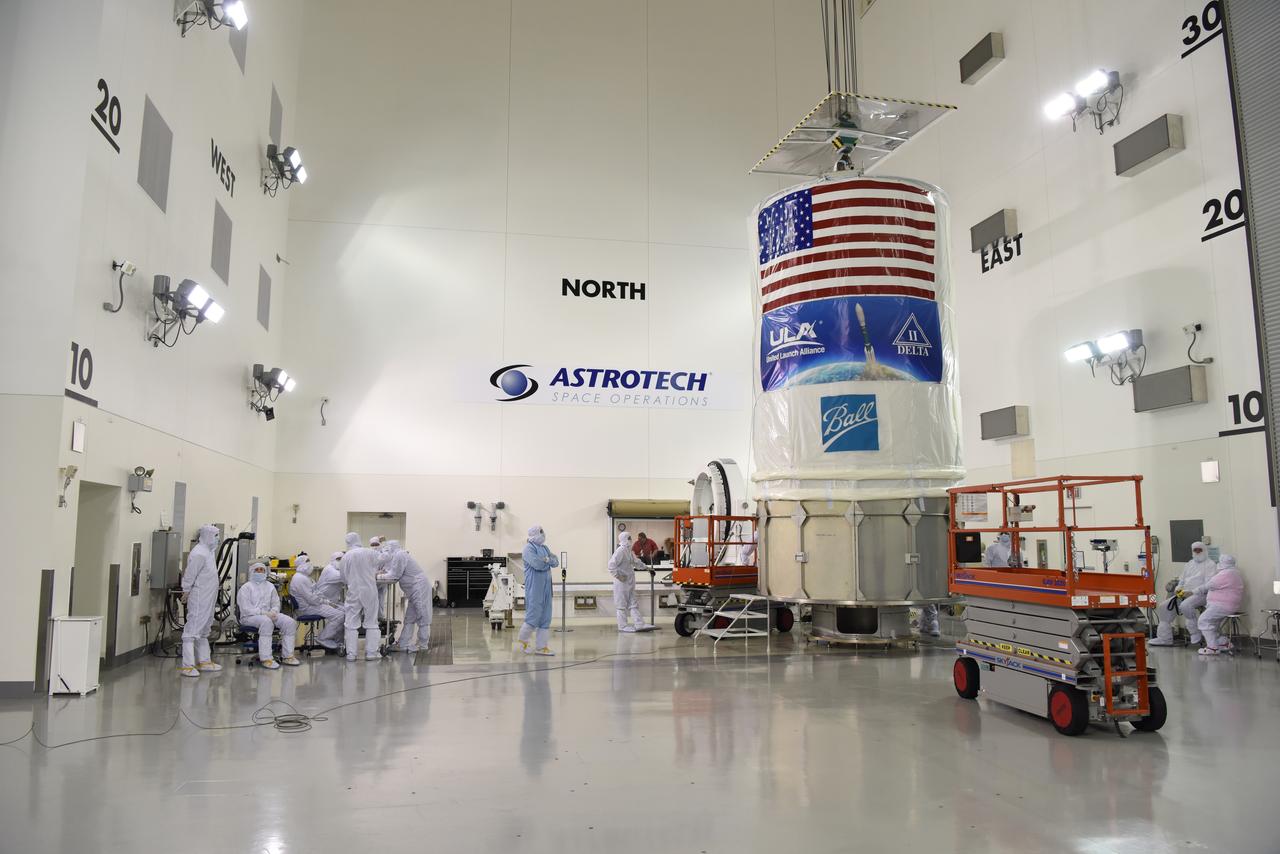
At Vandenberg Air Force Base in California, technicians and engineers have placed the Joint Polar Satellite System-1, or JPSS-1, spacecraft in a protective container. It then will be mounted on a transport trailer for its move from the Astrotech Processing Facility to Space Launch Complex 2. At the pad, JPSS-1 will be lifted for mating atop a United Launch Alliance Delta II rocket. Built by Ball Aerospace and Technologies Corp. of Boulder, Colorado, JPSS is the first in a series four next-generation environmental satellites in a collaborative program between the NOAA and NASA. Liftoff is scheduled to take place from Vandenberg's Space Launch Complex 2.
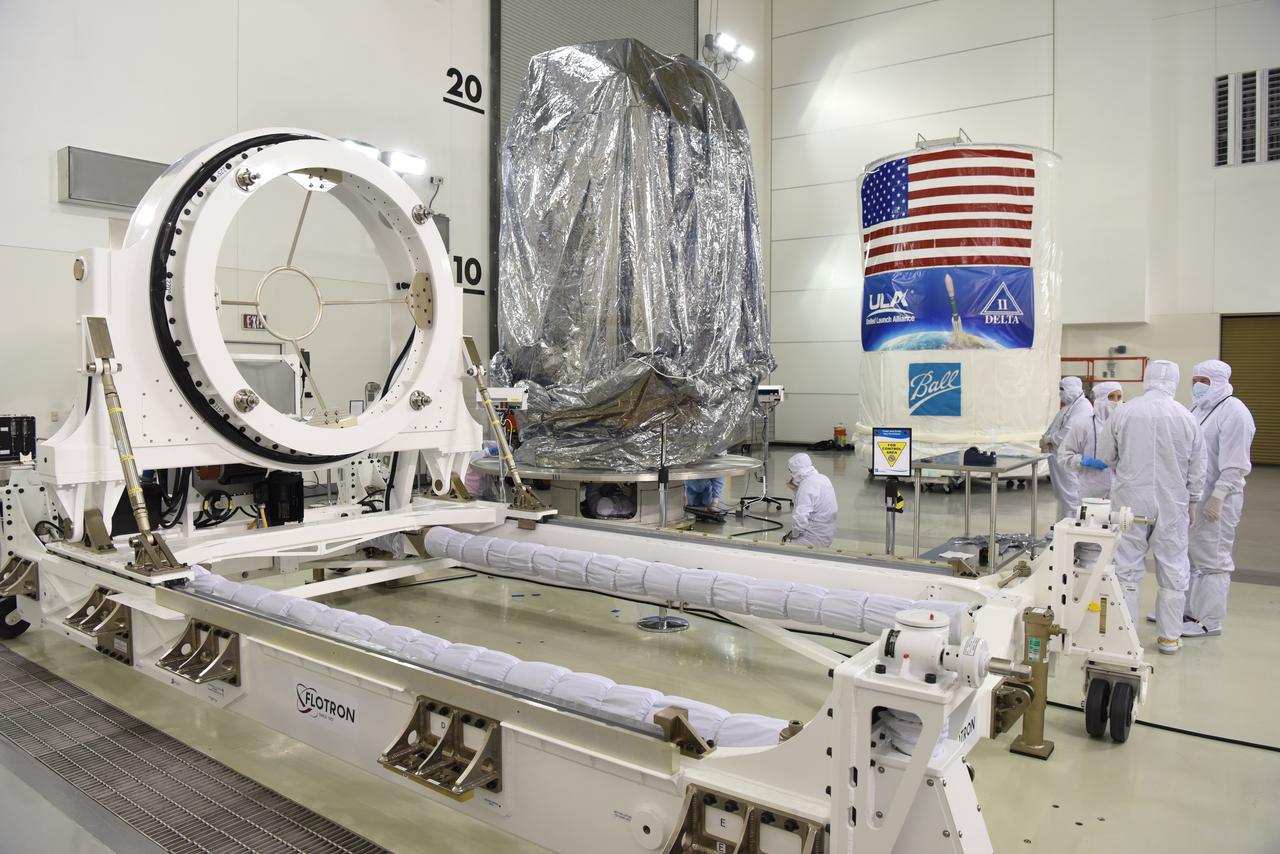
In the Astrotech Processing Facility at Vandenberg Air Force Base in California, the Joint Polar Satellite System-1, or JPSS-1, spacecraft is prepared for placing it in a protective container, then mounting on a transport trailer for its move to Space Launch Complex 2. At the pad, JPSS-1 will be lifted for mating atop a United Launch Alliance Delta II rocket. Built by Ball Aerospace and Technologies Corp. of Boulder, Colorado, JPSS is the first in a series four next-generation environmental satellites in a collaborative program between the NOAA and NASA. Liftoff is scheduled to take place from Vandenberg's Space Launch Complex 2.
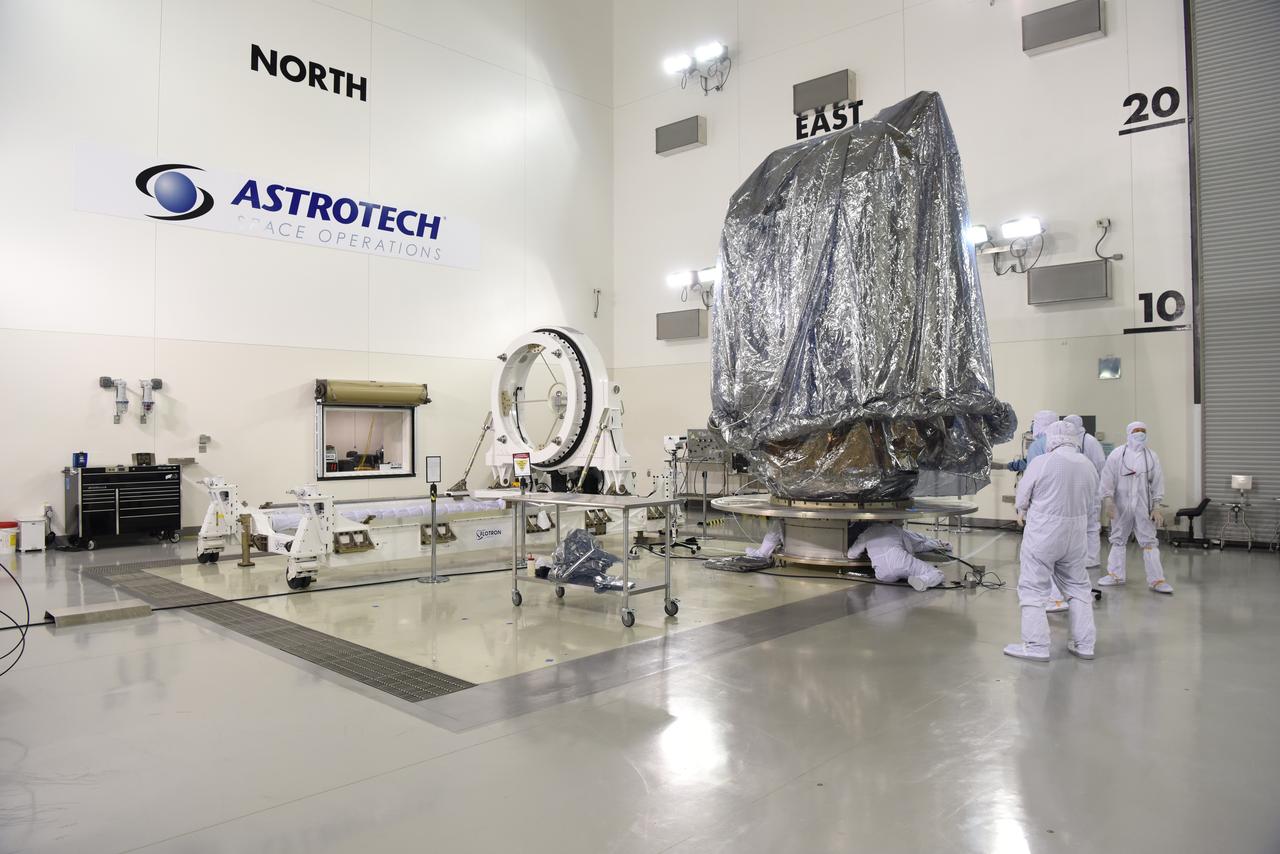
In the Astrotech Processing Facility at Vandenberg Air Force Base in California, the Joint Polar Satellite System-1, or JPSS-1, spacecraft is prepared for placing it in a protective container, then mounting on a transport trailer for its move to Space Launch Complex 2. At the pad, JPSS-1 will be lifted for mating atop a United Launch Alliance Delta II rocket. Built by Ball Aerospace and Technologies Corp. of Boulder, Colorado, JPSS is the first in a series four next-generation environmental satellites in a collaborative program between the NOAA and NASA. Liftoff is scheduled to take place from Vandenberg's Space Launch Complex 2.
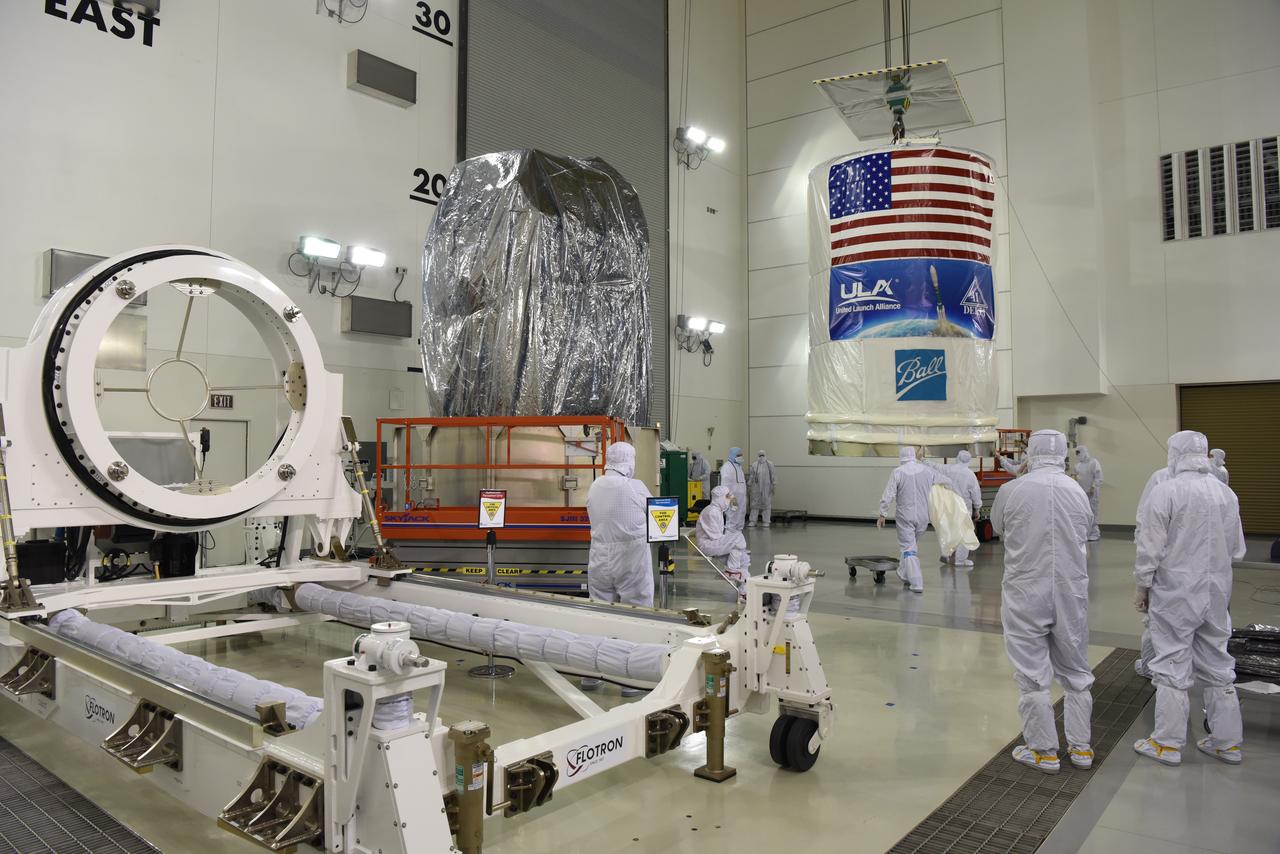
In the Astrotech Processing Facility at Vandenberg Air Force Base in California, the Joint Polar Satellite System-1, or JPSS-1, spacecraft is wrapped in a protective covering prior to technicians and engineers placing it in a protective container. It then will be mounted on a transport trailer for its move to Space Launch Complex 2. At the pad, JPSS-1 will be lifted for mating atop a United Launch Alliance Delta II rocket. Built by Ball Aerospace and Technologies Corp. of Boulder, Colorado, JPSS is the first in a series four next-generation environmental satellites in a collaborative program between the NOAA and NASA. Liftoff is scheduled to take place from Vandenberg's Space Launch Complex 2.
S66-59974 (11 Nov. 1966) --- Prime crew for the Gemini-12 spaceflight, astronauts James A. Lovell Jr., (leading), command pilot, and Edwin E. Aldrin Jr., pilot, leave the suiting trailer at Launch Complex 16 during prelaunch countdown. Moments later they entered a transport van which carried them to Pad 19 and their waiting spacecraft. The liftoff was at 3:46 p.m. (EST), Nov. 11, 1966. Photo credit: NASA
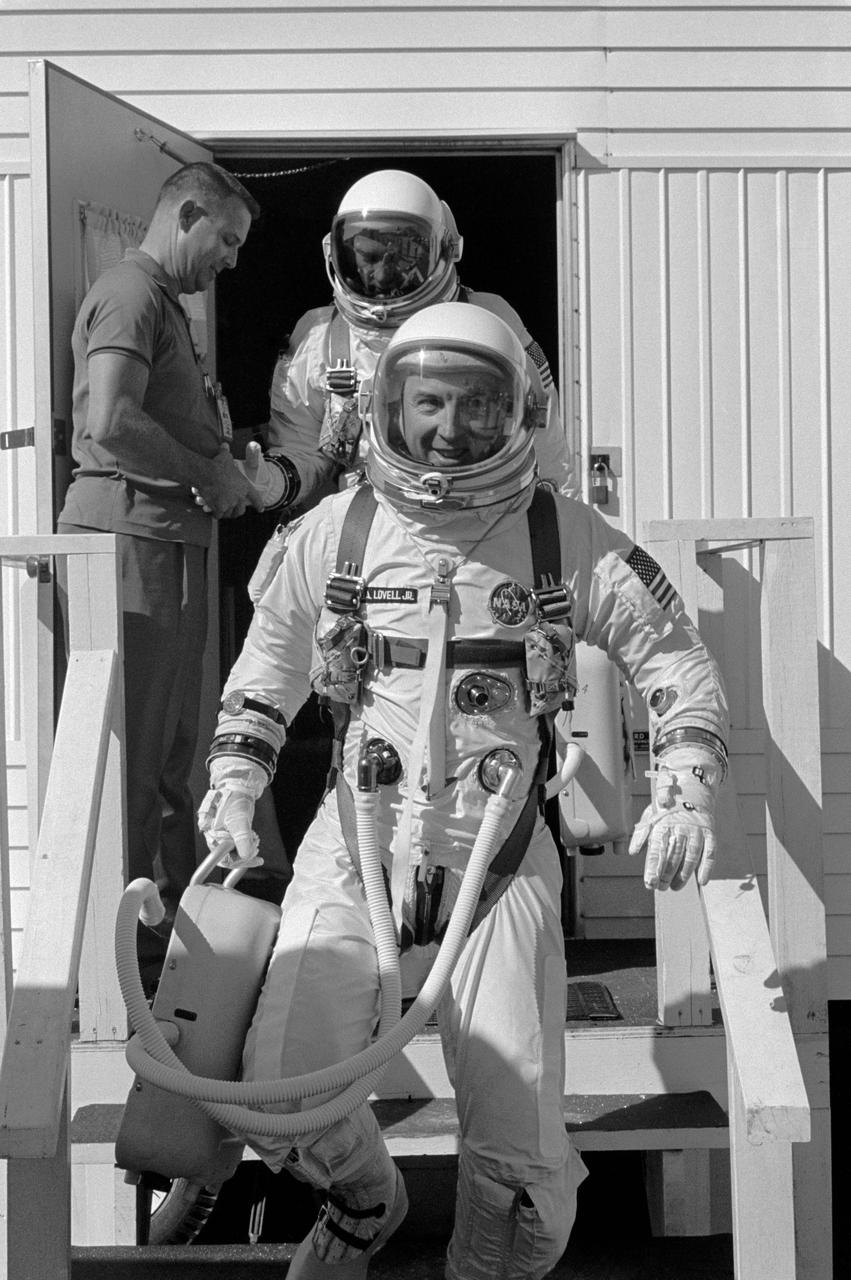
S66-59916 (11 Nov. 1966) --- Prime crew for the Gemini-12 spaceflight, astronauts James A. Lovell Jr. (leading), command pilot, and Edwin E. Aldrin Jr., pilot, leave the suiting trailer at Launch Complex 16 during prelaunch countdown. Moments later they entered a transport van which carried them to Pad 19 and their waiting spacecraft. The liftoff was at 3:46 p.m. (EST), Nov. 11, 1966. Photo credit: NASA
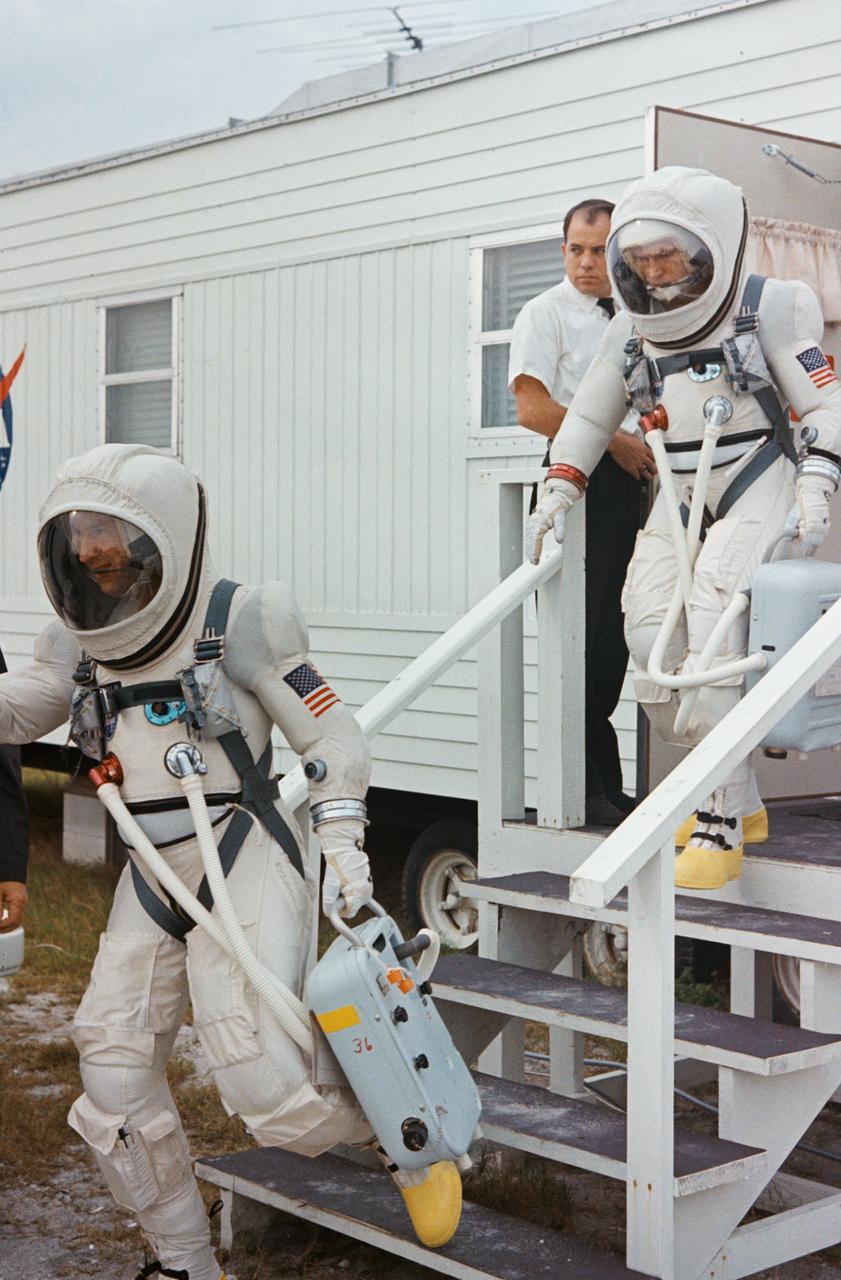
S65-59932 (4 Dec. 1965) --- Prime crew for the Gemini-7 spaceflight astronauts James A. Lovell Jr. (front), pilot, and Frank Borman, command pilot, leave the suiting trailer at Launch Complex 16 during prelaunch countdown at Cape Kennedy, Florida. Photo credit: NASA
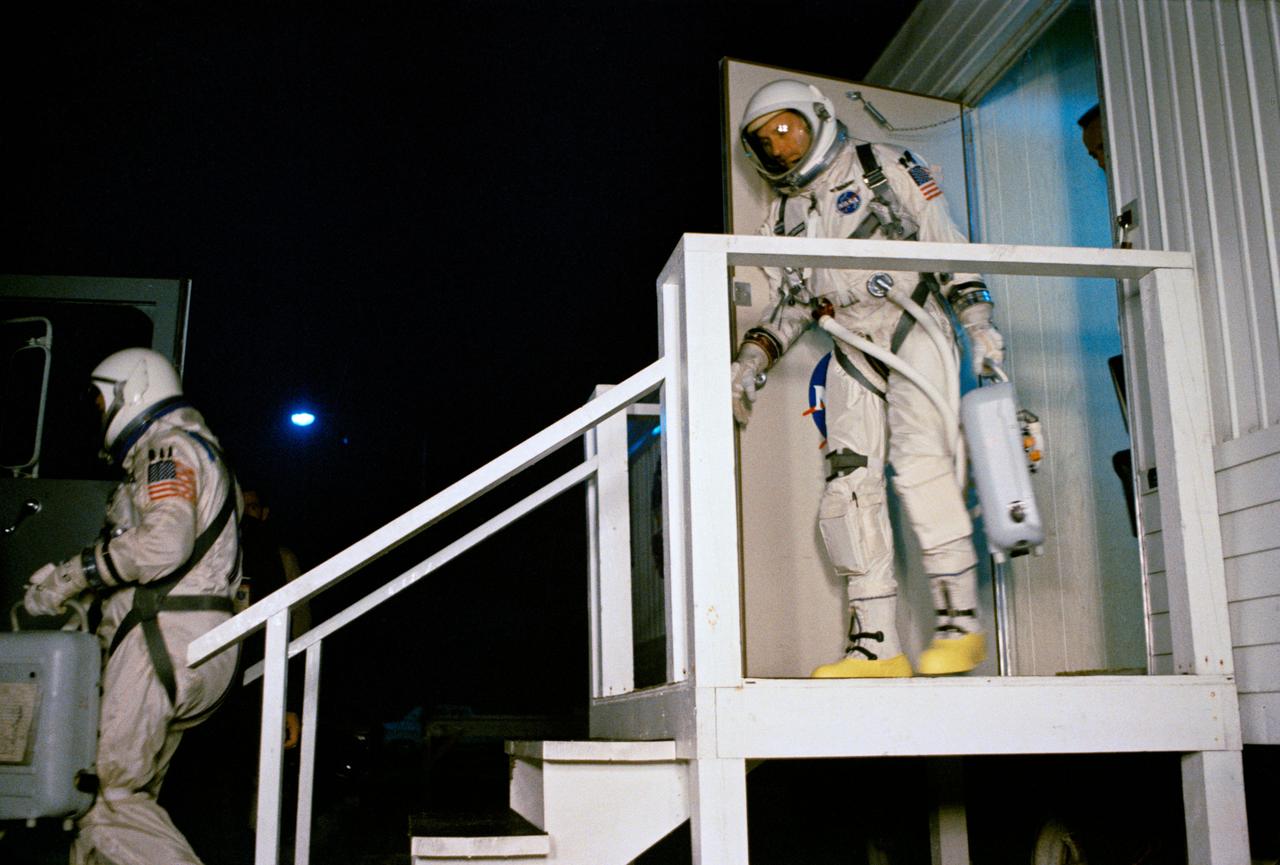
S65-59974 (15 Dec. 1965) --- Astronauts Walter M. Schirra Jr. (leading), command pilot; and Thomas P. Stafford, pilot, leave the suiting trailer at Launch Complex 16 during the Gemini-6 prelaunch countdown at Cape Kennedy, Florida. They entered a special transport van which carried them to Pad 19 and their spacecraft. Gemini-6 lifted off at 8:37 a.m. (EST) on Dec. 15, 1965. Photo credit: NASA or National Aeronautics and Space Administration
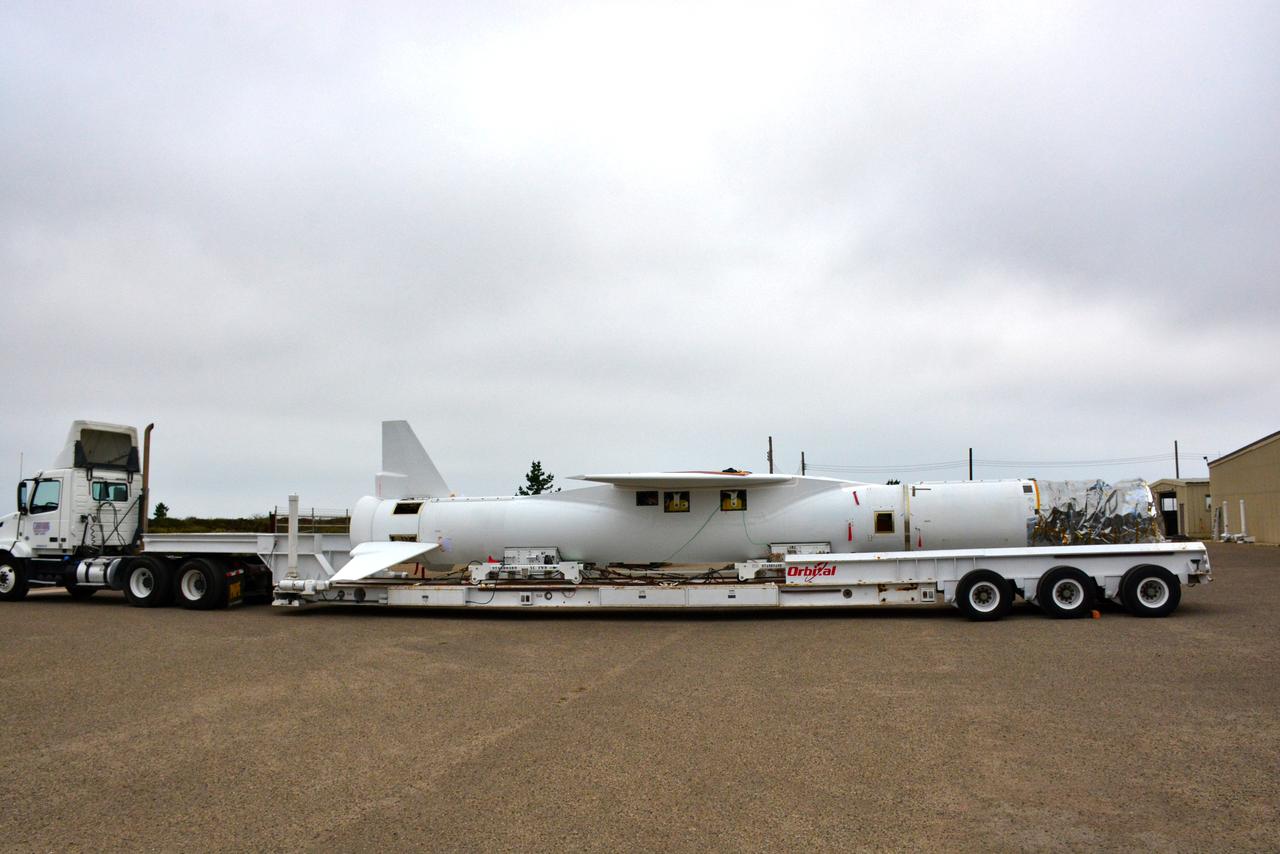
The Orbital ATK Pegasus XL rocket, with NASA's Ionospheric Connection Explorer (ICON) spacecraft attached, is moved on an assembly integration trailer from one high bay to another Aug. 23, 2017, at Building 1555 at Vandenberg Air Force Base in California. The Pegasus rocket is being prepared for the ICON mission. The explorer will launch on June 15, 2018, from Kwajalein Atoll in the Marshall Islands (June 14 in the continental United States) on the Pegasus XL, which is attached to the company's L-1011 Stargazer aircraft. ICON will study the frontier of space - the dynamic zone high in Earth's atmosphere where terrestrial weather from below meets space weather above. The explorer will help determine the physics of Earth's space environment and pave the way for mitigating its effects on our technology and communications systems.
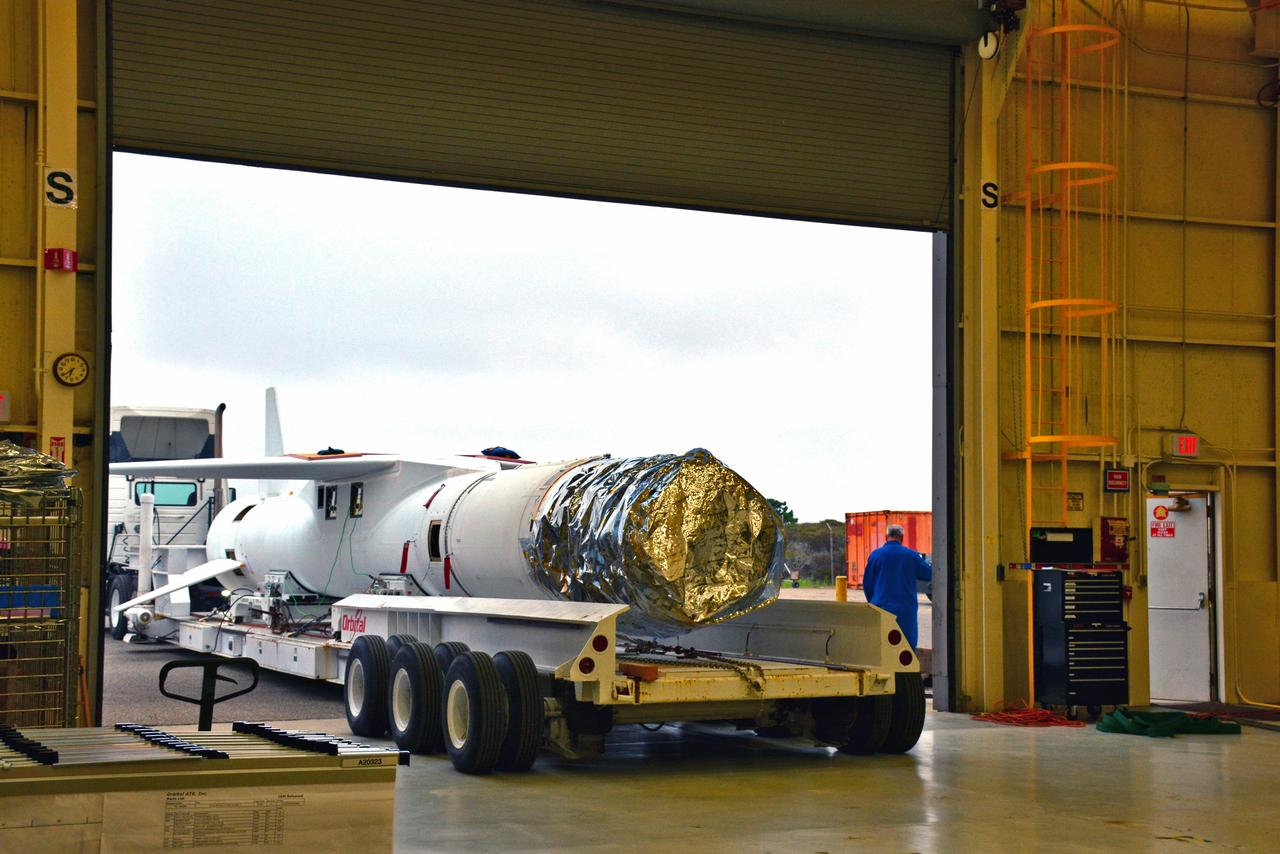
The Orbital ATK Pegasus XL rocket, with NASA's Ionospheric Connection Explorer (ICON) spacecraft attached, is moved on an assembly integration trailer into another high bay Aug. 23, 2017, at Building 1555 at Vandenberg Air Force Base in California. The Pegasus rocket is being prepared for the ICON mission. The explorer will launch on June 15, 2018, from Kwajalein Atoll in the Marshall Islands (June 14 in the continental United States) on the Pegasus XL, which is attached to the company's L-1011 Stargazer aircraft. ICON will study the frontier of space - the dynamic zone high in Earth's atmosphere where terrestrial weather from below meets space weather above. The explorer will help determine the physics of Earth's space environment and pave the way for mitigating its effects on our technology and communications systems.
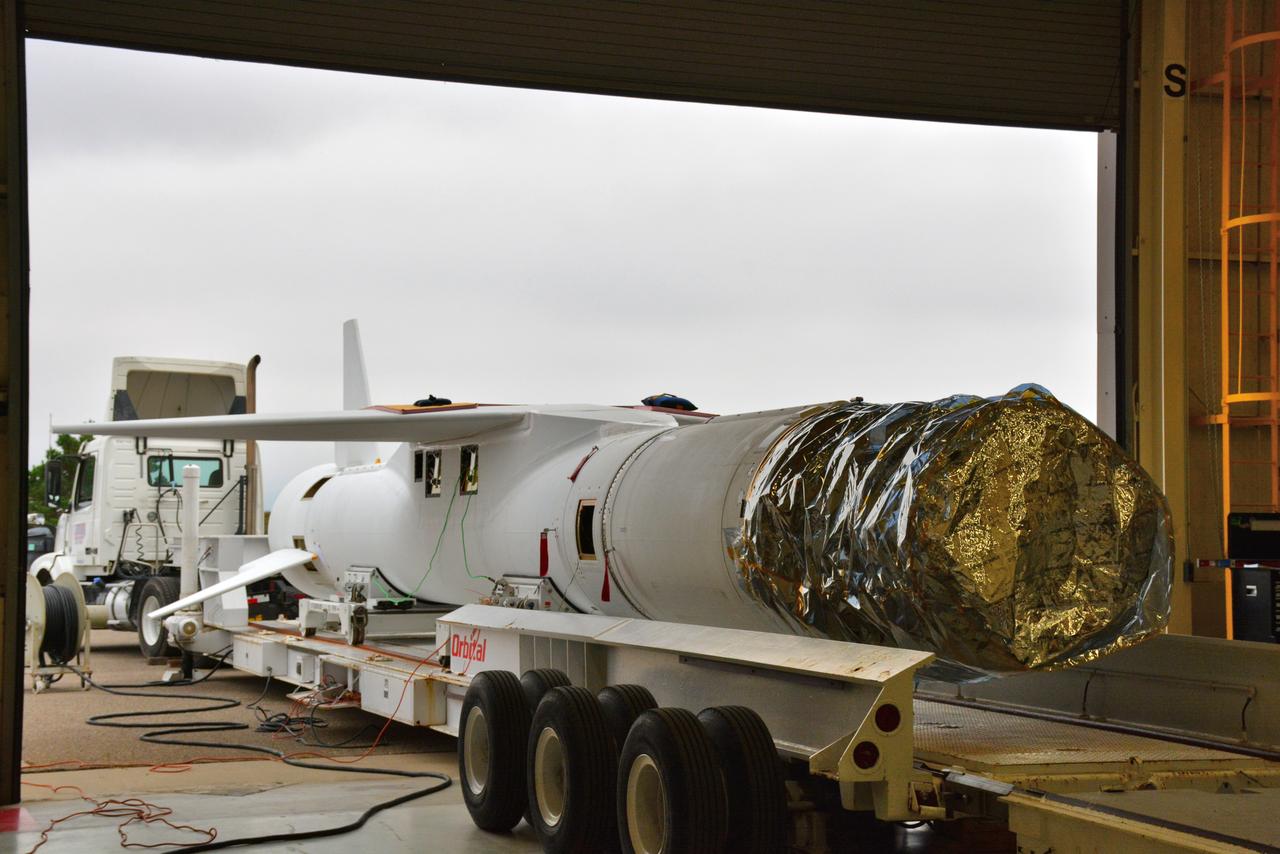
The Orbital ATK Pegasus XL rocket, with NASA's Ionospheric Connection Explorer (ICON) spacecraft attached, is being moved on an assembly integration trailer from one high bay to another Aug. 23, 2017, at Building 1555 at Vandenberg Air Force Base in California. The Pegasus rocket is being prepared for the ICON mission. The explorer will launch on June 15, 2018, from Kwajalein Atoll in the Marshall Islands (June 14 in the continental United States) on the Pegasus XL, which is attached to the company's L-1011 Stargazer aircraft. ICON will study the frontier of space - the dynamic zone high in Earth's atmosphere where terrestrial weather from below meets space weather above. The explorer will help determine the physics of Earth's space environment and pave the way for mitigating its effects on our technology and communications systems.
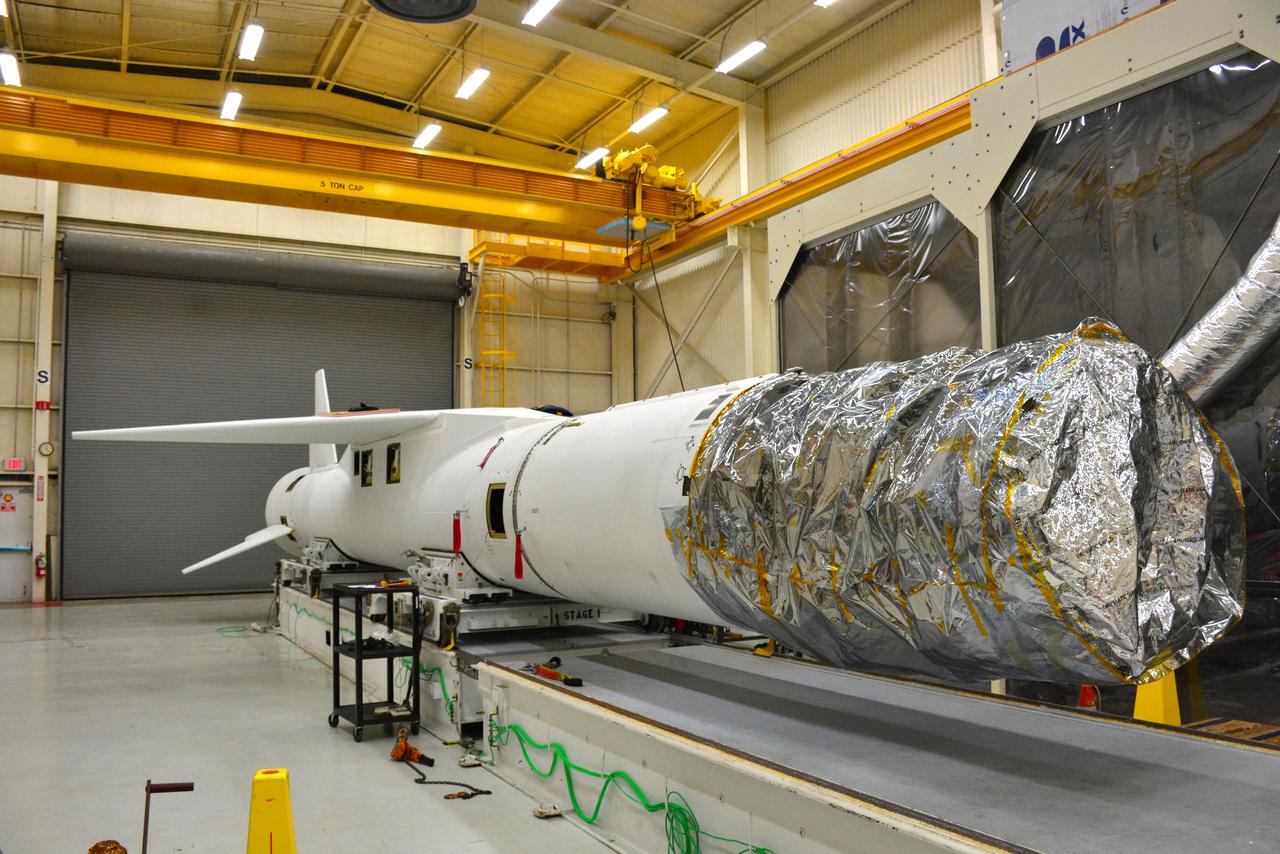
The Orbital ATK Pegasus XL rocket, with NASA's Ionospheric Connection Explorer (ICON) spacecraft attached, is secured on an assembly integration trailer Aug. 23, 2017, inside Building 1555 at Vandenberg Air Force Base in California. The Pegasus rocket is being prepared for the ICON mission. The explorer will launch on June 15, 2018, from Kwajalein Atoll in the Marshall Islands (June 14 in the continental United States) on the Pegasus XL, which is attached to the company's L-1011 Stargazer aircraft. ICON will study the frontier of space - the dynamic zone high in Earth's atmosphere where terrestrial weather from below meets space weather above. The explorer will help determine the physics of Earth's space environment and pave the way for mitigating its effects on our technology and communications systems.
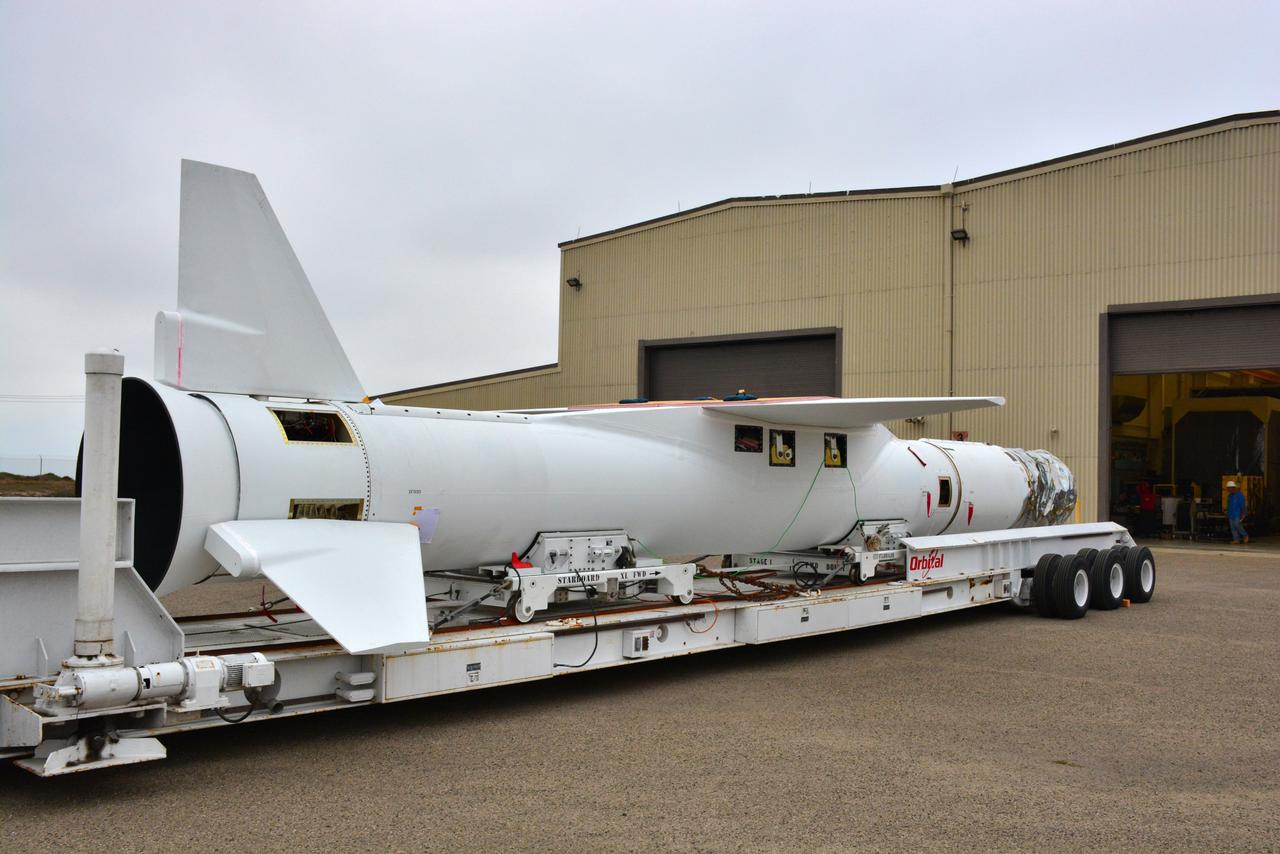
The Orbital ATK Pegasus XL rocket, with NASA's Ionospheric Connection Explorer (ICON) spacecraft attached, is moved on an assembly integration trailer from one high bay to another Aug. 23, 2017, at Building 1555 at Vandenberg Air Force Base in California. The Pegasus rocket is being prepared for the ICON mission. The explorer will launch on June 15, 2018, from Kwajalein Atoll in the Marshall Islands (June 14 in the continental United States) on the Pegasus XL, which is attached to the company's L-1011 Stargazer aircraft. ICON will study the frontier of space - the dynamic zone high in Earth's atmosphere where terrestrial weather from below meets space weather above. The explorer will help determine the physics of Earth's space environment and pave the way for mitigating its effects on our technology and communications systems.
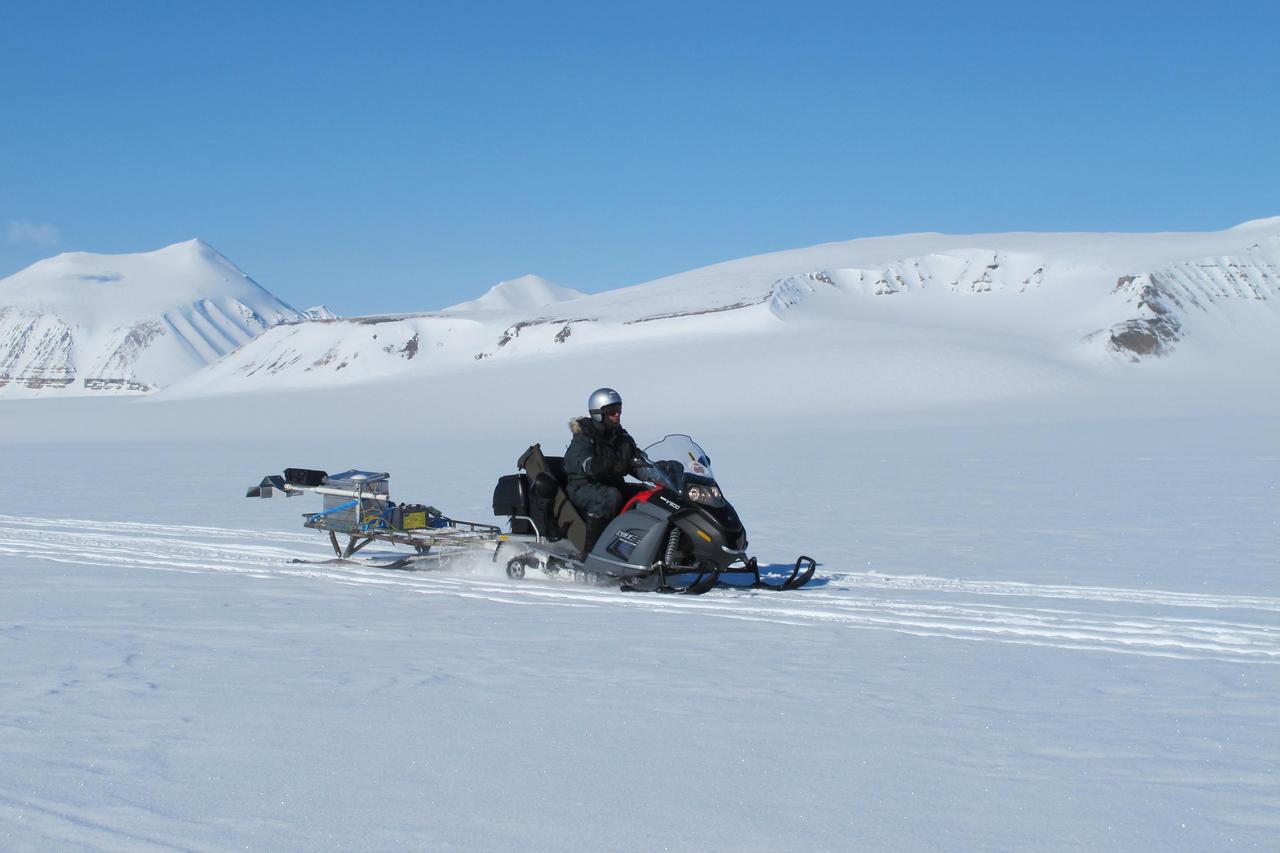
A test model of the RIMFAX instrument — aboard the trailer behind the snow mobile — undergoes field testing in Svalbard, Norway. The first ground-penetrating radar set on the surface of Mars, RIMFAX can provide a highly detailed view of subsurface structures down to at least 30 feet (10 meters) underground. In doing so, the instrument will reveal hidden layers of geology and help find clues to past environments on Mars, especially those with conditions necessary for supporting life. https://photojournal.jpl.nasa.gov/catalog/PIA24048
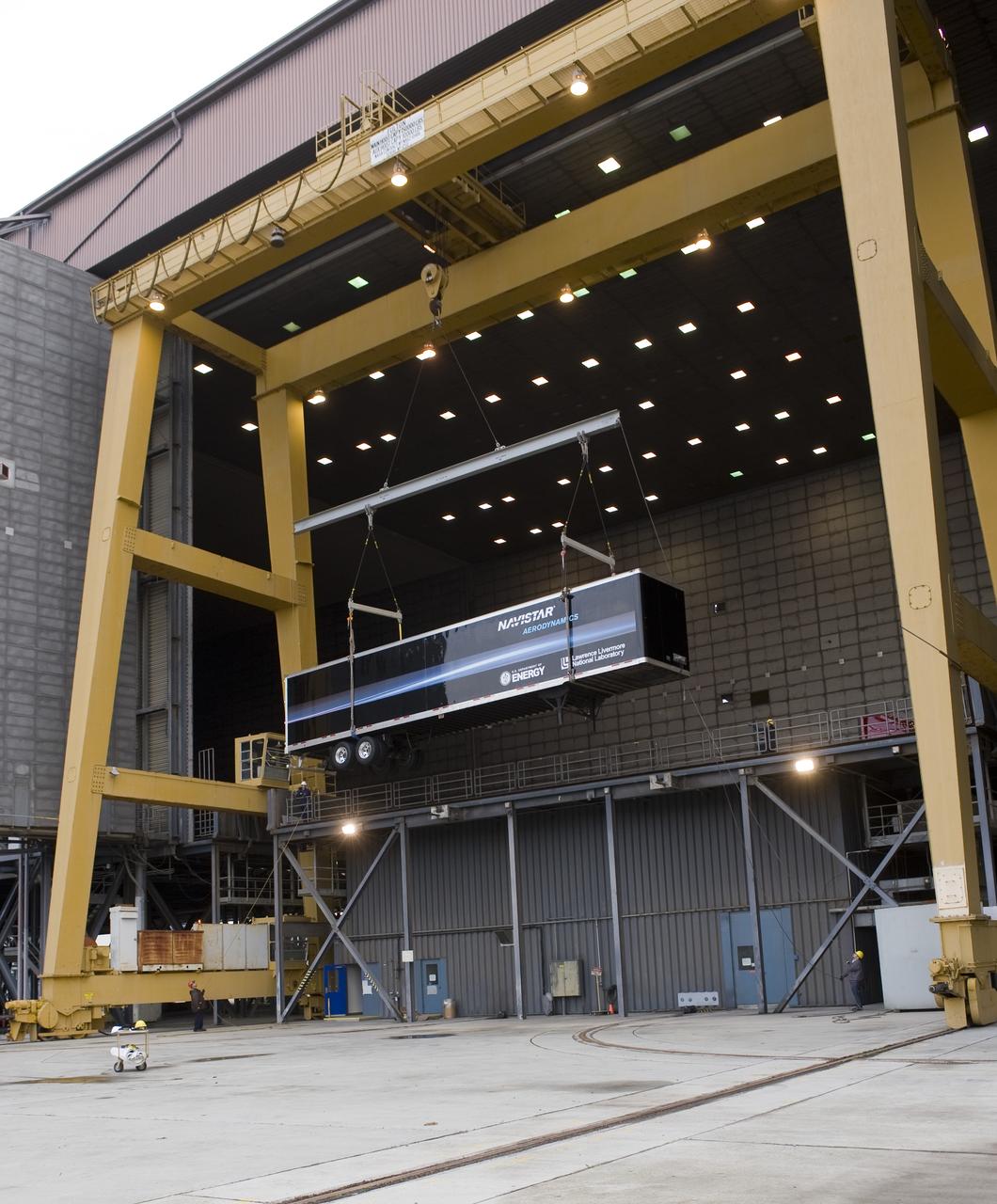
Lawrence Livermore National Labs (LLNL), Navistar and the Department of Energy conduct tests in the NASA Ames National Full-scale Aerodynamic Complex 80x120_foot wind tunnel. The LLNL project is aimed at aerodynamic truck and trailer devices that can reduce fuel consumption at highway speed by 10 percent. Trailer being lifted into the tunnel.
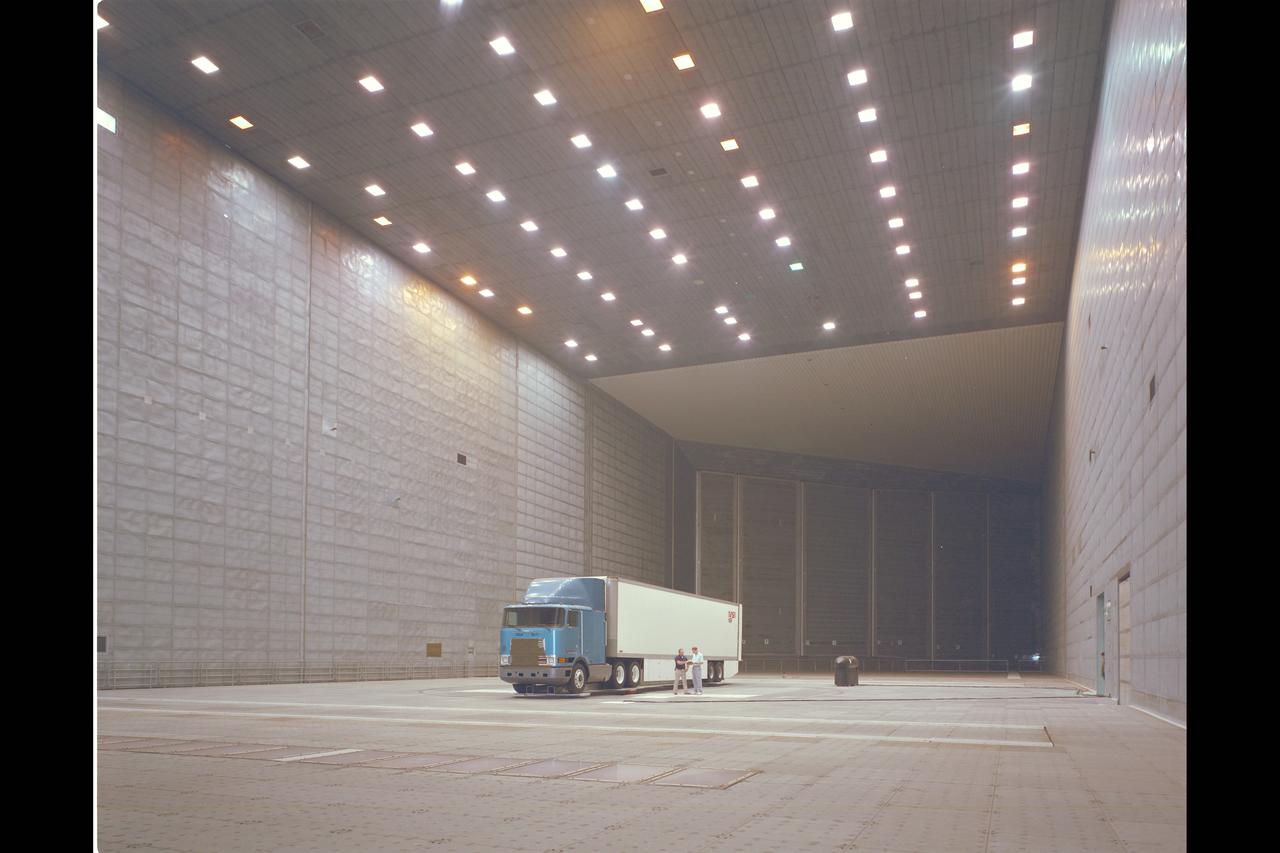
Fruehauf Truck and Trailer Test in 80x120ft W.T. (looking at drag and fuel efficiency)
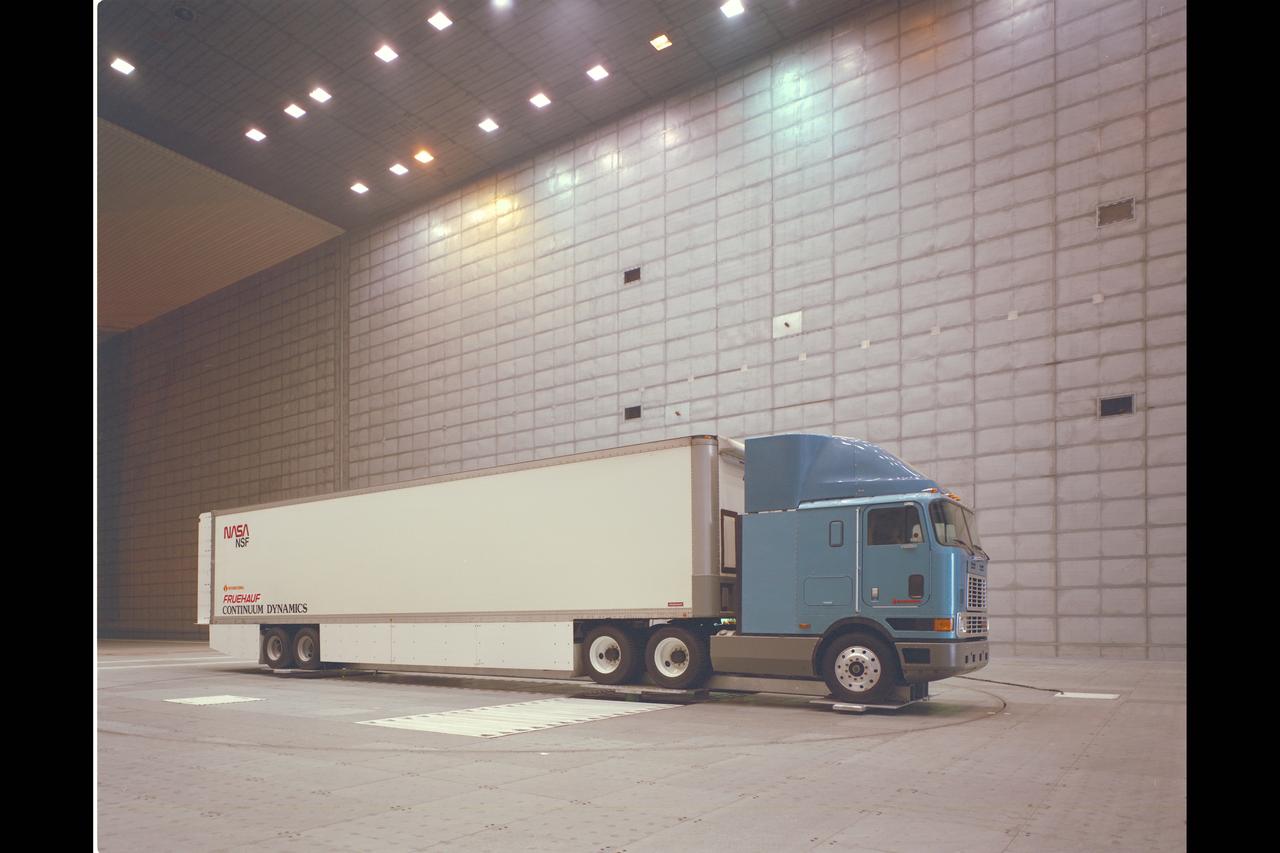
Fruehauf Truck and Trailer Test in 80x120ft W.T. (looking at drag and fuel efficiency)
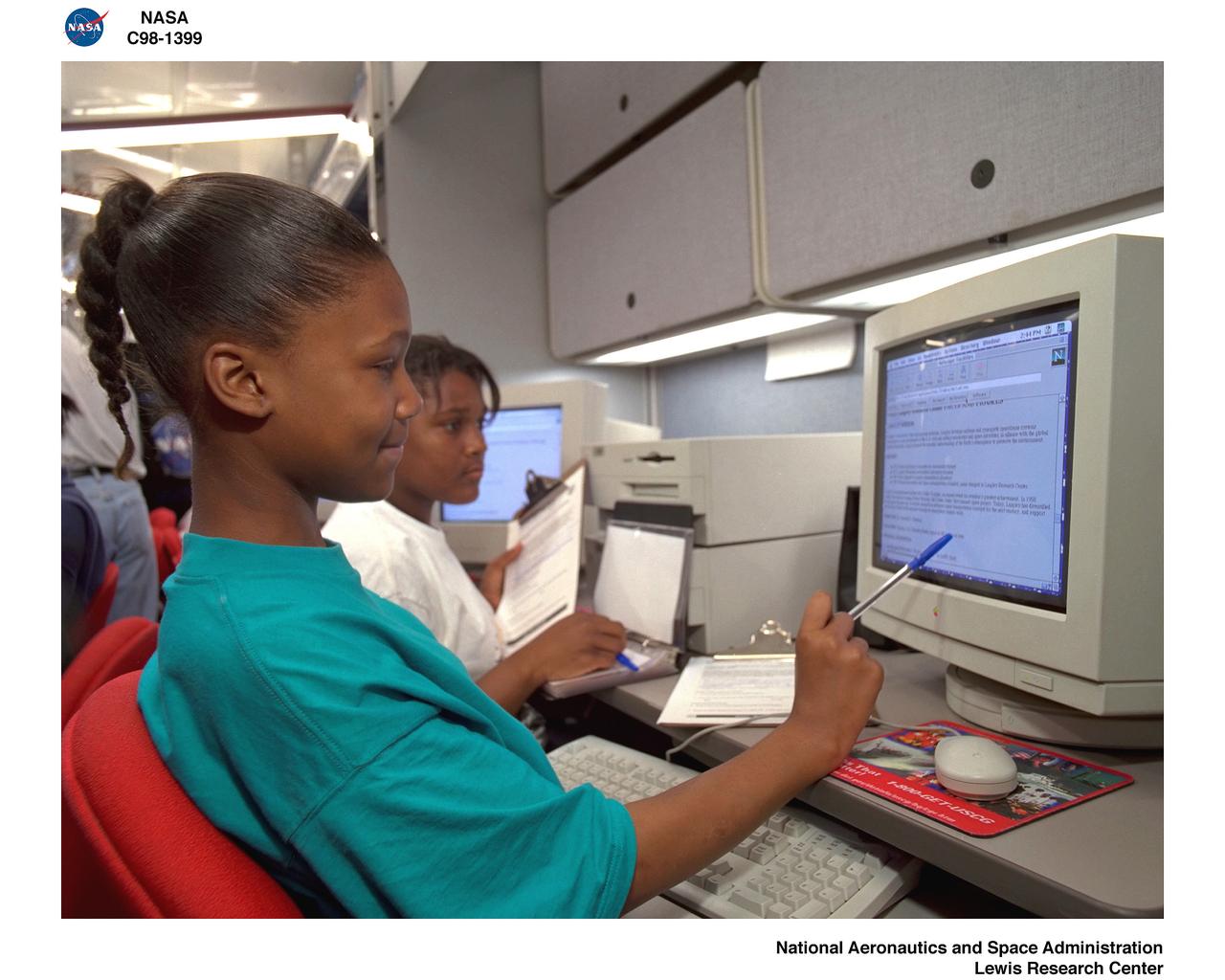
STUDENTS WORKING AT THE MAEL TRAILER MOBILE AERONAUTICS EDUCATIONAL LABORATORY
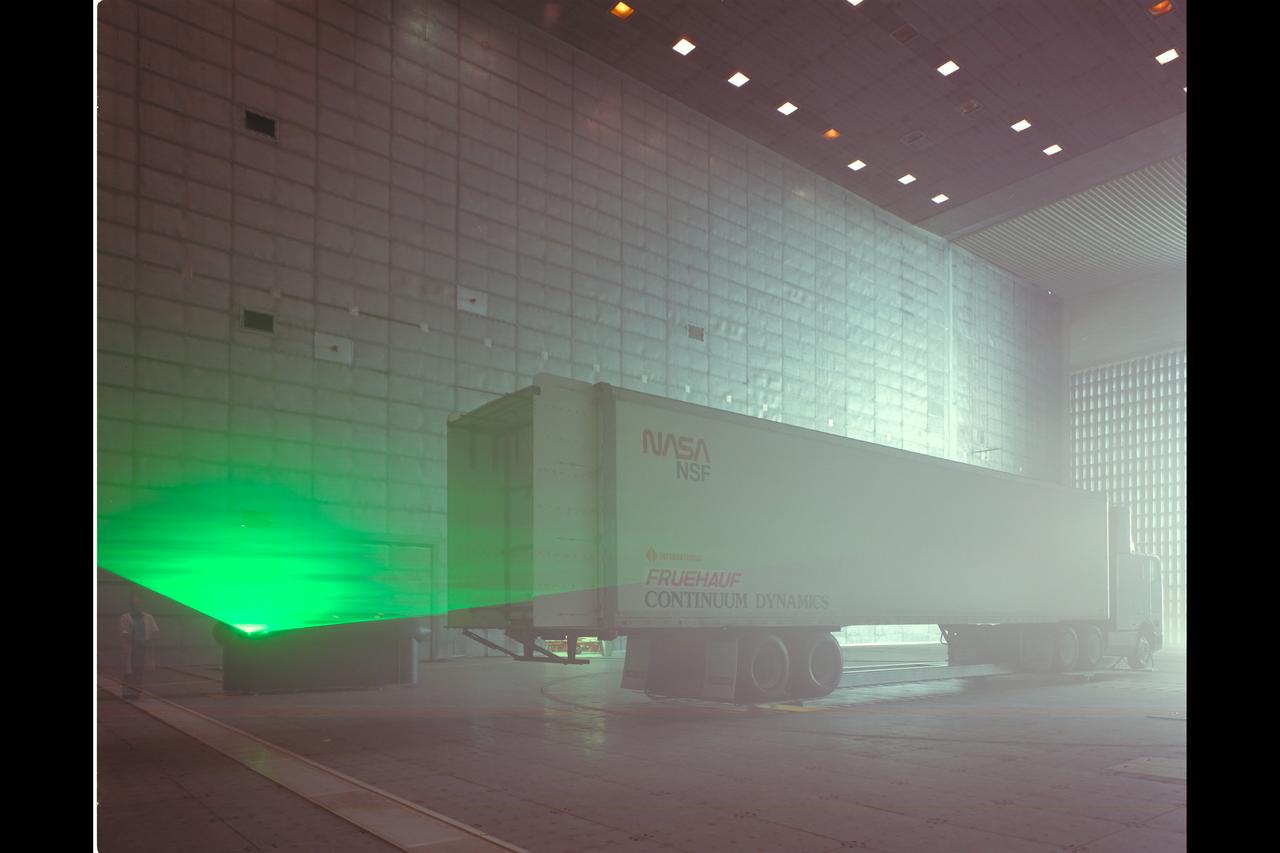
Fruehauf Truck and Trailer Test in 80x120ft W.T. with LRLDV (looking at drag and fuel efficiency)
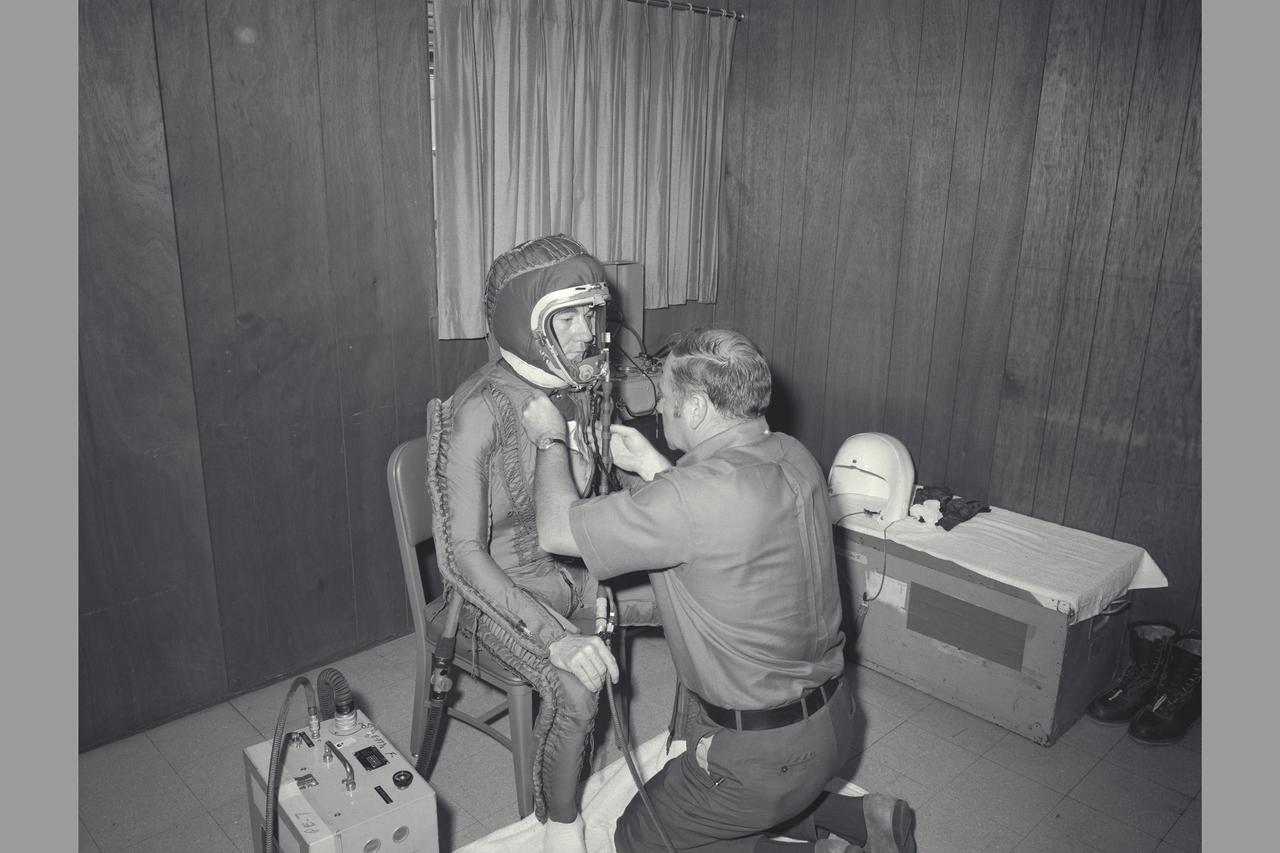
U-2 Pilot suit: flight readiness (flight support trailer, TR-1)
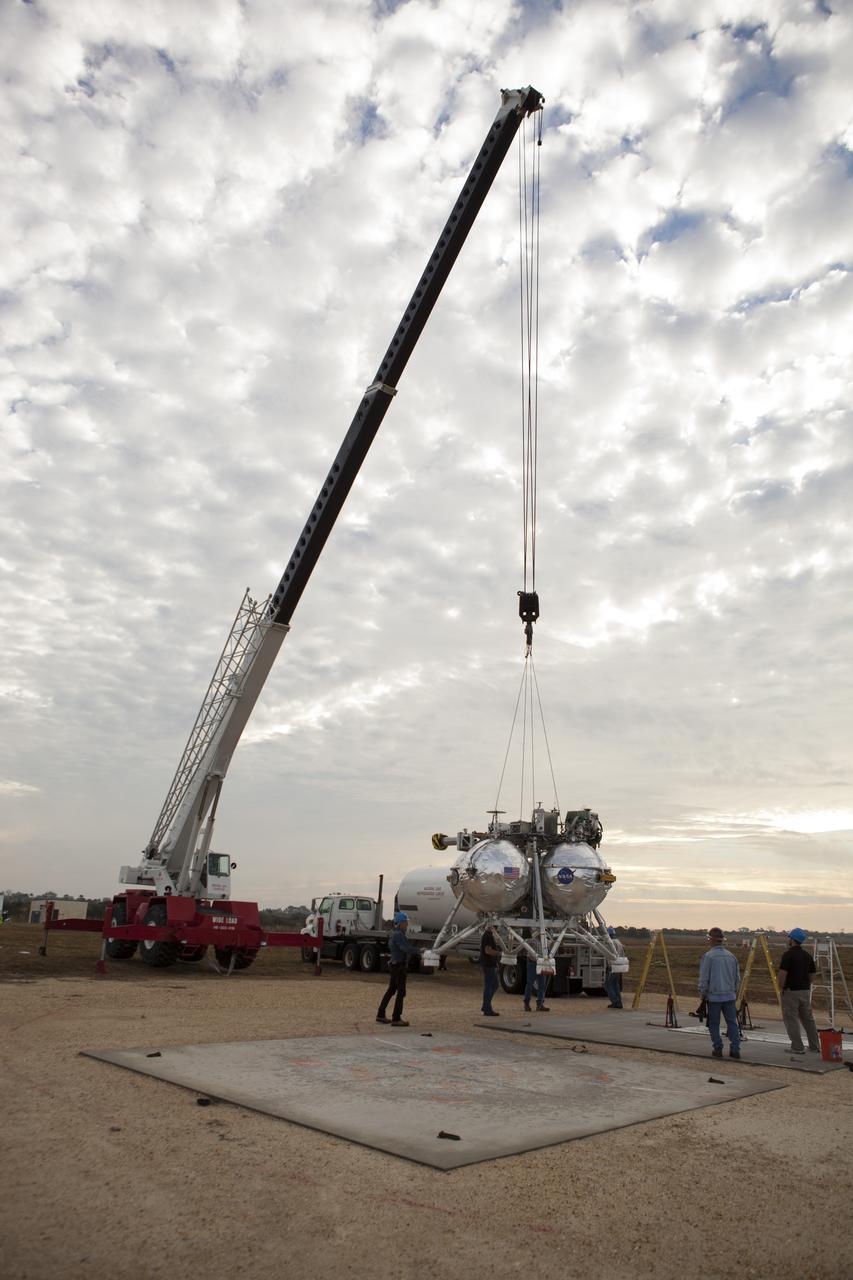
CAPE CANAVERAL, Fla. – Technicians and engineers monitor the progress as the Project Morpheus prototype lander is lifted by crane for positioning on a launch pad at the north end of the Shuttle Landing Facility at NASA’s Kennedy Space Center in Florida. The prototype lander is being prepared for its fourth free flight test at Kennedy. Morpheus will launch from the ground over a flame trench and then descend and land on a dedicated pad inside the autonomous landing and hazard avoidance technology, or ALHAT, hazard field. Project Morpheus tests NASA’s ALHAT and an engine that runs on liquid oxygen and methane, or green propellants, into a fully-operational lander that could deliver cargo to other planetary surfaces. The landing facility provides the lander with the kind of field necessary for realistic testing, complete with rocks, craters and hazards to avoid. Morpheus’ ALHAT payload allows it to navigate to clear landing sites amidst rocks, craters and other hazards during its descent. Project Morpheus is being managed under the Advanced Exploration Systems, or AES, Division in NASA’s Human Exploration and Operations Mission Directorate. The efforts in AES pioneer new approaches for rapidly developing prototype systems, demonstrating key capabilities and validating operational concepts for future human missions beyond Earth orbit. For more information on Project Morpheus, visit http://www.nasa.gov/centers/johnson/exploration/morpheus. Photo credit: NASA/Cory Huston
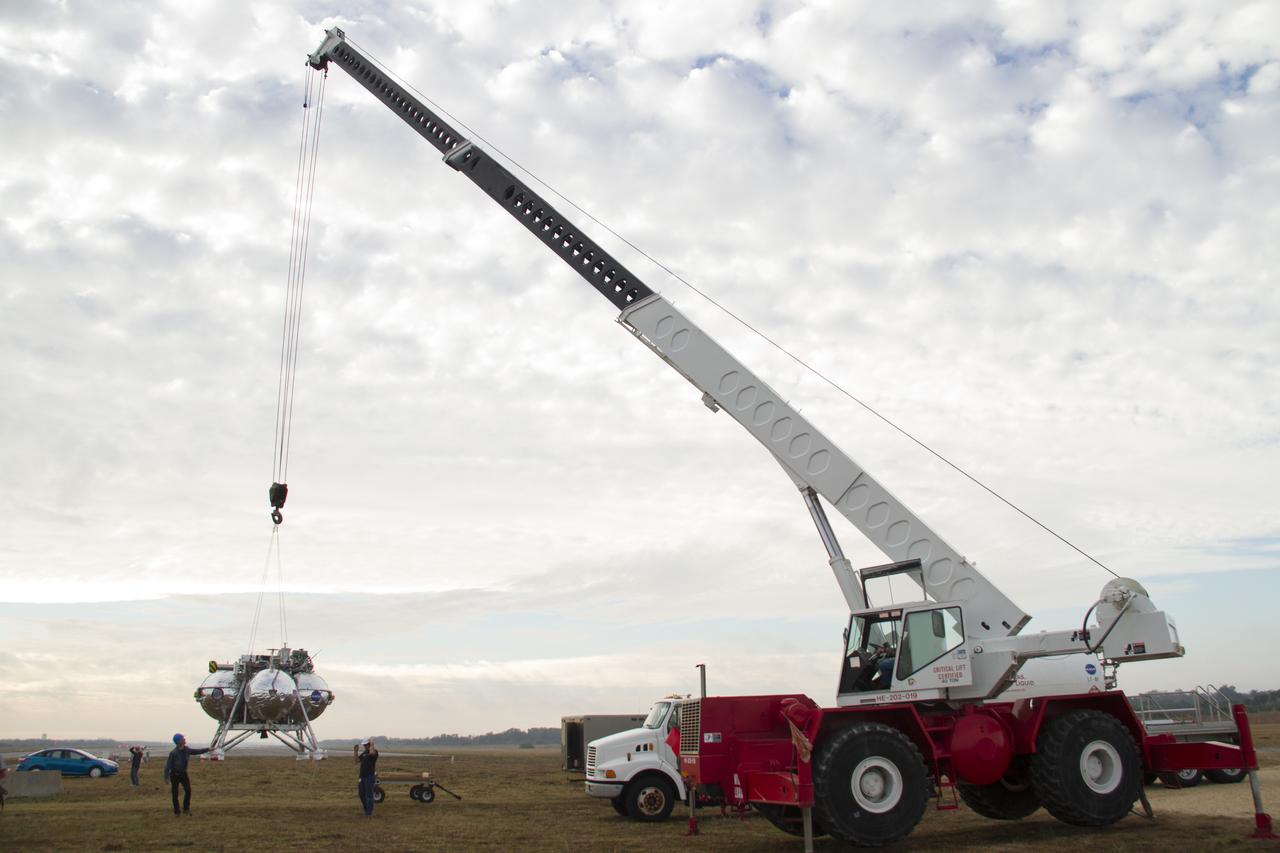
CAPE CANAVERAL, Fla. – The Project Morpheus prototype lander is being lifted by crane for positioning on a launch pad at the north end of the Shuttle Landing Facility at NASA’s Kennedy Space Center in Florida. The prototype lander is being prepared for its fourth free flight test at Kennedy. Morpheus will launch from the ground over a flame trench and then descend and land on a dedicated pad inside the autonomous landing and hazard avoidance technology, or ALHAT, hazard field. Project Morpheus tests NASA’s ALHAT and an engine that runs on liquid oxygen and methane, or green propellants, into a fully-operational lander that could deliver cargo to other planetary surfaces. The landing facility provides the lander with the kind of field necessary for realistic testing, complete with rocks, craters and hazards to avoid. Morpheus’ ALHAT payload allows it to navigate to clear landing sites amidst rocks, craters and other hazards during its descent. Project Morpheus is being managed under the Advanced Exploration Systems, or AES, Division in NASA’s Human Exploration and Operations Mission Directorate. The efforts in AES pioneer new approaches for rapidly developing prototype systems, demonstrating key capabilities and validating operational concepts for future human missions beyond Earth orbit. For more information on Project Morpheus, visit http://www.nasa.gov/centers/johnson/exploration/morpheus. Photo credit: NASA/Cory Huston
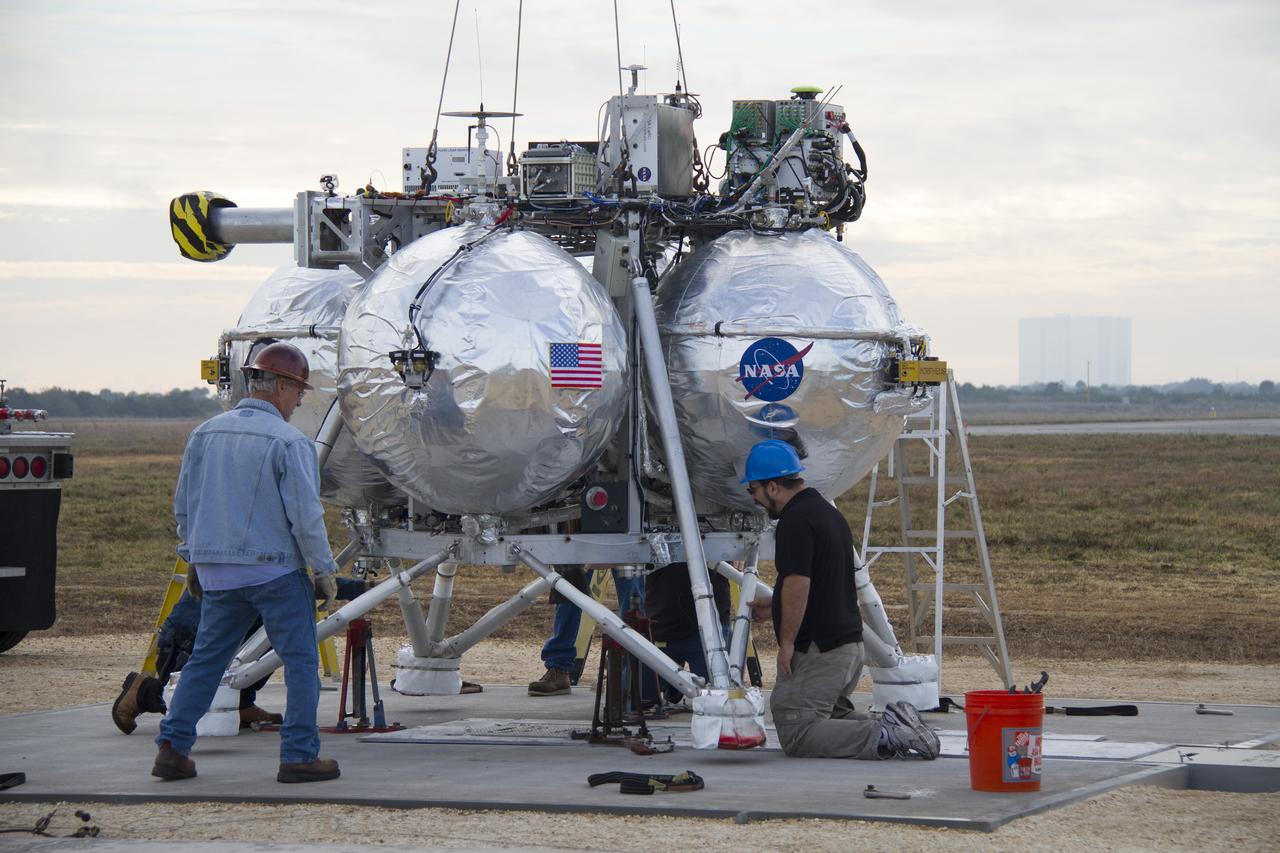
CAPE CANAVERAL, Fla. – Technicians monitor the progress as a crane lowers the Project Morpheus prototype for positioning on a launch pad at the north end of the Shuttle Landing Facility at NASA’s Kennedy Space Center in Florida. The prototype lander is being prepared for its fourth free flight test at Kennedy. Morpheus will launch from the ground over a flame trench and then descend and land on a dedicated pad inside the autonomous landing and hazard avoidance technology, or ALHAT, hazard field. Project Morpheus tests NASA’s ALHAT and an engine that runs on liquid oxygen and methane, or green propellants, into a fully-operational lander that could deliver cargo to other planetary surfaces. The landing facility provides the lander with the kind of field necessary for realistic testing, complete with rocks, craters and hazards to avoid. Morpheus’ ALHAT payload allows it to navigate to clear landing sites amidst rocks, craters and other hazards during its descent. Project Morpheus is being managed under the Advanced Exploration Systems, or AES, Division in NASA’s Human Exploration and Operations Mission Directorate. The efforts in AES pioneer new approaches for rapidly developing prototype systems, demonstrating key capabilities and validating operational concepts for future human missions beyond Earth orbit. For more information on Project Morpheus, visit http://www.nasa.gov/centers/johnson/exploration/morpheus. Photo credit: NASA/Cory Huston
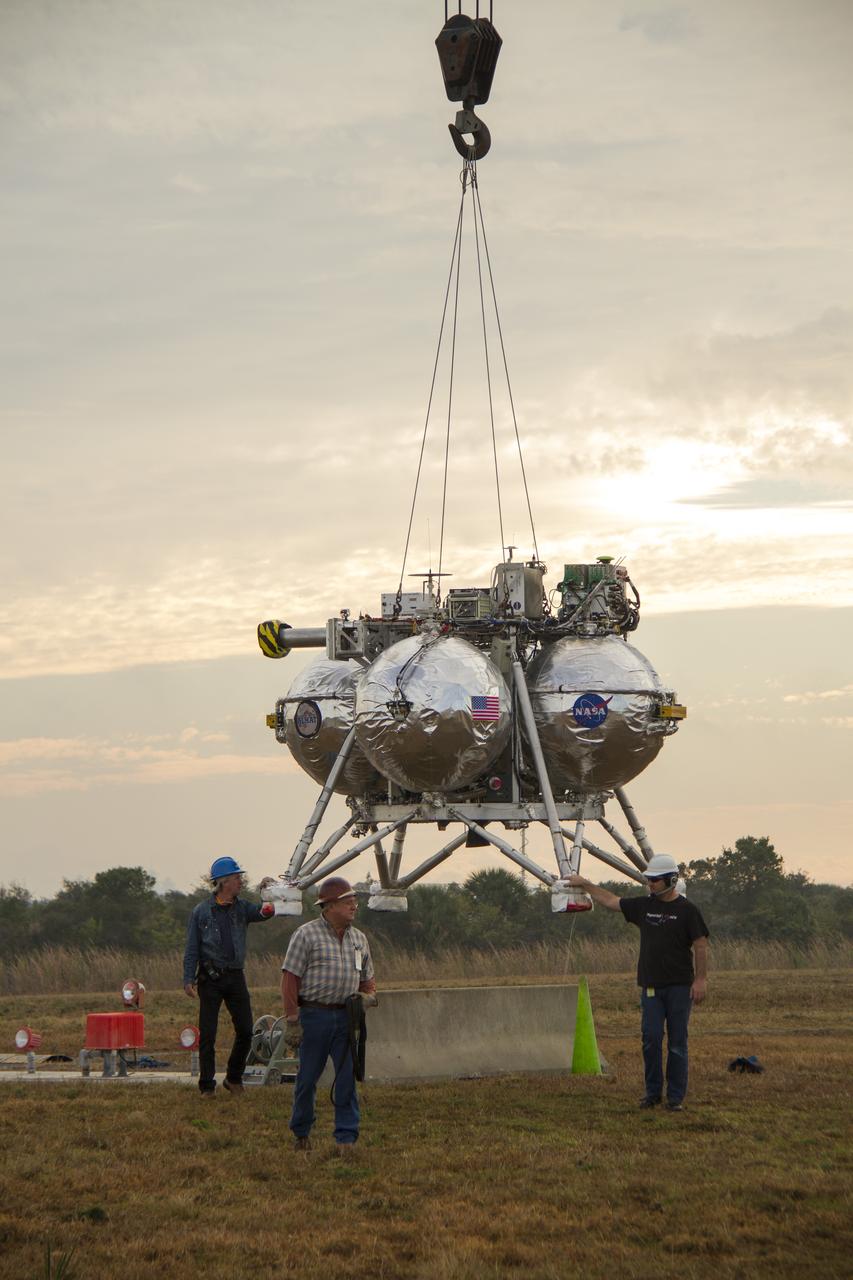
CAPE CANAVERAL, Fla. – Technicians monitor the progress as the Project Morpheus prototype lander is lifted by crane for positioning on a launch pad at the north end of the Shuttle Landing Facility at NASA’s Kennedy Space Center in Florida. The prototype lander is being prepared for its fourth free flight test at Kennedy. Morpheus will launch from the ground over a flame trench and then descend and land on a dedicated pad inside the autonomous landing and hazard avoidance technology, or ALHAT, hazard field. Project Morpheus tests NASA’s ALHAT and an engine that runs on liquid oxygen and methane, or green propellants, into a fully-operational lander that could deliver cargo to other planetary surfaces. The landing facility provides the lander with the kind of field necessary for realistic testing, complete with rocks, craters and hazards to avoid. Morpheus’ ALHAT payload allows it to navigate to clear landing sites amidst rocks, craters and other hazards during its descent. Project Morpheus is being managed under the Advanced Exploration Systems, or AES, Division in NASA’s Human Exploration and Operations Mission Directorate. The efforts in AES pioneer new approaches for rapidly developing prototype systems, demonstrating key capabilities and validating operational concepts for future human missions beyond Earth orbit. For more information on Project Morpheus, visit http://www.nasa.gov/centers/johnson/exploration/morpheus. Photo credit: NASA/Cory Huston
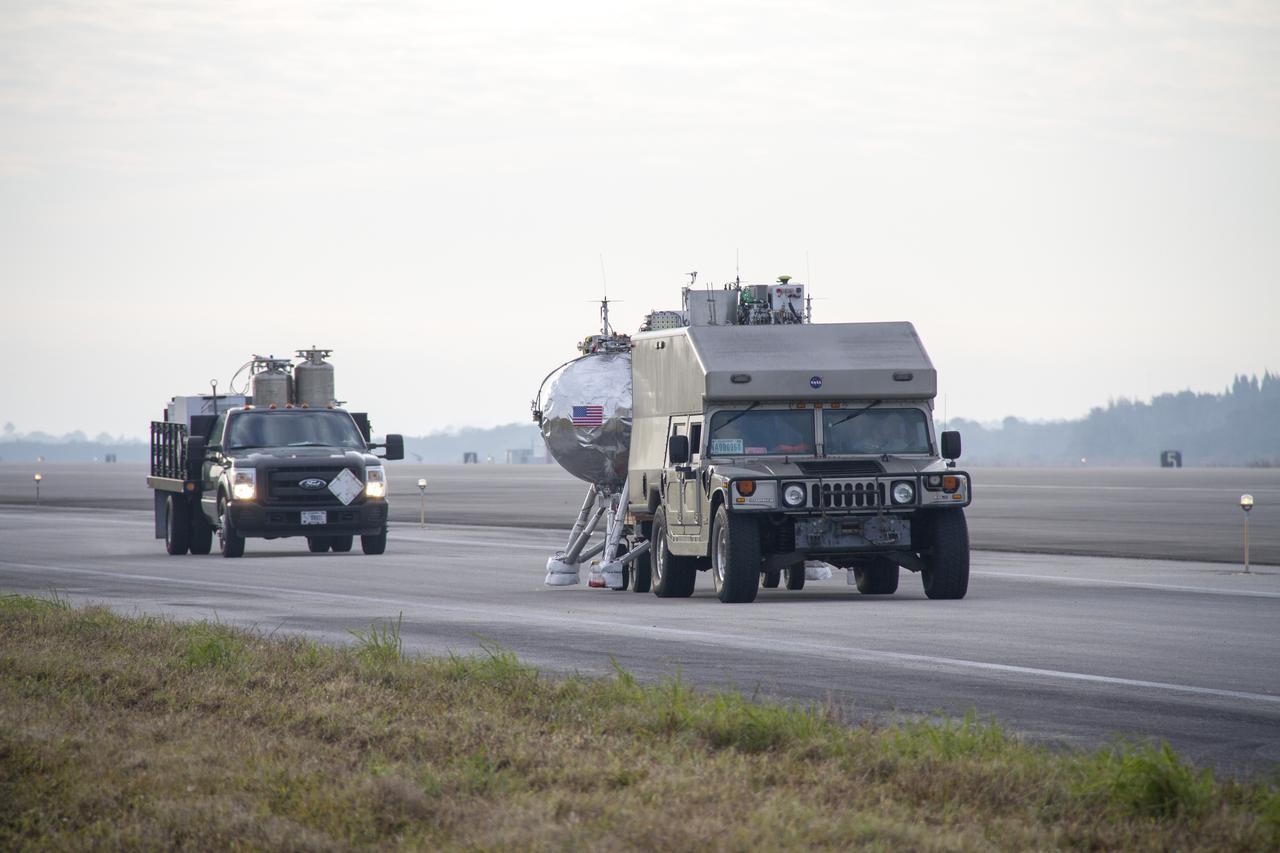
CAPE CANAVERAL, Fla. – The Project Morpheus prototype lander is transported to a launch pad at the north end of the Shuttle Landing Facility at NASA’s Kennedy Space Center in Florida. The prototype lander is being prepared for its fourth free flight test at Kennedy. Morpheus will launch from the ground over a flame trench and then descend and land on a dedicated pad inside the autonomous landing and hazard avoidance technology, or ALHAT, hazard field. Project Morpheus tests NASA’s ALHAT and an engine that runs on liquid oxygen and methane, or green propellants, into a fully-operational lander that could deliver cargo to other planetary surfaces. The landing facility provides the lander with the kind of field necessary for realistic testing, complete with rocks, craters and hazards to avoid. Morpheus’ ALHAT payload allows it to navigate to clear landing sites amidst rocks, craters and other hazards during its descent. Project Morpheus is being managed under the Advanced Exploration Systems, or AES, Division in NASA’s Human Exploration and Operations Mission Directorate. The efforts in AES pioneer new approaches for rapidly developing prototype systems, demonstrating key capabilities and validating operational concepts for future human missions beyond Earth orbit. For more information on Project Morpheus, visit http://www.nasa.gov/centers/johnson/exploration/morpheus. Photo credit: NASA/Cory Huston
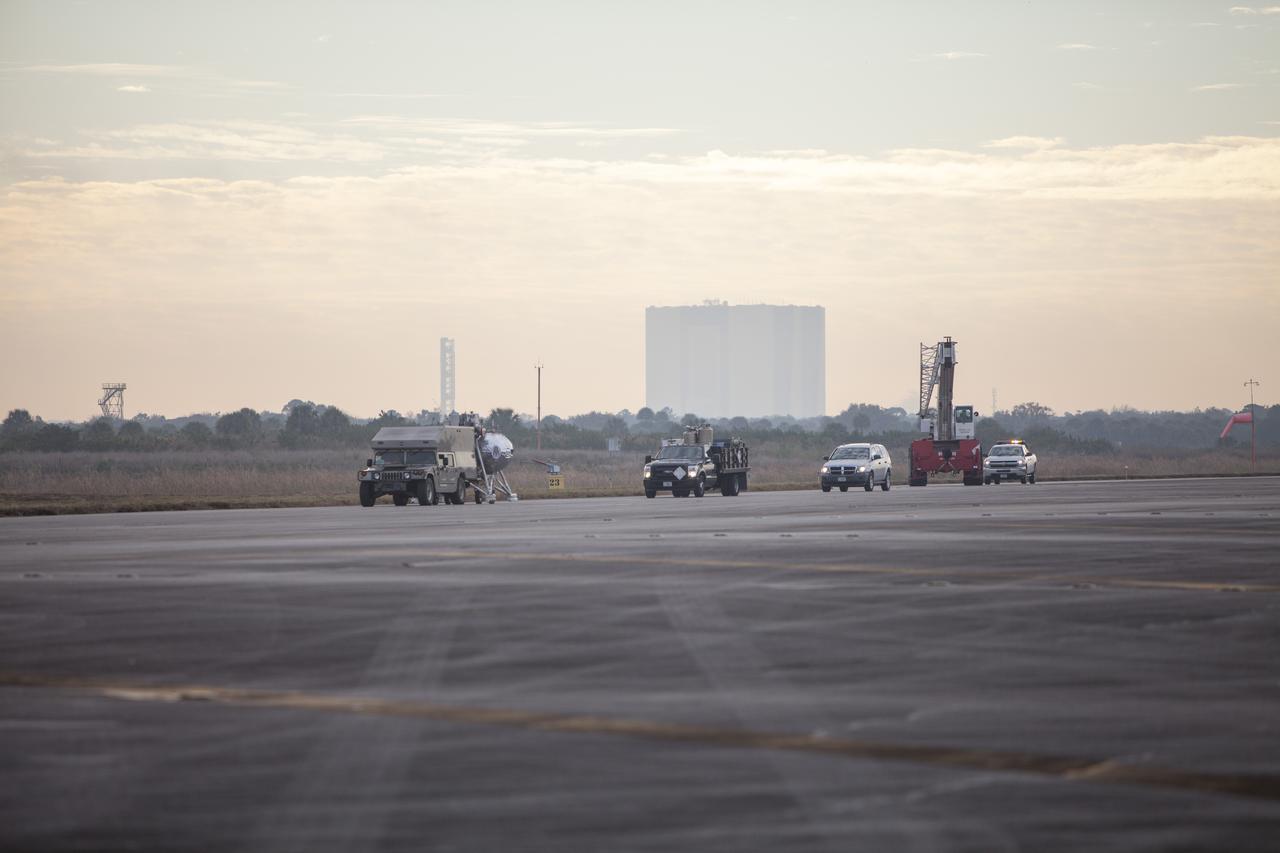
CAPE CANAVERAL, Fla. – The Project Morpheus prototype lander is transported to a launch pad at the north end of the Shuttle Landing Facility at NASA’s Kennedy Space Center in Florida. The prototype lander is being prepared for its fourth free flight test at Kennedy. Morpheus will launch from the ground over a flame trench and then descend and land on a dedicated pad inside the autonomous landing and hazard avoidance technology, or ALHAT, hazard field. Project Morpheus tests NASA’s ALHAT and an engine that runs on liquid oxygen and methane, or green propellants, into a fully-operational lander that could deliver cargo to other planetary surfaces. The landing facility provides the lander with the kind of field necessary for realistic testing, complete with rocks, craters and hazards to avoid. Morpheus’ ALHAT payload allows it to navigate to clear landing sites amidst rocks, craters and other hazards during its descent. Project Morpheus is being managed under the Advanced Exploration Systems, or AES, Division in NASA’s Human Exploration and Operations Mission Directorate. The efforts in AES pioneer new approaches for rapidly developing prototype systems, demonstrating key capabilities and validating operational concepts for future human missions beyond Earth orbit. For more information on Project Morpheus, visit http://www.nasa.gov/centers/johnson/exploration/morpheus. Photo credit: NASA/Cory Huston
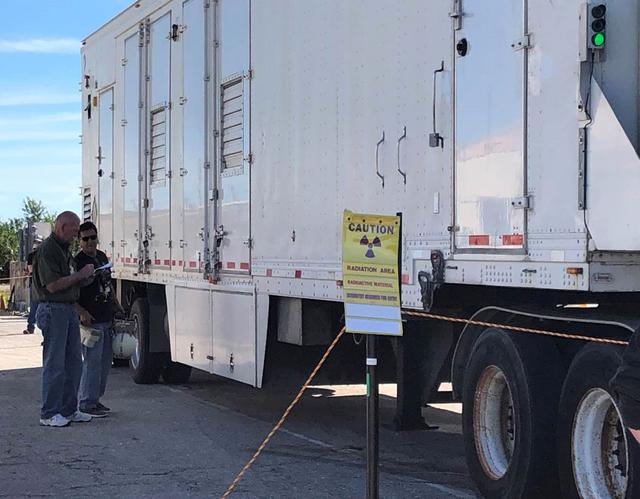
NASA Kennedy Space Center’s Health Physics team sets up a simulated radiation control boundary around the trailer carrying a multi-mission radioisotope thermoelectric generator (MMRTG) simulator on Feb. 7, 2019. NASA’s Mars 2020 rover will be powered by an MMRTG. The arrival of the MMRTG simulator enables the team to practice radiation control and monitoring protocols, including setting up radiation control points and postings around the trailer prior.
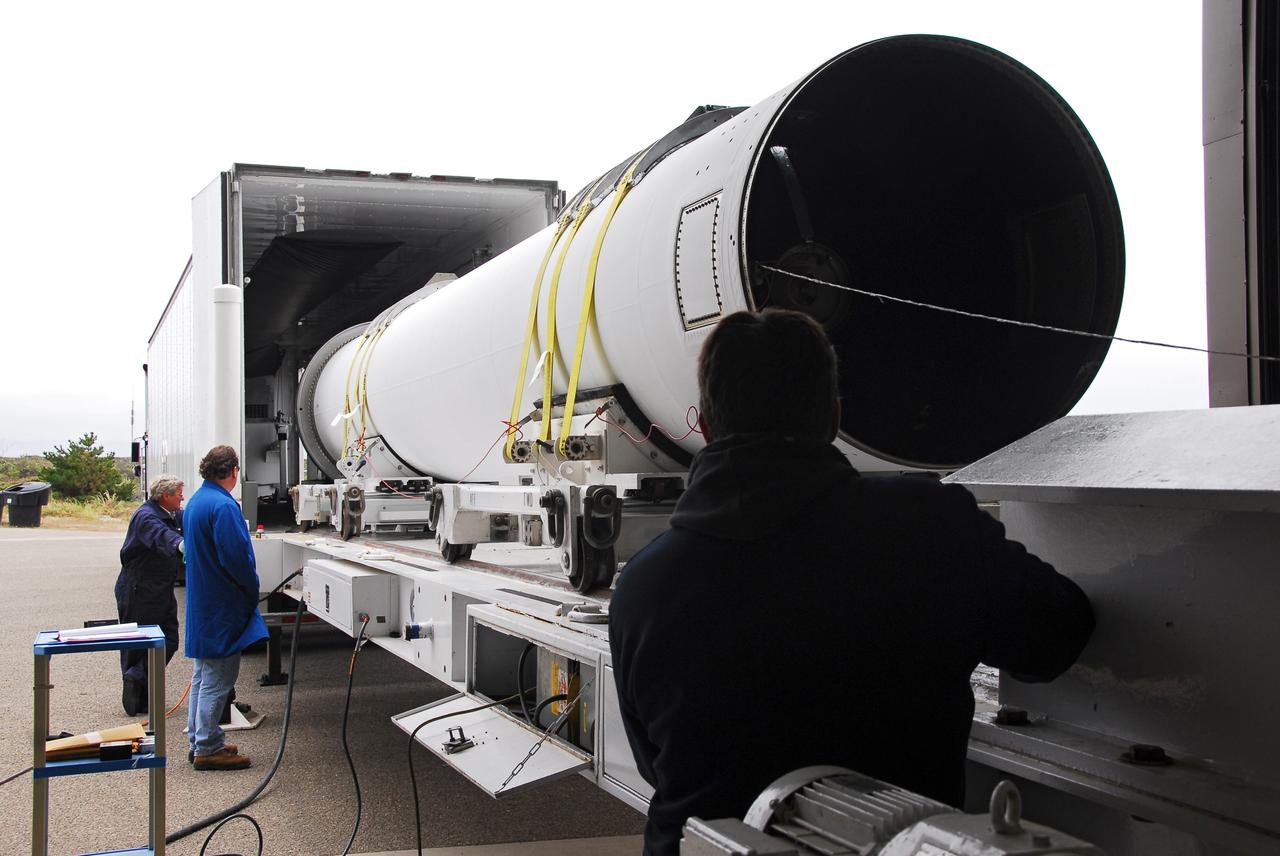
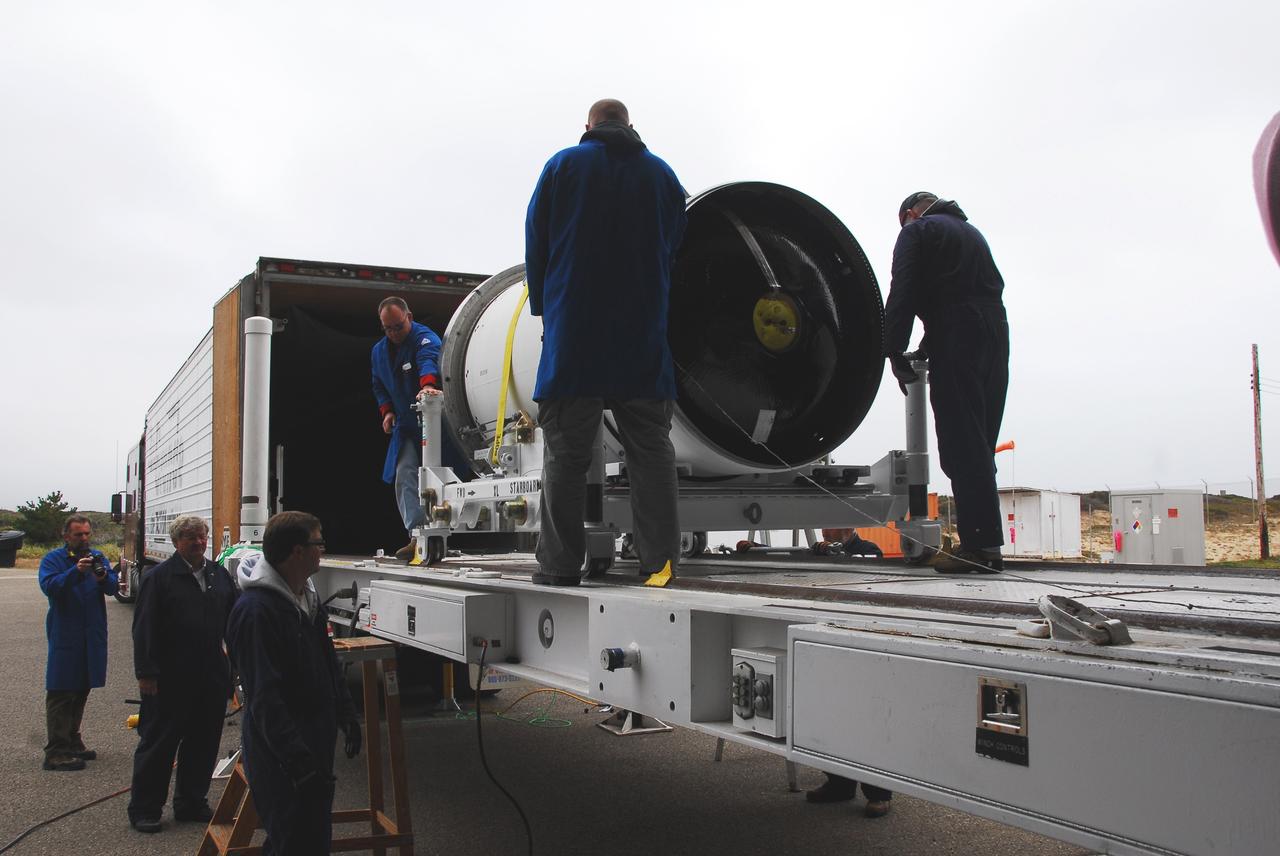
VANDENBERG AIR FORCE BASE, Calif. -- At Vandenberg AFB, the first stage of the Taurus rocket is moved out of the transportation trailer onto the assembly integration trailer. The Taurus will launch the Orbiting Carbon Observatory, or OCO, in 2009. The OCO is a new Earth-orbiting mission sponsored by NASA's Earth System Science Pathfinder Program. Photo credit: NASA/Randy Beaudoin
VANDENBERG AIR FORCE BASE, Calif. -- At Vandenberg AFB, the second stage of the Taurus rocket is moved out of the transportation trailer onto the assembly integration trailer. The Taurus will launch the Orbiting Carbon Observatory, or OCO, in 2009. The OCO is a new Earth-orbiting mission sponsored by NASA's Earth System Science Pathfinder Program. Photo credit: NASA/Randy Beaudoin
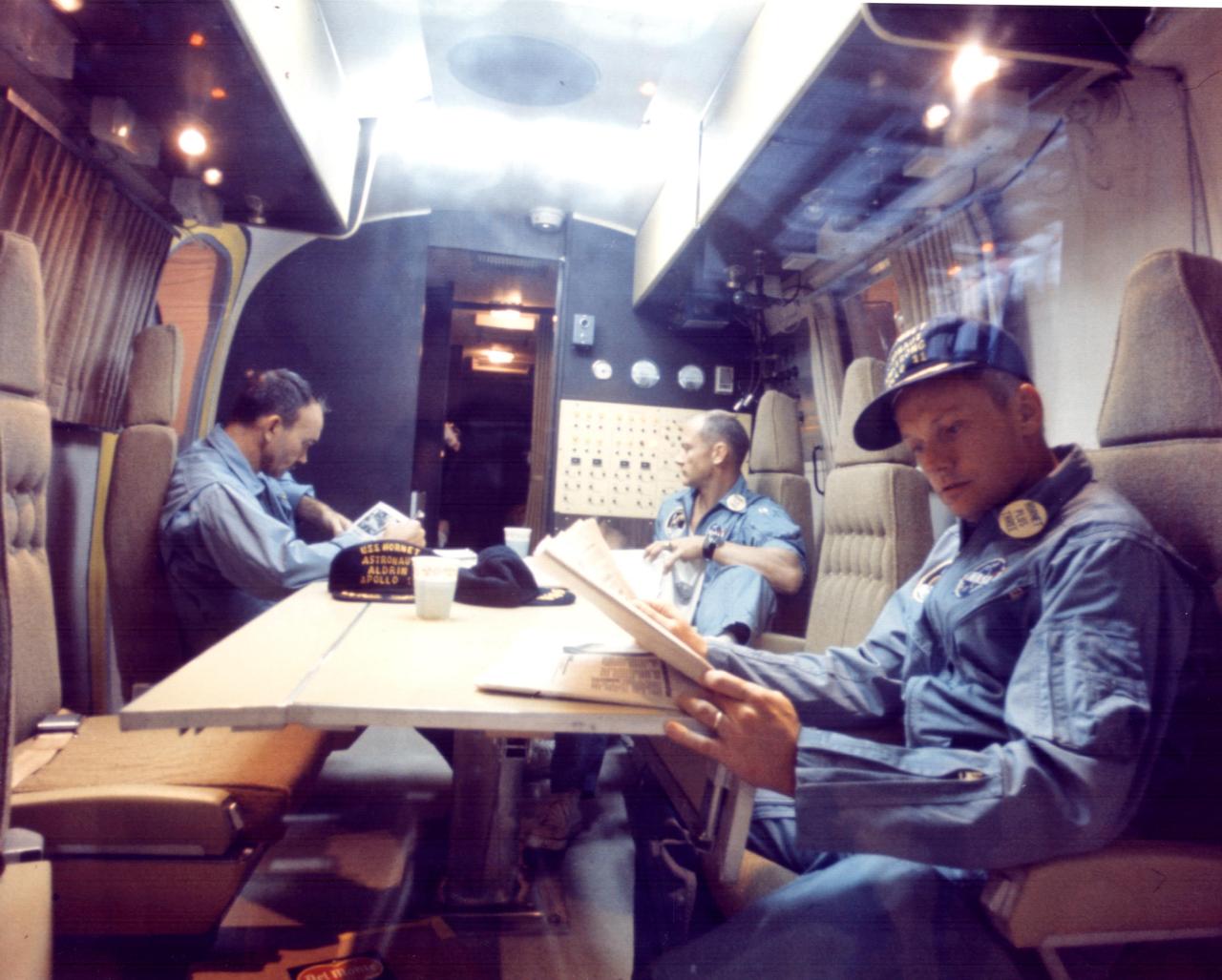
KENNEDY SPACE CENTER, FLA. - Within the Mobile Quarantine Facility, Apollo 11 astronauts (left to right) Michael Collins, Edwin E. Aldrin Jr. and Neil A. Armstrong relax following their successful lunar landing mission. They spent two-and-one-half days in the quarantine trailer enroute from the USS Hornet, prime recovery ship, to the Lunar Receiving Laboratory at the Manned Spacecraft Center in Houston. The Hornet docked at Pearl Harbor where the trailer was transferred to a jet aircraft for the flight to Houston.
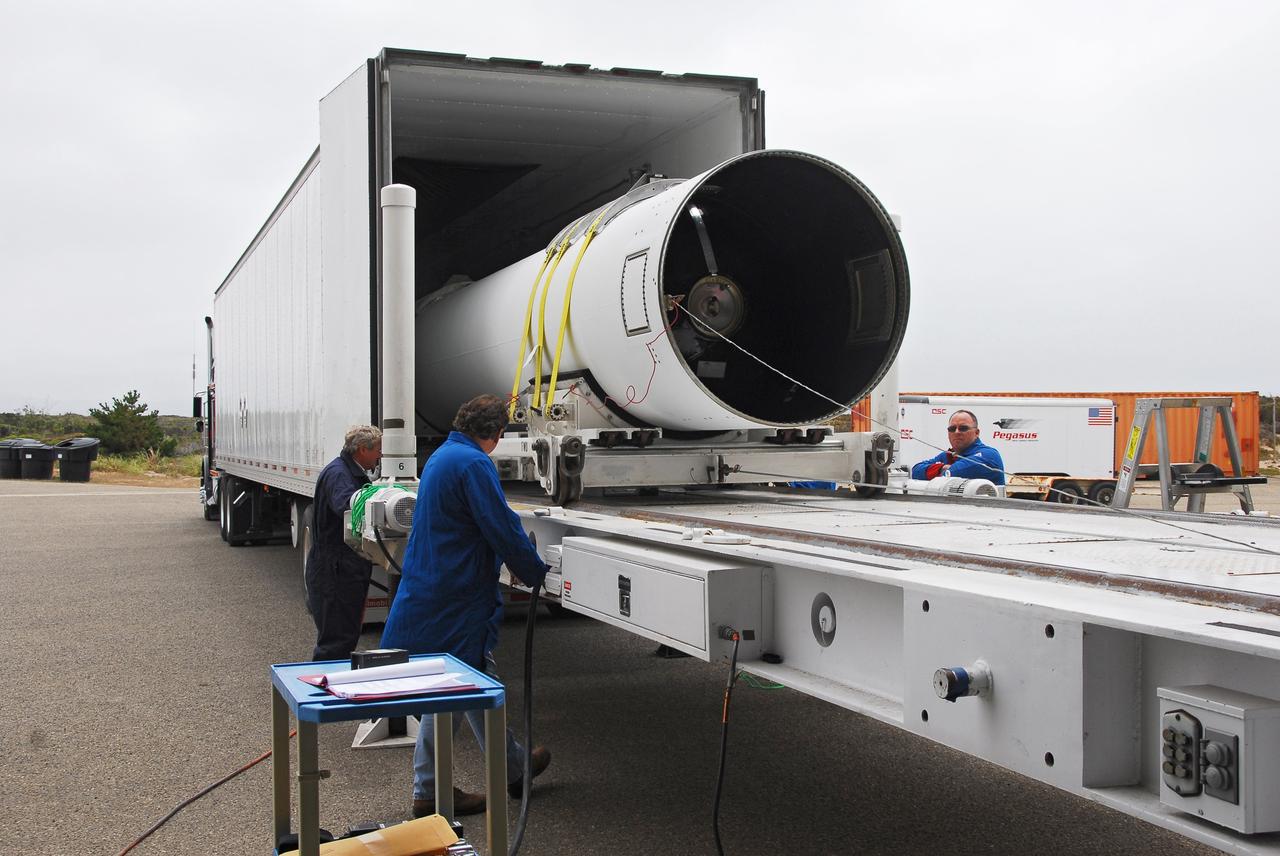
VANDENBERG AIR FORCE BASE, Calif. -- At Vandenberg AFB, the first stage of the Taurus rocket is moved out of the transportation trailer onto the assembly integration trailer. The Taurus will launch the Orbiting Carbon Observatory, or OCO, in 2009. The OCO is a new Earth-orbiting mission sponsored by NASA's Earth System Science Pathfinder Program. Photo credit: NASA/Randy Beaudoin
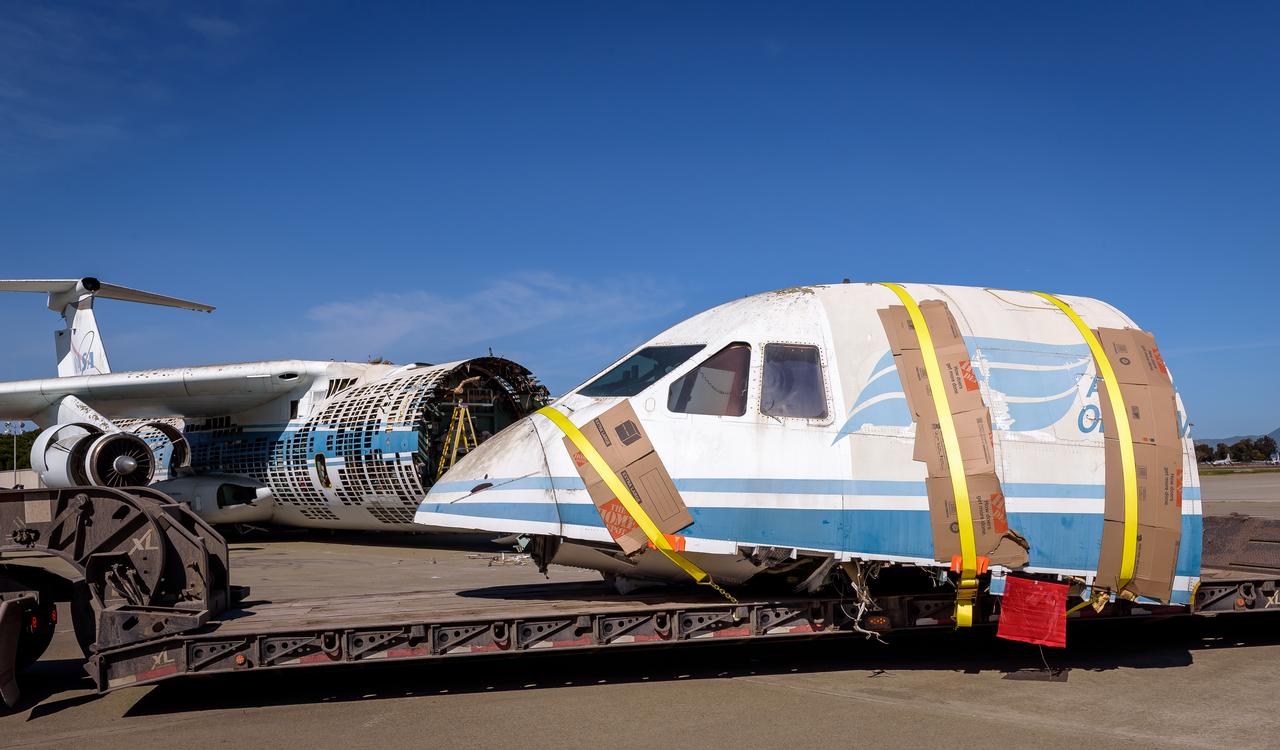
Yellow straps fasten the cockpit of the modified C-141 Kuiper Airborne Observatory, (KAO) (NASA-714), to the trailer that carries it off the N211 apron at Moffett Field, California.
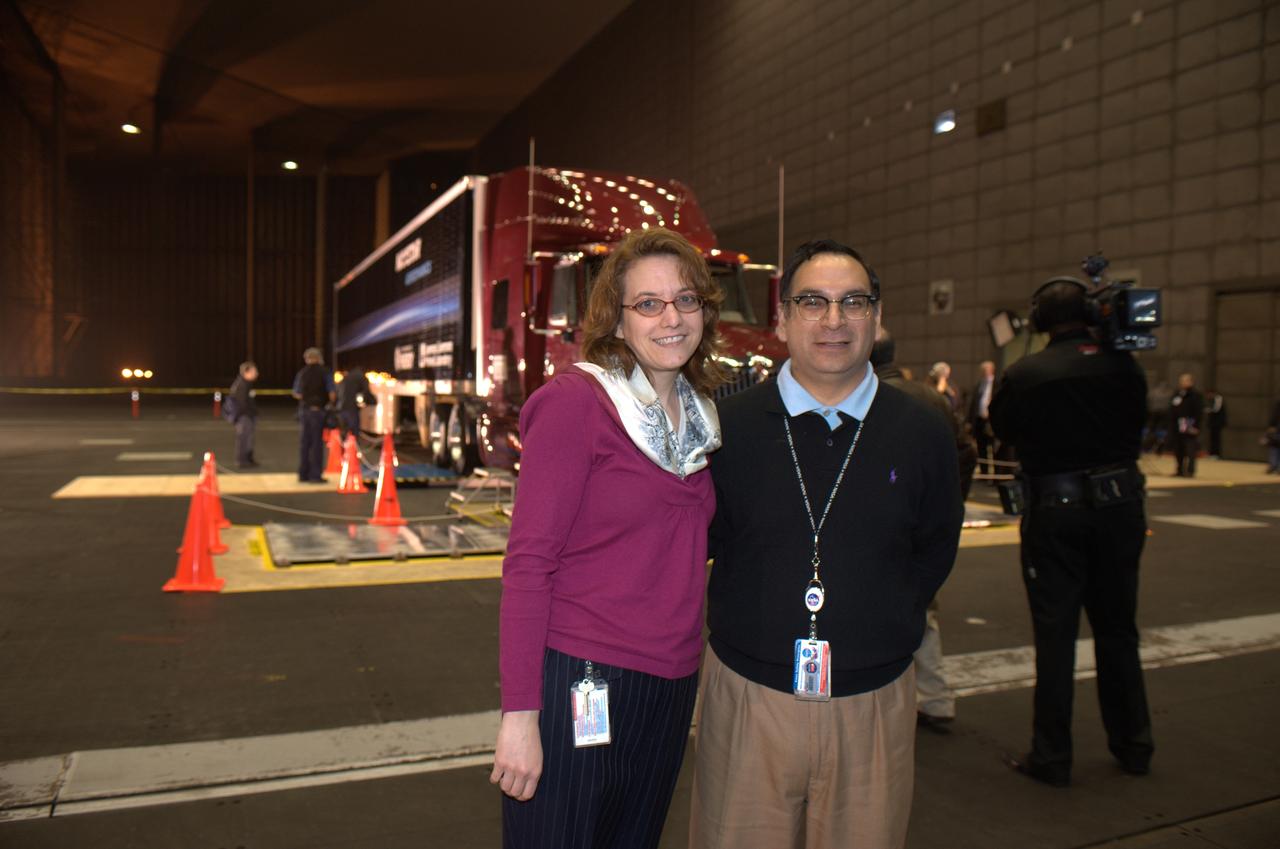
Lawrence Livermore National Laboratories media Day for their LLNL project aimed at aerodynamic truck and trailer devices. Tests are being preformed in the Ames Full-Scale Aerodynamic Complex 80x120 foot wind tunnel. Gabriel and Sharon Lozano.
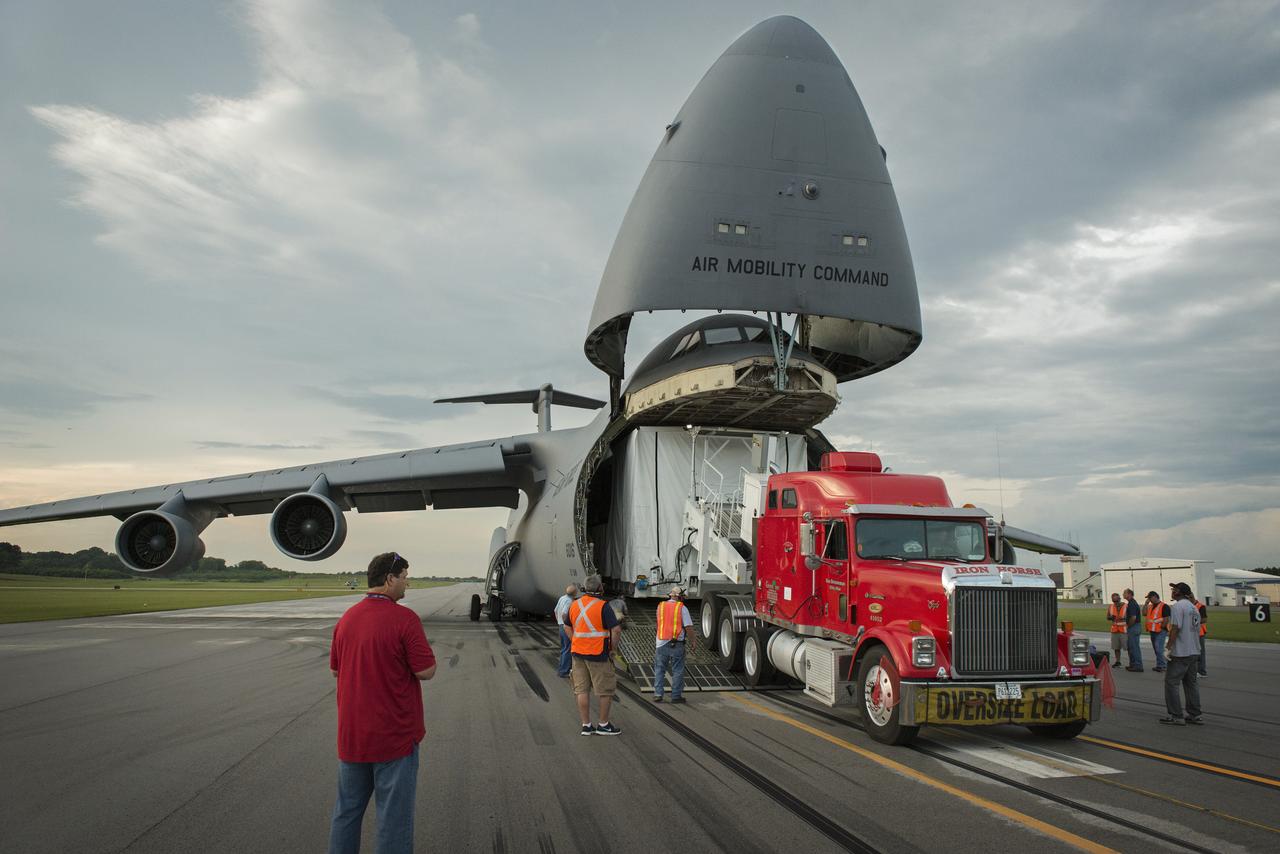
THE TRAILER CONTAINING THE JAMES WEBB SPACE TELESCOPE (JWST) BACKPLANE TEST ARTICLE IS UNLOADED FROM THE C5A AIRCRAFT AT REDSTONE AIRFIELD. THE TEST ARTICLE IS SCHEDULED TO UNDERGO TESTING AT THE X-RAY CALIBRATION FACILITY (XRCF) AT MSFC.

KENNEDY SPACE CENTER, FLA. - Known as the press mound, this site holds the press bleachers (center left), the NASA-KSC News Center (center) and television network buildings at right, along with trailers for networks such as API.
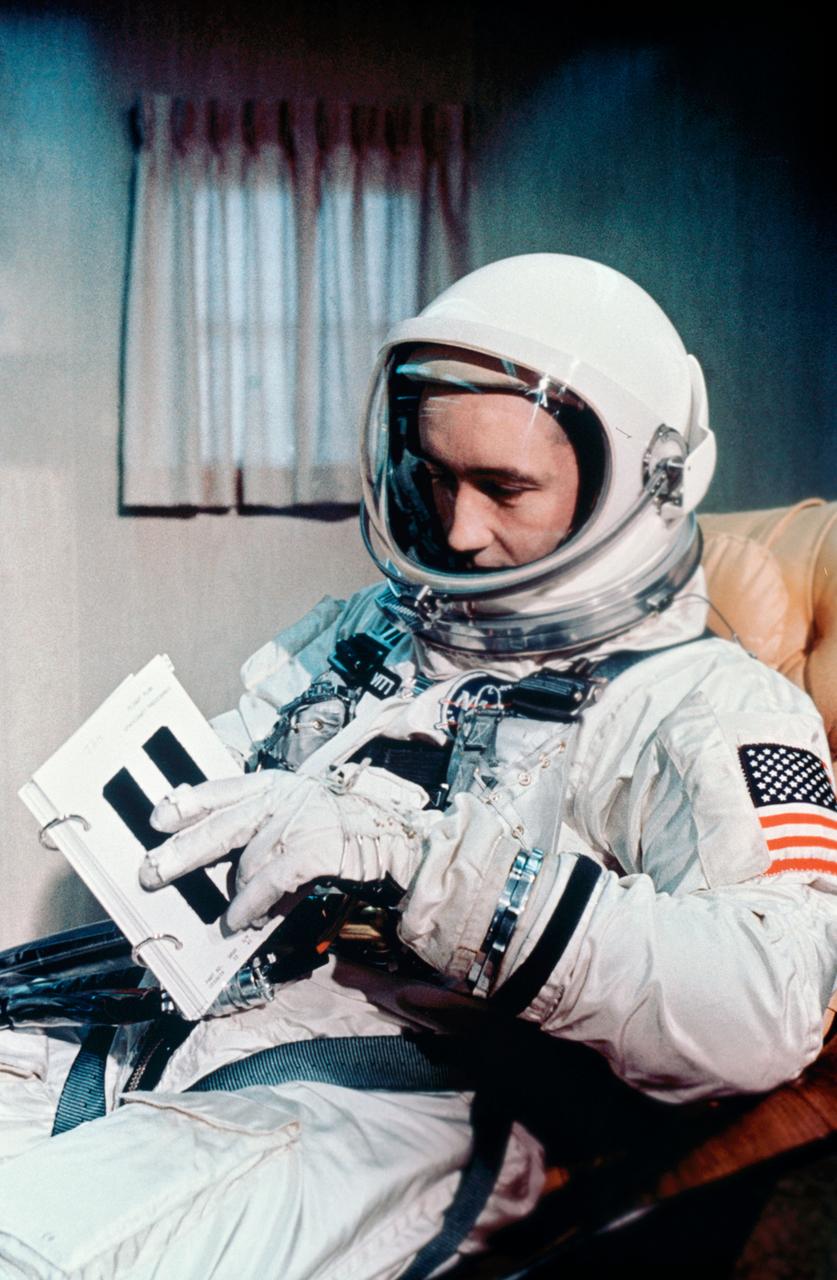
S65-29643 (3 June 1965) --- Astronaut James A. McDivitt, Gemini-4 command pilot, is shown in full spacesuit in the suit trailer prior to launch. He is reviewing a crew procedures flip book.
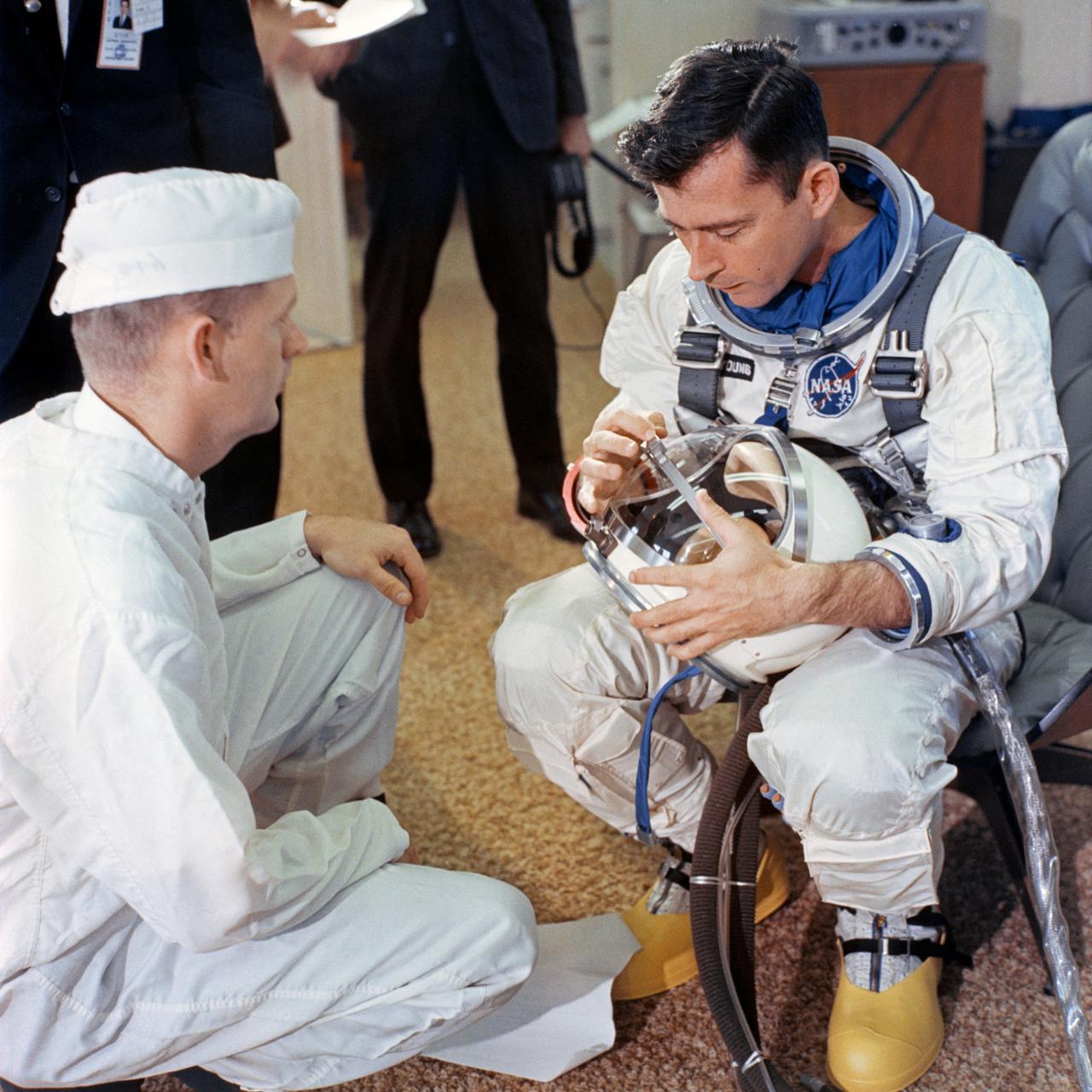
S65-23488 (23 March 1965) --- Astronaut John W. Young, pilot of the Gemini-Titan 3 space flight, checks over his helmet during suiting operations in the suiting trailer at Pad 16 prior to flight.
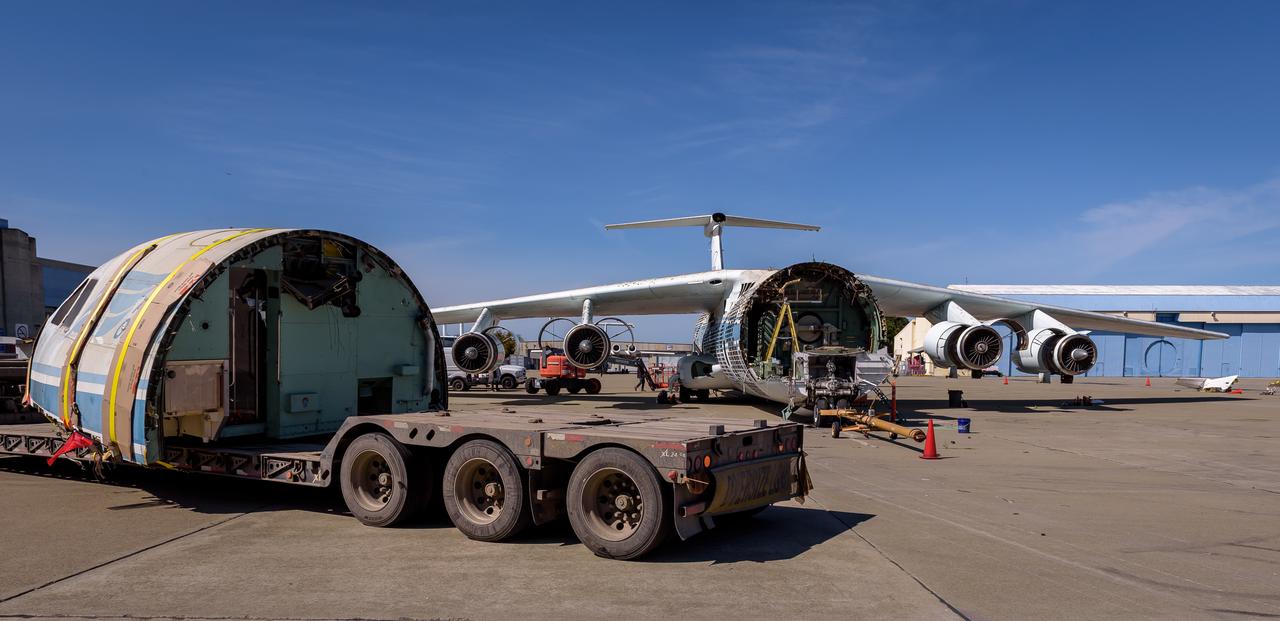
Yellow straps fasten the cockpit of the modified C-141 Kuiper Airborne Observatory, (KAO) (NASA-714), to the trailer that carries it off the N211 apron at Moffett Field, California.
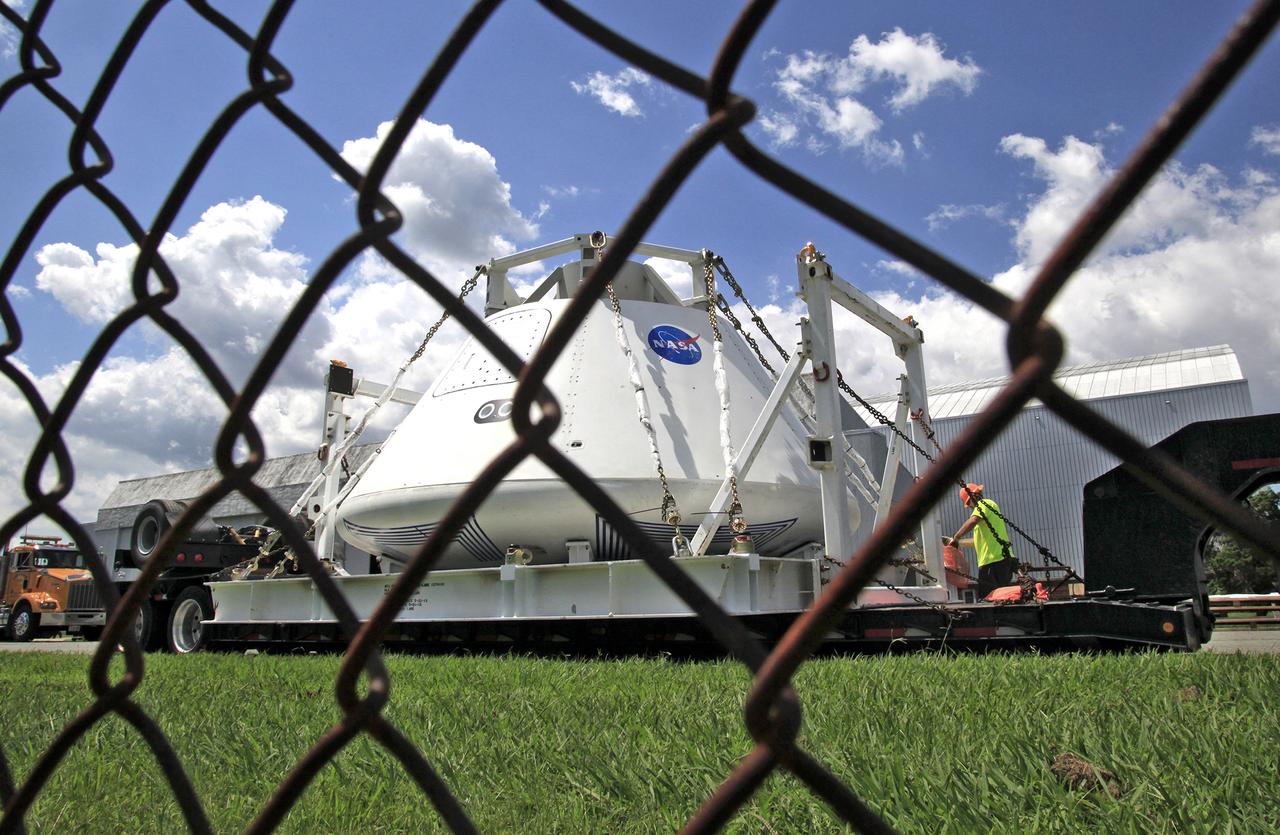
Orion Test Capsule loaded on a flatbed trailer at NASA Langley to be transport to Fort Eustis, VA. where it will be transported by barge to Norfolk Va. for open water recovery test.
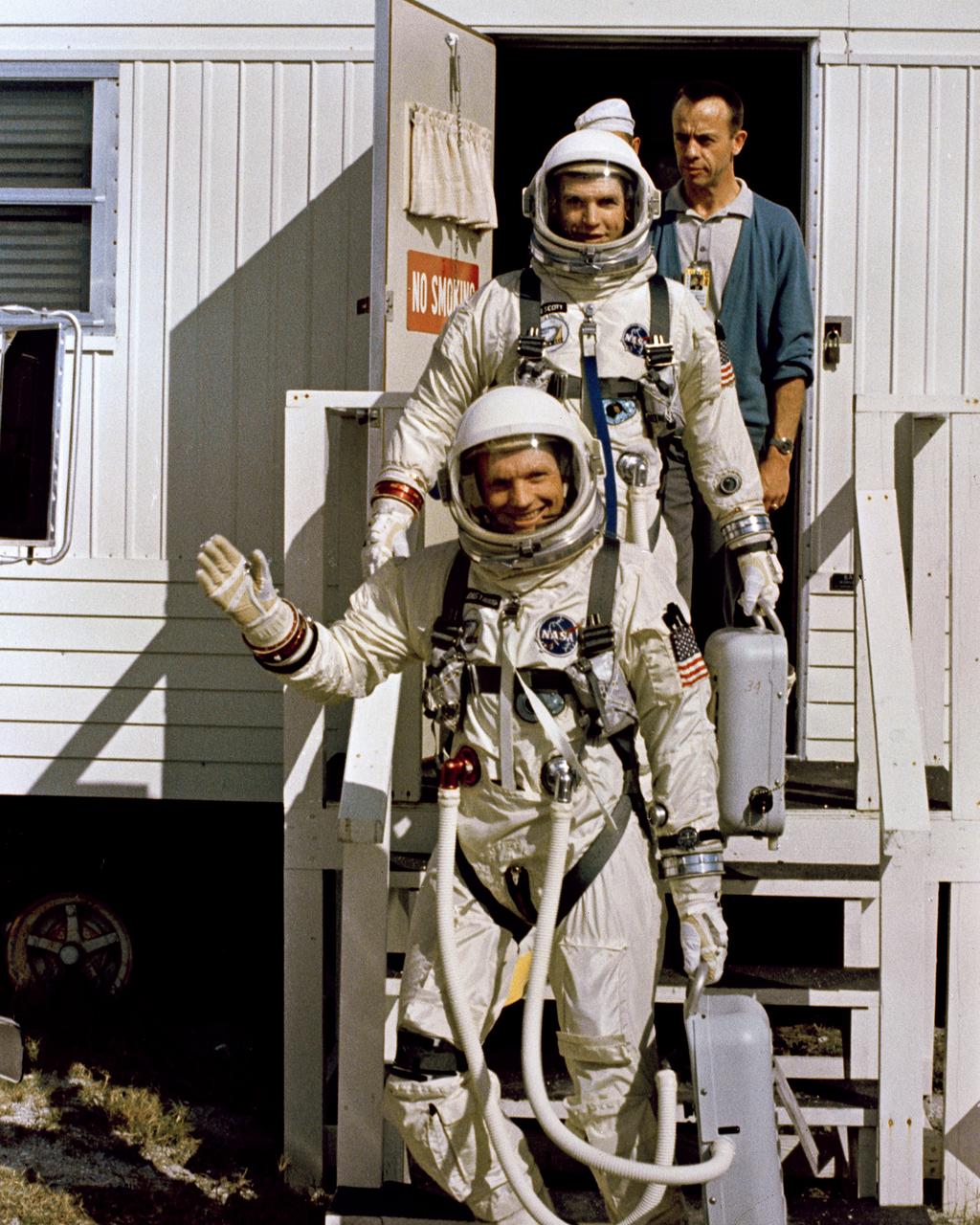
KSC-66C-1869 Astronauts Neil Armstrong and David Scott leave Suiting Trailer and enter Transfer Van at Cape Kennedy prior to boarding their Spacecraft for Gemini 8 Mission. (jrs)
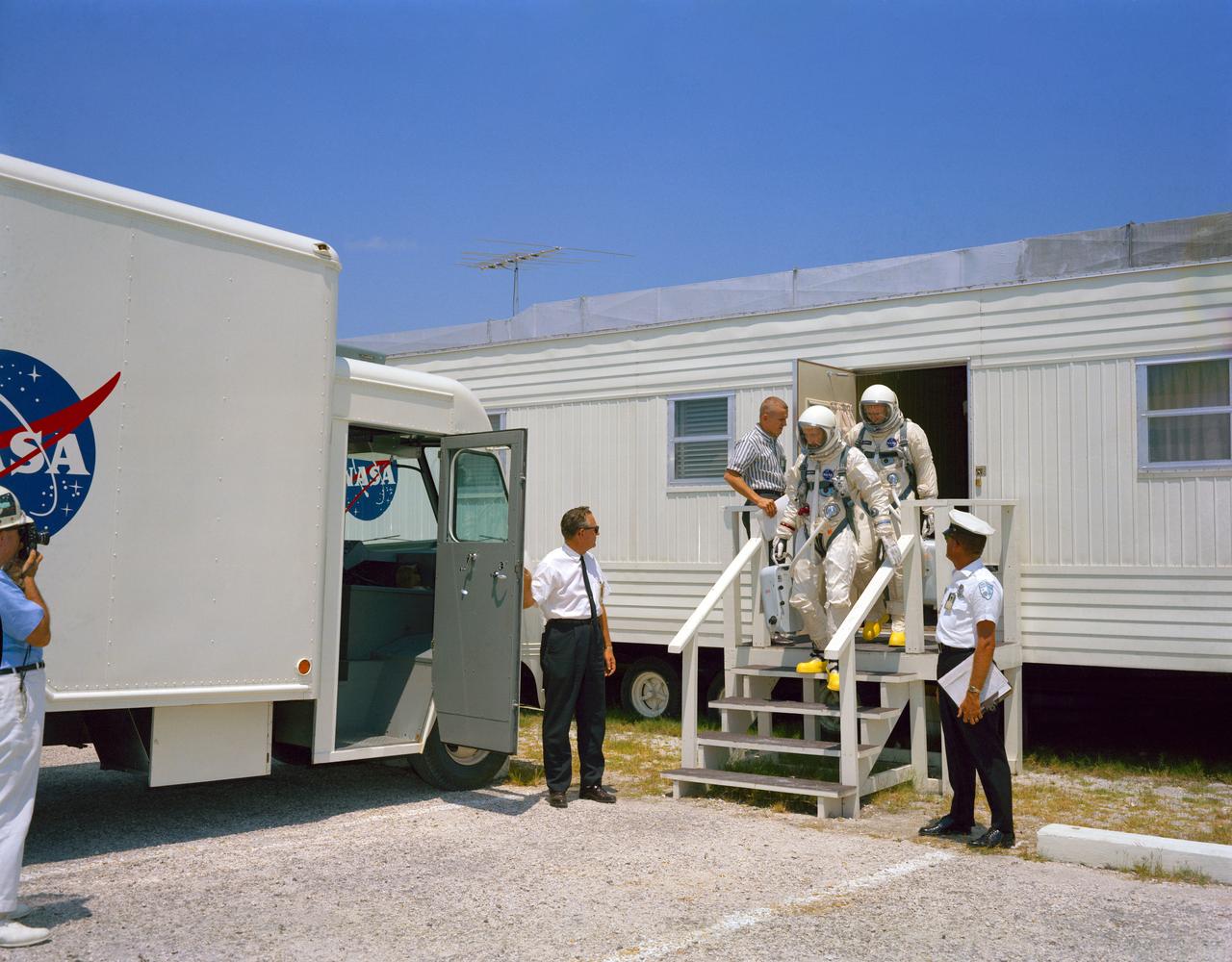
Astronauts Edward and James A. McDivitt are shown as they emerge from the suiting trailer located at Launch Complex 16. They are following in a Wet Mock Simulation Launch as a training exercise for GT-4. CAPE KENNEDY, FL B&W
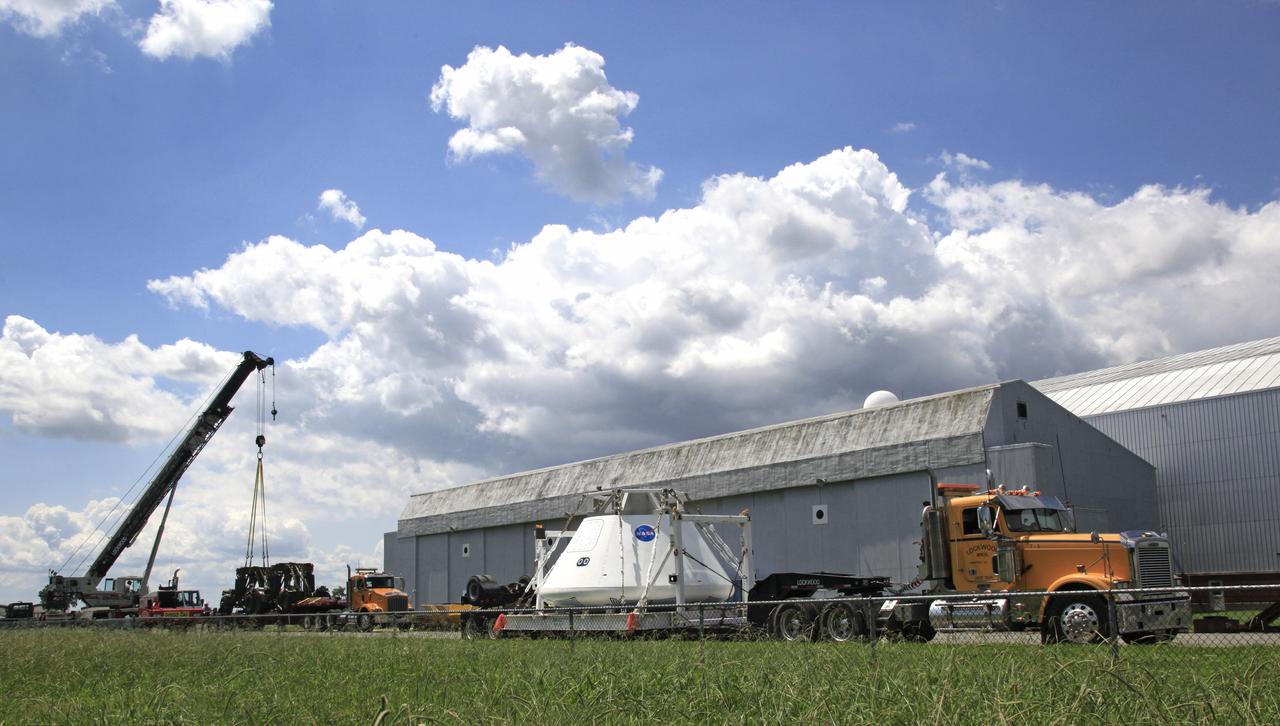
Orion Test Capsule loaded on a flatbed trailer at NASA Langley to be transport to Fort Eustis, VA. where it will be transported by barge to Norfolk Va. for open water recovery test.
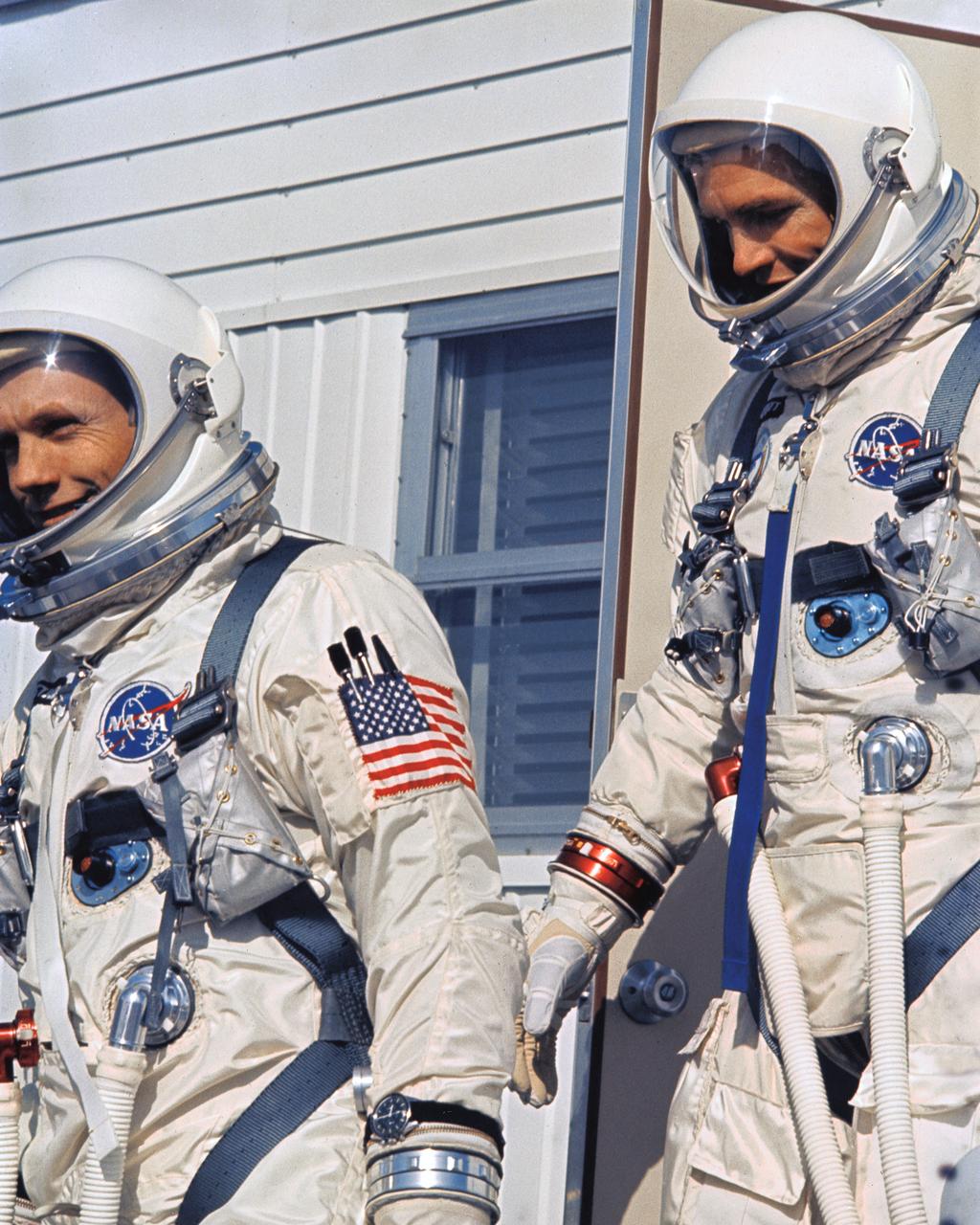
KSC-66C-1851 Astronauts Neil Armstrong and David Scott leave Suiting Trailer to enter Transfer Van, Complex 19, Cape Kennedy prior to boarding their Spacecraft for Gemini 8 Mission. (jrs)
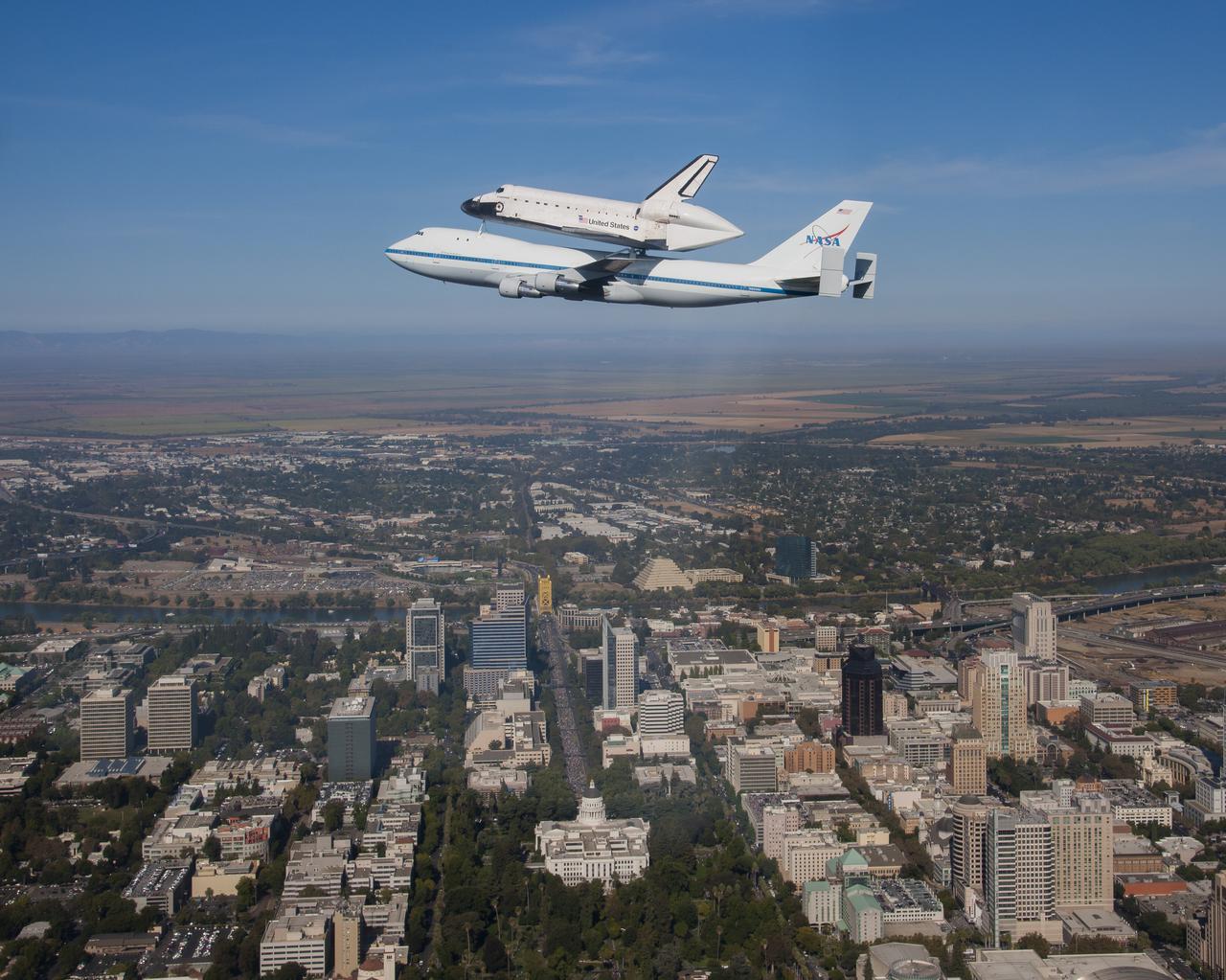
Shuttle Endeavour was ferried to Los Angeles, briefly flying over the California state capitol, Sacramento, then demated from its NASA 747 and trailered to the California Science Center.
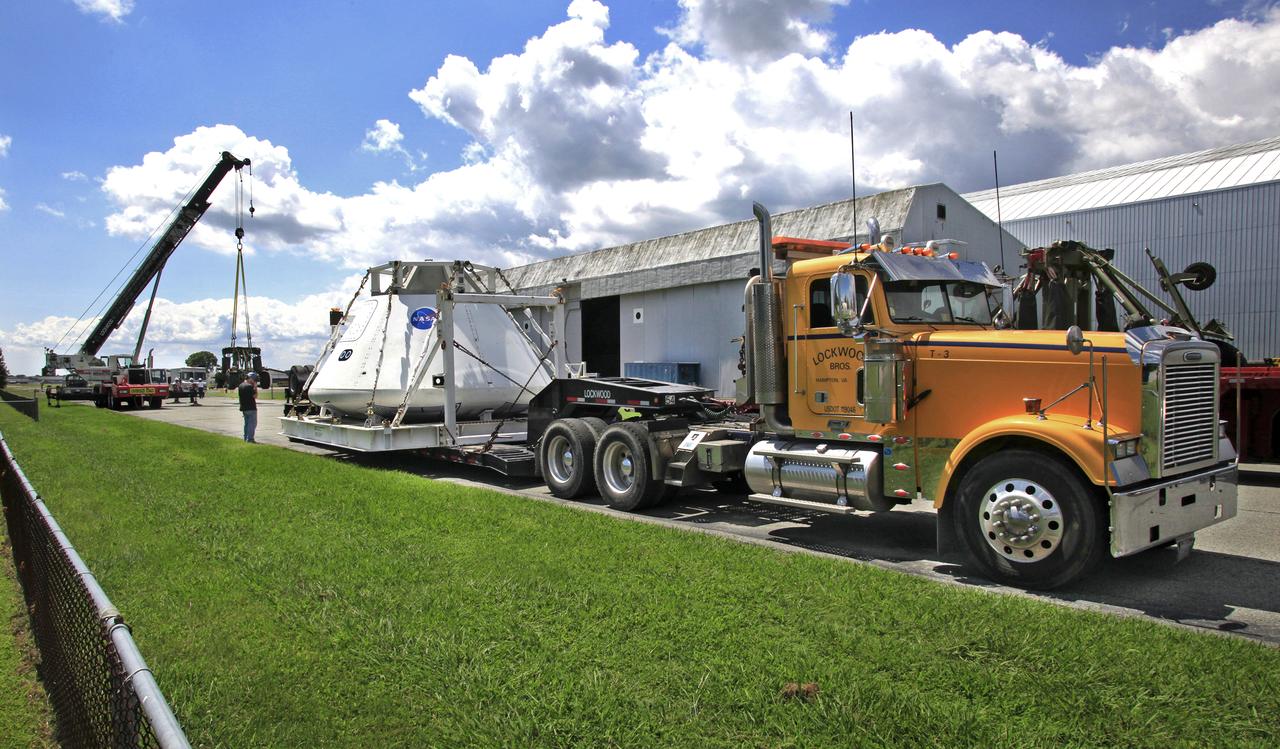
Orion Test Capsule loaded on a flatbed trailer at NASA Langley to be transport to Fort Eustis, VA. where it will be transported by barge to Norfolk Va. for open water recovery test.
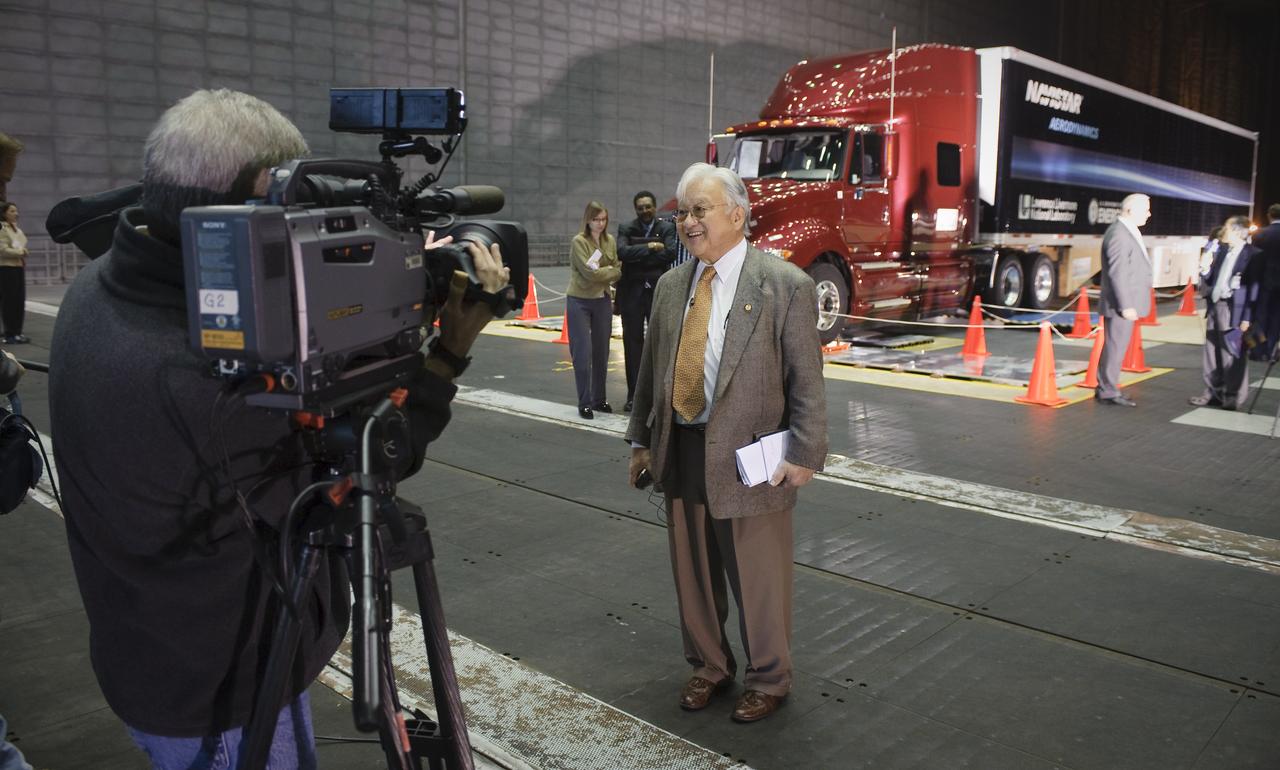
Lawrence Livermore National Laboratories media Day for their LLNL project aimed at aerodynamic truck and trailer devices. Tests are being preformed in the Ames Full-Scale Aerodynamic Complex 80x120 foot wind tunnel.
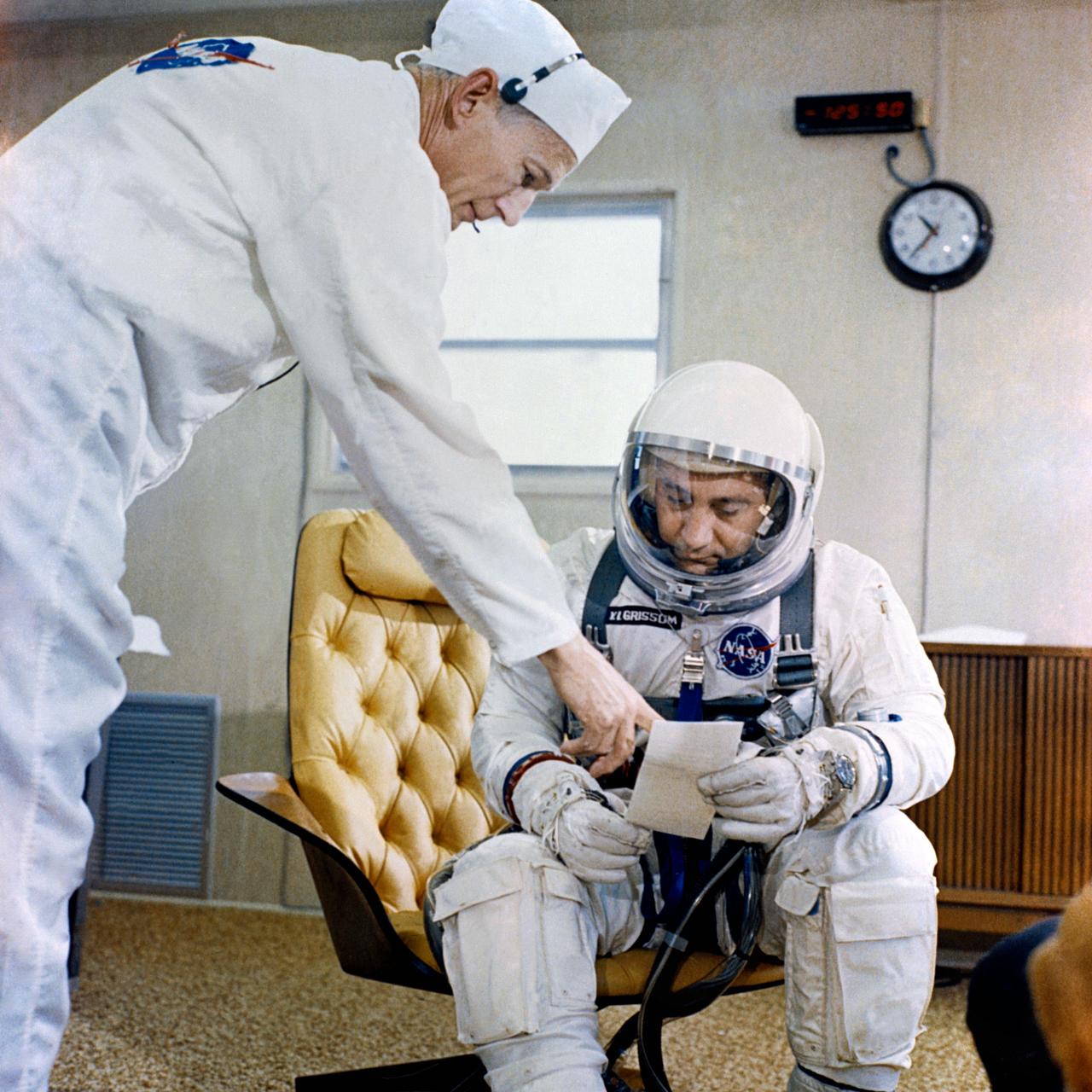
S65-23486 (23 March 1965) --- Astronaut Virgil I. Grissom, command pilot of the Gemini-Titan 3 space flight, is shown in the suiting trailer at Pad 16 going over a checklist with suit technician Joe Schmitt.
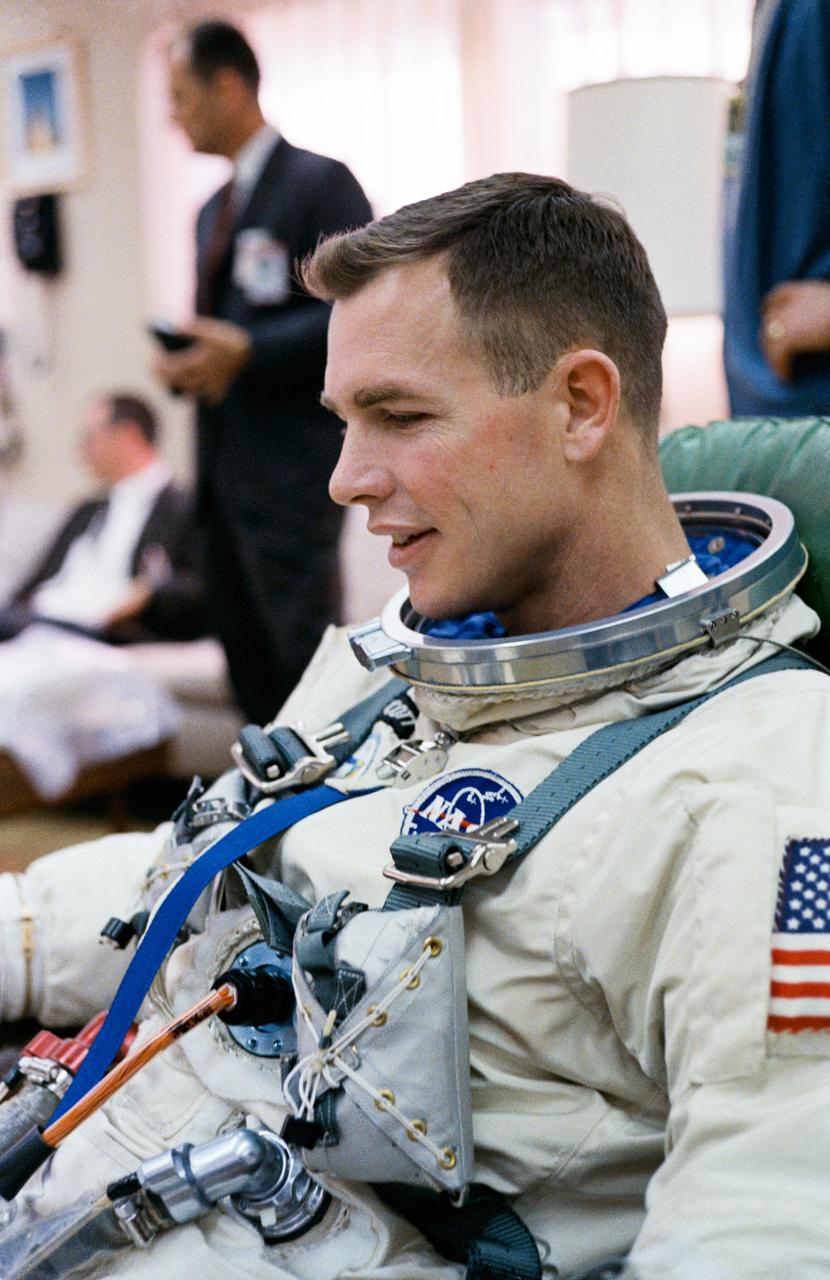
S66-24491 (16 March 1966) --- Astronaut David R. Scott, pilot of the Gemini-8 spaceflight, relaxes in the Launch Complex 16 trailer during suiting up operations for the Gemini-8 mission. Photo credit: NASA
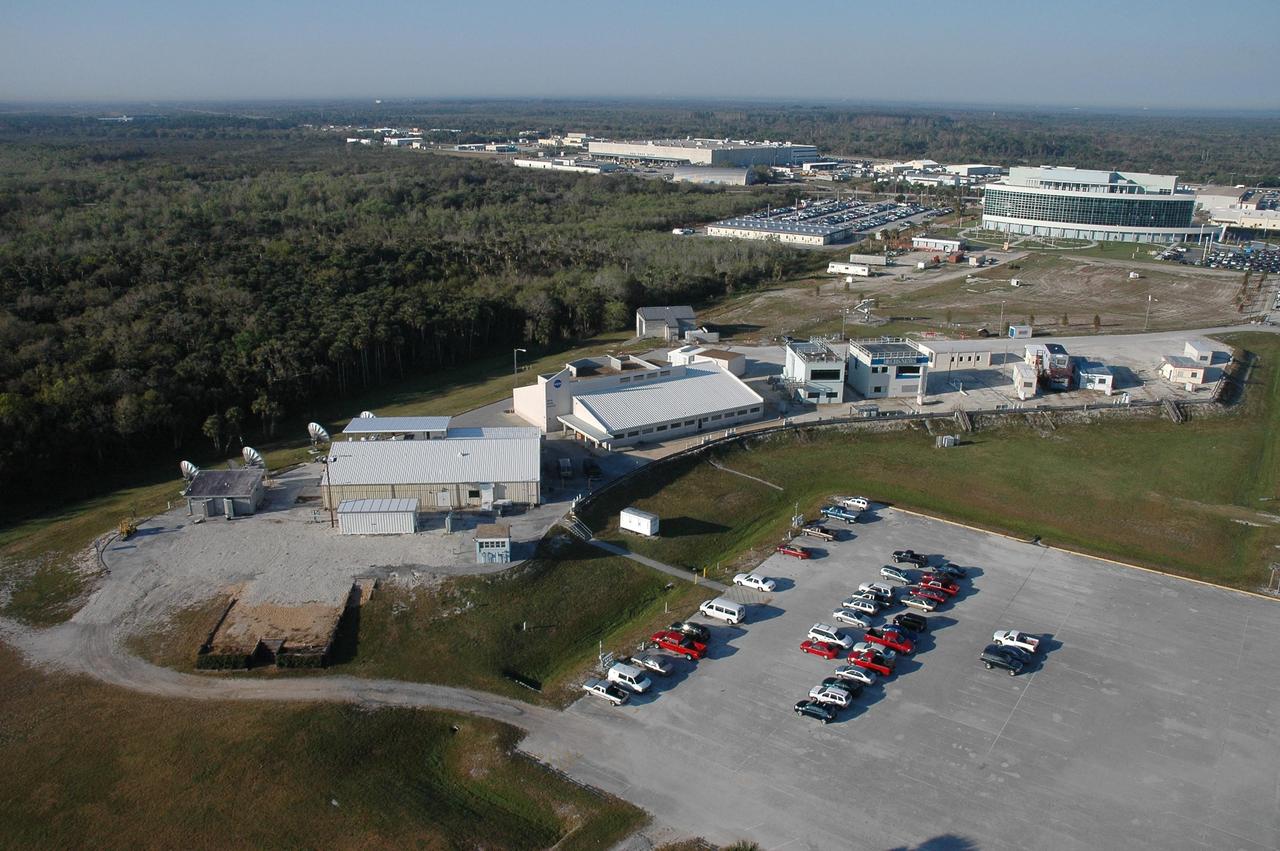
KENNEDY SPACE CENTER, FLA. - This aerial view shows the Press Site (in the foreground) comprising the NASA TV studio, the NASA News Center behind it, buildings used by local NBC and CBS television stations, and newly erected prefabricated buildings for local newspapers and correspondents for CNN, AP and others. A year-long project removed and replaced hurricane-damaged trailers and grandstands from the site. In the background, at right, is the newly built Operations Support Building II, which replaced modular housing and trailers in the Launch Complex 39 area. Photo credit: Cory Huston
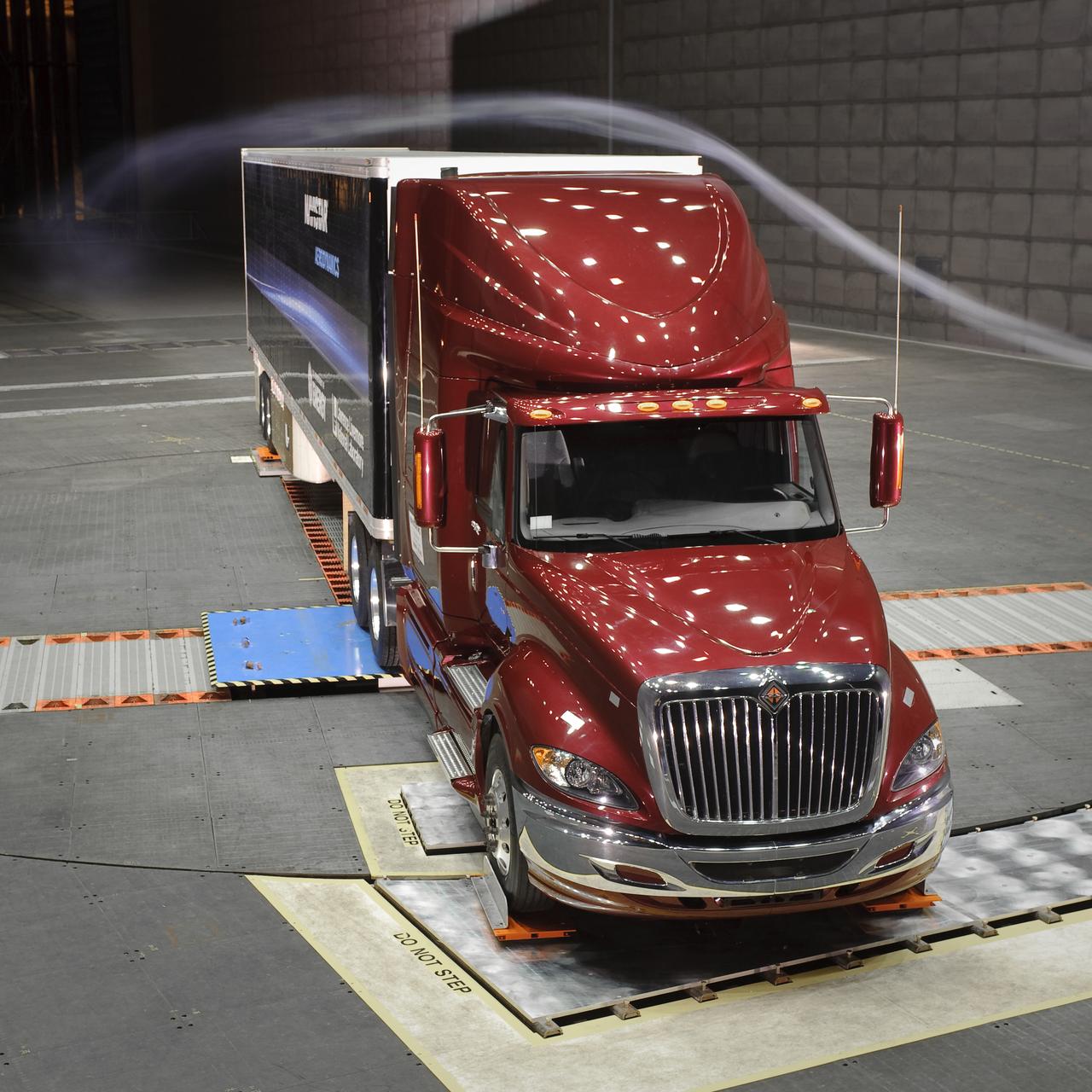
Lawrence Livermore National Labs (LLNL), Navistar and the Department of Energy conduct tests in the NASA Ames National Full-scale Aerodynamic Complex 80x120_foot wind tunnel. The LLNL project is aimed at aerodynamic truck and trailer devices that can reduce fuel consumption at highway speed by 10 percent. Smoke test demo.
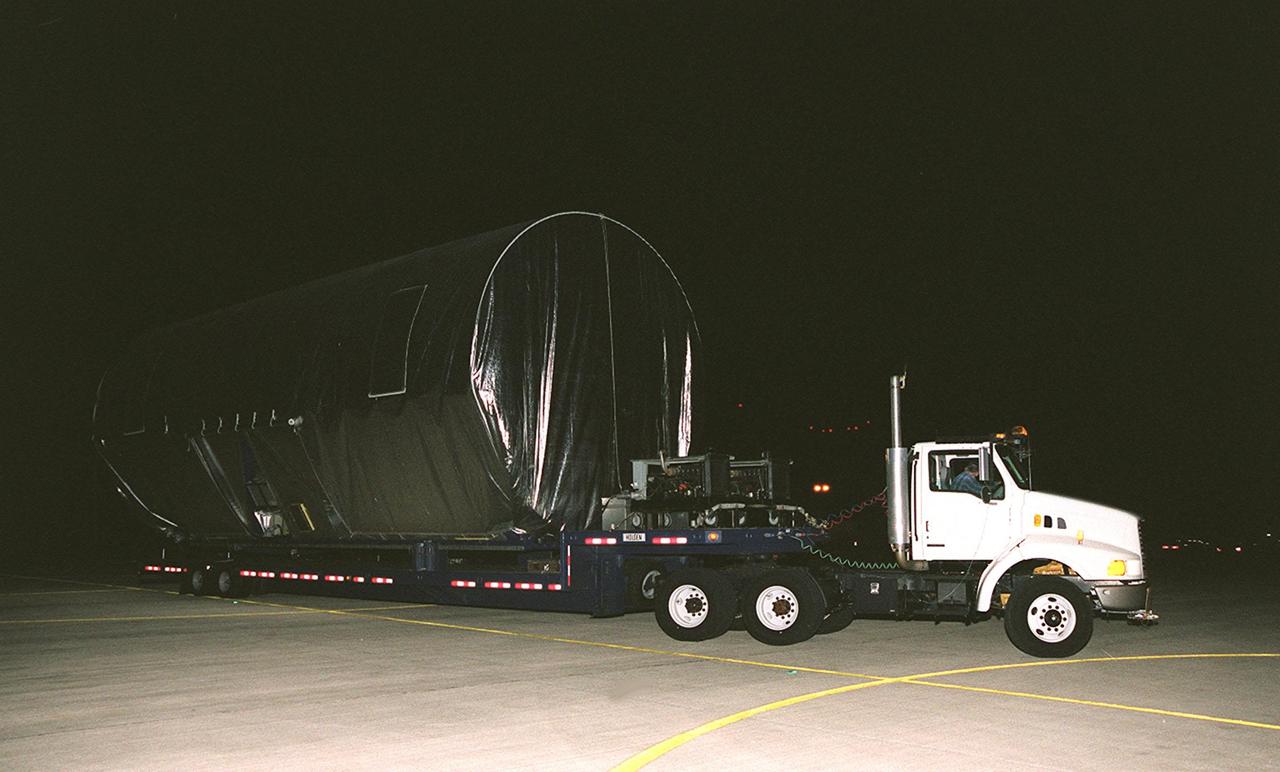
A flatbed trailer begins moving the Integrated Truss Structure S3 from the Shuttle Landing Facility to the Operations and Checkout Building. The S3 arrived aboard a Super Guppy aircraft. The second starboard truss segment of the International Space Station, the S3 truss is scheduled to be added to the Station in April 2003
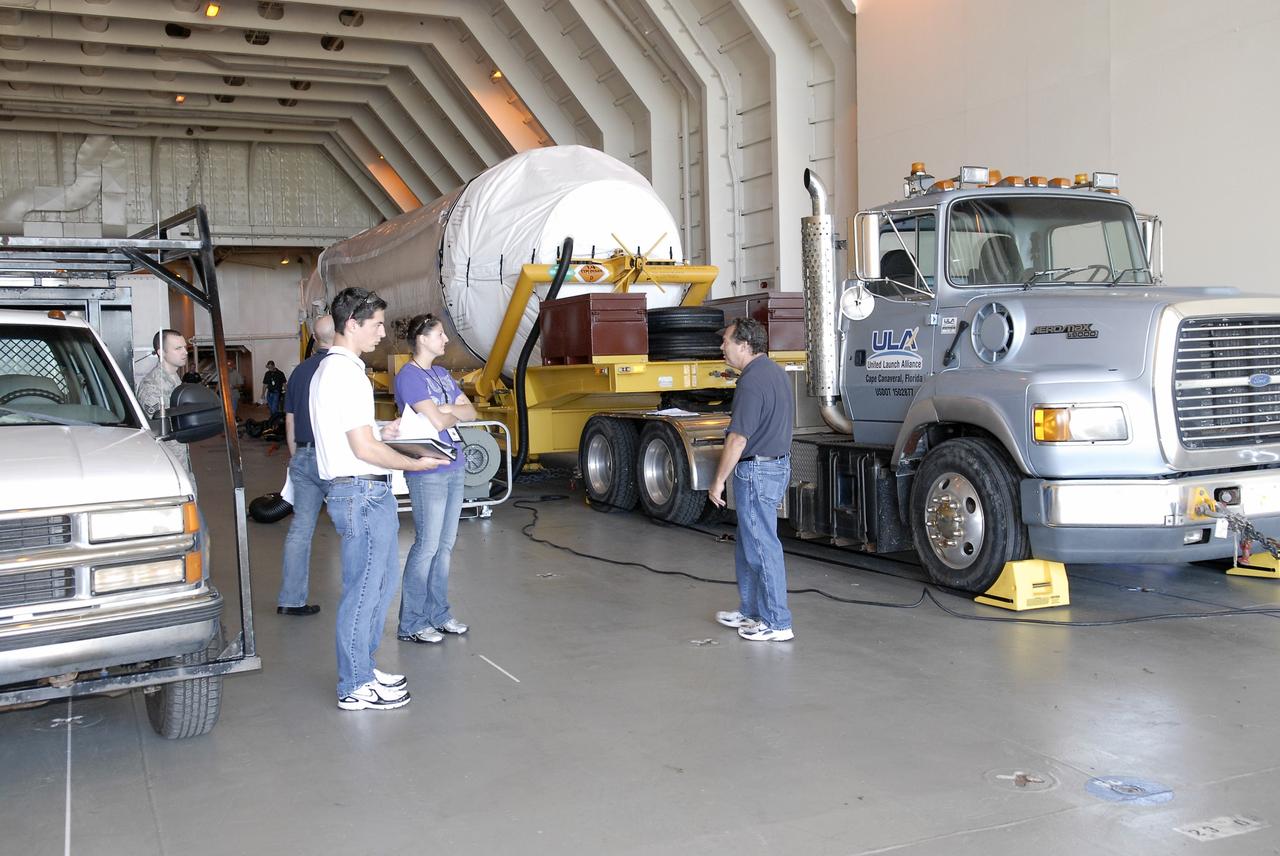
CAPE CANAVERAL, Fla. – The Centaur upper stage sits on its transport trailer inside the Delta Mariner at Port Canaveral as crews prepare to move it from the ship to the Atlas Spaceflight Operations Center, or ASOC, to begin checkout for the launch of the Radiation Belt Storm Probes, or RBSP, mission. Photo credit: NASA/Charisse Nahser
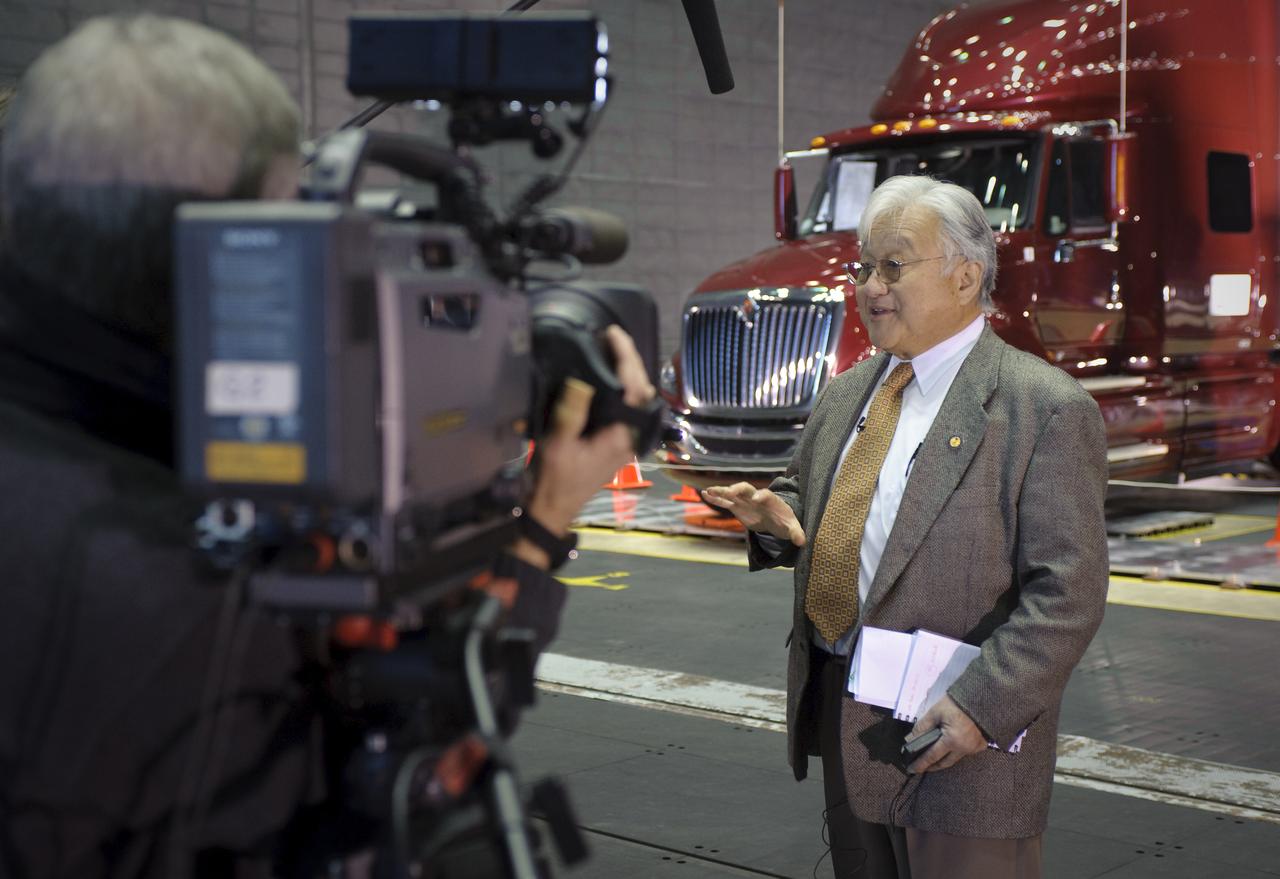
Lawrence Livermore National Laboratories media Day for their LLNL project aimed at aerodynamic truck and trailer devices. Tests are being preformed in the Ames Full-Scale Aerodynamic Complex 80x120 foot wind tunnel. Mike Honda, U.S Congressman from California's 15th District
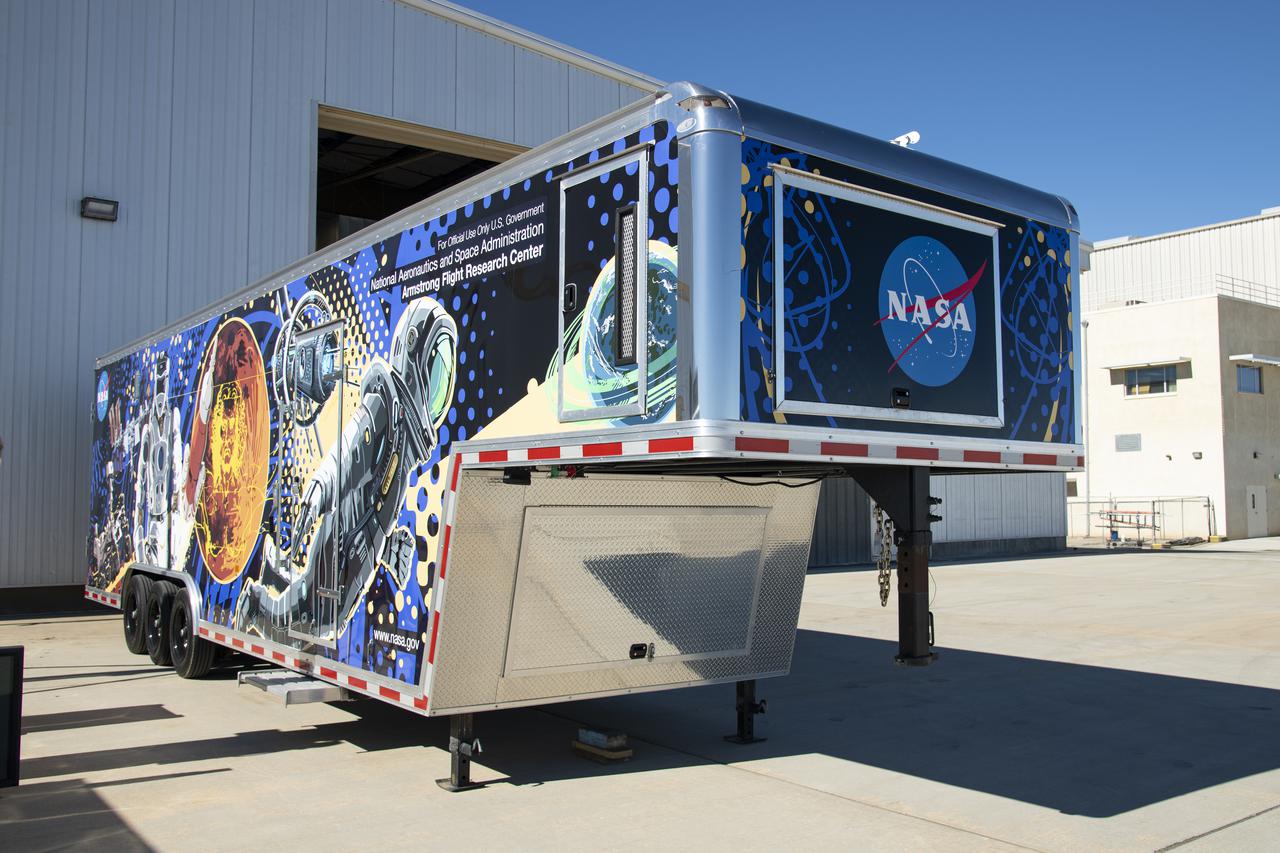
The Mobile Fabrication Shop was received at NASA Armstrong on February 7, 2022 as part of the Robotics Alliance Program based at NASA’s Johnson Space Center. This view shows the front of the wrapped trailer that attends robotics competitions to help students during their robotics competitions.
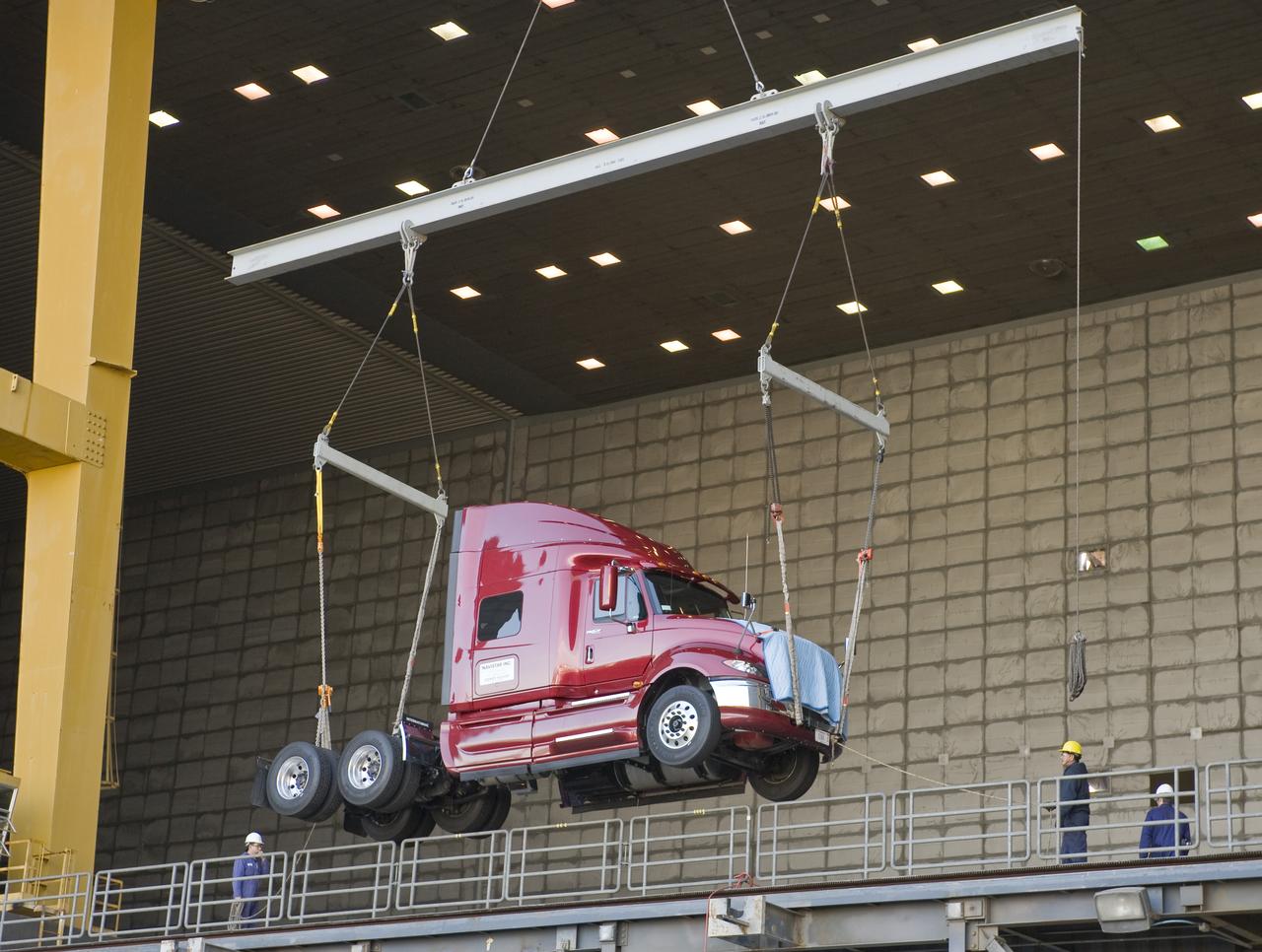
Lawrence Livermore National Labs (LLNL), Navistar and the Department of Energy conduct tests in the NASA Ames National Full-scale Aerodynamic Complex 80x120_foot wind tunnel. The LLNL project is aimed at aerodynamic truck and trailer devices that can reduce fuel consumption at highway speed by 10 percent. Cab being lifted into the tunnel.
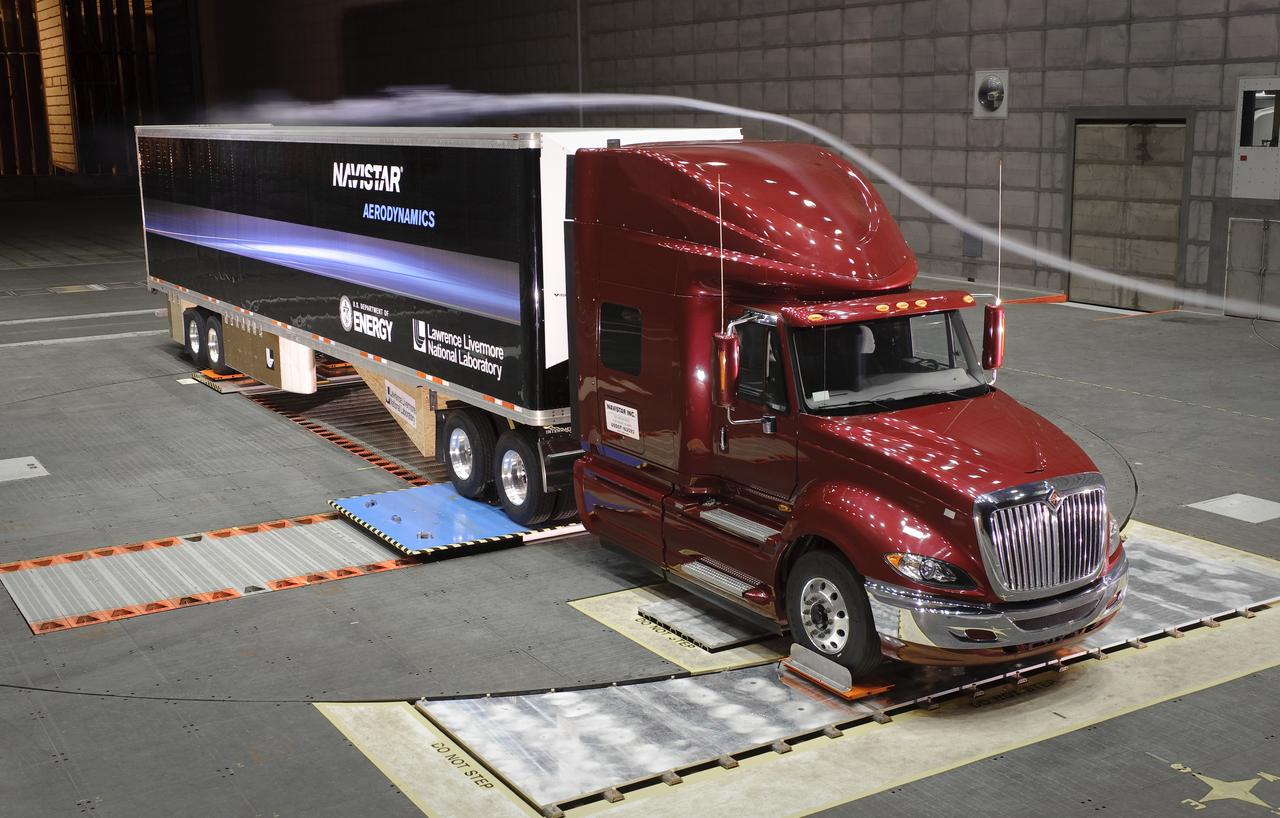
Lawrence Livermore National Labs (LLNL), Navistar and the Department of Energy conduct tests in the NASA Ames National Full-scale Aerodynamic Complex 80x120_foot wind tunnel. The LLNL project is aimed at aerodynamic truck and trailer devices that can reduce fuel consumption at highway speed by 10 percent. Smoke test demo.
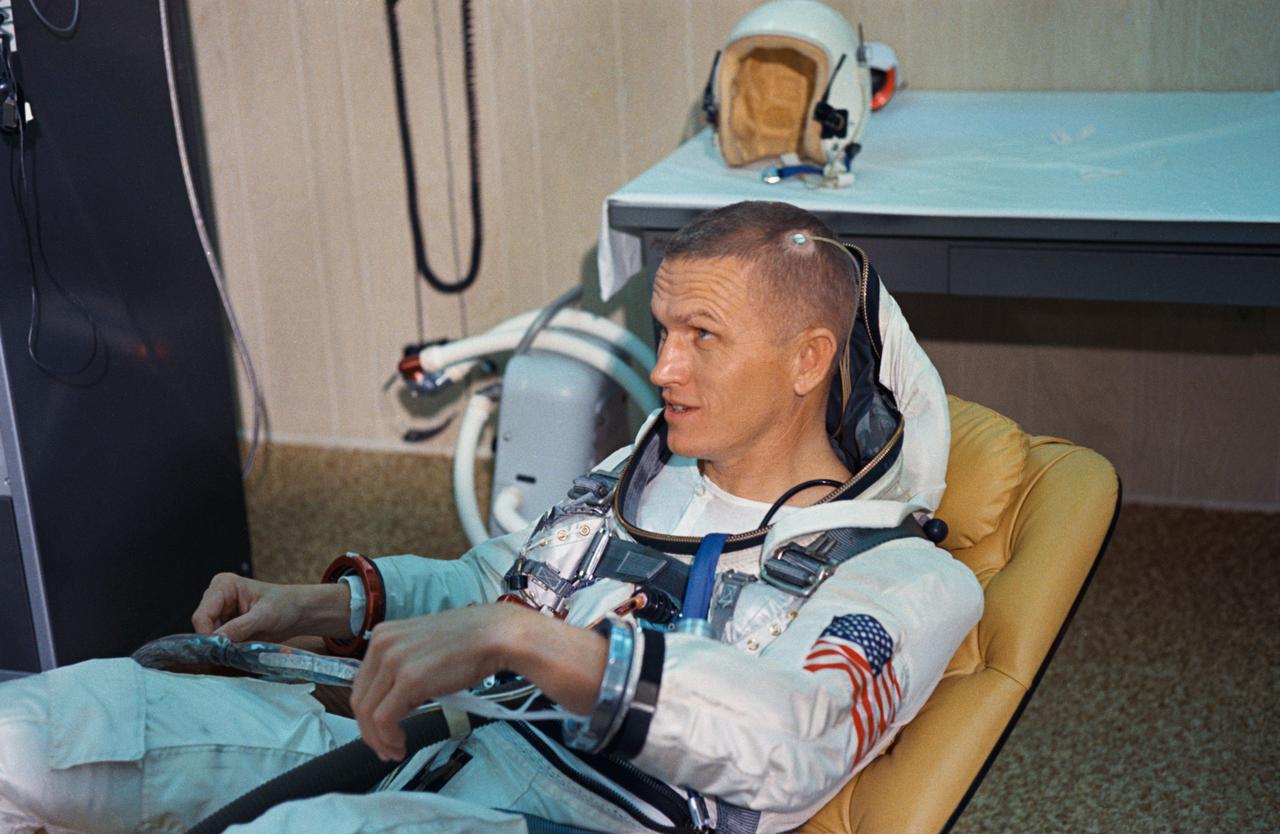
S65-61757 (4 Dec. 1965) --- Astronaut Frank Borman, command pilot of the National Aeronautics and Space Administration's (NASA) Gemini-7 spaceflight, undergoes suiting up operations in the Launch Complex 16 suiting trailer. A medical biosenser is attached to his scalp. Photo credit: NASA
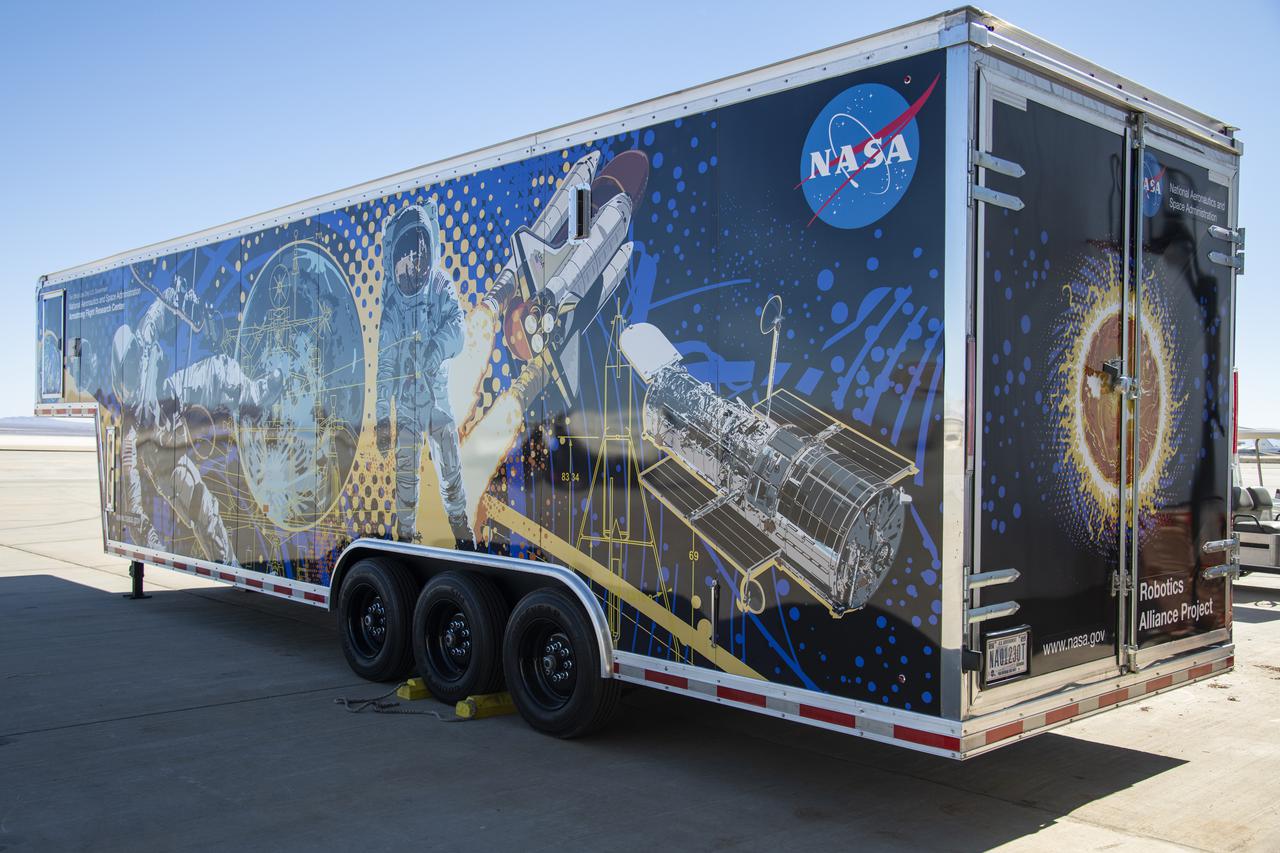
The Mobile Fabrication Shop was received at NASA Armstrong on February 7, 2022 as part of the Robotics Alliance Program based at NASA’s Johnson Space Center. This view shows the side and rear of the wrapped trailer that attends robotics competitions to help students during their robotics competitions.
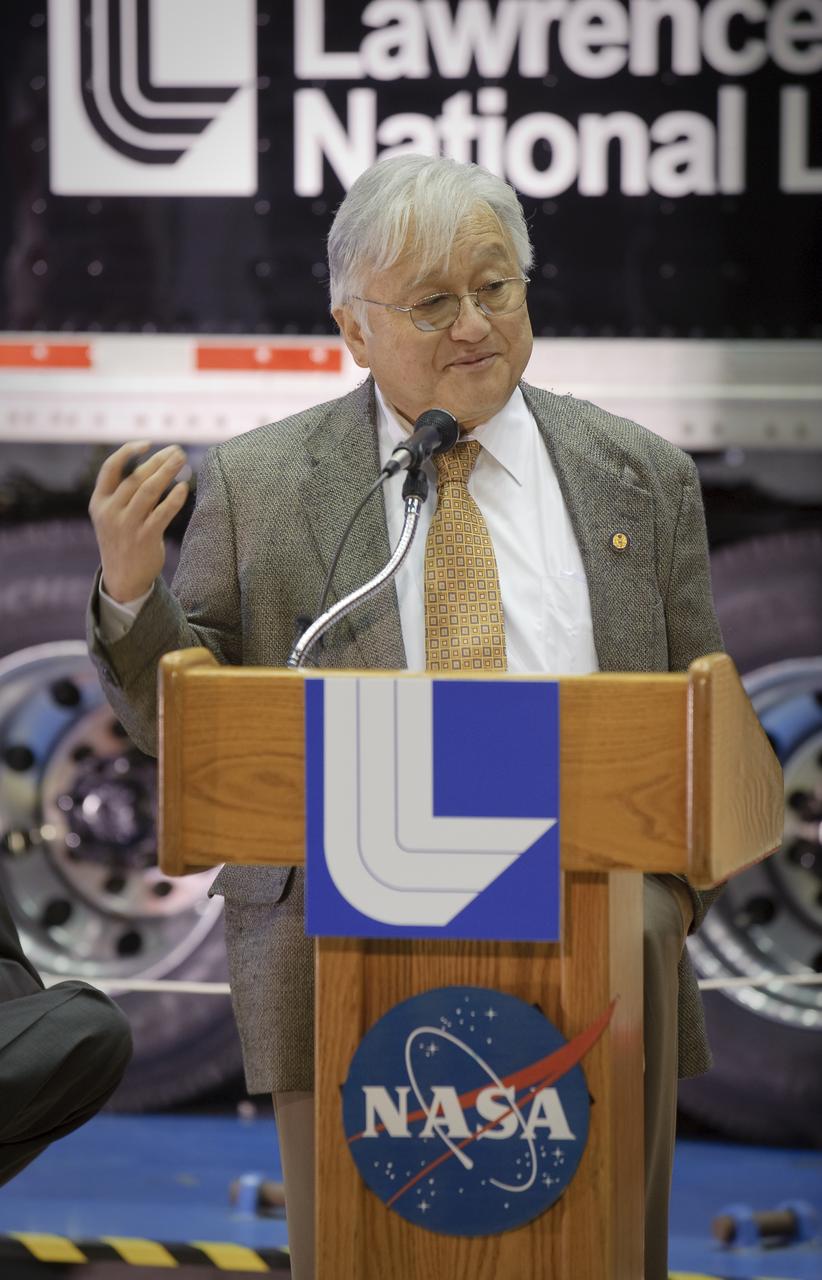
Lawrence Livermore National Laboratories media Day for their LLNL project aimed at aerodynamic truck and trailer devices. Tests are being preformed in the Ames Full-Scale Aerodynamic Complex 80x120 foot wind tunnel. Mike Honda, U.S Congressman from California's 15th District

The Mobile Fabrication Shop was received at NASA Armstrong on February 7, 2022 as part of the Robotics Alliance Program based at NASA’s Johnson Space Center. This view shows the fabrication equipment housed inside the trailer that attends robotics competitions to help students during their robotics competitions.
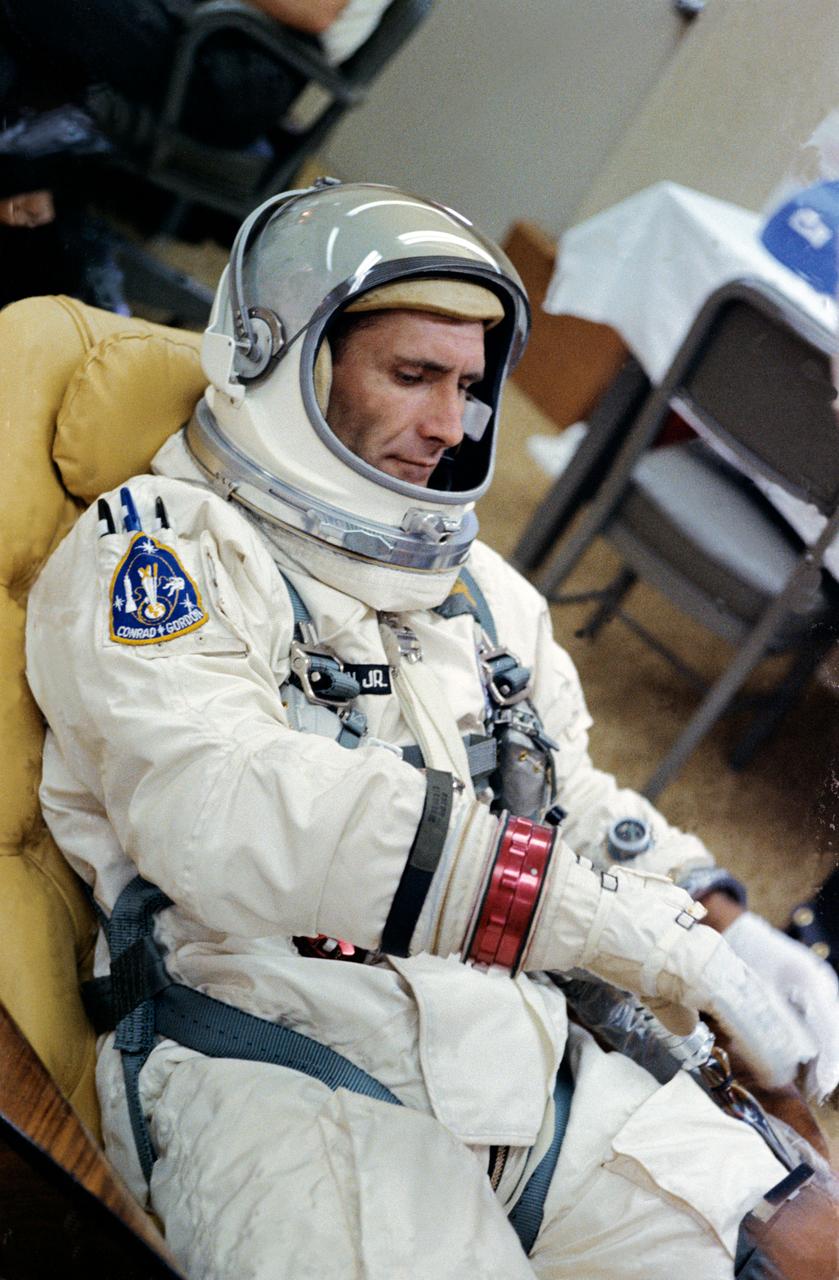
S66-50725 (12 Sept. 1966) --- Astronaut Richard F. Gordon Jr., pilot of the Gemini-11 spaceflight, reclines on a couch as he adjusts his spacesuit in the Launch Complex 16 suiting trailer during the Gemini-11 prelaunch countdown. He is already wearing the full suit and helmet. Photo credit: NASA
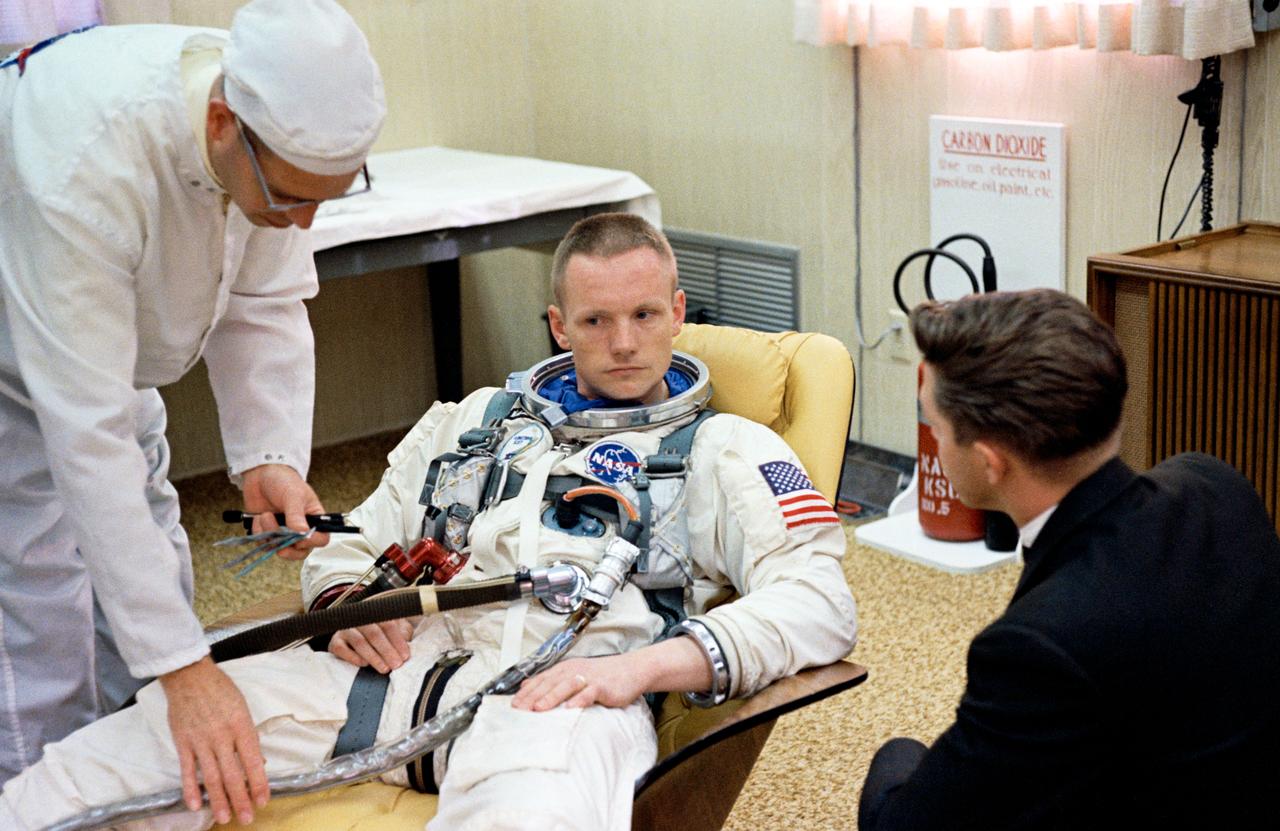
S66-24446 (16 March 1966) --- Astronaut Neil A. Armstrong, command pilot of the Gemini-8 spaceflight, sits in the Launch Complex 16 trailer during suiting up operations for the Gemini-8 mission. Suit technician Jim Garrepy assists. Photo credit: NASA
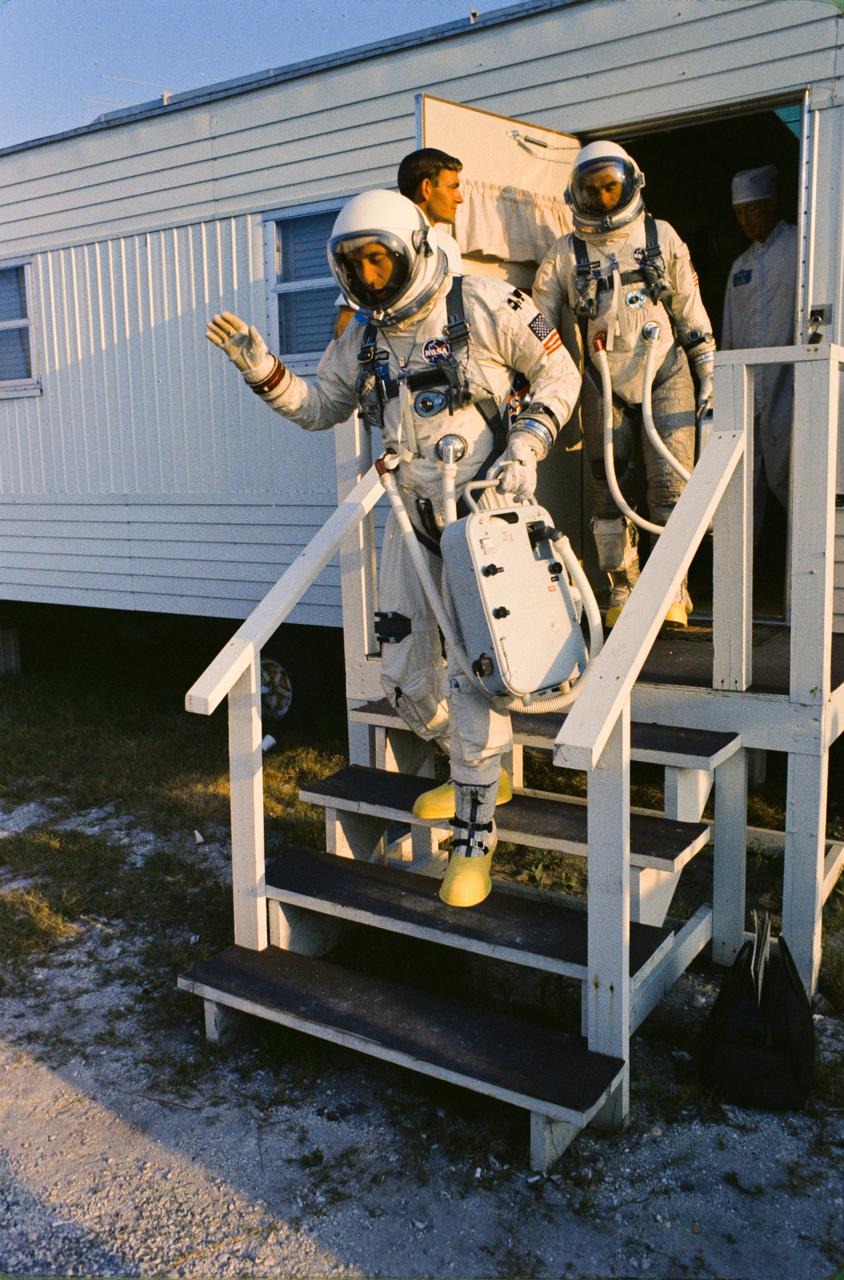
S66-34075 (3 June 1966) --- Prime crew for the Gemini-9A spaceflight, astronauts Thomas P. Stafford (front), command pilot, and Eugene A. Cernan, pilot, leave the suiting trailer at Launch Complex 16 in full spacesuits during prelaunch countdown. Photo credit: NASA
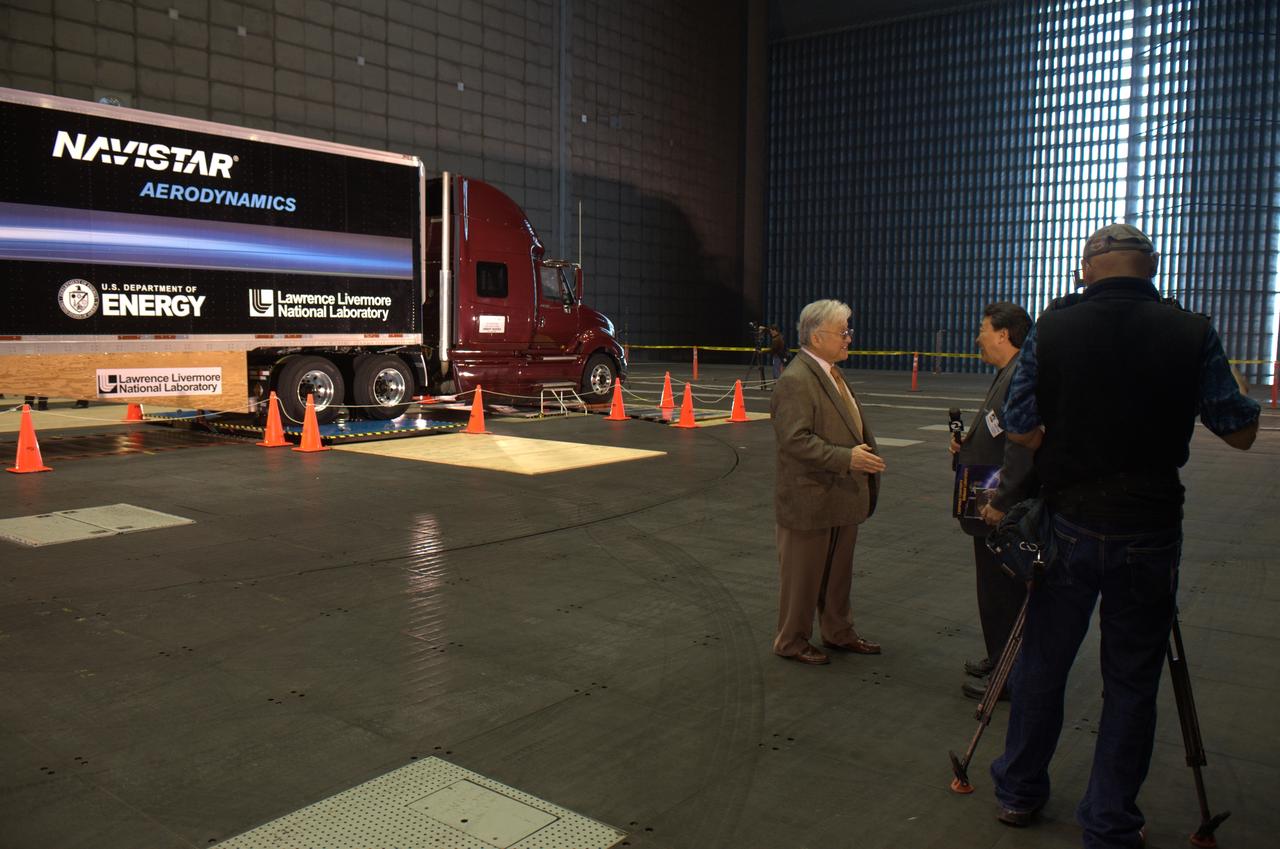
Lawrence Livermore National Laboratories media Day for their LLNL project aimed at aerodynamic truck and trailer devices. Tests are being preformed in the Ames Full-Scale Aerodynamic Complex 80x120 foot wind tunnel. Mike Honda, U.S Congressman from California's 15th District
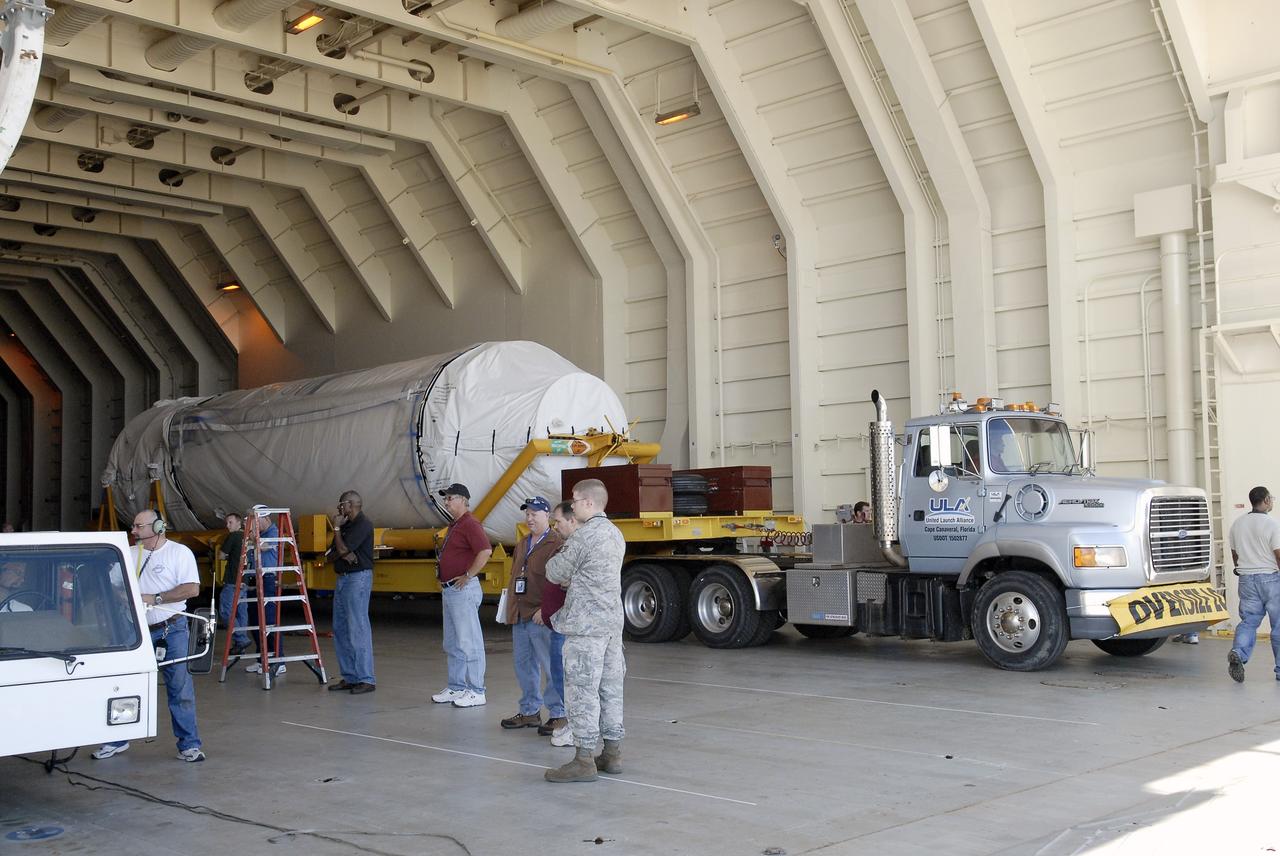
CAPE CANAVERAL, Fla. – The Centaur upper stage sits on its transport trailer inside the Delta Mariner at Port Canaveral as crews prepare to move it from the ship to the Atlas Spaceflight Operations Center, or ASOC, to begin checkout for the launch of the Radiation Belt Storm Probes, or RBSP, mission. Photo credit: NASA/Charisse Nahser
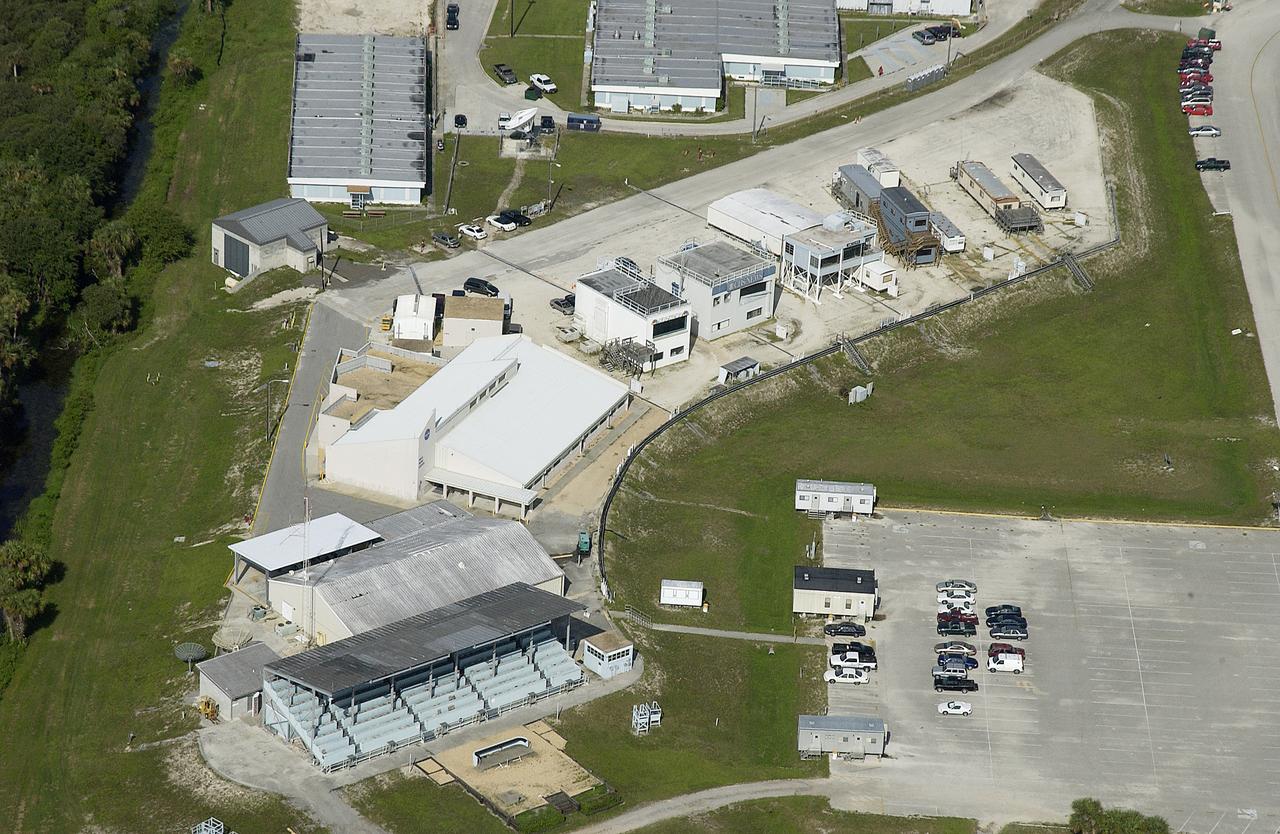
The KSC Press Site is seen from the air. The large white building is the NASA News Center. At lower left are the grandstands that provide viewing of Shuttle launches for the media. Stretching from the News Center to the right are buildings and trailers occupied by television media and other news agencies such as Associated Press and Reuters.
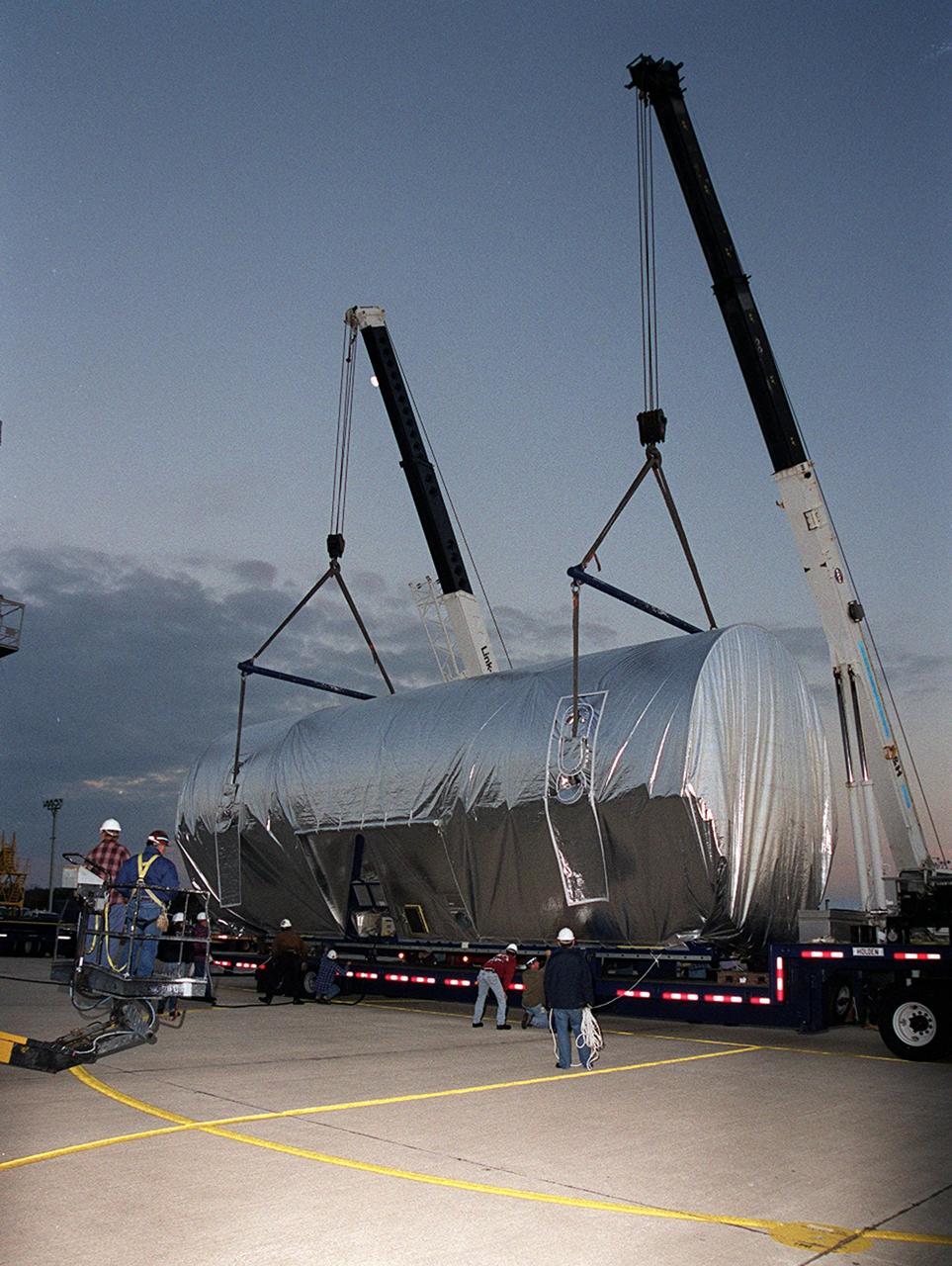
At the Shuttle Landing Facility, cranes position the Integrated Truss Structure S3 onto a flatbed trailer for transport to the Operations and Checkout Building. The S3 arrived aboard a Super Guppy aircraft. The second starboard truss segment of the International Space Station, the S3 truss is scheduled to be added to the Station in April 2003
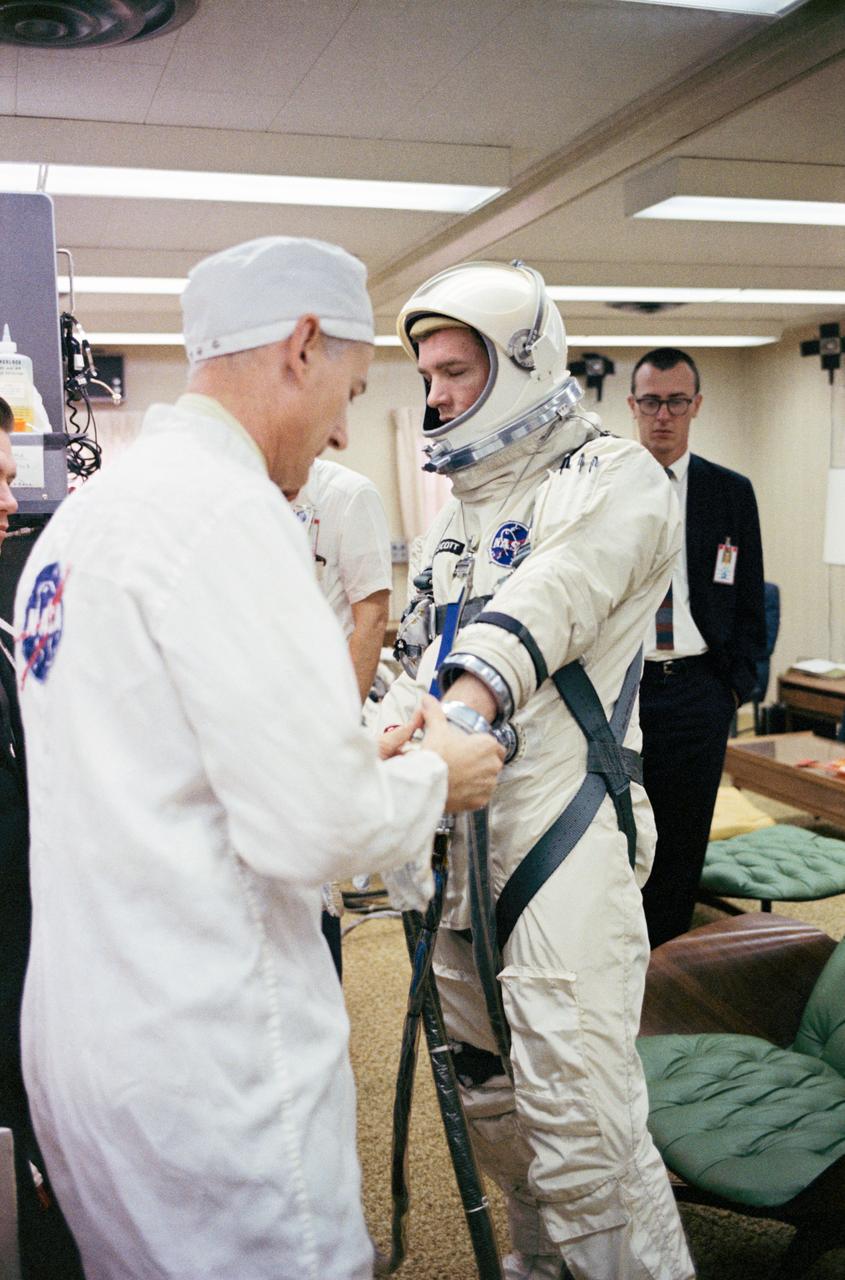
S66-24405 (16 March 1966) --- Astronaut David R. Scott, pilot of the Gemini-8 spaceflight, in the Launch Complex 16 trailer during suiting up operations for the Gemini-8 mission. NASA suit technician Joe Schmitt helps the astronaut put on his gloves. Photo credit: NASA
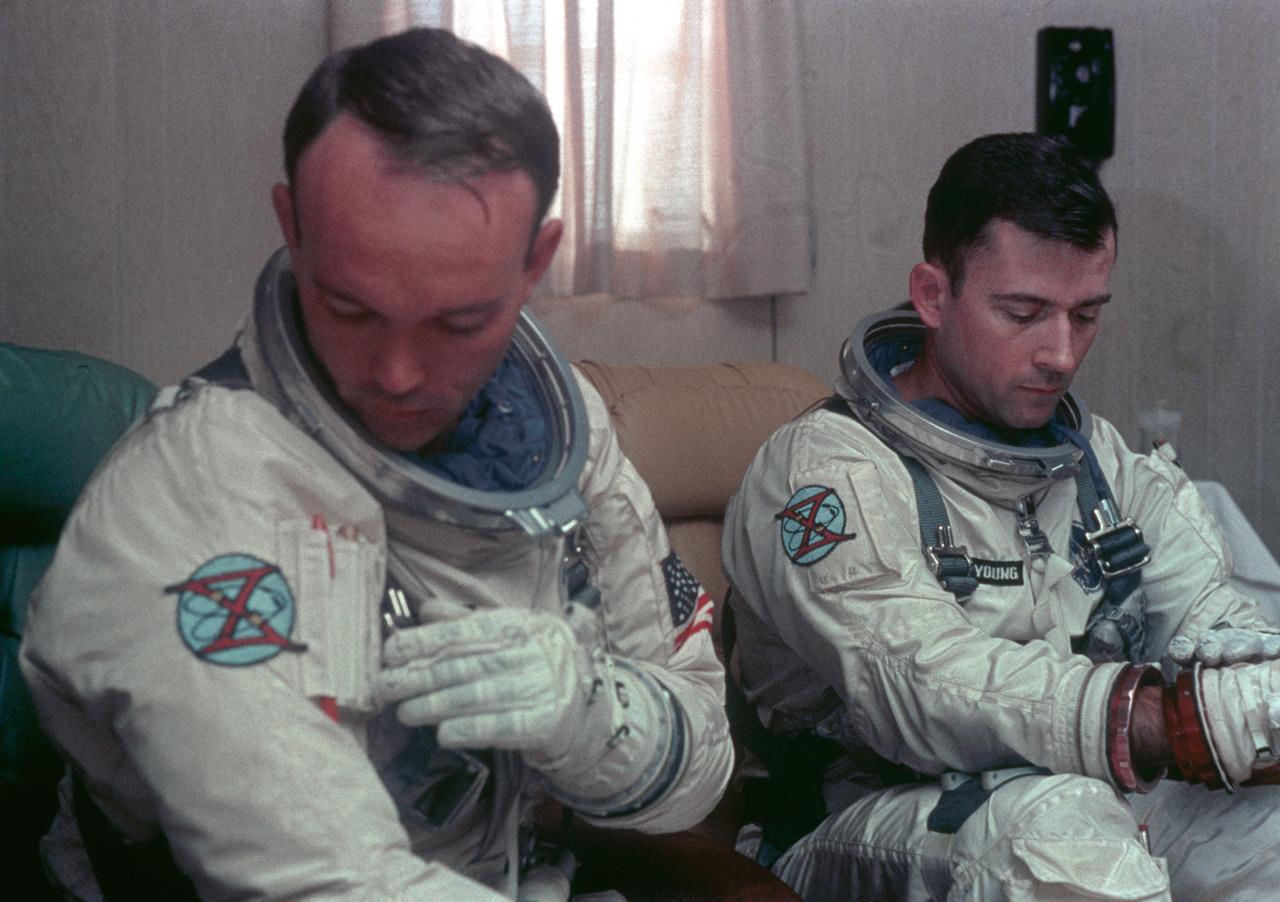
S66-42424 (18 July 1966) --- Astronauts John W. Young (right), command pilot, and Michael Collins (left), pilot, prime crew for the Gemini-10 spaceflight, undergo suiting up operations in the Launch Complex 16 suiting trailer. Photo credit: NASA
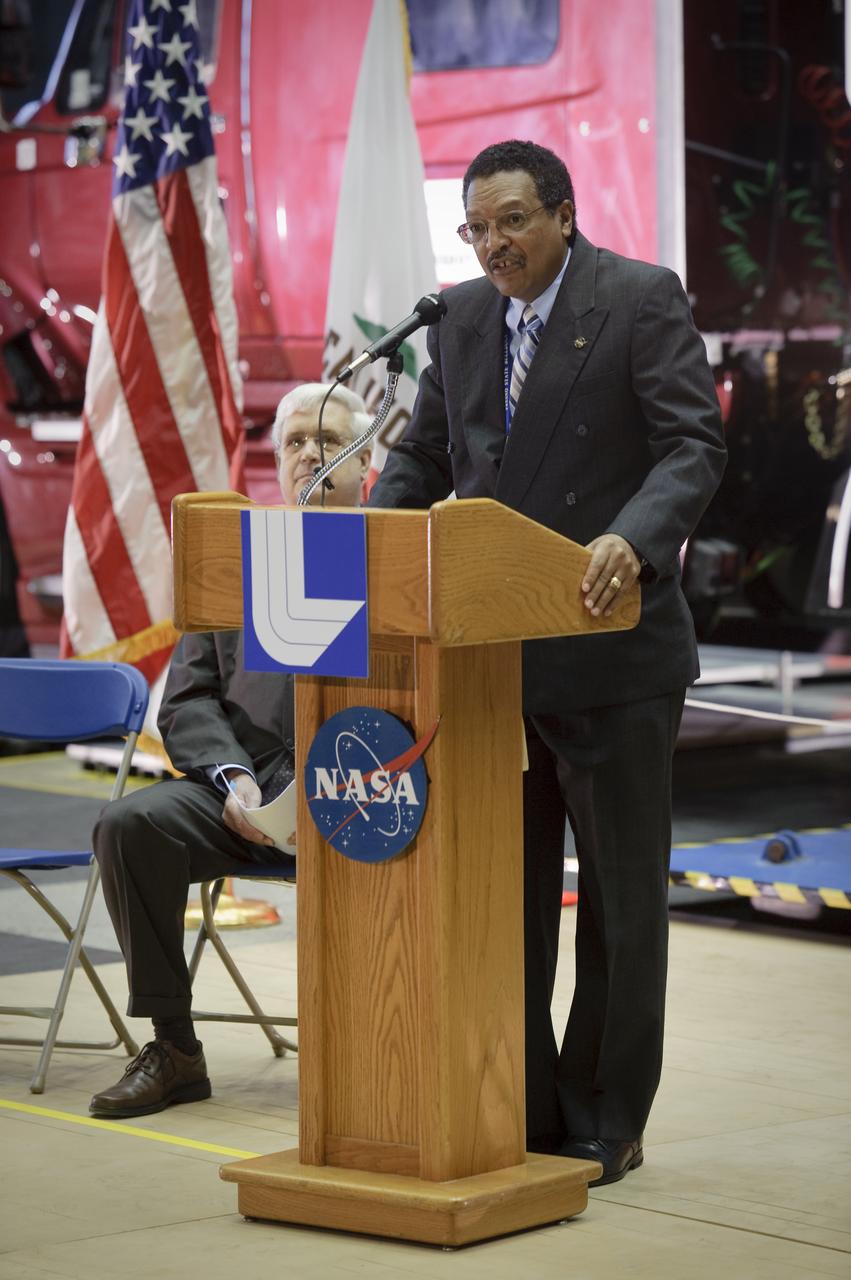
Lawrence Livermore National Laboratories media Day for their LLNL project aimed at aerodynamic truck and trailer devices. Tests are being preformed in the Ames Full-Scale Aerodynamic Complex 80x120 foot wind tunnel. Lewis Braxton III, Deputy Director Ames Research Center speaker.
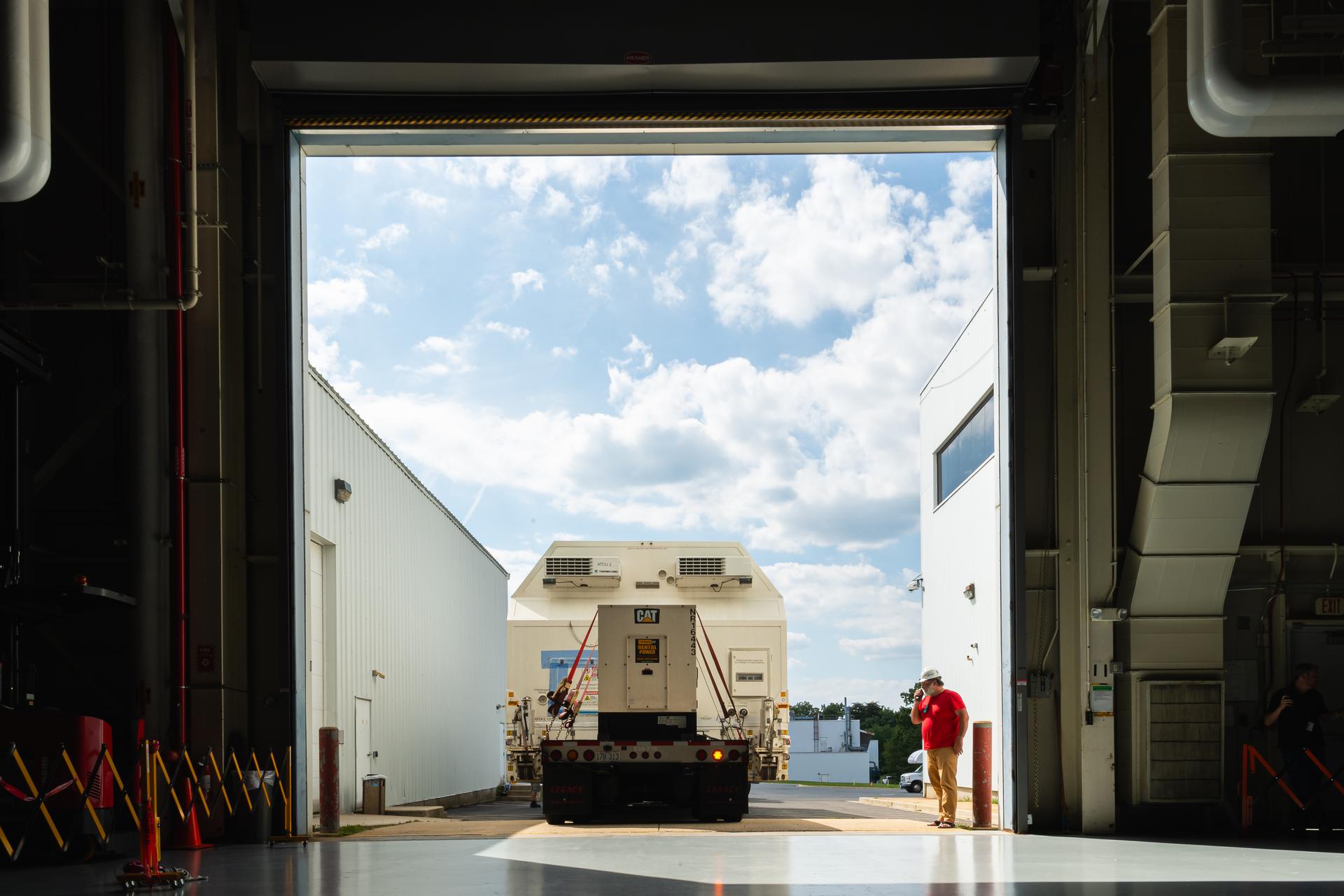
OSAM-1 Spacecraft bus arrives at Goddard Space Flight Center, Greenbelt Md., Sept 20, 2023. The spacecraft was shipped from Palo Alto, Calif. This photo has been reviewed by OSAM1 project management and the Export Control Office and is released for public view. NASA/Mike Guinto
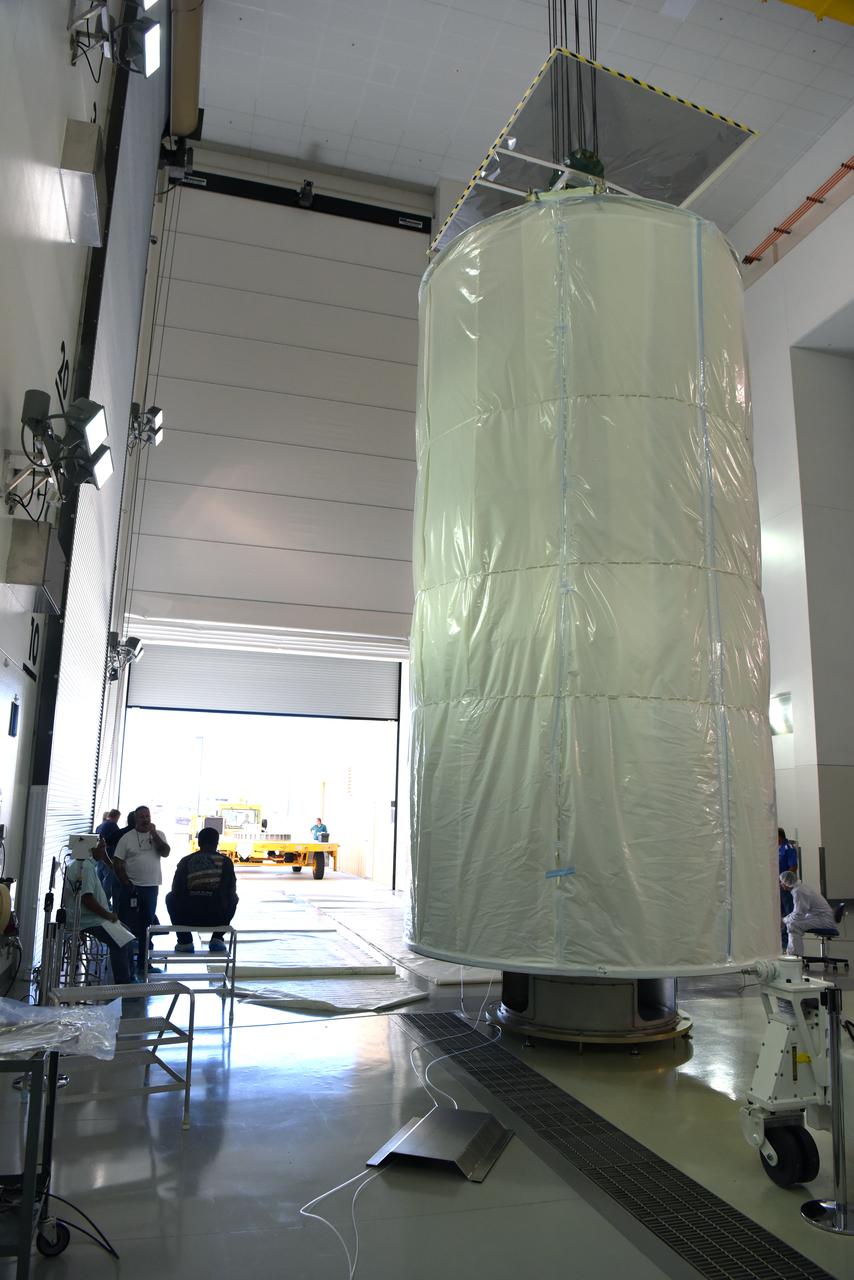
In the Astrotech Processing Facility at Vandenberg Air Force Base in California, the Joint Polar Satellite System-1, or JPSS-1, spacecraft is prepared for departure in a protective container to Space Launch Complex 2. At the pad, JPSS-1 will be lifted for mating atop a United Launch Alliance Delta II rocket. Built by Ball Aerospace and Technologies Corp. of Boulder, Colorado, JPSS is the first in a series four next-generation environmental satellites in a collaborative program between the NOAA and NASA. Liftoff is scheduled to take place from Vandenberg's Space Launch Complex 2.
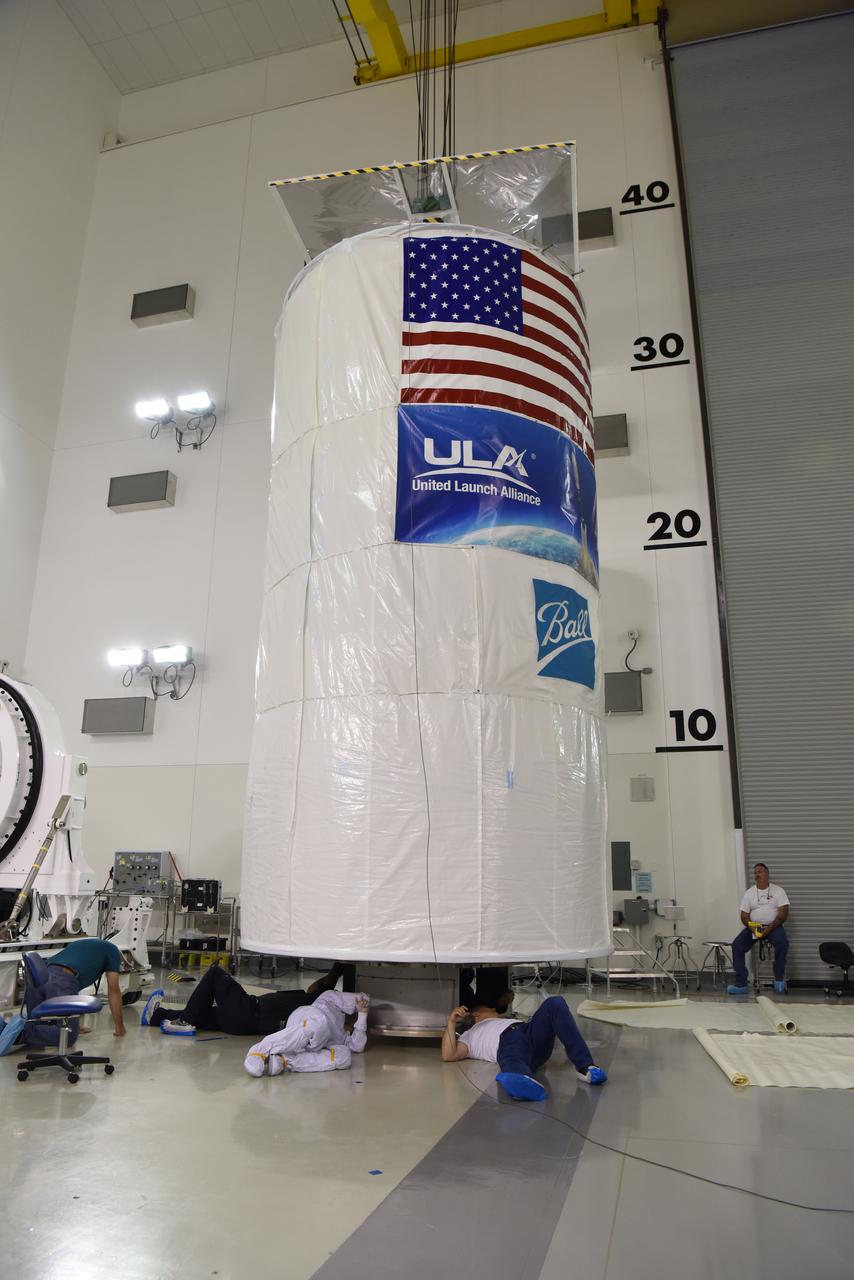
In the Astrotech Processing Facility at Vandenberg Air Force Base in California, the Joint Polar Satellite System-1, or JPSS-1, spacecraft is prepared for departure in a protective container to Space Launch Complex 2. At the pad, JPSS-1 will be lifted for mating atop a United Launch Alliance Delta II rocket. Built by Ball Aerospace and Technologies Corp. of Boulder, Colorado, JPSS is the first in a series four next-generation environmental satellites in a collaborative program between the NOAA and NASA. Liftoff is scheduled to take place from Vandenberg's Space Launch Complex 2.
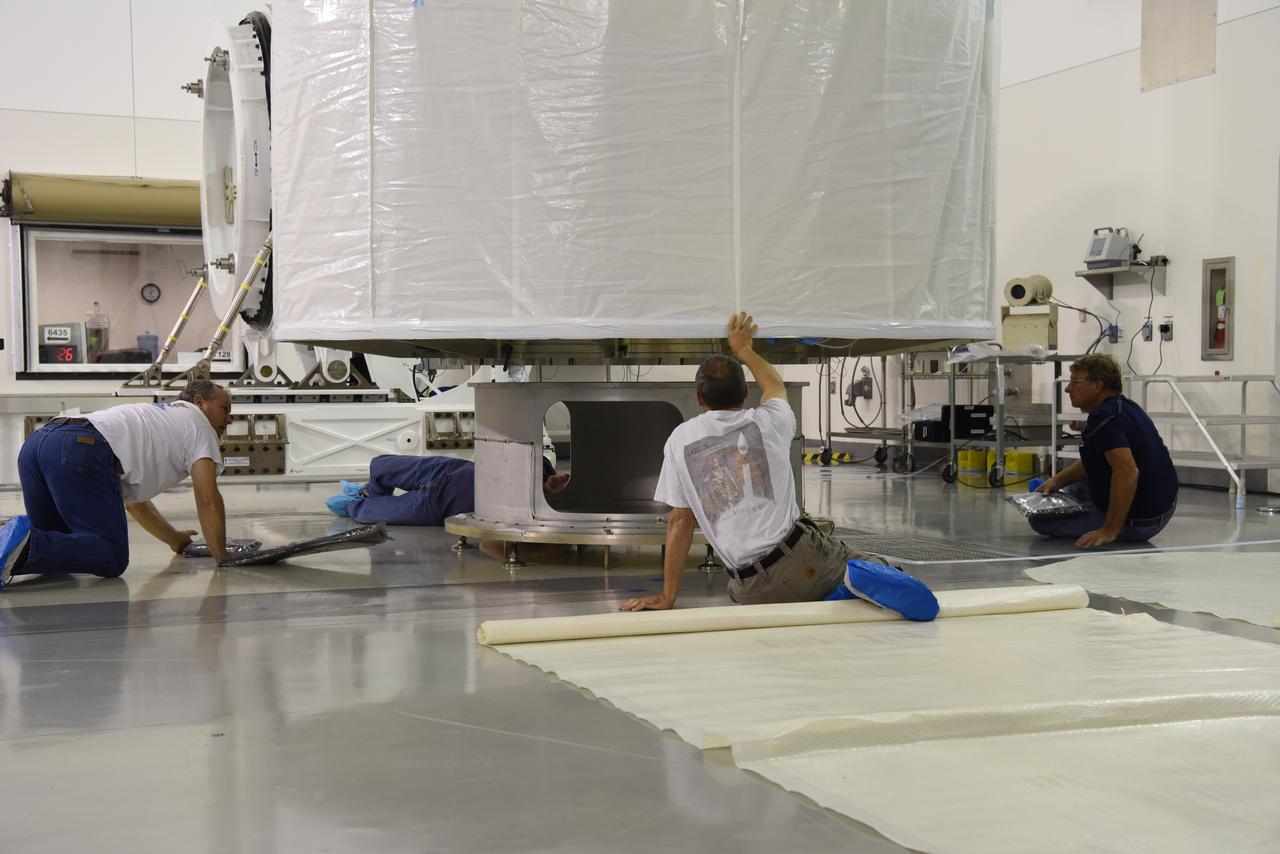
In the Astrotech Processing Facility at Vandenberg Air Force Base in California, the Joint Polar Satellite System-1, or JPSS-1, spacecraft is prepared for departure in a protective container to Space Launch Complex 2. At the pad, JPSS-1 will be lifted for mating atop a United Launch Alliance Delta II rocket. Built by Ball Aerospace and Technologies Corp. of Boulder, Colorado, JPSS is the first in a series four next-generation environmental satellites in a collaborative program between the NOAA and NASA. Liftoff is scheduled to take place from Vandenberg's Space Launch Complex 2.
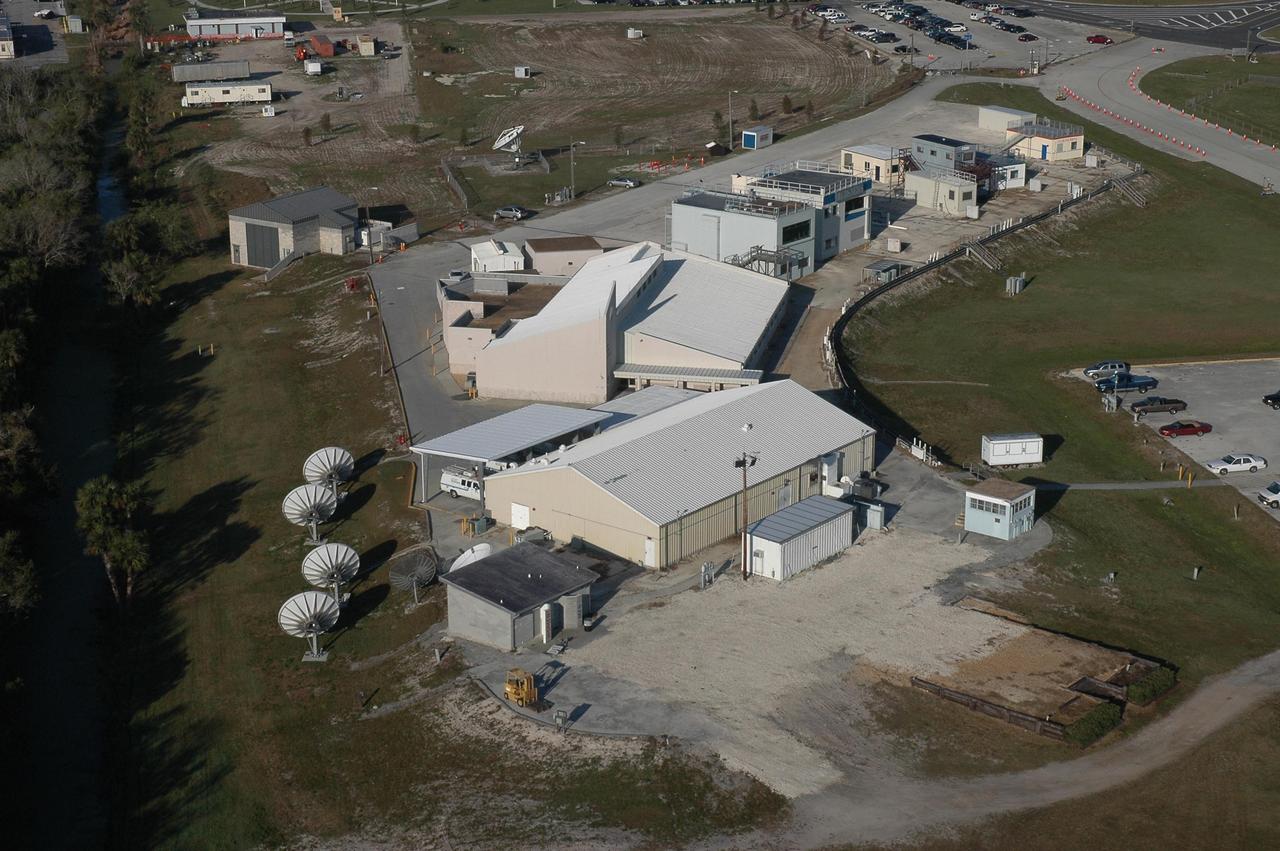
KENNEDY SPACE CENTER, FLA. - This aerial view of the Press Site shows the NASA TV studio (foreground), the NASA News Center behind it, buildings used by local NBC and CBS television stations, and newly erected prefabricated buildings for local newspapers and correspondents for CNN, AP and others. A year-long project removed and replaced hurricane-damaged trailers and grandstands from the site. Photo credit: Cory Huston
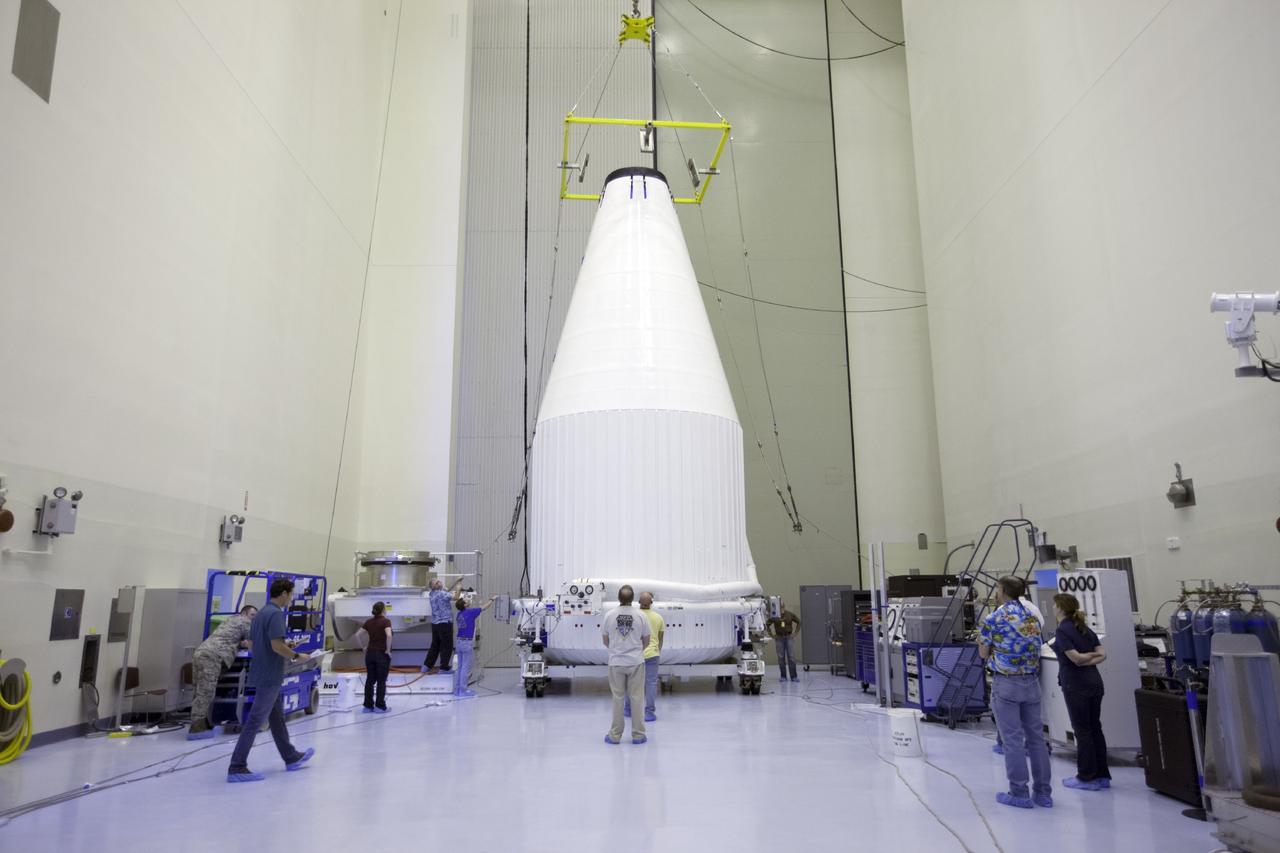
CAPE CANAVERAL, Fla. – Engineers and technicians prepare a sling to move NASA's MAVEN spacecraft, inside payload fairing, inside the Payload Hazardous Servicing Facility, or PHSF, onto a trailer for transport to Space Launch Complex 41 where it will be hoisted atop a United Launch Alliance Atlas V rocket that will lift it into space and on to Mars. MAVEN is short for Mars Atmosphere and Volatile Evolution. Photo credit: NASA/Kim Shiflett
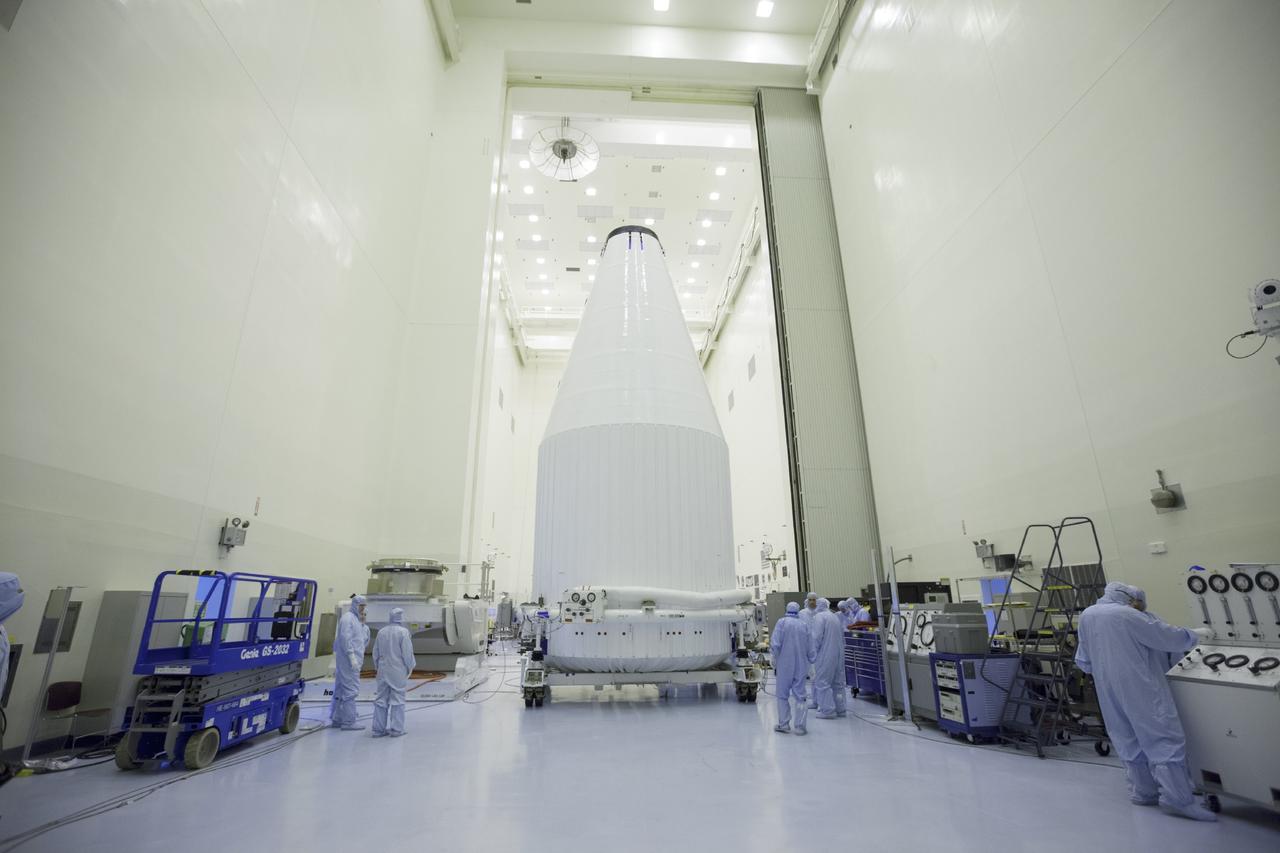
CAPE CANAVERAL, Fla. – Engineers and technicians move NASA's MAVEN spacecraft, inside payload fairing inside the Payload Hazardous Servicing Facility, or PHSF, into the airlock for mounting to a trailer for transport to Space Launch Complex 41 where it will be hoisted atop a United Launch Alliance Atlas V rocket that will lift it into space and on to Mars. MAVEN is short for Mars Atmosphere and Volatile Evolution. Photo credit: NASA/Kim Shiflett
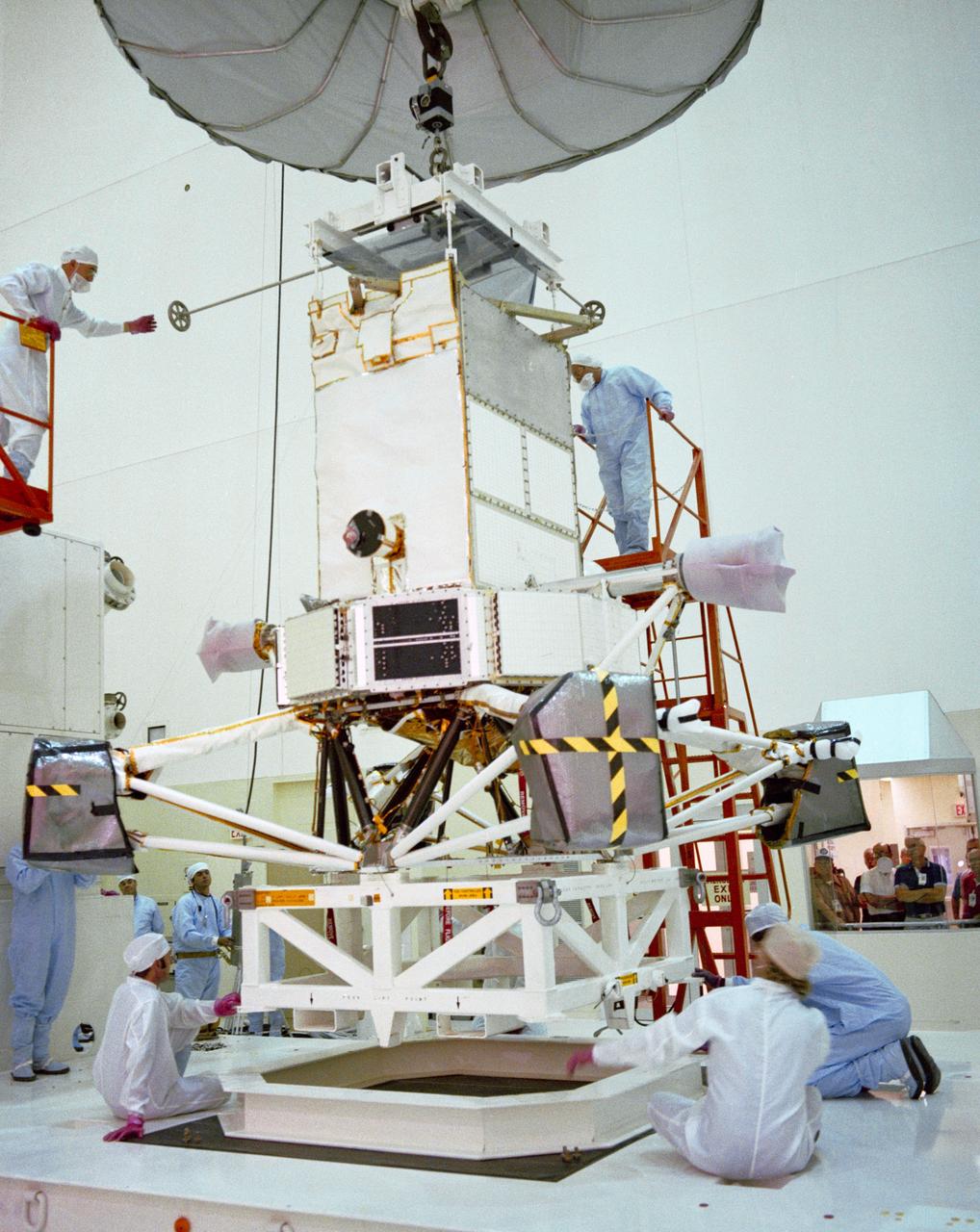
S89-25281 (8 Oct 1988) --- The Magellan spacecraft is hoisted from the transport trailer of the Payload Environmental Transportation System (PETS) to the floor of the cleanroom in the SAEF-2 planetary checkout facility at the Kennedy Space Center (KSC). The spacecraft, destined for unprecedented studies of Venusian topographic features, is to be deployed by the crew of NASA's STS-30 mission in April 1989.
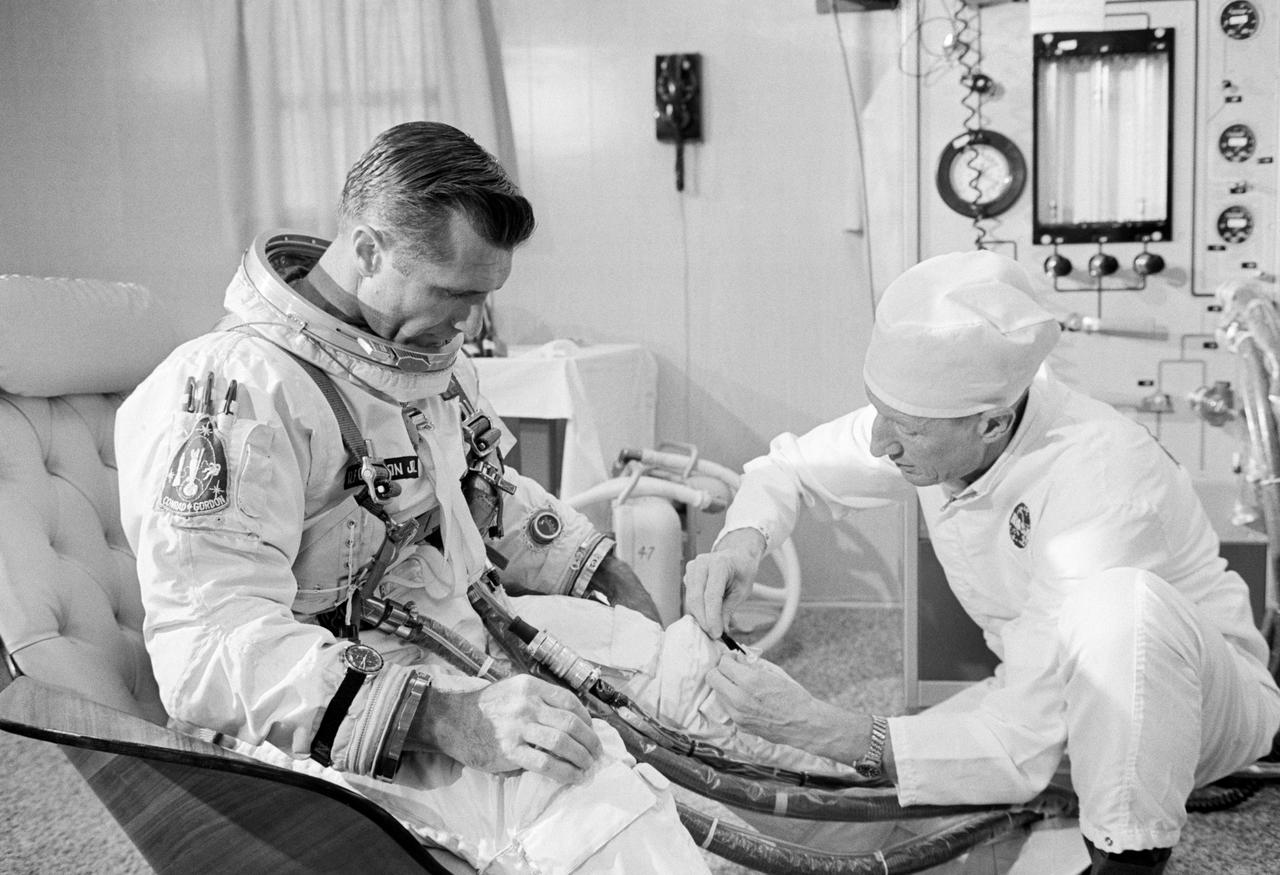
S66-50816 (12 Sept. 1966) --- Astronaut Richard F. Gordon Jr., pilot of the Gemini-11 spaceflight, undergoes suiting up operations in the Launch Complex 16 suit trailer during the Gemini-11 prelaunch countdown. At right is suit technician Clyde Teague. Later, astronaut Gordon and Charles Conrad Jr., command pilot, entered a transport van which carried them to Pad 19 and their waiting spacecraft. The liftoff was at 9:42 a.m. (EST), Sept. 12, 1966. Photo credit: NASA
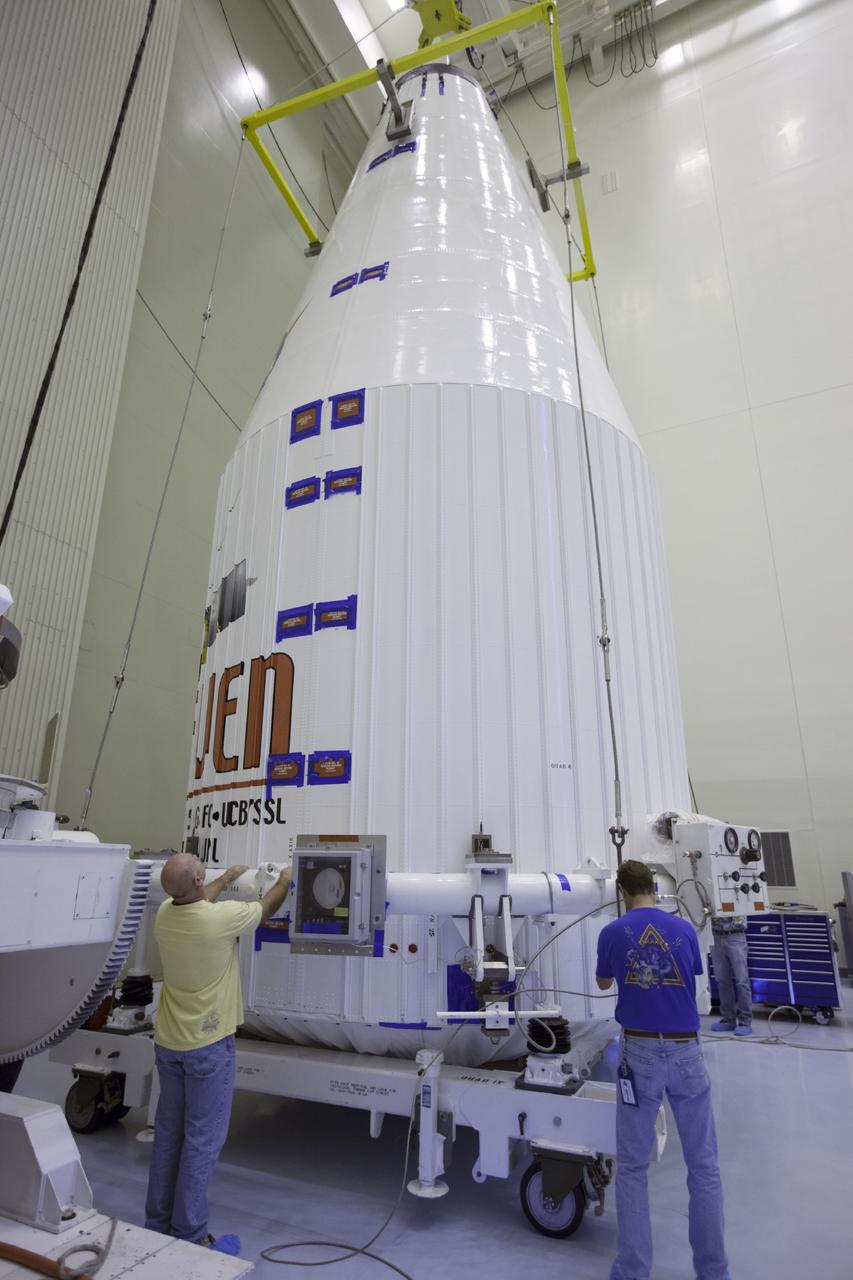
CAPE CANAVERAL, Fla. – Engineers and technicians prepare a sling to move NASA's MAVEN spacecraft, inside payload fairing, inside the Payload Hazardous Servicing Facility, or PHSF, onto a trailer for transport to Space Launch Complex 41 where it will be hoisted atop a United Launch Alliance Atlas V rocket that will lift it into space and on to Mars. MAVEN is short for Mars Atmosphere and Volatile Evolution. Photo credit: NASA/Kim Shiflett
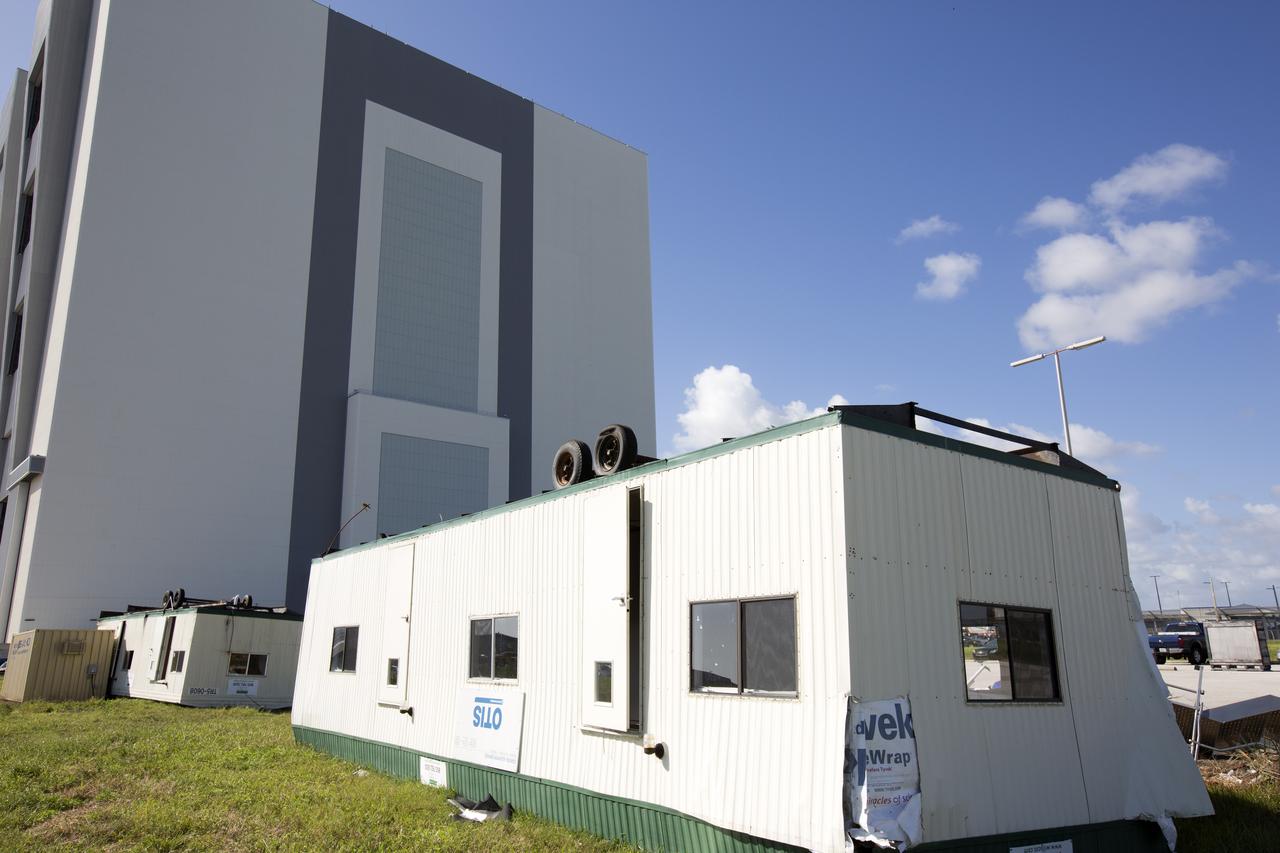
A construction trailer damaged by Hurricane Matthew is seen in the Launch Complex 39 area at NASA's Kennedy Space Center in Florida. Assessments and repairs are in progress at various structures and facilities across the spaceport, part of the ongoing recovery from Hurricane Matthew, which passed to the east of Kennedy on Oct. 6 and 7, 2016. The center received some isolated roof damage, damaged support buildings, a few downed power lines, and limited water intrusion. Beach erosion also occurred, although the storm surge was less than expected.
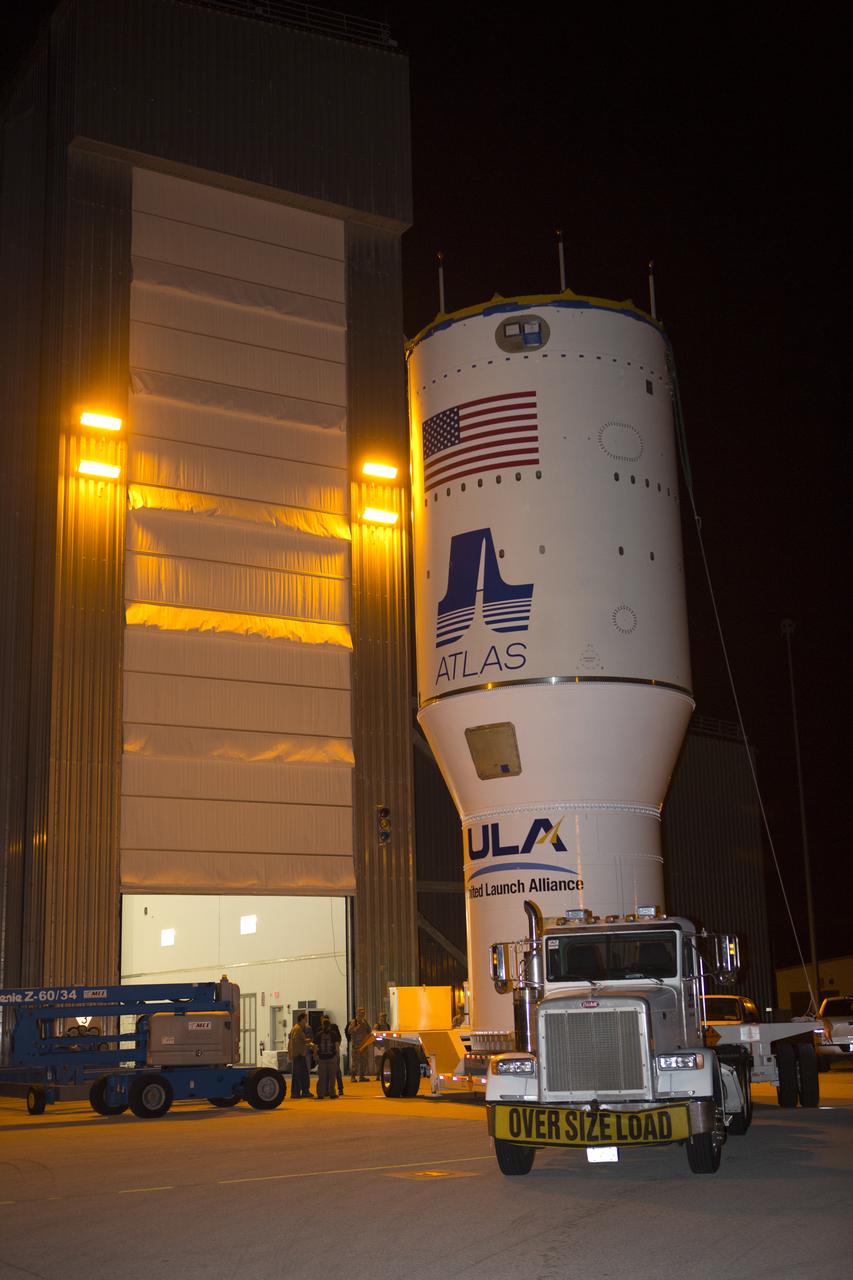
The United Launch Alliance Atlas V Centaur second stage departs the Launch Vehicle Integration Facility aboard a transport trailer for delivery to the Vertical Integration Facility at Space Launch Complex 41 at Cape Canaveral Air Force Station in Florida. The Geostationary Operational Environmental Satellite (GOES-R) will launch aboard the Atlas V rocket in November. GOES-R is the first satellite in a series of next-generation NOAA GOES Satellites.
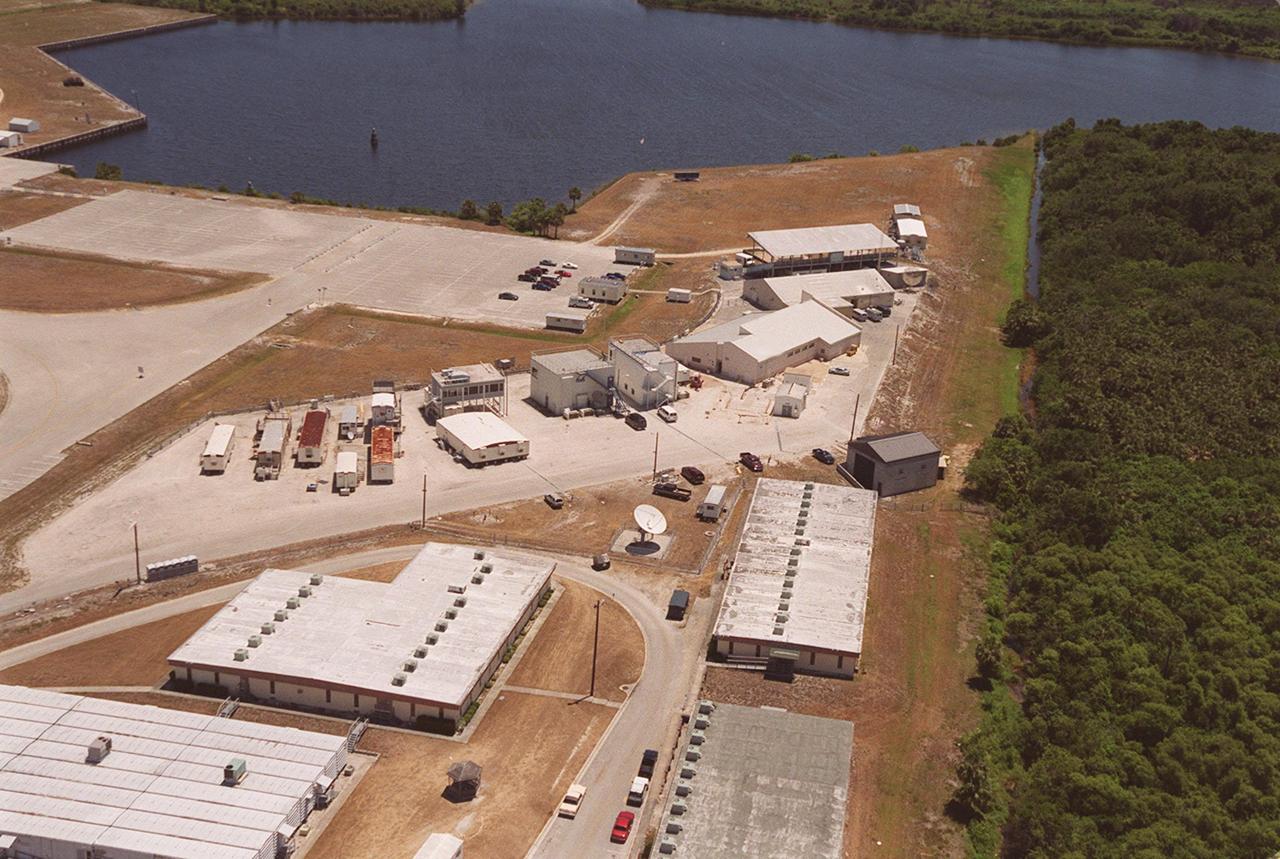
This aerial view is of the buildings that comprise the NASA Press Site in the Launch Complex 39 area. The first large building on the right (closest to the water) is the grandstand from which media representatives view the Space Shuttle launches. The building next to it houses the auditorium from which NASA press briefings are broadcast. To its immediate left is the NASA News Center which includes the offices of the NASA spokesmen at Kennedy Space Center. The buildings and trailers to the left of the News Center are assigned to various television stations and news services
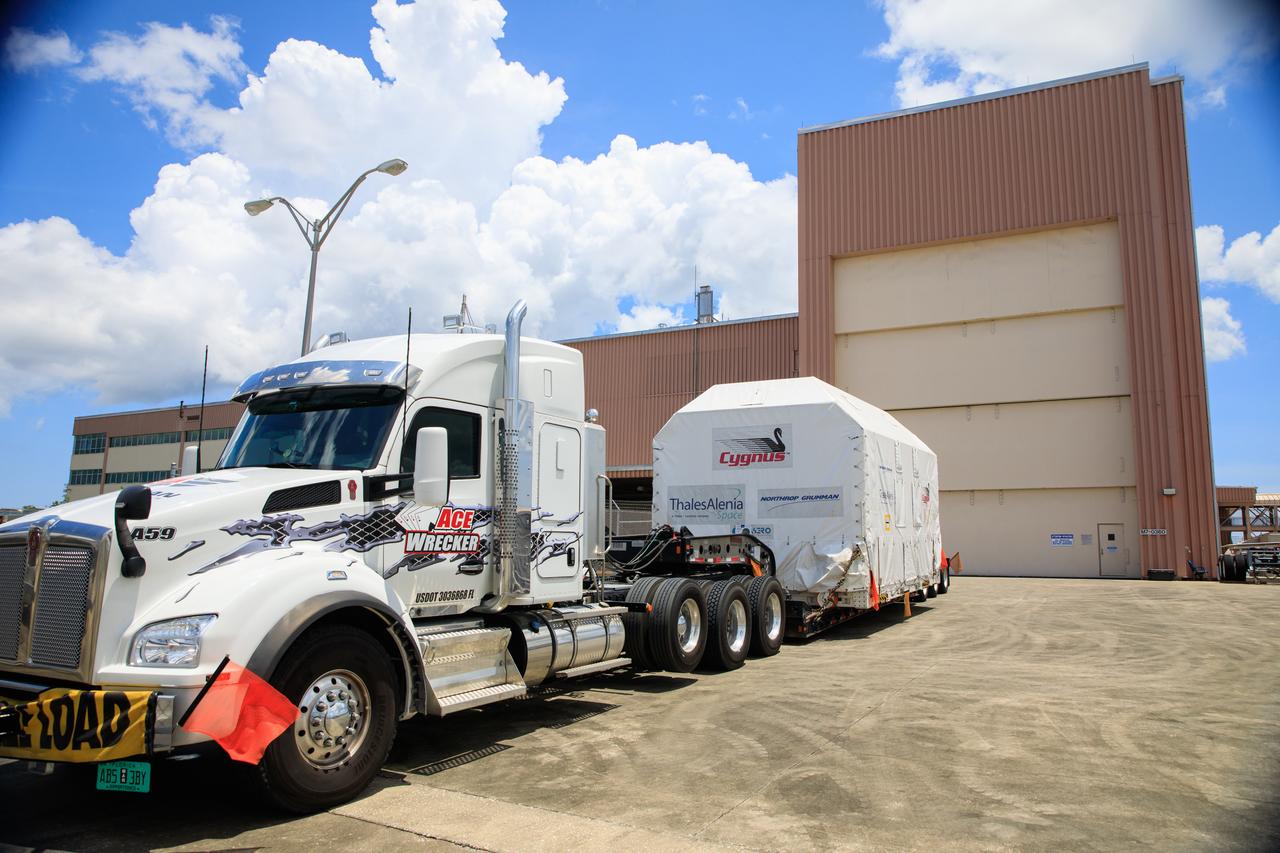
The Northrop Grumman Cygnus spacecraft's pressurized cargo module (PCM) arrives at the Space Station Processing Facility of NASA's Kennedy Space Center in Florida on Aug. 2, 2023. The PCM is sealed in an environmentally controlled shipping container, pulled in by truck on a flatbed trailer. Cygnus will launch later this year atop a SpaceX Falcon 9 rocket from Cape Canaveral Space Force Station’s Space Launch Complex 40 to the International Space Station. Cygnus will undergo prelaunch processing at Kennedy before it is transported to SpaceX’s integration facility.