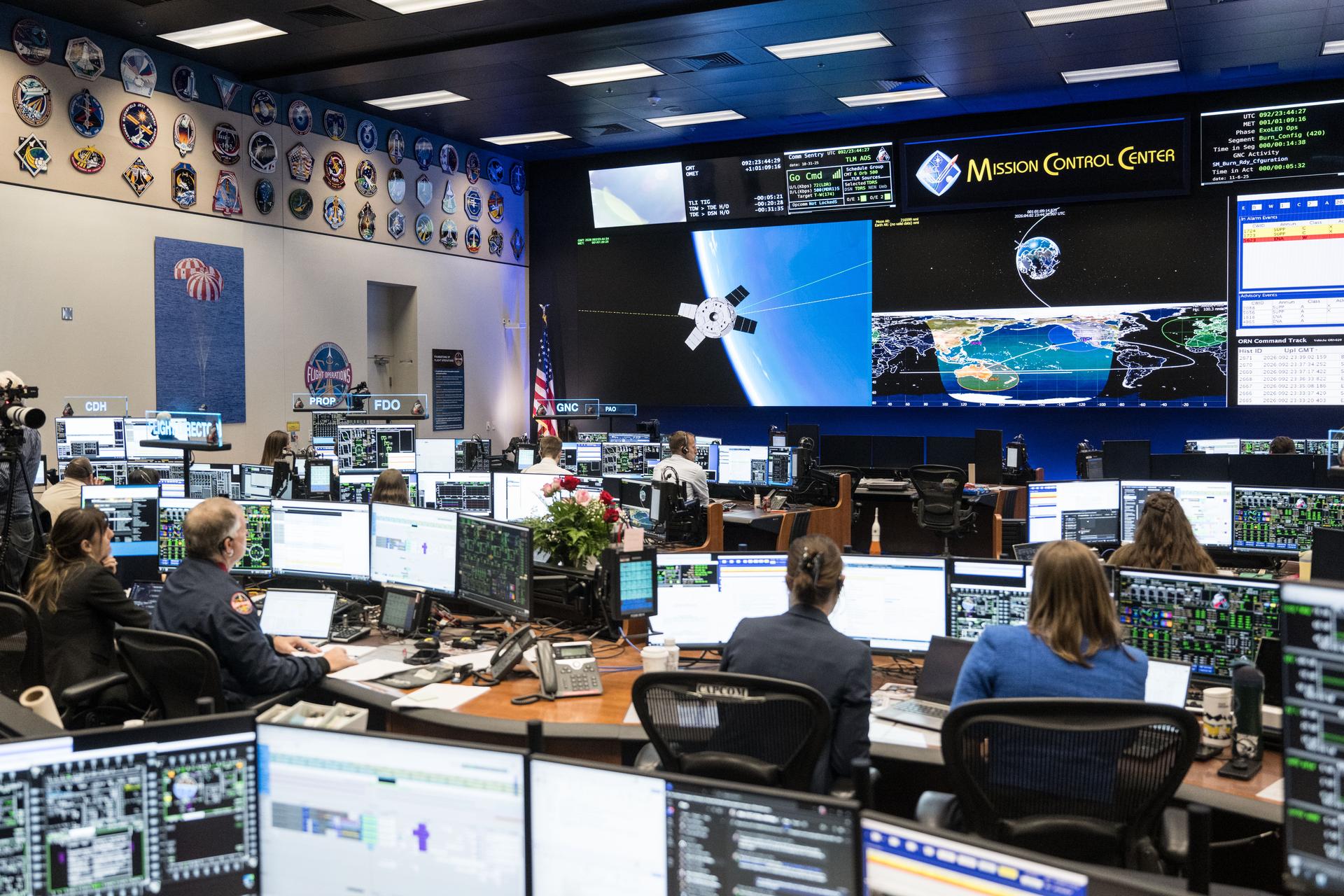
jsc2026e019618 (April 2, 2026) – The Artemis II flight control team pictured at the White Flight Control Room in the Mission Control Center at NASA’s Johnson Space Center monitors mission operations during the translunar injection (TLI) burn, which sent the crew in Orion out of Earth orbit and on a trajectory toward the Moon. After the mission management team polled “Go” for the operation, NASA’s Orion spacecraft fired its main engine for five minutes and 50 seconds beginning at 7:49 p.m. ET, to successfully complete the TLI burn.
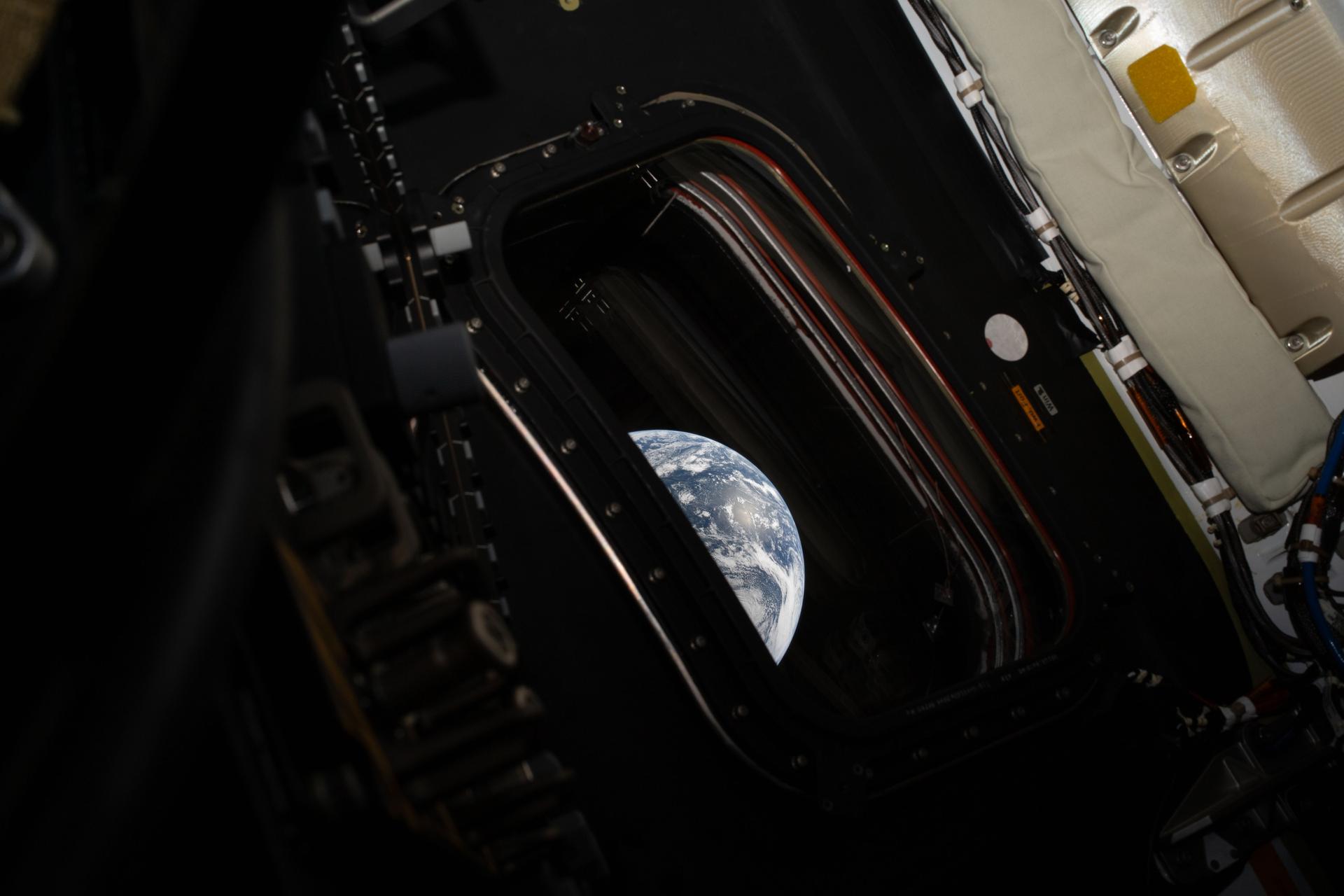
art002e000191 (April 3, 2026) - A view of Earth taken by NASA astronaut and Artemis II commander Reid Wiseman from one of the Orion spacecraft's four main windows after completing the translunar injection burn on April 2, 2026.
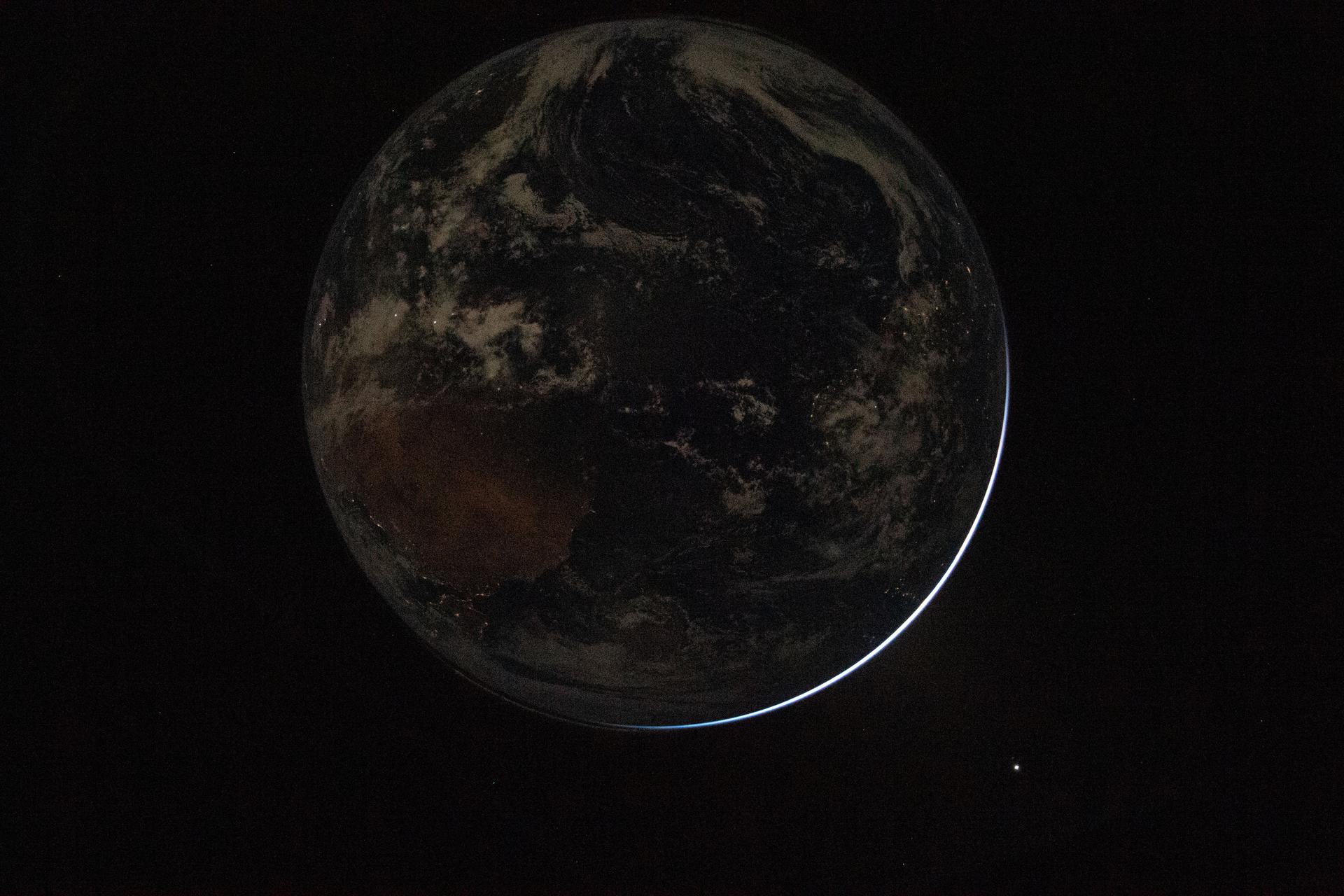
art002e000193 (April 3, 2026) - A view of a backlit Earth taken by NASA astronaut and Artemis II Commander Reid Wiseman from one of the Orion spacecraft's window after completing the translunar injection burn on April 2, 2026.
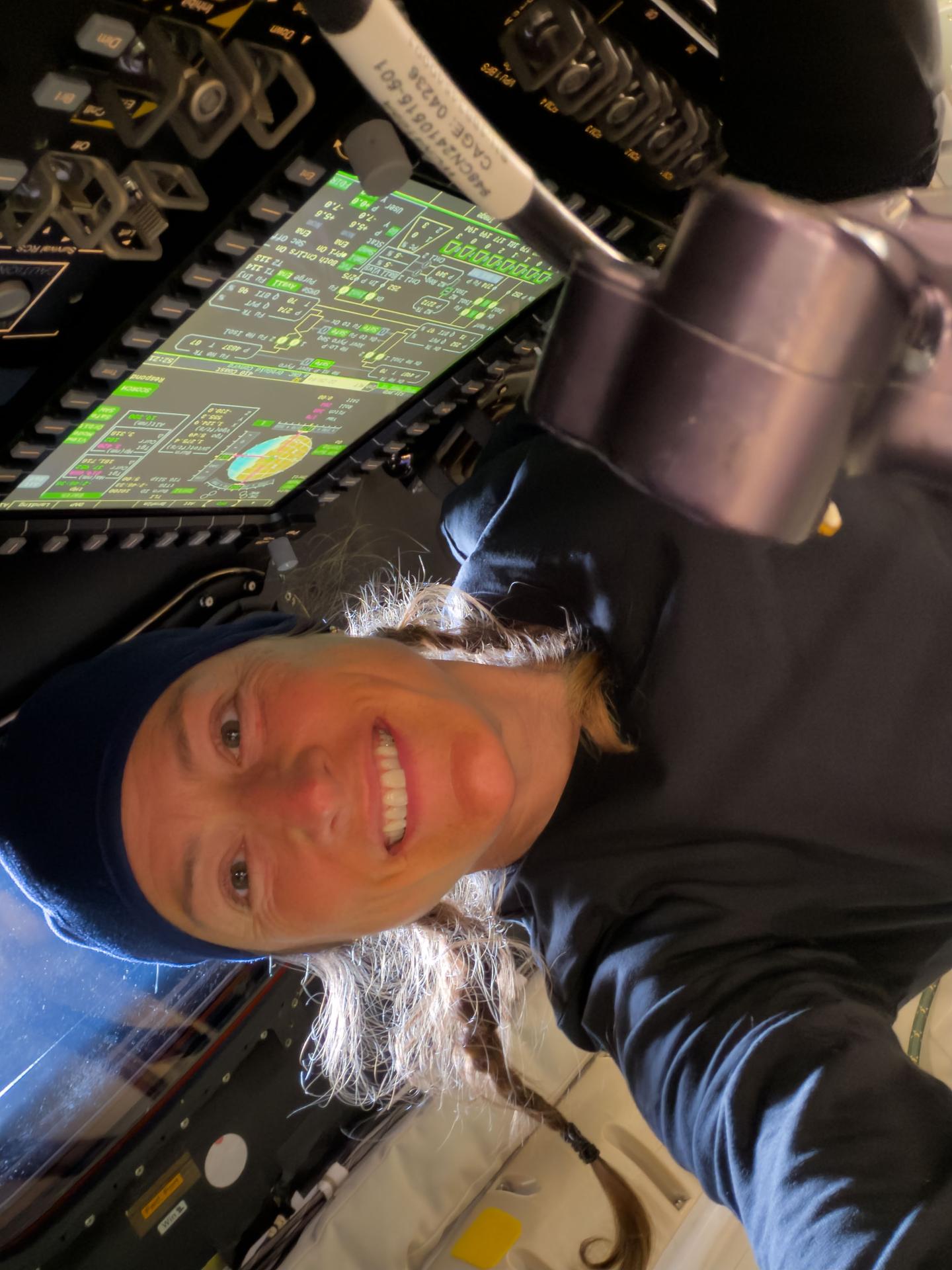
art002e041790 (April 2, 2026) - NASA astronaut and Artemis II mission specialist Christina Koch on Flight Day 2 ahead of the translunar injection burn that ultimately sent the crew in the Orion spacecraft toward the Moon. Credit: NASA
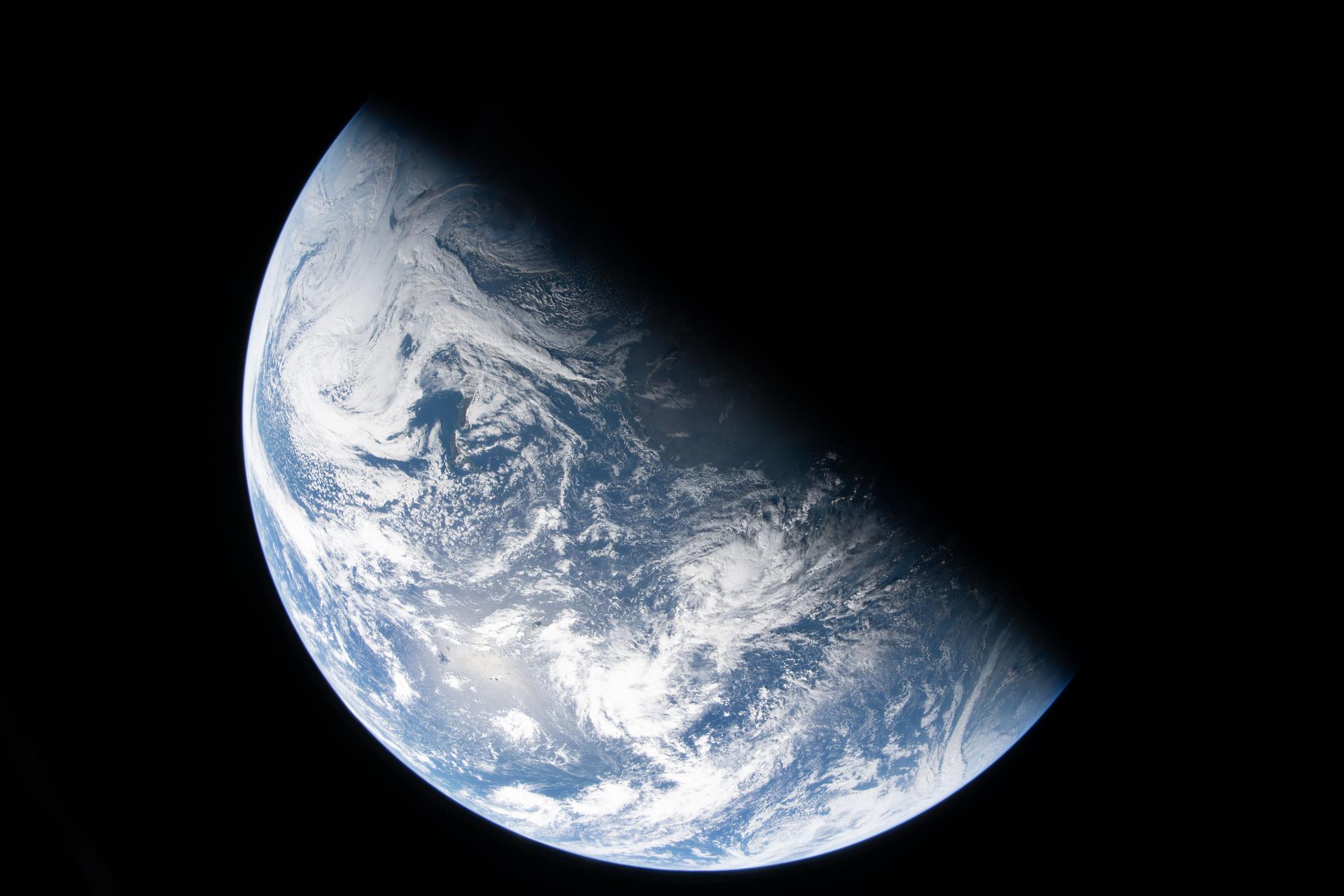
art002e000190 (April 3, 2026) - A view of Earth taken by NASA astronaut and Artemis II Commander Reid Wiseman from one of the Orion spacecraft's four windows after completing the translunar injection burn on April 2, 2026.
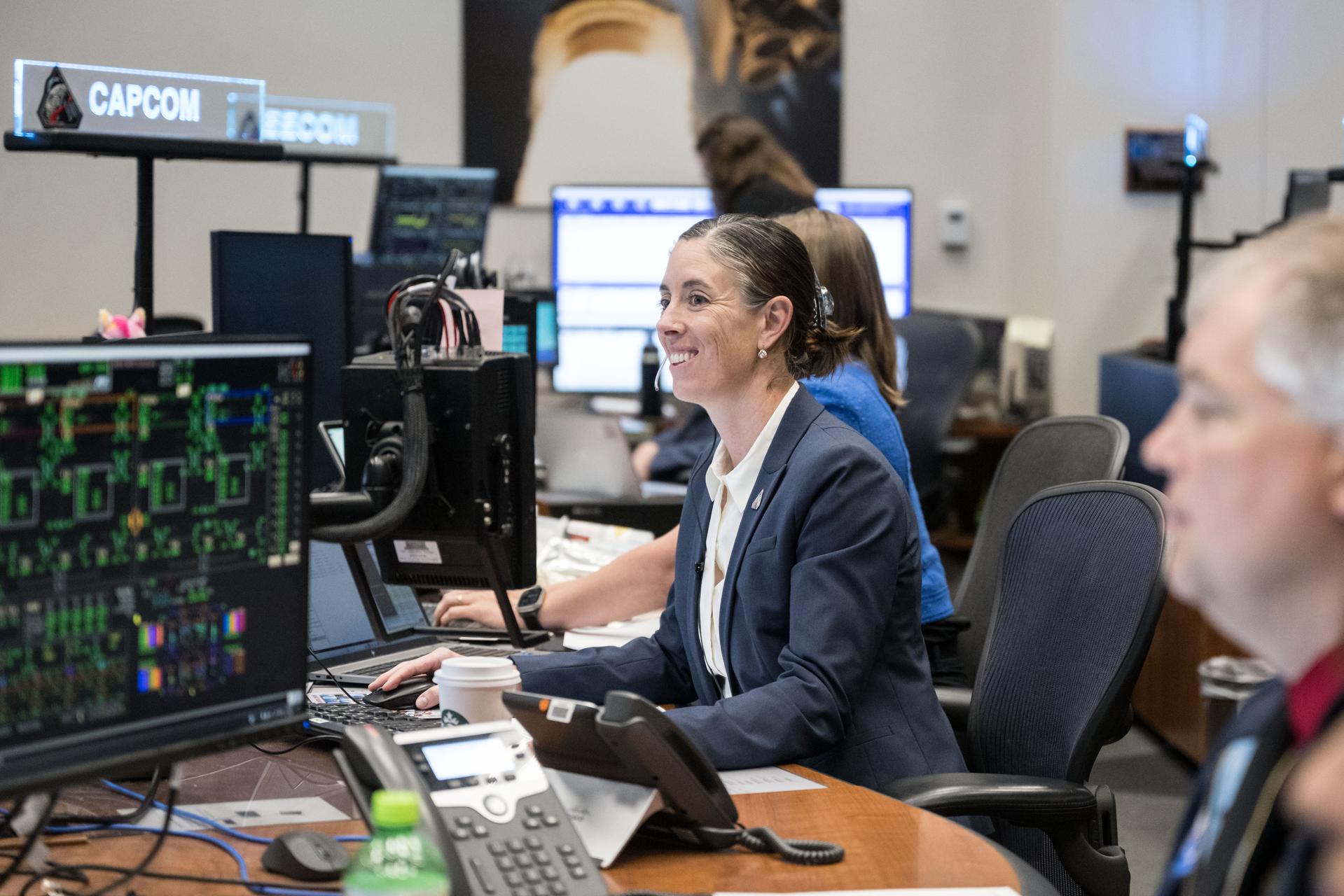
jsc2026e019614 (April 2, 2026) – NASA astronaut Chris Birch serves as capsule communicator (capcom) in the Mission Control Center at NASA’s Johnson Space Center during the mission’s translunar injection burn, which sent the crew in Orion out of Earth orbit and on a trajectory toward the Moon.
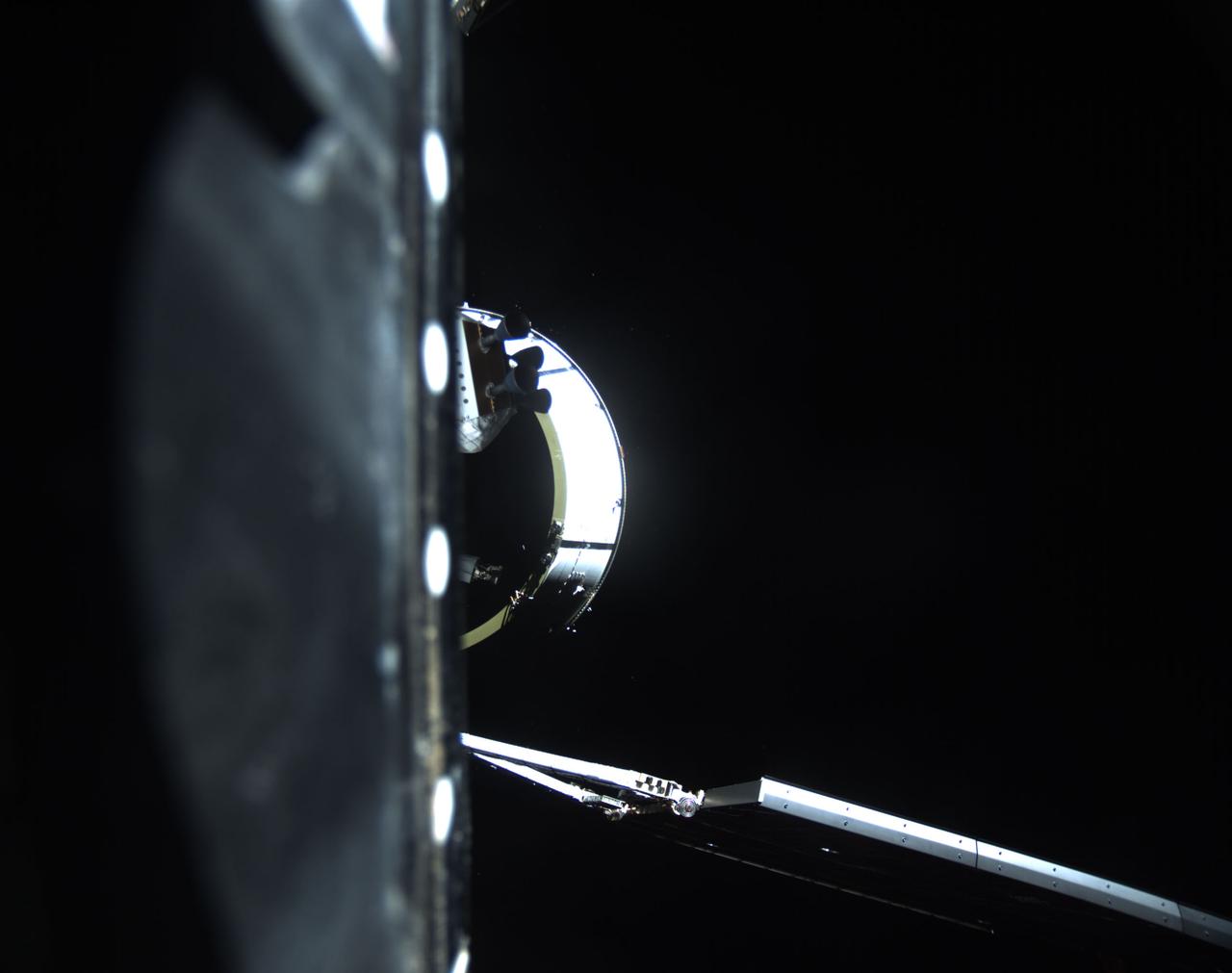
art001e001577 (Nov. 16, 2022) Approximately two hours after Artemis I launch on Nov. 16, 2022, the interim cryogenic propulsion stage separated from Orion after completing the translunar injection burn that put the spacecraft on course toward the Moon.
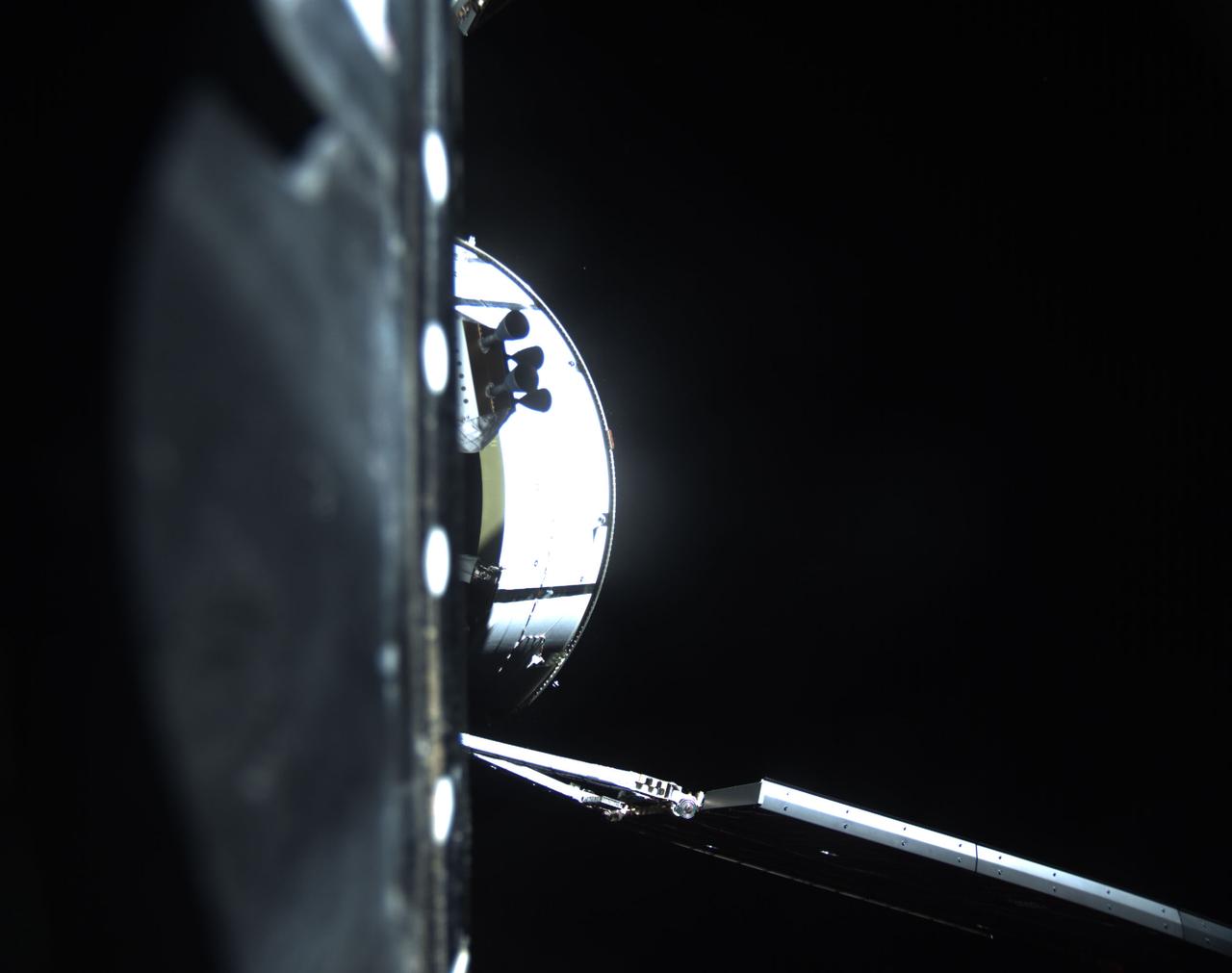
art001e001546 (Nov. 16, 2022) Approximately two hours after Artemis I launch on Nov. 16, 2022, the interim cryogenic propulsion stage separated from Orion after completing the translunar injection burn that put the spacecraft on course toward the Moon.
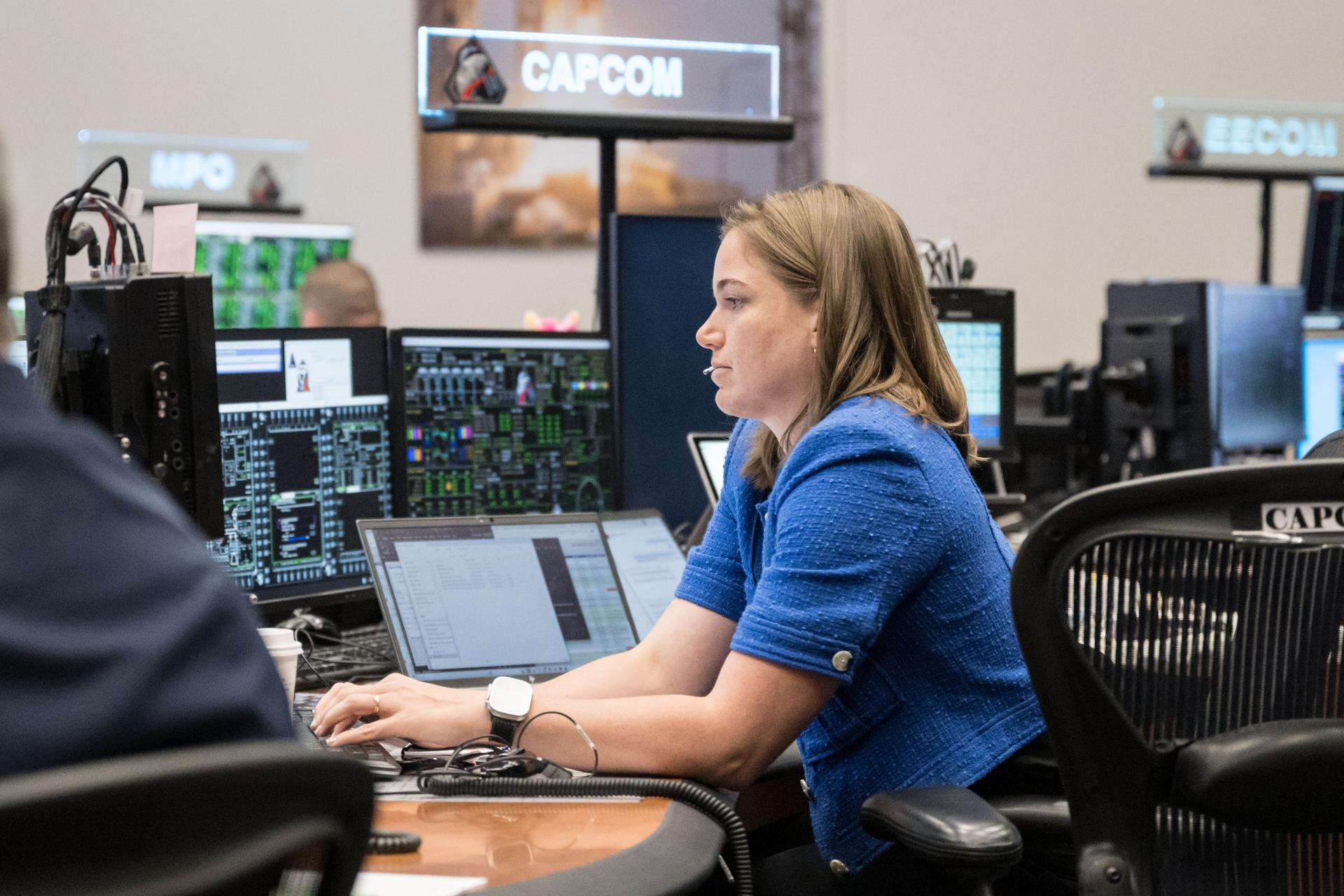
jsc2026e020046 (April 2, 2026) – CSA (Canadian Space Agency) astronaut and backup Artemis II crew member Jenni Gibbons serves as capsule communicator (capcom) during the mission’s translunar injection burn, which sent the crew in Orion out of Earth orbit and on a trajectory toward the Moon.
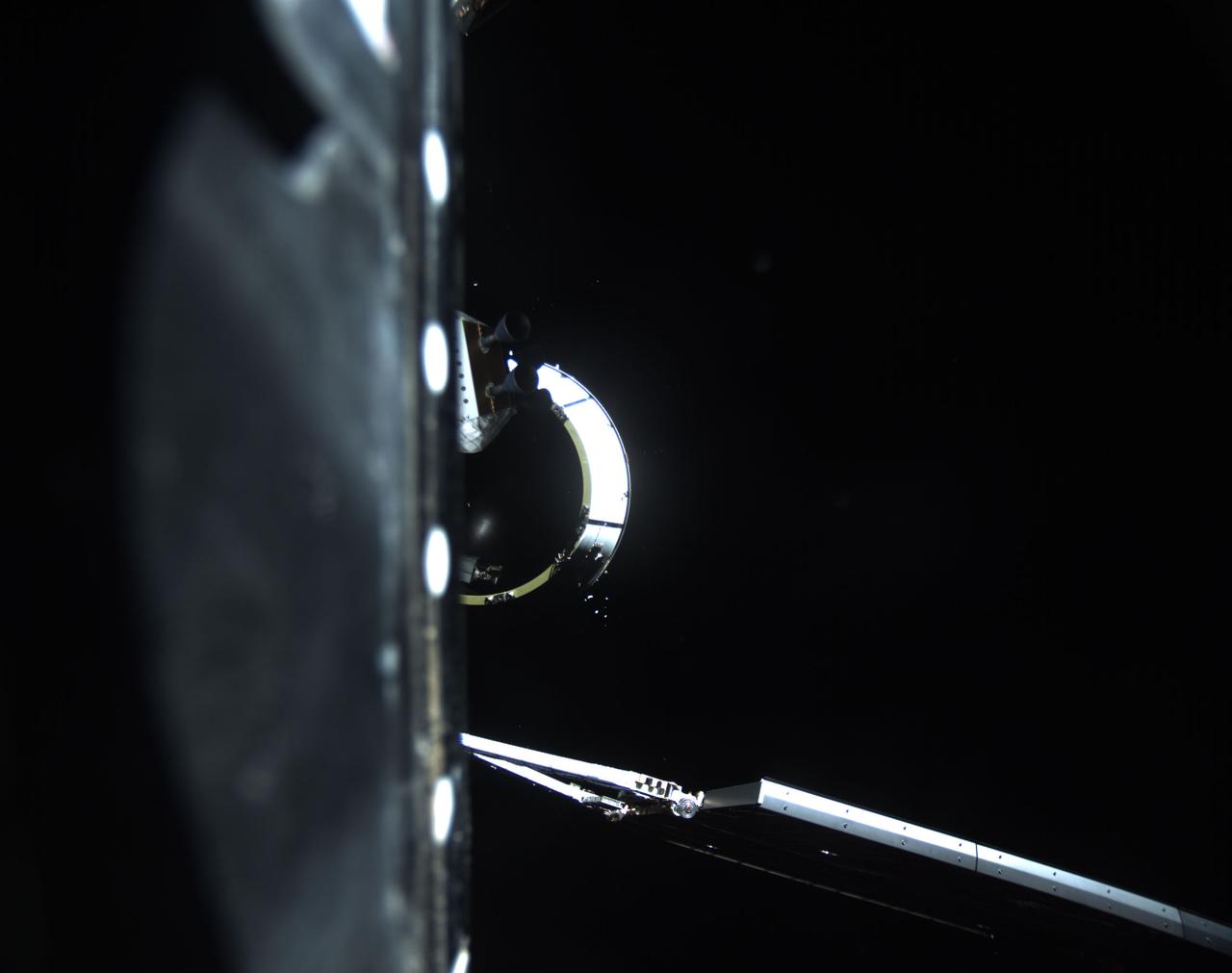
art001e001610 (Nov. 16, 2022) Approximately two hours after Artemis I launch on Nov. 16, 2022, the interim cryogenic propulsion stage separated from Orion after completing the translunar injection burn that put the spacecraft on course toward the Moon.
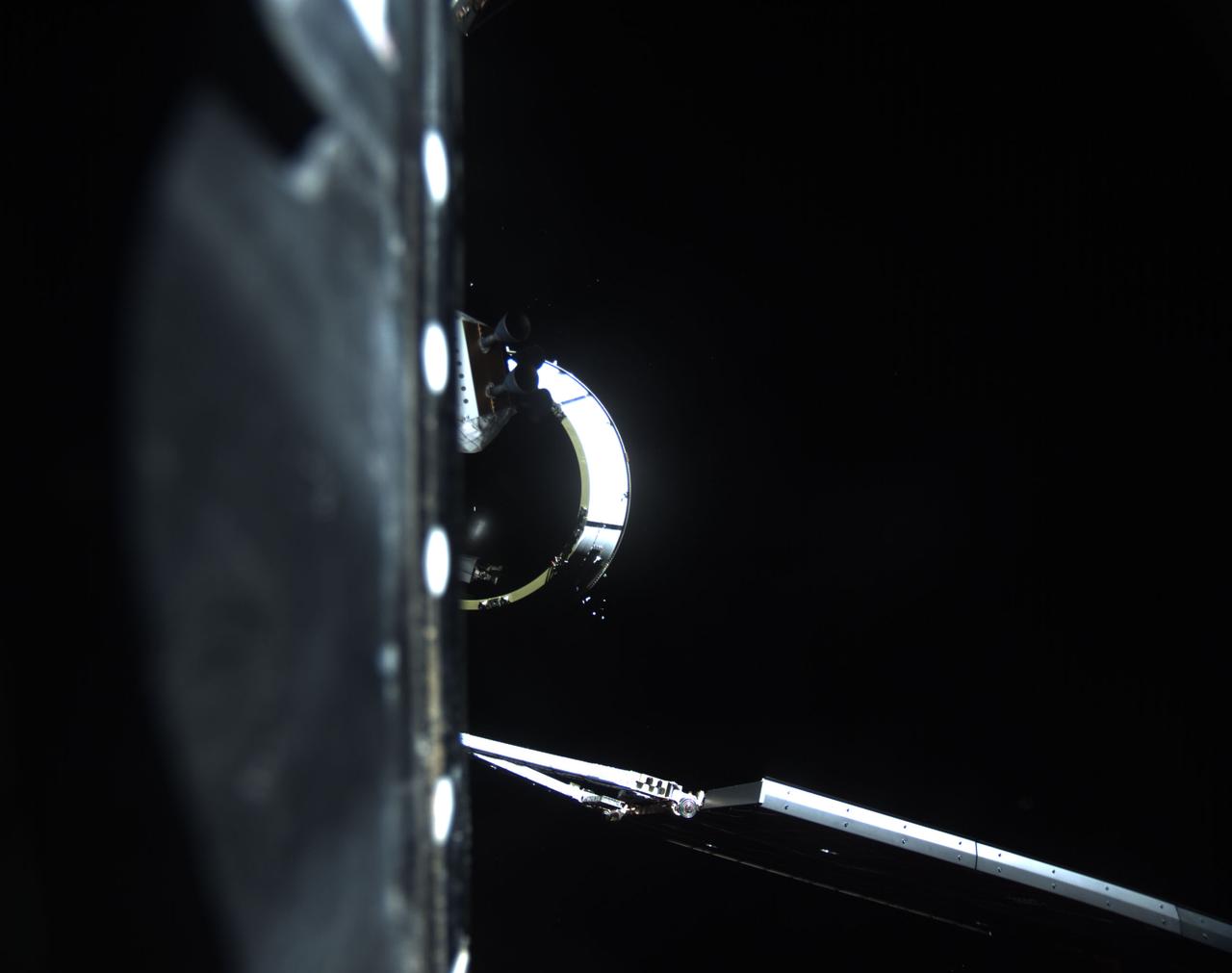
art001e001606 (Nov. 16, 2022) Approximately two hours after Artemis I launch on Nov. 16, 2022, the interim cryogenic propulsion stage separated from Orion after completing the translunar injection burn that put the spacecraft on course toward the Moon.

jsc2026e020048 (April 2, 2026) – Flight Dynamics Officer Natasha Peake in Mission Control during Artemis II’s translunar injection burn on April 2, 2026, which not only sent the crew in Orion out of Earth orbit and on a trajectory toward the Moon, but also set them on the course that will ultimately bring them home for a splashdown in the Pacific Ocean.
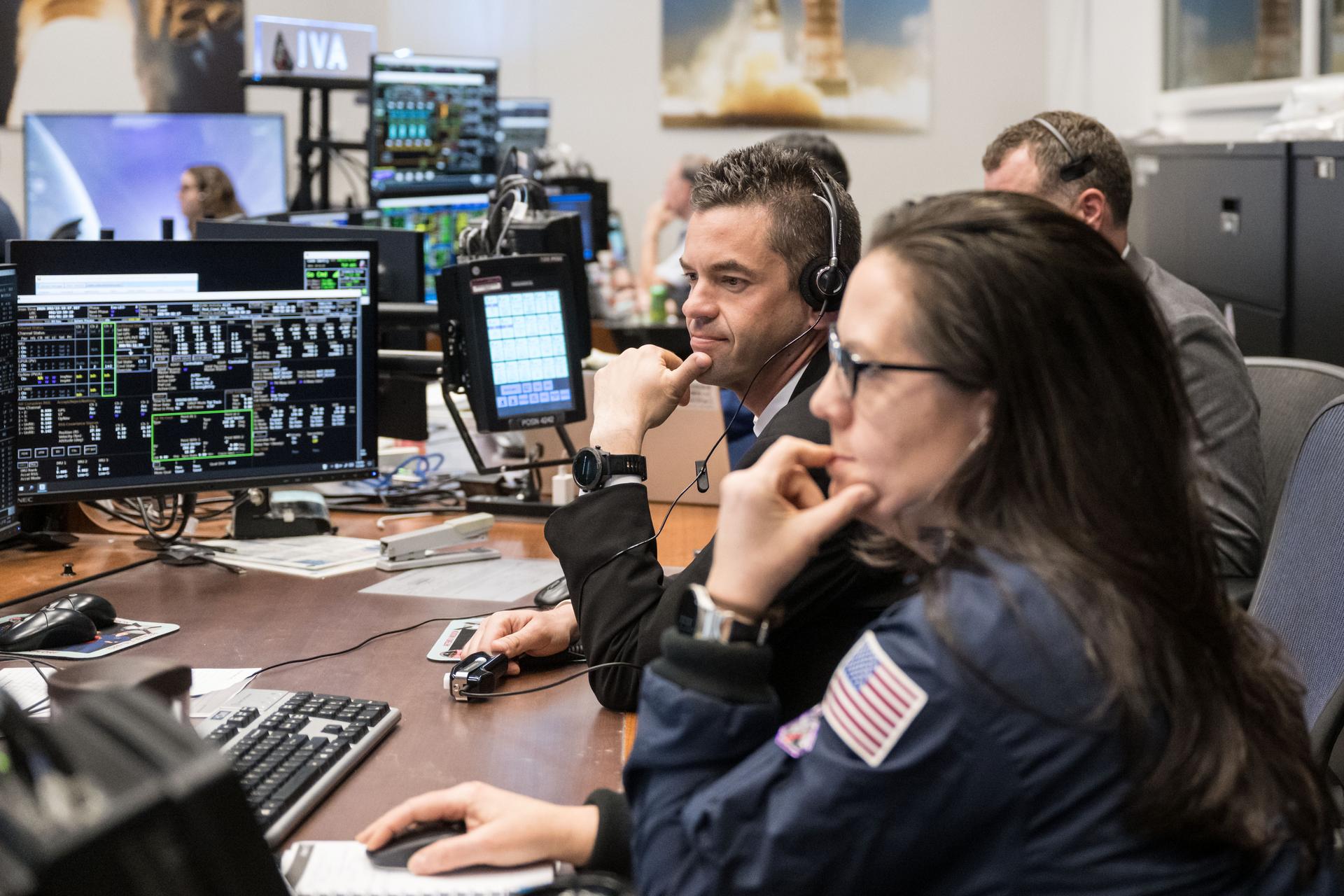
jsc2026e020085 (April 2, 2026) – NASA Administrator Jared Isaacman (left) and NASA Chief Flight Director Emily Nelson (right) in the Mission Control Center at NASA’s Johnson Space Center monitor mission operations during the translunar injection (TLI) burn, which sent the crew in Orion out of Earth orbit and on a trajectory toward the Moon.
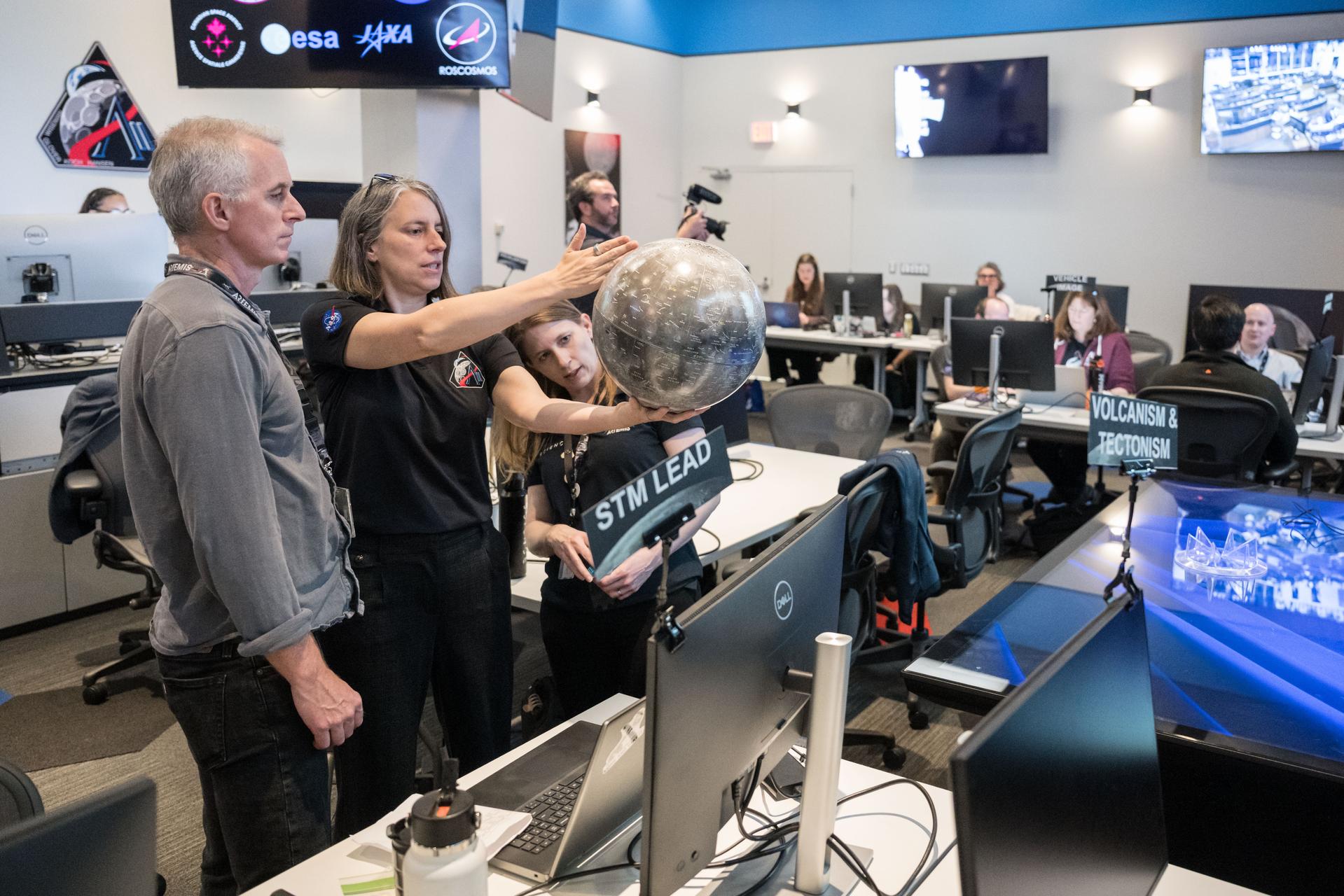
Artemis II lunar science team members, from left, Ryan Ewing, Juliane Gross, and Debra Needham, discuss lunar geography ahead of the translunar injection burn that accelerated the Orion spacecraft to break free of Earth’s orbit and began the outbound trajectory toward the Moon. They are in the Science Evaluation Room (SER) a back room that supports lunar science and planetary observations for the Artemis science officer in the mission’s main flight control room. Built specifically for Artemis missions with these science priorities in mind, the SER is equipped to support rapid data interpretation, collaborative analysis, real-time decision making, and seamless coordination between the science and operations teams.
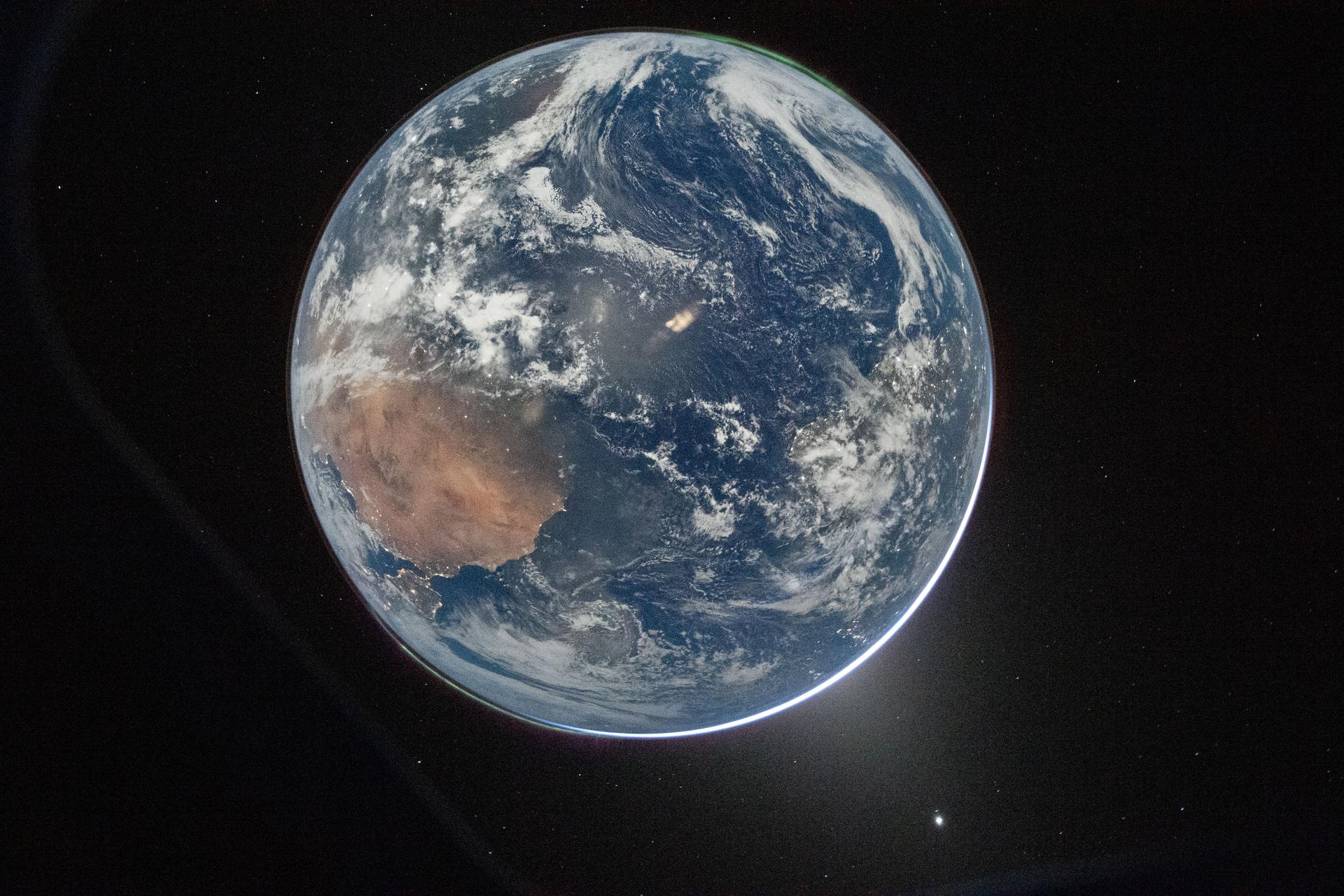
art002e000192 (April 3, 2026) - This nighttime picture of Earth was taken on April 2, 2026, by an Artemis II crew member aiming a camera through a window of the Orion spacecraft. The image was captured after Orion completed its translunar injection burn, the critical maneuver that sent the spacecraft on its path toward the Moon and back. The visible hemisphere appears awash in sunlight, but it is actually lit by moonlight — sunlight reflected from the lunar surface. Along the upper left (south) and lower right (north) edges of Earth’s disk, green auroras glow against the dark sky, showing charged particles from the Sun interacting with gases in Earth’s atmosphere. Africa is visible on the left, while a translucent cone of light capped by a bright Venus extends into space from Earth’s lower right edge. This zodiacal light is caused by sunlight reflecting off interplanetary dust. A thin white crescent along the lower right edge of Earth marks the planet’s daytime atmosphere illuminated by the Sun, which lies on the opposite side of Earth from Orion’s perspective. City lights are also visible, especially along coastlines. Credits: NASA