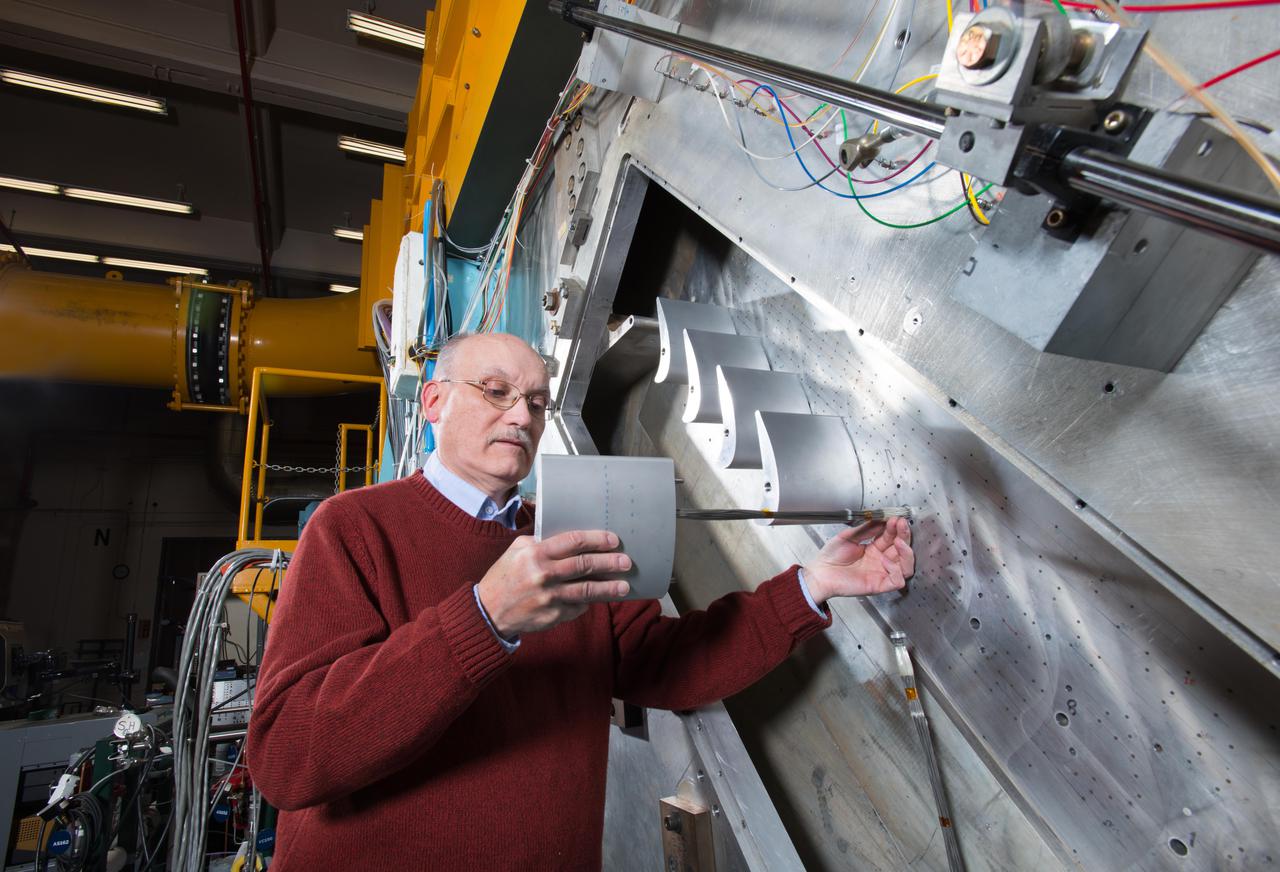
Transonic Turbine Blade Cascade
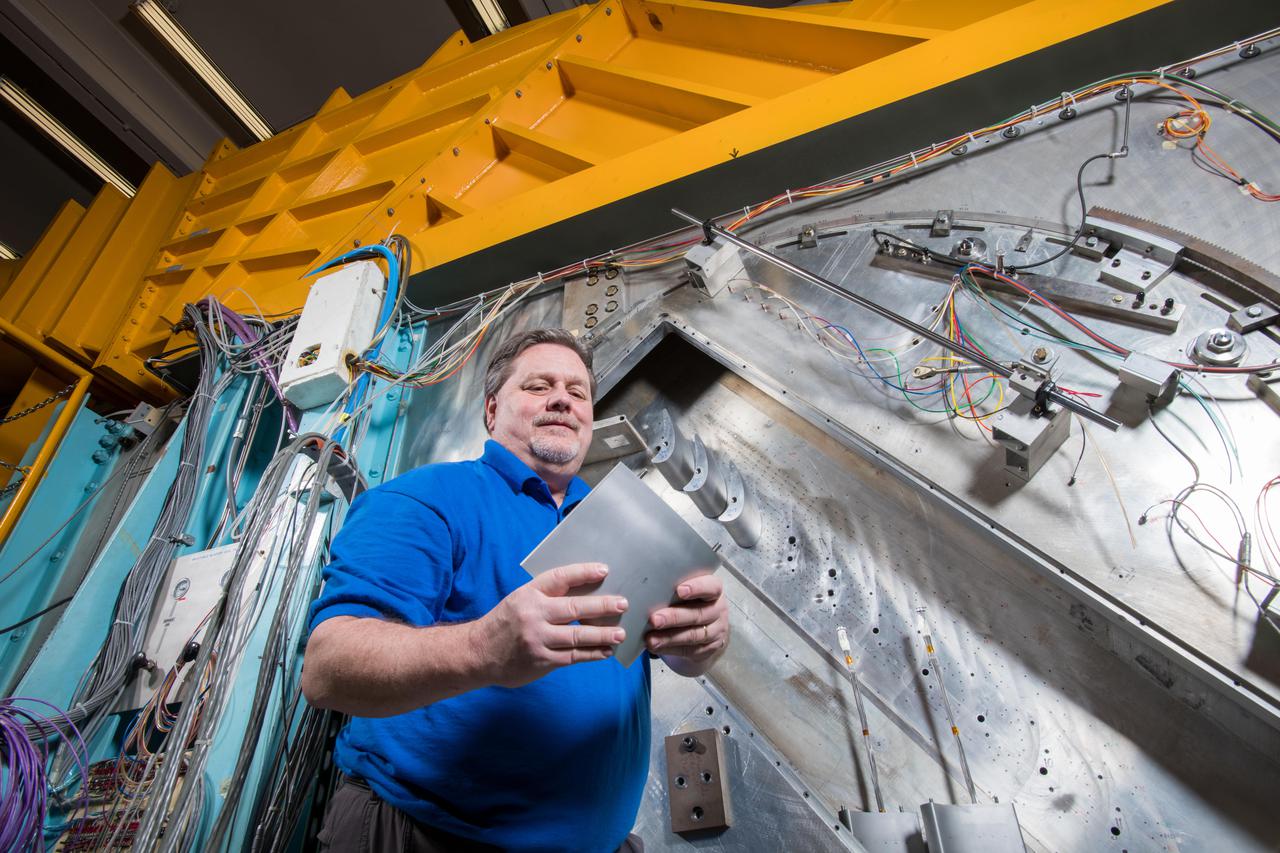
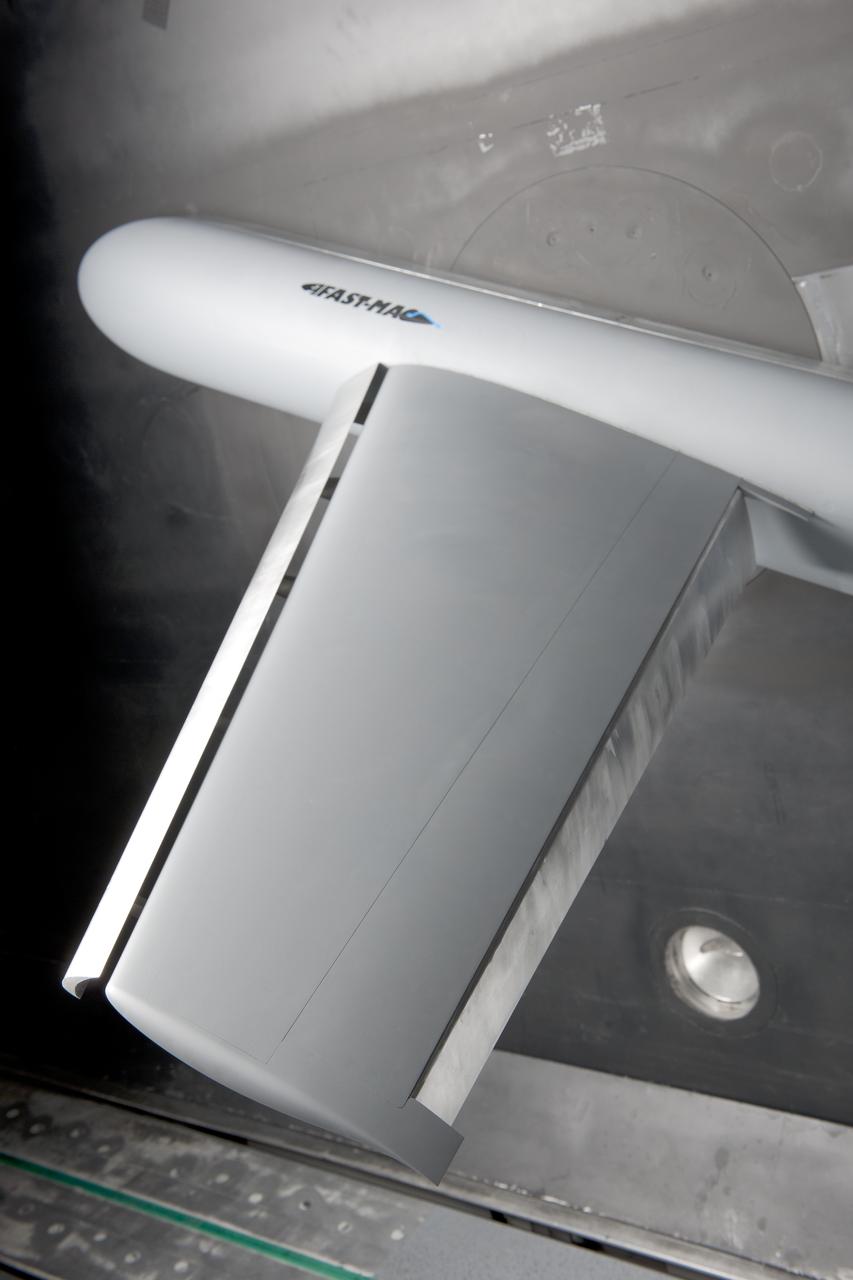
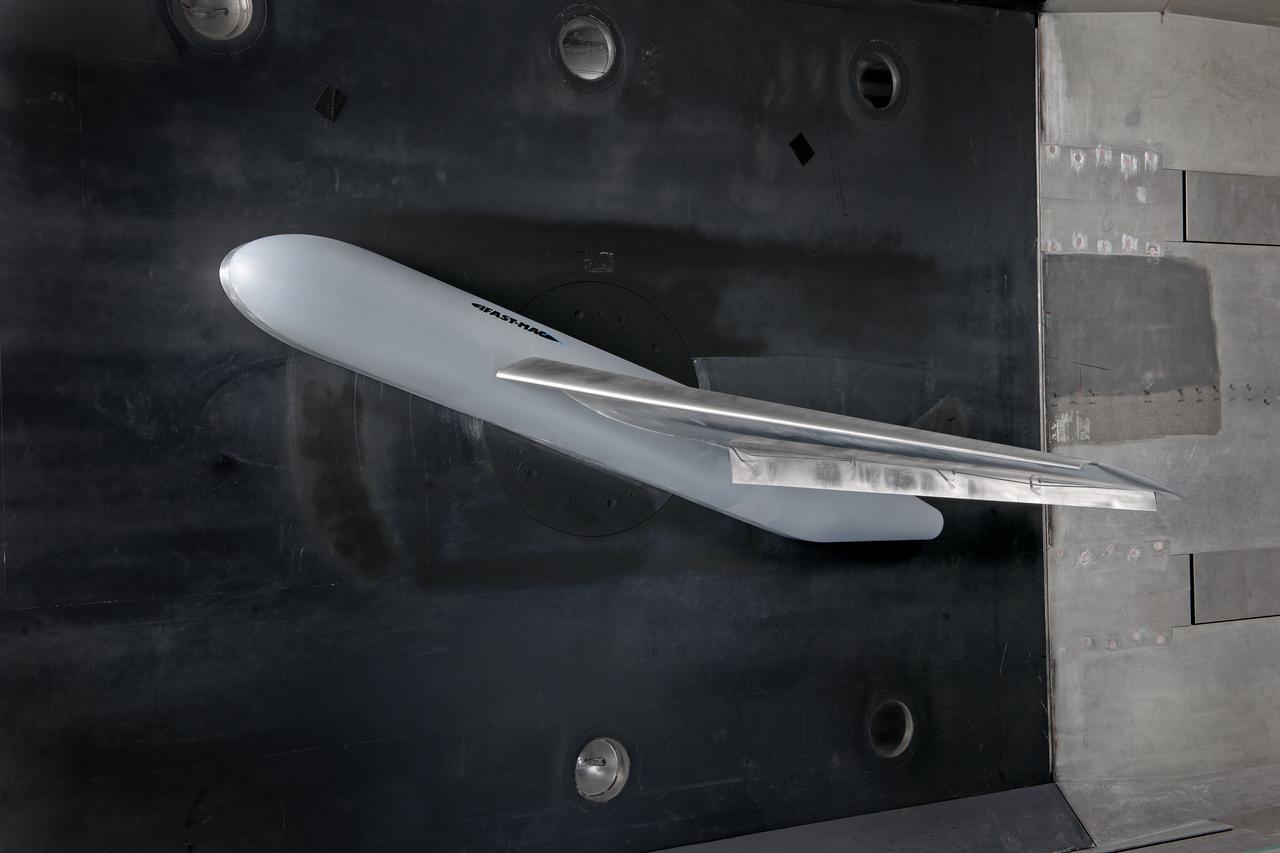
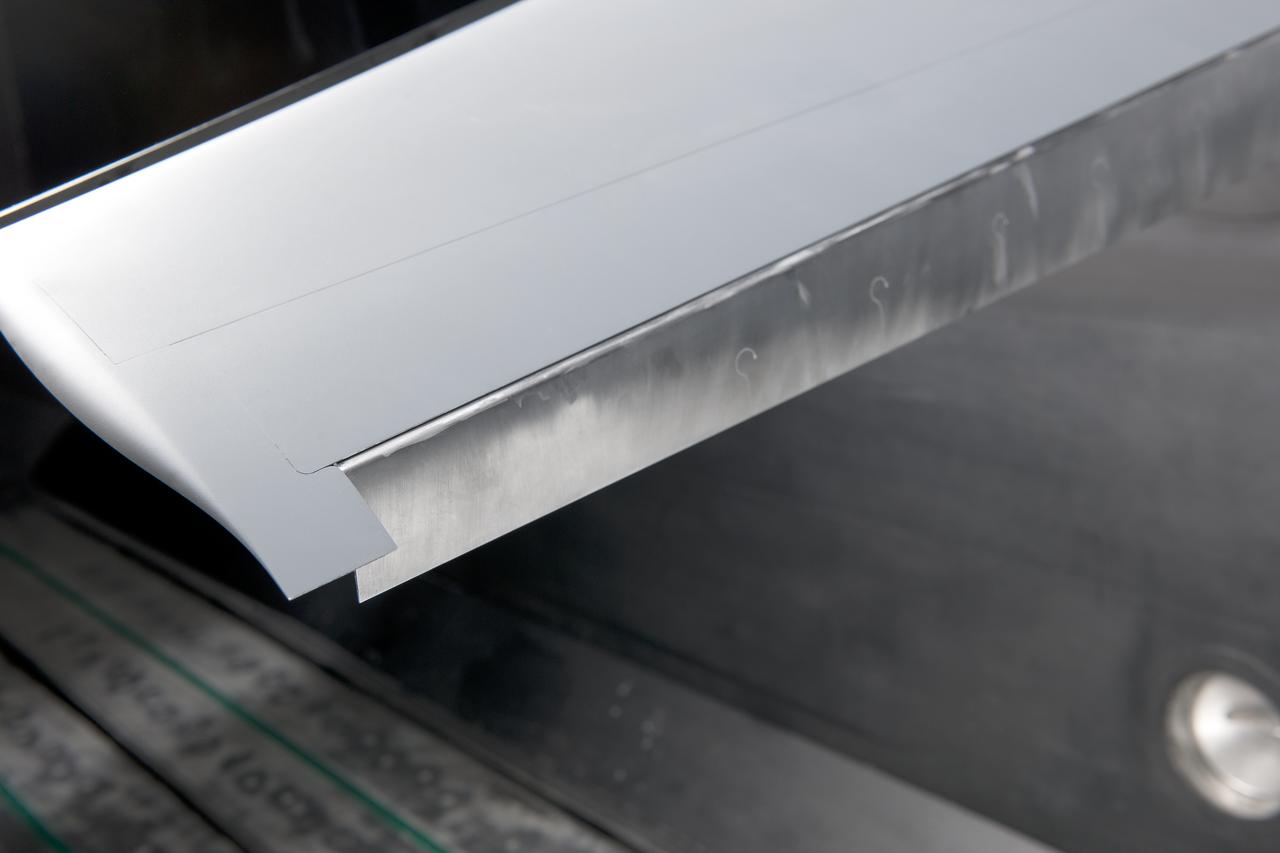
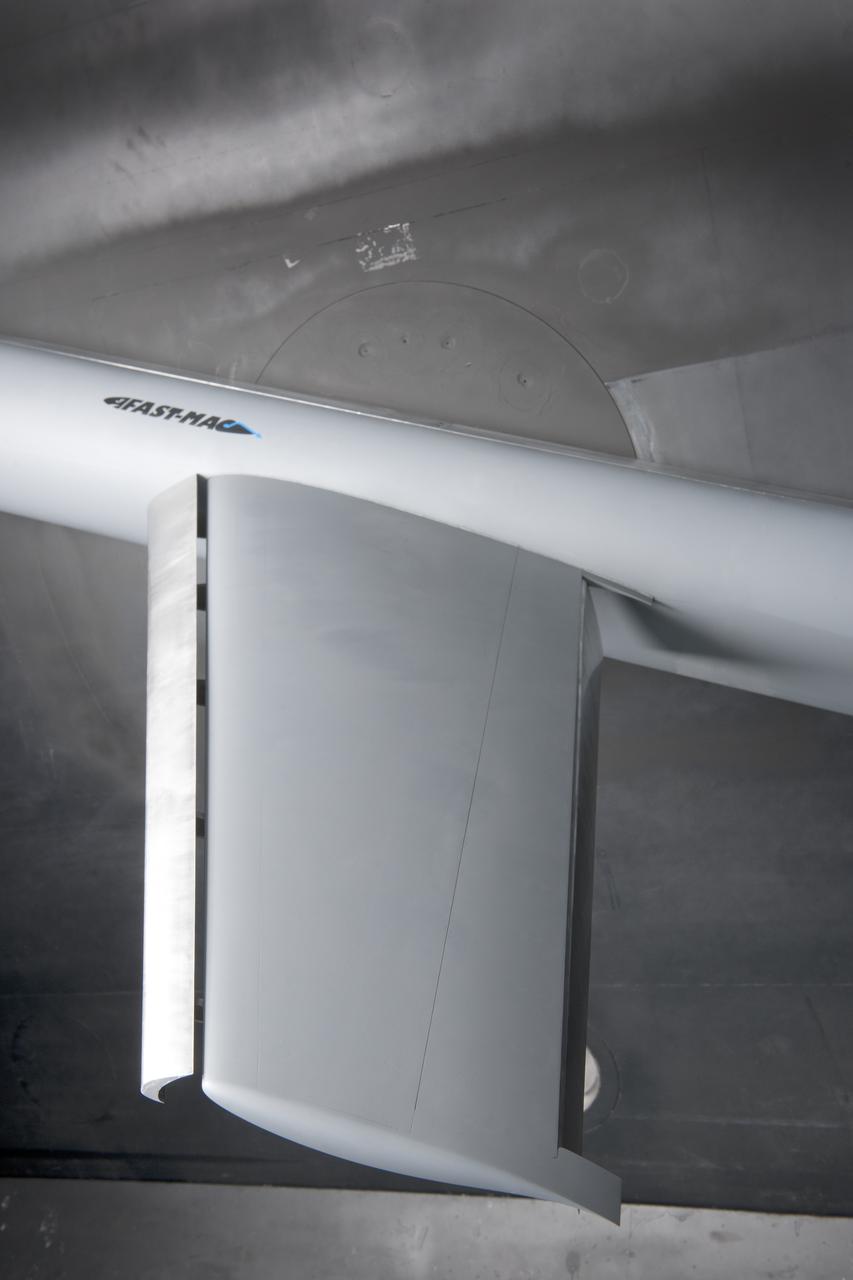
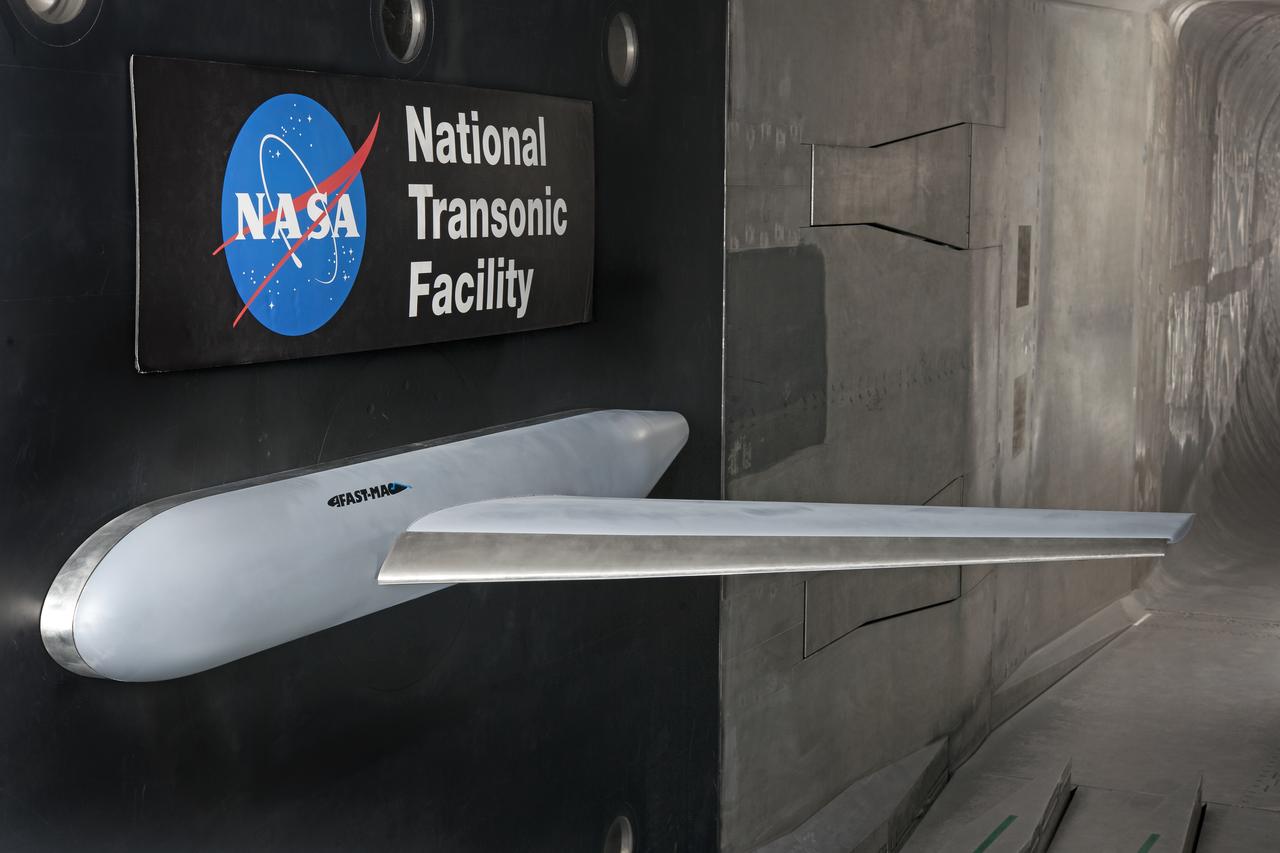
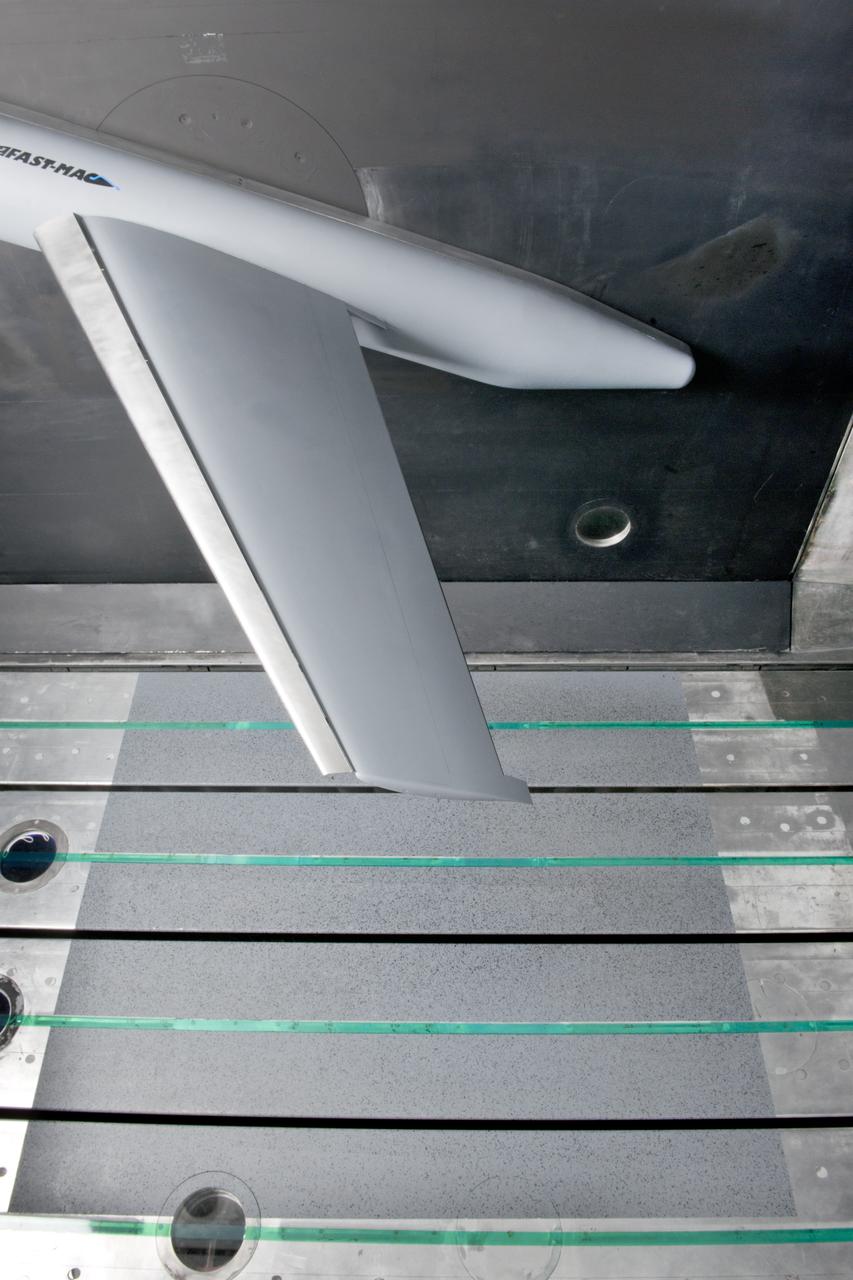
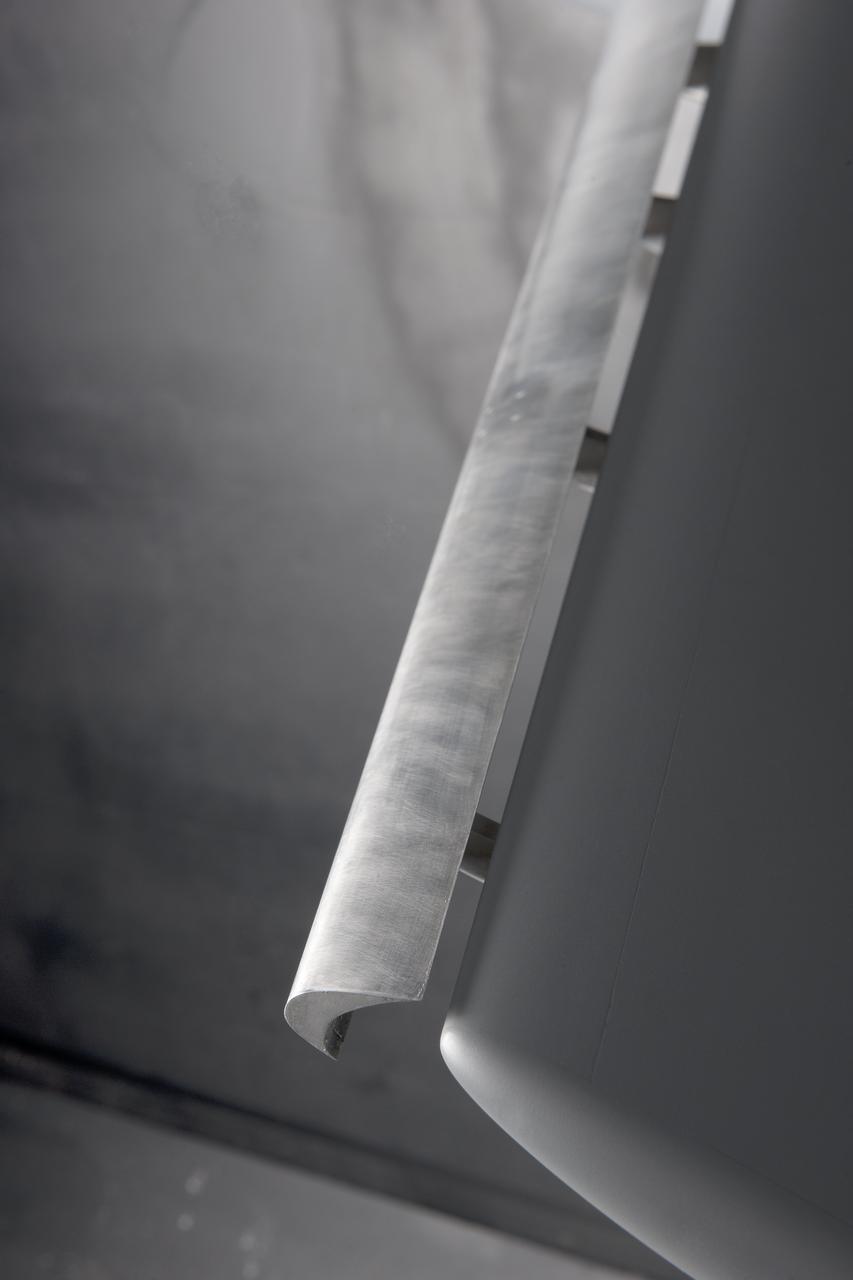
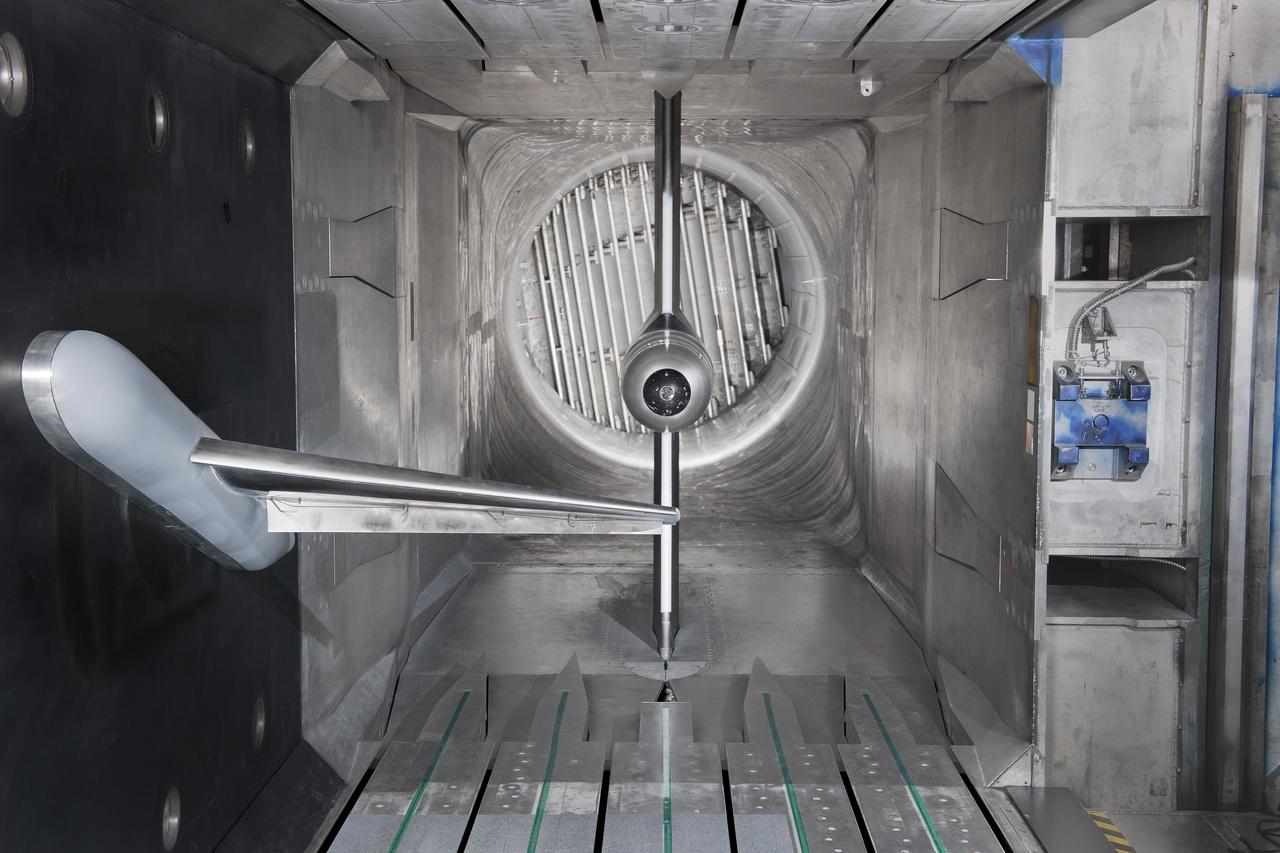
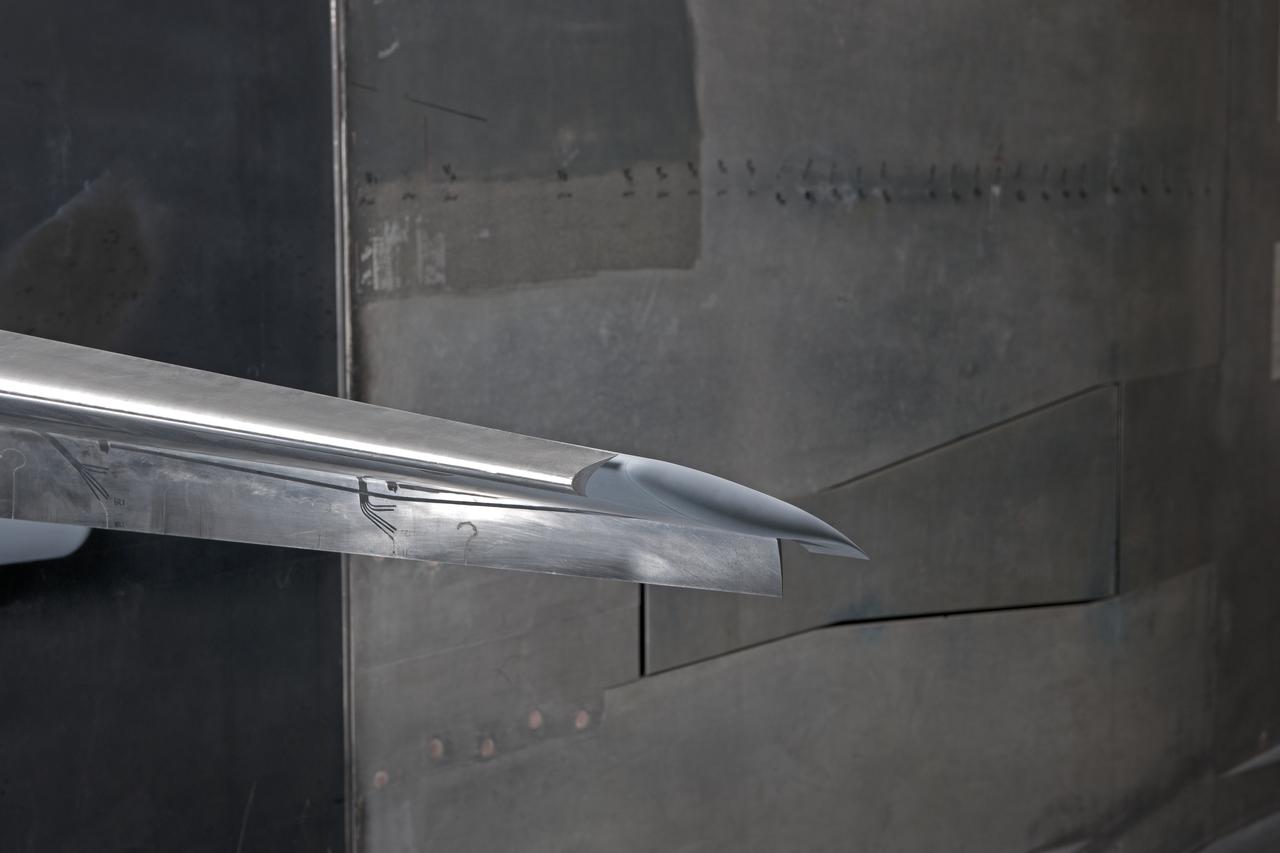
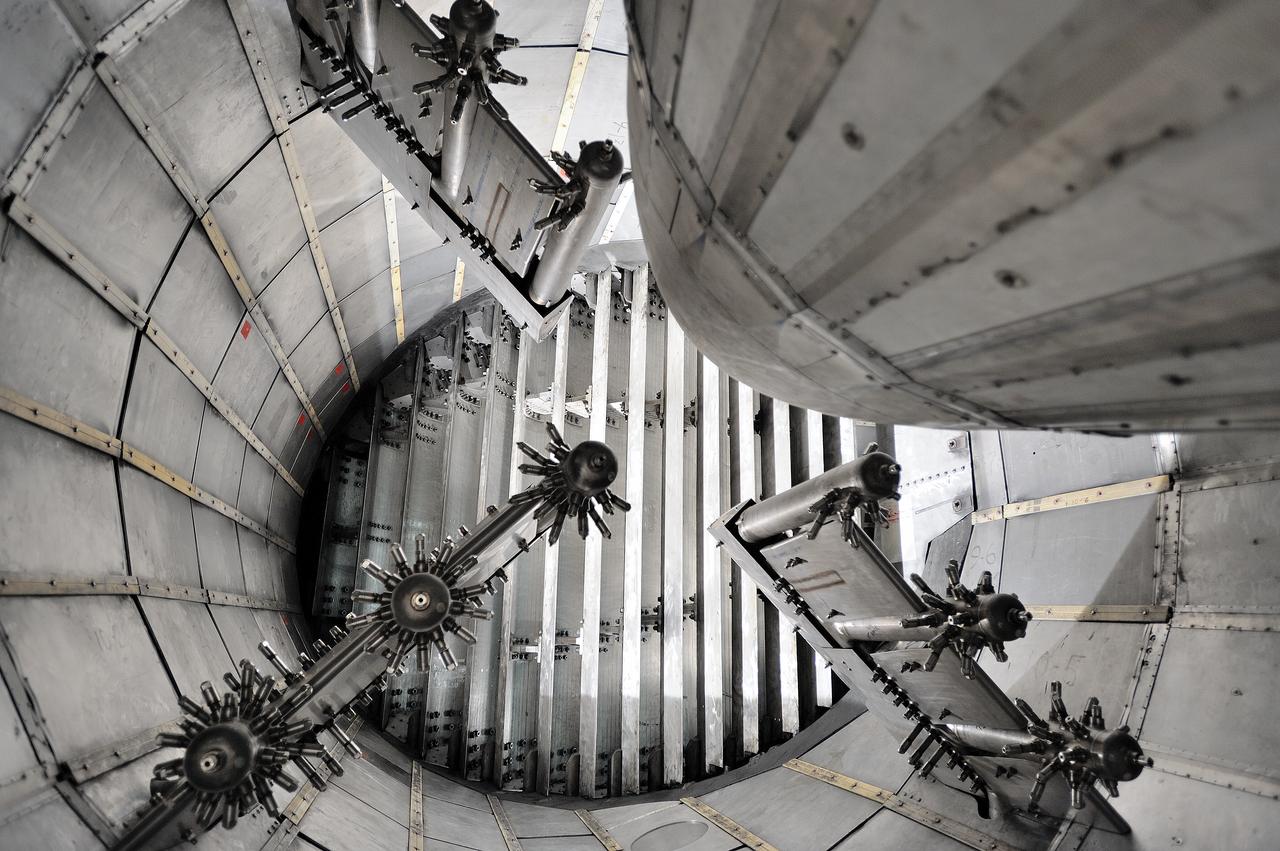
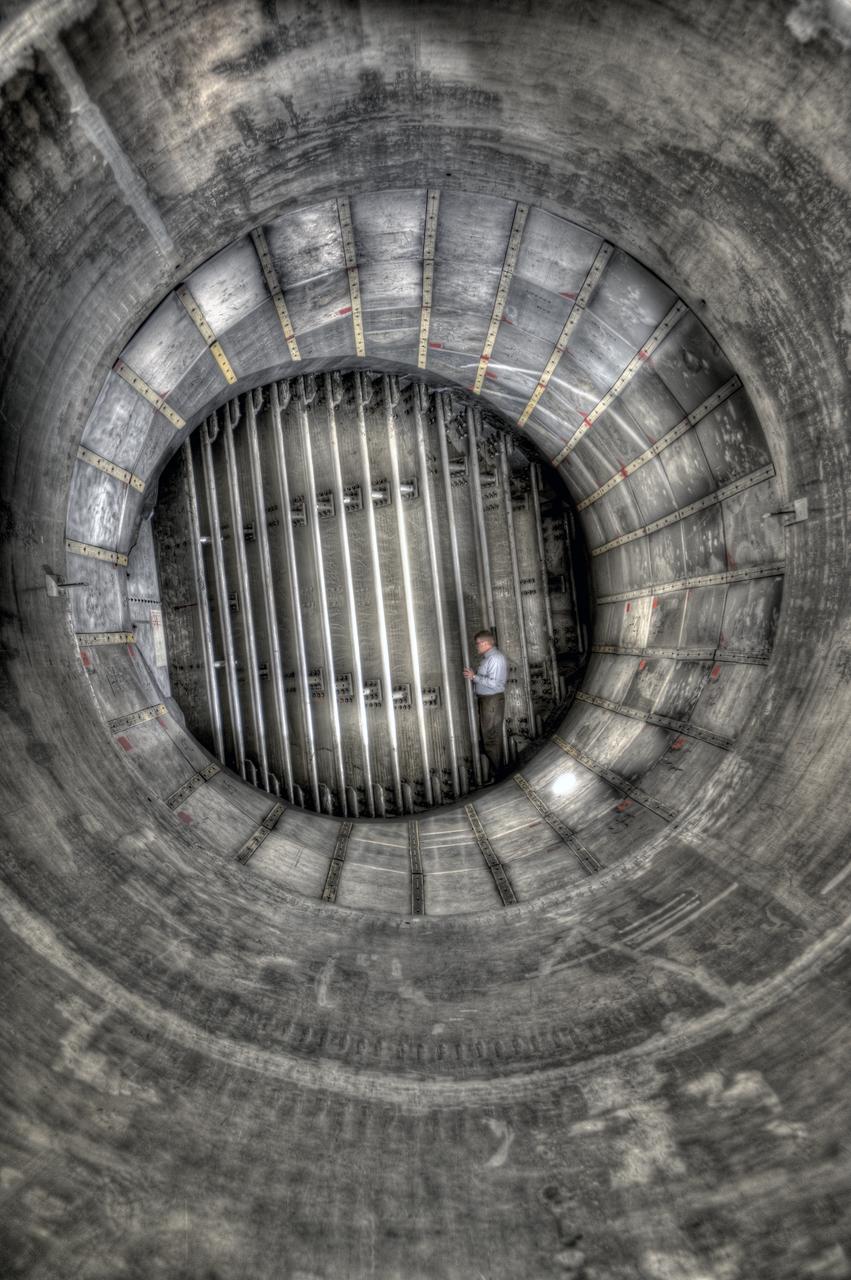
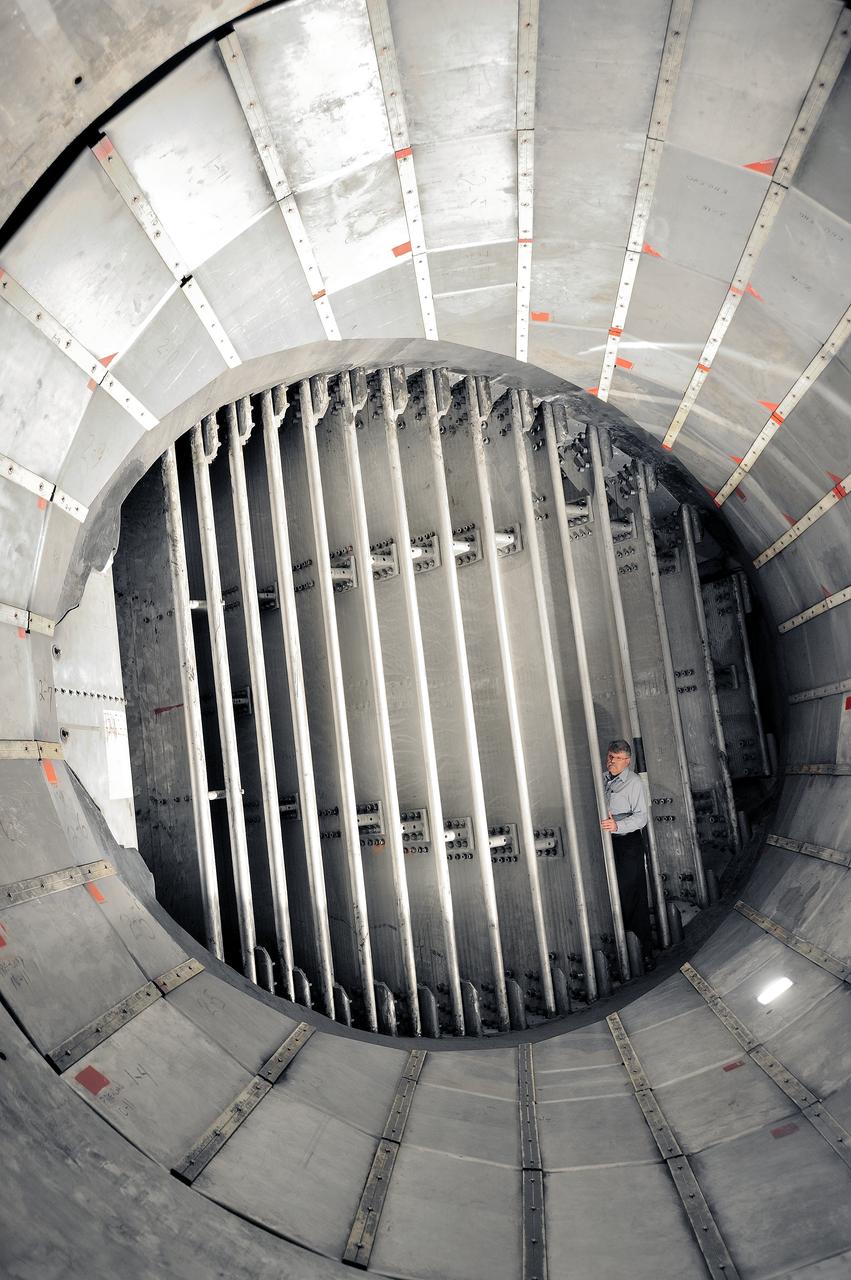
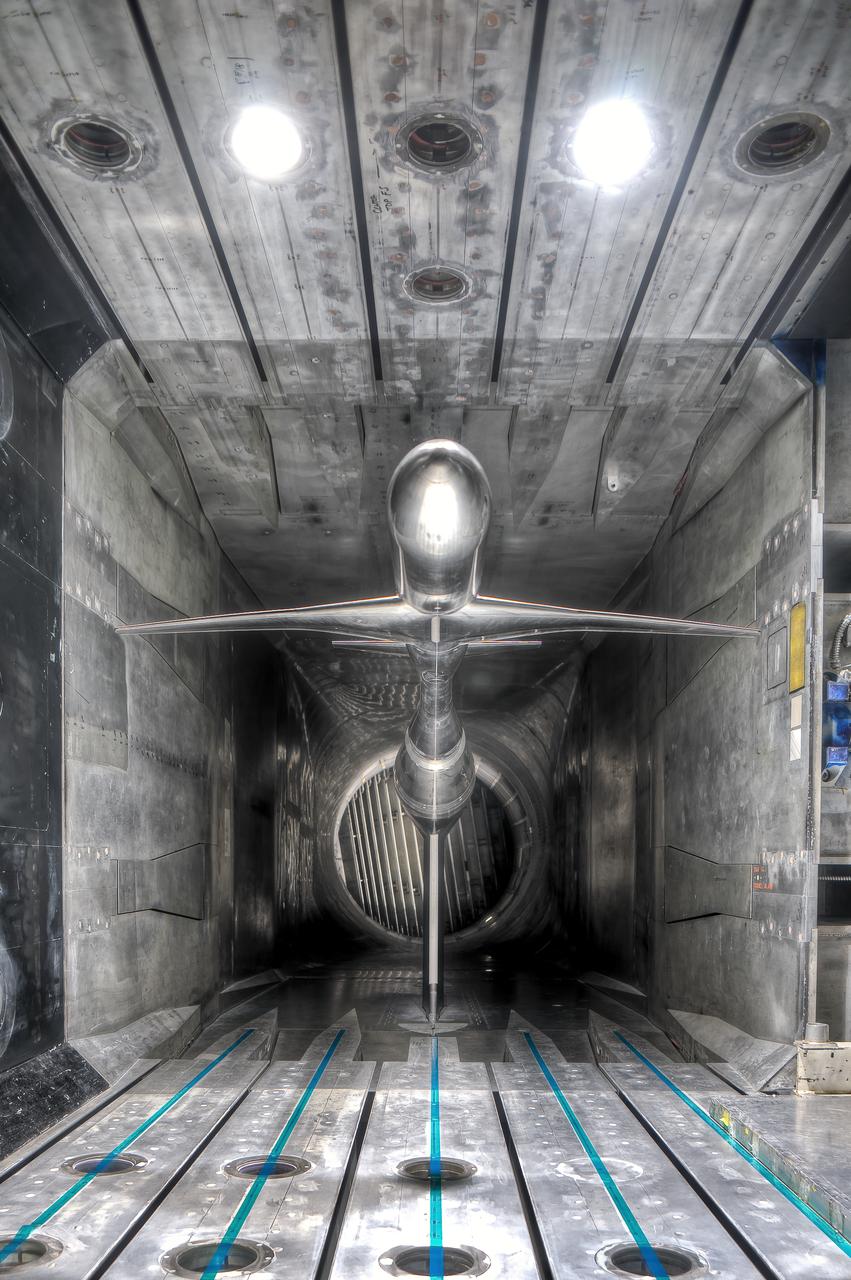
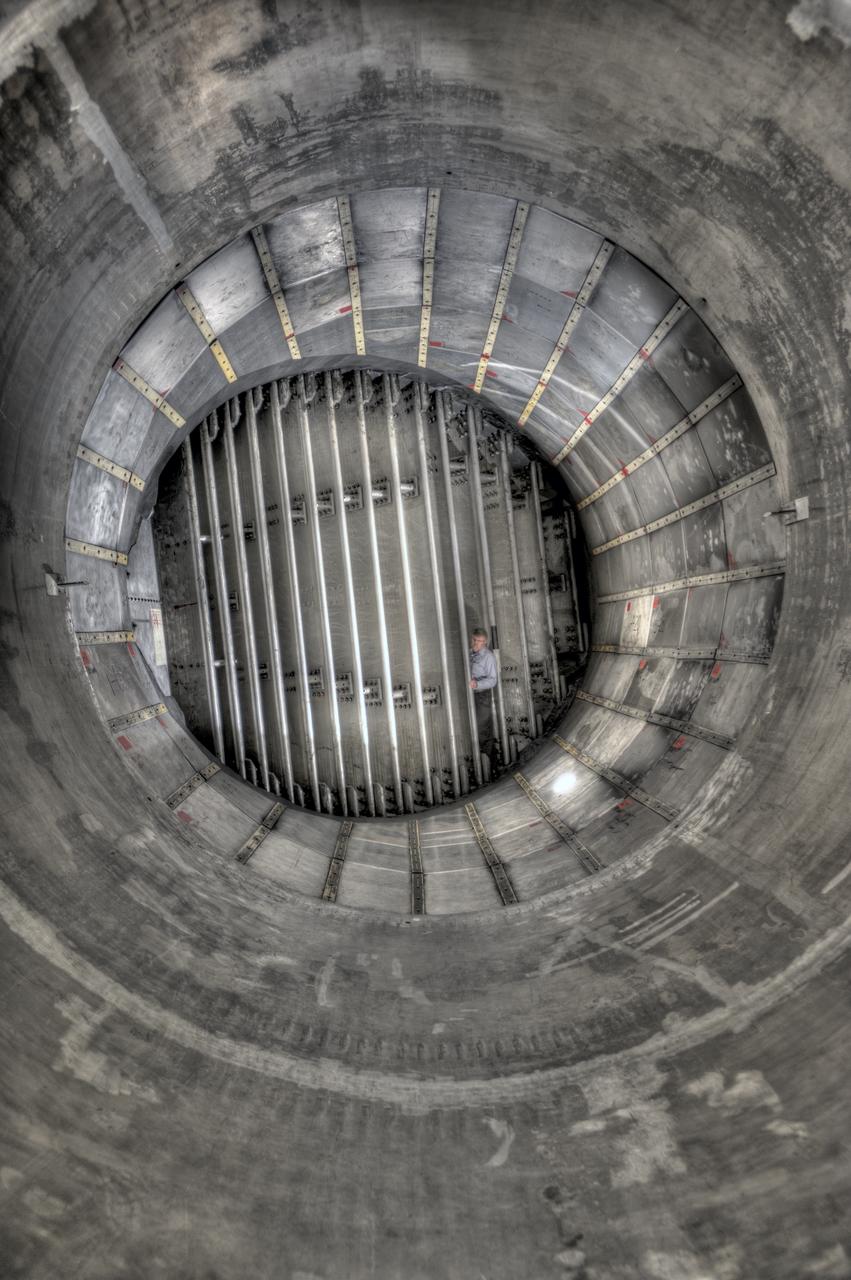
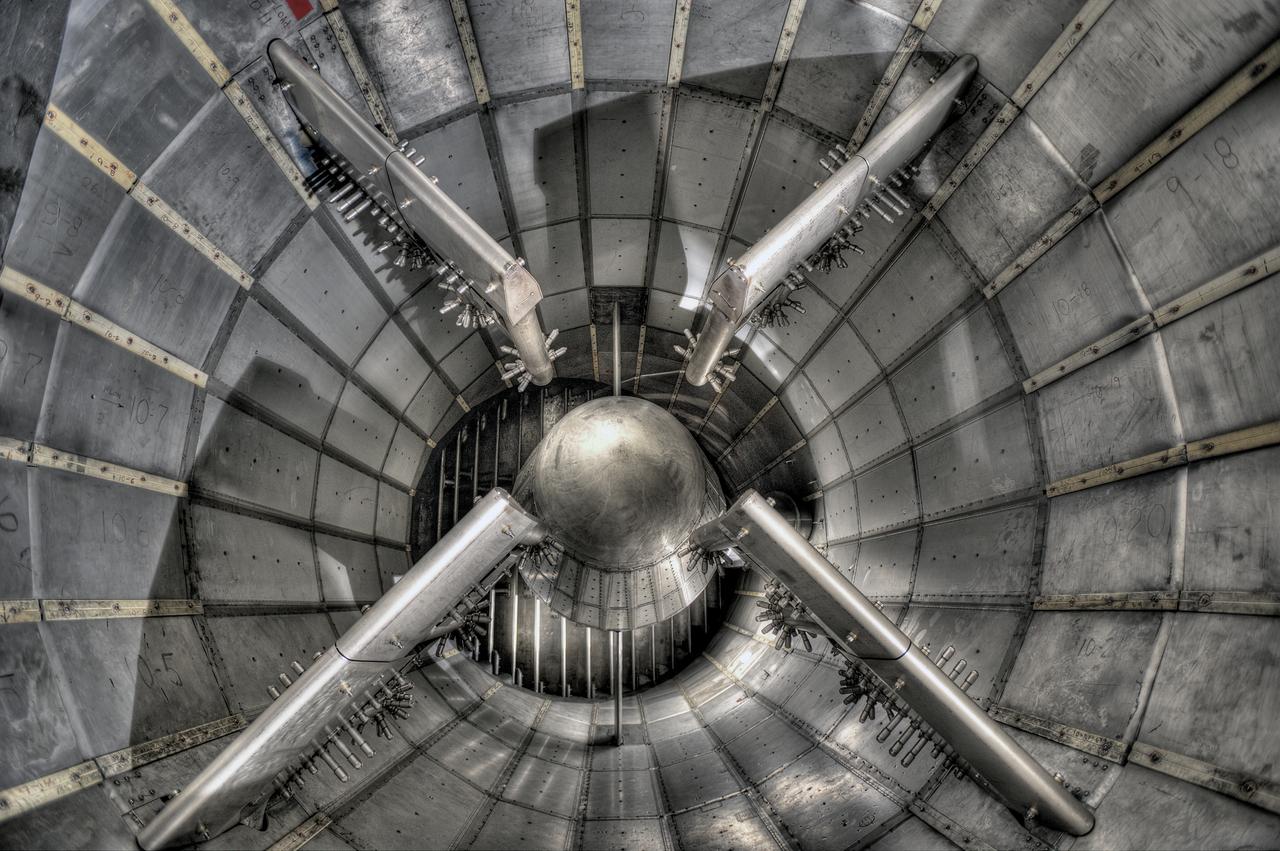
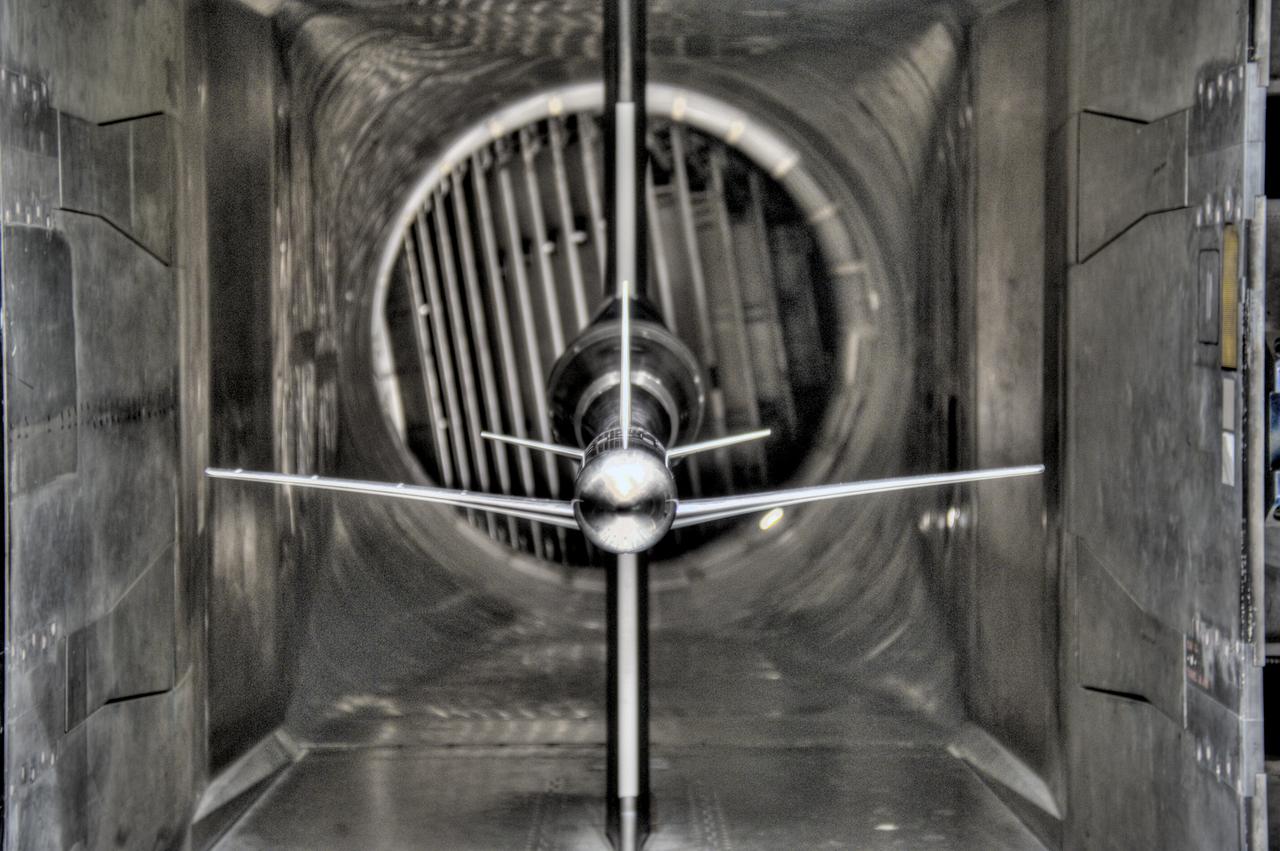
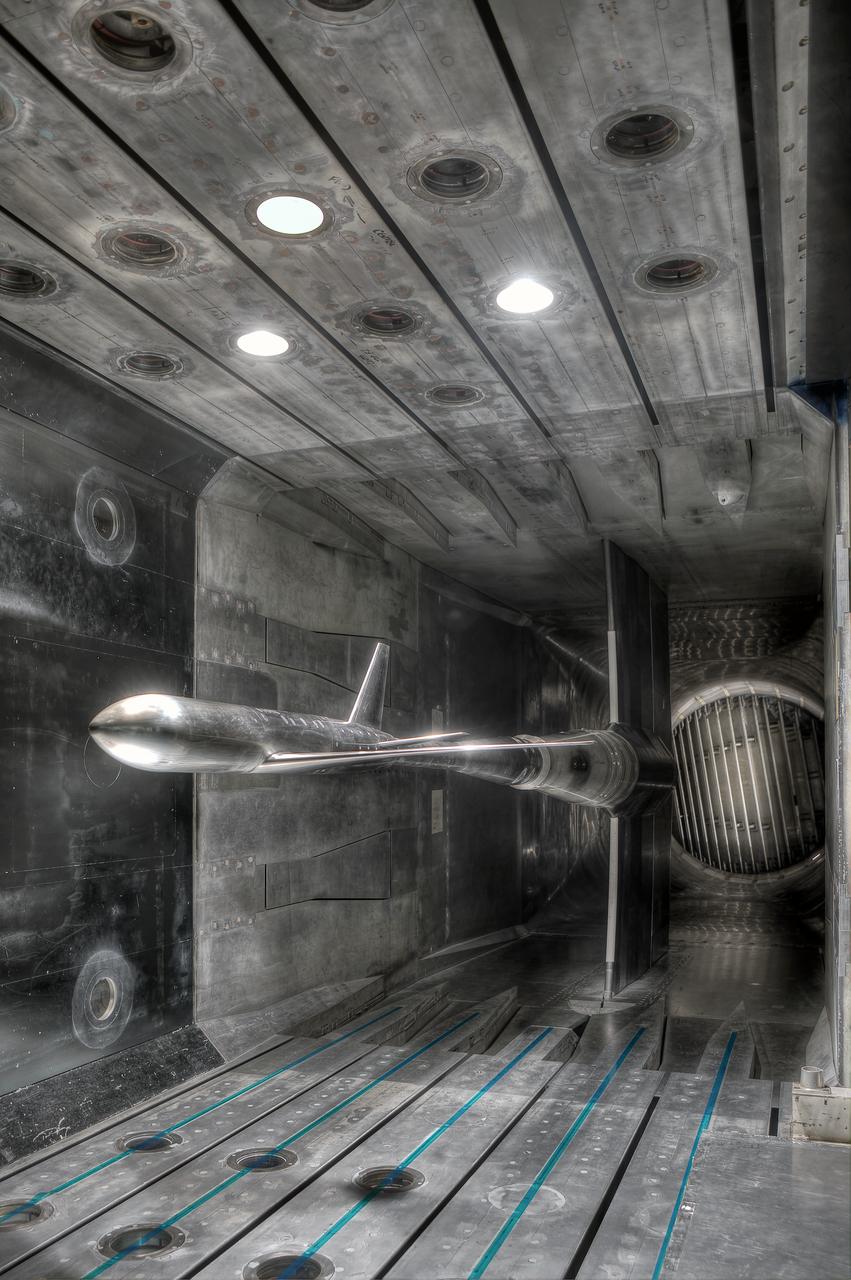
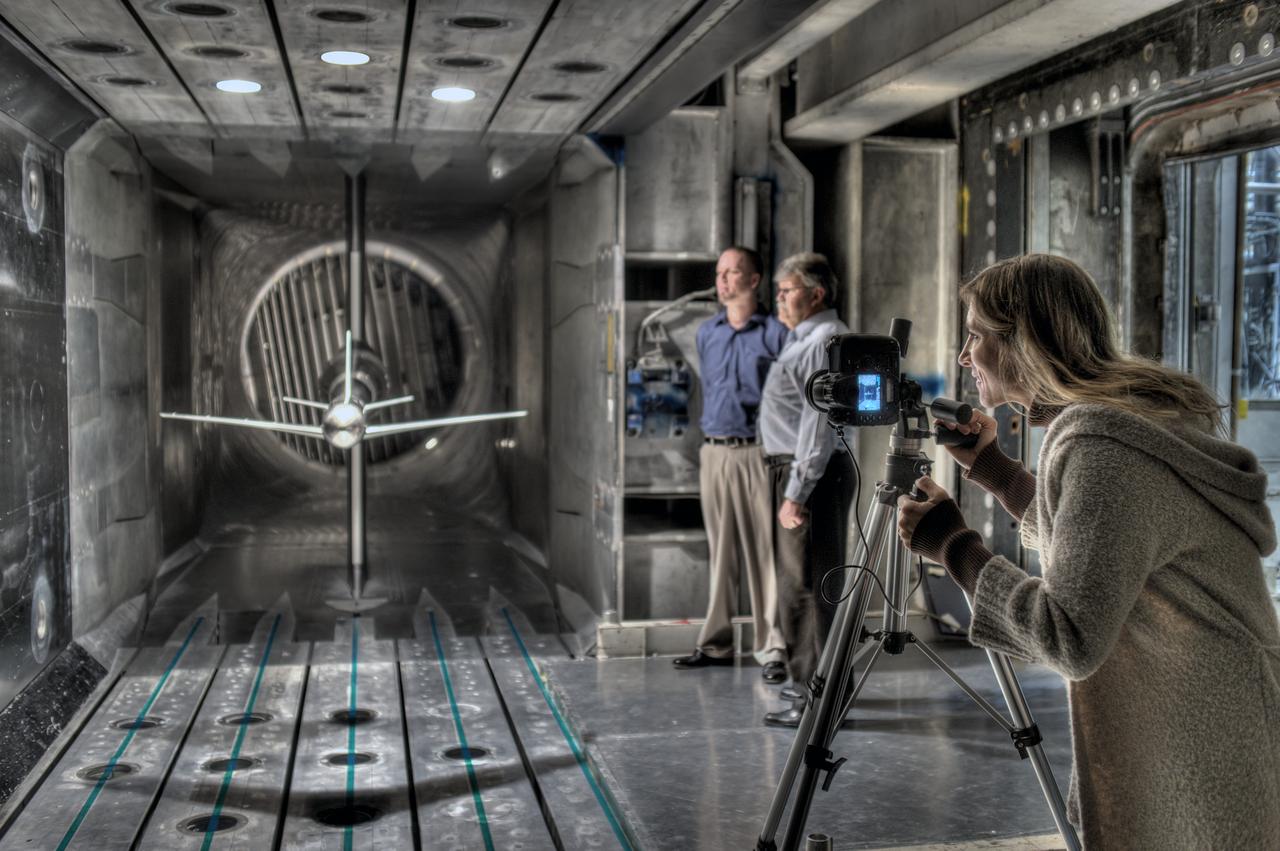
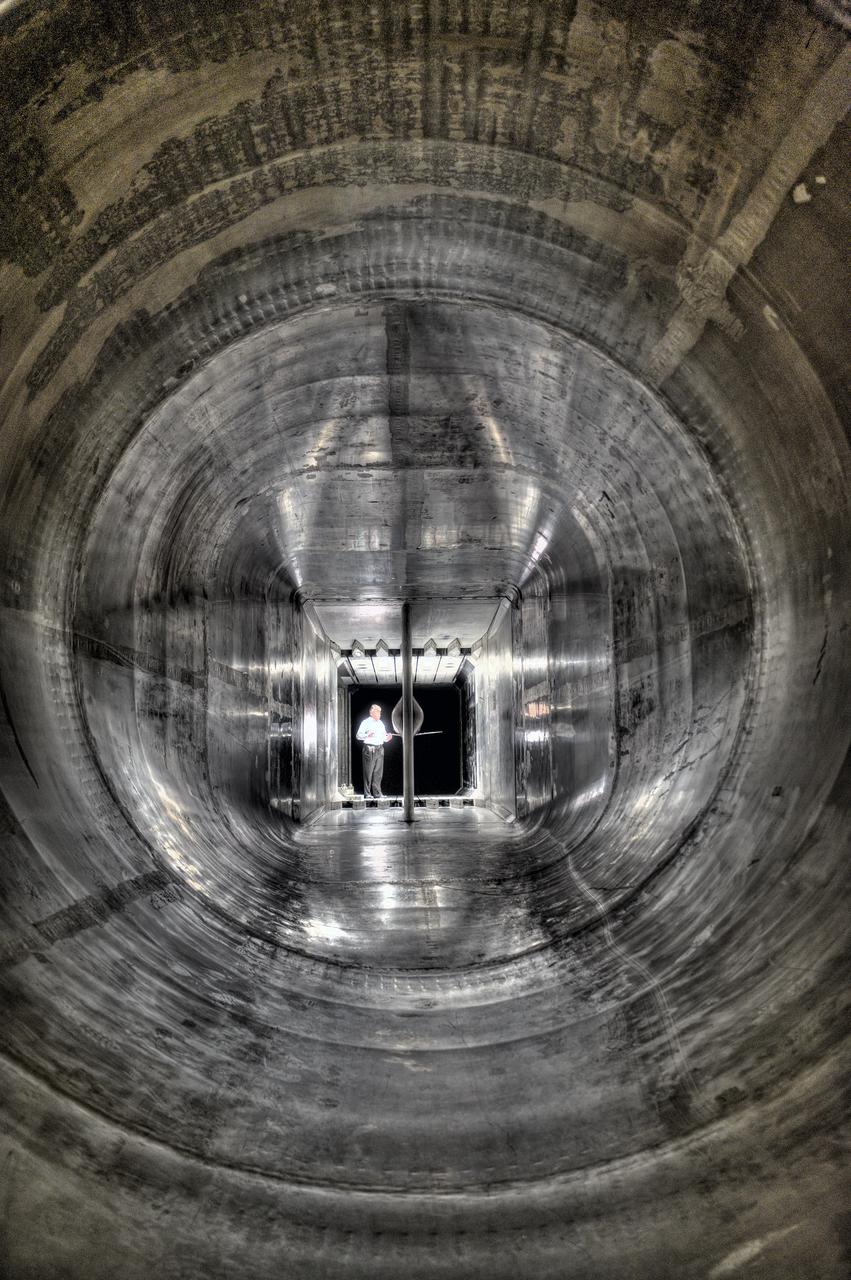
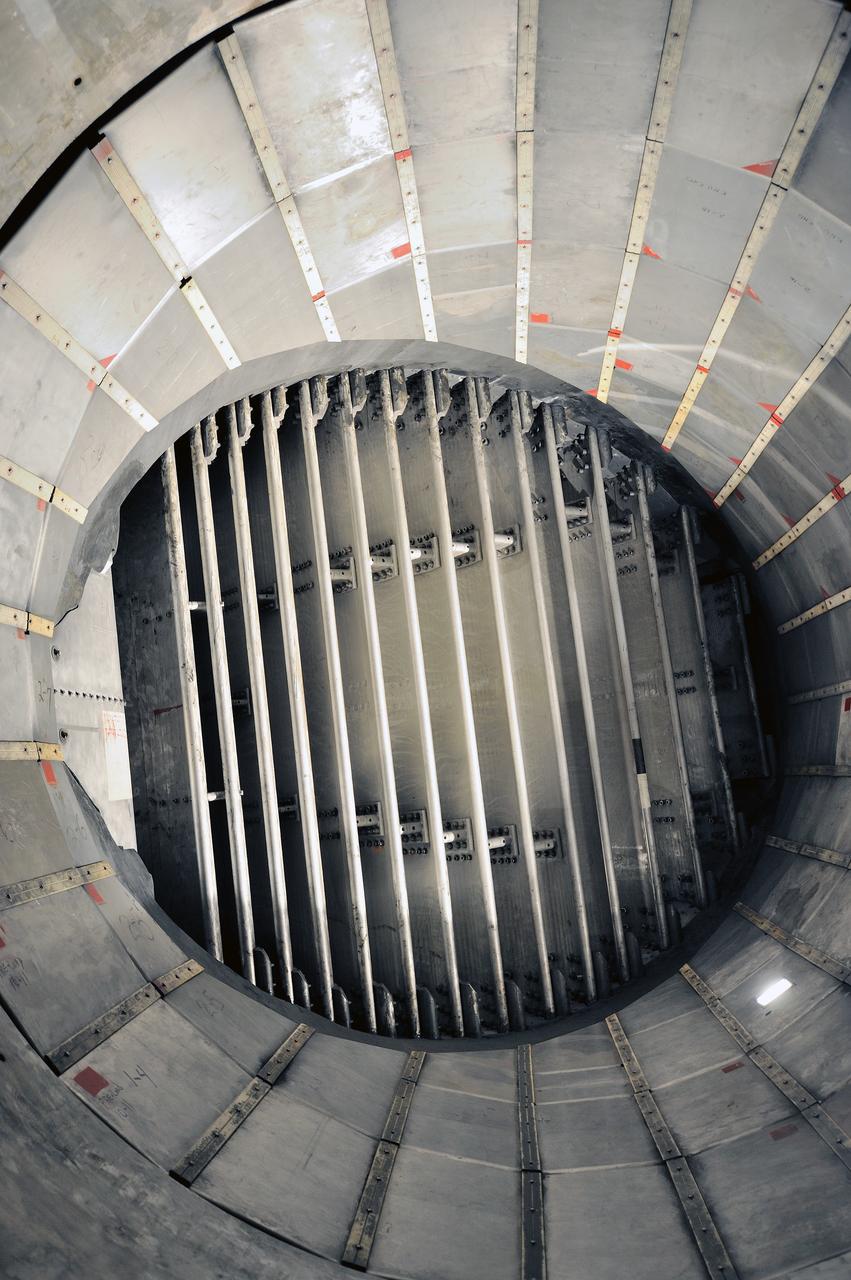
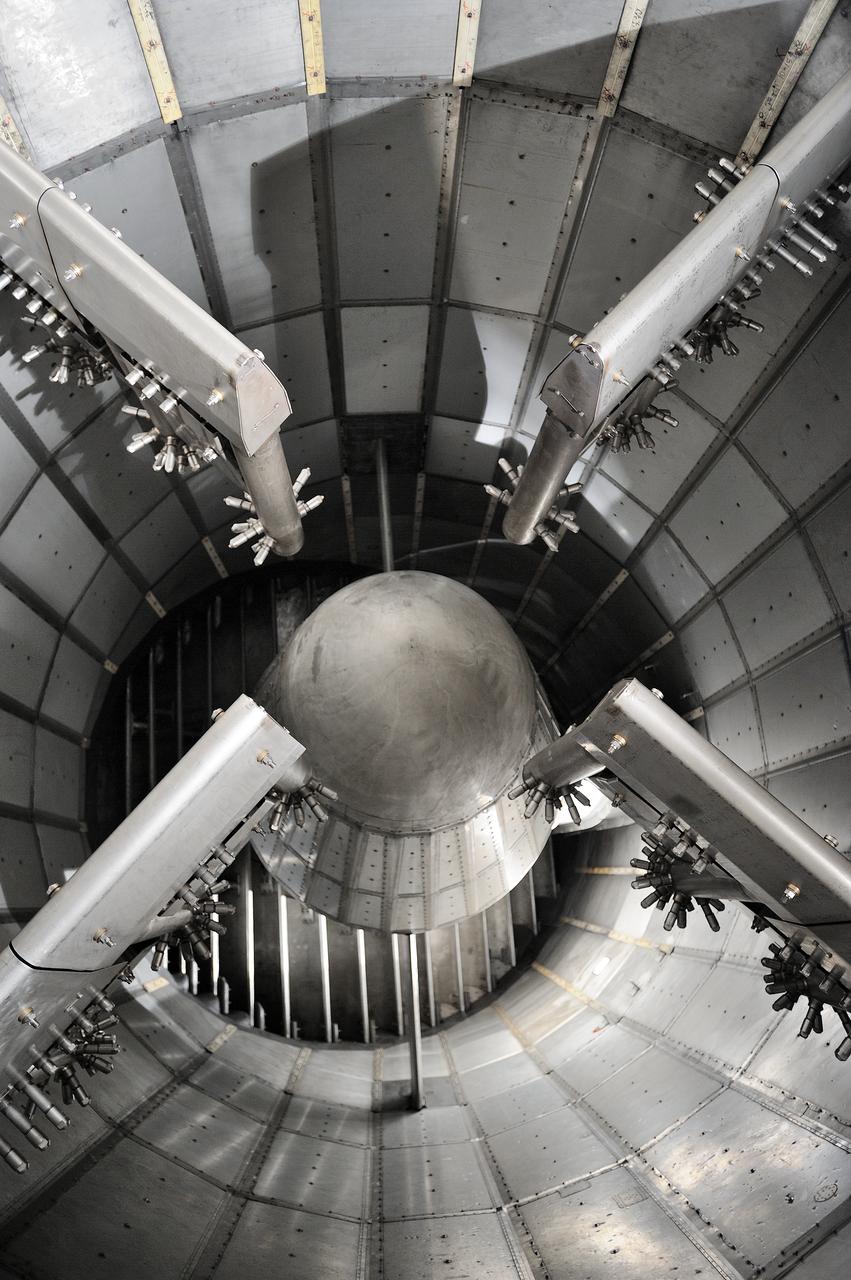
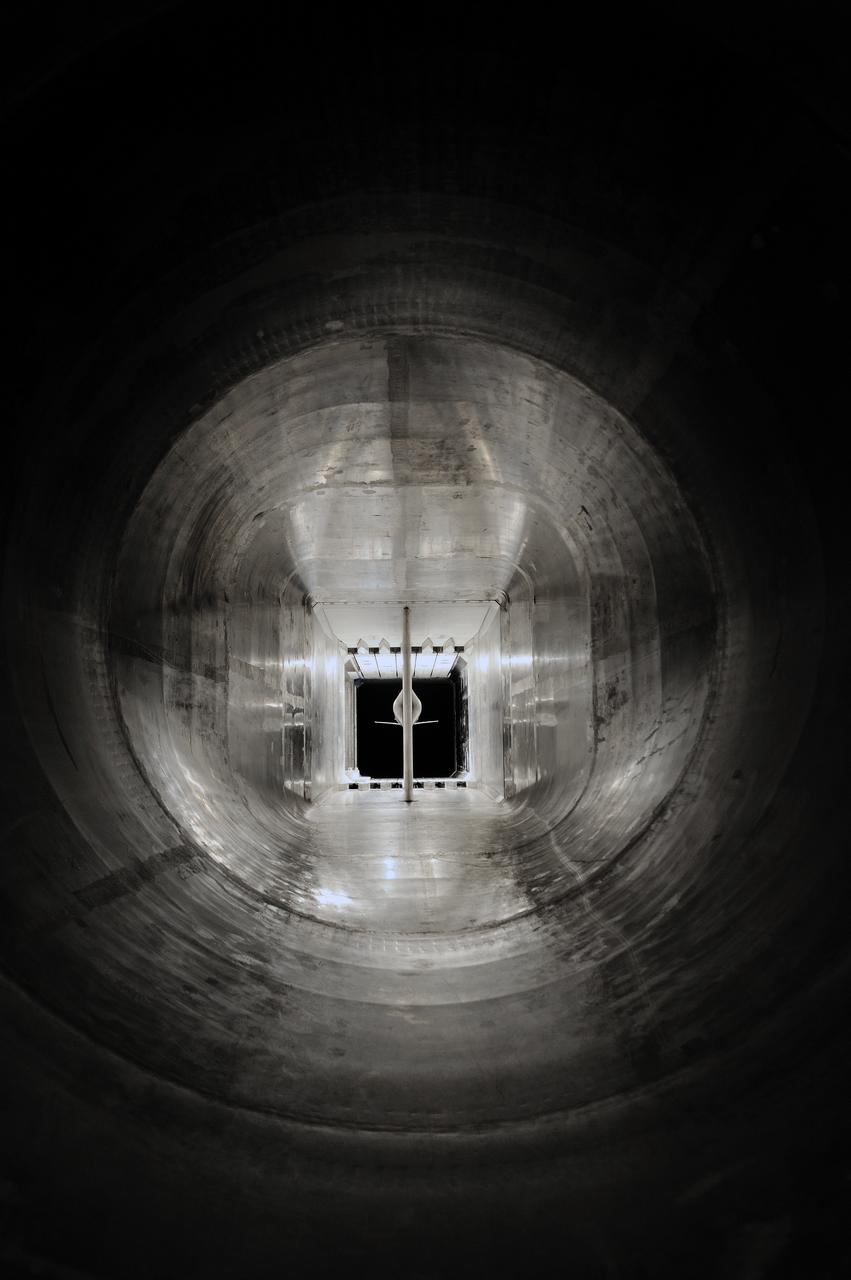
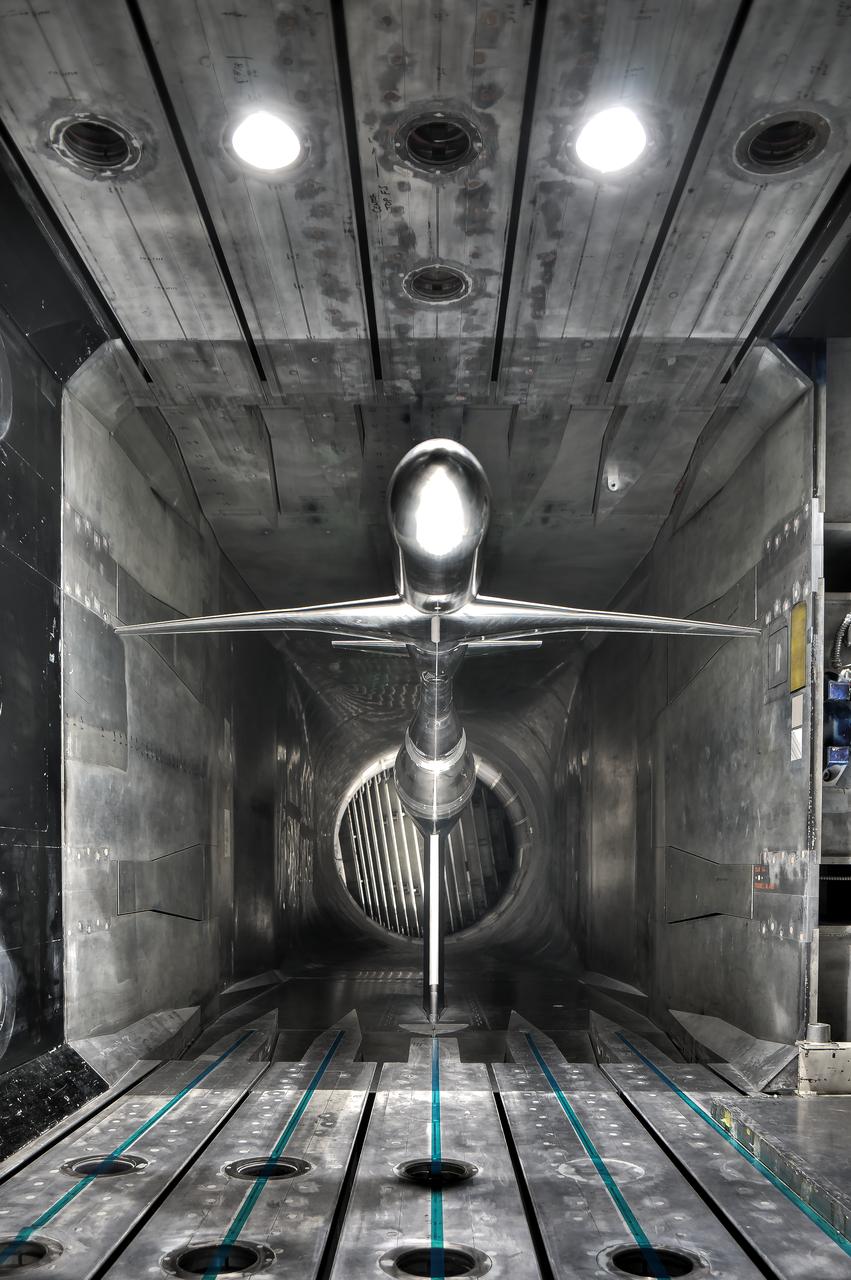
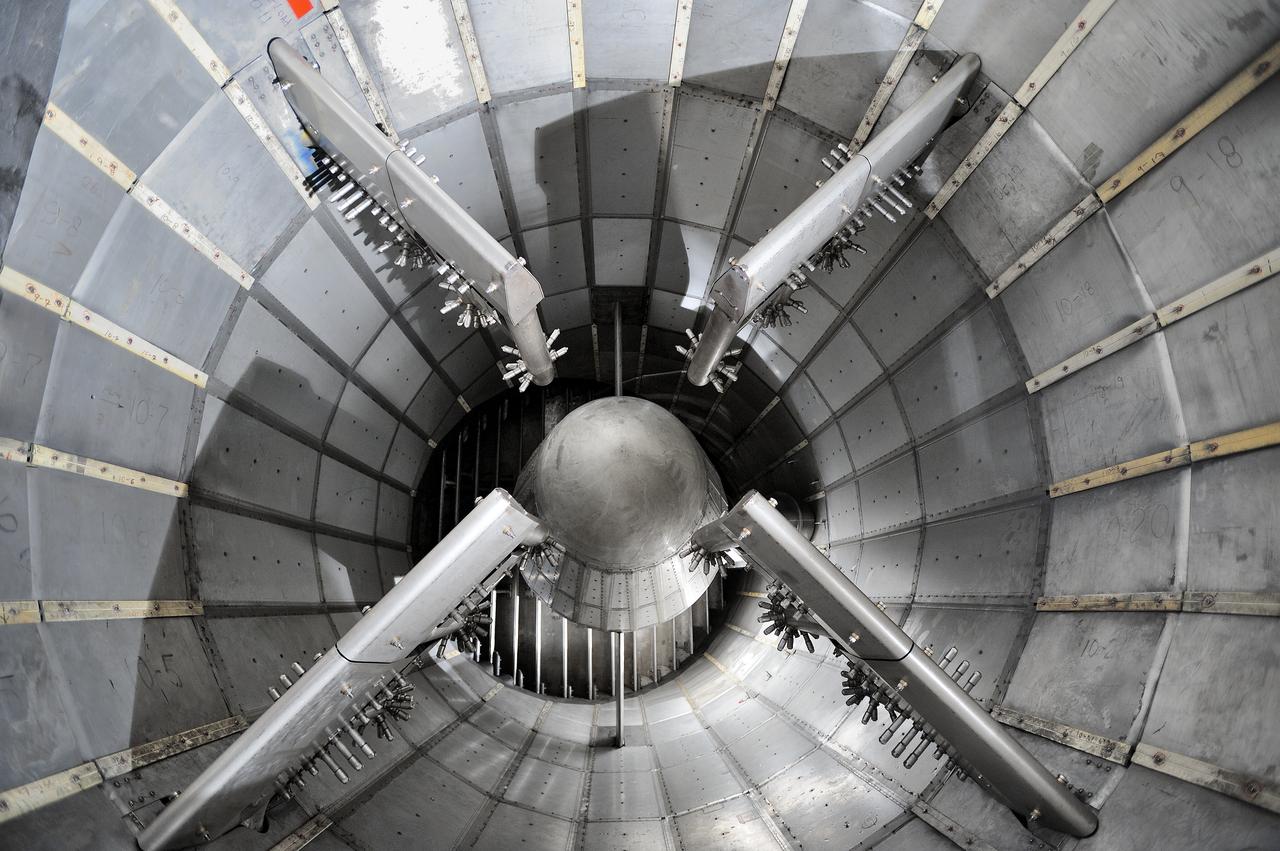
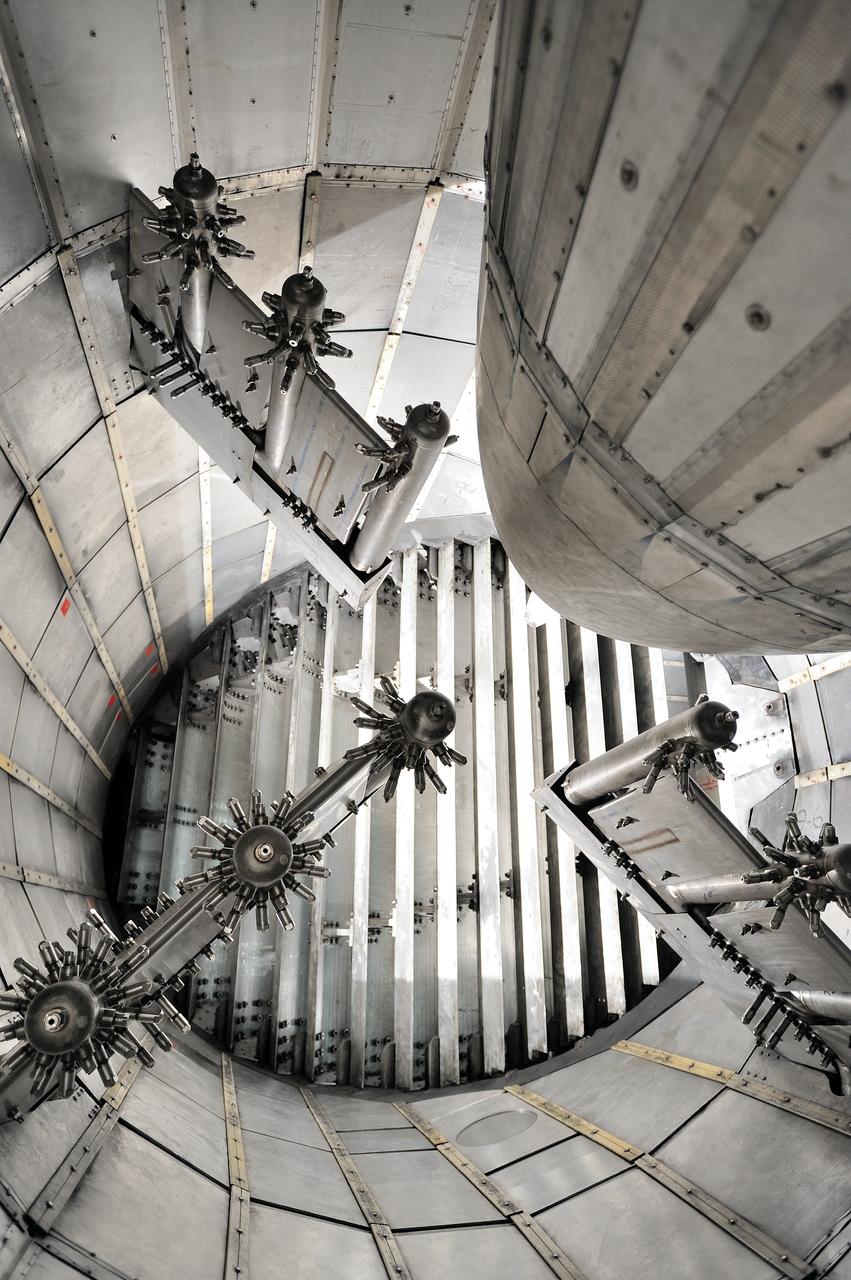
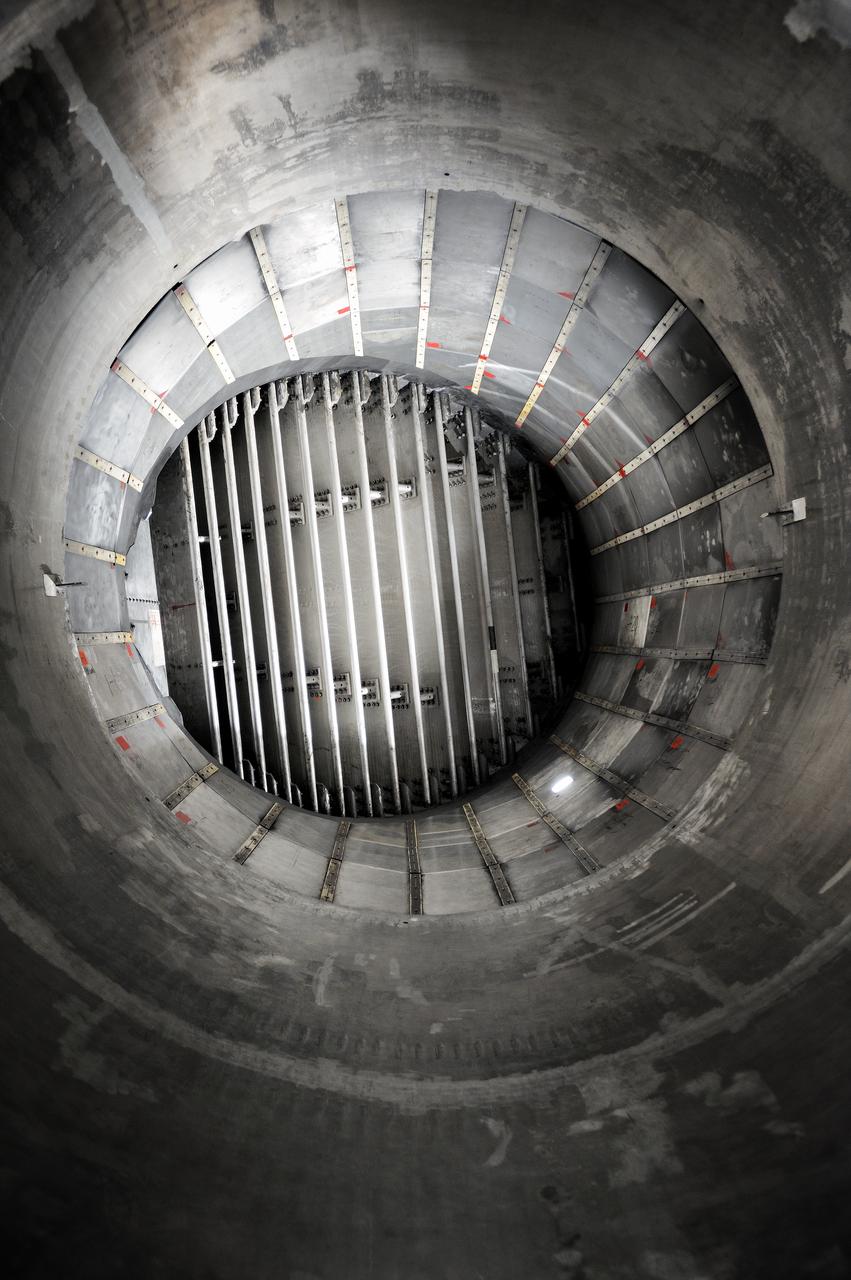
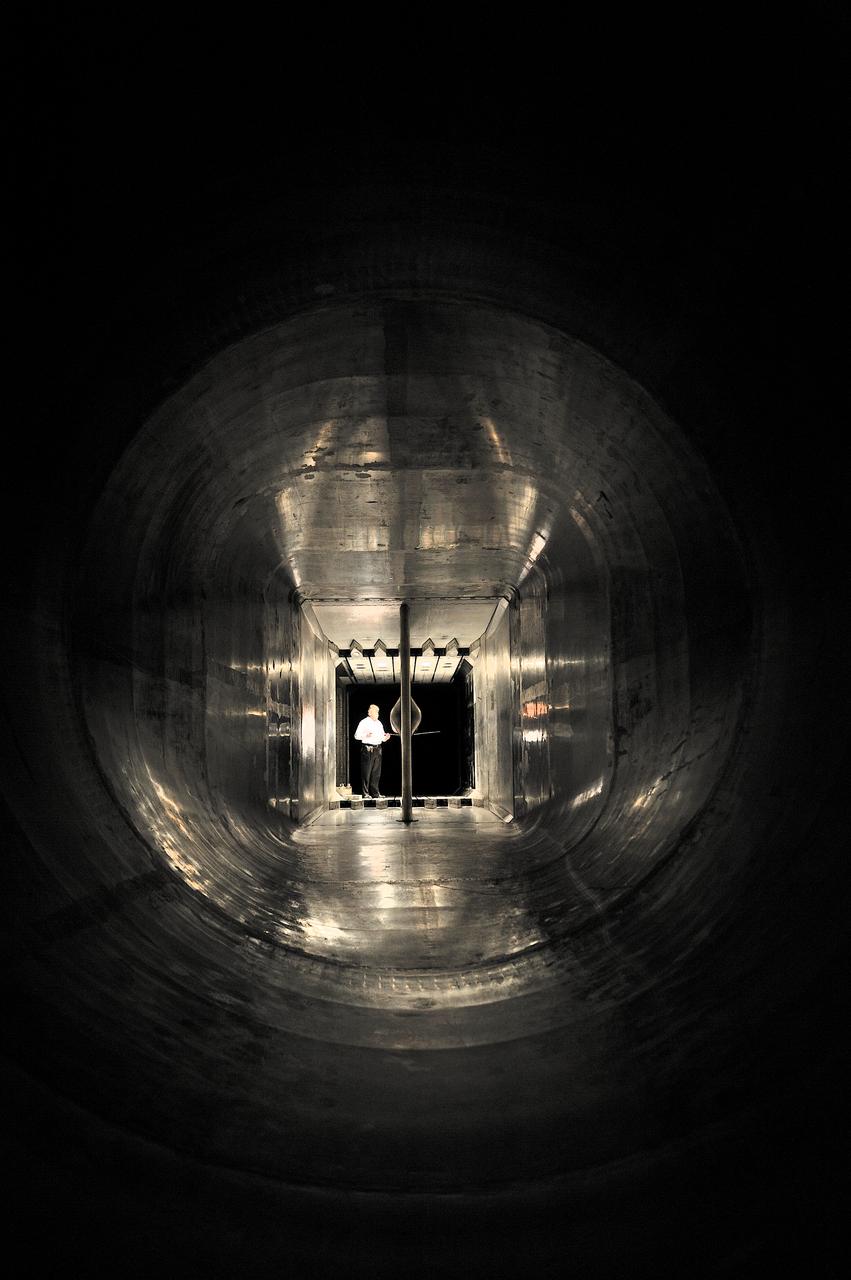
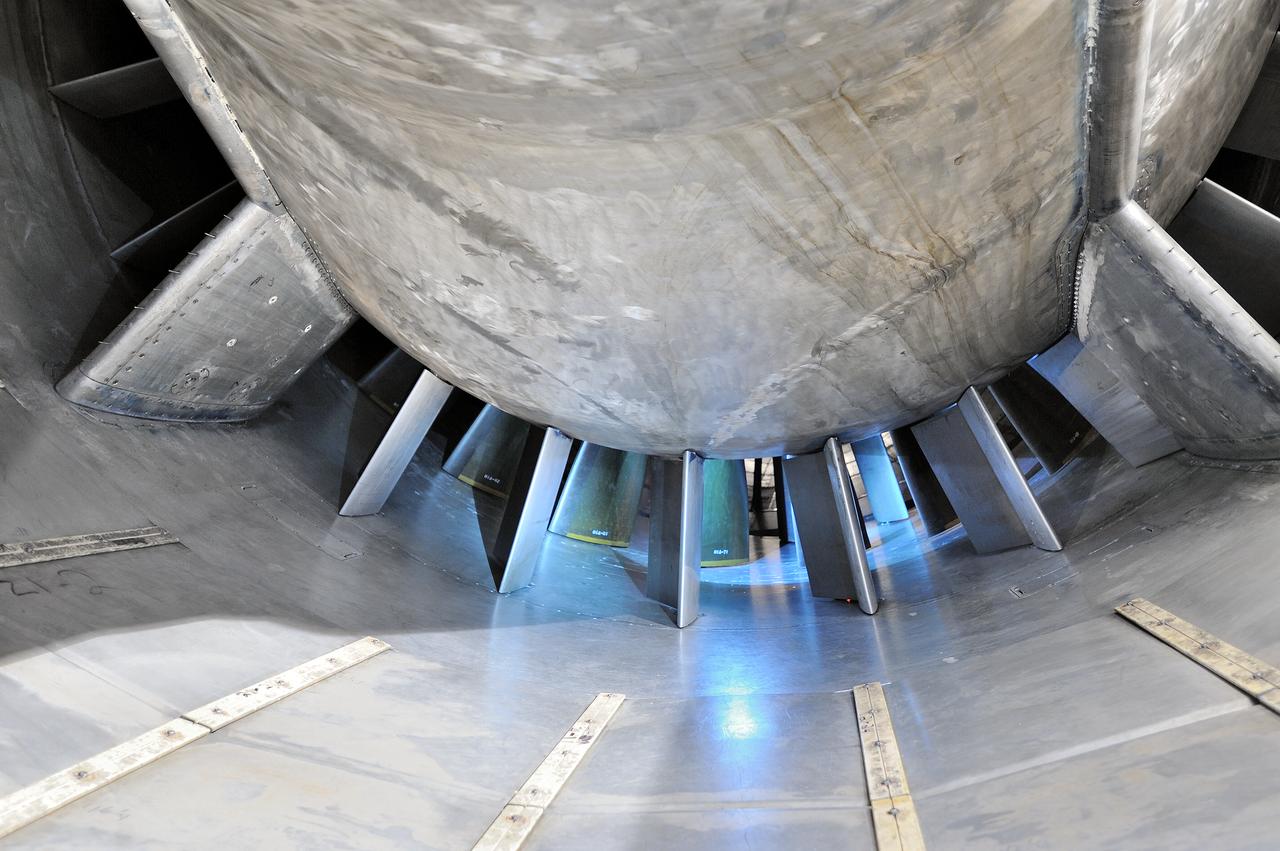
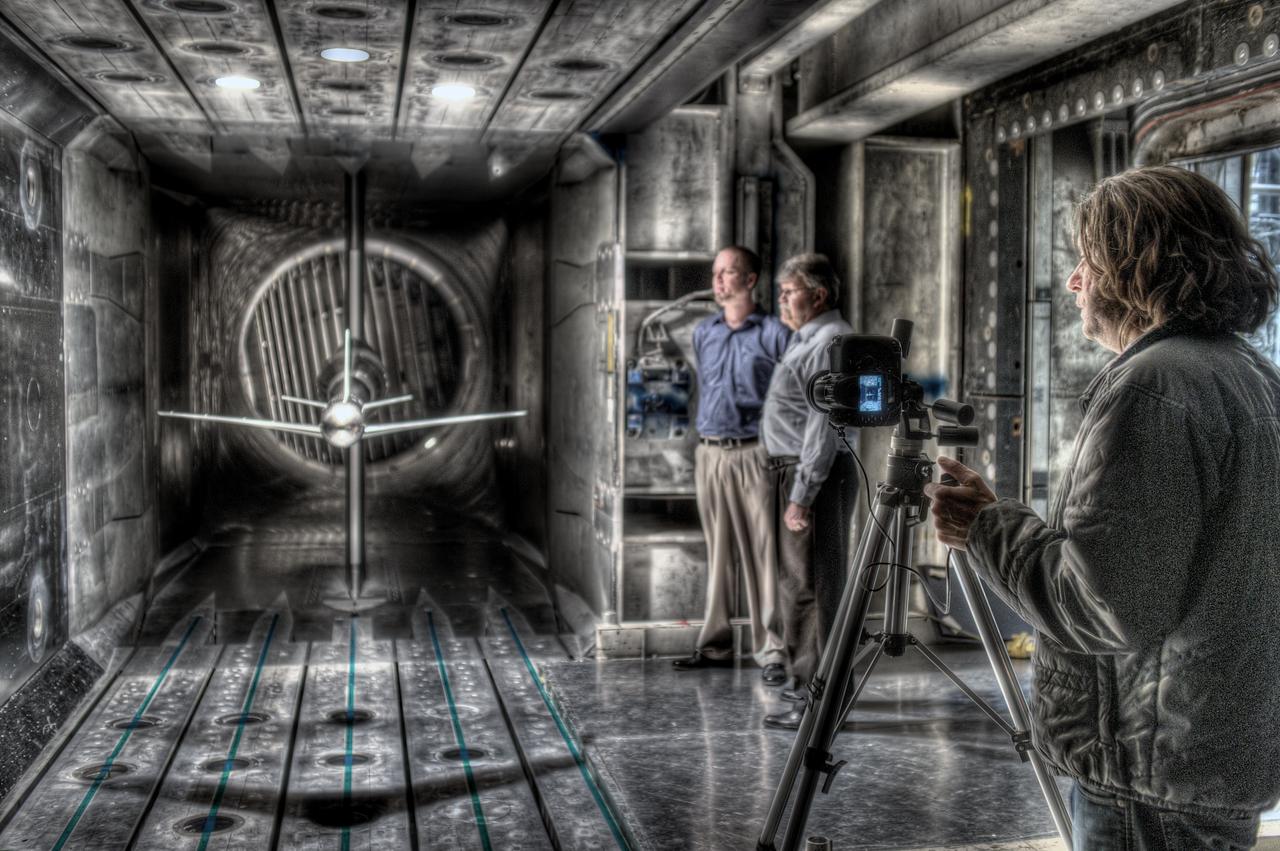
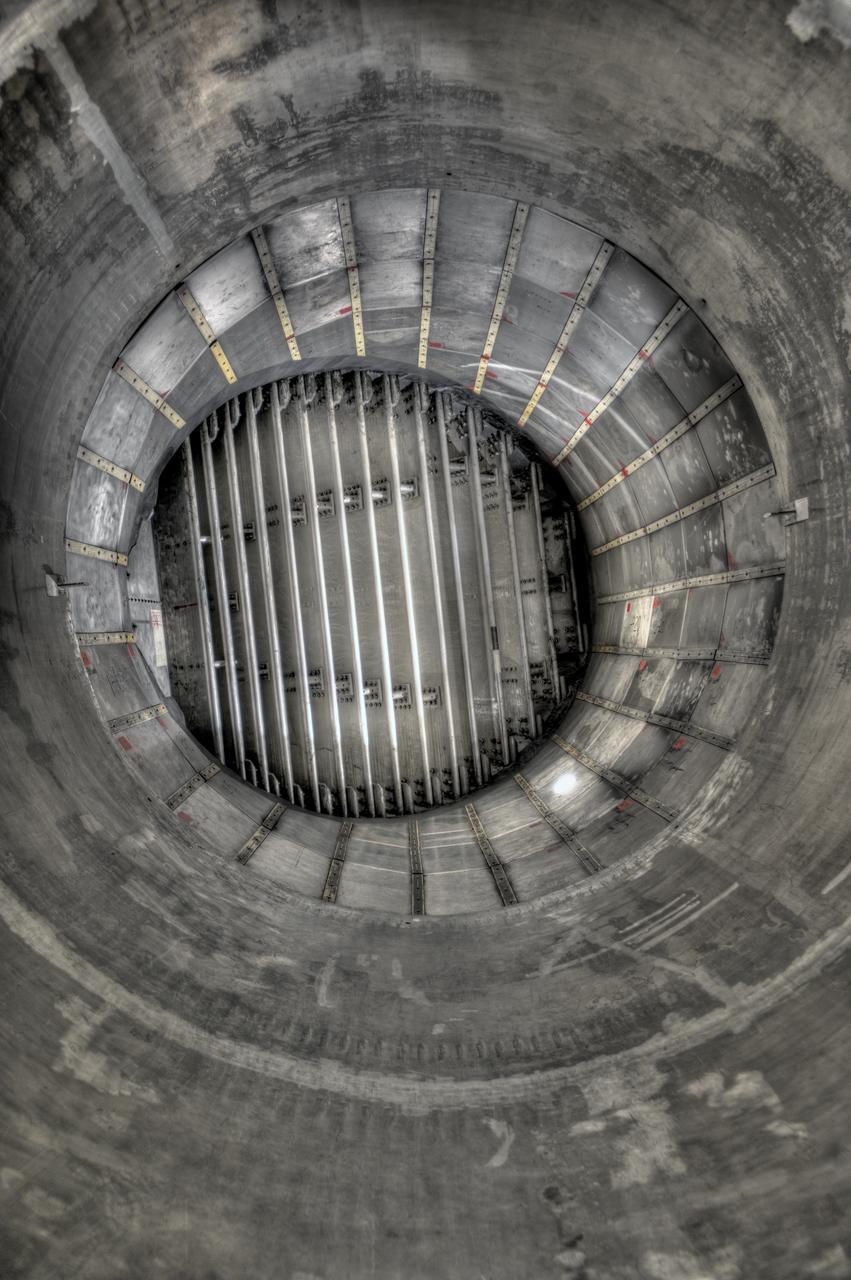
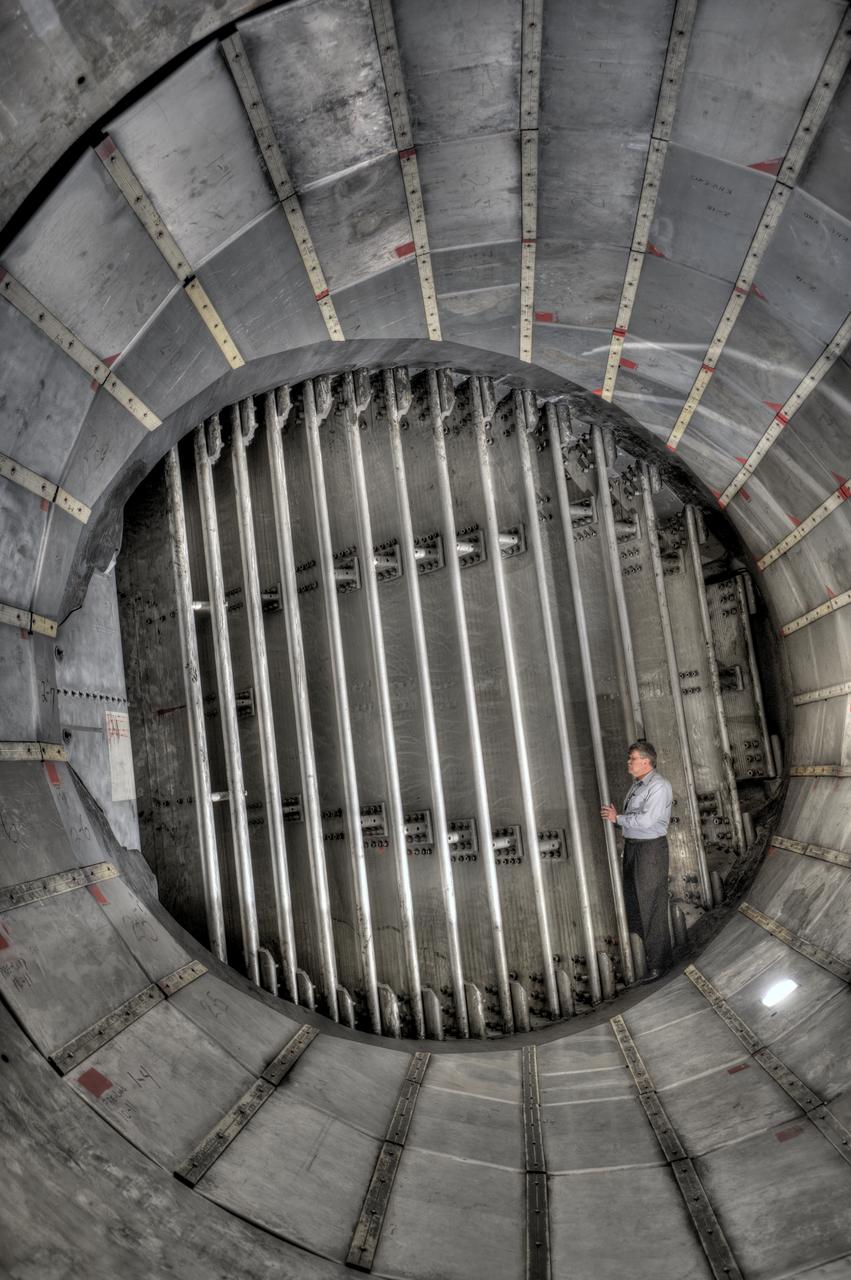
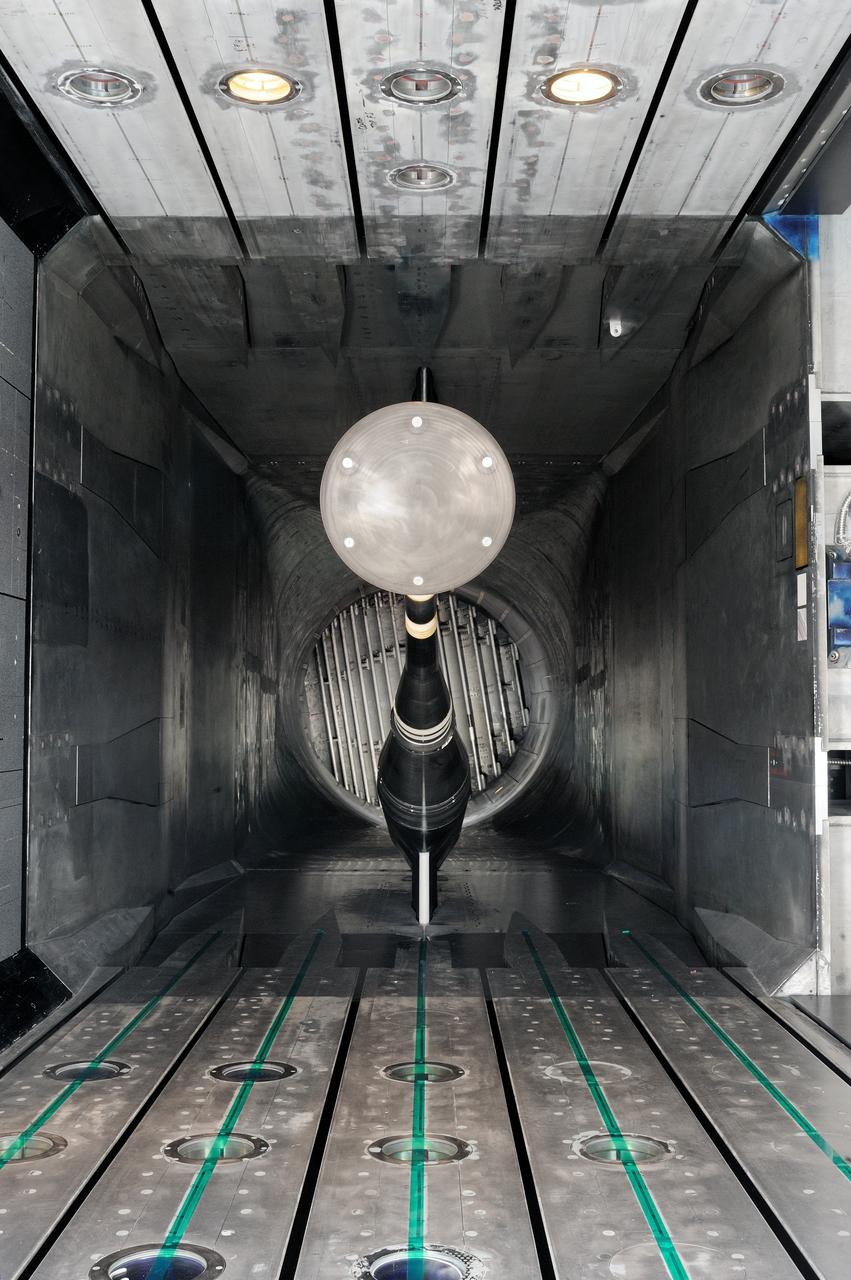
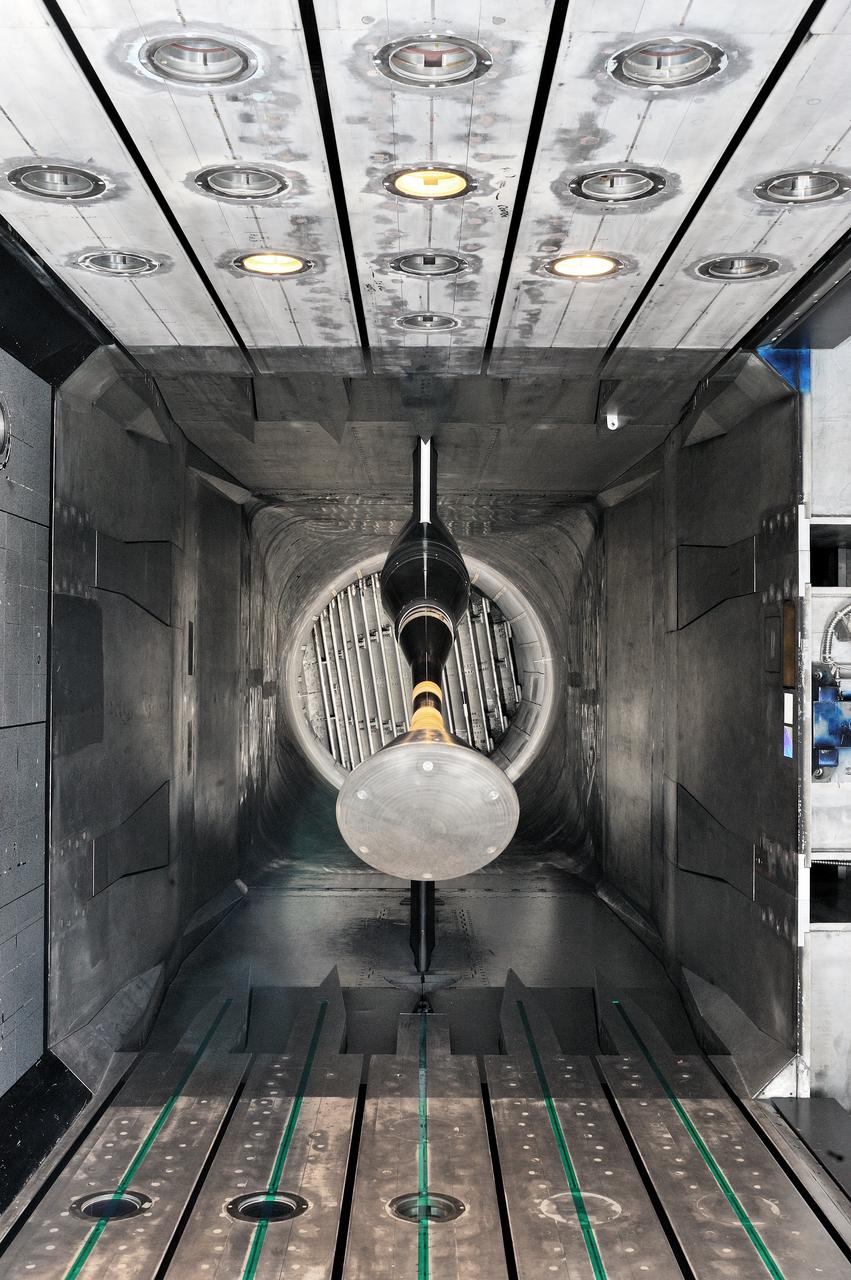
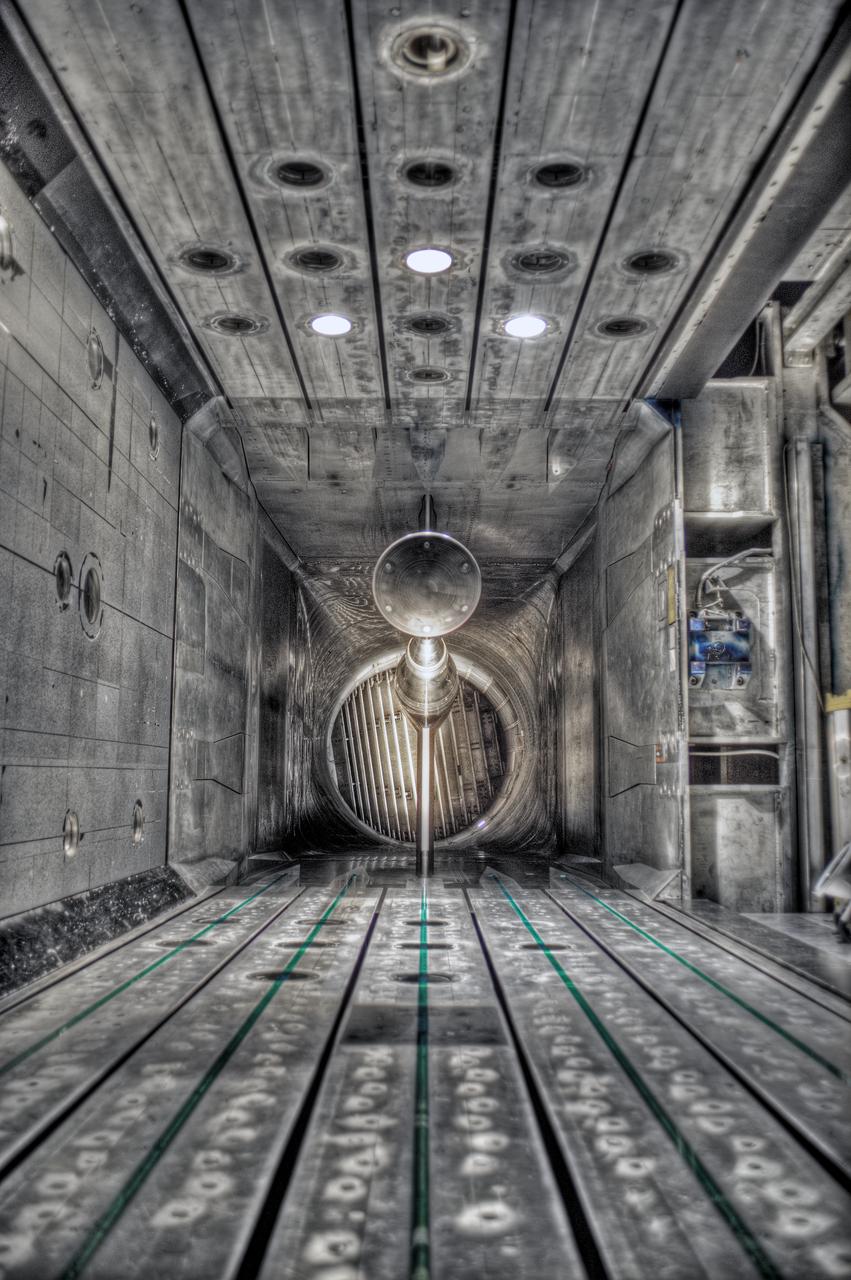
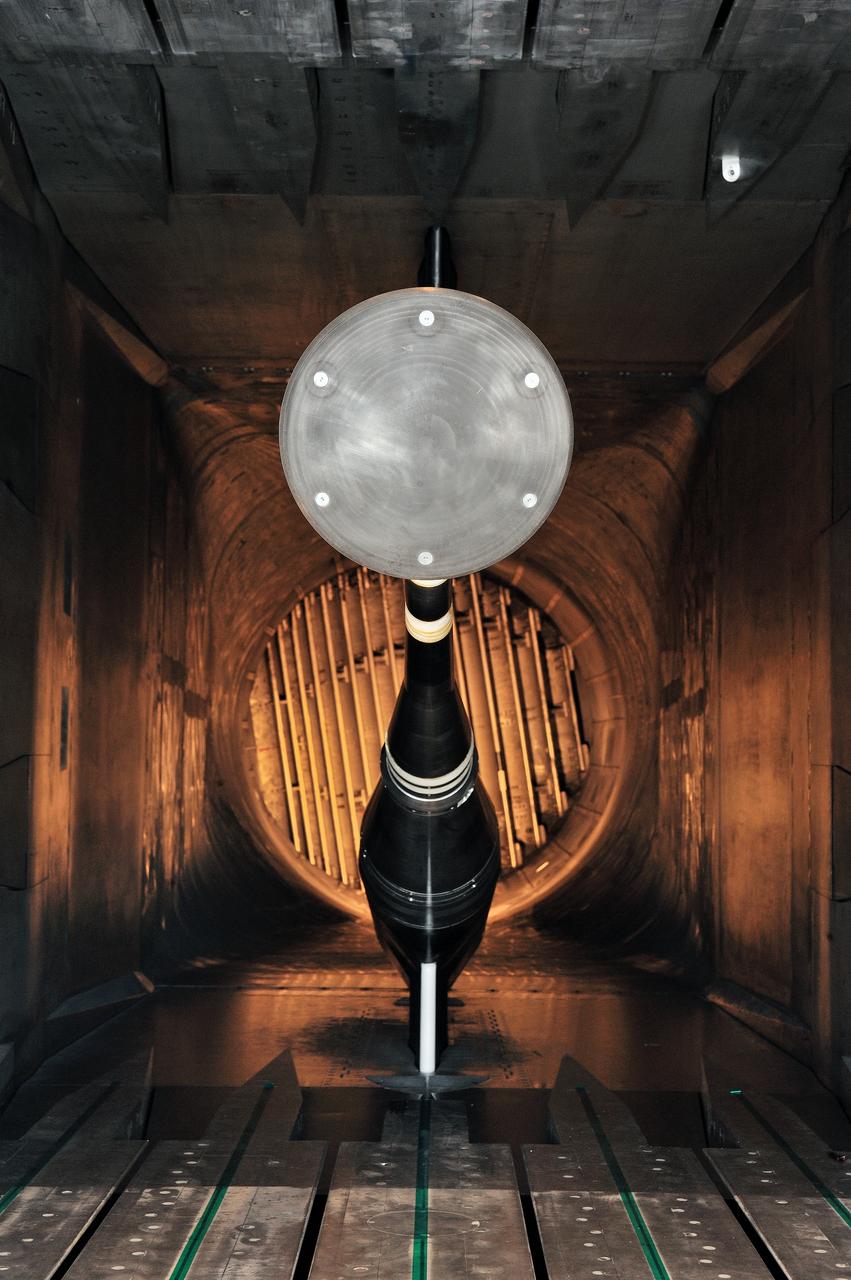
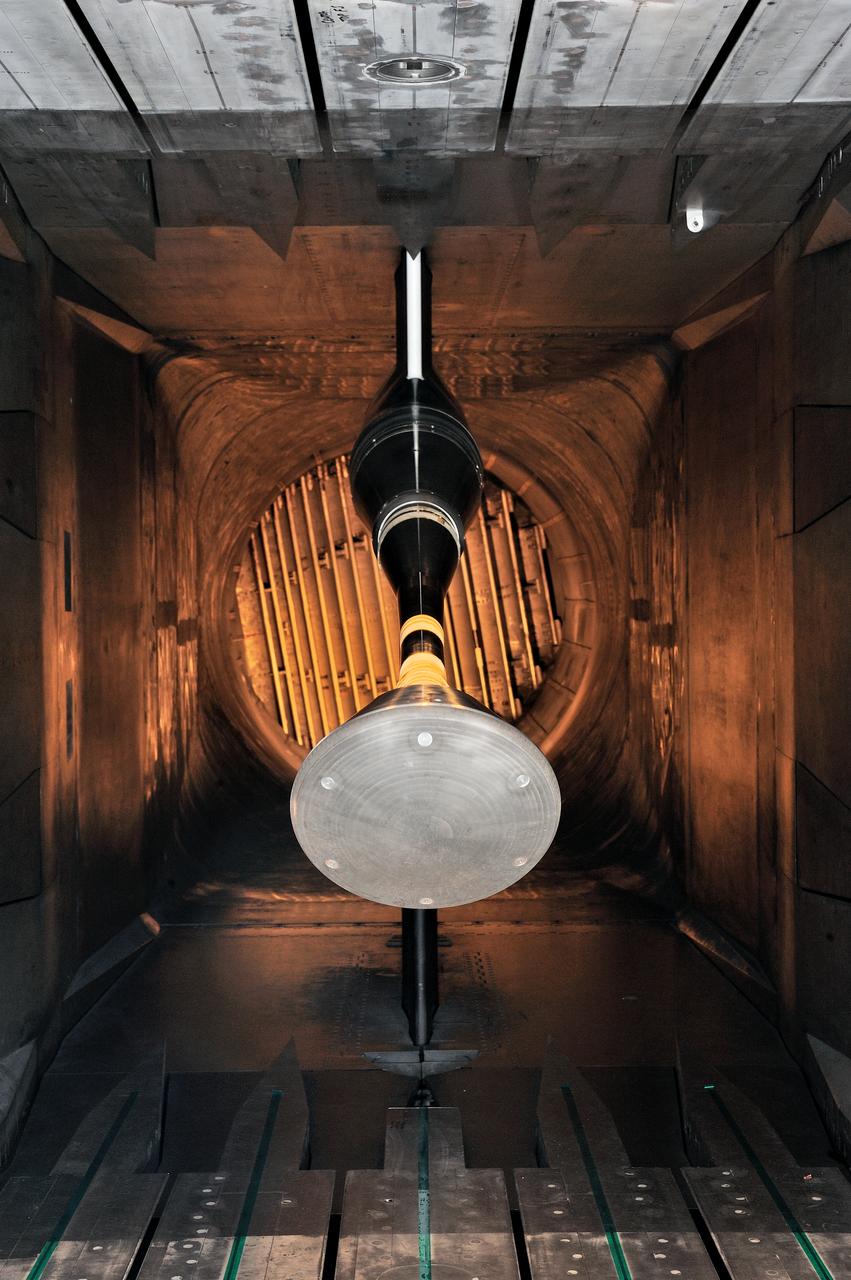
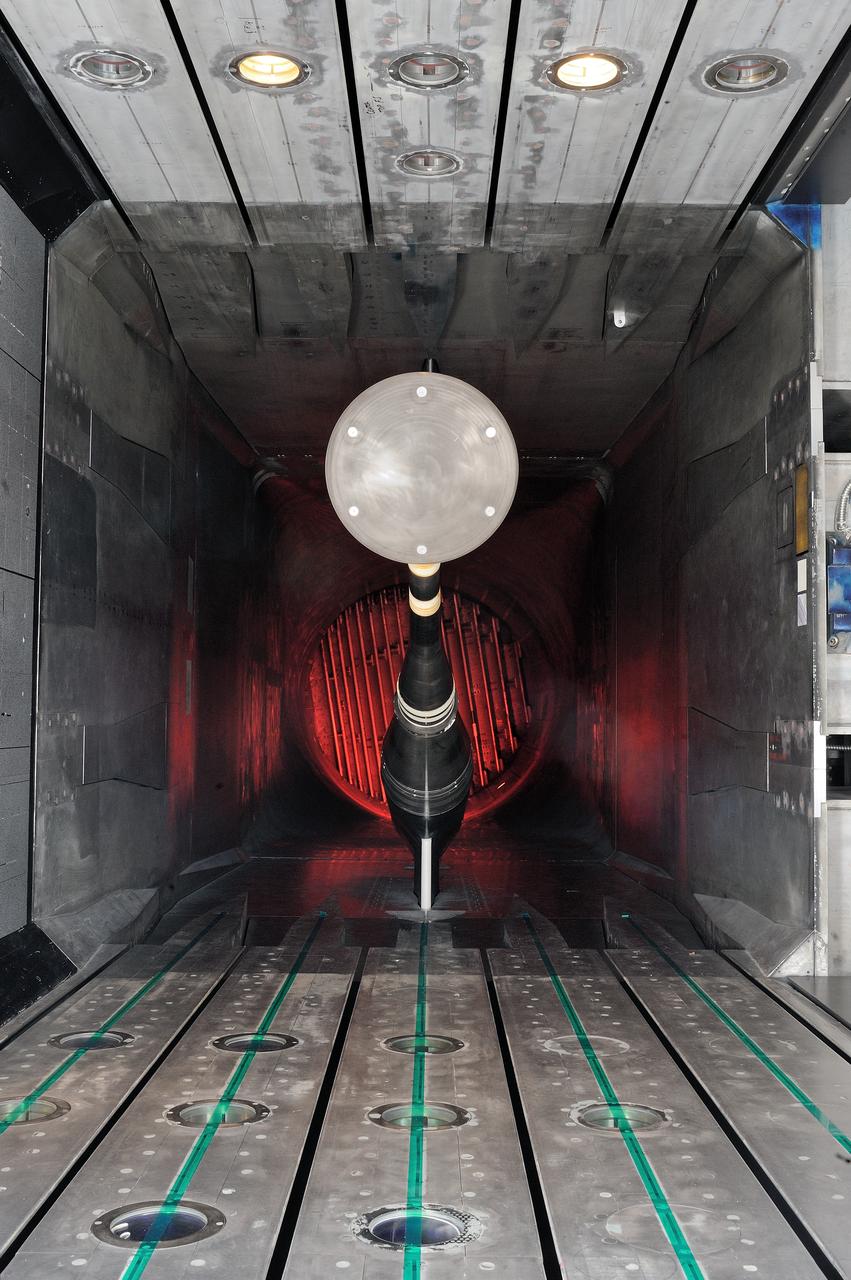
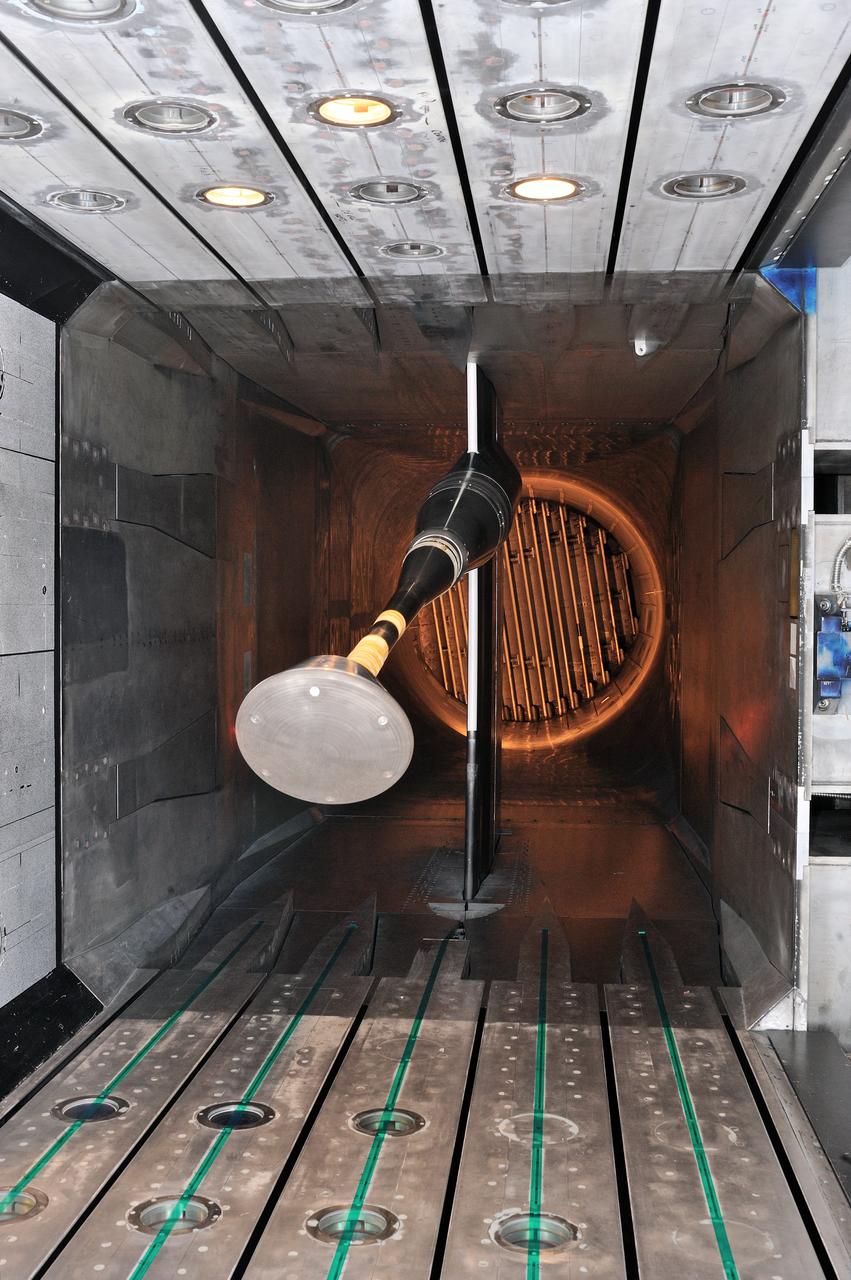
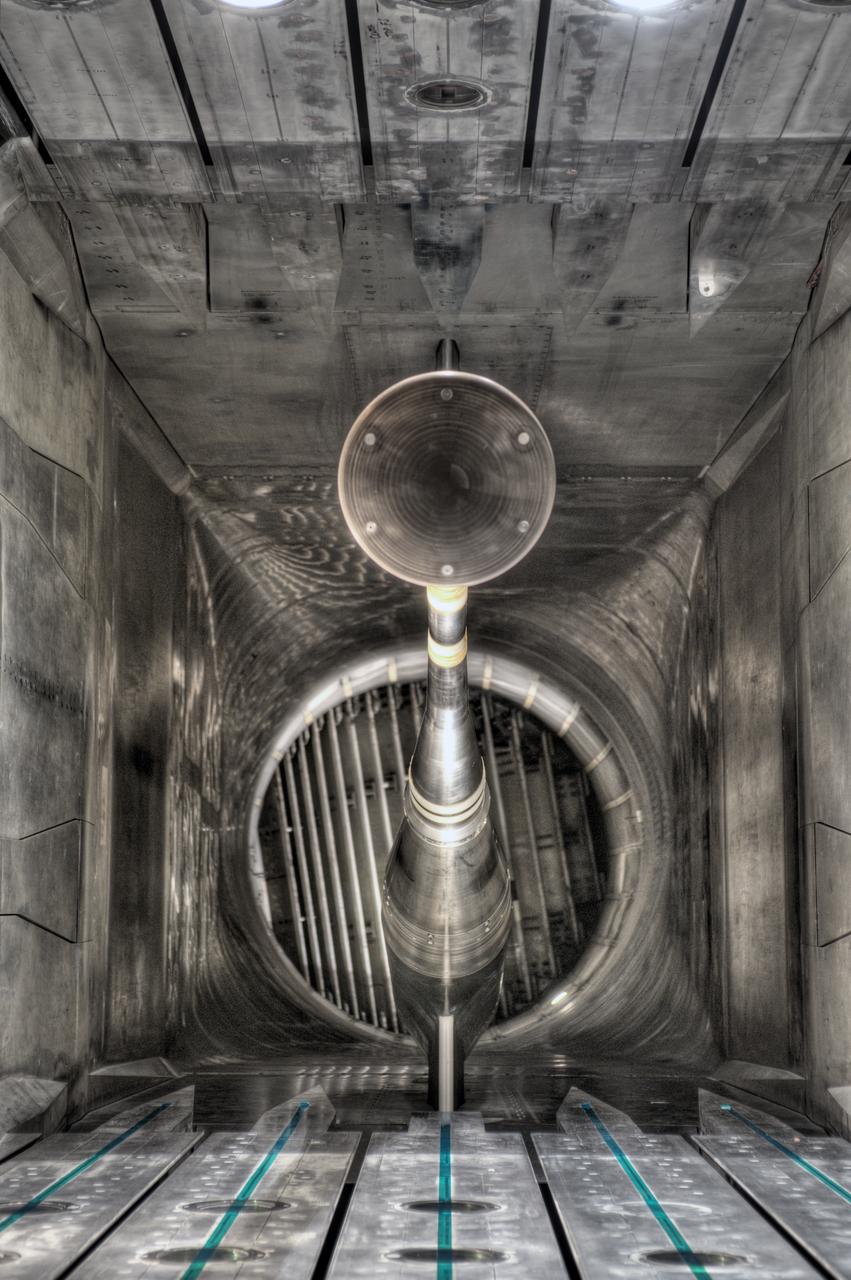
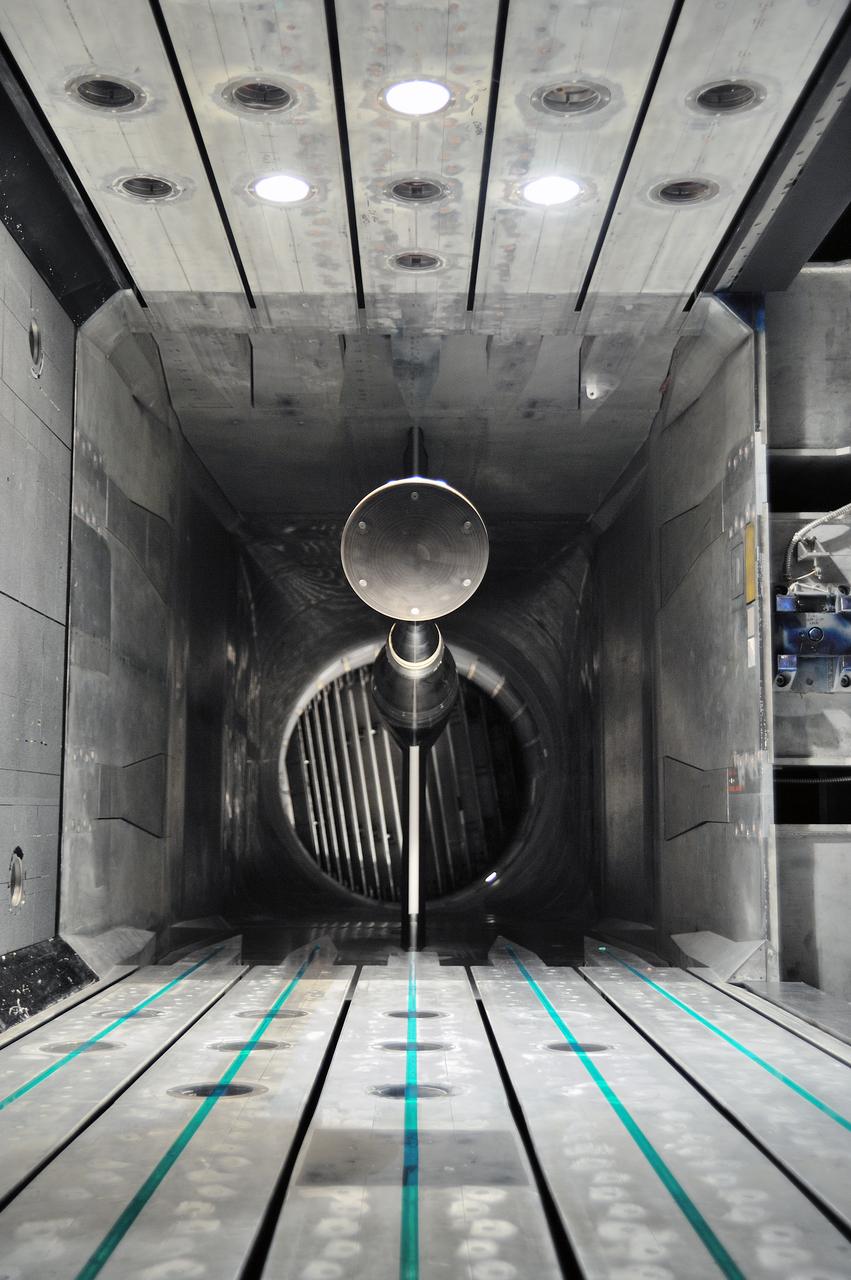
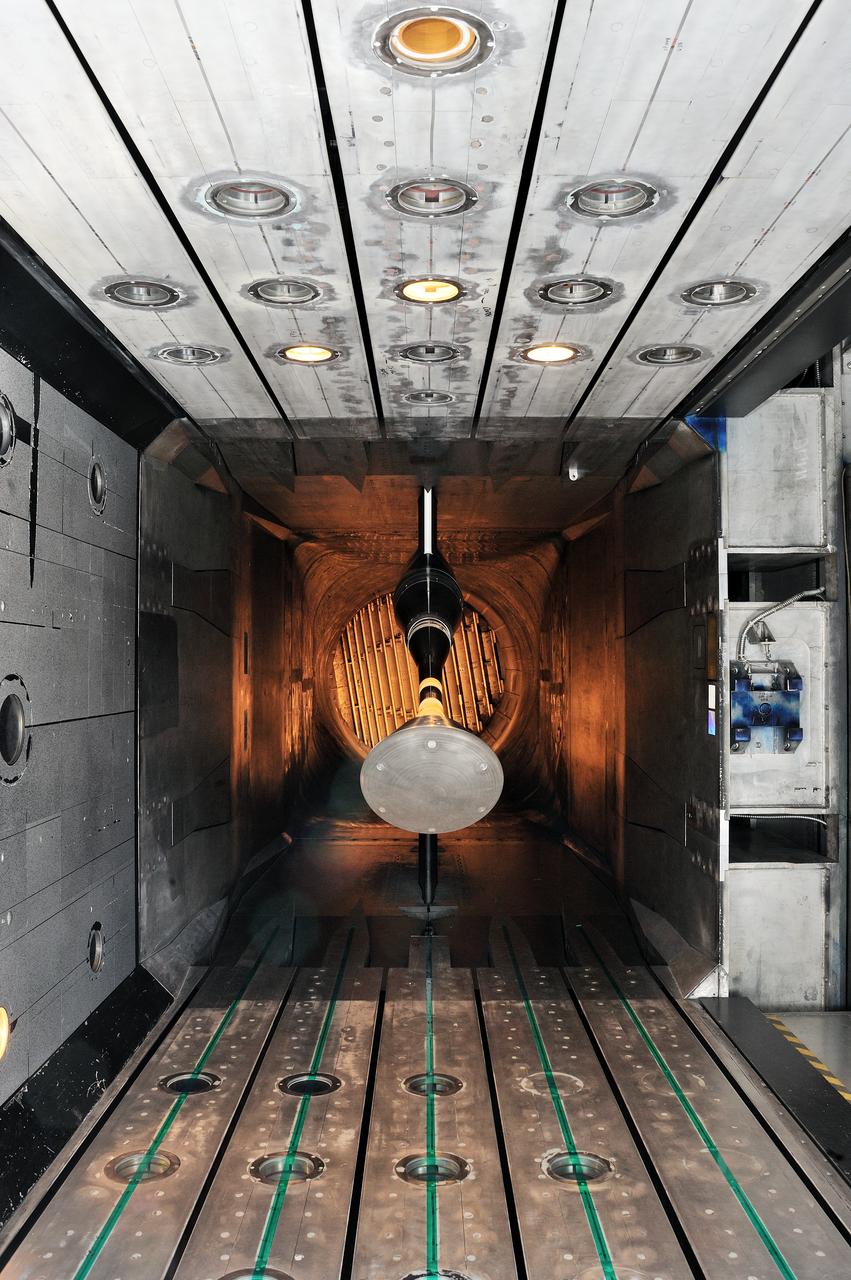
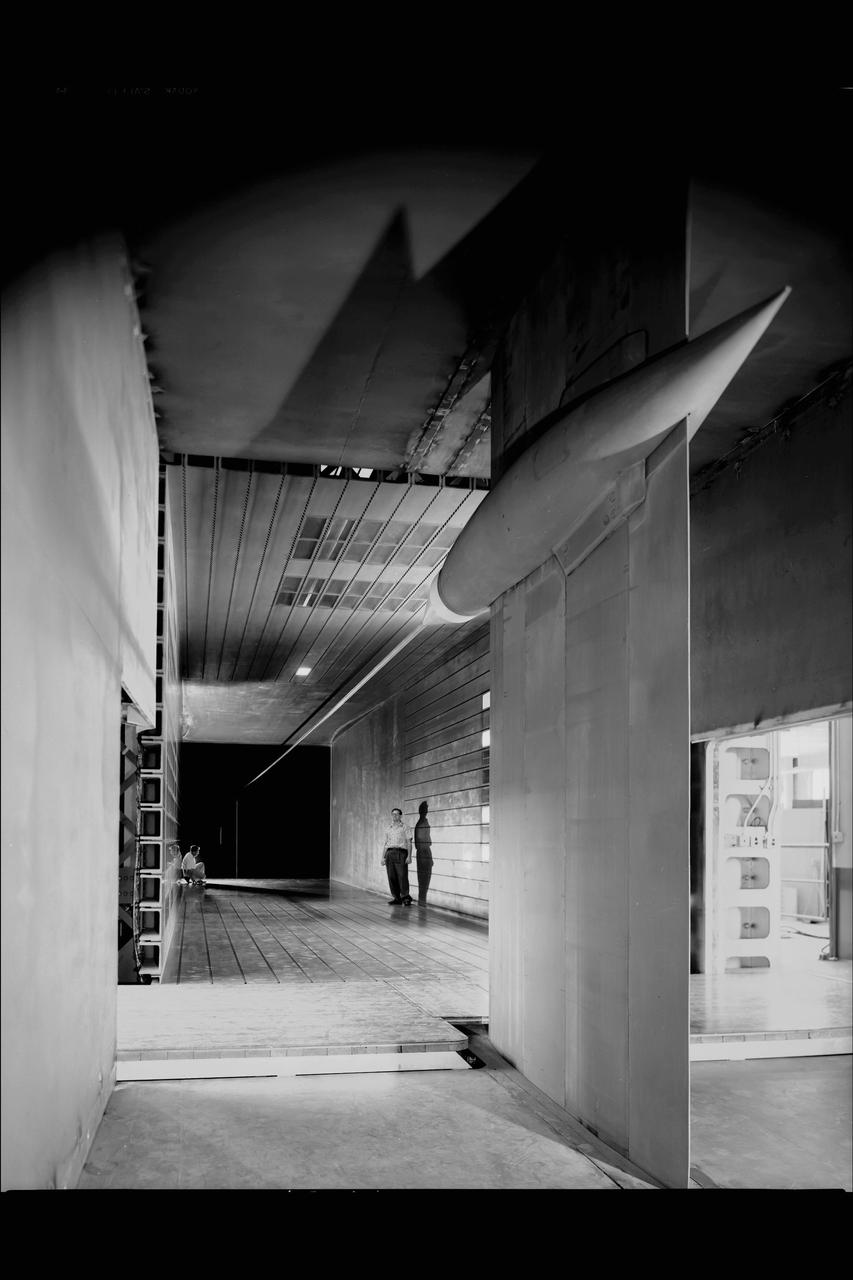
(NTF) National Transonic Facility Test 213-SFW Flow Control II, Fast-MAC Model:  The fundamental Aerodynamics Subsonic Transonic-Modular Active Control (Fast-MAC) Model was tested for the 2nd time in the NTF.  The objectives were to document the effects of Reynolds numbers on circulation control aerodynamics and to develop and open data set for CFD code validation. Image taken in building 1236, National Transonic Facility
(NTF) National Transonic Facility Test 213-SFW Flow Control II,
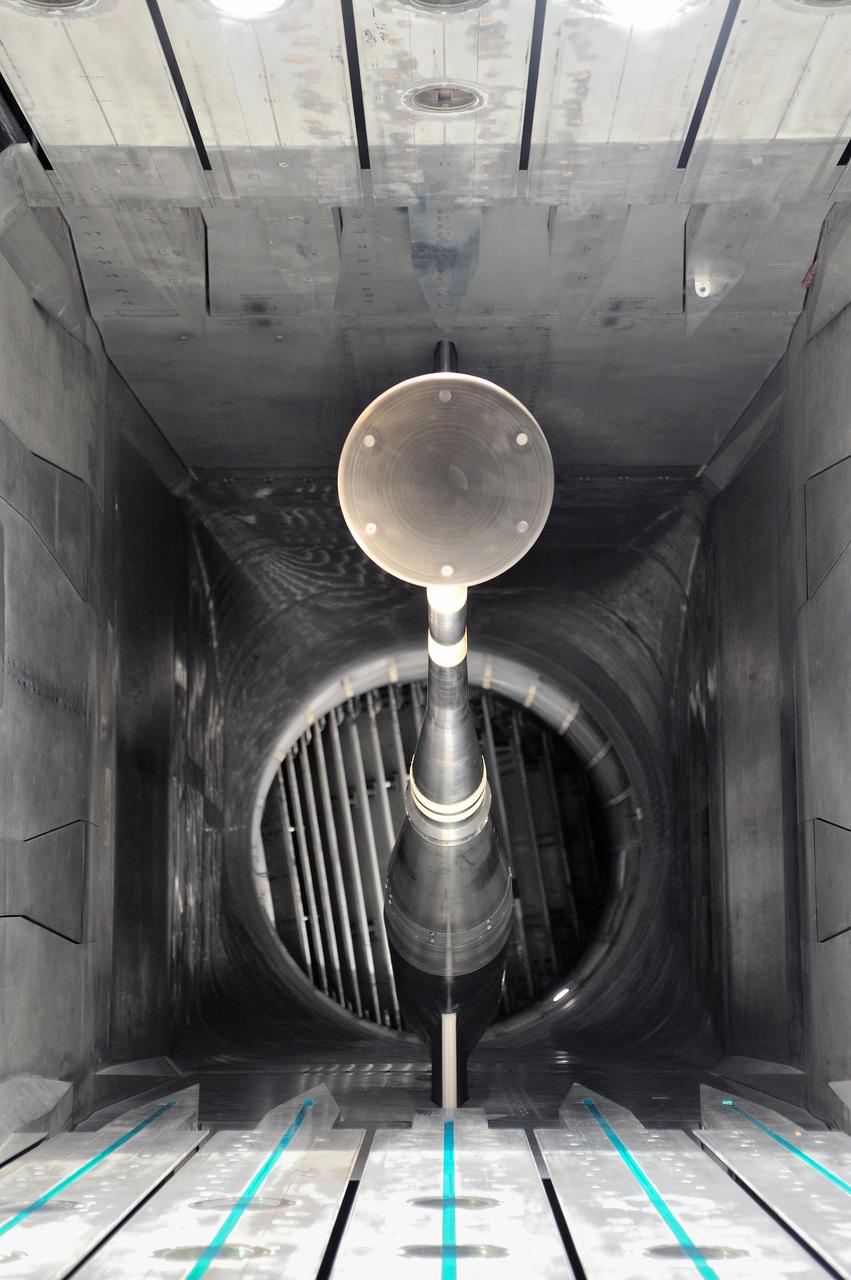
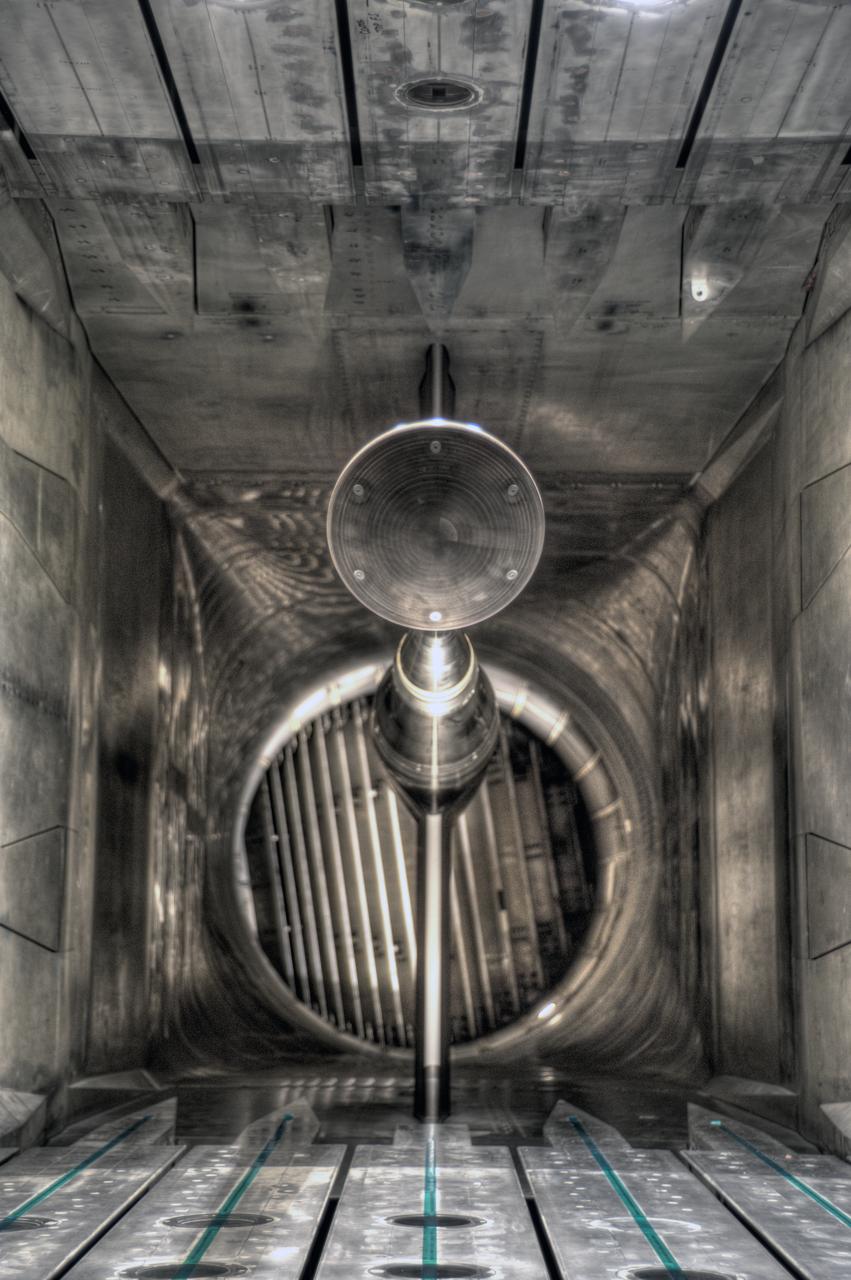
(NTF) National Transonic Facility Test 213-SFW Flow Control II, Fast-MAC Model:  The fundamental Aerodynamics Subsonic Transonic-Modular Active Control (Fast-MAC) Model was tested for the 2nd time in the NTF.  The objectives were to document the effects of Reynolds numbers on circulation control aerodynamics and to develop and open data set for CFD code validation. Image taken in building 1236, National Transonic Facility
(NTF) National Transonic Facility Test 213-SFW Flow Control II,
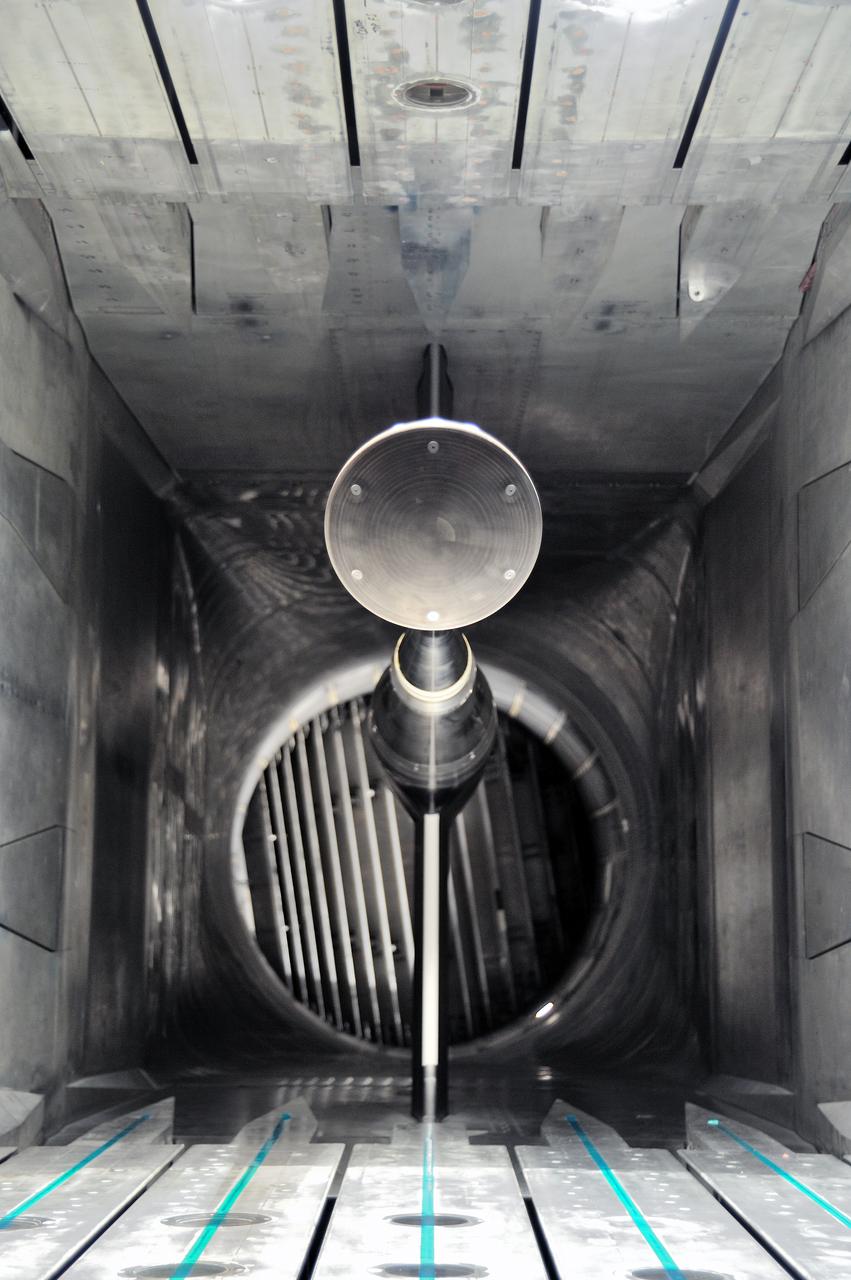
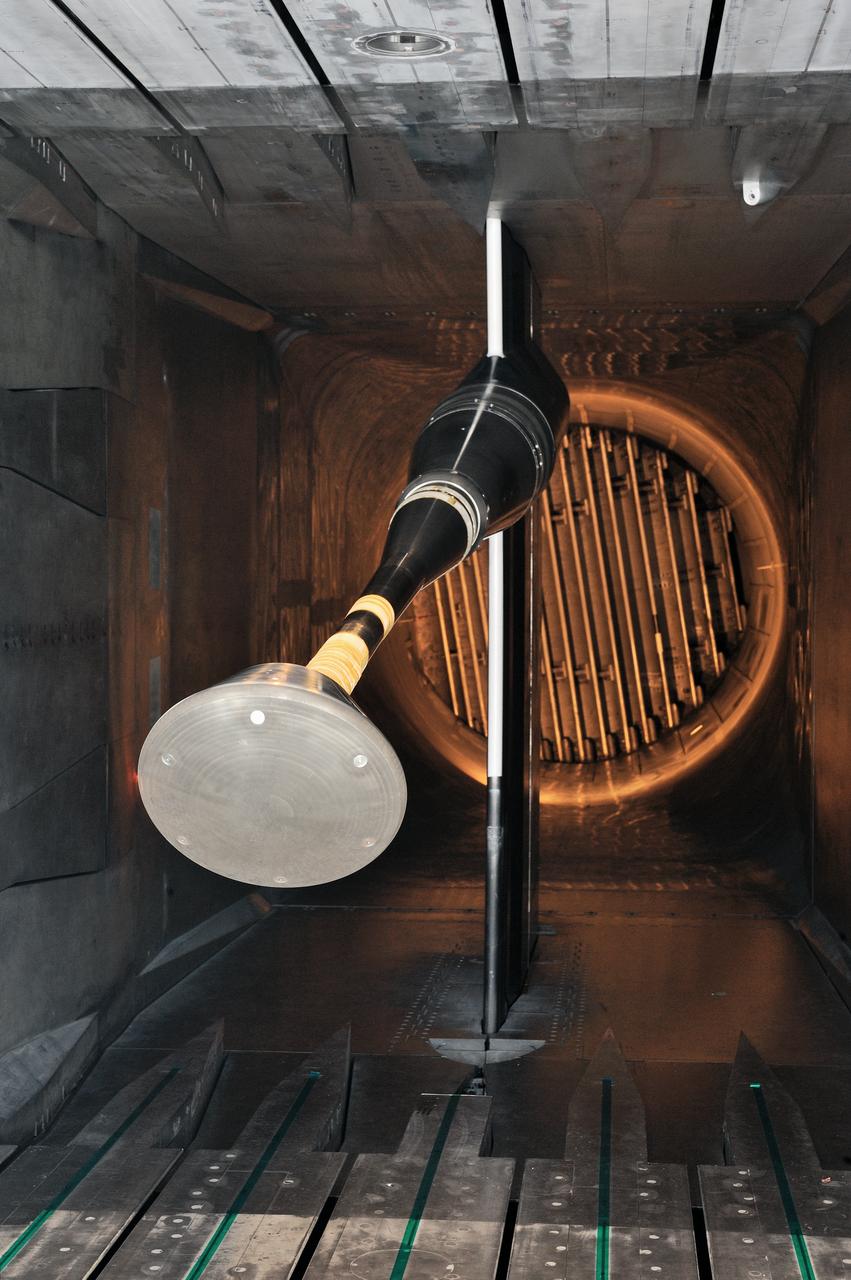
(NTF) National Transonic Facility Test 213-SFW Flow Control II, Fast-MAC Model:  The fundamental Aerodynamics Subsonic Transonic-Modular Active Control (Fast-MAC) Model was tested for the 2nd time in the NTF.  The objectives were to document the effects of Reynolds numbers on circulation control aerodynamics and to develop and open data set for CFD code validation. Image taken in building 1236, National Transonic Facility
(NTF) National Transonic Facility Test 213-SFW Flow Control II,
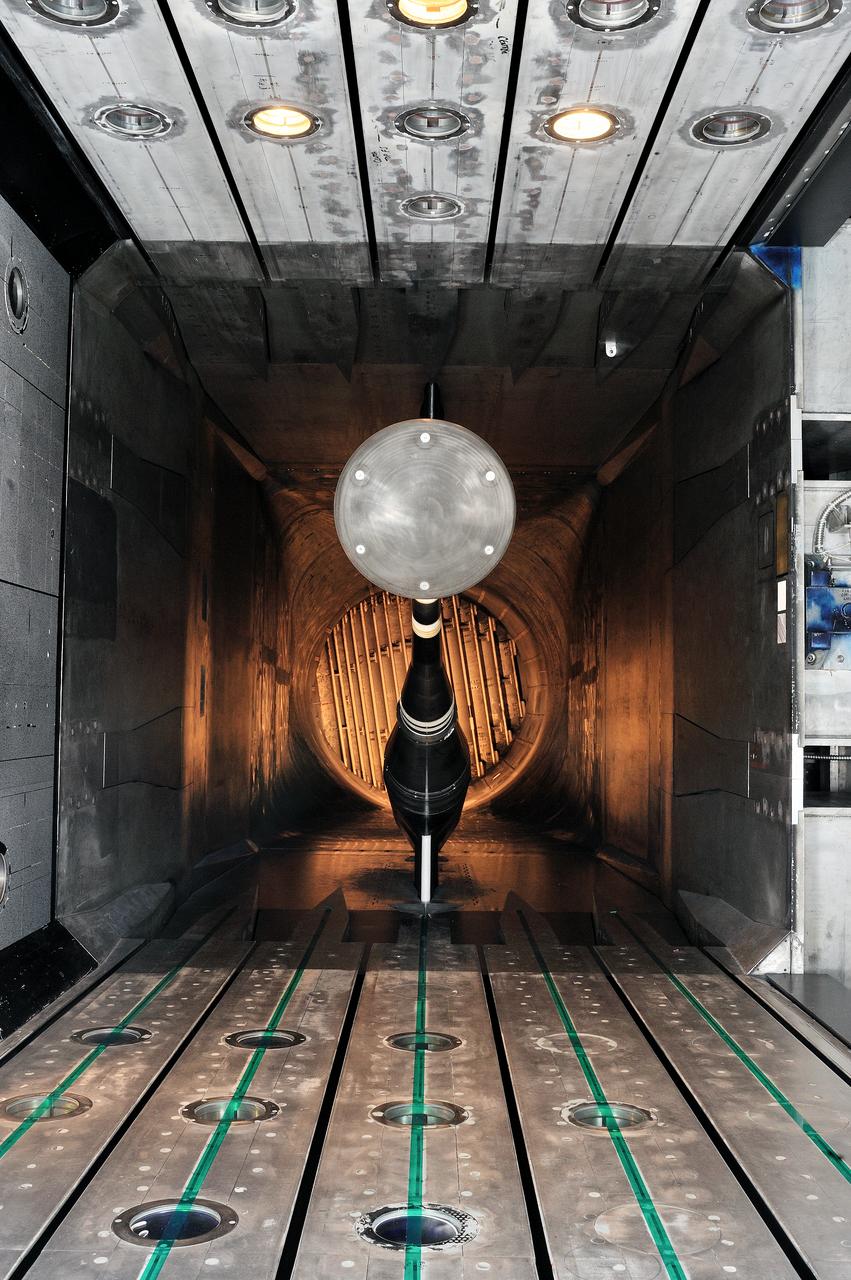
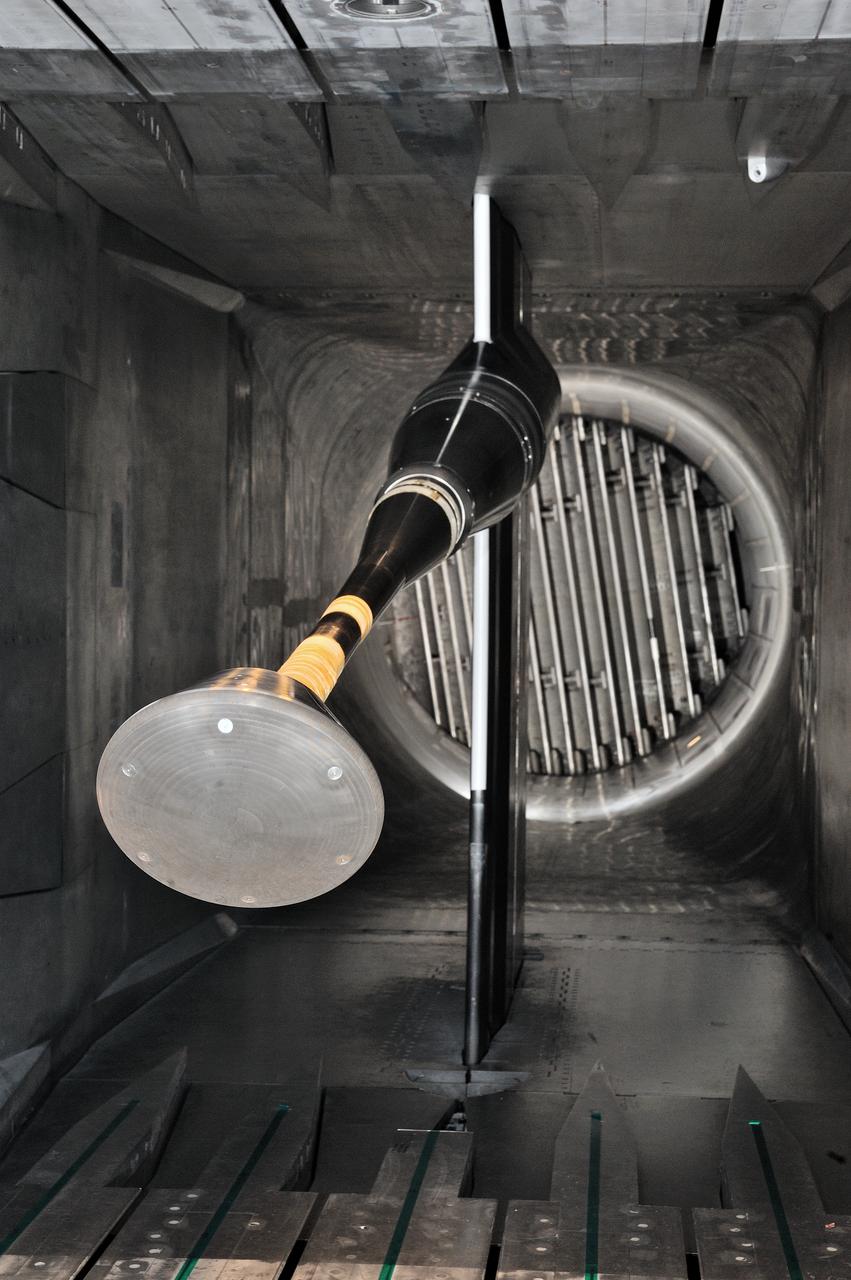
(NTF) National Transonic Facility Test 213-SFW Flow Control II, Fast-MAC Model:  The fundamental Aerodynamics Subsonic Transonic-Modular Active Control (Fast-MAC) Model was tested for the 2nd time in the NTF.  The objectives were to document the effects of Reynolds numbers on circulation control aerodynamics and to develop and open data set for CFD code validation. Image taken in building 1236, National Transonic Facility
(NTF) National Transonic Facility Test 213-SFW Flow Control II,
(NTF) National Transonic Facility Test 213-SFW Flow Control II, Fast-MAC Model:  The fundamental Aerodynamics Subsonic Transonic-Modular Active Control (Fast-MAC) Model was tested for the 2nd time in the NTF.  The objectives were to document the effects of Reynolds numbers on circulation control aerodynamics and to develop and open data set for CFD code validation. Image taken in building 1236, National Transonic Facility
(NTF) National Transonic Facility Test 213-SFW Flow Control II,
(NTF) National Transonic Facility Test 213-SFW Flow Control II, Fast-MAC Model:  The fundamental Aerodynamics Subsonic Transonic-Modular Active Control (Fast-MAC) Model was tested for the 2nd time in the NTF.  The objectives were to document the effects of Reynolds numbers on circulation control aerodynamics and to develop and open data set for CFD code validation. Image taken in building 1236, National Transonic Facility
(NTF) National Transonic Facility Test 213-SFW Flow Control II,
(NTF) National Transonic Facility Test 213-SFW Flow Control II, Fast-MAC Model:  The fundamental Aerodynamics Subsonic Transonic-Modular Active Control (Fast-MAC) Model was tested for the 2nd time in the NTF.  The objectives were to document the effects of Reynolds numbers on circulation control aerodynamics and to develop and open data set for CFD code validation. Image taken in building 1236, National Transonic Facility
(NTF) National Transonic Facility Test 213-SFW Flow Control II,
(NTF) National Transonic Facility Test 213-SFW Flow Control II, Fast-MAC Model:  The fundamental Aerodynamics Subsonic Transonic-Modular Active Control (Fast-MAC) Model was tested for the 2nd time in the NTF.  The objectives were to document the effects of Reynolds numbers on circulation control aerodynamics and to develop and open data set for CFD code validation. Image taken in building 1236, National Transonic Facility
(NTF) National Transonic Facility Test 213-SFW Flow Control II,
(NTF) National Transonic Facility Test 213-SFW Flow Control II, Fast-MAC Model:  The fundamental Aerodynamics Subsonic Transonic-Modular Active Control (Fast-MAC) Model was tested for the 2nd time in the NTF.  The objectives were to document the effects of Reynolds numbers on circulation control aerodynamics and to develop and open data set for CFD code validation. Image taken in building 1236, National Transonic Facility
(NTF) National Transonic Facility Test 213-SFW Flow Control II,
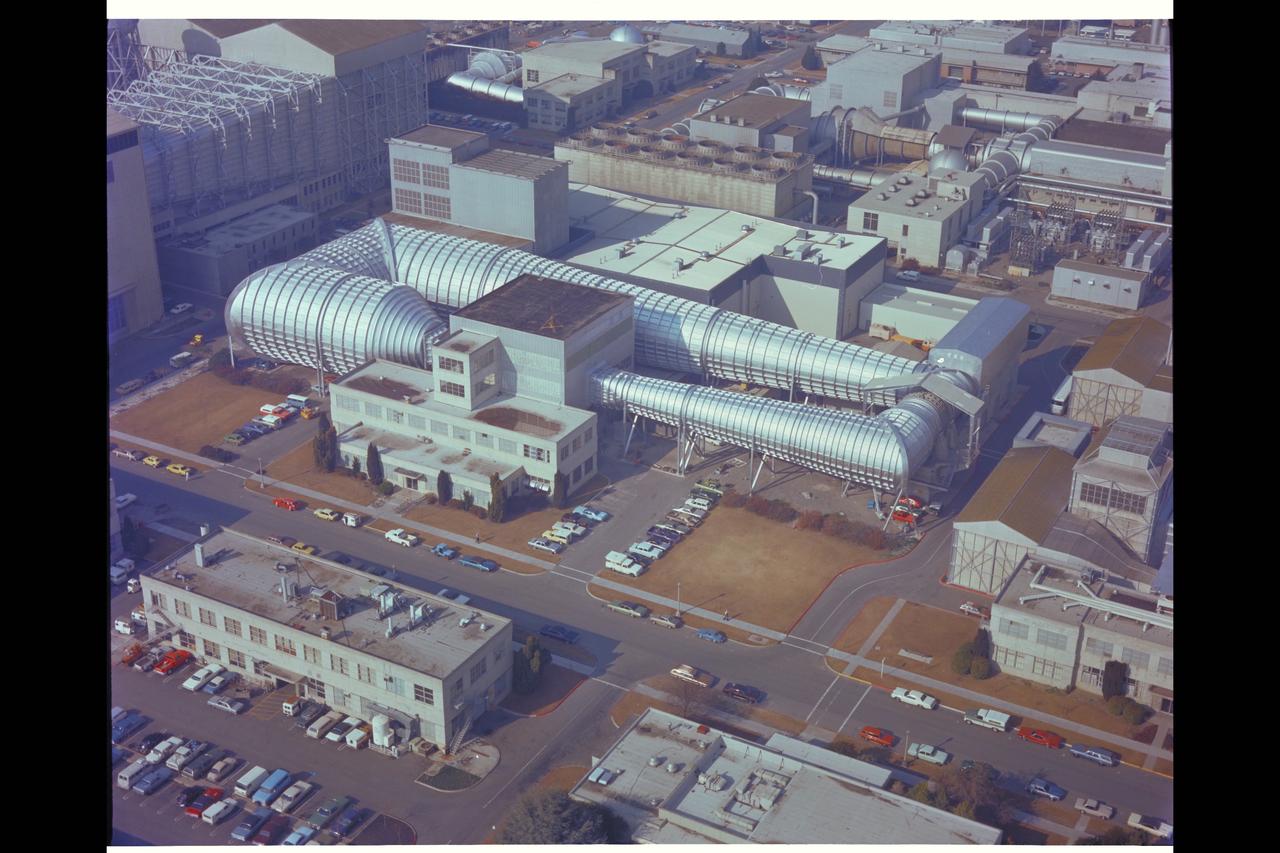
NASA Ames Research Center 14-foot Transonic Wind Tunnel
ARC-1977-AC77-0846-11
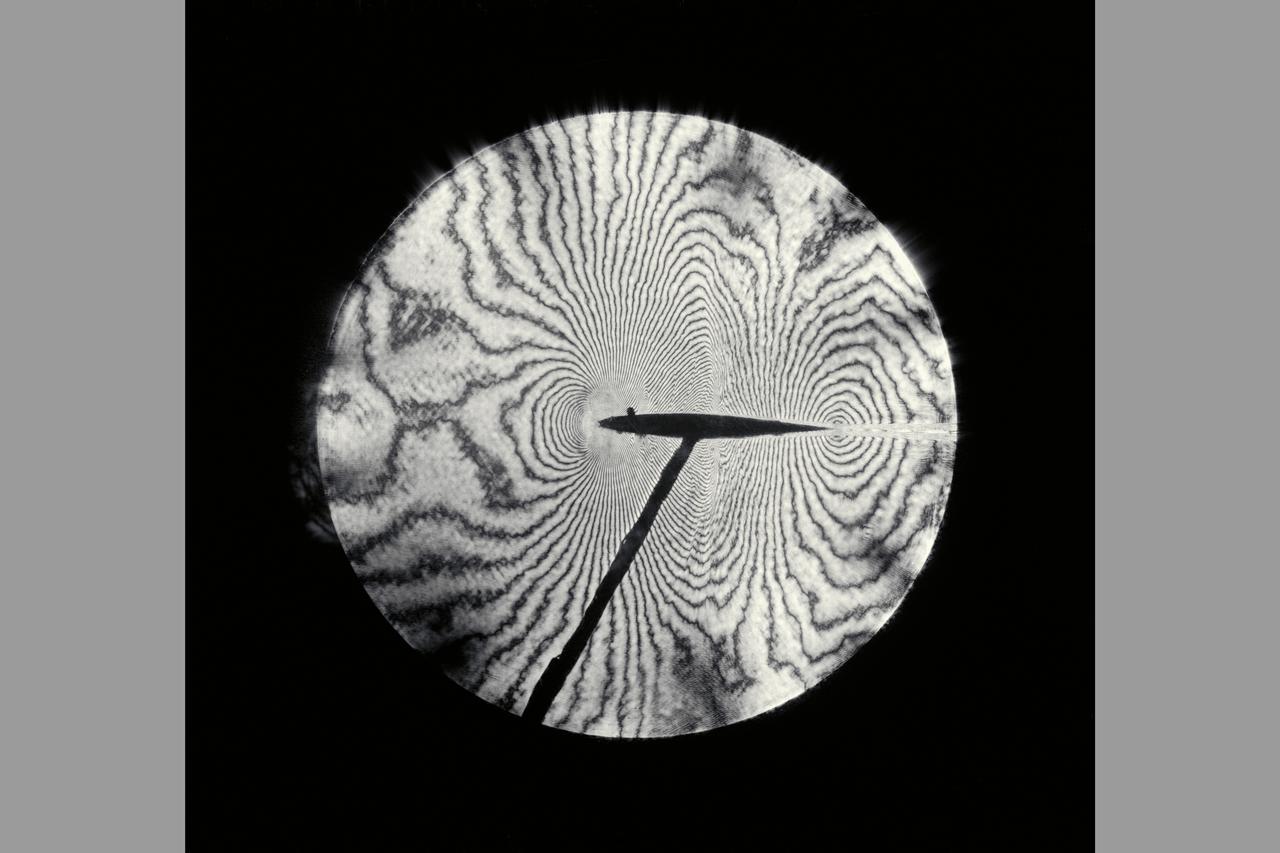
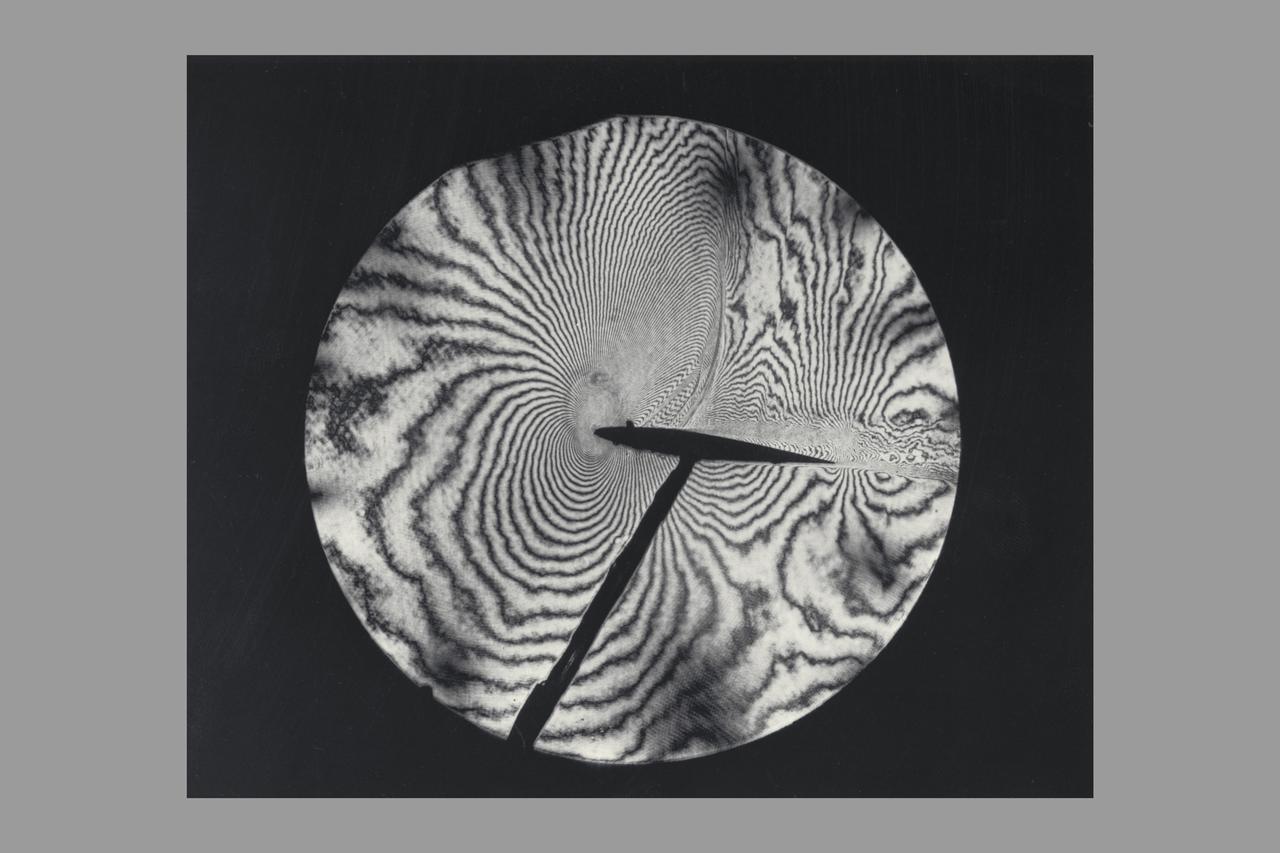
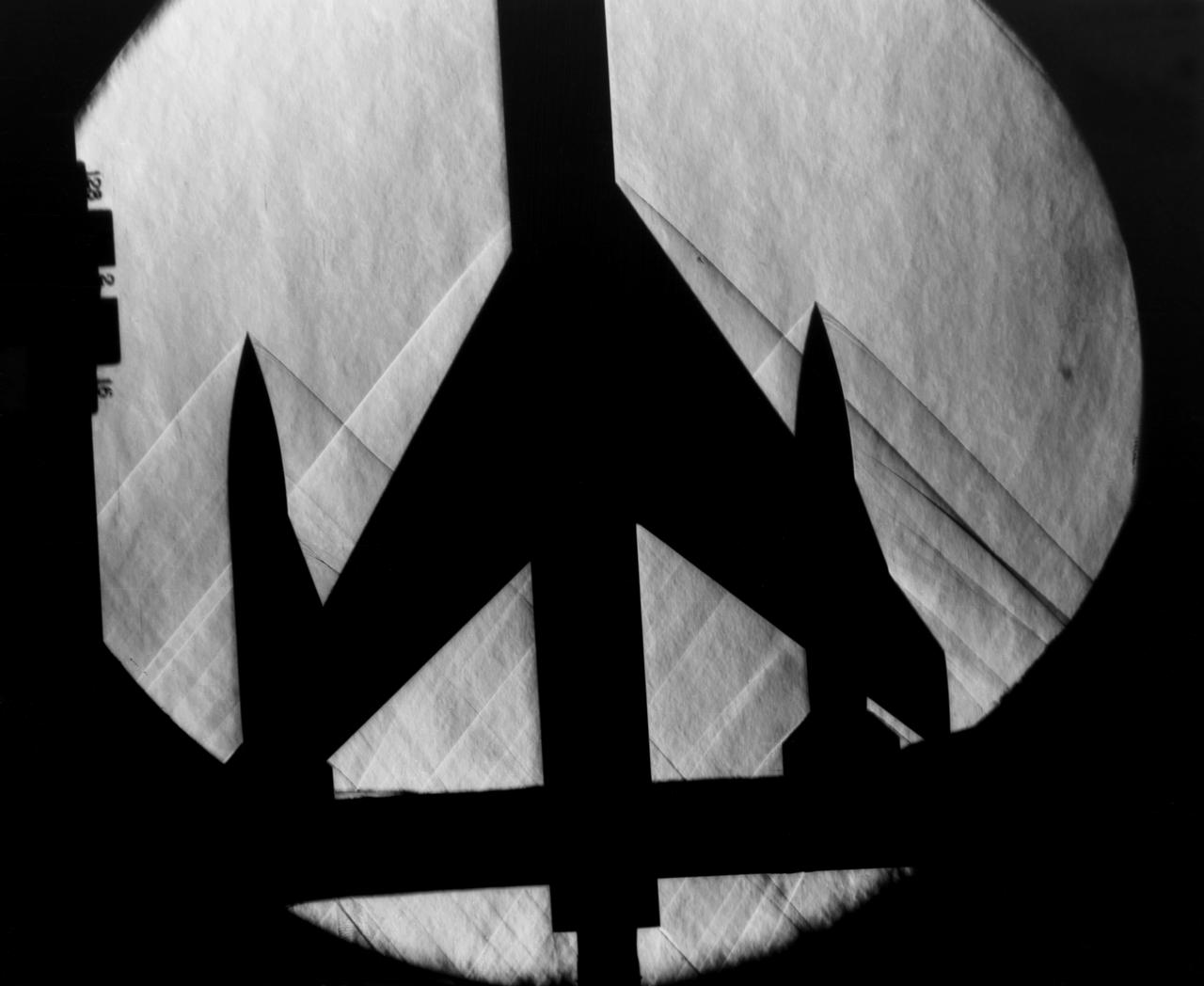
Interferogram of Transonic flow field - reconstructed laser hologram as an infinite-fringe interferogram shows shock-wave shape, location and separaton of the airfoil boundry layer
ARC-1979-A79-0054-4
Interferogram of Transonic flow field - reconstructed laser hologram as an infinite-fringe interferogram shows shock-wave shape, location and separaton of the airfoil boundry layer
ARC-1979-AC79-0054-1
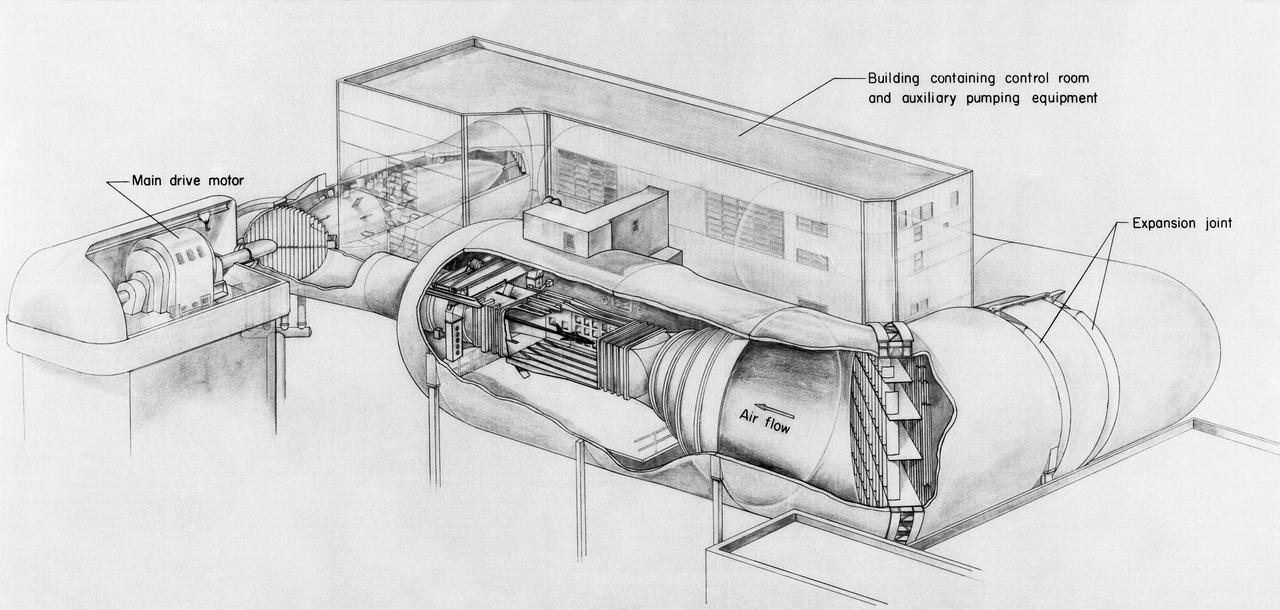
 Drawing of the 8-Foot Transonic Pressure Tunnel.
8-Foot Transonic Pressure Tunnel
An artist’s concept of the transonic truss-braced wing aircraft configuration in flight over a forest of trees.
(NTF) National Transonic Facility user guide photos.
(NTF) National Transonic Facility User Guide Photos
(NTF) National Transonic Facility user guide photos.
(NTF) National Transonic Facility User Guide Photos
(NTF) National Transonic Facility user guide photos.
(NTF) National Transonic Facility User Guide Photos
(NTF) National Transonic Facility user guide photos.
(NTF) National Transonic Facility User Guide Photos
(NTF) National Transonic Facility user guide photos.
(NTF) National Transonic Facility User Guide Photos
(NTF) National Transonic Facility user guide photos.
(NTF) National Transonic Facility User Guide Photos
(NTF) National Transonic Facility user guide photos.
(NTF) National Transonic Facility User Guide Photos
(NTF) National Transonic Facility user guide photos.
(NTF) National Transonic Facility User Guide Photos
(NTF) National Transonic Facility user guide photos.
(NTF) National Transonic Facility User Guide Photos
(NTF) National Transonic Facility user guide photos.
(NTF) National Transonic Facility User Guide Photos
(NTF) National Transonic Facility user guide photos.
(NTF) National Transonic Facility User Guide Photos
(NTF) National Transonic Facility user guide photos.
(NTF) National Transonic Facility User Guide Photos
(NTF) National Transonic Facility user guide photos.
(NTF) National Transonic Facility User Guide Photos
(NTF) National Transonic Facility user guide photos.
(NTF) National Transonic Facility User Guide Photos
(NTF) National Transonic Facility user guide photos.
(NTF) National Transonic Facility User Guide Photos
(NTF) National Transonic Facility user guide photos.
(NTF) National Transonic Facility User Guide Photos
(NTF) National Transonic Facility user guide photos.
(NTF) National Transonic Facility User Guide Photos
(NTF) National Transonic Facility user guide photos.
(NTF) National Transonic Facility User Guide Photos
(NTF) National Transonic Facility user guide photos.
(NTF) National Transonic Facility User Guide Photos
(NTF) National Transonic Facility user guide photos.
(NTF) National Transonic Facility User Guide Photos
(NTF) National Transonic Facility user guide photos.
(NTF) National Transonic Facility User Guide Photos
(NTF) National Transonic Facility user guide photos.
(NTF) National Transonic Facility User Guide Photos
(NTF) National Transonic Facility user guide photos.
(NTF) National Transonic Facility User Guide Photos
(NTF) National Transonic Facility user guide photos.
(NTF) National Transonic Facility User Guide Photos
(NTF) National Transonic Facility user guide photos.
(NTF) National Transonic Facility User Guide Photos
(NTF) National Transonic Facility user guide photos.
(NTF) National Transonic Facility User Guide Photos
(NTF) National Transonic Facility user guide photos.
(NTF) National Transonic Facility User Guide Photos
(NTF) National Transonic Facility user guide photos.
(NTF) National Transonic Facility User Guide Photos
(NTF) National Transonic Facility user guide photos.
(NTF) National Transonic Facility User Guide Photos
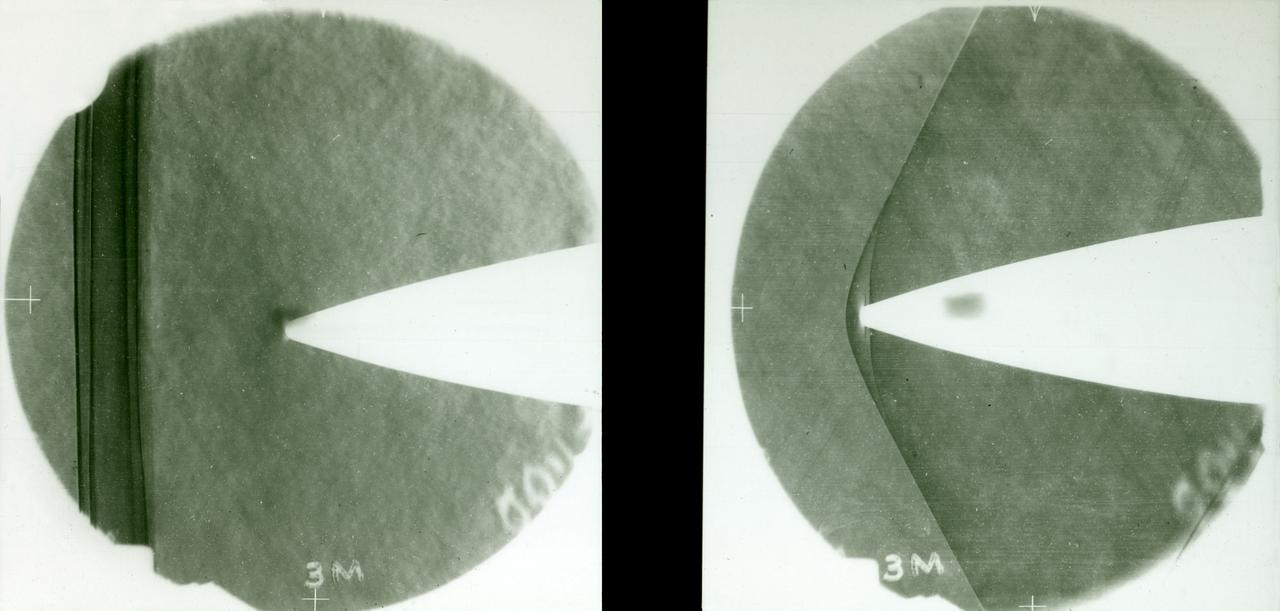
 8-Foot Transonic Pressure Tunnel (TPT): Sample of Schlieren results Left - Mach     1.03 Right - Mach     1.20.
8-Foot Transonic Pressure Tunnel (TPT)
 8-Foot Transonic Pressure Tunnel (TPT): Sample of Schlieren results Left - Mach     1.03 Right - Mach     1.20.
8-Foot Transonic Pressure Tunnel (TPT)
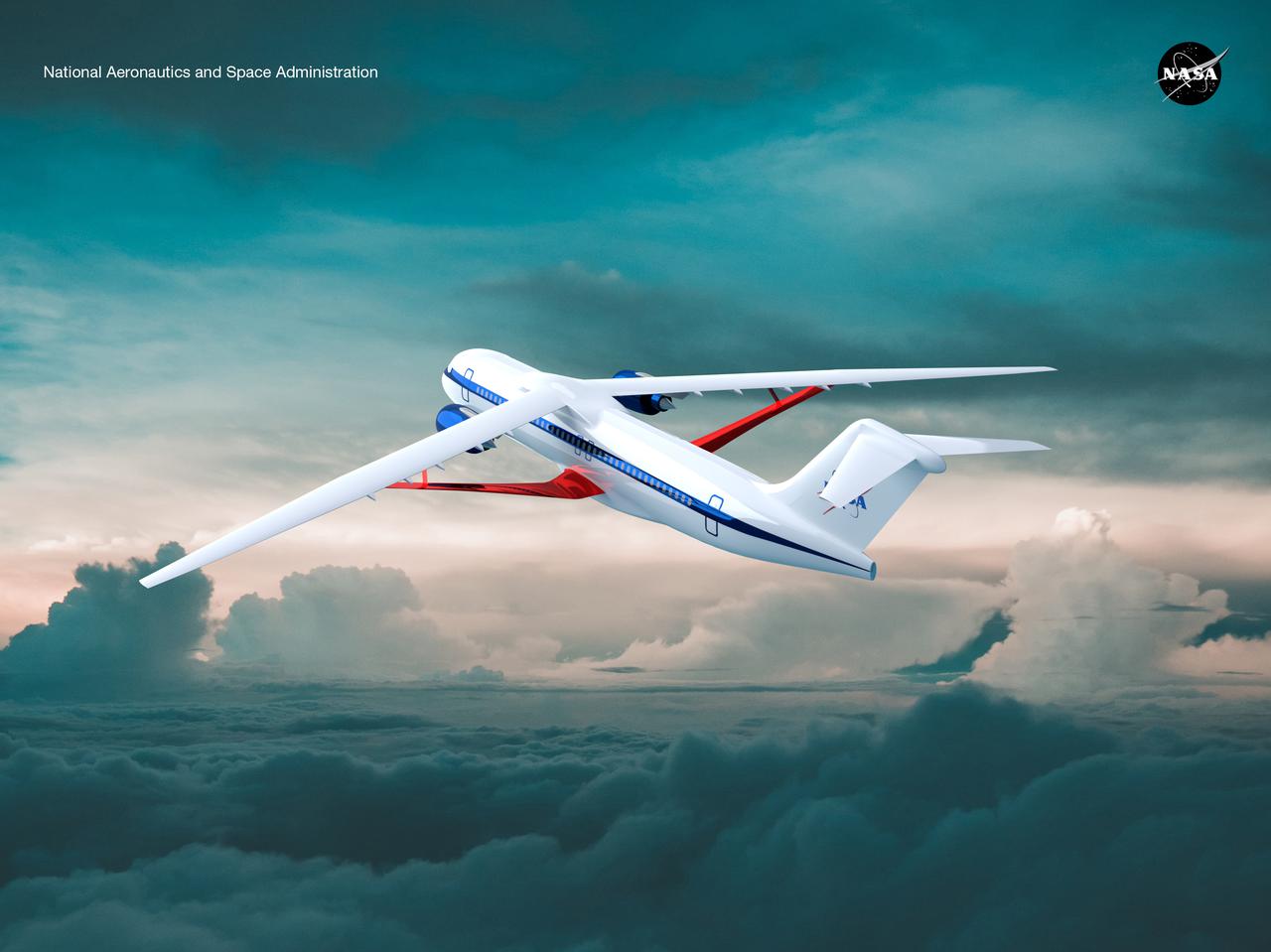
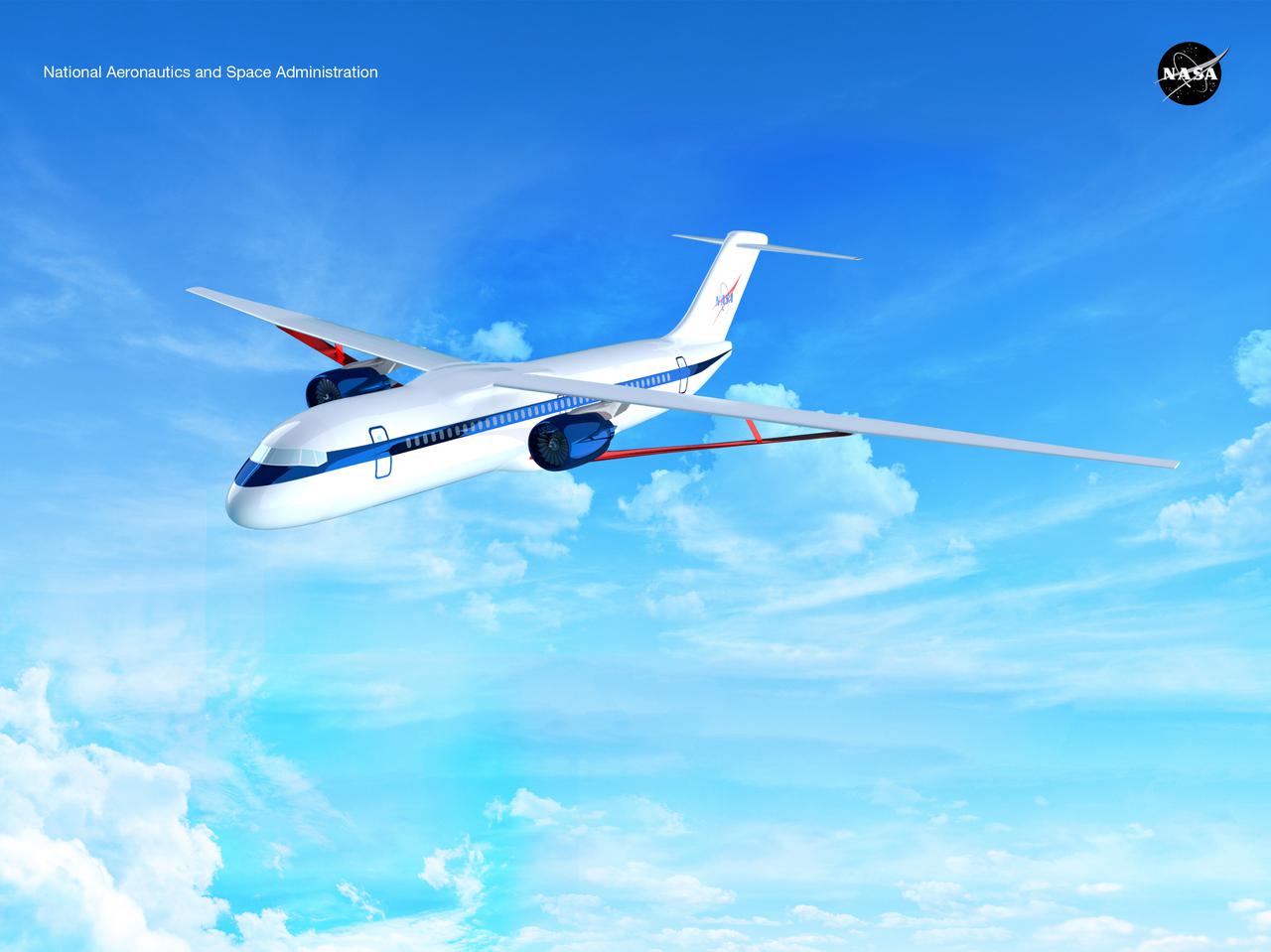
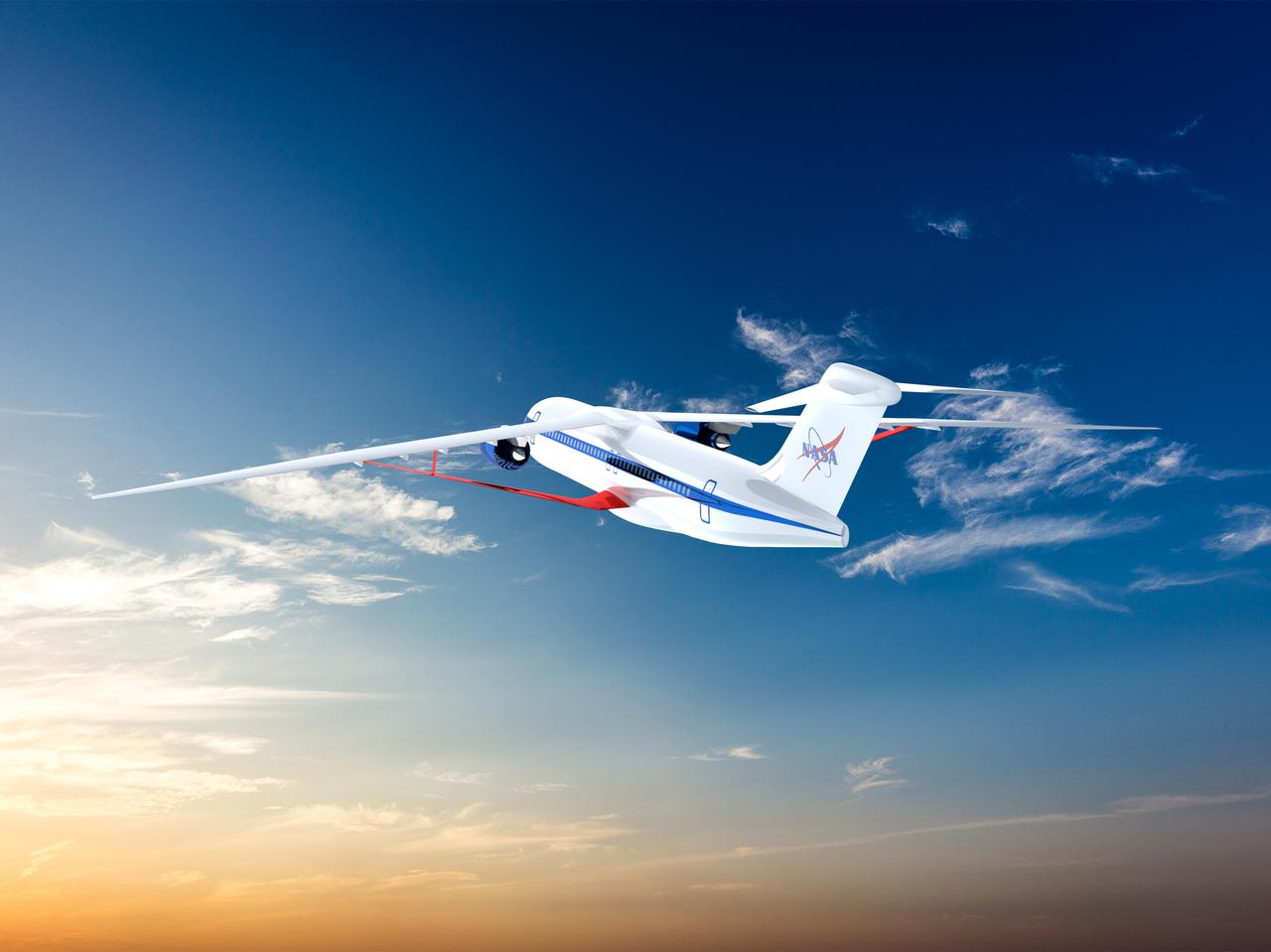
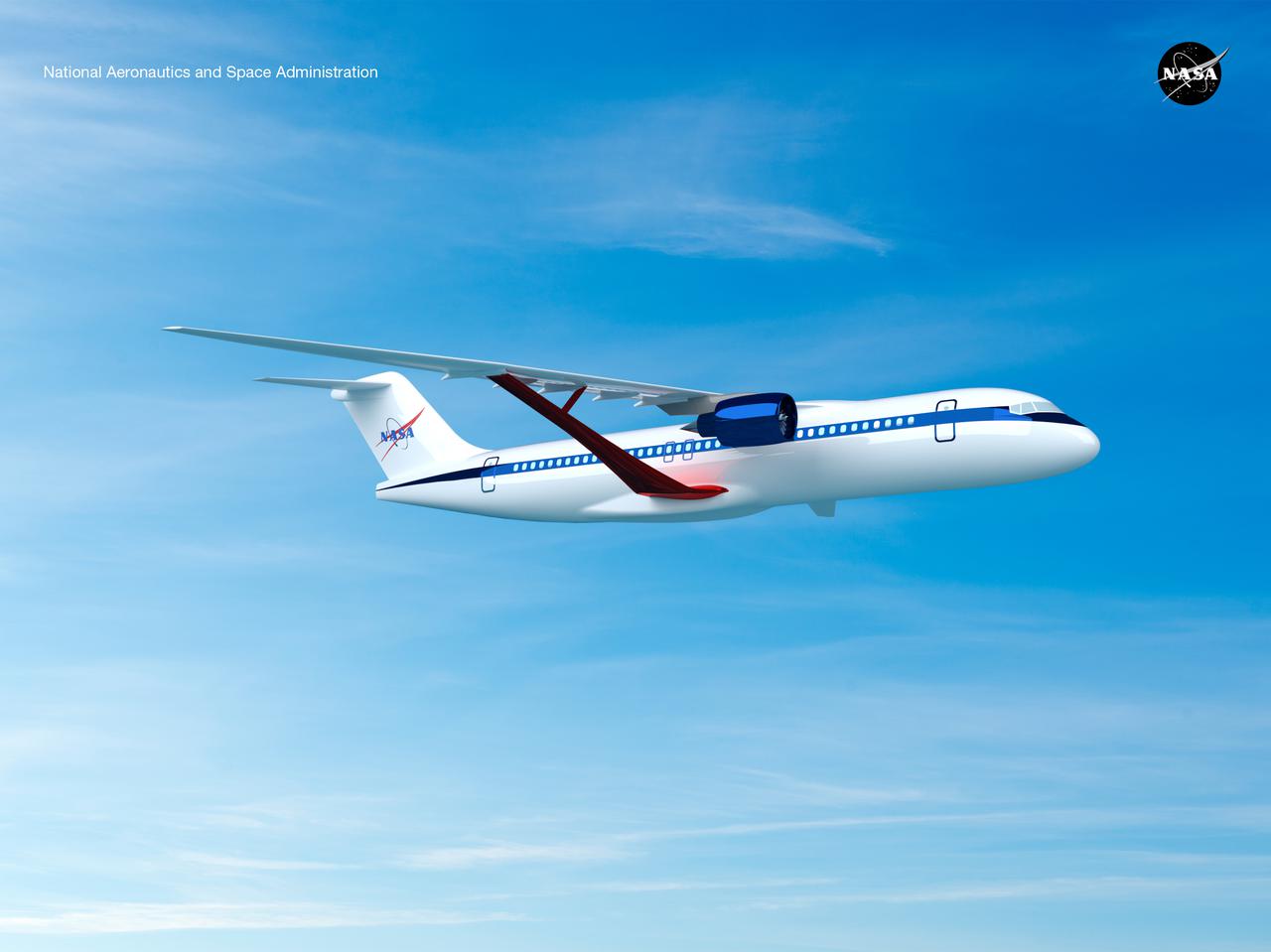
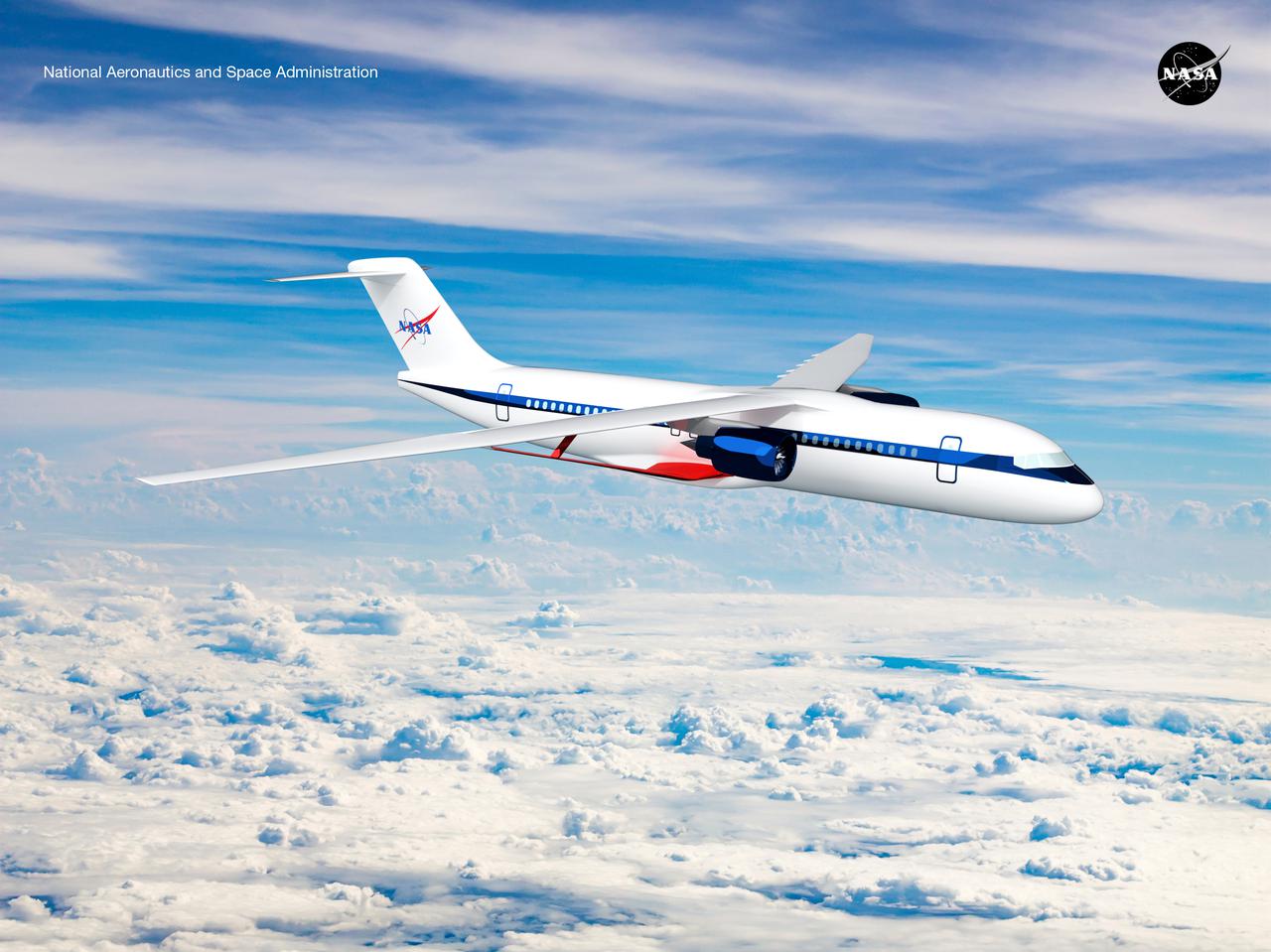
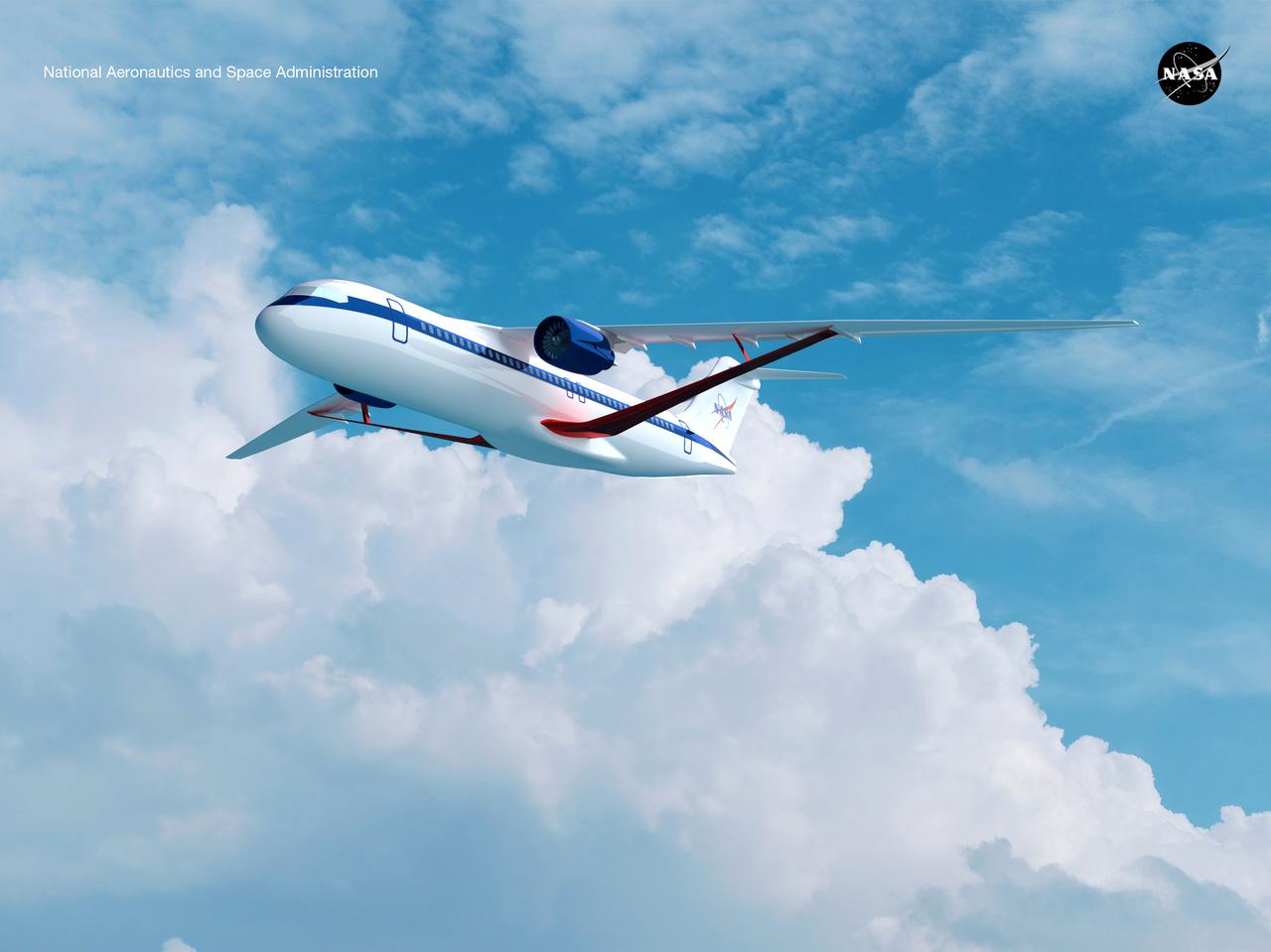
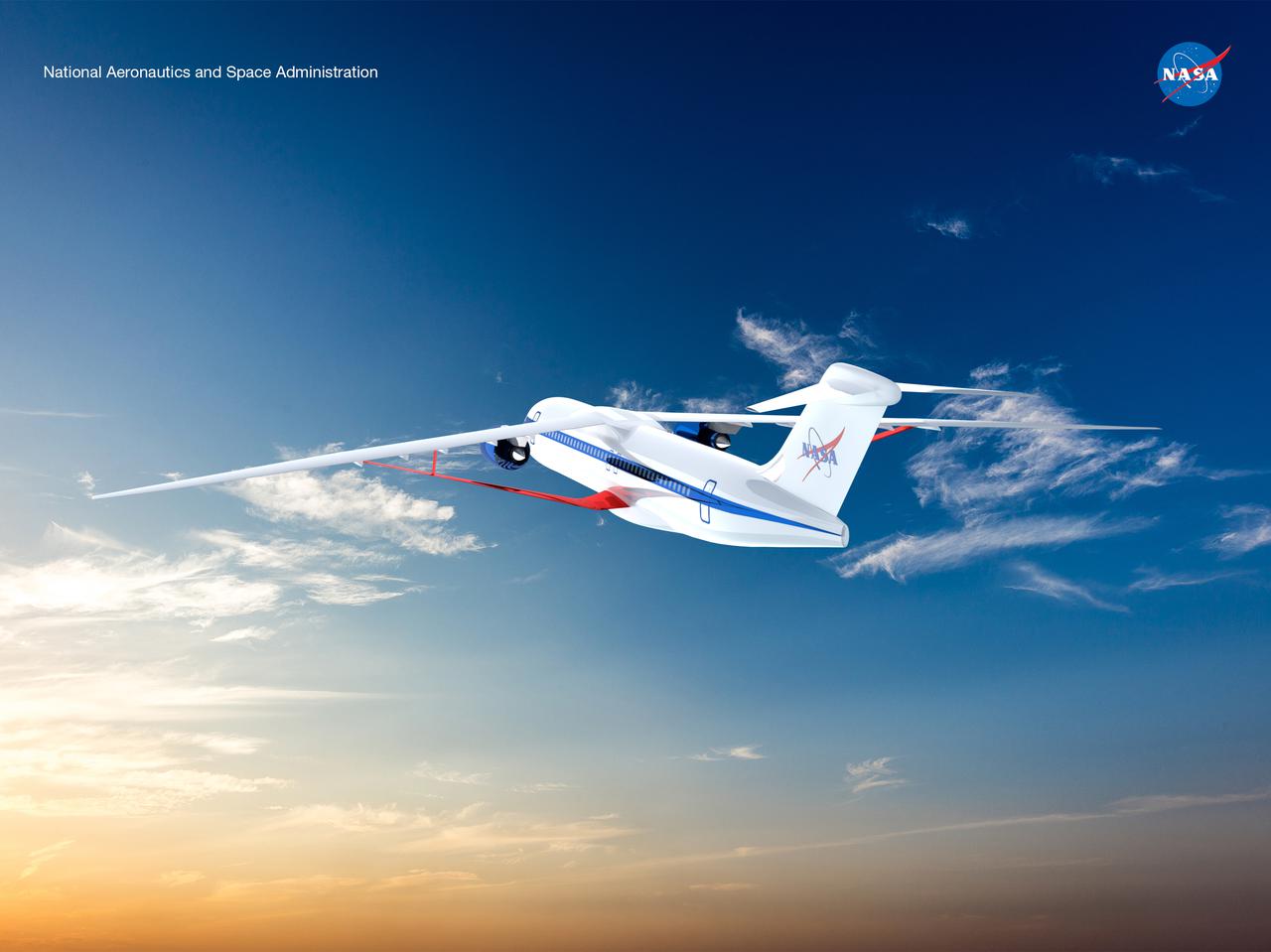
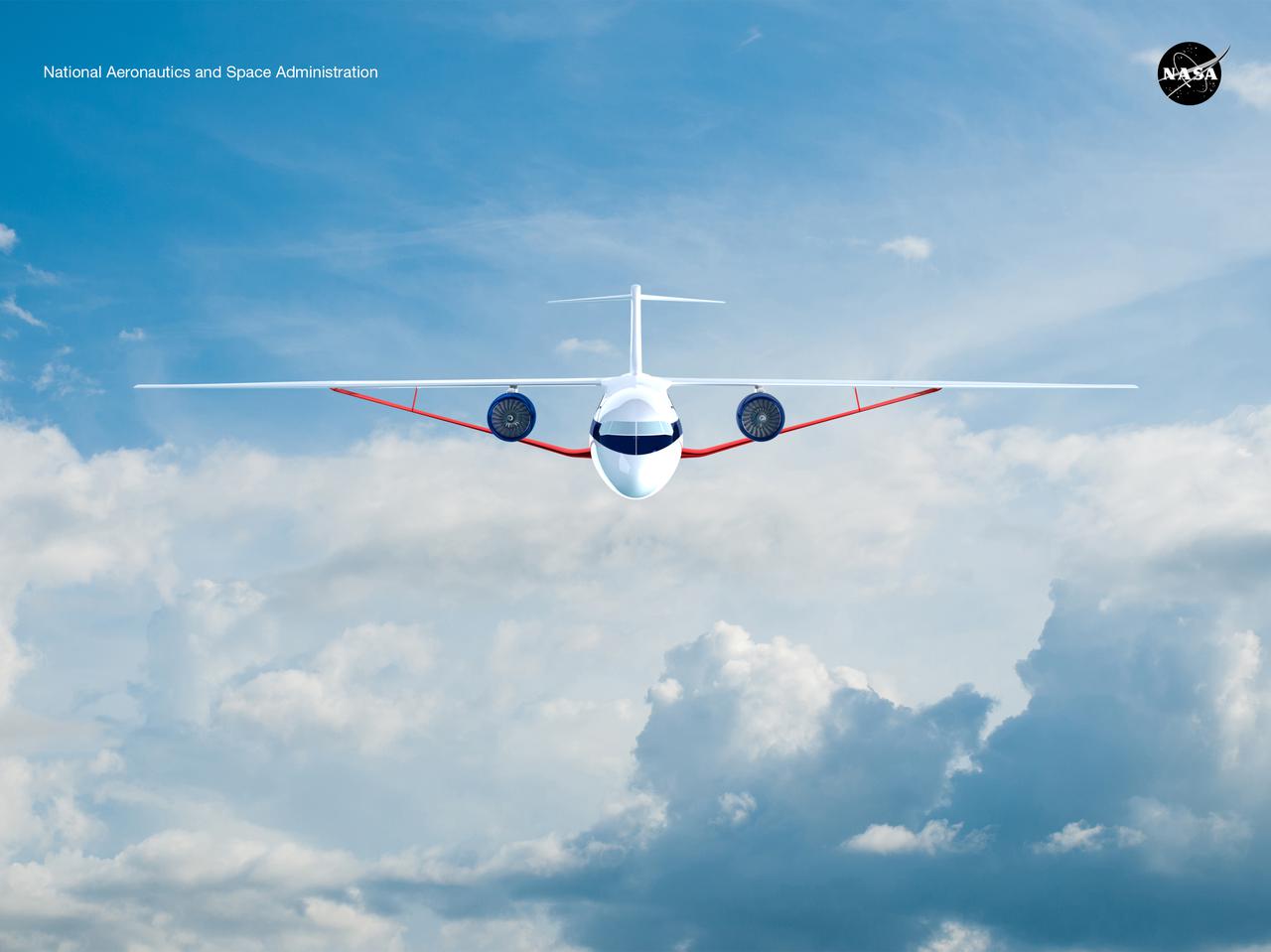
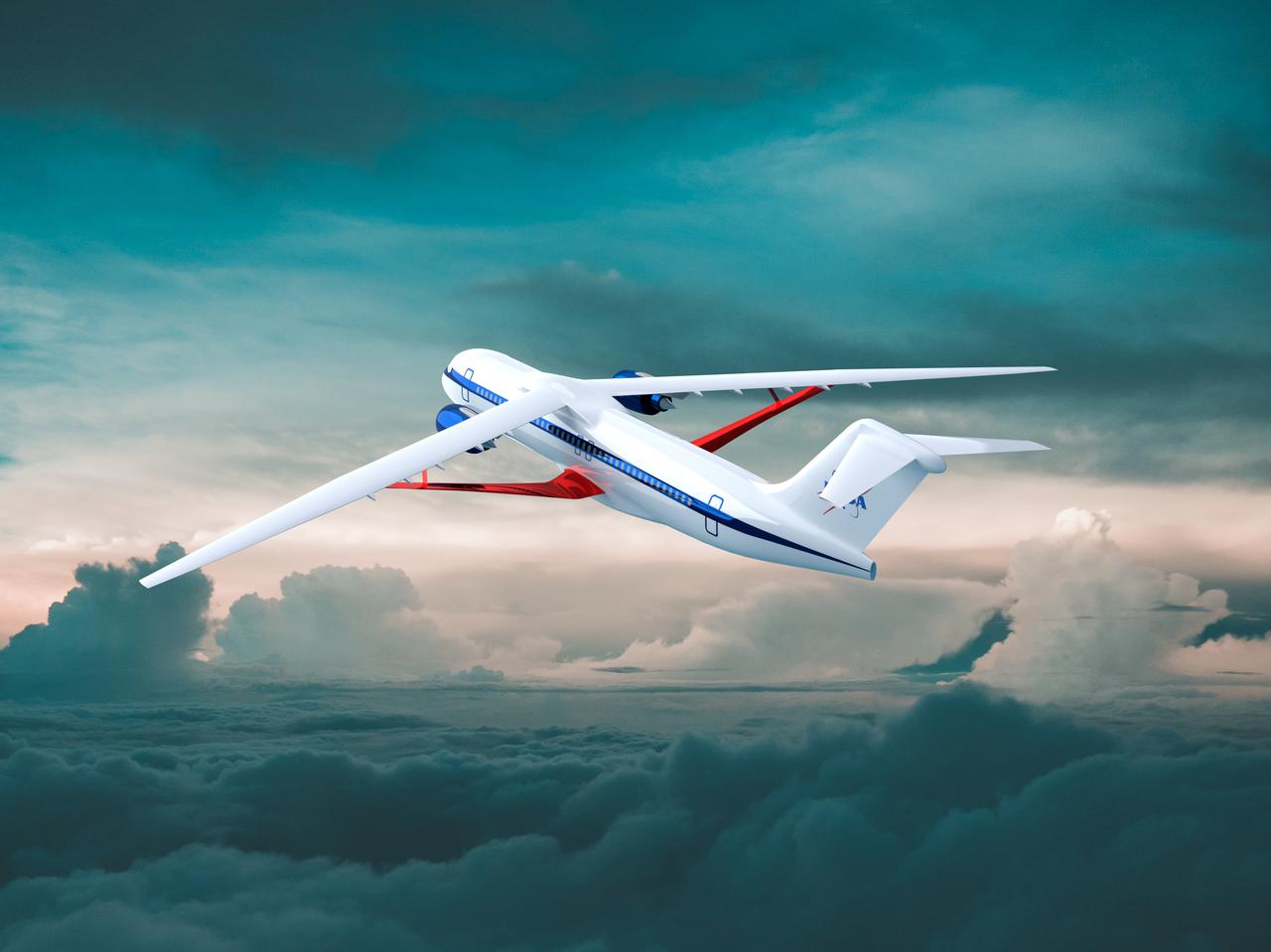
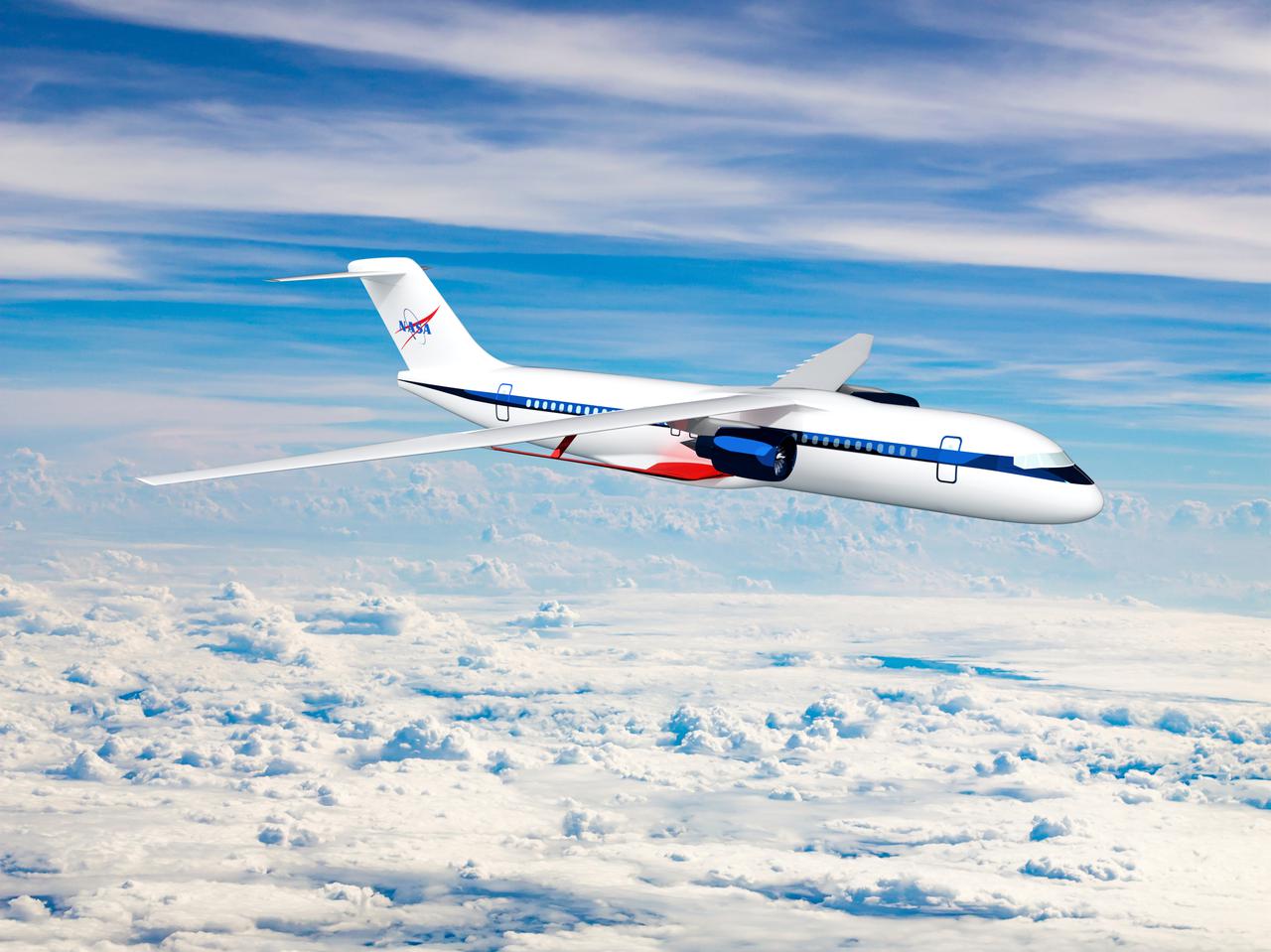
Notice anything different about the wings on this airliner? This conceptual truss-braced wing narrowbody is an aircraft with a 170ft span folding wing. By utilizing trusses, the aircraft can have longer, thinner wings with greater aspect ratios. This, in turn, translates into less drag and 5-10% less fuel burned.  The Transonic Truss-Braced Wing aircraft originated from a joint effort by NASA and Boeing to develop subsonic commercial transport concepts – meeting NASA-defined metrics in terms of reduced noise, emissions, and fuel consumption. The design is currently undergoing wind tunnel testing and other studies by NASA researchers.
TTBW-90-lt-blue-windows-with-gray-3-4-back-left
Notice anything different about the wings on this airliner? This conceptual truss-braced wing narrowbody is an aircraft with a 170ft span folding wing. By utilizing trusses, the aircraft can have longer, thinner wings with greater aspect ratios. This, in turn, translates into less drag and 5-10% less fuel burned.  The Transonic Truss-Braced Wing aircraft originated from a joint effort by NASA and Boeing to develop subsonic commercial transport concepts – meeting NASA-defined metrics in terms of reduced noise, emissions, and fuel consumption. The design is currently undergoing wind tunnel testing and other studies by NASA researchers.
TTBW-90-lt-blue-windows-left-top-bank
Notice anything different about the wings on this airliner? This conceptual truss-braced wing narrowbody is an aircraft with a 170ft span folding wing. By utilizing trusses, the aircraft can have longer, thinner wings with greater aspect ratios. This, in turn, translates into less drag and 5-10% less fuel burned.  The Transonic Truss-Braced Wing aircraft originated from a joint effort by NASA and Boeing to develop subsonic commercial transport concepts – meeting NASA-defined metrics in terms of reduced noise, emissions, and fuel consumption. The design is currently undergoing wind tunnel testing and other studies by NASA researchers.
MPCV Orion 7% Crew Module in (NTF) National Transonic Facility, Test team for T211, 7% Orion CM in NTF
MPCV Orion 7% Crew Module in (NTF) National Transonic Facility
MPCV Orion 7% Crew Module in (NTF) National Transonic Facility, Test team for T211, 7% Orion CM in NTF
MPCV Orion 7% Crew Module in (NTF) National Transonic Facility
MPCV Orion 7% Crew Module in (NTF) National Transonic Facility, Test team for T211, 7% Orion CM in NTF
MPCV Orion 7% Crew Module in (NTF) National Transonic Facility
MPCV Orion 7% Crew Module in (NTF) National Transonic Facility, Test team for T211, 7% Orion CM in NTF
MPCV Orion 7% Crew Module in (NTF) National Transonic Facility
MPCV Orion 7% Crew Module in (NTF) National Transonic Facility, Test team for T211, 7% Orion CM in NTF
MPCV Orion 7% Crew Module in (NTF) National Transonic Facility
MPCV Orion 7% Crew Module in (NTF) National Transonic Facility, Test team for T211, 7% Orion CM in NTF
MPCV Orion 7% Crew Module in (NTF) National Transonic Facility
MPCV Orion 7% Crew Module in (NTF) National Transonic Facility, Test team for T211, 7% Orion CM in NTF
MPCV Orion 7% Crew Module in (NTF) National Transonic Facility
MPCV Orion 7% Crew Module in (NTF) National Transonic Facility, Test team for T211, 7% Orion CM in NTF
MPCV Orion 7% Crew Module in (NTF) National Transonic Facility
MPCV Orion 7% Crew Module in (NTF) National Transonic Facility, Test team for T211, 7% Orion CM in NTF
MPCV Orion 7% Crew Module in (NTF) National Transonic Facility
MPCV Orion 7% Crew Module in (NTF) National Transonic Facility, Test team for T211, 7% Orion CM in NTF
MPCV Orion 7% Crew Module in (NTF) National Transonic Facility
MPCV Orion 7% Crew Module in (NTF) National Transonic Facility, Test team for T211, 7% Orion CM in NTF
MPCV Orion 7% Crew Module in (NTF) National Transonic Facility
MPCV Orion 7% Crew Module in (NTF) National Transonic Facility, Test team for T211, 7% Orion CM in NTF
MPCV Orion 7% Crew Module in (NTF) National Transonic Facility
MPCV Orion 7% Crew Module in (NTF) National Transonic Facility, Test team for T211, 7% Orion CM in NTF
MPCV Orion 7% Crew Module in (NTF) National Transonic Facility
MPCV Orion 7% Crew Module in (NTF) National Transonic Facility, Test team for T211, 7% Orion CM in NTF
MPCV Orion 7% Crew Module in (NTF) National Transonic Facility
MPCV Orion 7% Crew Module in (NTF) National Transonic Facility, Test team for T211, 7% Orion CM in NTF
MPCV Orion 7% Crew Module in (NTF) National Transonic Facility
MPCV Orion 7% Crew Module in (NTF) National Transonic Facility, Test team for T211, 7% Orion CM in NTF
MPCV Orion 7% Crew Module in (NTF) National Transonic Facility
MPCV Orion 7% Crew Module in (NTF) National Transonic Facility, Test team for T211, 7% Orion CM in NTF
MPCV Orion 7% Crew Module in (NTF) National Transonic Facility
MPCV Orion 7% Crew Module in (NTF) National Transonic Facility, Test team for T211, 7% Orion CM in NTF
MPCV Orion 7% Crew Module in (NTF) National Transonic Facility
Notice anything different about the wings on this airliner? This conceptual truss-braced wing narrowbody is an aircraft with a 170ft span folding wing. By utilizing trusses, the aircraft can have longer, thinner wings with greater aspect ratios. This, in turn, translates into less drag and 5-10% less fuel burned.  The Transonic Truss-Braced Wing aircraft originated from a joint effort by NASA and Boeing to develop subsonic commercial transport concepts – meeting NASA-defined metrics in terms of reduced noise, emissions, and fuel consumption. The design is currently undergoing wind tunnel testing and other studies by NASA researchers.
TTBW-90-lt-blue-windows-with-gray-3-4-bottom-right
Notice anything different about the wings on this airliner? This conceptual truss-braced wing narrowbody is an aircraft with a 170ft span folding wing. By utilizing trusses, the aircraft can have longer, thinner wings with greater aspect ratios. This, in turn, translates into less drag and 5-10% less fuel burned. The Transonic Truss-Braced Wing aircraft originated from a joint effort by NASA and Boeing to develop subsonic commercial transport concepts – meeting NASA-defined metrics in terms of reduced noise, emissions, and fuel consumption. The design is currently undergoing wind tunnel testing and other studies by NASA researchers.
Notice anything different about the wings on this airliner? This conceptual truss-braced wing narrowbody is an aircraft with a 170ft span folding wing. By utilizing trusses, the aircraft can have longer, thinner wings with greater aspect ratios. This, in turn, translates into less drag and 5-10% less fuel burned.  The Transonic Truss-Braced Wing aircraft originated from a joint effort by NASA and Boeing to develop subsonic commercial transport concepts – meeting NASA-defined metrics in terms of reduced noise, emissions, and fuel consumption. The design is currently undergoing wind tunnel testing and other studies by NASA researchers.
TTBW-90-lt-blue-windows-with-gray-back
Notice anything different about the wings on this airliner? This conceptual truss-braced wing narrowbody is an aircraft with a 170ft span folding wing. By utilizing trusses, the aircraft can have longer, thinner wings with greater aspect ratios. This, in turn, translates into less drag and 5-10% less fuel burned.  The Transonic Truss-Braced Wing aircraft originated from a joint effort by NASA and Boeing to develop subsonic commercial transport concepts – meeting NASA-defined metrics in terms of reduced noise, emissions, and fuel consumption. The design is currently undergoing wind tunnel testing and other studies by NASA researchers.
TTBW-90-lt-blue-windows-with-gray-3-4-bottom-left
Notice anything different about the wings on this airliner? This conceptual truss-braced wing narrowbody is an aircraft with a 170ft span folding wing. By utilizing trusses, the aircraft can have longer, thinner wings with greater aspect ratios. This, in turn, translates into less drag and 5-10% less fuel burned.  The Transonic Truss-Braced Wing aircraft originated from a joint effort by NASA and Boeing to develop subsonic commercial transport concepts – meeting NASA-defined metrics in terms of reduced noise, emissions, and fuel consumption. The design is currently undergoing wind tunnel testing and other studies by NASA researchers.
TTBW-90-lt-blue-windows-with-gray-Head-On
Notice anything different about the wings on this airliner? This conceptual truss-braced wing narrowbody is an aircraft with a 170ft span folding wing. By utilizing trusses, the aircraft can have longer, thinner wings with greater aspect ratios. This, in turn, translates into less drag and 5-10% less fuel burned.  The Transonic Truss-Braced Wing aircraft originated from a joint effort by NASA and Boeing to develop subsonic commercial transport concepts – meeting NASA-defined metrics in terms of reduced noise, emissions, and fuel consumption. The design is currently undergoing wind tunnel testing and other studies by NASA researchers.
TTBW-90-lt-blue-windows-with-gray-3-4-right-top
Notice anything different about the wings on this airliner? This conceptual truss-braced wing narrowbody is an aircraft with a 170ft span folding wing. By utilizing trusses, the aircraft can have longer, thinner wings with greater aspect ratios. This, in turn, translates into less drag and 5-10% less fuel burned.  The Transonic Truss-Braced Wing aircraft originated from a joint effort by NASA and Boeing to develop subsonic commercial transport concepts – meeting NASA-defined metrics in terms of reduced noise, emissions, and fuel consumption. The design is currently undergoing wind tunnel testing and other studies by NASA researchers.
TTBW-90-lt-blue-windows-with-gray-aerial
Notice anything different about the wings on this airliner? This conceptual truss-braced wing narrowbody is an aircraft with a 170ft span folding wing. By utilizing trusses, the aircraft can have longer, thinner wings with greater aspect ratios. This, in turn, translates into less drag and 5-10% less fuel burned.  The Transonic Truss-Braced Wing aircraft originated from a joint effort by NASA and Boeing to develop subsonic commercial transport concepts – meeting NASA-defined metrics in terms of reduced noise, emissions, and fuel consumption. The design is currently undergoing wind tunnel testing and other studies by NASA researchers.
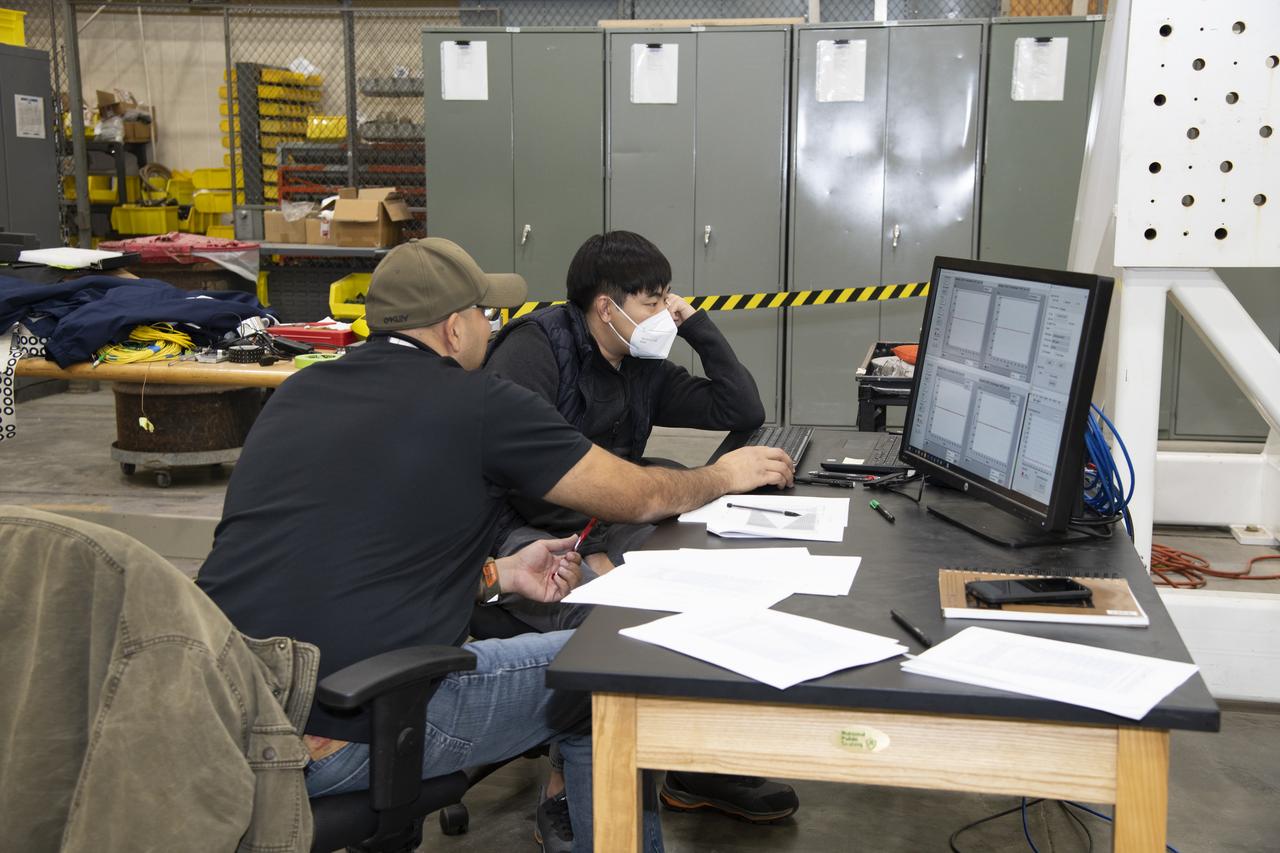
Frank Pena and Benjamin Park watch as data streams in from tests on a 6-foot model of the Transonic Truss-Braced Wing at NASA’s Armstrong Flight Research Center, in Edwards, California.
NASA Armstrong Tests Model Wing
Matthew Sanchez attaches the strut and the wing to ensure they fit together as intended for a 10-foot model of the Transonic Truss-Braced Wing at NASA’s Armstrong Flight Research Center, in Edwards, California. The aircraft concept involves a wing braced on an aircraft using diagonal struts that also add lift and could result in significantly improved aerodynamics.
NASA Armstrong Builds Model Wing
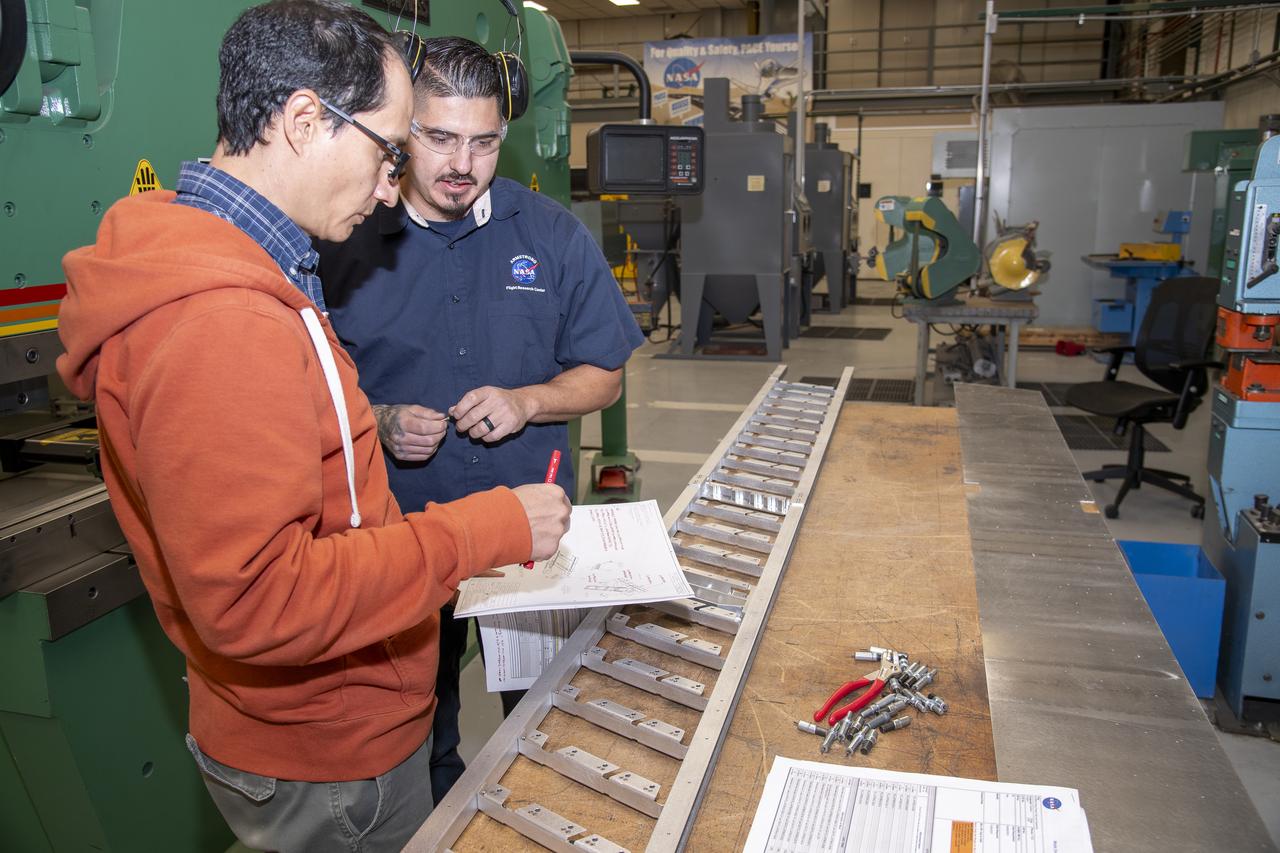
Matthew Sanchez consults with Andrew Holguin on the strut for a 10-foot model of the Transonic Truss-Braced Wing at NASA’s Armstrong Flight Research Center, in Edwards, California. The aircraft concept involves a wing braced on an aircraft using diagonal struts that also add lift and could result in significantly improved aerodynamics.
NASA Armstrong Builds Model Wing
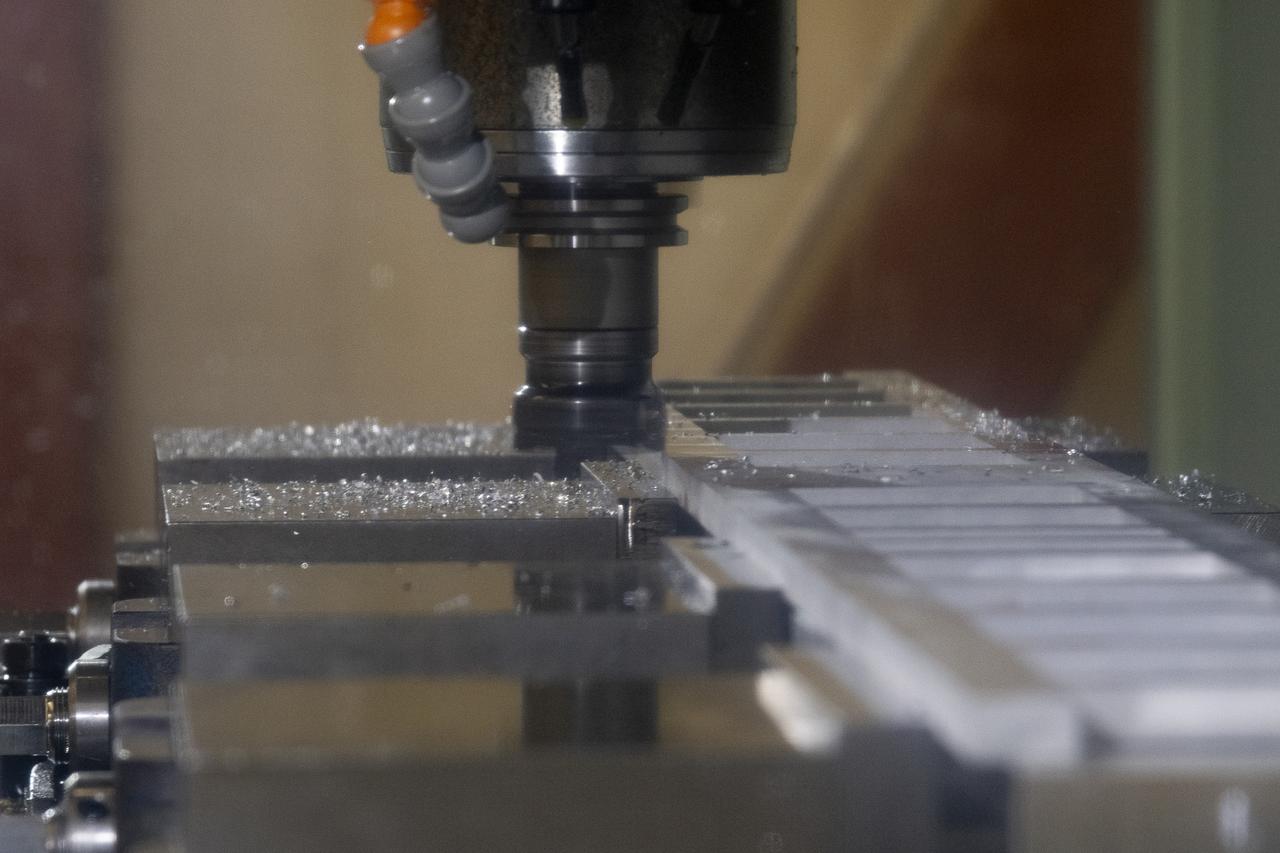
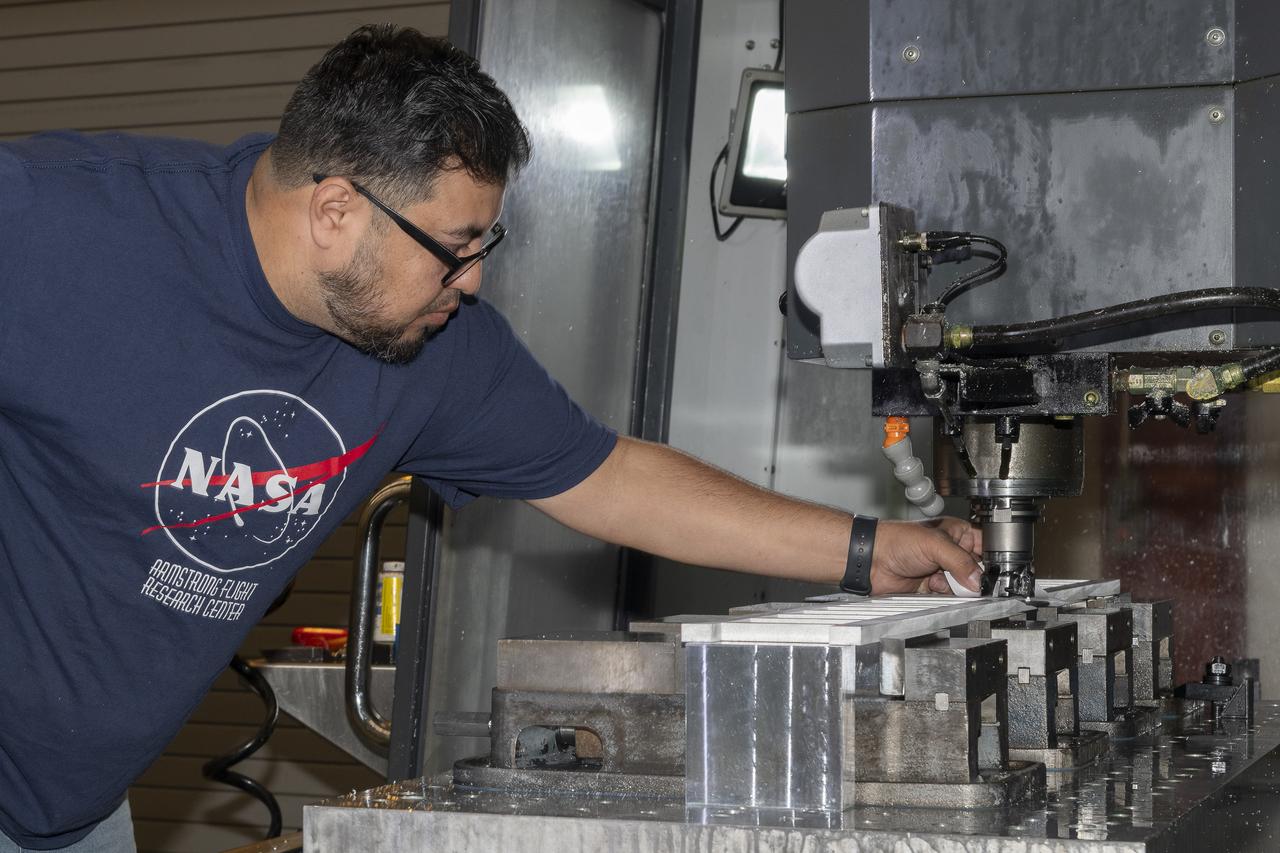
German Escobar works on milling the strut frame assembly for a 10-foot model of the Transonic Truss-Braced Wing at NASA’s Armstrong Flight Research Center, in Edwards, California. The aircraft concept involves a wing braced on an aircraft using diagonal struts that also add lift and could result in significantly improved aerodynamics.
NASA Armstrong Builds Model Wing
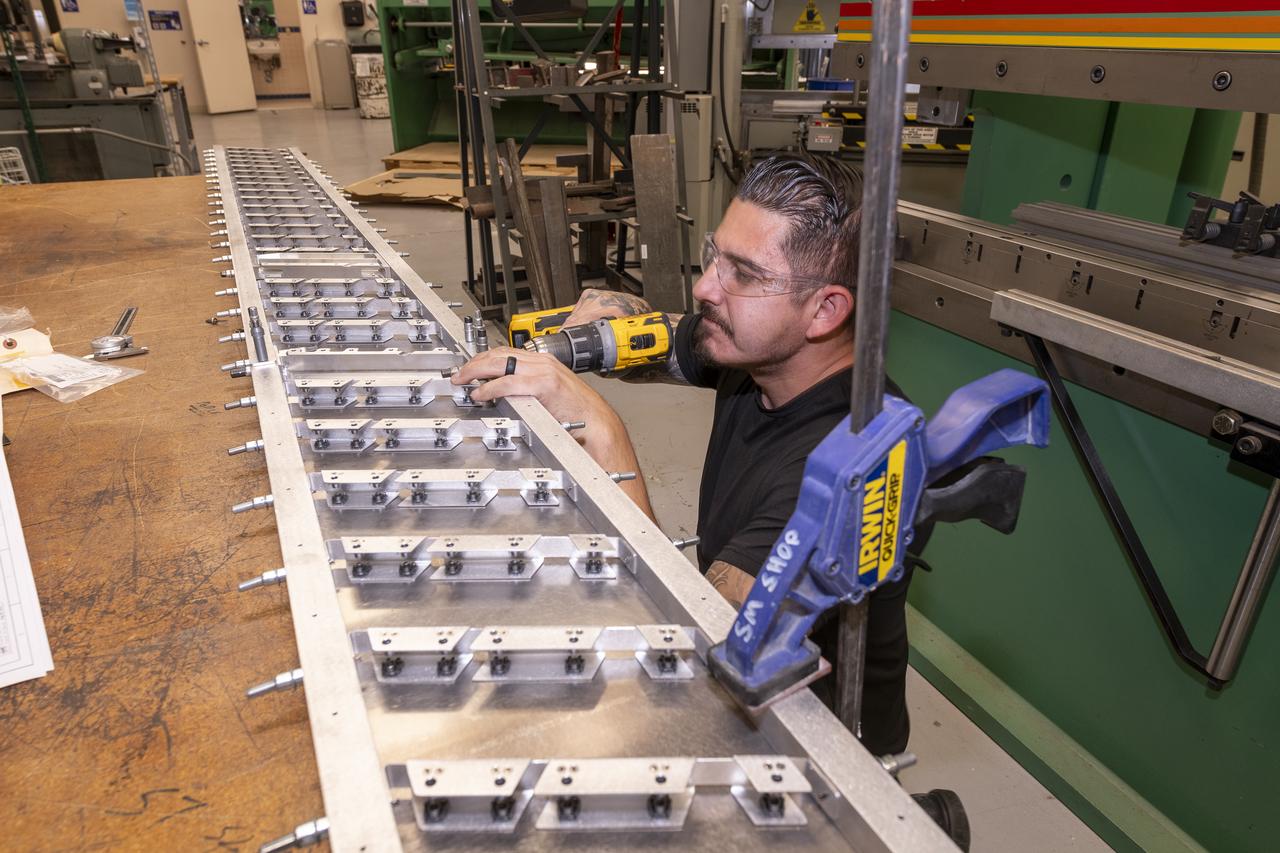
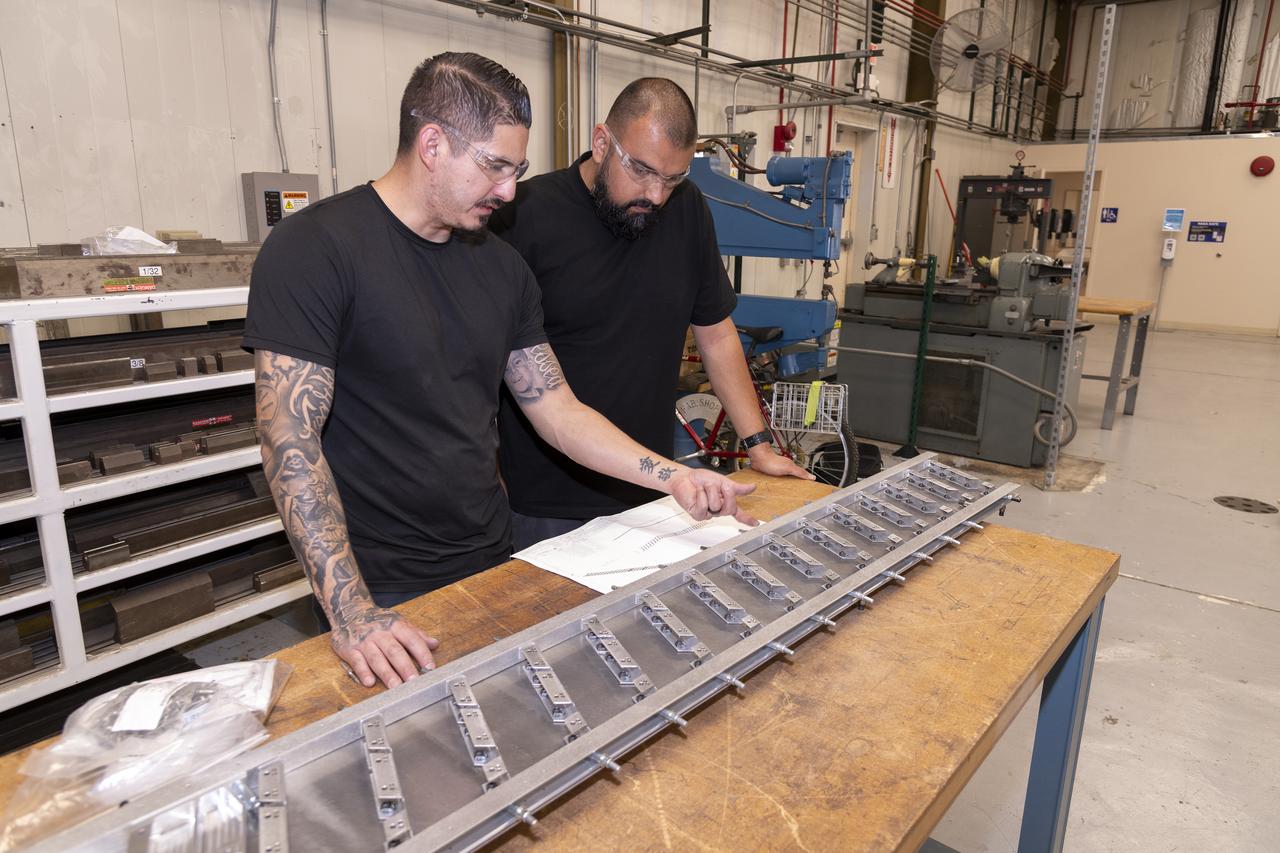
Matthew Sanchez assembles wing ribs for a 10-foot model of the Transonic Truss-Braced Wing at NASA’s Armstrong Flight Research Center, in Edwards, California. The aircraft concept involves a wing braced on an aircraft using diagonal struts that also add lift and could result in significantly improved aerodynamics.
NASA Armstrong Builds Model Wing
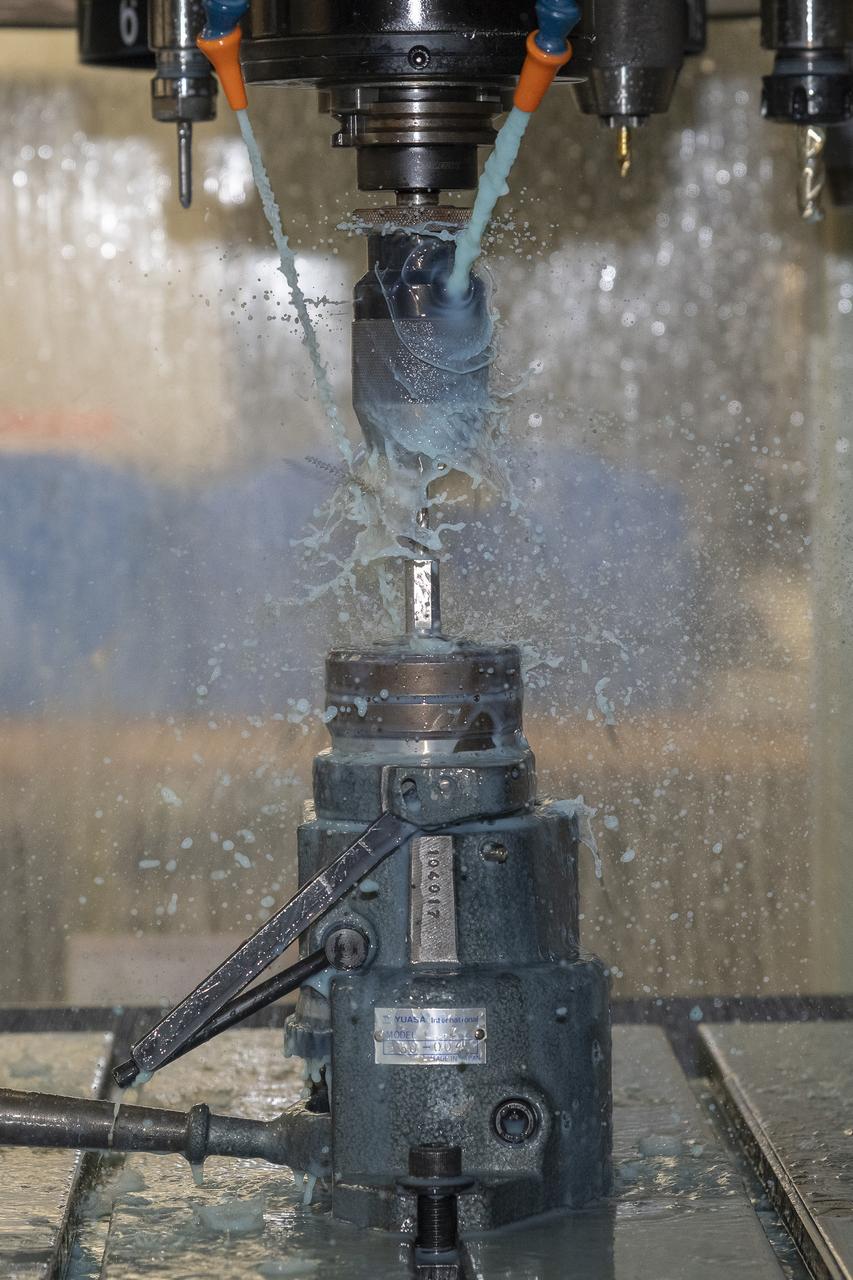
A milling machine drills holes in the strut frame assembly for a 10-foot model of the Transonic Truss-Braced Wing at NASA’s Armstrong Flight Research Center, in Edwards, California. The aircraft concept involves a wing braced on an aircraft using diagonal struts that also add lift and could result in significantly improved aerodynamics.
NASA Armstrong Builds Model Wing
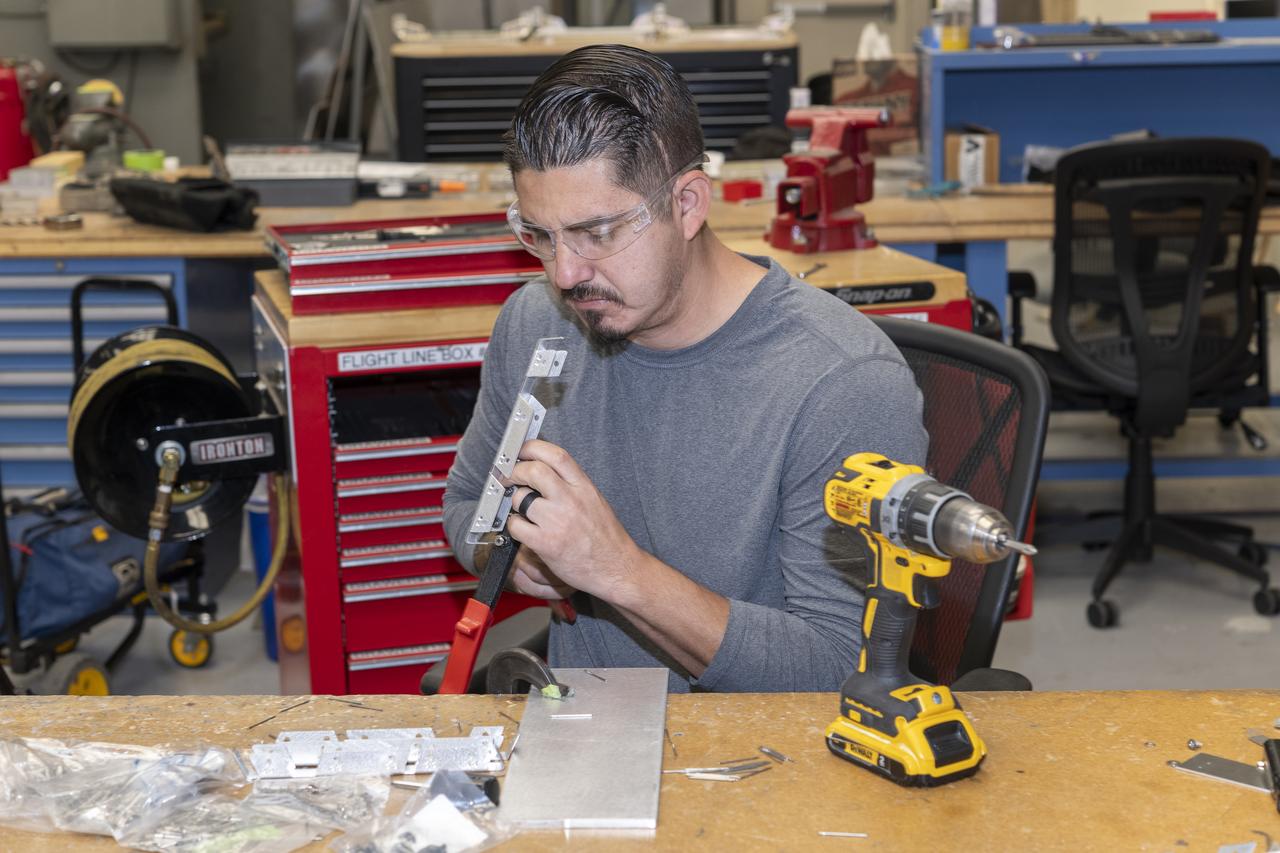
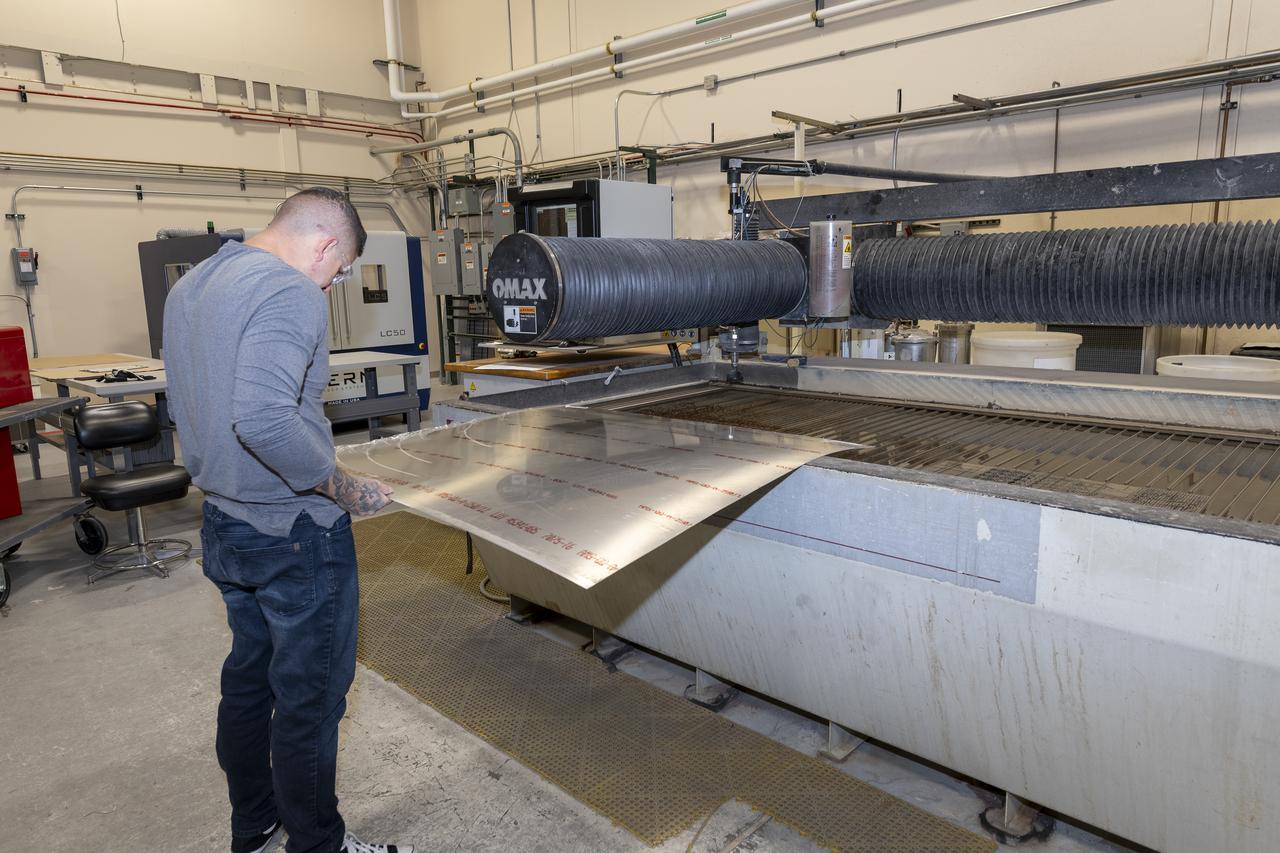
Matthew Sanchez prepares a sheet of aluminum that will be cut into the outer layer of the strut for the 10-foot model of the Transonic Truss-Braced Wing at NASA’s Armstrong Flight Research Center, in Edwards, California. The aircraft concept involves a wing braced on an aircraft using diagonal struts that also add lift and could result in significantly improved aerodynamics.
NASA Armstrong Builds Model Wing
Matthew Sanchez assembles wing ribs to the 10-foot model of the Transonic Truss-Braced Wing at NASA’s Armstrong Flight Research Center, in Edwards, California. The aircraft concept involves a wing braced on an aircraft using diagonal struts that also add lift and could result in significantly improved aerodynamics.
NASA Armstrong Builds Model Wing
Matthew Sanchez attaches the strut and the wing to ensure they fit together as intended for a 10-foot model of the Transonic Truss-Braced Wing at NASA’s Armstrong Flight Research Center, in Edwards, California. The aircraft concept involves a wing braced on an aircraft using diagonal struts that also add lift and could result in significantly improved aerodynamics.
NASA Armstrong Builds Model Wing
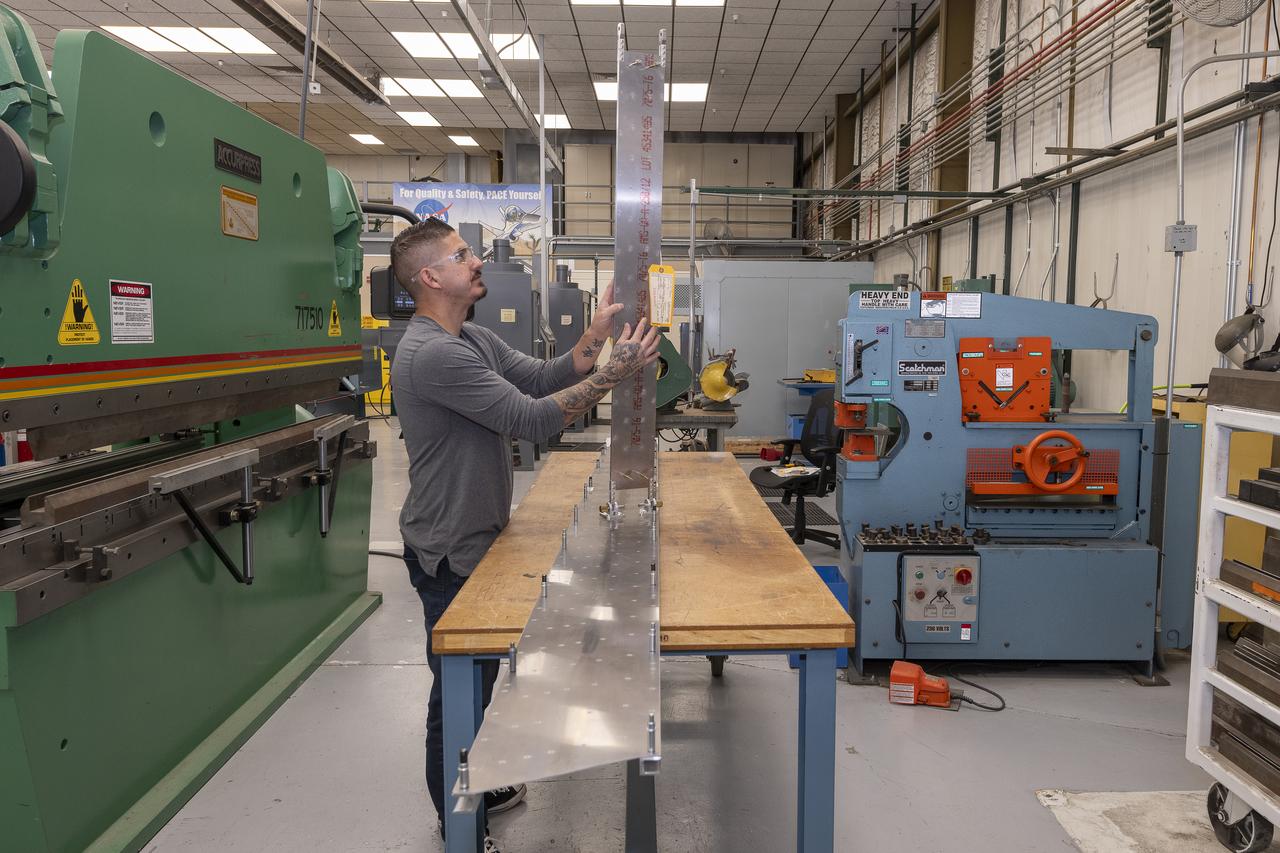
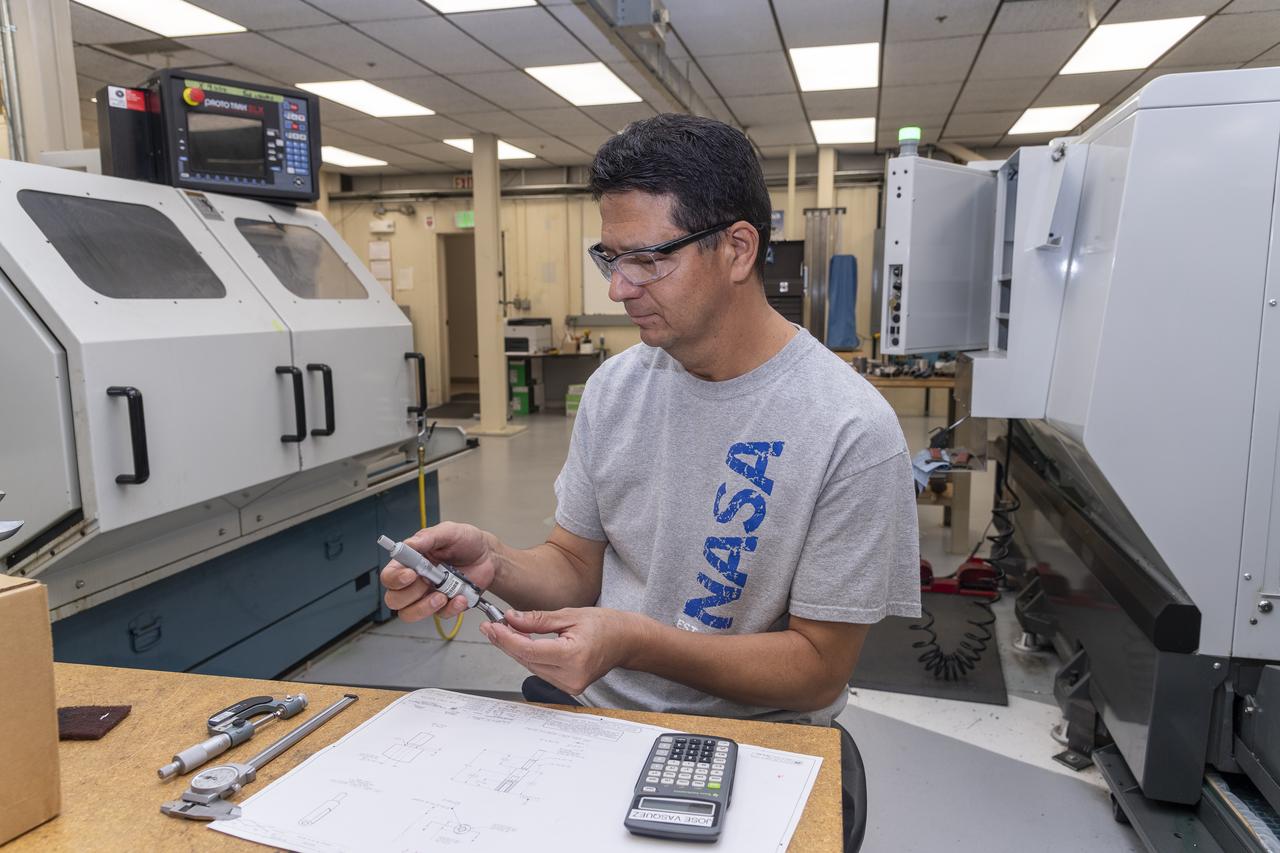
Jose Vasquez verifies a jury strut adaptor created for a 10-foot model of the Transonic Truss-Braced Wing at NASA’s Armstrong Flight Research Center, in Edwards, California. The aircraft concept involves a wing braced on an aircraft using diagonal struts that also add lift and could result in significantly improved aerodynamics.
NASA Armstrong Builds Model Wing
Aaron Rumsey and Beto Hinojos carefully add weight to a 6-foot model of the Transonic Truss-Braced Wing at NASA’s Armstrong Flight Research Center, in Edwards, California. The aircraft concept involves a wing braced on an aircraft using diagonal struts that also add lift and could result in significantly improved aerodynamics.
NASA Armstrong Tests Model Wing
A jury strut adaptor is created for a 10-foot model of the Transonic Truss-Braced Wing at NASA’s Armstrong Flight Research Center, in Edwards, California. The aircraft concept involves a wing braced on an aircraft using diagonal struts that also add lift and could result in significantly improved aerodynamics.
NASA Armstrong Builds Model Wing
Matthew Sanchez, left, consults with Sal Navarro on assembling wing ribs to the 10-foot model of the Transonic Truss-Braced Wing at NASA’s Armstrong Flight Research Center, in Edwards, California. The aircraft concept involves a wing braced on an aircraft using diagonal struts that also add lift and could result in significantly improved aerodynamics.
NASA Armstrong Builds Model Wing
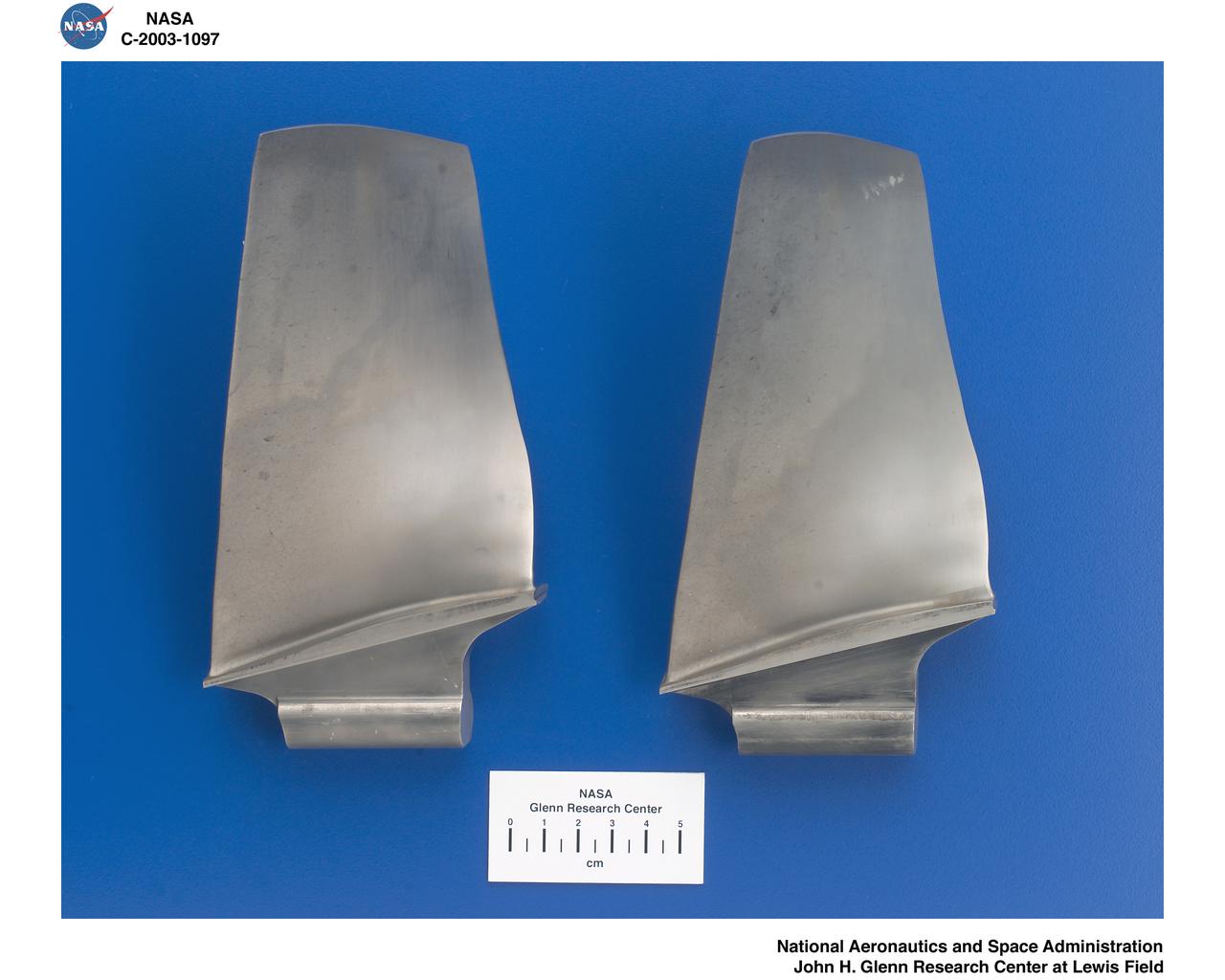
EFFECT OF ULTRA POLISHING ON A TRANSONIC FAN BLADE
GRC-2003-C-01097
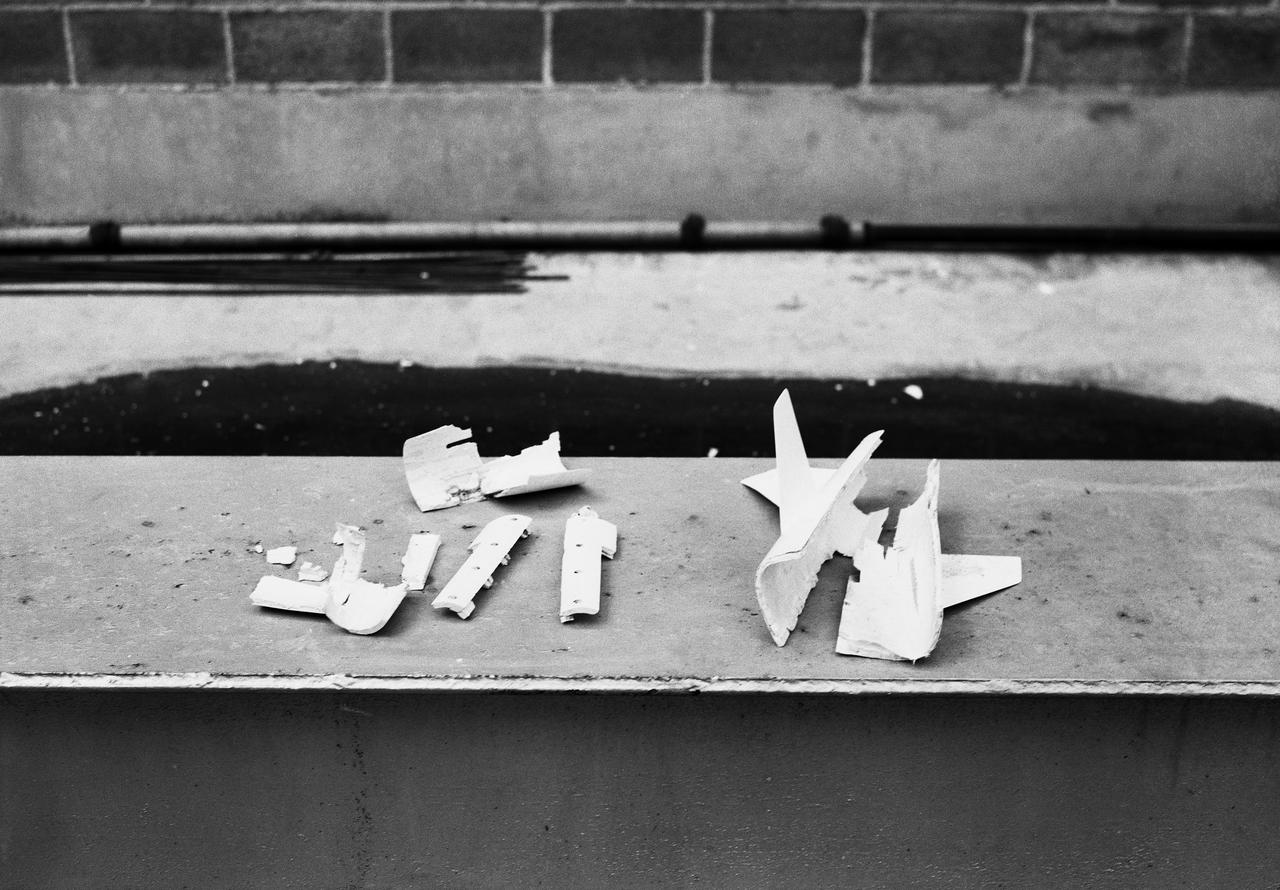
Pieces of small scale model broken in 16 Foot Transonic Tunnel.
Broken F8U-3 model
NACA Ames Research Center 14' TRANSONIC WIND TUNNEL SURVEY TUBE.
ARC-1955-A-20566
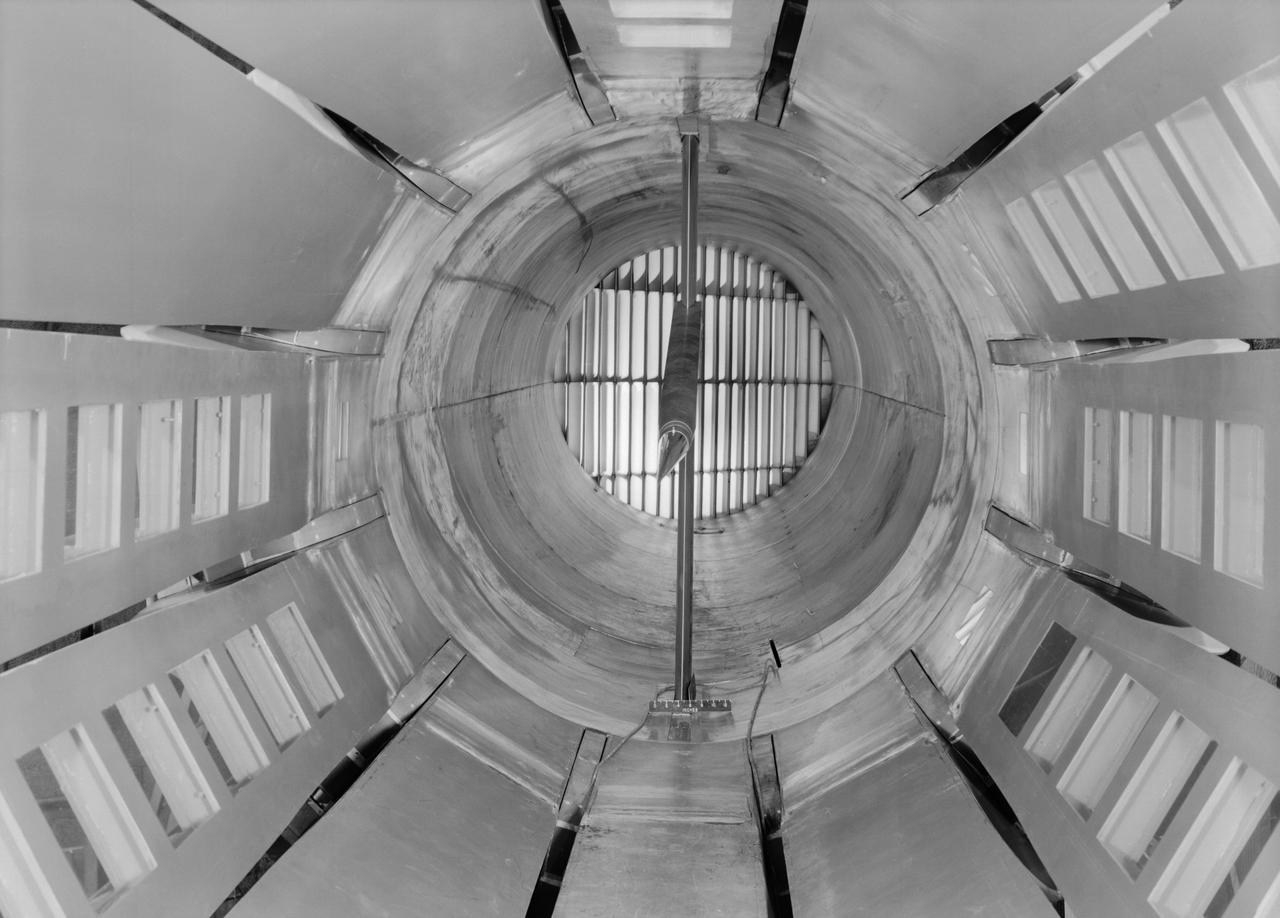
 Interior view of the slotted throat test section installed in the 8-Foot High Speed Tunnel (HST) in 1950.  The slotted region is about 160 inches in length. In this photograph, the sting-type model support is seen straight on. In a NASA report, the test section is described as follows:  The test section of the Langley 8-foot transonic tunnel is dodecagonal in cross section and has a cross-sectional area of about 43 square feet. Longitudinal slots are located between each of the 12 wall panels to allow continuous operation through the transonic speed range. The slots contain about 11 percent of the total periphery of the test section. Six of the twelve panels have windows in them to allow for schlieren observations. The entire test section is enclosed in a hemispherical shaped chamber.  John Becker noted that the tunnel s  final achievement was the development and use in routine operations of the first transonic slotted throat. The investigations of wing-body shapes in this tunnel led to Whitcomb s discovery of the transonic area rule.  James Hansen described the origins of the the slotted throat as follows:  In 1946 Langley physicist Ray H. Wright conceived a way to do transonic research effectively in a wind tunnel by placing slots in the throat of the test section. The concept for what became known as the slotted-throat or slotted-wall tunnel came to Wright not as a solution to the chronic transonic problem, but as a way to get rid of wall interference (i.e., the mutual effect of two or more meeting waves or vibrations of any kind caused by solid boundaries) at subsonic speeds.  For most of the year before Wright came up with this idea, he had been trying to develop a theoretical understanding of wall interference in the 8-Foot HST, which was then being repowered for Mach 1 capability.  When Wright presented these ideas to John Stack, the response was enthusiastic but neither Wright nor Stack thought of slotted-throats as a solution to the transonic problem, only the wall interference problem.  It was an accidental discovery which showed that slotted throats might solve the transonic problem. Most engineers were skeptical but Stack persisted. Initially, plans were to modify the 16-Foot tunnel but in the spring of 1948, Stack announced that the 8-Foot HST would also be modified. As Hansen notes:  The 8-Foot HST began regular transonic operations for research purposes on 6 October 1950.  The concept was a success and led to plans for a new wind tunnel which would be known as the 8-Foot Transonic Pressure Tunnel. -- Published in U.S., National Advisory Committee for Aeronautics,  Characteristics of Nine Research Wind Tunnels of the Langley Aeronautical Laboratory,  1957, pp. 17, 22  James R. Hansen, Engineer in Charge, NASA SP-4305, p. 454 and Chapter 11,  The Slotted Tunnel and the Area Rule.
8-Foot High Speed Tunnel (HST)
R.T. JONES OBLIQUE WING TRANSONIC TRANSPORT MODEL  2-BODY 'DOUBLE' FUSELAGE
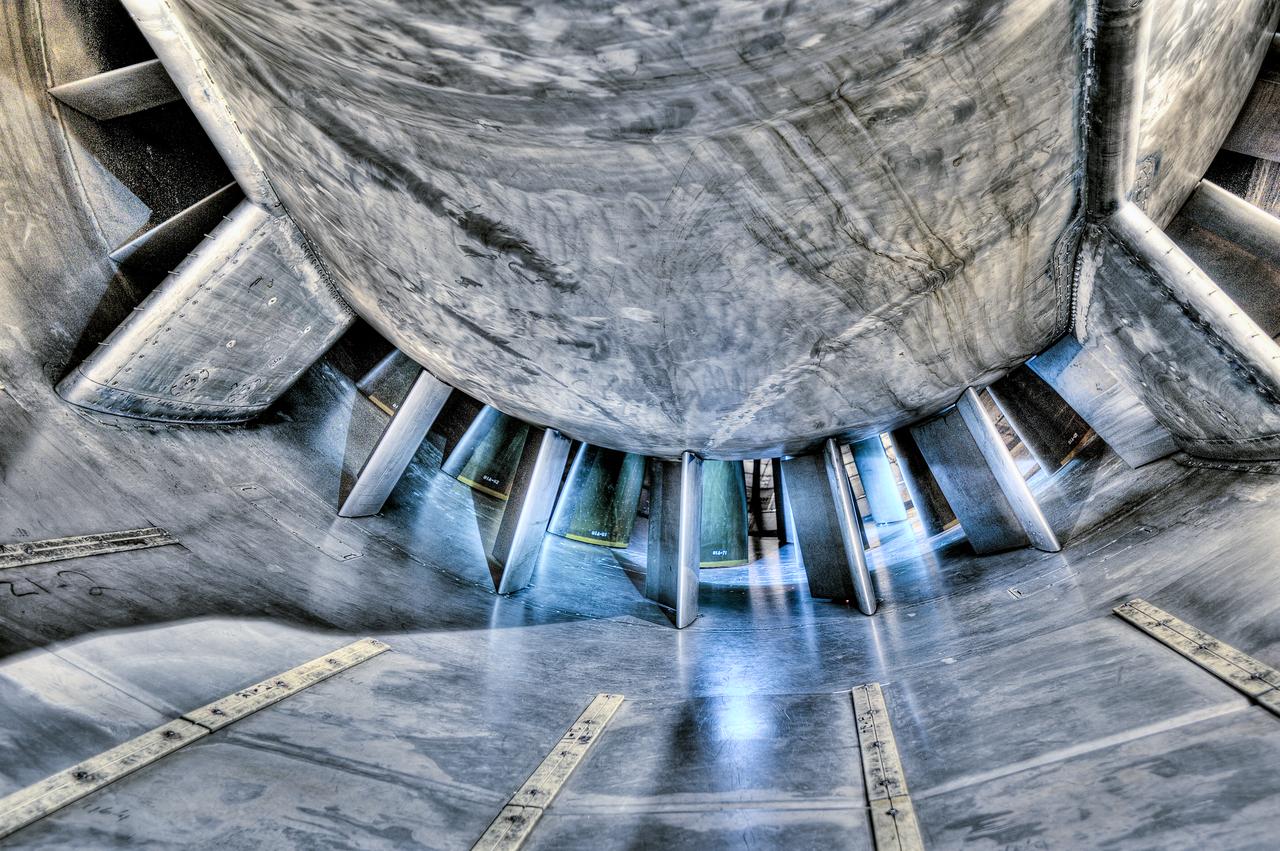
ARC-1970-A70-5471