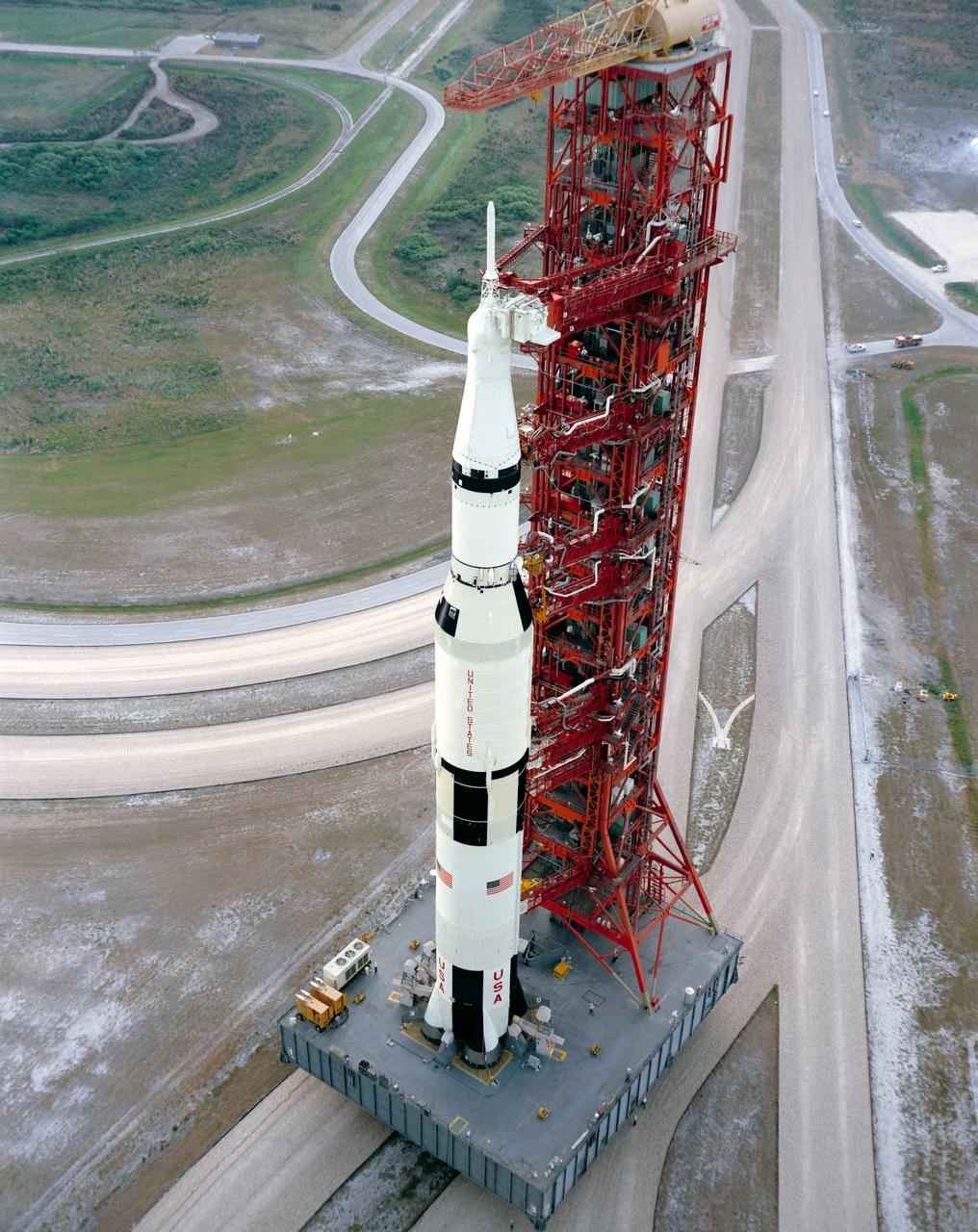
S71-33781 (11 May 1971) --- High angle view showing the Apollo 15 (Spacecraft 112/Lunar Module 10/Saturn 510) space vehicle on the way from the Vehicle Assembly Building (VAB) to Pad A, Launch Complex 39, Kennedy Space Center (KSC). The Saturn V stack and its mobile launch tower are atop a huge crawler-transporter. Apollo 15 is scheduled as the fourth manned lunar landing mission by the National Aeronautics and Space Administration (NASA). The crew men will be astronauts David R. Scott, commander; Alfred M. Worden, command module pilot; and James B. Irwin, lunar module pilot. While astronauts Scott and Irwin descend in the Lunar Module (LM) to explore the moon, astronaut Worden will remain with the Command and Service Modules (CSM) in lunar orbit.
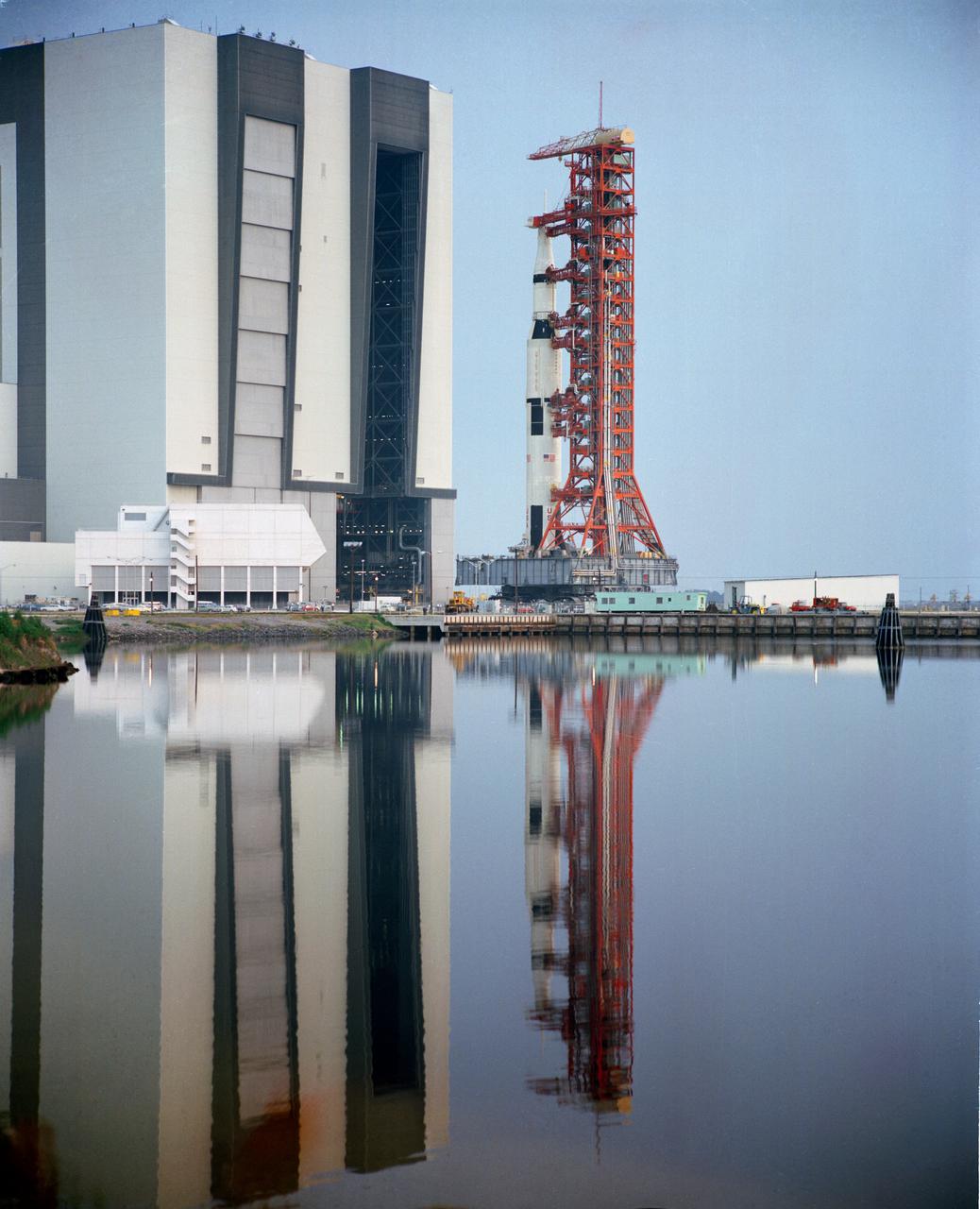
S71-33786 (11 May 1971) --- The 363-feet tall Apollo (Spacecraft 112/Lunar Module 10/Saturn 510) space vehicle which leaves the Vehicle Assembly Building (VAB) to Pad A, Launch Complex 39, Kennedy Space Center (KSC). The Saturn V stack and its mobile launch tower are atop a huge crawler-transporter. Apollo 15 is scheduled as the fourth manned lunar landing mission by the National Aeronautics and Space Administration (NASA) and is scheduled to lift off on July 26, 1971. The crew men will be astronauts David R. Scott, commander; Alfred M. Worden, command module pilot; and James B. Irwin, lunar module pilot. While astronaut Scott and Irwin will descend in the Lunar Module (LM) to explore the moon, astronaut Worden will remain with the Command and Service Modules (CSM) in lunar orbit.
![Teams encapsulate NASA’s R5-S7 (Realizing Rapid, Reduced-cost high-Risk Research project Spacecraft 7) CubeSat inside a SpaceX Falcon 9 payload fairing along with several other satellites at Vandenberg Space Force Base in California at [TIME, DAY, DATE], as part of the company’s Transporter-15 mission. The latest in a series of spacecraft, R5-S7 will explore ways to get multiple technology prototypes into low Earth orbit rapidly and at a low cost, accelerating the demonstration of these technologies in orbit and allowing engineers and scientists to more quickly prove them and make them available to NASA missions and other users. Launch of SpaceX’s Transporter-15 mission, carrying R5-S7, is scheduled for 10:18 a.m. PST Wednesday, Nov. 26, 2025, from Vandenberg’s Space Launch Complex 4 East.](https://images-assets.nasa.gov/image/KSC-20251126-PH-SPX01_0001/KSC-20251126-PH-SPX01_0001~large.jpg)
Teams encapsulate NASA’s R5-S7 (Realizing Rapid, Reduced-cost high-Risk Research project Spacecraft 7) CubeSat inside a SpaceX Falcon 9 payload fairing along with several other satellites at Vandenberg Space Force Base in California at [TIME, DAY, DATE], as part of the company’s Transporter-15 mission. The latest in a series of spacecraft, R5-S7 will explore ways to get multiple technology prototypes into low Earth orbit rapidly and at a low cost, accelerating the demonstration of these technologies in orbit and allowing engineers and scientists to more quickly prove them and make them available to NASA missions and other users. Launch of SpaceX’s Transporter-15 mission, carrying R5-S7, is scheduled for 10:18 a.m. PST Wednesday, Nov. 26, 2025, from Vandenberg’s Space Launch Complex 4 East.
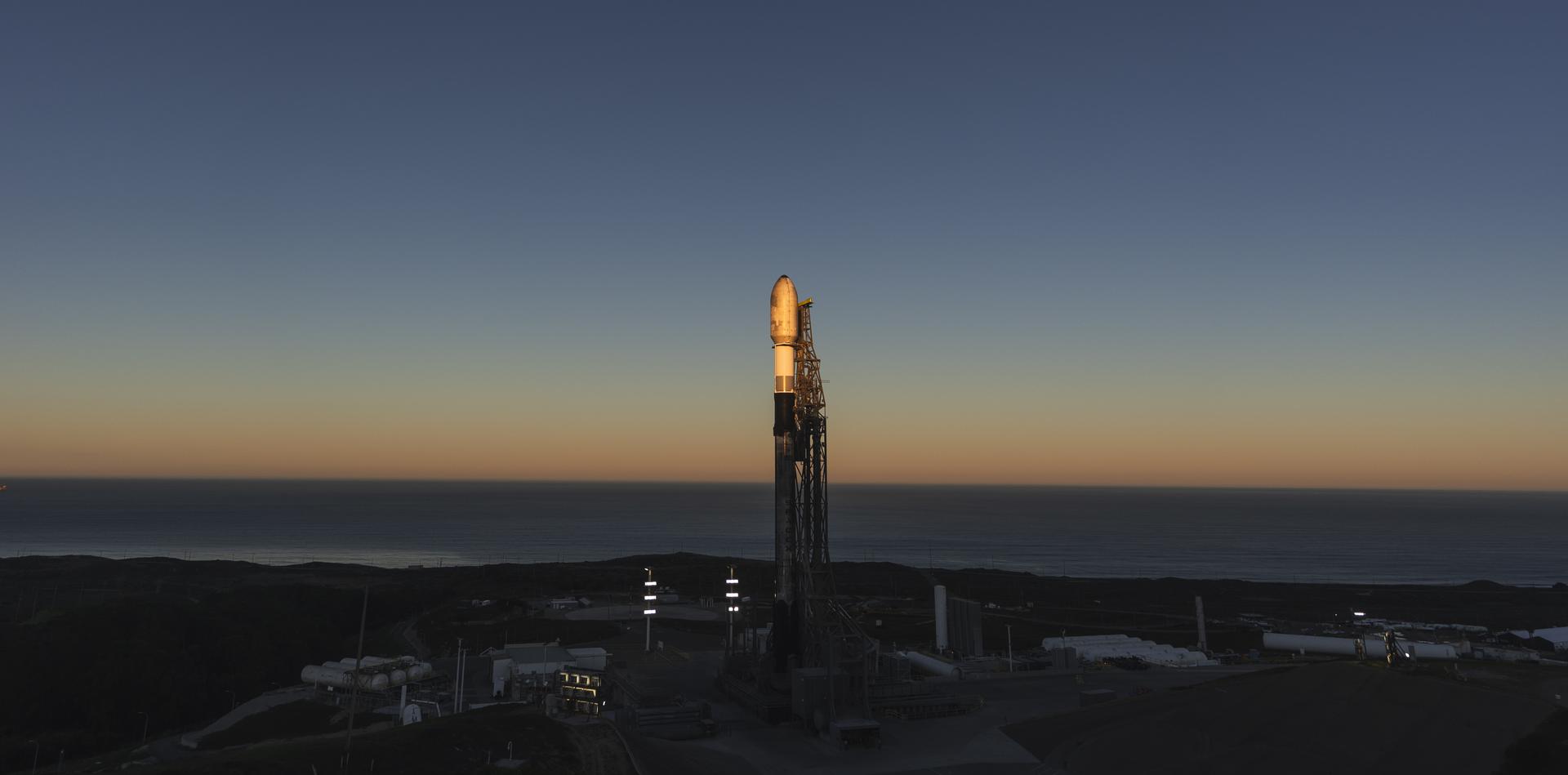
A SpaceX Falcon 9 rocket carrying NASA’s R5-S7 (Realizing Rapid, Reduced-cost high-Risk Research project Spacecraft 7) CubeSat along with several other satellites as part of the company’s Transporter-15 mission stands vertical on the launch pad of Space Launch Complex 4 East at Vandenberg Space Force Base in California on Wednesday, Nov. 26, 2025. The latest in a series of spacecraft, R5-S7 will explore ways to get multiple technology prototypes into low Earth orbit rapidly and at a low cost, accelerating the demonstration of these technologies in orbit and allowing engineers and scientists to more quickly prove them and make them available to NASA missions and other users.
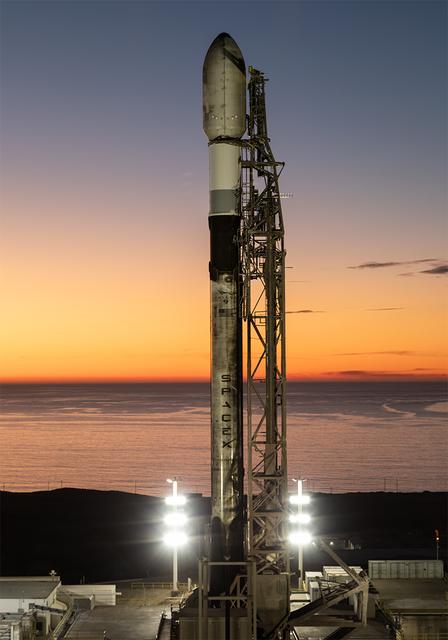
A SpaceX Falcon 9 rocket carrying NASA’s R5-S7 (Realizing Rapid, Reduced-cost high-Risk Research project Spacecraft 7) CubeSat along with several other satellites as part of the company’s Transporter-15 mission stands vertical on the launch pad of Space Launch Complex 4 East at Vandenberg Space Force Base in California on Thursday, Nov. 27, 2025. The latest in a series of spacecraft, R5-S7 will explore ways to get multiple technology prototypes into low Earth orbit rapidly and at a low cost, accelerating the demonstration of these technologies in orbit and allowing engineers and scientists to more quickly prove them and make them available to NASA missions and other users.
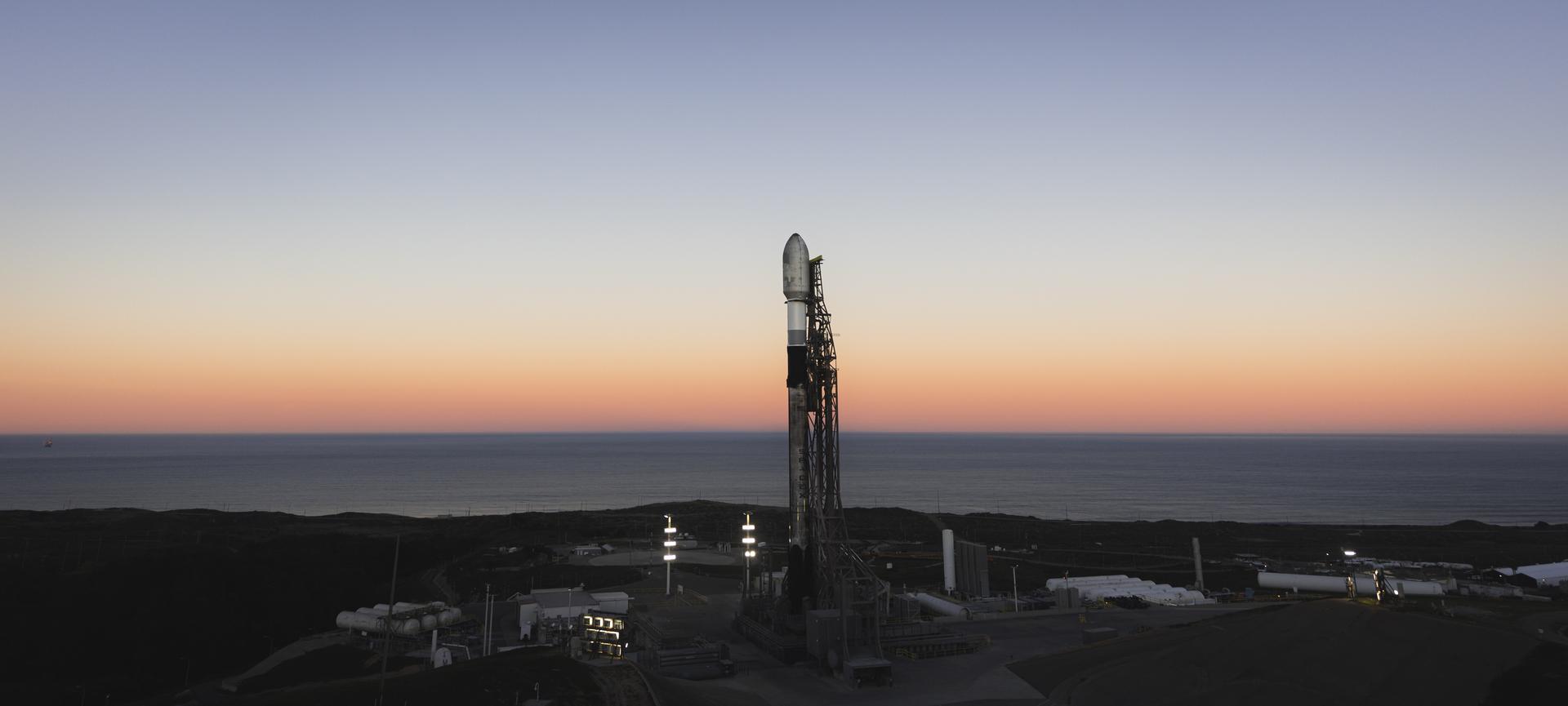
A SpaceX Falcon 9 rocket carrying NASA’s R5-S7 (Realizing Rapid, Reduced-cost high-Risk Research project Spacecraft 7) CubeSat along with several other satellites as part of the company’s Transporter-15 mission stands vertical on the launch pad of Space Launch Complex 4 East at Vandenberg Space Force Base in California on Wednesday, Nov. 26, 2025. The latest in a series of spacecraft, R5-S7 will explore ways to get multiple technology prototypes into low Earth orbit rapidly and at a low cost, accelerating the demonstration of these technologies in orbit and allowing engineers and scientists to more quickly prove them and make them available to NASA missions and other users.
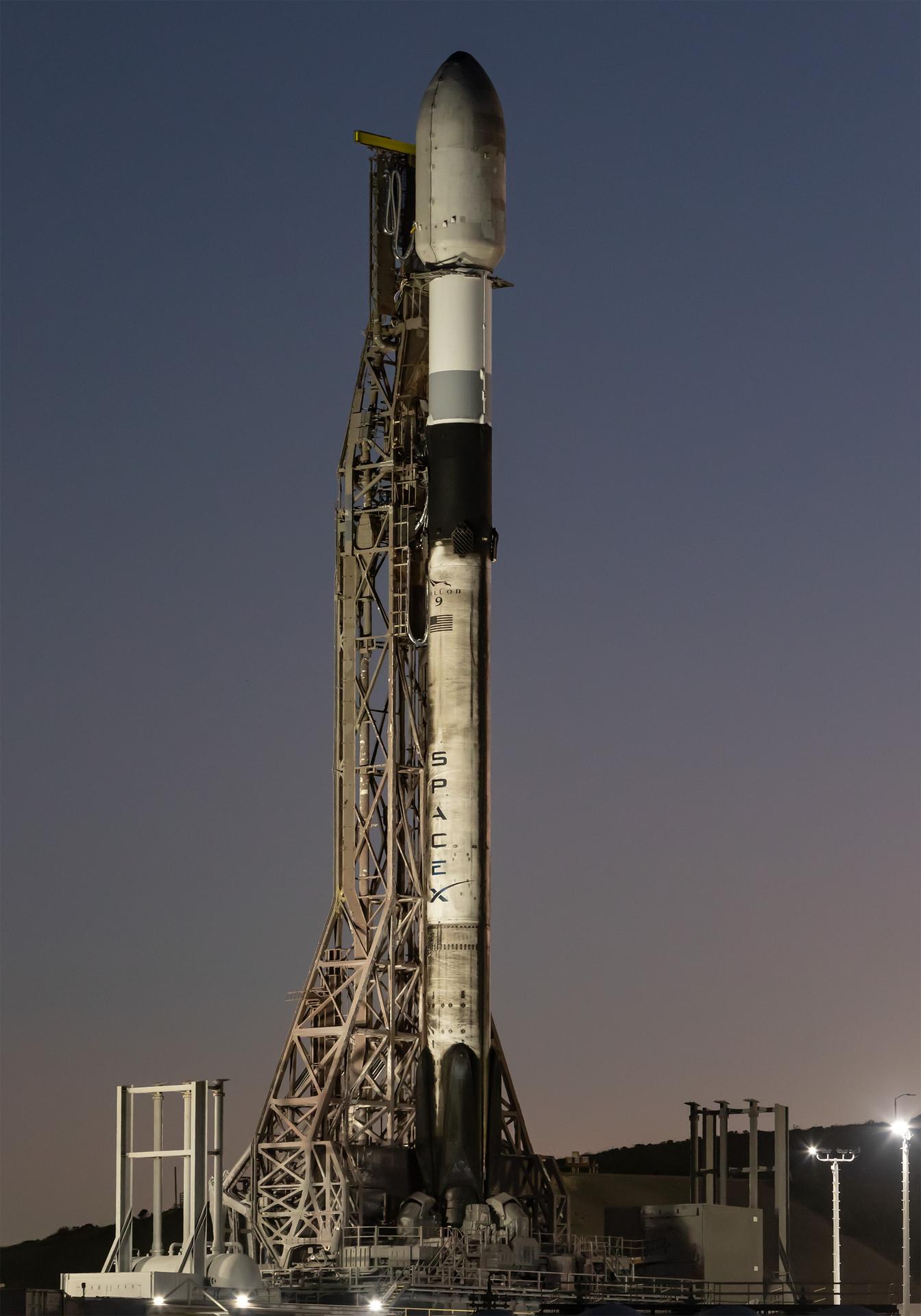
A SpaceX Falcon 9 rocket carrying NASA’s R5-S7 (Realizing Rapid, Reduced-cost high-Risk Research project Spacecraft 7) CubeSat along with several other satellites as part of the company’s Transporter-15 mission stands vertical on the launch pad of Space Launch Complex 4 East at Vandenberg Space Force Base in California on Wednesday, Nov. 26, 2025. The latest in a series of spacecraft, R5-S7 will explore ways to get multiple technology prototypes into low Earth orbit rapidly and at a low cost, accelerating the demonstration of these technologies in orbit and allowing engineers and scientists to more quickly prove them and make them available to NASA missions and other users.
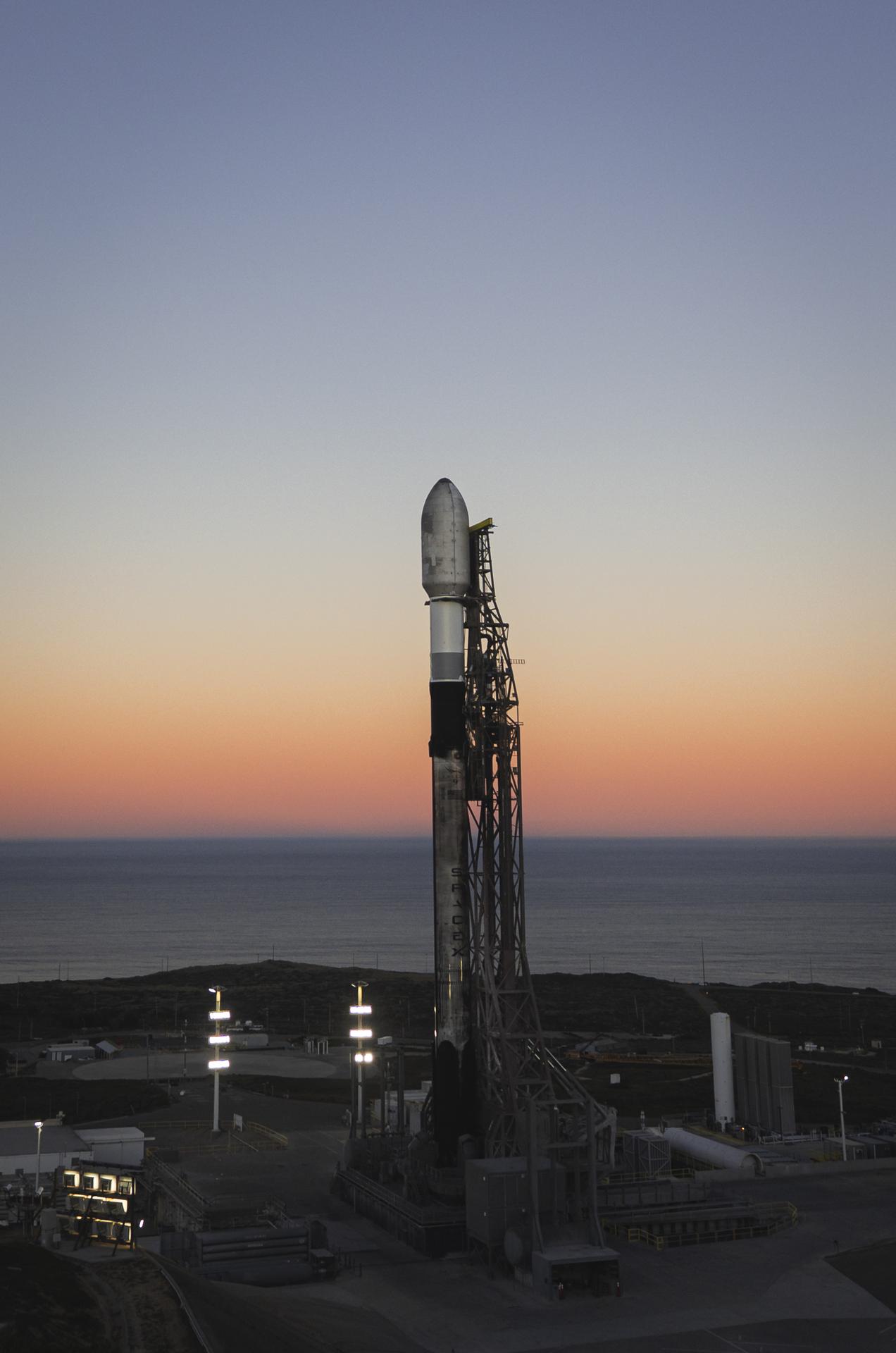
A SpaceX Falcon 9 rocket carrying NASA’s R5-S7 (Realizing Rapid, Reduced-cost high-Risk Research project Spacecraft 7) CubeSat along with several other satellites as part of the company’s Transporter-15 mission stands vertical on the launch pad of Space Launch Complex 4 East at Vandenberg Space Force Base in California on Wednesday, Nov. 26, 2025. The latest in a series of spacecraft, R5-S7 will explore ways to get multiple technology prototypes into low Earth orbit rapidly and at a low cost, accelerating the demonstration of these technologies in orbit and allowing engineers and scientists to more quickly prove them and make them available to NASA missions and other users.
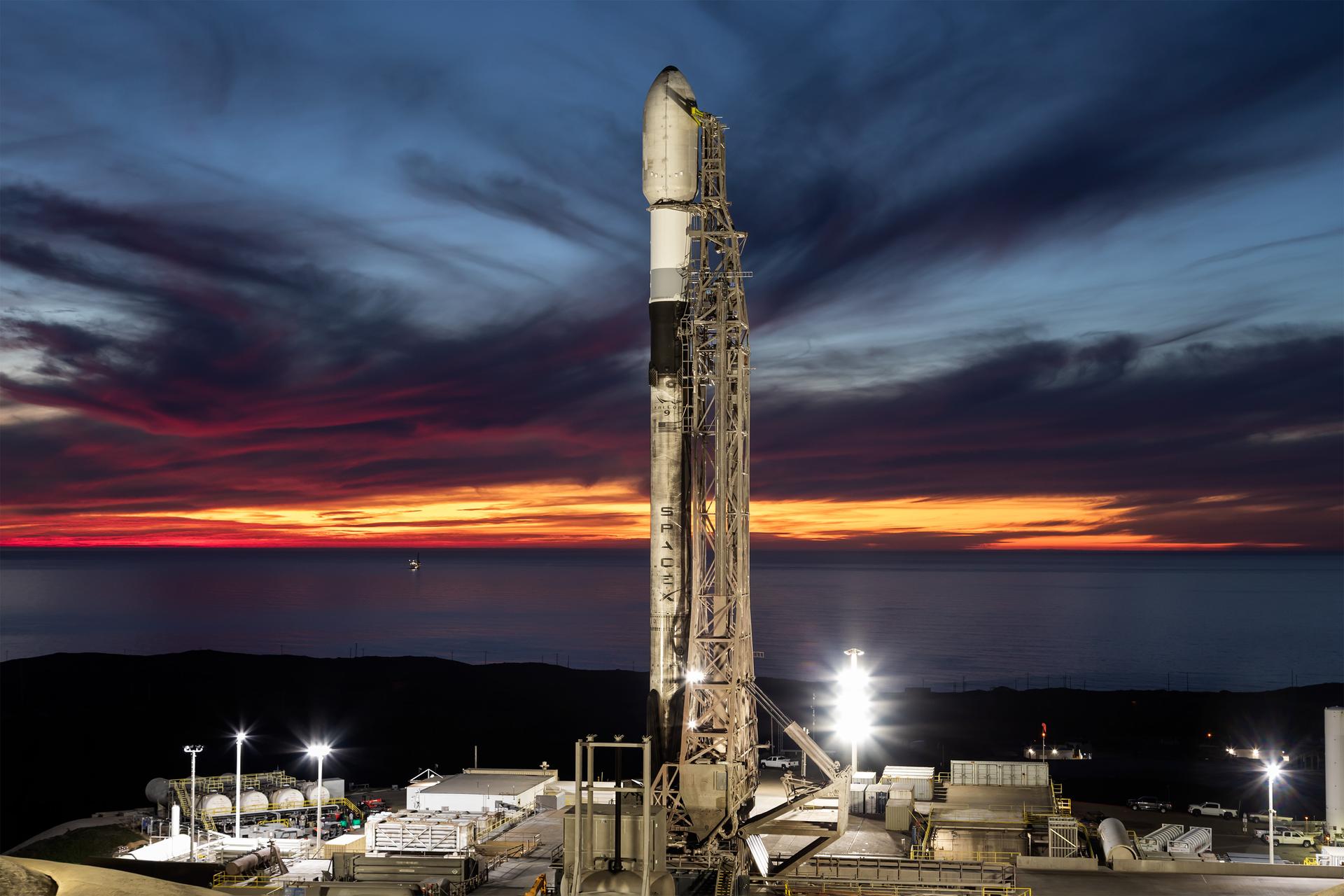
A SpaceX Falcon 9 rocket carrying NASA’s R5-S7 (Realizing Rapid, Reduced-cost high-Risk Research project Spacecraft 7) CubeSat along with several other satellites as part of the company’s Transporter-15 mission stands vertical on the launch pad of Space Launch Complex 4 East at Vandenberg Space Force Base in California on Thursday, Nov. 27, 2025. The latest in a series of spacecraft, R5-S7 will explore ways to get multiple technology prototypes into low Earth orbit rapidly and at a low cost, accelerating the demonstration of these technologies in orbit and allowing engineers and scientists to more quickly prove them and make them available to NASA missions and other users.
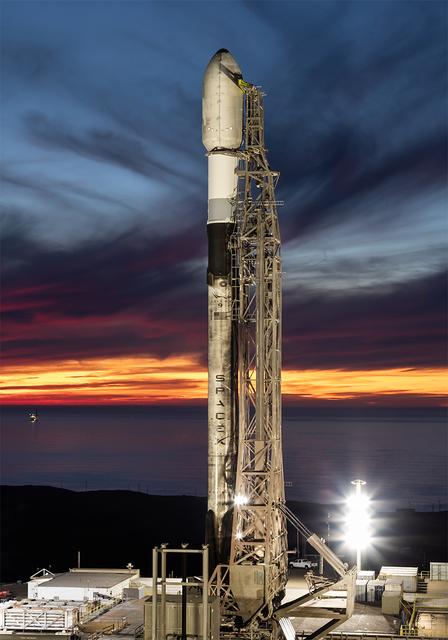
A SpaceX Falcon 9 rocket carrying NASA’s R5-S7 (Realizing Rapid, Reduced-cost high-Risk Research project Spacecraft 7) CubeSat along with several other satellites as part of the company’s Transporter-15 mission stands vertical on the launch pad of Space Launch Complex 4 East at Vandenberg Space Force Base in California on Thursday, Nov. 27, 2025. The latest in a series of spacecraft, R5-S7 will explore ways to get multiple technology prototypes into low Earth orbit rapidly and at a low cost, accelerating the demonstration of these technologies in orbit and allowing engineers and scientists to more quickly prove them and make them available to NASA missions and other users.
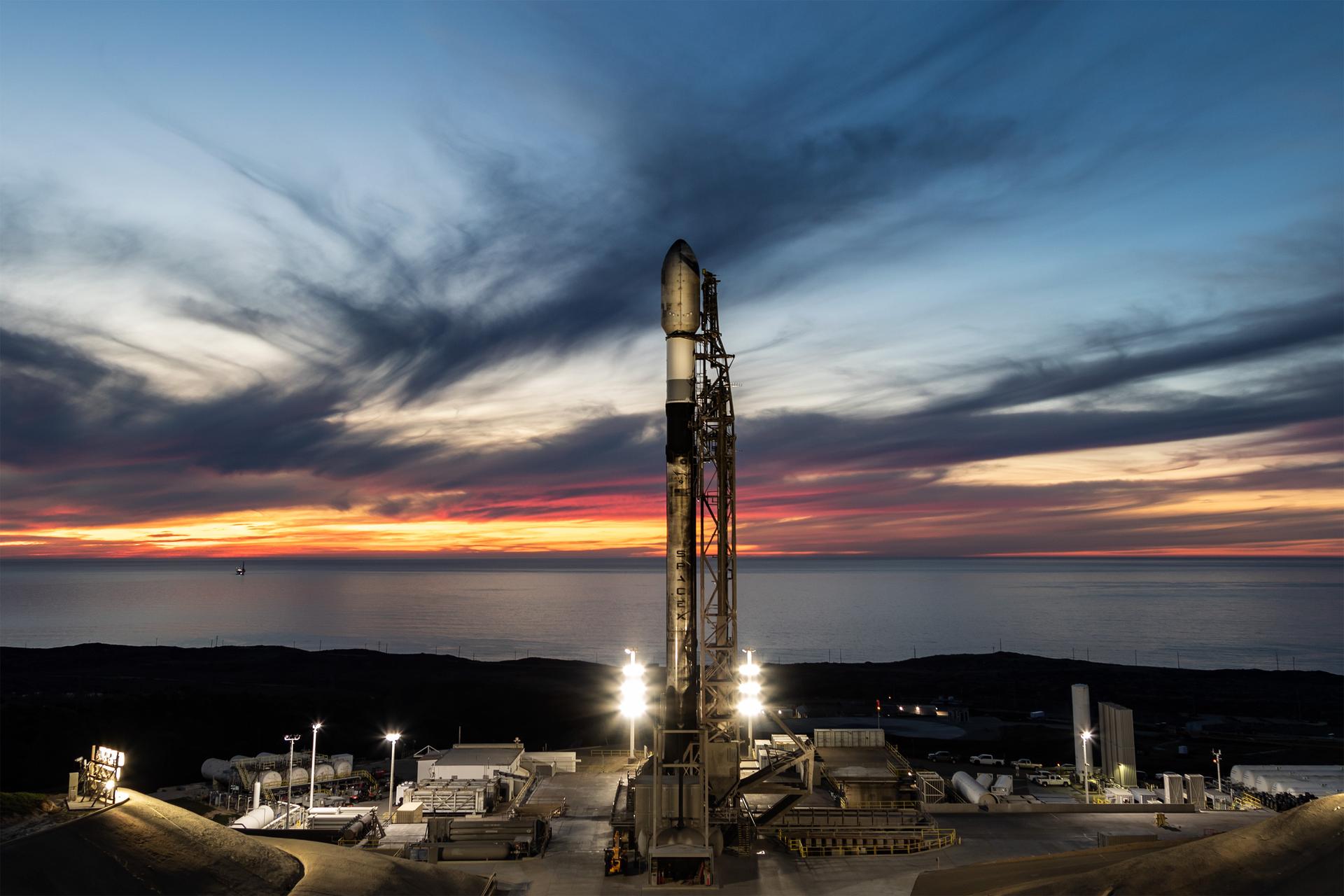
A SpaceX Falcon 9 rocket carrying NASA’s R5-S7 (Realizing Rapid, Reduced-cost high-Risk Research project Spacecraft 7) CubeSat along with several other satellites as part of the company’s Transporter-15 mission stands vertical on the launch pad of Space Launch Complex 4 East at Vandenberg Space Force Base in California on Thursday, Nov. 27, 2025. The latest in a series of spacecraft, R5-S7 will explore ways to get multiple technology prototypes into low Earth orbit rapidly and at a low cost, accelerating the demonstration of these technologies in orbit and allowing engineers and scientists to more quickly prove them and make them available to NASA missions and other users.
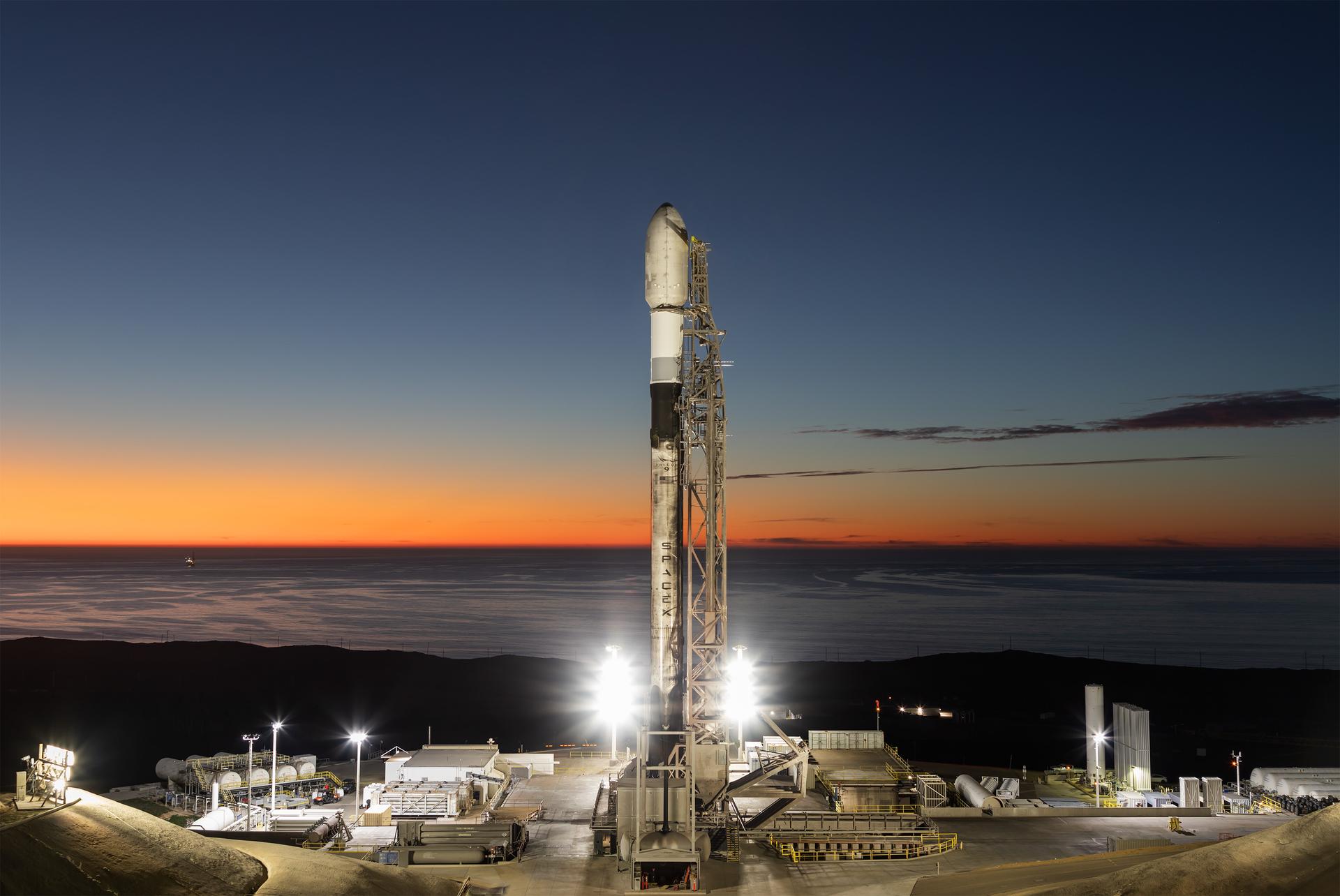
A SpaceX Falcon 9 rocket carrying NASA’s R5-S7 (Realizing Rapid, Reduced-cost high-Risk Research project Spacecraft 7) CubeSat along with several other satellites as part of the company’s Transporter-15 mission stands vertical on the launch pad of Space Launch Complex 4 East at Vandenberg Space Force Base in California on Thursday, Nov. 27, 2025. The latest in a series of spacecraft, R5-S7 will explore ways to get multiple technology prototypes into low Earth orbit rapidly and at a low cost, accelerating the demonstration of these technologies in orbit and allowing engineers and scientists to more quickly prove them and make them available to NASA missions and other users.
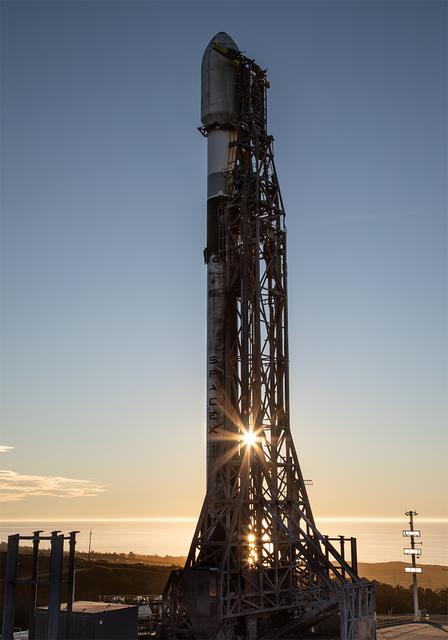
A SpaceX Falcon 9 rocket carrying NASA’s R5-S7 (Realizing Rapid, Reduced-cost high-Risk Research project Spacecraft 7) CubeSat along with several other satellites as part of the company’s Transporter-15 mission stands vertical on the launch pad of Space Launch Complex 4 East at Vandenberg Space Force Base in California on Thursday, Nov. 27, 2025. The latest in a series of spacecraft, R5-S7 will explore ways to get multiple technology prototypes into low Earth orbit rapidly and at a low cost, accelerating the demonstration of these technologies in orbit and allowing engineers and scientists to more quickly prove them and make them available to NASA missions and other users.

A SpaceX Falcon 9 rocket carrying NASA’s R5-S7 (Realizing Rapid, Reduced-cost high-Risk Research project Spacecraft 7) CubeSat along with several other satellites as part of the company’s Transporter-15 mission lifts off from Space Launch Complex 4 East at Vandenberg Space Force Base in California at 10:44 a.m. PST Friday, Nov. 28, 2025. The latest in a series of spacecraft, R5-S7 will explore ways to get multiple technology prototypes into low Earth orbit rapidly and at a low cost, accelerating the demonstration of these technologies in orbit and allowing engineers and scientists to more quickly prove them and make them available to NASA missions and other users.
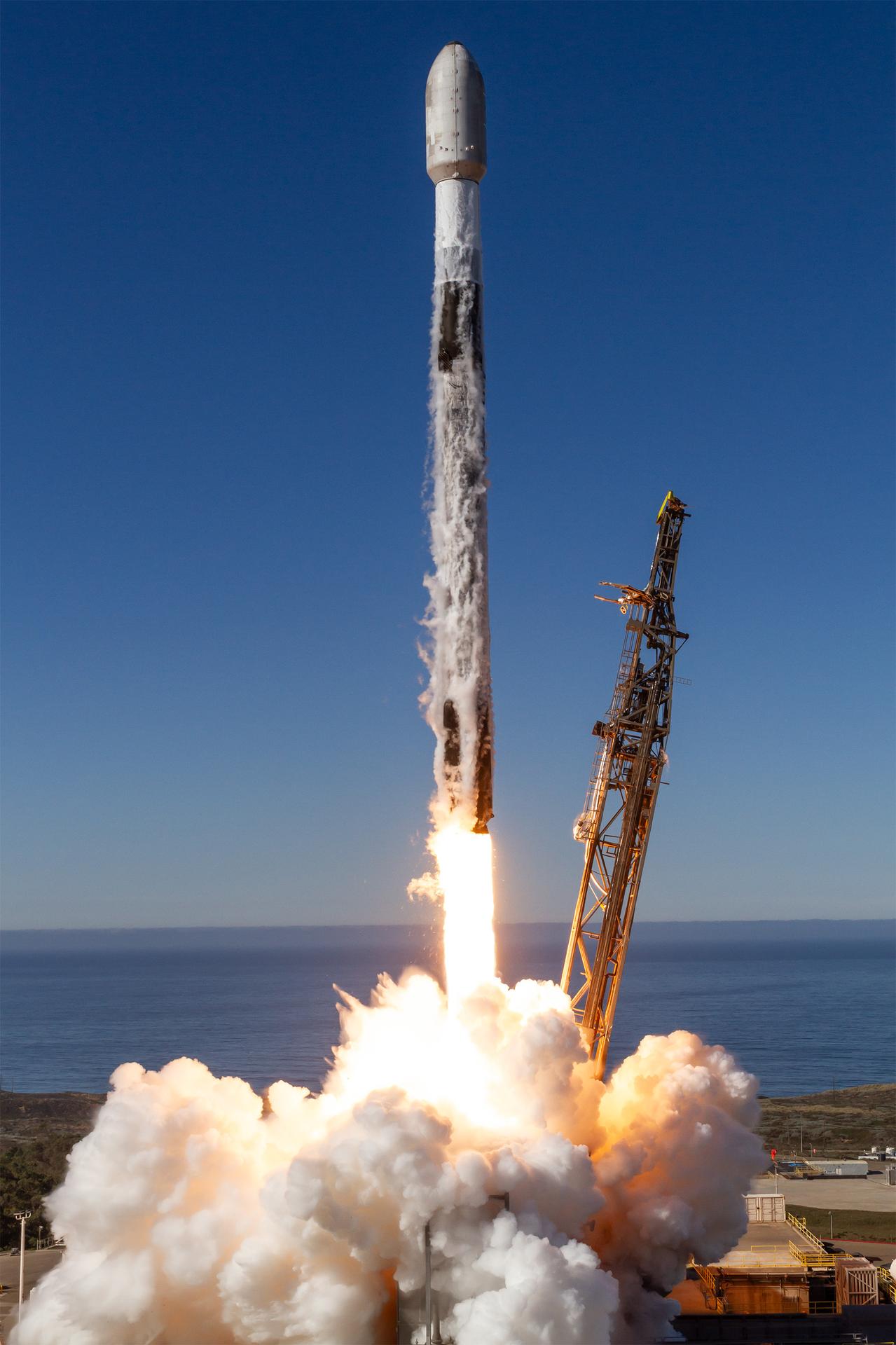
A SpaceX Falcon 9 rocket carrying NASA’s R5-S7 (Realizing Rapid, Reduced-cost high-Risk Research project Spacecraft 7) CubeSat along with several other satellites as part of the company’s Transporter-15 mission lifts off from Space Launch Complex 4 East at Vandenberg Space Force Base in California at 10:44 a.m. PST Friday, Nov. 28, 2025. The latest in a series of spacecraft, R5-S7 will explore ways to get multiple technology prototypes into low Earth orbit rapidly and at a low cost, accelerating the demonstration of these technologies in orbit and allowing engineers and scientists to more quickly prove them and make them available to NASA missions and other users.

A SpaceX Falcon 9 rocket carrying NASA’s R5-S7 (Realizing Rapid, Reduced-cost high-Risk Research project Spacecraft 7) CubeSat along with several other satellites as part of the company’s Transporter-15 mission lifts off from Space Launch Complex 4 East at Vandenberg Space Force Base in California at 10:44 a.m. PST Friday, Nov. 28, 2025. The latest in a series of spacecraft, R5-S7 will explore ways to get multiple technology prototypes into low Earth orbit rapidly and at a low cost, accelerating the demonstration of these technologies in orbit and allowing engineers and scientists to more quickly prove them and make them available to NASA missions and other users.
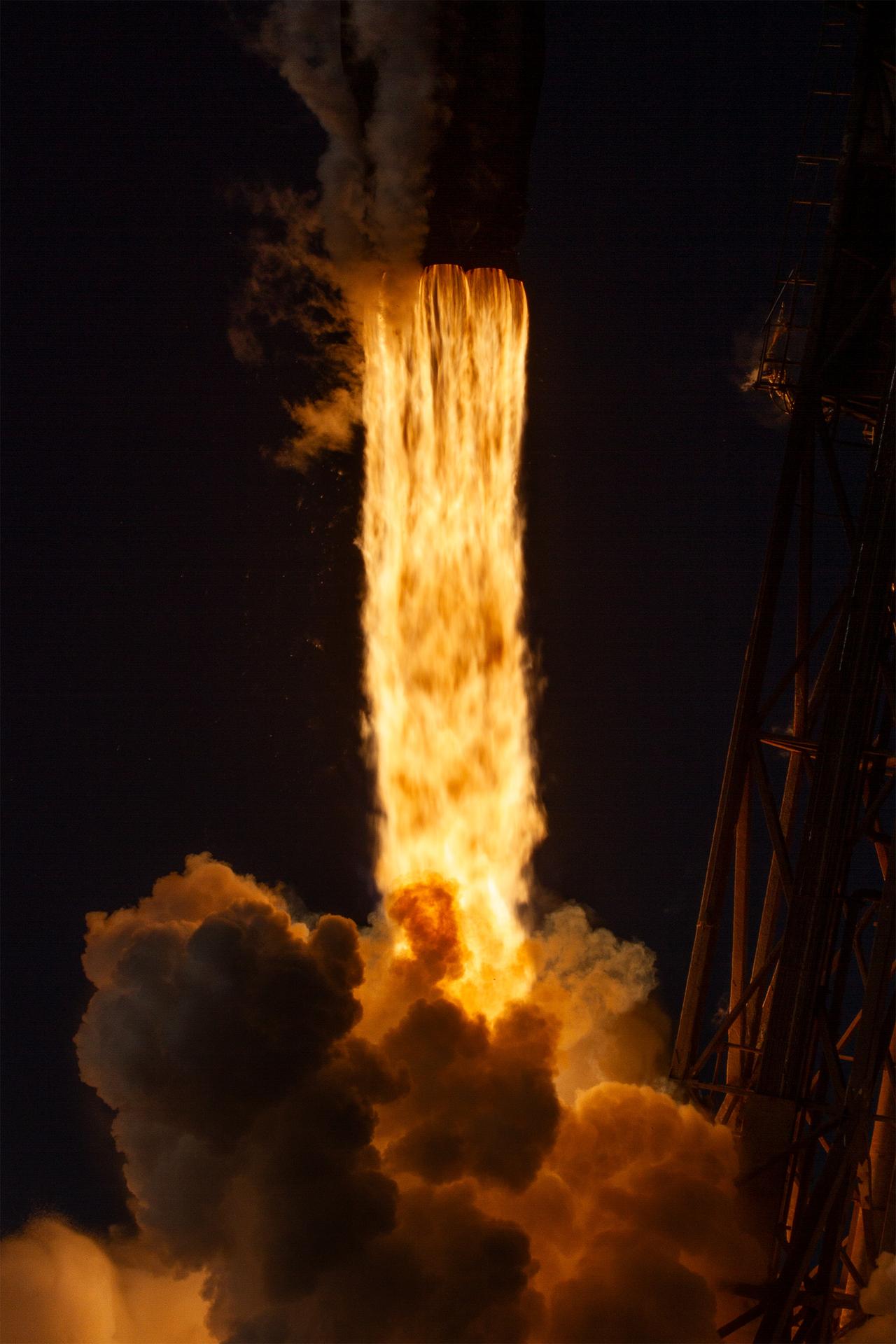
A SpaceX Falcon 9 rocket carrying NASA’s R5-S7 (Realizing Rapid, Reduced-cost high-Risk Research project Spacecraft 7) CubeSat along with several other satellites as part of the company’s Transporter-15 mission lifts off from Space Launch Complex 4 East at Vandenberg Space Force Base in California at 10:44 a.m. PST Friday, Nov. 28, 2025. The latest in a series of spacecraft, R5-S7 will explore ways to get multiple technology prototypes into low Earth orbit rapidly and at a low cost, accelerating the demonstration of these technologies in orbit and allowing engineers and scientists to more quickly prove them and make them available to NASA missions and other users.
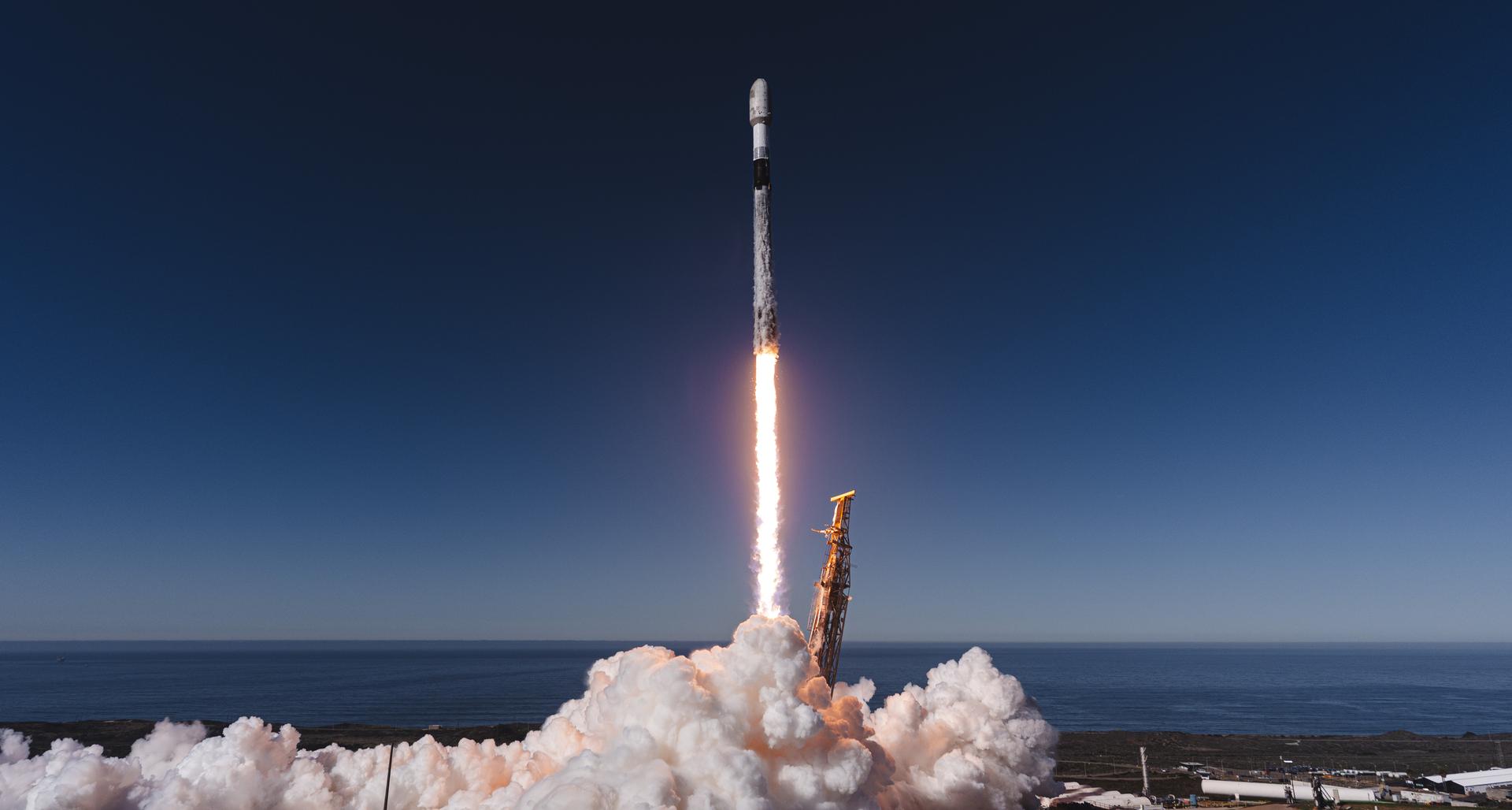
A SpaceX Falcon 9 rocket carrying NASA’s R5-S7 (Realizing Rapid, Reduced-cost high-Risk Research project Spacecraft 7) CubeSat along with several other satellites as part of the company’s Transporter-15 mission lifts off from Space Launch Complex 4 East at Vandenberg Space Force Base in California at 10:44 a.m. PST Friday, Nov. 28, 2025. The latest in a series of spacecraft, R5-S7 will explore ways to get multiple technology prototypes into low Earth orbit rapidly and at a low cost, accelerating the demonstration of these technologies in orbit and allowing engineers and scientists to more quickly prove them and make them available to NASA missions and other users.
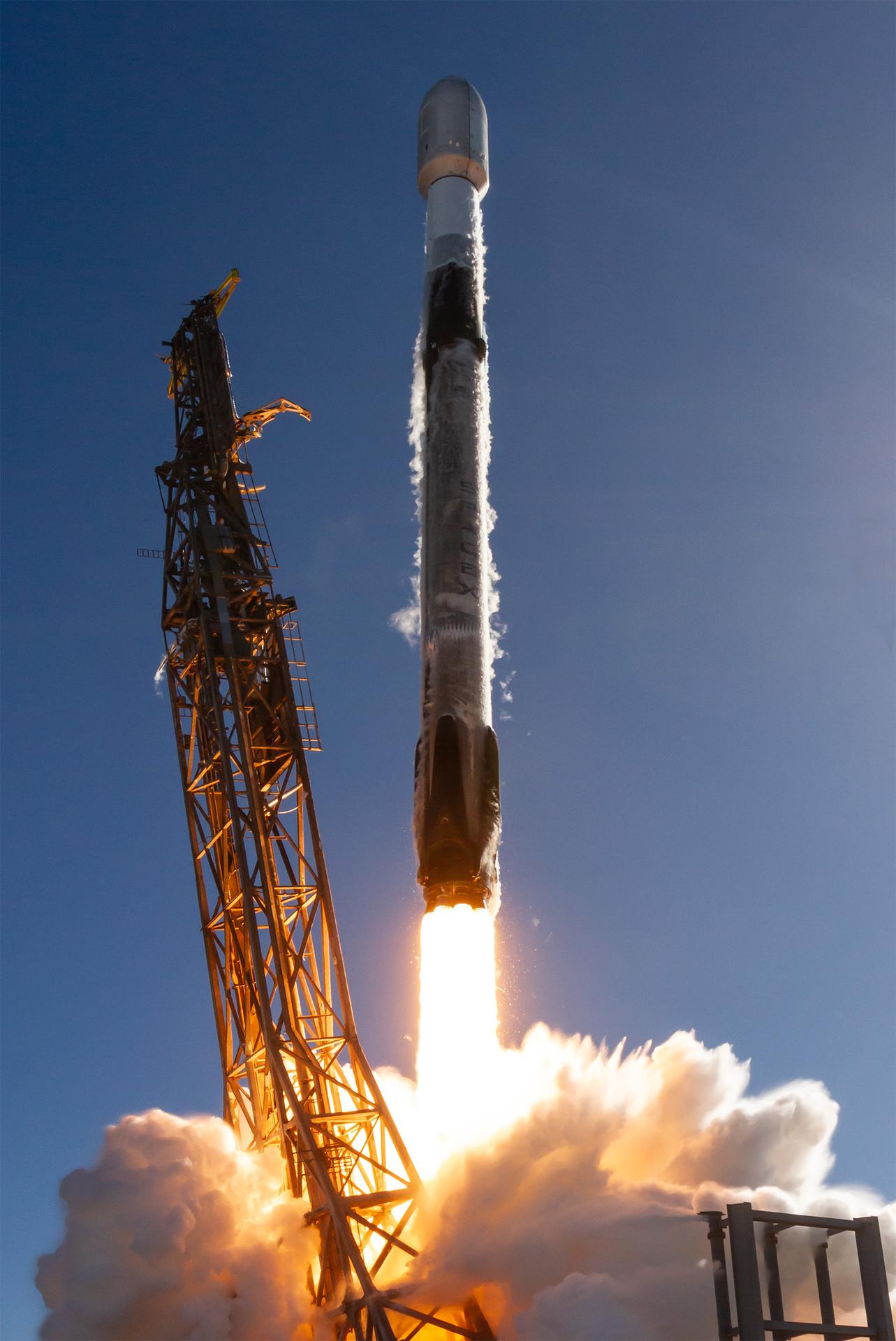
A SpaceX Falcon 9 rocket carrying NASA’s R5-S7 (Realizing Rapid, Reduced-cost high-Risk Research project Spacecraft 7) CubeSat along with several other satellites as part of the company’s Transporter-15 mission lifts off from Space Launch Complex 4 East at Vandenberg Space Force Base in California at 10:44 a.m. PST Friday, Nov. 28, 2025. The latest in a series of spacecraft, R5-S7 will explore ways to get multiple technology prototypes into low Earth orbit rapidly and at a low cost, accelerating the demonstration of these technologies in orbit and allowing engineers and scientists to more quickly prove them and make them available to NASA missions and other users.
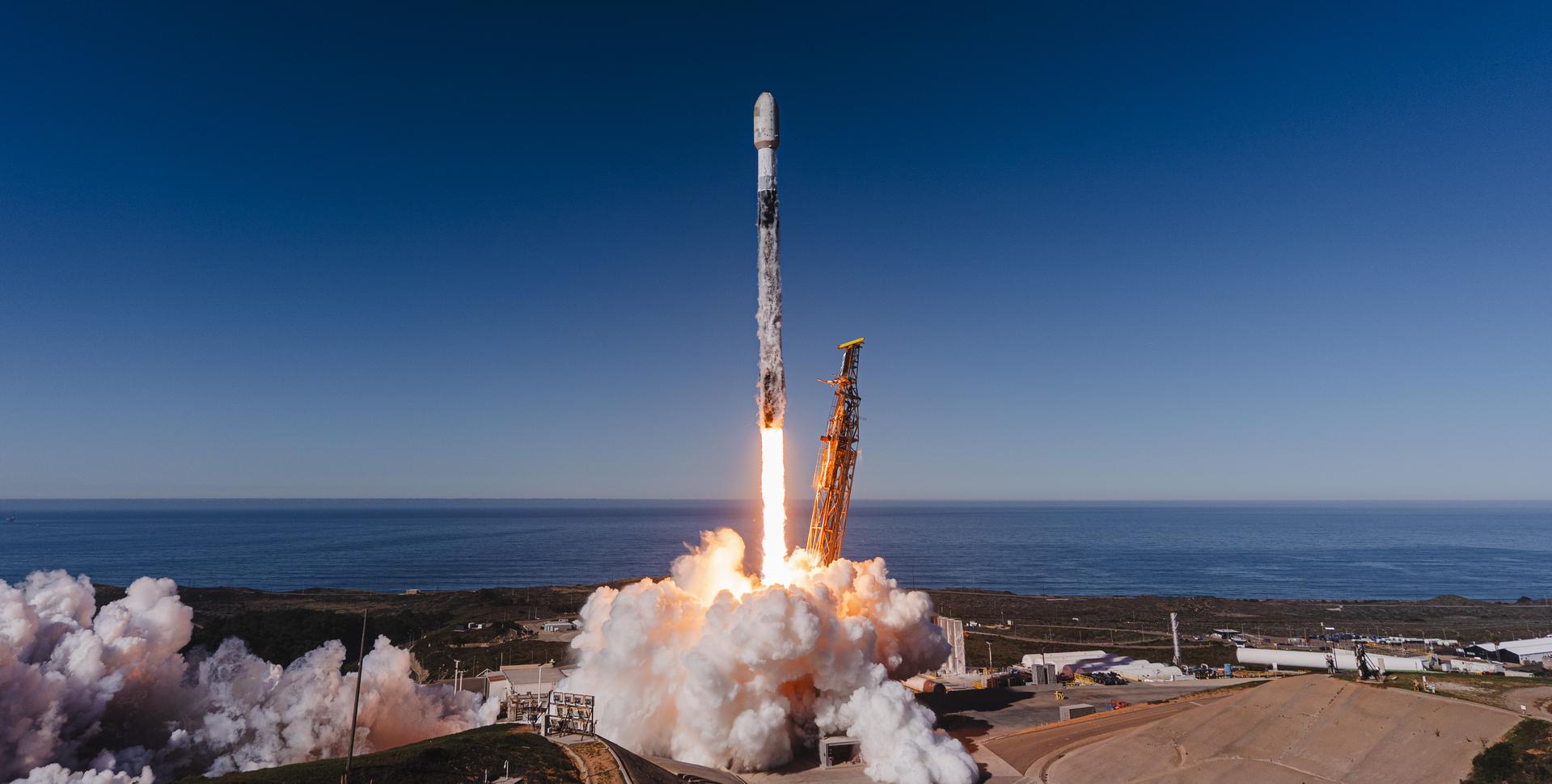
A SpaceX Falcon 9 rocket carrying NASA’s R5-S7 (Realizing Rapid, Reduced-cost high-Risk Research project Spacecraft 7) CubeSat along with several other satellites as part of the company’s Transporter-15 mission lifts off from Space Launch Complex 4 East at Vandenberg Space Force Base in California at 10:44 a.m. PST Friday, Nov. 28, 2025. The latest in a series of spacecraft, R5-S7 will explore ways to get multiple technology prototypes into low Earth orbit rapidly and at a low cost, accelerating the demonstration of these technologies in orbit and allowing engineers and scientists to more quickly prove them and make them available to NASA missions and other users.
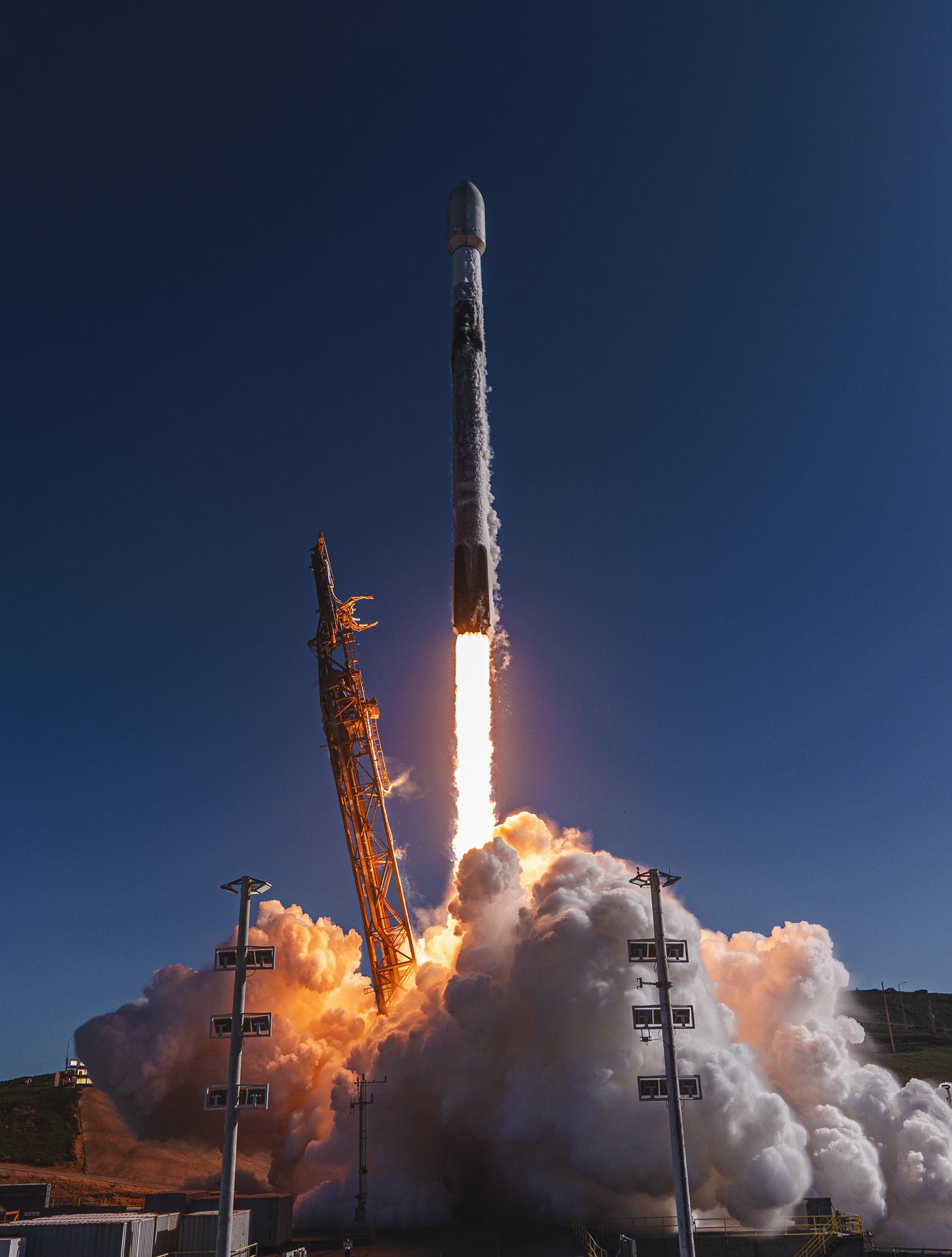
A SpaceX Falcon 9 rocket carrying NASA’s R5-S7 (Realizing Rapid, Reduced-cost high-Risk Research project Spacecraft 7) CubeSat along with several other satellites as part of the company’s Transporter-15 mission lifts off from Space Launch Complex 4 East at Vandenberg Space Force Base in California at 10:44 a.m. PST Friday, Nov. 28, 2025. The latest in a series of spacecraft, R5-S7 will explore ways to get multiple technology prototypes into low Earth orbit rapidly and at a low cost, accelerating the demonstration of these technologies in orbit and allowing engineers and scientists to more quickly prove them and make them available to NASA missions and other users.
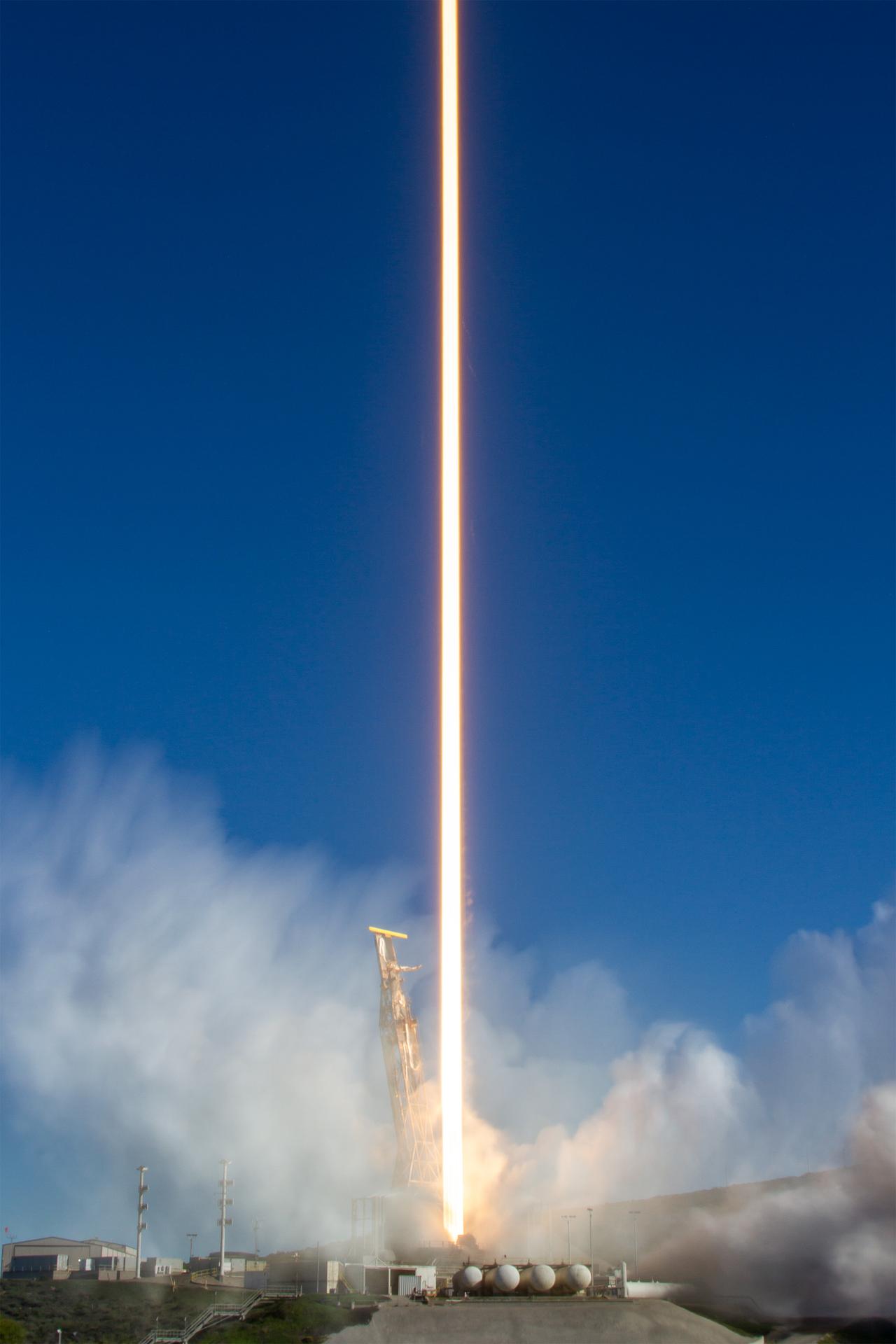
A SpaceX Falcon 9 rocket carrying NASA’s R5-S7 (Realizing Rapid, Reduced-cost high-Risk Research project Spacecraft 7) CubeSat along with several other satellites as part of the company’s Transporter-15 mission lifts off from Space Launch Complex 4 East at Vandenberg Space Force Base in California at 10:44 a.m. PST Friday, Nov. 28, 2025. The latest in a series of spacecraft, R5-S7 will explore ways to get multiple technology prototypes into low Earth orbit rapidly and at a low cost, accelerating the demonstration of these technologies in orbit and allowing engineers and scientists to more quickly prove them and make them available to NASA missions and other users.
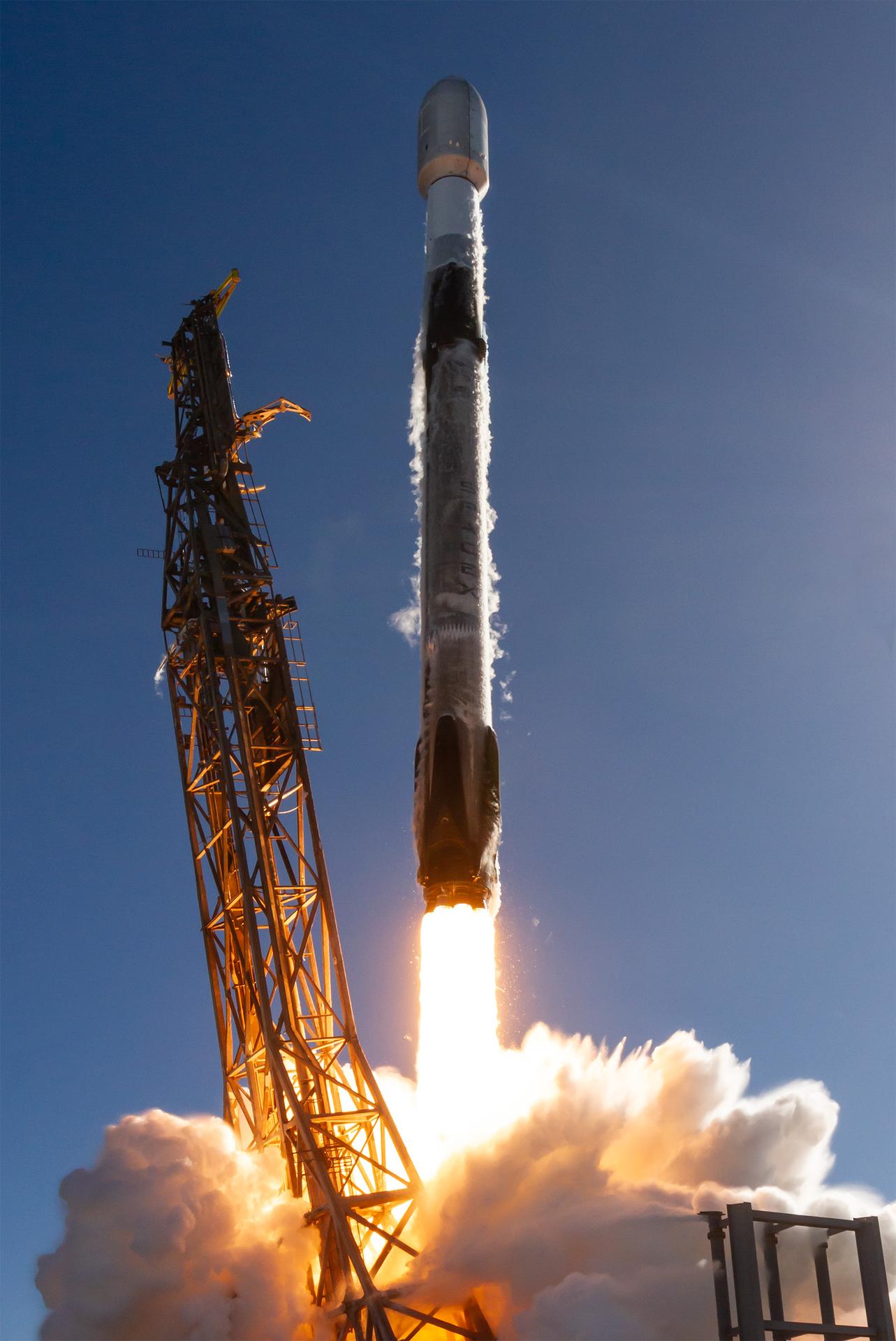
A SpaceX Falcon 9 rocket carrying NASA’s R5-S7 (Realizing Rapid, Reduced-cost high-Risk Research project Spacecraft 7) CubeSat along with several other satellites as part of the company’s Transporter-15 mission lifts off from Space Launch Complex 4 East at Vandenberg Space Force Base in California at 10:44 a.m. PST Friday, Nov. 28, 2025. The latest in a series of spacecraft, R5-S7 will explore ways to get multiple technology prototypes into low Earth orbit rapidly and at a low cost, accelerating the demonstration of these technologies in orbit and allowing engineers and scientists to more quickly prove them and make them available to NASA missions and other users.
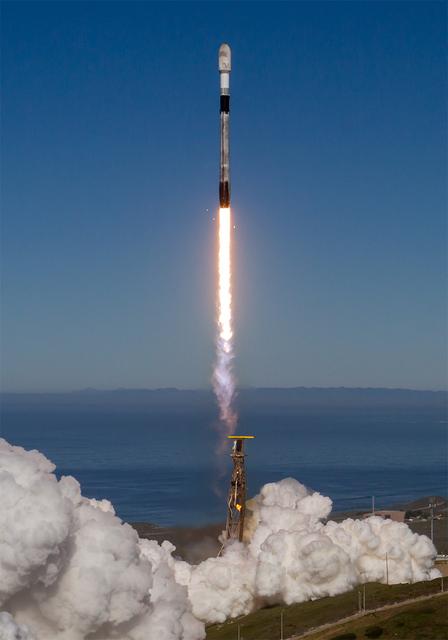
A SpaceX Falcon 9 rocket carrying NASA’s R5-S7 (Realizing Rapid, Reduced-cost high-Risk Research project Spacecraft 7) CubeSat along with several other satellites as part of the company’s Transporter-15 mission lifts off from Space Launch Complex 4 East at Vandenberg Space Force Base in California at 10:44 a.m. PST Friday, Nov. 28, 2025. The latest in a series of spacecraft, R5-S7 will explore ways to get multiple technology prototypes into low Earth orbit rapidly and at a low cost, accelerating the demonstration of these technologies in orbit and allowing engineers and scientists to more quickly prove them and make them available to NASA missions and other users.
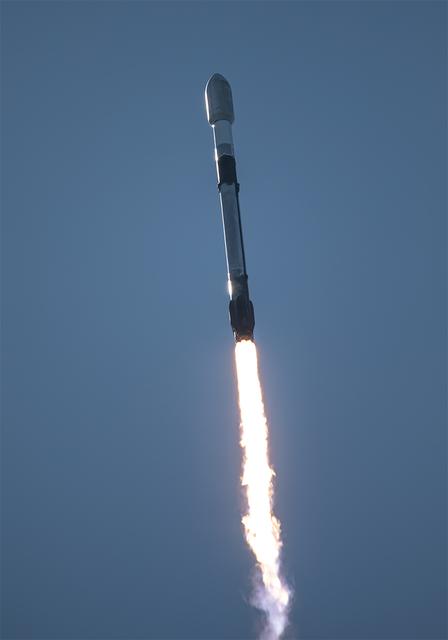
A SpaceX Falcon 9 rocket carrying NASA’s R5-S7 (Realizing Rapid, Reduced-cost high-Risk Research project Spacecraft 7) CubeSat along with several other satellites as part of the company’s Transporter-15 mission lifts off from Space Launch Complex 4 East at Vandenberg Space Force Base in California at 10:44 a.m. PST Friday, Nov. 28, 2025. The latest in a series of spacecraft, R5-S7 will explore ways to get multiple technology prototypes into low Earth orbit rapidly and at a low cost, accelerating the demonstration of these technologies in orbit and allowing engineers and scientists to more quickly prove them and make them available to NASA missions and other users.
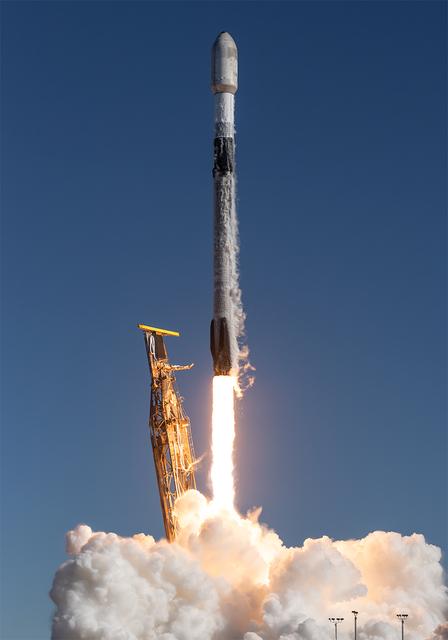
A SpaceX Falcon 9 rocket carrying NASA’s R5-S7 (Realizing Rapid, Reduced-cost high-Risk Research project Spacecraft 7) CubeSat along with several other satellites as part of the company’s Transporter-15 mission lifts off from Space Launch Complex 4 East at Vandenberg Space Force Base in California at 10:44 a.m. PST Friday, Nov. 28, 2025. The latest in a series of spacecraft, R5-S7 will explore ways to get multiple technology prototypes into low Earth orbit rapidly and at a low cost, accelerating the demonstration of these technologies in orbit and allowing engineers and scientists to more quickly prove them and make them available to NASA missions and other users.
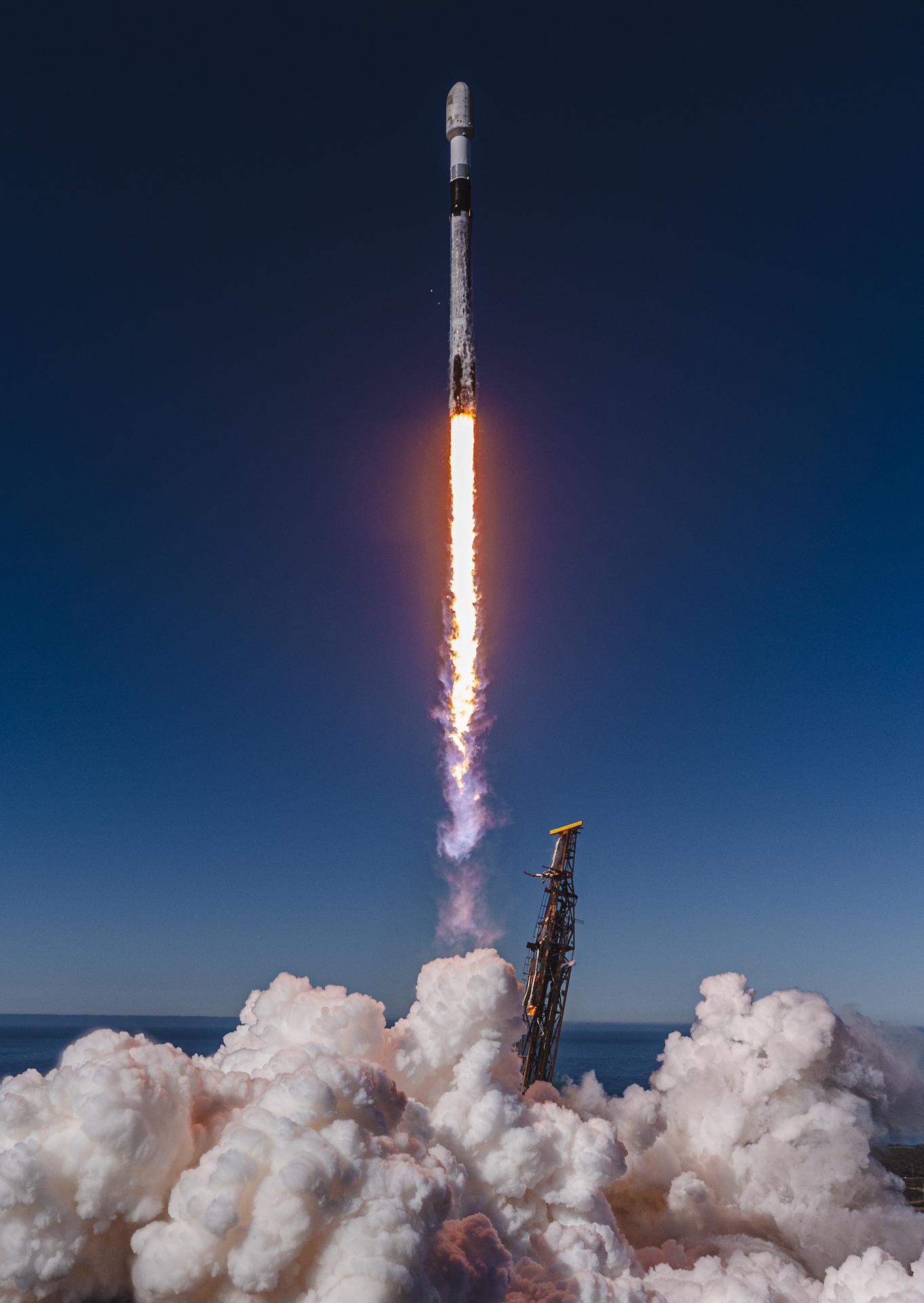
A SpaceX Falcon 9 rocket carrying NASA’s R5-S7 (Realizing Rapid, Reduced-cost high-Risk Research project Spacecraft 7) CubeSat along with several other satellites as part of the company’s Transporter-15 mission lifts off from Space Launch Complex 4 East at Vandenberg Space Force Base in California at 10:44 a.m. PST Friday, Nov. 28, 2025. The latest in a series of spacecraft, R5-S7 will explore ways to get multiple technology prototypes into low Earth orbit rapidly and at a low cost, accelerating the demonstration of these technologies in orbit and allowing engineers and scientists to more quickly prove them and make them available to NASA missions and other users.
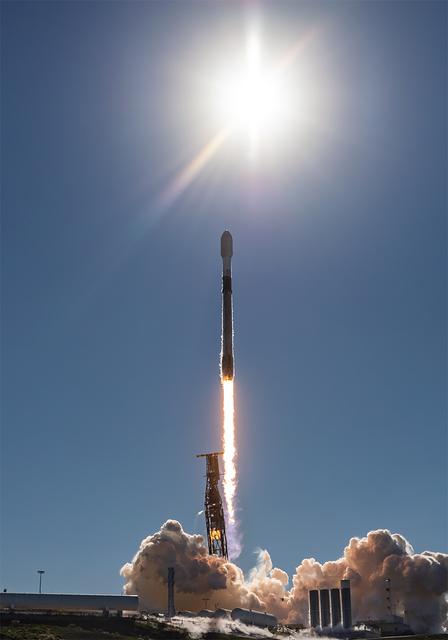
A SpaceX Falcon 9 rocket carrying NASA’s R5-S7 (Realizing Rapid, Reduced-cost high-Risk Research project Spacecraft 7) CubeSat along with several other satellites as part of the company’s Transporter-15 mission lifts off from Space Launch Complex 4 East at Vandenberg Space Force Base in California at 10:44 a.m. PST Friday, Nov. 28, 2025. The latest in a series of spacecraft, R5-S7 will explore ways to get multiple technology prototypes into low Earth orbit rapidly and at a low cost, accelerating the demonstration of these technologies in orbit and allowing engineers and scientists to more quickly prove them and make them available to NASA missions and other users.
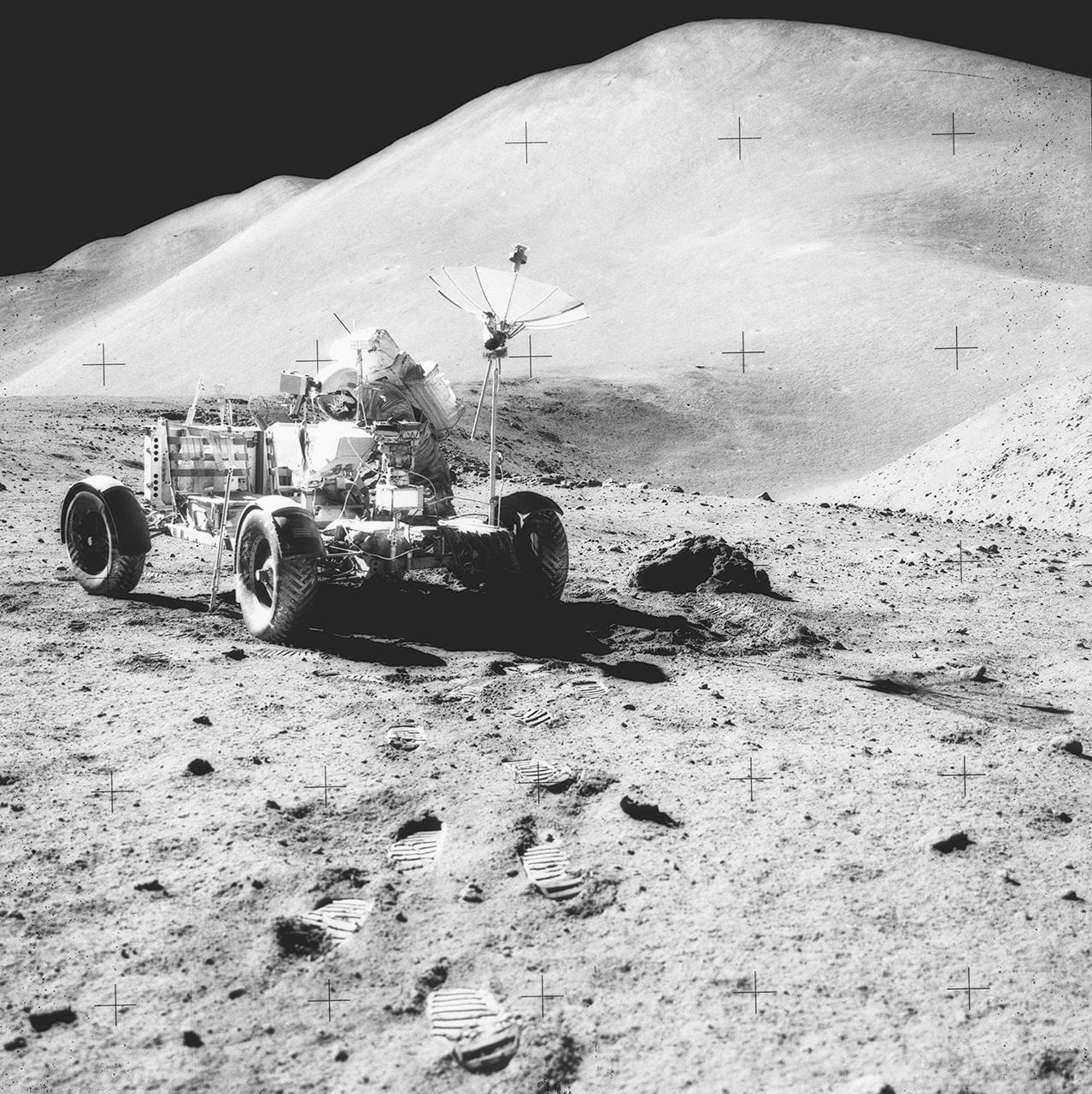
The Lunar Roving Vehicle (LRV) was designed to transport astronauts and materials on the Moon. An LRV was used on each of the last three Apollo missions, Apollo 15, Apollo 16, and Apollo 17, in 1971 and 1972 to permit the crew to travel several miles from the lunar landing site. This photograph was taken during the Apollo 15 mission.
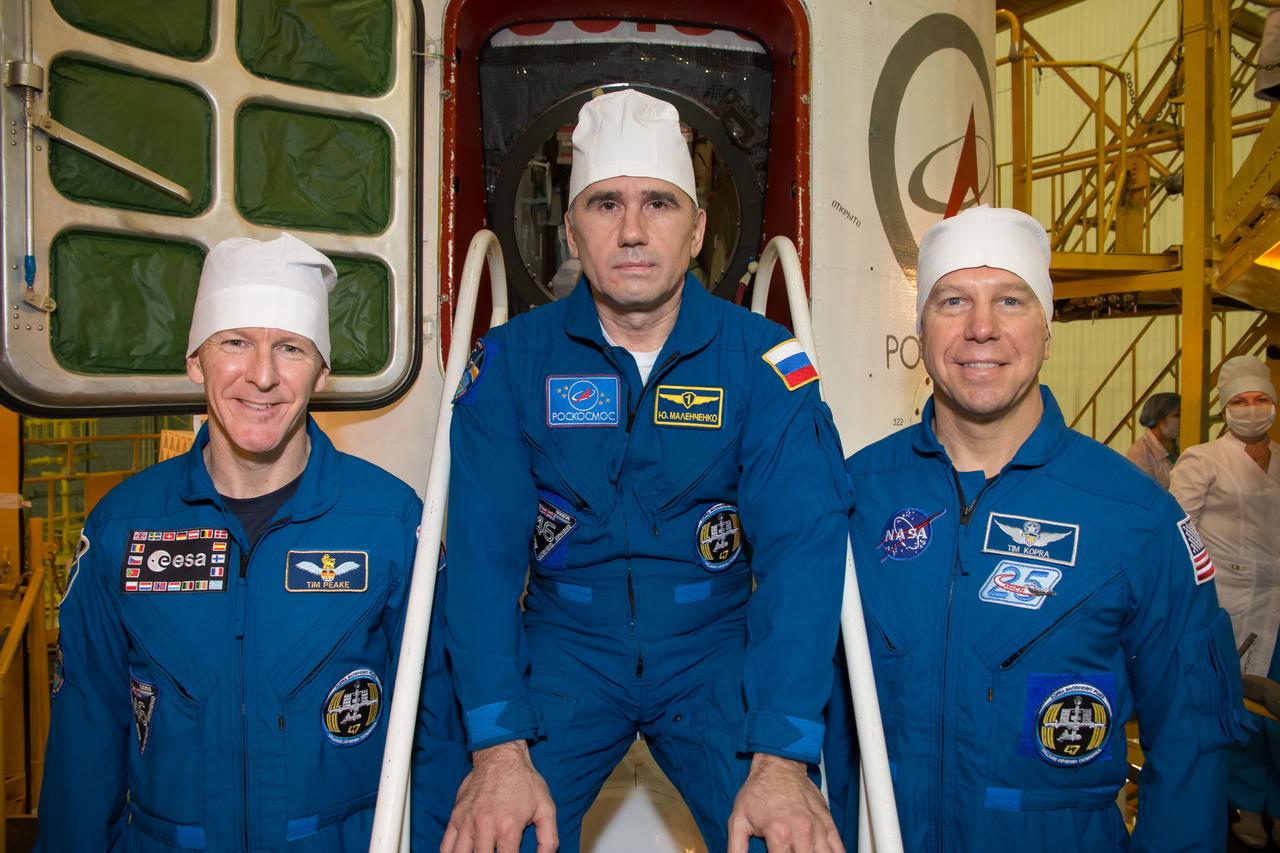
In the Integration Facility at the Baikonur Cosmodrome in Kazakhstan, Expedition 46-47 crewmembers Tim Peake of the European Space Agency (left), Yuri Malenchenko of the Russian Federal Space Agency (Roscosmos, center) and Tim Kopra of NASA (right) pose for pictures Dec. 10 during a final fit check and inspection of the Soyuz spacecraft which will transport them to orbit. Kopra, Peake and Malenchenko will launch Dec. 15 on the Soyuz TMA-19M spacecraft for a six-month mission on the International Space Station. NASA/Victor Zelentsov
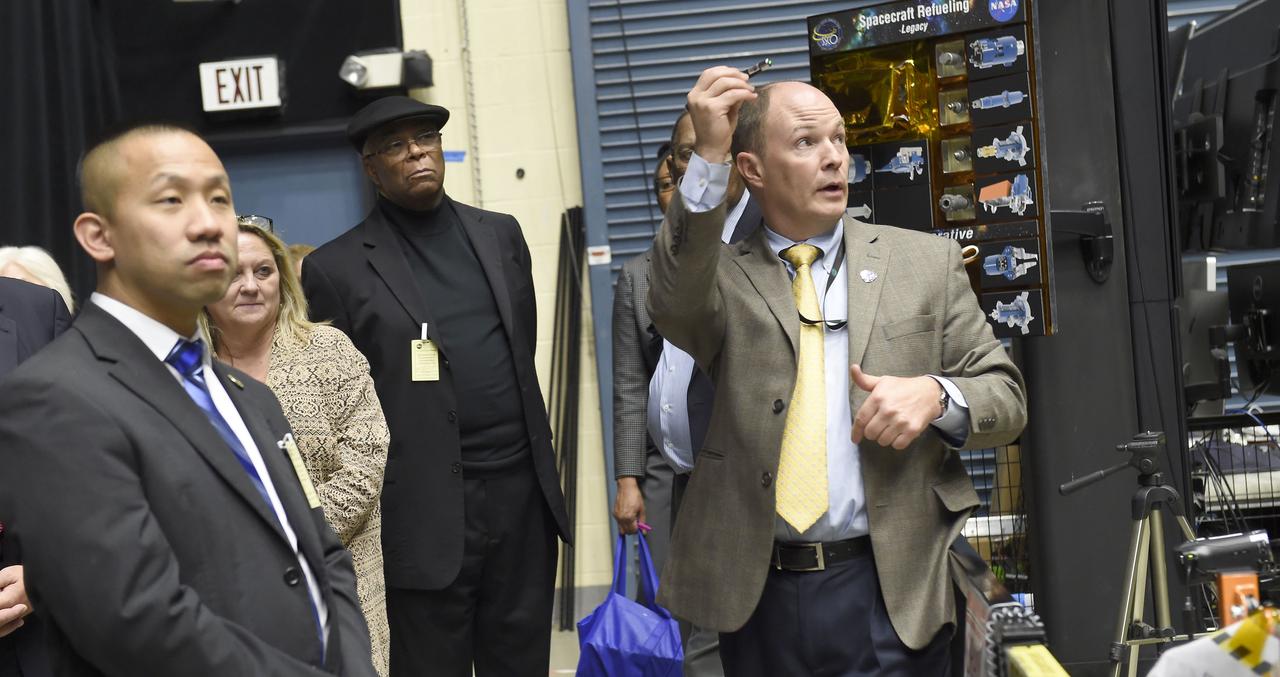
Center Director Chris Scolese welcomed the Maryland House Environment & Transportation Committee to Goddard on November 15, 2016. The group visited the James Webb Space Telescope JWST and then they toured the Robotics Operations Facility.
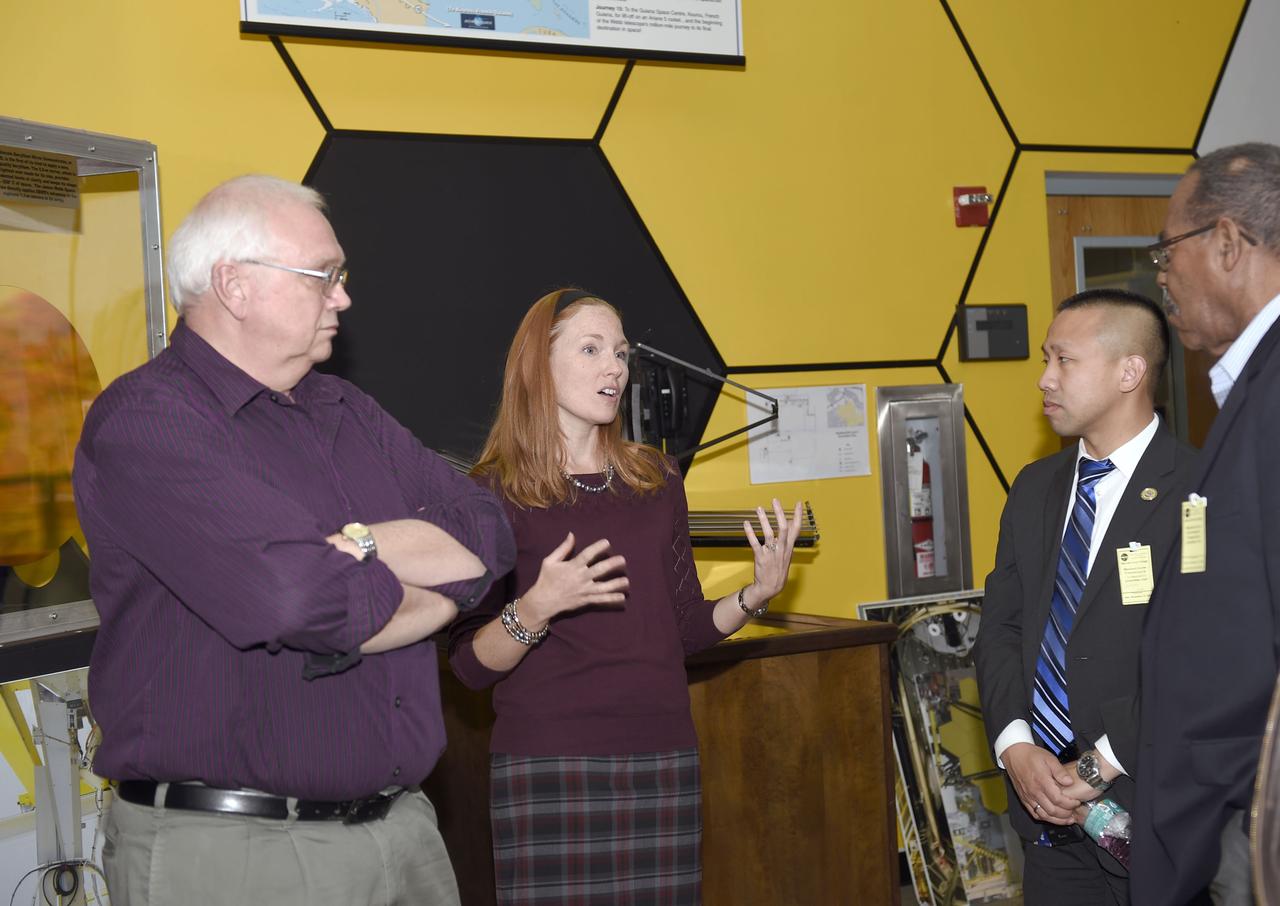
Center Director Chris Scolese welcomed the Maryland House Environment & Transportation Committee to Goddard on November 15, 2016. The group visited the James Webb Space Telescope JWST, then they toured the Robotics Operations Facility.
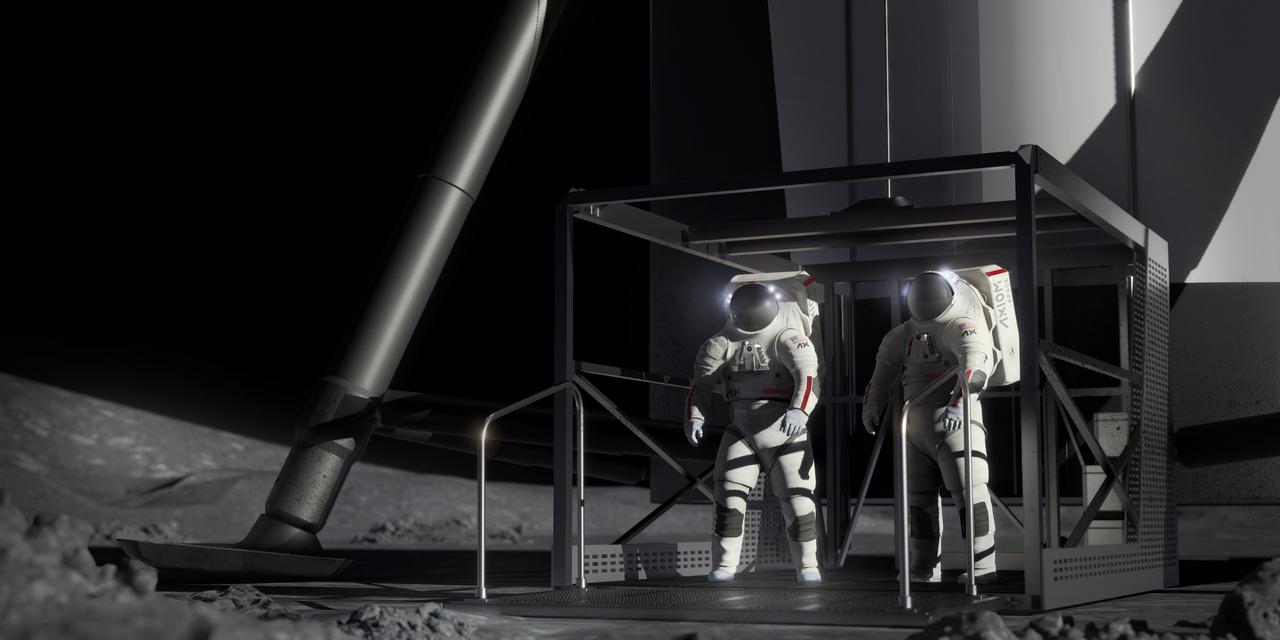
These artist’s concepts show SpaceX’s Starship Human Landing System (HLS) on the Moon. NASA is working with SpaceX to develop Starship HLS to carry astronauts from lunar orbit to the Moon’s surface and back for Artemis III and Artemis IV as part of the agency’s Artemis campaign. At about 165 feet (50 m), Starship HLS will be about the same height as a 15-story building. An elevator on Starship HLS will be used to transport crew and cargo between the lander and the Moon’s surface.

These artist’s concepts show SpaceX’s Starship Human Landing System (HLS) on the Moon. NASA is working with SpaceX to develop Starship HLS to carry astronauts from lunar orbit to the Moon’s surface and back for Artemis III and Artemis IV as part of the agency’s Artemis campaign. At about 165 feet (50 m), Starship HLS will be about the same height as a 15-story building. An elevator on Starship HLS will be used to transport crew and cargo between the lander and the Moon’s surface.
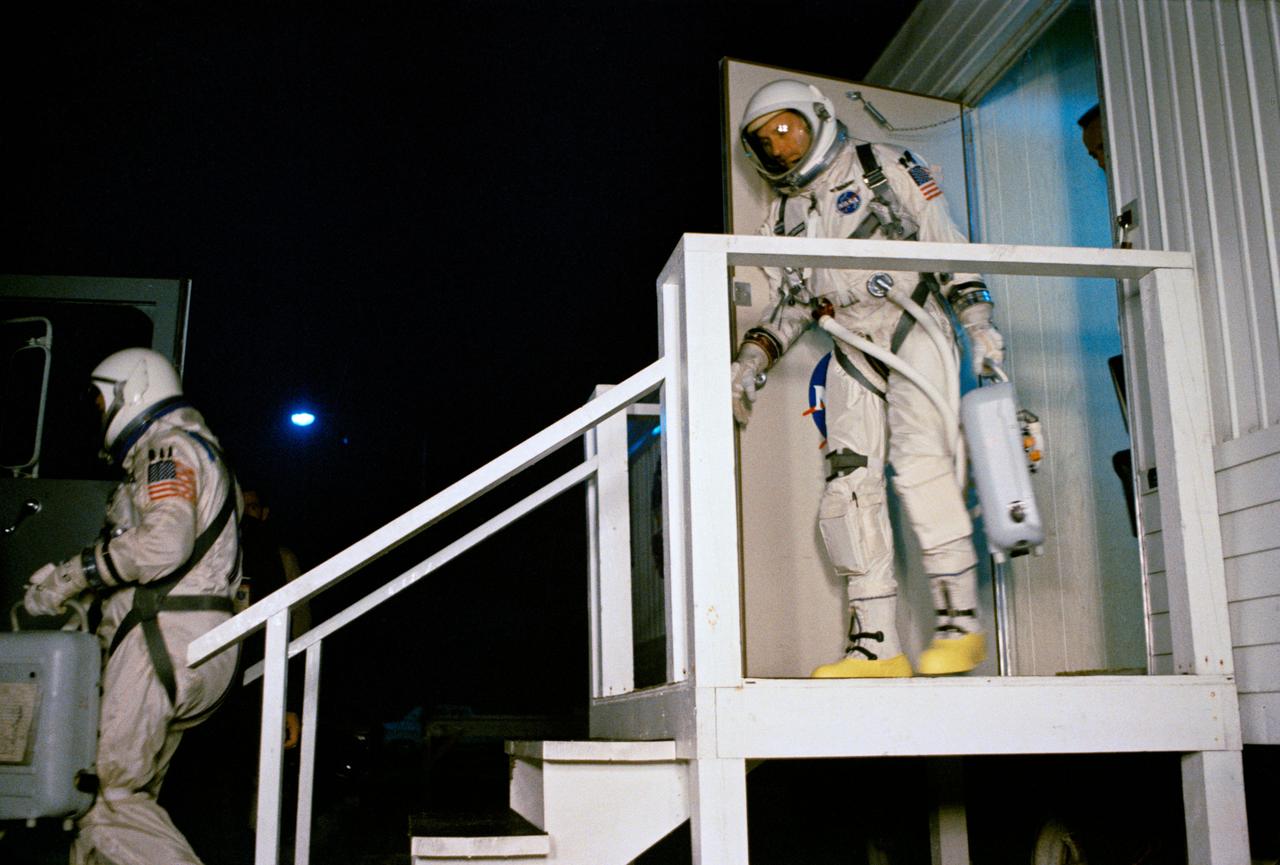
S65-59974 (15 Dec. 1965) --- Astronauts Walter M. Schirra Jr. (leading), command pilot; and Thomas P. Stafford, pilot, leave the suiting trailer at Launch Complex 16 during the Gemini-6 prelaunch countdown at Cape Kennedy, Florida. They entered a special transport van which carried them to Pad 19 and their spacecraft. Gemini-6 lifted off at 8:37 a.m. (EST) on Dec. 15, 1965. Photo credit: NASA or National Aeronautics and Space Administration
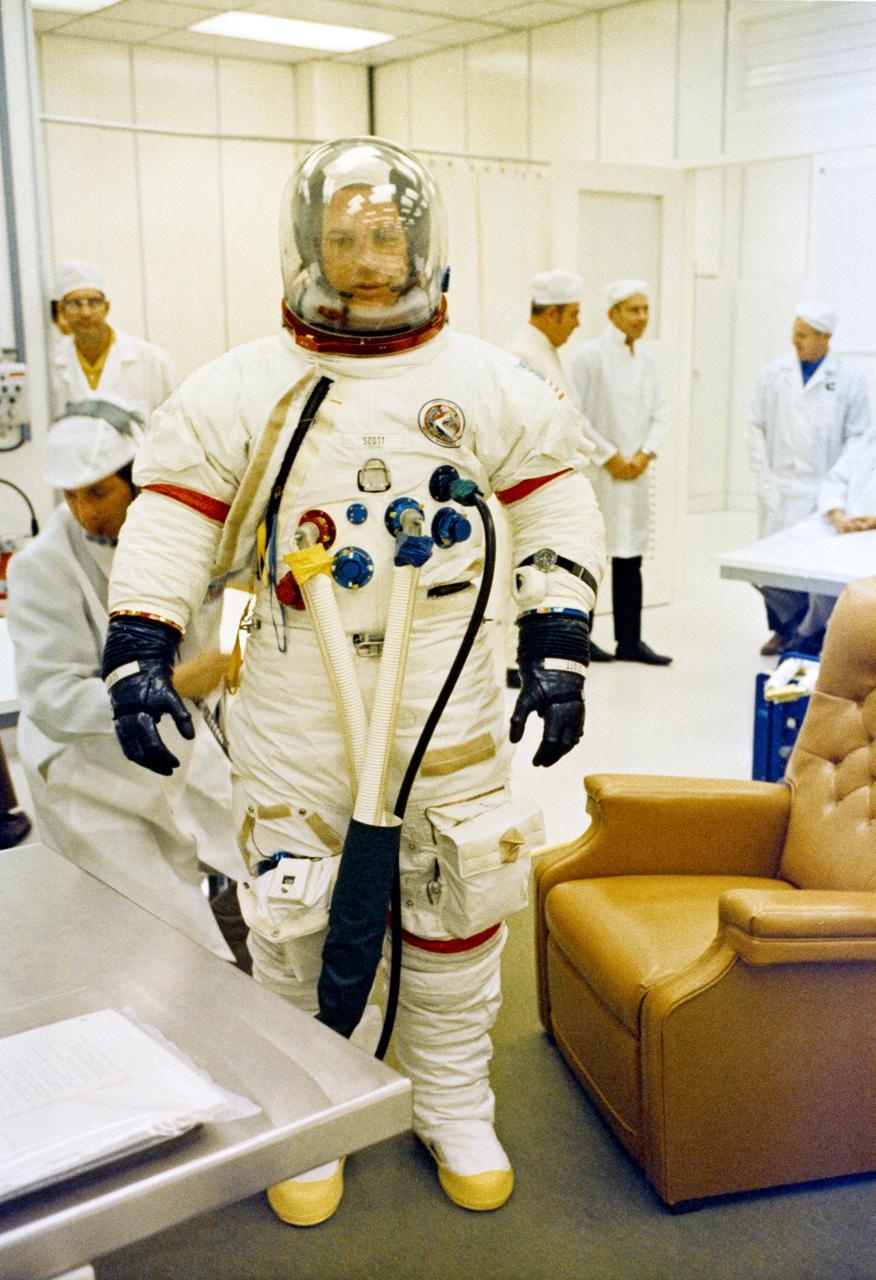
S71-41409 (26 July 1971) --- Astronaut David R. Scott, commander of the Apollo 15 lunar landing mission, goes through suiting up operations in the Kennedy Space Center's (KSC) Manned Spacecraft Operations Building (MSOB) during the Apollo 15 prelaunch countdown. Minutes later astronauts Scott; Alfred M. Worden, command module pilot; and James B. Irwin, lunar module pilot, rode a special transport van over to Pad A, Launch Complex 39, where their spacecraft awaited them. The Apollo 15 space vehicle was launched at 9:34:00:79 a.m. (EDT), July 26, 1971.
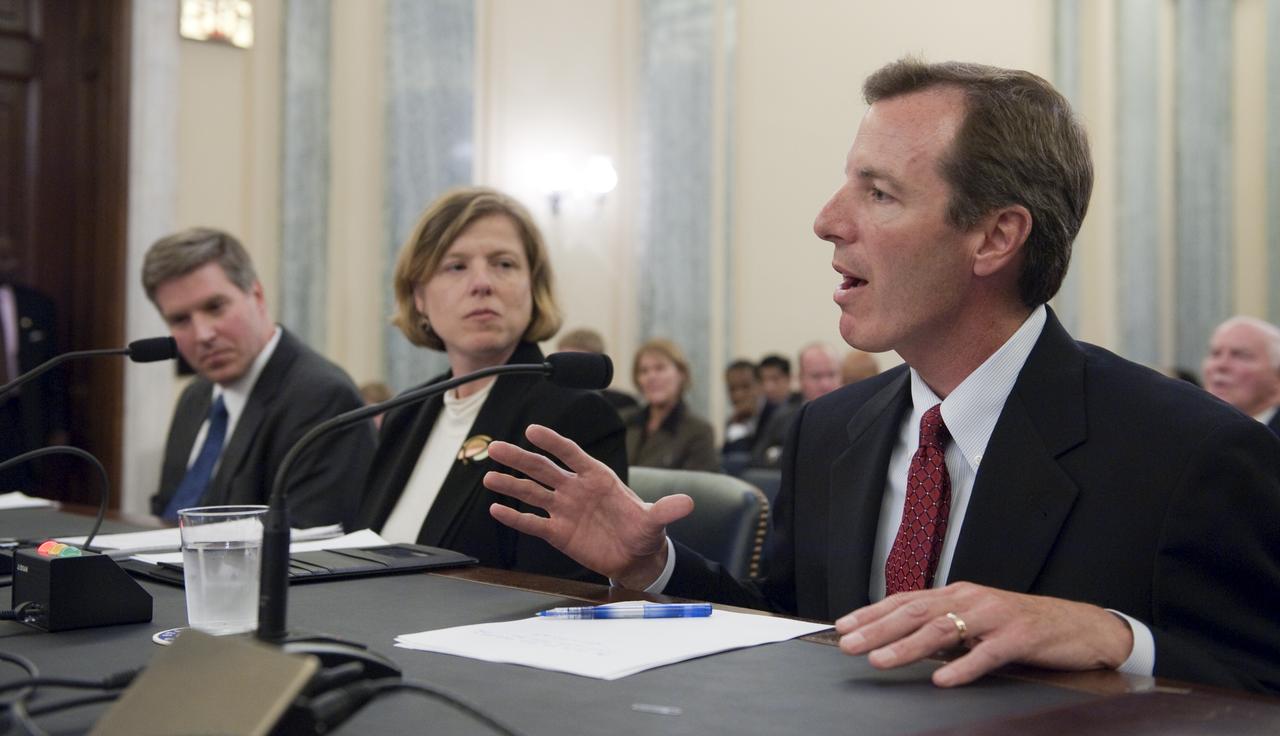
Paul K. Martin, nominee for Inspector General at NASA, far right, answers questions during his confirmation hearing in front of the Senate Committee on Commerce, Science and Transportation, Thursday, Oct. 15, 2009, on Capitol Hill in Washington. Looking on are Dr. Elizabeth M. Robinson, nominee for Chief Financial Officer for NASA, center, and Dr. Patrick Gallagher, nominee to be Assistant Secretary of the Transportation Security Administration at the U.S. Department of Commerce. Photo Credit: (NASA/Paul E. Alers)
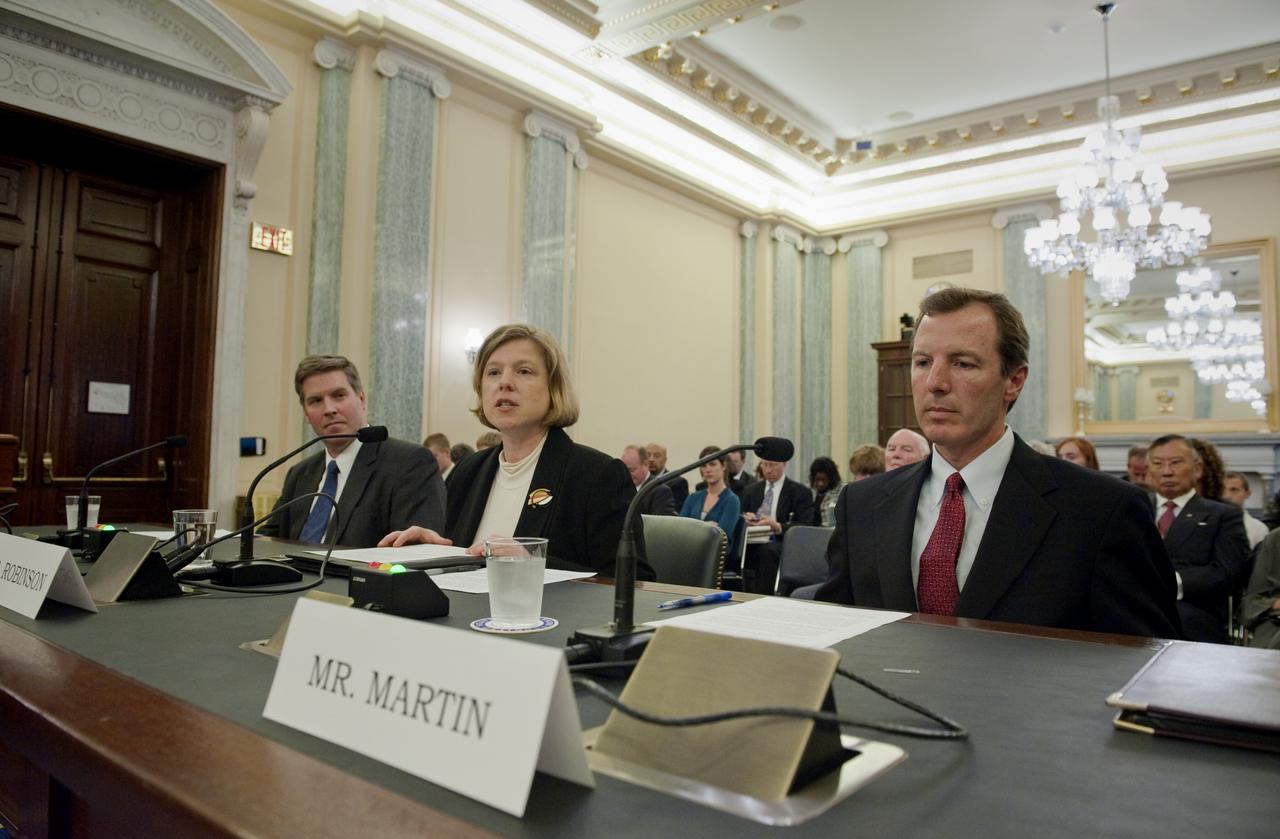
Dr. Elizabeth M. Robinson, nominee for Chief Financial Officer for NASA, center, answers questions during her confirmation hearing in front of the Senate Committee on Commerce, Science and Transportation, Thursday, Oct. 15, 2009, on Capitol Hill in Washington. Robinson is flanked by Dr. Patrick Gallagher, nominee to be Assistant Secretary of the Transportation Security Administration at the U.S. Department of Commerce, far left, and Paul K. Martin, nominee to be Inspector General at NASA. Photo Credit: (NASA/Paul E. Alers)
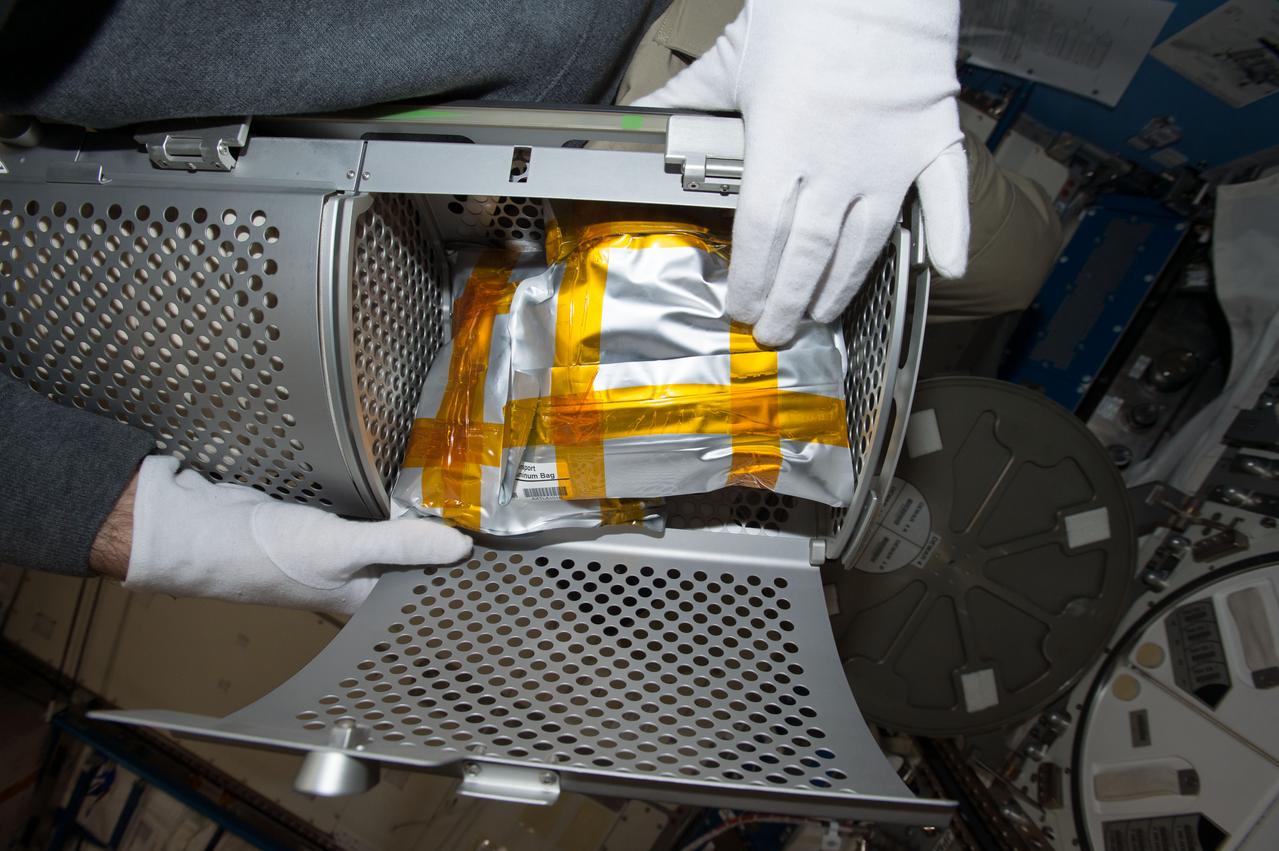
iss050e057655 (3/15/2020) --- Photographic documentation during Auxin Transport sample transfer to Minus Eighty-Degree Laboratory Freezer for ISS (MELFI) insertion. Studies on Gravity-Controlled Growth and Development in Plants Using True Microgravity Conditions (Auxin Transport) clarifies the role of auxins in pea and maize (corn) seedlings grown in microgravity, leading to new insight into how gravity, or the lack of gravity, affects plant development.

U.S. Sen. Jay Rockefeller, D-W.Va., Chairman of the of the Senate Committee on Commerce, Science and Transportation, makes a point during the nomination hearing for Dr. Elizabeth M. Robinson, nominee for Chief Financial Officer for NASA, Thursday, Oct. 15, 2009, on Capitol Hill in Washington. Photo Credit: (NASA/Paul E. Alers)

Paul K. Martin, nominee for Inspector General for NASA, answers questions during his confirmation hearing in front of the Senate Committee on Commerce, Science and Transportation, Thursday, Oct. 15, 2009, on Capitol Hill in Washington. Photo Credit: (NASA/Paul E. Alers)

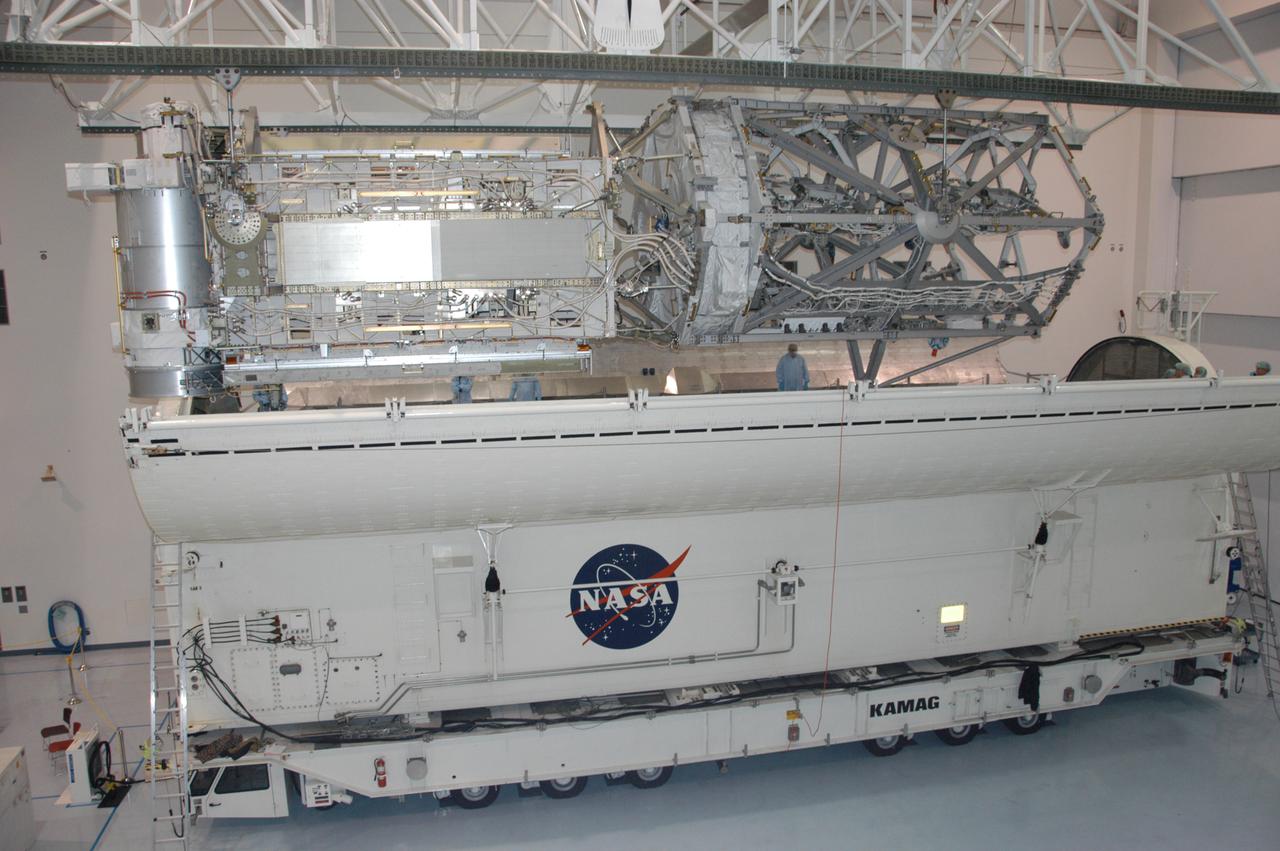
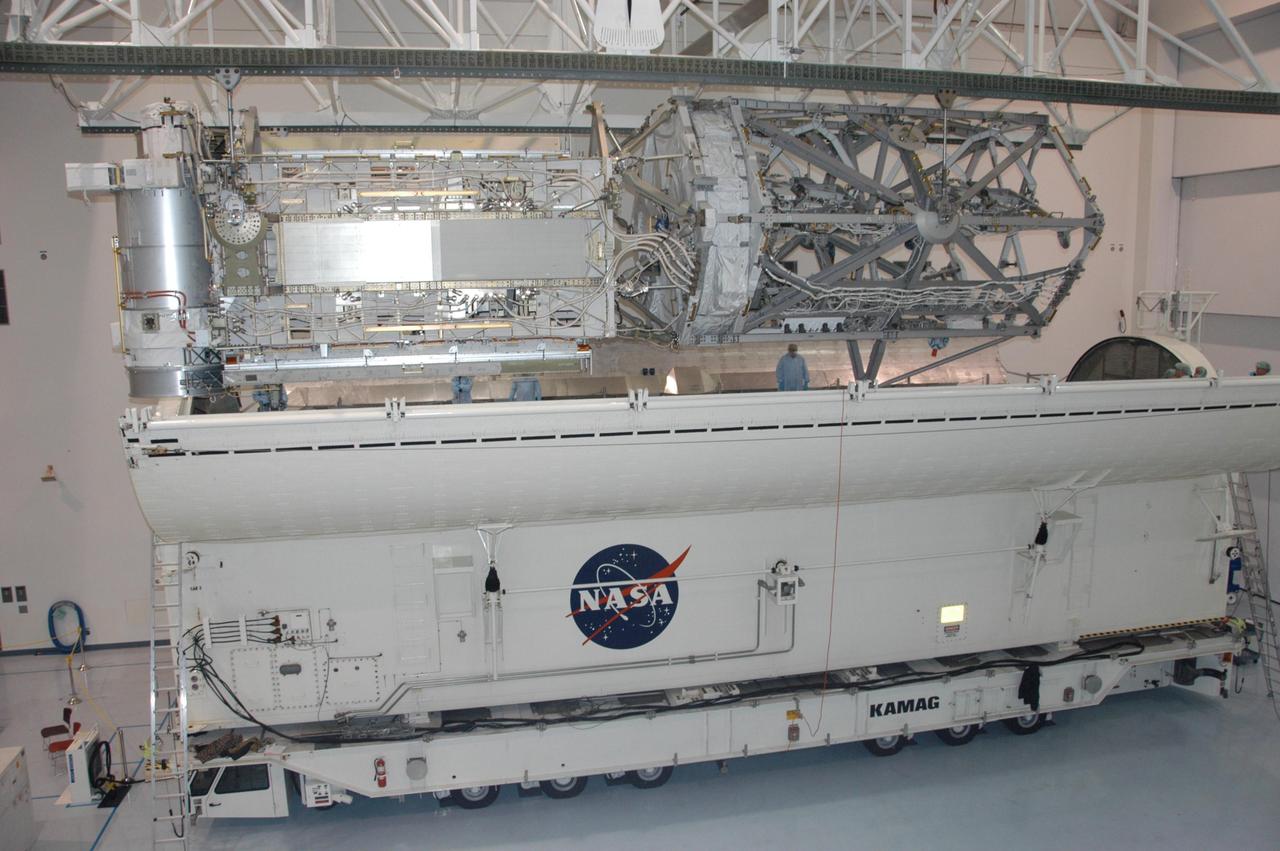
KENNEDY SPACE CENTER, FLA. -- In the Space Station Processing Facility, an overhead crane moves the S3/S4 integrated truss to a payload canister. After it is stowed in the canister, the S3/S4 truss will be transported to the launch pad. The truss is the payload on mission STS-117, targeted for launch on March 15. Photo credit: NASA/George Shelton
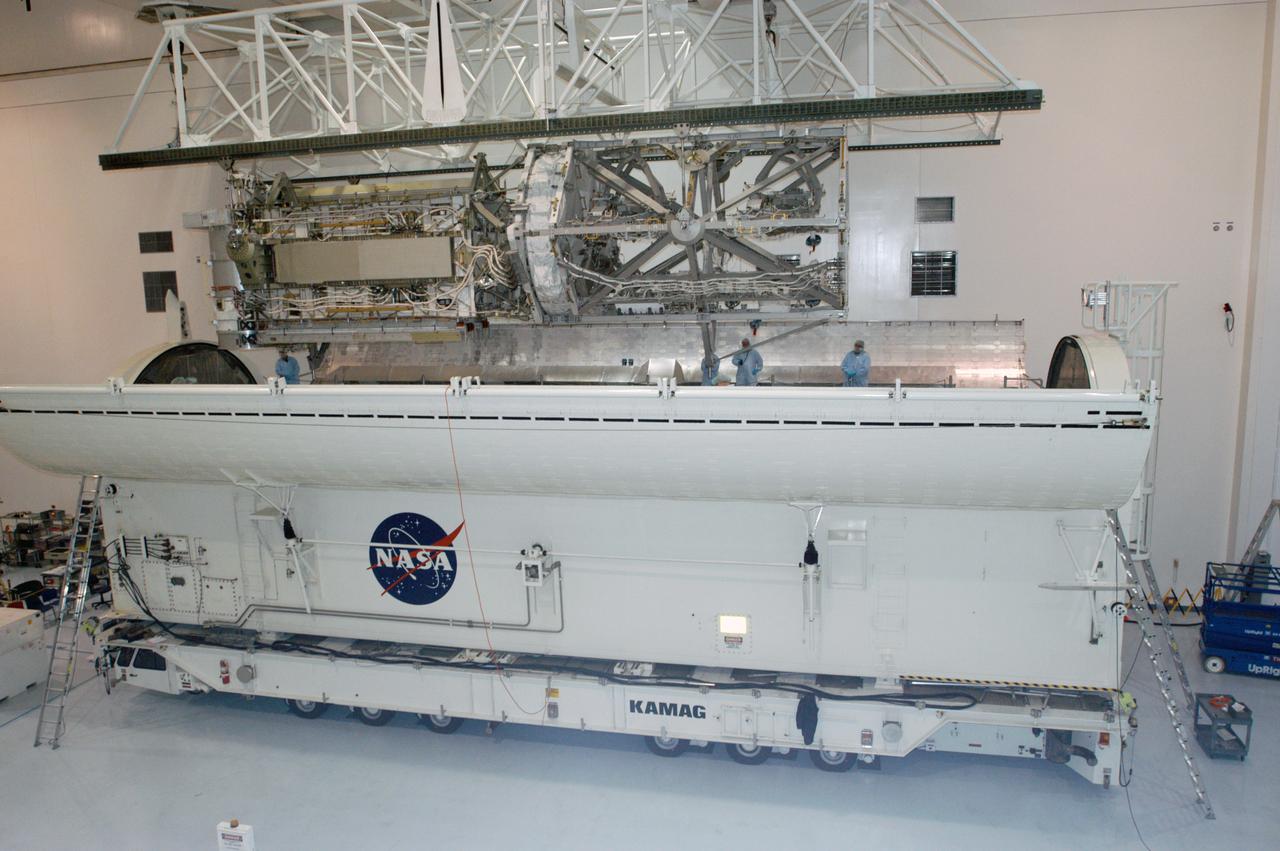
In the Space Station Processing Facility, an overhead crane lowers the S3/S4 integrated truss into the open bay of the payload canister. After it is stowed in the canister, the S3/S4 truss will be transported to the launch pad. The truss is the payload on mission STS-117, targeted for launch on March 15.
In the Space Station Processing Facility, an overhead crane lowers the S3/S4 integrated truss toward the open doors of the payload canister. After it is stowed in the canister, the S3/S4 truss will be transported to the launch pad. The truss is the payload on mission STS-117, targeted for launch on March 15.
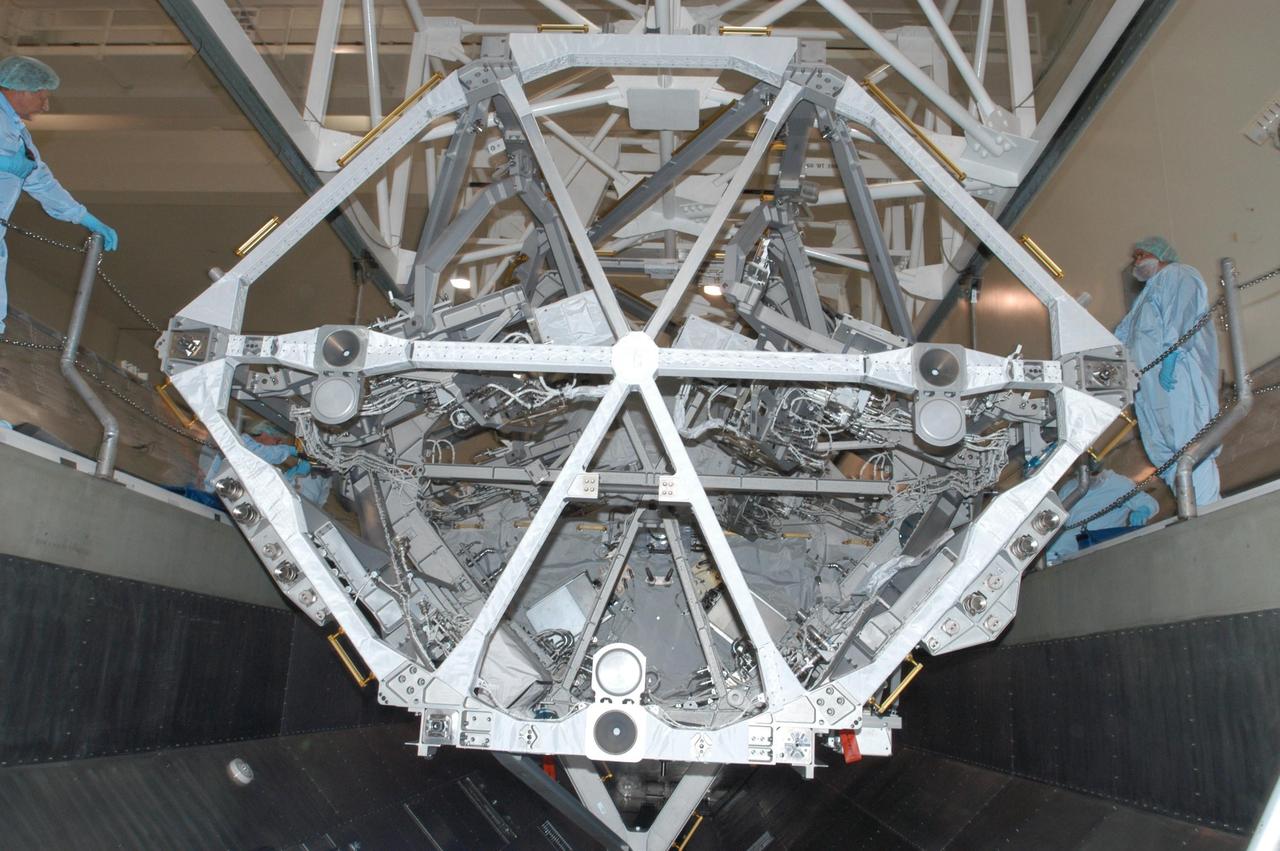
KENNEDY SPACE CENTER, FLA. -- In the Space Station Processing Facility, an overhead crane settles the S3/S4 integrated truss into the payload canister. After it is stowed in the canister, the S3/S4 truss will be transported to the launch pad. The truss is the payload on mission STS-117, targeted for launch on March 15. Photo credit: NASA/George Shelton
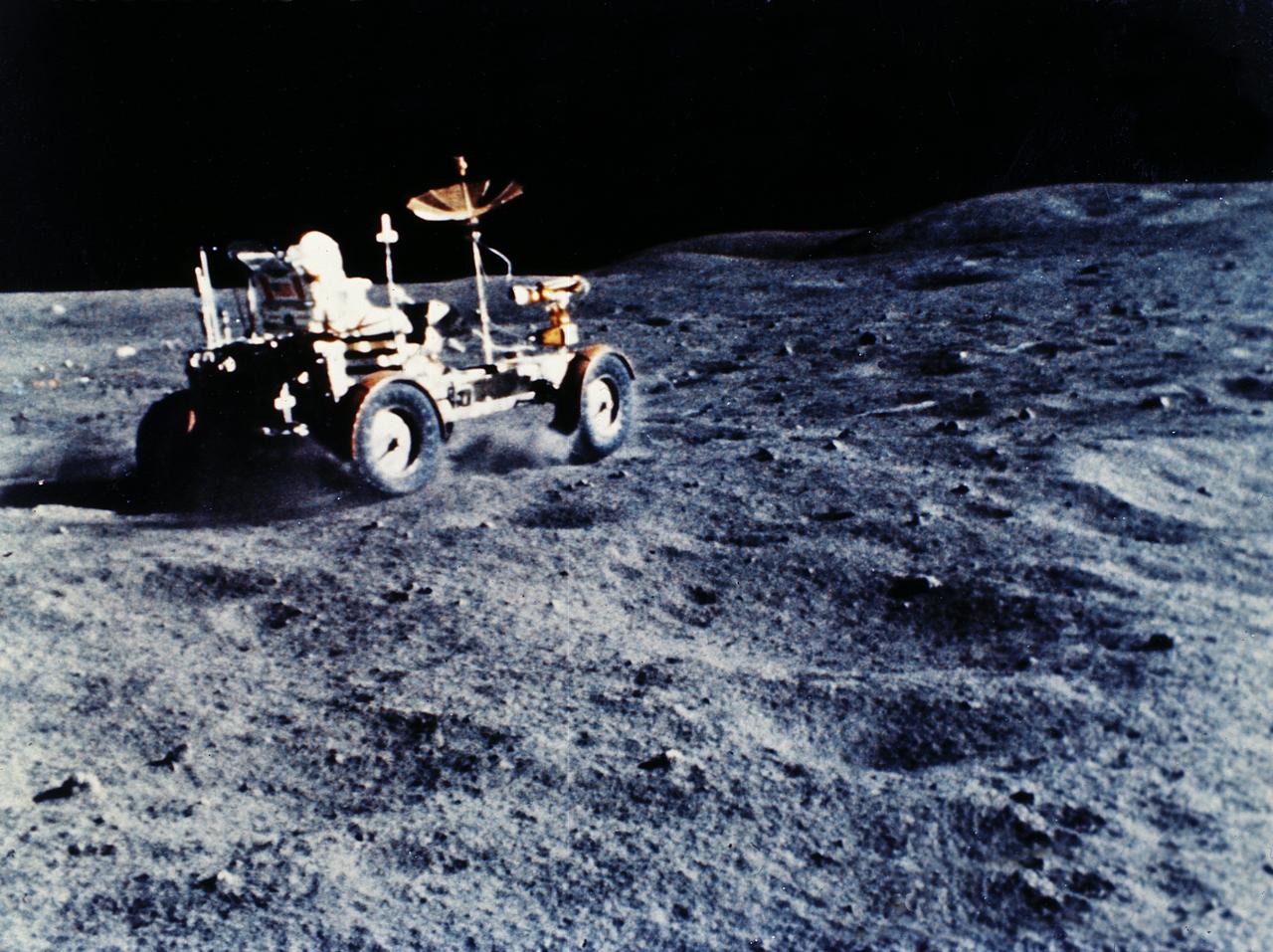
The Lunar Roving Vehicle (LRV) was designed to transport astronauts and materials on the Moon. An LRV was used on each of the last three Apollo missions; Apollo 15, Apollo 16, and Apollo 17, in 1971 and 1972, to permit the crew to travel several miles from the lunar landing site. This photograph was taken during the Apollo 16 mission.
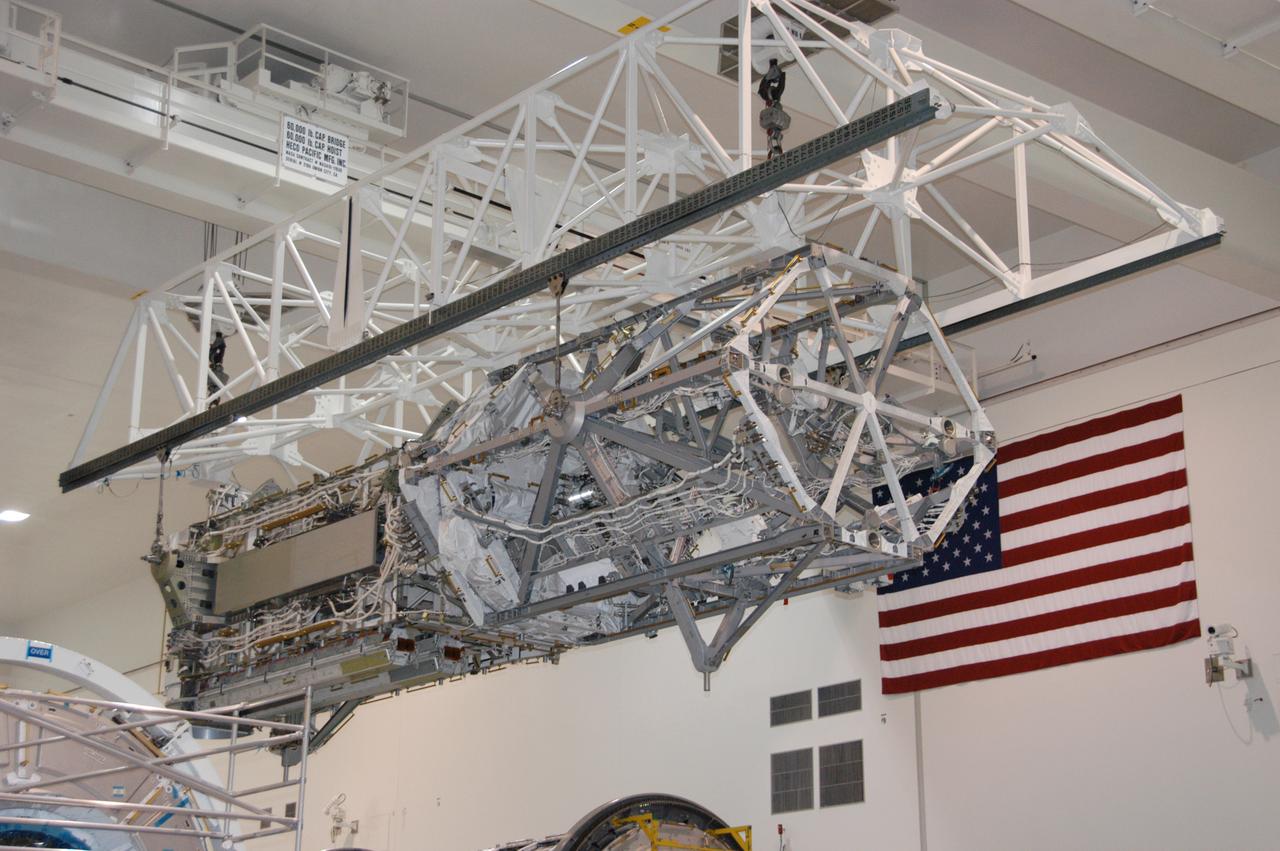
In the Space Station Processing Facility, an overhead crane moves the S3/S4 integrated truss to a payload canister. After it is stowed in the canister, the S3/S4 truss will be transported to the launch pad. The truss is the payload on mission STS-117, targeted for launch on March 15.
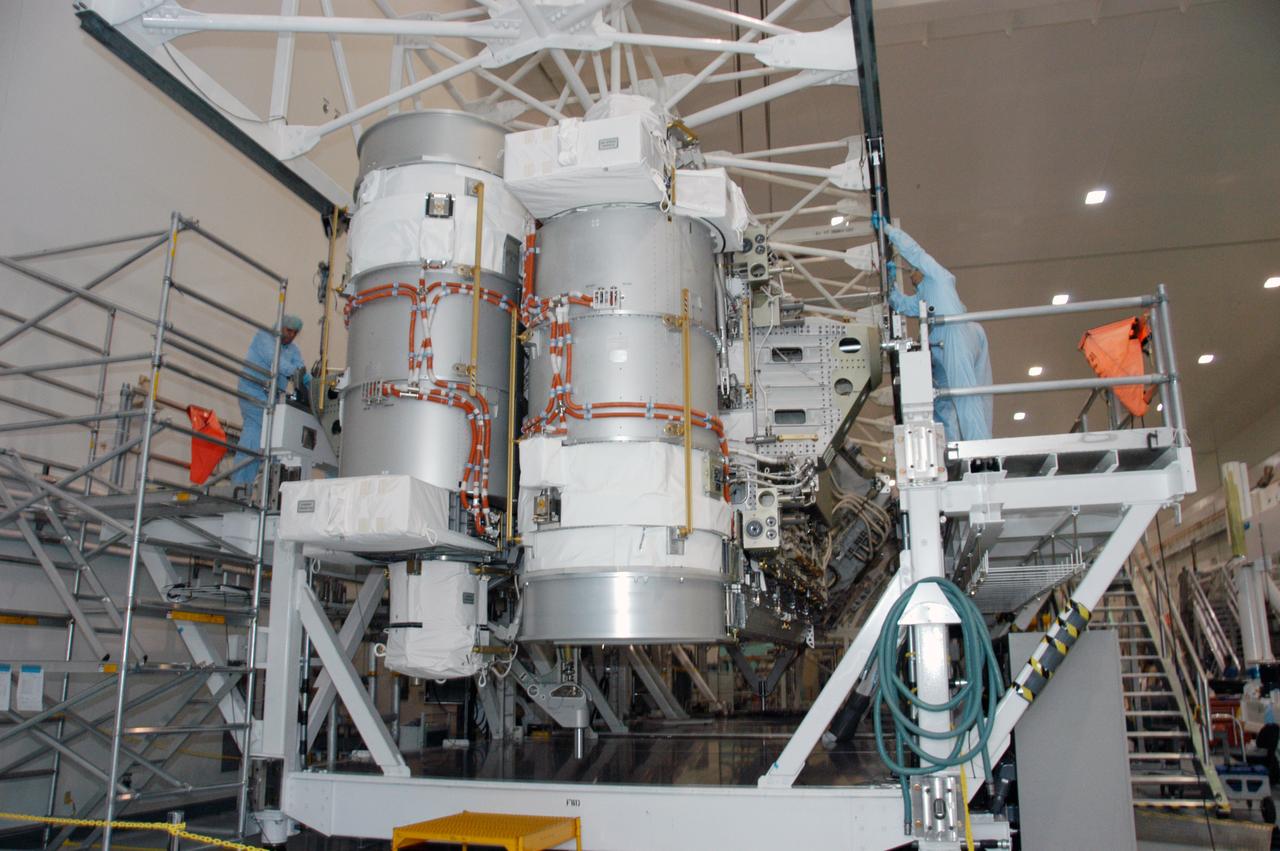
In the Space Station Processing Facility, workers attach an overhead crane to the S3/S4 integrated truss in order to move it to the payload canister. After it is stowed in the canister, the S3/S4 truss will be transported to the launch pad. The truss is the payload on mission STS-117, targeted for launch on March 15.

Dr. Elizabeth M. Robinson, nominee for Chief Financial Officer for NASA, answers questions during her confirmation hearing in front of the Senate Committee on Commerce, Science and Transportation, Thursday, Oct. 15, 2009, on Capitol Hill in Washington. Photo Credit: (NASA/Paul E. Alers)
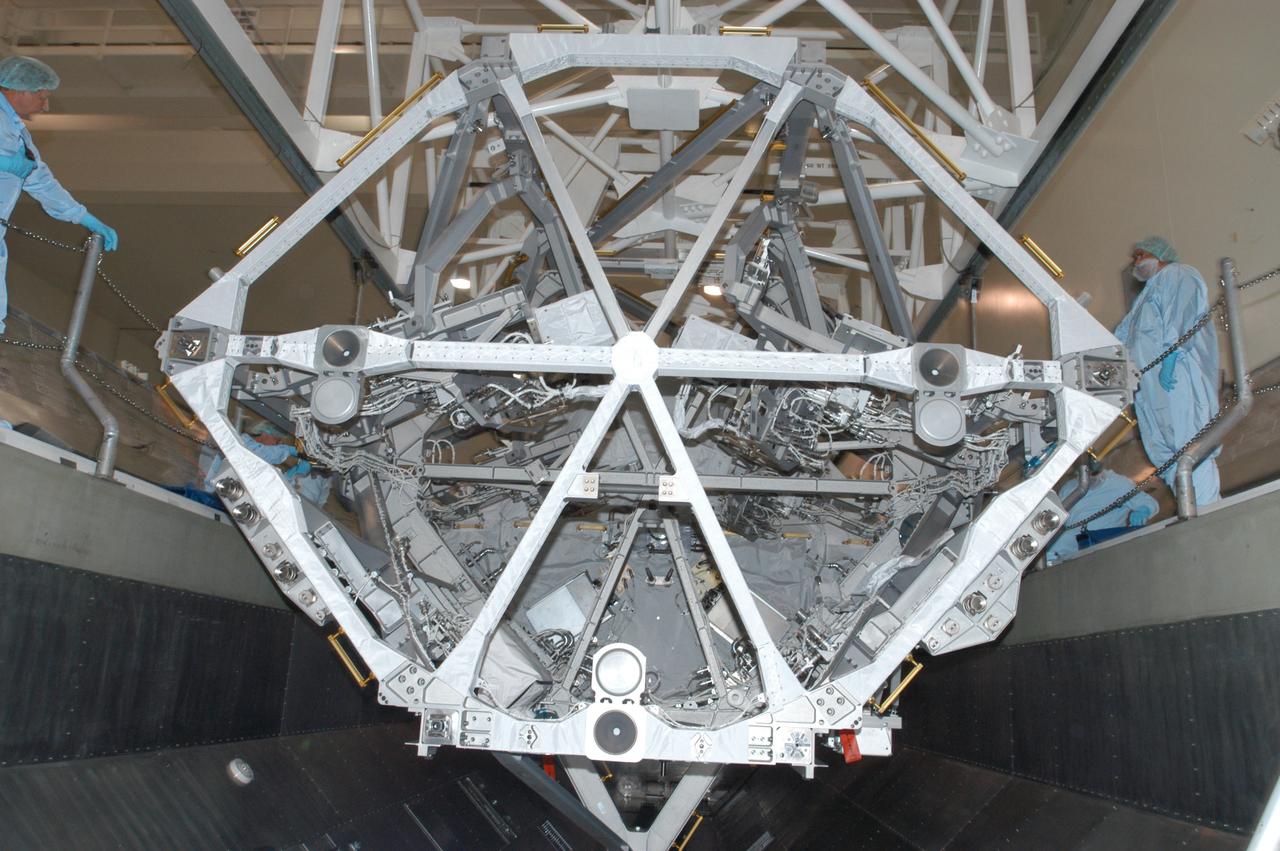
In the Space Station Processing Facility, an overhead crane settles the S3/S4 integrated truss into the payload canister. After it is stowed in the canister, the S3/S4 truss will be transported to the launch pad. The truss is the payload on mission STS-117, targeted for launch on March 15.
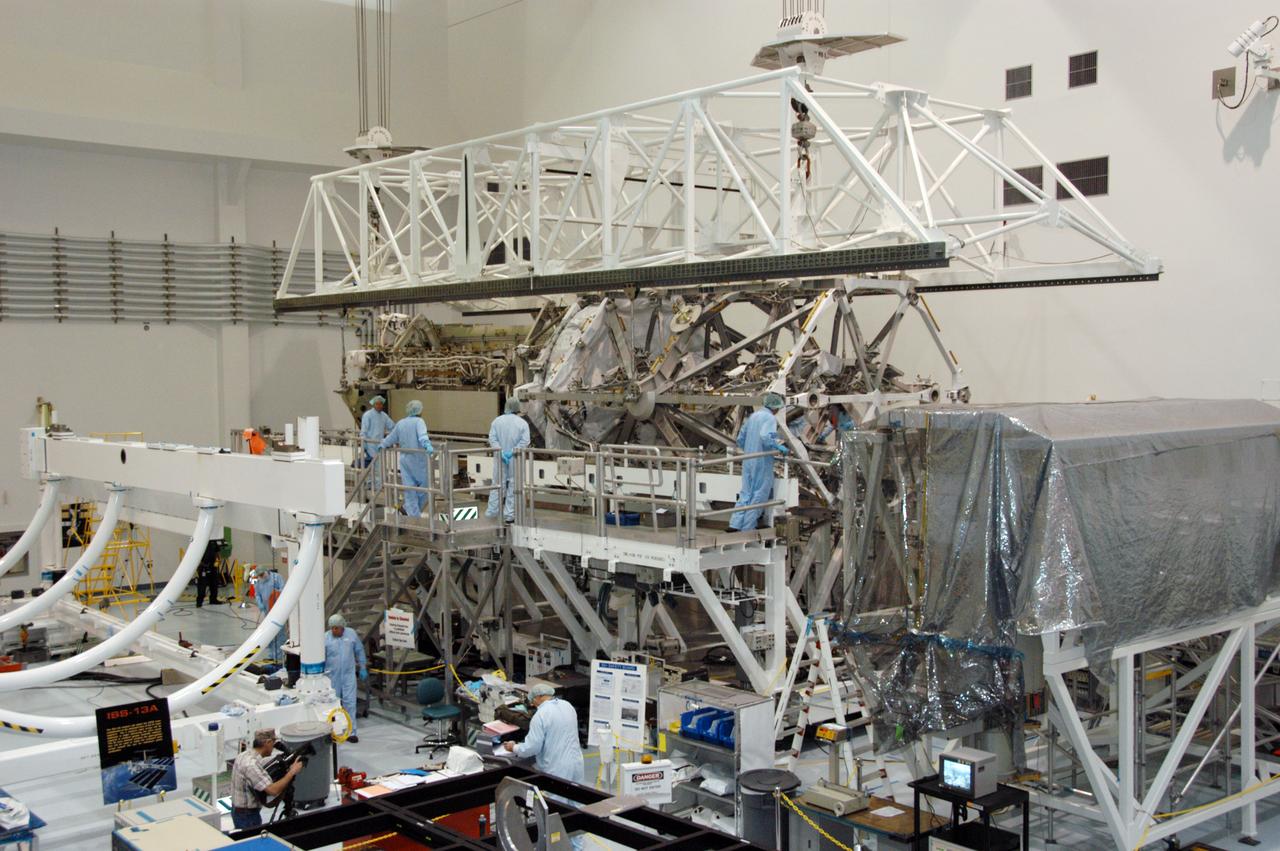
In the Space Station Processing Facility, workers attach an overhead crane to the S3/S4 integrated truss in order to move it to the payload canister. After it is stowed in the canister, the S3/S4 truss will be transported to the launch pad. The truss is the payload on mission STS-117, targeted for launch on March 15.
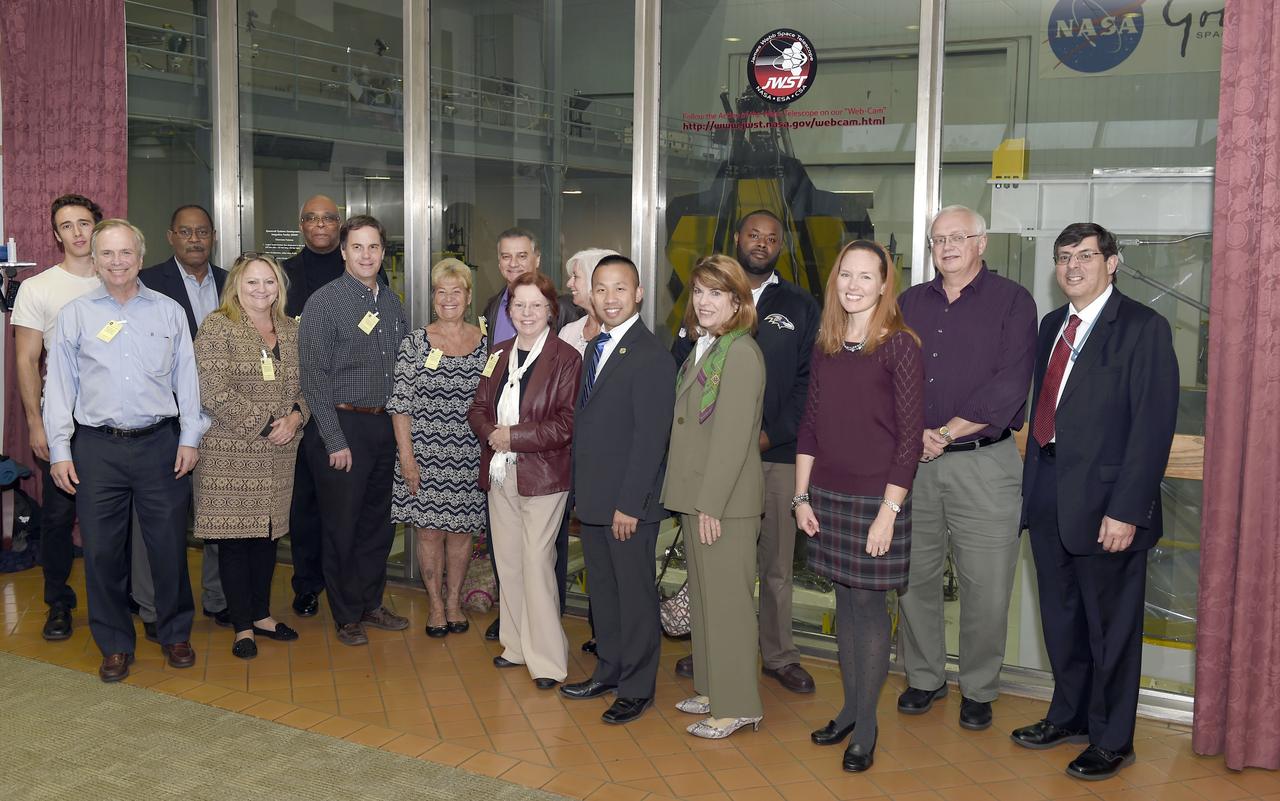
Center Director Chris Scolese welcomed the Maryland House Environment & Transportation Committee to Goddard on November 15, 2016. The group visited the James Webb Space Telescope JWST and saw the mirrors open, then they toured the Robotic Operations Center - ROC.
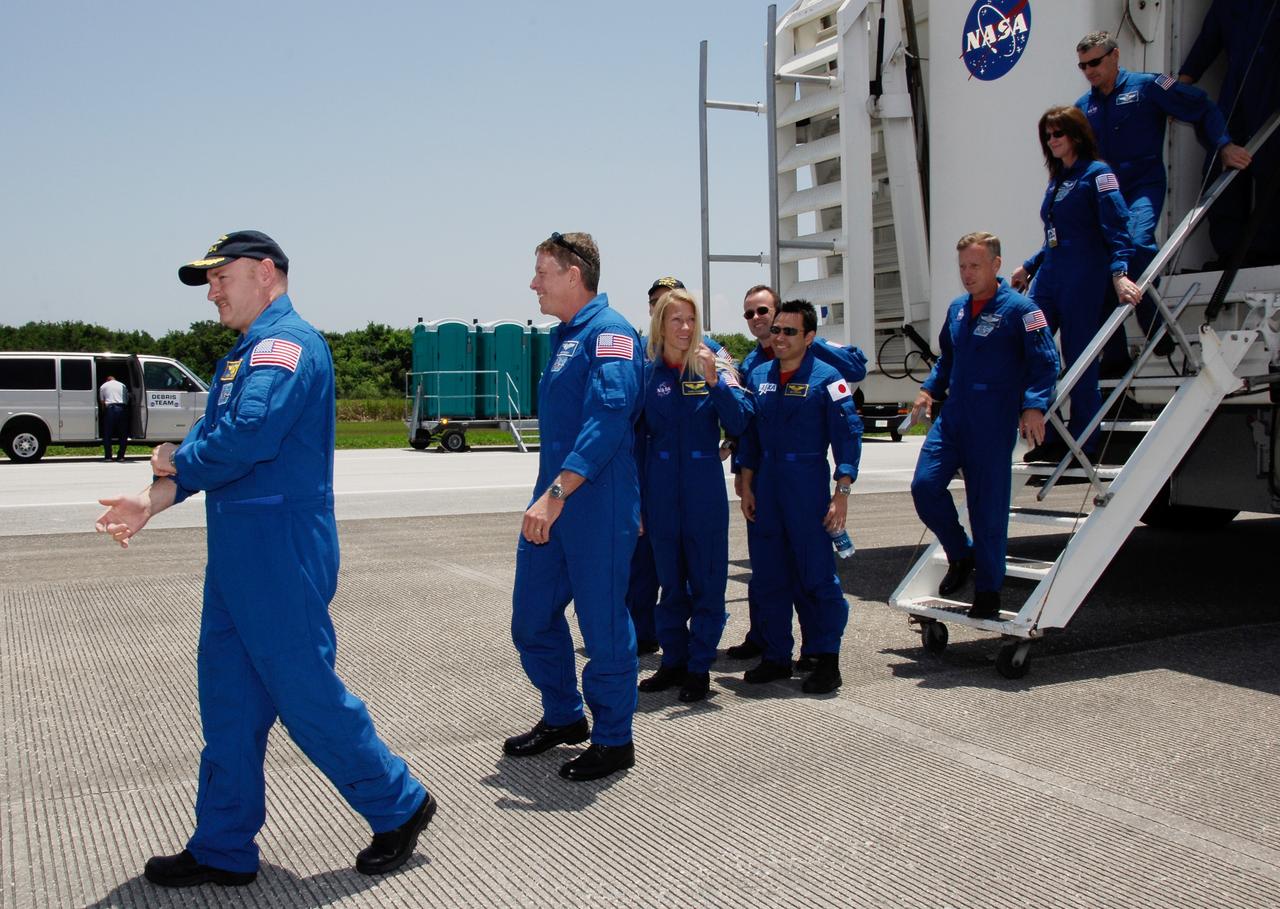
CAPE CANAVERAL, Fla. – After their successful STS-124 mission and landing on Runway 15 at NASA's Kennedy Space Center, crew members exit the crew transport vehicle. Leading the way is Commander Mark Kelly, followed by (from left) Mission Specialists Mike Fossum, Karen Nyberg, Akihiko Hoshide and Ron Garan. Behind them is Stephen Lindsay, chief of the Astronaut Corps, and astronaut Janet Kavandi. Space shuttle Discovery's main landing gear touched down at 11:15:19 a.m. EDT on Runway 15. The nose landing gear touched down at 11:15:30 a.m. and wheel stop was at 11:16:19 a.m. The mission completed 5.7 million miles. The STS-124 mission delivered the Japan Aerospace Exploration Agency's large Japanese Pressurized Module and its remote manipulator system to the space station. Photo credit: NASA/Kim Shiflett
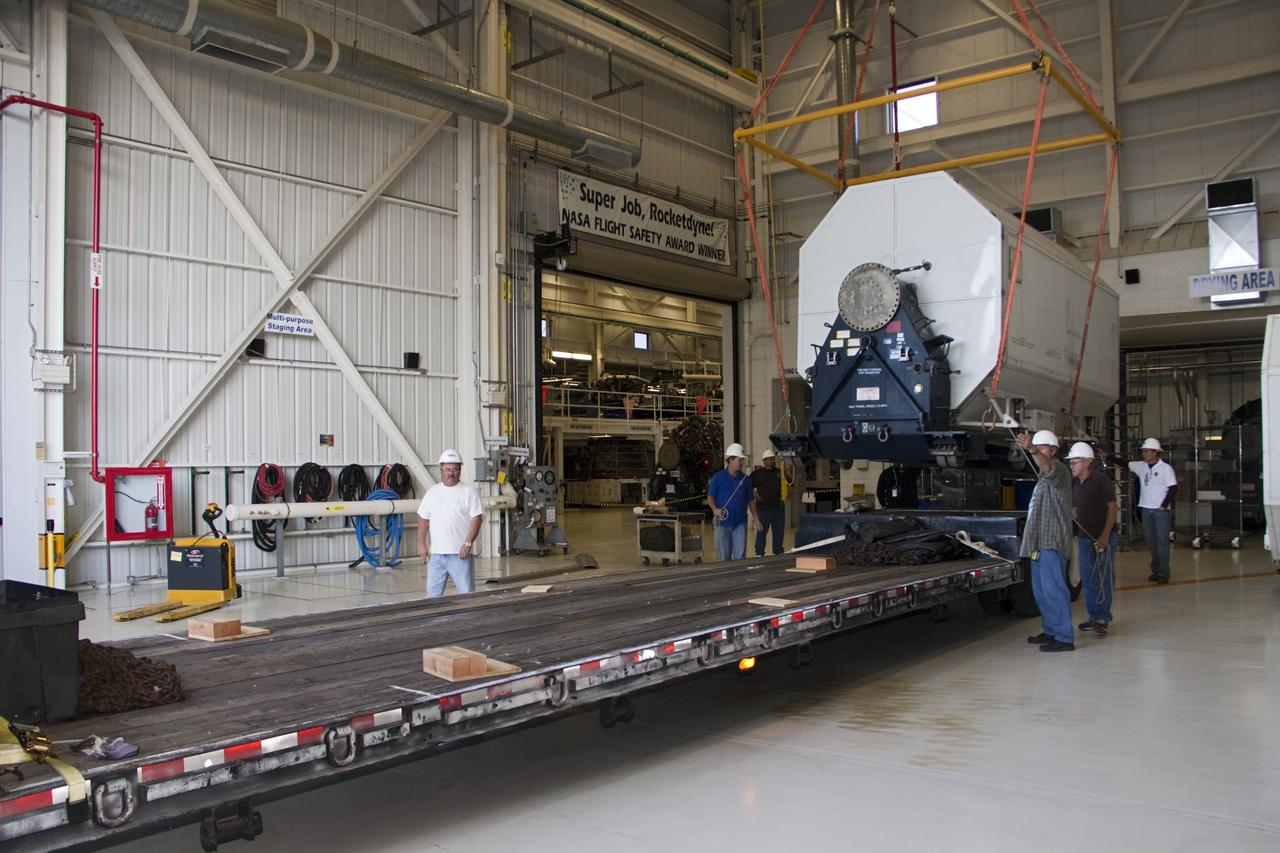
CAPE CANAVERAL, Fla. – In the Space Shuttle Main Engine Processing Facility at NASA’s Kennedy Space Center in Florida, a transportation canister containing a Pratt & Whitney Rocketdyne space shuttle main engine (SSME) is lifted into position onto a flatbed trailer. This is the second of the 15 engines used during the Space Shuttle Program to be transported to NASA's Stennis Space Center in Mississippi. The engines will be stored at Stennis for future use on NASA's new heavy-lift rocket, the Space Launch System (SLS), which will carry NASA's new Orion spacecraft, cargo, equipment and science experiments to space. For more information, visit http://www.nasa.gov/shuttle. Photo credit: NASA/Jim Grossmann
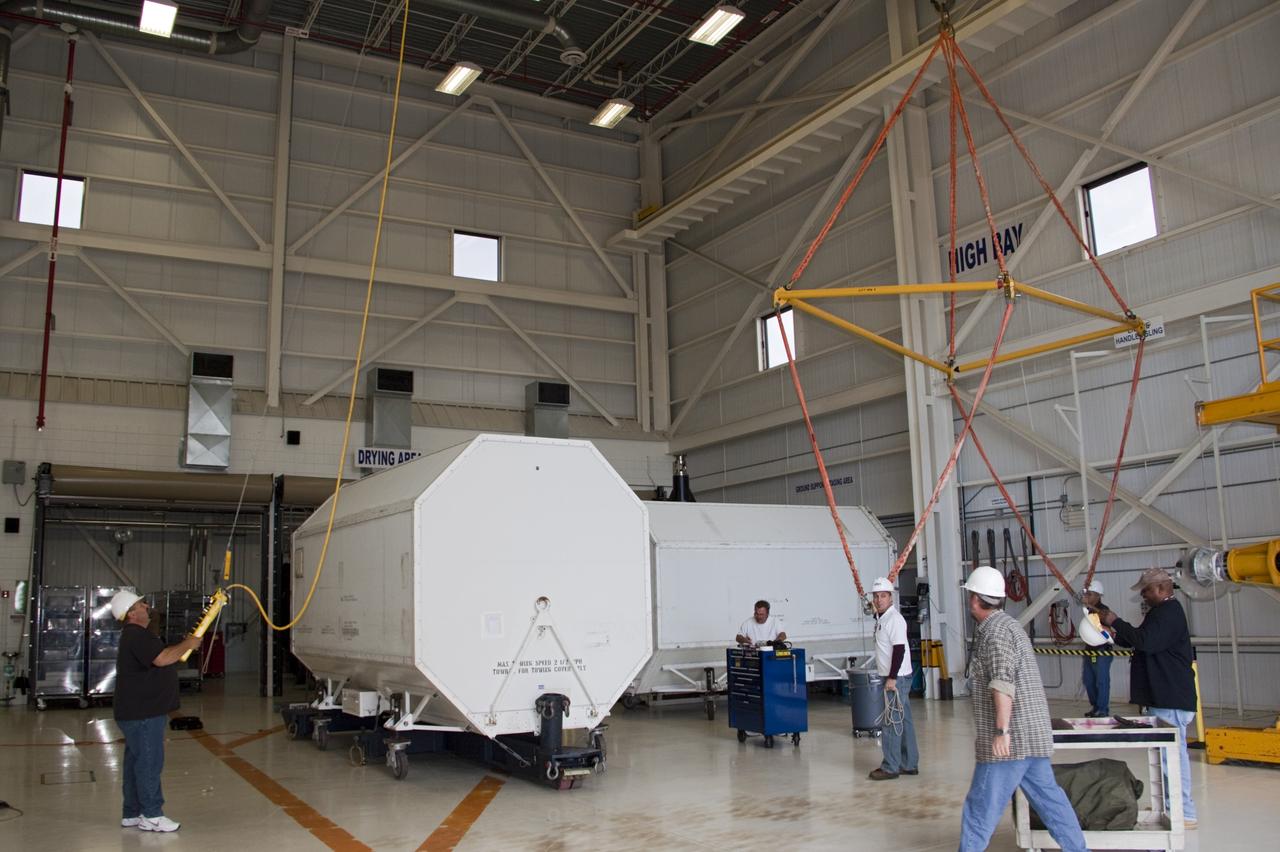
CAPE CANAVERAL, Fla. – In the Space Shuttle Main Engine Processing Facility at NASA’s Kennedy Space Center in Florida, preparations are under way to lift a transportation canister containing a Pratt & Whitney Rocketdyne space shuttle main engine (SSME) onto a flatbed trailer. This is the second of the 15 engines used during the Space Shuttle Program to be transported to NASA's Stennis Space Center in Mississippi. The engines will be stored at Stennis for future use on NASA's new heavy-lift rocket, the Space Launch System (SLS), which will carry NASA's new Orion spacecraft, cargo, equipment and science experiments to space. For more information, visit http://www.nasa.gov/shuttle. Photo credit: NASA/Jim Grossmann
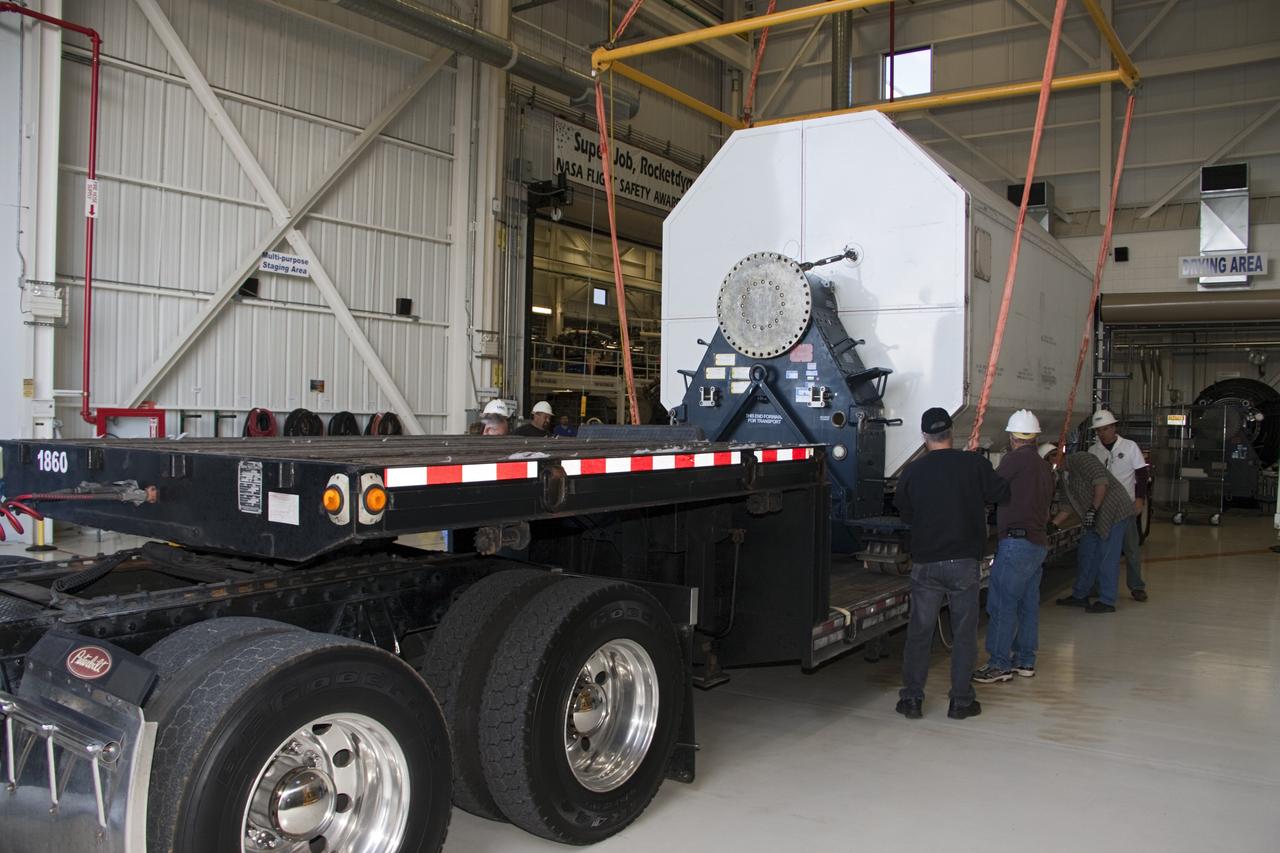
CAPE CANAVERAL, Fla. – In the Space Shuttle Main Engine Processing Facility at NASA’s Kennedy Space Center in Florida, a transportation canister containing a Pratt & Whitney Rocketdyne space shuttle main engine (SSME) is secured onto a flatbed trailer. This is the second of the 15 engines used during the Space Shuttle Program to be transported to NASA's Stennis Space Center in Mississippi. The engines will be stored at Stennis for future use on NASA's new heavy-lift rocket, the Space Launch System (SLS), which will carry NASA's new Orion spacecraft, cargo, equipment and science experiments to space. For more information, visit http://www.nasa.gov/shuttle. Photo credit: NASA/Jim Grossmann
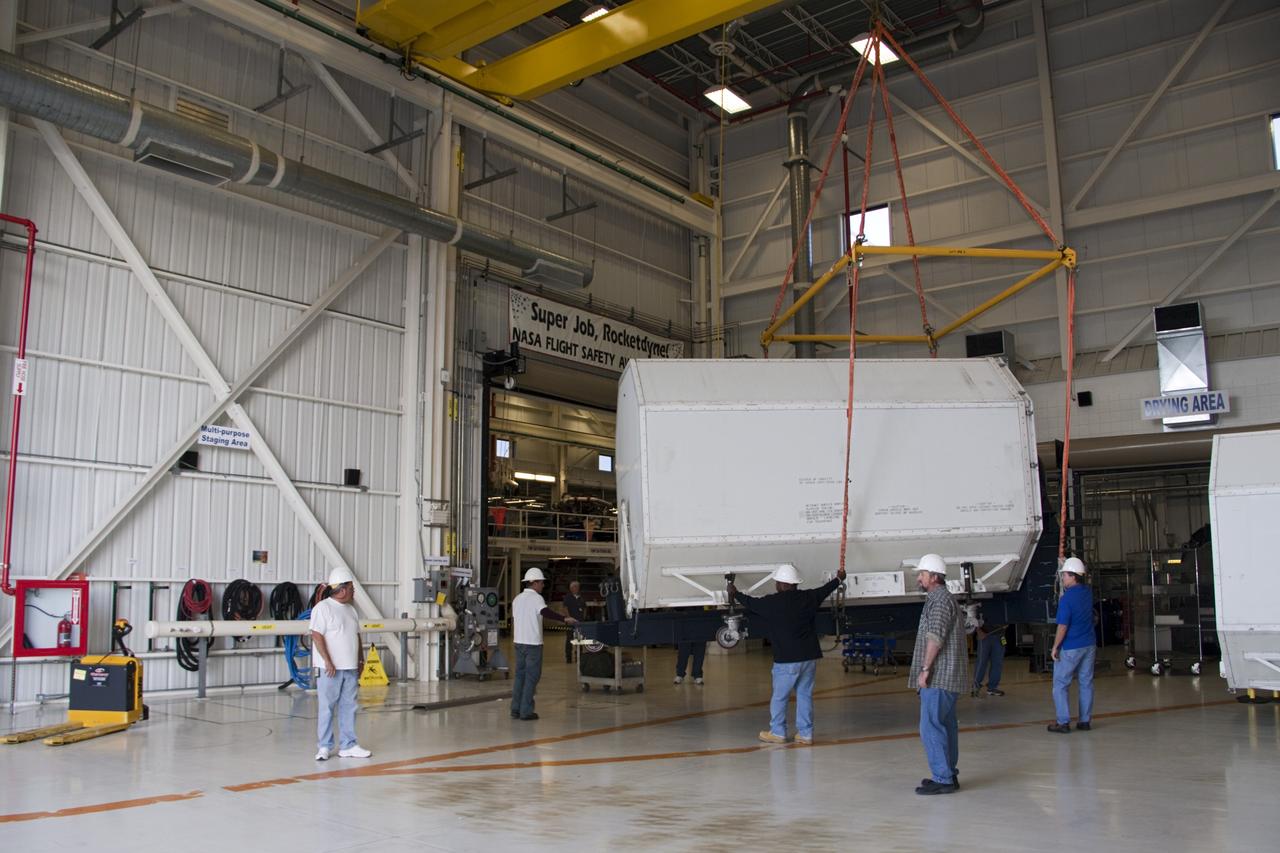
CAPE CANAVERAL, Fla. – In the Space Shuttle Main Engine Processing Facility at NASA’s Kennedy Space Center in Florida, a transportation canister containing a Pratt & Whitney Rocketdyne space shuttle main engine (SSME) glides above the floor toward a flatbed trailer. This is the second of the 15 engines used during the Space Shuttle Program to be transported to NASA's Stennis Space Center in Mississippi. The engines will be stored at Stennis for future use on NASA's new heavy-lift rocket, the Space Launch System (SLS), which will carry NASA's new Orion spacecraft, cargo, equipment and science experiments to space. For more information, visit http://www.nasa.gov/shuttle. Photo credit: NASA/Jim Grossmann
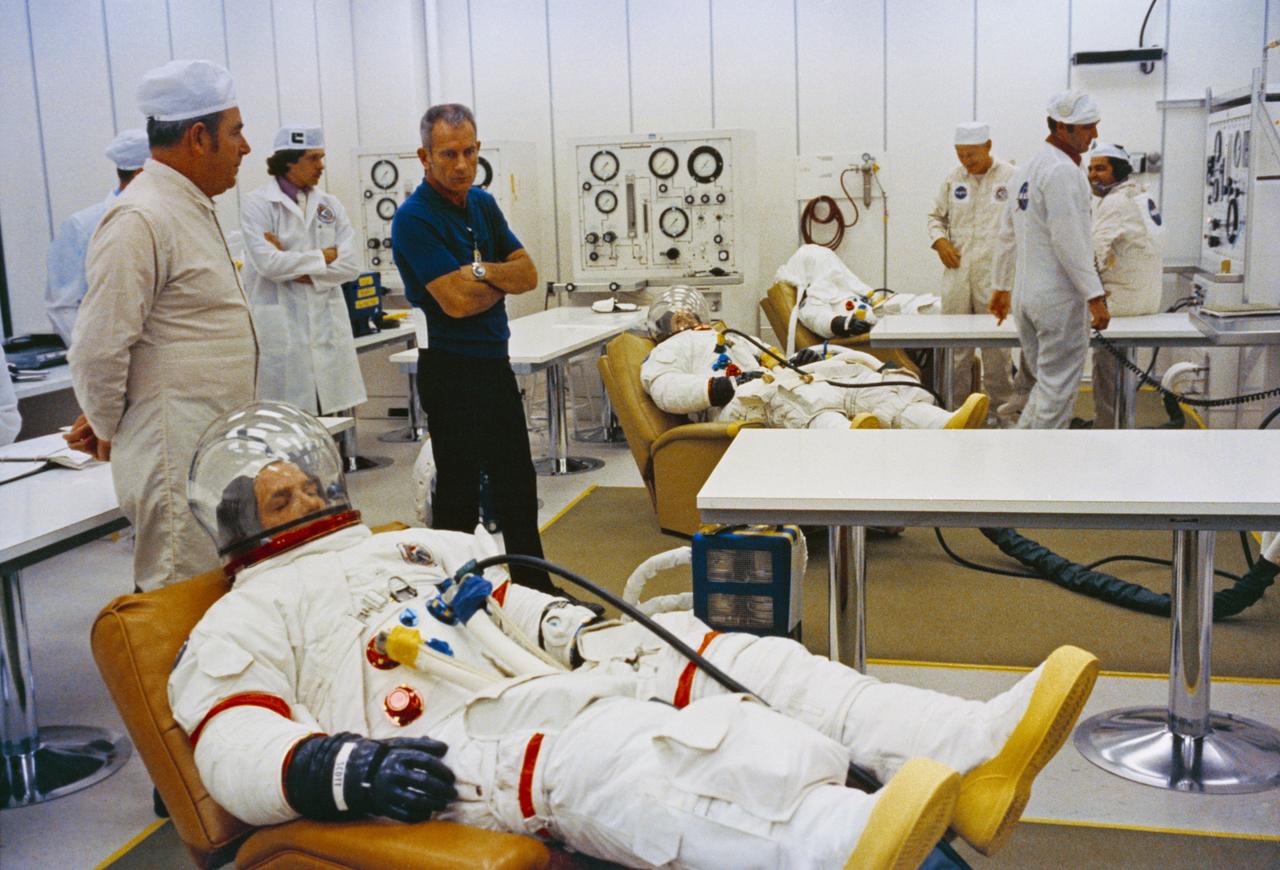
S71-41408 (26 July 1971) --- The three Apollo 15 astronauts go through suiting up operations in the Kennedy Space Center's (KSC) Manned Spacecraft Operations Building (MSOB) during the Apollo 15 prelaunch countdown. They are David R. Scott (foreground), commander; Alfred M. Worden (center), command module pilot; and James B. Irwin (background), lunar module pilot. Minutes later the crew rode a special transport van over to Pad A, Launch Complex 39, where their spacecraft awaited them. With the crew was Dr. Donald (Deke) K. Slayton (wearing dark blue sport shirt), director of Flight Crew Operations, Manned Spacecraft Center (MSC). The Apollo 15 space vehicle was launched at 9:34:00:79 a.m. (EDT), July 26, 1971, on a lunar landing mission.
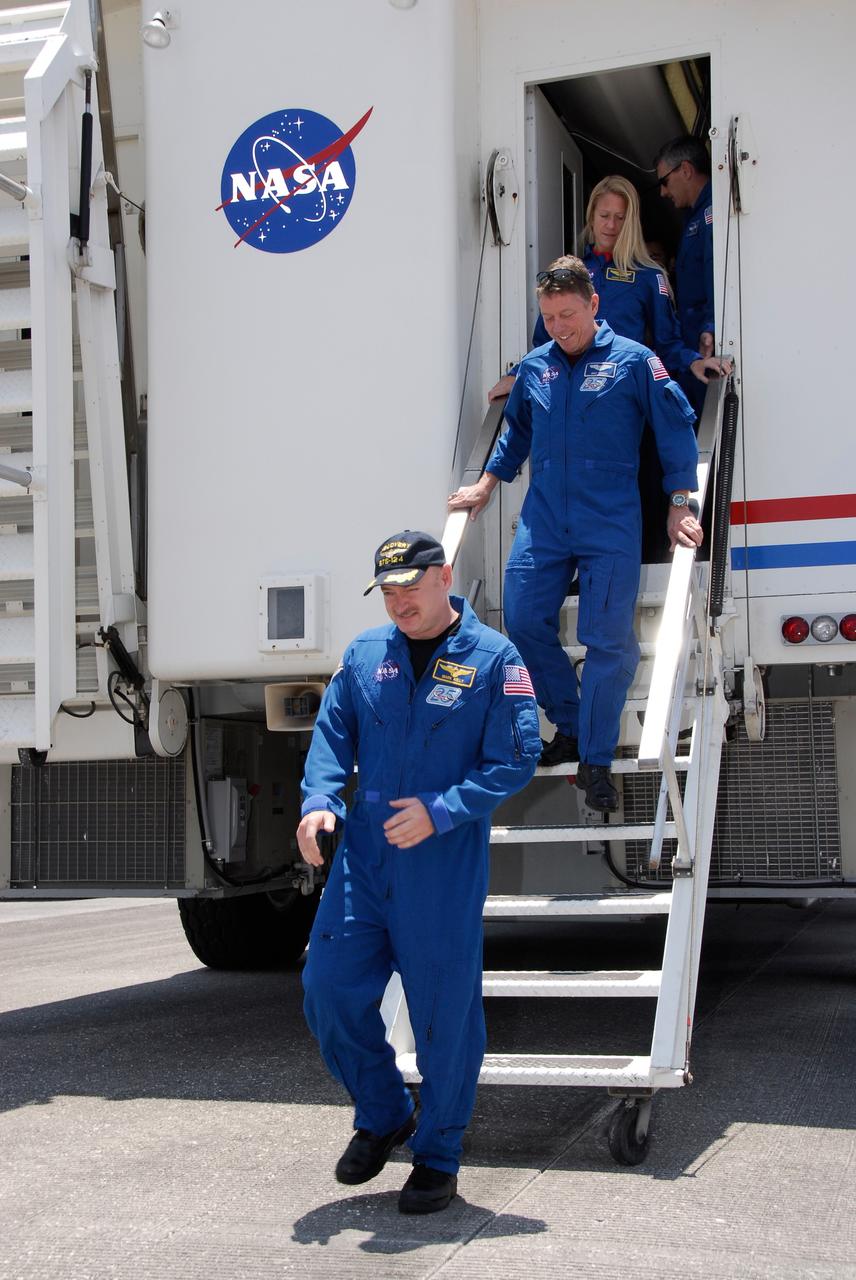
CAPE CANAVERAL, Fla. – After their successful STS-124 mission and landing at NASA's Kennedy Space Center, crew members exit the crew transport vehicle. Leading the way is Commander Mark Kelly, followed by Mission Specialists Mike Fossum and Karen Nyberg. Space shuttle Discovery's main landing gear touched down at 11:15:19 a.m. EDT on Runway 15. The nose landing gear touched down at 11:15:30 a.m. and wheel stop was at 11:16:19 a.m. The mission completed 5.7 million miles. The STS-124 mission delivered the Japan Aerospace Exploration Agency's large Japanese Pressurized Module and its remote manipulator system to the space station. Photo credit: NASA/Kim Shiflett
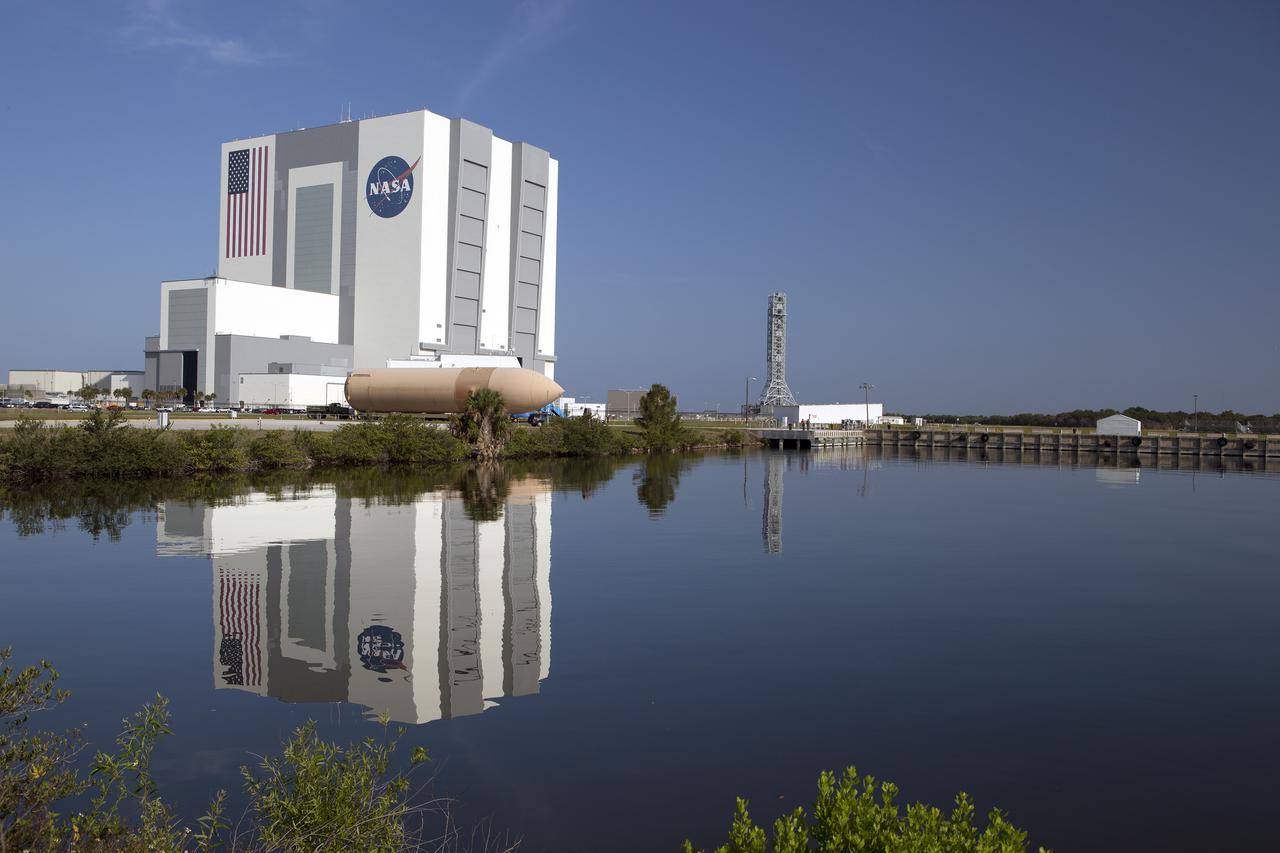
CAPE CANAVERAL, Fla. – An orange flight test article space shuttle external fuel tank, or ET, awaits transport from NASA's Kennedy Space Center in Florida to the Wings of Dreams Aviation Museum located at Keystone Heights Airport in North Central Florida. Weighing in at 58,000 pounds unfueled and standing more than 15-stories tall, the ET was referred to as the 'backbone' of the space shuttle. Its job was to hold about 535,000 gallons of super-cold liquid hydrogen and liquid oxygen. It also absorbed the thrust loads produced at launch by the orbiter and the solid rocket boosters, or SRBs. Also joining the ET at Wings of Dreams is an ET transporter, the crew transport vehicle, crew hatch access vehicle, SRB aft skirt and SRB frustum. Thousands of unique space shuttle era artifacts are being allocated to facilities across the country for their new missions to educate and inspire America's next generation of explorers. Photo credit: NASA_Dimitri Gerondidakis
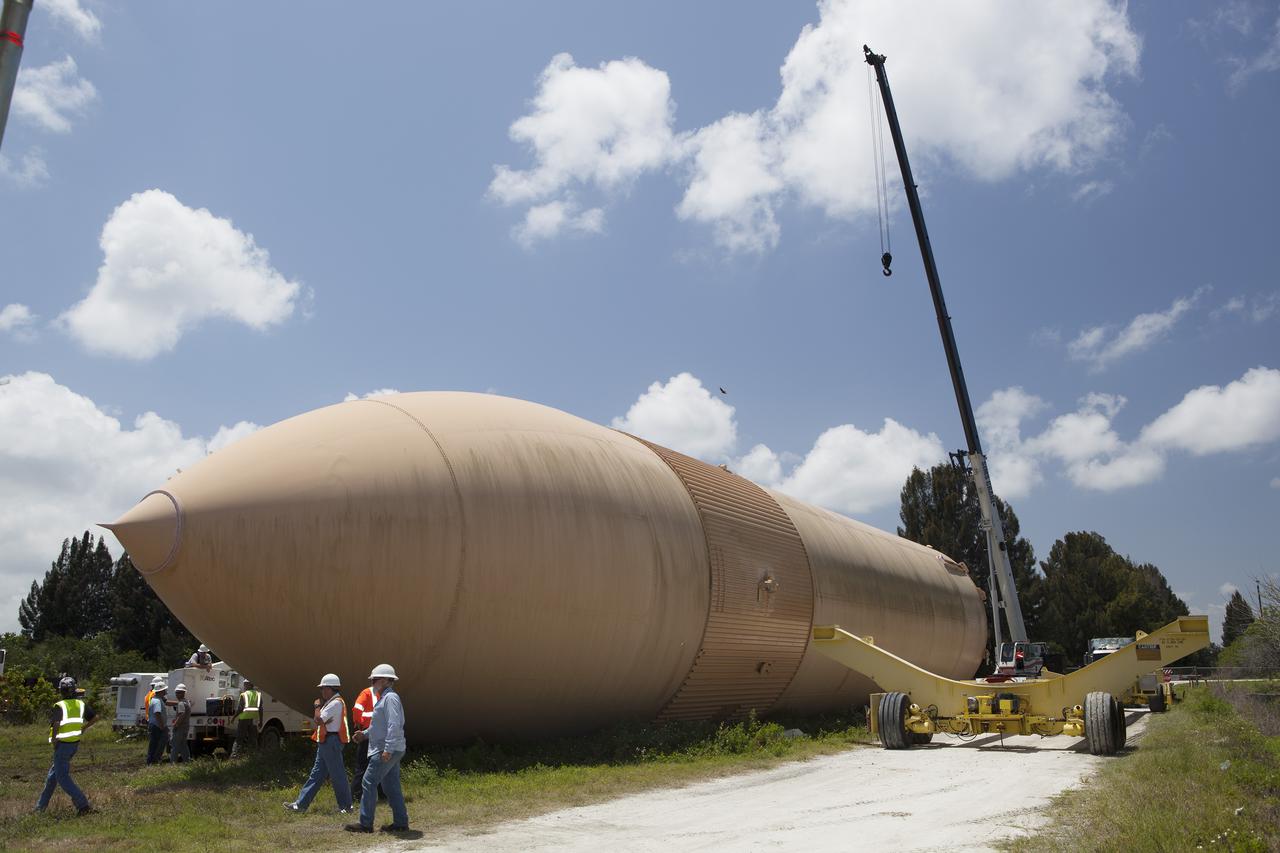
CAPE CANAVERAL, Fla. – Volunteers prepare an orange flight test article space shuttle external fuel tank, or ET, for transport from NASA's Kennedy Space Center in Florida to the Wings of Dreams Aviation Museum located at Keystone Heights Airport in North Central Florida. Weighing in at 58,000 pounds unfueled and standing more than 15-stories tall, the ET was referred to as the 'backbone' of the space shuttle. Its job was to hold about 535,000 gallons of super-cold liquid hydrogen and liquid oxygen. It also absorbed the thrust loads produced at launch by the orbiter and the solid rocket boosters, or SRBs. Also joining the ET at Wings of Dreams is an ET transporter, the crew transport vehicle, crew hatch access vehicle, SRB aft skirt and SRB frustum. Thousands of unique space shuttle era artifacts are being allocated to facilities across the country for their new missions to educate and inspire America's next generation of explorers. Photo credit: NASA_Dimitri Gerondidakis
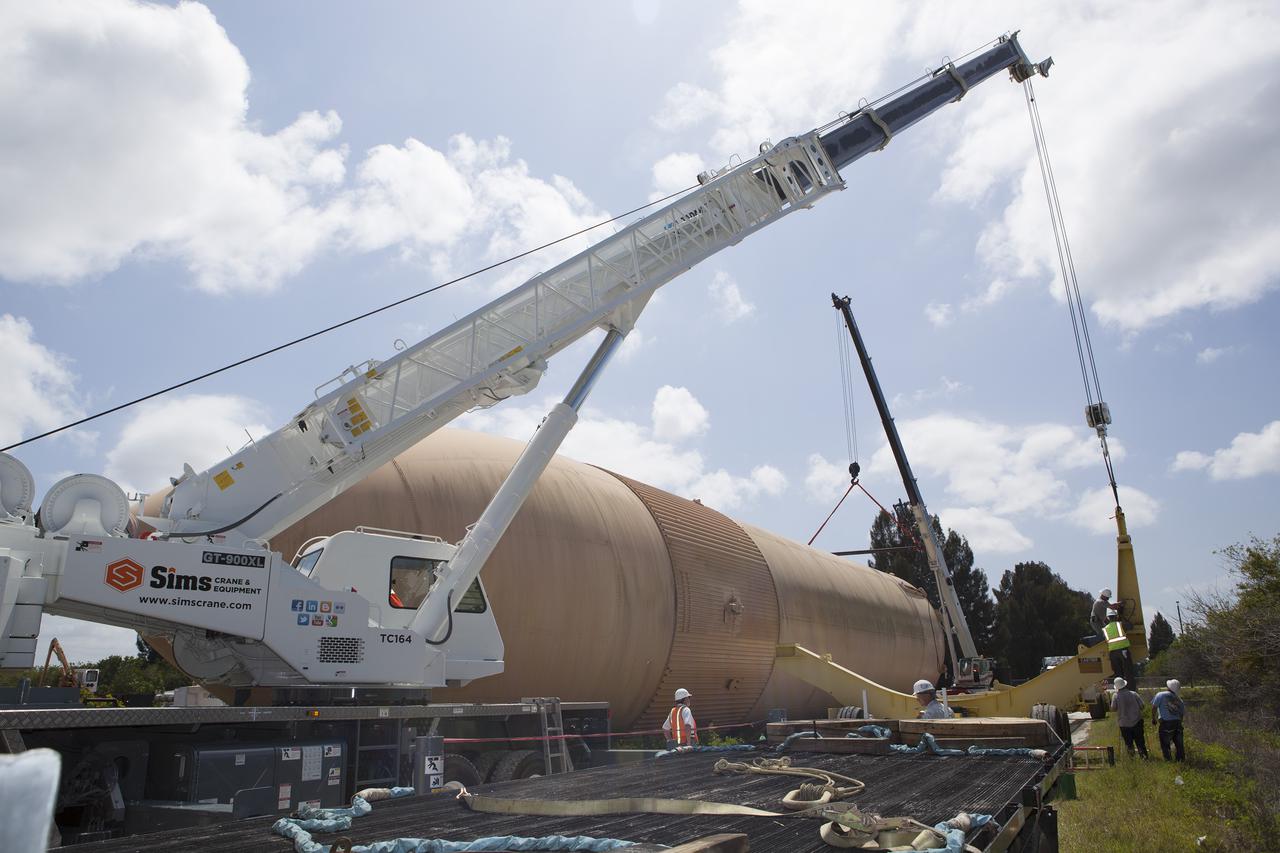
CAPE CANAVERAL, Fla. – Volunteers prepare an orange flight test article shuttle external fuel tank, or ET, for transport from NASA's Kennedy Space Center in Florida to the Wings of Dreams Aviation Museum located at Keystone Heights Airport in North Central Florida. Weighing in at 58,000 pounds unfueled and standing more than 15-stories tall, the ET was referred to as the 'backbone' of the space shuttle. Its job was to hold about 535,000 gallons of super-cold liquid hydrogen and liquid oxygen. It also absorbed the thrust loads produced at launch by the orbiter and the solid rocket boosters, or SRBs. Also joining the ET at Wings of Dreams is an ET transporter, the crew transport vehicle, crew hatch access vehicle, SRB aft skirt and SRB frustum. Thousands of unique space shuttle era artifacts are being allocated to facilities across the country for their new missions to educate and inspire America's next generation of explorers. Photo credit: NASA_Dimitri Gerondidakis
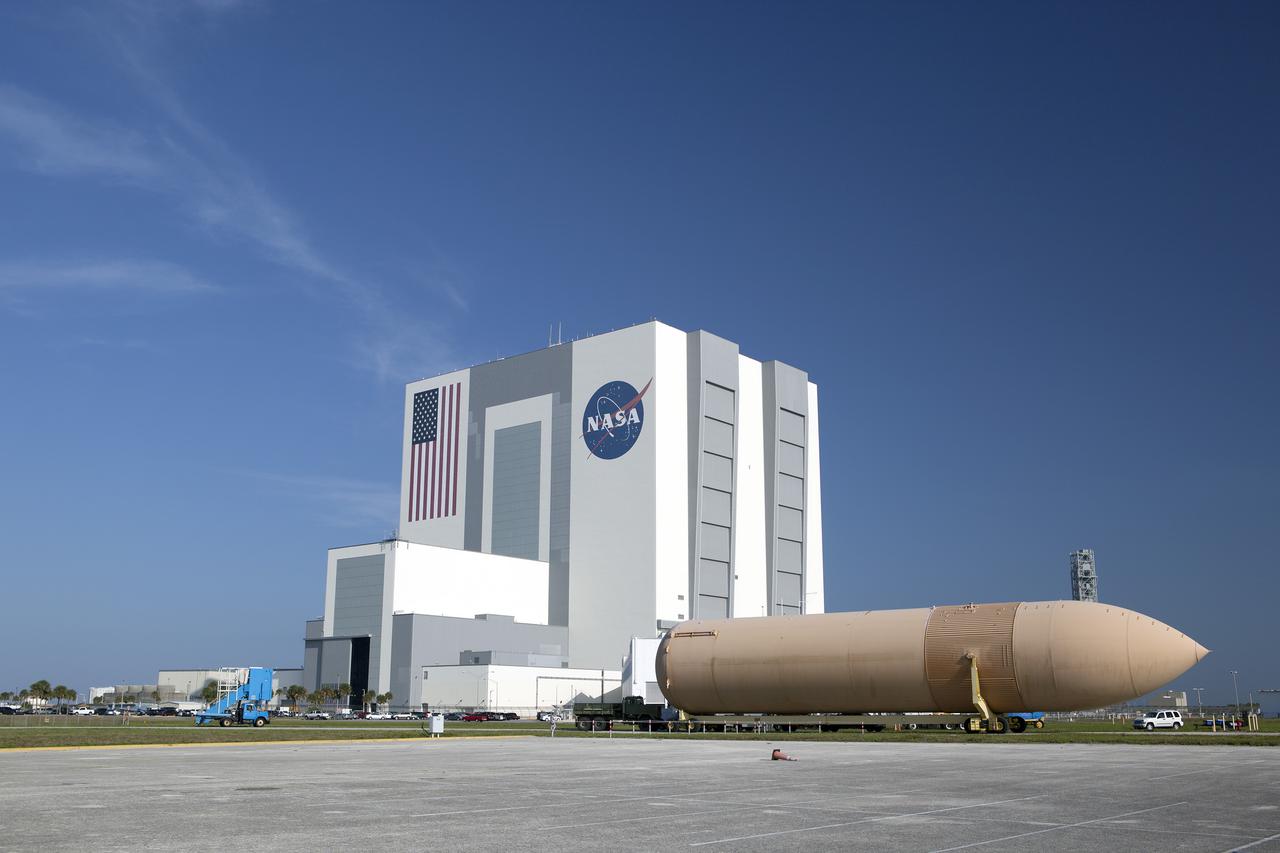
CAPE CANAVERAL, Fla. -- An orange flight test article space shuttle external fuel tank, or ET, awaits transport from NASA's Kennedy Space Center in Florida to the Wings of Dreams Aviation Museum located at Keystone Heights Airport in North Central Florida. Weighing in at 58,000 pounds unfueled and standing more than 15-stories tall, the ET was referred to as the 'backbone' of the space shuttle. Its job was to hold about 535,000 gallons of super-cold liquid hydrogen and liquid oxygen. It also absorbed the thrust loads produced at launch by the orbiter and the solid rocket boosters, or SRBs. Also joining the ET at Wings of Dreams is an ET transporter, the crew transport vehicle, crew hatch access vehicle, SRB aft skirt and SRB frustum. Thousands of unique space shuttle era artifacts are being allocated to facilities across the country for their new missions to educate and inspire America's next generation of explorers. Photo credit: NASA_Dimitri Gerondidakis
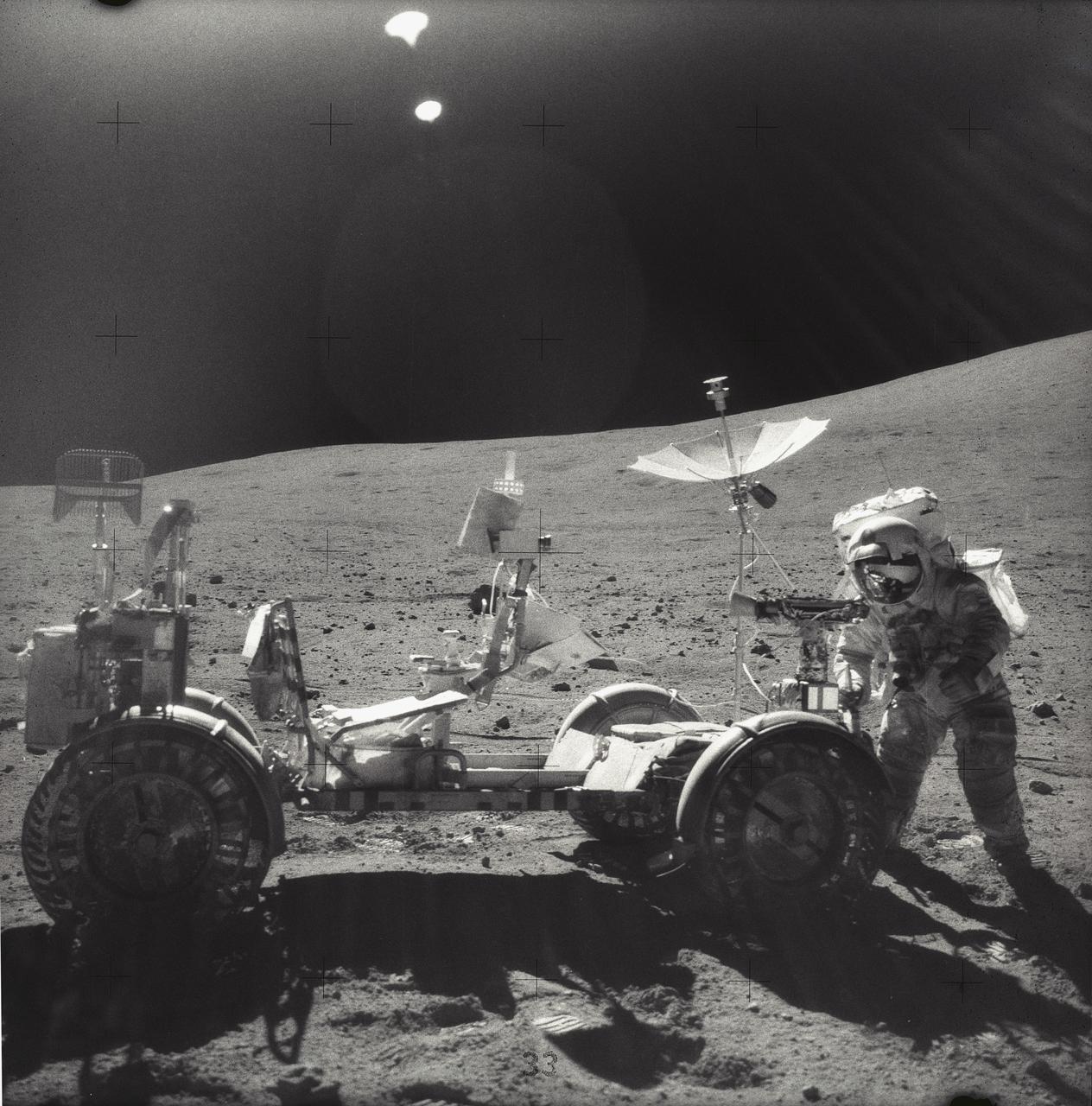
The Lunar Roving Vehicle (LRV) was designed by Marshall Space Flight Center to transport astronauts and materials on the Moon. An LRV was used on each of the last three Apollo missions; Apollo 15, Apollo 16, and Apollo 17, in 1971 and 1972, to permit the crew to travel several miles from the lunar landing site. This photograph was taken during the Apollo 16 mission in 1972.
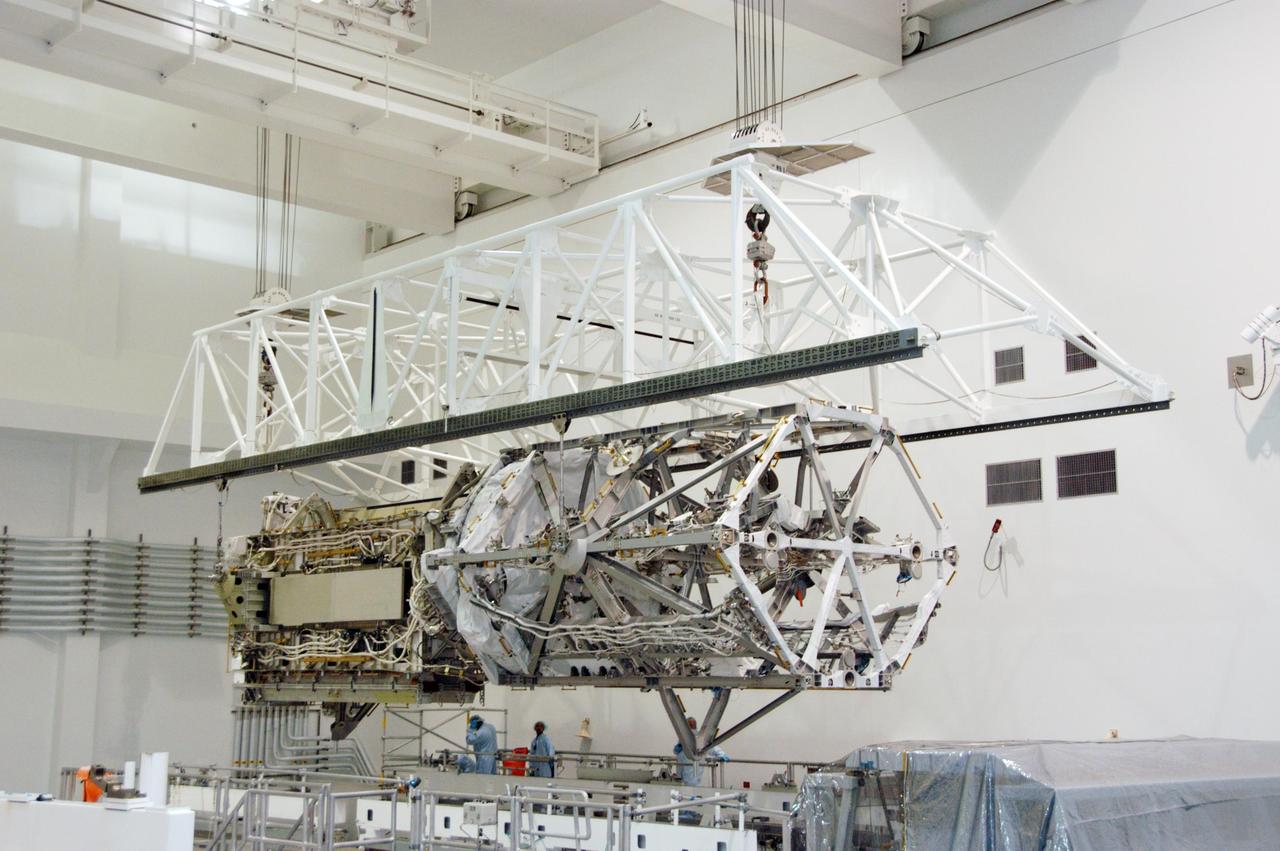
KENNEDY SPACE CENTER, FLA. -- In the Space Station Processing Facility, an overhead crane lifts the S3/S4 integrated truss from its workstand in order to move it to the payload canister. After it is stowed in the canister, the S3/S4 truss will be transported to the launch pad. The truss is the payload on mission STS-117, targeted for launch on March 15. Photo credit: NASA/George Shelton
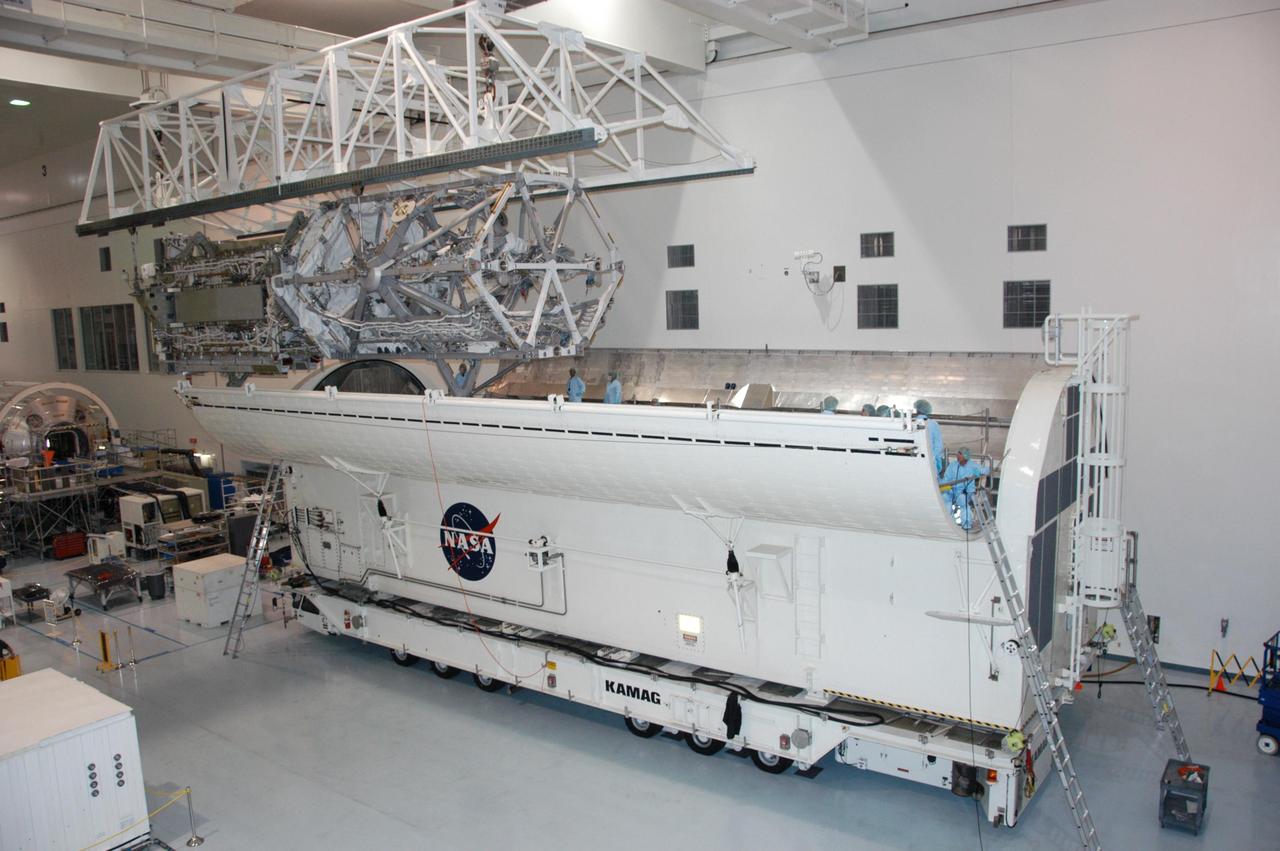
KENNEDY SPACE CENTER, FLA. -- In the Space Station Processing Facility, an overhead crane moves the S3/S4 integrated truss toward the open doors of the payload canister. After it is stowed in the canister, the S3/S4 truss will be transported to the launch pad. The truss is the payload on mission STS-117, targeted for launch on March 15. Photo credit: NASA/George Shelton
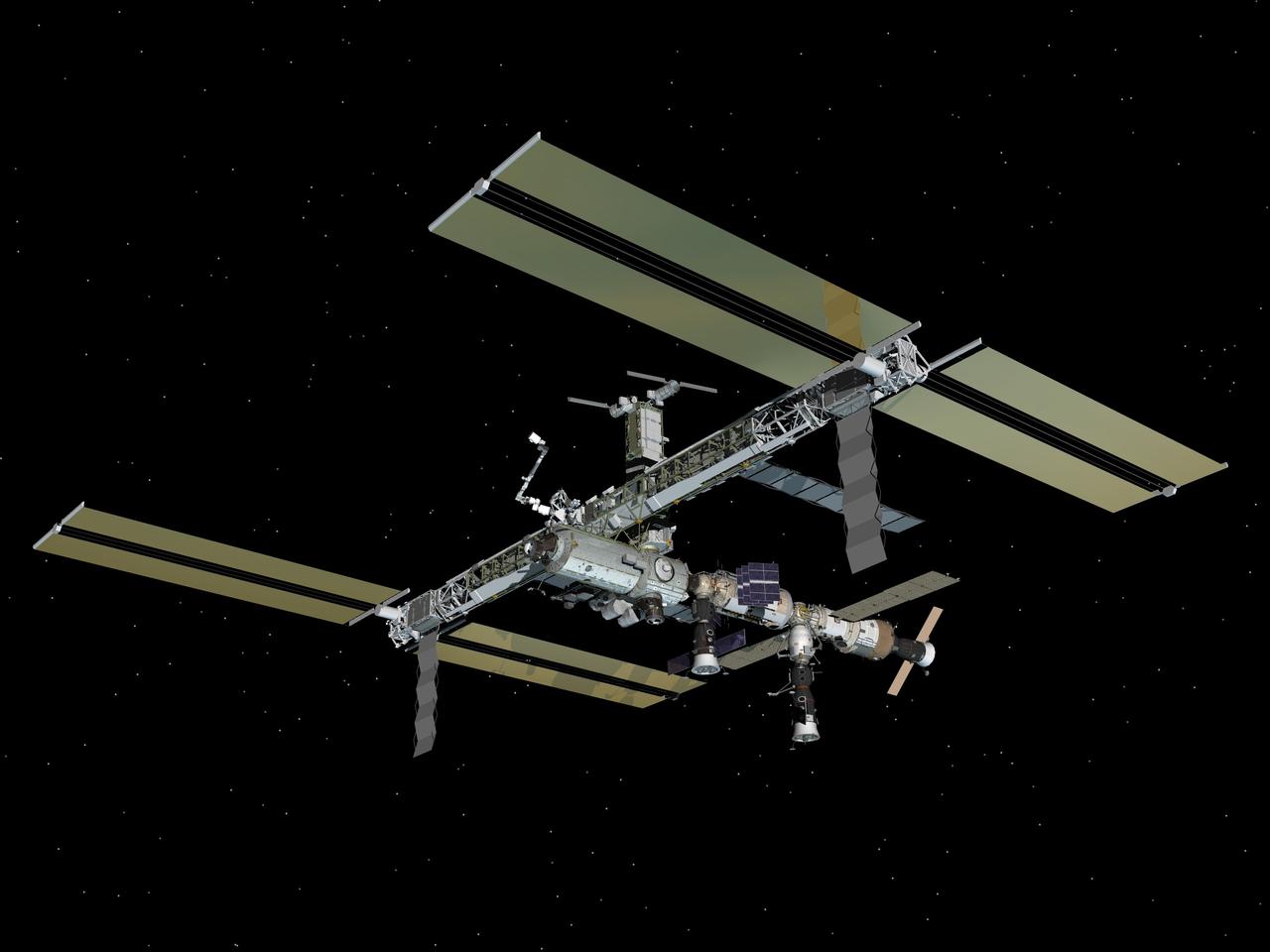
JSC2007-E-51287 (October 2007) --- Computer-generated artist's rendering of the International Space Station as of Oct. 12, 2007. This angle shows the port side of the orbiting complex. Soyuz 15 (TMA-11) docks to the Zarya nadir port -- transporting the Expedition 16 crew and spaceflight participant to the station. Progress 26 resupply vehicle is linked to the Pirs Docking Compartment and Soyuz 14 (TMA-10) remains docked to the Zvezda Service Module aft port.
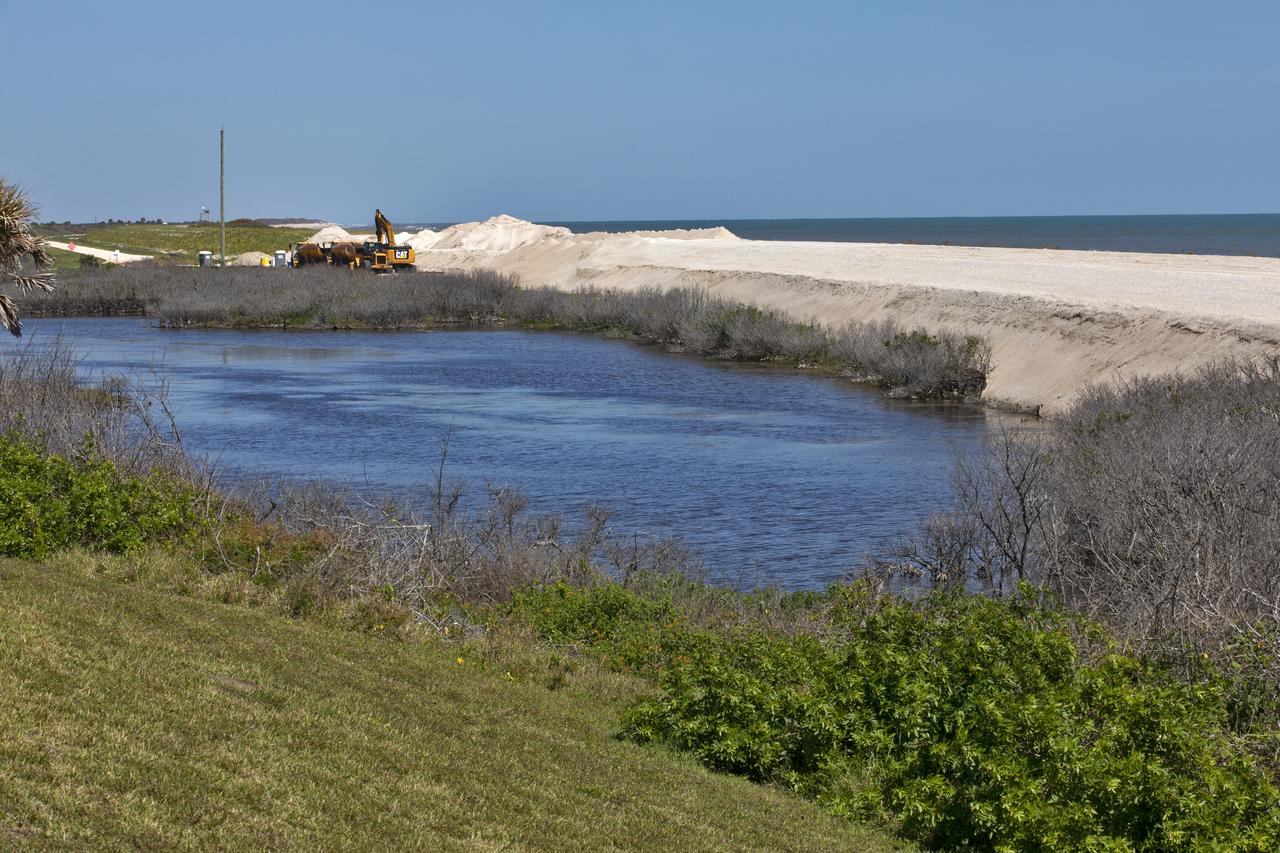
Restoration efforts are underway to the dunes at the north beaches at NASA’s Kennedy Space Center in Florida in this view on April 15, 2019. About 450,000 cubic yards of beach-quality sand, tested for compatibility, was transported to the space center’s beaches. Once the dune is built up, native coastal vegetation will be replanted, helping to stabilize the dune and offer a habitat for Kennedy’s coastal wildlife. Dunes are affected by beach erosion and storm surge from tropical events, such as hurricanes. Restoration began in spring 2018 and was targeted to be completed by April 2019.
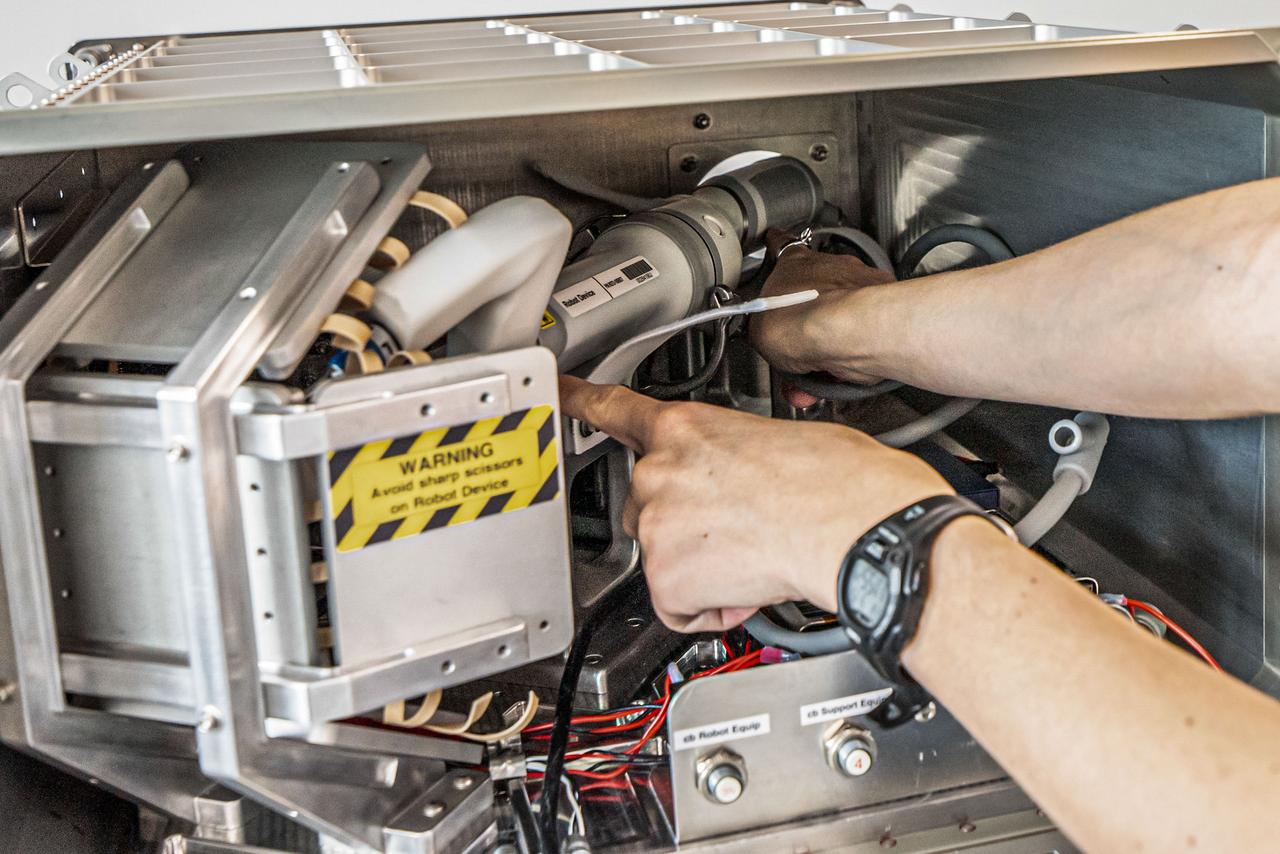
jsc2024e005981 (9/15/2023) --- The robotic surgery device is shown positioned inside the science locker, with the instrument arms and camera oriented toward the simulated surgical tissue on the experiment board. The unique small footprint makes it possible to transport the minibot anywhere, even to space. Robotic Surgery Tech Demo flies a special iteration of MIRA, Virtual Incision’s miniaturized robotic assisted surgery system. Image courtesy of Virtual Incision.
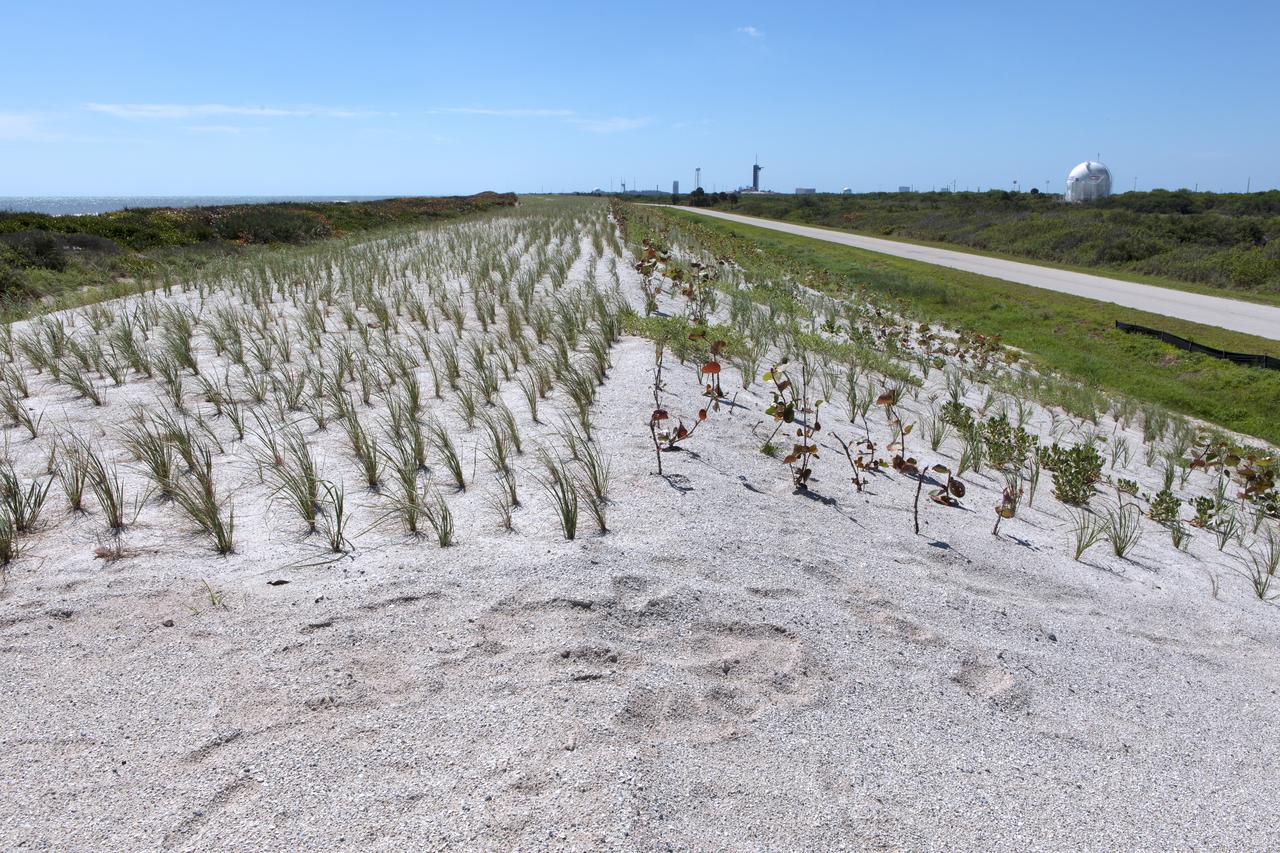
Restoration efforts are underway to the dunes at the north beaches at NASA’s Kennedy Space Center in Florida in this view on April 15, 2019. About 450,000 cubic yards of beach-quality sand, tested for compatibility, was transported to the space center’s beaches. After the dune was built up, native coastal vegetation was replanted, helping to stabilize the dune and offer a habitat for Kennedy’s coastal wildlife. Dunes are affected by beach erosion and storm surge from tropical events, such as hurricanes. Restoration began in spring 2018 and was targeted to be completed by April 2019.
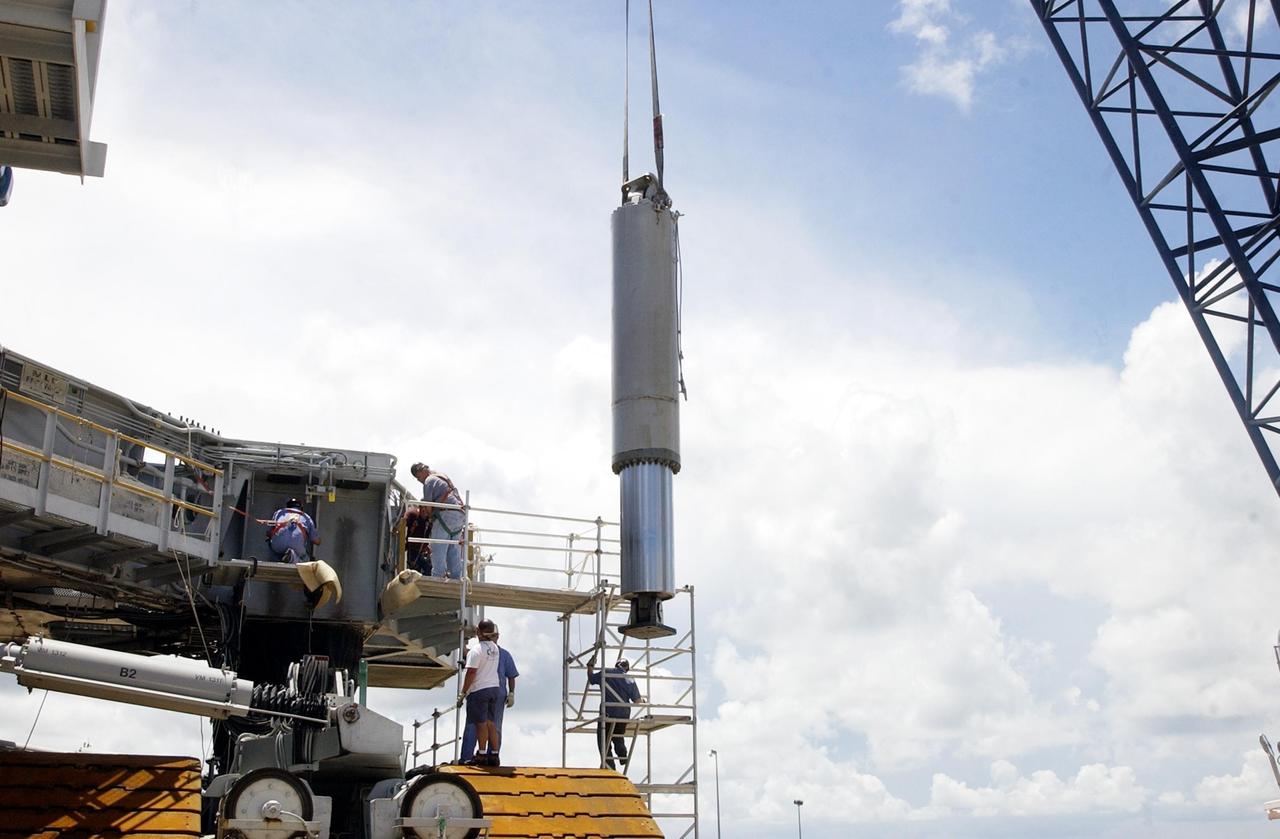
KENNEDY SPACE CENTER, FLA. -- A crane lifts a jacking, equalization and leveling (JEL) cylinder and bearing from Crawler-Transporter No. 2. During routine maintenance inspections last week, technicians removed two of the 16 JEL cylinders on the crawler to gain access to the bearings and found three of the four bearings cracked. Further eddy current inspections indicated that cracks are present on 15 of the bearings. There are 16 cylinders and 32 bearings per crawler. Engineers are evaluating the situation to determine the cause of the cracks and an appropriate solution to the problem.
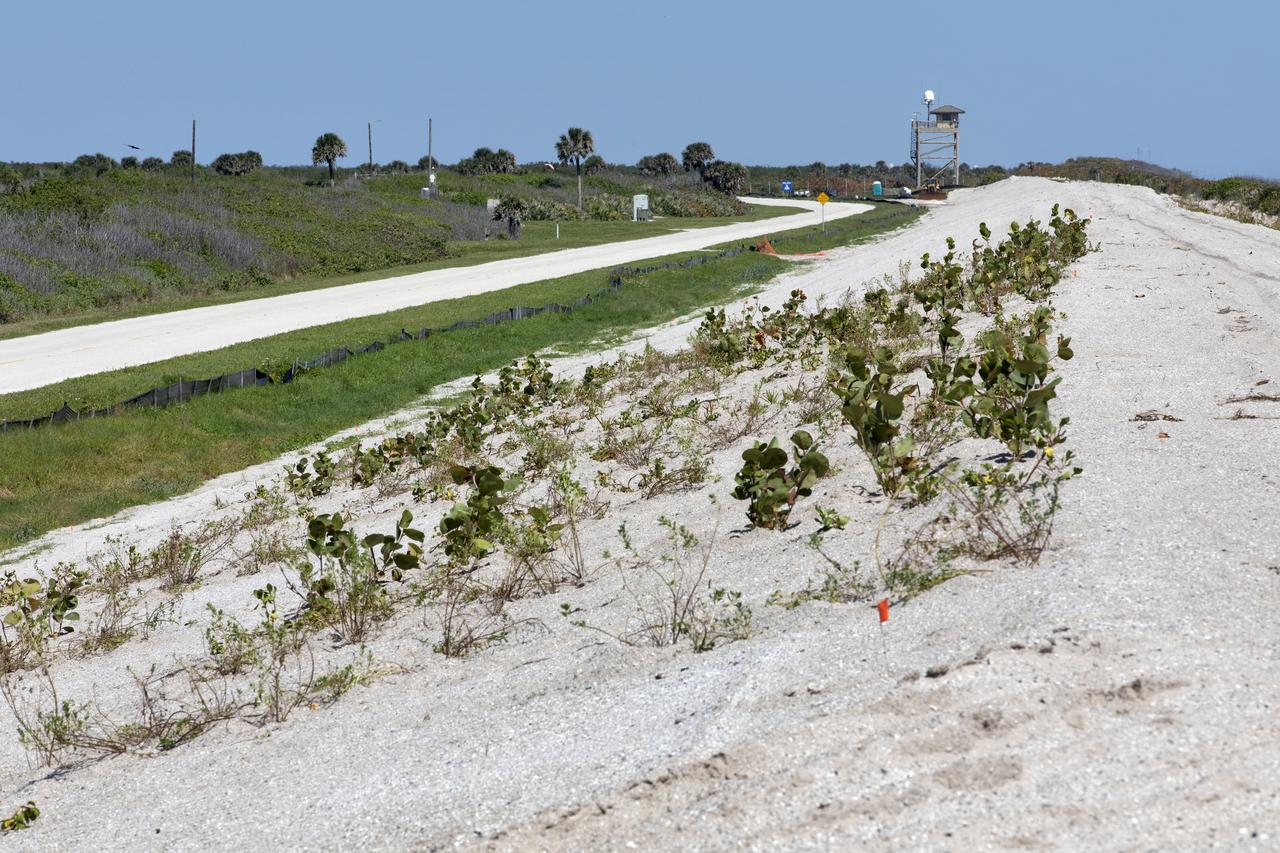
Restoration efforts are underway to the dunes at the north beaches at NASA’s Kennedy Space Center in Florida in this view on April 15, 2019. About 450,000 cubic yards of beach-quality sand, tested for compatibility, was transported to the space center’s beaches. After the dune was built up, native coastal vegetation was replanted, helping to stabilize the dune and offer a habitat for Kennedy’s coastal wildlife. Dunes are affected by beach erosion and storm surge from tropical events, such as hurricanes. Restoration began in spring 2018 and was targeted to be completed by April 2019.
KENNEDY SPACE CENTER, FLA. -- In the Space Station Processing Facility, an overhead crane lowers the S3/S4 integrated truss toward the open doors of the payload canister. After it is stowed in the canister, the S3/S4 truss will be transported to the launch pad. The truss is the payload on mission STS-117, targeted for launch on March 15. Photo credit: NASA/George Shelton
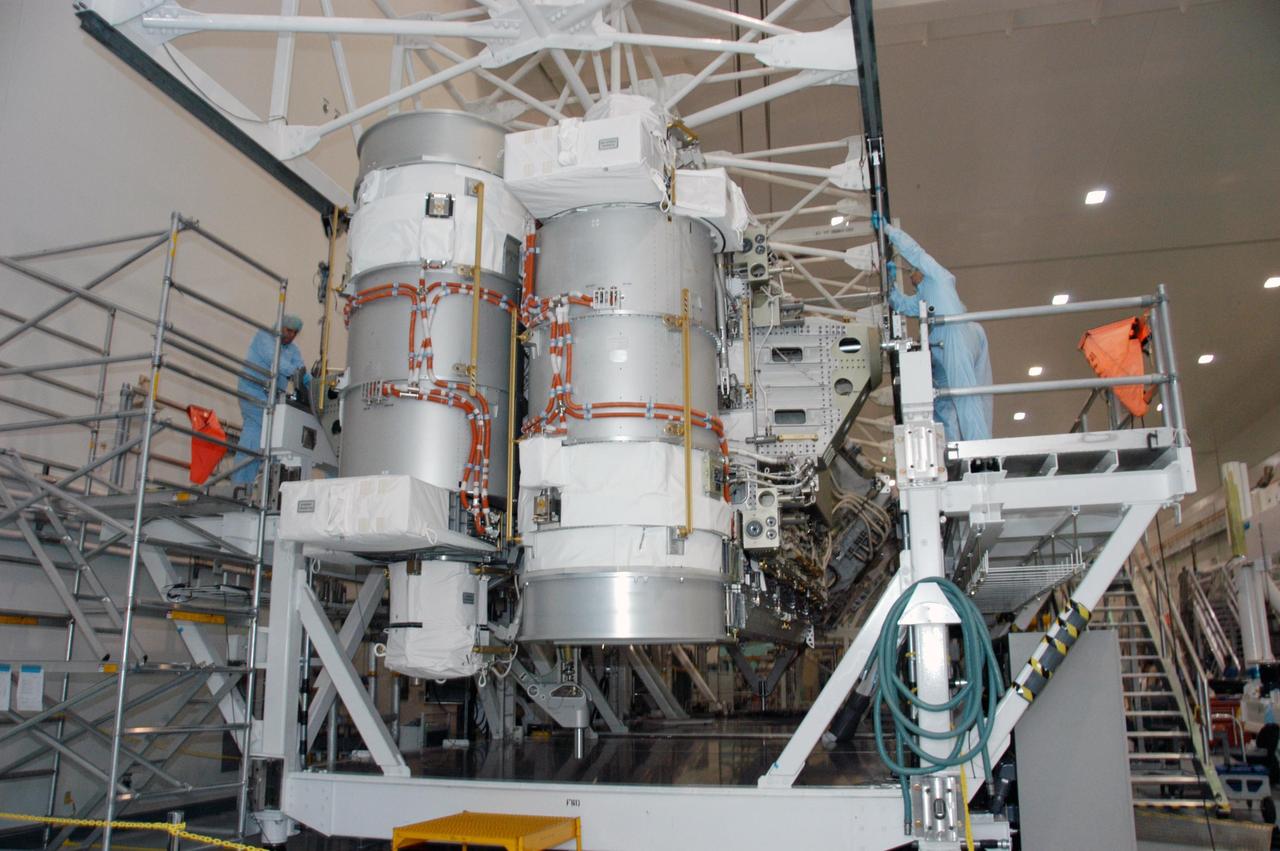
KENNEDY SPACE CENTER, FLA. -- In the Space Station Processing Facility, workers attach an overhead crane to the S3/S4 integrated truss in order to move it to the payload canister. After it is stowed in the canister, the S3/S4 truss will be transported to the launch pad. The truss is the payload on mission STS-117, targeted for launch on March 15. Photo credit: NASA/George Shelton
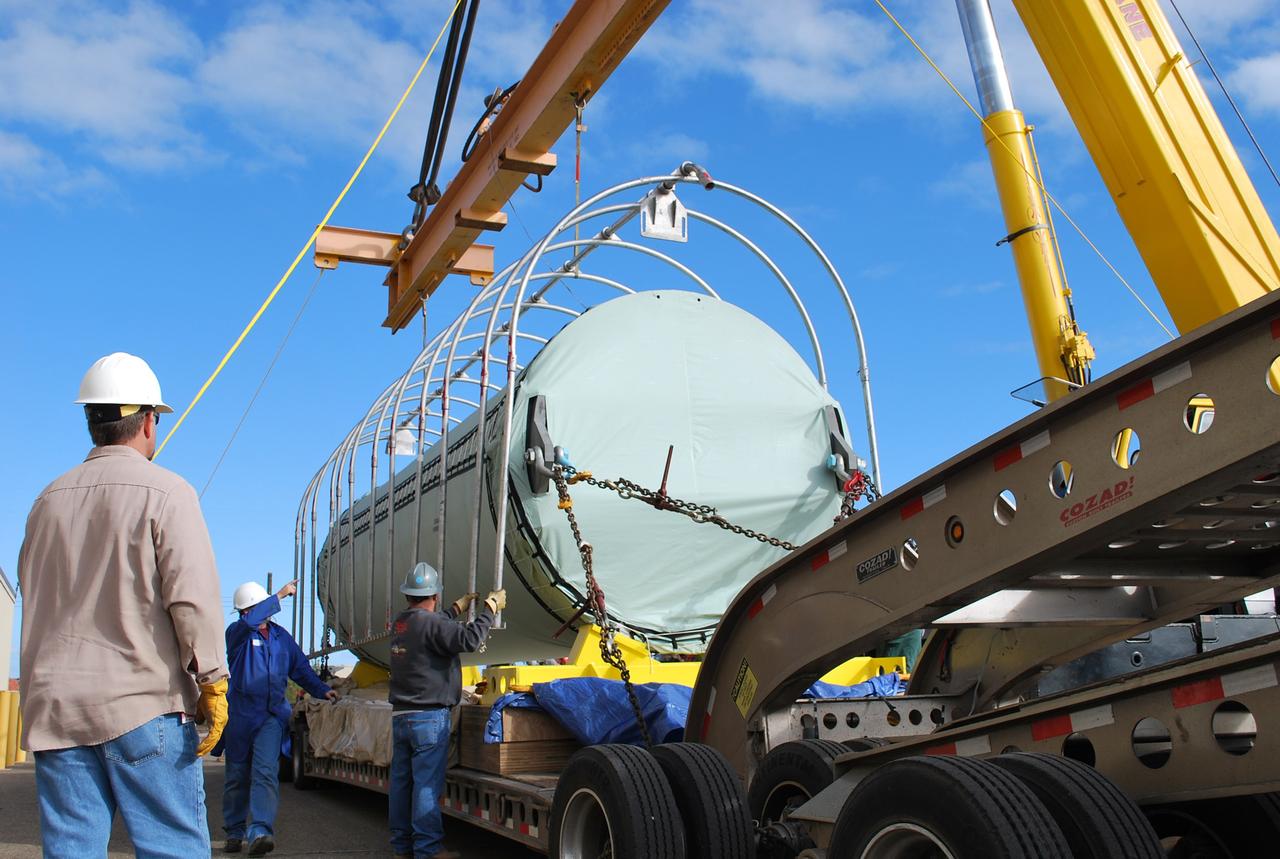
VANDENBERG AIR FORCE BASE, Calif. – After arrival of the Stage 0 motor for the Taurus XL launch vehicle at Vandenberg Air Force Base in California, a crane lifts off the protective cage. The motor will be transported to Orbital Sciences' Hangar 1555. The Taurus XL will launch NASA's Orbiting Carbon Observatory, or OCO, spacecraft targeted for Jan. 15. The OCO is a new Earth-orbiting mission sponsored by NASA's Earth System Science Pathfinder Program. Photo credit: NASA/Randy Beaudoin, VAFB
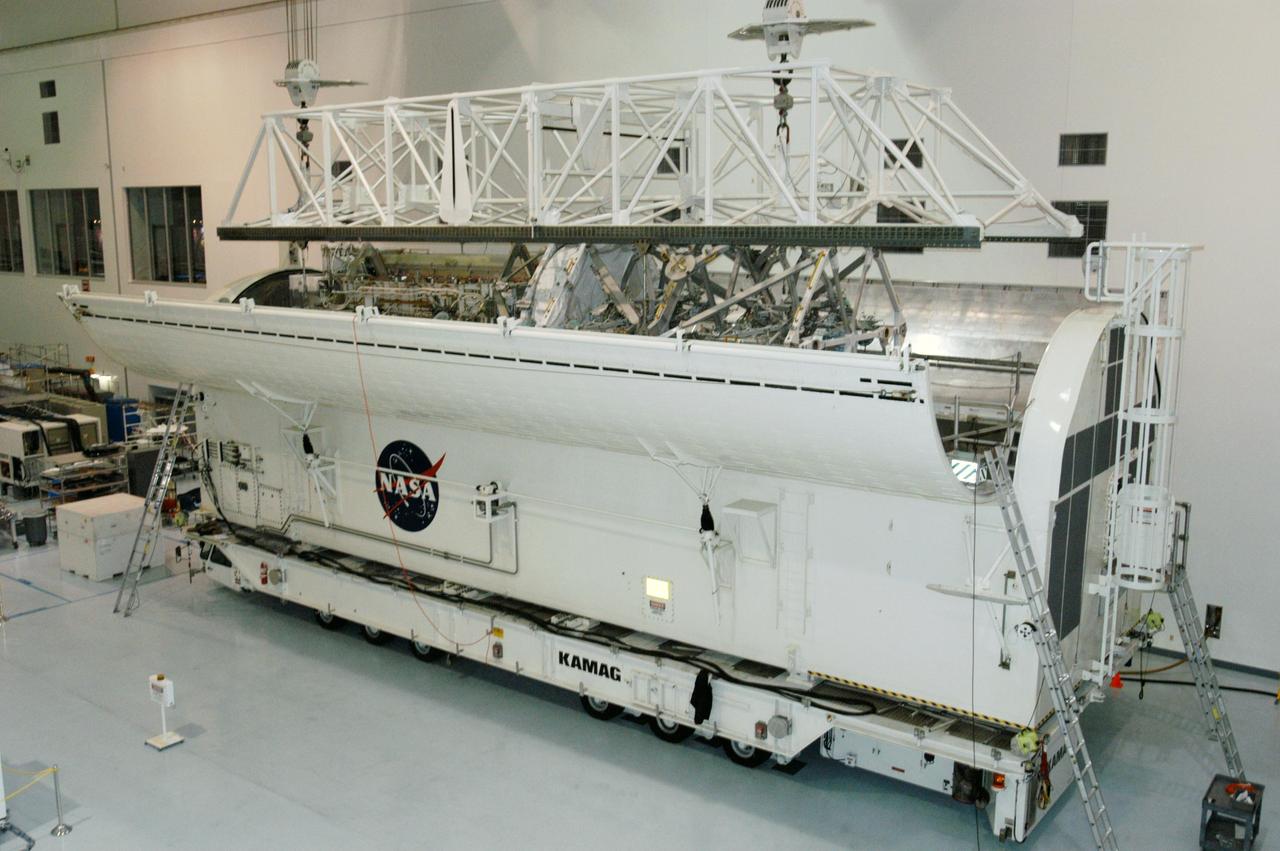
KENNEDY SPACE CENTER, FLA. -- In the Space Station Processing Facility, an overhead crane lowers the S3/S4 integrated truss into the open bay of the payload canister. After it is stowed in the canister, the S3/S4 truss will be transported to the launch pad. The truss is the payload on mission STS-117, targeted for launch on March 15. Photo credit: NASA/George Shelton

Native vegetation has been planted in the restored dunes at the north beaches at NASA’s Kennedy Space Center in Florida in this view on April 15, 2019. About 450,000 cubic yards of beach-quality sand, tested for compatibility, was transported to the space center’s beaches. After the dune was built up, native vegetation was replanted, helping to stabilize the dune and offer a habitat for Kennedy’s coastal wildlife. Dunes are affected by beach erosion and storm surge from tropical events, such as hurricanes. Restoration began in spring 2018 and was targeted to be completed by April 2019.
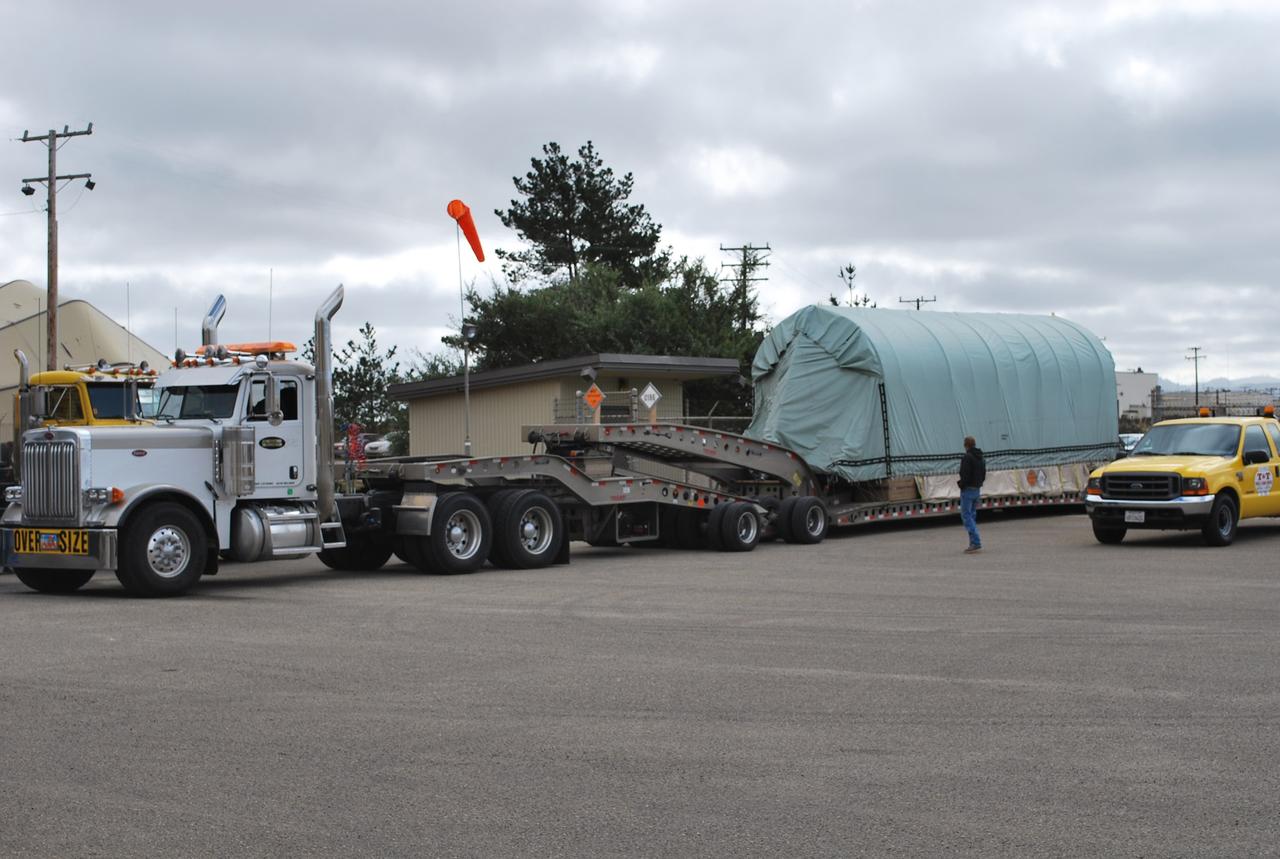
VANDENBERG AIR FORCE BASE, Calif. – The Stage 0 motor for the Taurus XL launch vehicle arrives at Vandenberg Air Force Base in California. The motor will be transported to Orbital Sciences' Hangar 1555. The Taurus XL will launch NASA's Orbiting Carbon Observatory, or OCO, spacecraft targeted for Jan. 15. The OCO is a new Earth-orbiting mission sponsored by NASA's Earth System Science Pathfinder Program. Photo credit: NASA/Randy Beaudoin, VAFB
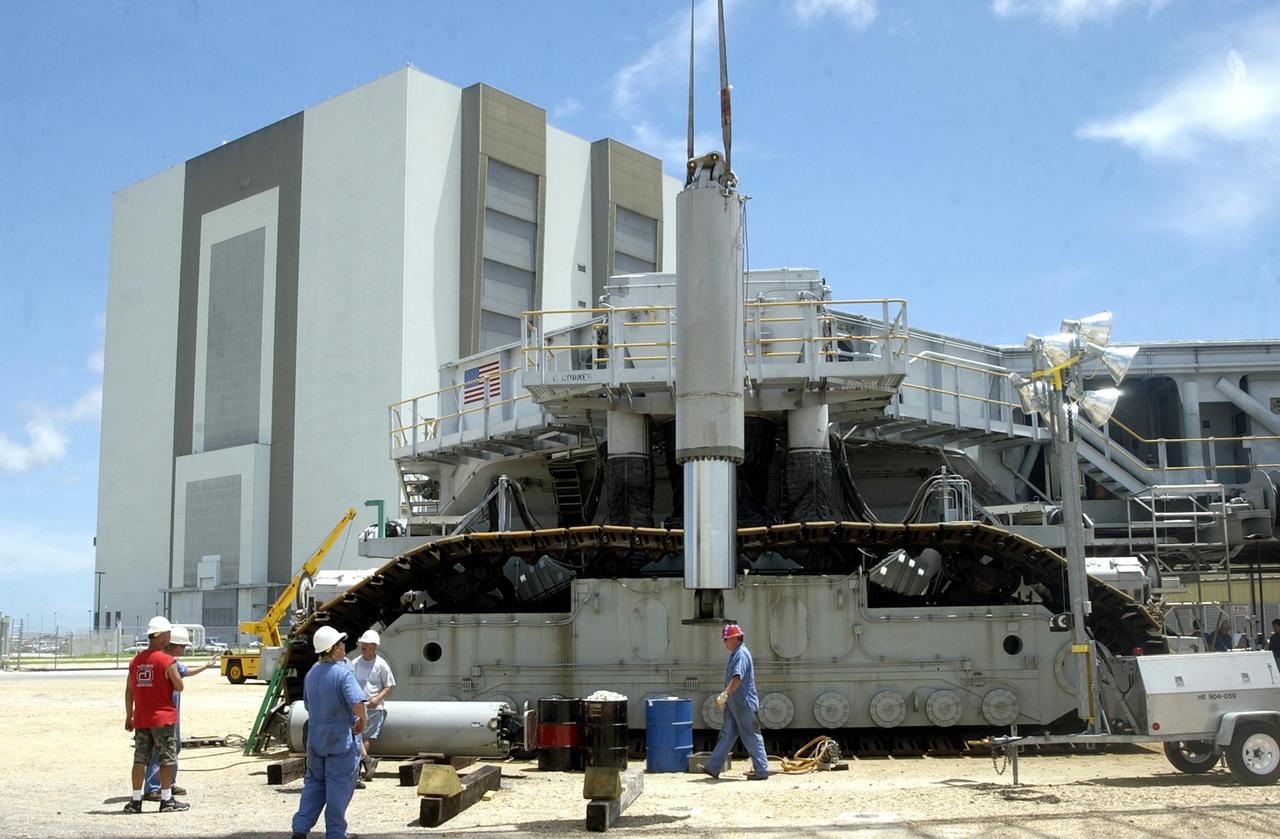
KENNEDY SPACE CENTER, FLA. -- A jacking, equalization and leveling (JEL) cylinder and bearing from Crawler-Transporter No. 2 is lowered by a crane to a position on the ground. During routine maintenance inspections last week, technicians removed two of the 16 JEL cylinders on the crawler to gain access to the bearings and found three of the four bearings cracked. Further eddy current inspections indicated that cracks are present on 15 of the bearings. There are 16 cylinders and 32 bearings per crawler.

Restoration efforts are underway to the dunes at the north beaches at NASA’s Kennedy Space Center in Florida in this view on April 15, 2019. About 450,000 cubic yards of beach-quality sand, tested for compatibility, was transported to the space center’s beaches. Once the dune is built up, native coastal vegetation will be replanted, helping to stabilize the dune and offer a habitat for Kennedy’s coastal wildlife. Dunes are affected by beach erosion and storm surge from tropical events, such as hurricanes. Restoration began in spring 2018 and was targeted to be completed by April 2019.
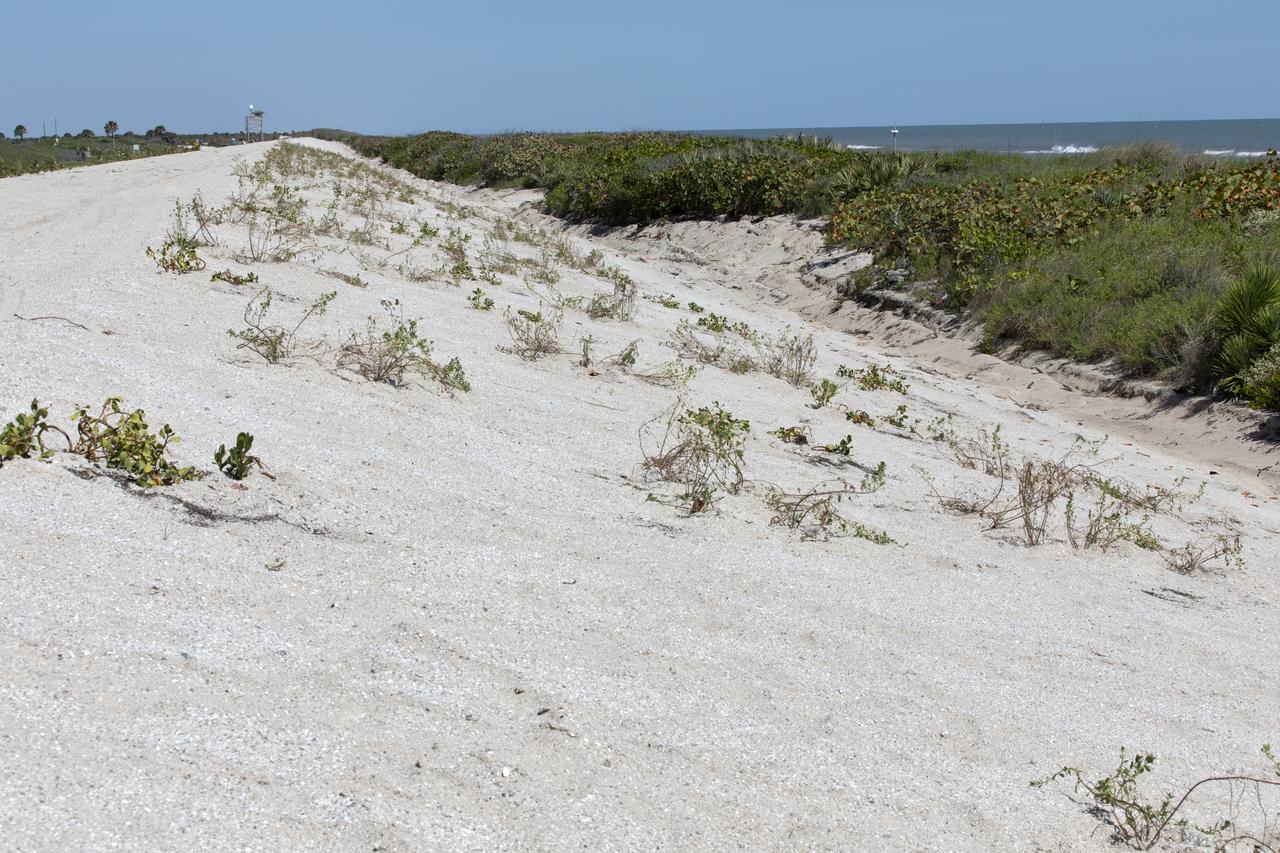
Restoration efforts are underway to the dunes at the north beaches at NASA’s Kennedy Space Center in Florida in this view on April 15, 2019. About 450,000 cubic yards of beach-quality sand, tested for compatibility, was transported to the space center’s beaches. After the dune was built up, native coastal vegetation was replanted, helping to stabilize the dune and offer a habitat for Kennedy’s coastal wildlife. Dunes are affected by beach erosion and storm surge from tropical events, such as hurricanes. Restoration began in spring 2018 and was targeted to be completed by April 2019.
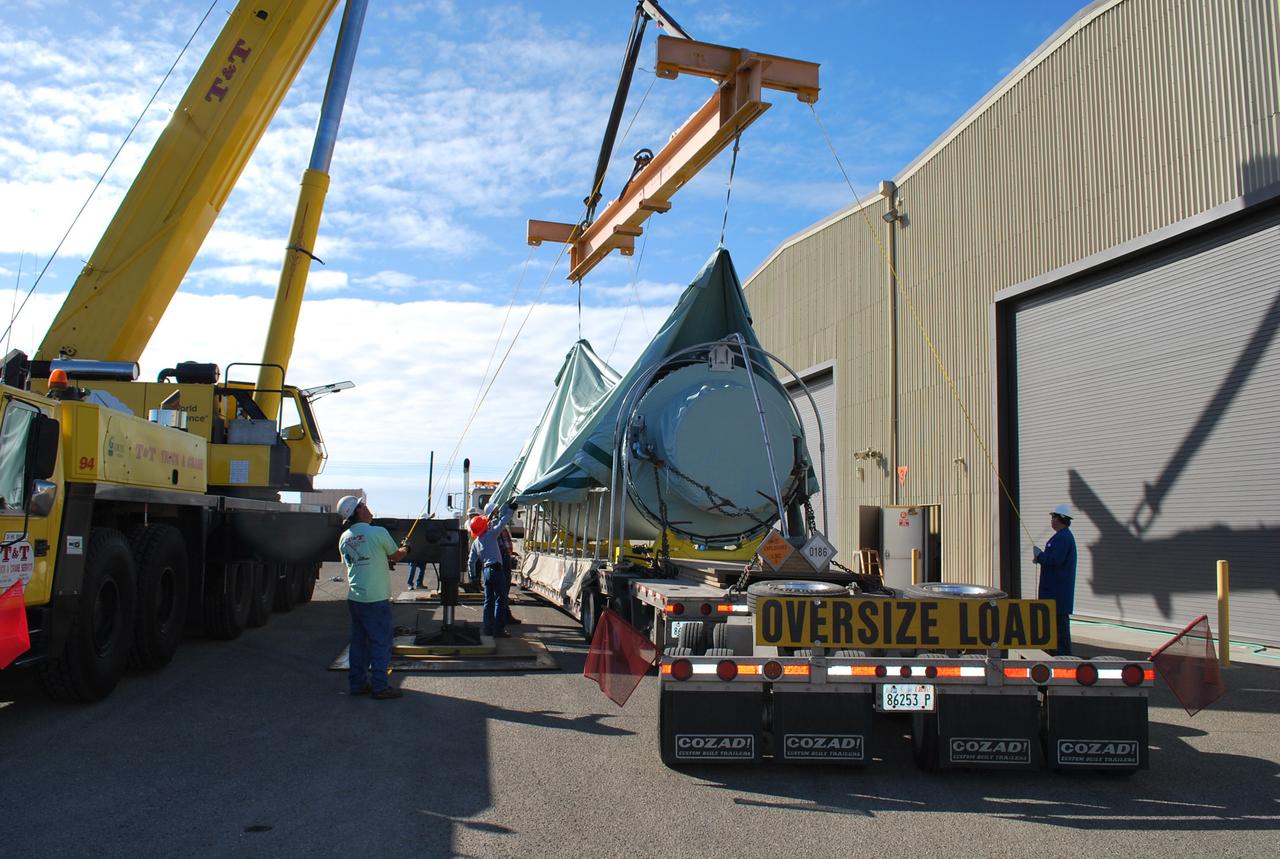
VANDENBERG AIR FORCE BASE, Calif. – After arrival of the Stage 0 motor for the Taurus XL launch vehicle at Vandenberg Air Force Base in California, a crane lifts off the protective shipping cover. The motor will be transported to Orbital Sciences' Hangar 1555. The Taurus XL will launch NASA's Orbiting Carbon Observatory, or OCO, spacecraft targeted for Jan. 15. The OCO is a new Earth-orbiting mission sponsored by NASA's Earth System Science Pathfinder Program. Photo credit: NASA/Randy Beaudoin, VAFB
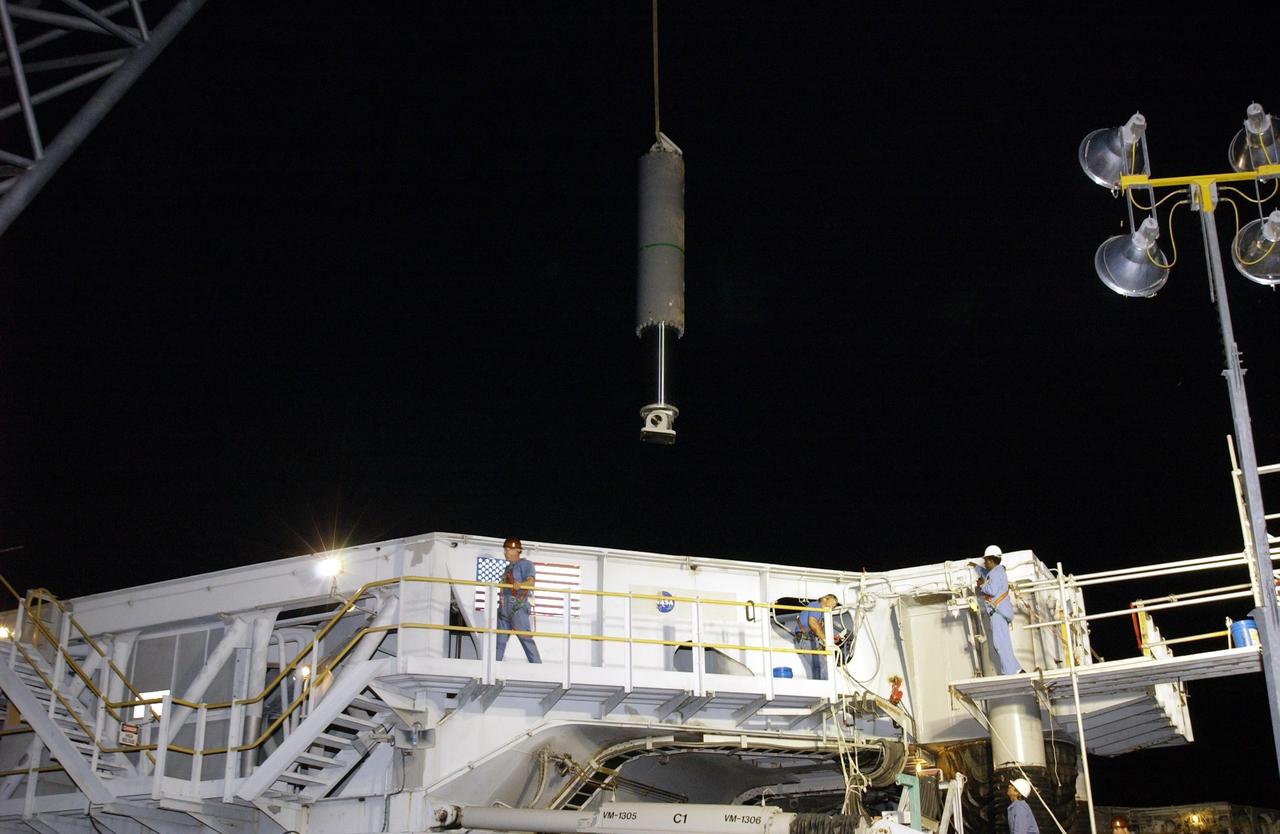
KENNEDY SPACE CENTER, FLA. -- The final Jacking, Equalization and Leveling (JEL) cylinder is moved to Crawler Transporter No. 2 (CT-2) for installation. During recent routine maintenance inspections, cracks were found on four bearings in two JEL cylinders. Further eddy current inspections indicated that cracks were present on 15 bearings. There are 16 cylinders and 32 bearings per crawler. CT-2 was repaired in order to enable Atlantis' rollout for mission STS-112, scheduled for launch no earlier than Oct. 2.
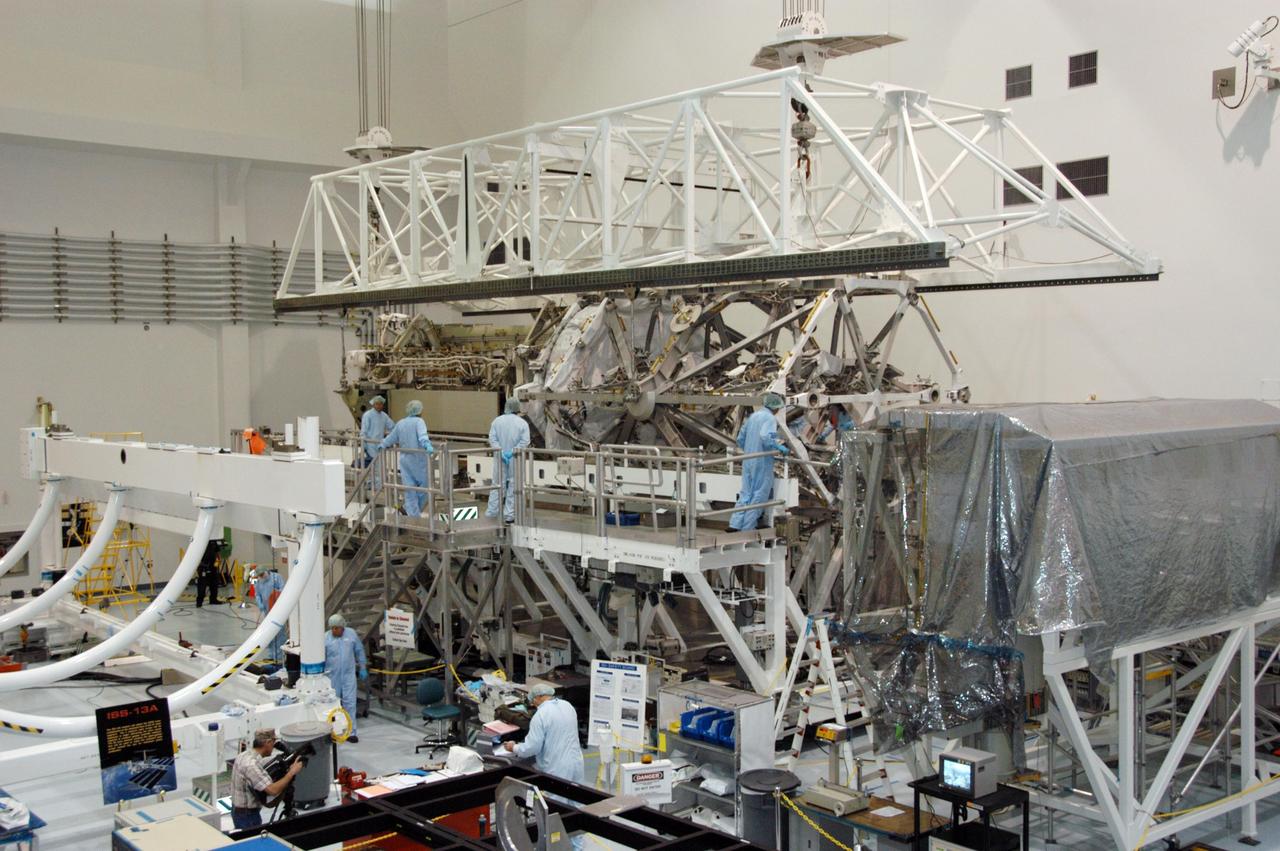
KENNEDY SPACE CENTER, FLA. -- In the Space Station Processing Facility, workers attach an overhead crane to the S3/S4 integrated truss in order to move it to the payload canister. After it is stowed in the canister, the S3/S4 truss will be transported to the launch pad. The truss is the payload on mission STS-117, targeted for launch on March 15. Photo credit: NASA/George Shelton
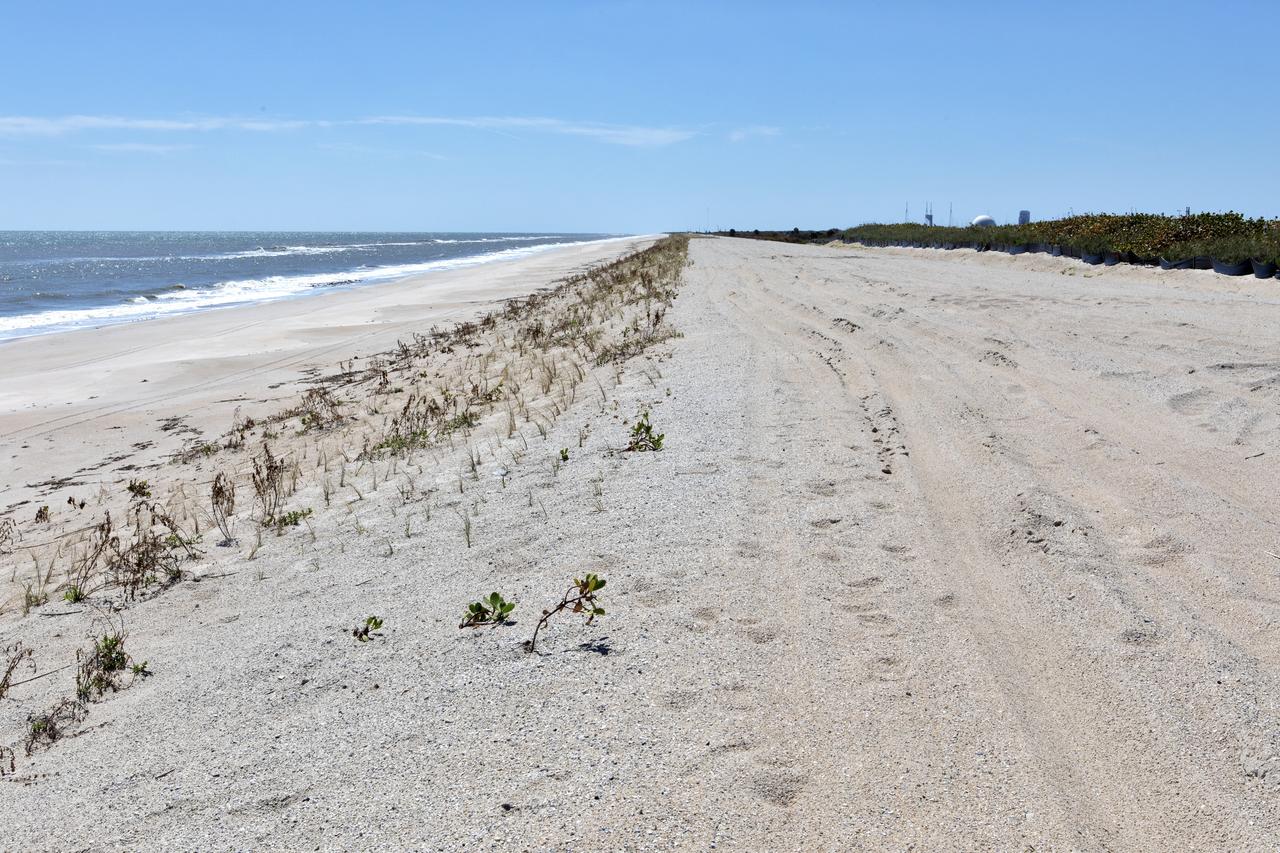
Restoration efforts are underway to the dunes at the north beaches at NASA’s Kennedy Space Center in Florida in this view on April 15, 2019. About 450,000 cubic yards of beach-quality sand, tested for compatibility, was transported to the space center’s beaches. After the dune was built up, native coastal vegetation was replanted, helping to stabilize the dune and offer a habitat for Kennedy’s coast wildlife. Dunes are affected by beach erosion and storm surge from tropical events, such as hurricanes. Restoration began in spring 2018 and was targeted to be completed by April 2019.
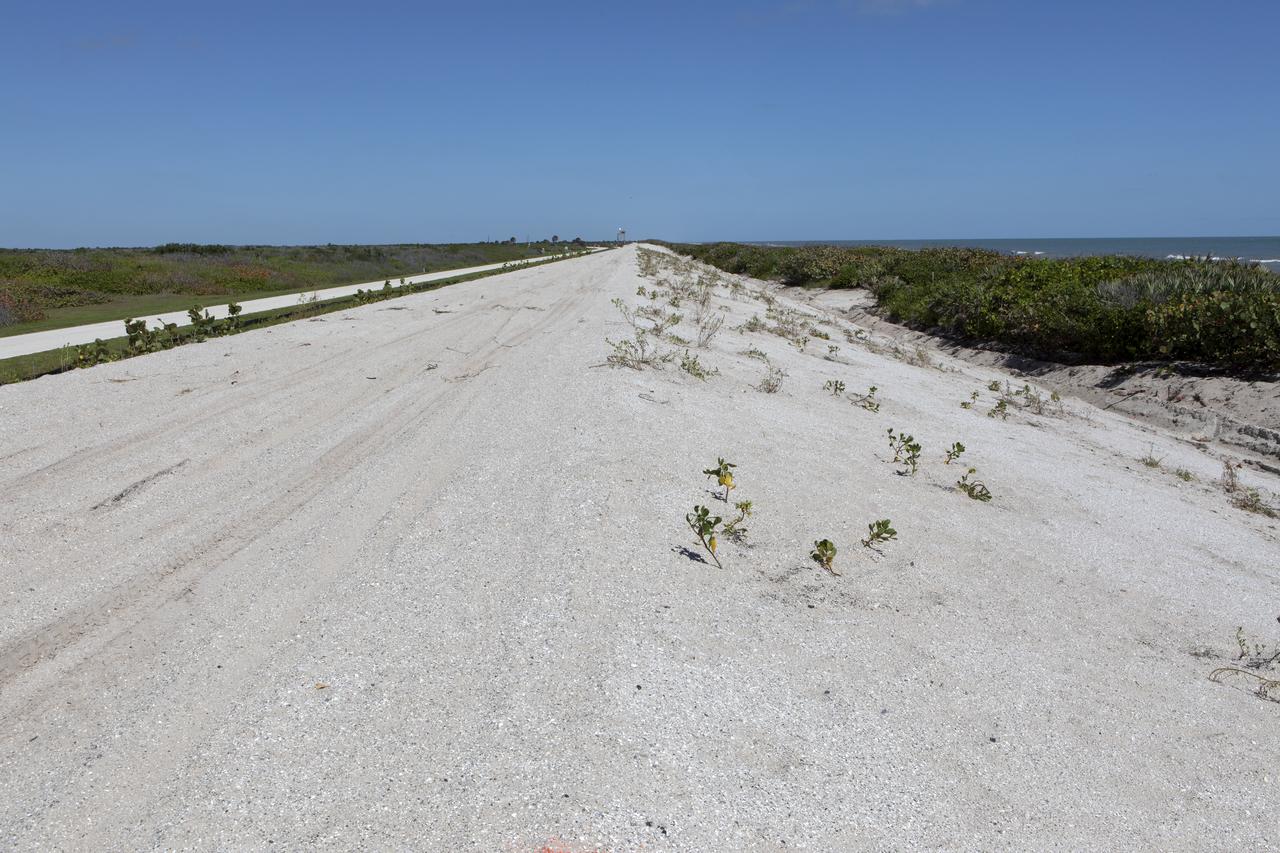
Restoration efforts are underway to the dunes at the north beaches at NASA’s Kennedy Space Center in Florida in this view on April 15, 2019. About 450,000 cubic yards of beach-quality sand, tested for compatibility, was transported to the space center’s beaches. Once the dune is built up, native coastal vegetation will be replanted, helping to stabilize the dune and offer a habitat for Kennedy’s coastal wildlife. Dunes are affected by beach erosion and storm surge from tropical events, such as hurricanes. Restoration began in spring 2018 and was targeted to be completed by April 2019.
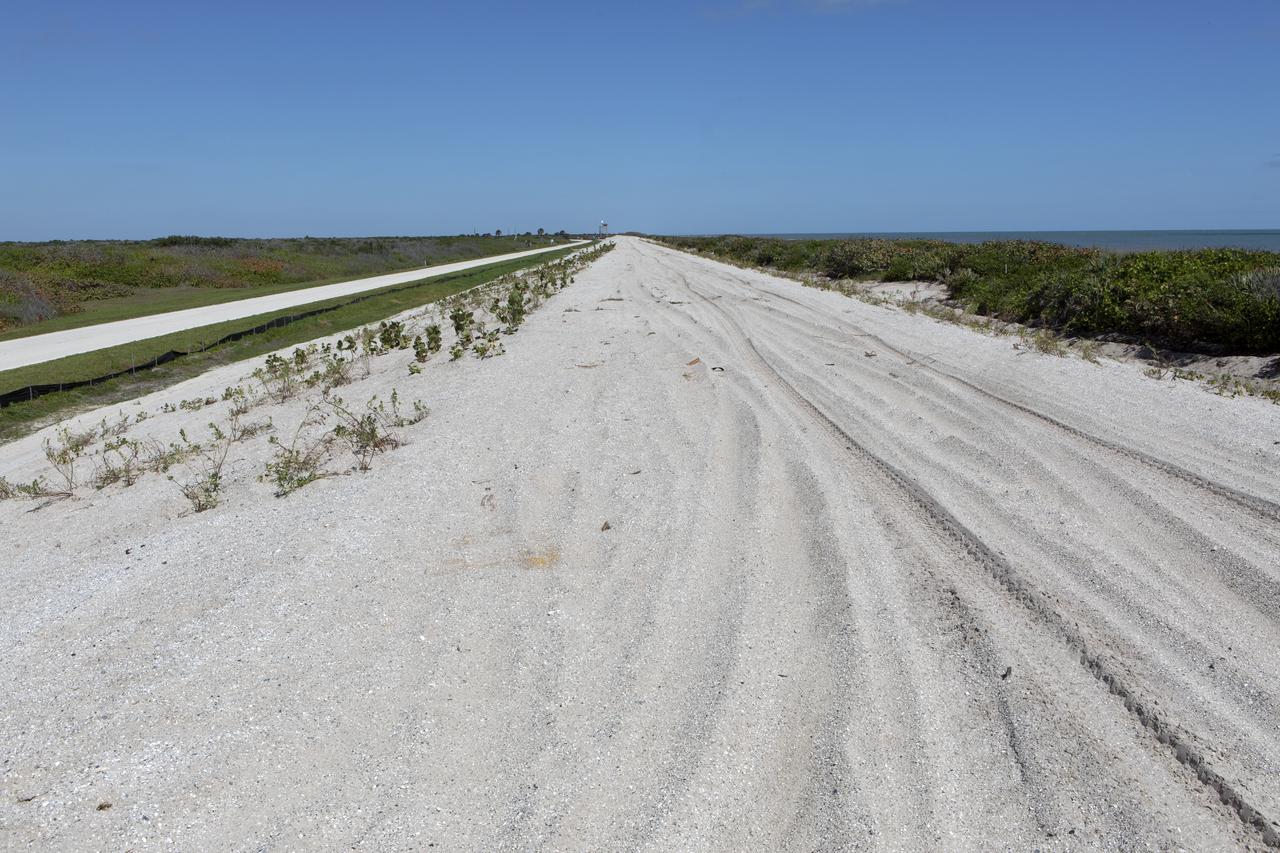
Restoration efforts are underway to the dunes at the north beaches at NASA’s Kennedy Space Center in Florida in this view on April 15, 2019. About 450,000 cubic yards of beach-quality sand, tested for compatibility, was transported to the space center’s beaches. Once the dune is built up, native coastal vegetation will be replanted, helping to stabilize the dune and offer a habitat for Kennedy’s coastal wildlife. Dunes are affected by beach erosion and storm surge from tropical events, such as hurricanes. Restoration began in spring 2018 and was targeted to be completed by April 2019.
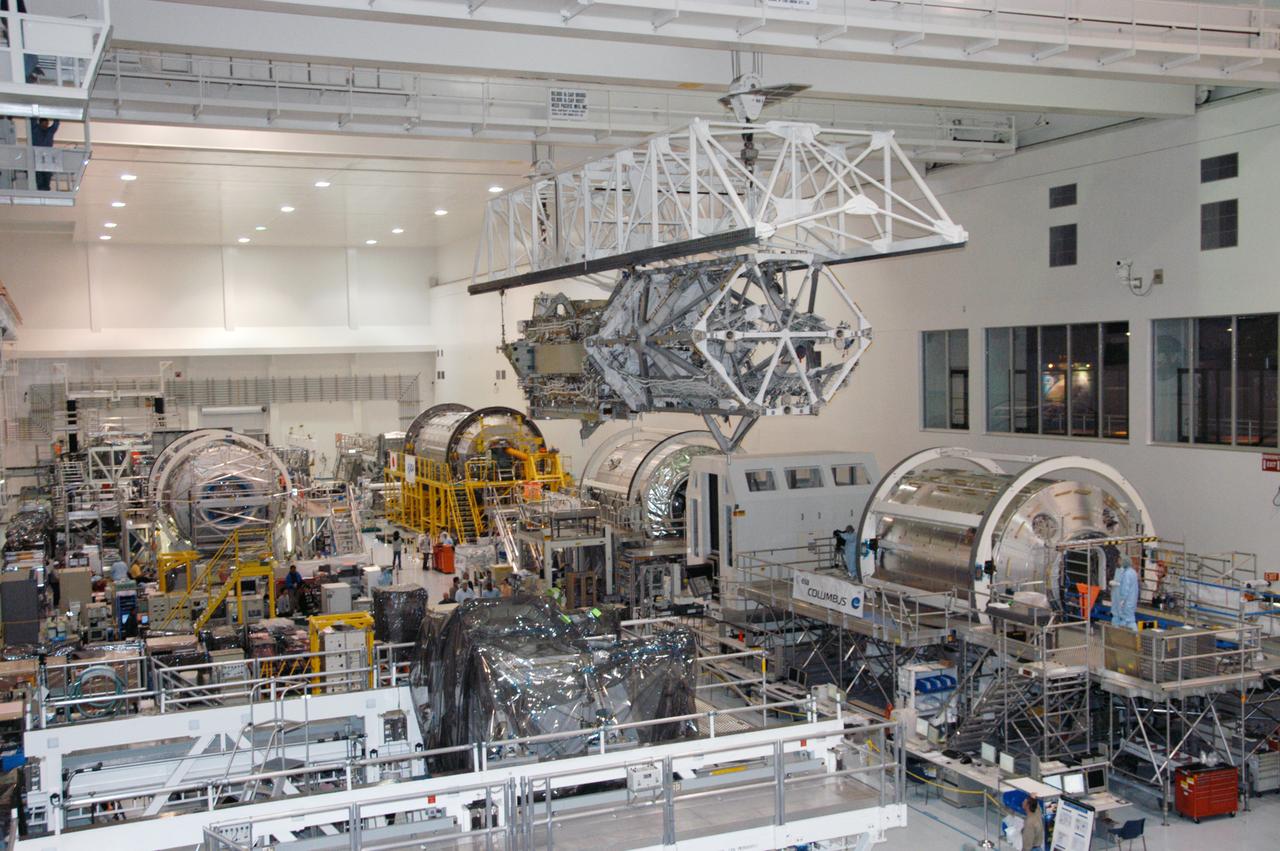
In the Space Station Processing Facility, an overhead crane moves the S3/S4 integrated truss above the floor to a payload canister. Several space station modules can be seen at various points on the floor. After it is stowed in the canister, the S3/S4 truss will be transported to the launch pad. The truss is the payload on mission STS-117, targeted for launch on March 15.
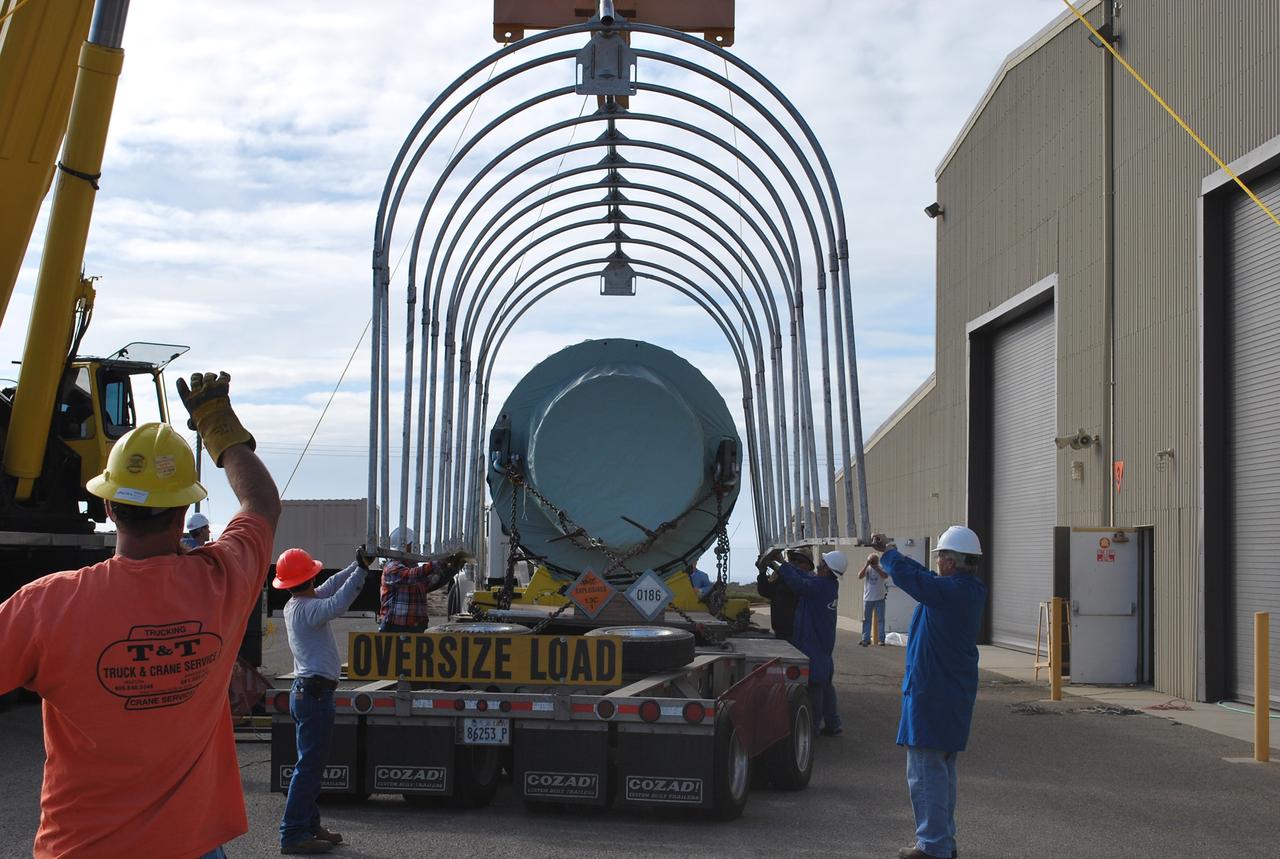
VANDENBERG AIR FORCE BASE, Calif. – After arrival of the Stage 0 motor for the Taurus XL launch vehicle at Vandenberg Air Force Base in California, a crane lifts off the protective cage. The motor will be transported to Orbital Sciences' Hangar 1555. The Taurus XL will launch NASA's Orbiting Carbon Observatory, or OCO, spacecraft targeted for Jan. 15. The OCO is a new Earth-orbiting mission sponsored by NASA's Earth System Science Pathfinder Program. Photo credit: NASA/Randy Beaudoin, VAFB
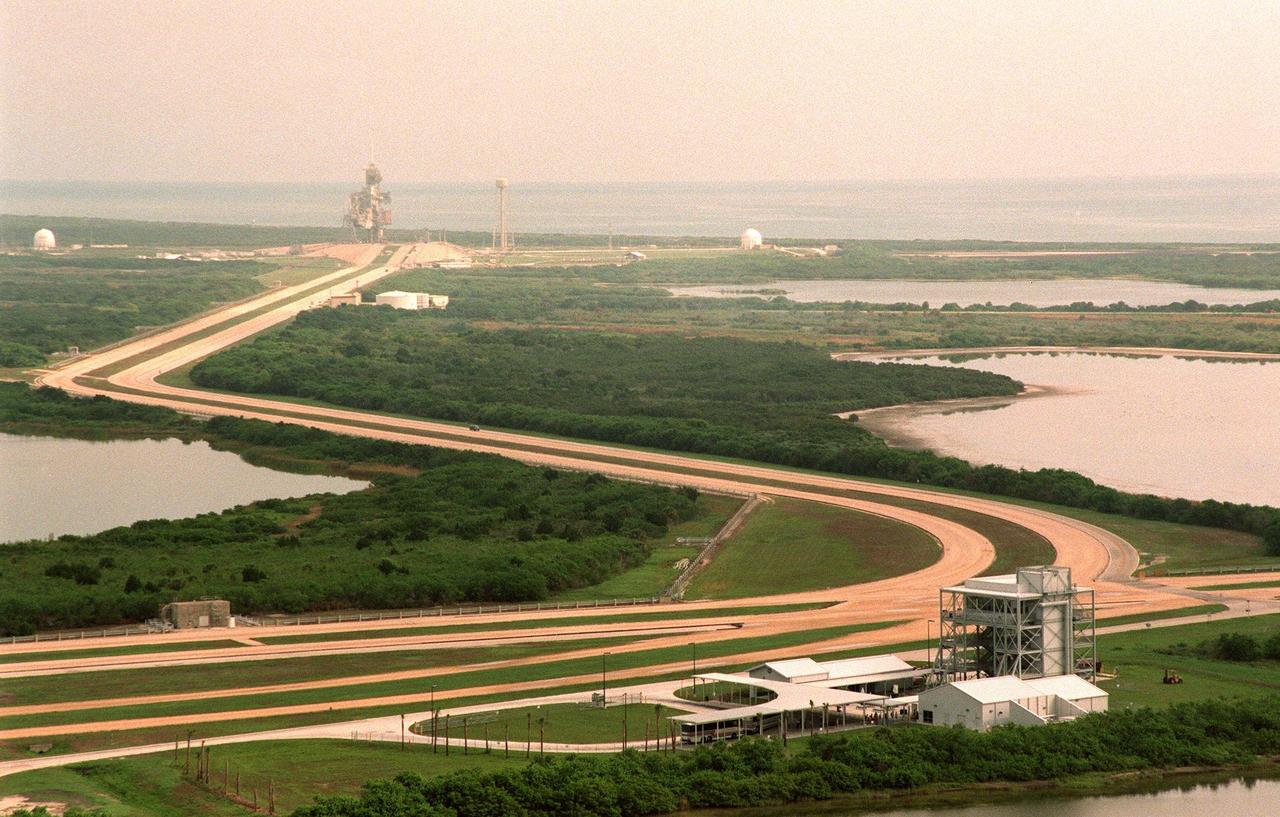
This aerial view looking northeast shows a new stop (bottom) on the KSC bus tour that allow visitors to view Pad LC-39B (top). The tour stop is next to the crawlerway that is used to transport the Space Shuttle vehicles to the pad. The length of the crawlerway from the Vehicle Assembly Building to Pad B is 6,828 meters (22,440 ft); its width overall is 40 meters (130 ft); each lane is 12 meters (40ft) with a 15-meter (50ft) median.
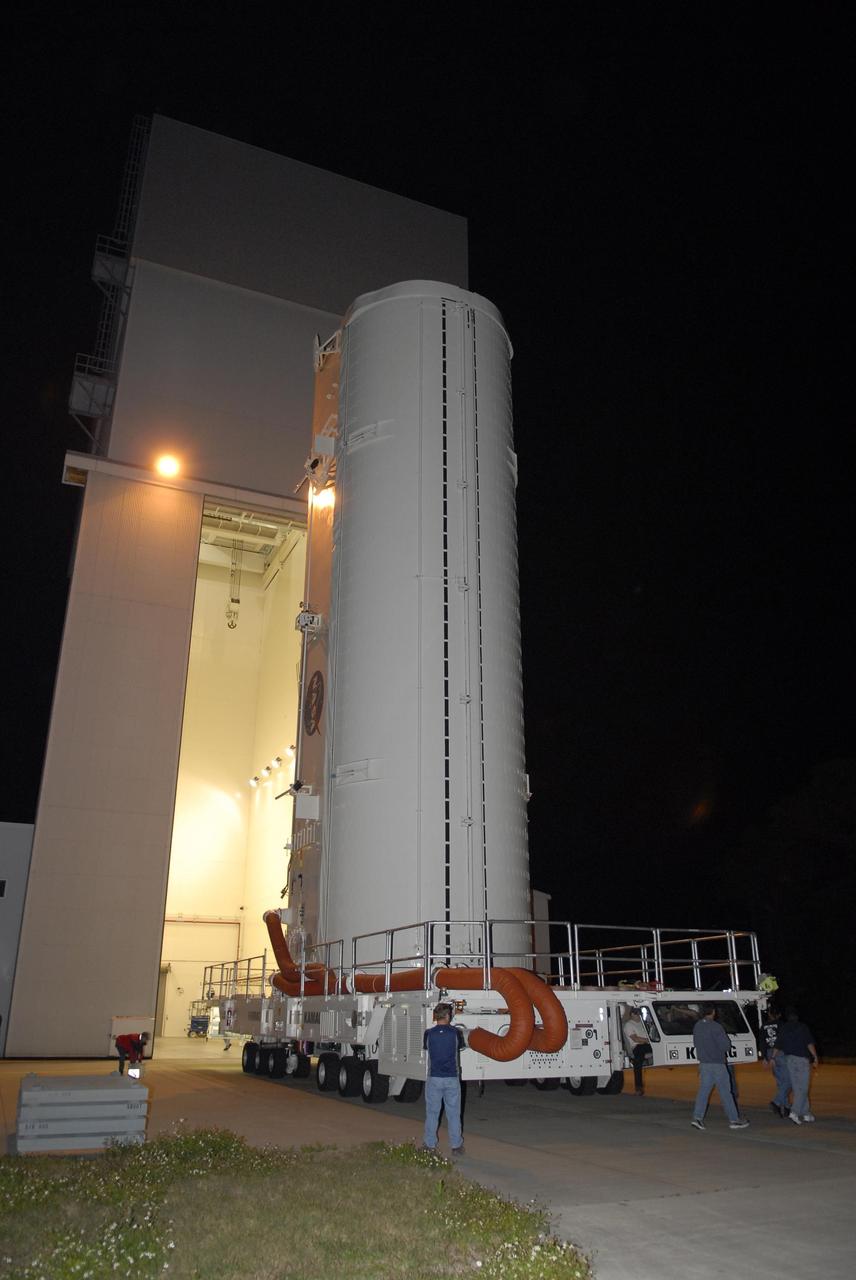
KENNEDY SPACE CENTER, FLA. -- The payload canister on its transporter leaves the Canister Rotation Facility at NASA's Kennedy Space Center, heading for Launch Pad 39A. The canister contains the S3/S4 integrated truss for mission STS-117 to the International Space Station aboard Space Shuttle Atlantis. The Atlantis crew will install the new truss segment, retract a set of solar arrays and unfold a new set on the starboard side of the station. Launch is targeted for March 15. Photo credit: NASA/Kim Shiflett
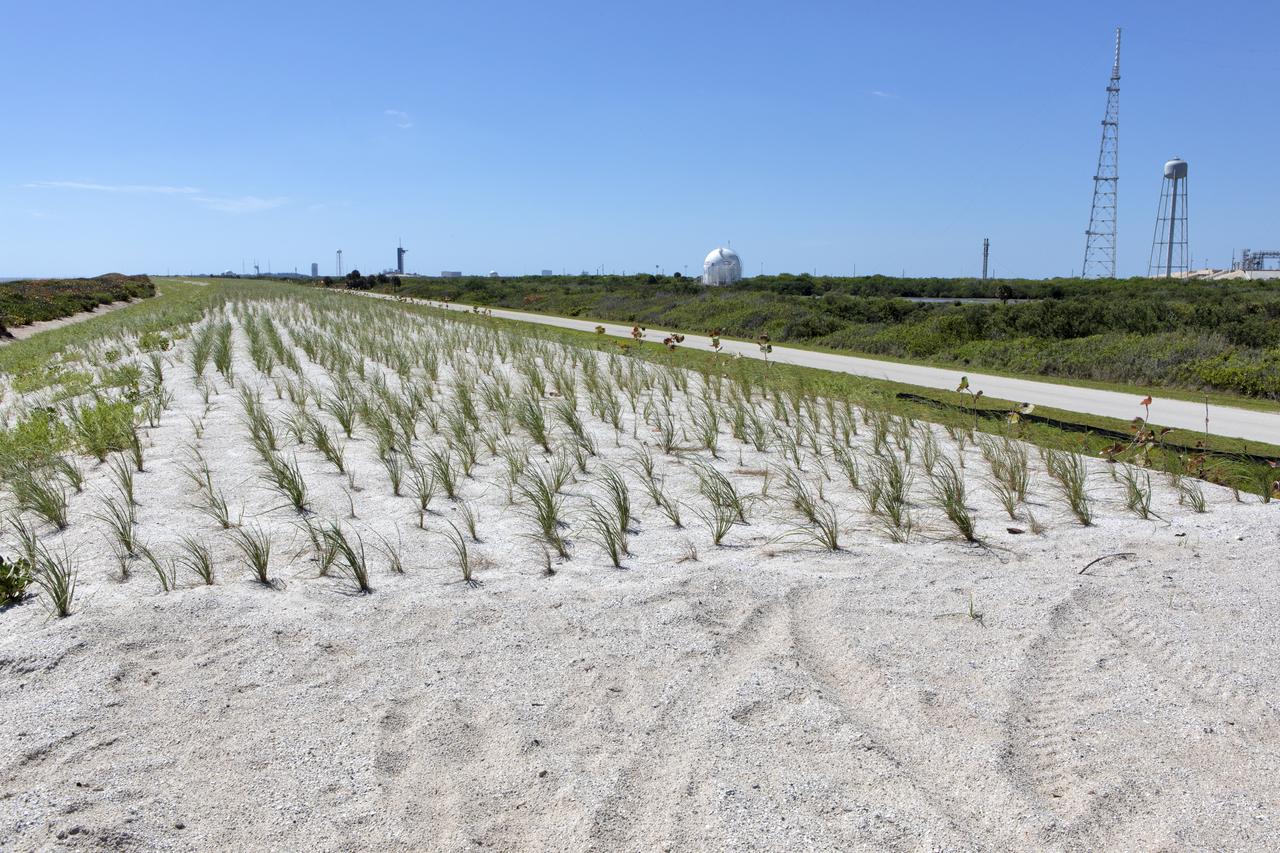
Restoration efforts are underway to the dunes at the north beaches at NASA’s Kennedy Space Center in Florida in this view on April 15, 2019. About 450,000 cubic yards of beach-quality sand, tested for compatibility, was transported to the space center’s beaches. After the dune was built up, native coastal vegetation was replanted, helping to stabilize the dune and offer a habitat for Kennedy’s coastal wildlife. Dunes are affected by beach erosion and storm surge from tropical events, such as hurricanes. Restoration began in spring 2018 and was targeted to be completed by April 2019.

VANDENBERG AIR FORCE BASE, Calif. – At Vandenberg Air Force Base in California, a crane lifts the Taurus XL Stage 0 motor to move it to a flatbed truck. The motor will be transported to Orbital Sciences' Hangar 1555. The Taurus XL will launch NASA's Orbiting Carbon Observatory, or OCO, spacecraft targeted for Jan. 15. The OCO is a new Earth-orbiting mission sponsored by NASA's Earth System Science Pathfinder Program. Photo credit: NASA/Randy Beaudoin, VAFB
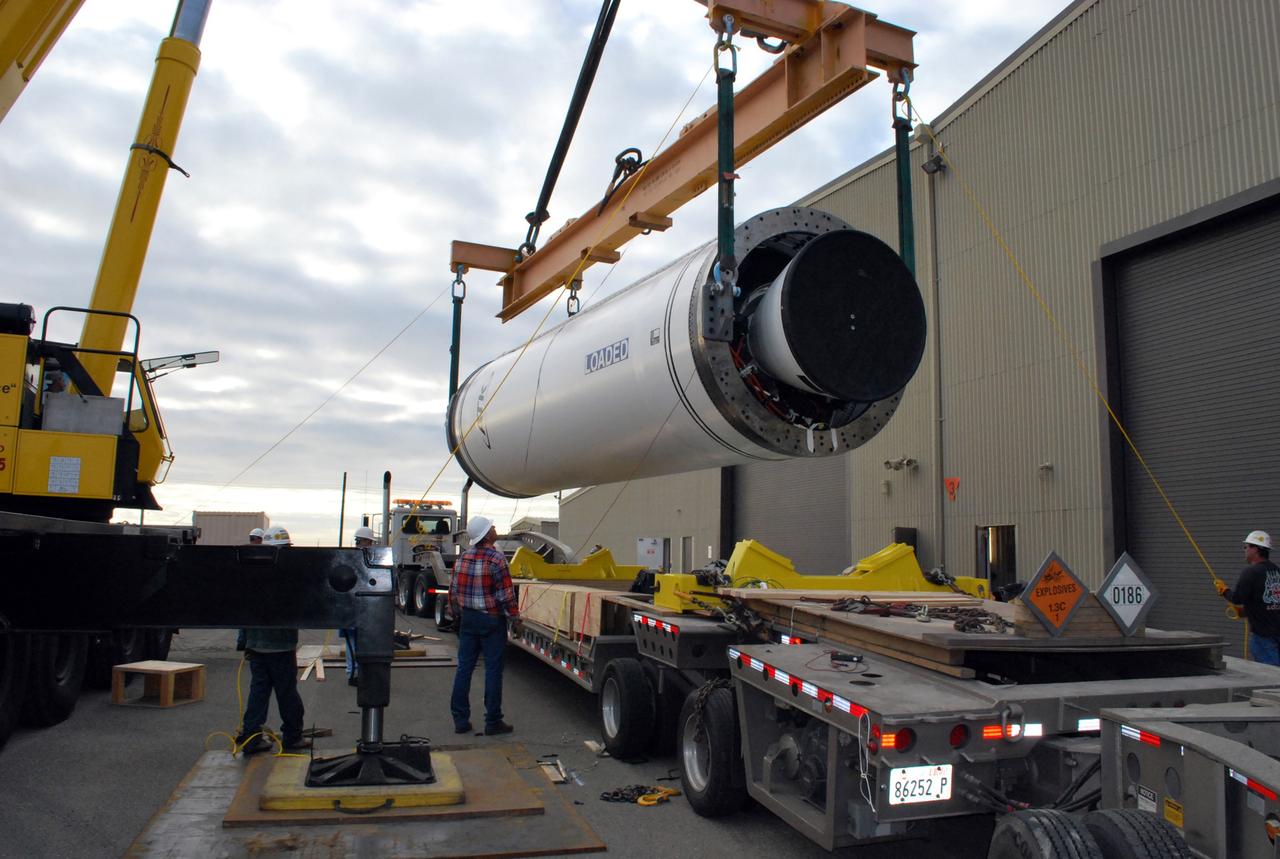
VANDENBERG AIR FORCE BASE, Calif. – At Vandenberg Air Force Base in California, a crane lifts the Taurus XL Stage 0 motor to move it to a flatbed truck. The motor will be transported to Orbital Sciences' Hangar 1555. The Taurus XL will launch NASA's Orbiting Carbon Observatory, or OCO, spacecraft targeted for Jan. 15. The OCO is a new Earth-orbiting mission sponsored by NASA's Earth System Science Pathfinder Program. Photo credit: NASA/Randy Beaudoin, VAFB
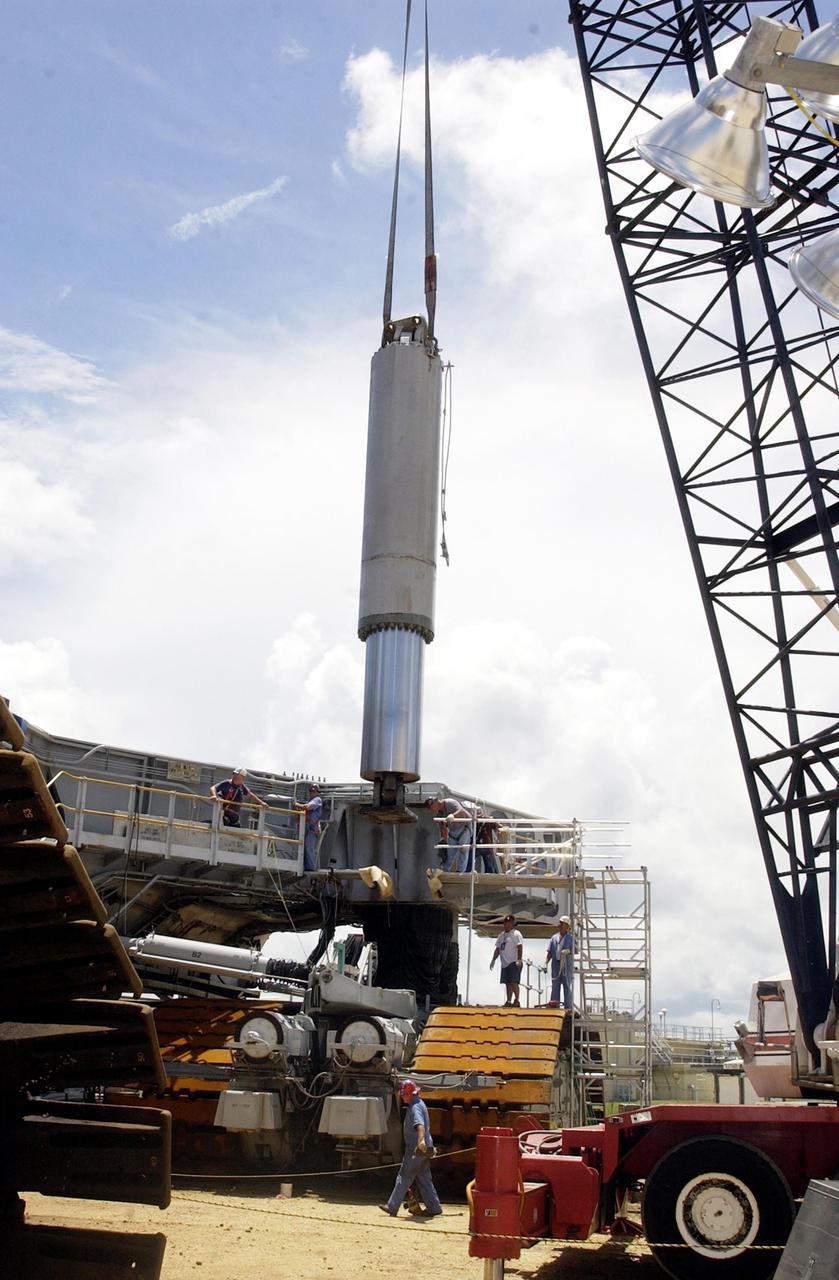
KENNEDY SPACE CENTER, FLA. -- A crane lowers a jacking, equalization and leveling (JEL) cylinder and bearing from Crawler-Transporter No. 2 to a position on the ground. During routine maintenance inspections last week, technicians removed two of the 16 JEL cylinders on the crawler to gain access to the bearings and found three of the four bearings cracked. Further eddy current inspections indicated that cracks are present on 15 of the bearings. There are 16 cylinders and 32 bearings per crawler. Engineers are evaluating the situation to determine the cause of the cracks and an appropriate solution to the problem.

U.S. Sen. Maria Cantwell, D-Wash., left, talks about Dr. Elizabeth M. Robinson, nominee for Chief Financial Officer for NASA, right, prior to her confirmation hearing in front of the Senate Committee on Commerce, Science and Transportation, Thursday, Oct. 15, 2009, on Capitol Hill in Washington. Photo Credit: (NASA/Paul E. Alers)
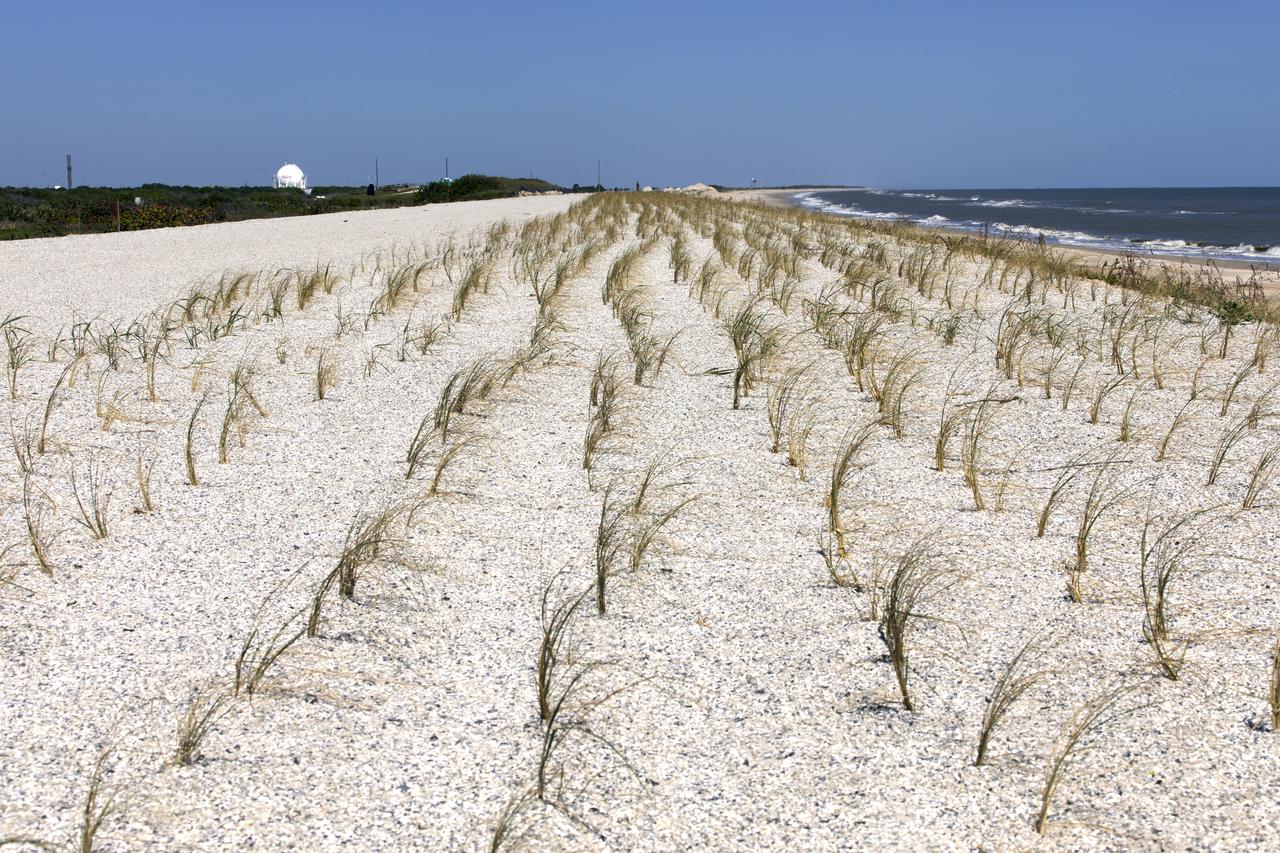
Restoration efforts are underway to the dunes at the north beaches at NASA’s Kennedy Space Center in Florida in this view on April 15, 2019. About 450,000 cubic yards of beach-quality sand, tested for compatibility, was transported to the space center’s beaches. After the dune was built up, native coastal vegetation was replanted, helping to stabilize the dune and offer a habitat for Kennedy’s coast wildlife. Dunes are affected by beach erosion and storm surge from tropical events, such as hurricanes. Restoration began in spring 2018 and was targeted to be completed by April 2019.
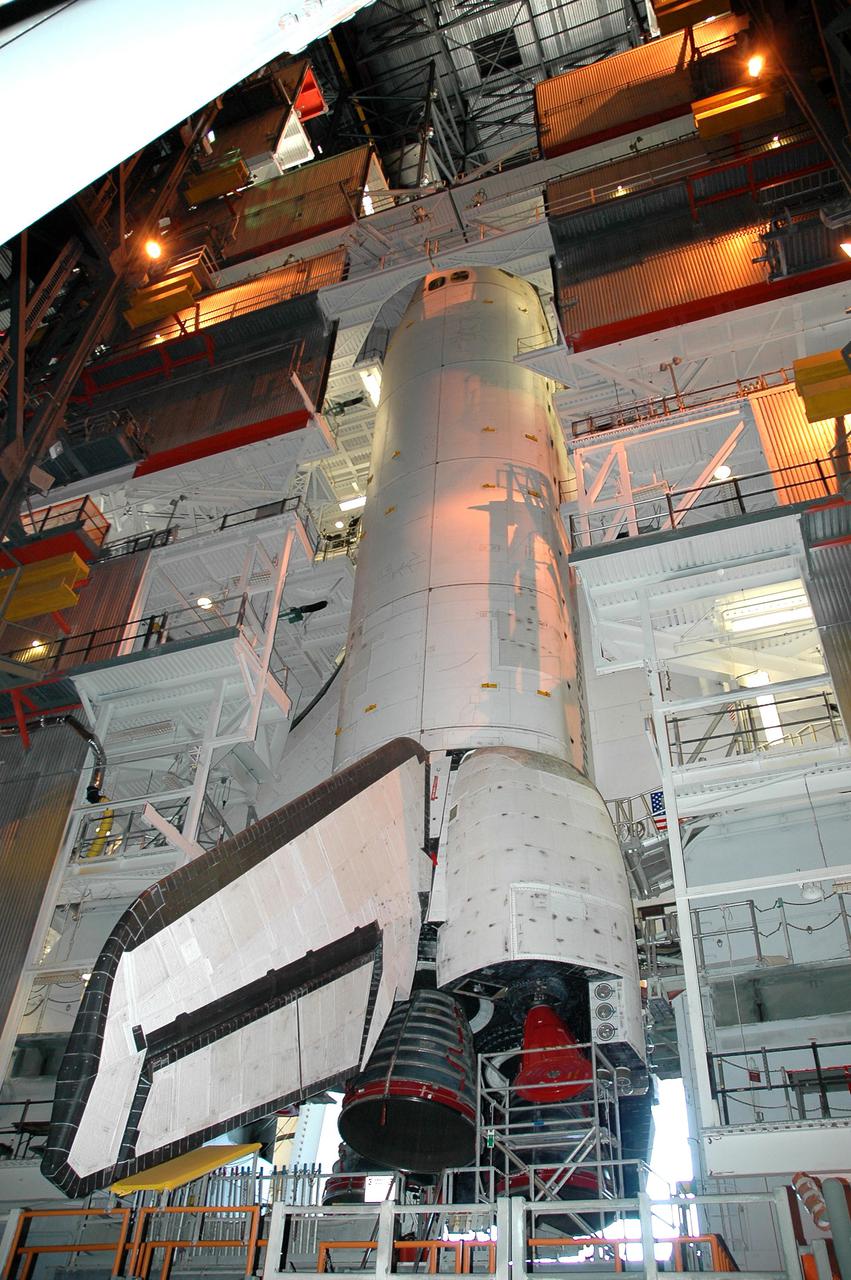
KENNEDY SPACE CENTER, FLA. - In the Vehicle Assembly Building at NASA’s Kennedy Space Center, Space Shuttle Discovery is surrounded by work platforms as it awaits rollout to Launch Pad 39B for Return to Flight mission STS-114 to the International Space Station. It rests on the Mobile Launcher Platform, which will be moved to the pad by the double-tracked Crawler-Transporter. This launch will be Discovery’s 31st flight. The launch window is May 15 to June 3.
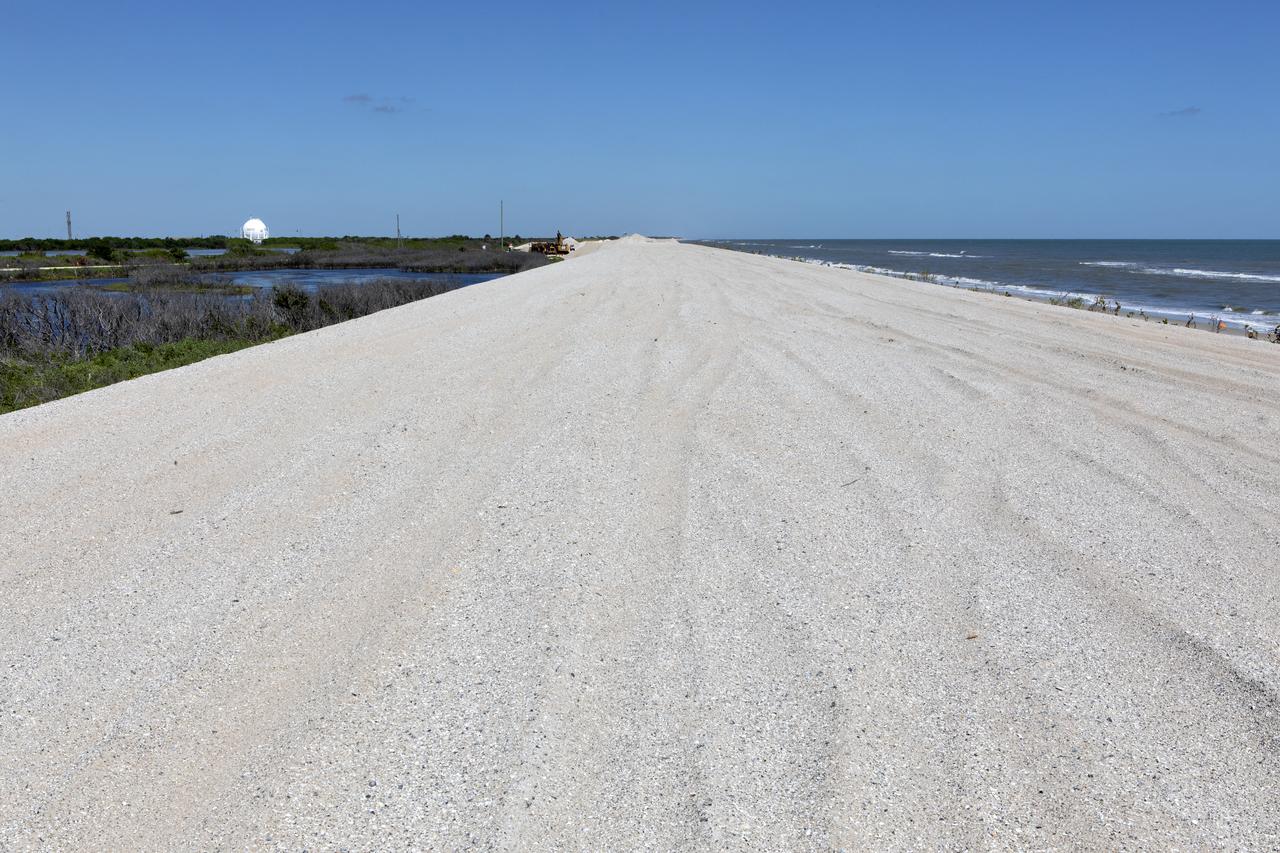
Restoration efforts are underway to the dunes at the north beaches at NASA’s Kennedy Space Center in Florida in this view on April 15, 2019. About 450,000 cubic yards of beach-quality sand, tested for compatibility, was transported to the space center’s beaches. Once the dune is built up, native coastal vegetation will be replanted, helping to stabilize the dune and offer a habitat for Kennedy’s coastal wildlife. Dunes are affected by beach erosion and storm surge from tropical events, such as hurricanes. Restoration began in spring 2018 and was targeted to be completed by April 2019.

KENNEDY SPACE CENTER, FLA. -- In the Space Station Processing Facility, an overhead crane lowers the S3/S4 integrated truss into the open bay of the payload canister. After it is stowed in the canister, the S3/S4 truss will be transported to the launch pad. The truss is the payload on mission STS-117, targeted for launch on March 15. Photo credit: NASA/George Shelton