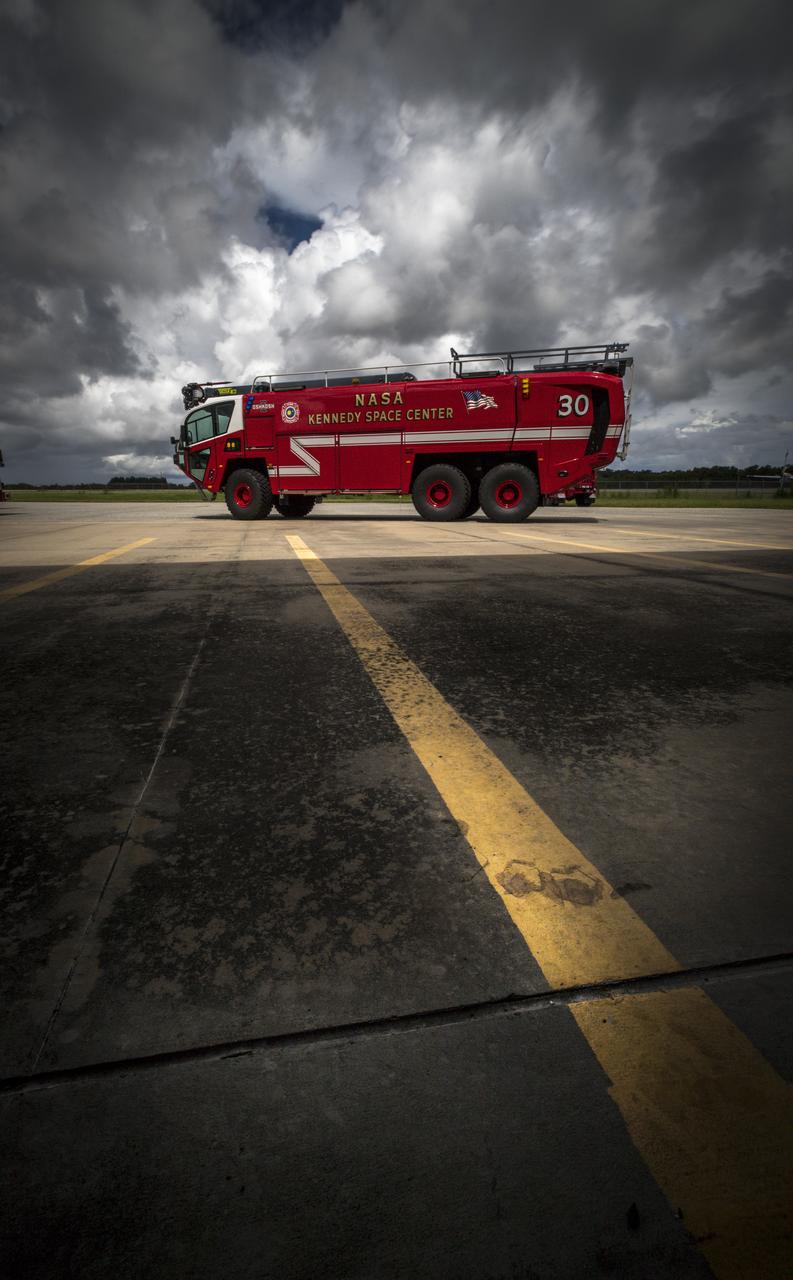
A new Aircraft Rescue and Fire Fighting vehicle is backdropped by the Shuttle Landing Facility runway at NASA’s Kennedy Space Center in Florida. The state-of-the-art truck replaces a 28-year-old vehicle. Kennedy is upgrading its fleet of emergency vehicles to enhance its safety and security posture at the growing, multi-user spaceport.
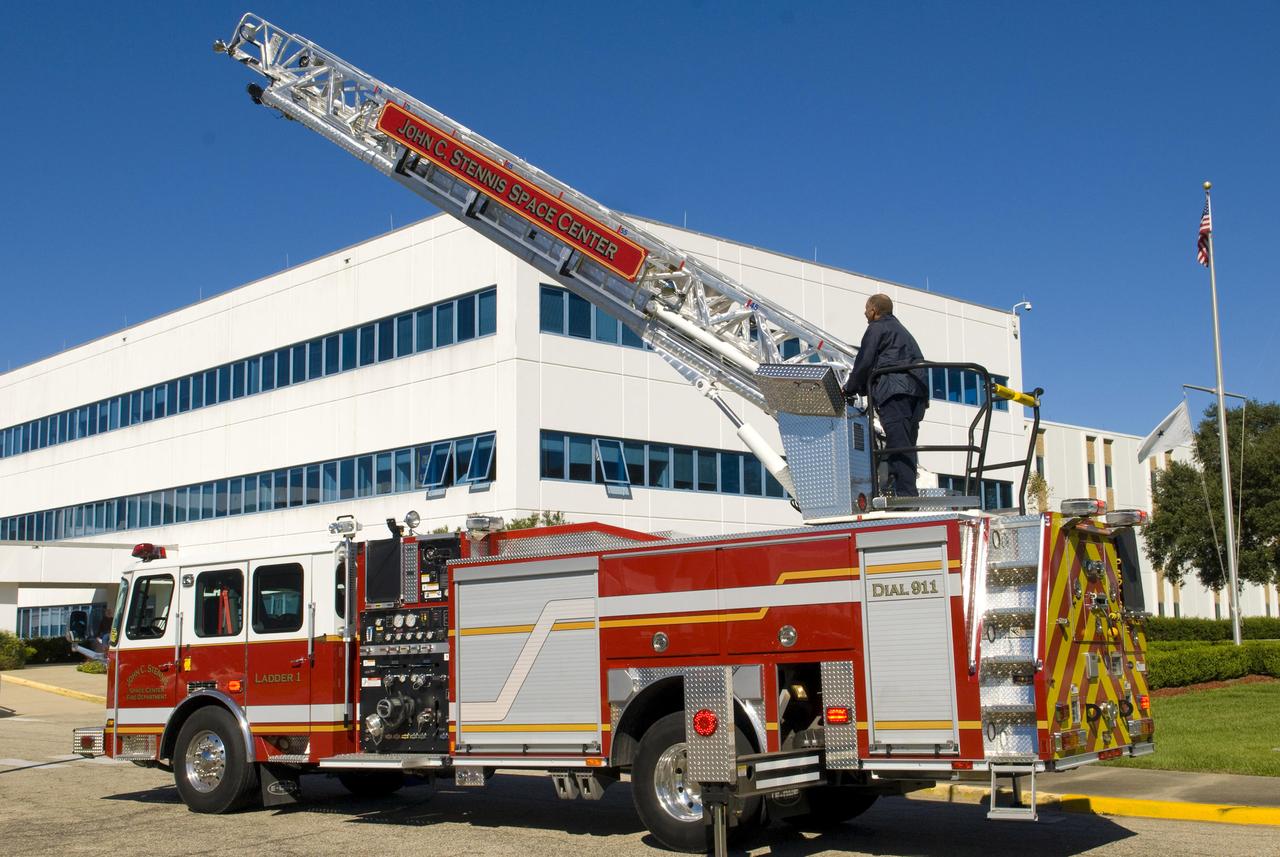
The Stennis Space Center Fire Department added to its fire-fighting capabilities with acquisition of a new emergency response vehicle, Ladder-1, for use on-site. The E-One HP78 Aerial Truck is a combination aerial ladder and fire suppression unit and is designed with the latest safety technology. Featuring a 78-foot ladder and a pumping capability of 1,500 gallons per minute, the new truck provides firefighters with a tremendous rescue and fire suppression tool, Stennis Fire Chief Clark Smith said.
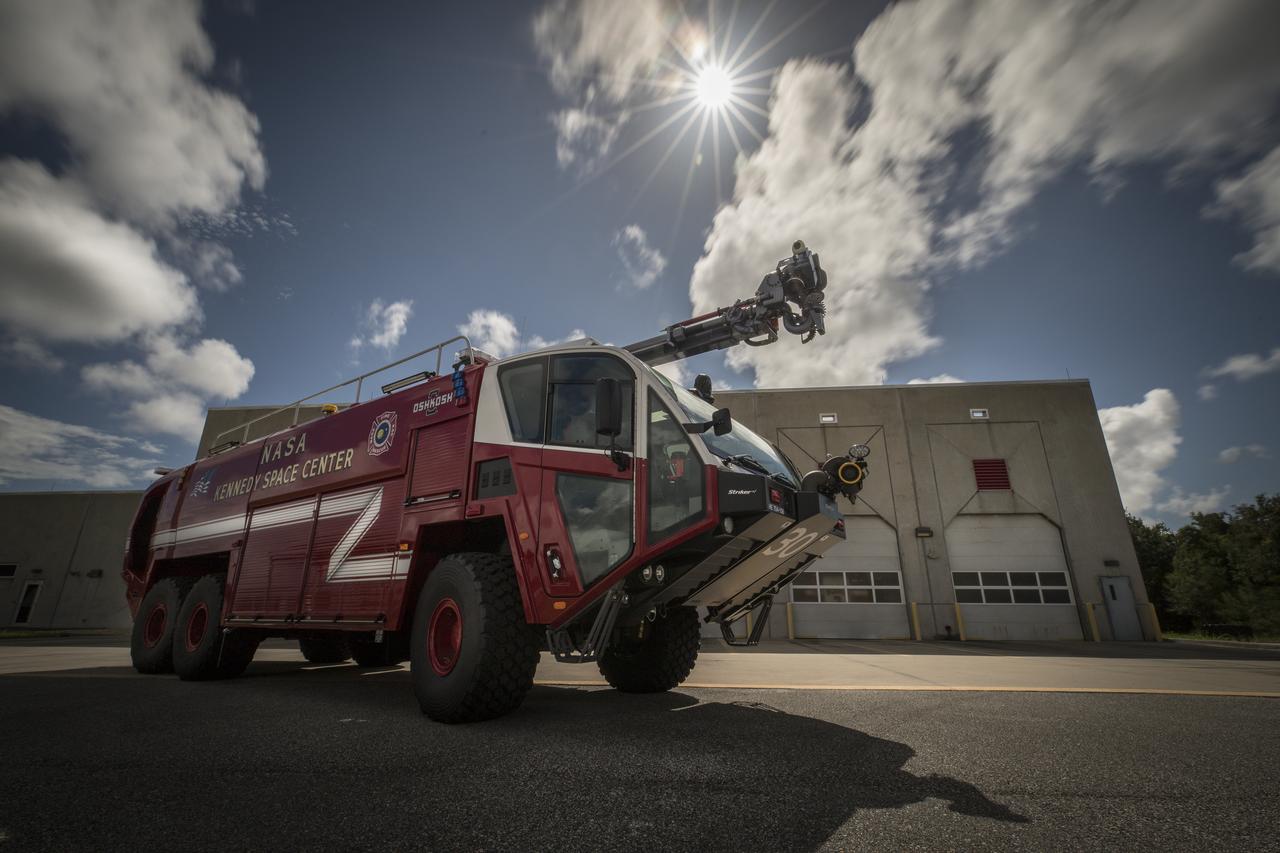
A new Aircraft Rescue and Fire Fighting vehicle is photographed in front of Fire Station No. 2 near the Shuttle Landing Facility runway at NASA’s Kennedy Space Center in Florida. The state-of-the-art truck replaces a 28-year-old vehicle. Kennedy is upgrading its fleet of emergency vehicles to enhance its safety and security posture at the growing, multi-user spaceport.
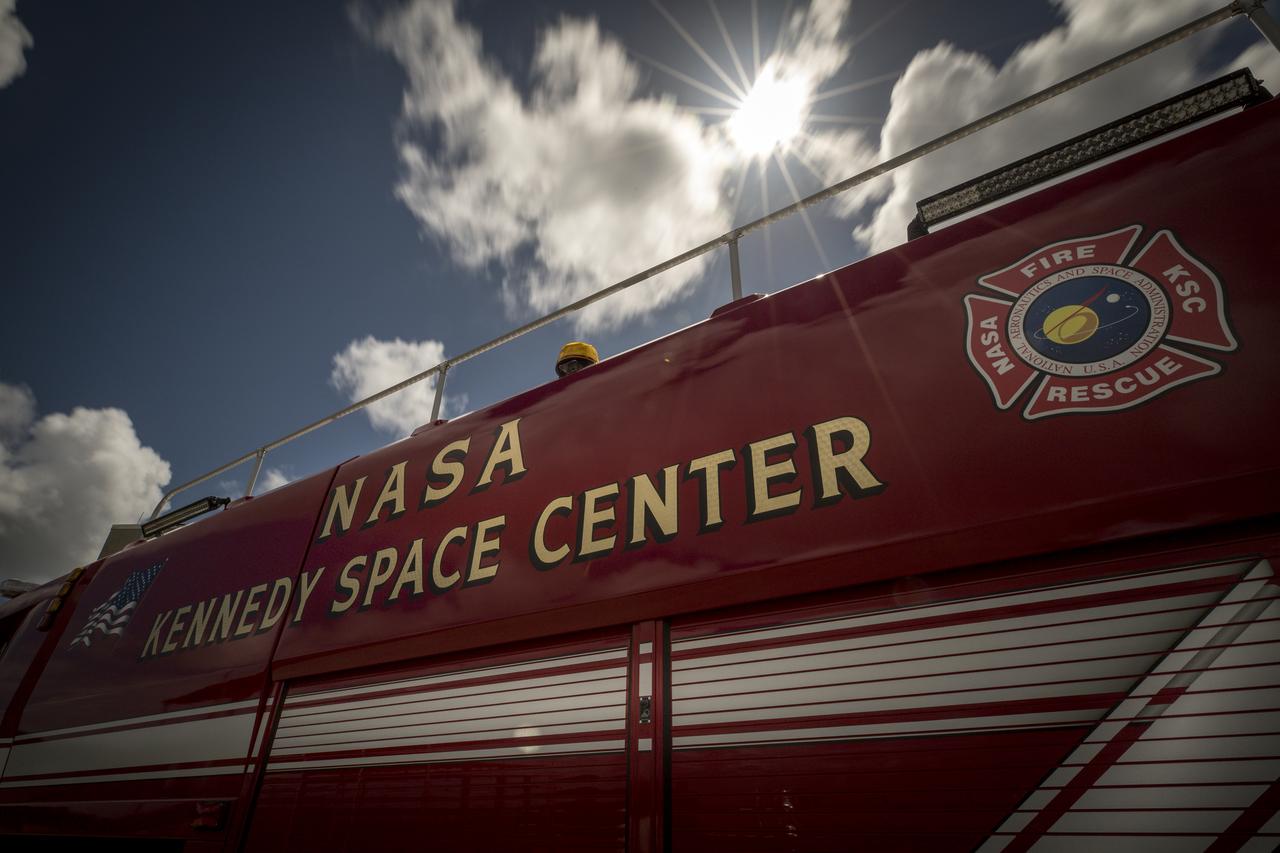
A new Aircraft Rescue and Fire Fighting vehicle is photographed in front of Fire Station No. 2 near the Shuttle Landing Facility runway at NASA’s Kennedy Space Center in Florida. The state-of-the-art truck replaces a 28-year-old vehicle. Kennedy is upgrading its fleet of emergency vehicles to enhance its safety and security posture at the growing, multi-user spaceport.
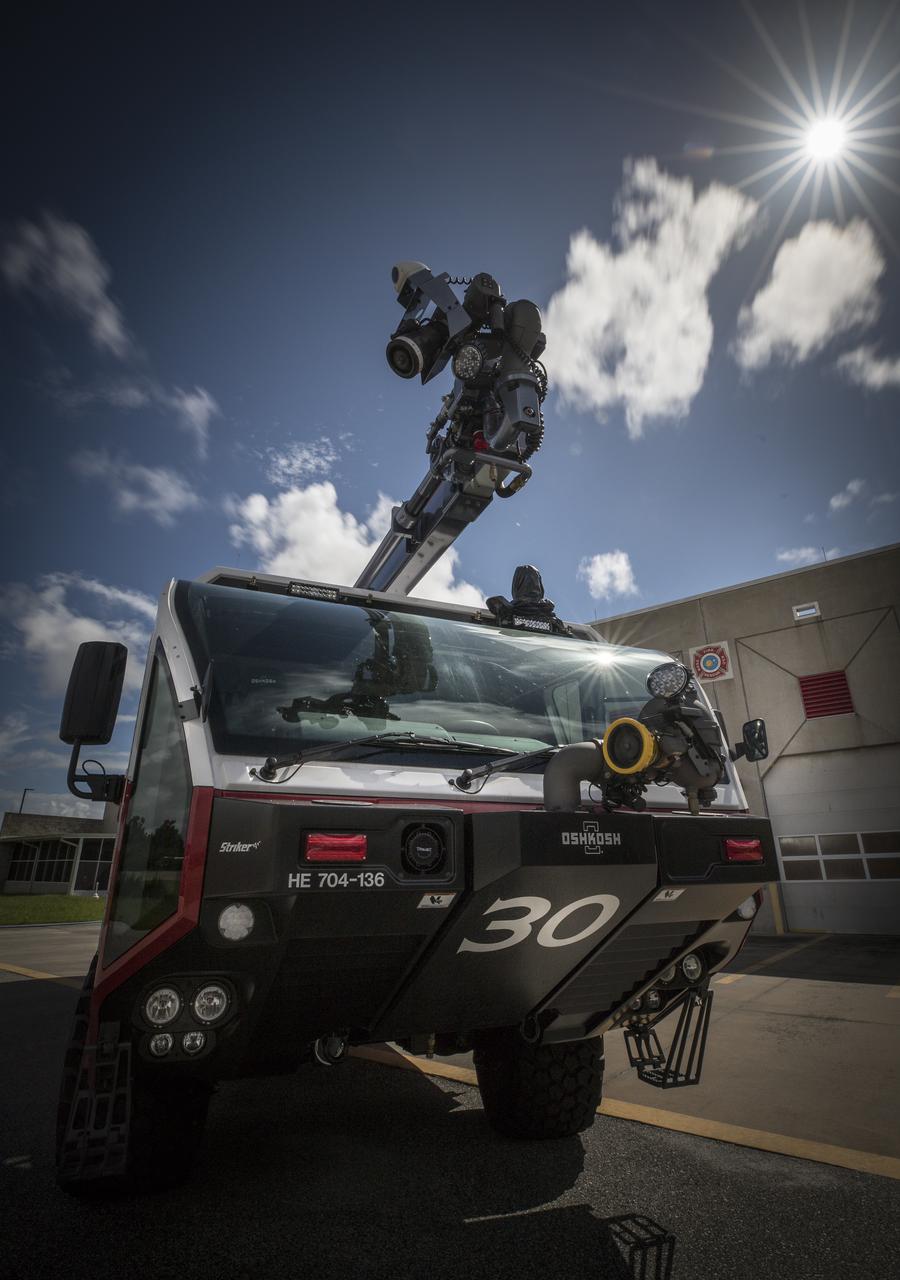
A new Aircraft Rescue and Fire Fighting vehicle is photographed in front of Fire Station No. 2 near the Shuttle Landing Facility runway at NASA’s Kennedy Space Center in Florida. The state-of-the-art truck replaces a 28-year-old vehicle. Kennedy is upgrading its fleet of emergency vehicles to enhance its safety and security posture at the growing, multi-user spaceport.
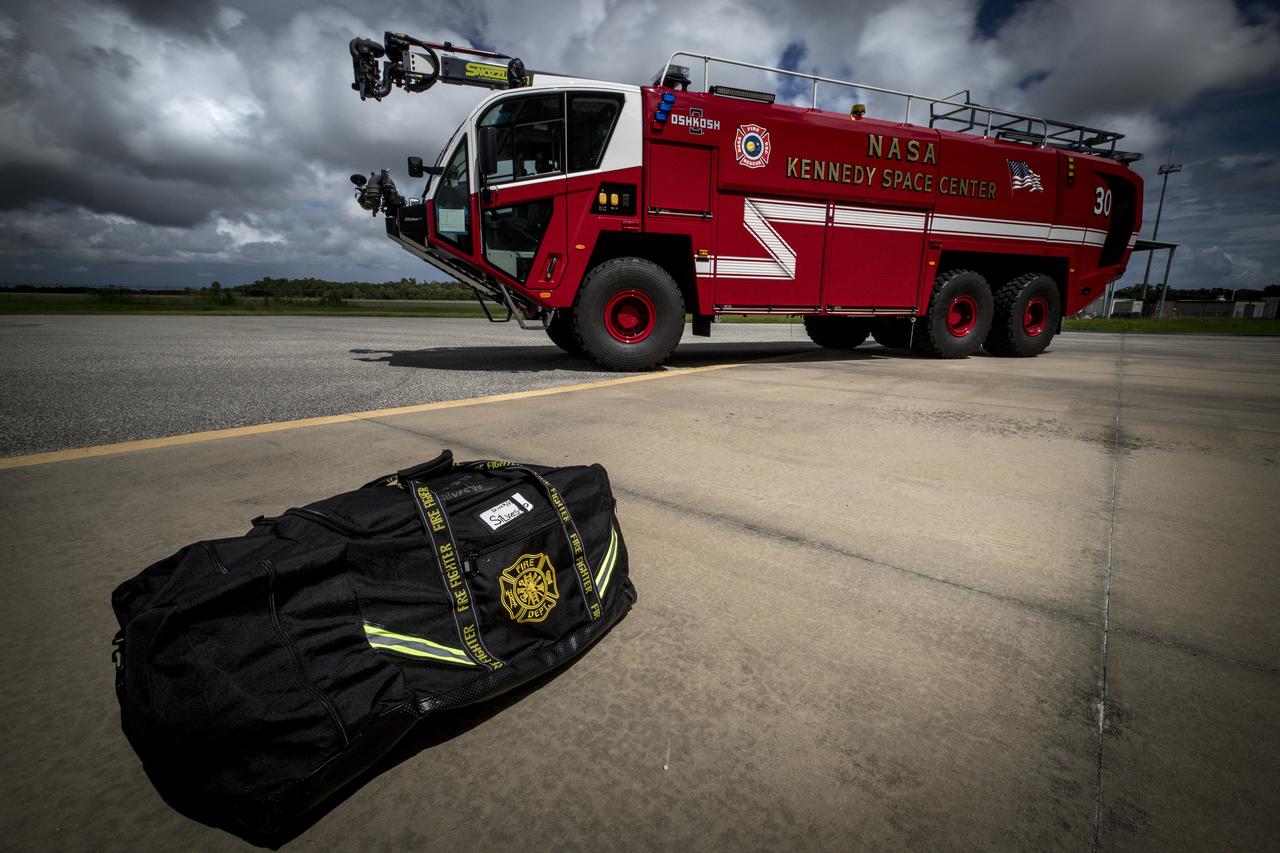
A new Aircraft Rescue and Fire Fighting vehicle is photographed in front of Fire Station No. 2 near the Shuttle Landing Facility runway at NASA’s Kennedy Space Center in Florida. The state-of-the-art truck replaces a 28-year-old vehicle. Kennedy is upgrading its fleet of emergency vehicles to enhance its safety and security posture at the growing, multi-user spaceport.
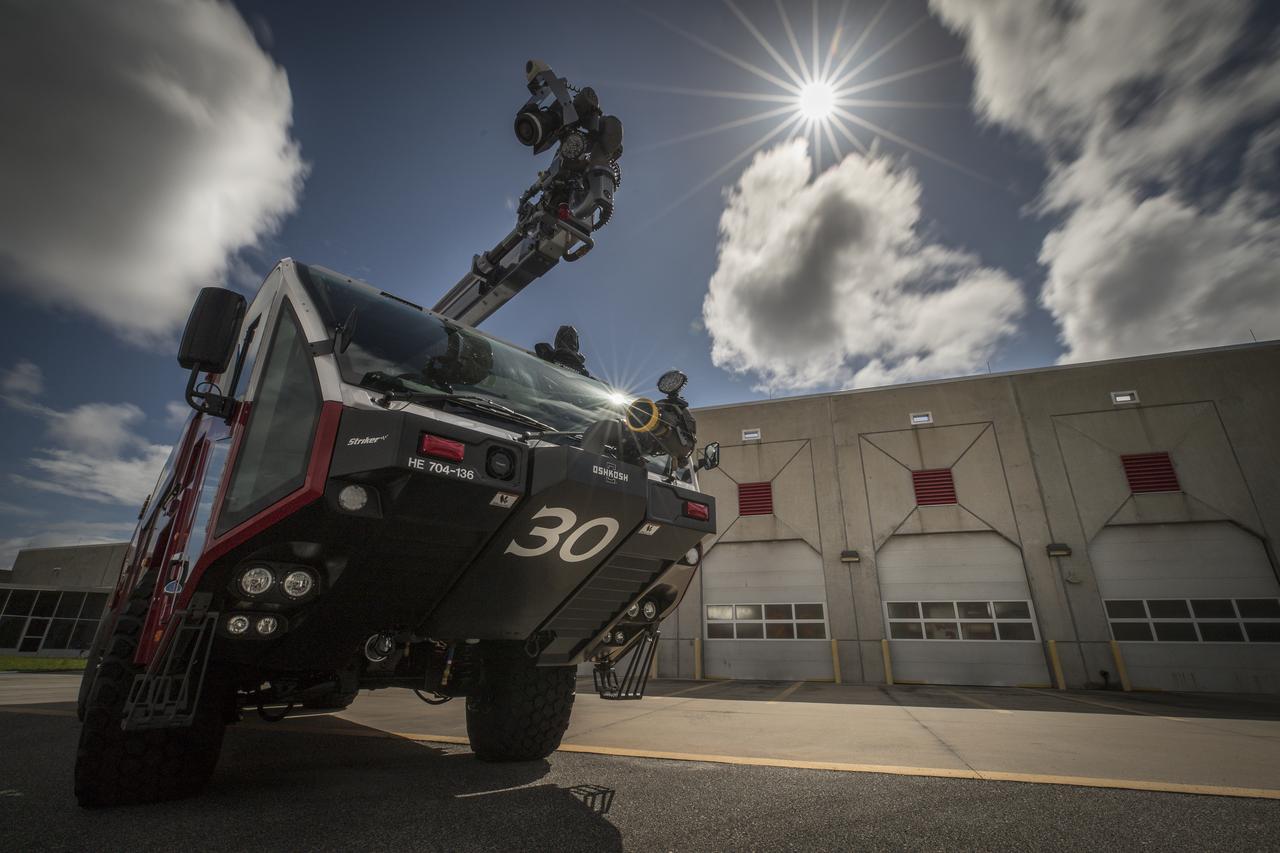
A new Aircraft Rescue and Fire Fighting vehicle is photographed in front of Fire Station No. 2 near the Shuttle Landing Facility runway at NASA’s Kennedy Space Center in Florida. The state-of-the-art truck replaces a 28-year-old vehicle. Kennedy is upgrading its fleet of emergency vehicles to enhance its safety and security posture at the growing, multi-user spaceport.
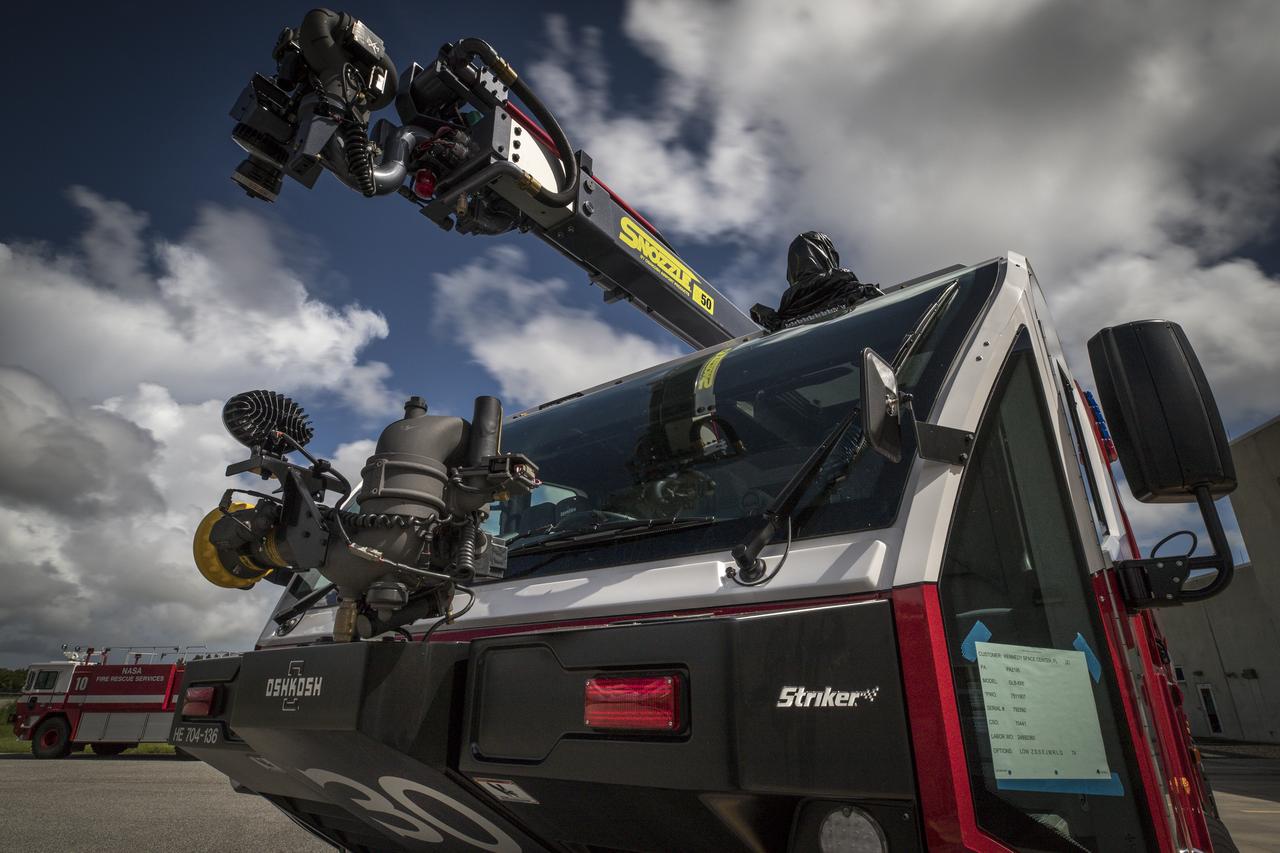
A new Aircraft Rescue and Fire Fighting vehicle is photographed in front of Fire Station No. 2 near the Shuttle Landing Facility runway at NASA’s Kennedy Space Center in Florida. The state-of-the-art truck replaces a 28-year-old vehicle. Kennedy is upgrading its fleet of emergency vehicles to enhance its safety and security posture at the growing, multi-user spaceport.
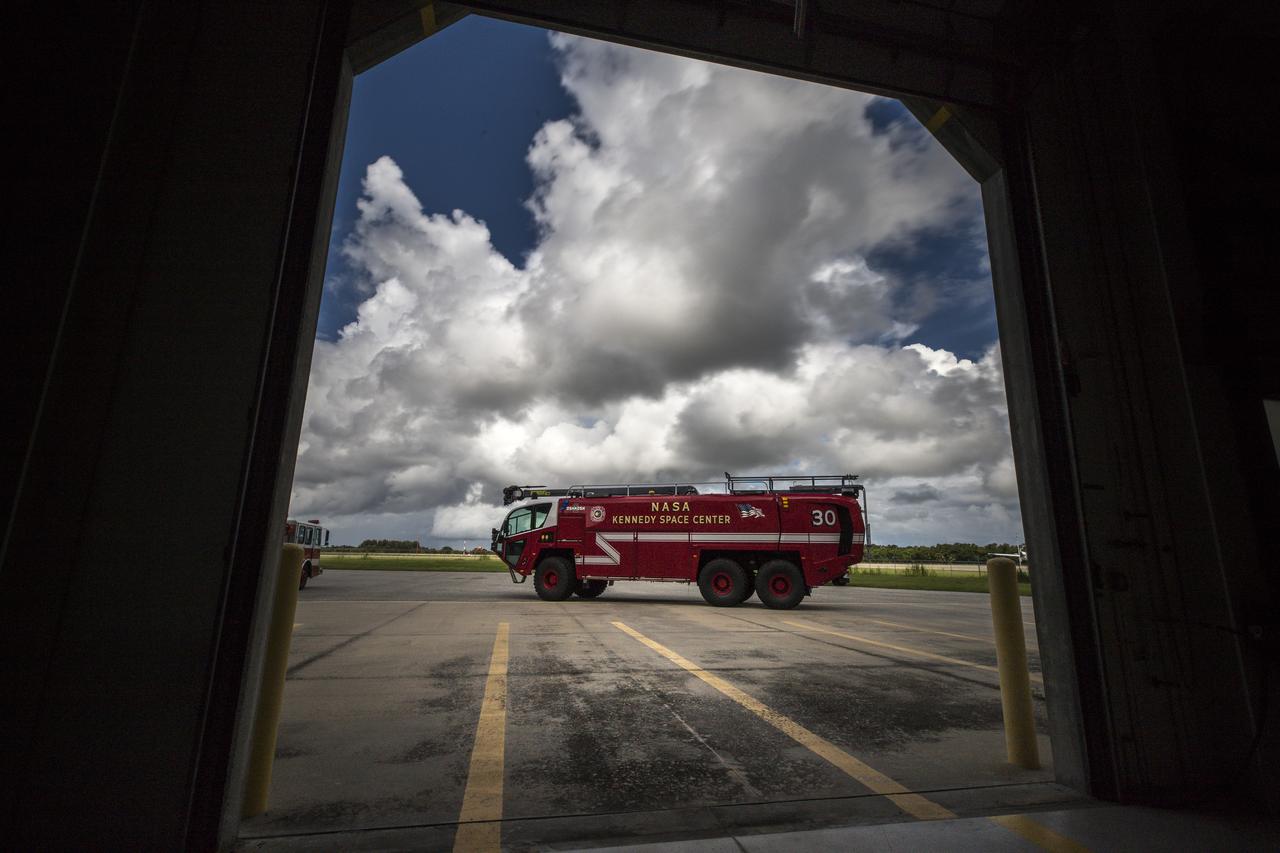
A new Aircraft Rescue and Fire Fighting vehicle is photographed through the open door of Fire Station No. 2 near the Shuttle Landing Facility runway at NASA’s Kennedy Space Center in Florida. The state-of-the-art truck replaces a 28-year-old vehicle. Kennedy is upgrading its fleet of emergency vehicles to enhance its safety and security posture at the growing, multi-user spaceport.
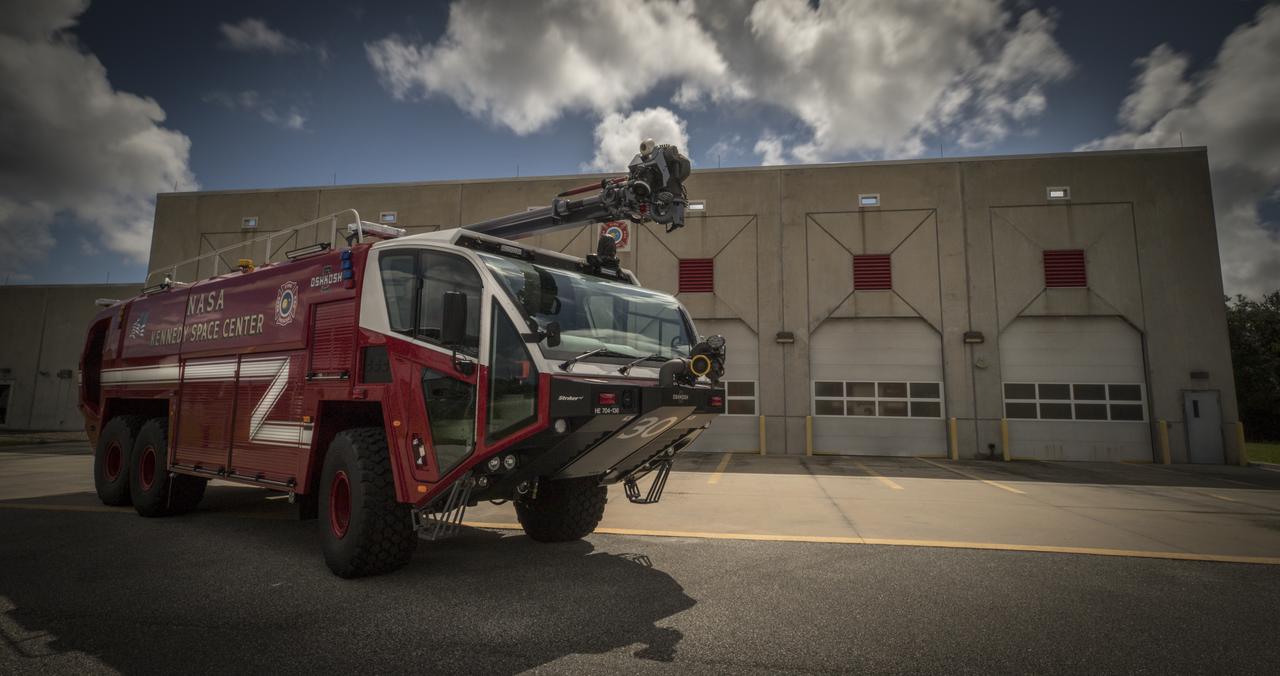
A new Aircraft Rescue and Fire Fighting vehicle is photographed in front of Fire Station No. 2 near the Shuttle Landing Facility runway at NASA’s Kennedy Space Center in Florida. The state-of-the-art truck replaces a 28-year-old vehicle. Kennedy is upgrading its fleet of emergency vehicles to enhance its safety and security posture at the growing, multi-user spaceport.
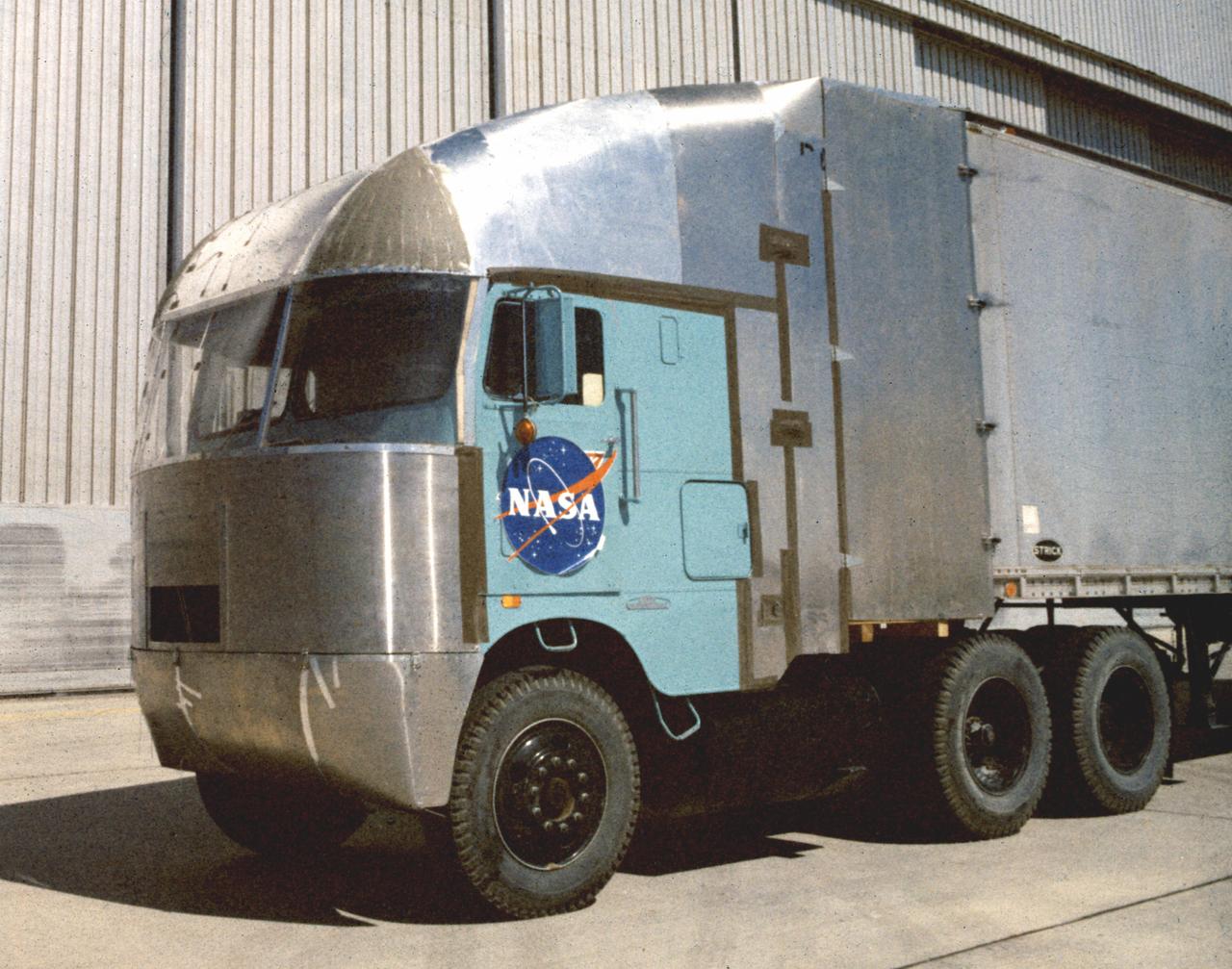
Air flow testing on aerodynamic truck
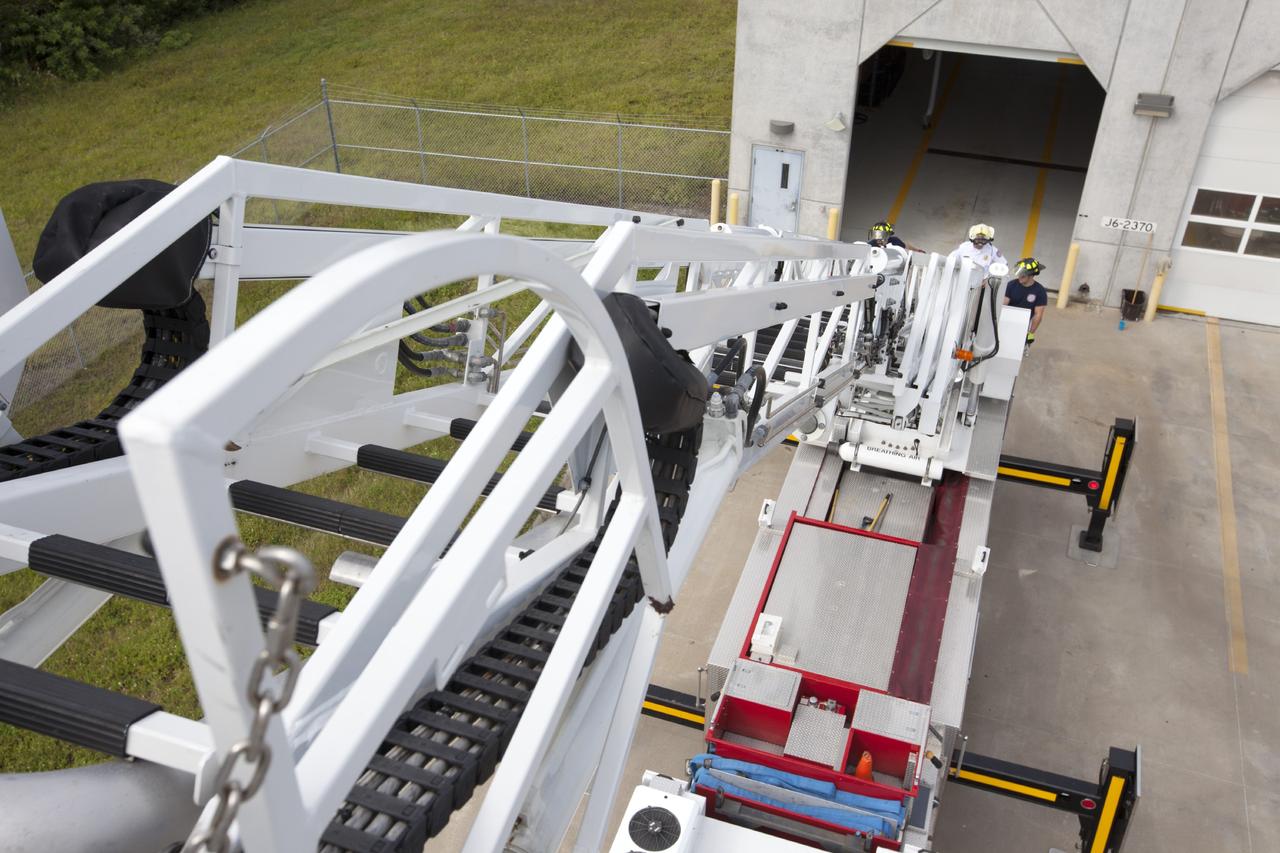
CAPE CANAVERAL, Fla. – At Fire Station No. 2 near the Shuttle Landing Facility at NASA’s Kennedy Space Center in Florida, Fire Rescue Services personnel have deployed and extended the ladder on the aerial fire truck during training in order to be certified in the operation and use of the vehicle. The stabilizers have been deployed on either side of the fire truck. The center’s Fire Rescue Services recently achieved Pro Board Certification in aerial fire truck operations. Pro Board Certification is a globally recognized certification that puts on multiple courses that all fire departments throughout the world recognize and use to train their personnel. The unique aerial truck contains a 100-foot extendable ladder with a bucket at the end of it that can be used for rescues from taller buildings or aircraft rescue firefighting. Photo credit: NASA/Kim Shiflett
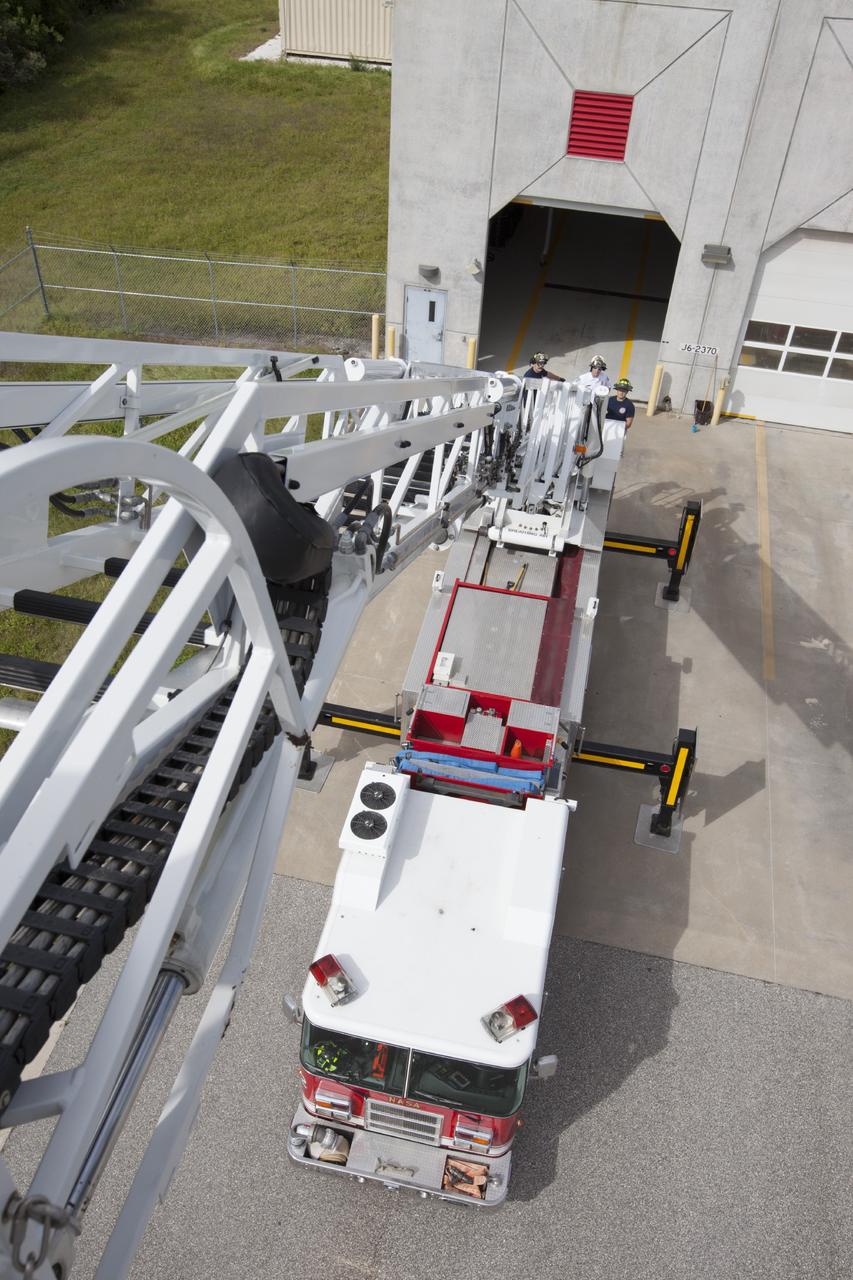
CAPE CANAVERAL, Fla. – At Fire Station No. 2 near the Shuttle Landing Facility at NASA’s Kennedy Space Center in Florida, a bird’s eye view reveals the ladder has been extended on the aerial fire truck during a training exercise. The stabilizers have been deployed on either side of the fire truck. The center’s Fire Rescue Services recently achieved Pro Board Certification in aerial fire truck operations. Pro Board Certification is a globally recognized certification that puts on multiple courses that all fire departments throughout the world recognize and use to train their personnel. The unique aerial truck contains a 100-foot extendable ladder with a bucket at the end of it that can be used for rescues from taller buildings or aircraft rescue firefighting. Photo credit: NASA/Kim Shiflett
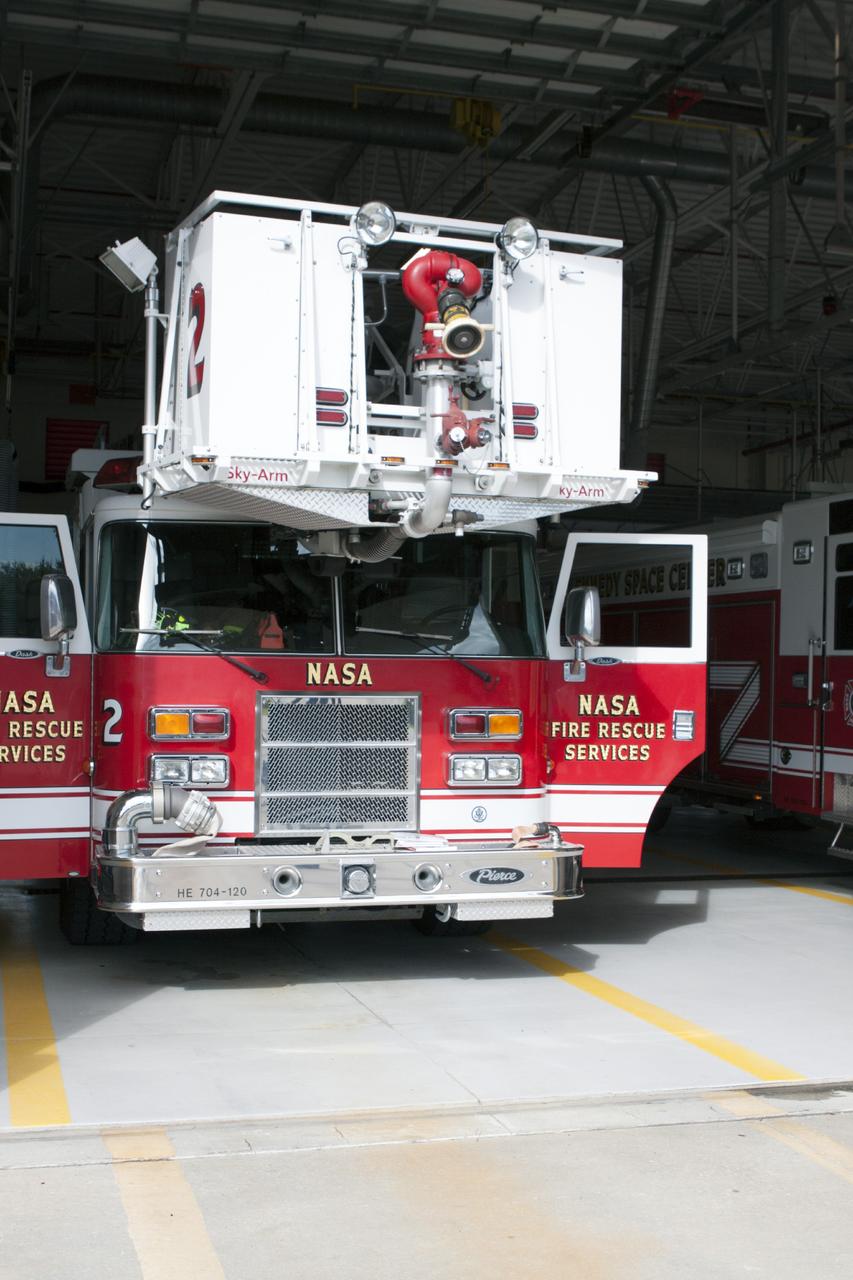
CAPE CANAVERAL, Fla. – At Fire Station No. 2 near the Shuttle Landing Facility at NASA’s Kennedy Space Center in Florida, the aerial fire truck sits in a bay as Fire Rescue Services personnel prepare to drive the fire truck out of the bay and then operate the extendable ladder during training in order to be certified in the operation and use of the vehicle. The center’s Fire Rescue Services recently achieved Pro Board Certification in aerial fire truck operations. Pro Board Certification is a globally recognized certification that puts on multiple courses that all fire departments throughout the world recognize and use to train their personnel. The unique aerial truck contains a 100-foot extendable ladder with a bucket at the end of it that can be used for rescues from taller buildings or aircraft rescue firefighting. Photo credit: NASA/Kim Shiflett
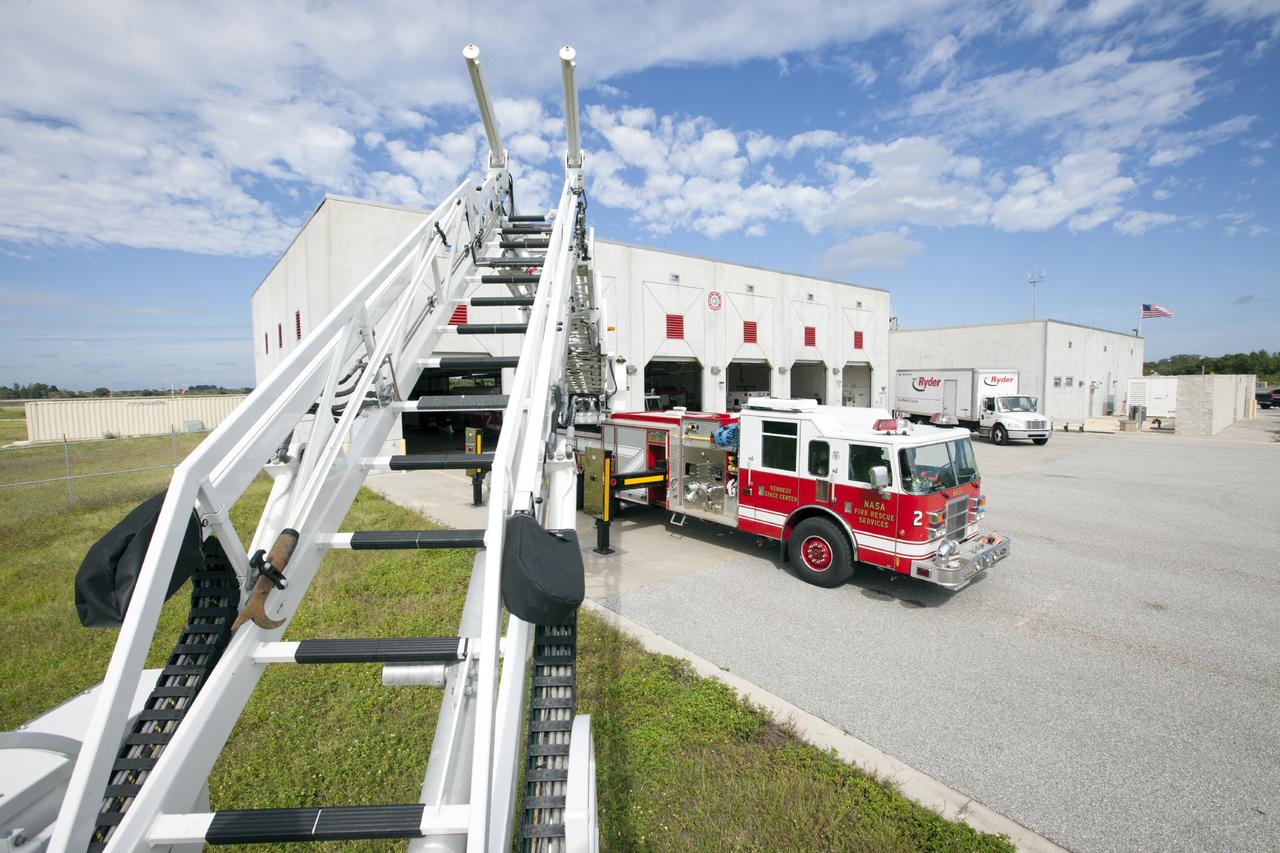
CAPE CANAVERAL, Fla. – At Fire Station No. 2 near the Shuttle Landing Facility at NASA’s Kennedy Space Center in Florida, Fire Rescue Services personnel have deployed and extended the ladder on the aerial fire truck during training in order to be certified in the operation and use of the vehicle. The stabilizers have been deployed on either side of the fire truck. The center’s Fire Rescue Services recently achieved Pro Board Certification in aerial fire truck operations. Pro Board Certification is a globally recognized certification that puts on multiple courses that all fire departments throughout the world recognize and use to train their personnel. The unique aerial truck contains a 100-foot extendable ladder with a bucket at the end of it that can be used for rescues from taller buildings or aircraft rescue firefighting. Photo credit: NASA/Kim Shiflett
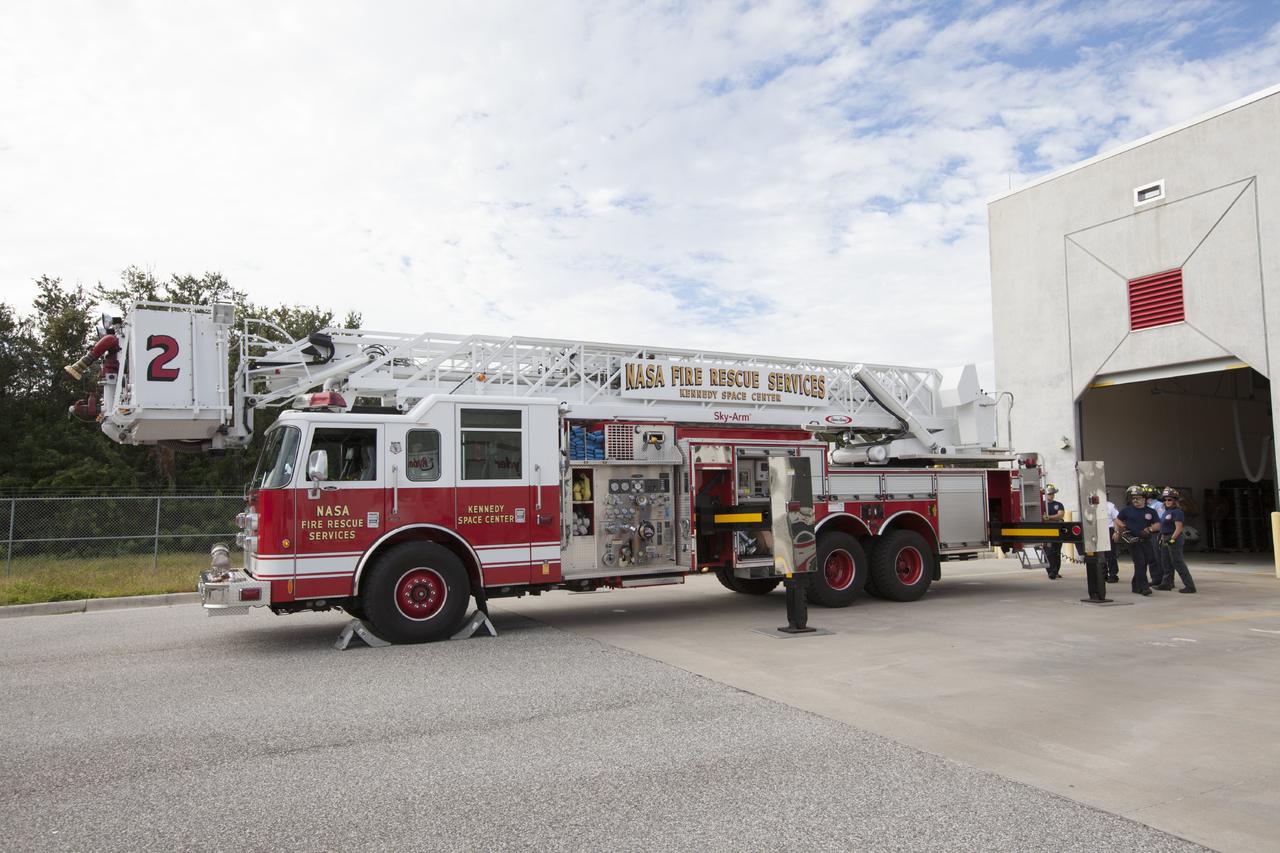
CAPE CANAVERAL, Fla. – At Fire Station No. 2 near the Shuttle Landing Facility at NASA’s Kennedy Space Center in Florida, the aerial fire truck has been moved out of the bay and Fire Rescue Services personnel have deployed the stabilizers on either side of the truck in order to prepare for training to be certified in the operation and use of the vehicle. The center’s Fire Rescue Services recently achieved Pro Board Certification in aerial fire truck operations. Pro Board Certification is a globally recognized certification that puts on multiple courses that all fire departments throughout the world recognize and use to train their personnel. The unique aerial truck contains a 100-foot extendable ladder with a bucket at the end of it that can be used for rescues from taller buildings or aircraft rescue firefighting. Photo credit: NASA/Kim Shiflett
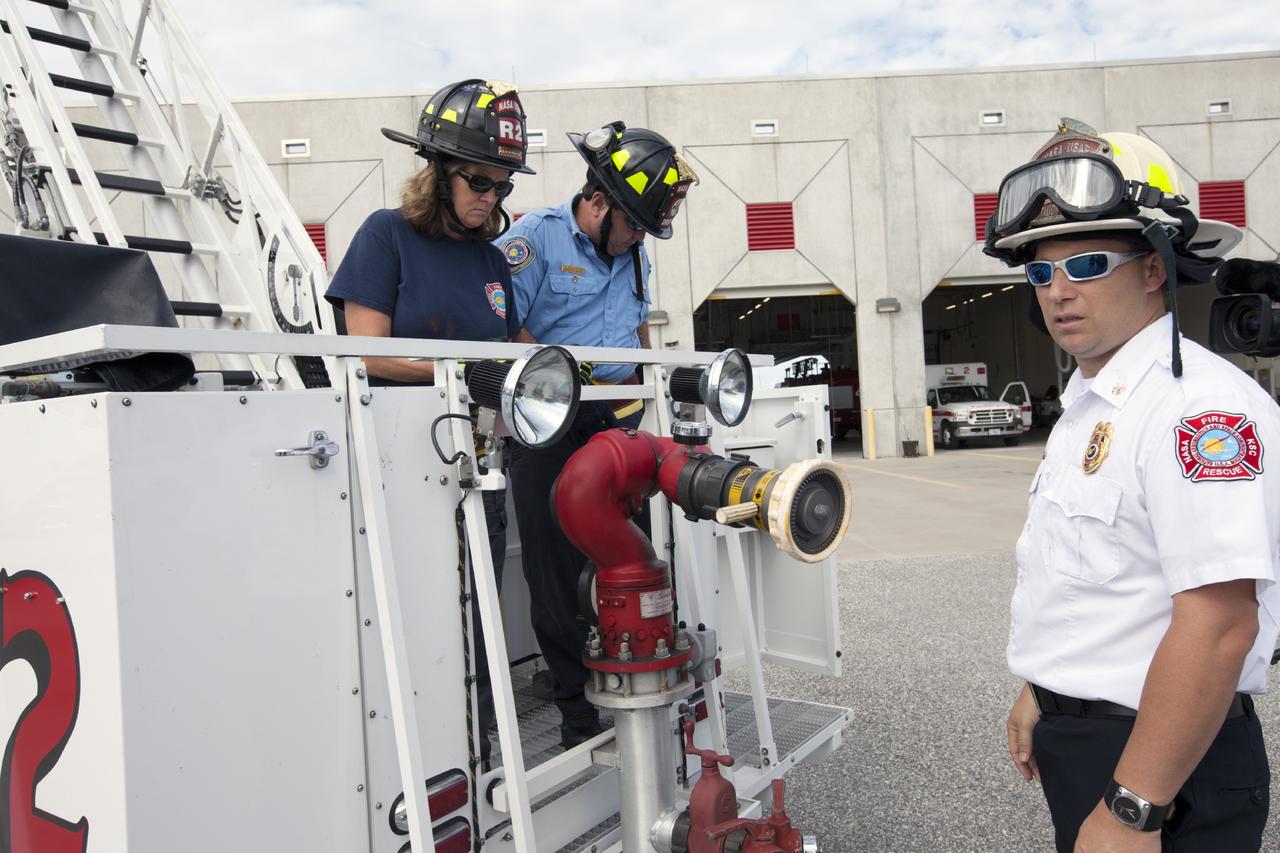
CAPE CANAVERAL, Fla. – At Fire Station No. 2 near the Shuttle Landing Facility at NASA’s Kennedy Space Center in Florida, Mark Huetter, assistant chief of training with the center’s Fire Department, monitors training procedures as two Fire Rescue Services personnel prepare to exit the bucket after training on the aerial fire truck. The center’s Fire Rescue Services recently achieved Pro Board Certification in aerial fire truck operations. Pro Board Certification is a globally recognized certification that puts on multiple courses that all fire departments throughout the world recognize and use to train their personnel. The unique aerial truck contains a 100-foot extendable ladder with a bucket at the end of it that can be used for rescues from taller buildings or aircraft rescue firefighting. Photo credit: NASA/Kim Shiflett
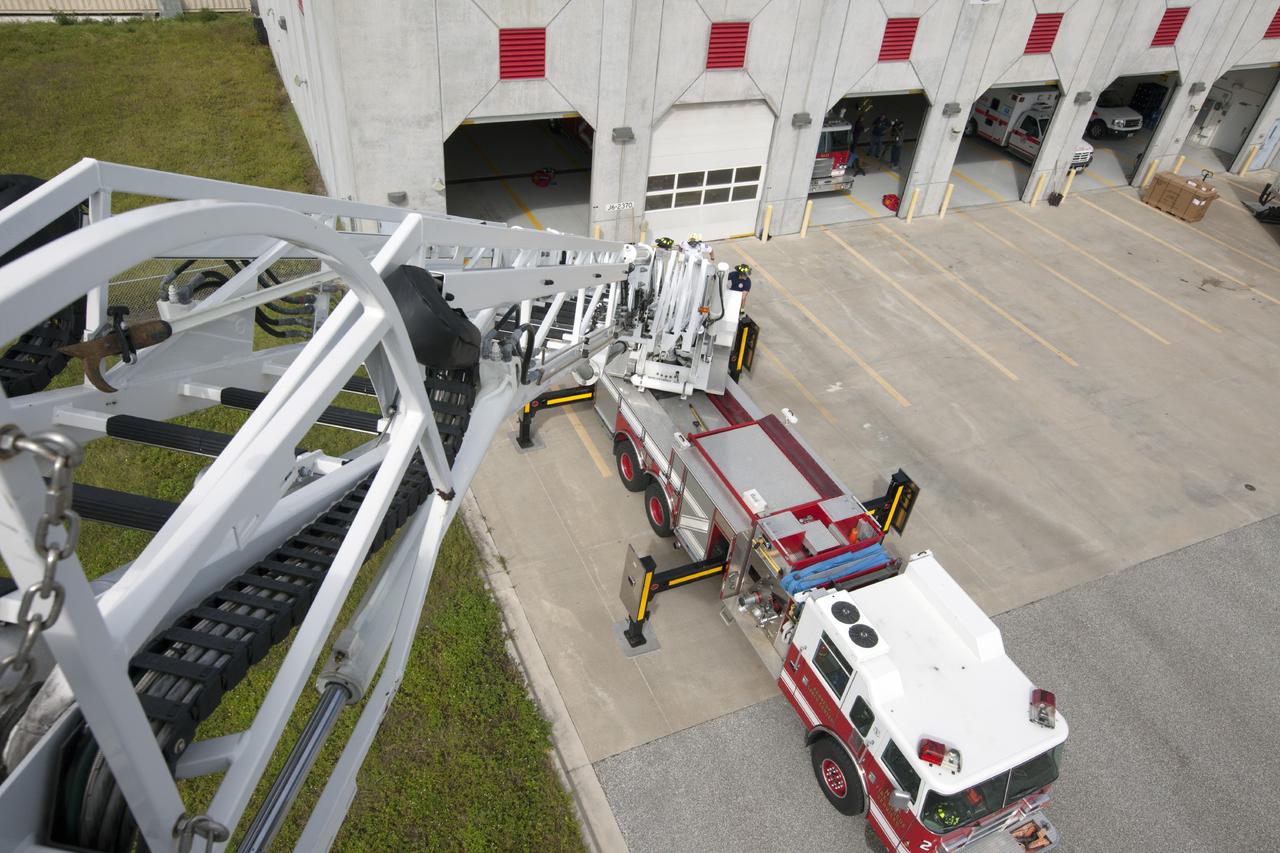
CAPE CANAVERAL, Fla. – At Fire Station No. 2 near the Shuttle Landing Facility at NASA’s Kennedy Space Center in Florida, a bird’s eye view reveals the ladder has been extended on the aerial fire truck during a training exercise. The center’s Fire Rescue Services recently achieved Pro Board Certification in aerial fire truck operations. Pro Board Certification is a globally recognized certification that puts on multiple courses that all fire departments throughout the world recognize and use to train their personnel. The unique aerial truck contains a 100-foot extendable ladder with a bucket at the end of it that can be used for rescues from taller buildings or aircraft rescue firefighting. Photo credit: NASA/Kim Shiflett
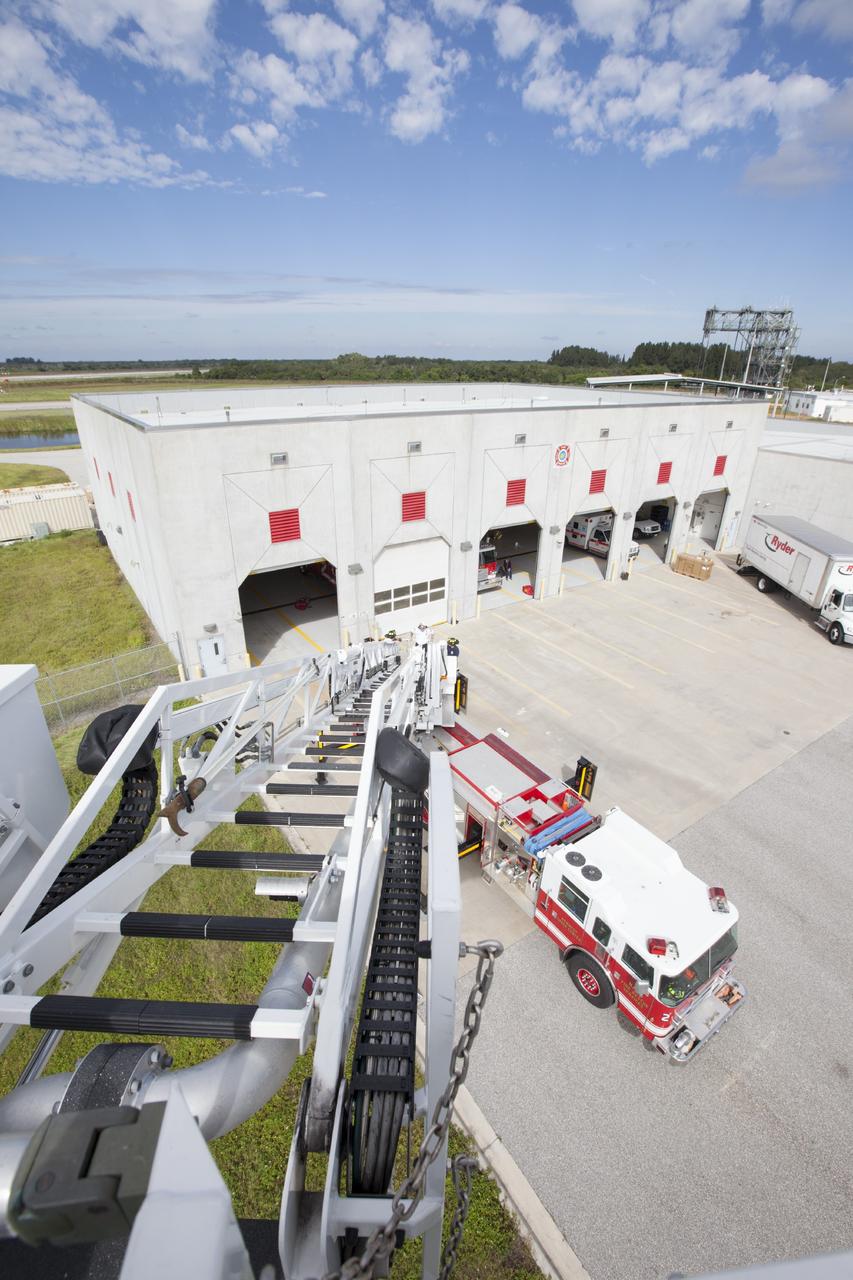
CAPE CANAVERAL, Fla. – At Fire Station No. 2 near the Shuttle Landing Facility at NASA’s Kennedy Space Center in Florida, a bird’s eye view reveals the ladder has been extended on the aerial fire truck during a training exercise. The center’s Fire Rescue Services recently achieved Pro Board Certification in aerial fire truck operations. Pro Board Certification is a globally recognized certification that puts on multiple courses that all fire departments throughout the world recognize and use to train their personnel. The unique aerial truck contains a 100-foot extendable ladder with a bucket at the end of it that can be used for rescues from taller buildings or aircraft rescue firefighting. Photo credit: NASA/Kim Shiflett
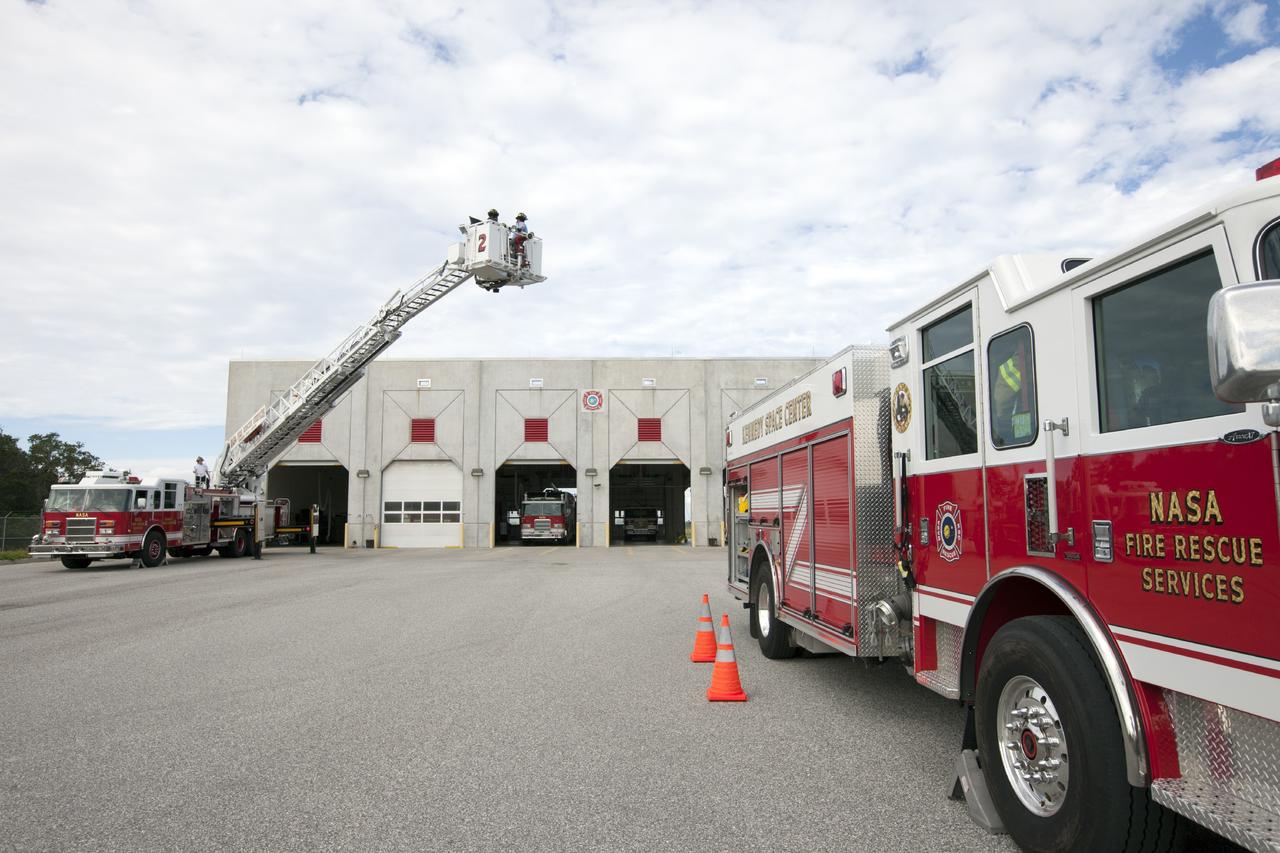
CAPE CANAVERAL, Fla. – At Fire Station No. 2 near the Shuttle Landing Facility at NASA’s Kennedy Space Center in Florida, Fire Rescue Services personnel have deployed and extended the ladder on the aerial fire truck during training in order to be certified in the operation and use of the vehicle. Two fire rescue workers are in the bucket practicing harness procedures. The center’s Fire Rescue Services recently achieved Pro Board Certification in aerial fire truck operations. Pro Board Certification is a globally recognized certification that puts on multiple courses that all fire departments throughout the world recognize and use to train their personnel. The unique aerial truck contains a 100-foot extendable ladder with a bucket at the end of it that can be used for rescues from taller buildings or aircraft rescue firefighting. Photo credit: NASA/Kim Shiflett
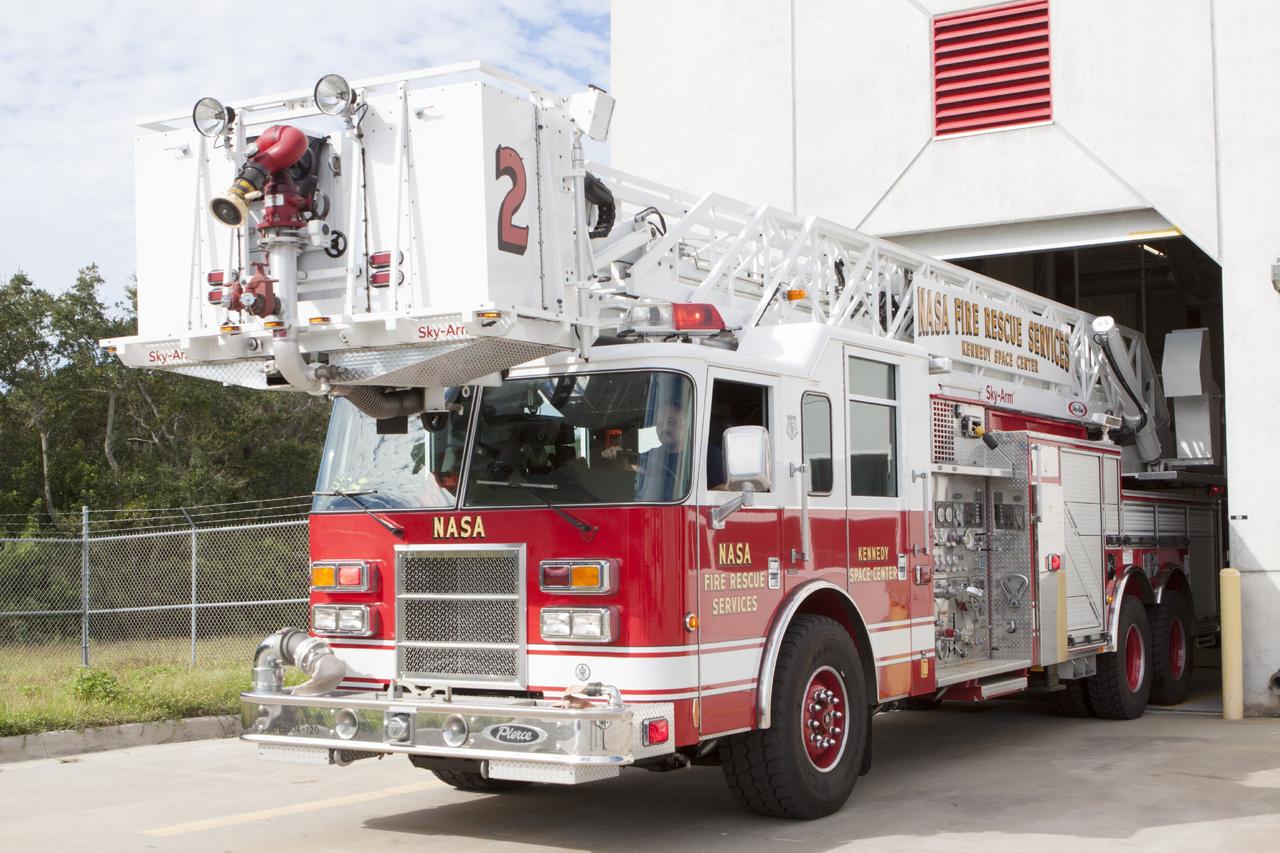
CAPE CANAVERAL, Fla. – At Fire Station No. 2 near the Shuttle Landing Facility at NASA’s Kennedy Space Center in Florida, the aerial fire truck is being driven out of the bay so that Fire Rescue Services personnel can be trained and certified in the operation and use of the vehicle. The center’s Fire Rescue Services recently achieved Pro Board Certification in aerial fire truck operations. Pro Board Certification is a globally recognized certification that puts on multiple courses that all fire departments throughout the world recognize and use to train their personnel. The unique aerial truck contains a 100-foot extendable ladder with a bucket at the end of it that can be used for rescues from taller buildings or aircraft rescue firefighting. Photo credit: NASA/Kim Shiflett
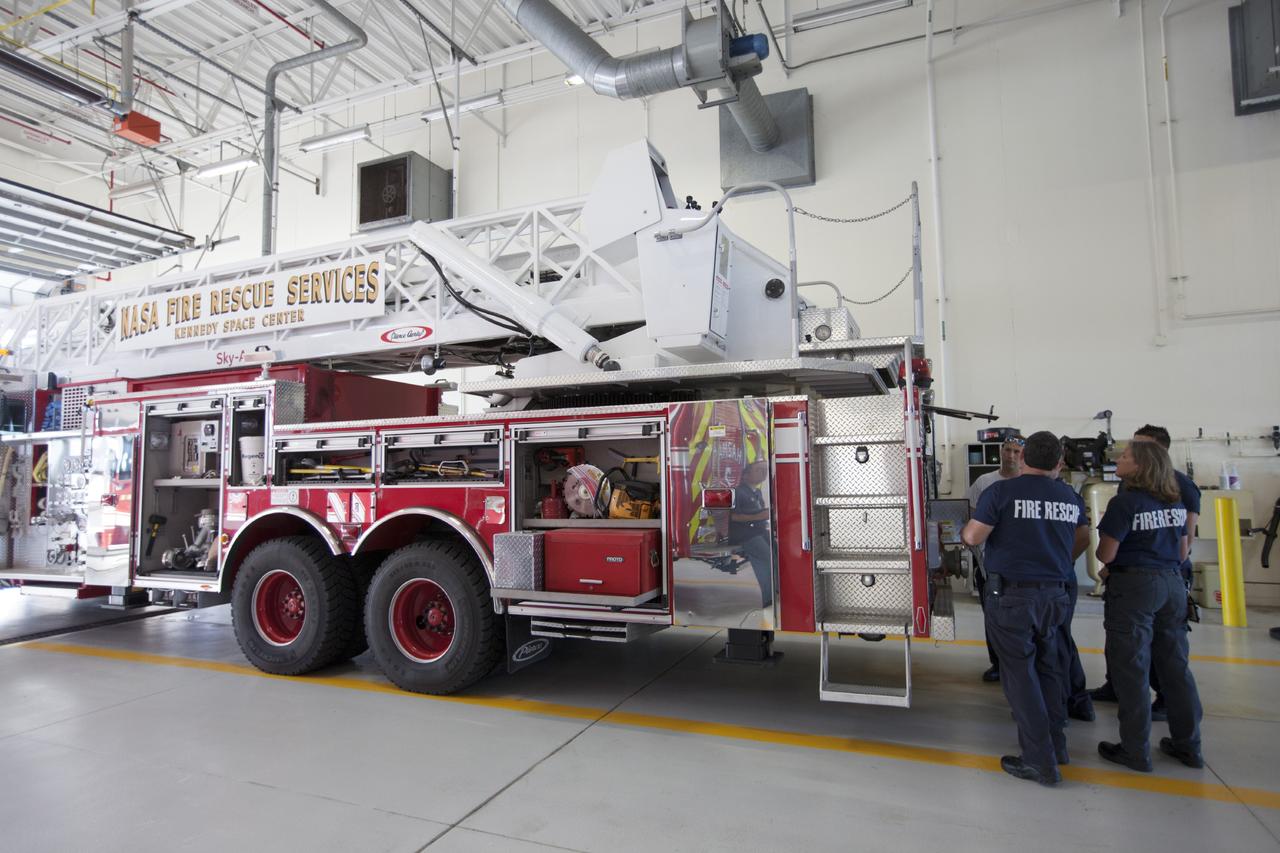
CAPE CANAVERAL, Fla. – At Fire Station No. 2 near the Shuttle Landing Facility at NASA’s Kennedy Space Center in Florida, Fire Rescue Services personnel review procedures and check equipment on the aerial fire truck as part of the training to be certified in the operation and use of the vehicle. The center’s Fire Rescue Services recently achieved Pro Board Certification in aerial fire truck operations. Pro Board Certification is a globally recognized certification that puts on multiple courses that all fire departments throughout the world recognize and use to train their personnel. The unique aerial truck contains a 100-foot extendable ladder with a bucket at the end of it that can be used for rescues from taller buildings or aircraft rescue firefighting. Photo credit: NASA/Kim Shiflett
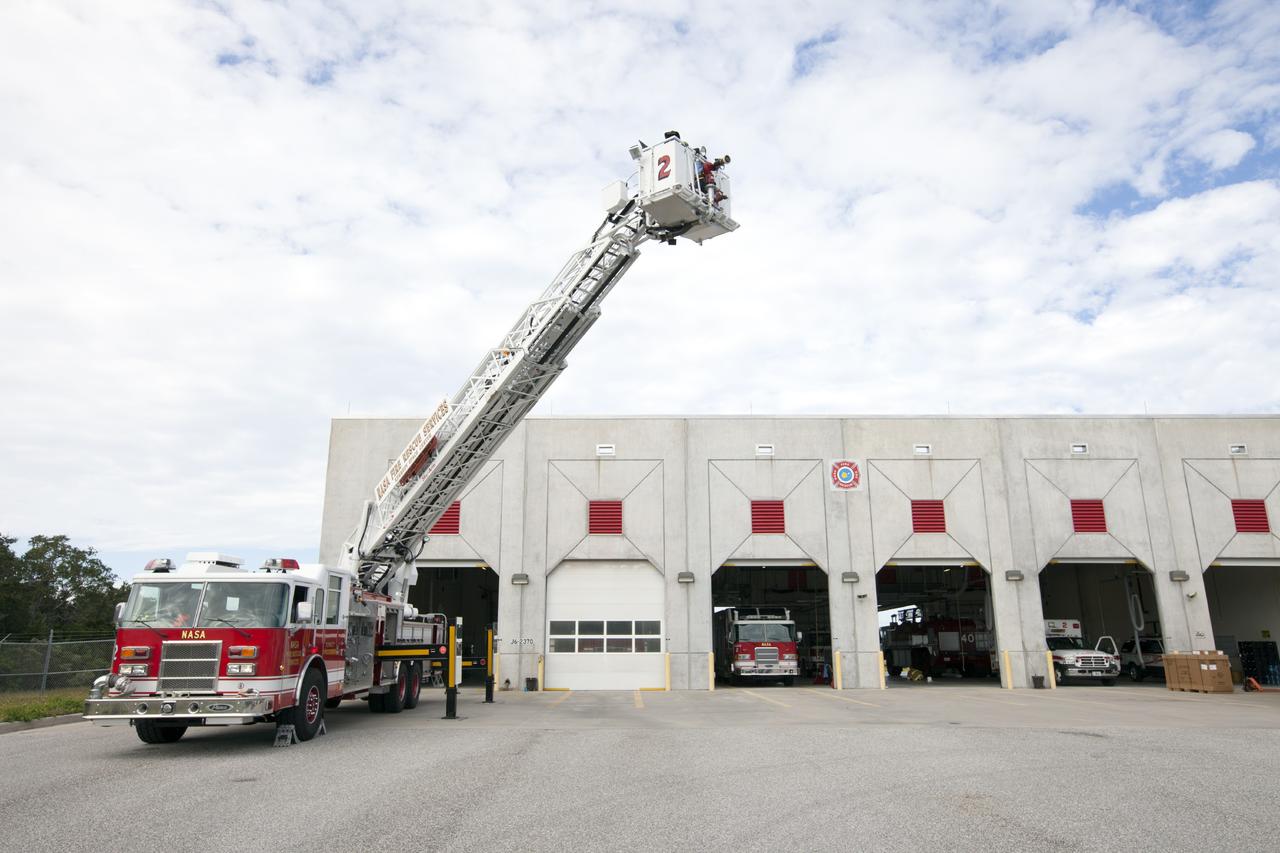
CAPE CANAVERAL, Fla. – At Fire Station No. 2 near the Shuttle Landing Facility at NASA’s Kennedy Space Center in Florida, Fire Rescue Services personnel have deployed the ladder on the aerial fire truck during training in order to be certified in the operation and use of the vehicle. The center’s Fire Rescue Services recently achieved Pro Board Certification in aerial fire truck operations. Pro Board Certification is a globally recognized certification that puts on multiple courses that all fire departments throughout the world recognize and use to train their personnel. The unique aerial truck contains a 100-foot extendable ladder with a bucket at the end of it that can be used for rescues from taller buildings or aircraft rescue firefighting. Photo credit: NASA/Kim Shiflett
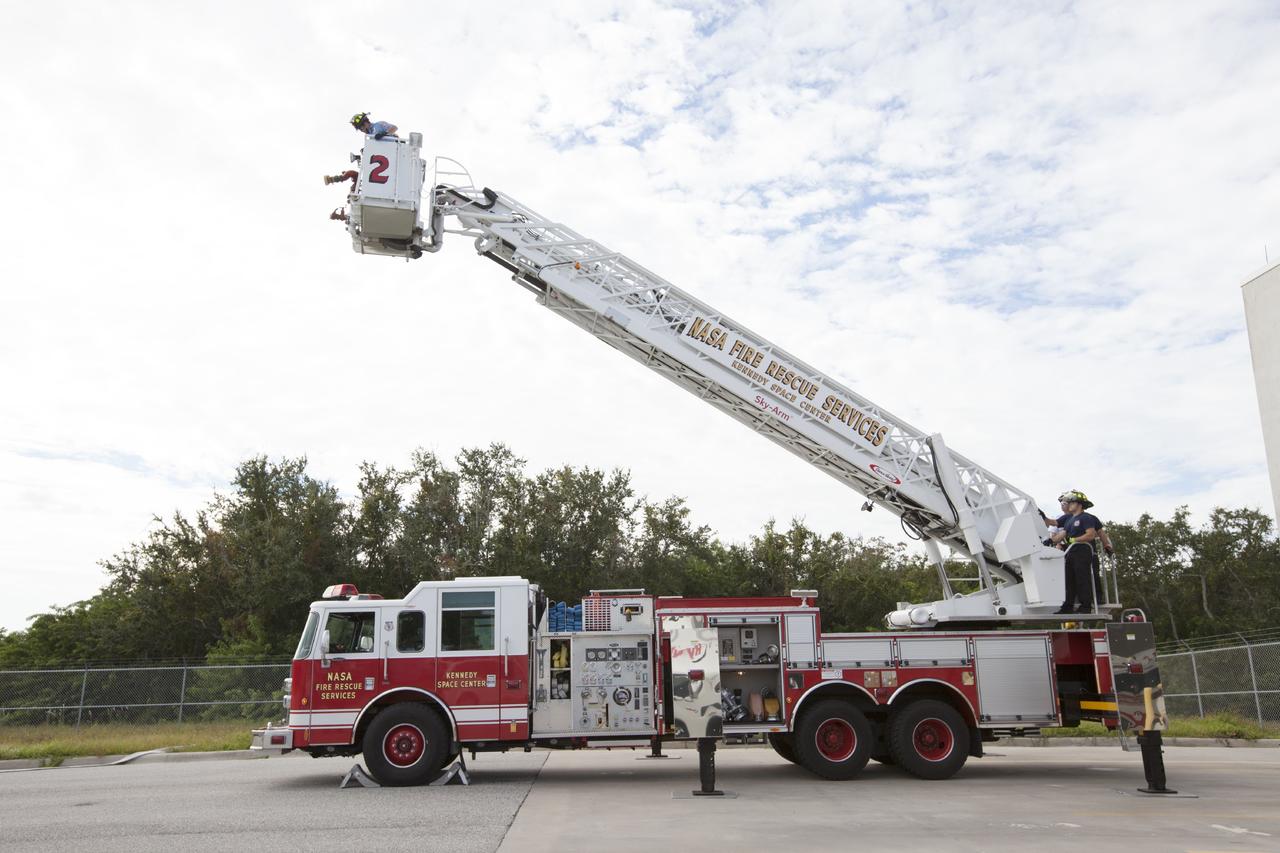
CAPE CANAVERAL, Fla. – At Fire Station No. 2 near the Shuttle Landing Facility at NASA’s Kennedy Space Center in Florida, Fire Rescue Services personnel have deployed the ladder on the aerial fire truck during training in order to be certified in the operation and use of the vehicle. The center’s Fire Rescue Services recently achieved Pro Board Certification in aerial fire truck operations. Pro Board Certification is a globally recognized certification that puts on multiple courses that all fire departments throughout the world recognize and use to train their personnel. The unique aerial truck contains a 100-foot extendable ladder with a bucket at the end of it that can be used for rescues from taller buildings or aircraft rescue firefighting. Photo credit: NASA/Kim Shiflett
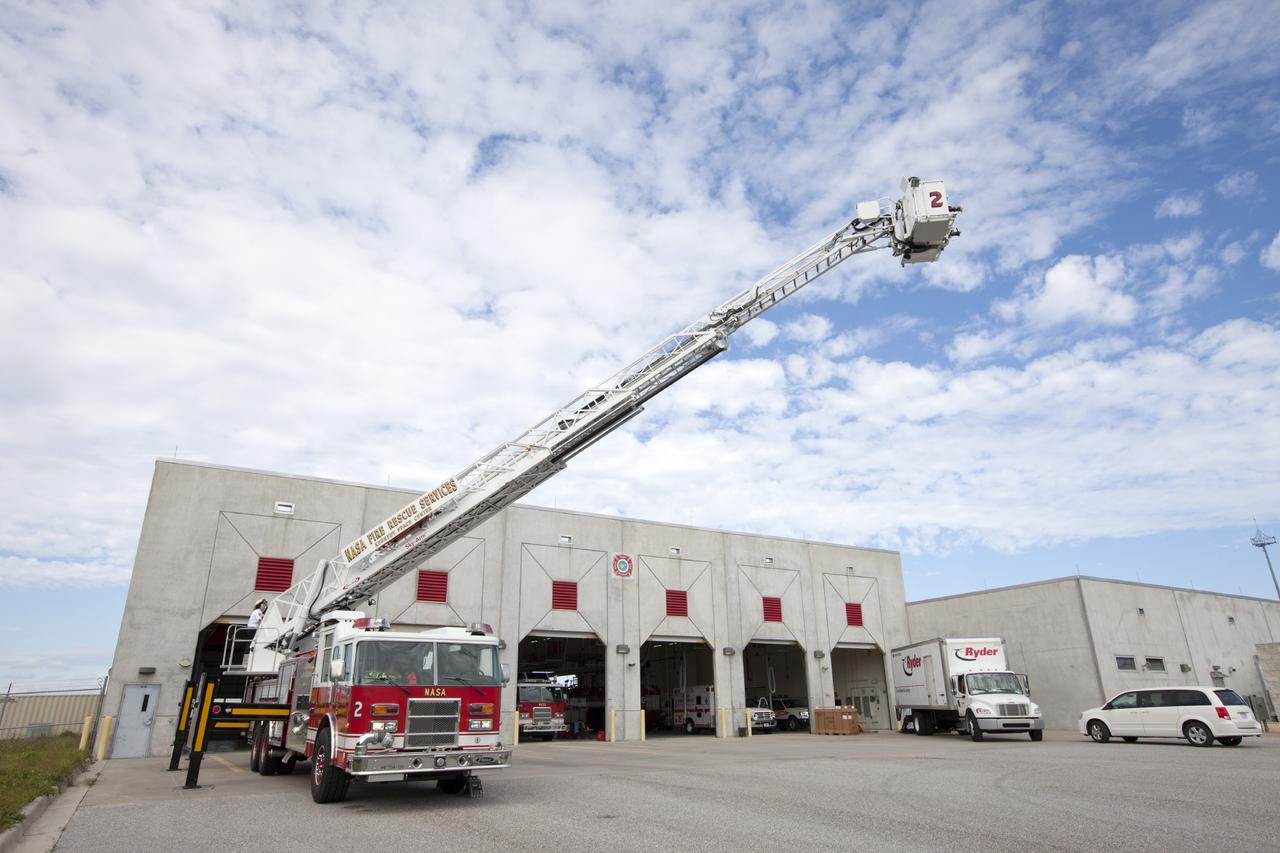
CAPE CANAVERAL, Fla. – At Fire Station No. 2 near the Shuttle Landing Facility at NASA’s Kennedy Space Center in Florida, Fire Rescue Services personnel have deployed and extended the ladder on the aerial fire truck during training in order to be certified in the operation and use of the vehicle. The center’s Fire Rescue Services recently achieved Pro Board Certification in aerial fire truck operations. Pro Board Certification is a globally recognized certification that puts on multiple courses that all fire departments throughout the world recognize and use to train their personnel. The unique aerial truck contains a 100-foot extendable ladder with a bucket at the end of it that can be used for rescues from taller buildings or aircraft rescue firefighting. Photo credit: NASA/Kim Shiflett
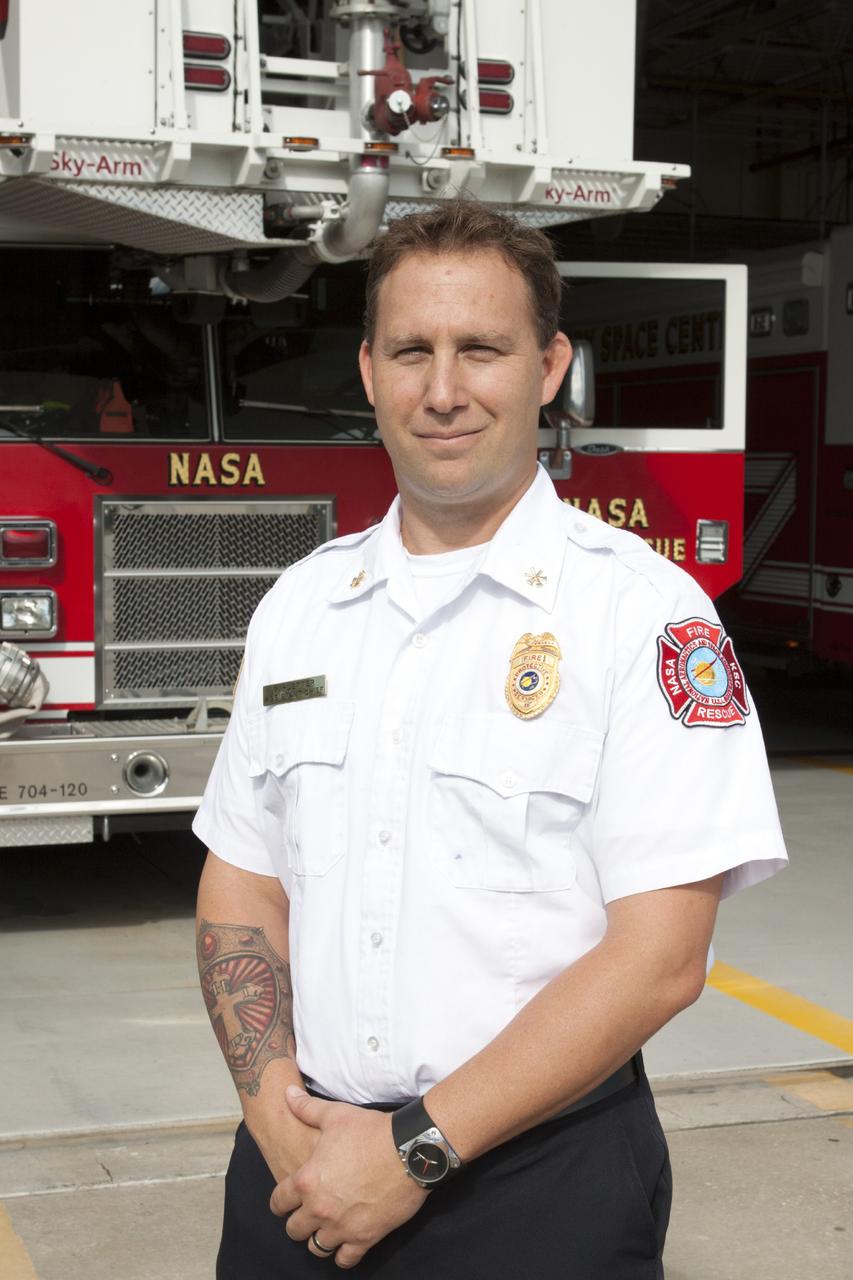
CAPE CANAVERAL, Fla. – At Fire Station No. 2 near the Shuttle Landing Facility at NASA’s Kennedy Space Center in Florida, Mark Huetter, assistant chief of training with the center’s Fire Department, prepares to train Fire Rescue Services personnel in the operation and use of the aerial fire truck. The center’s Fire Rescue Services recently achieved Pro Board Certification in aerial fire truck operations. Pro Board Certification is a globally recognized certification that puts on multiple courses that all fire departments throughout the world recognize and use to train their personnel. The unique aerial truck contains a 100-foot extendable ladder with a bucket at the end of it that can be used for rescues from taller buildings or aircraft rescue firefighting. Photo credit: NASA/Kim Shiflett
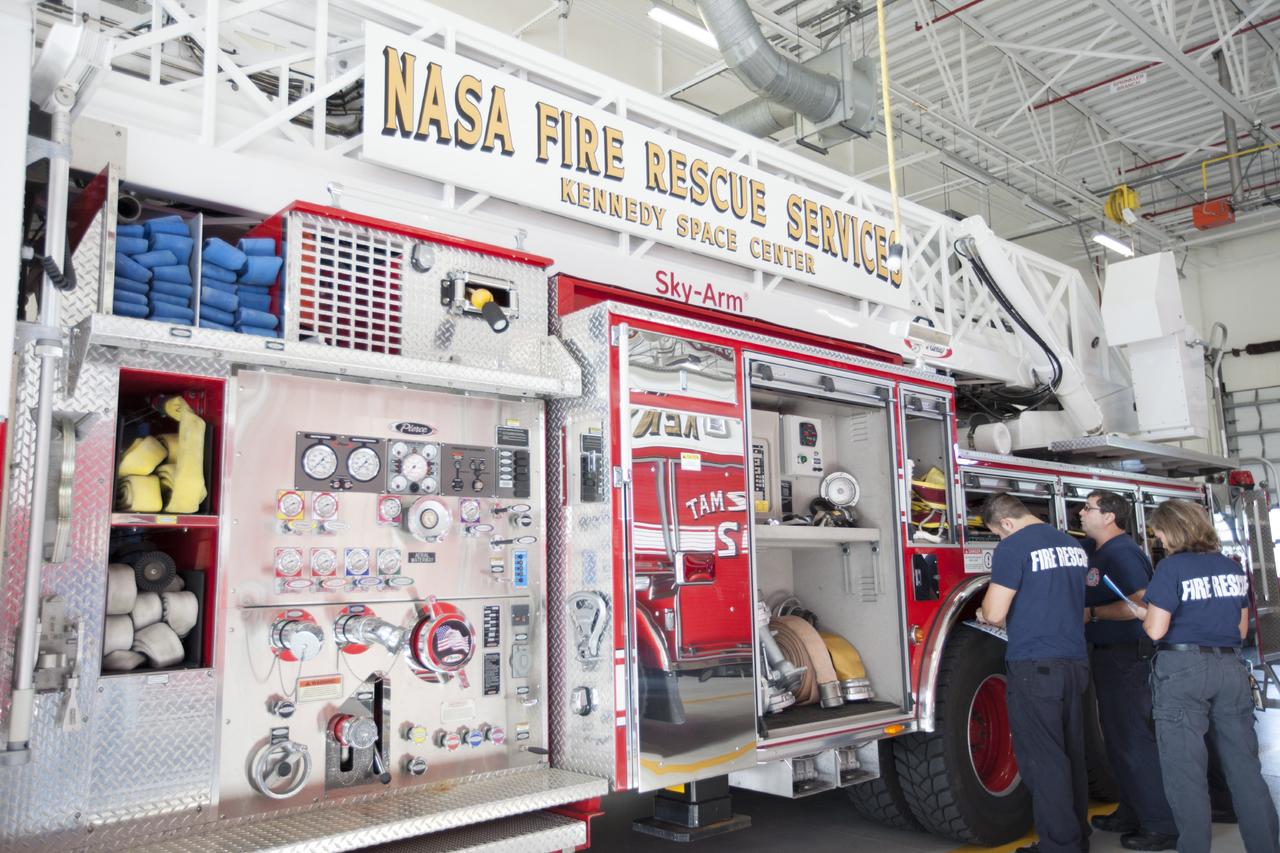
CAPE CANAVERAL, Fla. – At Fire Station No. 2 near the Shuttle Landing Facility at NASA’s Kennedy Space Center in Florida, Fire Rescue Services personnel review procedures and check equipment on the aerial fire truck as part of the training to be certified in the operation and use of the vehicle. The center’s Fire Rescue Services recently achieved Pro Board Certification in aerial fire truck operations. Pro Board Certification is a globally recognized certification that puts on multiple courses that all fire departments throughout the world recognize and use to train their personnel. The unique aerial truck contains a 100-foot extendable ladder with a bucket at the end of it that can be used for rescues from taller buildings or aircraft rescue firefighting. Photo credit: NASA/Kim Shiflett
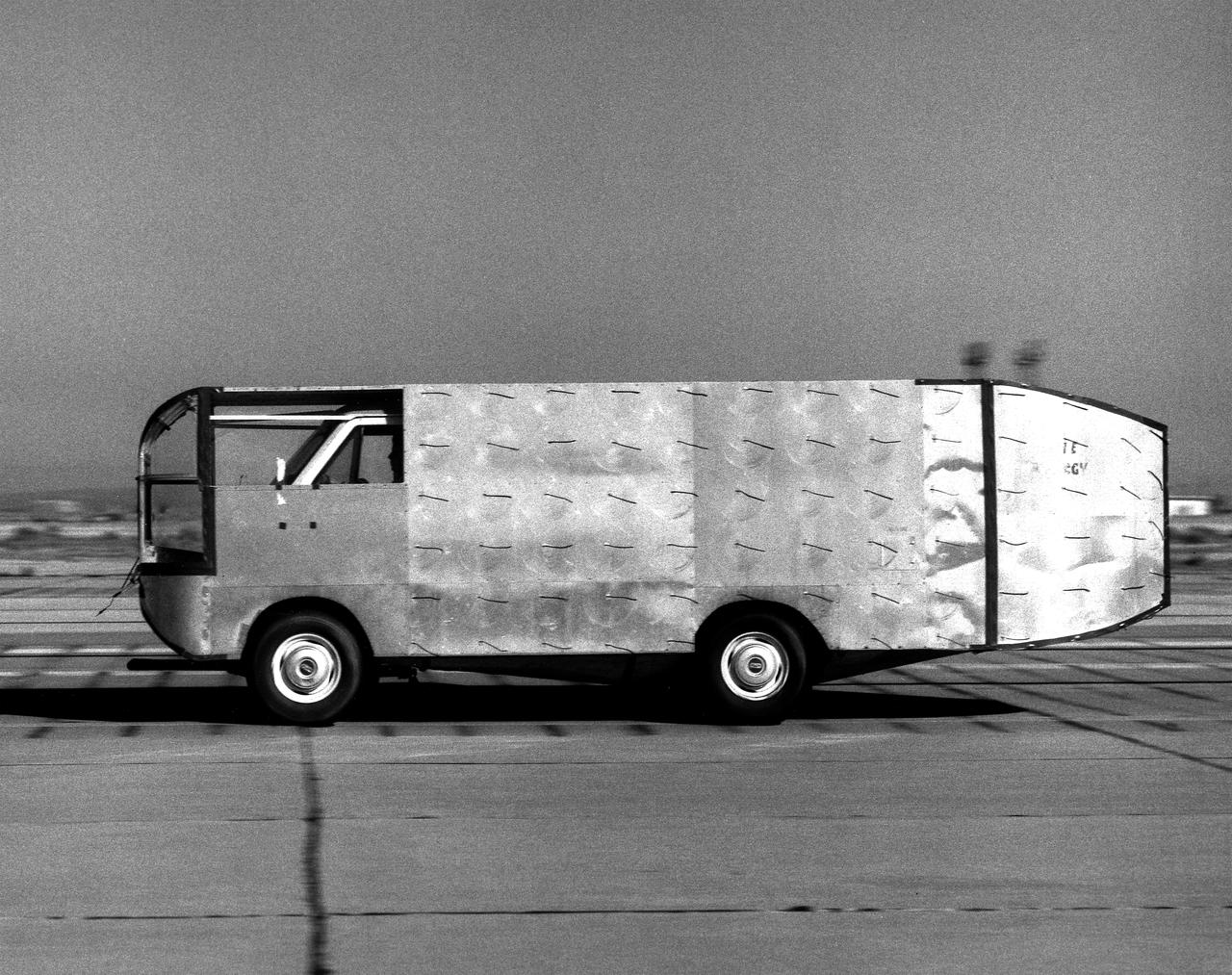
Air flow testing on aerodynamic truck
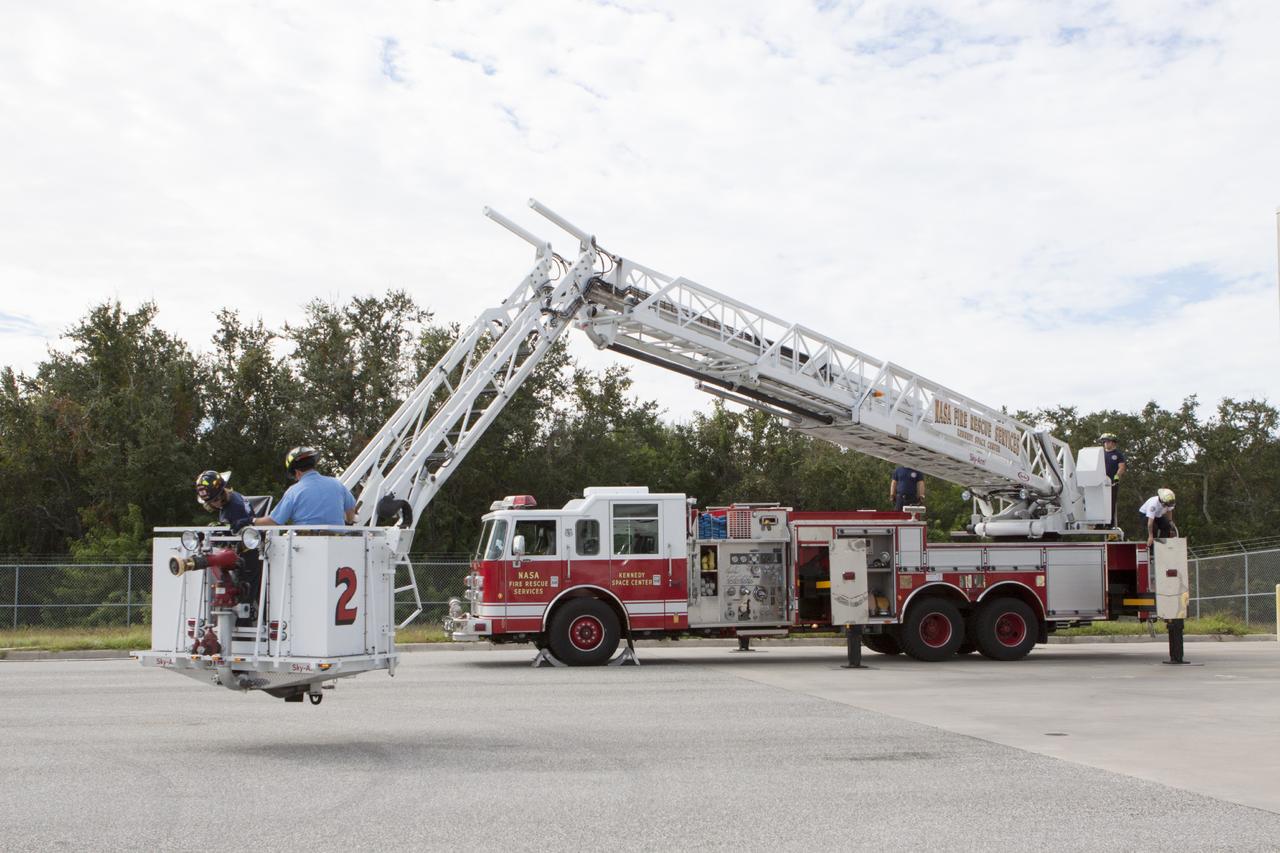
CAPE CANAVERAL, Fla. – At Fire Station No. 2 near the Shuttle Landing Facility at NASA’s Kennedy Space Center in Florida, Fire Rescue Services personnel lower the extendable ladder so that two fire rescue workers can exit the bucket during training to be certified in the operation and use of the vehicle. The center’s Fire Rescue Services recently achieved Pro Board Certification in aerial fire truck operations. Pro Board Certification is a globally recognized certification that puts on multiple courses that all fire departments throughout the world recognize and use to train their personnel. The unique aerial truck contains a 100-foot extendable ladder with a bucket at the end of it that can be used for rescues from taller buildings or aircraft rescue firefighting. Photo credit: NASA/Kim Shiflett
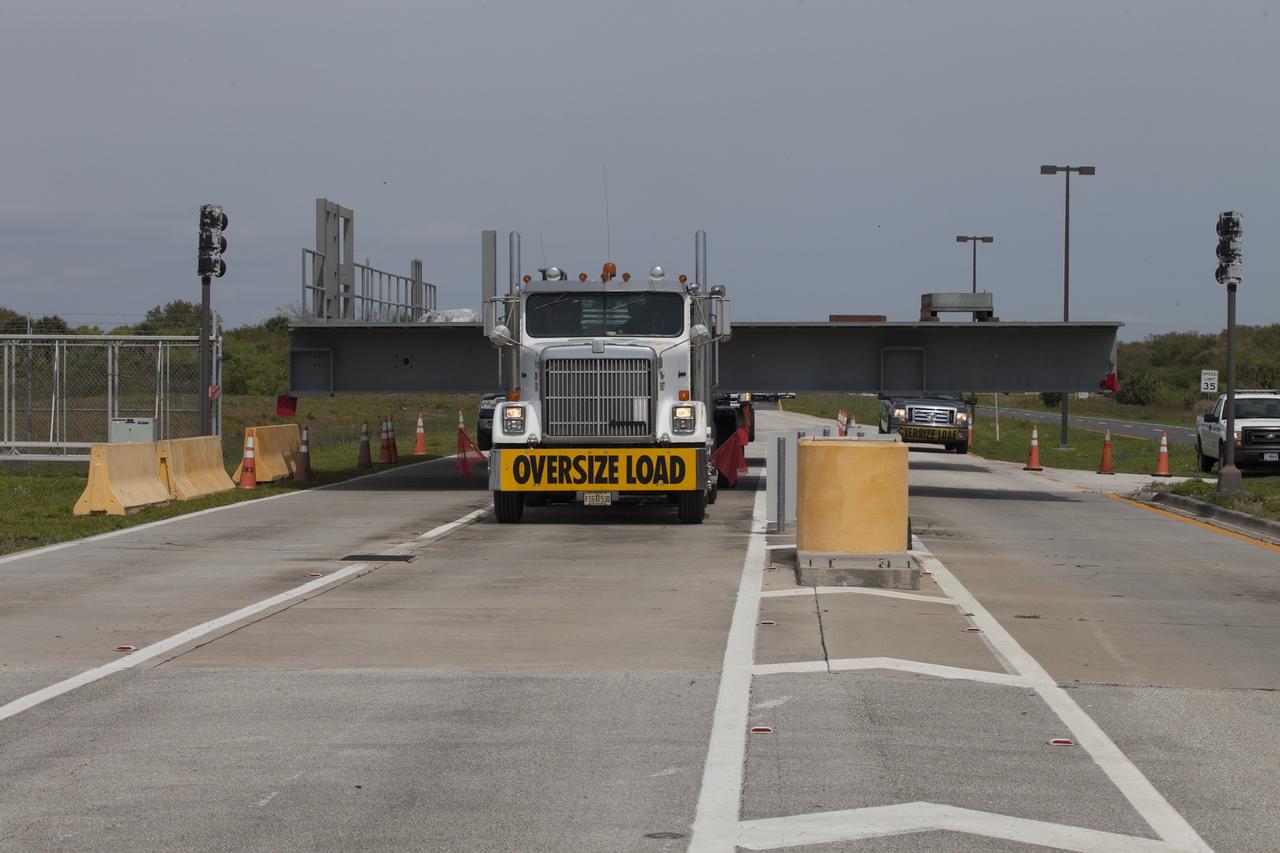
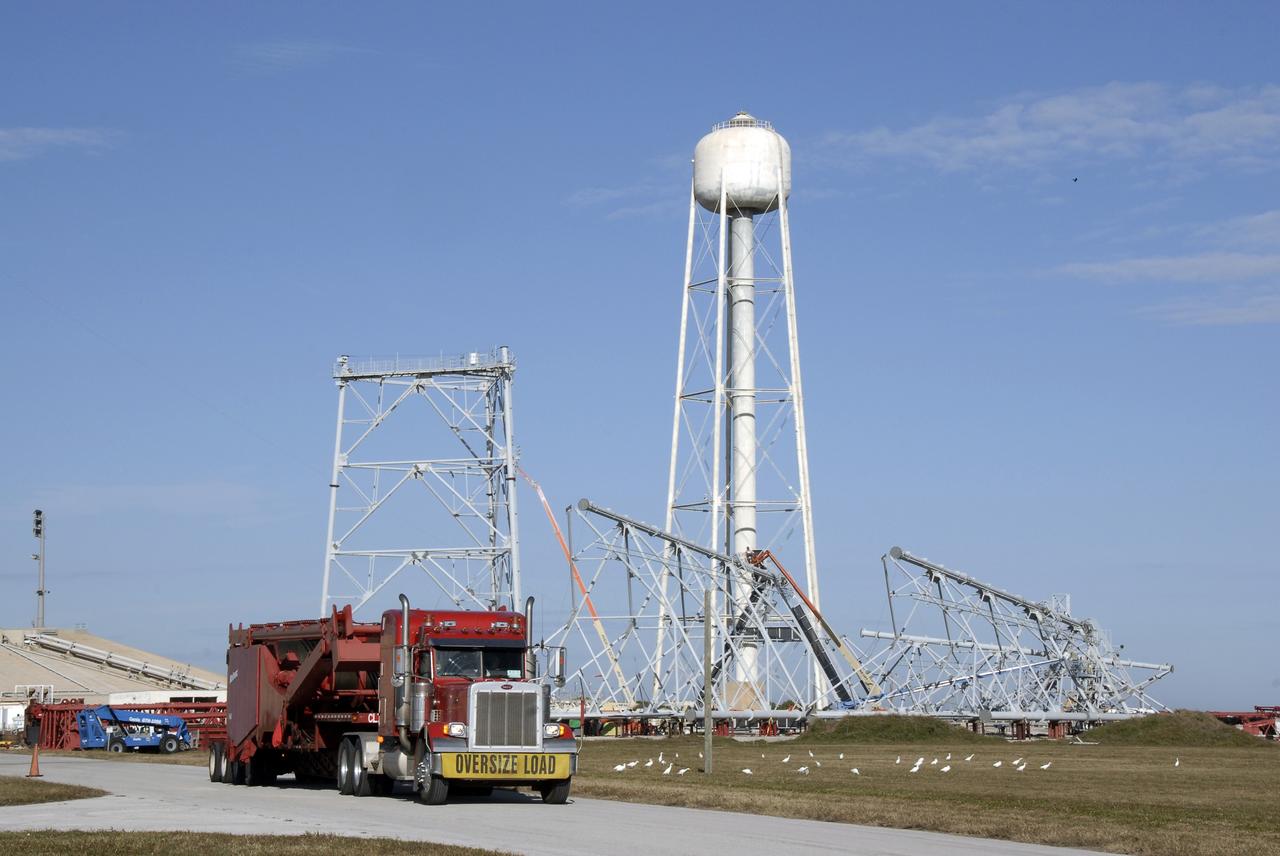
A heavy load transport truck arrives at the north entrance gate at NASA’s Kennedy Space Center in Florida, carrying the second half of the F-level work platforms for the agency’s Space Launch System (SLS) rocket. The platform will be delivered to the Vehicle Assembly Building (VAB) staging area in the west parking lot. The Ground Systems Development and Operations Program is overseeing upgrades and modifications to VAB High Bay 3 to support processing of the SLS and Orion spacecraft. A total of 10 levels of new platforms, 20 platform halves altogether, will surround the SLS rocket and Orion spacecraft and provide access for testing and processing. Delivery of this platform brings the total to 10 platforms, or half of the work platforms delivered to Kennedy.
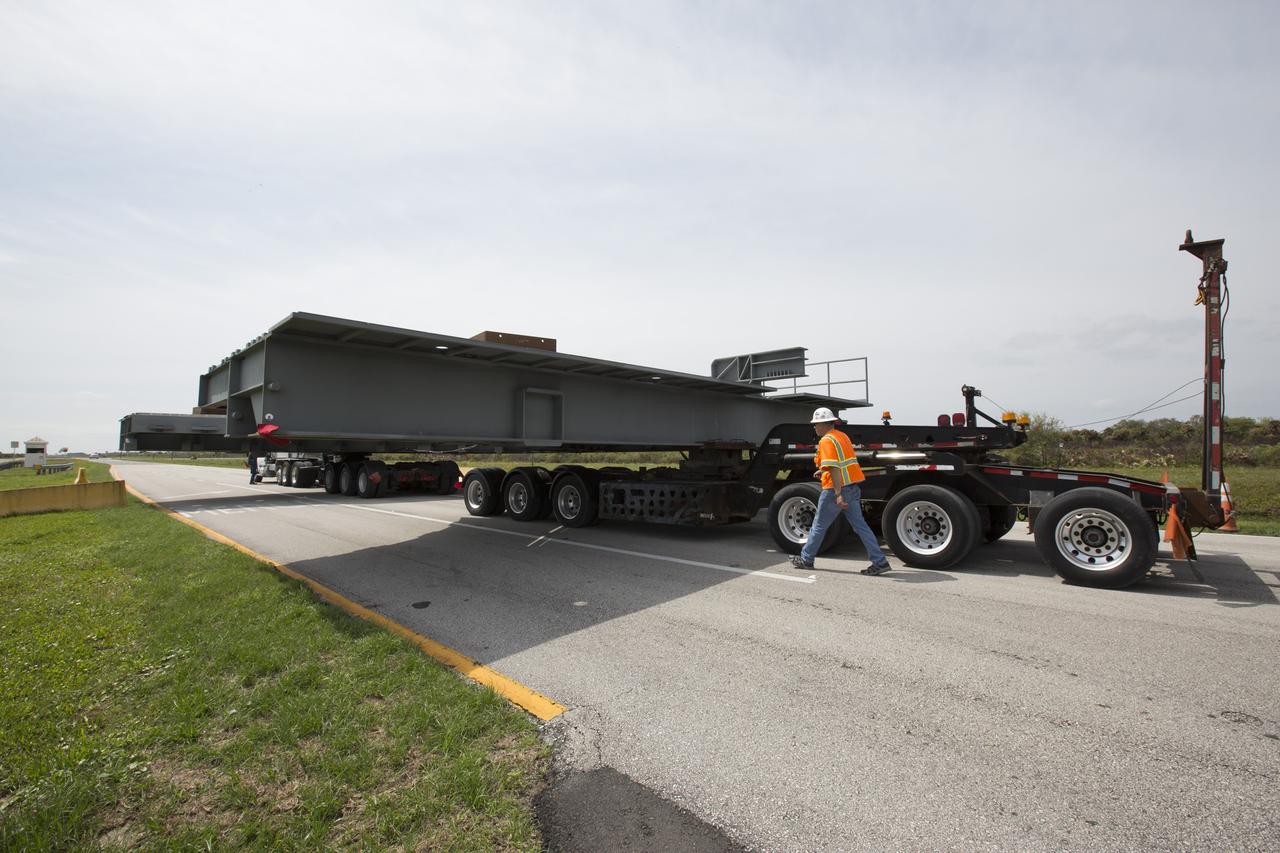
A heavy load transport truck proceeds along the road to the Vehicle Assembly Building (VAB) at NASA’s Kennedy Space Center in Florida, carrying the second half of the F-level work platforms for the agency’s Space Launch System (SLS) rocket. The platform will be delivered to the VAB staging area in the west parking lot. The Ground Systems Development and Operations Program is overseeing upgrades and modifications to VAB High Bay 3 to support processing of the SLS and Orion spacecraft. A total of 10 levels of new platforms, 20 platform halves altogether, will surround the SLS rocket and Orion spacecraft and provide access for testing and processing. Delivery of this platform brings the total to 10 platforms, or half of the work platforms delivered to Kennedy.
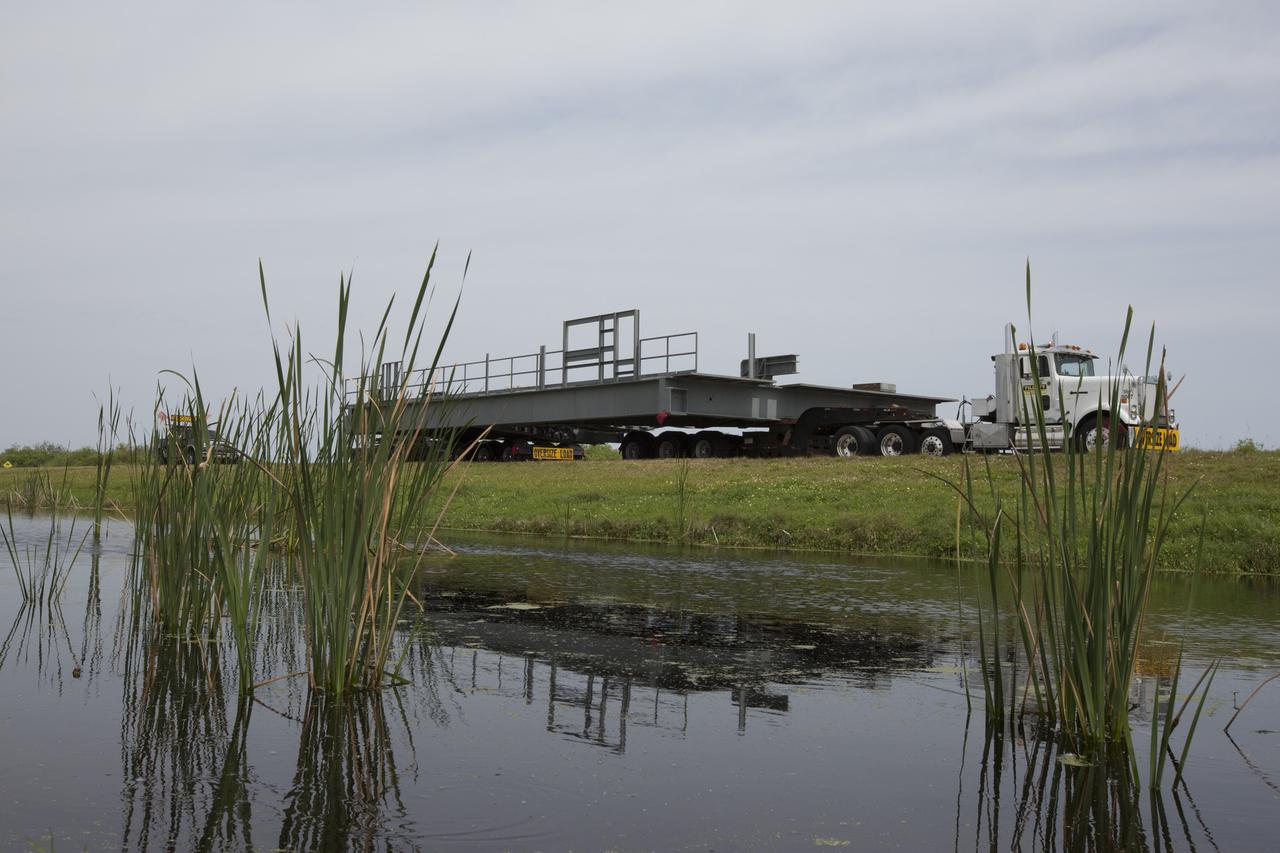
With its image reflected in the water, a heavy load transport truck proceeds along the road to the Vehicle Assembly Building (VAB) at NASA’s Kennedy Space Center in Florida, carrying the second half of the F-level work platforms for the agency’s Space Launch System (SLS) rocket. The platform will be delivered to the VAB staging area in the west parking lot. The Ground Systems Development and Operations Program is overseeing upgrades and modifications to VAB High Bay 3 to support processing of the SLS and Orion spacecraft. A total of 10 levels of new platforms, 20 platform halves altogether, will surround the SLS rocket and Orion spacecraft and provide access for testing and processing. Delivery of this platform brings the total to 10 platforms, or half of the work platforms delivered to Kennedy,
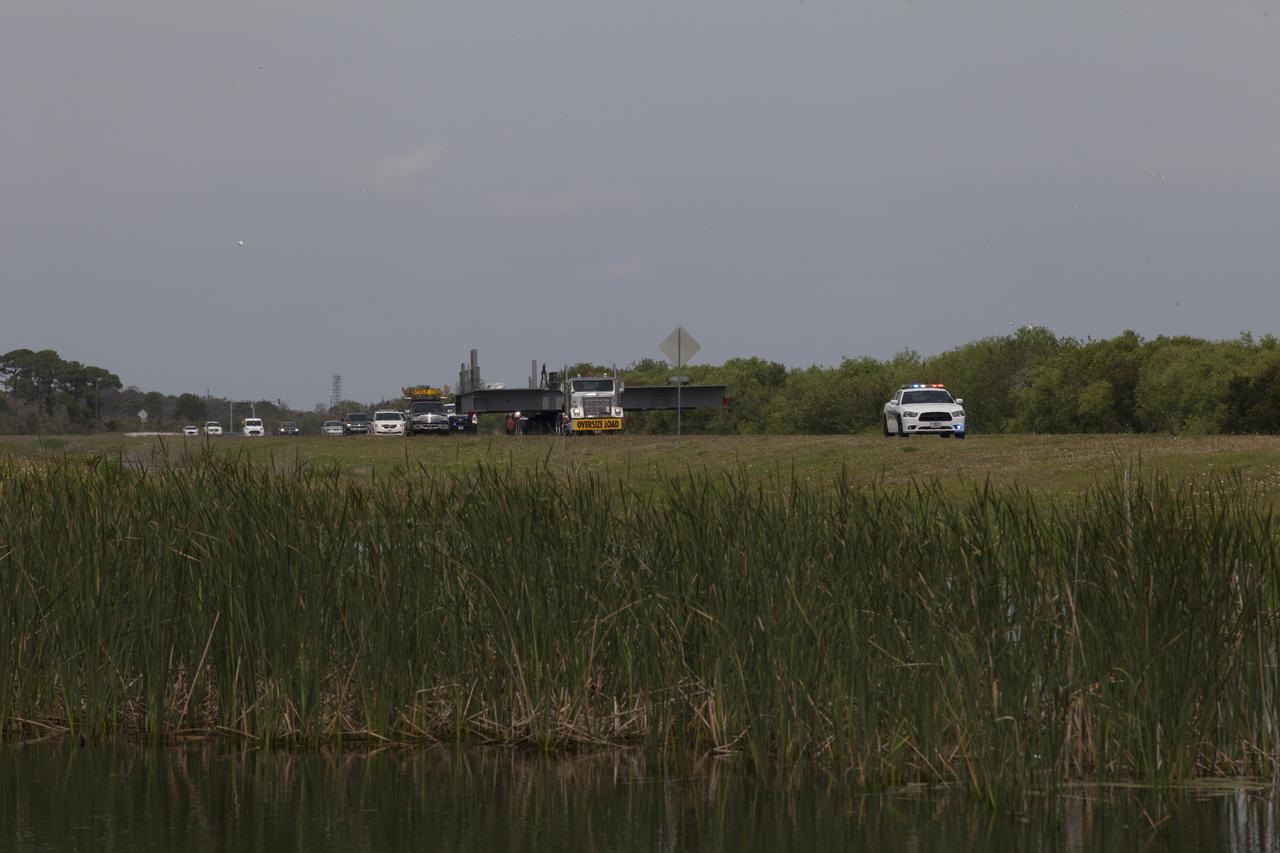
A heavy load transport truck passes through the north entrance gate at NASA’s Kennedy Space Center in Florida, carrying the second half of the F-level work platforms for the agency’s Space Launch System (SLS) rocket. The platform will be delivered to the Vehicle Assembly Building (VAB) staging area in the west parking lot. The Ground Systems Development and Operations Program is overseeing upgrades and modifications to VAB High Bay 3 to support processing of the SLS and Orion spacecraft. A total of 10 levels of new platforms, 20 platform halves altogether, will surround the SLS rocket and Orion spacecraft and provide access for testing and processing. Delivery of this platform brings the total to 10 platforms, or half of the work platforms delivered to Kennedy.
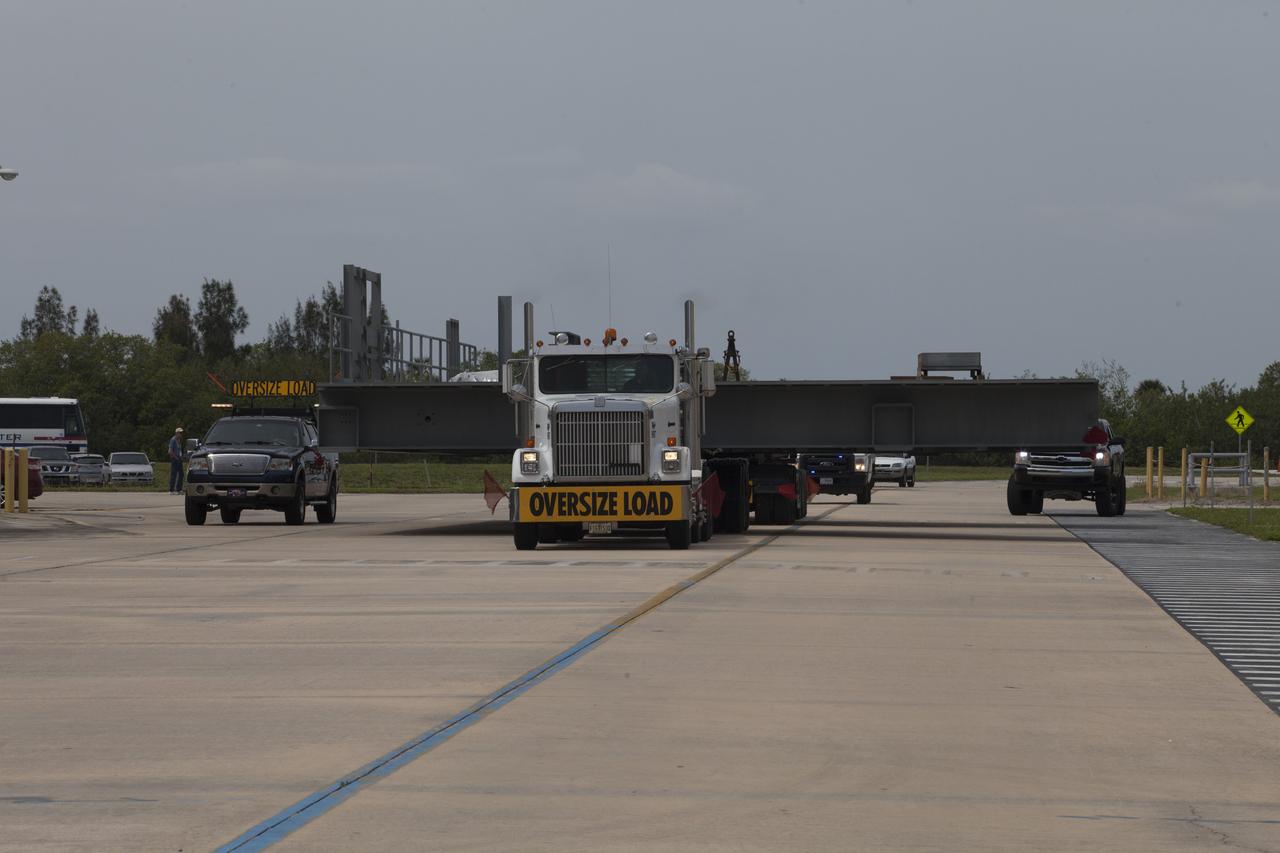
A heavy load transport truck proceeds along the road toward the Vehicle Assembly Building (VAB) at NASA’s Kennedy Space Center in Florida, carrying the second half of the F-level work platforms for the agency’s Space Launch System (SLS) rocket. The platform will be delivered to the VAB staging area in the west parking lot. The Ground Systems Development and Operations Program is overseeing upgrades and modifications to VAB High Bay 3 to support processing of the SLS and Orion spacecraft. A total of 10 levels of new platforms, 20 platform halves altogether, will surround the SLS rocket and Orion spacecraft and provide access for testing and processing. Delivery of this platform brings the total to 10 platforms, or half of the work platforms delivered to Kennedy.
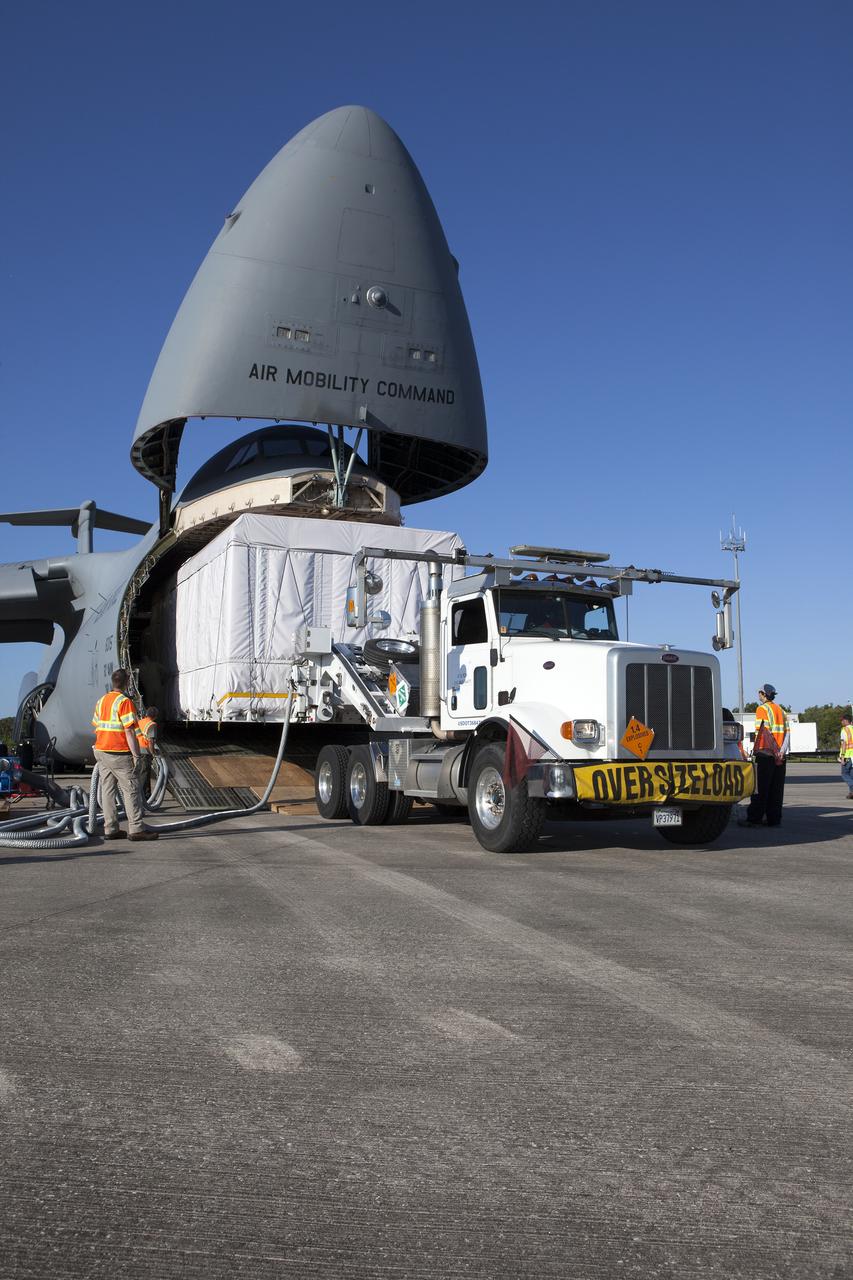
A truck with a specialized transporter drives out of the cargo hold of an Air Force C-5 Galaxy transport plane at the Shuttle Landing Facility at NASA's Kennedy Space Center in Florida to deliver the GOES-R spacecraft for launch processing. The GOES series are weather satellites operated by NOAA to enhance forecasts. The spacecraft is to launch aboard a United Launch Alliance Atlas V rocket in November.
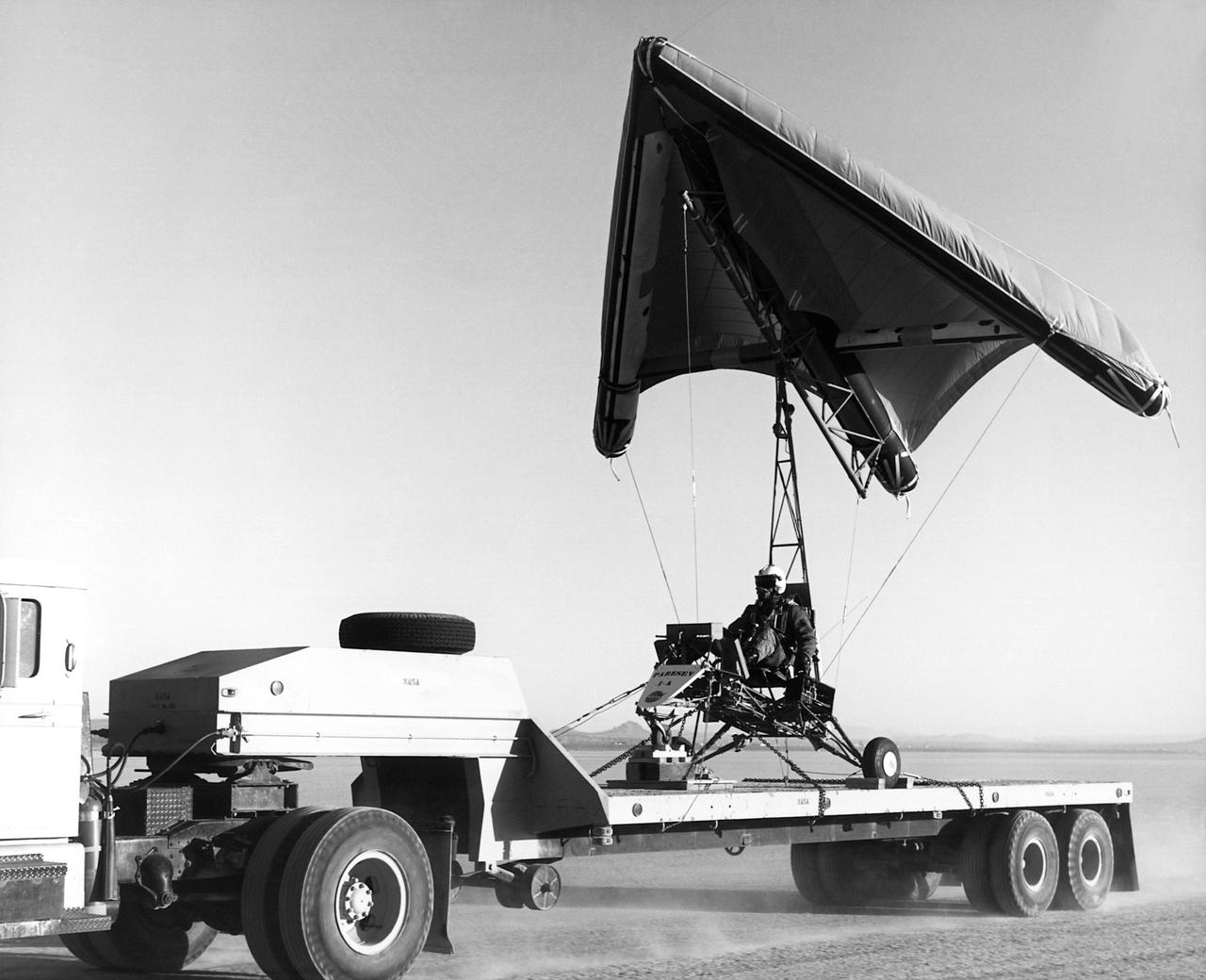
Aboard a truck and ready for a test flight is the Paresev 1-C on the ramp at the NASA Flight Research Center, Edwards, California. The half-scale version of the inflatable Gemini parawing was pre-flighted by being carried across the Rosamond dry lakebed on the back of a truck before a tow behind a International Harvester Carry-All. The inflatable center spar ran fore and aft and measured 191 inches, two other inflatable spars formed the leading edges. The three compartments were filled with nitrogen under pressure to make them rigid. The Paresev 1-C was very unstable in flight with this configuration.
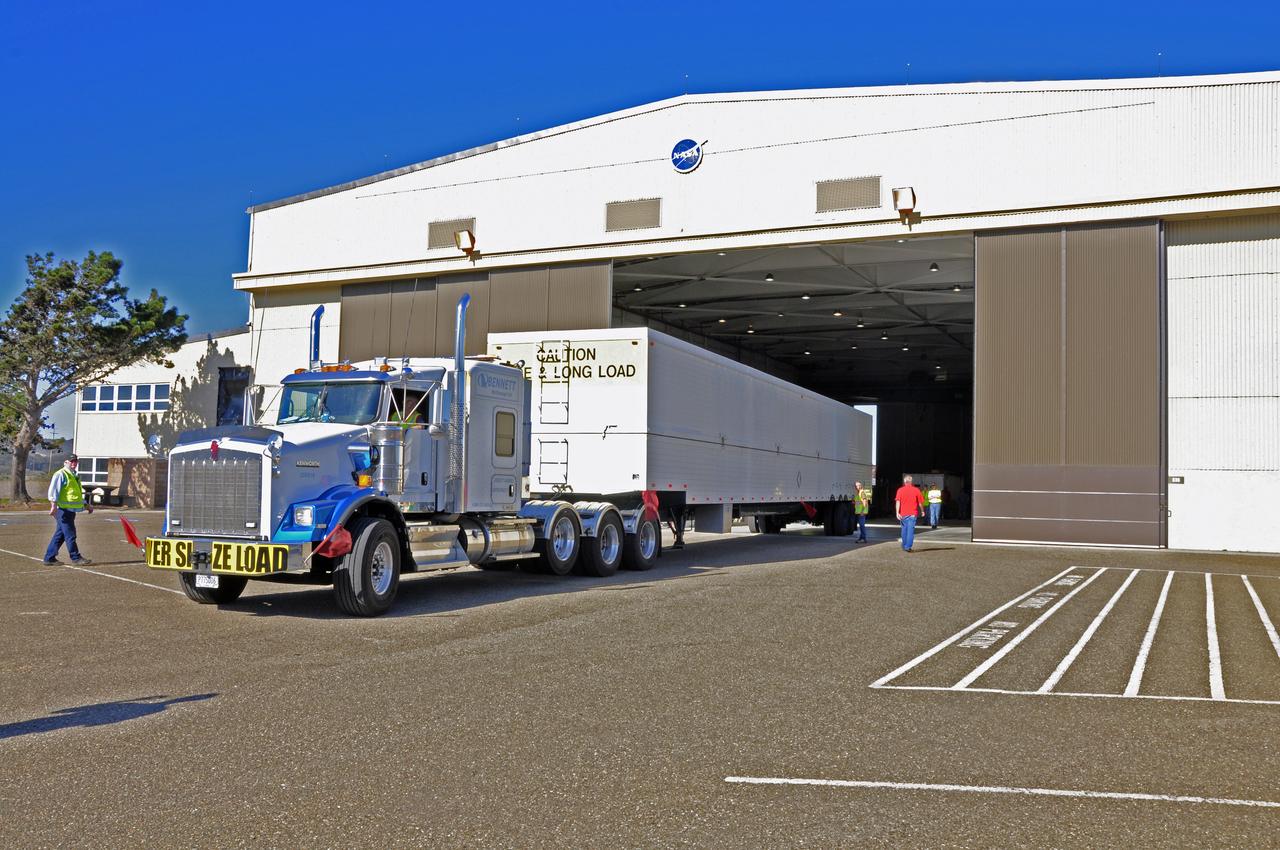
VANDENBERG AIR FORCE BASE, Calif. – The second stage for NASA's Orbiting Carbon Observatory-2 mission, or OCO-2, arrives at the Building 836 hangar on Vandenberg Air Force Base in California. OCO-2 is scheduled to launch aboard a United Launch Alliance Delta II rocket from Space Launch Complex 2 in July. The rocket's second stage will insert OCO-2 into a polar Earth orbit. OCO-2 will collect precise global measurements of carbon dioxide in the Earth's atmosphere and provide scientists with a better idea of the chemical compound's impacts on climate change. Scientists will analyze this data to improve our understanding of the natural processes and human activities that regulate the abundance and distribution of this important atmospheric gas. To learn more about OCO-2, visit http://oco.jpl.nasa.gov. Photo credit: NASA/Randy Beaudoin
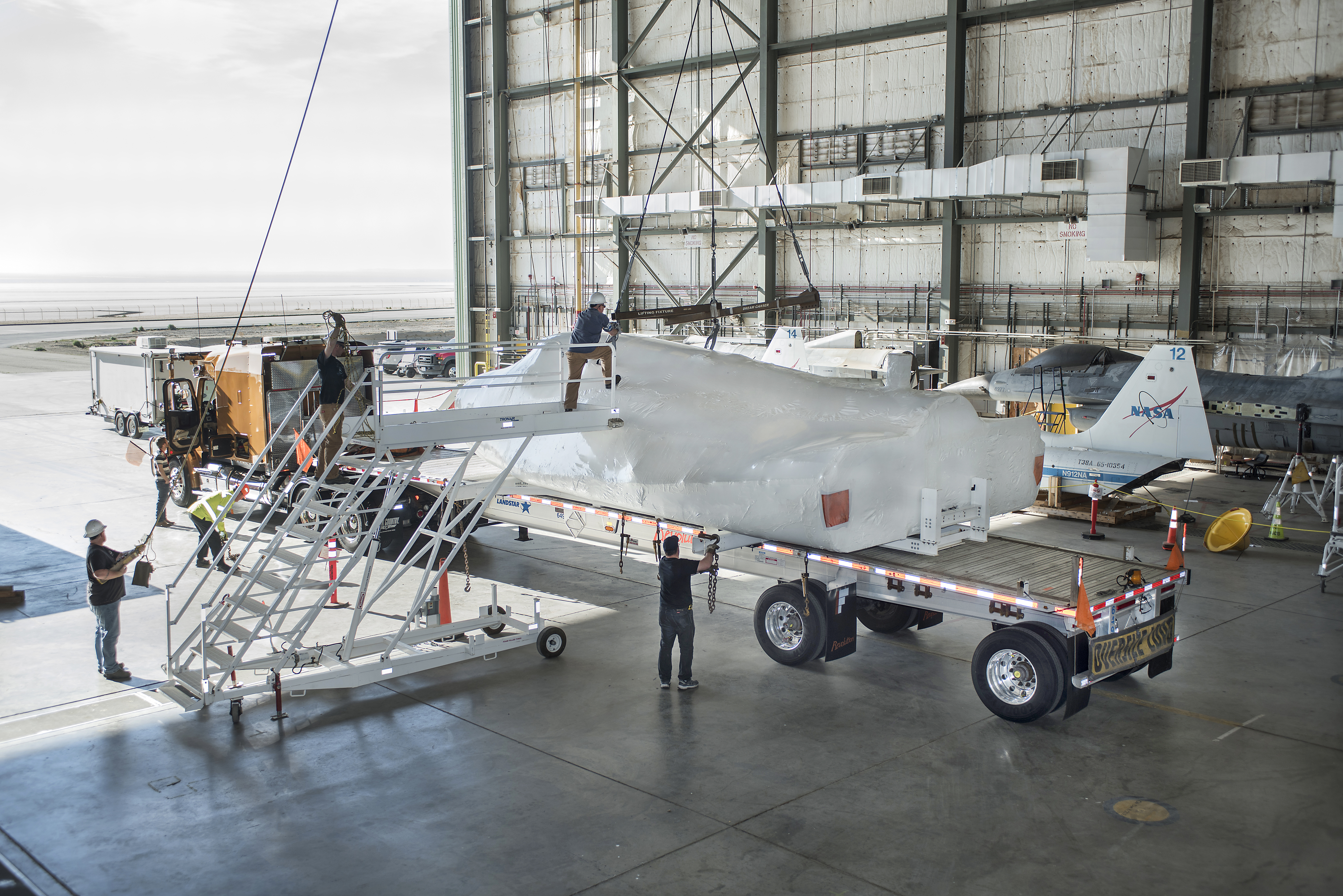
SNC Dream Chaser is in NASA Armstrong, previously known as space shuttle, hangar being loaded on truck for its departure from the center heading to SNC in Colorado.
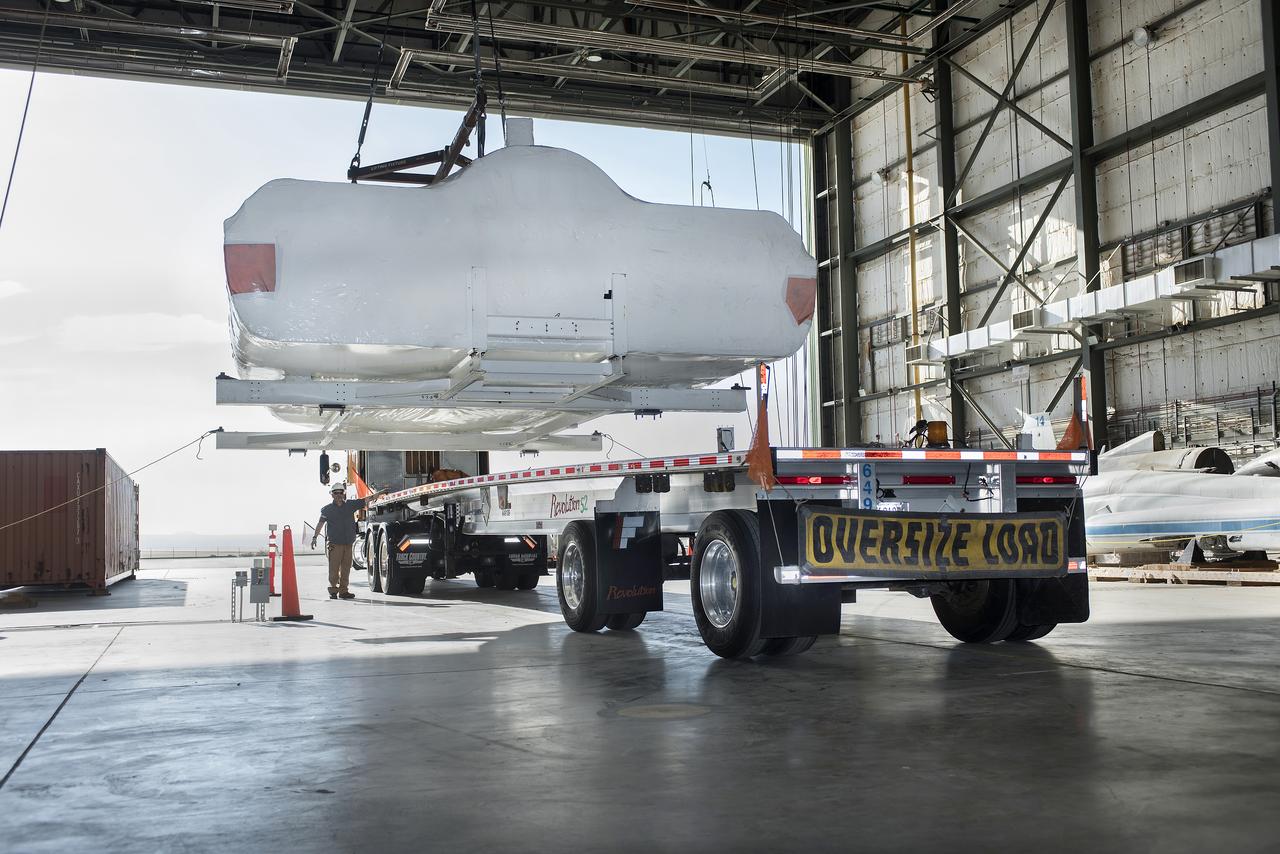
SNC Dream Chaser is lifted on to a truck in NASA Armstrong’s historic space shuttle hangar where the spacecraft stayed as it was being prepared for testing and flights. Dream Chaser is in Colorado at a SNC facility.
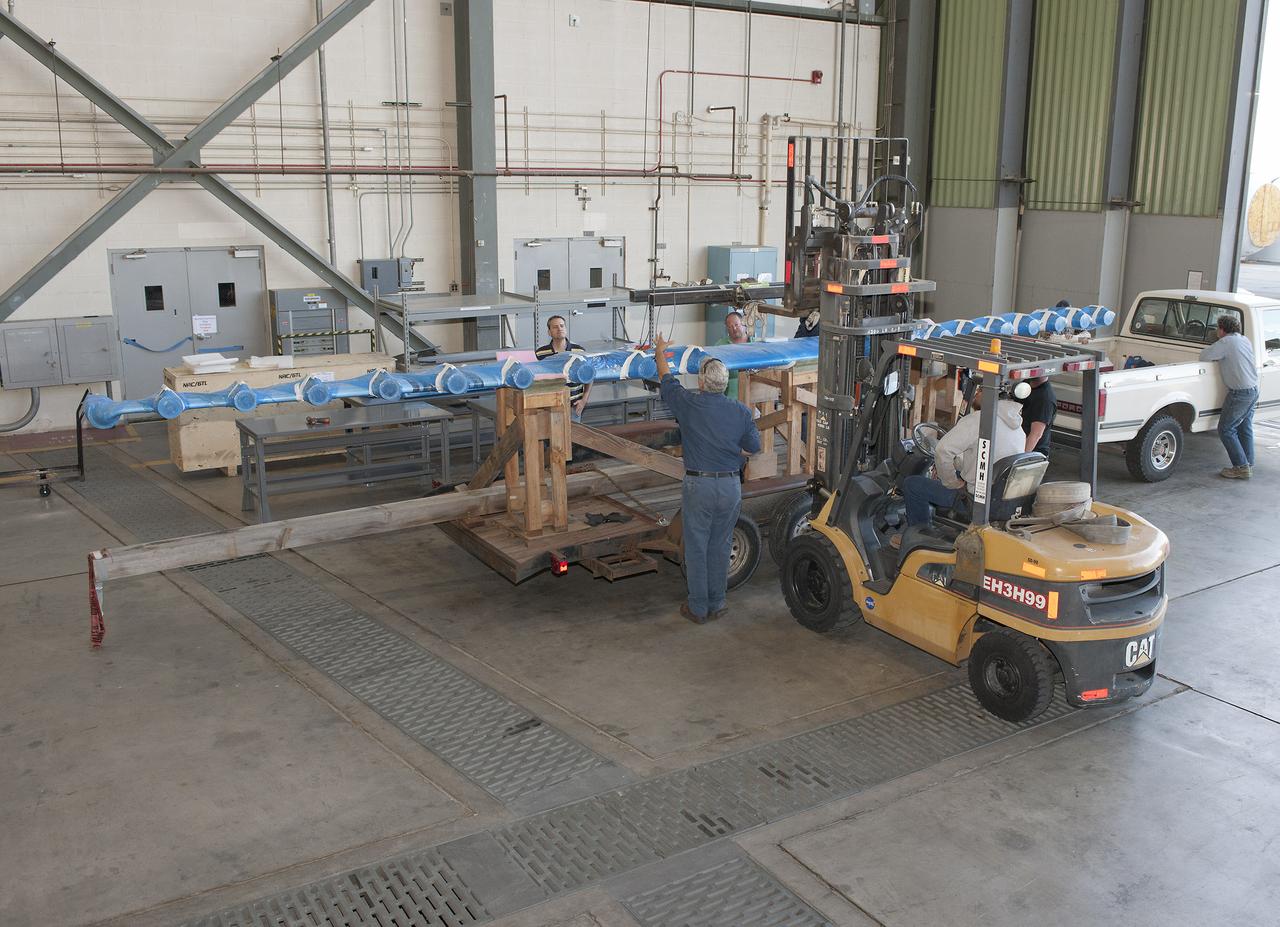
Technicians unload the LEAPTech experimental wing upon its arrival at NASA Armstrong Flight Research Center. Ground testing will begin after the wing is mounted on a specially modified truck.
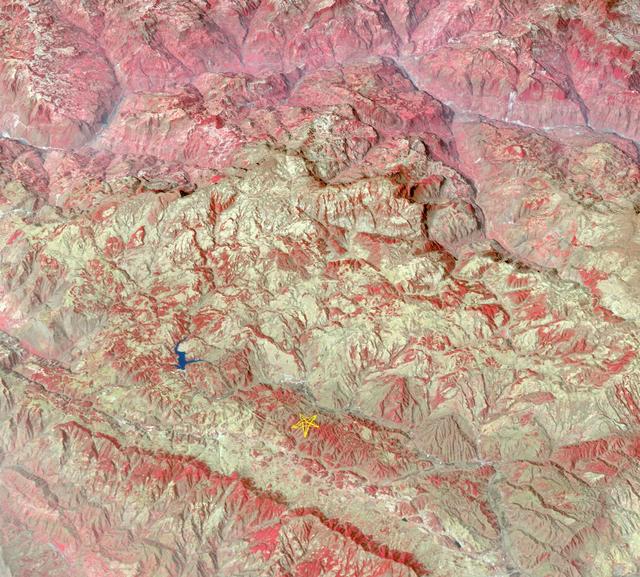
The star on this image from the NASA Terra spacecraft indicates the eipcenter of a magnitude 6.1 earthquake which truck in southern China Yunnan province, toppling thousands of homes and causing numerous casualties.
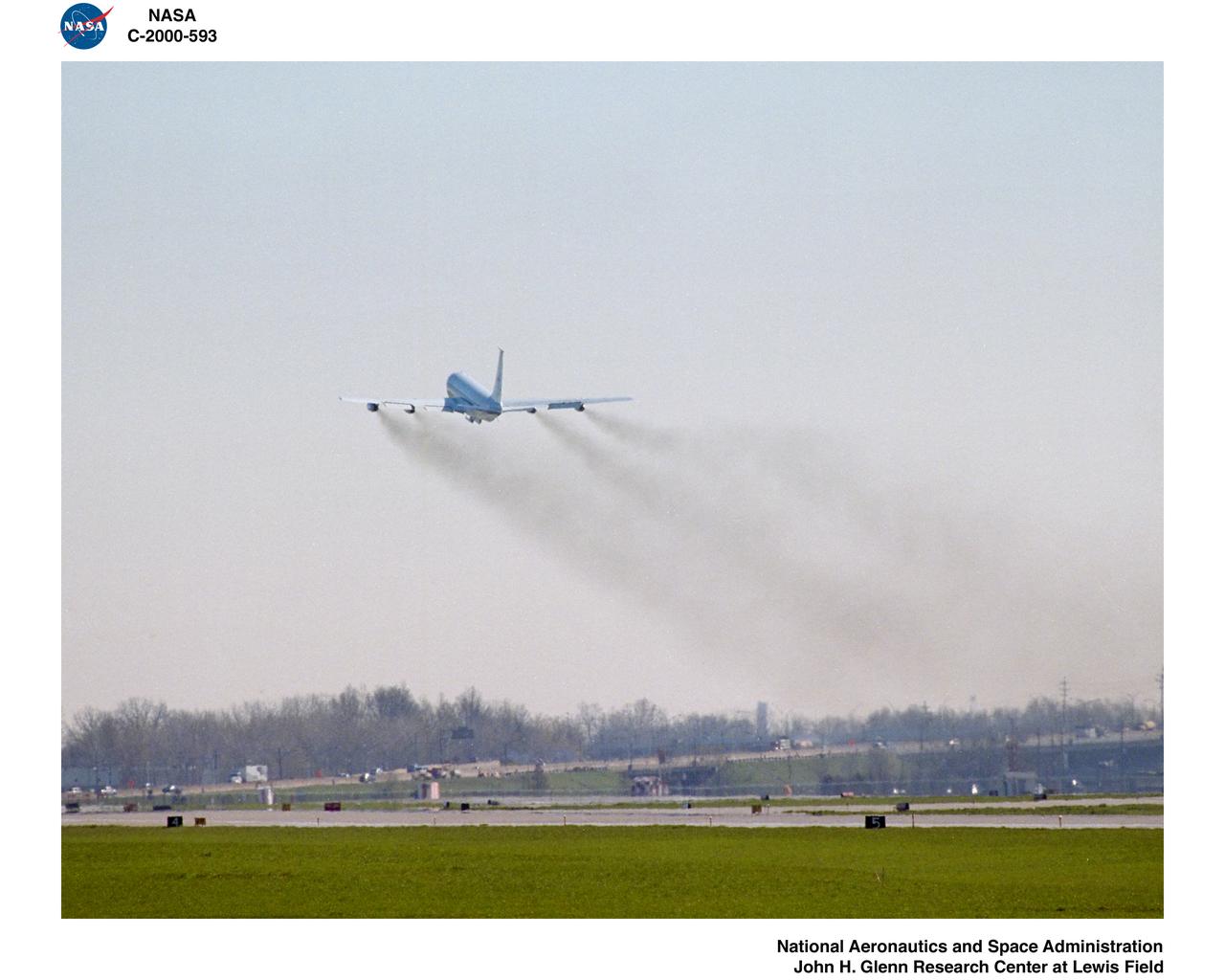
AIRCRAFT EXHAUST EMISSIONS FROM JET AIRCRAFT AND TRUCK
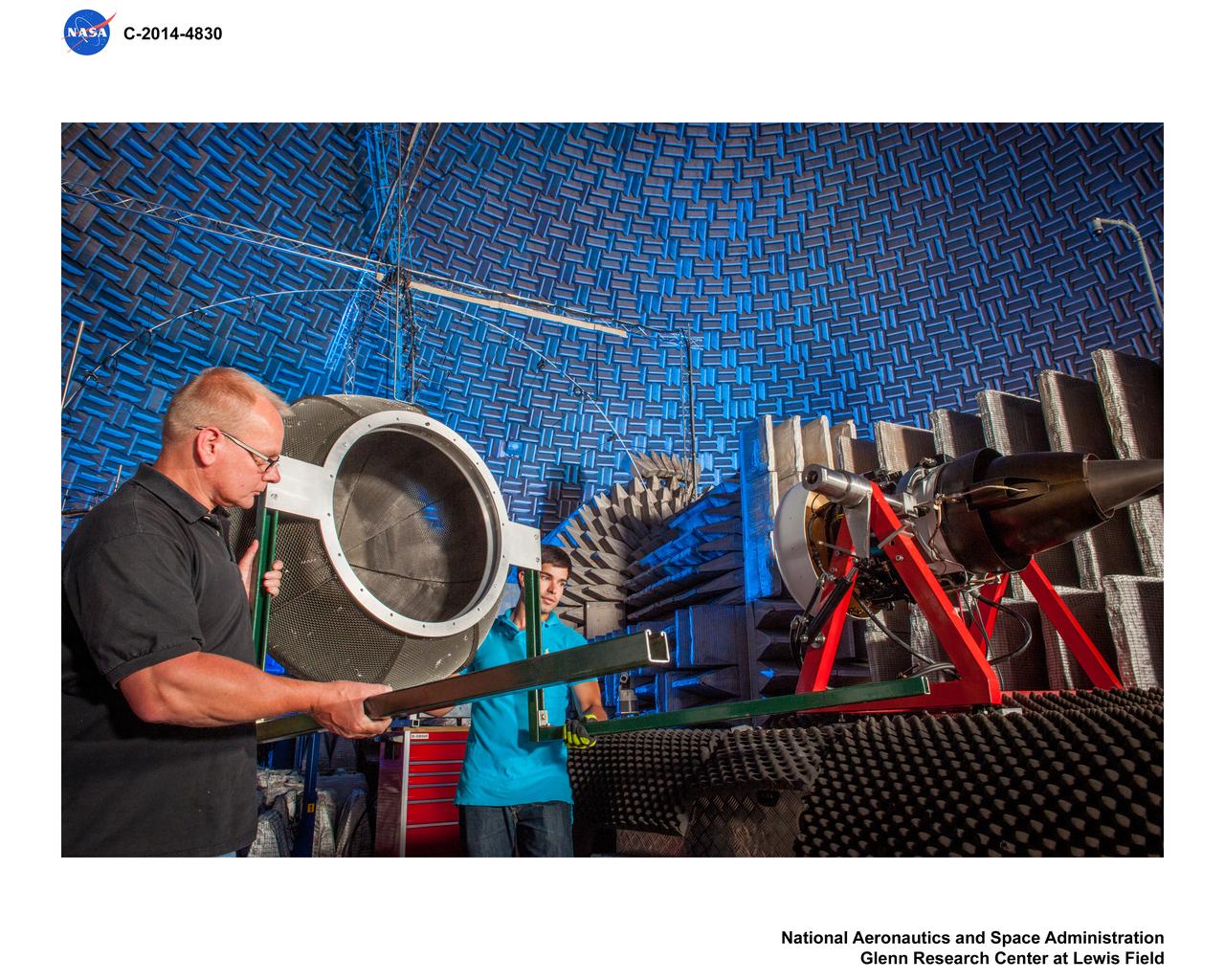
Truck Mounted Turbofan Engine in Aero Acoustic Propulsion Laboratory, AAPL, Facility
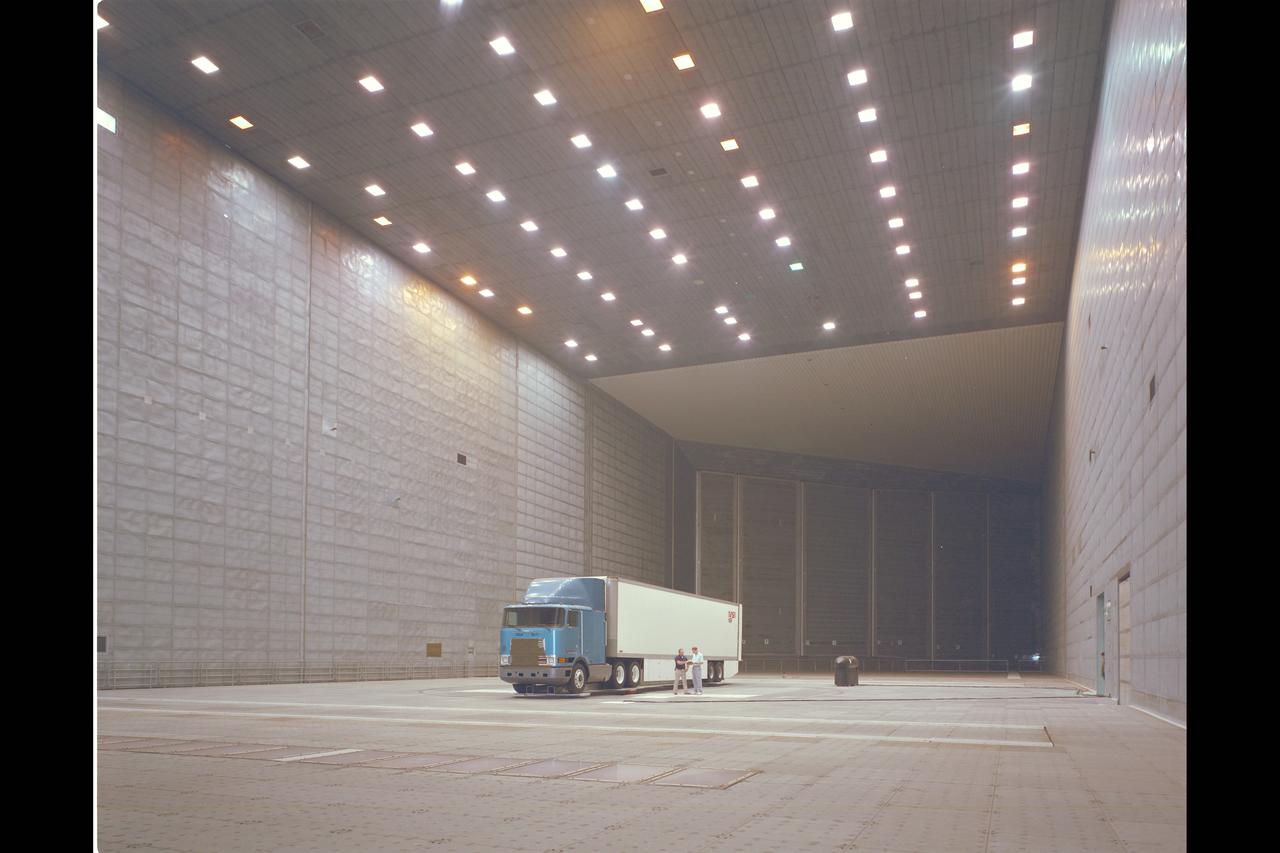
Fruehauf Truck and Trailer Test in 80x120ft W.T. (looking at drag and fuel efficiency)
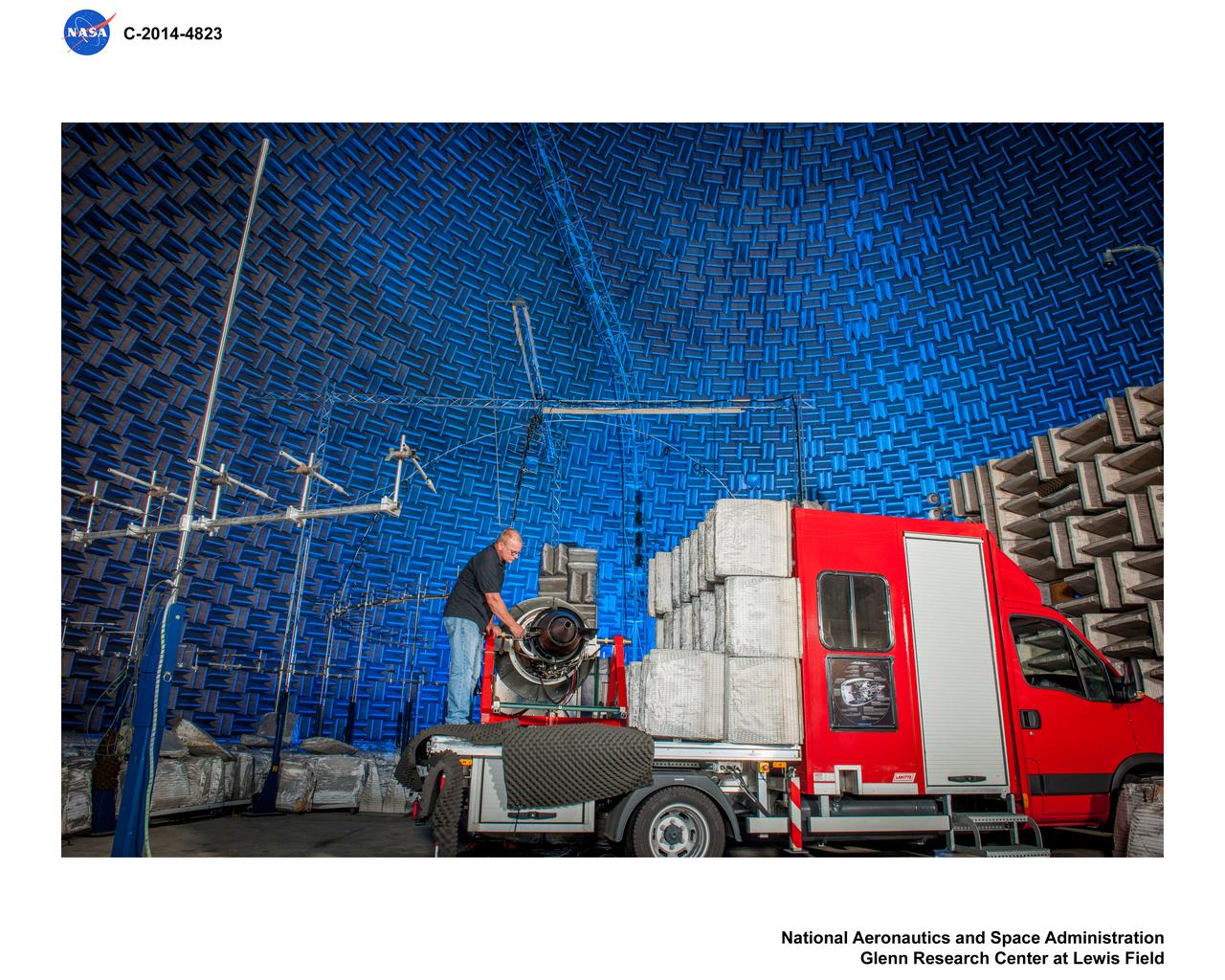
Truck Mounted Turbofan Engine in Aero Acoustic Propulsion Laboratory, AAPL, Facility
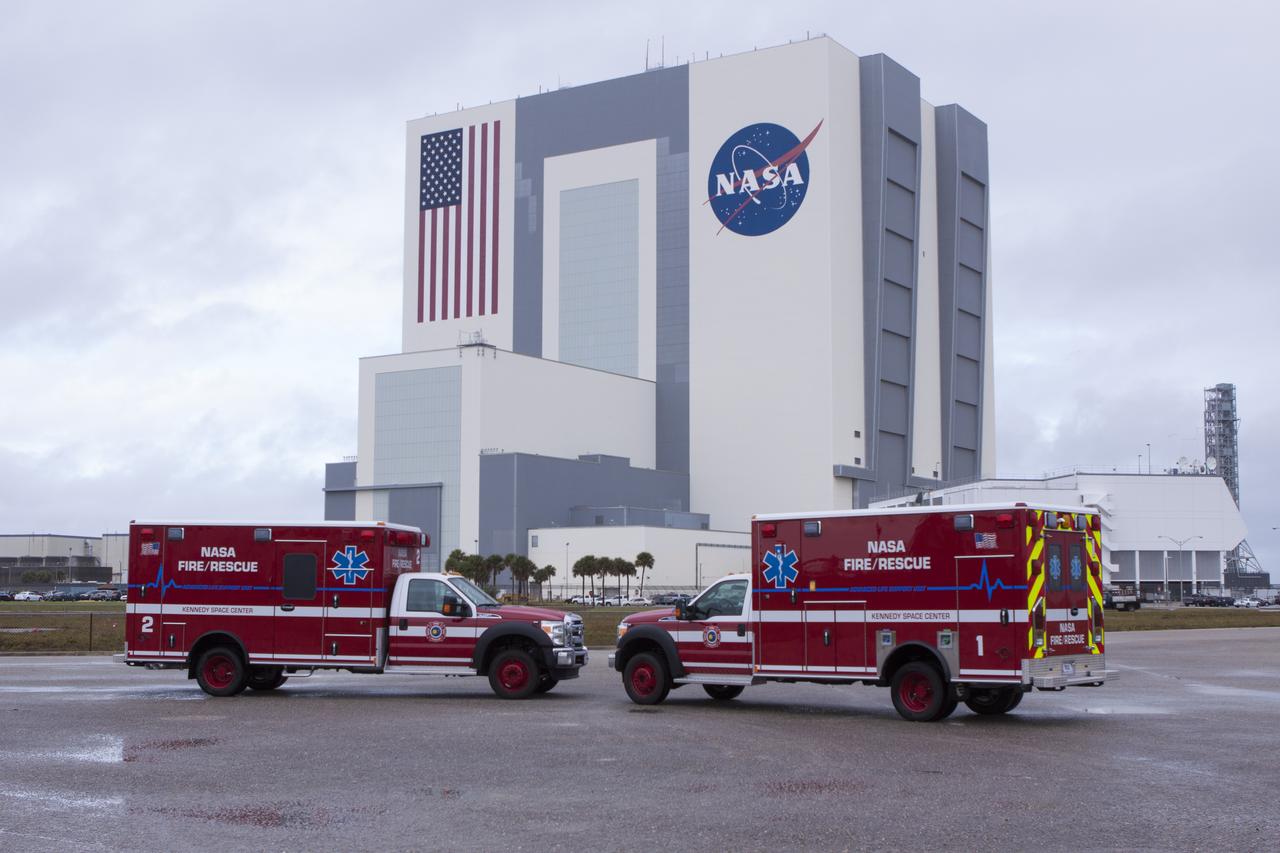
New Fire Department's Emergency Response Trucks in front of VAB. (Not on web)
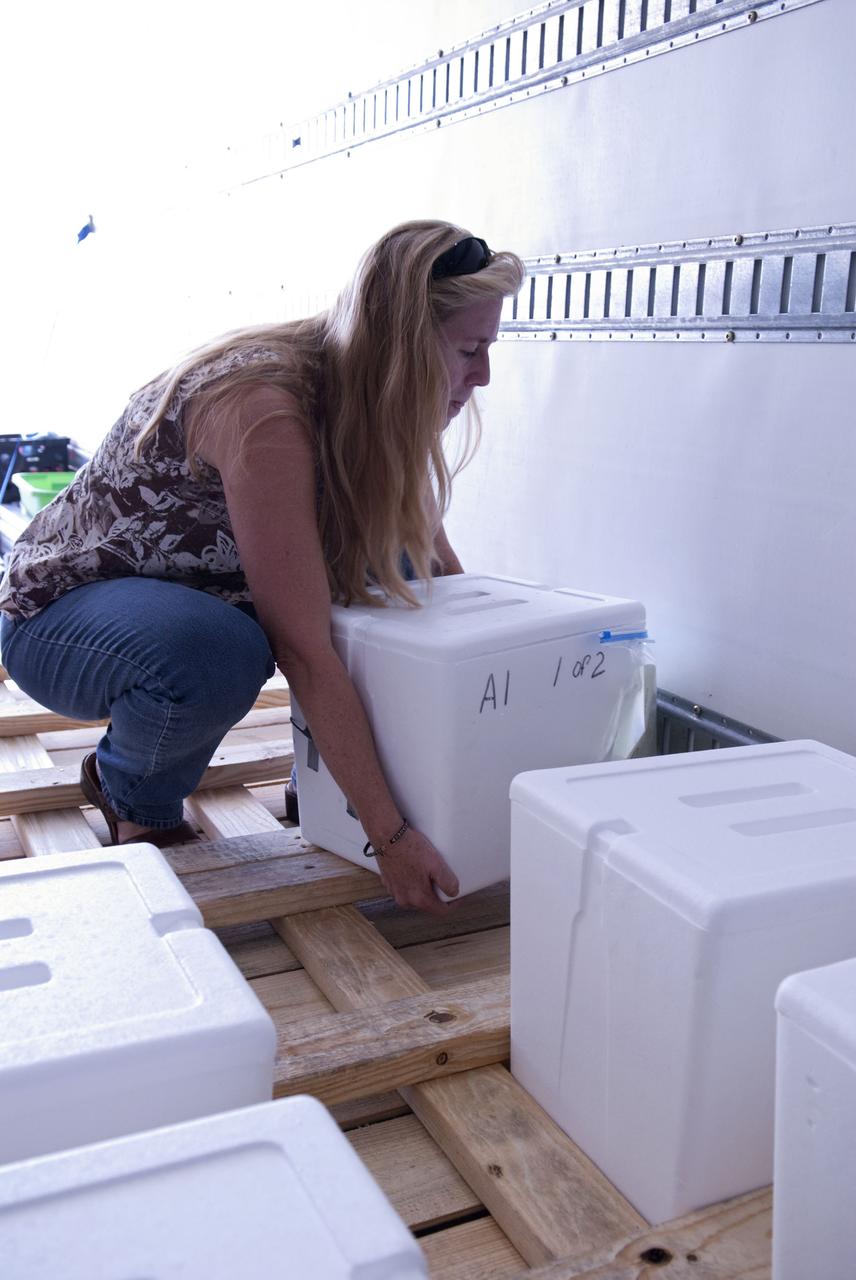
FED-EX TRUCK ARRIVAL WITH SEA TURTLES - GULF RESCUE OPS
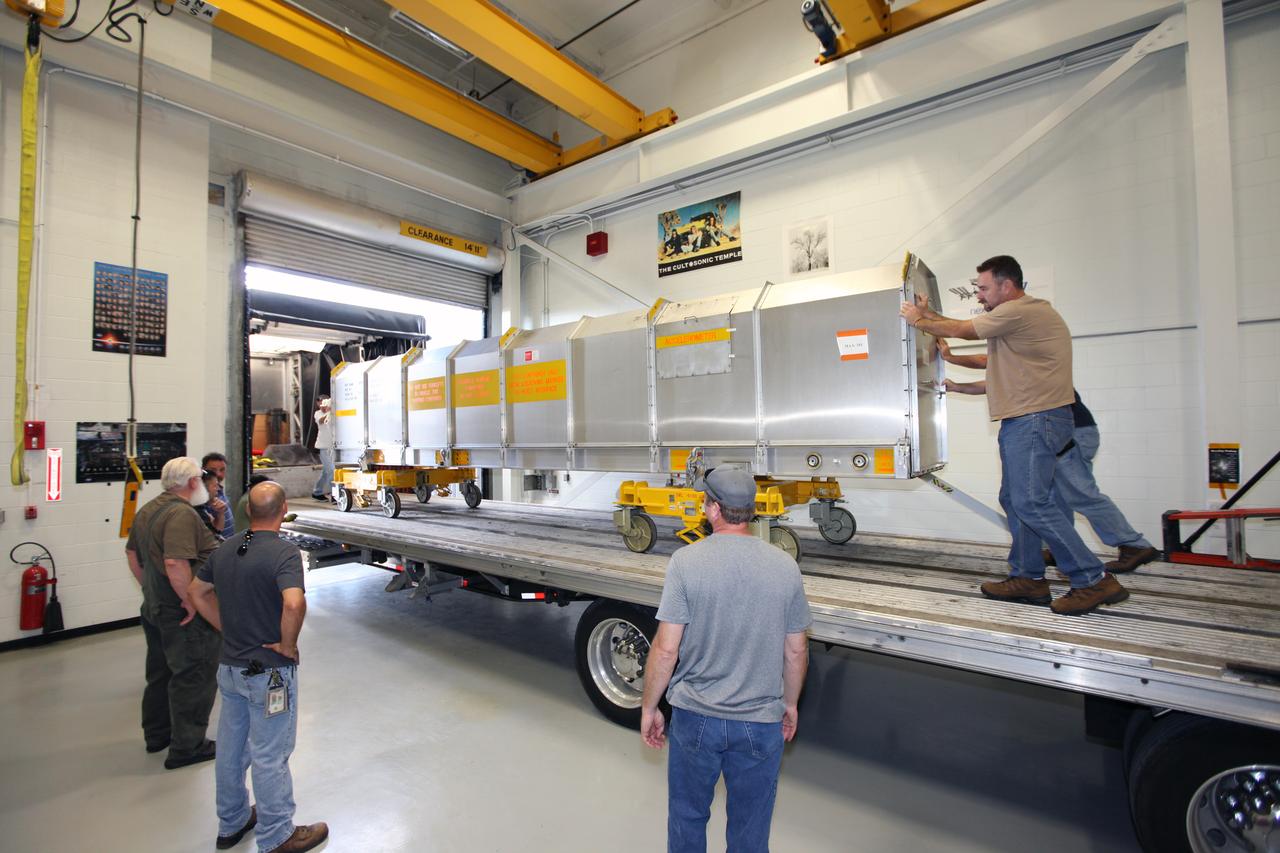
T&R/Endeavour - Canadian Arm Leaving KSC by Truck
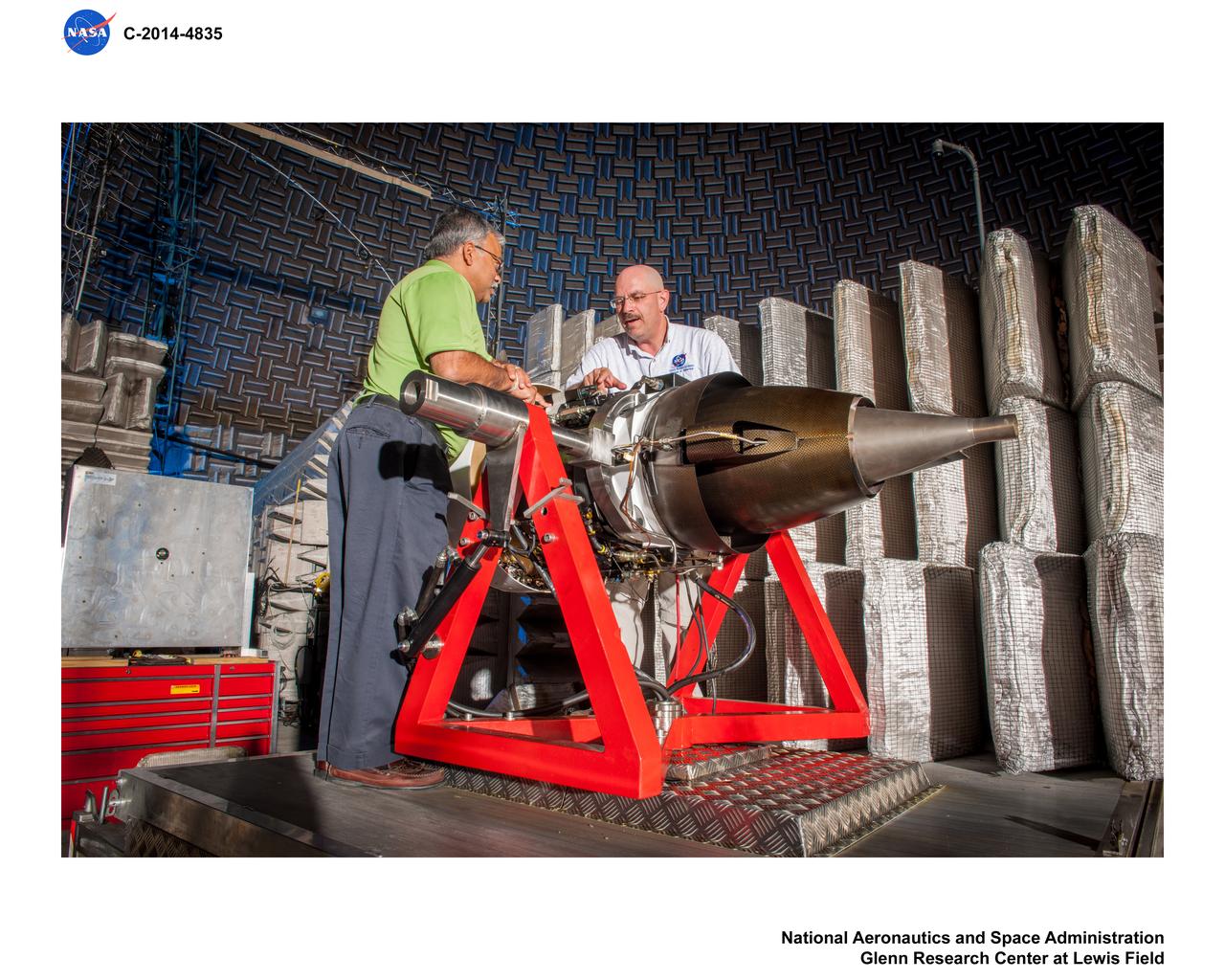
Truck Mounted Turbofan Engine in Aero Acoustic Propulsion Laboratory, AAPL, Facility
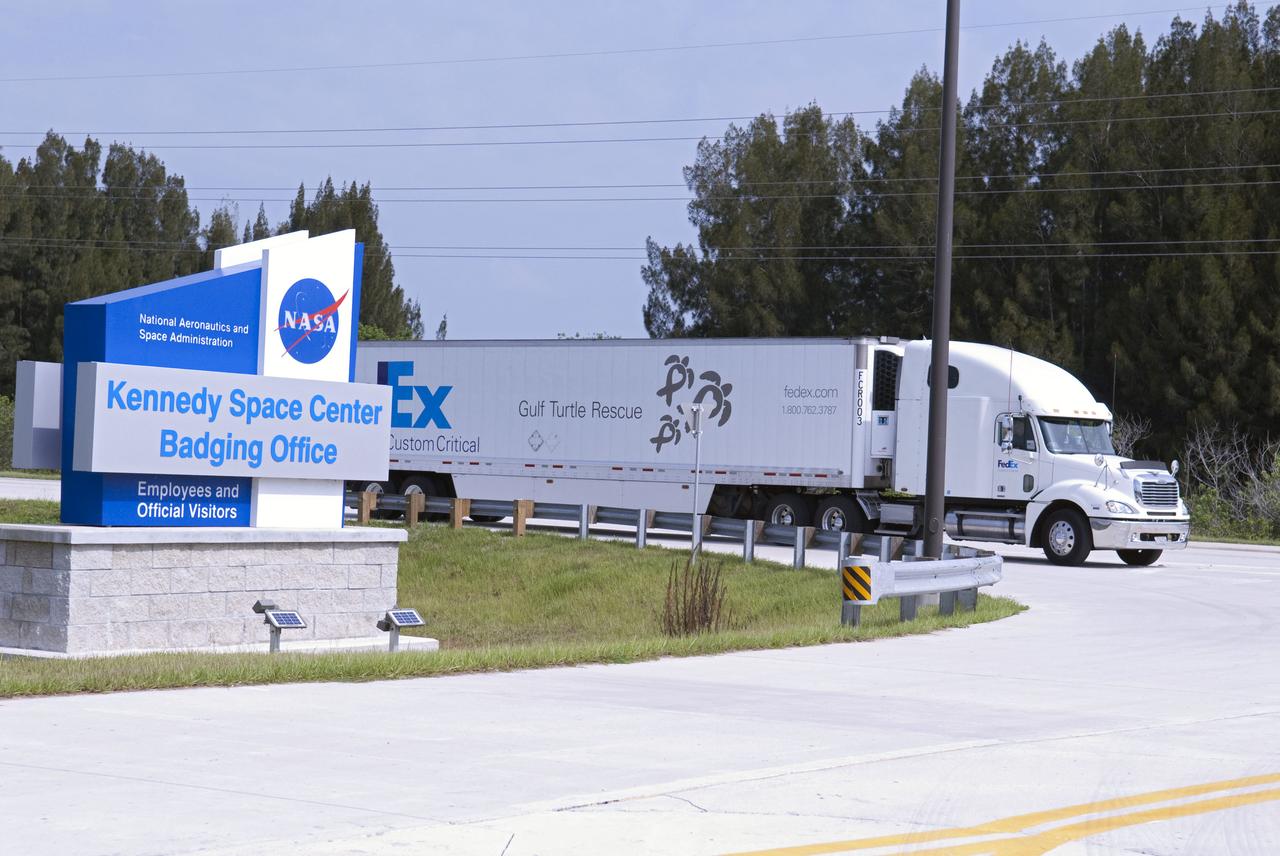
FED-EX TRUCK ARRIVAL WITH SEA TURTLES - GULF RESCUE OPS
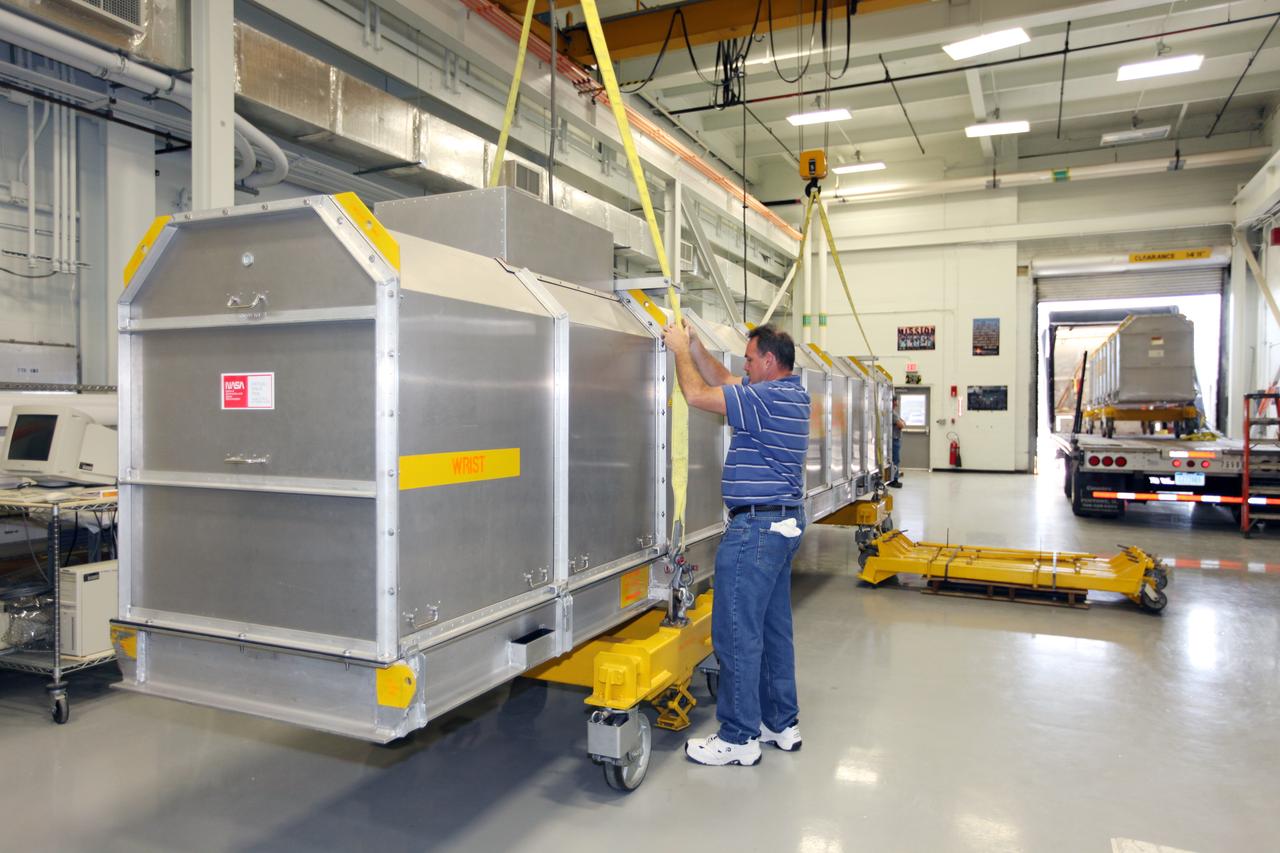
T&R/Endeavour - Canadian Arm Leaving KSC by Truck
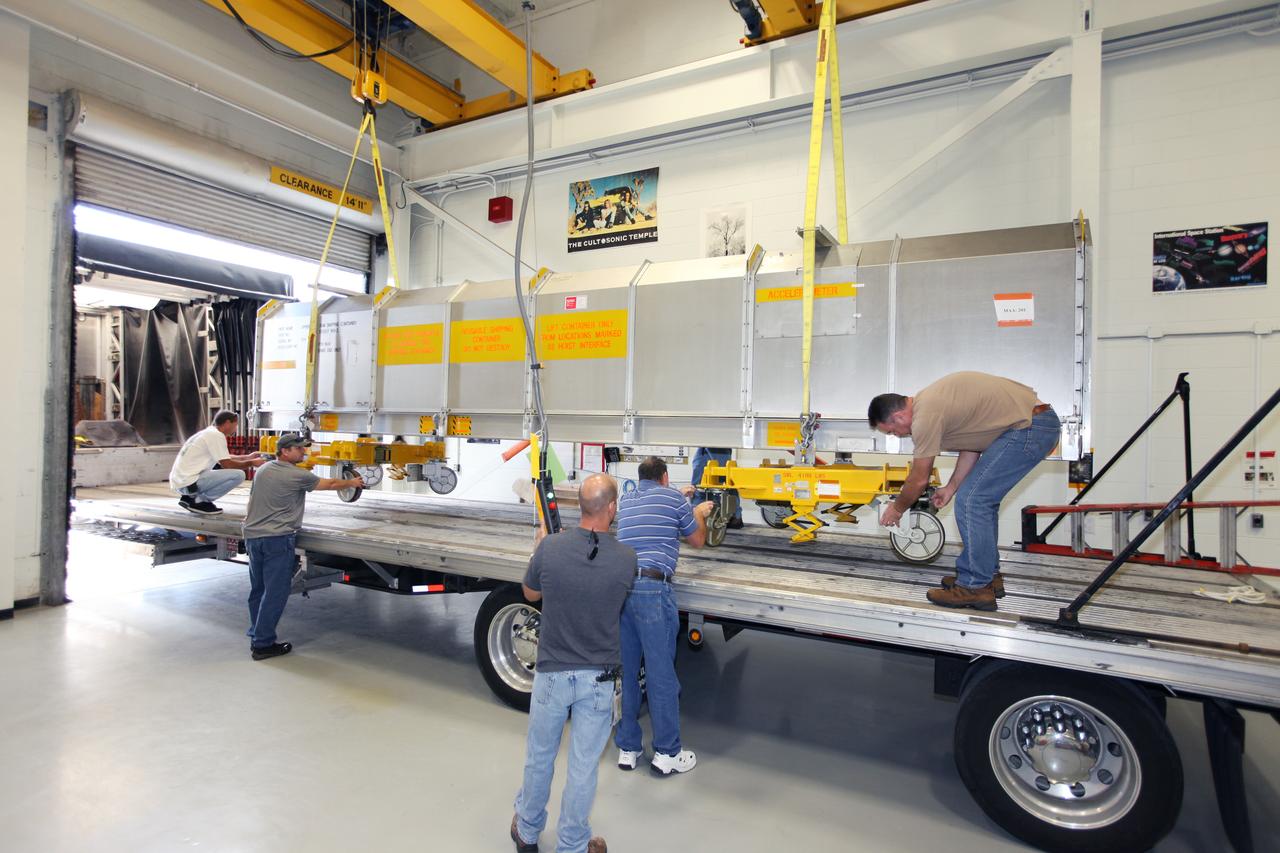
T&R/Endeavour - Canadian Arm Leaving KSC by Truck
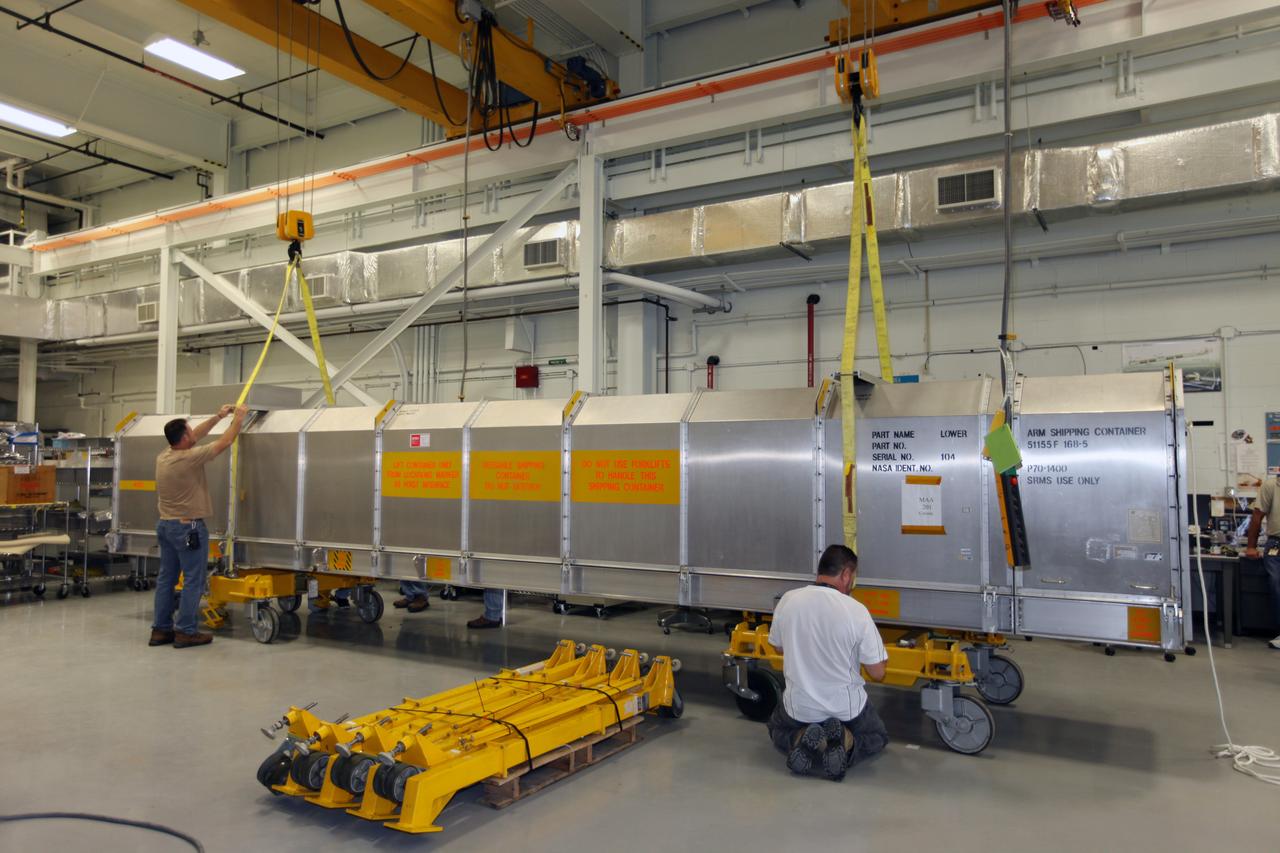
T&R/Endeavour - Canadian Arm Leaving KSC by Truck
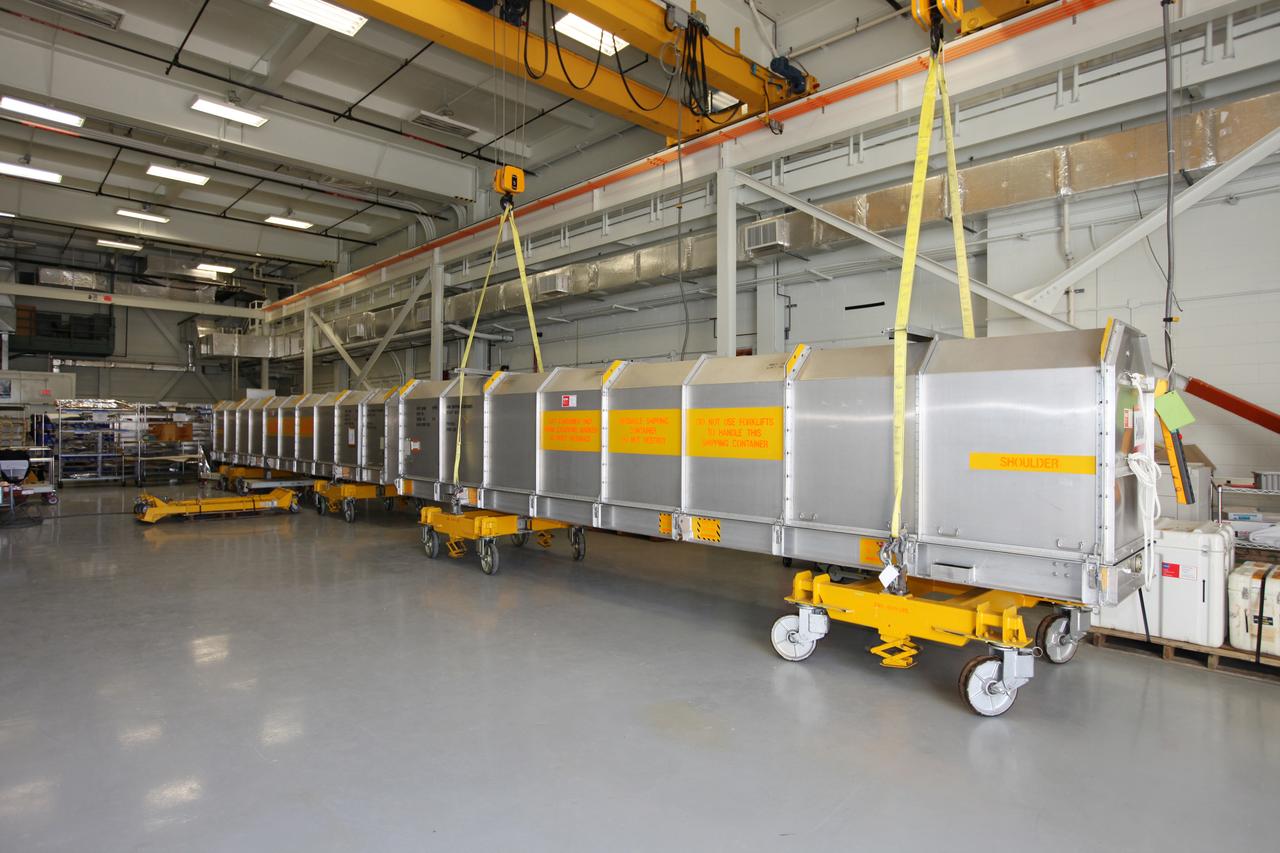
T&R/Endeavour - Canadian Arm Leaving KSC by Truck
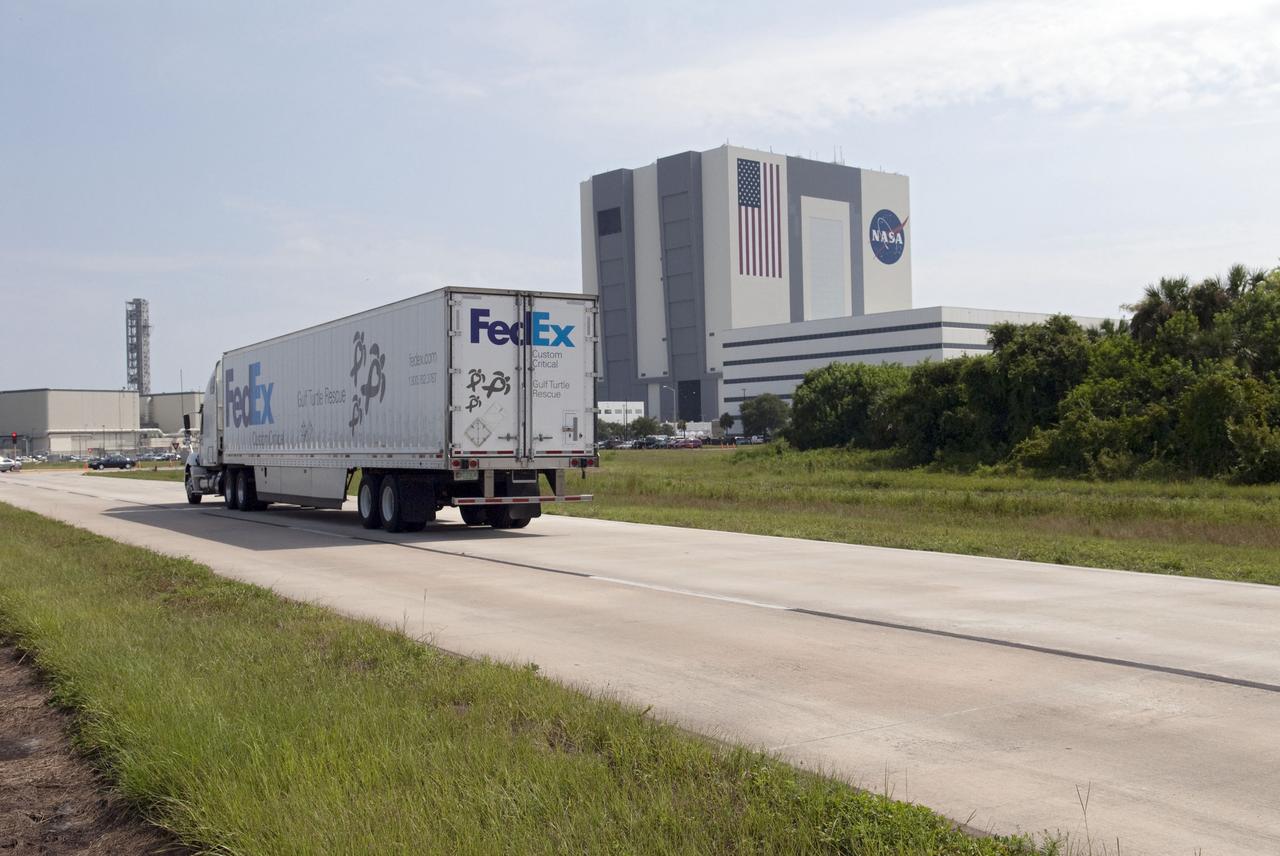
FED-EX TRUCK ARRIVAL WITH SEA TURTLES - GULF RESCUE OPS
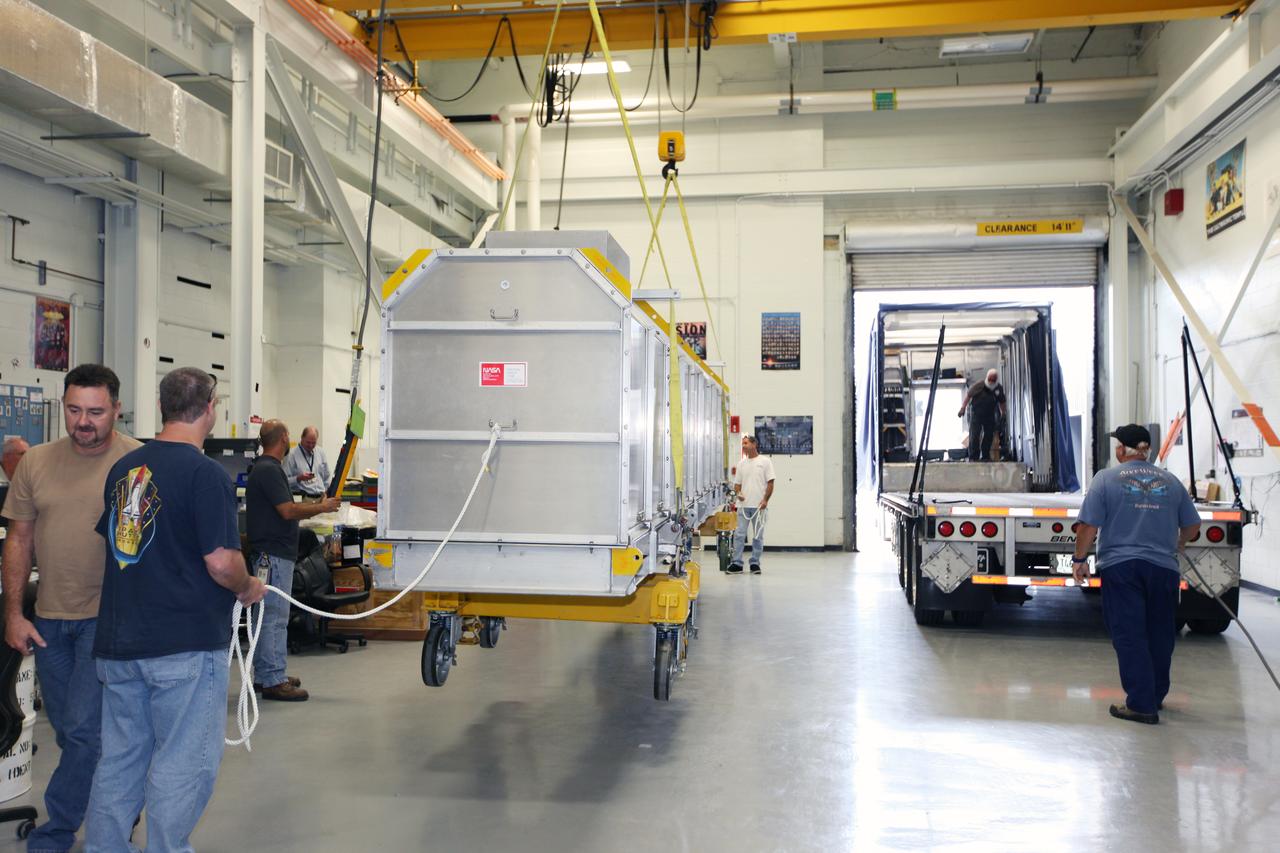
T&R/Endeavour - Canadian Arm Leaving KSC by Truck
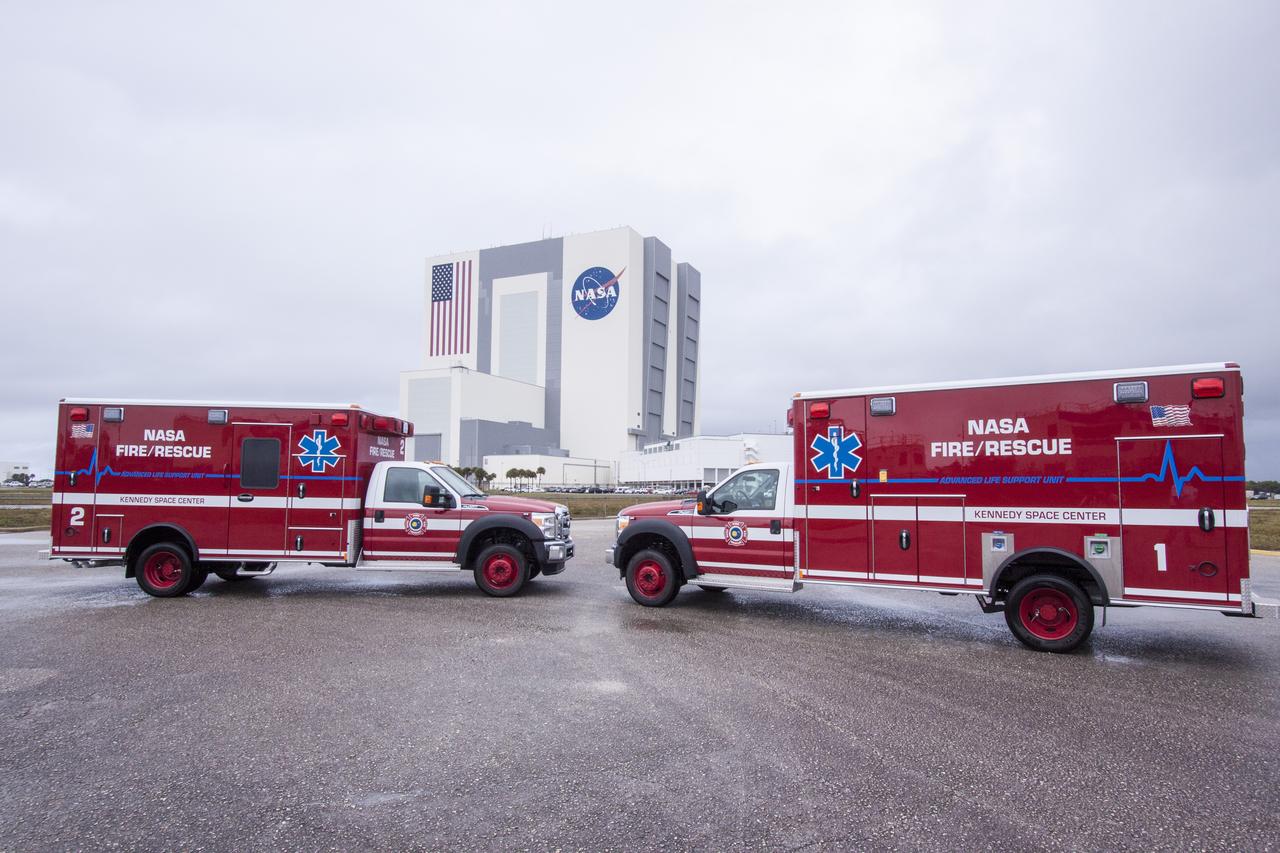
New Fire Department's Emergency Response Trucks in front of VAB. (Not on web)
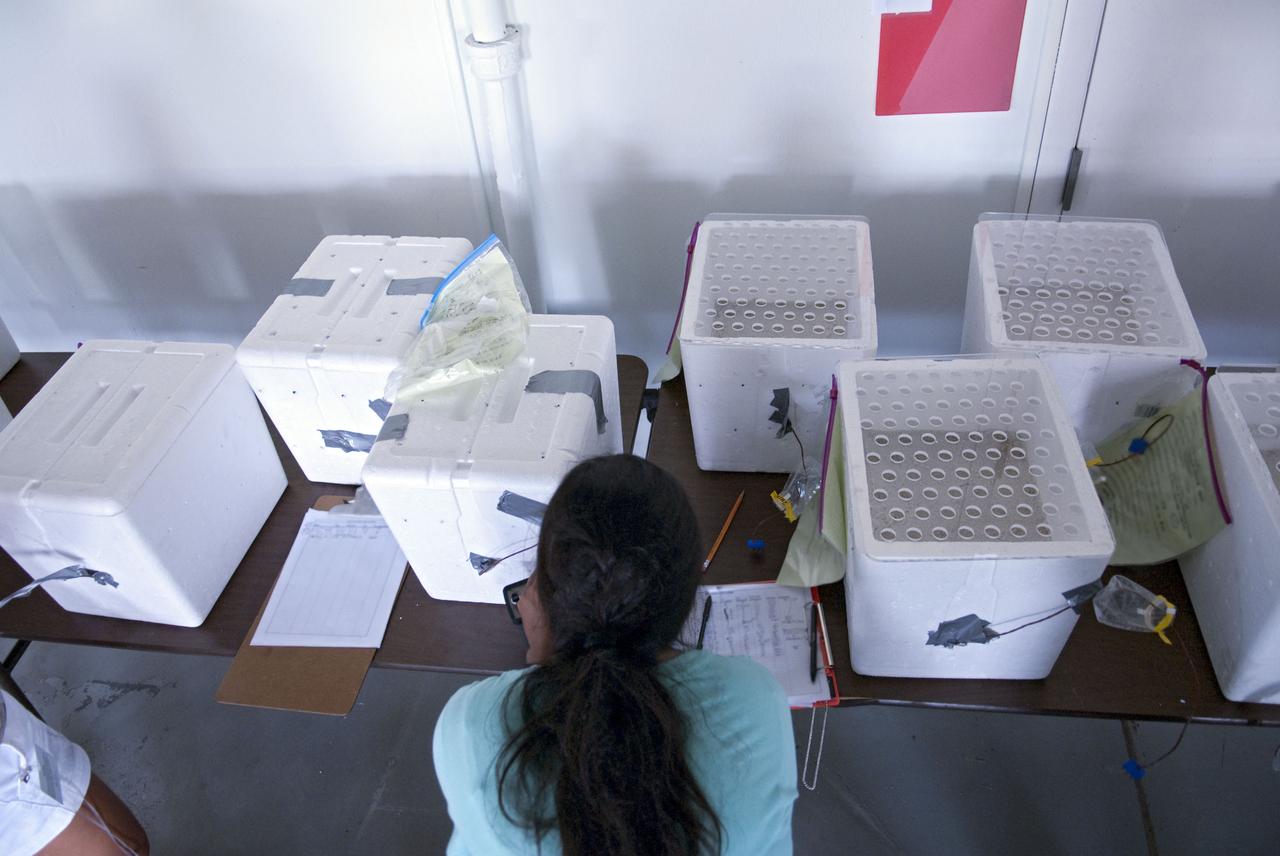
FED-EX TRUCK ARRIVAL WITH SEA TURTLES - GULF RESCUE OPS

FED-EX TRUCK ARRIVAL WITH SEA TURTLES - GULF RESCUE OPS
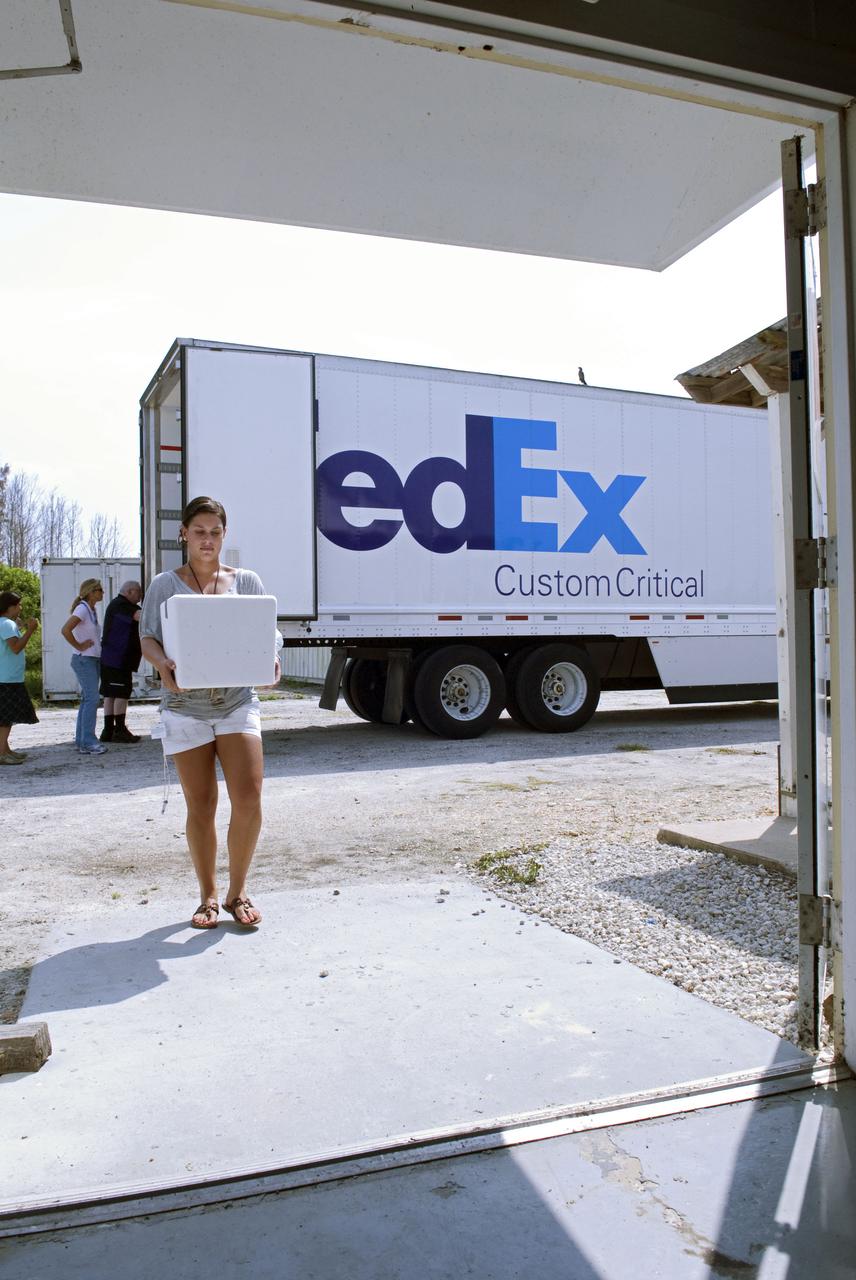
FED-EX TRUCK ARRIVAL WITH SEA TURTLES - GULF RESCUE OPS
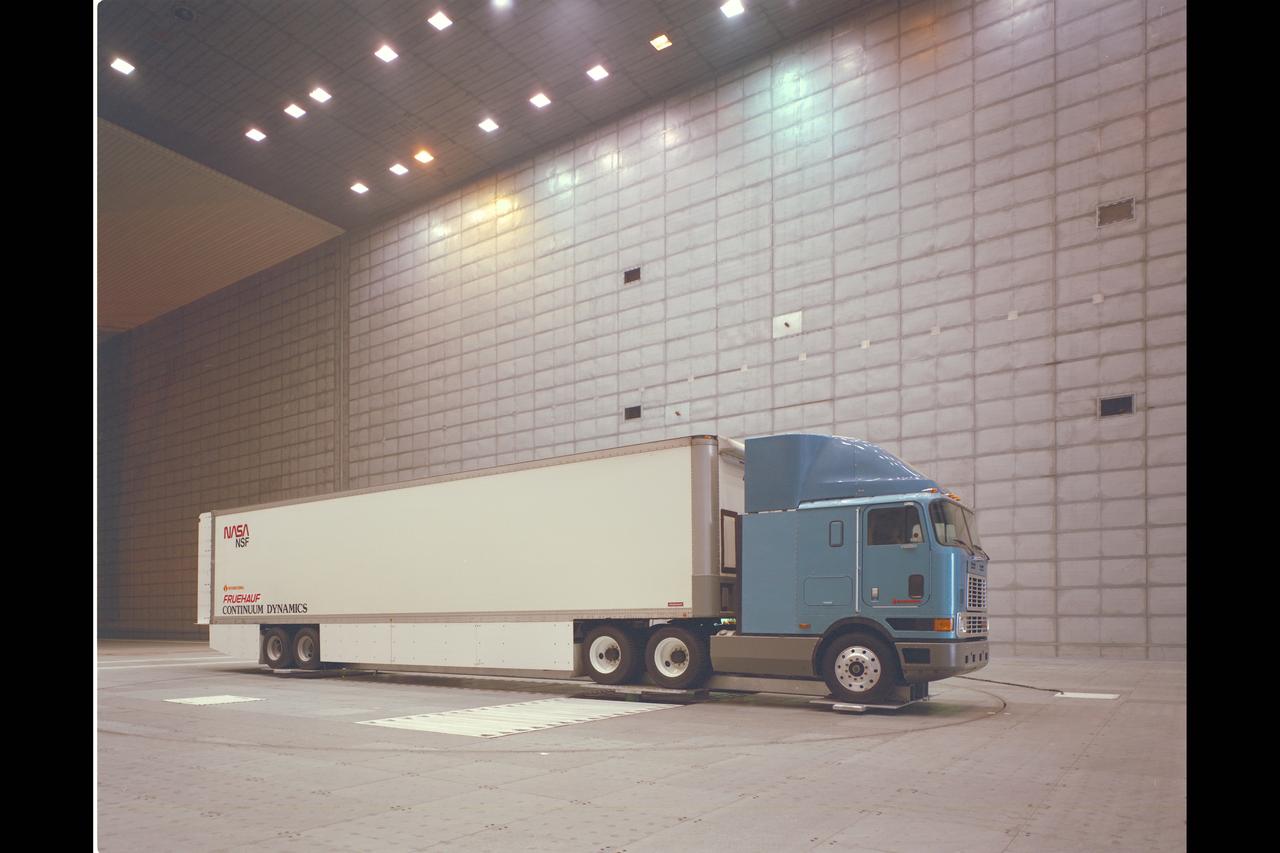
Fruehauf Truck and Trailer Test in 80x120ft W.T. (looking at drag and fuel efficiency)
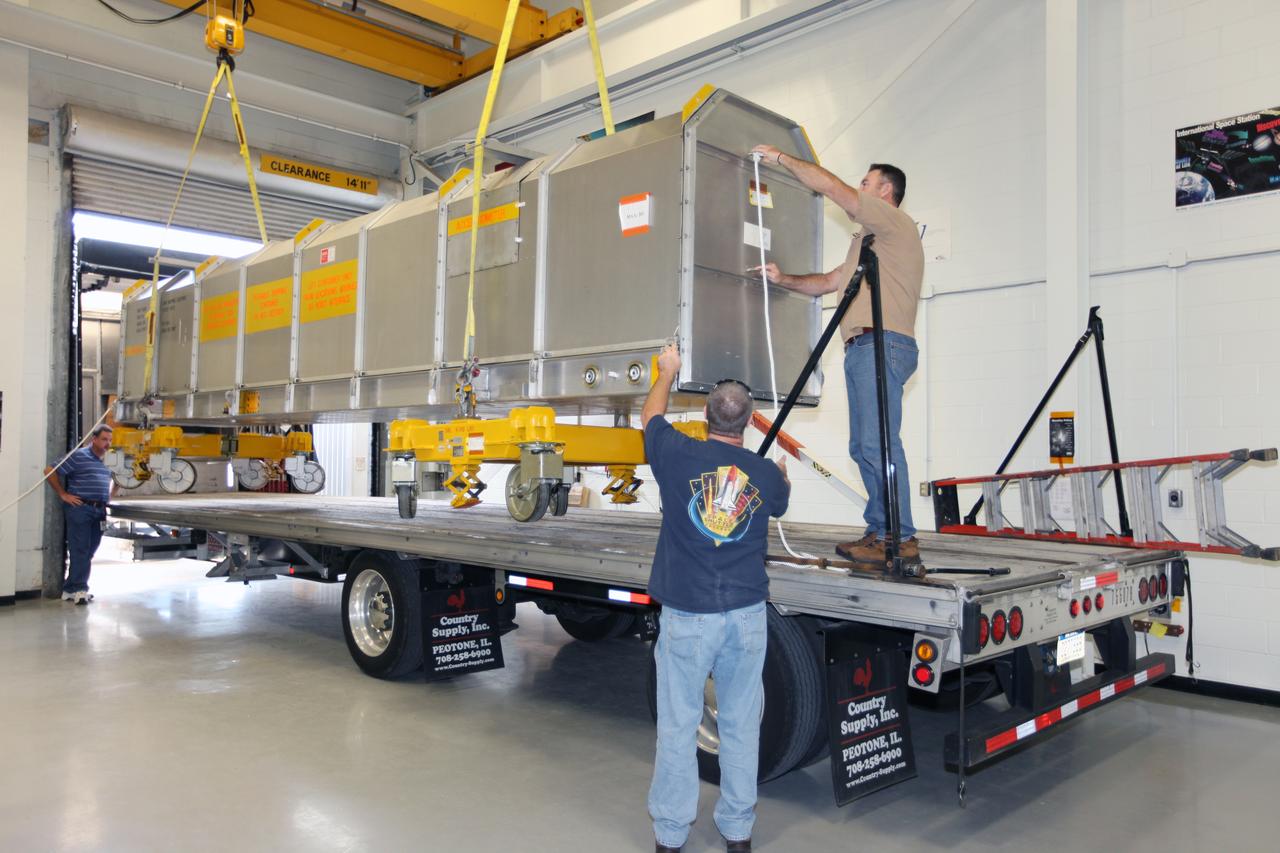
T&R/Endeavour - Canadian Arm Leaving KSC by Truck
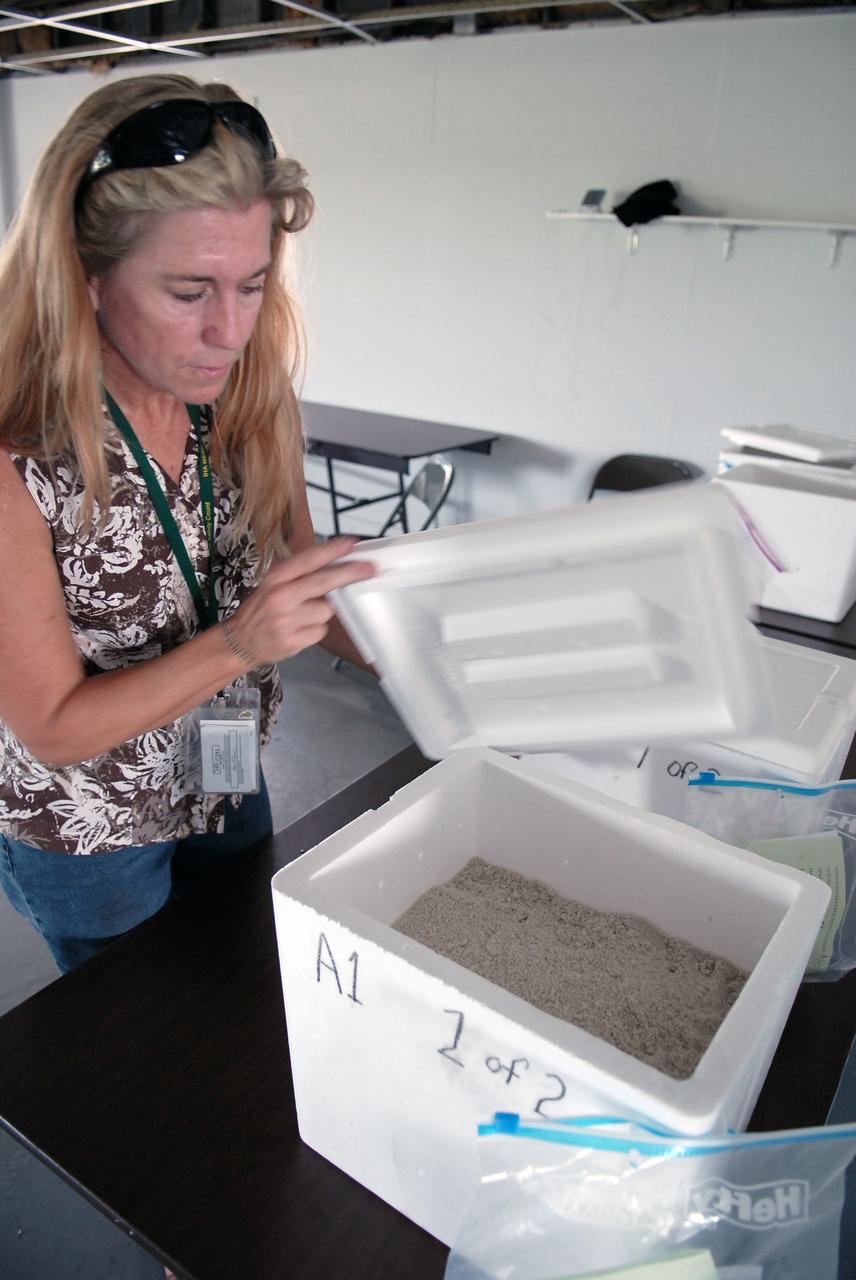
FED-EX TRUCK ARRIVAL WITH SEA TURTLES - GULF RESCUE OPS
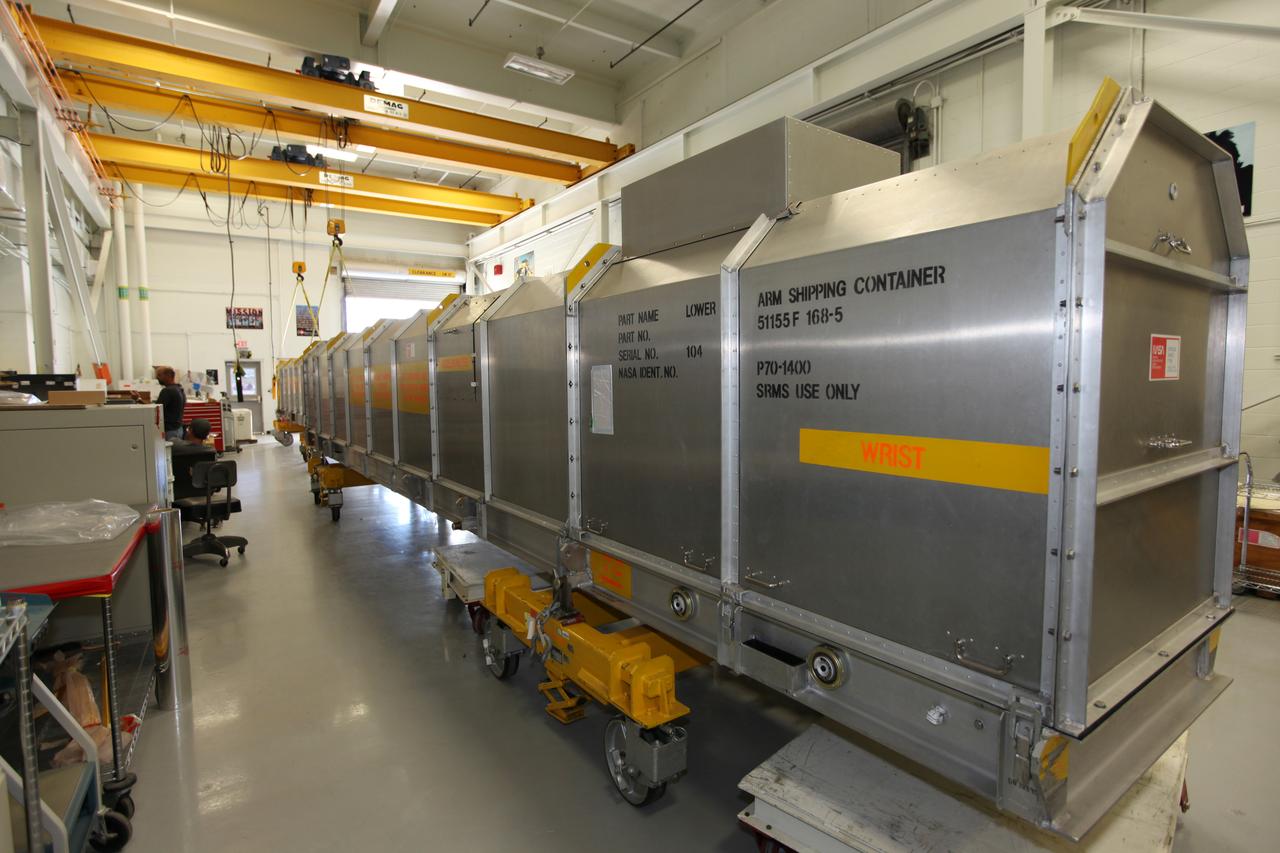
T&R/Endeavour - Canadian Arm Leaving KSC by Truck
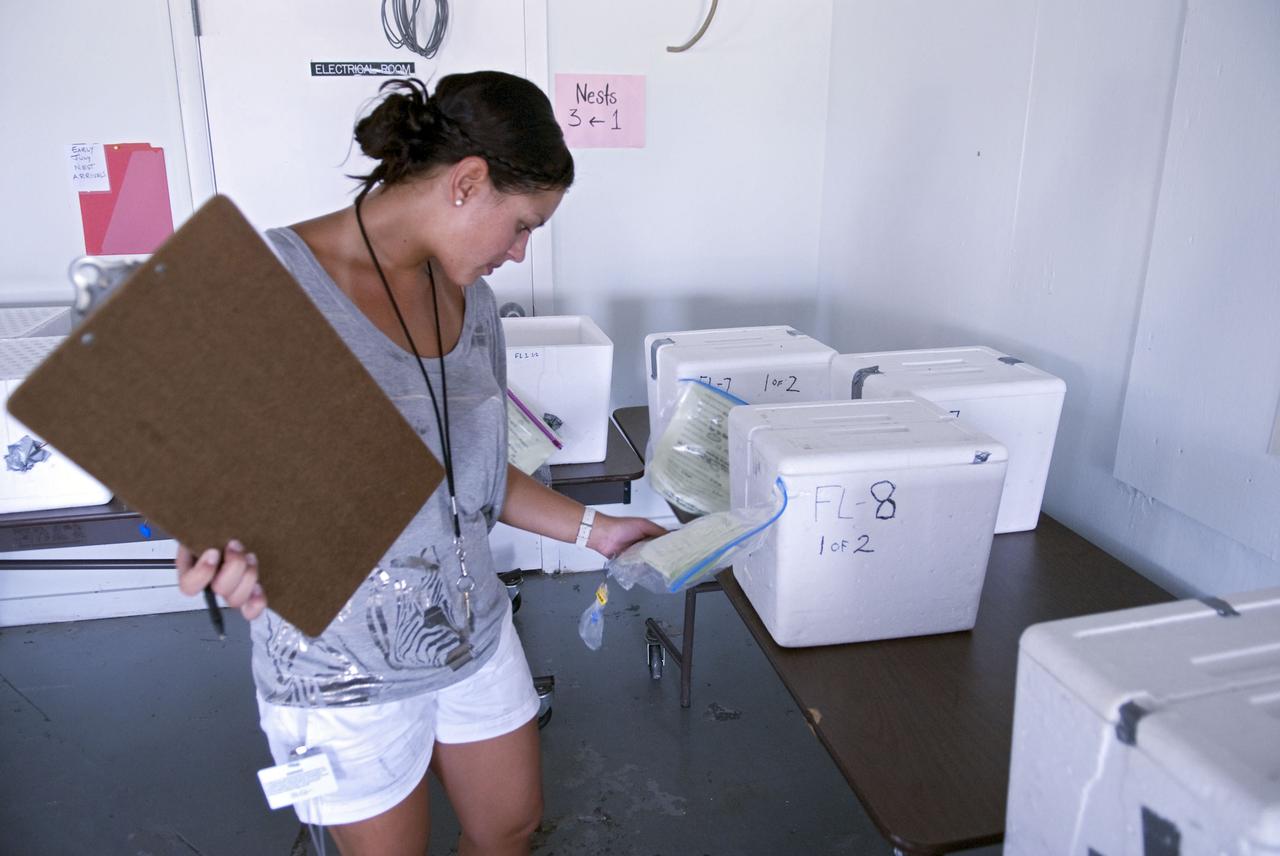
FED-EX TRUCK ARRIVAL WITH SEA TURTLES - GULF RESCUE OPS
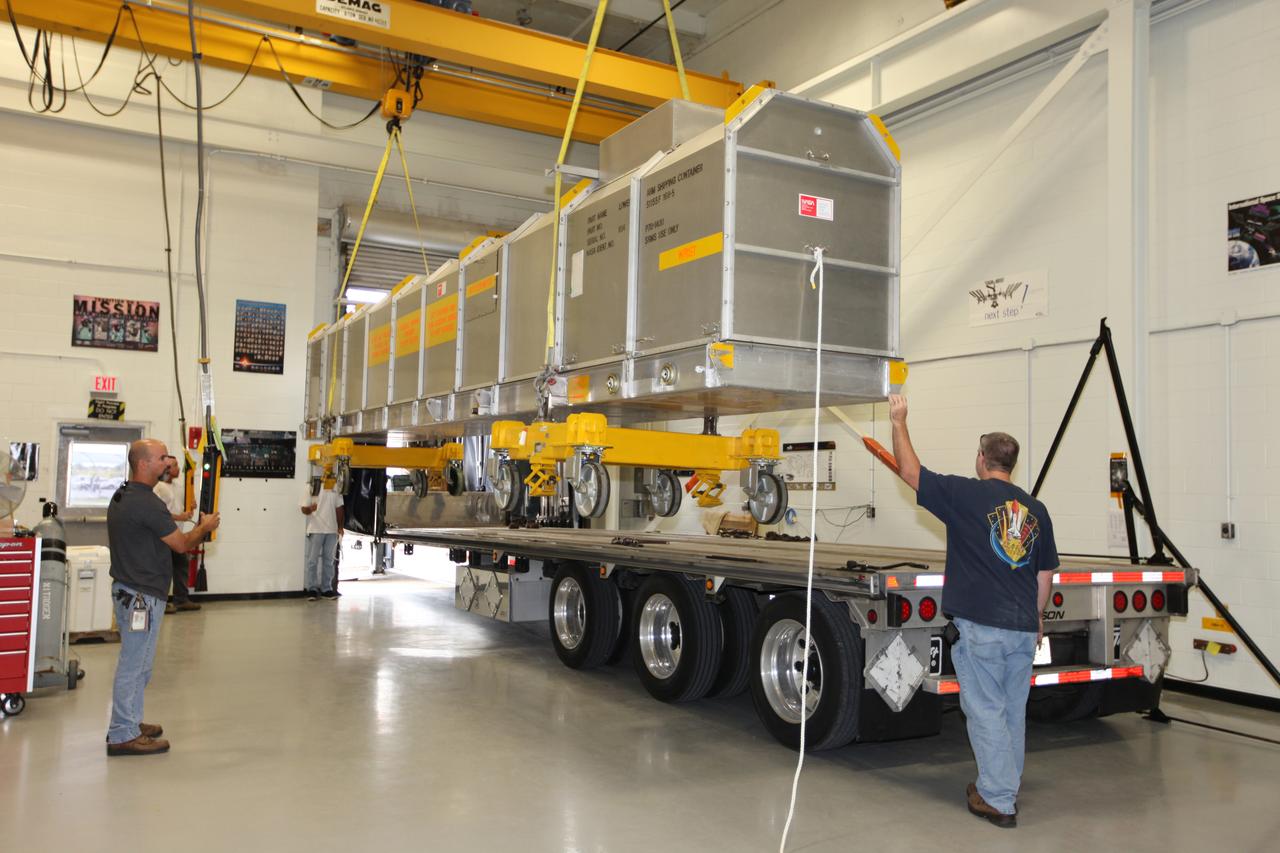
T&R/Endeavour - Canadian Arm Leaving KSC by Truck
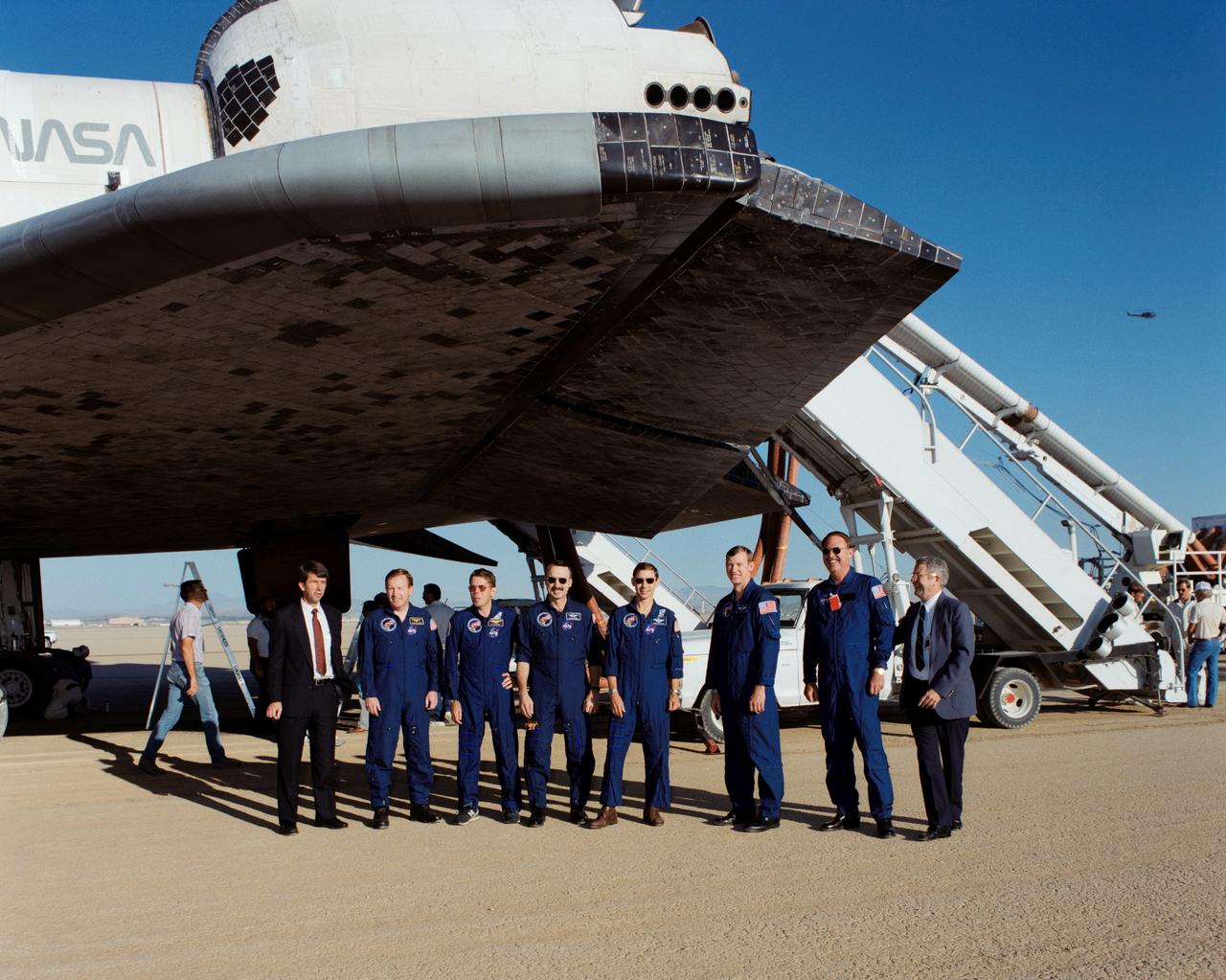
STS028-S-014 (13 Aug. 1989) --- The five astronaut crewmembers for STS-28 pose near the Space Shuttle Columbia after spending five days in Earth orbit for a DOD-devoted mission. They were greeted and are flanked here by William B. Lenoir (left), NASA Associate Administrator for Spaceflight; Donald R. Puddy (second right), director of flight crew operations; and Rear Adm. Richard H. Truly (right), NASA Administrator. The astronauts are, from left to right, Richard N. Richards, David C. Leestma, James C. Adamson, Brewster H. Shaw Jr. and Mark N. Brown.
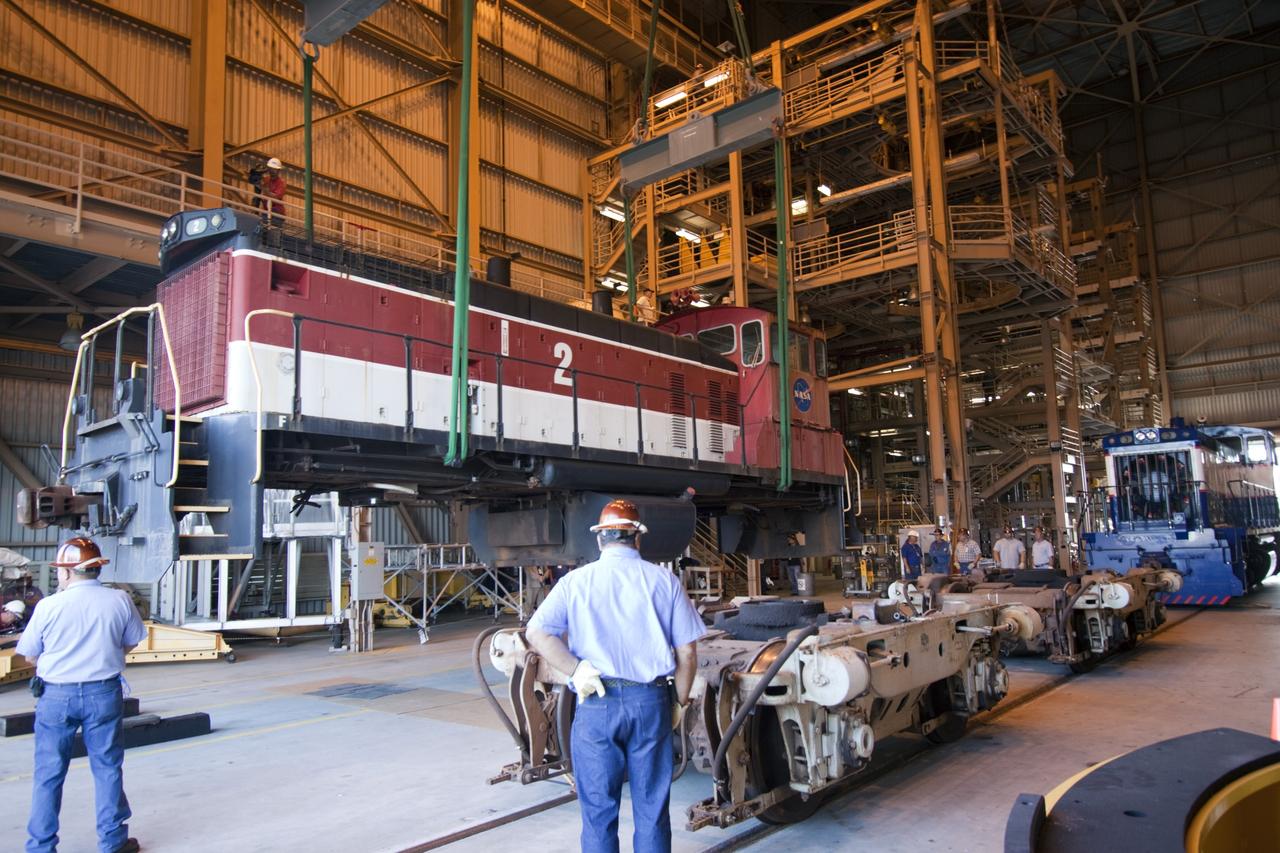
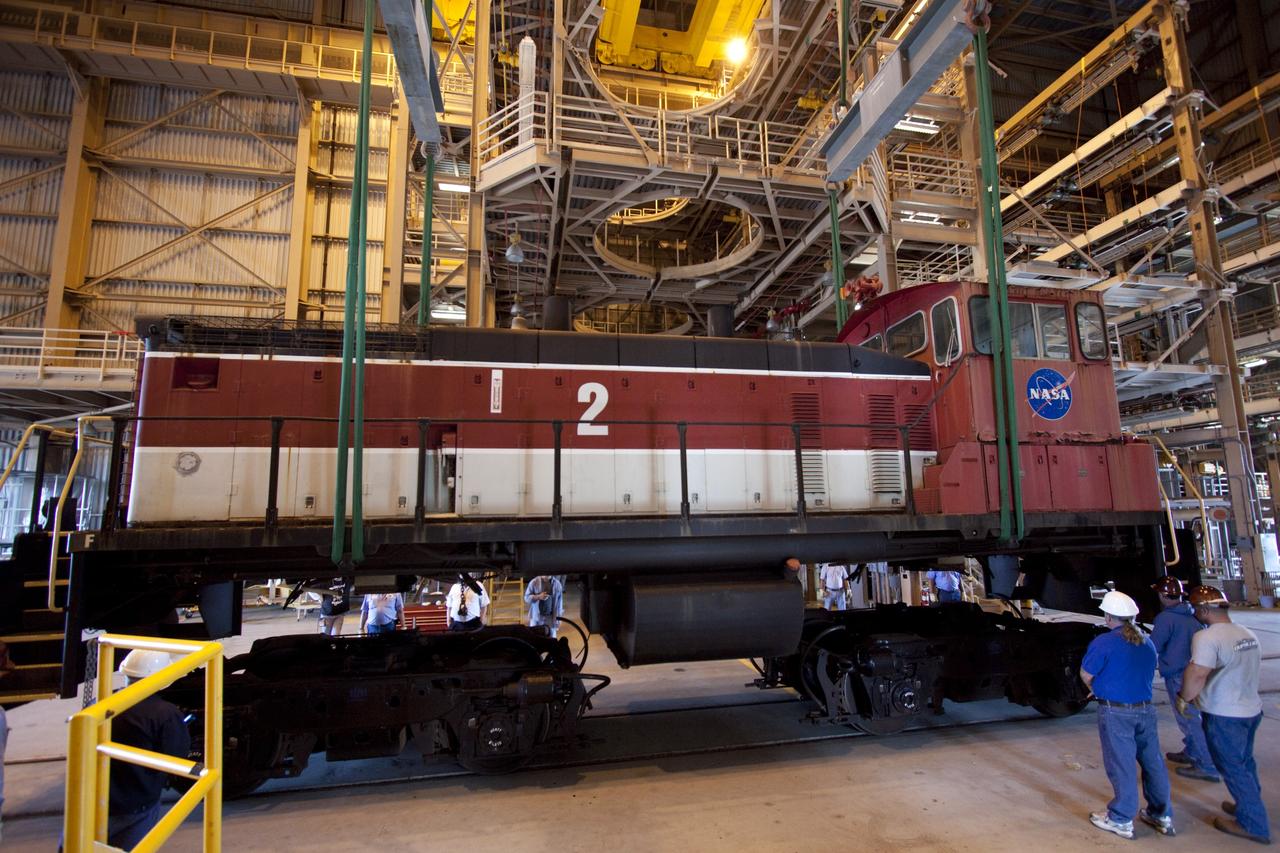
CAPE CANAVERAL, Fla. – Inside the Rotation, Processing and Surge Facility, or RPSF, at the Kennedy Space Center in Florida, an overhead crane lifts NASA locomotive No. 2 off of its trucks to be moved aside, clearing the way for locomotive No. 3 to be raised off its trucks and moved into position atop the trucks previously used by locomotive No. 2. The RPSF was built to support work on the solid rocket used motors during the space shuttle era. The facility had never previously been used for another purpose, but is now free to serve other customers. With rails running into the building's high bay and a pair of heavy-lift cranes positioned overhead, the facility's capabilities were a perfect fit for the NASA Railroad's needs. Railroad managers wanted to trade the wheel and axle assemblies, or trucks, of locomotives No. 2 and No. 3. Locomotive No. 3 was painstakingly restored in recent years by the NASA Railroad team, and handles much of the rail work required at the center in the post-shuttle era. But the trucks on locomotive No. 2 are in better shape and are more environmentally friendly. For more information, visit: http://www.nasa.gov/exploration/systems/ground/rpsf_locomotives.html Photo credit: NASA/Jim Grossmann
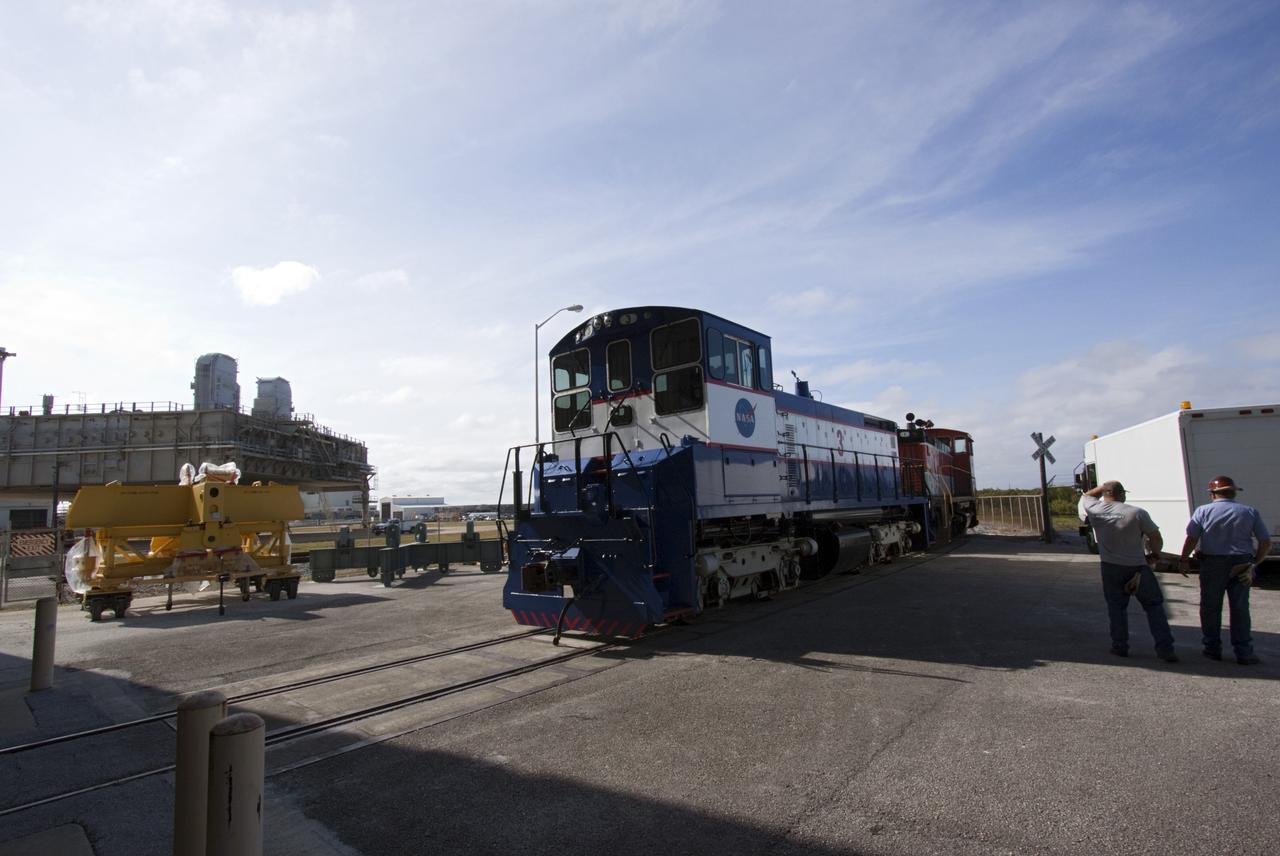
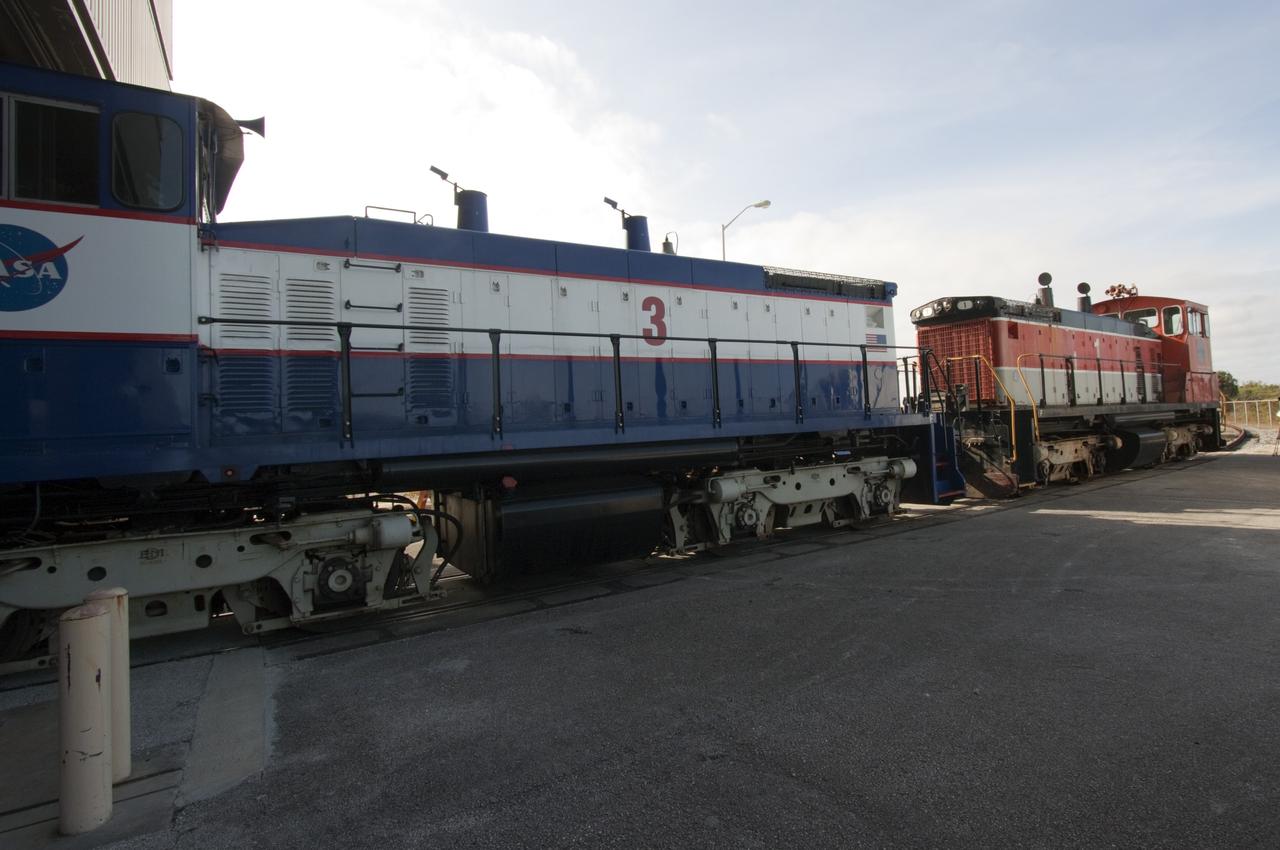
CAPE CANAVERAL, Fla. – NASA locomotive No. 1 pulls locomotive No. 3 out of the Rotation, Processing and Surge Facility, or RPSF, at the Kennedy Space Center in Florida. Inside, an overhead crane was used to lift NASA locomotive No. 2 off of its trucks and moved aside, so locomotive No. 3 could be raised off its trucks and moved into position atop the trucks previously used by locomotive No. 2. The RPSF was built to support work on the solid rocket used motors during the space shuttle era. The facility had never previously been used for another purpose, but is now free to serve other customers. With rails running into the building's high bay and a pair of heavy-lift cranes positioned overhead, the facility's capabilities were a perfect fit for the NASA Railroad's needs. Railroad managers wanted to trade the wheel and axle assemblies, or trucks, of locomotives No. 2 and No. 3. Locomotive No. 3 was painstakingly restored in recent years by the NASA Railroad team, and handles much of the rail work required at the center in the post-shuttle era. But the trucks on locomotive No. 2 are in better shape and are more environmentally friendly. For more information, visit: http://www.nasa.gov/exploration/systems/ground/rpsf_locomotives.html Photo credit: NASA/Jim Grossmann
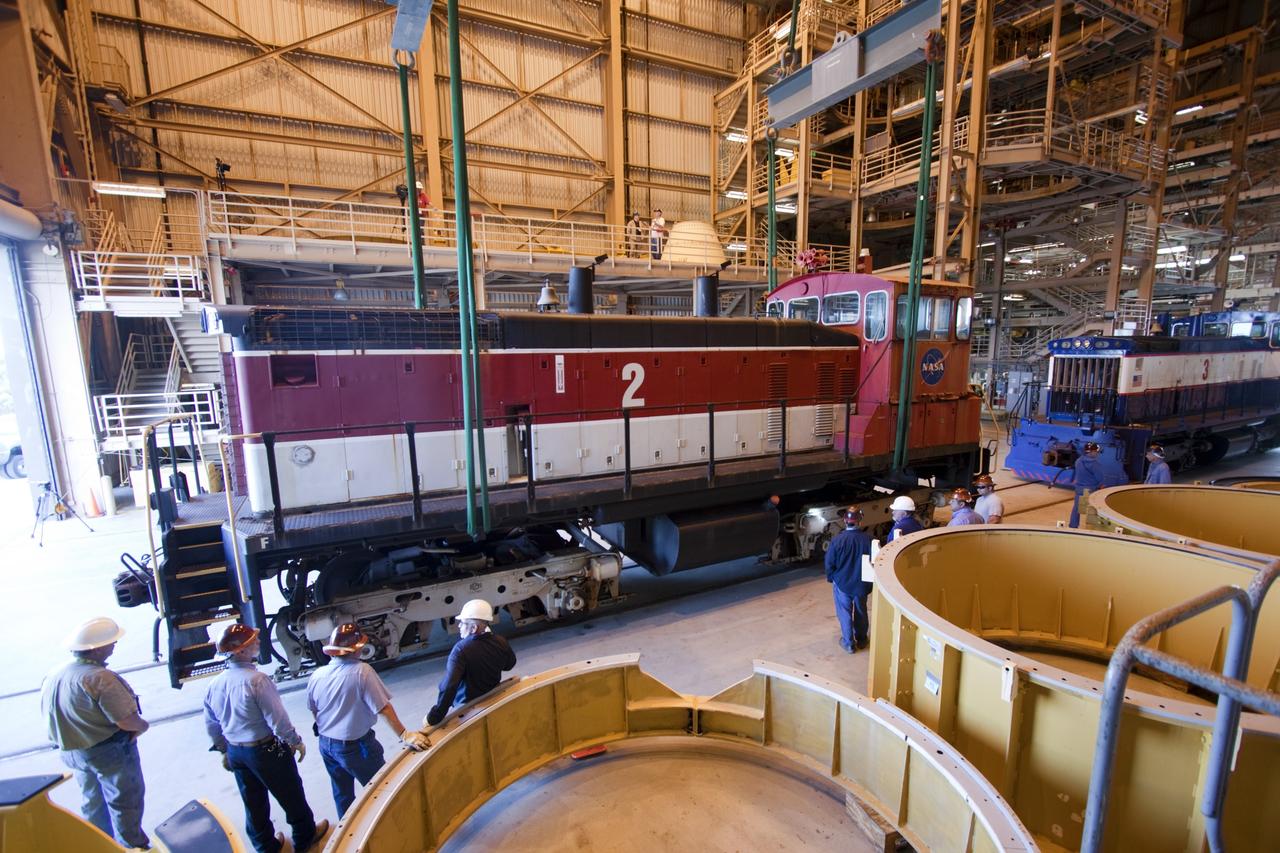
CAPE CANAVERAL, Fla. – Inside the Rotation, Processing and Surge Facility, or RPSF, at the Kennedy Space Center in Florida, an overhead crane lifts NASA locomotive No. 2 off of its trucks to be moved aside, clearing the way for locomotive No. 3 to be raised off its trucks and moved into position atop the trucks previously used by locomotive No. 2. The RPSF was built to support work on the solid rocket used motors during the space shuttle era. The facility had never previously been used for another purpose, but is now free to serve other customers. With rails running into the building's high bay and a pair of heavy-lift cranes positioned overhead, the facility's capabilities were a perfect fit for the NASA Railroad's needs. Railroad managers wanted to trade the wheel and axle assemblies, or trucks, of locomotives No. 2 and No. 3. Locomotive No. 3 was painstakingly restored in recent years by the NASA Railroad team, and handles much of the rail work required at the center in the post-shuttle era. But the trucks on locomotive No. 2 are in better shape and are more environmentally friendly. For more information, visit: http://www.nasa.gov/exploration/systems/ground/rpsf_locomotives.html Photo credit: NASA/Jim Grossmann
CAPE CANAVERAL, Fla. – NASA locomotive No. 1 pulls locomotive No. 3 out of the Rotation, Processing and Surge Facility, or RPSF, at the Kennedy Space Center in Florida. Inside, an overhead crane was used to lift NASA locomotive No. 2 off of its trucks and moved aside, so locomotive No. 3 could be raised off its trucks and moved into position atop the trucks previously used by locomotive No. 2. The RPSF was built to support work on the solid rocket used motors during the space shuttle era. The facility had never previously been used for another purpose, but is now free to serve other customers. With rails running into the building's high bay and a pair of heavy-lift cranes positioned overhead, the facility's capabilities were a perfect fit for the NASA Railroad's needs. Railroad managers wanted to trade the wheel and axle assemblies, or trucks, of locomotives No. 2 and No. 3. Locomotive No. 3 was painstakingly restored in recent years by the NASA Railroad team, and handles much of the rail work required at the center in the post-shuttle era. But the trucks on locomotive No. 2 are in better shape and are more environmentally friendly. For more information, visit: http://www.nasa.gov/exploration/systems/ground/rpsf_locomotives.html Photo credit: NASA/Jim Grossmann
CAPE CANAVERAL, Fla. – NASA locomotive No. 1 pulls locomotive No. 3 out of the Rotation, Processing and Surge Facility, or RPSF, at the Kennedy Space Center in Florida. Inside, an overhead crane was used to lift NASA locomotive No. 2 off of its trucks and moved aside, so locomotive No. 3 could be raised off its trucks and moved into position atop the trucks previously used by locomotive No. 2. The RPSF was built to support work on the solid rocket used motors during the space shuttle era. The facility had never previously been used for another purpose, but is now free to serve other customers. With rails running into the building's high bay and a pair of heavy-lift cranes positioned overhead, the facility's capabilities were a perfect fit for the NASA Railroad's needs. Railroad managers wanted to trade the wheel and axle assemblies, or trucks, of locomotives No. 2 and No. 3. Locomotive No. 3 was painstakingly restored in recent years by the NASA Railroad team, and handles much of the rail work required at the center in the post-shuttle era. But the trucks on locomotive No. 2 are in better shape and are more environmentally friendly. For more information, visit: http://www.nasa.gov/exploration/systems/ground/rpsf_locomotives.html Photo credit: NASA/Jim Grossmann
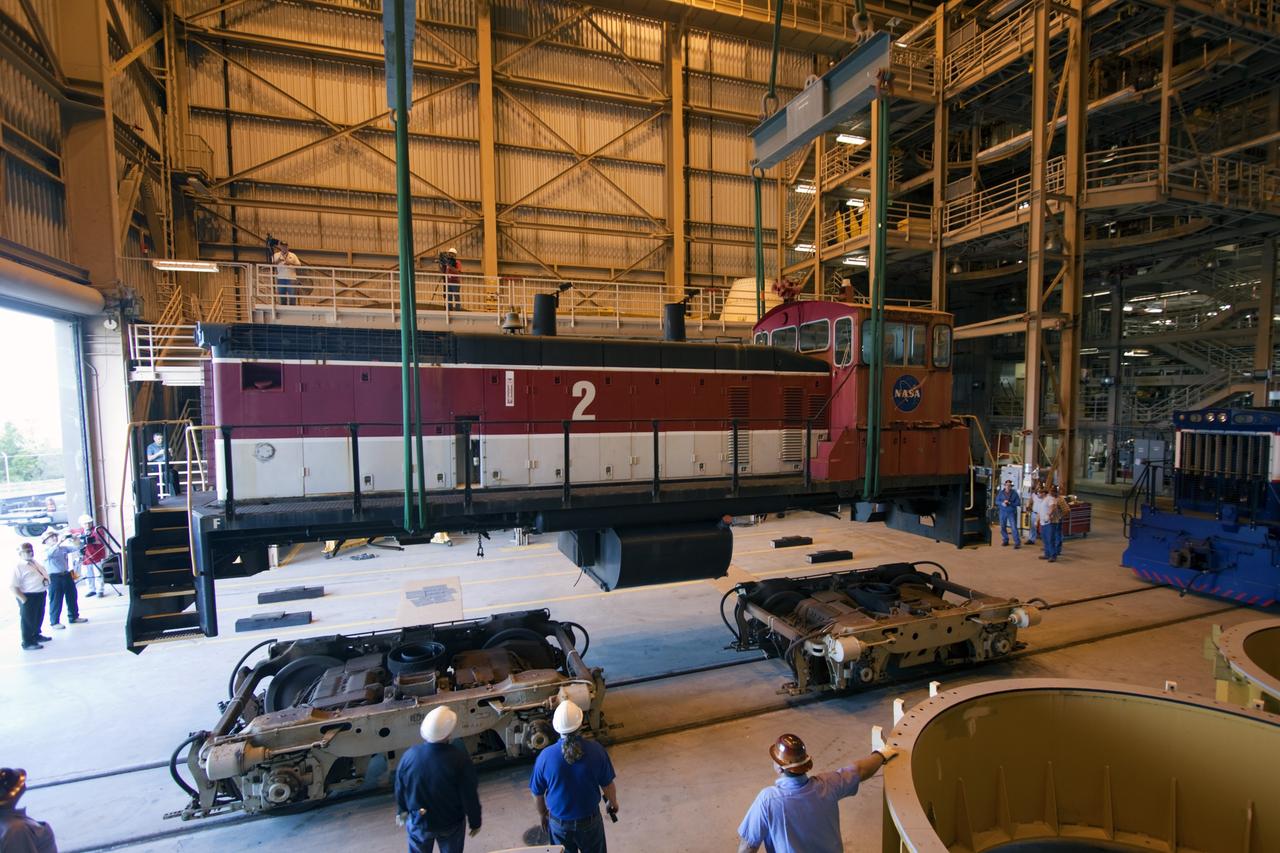
CAPE CANAVERAL, Fla. – Inside the Rotation, Processing and Surge Facility, or RPSF, at the Kennedy Space Center in Florida, an overhead crane lifts NASA locomotive No. 2 off of its trucks to be moved aside, clearing the way for locomotive No. 3 to be raised off its trucks and moved into position atop the trucks previously used by locomotive No. 2. The RPSF was built to support work on the solid rocket used motors during the space shuttle era. The facility had never previously been used for another purpose, but is now free to serve other customers. With rails running into the building's high bay and a pair of heavy-lift cranes positioned overhead, the facility's capabilities were a perfect fit for the NASA Railroad's needs. Railroad managers wanted to trade the wheel and axle assemblies, or trucks, of locomotives No. 2 and No. 3. Locomotive No. 3 was painstakingly restored in recent years by the NASA Railroad team, and handles much of the rail work required at the center in the post-shuttle era. But the trucks on locomotive No. 2 are in better shape and are more environmentally friendly. For more information, visit: http://www.nasa.gov/exploration/systems/ground/rpsf_locomotives.html Photo credit: NASA/Jim Grossmann
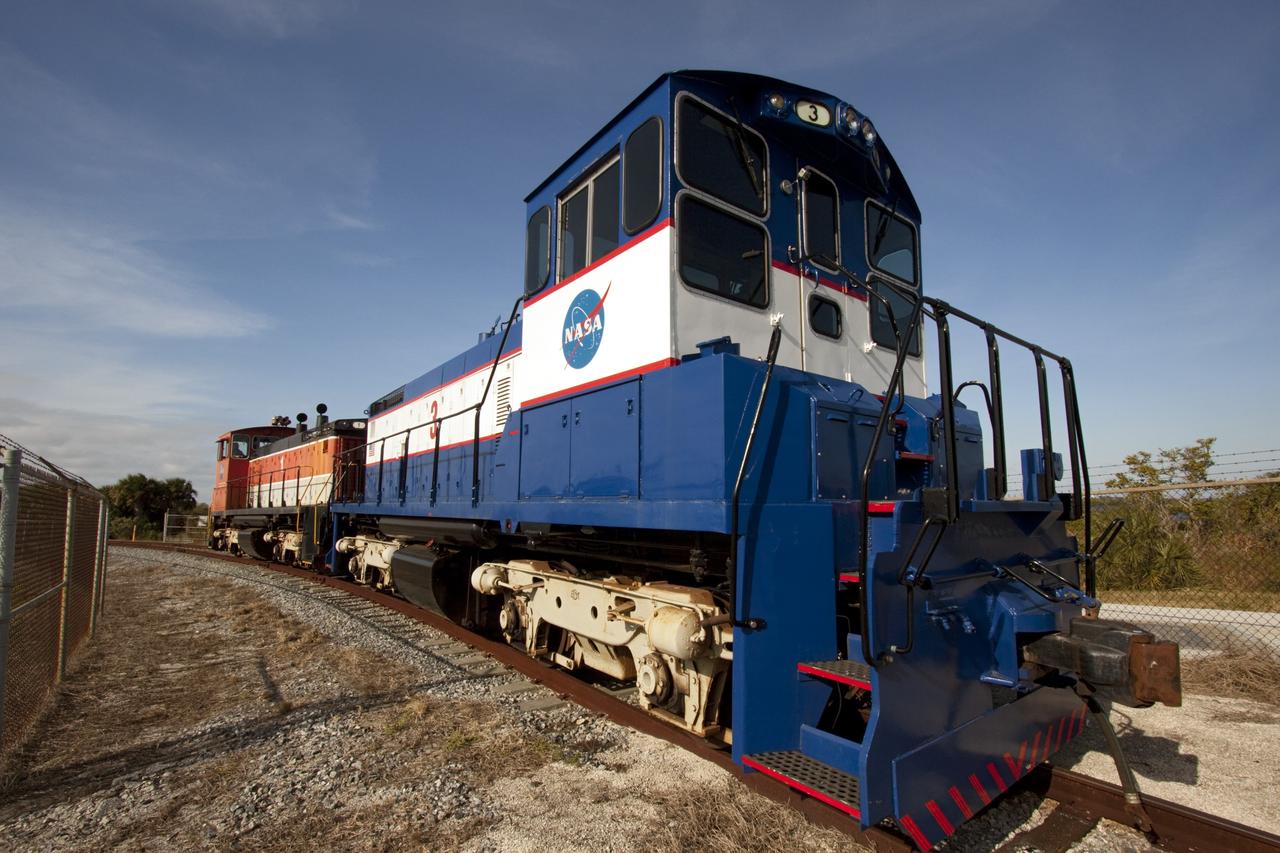
CAPE CANAVERAL, Fla. – NASA locomotive No. 1 pulls locomotive No. 3 out of the Rotation, Processing and Surge Facility, or RPSF, at the Kennedy Space Center in Florida. Inside, an overhead crane was used to lift NASA locomotive No. 2 off of its trucks and moved aside, so locomotive No. 3 could be raised off its trucks and moved into position atop the trucks previously used by locomotive No. 2. The RPSF was built to support work on the solid rocket used motors during the space shuttle era. The facility had never previously been used for another purpose, but is now free to serve other customers. With rails running into the building's high bay and a pair of heavy-lift cranes positioned overhead, the facility's capabilities were a perfect fit for the NASA Railroad's needs. Railroad managers wanted to trade the wheel and axle assemblies, or trucks, of locomotives No. 2 and No. 3. Locomotive No. 3 was painstakingly restored in recent years by the NASA Railroad team, and handles much of the rail work required at the center in the post-shuttle era. But the trucks on locomotive No. 2 are in better shape and are more environmentally friendly. For more information, visit: http://www.nasa.gov/exploration/systems/ground/rpsf_locomotives.html Photo credit: NASA/Jim Grossmann
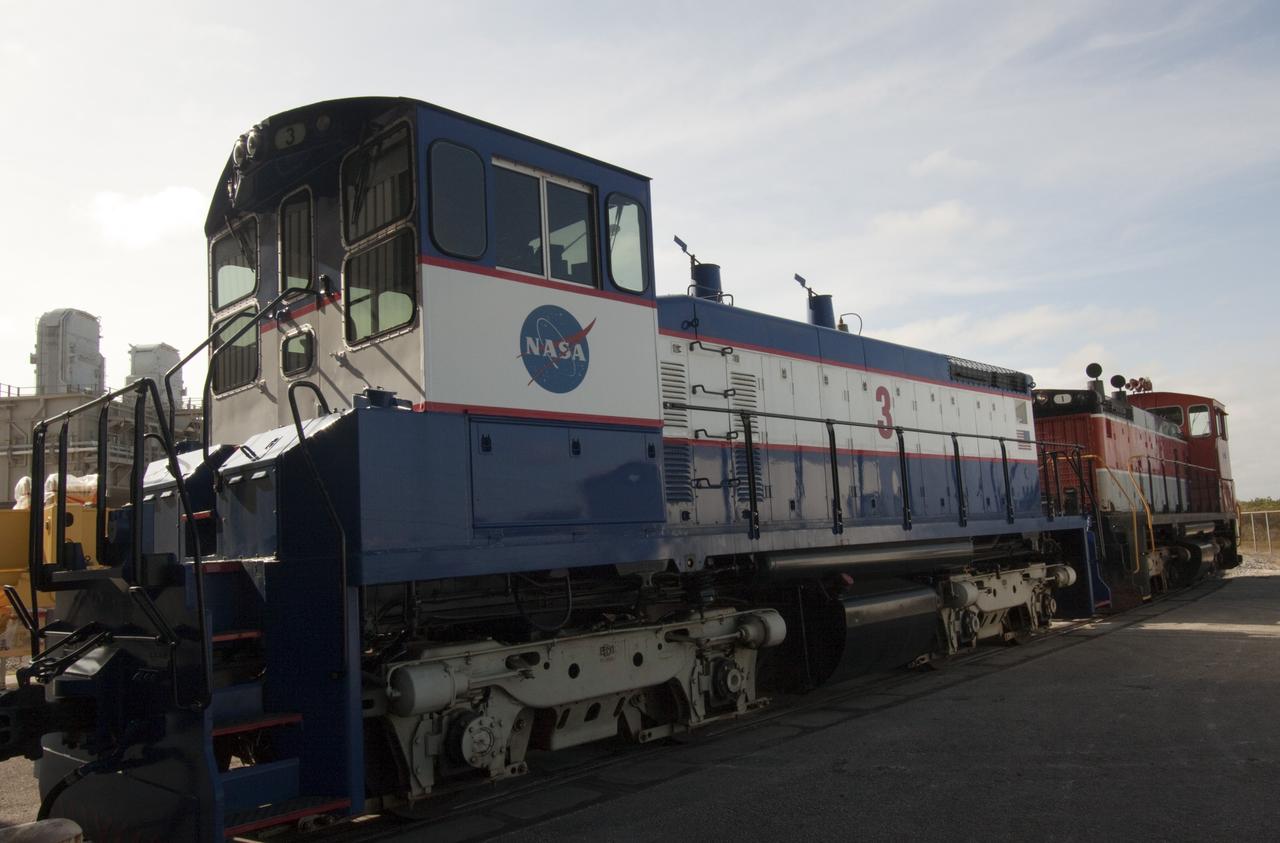
CAPE CANAVERAL, Fla. – NASA locomotive No. 1 pulls locomotive No. 3 out of the Rotation, Processing and Surge Facility, or RPSF, at the Kennedy Space Center in Florida. Inside, an overhead crane was used to lift NASA locomotive No. 2 off of its trucks and moved aside, so locomotive No. 3 could be raised off its trucks and moved into position atop the trucks previously used by locomotive No. 2. The RPSF was built to support work on the solid rocket used motors during the space shuttle era. The facility had never previously been used for another purpose, but is now free to serve other customers. With rails running into the building's high bay and a pair of heavy-lift cranes positioned overhead, the facility's capabilities were a perfect fit for the NASA Railroad's needs. Railroad managers wanted to trade the wheel and axle assemblies, or trucks, of locomotives No. 2 and No. 3. Locomotive No. 3 was painstakingly restored in recent years by the NASA Railroad team, and handles much of the rail work required at the center in the post-shuttle era. But the trucks on locomotive No. 2 are in better shape and are more environmentally friendly. For more information, visit: http://www.nasa.gov/exploration/systems/ground/rpsf_locomotives.html Photo credit: NASA/Jim Grossmann
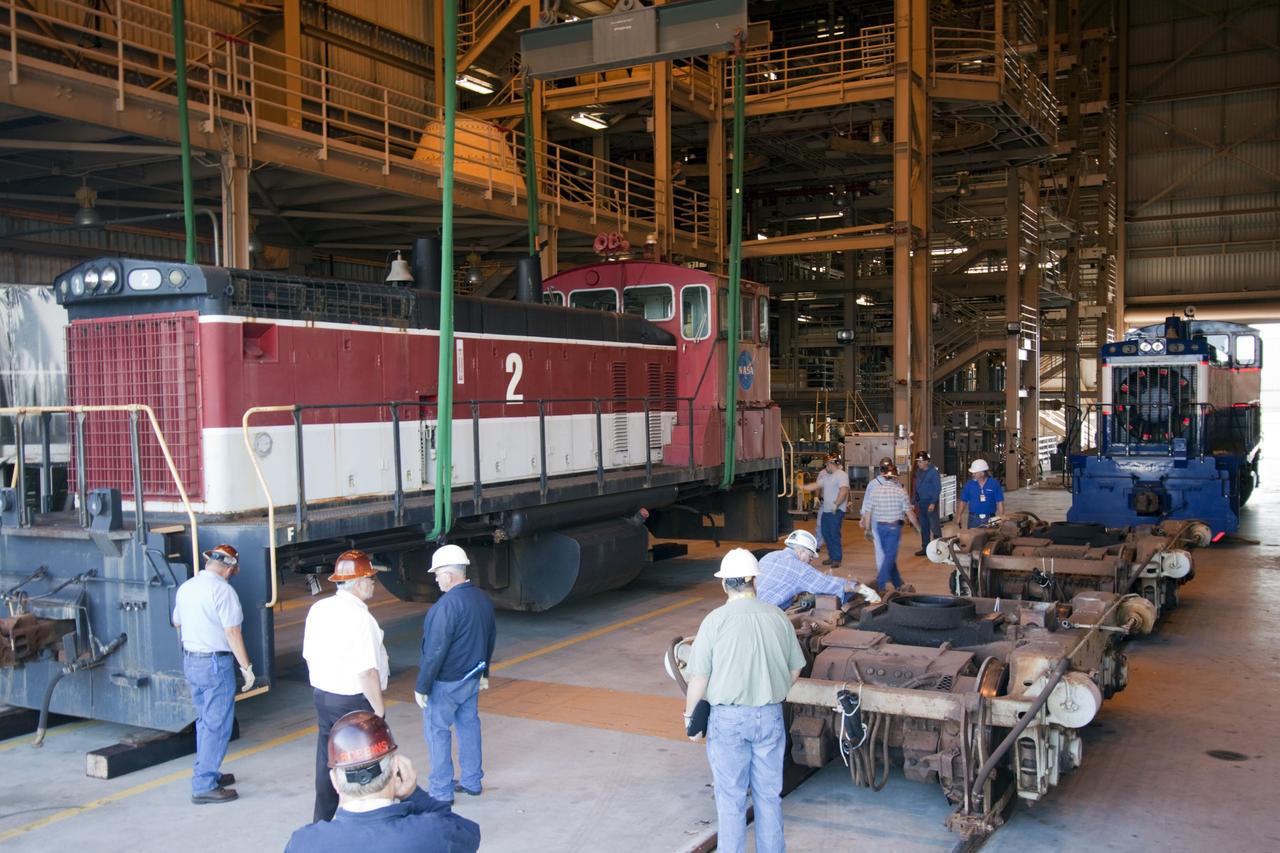
CAPE CANAVERAL, Fla. – Inside the Rotation, Processing and Surge Facility, or RPSF, at the Kennedy Space Center in Florida, an overhead crane moves NASA locomotive No. 2 aside after being lifted off of its trucks, clearing the way for locomotive No. 3 to be raised off its trucks and moved into position atop the trucks previously used by locomotive No. 2. The RPSF was built to support work on the solid rocket used motors during the space shuttle era. The facility had never previously been used for another purpose, but is now free to serve other customers. With rails running into the building's high bay and a pair of heavy-lift cranes positioned overhead, the facility's capabilities were a perfect fit for the NASA Railroad's needs. Railroad managers wanted to trade the wheel and axle assemblies, or trucks, of locomotives No. 2 and No. 3. Locomotive No. 3 was painstakingly restored in recent years by the NASA Railroad team, and handles much of the rail work required at the center in the post-shuttle era. But the trucks on locomotive No. 2 are in better shape and are more environmentally friendly. For more information, visit: http://www.nasa.gov/exploration/systems/ground/rpsf_locomotives.html Photo credit: NASA/Jim Grossmann
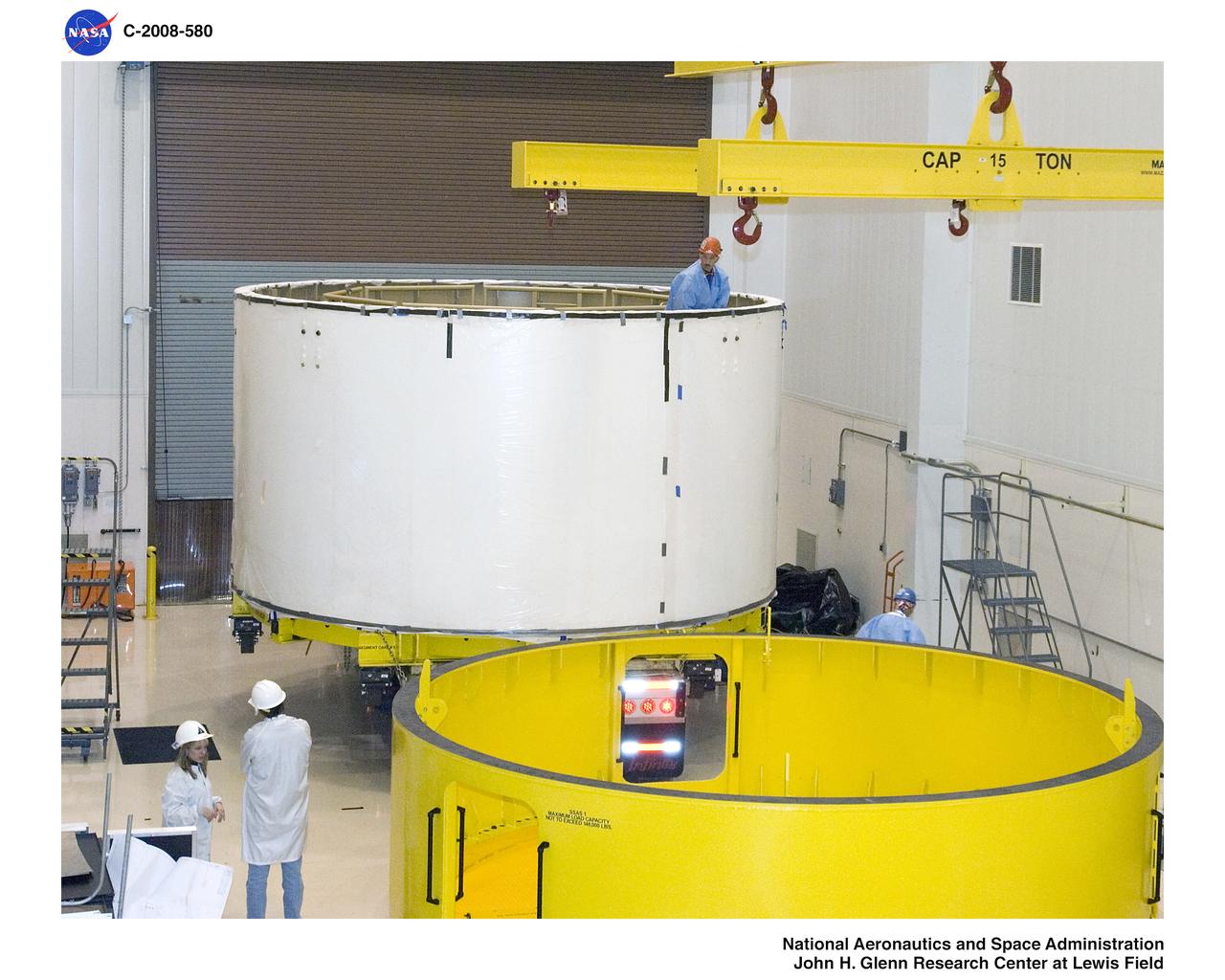
Ares 1-X Segment US-3 being lifted from the truck in Building 333
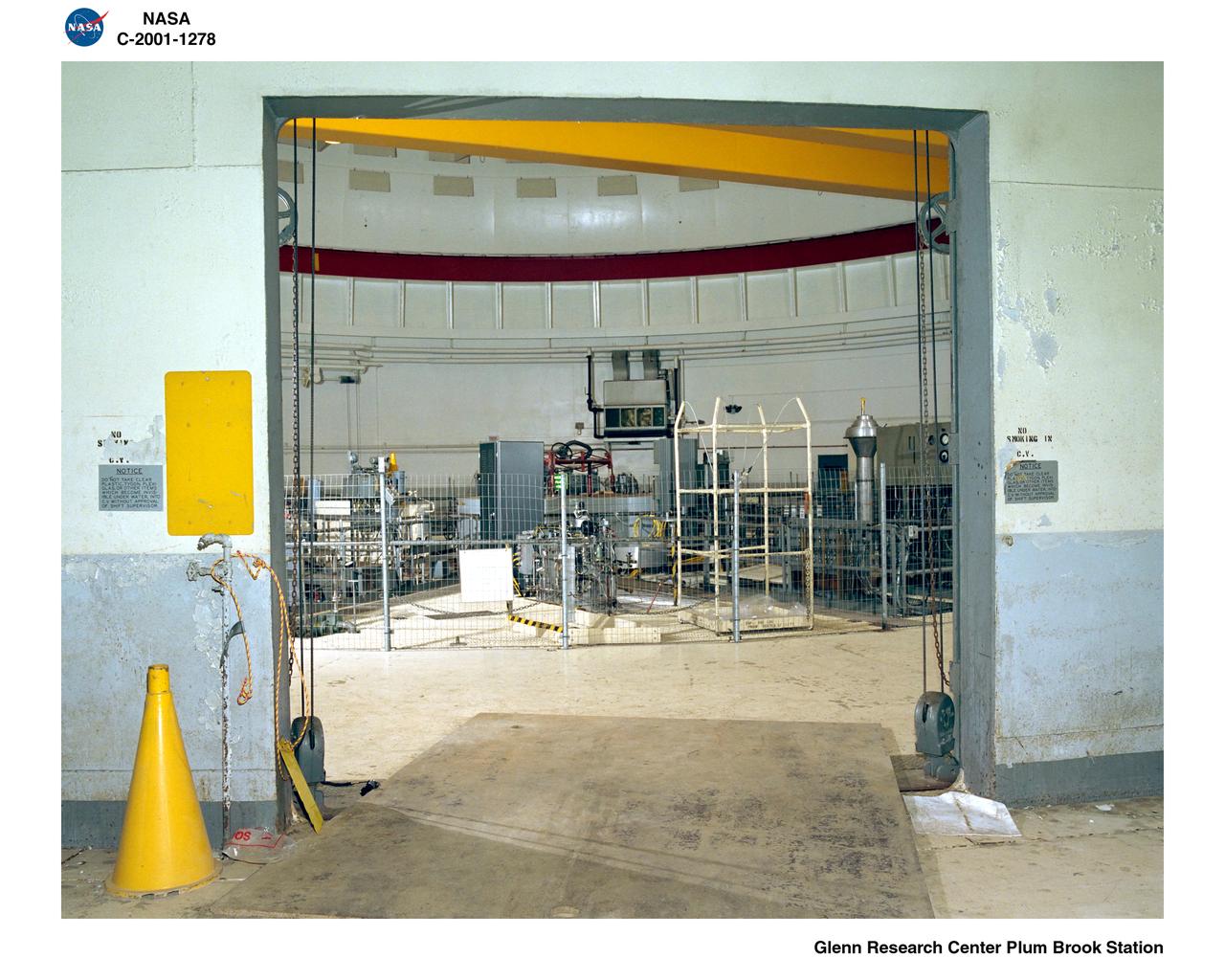
PLUM BROOK REACTOR FACILITY / CONTAINMENT VESSEL VIEW THROUGH TRUCK DOOR / 00105 / C17 - K12
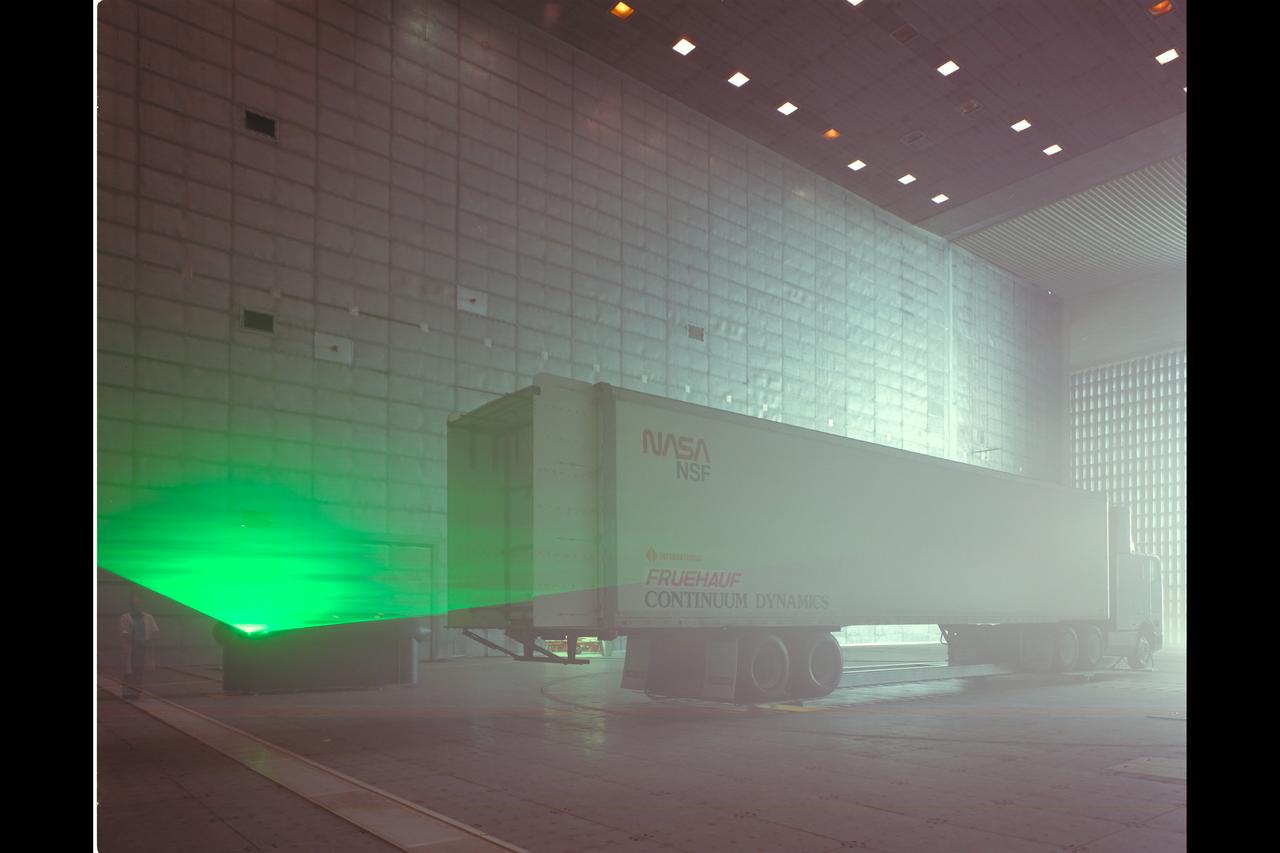
Fruehauf Truck and Trailer Test in 80x120ft W.T. with LRLDV (looking at drag and fuel efficiency)
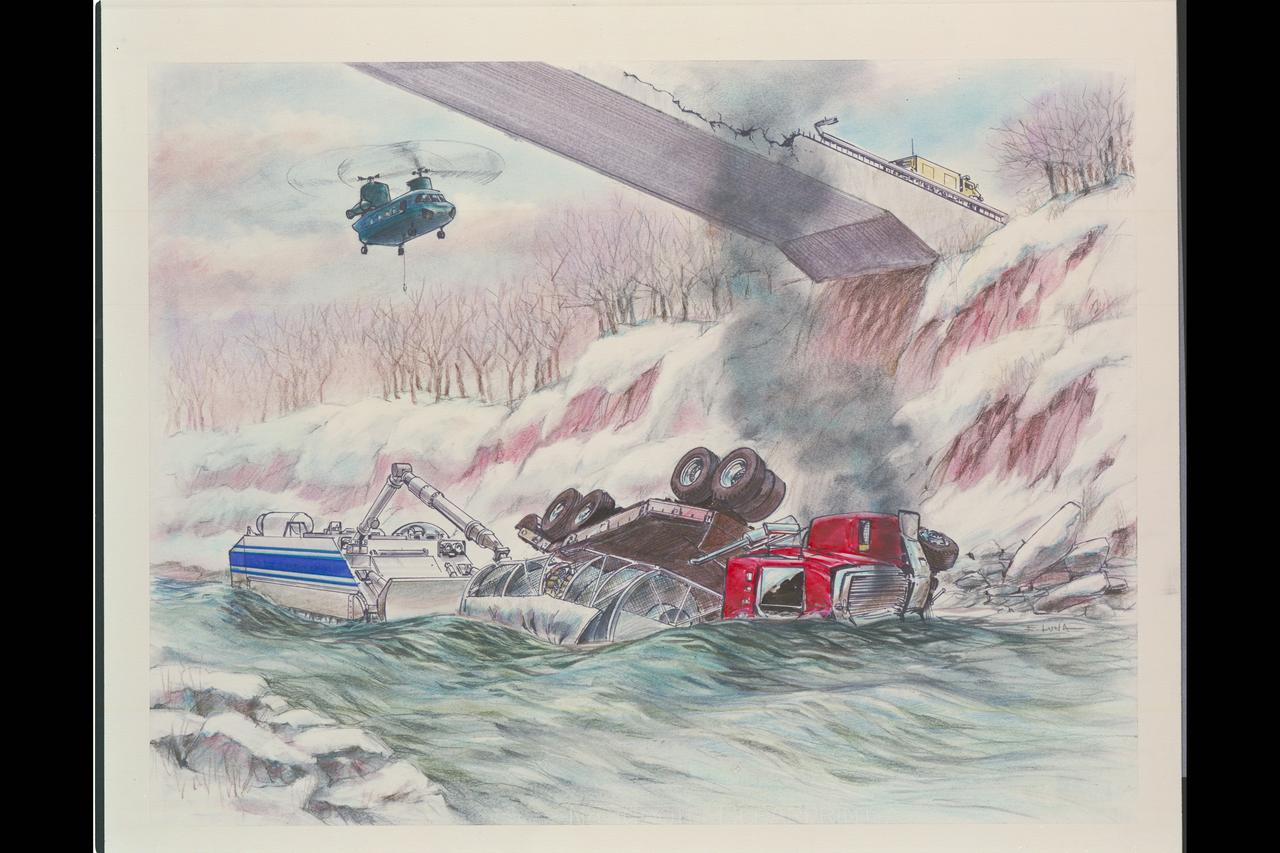
Artist: Ed Luna HAZMAT: Truck Crash: chemical spill clean-up in river (nuclear transportation clean-up)
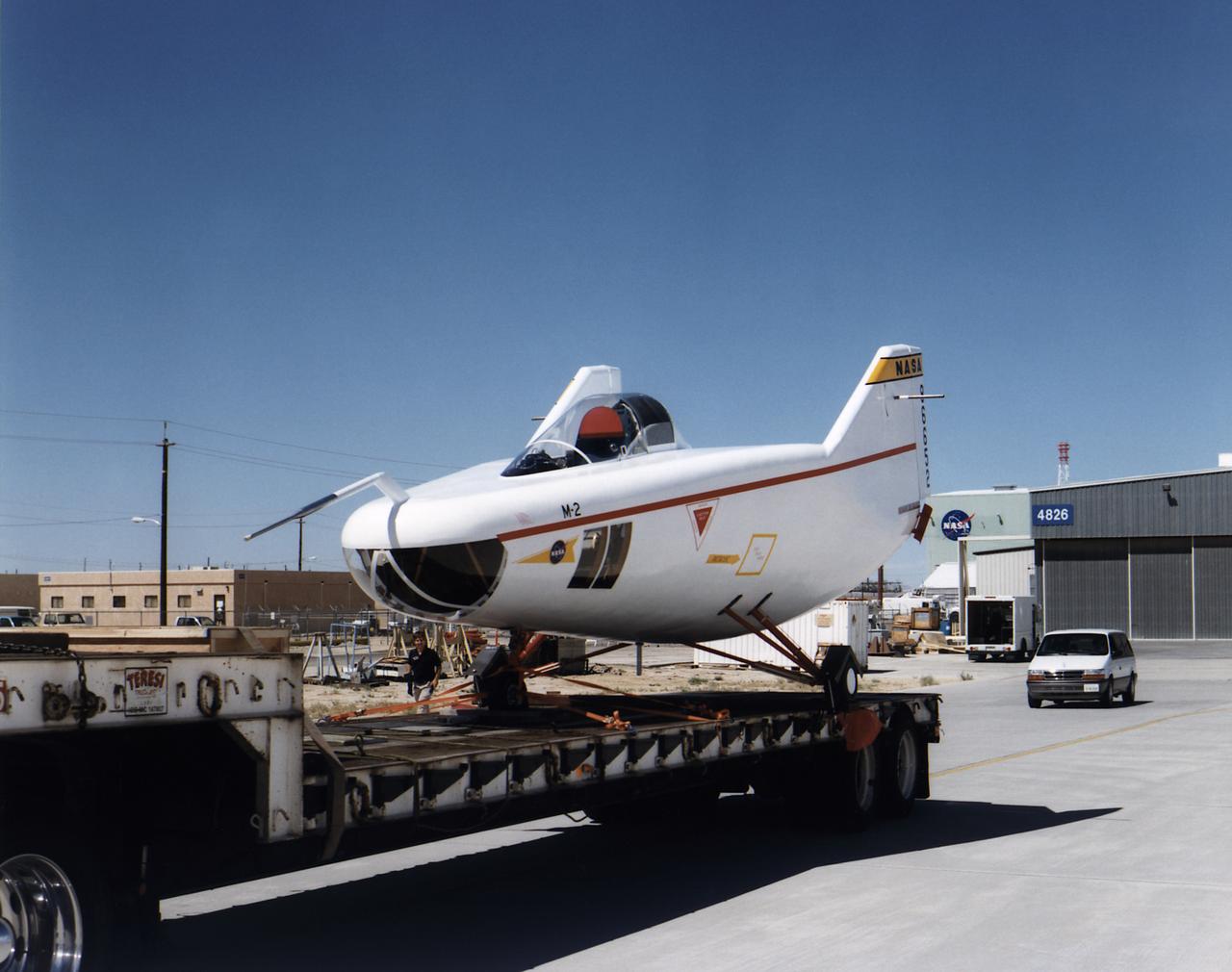
After the grounding of the M2-F1 in 1966, it was kept in outside storage on the Dryden complex. After several years, its fabric and plywood structure was damaged by the sun and weather. Restoration of the vehicle began in February 1994 under the leadership of NASA retiree Dick Fischer, with other retirees who had originally worked on the M2-F1's construction and flight research three decades before also participating. The photo shows the now-restored M2-F1 returning to the site of its flight research, now called the Dryden Flight Research Center, on 22 August 1997.
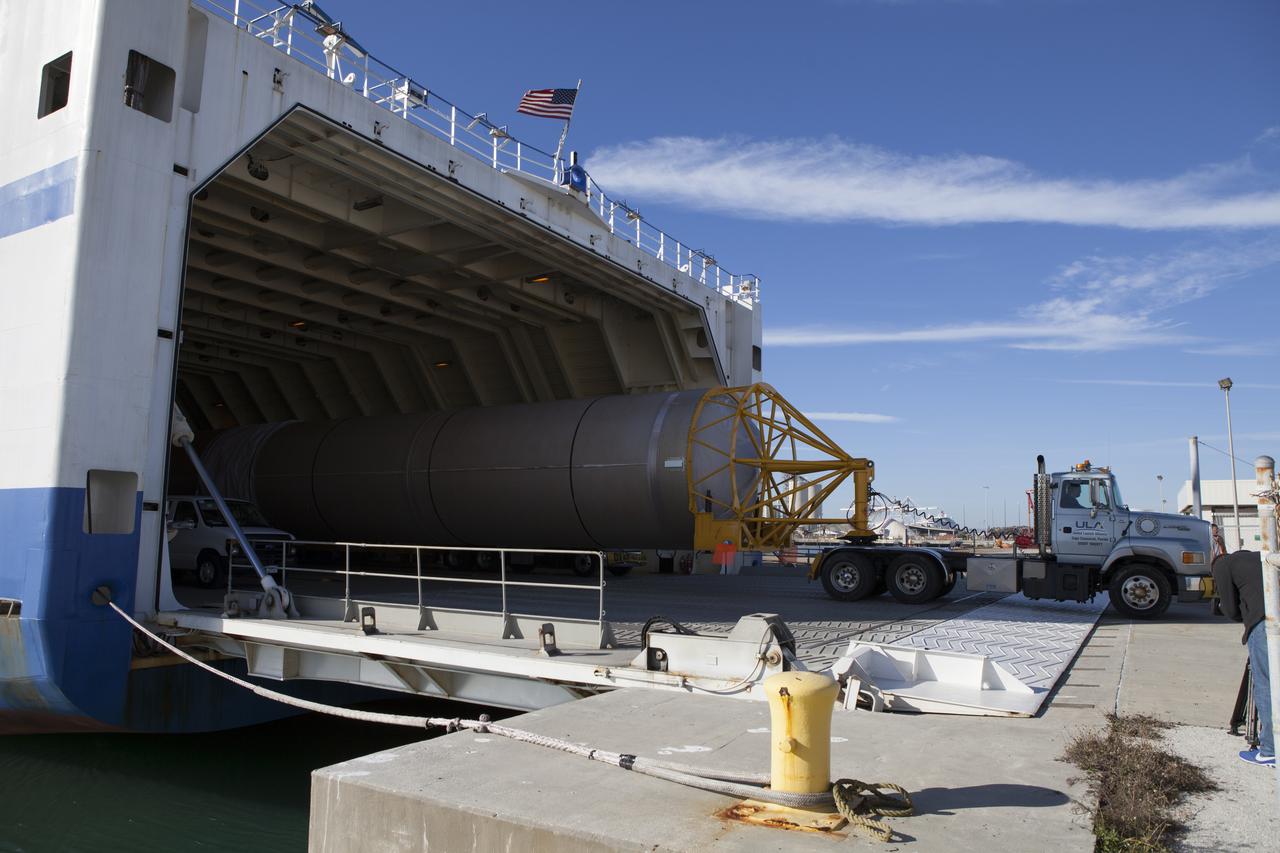
A truck begins to transport the Atlas V booster stage from the United Launch Alliance Delta Mariner. The rocket will be used to launch NASA's Magnetospheric Multiscale mission.
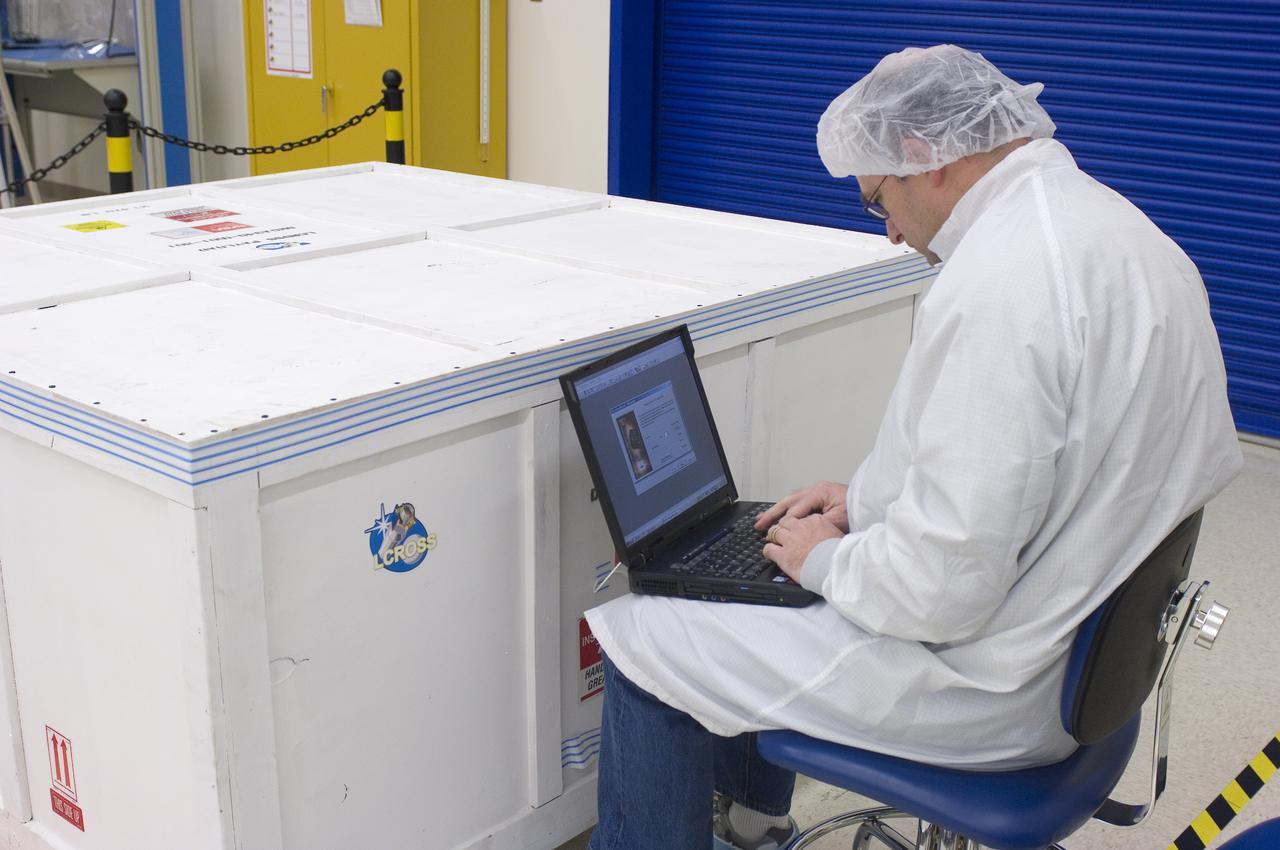
LCROSS - loading onto truck for trip to Northrup Grumman Los Angles, CA for matting with it's Lunar Reconnaissance Orbitor (LR0) spacecraft with Steve Ord
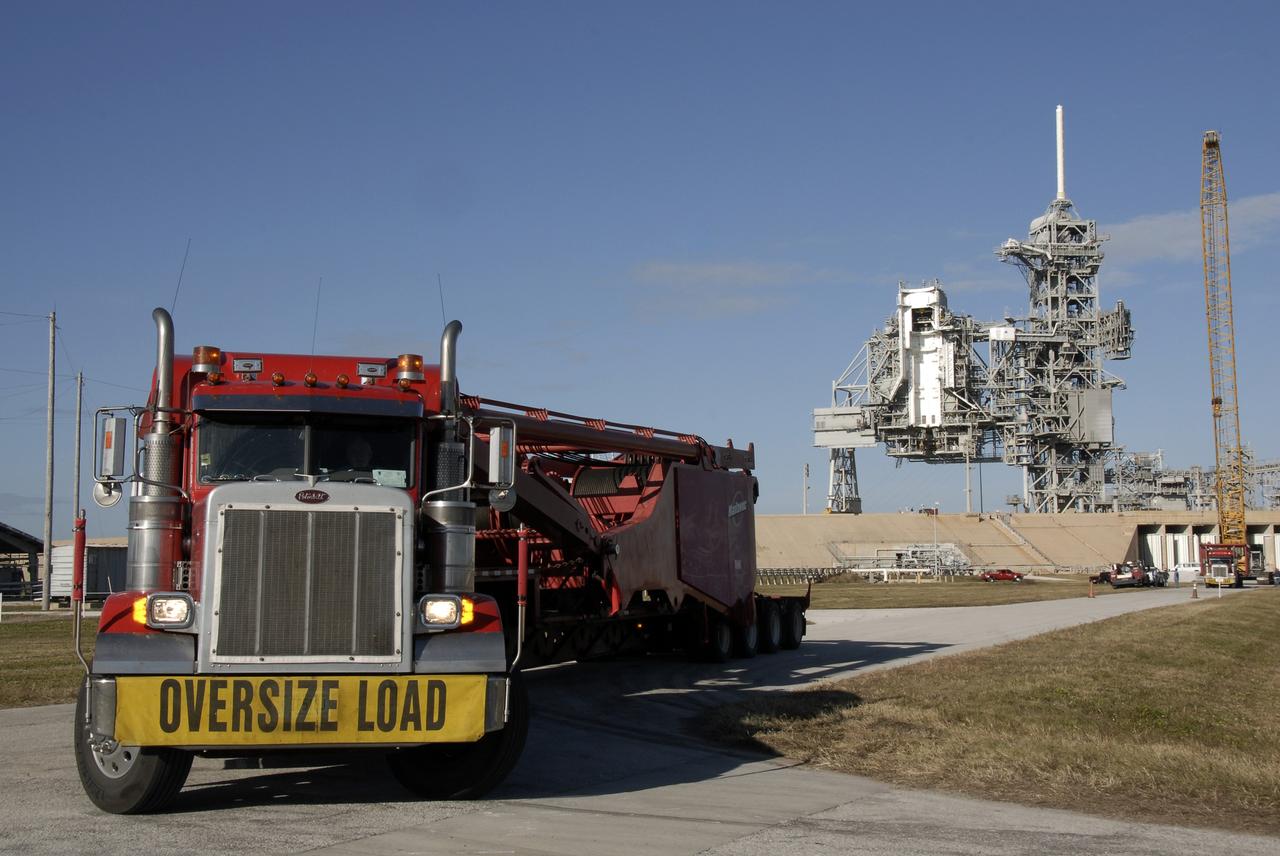
CAPE CANAVERAL, Fla. – Segments of a giant crane arrive by truck to Launch Pad 39B at NASA's Kennedy Space Center in Florida. The crane will be constructed and used to finish erecting the lightning towers on the pad. The crane segments arrived on 125 trucks. Lightning towers are being constructed to hold catenary wires as part of the new lightning protection system for the Constellation Program and Ares/Orion launches. Photo credit: NASA/Kim Shiflett
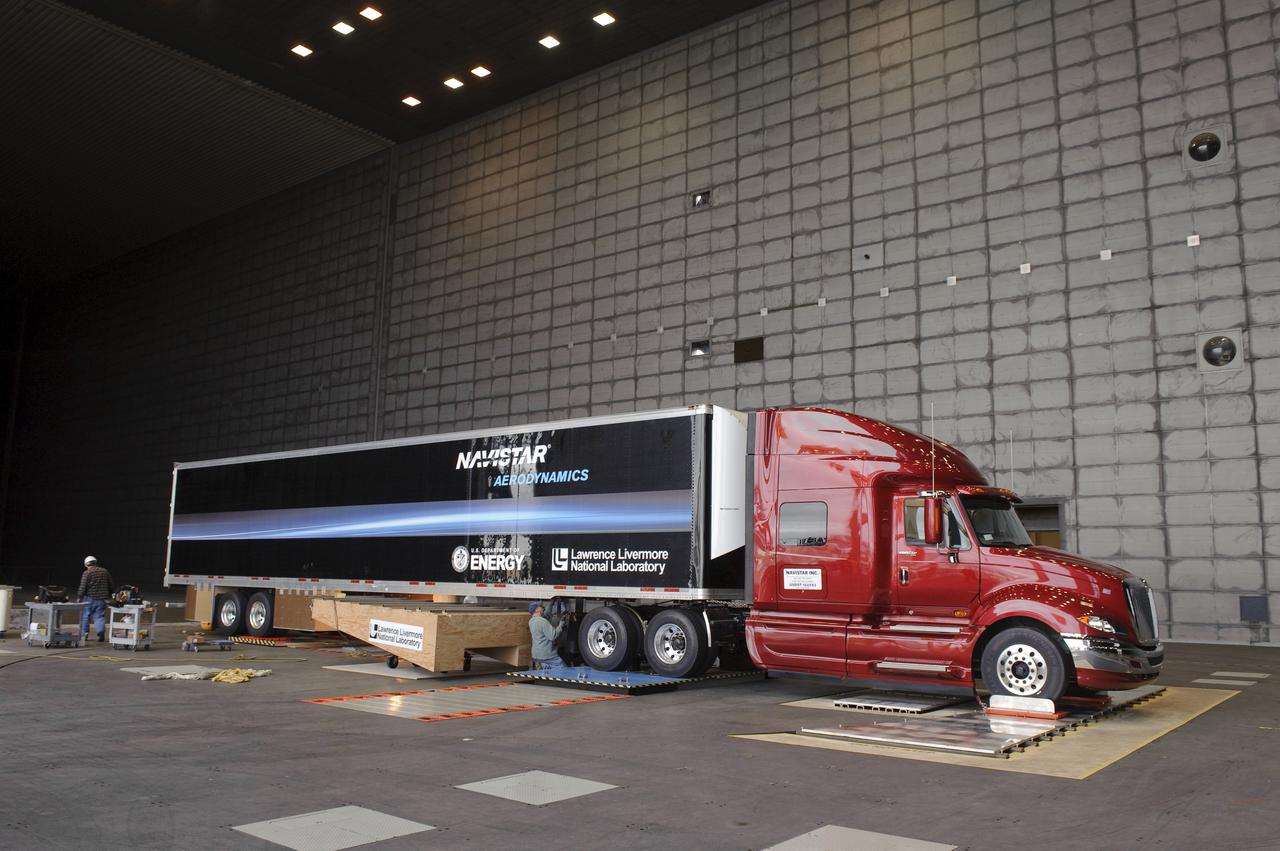
Lawrence Livermore National Labs (LLNL), Navistar and the Department of Energy conduct tests in the NASA Ames National Full-scale Aerodynamic Complex 80x120_foot wind tunnel. The LLNL project is aimed at aerodynamic truck and trailer devices that can reduce fuel consumption at highway speed by 10 percent. LLNL's test piece is being installed on truck.
CAPE CANAVERAL, Fla. – Segments of a giant crane arrive by truck to Launch Pad 39B at NASA's Kennedy Space Center in Florida. The crane will be constructed and used to finish erecting the lightning towers on the pad. The crane segments arrived on 125 trucks. Lightning towers are being constructed to hold catenary wires as part of the new lightning protection system for the Constellation Program and Ares/Orion launches. Photo credit: NASA/Kim Shiflett
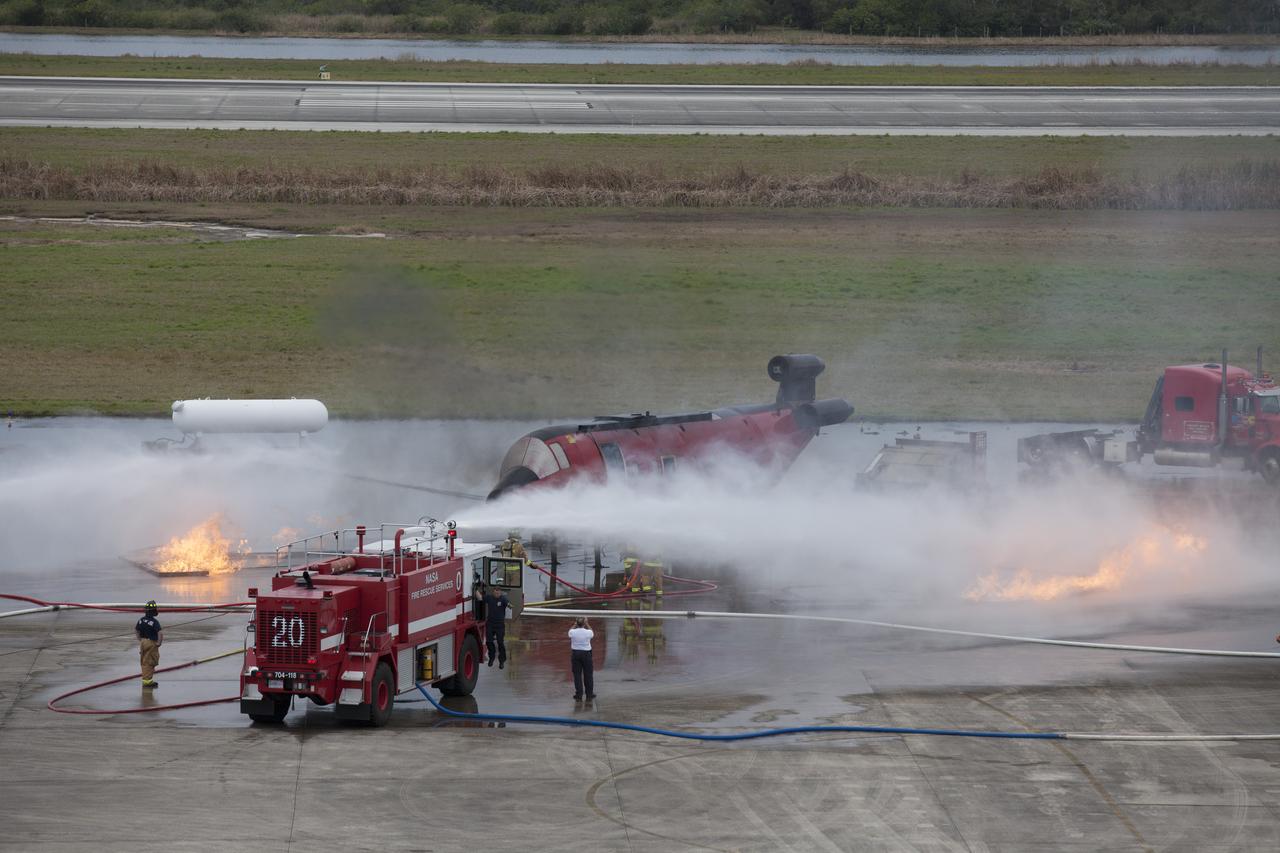
CAPE CANAVERAL, Fla. - Special Rescue Operations firefighters with NASA Fire Rescue Services in the Protective Services Office at NASA’s Kennedy Space Center in Florida participate in a training exercise at the Shuttle Landing Facility. Firefighters use a fire truck to put out a fire burning close to a mock-up of a small plane and a truck. Kennedy’s firefighters recently achieved Pro Board Certification in aerial fire truck operations and completed vehicle extrication training using the Jaws of Life. The Protective Services Office is one step closer to achieving certification in vehicle machinery extrication and other rescue skills. Kennedy’s firefighters are with G4S Government Solutions Inc., on the Kennedy Protective Services Contract. Photo credit: NASA/Kim Shiflett
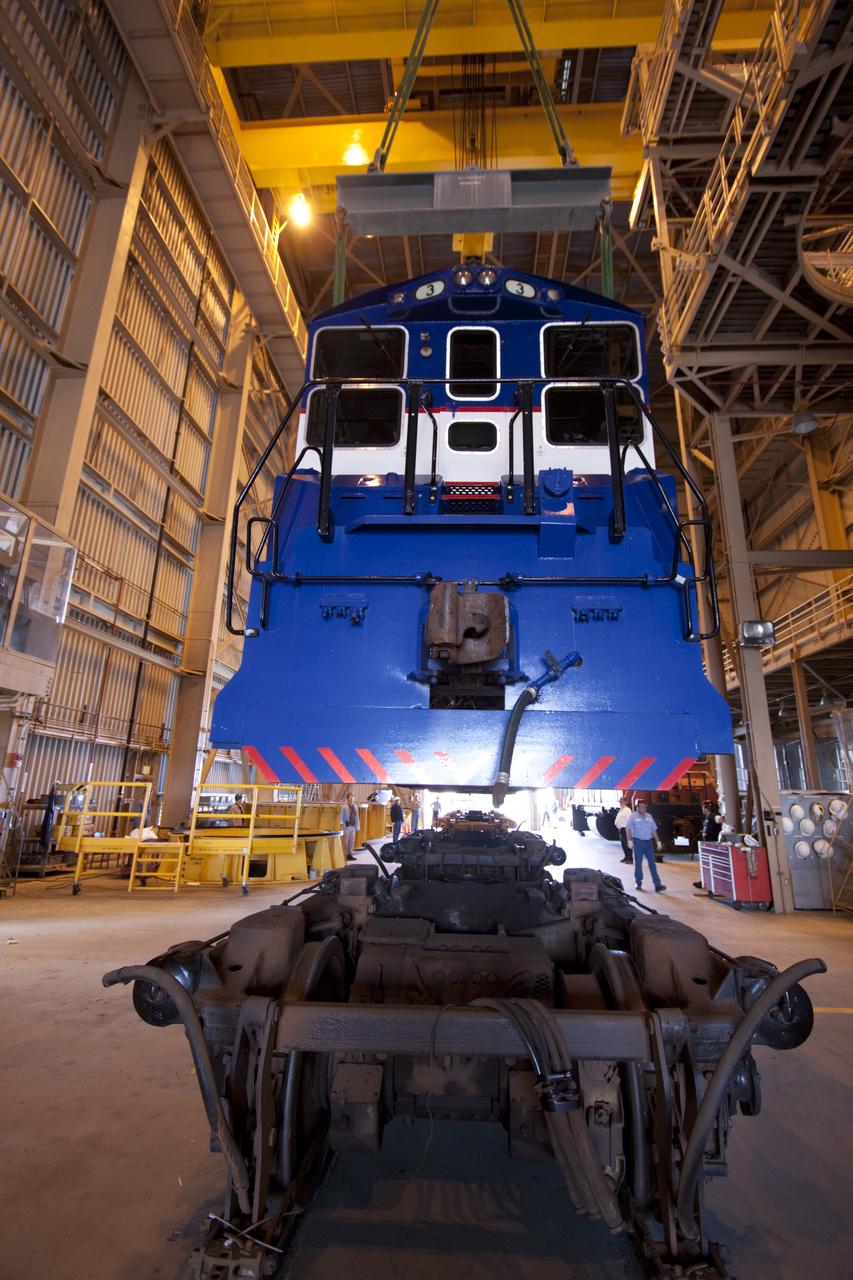
CAPE CANAVERAL, Fla. – Inside the Rotation, Processing and Surge Facility, or RPSF, at the Kennedy Space Center in Florida, an overhead crane lifts NASA locomotive No. 3 off of its trucks to be moved into position atop the trucks previously used by locomotive No. 2. The RPSF was built to support work on the solid rocket used motors during the space shuttle era. The facility had never previously been used for another purpose, but is now free to serve other customers. With rails running into the building's high bay and a pair of heavy-lift cranes positioned overhead, the facility's capabilities were a perfect fit for the NASA Railroad's needs. Railroad managers wanted to trade the wheel and axle assemblies, or trucks, of locomotives No. 2 and No. 3. Locomotive No. 3 was painstakingly restored in recent years by the NASA Railroad team, and handles much of the rail work required at the center in the post-shuttle era. But the trucks on locomotive No. 2 are in better shape and are more environmentally friendly. For more information, visit: http://www.nasa.gov/exploration/systems/ground/rpsf_locomotives.html Photo credit: NASA/Jim Grossmann
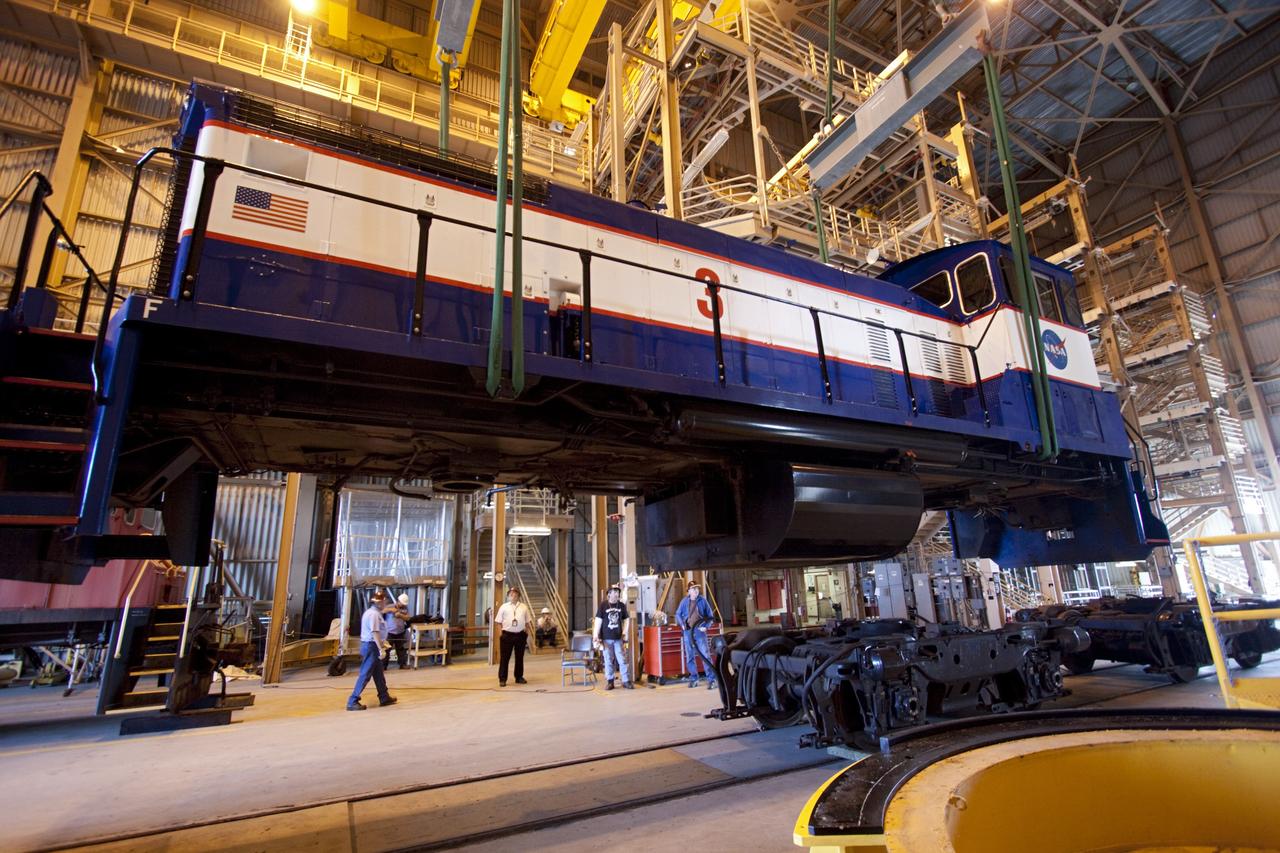
CAPE CANAVERAL, Fla. – Inside the Rotation, Processing and Surge Facility, or RPSF, at the Kennedy Space Center in Florida, an overhead crane lifts NASA locomotive No. 3 off of its trucks to be moved into position atop the trucks previously used by locomotive No. 2. The RPSF was built to support work on the solid rocket used motors during the space shuttle era. The facility had never previously been used for another purpose, but is now free to serve other customers. With rails running into the building's high bay and a pair of heavy-lift cranes positioned overhead, the facility's capabilities were a perfect fit for the NASA Railroad's needs. Railroad managers wanted to trade the wheel and axle assemblies, or trucks, of locomotives No. 2 and No. 3. Locomotive No. 3 was painstakingly restored in recent years by the NASA Railroad team, and handles much of the rail work required at the center in the post-shuttle era. But the trucks on locomotive No. 2 are in better shape and are more environmentally friendly. For more information, visit: http://www.nasa.gov/exploration/systems/ground/rpsf_locomotives.html Photo credit: NASA/Jim Grossmann
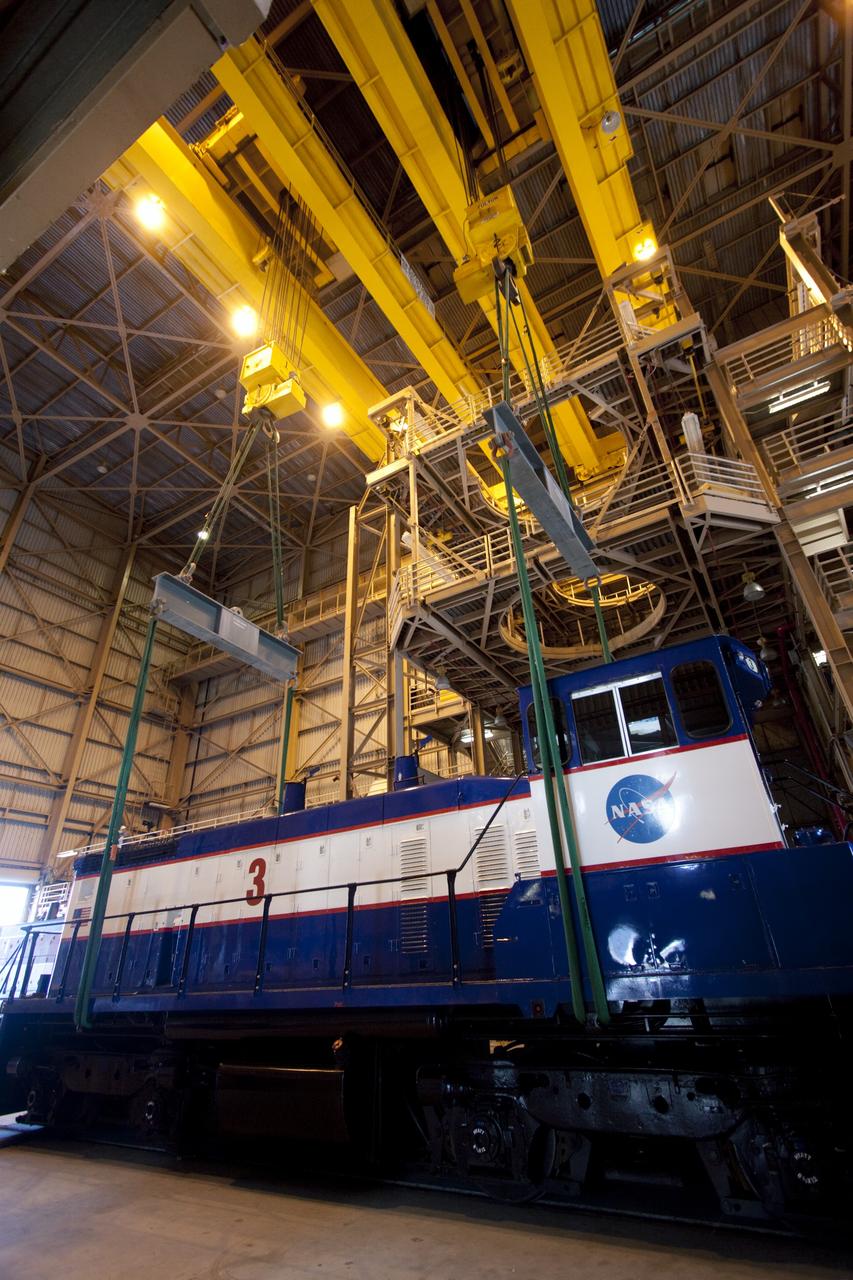
CAPE CANAVERAL, Fla. – Inside the Rotation, Processing and Surge Facility, or RPSF, at the Kennedy Space Center in Florida, an overhead crane lifts NASA locomotive No. 3 off of its trucks to be moved into position atop the trucks previously used by locomotive No. 2. The RPSF was built to support work on the solid rocket used motors during the space shuttle era. The facility had never previously been used for another purpose, but is now free to serve other customers. With rails running into the building's high bay and a pair of heavy-lift cranes positioned overhead, the facility's capabilities were a perfect fit for the NASA Railroad's needs. Railroad managers wanted to trade the wheel and axle assemblies, or trucks, of locomotives No. 2 and No. 3. Locomotive No. 3 was painstakingly restored in recent years by the NASA Railroad team, and handles much of the rail work required at the center in the post-shuttle era. But the trucks on locomotive No. 2 are in better shape and are more environmentally friendly. For more information, visit: http://www.nasa.gov/exploration/systems/ground/rpsf_locomotives.html Photo credit: NASA/Jim Grossmann
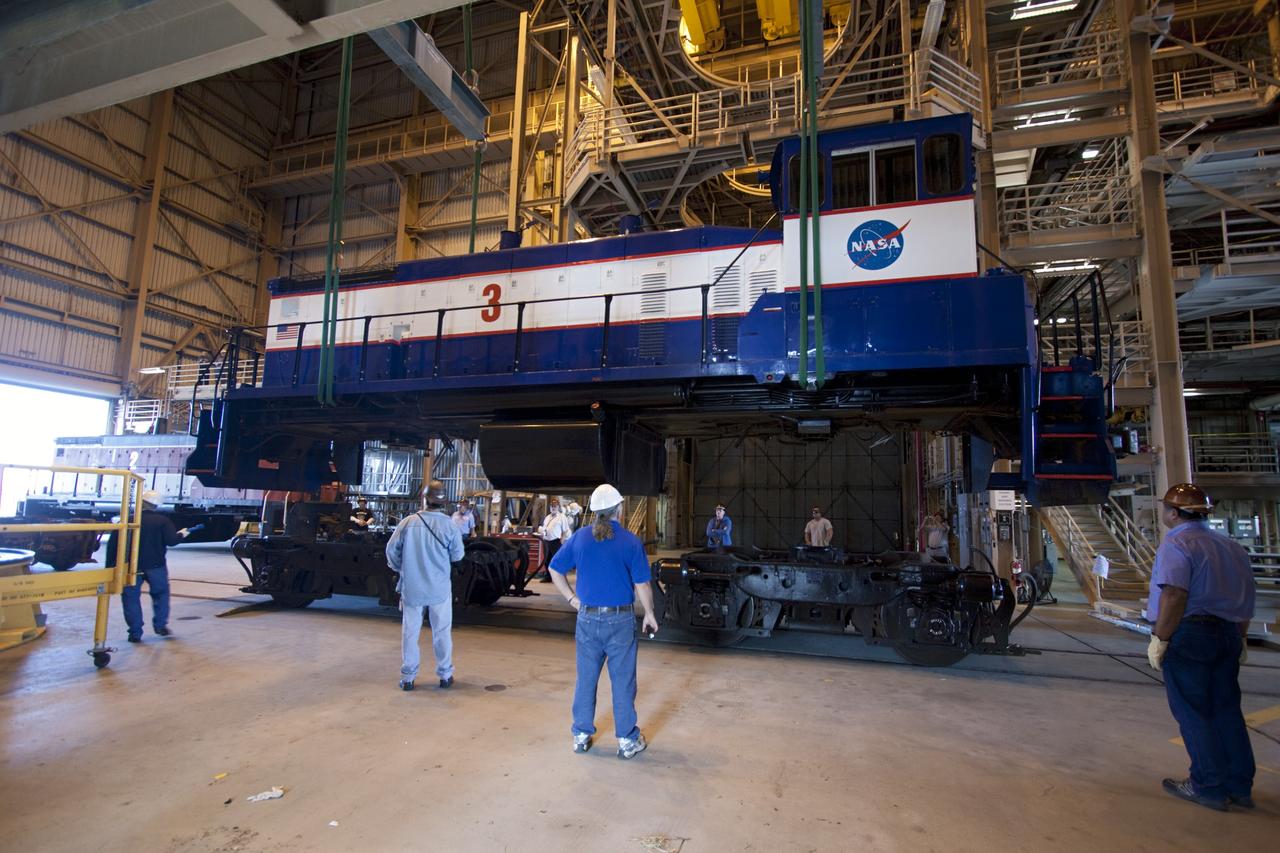
CAPE CANAVERAL, Fla. – Inside the Rotation, Processing and Surge Facility, or RPSF, at the Kennedy Space Center in Florida, an overhead crane lifts NASA locomotive No. 3 off of its trucks to be moved into position atop the trucks previously used by locomotive No. 2. The RPSF was built to support work on the solid rocket used motors during the space shuttle era. The facility had never previously been used for another purpose, but is now free to serve other customers. With rails running into the building's high bay and a pair of heavy-lift cranes positioned overhead, the facility's capabilities were a perfect fit for the NASA Railroad's needs. Railroad managers wanted to trade the wheel and axle assemblies, or trucks, of locomotives No. 2 and No. 3. Locomotive No. 3 was painstakingly restored in recent years by the NASA Railroad team, and handles much of the rail work required at the center in the post-shuttle era. But the trucks on locomotive No. 2 are in better shape and are more environmentally friendly. For more information, visit: http://www.nasa.gov/exploration/systems/ground/rpsf_locomotives.html Photo credit: NASA/Jim Grossmann
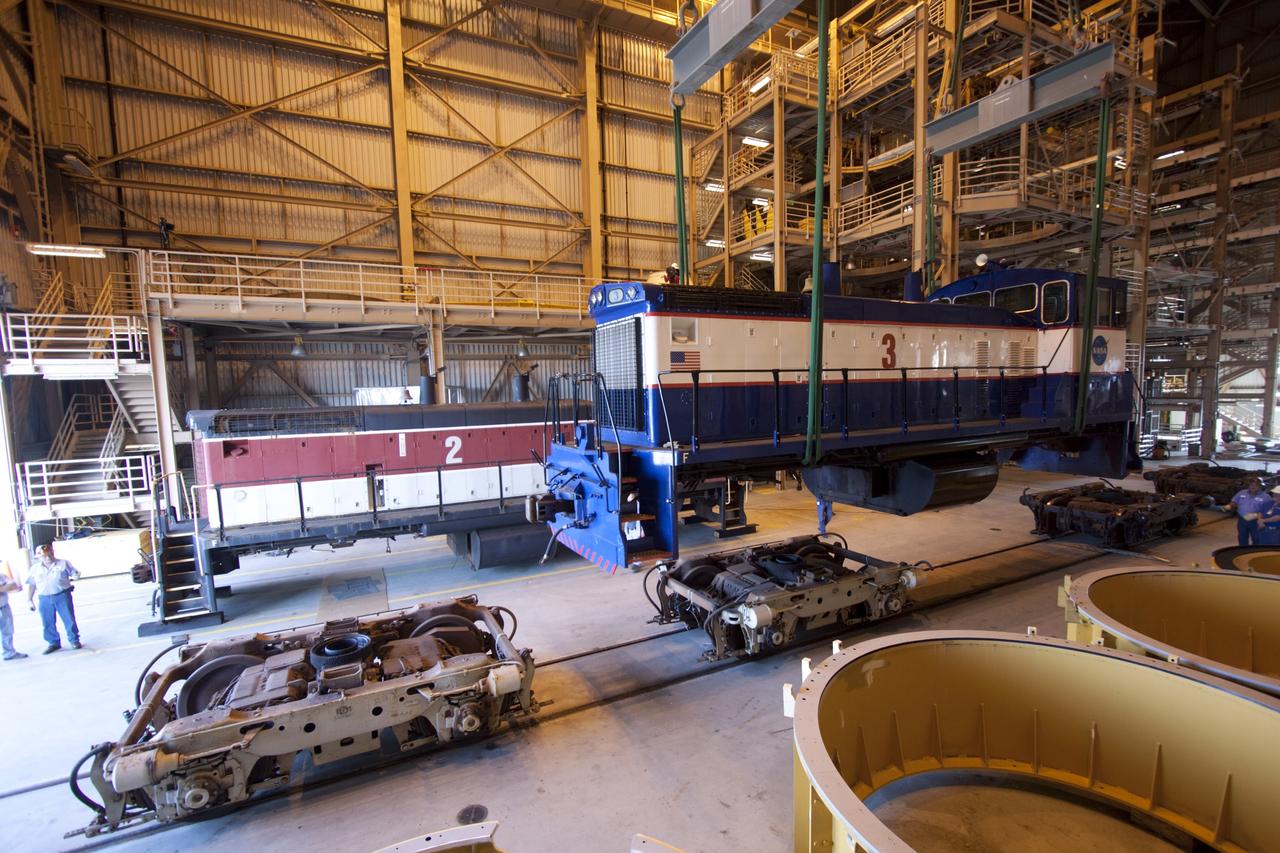
CAPE CANAVERAL, Fla. – Inside the Rotation, Processing and Surge Facility, or RPSF, at the Kennedy Space Center in Florida, an overhead crane lifts NASA locomotive No. 3 off of its trucks to be moved into position atop the trucks previously used by locomotive No. 2. The RPSF was built to support work on the solid rocket used motors during the space shuttle era. The facility had never previously been used for another purpose, but is now free to serve other customers. With rails running into the building's high bay and a pair of heavy-lift cranes positioned overhead, the facility's capabilities were a perfect fit for the NASA Railroad's needs. Railroad managers wanted to trade the wheel and axle assemblies, or trucks, of locomotives No. 2 and No. 3. Locomotive No. 3 was painstakingly restored in recent years by the NASA Railroad team, and handles much of the rail work required at the center in the post-shuttle era. But the trucks on locomotive No. 2 are in better shape and are more environmentally friendly. For more information, visit: http://www.nasa.gov/exploration/systems/ground/rpsf_locomotives.html Photo credit: NASA/Jim Grossmann
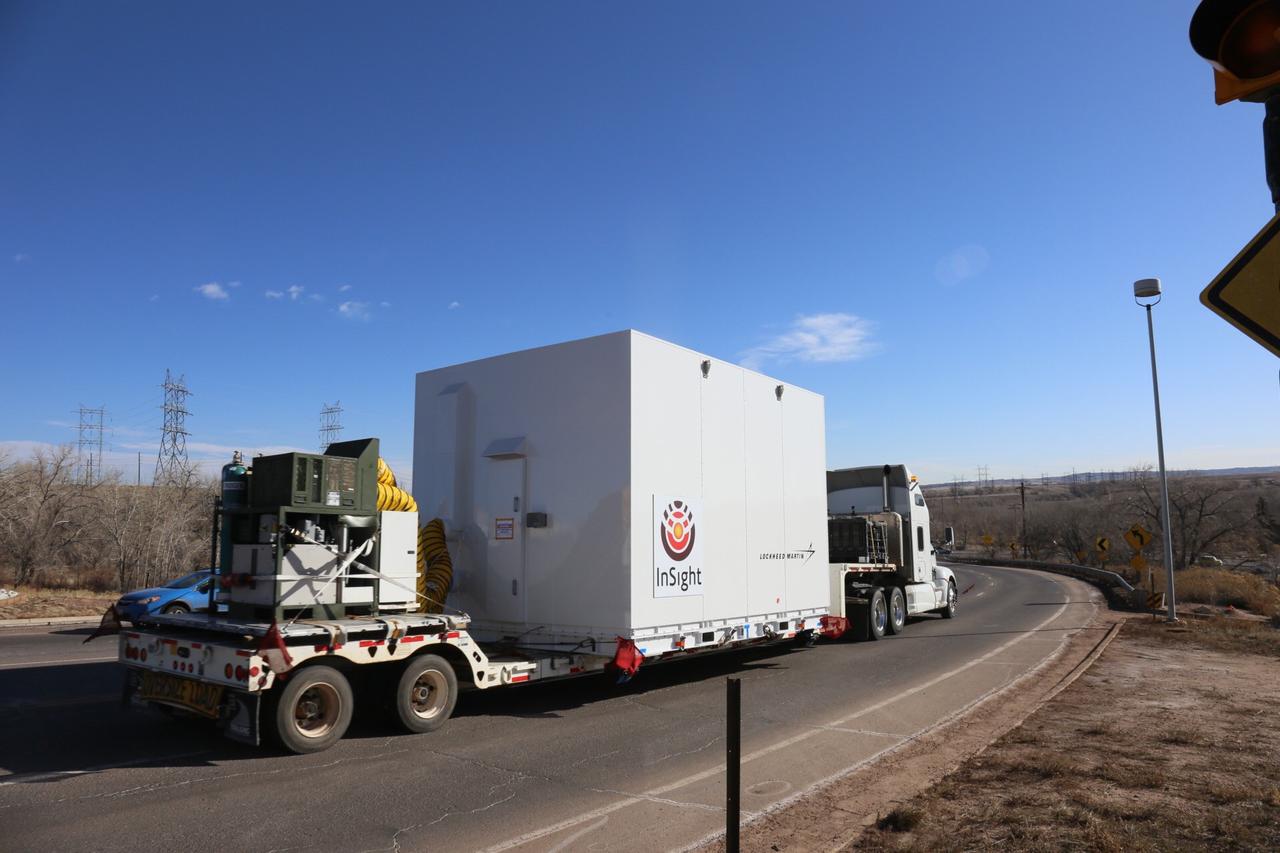
A truck carrying NASA s InSight spacecraft leaves Lockheed Martin Space, Denver, where the spacecraft was built and tested, on February 28, 2018. InSight was driven to Buckley Air Force Base, where it was loaded into a C-17 cargo aircraft and flown to Vandenberg Air Force Base, California. There, it will be prepared for a May launch. InSight, short for Interior Exploration using Seismic Investigations, Geodesy and Heat Transport, is the first mission dedicated to studying the deep interior of Mars. Its findings will advance understanding of the early history of all rocky planets, including Earth. https://photojournal.jpl.nasa.gov/catalog/PIA22225
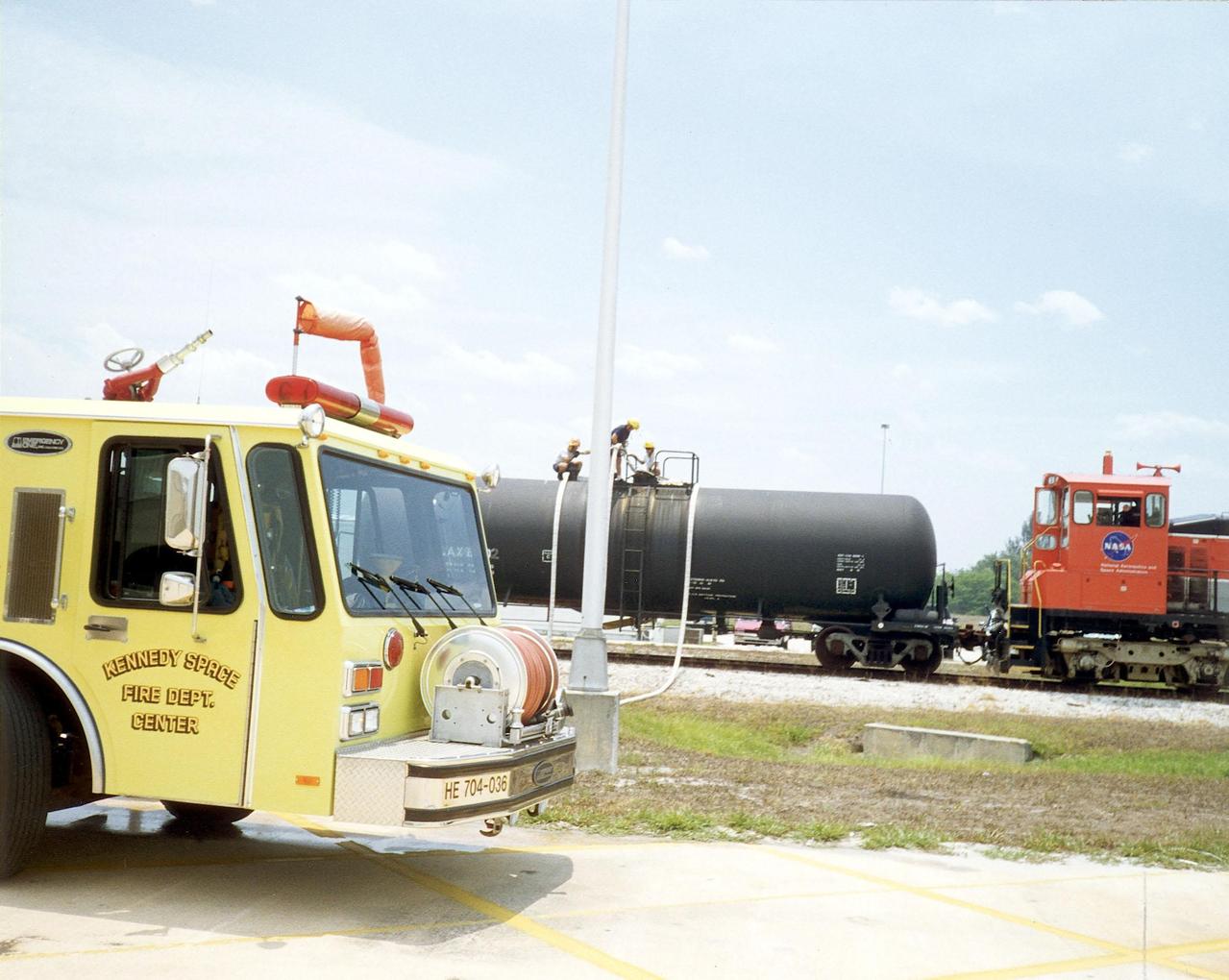
A Kennedy Space Center railroad tanker car loaded with 20,000 gallons of water and retrofitted with a special attachment for directly filling fire trucks was transported to the scene of a fire in north Brevard County to assist with firefighting efforts
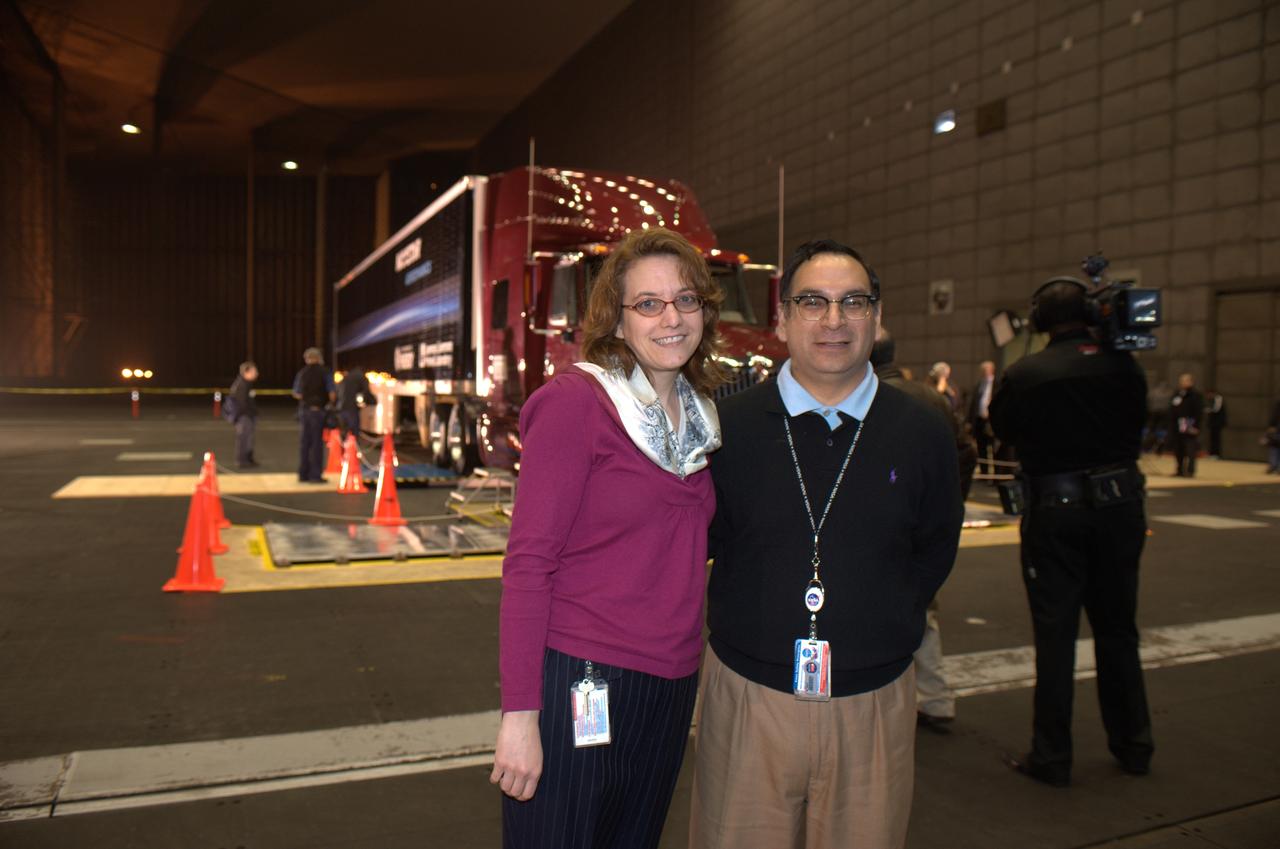
Lawrence Livermore National Laboratories media Day for their LLNL project aimed at aerodynamic truck and trailer devices. Tests are being preformed in the Ames Full-Scale Aerodynamic Complex 80x120 foot wind tunnel. Gabriel and Sharon Lozano.
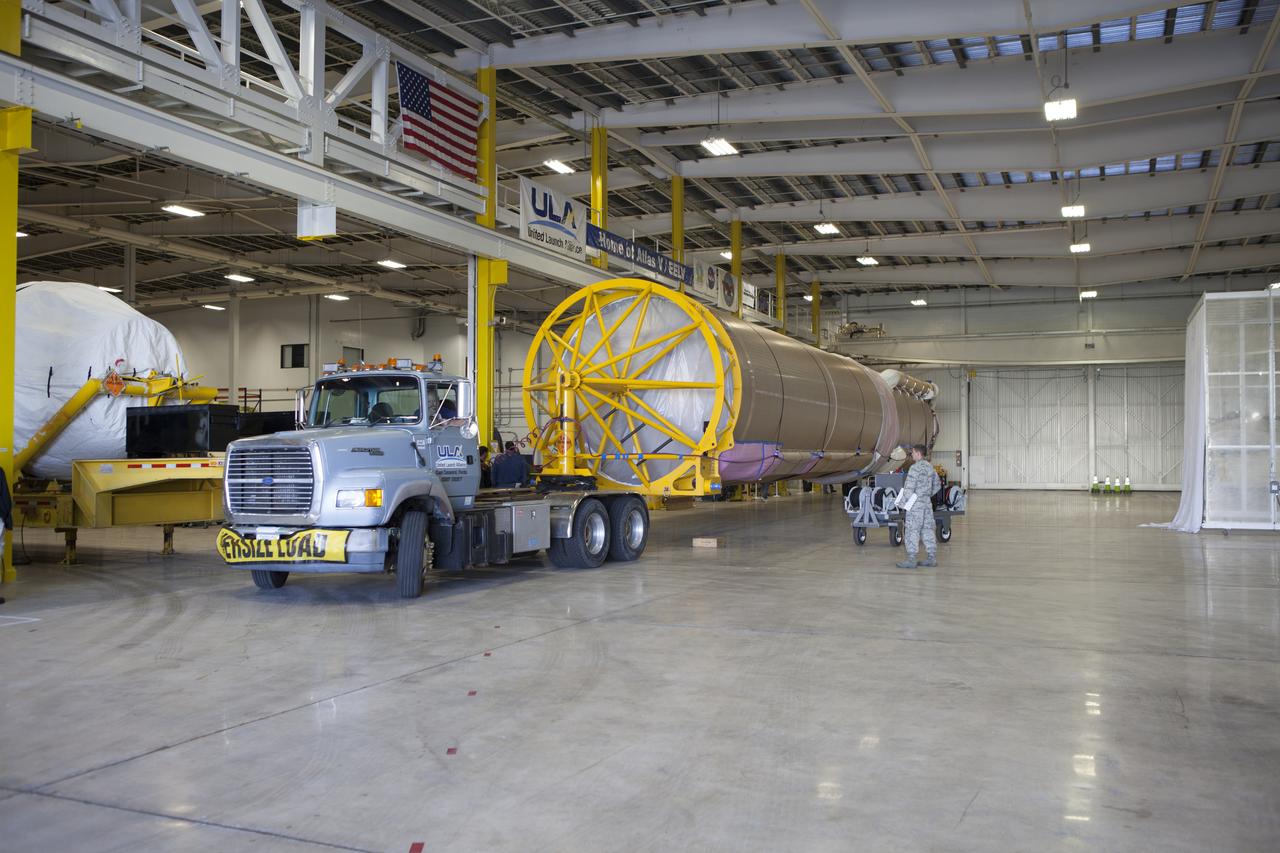
A truck positions an Atlas V booster stage inside the hangar at the Atlas V Spaceflight Operations Center at Cape Canaveral Air Force Station. The rocket will be used to launch NASA's Magnetospheric Multiscale mission.
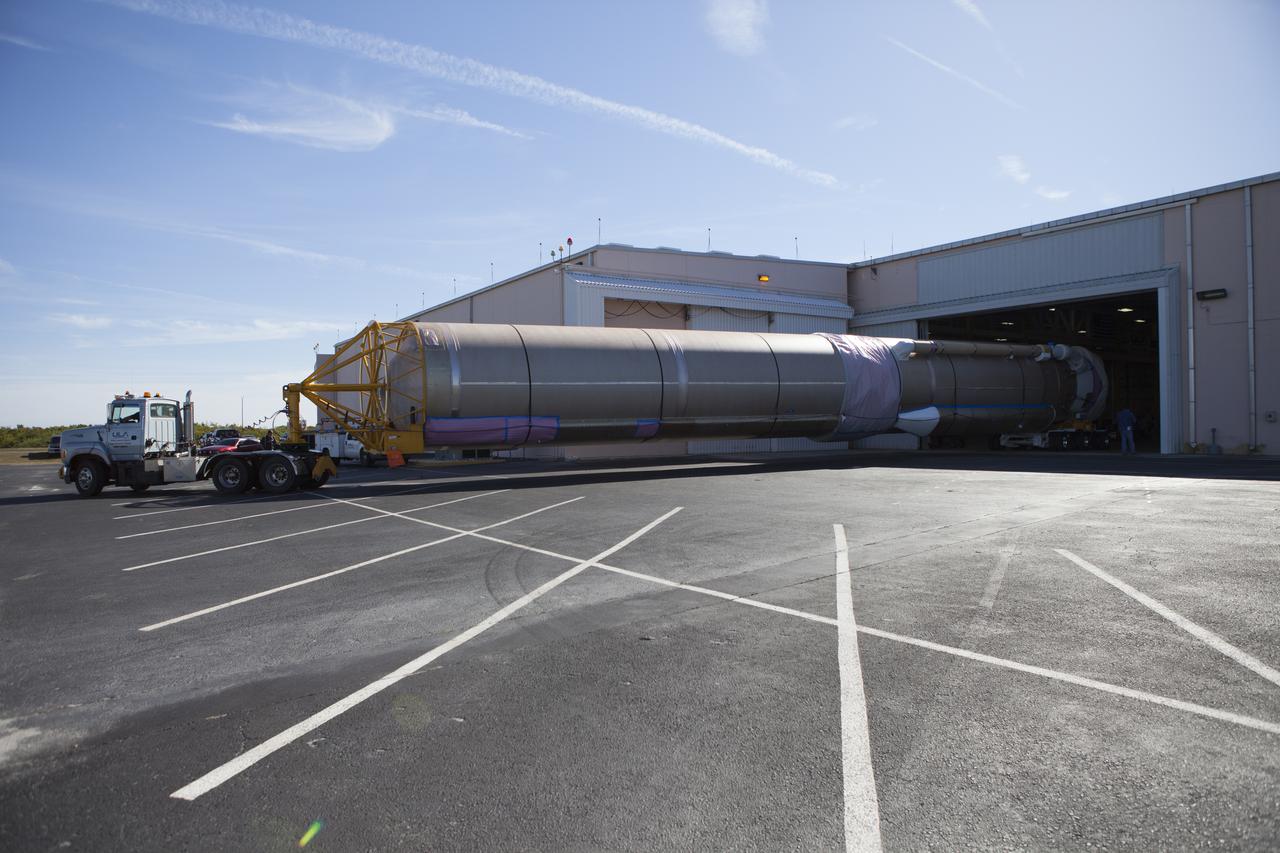
A truck positions an Atlas V booster stage inside the hangar at the Atlas V Spaceflight Operations Center at Cape Canaveral Air Force Station. The rocket will be used to launch NASA's Magnetospheric Multiscale mission.
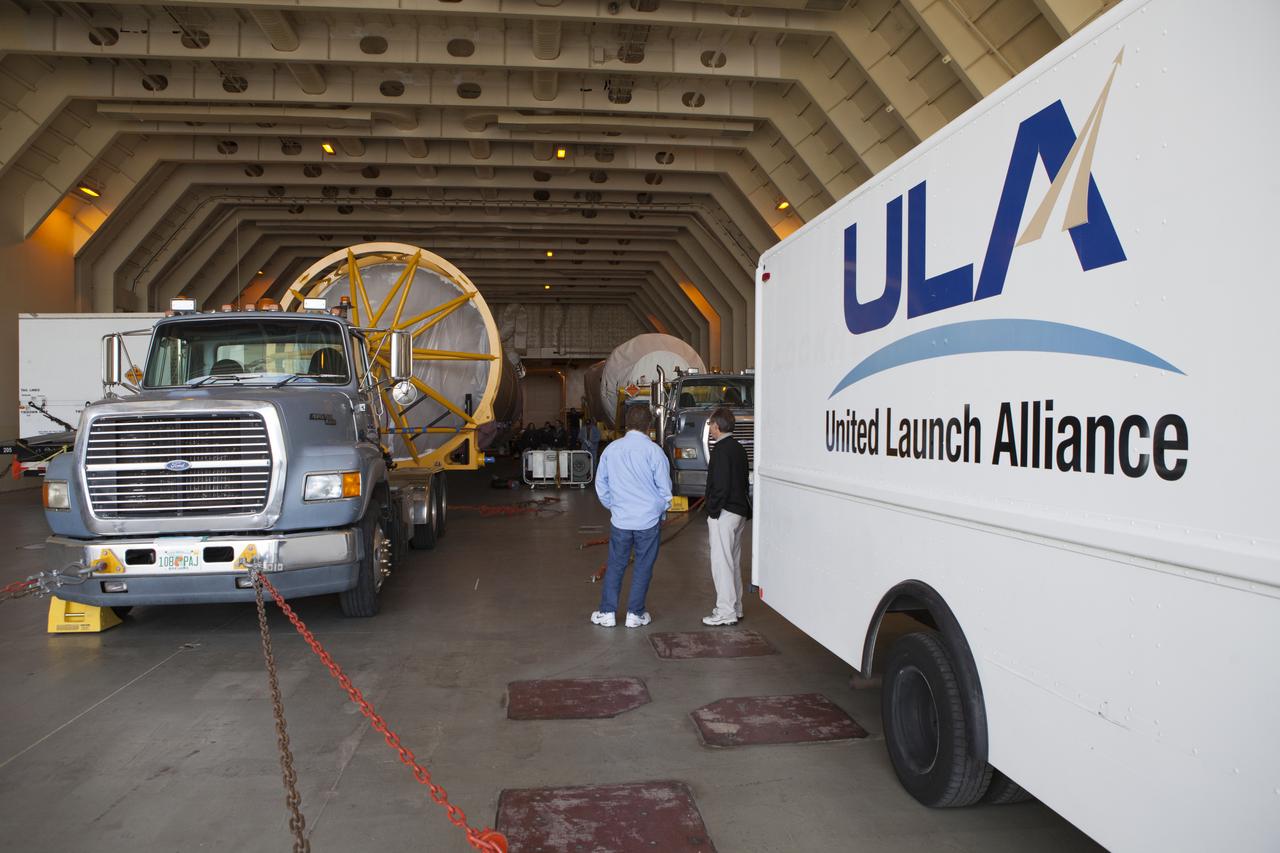
Trucks inside the United Launch Alliance Delta Mariner prepare to transport the Atlas V rocket and Centaur upper stage that will be used to launch NASA's Magnetospheric Multiscale mission.
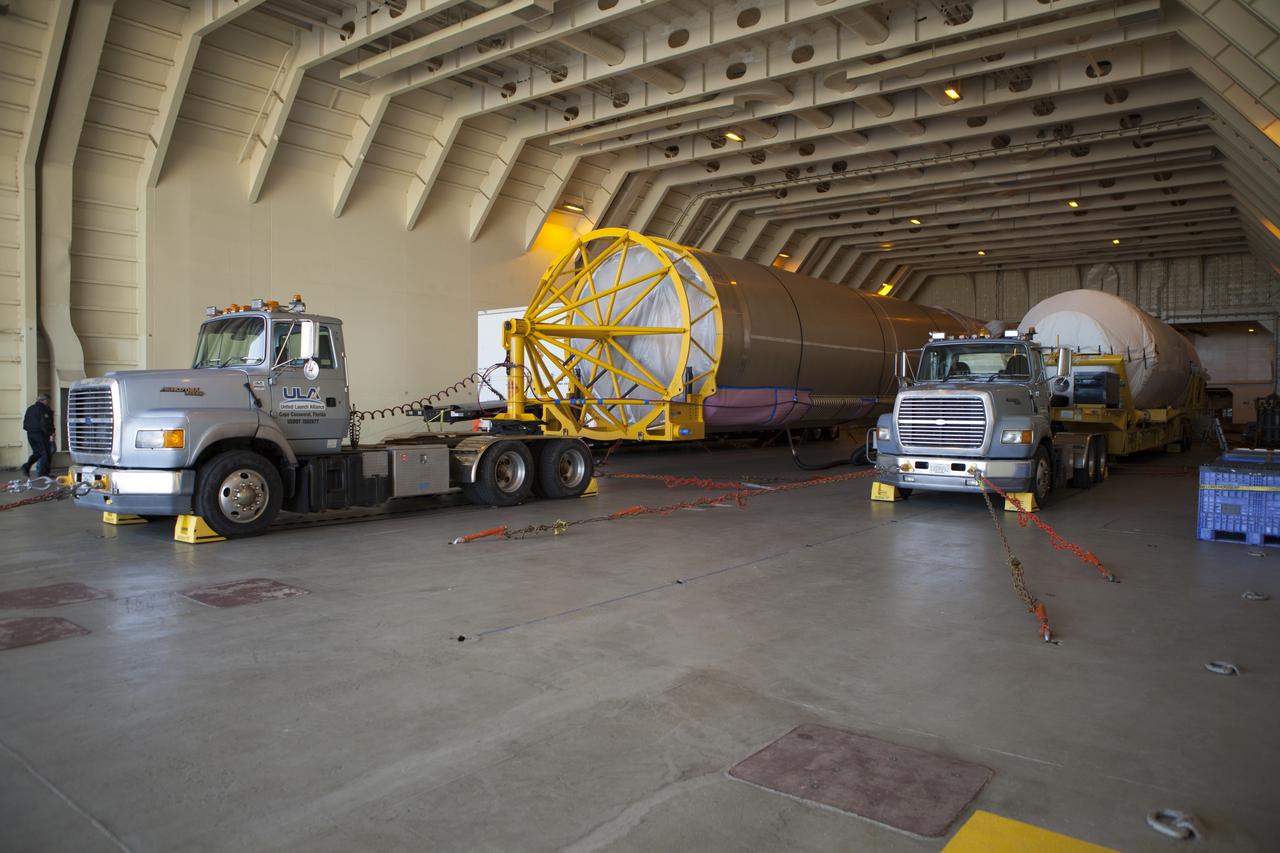
Trucks inside the United Launch Alliance Delta Mariner prepare to transport the Atlas V rocket and Centaur upper stage that will be used to launch NASA's Magnetospheric Multiscale mission.
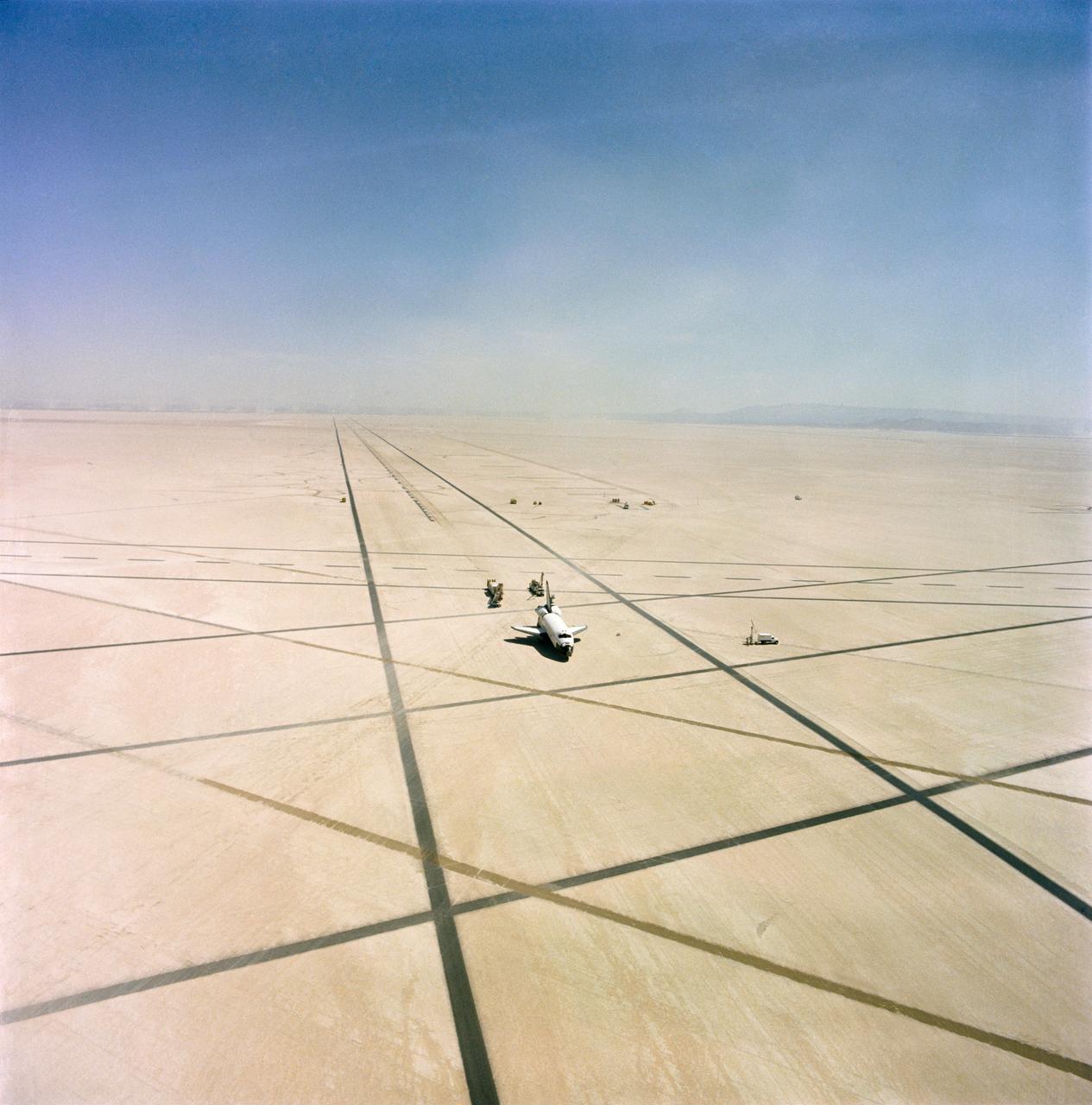
Documentary aerial and ground views of the Columbia sitting on the Lakebed Runway with the deservicing trucks following the STS-1 Mission, 04/14/1981. EAFB, CA Also available in 70 CN