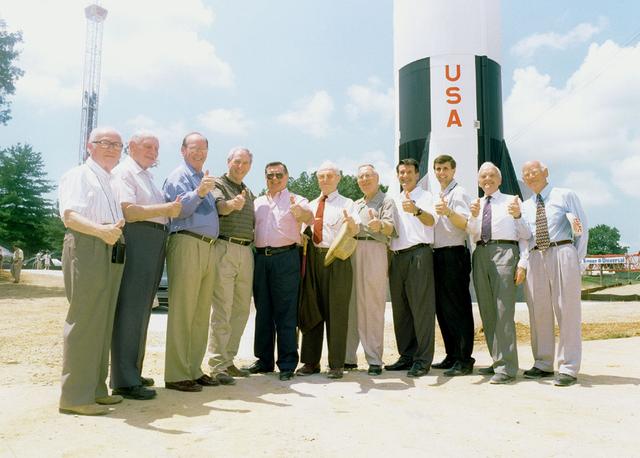
Members of the original Von Braun german rocket team participate in the Saturn V replica didication ceremony at the U. S. Space and Rocket Center in Huntsville, AL. Pictured are (L/R): Walter Jacobi, Konrad Dannenberg, Apollo 14's Edgar Mitchell, NASA Administrator Dan Goldin, Apollo 12's Dick Gordon, Gerhard Reisig, Werner Dahm, MSFC Director Art Stephenson, Director of the U. S. Space and Rocket Center Mike Wing, Walter Haeusserman, and Ernst Stuhlinger.
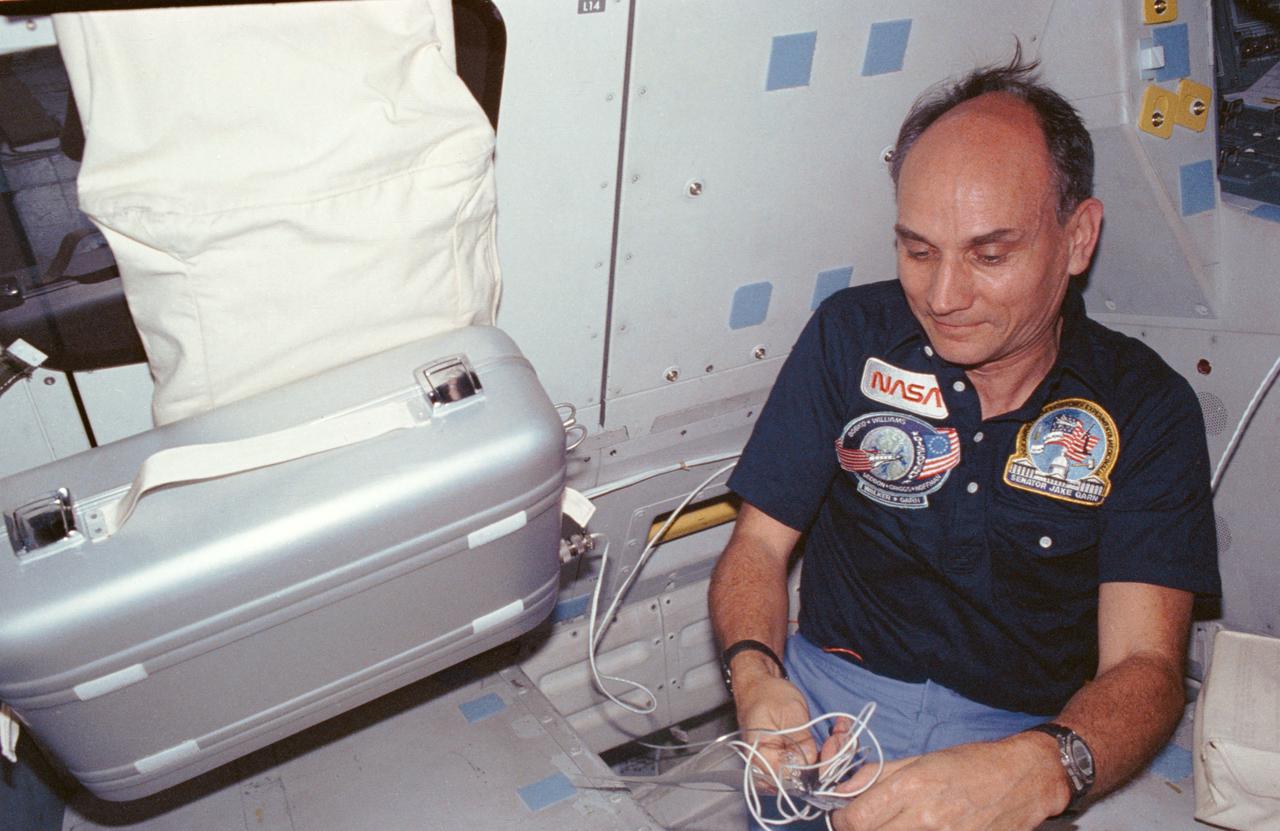
U. S. Senator E.J. (Jake) Garn, payload specialist, plugs in a food warmer in middeck area of the Shuttle Discovery.
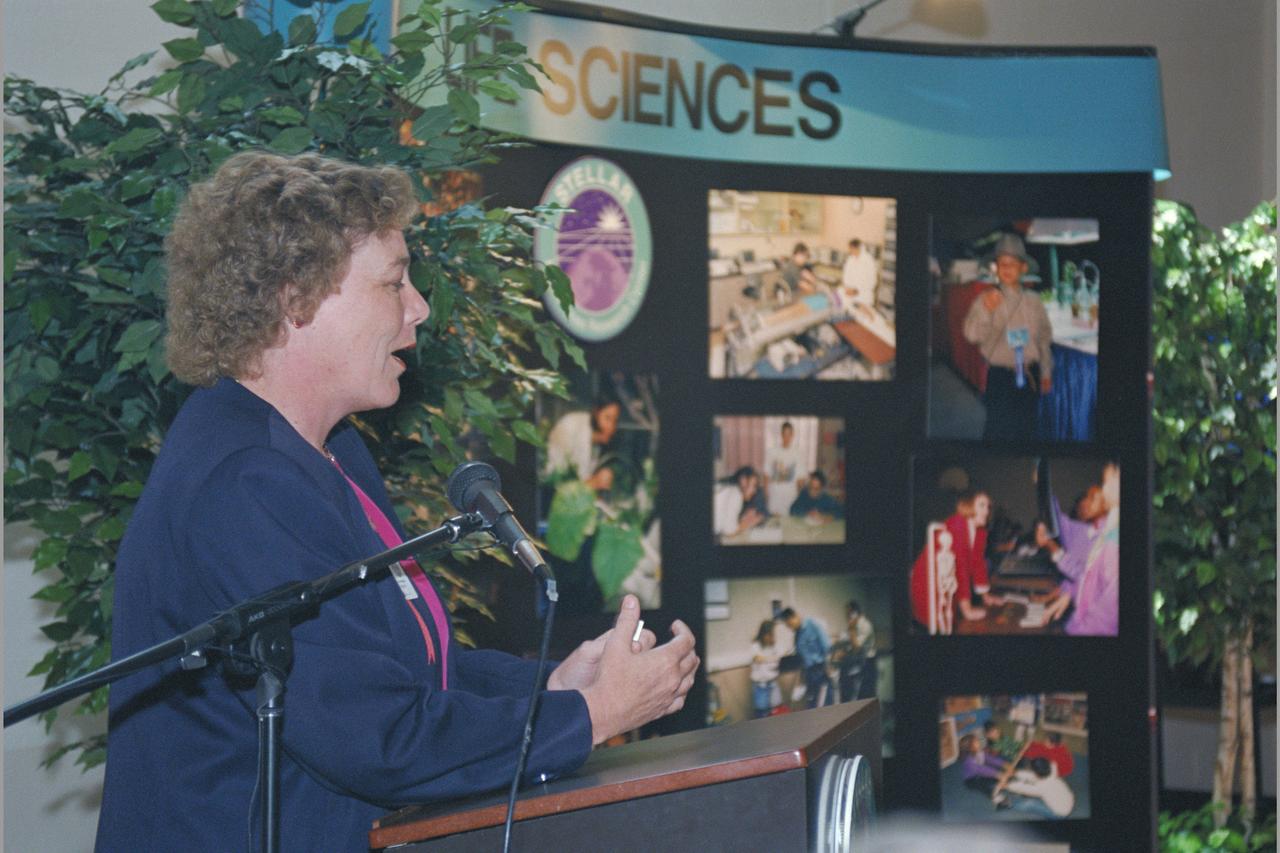
1996 'STELLAR' program commencement with special guest speaker Zoe Lofgren (U. S. Congresswoman 16th district San Jose, CA)
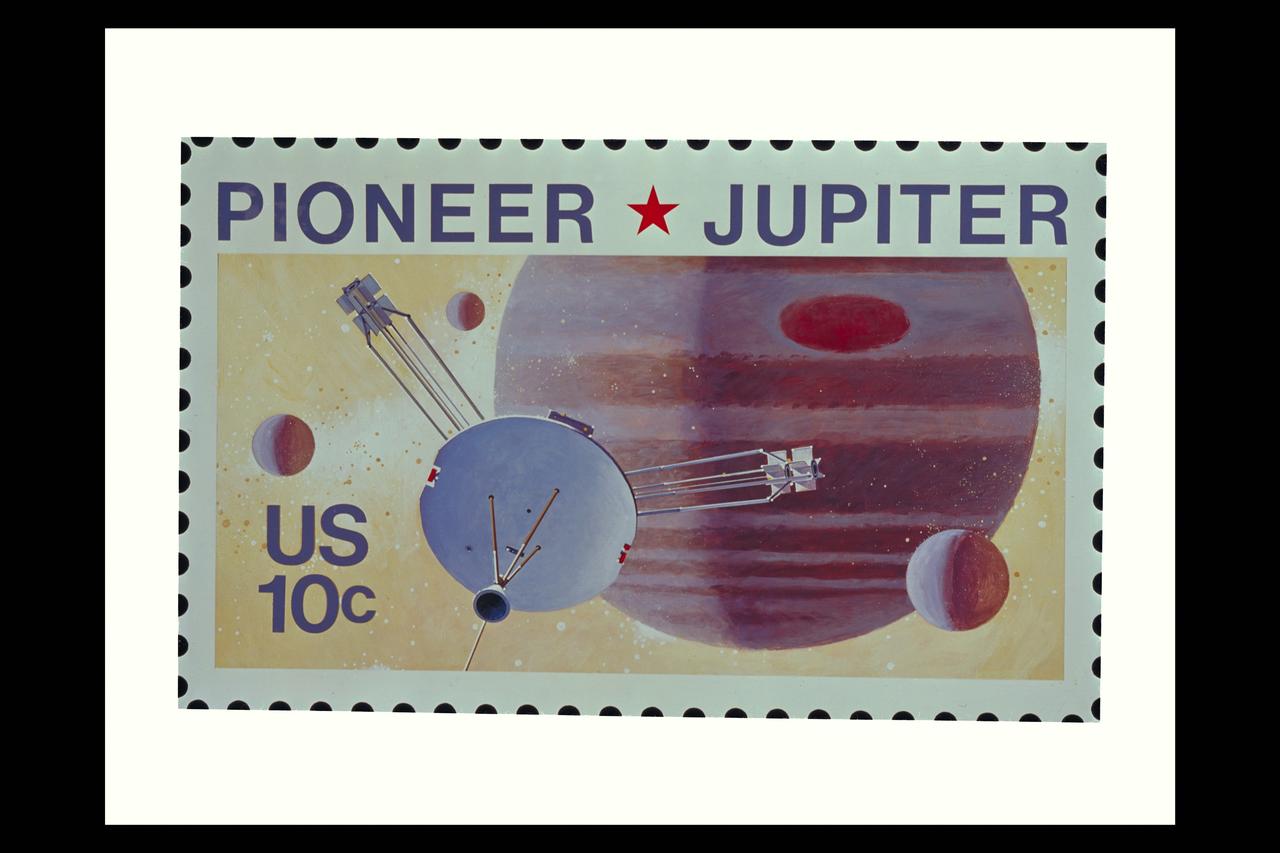
Artwork for the U. S. Postage Stamp released in commemoration of the Pioneer 10 to Jupiter Mission released February 28, 1975 in a ceremony at Ames Research Center
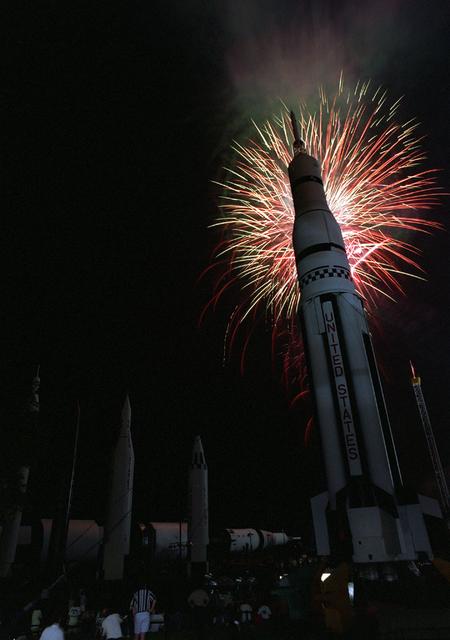
The evening skies over the U. S. Space and Rocket Center in Huntsville, AL burst into life as members of the Huntsville community gathered to celebrate the 30th arniversary of the Lunar Landing. Commerating this historical achievement for NASA and the US Space Program, a replica of the original Saturn V rocket was built on the grounds of the U. S. Space and Rocket Center in Huntsville, AL. On the evening of the anniversary thousands of onlookers cheered as fireworks lit up the night sky behind the massive Saturn V rocket.
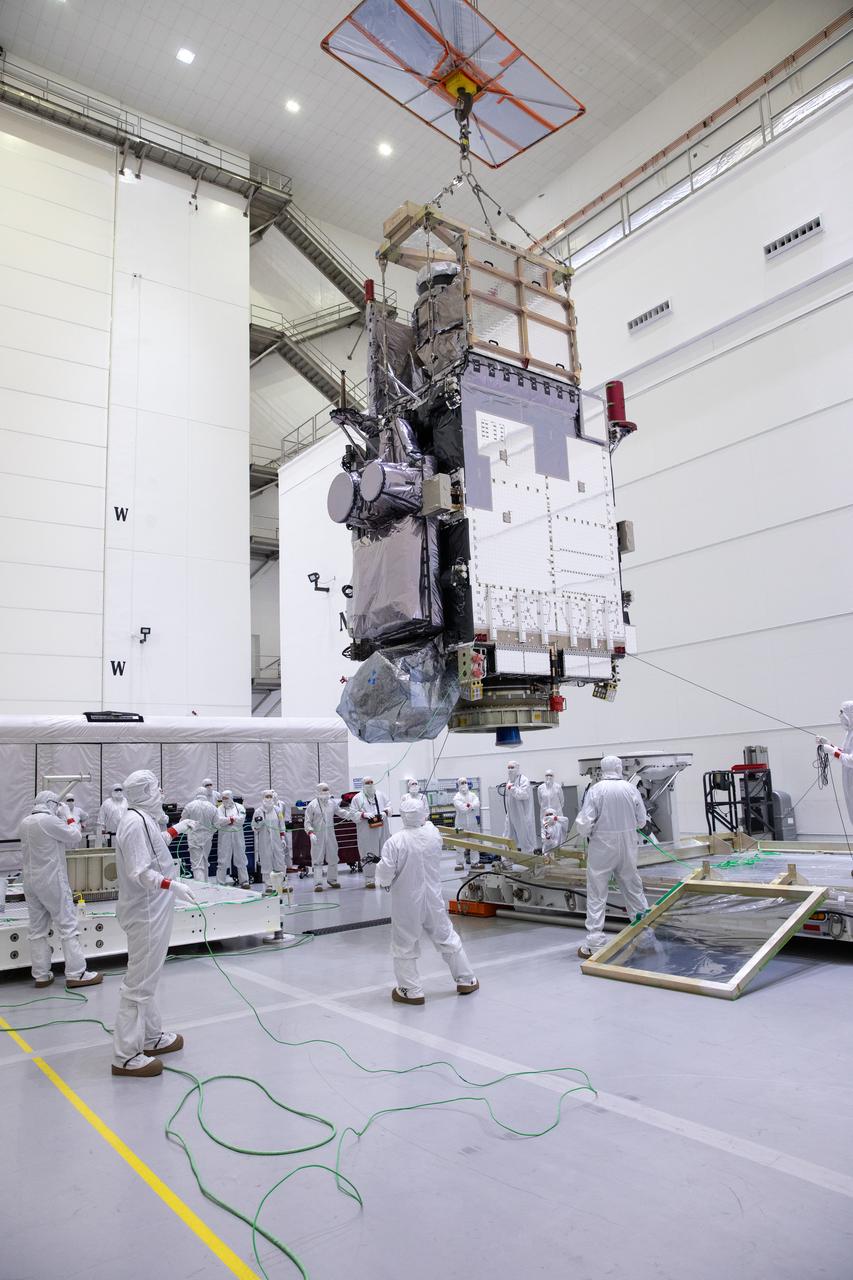
Technicians monitor movement as a crane hoists NOAA’s Geostationary Operational Environmental Satellite-U (GOES-U) after being uncrated and rotated into a vertical position on Wednesday, Jan. 24, 2024, at the Astrotech Space Operations Facility near the agency’s Kennedy Space Center in Florida. Part of a collaborative NOAA and NASA program, GOES-U is the fourth in a series of four advanced geostationary weather satellites. Data from the GOES satellite constellation – consisting of the GOES-R, GOES-S, GOES-T and GOES-U spacecraft – enables forecasters to predict, observe, and track local weather events that affect public safety like thunderstorms, hurricanes, and wildfires.
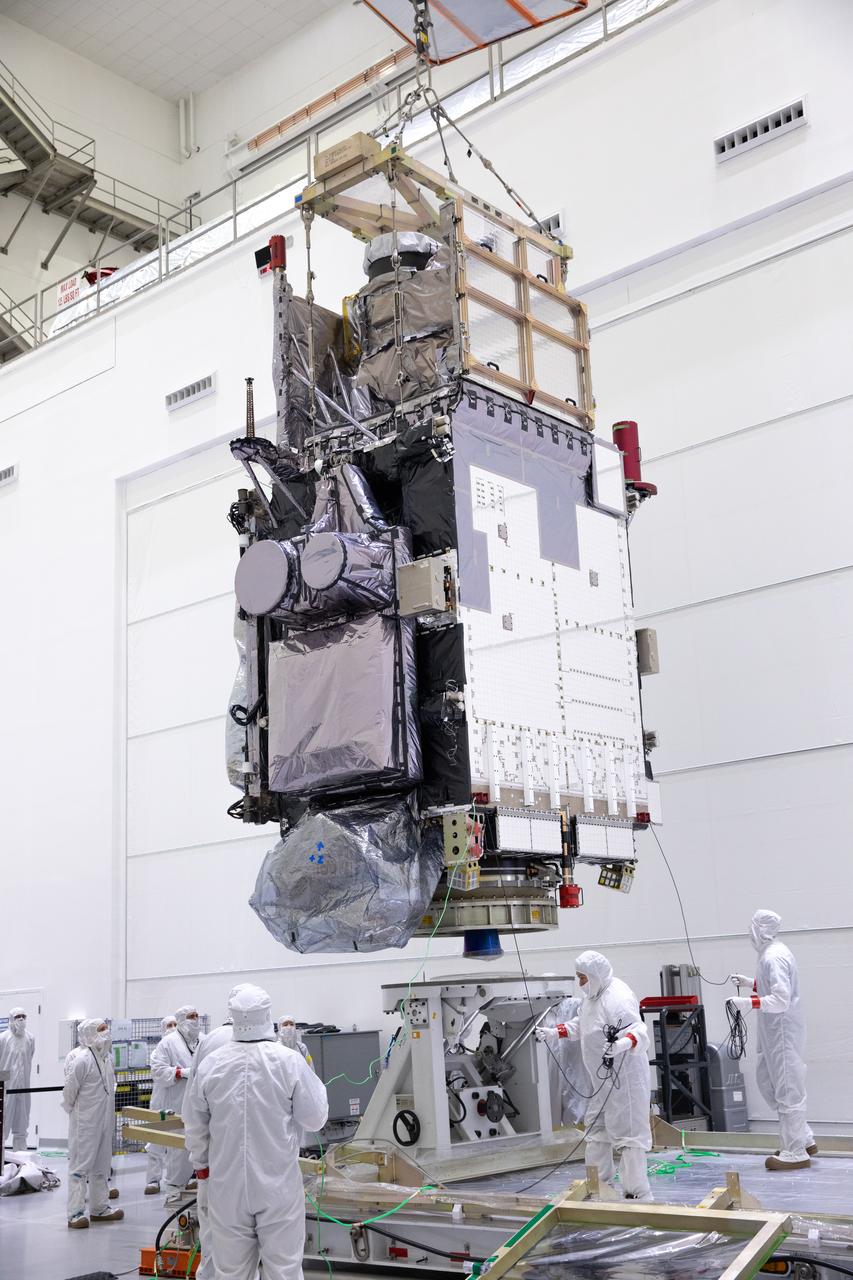
Technicians monitor movement as a crane hoists NOAA’s Geostationary Operational Environmental Satellite-U (GOES-U) after being uncrated and rotated into a vertical position on Wednesday, Jan. 24, 2024, at the Astrotech Space Operations Facility near the agency’s Kennedy Space Center in Florida. Part of a collaborative NOAA and NASA program, GOES-U is the fourth in a series of four advanced geostationary weather satellites. Data from the GOES satellite constellation – consisting of the GOES-R, GOES-S, GOES-T and GOES-U spacecraft – enables forecasters to predict, observe, and track local weather events that affect public safety like thunderstorms, hurricanes, and wildfires.
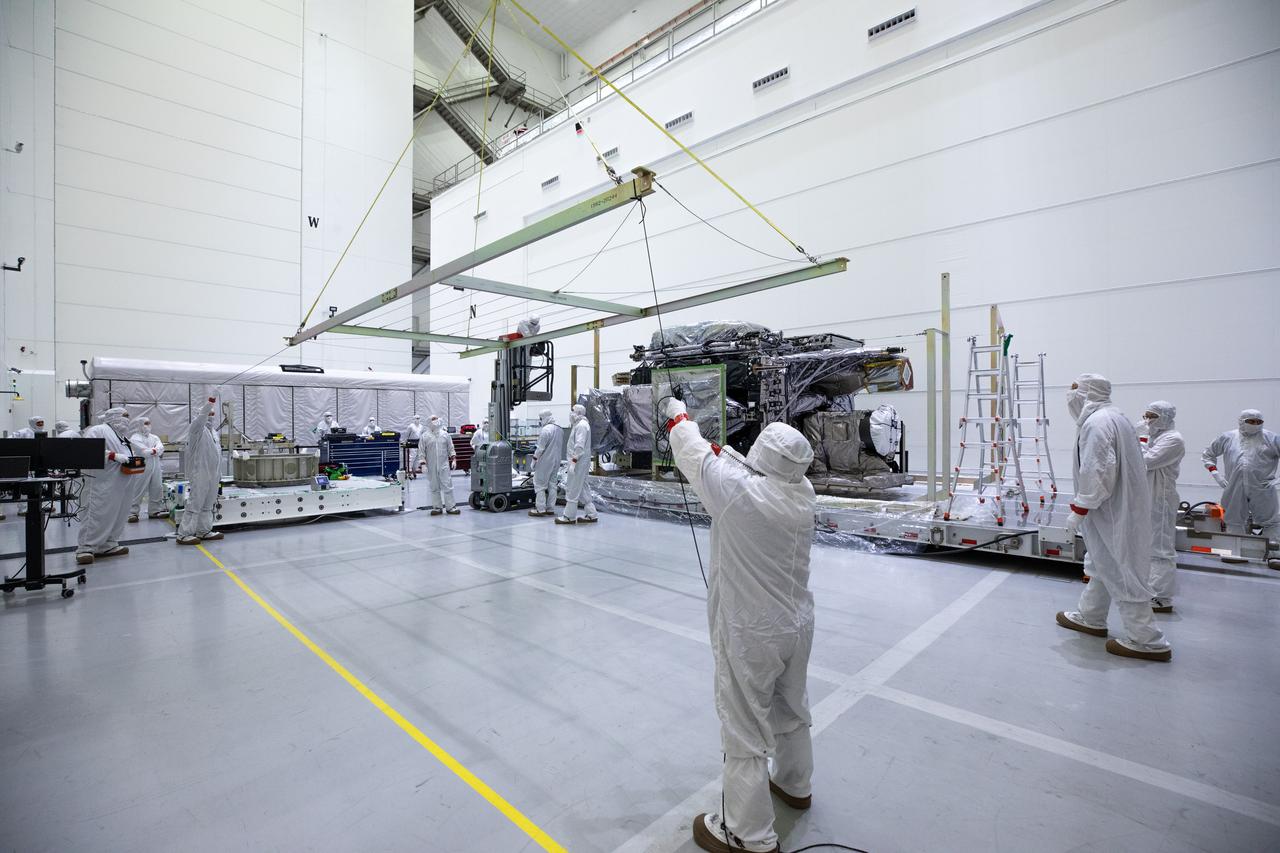
Technicians remove part of a protective enclosure as they prepare to rotate NOAA’s Geostationary Operational Environmental Satellite-U (GOES-U) vertical after being uncrated on Wednesday, Jan. 24, 2024, at the Astrotech Space Operations Facility near the agency’s Kennedy Space Center in Florida. Part of a collaborative NOAA and NASA program, GOES-U is the fourth in a series of four advanced geostationary weather satellites. Data from the GOES satellite constellation – consisting of the GOES-R, GOES-S, GOES-T and GOES-U spacecraft – enables forecasters to predict, observe, and track local weather events that affect public safety like thunderstorms, hurricanes, and wildfires.
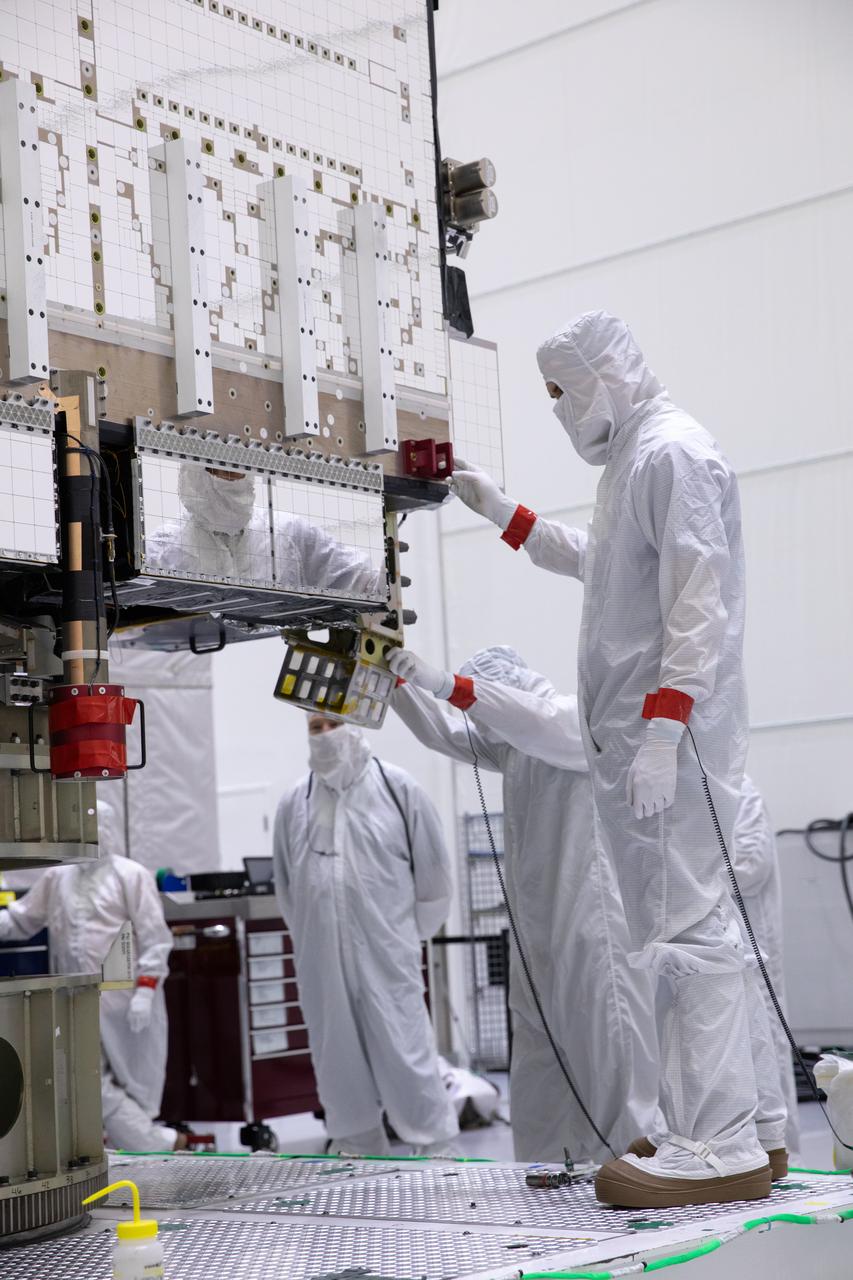
Technicians monitor movement and guide NOAA’s Geostationary Operational Environmental Satellite-U (GOES-U) as a crane hoists it on to a spacecraft dolly in a high bay at the Astrotech Space Operations Facility near the agency’s Kennedy Space Center in Florida. Part of a collaborative NOAA and NASA program, GOES-U is the fourth in a series of four advanced geostationary weather satellites. Data from the GOES satellite constellation – consisting of the GOES-R, GOES-S, GOES-T and GOES-U spacecraft – enables forecasters to predict, observe, and track local weather events that affect public safety like thunderstorms, hurricanes, and wildfires.
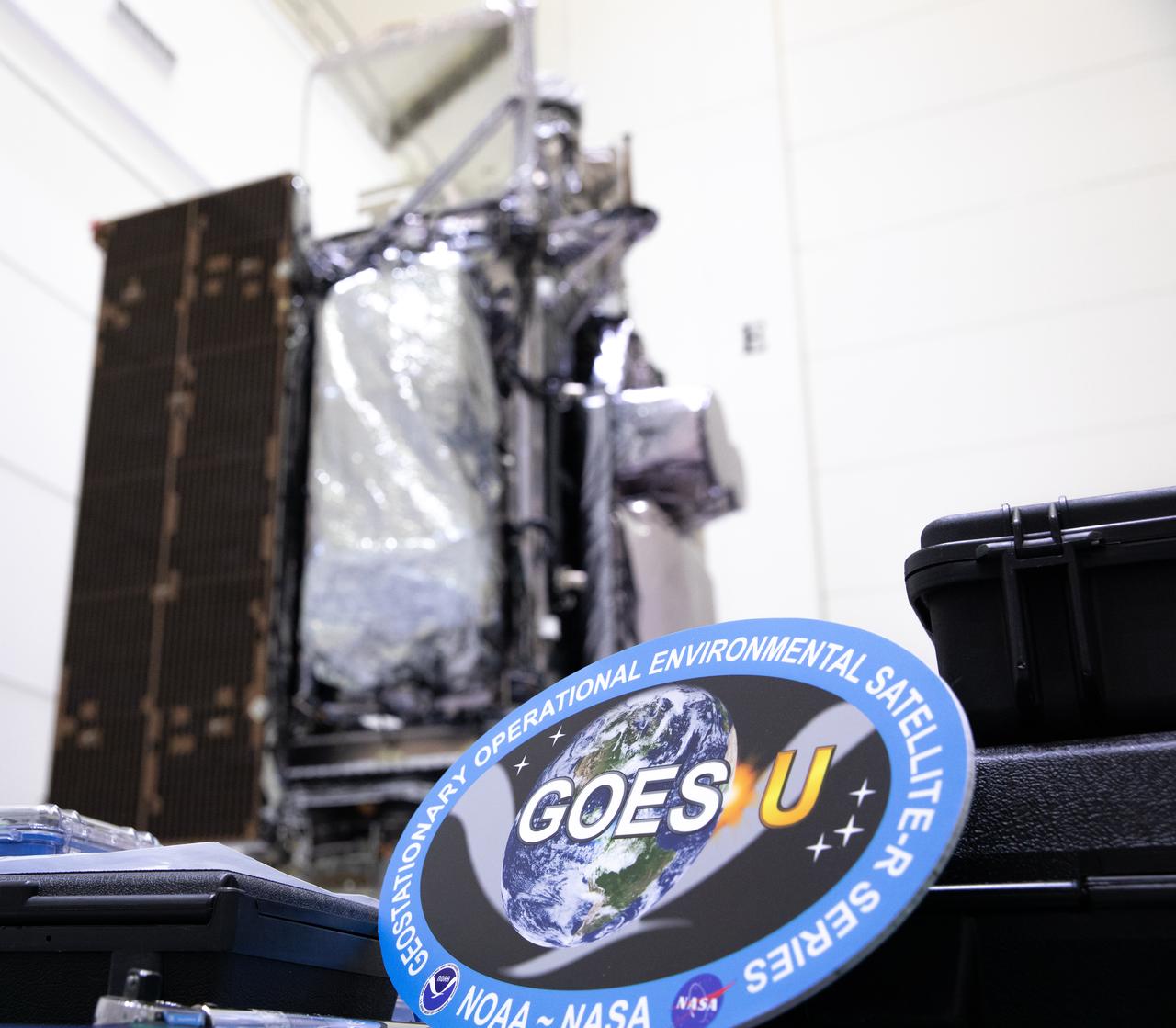
The mission insignia of NOAA’s Geostationary Operational Environmental Satellite-U (GOES-U) mission is pictured in front of the satellite in a vertical position on Wednesday, Jan. 24, 2024, at the Astrotech Space Operations Facility near the agency’s Kennedy Space Center in Florida. Part of a collaborative NOAA and NASA program, GOES-U is the fourth in a series of four advanced geostationary weather satellites. Data from the GOES satellite constellation – consisting of the GOES-R, GOES-S, GOES-T and GOES-U spacecraft – enables forecasters to predict, observe, and track local weather events that affect public safety like thunderstorms, hurricanes, and wildfires.
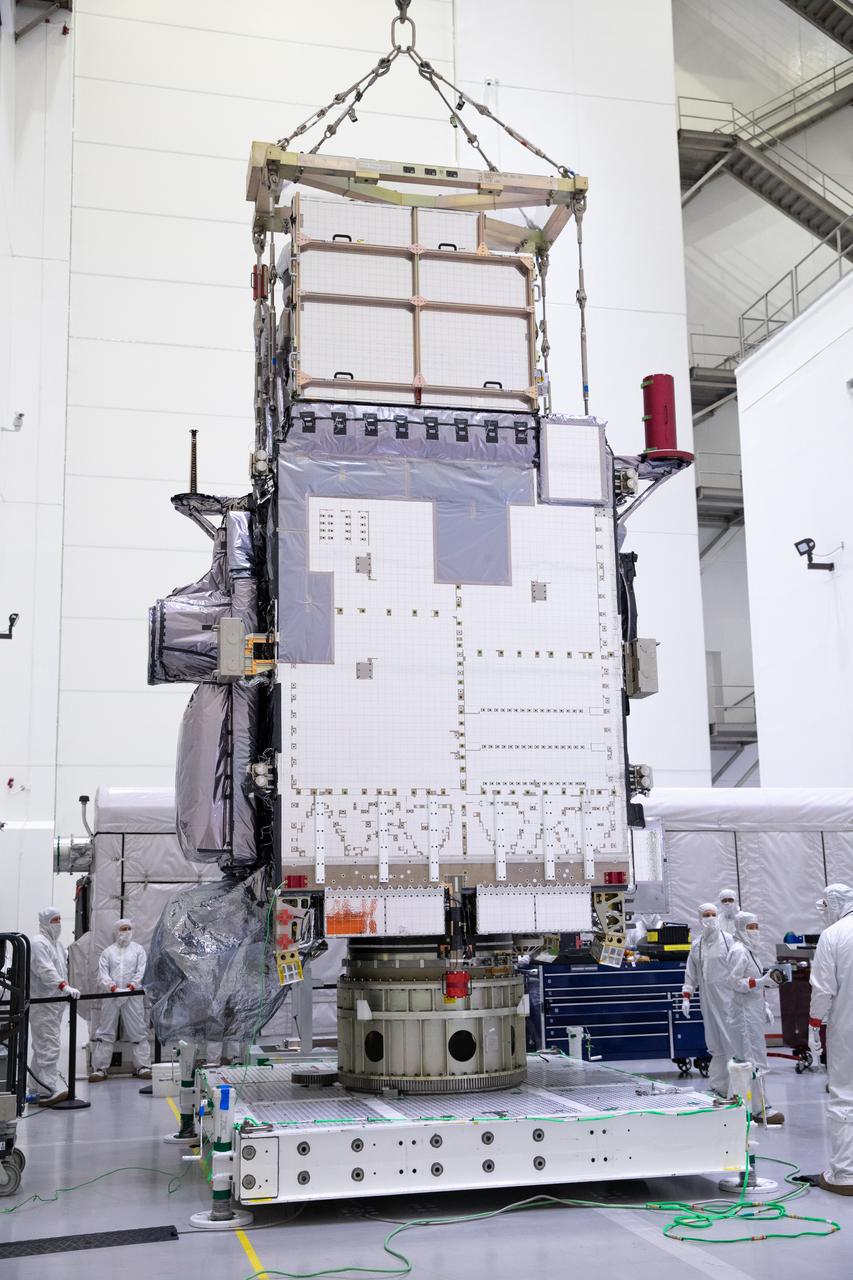
Technicians monitor movement and guide NOAA’s Geostationary Operational Environmental Satellite-U (GOES-U) as a crane hoists it on to a spacecraft dolly in a high bay at the Astrotech Space Operations Facility near the agency’s Kennedy Space Center in Florida. Part of a collaborative NOAA and NASA program, GOES-U is the fourth in a series of four advanced geostationary weather satellites. Data from the GOES satellite constellation – consisting of the GOES-R, GOES-S, GOES-T and GOES-U spacecraft – enables forecasters to predict, observe, and track local weather events that affect public safety like thunderstorms, hurricanes, and wildfires.
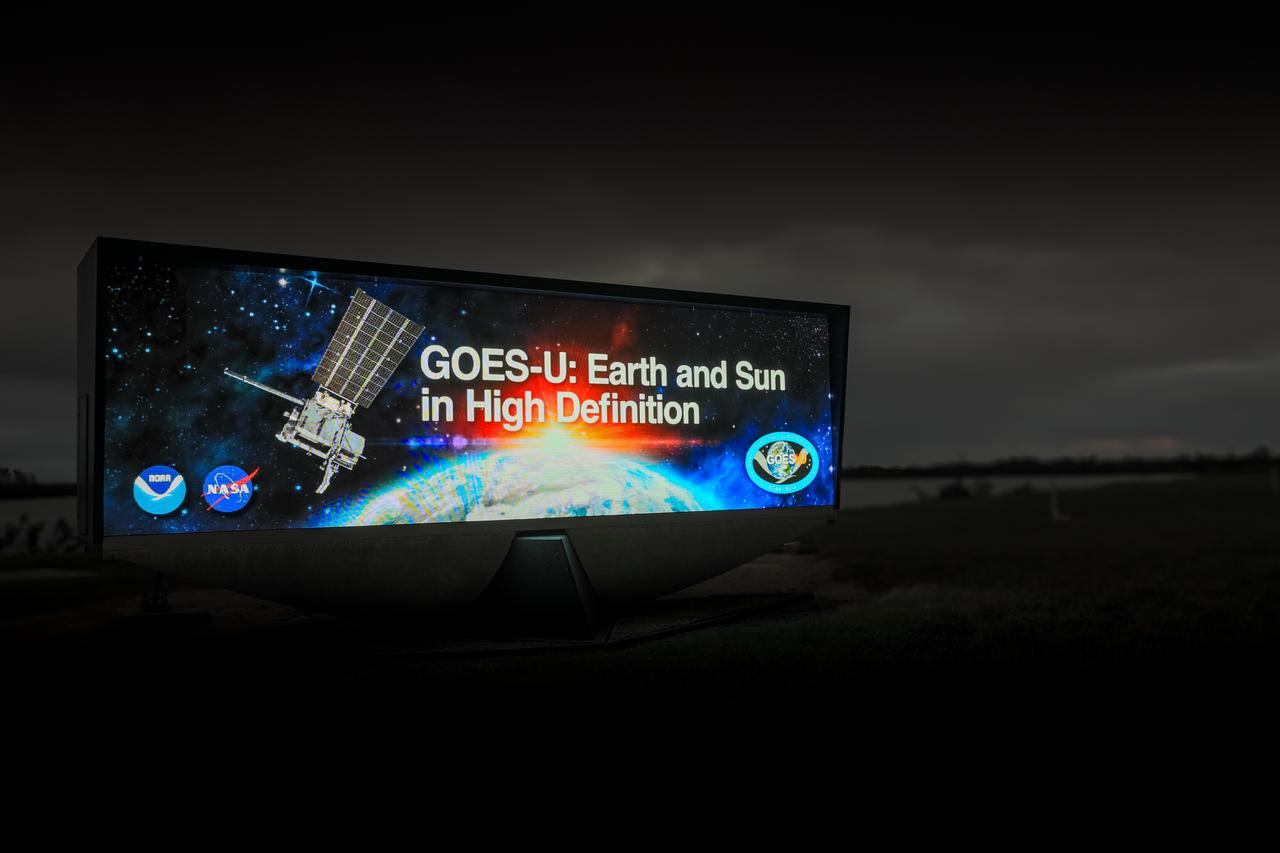
NOAA’s Geostationary Operational Environmental Satellite-U (GOES-U) mission graphic is displayed on the historic countdown clock at Kennedy Space Center’s NASA News Center in Florida on Tuesday, Jan. 23, 2024. GOES-U is the fourth and final satellite in NOAA's GOES-R series of advanced geostationary weather satellites. Data from the GOES satellite constellation – consisting of the GOES-R, GOES-S, GOES-T and GOES-U spacecraft – enables forecasters to predict, observe, and track local weather events that affect public safety like thunderstorms, hurricanes, and wildfires.
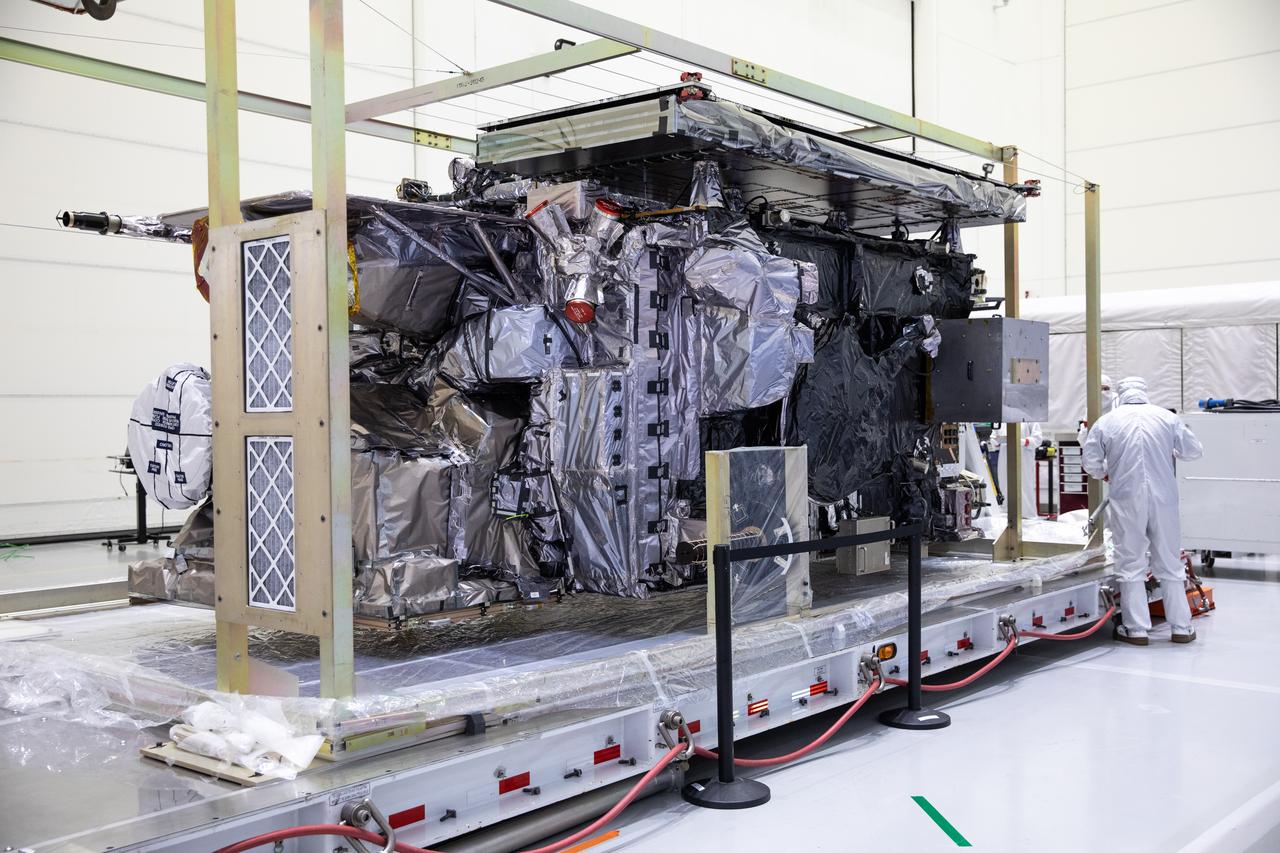
NOAA’s Geostationary Operational Environmental Satellite-U (GOES-U) is uncrated for prelaunch processing at the Astrotech Space Operations Facility near the agency’s Kennedy Space Center in Florida on Wednesday, Jan. 24, 2024. Part of a collaborative NOAA and NASA program, GOES-U is the final in a series of four advanced geostationary weather satellites. Data from the GOES satellite constellation – consisting of the GOES-R, GOES-S, GOES-T and GOES-U spacecraft – enables forecasters to predict, observe, and track local weather events that affect public safety like thunderstorms, hurricanes, and wildfires.

Technicians monitor movement and guide NOAA’s Geostationary Operational Environmental Satellite-U (GOES-U) as a crane hoists it on to a spacecraft dolly in a high bay at the Astrotech Space Operations Facility near the agency’s Kennedy Space Center in Florida. Part of a collaborative NOAA and NASA program, GOES-U is the fourth in a series of four advanced geostationary weather satellites. Data from the GOES satellite constellation – consisting of the GOES-R, GOES-S, GOES-T and GOES-U spacecraft – enables forecasters to predict, observe, and track local weather events that affect public safety like thunderstorms, hurricanes, and wildfires.
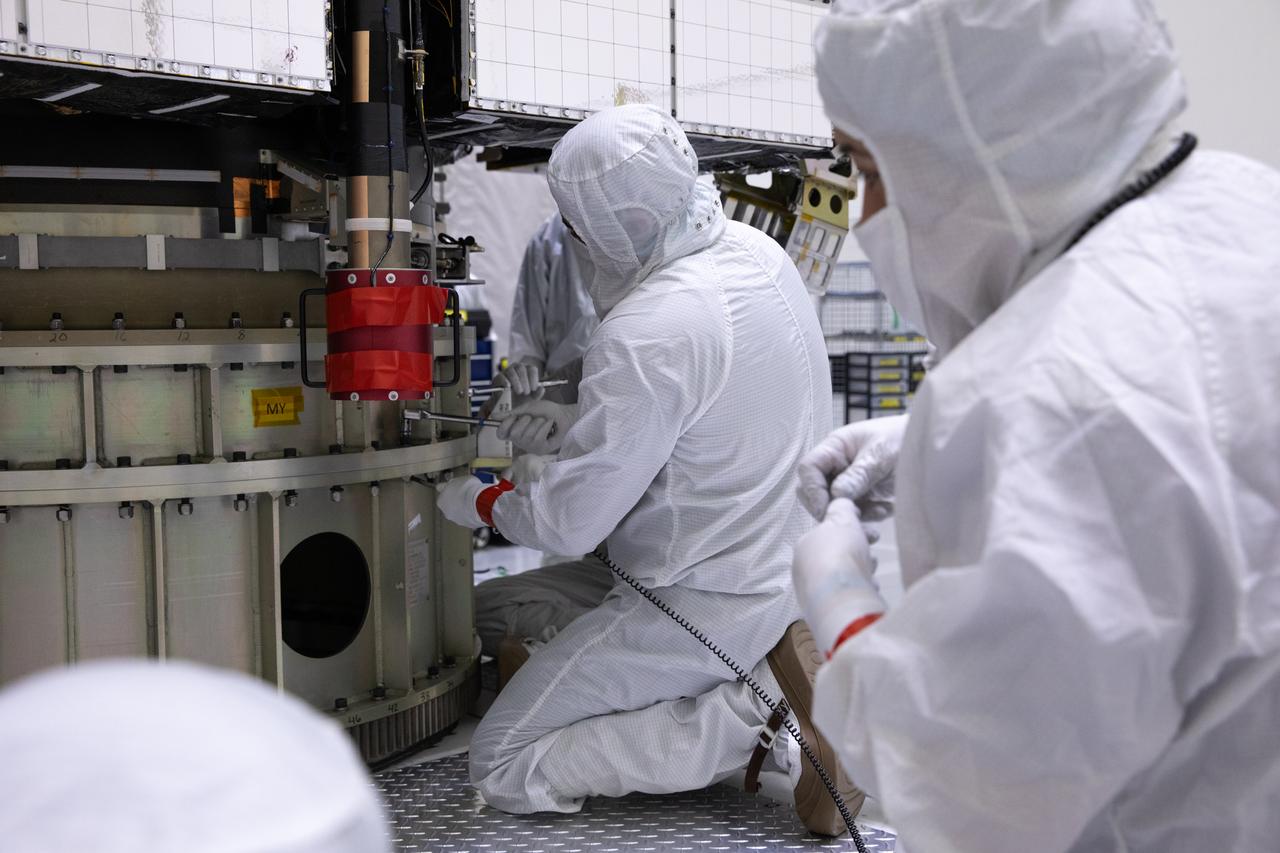
Technicians monitor movement and guide NOAA’s Geostationary Operational Environmental Satellite-U (GOES-U) as a crane hoists it on to a spacecraft dolly in a high bay at the Astrotech Space Operations Facility near the agency’s Kennedy Space Center in Florida. Part of a collaborative NOAA and NASA program, GOES-U is the fourth in a series of four advanced geostationary weather satellites. Data from the GOES satellite constellation – consisting of the GOES-R, GOES-S, GOES-T and GOES-U spacecraft – enables forecasters to predict, observe, and track local weather events that affect public safety like thunderstorms, hurricanes, and wildfires.
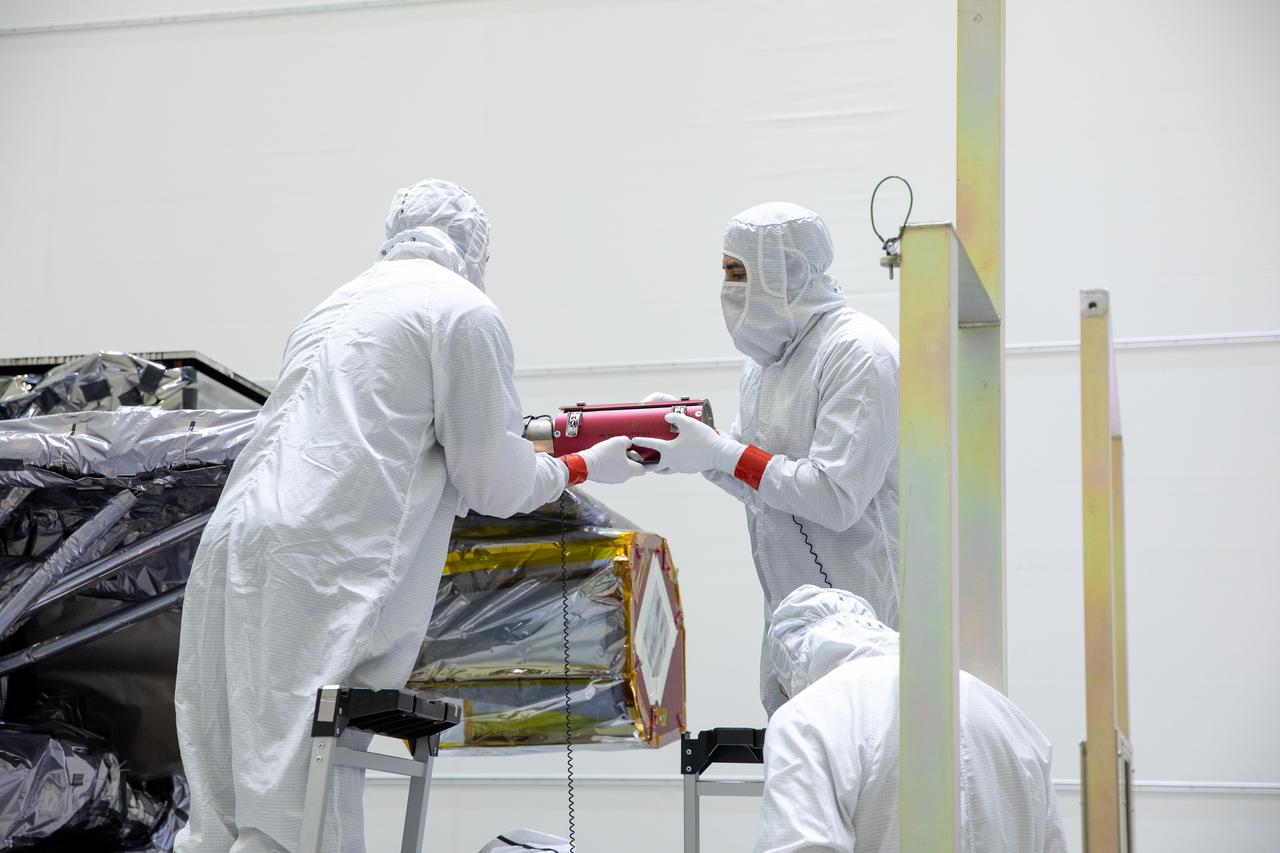
Technicians prepare to rotate NOAA’s Geostationary Operational Environmental Satellite-U (GOES-U) vertical after being uncrated on Wednesday, Jan. 24, 2024, at the Astrotech Space Operations Facility near the agency’s Kennedy Space Center in Florida. Part of a collaborative NOAA and NASA program, GOES-U is the fourth in a series of four advanced geostationary weather satellites. Data from the GOES satellite constellation – consisting of the GOES-R, GOES-S, GOES-T and GOES-U spacecraft – enables forecasters to predict, observe, and track local weather events that affect public safety like thunderstorms, hurricanes, and wildfires.
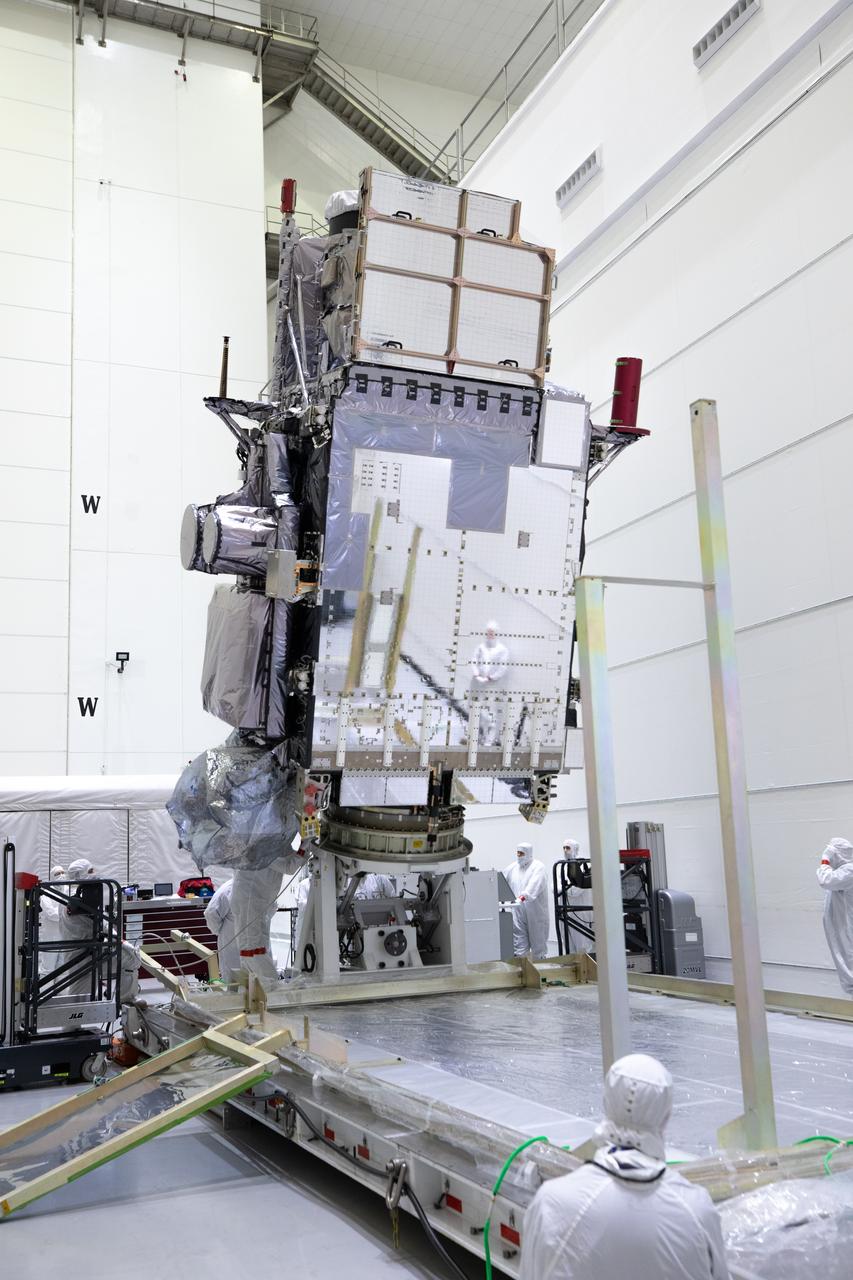
Technicians prepare to rotate NOAA’s Geostationary Operational Environmental Satellite-U (GOES-U) vertical after being uncrated on Wednesday, Jan. 24, 2024, at the Astrotech Space Operations Facility near the agency’s Kennedy Space Center in Florida. Part of a collaborative NOAA and NASA program, GOES-U is the fourth in a series of four advanced geostationary weather satellites. Data from the GOES satellite constellation – consisting of the GOES-R, GOES-S, GOES-T and GOES-U spacecraft – enables forecasters to predict, observe, and track local weather events that affect public safety like thunderstorms, hurricanes, and wildfires.
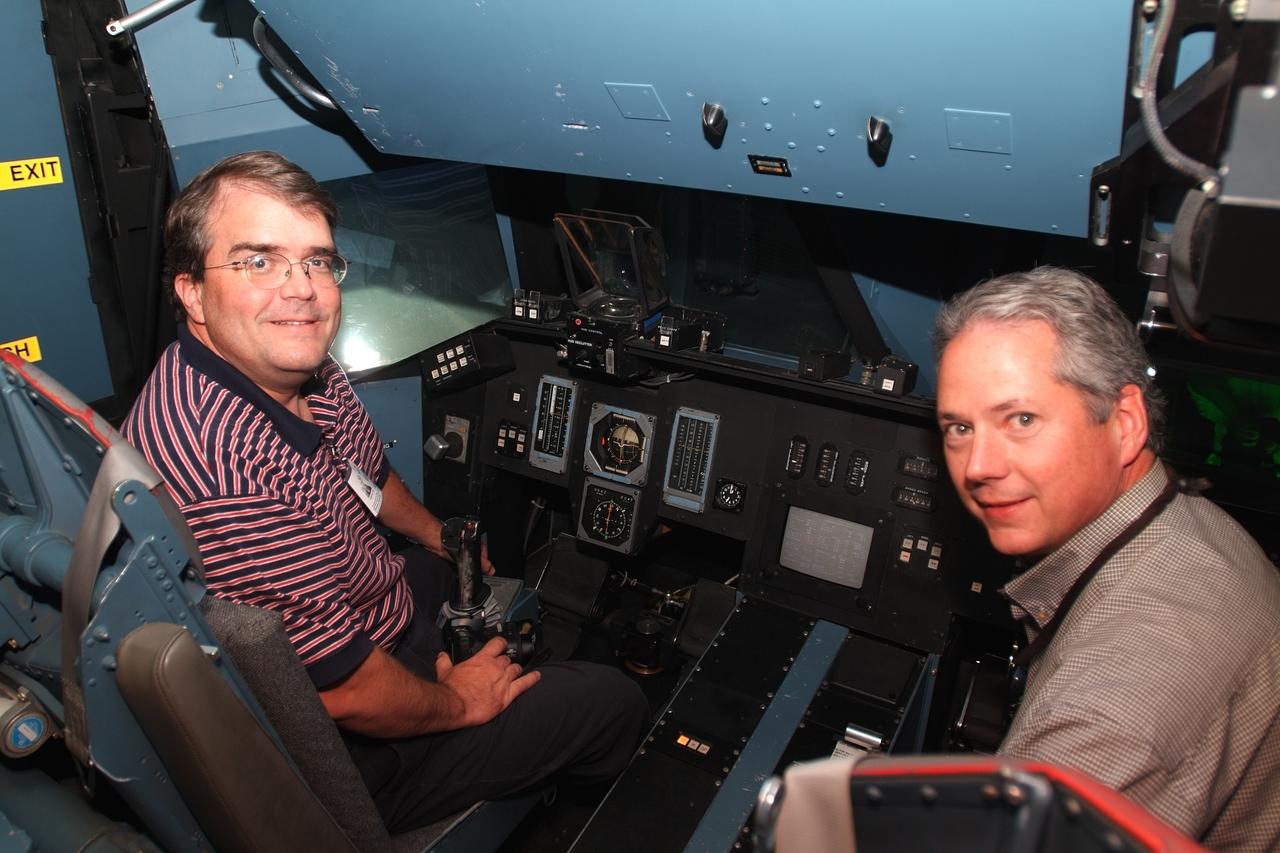
U. S. Congressman Culbertson, Texas and Mr John Webb, Webb & Associates visit and tour Ames Research Center with Center Director G. Scott Hubbard L-Culbertson, R-Webb in cab of VMS
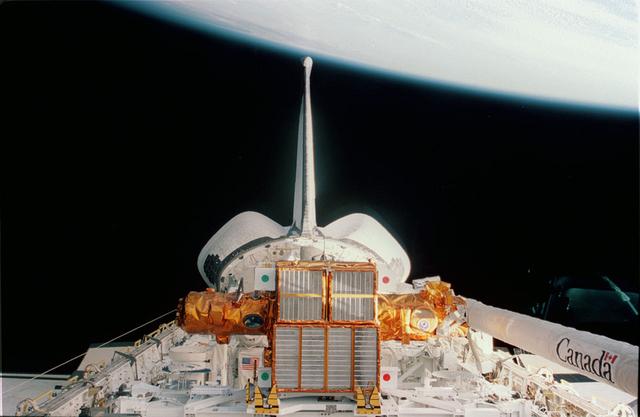
STS-87 Onboard Photo: The U. S. Microgravity Payload-4 (USMP-4) is carried aboard multi-purpose experiment support structures mounted in the shuttle payload bay and sparning the width of the orbiter.
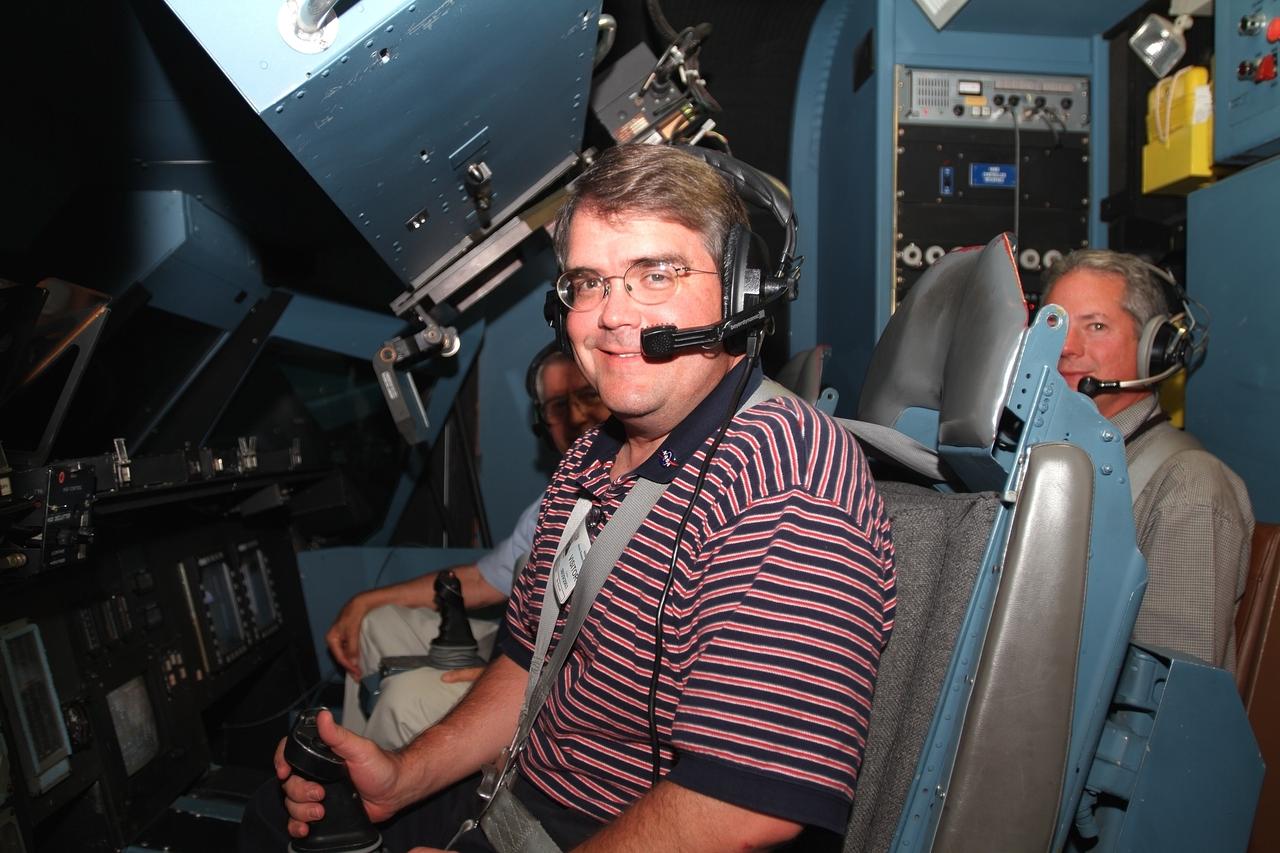
U. S. Congressman Culbertson, Texas and Mr John Webb, Webb & Associates visit and tour Ames Research Center with Center Director G. Scott Hubbard (Culbertson in cab of VMS)

U. S. Congressman Culbertson, Texas and Mr John Webb, Webb & Associates visit and tour Ames Research Center with Center Director G. Scott Hubbard (briefing and tour of the test facilities by Joe Hartman)

A replica of the Saturn V rocket that propelled man from the confines of Earth's gravity to the surface of the Moon was built on the grounds of the U. S. Space and Rocket Center in Huntsville, AL. in time for the 30th arniversary celebration of that historic occasion. Marshall Space Flight Center and its team of German rocket scientists headed by Dr. Wernher von Braun were responsible for the design and development of the Saturn V rocket. Pictured are MSFC's current Center Director Art Stephenson, Alabama Congressman Bud Cramer, NASA Administrator Dan Goldin, and director of the U. S. Space and Rocket Center Mike Wing during the dedication ceremony.
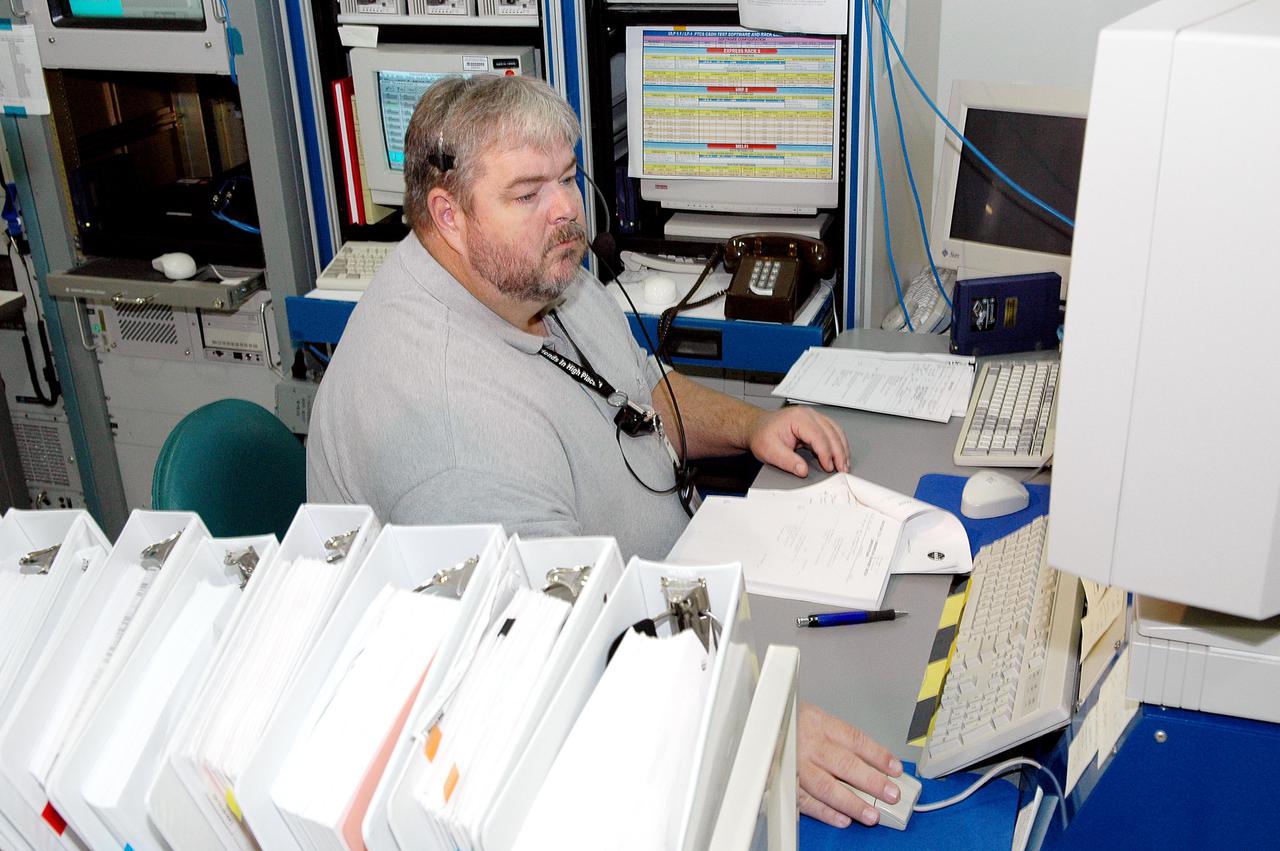
KENNEDY SPACE CENTER, FLA. - Joe Mounts, with Boeing, monitors the Payload Test and Checkout System for the Human Research Facility (HRF) Rack -2 payload. The HRF-2 is scheduled to fly on Return to Flight Space Shuttle mission STS-114. The HRF-2 will deliver additional biomedical instrumentation and research capability to the International Space Station. HRF Rack 1 contains an ultrasound unit and gas analyzer system and has been operational in the U.S. Lab since May 2001. HRF-2 will also be installed in the U. S. Lab and will provide structural, power, thermal, command and data handling, and communication and tracking interfaces between the HRF biomedical instrumentation and the U. S. Lab.
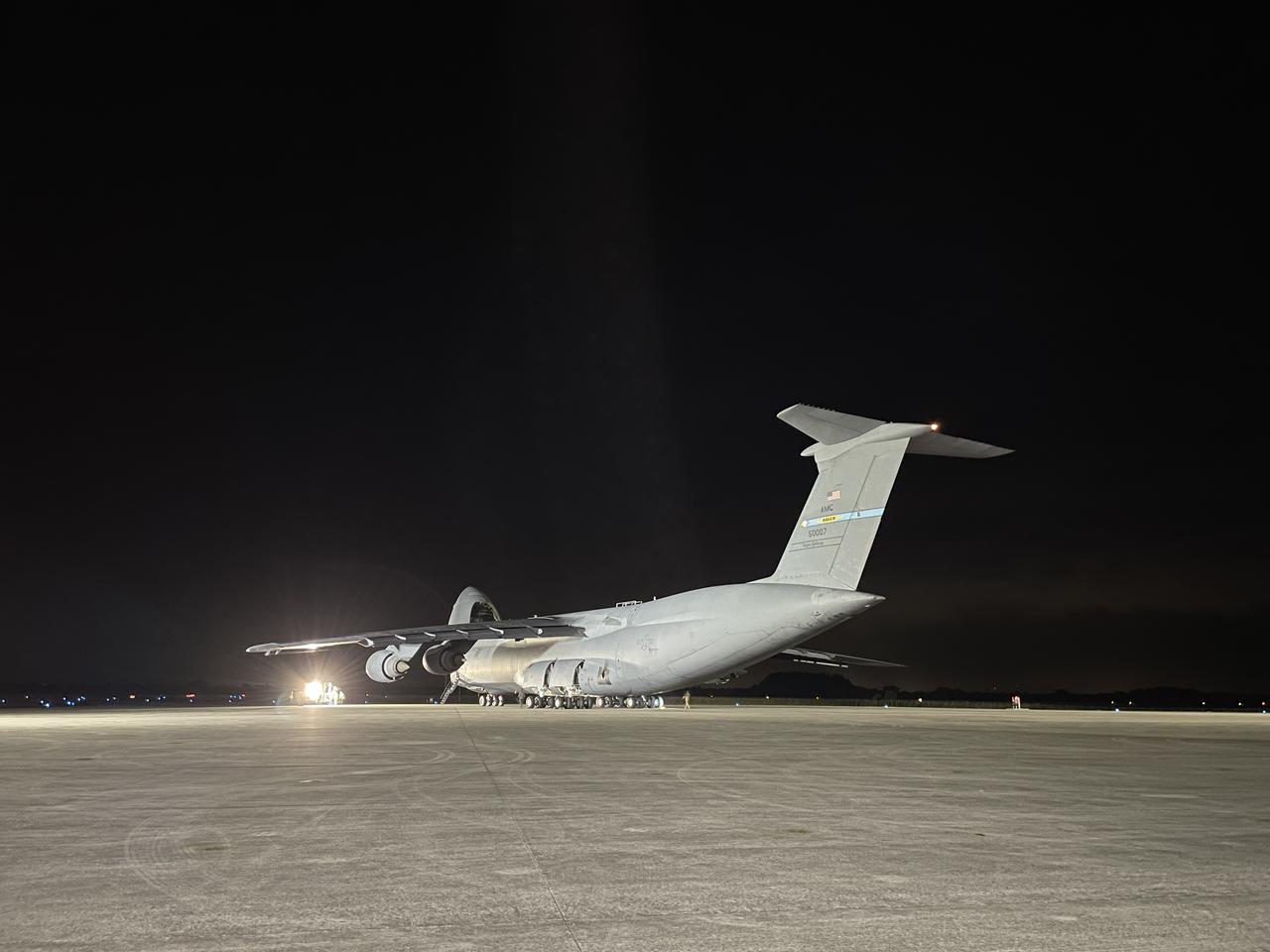
A C-5M Super Galaxy transport aircraft carrying NOAA’s Geostationary Operational Environmental Satellite-U (GOES-U) arrives at the Launch and Landing Facility at NASA’s Kennedy Space Center in Florida on Tuesday, Jan. 23, 2024. Crews offloaded and transported the satellite to the Astrotech Space Operations facility in nearby Titusville, Florida to prepare it for launch. Part of a collaborative NOAA and NASA program, GOES-U is the fourth in a series of four advanced geostationary weather satellites. Data from the GOES satellite constellation – consisting of the GOES-R, GOES-S, GOES-T and GOES-U spacecraft – enables forecasters to predict, observe, and track local weather events that affect public safety like thunderstorms, hurricanes, and wildfires.
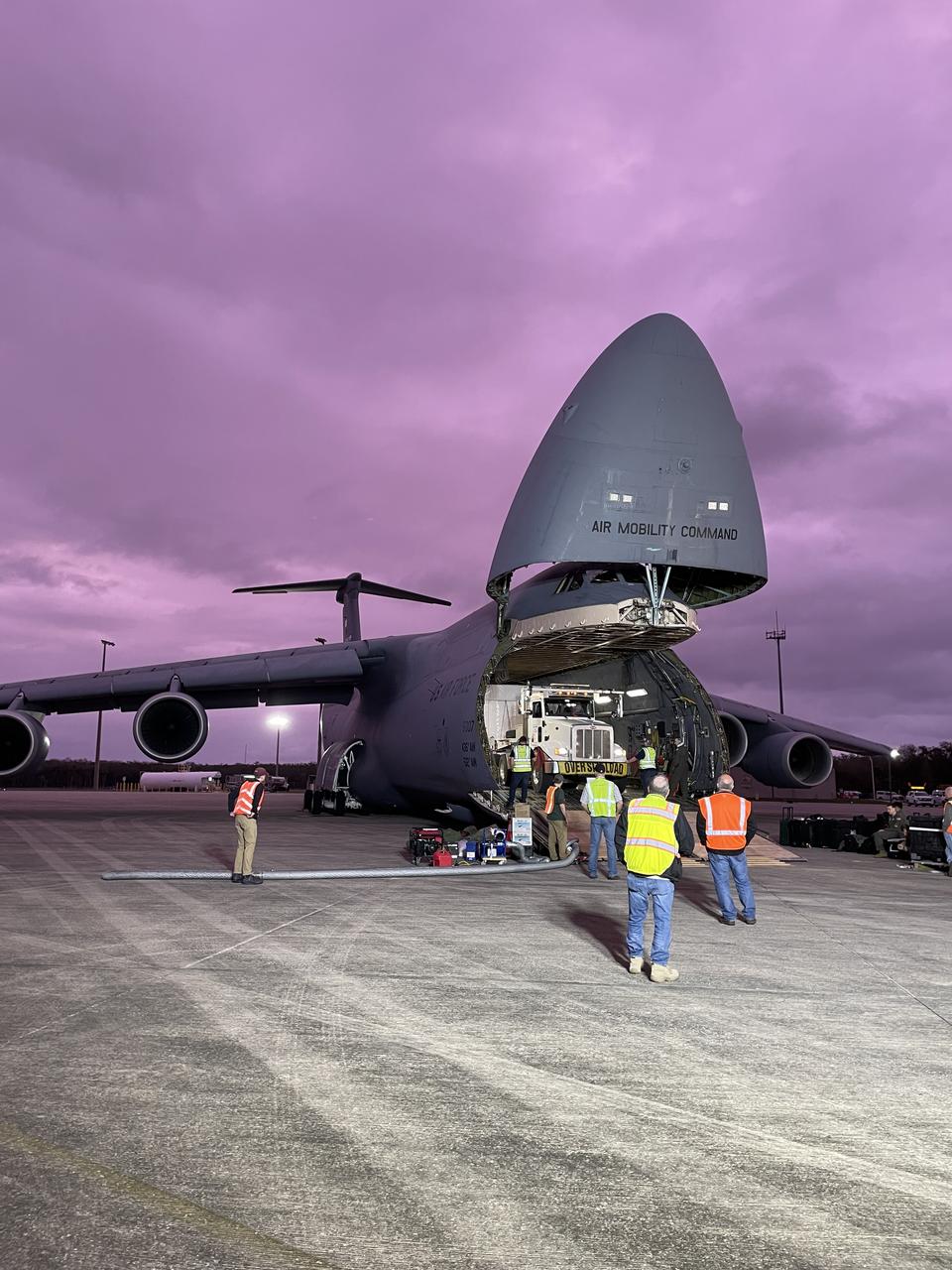
NOAA’s Geostationary Operational Environmental Satellite-U (GOES-U) is offloaded from a C-5M Super Galaxy transport aircraft onto the flatbed of a heavy-lift truck at the Launch and Landing Facility at NASA’s Kennedy Space Center in Florida on Tuesday, Jan. 23, 2024. Crews transported the satellite to the Astrotech Space Operations facility in Titusville, Florida to prepare it for launch. Part of a collaborative NOAA and NASA program, GOES-U is the fourth in a series of four advanced geostationary weather satellites. Data from the GOES satellite constellation – consisting of the GOES-R, GOES-S, GOES-T and GOES-U spacecraft – enables forecasters to predict, observe, and track local weather events that affect public safety like thunderstorms, hurricanes, and wildfires.

NOAA’s Geostationary Operational Environmental Satellite-U (GOES-U) is offloaded from a C-5M Super Galaxy transport aircraft onto the flatbed of a heavy-lift truck at the Launch and Landing Facility at NASA’s Kennedy Space Center in Florida on Tuesday, Jan. 23, 2024. Crews transported the satellite to the Astrotech Space Operations facility in Titusville, Florida to prepare it for launch. Part of a collaborative NOAA and NASA program, GOES-U is the fourth in a series of four advanced geostationary weather satellites. Data from the GOES satellite constellation – consisting of the GOES-R, GOES-S, GOES-T and GOES-U spacecraft – enables forecasters to predict, observe, and track local weather events that affect public safety like thunderstorms, hurricanes, and wildfires.

NOAA’s Geostationary Operational Environmental Satellite-U (GOES-U) is offloaded from a C-5M Super Galaxy transport aircraft onto the flatbed of a heavy-lift truck at the Launch and Landing Facility at NASA’s Kennedy Space Center in Florida on Tuesday, Jan. 23, 2024. Crews transported the satellite to the Astrotech Space Operations facility in Titusville, Florida to prepare it for launch. Part of a collaborative NOAA and NASA program, GOES-U is the fourth in a series of four advanced geostationary weather satellites. Data from the GOES satellite constellation – consisting of the GOES-R, GOES-S, GOES-T and GOES-U spacecraft – enables forecasters to predict, observe, and track local weather events that affect public safety like thunderstorms, hurricanes, and wildfires.
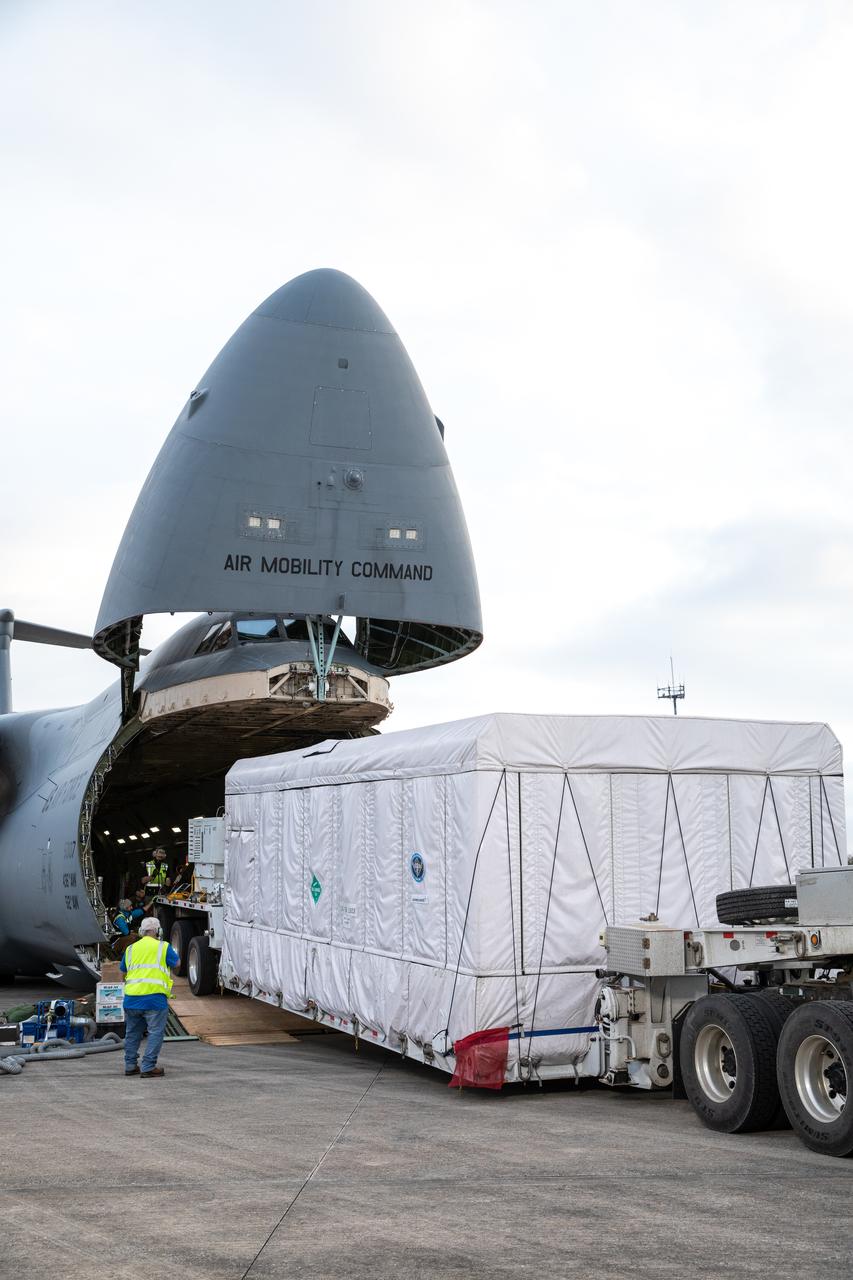
NOAA’s Geostationary Operational Environmental Satellite-U (GOES-U) is offloaded from a C-5M Super Galaxy transport aircraft onto the flatbed of a heavy-lift truck at the Launch and Landing Facility at NASA’s Kennedy Space Center in Florida on Tuesday, Jan. 23, 2024. Crews transported the satellite to the Astrotech Space Operations facility in Titusville, Florida to prepare it for launch. Part of a collaborative NOAA and NASA program, GOES-U is the fourth in a series of four advanced geostationary weather satellites. Data from the GOES satellite constellation – consisting of the GOES-R, GOES-S, GOES-T and GOES-U spacecraft – enables forecasters to predict, observe, and track local weather events that affect public safety like thunderstorms, hurricanes, and wildfires.

NOAA’s Geostationary Operational Environmental Satellite-U (GOES-U) is offloaded from a C-5M Super Galaxy transport aircraft onto the flatbed of a heavy-lift truck at the Launch and Landing Facility at NASA’s Kennedy Space Center in Florida on Tuesday, Jan. 23, 2024. Crews transported the satellite to the Astrotech Space Operations facility in Titusville, Florida to prepare it for launch. Part of a collaborative NOAA and NASA program, GOES-U is the fourth in a series of four advanced geostationary weather satellites. Data from the GOES satellite constellation – consisting of the GOES-R, GOES-S, GOES-T and GOES-U spacecraft – enables forecasters to predict, observe, and track local weather events that affect public safety like thunderstorms, hurricanes, and wildfires.

NOAA’s Geostationary Operational Environmental Satellite-U (GOES-U) is offloaded from a C-5M Super Galaxy transport aircraft onto the flatbed of a heavy-lift truck at the Launch and Landing Facility at NASA’s Kennedy Space Center in Florida on Tuesday, Jan. 23, 2024. Crews transported the satellite to the Astrotech Space Operations facility in Titusville, Florida to prepare it for launch. Part of a collaborative NOAA and NASA program, GOES-U is the fourth in a series of four advanced geostationary weather satellites. Data from the GOES satellite constellation – consisting of the GOES-R, GOES-S, GOES-T and GOES-U spacecraft – enables forecasters to predict, observe, and track local weather events that affect public safety like thunderstorms, hurricanes, and wildfires.

NOAA’s Geostationary Operational Environmental Satellite-U (GOES-U) is offloaded from a C-5M Super Galaxy transport aircraft onto the flatbed of a heavy-lift truck at the Launch and Landing Facility at NASA’s Kennedy Space Center in Florida on Tuesday, Jan. 23, 2024. Crews transported the satellite to the Astrotech Space Operations facility in Titusville, Florida to prepare it for launch. Part of a collaborative NOAA and NASA program, GOES-U is the fourth in a series of four advanced geostationary weather satellites. Data from the GOES satellite constellation – consisting of the GOES-R, GOES-S, GOES-T and GOES-U spacecraft – enables forecasters to predict, observe, and track local weather events that affect public safety like thunderstorms, hurricanes, and wildfires.
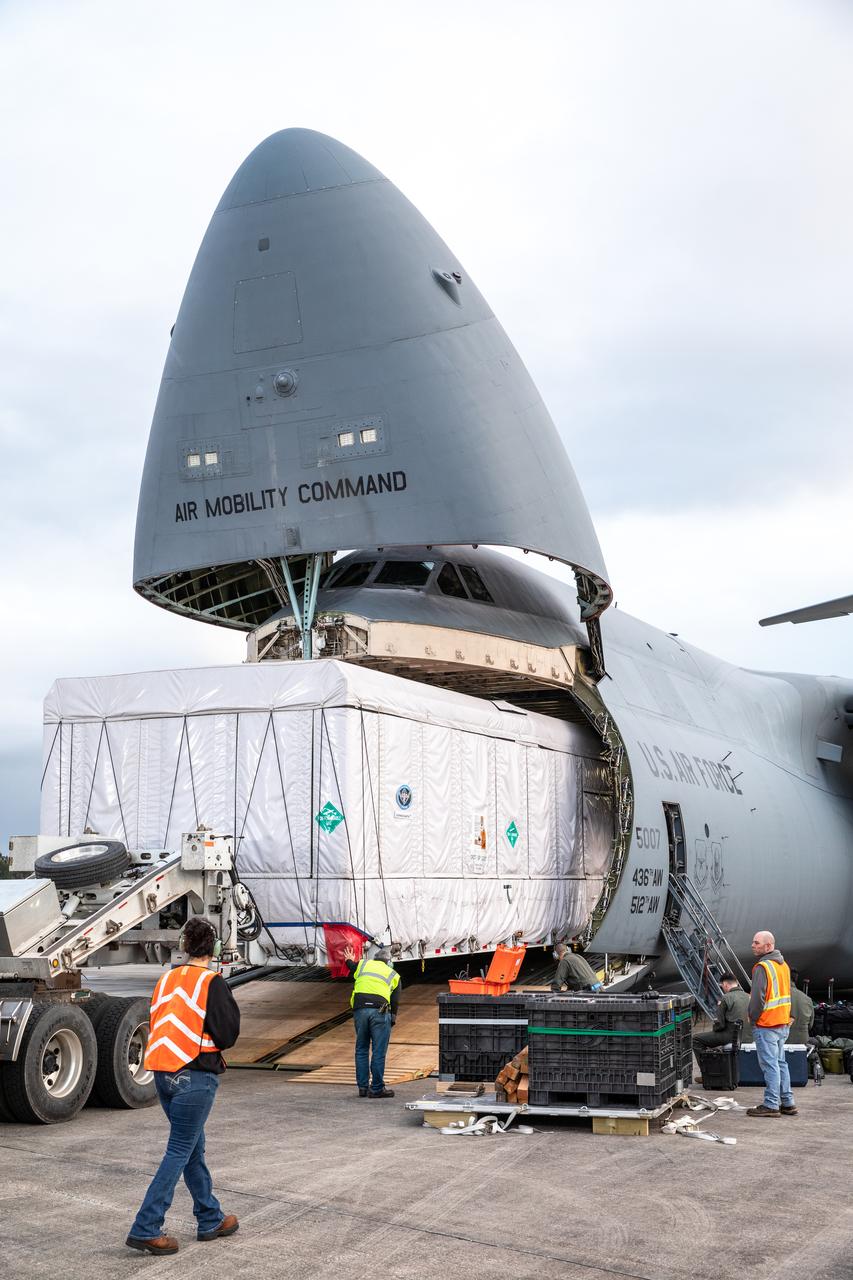
NOAA’s Geostationary Operational Environmental Satellite-U (GOES-U) is offloaded from a C-5M Super Galaxy transport aircraft onto the flatbed of a heavy-lift truck at the Launch and Landing Facility at NASA’s Kennedy Space Center in Florida on Tuesday, Jan. 23, 2024. Crews transported the satellite to the Astrotech Space Operations facility in Titusville, Florida to prepare it for launch. Part of a collaborative NOAA and NASA program, GOES-U is the fourth in a series of four advanced geostationary weather satellites. Data from the GOES satellite constellation – consisting of the GOES-R, GOES-S, GOES-T and GOES-U spacecraft – enables forecasters to predict, observe, and track local weather events that affect public safety like thunderstorms, hurricanes, and wildfires.

NOAA’s Geostationary Operational Environmental Satellite-U (GOES-U) is offloaded from a C-5M Super Galaxy transport aircraft onto the flatbed of a heavy-lift truck at the Launch and Landing Facility at NASA’s Kennedy Space Center in Florida on Tuesday, Jan. 23, 2024. Crews transported the satellite to the Astrotech Space Operations facility in Titusville, Florida to prepare it for launch. Part of a collaborative NOAA and NASA program, GOES-U is the fourth in a series of four advanced geostationary weather satellites. Data from the GOES satellite constellation – consisting of the GOES-R, GOES-S, GOES-T and GOES-U spacecraft – enables forecasters to predict, observe, and track local weather events that affect public safety like thunderstorms, hurricanes, and wildfires.

NOAA’s Geostationary Operational Environmental Satellite-U (GOES-U) is offloaded from a C-5M Super Galaxy transport aircraft onto the flatbed of a heavy-lift truck at the Launch and Landing Facility at NASA’s Kennedy Space Center in Florida on Tuesday, Jan. 23, 2024. Crews transported the satellite to the Astrotech Space Operations facility in Titusville, Florida to prepare it for launch. Part of a collaborative NOAA and NASA program, GOES-U is the fourth in a series of four advanced geostationary weather satellites. Data from the GOES satellite constellation – consisting of the GOES-R, GOES-S, GOES-T and GOES-U spacecraft – enables forecasters to predict, observe, and track local weather events that affect public safety like thunderstorms, hurricanes, and wildfires.

NOAA’s Geostationary Operational Environmental Satellite-U (GOES-U) is offloaded from a C-5M Super Galaxy transport aircraft onto the flatbed of a heavy-lift truck at the Launch and Landing Facility at NASA’s Kennedy Space Center in Florida on Tuesday, Jan. 23, 2024. Crews transported the satellite to the Astrotech Space Operations facility in Titusville, Florida to prepare it for launch. Part of a collaborative NOAA and NASA program, GOES-U is the fourth in a series of four advanced geostationary weather satellites. Data from the GOES satellite constellation – consisting of the GOES-R, GOES-S, GOES-T and GOES-U spacecraft – enables forecasters to predict, observe, and track local weather events that affect public safety like thunderstorms, hurricanes, and wildfires.

NOAA’s Geostationary Operational Environmental Satellite-U (GOES-U) is offloaded from a C-5M Super Galaxy transport aircraft onto the flatbed of a heavy-lift truck at the Launch and Landing Facility at NASA’s Kennedy Space Center in Florida on Tuesday, Jan. 23, 2024. Crews transported the satellite to the Astrotech Space Operations facility in Titusville, Florida to prepare it for launch. Part of a collaborative NOAA and NASA program, GOES-U is the fourth in a series of four advanced geostationary weather satellites. Data from the GOES satellite constellation – consisting of the GOES-R, GOES-S, GOES-T and GOES-U spacecraft – enables forecasters to predict, observe, and track local weather events that affect public safety like thunderstorms, hurricanes, and wildfires.

NOAA’s Geostationary Operational Environmental Satellite-U (GOES-U) is offloaded from a C-5M Super Galaxy transport aircraft onto the flatbed of a heavy-lift truck at the Launch and Landing Facility at NASA’s Kennedy Space Center in Florida on Tuesday, Jan. 23, 2024. Crews transported the satellite to the Astrotech Space Operations facility in Titusville, Florida to prepare it for launch. Part of a collaborative NOAA and NASA program, GOES-U is the fourth in a series of four advanced geostationary weather satellites. Data from the GOES satellite constellation – consisting of the GOES-R, GOES-S, GOES-T and GOES-U spacecraft – enables forecasters to predict, observe, and track local weather events that affect public safety like thunderstorms, hurricanes, and wildfires.
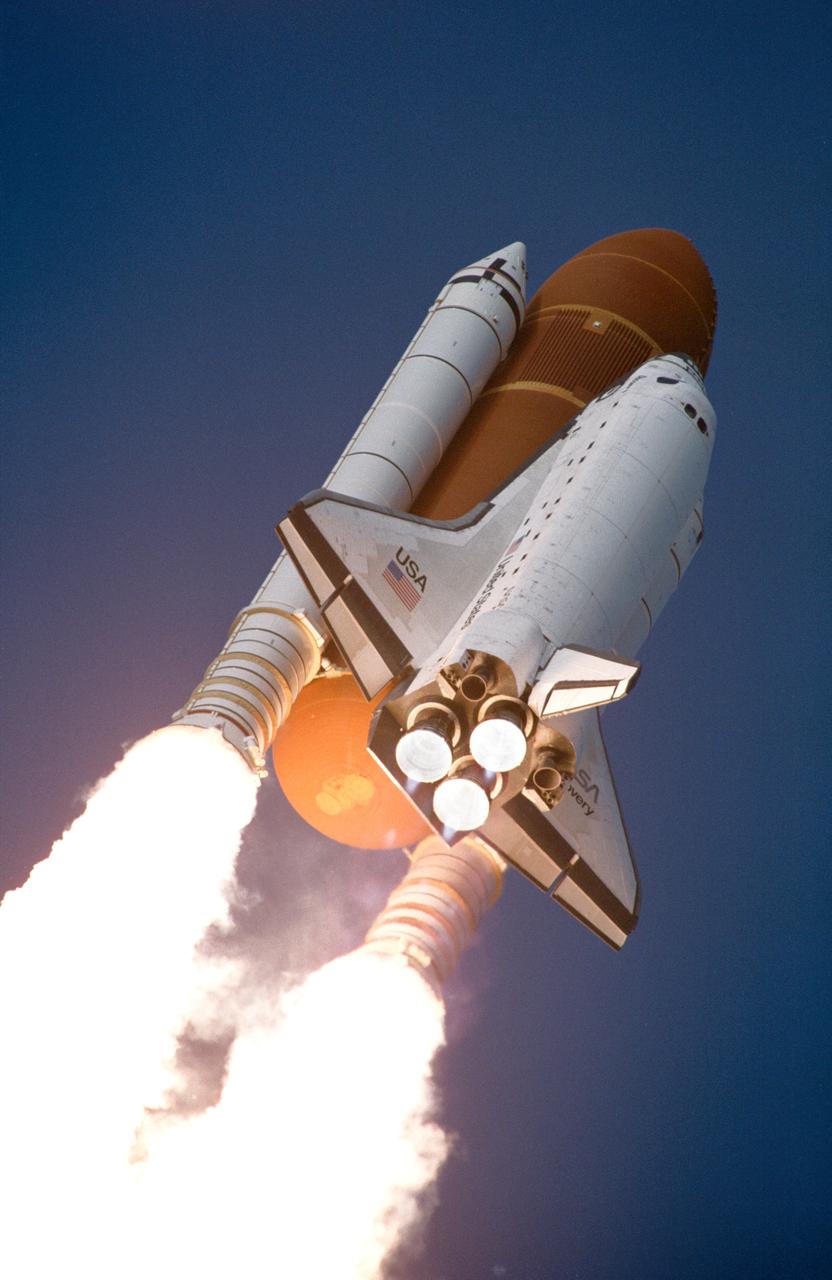
STS053-S-058 (2 Dec. 1992) --- The space shuttle Discovery, with a crew of five astronauts onboard, launches from Kennedy Space Center's (KSC) Pad 39A at 8:24:00 a.m. (EST), Dec. 2, 1992. The all military crew supporting the Department of Defense (DOD) flight included astronauts David M. Walker, Robert D. Cabana, Guion S. Bluford, Jr., James S. Voss and Michael R. U. (Rich) Clifford.
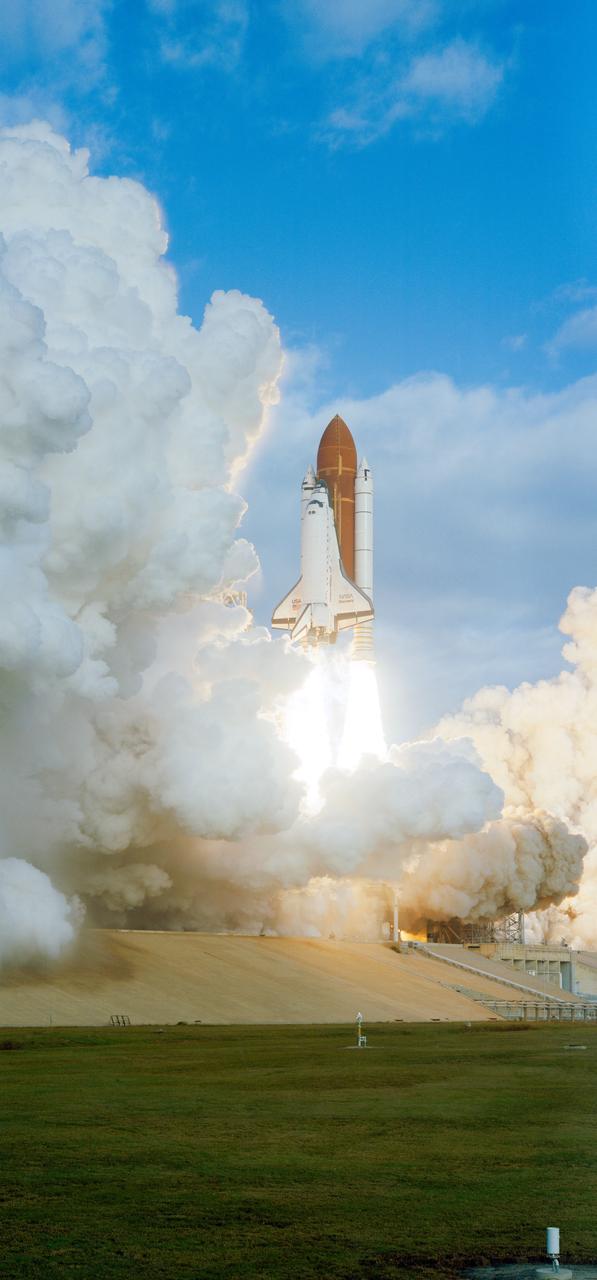
STS053-S-056 (2 Dec 1992) --- The Space Shuttle Discovery, with a crew of five astronauts onboard, launches from Kennedy Space Center's (KSC) Pad 39A at 8:24:00 a.m. (EST), December 2, 1992. The all military crew supporting the Department of Defense (DOD) flight included astronauts David M. Walker, Robert D. Cabana, Guion S. Bluford Jr., James S. Voss and Michael R. U. (Rick) Clifford.
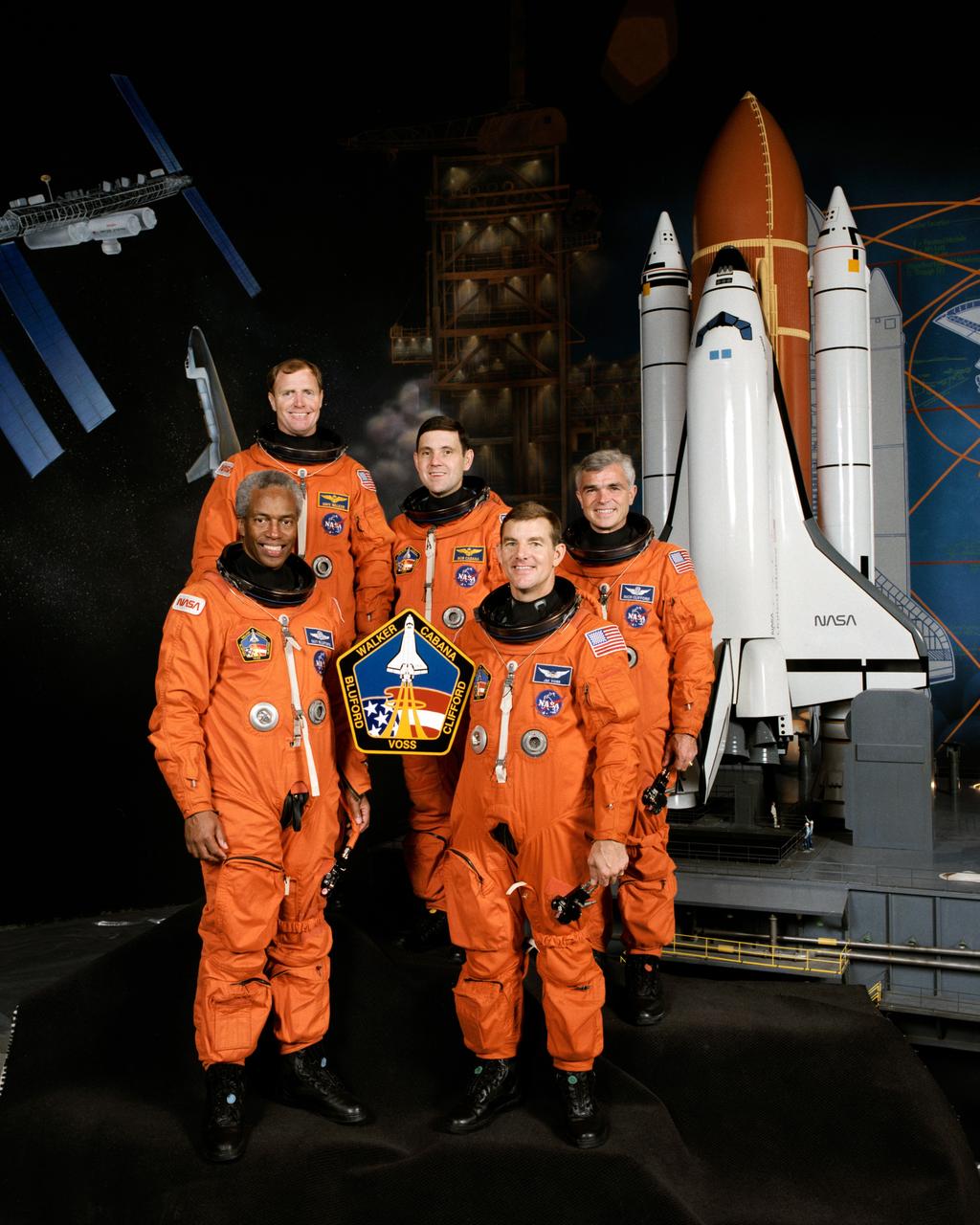
STS053-S-002 (September 1992) --- These five astronauts have been assigned to fly aboard the Space Shuttle Discovery for the mission, scheduled for launch in November of this year. Pictured are, left to right (front), Guion S. Bluford and James S. Voss, mission specialists; and (back row) David M. Walker, mission commander; Robert D. Cabana, pilot and Michael R. U. (Rich) Clifford, mission specialist. The photograph was made in the new Space Center Houston (SCH) facility.
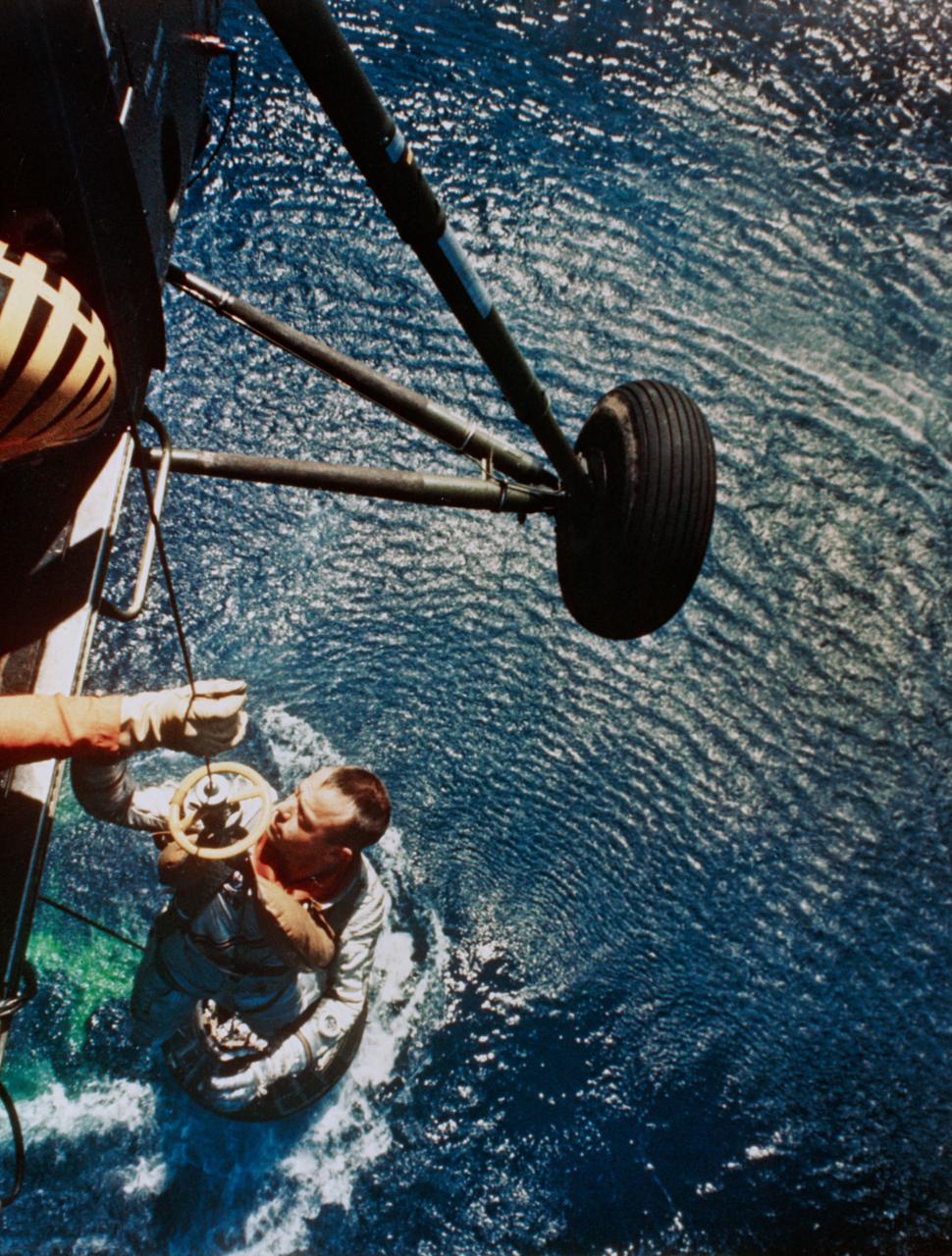
S88-31377 (5 May 1961) --- Astronaut Alan B. Shepard Jr. is rescued by a U. S. Marine helicopter at the termination of his sub-orbital flight May 5, 196l, down range from the Florida eastern coast.
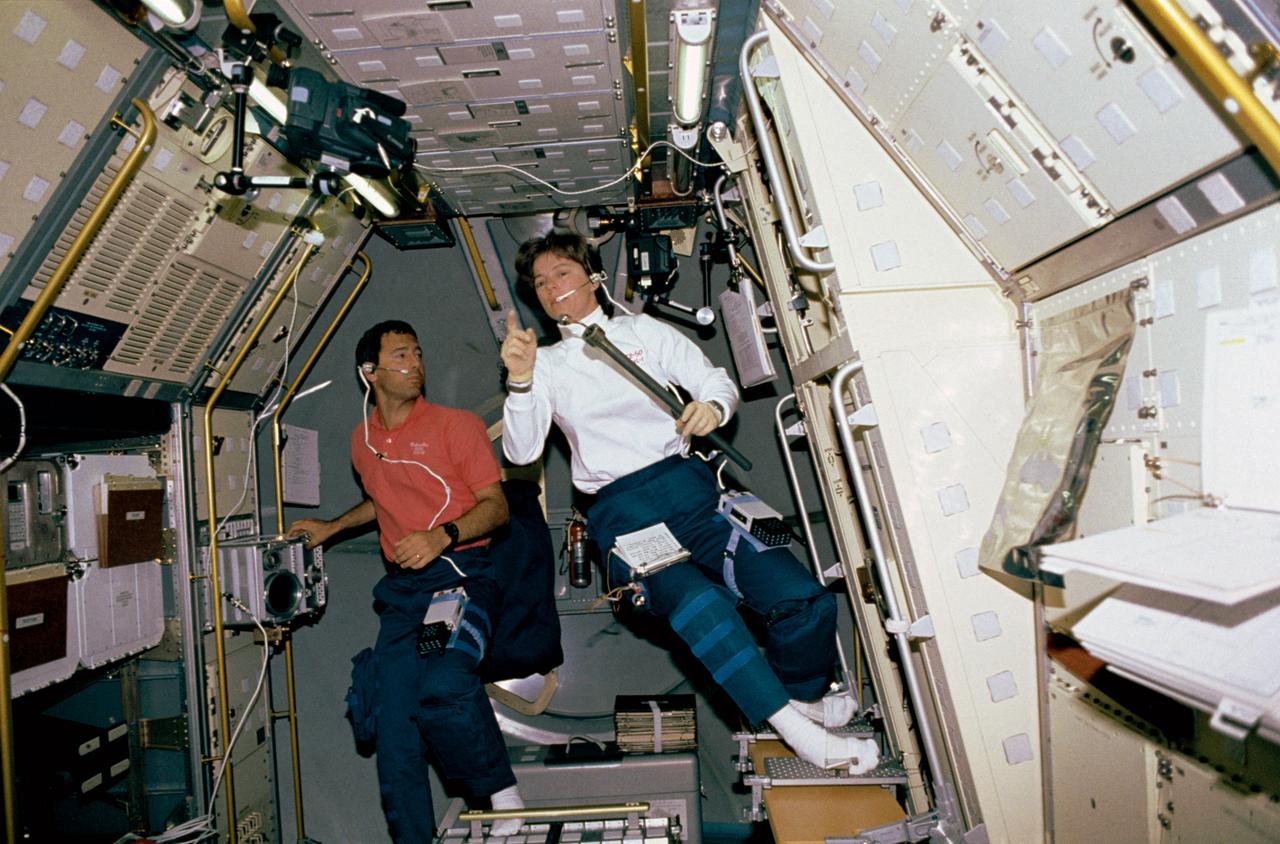
View showing Payload Specialists Bonnie Dunbar and Larry DeLucas in the aft section of the U. S. Microgravity Laboratory-1. Dunbar prepares to load a sample in the Crystal Growth Furnace (CGF) Integrated Furnace Experiment Assembly (IFEA) in rack 9 of the Microgravity Laboratory, while DeLucas checks out the multi-purpose Glovebox Facility.
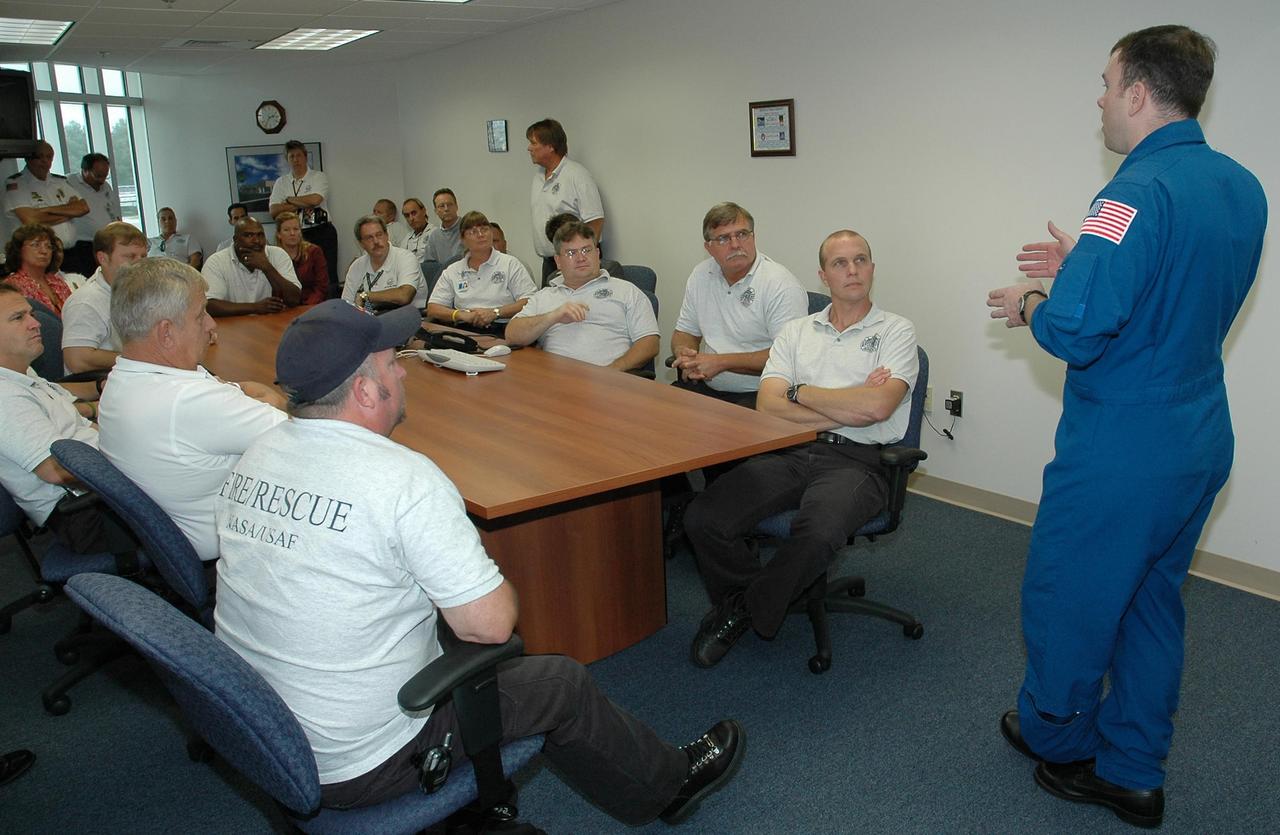
KENNEDY SPACE CENTER, FLA. - STS-114 Pilot James Kelly (right) speaks to NASA and U. S. Air Force fire and rescue personnel. Kelly and the other crew members visited several sites during their return to the Center. Their return is being celebrated at a gathering at the KSC Visitor Complex later this evening.
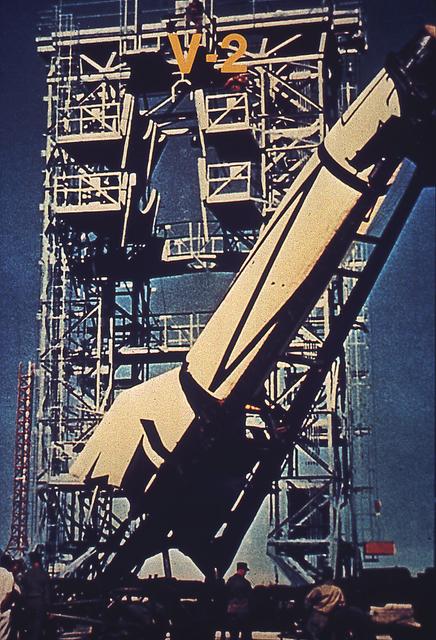
A V-2 rocket is hoisted into a static test facility at White Sands, New Mexico. The German engineers and scientists who developed the V-2 came to the United States at the end of World War II and continued rocket testing under the direction of the U. S. Army, launching more than sixty V-2s.
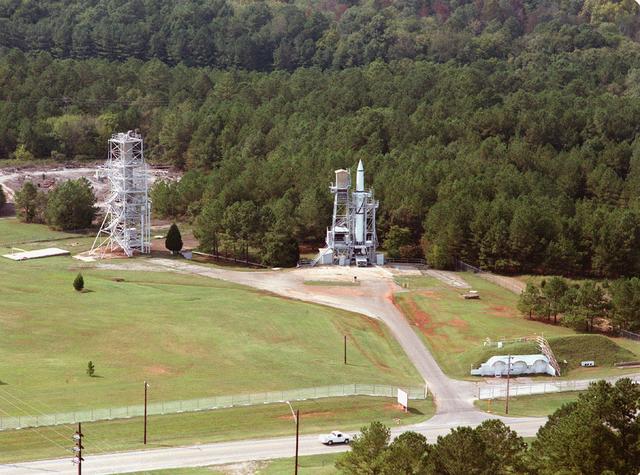
The Redstone Test Stand, shown here, was used throughout the 1950s to test the Redstone missionile, including the modified Redstone that launched America's first astronaut, Alan Shepard. The U. S. Department of the Interior's Park Services designated the Test Stand as a National Historic Landmark January 22, 1986.
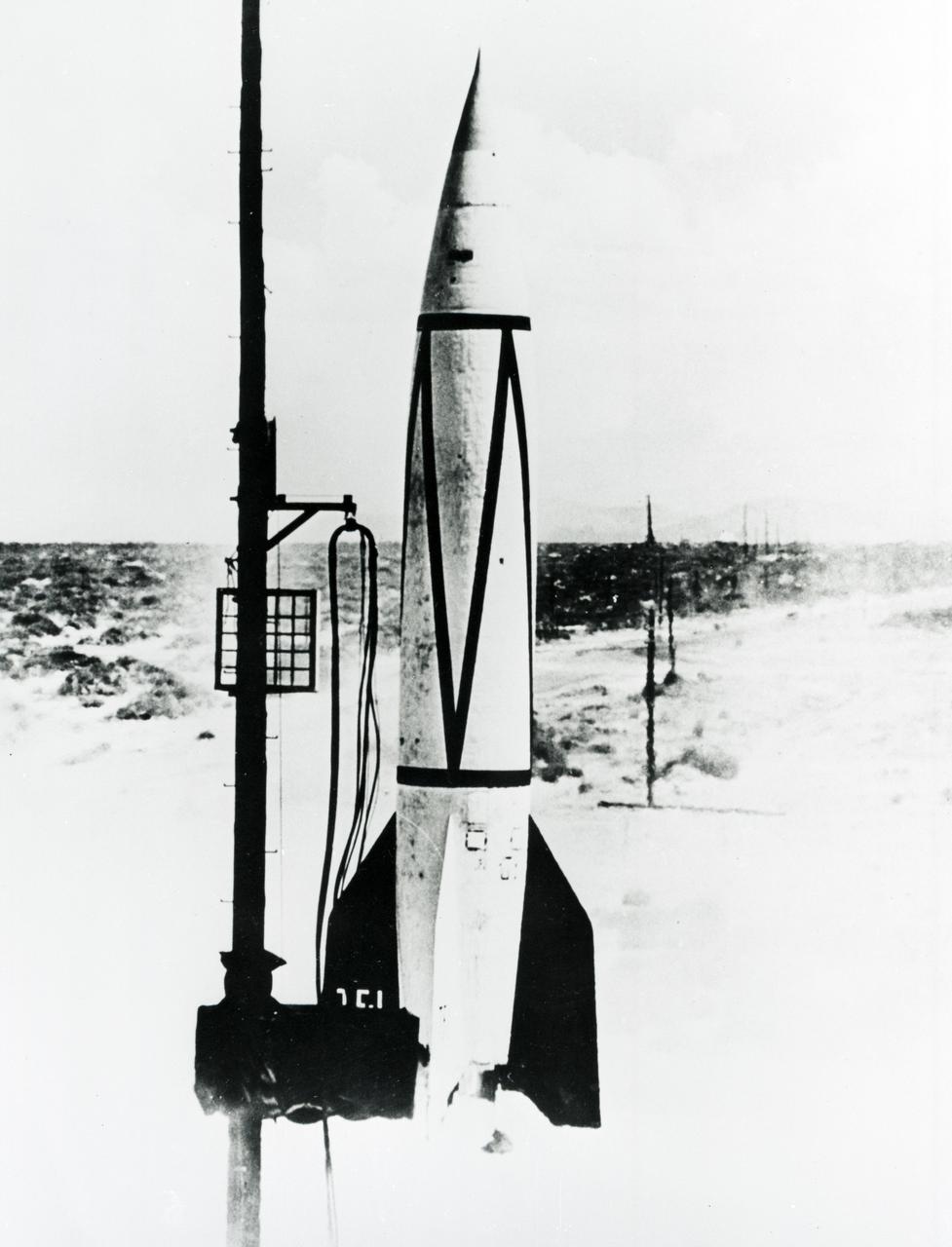
A V-2 rocket takes flight at White Sands, New Mexico, in 1946. The German engineers and scientists who developed the V-2 came to the United States at the end of World War II and continued rocket testing under the direction of the U. S. Army, launching more than sixty V-2s.
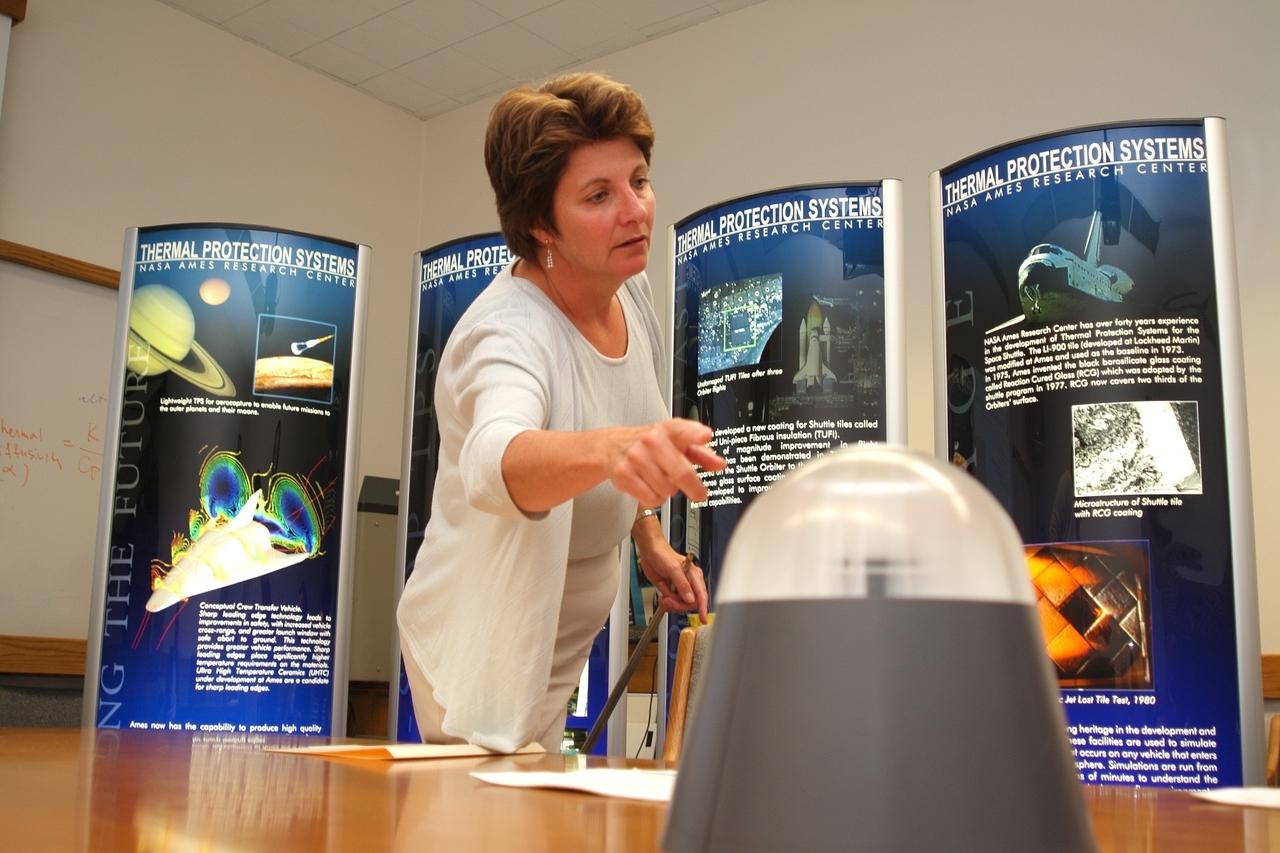
U. S. Congressman Culbertson, Texas and Mr John Webb, Webb & Associates visit and tour Ames Research Center with Center Director G. Scott Hubbard (pre-tour briefing at the Thermal Protection Facility - Arc Jet by Sylvia Johnson)
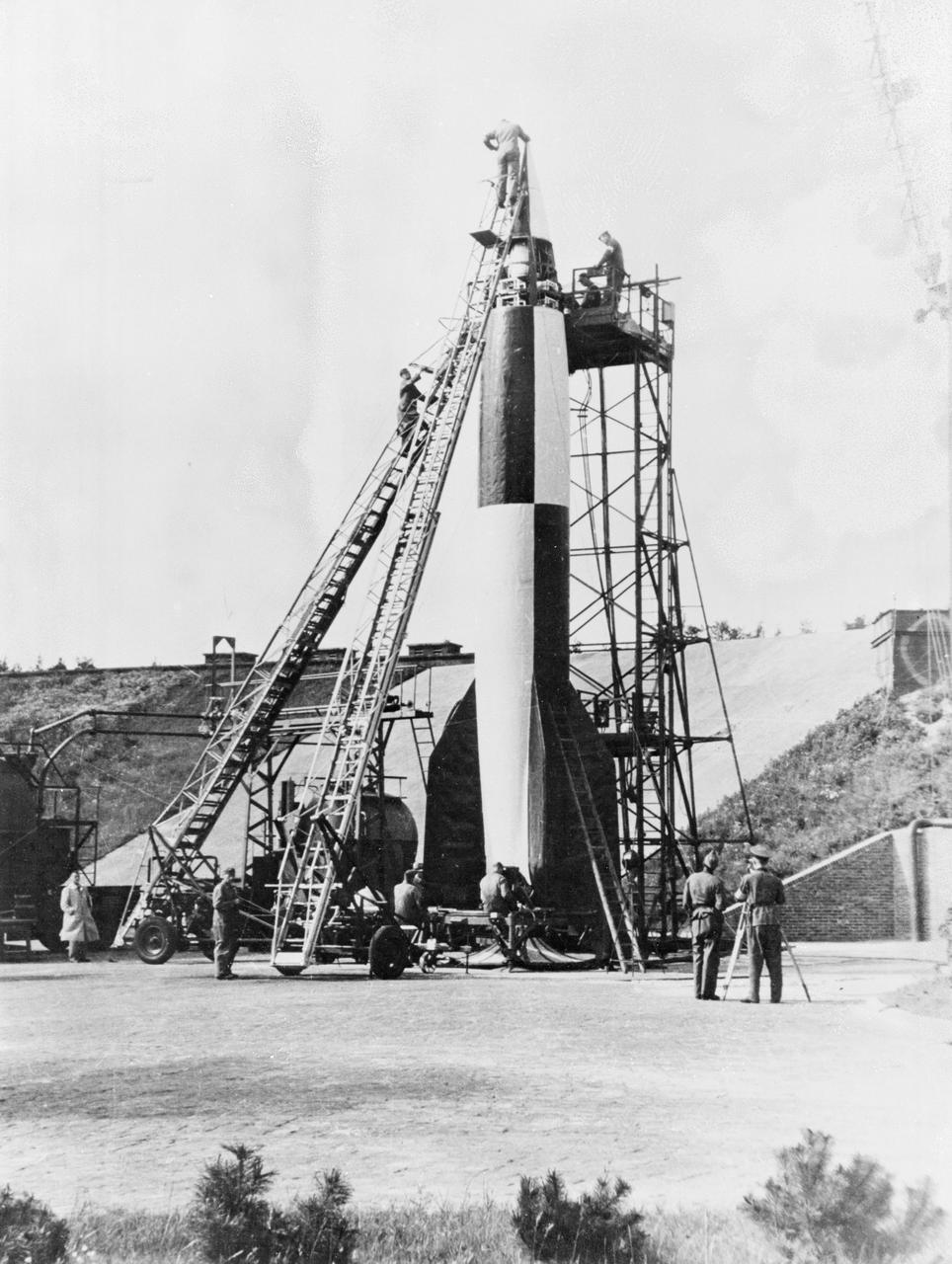
German technicians stack the various stages of the V-2 rocket in this undated photograph. The team of German engineers and scientists who developed the V-2 came to the United States at the end of World War II and worked for the U. S. Army at Fort Bliss, Texas, and Redstone Arsenal in Huntsville, Alabama.
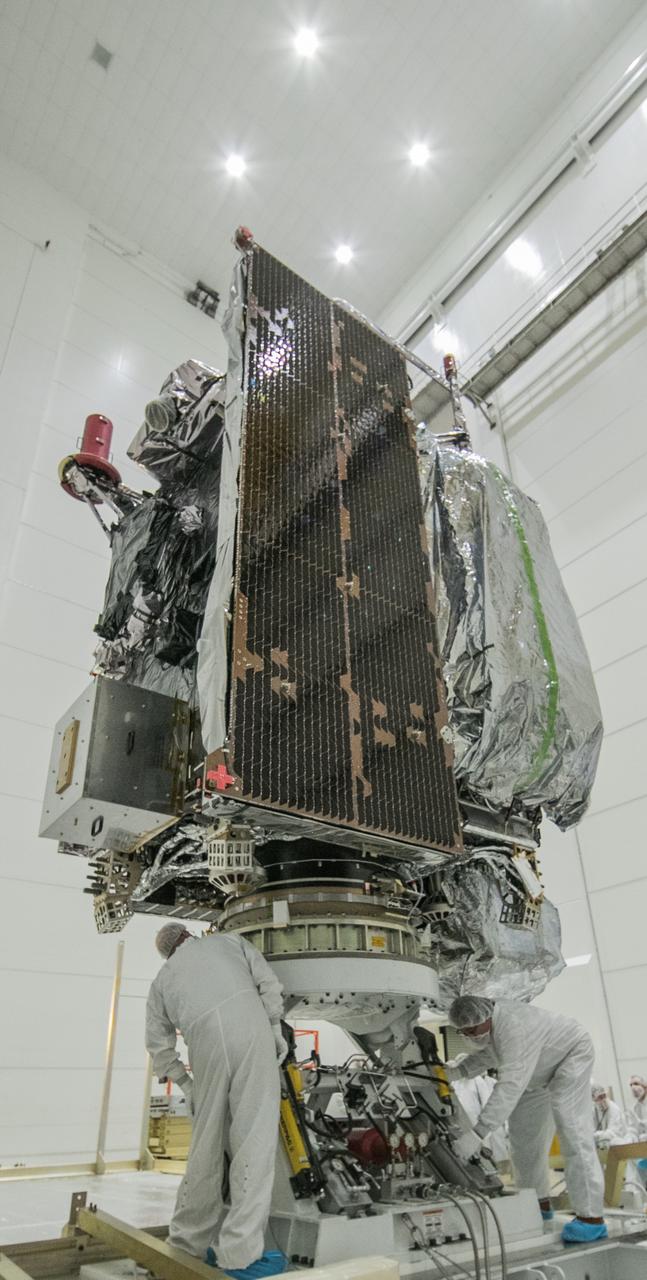
At Astrotech Space Operations in Titusville, Florida, technicians and engineers inspect NOAA's Geostationary Operation Environmental Satellite-S (GOES-S) after removal from its shipping container. GOES-S is the second in a series of four advanced geostationary weather satellites. The GOES-R series - consisting of the GOES-R, GOES-S, GOES-T and GOES-U spacecraft - will significantly improve the detection and observation of environmental phenomena that directly affect public safety, protection of property and the nation's economic health and prosperity. GOES-S is slated to launch March 1, 2018 aboard a United Launch Alliance Atlas V rocket from Cape Canaveral Air Force Station in Florida.
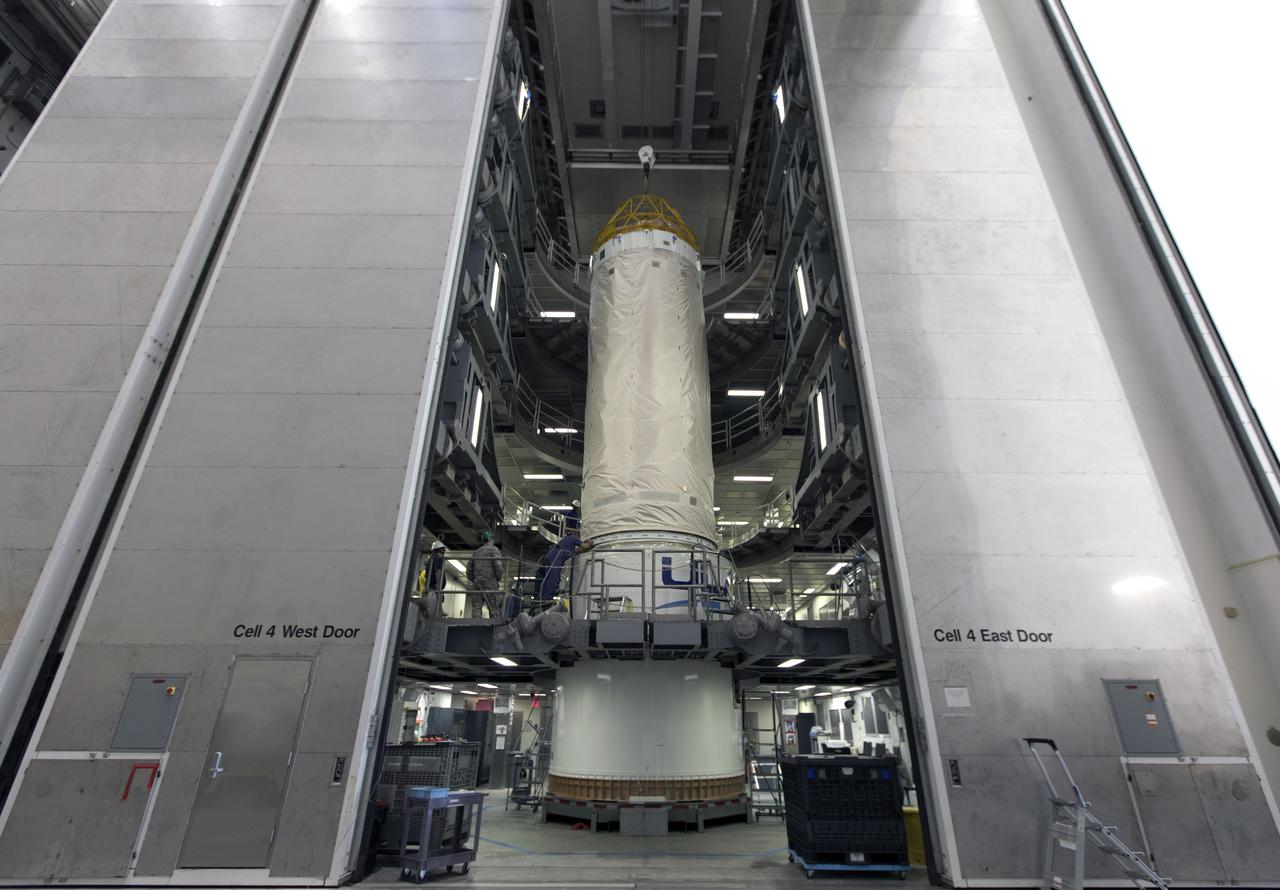
The Centaur upper stage that will help launch NOAA's Geostationary Operational Environmental Satellite-S, or GOES-S, has been positioned in at test cell inside the Delta Operations Center at Cape Canaveral Air Force Station for further processing. GOES-S is the second in a series of four advanced geostationary weather satellites. The GOES-R series - consisting of the GOES-R, GOES-S, GOES-T and GOES-U spacecraft - will significantly improve the detection and observation of environmental phenomena that directly affect public safety, protection of property and the nation's economic health and prosperity. GOES-S is slated to launch March 1, 2018 aboard a United Launch Alliance Atlas V rocket.
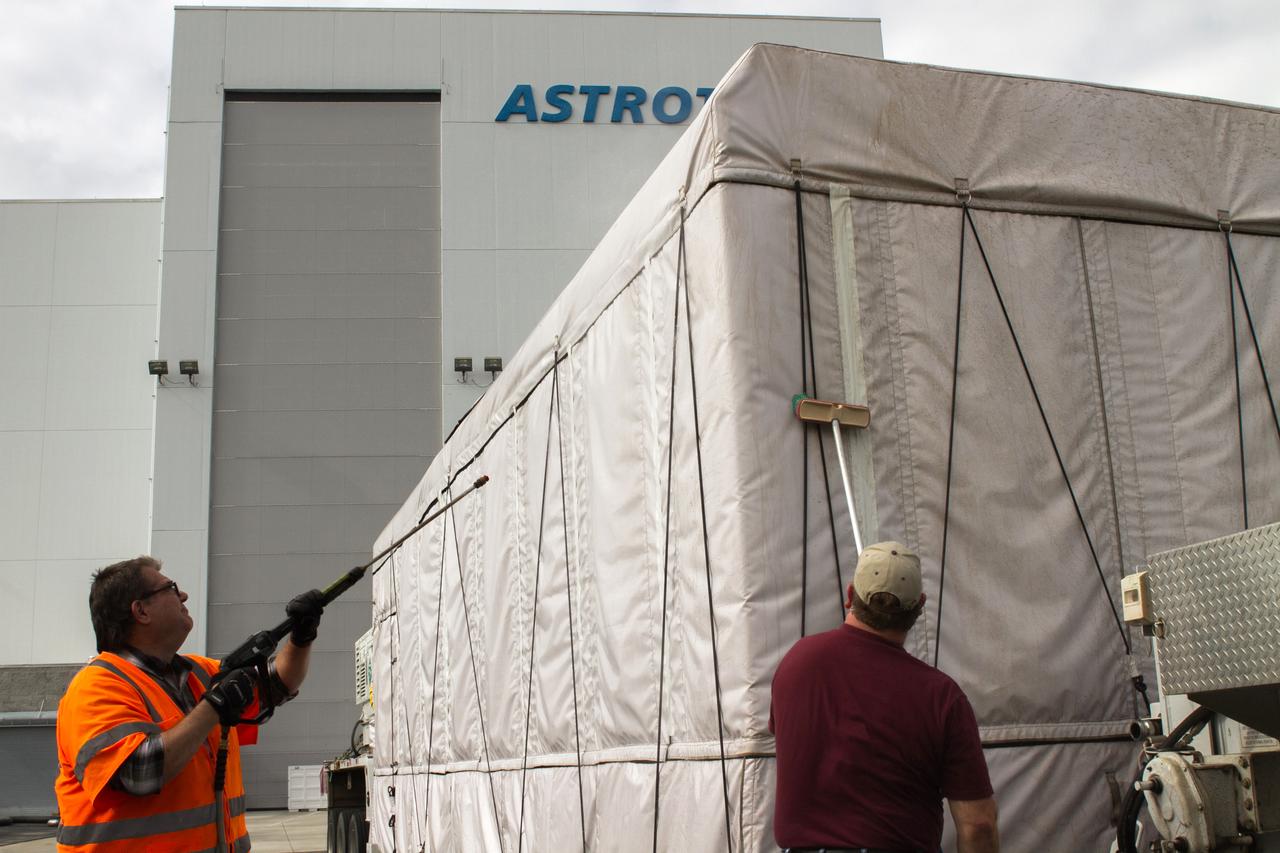
NOAA's Geostationary Operation Environmental Satellite-S (GOES-S) arrives at Astrotech Space Operations in Titusville, Florida, to prepare it for launch. The facility is located near NASA's Kennedy Space Center. GOES-S is the second in a series of four advanced geostationary weather satellites. The GOES-R series - consisting of the GOES-R, GOES-S, GOES-T and GOES-U spacecraft - will significantly improve the detection and observation of environmental phenomena that directly affect public safety, protection of property and the nation's economic health and prosperity. GOES-S is slated to launch March 1, 2018 aboard a United Launch Alliance Atlas V rocket from Cape Canaveral Air Force Station in Florida.
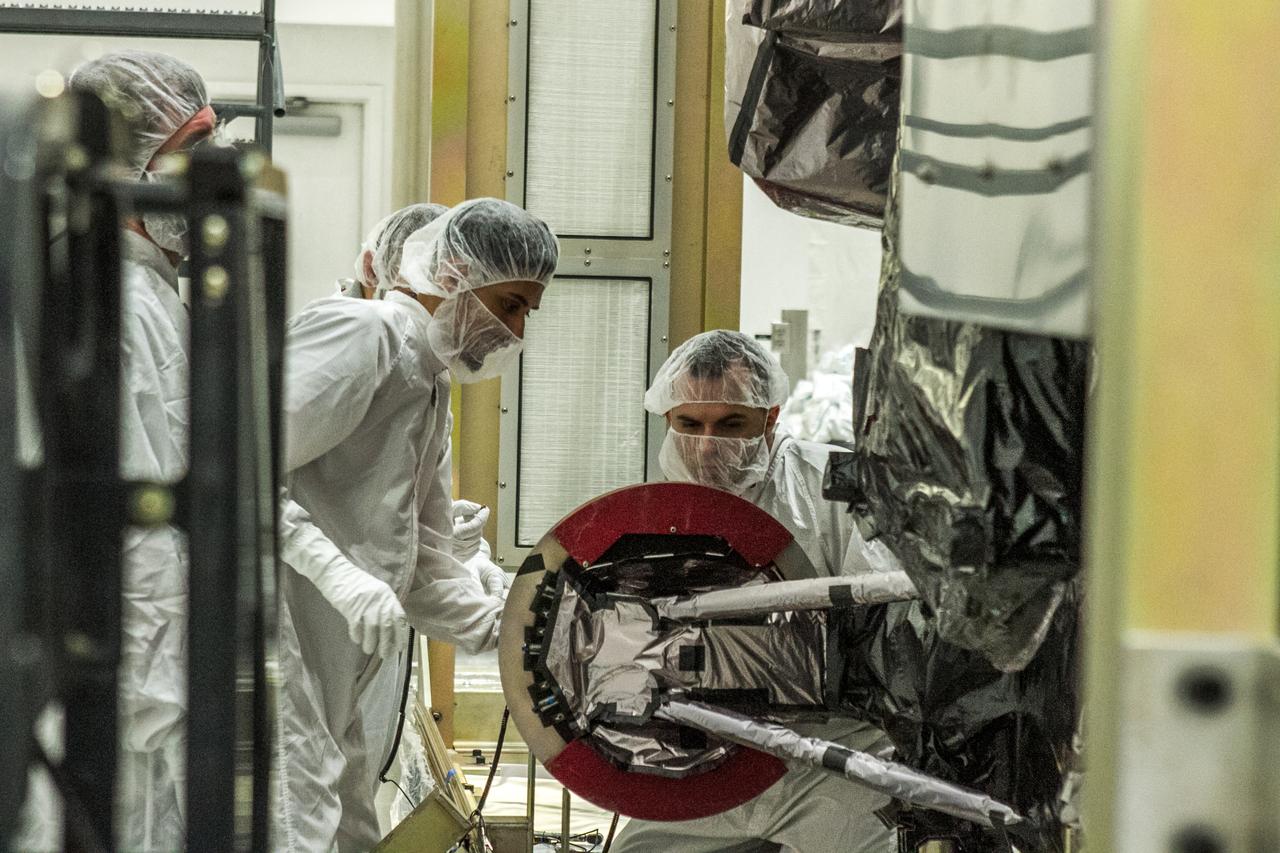
At Astrotech Space Operations in Titusville, Florida, technicians and engineers inspect NOAA's Geostationary Operation Environmental Satellite-S (GOES-S) after removal from its shipping container. GOES-S is the second in a series of four advanced geostationary weather satellites. The GOES-R series - consisting of the GOES-R, GOES-S, GOES-T and GOES-U spacecraft - will significantly improve the detection and observation of environmental phenomena that directly affect public safety, protection of property and the nation's economic health and prosperity. GOES-S is slated to launch March 1, 2018 aboard a United Launch Alliance Atlas V rocket from Cape Canaveral Air Force Station in Florida.

The Centaur upper stage that will help launch NOAA's Geostationary Operational Environmental Satellite-S, or GOES-S, arrives at the Delta Operations Center at Cape Canaveral Air Force Station for further processing. GOES-S is the second in a series of four advanced geostationary weather satellites. The GOES-R series - consisting of the GOES-R, GOES-S, GOES-T and GOES-U spacecraft - will significantly improve the detection and observation of environmental phenomena that directly affect public safety, protection of property and the nation's economic health and prosperity. GOES-S is slated to launch March 1, 2018 aboard a United Launch Alliance Atlas V rocket.
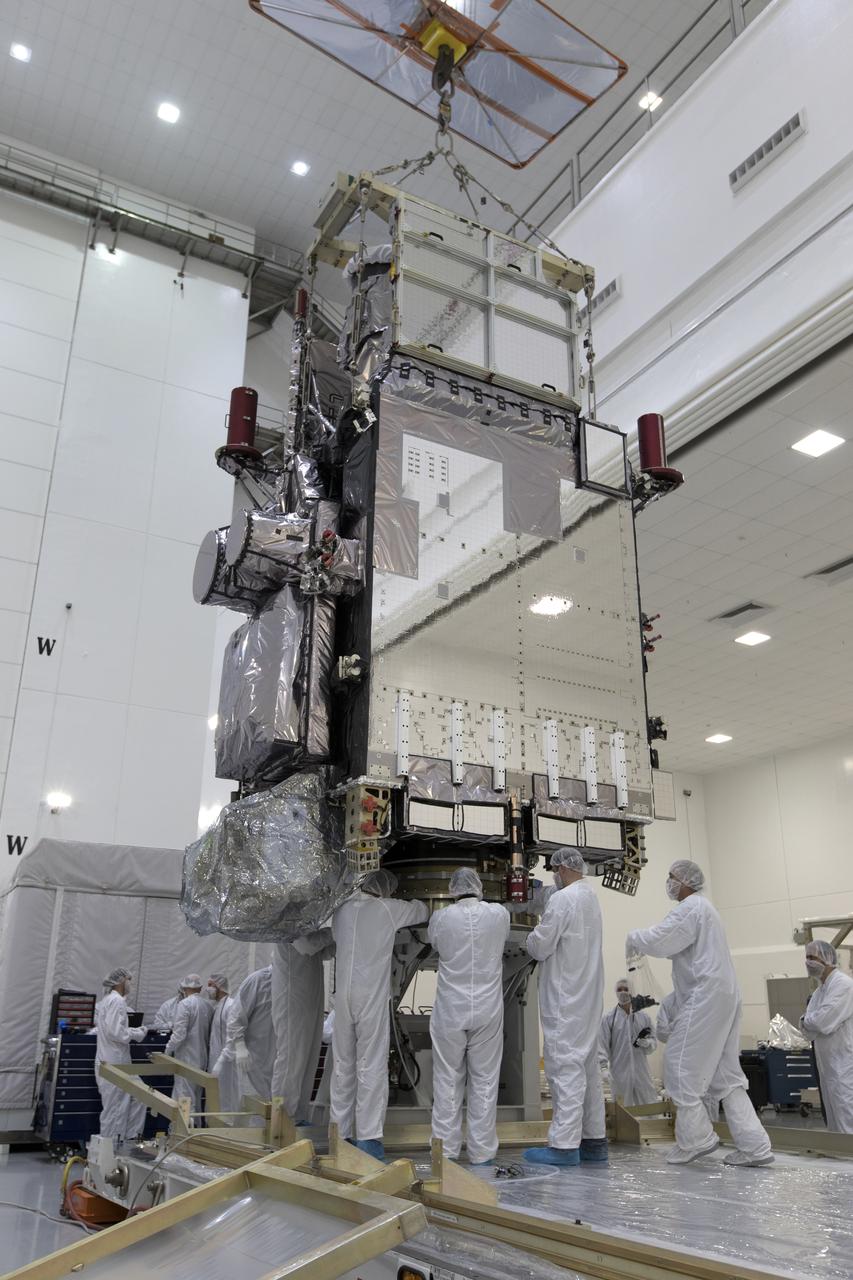
At Astrotech Space Operations in Titusville, Florida, technicians and engineers inspect NOAA's Geostationary Operational Environmental Satellite-S (GOES-S). The facility is located near NASA's Kennedy Space Center. GOES-S is the second in a series of four advanced geostationary weather satellites. The GOES-R series - consisting of the GOES-R, GOES-S, GOES-T and GOES-U spacecraft - will significantly improve the detection and observation of environmental phenomena that directly affect public safety, protection of property and the nation's economic health and prosperity. GOES-S is slated to launch March 1, 2018 aboard a United Launch Alliance Atlas V rocket from Cape Canaveral Air Force Station in Florida.
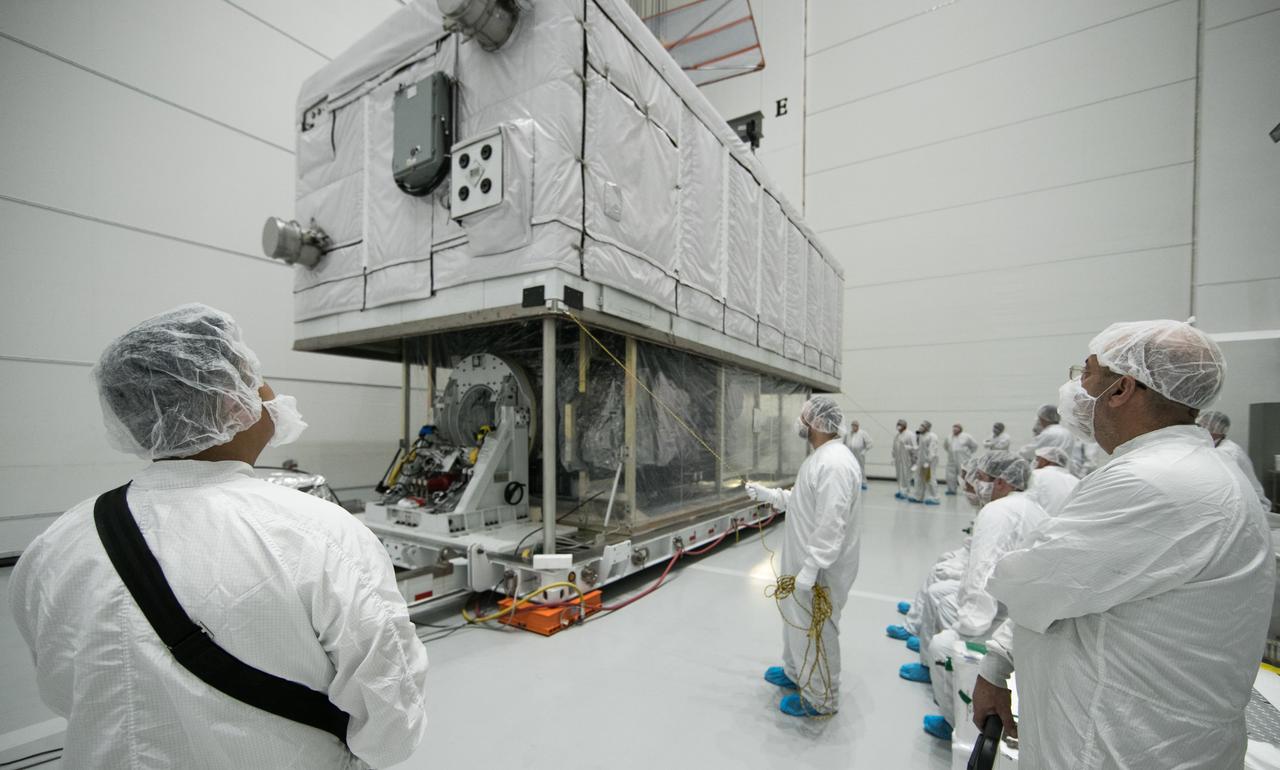
At Astrotech Space Operations in Titusville, Florida, technicians and engineers remove NOAA's Geostationary Operation Environmental Satellite-S (GOES-S) from its shipping container. GOES-S is the second in a series of four advanced geostationary weather satellites. The GOES-R series - consisting of the GOES-R, GOES-S, GOES-T and GOES-U spacecraft - will significantly improve the detection and observation of environmental phenomena that directly affect public safety, protection of property and the nation's economic health and prosperity. GOES-S is slated to launch March 1, 2018 aboard a United Launch Alliance Atlas V rocket from Cape Canaveral Air Force Station in Florida.
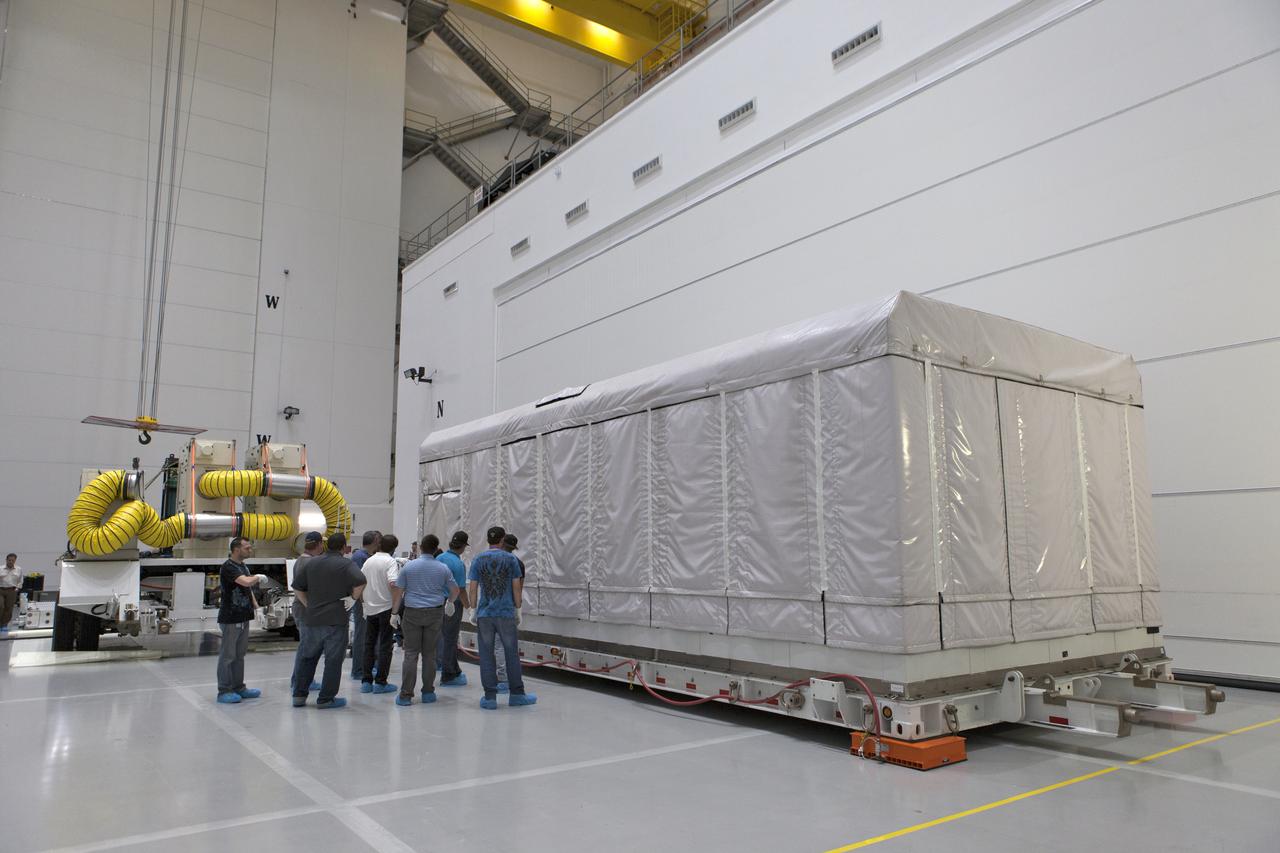
NOAA's Geostationary Operation Environmental Satellite-S (GOES-S) arrives inside Astrotech Space Operations in Titusville, Florida, to prepare it for launch. The facility is located near NASA's Kennedy Space Center. GOES-S is the second in a series of four advanced geostationary weather satellites. The GOES-R series - consisting of the GOES-R, GOES-S, GOES-T and GOES-U spacecraft - will significantly improve the detection and observation of environmental phenomena that directly affect public safety, protection of property and the nation's economic health and prosperity. GOES-S is slated to launch March 1, 2018 aboard a United Launch Alliance Atlas V rocket from Cape Canaveral Air Force Station in Florida.
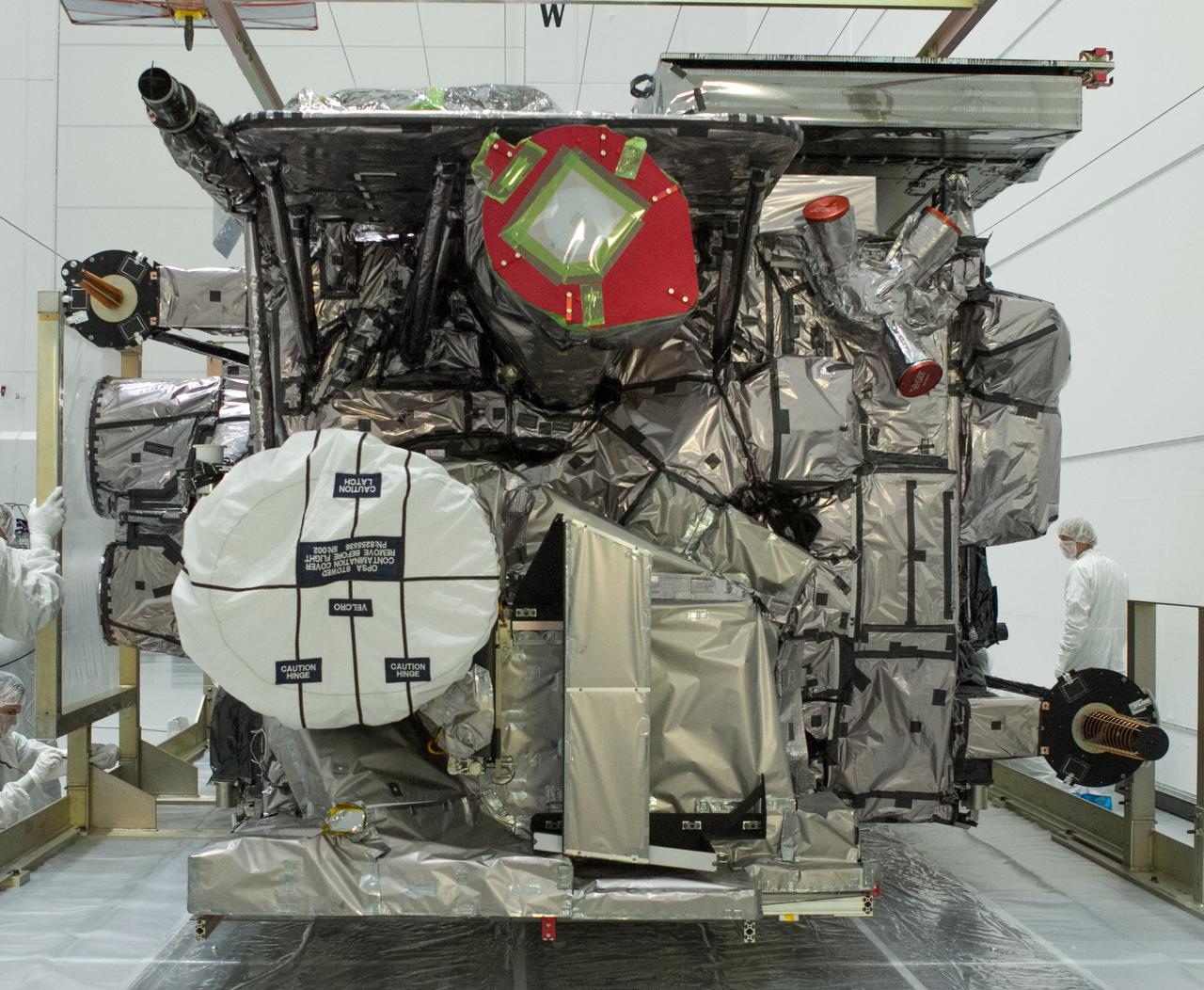
At Astrotech Space Operations in Titusville, Florida, NOAA's Geostationary Operation Environmental Satellite-S (GOES-S) has been removed from its shipping container. GOES-S is the second in a series of four advanced geostationary weather satellites. The GOES-R series - consisting of the GOES-R, GOES-S, GOES-T and GOES-U spacecraft - will significantly improve the detection and observation of environmental phenomena that directly affect public safety, protection of property and the nation's economic health and prosperity. GOES-S is slated to launch March 1, 2018 aboard a United Launch Alliance Atlas V rocket from Cape Canaveral Air Force Station in Florida.
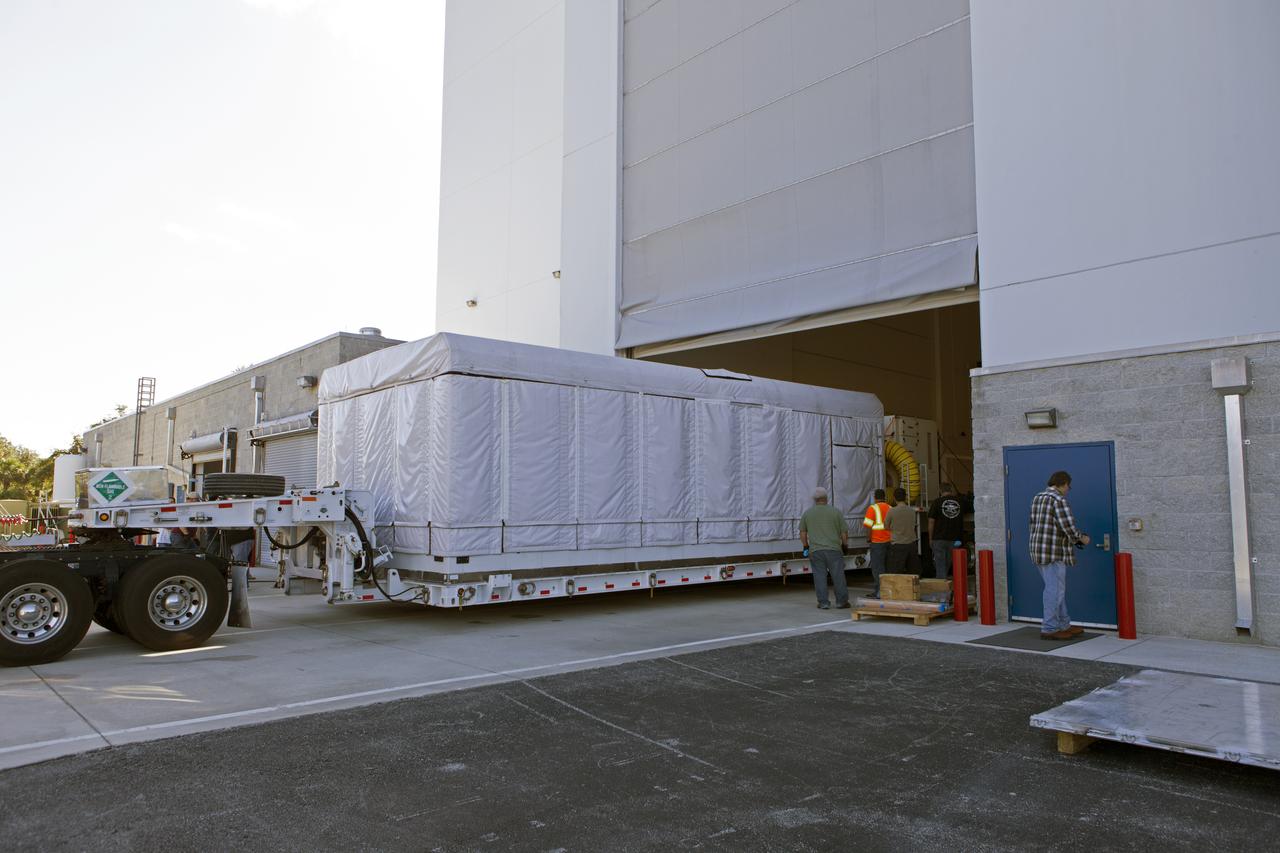
NOAA's Geostationary Operation Environmental Satellite-S (GOES-S) arrives at Astrotech Space Operations in Titusville, Florida, to prepare it for launch. The facility is located near NASA's Kennedy Space Center. GOES-S is the second in a series of four advanced geostationary weather satellites. The GOES-R series - consisting of the GOES-R, GOES-S, GOES-T and GOES-U spacecraft - will significantly improve the detection and observation of environmental phenomena that directly affect public safety, protection of property and the nation's economic health and prosperity. GOES-S is slated to launch March 1, 2018 aboard a United Launch Alliance Atlas V rocket from Cape Canaveral Air Force Station in Florida.
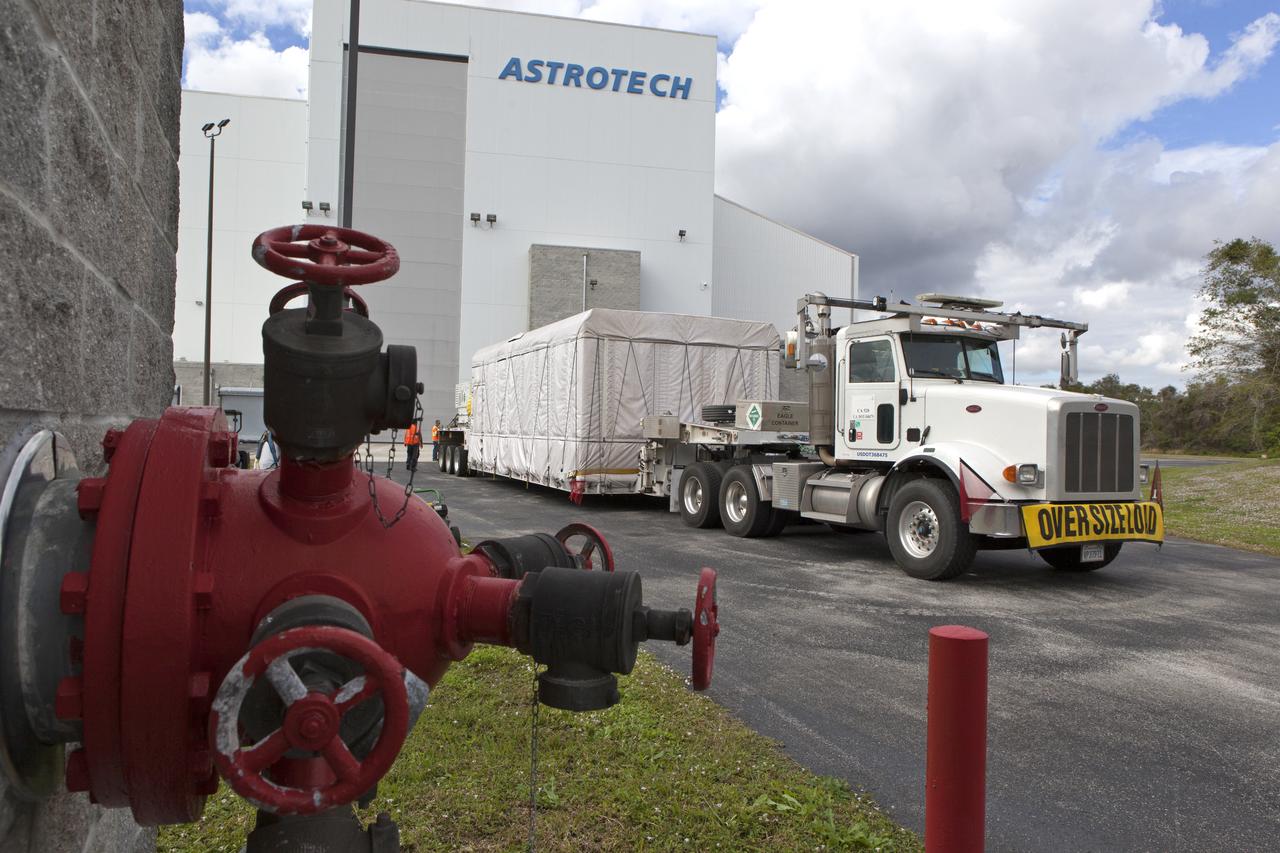
NOAA's Geostationary Operation Environmental Satellite-S (GOES-S) arrives at Astrotech Space Operations in Titusville, Florida, to prepare it for launch. The facility is located near NASA's Kennedy Space Center. GOES-S is the second in a series of four advanced geostationary weather satellites. The GOES-R series - consisting of the GOES-R, GOES-S, GOES-T and GOES-U spacecraft - will significantly improve the detection and observation of environmental phenomena that directly affect public safety, protection of property and the nation's economic health and prosperity. GOES-S is slated to launch March 1, 2018 aboard a United Launch Alliance Atlas V rocket from Cape Canaveral Air Force Station in Florida.
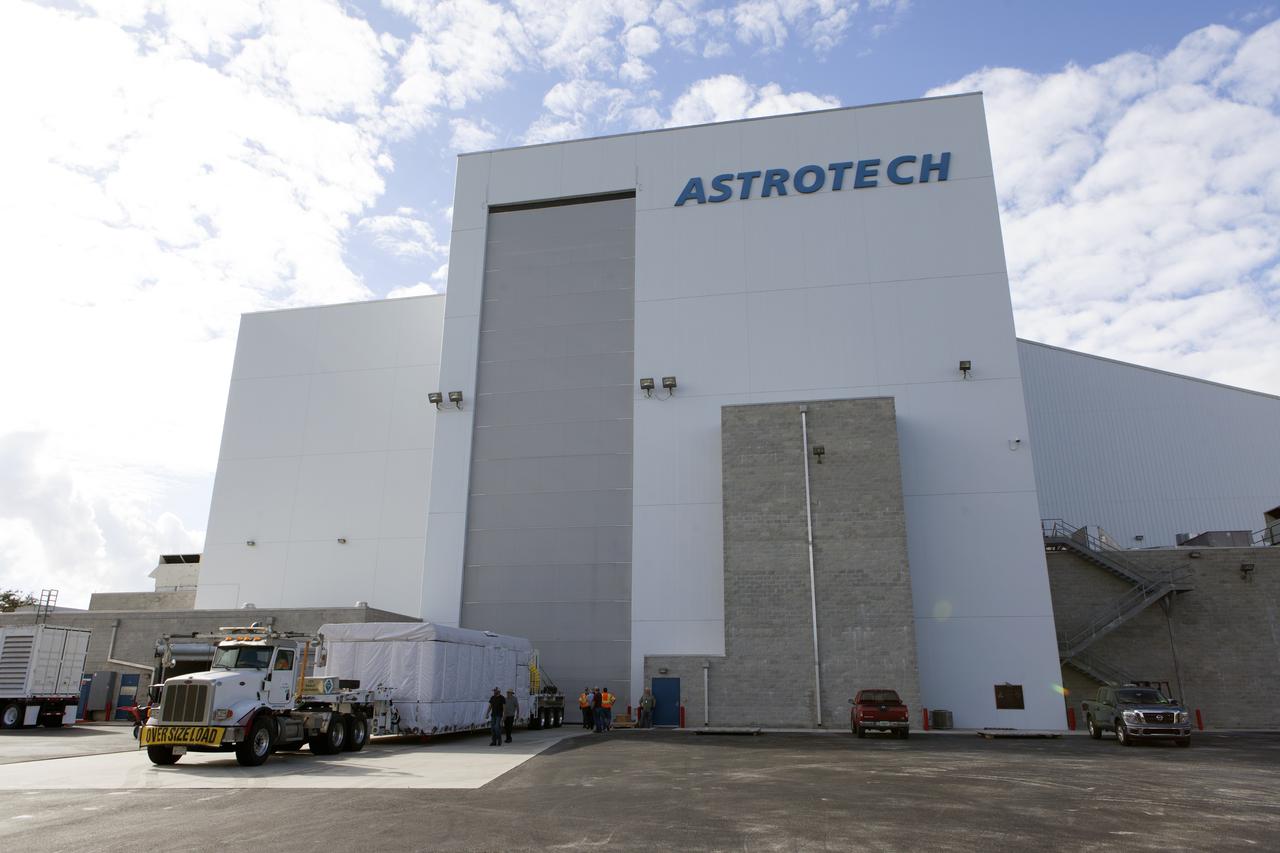
NOAA's Geostationary Operation Environmental Satellite-S (GOES-S) arrives at Astrotech Space Operations in Titusville, Florida, to prepare it for launch. The facility is located near NASA's Kennedy Space Center. GOES-S is the second in a series of four advanced geostationary weather satellites. The GOES-R series - consisting of the GOES-R, GOES-S, GOES-T and GOES-U spacecraft - will significantly improve the detection and observation of environmental phenomena that directly affect public safety, protection of property and the nation's economic health and prosperity. GOES-S is slated to launch March 1, 2018 aboard a United Launch Alliance Atlas V rocket from Cape Canaveral Air Force Station in Florida.
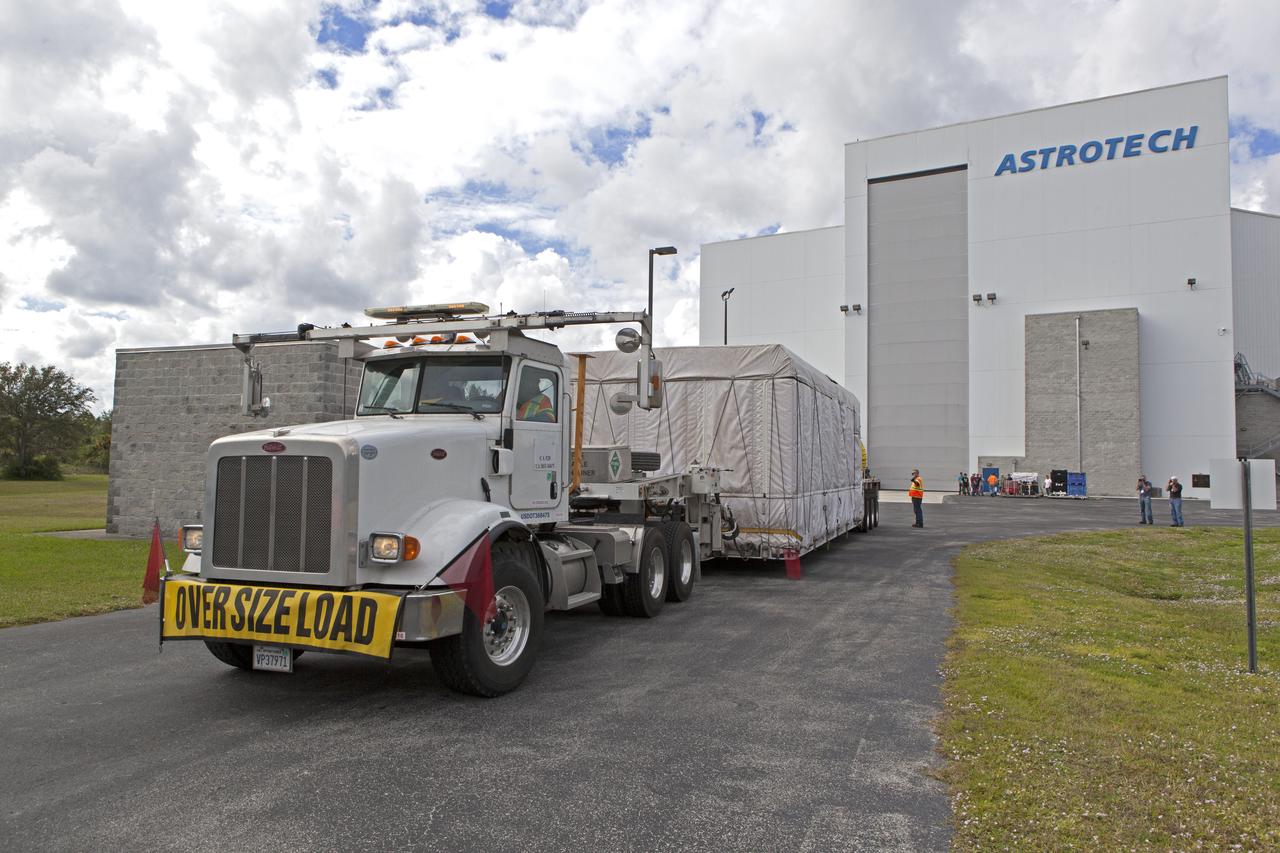
NOAA's Geostationary Operation Environmental Satellite-S (GOES-S) arrives at Astrotech Space Operations in Titusville, Florida, to prepare it for launch. The facility is located near NASA's Kennedy Space Center. GOES-S is the second in a series of four advanced geostationary weather satellites. The GOES-R series - consisting of the GOES-R, GOES-S, GOES-T and GOES-U spacecraft - will significantly improve the detection and observation of environmental phenomena that directly affect public safety, protection of property and the nation's economic health and prosperity. GOES-S is slated to launch March 1, 2018 aboard a United Launch Alliance Atlas V rocket from Cape Canaveral Air Force Station in Florida.
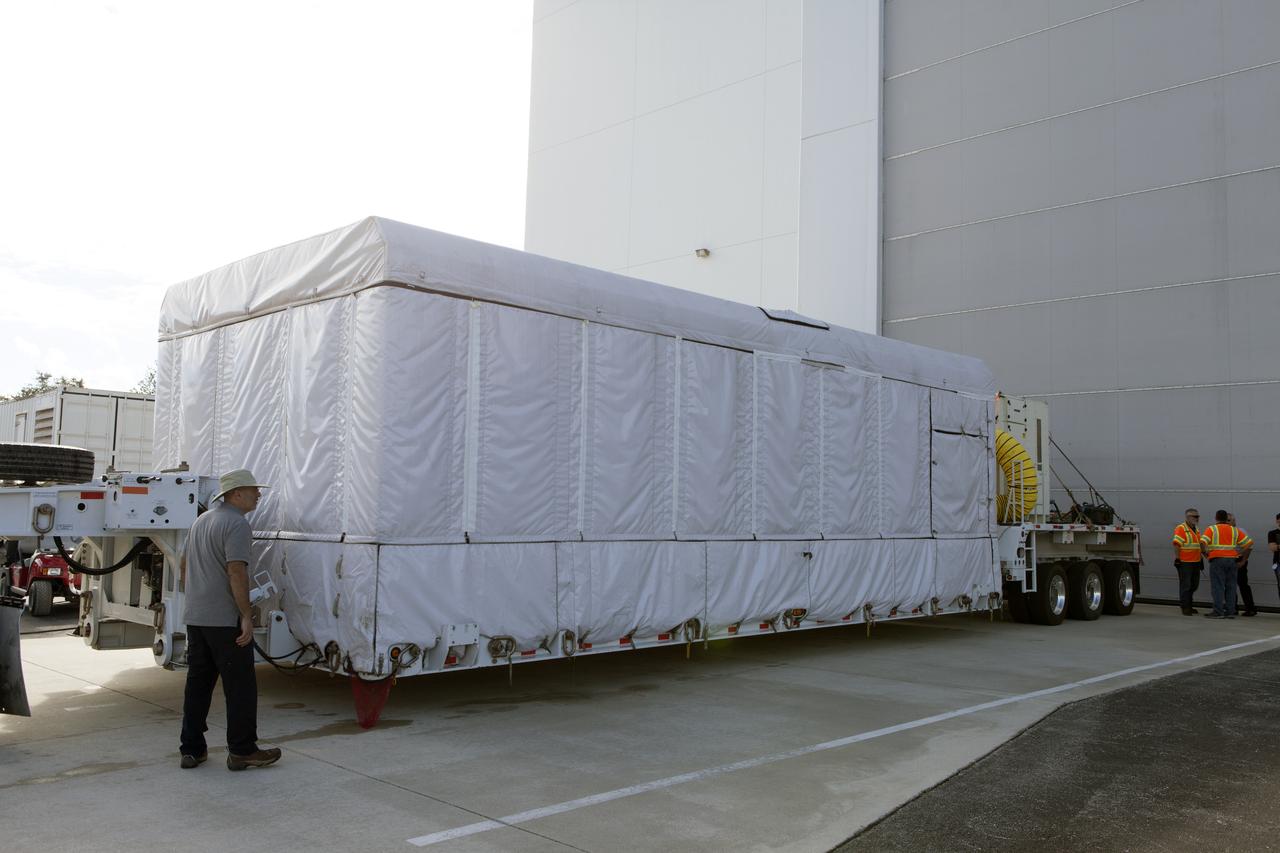
NOAA's Geostationary Operation Environmental Satellite-S (GOES-S) arrives at Astrotech Space Operations in Titusville, Florida, to prepare it for launch. The facility is located near NASA's Kennedy Space Center. GOES-S is the second in a series of four advanced geostationary weather satellites. The GOES-R series - consisting of the GOES-R, GOES-S, GOES-T and GOES-U spacecraft - will significantly improve the detection and observation of environmental phenomena that directly affect public safety, protection of property and the nation's economic health and prosperity. GOES-S is slated to launch March 1, 2018 aboard a United Launch Alliance Atlas V rocket from Cape Canaveral Air Force Station in Florida.
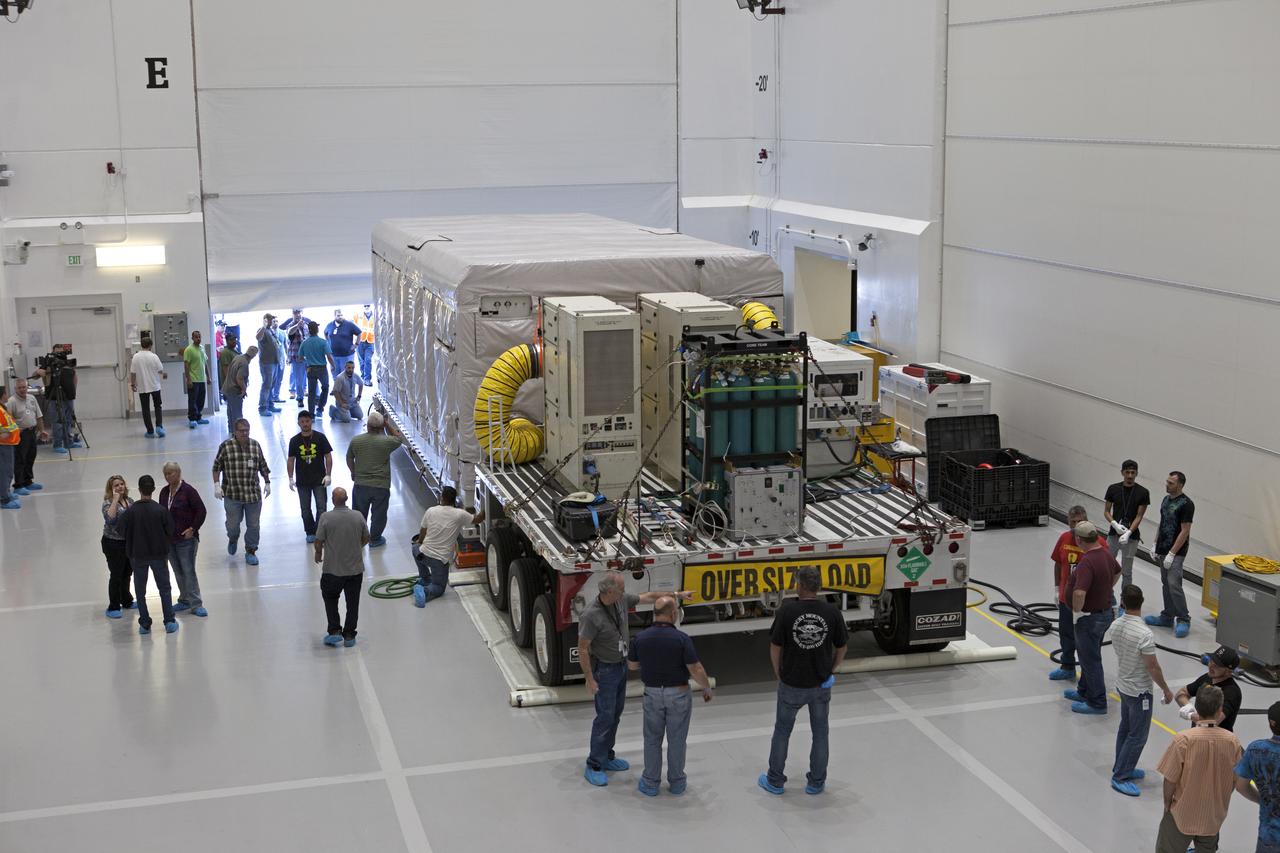
NOAA's Geostationary Operation Environmental Satellite-S (GOES-S) arrives inside Astrotech Space Operations in Titusville, Florida, to prepare it for launch. The facility is located near NASA's Kennedy Space Center. GOES-S is the second in a series of four advanced geostationary weather satellites. The GOES-R series - consisting of the GOES-R, GOES-S, GOES-T and GOES-U spacecraft - will significantly improve the detection and observation of environmental phenomena that directly affect public safety, protection of property and the nation's economic health and prosperity. GOES-S is slated to launch March 1, 2018 aboard a United Launch Alliance Atlas V rocket from Cape Canaveral Air Force Station in Florida.
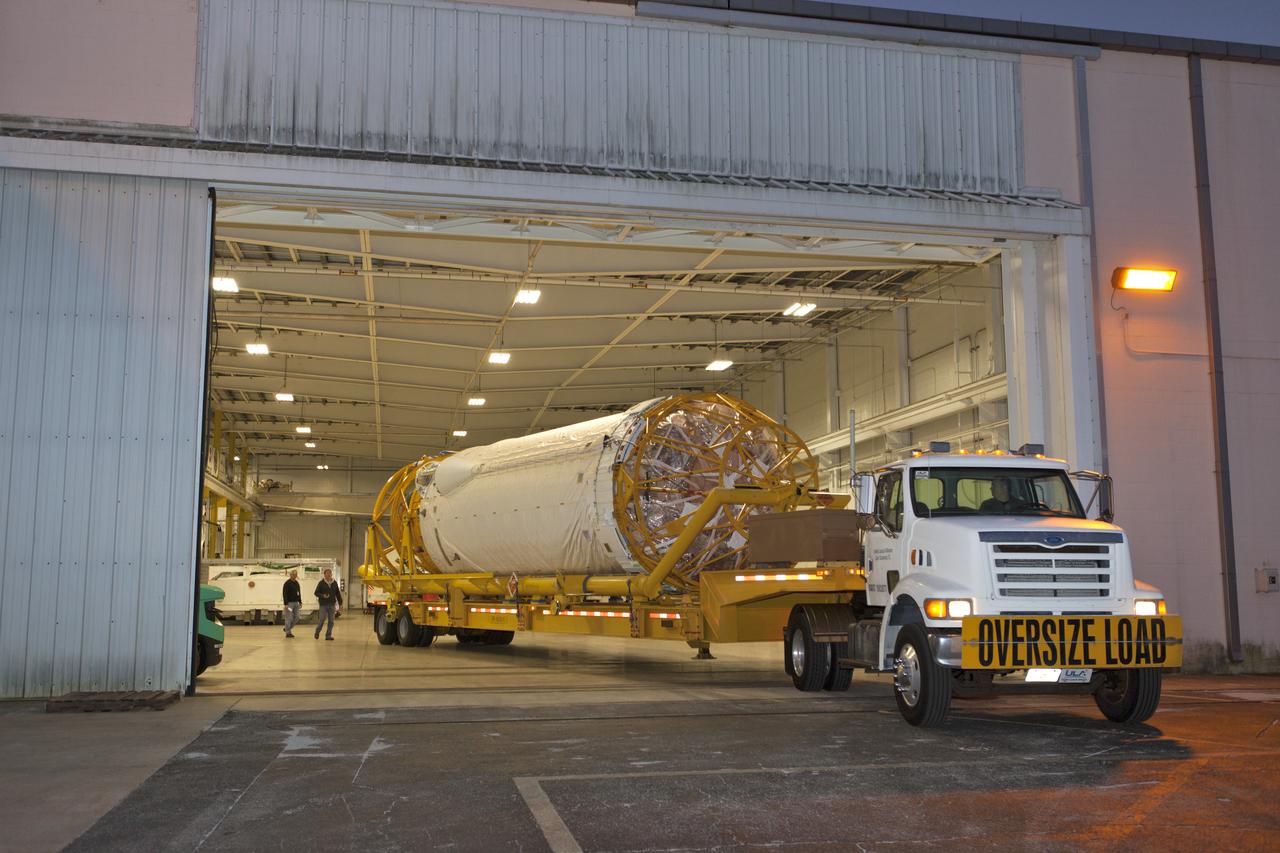
The Centaur upper stage that will help launch NOAA's Geostationary Operational Environmental Satellite-S, or GOES-S, is being transported from the Atlas Spaceflight Operations Center at Cape Canaveral Air Force Station to the Delta Operations Center for further processing. GOES-S is the second in a series of four advanced geostationary weather satellites. The GOES-R series - consisting of the GOES-R, GOES-S, GOES-T and GOES-U spacecraft - will significantly improve the detection and observation of environmental phenomena that directly affect public safety, protection of property and the nation's economic health and prosperity. GOES-S is slated to launch March 1, 2018 aboard a United Launch Alliance Atlas V rocket.
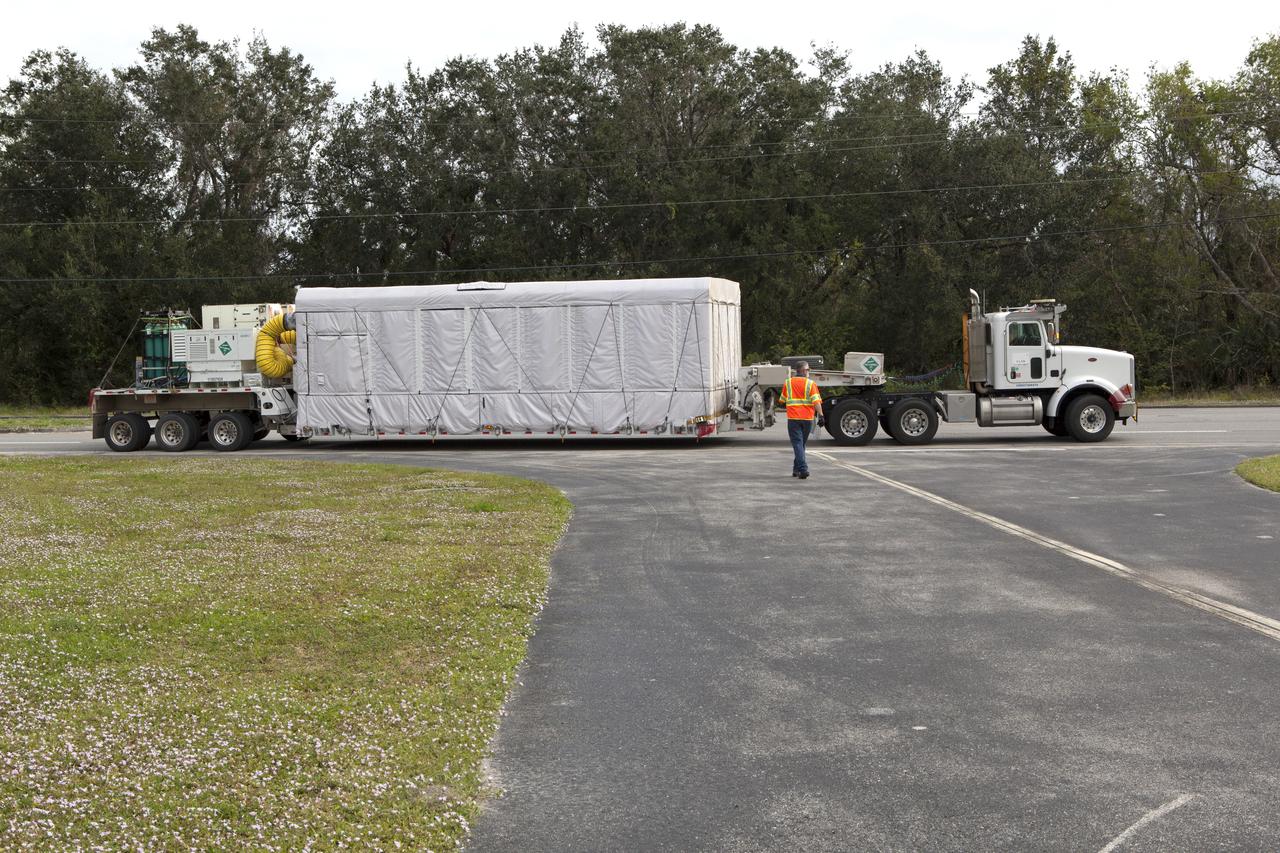
NOAA's Geostationary Operation Environmental Satellite-S (GOES-S) arrives at Astrotech Space Operations in Titusville, Florida, to prepare it for launch. The facility is located near NASA's Kennedy Space Center. GOES-S is the second in a series of four advanced geostationary weather satellites. The GOES-R series - consisting of the GOES-R, GOES-S, GOES-T and GOES-U spacecraft - will significantly improve the detection and observation of environmental phenomena that directly affect public safety, protection of property and the nation's economic health and prosperity. GOES-S is slated to launch March 1, 2018 aboard a United Launch Alliance Atlas V rocket from Cape Canaveral Air Force Station in Florida.
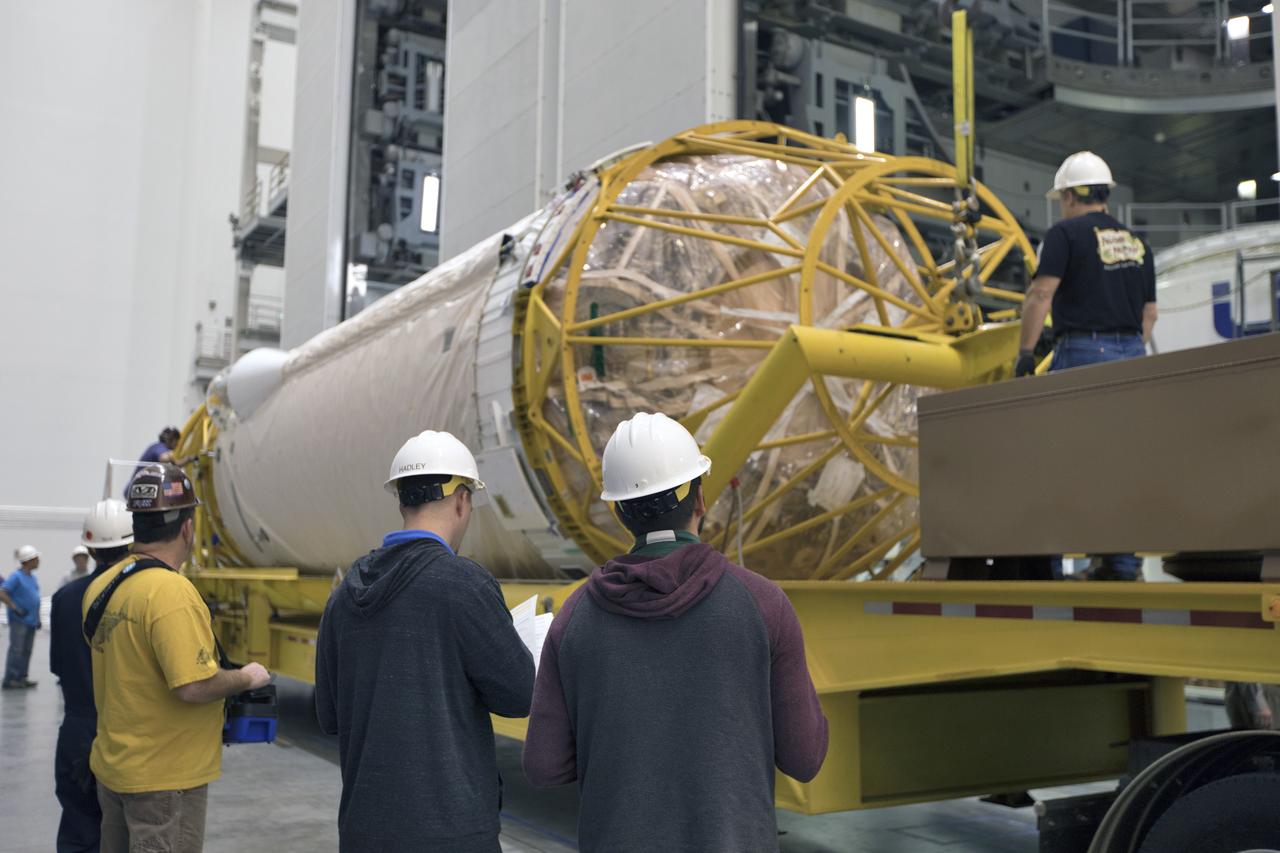
Under the watchful eyes of technicians and engineers, the Centaur upper stage that will help launch NOAA's Geostationary Operational Environmental Satellite-S, or GOES-S, arrives inside the Delta Operations Center at Cape Canaveral Air Force Station for further processing. GOES-S is the second in a series of four advanced geostationary weather satellites. The GOES-R series - consisting of the GOES-R, GOES-S, GOES-T and GOES-U spacecraft - will significantly improve the detection and observation of environmental phenomena that directly affect public safety, protection of property and the nation's economic health and prosperity. GOES-S is slated to launch March 1, 2018 aboard a United Launch Alliance Atlas V rocket.
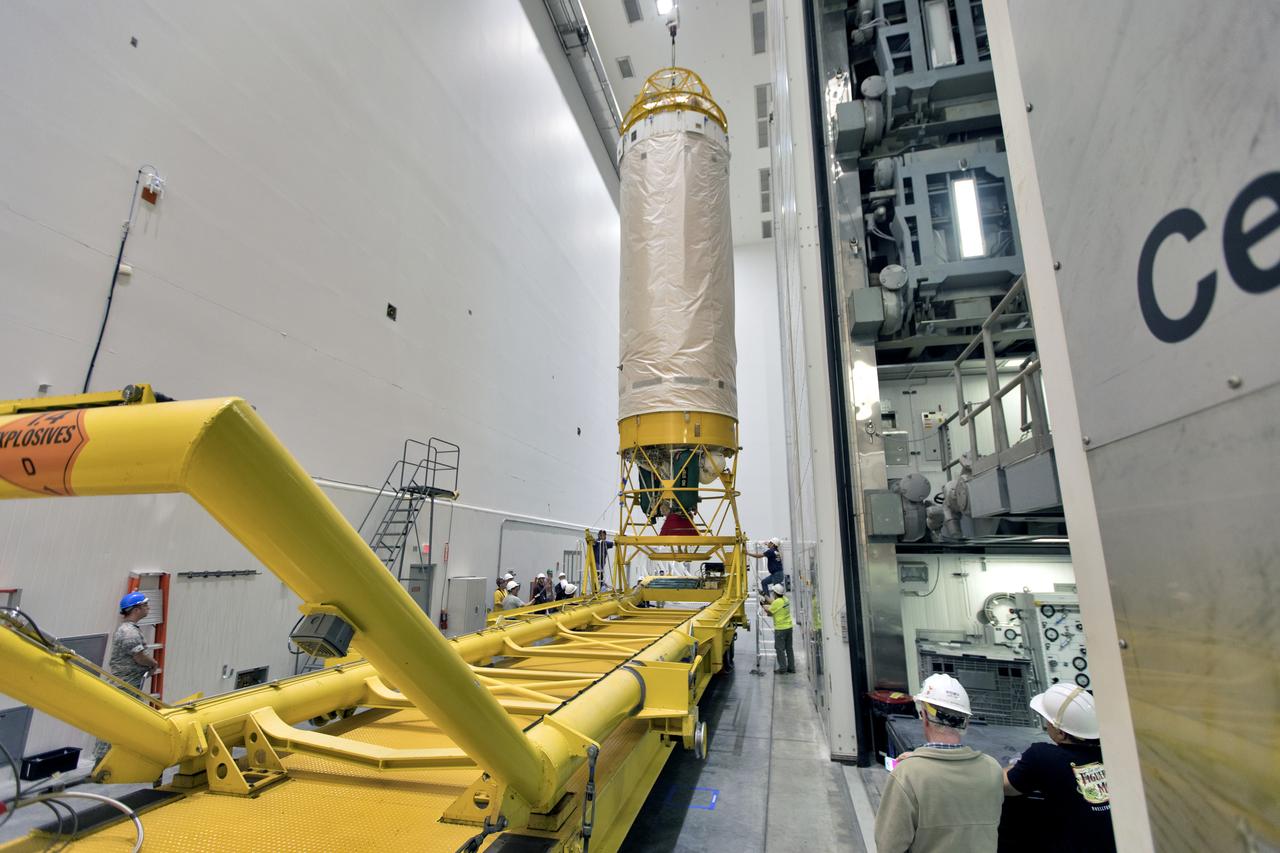
The Centaur upper stage that will help launch NOAA's Geostationary Operational Environmental Satellite-S, or GOES-S, has been lifted from its transporter inside the Delta Operations Center at Cape Canaveral Air Force Station for further processing. GOES-S is the second in a series of four advanced geostationary weather satellites. The GOES-R series - consisting of the GOES-R, GOES-S, GOES-T and GOES-U spacecraft - will significantly improve the detection and observation of environmental phenomena that directly affect public safety, protection of property and the nation's economic health and prosperity. GOES-S is slated to launch March 1, 2018 aboard a United Launch Alliance Atlas V rocket.
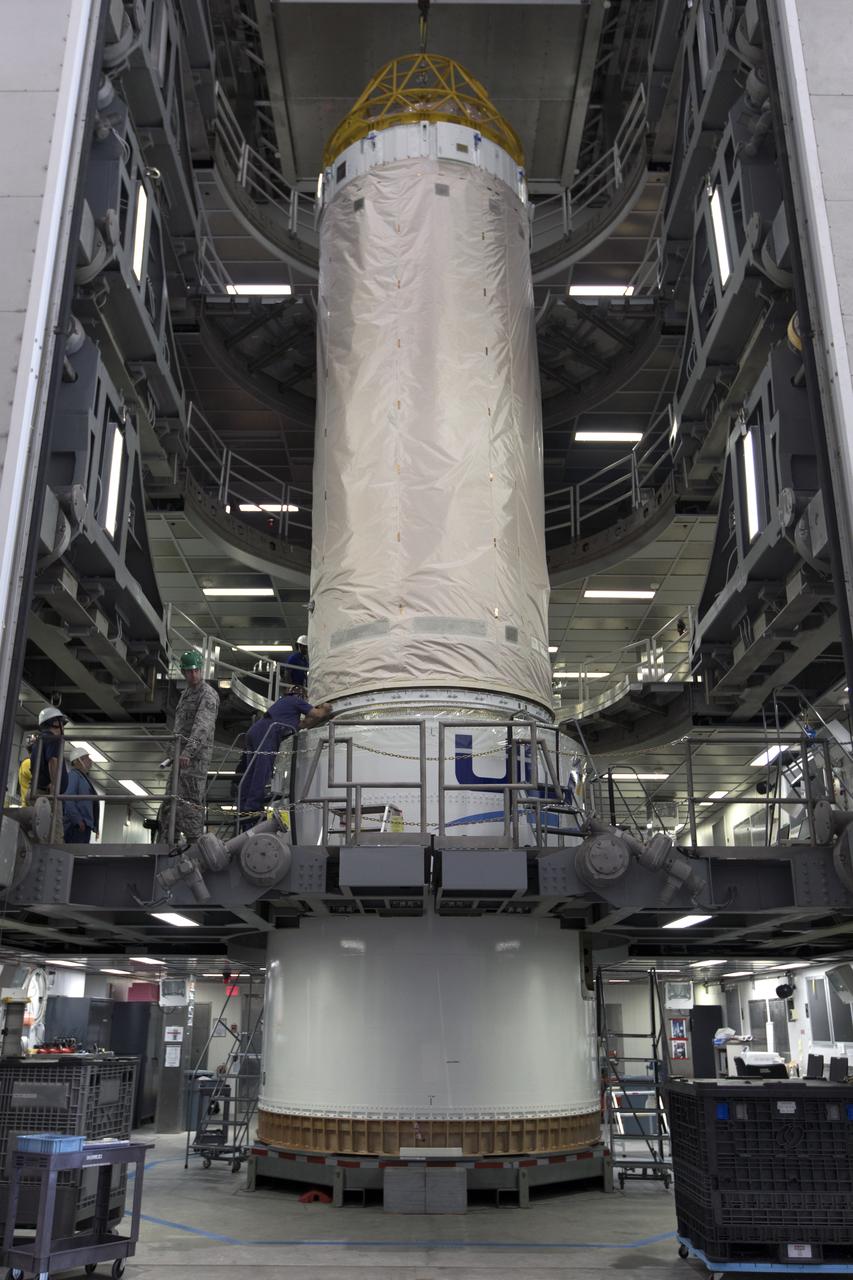
The Centaur upper stage that will help launch NOAA's Geostationary Operational Environmental Satellite-S, or GOES-S, has been positioned in at test cell inside the Delta Operations Center at Cape Canaveral Air Force Station for further processing. GOES-S is the second in a series of four advanced geostationary weather satellites. The GOES-R series - consisting of the GOES-R, GOES-S, GOES-T and GOES-U spacecraft - will significantly improve the detection and observation of environmental phenomena that directly affect public safety, protection of property and the nation's economic health and prosperity. GOES-S is slated to launch March 1, 2018 aboard a United Launch Alliance Atlas V rocket.
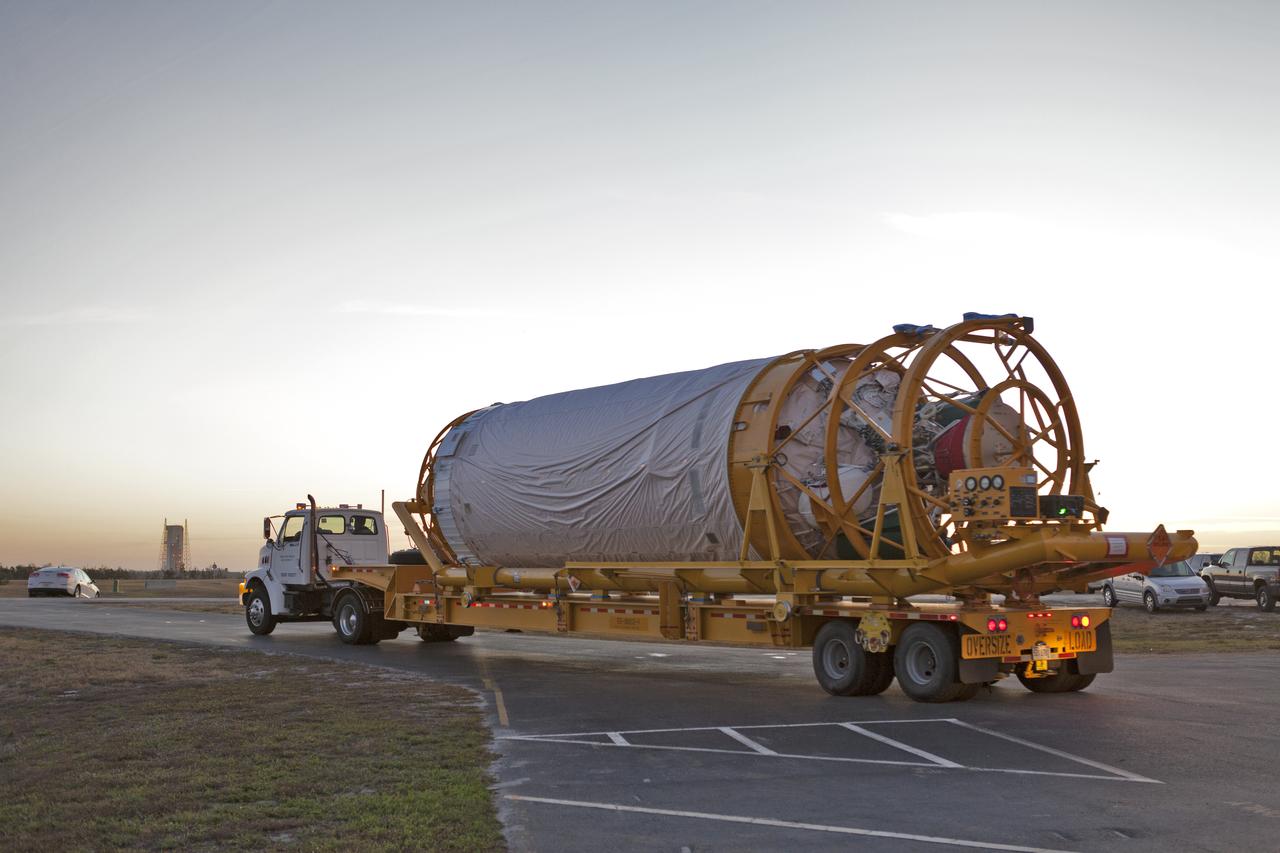
The Centaur upper stage that will help launch NOAA's Geostationary Operational Environmental Satellite-S, or GOES-S, is being transported to the Delta Operations Center at Cape Canaveral Air Force Station for further processing. GOES-S is the second in a series of four advanced geostationary weather satellites. The GOES-R series - consisting of the GOES-R, GOES-S, GOES-T and GOES-U spacecraft - will significantly improve the detection and observation of environmental phenomena that directly affect public safety, protection of property and the nation's economic health and prosperity. GOES-S is slated to launch March 1, 2018 aboard a United Launch Alliance Atlas V rocket.
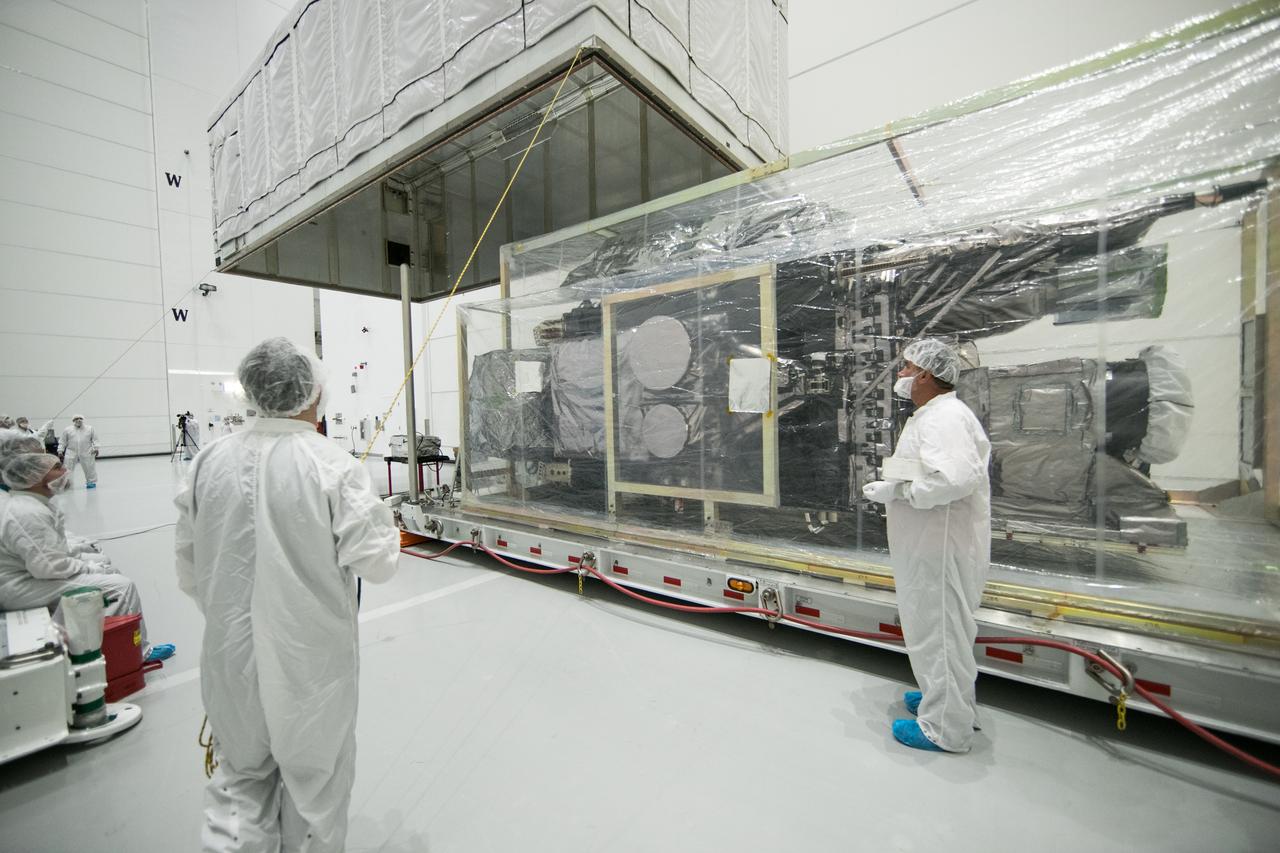
At Astrotech Space Operations in Titusville, Florida, technicians and engineers remove NOAA's Geostationary Operation Environmental Satellite-S (GOES-S) from its shipping container. GOES-S is the second in a series of four advanced geostationary weather satellites. The GOES-R series - consisting of the GOES-R, GOES-S, GOES-T and GOES-U spacecraft - will significantly improve the detection and observation of environmental phenomena that directly affect public safety, protection of property and the nation's economic health and prosperity. GOES-S is slated to launch March 1, 2018 aboard a United Launch Alliance Atlas V rocket from Cape Canaveral Air Force Station in Florida.
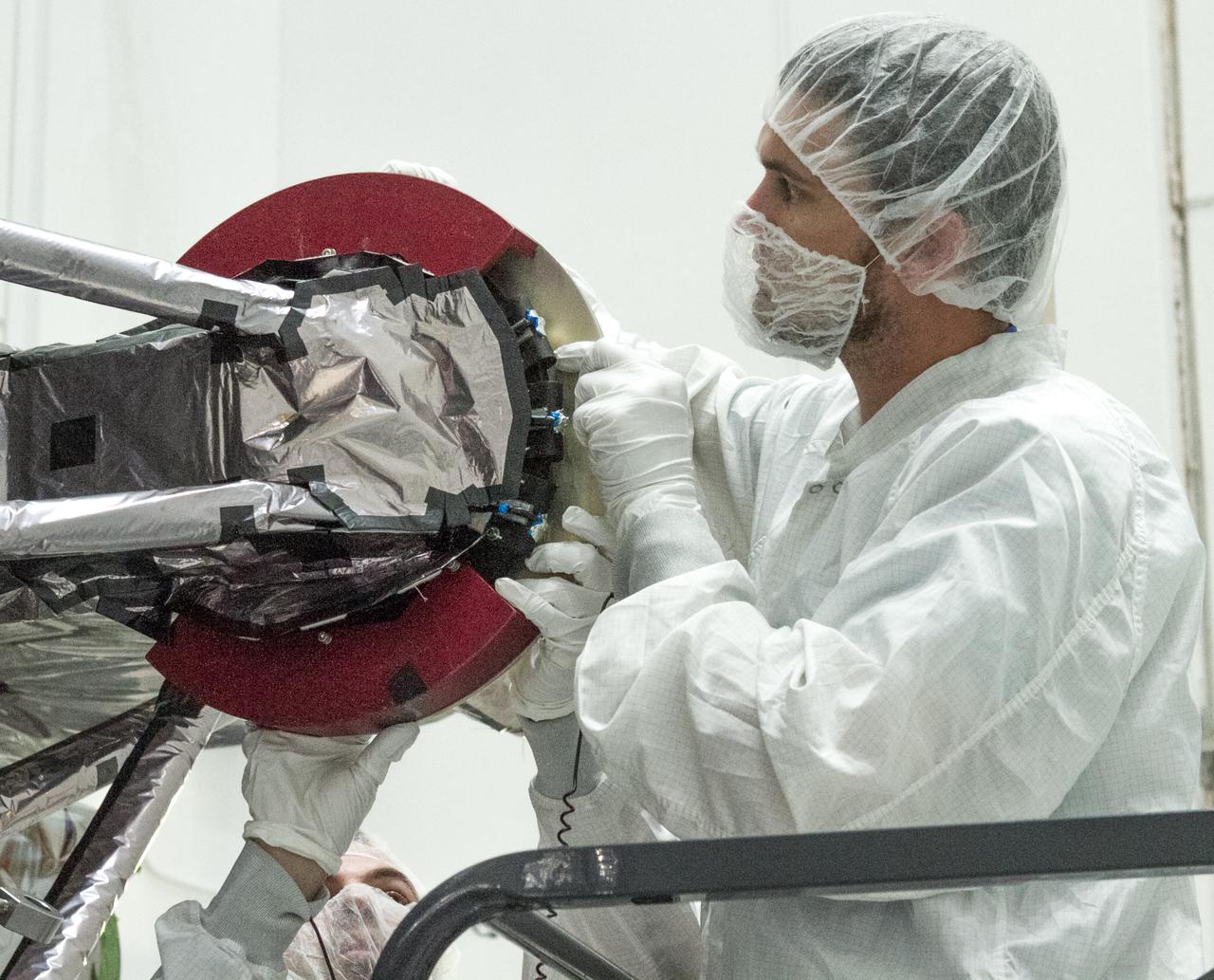
At Astrotech Space Operations in Titusville, Florida, technicians and engineers inspect NOAA's Geostationary Operation Environmental Satellite-S (GOES-S) after removal from its shipping container. GOES-S is the second in a series of four advanced geostationary weather satellites. The GOES-R series - consisting of the GOES-R, GOES-S, GOES-T and GOES-U spacecraft - will significantly improve the detection and observation of environmental phenomena that directly affect public safety, protection of property and the nation's economic health and prosperity. GOES-S is slated to launch March 1, 2018 aboard a United Launch Alliance Atlas V rocket from Cape Canaveral Air Force Station in Florida.
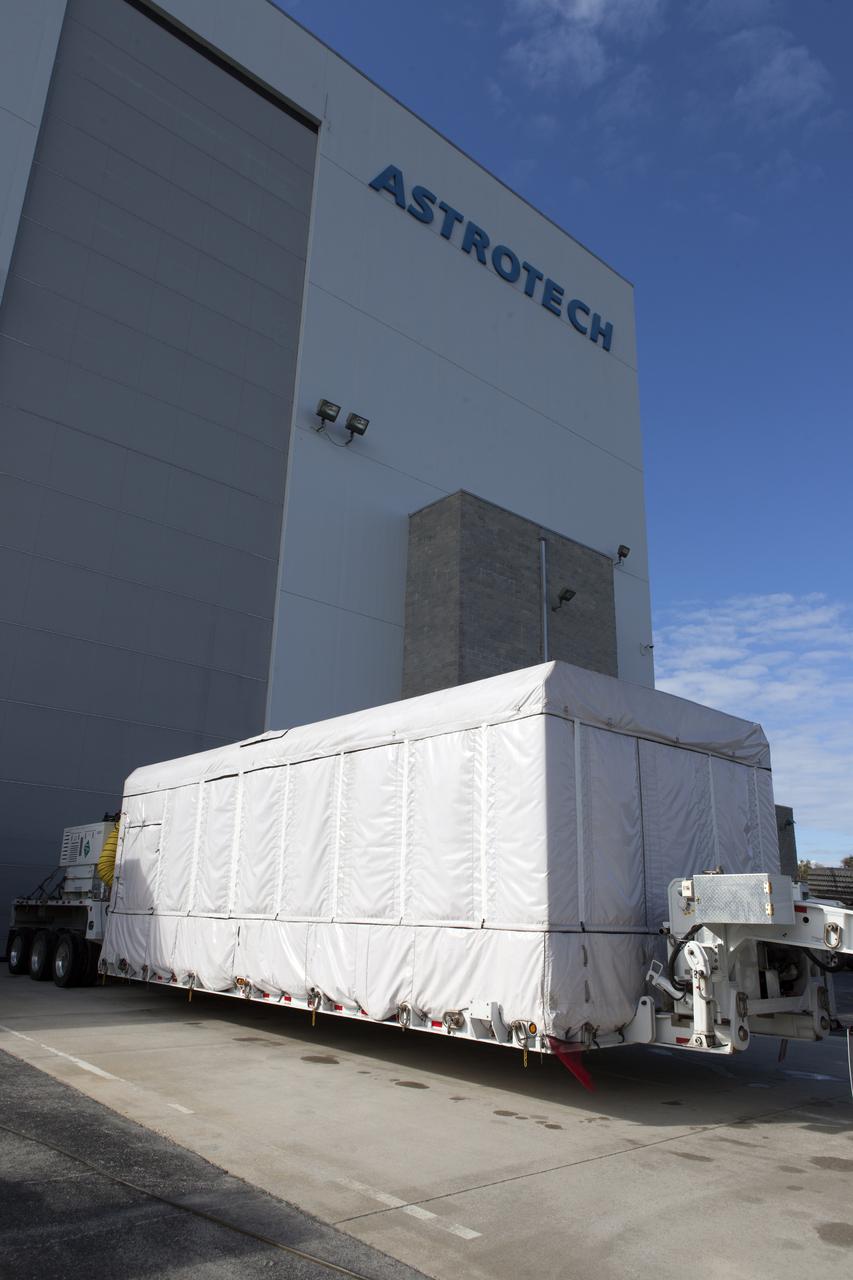
NOAA's Geostationary Operation Environmental Satellite-S (GOES-S) arrives at Astrotech Space Operations in Titusville, Florida, to prepare it for launch. The facility is located near NASA's Kennedy Space Center. GOES-S is the second in a series of four advanced geostationary weather satellites. The GOES-R series - consisting of the GOES-R, GOES-S, GOES-T and GOES-U spacecraft - will significantly improve the detection and observation of environmental phenomena that directly affect public safety, protection of property and the nation's economic health and prosperity. GOES-S is slated to launch March 1, 2018 aboard a United Launch Alliance Atlas V rocket from Cape Canaveral Air Force Station in Florida.
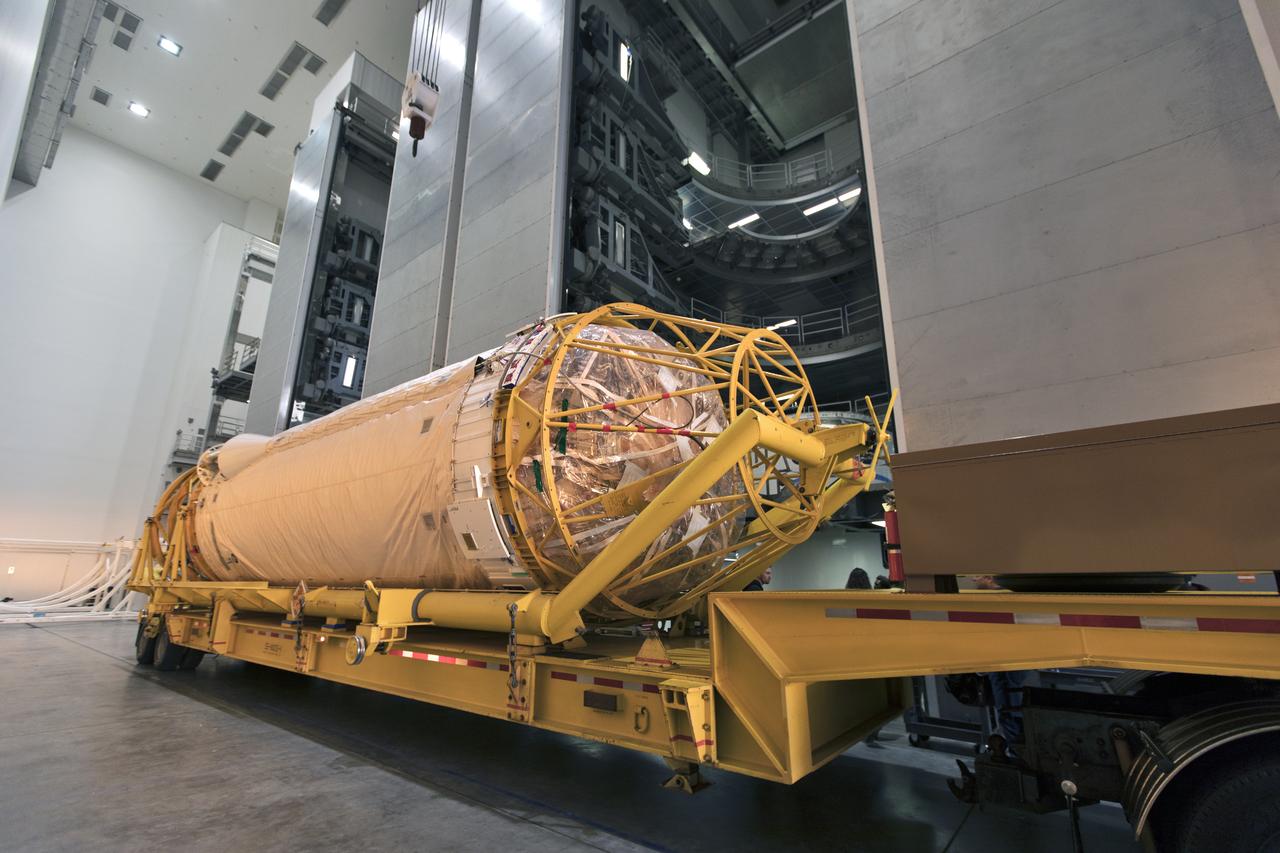
The Centaur upper stage that will help launch NOAA's Geostationary Operational Environmental Satellite-S, or GOES-S, arrives inside the Delta Operations Center at Cape Canaveral Air Force Station for further processing. GOES-S is the second in a series of four advanced geostationary weather satellites. The GOES-R series - consisting of the GOES-R, GOES-S, GOES-T and GOES-U spacecraft - will significantly improve the detection and observation of environmental phenomena that directly affect public safety, protection of property and the nation's economic health and prosperity. GOES-S is slated to launch March 1, 2018 aboard a United Launch Alliance Atlas V rocket.
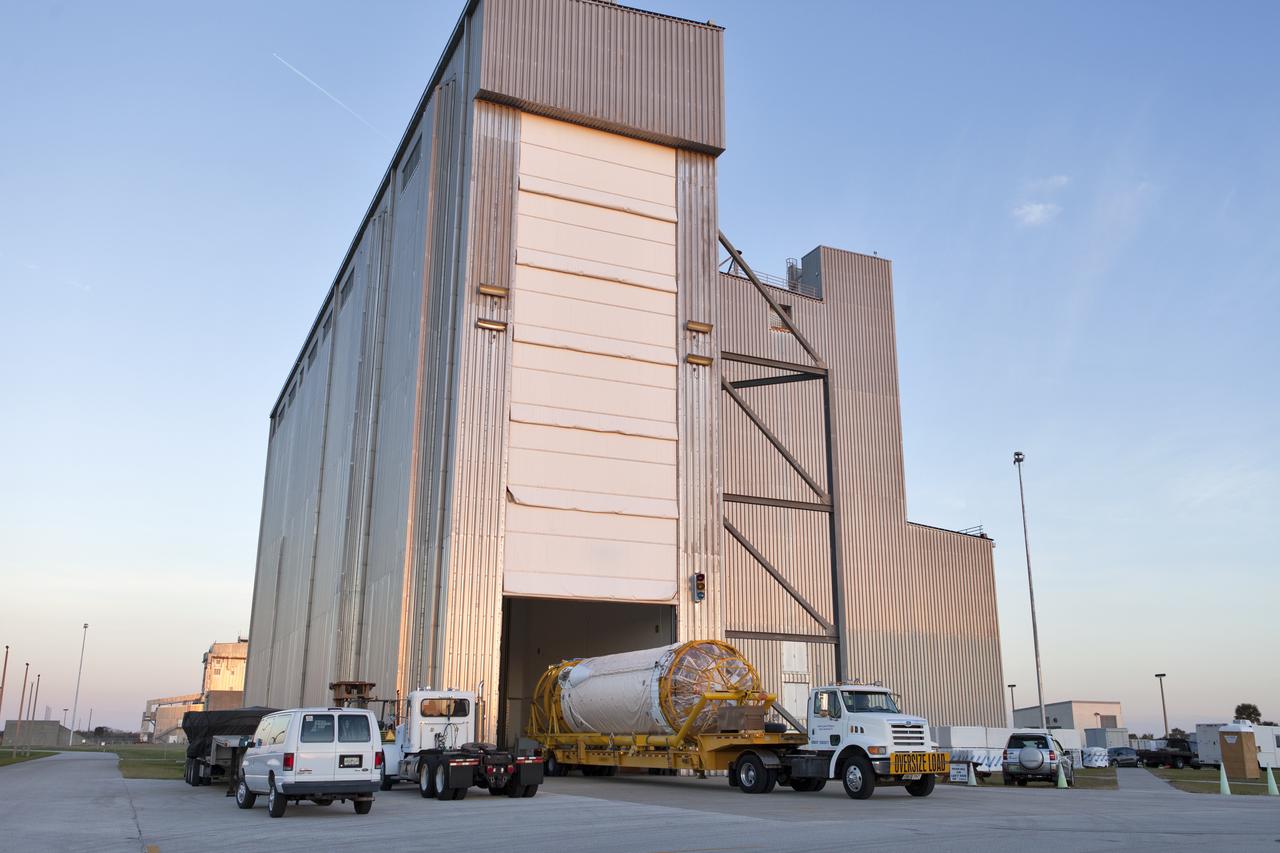
The Centaur upper stage that will help launch NOAA's Geostationary Operational Environmental Satellite-S, or GOES-S, arrives at the Delta Operations Center at Cape Canaveral Air Force Station for further processing. GOES-S is the second in a series of four advanced geostationary weather satellites. The GOES-R series - consisting of the GOES-R, GOES-S, GOES-T and GOES-U spacecraft - will significantly improve the detection and observation of environmental phenomena that directly affect public safety, protection of property and the nation's economic health and prosperity. GOES-S is slated to launch March 1, 2018 aboard a United Launch Alliance Atlas V rocket.
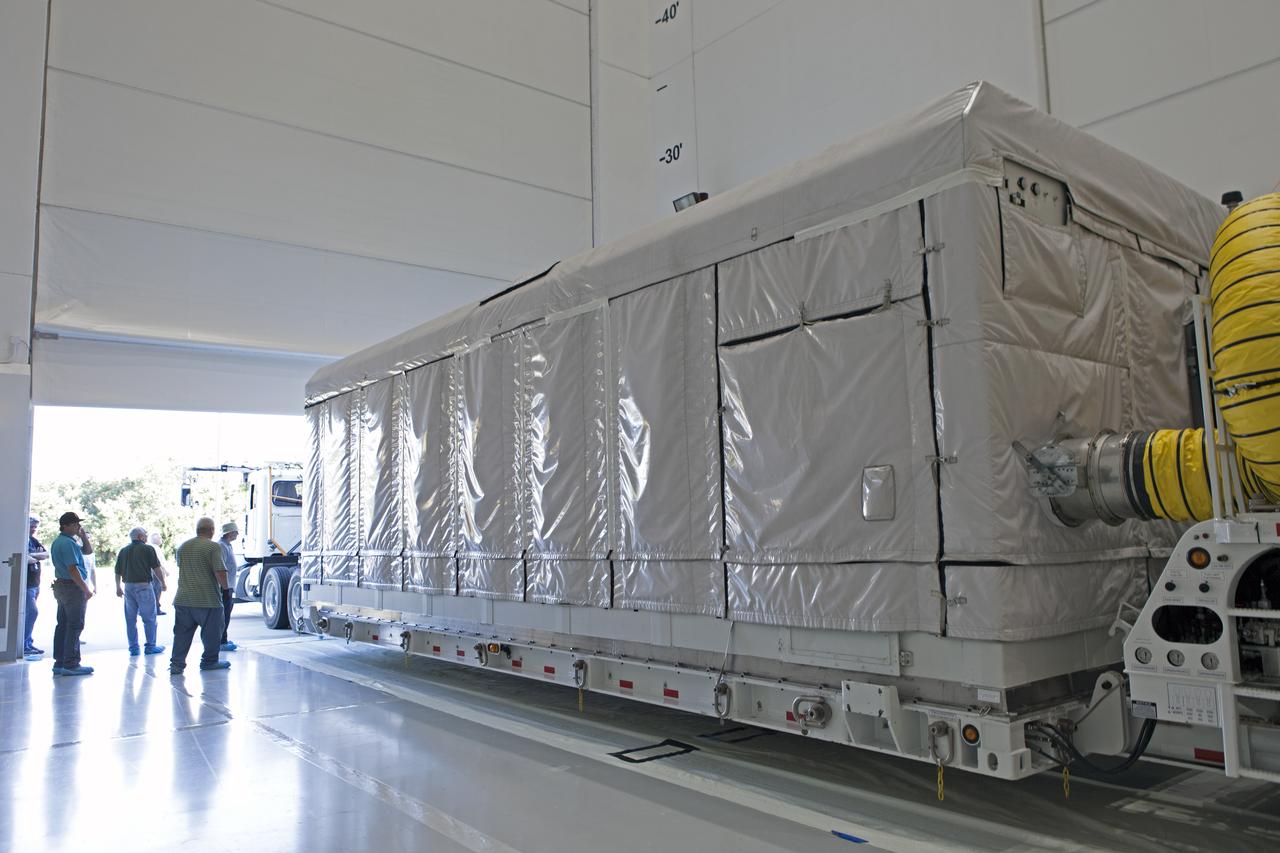
NOAA's Geostationary Operation Environmental Satellite-S (GOES-S) arrives at Astrotech Space Operations in Titusville, Florida, to prepare it for launch. The facility is located near NASA's Kennedy Space Center. GOES-S is the second in a series of four advanced geostationary weather satellites. The GOES-R series - consisting of the GOES-R, GOES-S, GOES-T and GOES-U spacecraft - will significantly improve the detection and observation of environmental phenomena that directly affect public safety, protection of property and the nation's economic health and prosperity. GOES-S is slated to launch March 1, 2018 aboard a United Launch Alliance Atlas V rocket from Cape Canaveral Air Force Station in Florida.
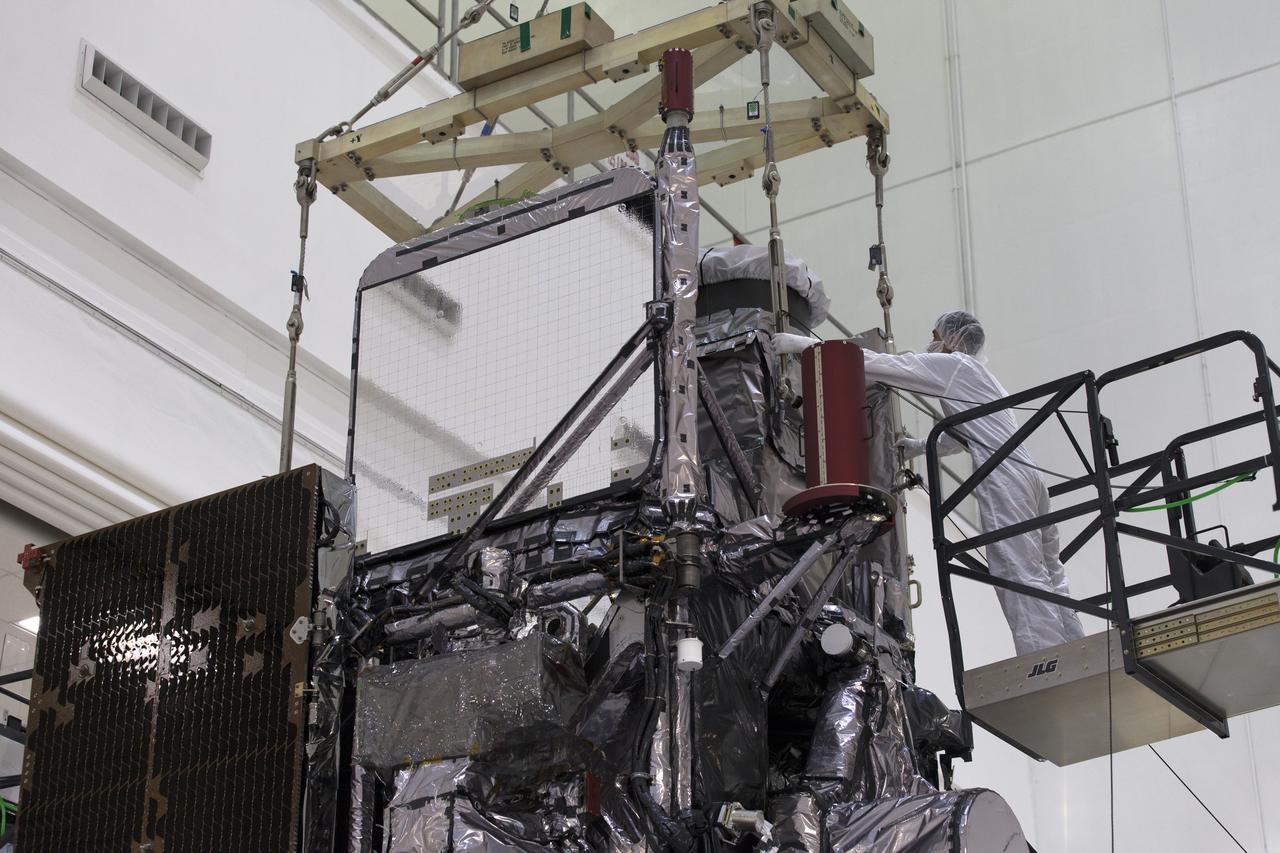
At Astrotech Space Operations in Titusville, Florida, a technician inspects NOAA's Geostationary Operational Environmental Satellite-S (GOES-S). The facility is located near NASA's Kennedy Space Center. GOES-S is the second in a series of four advanced geostationary weather satellites. The GOES-R series - consisting of the GOES-R, GOES-S, GOES-T and GOES-U spacecraft - will significantly improve the detection and observation of environmental phenomena that directly affect public safety, protection of property and the nation's economic health and prosperity. GOES-S is slated to launch March 1, 2018 aboard a United Launch Alliance Atlas V rocket from Cape Canaveral Air Force Station in Florida.
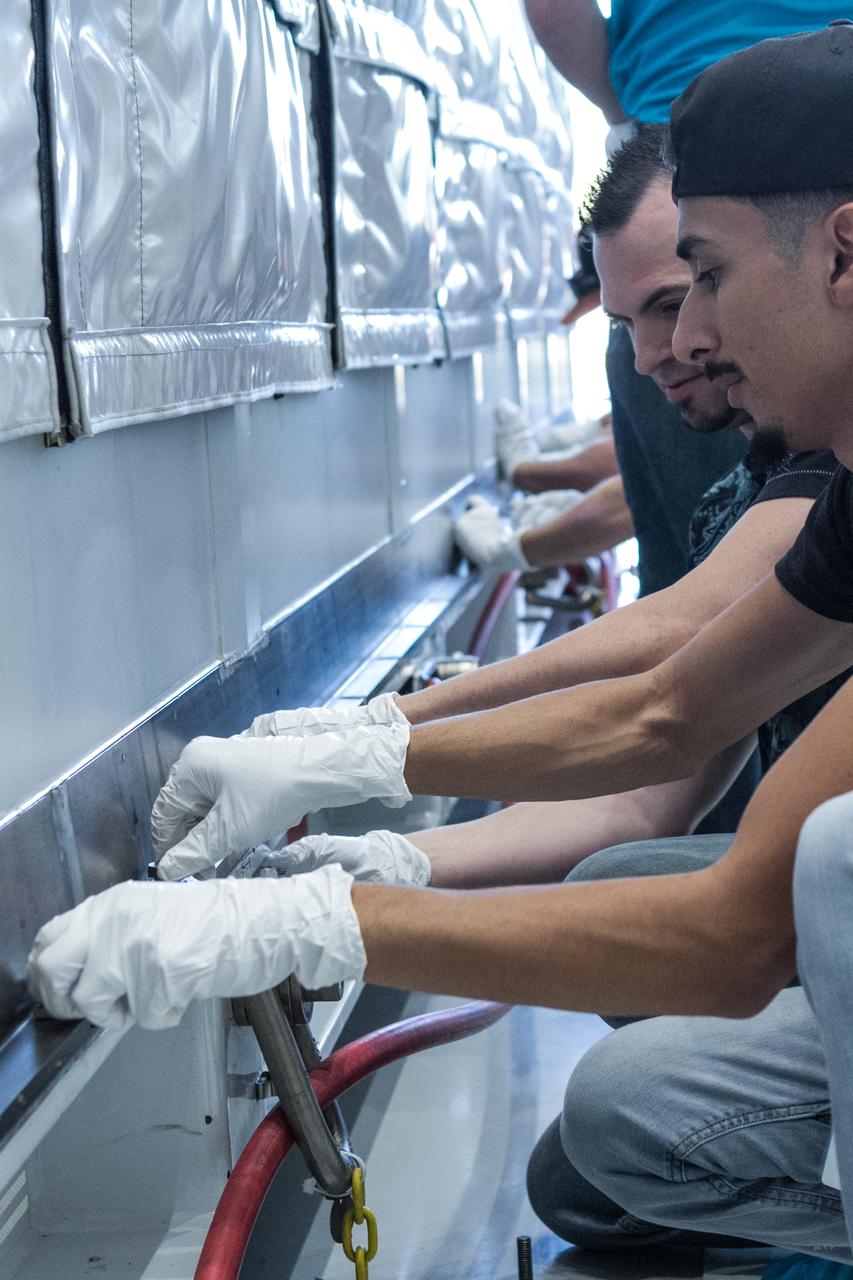
At Astrotech Space Operations in Titusville, Florida, technicians and engineers prepare to remove NOAA's Geostationary Operation Environmental Satellite-S (GOES-S) from its shipping container. GOES-S is the second in a series of four advanced geostationary weather satellites. The GOES-R series - consisting of the GOES-R, GOES-S, GOES-T and GOES-U spacecraft - will significantly improve the detection and observation of environmental phenomena that directly affect public safety, protection of property and the nation's economic health and prosperity. GOES-S is slated to launch March 1, 2018 aboard a United Launch Alliance Atlas V rocket from Cape Canaveral Air Force Station in Florida.
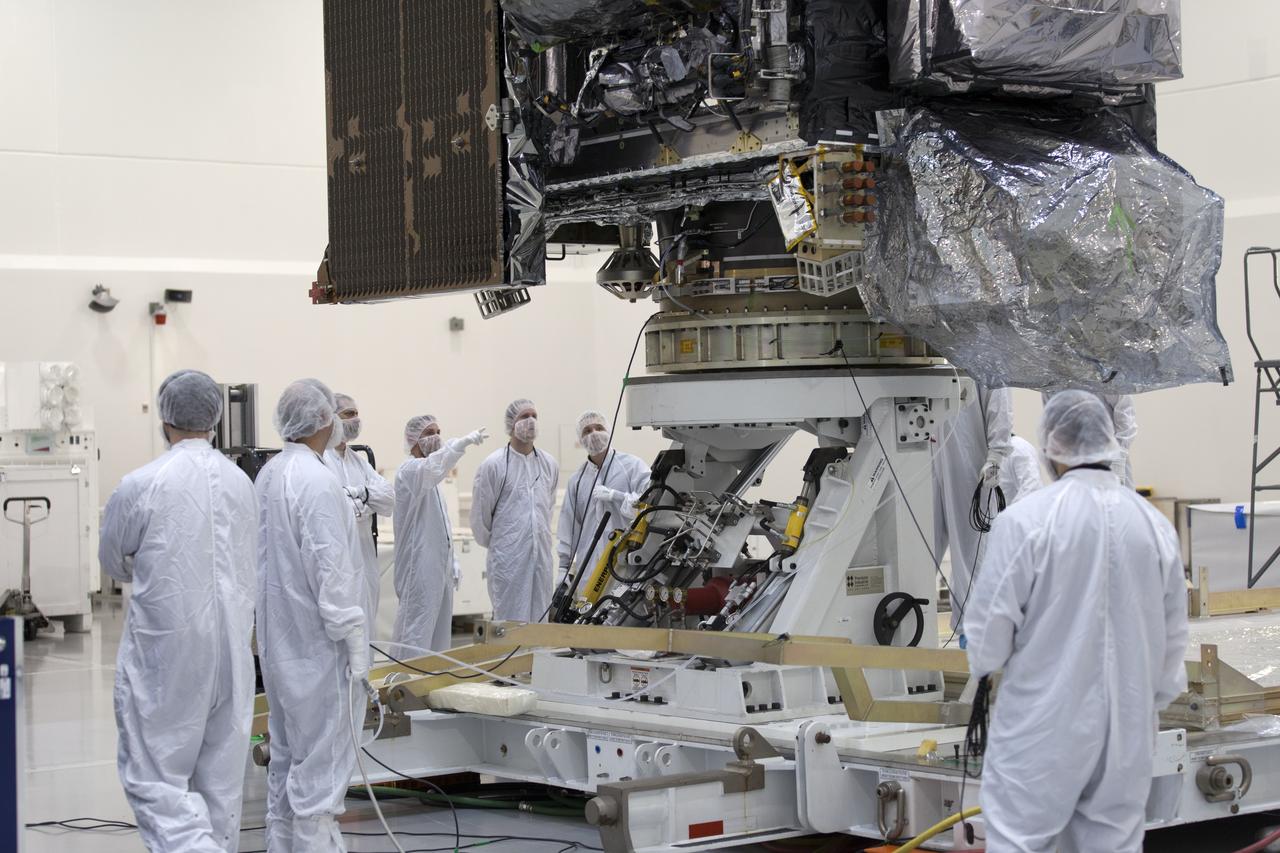
At Astrotech Space Operations in Titusville, Florida, technicians and engineers inspect NOAA's Geostationary Operational Environmental Satellite-S (GOES-S). The facility is located near NASA's Kennedy Space Center. GOES-S is the second in a series of four advanced geostationary weather satellites. The GOES-R series - consisting of the GOES-R, GOES-S, GOES-T and GOES-U spacecraft - will significantly improve the detection and observation of environmental phenomena that directly affect public safety, protection of property and the nation's economic health and prosperity. GOES-S is slated to launch March 1, 2018 aboard a United Launch Alliance Atlas V rocket from Cape Canaveral Air Force Station in Florida.
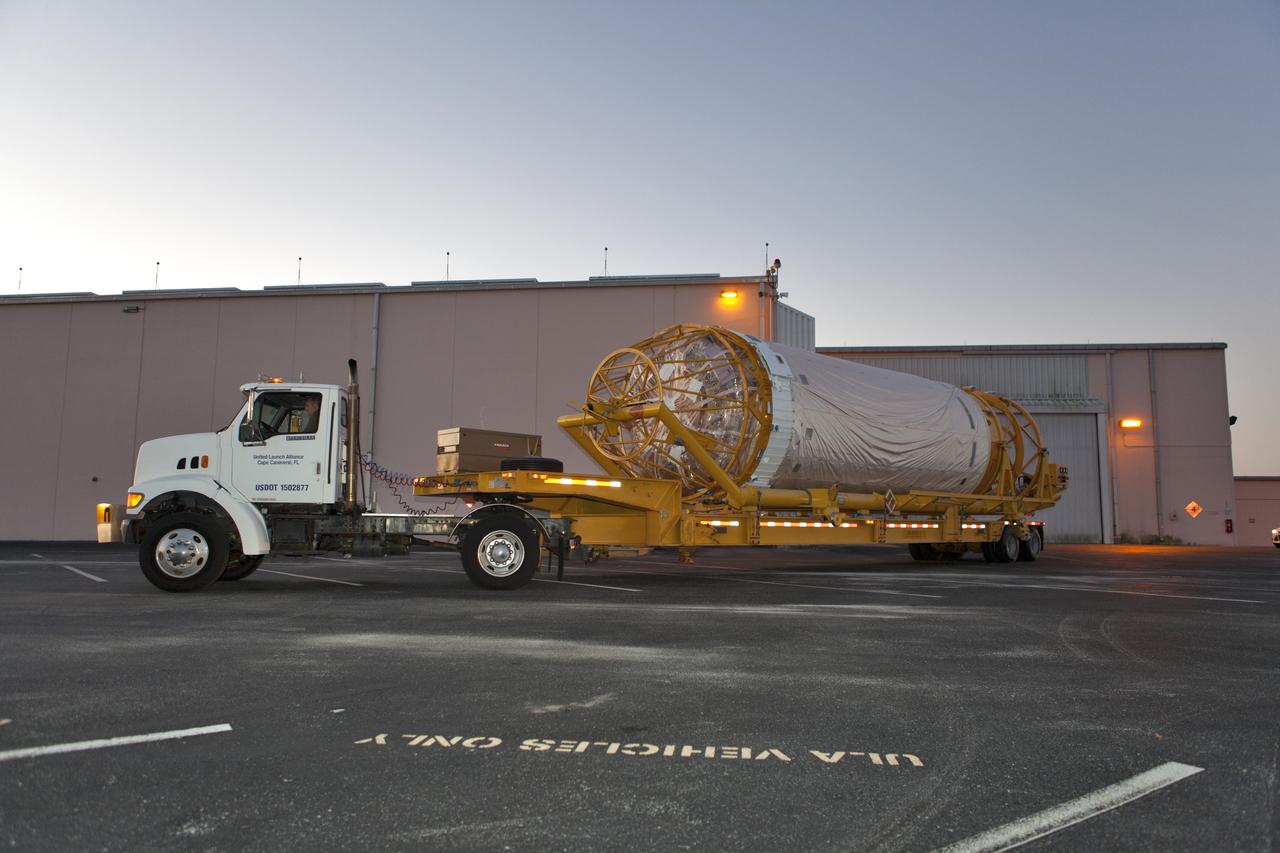
The Centaur upper stage that will help launch NOAA's Geostationary Operational Environmental Satellite-S, or GOES-S, is being transported from the Atlas Spaceflight Operations Center at Cape Canaveral Air Force Station to the Delta Operations Center for further processing. GOES-S is the second in a series of four advanced geostationary weather satellites. The GOES-R series - consisting of the GOES-R, GOES-S, GOES-T and GOES-U spacecraft - will significantly improve the detection and observation of environmental phenomena that directly affect public safety, protection of property and the nation's economic health and prosperity. GOES-S is slated to launch March 1, 2018 aboard a United Launch Alliance Atlas V rocket.
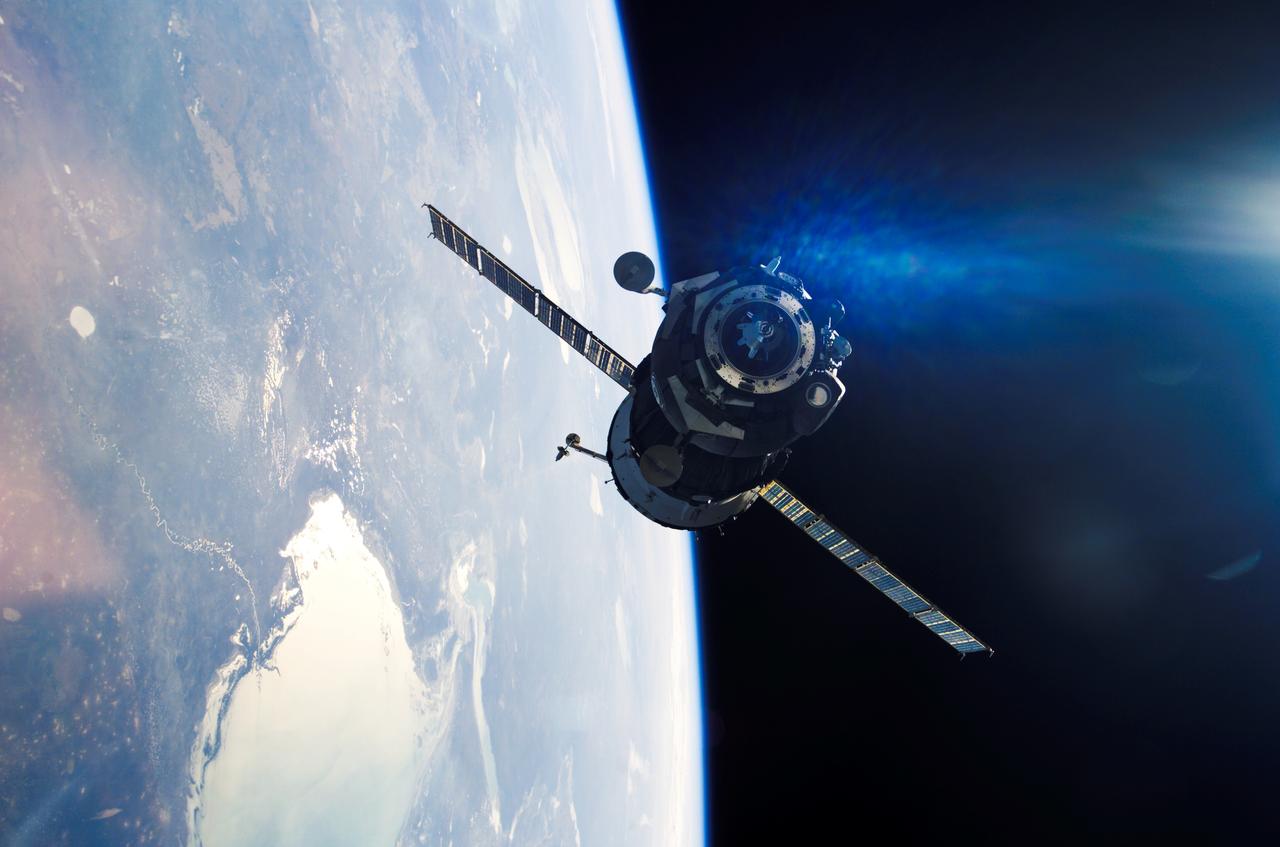
ISS011-E-14107 (3 Oct. 2005) --- Backdropped by the blackness of space and Earth’s horizon, the Soyuz TMA-7 spacecraft approaches the international space station. Onboard the spacecraft are astronaut William S. McArthur, Jr., Expedition 12 commander and NASA science officer; cosmonaut Valery I. Tokarev, Expedition 12 flight engineer and Soyuz commander; and U. S. Spaceflight Participant Gregory Olsen. The Soyuz linked up to the Pirs Docking Compartment at 12:27 a.m. (CDT) on Oct. 3, 2005 as the two spacecraft flew over eastern Asia. The docking followed Friday’s launch from Baikonur Cosmodrome in Kazakhstan.
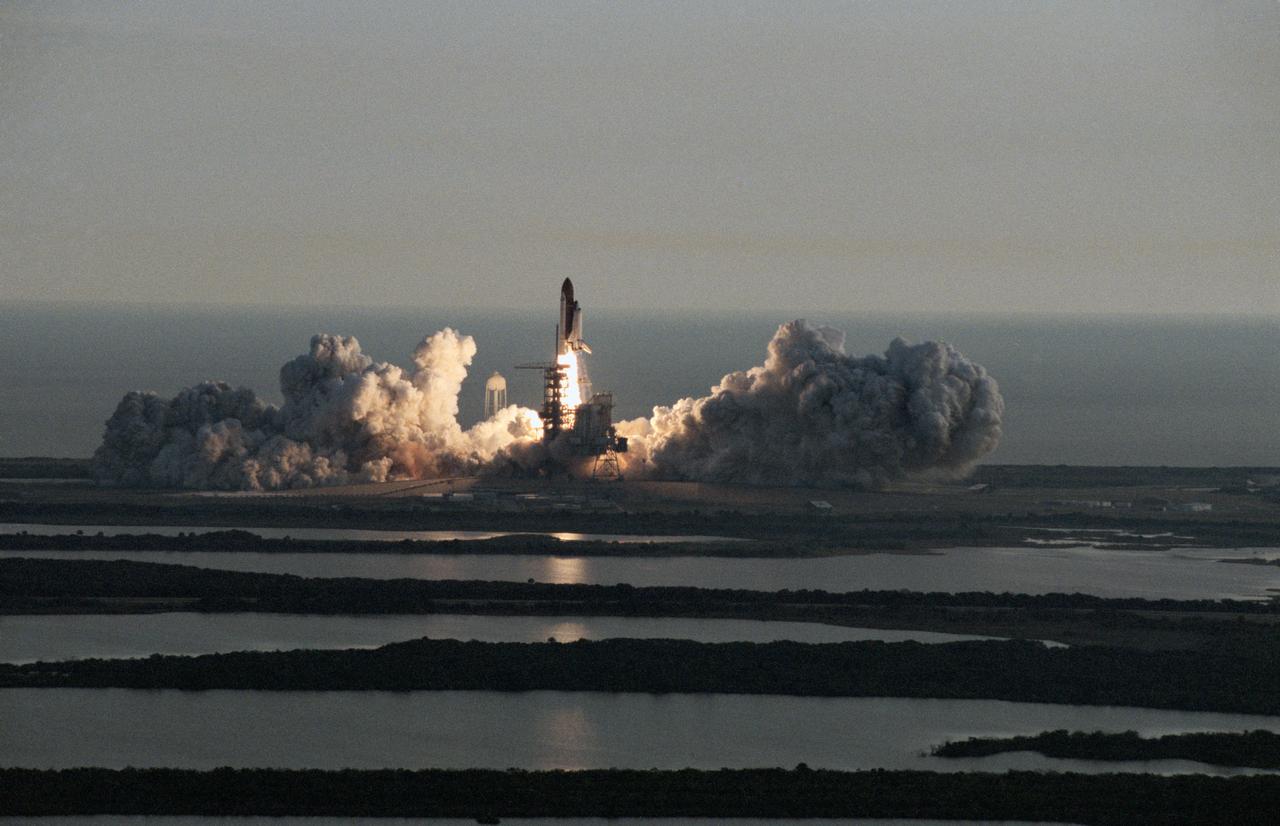
STS053-S-054 (2 Dec 1992) --- The Space Shuttle Discovery, with a crew of five astronauts onboard, launches from Kennedy Space Center?s (KSC) Pad 39A at 8:24:00 a.m. (EST), December 2, 1992. The photograph was taken from the top of the giant Vehicle Assembly Building (VAB). The all-military crew supporting the Department of Defense (DOD) flight included astronauts David M. Walker, Robert D. Cabana, Guion S. Bluford, Jr., James S. Voss and Michael R. U. (Rick) Clifford.
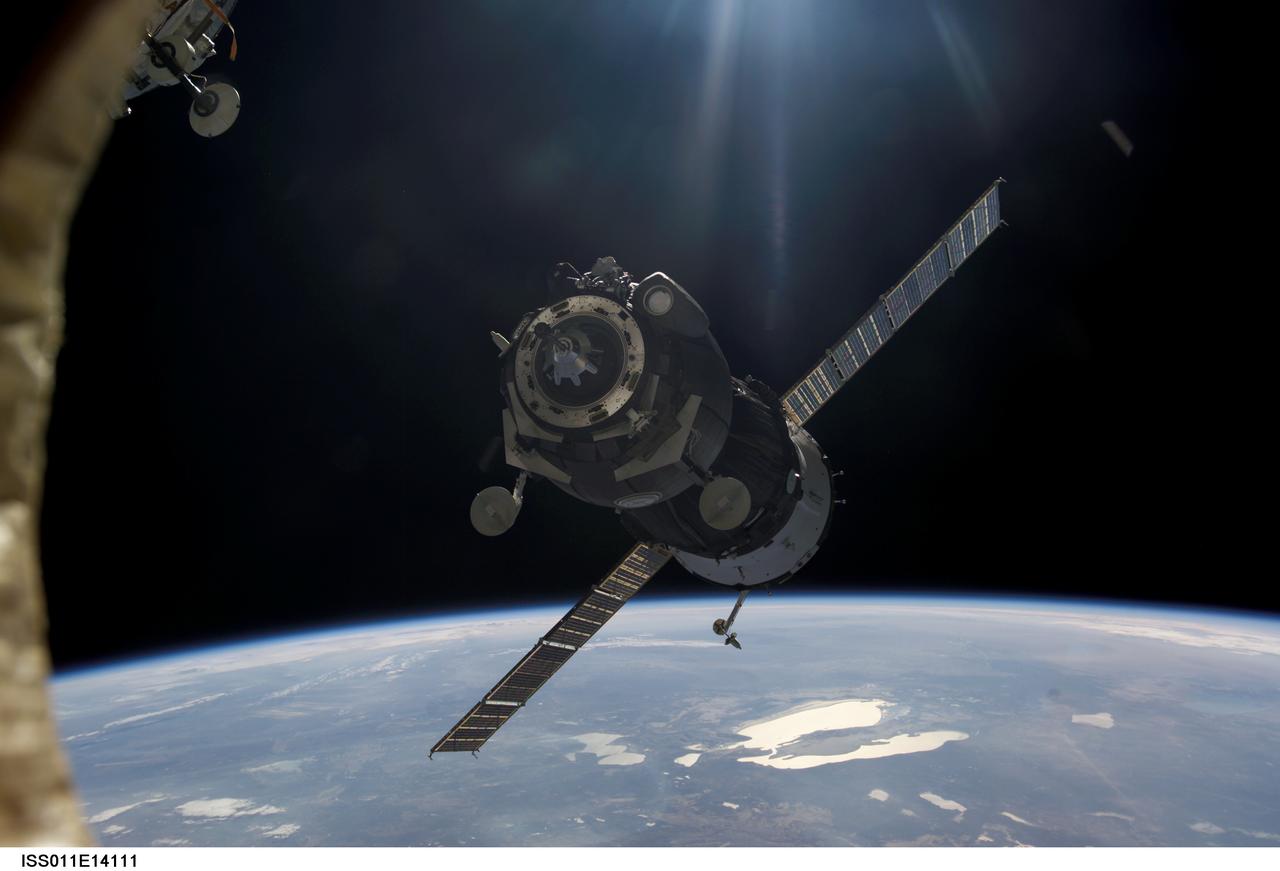
ISS011-E-14111 (3 October 2005) --- Backdropped by the blackness of space and Earth’s horizon, the Soyuz TMA-7 spacecraft approaches the international space station. Onboard the spacecraft are astronaut William S. McArthur, Jr., Expedition 12 commander and NASA science officer; cosmonaut Valery I. Tokarev, Expedition 12 flight engineer and Soyuz commander; and U. S. Spaceflight Participant Gregory Olsen. The Soyuz linked up to the Pirs Docking Compartment at 12:27 a.m. (CDT) on Oct. 3, 2005 as the two spacecraft flew over eastern Asia. The docking followed Friday’s launch from Baikonur Cosmodrome in Kazakhstan.
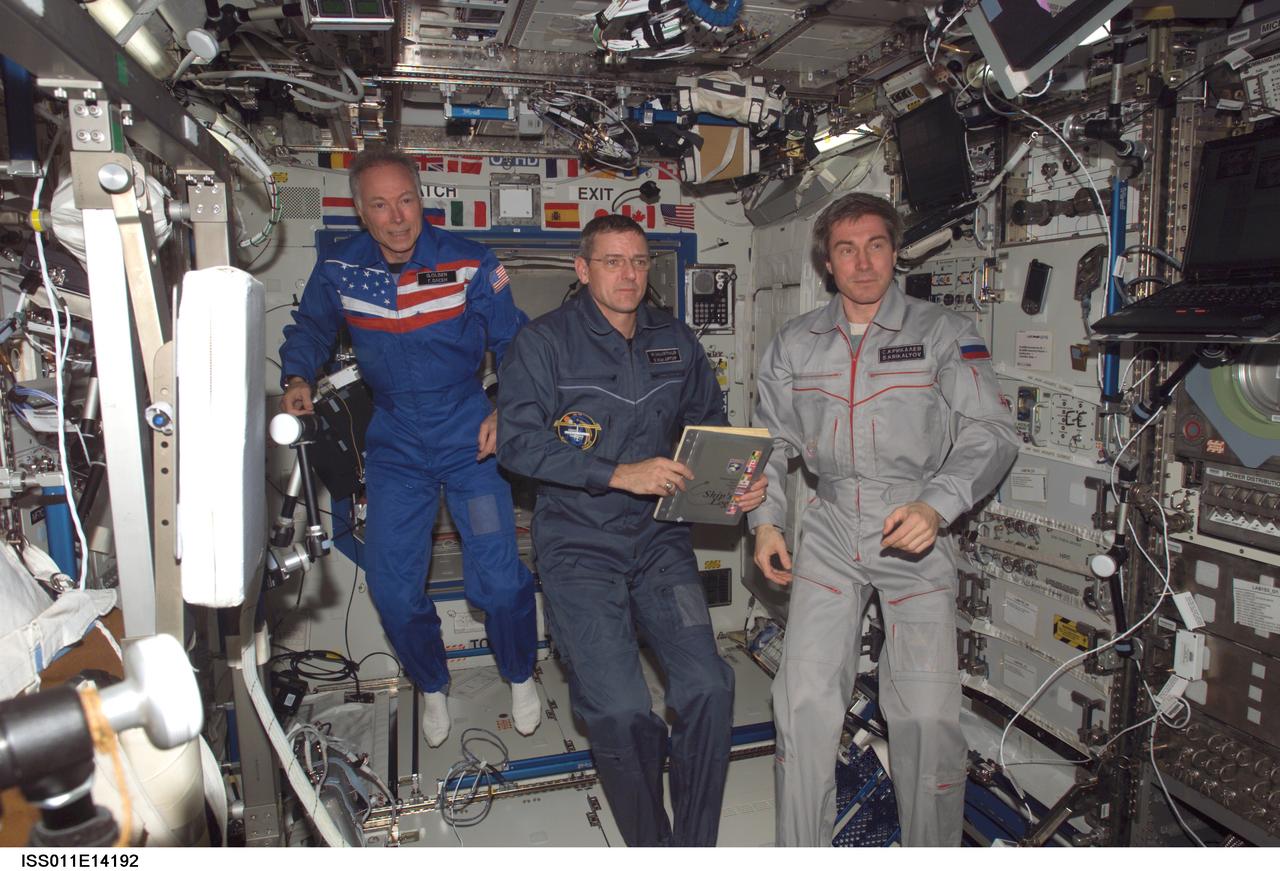
ISS011-E-14192 (8 October 2005) --- Russian Federal Space Agency cosmonaut Sergei K. Krikalev (right), Expedition 11 commander; astronaut William S. McArthur Jr. (center), Expedition 12 commander and NASA science officer; and U. S. Spaceflight Participant Gregory Olsen are pictured in the Destiny laboratory of the international space station following the ceremony of Changing-of-Command from Expedition 11 to Expedition 12.
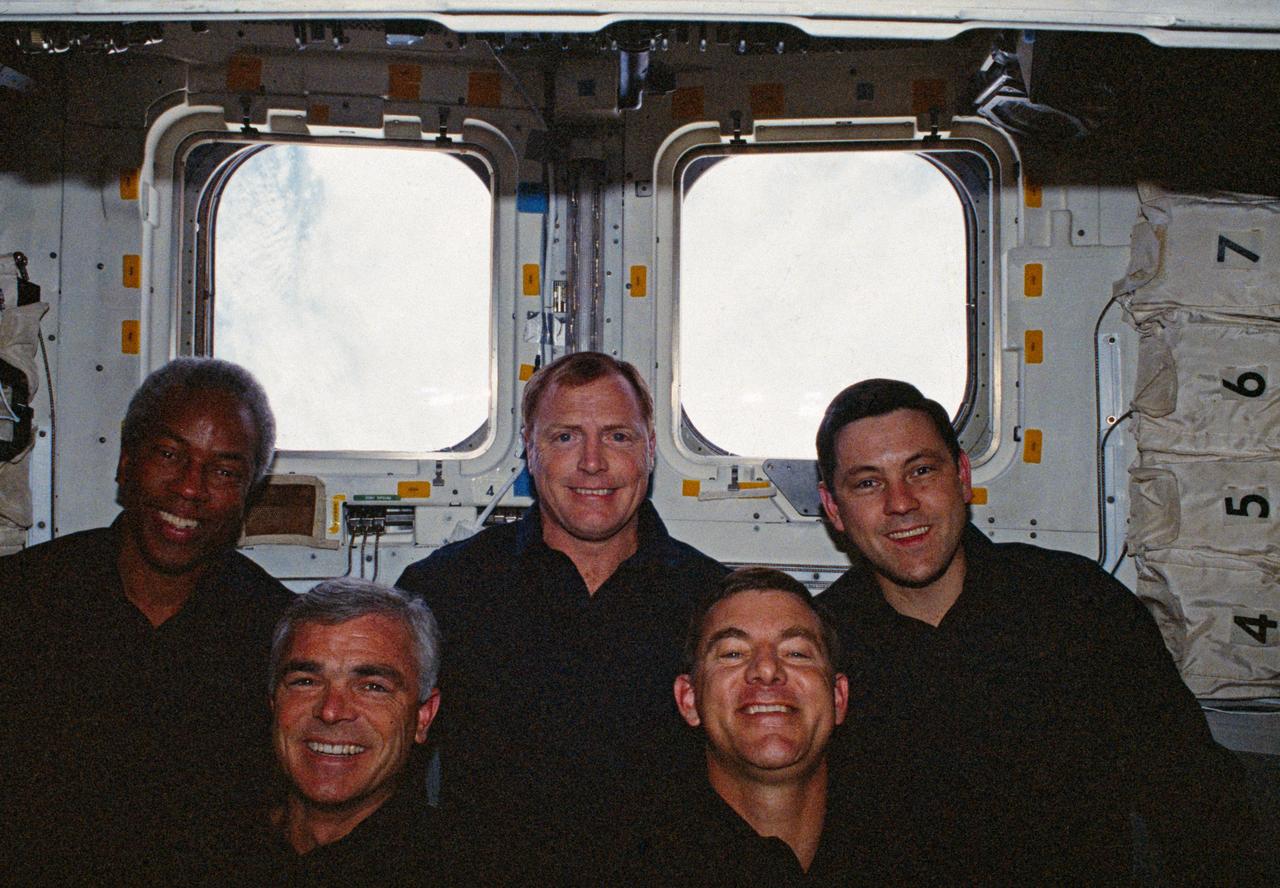
STS053-13-021 (2-9 Dec 1992) --- The five astronauts flying aboard the Space Shuttle Discovery for the mission pose for the traditional in-flight crew portrait. Left to right are astronauts Guion S. Bluford, mission specialist; Michael R. U. (Rich) Clifford, mission specialist; David M. Walker, mission commander; James S. Voss, mission specialist; and Robert D. Cabana, pilot.
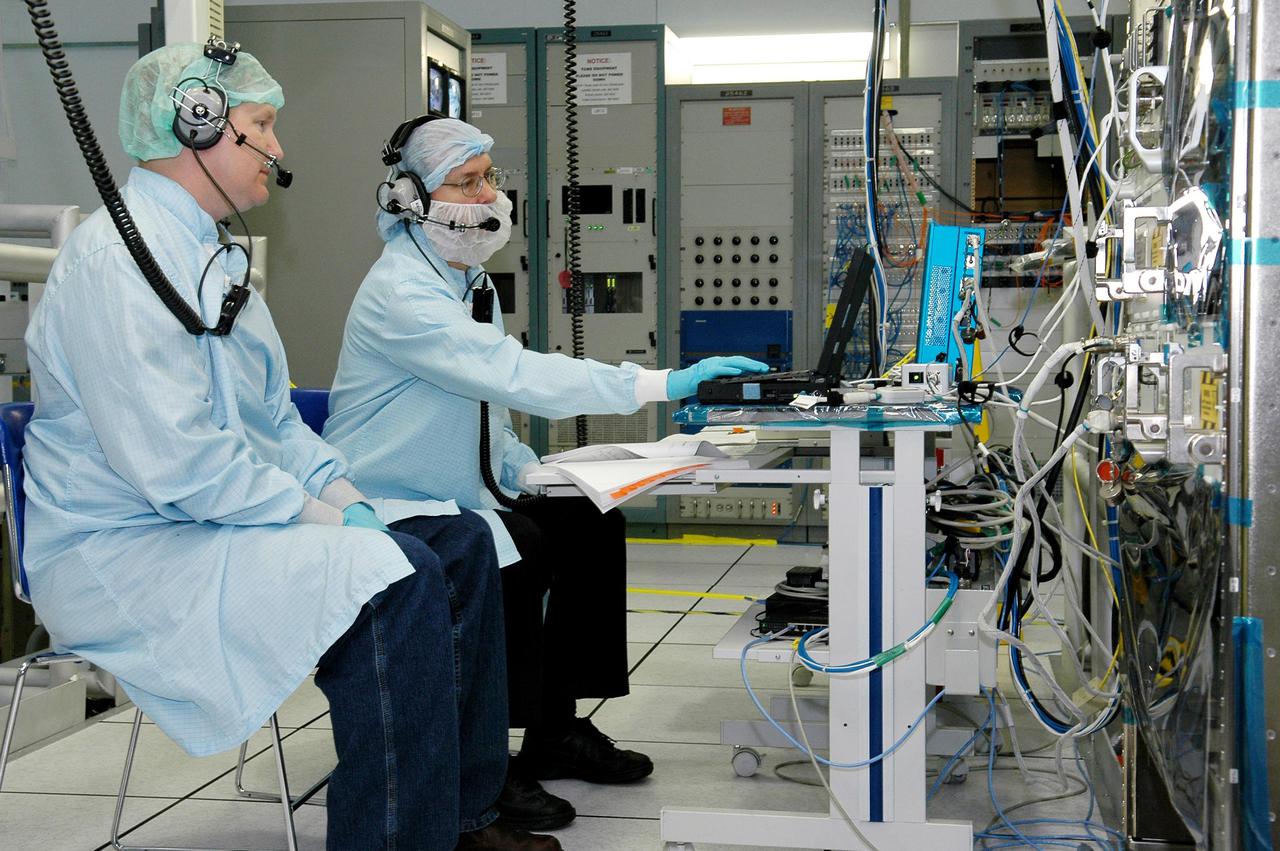
KENNEDY SPACE CENTER, FLA. - - In the Space Station Processing Facility, Gaschen Geissen and Elton Witt, with Lockheed Martin, monitor the Payload Test and Checkout System for the Human Research Facility (HRF) Rack -2 payload. The HRF-2 is scheduled to fly on Return to Flight Space Shuttle mission STS-114. The HRF-2 will deliver additional biomedical instrumentation and research capability to the International Space Station. HRF Rack 1 contains an ultrasound unit and gas analyzer system and has been operational in the U.S. Lab since May 2001. HRF-2 will also be installed in the U. S. Lab and will provide structural, power, thermal, command and data handling, and communication and tracking interfaces between the HRF biomedical instrumentation and the U. S. Lab.
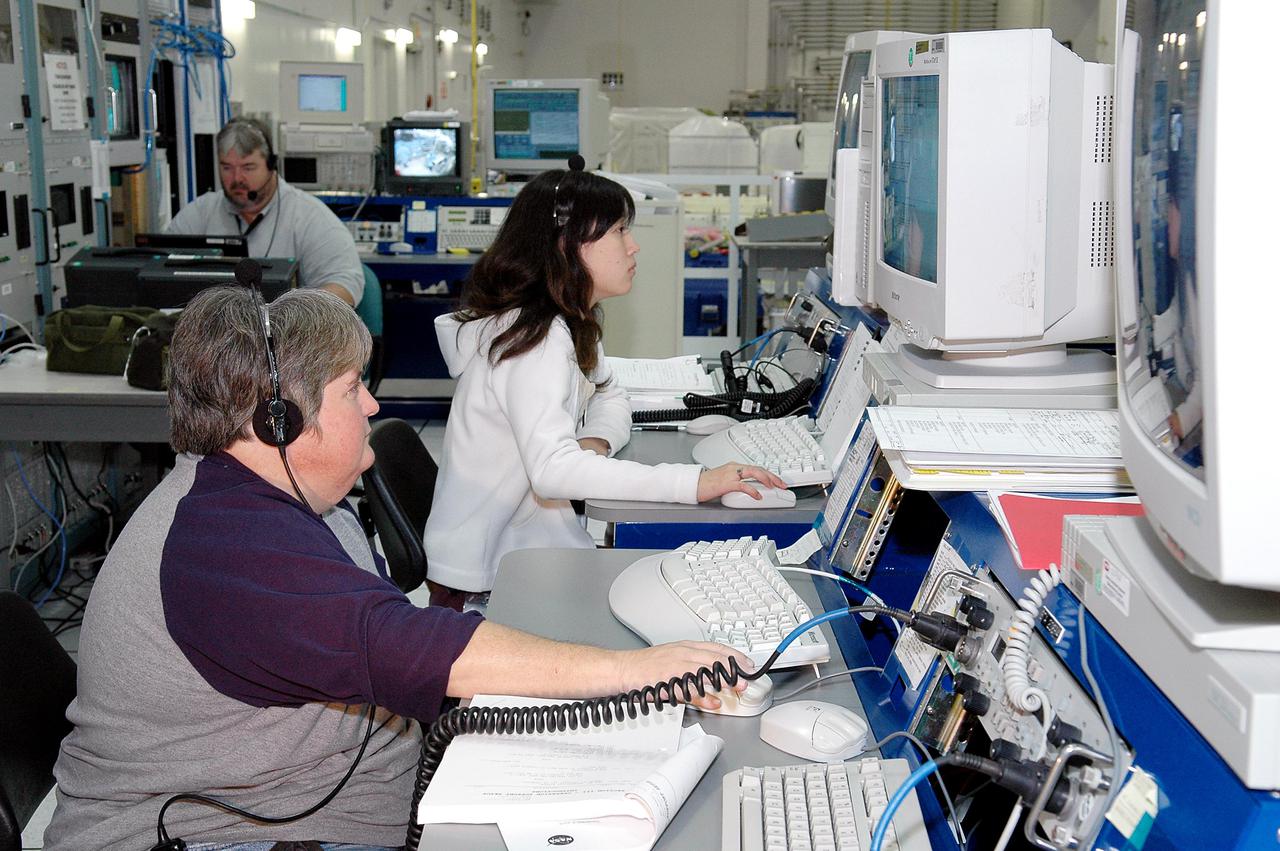
KENNEDY SPACE CENTER, FLA. - Nancy Lowry (left) and Mikiko Ujihara, with Boeing, monitor the Payload Test and Checkout System for the Human Research Facility (HRF) Rack -2 payload. The HRF-2 is scheduled to fly on Return to Flight Space Shuttle mission STS-114. The HRF-2 will deliver additional biomedical instrumentation and research capability to the International Space Station. HRF Rack 1 contains an ultrasound unit and gas analyzer system and has been operational in the U.S. Lab since May 2001. HRF-2 will also be installed in the U. S. Lab and will provide structural, power, thermal, command and data handling, and communication and tracking interfaces between the HRF biomedical instrumentation and the U. S. Lab.
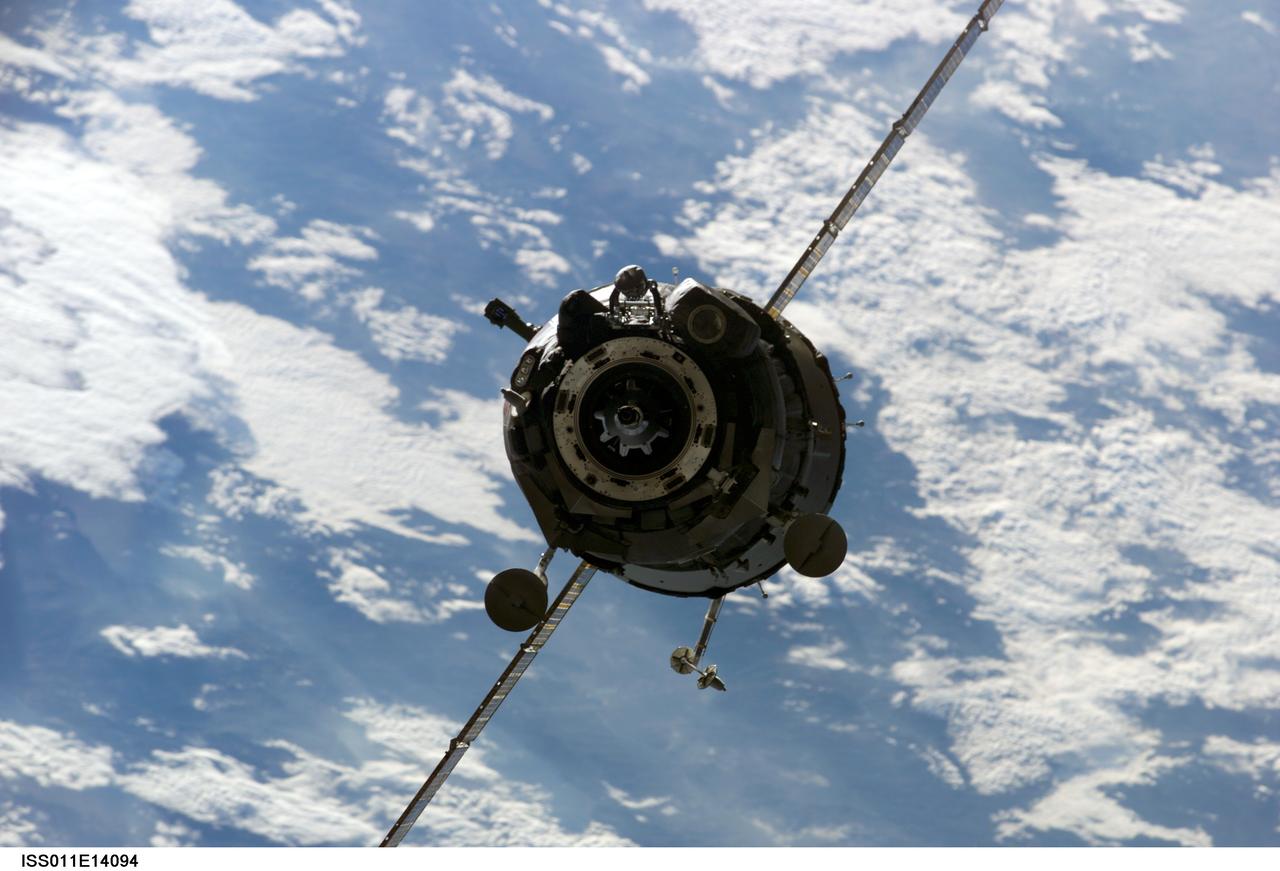
ISS011-E-14094 (3 October 2005) --- Backdropped by a blanket of clouds, the Soyuz TMA-7 spacecraft approaches the international space station. Onboard the spacecraft are astronaut William S. McArthur, Jr., Expedition 12 commander and NASA science officer; cosmonaut Valery I. Tokarev, Expedition 12 flight engineer and Soyuz commander; and U. S. Spaceflight Participant Gregory Olsen. The Soyuz linked up to the Pirs Docking Compartment at 12:27 a.m. (CDT) on Oct. 3, 2005 as the two spacecraft flew over eastern Asia. The docking followed Friday’s launch from Baikonur Cosmodrome in Kazakhstan.

At Buckley Air Force Base in Aurora, Colorado, NOAA's Geostationary Operational Environmental Satellite-S (GOES-S) is being loaded into the cargo hold of a U.S. Air Force C-5M super Galaxy cargo aircraft. GOES-S will be flown to NASA's Kennedy Space Center in Florida. After it arrives at Kennedy's Shuttle Landing Facility, it will be offloaded and transported to the Astrotech Space Operations facility in Titusville, Florida, to prepare it for launch. GOES-S is the second in a series of four advanced geostationary weather satellites. The GOES-R series - consisting of the GOES-R, GOES-S, GOES-T and GOES-U spacecraft - will significantly improve the detection and observation of environmental phenomena that directly affect public safety, protection of property and the nation's economic health and prosperity. GOES-S is slated to launch March 1, 2018 aboard a United Launch Alliance Atlas V rocket from Cape Canaveral Air Force Station in Florida.
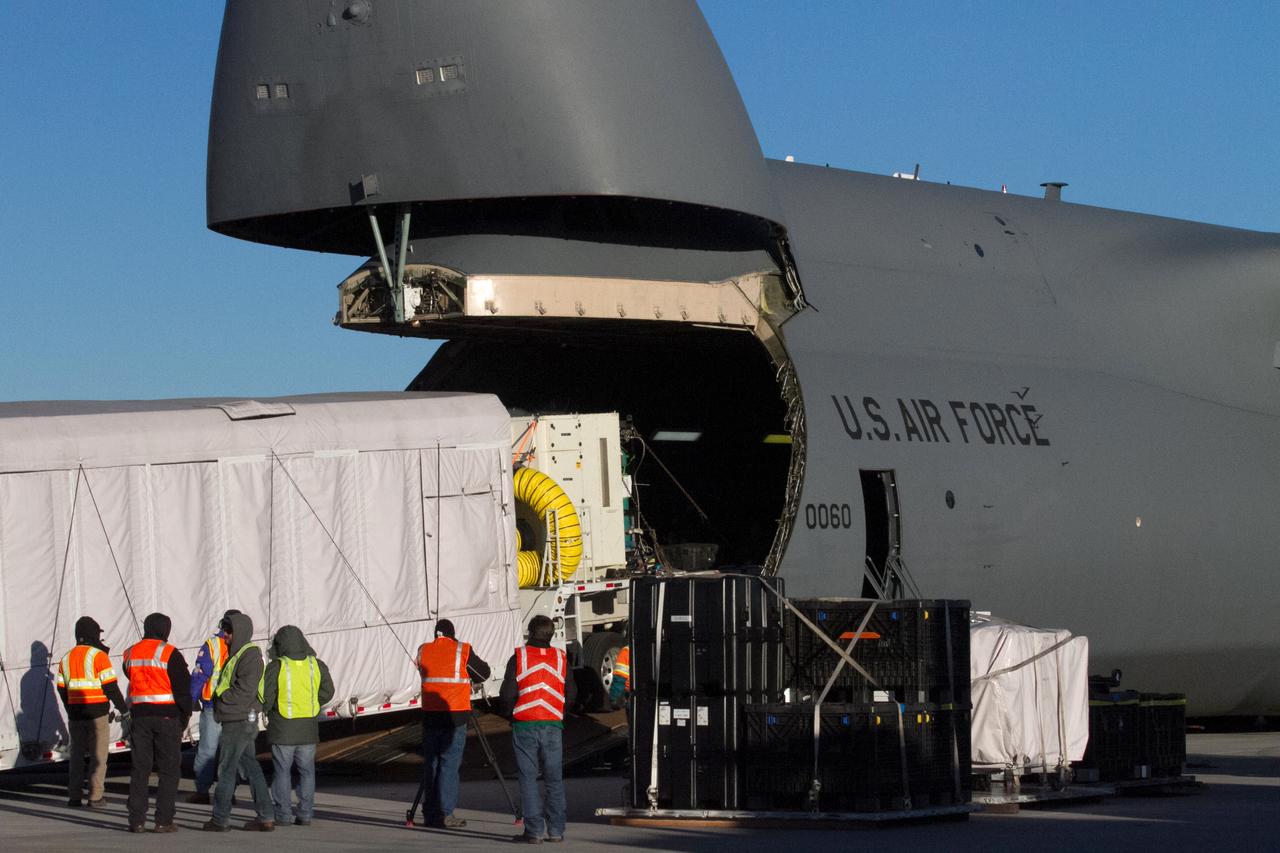
At Buckley Air Force Base in Aurora, Colorado, NOAA's Geostationary Operational Environmental Satellite-S (GOES-S) is being loaded into the cargo hold of a U.S. Air Force C-5M super Galaxy cargo aircraft. GOES-S will be flown to NASA's Kennedy Space Center in Florida. After it arrives at Kennedy's Shuttle Landing Facility, it will be offloaded and transported to the Astrotech Space Operations facility in Titusville, Florida, to prepare it for launch. GOES-S is the second in a series of four advanced geostationary weather satellites. The GOES-R series - consisting of the GOES-R, GOES-S, GOES-T and GOES-U spacecraft - will significantly improve the detection and observation of environmental phenomena that directly affect public safety, protection of property and the nation's economic health and prosperity. GOES-S is slated to launch March 1, 2018 aboard a United Launch Alliance Atlas V rocket from Cape Canaveral Air Force Station in Florida.

At Buckley Air Force Base in Aurora, Colorado, NOAA's Geostationary Operational Environmental Satellite-S (GOES-S) is being loaded into the cargo hold of a U.S. Air Force C-5M super Galaxy cargo aircraft. GOES-S will be flown to NASA's Kennedy Space Center in Florida. After it arrives at Kennedy's Shuttle Landing Facility, it will be offloaded and transported to the Astrotech Space Operations facility in Titusville, Florida, to prepare it for launch. GOES-S is the second in a series of four advanced geostationary weather satellites. The GOES-R series - consisting of the GOES-R, GOES-S, GOES-T and GOES-U spacecraft - will significantly improve the detection and observation of environmental phenomena that directly affect public safety, protection of property and the nation's economic health and prosperity. GOES-S is slated to launch March 1, 2018 aboard a United Launch Alliance Atlas V rocket from Cape Canaveral Air Force Station in Florida.
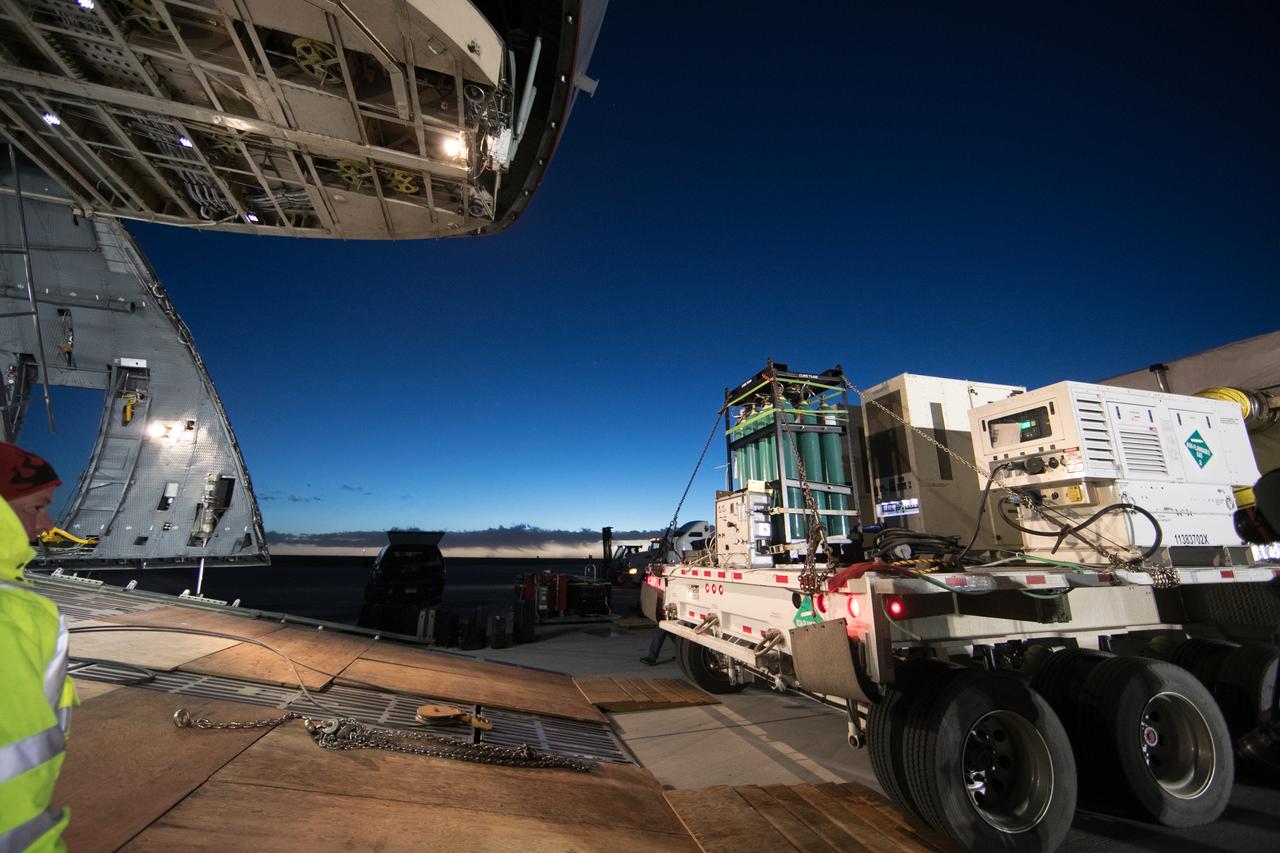
At Buckley Air Force Base in Aurora, Colorado, NOAA's Geostationary Operational Environmental Satellite-S (GOES-S) is being loaded into the cargo hold of a U.S. Air Force C-5M super Galaxy cargo aircraft. GOES-S will be flown to NASA's Kennedy Space Center in Florida. After it arrives at Kennedy's Shuttle Landing Facility, it will be offloaded and transported to the Astrotech Space Operations facility in Titusville, Florida, to prepare it for launch. GOES-S is the second in a series of four advanced geostationary weather satellites. The GOES-R series - consisting of the GOES-R, GOES-S, GOES-T and GOES-U spacecraft - will significantly improve the detection and observation of environmental phenomena that directly affect public safety, protection of property and the nation's economic health and prosperity. GOES-S is slated to launch March 1, 2018 aboard a United Launch Alliance Atlas V rocket from Cape Canaveral Air Force Station in Florida.
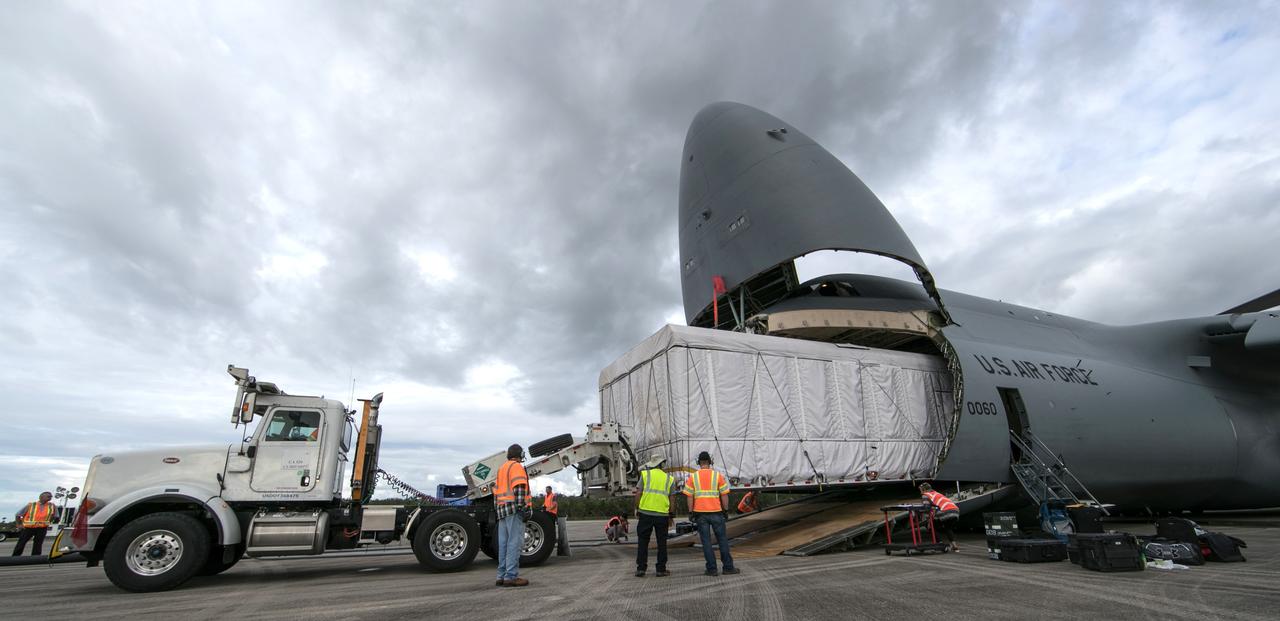
NOAA's Geostationary Operation Environmental Satellite-S (GOES-S) is being offloaded from a C-5 transport aircraft onto the flatbed of a heavy-lift truck at the Shuttle Landing Facility at NASA's Kennedy Space Center in Florida. The satellite will be transported to the Astrotech Space Operations facility in Titusville, Florida to prepare it for launch. GOES-S is the second in a series of four advanced geostationary weather satellites. The GOES-R series - consisting of the GOES-R, GOES-S, GOES-T and GOES-U spacecraft - will significantly improve the detection and observation of environmental phenomena that directly affect public safety, protection of property and the nation's economic health and prosperity. GOES-S is slated to launch March 1, 2018 aboard a United Launch Alliance Atlas V rocket from Cape Canaveral Air Force Station in Florida.
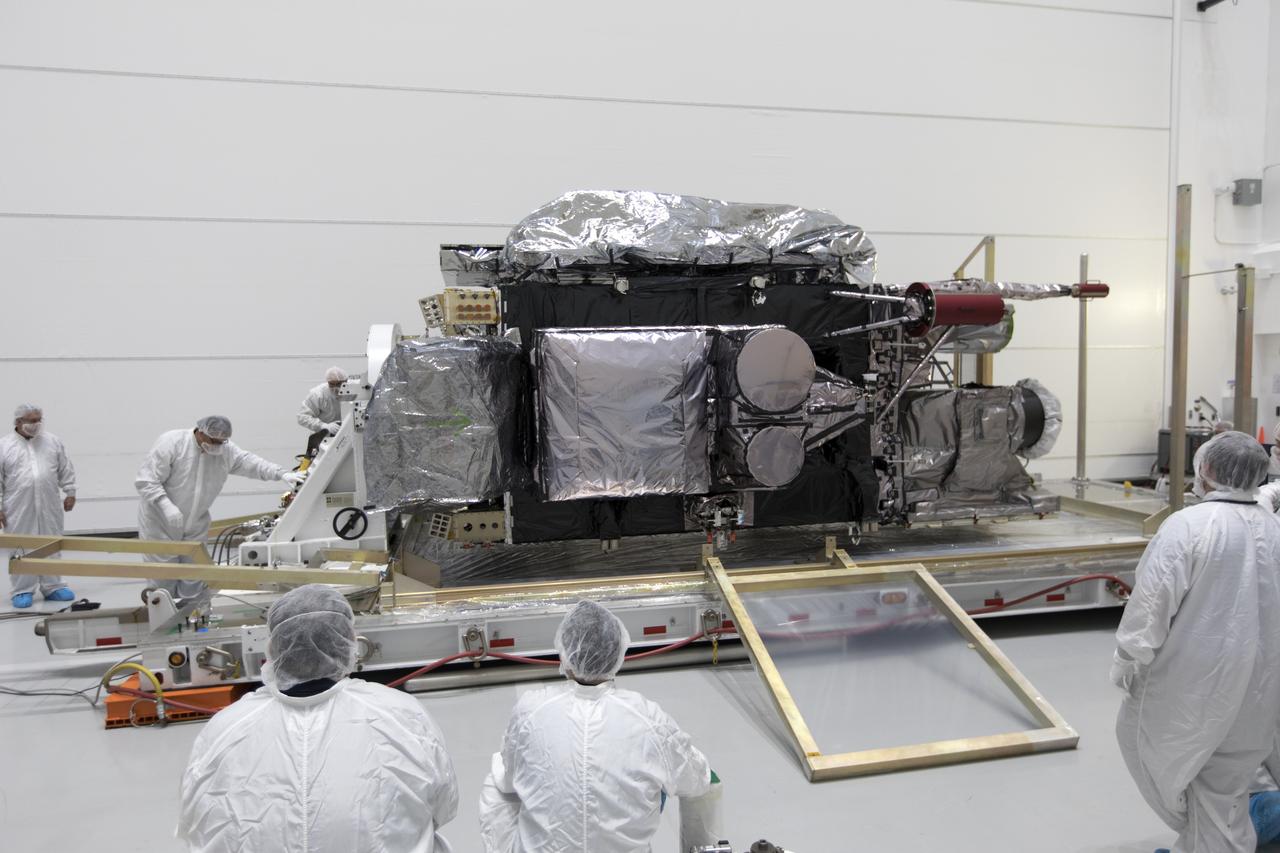
At Astrotech Space Operations in Titusville, Florida, technician and engineers inspect NOAA's Geostationary Operational Environmental Satellite-S (GOES-S) after it was uncrated from its shipping container. The facility is located near NASA's Kennedy Space Center. GOES-S is the second in a series of four advanced geostationary weather satellites. The GOES-R series - consisting of the GOES-R, GOES-S, GOES-T and GOES-U spacecraft - will significantly improve the detection and observation of environmental phenomena that directly affect public safety, protection of property and the nation's economic health and prosperity. GOES-S is slated to launch March 1, 2018 aboard a United Launch Alliance Atlas V rocket from Cape Canaveral Air Force Station in Florida.
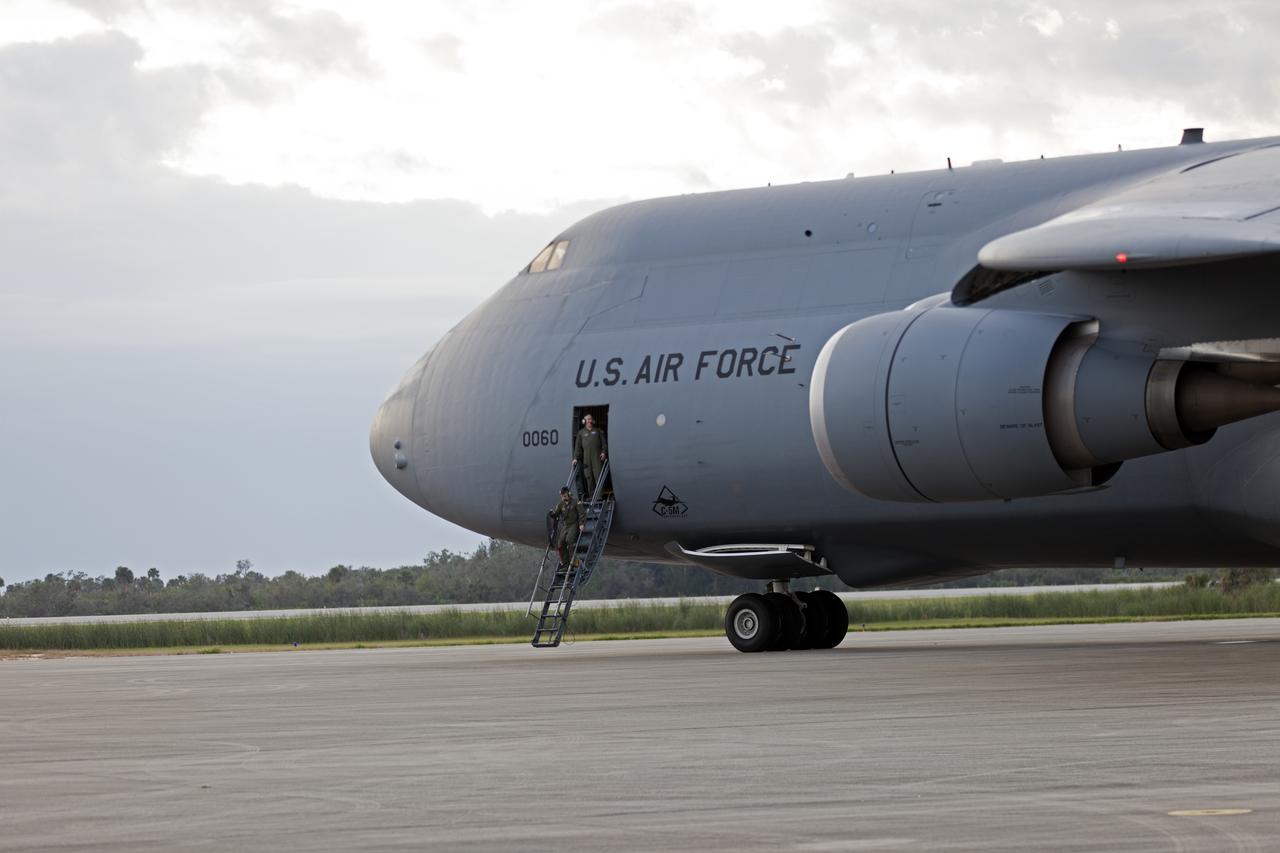
A C-5 transport aircraft arrives at the Shuttle Landing Facility at NASA's Kennedy Space Center in Florida, carrying the Geostationary Operation Environmental Satellite-S (GOES-S). The satellite will be offloaded and transported to the Astrotech Space Operations facility in Titusville, Florida. GOES-S is the second in a series of four advanced geostationary weather satellites. The GOES-R series - consisting of the GOES-R, GOES-S, GOES-T and GOES-U spacecraft - will significantly improve the detection and observation of environmental phenomena that directly affect public safety, protection of property and the nation's economic health and prosperity. GOES-S is slated to launch March 1, 2018 aboard a United Launch Alliance Atlas V rocket from Cape Canaveral Air Force Station in Florida.
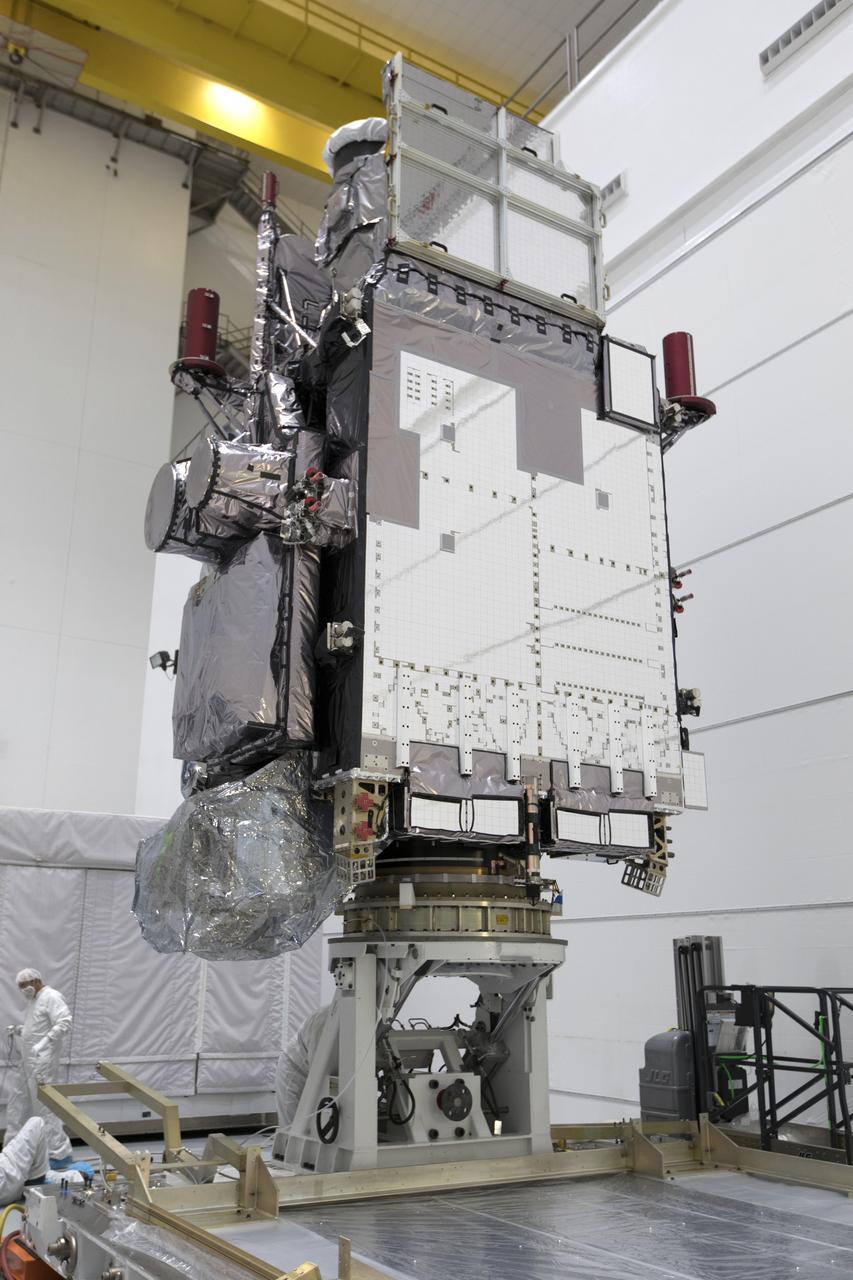
At Astrotech Space Operations in Titusville, Florida, NOAA's Geostationary Operational Environmental Satellite-S (GOES-S) has been rotated to a vertical position after it was uncrated from its shipping container. The facility is located near NASA's Kennedy Space Center. GOES-S is the second in a series of four advanced geostationary weather satellites. The GOES-R series - consisting of the GOES-R, GOES-S, GOES-T and GOES-U spacecraft - will significantly improve the detection and observation of environmental phenomena that directly affect public safety, protection of property and the nation's economic health and prosperity. GOES-S is slated to launch March 1, 2018 aboard a United Launch Alliance Atlas V rocket from Cape Canaveral Air Force Station in Florida.
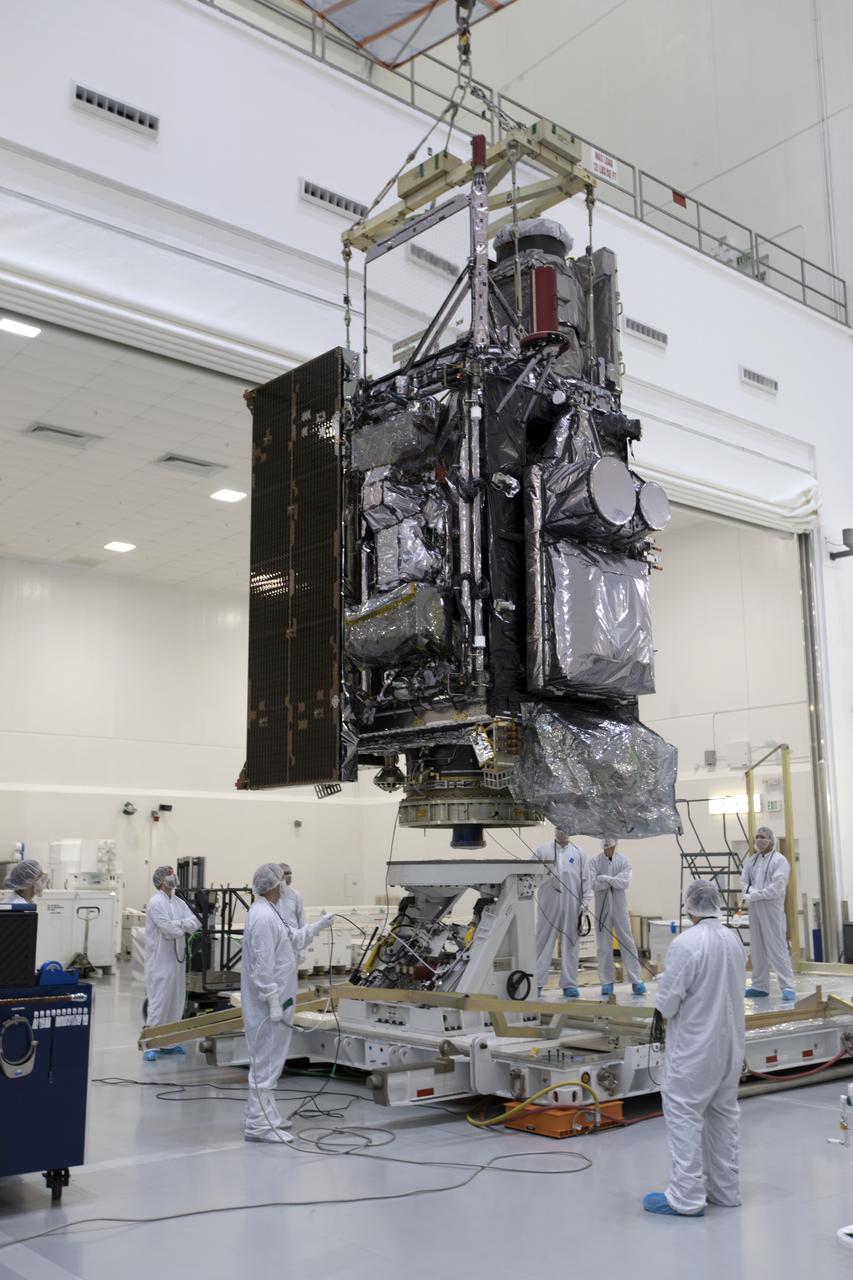
At Astrotech Space Operations in Titusville, Florida, technicians and engineers keep a watchful eye on NOAA's Geostationary Operational Environmental Satellite-S (GOES-S) as it is moved to a work stand. The facility is located near NASA's Kennedy Space Center. GOES-S is the second in a series of four advanced geostationary weather satellites. The GOES-R series - consisting of the GOES-R, GOES-S, GOES-T and GOES-U spacecraft - will significantly improve the detection and observation of environmental phenomena that directly affect public safety, protection of property and the nation's economic health and prosperity. GOES-S is slated to launch March 1, 2018 aboard a United Launch Alliance Atlas V rocket from Cape Canaveral Air Force Station in Florida.
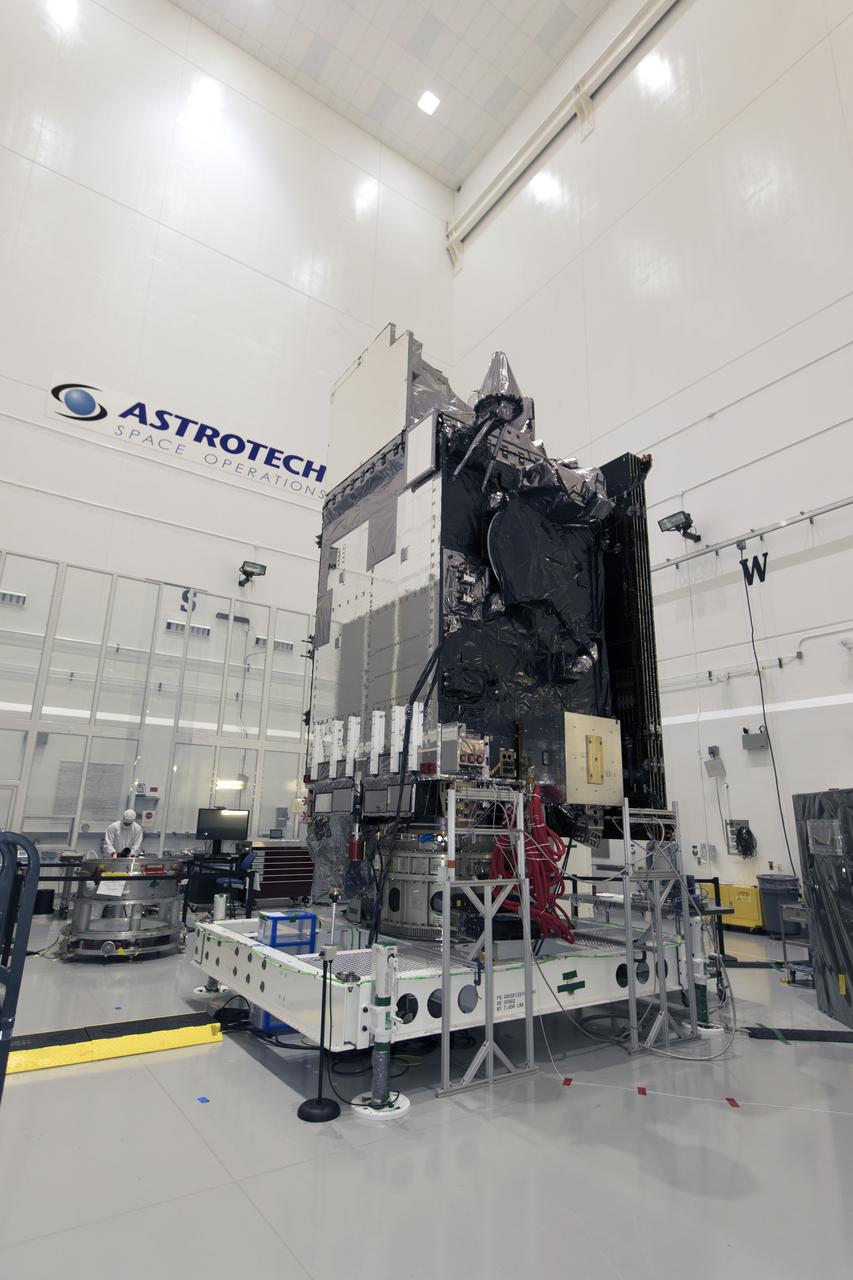
In a clean room at Astrotech Space Operations in Titusville, Florida, NOAA's Geostationary Operational Environmental Satellite-S, or GOES-S, is being prepared for encapsulation in it payload fairing. After encapsulation, the weather satellite will be moved to Space Launch Complex-41 at Cape Canaveral Air Force Station. GOES-S is the second in a series of four advanced geostationary weather satellites. The GOES-R series - consisting of the GOES-R, GOES-S, GOES-T and GOES-U spacecraft - will significantly improve the detection and observation of environmental phenomena that directly affect public safety, protection of property and the nation's economic health and prosperity. GOES-S is slated to launch March 1, 2018 aboard a United Launch Alliance Atlas V rocket.
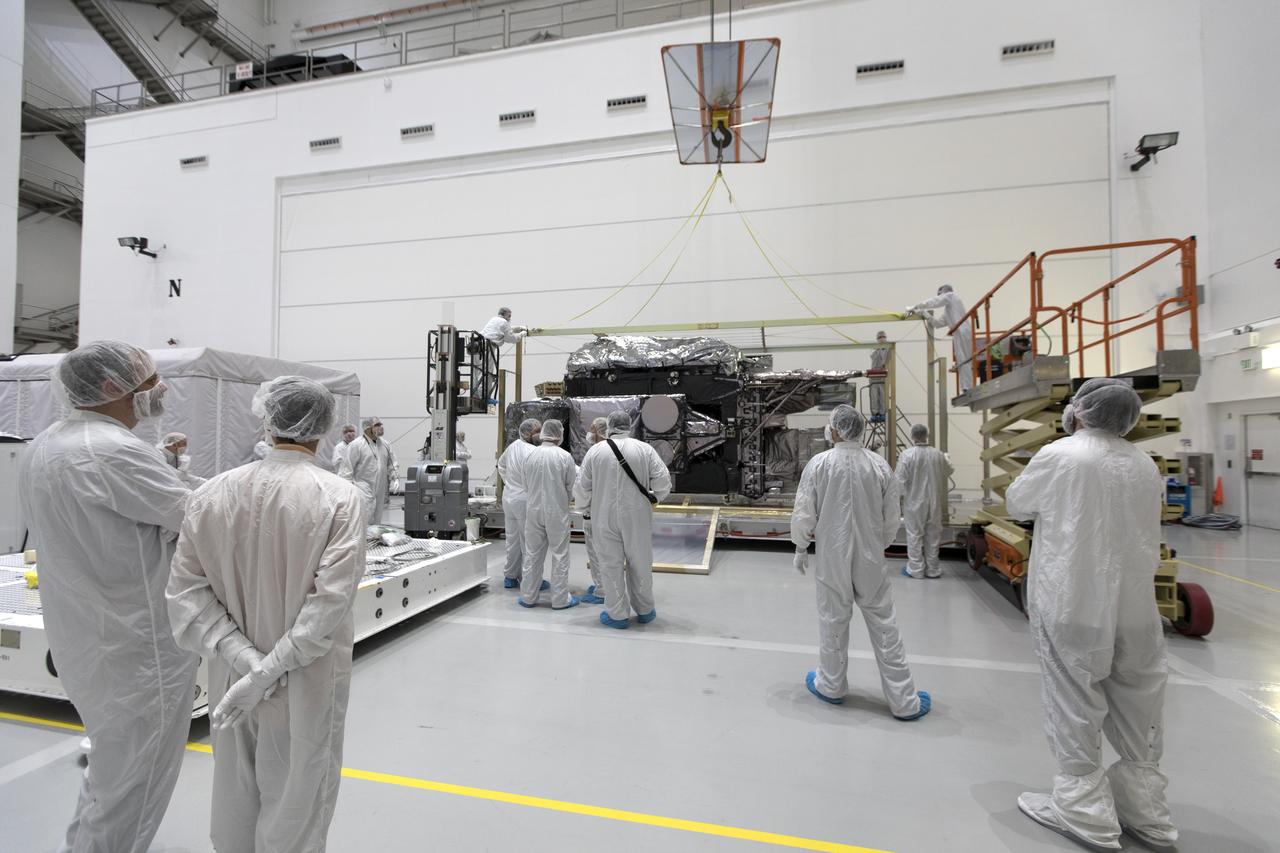
At Astrotech Space Operations in Titusville, Florida, technician and engineers inspect NOAA's Geostationary Operational Environmental Satellite-S (GOES-S) after it was uncrated from its shipping container. The facility is located near NASA's Kennedy Space Center. GOES-S is the second in a series of four advanced geostationary weather satellites. The GOES-R series - consisting of the GOES-R, GOES-S, GOES-T and GOES-U spacecraft - will significantly improve the detection and observation of environmental phenomena that directly affect public safety, protection of property and the nation's economic health and prosperity. GOES-S is slated to launch March 1, 2018 aboard a United Launch Alliance Atlas V rocket from Cape Canaveral Air Force Station in Florida.
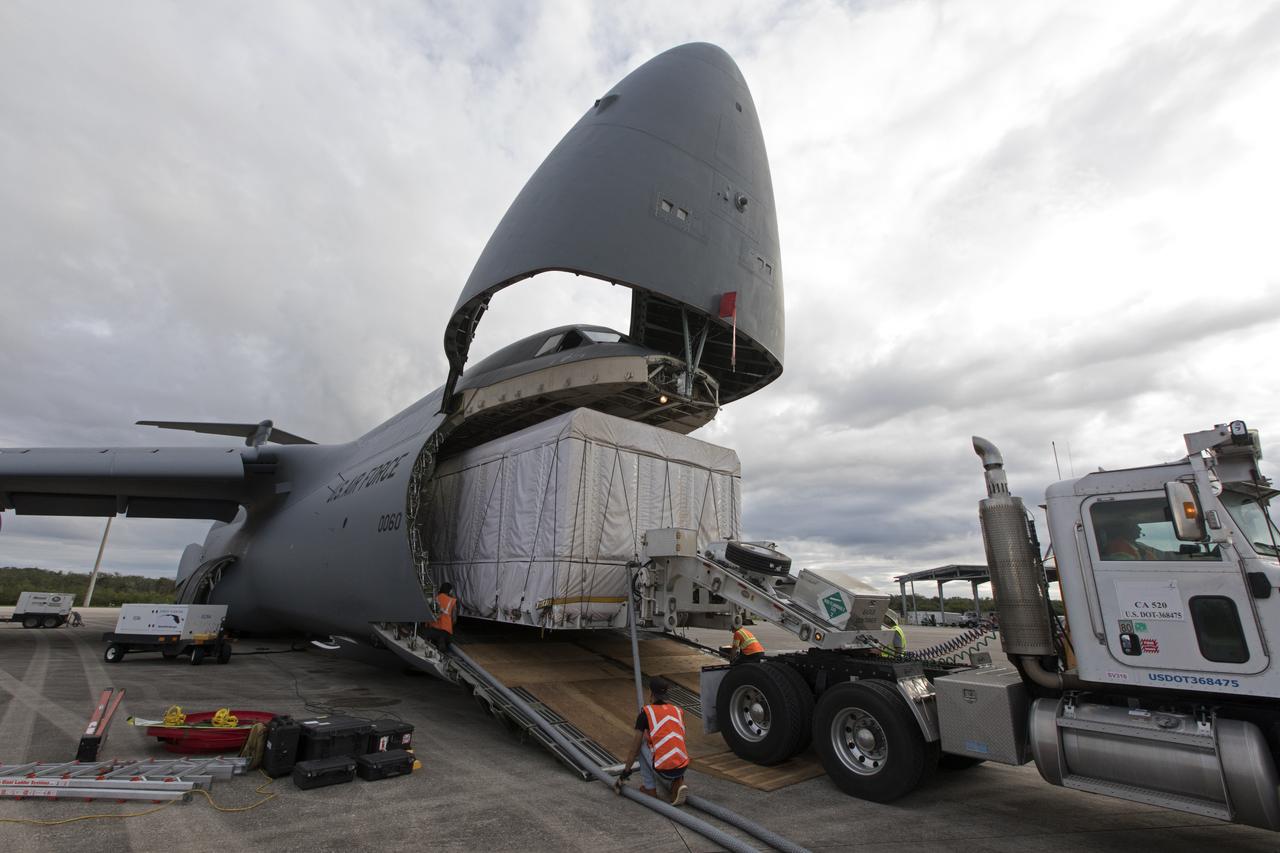
NOAA's Geostationary Operation Environmental Satellite-S (GOES-S) is being offloaded from a C-5 transport aircraft at the Shuttle Landing Facility at NASA's Kennedy Space Center in Florida. The satellite will be transported to the Astrotech Space Operations facility in Titusville, Florida to prepare it for launch. GOES-S is the second in a series of four advanced geostationary weather satellites. The GOES-R series - consisting of the GOES-R, GOES-S, GOES-T and GOES-U spacecraft - will significantly improve the detection and observation of environmental phenomena that directly affect public safety, protection of property and the nation's economic health and prosperity. GOES-S is slated to launch March 1, 2018 aboard a United Launch Alliance Atlas V rocket from Cape Canaveral Air Force Station in Florida.
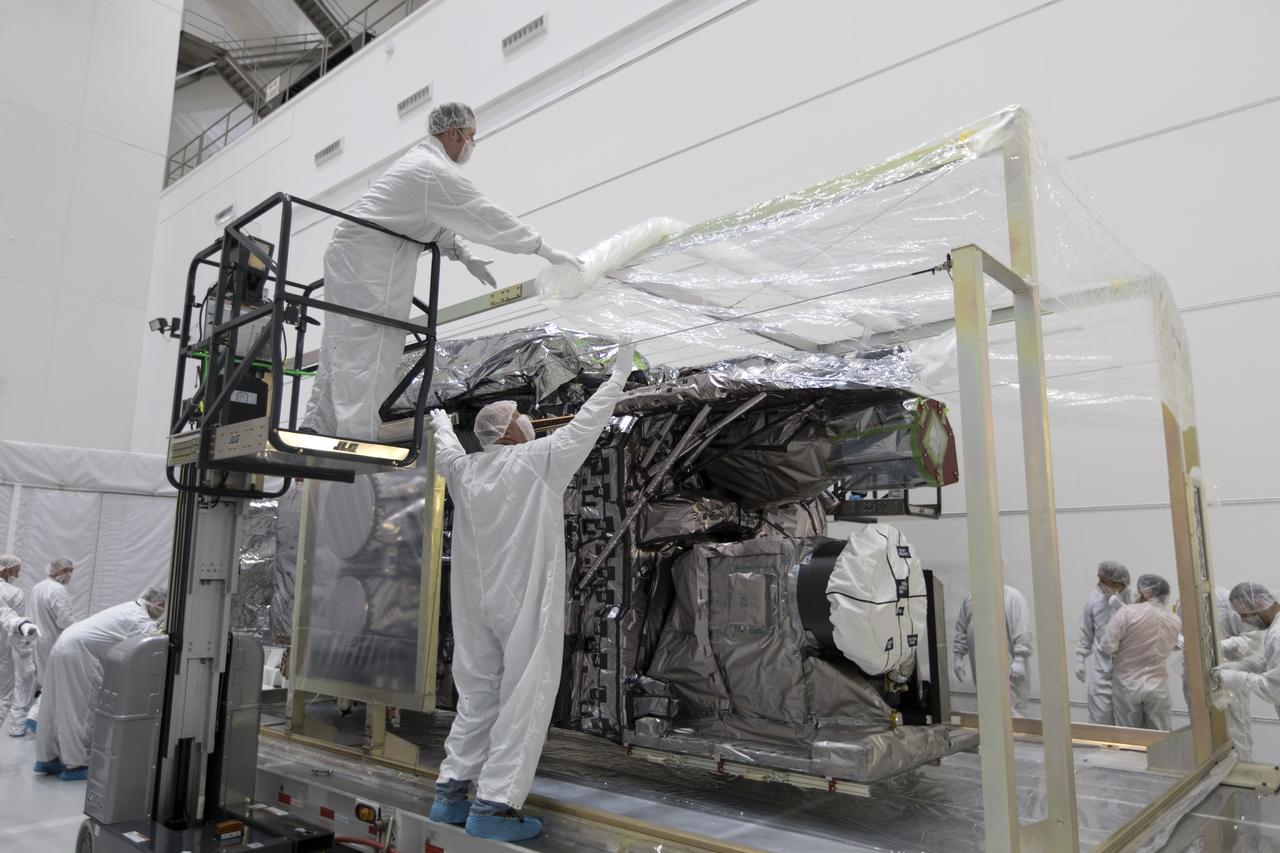
At Astrotech Space Operations in Titusville, Florida, technician and engineers inspect NOAA's Geostationary Operational Environmental Satellite-S (GOES-S) after it was uncrated from its shipping container. The facility is located near NASA's Kennedy Space Center. GOES-S is the second in a series of four advanced geostationary weather satellites. The GOES-R series - consisting of the GOES-R, GOES-S, GOES-T and GOES-U spacecraft - will significantly improve the detection and observation of environmental phenomena that directly affect public safety, protection of property and the nation's economic health and prosperity. GOES-S is slated to launch March 1, 2018 aboard a United Launch Alliance Atlas V rocket from Cape Canaveral Air Force Station in Florida.