U-2 in Over Flight @ AMES
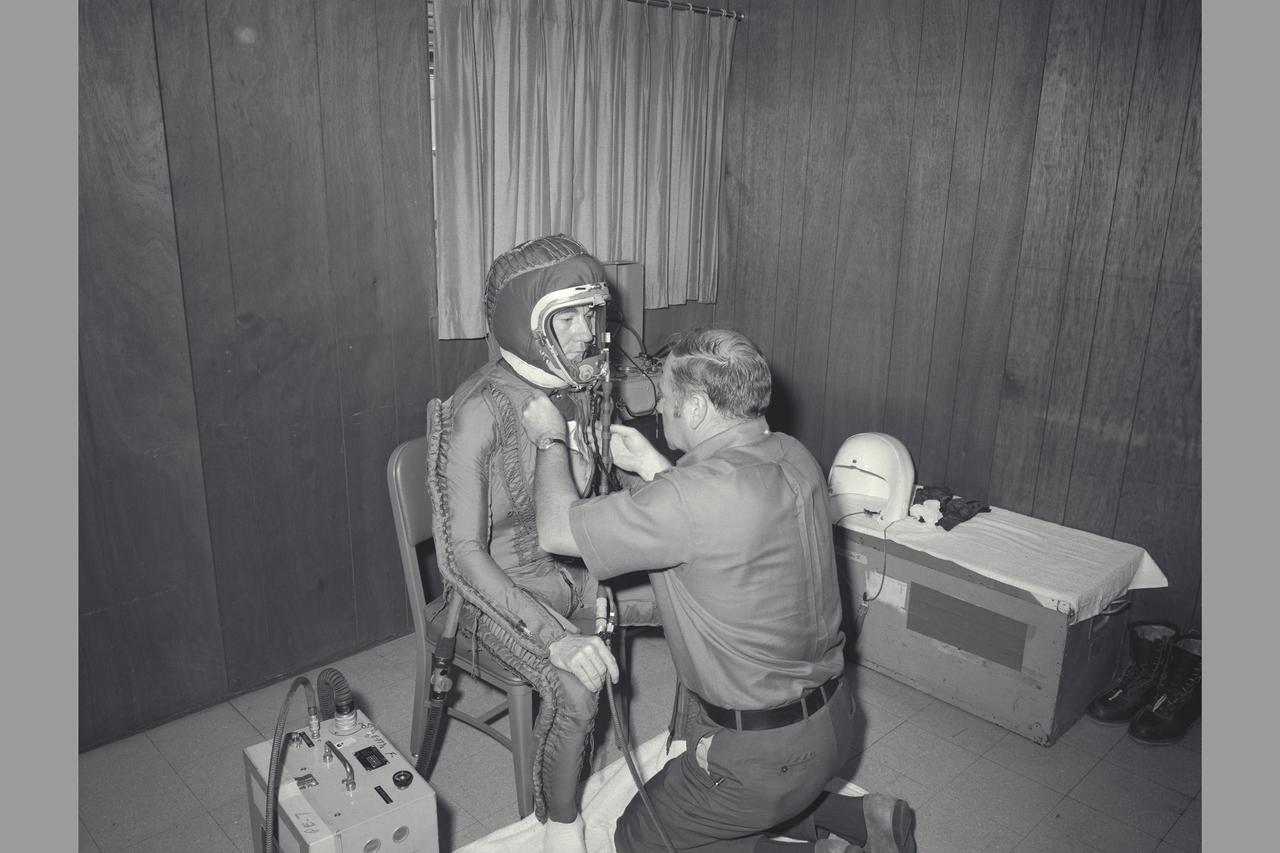
U-2 Pilot suit: flight readiness (flight support trailer, TR-1)
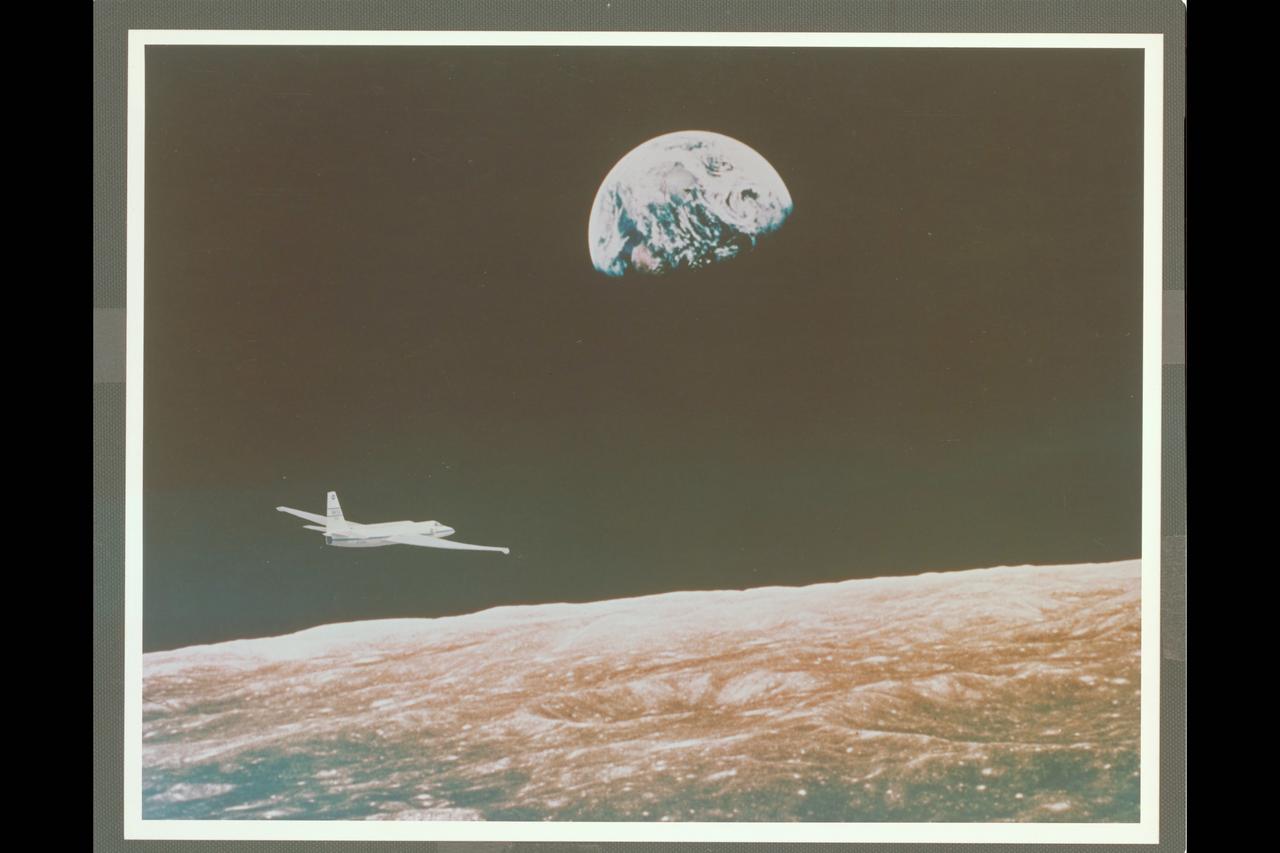
Composite Photo U-2 Aircraft in flight around the moon with the planet Earth in the background.
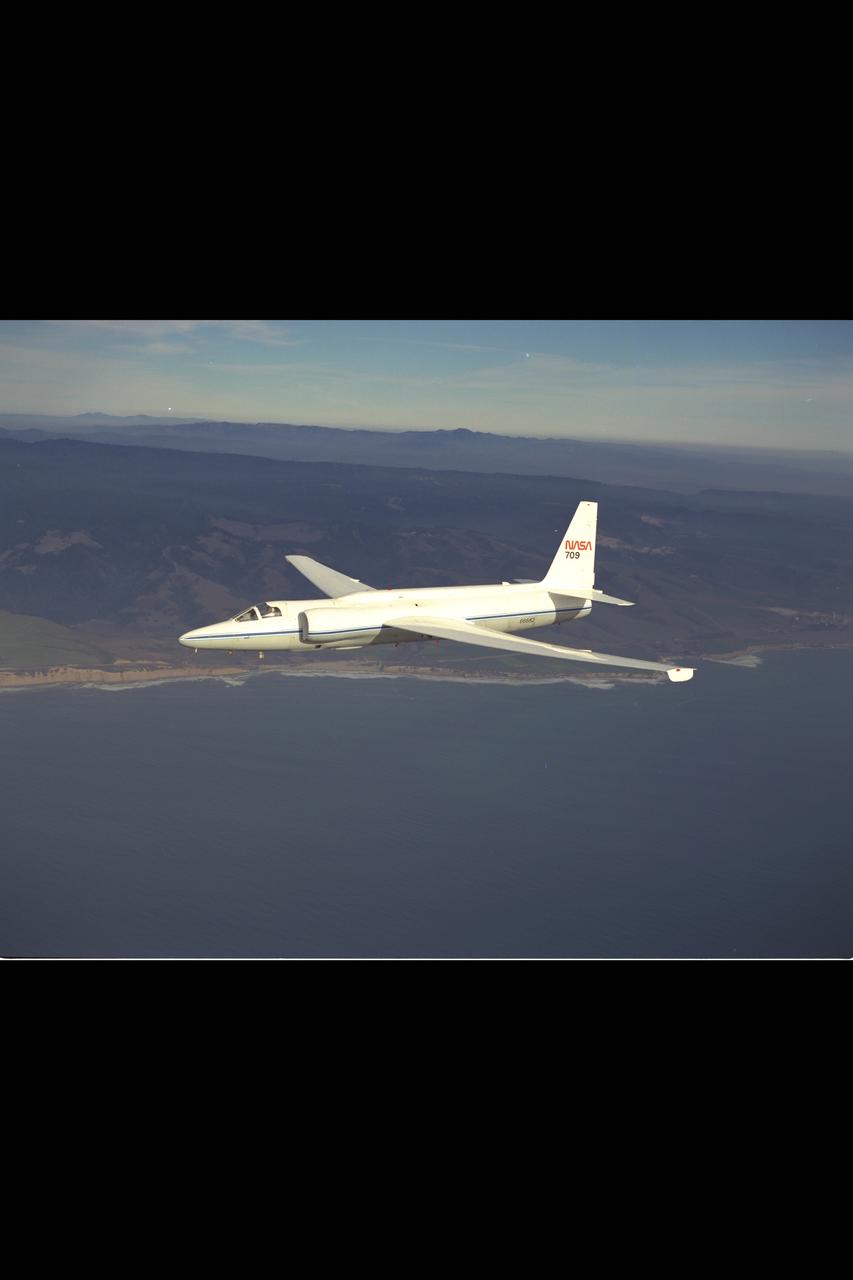
U-2 (NASA 709) in flight over Golden Gate Bridge, San Francisco, CA
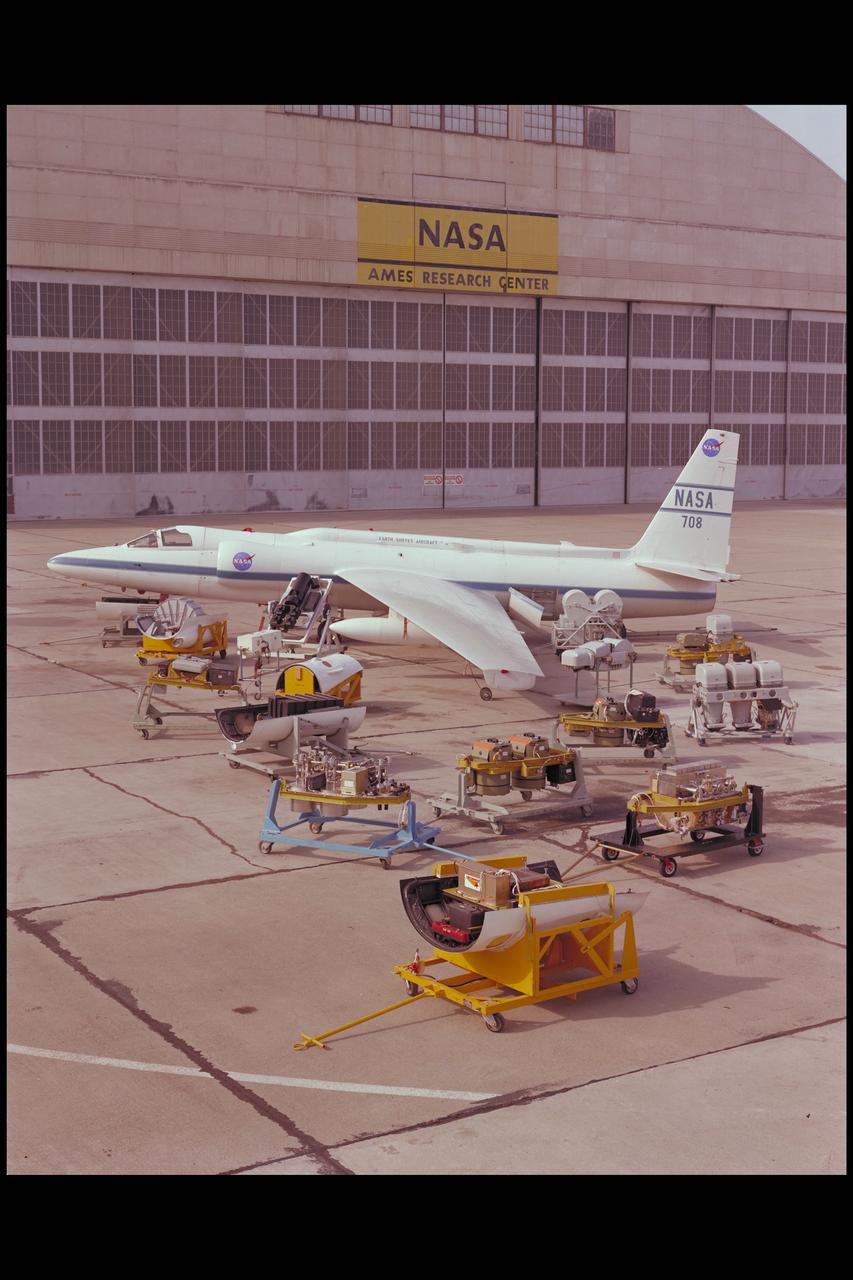
The U-2 Earth Resources Aircraft on the Ames tarmack surrounded by the on board sensors and camera systems
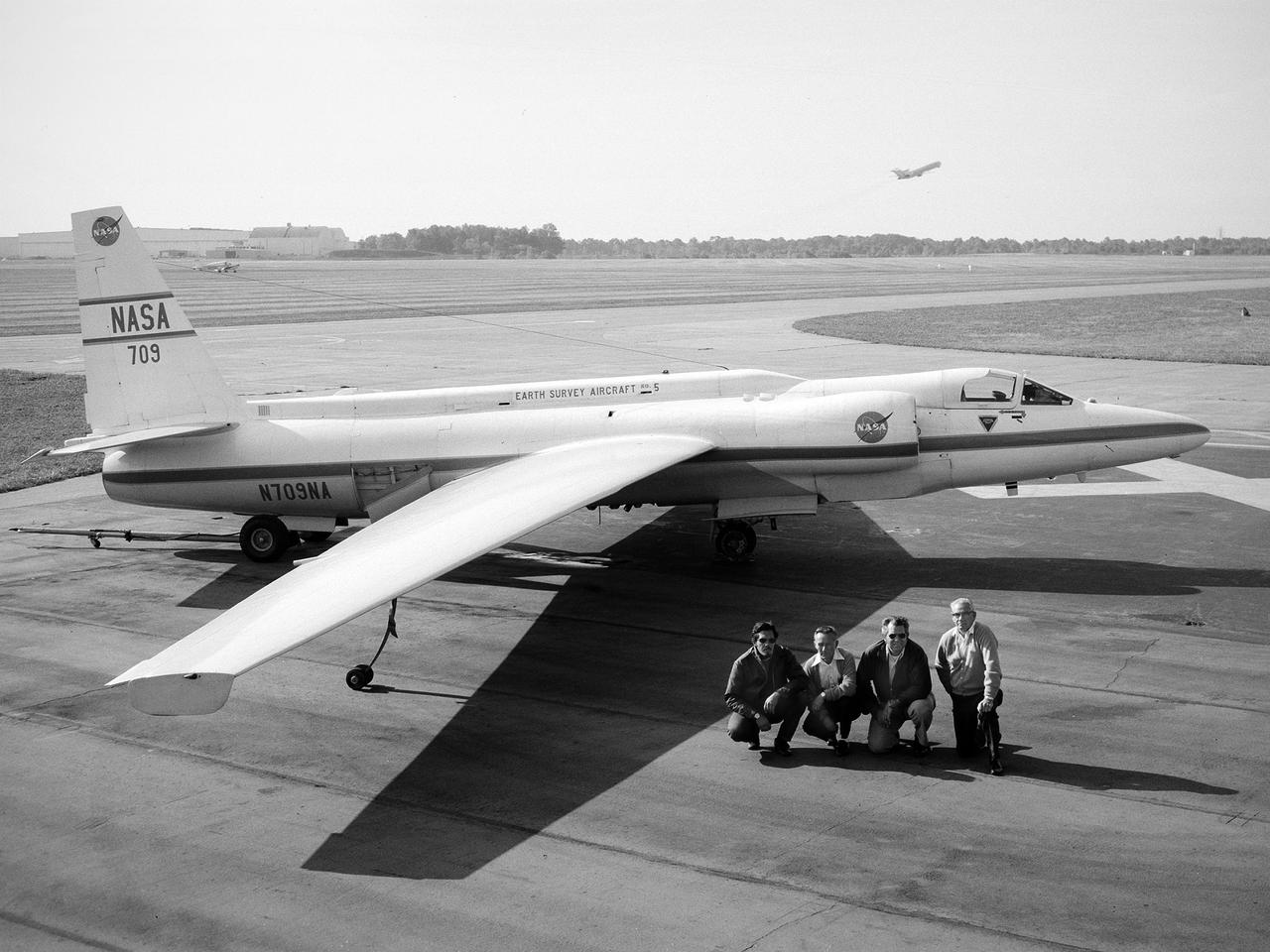
A National Aeronautics and Space Administration (NASA) Lockheed U-2 aircraft on display at the 1973 Inspection of the Lewis Research Center in Cleveland, Ohio. Lockheed developed the U-2 as a high-altitude reconnaissance aircraft in the early 1950s before satellites were available. The U-2 could cruise over enemy territory at 70,000 feet and remain impervious to ground fire, interceptor aircraft, and even radar. An advanced camera system was designed specifically for the aircraft. The pilot is required to use a pressure suit similar to those worn by astronauts. NASA’s Ames Research Center received two U-2 aircraft in April 1971 to conduct high-altitude research. They were used to study and monitor various Earth resources, celestial bodies, atmospheric chemistry, and oceanic processes. NASA replaced its U-2s with ER-2 aircraft in 1981 and 1989. The ER-2s were designed to carry up to 2600 pounds of scientific equipment. The ER-2 program was transferred to Dryden Flight Research Center in 1997. Since the inaugural flight for this program on August 31, 1971, NASA’s U-2 and ER-2 aircraft have flown more than 4500 data missions and test flights for NASA, other federal agencies, states, universities, and the private sector.
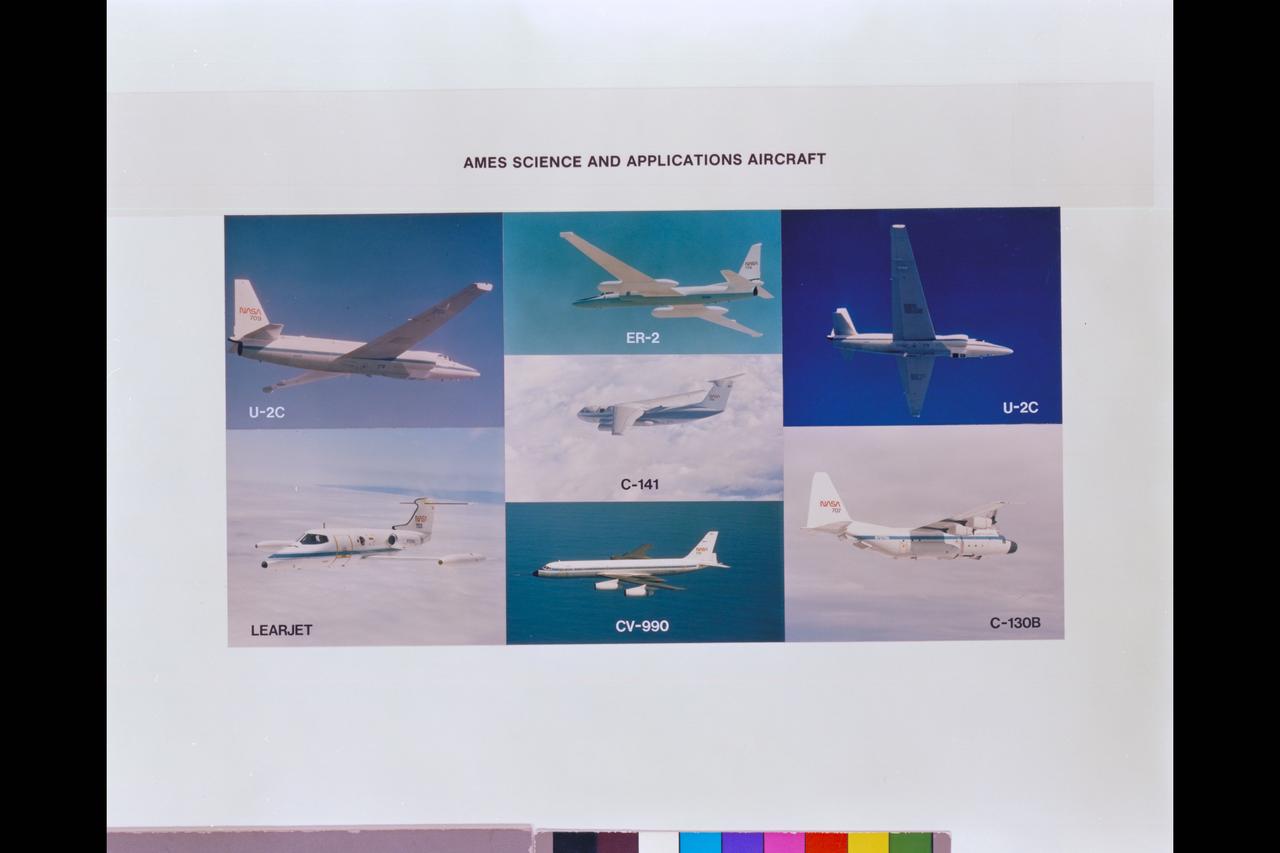
Aircraft Platform for Light Research Composite: Ames North U-2, ER-2, Learjet (NASA-705), C-141, CV-990 and C-130

Ames Science & Applications Aircraft composite: U-2, ER-2, Lear Jet (NASA-705), C-141, CV-990 & C-130
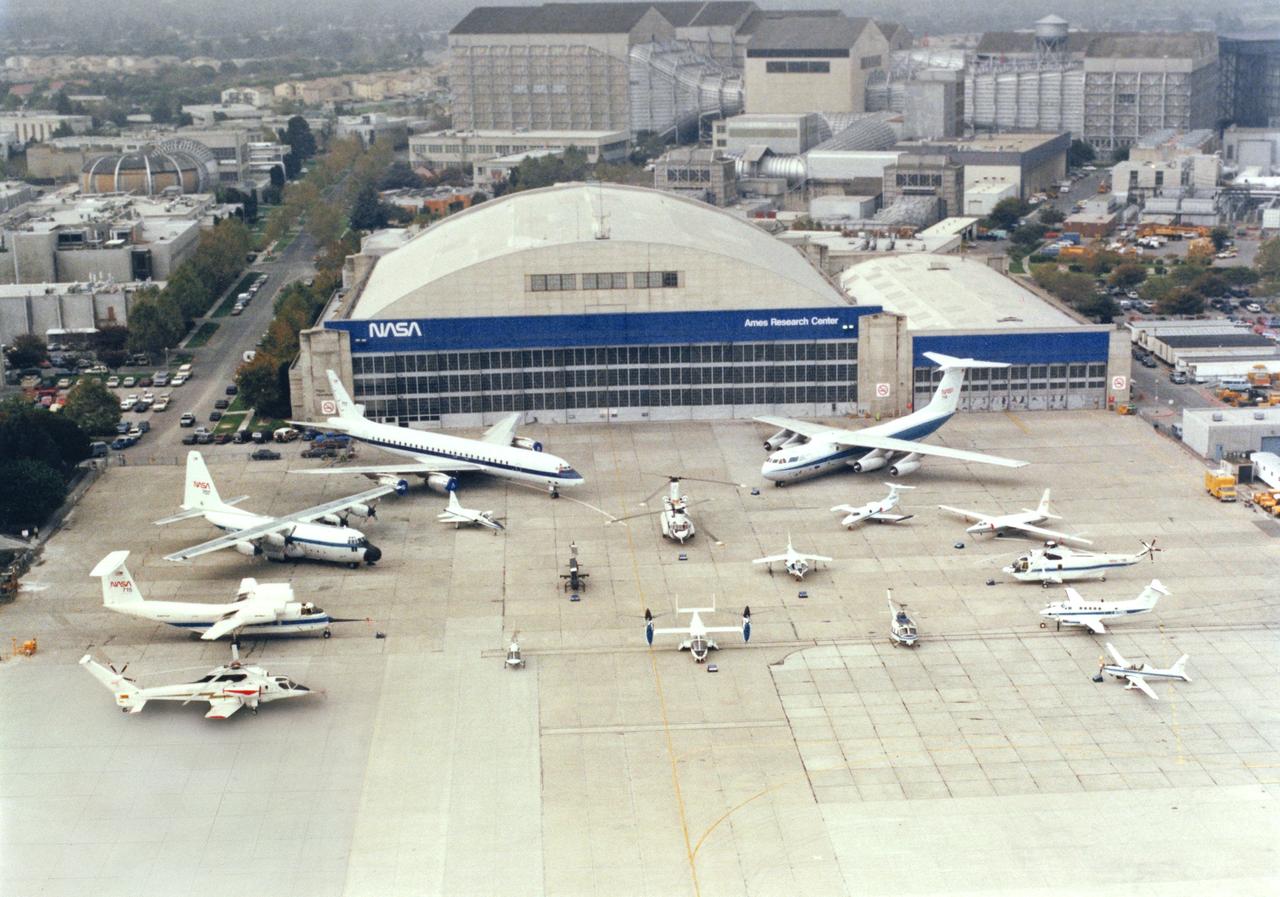
Ames Aircraft complement on ramp DC-8, C-130, QSRA, RSRA, C-141, U-2, SH-3G, King Air, YO-3A, T-38, CH-47, Lear Jet, AH-1G, AV-8B Harrier, OH-58A, XV-15, UH-1H
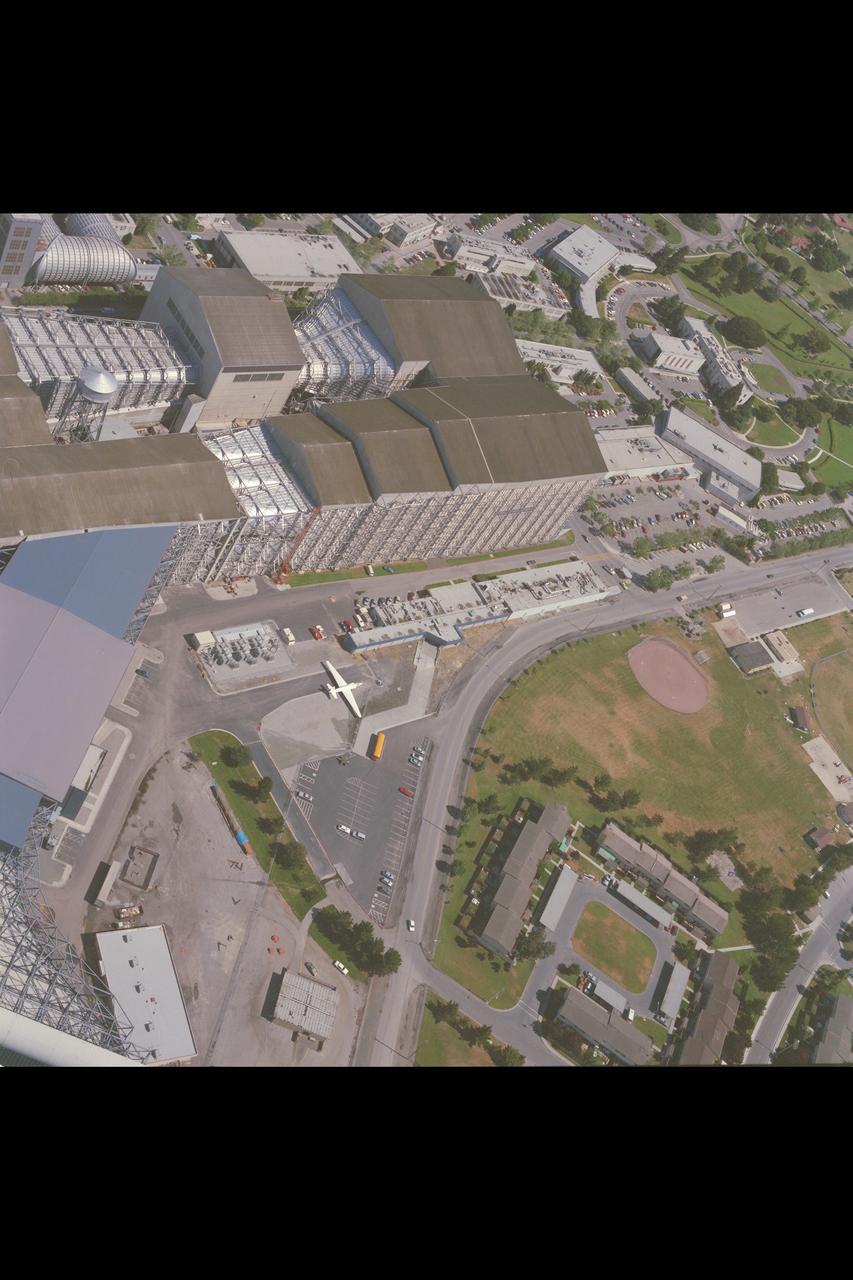
Ames Facility Aerials: N-223 VIC with U-2 on static display
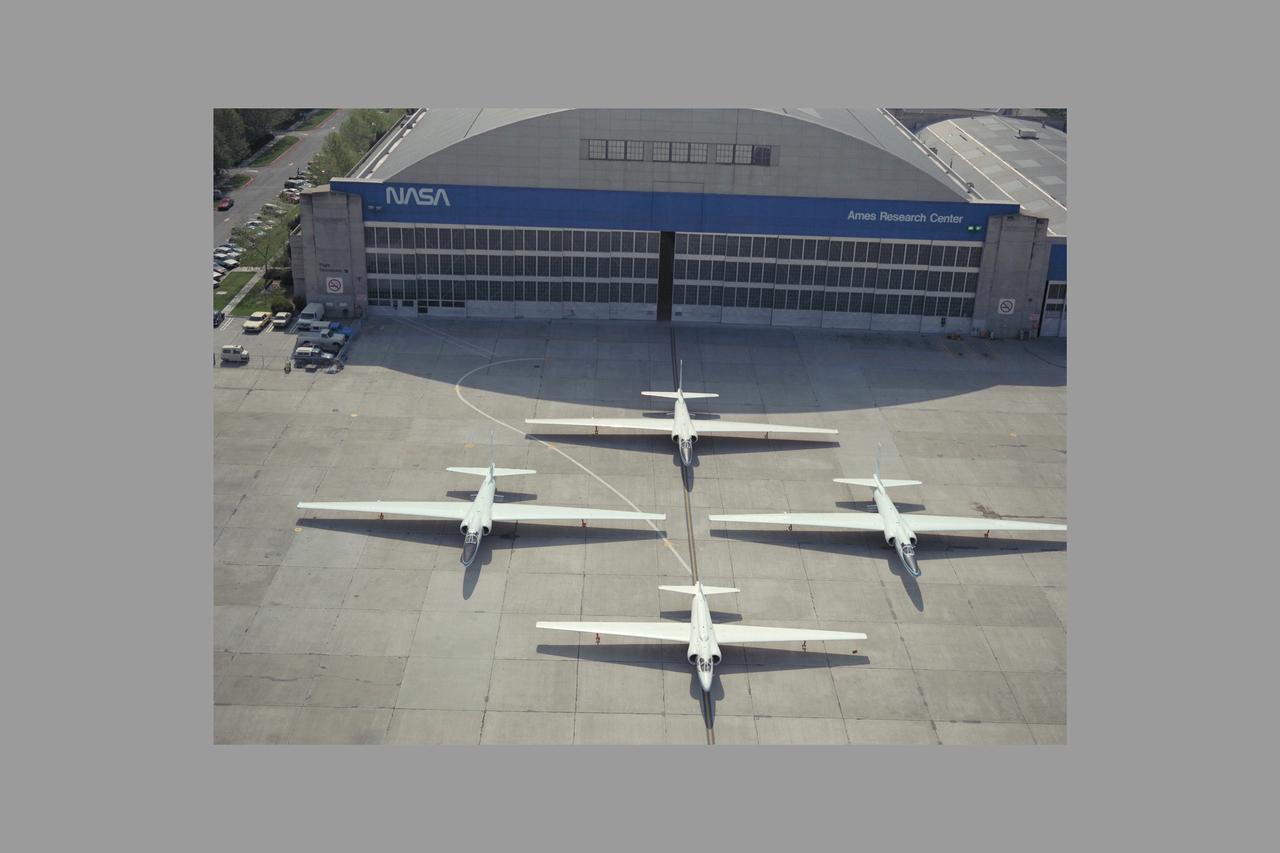
High Altitude MTPE Aircraft on flight line in front of N-211 hangar - three ER-2 and retiring U-2
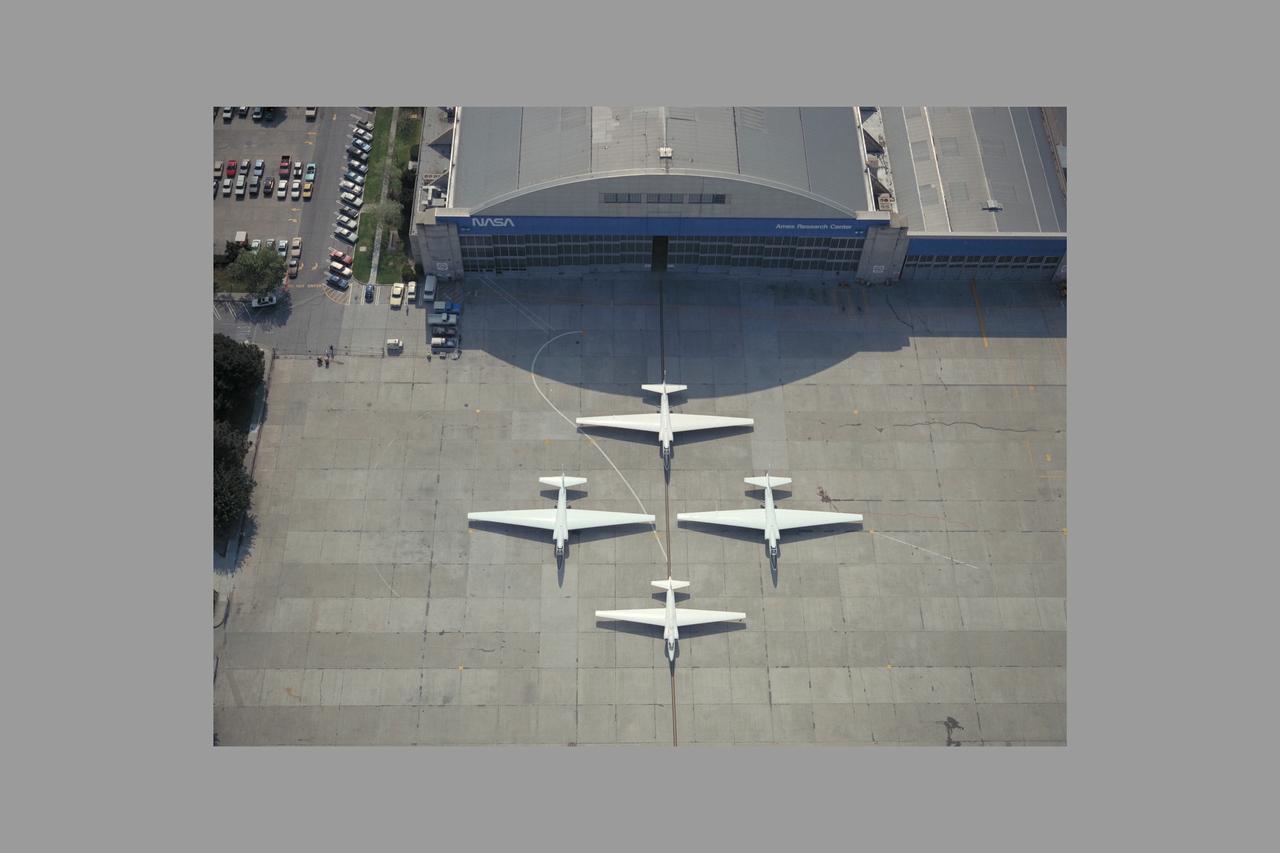
High Altitude MTPE Aircraft on flight line in front of N-211 hangar - three ER-2 and retiring U-2
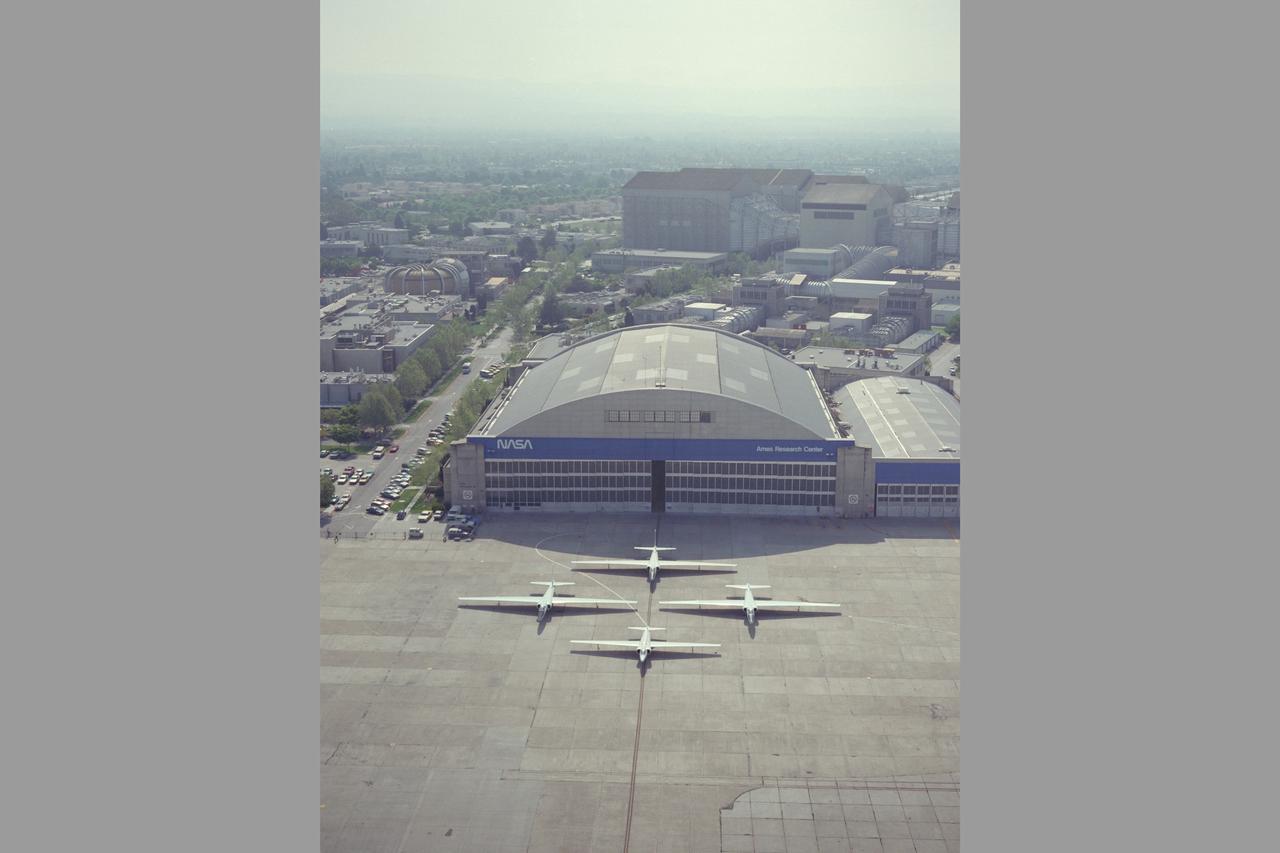
High Altitude MTPE Aircraft on flight line in front of N-211 hangar - three ER-2 and retiring U-2
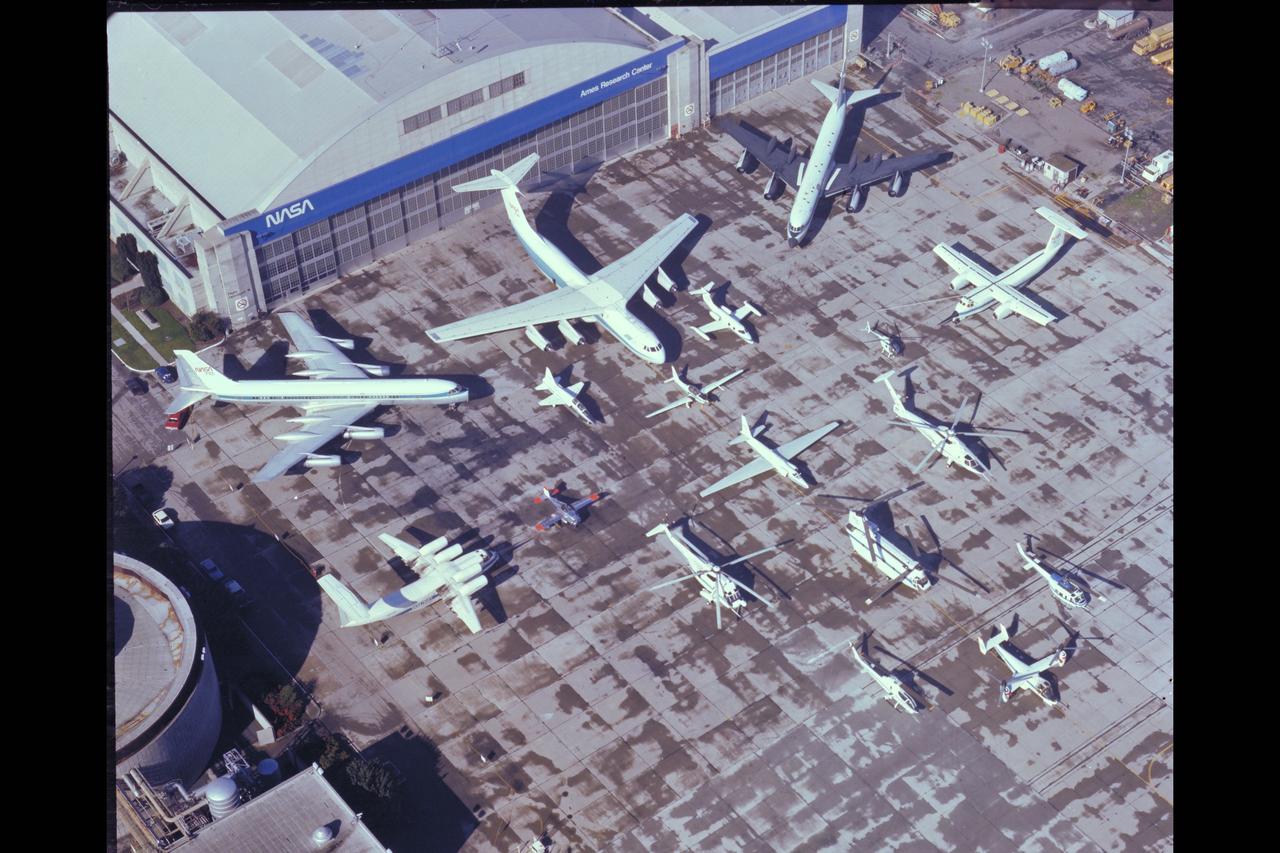
NASA Aircraft on ramp (Aerial view) Sides: (L) QSRA (R) C-8A AWJSRA - Back to Front: CV-990 (711) C-141 KAO, CV-990 (712) Galileo, T-38, YO-3A, Lear Jet, X-14, U-2, OH-6, CH-47, SH-3G, RSRA, AH-1G, XV-15, UH-1H
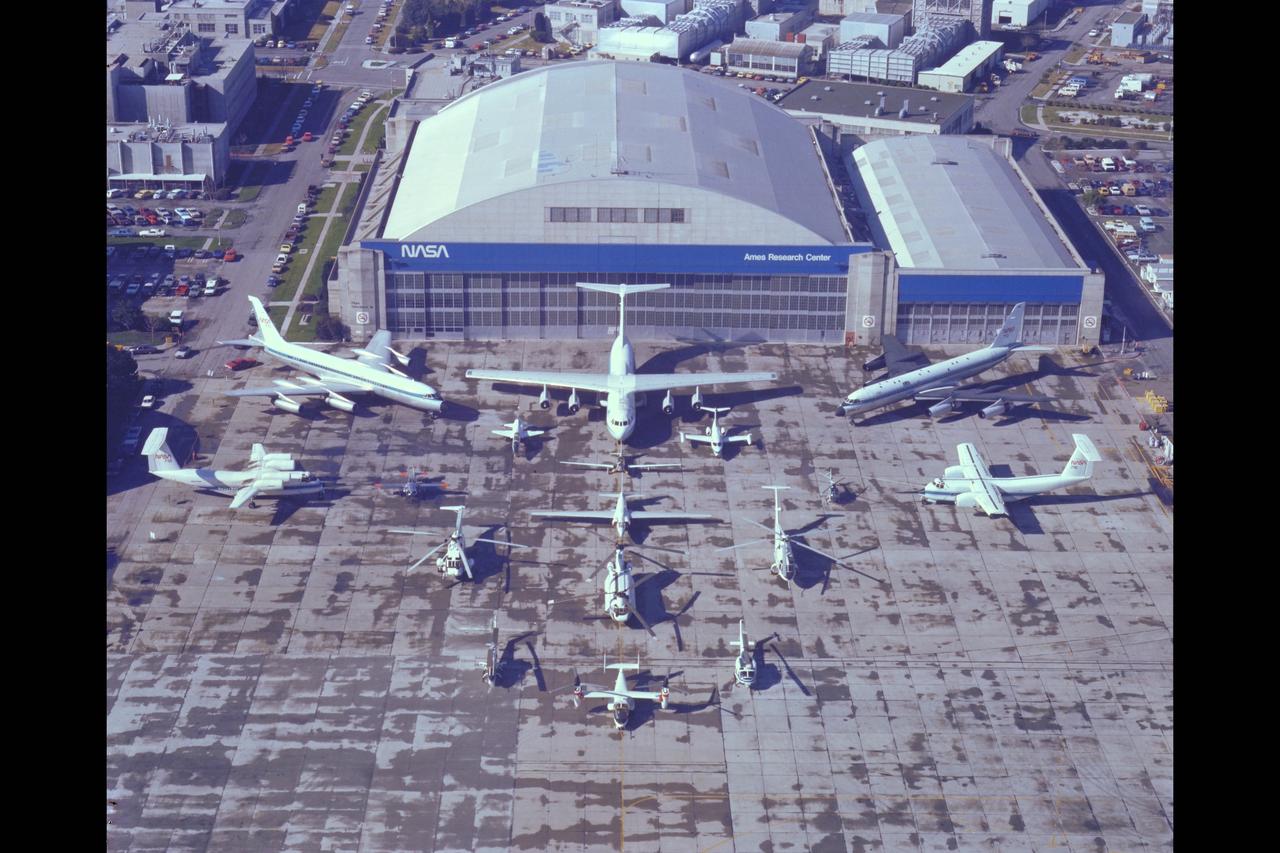
NASA Aircraft on ramp (Aerial view) Sides: (L) QSRA (R) C-8A AWJSRA - Back to Front: CV-990 (711) C-141 KAO, CV-990 (712) Galileo, T-38, YO-3A, Lear Jet, X-14, U-2, OH-6, CH-47, SH-3G, RSRA, AH-1G, XV-15, UH-1H
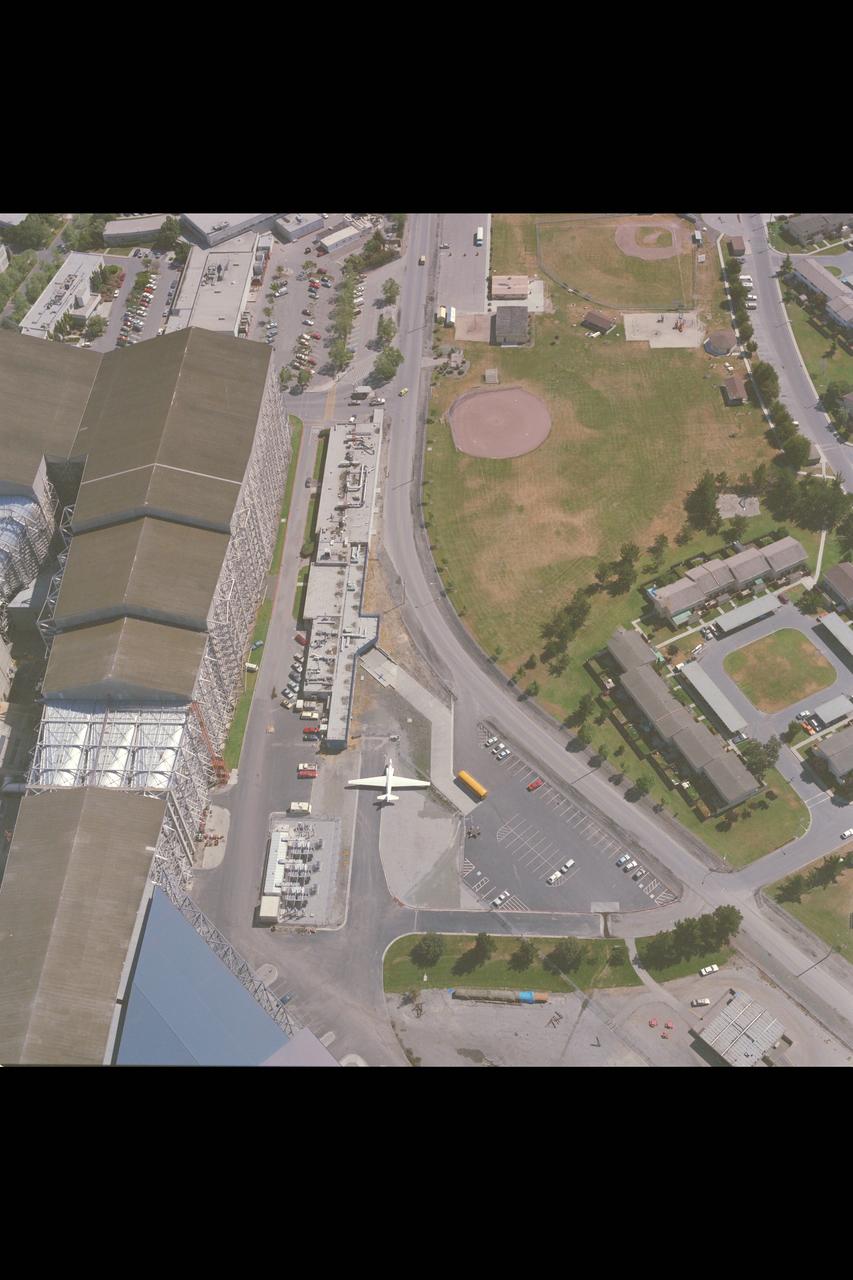
Ames Facility Aerials: N-223 VIC with U-2 on Static display and N-221
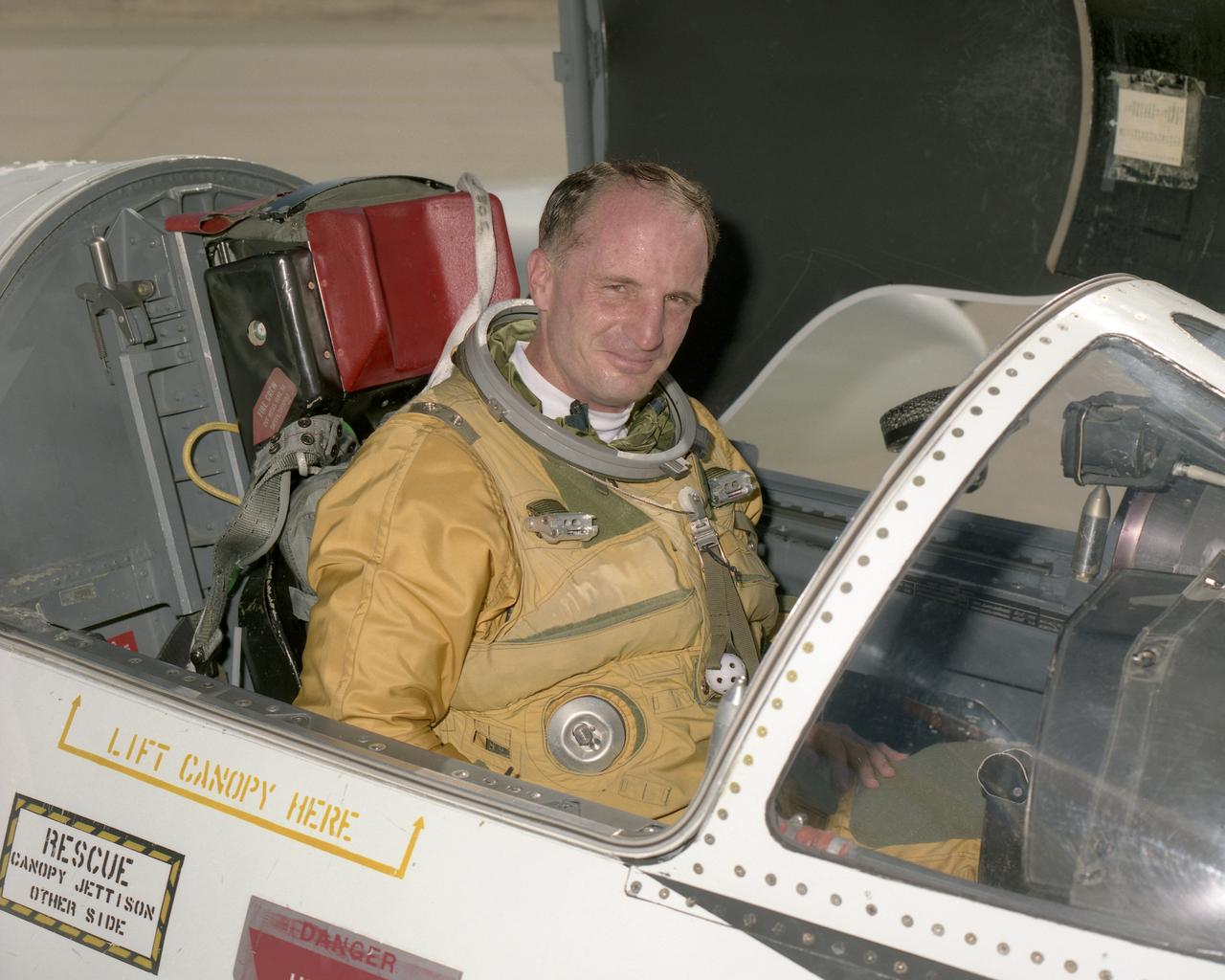
David A. Wright is associate director for Center Operations at the NASA Dryden Flight Research Center, Edwards, Calif. He was formerly director of Flight Operations. He is also a research pilot, flying NASA's ER-2 and T-38. The ER-2s are civilian variants of the military U-2S reconnaissance aircraft and carry scientific instruments to study the Earth during worldwide deployments. Wright has more than 4,500 hours in six different aircraft. He held the position of deputy director of the Airborne Science Program at Dryden from 2002 until 2004. Wright came to Dryden after retiring from the U.S. Air Force as a lieutenant colonel. His final assignment was to the Joint Staff J3, Directorate of Operations at the Pentagon from November 1996 until August 1999. Prior to the Pentagon assignment, he served as commander of the 1st Reconnaissance Squadron at Beale Air Force Base near Marysville, Calif., the unit responsible for training all U-2 pilots. He was the operations officer for one the largest U-2 operations in history, flying combat missions against Iraq and managing an unprecedented U-2 flying schedule during the 1991 Desert Storm conflict. He was selected for the Air Force U-2 program in 1987 following duty as an aircraft commander in the E-3A AWACS (Airborne Warning and Control System) aircraft. Wright was a T-38 instructor for three years at Reese Air Force Base, Lubbock, Texas, following completion of pilot training in 1978. He graduated from the U.S. Air Force Academy in 1977 with a Bachelor of Science in mathematics and computer science. Wright earned a Master of Arts in Adult Education from Troy State University, Montgomery, Ala., in 1987, and a Master of Science in National Security and Strategic Studies from the Naval War College, Newport, R.I., in 1995.
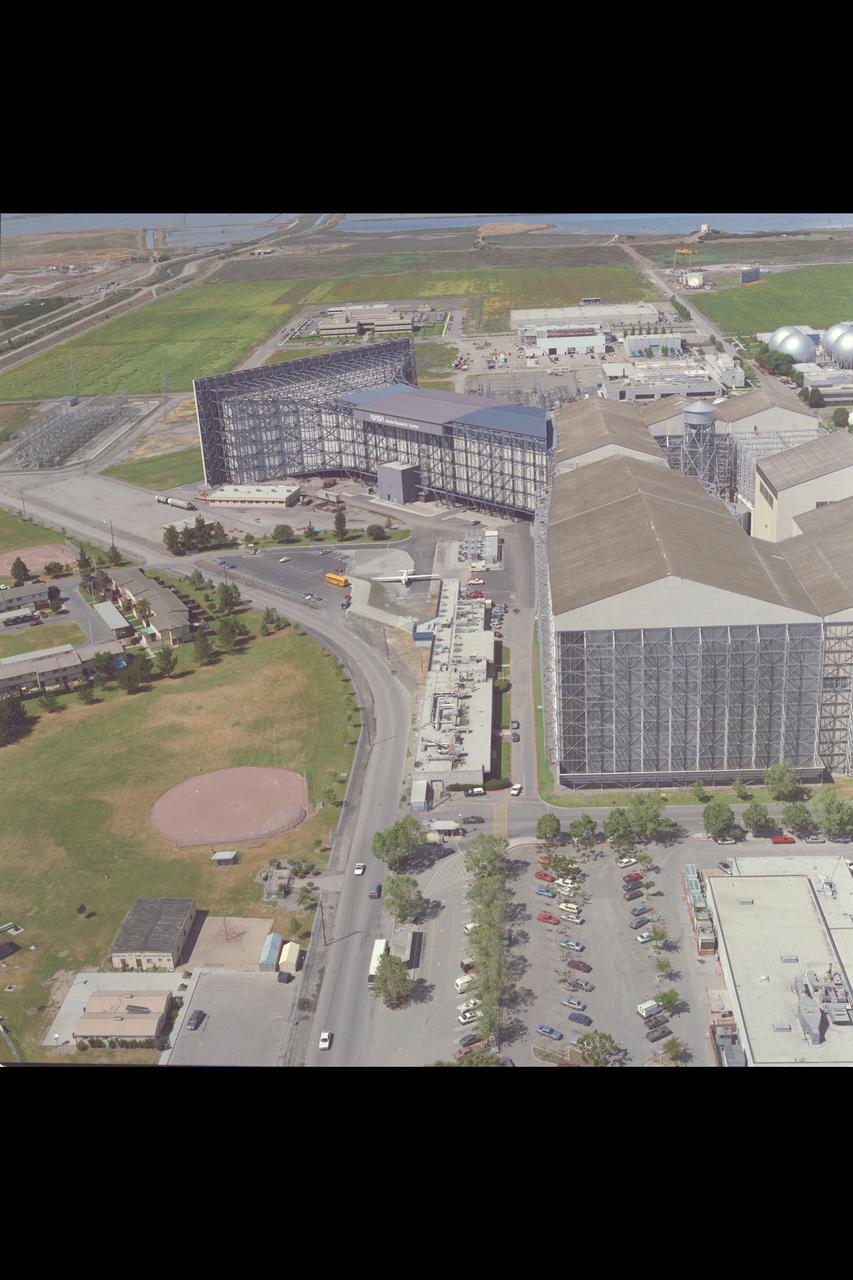
Ames Facility Aerials: NFAC complex N-221, N-222, N-223 visitors center with U-2 on static display
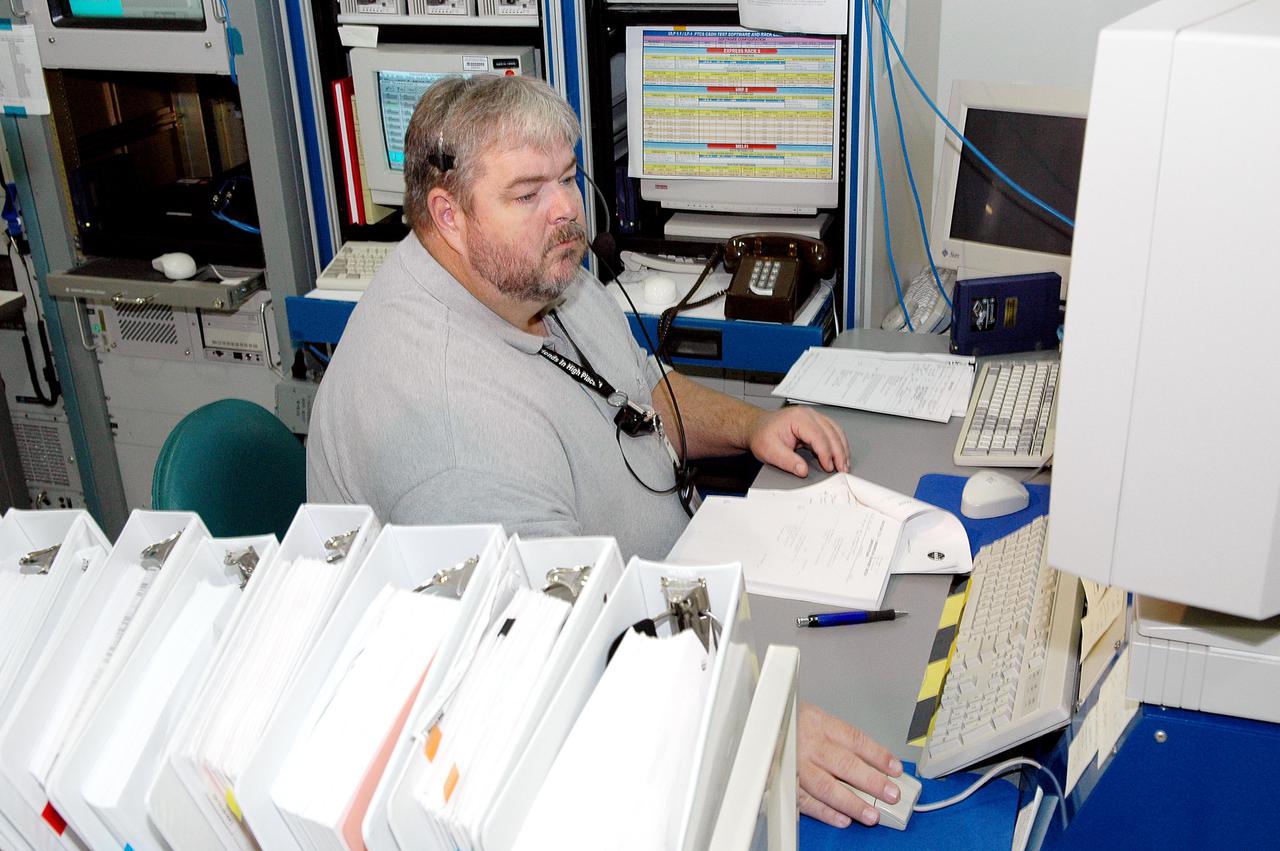
KENNEDY SPACE CENTER, FLA. - Joe Mounts, with Boeing, monitors the Payload Test and Checkout System for the Human Research Facility (HRF) Rack -2 payload. The HRF-2 is scheduled to fly on Return to Flight Space Shuttle mission STS-114. The HRF-2 will deliver additional biomedical instrumentation and research capability to the International Space Station. HRF Rack 1 contains an ultrasound unit and gas analyzer system and has been operational in the U.S. Lab since May 2001. HRF-2 will also be installed in the U. S. Lab and will provide structural, power, thermal, command and data handling, and communication and tracking interfaces between the HRF biomedical instrumentation and the U. S. Lab.

James Barrilleaux is the assistant chief pilot for ER-2s in the Flight Crew Branch of NASA's Dryden Flight Research Center, Edwards, California. The ER-2s--civilian variants of the military U-2S reconnaissance aircraft--are part of NASA's Airborne Science program. The ER-2s can carry airborne scientific payloads of up to 2,600 pounds to altitudes of about 70,000 feet to investigate such matters as earth resources, celestial phenomena, atmospheric chemistry and dynamics, and oceanic processes. Barrilleaux has held his current position since February 1998. Barrilleaux joined NASA in 1986 as a U-2/ER-2 pilot with NASA's Airborne Science program at Ames Research Center, Moffett Field, California. He flew both the U-2C (until 1989) and the ER-2 on a wide variety of missions both domestic and international. Barrilleaux flew high-altitude operations over Antarctica in which scientific instruments aboard the ER-2 defined the cause of ozone depletion over the continent, known as the ozone hole. He has also flown the ER-2 over the North Pole. Barrilleaux served for 20 years in the U.S. Air Force before he joined NASA. He completed pilot training at Reese Air Force Base, Lubbock, Texas, in 1966. He flew 120 combat missions as a F-4 fighter pilot over Laos and North Vietnam in 1970 and 1971. He joined the U-2 program in 1974, becoming the commander of an overseas U-2 operation in 1982. In 1983, he became commander of the squadron responsible for training all U-2 pilots and SR-71 crews located at Beale Air Force Base, Marysville, California. He retired from the Air Force as a lieutenant colonel in 1986. On active duty, he flew the U-2, F-4 Phantom, the T-38, T-37, and the T-33. His decorations included two Distinguished Flying Crosses, 12 Air Medals, two Meritorious Service Medals, and other Air Force and South Vietnamese awards. Barrilleaux earned a bachelor of science degree in chemical engineering from Texas A&M University, College Station, in 1964 and a master of science
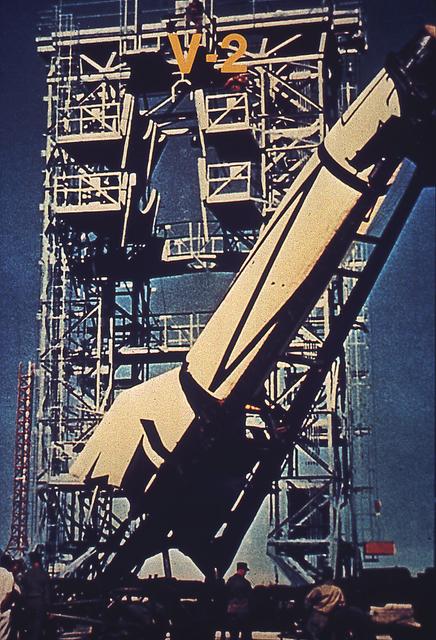
A V-2 rocket is hoisted into a static test facility at White Sands, New Mexico. The German engineers and scientists who developed the V-2 came to the United States at the end of World War II and continued rocket testing under the direction of the U. S. Army, launching more than sixty V-2s.
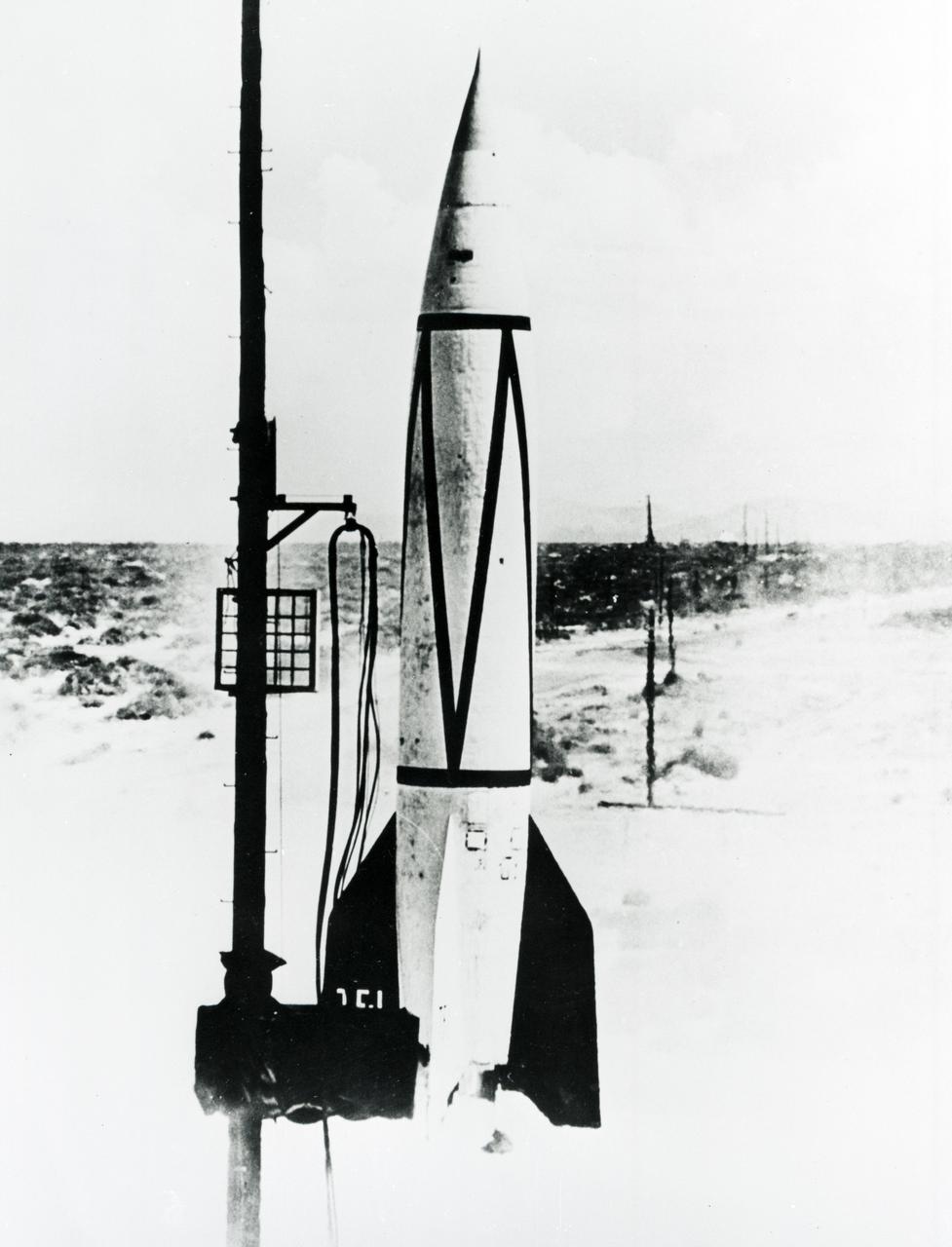
A V-2 rocket takes flight at White Sands, New Mexico, in 1946. The German engineers and scientists who developed the V-2 came to the United States at the end of World War II and continued rocket testing under the direction of the U. S. Army, launching more than sixty V-2s.
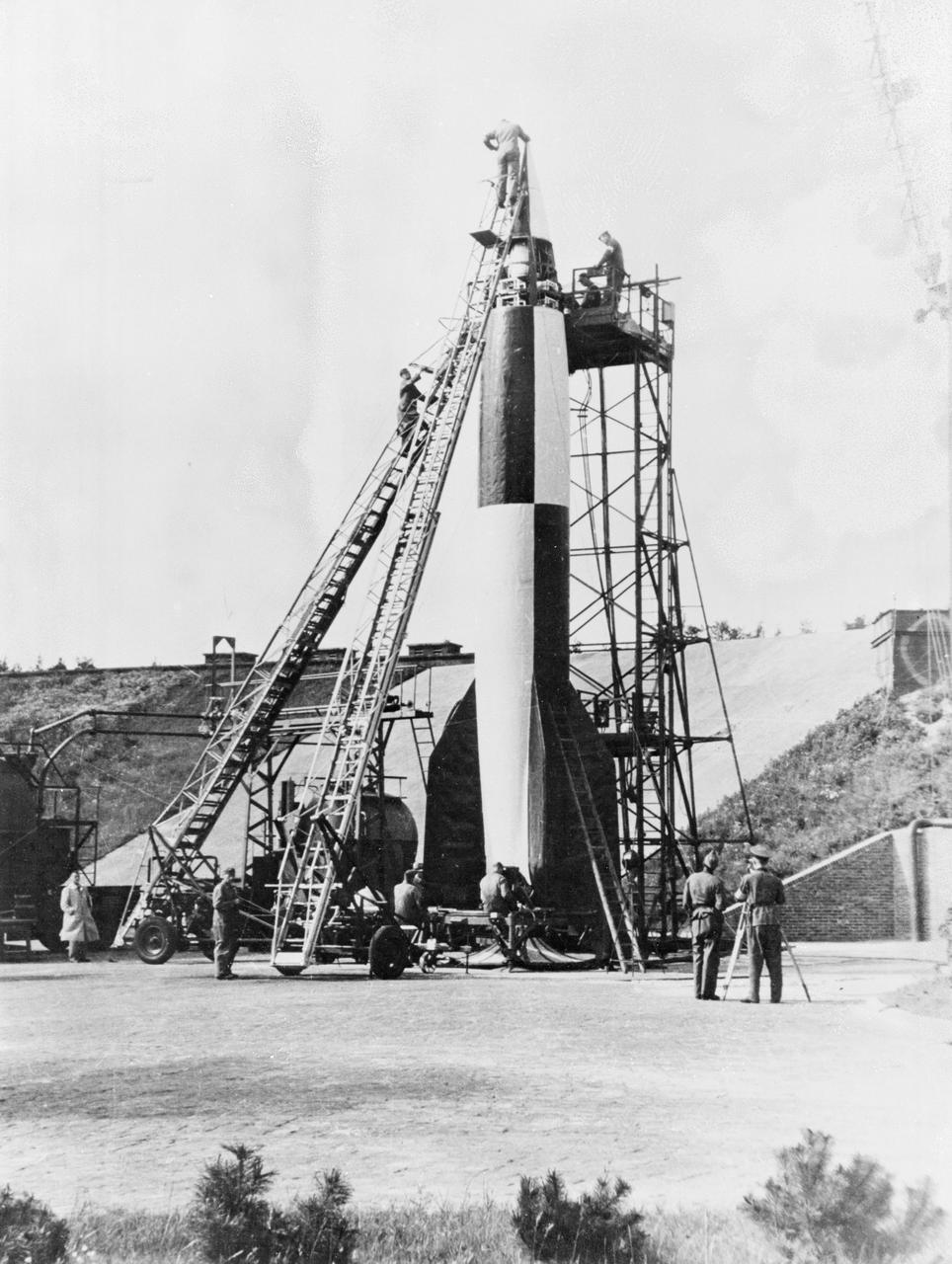
German technicians stack the various stages of the V-2 rocket in this undated photograph. The team of German engineers and scientists who developed the V-2 came to the United States at the end of World War II and worked for the U. S. Army at Fort Bliss, Texas, and Redstone Arsenal in Huntsville, Alabama.
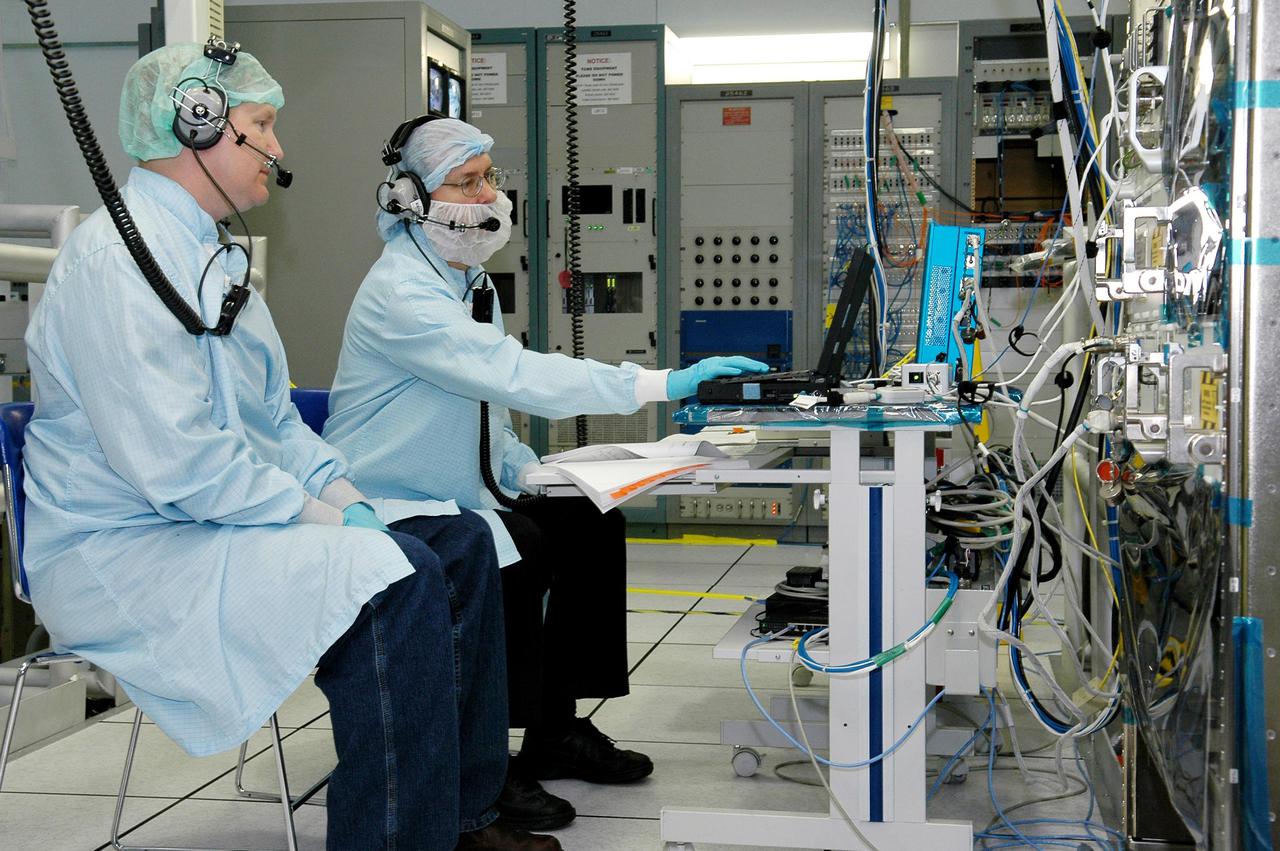
KENNEDY SPACE CENTER, FLA. - - In the Space Station Processing Facility, Gaschen Geissen and Elton Witt, with Lockheed Martin, monitor the Payload Test and Checkout System for the Human Research Facility (HRF) Rack -2 payload. The HRF-2 is scheduled to fly on Return to Flight Space Shuttle mission STS-114. The HRF-2 will deliver additional biomedical instrumentation and research capability to the International Space Station. HRF Rack 1 contains an ultrasound unit and gas analyzer system and has been operational in the U.S. Lab since May 2001. HRF-2 will also be installed in the U. S. Lab and will provide structural, power, thermal, command and data handling, and communication and tracking interfaces between the HRF biomedical instrumentation and the U. S. Lab.
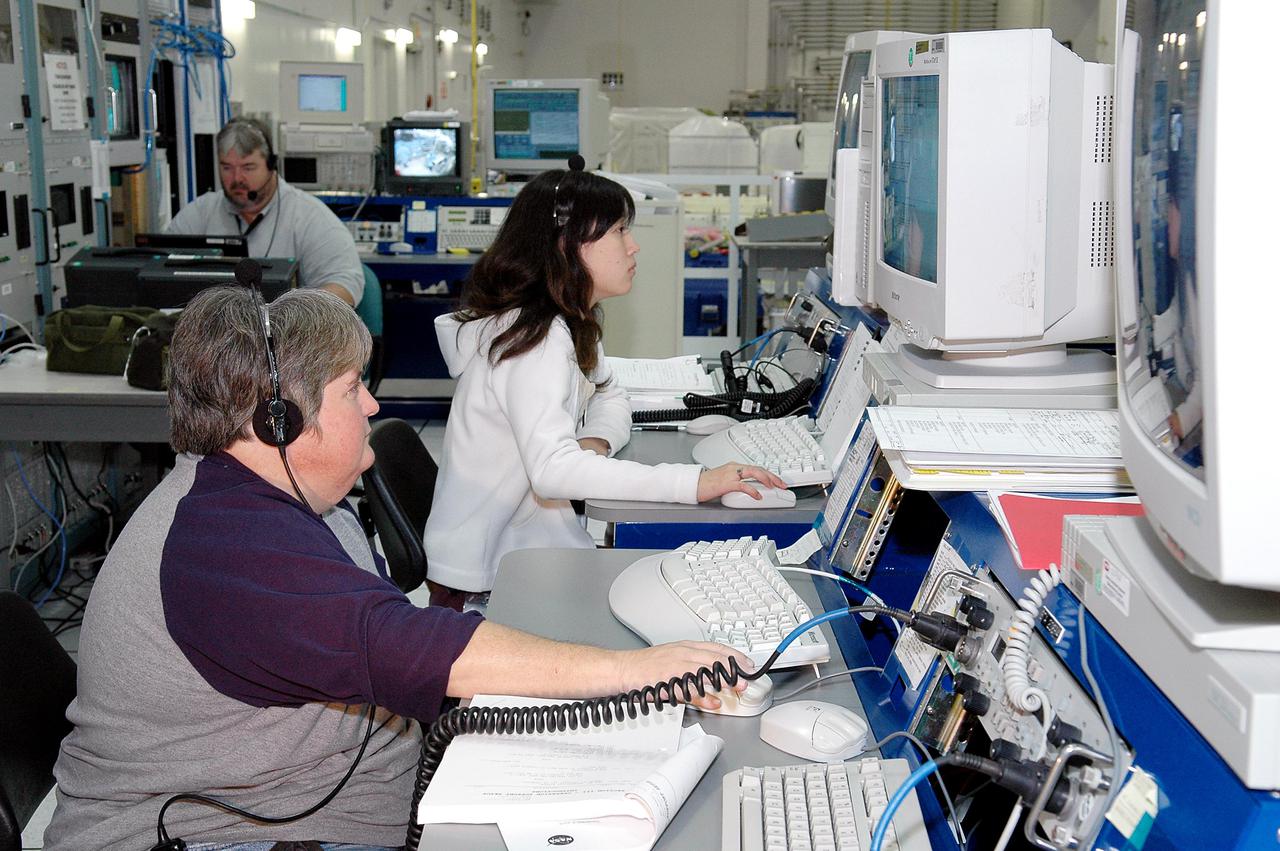
KENNEDY SPACE CENTER, FLA. - Nancy Lowry (left) and Mikiko Ujihara, with Boeing, monitor the Payload Test and Checkout System for the Human Research Facility (HRF) Rack -2 payload. The HRF-2 is scheduled to fly on Return to Flight Space Shuttle mission STS-114. The HRF-2 will deliver additional biomedical instrumentation and research capability to the International Space Station. HRF Rack 1 contains an ultrasound unit and gas analyzer system and has been operational in the U.S. Lab since May 2001. HRF-2 will also be installed in the U. S. Lab and will provide structural, power, thermal, command and data handling, and communication and tracking interfaces between the HRF biomedical instrumentation and the U. S. Lab.
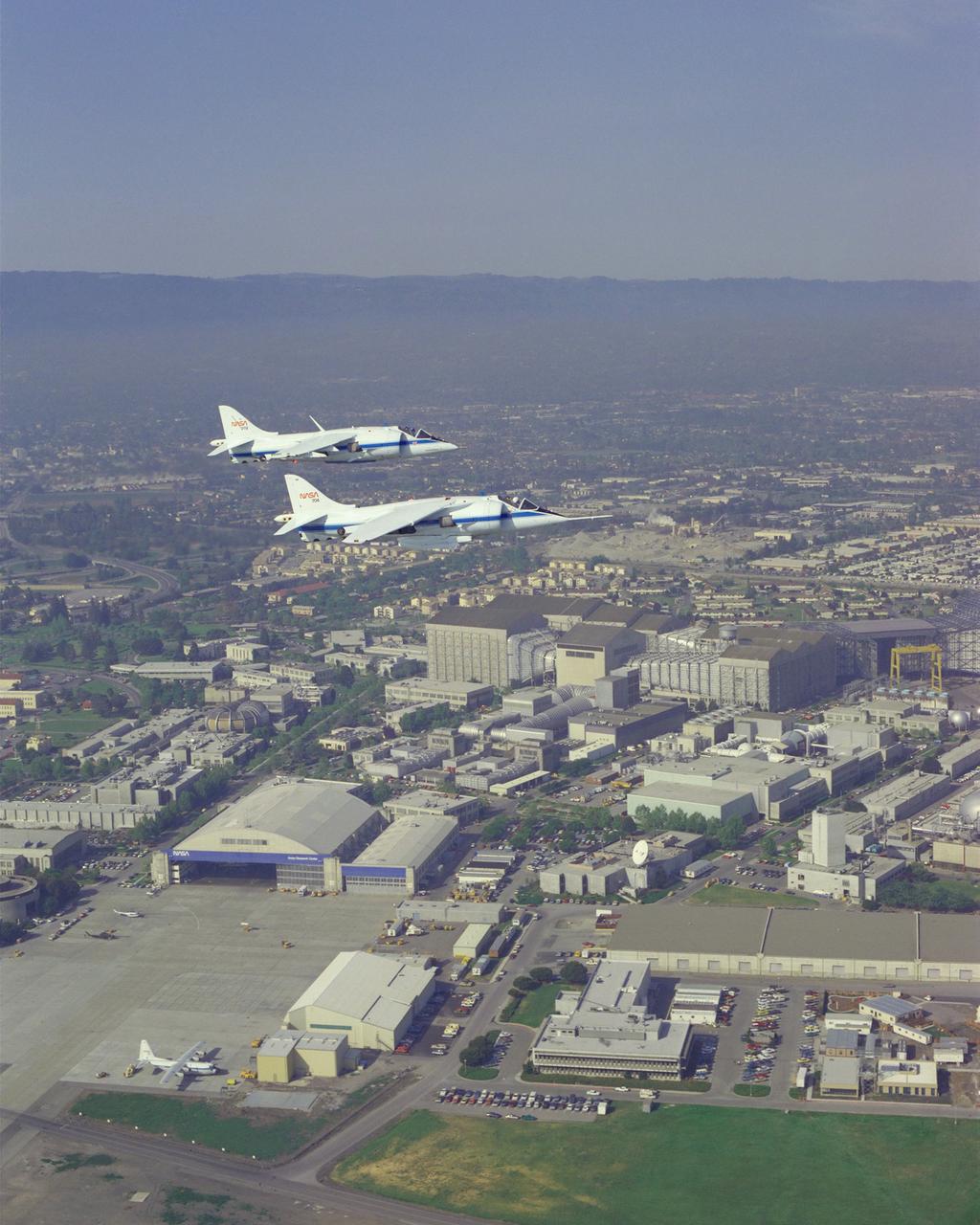
AV-8B (NASA-719) and AV-8C (NASA-704) air to air formation flight with T-38, U-2 (NASA-708) with pilots G. Hardy and J. Martin over NASA Ames Research Center, Moffett Field.
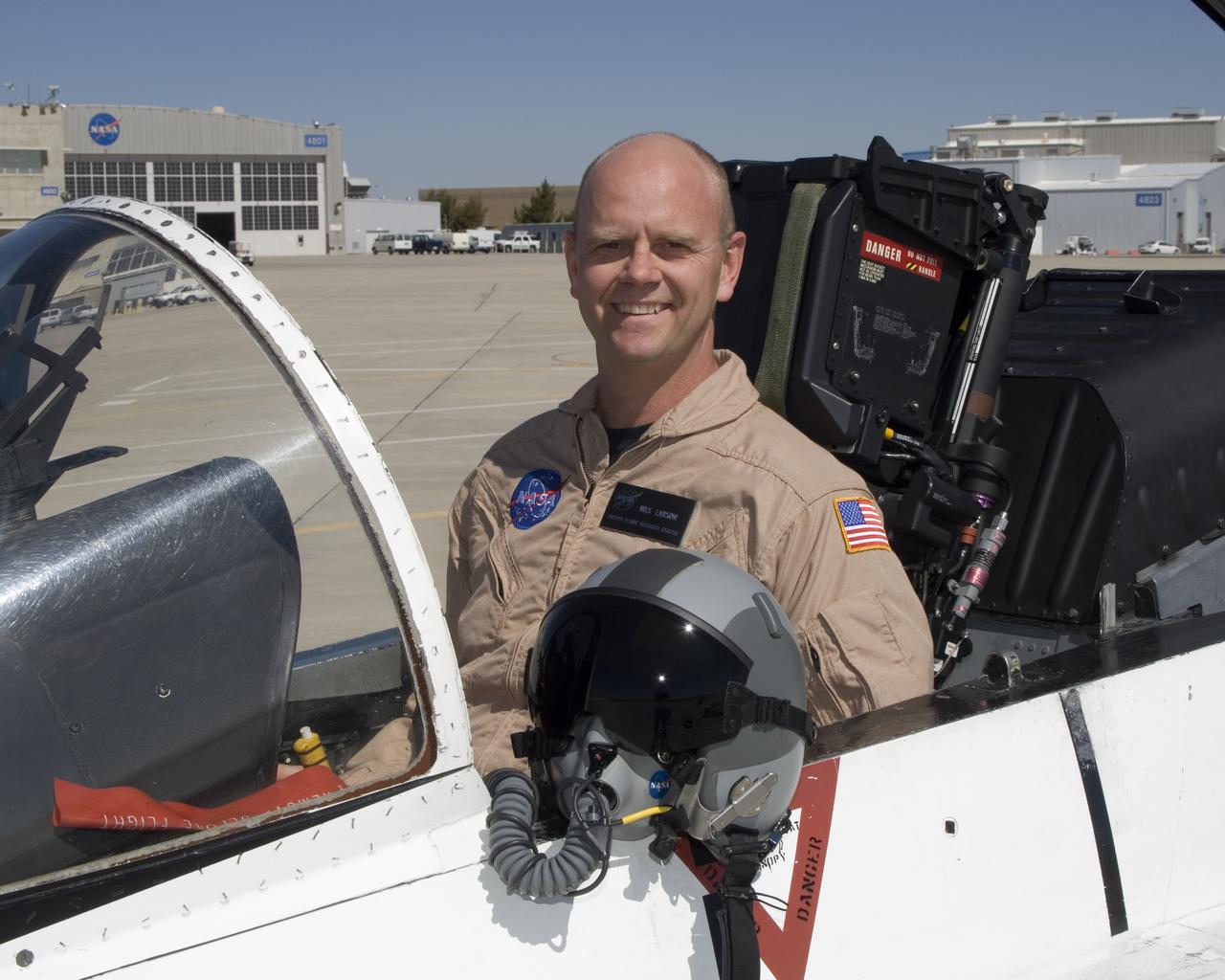
Nils Larson is a research pilot in the Flight Crew Branch of NASA's Dryden Flight Research Center, Edwards, Calif. Larson joined NASA in February 2007 and will fly the F-15, F-18, T-38 and ER-2. Prior to joining NASA, Larson was on active duty with the U.S. Air Force. He has accumulated more that 4,900 hours of military and civilian flight experience in more than 70 fixed and rotary winged aircraft. Larson completed undergraduate pilot training at Williams Air Force Base, Chandler, Ariz., in 1987. He remained at Williams as a T-37 instructor pilot. In 1991, Larson was assigned to Beale Air Force Base, Calif., as a U-2 pilot. He flew 88 operational missions from Korea, Saudi Arabia, the United Kingdom, Panama and other locations. Larson graduated from the U.S. Air Force Test Pilot School at Edwards Air Force Base, Calif., in Class 95A. He became a flight commander and assistant operations officer for the 445th squadron at Edwards. He flew the radar, avionics integration and engine tests in F-15 A-D, the early flights of the glass cockpit T-38C and airworthiness flights of the Coast Guard RU-38. He was selected to serve as an Air Force exchange instructor at the U.S. Naval Test Pilot School, Patuxent River, Md. He taught systems and fixed-wing flight test and flew as an instructor pilot in the F-18, T-2, U-6A Beaver and X-26 Schweizer sailplane. Larson commanded U-2 operations for Warner Robins Air Logistics Center's Detachment 2 located in Palmdale, Calif. In addition to flying the U-2, Larson supervised the aircraft's depot maintenance and flight test. He was the deputy group commander for the 412th Operations Group at Edwards before retiring from active duty in 2007 with the rank of lieutenant colonel. His first experience with NASA was at the Glenn Research Center, Cleveland, where he served a college summer internship working on arcjet engines. Larson is a native of Bethany, W.Va,, and received his commission from the U.S. Air Force Academy in 1986 with a
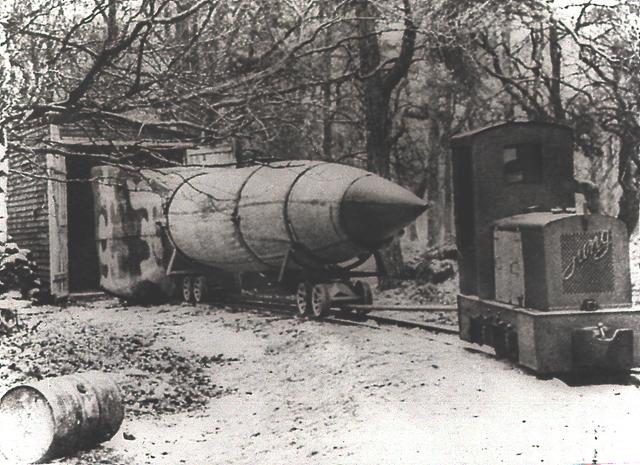
In this undated file photo, probably from World War II, a V-2 rocket emerges from its camouflaged shelter. The team of German engineers and scientists who developed the V-2 came to the United States after World War II and worked for the U. S. Army at Fort Bliss, Texas and Redstone Arsenal in Huntsville, Alabama.
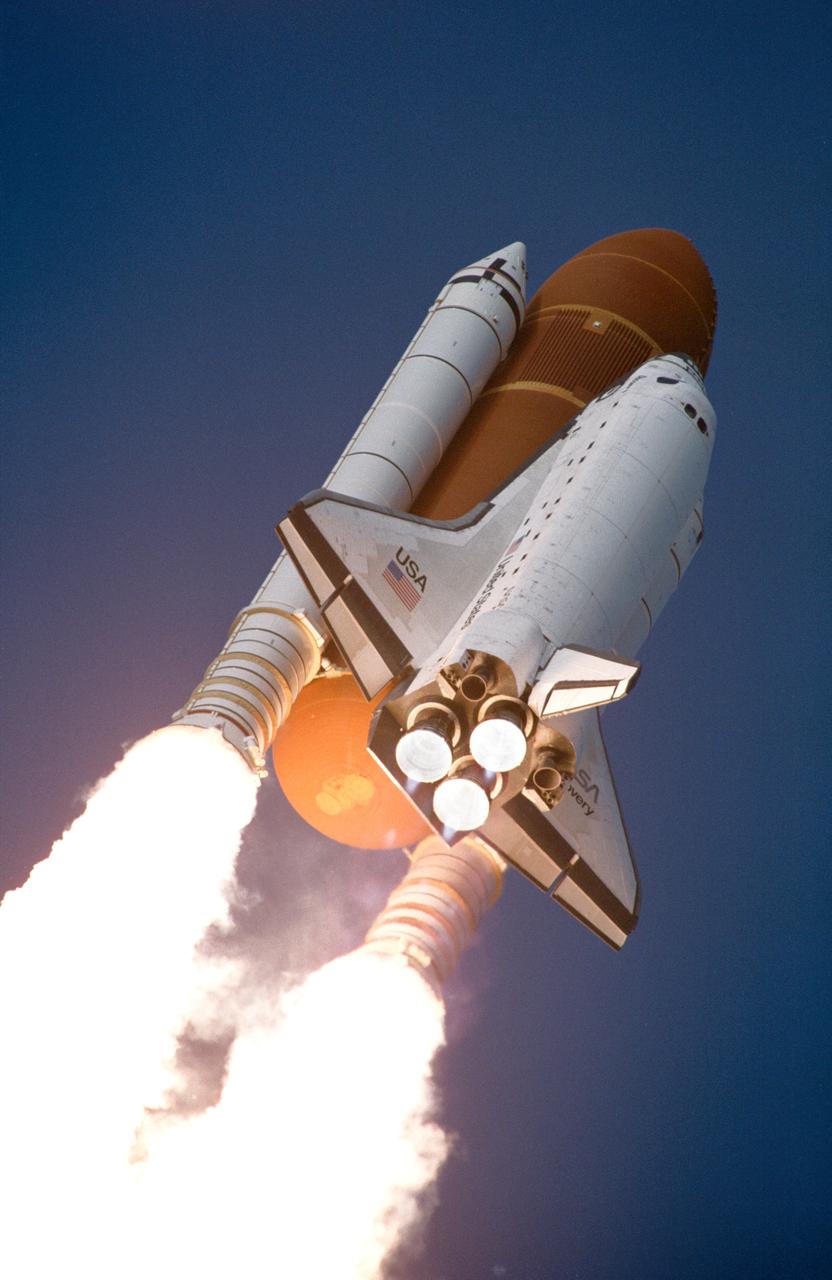
STS053-S-058 (2 Dec. 1992) --- The space shuttle Discovery, with a crew of five astronauts onboard, launches from Kennedy Space Center's (KSC) Pad 39A at 8:24:00 a.m. (EST), Dec. 2, 1992. The all military crew supporting the Department of Defense (DOD) flight included astronauts David M. Walker, Robert D. Cabana, Guion S. Bluford, Jr., James S. Voss and Michael R. U. (Rich) Clifford.
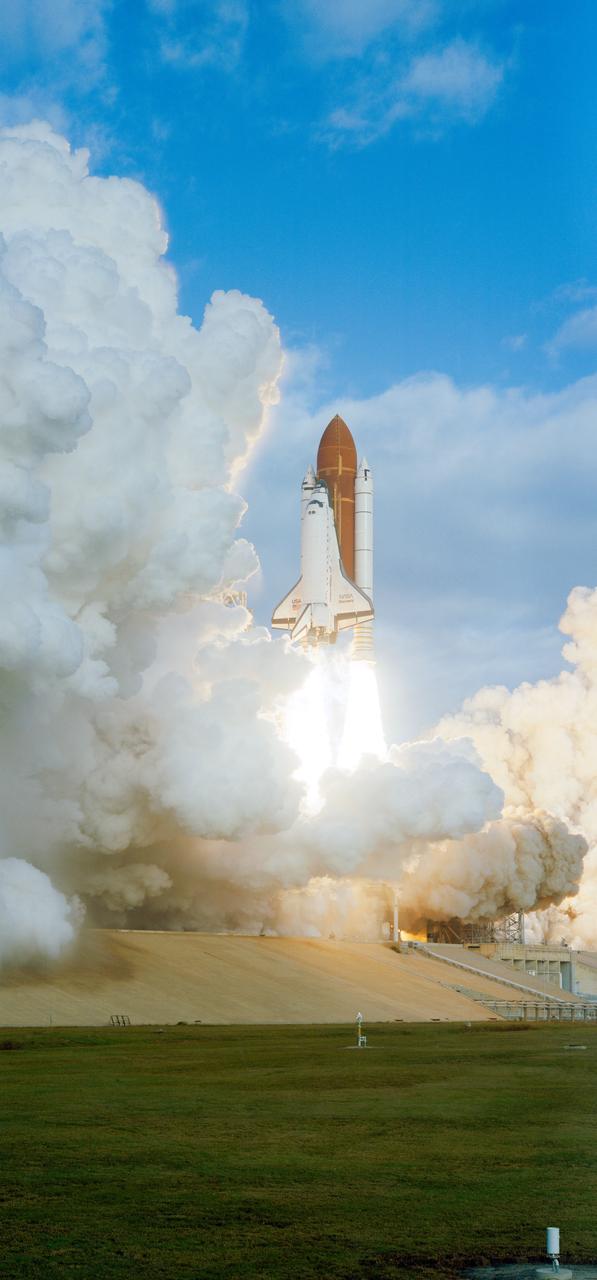
STS053-S-056 (2 Dec 1992) --- The Space Shuttle Discovery, with a crew of five astronauts onboard, launches from Kennedy Space Center's (KSC) Pad 39A at 8:24:00 a.m. (EST), December 2, 1992. The all military crew supporting the Department of Defense (DOD) flight included astronauts David M. Walker, Robert D. Cabana, Guion S. Bluford Jr., James S. Voss and Michael R. U. (Rick) Clifford.
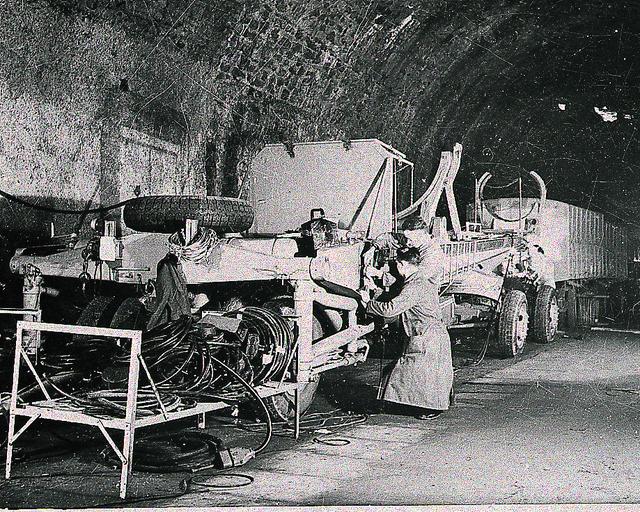
In this photograph from the fall of 1943, German technicians wire vehicles for mobile V-2 batteries in an abandoned railroad turnel in the Rhineland. The team of German engineers and scientists who developed the V-2 came to the United States at the end of World War II and worked for the U. S. Army at Fort Bliss, Texas, and Redstone Arsenal in Huntsville, Alabama.
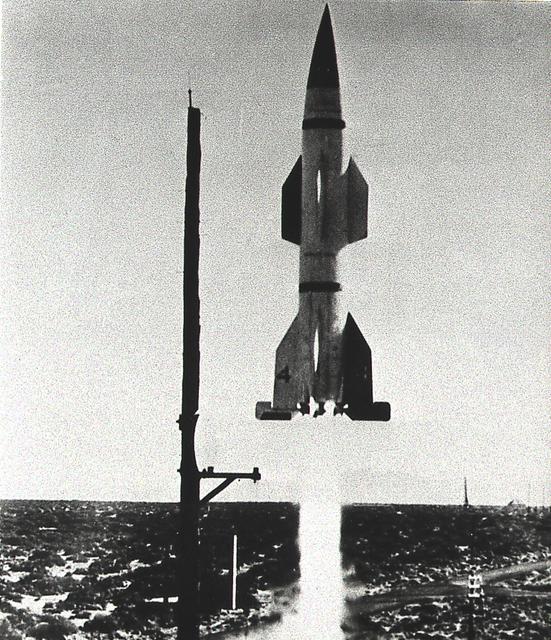
The Hermes A-1 rocket was designed by the U. S. Army after capturing the V-2 rocket from the German army at the conclusion of the Second World War. The Hermes A-1 is a modified V-2 rocket; it utilized the German aerodynamic configuration; however, internally it was a completely new design. This rocket was the first designed by the German Rocket Team at Redstone Arsenal in Huntsville, AL.
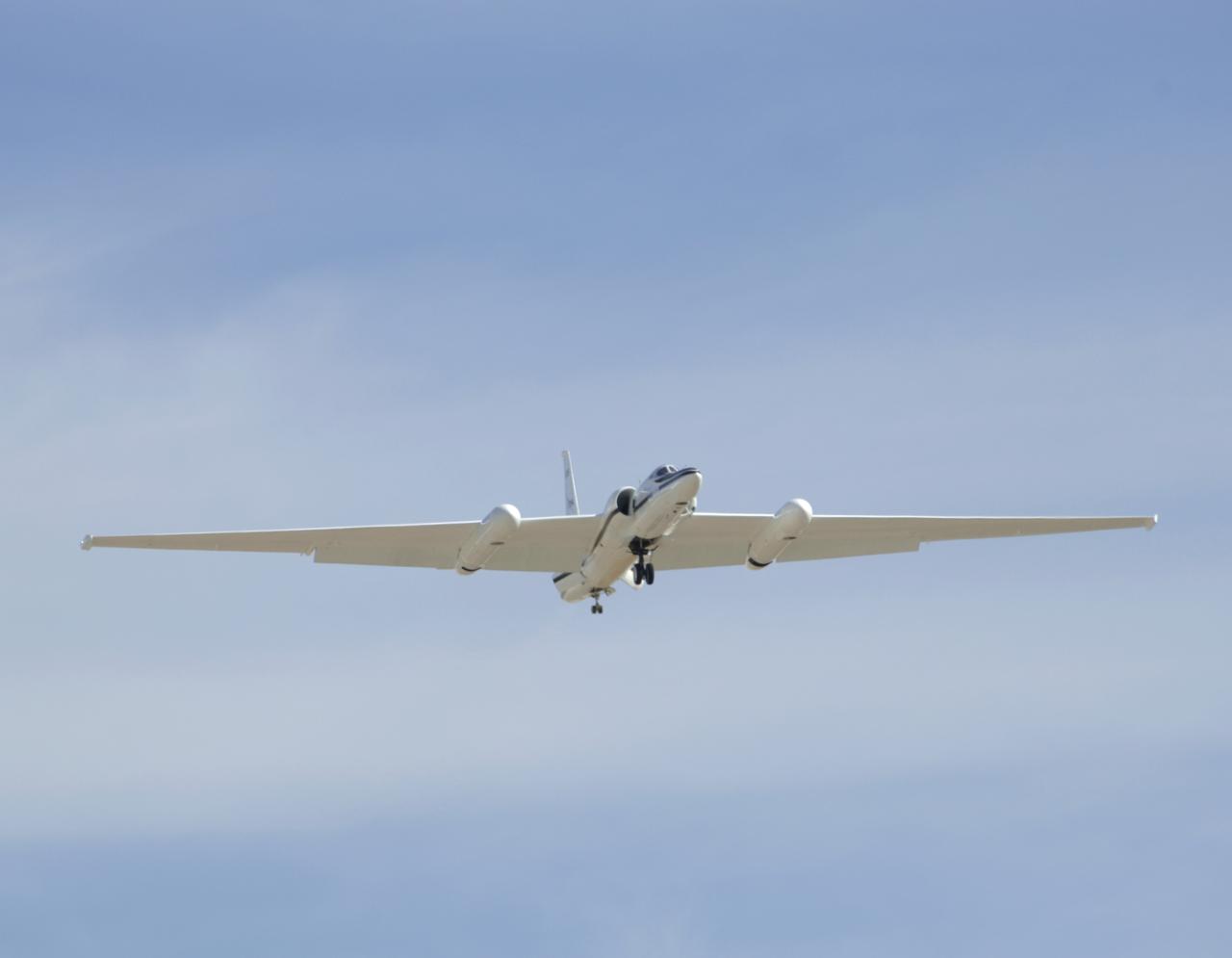
One of NASA's two ER-2 Earth resources aircraft shows off its lines during a flyover at the Edwards Air Force Base open house Oct. 28-29, 2006.
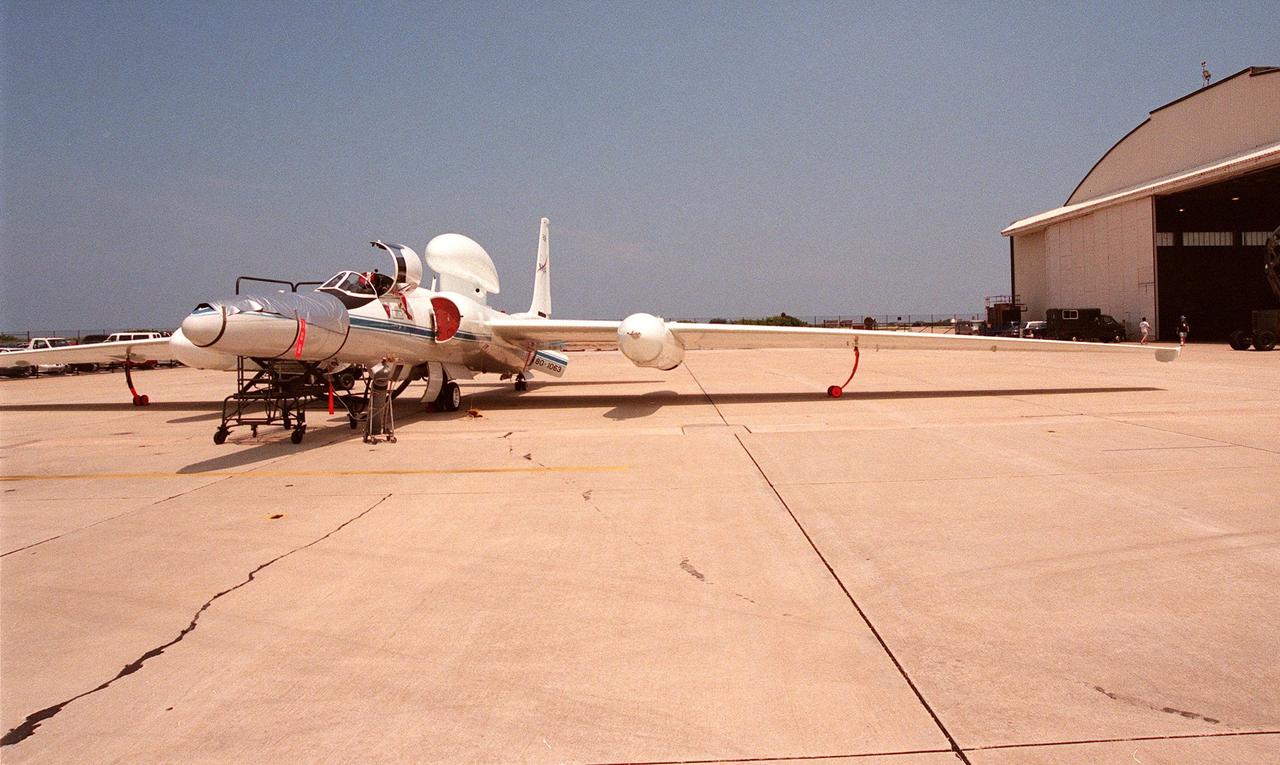
This high-altitude research plane, a specially equipped Dryden Flight Research Center ER-2 (a modified U-2), is readied at Patrick Air Force Base for flight into a hurricane in the Atlantic. The plane is part of the NASA-led Atmospheric Dynamics and Remote Sensing program that includes other government weather researchers and the university community in a study of Atlantic hurricanes and tropical storms. The ER-2, soaring above 65,000 feet, will measure the structure of hurricanes and the surrounding atmosphere that steers the storms’ movement. The hurricane study, which lasts through September 1998, is part of NASA’s Earth Science enterprise to better understand the total Earth system and the effects of natural and human-induced changes on the global environment
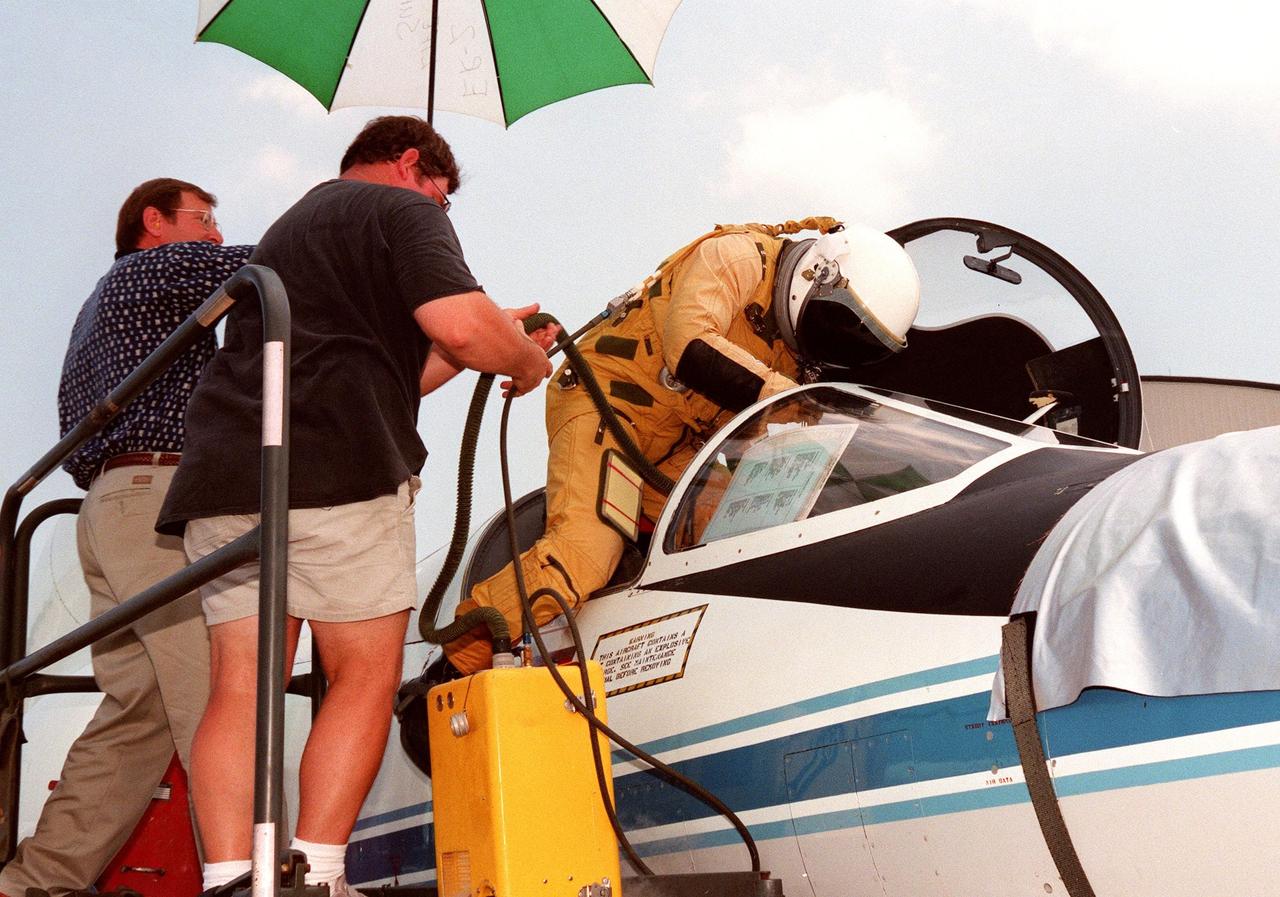
The pilot climbs into the cockpit of a high-altitude research plane, a specially equipped Dryden Flight Research Center ER-2 (a modified U-2), at Patrick Air Force Base. Soaring above 65,000 feet, the ER-2 will measure the structure of hurricanes and the surrounding atmosphere that steers the storm’s movement. The plane is part of the NASA-led Atmospheric Dynamics and Remote Sensing program that includes other government weather researchers and the university community in a study of Atlantic hurricanes and tropical storms. The hurricane study, which lasts through September 1998, is part of NASA’s Earth Science enterprise to better understand the total Earth system and the effects of natural and human-induced changes on the global environment
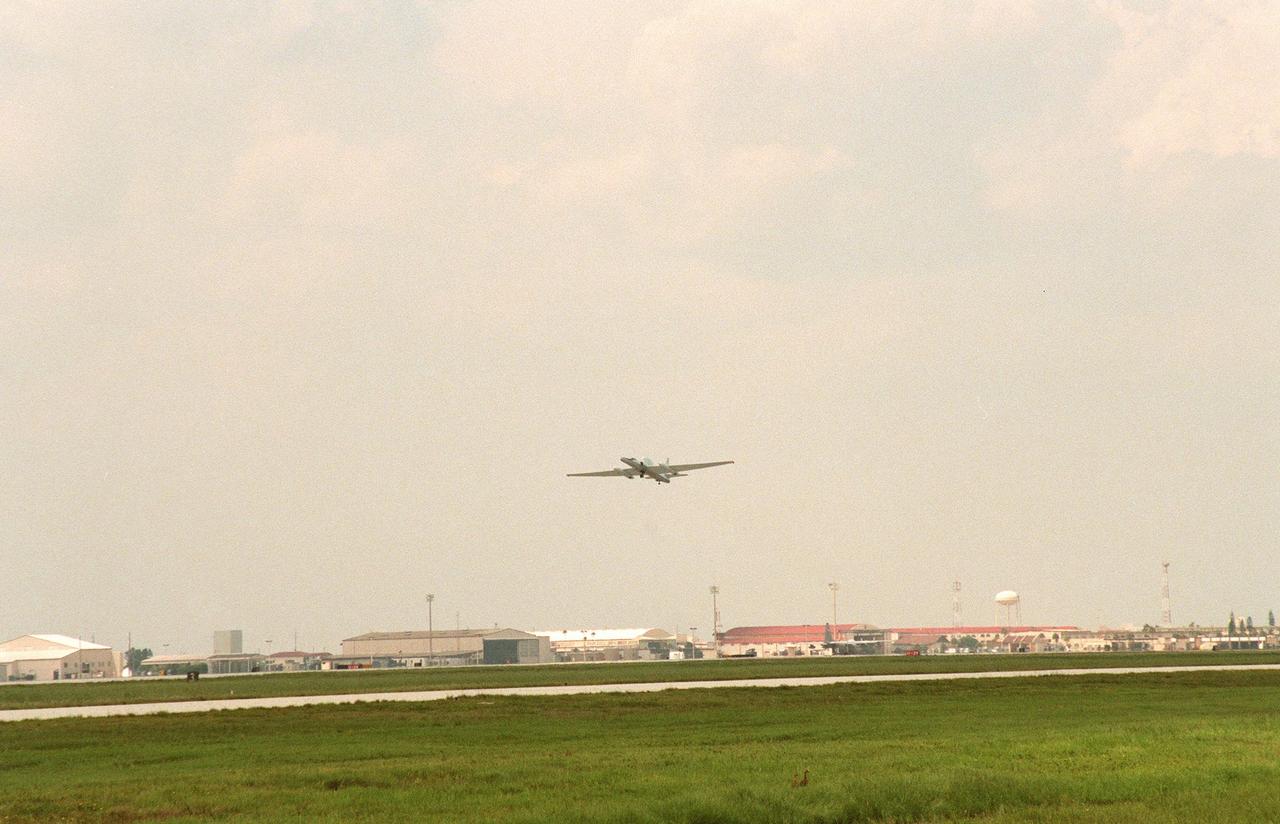
A specially equipped Dryden Flight Research Center ER-2 (a modified U-2) takes off from Patrick Air Force Base enroute to a hurricane in the Atlantic. The plane is part of the NASA-led Atmospheric Dynamics and Remote Sensing program that includes other government weather researchers and the university community in a study of Atlantic hurricanes and tropical storms. Soaring above 65,000 feet, the ER-2 will measure the structure of hurricanes and the surrounding atmosphere that steers the storm’s movement. The hurricane study, which lasts through September 1998, is part of NASA’s Earth Science enterprise to better understand the total Earth system and the effects of natural and human-induced changes on the global environment

A specially equipped Dryden Flight Research Center ER-2 (a modified U-2) soars above Patrick Air Force Base enroute to a hurricane in the Atlantic. The plane is part of the NASA-led Atmospheric Dynamics and Remote Sensing program that includes other government weather researchers and the university community in a study of Atlantic hurricanes and tropical storms. Soaring above 65,000 feet, the ER-2 will measure the structure of hurricanes and the surrounding atmosphere that steers the storm’s movement. The hurricane study, which lasts through September 1998, is part of NASA’s Earth Science enterprise to better understand the total Earth system and the effects of natural and human-induced changes on the global environment
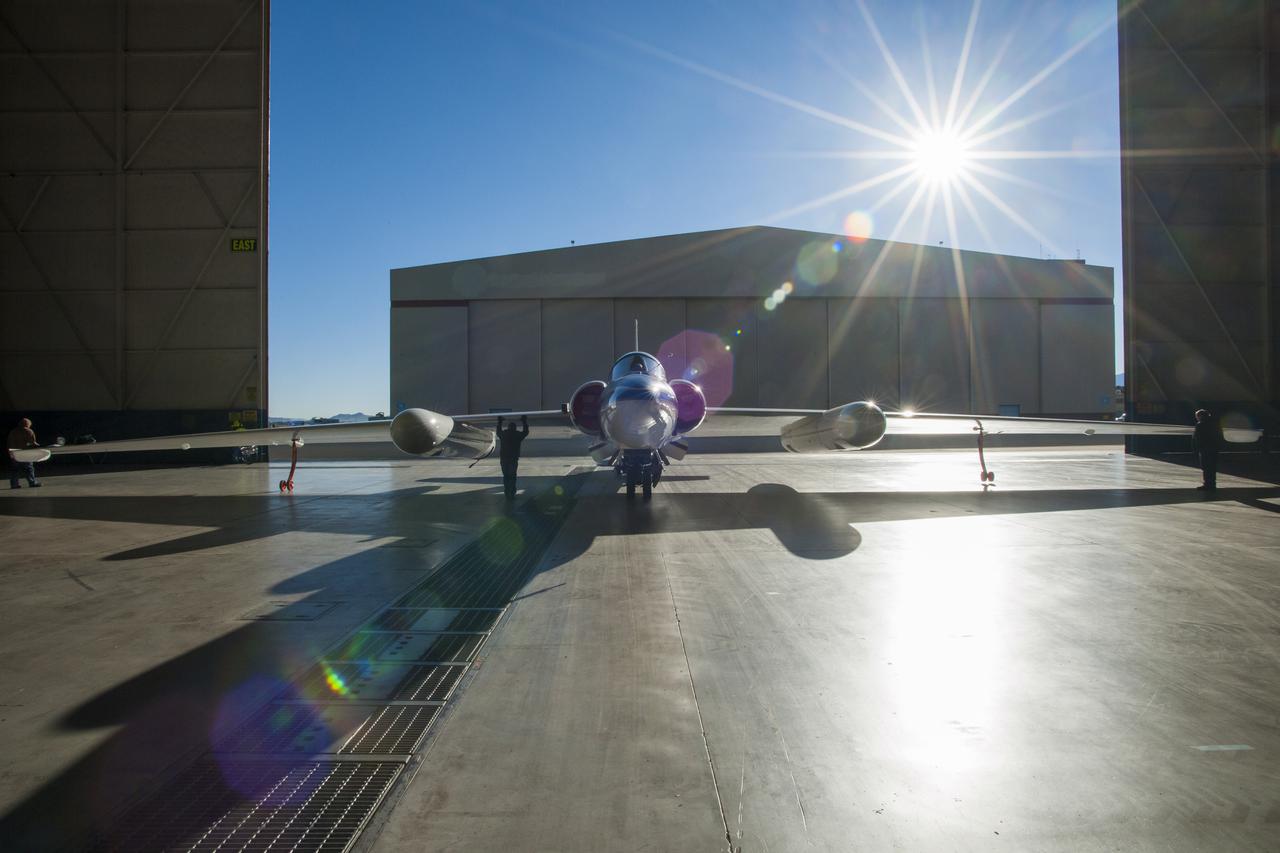
One of two NASA ER-2s (civilian U2-Rs) being backed out of the hangar at Building 703 in Palmdale. Capable of long duration flights at very high altitudes, the ER-2s have wing pods to accommodate science experiments and sensors, as well as a large volume bay behind the pilot. NASA first flew a U-2 for science—a first generation aircraft—in 1972.
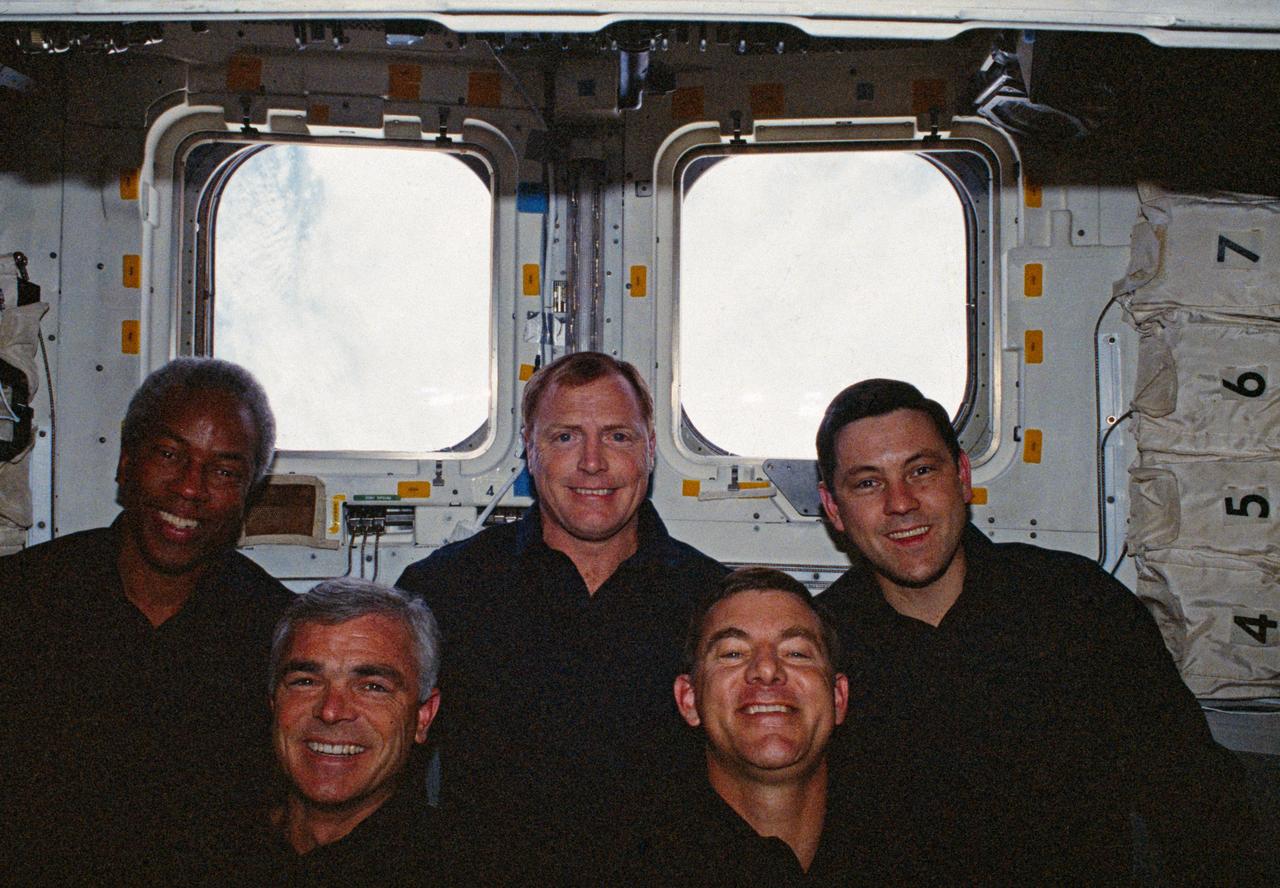
STS053-13-021 (2-9 Dec 1992) --- The five astronauts flying aboard the Space Shuttle Discovery for the mission pose for the traditional in-flight crew portrait. Left to right are astronauts Guion S. Bluford, mission specialist; Michael R. U. (Rich) Clifford, mission specialist; David M. Walker, mission commander; James S. Voss, mission specialist; and Robert D. Cabana, pilot.
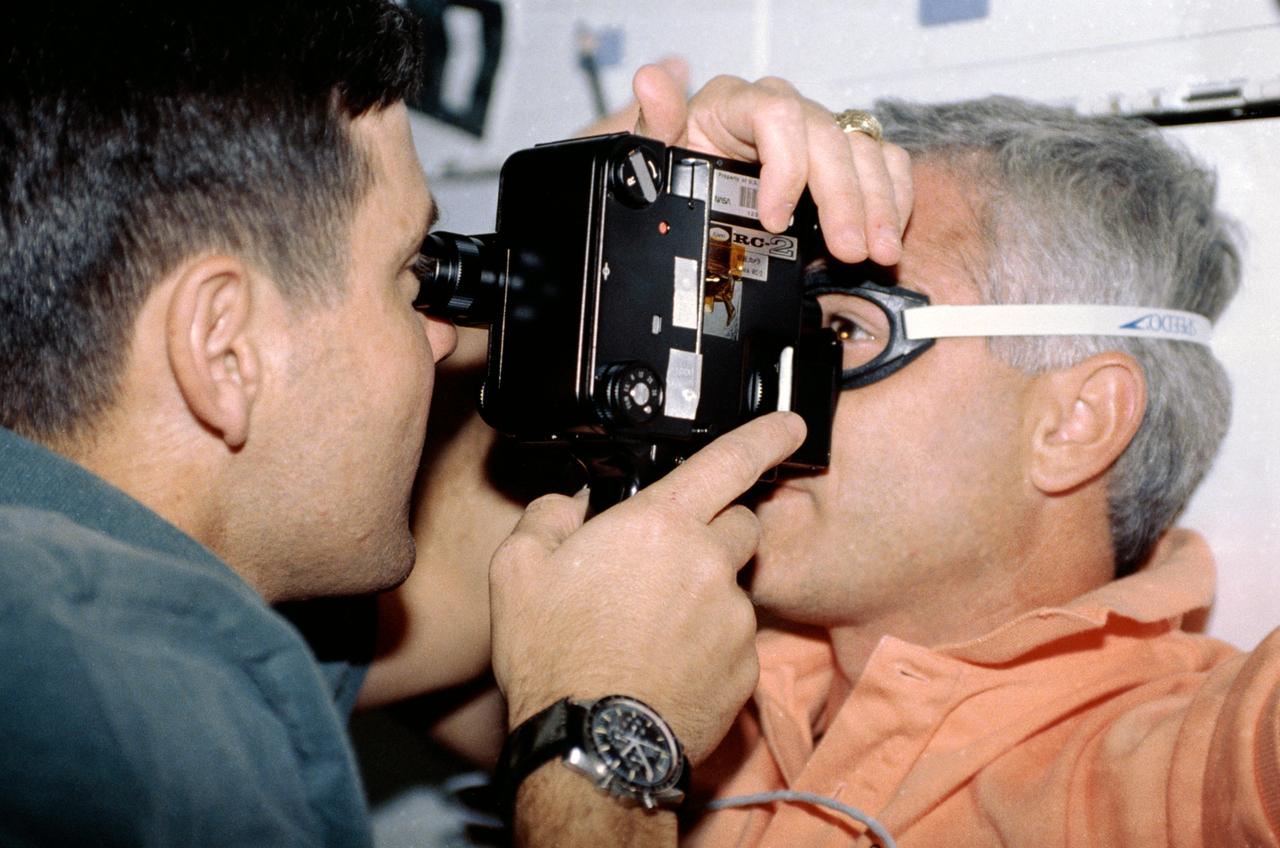
STS053-02-007 (2 - 9 Dec 1992) --- Astronaut Robert D. Cabana, pilot, uses a tonometer to check the intraocular pressure of astronaut Michael R. U. (Rich) Clifford, mission specialist. The two are on the Space Shuttle Discovery's mid-deck. This test is one of the mission's Detailed Supplementary Objectives (DSO) 472. The purpose of this DSO is to establish a data base of changes in intraocular pressures that can be used to evaluate crew health.
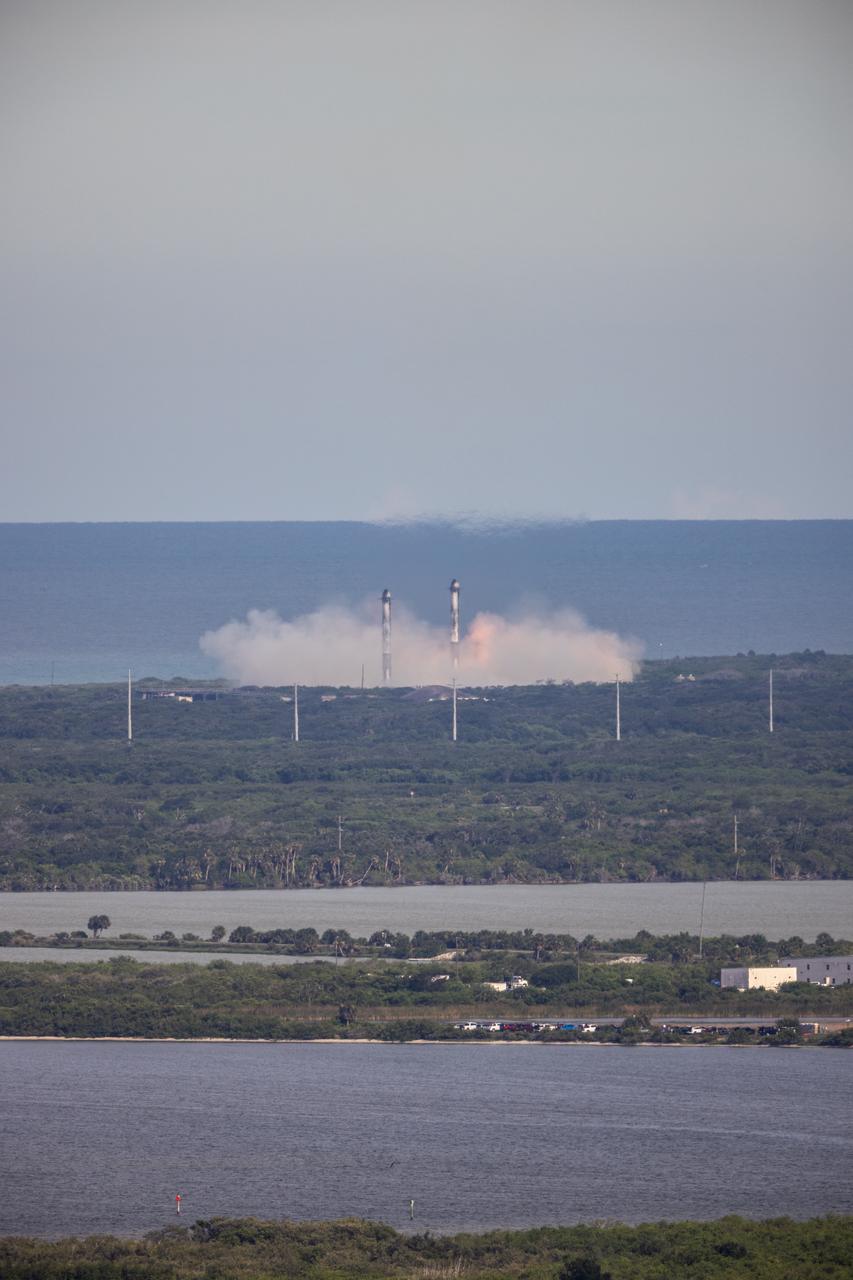
The SpaceX Falcon Heavy dual side boosters land on SpaceX Landing Zones 1 and 2 at Cape Canaveral Space Force Station in Florida. The rocket carrying NOAA’s (National Oceanic and Atmospheric Administration) Geostationary Operational Environmental Satellite (GOES-U) launched from NASA’s Kennedy Space Center in Florida on Tuesday, June 25, 2024.
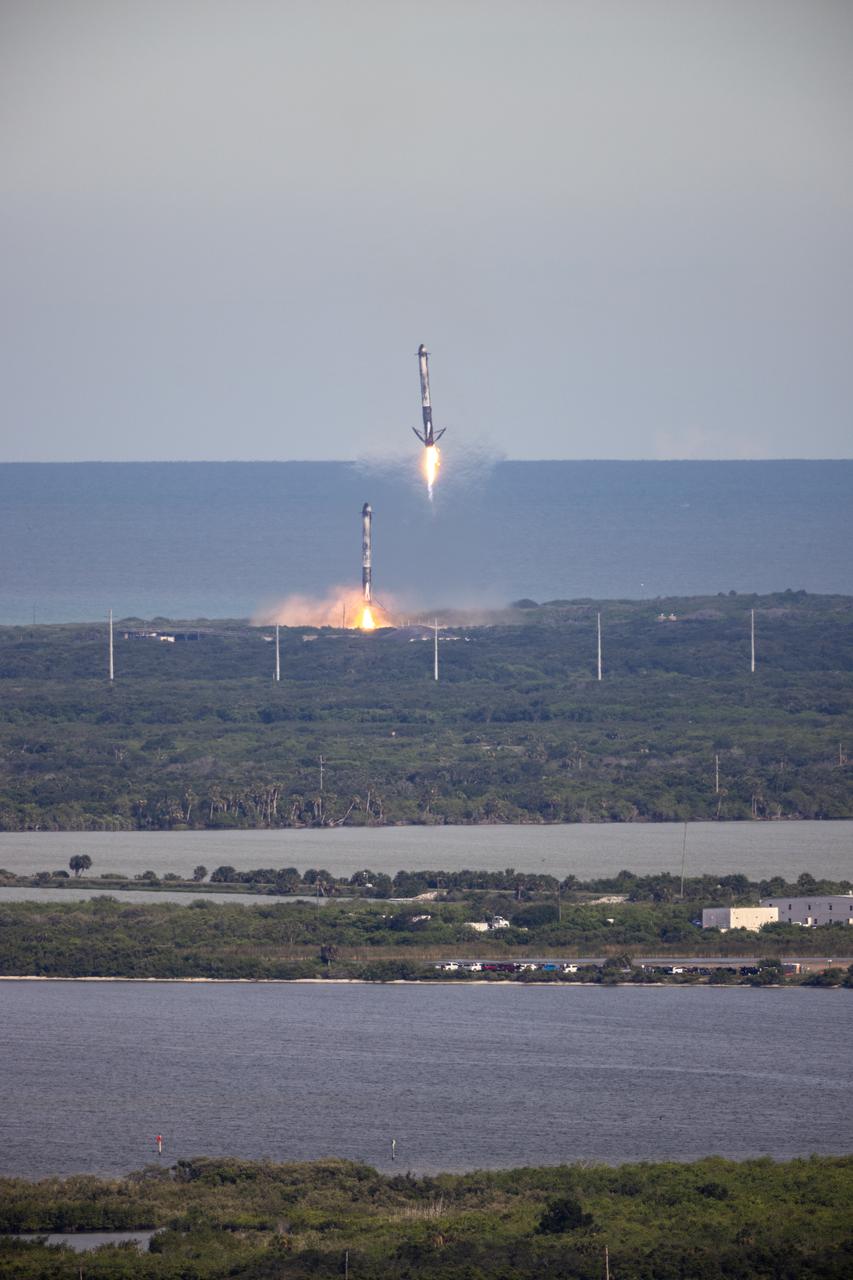
The SpaceX Falcon Heavy dual side boosters return to SpaceX Landing Zones 1 and 2 at Cape Canaveral Space Force Station in Florida. The rocket carrying NOAA’s (National Oceanic and Atmospheric Administration) Geostationary Operational Environmental Satellite (GOES-U) launched from NASA’s Kennedy Space Center in Florida on Tuesday, June 25, 2024.
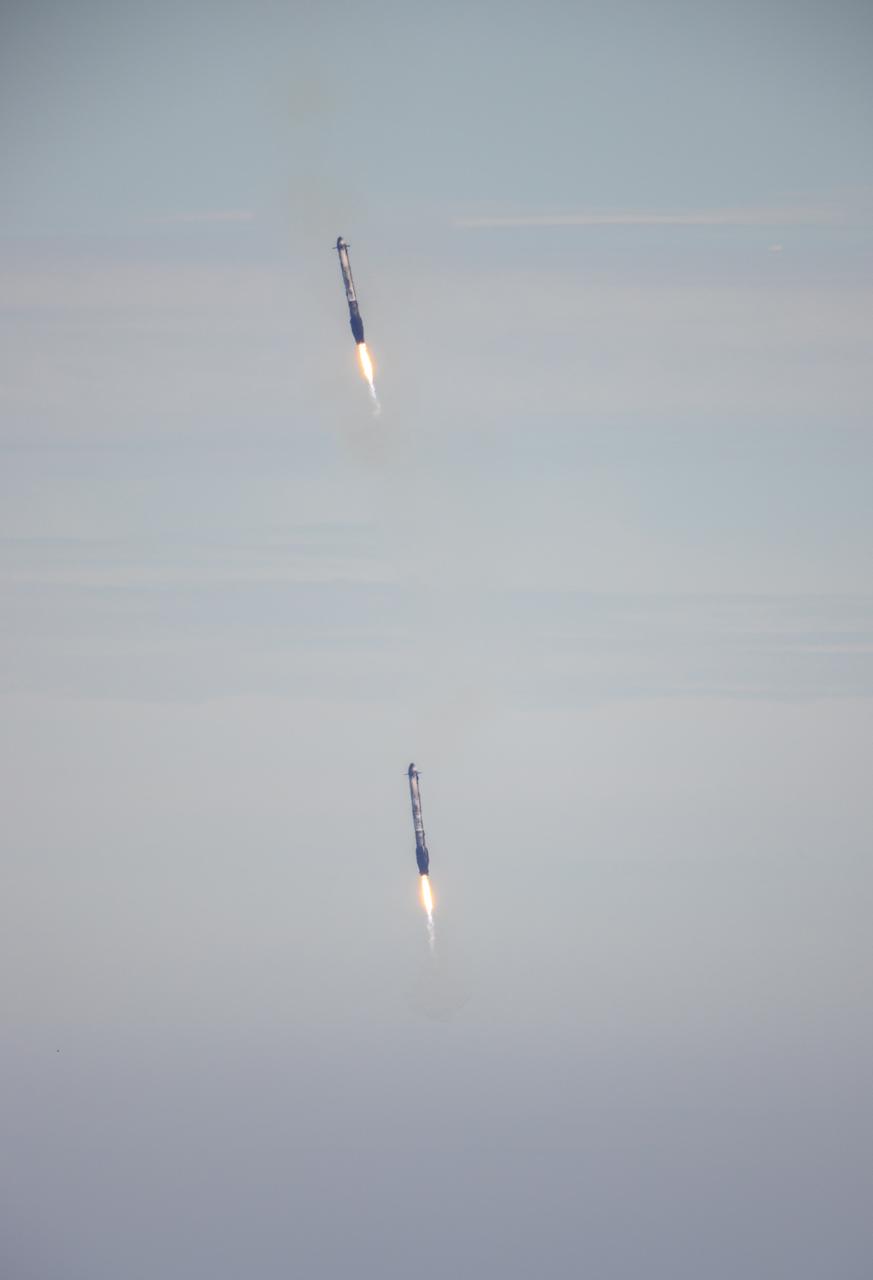
The SpaceX Falcon Heavy dual side boosters return to SpaceX Landing Zones 1 and 2 at Cape Canaveral Space Force Station in Florida. The rocket carrying NOAA’s (National Oceanic and Atmospheric Administration) Geostationary Operational Environmental Satellite (GOES-U) launched from NASA’s Kennedy Space Center in Florida on Tuesday, June 25, 2024.
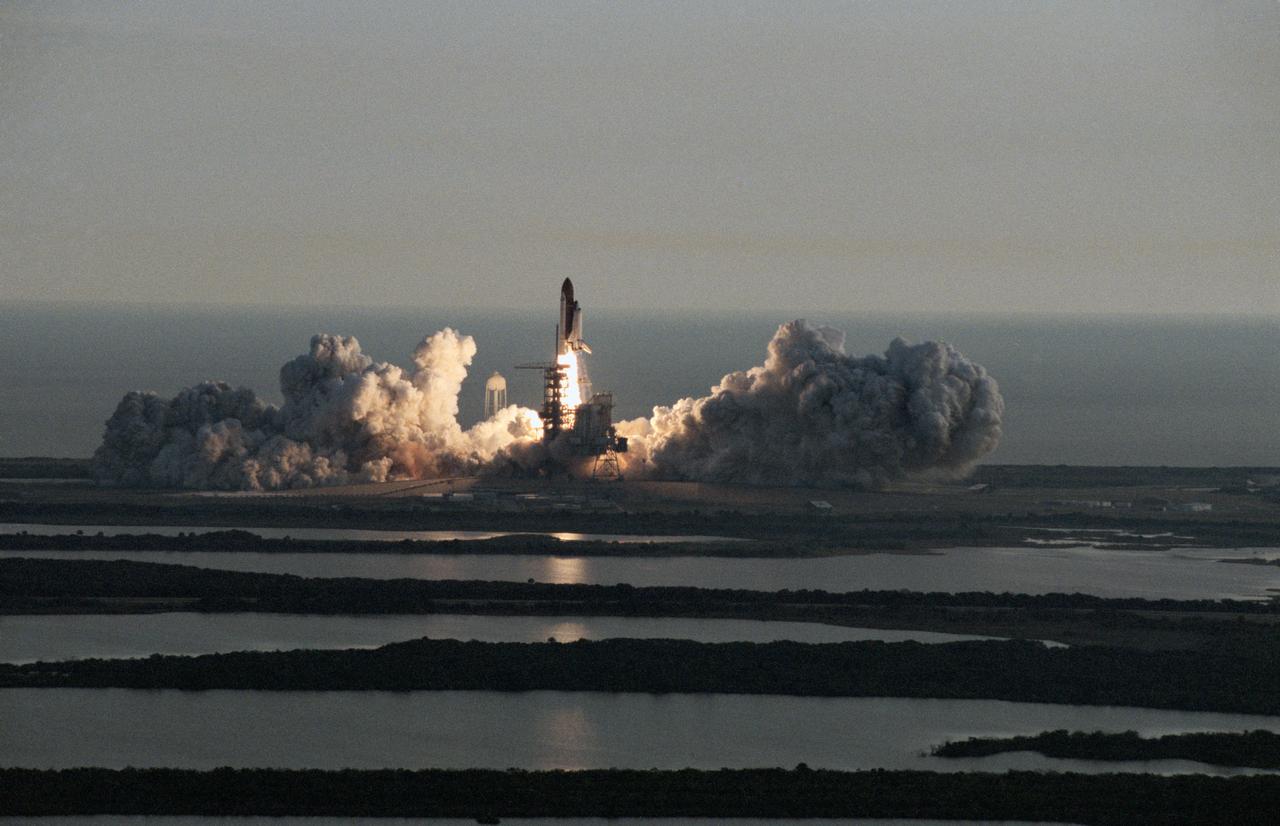
STS053-S-054 (2 Dec 1992) --- The Space Shuttle Discovery, with a crew of five astronauts onboard, launches from Kennedy Space Center?s (KSC) Pad 39A at 8:24:00 a.m. (EST), December 2, 1992. The photograph was taken from the top of the giant Vehicle Assembly Building (VAB). The all-military crew supporting the Department of Defense (DOD) flight included astronauts David M. Walker, Robert D. Cabana, Guion S. Bluford, Jr., James S. Voss and Michael R. U. (Rick) Clifford.
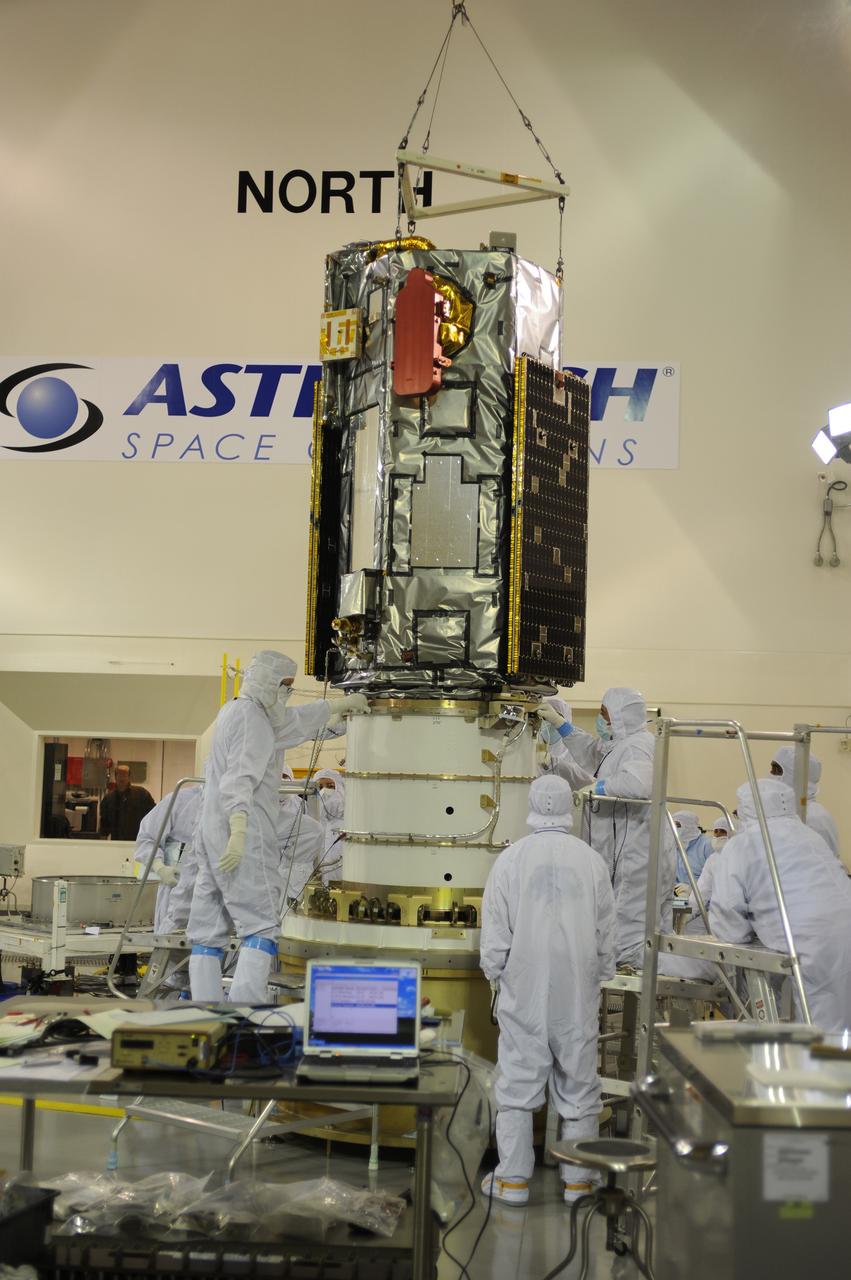
VANDENBERG AIR FORCE BASE, Calif. – Connection of NASA's Orbiting Carbon Observatory-2, or OCO-2, to the payload attach system is complete inside a clean room in the Astrotech Payload Processing Facility at Vandenberg Air Force Base in California. Launch aboard a United Launch Alliance Delta II rocket is scheduled for July 1, 2014, from Space Launch Complex 2. The observatory will collect precise global measurements of carbon dioxide in the Earth's atmosphere and provide scientists with a better idea of the chemical compound's impacts on climate change. Scientists will analyze this data to improve our understanding of the natural processes and human activities that regulate the abundance and distribution of this important atmospheric gas. To learn more about OCO-2, visit http://oco.jpl.nasa.gov. Photo credit: NASA/U. S. Air Force 30th Space Wing

VANDENBERG AIR FORCE BASE, Calif. – NASA's Orbiting Carbon Observatory-2, or OCO-2, is connected to the payload attach system inside a clean room in the Astrotech Payload Processing Facility at Vandenberg Air Force Base in California. Launch aboard a United Launch Alliance Delta II rocket is scheduled for July 1, 2014, from Space Launch Complex 2. The observatory will collect precise global measurements of carbon dioxide in the Earth's atmosphere and provide scientists with a better idea of the chemical compound's impacts on climate change. Scientists will analyze this data to improve our understanding of the natural processes and human activities that regulate the abundance and distribution of this important atmospheric gas. To learn more about OCO-2, visit http://oco.jpl.nasa.gov. Photo credit: NASA/U. S. Air Force 30th Space Wing
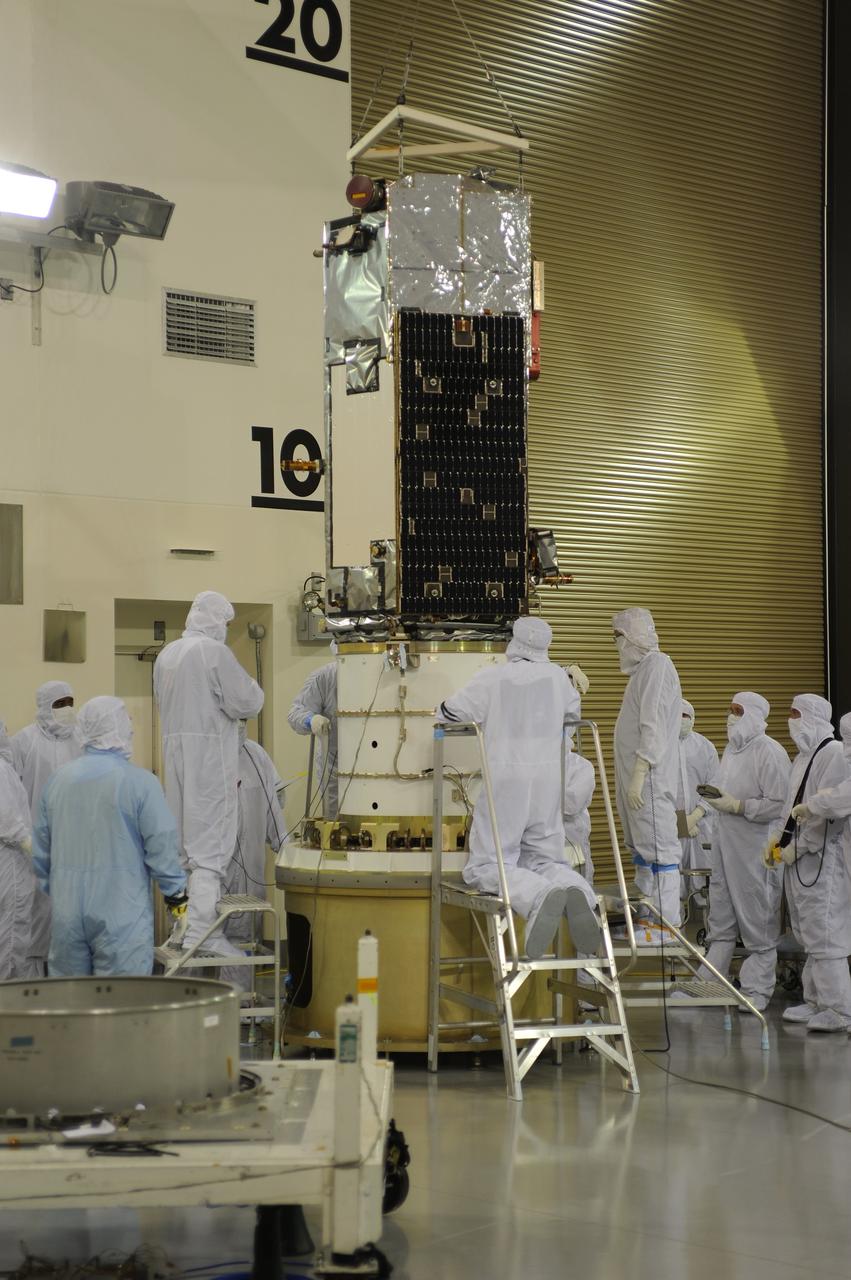
VANDENBERG AIR FORCE BASE, Calif. – Attachment of NASA's Orbiting Carbon Observatory-2, or OCO-2, to the payload attach system is underway inside a clean room in the Astrotech Payload Processing Facility at Vandenberg Air Force Base in California. Launch aboard a United Launch Alliance Delta II rocket is scheduled for July 1, 2014, from Space Launch Complex 2. The observatory will collect precise global measurements of carbon dioxide in the Earth's atmosphere and provide scientists with a better idea of the chemical compound's impacts on climate change. Scientists will analyze this data to improve our understanding of the natural processes and human activities that regulate the abundance and distribution of this important atmospheric gas. To learn more about OCO-2, visit http://oco.jpl.nasa.gov. Photo credit: NASA/U. S. Air Force 30th Space Wing
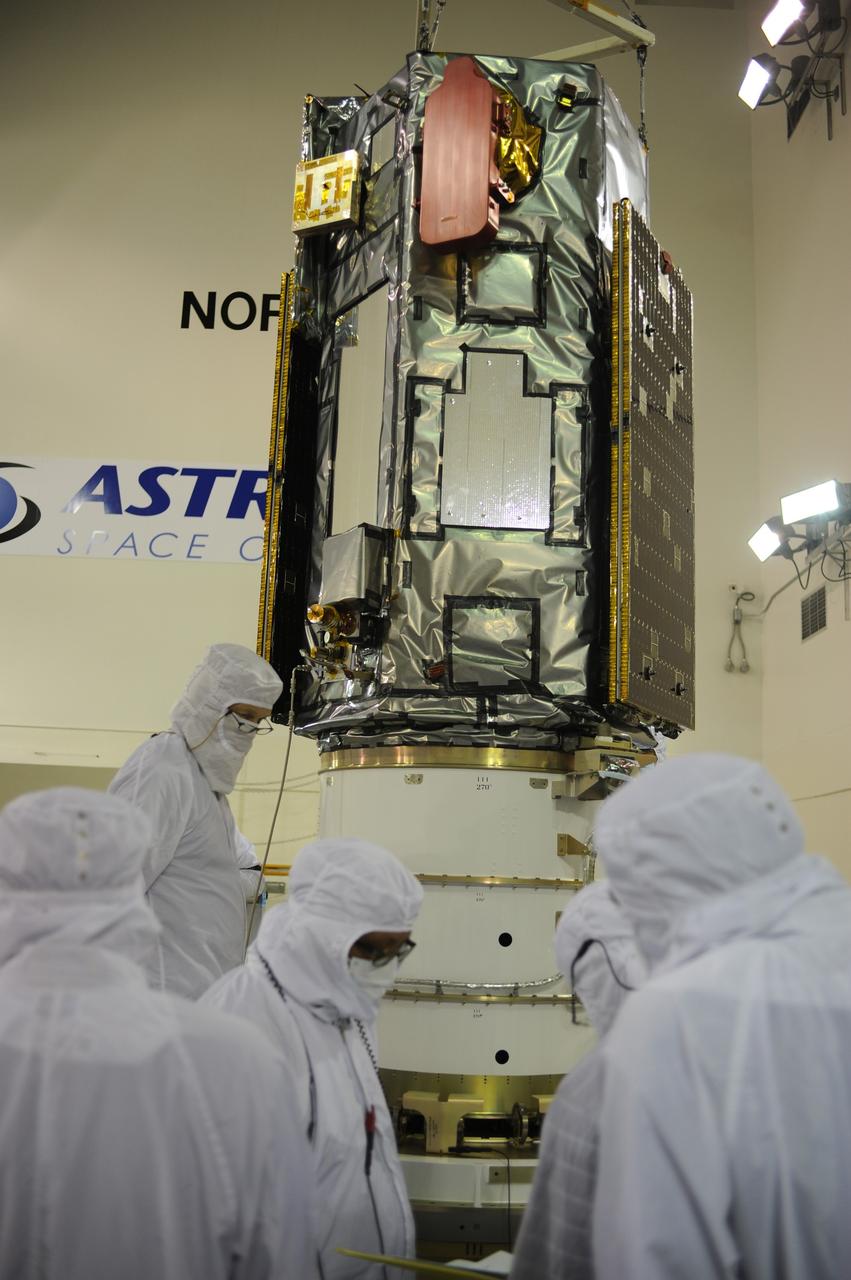
VANDENBERG AIR FORCE BASE, Calif. – NASA's Orbiting Carbon Observatory-2, or OCO-2, awaits the next step in the process to secure it to the payload attach system inside a clean room in the Astrotech Payload Processing Facility at Vandenberg Air Force Base in California. Launch aboard a United Launch Alliance Delta II rocket is scheduled for July 1, 2014, from Space Launch Complex 2. The observatory will collect precise global measurements of carbon dioxide in the Earth's atmosphere and provide scientists with a better idea of the chemical compound's impacts on climate change. Scientists will analyze this data to improve our understanding of the natural processes and human activities that regulate the abundance and distribution of this important atmospheric gas. To learn more about OCO-2, visit http://oco.jpl.nasa.gov. Photo credit: NASA/U. S. Air Force 30th Space Wing
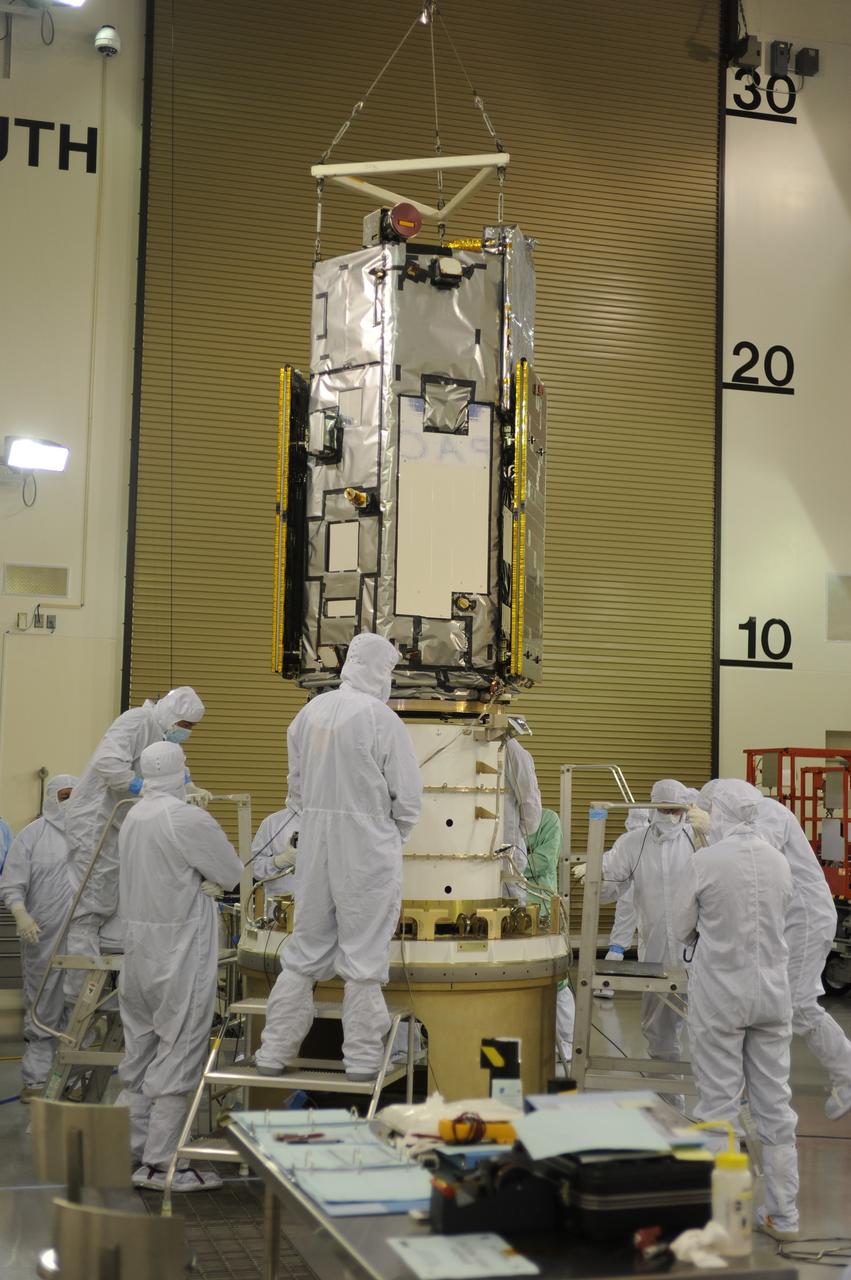
VANDENBERG AIR FORCE BASE, Calif. – Preparations are underway to attach NASA's Orbiting Carbon Observatory-2, or OCO-2, to the payload attach system inside a clean room in the Astrotech Payload Processing Facility at Vandenberg Air Force Base in California. Launch aboard a United Launch Alliance Delta II rocket is scheduled for July 1, 2014, from Space Launch Complex 2. The observatory will collect precise global measurements of carbon dioxide in the Earth's atmosphere and provide scientists with a better idea of the chemical compound's impacts on climate change. Scientists will analyze this data to improve our understanding of the natural processes and human activities that regulate the abundance and distribution of this important atmospheric gas. To learn more about OCO-2, visit http://oco.jpl.nasa.gov. Photo credit: NASA/U. S. Air Force 30th Space Wing
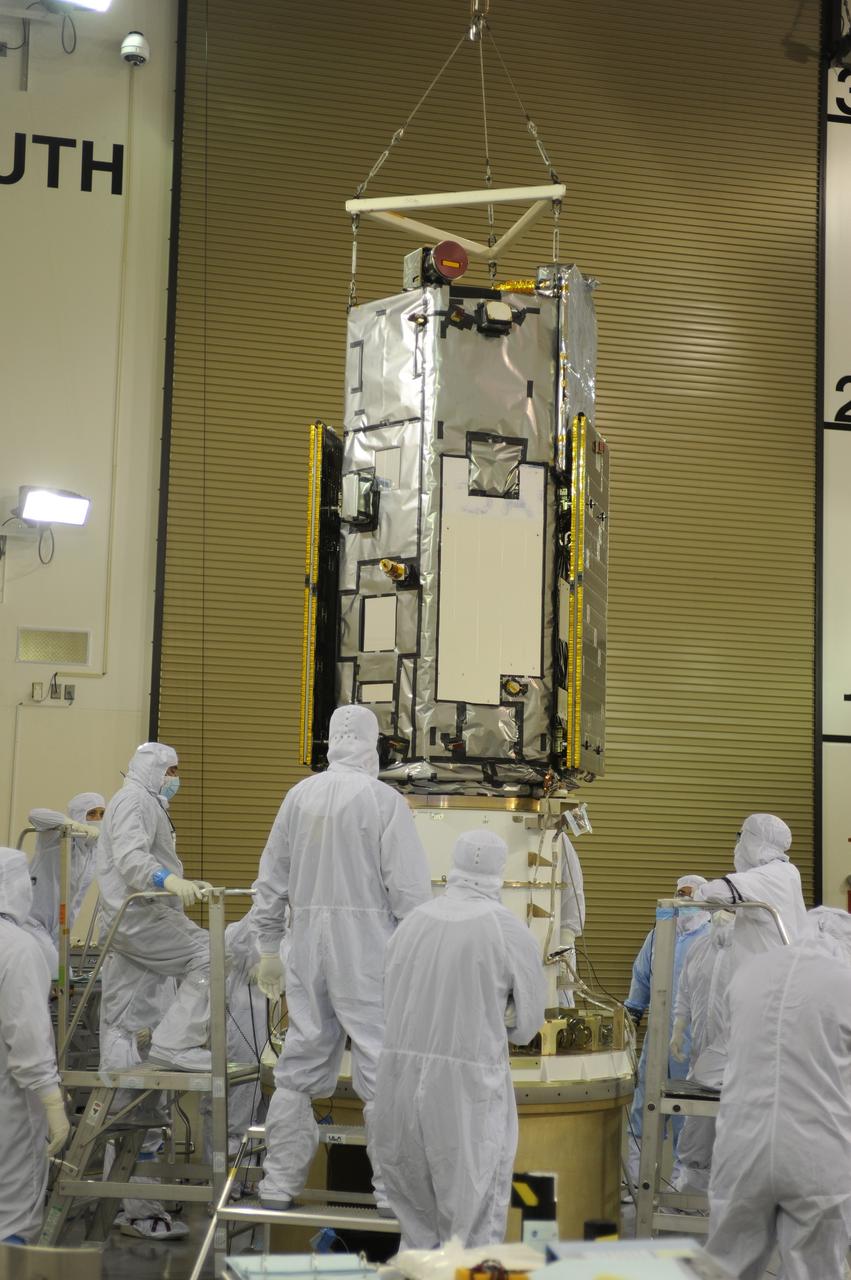
VANDENBERG AIR FORCE BASE, Calif. – Technicians prepare to attach NASA's Orbiting Carbon Observatory-2, or OCO-2, to the payload attach system inside a clean room in the Astrotech Payload Processing Facility at Vandenberg Air Force Base in California. Launch aboard a United Launch Alliance Delta II rocket is scheduled for July 1, 2014, from Space Launch Complex 2. The observatory will collect precise global measurements of carbon dioxide in the Earth's atmosphere and provide scientists with a better idea of the chemical compound's impacts on climate change. Scientists will analyze this data to improve our understanding of the natural processes and human activities that regulate the abundance and distribution of this important atmospheric gas. To learn more about OCO-2, visit http://oco.jpl.nasa.gov. Photo credit: NASA/U. S. Air Force 30th Space Wing
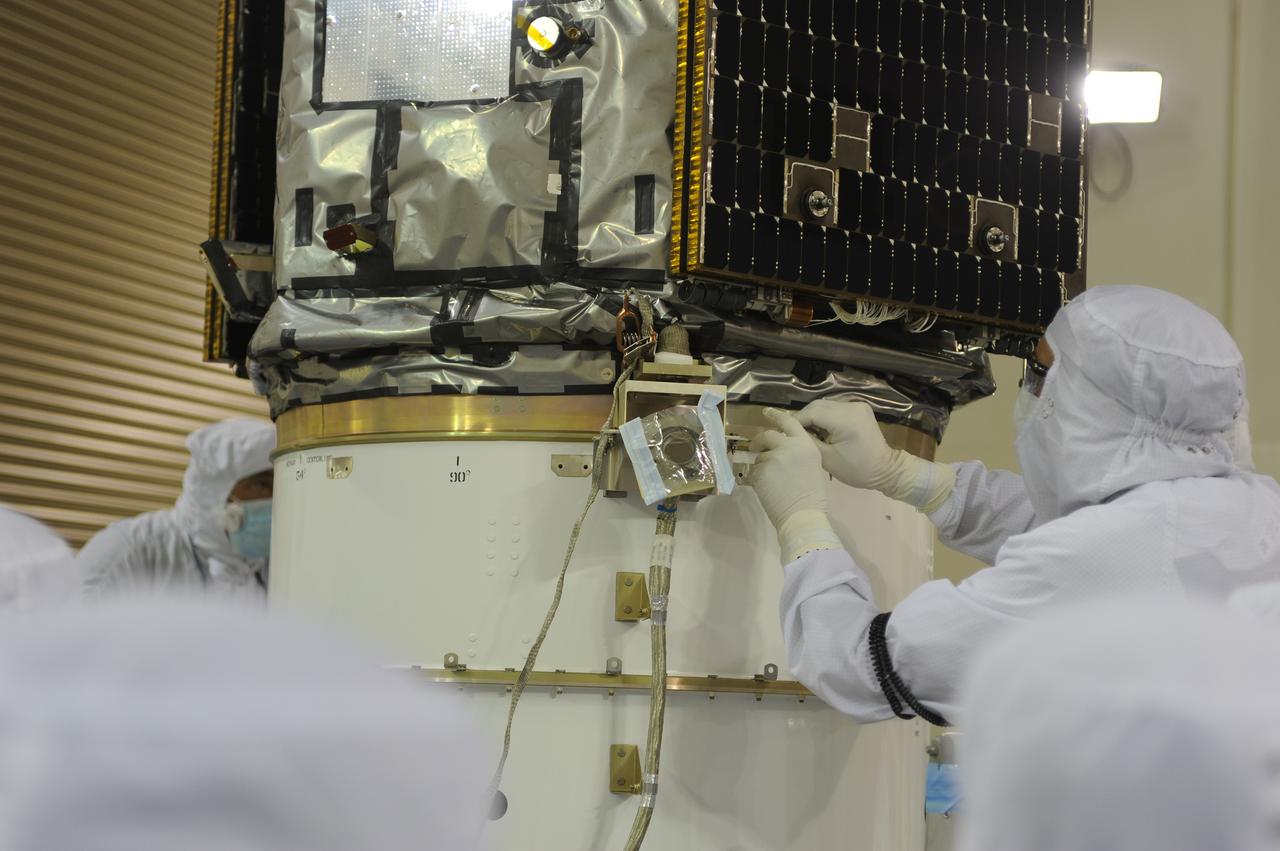
VANDENBERG AIR FORCE BASE, Calif. – A technician attaches NASA's Orbiting Carbon Observatory-2, or OCO-2, to the payload attach system inside a clean room in the Astrotech Payload Processing Facility at Vandenberg Air Force Base in California. Launch aboard a United Launch Alliance Delta II rocket is scheduled for July 1, 2014, from Space Launch Complex 2. The observatory will collect precise global measurements of carbon dioxide in the Earth's atmosphere and provide scientists with a better idea of the chemical compound's impacts on climate change. Scientists will analyze this data to improve our understanding of the natural processes and human activities that regulate the abundance and distribution of this important atmospheric gas. To learn more about OCO-2, visit http://oco.jpl.nasa.gov. Photo credit: NASA/U. S. Air Force 30th Space Wing
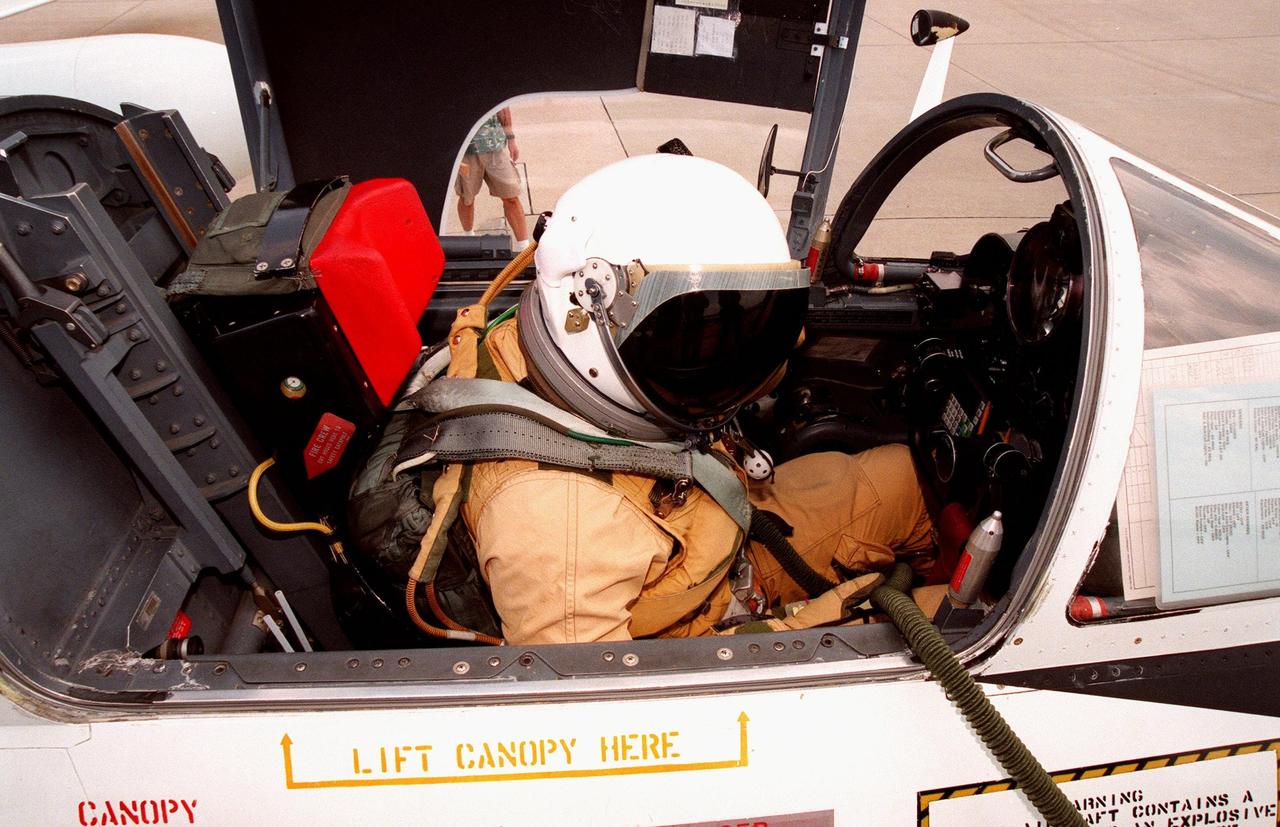
The pilot of this high-altitude research plane, a specially equipped Dryden Flight Research Center ER-2 (a modified U-2), settles into the cockpit at Patrick Air Force Base before taking off into a hurricane. The plane is part of the NASA-led Atmospheric Dynamics and Remote Sensing program that includes other government weather researchers and the university community in a study of Atlantic hurricanes and tropical storms. Soaring above 65,000 feet, the ER-2 will measure the structure of hurricanes and the surrounding atmosphere that steers the storm’s movement. The hurricane study, which lasts through September 1998, is part of NASA’s Earth Science enterprise to better understand the total Earth system and the effects of natural and human-induced changes on the global environment
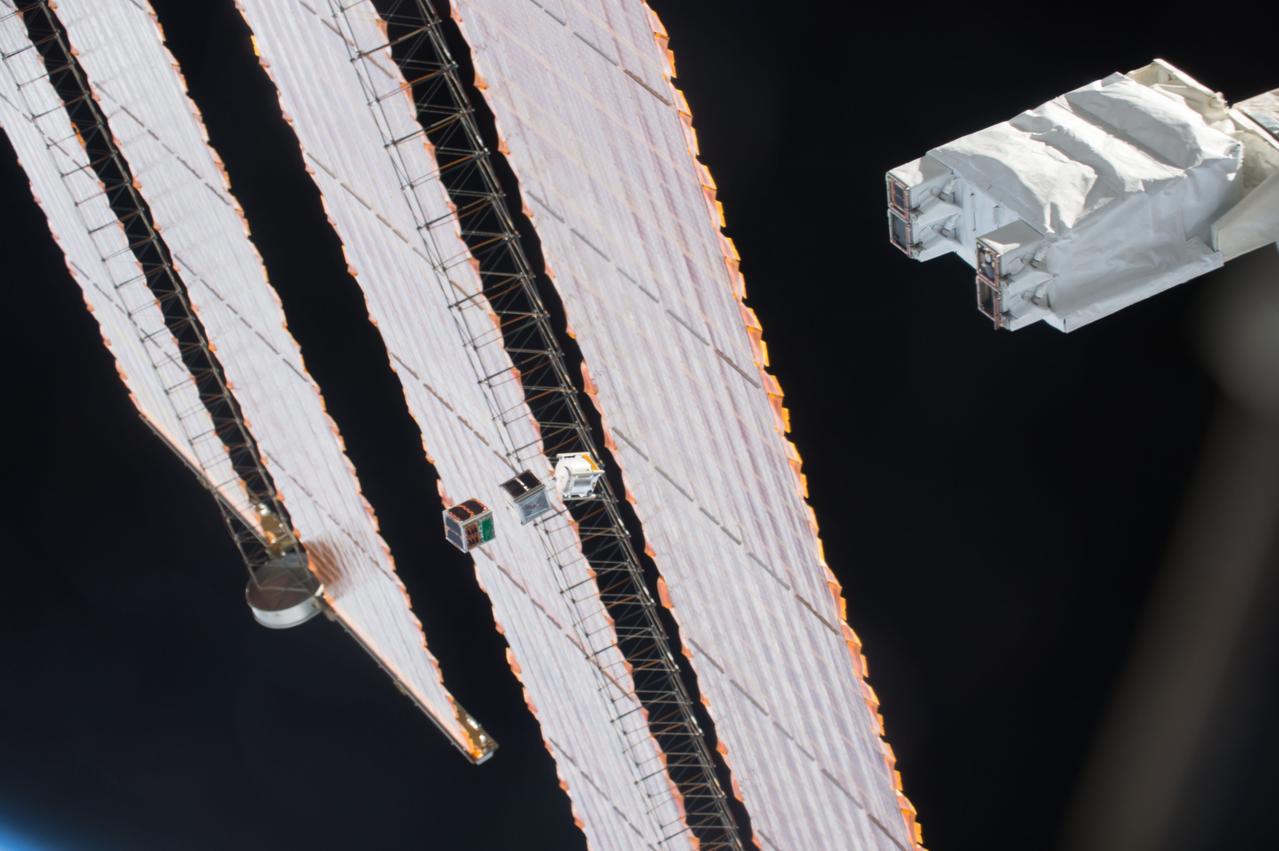
iss050e031207 (1/6/2017) --- A view during the Japanese-Small Satellite Orbital Deployer-6 (J-SSOD-6) deployment of the following satellites: Freedom (1U), Waseda-SAT3, ITF-2 (1U), Egg (3U), AOBA-Velox-III (U), TuPOD (3U). J-SSOD is a unique satellite launcher, handled by the Japanese Experiment Module Remote Manipulator System (JEMRMS), which provides containment and deployment mechanisms for several individual small satellites. Once the J-SSOD including satellite install cases with small satellites are installed on the Multi-Purpose Experiment Platform (MPEP) by crewmembers, it is passed through the JEM airlock for retrieval, positioning and deployment by the JEMRMS.
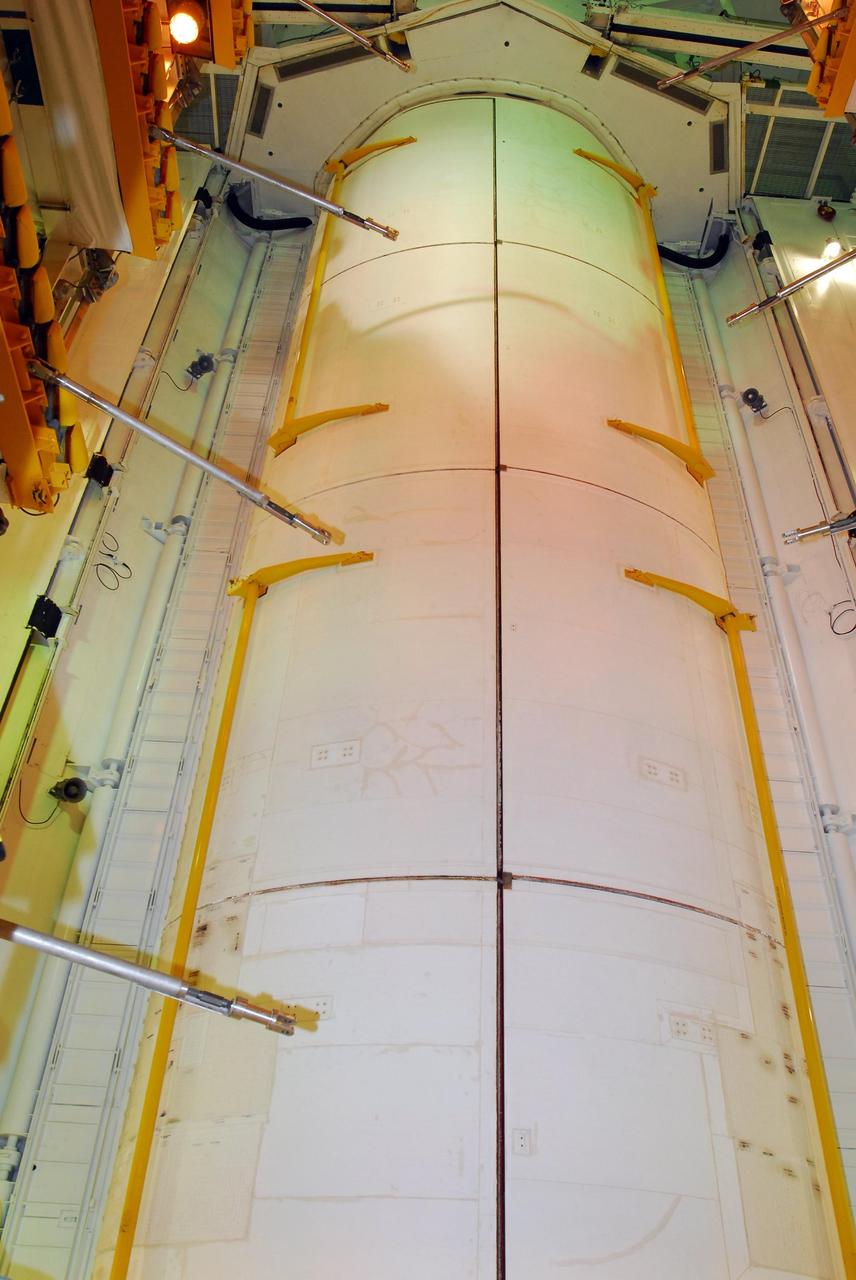
KENNEDY SPACE CENTER, FLA. -- At Launch Pad 39A, space shuttle Discovery's payload bay doors are closed around the U.S. Node 2 module, named Harmony. The name was chosen from an academic competition involving more than 2,200 U. S. students in kindergarten through high school. The module will be delivered to the International Space Station aboard Discovery on the 14-day STS-120 mission. An orbiter's payload bay door closure at the pad is a milestone signaling that the launch date is near. Discovery's launch is targeted for Oct. 23 at 11:38 a.m. EDT. Photo credit: NASA/George Shelton
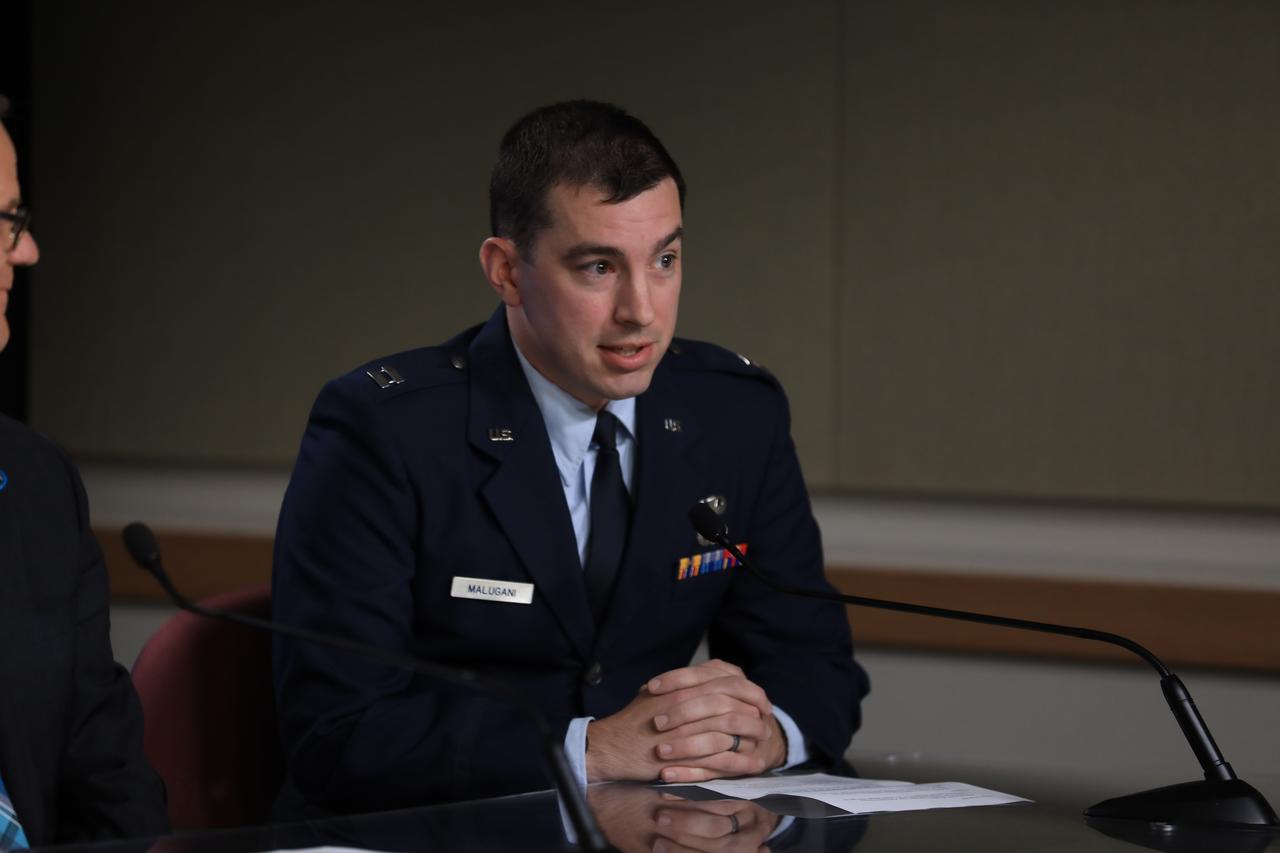
At Vandenberg Air Force Base in California, U. S. Air Force Capt. Ross Malugani, launch weather officer at Vandenberg's 30th Space Wing, speaks to members of the media at a prelaunch news conference for the Joint Polar Satellite System-1, or JPSS-1. Built by Ball Aerospace and Technologies Corp. of Boulder, Colorado, JPSS is the first in a series four next-generation environmental satellites in a collaborative program between the NOAA and NASA. Liftoff atop a United Launch Alliance Delta II rocket is scheduled to take place from Vandenberg's Space Launch Complex 2 at 1:47 a.m. PST (4:47 a.m. EST), on Nov. 14, 2017.
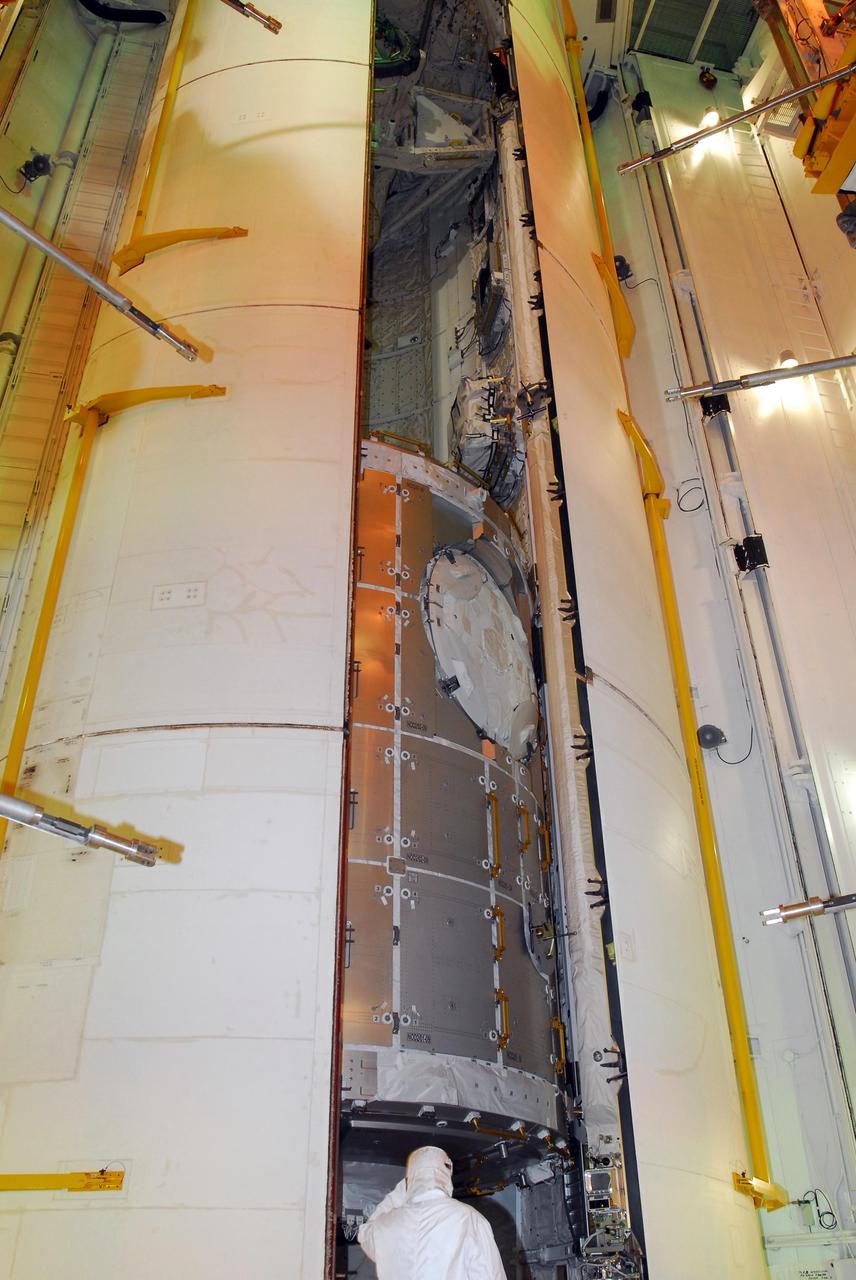
KENNEDY SPACE CENTER, FLA. -- At Launch Pad 39A, space shuttle Discovery's payload bay doors slowly enclose the U.S. Node 2 module, named Harmony. The name was chosen from an academic competition involving more than 2,200 U. S. students in kindergarten through high school. The module will be delivered to the International Space Station aboard Discovery on the 14-day STS-120 mission. An orbiter's payload bay door closure at the pad is a milestone signaling that the launch date is near. Discovery's launch is targeted for Oct. 23 at 11:38 a.m. EDT. Photo credit: NASA/George Shelton
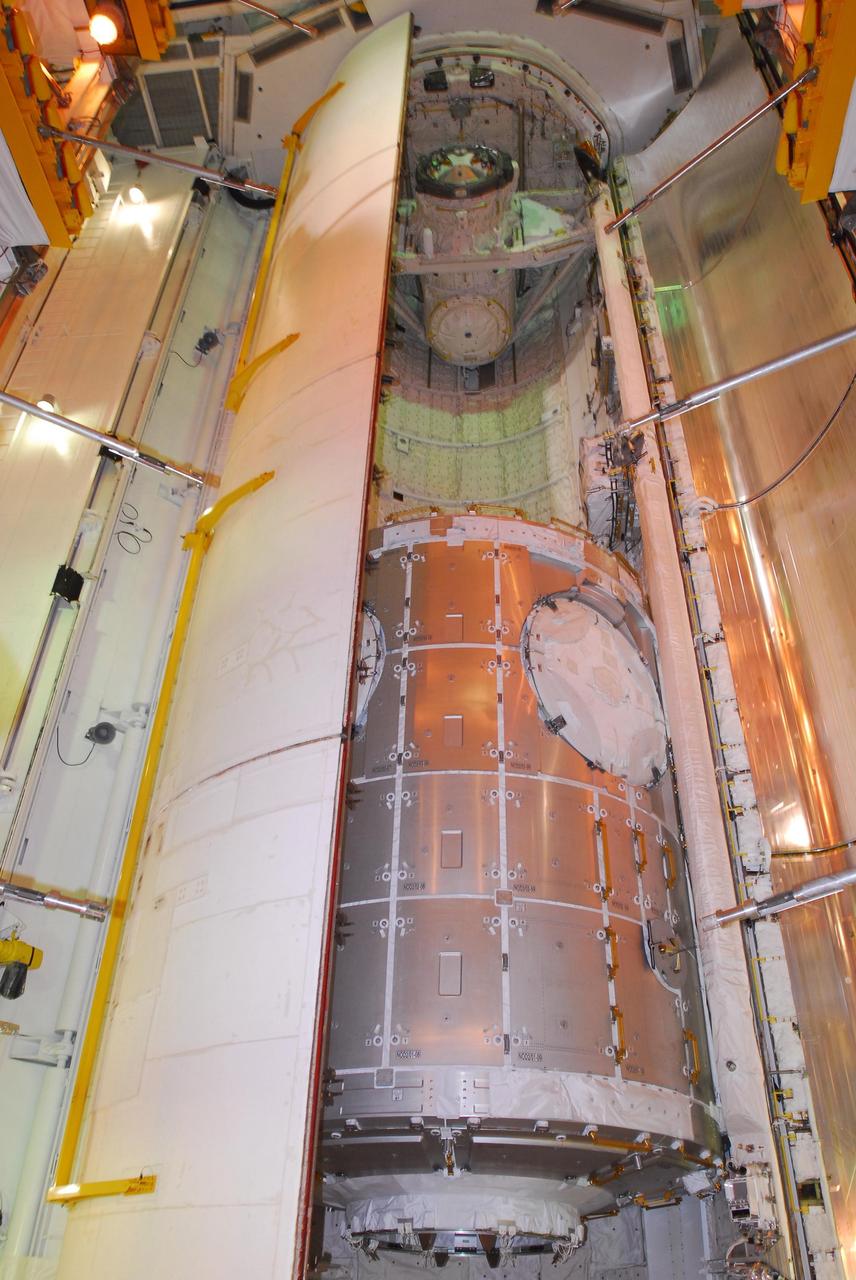
KENNEDY SPACE CENTER, FLA. -- At Launch Pad 39A, space shuttle Discovery's payload bay doors are partially closed around the U.S. Node 2 module, named Harmony. The name was chosen from an academic competition involving more than 2,200 U. S. students in kindergarten through high school. The module will be delivered to the International Space Station aboard Discovery on the 14-day STS-120 mission. An orbiter's payload bay door closure at the pad is a milestone signaling that the launch date is near. Discovery's launch is targeted for Oct. 23 at 11:38 a.m. EDT. Photo credit: NASA/George Shelton
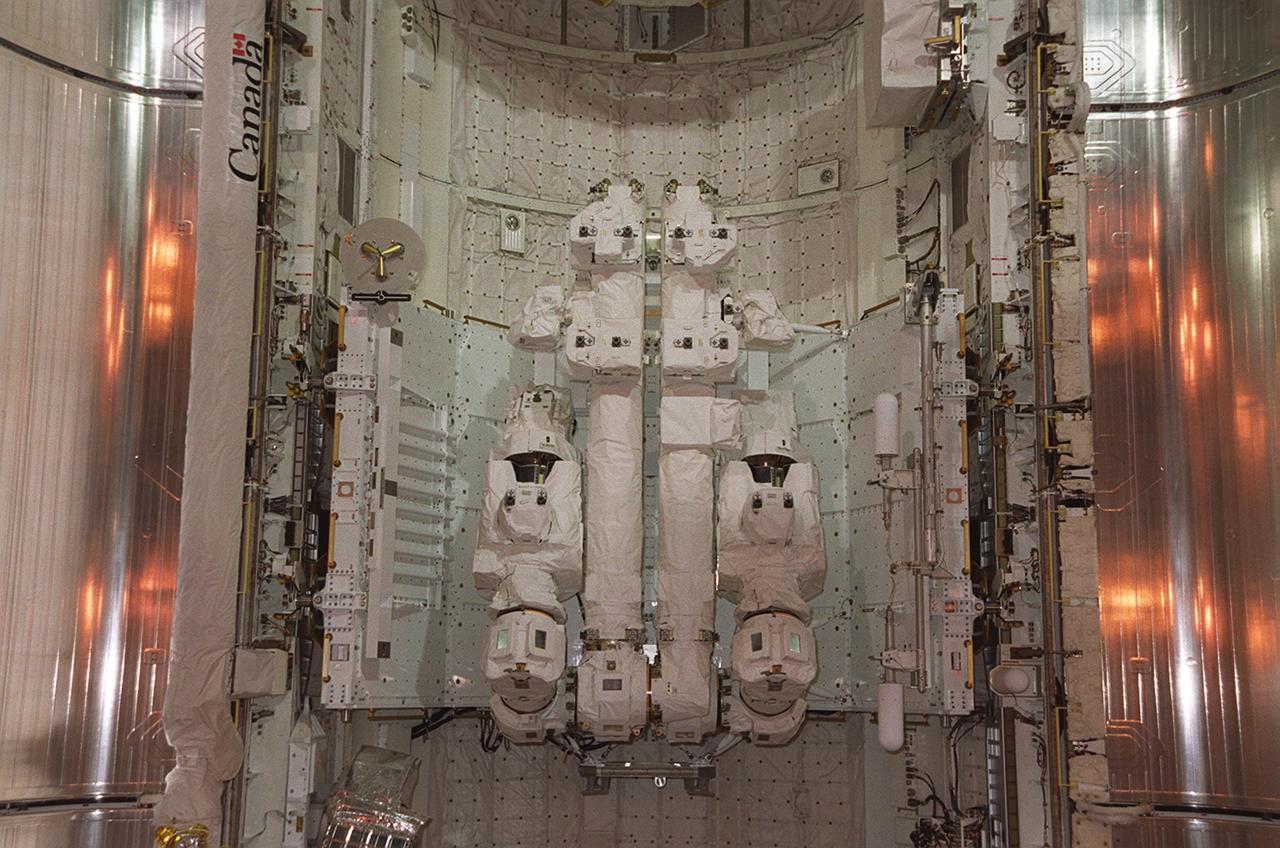
Resting inside the payload bay of Space Shuttle Endeavour is the Canadian robotic arm, the SSRMS. Capable of handling large payloads and assisting with docking the Space Shuttle, the SSRMS is crucial to the continued assembly of the International Space Station. The folded up arm sits on a u-shaped space lab pallet inside the bay. Another part of the payload, not seen, is the Multi-Purpose Logistics Module Raffaello, which carries six system racks and two storage racks for the U.S. Lab. Launch of mission STS-100 is scheduled for April 19 at 2:41 p.m. EDT
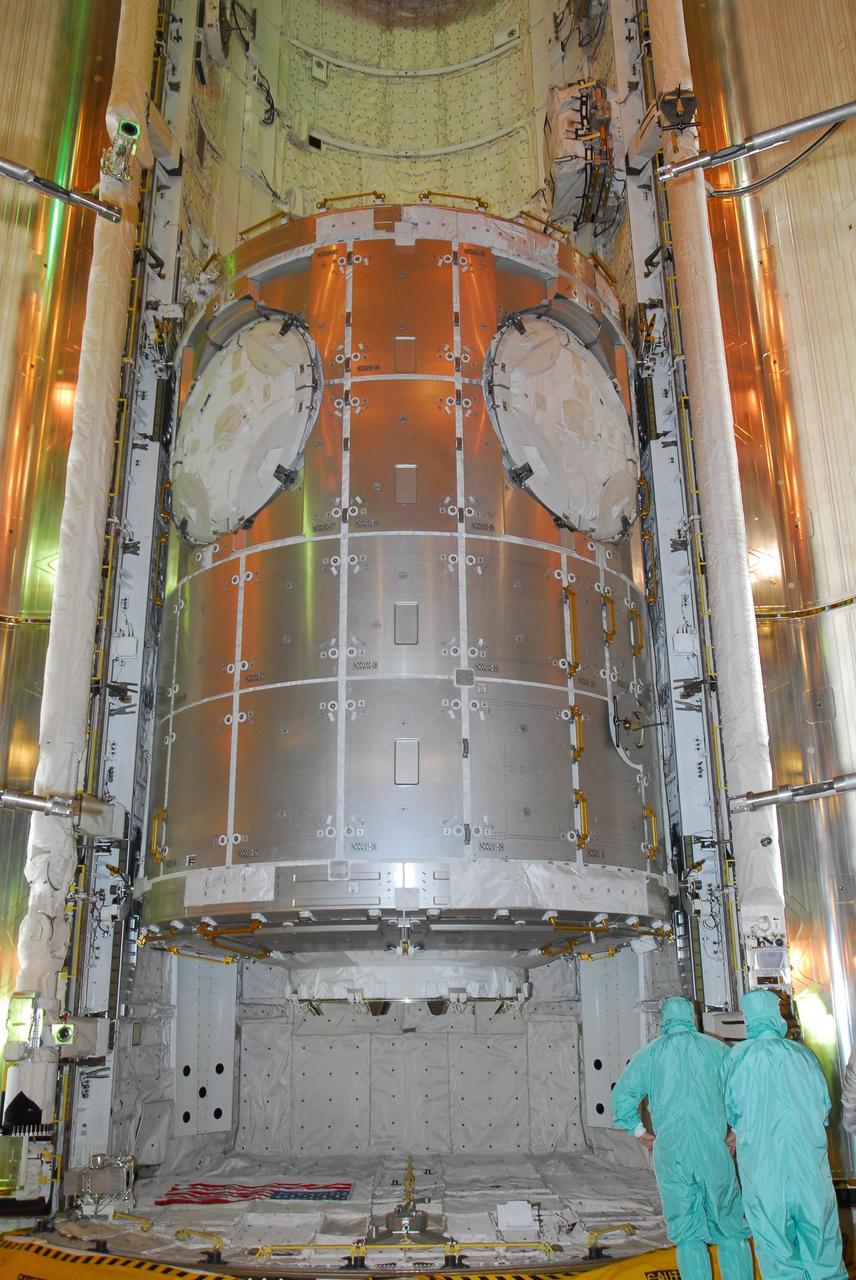
KENNEDY SPACE CENTER, FLA. -- At Launch Pad 39A, preparations are under way to close space shuttle Discovery's payload bay doors around the U.S. Node 2 module, named Harmony. The name was chosen from an academic competition involving more than 2,200 U. S. students in kindergarten through high school. The module will be delivered to the International Space Station aboard Discovery on the 14-day STS-120 mission. An orbiter's payload bay door closure at the pad is a milestone signaling that the launch date is near. Discovery's launch is targeted for Oct. 23 at 11:38 a.m. EDT. Photo credit: NASA/George Shelton
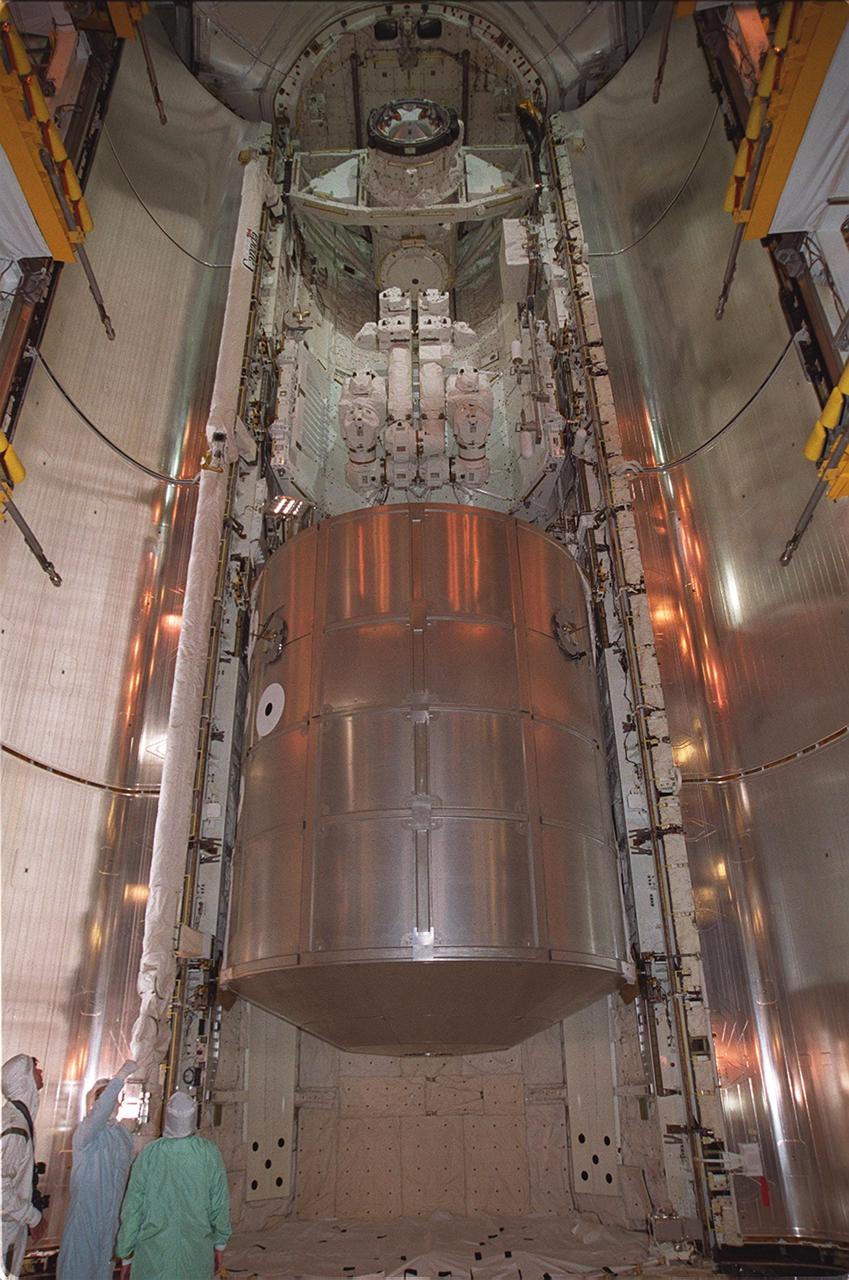
The STS-100 mission payload is transferred into the payload bay of Space Shuttle Endeavour. A t the top is the Canadian robotic arm, the SSRMS, and below it is the Multi-Purpose Logistics Module Raffaello. In the payload bay, the SSRMS is folded up on a u-shaped space lab pallet. The SSRMS is capable of handling large payloads and assisting with docking the Space Shuttle. It is crucial to the continued assembly of the International Space Station. Raffaello carries six system racks and two storage racks for the U.S. Lab. Launch of mission STS-100 is scheduled for April 19 at 2:41 p.m. EDT
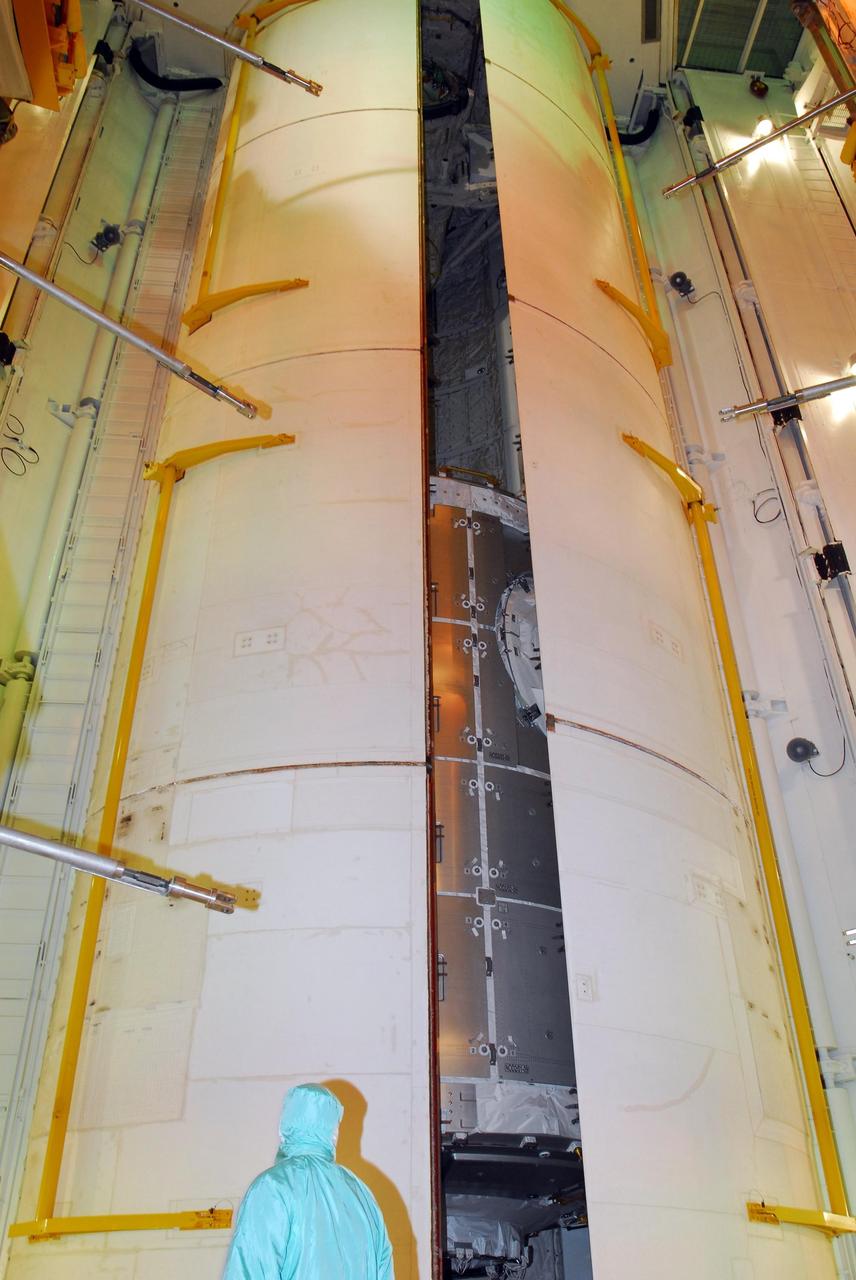
KENNEDY SPACE CENTER, FLA. -- At Launch Pad 39A, space shuttle Discovery's payload bay doors are nearly closed around the U.S. Node 2 module, named Harmony. The name was chosen from an academic competition involving more than 2,200 U. S. students in kindergarten through high school. The module will be delivered to the International Space Station aboard Discovery on the 14-day STS-120 mission. An orbiter's payload bay door closure at the pad is a milestone signaling that the launch date is near. Discovery's launch is targeted for Oct. 23 at 11:38 a.m. EDT. Photo credit: NASA/George Shelton
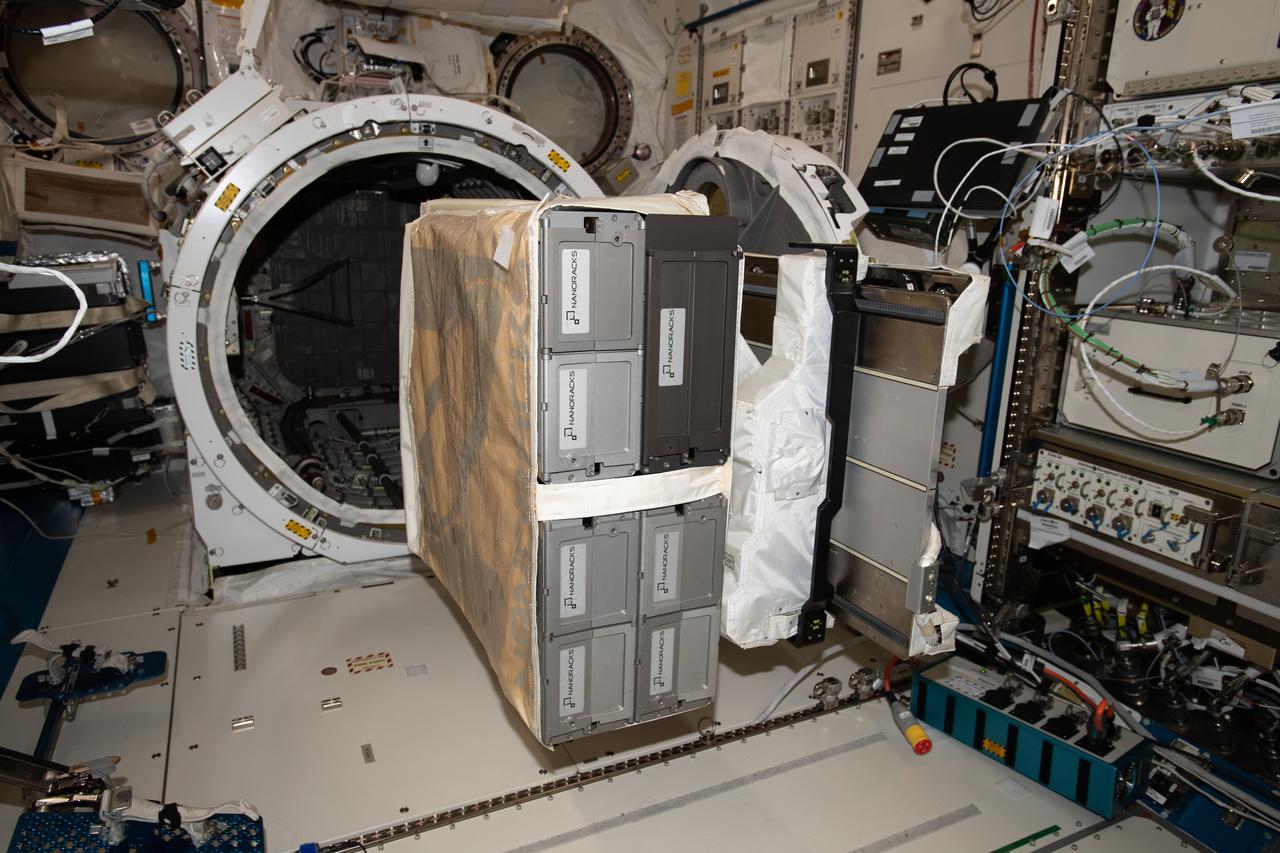
iss061e154749 (2/4/2020) --- A view of the NanoRacks CubeSat Deployer (NRCSD) installed onto the Multipurpose Experiment Platform (JEM MPEP) in the Kibo module aboard the International Space Station (ISS). The quad deployer will launch SOCRATES, Argus-02, HARP, RadSat-u and Phoenix. The Triple deployer will launch SORTIE, QARMAN, CryoCube and AztechSat-1. The NanoRacks CubeSat Deployer is a stackable, modular, ground loaded launch case. Up to eight preloaded 6U launcher systems are deployed per air lock cycle. The NanoRacks CubeSat Deployer meets the growing demand to deploy CubeSat format satellites from the International Space Station for a variety of customers.
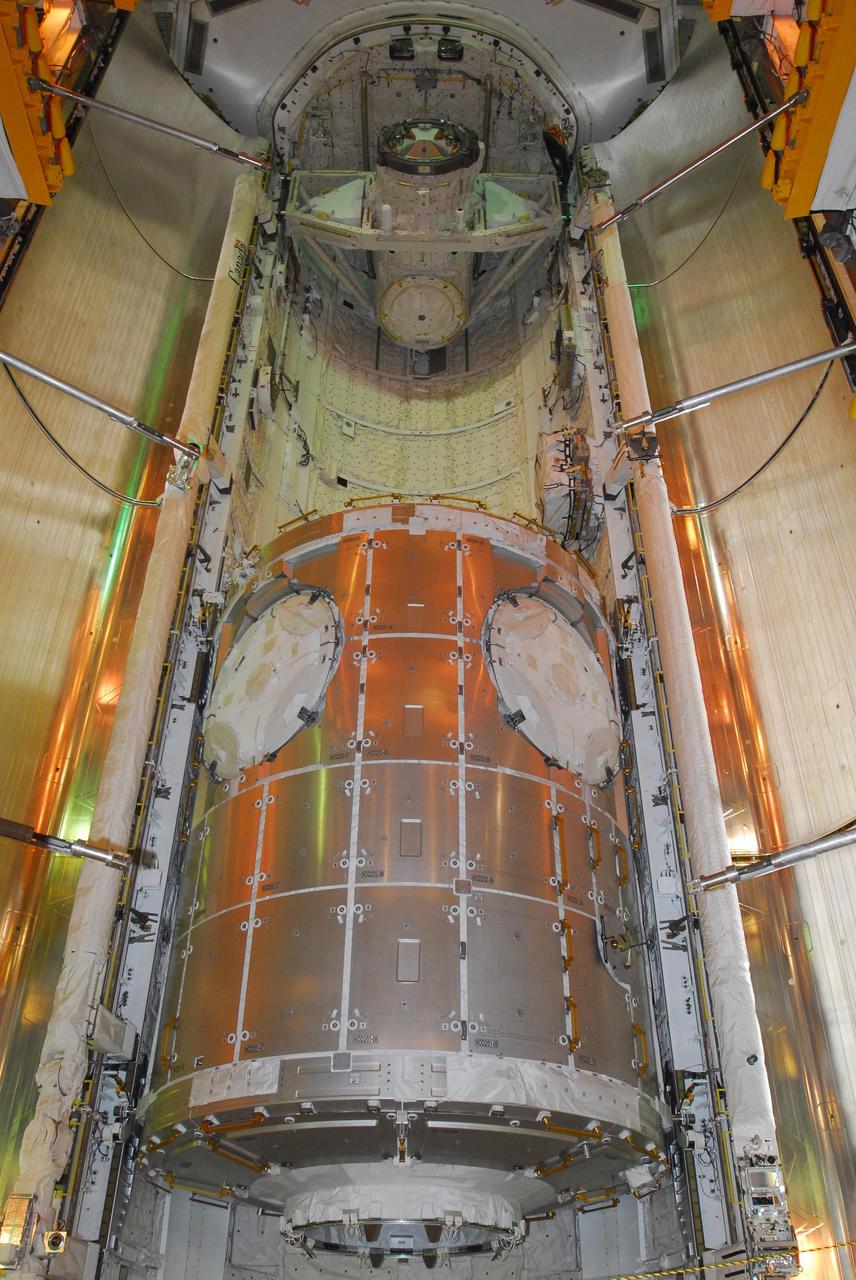
KENNEDY SPACE CENTER, FLA. -- At Launch Pad 39A, space shuttle Discovery's payload bay doors begin to close around the U.S. Node 2 module, named Harmony. The name was chosen from an academic competition involving more than 2,200 U. S. students in kindergarten through high school. The module will be delivered to the International Space Station aboard Discovery on the 14-day STS-120 mission. An orbiter's payload bay door closure at the pad is a milestone signaling that the launch date is near. Discovery's launch is targeted for Oct. 23 at 11:38 a.m. EDT. Photo credit: NASA/George Shelton
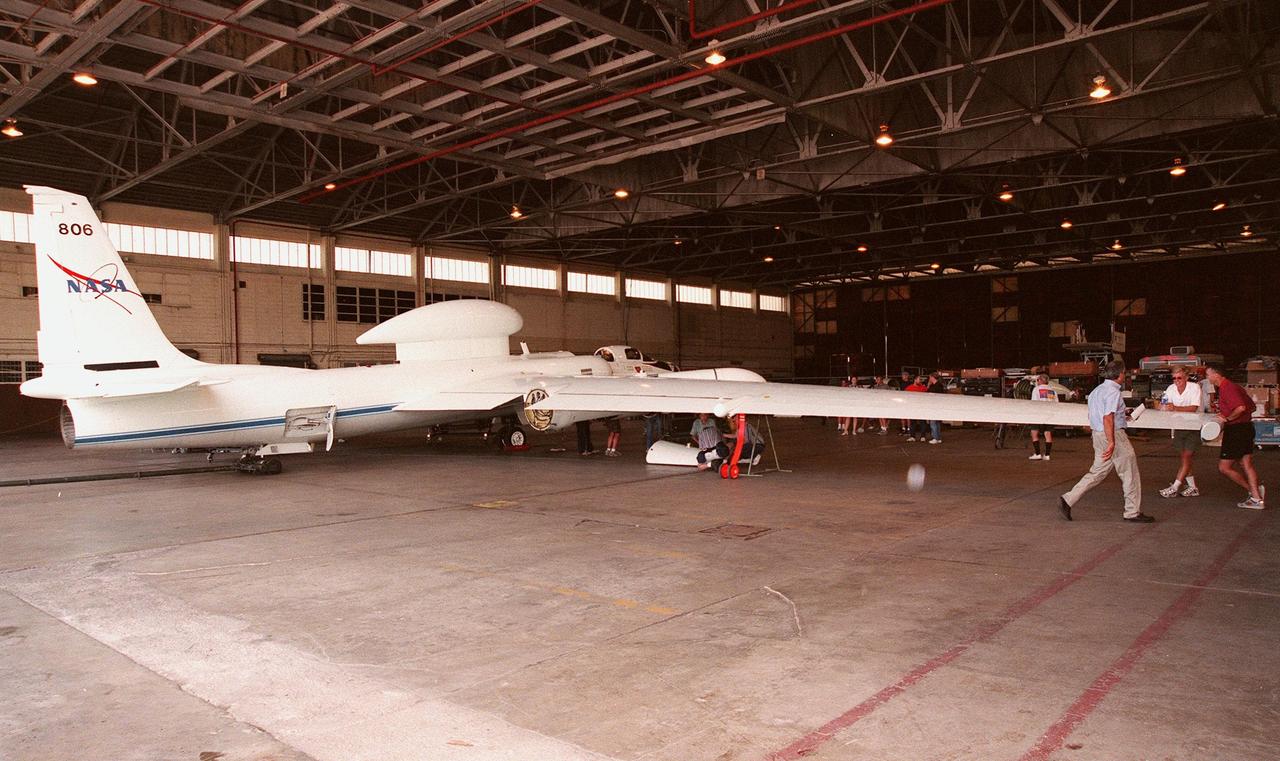
This high-altitude research plane, a specially equipped Dryden Flight Research Center ER-2, stops at Patrick Air Force Base long enough for visitors to get a close view. The modified U-2 aircraft, soaring above 65,000 feet, will measure the structure of hurricanes and the surrounding atmosphere that steers the storm’s movement. The plane is part of the NASA-led Atmospheric Dynamics and Remote Sensing program that includes other government weather researchers and the university community in a study of Atlantic hurricanes and tropical storms. The hurricane study, which lasts through September 1998, is part of NASA’s Earth Science enterprise to better understand the total Earth system and the effects of natural and human-induced changes on the global environment
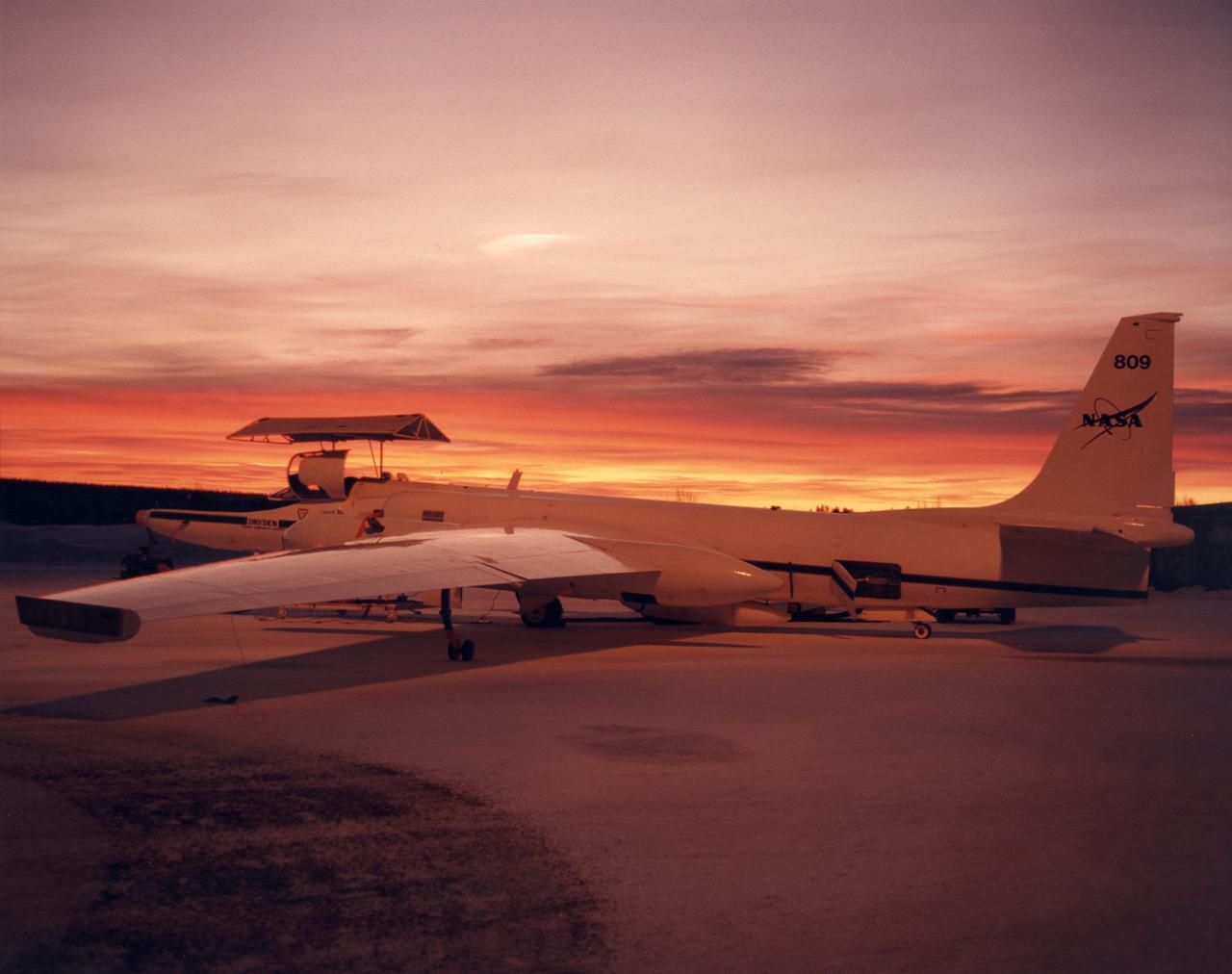
ER-2 #809 awaiting pilot entry for the third flight of the SAGE III Ozone Loss and Validation Experiment (SOLVE). The ER-2, a civilian variant of Lockheed's U-2, and another NASA flying laboratory, Dryden's DC-8, were based north of the Arctic Circle in Kiruna, Sweden during the winter of 2000 to study ozone depletion as part of SOLVE. A large hangar built especially for research, "Arena Arctica" housed the instrumented aircraft and the scientists. Scientists have observed unusually low levels of ozone over the Arctic during recent winters, raising concerns that ozone depletion there could become more widespread as in the Antarctic ozone hole. The NASA-sponsored international mission took place between November 1999 and March 2000 and was divided into three phases. The DC-8 was involved in all three phases returning to Dryden between each phase. The ER-2 flew sample collection flights between January and March, remaining in Sweden from Jan. 9 through March 16. "The collaborative campaign will provide an immense new body of information about the Arctic stratosphere," said program scientist Dr. Michael Kurylo, NASA Headquarters. "Our understanding of the Earth's ozone will be greatly enhanced by this research."

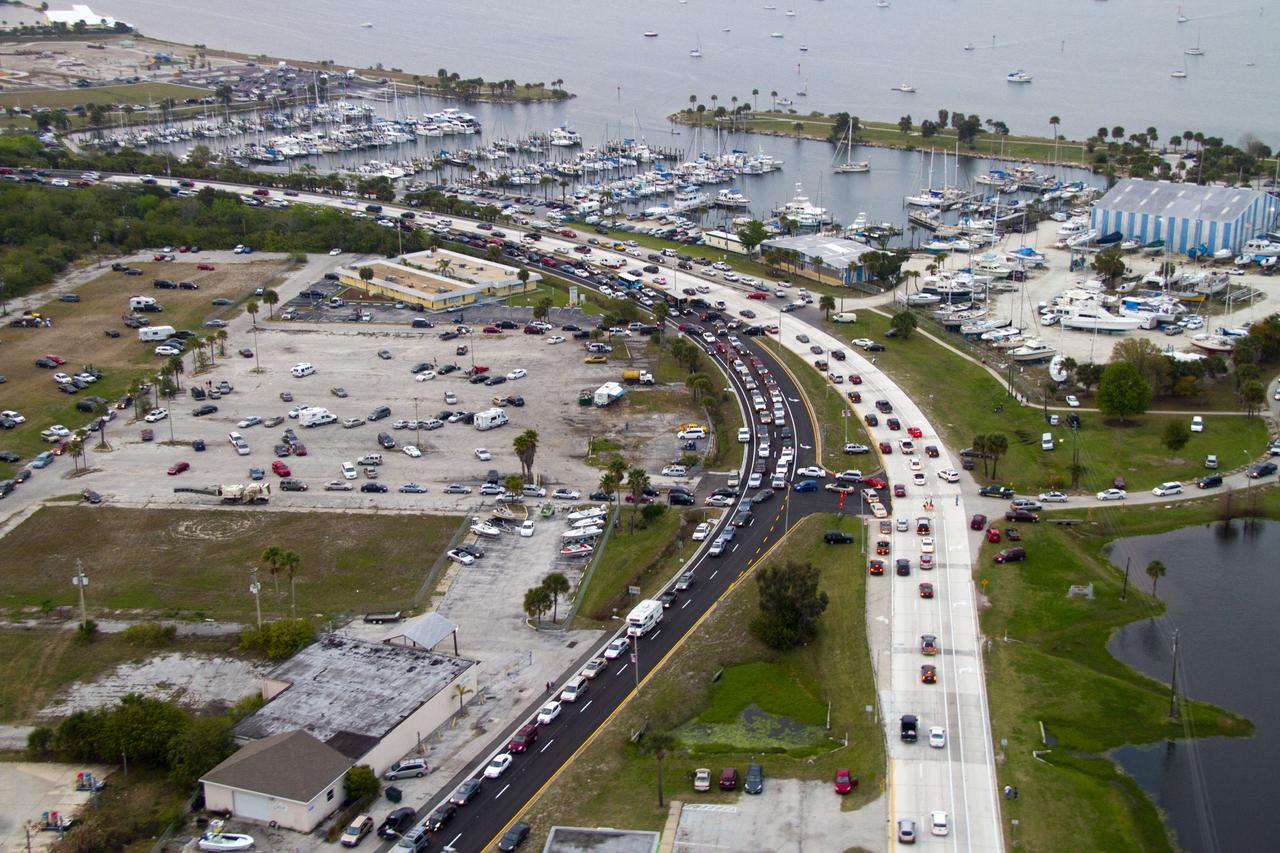
CAPE CANAVERAL, Fla. -- This image of U. S. Highway 1 and surrounding roadways in Titusville, Florida, was taken from a traffic survey helicopter after the successful launch of space shuttle Discovery at 4:53 p.m. EST on its final flight to the International Space Station. Discovery's six-member crew will deliver the Permanent Multipurpose Module, packed with supplies and critical spare parts, as well as Robonaut 2, the dexterous humanoid astronaut helper, to the orbiting outpost. Discovery is flying on its 39th and final mission and is scheduled to be retired following STS-133. This is the 133rd Space Shuttle Program mission and the 35th shuttle voyage to the space station. For more information on the STS-133 mission, visit www.nasa.gov/mission_pages/shuttle/shuttlemissions/sts133/. Photo credit: NASA/Jack Pfaller

CAPE CANAVERAL, Fla. -- This image of U. S. Highway 1 and surrounding roadways in Titusville, Florida, was taken from a traffic survey helicopter after the successful launch of space shuttle Discovery at 4:53 p.m. EST on its final flight to the International Space Station. Discovery's six-member crew will deliver the Permanent Multipurpose Module, packed with supplies and critical spare parts, as well as Robonaut 2, the dexterous humanoid astronaut helper, to the orbiting outpost. Discovery is flying on its 39th and final mission and is scheduled to be retired following STS-133. This is the 133rd Space Shuttle Program mission and the 35th shuttle voyage to the space station. For more information on the STS-133 mission, visit www.nasa.gov/mission_pages/shuttle/shuttlemissions/sts133/. Photo credit: NASA/Jack Pfaller
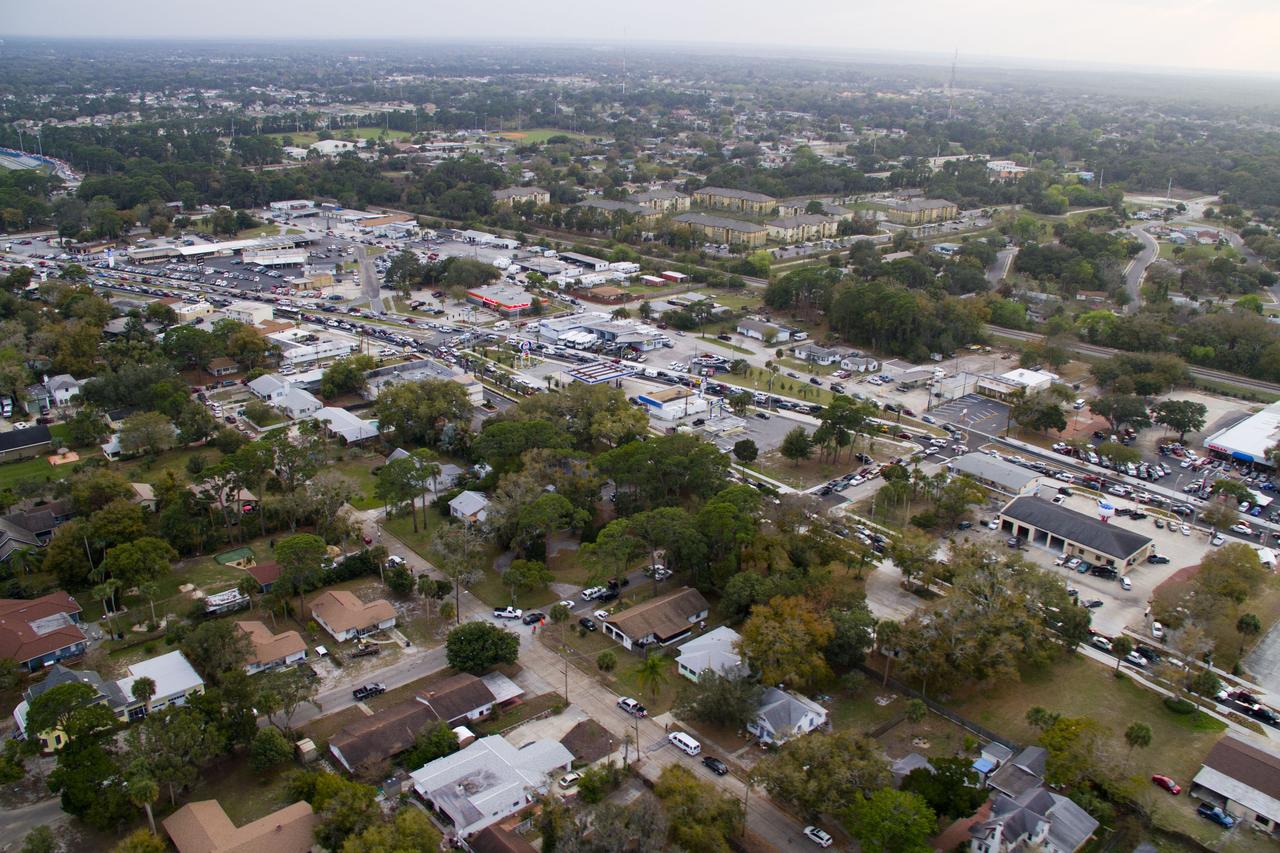
CAPE CANAVERAL, Fla. -- This image of U. S. Highway 1 and surrounding roadways in Titusville, Florida, was taken from a traffic survey helicopter after the successful launch of space shuttle Discovery at 4:53 p.m. EST on its final flight to the International Space Station. Discovery's six-member crew will deliver the Permanent Multipurpose Module, packed with supplies and critical spare parts, as well as Robonaut 2, the dexterous humanoid astronaut helper, to the orbiting outpost. Discovery is flying on its 39th and final mission and is scheduled to be retired following STS-133. This is the 133rd Space Shuttle Program mission and the 35th shuttle voyage to the space station. For more information on the STS-133 mission, visit www.nasa.gov/mission_pages/shuttle/shuttlemissions/sts133/. Photo credit: NASA/Jack Pfaller
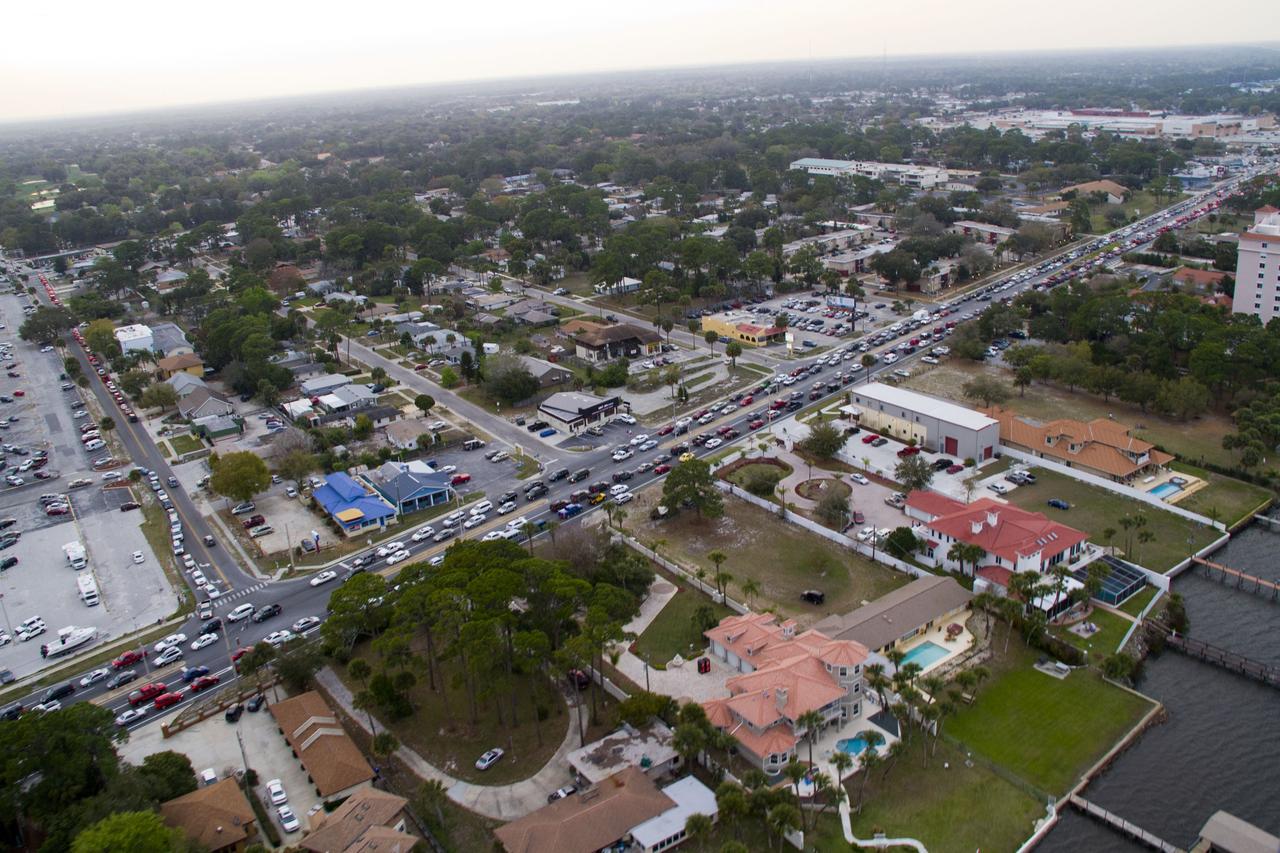
CAPE CANAVERAL, Fla. -- This image of U. S. Highway 1 and surrounding roadways in Titusville, Florida, was taken from a traffic survey helicopter after the successful launch of space shuttle Discovery at 4:53 p.m. EST on its final flight to the International Space Station. Discovery's six-member crew will deliver the Permanent Multipurpose Module, packed with supplies and critical spare parts, as well as Robonaut 2, the dexterous humanoid astronaut helper, to the orbiting outpost. Discovery is flying on its 39th and final mission and is scheduled to be retired following STS-133. This is the 133rd Space Shuttle Program mission and the 35th shuttle voyage to the space station. For more information on the STS-133 mission, visit www.nasa.gov/mission_pages/shuttle/shuttlemissions/sts133/. Photo credit: NASA/Jack Pfaller
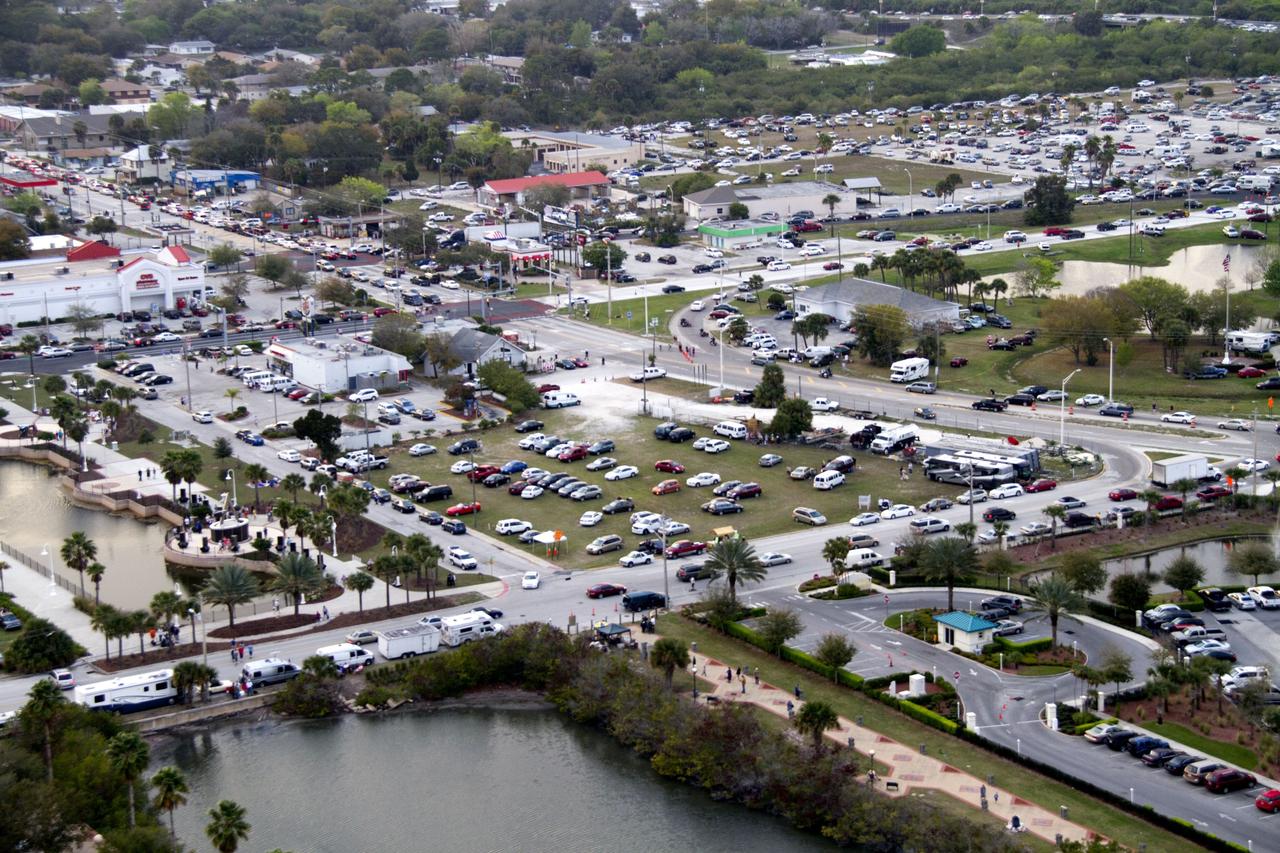
CAPE CANAVERAL, Fla. -- This image of U. S. Highway 1 and surrounding roadways in Titusville, Florida, was taken from a traffic survey helicopter after the successful launch of space shuttle Discovery at 4:53 p.m. EST on its final flight to the International Space Station. Discovery's six-member crew will deliver the Permanent Multipurpose Module, packed with supplies and critical spare parts, as well as Robonaut 2, the dexterous humanoid astronaut helper, to the orbiting outpost. Discovery is flying on its 39th and final mission and is scheduled to be retired following STS-133. This is the 133rd Space Shuttle Program mission and the 35th shuttle voyage to the space station. For more information on the STS-133 mission, visit www.nasa.gov/mission_pages/shuttle/shuttlemissions/sts133/. Photo credit: NASA/Jack Pfaller
CAPE CANAVERAL, Fla. -- This image of U. S. Highway 1 and surrounding roadways in Titusville, Florida, was taken from a traffic survey helicopter after the successful launch of space shuttle Discovery at 4:53 p.m. EST on its final flight to the International Space Station. Discovery's six-member crew will deliver the Permanent Multipurpose Module, packed with supplies and critical spare parts, as well as Robonaut 2, the dexterous humanoid astronaut helper, to the orbiting outpost. Discovery is flying on its 39th and final mission and is scheduled to be retired following STS-133. This is the 133rd Space Shuttle Program mission and the 35th shuttle voyage to the space station. For more information on the STS-133 mission, visit www.nasa.gov/mission_pages/shuttle/shuttlemissions/sts133/. Photo credit: NASA/Jack Pfaller
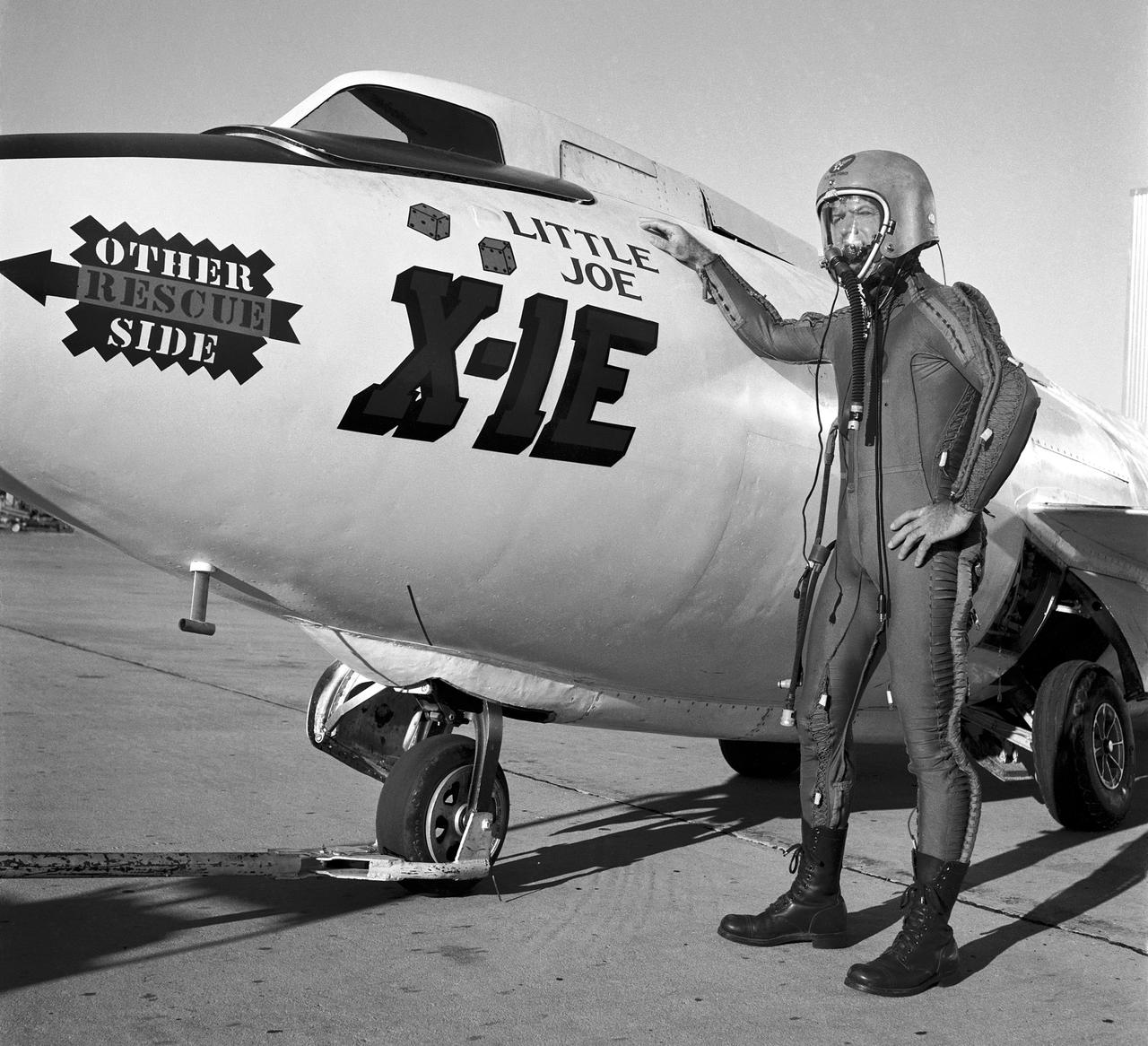
Joe Walker in a pressure suit beside the X-1E at the NASA High-Speed Flight Station, Edwards,California. The dice and "Little Joe" are prominently displayed under the cockpit area. (Little Joe is a dice players slang term for two deuces.) Walker is shown in the photo wearing an early Air Force partial pressure suit. This protected the pilot if cockpit pressure was lost above 50,000 feet. Similar suits were used in such aircraft as B-47s, B-52s, F-104s, U-2s, and the X-2 and D-558-II research aircraft. Five years later, Walker reached 354,200 feet in the X-15. Similar artwork - reading "Little Joe the II" - was applied for the record flight. These cases are two of the few times that research aircraft carried such nose art.
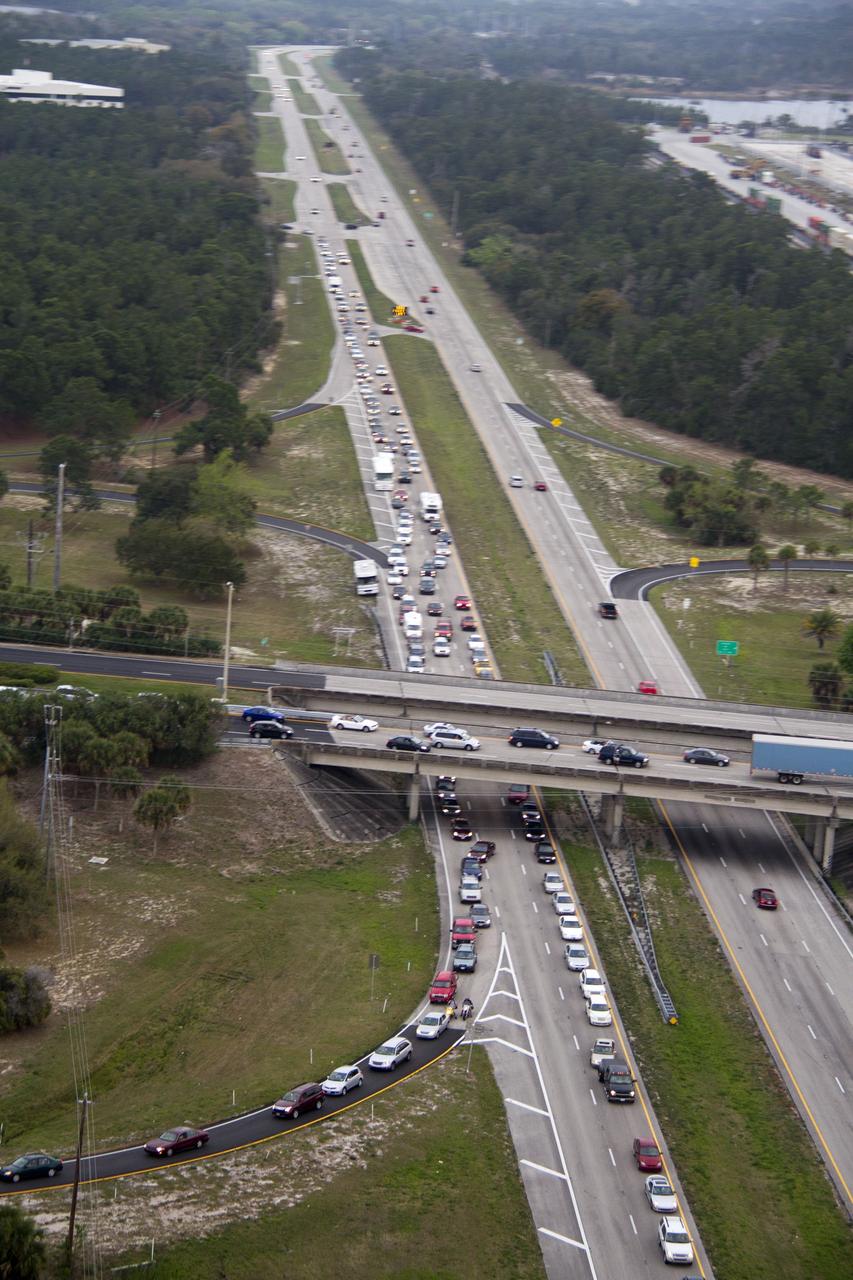
CAPE CANAVERAL, Fla. -- This image of U. S. Highway 1 and surrounding roadways in Titusville, Florida, was taken from a traffic survey helicopter after the successful launch of space shuttle Discovery at 4:53 p.m. EST on its final flight to the International Space Station. Discovery's six-member crew will deliver the Permanent Multipurpose Module, packed with supplies and critical spare parts, as well as Robonaut 2, the dexterous humanoid astronaut helper, to the orbiting outpost. Discovery is flying on its 39th and final mission and is scheduled to be retired following STS-133. This is the 133rd Space Shuttle Program mission and the 35th shuttle voyage to the space station. For more information on the STS-133 mission, visit www.nasa.gov/mission_pages/shuttle/shuttlemissions/sts133/. Photo credit: NASA/Jack Pfaller

STS068-237-055 (30 September - 11 October 1994) --- This coastal area, considered home by astronaut Peter J. K. (Jeff) Wisoff, was photographed from the Space Shuttle Endeavour during the Space Radar Laboratory (SRL-2) mission. Wisoff, a native of Norfolk, talked about this area during a post-flight crew awards and presentation event at the Johnson Space Center (JSC). He pointed out that the waterways are heavily used for commercial, recreational and military purposes. Piers near the mouth of the Elizabeth River are associated with the U. S. Naval Base and those down river support the activities of the city of Norfolk. Seashore State Park and the Ft. Story Military Reservation are visible at the mouth of the Chesapeake.
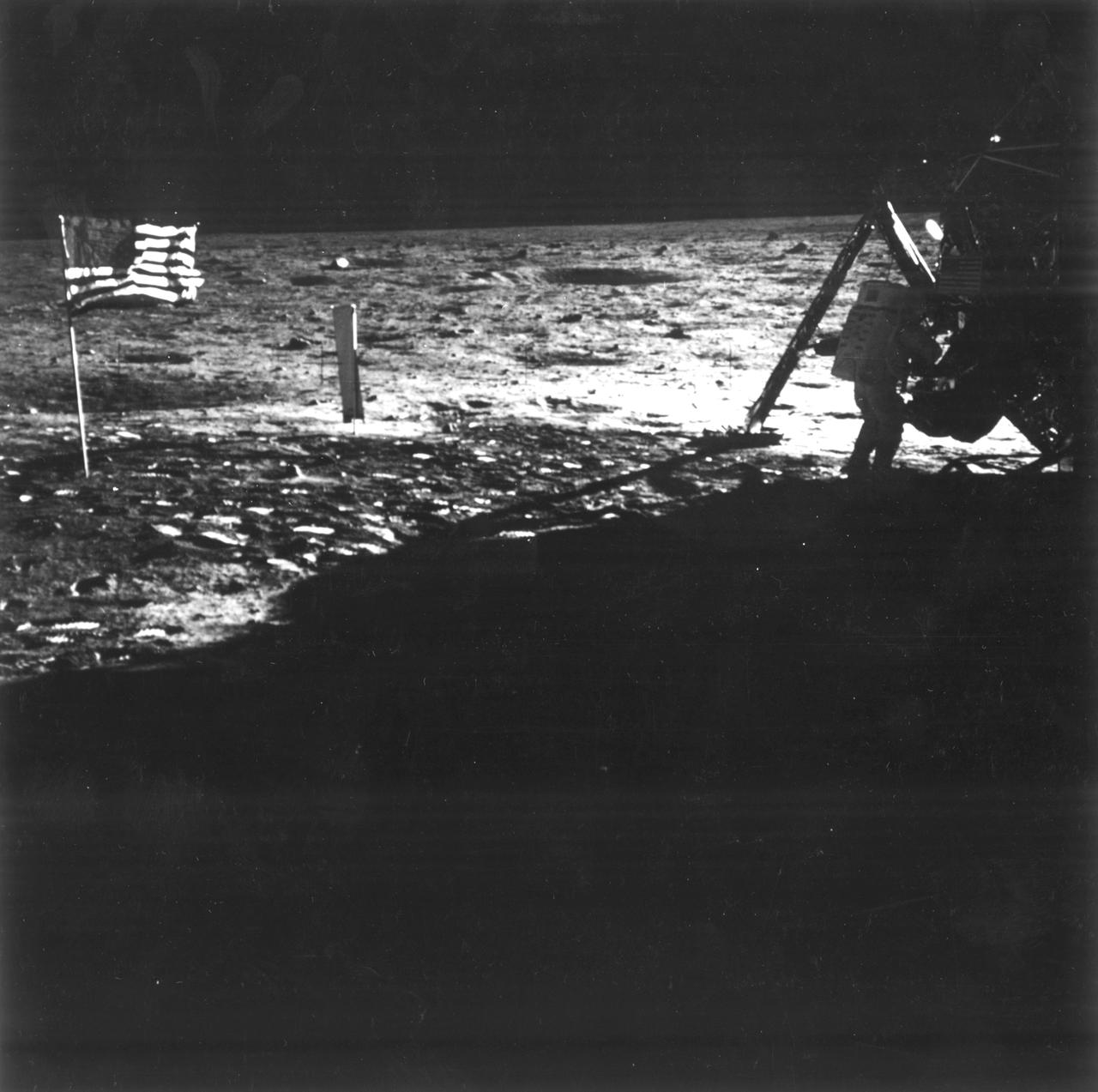
The first manned lunar landing mission, Apollo 11, launched from the Kennedy Space Flight Center (KSC) in Florida via the Marshall Space Flight Center (MSFC) developed Saturn V launch vehicle on July 16, 1969 and safely returned to Earth on July 24, 1969. Astronauts onboard included Neil A. Armstrong, commander; Michael Collins, Command Module (CM) pilot; and Edwin E. Aldrin, Jr., Lunar Module (LM) pilot. The CM, “Columbia”, piloted by Collins, remained in a parking orbit around the Moon while the LM, “Eagle'', carrying astronauts Armstrong and Aldrin, landed on the Moon in the Sea of Tranquility. On July 20, 1969, Armstrong was the first human to ever stand on the lunar surface, followed by Aldrin. During 2½ hours of surface exploration, the crew set up experiments, collected 47 pounds of lunar surface material for analysis back on Earth, planted the U.S Flag, and left a message for all mankind. In this photograph, Armstrong is removing scientific equipment from a storage bay of the LM. The brilliant sunlight emphasizes the U. S. Flag to the left. The object near the flag is the Solar Wind Composition Experiment deployed by Aldrin earlier.
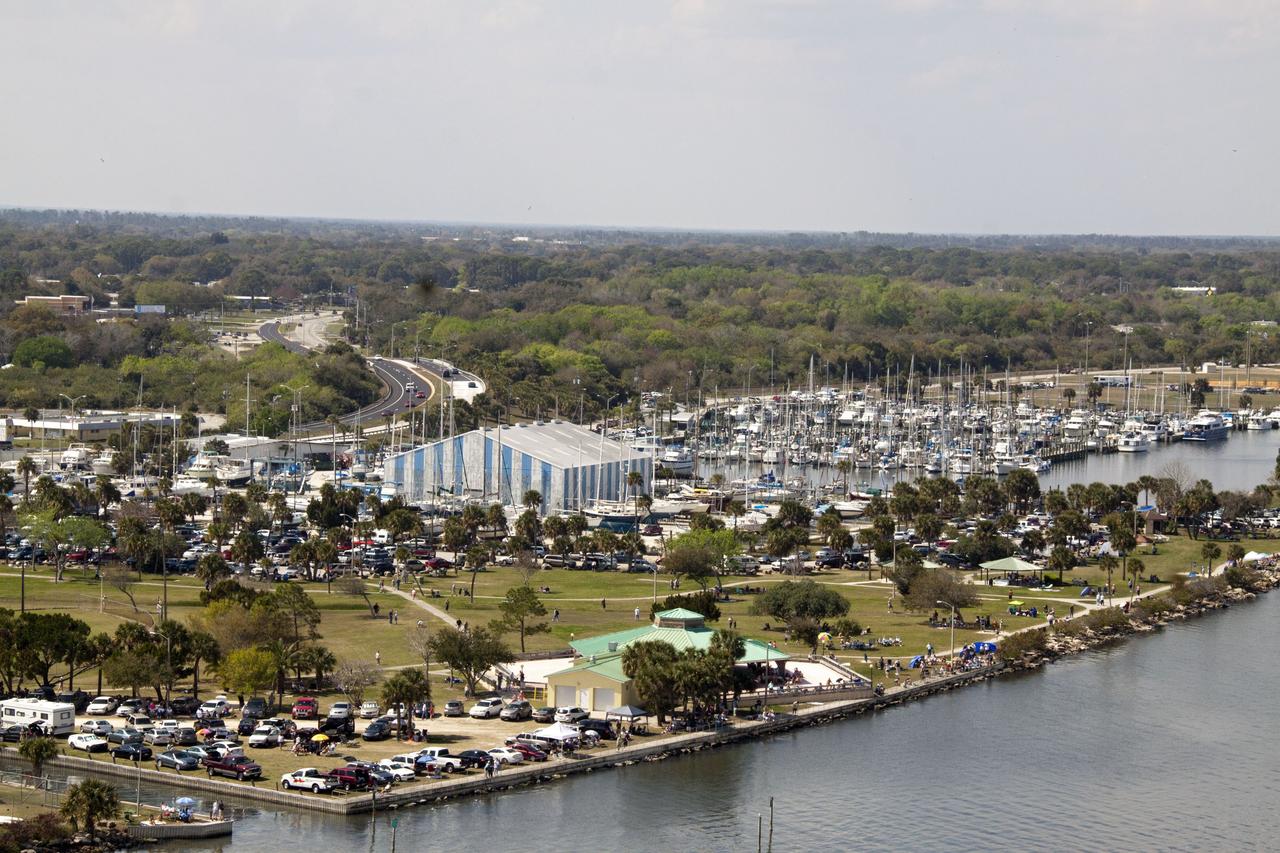
CAPE CANAVERAL, Fla. -- Folks from across the country camped out in communities surrounding NASA's Kennedy Space Center in Florida to witness space shuttle Discovery make history by lifting off on its final scheduled mission from Launch Pad 39A. Seen here is Sand Point Park near U. S. Highway 1 and State Road 406, also known as the A. Max Brewer Causeway, in Titusville, Fla. Liftoff is set for 4:50 p.m. EST on Feb. 24. Discovery and its six-member STS-133 crew will deliver the Permanent Multipurpose Module, packed with supplies and critical spare parts, as well as Robonaut 2, the dexterous humanoid astronaut helper, to the International Space Station. Discovery, which will fly its 39th mission, is scheduled to be retired following STS-133. This will be the 133rd Space Shuttle Program mission and the 35th shuttle voyage to the space station. For more information on the STS-133 mission, visit www.nasa.gov/mission_pages/shuttle/shuttlemissions/sts133/. Photo credit: NASA/Jack Pfaller
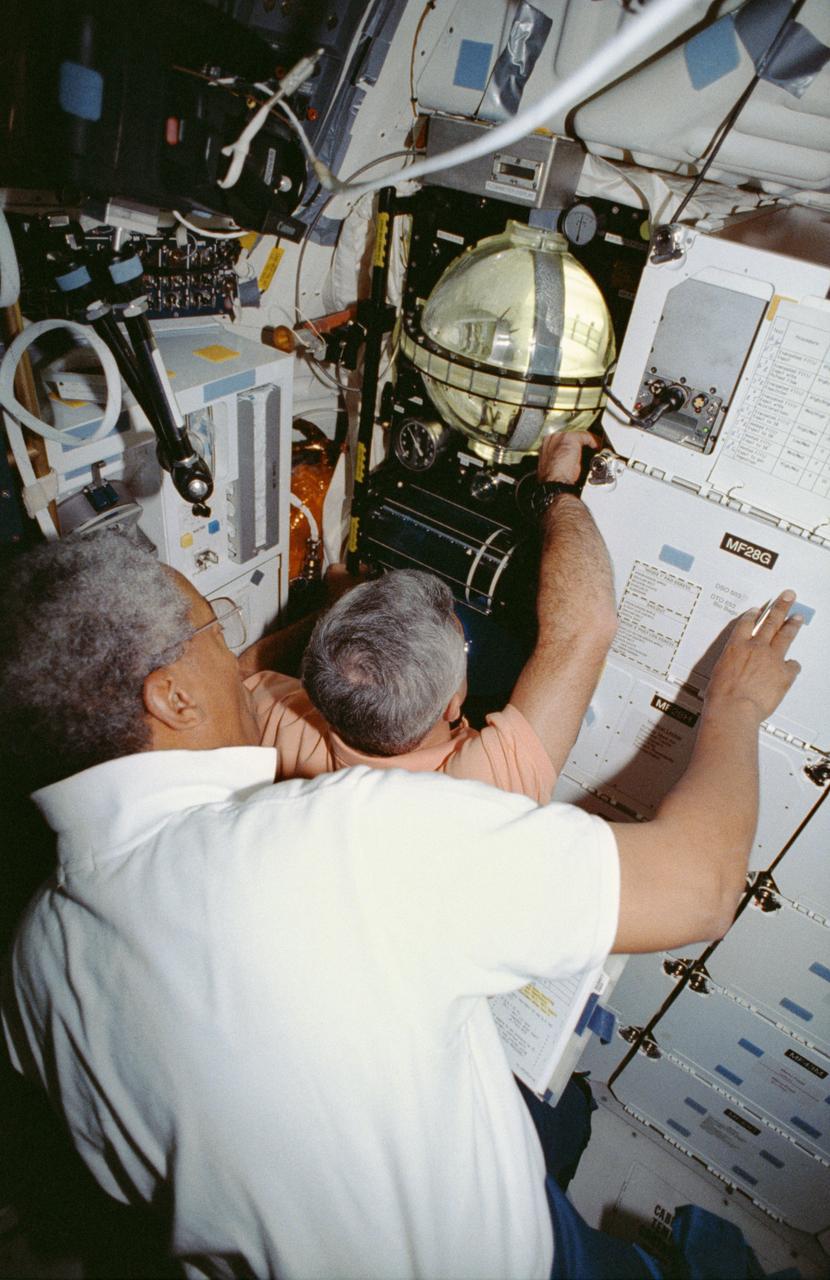
STS053-04-018 (2-9 Dec 1992) --- Astronauts Guion S. Bluford (left) and Michael R. U. (Rich) Clifford monitor the Fluid Acquisition and Resupply Equipment (FARE) onboard the Space Shuttle Discovery. Clearly visible in the mid-deck FARE setup is one of two 12.5-inch spherical tanks made of transparent acrylic, one to supply and one to receive fluids. The purpose of FARE is to investigate the dynamics of fluid transfer in microgravity and develop methods for transferring vapor-free propellants and other liquids that must be replenished in long-term space systems like satellites, Extended-Duration Orbiters (EDO), and Space Station Freedom. Eight times over an eight-hour test period, the mission specialists conducted the FARE experiment. A sequence of manual valve operations caused pressurized air from the bottles to force fluids from the supply tank to the receiver tank and back again to the supply tank. Baffles in the receiver tank controlled fluid motion during transfer, a fine-mesh screen filtered vapor from the fluid, and the overboard vent removed vapor from the receiver tank as the liquid rose. FARE is managed by NASA's Marshall Space Flight Center (MSFC) in Alabama. The basic equipment was developed by Martin Marietta for the Storable Fluid Management Demonstration. Susan L. Driscoll is the principal investigator.
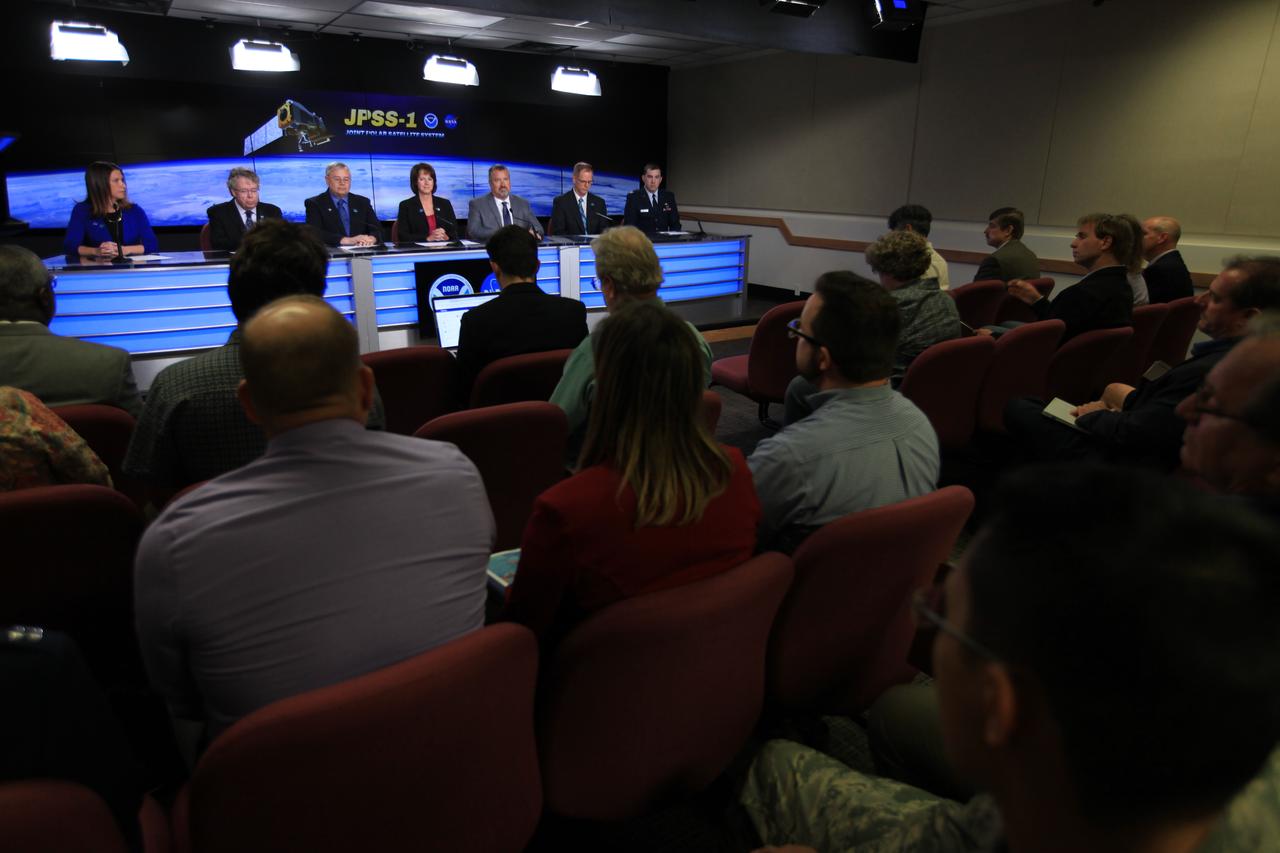
At Vandenberg Air Force Base in California, NASA and industry leaders speak to members of the media at a prelaunch news conference for the Joint Polar Satellite System-1, or JPSS-1. Participants, from left, are Tori McLendon of NASA Communications, Steve Volz, director of NOAA’s Satellite and Information Service, Greg Mandt, director of the NOAA Joint Polar Satellite System Program, Sandra Smalley, director of the Joint Agency Satellite Division at NASA Headquarters, Omar Baez, NASA launch director, Scott Messer, United Launch Alliance program manager for NASA missions, and U. S. Air Force Capt. Ross Malugani, launch weather officer at Vandenberg's 30th Space Wing. Built by Ball Aerospace and Technologies Corp. of Boulder, Colorado, JPSS is the first in a series four next-generation environmental satellites in a collaborative program between the NOAA and NASA. Liftoff atop a United Launch Alliance Delta II rocket is scheduled to take place from Vandenberg's Space Launch Complex 2 at 1:47 a.m. PST (4:47 a.m. EST), on Nov. 14, 2017.
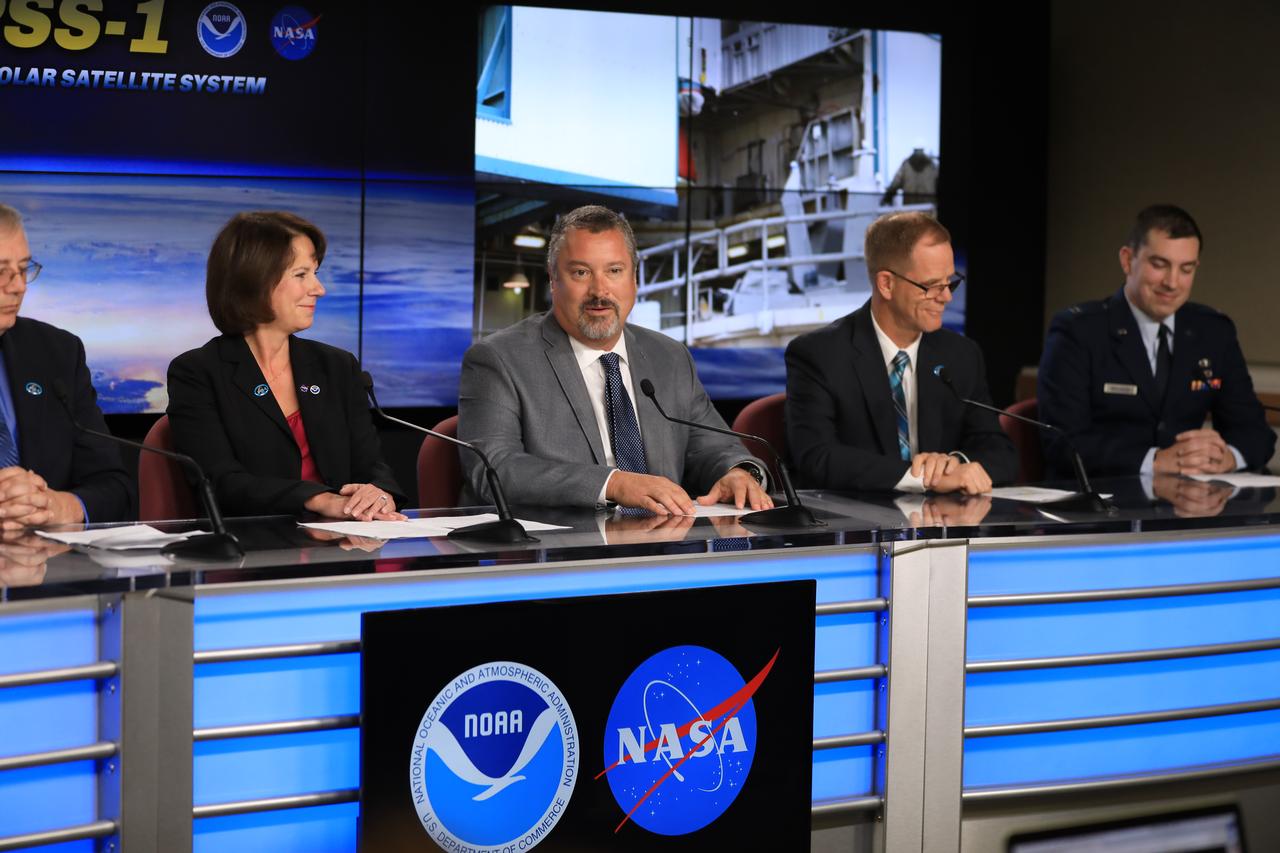
Vandenberg Air Force Base in California, NASA and industry leaders speak to members of the media at a prelaunch news conference for the Joint Polar Satellite System-1, or JPSS-1. Participants, from left, are Greg Mandt, director of the NOAA Joint Polar Satellite System Program, Sandra Smalley, director of the Joint Agency Satellite Division at NASA Headquarters, Omar Baez, NASA launch director, Scott Messer, United Launch Alliance program manager for NASA missions, and U. S. Air Force Capt. Ross Malugani, launch weather officer at Vandenberg's 30th Space Wing. Built by Ball Aerospace and Technologies Corp. of Boulder, Colorado, JPSS is the first in a series four next-generation environmental satellites in a collaborative program between the NOAA and NASA. Liftoff atop a United Launch Alliance Delta II rocket is scheduled to take place from Vandenberg's Space Launch Complex 2 at 1:47 a.m. PST (4:47 a.m. EST), on Nov. 14, 2017.
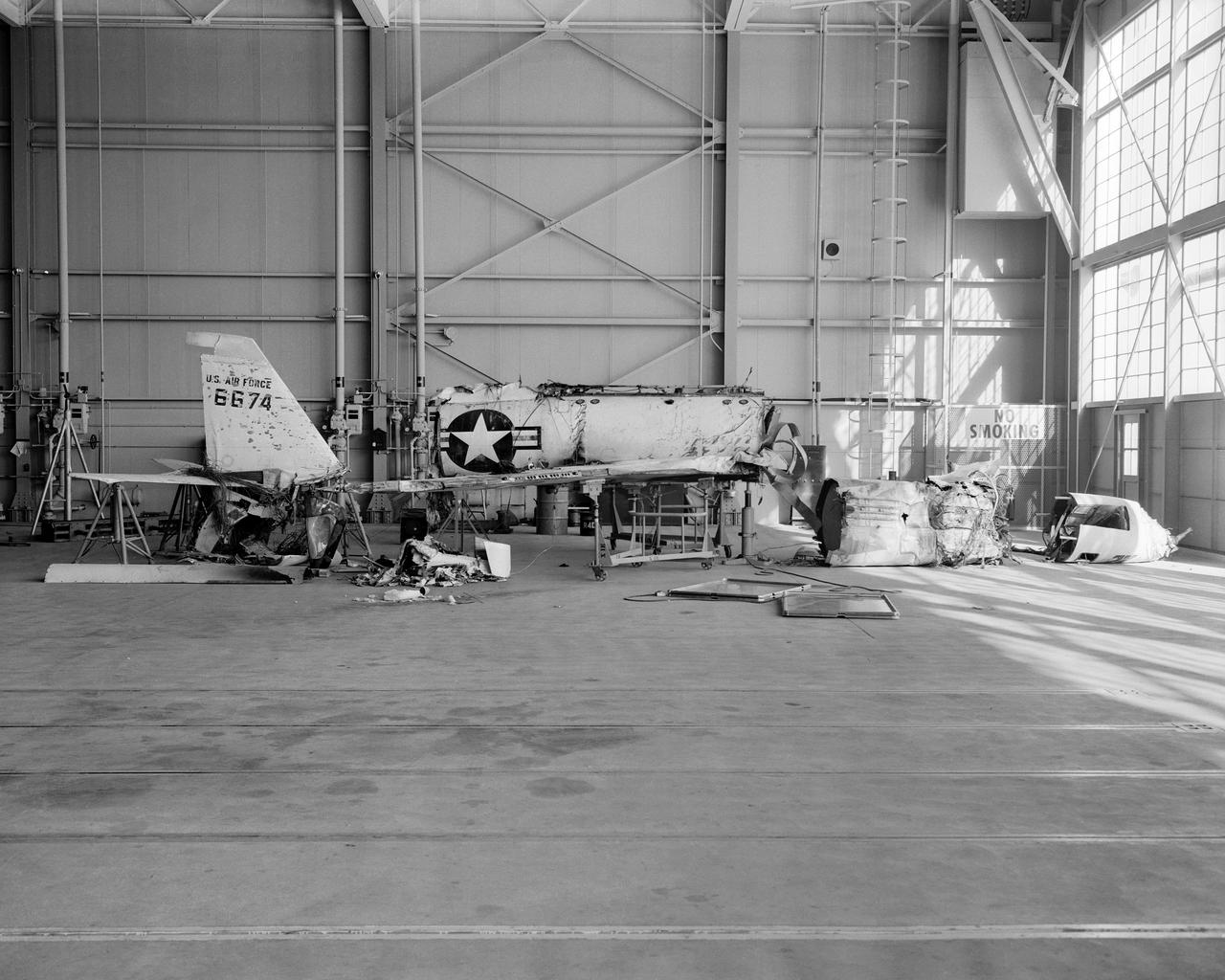
The X-2, initially an Air Force program, was scheduled to be transferred to the civilian National Advisory Committee for Aeronautics (NACA) for scientific research. The Air Force delayed turning the aircraft over to the NACA in the hope of attaining Mach 3 in the airplane. The service requested and received a two-month extension to qualify another Air Force test pilot, Capt. Miburn "Mel" Apt, in the X-2 and attempt to exceed Mach 3. After several ground briefings in the simulator, Apt (with no previous rocket plane experience) made his flight on 27 September 1956. Apt raced away from the B-50 under full power, quickly outdistancing the F-100 chase planes. At high altitude, he nosed over, accelerating rapidly. The X-2 reached Mach 3.2 (2,094 mph) at 65,000 feet. Apt became the first man to fly more than three times the speed of sound. Still above Mach 3, he began an abrupt turn back to Edwards. This maneuver proved fatal as the X-2 began a series of diverging rolls and tumbled out of control. Apt tried to regain control of the aircraft. Unable to do so, Apt separated the escape capsule. Too late, he attempted to bail out and was killed when the capsule impacted on the Edwards bombing range. The rest of the X-2 crashed five miles away. The wreckage of the X-2 rocket plane was later taken to NACA's High Speed Flight Station for analysis following the crash.
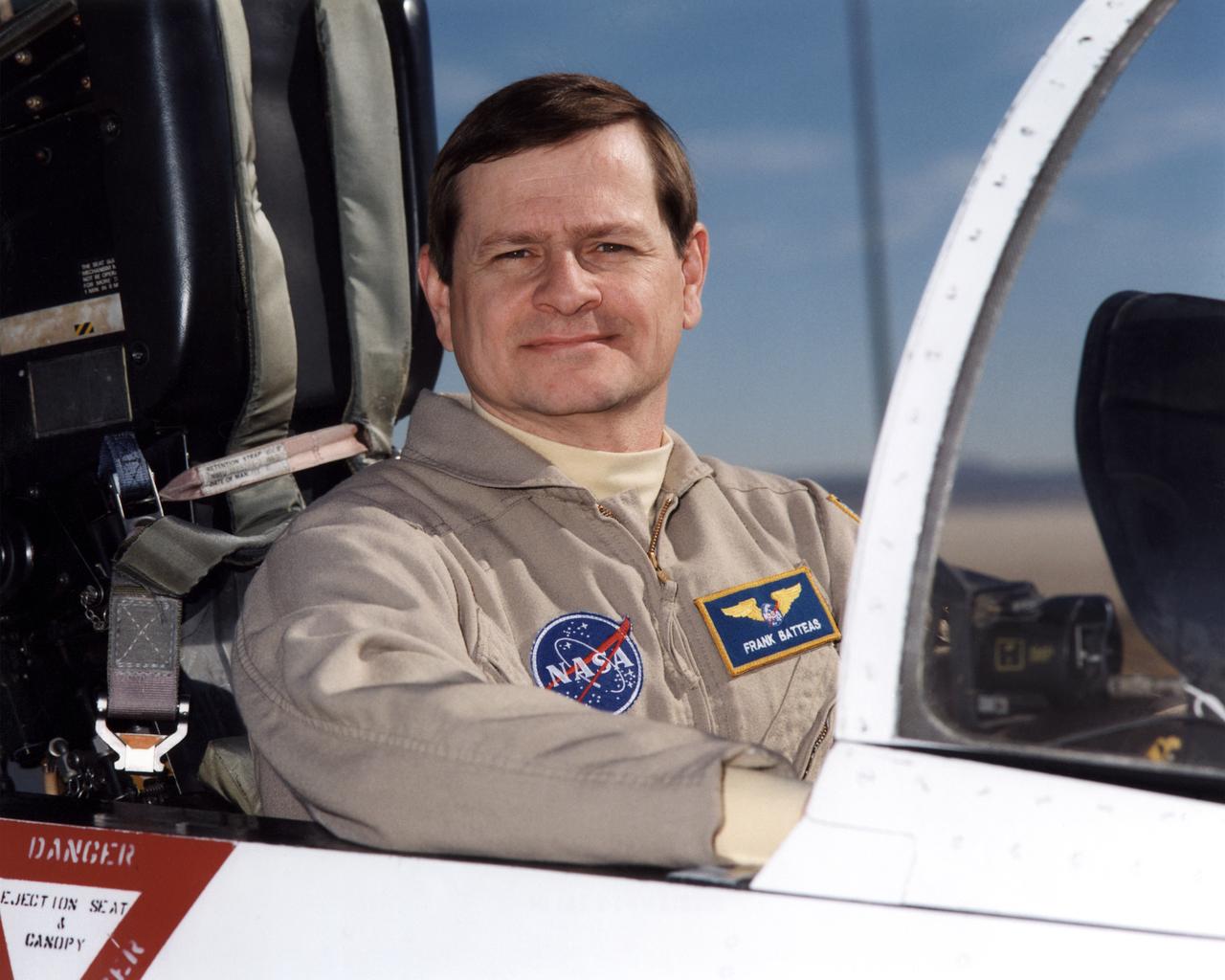
Frank Batteas is a research test pilot in the Flight Crew Branch of NASA's Dryden Flight Research Center, Edwards, California. He is currently a project pilot for the F/A-18 and C-17 flight research projects. In addition, his flying duties include operation of the DC-8 Flying Laboratory in the Airborne Science program, and piloting the B-52B launch aircraft, the King Air, and the T-34C support aircraft. Batteas has accumulated more than 4,700 hours of military and civilian flight experience in more than 40 different aircraft types. Batteas came to NASA Dryden in April 1998, following a career in the U.S. Air Force. His last assignment was at Wright-Patterson Air Force Base, Dayton, Ohio, where Lieutenant Colonel Batteas led the B-2 Systems Test and Evaluation efforts for a two-year period. Batteas graduated from Class 88A of the Air Force Test Pilot School, Edwards Air Force Base, California, in December 1988. He served more than five years as a test pilot for the Air Force's newest airlifter, the C-17, involved in nearly every phase of testing from flutter and high angle-of-attack tests to airdrop and air refueling envelope expansion. In the process, he achieved several C-17 firsts including the first day and night aerial refuelings, the first flight over the North Pole, and a payload-to-altitude world aviation record. As a KC-135 test pilot, he also was involved in aerial refueling certification tests on a number of other Air Force aircraft. Batteas received his commission as a second lieutenant in the U. S. Air Force through the Reserve Officer Training Corps and served initially as an engineer working on the Peacekeeper and Minuteman missile programs at the Ballistic Missile Office, Norton Air Force Base, Calif. After attending pilot training at Williams Air Force Base, Phoenix, Ariz., he flew operational flights in the KC-135 tanker aircraft and then was assigned to research flying at the 4950th Test Wing, Wright-Patterson. He flew extensively modified C-135
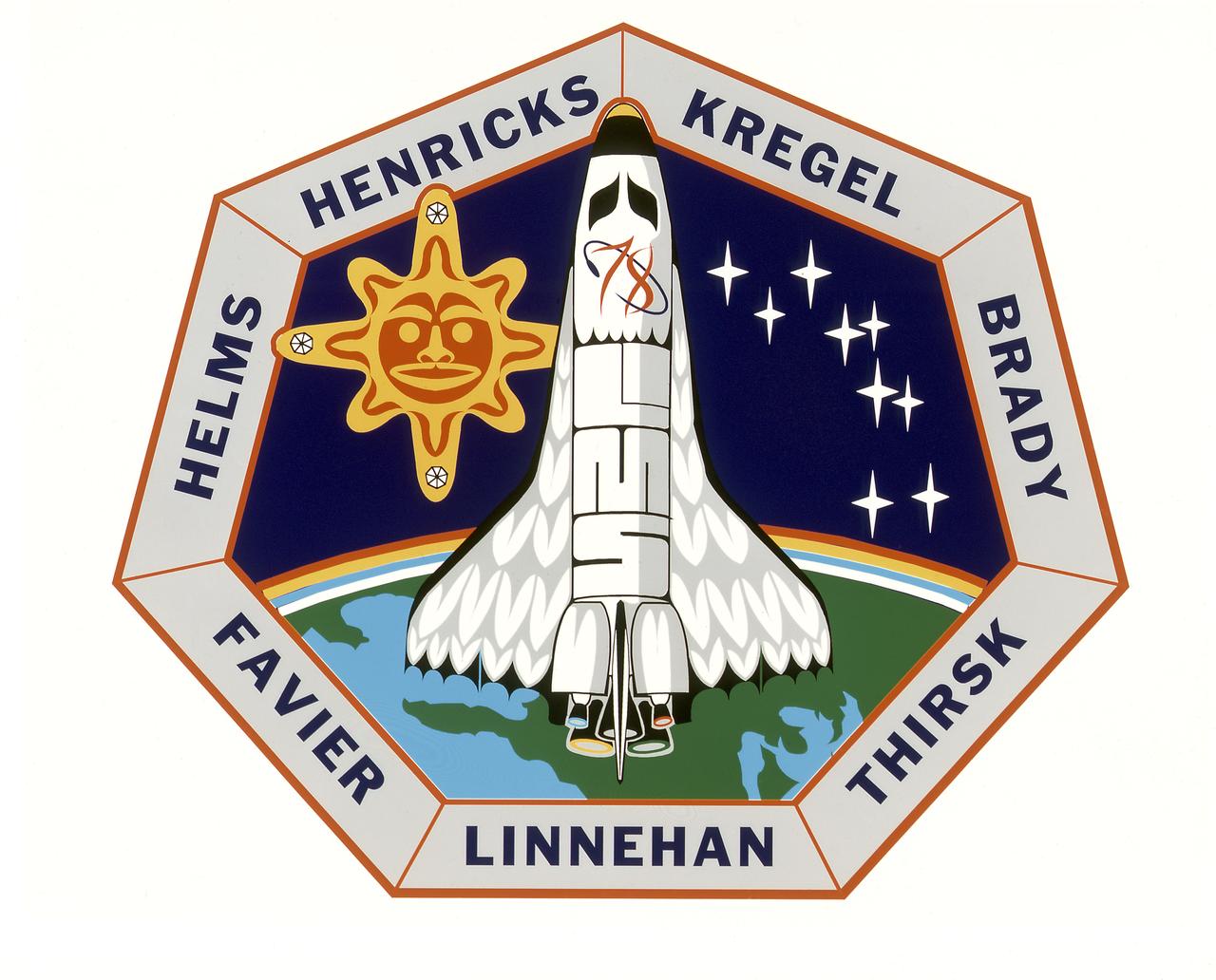
The STS-78 patch links past with present to tell the story of its mission and science through a design imbued with the strength and vitality of the 2-dimensional art of North America's northwest coast Indians. Central to the design is the space Shuttle whose bold lines and curves evoke the Indian image for the eagle, a native American symbol of power and prestige as well as the national symbol of the United States. The wings of the Shuttle suggest the wings of the eagle whose feathers, indicative of peace and friendship in Indian tradition, are captured by the U forms, a characteristic feature of Northwest coast Indian art. The nose of the Shuttle is the strong downward curve of the eagle's beak, and the Shuttle's forward windows, the eagle's eyes, represented through the tapered S forms again typical of this Indian art form. The basic black and red atoms orbiting the mission number recall the original NASA emblem while beneath, utilizing Indian ovoid forms, the major mission scientific experiment package LMS (Life and Materials Sciences) housed in the Shuttle's cargo bay is depicted in a manner reminiscent of totem-pole art. This image of a bird poised for flight, so common to Indian art, is counterpointed by an equally familiar Tsimshian Indian symbol, a pulsating sun with long hyperbolic rays, the symbol of life. Within each of these rays are now encased crystals, the products of this mission's 3 major, high-temperature materials processing furnaces. And as the sky in Indian lore is a lovely open country, home of the Sun Chief and accessible to travelers through a hole in the western horizon, so too, space is a vast and beckoning landscape for explorers launched beyond the horizon. Beneath the Tsimshian sun, the colors of the earth limb are appropriately enclosed by a red border representing life to the Northwest coast Indians. The Indian colors of red, navy blue, white, and black pervade the STS-78 path. To the right of the Shuttle-eagle, the constellation Delphinus recalls the dolphin, friend of ancient sailors and, now perhaps too, of the 9 space voyagers suggested by this constellation's blaze of 9 stars. The patch simultaneously celebrates international unity fostered by the Olympic spirit of sports competition at the 1996 Olympic Games in Atlanta, Georgia, U.S.A. Deliberately poised over the city of Atlanta, the Space Shuttle glows at its base with the 5 official Olympic rings in the 5 Olympic colors which can also be found throughout the patch, rings and colors which signify the 5 continents of the earth. This is an international mission and for the first time in NASA patch history, astronauts have dispensed with identifying country flags beneath their names to celebrate the spirit of international unity so characteristic of this flight.