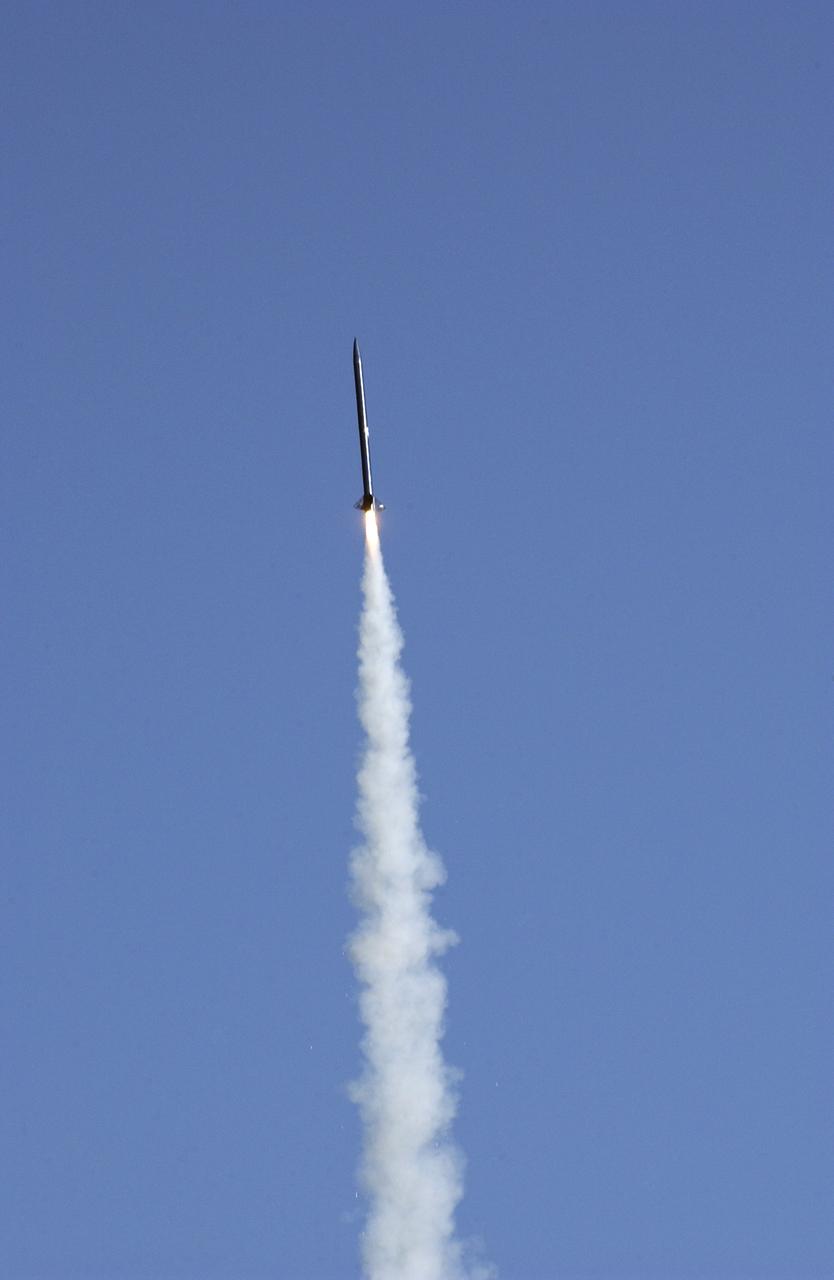
Filled with anticipation, students from two local universities, the University of Alabama in Huntsville (UAH), and Alabama Agricultural Mechanical University (AM), counted down to launch the rockets they designed and built at the Army test site on Redstone Arsenal in Huntsville, Alabama. The projected two-mile high launch culminated more than a year's work and demonstrated the student team's ability to meet the challenge set by the Marshall Space Flight Center's (MSFC) Student Launch Initiative (SLI) program to apply science and math to experience, judgment, and common sense, and proved to NASA officials that they have successfully built reusable launch vehicles (RLVs), another challenge set by NASA's SLI program. MSFC's SLI program is an educational effort that aims to motivate students to pursue careers in science, math, and engineering. It provides the students with hands-on, practical aerospace experience. In this picture, the combined efforts of students from UAH and AM sent this rocket soaring into flight. Students at UAH built the rocket and AM students developed its scientific payload, an experiment that measures the amount of hydrogen produced during electroplating with nickel in a brief period of micrgravity.
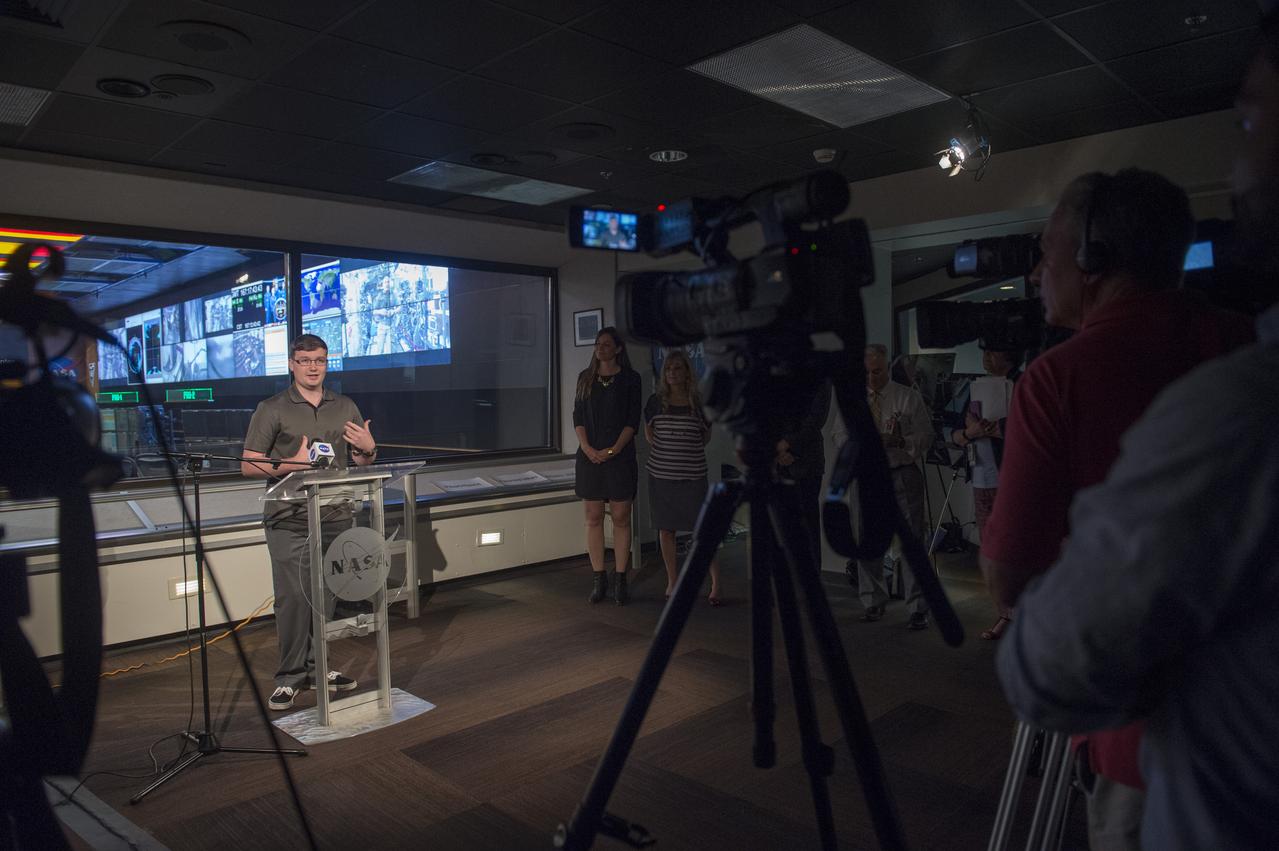
UAH ENGINEERING STUDENT ROBERT HILLAN TALKS TO SPACE STATION CREW MEMBERS ABOUT HIS WINNING 3-D PRINTED TOOL DESIGNED FOR USE ON ISS, AND IS INTERVIEWED BY LOCAL MEDIA
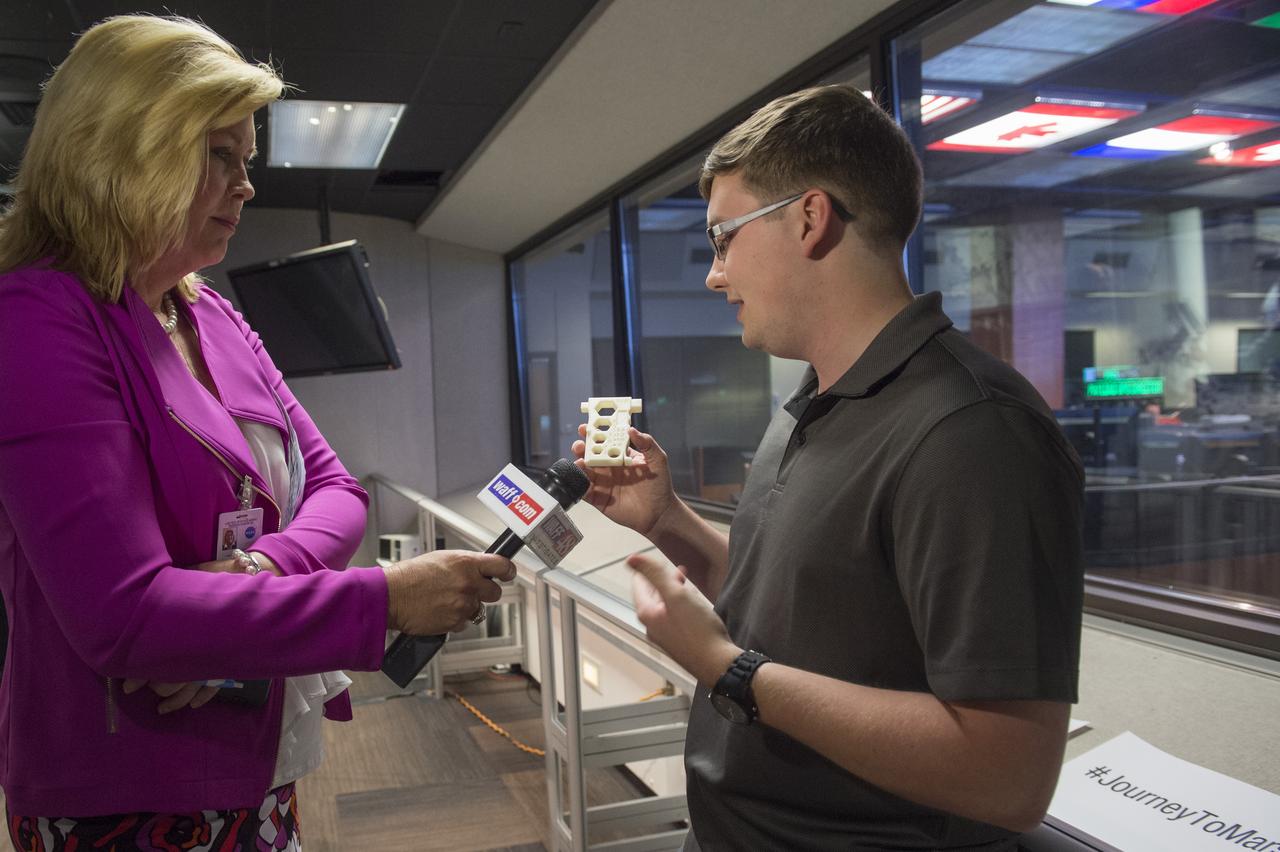
UAH ENGINEERING STUDENT ROBERT HILLAN TALKS TO SPACE STATION CREW MEMBERS ABOUT HIS WINNING 3-D PRINTED TOOL DESIGNED FOR USE ON ISS, AND IS INTERVIEWED BY LOCAL MEDIA
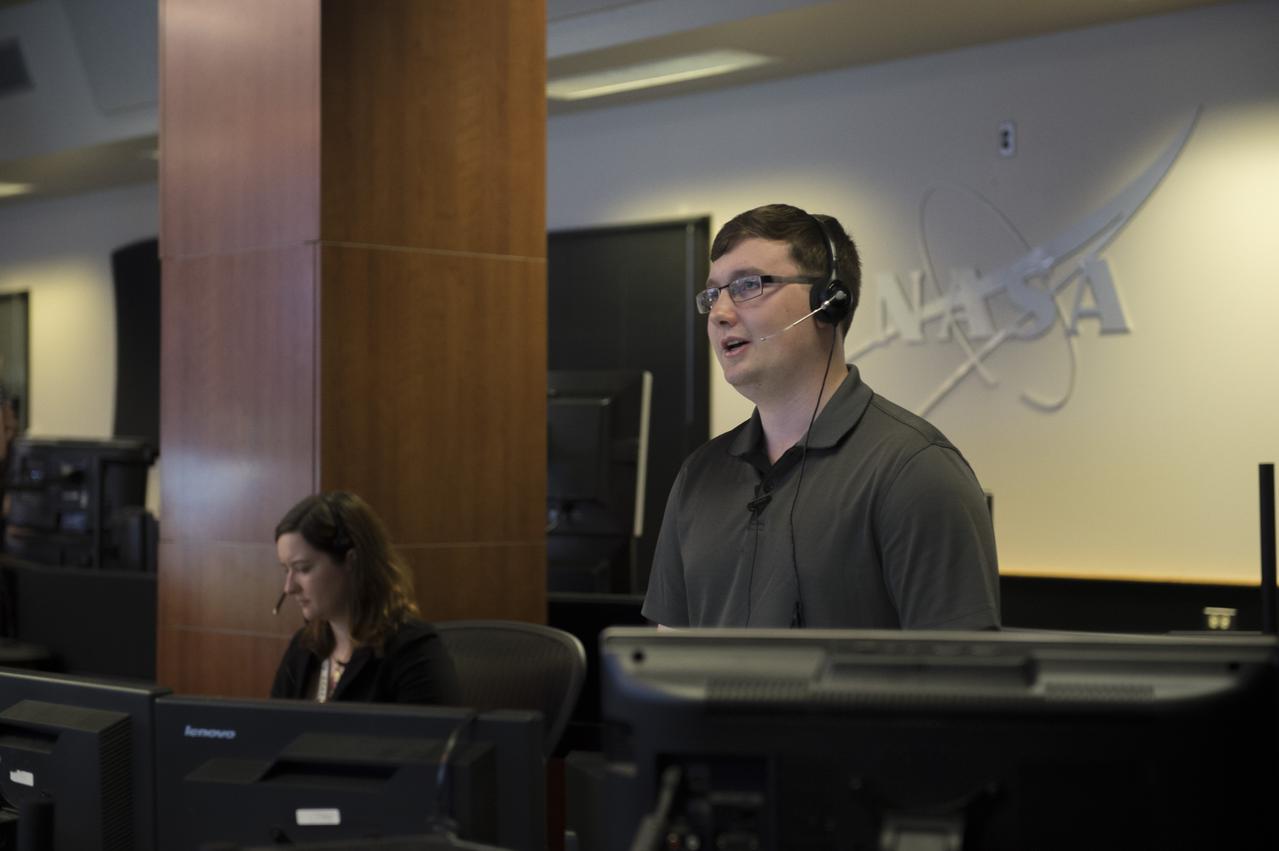
UAH ENGINEERING STUDENT ROBERT HILLAN TALKS TO SPACE STATION CREW MEMBERS ABOUT HIS WINNING 3-D PRINTED TOOL DESIGNED FOR USE ON ISS, AND IS INTERVIEWED BY LOCAL MEDIA
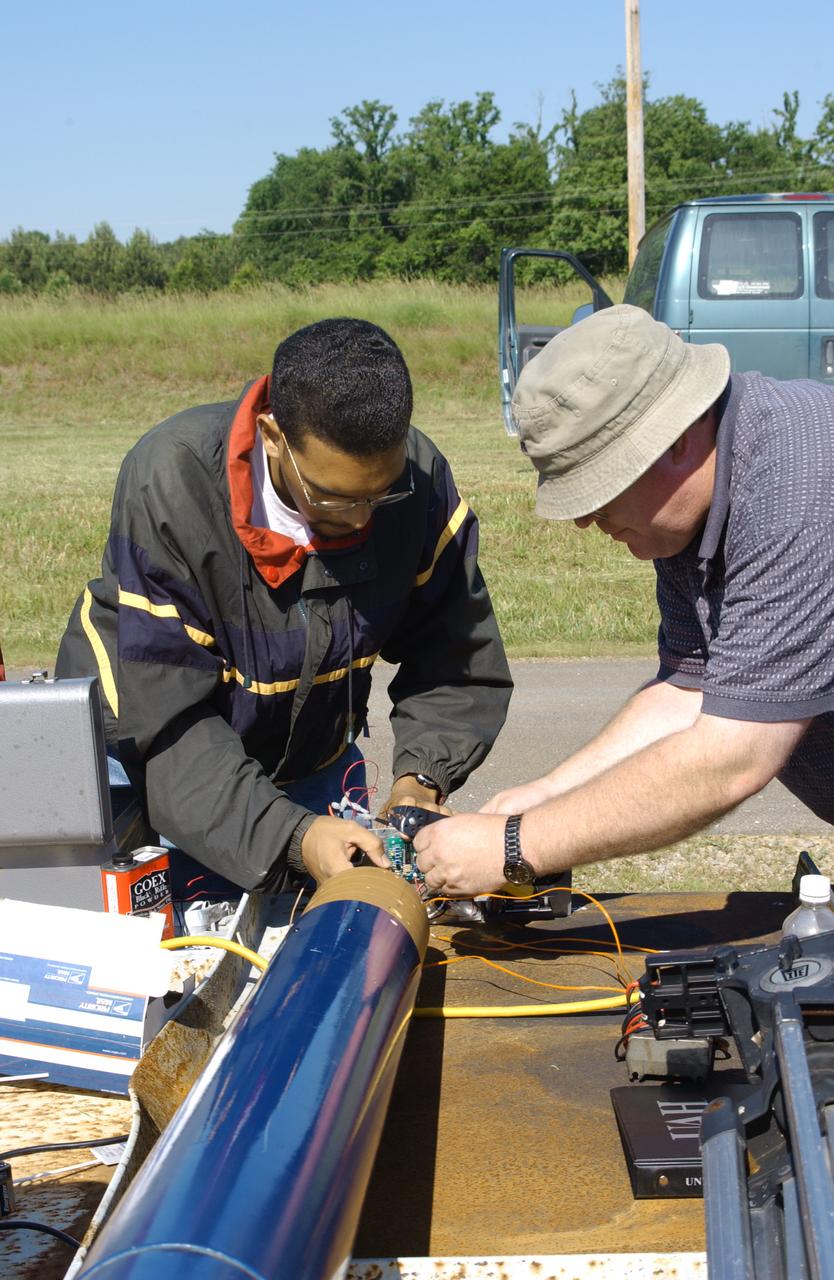
Filled with anticipation, students from two local universities, the University of Alabama in Huntsville (UAH), and Alabama Agricultural Mechanical University (AM), counted down to launch the rockets they designed and built at the Army test site on Redstone Arsenal in Huntsville, Alabama. The projected two-mile high launch culminated more than a year's work and demonstrated the student team's ability to meet the challenge set by the Marshall Space Flight Center's (MSFC) Student Launch Initiative (SLI) program to apply science and math to experience, judgment, and common sense, and proved to NASA officials that they have successfully built reusable launch vehicles (RLVs), another challenge set by NASA's SLI program. MSFC's SLI program is an educational effort that aims to motivate students to pursue careers in science, math, and engineering. It provides the students with hands-on, practical aerospace experience. In this picture, a student from AM and his mentor install their payload into the launch vehicle which was built by the team of UAH students. The scientific payload, developed and built by the team of AM students, measured the amount of hydrogen produced during electroplating with nickel in a brief period of micrgravity.
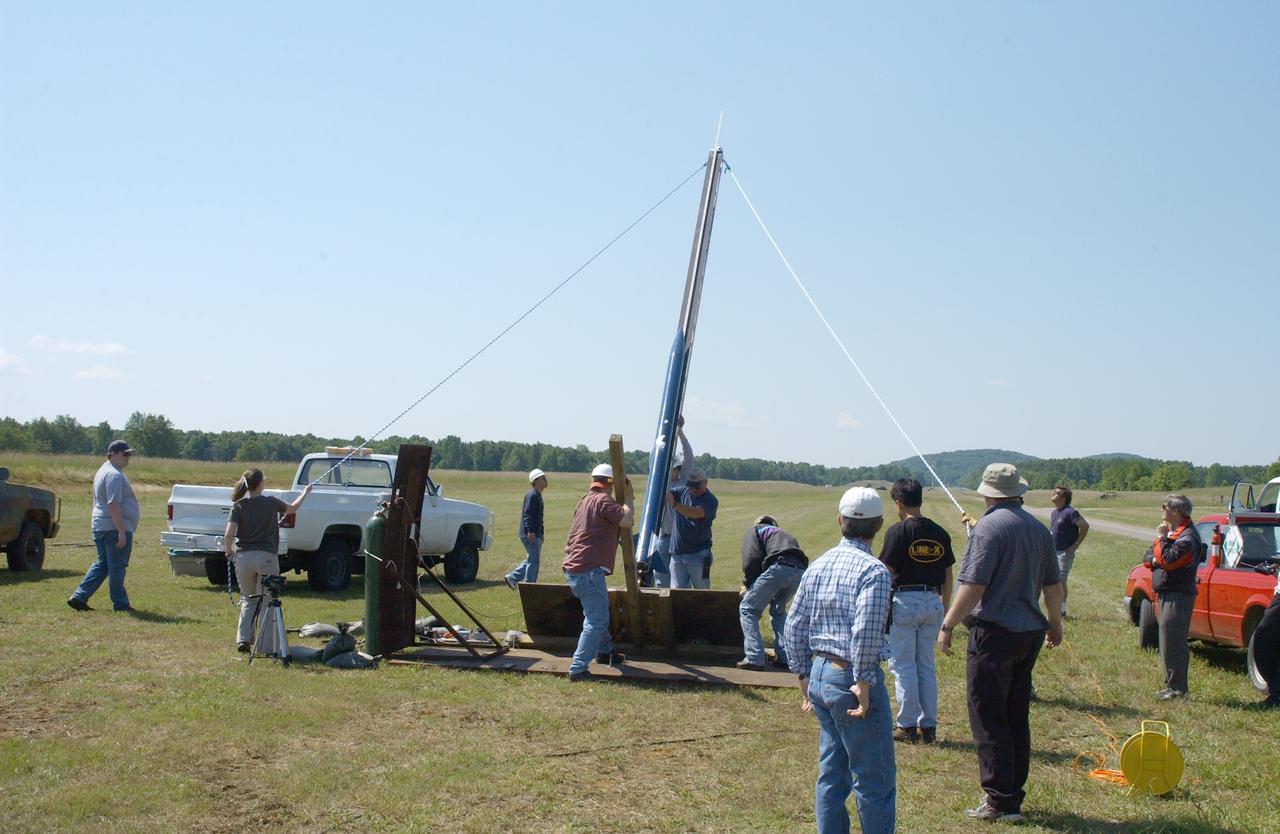
Filled with anticipation, students from two local universities, the University of Alabama in Huntsville (UAH), and Alabama Agricultural Mechanical University (AM), counted down to launch the rockets they designed and built at the Army test site on Redstone Arsenal in Huntsville, Alabama. The projected two-mile high launch culminated more than a year's work and demonstrated the student team's ability to meet the challenge set by the Marshall Space Flight Center's (MSFC) Student Launch Initiative (SLI) Program to apply science and math to experience, judgment, and common sense, and proved to NASA officials that they have successfully built reusable launch vehicles (RLVs), another challenge set by NASA's SLI program. MSFC's SLI program is an educational effort that aims to motivate students to pursue careers in science, math, and engineering. It provides the students with hands-on, practical aerospace experience. In this picture, the university students prepare their rocket for flight on the launch pad. Students at UAH built the rocket and AM students developed its scientific payload, an experiment that measures the amount of hydrogen produced during electroplating with nickel in a brief period of micrgravity.
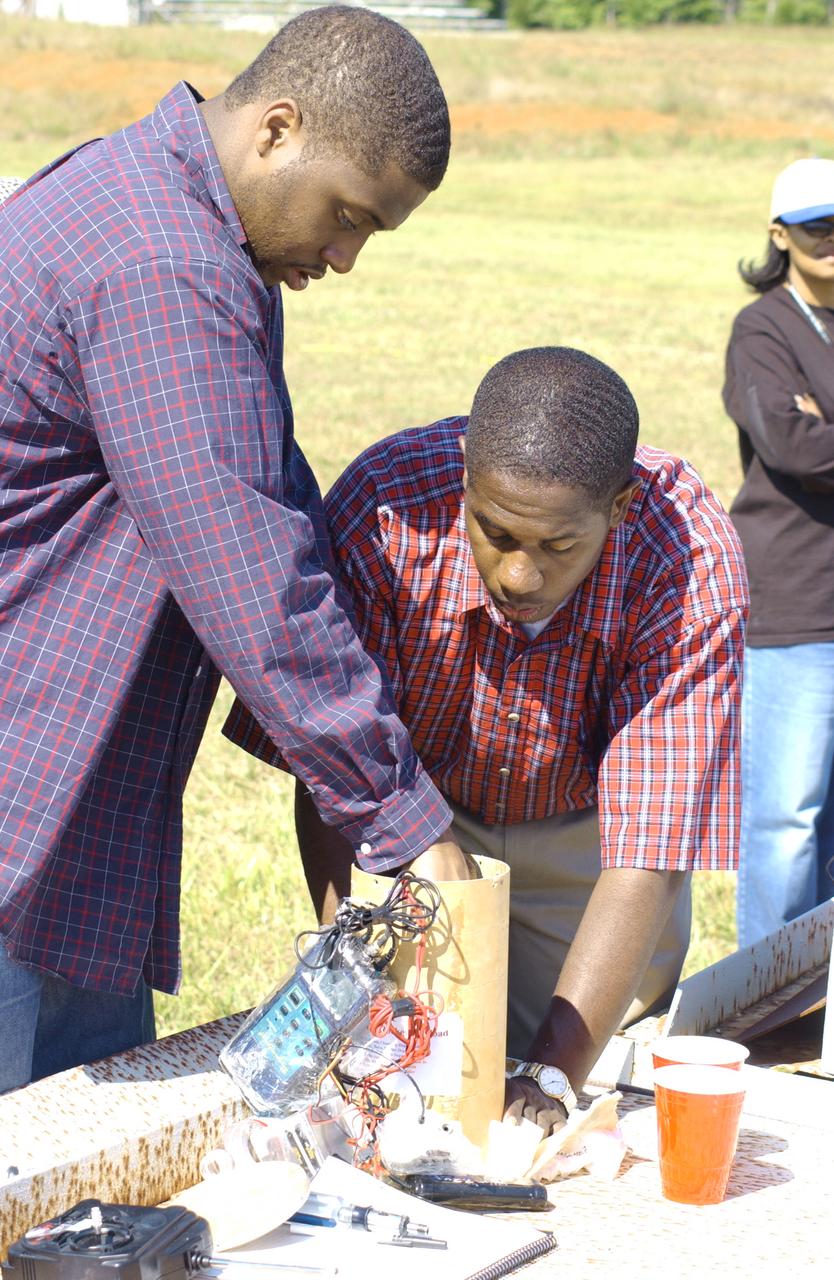
Filled with anticipation, students from two local universities, the University of Alabama in Huntsville (UAH), and Alabama Agricultural Mechanical University (AM), counted down to launch the rockets they designed and built at the Army test site on Redstone Arsenal in Huntsville, Alabama. The projected two-mile high launch culminated more than a year's work and demonstrated the student team's ability to meet the challenge set by the Marshall Space Flight Center's (MSFC) Student Launch Initiative (SLI) program to apply science and math to experience, judgment, and common sense, and proved to NASA officials that they have successfully built reusable launch vehicles (RLVs), another challenge set by NASA's SLI program. MSFC's SLI program is an educational effort that aims to motivate students to pursue careers in science, math, and engineering. It provides the students with hands-on, practical aerospace experience. UAH students designed and built the rocket and AM students designed the payload. In this picture, AM students prepare their payload, an experiment that measures the amount of hydrogen produced during electroplating with nickel in a brief period of micrgravity, prior to launch.
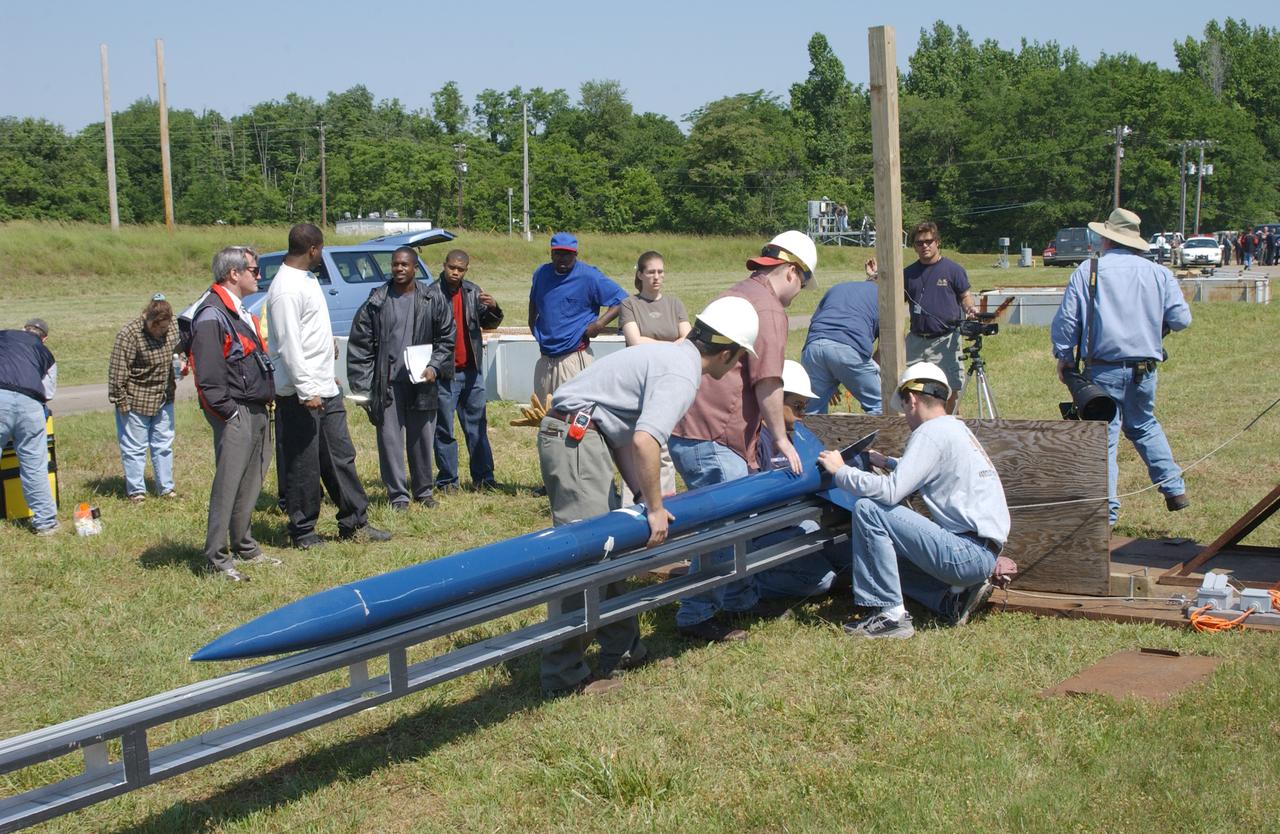
Filled with anticipation, students from two local universities, the University of Alabama in Huntsville (UAH), and Alabama Agricultural Mechanical University (AM), counted down to launch the rockets they designed and built at the Army test site on Redstone Arsenal in Huntsville, Alabama. The projected two-mile high launch culminated more than a year's work and demonstrated the student team's ability to meet the challenge set by the Marshall Space Flight Center's (MSFC) Student Launch Initiative (SLI) program to apply science and math to experience, judgment, and common sense, and proved to NASA officials that they have successfully built reusable launch vehicles (RLVs), another challenge set by NASA's SLI program. MSFC's SLI program is an educational effort that aims to motivate students to pursue careers in science, math, and engineering. It provides the students with hands-on, practical aerospace experience. In this picture, the University students prepare their rocket for launch. Students at UAH built the rocket and AM students developed its scientific payload, an experiment that measures the amount of hydrogen produced during electroplating with nickel in a brief period of micrgravity.
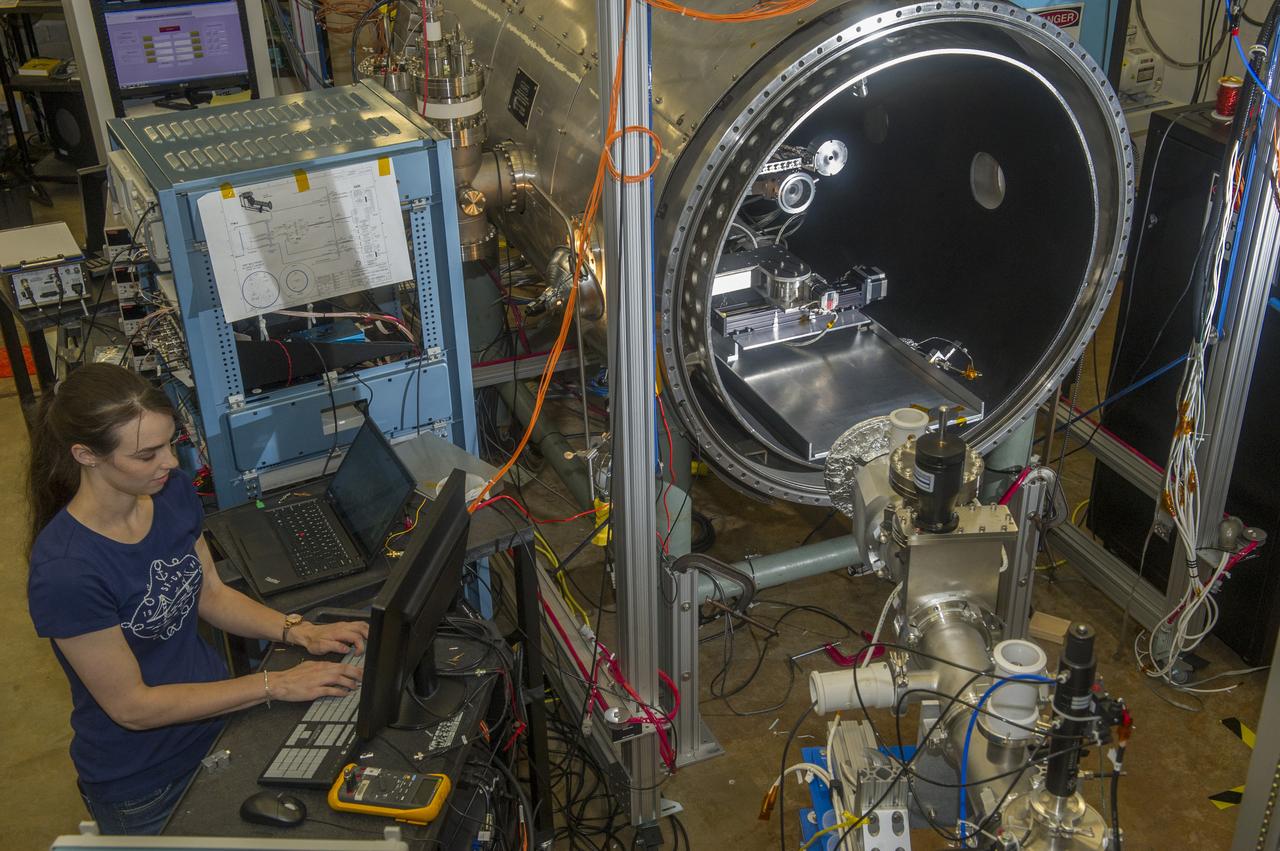
PHYLLIS WHITTLESEY, UAH GRAD STUDENT IN SPACE SCIENCES, IS ASSISTING WITH TESTING OF SOLAR PROBE PLUS CUP INSTRUMENT
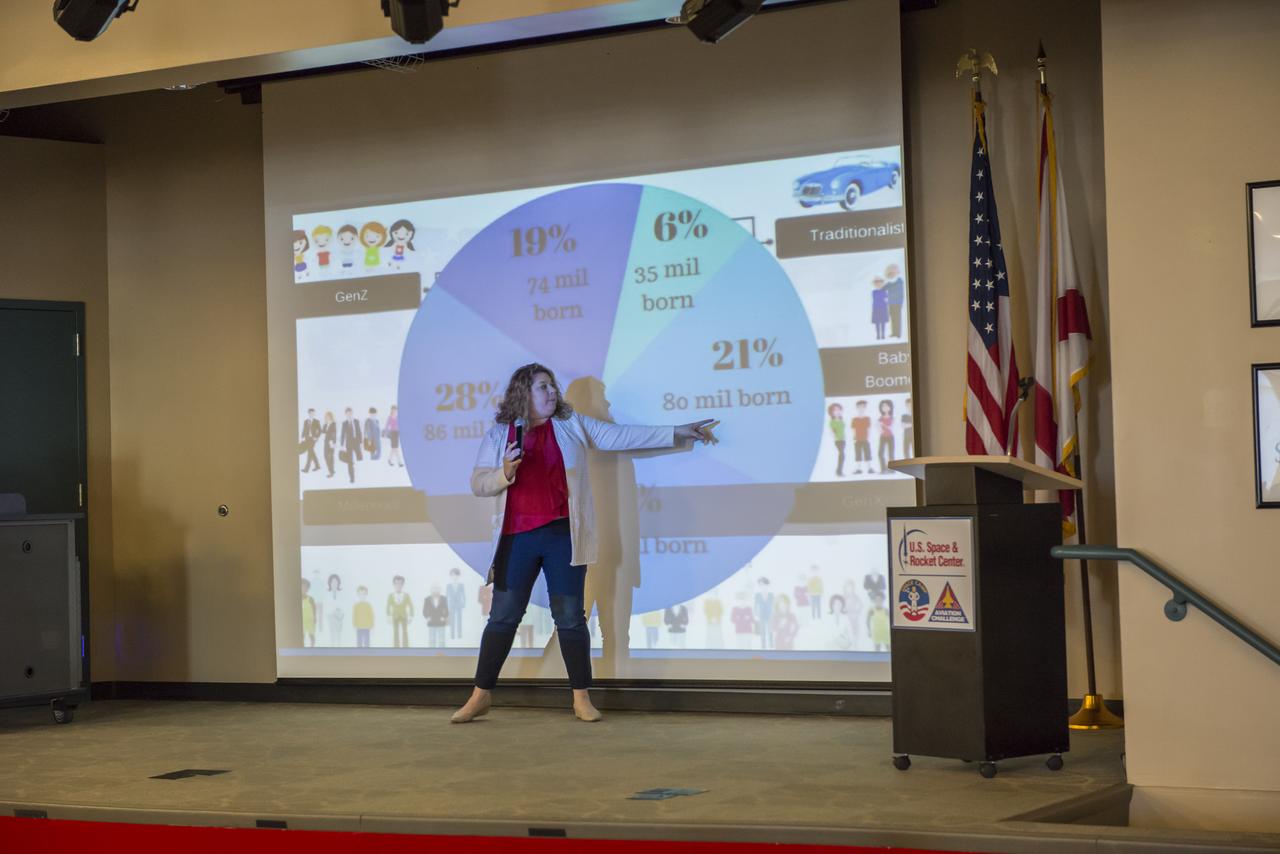
The NASA Educator Resource Center hosted the 2018 "Leading Within a Multigenerational Workforce" mentoring event. Opening remarks were by MSFC Deputy Director, Jody Singer, with a mentoring presentation from Mat Park. The key note presenter was UAH professor Kristin Scroggin.
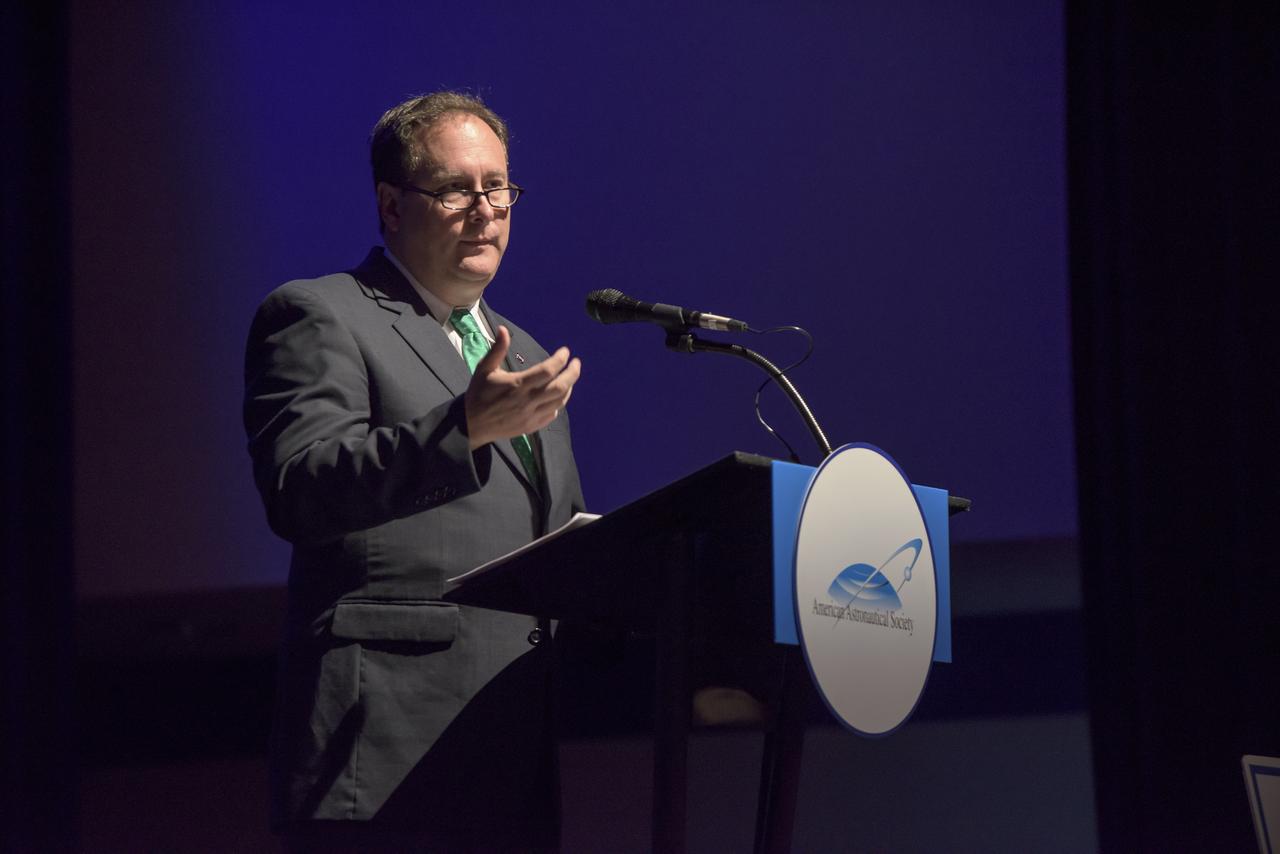
NASA ASSOCIATE ADMINISTRATOR ROBERT LIGHTFOOT GIVES THE KEYNOTE SPEECH DURING THE EIGHTH ANNUAL WERNHER VON BRAUN MEMORIAL SYMPOSIUM AT THE UNIVERSITY OF ALABAMA IN HUNTSVILLE ON OCT. 28.

The objective of this facility is to investigate the potential of space grown semiconductor materials by the vapor transport technique and develop powdered metal and ceramic sintering techniques in microgravity. The materials processed or developed in the SEF have potential application for improving infrared detectors, nuclear particle detectors, photovoltaic cells, bearing cutting tools, electrical brushes and catalysts for chemical production. Flown on STS-60 Commercial Center: Consortium for Materials Development in Space - University of Alabama Huntsville (UAH)
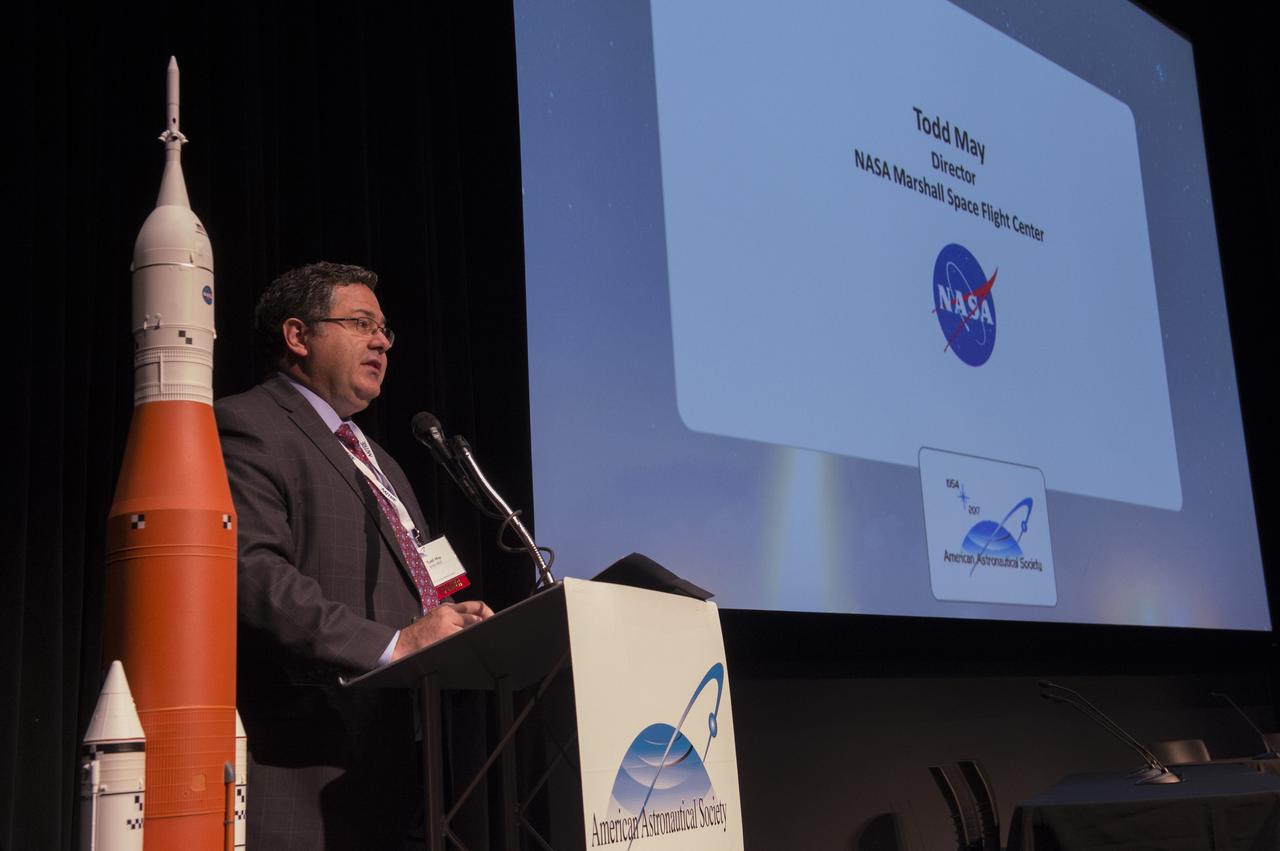
Marshall Space Flight Center director Todd May welcomes attendees to the 10th annual Dr. Wernher von Braun Memorial Symposium held at the University of Alabama, Huntsville, Alabama. The three-day symposium brought together experts for discussion panels on science, engineering and technology under the theme “Gateways in Space: Exploration, Security, and Commerce.”
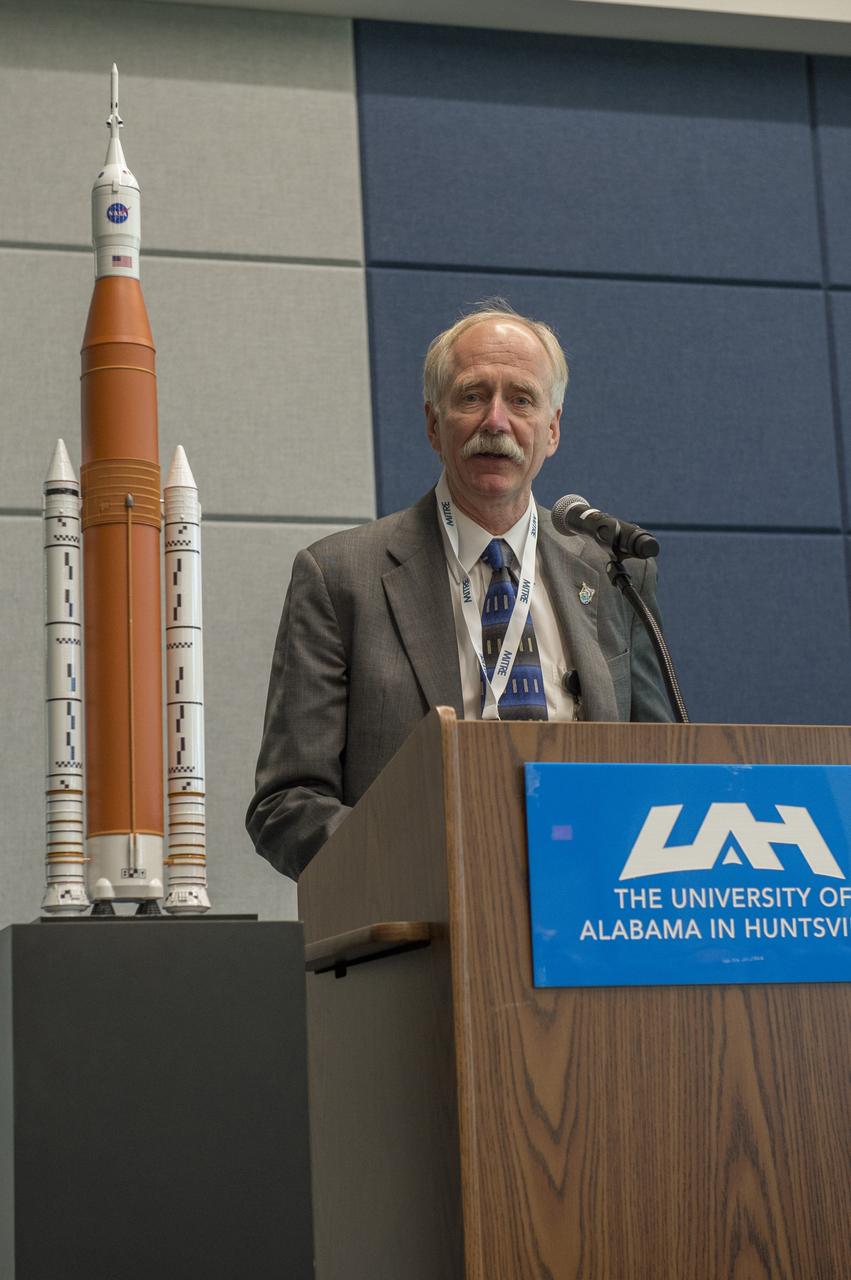
William Gerstenmaier is guest speaker for luncheon on first day of Wernher von Braun Memorial Symposium. William Gerstenmaier, associate administrator, Human Exploration and Operations at NASA Headquarters, shared an overview of NASA programs that are in the scope of human space exploration during his remarks. He discussed the vast landscape of NASA’s human space exploration missions and showed his love for the practical side of NASA’s work. "I’m always excited to see real hardware and speak with real engineers. That’s why I’m always glad to visit Marshall."

Robert Wilson of the Solar/Solar terrestrial Studies team at the National Space Science and Technology Center, a joint research and collaborative think tank partnership of the University of Alabama in Huntsville (UAH) and the Marshall Space Flight Center, adjusts his telescope which is set up as a viewing opportunity for MSFC employees prior to the August 21, 2017 solar eclipse event. The Huntsville area experienced 97 percent occultation, nearly a complete blocking out of the sun by the orbit of Earth's moon. The next opportunity to view a solar eclipse in the eastern and central United States will occur in April 2024.
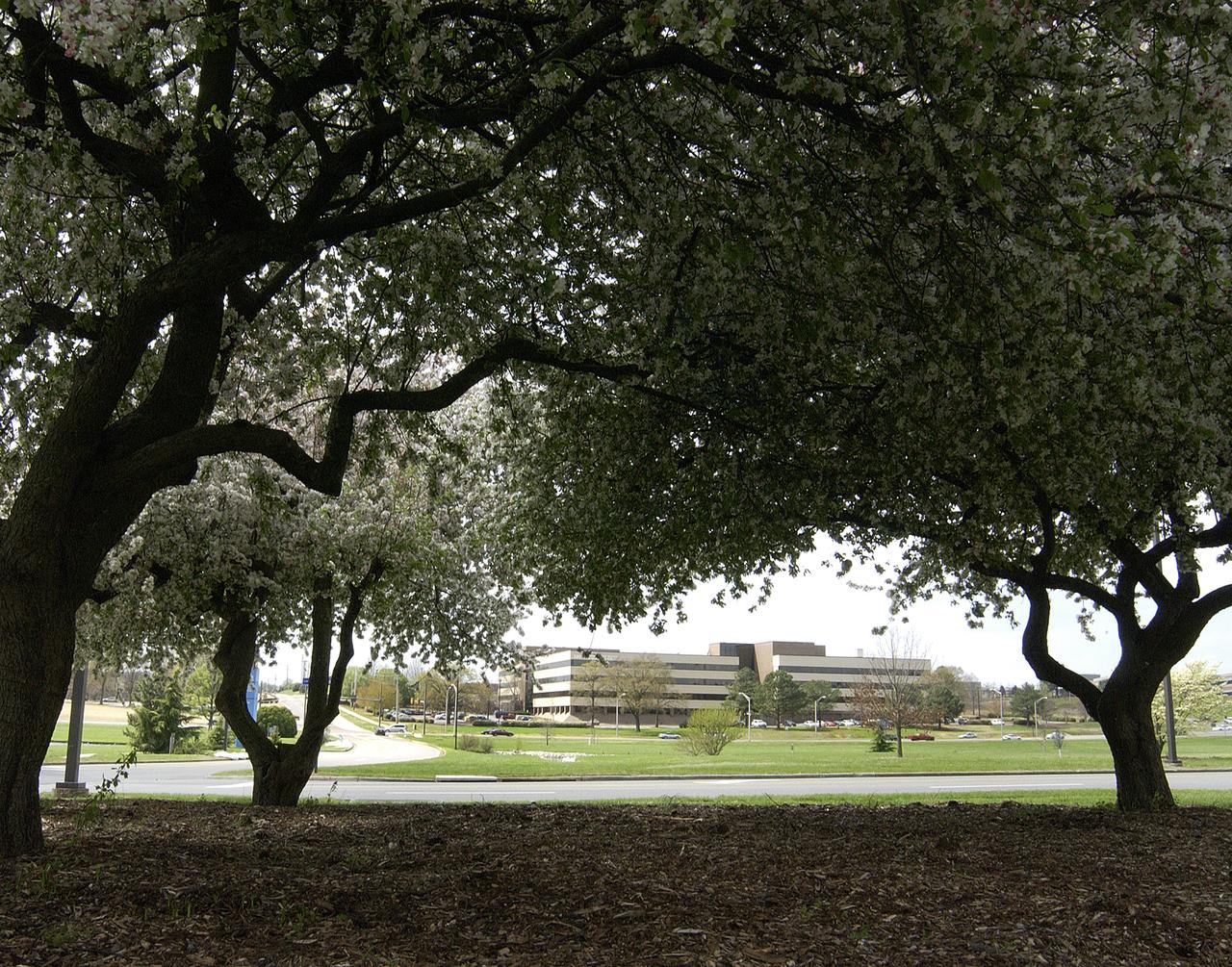
The National Space Science and Technology Center (NSSTC), located in Huntsville, Alabama, is a laboratory for cutting-edge research in selected scientific and engineering disciplines. The major objectives of the NSSTC are to provide multiple fields of expertise coming together to solve solutions to science and technology problems, and gaining recognition as a world-class science research organization. The center, opened in August 2000, focuses on space science, Earth sciences, information technology, optics and energy technology, biotechnology and materials science, and supports NASA's mission of advancing and communicating scientific knowledge using the environment of space for research. In addition to providing basic and applied research, NSSTC, with its student participation, also fosters the next generation of scientists and engineers. NSSTC is a collaborated effort between NASA and the state of Alabama through the Space Science and Technology alliance, a group of six universities including the Universities of Alabama in Huntsville (UAH),Tuscaloosa (UA), and Birmingham (UAB); the University of South Alabama in Mobile (USA);Alabama Agricultural and Mechanical University (AM) in Huntsville; and Auburn University (AU) in Auburn. Participating federal agencies include NASA, Marshall Space Flight Center, the National Oceanic and Atmospheric Administration, the Department of Defense, the National Science Foundation, and the Department of Energy. Industries involved include the Space Science Research Center, the Global Hydrology and Climate Center, the Information Technology Research Center, the Optics and Energy Technology Center, the Propulsion Research Center, the Biotechnology Research Center, and the Materials Science Research Center. This photo shows the completed center with the additional arnex (right of building) that added an additional 80,000 square feet (7,432 square meters) to the already existent NSSTC, nearly doubling the size of the core facility. At full capacity, the NSSTC tops 200,000 square feet (18,580 square meters) and houses approximately 550 employees.
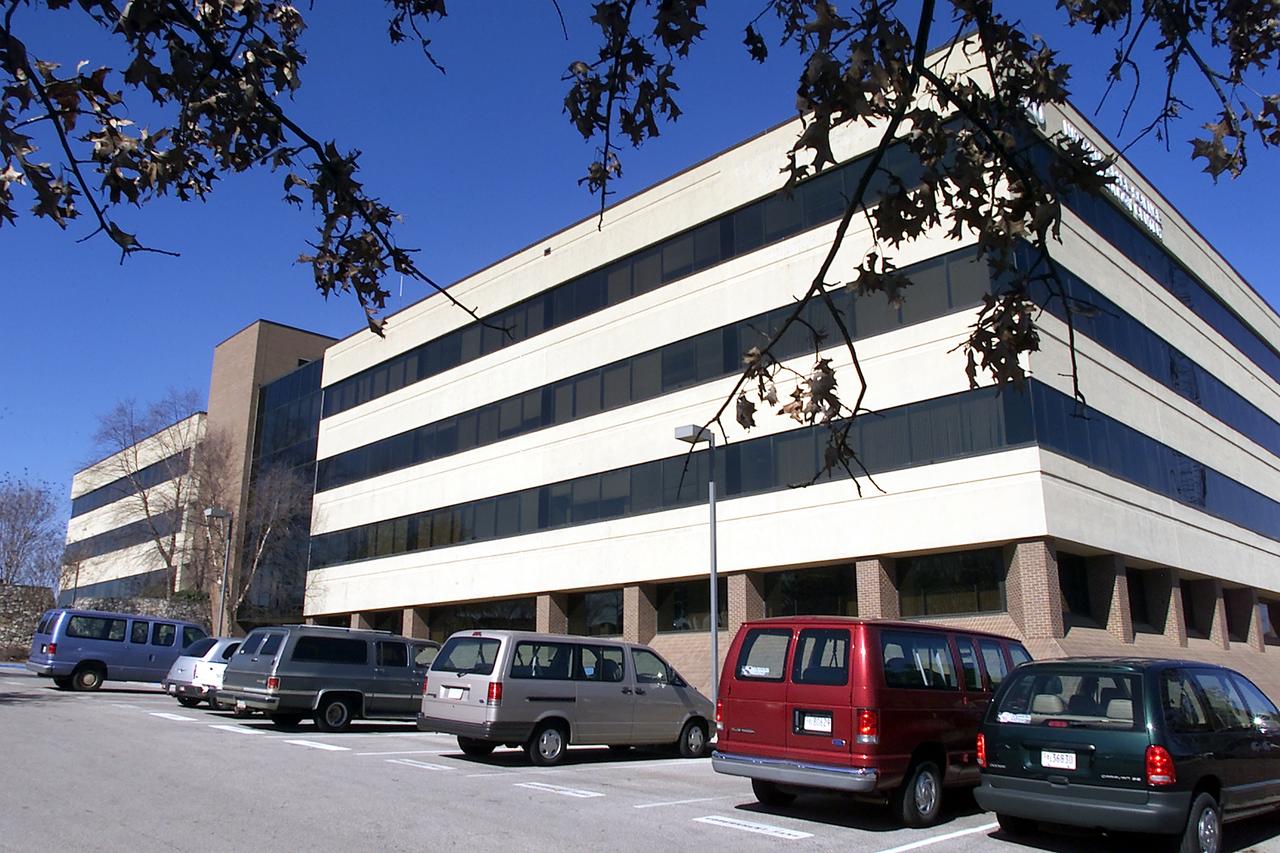
The National Space Science and Technology Center (NSSTC), located in Huntsville, Alabama, is a laboratory for cutting-edge research in selected scientific and engineering disciplines. The major objectives of the NSSTC are to provide multiple fields of expertise coming together to solve solutions to science and technology problems, and gaining recognition as a world-class science research organization. The center, opened in August 2000, focuses on space science, Earth sciences, information technology, optics and energy technology, biotechnology and materials science, and supports NASA's mission of advancing and communicating scientific knowledge using the environment of space for research. In addition to providing basic and applied research, NSSTC, with its student participation, also fosters the next generation of scientists and engineers. NSSTC is a collaborated effort between NASA and the state of Alabama through the Space Science and Technology alliance, a group of six universities including the Universities of Alabama in Huntsville (UAH),Tuscaloosa (UA), and Birmingham (UAB); the University of South Alabama in Mobile (USA); Alabama Agricultural and Mechanical University (AM) in Huntsville; and Auburn University (AU) in Auburn. Participating federal agencies include NASA, Marshall Space Flight Center, the National Oceanic and Atmospheric Administration, the Department of Defense, the National Science Foundation, and the Department of Energy. Industries involved include the Space Science Research Center, the Global Hydrology and Climate Center, the Information Technology Research Center, the Optics and Energy Technology Center, the Propulsion Research Center, the Biotechnology Research Center, and the Materials Science Research Center. An arnex, scheduled for completion by summer 2002, will add an additional 80,000 square feet (7,432 square meters) to NSSTC nearly doubling the size of the core facility. At full capacity, the completed NSSTC will top 200,000 square feet (18,580 square meters) and house approximately 550 employees.
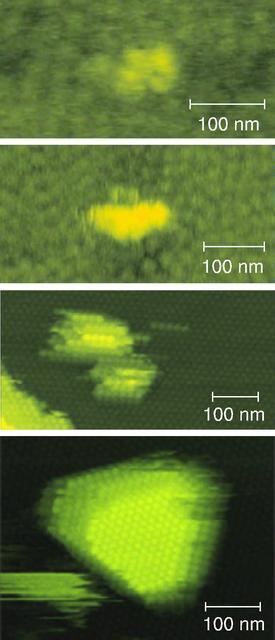
Watching molecules of the iron-storing protein apoferritin come together to form a nucleus reveals some interesting behavior. In this series of images, researchers observed clusters of four molecules at the corners of a diamond shape (top). As more molecules attach to the cluster, they arrange themselves into rods (second from top), and a raft-like configuration of molecules forms the critical nucleus (third from top), suggesting that crystal growth is much slower than it could be were the molecules arranged in a more compact formation. In the final image, a crystallite consisting of three layers containing approximately 60 to 70 molecules each is formed. Atomic force microscopy made visualizing the process of nucleation possible for the first time. The principal investigator is Peter Vekilov, of the University of Alabama in Huntsville. Vekilov's team at UAH studies protein solutions as they change phases from liquids to crystalline solids. They want to know if the molecules in the solution interact with one another, and if so, how, from the perspectives of thermodynamics and kinetics. They want to understand which forces -- electrical, electrostatic, hydrodynamic, or other kinds of forces -- are responsible for the interactions. They also study nucleation, the begirning stage of crystallization. This process is important to understand because it sets the stage for crystal growth in all kinds of solutions and liquid melts that are important in such diverse fields as agriculture, medicine, and the fabrication of metal components. Nucleation can determine the rate of crystal growth, the number of crystals that will be formed, and the quality and size of the crystals.