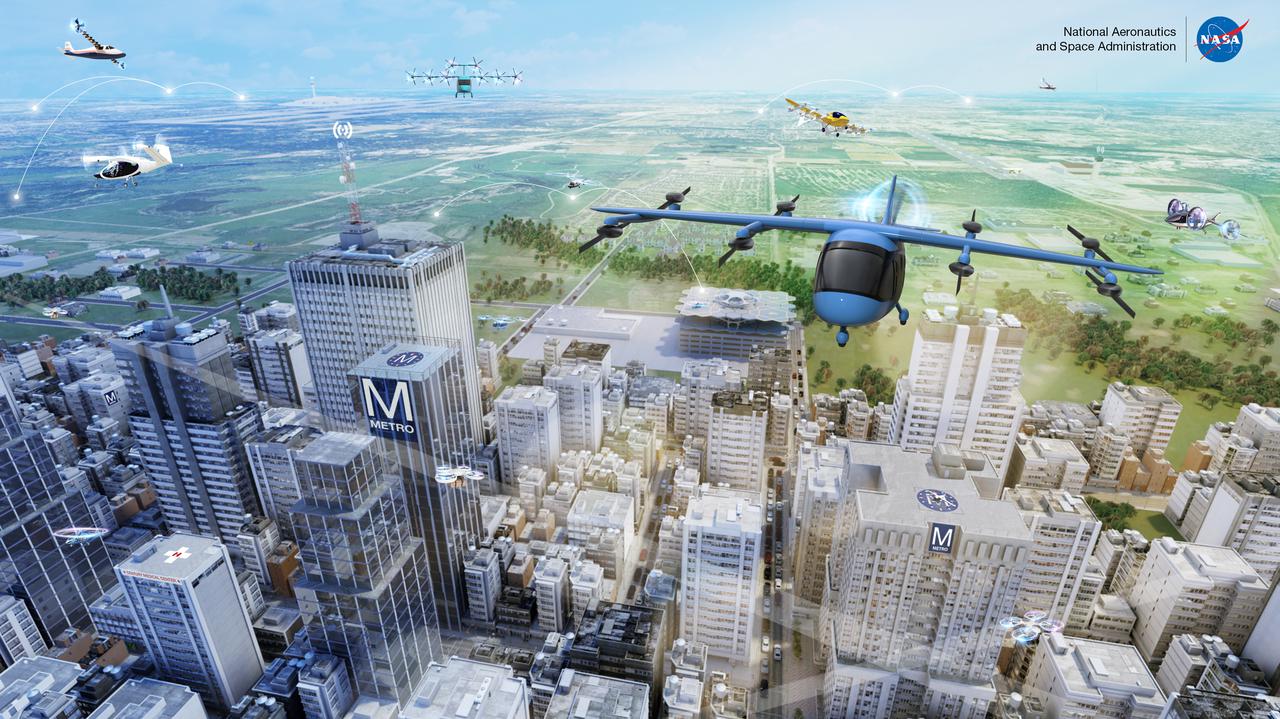
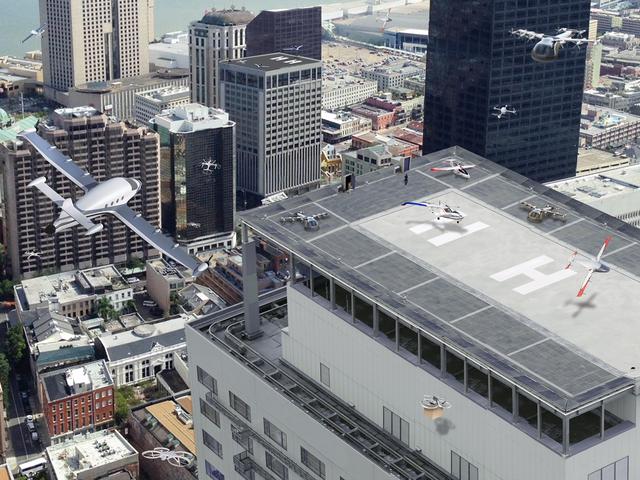
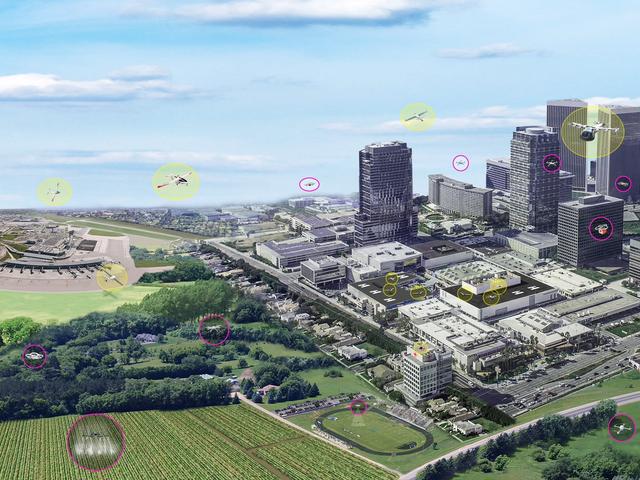
Urban air mobility means a safe and efficient system for vehicles, piloted or not, to move passengers and cargo within a city.
UAM
The concept of urban air mobility involves multiple aircraft safely operating within a city. (Yellow circles are vehicles with passengers; pink circles are vehicles without passengers.)
UAM-Landscape-Final
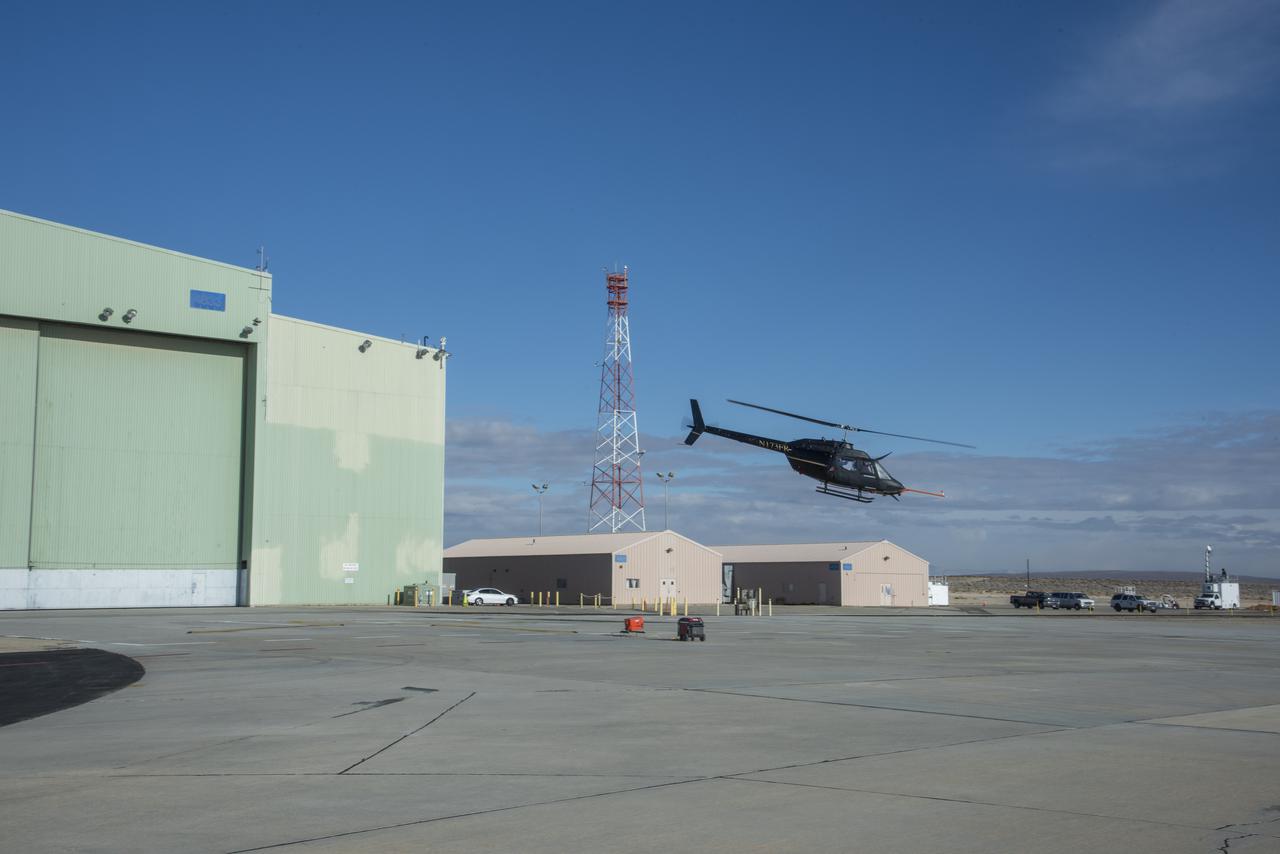
Flight Research Inc.'s Bell OH-58C Kiowa helicopter flies vehicle characteristics maneuvers for comparison to developmental urban air mobility (UAM) test maneuvers at NASA's Armstrong Flight Research Center in California in March 2021. The Advanced Air Mobility National Campaign studied flight test techniques that may be used for future UAM certification.
National Campaign Completes Dry Run Testing
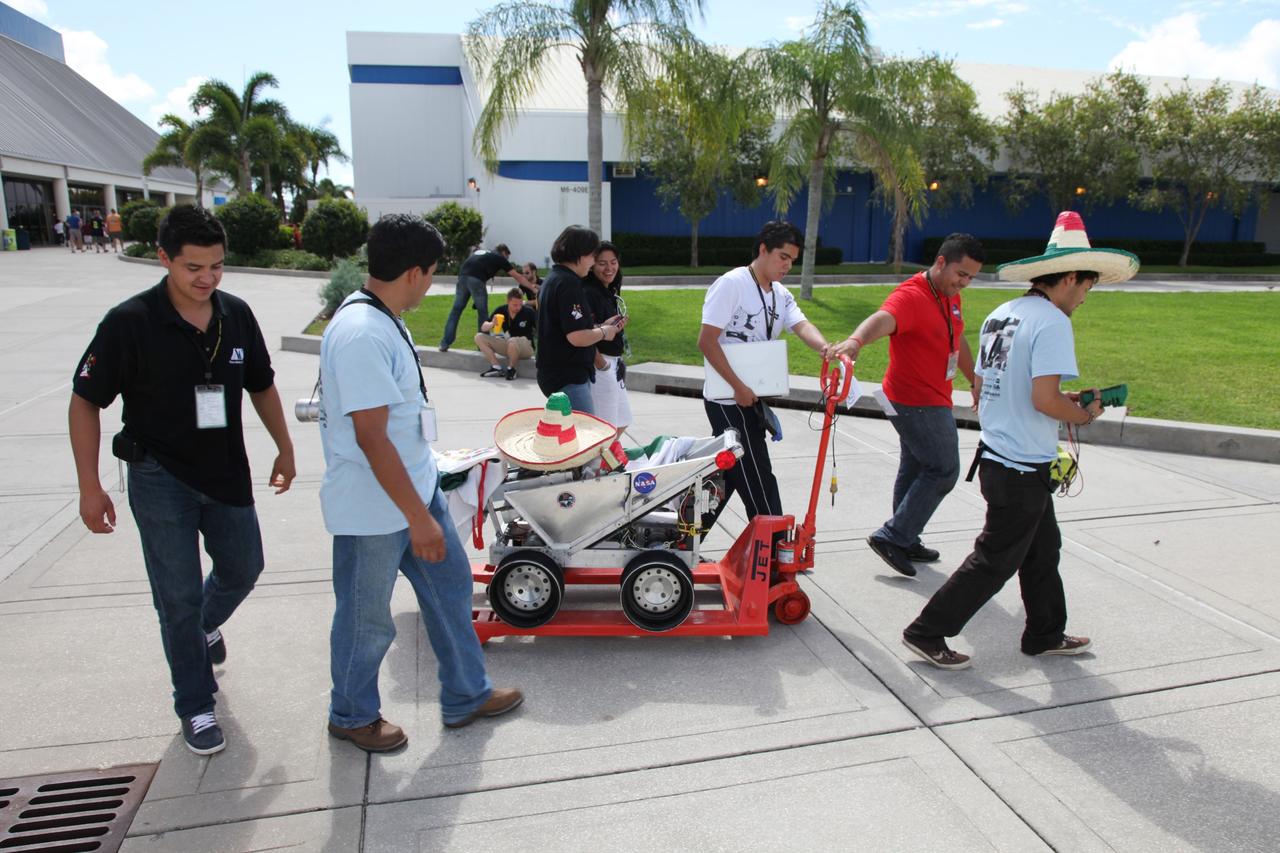
CAPE CANAVERAL, Fla. – At NASA’s Kennedy Space Center Visitor Complex in Florida, Lunabotics UAM Team students from the Universidad Autonoma Metropolitano in Mexico transport their lunabot to the Lunarena during NASA’s Lunabotics Mining Competition.    The mining competition is sponsored by NASA Kennedy Space Center’s Education Office for the agency’s Exploration Systems Mission Directorate. Undergraduate and graduate students from more than 50 universities and colleges in the U.S. and other countries use their remote-controlled Lunabots to maneuver and dig in a supersized sandbox filled with a crushed material that has characteristics similar to lunar soil. For more information, visit www.nasa.gov/lunabotics. Photo credit: NASA/Frankie Martin
KSC-2012-3009
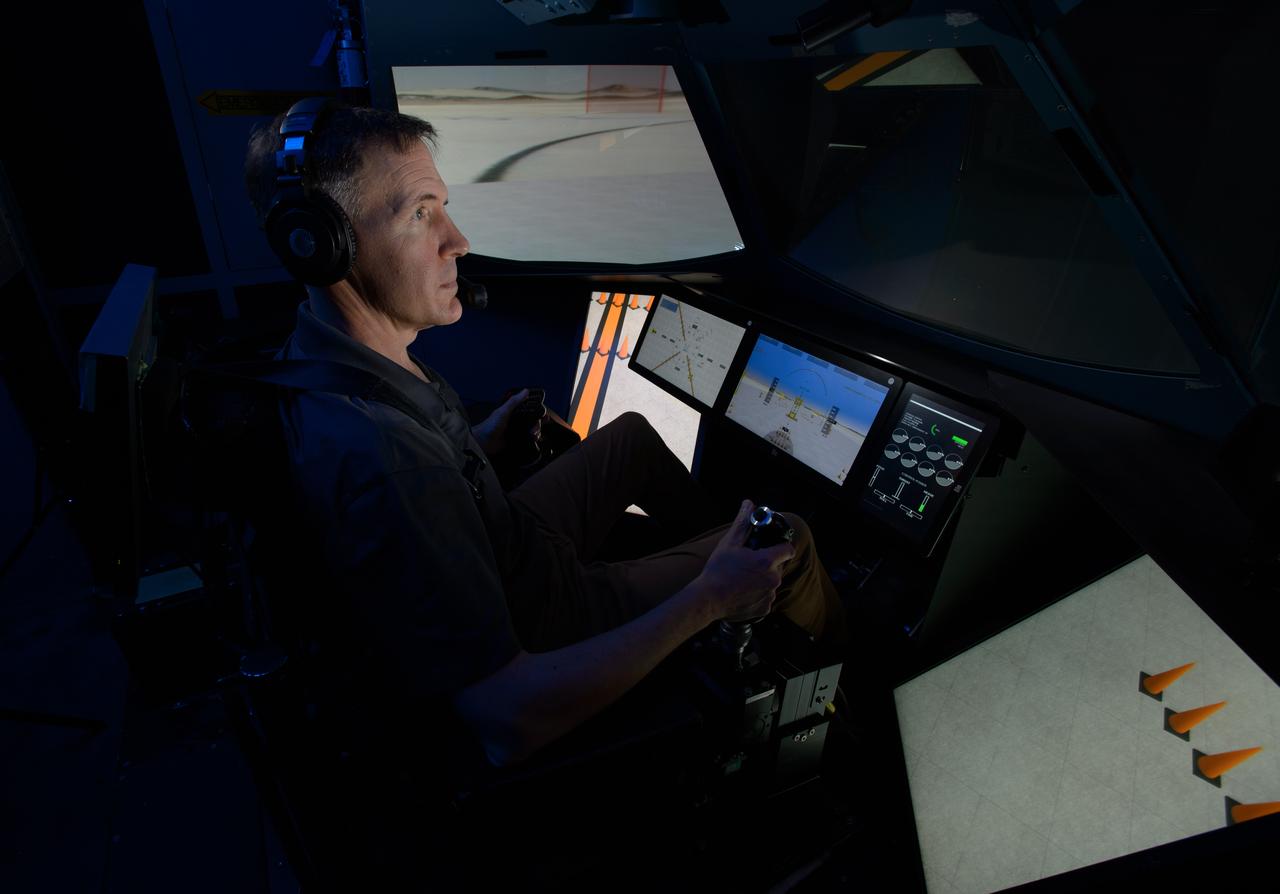
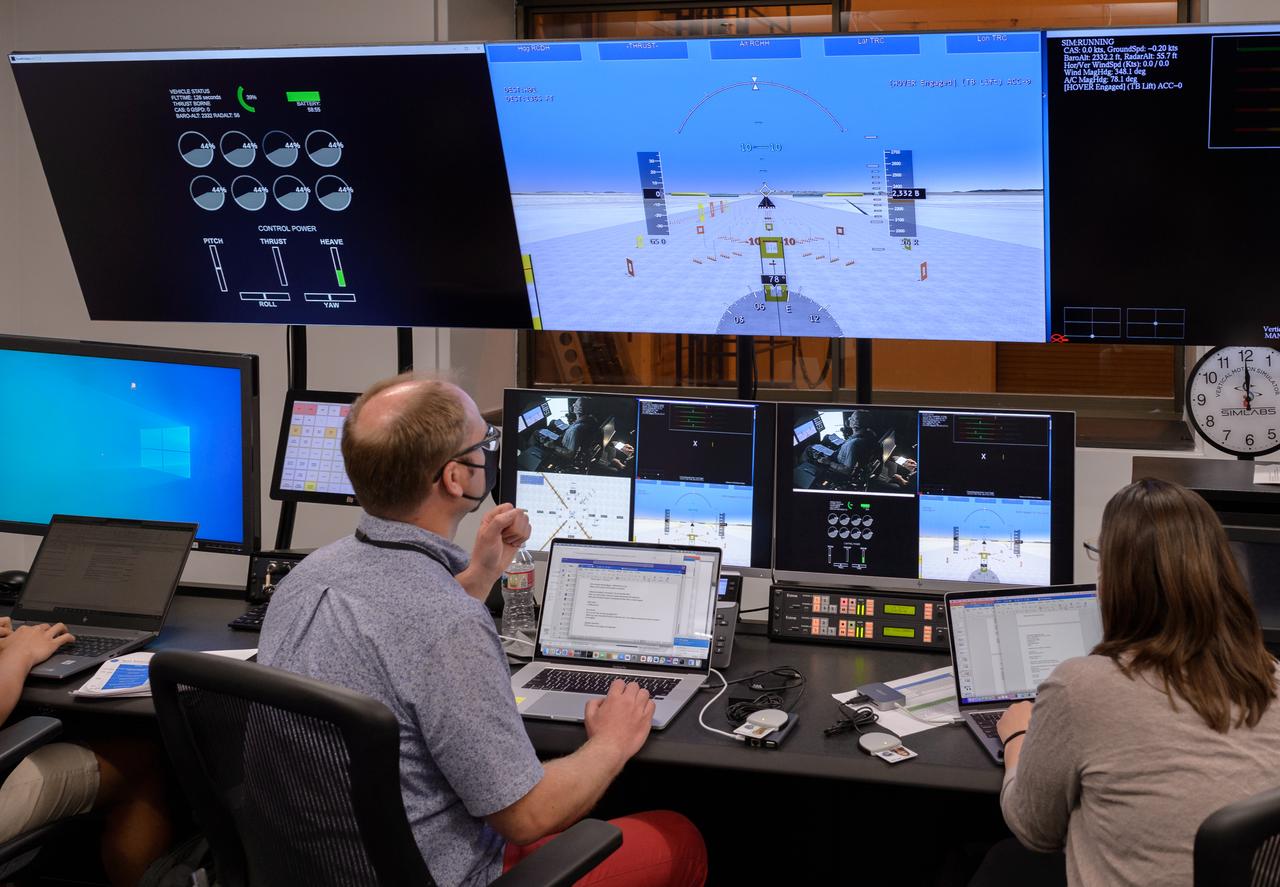
David Zahn pilots the ownship aircraft in the VMS’s R-Cab during the AVA-1h simulation in the VMS, N243.
Assured Vehicle Automation (AVA) - Hazard Perception and Avoidan
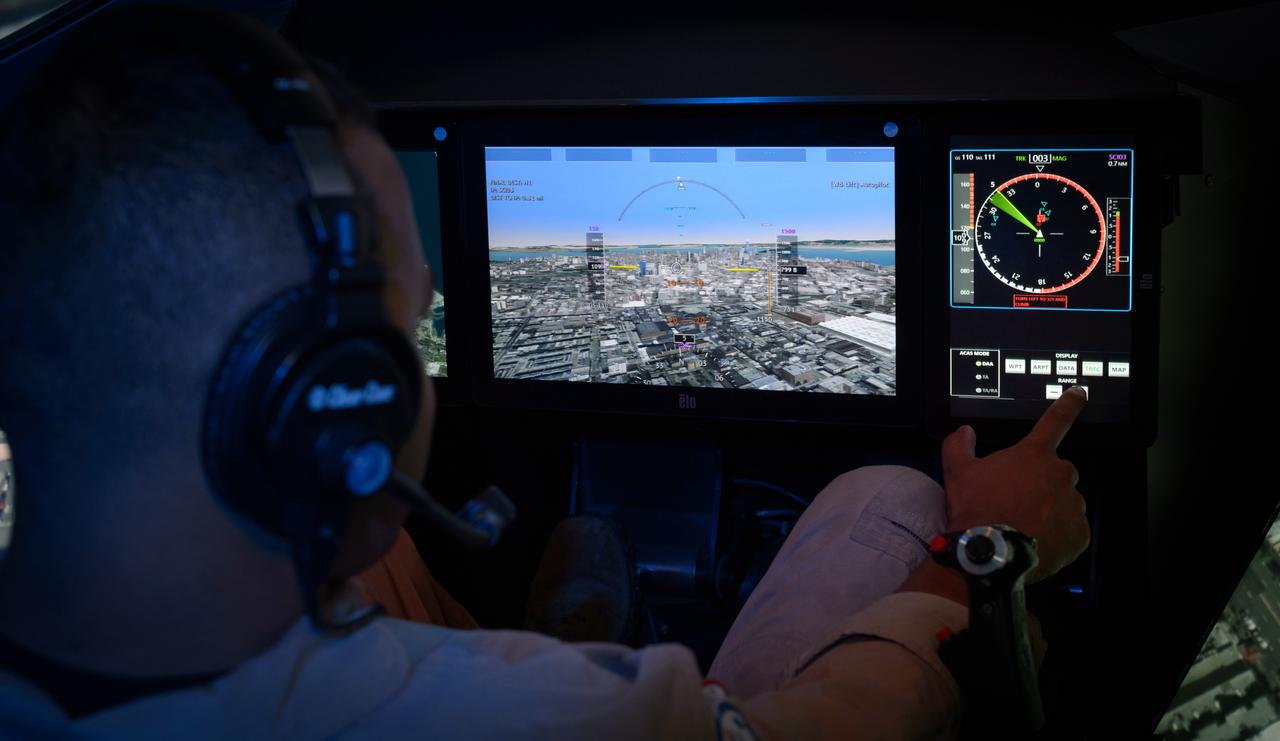
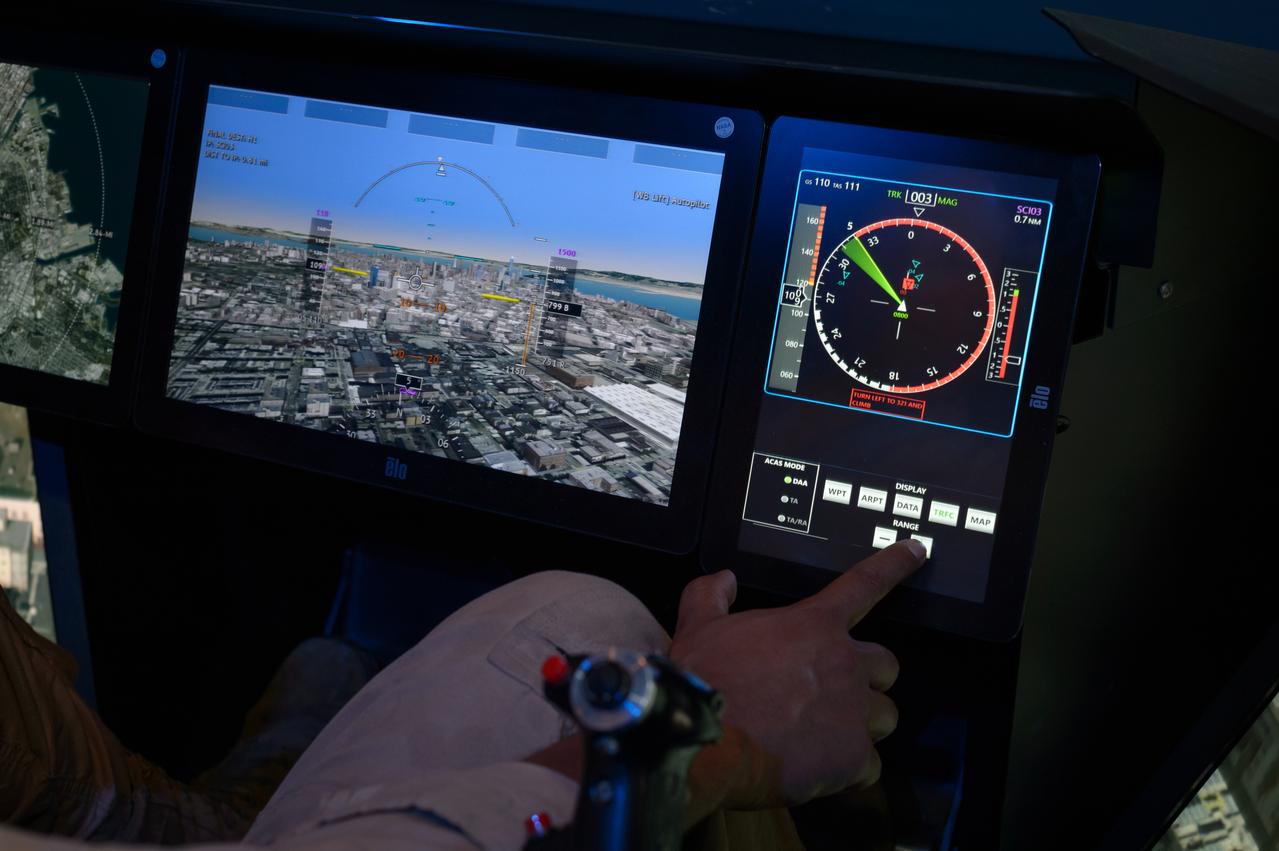
Pilot David Zahn fine-tunes the traffic display screen of the ownship aircraft in the VMS’s R-Cab during the AVA-1h simulation in the VMS, N243.
Assured Vehicle Automation (AVA) - Hazard Perception and Avoidan
Out the window view of the ownship aircraft in the VMS’s R-Cab during the AVA-1h simulation in the VMS, N243.
Assured Vehicle Automation (AVA) - Hazard Perception and Avoidan
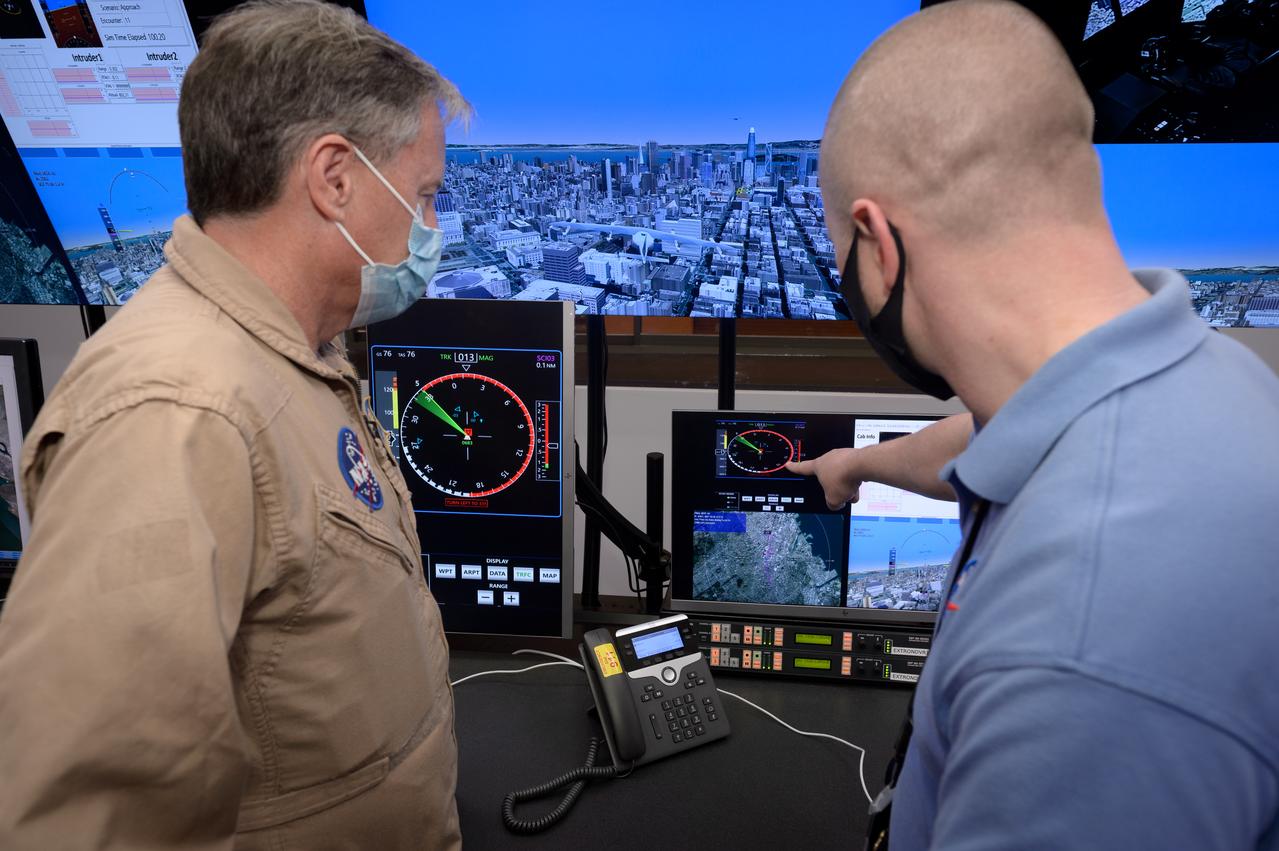
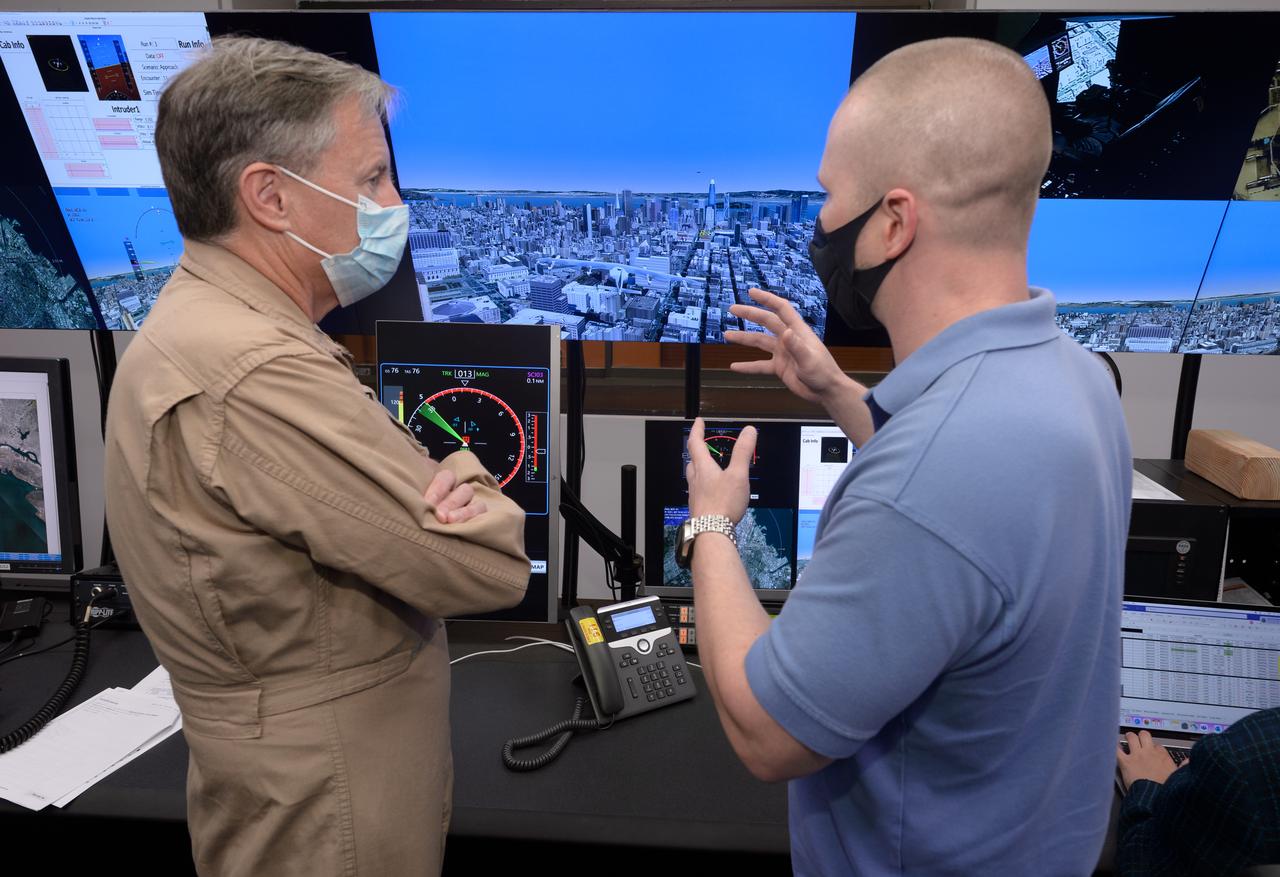
Human factors engineer Casey Smith, left, and pilot Wayne Ringelberg, right, discuss simulation results during a flight debrief in the VMS control room, N243.
Assured Vehicle Automation (AVA) - Hazard Perception and Avoidan
David Zahn pilots the ownship aircraft in the VMS’s R-Cab during the AVA-1h simulation in the VMS, N243.
Assured Vehicle Automation (AVA) - Hazard Perception and Avoidan
Primary flight display screen, left, and traffic display screen, right, of the ownship aircraft in the VMS’s R-Cab during the AVA-1h simulation in the VMS, N243.
Assured Vehicle Automation (AVA) - Hazard Perception and Avoidan
AVA-1h simulation team members Megan Mitchell, left, Christian Schmitz, and Matthew Blanken, right, in the VMS control room, N243, prepare for a simulation.
Assured Vehicle Automation (AVA) - Hazard Perception and Avoidan
Traffic display screen of the ownship aircraft in the VMS’s R-Cab during the AVA-1h simulation in the VMS, N243.
Assured Vehicle Automation (AVA) - Hazard Perception and Avoidan
Pilot David Zahn fine-tunes the traffic display screen of the ownship aircraft in the VMS’s R-Cab during the AVA-1h simulation in the VMS, N243.
Assured Vehicle Automation (AVA) - Hazard Perception and Avoidan
Traffic display screen of the ownship aircraft in the VMS’s R-Cab during the AVA-1h simulation in the VMS, N243.
Assured Vehicle Automation (AVA) - Hazard Perception and Avoidan
Human factors engineer Casey Smith, right, and pilot Wayne Ringelberg, left, discuss simulation results during a flight debrief in the VMS control room, N243.
Assured Vehicle Automation (AVA) - Hazard Perception and Avoidan
Out the window view of the ownship aircraft in the VMS’s R-Cab during the AVA-1h simulation in the VMS, N243.
Assured Vehicle Automation (AVA) - Hazard Perception and Avoidan
Human factors engineer Casey Smith, left, and pilot Wayne Ringelberg, right, discuss simulation results during a flight debrief in the VMS control room, N243.
Assured Vehicle Automation (AVA) - Hazard Perception and Avoidan
Out the window view of the ownship aircraft in the VMS’s R-Cab during the AVA-1h simulation in the VMS, N243.
Assured Vehicle Automation (AVA) - Hazard Perception and Avoidan
Human factors engineer Casey Smith, right, and pilot Wayne Ringelberg, left, discuss simulation results during a flight debrief in the VMS control room, N243.
Assured Vehicle Automation (AVA) - Hazard Perception and Avoidan
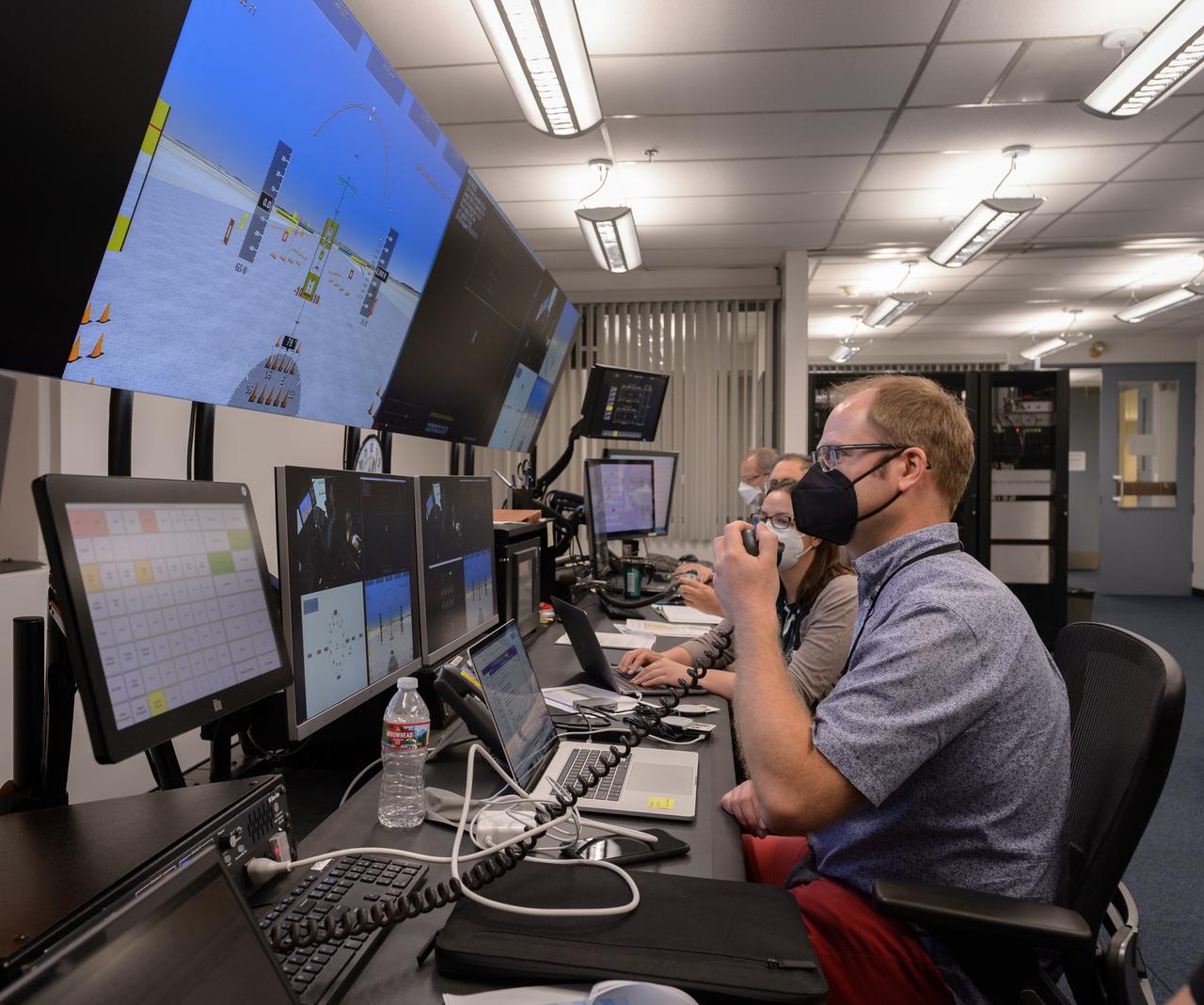
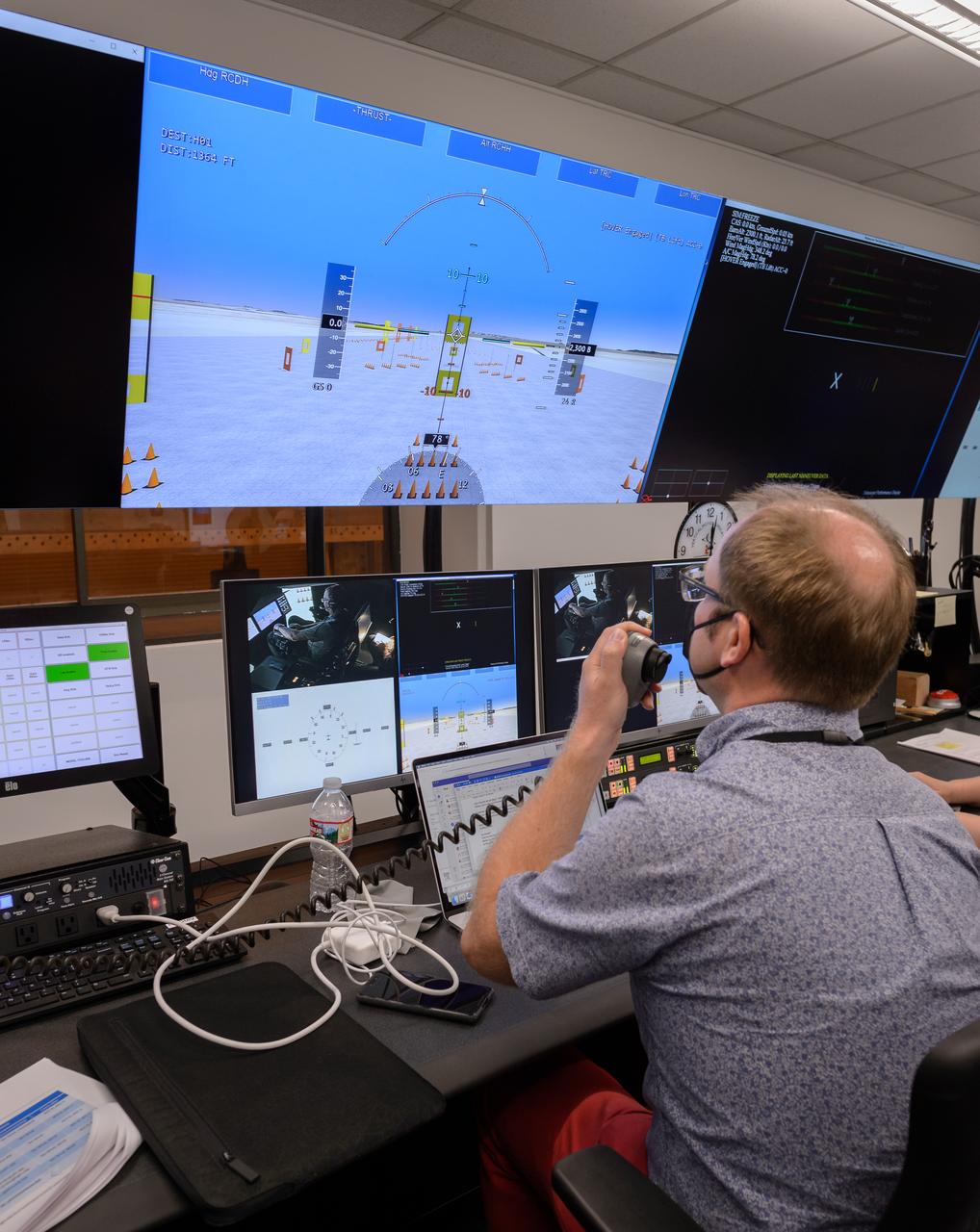
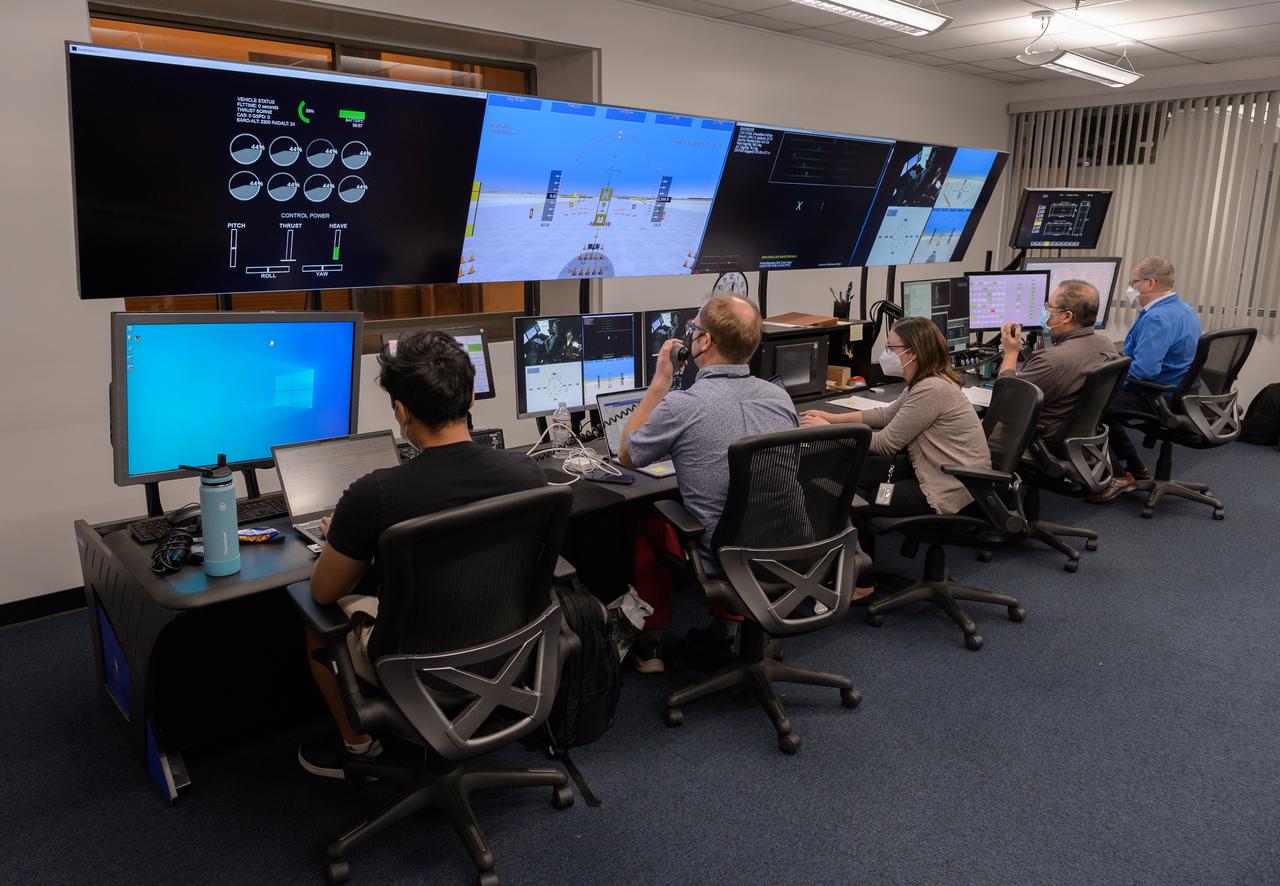
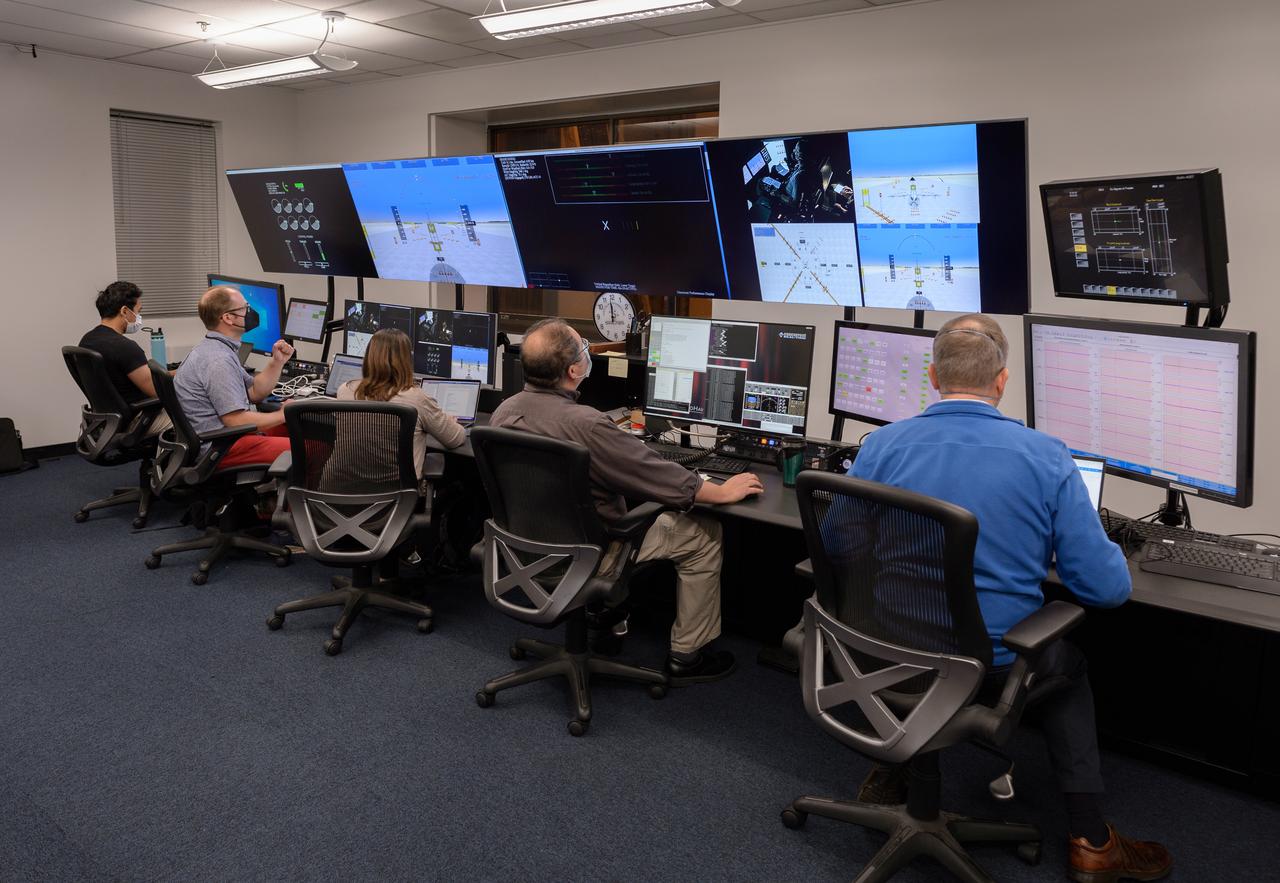
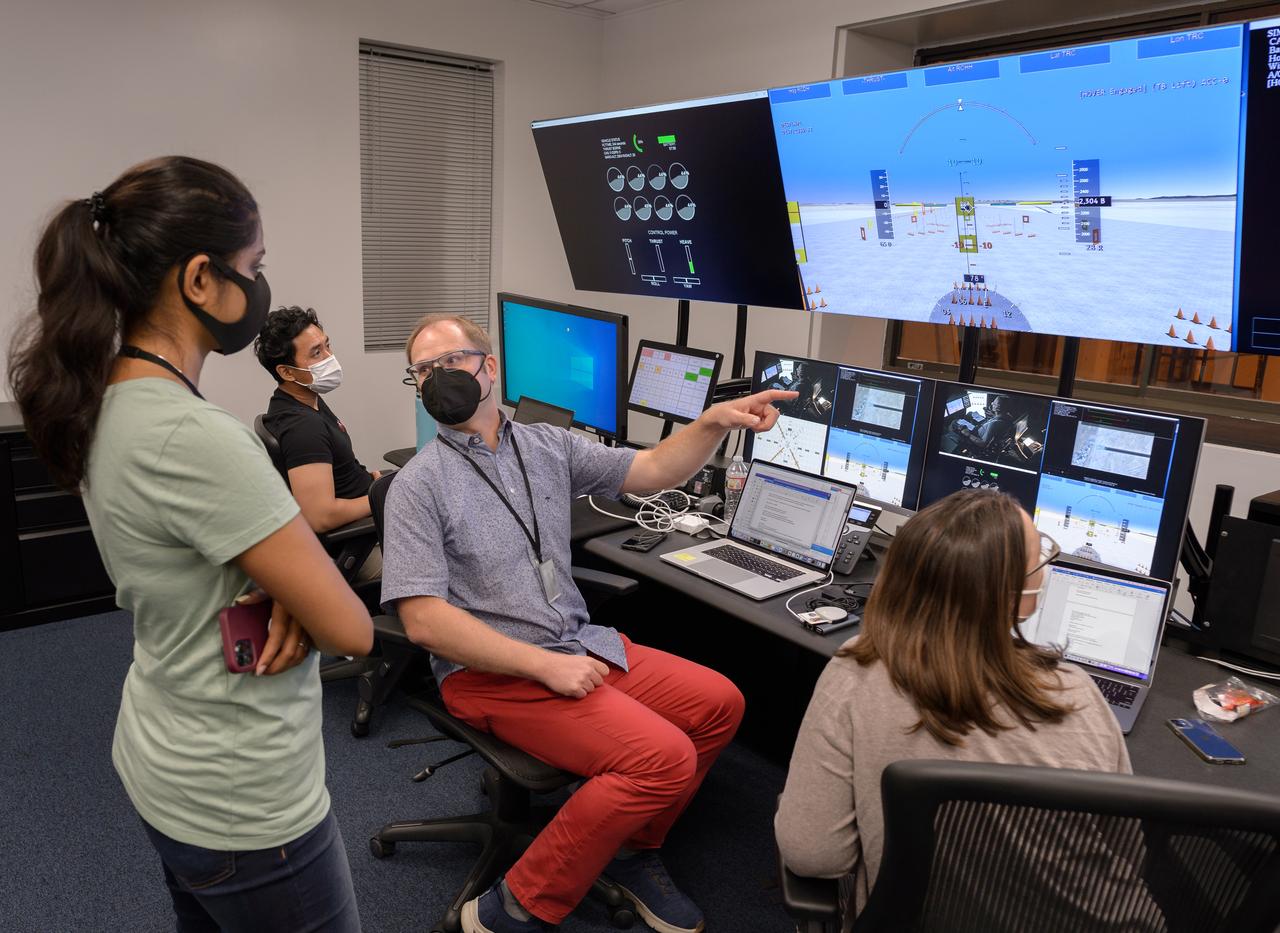
AFCM subproject simulation FAA-2 flight test team members Allen Ruan, left, Thomas Lombaerts, Kimberlee Shish, Edgar Torres, and Stephen Norris, right, in the VMS control room, N243 during a simulation.
Automated Flight and Contingency Management, or AFCM, Subproject
AFCM subproject simulation FAA-2 flight test team member Thomas Lombaerts in the VMS control room, N243, during a simulation.
Automated Flight and Contingency Management, or AFCM, Subproject
AFCM subproject simulation FAA-2 flight test team members Allen Ruan, left, Thomas Lombaerts, Kimberlee Shish, Edgar Torres, and Stephen Norris, right, in the VMS control room, N243 during a simulation.
Automated Flight and Contingency Management, or AFCM, Subproject
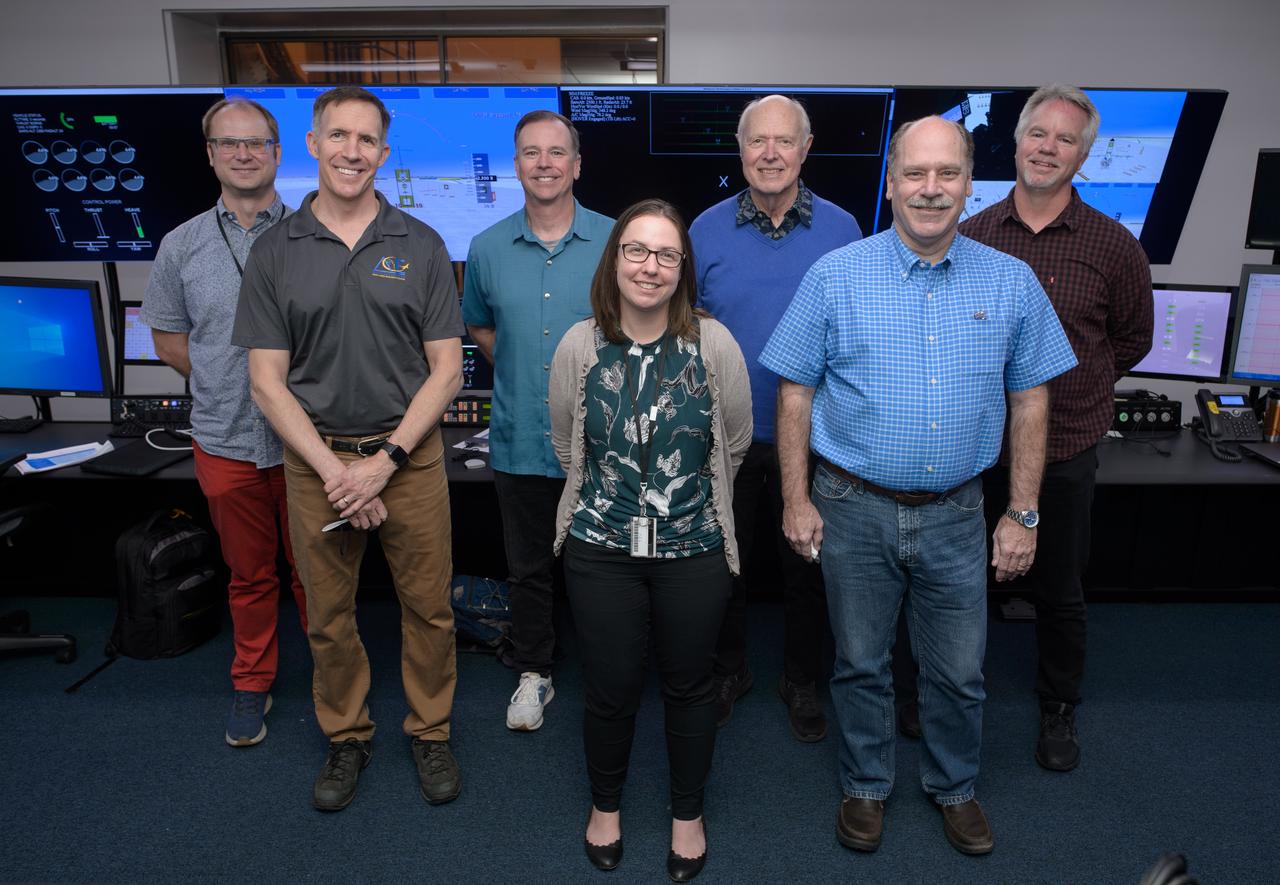
Group photo of AFCM subproject simulation FAA-2 flight test team members Thomas Lombaerts, left, Mike Feary, Dave Sizoo, Kimberlee Shish, Loran Haworth, Mitch Soth, and Dave Webber, right, in the VMS control room, N243.
Automated Flight and Contingency Management, or AFCM, Subproject
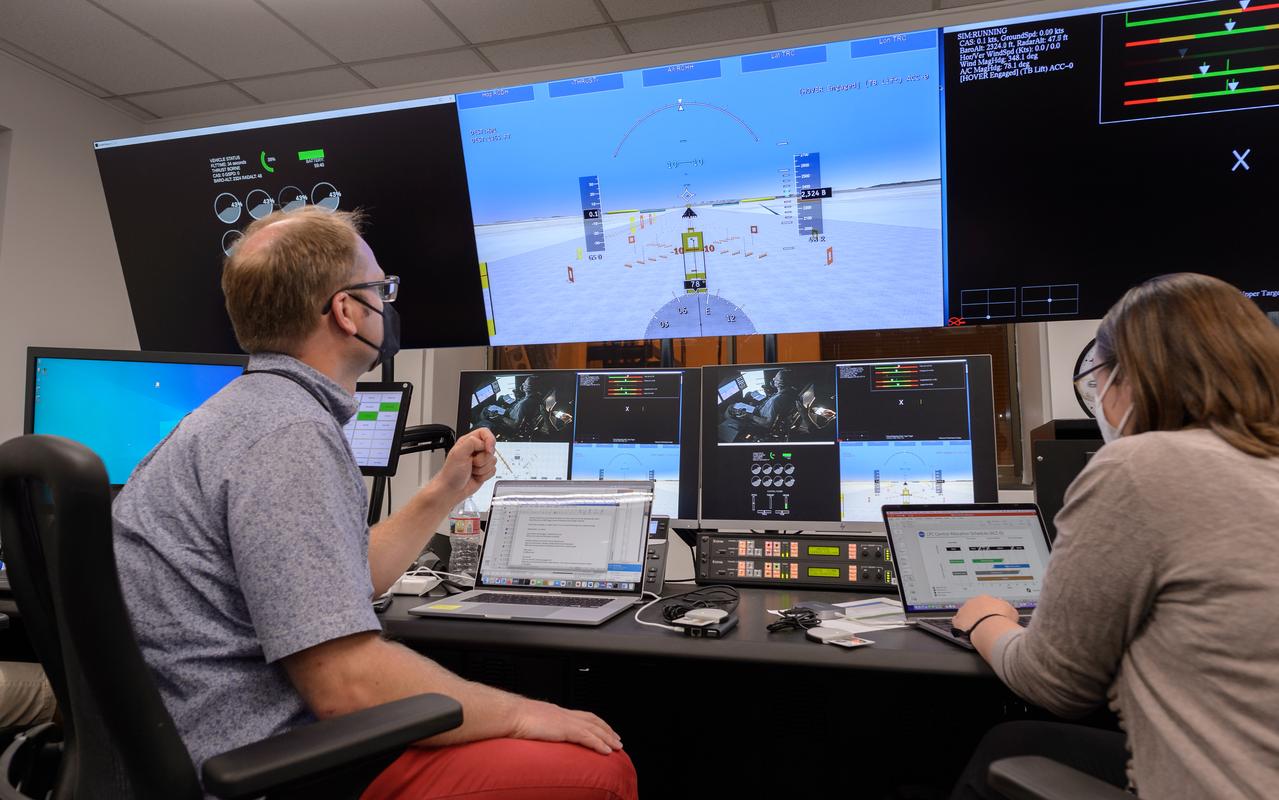
AFCM subproject simulation FAA-2 flight test team members Thomas Lombaerts, left, and Kimberlee Shish, right, in the VMS control room, N243, during a simulation.
Automated Flight and Contingency Management, or AFCM, Subproject
AFCM subproject simulation FAA-2 flight test team members Thomas Lombaerts, left, and Kimberlee Shish, right, in the VMS control room, N243, during a simulation.
Automated Flight and Contingency Management, or AFCM, Subproject
Michael Feary pilots a simulated electric vertical takeoff and landing, or eVTOL, aircraft in the VMS’s R-Cab during the AFCM subproject simulation FAA-2 flight tests in the VMS, N243.
Automated Flight and Contingency Management, or AFCM, Subproject
AFCM subproject simulation FAA-2 flight test team member Thomas Lombaerts in the VMS control room, N243, during a simulation.
Automated Flight and Contingency Management, or AFCM, Subproject
AFCM subproject simulation FAA-2 flight test team members Allen Ruan, left, Thomas Lombaerts, and Kimberlee Shish, right, in the VMS control room, N243, during a simulation.
Automated Flight and Contingency Management, or AFCM, Subproject
AFCM subproject simulation FAA-2 flight test team members Allen Ruan, left, Thomas Lombaerts, and Kimberlee Shish, right, in the VMS control room, N243, during a simulation.
Automated Flight and Contingency Management, or AFCM, Subproject
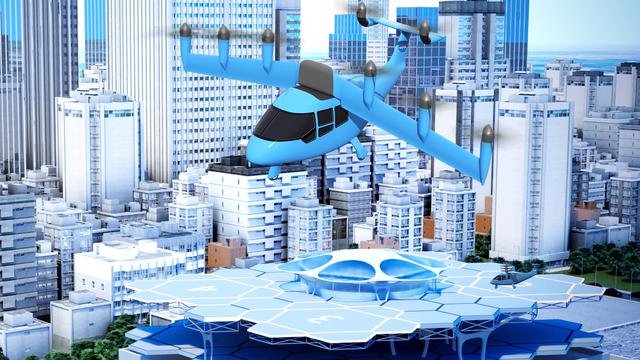
An idea for a future air taxi hovers over a municipal vertiport in this NASA illustration. Experts from NASA’s Advanced Air Mobility mission have signed agreements with four states and one city to host a series of workshops that will help local governments prepare their transportation plans to include this new form of air travel.
vertiport_CU_rev3
Advanced Air Mobility, with its many vehicle concepts and potential uses in both local and intraregional applications, is shown in this illustration.
AAM-Concept-2021
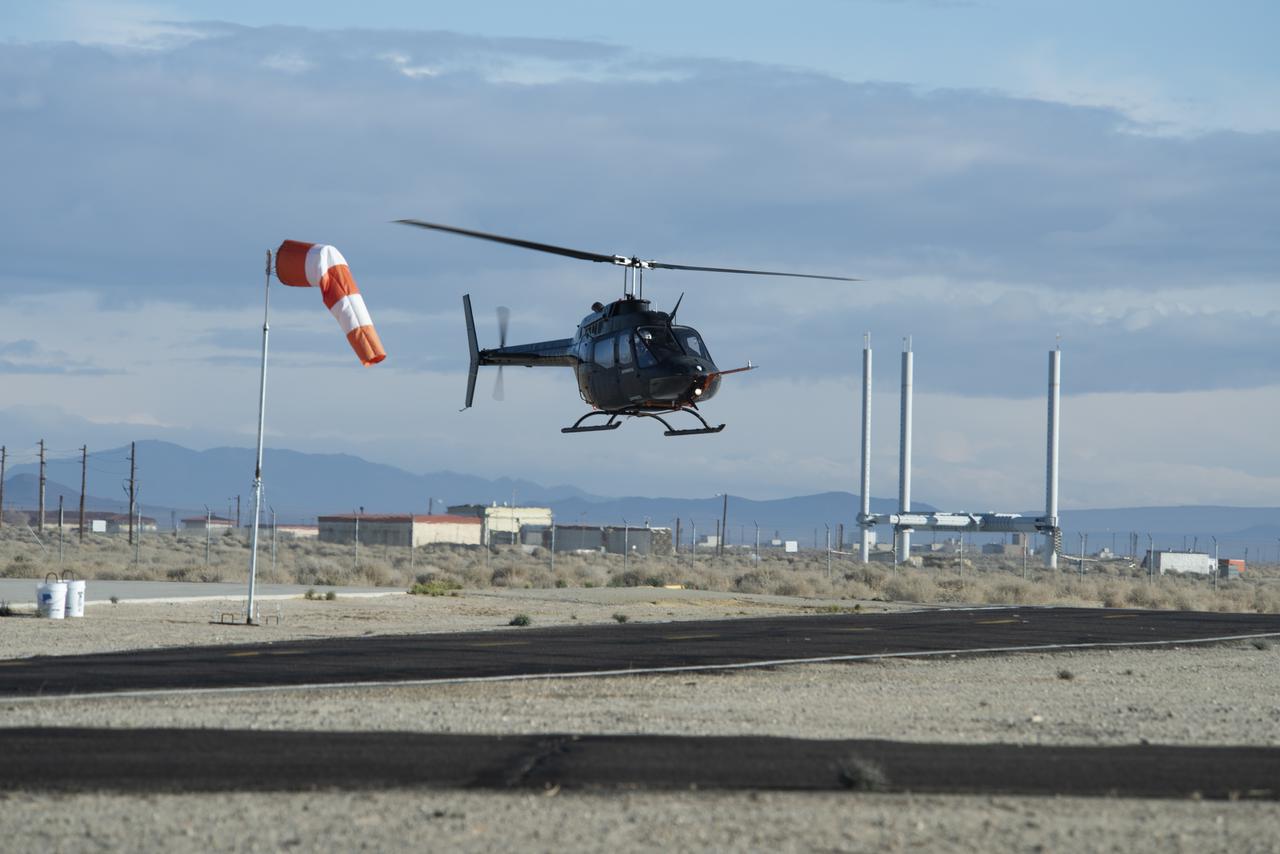
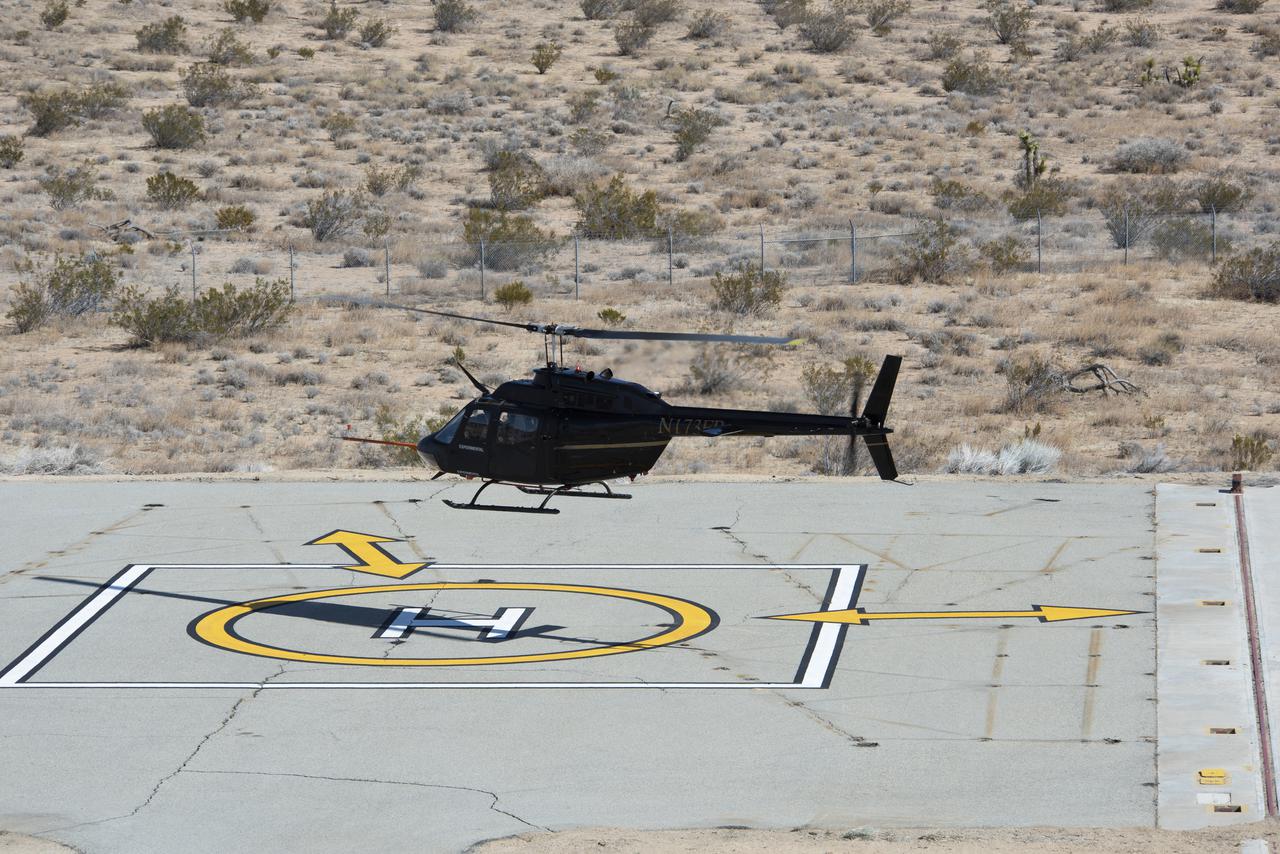
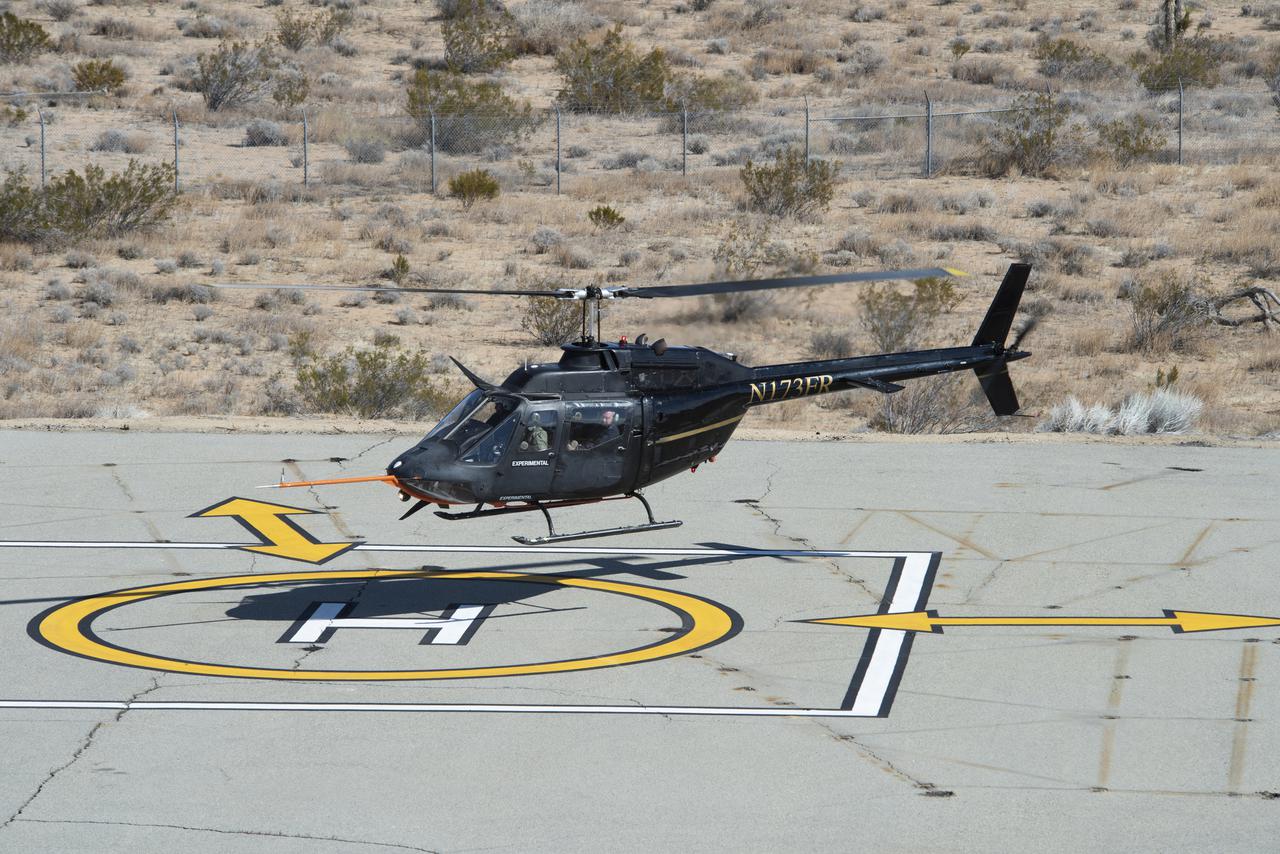
Flight Research Inc.’s Bell OH-58C Kiowa helicopter lands on a helipad at NASA’s Armstrong Flight Research Center in California in March 2021 at the completion of an urban air mobility scenario. The Advanced Air Mobility National Campaign project conducted a second phase of research called build II. This helicopter was used as a surrogate urban air mobility vehicle to study aspects of a future air taxi mission.
National Campaign Completes Dry Run Testing
Flight Research Inc.’s Bell OH-58C Kiowa helicopter takes off from a research helipad at NASA’s Armstrong Flight Research Center in California in March 2021. The Advanced Air Mobility National Campaign project utilized several heliports and vertiports to study airspace management evolutions that could enable future urban air mobility operations. Tests were conducted during build II where this helicopter was used as a surrogate urban air mobility or air taxi vehicle.
National Campaign Completes Dry Run Testing
Flight Research Inc.’s Bell OH-58C Kiowa helicopter hovers over a helipad after completing an urban air mobility approach at NASA’s Armstrong Flight Research Center in California in March 2021. The Advanced Air Mobility National Campaign studied the viability of various urban air mobility approach options during a second phase called build II. This helicopter was used as a surrogate urban air mobility or air taxi vehicle.
National Campaign Completes Dry Run Testing
Flight Research Inc.'s Bell OH-58C Kiowa helicopter departs the leeward heliport at NASA's Armstrong Flight Research Center in California in March 2021. The Advanced Air Mobility National Campaign project studied wind and structure interactions as part of a second phase of testing called build II. This helicopter was used as a surrogate urban air mobility or air taxi vehicle.
National Campaign Completes Dry Run Testing
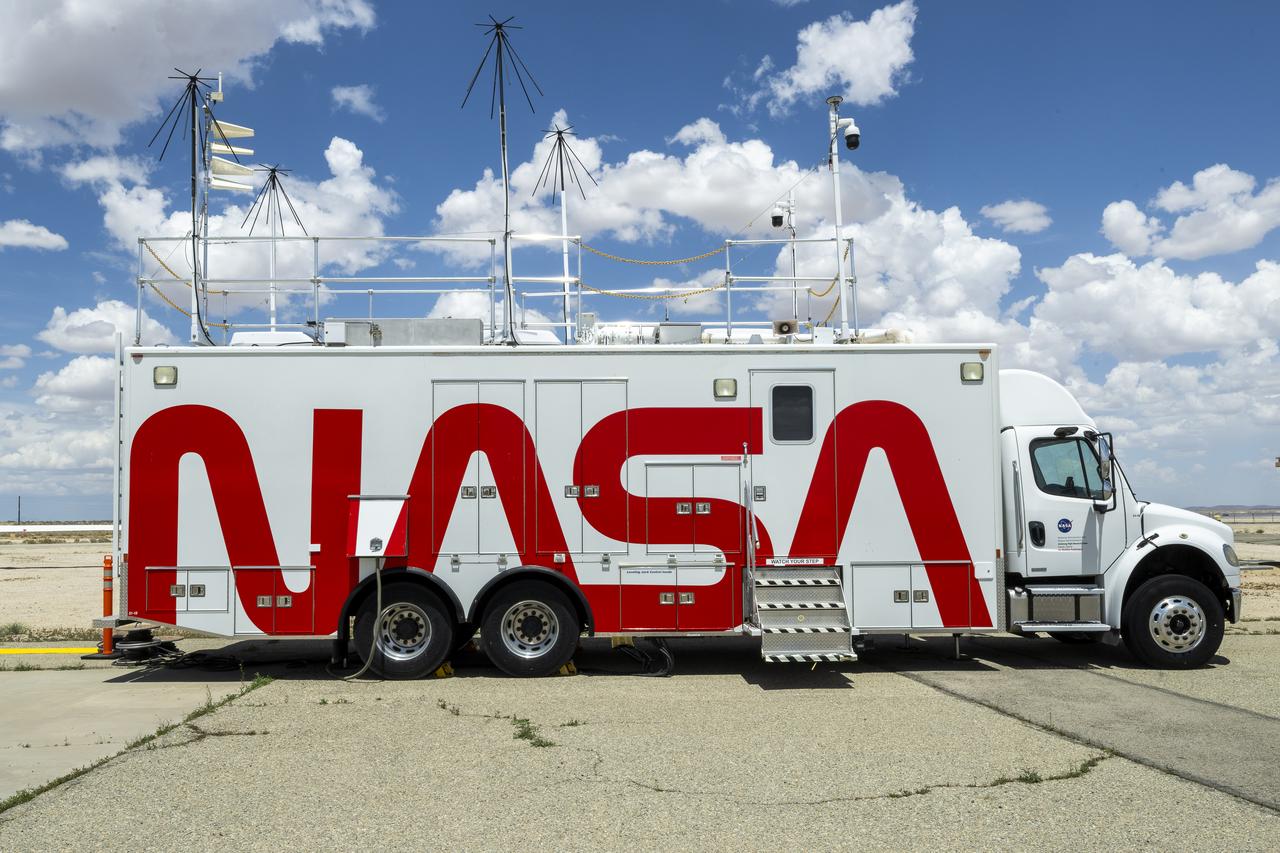
Housed at NASA’s Armstrong Flight Research Center in Edwards, California, this Mobile Operations Facility, seen here deployed on May 1, 2025, to support Advanced Air Mobility research for NASA’s Air Mobility Pathfinders project.
Mobile Operations Facility for Advanced Air Mobility Pathfinders Research
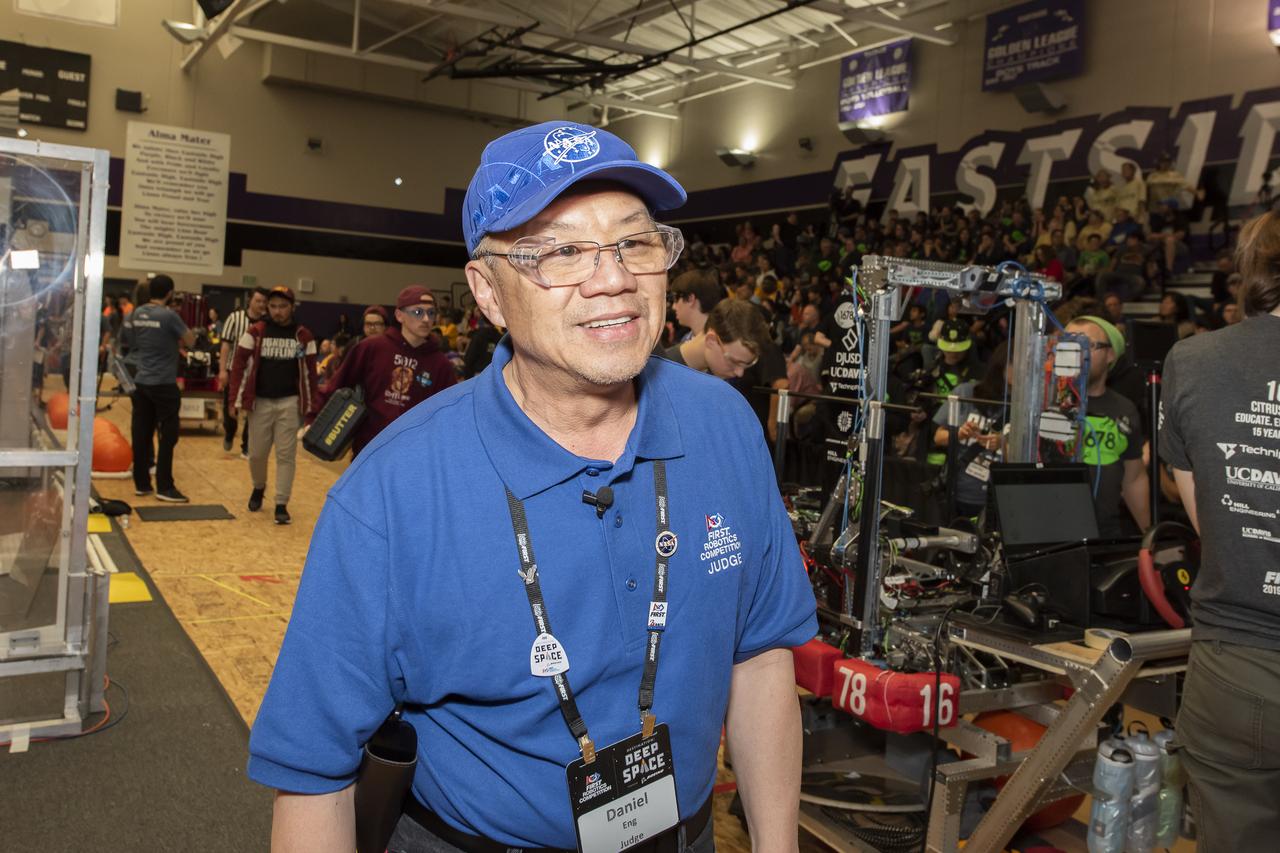
NASA Systems Engineer Daniel Eng serves his second year as a judge for the Aerospace Valley Robotics Competition at the Palmdale Aerospace Academy in Palmdale, California, in 2019.
NASA Systems Engineer Daniel Eng Judges Robotics Competition
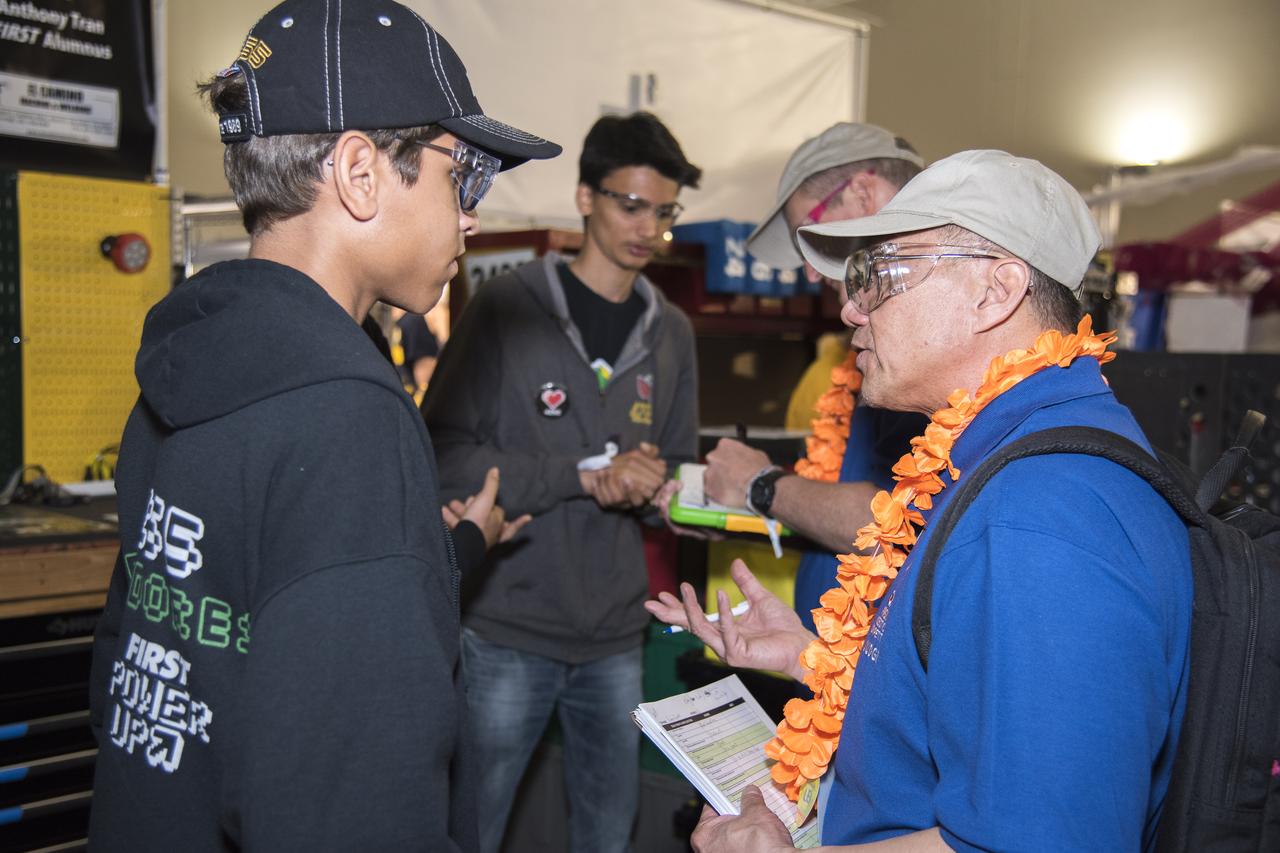
NASA systems engineer, Daniel Eng, right, talks with student participants at the 2019 Aerospace Valley Robotics Competition at the Palmdale Aerospace Academy in Palmdale, California.
NASA Systems Engineer Talks with Students at Robotics Competition
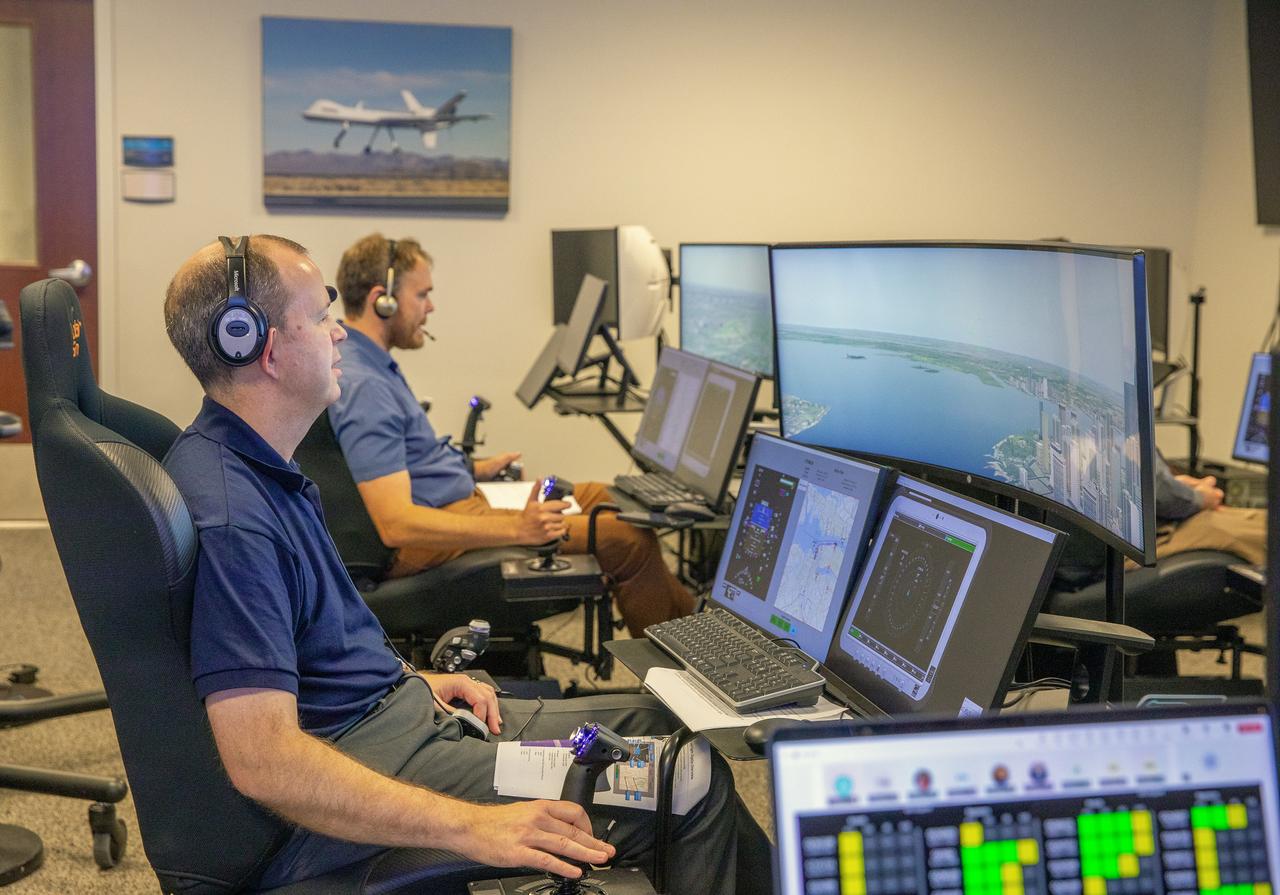
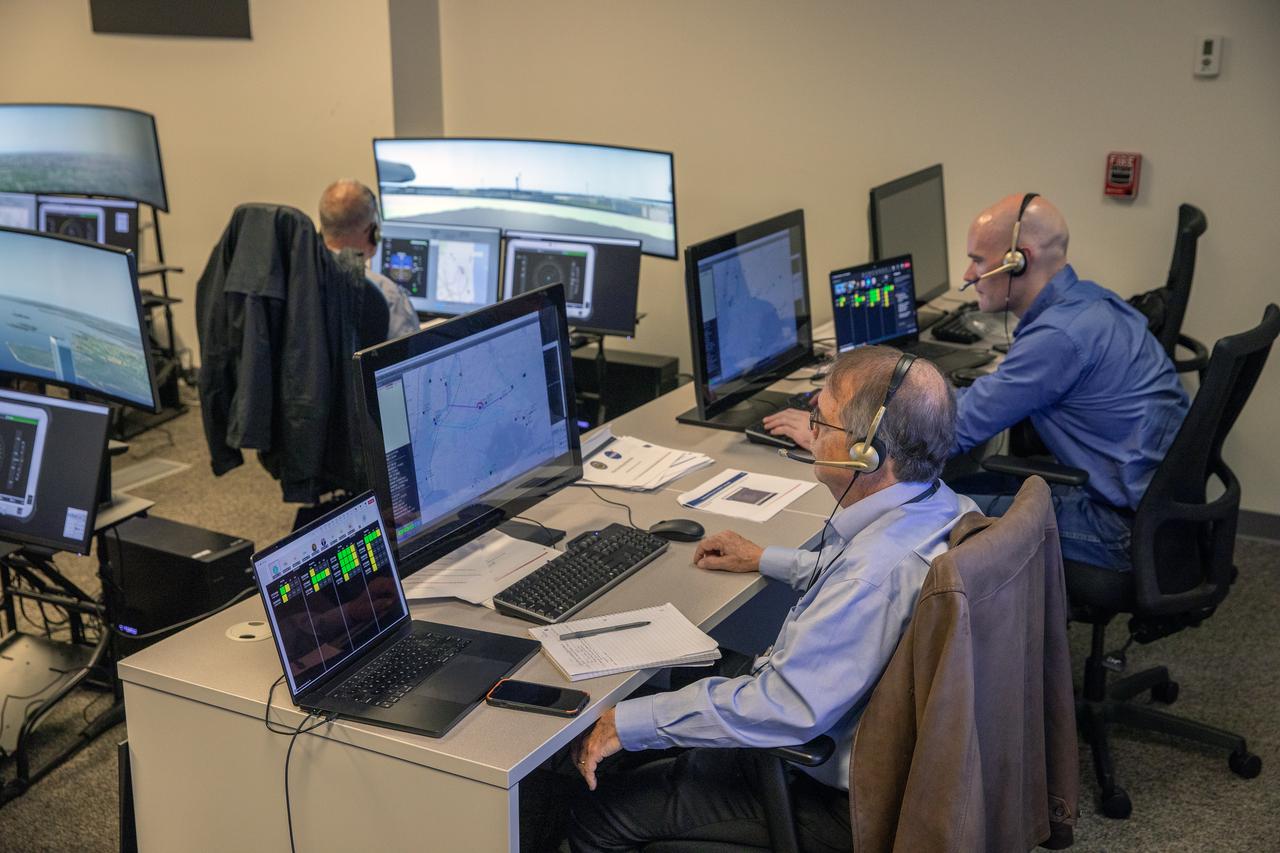
Focus on active photos –Class B Simulation Evaluation in the ATOL Lab at Langley (Also at FAA Tech Center) where team is working with one another in the lab, reviewing data on the monitors. Working the software, adjusting the software systems. Going over the shoulder to show the displays and screens as the software is running.   John Foster (left) in the role of an air taxi pilot in the simulator chair with Jim Chamberlain and Terence McClain at the flight manager stations running virtual air taxi integration simulations focusing on urban air space at NASA’s Langley Research Center in Hampton, Virginia on Sept. 25, 2024.
Researchers tracking air taxi flights simulations using NASA developed mission operations software
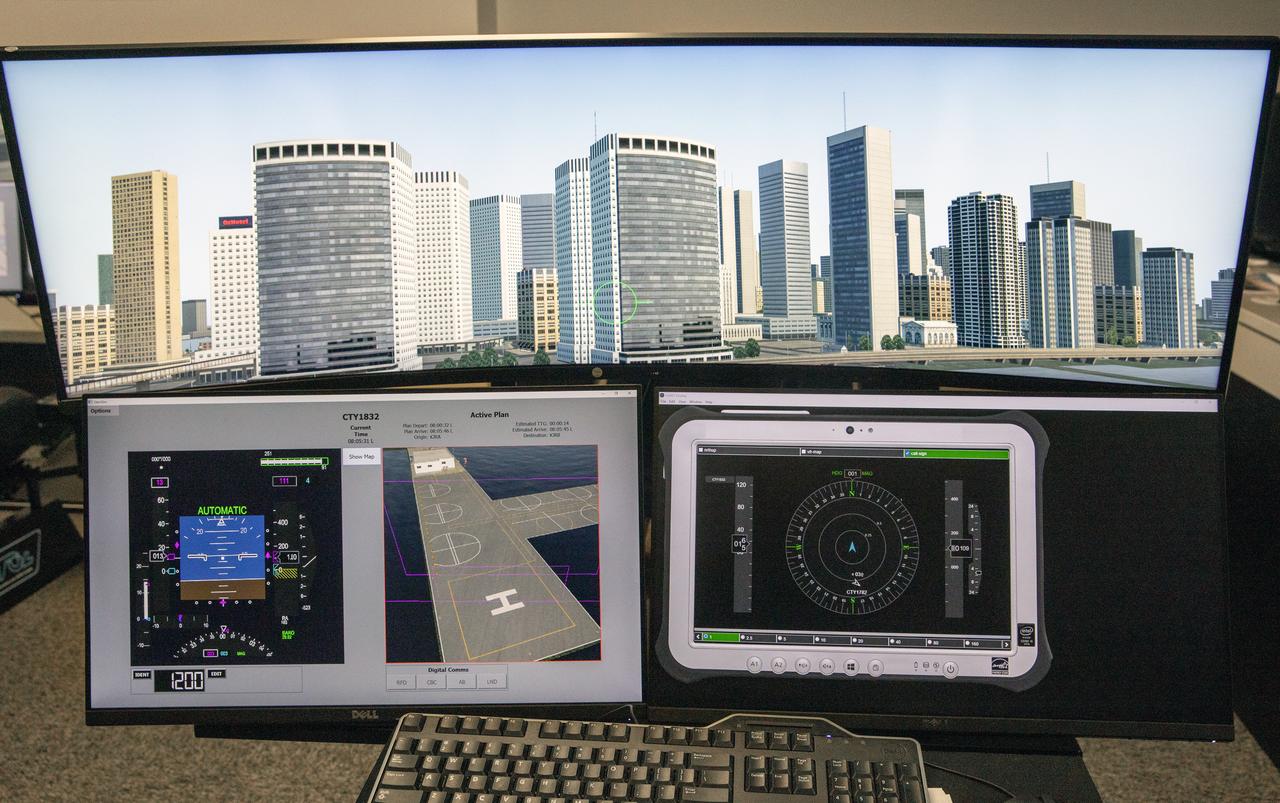
Focus on active photos –Class B Simulation Evaluation in the ATOL Lab at Langley (Also at FAA Tech Center) where team is working with one another in the lab, reviewing data on the monitors. Working the software, adjusting the software systems. Going over the shoulder to show the displays and screens as the software is running.   A pilot’s point of view from the controls of the air taxi simulator. An out-the-window simulation appears on the top screen, the primary flight display on the lower left, the virtual moving map in the middle, and the detect and avoid display on the lower right at NASA’s Langley Research Center in Hampton, Virginia on Sept. 25, 2024.
Air taxi urban air space simulation control screens from the pilot perspective
Focus on active photos –Class B Simulation Evaluation in the ATOL Lab at Langley (Also at FAA Tech Center) where team is working with one another in the lab, reviewing data on the monitors. Working the software, adjusting the software systems. Going over the shoulder to show the displays and screens as the software is running.   Andy Burroughs (left) and Paul Friz in the roles of air taxi pilots running through air taxi integration simulations focusing on urban air space at NASA’s Langley Research in Hampton, Virginia on Sept. 25, 2024.
Researchers at the controls of the air taxi simulators