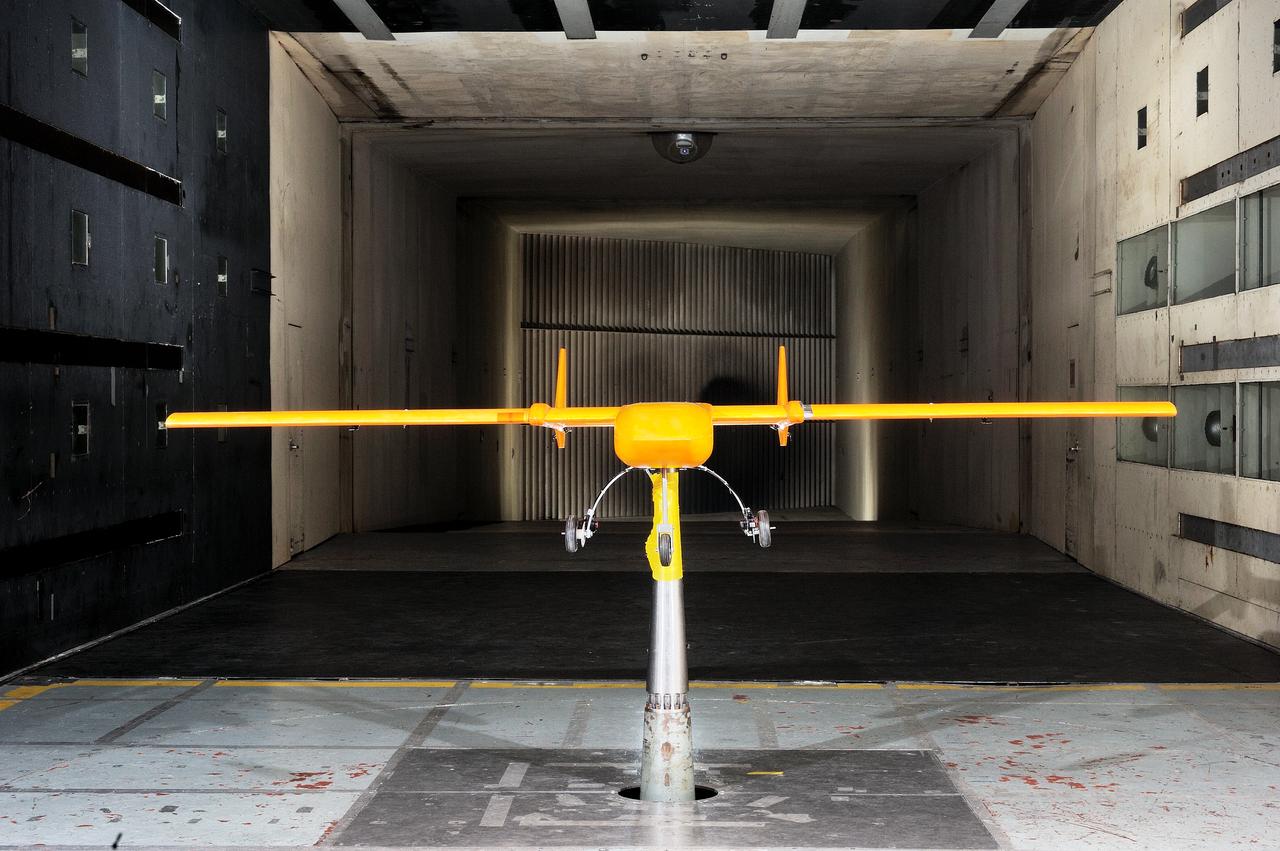
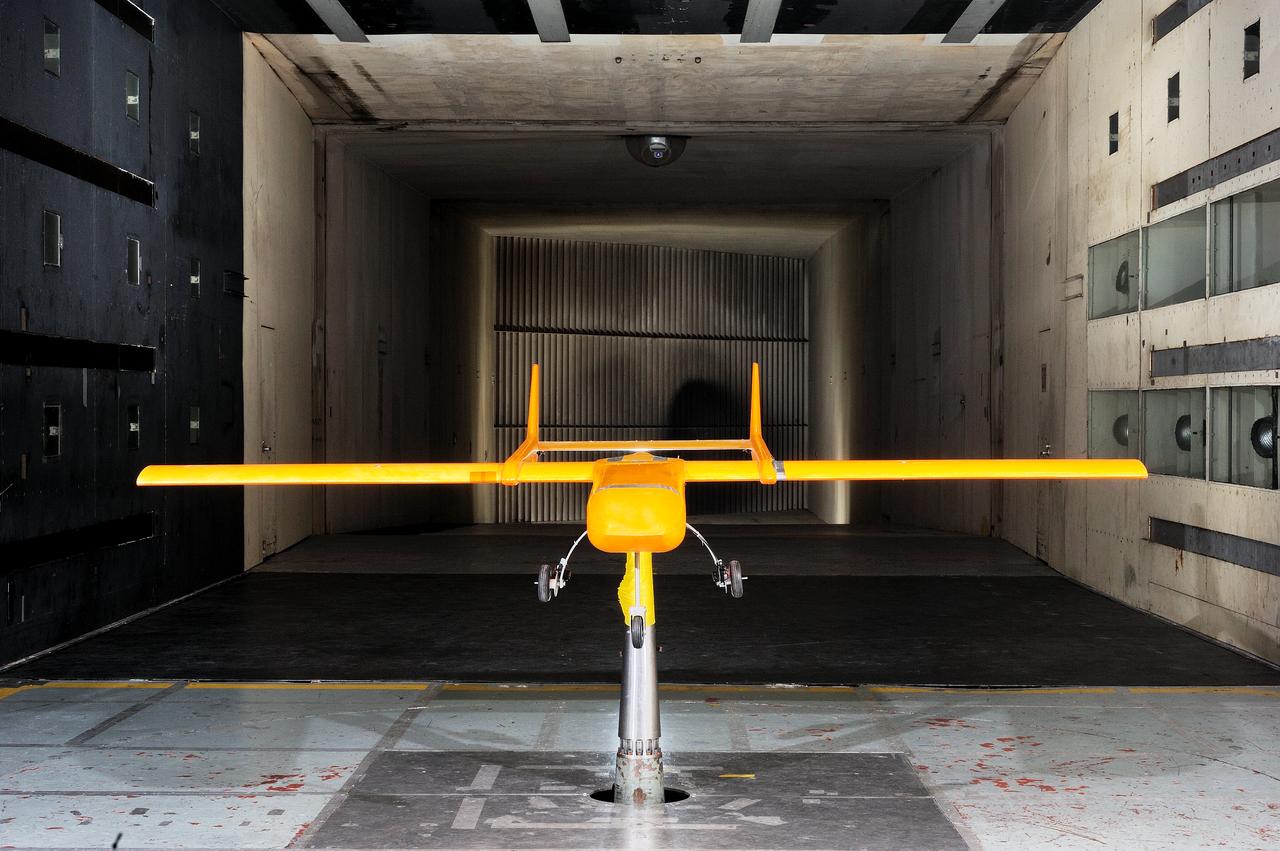
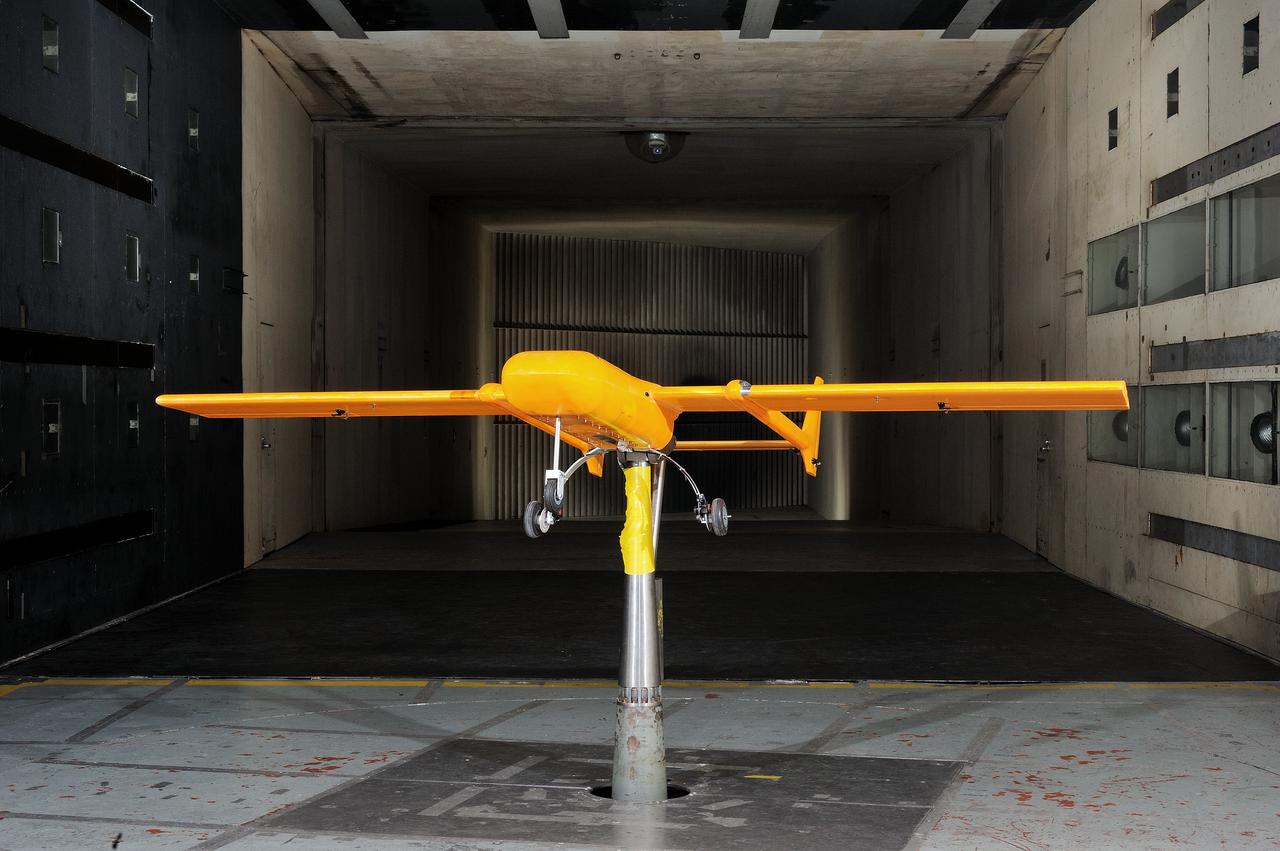
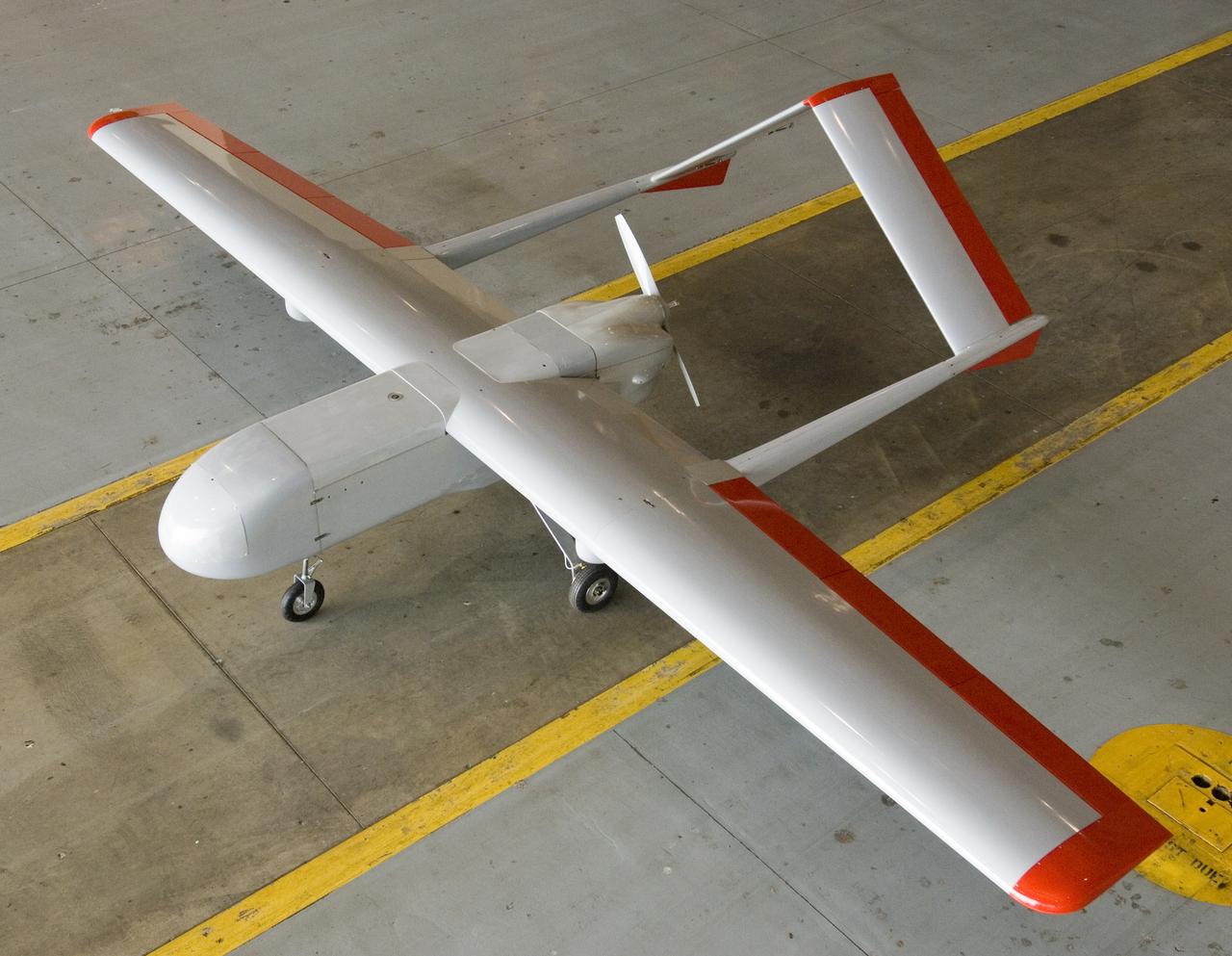
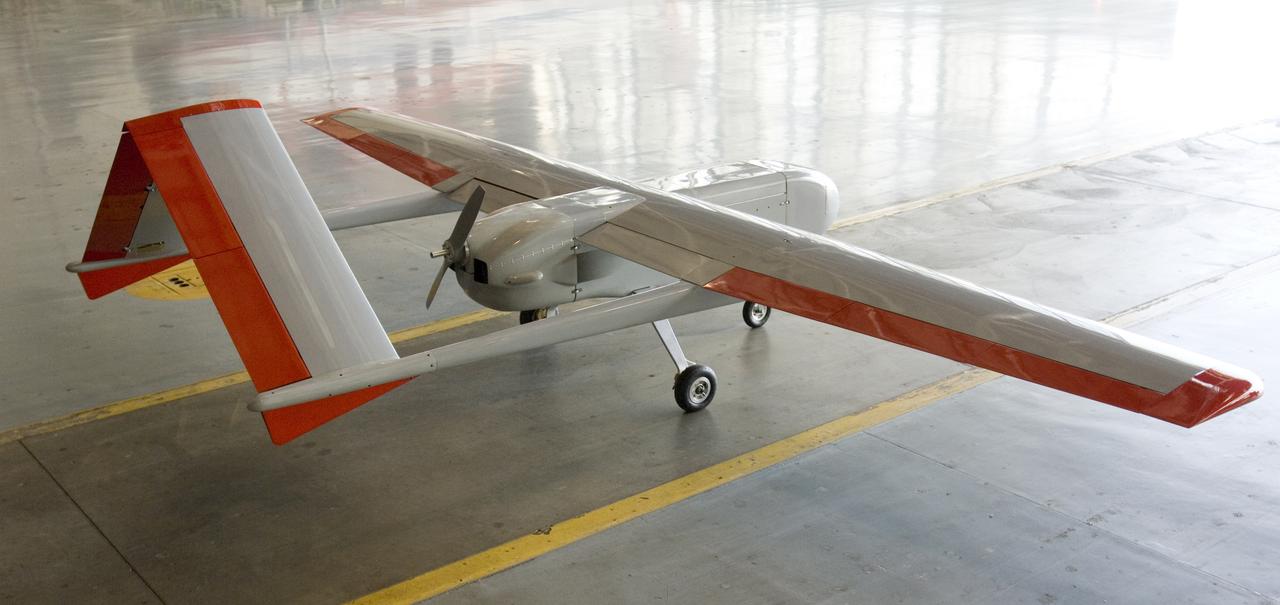
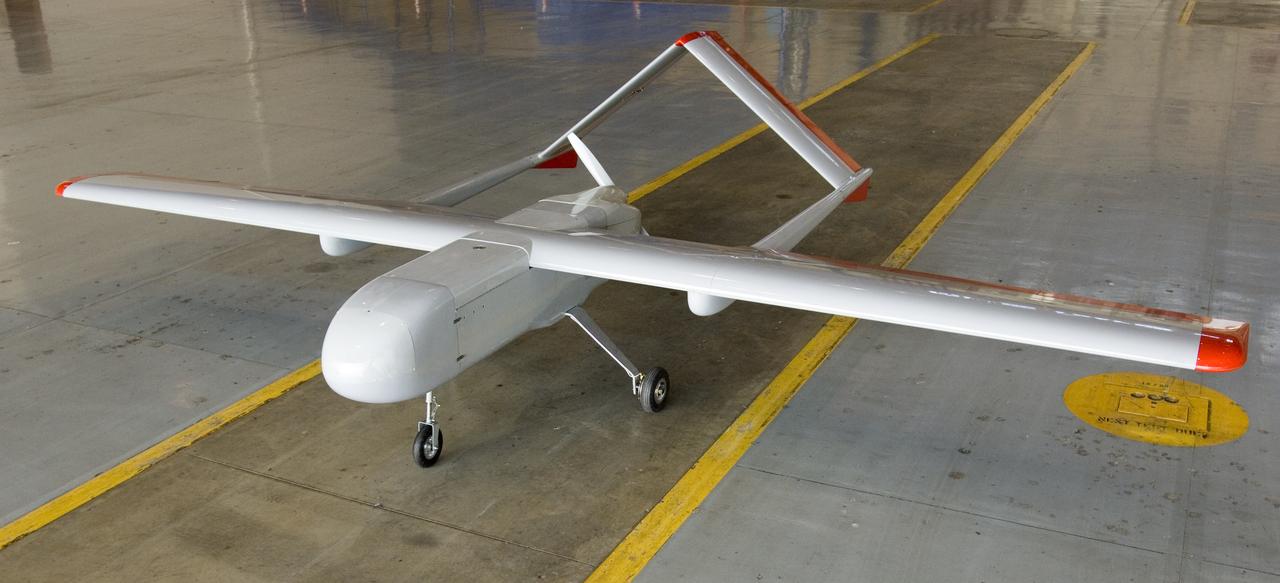
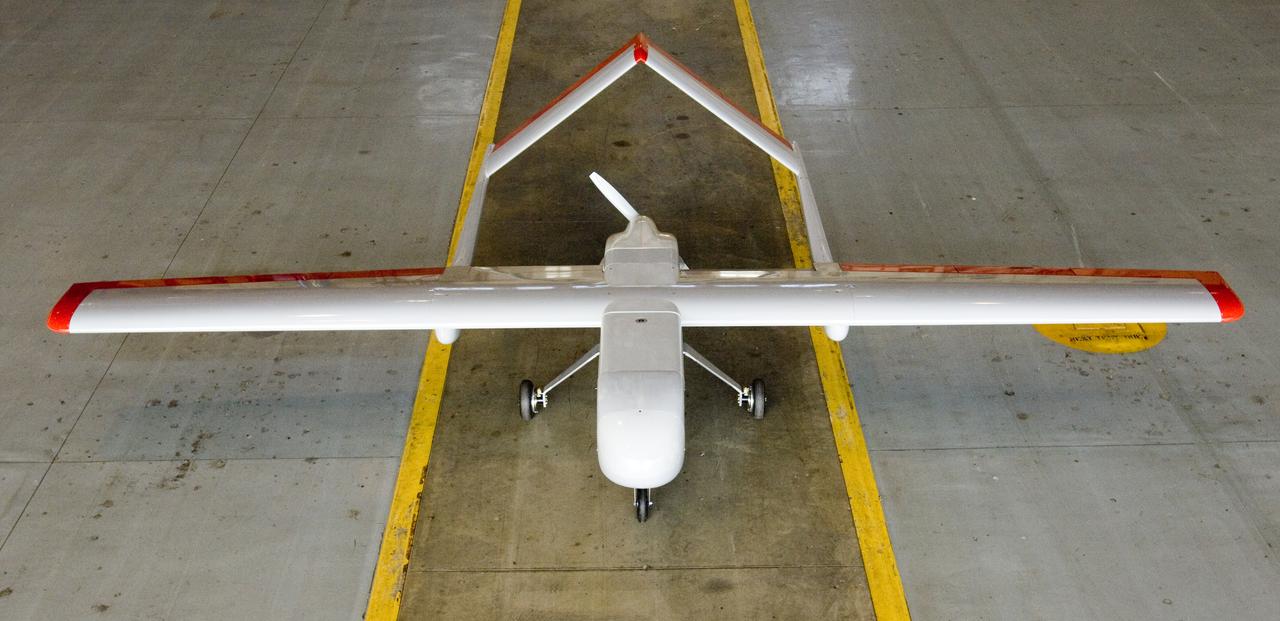
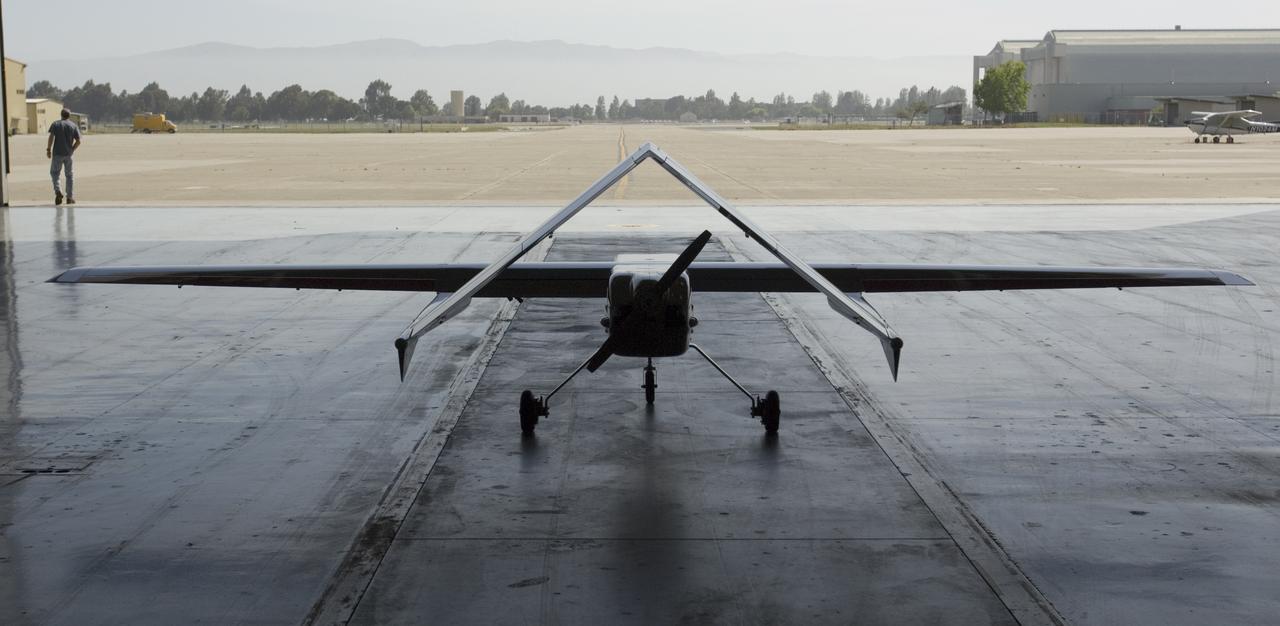
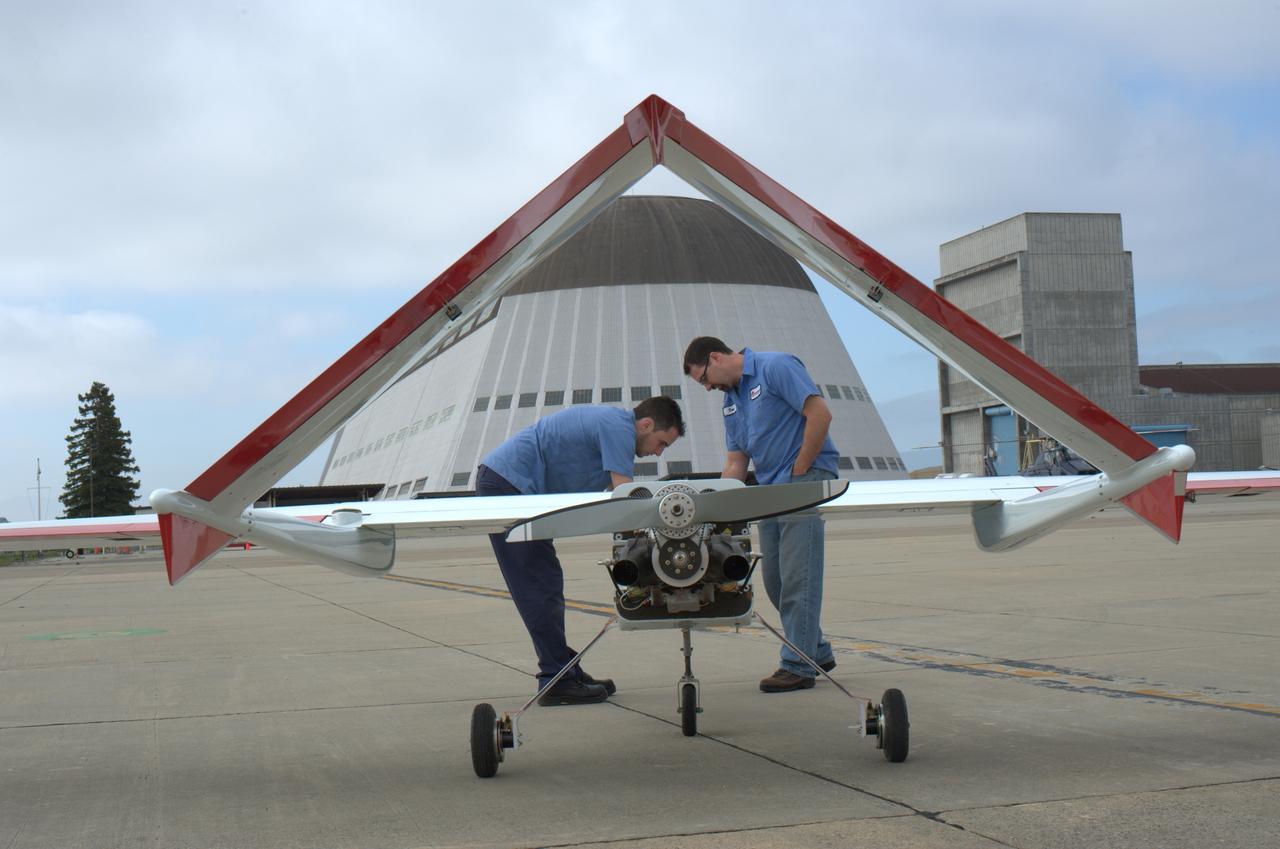
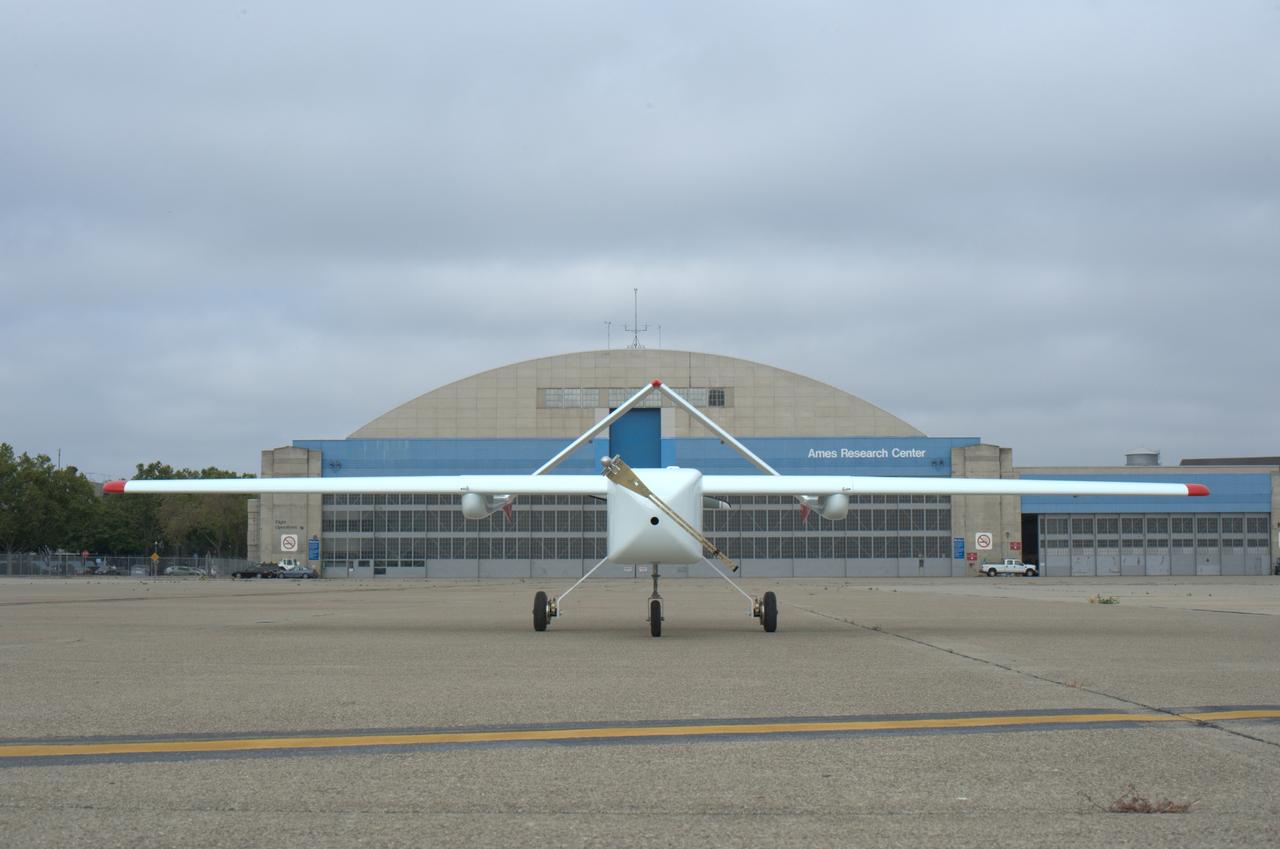
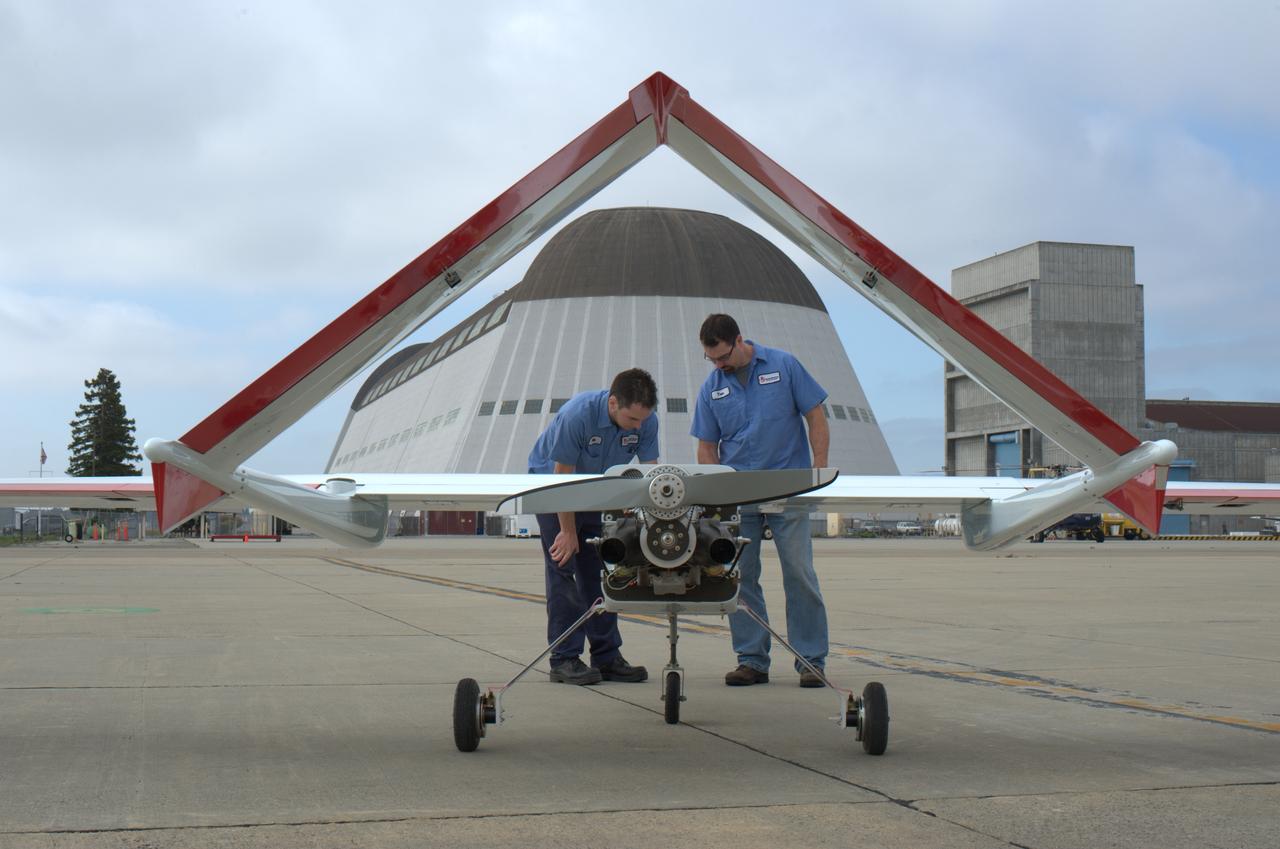
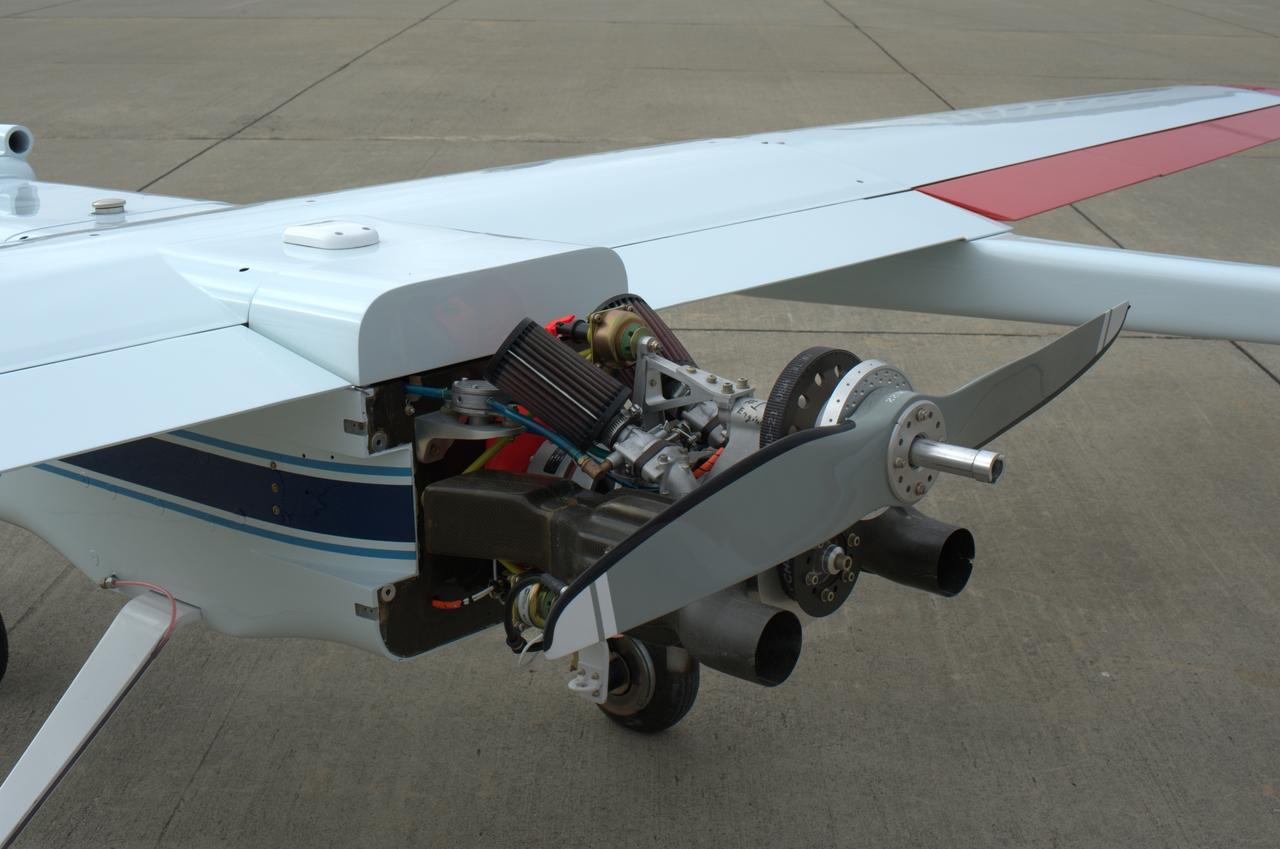
Osprey (UAV) Unmanned Aerial Vehicle ; flight vehicle test at 14x22 tunnel. Test number 605 from Eglin AFB. Take at 14x22 Subsonic Tunnel
Osprey UAV
Osprey (UAV) Unmanned Aerial Vehicle ; flight vehicle test at 14x22 tunnel. Test number 605 from Eglin AFB. Take at 14x22 Subsonic Tunnel
Osprey UAV
Osprey (UAV) Unmanned Aerial Vehicle ; flight vehicle test at 14x22 tunnel. Test number 605 from Eglin AFB. Take at 14x22 Subsonic Tunnel
Osprey UAV
Osprey (UAV) Unmanned Aerial Vehicle ; flight vehicle test at 14x22 tunnel. Test number 605 from Eglin AFB. Take at 14x22 Subsonic Tunnel
Osprey UAV
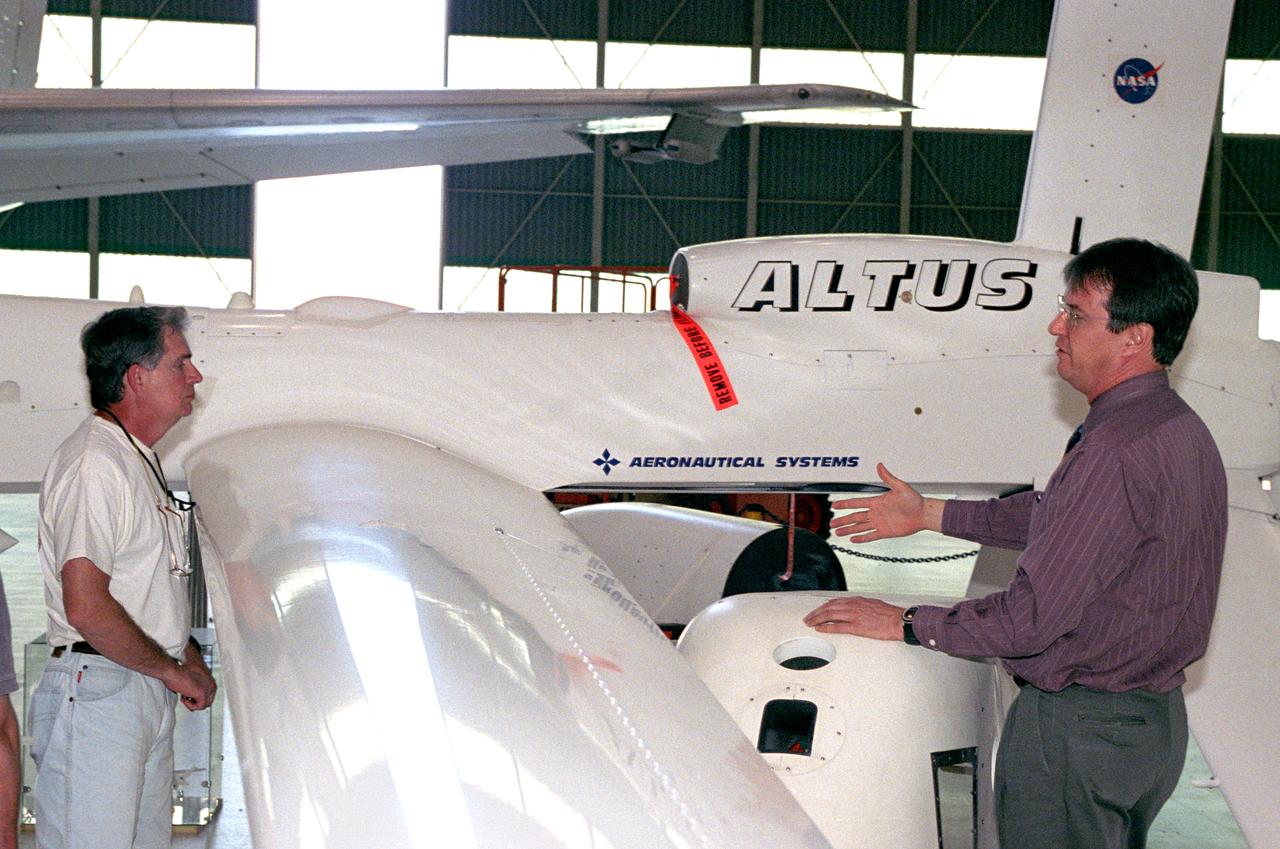
David Bushman, unmanned aerial vehicle (UAV) mission manager in NASA Dryden's Airborne Science Program, explains the capabilities of the Altus UAV to Charles Hudgins of NASA Langley's Chemistry and Dynamics Branch.
Dryden's David Bushman explains the capabilities of the Altus UAV to NASA Langley's Charles Hudgins
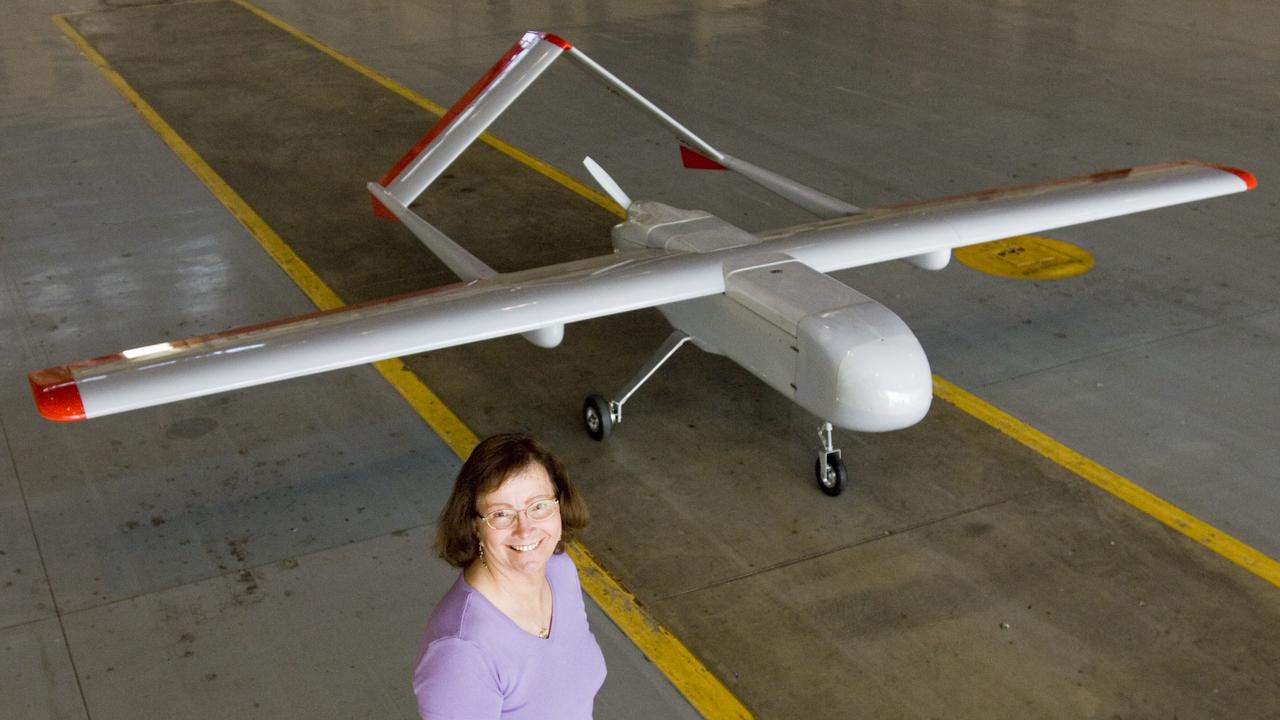
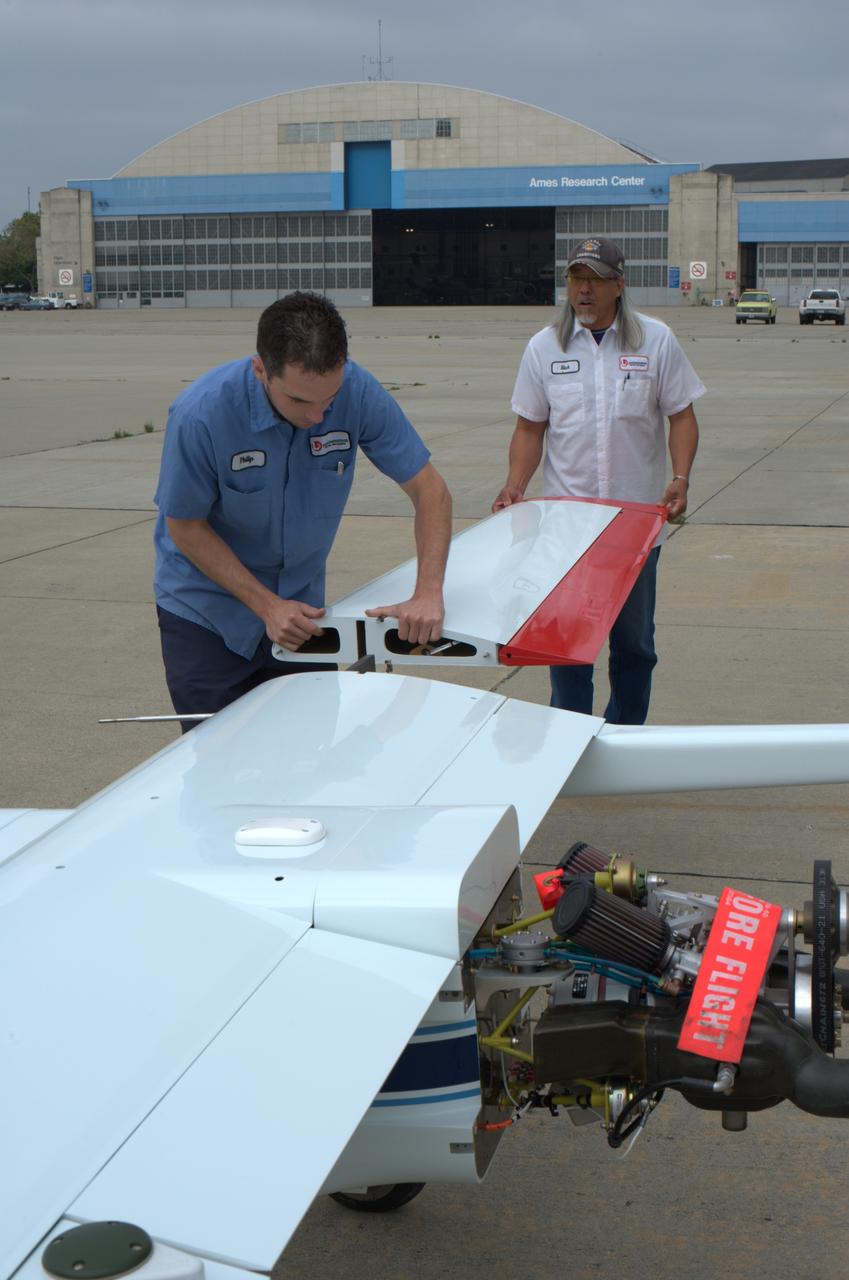
Sierra Uninhaited Aerial System (UAV plane) in the Ames hangar.  aks; Sierra Unpiloted Aerial system (UAS)
ARC-2006-ACD06-0075-015
Sierra Uninhaited Aerial System (UAV plane) in the Ames hangar.  aks; Sierra Unpiloted Aerial system (UAS)
ARC-2006-ACD06-0075-010
Sierra Uninhaited Aerial System (UAV plane) in the Ames hangar.  aks; Sierra Unpiloted Aerial system (UAS)
ARC-2006-ACD06-0075-002
Sierra Uninhaited Aerial System (UAV plane) in the Ames hangar.  aks; Sierra Unpiloted Aerial system (UAS)
ARC-2006-ACD06-0075-009
Sierra Uninhaited Aerial System (UAV plane) in the Ames hangar.  aks; Sierra Unpiloted Aerial system (UAS)
ARC-2006-ACD06-0075-016
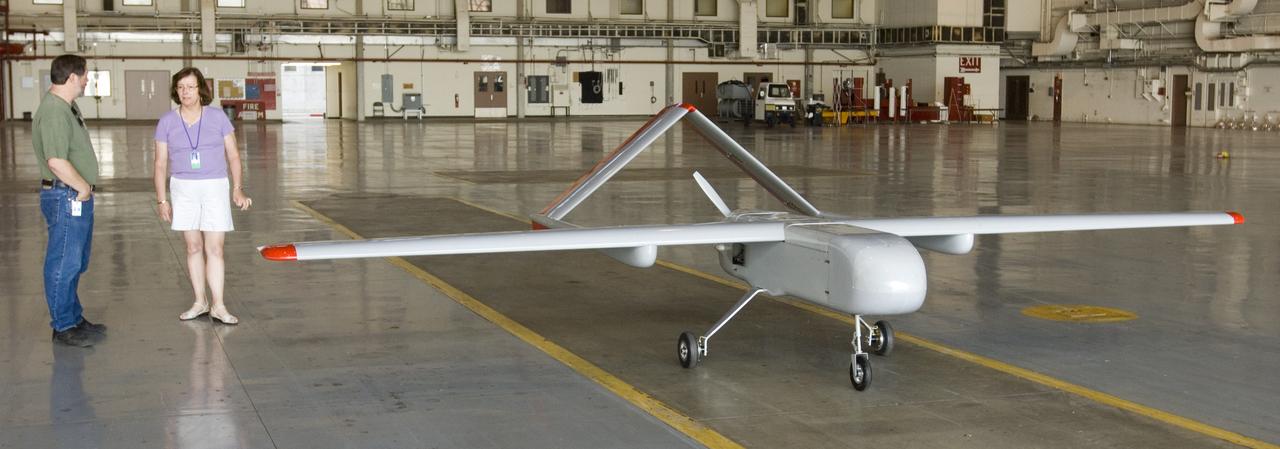
Sierra Uninhaited Aerial System (UAV plane) in the Ames hangar.  aks; Sierra Unpiloted Aerial system (UAS) with L-R: Larry Pezzolo and Leslie Monforton, Naval Research Lab (on detail)
ARC-2006-ACD06-0075-005
Sierra Uninhaited Aerial System (UAV plane) in the Ames hangar.  aks; Sierra Unpiloted Aerial system (UAS)  with Leslie Monforton (on detail from the Naval Reesearch Lab)
ARC-2006-ACD06-0075-021
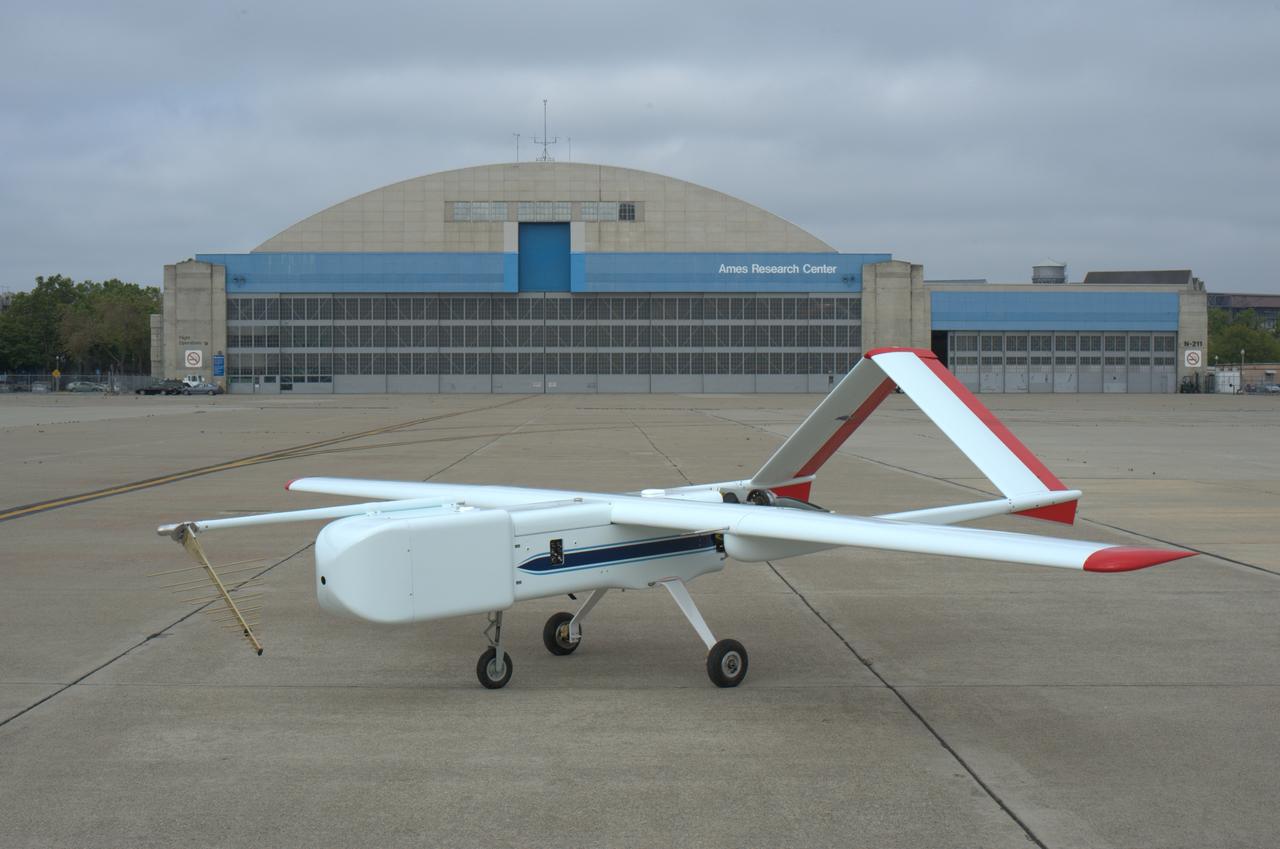
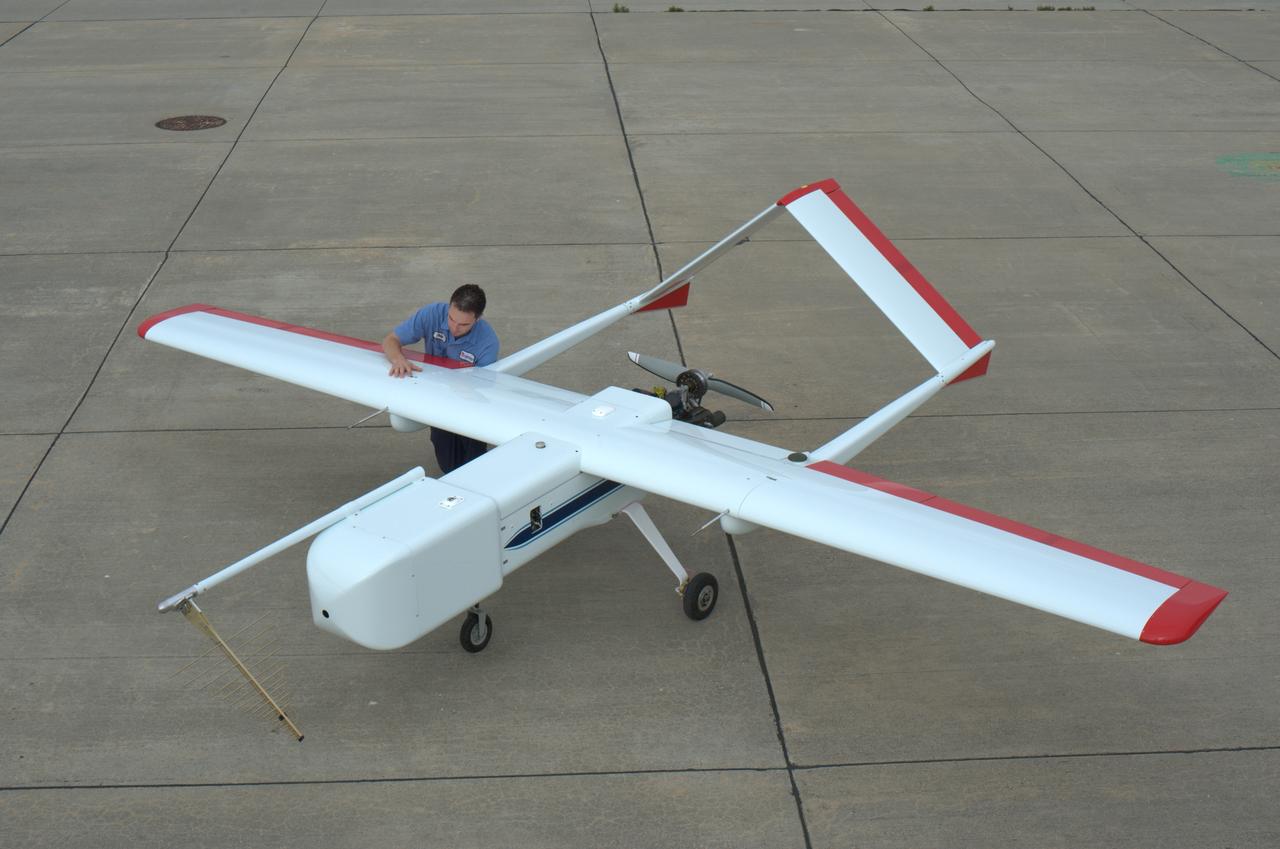
SIERRA (Systems Integration Evaluation Remote Research Aircraft)  Uninhabited Aerial System (UAV plane) on the Ames flightline (aka; Sierra Unpiloted Aerial system (UAS))
ARC-2010-ACD10-0125-028
SIERRA (Systems Integration Evaluation Remote Research Aircraft)  Uninhabited Aerial System (UAV plane) on the Ames flightline (aka; Sierra Unpiloted Aerial system (UAS))
ARC-2010-ACD10-0125-015
SIERRA (Systems Integration Evaluation Remote Research Aircraft)  Uninhabited Aerial System (UAV plane) on the Ames flightline (aka; Sierra Unpiloted Aerial system (UAS))
ARC-2010-ACD10-0125-024
SIERRA (Systems Integration Evaluation Remote Research Aircraft)  Uninhabited Aerial System (UAV plane) on the Ames flightline (aka; Sierra Unpiloted Aerial system (UAS))
ARC-2010-ACD10-0125-002
SIERRA (Systems Integration Evaluation Remote Research Aircraft)  Uninhabited Aerial System (UAV plane) on the Ames flightline (aka; Sierra Unpiloted Aerial system (UAS))
ARC-2010-ACD10-0125-012
SIERRA (Systems Integration Evaluation Remote Research Aircraft)  Uninhabited Aerial System (UAV plane) on the Ames flightline (aka; Sierra Unpiloted Aerial system (UAS))
ARC-2010-ACD10-0125-022
SIERRA (Systems Integration Evaluation Remote Research Aircraft)  Uninhabited Aerial System (UAV plane) on the Ames flightline (aka; Sierra Unpiloted Aerial system (UAS))
ARC-2010-ACD10-0125-027
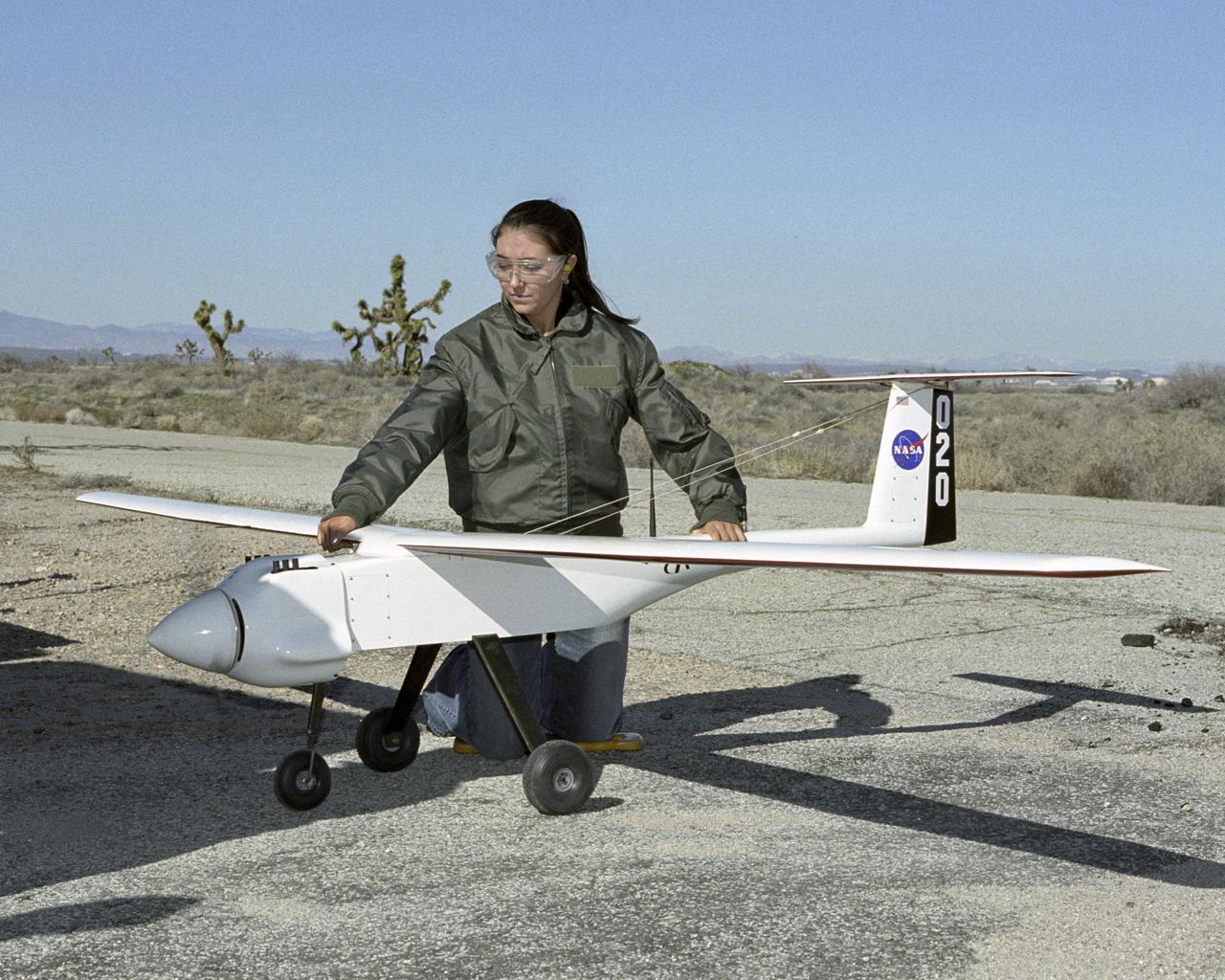
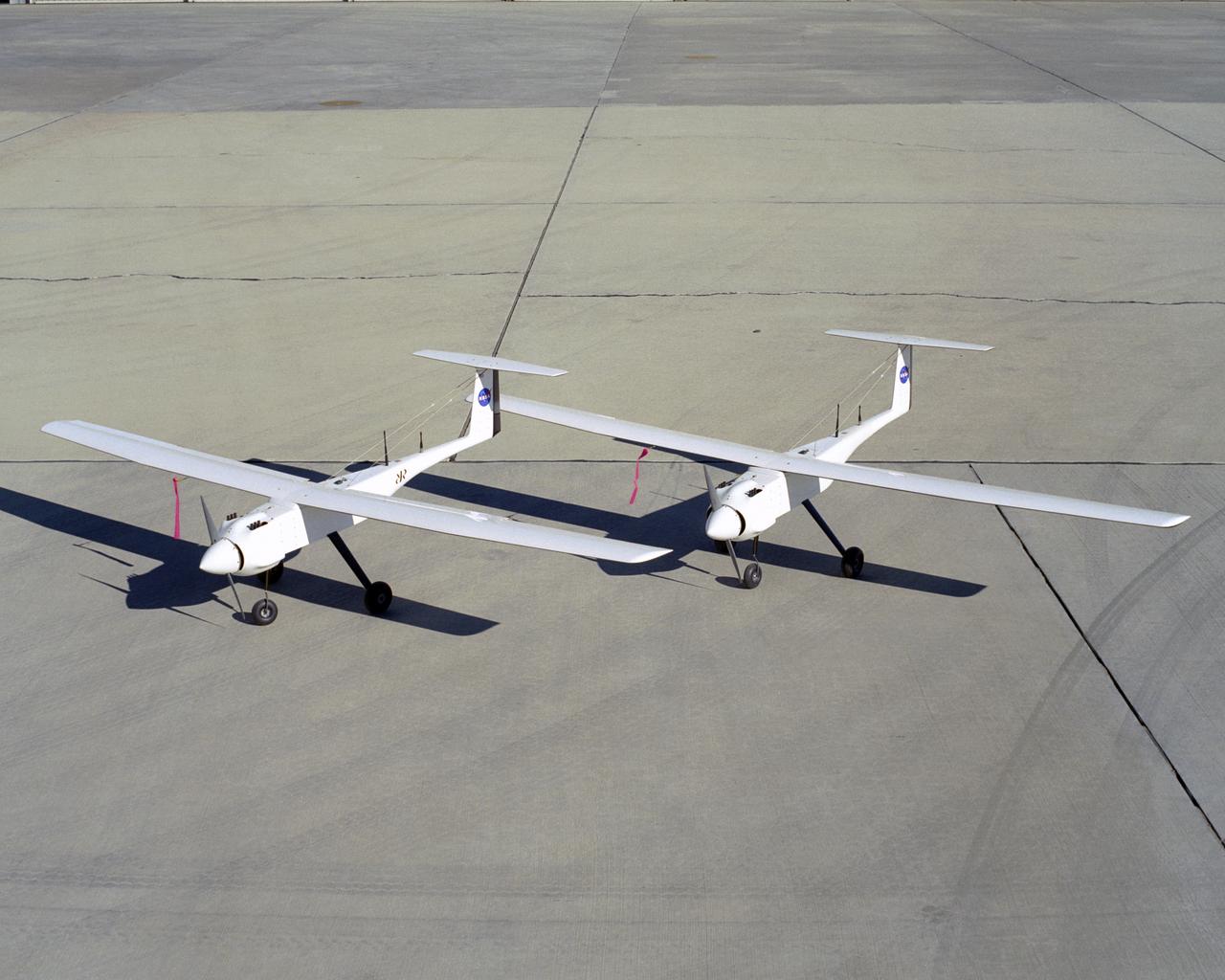
NASA Dryden Operations co-op student Shannon Kolensky holds one of the APV-3 UAVs flown in the Networked UAV Teaming Experiment steady during an engine runup.
EC05-0043-09
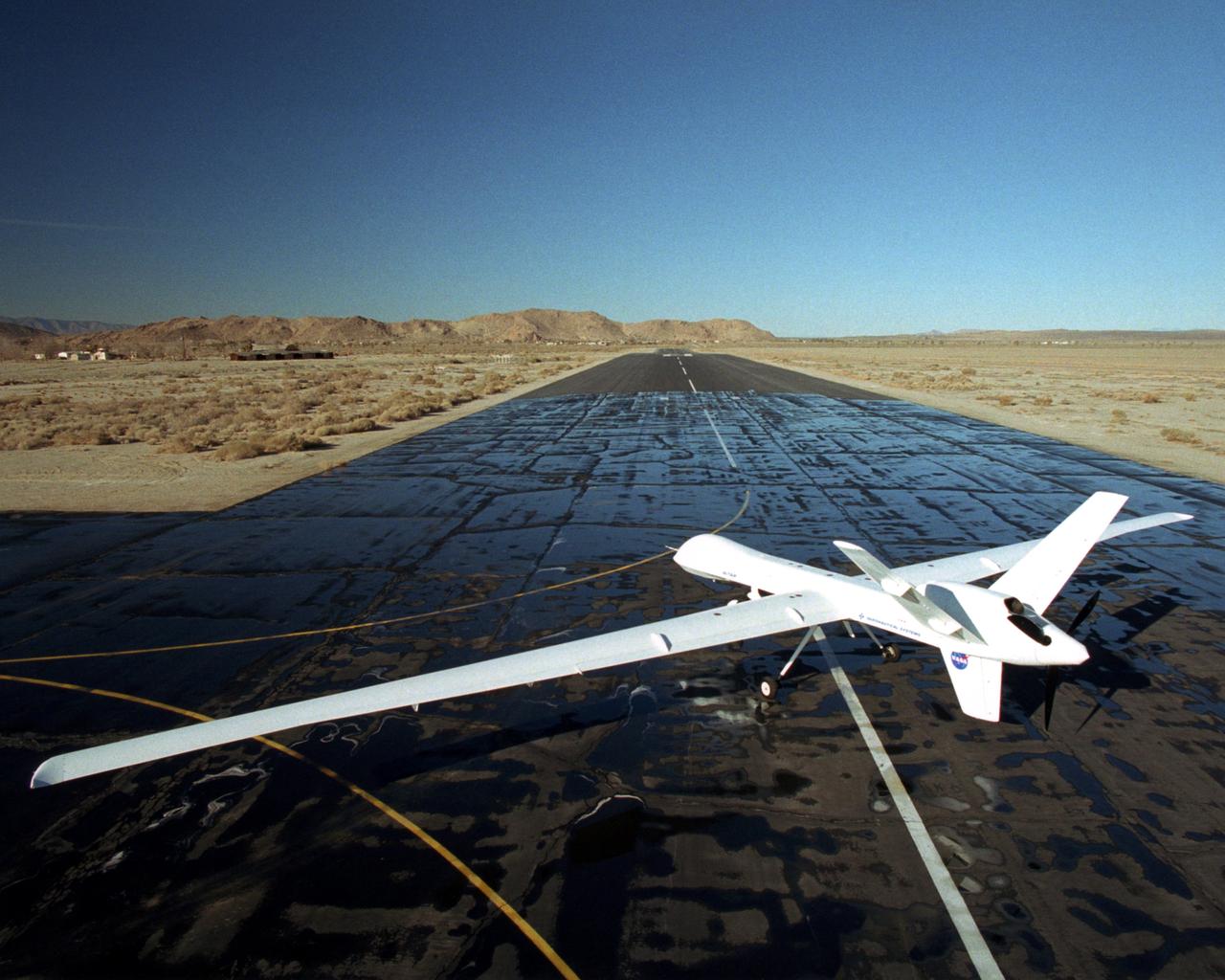
The long wings of General Atomics Altair UAV are in evidence during a series of environmental monitoring missions for NOAA and NASA in the spring of 2005.
ED05-0082-03
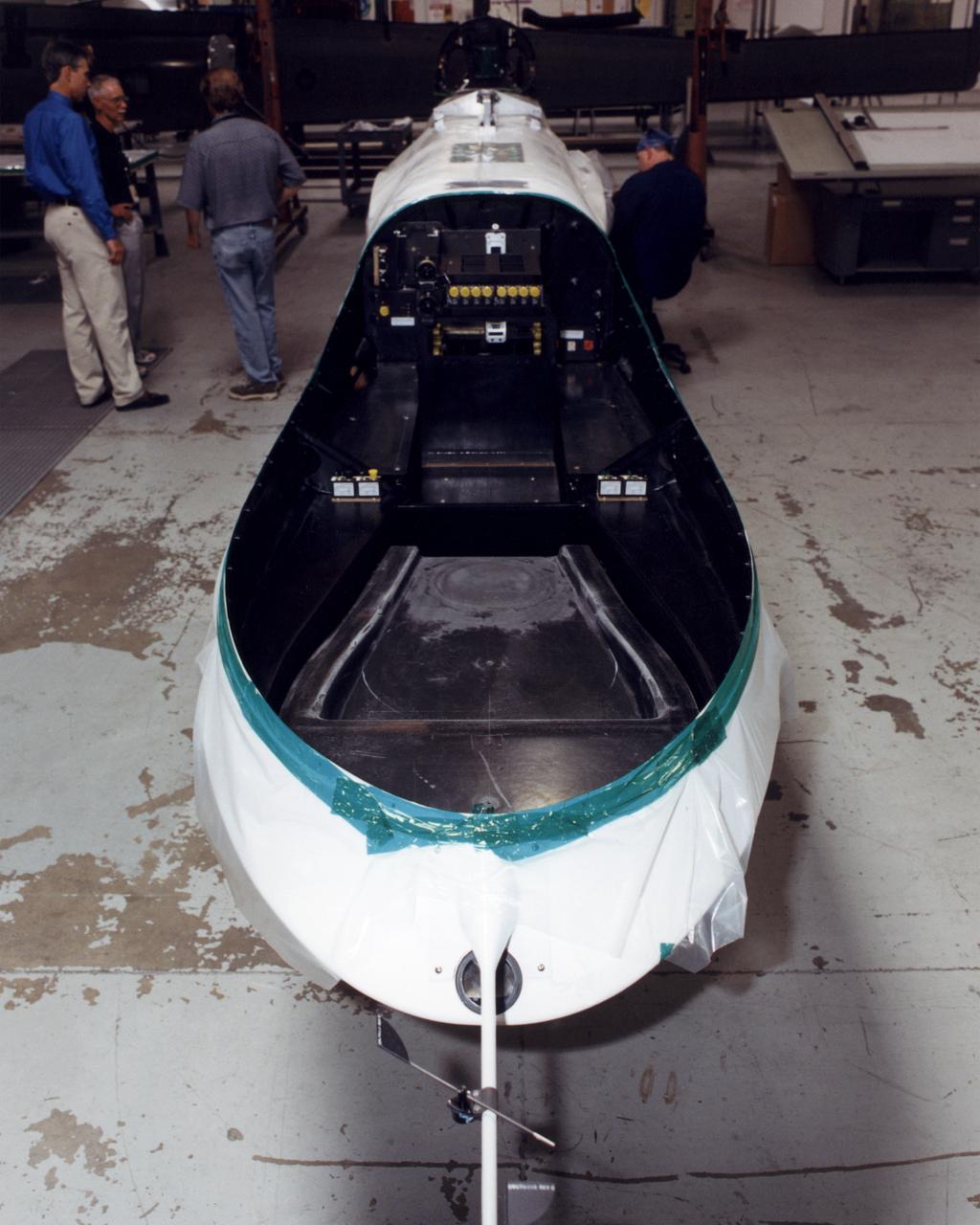
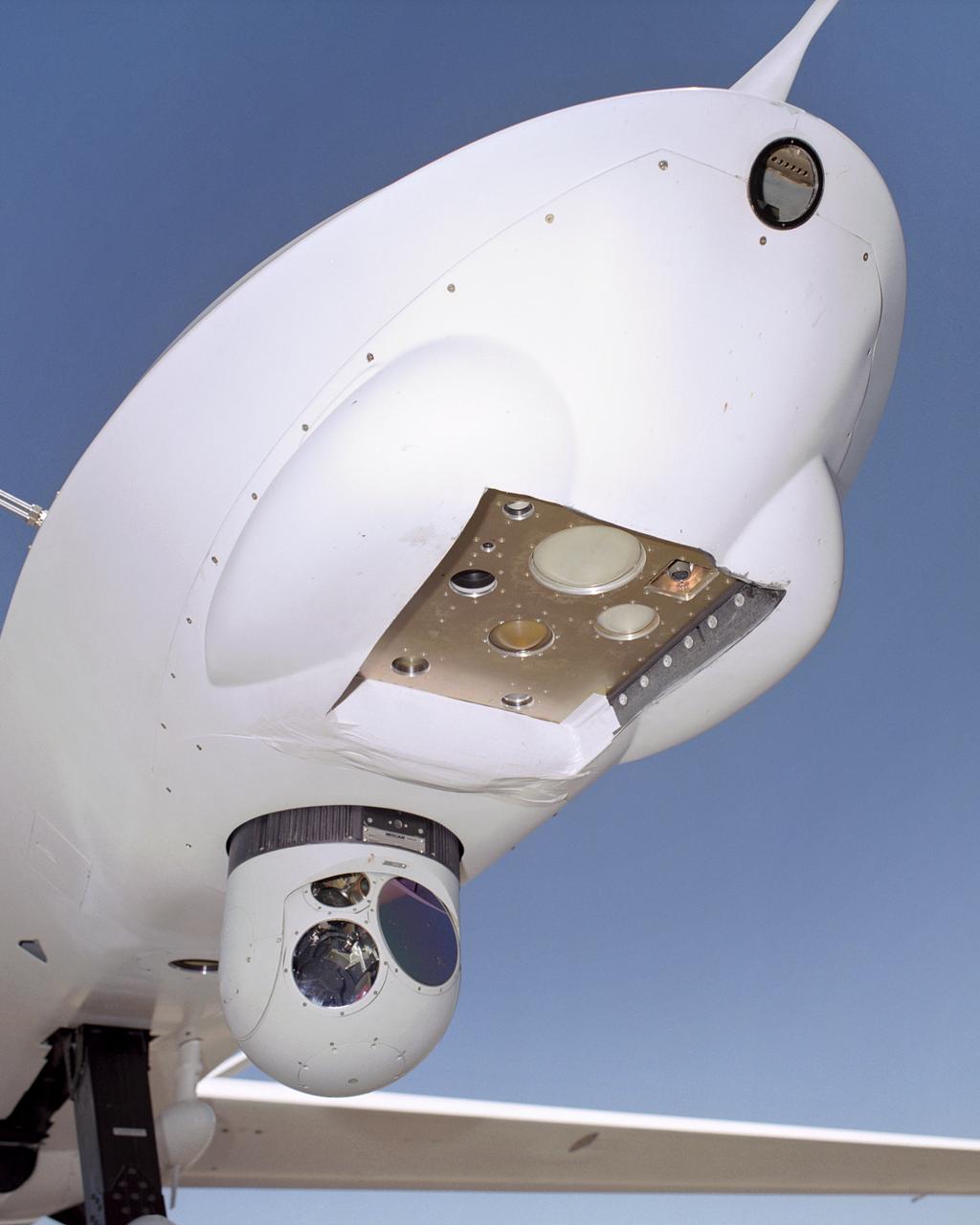
The payload bay in the nose of NASA's Altair unmanned aerial vehicle (UAV) will be able to carry up to 700 lbs. of sensors, imaging equipment and other instruments for Earth science missions.
EC02-0188-24
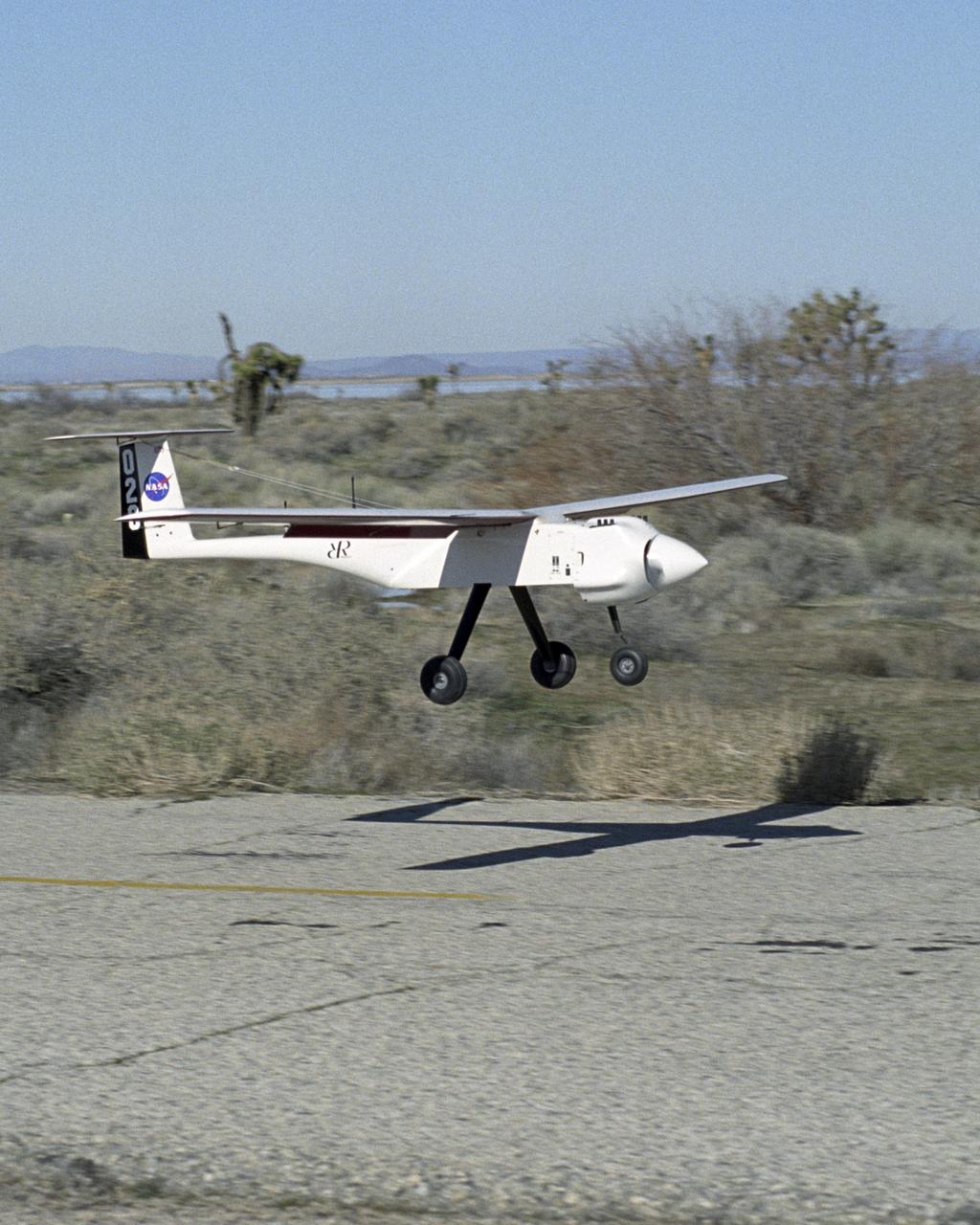
Two identical RnR Products APV-3 aircraft validated cooperative flight control software in the Networked UAV Teaming Experiment at NASA Dryden in early 2005.
EC04-0347-06
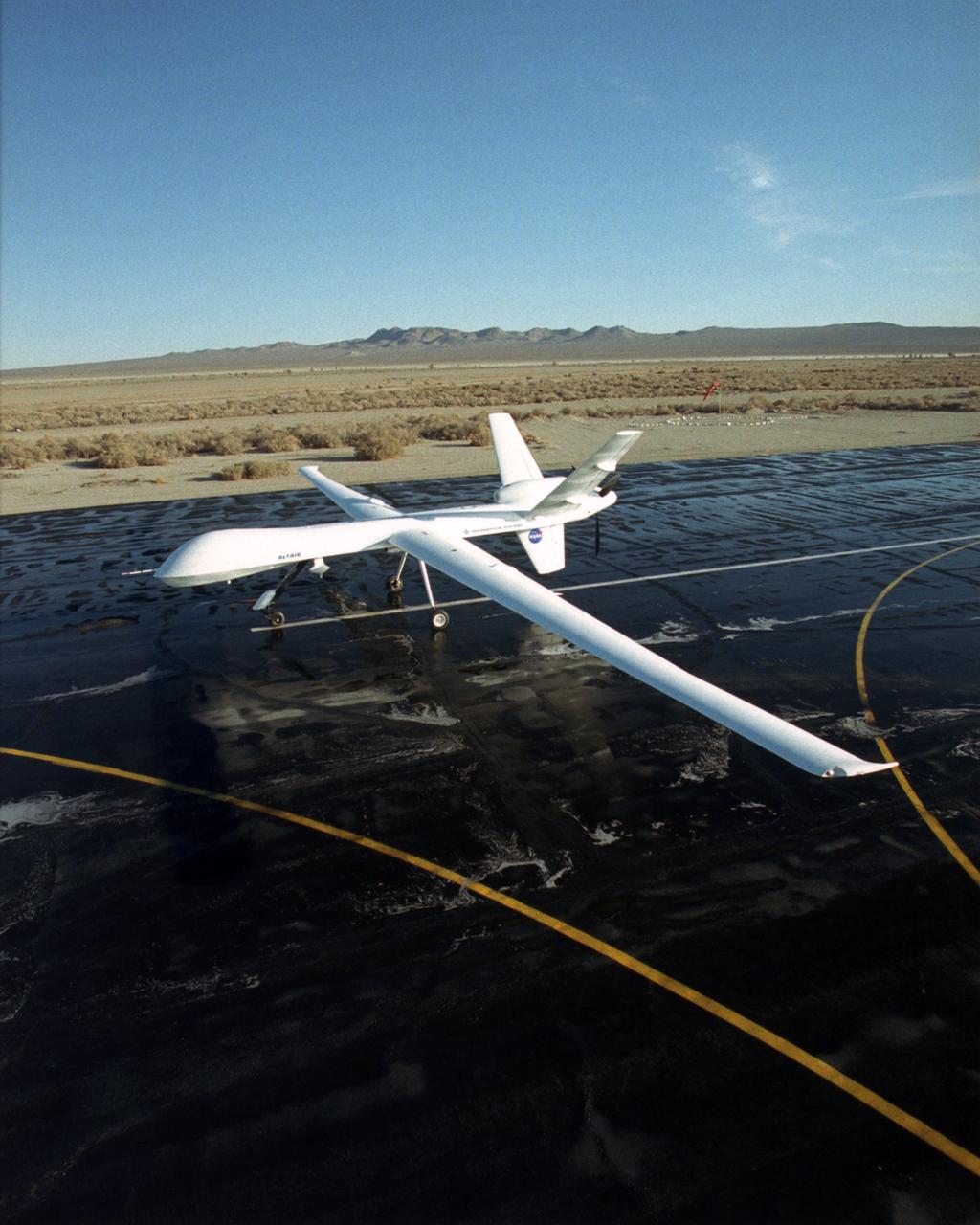
The long, narrow wings of NASA's Altair are designed to allow the unmanned aerial vehicle (UAV) to maintain long-duration flight at high altitudes.
ED03-0078-2
One of two small APV-3 aircraft flown in the joint Ames-Dryden Networked UAV Teaming Experiment flares for landing on a roadway on a remote area of Edwards AFB.
EC05-0043-20
The Altair unmanned aerial vehicle (UAV), built by General Atomics Aeronautical Systems, Inc. for NASA, is poised for flight at GA-ASI's flight test facility at El Mirage, California.
ED03-0078-1
An ocean color senor, a passive microwave vertical sounder and an electro-optical sensor were mounted on the Altair UAV for the NOAA-NASA flight demonstration.
EC05-0090-03
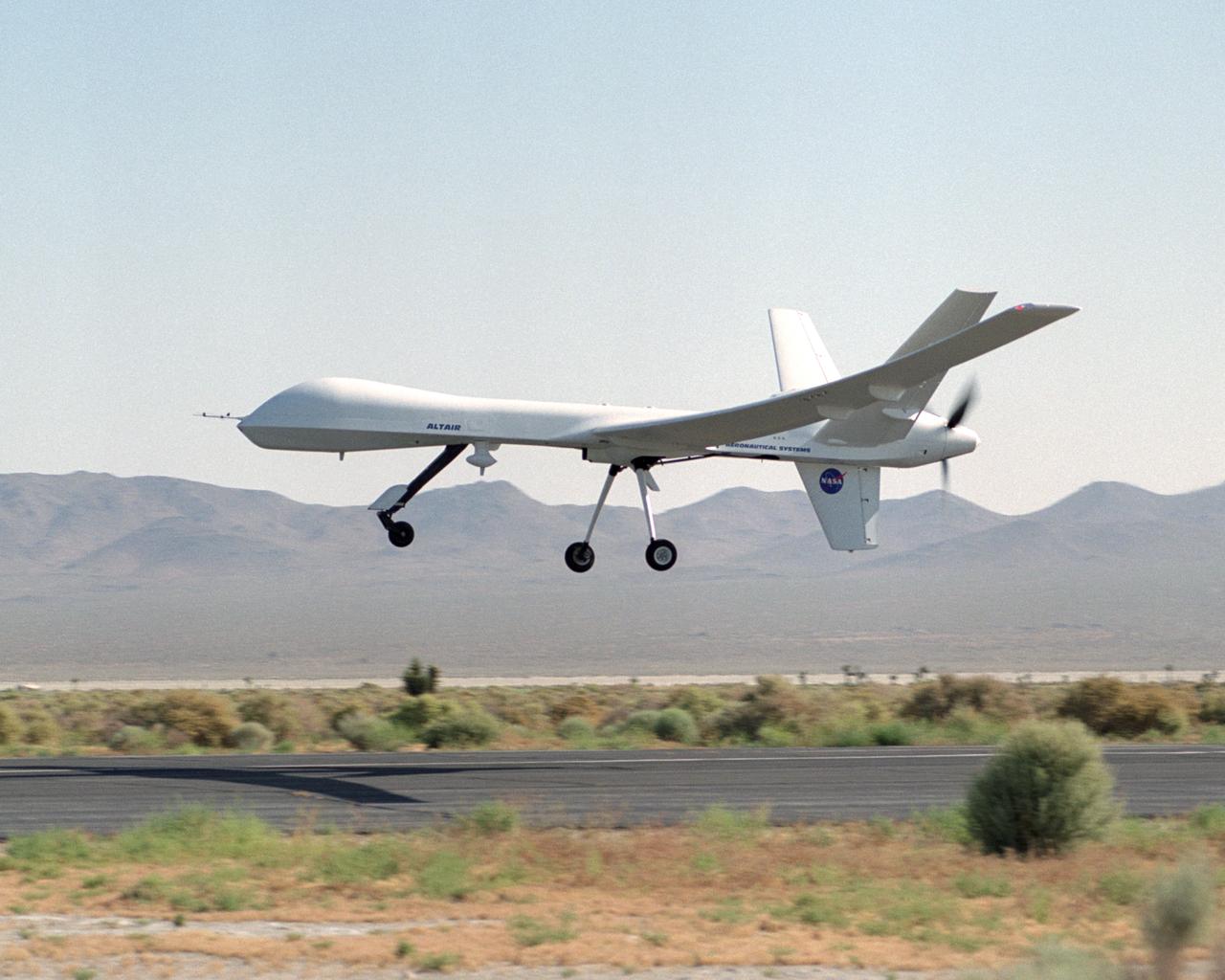
The remotely-piloted Altair unmanned aerial vehicle (UAV) took to the air on its first checkout flight on June 9, 2003 at El Mirage, California.
EC03-0154-3
The left wing of NASA's Altair unmanned aerial vehicle (UAV) rests in a jig during construction at General Atomics Aeronautical Systems, Inc., (GA-ASI) facility at Adelanto, Calif.
EC02-0188-8
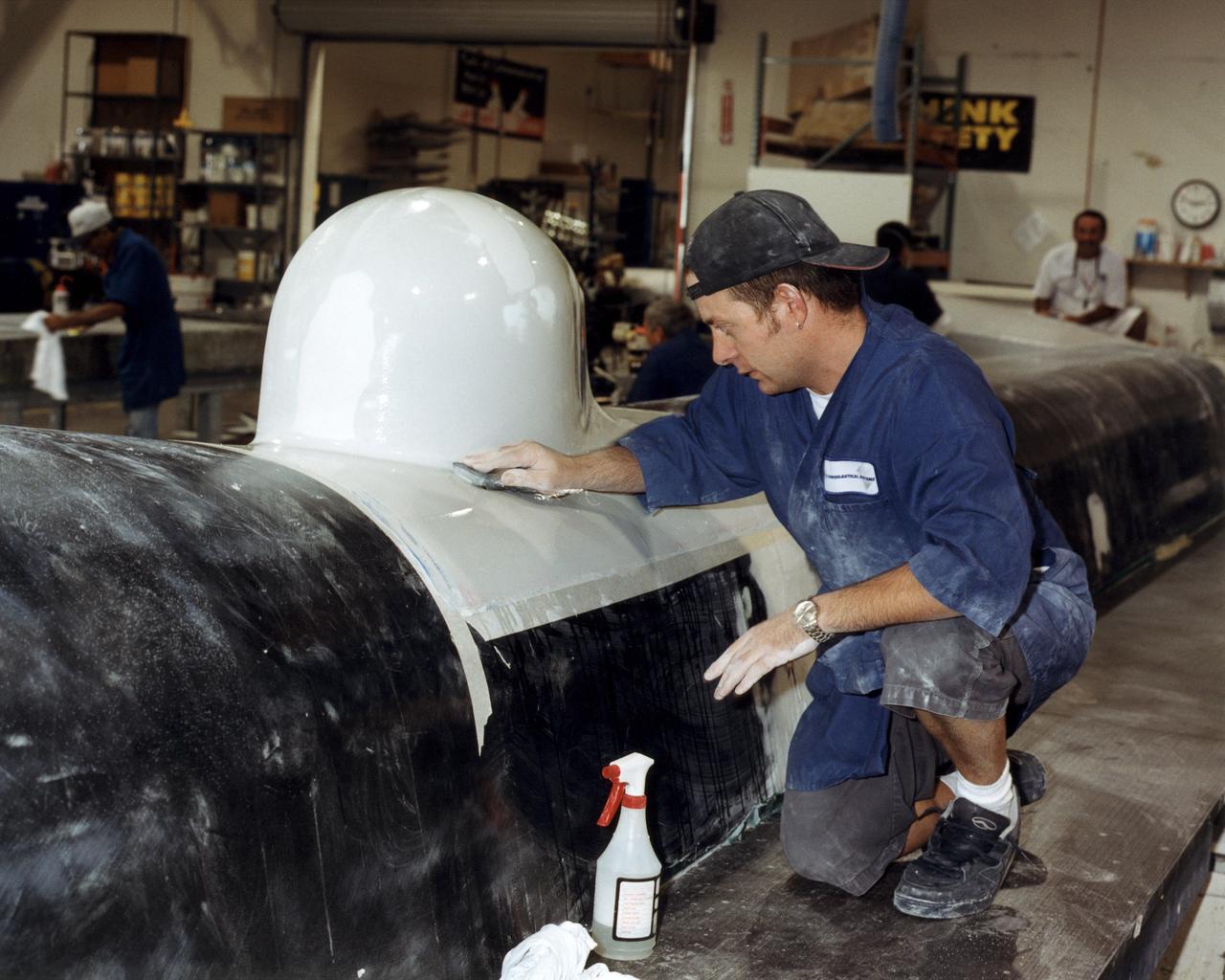
Technician Shawn Warren carefully smoothes out the composite skin of an instrument fairing<br>atop the upper fuselage of the Altair unmanned aerial vehicle (UAV) at General Atomics Aeronautical Systems, Inc., facility at Adelanto, Calif.
EC02-0188-3
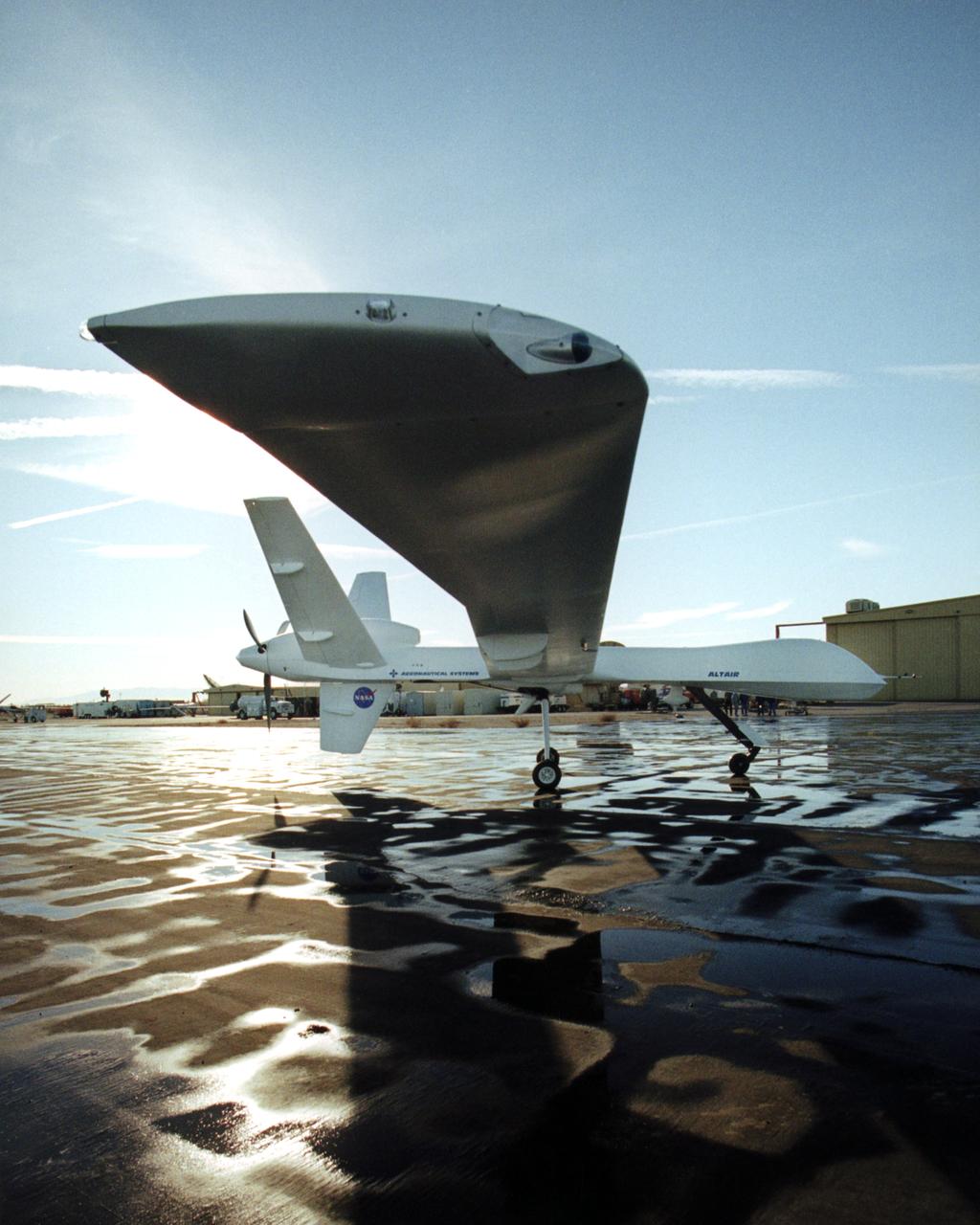
The Altair, a civil variant of the QM-9 Predator B unmanned aerial vehicle (UAV), shows off its lengthy high-aspect ratio wing while on the ramp at General Atomics Aeronautical Systems' flight test facility at El Mirage, California.
ED03-0078-5
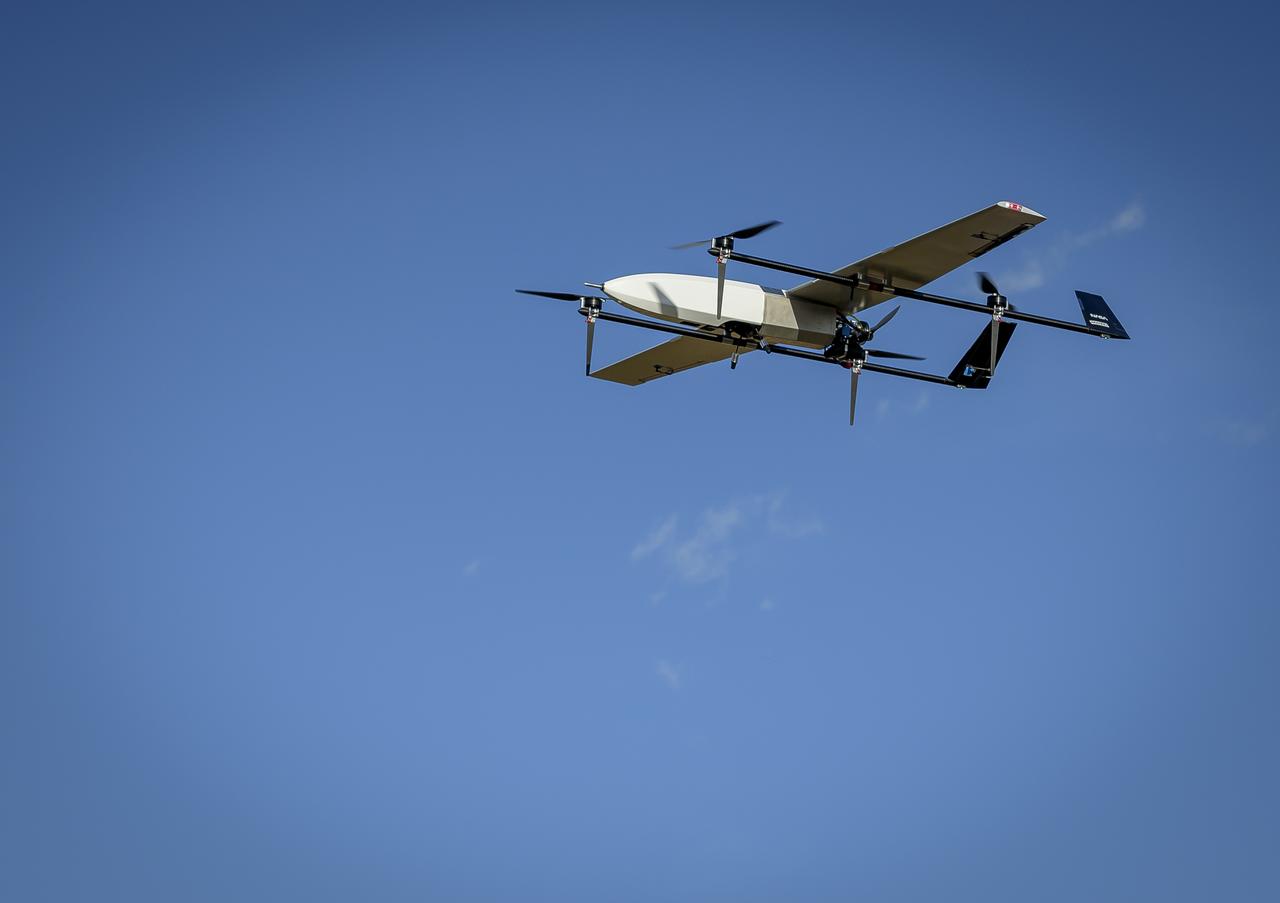
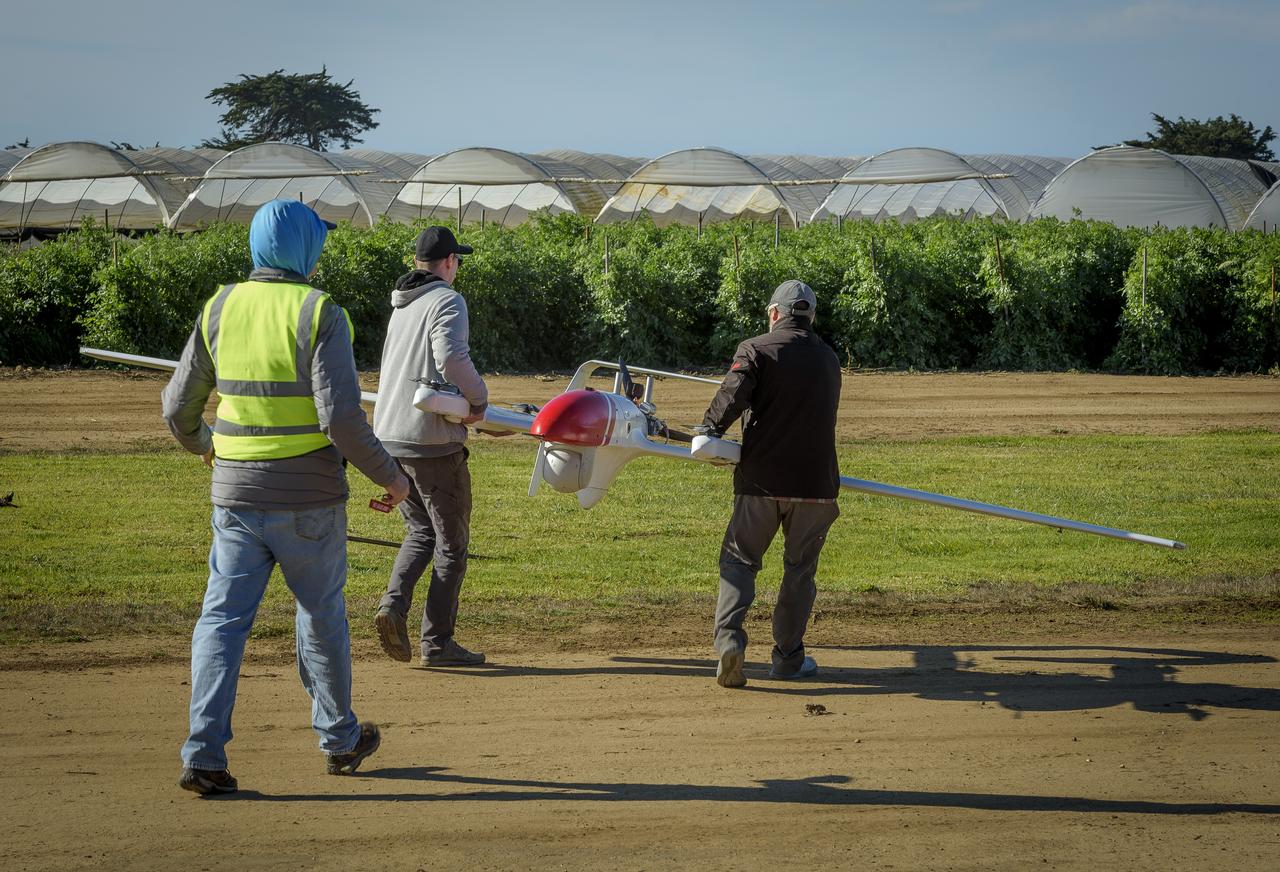
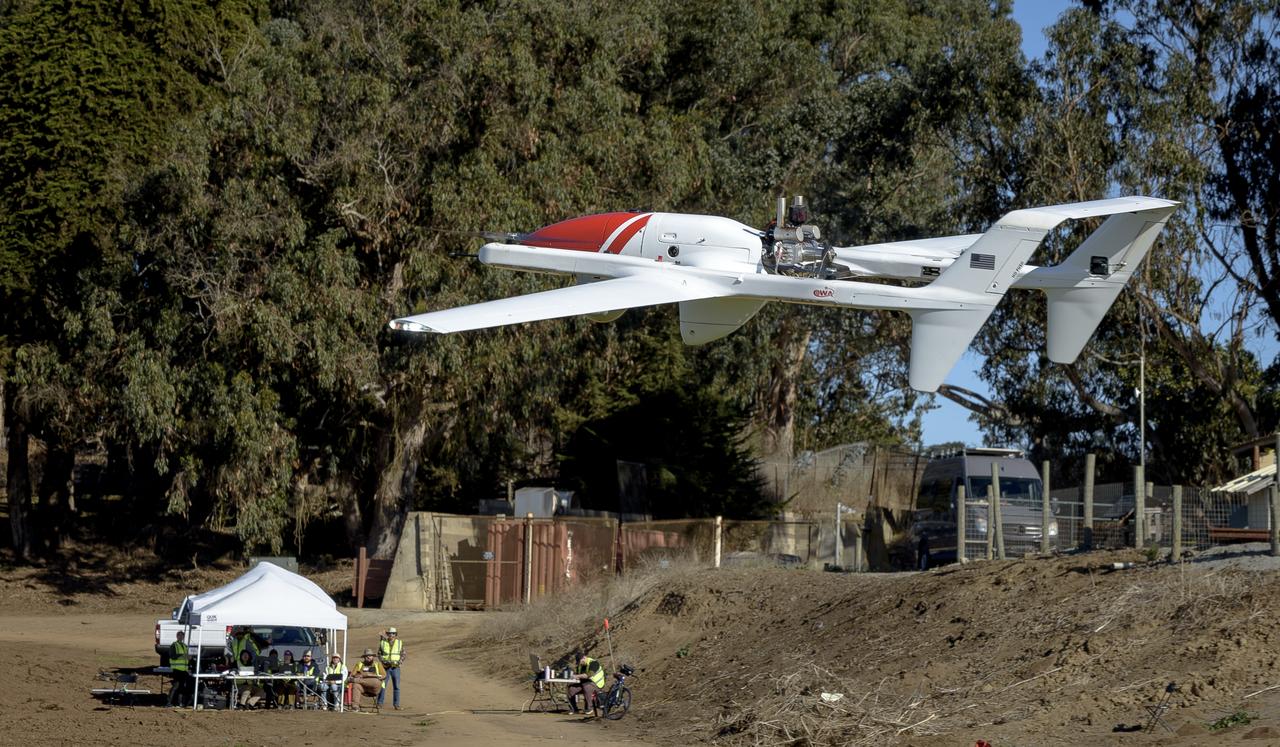
The SuperVolo XL Unmanned Aerial Vehicle (UAV) lifts off at the Monterey Bay Academy Airport near Watsonville, California.
Advanced Capabilities for Emergency Response Operations (ACERO)
The SuperVolo XL Unmanned Aerial Vehicle (UAV) lifts off at the Monterey Bay Academy Airport near Watsonville, California.
Advanced Capabilities for Emergency Response Operations (ACERO)
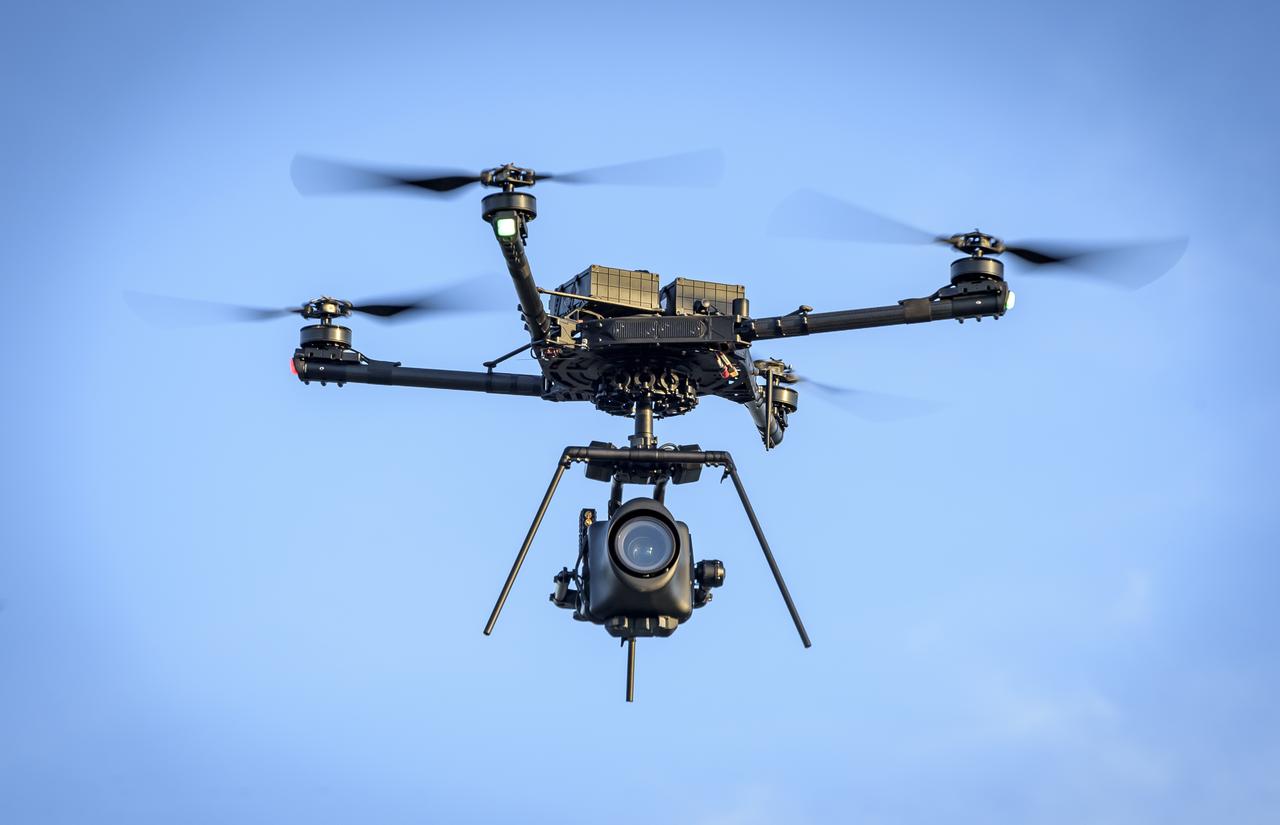
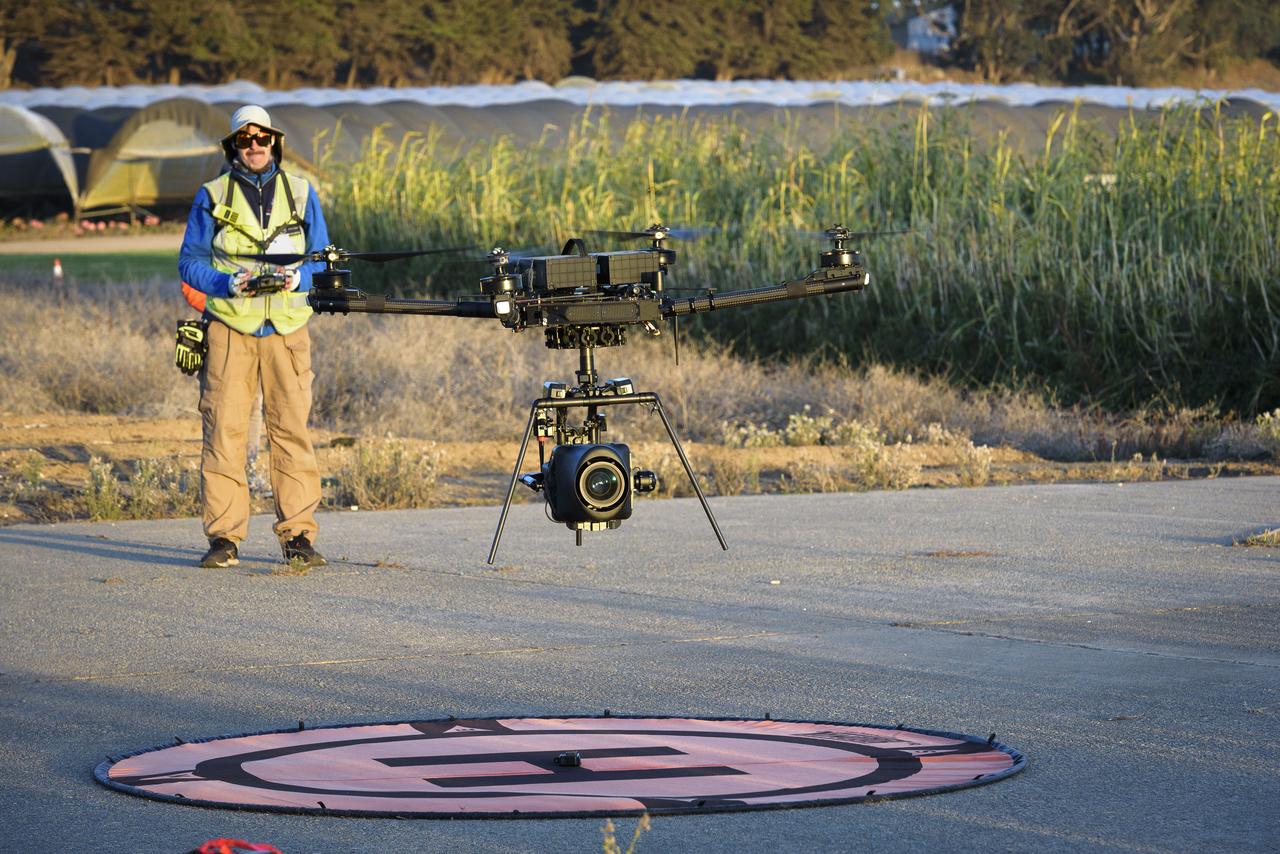
The Alta-X Unmanned Aerial Vehicle (UAV) with camera payload in flight at the Monterey Bay Academy Airport near Watsonville, California.
Advanced Capabilities for Emergency Response Operations (ACERO)
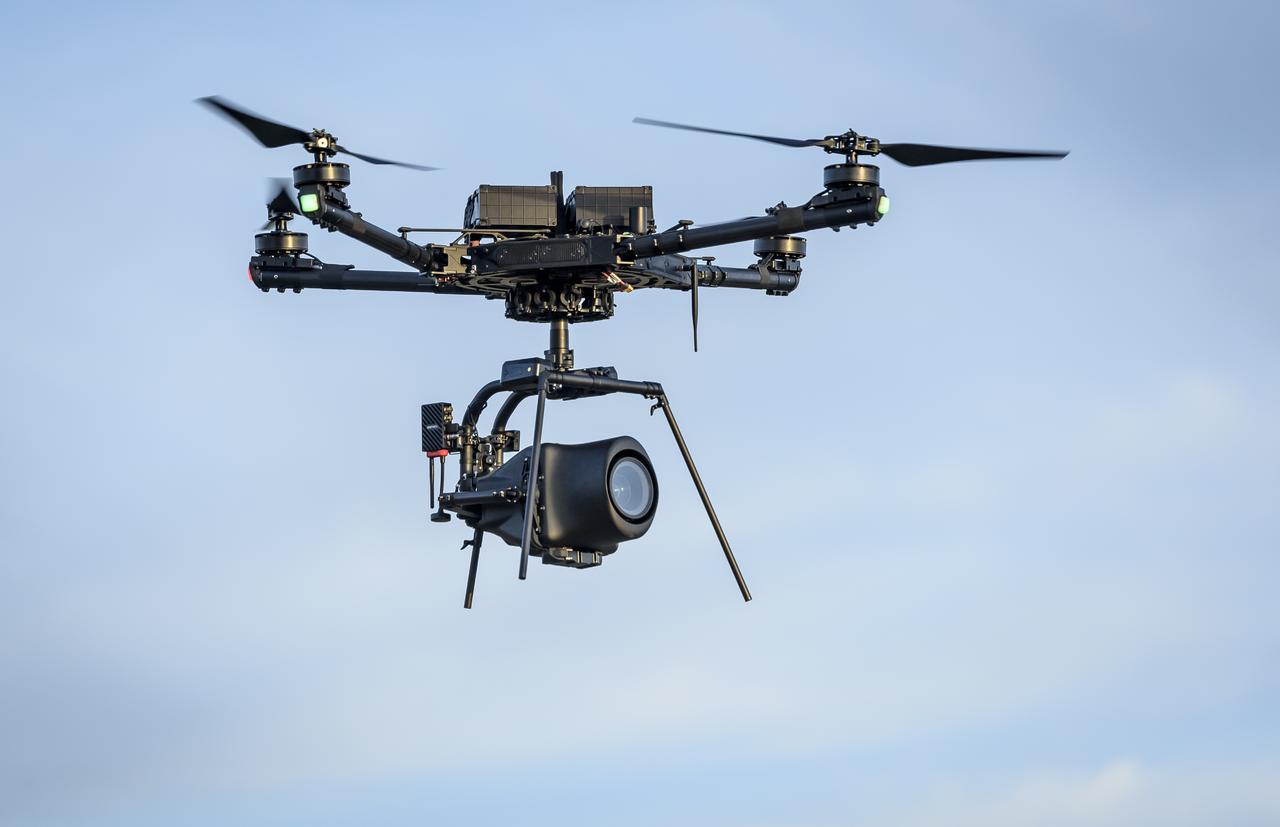
The Alta-X Unmanned Aerial Vehicle (UAV) with camera payload in flight at the Monterey Bay Academy Airport near Watsonville, California.
Advanced Capabilities for Emergency Response Operations (ACERO)
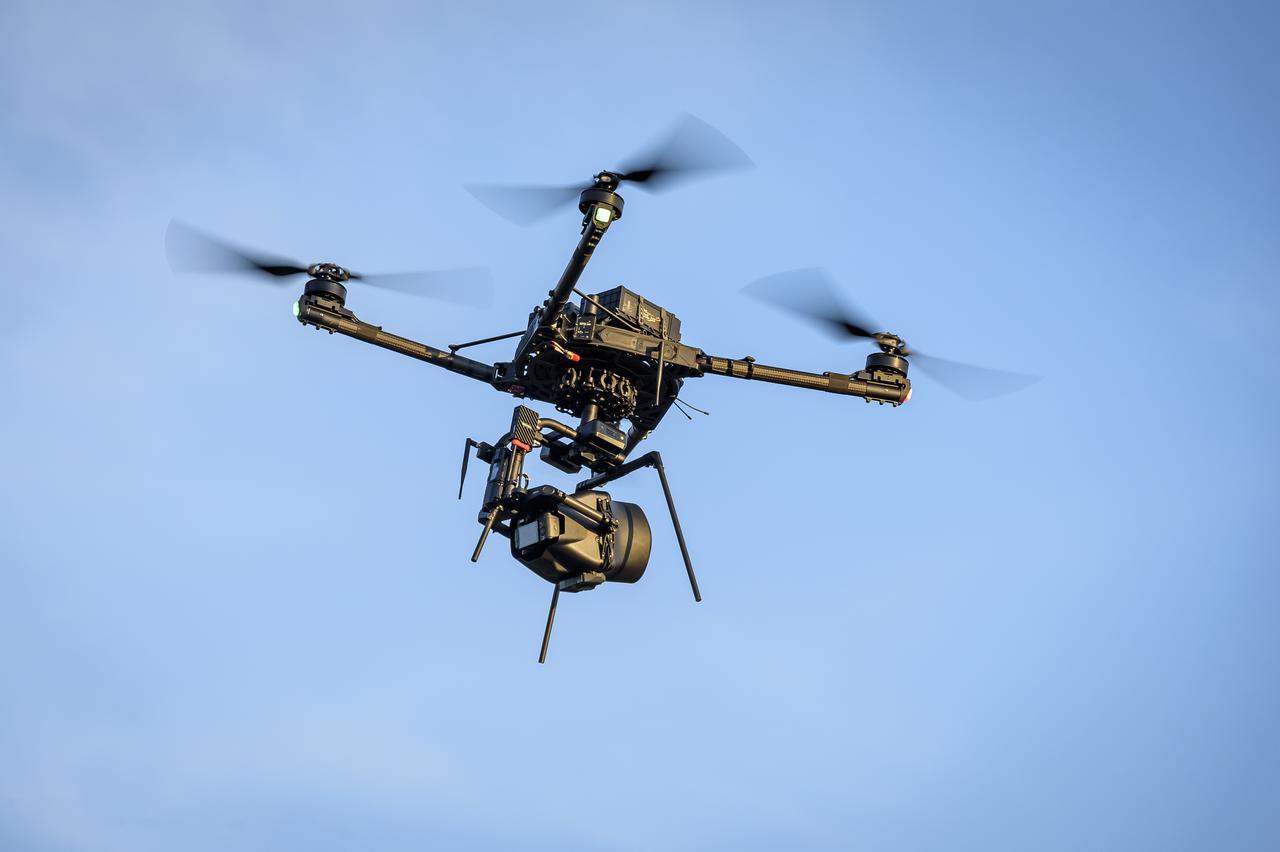
The Alta-X Unmanned Aerial Vehicle (UAV) with camera payload in flight at the Monterey Bay Academy Airport near Watsonville, California.
Advanced Capabilities for Emergency Response Operations (ACERO)
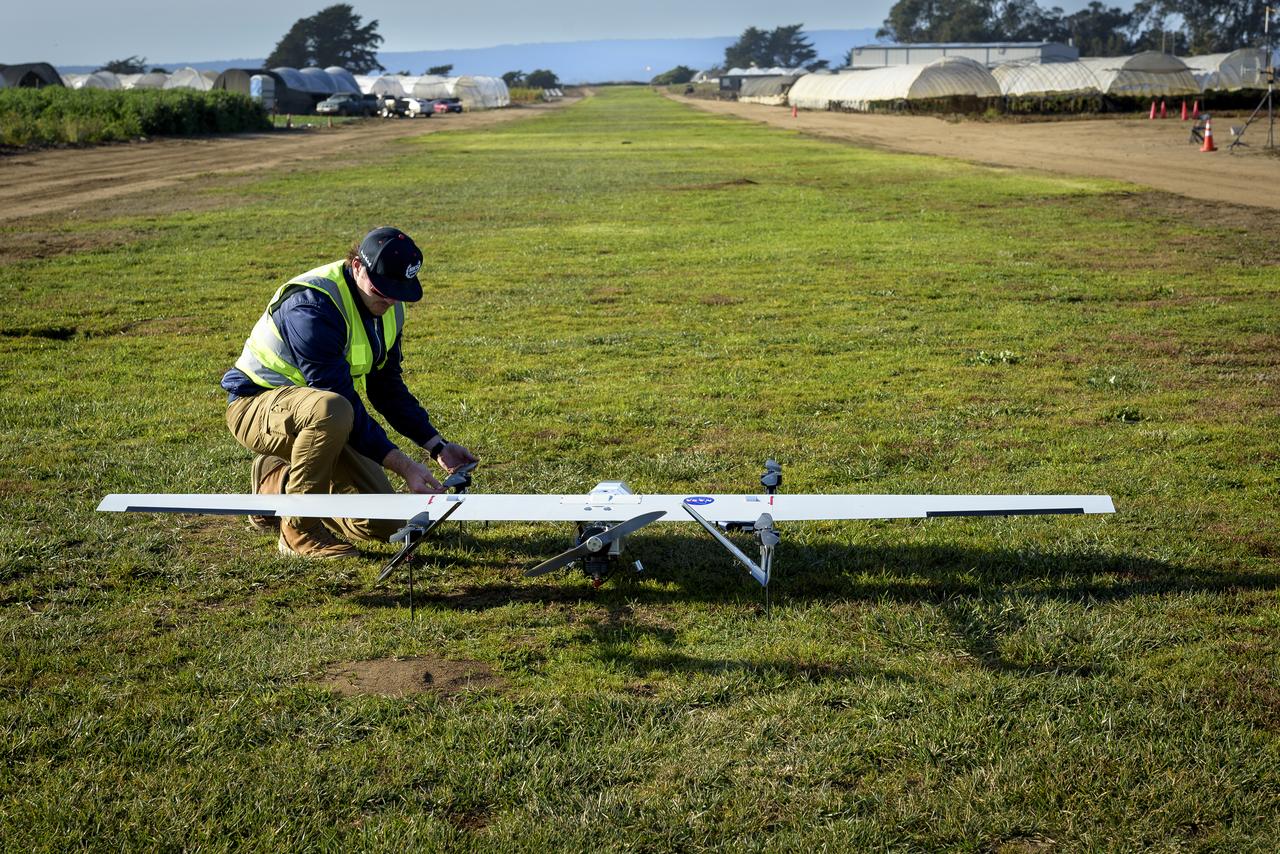
Brayden Chamberlain, preps the SuperVolo XL Unmanned Aerial Vehicle (UAV) for flight at the Monterey Bay Academy Airport near Watsonville, California.
Advanced Capabilities for Emergency Response Operations (ACERO)
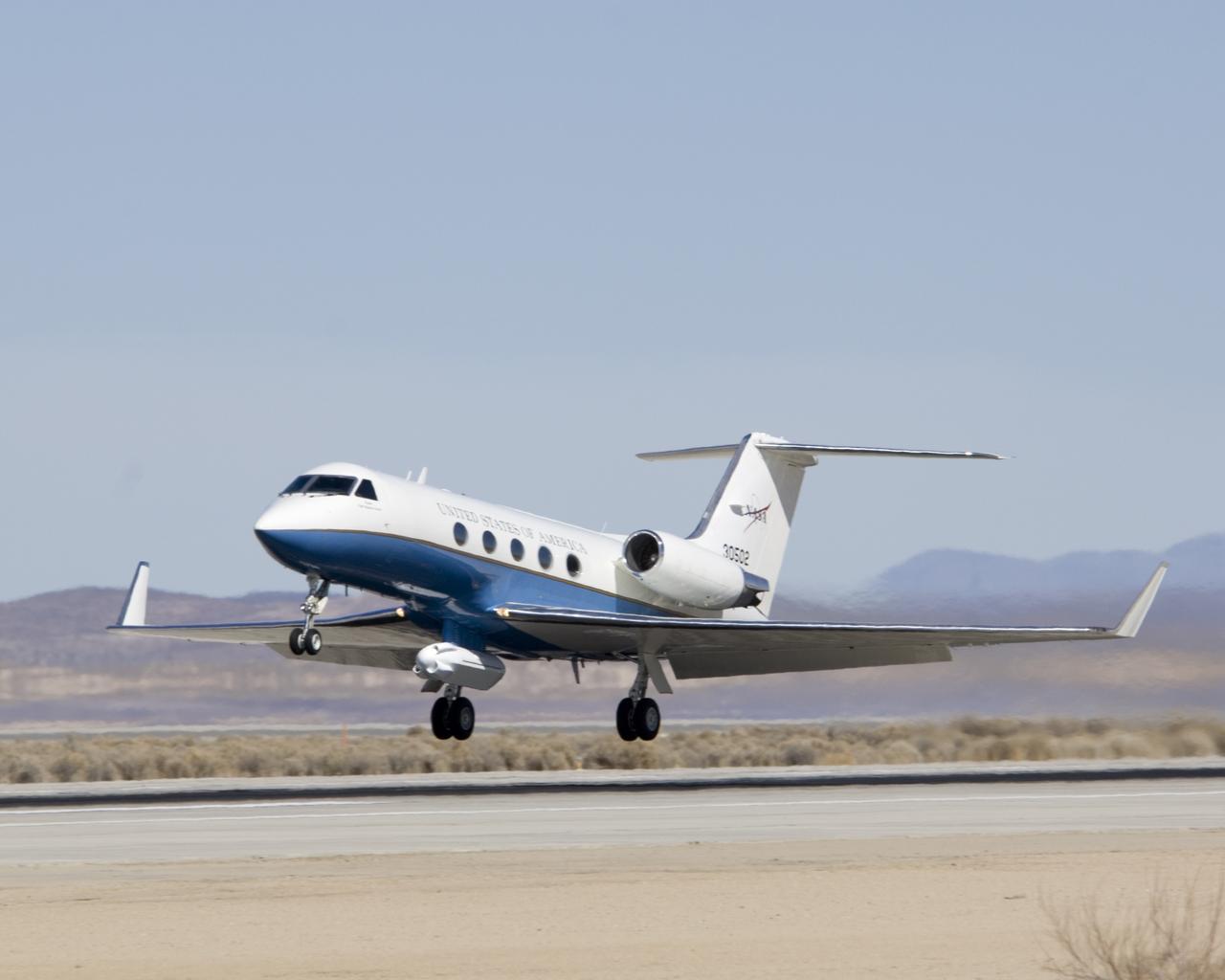
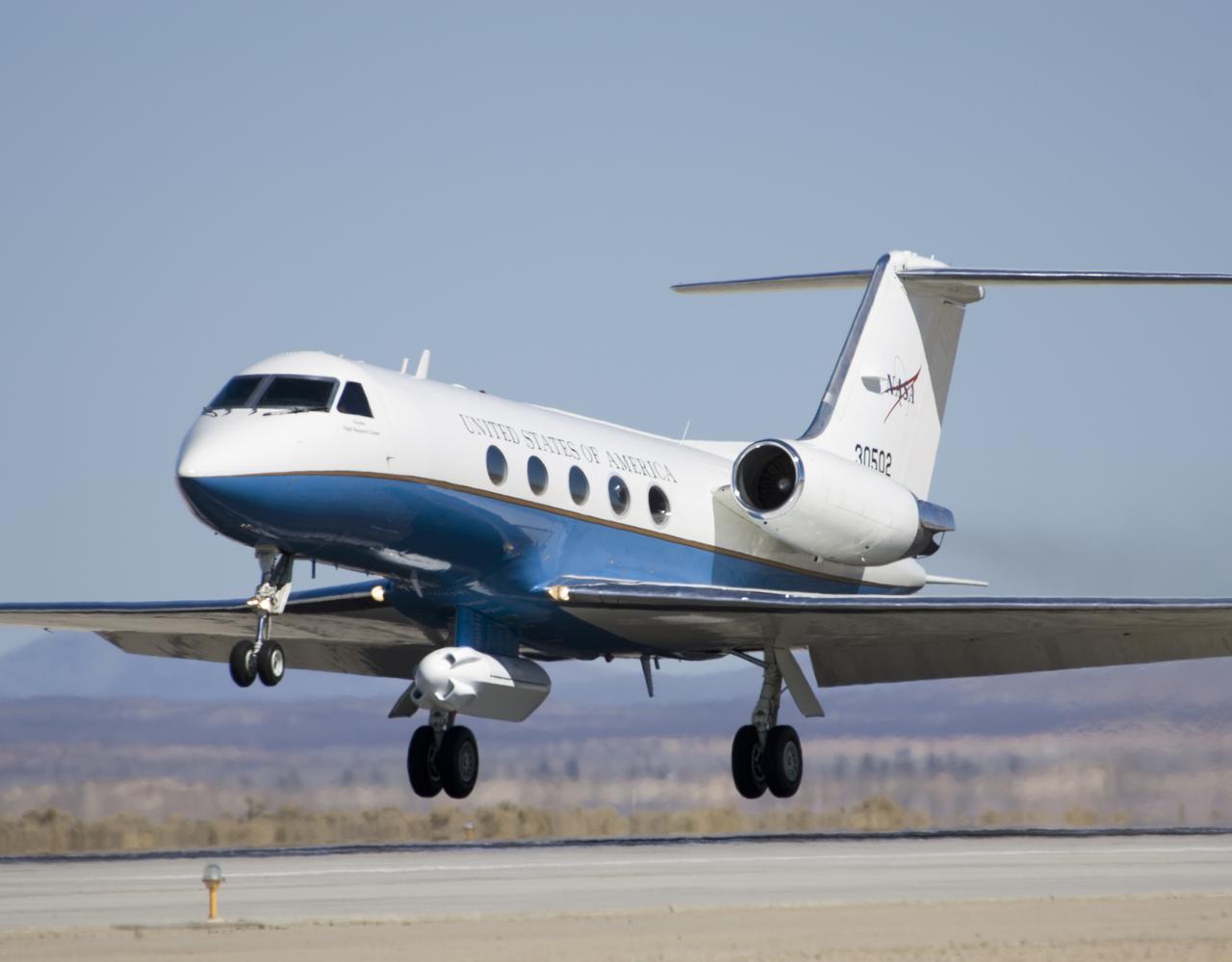
NASA's Gulfstream-III research testbed lifts off the Edwards AFB runway on an envelope-expansion flight test with the UAV synthetic aperture radar pod.
ED07-0027-39
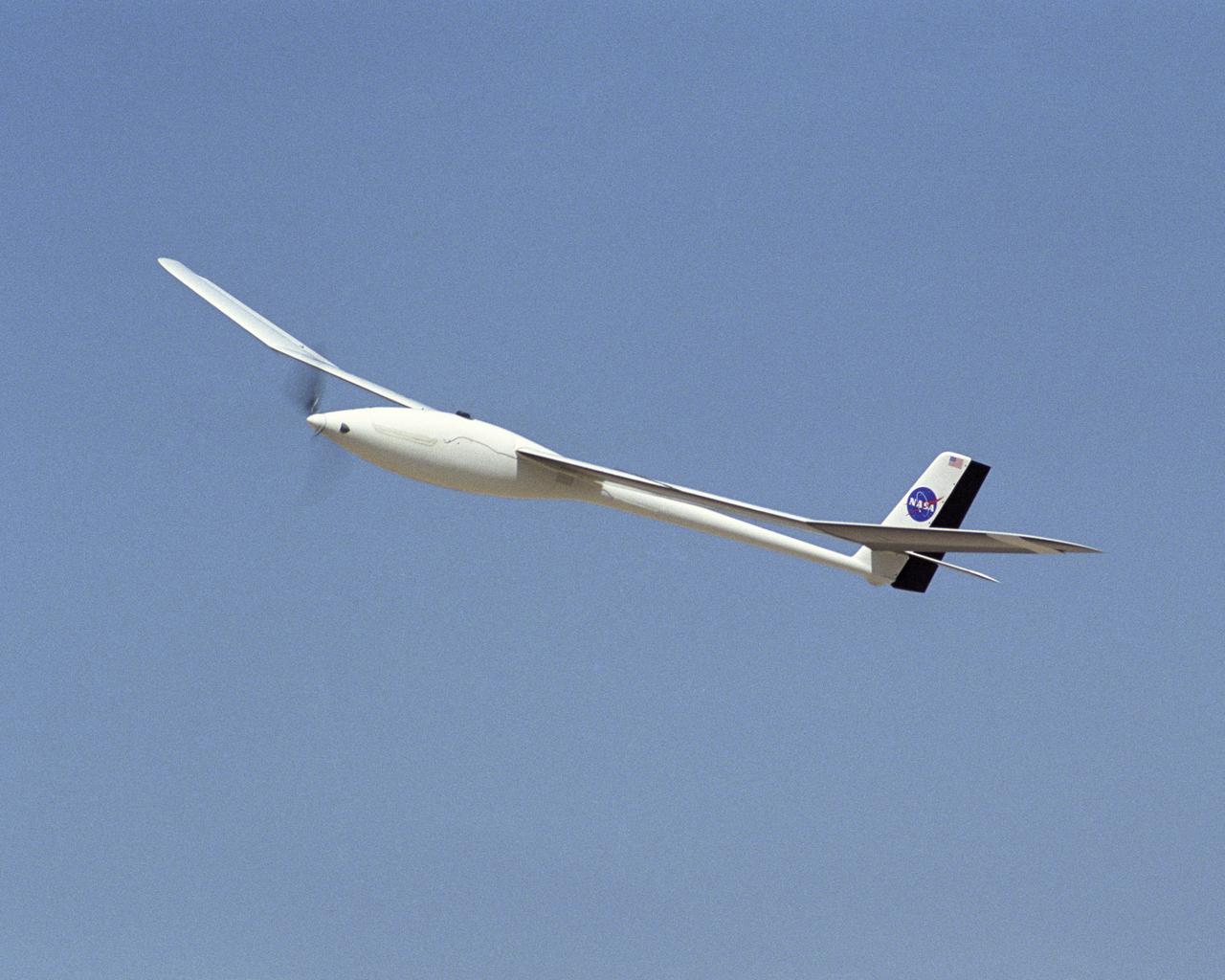
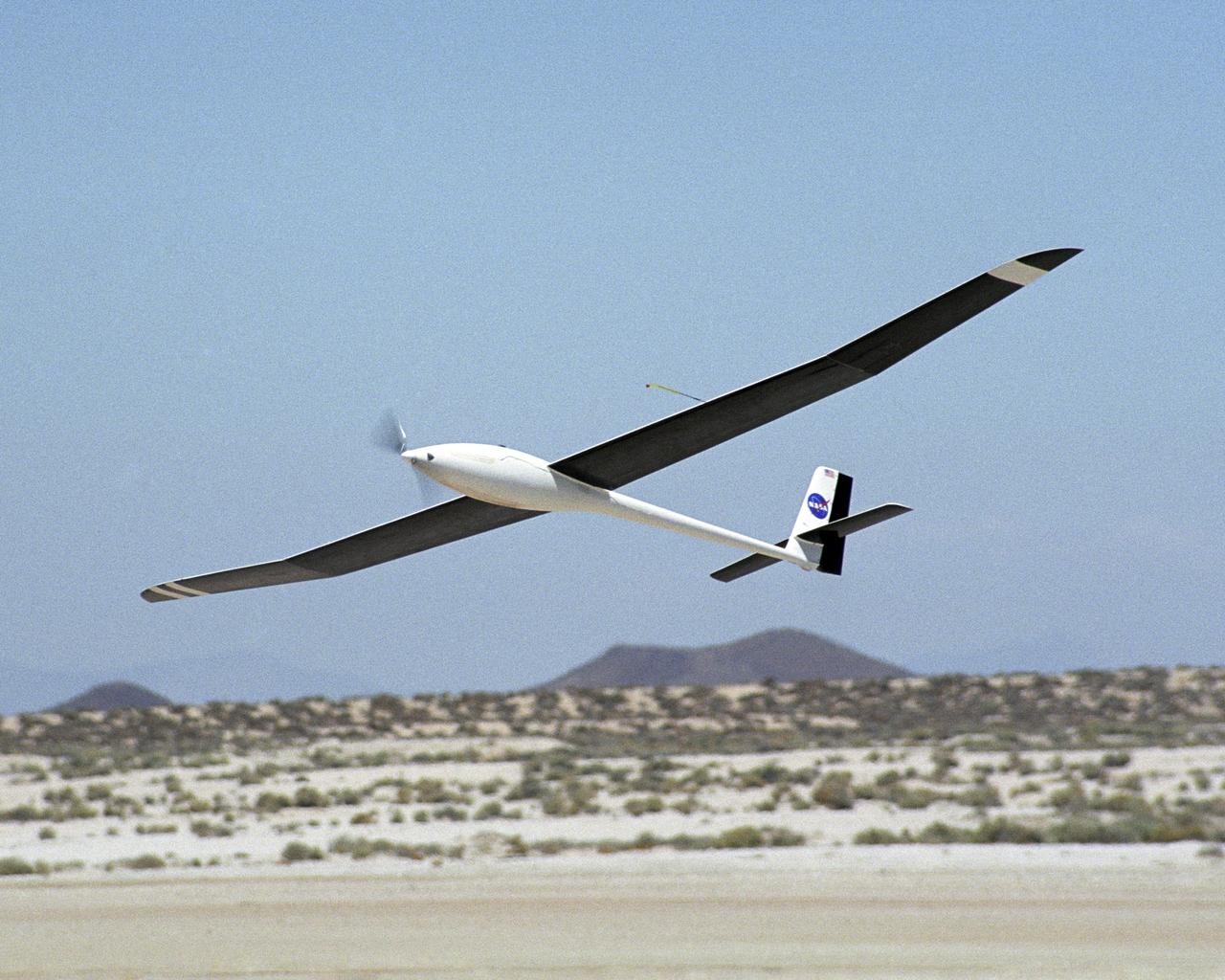
A NASA model motorized sailplane catches a thermal during one of 17 flights to demonstrate that updrafts can extend flight time and save energy for small UAVs.
EC05-0198-12
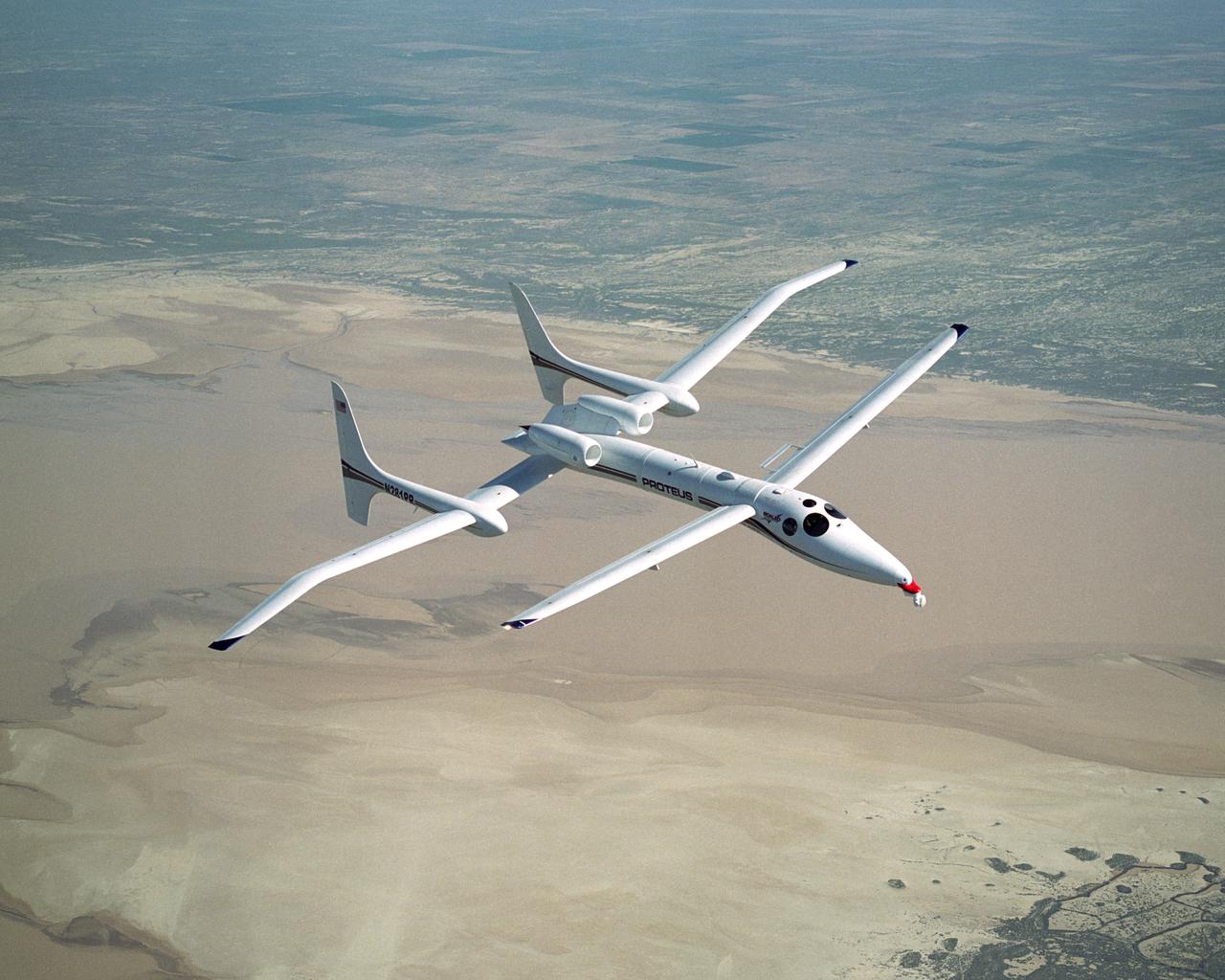
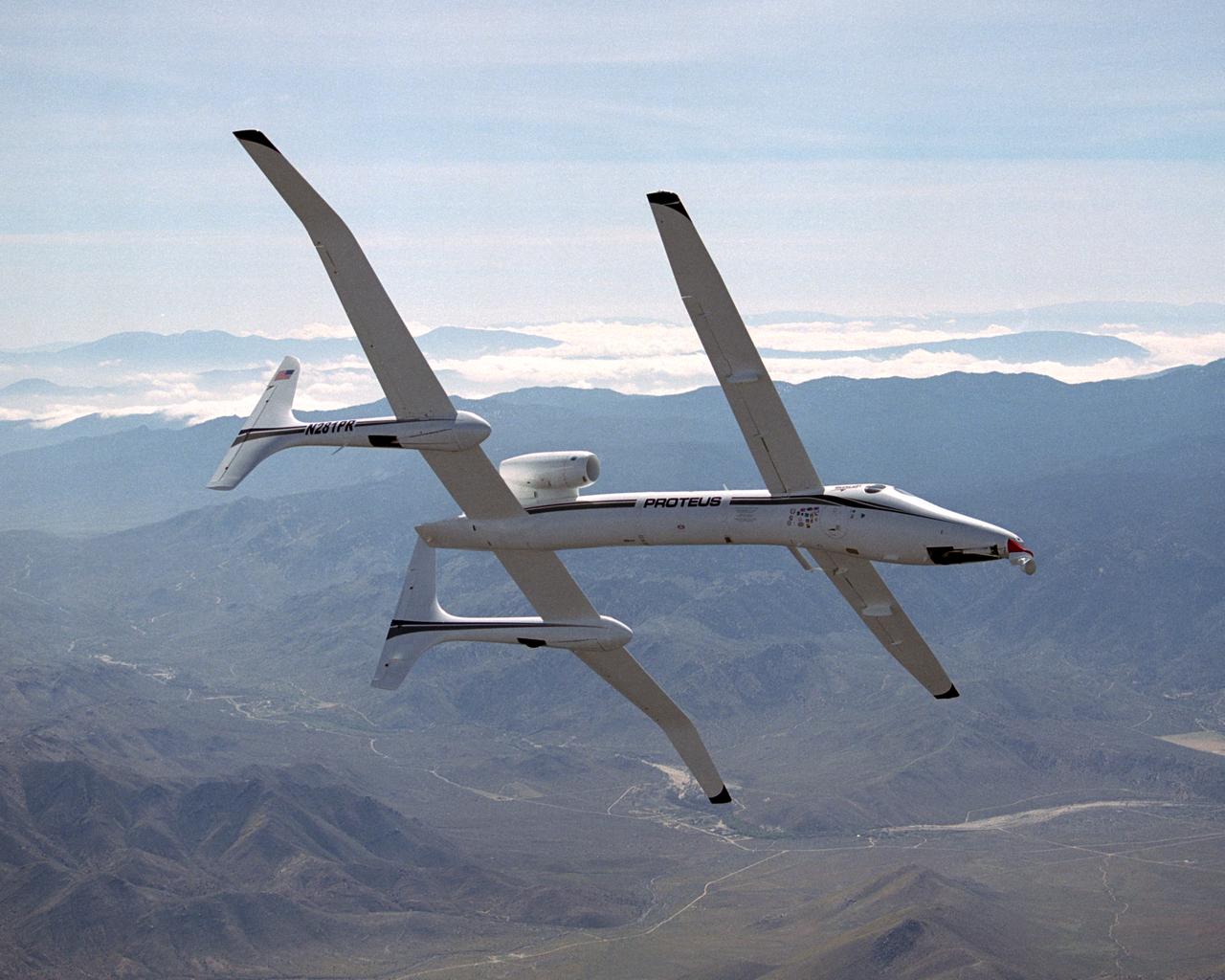
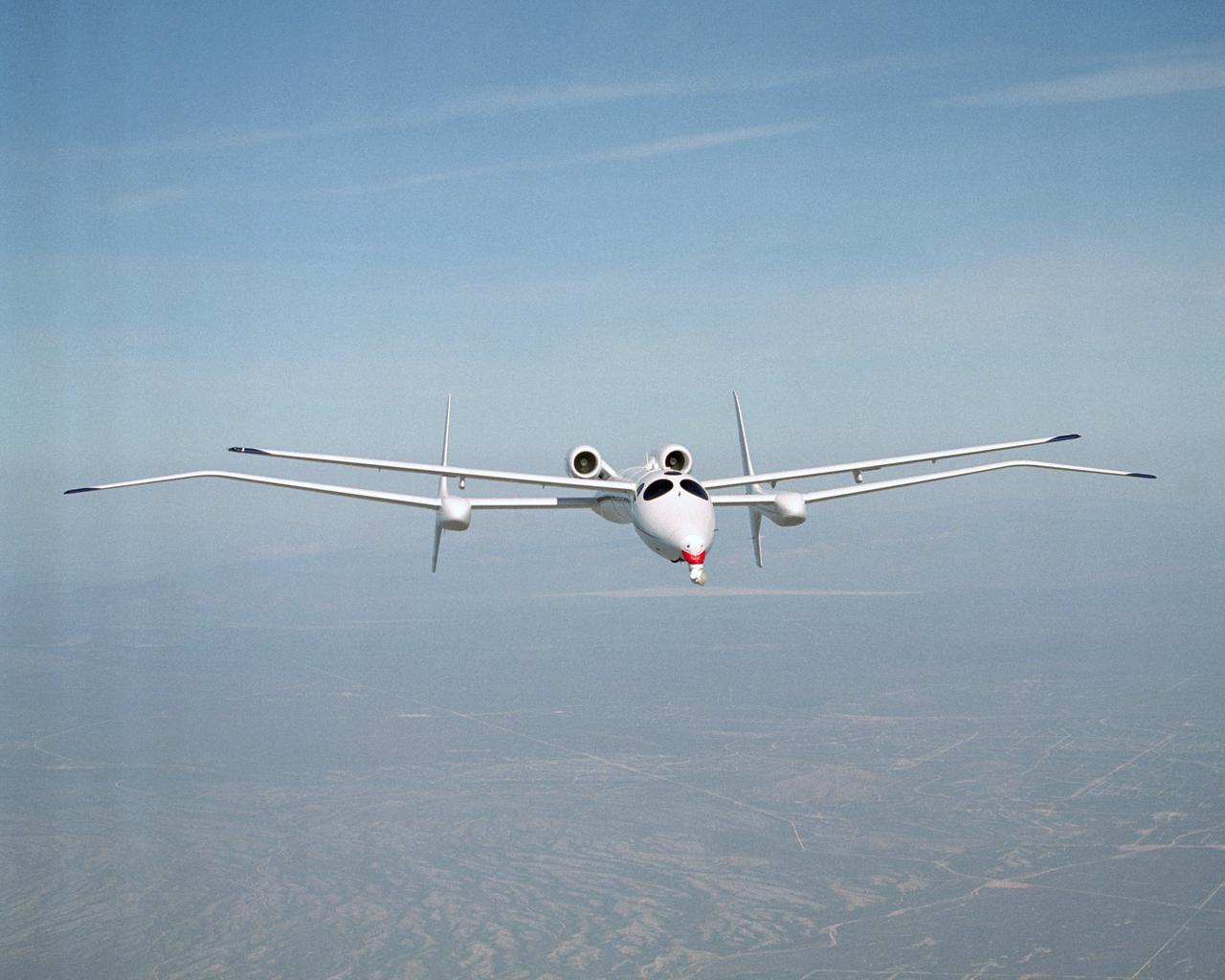
Scaled Composites' unique tandem-wing Proteus was the testbed for a series of UAV collision-avoidance flight demonstrations. An Amphitech 35GHz radar unit installed below Proteus' nose was the primary sensor for the Detect, See and Avoid tests.
Proteus in flight over Southern California
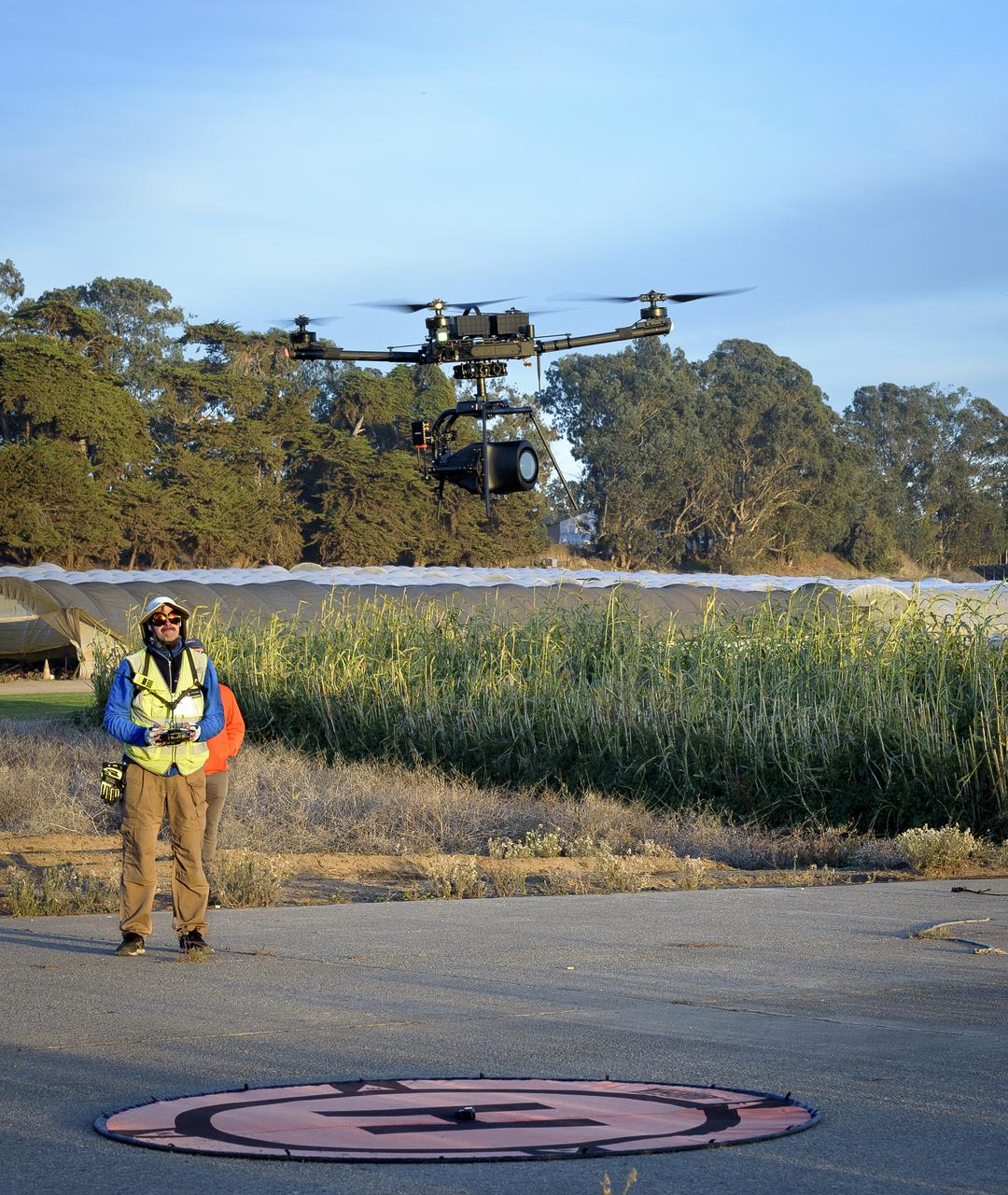
Jonas Jonsson guides the Alta-X Unmanned Aerial Vehicle (UAV) with camera payload down to the landing pad at the Monterey Bay Academy Airport near Watsonville, California.
Advanced Capabilities for Emergency Response Operations (ACERO)
Jonas Jonsson guides the Alta-X Unmanned Aerial Vehicle (UAV) with camera payload down to the landing pad at the Monterey Bay Academy Airport near Watsonville, California.
Advanced Capabilities for Emergency Response Operations (ACERO)
Jody Miller, left, Alex Godwin, and Jeff Strebler, right, prepares the L3Harris FVR90 Unmanned Aerial Vehicle (UAV) at the Monterey Bay Academy Airport near Watsonville, California.
Advanced Capabilities for Emergency Response Operations (ACERO)
Scaled Composites' unique tandem-wing Proteus was the testbed for a series of UAV collision-avoidance flight demonstrations. An Amphitech 35GHz radar unit installed below Proteus' nose was the primary sensor for the Detect, See and Avoid tests.
Proteus front view in flight
A NASA remote-controlled model motorized sailplane lies over Rogers Dry Lake to test the theory that catching heat thermals extends flight time for small UAVs.
EC05-0198-08
Scaled Composites' unique tandem-wing Proteus was the testbed for a series of UAV collision-avoidance flight demonstrations. An Amphitech 35GHz radar unit installed below Proteus' nose was the primary sensor for the Detect, See and Avoid tests.
Proteus in flight over Rosamond Dry lakebed
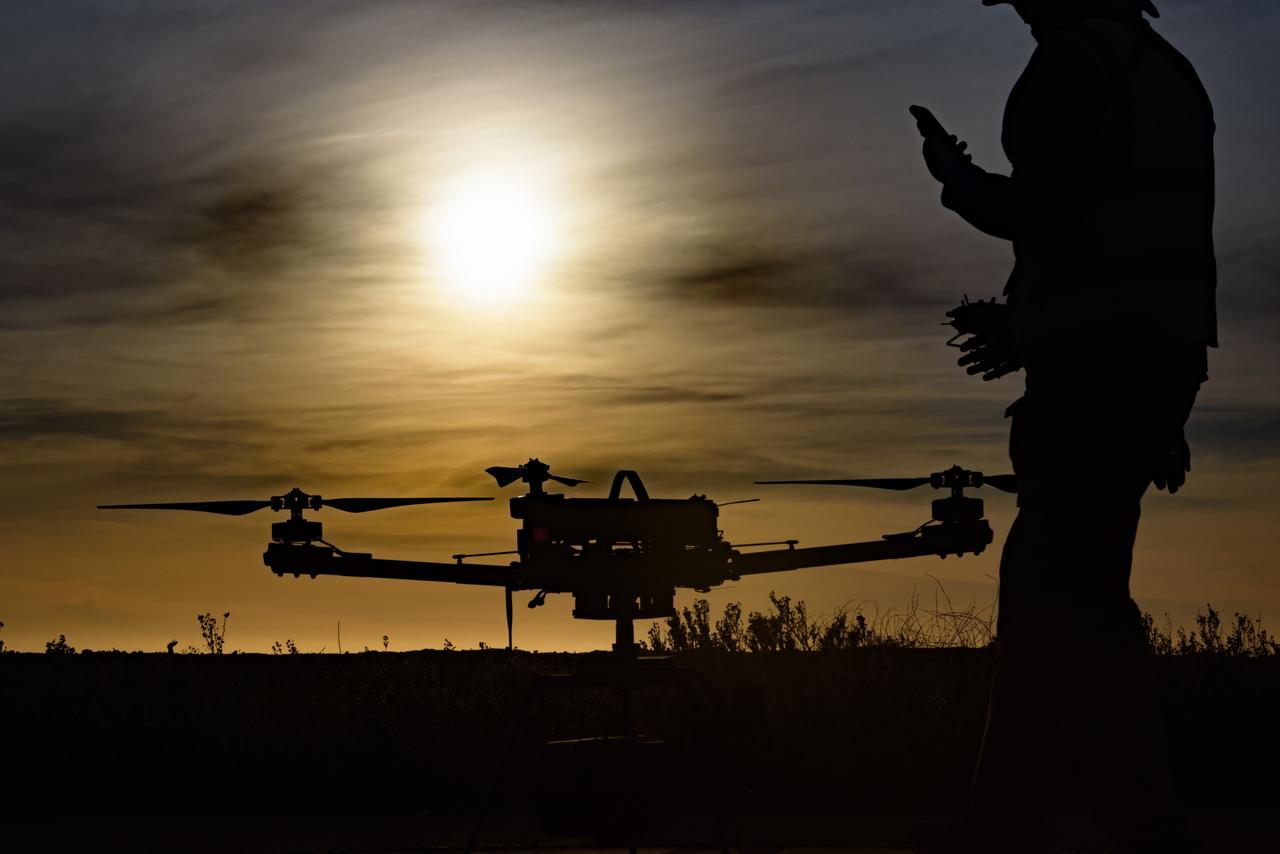
Silhouette view of Jonas Jonsson with the Alta-X Unmanned Aerial Vehicle (UAV) on the landing pad as the sun sets at the Monterey Bay Academy Airport near Watsonville, California.
Advanced Capabilities for Emergency Response Operations (ACERO)
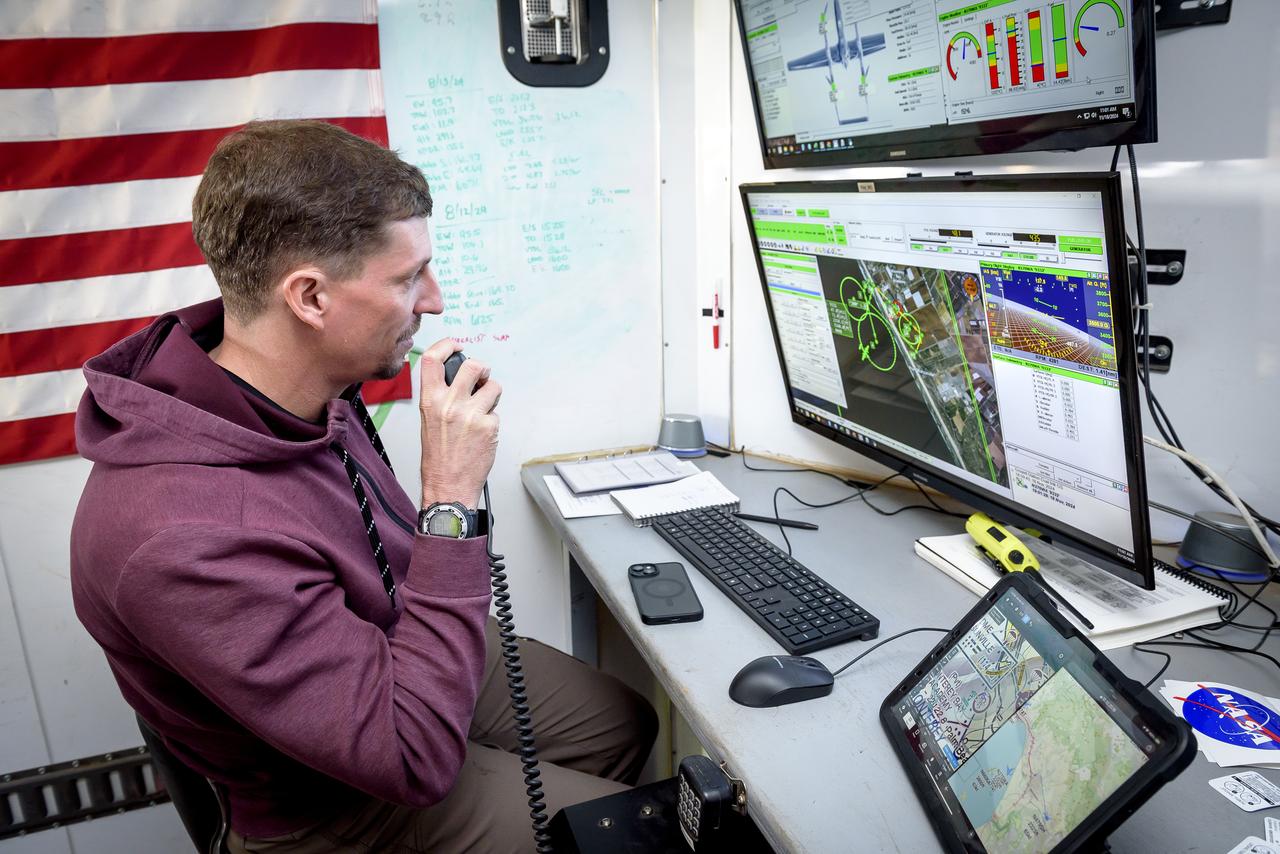
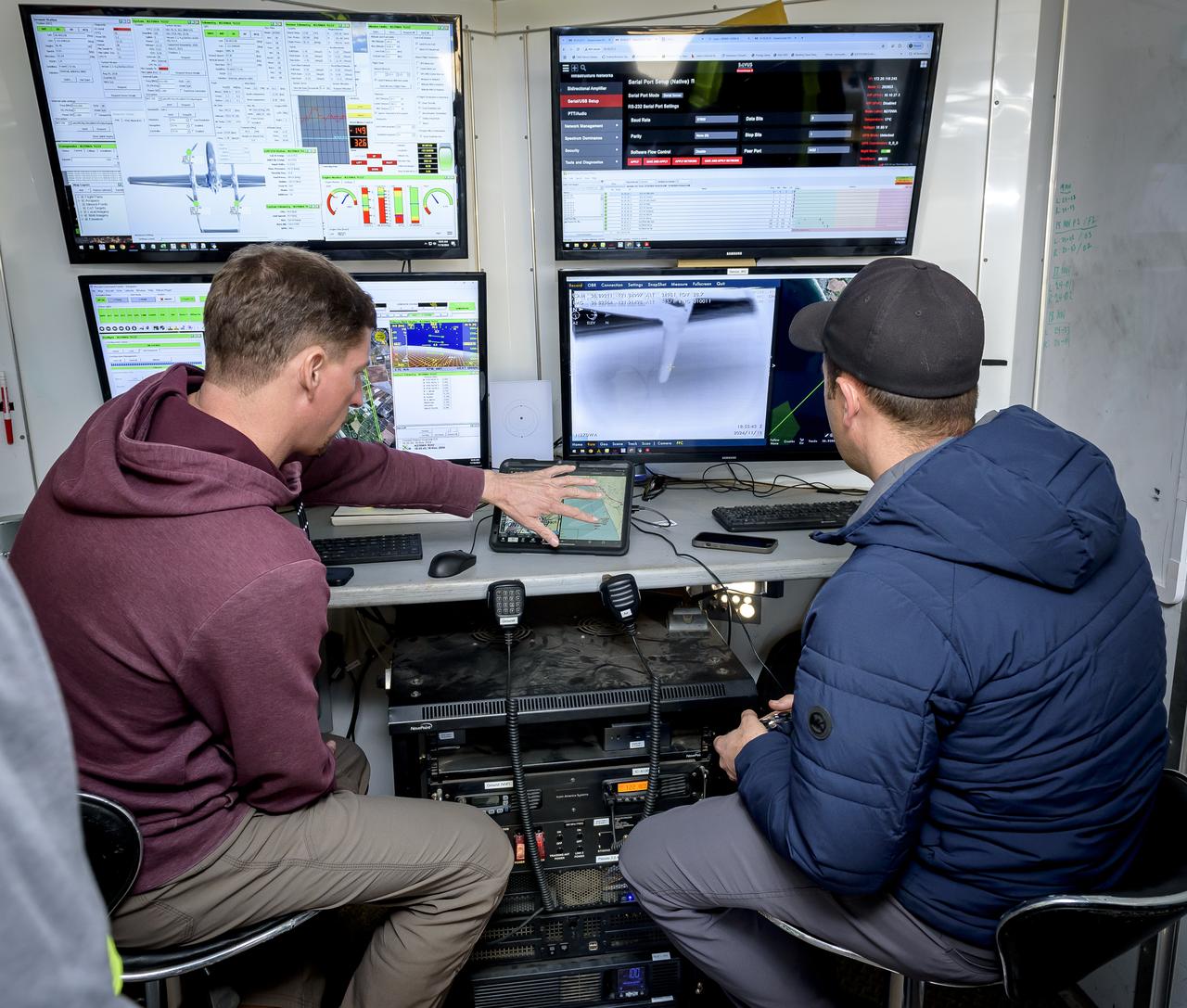
Co-founders of Overwatch Aero Chase Pietenpol, at the Ground Control Station (GCS) monitoring the flight of the L3Harris FVR90 Unmanned Aerial Vehicle (UAV) at the Monterey Bay Academy Airport near Watsonville, California.
Advanced Capabilities for Emergency Response Operations (ACERO)
NASA's Gulfstream-III research testbed lifts off from Edwards AFB on a checkout test flight with the UAV synthetic aperture radar pod under its belly.
ED07-0027-66
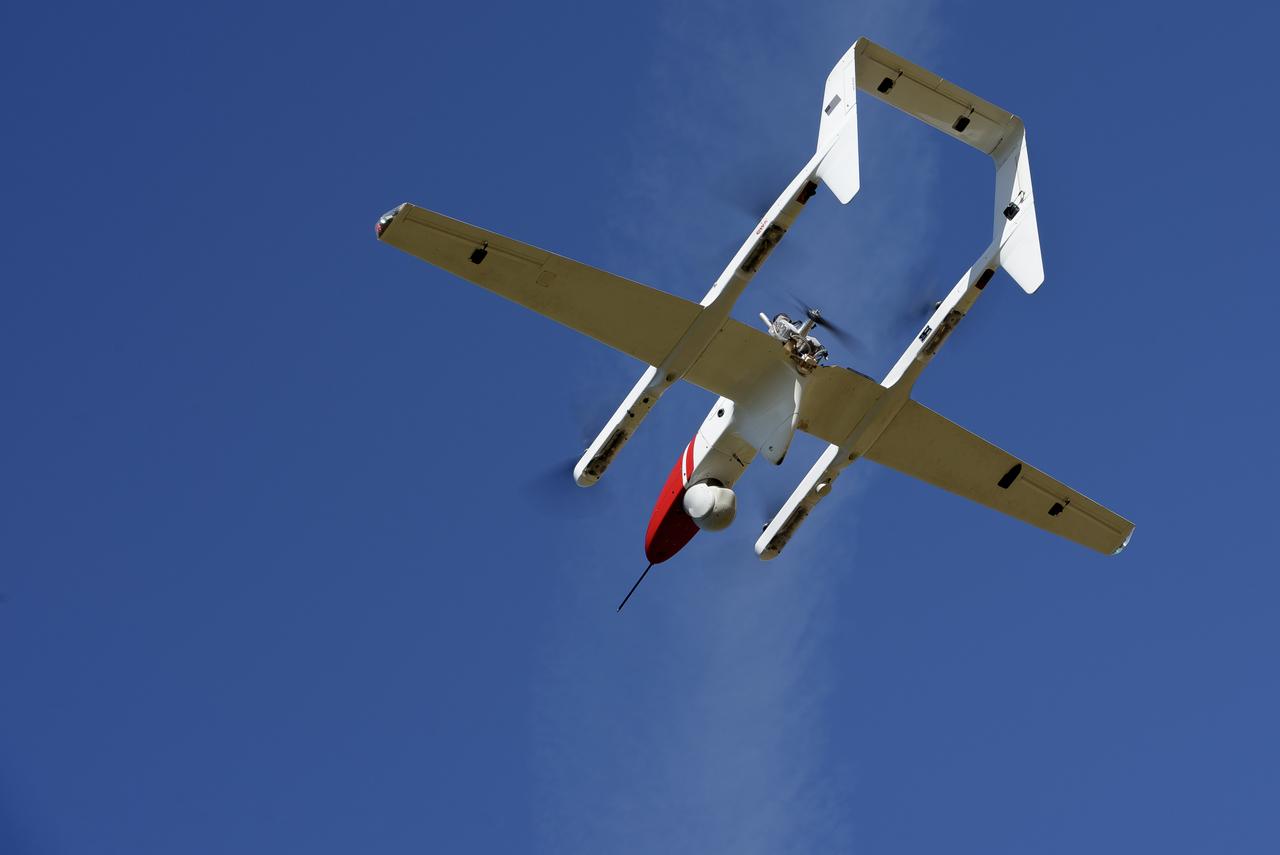
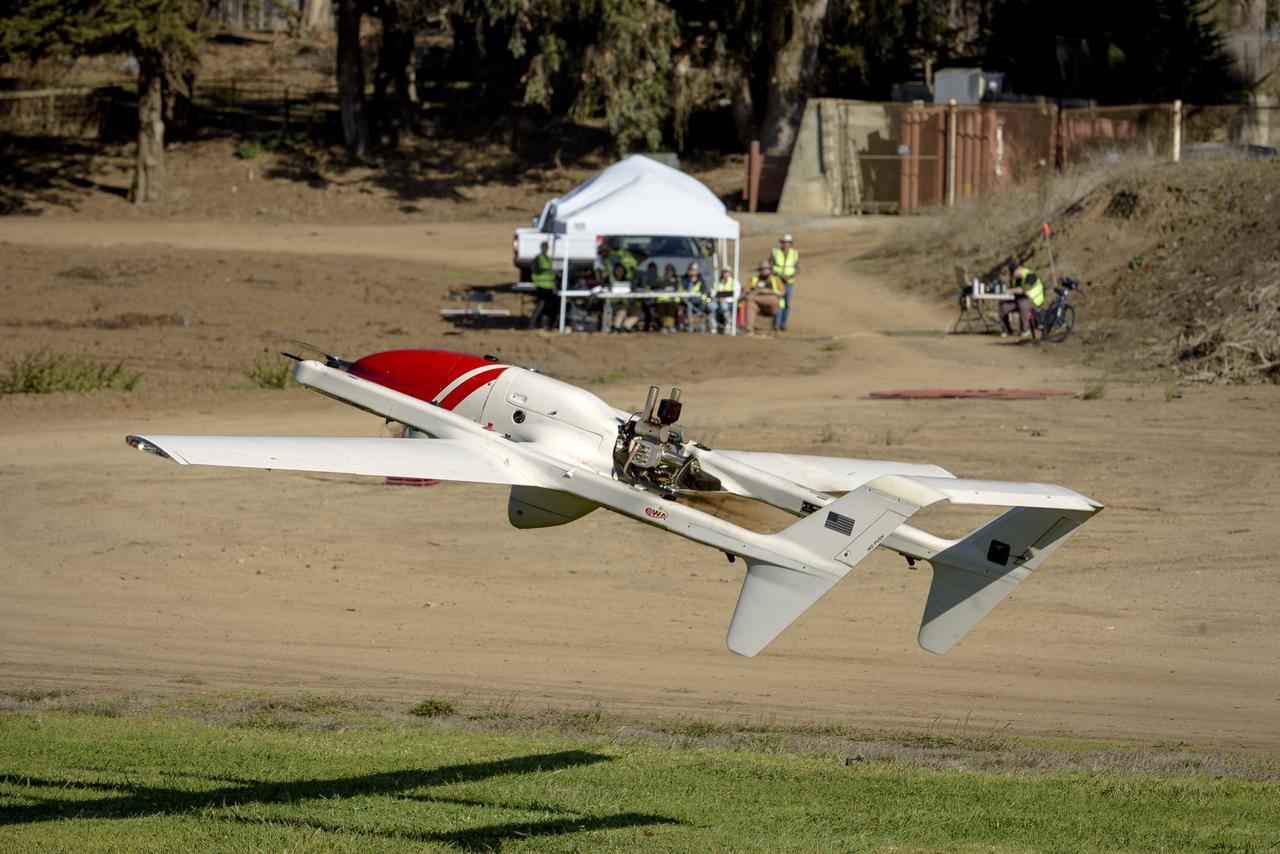
L3Harris FVR90 Unmanned Aerial Vehicle (UAV) lifts off from the Monterey Bay Academy Airport near Watsonville, California, during the Advanced Capabilities for Emergency Response Operations (ACERO) Shakedown Test.
Advanced Capabilities for Emergency Response Operations (ACERO)
Co-founders of Overwatch Aero Chase Pietenpol, left, and Jordan Hahn at the Ground Control Station (GCS) monitoring the flight of the L3Harris FVR90 Unmanned Aerial Vehicle (UAV) at the Monterey Bay Academy Airport near Watsonville, California.
Advanced Capabilities for Emergency Response Operations (ACERO)
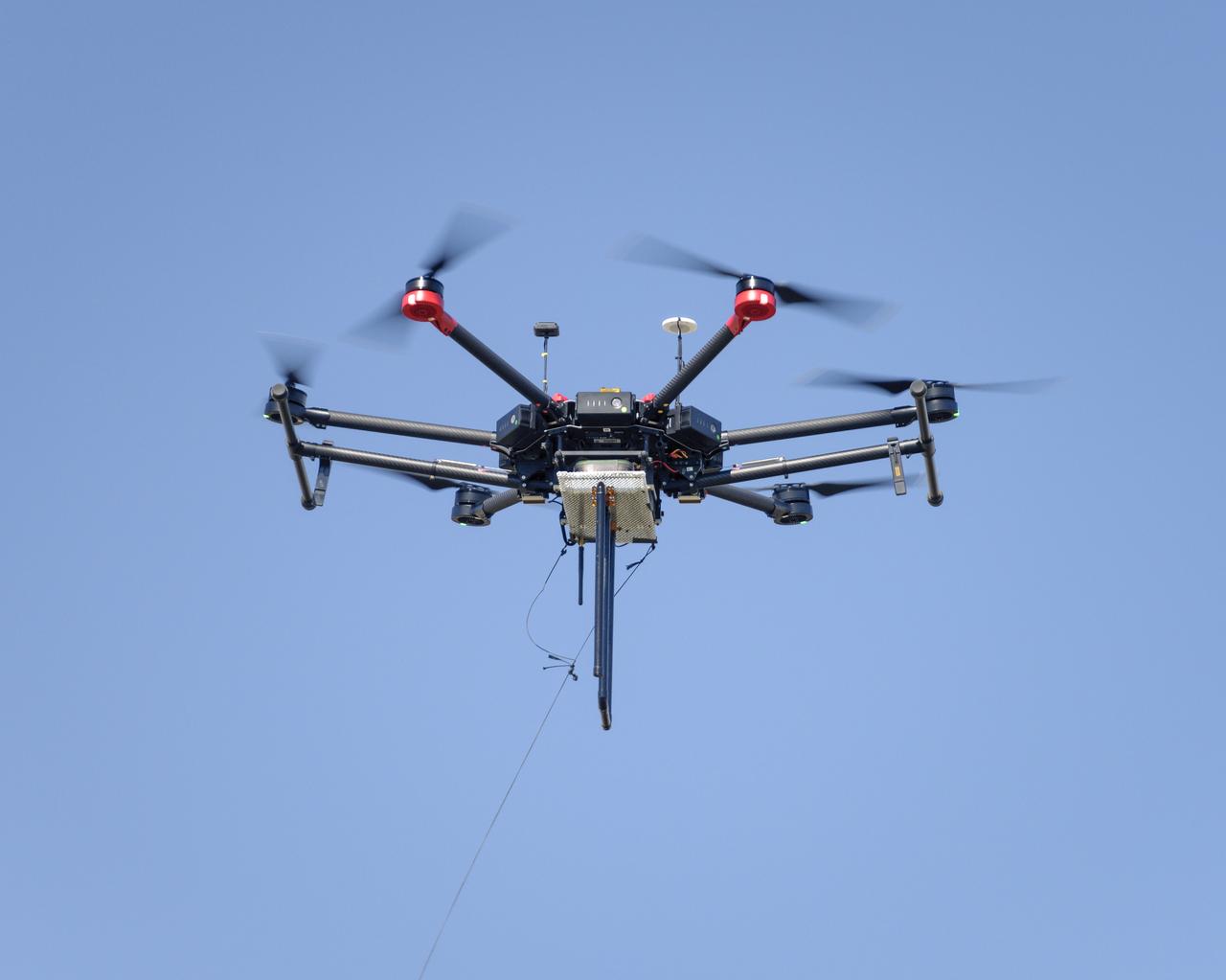
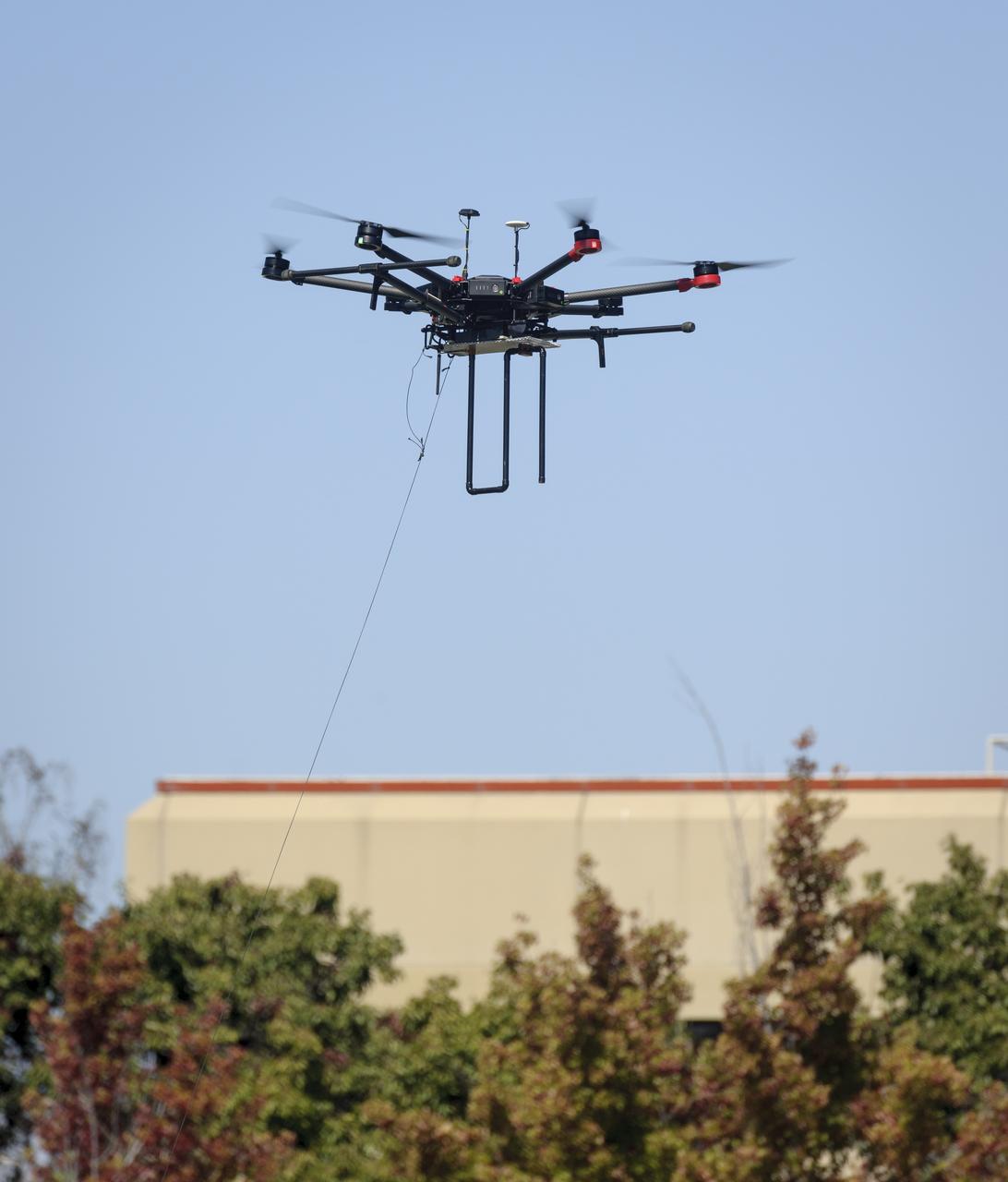
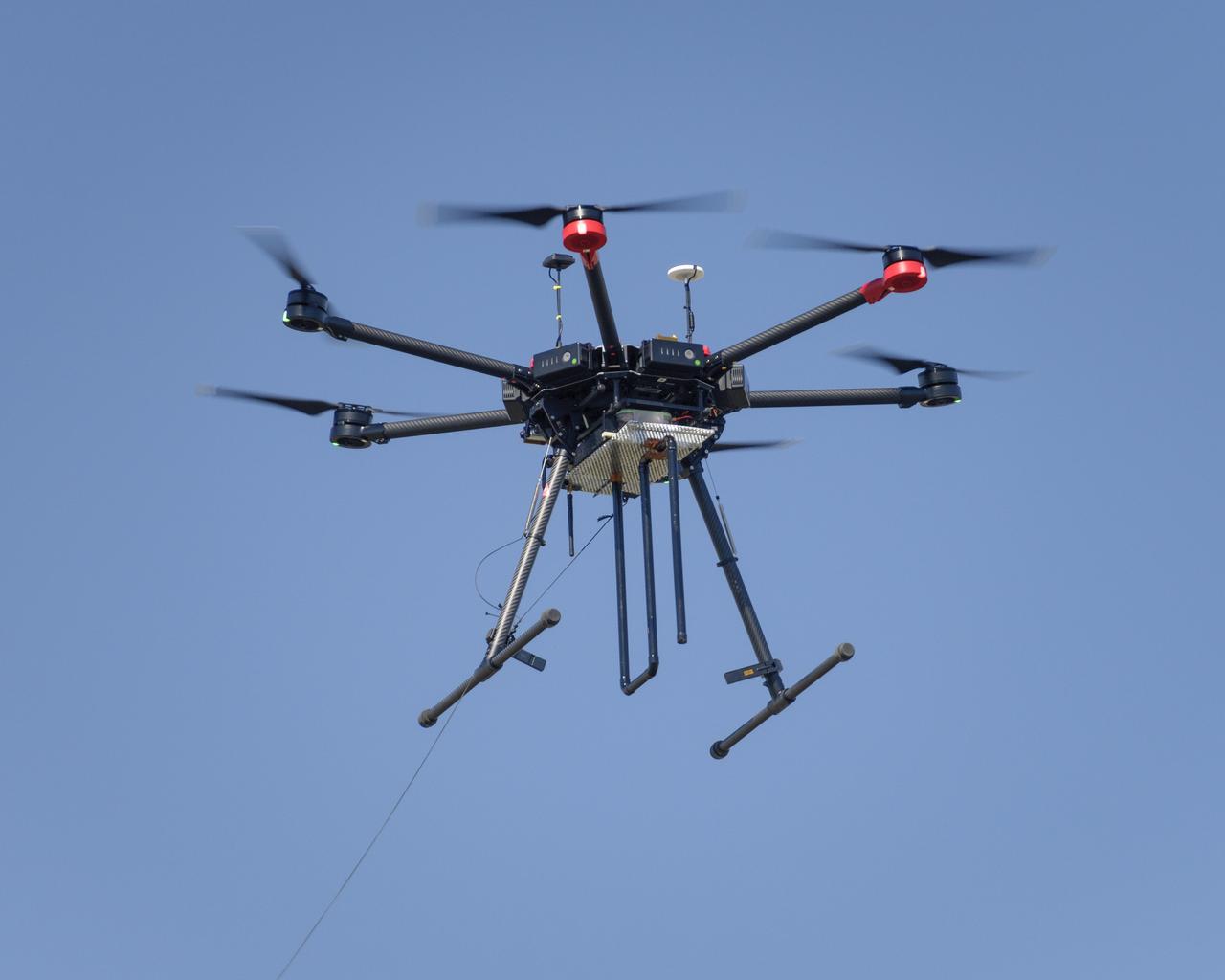
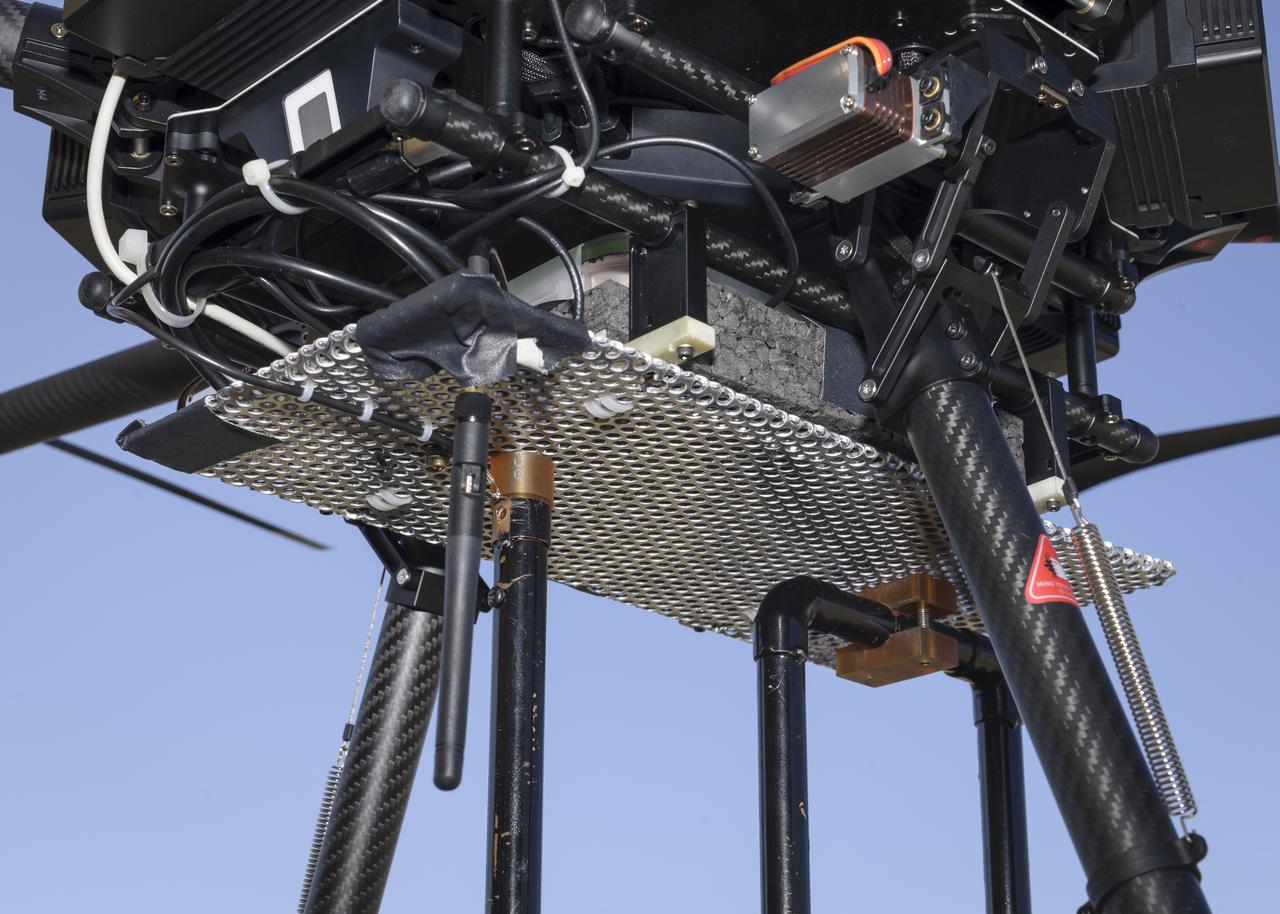
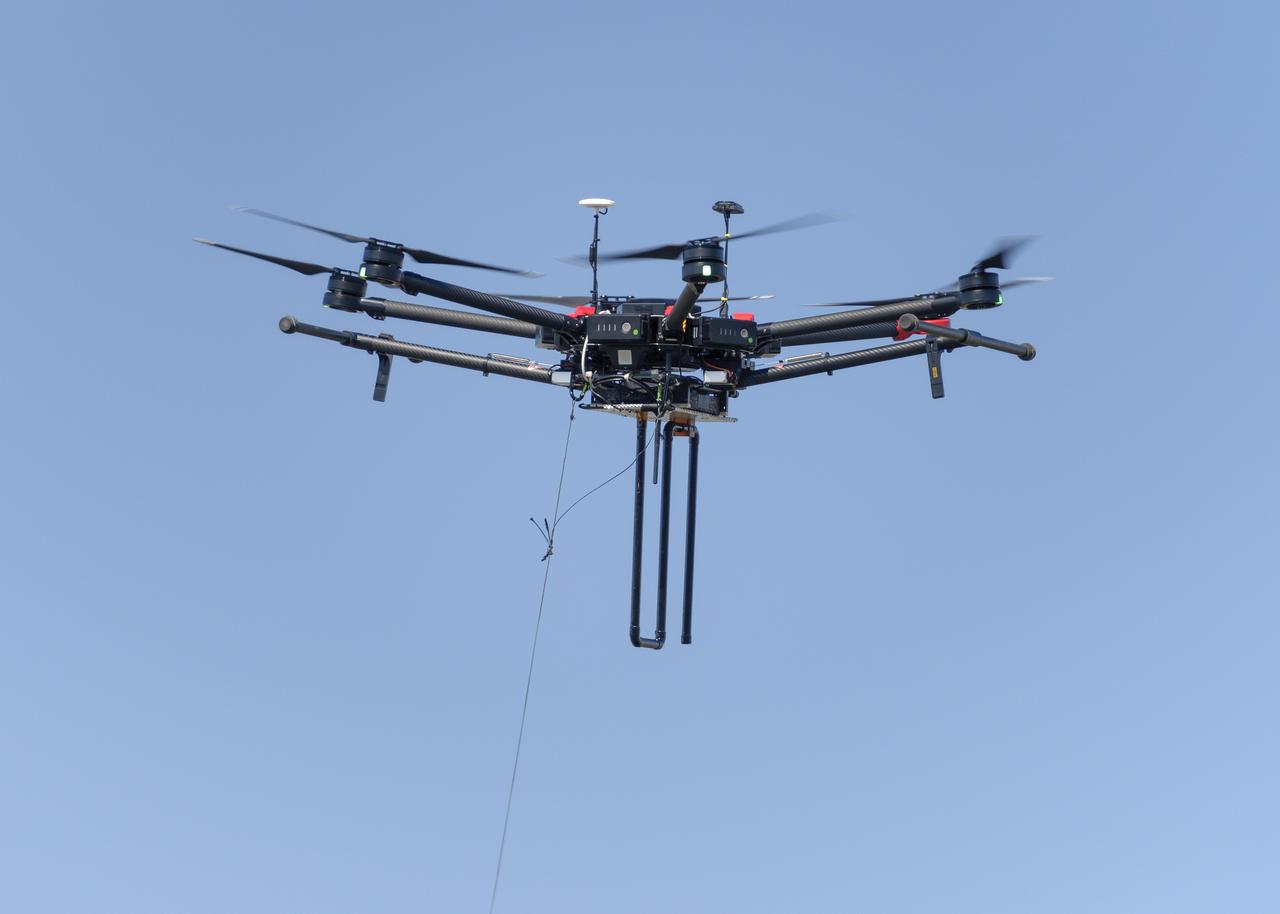
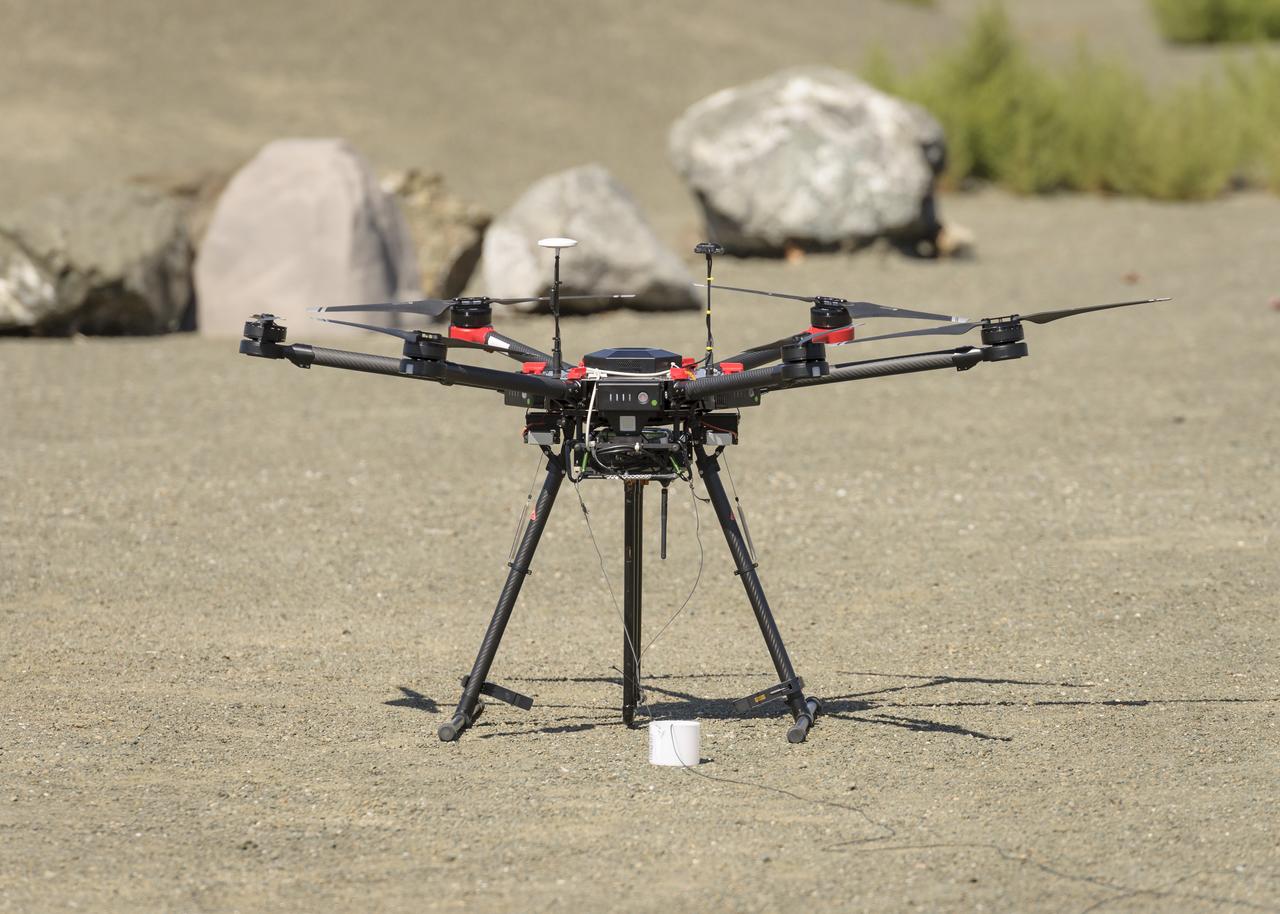
Flight Test in the Roverscape (N-269) at NASA's Ames Research Center, the project team tests the DJI Matrice 600 Unmanned Aerial Vehicle (UAV) equipped with a radio tracking receiver to study the invasive asian carp in the Mississippi River.
The Earth Science Unmanned Aerial System (UAS) Demonstration in the Rover Scape at NASA's Ames Research Center.
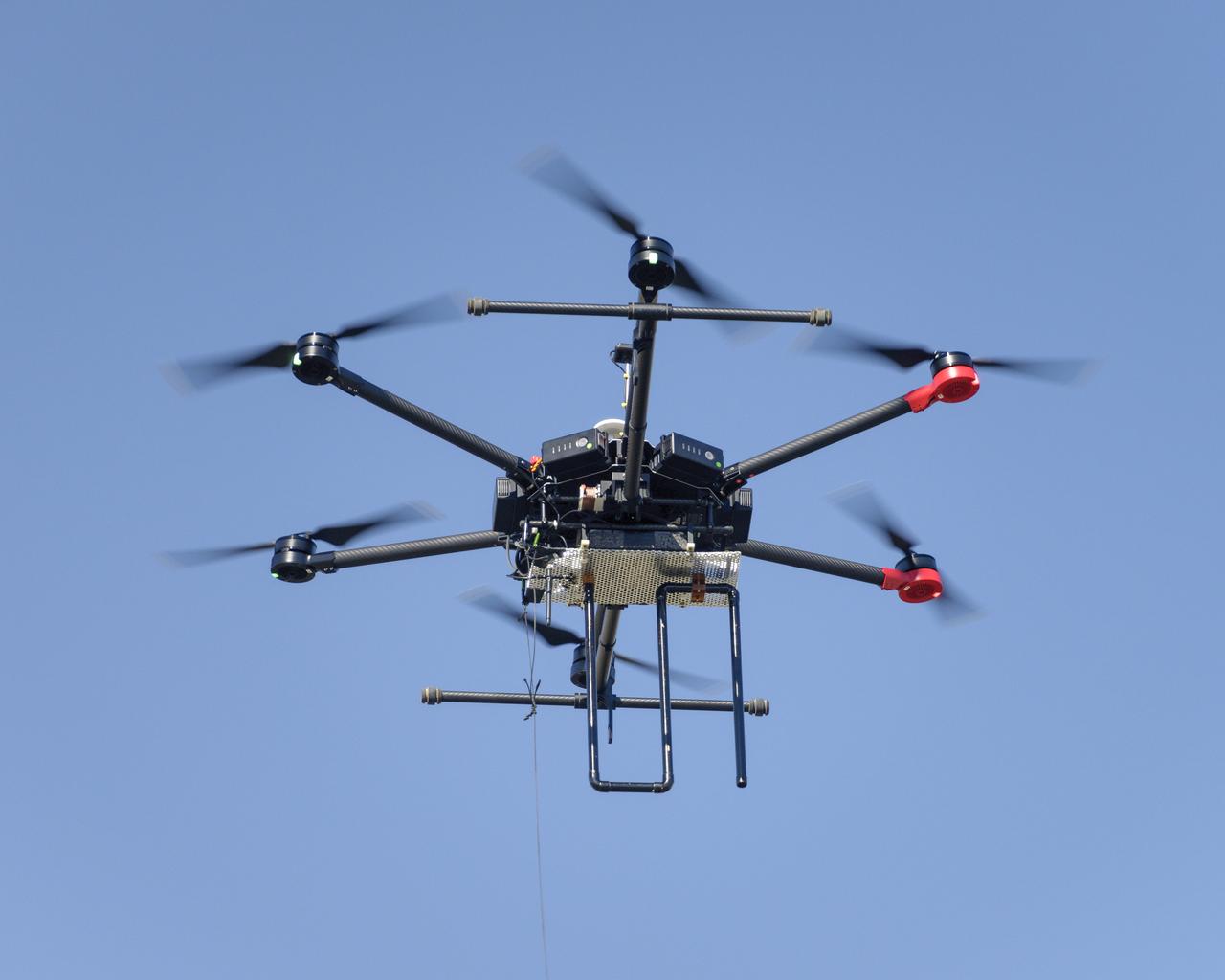
Flight Test in the Roverscape (N-269) at NASA's Ames Research Center, the project team tests the DJI Matrice 600 Unmanned Aerial Vehicle (UAV) equipped with a radio tracking receiver to study the invasive asian carp in the Mississippi River.
The Earth Science Unmanned Aerial System (UAS) Demonstration in the Rover Scape at NASA's Ames Research Center.
Flight Test in the Roverscape (N-269) at NASA's Ames Research Center, the project team tests the DJI Matrice 600 Unmanned Aerial Vehicle (UAV) equipped with a radio tracking receiver to study the invasive asian carp in the Mississippi River.
The Earth Science Unmanned Aerial System (UAS) Demonstration in the Rover Scape at NASA's Ames Research Center.
Flight Test in the Roverscape (N-269) at NASA's Ames Research Center, the project team tests the DJI Matrice 600 Unmanned Aerial Vehicle (UAV) equipped with a radio tracking receiver to study the invasive asian carp in the Mississippi River.
The Earth Science Unmanned Aerial System (UAS) Demonstration in the Rover Scape at NASA's Ames Research Center.
Flight Test in the Roverscape (N-269) at NASA's Ames Research Center, the project team tests the DJI Matrice 600 Unmanned Aerial Vehicle (UAV) equipped with a radio tracking receiver to study the invasive asian carp in the Mississippi River.
The Earth Science Unmanned Aerial System (UAS) Demonstration in the Rover Scape at NASA's Ames Research Center.
Flight Test in the Roverscape (N-269) at NASA's Ames Research Center, the project team tests the DJI Matrice 600 Unmanned Aerial Vehicle (UAV) equipped with a radio tracking receiver to study the invasive asian carp in the Mississippi River.
The Earth Science Unmanned Aerial System (UAS) Demonstration in the Rover Scape at NASA's Ames Research Center.
L3Harris FVR90 Unmanned Aerial Vehicle (UAV) lifts off from the Monterey Bay Academy Airport near Watsonville, California, during the Advanced Capabilities for Emergency Response Operations (ACERO) Shakedown Test as NASA researchers observe in the background.
Advanced Capabilities for Emergency Response Operations (ACERO)
Flight Test in the Roverscape (N-269) at NASA's Ames Research Center, the project team tests the DJI Matrice 600 Unmanned Aerial Vehicle (UAV) equipped with a radio tracking receiver to study the invasive asian carp in the Mississippi River.
The Earth Science Unmanned Aerial System (UAS) Demonstration in the Rover Scape at NASA's Ames Research Center.
Flight Test in the Roverscape (N-269) at NASA's Ames Research Center, the project team tests the DJI Matrice 600 Unmanned Aerial Vehicle (UAV) equipped with a radio tracking receiver to study the invasive asian carp in the Mississippi River.
The Earth Science Unmanned Aerial System (UAS) Demonstration in the Rover Scape at NASA's Ames Research Center.
Flight Test in the Roverscape (N-269) at NASA's Ames Research Center, the project team tests the DJI Matrice 600 Unmanned Aerial Vehicle (UAV) equipped with a radio tracking receiver to study the invasive asian carp in the Mississippi River.
The Earth Science Unmanned Aerial System (UAS) Demonstration in the Rover Scape at NASA's Ames Research Center.
Flight Test in the Roverscape (N-269) at NASA's Ames Research Center, the project team tests the DJI Matrice 600 Unmanned Aerial Vehicle (UAV) equipped with a radio tracking receiver to study the invasive asian carp in the Mississippi River.
The Earth Science Unmanned Aerial System (UAS) Demonstration in the Rover Scape at NASA's Ames Research Center.
L3Harris FVR90 Unmanned Aerial Vehicle (UAV) lifts off from the Monterey Bay Academy Airport near Watsonville, California, during the Advanced Capabilities for Emergency Response Operations (ACERO) Shakedown Test as NASA researchers observe in the background.
Advanced Capabilities for Emergency Response Operations (ACERO)
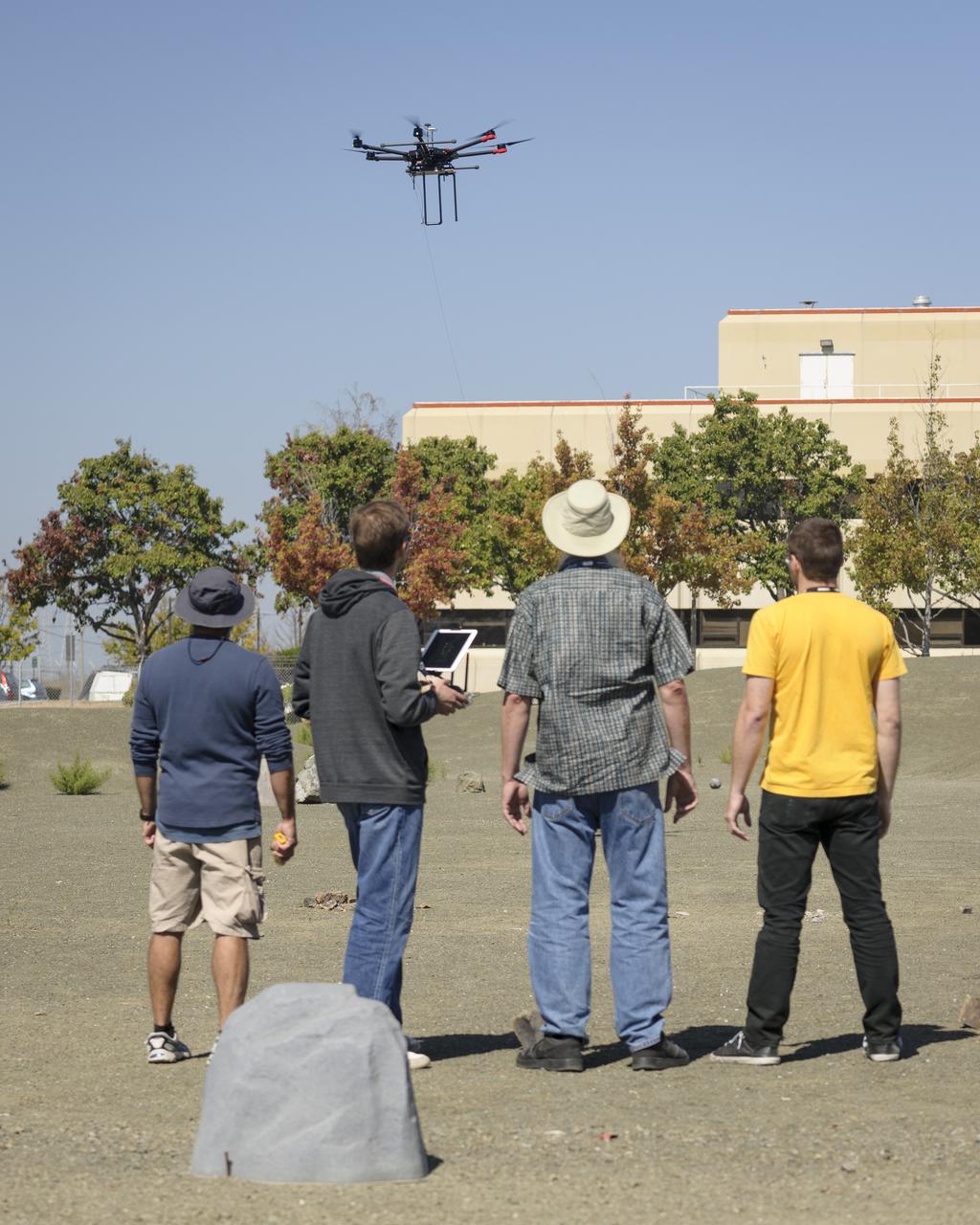
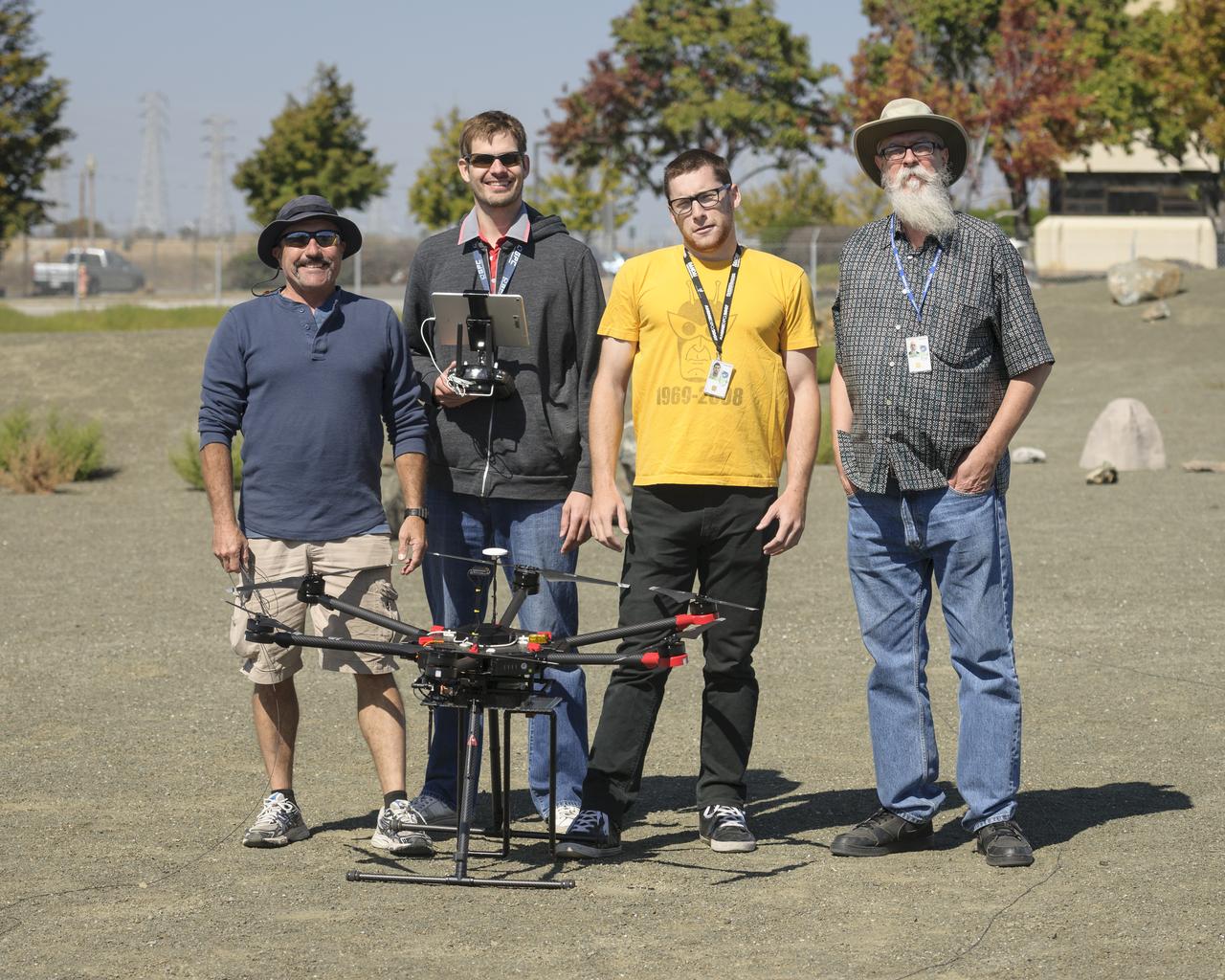
Flight Test in the Roverscape (N-269) at NASA's Ames Research Center, the project team tests the DJI Matrice 600 Unmanned Aerial Vehicle (UAV) equipped with a radio tracking receiver to study the invasive asian carp in the Mississippi River.  Rick, Kolyer, Jonas Jonsson, Ethan, Pinsker, Bob Dahlgren.
The Earth Science Unmanned Aerial System (UAS) Demonstration in the Rover Scape at NASA's Ames Research Center.
The NASA Langley Alta-X Unmanned Aerial Vehicle (UAV) lifts off with a weather payload from the Monterey Bay Academy Airport near Watsonville, California, during the Advanced Capabilities for Emergency Response Operations (ACERO) Shakedown Test.
Advanced Capabilities for Emergency Response Operations (ACERO)
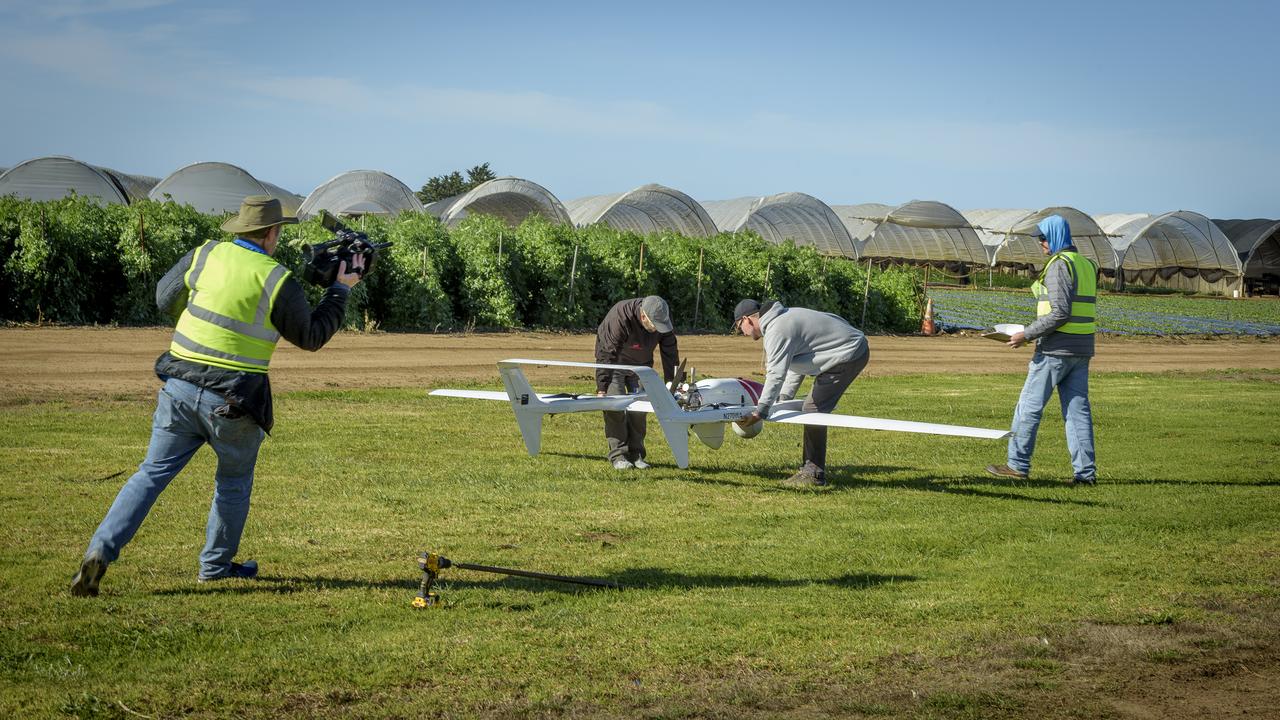
Ames video photographer Jesse Carpenter, left, films Jeff Strebler, Alex Godwin, and Jody Miller, right, as they prepare the L3Harris FVR90 Unmanned Aerial Vehicle (UAV) at the NASA/Overwatch Aero station at the Monterey Bay Academy Airport near Watsonville, California.
Advanced Capabilities for Emergency Response Operations (ACERO)
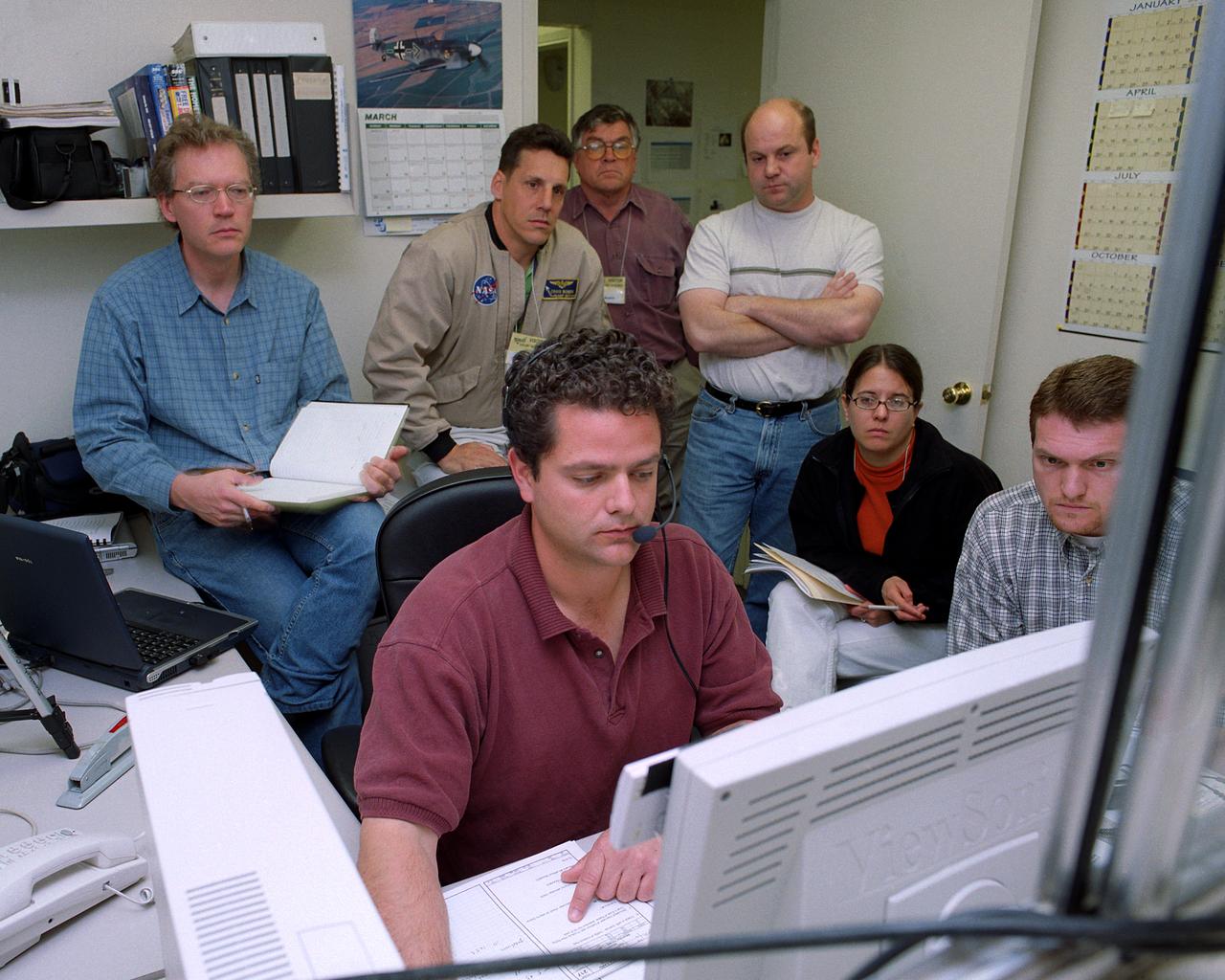
Proteus DSA control room in Mojave, CA (L to R) Jean-Pierre Soucy; Amphitech International Software engineer Craig Bomben; NASA Dryden Test Pilot Pete Siebold; (with headset, at computer controls) Scaled Composites pilot Bob Roehm; New Mexico State University (NMSU) UAV Technical Analysis Application Center (TAAC) Chuck Coleman; Scaled Composites Pilot Kari Sortland; NMSU TAAC Russell Wolfe; Modern Technology Solutions, Inc.  Scaled Composites' unique tandem-wing Proteus was the testbed for a series of UAV collision-avoidance flight demonstrations. An Amphitech 35GHz radar unit installed below Proteus' nose was the primary sensor for the Detect, See and Avoid tests.
Proteus DSA control room in Mojave, CA
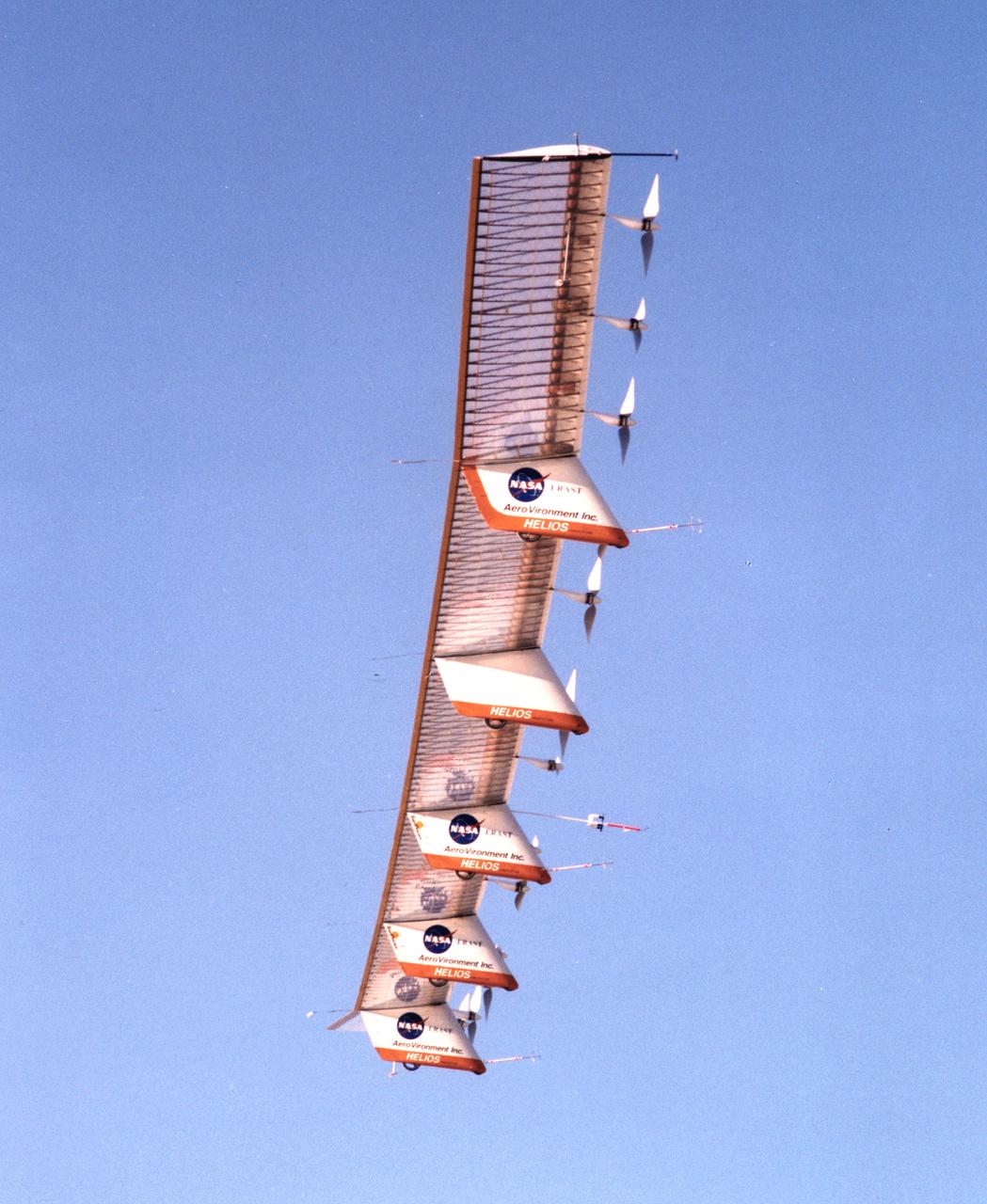
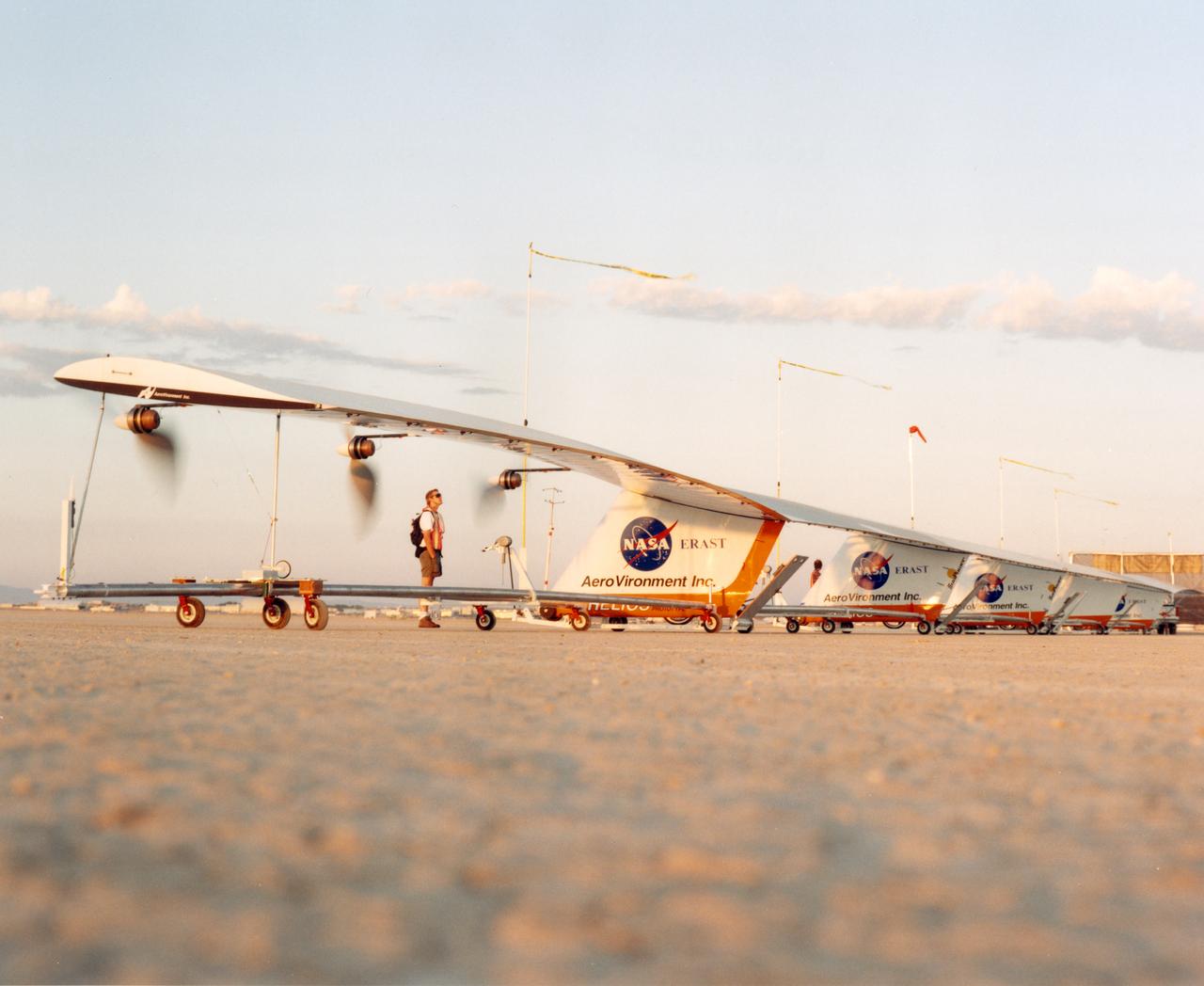
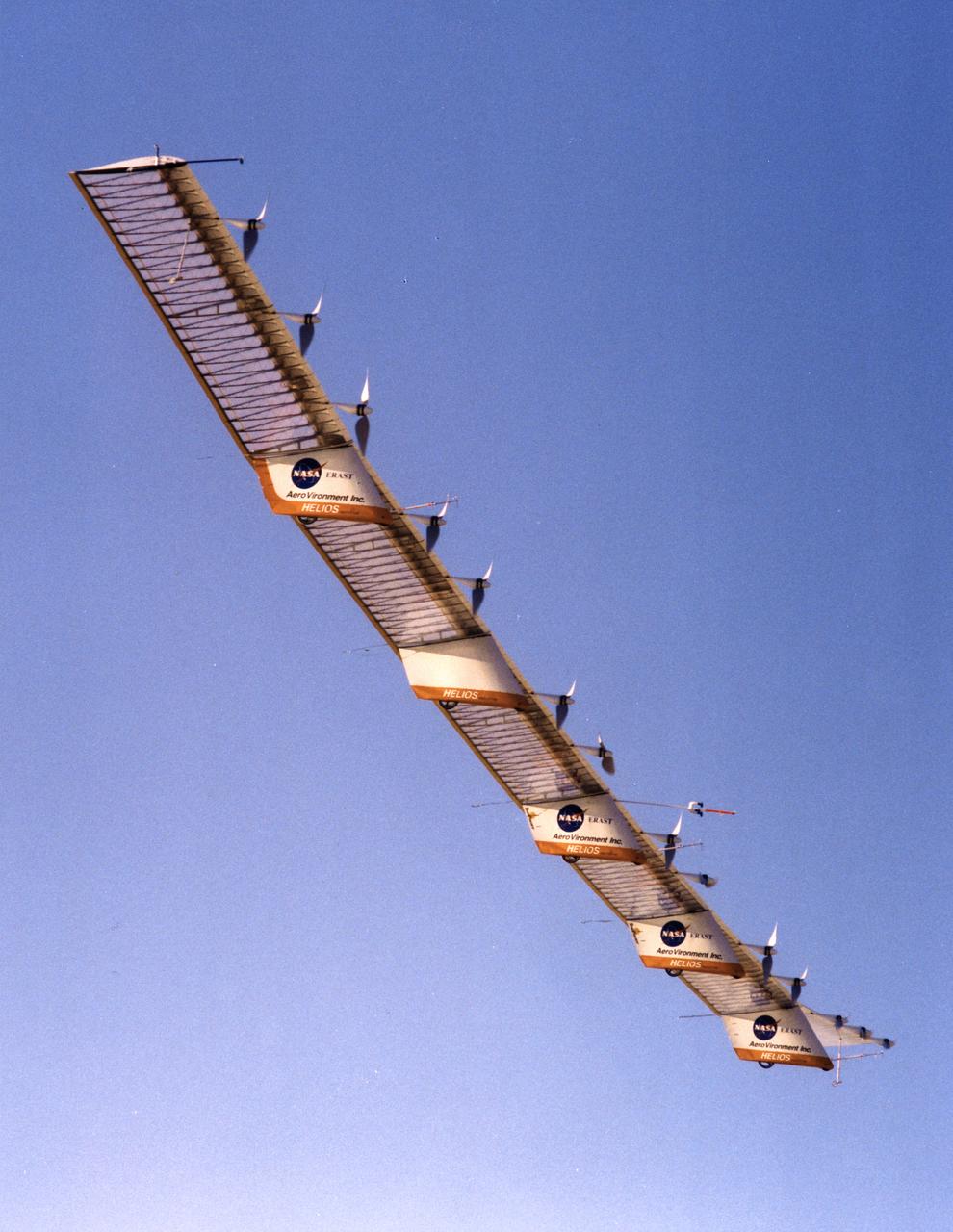
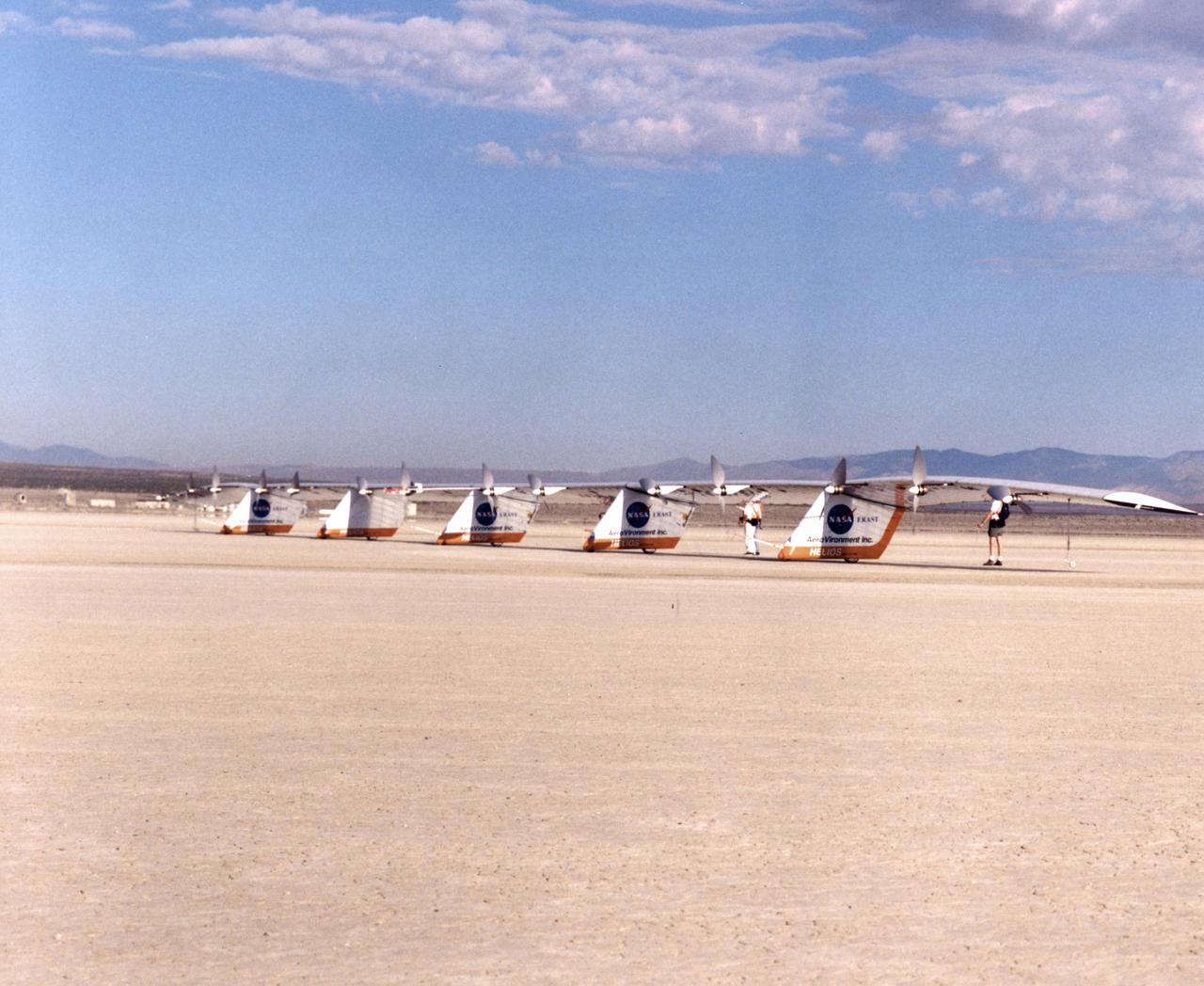
The Helios Prototype is an enlarged version of the Centurion flying wing, which flew a series of test flights at Dryden in late 1998. The craft has a wingspan of 247 feet, 41 feet greater than the Centurion, 2 1/2 times that of its solar-powered Pathfinder flying wing, and longer than either the Boeing 747 jetliner or Lockheed C-5 transport aircraft.
EC99-45140-2
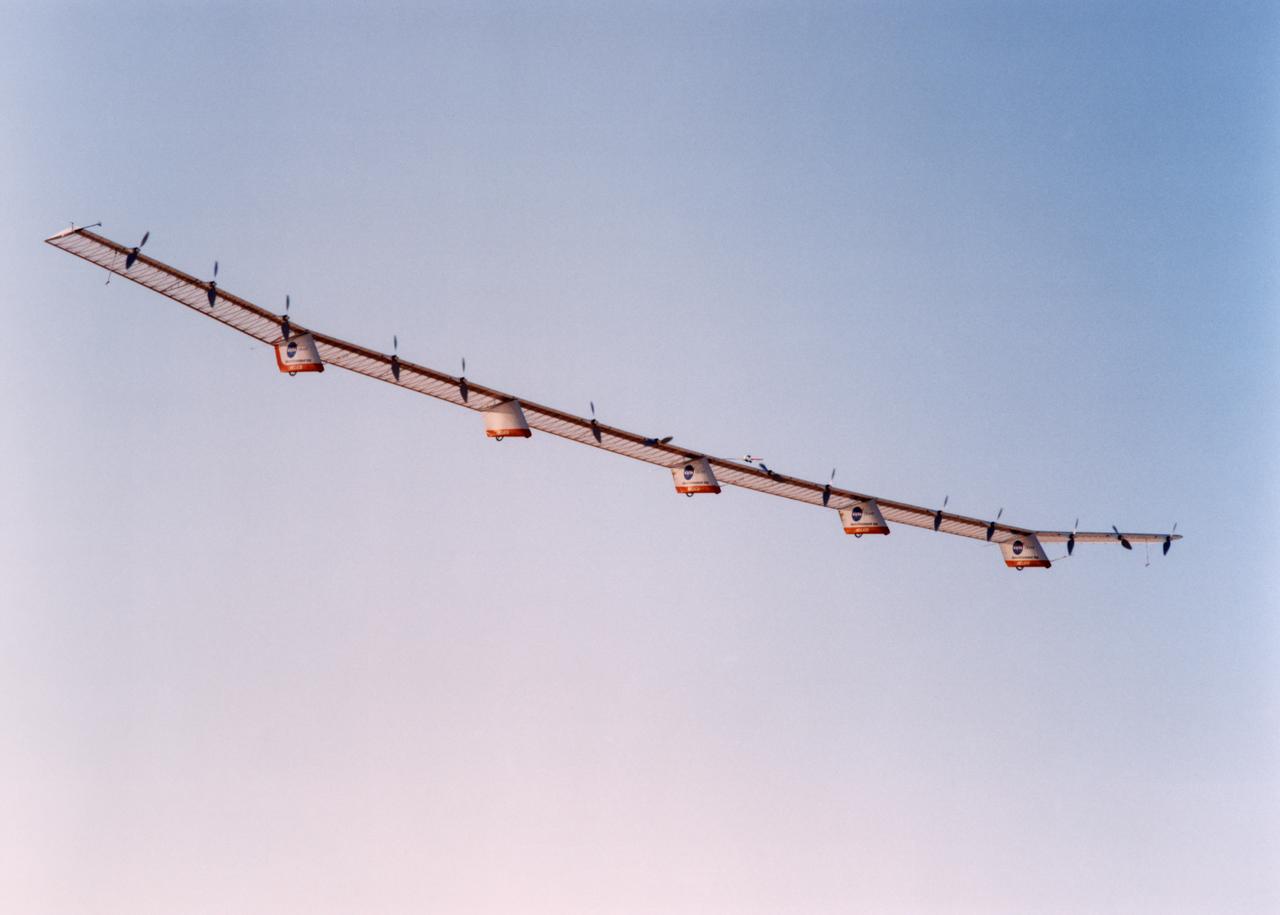
The Helios Prototype is an enlarged version of the Centurion flying wing, which flew a series of test flights at Dryden in late 1998. The craft has a wingspan of 247 feet, 41 feet greater than the Centurion, 2 1/2 times that of its solar-powered Pathfinder flying wing, and longer than either the Boeing 747 jetliner or Lockheed C-5 transport aircraft.
EC99-45161-8
The Helios Prototype is an enlarged version of the Centurion flying wing, which flew a series of test flights at Dryden in late 1998. The craft has a wingspan of 247 feet, 41 feet greater than the Centurion, 2 1/2 times that of its solar-powered Pathfinder flying wing, and longer than either the Boeing 747 jetliner or Lockheed C-5 transport aircraft.
EC99-45140-12
The Helios Prototype is an enlarged version of the Centurion flying wing, which flew a series of test flights at Dryden in late 1998. The craft has a wingspan of 247 feet, 41 feet greater than the Centurion, 2 1/2 times that of its solar-powered Pathfinder flying wing, and longer than either the Boeing 747 jetliner or Lockheed C-5 transport aircraft.
EC99-45161-10
The Helios Prototype is an enlarged version of the Centurion flying wing, which flew a series of test flights at Dryden in late 1998. The craft has a wingspan of 247 feet, 41 feet greater than the Centurion, 2 1/2 times that of its solar-powered Pathfinder flying wing, and longer than either the Boeing 747 jetliner or Lockheed C-5 transport aircraft.
EC99-45161-9
Scaled Composites' Proteus aircraft and an F/A-18 Hornet from NASA's Dryden Flight Research Center at Mojave Airport in Southern California.  The unique tandem-wing Proteus was the testbed for a series of UAV collision-avoidance flight demonstrations. An Amphitech 35GHz radar unit installed below Proteus' nose was the primary sensor for the Detect, See and Avoid tests. NASA Dryden's F/A-18 Hornet was one of many different aircraft used in the tests.
Scaled Composites' Proteus aircraft and an F/A-18 Hornet from NASA's Dryden Flight Research Center at Mojave Airport in Southern California.
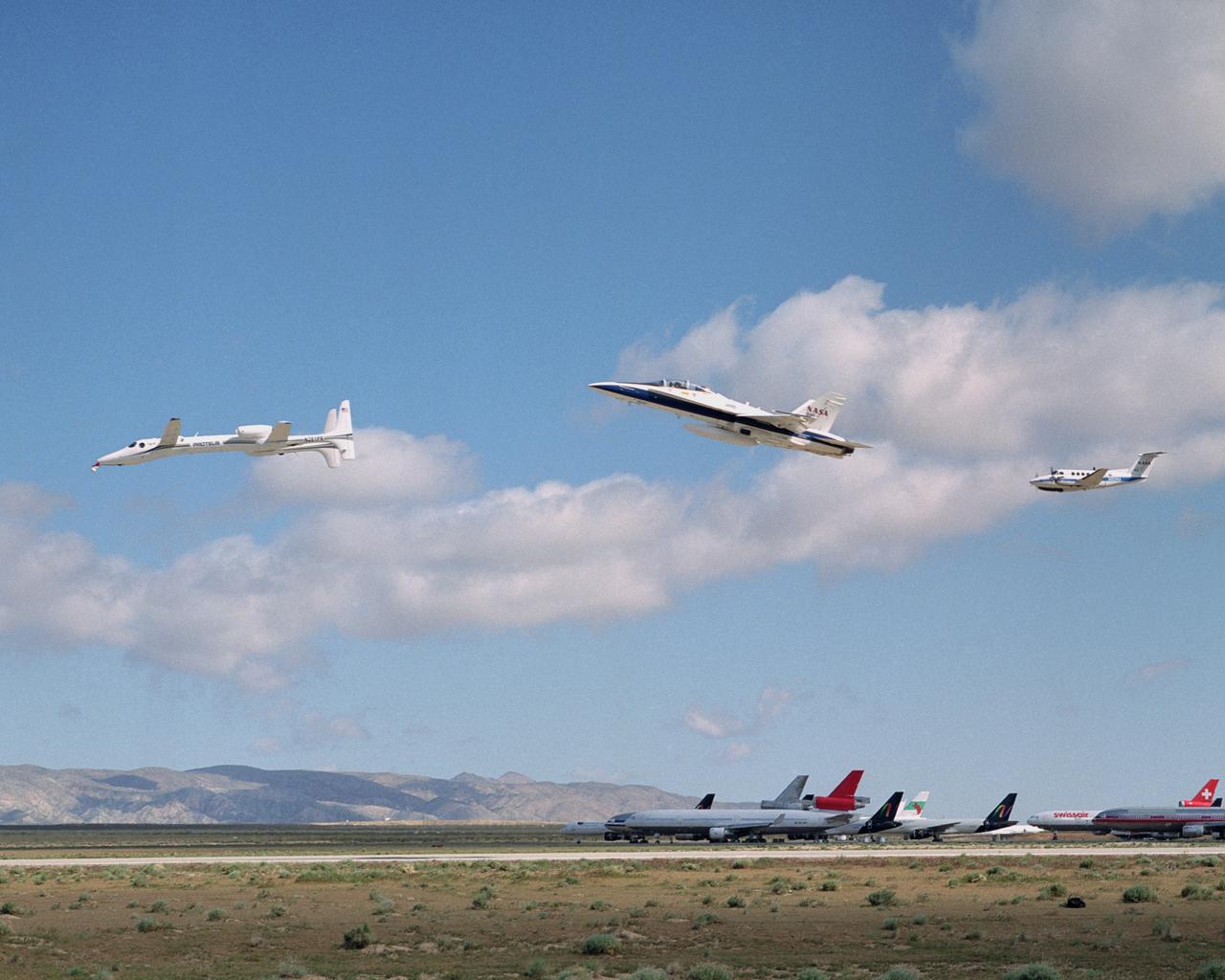
Scaled Composites' Proteus aircraft with an F/A-18 Hornet and a Beechcraft KingAir from NASA's Dryden Flight Research Center during a low-level flyby at Mojave Airport in Southern California.  The unique tandem-wing Proteus was the testbed for a series of UAV collision-avoidance flight demonstrations. An Amphitech 35GHz radar unit installed below Proteus' nose was the primary sensor for the Detect, See and Avoid tests.
Scaled Composites' Proteus aircraft with an F/A-18 Hornet and a Beechcraft KingAir from NASA's Dryden Flight Research Center during a low-level flyby at Mojave Airport in Southern California.
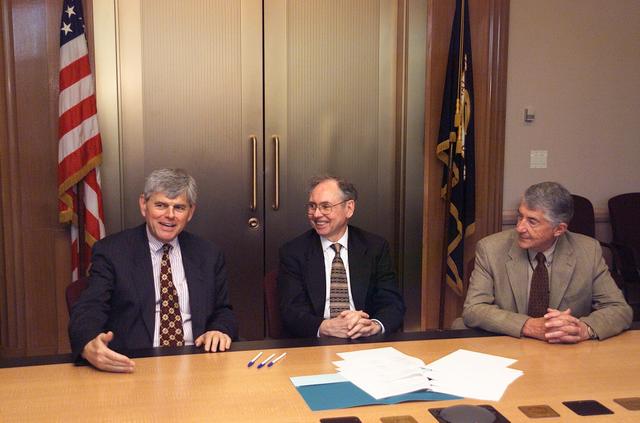
Memorandum of Understanding (MOU) to establish a Unmanned Aerial Vehicles (UAV) Applications Center at NASA Research Park (NRP) was signed into being by (L-R) John Bassett Clark University, Worcester, Mass.,  Dr. Henry McDonald, Director of Ames Research Center and Paul Coleman, Girvan Institute (a non-profit organization lockated in NASA Research Park).
ARC-2002-ACD02-0104-001
Memorandum of Understanding (MOU) to establish a Unmanned Aerial Vehicles (UAV) Applications Center at NASA Research Park (NRP) was signed into being by (L-R) John Bassett Clark University, Worcester, Mass.,  Dr. Henry McDonald, Director of Ames Research Center and Paul Coleman, Girvan Institute (a non-profit organization lockated in NASA Research Park).  Witnessed by (Back Row, L-R) Steve Douagan, Dave Peterson, Jim Brass, Stan Herwitz, Ken Souza, Estelle Condon, Carolina Blake.
ARC-2002-ACD02-0104-005
Memorandum of Understanding (MOU) to establish a Unmanned Aerial Vehicles (UAV) Applications Center at NASA Research Park (NRP) was signed into being by (L-R) John Bassett Clark University, Worcester, Mass.,  Dr. Henry McDonald, Director of Ames Research Center and Paul Coleman, Girvan Institute (a non-profit organization lockated in NASA Research Park).  Witnessed by (Back Row, L-R) Steve Douagan, Dave Peterson, Jim Brass, Stan Herwitz, Ken Souza, Estelle Condon, Carolina Blake.
ARC-2002-ACD02-0104-004
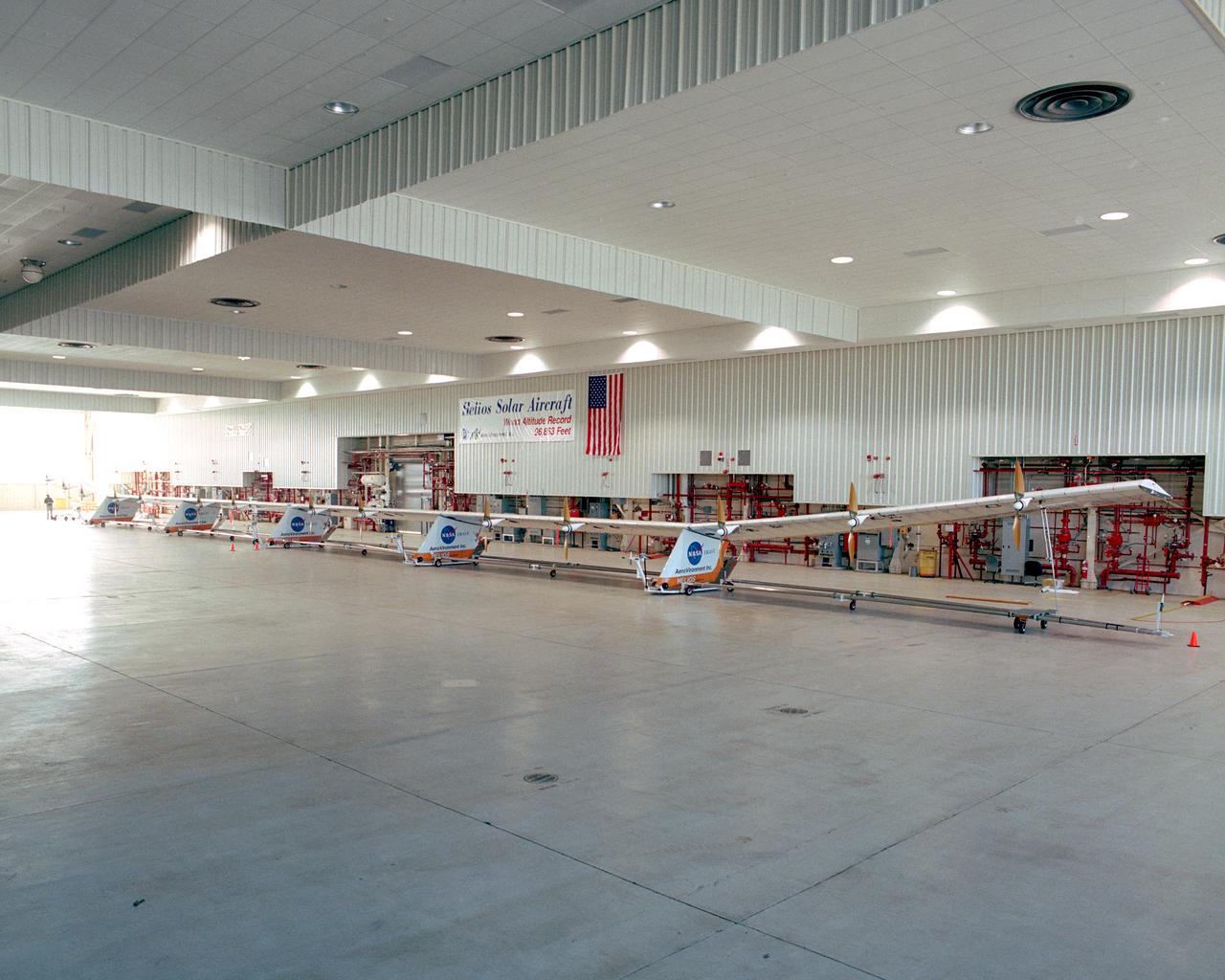
The Helios Prototype flying wing stretches almost the full length of the 300-foot-long hangar at NASA's Dryden Flight Research Center, Edwards, California. The 247-foot span solar-powered aircraft, resting on its ground maneuvering dolly, was on display for a visit of NASA Administrator Sean O'Keefe and other NASA officials on January 31, 2002. The unique solar-electric flying wing reached an altitude of 96,863 feet during an almost 17-hour flight near Hawaii on August 13, 2001, a world record for sustained horizontal flight by a non-rocket powered aircraft. Developed by AeroVironment, Inc., under NASA's Environmental Research Aircraft and Sensor Technology (ERAST) project, the Helios Prototype is the forerunner of a planned fleet of slow-flying, long duration, high-altitude uninhabited aerial vehicles (UAV) which can serve as "atmospheric satellites," performing Earth science missions or functioning as telecommunications relay platforms in the stratosphere.
EC02-0031-6
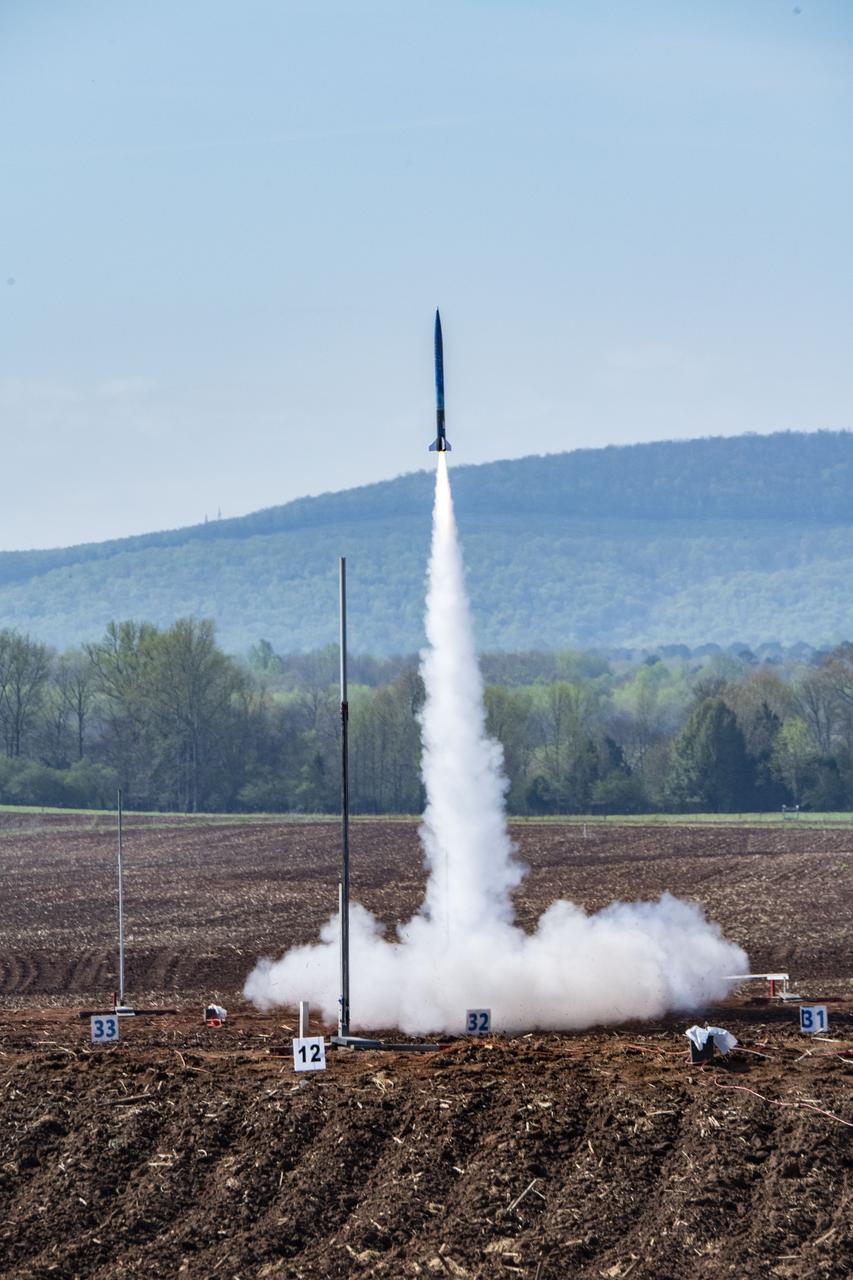
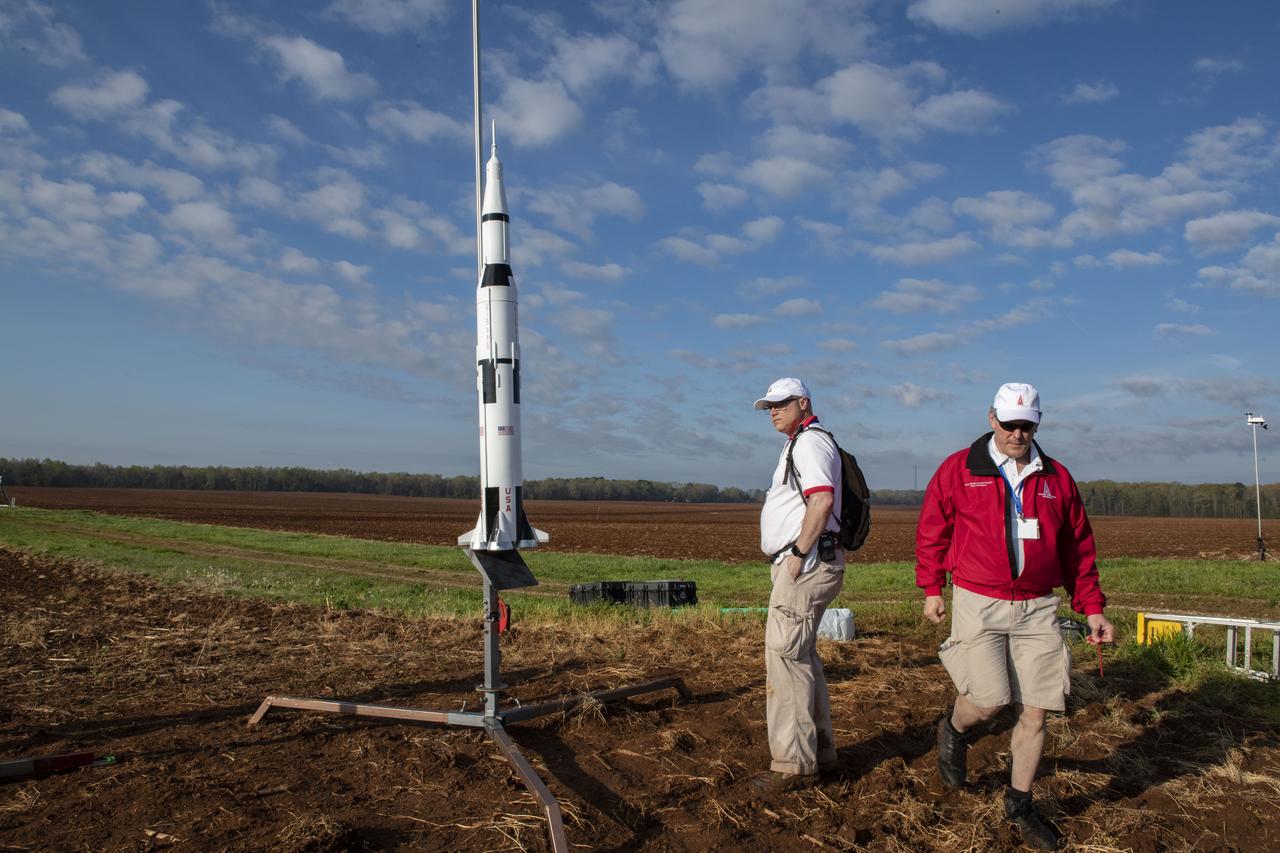
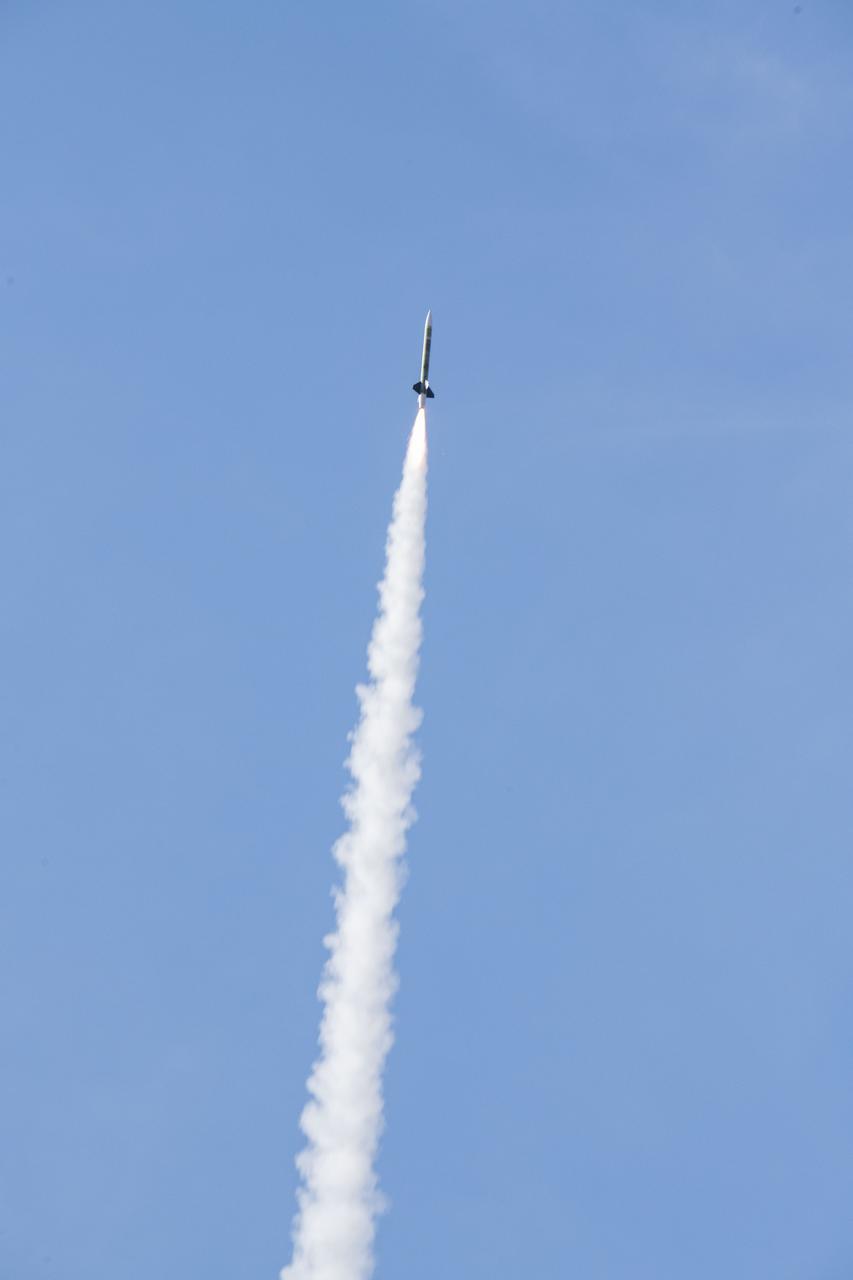
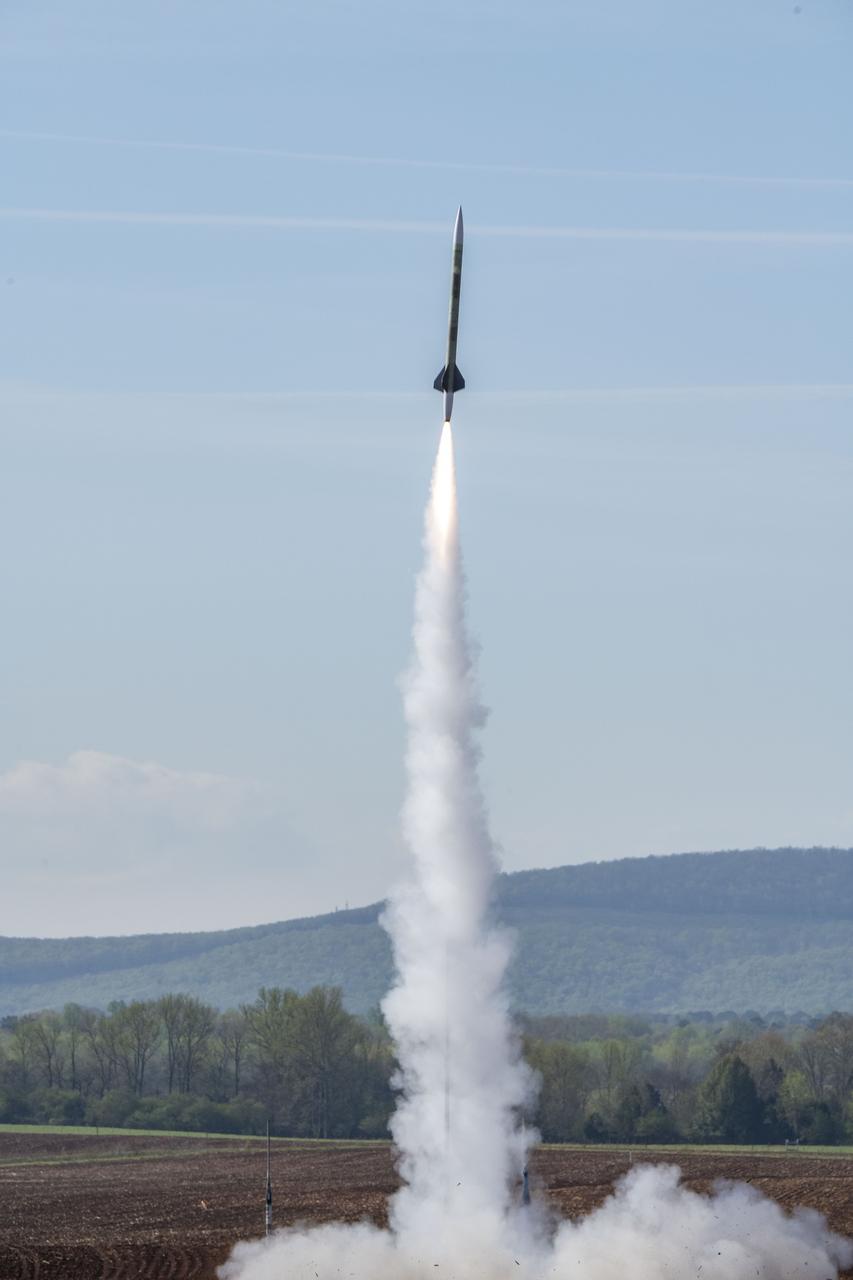
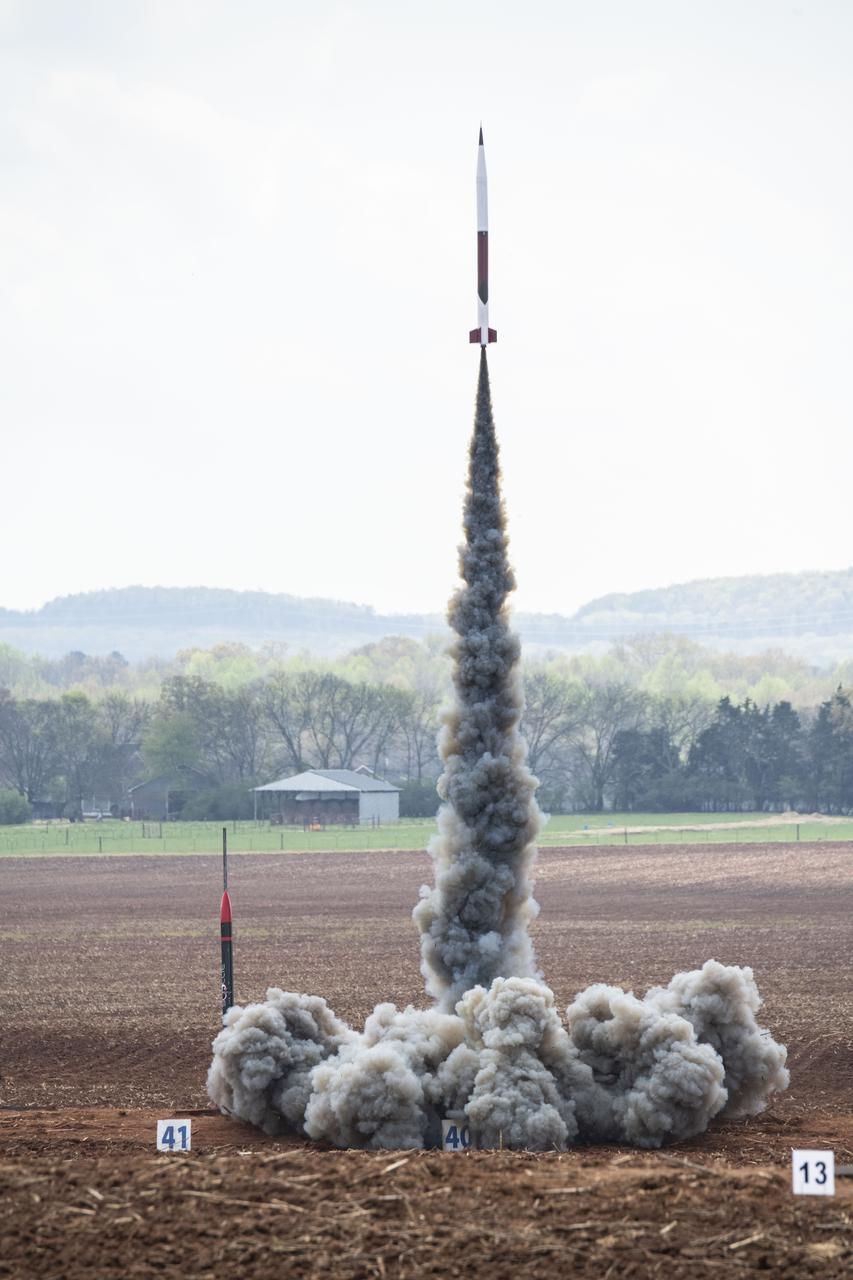
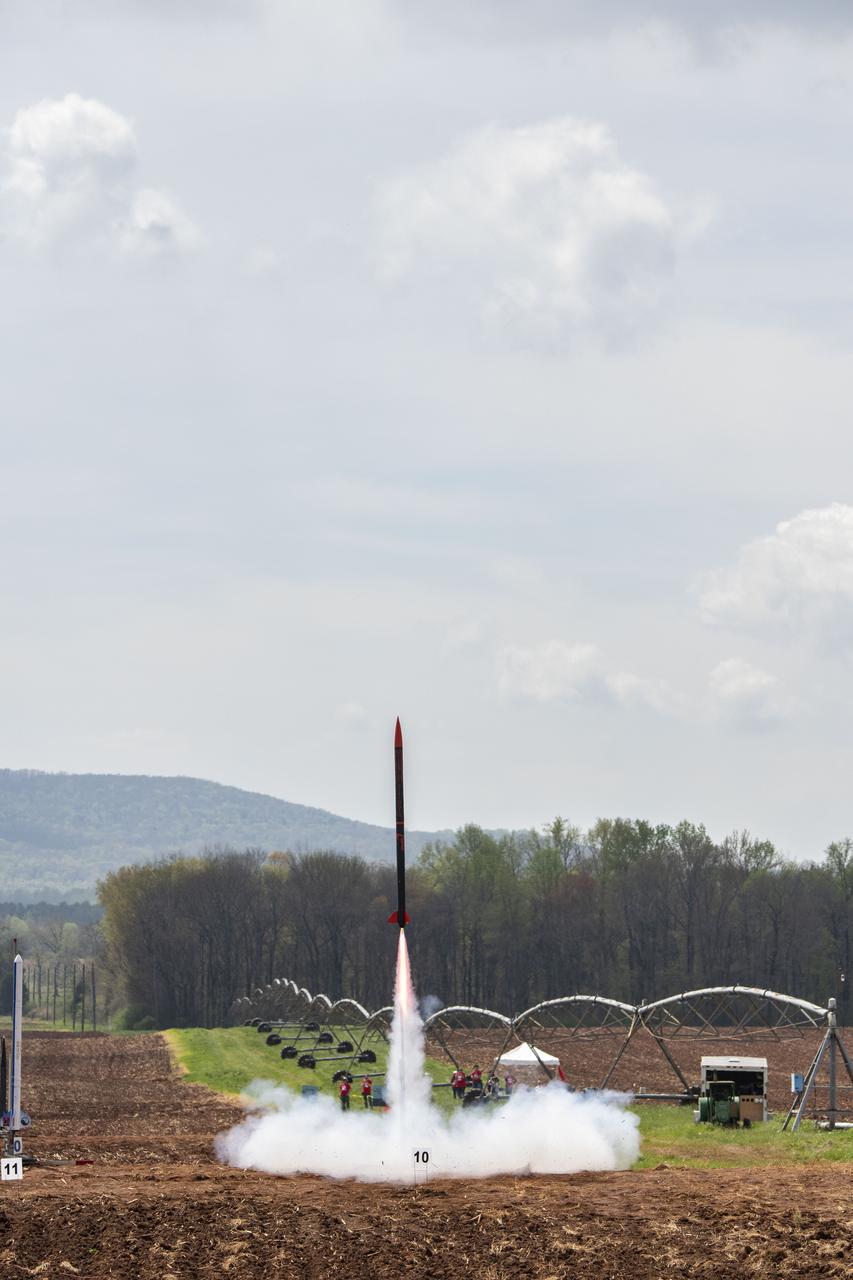
High School and College students from around the U.S. came together at Bragg Farms in Toney, Alabama for the 2019 Student Launch Initiative. The students launched their rockets to their own predetermined altitude with various payloads including remote rovers and unmanned aerial vehicles.   The rocket named Zeppelin from Plantation High School in Plantation, Florida, roars off of the pad at launch day for the 2018-2019 Student Launch competition.
2019 Student Launch Initiative
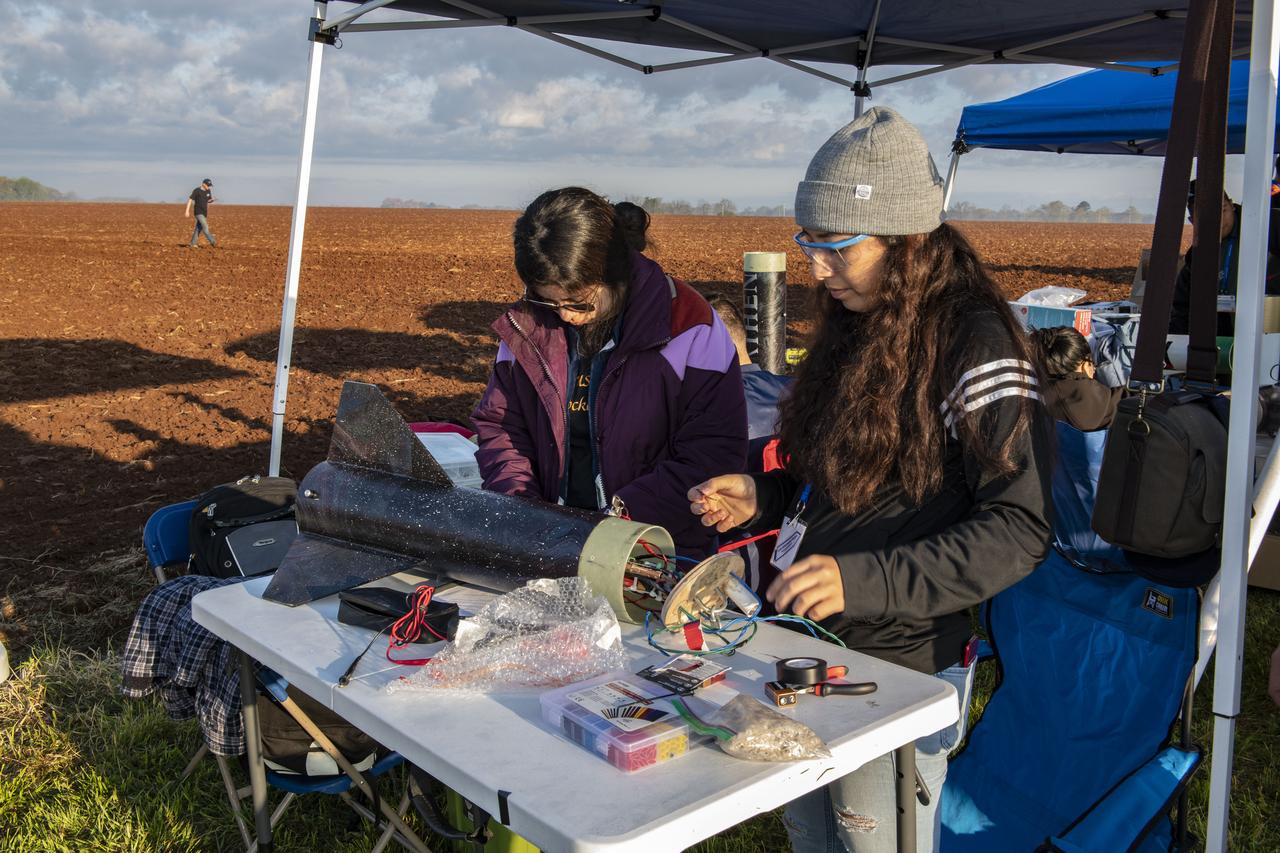
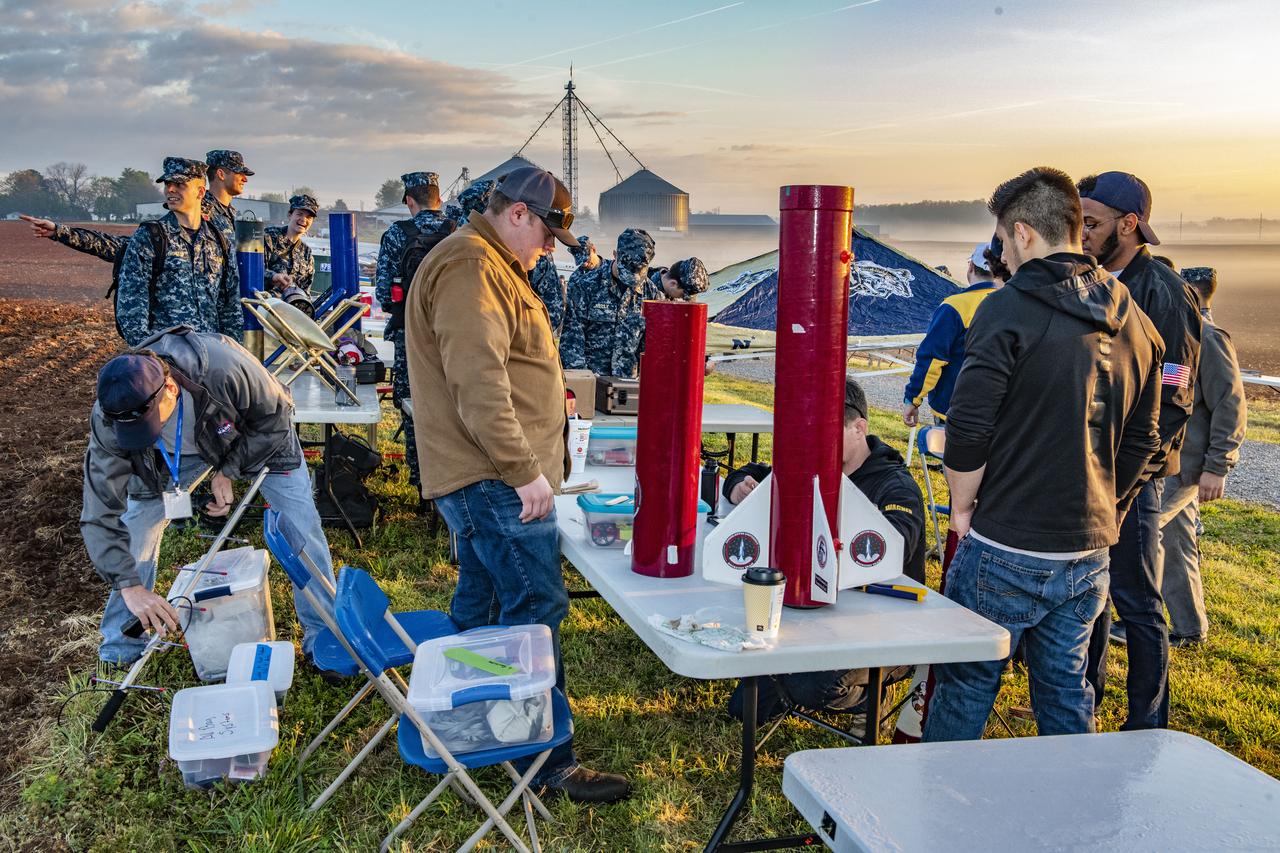
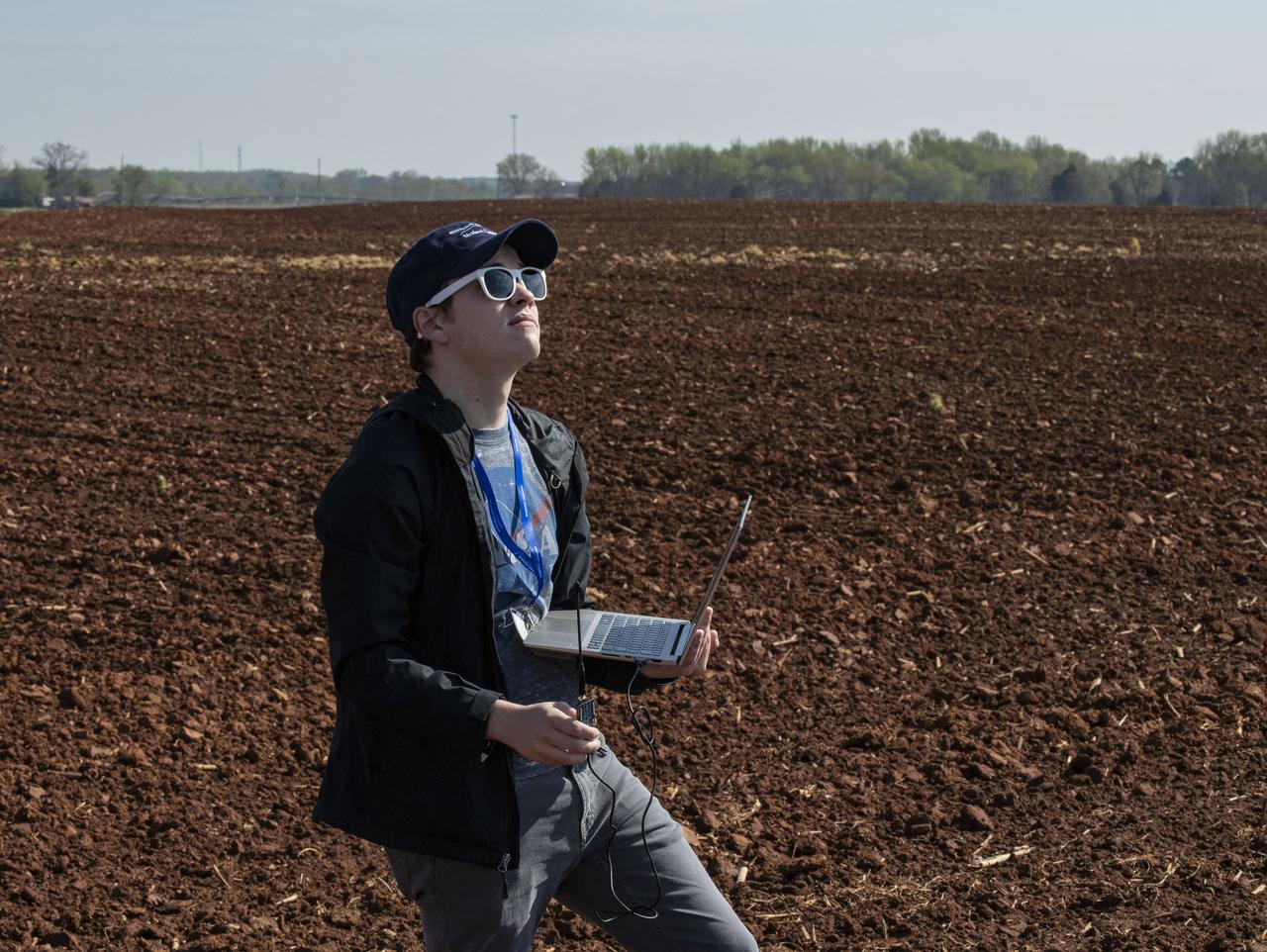
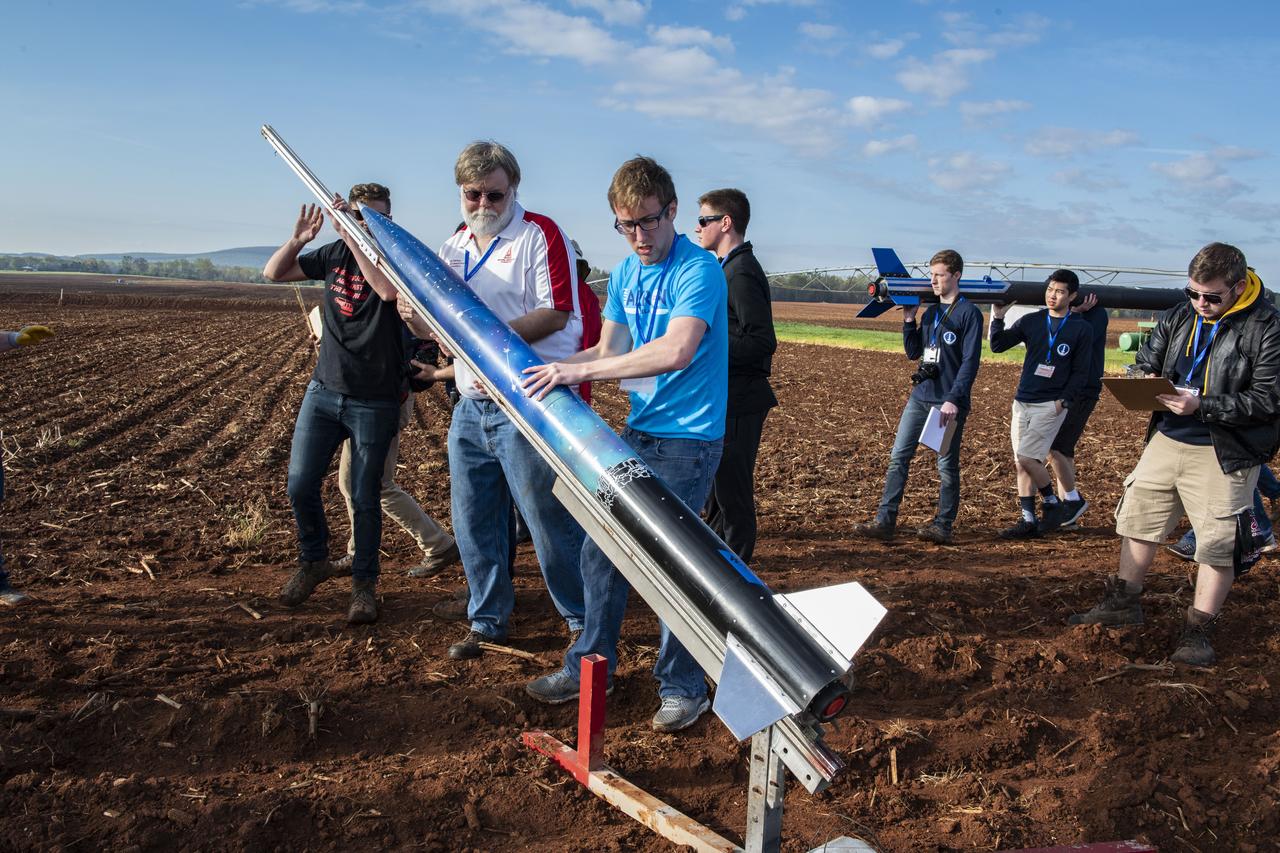
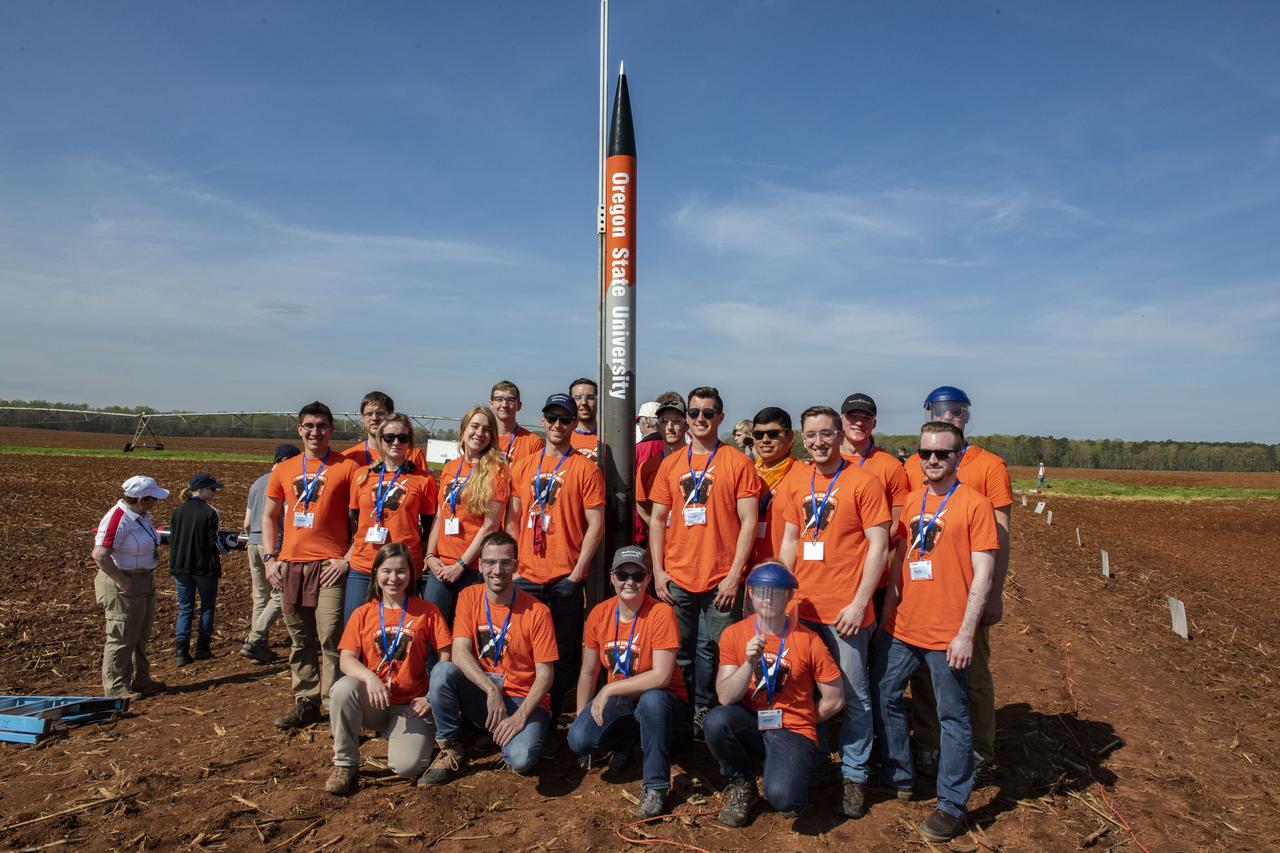
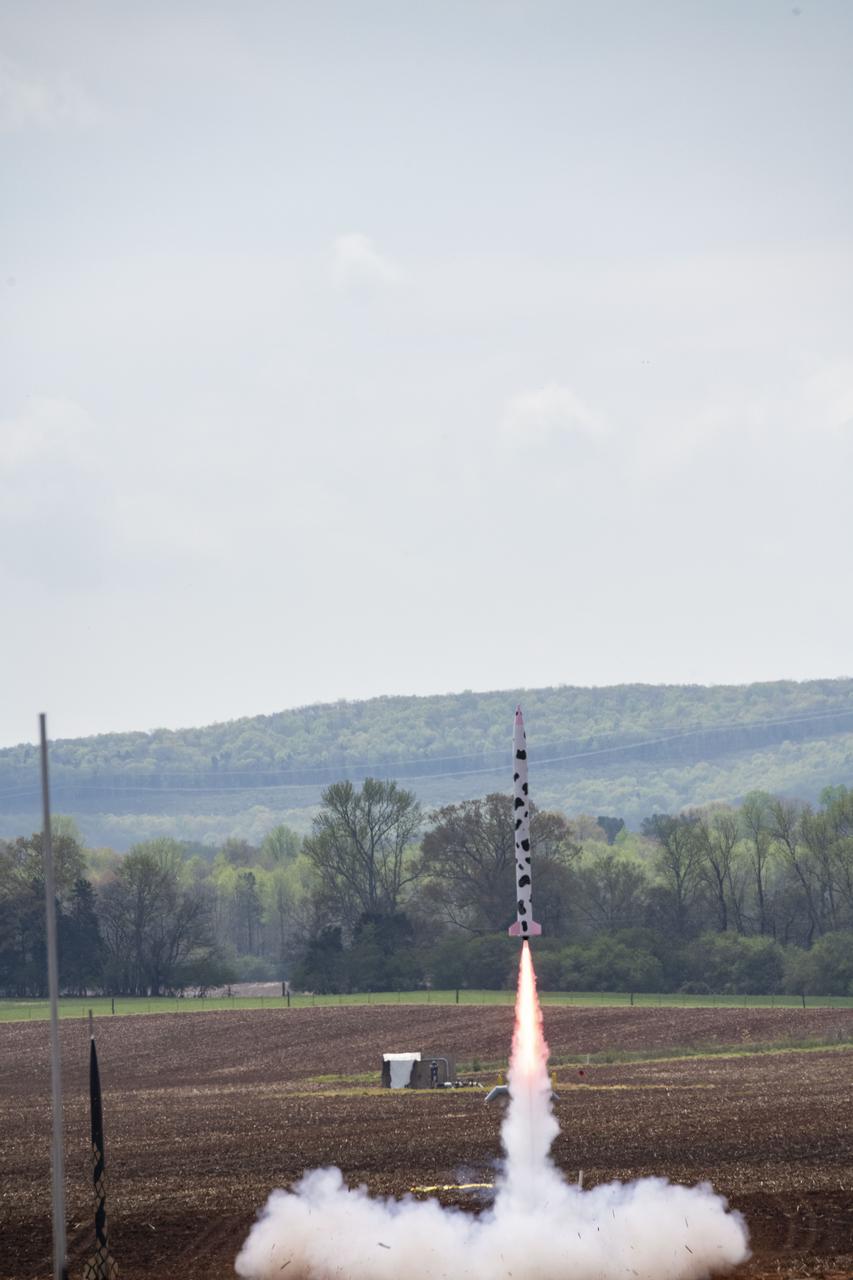
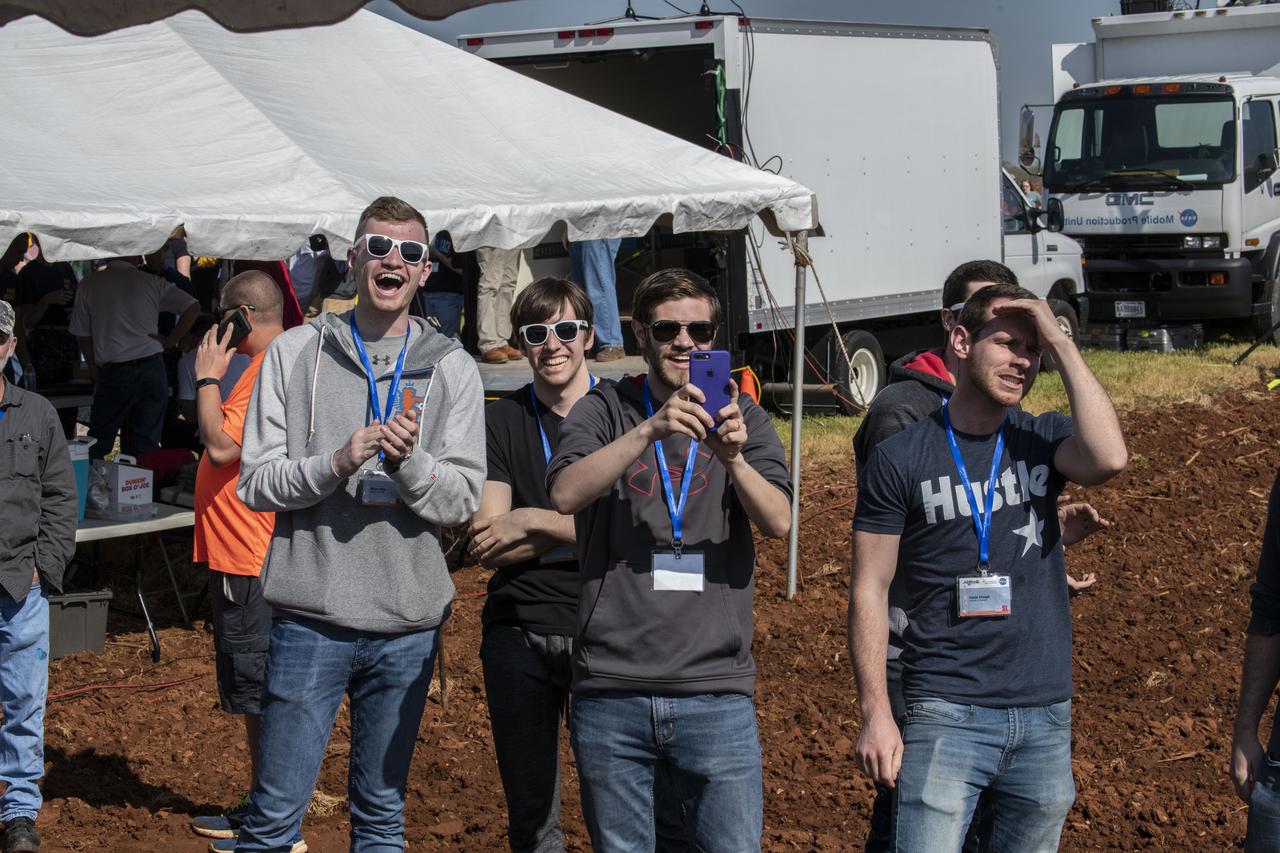
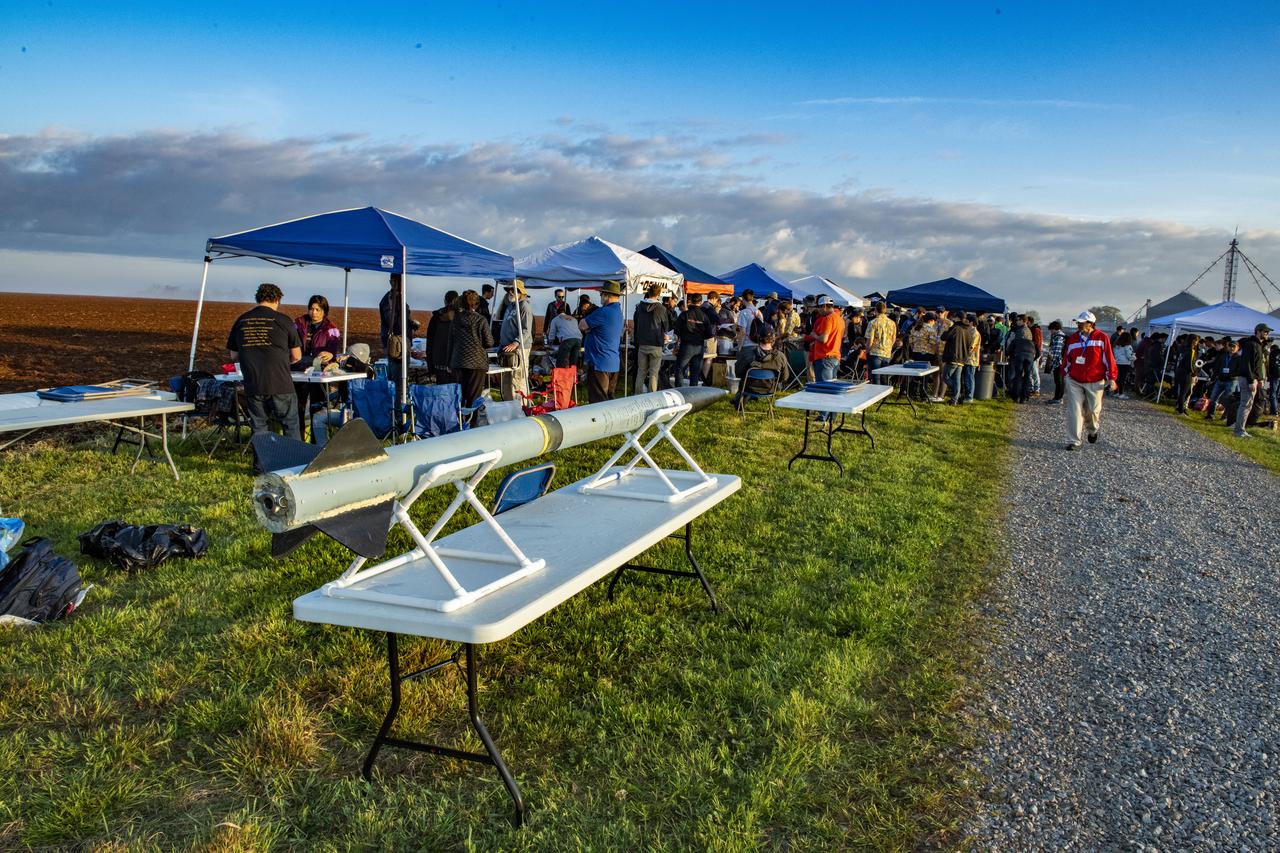
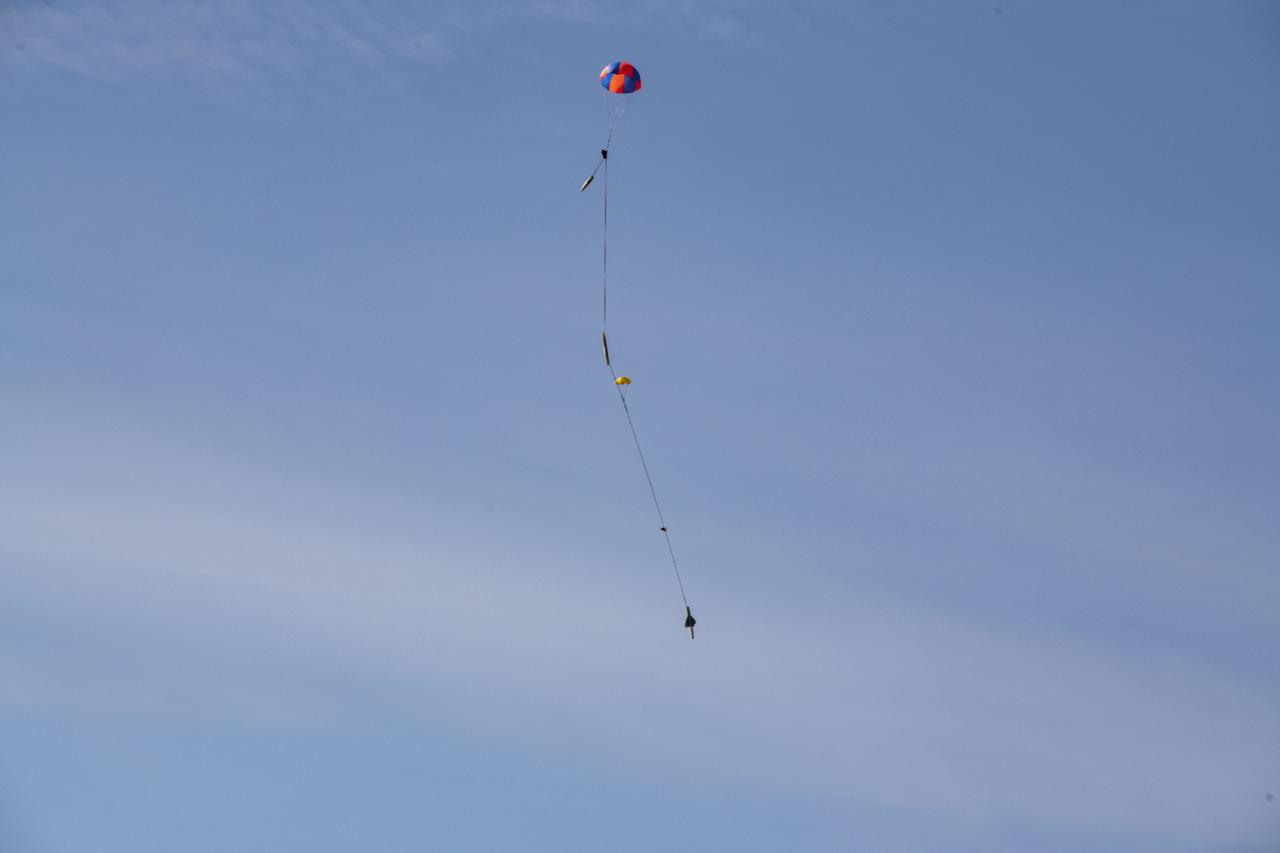
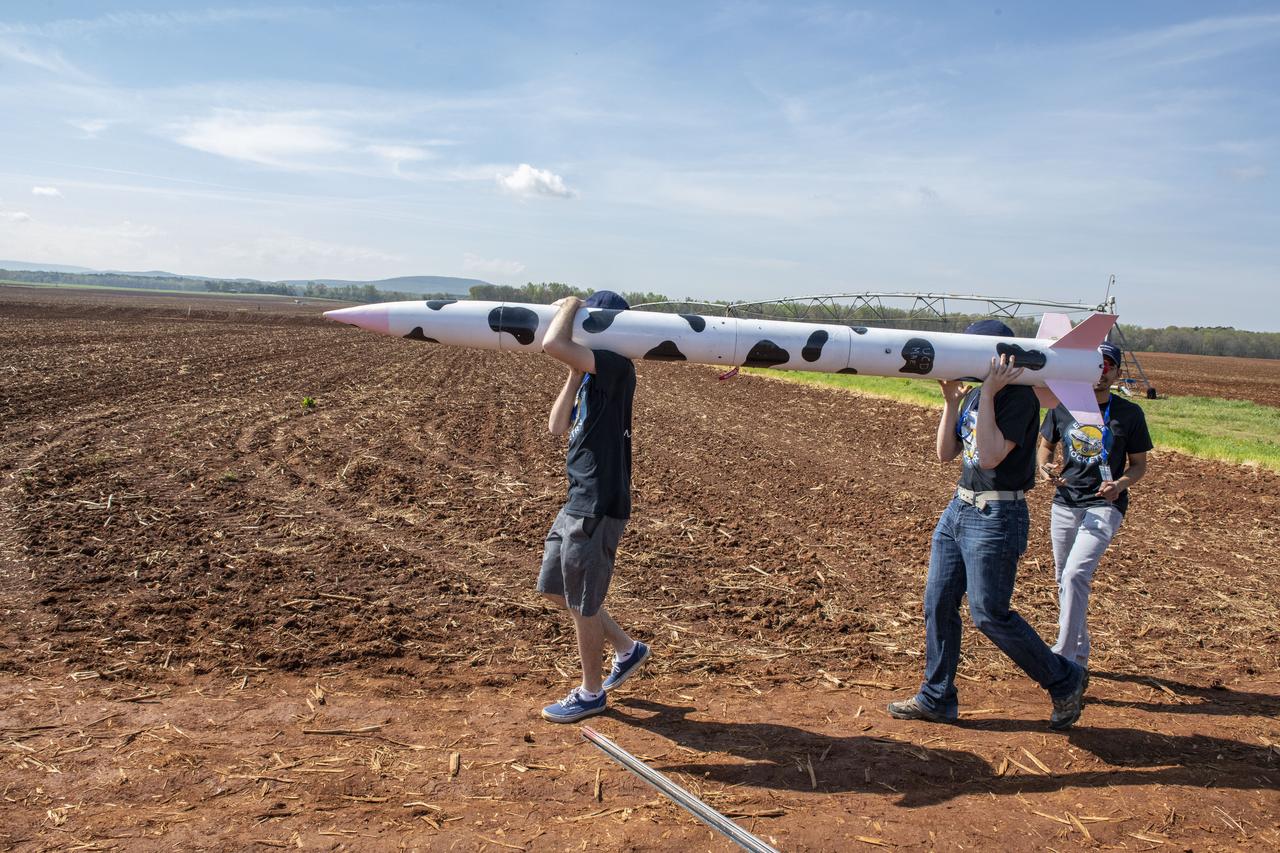
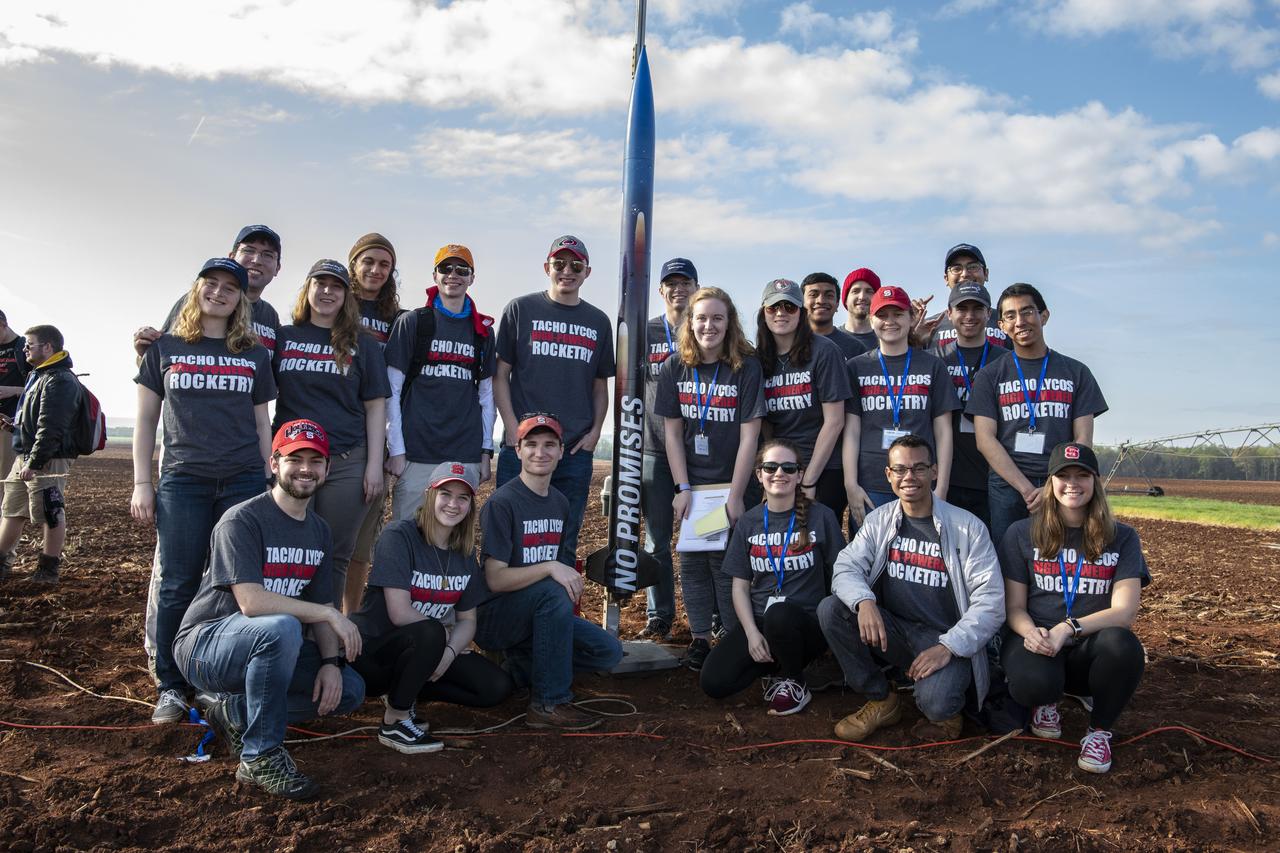
High School and College students from around the U.S. came together at Bragg Farms in Toney, Alabama for the 2019 Student Launch Initiative. The students launched their rockets to their own predetermined altitude with various payloads including remote rovers and unmanned aerial vehicles.
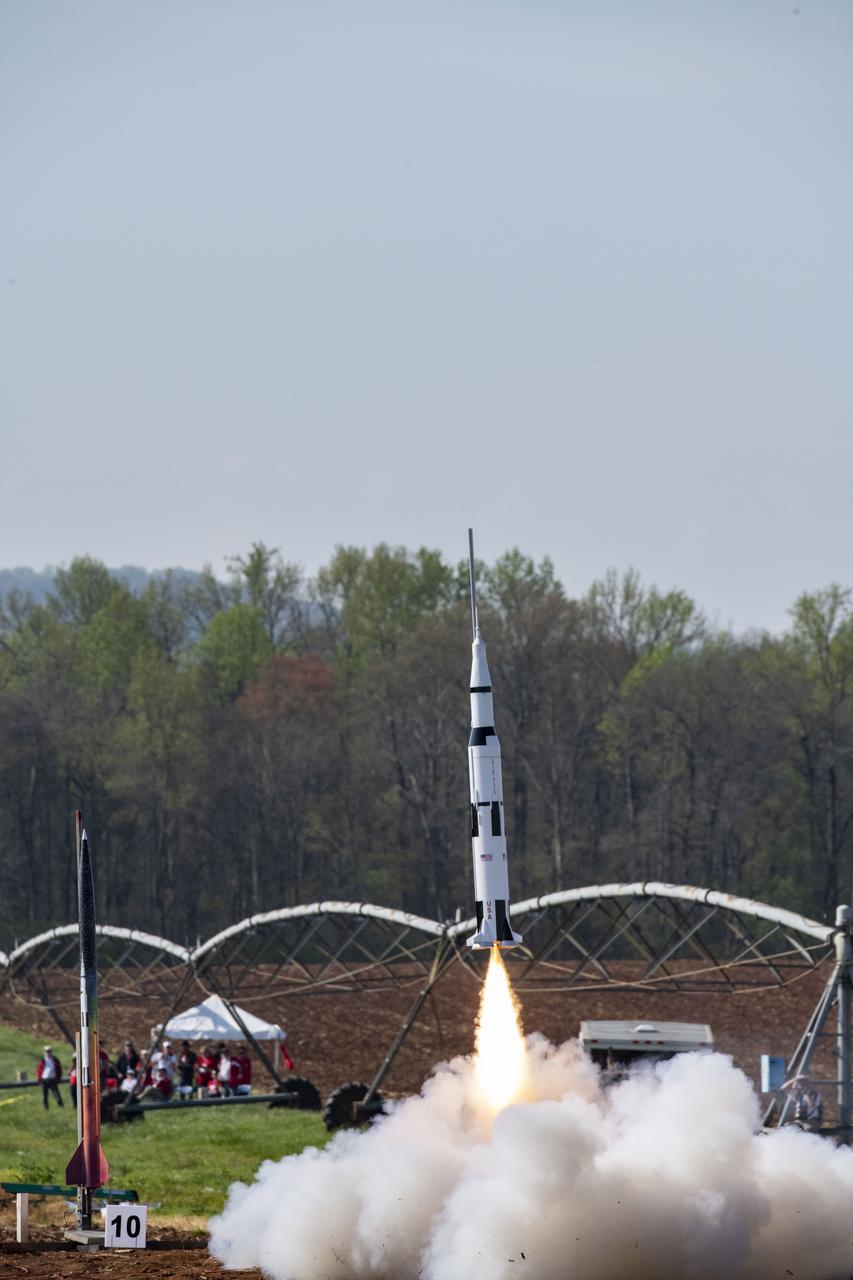
2019 Student Launch Initiative
Technicians at General Atomics Aeronautical Systems, Inc., (GA-ASI) facility at Adelanto, Calif., carefully install a turboprop engine to the rear fuselage of NASA's Altair aircraft during final assembly operations.
EC02-0188-18
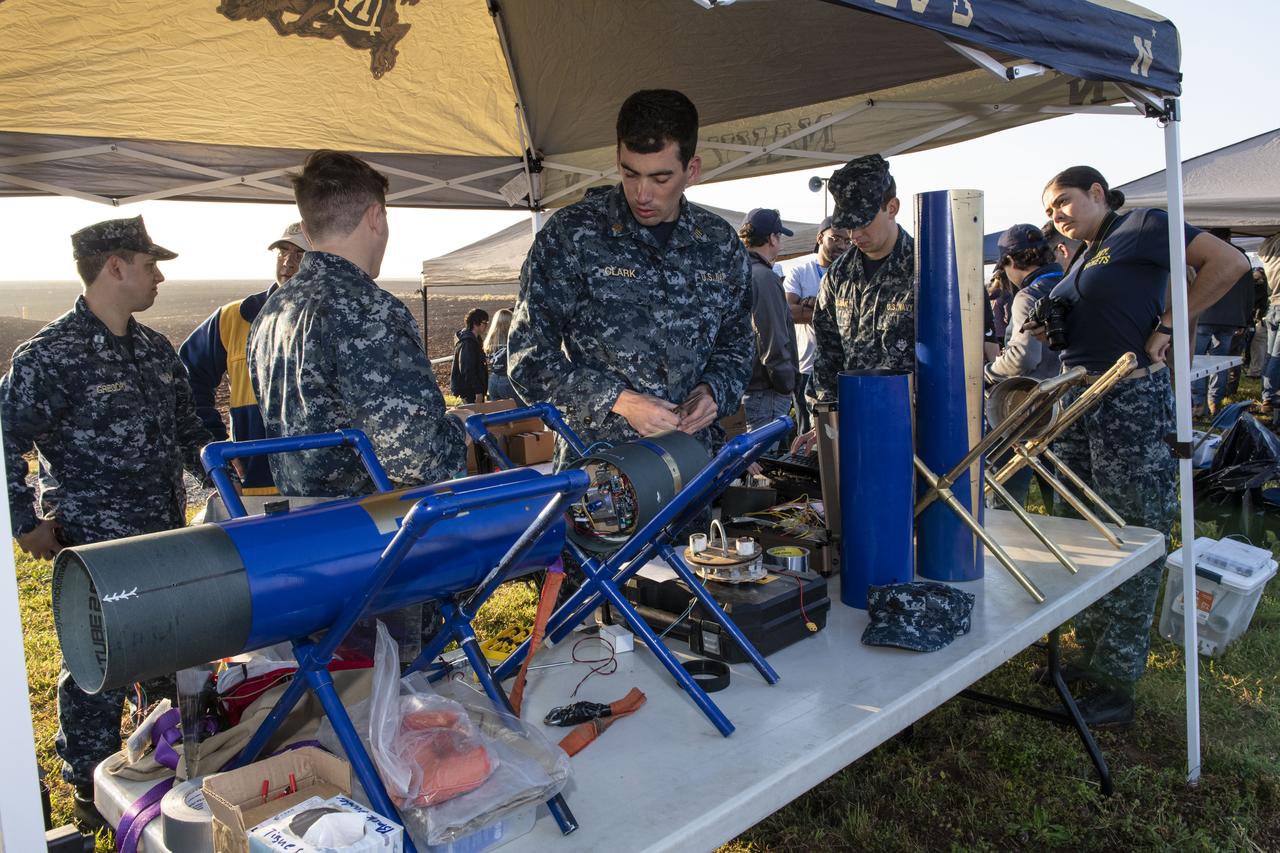
High School and College students from around the U.S. came together at Bragg Farms in Toney, Alabama for the 2019 Student Launch Initiative. The students launched their rockets to their own predetermined altitude with various payloads including remote rovers and unmanned aerial vehicles.
2019 Student Launch Initiative
High School and College students from around the U.S. came together at Bragg Farms in Toney, Alabama for the 2019 Student Launch Initiative. The students launched their rockets to their own predetermined altitude with various payloads including remote rovers and unmanned aerial vehicles.
2019 Student Launch Initiative
High School and College students from around the U.S. came together at Bragg Farms in Toney, Alabama for the 2019 Student Launch Initiative. The students launched their rockets to their own predetermined altitude with various payloads including remote rovers and unmanned aerial vehicles.
2019 Student Launch Initiative
High School and College students from around the U.S. came together at Bragg Farms in Toney, Alabama for the 2019 Student Launch Initiative. The students launched their rockets to their own predetermined altitude with various payloads including remote rovers and unmanned aerial vehicles.
2019 Student Launch Initiative
Technicians at General Atomics Aeronautical Systems, Inc., (GA-ASI) facility at Adelanto, Calif., carefully thread control lines through a bulkhead during engine installation on NASA's Altair aircraft.
EC02-0188-22
High School and College students from around the U.S. came together at Bragg Farms in Toney, Alabama for the 2019 Student Launch Initiative. The students launched their rockets to their own predetermined altitude with various payloads including remote rovers and unmanned aerial vehicles.
2019 Student Launch Initiative
High School and College students from around the U.S. came together at Bragg Farms in Toney, Alabama for the 2019 Student Launch Initiative. The students launched their rockets to their own predetermined altitude with various payloads including remote rovers and unmanned aerial vehicles.
2019 Student Launch Initiative
High School and College students from around the U.S. came together at Bragg Farms in Toney, Alabama for the 2019 Student Launch Initiative. The students launched their rockets to their own predetermined altitude with various payloads including remote rovers and unmanned aerial vehicles.
2019 Student Launch Initiative
High School and College students from around the U.S. came together at Bragg Farms in Toney, Alabama for the 2019 Student Launch Initiative. The students launched their rockets to their own predetermined altitude with various payloads including remote rovers and unmanned aerial vehicles.
2019 Student Launch Initiative
High School and College students from around the U.S. came together at Bragg Farms in Toney, Alabama for the 2019 Student Launch Initiative. The students launched their rockets to their own predetermined altitude with various payloads including remote rovers and unmanned aerial vehicles.
2019 Student Launch Initiative
High School and College students from around the U.S. came together at Bragg Farms in Toney, Alabama for the 2019 Student Launch Initiative. The students launched their rockets to their own predetermined altitude with various payloads including remote rovers and unmanned aerial vehicles.
2019 Student Launch Initiative
High School and College students from around the U.S. came together at Bragg Farms in Toney, Alabama for the 2019 Student Launch Initiative. The students launched their rockets to their own predetermined altitude with various payloads including remote rovers and unmanned aerial vehicles.
2019 Student Launch Initiative
High School and College students from around the U.S. came together at Bragg Farms in Toney, Alabama for the 2019 Student Launch Initiative. The students launched their rockets to their own predetermined altitude with various payloads including remote rovers and unmanned aerial vehicles.
2019 Student Launch Initiative
High School and College students from around the U.S. came together at Bragg Farms in Toney, Alabama for the 2019 Student Launch Initiative. The students launched their rockets to their own predetermined altitude with various payloads including remote rovers and unmanned aerial vehicles.
2019 Student Launch Initiative
High School and College students from around the U.S. came together at Bragg Farms in Toney, Alabama for the 2019 Student Launch Initiative. The students launched their rockets to their own predetermined altitude with various payloads including remote rovers and unmanned aerial vehicles.
2019 Student Launch Initiative
High School and College students from around the U.S. came together at Bragg Farms in Toney, Alabama for the 2019 Student Launch Initiative. The students launched their rockets to their own predetermined altitude with various payloads including remote rovers and unmanned aerial vehicles.
2019 Student Launch Initiative
High School and College students from around the U.S. came together at Bragg Farms in Toney, Alabama for the 2019 Student Launch Initiative. The students launched their rockets to their own predetermined altitude with various payloads including remote rovers and unmanned aerial vehicles.
2019 Student Launch Initiative
High School and College students from around the U.S. came together at Bragg Farms in Toney, Alabama for the 2019 Student Launch Initiative. The students launched their rockets to their own predetermined altitude with various payloads including remote rovers and unmanned aerial vehicles.
2019 Student Launch Initiative
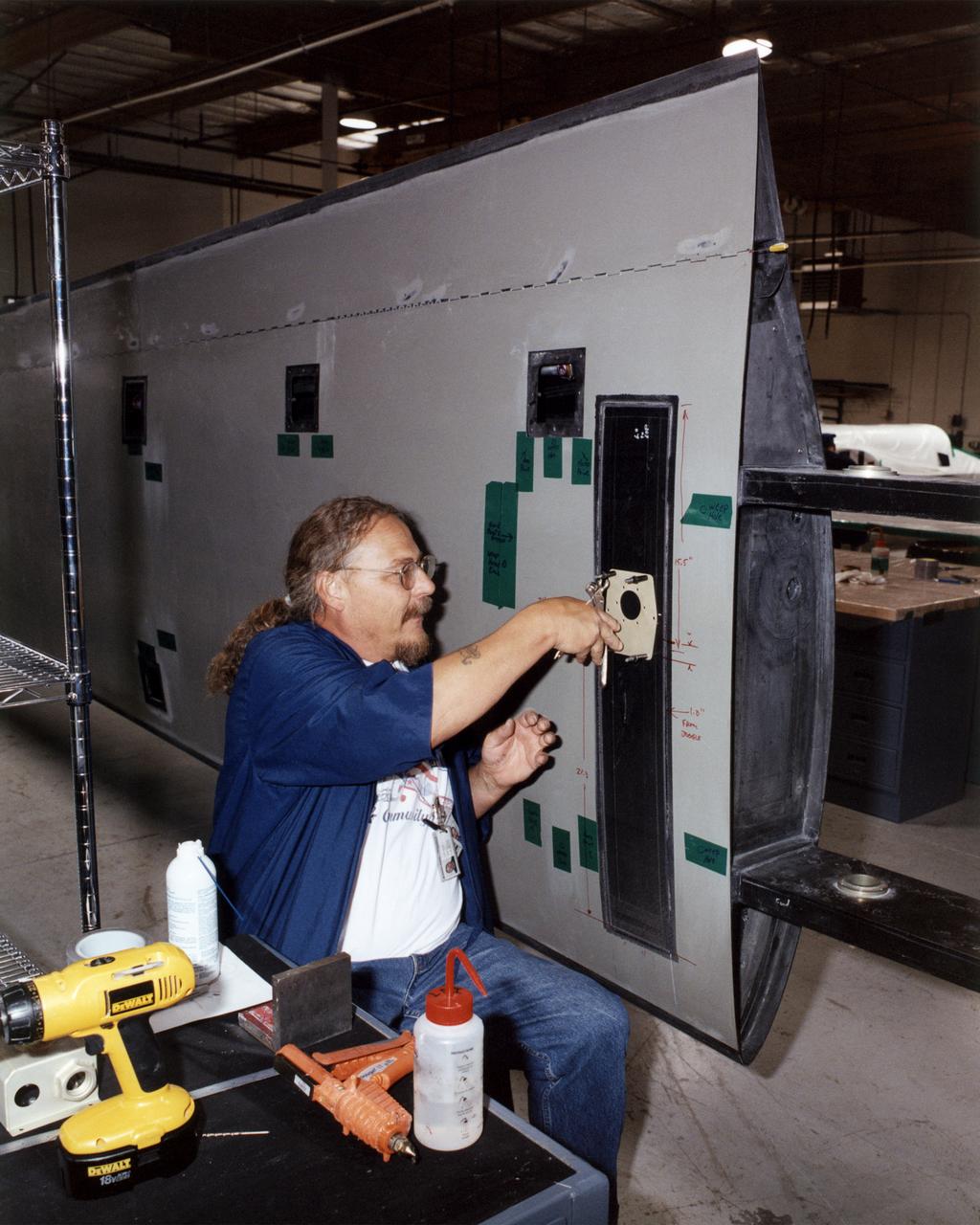
Technician Dave Brown installs a drilling template during construction of the all-composite left wing of NASA's Altair aircraft at General Atomics Aeronautical Systems, Inc., (GA-ASI) facility at Adelanto, Calif.
EC02-0188-19