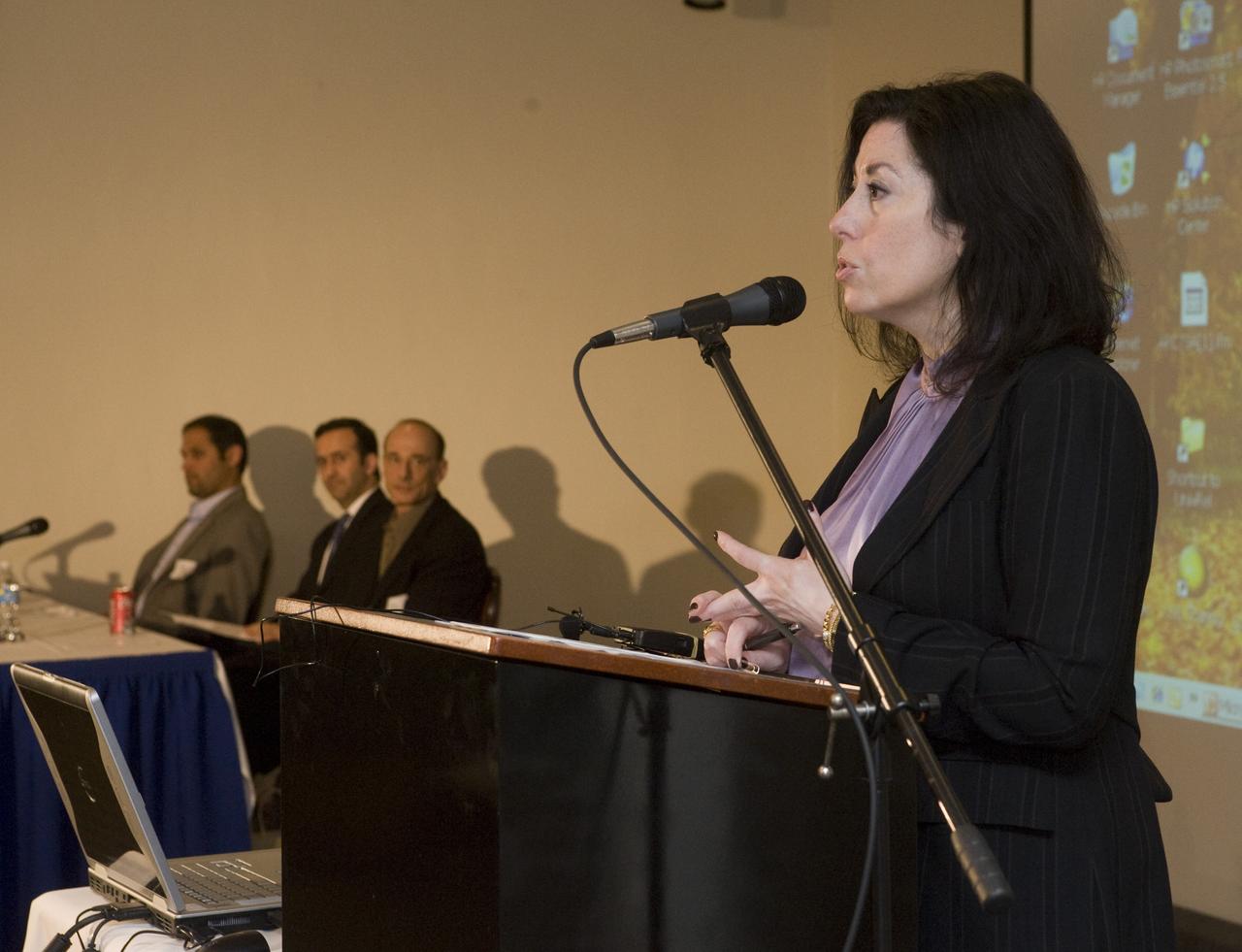
UCSC Silicon Valley Center presents a Panel Discussion 'Can Renewable Energy Save the World' Mary Trigiani, Consultant, The Jack Baskin School of Engineering, UCSC - Moderator
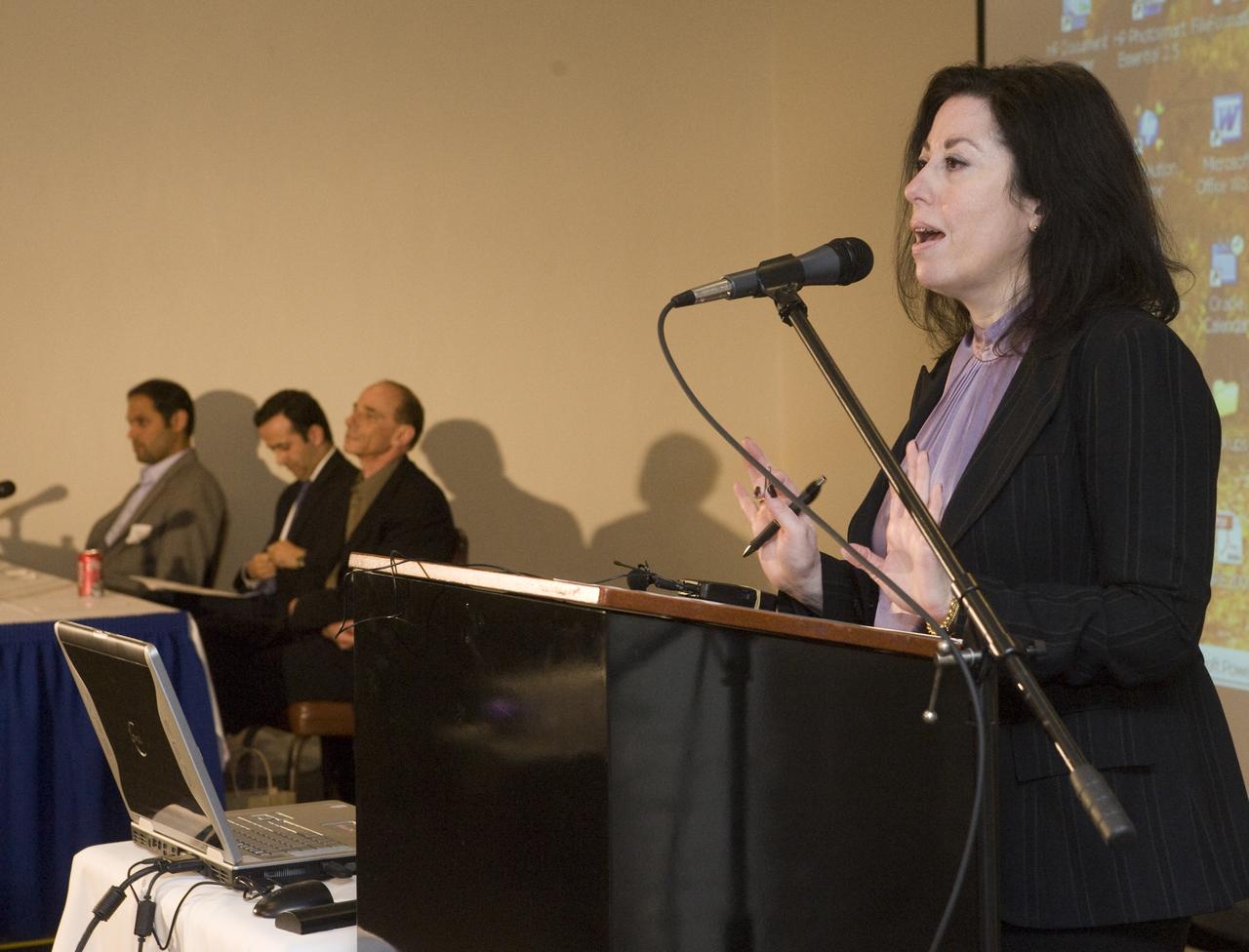
UCSC Silicon Valley Center presents a Panel Discussion 'Can Renewable Energy Save the World' Mary Trigiani, Consultant, The Jack Baskin School of Engineering, UCSC - Moderator
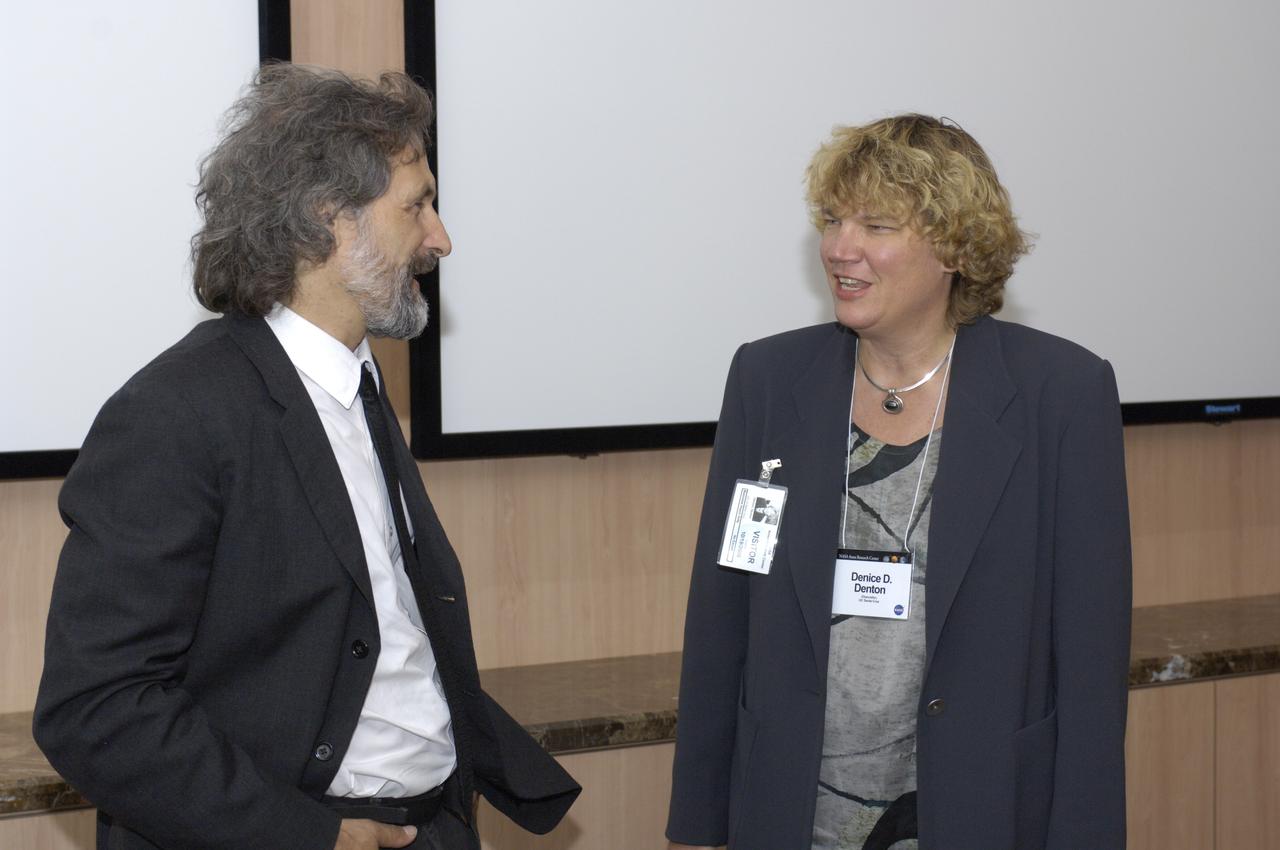
Universtiy of California Santa Cruz Chancellor Denice Denten (and other guests) visit NASA Ames Research Center to meet with Directors and have a briefing on Ames Projects and Programs. Jonathan Trent, Ames Research Scientist, Bioengineering Branch (L) and Denice Denton, Chancellor of UCSC (R)
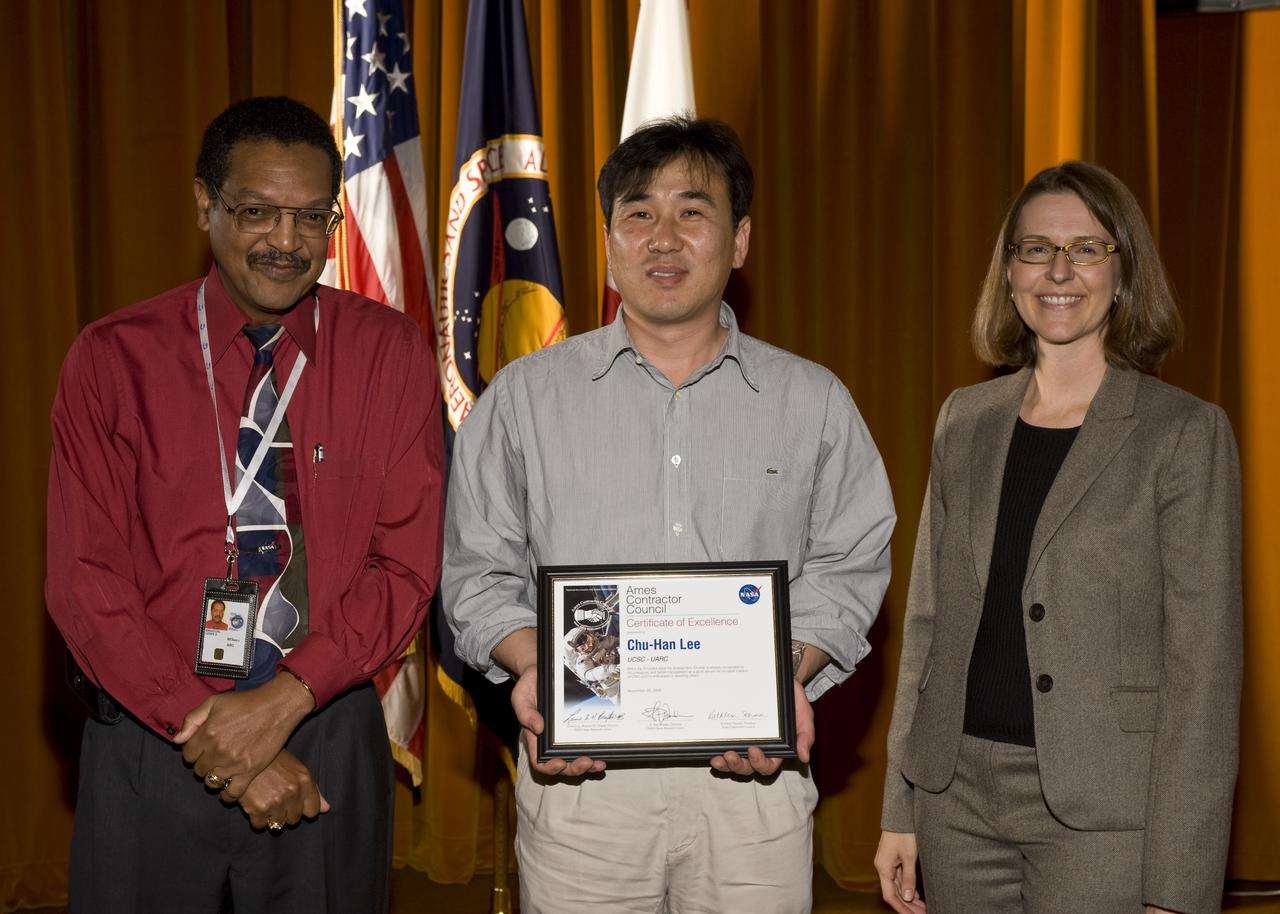
Ames Contractor Council Awards Ceremony: Lou Braxton, III (l) and Kathleen Starmer present to Chu-Han Lee of UCSC - UARC

This figure charts 30 hours of observations taken by NASA Spitzer Space Telescope of a strongly irradiated exoplanet an planet orbiting a star beyond our own. Spitzer measured changes in the planet heat, or infrared light.
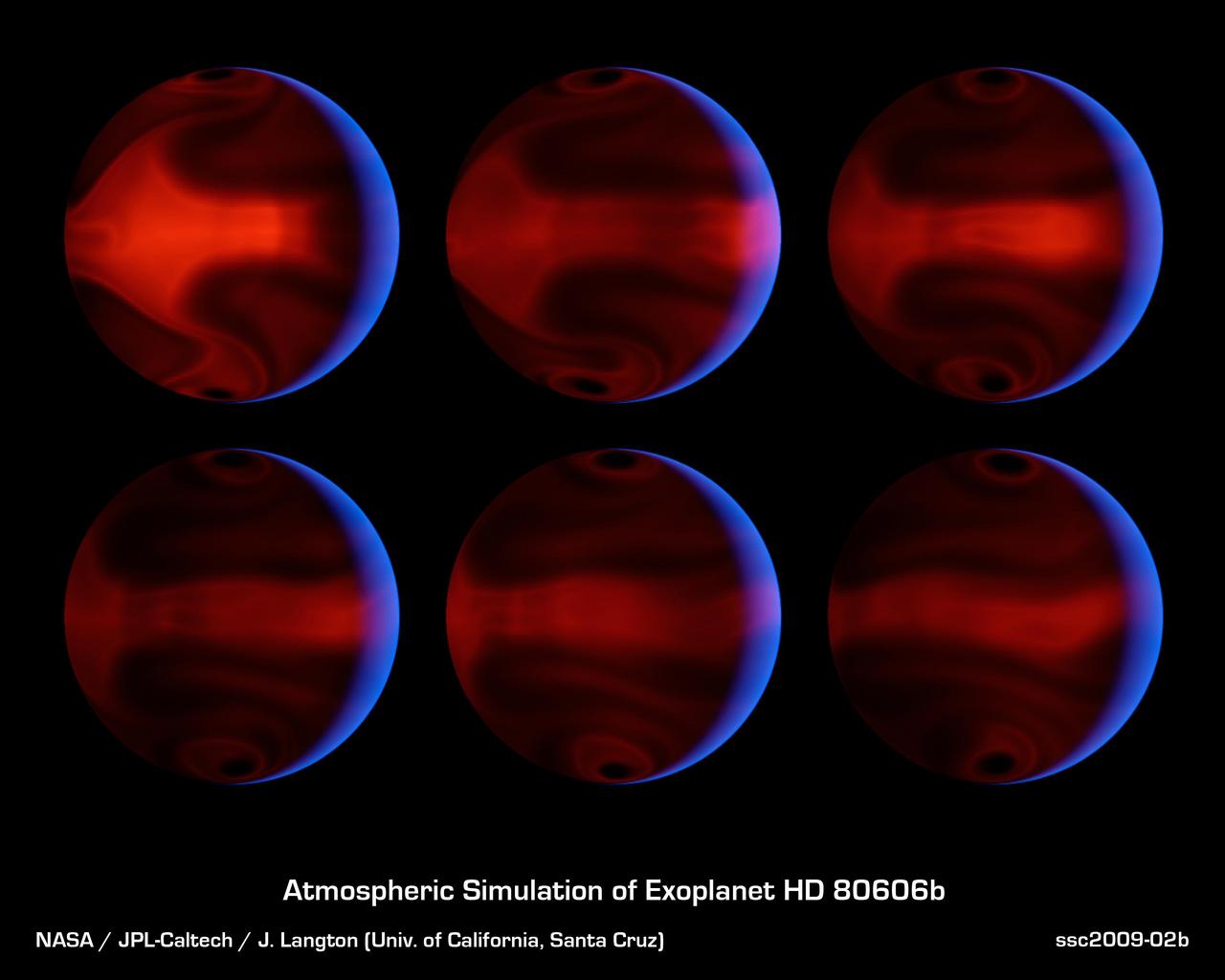
These computer-generated images from NASA Spitzer Space Telescope chart the development of severe weather patterns on the highly eccentric exoplanet HD 80606b during the days after its closest approach to its parent star.

This image from NASA Spitzer Space Telescope shows a computer simulation of the planet HD 80606b from an observer located at a point in space lying between the Earth and the HD 80606 system.
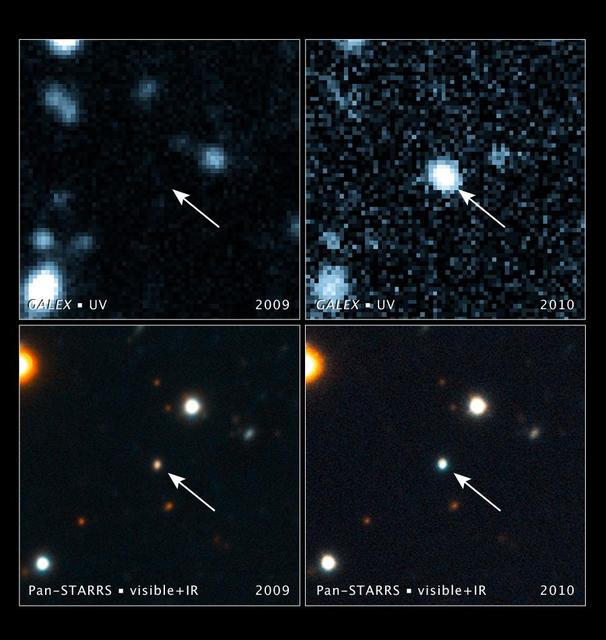
These images, taken with NASA Galaxy Evolution Explorer and the Pan-STARRS1 telescope in Hawaii, show a brightening inside a galaxy caused by a flare from its nucleus. The arrow in each image points to the galaxy.

This computer-simulated image shows gas from a tidally shredded star falling into a black hole. Astronomers observed the flare in ultraviolet light using NASA Galaxy Evolution Explorer.
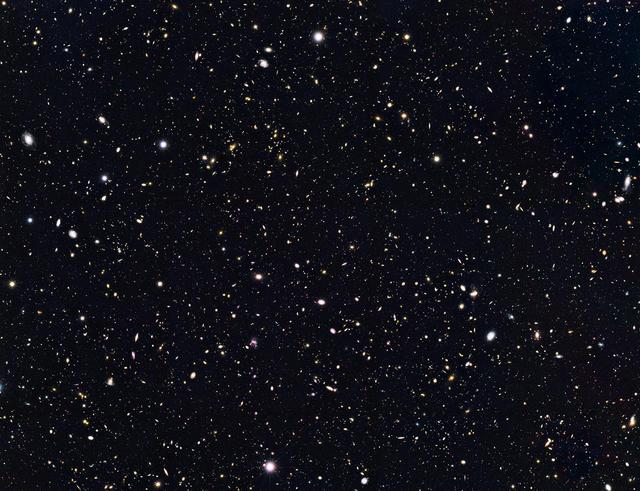
The view is a composite of images taken in visible and near-infrared light by NASA Hubble Space Telescope. Researchers have circled four unusually red objects that appear as they existed just 500 million years after the big bang.