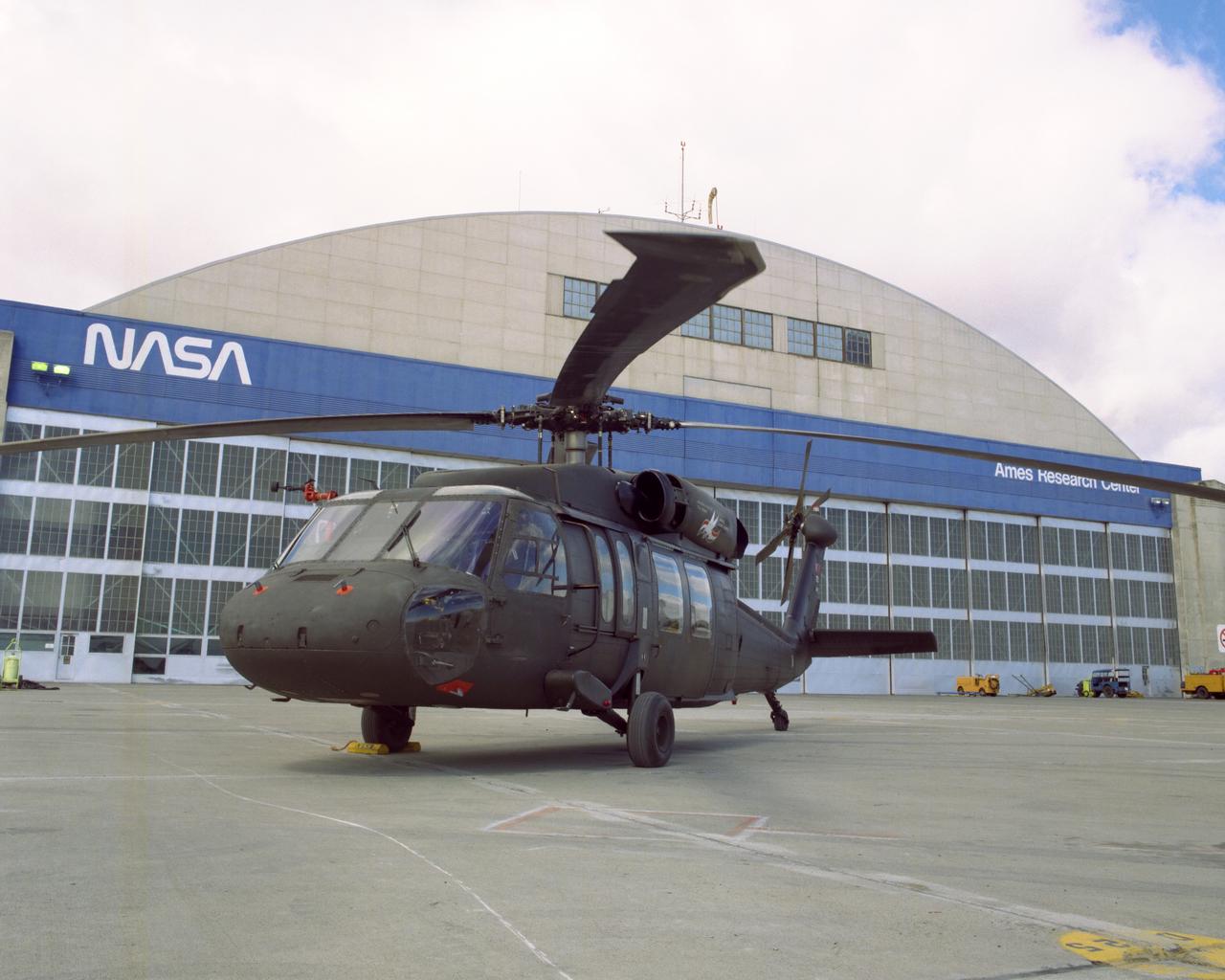
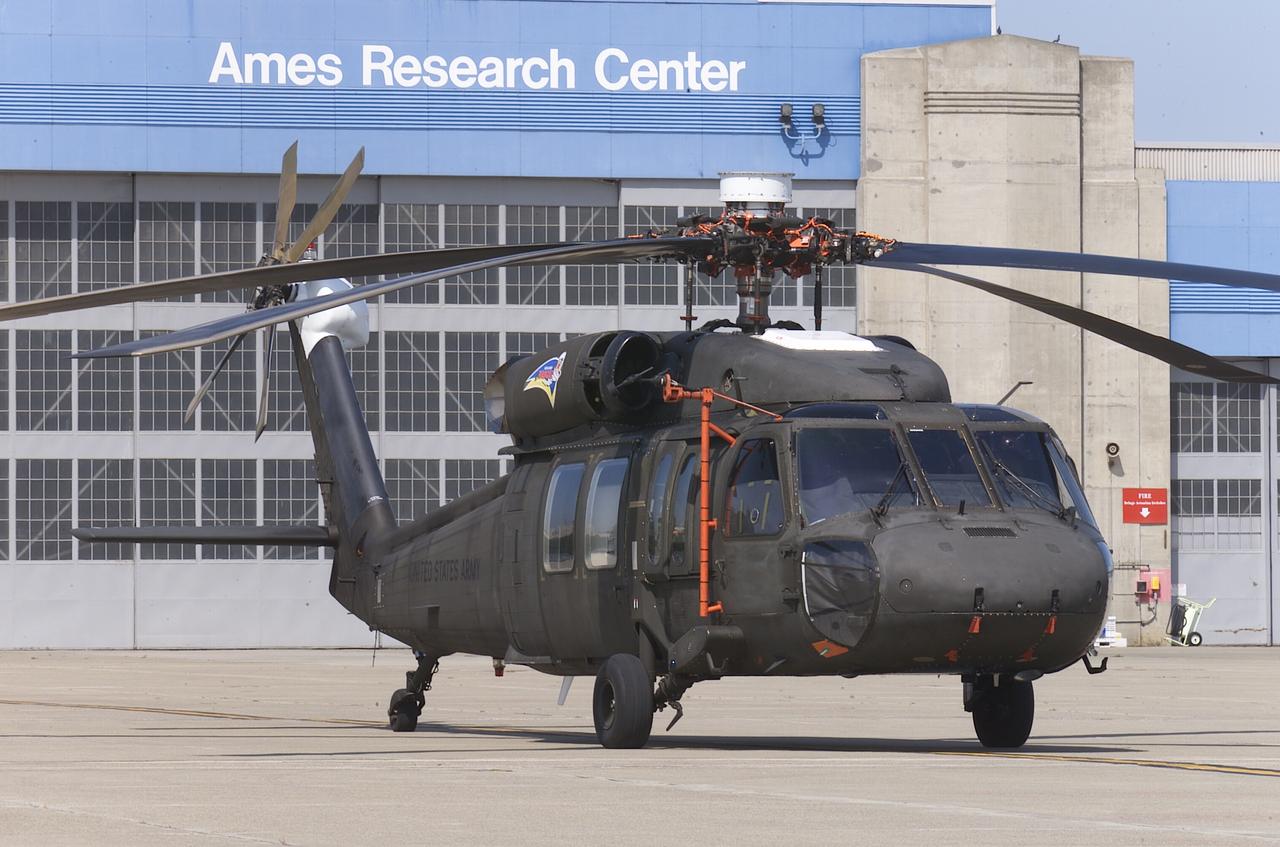
UH-60 NASA-750 in front of Ames hangar
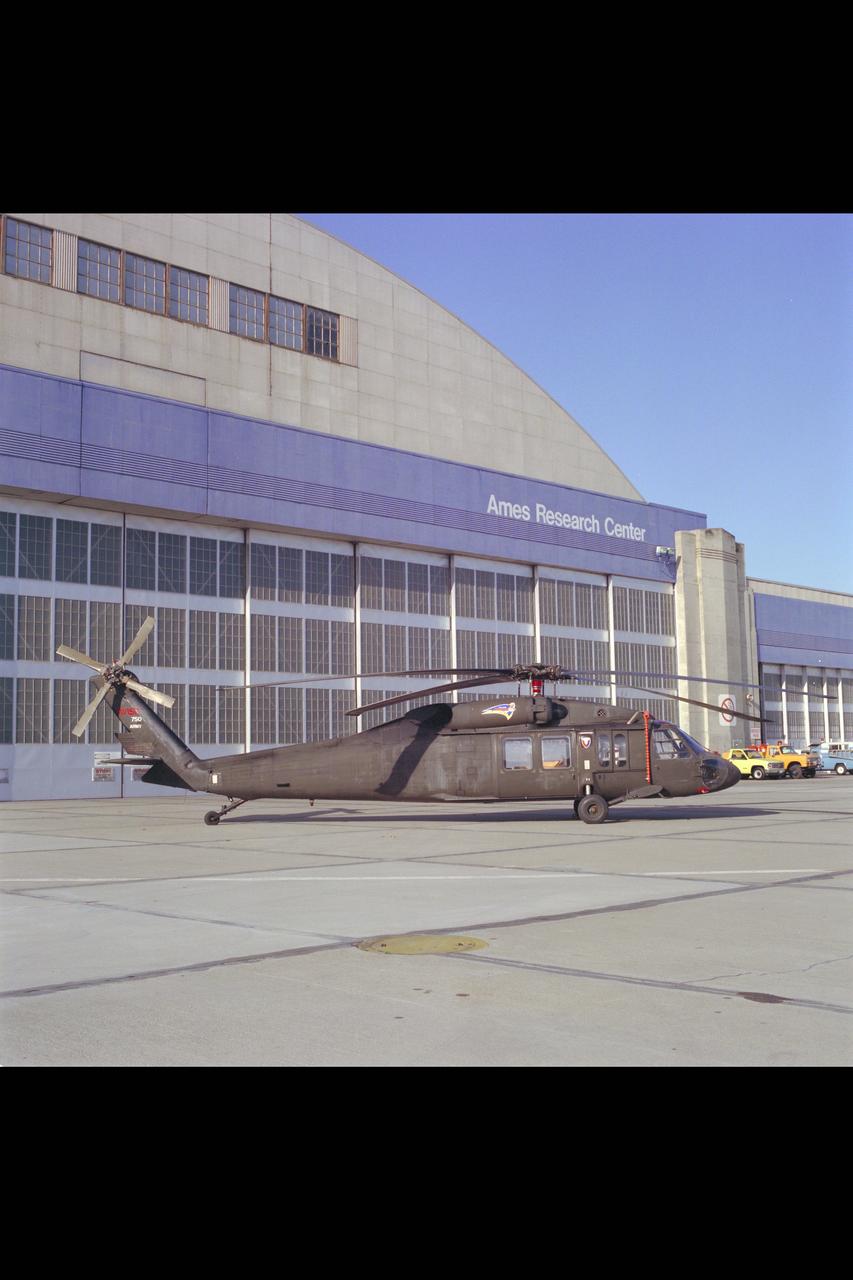
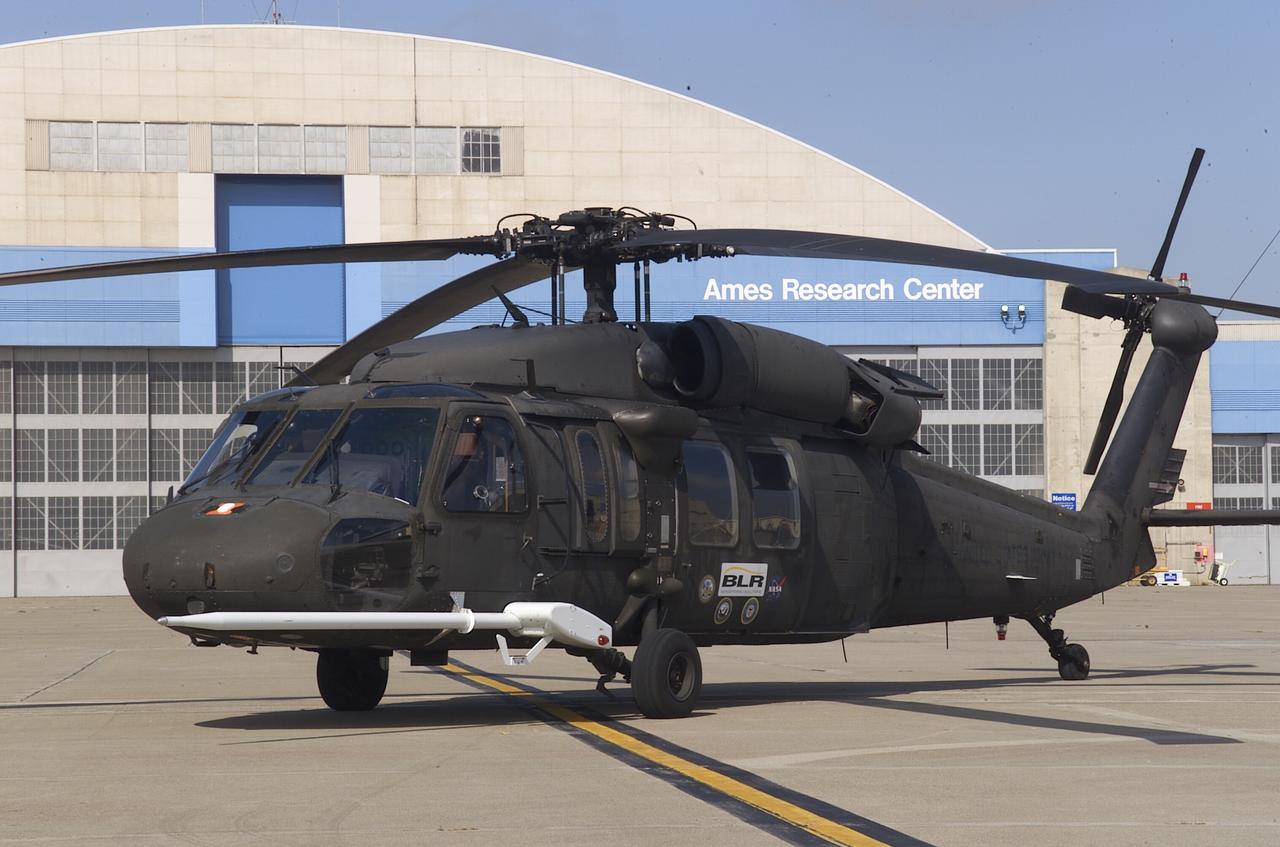
UH-60 RASCAL (NASA-750) on flight line
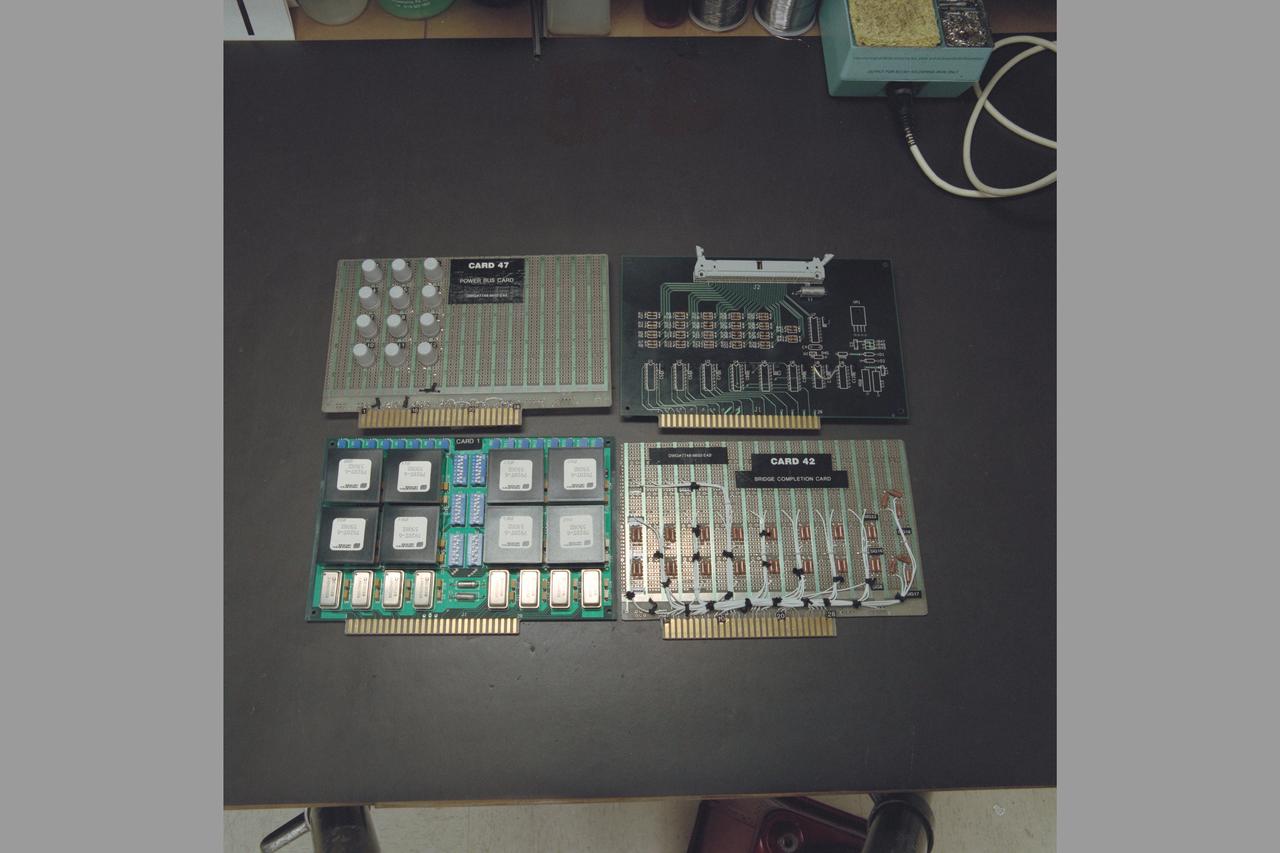
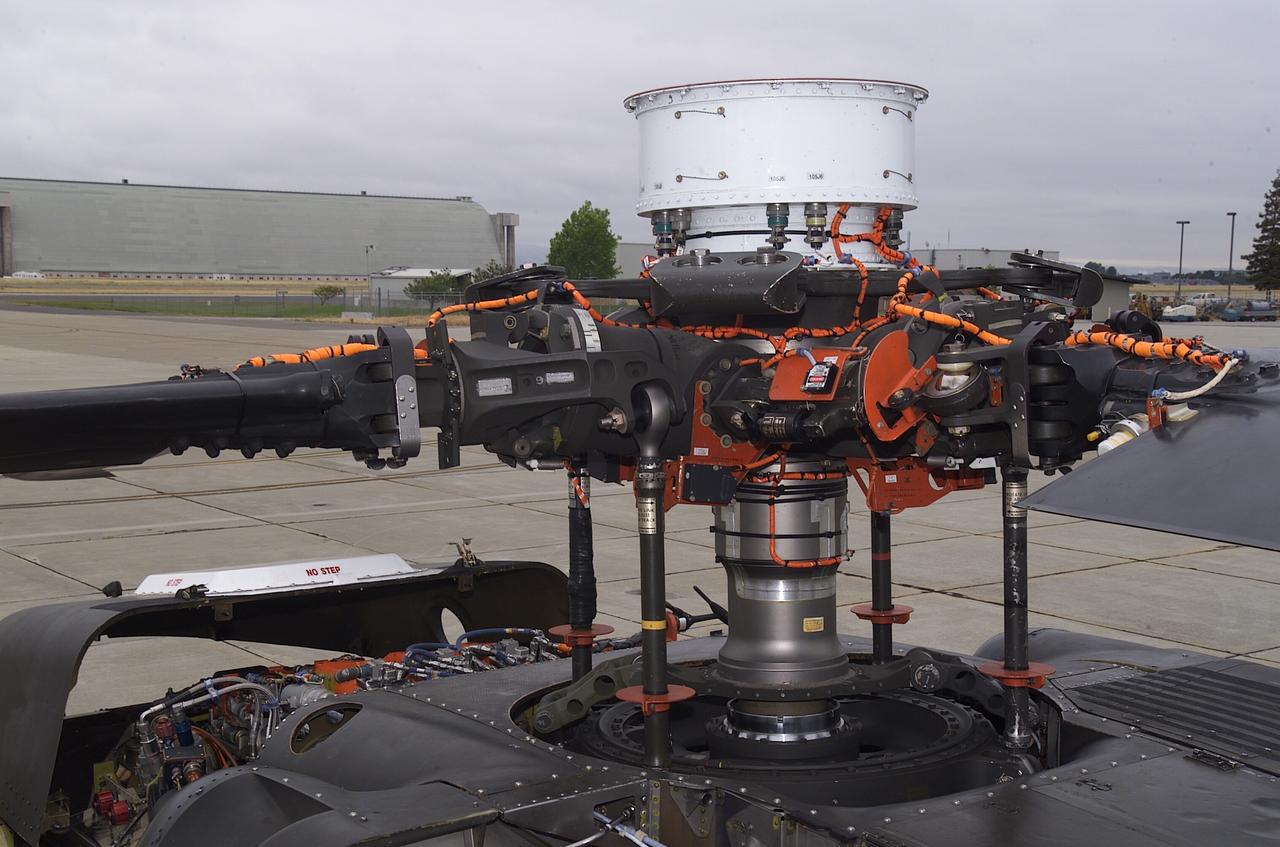
UH-60 (NASA-748) electronic assembly of Bucket
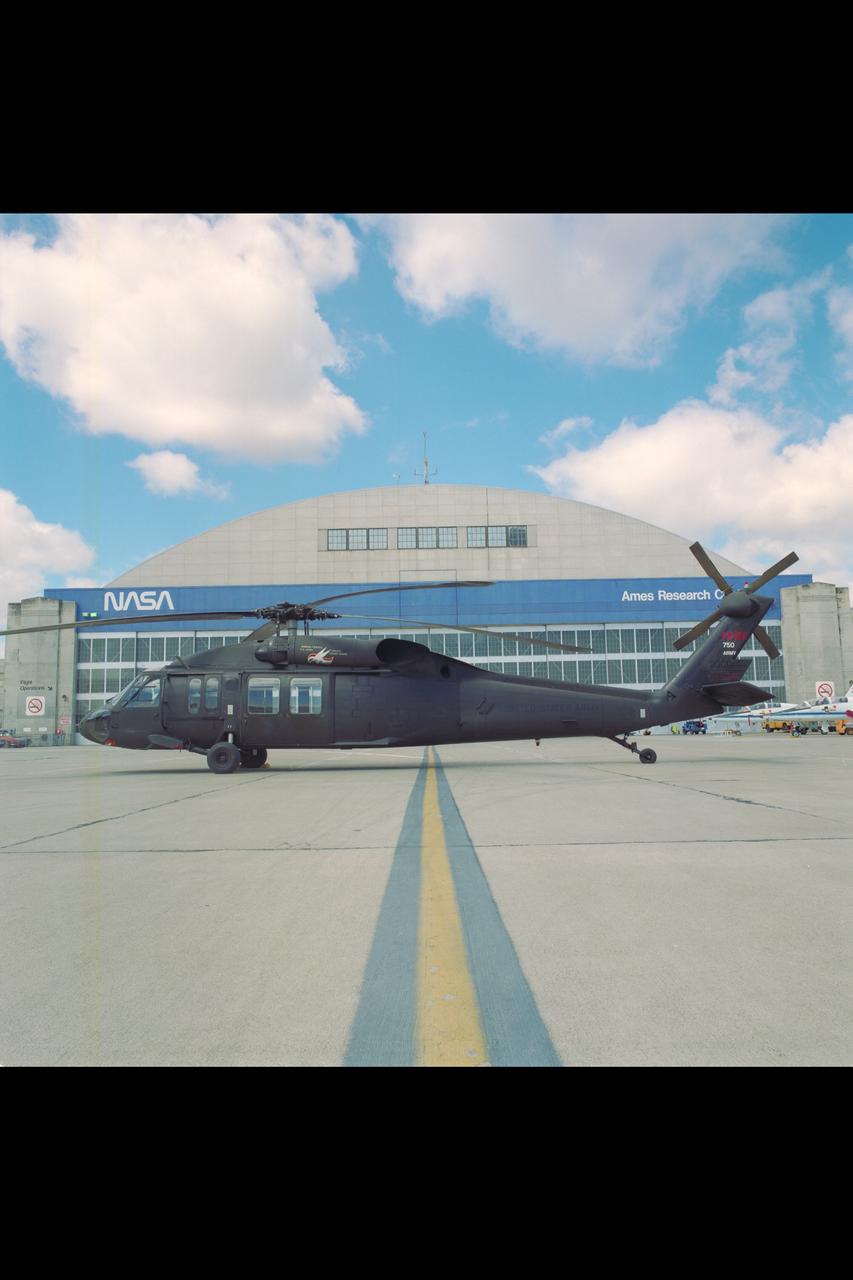
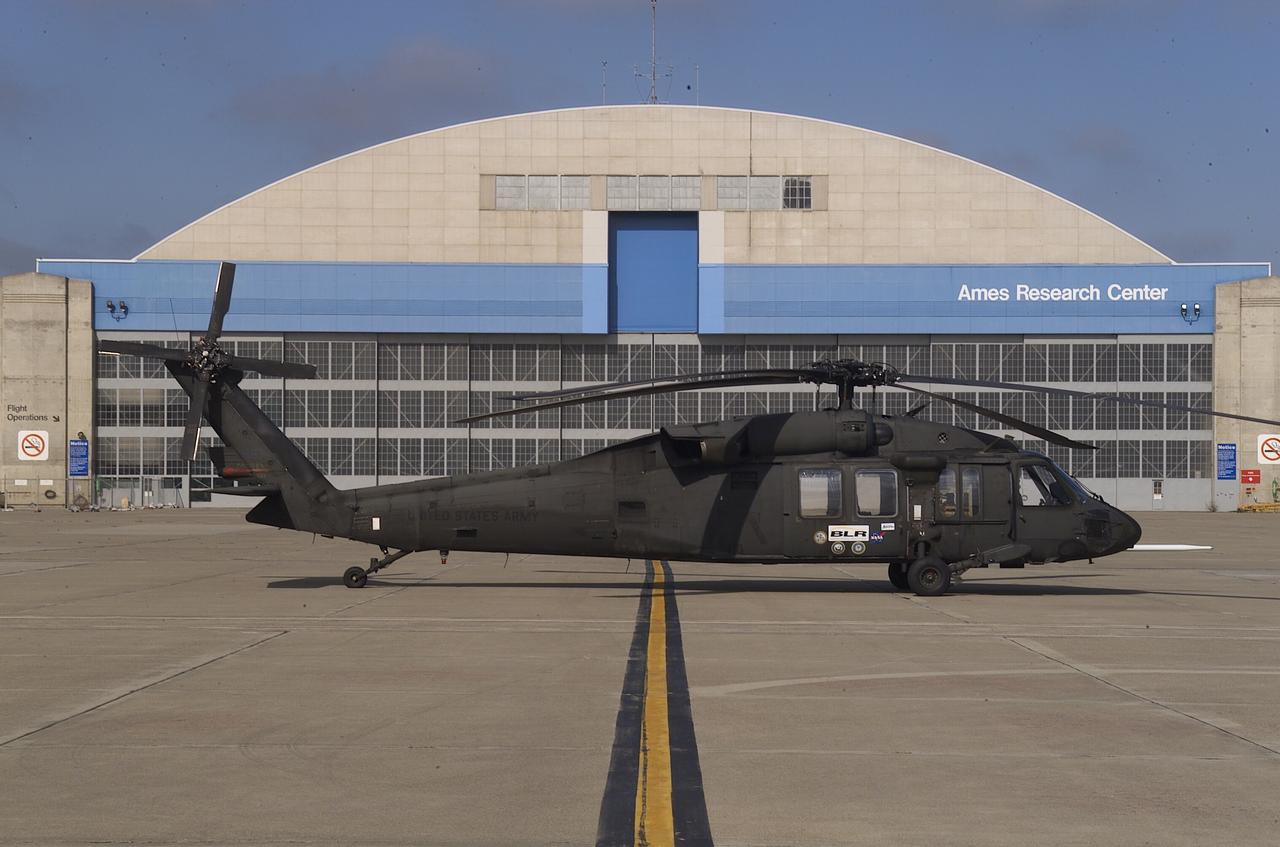
UH-60 (NASA-750) on Ames ramp - side view in front of hangar
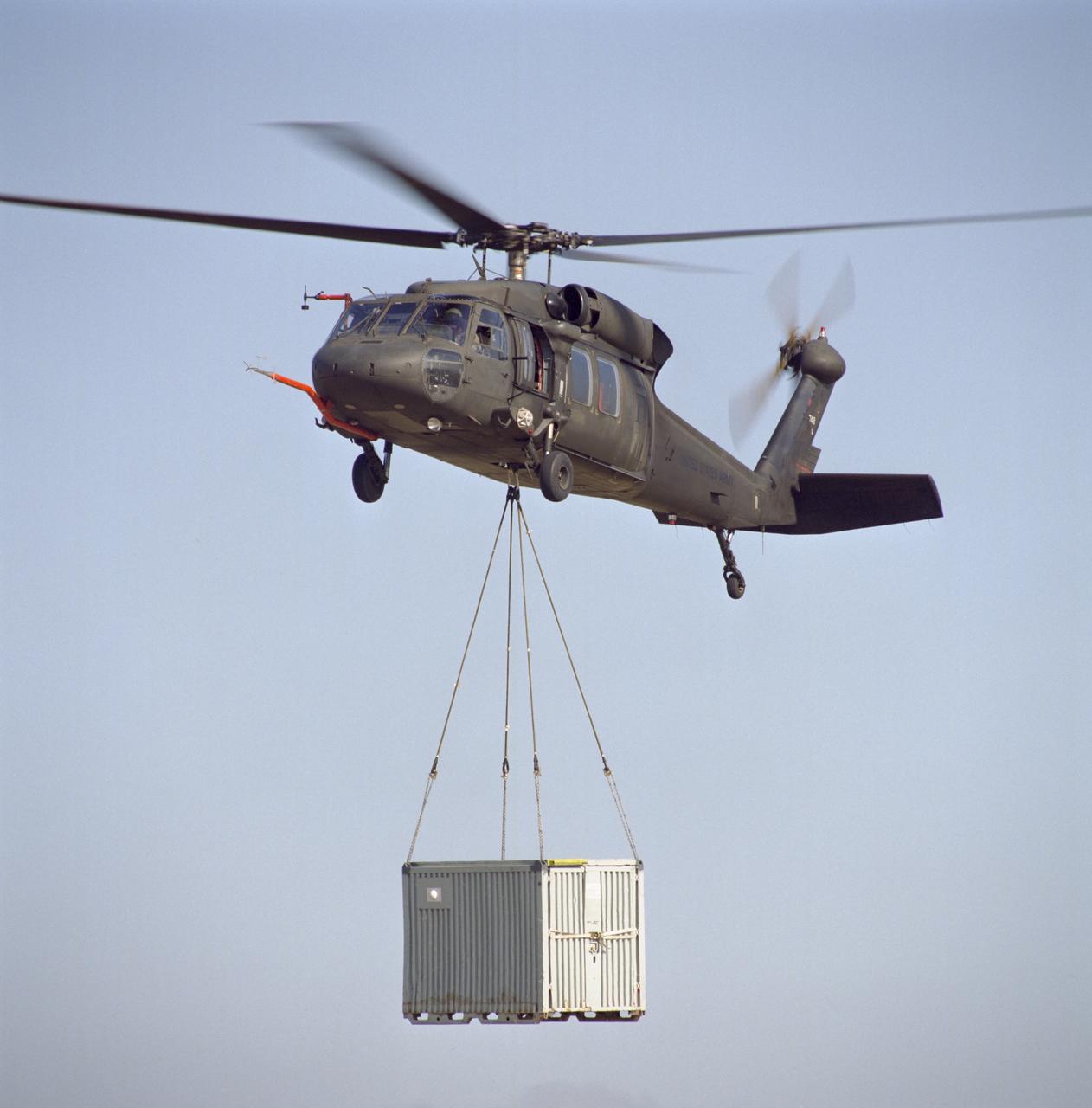
UH-60 (NASA-748) Sling Load Test for Dynamic Response.
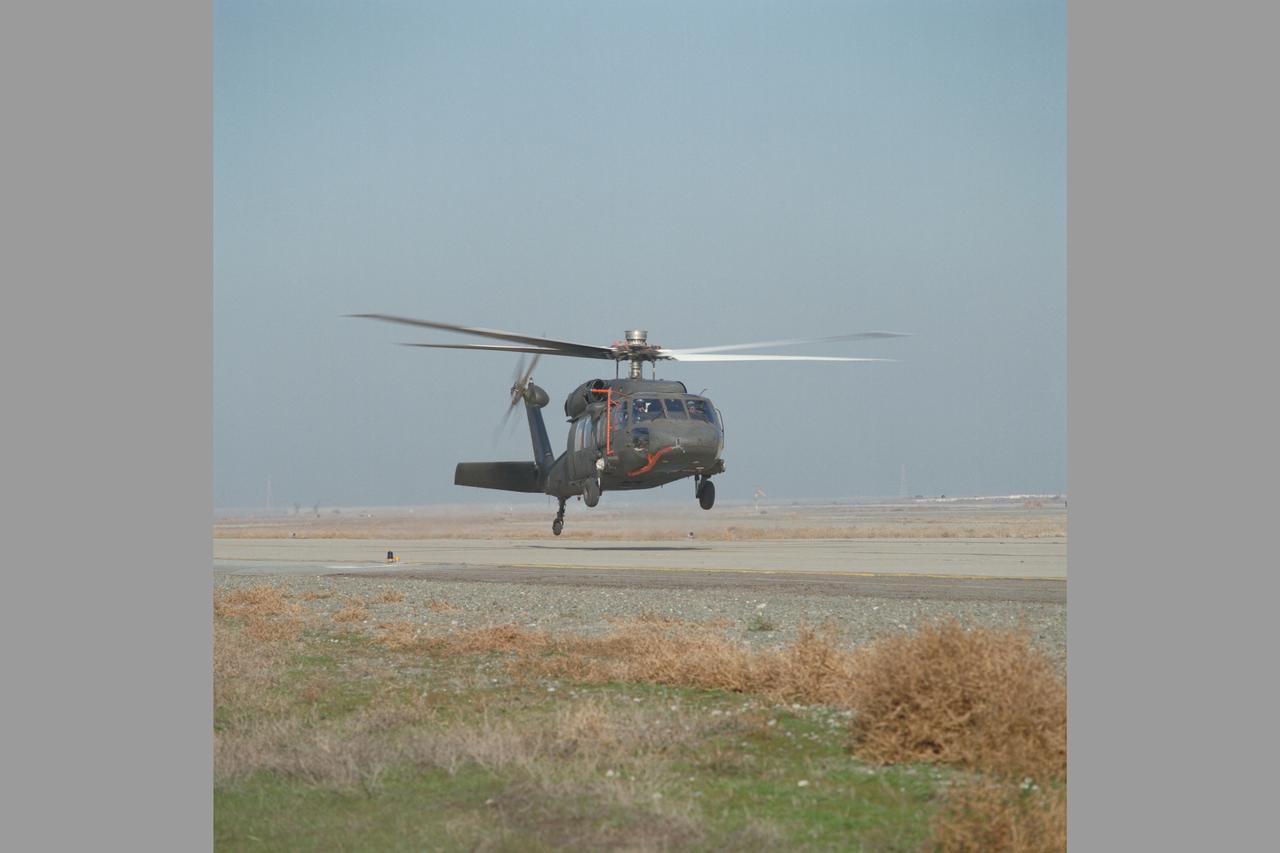
UH-60 Taxi and Hover Test for MUX Bucket 1 (RDAS 1)
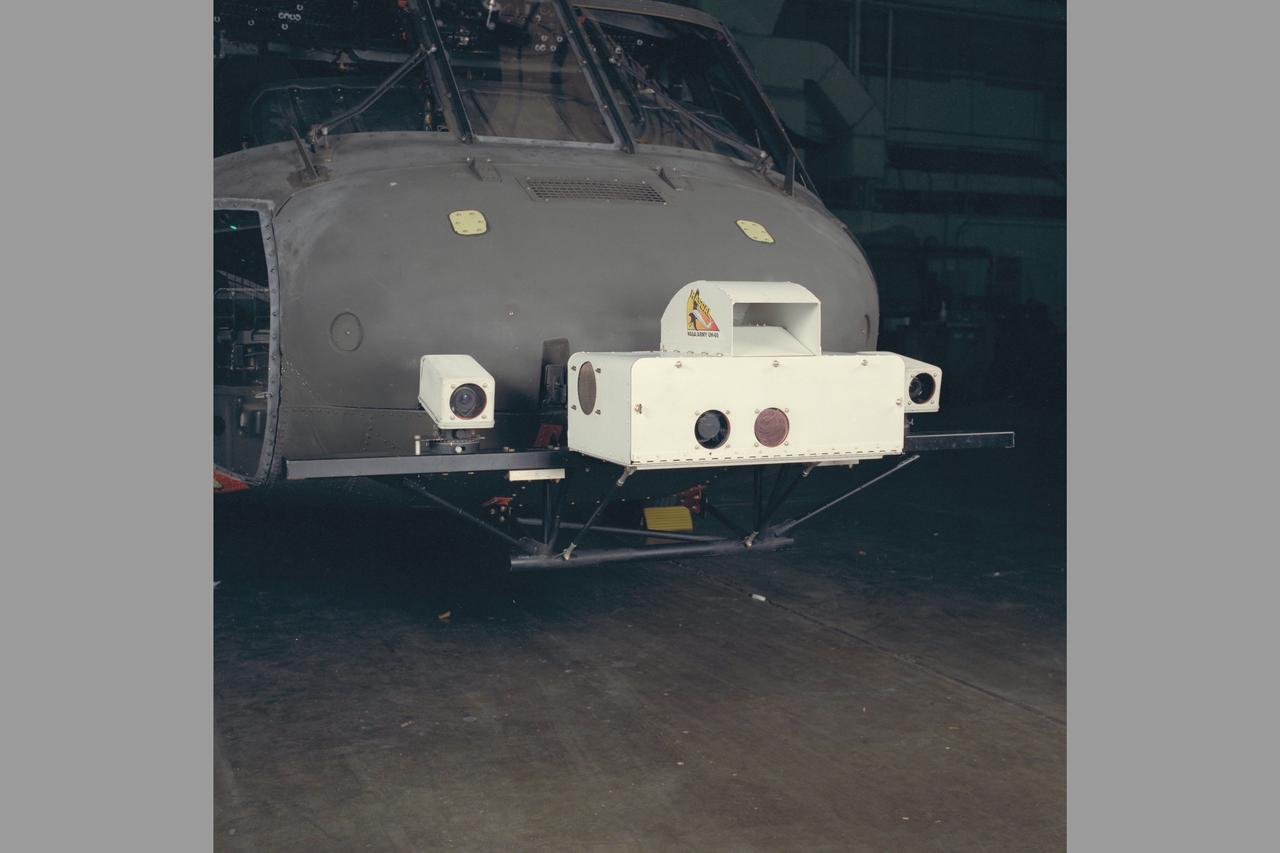
IR CAMERA & ASSOCIATED ELECTRONICS. UH-60 (NASA-750) Blackhawk Rascal helicopter
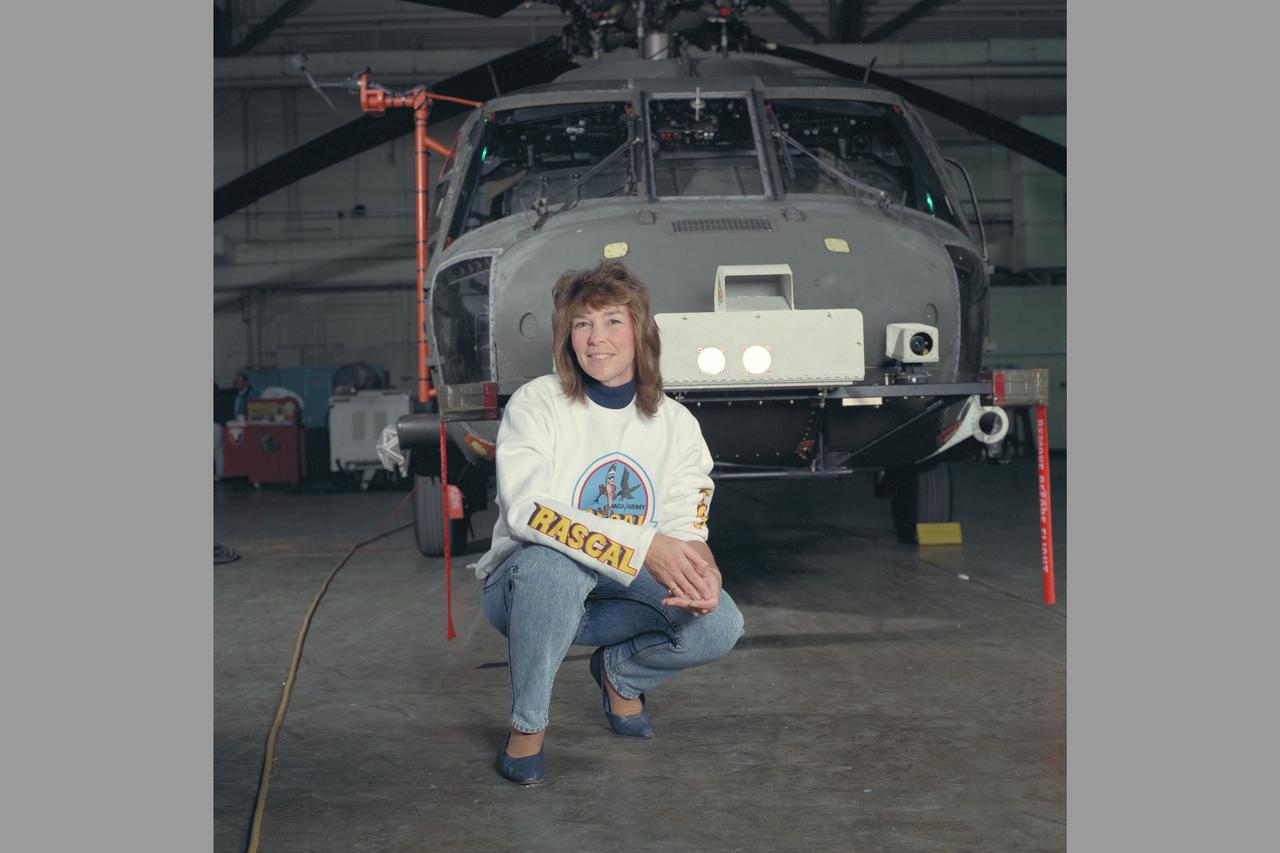
IR CAMERA & ASSOCIATED ELECTRONICS. UH-60 (NASA-750) Blackhawk Rascal helicopter with investigator Shirley Worden
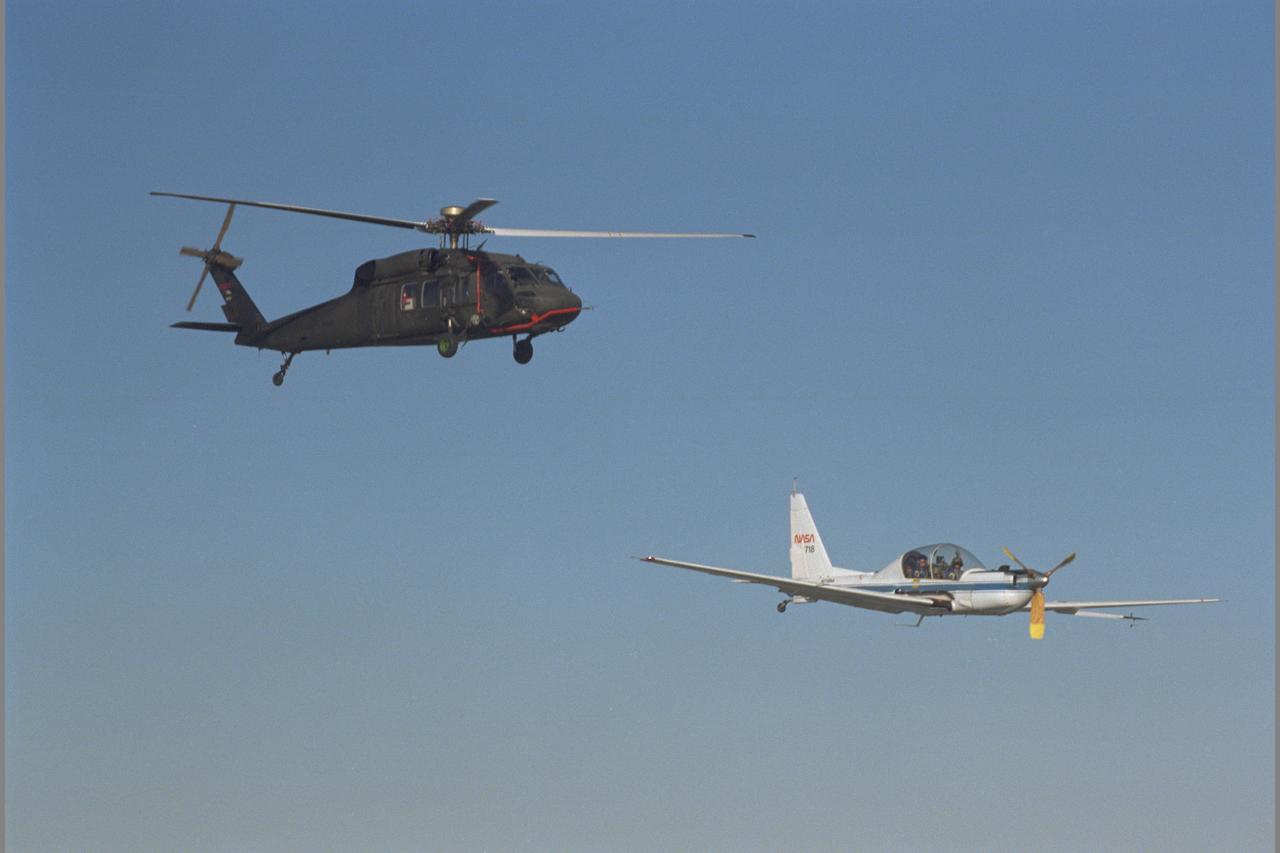
UH-60 Blackhawk (NASA 748) and YO-3A (NASA-718) inflight over Altamont Pass, CA - Blade Vortex Interaction Noise experiment
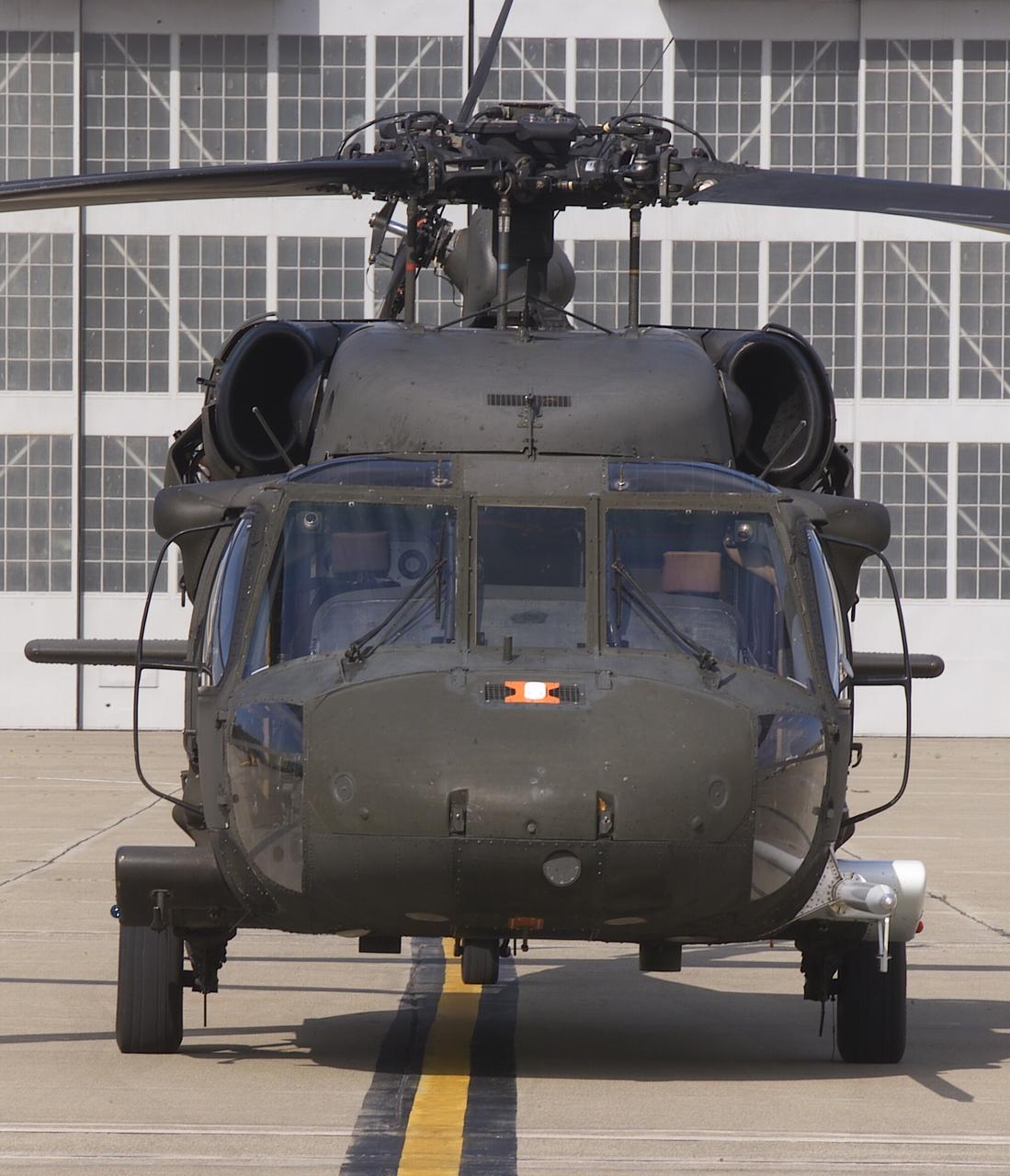
NRTC/RITA Precision Pathway Terminal Guidance: UH-60 RASCAL (#012) (National Rotocraft Technology Center/Rotorcraft Industry Technology Association) runway independent aircraft
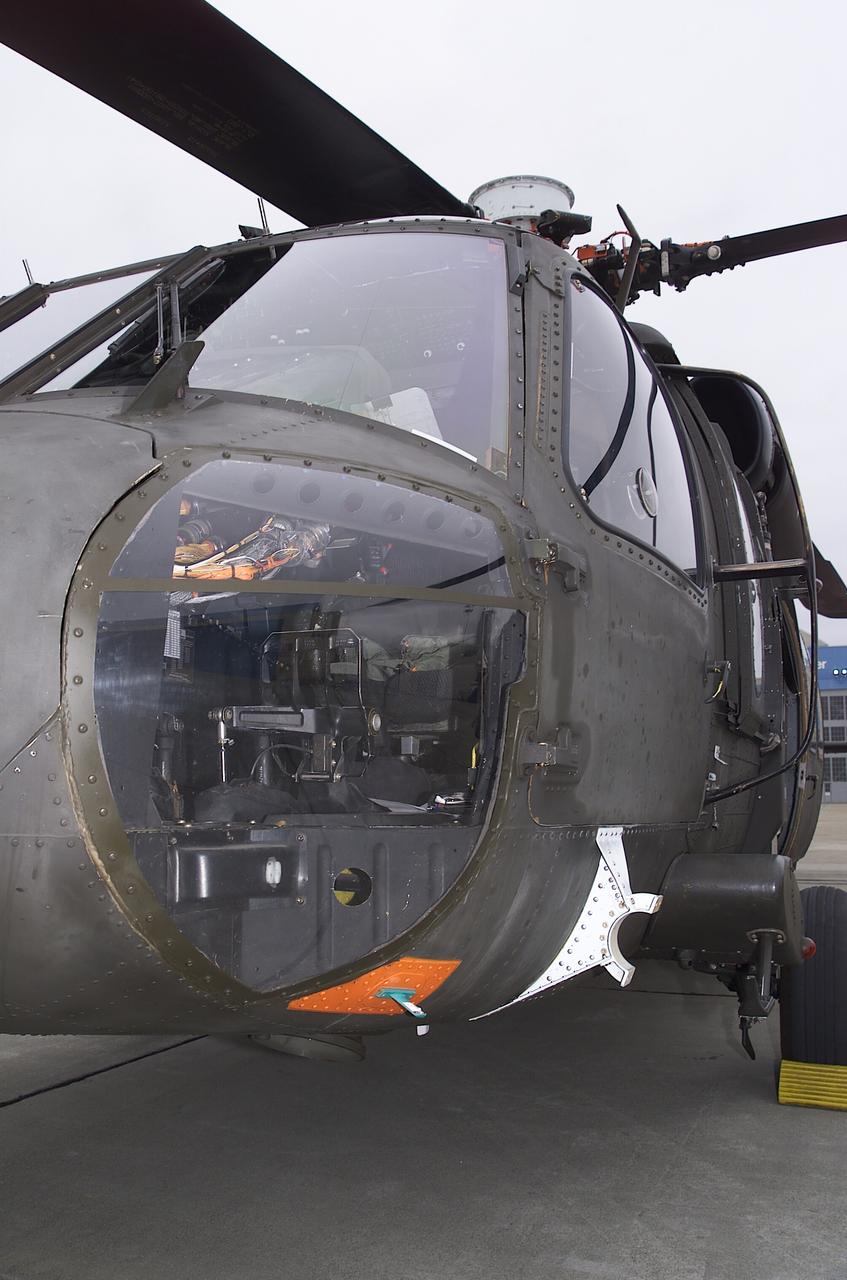
NRTC/RITA Precision Pathway Terminal Guidance: UH-60 RASCAL (#012) (National Rotocraft Technology Center/Rotorcraft Industry Technology Association) runway independent aircraft
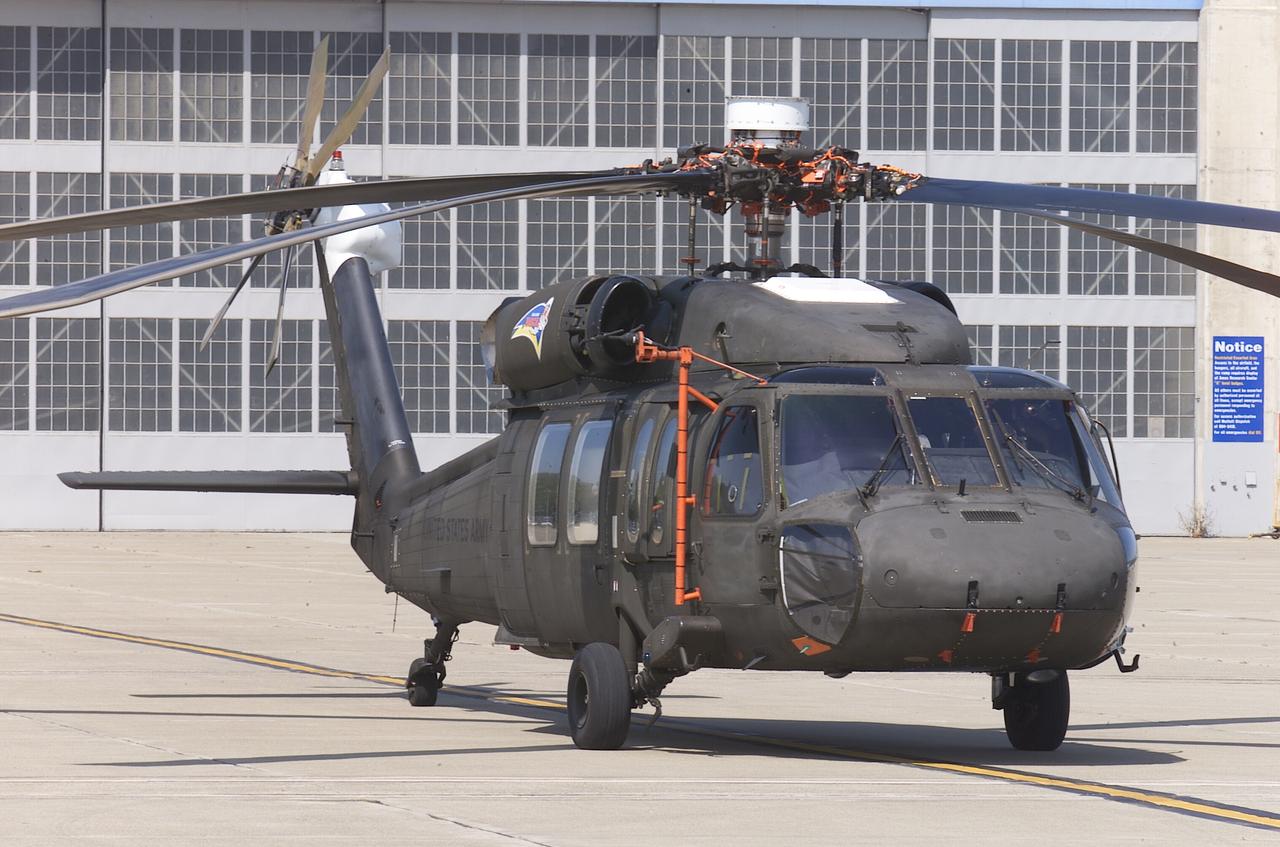
NRTC/RITA Precision Pathway Terminal Guidance: UH-60 RASCAL (#012) (National Rotocraft Technology Center/Rotorcraft Industry Technology Association) runway independent aircraft

NRTC/RITA Precision Pathway Terminal Guidance: UH-60 RASCAL (#012) (National Rotocraft Technology Center/Rotorcraft Industry Technology Association) runway independent aircraft
NRTC/RITA Precision Pathway Terminal Guidance: UH-60 RASCAL (#012) (National Rotocraft Technology Center/Rotorcraft Industry Technology Association) runway independent aircraft
NRTC/RITA Precision Pathway Terminal Guidance: UH-60 RASCAL (#012) (National Rotocraft Technology Center/Rotorcraft Industry Technology Association) runway independent aircraft
NRTC/RITA Precision Pathway Terminal Guidance: UH-60 RASCAL (#012) (National Rotocraft Technology Center/Rotorcraft Industry Technology Association) runway independent aircraft

NRTC/RITA Precision Pathway Terminal Guidance: UH-60 RASCAL (#012) (National Rotocraft Technology Center/Rotorcraft Industry Technology Association) runway independent aircraft

NRTC/RITA Precision Pathway Terminal Guidance: UH-60 RASCAL (#012) (National Rotocraft Technology Center/Rotorcraft Industry Technology Association) runway independent aircraft
NRTC/RITA Precision Pathway Terminal Guidance: UH-60 RASCAL (#012) (National Rotocraft Technology Center/Rotorcraft Industry Technology Association) runway independent aircraft
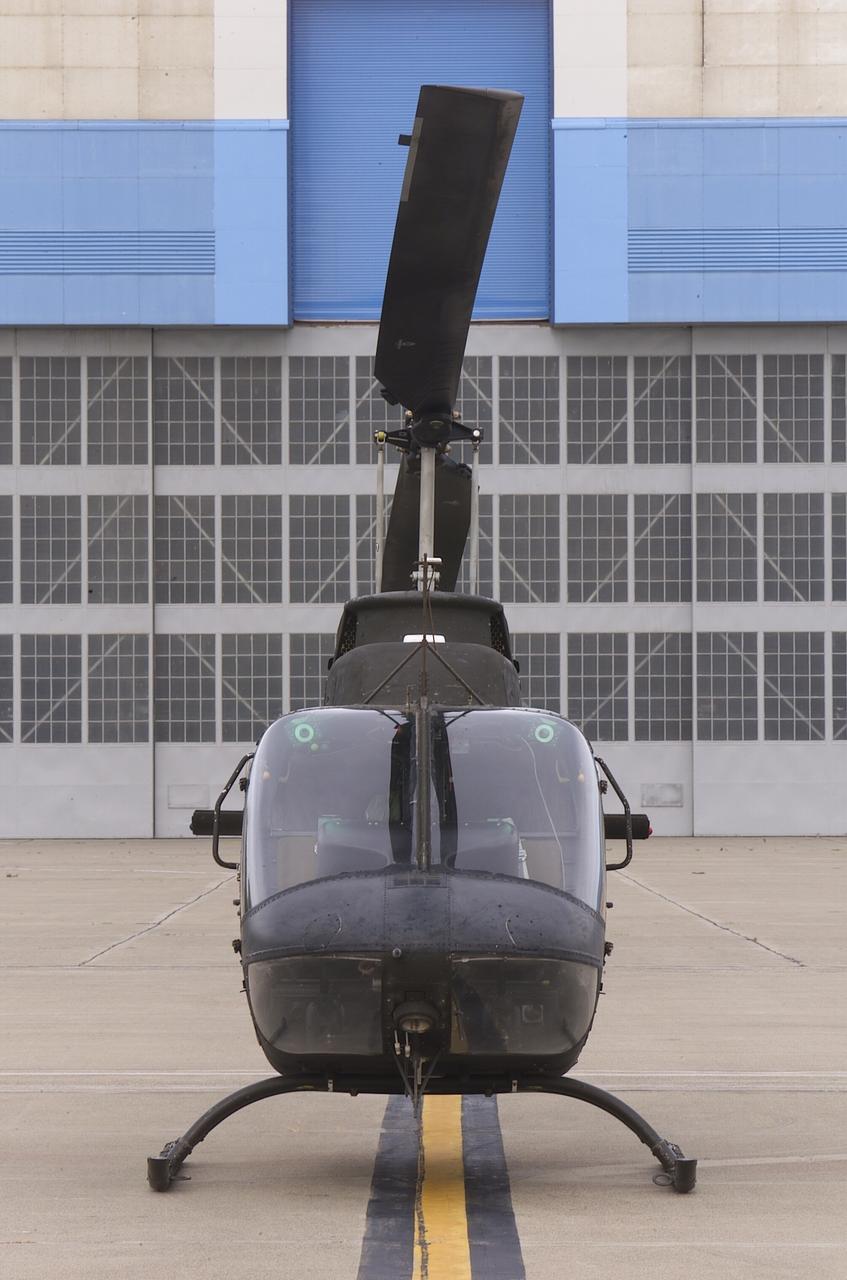
NRTC/RITA Precision Pathway Terminal Guidance: UH-60 RASCAL (#012) (National Rotocraft Technology Center/Rotorcraft Industry Technology Association) runway independent aircraft
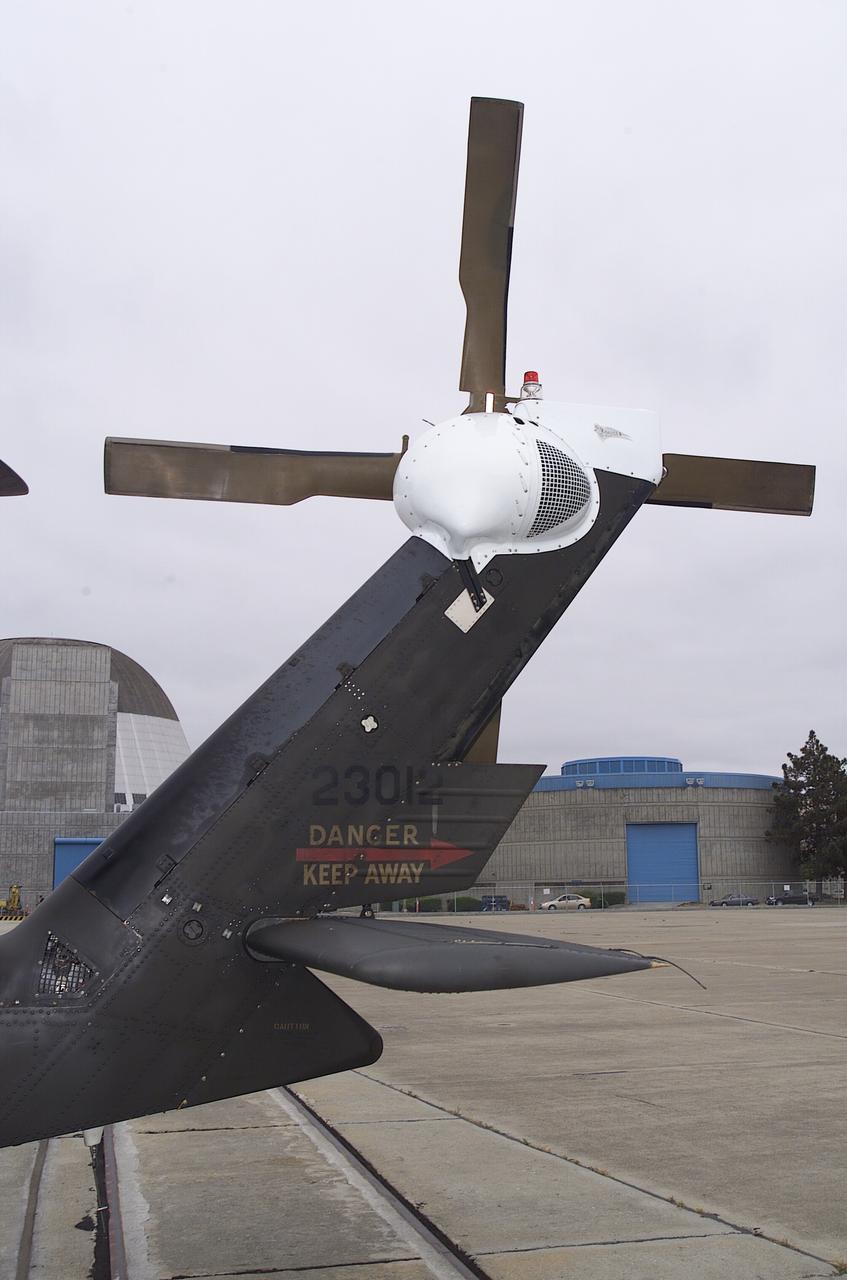
NRTC/RITA Precision Pathway Terminal Guidance: UH-60 RASCAL (#012) (National Rotocraft Technology Center/Rotorcraft Industry Technology Association) runway independent aircraft
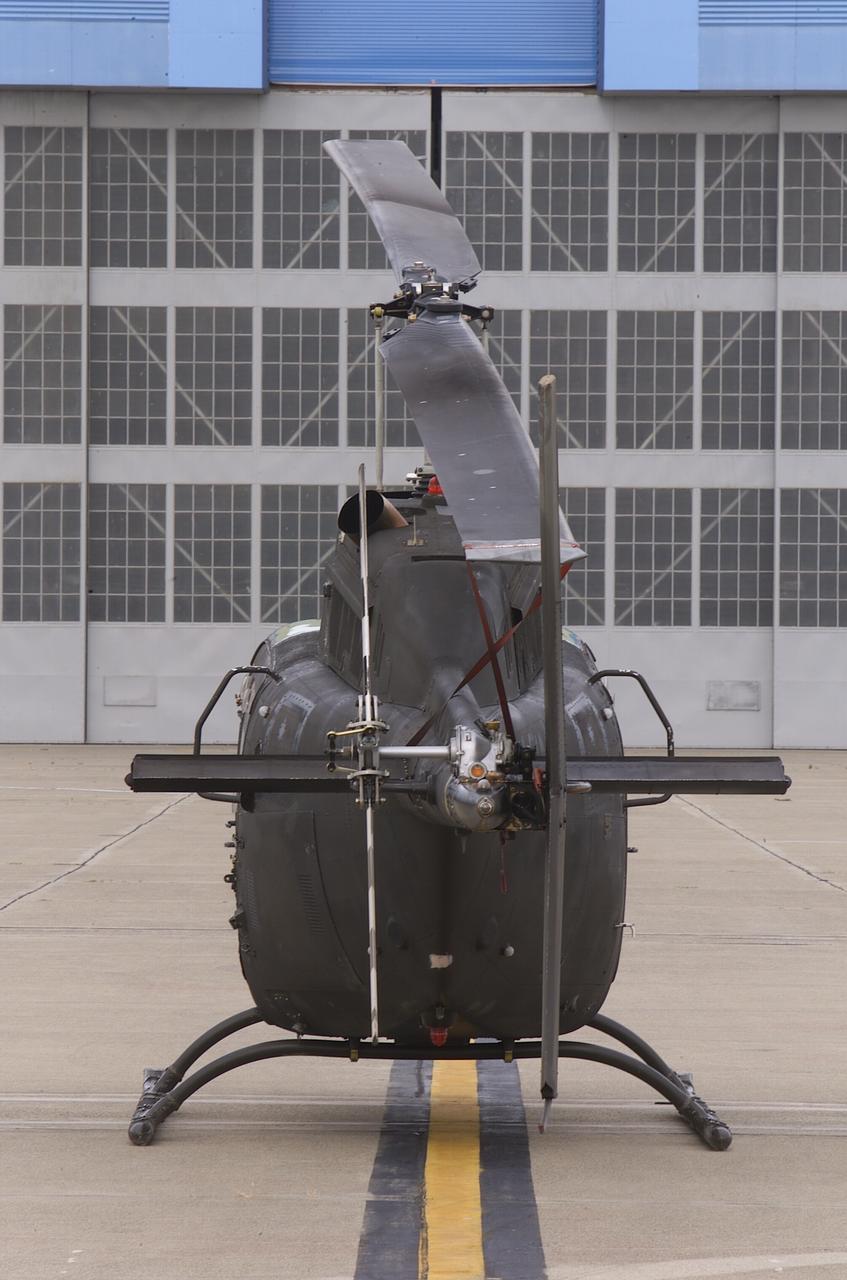
NRTC/RITA Precision Pathway Terminal Guidance: UH-60 RASCAL (#012) (National Rotocraft Technology Center/Rotorcraft Industry Technology Association) runway independent aircraft
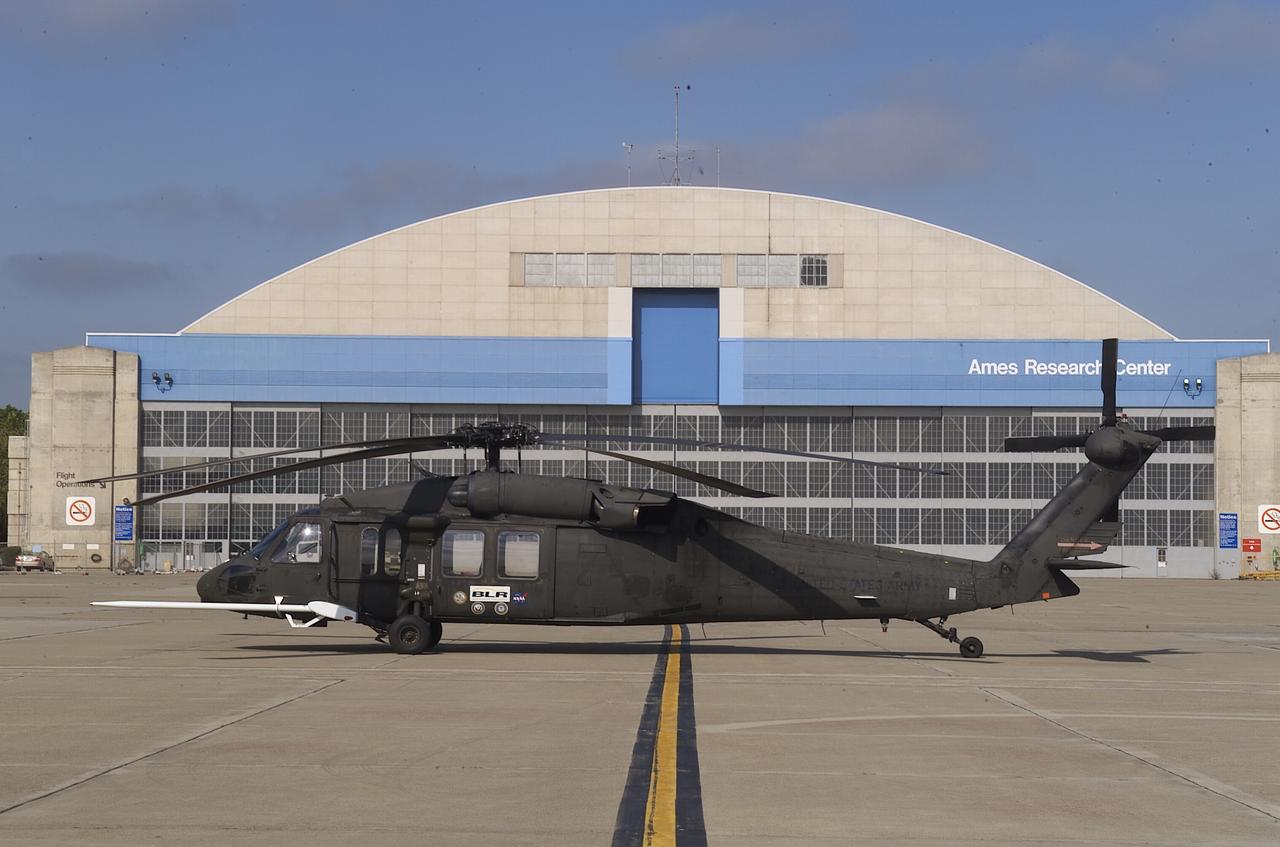
NRTC/RITA Precision Pathway Terminal Guidance: UH-60 RASCAL (#012) (National Rotocraft Technology Center/Rotorcraft Industry Technology Association) runway independent aircraft
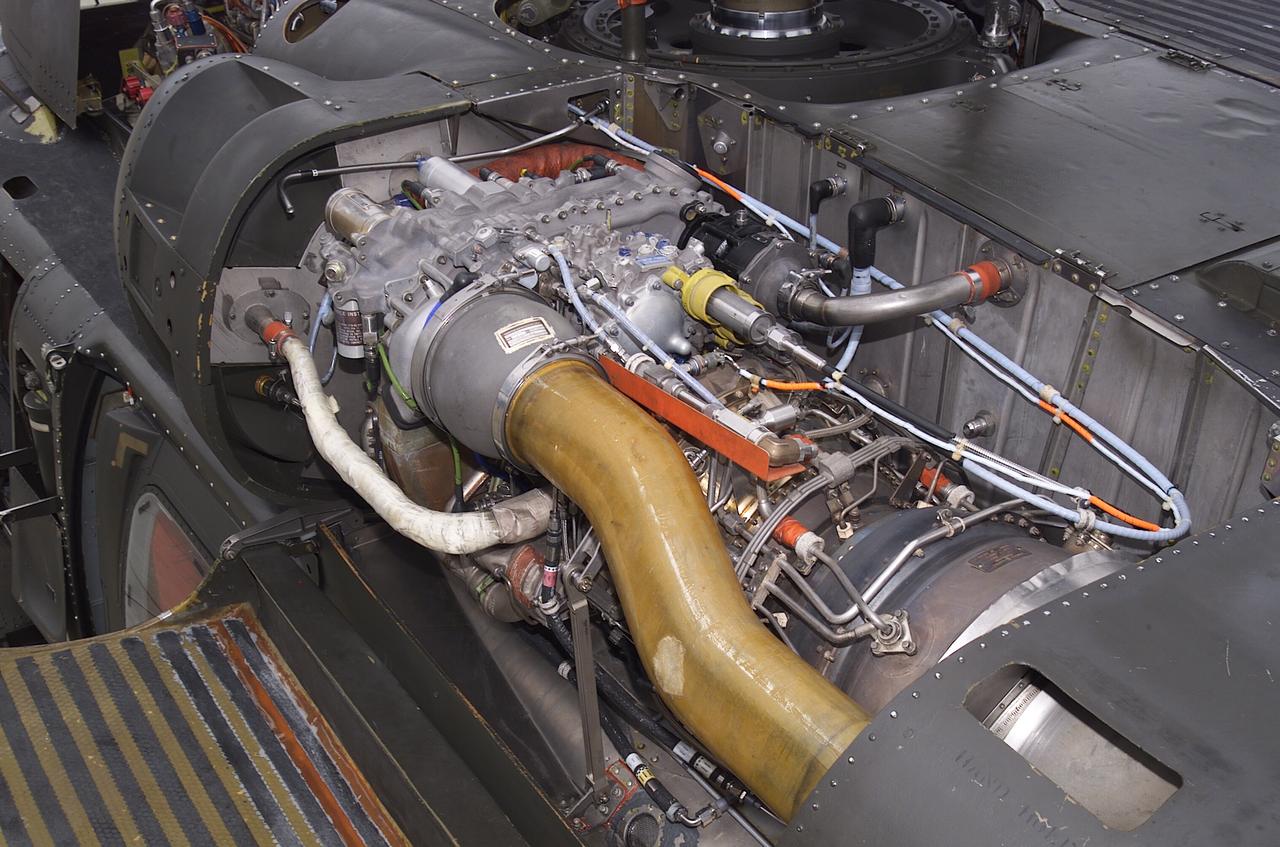
NRTC/RITA Precision Pathway Terminal Guidance: UH-60 RASCAL (#012) (National Rotocraft Technology Center/Rotorcraft Industry Technology Association) runway independent aircraft
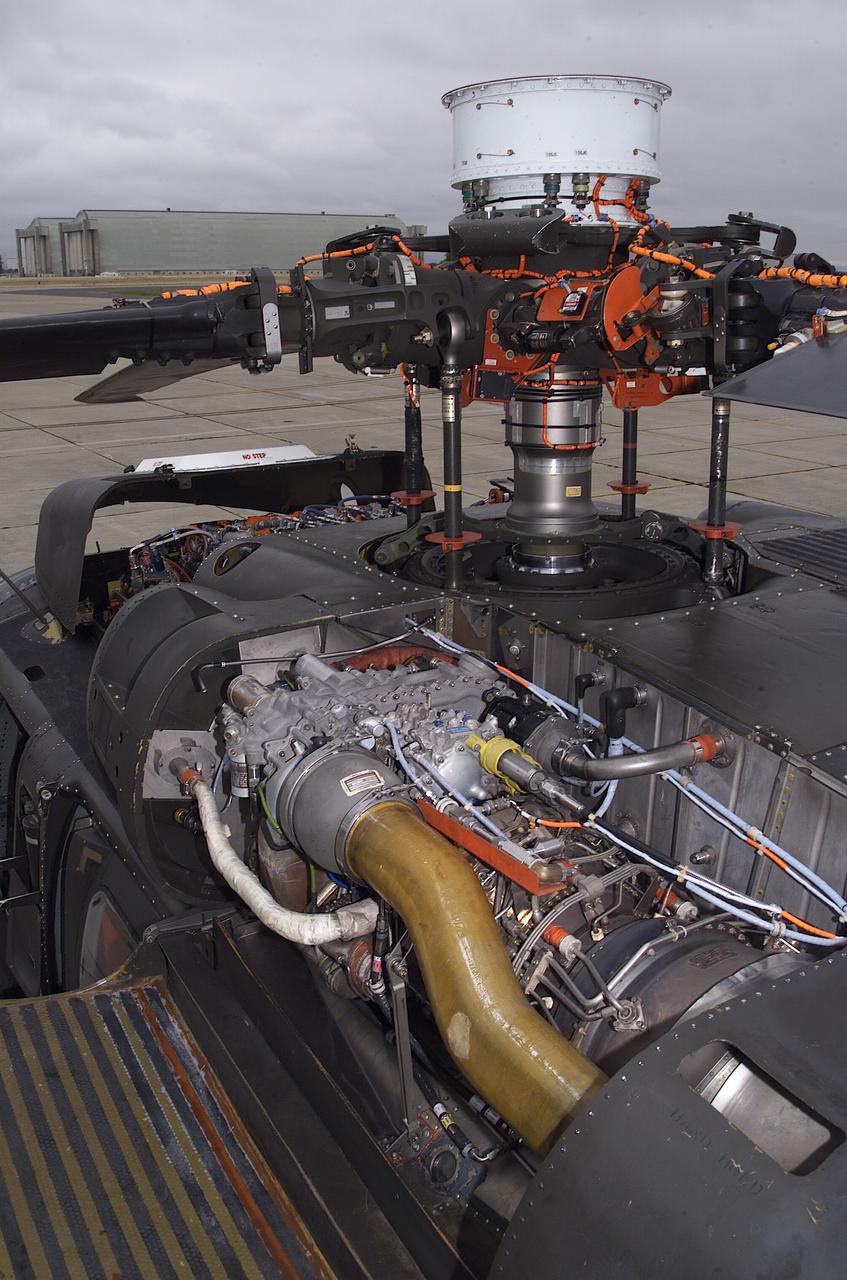
NRTC/RITA Precision Pathway Terminal Guidance: UH-60 RASCAL (#012) (National Rotocraft Technology Center/Rotorcraft Industry Technology Association) runway independent aircraft
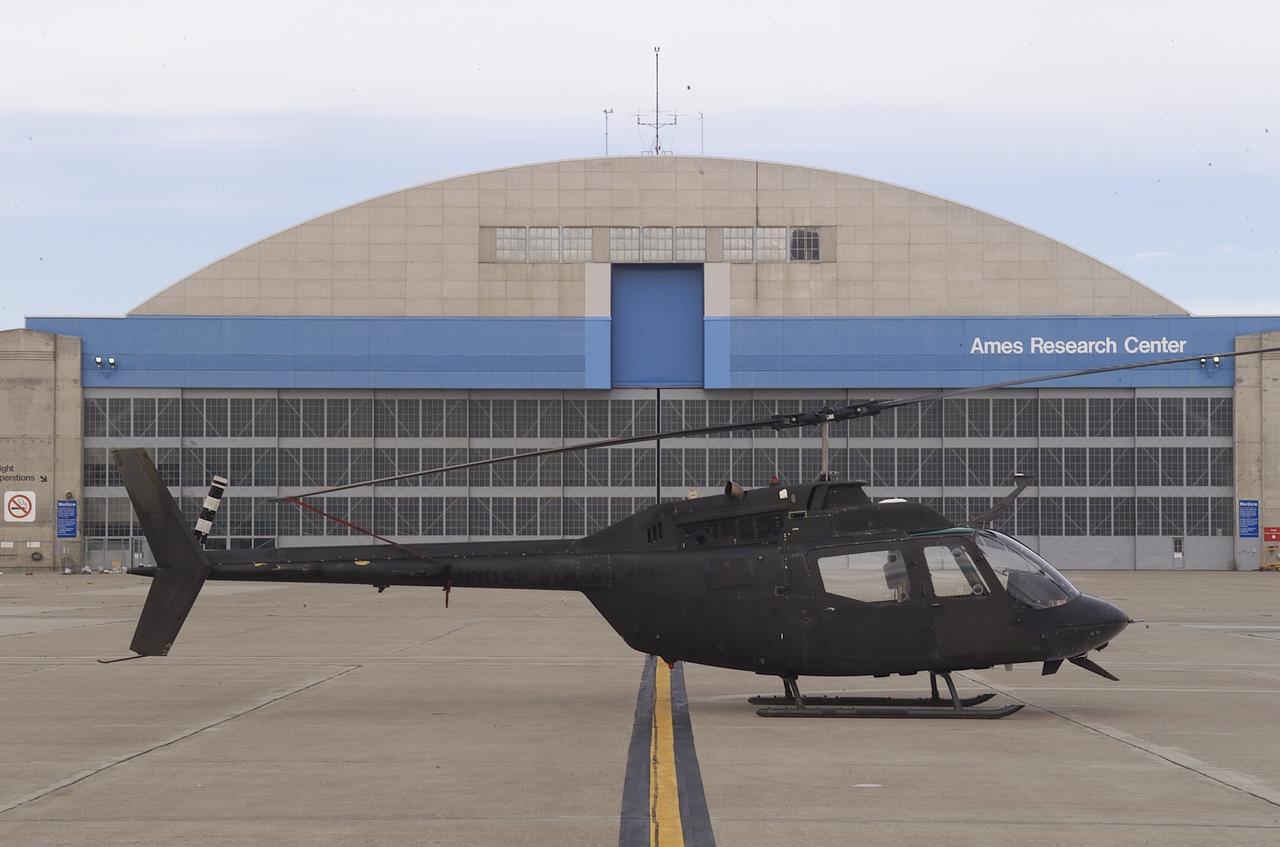
NRTC/RITA Precision Pathway Terminal Guidance: UH-60 RASCAL (#012) (National Rotocraft Technology Center/Rotorcraft Industry Technology Association) runway independent aircraft

NRTC/RITA Precision Pathway Terminal Guidance: UH-60 RASCAL (#012) (National Rotocraft Technology Center/Rotorcraft Industry Technology Association) runway independent aircraft
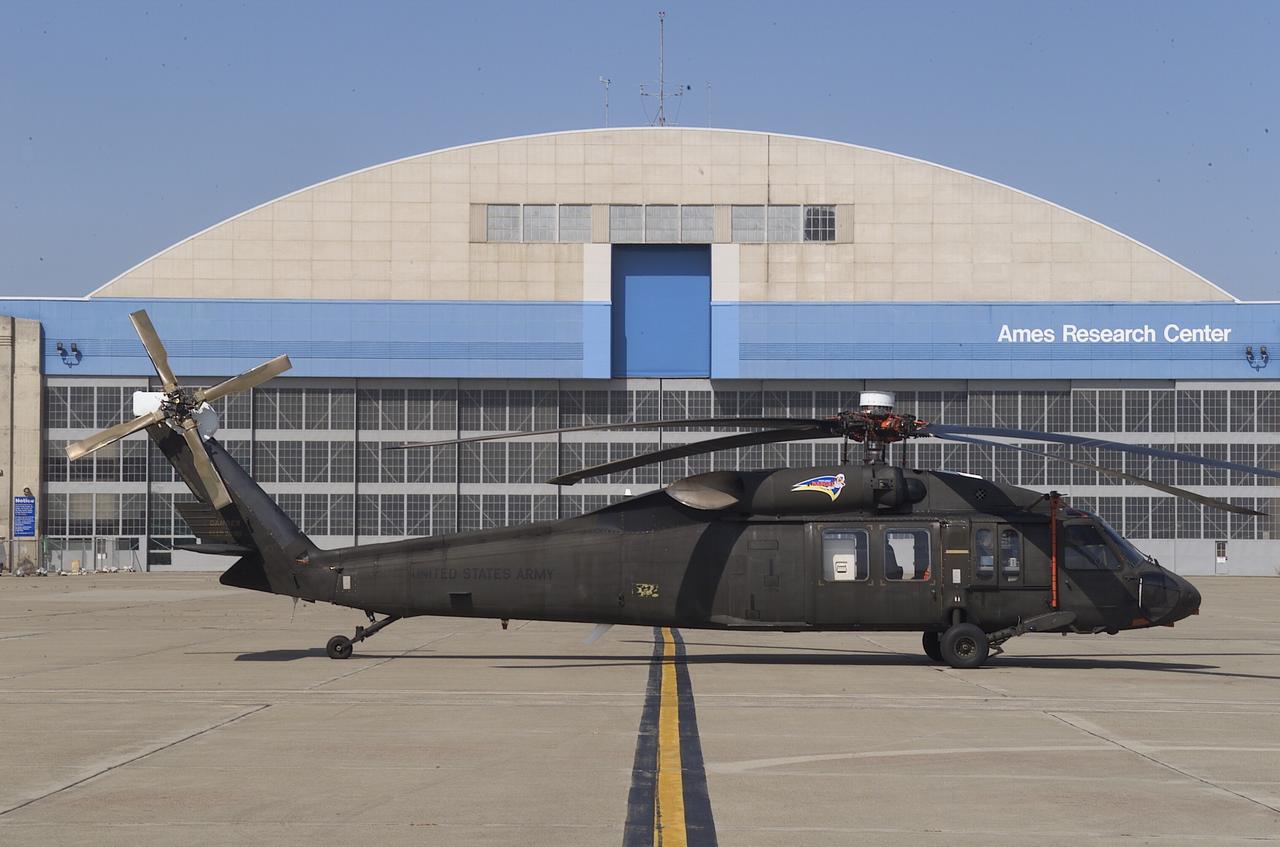
NRTC/RITA Precision Pathway Terminal Guidance: UH-60 RASCAL (#012) (National Rotocraft Technology Center/Rotorcraft Industry Technology Association) runway independent aircraft

NRTC/RITA Precision Pathway Terminal Guidance: UH-60 RASCAL (#012) (National Rotocraft Technology Center/Rotorcraft Industry Technology Association) runway independent aircraft
Sikorsky UH-60 (USA 82-23748 NASA-748) Airloads research aircraft - Blackhawk helicopter with MUX-Bucket in flight over Livermore, CA. Note: Used in publication in Flight Research at Ames; 57 Years of Development and Validation of Aeronautical Technology NASA SP-1998-3300 fig. 135
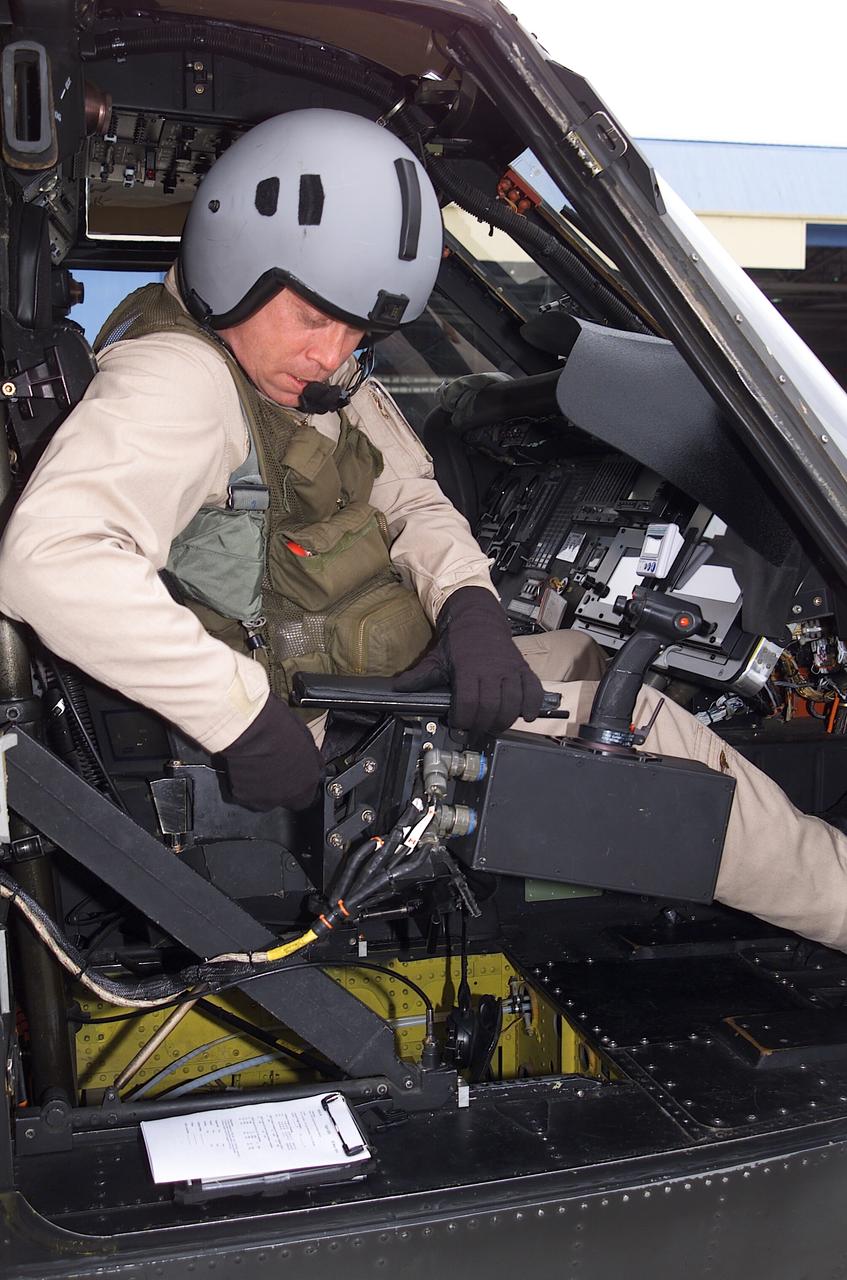
NRTC/RITA Precision Pathway Terminal Guidance: UH-60 RASCAL (#012) (National Rotocraft Technology Center/Rotorcraft Industry Technology Association) runway independent aircraft - Sikorsky Helicopter pilot Kevin Bredenbeck preparing for flight in RASCAL with Dave Arterburn
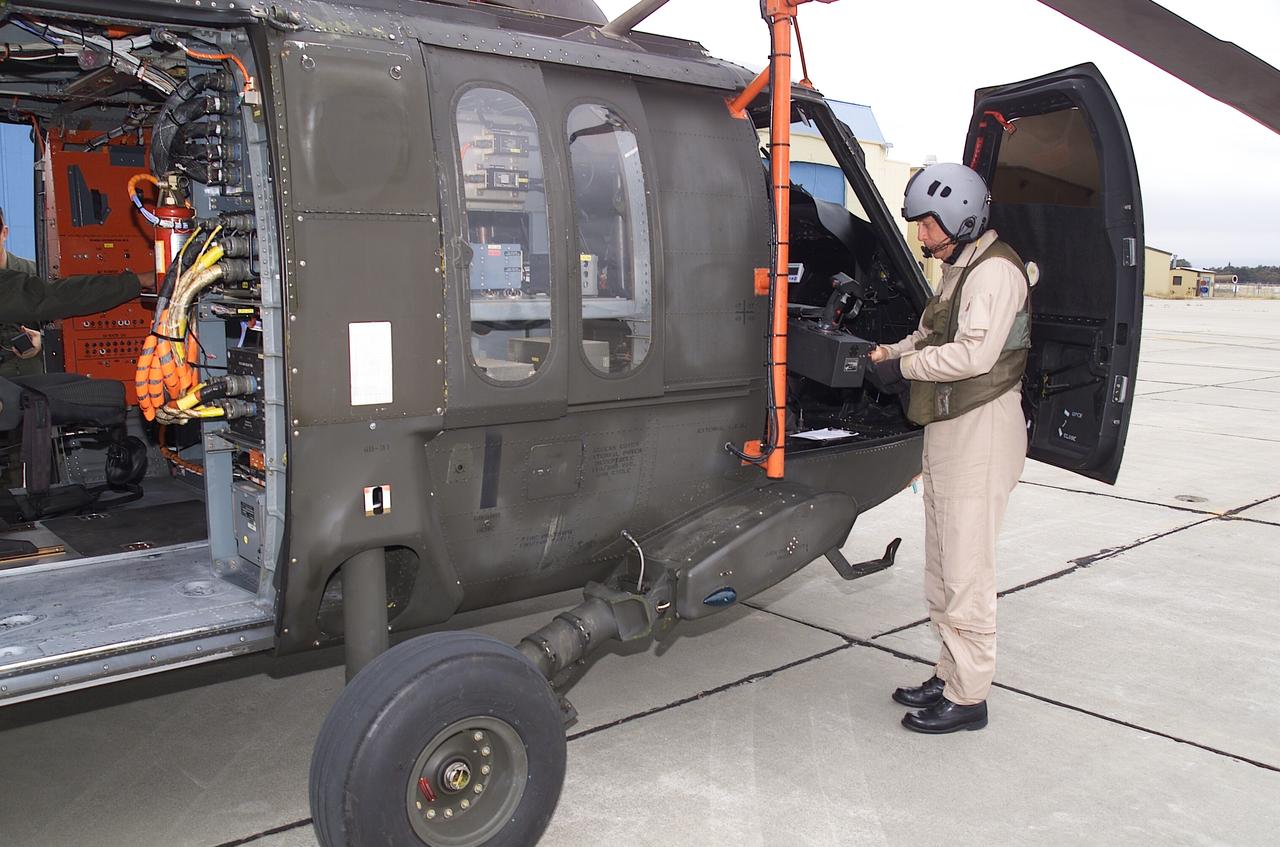
NRTC/RITA Precision Pathway Terminal Guidance: UH-60 RASCAL (#012) (National Rotocraft Technology Center/Rotorcraft Industry Technology Association) runway independent aircraft - Sikorsky Helicopter pilot Kevin Bredenbeck preparing for flight in RASCAL with Dave Arterburn
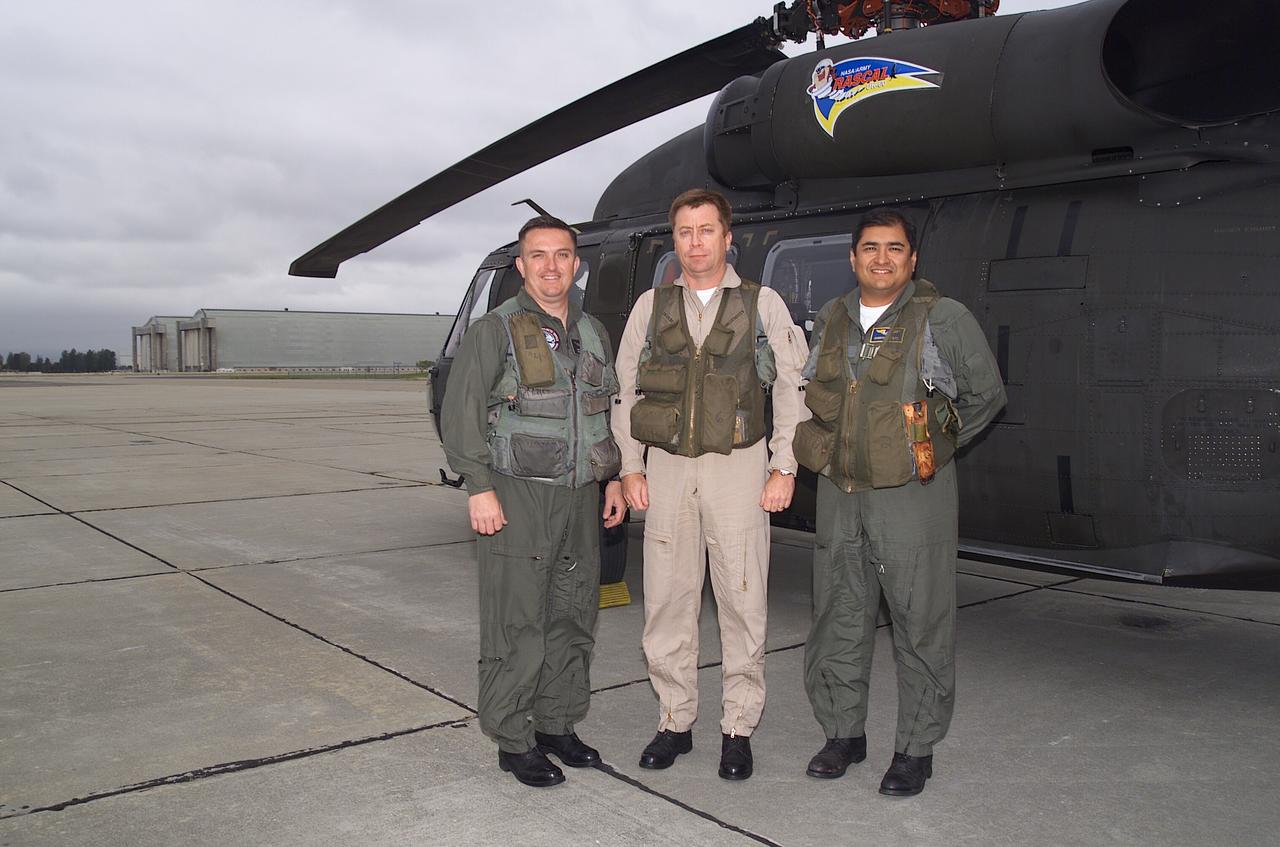
NRTC/RITA Precision Pathway Terminal Guidance: UH-60 RASCAL (#012) (National Rotocraft Technology Center/Rotorcraft Industry Technology Association) runway independent aircraft - Sikorsky Helicopter pilot Kevin Bredenbeck with Dave Arterburn and Ernie Morales of Ames
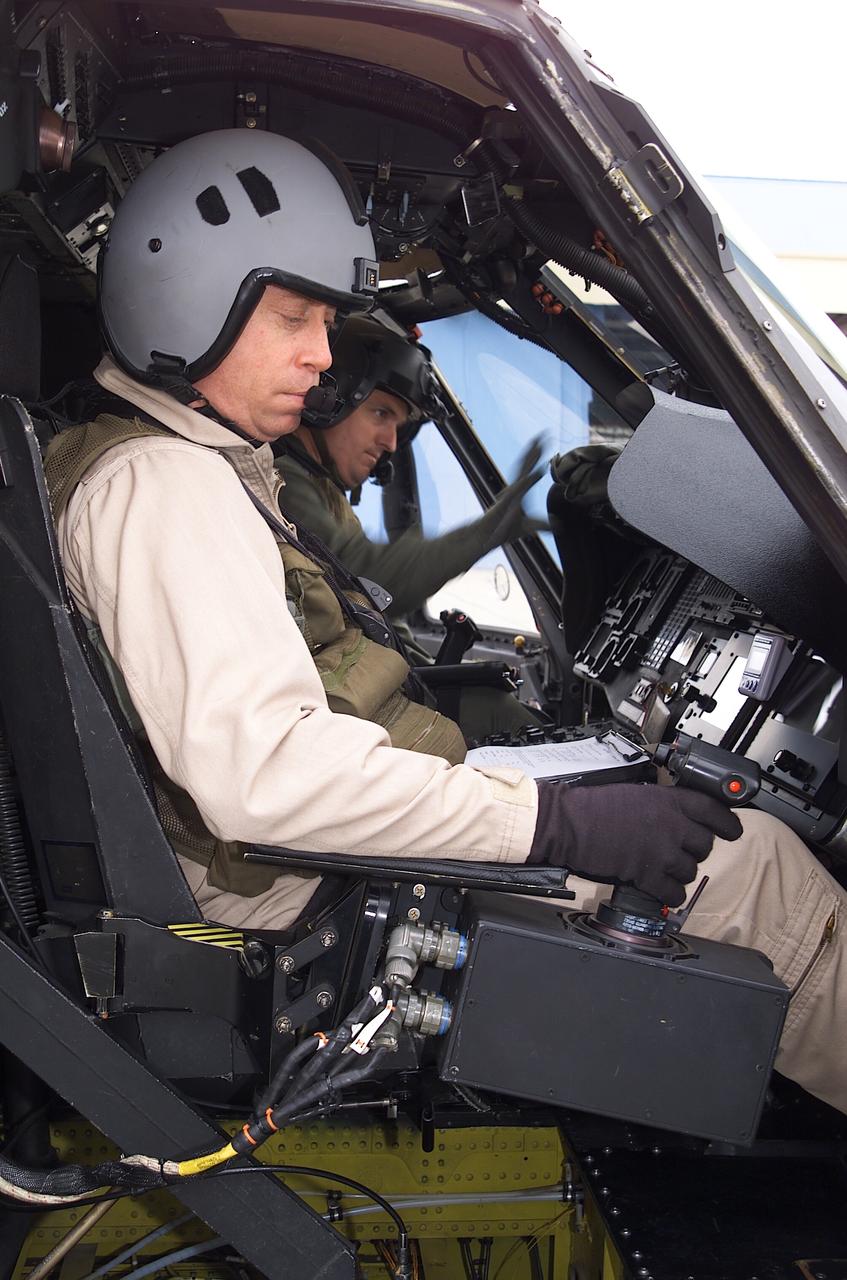
NRTC/RITA Precision Pathway Terminal Guidance: UH-60 RASCAL (#012) (National Rotocraft Technology Center/Rotorcraft Industry Technology Association) runway independent aircraft; Sikorsky Helicopter pilot Kevin Bredenbeck preparing for flight in RASCAL with Dave Arterburn
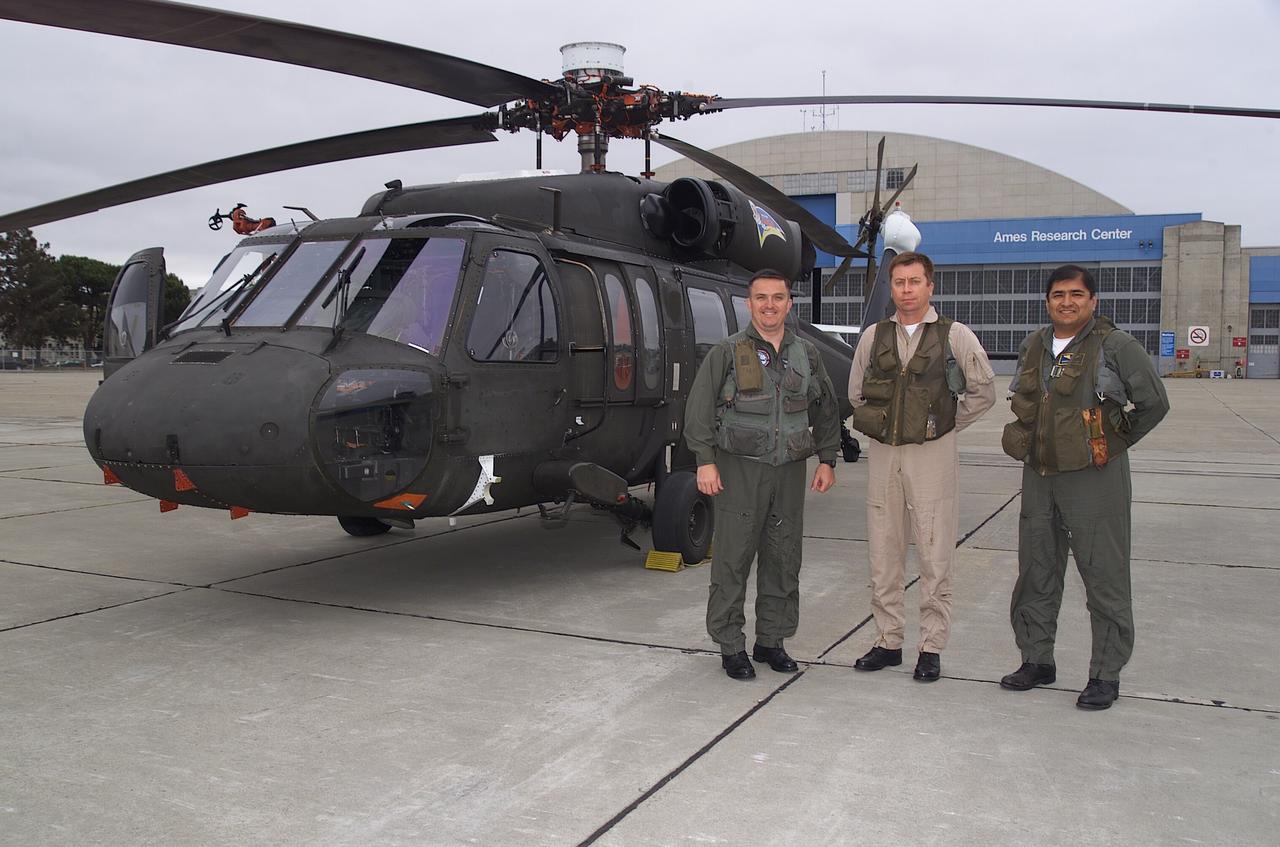
NRTC/RITA Precision Pathway Terminal Guidance: UH-60 RASCAL (#012) (National Rotocraft Technology Center/Rotorcraft Industry Technology Association) runway independent aircraft - Sikorsky Helicopter pilot Kevin Bredenbeck with Dave Arterburn and Ernie Morales of Ames
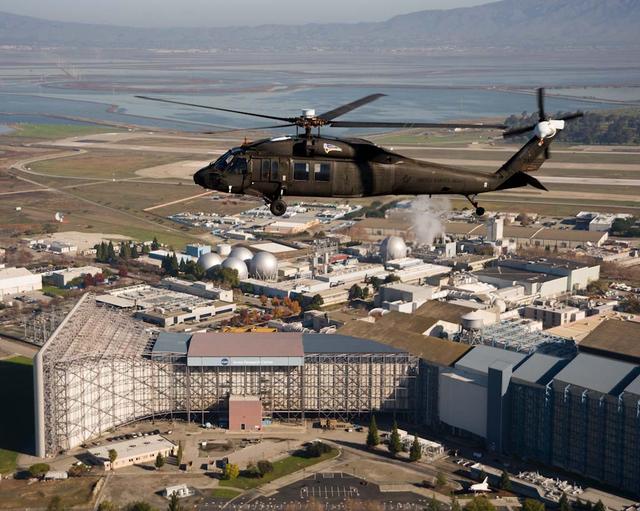
N-221 NFAC 40x80x120ft wind tunnel aerial with Army UH-60 Blackhawk Helicopter

UH-60 (USA 78-23012 NASA 750) Sikorsky Airloads Research Team, Front Row: Frank Pichay, Jim Phillips, Karen Studebaker, Stan Uyeda, Munro Dearing, Rick Simmons, Mario Garcia, Anna Almaraz, Allen Au, Frank Presbury, Bob Kufeld, Marianne Kidder, Nancy Bashford, Jack Brilla, Dwight Balough, Chico Rijfkogel, Paul Aristo. Back Row; Tom English, Dick Denman, Patrich Brunn, Tom Reynolds, Bud Billings, Paul Espinosa, Bill Bjorkman, Chee Tung, Leonard Hee, Bill Bousman, Tom Maier, Ron Fong, Steve Timmons, Jeff Cross, Colin Coleman, Paul Loschke, John Lewis, Jim Lasko, Alex Macalma. NASA SP Flight Research at Ames: 57 Years of Development and Validation of Aeronautical Technology Fig. 136 NASA SP-1998-3300
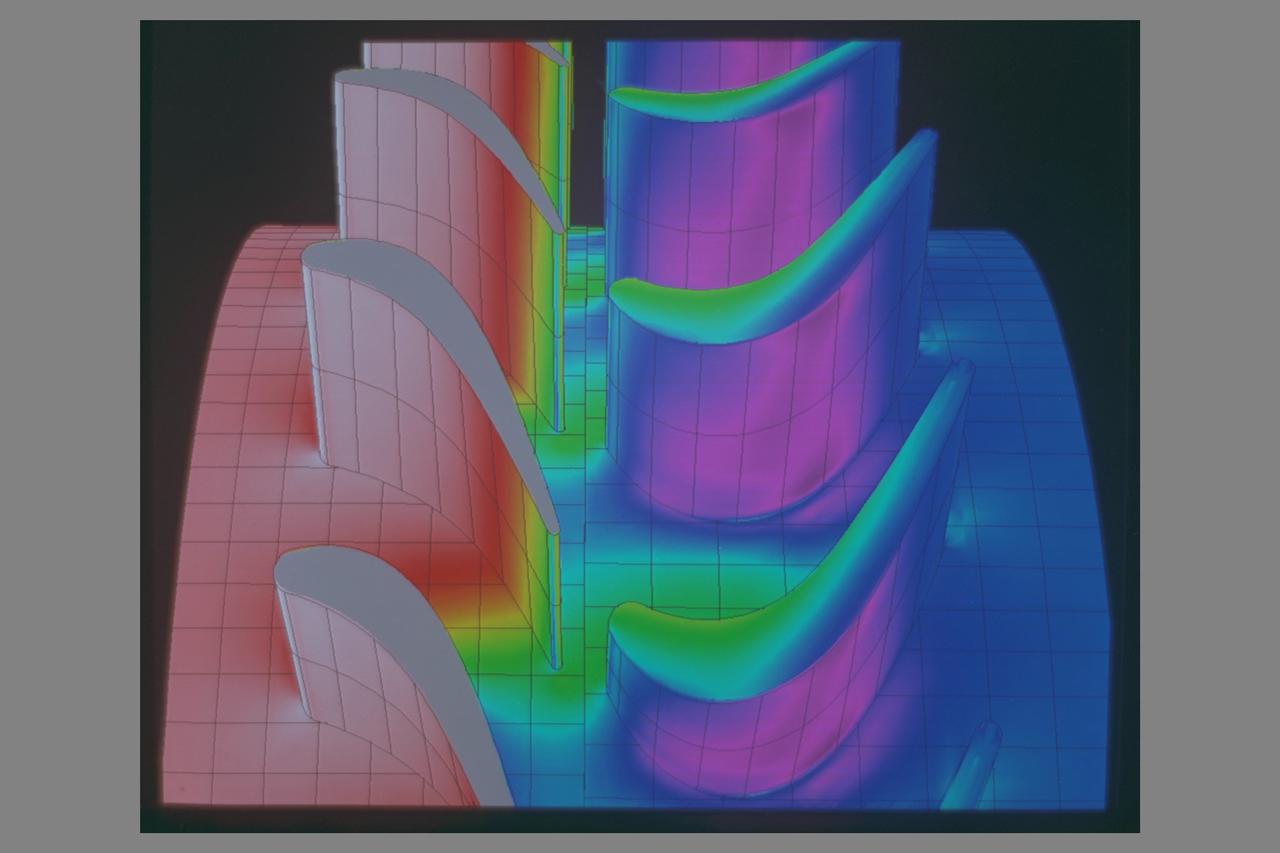
Ames Aircraft complement on Ramp in front of N-211 hangar: DC-8, C-141, C-130, ER-2, Lear Jet, YO-3A, T-38, AH-1G, AV-8B, UH-60
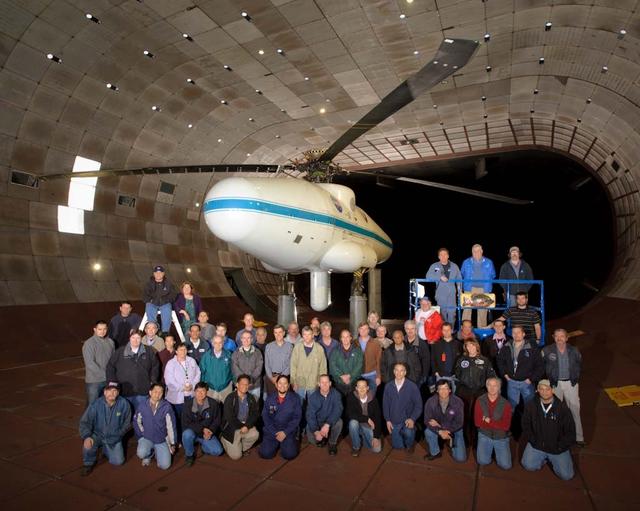
NASA/Army UH-60 Individual Blade Control (IBC) test on LRTA in 40x80ft. Wind Tunnel at Ames Research Center
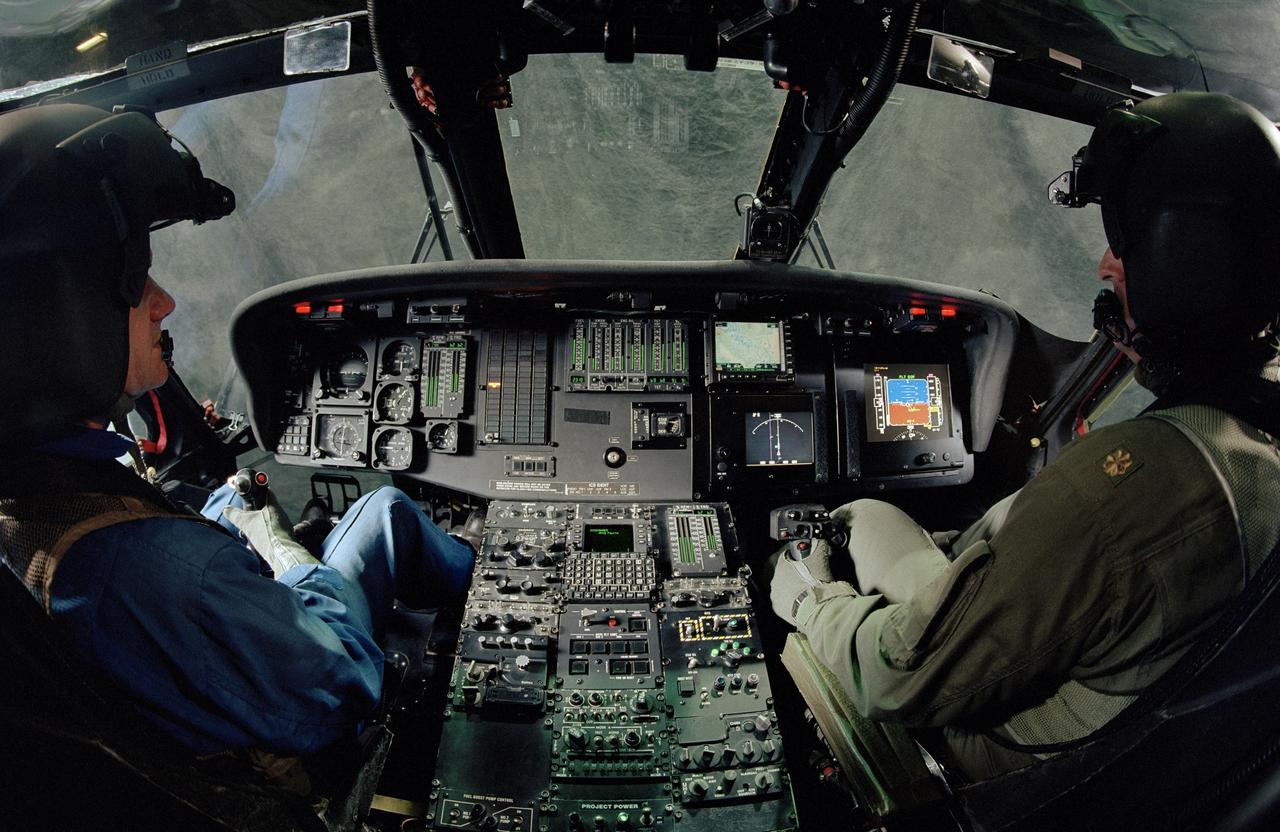
NRTC/RITA RIA precision pathway terminal Guidance: UN-60 RASCAL (#012) cockpit (National Rotorcraft Technology Center/Rotorcraft Industry Technology Association Runway Independent Aircraft)
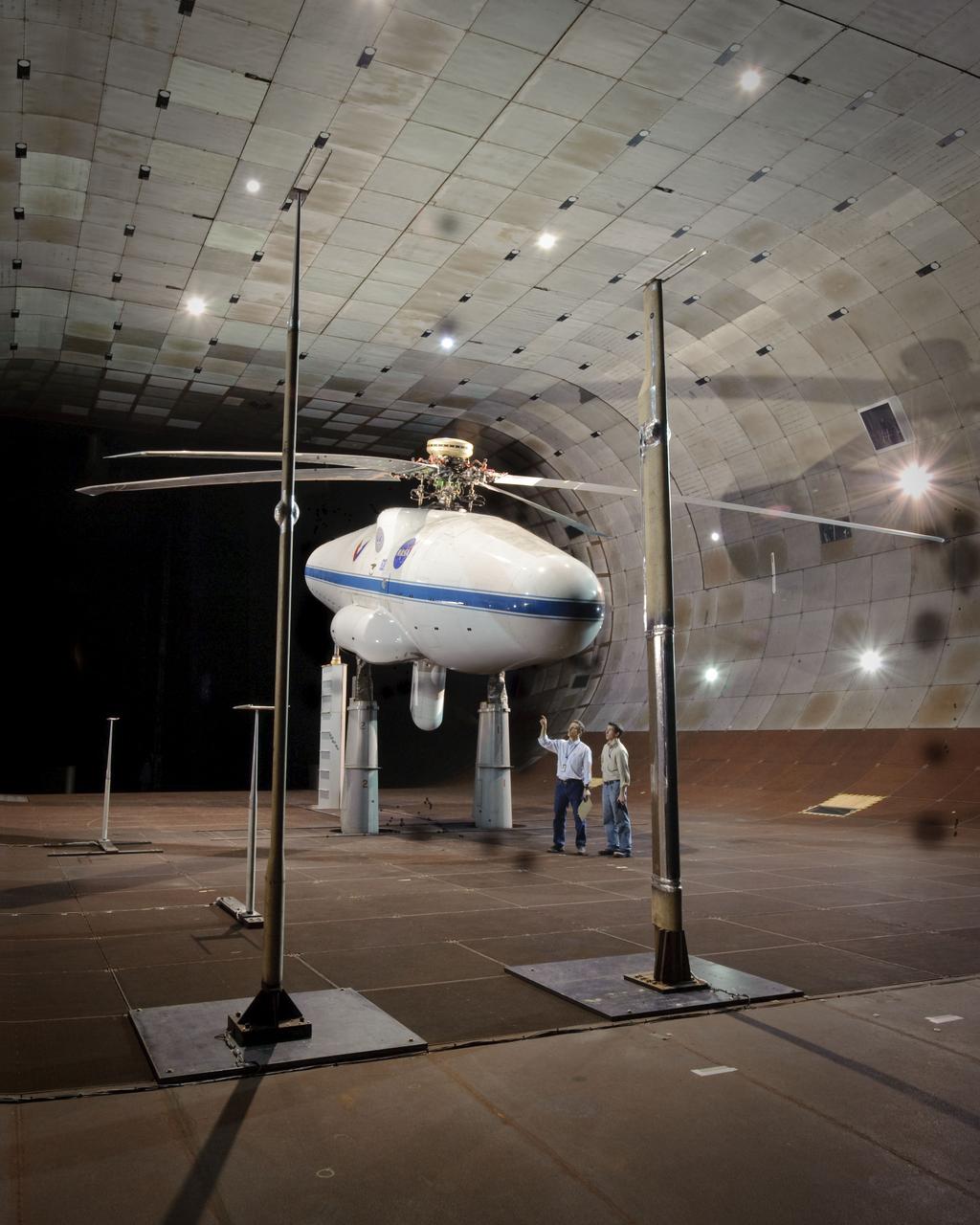
NASA Army UH-60 individual Blade Control (IBC) test-006 in the Ames 40x80Ft Subsonic Wind Tunnel (model configuration and microphone stands) Jeff Johnson (L) and Justin McLellan (R)
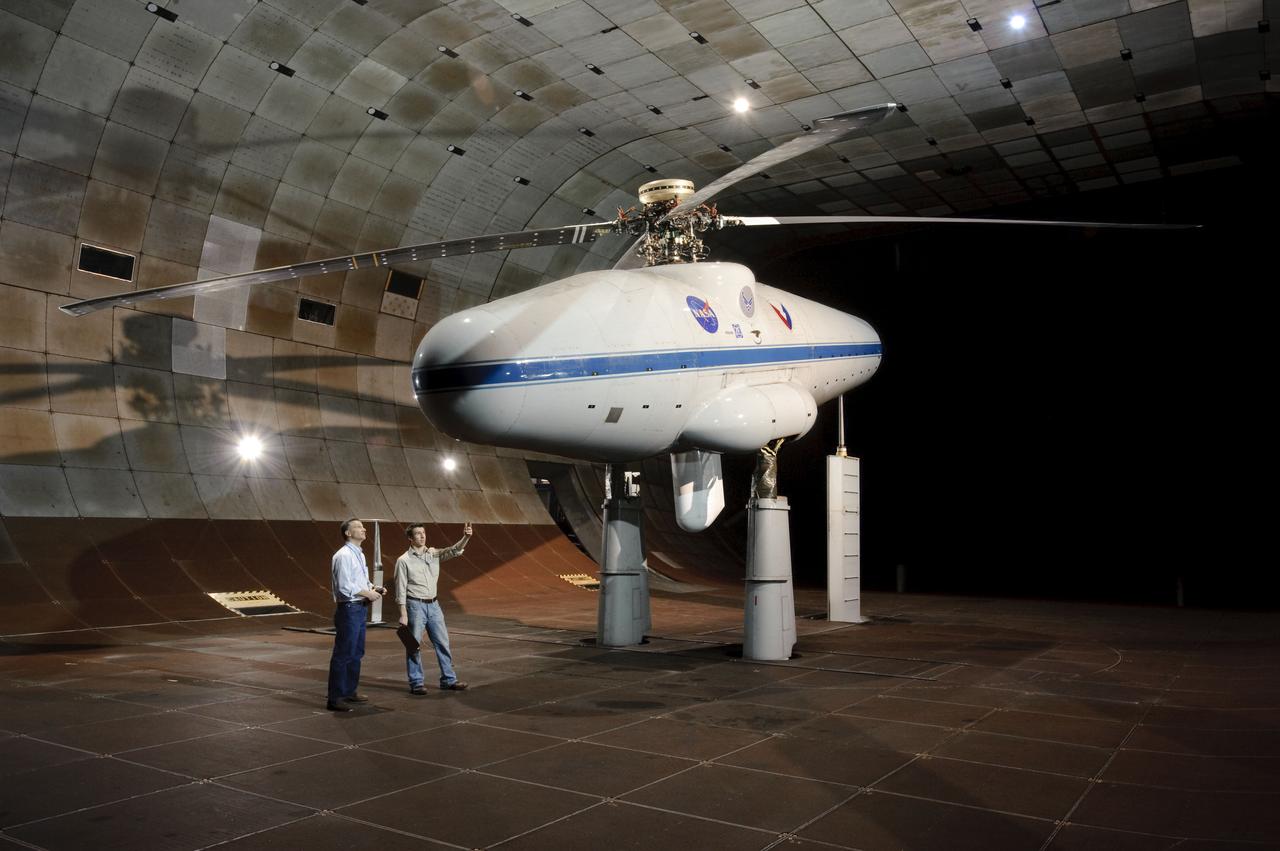
NASA Army UH-60 individual Blade Control (IBC) test-006 in the Ames 40x80Ft Subsonic Wind Tunnel (model configuration and microphone stands) Jeff Johnson (L) and Justin McLellan (R)
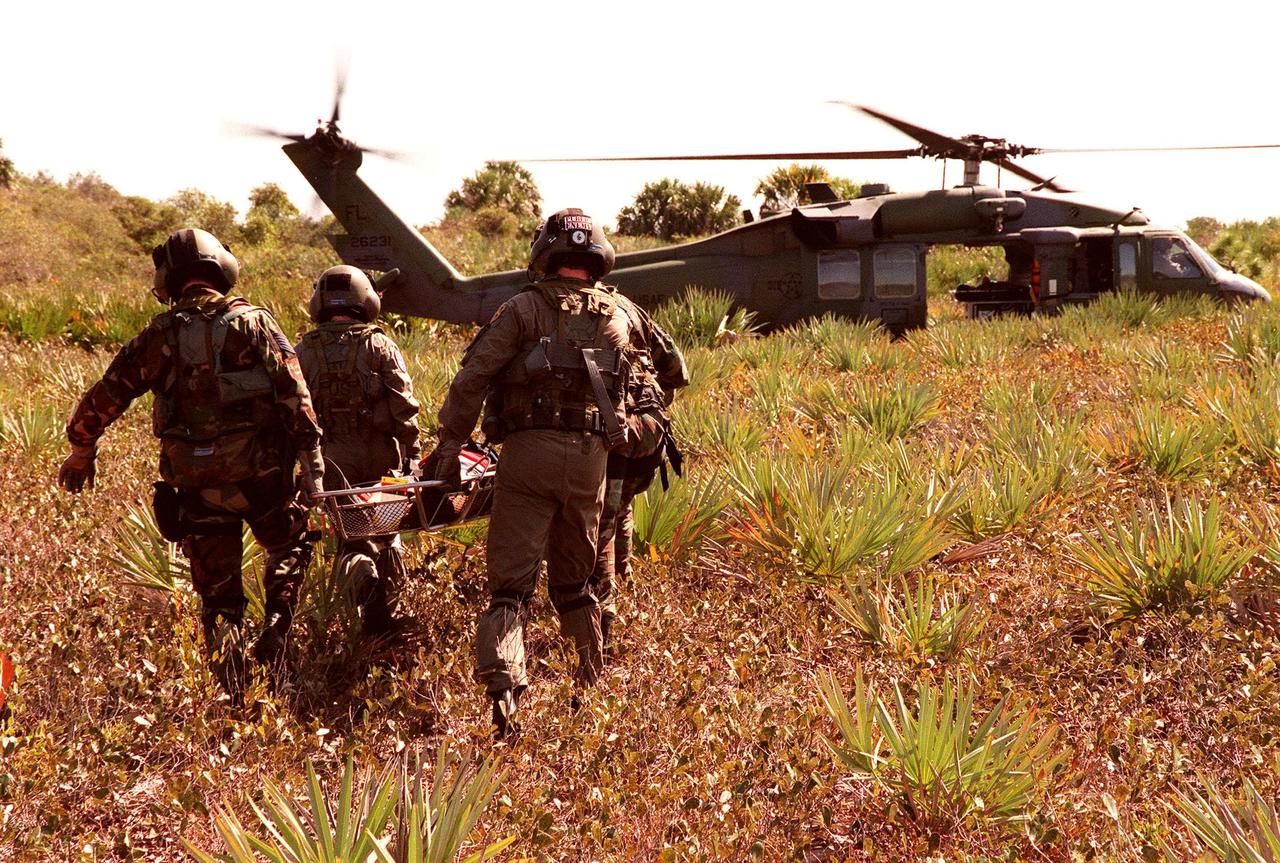
KENNEDY SPACE CENTER, FLA. -- During a simulated rescue mission in the woods near the Shuttle Landing Facility (SLF), the KSC response team practices carrying an injured crew member to an Air Force HH-60 helicopter for transport to a local hospital. The response team is training for the unlikely scenario of a Shuttle mishap at the SLF. The Mode 7 simulation of an astronaut rescue exercises all aspects of command and control, search and rescue, and medical procedures required for a successful rescue. The remote location of the mock-up prevents a totally land-based crew rescue, and calls on a NASA UH-1 helicopter to locate the site and four Air Force HH-60 helicopters to reach the site, drop emergency equipment and later remove the "crew" five astronaut candidates, one representative from the Vehicle Integration Test office, and one fire/rescue worker. The exercise will conclude with airlifted "patients" arriving safely in the emergency rooms of participating area hospitals
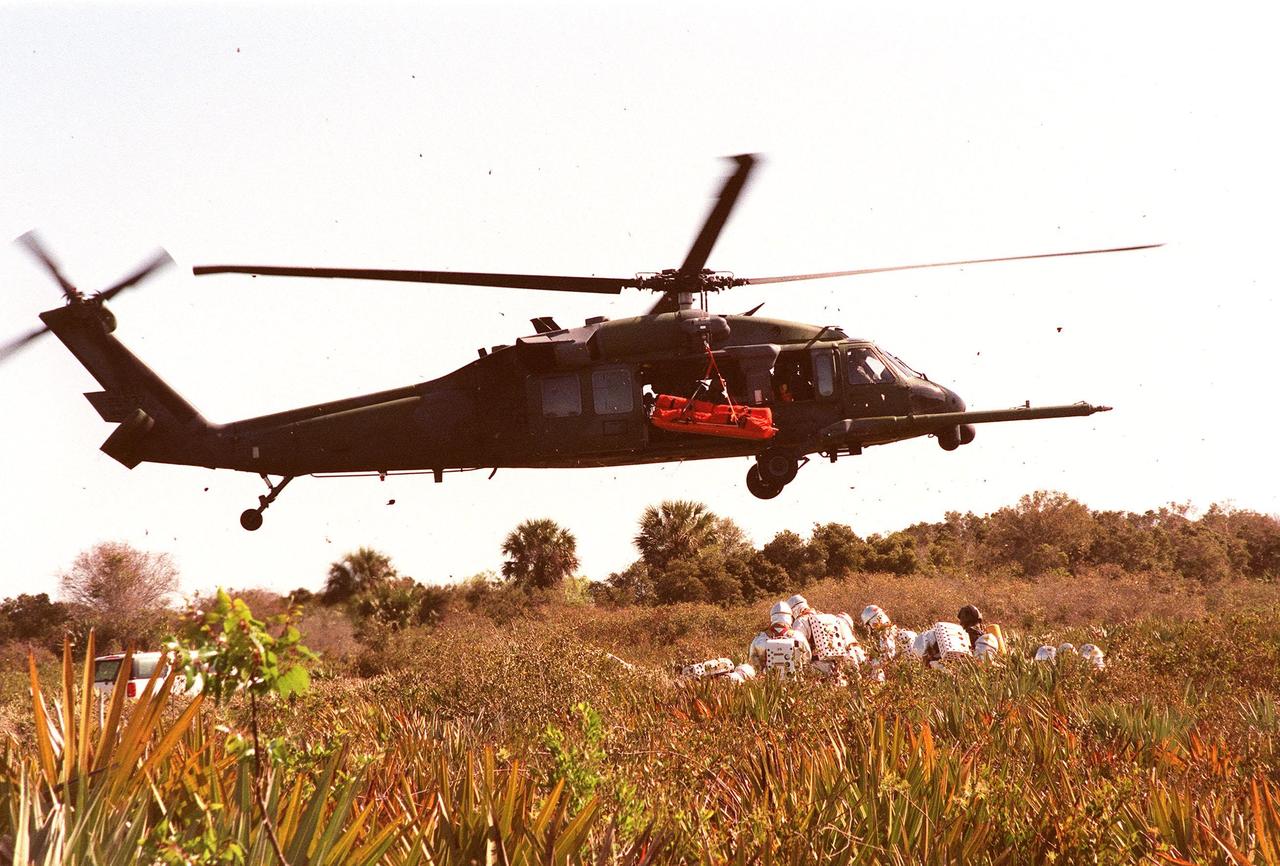
KENNEDY SPACE CENTER, FLA. -- During a simulated rescue mission in the woods near the Shuttle Landing Facility (SLF), the KSC response team practices lifting an injured crew member to an Air Force HH-60 helicopter for transport to a local hospital. The response team is training for the unlikely scenario of a Shuttle mishap at the SLF. The Mode 7 simulation of an astronaut rescue exercises all aspects of command and control, search and rescue, and medical procedures required for a successful rescue. The remote location of the mock-up prevents a totally land-based crew rescue, and calls on a NASA UH-1 helicopter to locate the site and four Air Force HH-60 helicopters to reach and prepare the "crew" five astronaut candidates, one representative from the Vehicle Integration Test office, and one fire/rescue worker for preliminary triage. The exercise will conclude with airlifted "patients" arriving safely in the emergency rooms of participating area hospitals
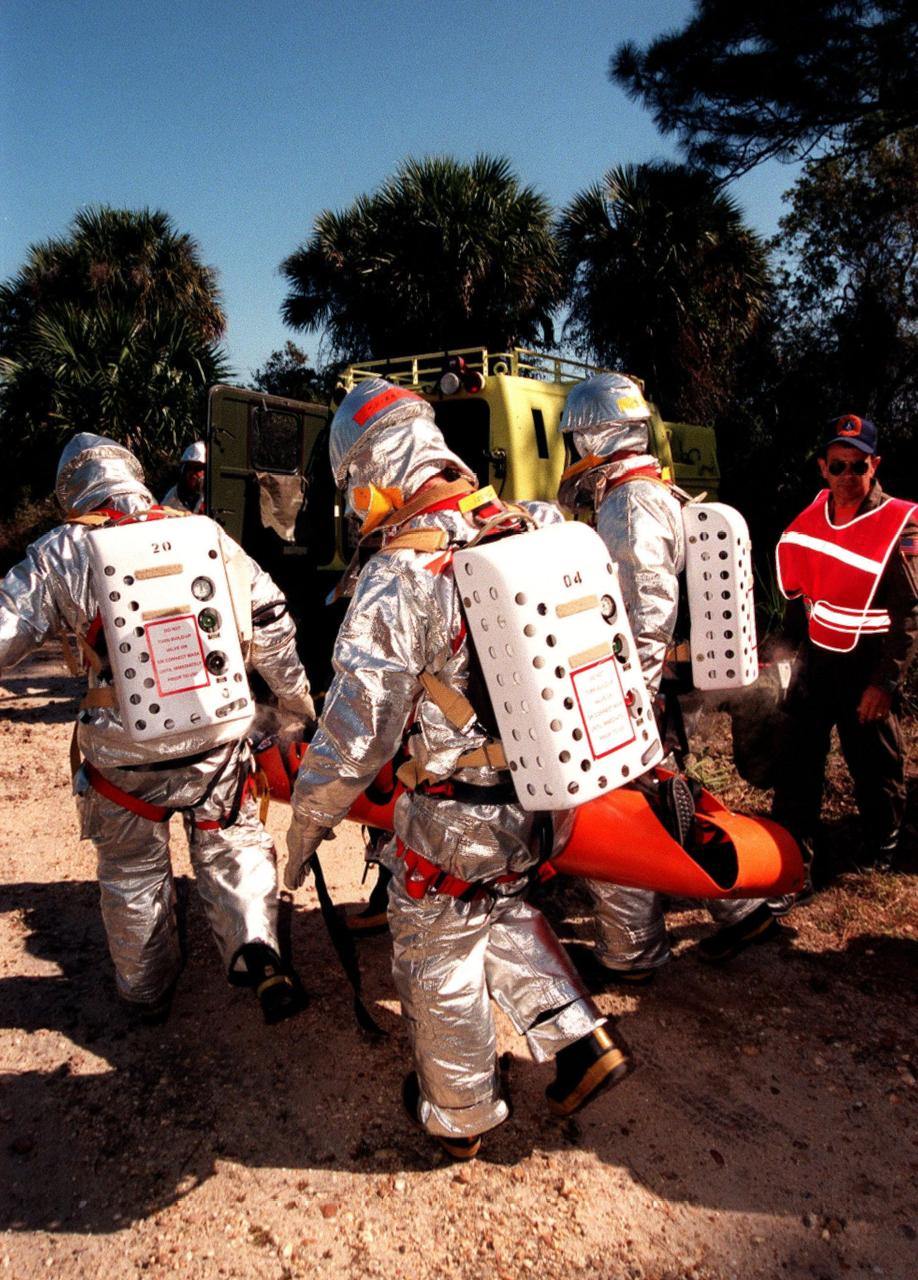
KENNEDY SPACE CENTER, FLA. -- In the woods next to the Shuttle Landing Facility (SLF), the KSC response team takes part in training for the unlikely scenario of a Shuttle mishap at the SLF. The Mode 7 simulation of an astronaut rescue exercises all aspects of command and control, search and rescue, and medical procedures required for a successful rescue. The remote location of the mock-up prevents a totally land-based crew rescue, and calls on a NASA UH-1 helicopter to locate the site and four Air Force HH-60 helicopters to drop emergency equipment and fire/rescue workers to prepare the "crew" for preliminary triage. The helicopters later are used to remove the crew five astronaut candidates, one representative from the Vehicle Integration Test office, and one fire/rescue worker. The exercise concluded with airlifted "patients" arriving safely in the emergency rooms of participating area hospitals
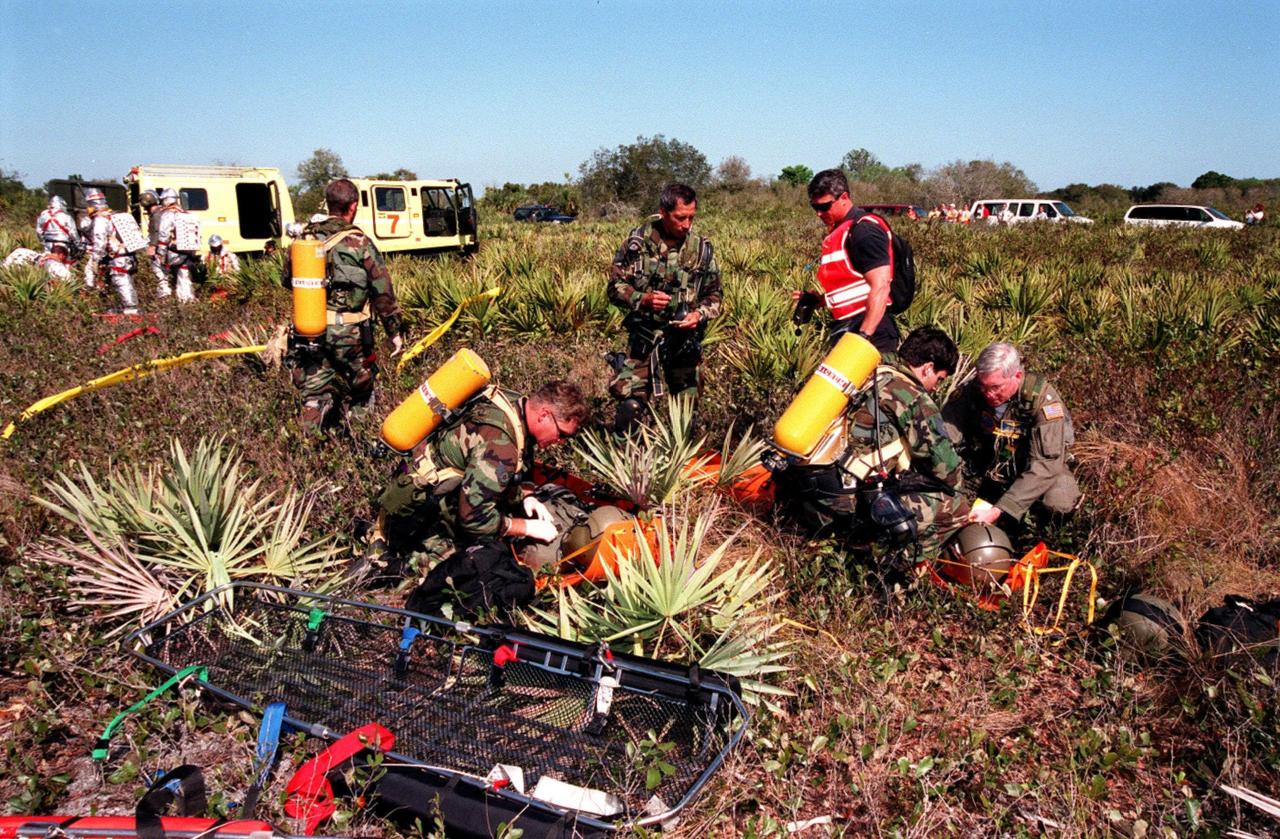
KENNEDY SPACE CENTER, FLA. -- In the simulated rescue mission, the KSC response team takes part in the unlikely scenario of a Shuttle mishap at the Shuttle Landing Facility. The Mode 7 simulation of an astronaut rescue exercised all aspects of command and control, search and rescue, and medical procedures required for a successful rescue. The remote location of the mock-up prevents a totally land-based crew rescue, and calls on a NASA UH-1 helicopter to locate the site and four Air Force HH-60 helicopters to drop emergency equipment and fire/rescue workers to prepare the "crew" for preliminary triage. The helicopters later are used to remove the crew five astronaut candidates, one representative from the Vehicle Integration Test office, and one fire/rescue worker. The exercise concluded with airlifted "patients" arriving safely in the emergency rooms of participating area hospitals.
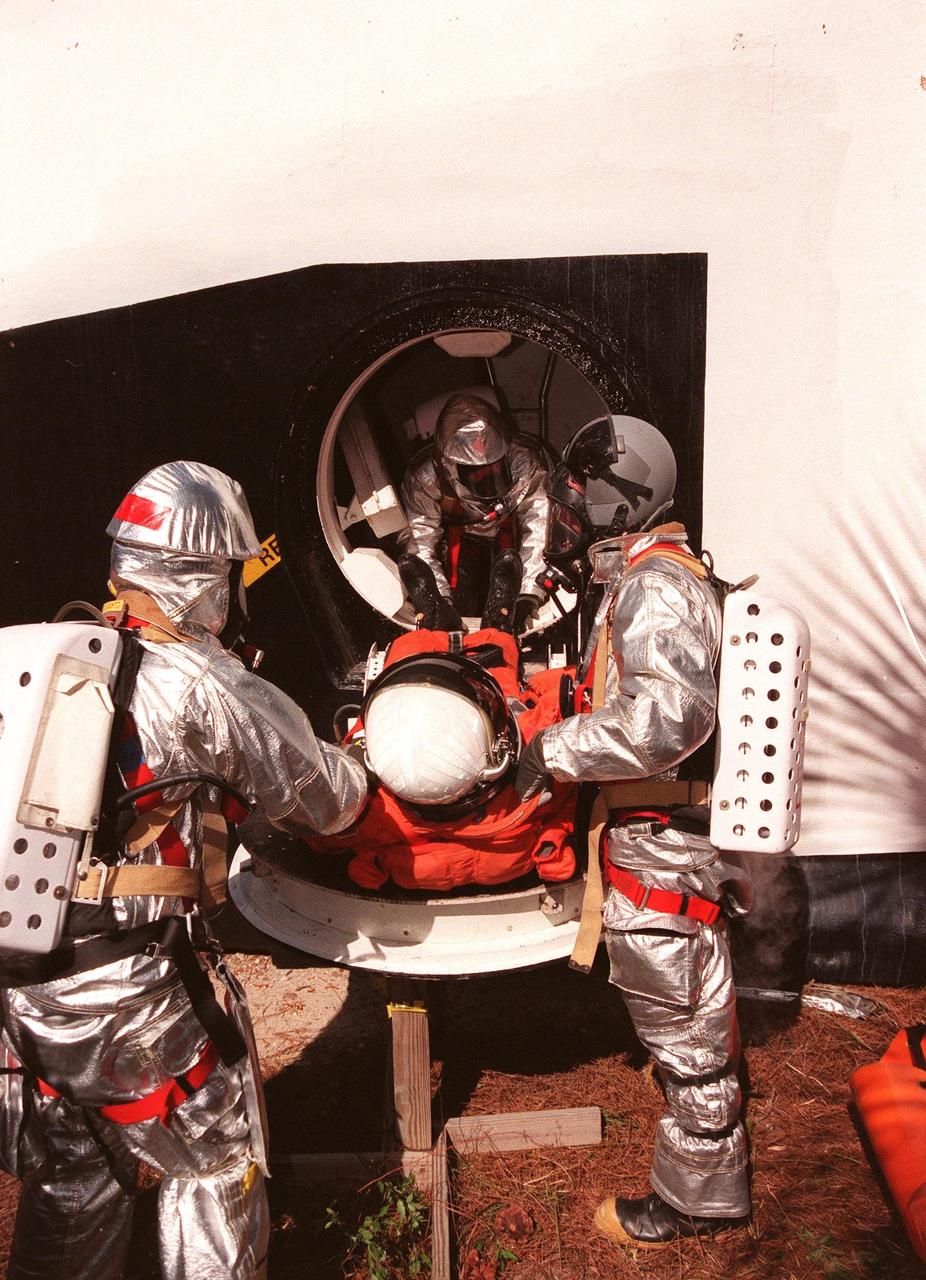
KENNEDY SPACE CENTER, FLA. -- During a simulated rescue mission in the woods near the Shuttle Landing Facility, the KSC response team removes a Shuttle "crew" member from the mock orbiter. The response team is training for the unlikely scenario of a Shuttle mishap at the SLF. The Mode 7 simulation of an astronaut rescue exercises all aspects of command and control, search and rescue, and medical procedures required for a successful rescue. The remote location of the mock-up prevents a totally land-based crew rescue, and calls on a NASA UH-1 helicopter to locate the site and four Air Force HH-60 helicopters to drop emergency equipment and fire/rescue workers to prepare the "crew" for preliminary triage. The helicopters later are used to remove the crew five astronaut candidates, one representative from the Vehicle Integration Test office, and one fire/rescue worker. The exercise concluded with airlifted "patients" arriving safely in the emergency rooms of participating area hospitals
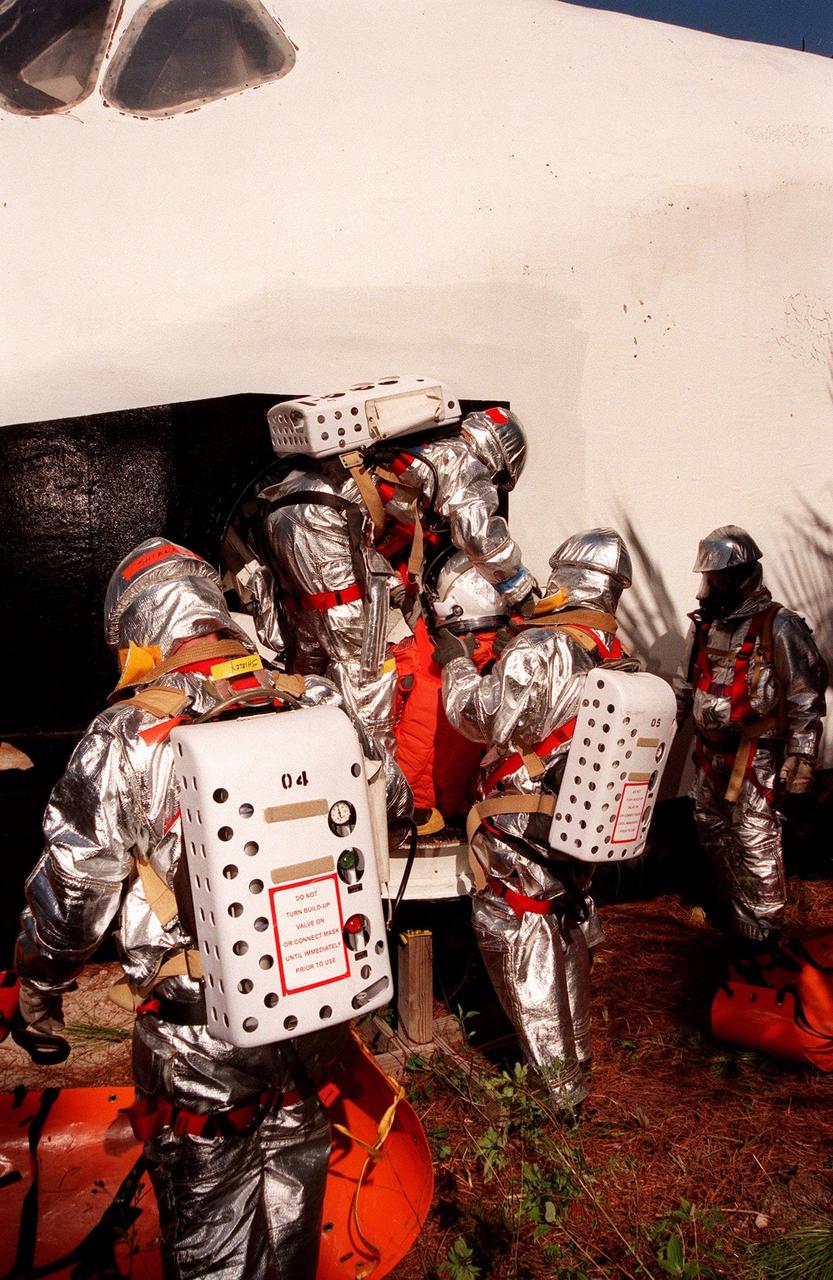
During a simulated rescue mission in the woods near the Shuttle Landing Facility (SLF), the KSC response team removes a crew member from a mock Shuttle. The response team is training for the unlikely scenario of a Shuttle mishap at the SLF. The Mode 7 simulation of an astronaut rescue exercises all aspects of command and control, search and rescue, and medical procedures required for a successful rescue. The remote location of the mock-up prevents a totally land-based crew rescue, and calls on a NASA UH-1 helicopter to locate the site and four Air Force HH-60 helicopters to drop emergency equipment and fire/rescue workers to prepare the "crew" for preliminary triage. The helicopters later are used to remove the crew five astronaut candidates, one representative from the Vehicle Integration Test office, and one fire/rescue worker. The exercise concluded with airlifted "patients" arriving safely in the emergency rooms of participating area hospitals
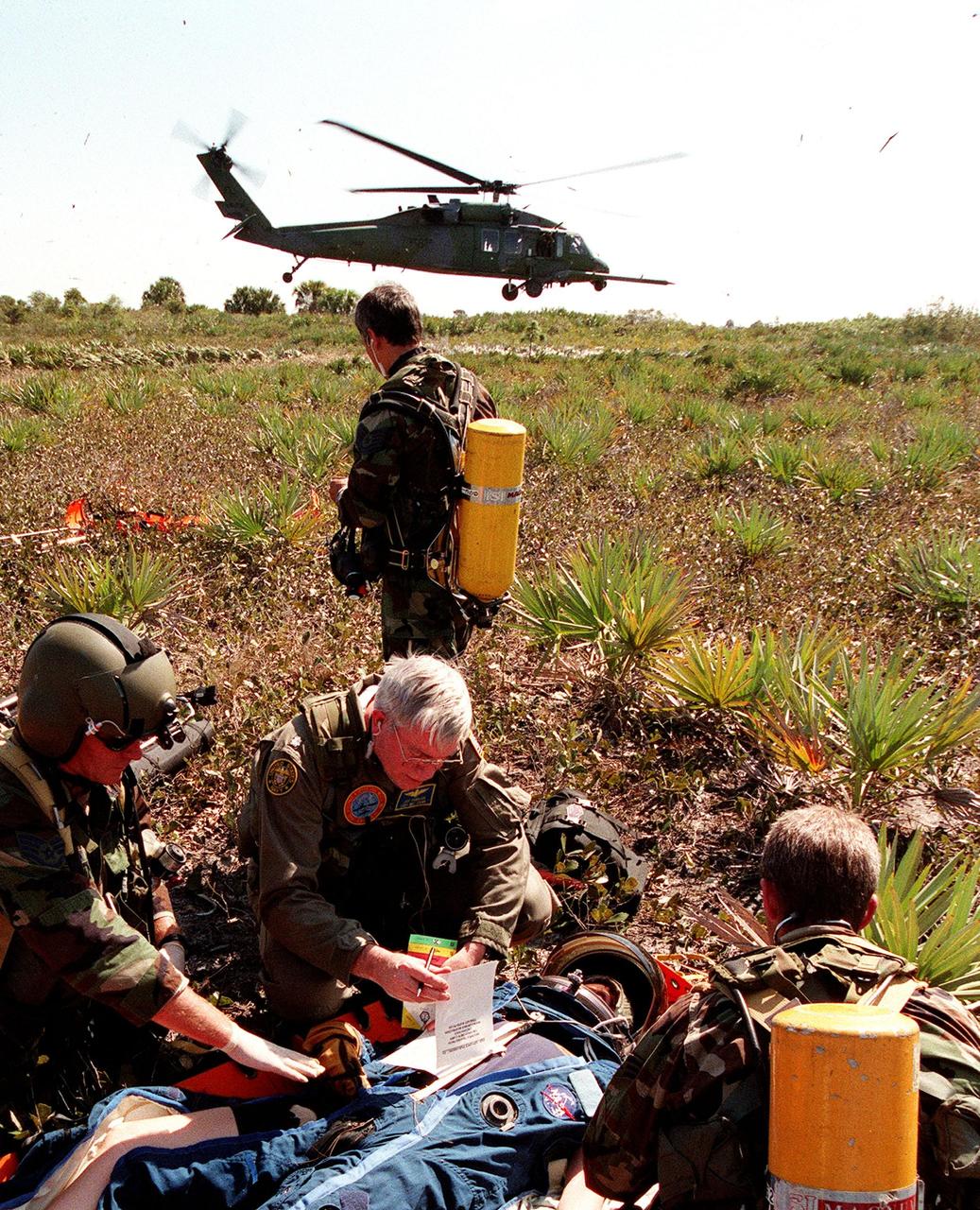
KENNEDY SPACE CENTER, FLA. -- During a simulated rescue mission in the woods near the Shuttle Landing Facility (SLF), the KSC response team practices stabilizing an injured crew member before transport to a local hospital by an Air Force HH-60 helicopter. The response team is training for the unlikely scenario of a Shuttle mishap at the SLF. The Mode 7 simulation of an astronaut rescue exercises all aspects of command and control, search and rescue, and medical procedures required for a successful rescue. The remote location of the mock-up prevents a totally land-based crew rescue, and calls on a NASA UH-1 helicopter to locate the site and four HH-60 helicopters to drop emergency equipment and fire/rescue workers to prepare the "crew" for preliminary triage. The helicopters are then used to remove the crew five astronaut candidates, one representative from the Vehicle Integration Test office, and one fire/rescue worker. The exercise will conclude with airlifted "patients" arriving safely in the emergency rooms of participating area hospitals
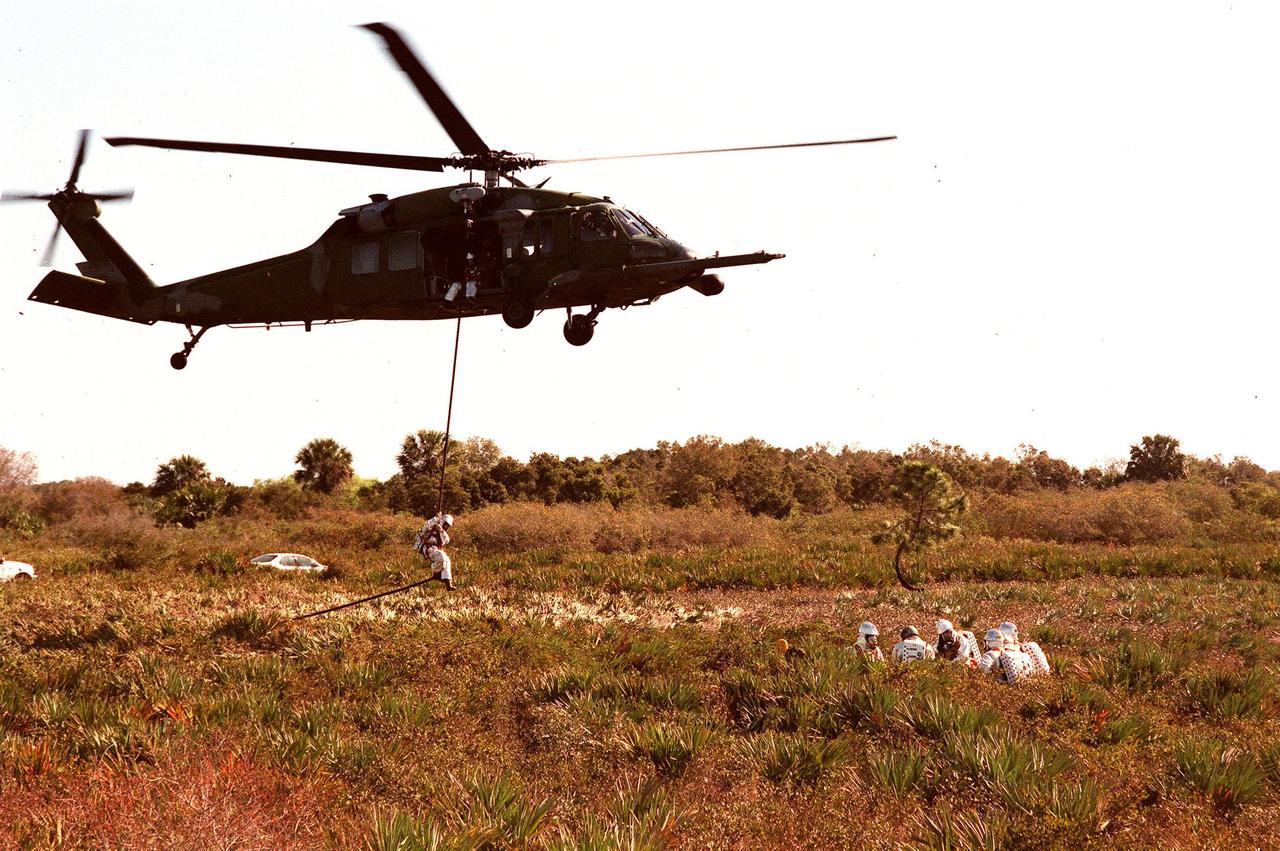
KENNEDY SPACE CENTER, FLA. -- During a simulated rescue mission in the woods near the Shuttle Landing Facility (SLF), a fire/rescue worker practices disembarking from an Air Force HH-60 helicopter. The KSC response team is training for the unlikely scenario of a Shuttle mishap at the SLF. The Mode 7 simulation of an astronaut rescue exercises all aspects of command and control, search and rescue, and medical procedures required for a successful rescue. The remote location of the mock-up prevents a totally land-based crew rescue, and calls on a NASA UH-1 helicopter to locate the site and four Air Force HH-60 helicopters to drop emergency equipment and fire/rescue workers to prepare the "crew" for preliminary traige. The helicopters are used later to remove the crew five astronaut candidates, one representative from the Vehicle Integration Test office, and one fire/rescue worker. The exercise will conclude with airlifted "patients" arriving safely in the emergency rooms of participating area hospitals
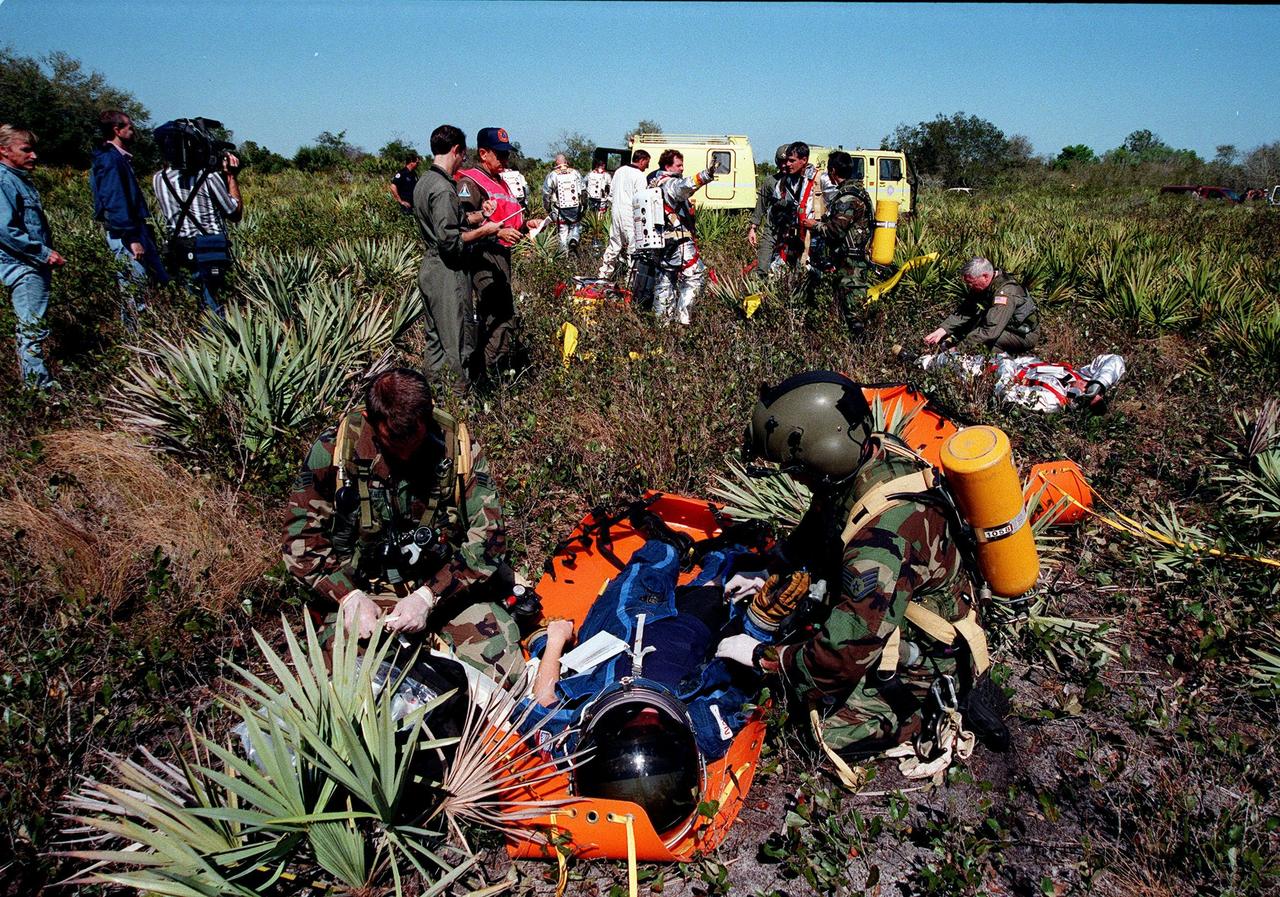
KENNEDY SPACE CENTER, FLA. -- During a simulated rescue mission in the woods near the Shuttle Landing Facility (SLF), the KSC response team practices stabilizing an injured crew member before transport to a local hospital by helicopter. The response team is training for the unlikely scenario of a Shuttle mishap at the SLF. The Mode 7 simulation of an astronaut rescue exercises all aspects of command and control, search and rescue, and medical procedures required for a successful rescue. The remote location of the mock-up prevents a totally land-based crew rescue, and calls on a NASA UH-1 helicopter to locate the site and four Air Force HH-60 helicopters to drop emergency equipment and fire/rescue workers who will prepare the "crew" for preliminary triage. The helicopters later will help remove the crew five astronaut candidates, one representative from the Vehicle Integration Test office, and one fire/rescue worker. The exercise will conclude with airlifted "patients" arriving safely in the emergency rooms of participating area hospitals