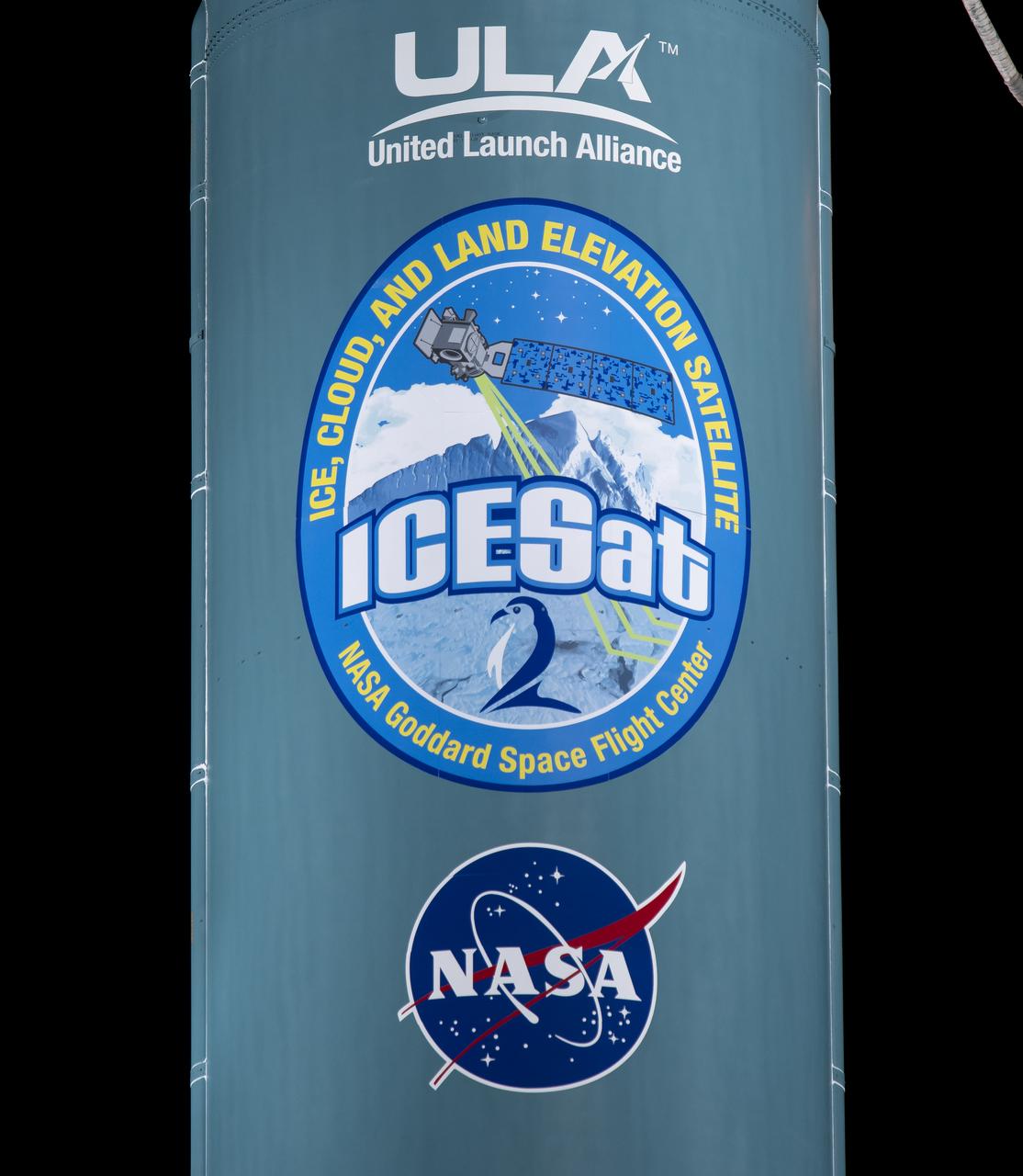
The United Launch Alliance (ULA) Delta II rocket with the NASA Ice, Cloud and land Elevation Satellite-2 (ICESat-2) onboard is seen shortly after the mobile service tower at SLC-2 was rolled back, Saturday, Sept. 15, 2018, at Vandenberg Air Force Base in California. The ICESat-2 mission will measure the changing height of Earth's ice. Photo Credit: (NASA/Bill Ingalls)
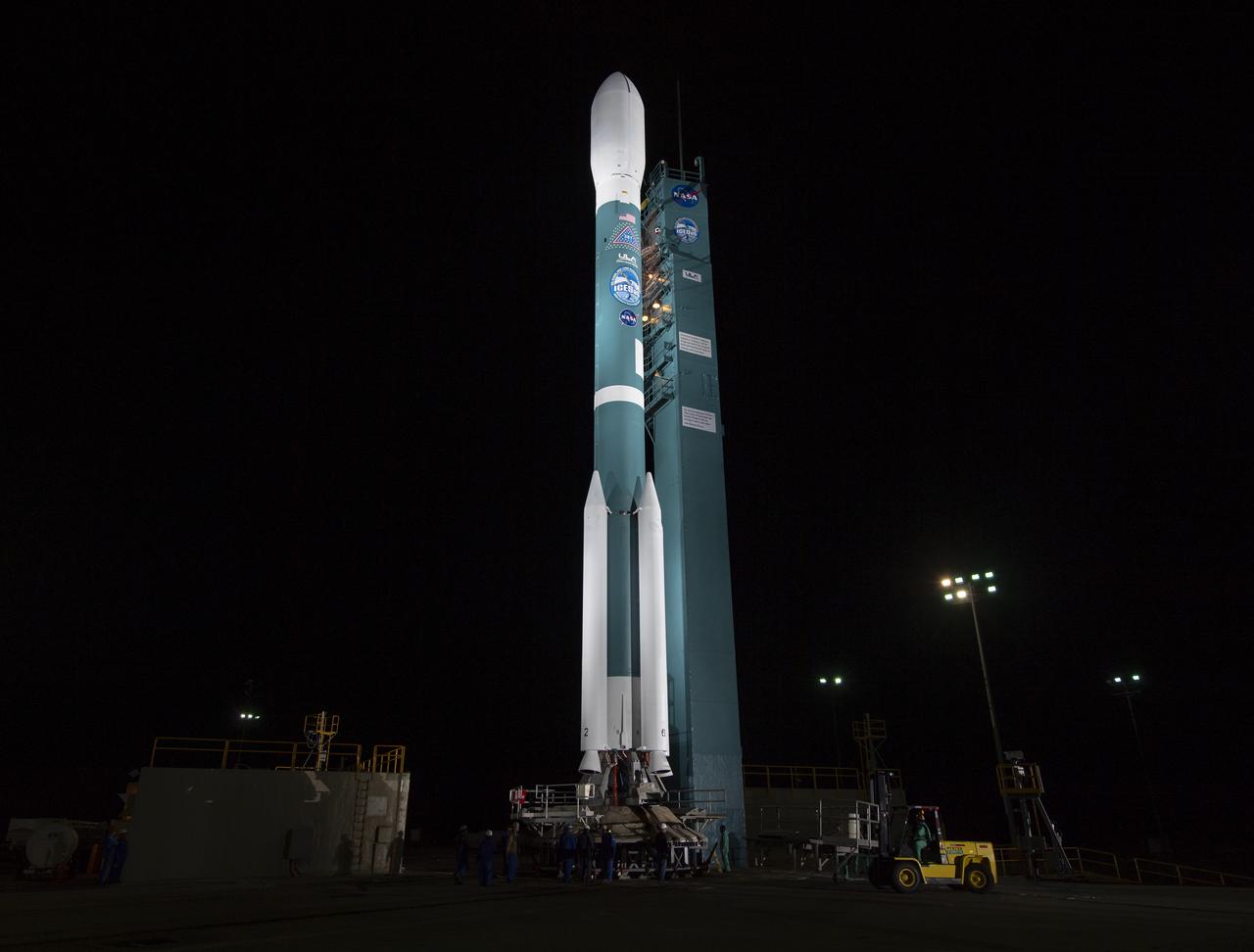
The United Launch Alliance (ULA) Delta II rocket with the NASA Ice, Cloud and land Elevation Satellite-2 (ICESat-2) onboard is seen shortly after the mobile service tower at SLC-2 was rolled back, Saturday, Sept. 15, 2018, at Vandenberg Air Force Base in California. The ICESat-2 mission will measure the changing height of Earth's ice. Photo Credit: (NASA/Bill Ingalls)
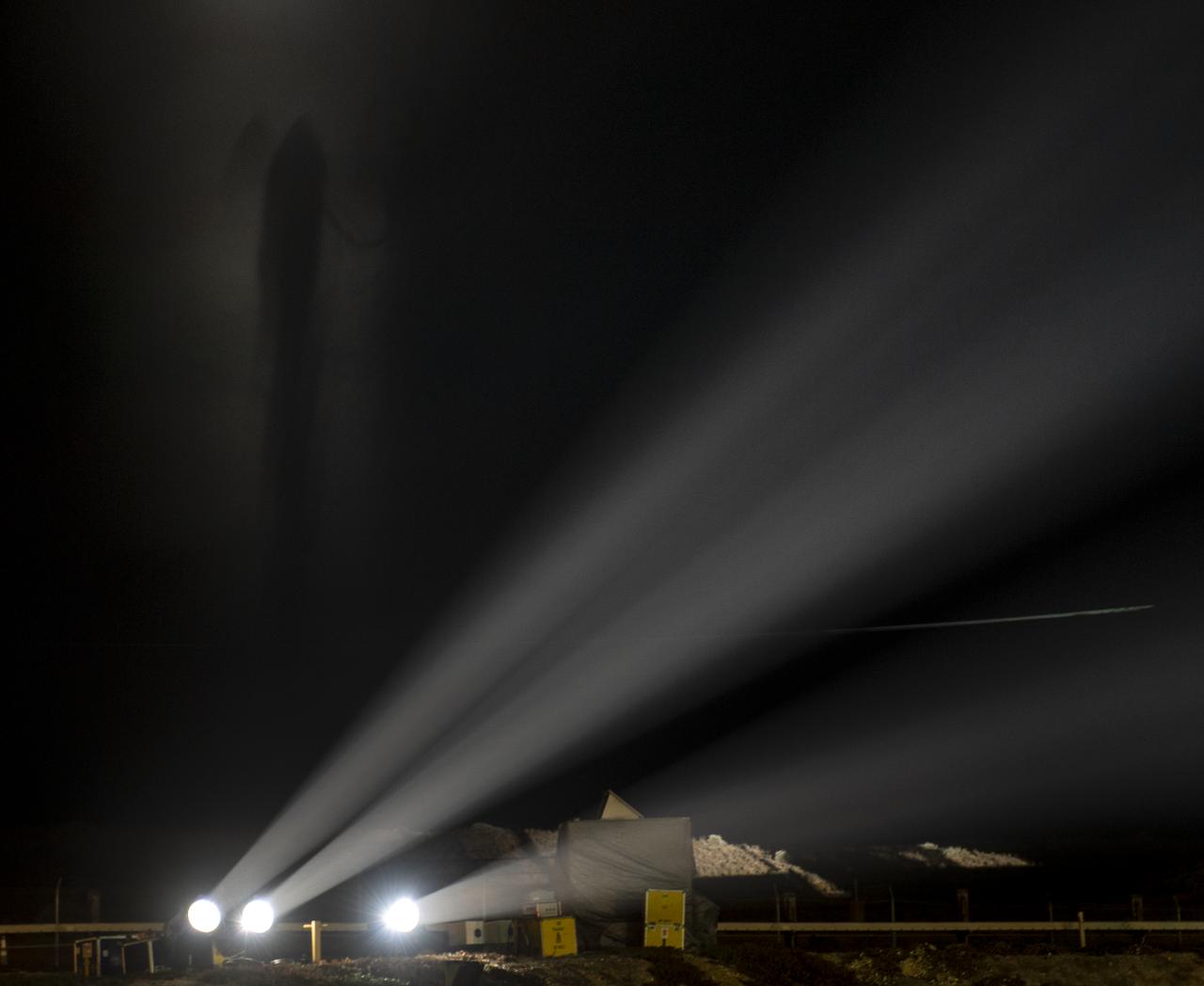
The silhouette of the United Launch Alliance (ULA) Delta II rocket, with the NASA Ice, Cloud and land Elevation Satellite-2 (ICESat-2) onboard, is seen in the fog shortly after the mobile service tower at SLC-2 was rolled back, Saturday, Sept. 15, 2018, at Vandenberg Air Force Base in California. The ICESat-2 mission will measure the changing height of Earth's ice. Photo Credit: (NASA/Bill Ingalls)
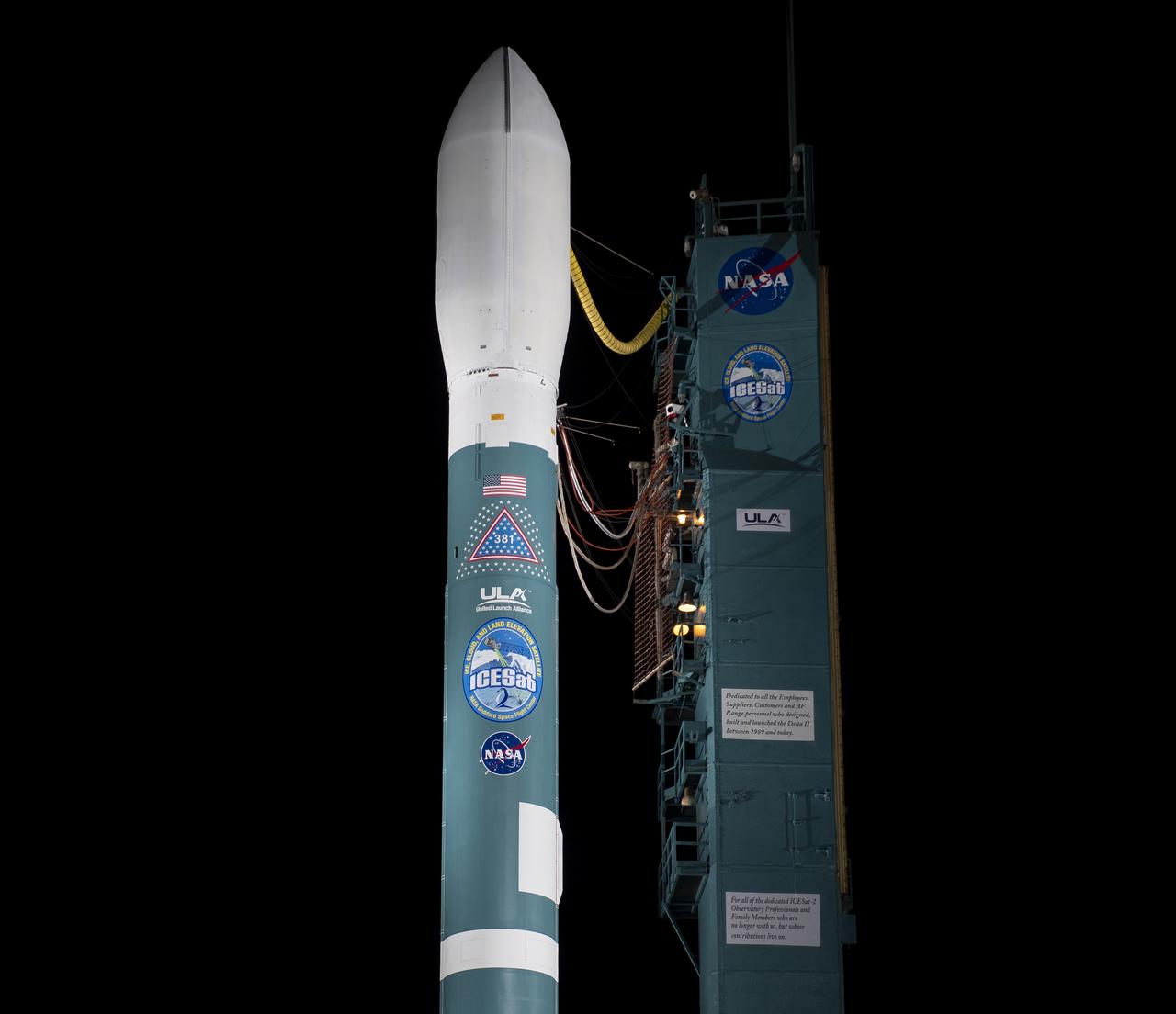
The United Launch Alliance (ULA) Delta II rocket with the NASA Ice, Cloud and land Elevation Satellite-2 (ICESat-2) onboard is seen shortly after the mobile service tower at SLC-2 was rolled back, Saturday, Sept. 15, 2018, at Vandenberg Air Force Base in California. The ICESat-2 mission will measure the changing height of Earth's ice. Photo Credit: (NASA/Bill Ingalls)
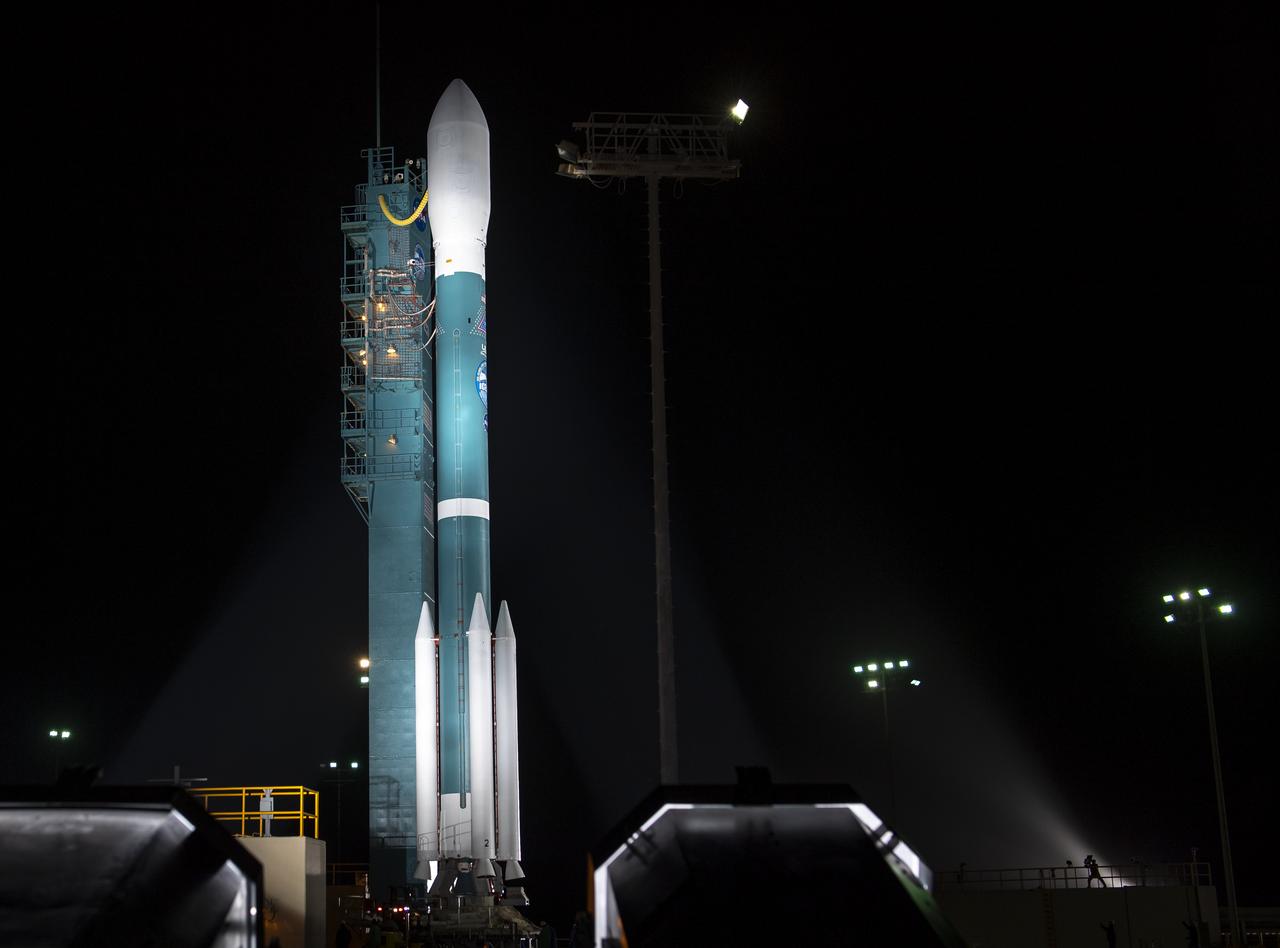
The United Launch Alliance (ULA) Delta II rocket with the NASA Ice, Cloud and land Elevation Satellite-2 (ICESat-2) onboard is seen shortly after the mobile service tower at SLC-2 was rolled back, Saturday, Sept. 15, 2018, at Vandenberg Air Force Base in California. The ICESat-2 mission will measure the changing height of Earth's ice. Photo Credit: (NASA/Bill Ingalls)
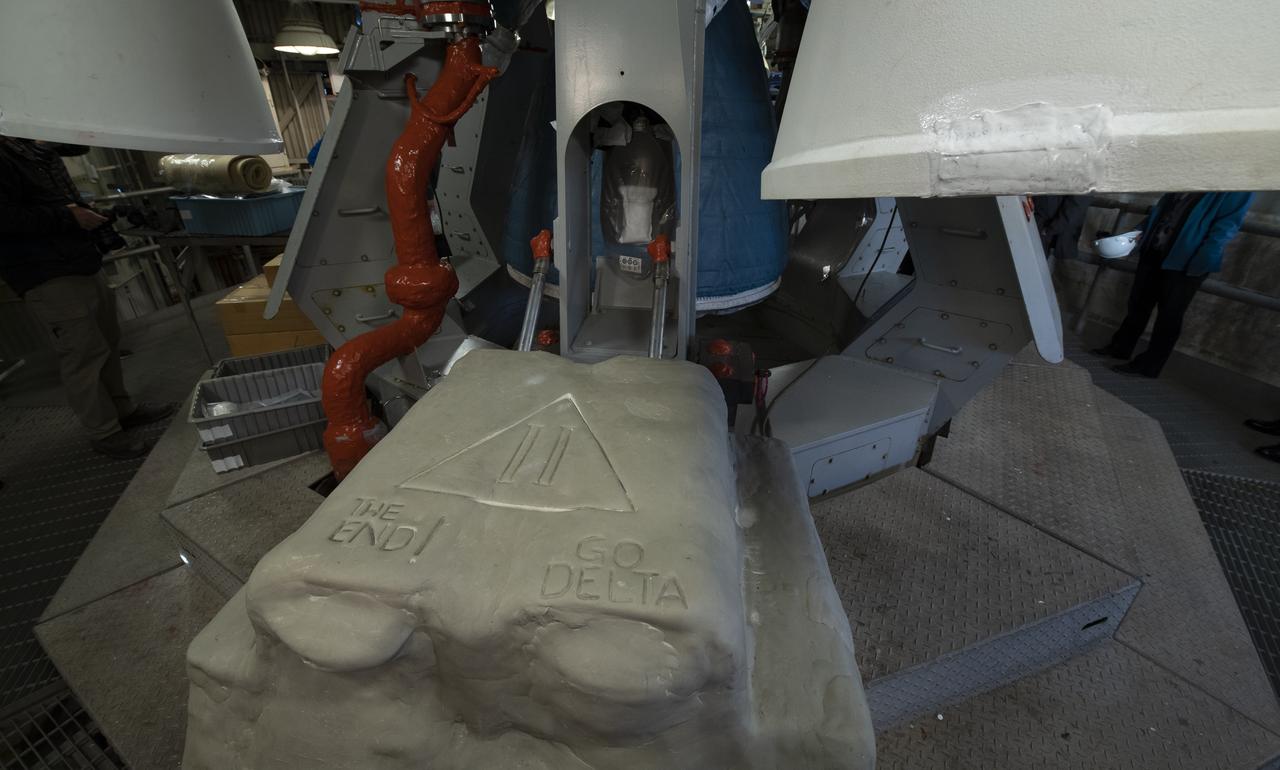
Base of the SLC-2 launch pad is embossed with well wishes for the final launch of the United Launch Alliance Delta II rocket, Thursday, Sept. 13, 2018, at Vandenberg Air Force Base in California. ULA launched NASA's Ice, Cloud and land Elevation Satellite-2 (ICESat-2) on Saturday, Sept. 15, 2018. The ICESat-2 mission will measure the changing height of Earth's ice. Photo Credit: (NASA/Bill Ingalls)
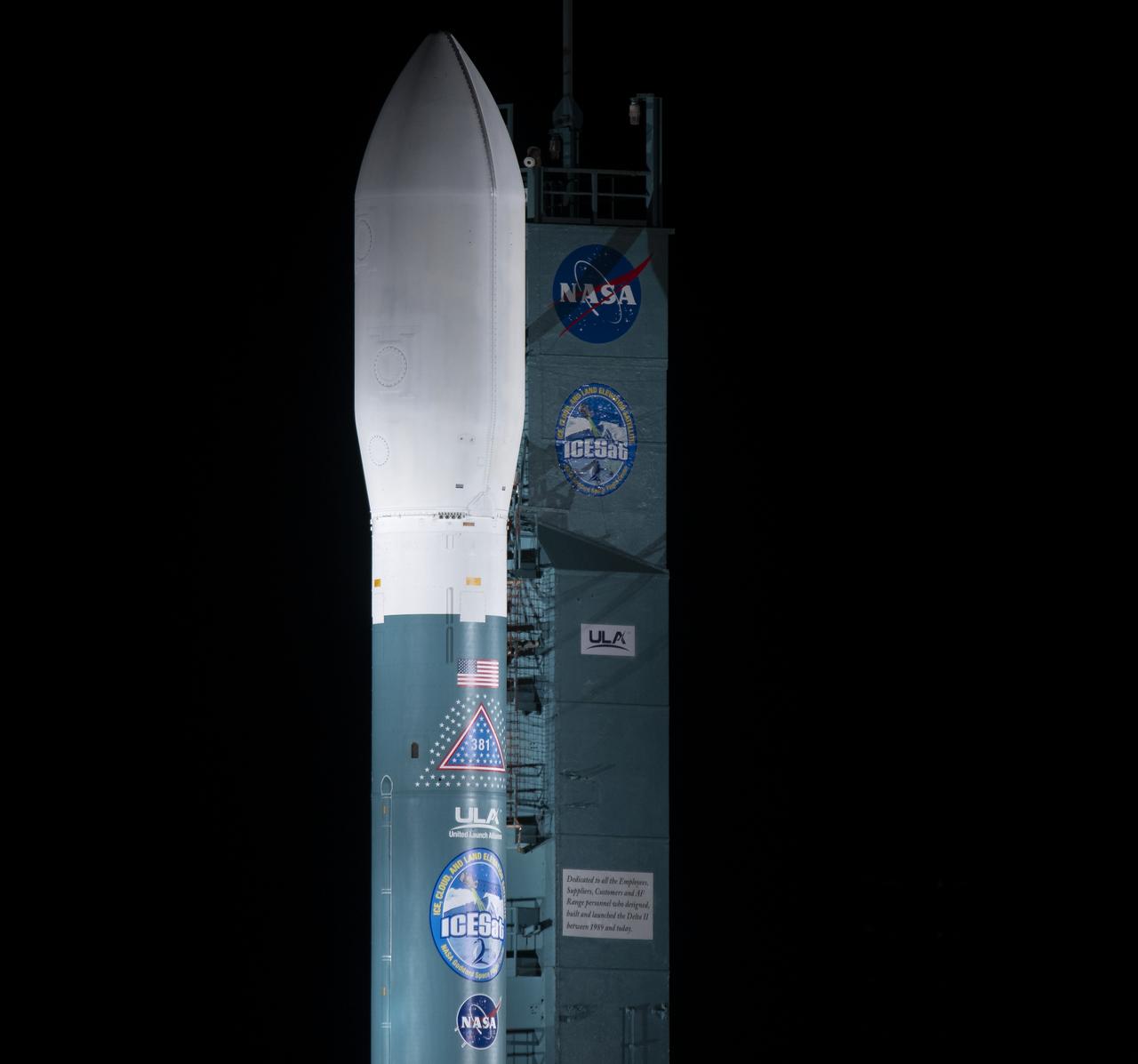
The United Launch Alliance (ULA) Delta II rocket with the NASA Ice, Cloud and land Elevation Satellite-2 (ICESat-2) onboard is seen shortly after the mobile service tower at SLC-2 was rolled back, Saturday, Sept. 15, 2018, at Vandenberg Air Force Base in California. The ICESat-2 mission will measure the changing height of Earth's ice. Photo Credit: (NASA/Bill Ingalls)
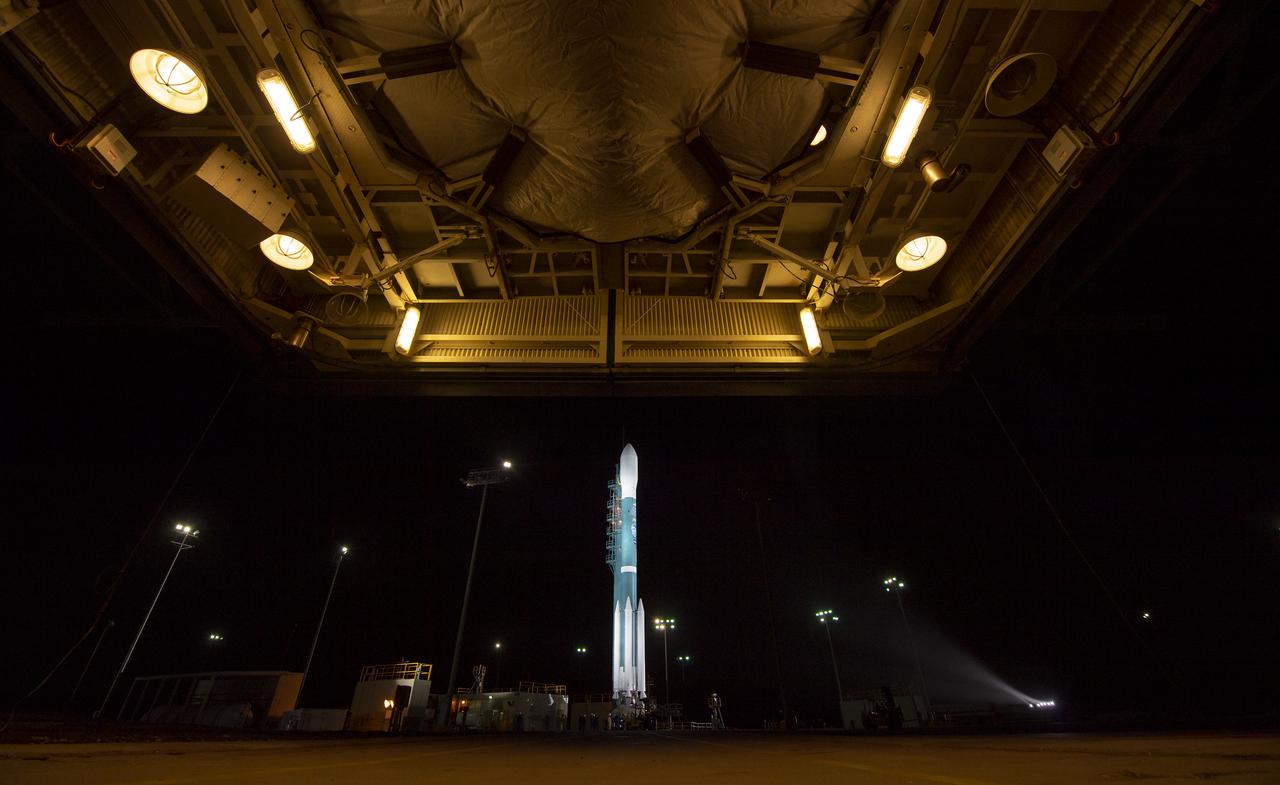
The United Launch Alliance (ULA) Delta II rocket with the NASA Ice, Cloud and land Elevation Satellite-2 (ICESat-2) onboard is seen shortly after the mobile service tower at SLC-2 was rolled back, Saturday, Sept. 15, 2018, at Vandenberg Air Force Base in California. The ICESat-2 mission will measure the changing height of Earth's ice. Photo Credit: (NASA/Bill Ingalls)
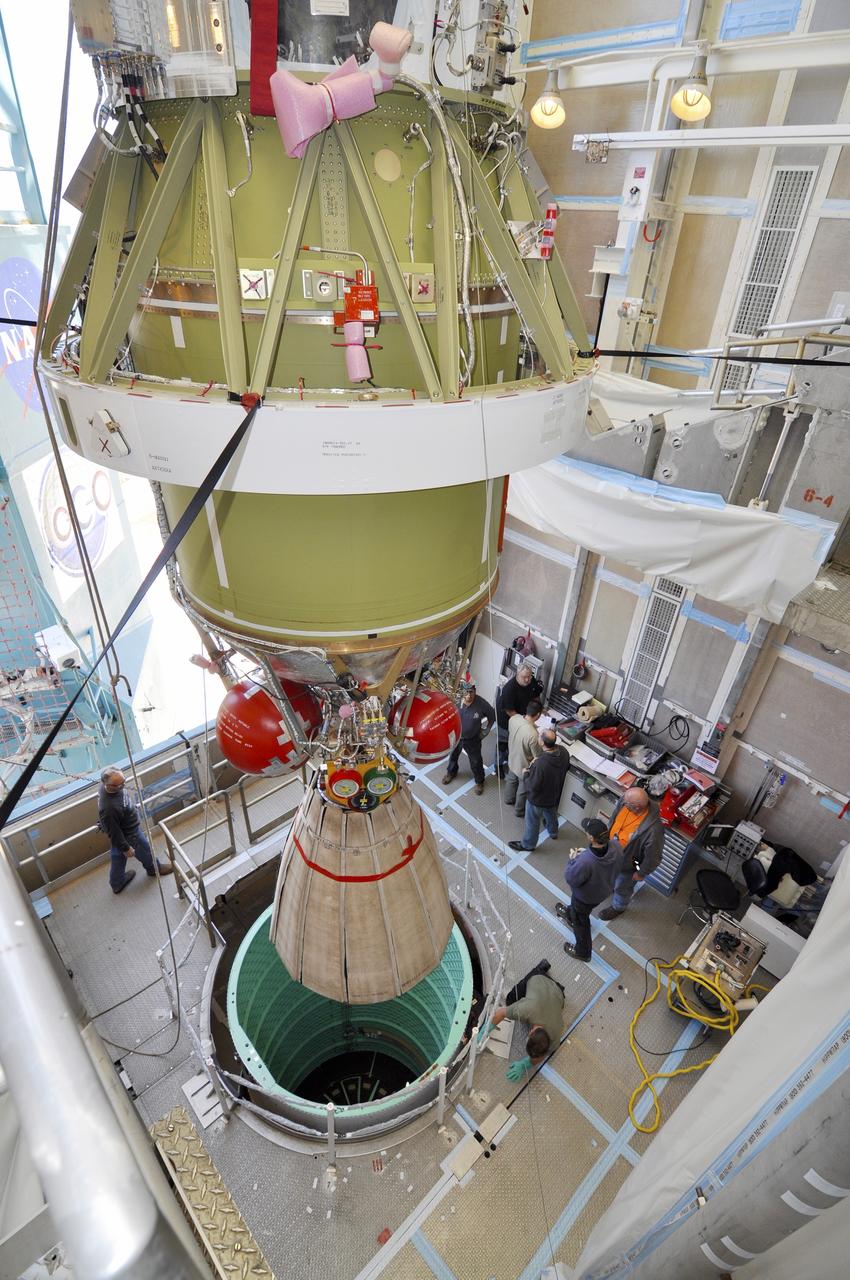
VANDENBERG AIR FORCE BASE, Calif. – The second stage of the Delta II rocket for NASA's Soil Moisture Active Passive mission, or SMAP, is lowered onto the rocket's first stage in the mobile service tower at Space Launch Complex 2 on Vandenberg Air Force Base in California. Operations are underway to install the second stage atop the rocket's first stage. SMAP will launch on a Delta II 7320 configuration vehicle featuring a United Launch Alliance first stage booster powered by an Aerojet Rocketdyne RS-27A main engine and three Alliant Techsystems, or ATK, strap-on solid rocket motors. Once on station in Earth orbit, SMAP will provide global measurements of soil moisture and its freeze/thaw state. These measurements will be used to enhance understanding of processes that link the water, energy and carbon cycles, and to extend the capabilities of weather and climate prediction models. SMAP data also will be used to quantify net carbon flux in boreal landscapes and to develop improved flood prediction and drought monitoring capabilities. Launch is scheduled for no earlier than November 2014. To learn more about SMAP, visit http://smap.jpl.nasa.gov. Photo credit: NASA/Randy Beaudoin

VANDENBERG AIR FORCE BASE, Calif. – The second stage for NASA's Orbiting Carbon Observatory-2 mission, or OCO-2, is being towed to the Horizontal Processing Facility at Space Launch Complex 2 from the Building 836 hangar on Vandenberg Air Force Base in California. OCO-2 is scheduled to launch aboard a United Launch Alliance Delta II rocket in July. The rocket's second stage will insert OCO-2 into a polar Earth orbit. OCO-2 will collect precise global measurements of carbon dioxide in the Earth's atmosphere and provide scientists with a better idea of the chemical compound's impacts on climate change. Scientists will analyze this data to improve our understanding of the natural processes and human activities that regulate the abundance and distribution of this important atmospheric gas. To learn more about OCO-2, visit http://oco.jpl.nasa.gov. Photo credit: NASA/Randy Beaudoin
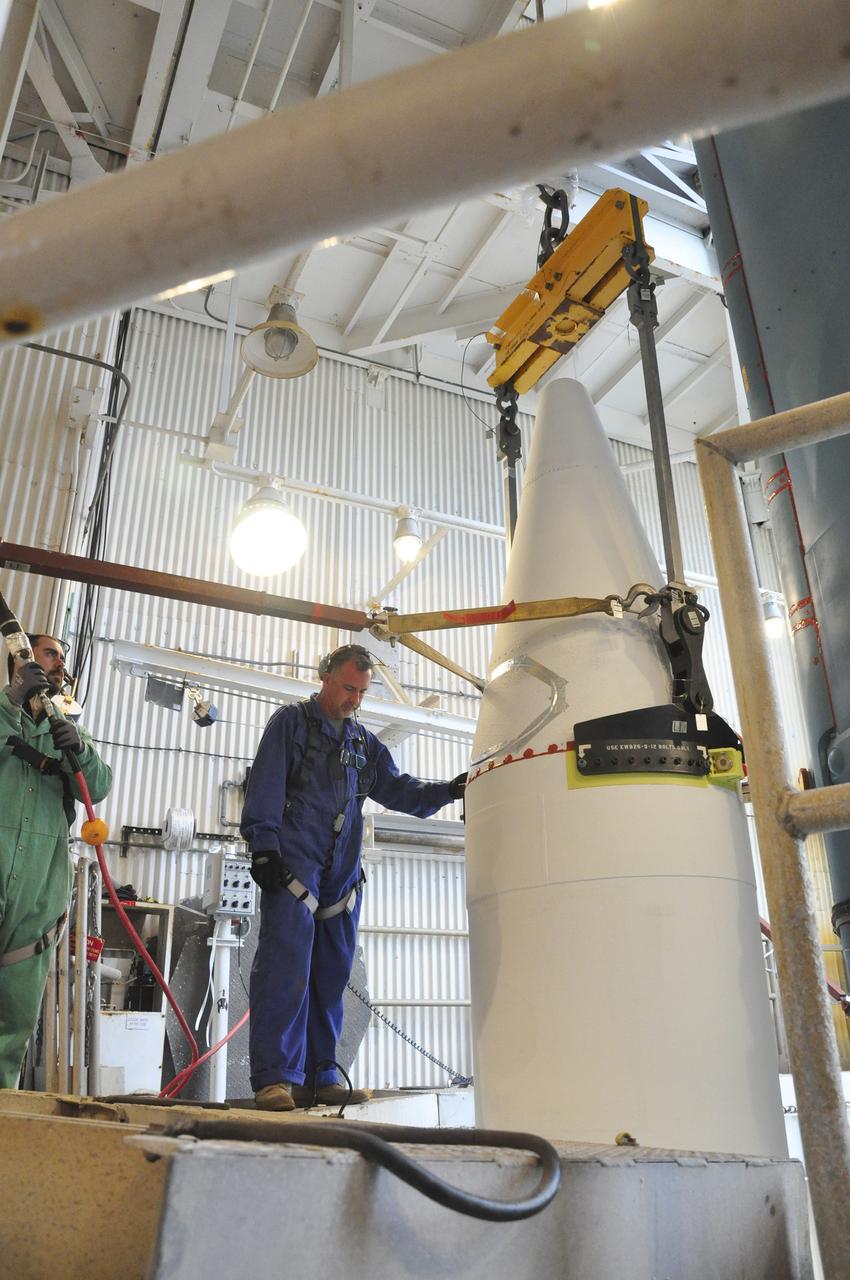
VANDENBERG AIR FORCE BASE, Calif. – Workers in the mobile service tower at Space Launch Complex 2 on Vandenberg Air Force Base in California monitor a solid rocket motor as it is installed on the Delta II rocket for NASA's Soil Moisture Active Passive mission, or SMAP. SMAP will be launched on a Delta II 7320 configuration vehicle featuring a United Launch Alliance first stage booster powered by an Aerojet Rocketdyne RS-27A main engine and three Alliant Techsystems, or ATK, strap-on solid rocket motors. Once on station in Earth orbit, SMAP will provide global measurements of soil moisture and its freeze/thaw state. These measurements will be used to enhance understanding of processes that link the water, energy and carbon cycles, and to extend the capabilities of weather and climate prediction models. SMAP data also will be used to quantify net carbon flux in boreal landscapes and to develop improved flood prediction and drought monitoring capabilities. Launch is scheduled for no earlier than November 2014. To learn more about SMAP, visit http://smap.jpl.nasa.gov. Photo credit: NASA/Randy Beaudoin
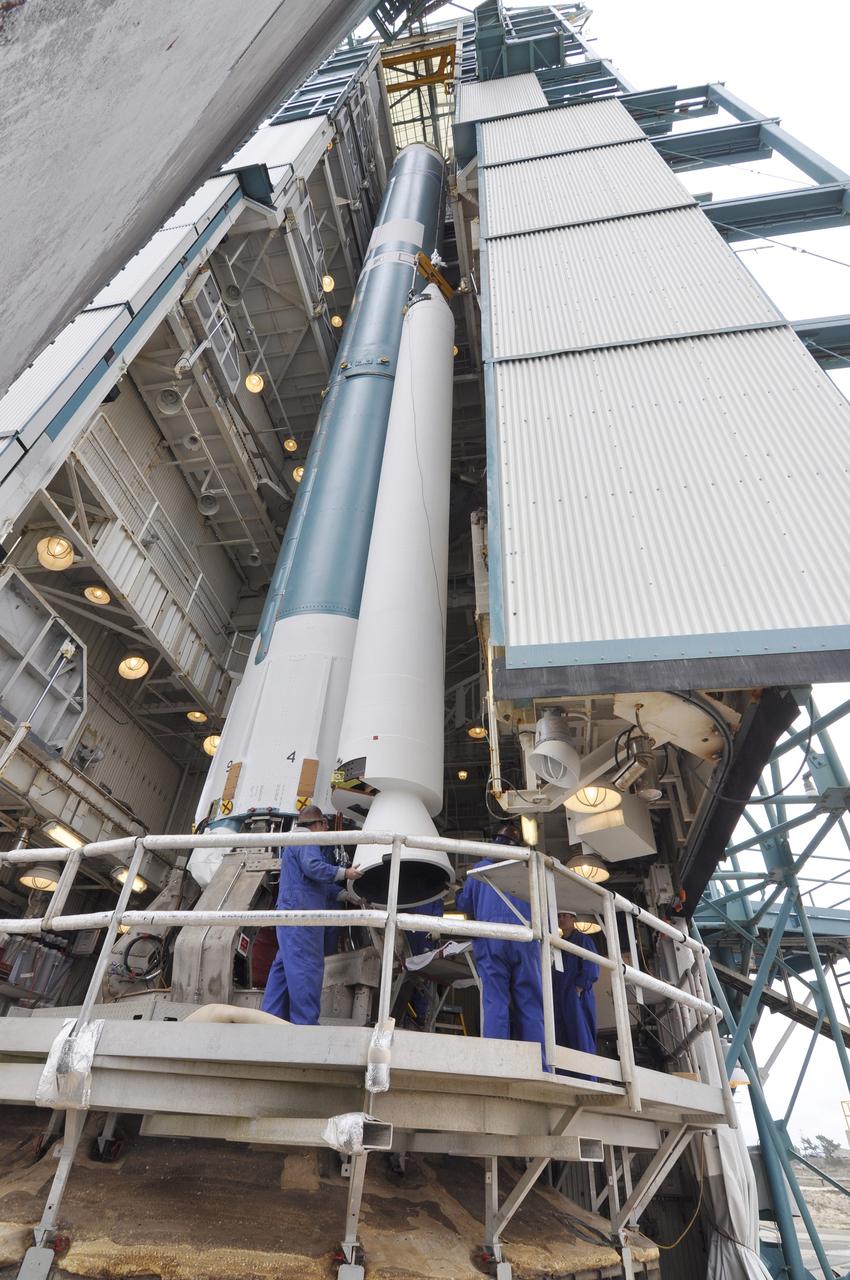
VANDENBERG AIR FORCE BASE, Calif. – Solid rocket motor installation progresses on the Delta II rocket for NASA's Soil Moisture Active Passive mission, or SMAP, with the attachment of the second motor to the rocket's first stage in the mobile service tower at Space Launch Complex 2 on Vandenberg Air Force Base in California. SMAP will be launched on a Delta II 7320 configuration vehicle featuring a United Launch Alliance first stage booster powered by an Aerojet Rocketdyne RS-27A main engine and three Alliant Techsystems, or ATK, strap-on solid rocket motors. Once on station in Earth orbit, SMAP will provide global measurements of soil moisture and its freeze/thaw state. These measurements will be used to enhance understanding of processes that link the water, energy and carbon cycles, and to extend the capabilities of weather and climate prediction models. SMAP data also will be used to quantify net carbon flux in boreal landscapes and to develop improved flood prediction and drought monitoring capabilities. Launch is scheduled for no earlier than November 2014. To learn more about SMAP, visit http://smap.jpl.nasa.gov. Photo credit: NASA/Randy Beaudoin
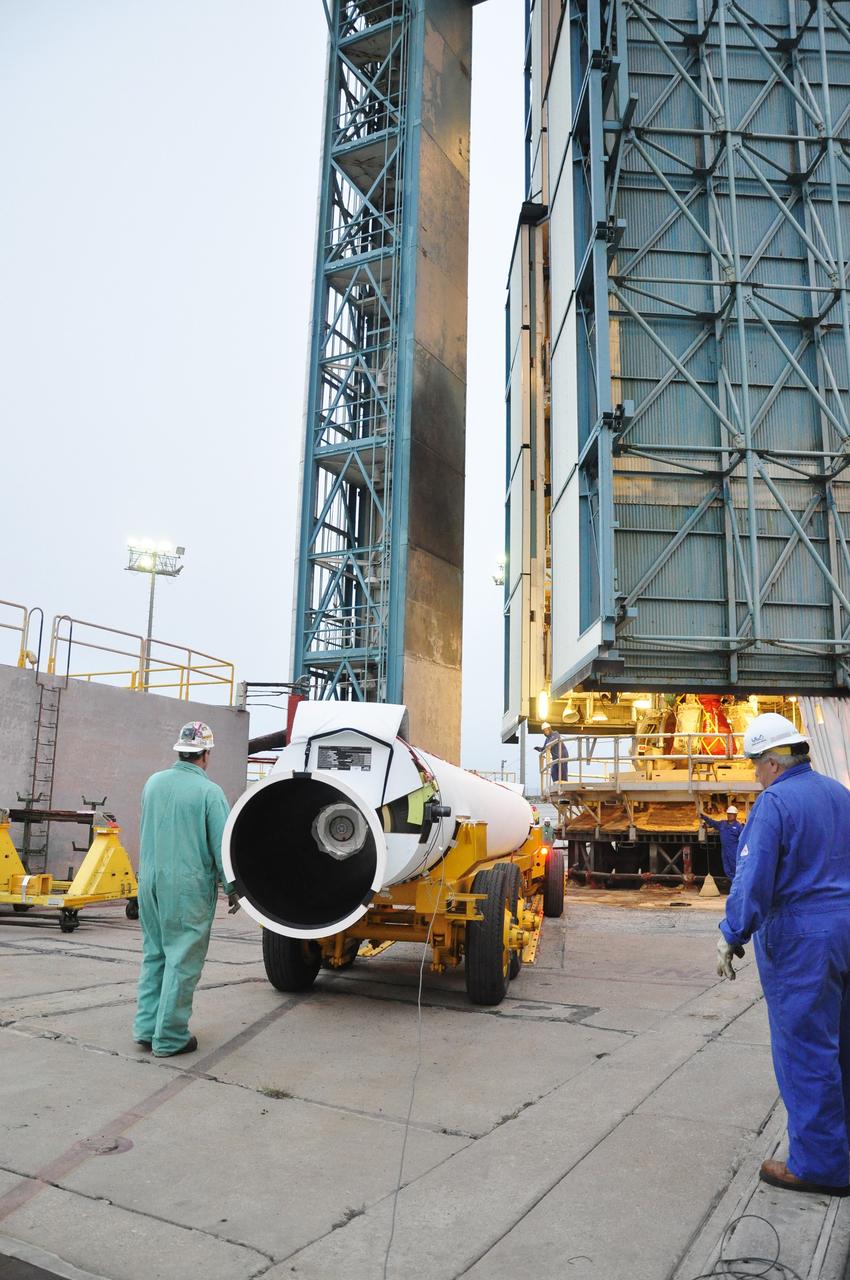
VANDENBERG AIR FORCE BASE, Calif. – Preparations are underway in the mobile service tower at Space Launch Complex 2 on Vandenberg Air Force Base in California to install a solid rocket motor on the Delta II rocket for NASA's Soil Moisture Active Passive mission, or SMAP. SMAP will be launched on a Delta II 7320 configuration vehicle featuring a United Launch Alliance first stage booster powered by an Aerojet Rocketdyne RS-27A main engine and three Alliant Techsystems, or ATK, strap-on solid rocket motors. Once on station in Earth orbit, SMAP will provide global measurements of soil moisture and its freeze/thaw state. These measurements will be used to enhance understanding of processes that link the water, energy and carbon cycles, and to extend the capabilities of weather and climate prediction models. SMAP data also will be used to quantify net carbon flux in boreal landscapes and to develop improved flood prediction and drought monitoring capabilities. Launch is scheduled for no earlier than November 2014. To learn more about SMAP, visit http://smap.jpl.nasa.gov. Photo credit: NASA/Randy Beaudoin

VANDENBERG AIR FORCE BASE, Calif. – The second stage for NASA's Orbiting Carbon Observatory-2 mission, or OCO-2, is being towed to the Horizontal Processing Facility at Space Launch Complex 2 from the Building 836 hangar on Vandenberg Air Force Base in California. OCO-2 is scheduled to launch aboard a United Launch Alliance Delta II rocket in July. The rocket's second stage will insert OCO-2 into a polar Earth orbit. OCO-2 will collect precise global measurements of carbon dioxide in the Earth's atmosphere and provide scientists with a better idea of the chemical compound's impacts on climate change. Scientists will analyze this data to improve our understanding of the natural processes and human activities that regulate the abundance and distribution of this important atmospheric gas. To learn more about OCO-2, visit http://oco.jpl.nasa.gov. Photo credit: NASA/Randy Beaudoin
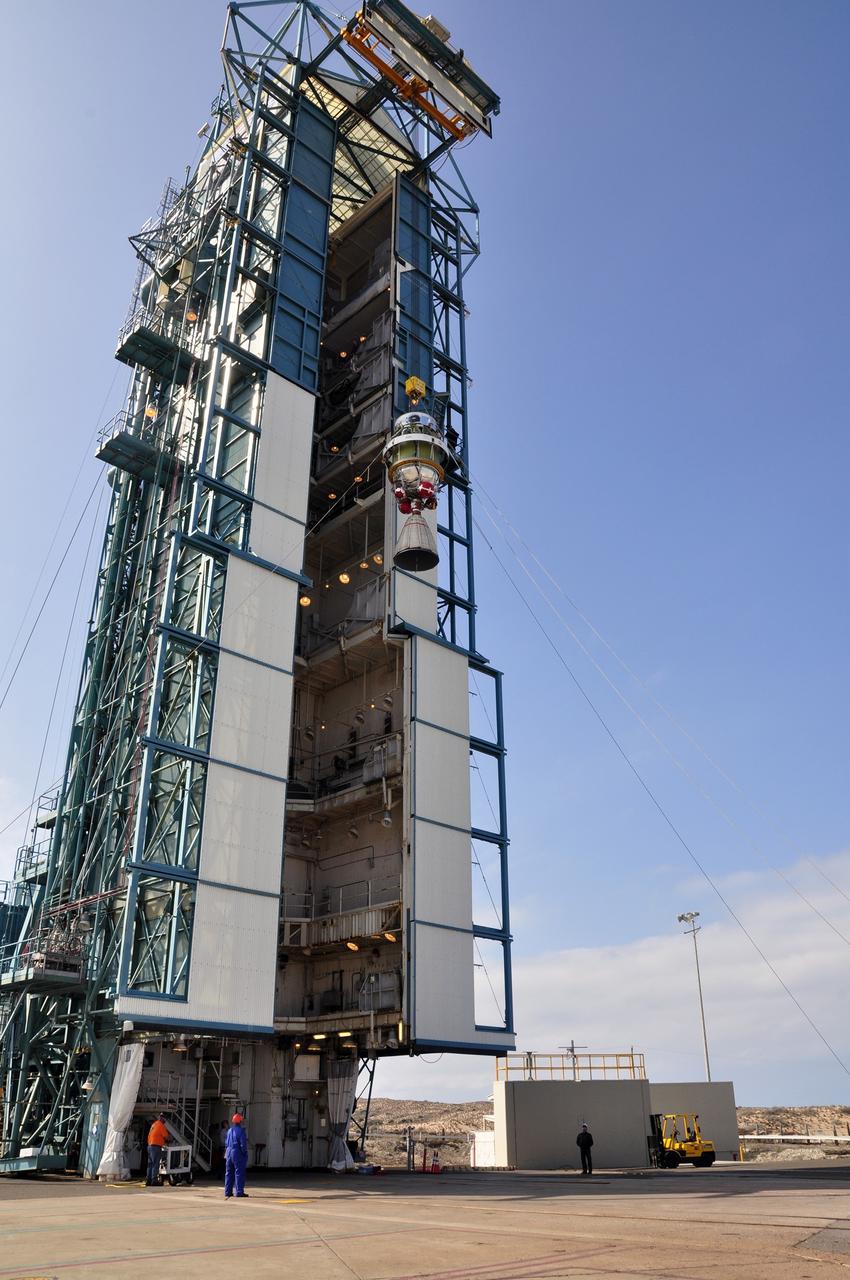
VANDENBERG AIR FORCE BASE, Calif. – The second stage of the Delta II rocket for NASA's Soil Moisture Active Passive mission, or SMAP, is transferred into the top of the mobile service tower at Space Launch Complex 2 on Vandenberg Air Force Base in California. Operations are underway to install the second stage atop the rocket's first stage. SMAP will launch on a Delta II 7320 configuration vehicle featuring a United Launch Alliance first stage booster powered by an Aerojet Rocketdyne RS-27A main engine and three Alliant Techsystems, or ATK, strap-on solid rocket motors. Once on station in Earth orbit, SMAP will provide global measurements of soil moisture and its freeze/thaw state. These measurements will be used to enhance understanding of processes that link the water, energy and carbon cycles, and to extend the capabilities of weather and climate prediction models. SMAP data also will be used to quantify net carbon flux in boreal landscapes and to develop improved flood prediction and drought monitoring capabilities. Launch is scheduled for no earlier than November 2014. To learn more about SMAP, visit http://smap.jpl.nasa.gov. Photo credit: NASA/Randy Beaudoin
VANDENBERG AIR FORCE BASE, Calif. – Workers secure the second solid rocket motor for the Delta II rocket for NASA's Soil Moisture Active Passive mission, or SMAP, onto the rocket's first stage in the mobile service tower at Space Launch Complex 2 on Vandenberg Air Force Base in California. SMAP will be launched on a Delta II 7320 configuration vehicle featuring a United Launch Alliance first stage booster powered by an Aerojet Rocketdyne RS-27A main engine and three Alliant Techsystems, or ATK, strap-on solid rocket motors. Once on station in Earth orbit, SMAP will provide global measurements of soil moisture and its freeze/thaw state. These measurements will be used to enhance understanding of processes that link the water, energy and carbon cycles, and to extend the capabilities of weather and climate prediction models. SMAP data also will be used to quantify net carbon flux in boreal landscapes and to develop improved flood prediction and drought monitoring capabilities. Launch is scheduled for no earlier than November 2014. To learn more about SMAP, visit http://smap.jpl.nasa.gov. Photo credit: NASA/Randy Beaudoin
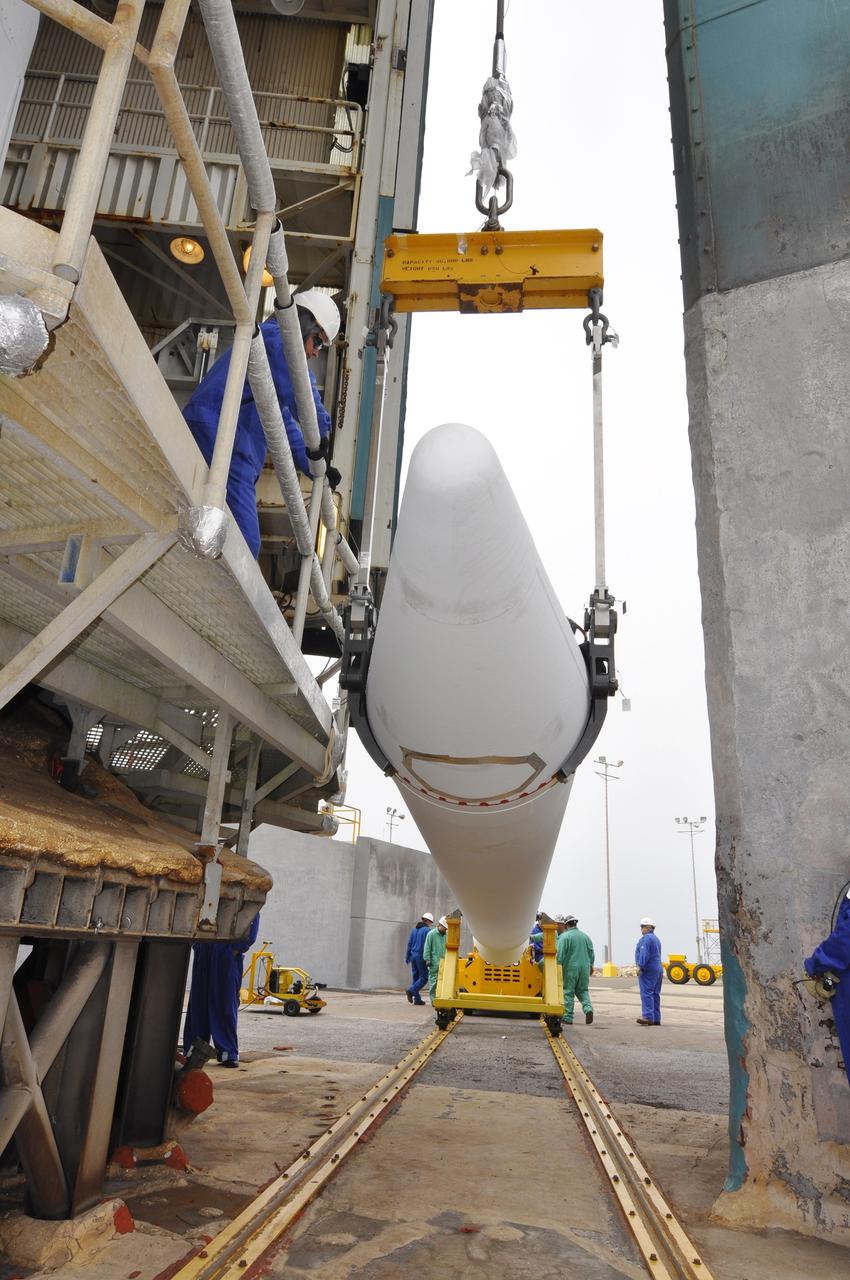
VANDENBERG AIR FORCE BASE, Calif. – A second solid rocket motor for the Delta II rocket for NASA's Soil Moisture Active Passive mission, or SMAP, is raised into a vertical position at the mobile service tower at Space Launch Complex 2 on Vandenberg Air Force Base in California. SMAP will be launched on a Delta II 7320 configuration vehicle featuring a United Launch Alliance first stage booster powered by an Aerojet Rocketdyne RS-27A main engine and three Alliant Techsystems, or ATK, strap-on solid rocket motors. Once on station in Earth orbit, SMAP will provide global measurements of soil moisture and its freeze/thaw state. These measurements will be used to enhance understanding of processes that link the water, energy and carbon cycles, and to extend the capabilities of weather and climate prediction models. SMAP data also will be used to quantify net carbon flux in boreal landscapes and to develop improved flood prediction and drought monitoring capabilities. Launch is scheduled for no earlier than November 2014. To learn more about SMAP, visit http://smap.jpl.nasa.gov. Photo credit: NASA/Randy Beaudoin
VANDENBERG AIR FORCE BASE, Calif. – A crane hoists the second stage of the Delta II rocket for NASA's Soil Moisture Active Passive mission, or SMAP, to the top of the mobile service tower at Space Launch Complex 2 on Vandenberg Air Force Base in California. Operations are underway to install the second stage atop the rocket's first stage. SMAP will launch on a Delta II 7320 configuration vehicle featuring a United Launch Alliance first stage booster powered by an Aerojet Rocketdyne RS-27A main engine and three Alliant Techsystems, or ATK, strap-on solid rocket motors. Once on station in Earth orbit, SMAP will provide global measurements of soil moisture and its freeze/thaw state. These measurements will be used to enhance understanding of processes that link the water, energy and carbon cycles, and to extend the capabilities of weather and climate prediction models. SMAP data also will be used to quantify net carbon flux in boreal landscapes and to develop improved flood prediction and drought monitoring capabilities. Launch is scheduled for no earlier than November 2014. To learn more about SMAP, visit http://smap.jpl.nasa.gov. Photo credit: NASA/Randy Beaudoin
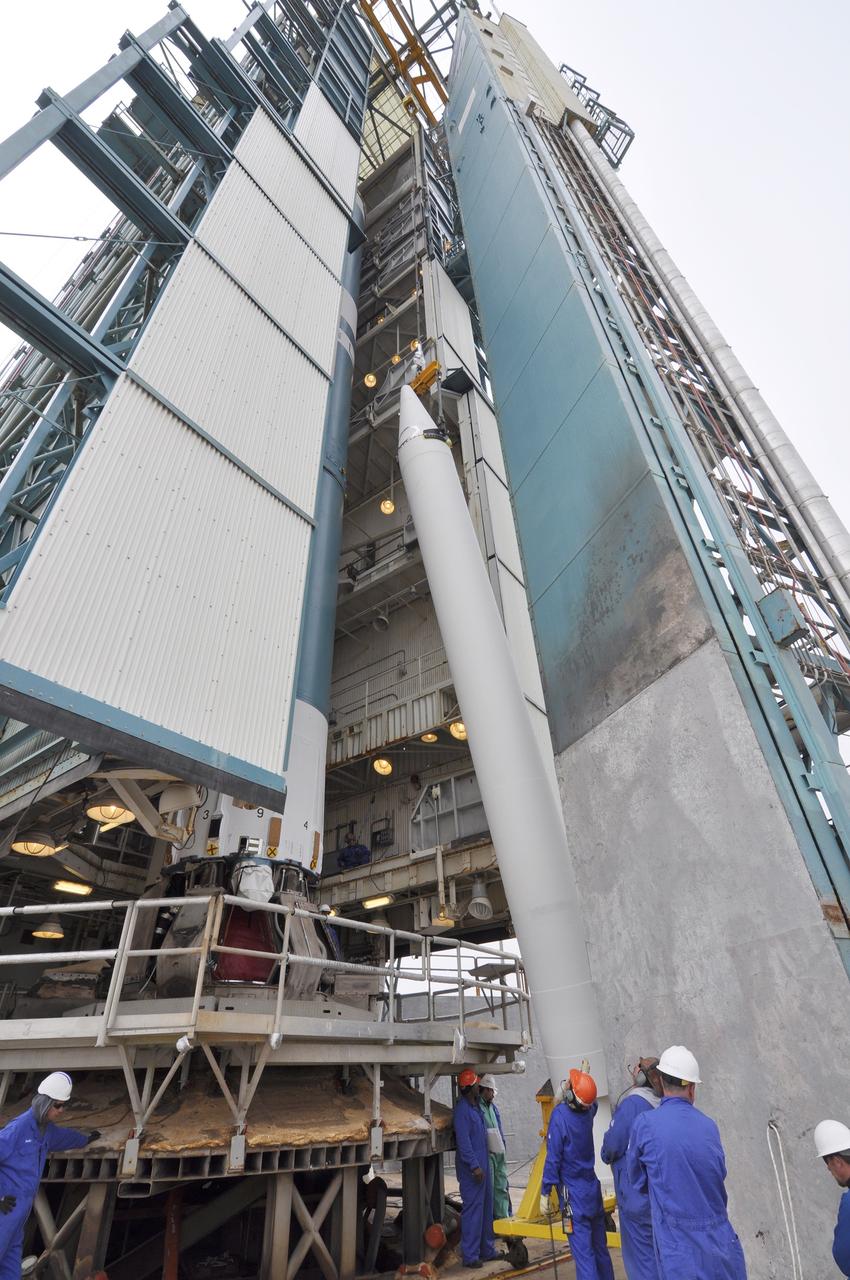
VANDENBERG AIR FORCE BASE, Calif. – A second solid rocket motor for the Delta II rocket for NASA's Soil Moisture Active Passive mission, or SMAP, glides into position beside the rocket's first stage in the mobile service tower at Space Launch Complex 2 on Vandenberg Air Force Base in California. SMAP will be launched on a Delta II 7320 configuration vehicle featuring a United Launch Alliance first stage booster powered by an Aerojet Rocketdyne RS-27A main engine and three Alliant Techsystems, or ATK, strap-on solid rocket motors. Once on station in Earth orbit, SMAP will provide global measurements of soil moisture and its freeze/thaw state. These measurements will be used to enhance understanding of processes that link the water, energy and carbon cycles, and to extend the capabilities of weather and climate prediction models. SMAP data also will be used to quantify net carbon flux in boreal landscapes and to develop improved flood prediction and drought monitoring capabilities. Launch is scheduled for no earlier than November 2014. To learn more about SMAP, visit http://smap.jpl.nasa.gov. Photo credit: NASA/Randy Beaudoin
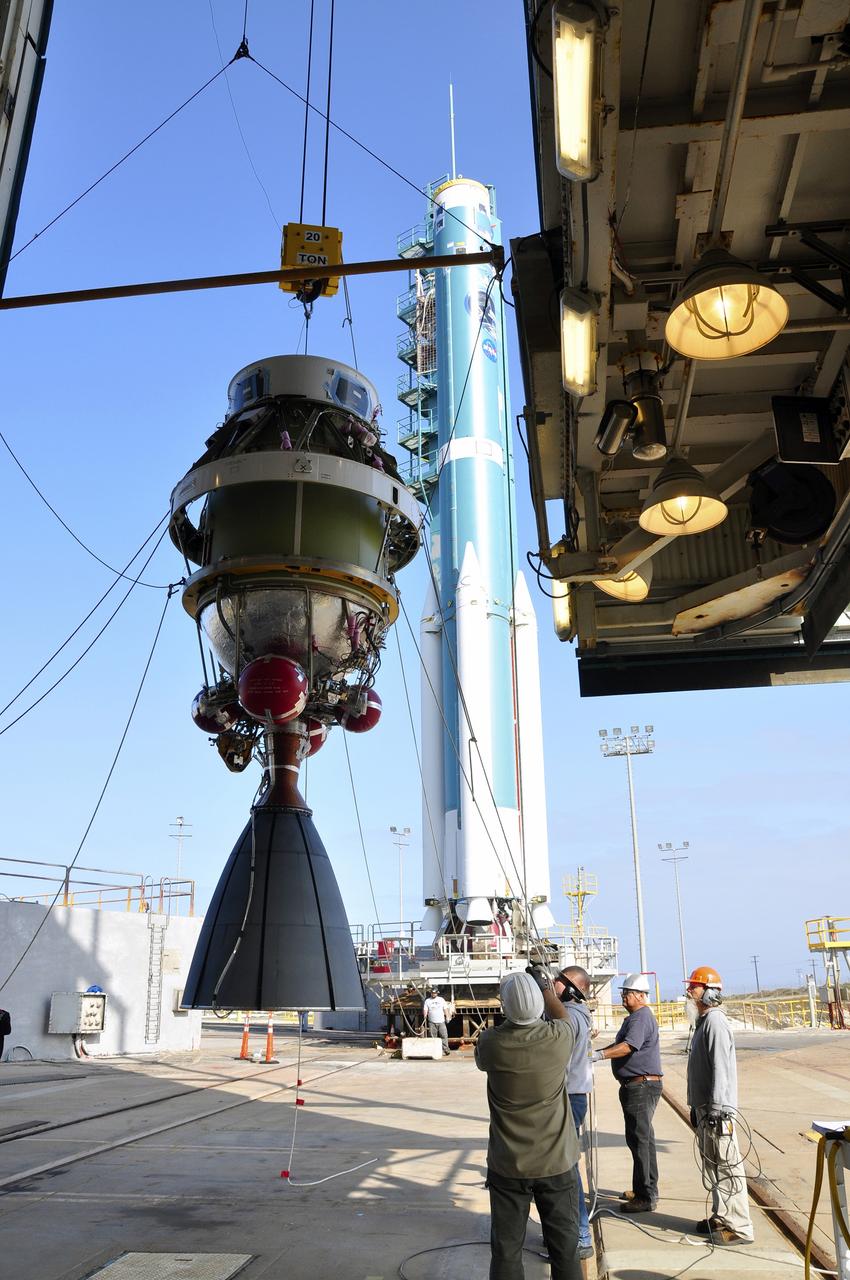
VANDENBERG AIR FORCE BASE, Calif. – The second stage of the Delta II rocket for NASA's Soil Moisture Active Passive mission, or SMAP, is attached to a crane for its lift into the mobile service tower at Space Launch Complex 2 on Vandenberg Air Force Base in California. Operations are underway to install the second stage atop the rocket's first stage. SMAP will launch on a Delta II 7320 configuration vehicle featuring a United Launch Alliance first stage booster powered by an Aerojet Rocketdyne RS-27A main engine and three Alliant Techsystems, or ATK, strap-on solid rocket motors. Once on station in Earth orbit, SMAP will provide global measurements of soil moisture and its freeze/thaw state. These measurements will be used to enhance understanding of processes that link the water, energy and carbon cycles, and to extend the capabilities of weather and climate prediction models. SMAP data also will be used to quantify net carbon flux in boreal landscapes and to develop improved flood prediction and drought monitoring capabilities. Launch is scheduled for no earlier than November 2014. To learn more about SMAP, visit http://smap.jpl.nasa.gov. Photo credit: NASA/Randy Beaudoin
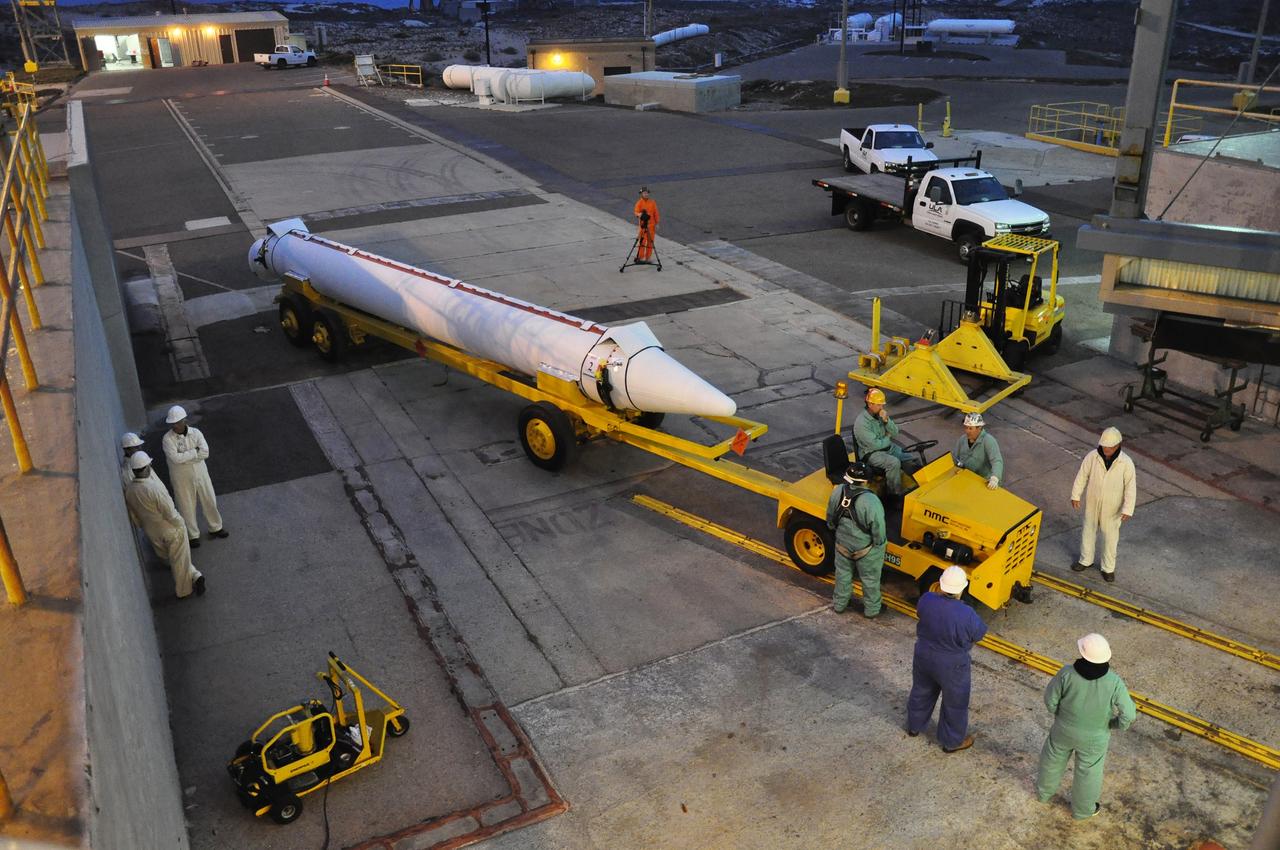
VANDENBERG AIR FORCE BASE, Calif. – Workers deliver a solid rocket motor for the Delta II rocket for NASA's Soil Moisture Active Passive mission, or SMAP, to the mobile service tower at Space Launch Complex 2 on Vandenberg Air Force Base in California. SMAP will be launched on a Delta II 7320 configuration vehicle featuring a United Launch Alliance first stage booster powered by an Aerojet Rocketdyne RS-27A main engine and three Alliant Techsystems, or ATK, strap-on solid rocket motors. Once on station in Earth orbit, SMAP will provide global measurements of soil moisture and its freeze/thaw state. These measurements will be used to enhance understanding of processes that link the water, energy and carbon cycles, and to extend the capabilities of weather and climate prediction models. SMAP data also will be used to quantify net carbon flux in boreal landscapes and to develop improved flood prediction and drought monitoring capabilities. Launch is scheduled for no earlier than November 2014. To learn more about SMAP, visit http://smap.jpl.nasa.gov. Photo credit: NASA/Randy Beaudoin
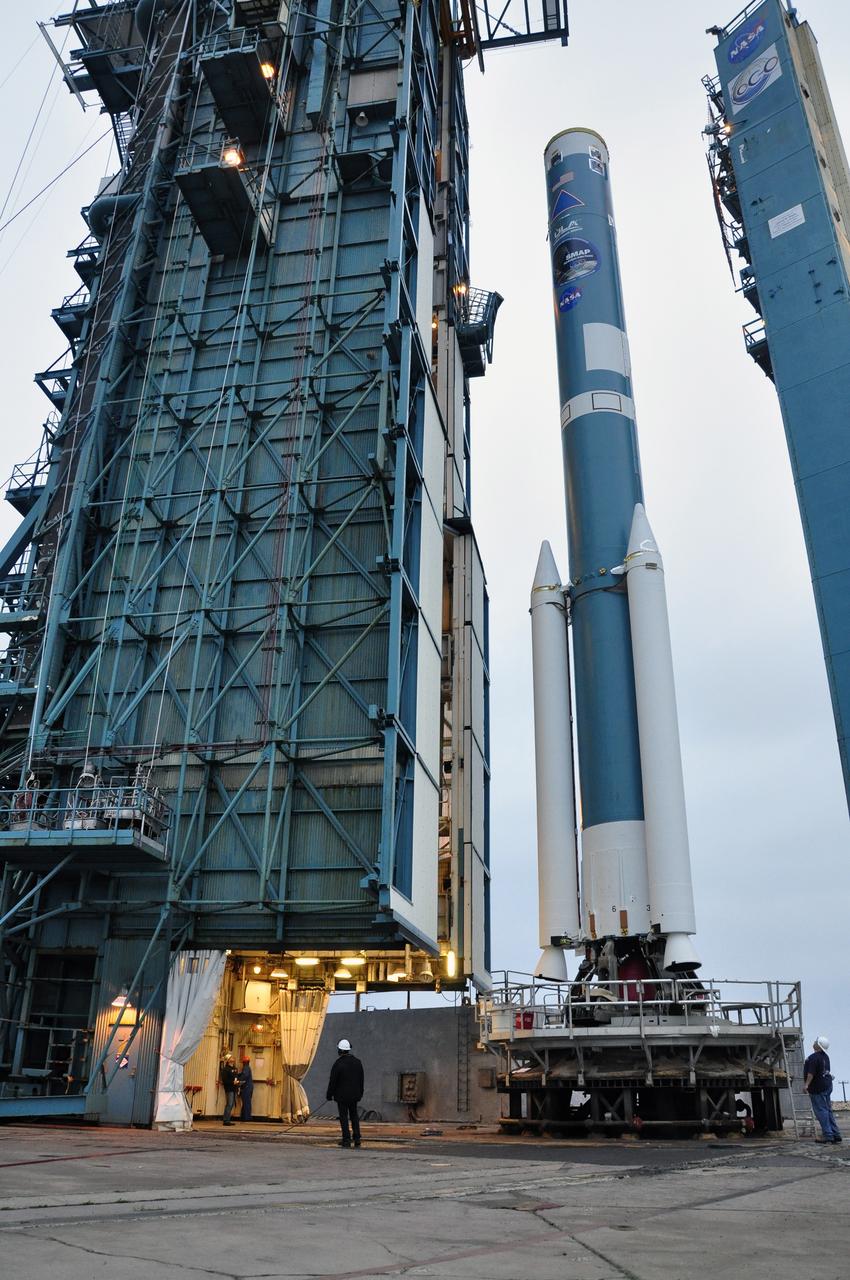
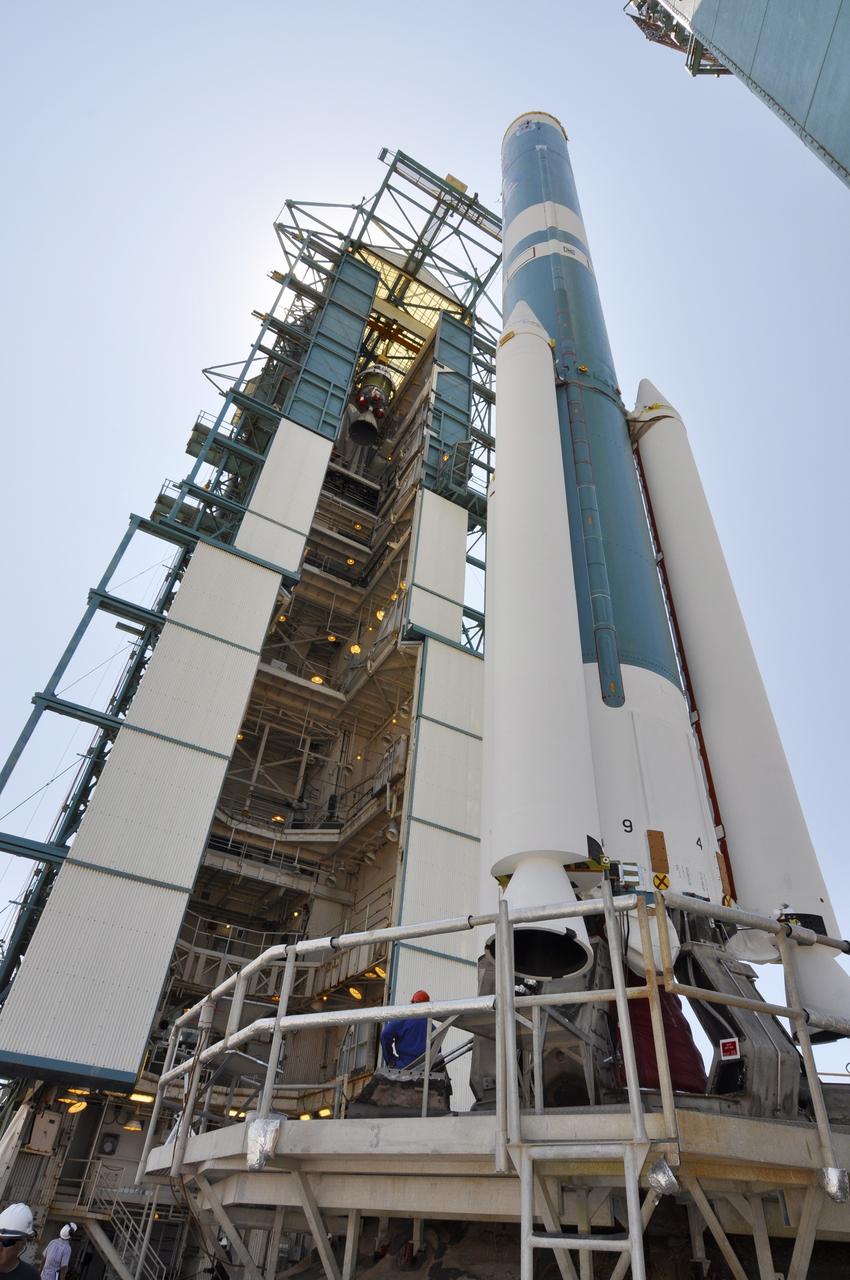
VANDENBERG AIR FORCE BASE, Calif. – The mobile service tower at Space Launch Complex 2 on Vandenberg Air Force Base in California is rolled back from the first stage of the Delta II rocket for NASA's Soil Moisture Active Passive mission, or SMAP, during preparations for the arrival of the rocket's second stage. Operations are underway to install the second stage atop the rocket's first stage. SMAP will launch on a Delta II 7320 configuration vehicle featuring a United Launch Alliance first stage booster powered by an Aerojet Rocketdyne RS-27A main engine and three Alliant Techsystems, or ATK, strap-on solid rocket motors. Once on station in Earth orbit, SMAP will provide global measurements of soil moisture and its freeze/thaw state. These measurements will be used to enhance understanding of processes that link the water, energy and carbon cycles, and to extend the capabilities of weather and climate prediction models. SMAP data also will be used to quantify net carbon flux in boreal landscapes and to develop improved flood prediction and drought monitoring capabilities. Launch is scheduled for no earlier than November 2014. To learn more about SMAP, visit http://smap.jpl.nasa.gov. Photo credit: NASA/Randy Beaudoin
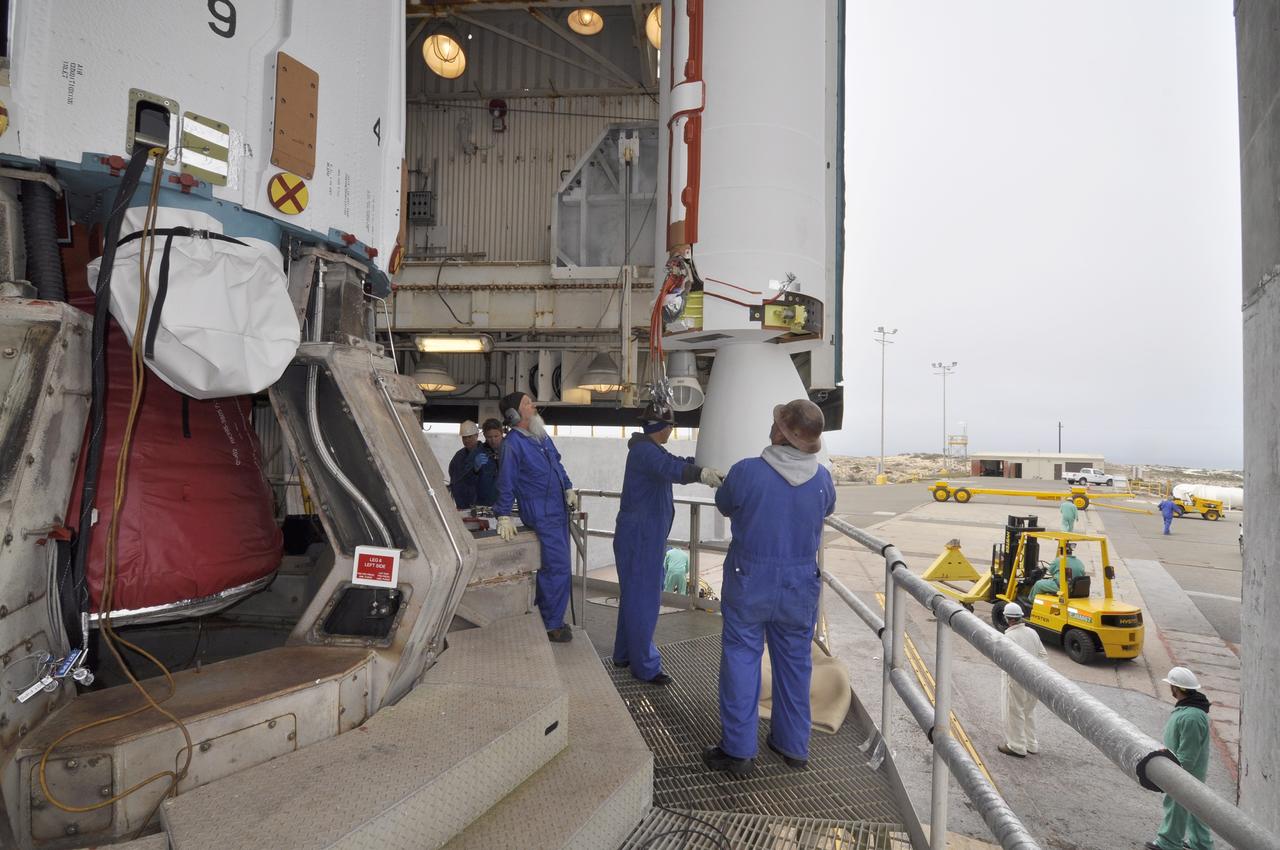
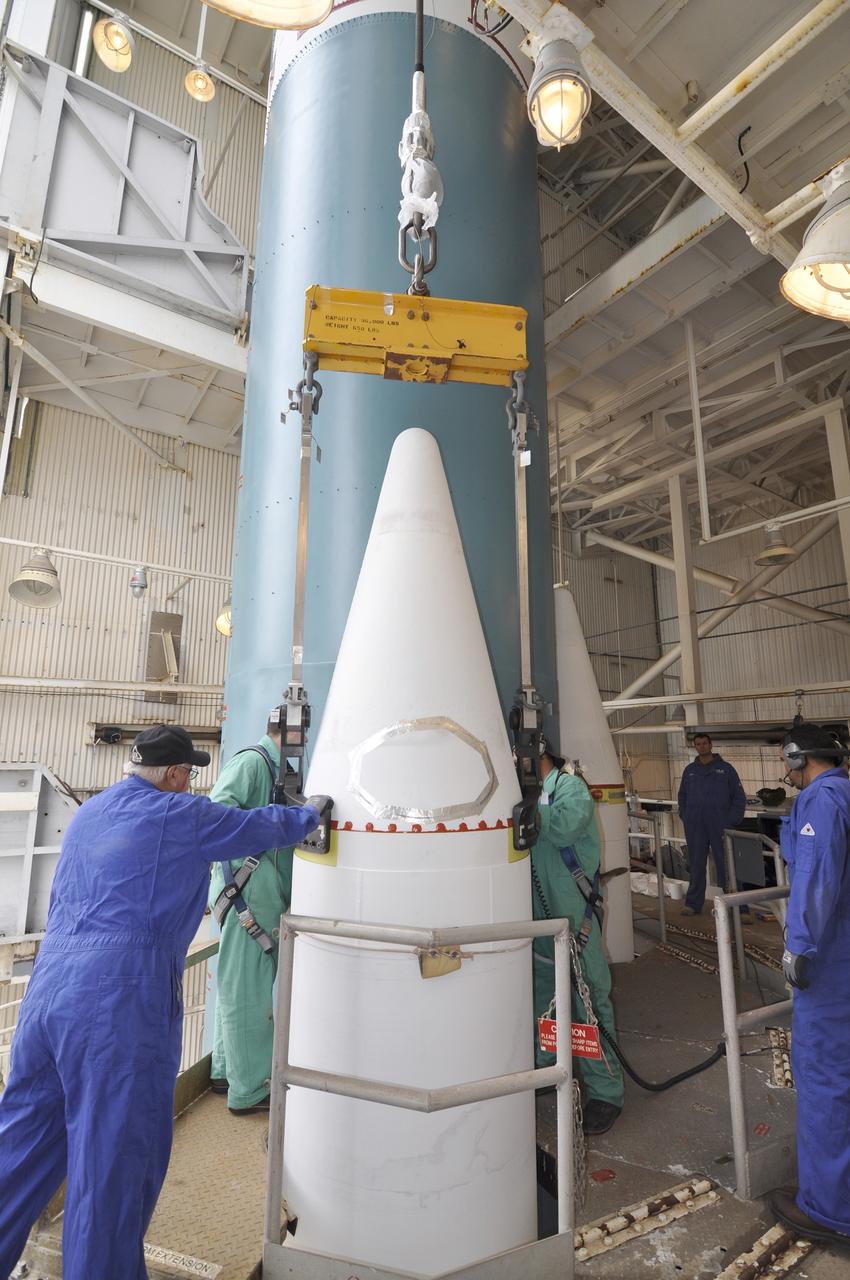
VANDENBERG AIR FORCE BASE, Calif. – Workers monitor a second solid rocket motor for the Delta II rocket for NASA's Soil Moisture Active Passive mission, or SMAP, as it is lowered into position beside the rocket's first stage in the mobile service tower at Space Launch Complex 2 on Vandenberg Air Force Base in California. SMAP will be launched on a Delta II 7320 configuration vehicle featuring a United Launch Alliance first stage booster powered by an Aerojet Rocketdyne RS-27A main engine and three Alliant Techsystems, or ATK, strap-on solid rocket motors. Once on station in Earth orbit, SMAP will provide global measurements of soil moisture and its freeze/thaw state. These measurements will be used to enhance understanding of processes that link the water, energy and carbon cycles, and to extend the capabilities of weather and climate prediction models. SMAP data also will be used to quantify net carbon flux in boreal landscapes and to develop improved flood prediction and drought monitoring capabilities. Launch is scheduled for no earlier than November 2014. To learn more about SMAP, visit http://smap.jpl.nasa.gov. Photo credit: NASA/Randy Beaudoin
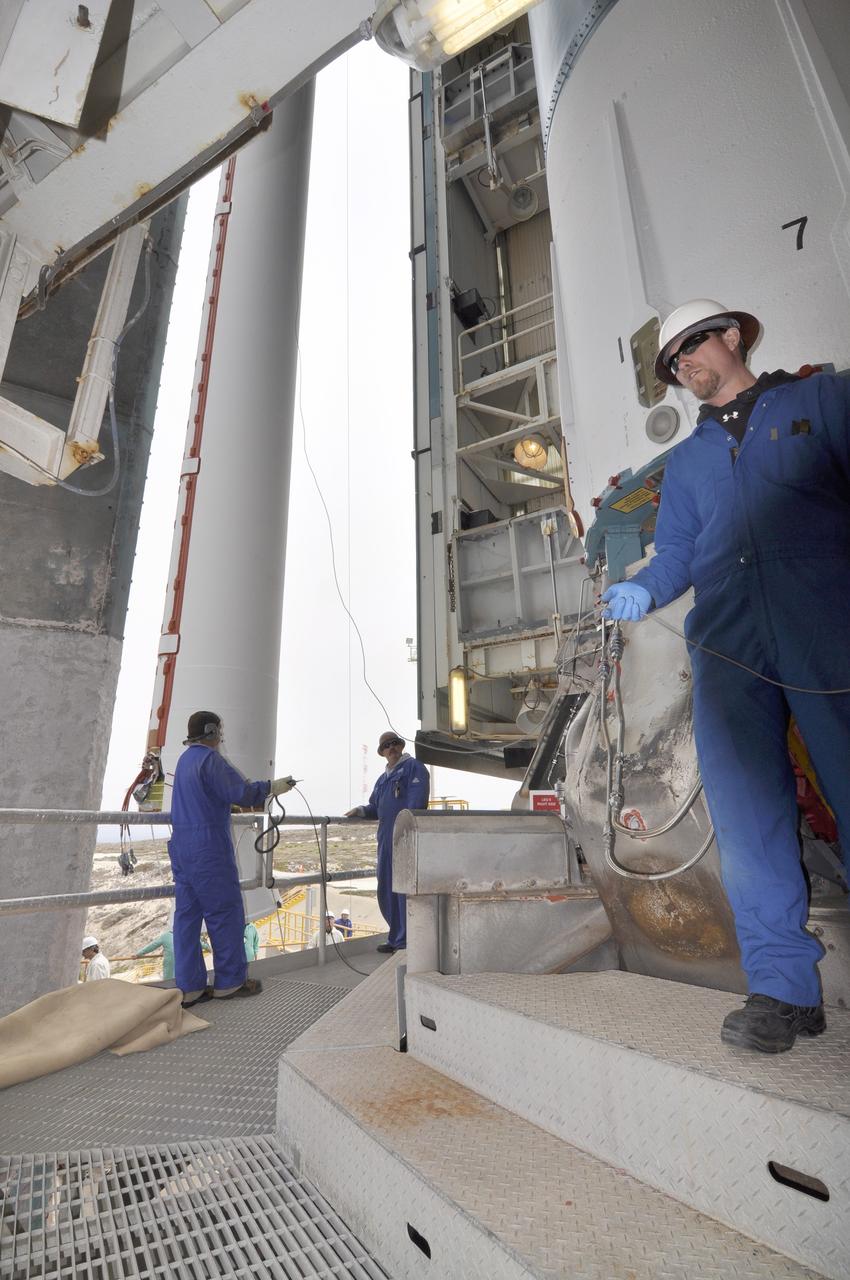
VANDENBERG AIR FORCE BASE, Calif. – Workers monitor a second solid rocket motor for the Delta II rocket for NASA's Soil Moisture Active Passive mission, or SMAP, as it is lifted into the mobile service tower at Space Launch Complex 2 on Vandenberg Air Force Base in California beside the rocket's first stage. SMAP will be launched on a Delta II 7320 configuration vehicle featuring a United Launch Alliance first stage booster powered by an Aerojet Rocketdyne RS-27A main engine and three Alliant Techsystems, or ATK, strap-on solid rocket motors. Once on station in Earth orbit, SMAP will provide global measurements of soil moisture and its freeze/thaw state. These measurements will be used to enhance understanding of processes that link the water, energy and carbon cycles, and to extend the capabilities of weather and climate prediction models. SMAP data also will be used to quantify net carbon flux in boreal landscapes and to develop improved flood prediction and drought monitoring capabilities. Launch is scheduled for no earlier than November 2014. To learn more about SMAP, visit http://smap.jpl.nasa.gov. Photo credit: NASA/Randy Beaudoin
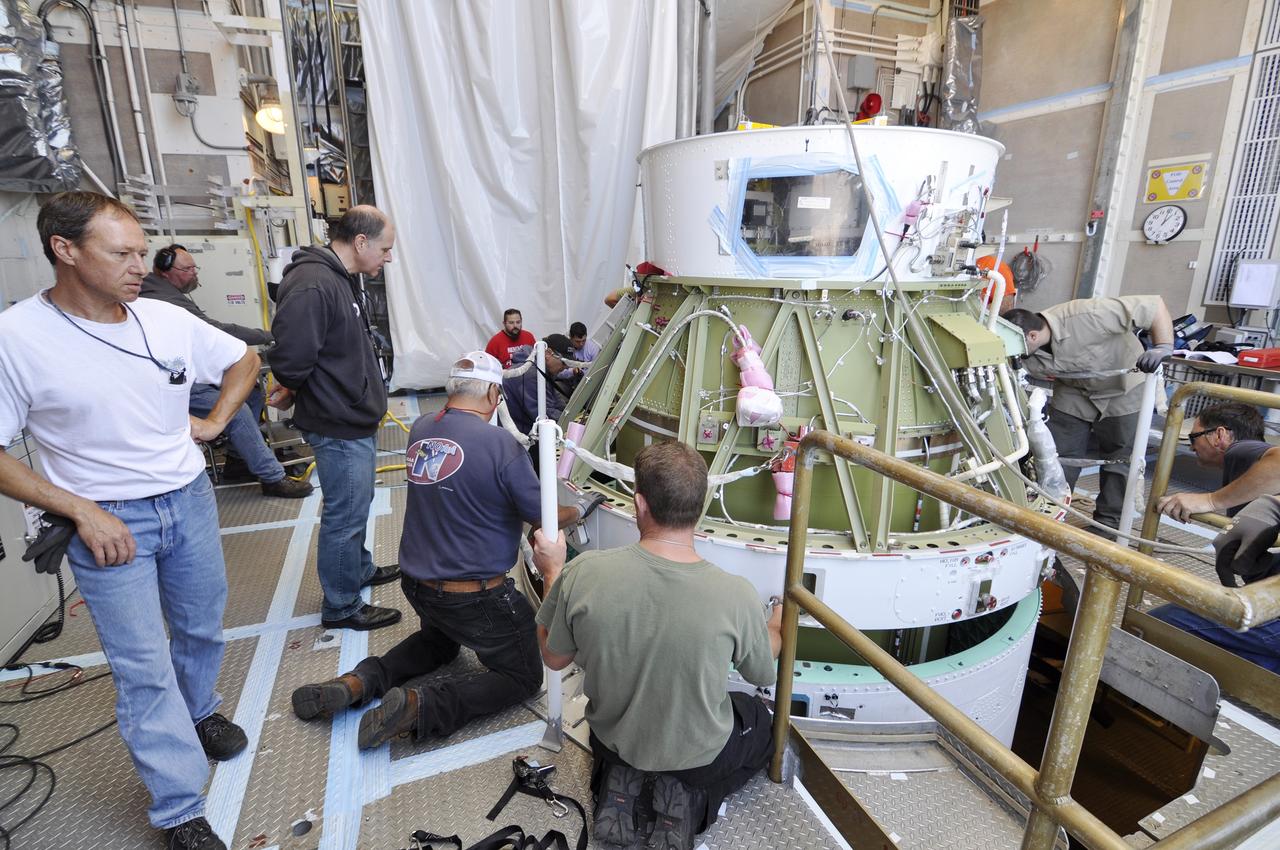
VANDENBERG AIR FORCE BASE, Calif. – Workers align the second stage of the Delta II rocket for NASA's Soil Moisture Active Passive mission, or SMAP, on the rocket's first stage in the mobile service tower at Space Launch Complex 2 on Vandenberg Air Force Base in California. Operations are underway to install the second stage atop the rocket's first stage. SMAP will launch on a Delta II 7320 configuration vehicle featuring a United Launch Alliance first stage booster powered by an Aerojet Rocketdyne RS-27A main engine and three Alliant Techsystems, or ATK, strap-on solid rocket motors. Once on station in Earth orbit, SMAP will provide global measurements of soil moisture and its freeze/thaw state. These measurements will be used to enhance understanding of processes that link the water, energy and carbon cycles, and to extend the capabilities of weather and climate prediction models. SMAP data also will be used to quantify net carbon flux in boreal landscapes and to develop improved flood prediction and drought monitoring capabilities. Launch is scheduled for no earlier than November 2014. To learn more about SMAP, visit http://smap.jpl.nasa.gov. Photo credit: NASA/Randy Beaudoin
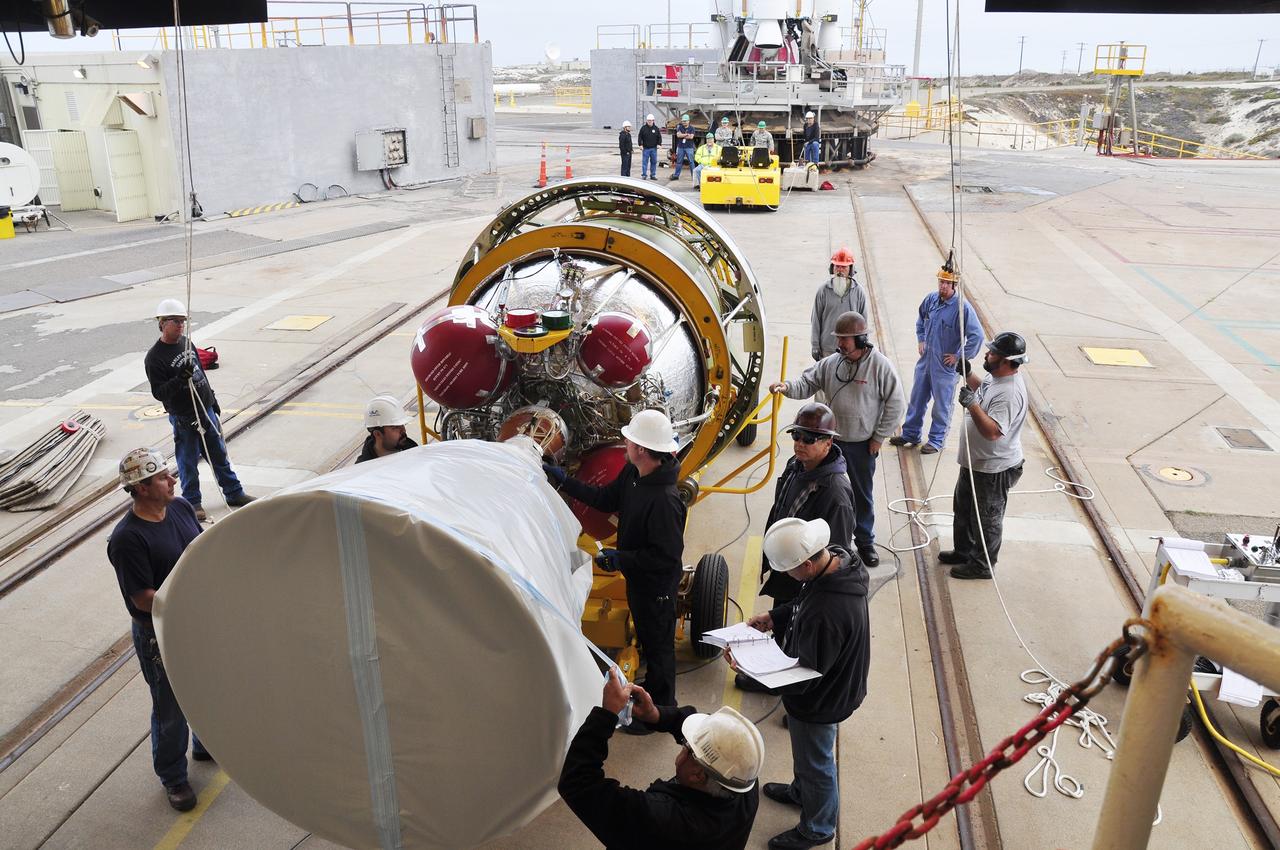
VANDENBERG AIR FORCE BASE, Calif. – Workers prepare the second stage of the Delta II rocket for NASA's Soil Moisture Active Passive mission, or SMAP, for its lift into the mobile service tower at Space Launch Complex 2 on Vandenberg Air Force Base in California. Operations are underway to install the second stage atop the rocket's first stage. SMAP will launch on a Delta II 7320 configuration vehicle featuring a United Launch Alliance first stage booster powered by an Aerojet Rocketdyne RS-27A main engine and three Alliant Techsystems, or ATK, strap-on solid rocket motors. Once on station in Earth orbit, SMAP will provide global measurements of soil moisture and its freeze/thaw state. These measurements will be used to enhance understanding of processes that link the water, energy and carbon cycles, and to extend the capabilities of weather and climate prediction models. SMAP data also will be used to quantify net carbon flux in boreal landscapes and to develop improved flood prediction and drought monitoring capabilities. Launch is scheduled for no earlier than November 2014. To learn more about SMAP, visit http://smap.jpl.nasa.gov. Photo credit: NASA/Randy Beaudoin
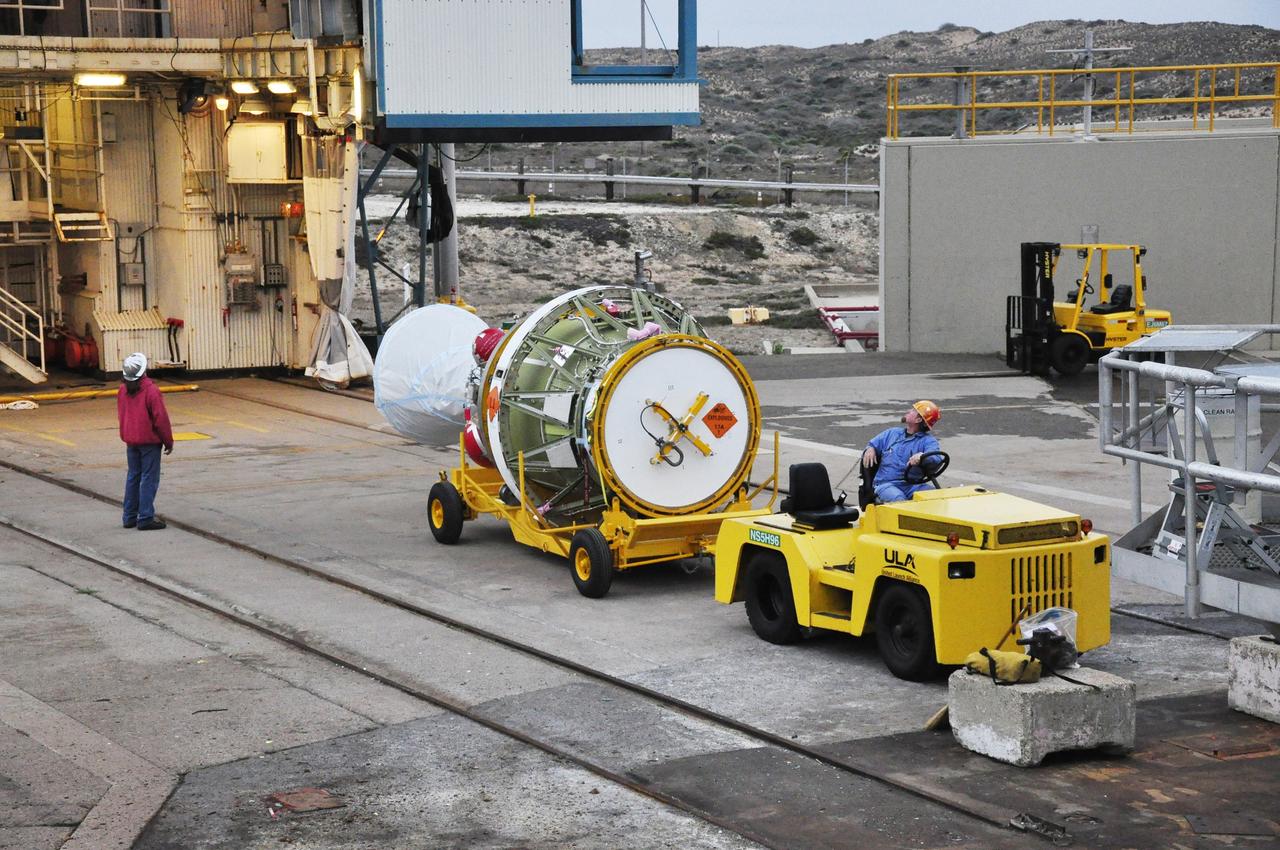
VANDENBERG AIR FORCE BASE, Calif. – The second stage of the Delta II rocket for NASA's Soil Moisture Active Passive mission, or SMAP, is delivered to the mobile service tower at Space Launch Complex 2 on Vandenberg Air Force Base in California. Operations are underway to install the second stage atop the rocket's first stage. SMAP will launch on a Delta II 7320 configuration vehicle featuring a United Launch Alliance first stage booster powered by an Aerojet Rocketdyne RS-27A main engine and three Alliant Techsystems, or ATK, strap-on solid rocket motors. Once on station in Earth orbit, SMAP will provide global measurements of soil moisture and its freeze/thaw state. These measurements will be used to enhance understanding of processes that link the water, energy and carbon cycles, and to extend the capabilities of weather and climate prediction models. SMAP data also will be used to quantify net carbon flux in boreal landscapes and to develop improved flood prediction and drought monitoring capabilities. Launch is scheduled for no earlier than November 2014. To learn more about SMAP, visit http://smap.jpl.nasa.gov. Photo credit: NASA/Randy Beaudoin
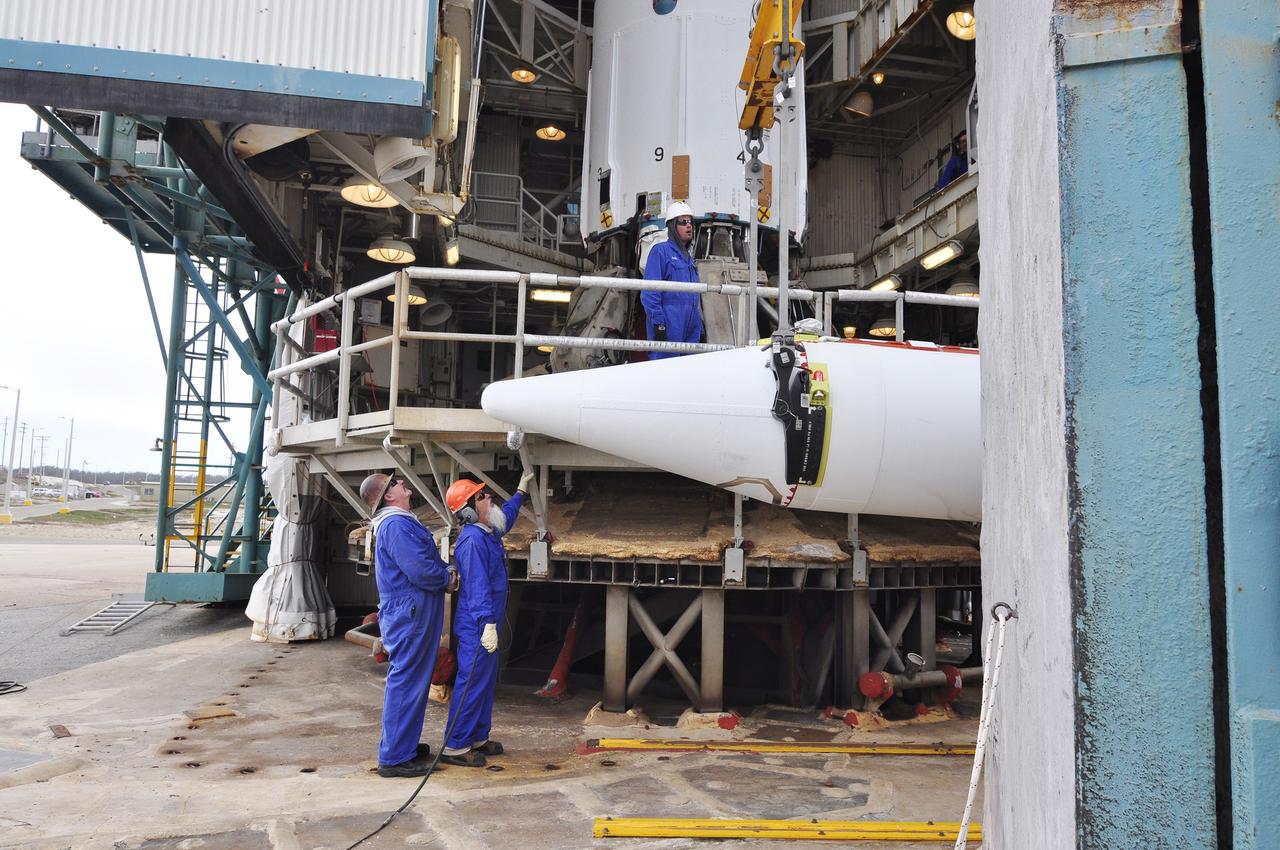
VANDENBERG AIR FORCE BASE, Calif. – A second solid rocket motor for the Delta II rocket for NASA's Soil Moisture Active Passive mission, or SMAP, arrives at the mobile service tower at Space Launch Complex 2 on Vandenberg Air Force Base in California. SMAP will be launched on a Delta II 7320 configuration vehicle featuring a United Launch Alliance first stage booster powered by an Aerojet Rocketdyne RS-27A main engine and three Alliant Techsystems, or ATK, strap-on solid rocket motors. Once on station in Earth orbit, SMAP will provide global measurements of soil moisture and its freeze/thaw state. These measurements will be used to enhance understanding of processes that link the water, energy and carbon cycles, and to extend the capabilities of weather and climate prediction models. SMAP data also will be used to quantify net carbon flux in boreal landscapes and to develop improved flood prediction and drought monitoring capabilities. Launch is scheduled for no earlier than November 2014. To learn more about SMAP, visit http://smap.jpl.nasa.gov. Photo credit: NASA/Randy Beaudoin

VANDENBERG AIR FORCE BASE, Calif. – Workers at Space Launch Complex 2 on Vandenberg Air Force Base in California monitor a solid rocket motor as it is raised into a vertical position for installation on the Delta II rocket for NASA's Soil Moisture Active Passive mission, or SMAP, in the mobile service tower. SMAP will be launched on a Delta II 7320 configuration vehicle featuring a United Launch Alliance first stage booster powered by an Aerojet Rocketdyne RS-27A main engine and three Alliant Techsystems, or ATK, strap-on solid rocket motors. Once on station in Earth orbit, SMAP will provide global measurements of soil moisture and its freeze/thaw state. These measurements will be used to enhance understanding of processes that link the water, energy and carbon cycles, and to extend the capabilities of weather and climate prediction models. SMAP data also will be used to quantify net carbon flux in boreal landscapes and to develop improved flood prediction and drought monitoring capabilities. Launch is scheduled for no earlier than November 2014. To learn more about SMAP, visit http://smap.jpl.nasa.gov. Photo credit: NASA/Randy Beaudoin
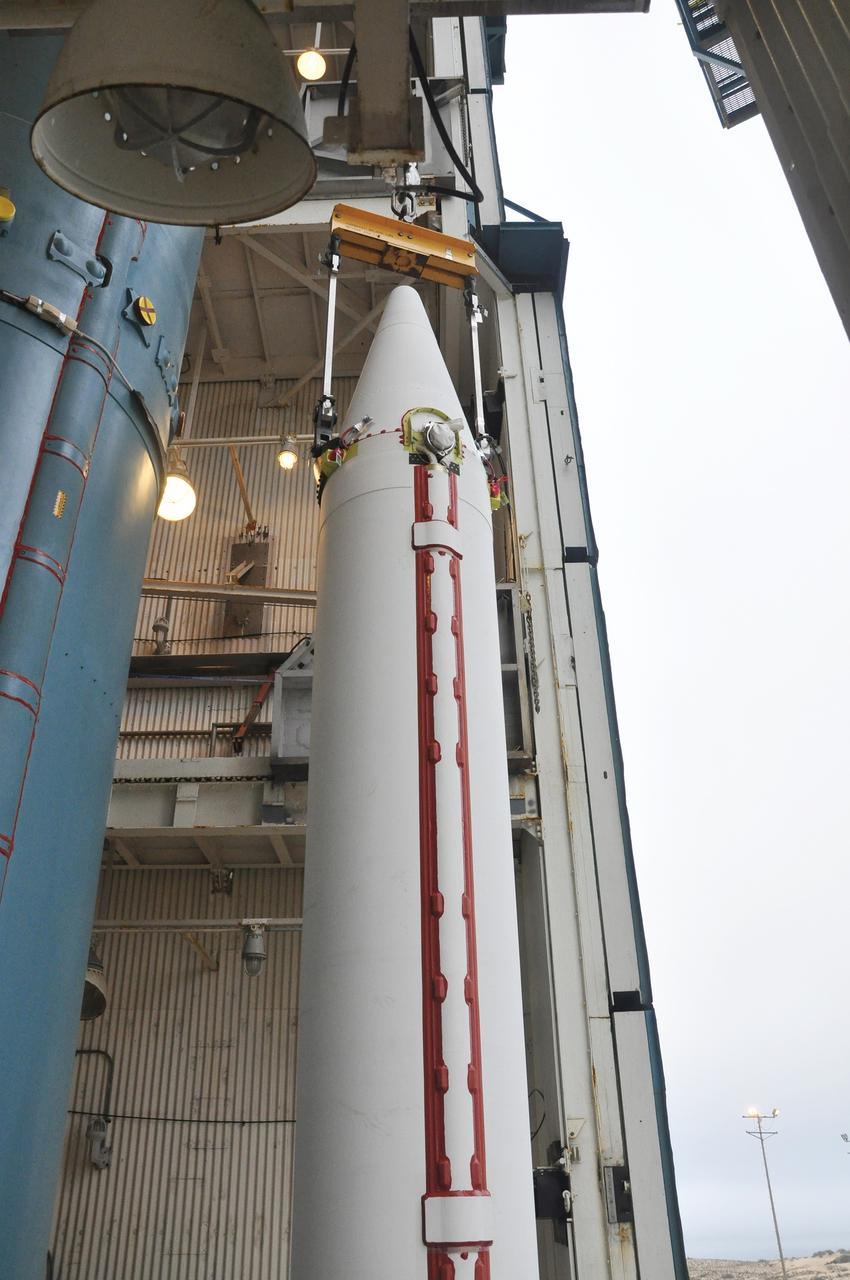
VANDENBERG AIR FORCE BASE, Calif. – A crane is enlisted to position a solid rocket motor for the Delta II rocket for NASA's Soil Moisture Active Passive mission, or SMAP, beside the rocket's first stage in the mobile service tower at Space Launch Complex 2 on Vandenberg Air Force Base in California. SMAP will be launched on a Delta II 7320 configuration vehicle featuring a United Launch Alliance first stage booster powered by an Aerojet Rocketdyne RS-27A main engine and three Alliant Techsystems, or ATK, strap-on solid rocket motors. Once on station in Earth orbit, SMAP will provide global measurements of soil moisture and its freeze/thaw state. These measurements will be used to enhance understanding of processes that link the water, energy and carbon cycles, and to extend the capabilities of weather and climate prediction models. SMAP data also will be used to quantify net carbon flux in boreal landscapes and to develop improved flood prediction and drought monitoring capabilities. Launch is scheduled for no earlier than November 2014. To learn more about SMAP, visit http://smap.jpl.nasa.gov. Photo credit: NASA/Randy Beaudoin
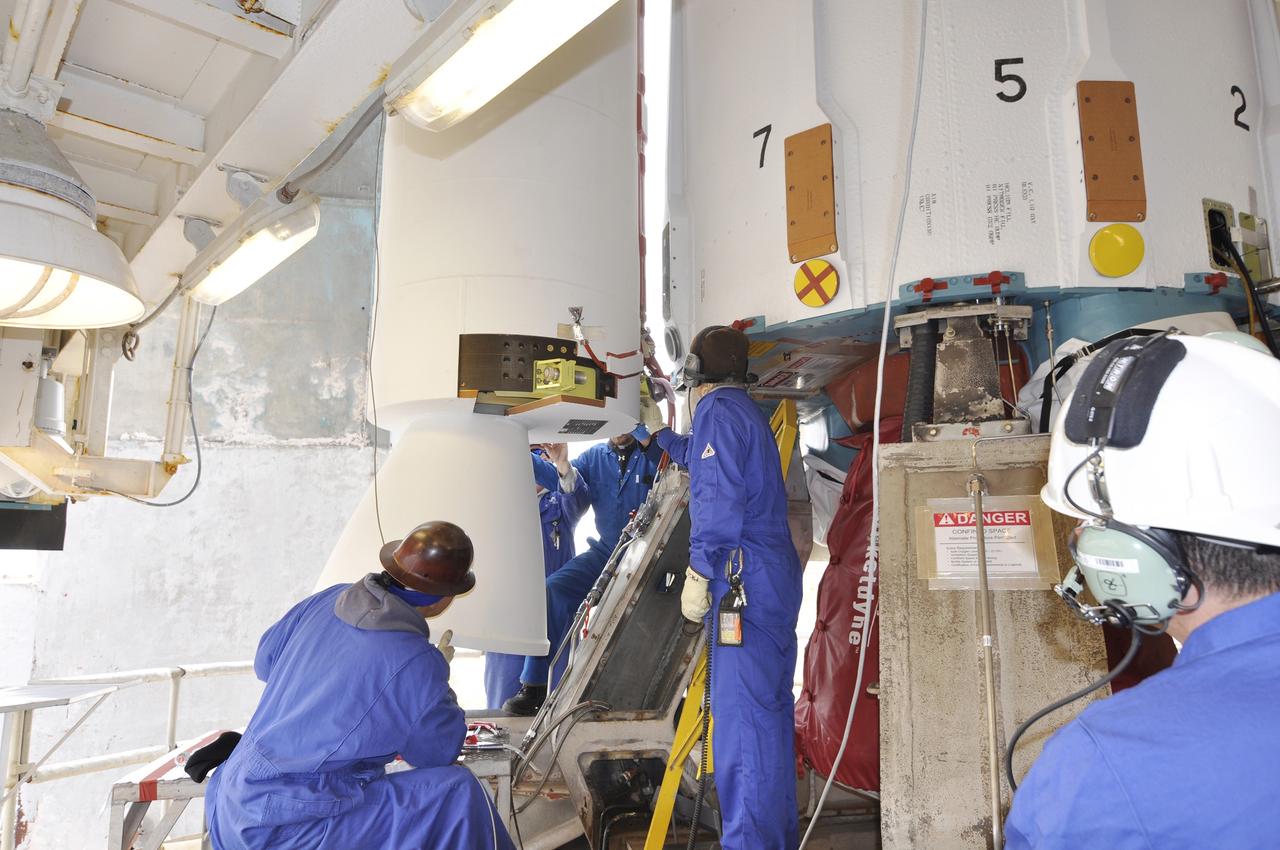
VANDENBERG AIR FORCE BASE, Calif. – Workers inside the mobile service tower use headsets to ensure communication with each other and their fellow workers outside the tower during operations to install the solid rocket motors on the first stage of the Delta II rocket for NASA's Soil Moisture Active Passive mission, or SMAP, at Space Launch Complex 2 on Vandenberg Air Force Base in California. SMAP will be launched on a Delta II 7320 configuration vehicle featuring a United Launch Alliance first stage booster powered by an Aerojet Rocketdyne RS-27A main engine and three Alliant Techsystems, or ATK, strap-on solid rocket motors. Once on station in Earth orbit, SMAP will provide global measurements of soil moisture and its freeze/thaw state. These measurements will be used to enhance understanding of processes that link the water, energy and carbon cycles, and to extend the capabilities of weather and climate prediction models. SMAP data also will be used to quantify net carbon flux in boreal landscapes and to develop improved flood prediction and drought monitoring capabilities. Launch is scheduled for no earlier than November 2014. To learn more about SMAP, visit http://smap.jpl.nasa.gov. Photo credit: NASA/Randy Beaudoin
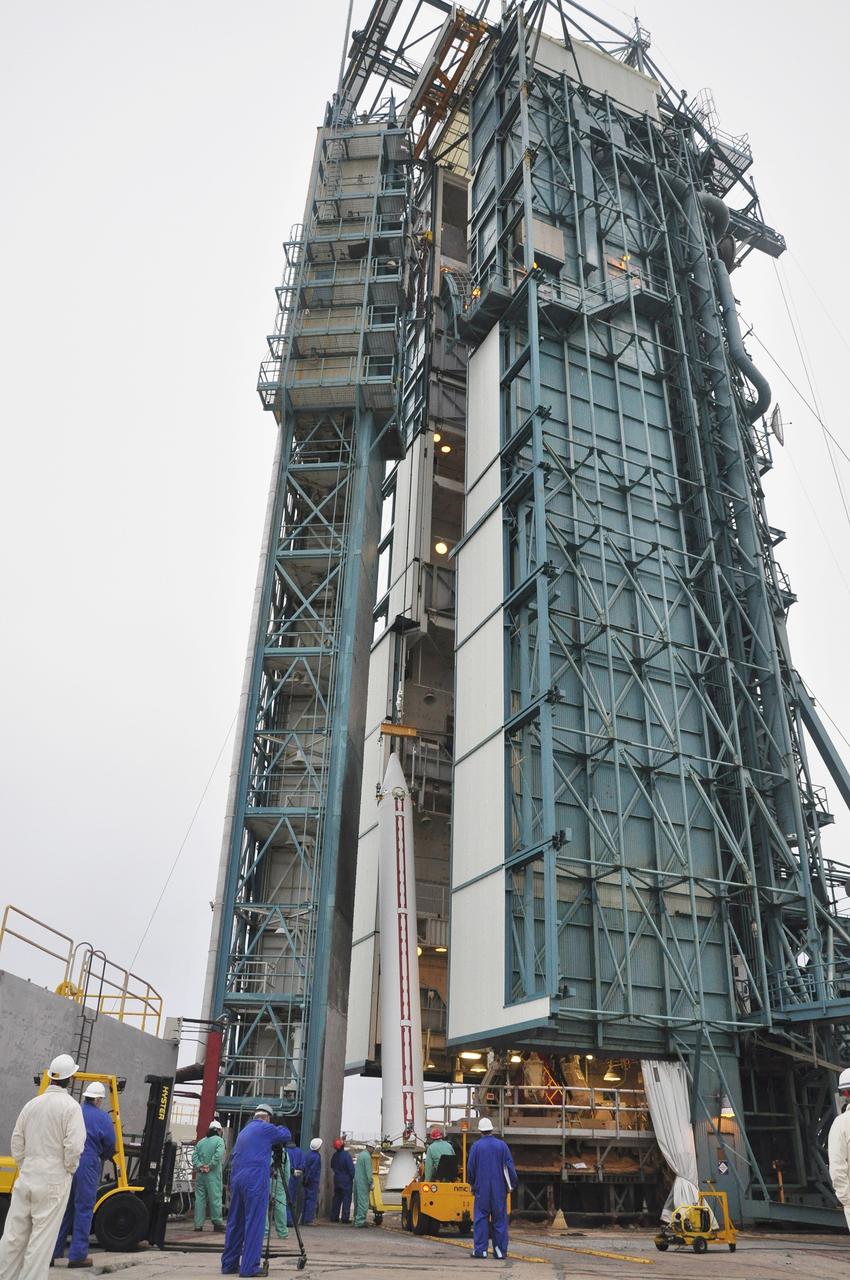
VANDENBERG AIR FORCE BASE, Calif. – A solid rocket motor for the Delta II rocket for NASA's Soil Moisture Active Passive mission, or SMAP, is lifted alongside the mobile service tower at Space Launch Complex 2 on Vandenberg Air Force Base in California. SMAP will be launched on a Delta II 7320 configuration vehicle featuring a United Launch Alliance first stage booster powered by an Aerojet Rocketdyne RS-27A main engine and three Alliant Techsystems, or ATK, strap-on solid rocket motors. Once on station in Earth orbit, SMAP will provide global measurements of soil moisture and its freeze/thaw state. These measurements will be used to enhance understanding of processes that link the water, energy and carbon cycles, and to extend the capabilities of weather and climate prediction models. SMAP data also will be used to quantify net carbon flux in boreal landscapes and to develop improved flood prediction and drought monitoring capabilities. Launch is scheduled for no earlier than November 2014. To learn more about SMAP, visit http://smap.jpl.nasa.gov. Photo credit: NASA/Randy Beaudoin
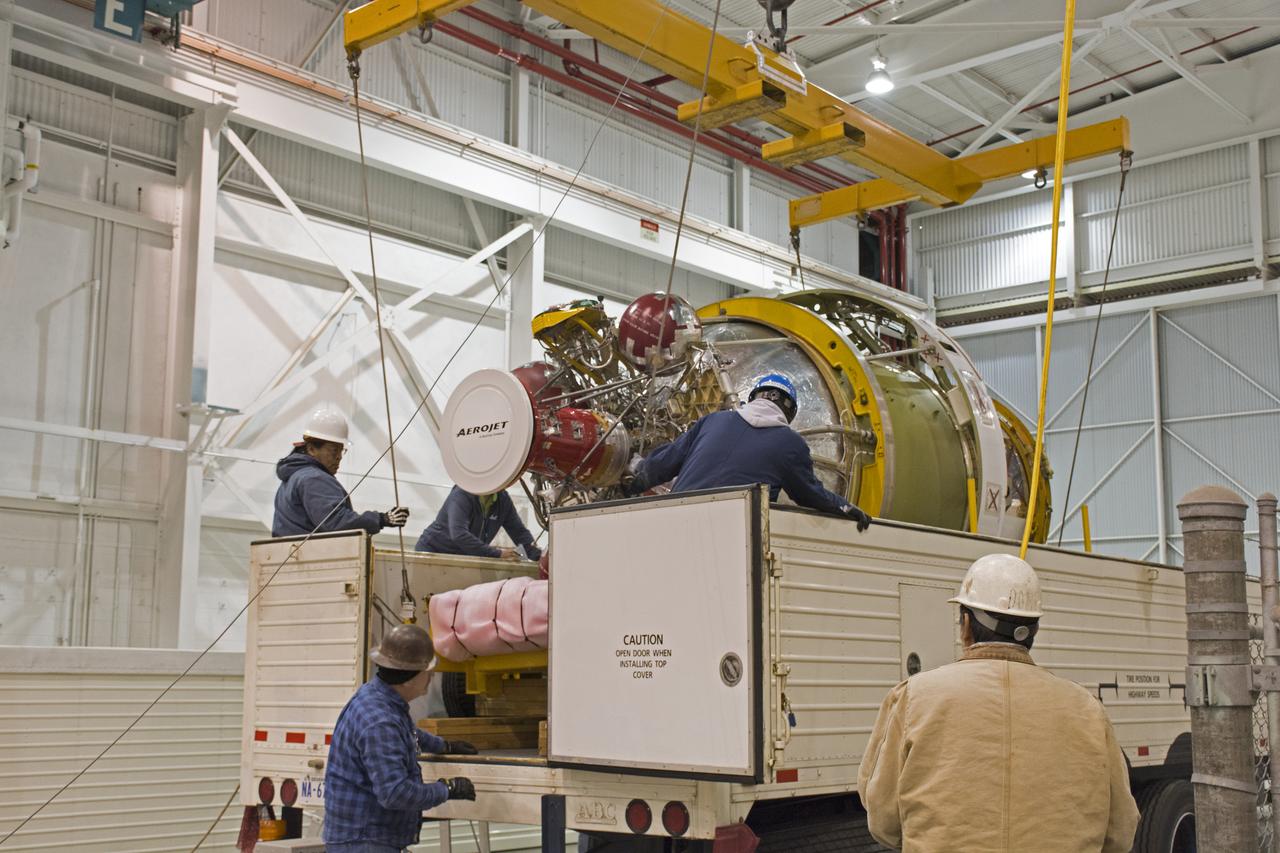
The United Launch Alliance Delta II second stage arrived at NASA's Building 1555 at Vandenberg Air Force Base in California. Technicians assist as a crane lifts the second stage up from the base of its shipping container. It will be prepared for transport to the horizontal processing facility at Space Launch Complex-2. NASA's Ice, Cloud and land Elevation Satellite-2 (ICESat-2) will launch later this year on the final Delta II rocket. ICESat-2 will measure the height of a changing Earth, one laser pulse at a time, 10,000 laser pulses a second. The satellite will carry a single instrument, the Advanced Topographic Laser Altimeter System. ICESat-2 will help scientists investigate why, and how much our planet's frozen and icy areas, called the cryosphere, is changing in a warming climate.

The United Launch Alliance Delta II second stage has arrived at the horizontal processing facility at Space Launch Complex-2 at Vandenberg Air Force Base in California. NASA's Ice, Cloud and land Elevation Satellite-2 (ICESat-2) will launch later this year on the final Delta II rocket. ICESat-2 will measure the height of a changing Earth, one laser pulse at a time, 10,000 laser pulses a second. The satellite will carry a single instrument, the Advanced Topographic Laser Altimeter System. ICESat-2 will help scientists investigate why, and how much our planet's frozen and icy areas, called the cryosphere, is changing in a warming climate.

The United Launch Alliance Delta II second stage emerges from NASA's Building 1555 at Vandenberg Air Force Base in California. It will be transported to the horizontal processing facility at Space Launch Complex-2. NASA's Ice, Cloud and land Elevation Satellite-2 (ICESat-2) will launch later this year on the final Delta II rocket. ICESat-2 will measure the height of a changing Earth, one laser pulse at a time, 10,000 laser pulses a second. The satellite will carry a single instrument, the Advanced Topographic Laser Altimeter System. ICESat-2 will help scientists investigate why, and how much our planet's frozen and icy areas, called the cryosphere, is changing in a warming climate.
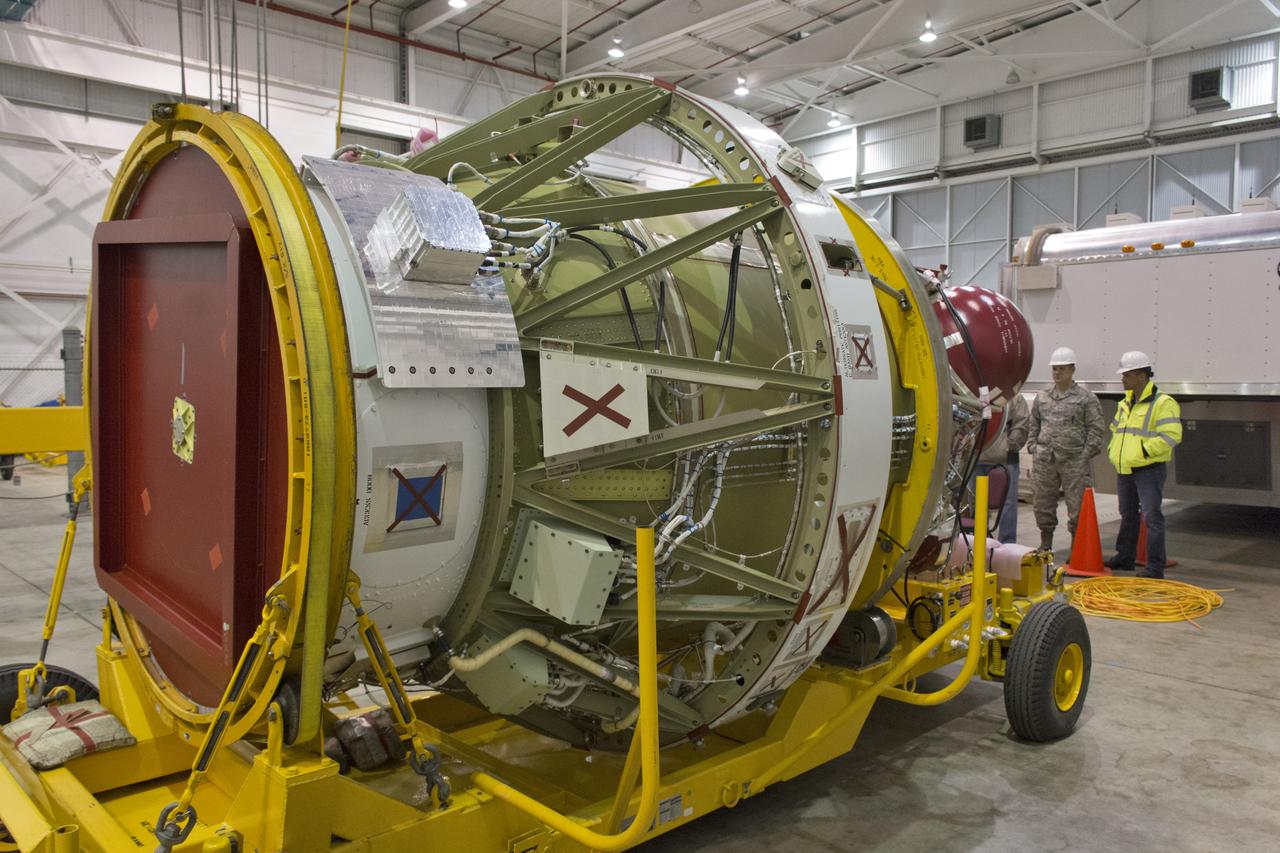
Inside NASA's Building 1555 at Vandenberg Air Force Base in California, the United Launch Alliance Delta II second stage is secured on the base of a transporter. The second stage will be moved to the horizontal processing facility at Space Launch Complex-2. NASA's Ice, Cloud and land Elevation Satellite-2 (ICESat-2) will launch later this year on the final Delta II rocket. ICESat-2 will measure the height of a changing Earth, one laser pulse at a time, 10,000 laser pulses a second. The satellite will carry a single instrument, the Advanced Topographic Laser Altimeter System. ICESat-2 will help scientists investigate why, and how much our planet's frozen and icy areas, called the cryosphere, is changing in a warming climate
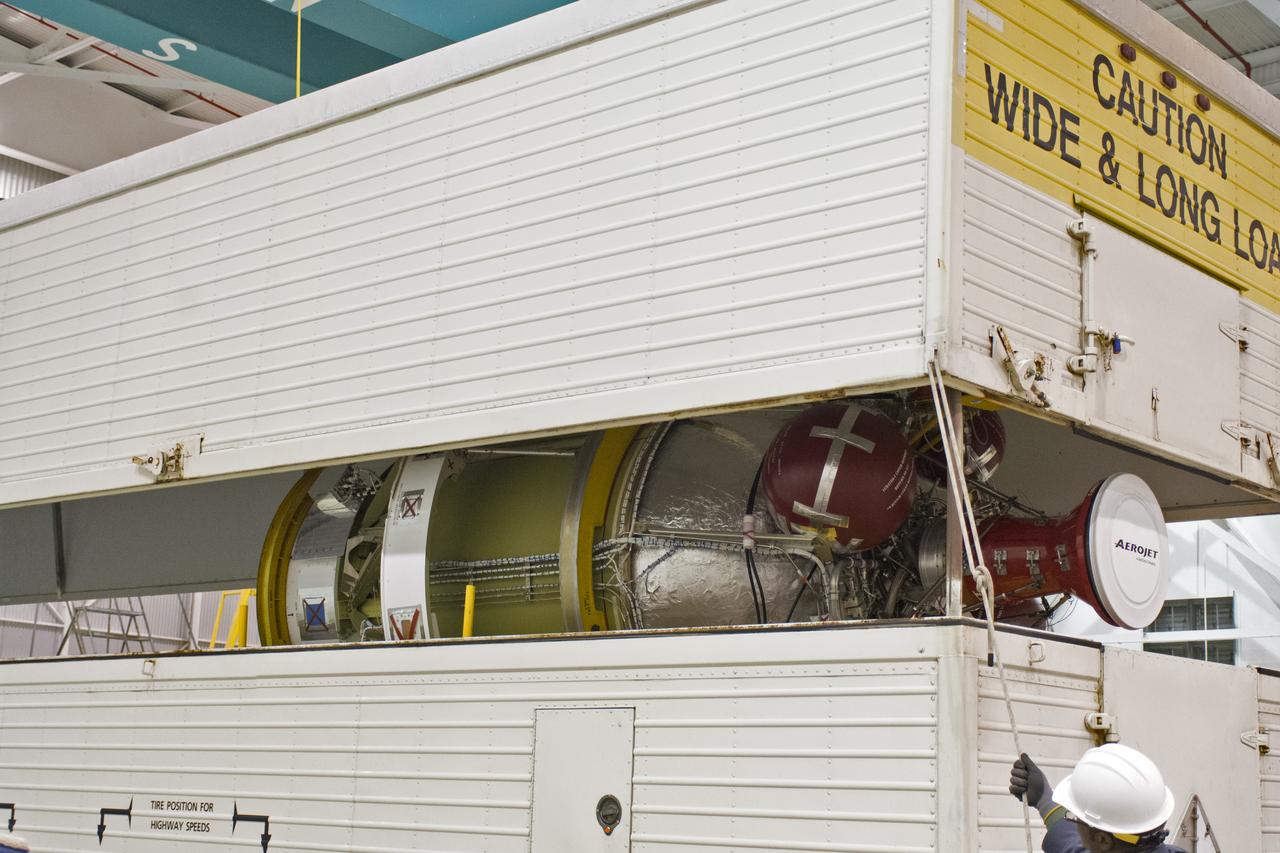
The United Launch Alliance Delta II second stage arrived at NASA's Building 1555 at Vandenberg Air Force Base in California. Technicians assist as a crane lifts the top of the shipping container up from the second stage so it can be offloaded and prepared for transport to the horizontal processing facility at Space Launch Complex-2. NASA's Ice, Cloud and land Elevation Satellite-2 (ICESat-2) will launch later this year on the final Delta II rocket. ICESat-2 will measure the height of a changing Earth, one laser pulse at a time, 10,000 laser pulses a second. The satellite will carry a single instrument, the Advanced Topographic Laser Altimeter System. ICESat-2 will help scientists investigate why, and how much our planet's frozen and icy areas, called the cryosphere, is changing in a warming climate.
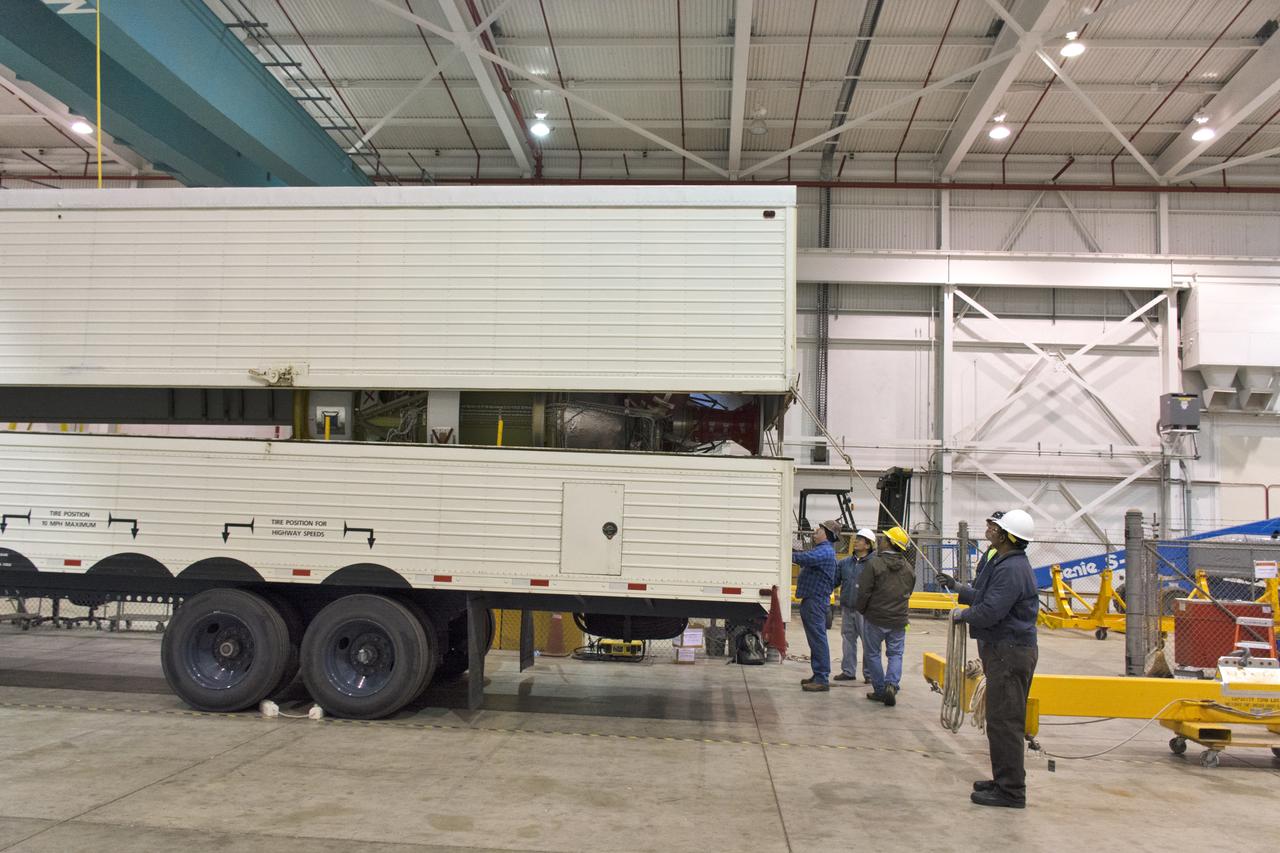
The United Launch Alliance Delta II second stage arrived at NASA's Building 1555 at Vandenberg Air Force Base in California. Technicians are assisting in offloading it and preparing it for transport to the horizontal processing facility at Space Launch Complex-2. NASA's Ice, Cloud and land Elevation Satellite-2 (ICESat-2) will launch later this year on the final Delta II rocket. ICESat-2 will measure the height of a changing Earth, one laser pulse at a time, 10,000 laser pulses a second. The satellite will carry a single instrument, the Advanced Topographic Laser Altimeter System. ICESat-2 will help scientists investigate why, and how much our planet's frozen and icy areas, called the cryosphere, is changing in a warming climate.
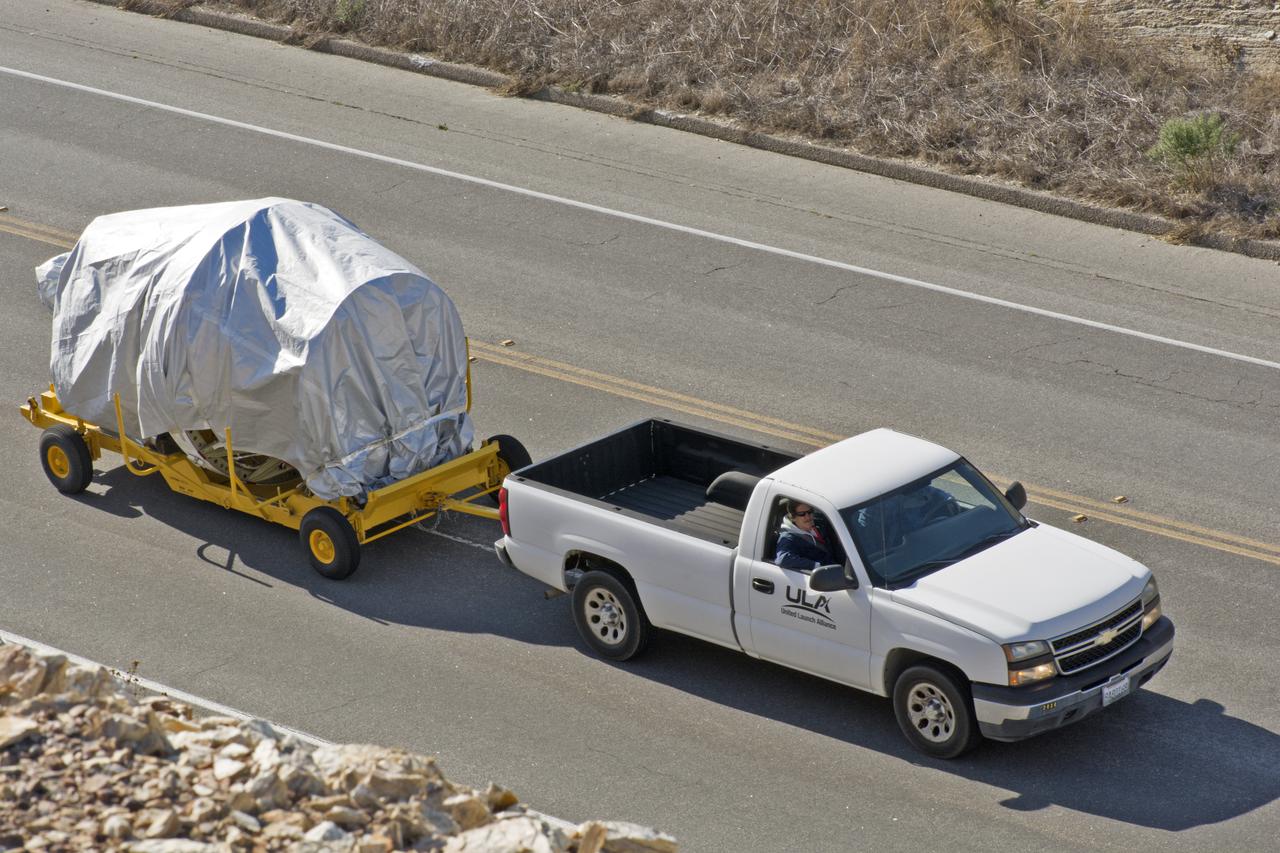
The United Launch Alliance Delta II second stage is being transported to Space Launch Complex-2 at Vandenberg Air Force Base in California. NASA's Ice, Cloud and land Elevation Satellite-2 (ICESat-2) will launch later this year on the final Delta II rocket. ICESat-2 will measure the height of a changing Earth, one laser pulse at a time, 10,000 laser pulses a second. The satellite will carry a single instrument, the Advanced Topographic Laser Altimeter System. ICESat-2 will help scientists investigate why, and how much our planet's frozen and icy areas, called the cryosphere, is changing in a warming climate.
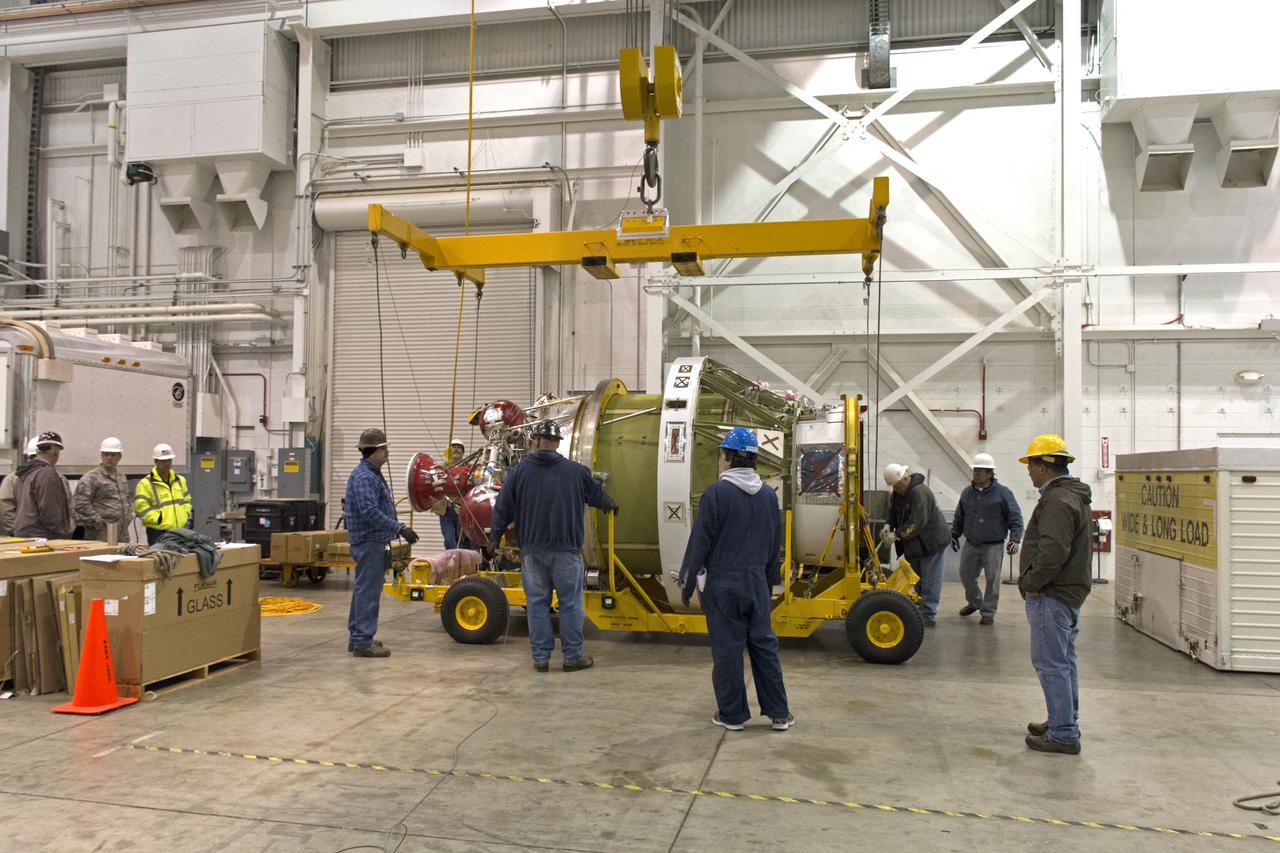
Inside NASA's Building 1555 at Vandenberg Air Force Base in California, the United Launch Alliance Delta II second stage was lifted out of its shipping container and a crane is being used to lower it onto the base of a transporter. The second stage will be moved to the horizontal processing facility at Space Launch Complex-2. NASA's Ice, Cloud and land Elevation Satellite-2 (ICESat-2) will launch later this year on the final Delta II rocket. ICESat-2 will measure the height of a changing Earth, one laser pulse at a time, 10,000 laser pulses a second. The satellite will carry a single instrument, the Advanced Topographic Laser Altimeter System. ICESat-2 will help scientists investigate why, and how much our planet's frozen and icy areas, called the cryosphere, is changing in a warming climate.
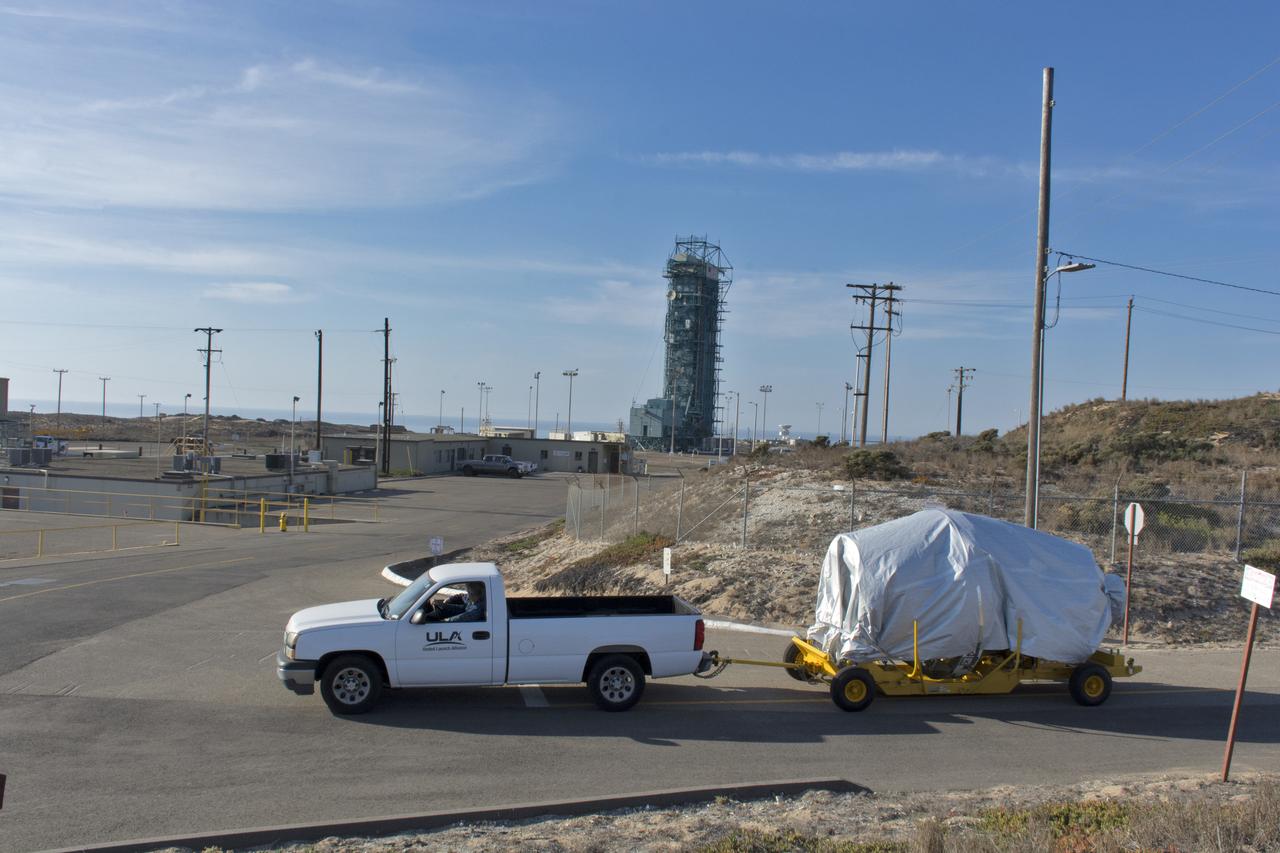
The United Launch Alliance Delta II second stage is being transported to Space Launch Complex-2 at Vandenberg Air Force Base in California. NASA's Ice, Cloud and land Elevation Satellite-2 (ICESat-2) will launch later this year on the final Delta II rocket. ICESat-2 will measure the height of a changing Earth, one laser pulse at a time, 10,000 laser pulses a second. The satellite will carry a single instrument, the Advanced Topographic Laser Altimeter System. ICESat-2 will help scientists investigate why, and how much our planet's frozen and icy areas, called the cryosphere, is changing in a warming climate.
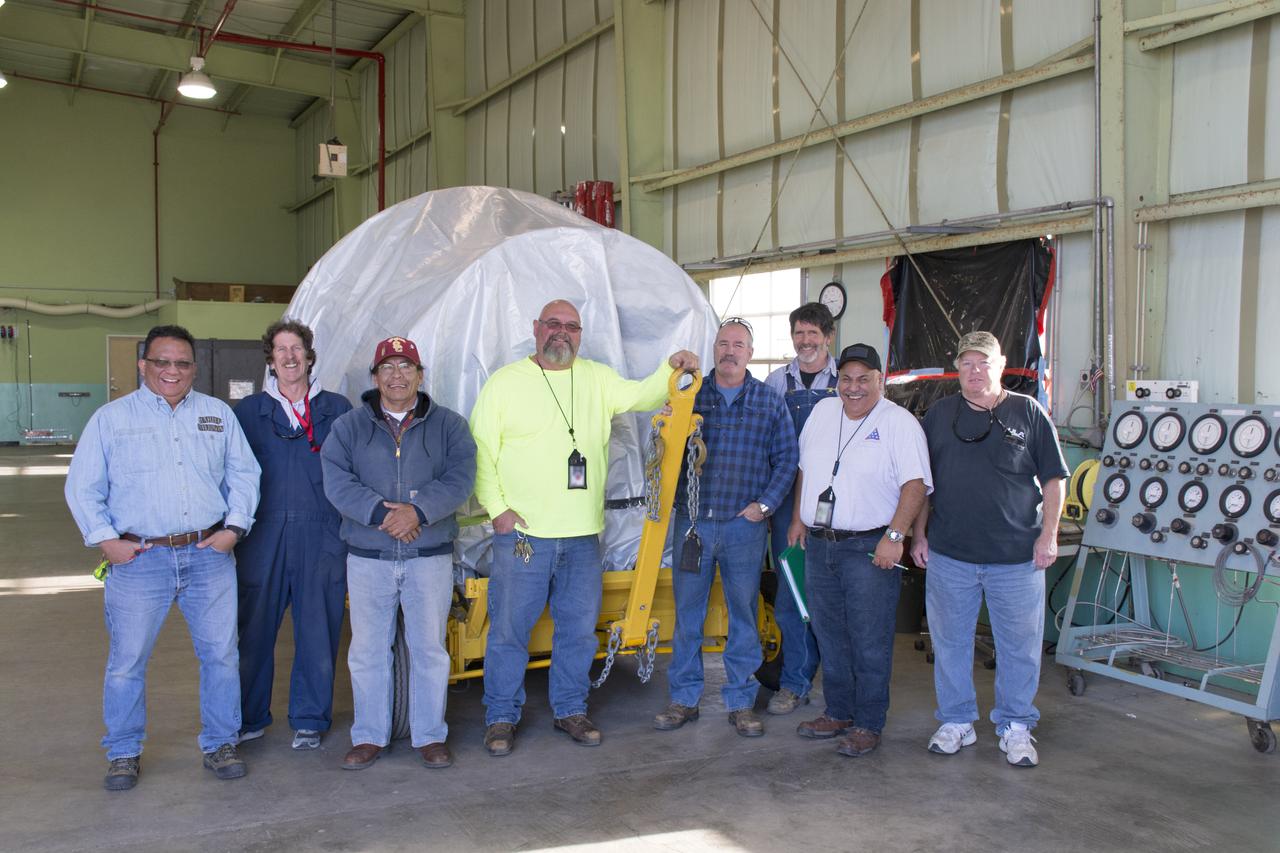
Workers stand with the Delta II second stage inside the horizontal processing facility at Space Launch Complex-2 at Vandenberg Air Force Base in California. NASA's Ice, Cloud and land Elevation Satellite-2 (ICESat-2) will launch later this year on the final Delta II rocket. ICESat-2 will measure the height of a changing Earth, one laser pulse at a time, 10,000 laser pulses a second. The satellite will carry a single instrument, the Advanced Topographic Laser Altimeter System. ICESat-2 will help scientists investigate why, and how much our planet's frozen and icy areas, called the cryosphere, is changing in a warming climate.
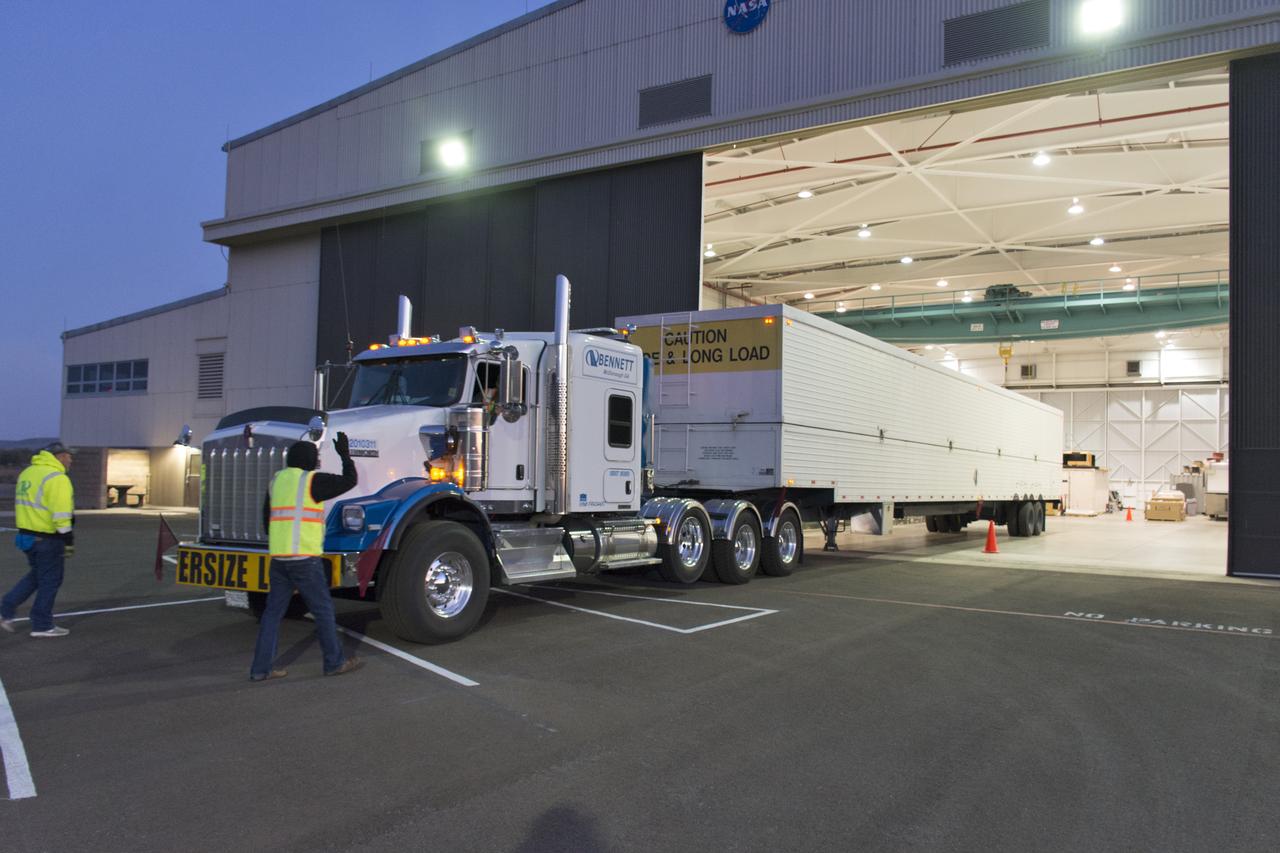
The United Launch Alliance Delta II second stage arrives at NASA's Building 1555 at Vandenberg Air Force Base in California. It will be offloaded and prepared for transport to the horizontal processing facility at Space Launch Complex-2. NASA's Ice, Cloud and land Elevation Satellite-2 (ICESat-2) will launch later this year on the final Delta II rocket. ICESat-2 will measure the height of a changing Earth, one laser pulse at a time, 10,000 laser pulses a second. The satellite will carry a single instrument, the Advanced Topographic Laser Altimeter System. ICESat-2 will help scientists investigate why, and how much our planet's frozen and icy areas, called the cryosphere, is changing in a warming climate.
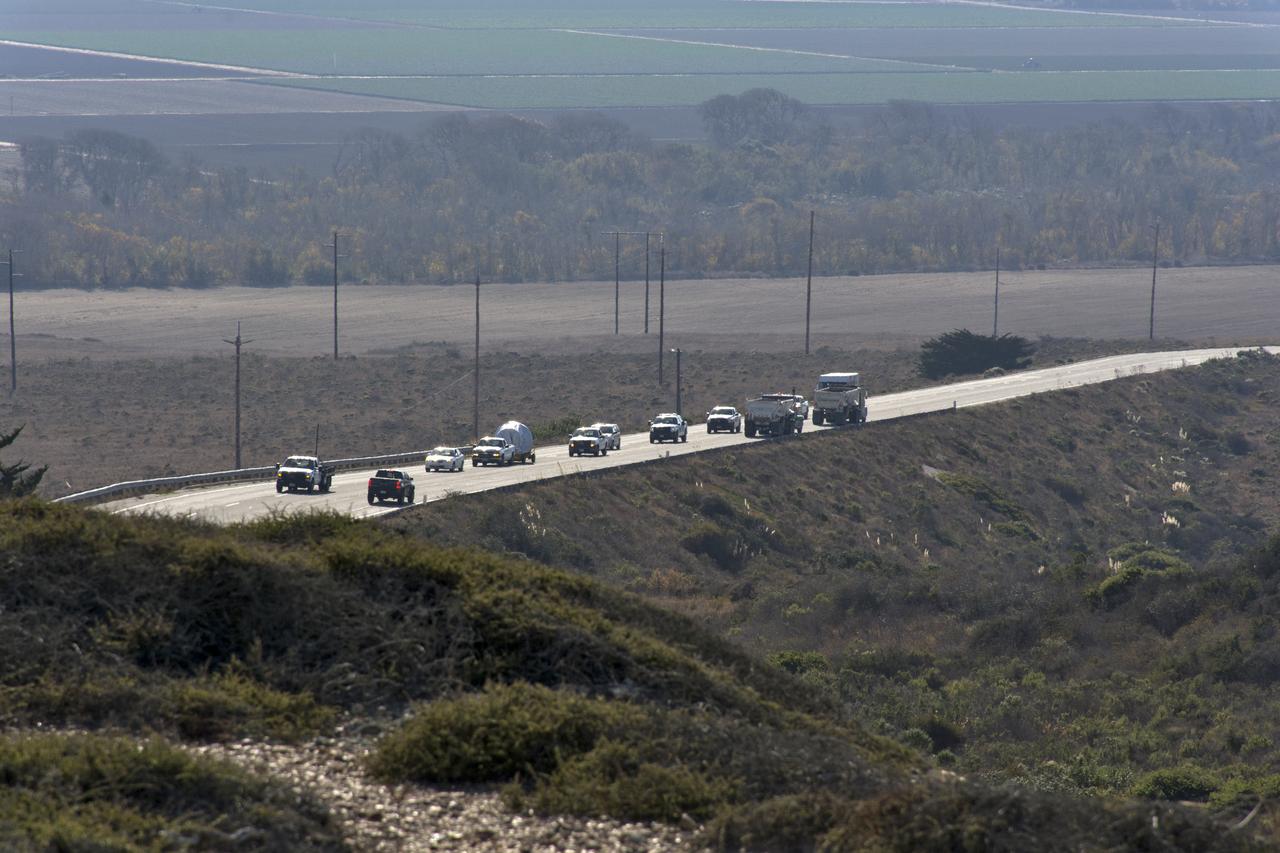
A convoy of vehicles accompanies the United Launch Alliance Delta II second stage on its way to the horizontal processing facility at Space Launch Complex-2 at Vandenberg Air Force Base in California. NASA's Ice, Cloud and land Elevation Satellite-2 (ICESat-2) will launch later this year on the final Delta II rocket. ICESat-2 will measure the height of a changing Earth, one laser pulse at a time, 10,000 laser pulses a second. The satellite will carry a single instrument, the Advanced Topographic Laser Altimeter System. ICESat-2 will help scientists investigate why, and how much our planet's frozen and icy areas, called the cryosphere, is changing in a warming climate.
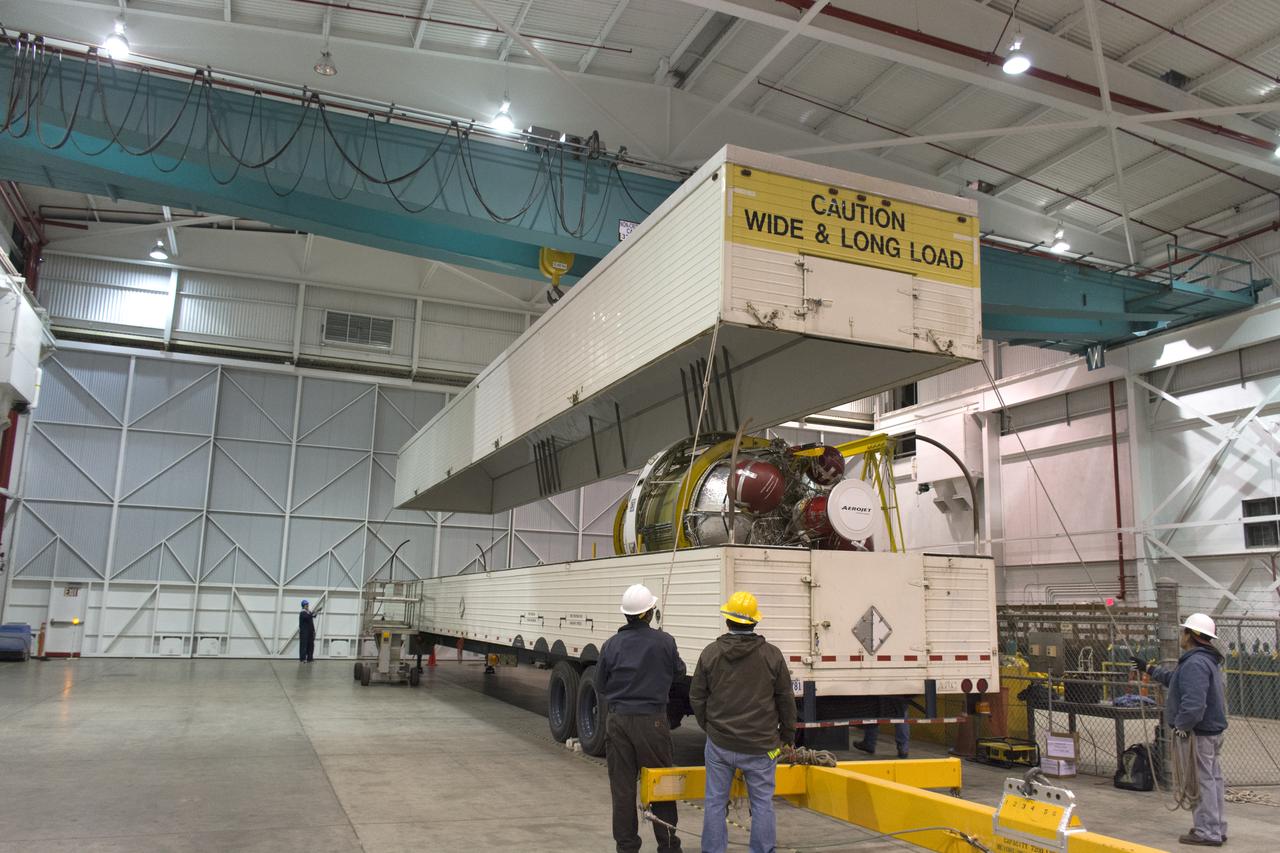
The United Launch Alliance Delta II second stage arrived at NASA's Building 1555 at Vandenberg Air Force Base in California. Technicians assist as a crane lifts the top of the shipping container up from the second stage so it can be offloaded and prepared for transport to the horizontal processing facility at Space Launch Complex-2. NASA's Ice, Cloud and land Elevation Satellite-2 (ICESat-2) will launch later this year on the final Delta II rocket. ICESat-2 will measure the height of a changing Earth, one laser pulse at a time, 10,000 laser pulses a second. The satellite will carry a single instrument, the Advanced Topographic Laser Altimeter System. ICESat-2 will help scientists investigate why, and how much our planet's frozen and icy areas, called the cryosphere, is changing in a warming climate.

VANDENBERG AIR FORCE BASE, Calif. – A United Launch Alliance Delta II rocket blasts off from Space Launch Complex-2 launch pad at Vandenberg AFB, Calif., at 1:24 p.m. PDT. The Delta II successfully carried the Missile Defense Agency's Space Tracking and Surveillance System (STSS) Advanced Technology Risk Reduction (ATRR) payload into orbit. Photo by Carleton Bailie, United Launch Alliance.

The United Launch Alliance Atlas V interstage adapter and aft stub adapter are hoisted up at the vertical integration facility at Space Launch Complex-3 at Vandenberg Space Force Base in California on Sept. 29, 2022. The adapter will be moved into the integration facility and secured atop the ULA Atlas V in preparation for the launch of the National Oceanic and Atmospheric Administration’s (NOAA) Joint Polar Satellite System-2 (JPSS-2). JPSS-2 and NASA’s Low-Earth Orbit Flight Test of an Inflatable Decelerator (LOFTID) secondary payload are scheduled to lift off from VSFB on Nov. 1 from SLC-3. JPSS-2, which will be renamed NOAA-21 after reaching orbit, will join a constellation of JPSS satellites that orbit from the North to the South pole, circling Earth 14 times a day and providing a full view of the entire globe twice daily. The NOAA/NASA Suomi National Polar-orbiting Partnership (Suomi NPP) satellite, and NOAA-20, previously known as JPSS-1, are both already in orbit. Each satellite carries at least four advanced instruments to measure weather and climate conditions on Earth. LOFTID is dedicated to the memory of Bernard Kutter. LOFTID will demonstrate inflatable heat shield technology that could enable a variety of proposed NASA missions to destinations such as Mars, Venus, and Titan, as well as returning heavier payloads from low-Earth orbit.
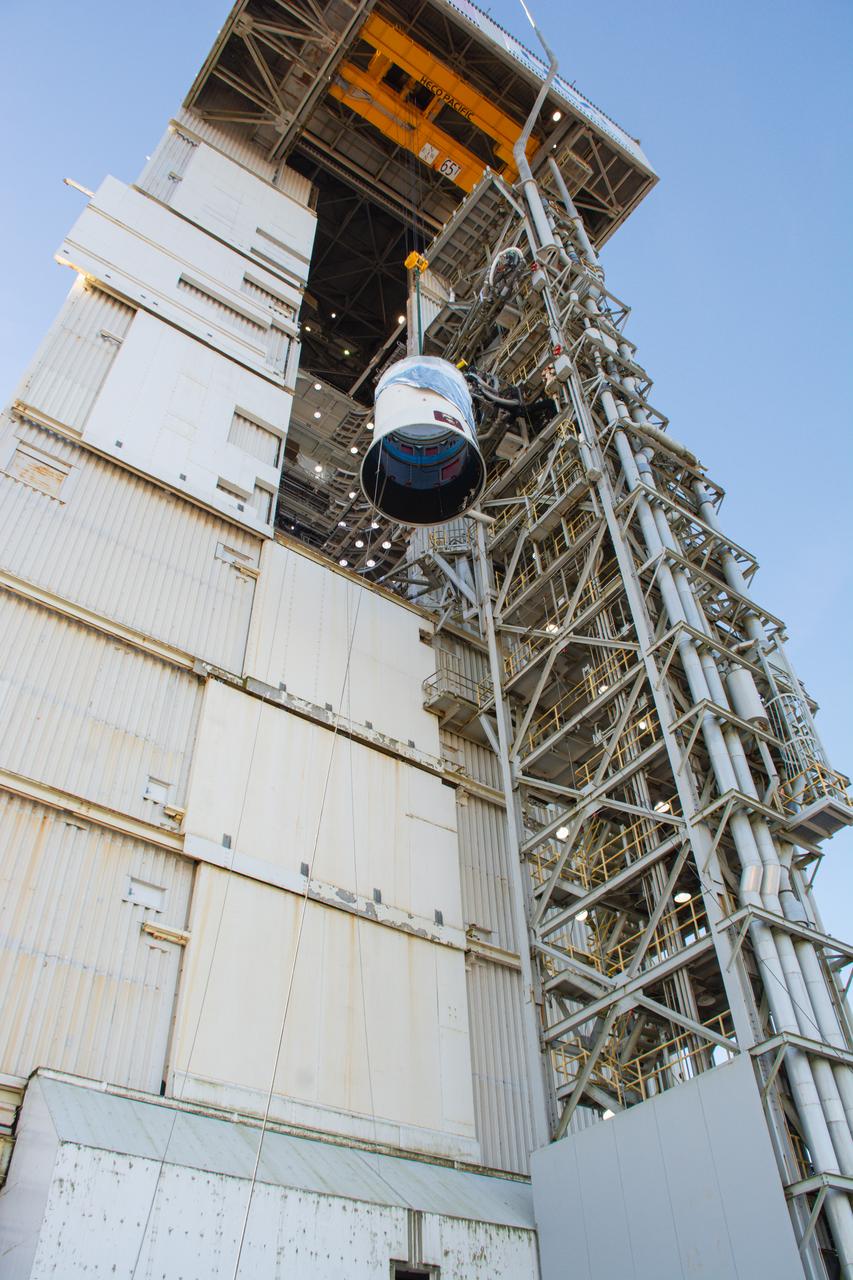
The United Launch Alliance Atlas V interstage adapter and aft stub adapter are hoisted up at the vertical integration facility at Space Launch Complex-3 at Vandenberg Space Force Base in California on Sept. 29, 2022. The adapter will be moved into the integration facility and secured atop the ULA Atlas V in preparation for the launch of the National Oceanic and Atmospheric Administration’s (NOAA) Joint Polar Satellite System-2 (JPSS-2). JPSS-2 and NASA’s Low-Earth Orbit Flight Test of an Inflatable Decelerator (LOFTID) secondary payload are scheduled to lift off from VSFB on Nov. 1 from SLC-3. JPSS-2, which will be renamed NOAA-21 after reaching orbit, will join a constellation of JPSS satellites that orbit from the North to the South pole, circling Earth 14 times a day and providing a full view of the entire globe twice daily. The NOAA/NASA Suomi National Polar-orbiting Partnership (Suomi NPP) satellite, and NOAA-20, previously known as JPSS-1, are both already in orbit. Each satellite carries at least four advanced instruments to measure weather and climate conditions on Earth. LOFTID is dedicated to the memory of Bernard Kutter. LOFTID will demonstrate inflatable heat shield technology that could enable a variety of proposed NASA missions to destinations such as Mars, Venus, and Titan, as well as returning heavier payloads from low-Earth orbit.
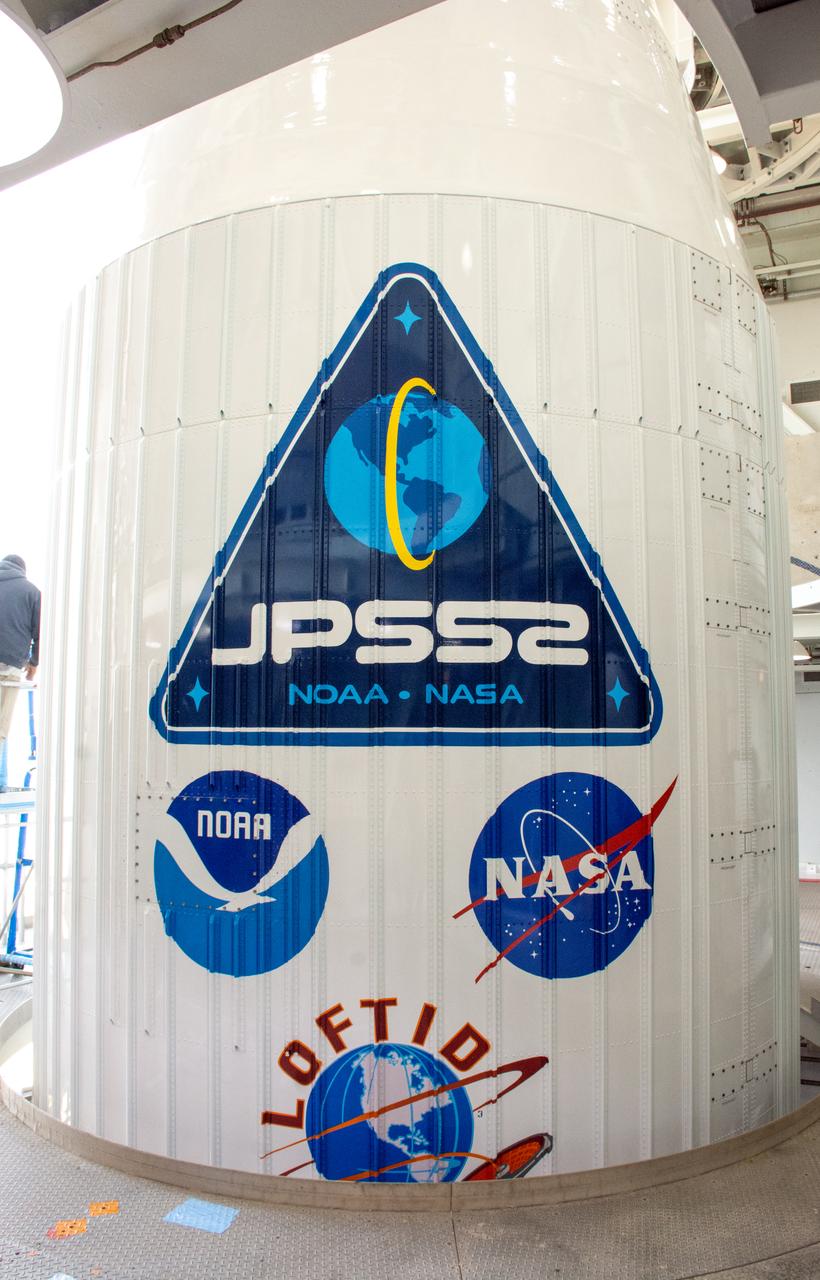
A close-up view of the United Launch Alliance Atlas V payload fairing containing the National Oceanic and Atmospheric Administration’s (NOAA) Joint Polar Satellite System-2 (JPSS-2) and NASA’s Low-Earth Orbit Flight Test of an Inflatable Decelerator (LOFTID) inside the mobile service tower at Space Launch Complex-3 (SLC-3) at Vandenberg Space Force Base in California on Oct. 28, 2022. NASA and ULA are targeting launch for no earlier than Wednesday, Nov. 9, pending range availability. JPSS-2, which will be renamed NOAA-21 after reaching orbit, will join a constellation of JPSS satellites that orbit from the North to the South pole, circling Earth 14 times a day. The NOAA/NASA Suomi National Polar-orbiting Partnership (Suomi NPP) satellite, and NOAA-20, previously known as JPSS-1, are both already in orbit. Each satellite carries at least four advanced instruments to measure weather and climate conditions on Earth. LOFTID will demonstrate inflatable heat shield technology that could enable a variety of proposed NASA missions to destinations such as Mars, Venus, and Titan, as well as returning heavier payloads from low-Earth orbit.
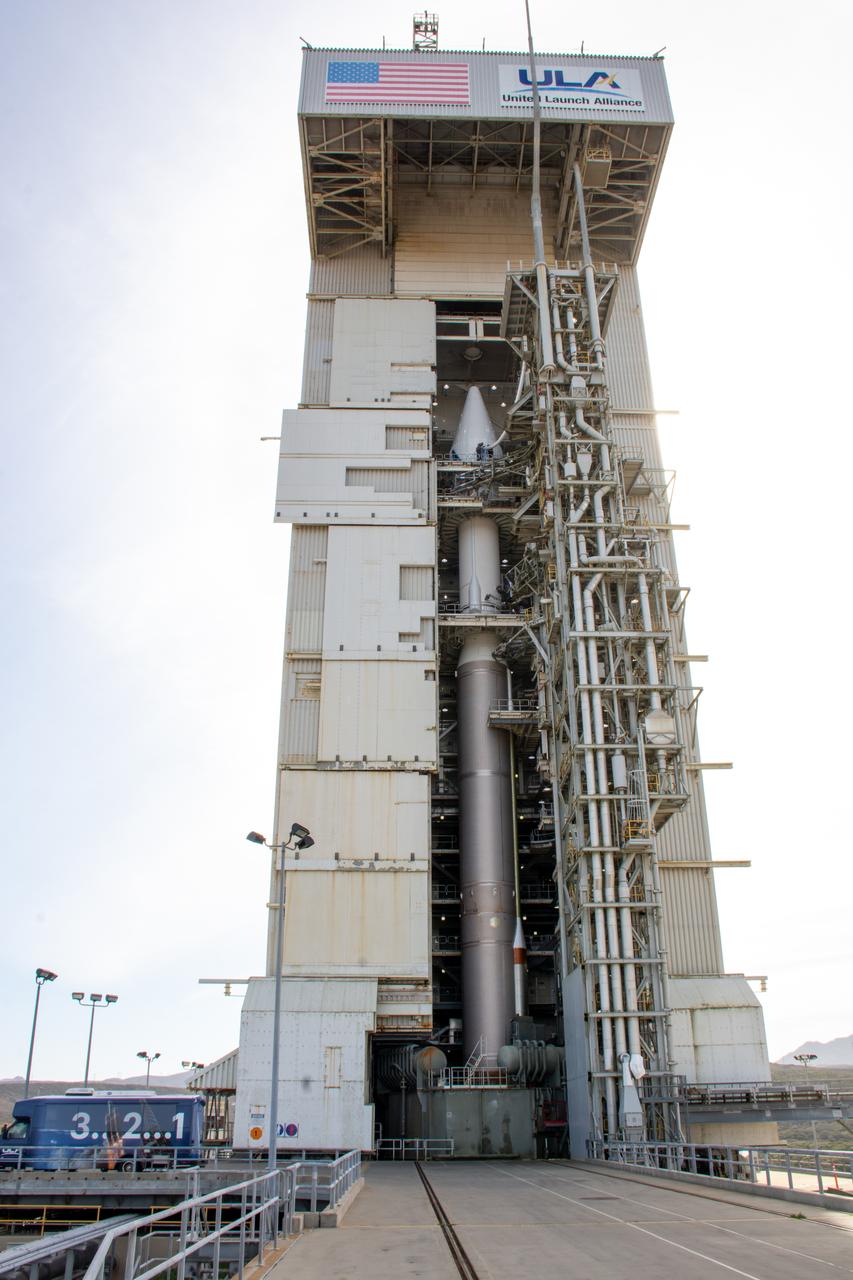
The mobile service tower doors are open at Space Launch Complex-3 (SLC-3) at Vandenberg Space Force Base in California on Oct. 28, 2022, revealing the United Launch Alliance Atlas V rocket with the National Oceanic and Atmospheric Administration’s (NOAA) Joint Polar Satellite System-2 (JPSS-2) and NASA’s Low-Earth Orbit Flight Test of an Inflatable Decelerator (LOFTID) atop. NASA and ULA are targeting launch for no earlier than Wednesday, Nov. 9, pending range availability. JPSS-2, which will be renamed NOAA-21 after reaching orbit, will join a constellation of JPSS satellites that orbit from the North to the South pole, circling Earth 14 times a day. The NOAA/NASA Suomi National Polar-orbiting Partnership (Suomi NPP) satellite, and NOAA-20, previously known as JPSS-1, are both already in orbit. Each satellite carries at least four advanced instruments to measure weather and climate conditions on Earth. LOFTID will demonstrate inflatable heat shield technology that could enable a variety of proposed NASA missions to destinations such as Mars, Venus, and Titan, as well as returning heavier payloads from low-Earth orbit.
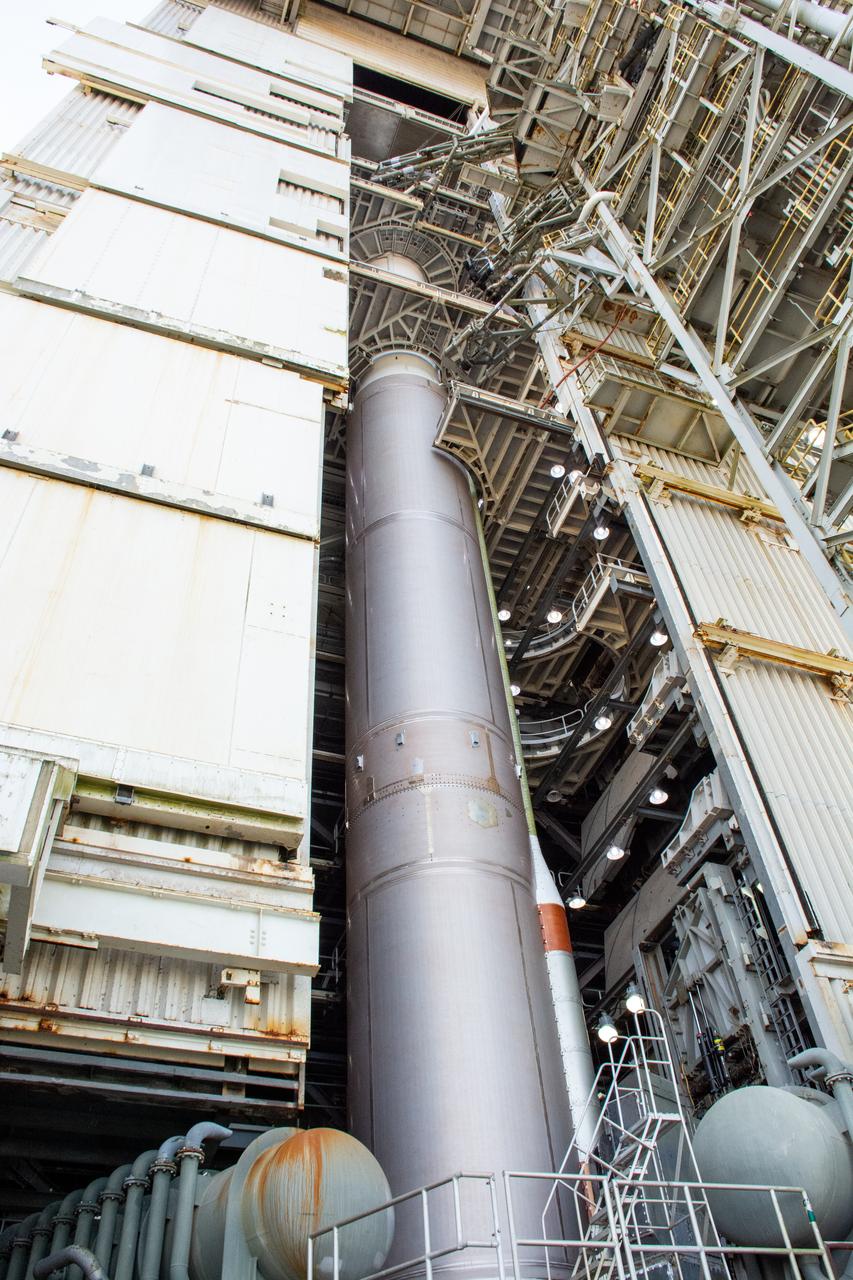
In this view looking up, the mobile service tower doors are open at Space Launch Complex-3 (SLC-3) at Vandenberg Space Force Base in California on Oct. 28, 2022, revealing the United Launch Alliance Atlas V rocket with the National Oceanic and Atmospheric Administration’s (NOAA) Joint Polar Satellite System-2 (JPSS-2) and NASA’s Low-Earth Orbit Flight Test of an Inflatable Decelerator (LOFTID) atop. NASA and ULA are targeting launch for no earlier than Wednesday, Nov. 9, pending range availability. JPSS-2, which will be renamed NOAA-21 after reaching orbit, will join a constellation of JPSS satellites that orbit from the North to the South pole, circling Earth 14 times a day. The NOAA/NASA Suomi National Polar-orbiting Partnership (Suomi NPP) satellite, and NOAA-20, previously known as JPSS-1, are both already in orbit. Each satellite carries at least four advanced instruments to measure weather and climate conditions on Earth. LOFTID will demonstrate inflatable heat shield technology that could enable a variety of proposed NASA missions to destinations such as Mars, Venus, and Titan, as well as returning heavier payloads from low-Earth orbit.
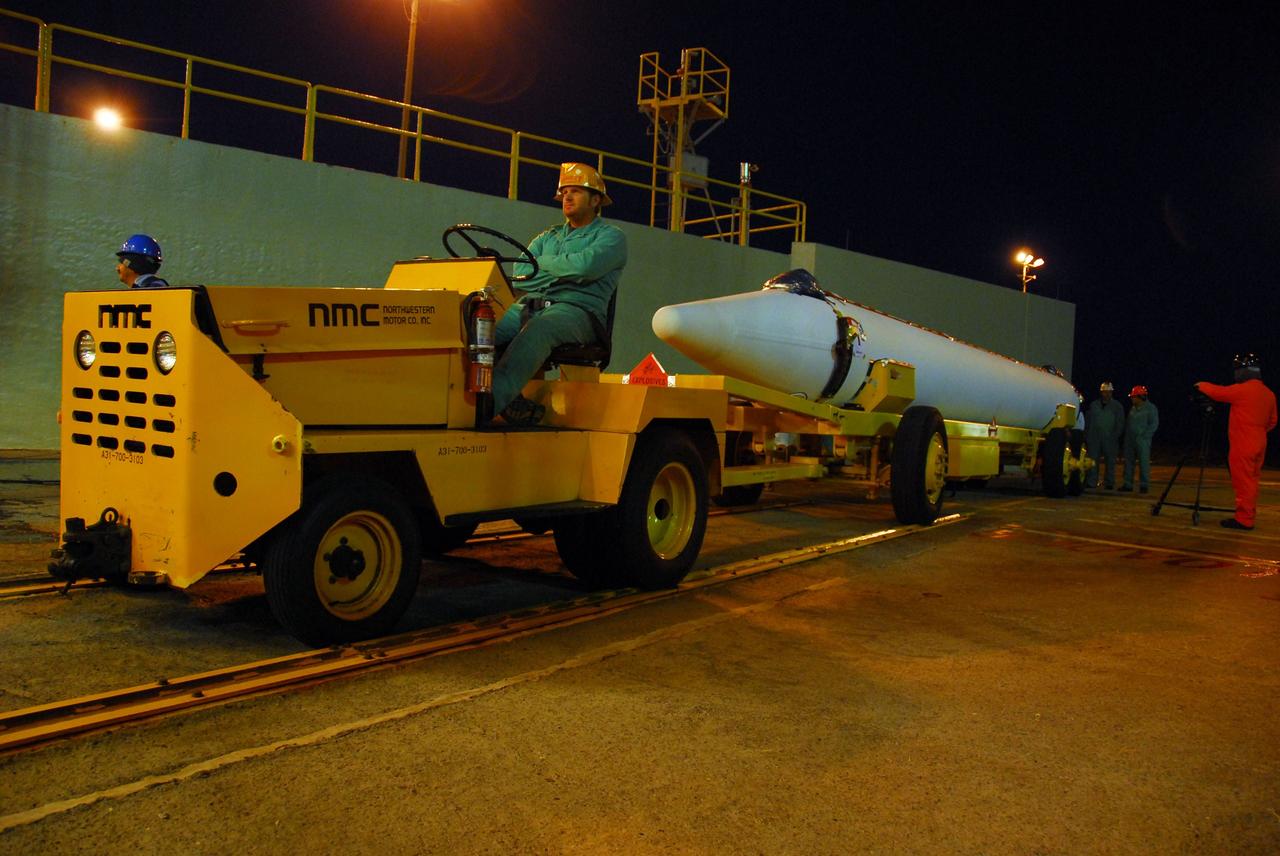
VANDENBERG AIR FORCE BASE, Calif. --Before the sun rises over Vandenberg Air Force Base in California, United Launch Alliance technicians prepare to move one of three Delta II solid rocket motors from the solid motor facility to Space Launch Complex-2 West (SLC-2W) atop a tug. ULA technician Eric Chambless is in the tug's driver seat. Scheduled to launch in June, the Delta II rocket will carry NASA's Aquarius satellite into low Earth orbit. Aquarius' mission will be to provide monthly maps of global changes in sea surface salinity. By measuring ocean salinity from space, Aquarius will provide new insights into how the massive natural exchange of freshwater between the ocean, atmosphere and sea ice influences ocean circulation, weather and climate. Also going up with the satellite are optical and thermal cameras, a microwave radiometer and the SAC-D spacecraft, which were developed with the help of institutions in Italy, France, Canada and Argentina. Photo credit: VAFB/30th Space Wing
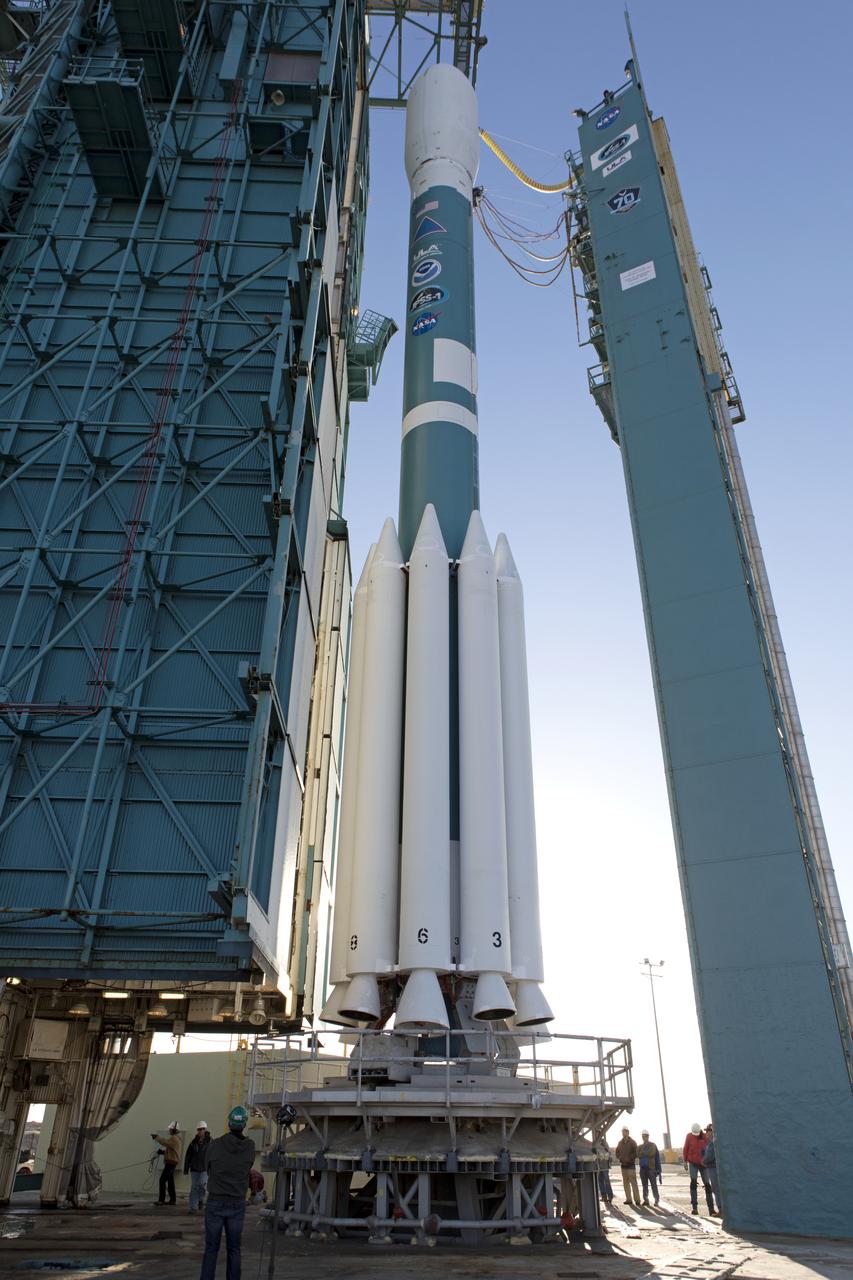
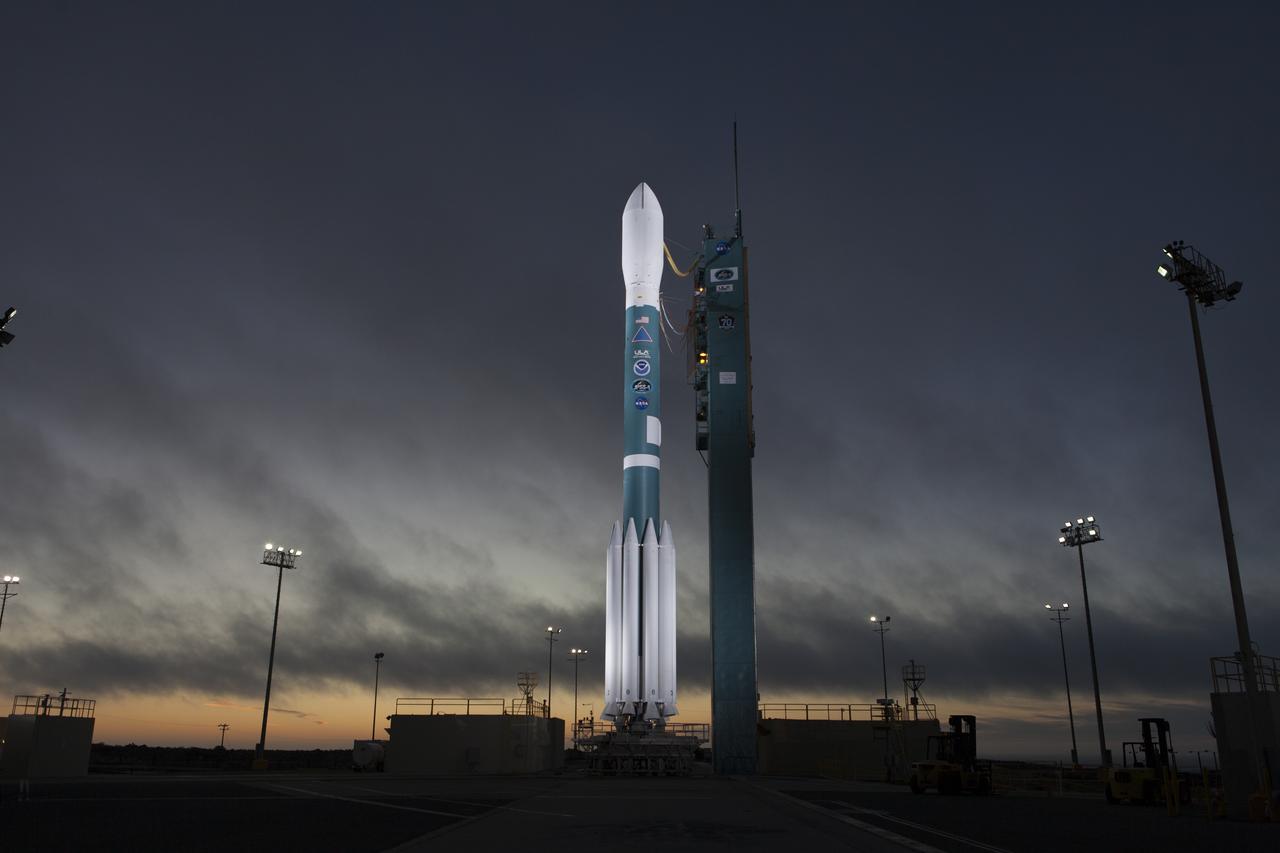
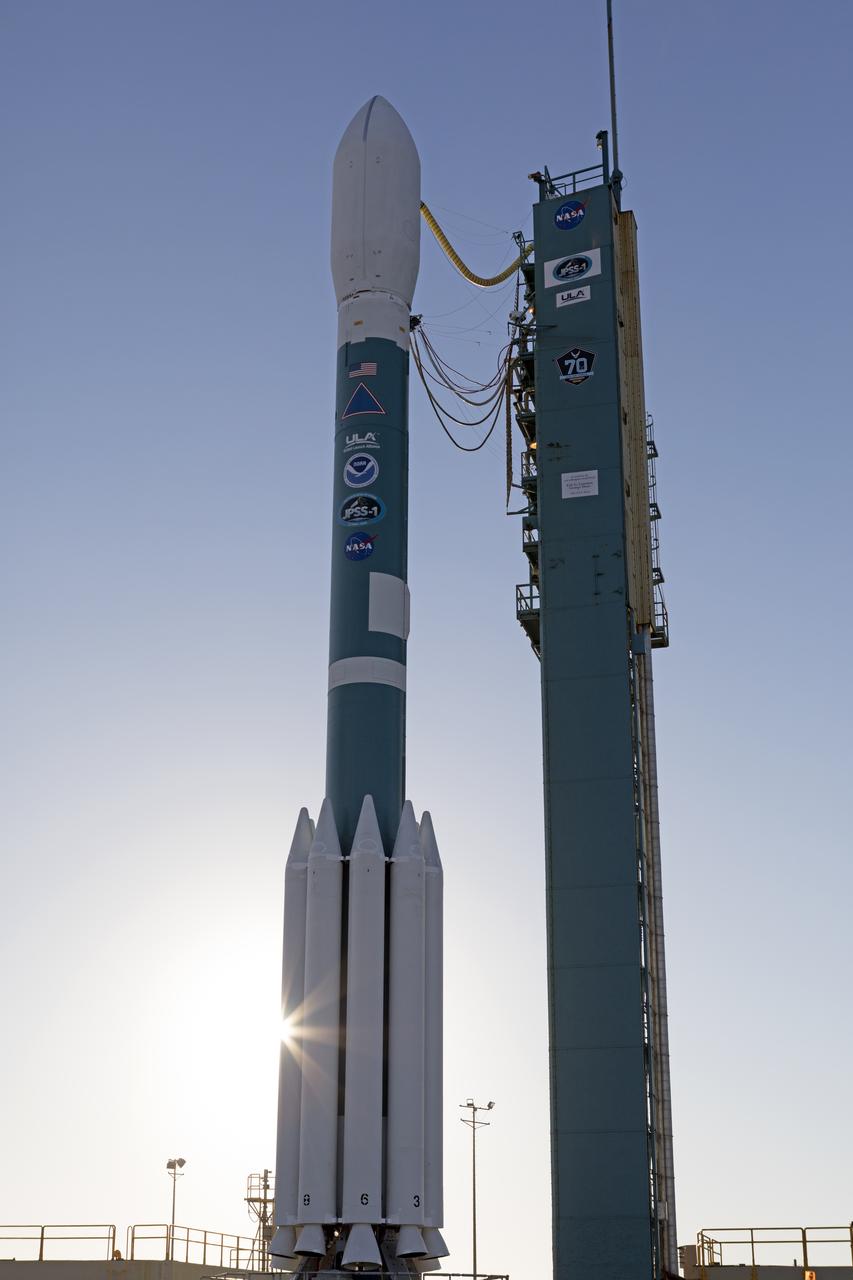
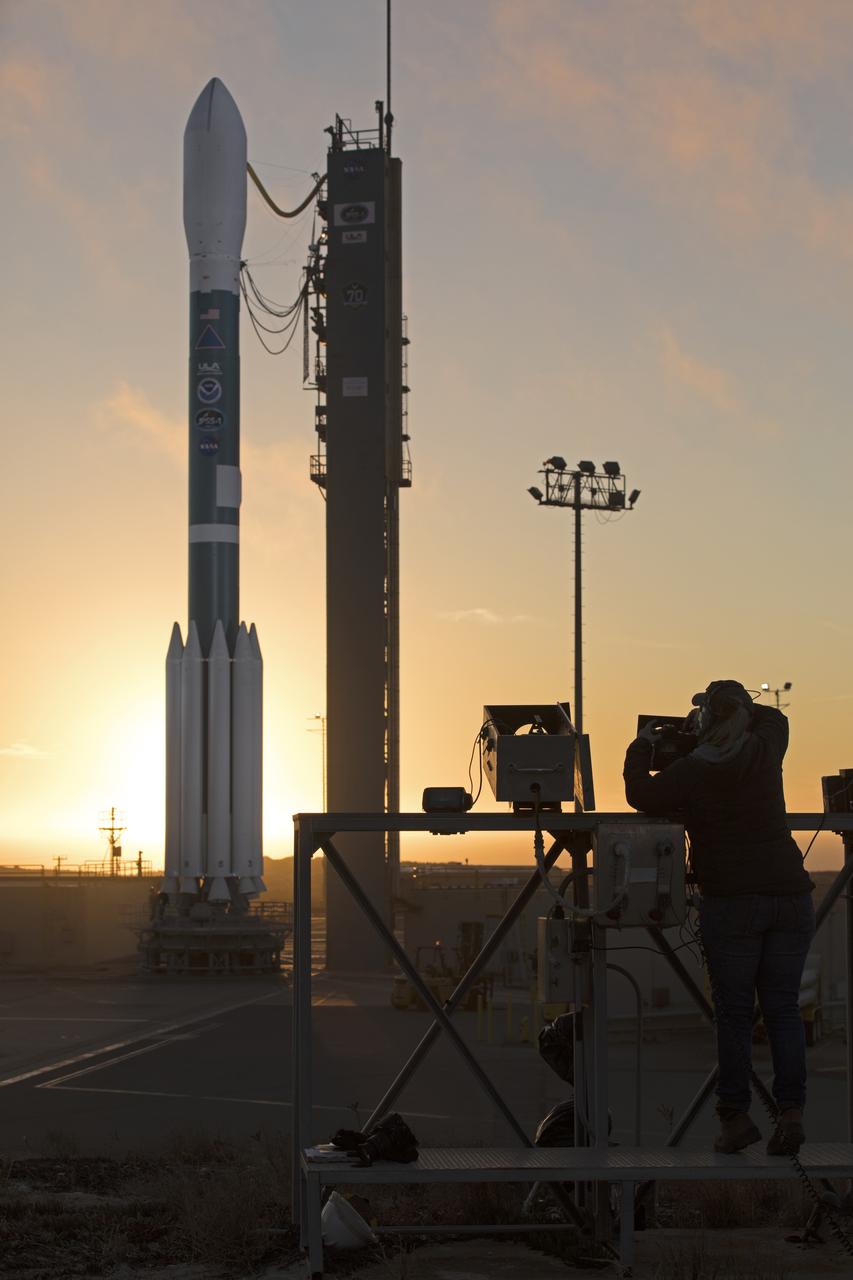
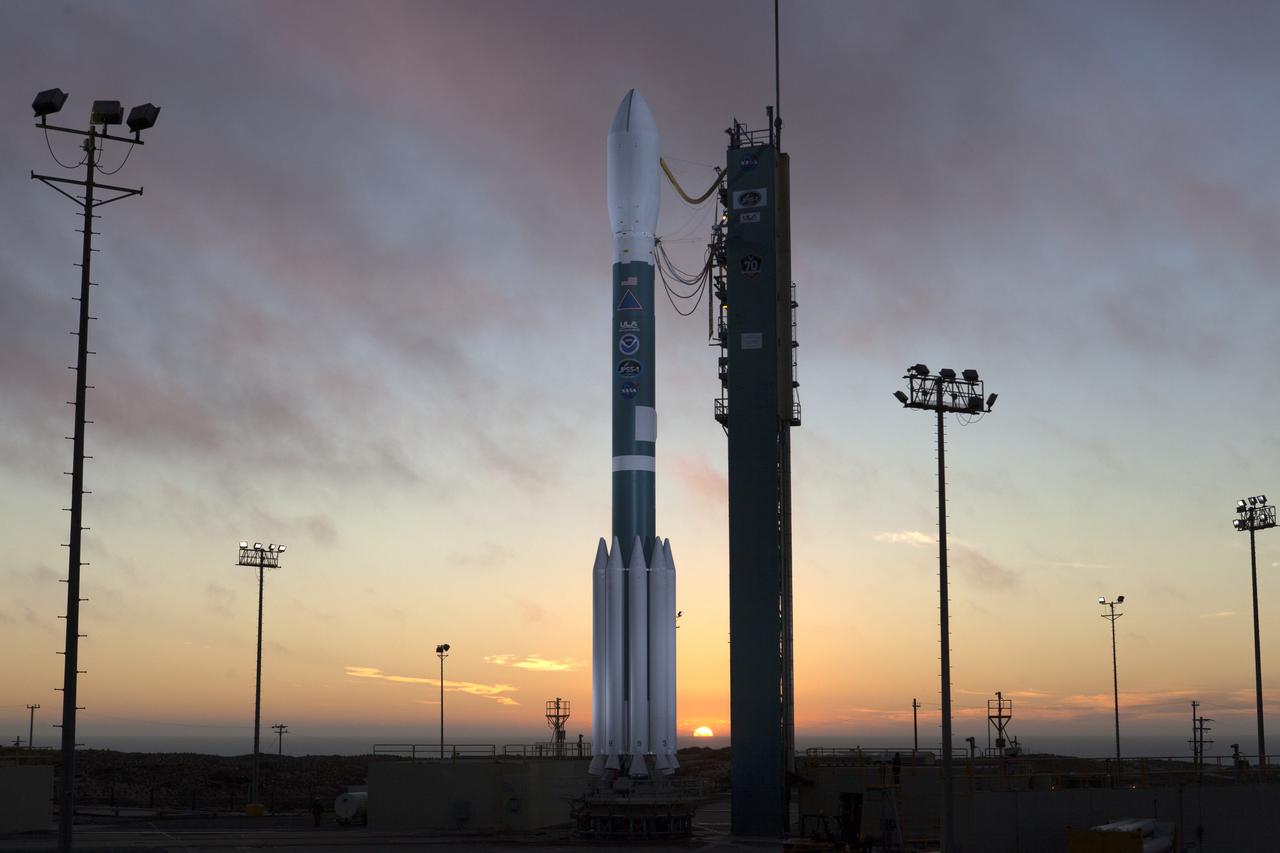
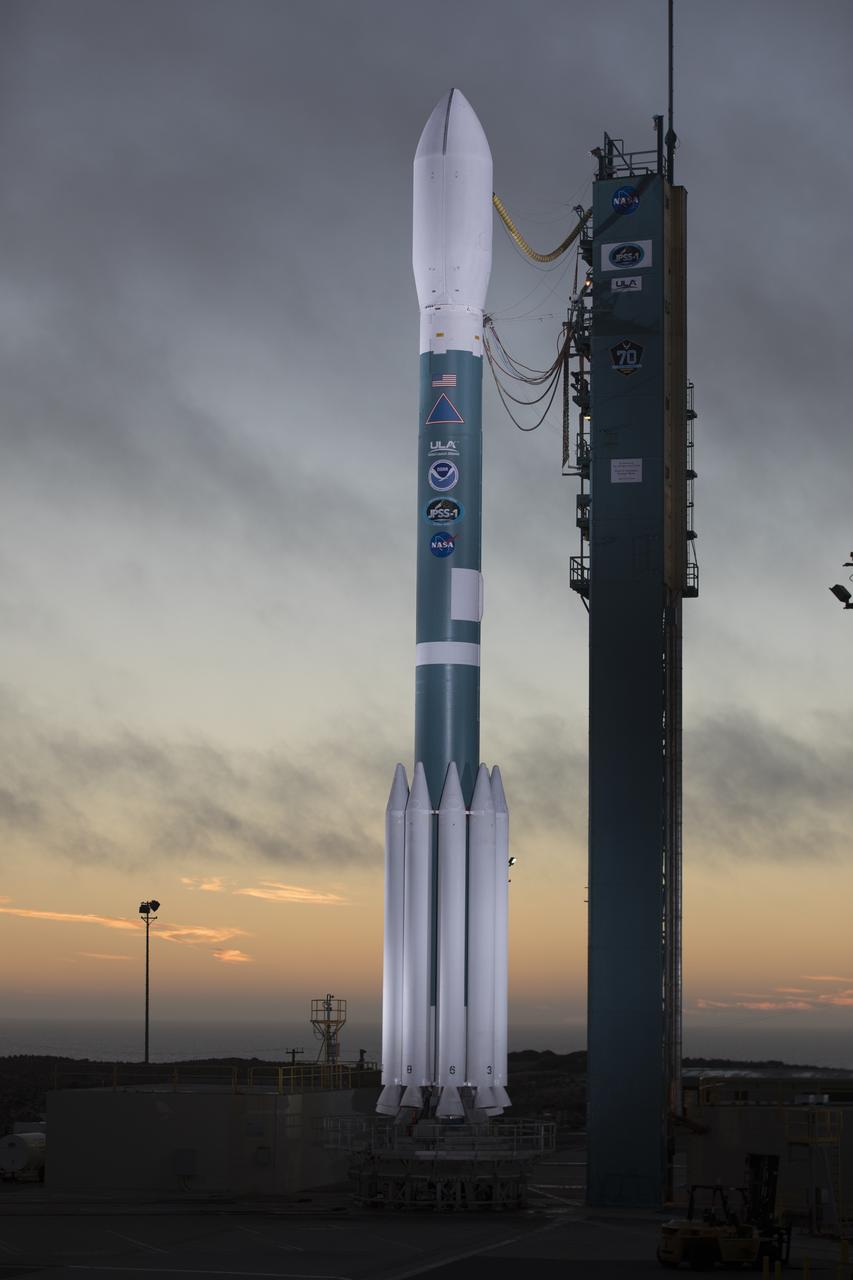
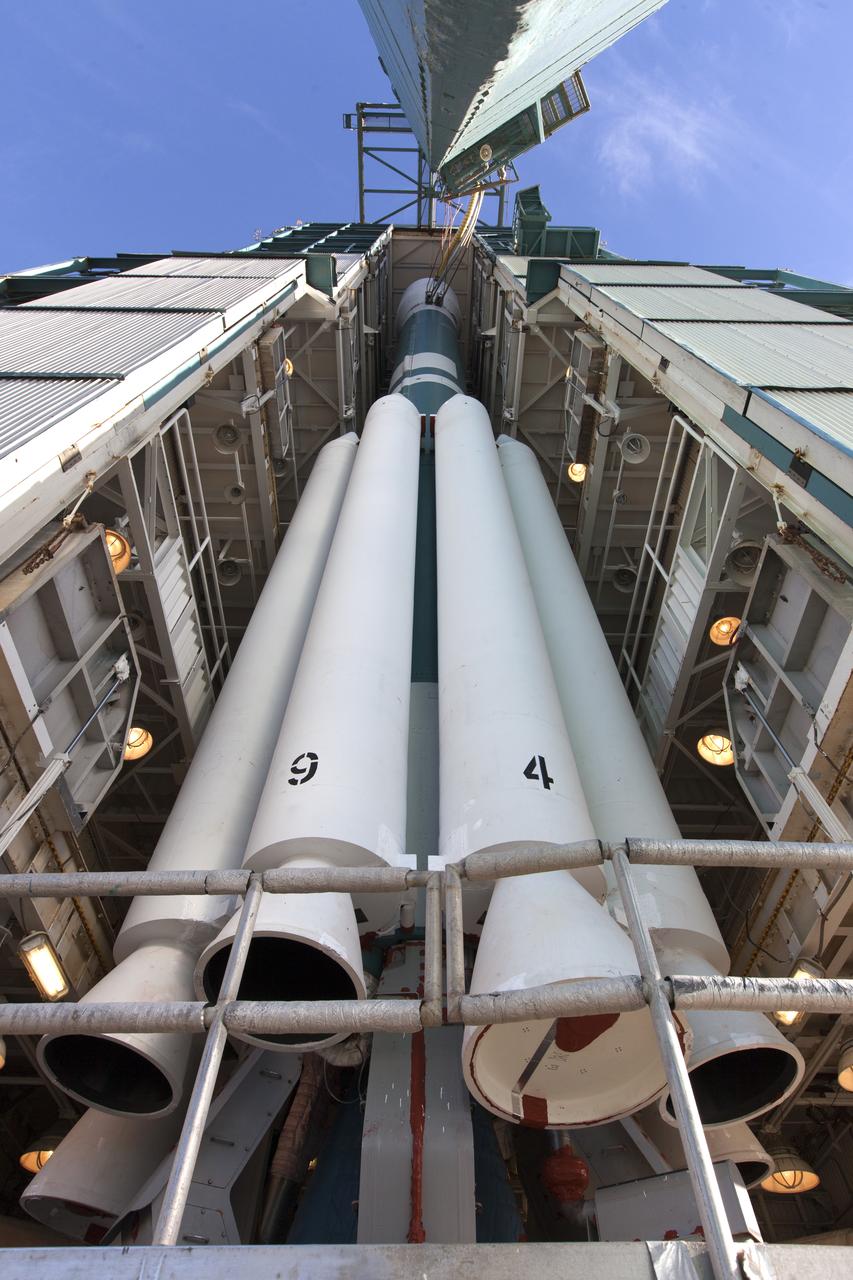
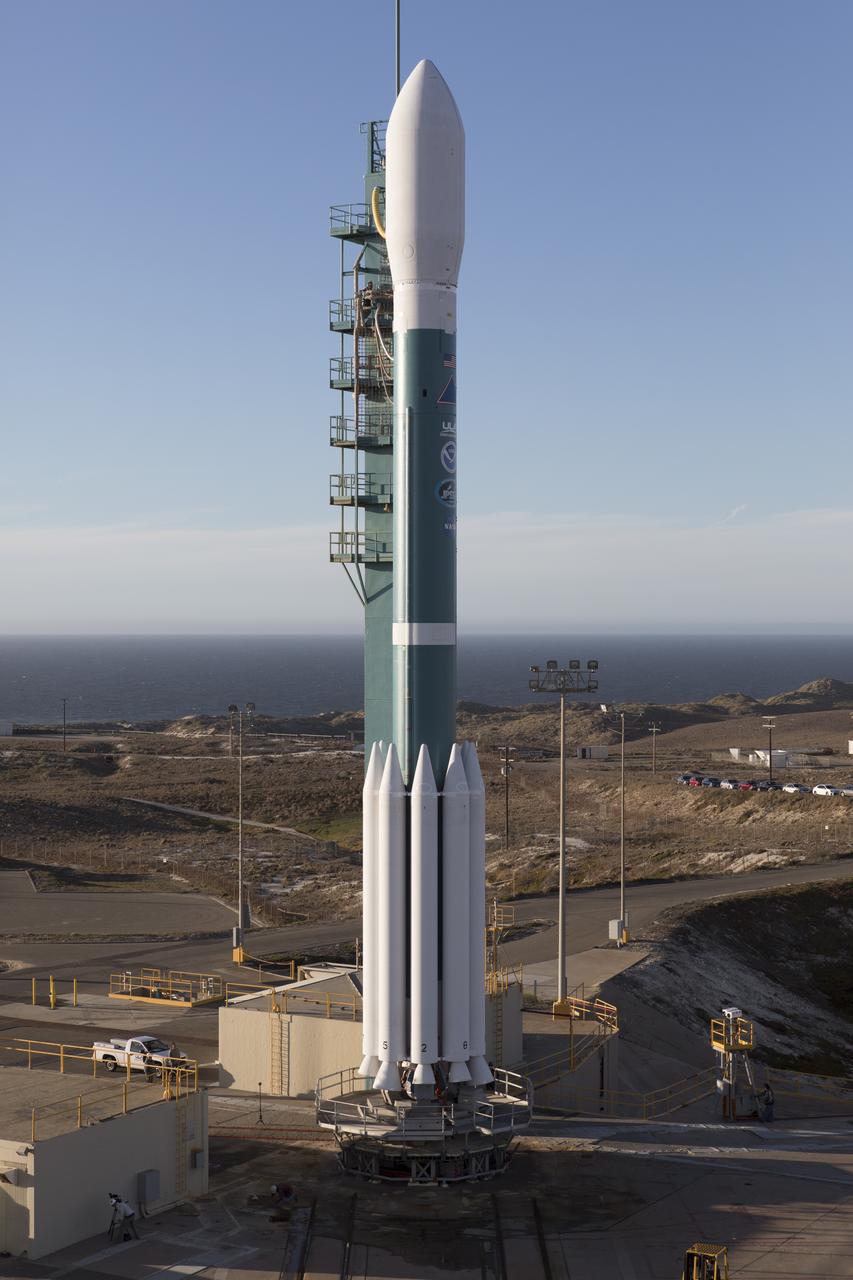
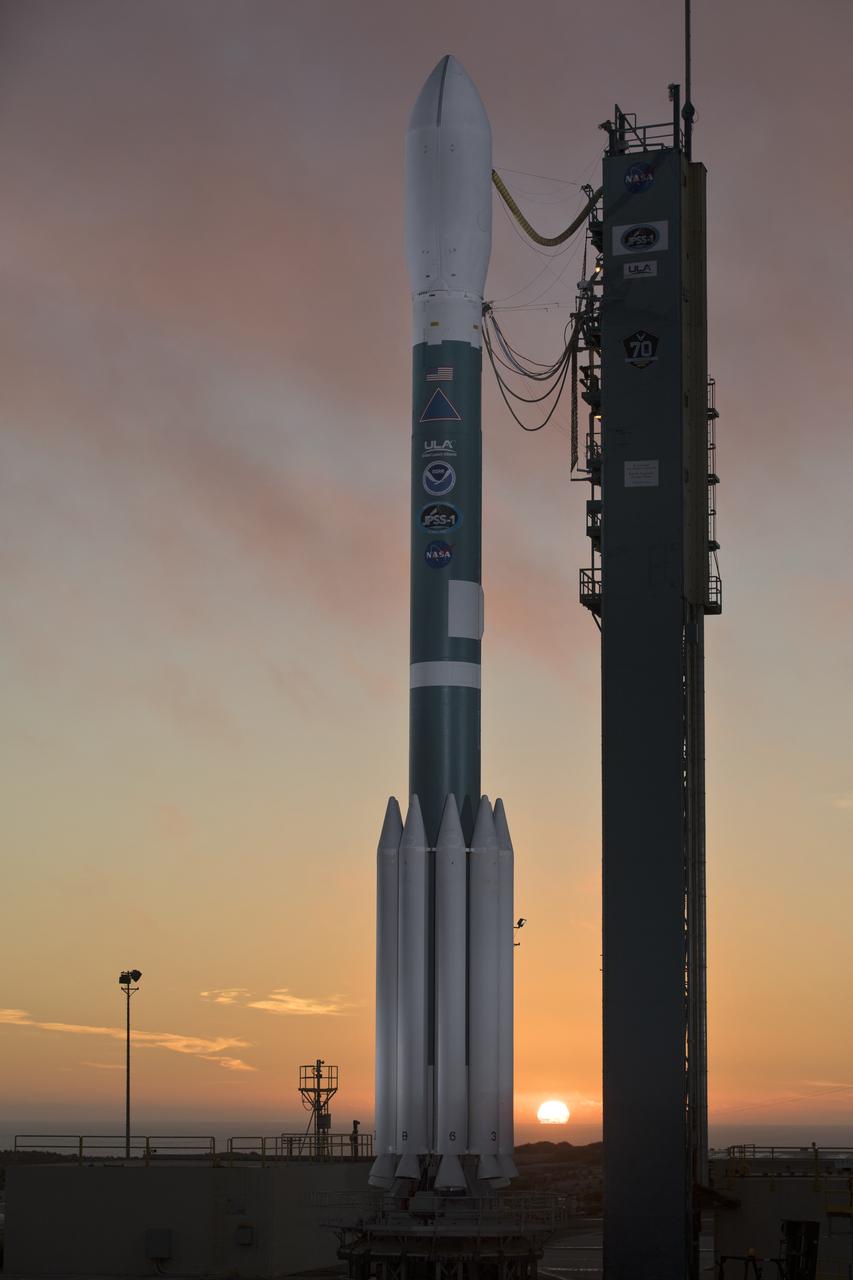
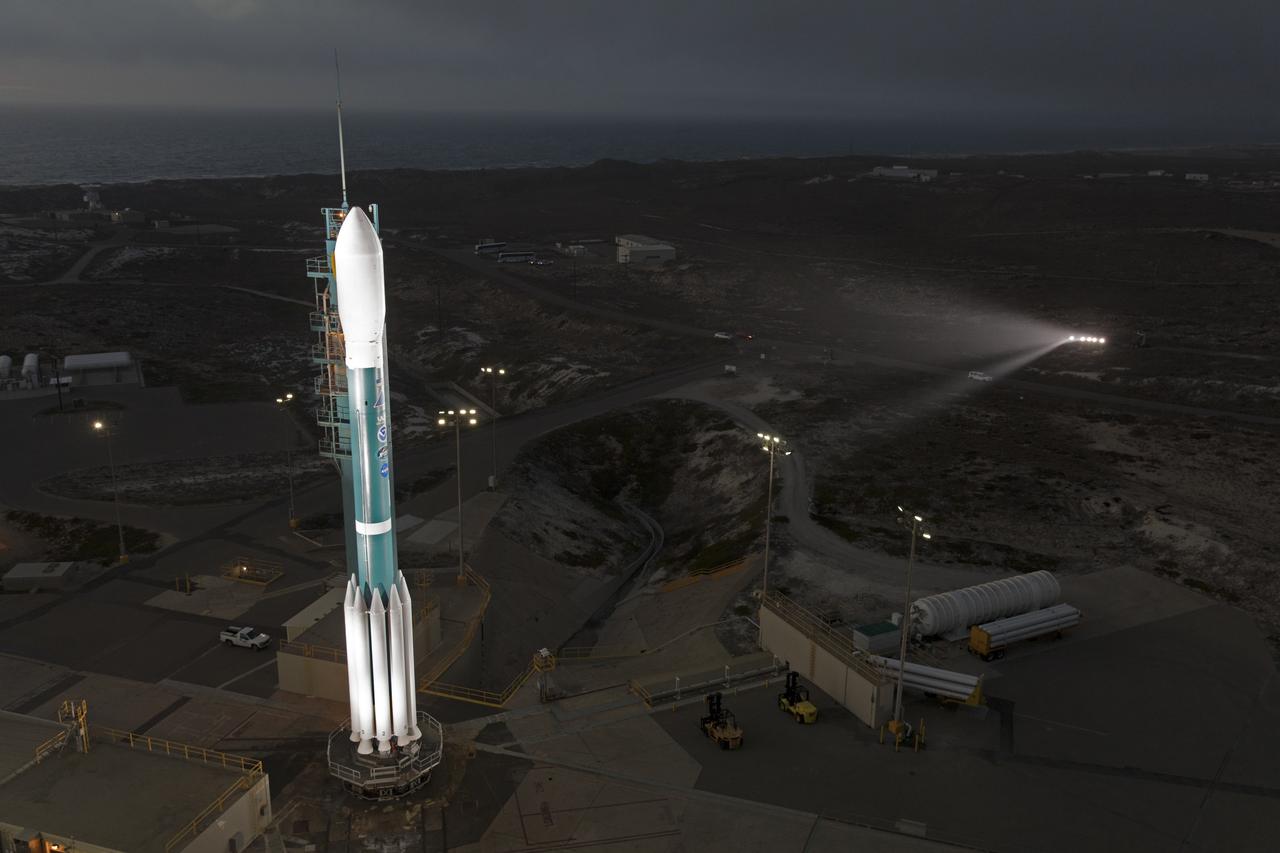
At Vandenberg Air Force Base in California, the gantry rolls back at Space Launch Complex 2 in preparation for the liftoff of the Joint Polar Satellite System-1, or JPSS-1, spacecraft. The United Launch Alliance Delta II rocket now is poised to boost the satellite to a polar orbit. Built by Ball Aerospace and Technologies Corp. of Boulder, Colorado, JPSS is the first in a series four next-generation environmental satellites in a collaborative program between NOAA and NASA. The satellite is scheduled to liftoff at 1:47 a.m. PST (4:47 a.m. EST), on Nov. 14, 2017.
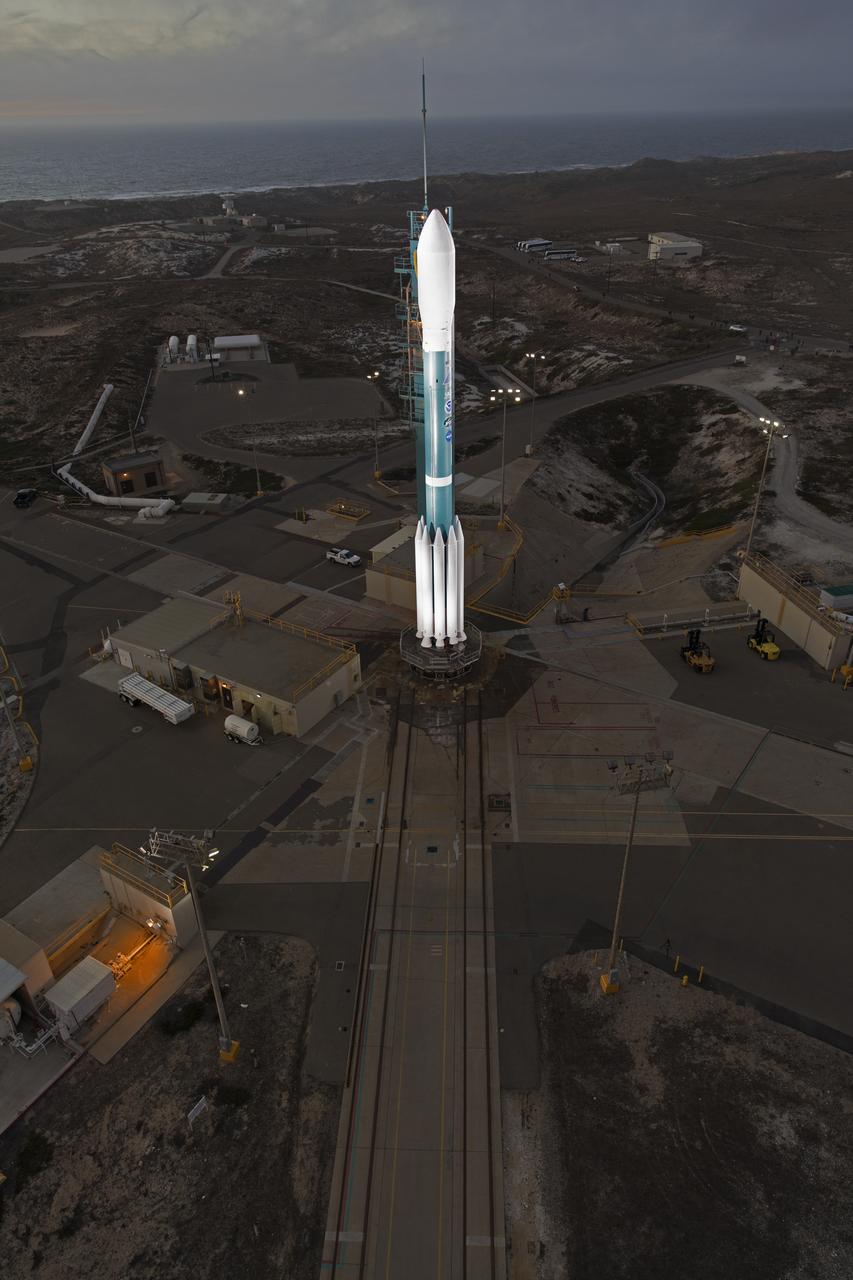
At Vandenberg Air Force Base in California, the gantry rolls back at Space Launch Complex 2 in preparation for the liftoff of the Joint Polar Satellite System-1, or JPSS-1, spacecraft. The United Launch Alliance Delta II rocket now is poised to boost the satellite to a polar orbit. Built by Ball Aerospace and Technologies Corp. of Boulder, Colorado, JPSS is the first in a series four next-generation environmental satellites in a collaborative program between NOAA and NASA. The satellite is scheduled to liftoff at 1:47 a.m. PST (4:47 a.m. EST), on Nov. 14, 2017.
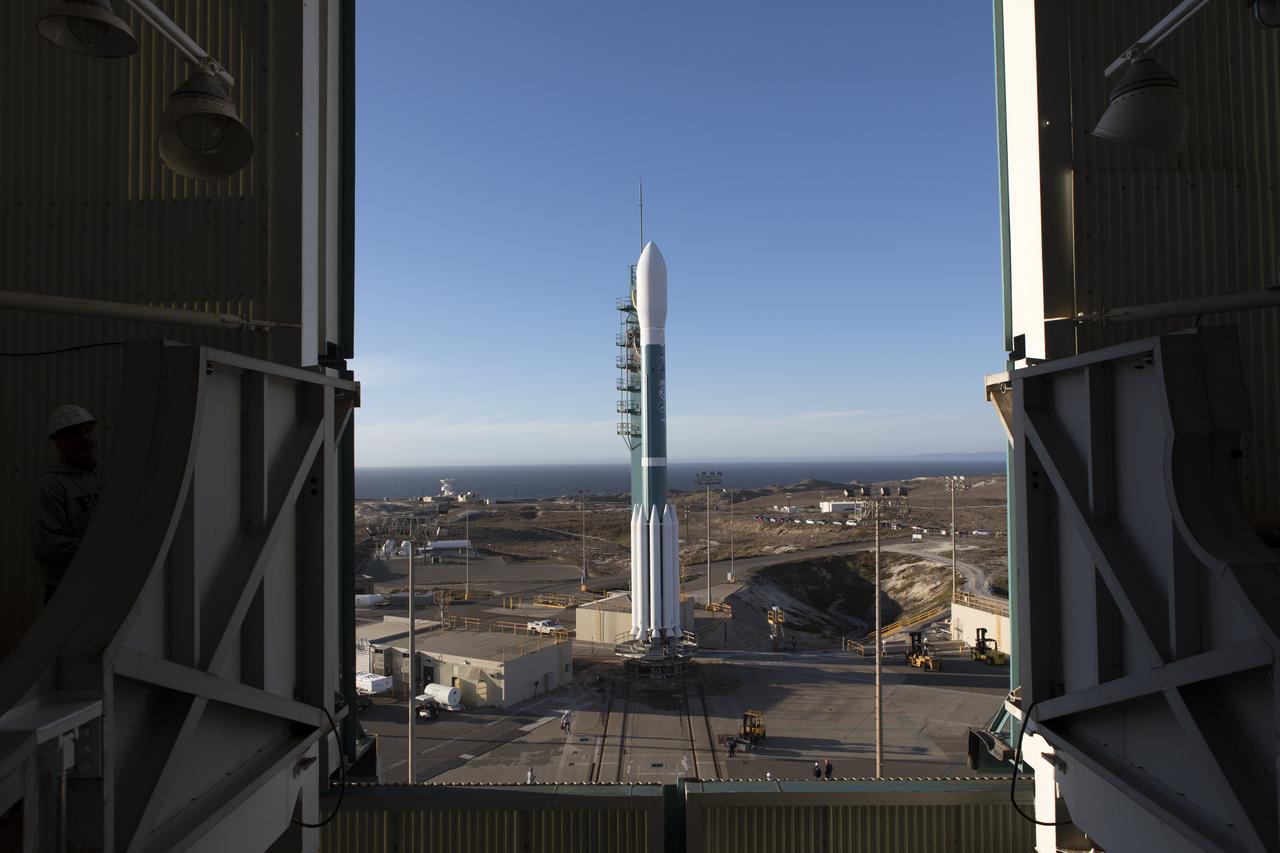
At Vandenberg Air Force Base in California, the gantry rolls back at Space Launch Complex 2 in preparation for the liftoff of the Joint Polar Satellite System-1, or JPSS-1, spacecraft. The United Launch Alliance Delta II rocket now is poised to boost the satellite to a polar orbit. Built by Ball Aerospace and Technologies Corp. of Boulder, Colorado, JPSS is the first in a series four next-generation environmental satellites in a collaborative program between NOAA and NASA. The satellite is scheduled to liftoff at 1:47 a.m. PST (4:47 a.m. EST), on Nov. 14, 2017.
At Vandenberg Air Force Base in California, the gantry rolls back at Space Launch Complex 2 in preparation for the liftoff of the Joint Polar Satellite System-1, or JPSS-1, spacecraft. The United Launch Alliance Delta II rocket now is poised to boost the satellite to a polar orbit. Built by Ball Aerospace and Technologies Corp. of Boulder, Colorado, JPSS is the first in a series four next-generation environmental satellites in a collaborative program between NOAA and NASA. The satellite is scheduled to liftoff at 1:47 a.m. PST (4:47 a.m. EST), on Nov. 14, 2017.
At Vandenberg Air Force Base in California, the gantry rolls back at Space Launch Complex 2 in preparation for the liftoff of the Joint Polar Satellite System-1, or JPSS-1, spacecraft. The United Launch Alliance Delta II rocket now is poised to boost the satellite to a polar orbit. Built by Ball Aerospace and Technologies Corp. of Boulder, Colorado, JPSS is the first in a series four next-generation environmental satellites in a collaborative program between NOAA and NASA. The satellite is scheduled to liftoff at 1:47 a.m. PST (4:47 a.m. EST), on Nov. 14, 2017.
At Vandenberg Air Force Base in California, the gantry rolls back at Space Launch Complex 2 in preparation for the liftoff of the Joint Polar Satellite System-1, or JPSS-1, spacecraft. The United Launch Alliance Delta II rocket now is poised to boost the satellite to a polar orbit. Built by Ball Aerospace and Technologies Corp. of Boulder, Colorado, JPSS is the first in a series four next-generation environmental satellites in a collaborative program between NOAA and NASA. The satellite is scheduled to liftoff at 1:47 a.m. PST (4:47 a.m. EST), on Nov. 14, 2017.

At Vandenberg Air Force Base in California, the gantry rolls back at Space Launch Complex 2 in preparation for the liftoff of the Joint Polar Satellite System-1, or JPSS-1, spacecraft. The United Launch Alliance Delta II rocket now is poised to boost the satellite to a polar orbit. Built by Ball Aerospace and Technologies Corp. of Boulder, Colorado, JPSS is the first in a series four next-generation environmental satellites in a collaborative program between NOAA and NASA. The satellite is scheduled to liftoff at 1:47 a.m. PST (4:47 a.m. EST), on Nov. 14, 2017.
At Vandenberg Air Force Base in California, the gantry rolls back at Space Launch Complex 2 in preparation for the liftoff of the Joint Polar Satellite System-1, or JPSS-1, spacecraft. The United Launch Alliance Delta II rocket now is poised to boost the satellite to a polar orbit. Built by Ball Aerospace and Technologies Corp. of Boulder, Colorado, JPSS is the first in a series four next-generation environmental satellites in a collaborative program between NOAA and NASA. The satellite is scheduled to liftoff at 1:47 a.m. PST (4:47 a.m. EST), on Nov. 14, 2017.
At Vandenberg Air Force Base in California, the gantry rolls back at Space Launch Complex 2 in preparation for the liftoff of the Joint Polar Satellite System-1, or JPSS-1, spacecraft. The United Launch Alliance Delta II rocket now is poised to boost the satellite to a polar orbit. Built by Ball Aerospace and Technologies Corp. of Boulder, Colorado, JPSS is the first in a series four next-generation environmental satellites in a collaborative program between NOAA and NASA. The satellite is scheduled to liftoff at 1:47 a.m. PST (4:47 a.m. EST), on Nov. 14, 2017.
At Vandenberg Air Force Base in California, the gantry rolls back at Space Launch Complex 2 in preparation for the liftoff of the Joint Polar Satellite System-1, or JPSS-1, spacecraft. The United Launch Alliance Delta II rocket now is poised to boost the satellite to a polar orbit. Built by Ball Aerospace and Technologies Corp. of Boulder, Colorado, JPSS is the first in a series four next-generation environmental satellites in a collaborative program between NOAA and NASA. The satellite is scheduled to liftoff at 1:47 a.m. PST (4:47 a.m. EST), on Nov. 14, 2017.
At Vandenberg Air Force Base in California, the gantry rolls back at Space Launch Complex 2 in preparation for the liftoff of the Joint Polar Satellite System-1, or JPSS-1, spacecraft. The United Launch Alliance Delta II rocket now is poised to boost the satellite to a polar orbit. Built by Ball Aerospace and Technologies Corp. of Boulder, Colorado, JPSS is the first in a series four next-generation environmental satellites in a collaborative program between NOAA and NASA. The satellite is scheduled to liftoff at 1:47 a.m. PST (4:47 a.m. EST), on Nov. 14, 2017.
At Vandenberg Air Force Base in California, the gantry rolls back at Space Launch Complex 2 in preparation for the liftoff of the Joint Polar Satellite System-1, or JPSS-1, spacecraft. The United Launch Alliance Delta II rocket now is poised to boost the satellite to a polar orbit. Built by Ball Aerospace and Technologies Corp. of Boulder, Colorado, JPSS is the first in a series four next-generation environmental satellites in a collaborative program between NOAA and NASA. The satellite is scheduled to liftoff at 1:47 a.m. PST (4:47 a.m. EST), on Nov. 14, 2017.
At Vandenberg Air Force Base in California, the gantry rolls back at Space Launch Complex 2 in preparation for the liftoff of the Joint Polar Satellite System-1, or JPSS-1, spacecraft. The United Launch Alliance Delta II rocket now is poised to boost the satellite to a polar orbit. Built by Ball Aerospace and Technologies Corp. of Boulder, Colorado, JPSS is the first in a series four next-generation environmental satellites in a collaborative program between NOAA and NASA. The satellite is scheduled to liftoff at 1:47 a.m. PST (4:47 a.m. EST), on Nov. 14, 2017.
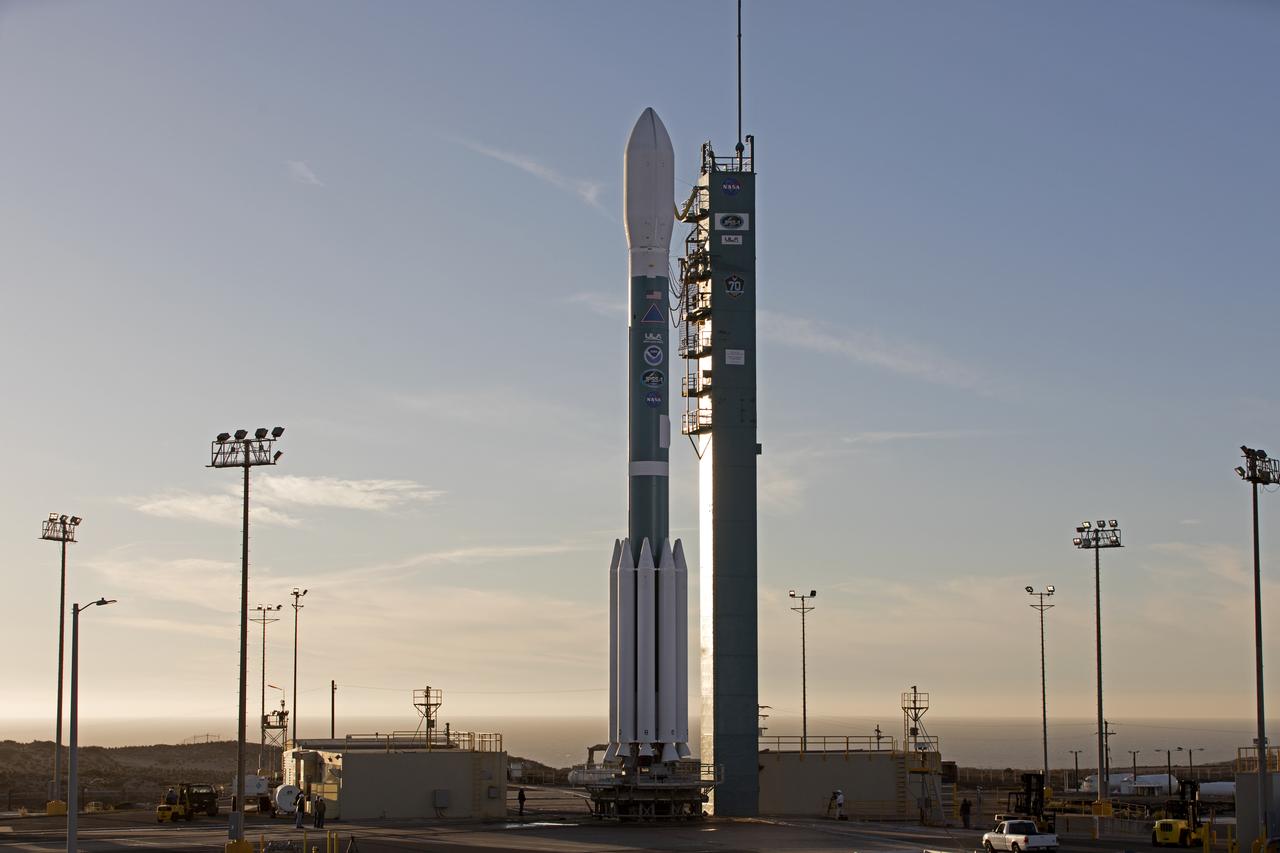
At Vandenberg Air Force Base in California, the gantry rolls back at Space Launch Complex 2 in preparation for the liftoff of the Joint Polar Satellite System-1, or JPSS-1, spacecraft. The United Launch Alliance Delta II rocket now is poised to boost the satellite to a polar orbit. Built by Ball Aerospace and Technologies Corp. of Boulder, Colorado, JPSS is the first in a series four next-generation environmental satellites in a collaborative program between NOAA and NASA. The satellite is scheduled to liftoff at 1:47 a.m. PST (4:47 a.m. EST), on Nov. 14, 2017.
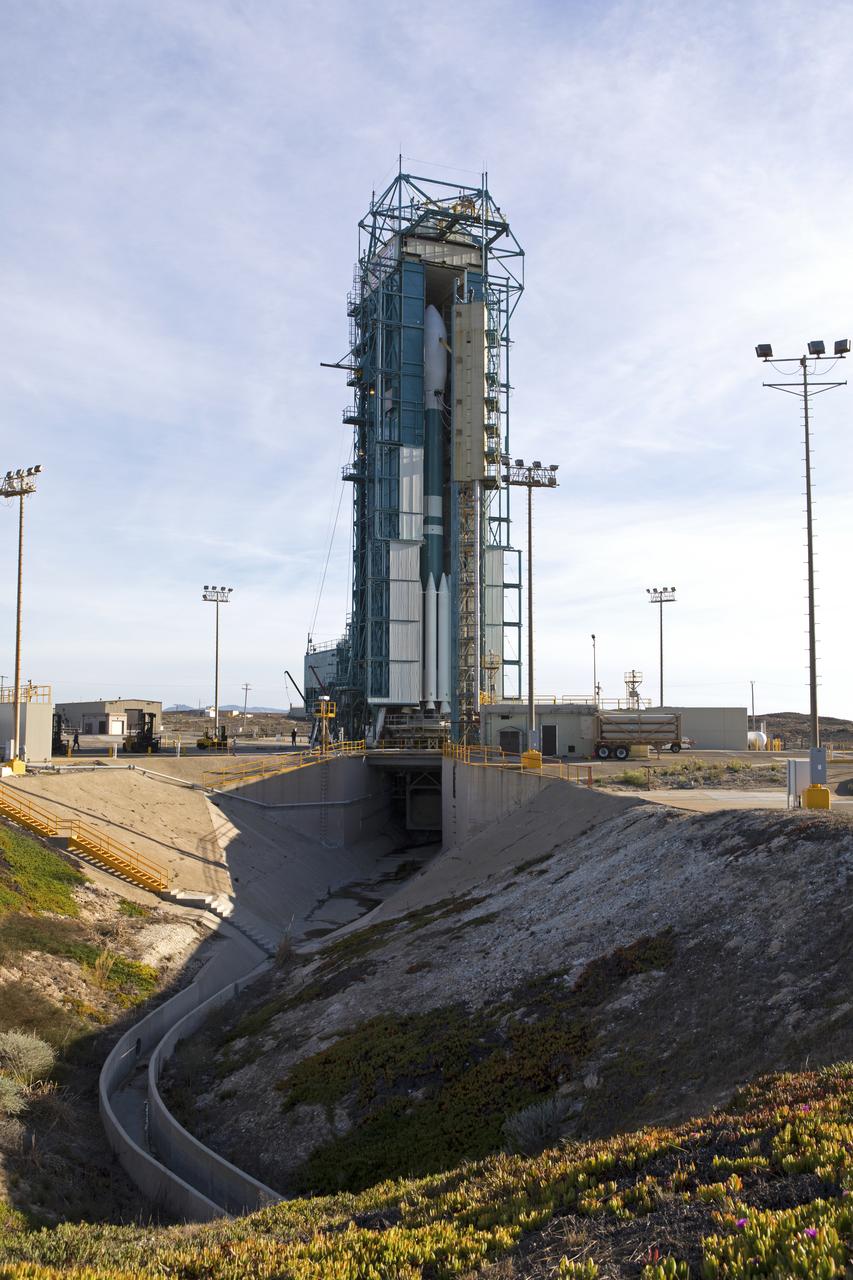
At Vandenberg Air Force Base in California, the gantry rolls back at Space Launch Complex 2 in preparation for the liftoff of the Joint Polar Satellite System-1, or JPSS-1, spacecraft. The United Launch Alliance Delta II rocket now is poised to boost the satellite to a polar orbit. Built by Ball Aerospace and Technologies Corp. of Boulder, Colorado, JPSS is the first in a series four next-generation environmental satellites in a collaborative program between NOAA and NASA. The satellite is scheduled to liftoff at 1:47 a.m. PST (4:47 a.m. EST), on Nov. 14, 2017.
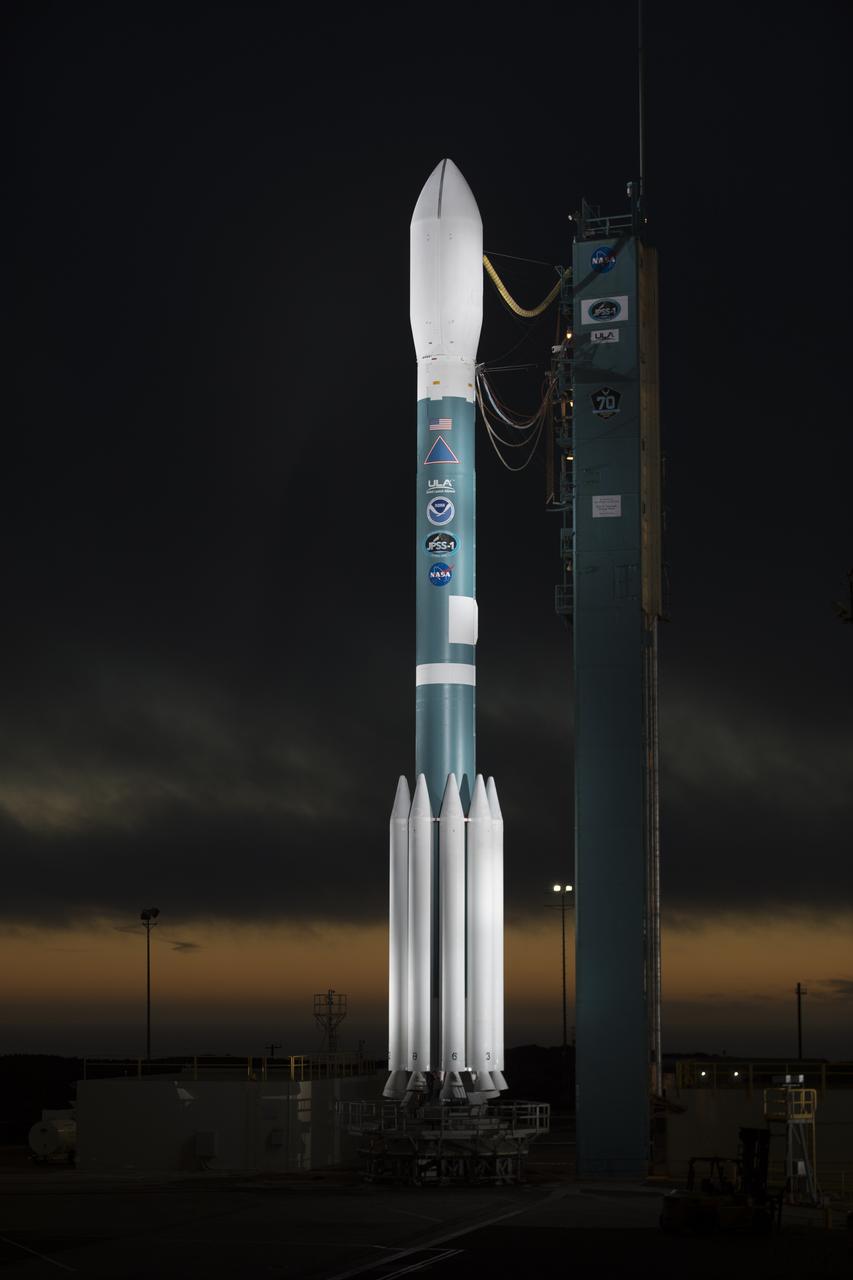
At Vandenberg Air Force Base in California, the gantry rolls back at Space Launch Complex 2 in preparation for the liftoff of the Joint Polar Satellite System-1, or JPSS-1, spacecraft. The United Launch Alliance Delta II rocket now is poised to boost the satellite to a polar orbit. Built by Ball Aerospace and Technologies Corp. of Boulder, Colorado, JPSS is the first in a series four next-generation environmental satellites in a collaborative program between NOAA and NASA. The satellite is scheduled to liftoff at 1:47 a.m. PST (4:47 a.m. EST), on Nov. 14, 2017.

At Vandenberg Air Force Base in California, the gantry rolls back at Space Launch Complex 2 in preparation for the liftoff of the Joint Polar Satellite System-1, or JPSS-1, spacecraft. The United Launch Alliance Delta II rocket now is poised to boost the satellite to a polar orbit. Built by Ball Aerospace and Technologies Corp. of Boulder, Colorado, JPSS is the first in a series four next-generation environmental satellites in a collaborative program between NOAA and NASA. The satellite is scheduled to liftoff at 1:47 a.m. PST (4:47 a.m. EST), on Nov. 14, 2017.
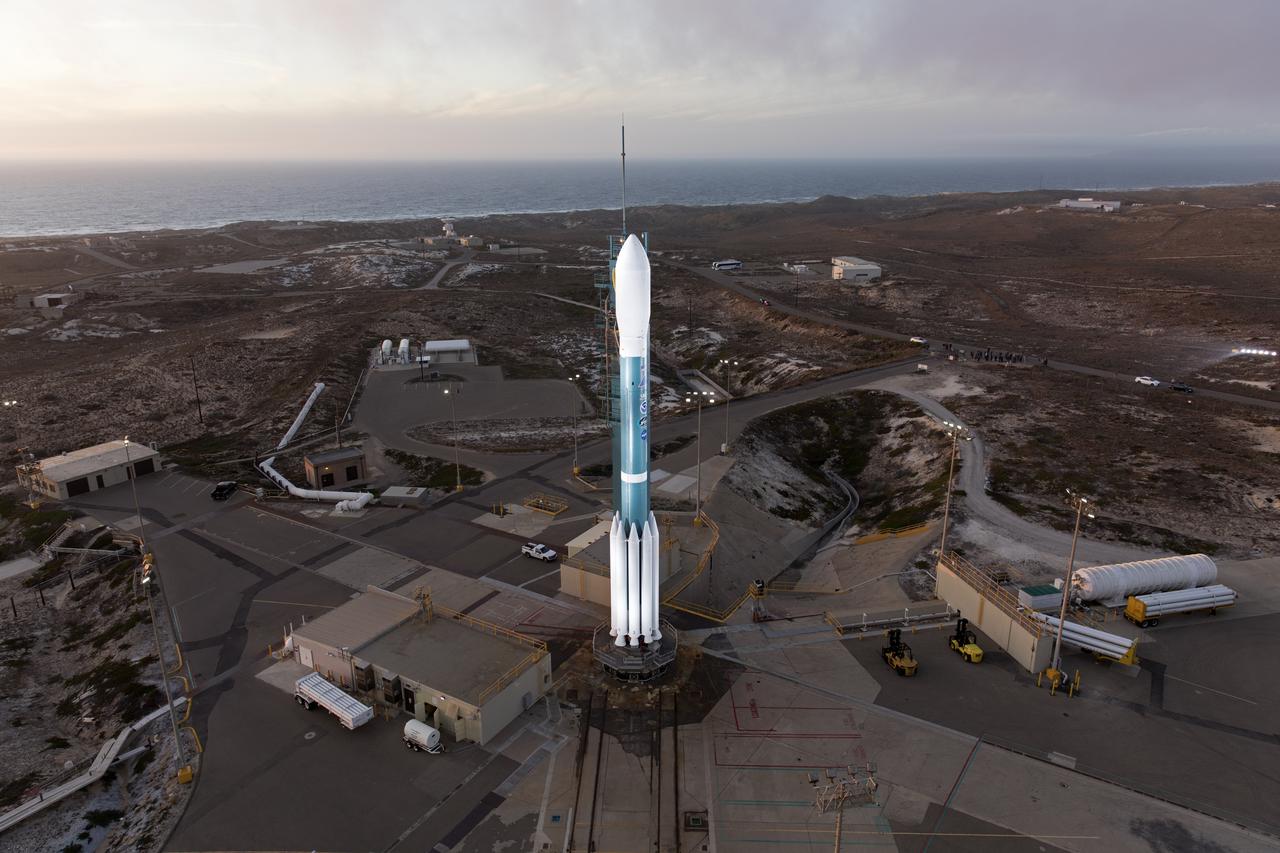
At Vandenberg Air Force Base in California, the gantry rolls back at Space Launch Complex 2 in preparation for the liftoff of the Joint Polar Satellite System-1, or JPSS-1, spacecraft. The United Launch Alliance Delta II rocket now is poised to boost the satellite to a polar orbit. Built by Ball Aerospace and Technologies Corp. of Boulder, Colorado, JPSS is the first in a series four next-generation environmental satellites in a collaborative program between NOAA and NASA. The satellite is scheduled to liftoff at 1:47 a.m. PST (4:47 a.m. EST), on Nov. 14, 2017.
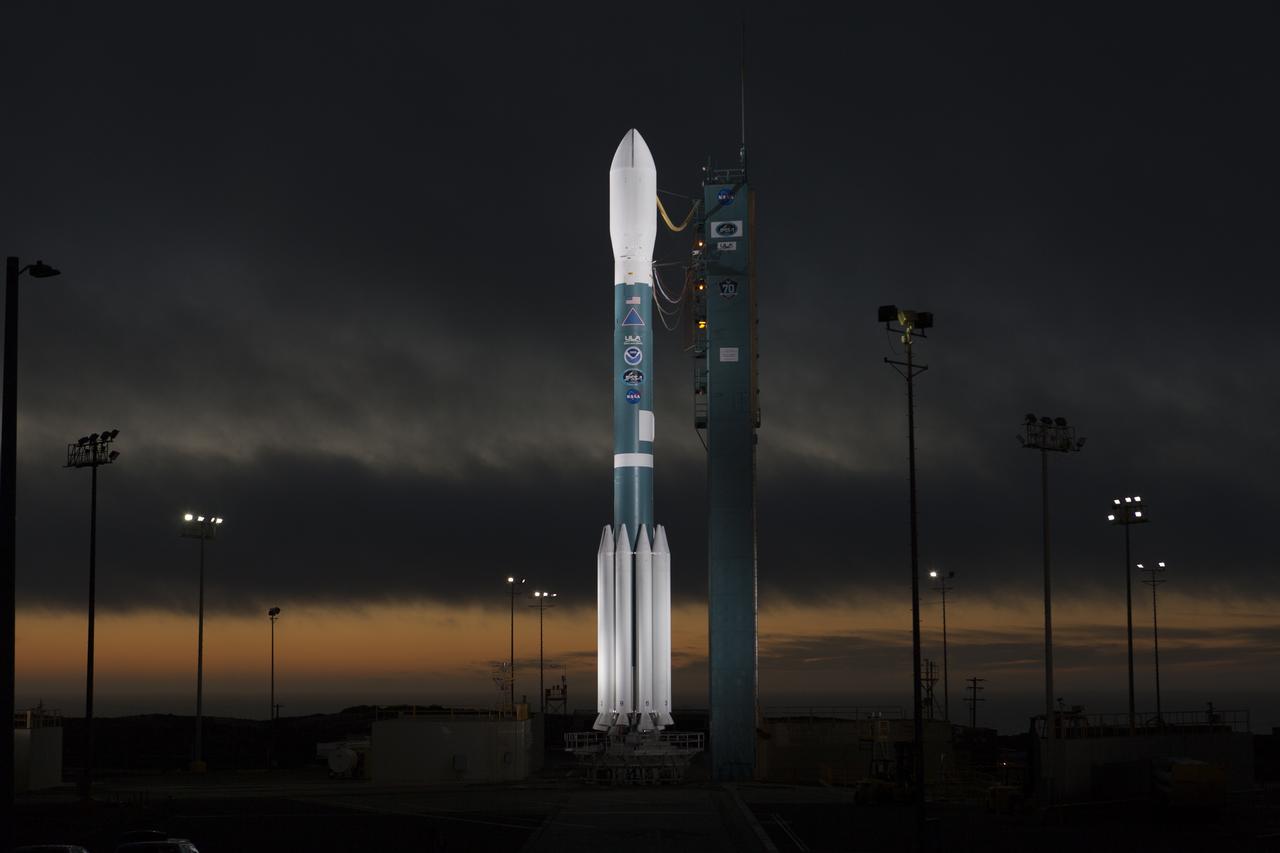
At Vandenberg Air Force Base in California, the gantry rolls back at Space Launch Complex 2 in preparation for the liftoff of the Joint Polar Satellite System-1, or JPSS-1, spacecraft. The United Launch Alliance Delta II rocket now is poised to boost the satellite to a polar orbit. Built by Ball Aerospace and Technologies Corp. of Boulder, Colorado, JPSS is the first in a series four next-generation environmental satellites in a collaborative program between NOAA and NASA. The satellite is scheduled to liftoff at 1:47 a.m. PST (4:47 a.m. EST), on Nov. 14, 2017.
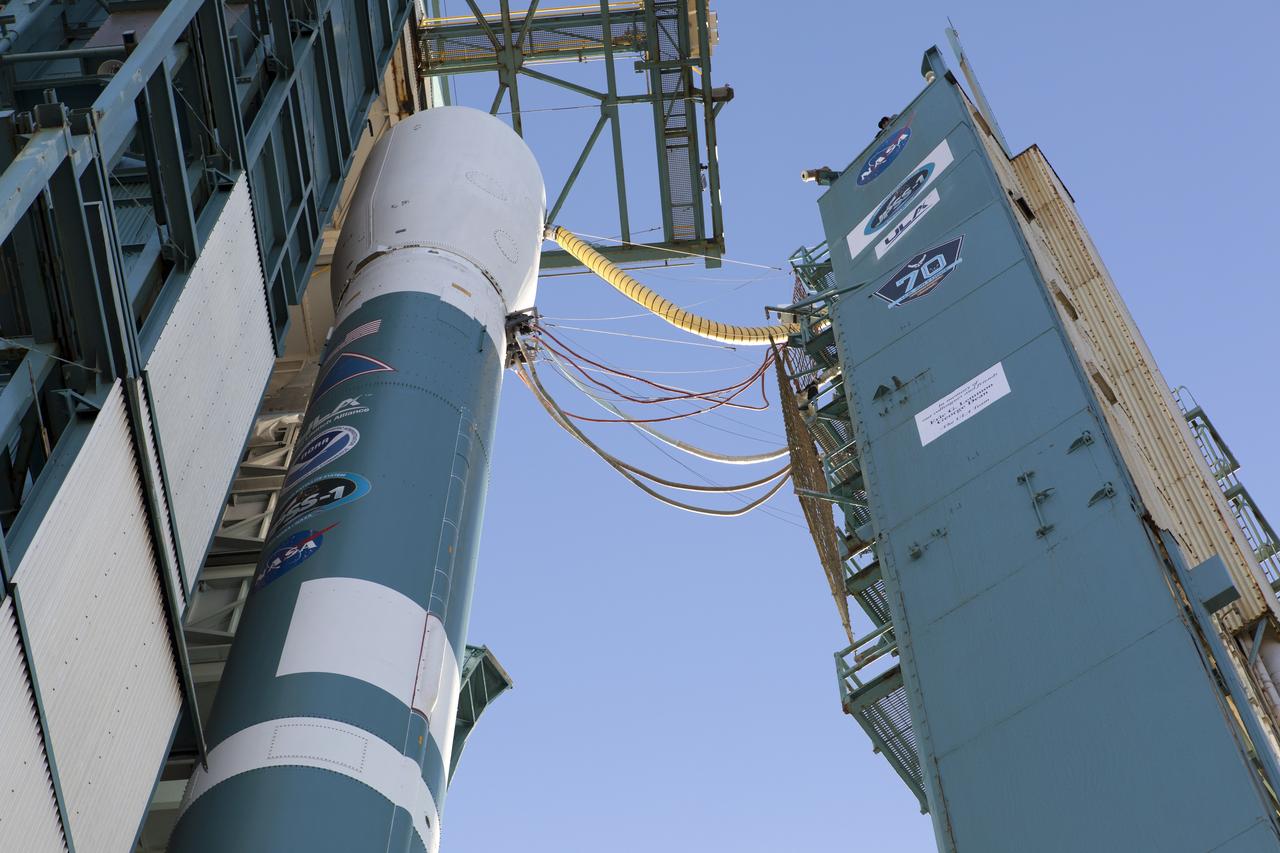
At Vandenberg Air Force Base in California, the gantry rolls back at Space Launch Complex 2 in preparation for the liftoff of the Joint Polar Satellite System-1, or JPSS-1, spacecraft. The United Launch Alliance Delta II rocket now is poised to boost the satellite to a polar orbit. Built by Ball Aerospace and Technologies Corp. of Boulder, Colorado, JPSS is the first in a series four next-generation environmental satellites in a collaborative program between NOAA and NASA. The satellite is scheduled to liftoff at 1:47 a.m. PST (4:47 a.m. EST), on Nov. 14, 2017.
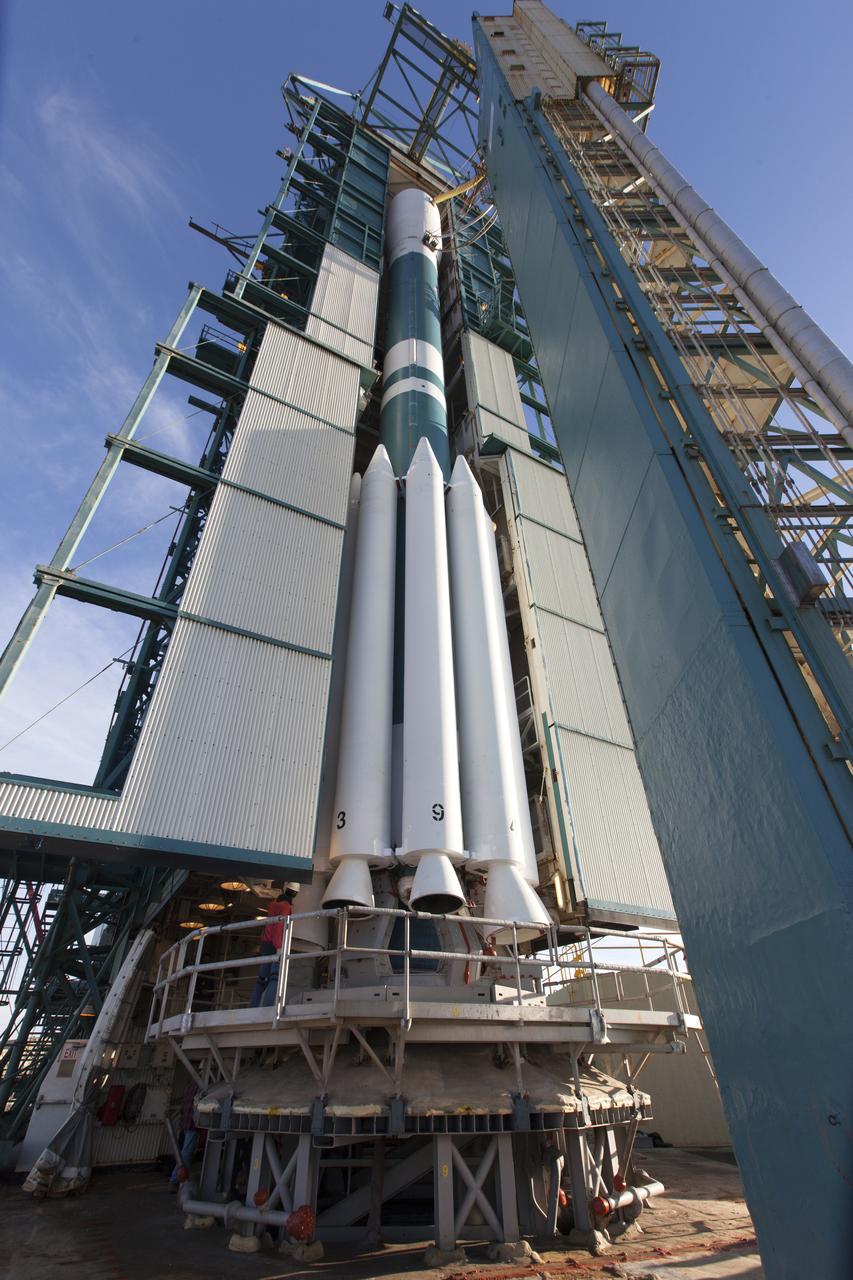
At Vandenberg Air Force Base in California, the gantry rolls back at Space Launch Complex 2 in preparation for the liftoff of the Joint Polar Satellite System-1, or JPSS-1, spacecraft. The United Launch Alliance Delta II rocket now is poised to boost the satellite to a polar orbit. Built by Ball Aerospace and Technologies Corp. of Boulder, Colorado, JPSS is the first in a series four next-generation environmental satellites in a collaborative program between NOAA and NASA. The satellite is scheduled to liftoff at 1:47 a.m. PST (4:47 a.m. EST), on Nov. 14, 2017.
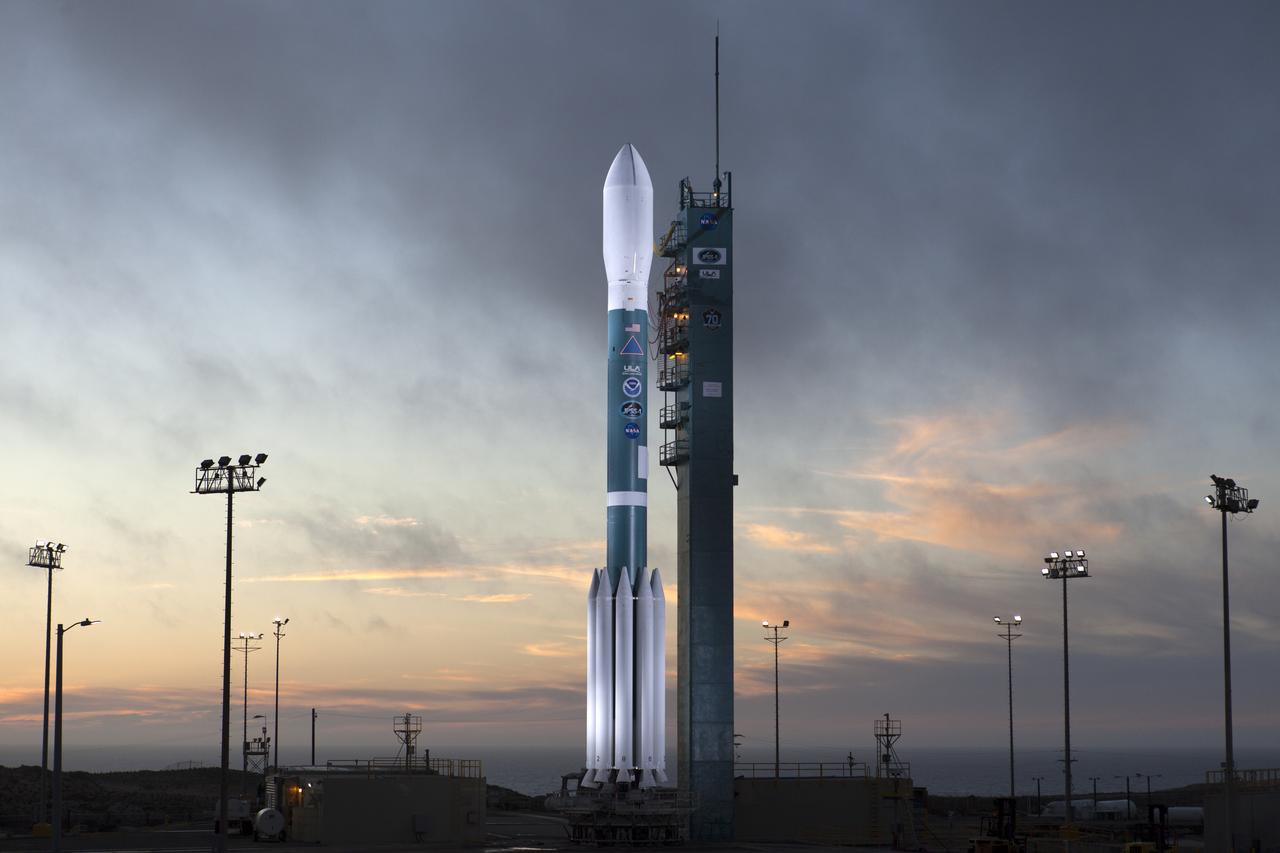
At Vandenberg Air Force Base in California, the gantry rolls back at Space Launch Complex 2 in preparation for the liftoff of the Joint Polar Satellite System-1, or JPSS-1, spacecraft. The United Launch Alliance Delta II rocket now is poised to boost the satellite to a polar orbit. Built by Ball Aerospace and Technologies Corp. of Boulder, Colorado, JPSS is the first in a series four next-generation environmental satellites in a collaborative program between NOAA and NASA. The satellite is scheduled to liftoff at 1:47 a.m. PST (4:47 a.m. EST), on Nov. 14, 2017.
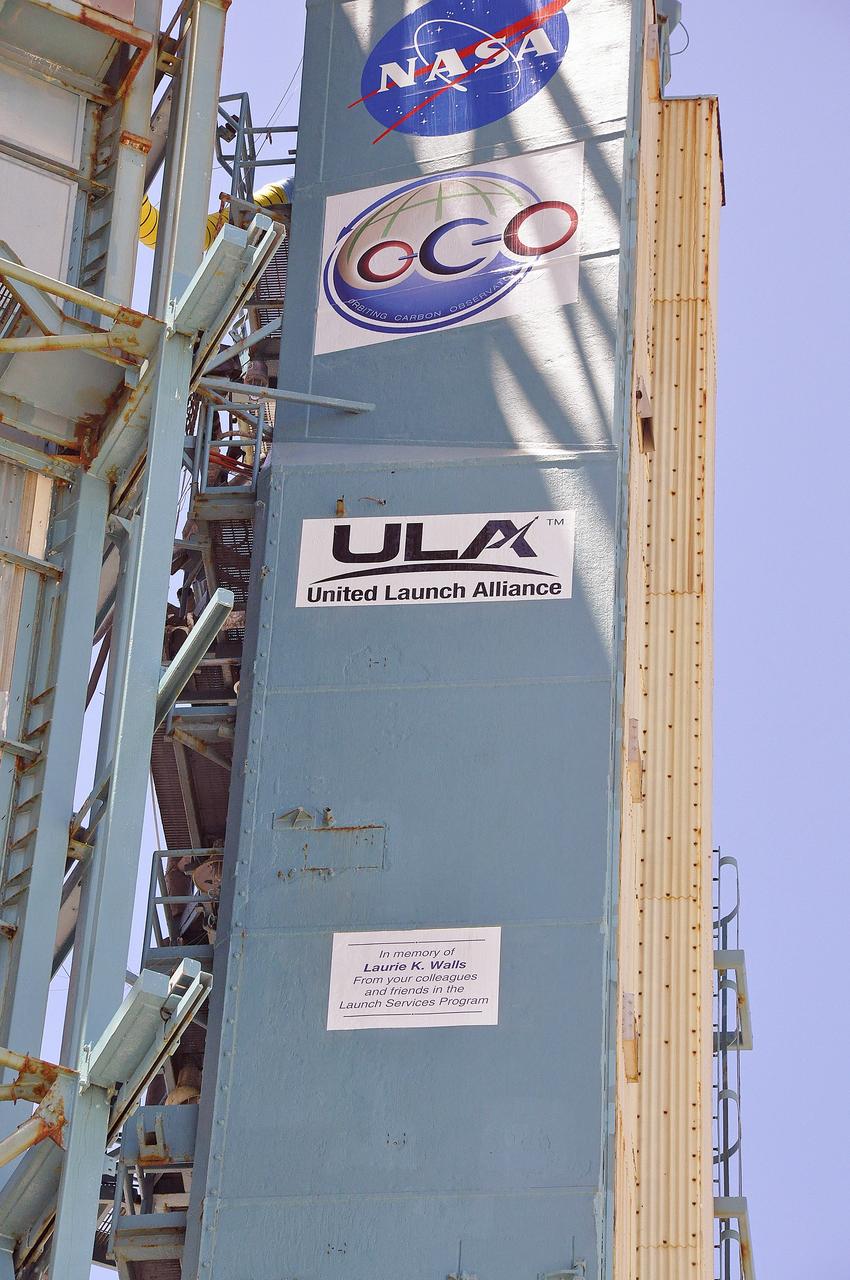
VANDENBERG AIR FORCE BASE, Calif. – A memorial plaque honoring Laurie K. Walls is affixed to the umbilical tower on Space Launch Complex 2 at Vandenberg Air Force Base in California for the launch of NASA's Orbiting Carbon Observatory-2, or OCO-2. Walls, a thermal analysis engineer with the Launch Services Program, or LSP, at NASA's Kennedy Space Center, died June 4. This dedication to Walls from the members of the launch team was read during the OCO-2 countdown commentary: "The OCO-2 mission has special meaning to NASA's Launch Services Program as we have dedicated it to one of our LSP Teammates, Laurie Walls. Laurie began her career over 30 years ago as a thermal engineer for McDonnell Douglas in Huntsville, Alabama, supporting NASA's Marshall Space Flight Center. She moved to Florida in 1985. Shortly after coming to Florida, Laurie became a civil servant working on the Shuttle program return to flight effort post-Challenger. In 1998, Laurie joined the newly formed Launch Services Program as one of the founding members of the flight analysis group. She served in LSP as the thermal discipline expert until her untimely death earlier this month. Laurie worked thermal issues for numerous NASA Delta II and Atlas V missions. Additionally, she provided key thermal support for both Delta II Heavy development and Atlas V Certification. Laurie was an integral member of LSP's family and she was truly dedicated to NASA and the LSP team. She will be greatly missed. We honor Laurie with a special memorial placed on the SLC-2 umbilical tower, and we thank ULA for helping to make this happen." Launch of OCO-2 is scheduled for 5:56 a.m. EDT on July 1. To learn more about NASA's Launch Services Program, visit http://www.nasa.gov/centers/kennedy/launchingrockets/index.html. Photo credit: NASA/Randy Beaudoin
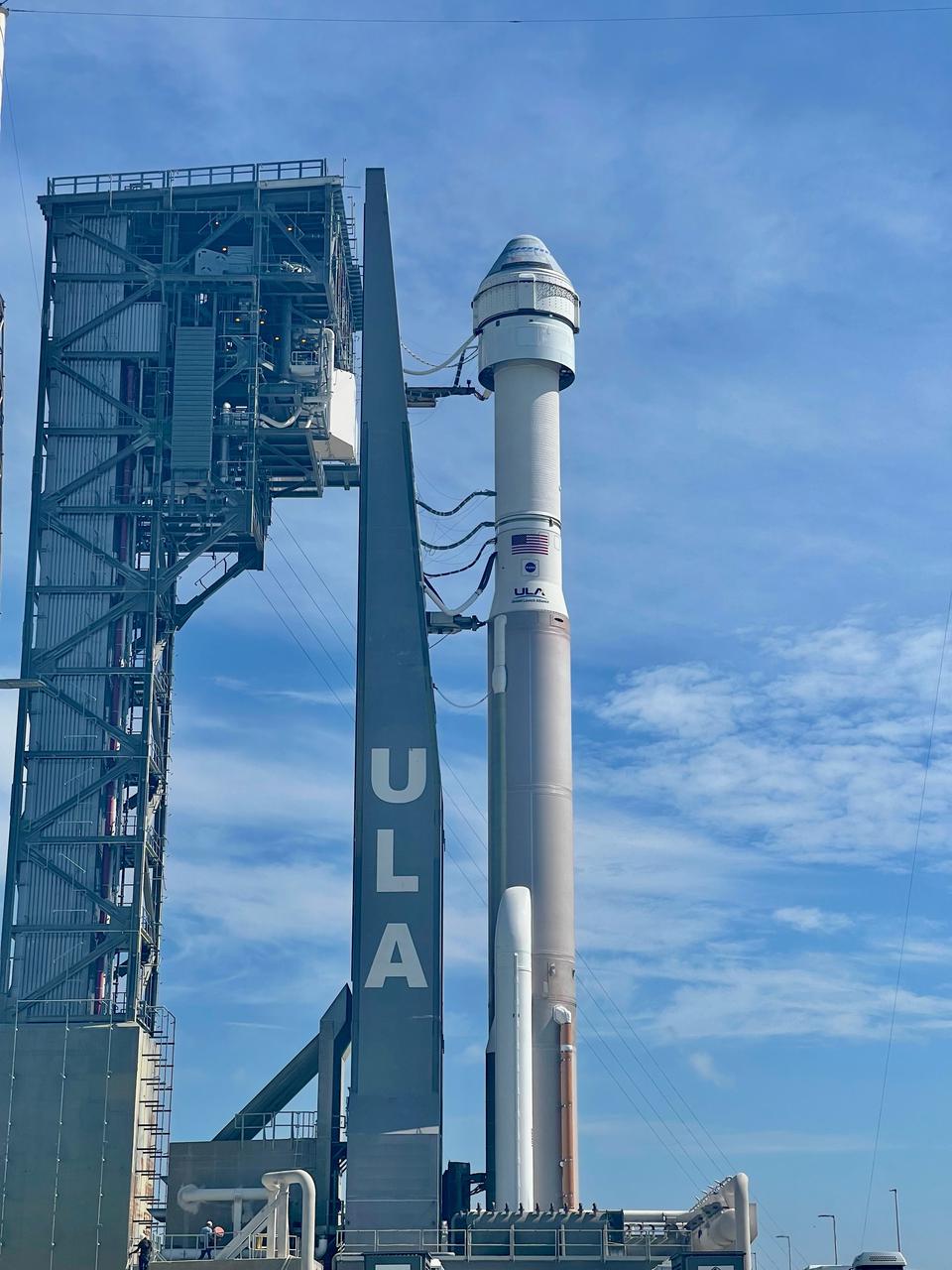
On July 29, 2021, Boeing’s CST-100 Starliner spacecraft and the United Launch Alliance Atlas V rocket rolled out of the Vertical Integration Facility to the launch pad at Space Launch Complex-41 on Cape Canaveral Space Force Station in Florida. Starliner will launch on the Atlas V for Boeing’s second uncrewed Orbital Flight Test (OFT-2) for NASA’s Commercial Crew Program. OFT-2 is an important uncrewed mission designed to test the end-to-end capabilities of the new system for NASA’s Commercial Crew Program.
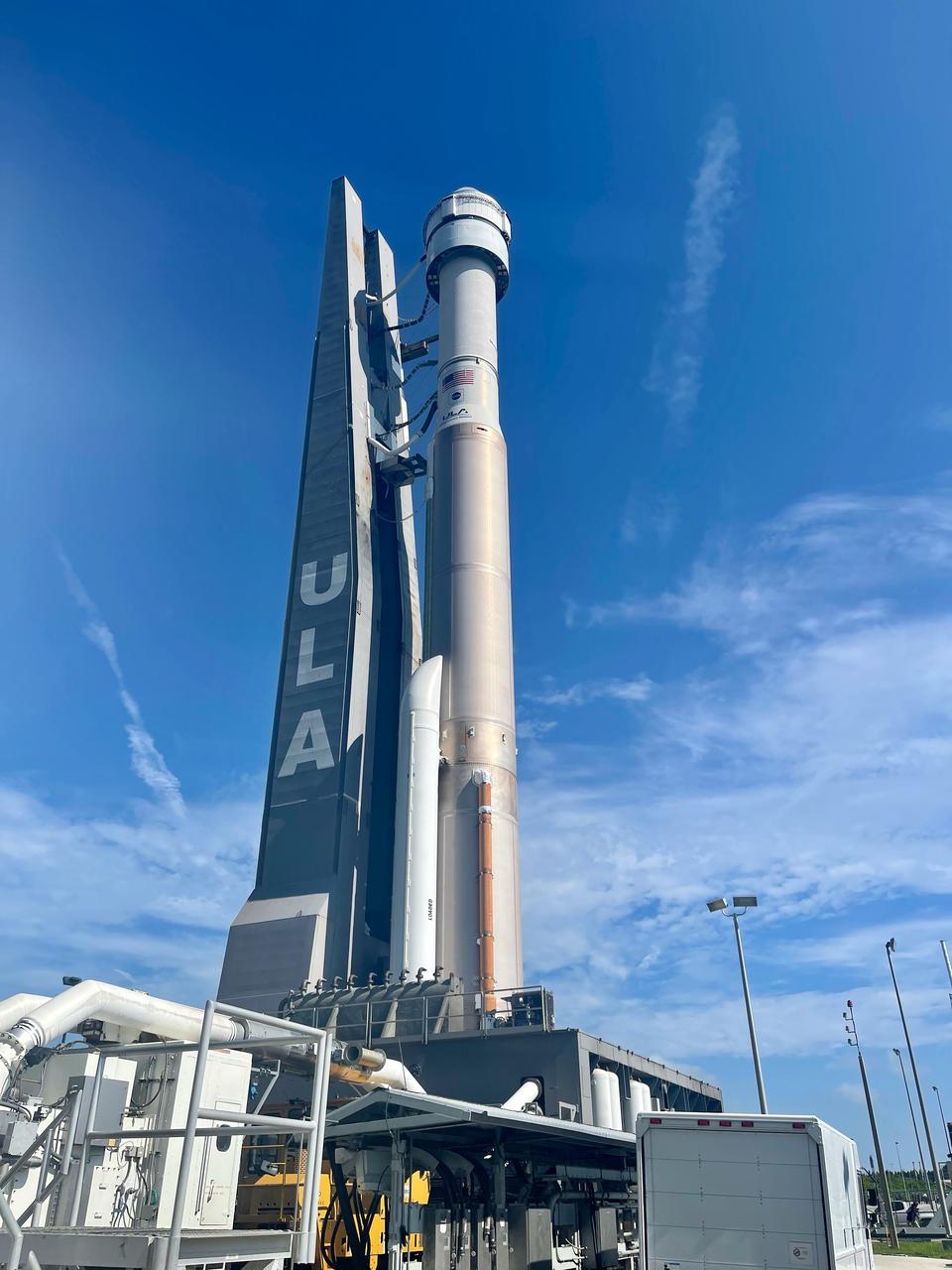
On July 29, 2021, Boeing’s CST-100 Starliner spacecraft and the United Launch Alliance Atlas V rocket rolled out of the Vertical Integration Facility to the launch pad at Space Launch Complex-41 on Cape Canaveral Space Force Station in Florida. Starliner will launch on the Atlas V for Boeing’s second uncrewed Orbital Flight Test (OFT-2) for NASA’s Commercial Crew Program.; OFT-2 is an important uncrewed mission designed to test the end-to-end capabilities of the new system for NASA’s Commercial Crew Program.
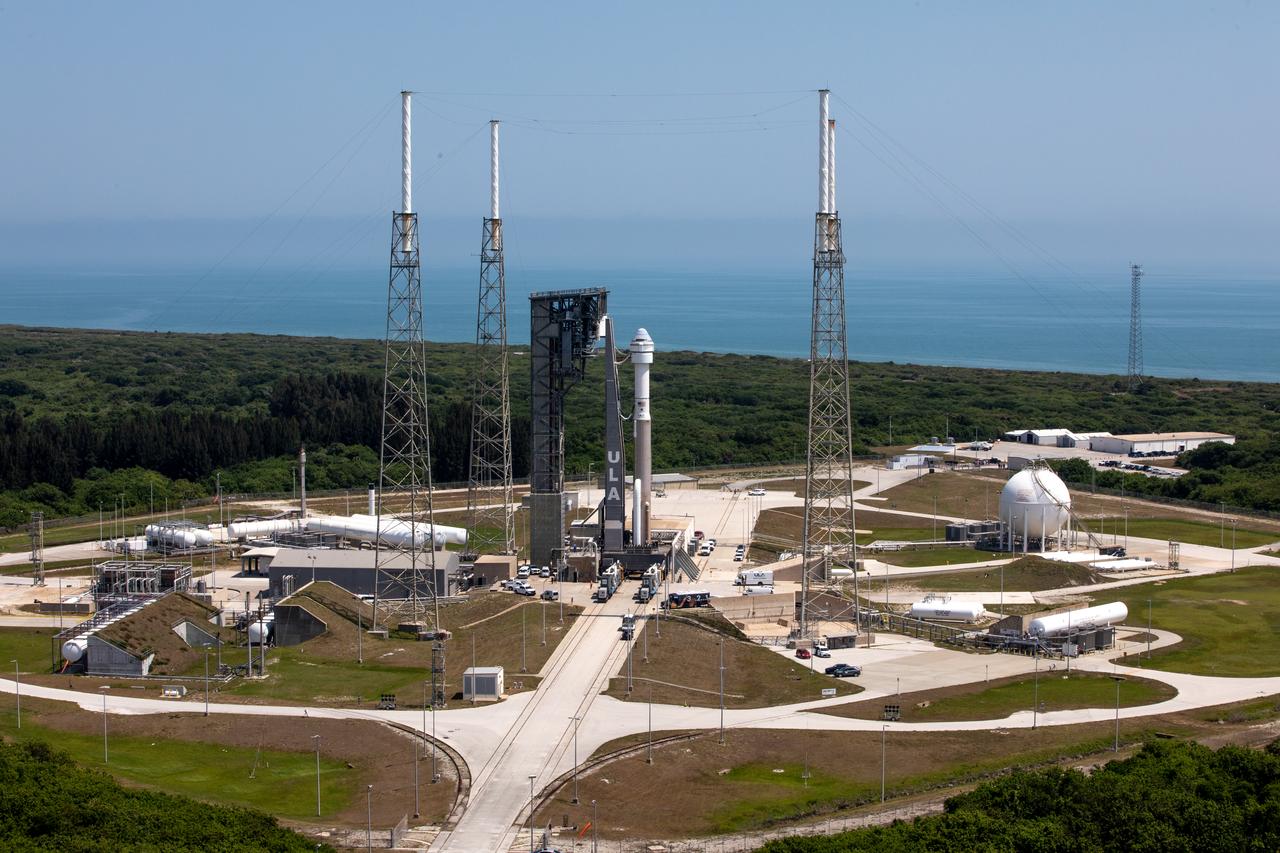
On May 18, 2022, Boeing’s CST-100 Starliner spacecraft and the United Launch Alliance Atlas V rocket roll out from the Vertical Integration Facility to the launch pad at Space Launch Complex-41 on Cape Canaveral Space Force Station in Florida. Starliner will launch on the Atlas V for Boeing’s Orbital Flight Test (OFT-2) for NASA’s Commercial Crew Program at 6:54 p.m. EDT on Thursday, May 19. OFT-2 is an important uncrewed flight test designed to test the end-to-end capabilities of the system to help the agency certify Starliner to carry astronauts to and from the International Space Station.
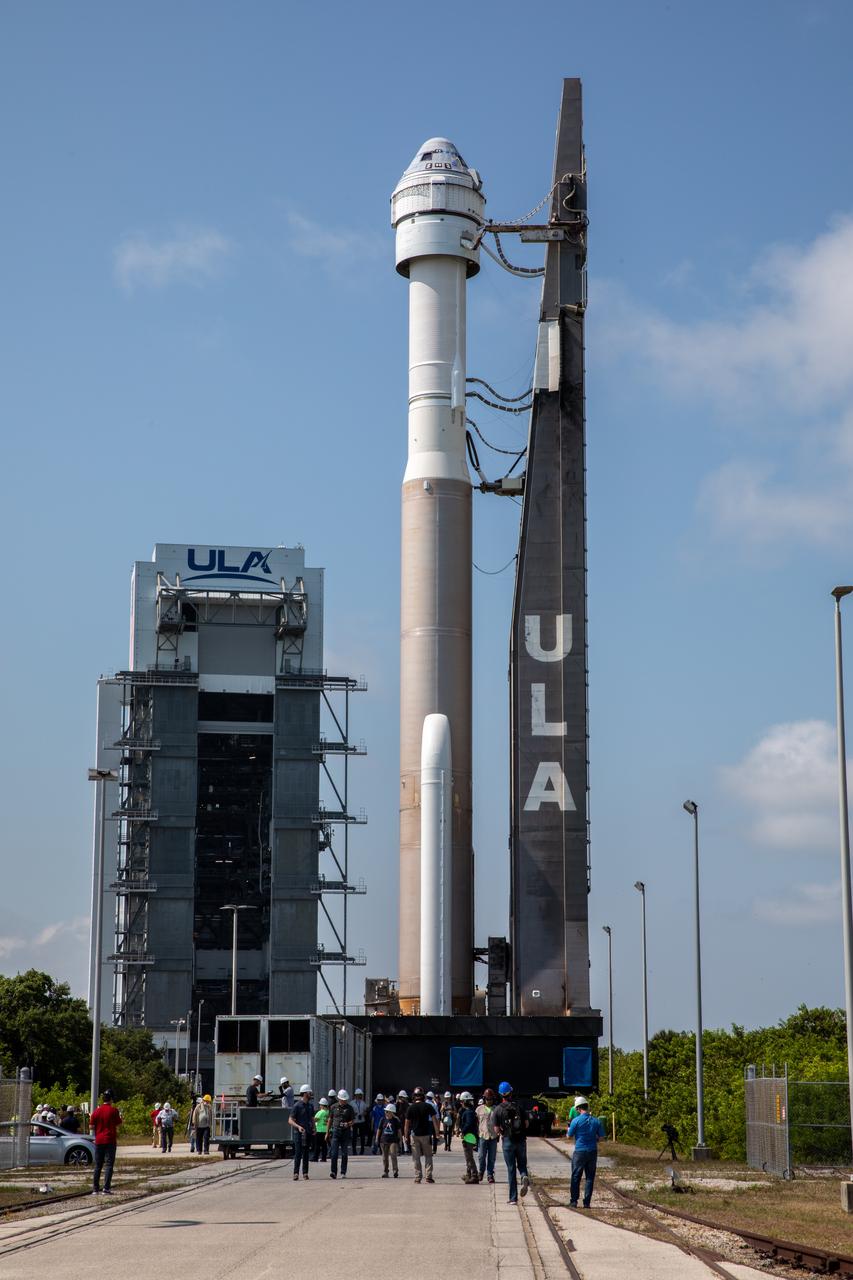
On May 18, 2022, Boeing’s CST-100 Starliner spacecraft and the United Launch Alliance Atlas V rocket roll out from the Vertical Integration Facility to the launch pad at Space Launch Complex-41 on Cape Canaveral Space Force Station in Florida. Starliner will launch on the Atlas V for Boeing’s Orbital Flight Test (OFT-2) for NASA’s Commercial Crew Program at 6:54 p.m. EDT on Thursday, May 19. OFT-2 is an important uncrewed flight test designed to test the end-to-end capabilities of the system to help the agency certify Starliner to carry astronauts to and from the International Space Station.
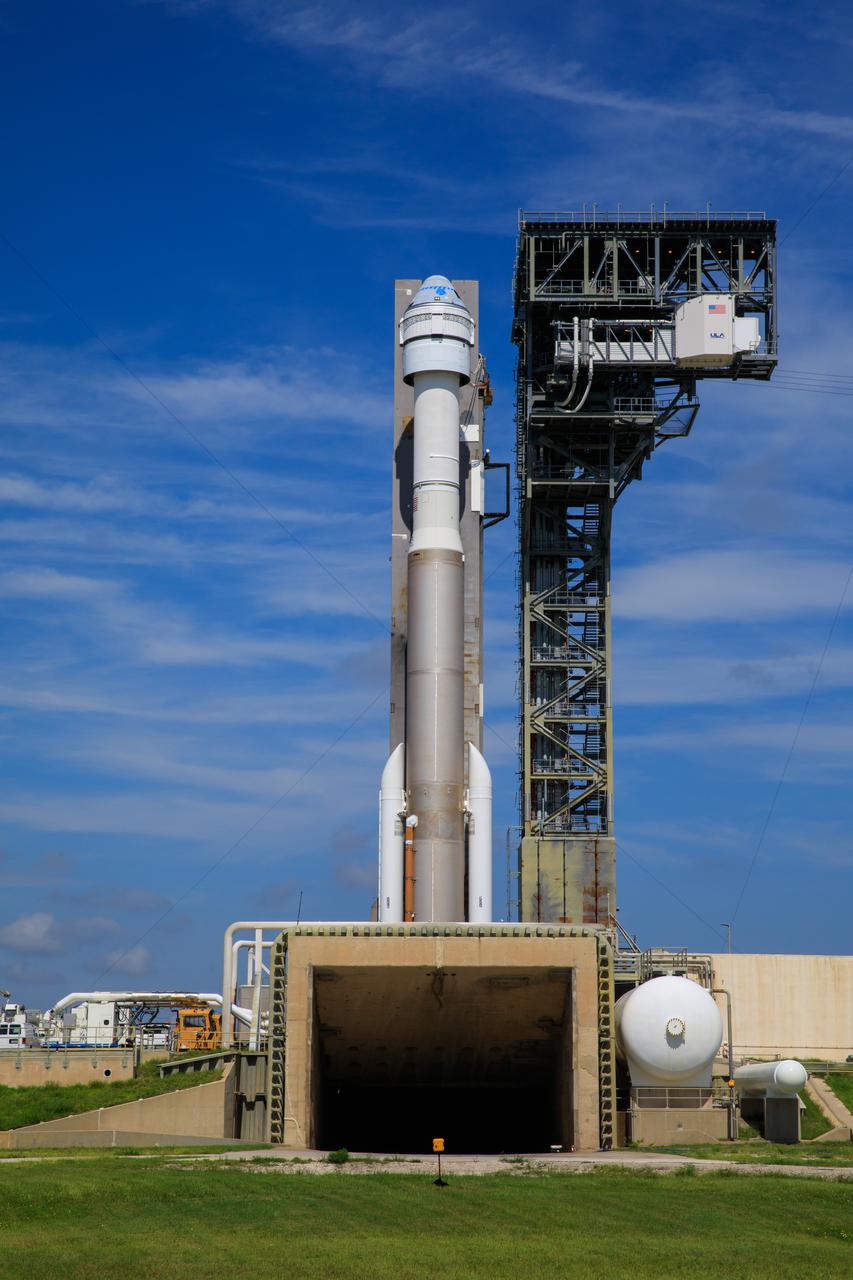
On July 29, 2021, Boeing’s CST-100 Starliner spacecraft and the United Launch Alliance Atlas V rocket rolled out of the Vertical Integration Facility to the launch pad at Space Launch Complex-41 on Cape Canaveral Space Force Station in Florida. Starliner will launch on the Atlas V for Boeing’s second uncrewed Orbital Flight Test (OFT-2) for NASA’s Commercial Crew Program. OFT-2 is an important uncrewed mission designed to test the end-to-end capabilities of the new system for NASA’s Commercial Crew Program.
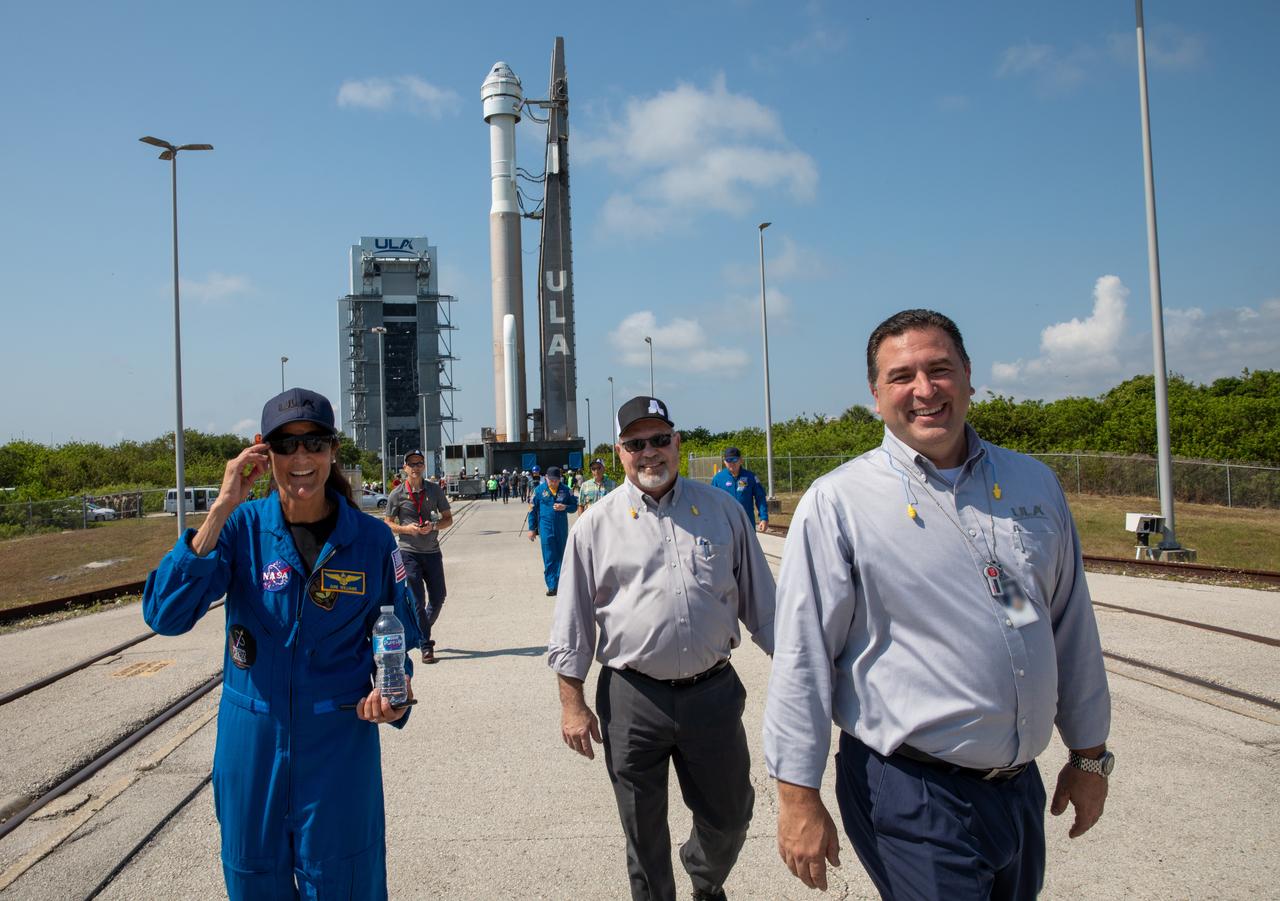
NASA astronaut Suni Williams, left, watches as a United Launch Alliance Atlas V rocket with Boeing’s CST-100 Starliner spacecraft aboard is rolled out of the Vertical Integration Facility to the launch pad at Space Launch Complex 41 ahead of the Orbital Flight Test-2 (OFT-2), Wednesday, May 18, 2022 at Cape Canaveral Space Force Station in Florida. Starliner is targeted to launch at 6:54 p.m. EDT on Thursday, May 19. OFT-2 is an important uncrewed flight test designed to test the end-to-end capabilities of the system to help the agency certify Starliner to carry astronauts to and from the International Space Station.
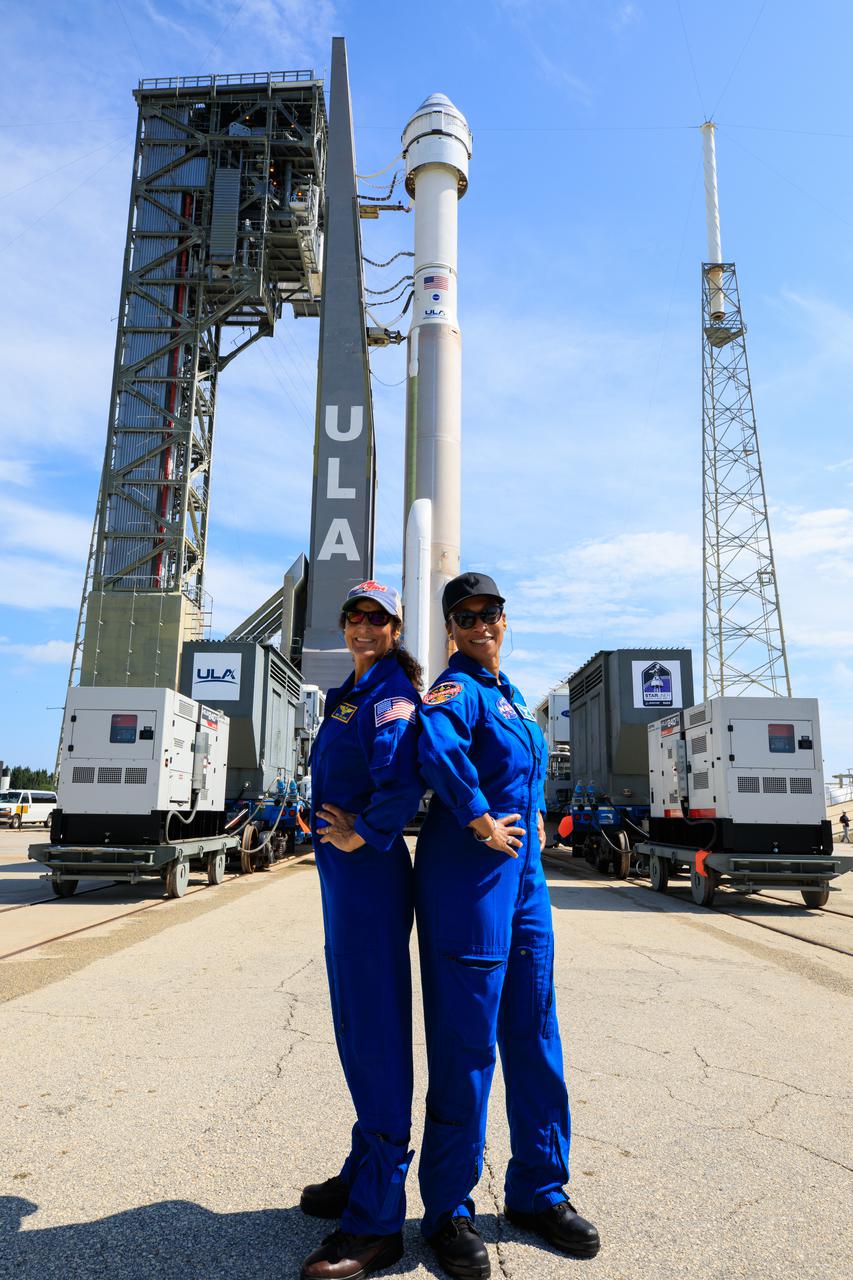
Suni Williams, left, and Jeanette Epps, NASA astronauts, Starliner-1, watch as Boeing’s CST-100 Starliner spacecraft and the United Launch Alliance Atlas V rocket is rolled out of the Vertical Integration Facility to the launch pad at Space Launch Complex-41 on July 29, 2021, at Cape Canaveral Space Force Station in Florida. Starliner will launch on the Atlas V for Boeing’s second uncrewed Orbital Flight Test (OFT-2) for NASA’s Commercial Crew Program. OFT-2 is an important uncrewed mission designed to test the end-to-end capabilities of the new system for NASA’s Commercial Crew Program.
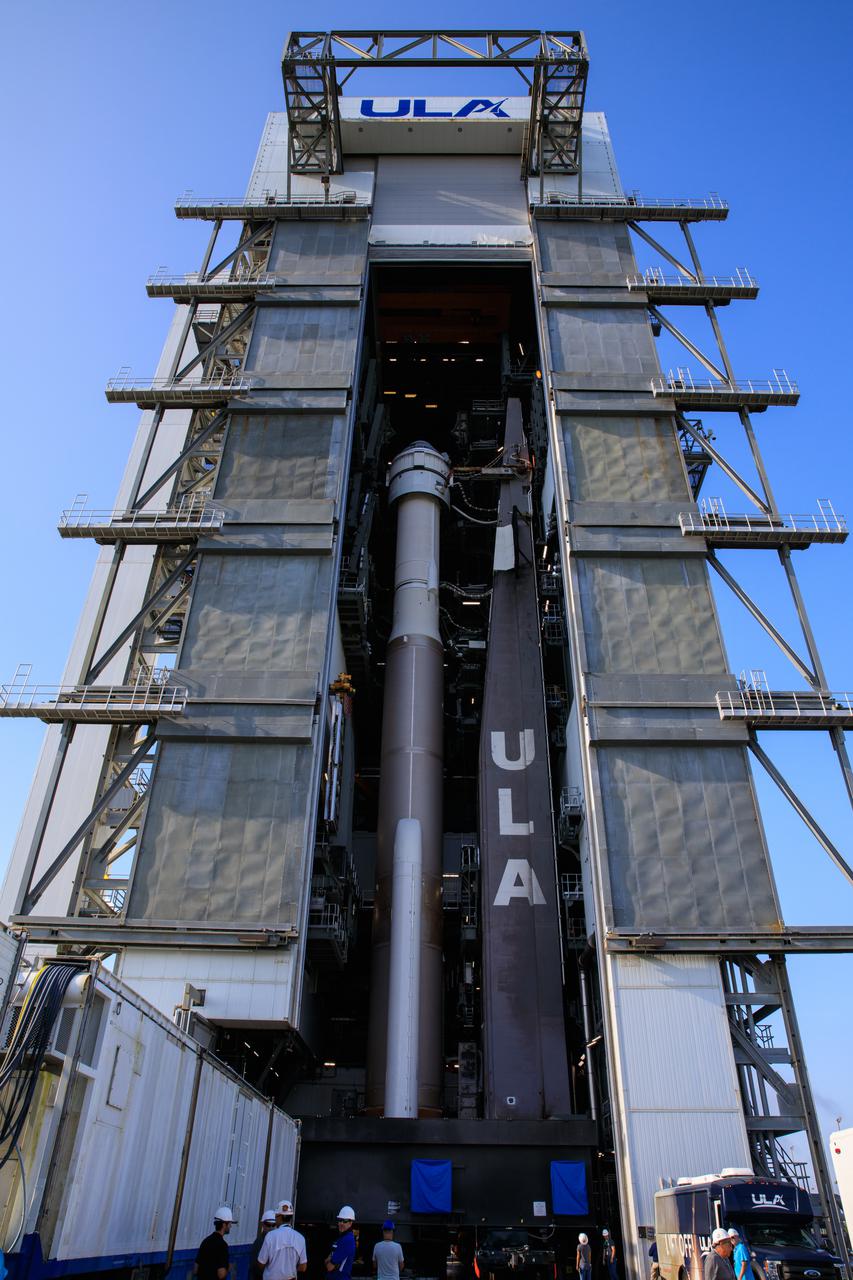
On July 29, 2021, Boeing’s CST-100 Starliner spacecraft and the United Launch Alliance Atlas V rocket begins rollout from the Vertical Integration Facility to the launch pad at Space Launch Complex-41 on Cape Canaveral Space Force Station in Florida. Starliner will launch on the Atlas V for Boeing’s second uncrewed Orbital Flight Test (OFT-2) for NASA’s Commercial Crew Program. OFT-2 is an important uncrewed mission designed to test the end-to-end capabilities of the new system for NASA’s Commercial Crew Program.
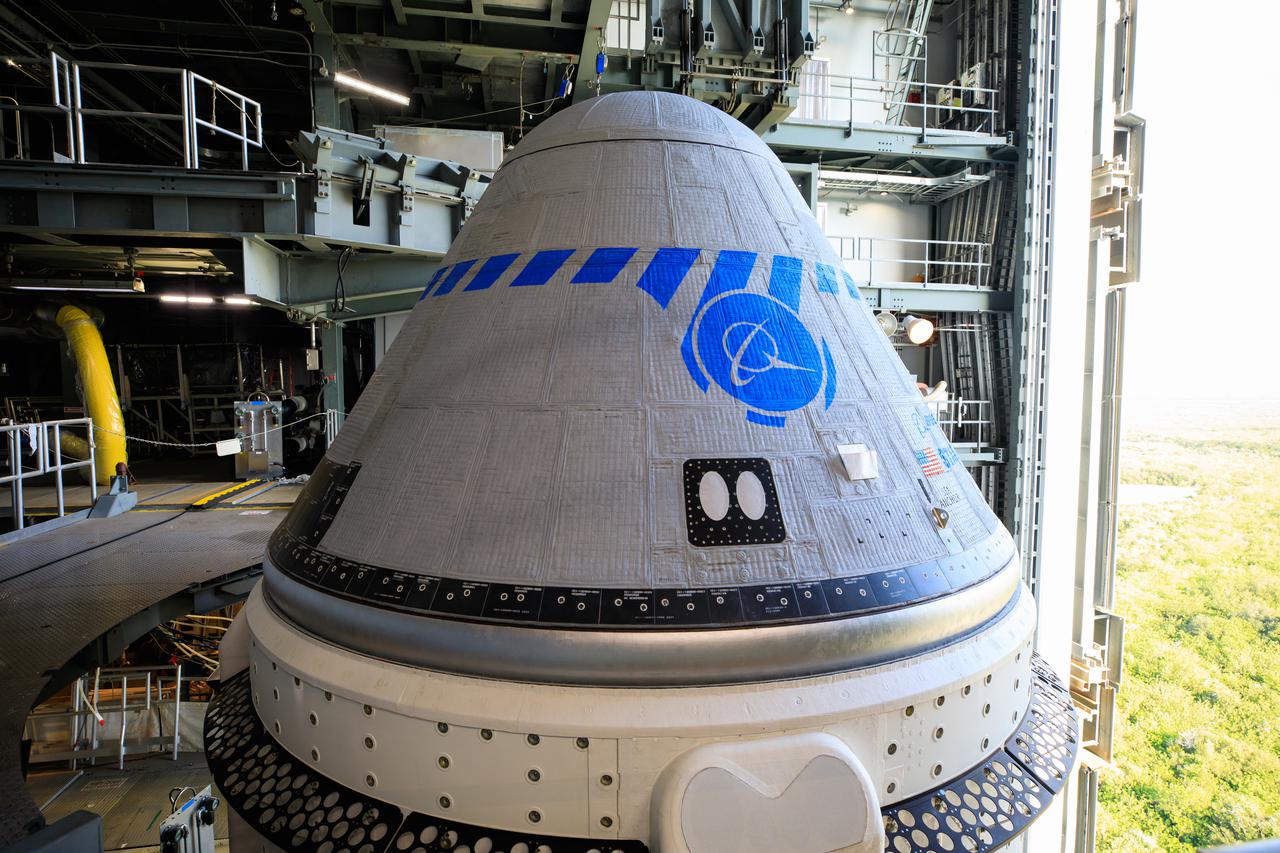
On July 29, 2021, Boeing’s CST-100 Starliner spacecraft and the United Launch Alliance Atlas V rocket begins rollout from the Vertical Integration Facility to the launch pad at Space Launch Complex-41 on Cape Canaveral Space Force Station in Florida. Starliner will launch on the Atlas V for Boeing’s second uncrewed Orbital Flight Test (OFT-2) for NASA’s Commercial Crew Program. OFT-2 is an important uncrewed mission designed to test the end-to-end capabilities of the new system for NASA’s Commercial Crew Program.
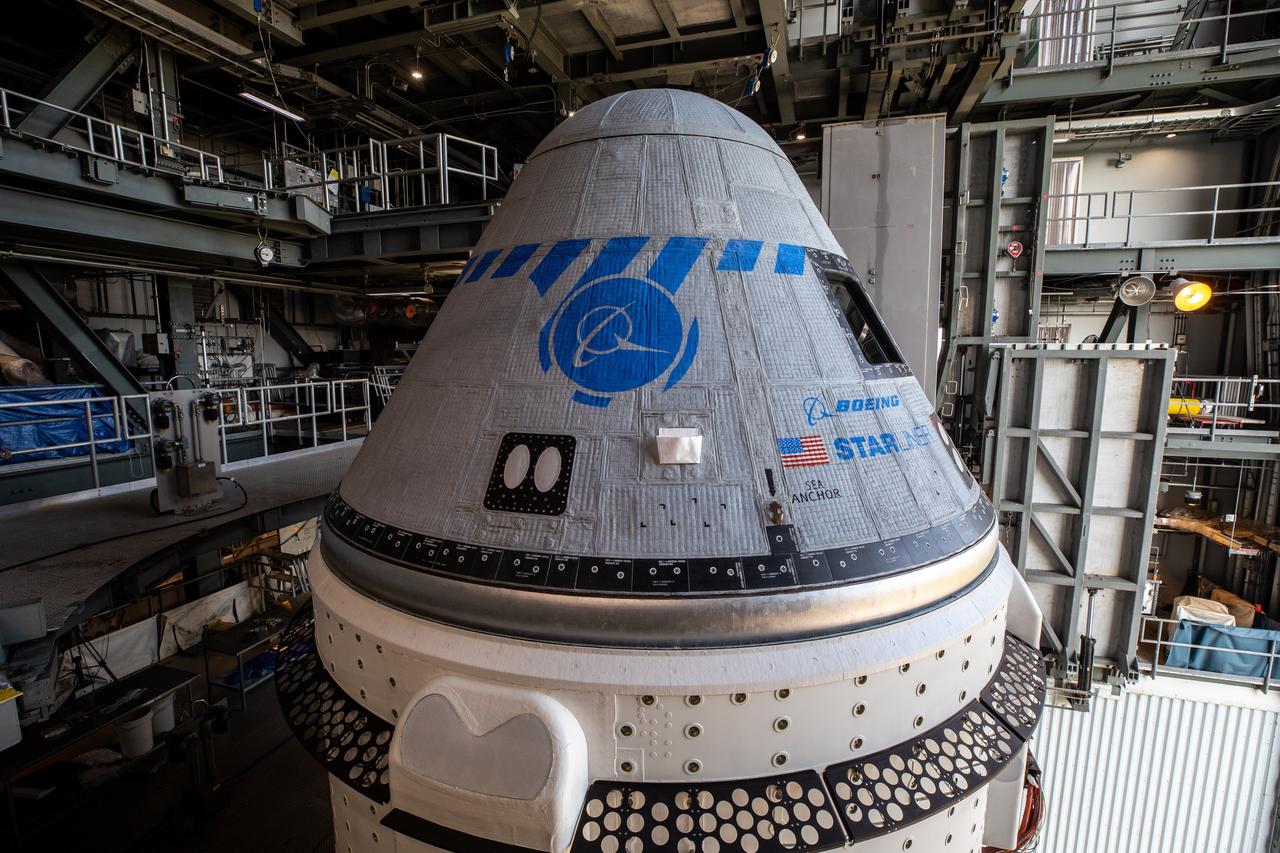
Boeing’s CST-100 Starliner spacecraft sits atop a United Launch Alliance Atlas V rocket during rollout from the Vertical Integration Facility to the launch pad at Space Launch Complex-41 on Cape Canaveral Space Force Station in Florida on May 18, 2022. Starliner will launch on the Atlas V for Boeing’s Orbital Flight Test (OFT-2) for NASA’s Commercial Crew Program at 6:54 p.m. EDT on Thursday, May 19. OFT-2 is an important uncrewed flight test designed to test the end-to-end capabilities of the system to help the agency certify Starliner to carry astronauts to and from the International Space Station.
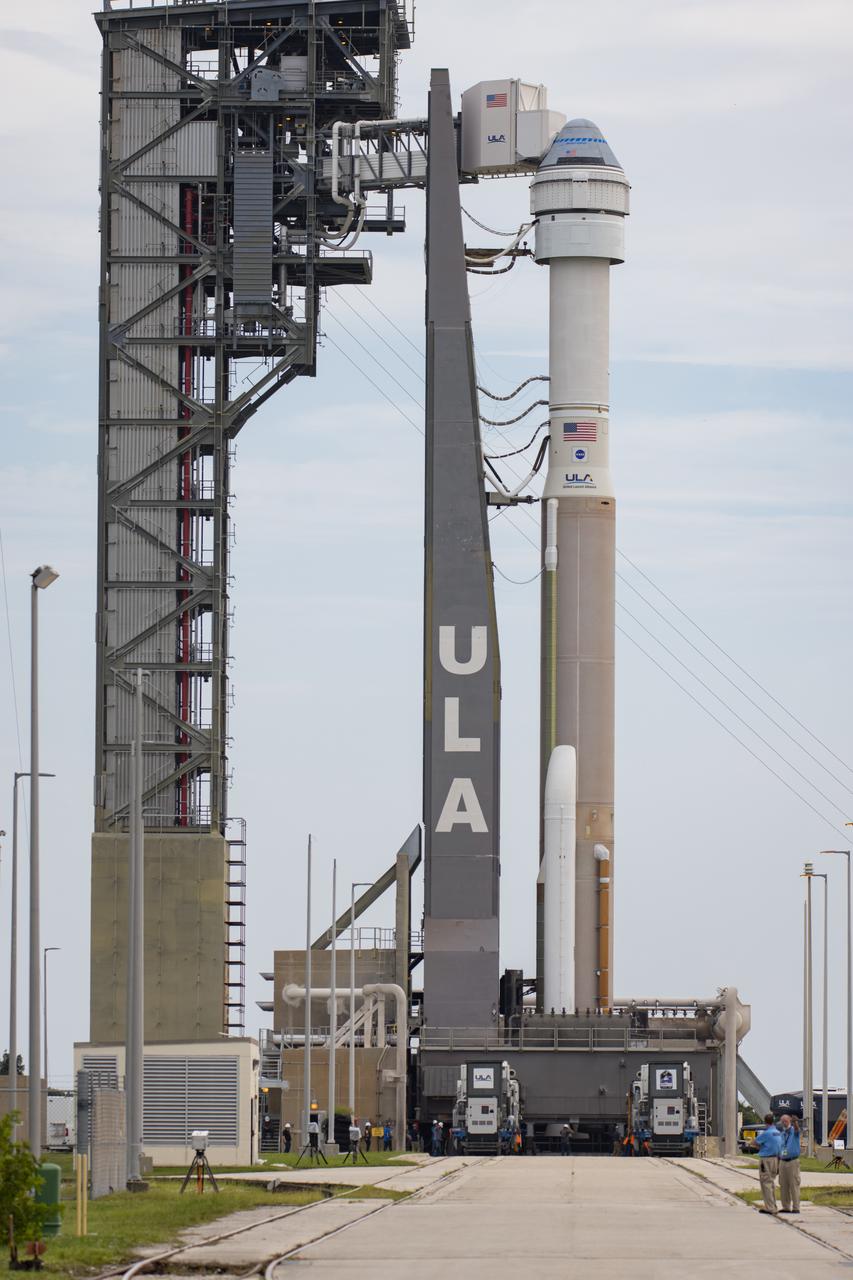
On August 2, 2021, Boeing’s CST-100 Starliner spacecraft and the United Launch Alliance Atlas V rocket rolls out from the Vertical Integration Facility to the launch pad at Space Launch Complex-41 on Cape Canaveral Space Force Station in Florida. Starliner will launch on the Atlas V for Boeing’s second uncrewed Orbital Flight Test (OFT-2) for NASA’s Commercial Crew Program. OFT-2 is an important uncrewed mission designed to test the end-to-end capabilities of the new system for NASA’s Commercial Crew Program.
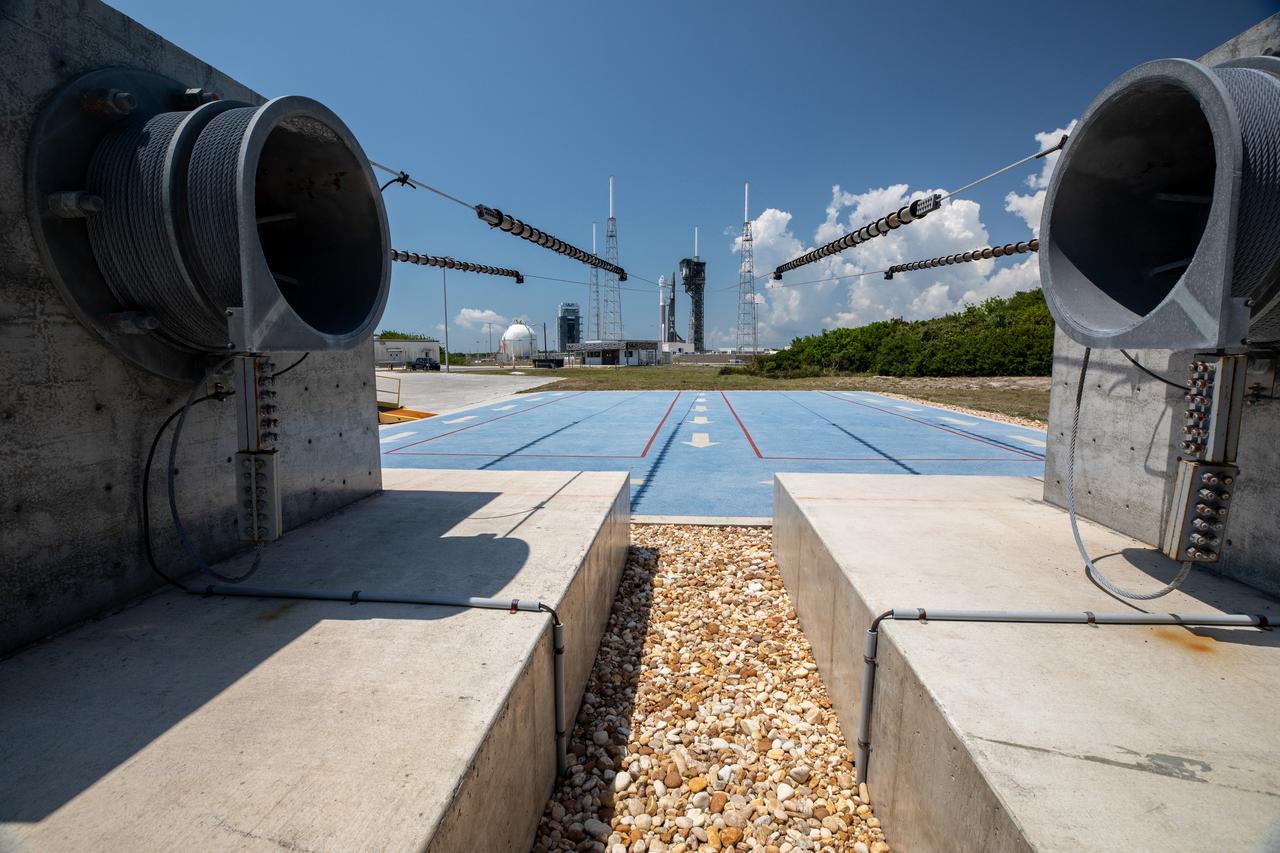
On May 18, 2022, Boeing’s CST-100 Starliner spacecraft and the United Launch Alliance Atlas V rocket roll out from the Vertical Integration Facility to the launch pad at Space Launch Complex-41 on Cape Canaveral Space Force Station in Florida. Starliner will launch on the Atlas V for Boeing’s Orbital Flight Test (OFT-2) for NASA’s Commercial Crew Program at 6:54 p.m. EDT on Thursday, May 19. OFT-2 is an important uncrewed flight test designed to test the end-to-end capabilities of the system to help the agency certify Starliner to carry astronauts to and from the International Space Station.
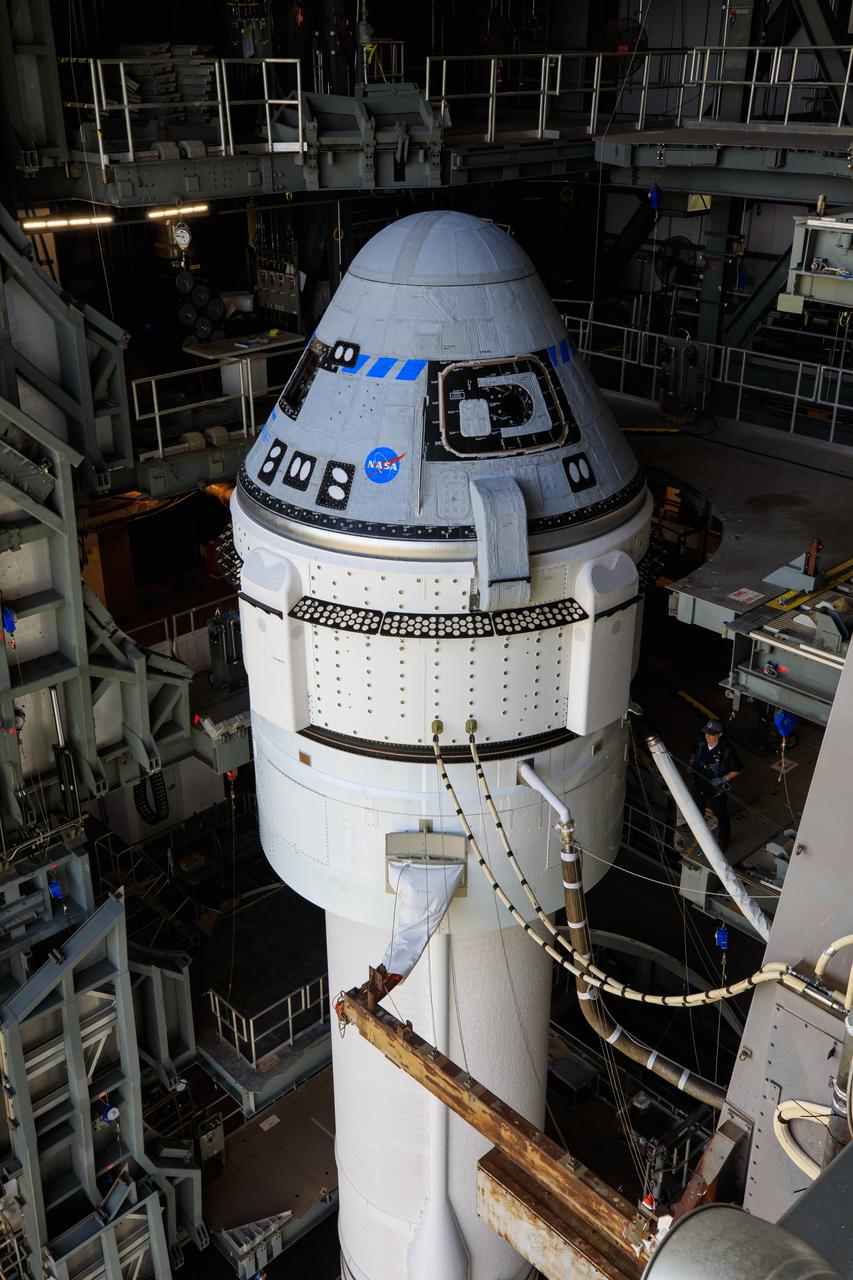
On July 29, 2021, Boeing’s CST-100 Starliner spacecraft and the United Launch Alliance Atlas V rocket begins rollout from the Vertical Integration Facility to the launch pad at Space Launch Complex-41 on Cape Canaveral Space Force Station in Florida. Starliner will launch on the Atlas V for Boeing’s second uncrewed Orbital Flight Test (OFT-2) for NASA’s Commercial Crew Program. OFT-2 is an important uncrewed mission designed to test the end-to-end capabilities of the new system for NASA’s Commercial Crew Program.
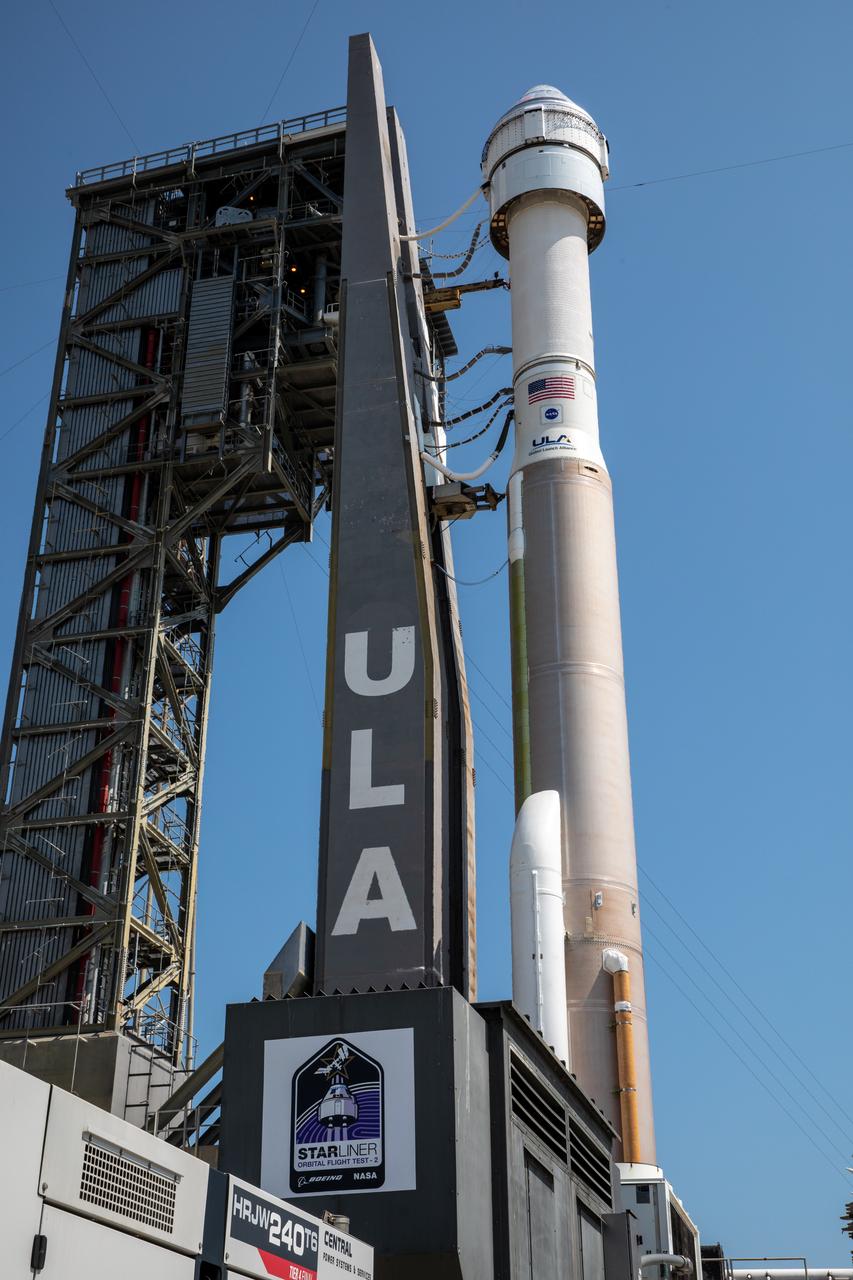
On May 18, 2022, Boeing’s CST-100 Starliner spacecraft and the United Launch Alliance Atlas V rocket roll out from the Vertical Integration Facility to the launch pad at Space Launch Complex-41 on Cape Canaveral Space Force Station in Florida. Starliner will launch on the Atlas V for Boeing’s Orbital Flight Test (OFT-2) for NASA’s Commercial Crew Program at 6:54 p.m. EDT on Thursday, May 19. OFT-2 is an important uncrewed flight test designed to test the end-to-end capabilities of the system to help the agency certify Starliner to carry astronauts to and from the International Space Station.
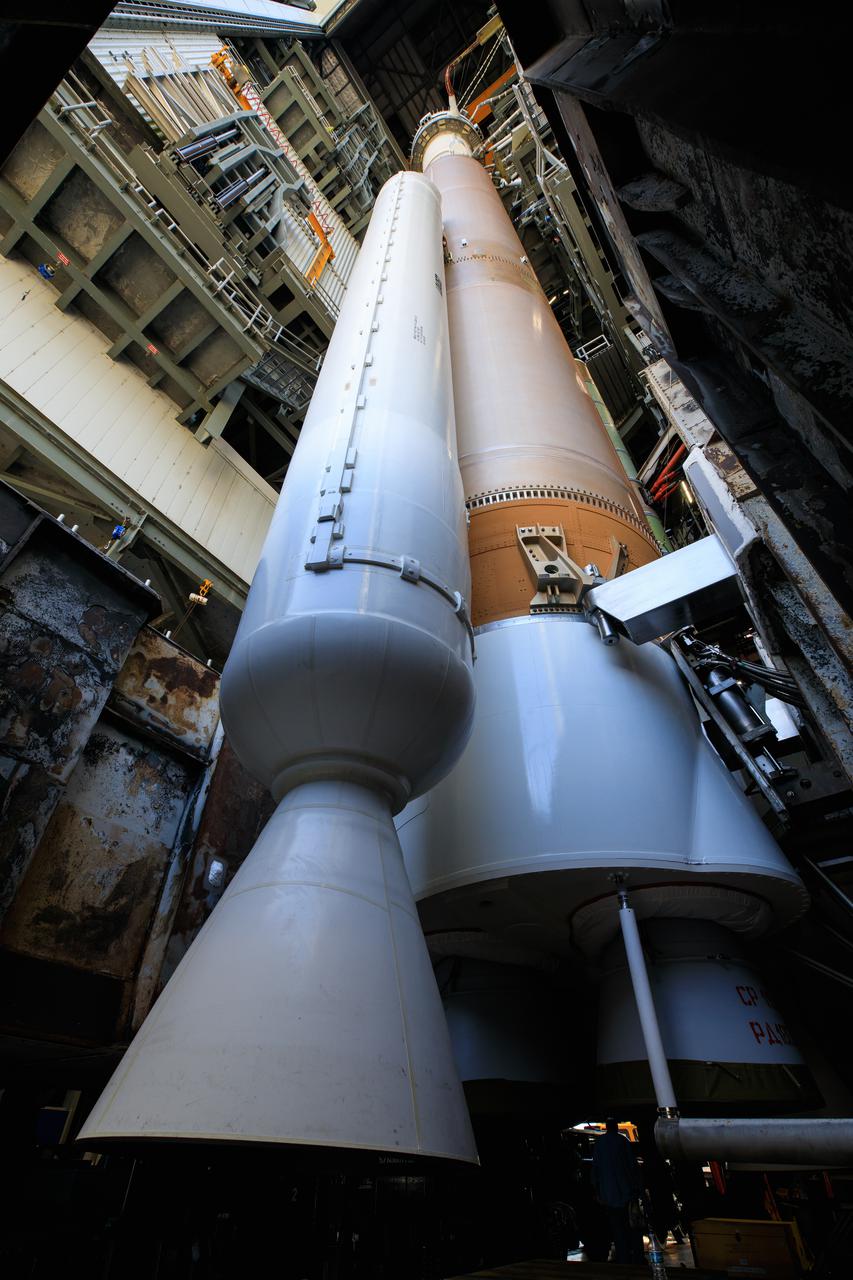
On July 29, 2021, Boeing’s CST-100 Starliner spacecraft and the United Launch Alliance Atlas V rocket begins rollout from the Vertical Integration Facility to the launch pad at Space Launch Complex-41 on Cape Canaveral Space Force Station in Florida. Starliner will launch on the Atlas V for Boeing’s second uncrewed Orbital Flight Test (OFT-2) for NASA’s Commercial Crew Program. OFT-2 is an important uncrewed mission designed to test the end-to-end capabilities of the new system for NASA’s Commercial Crew Program.
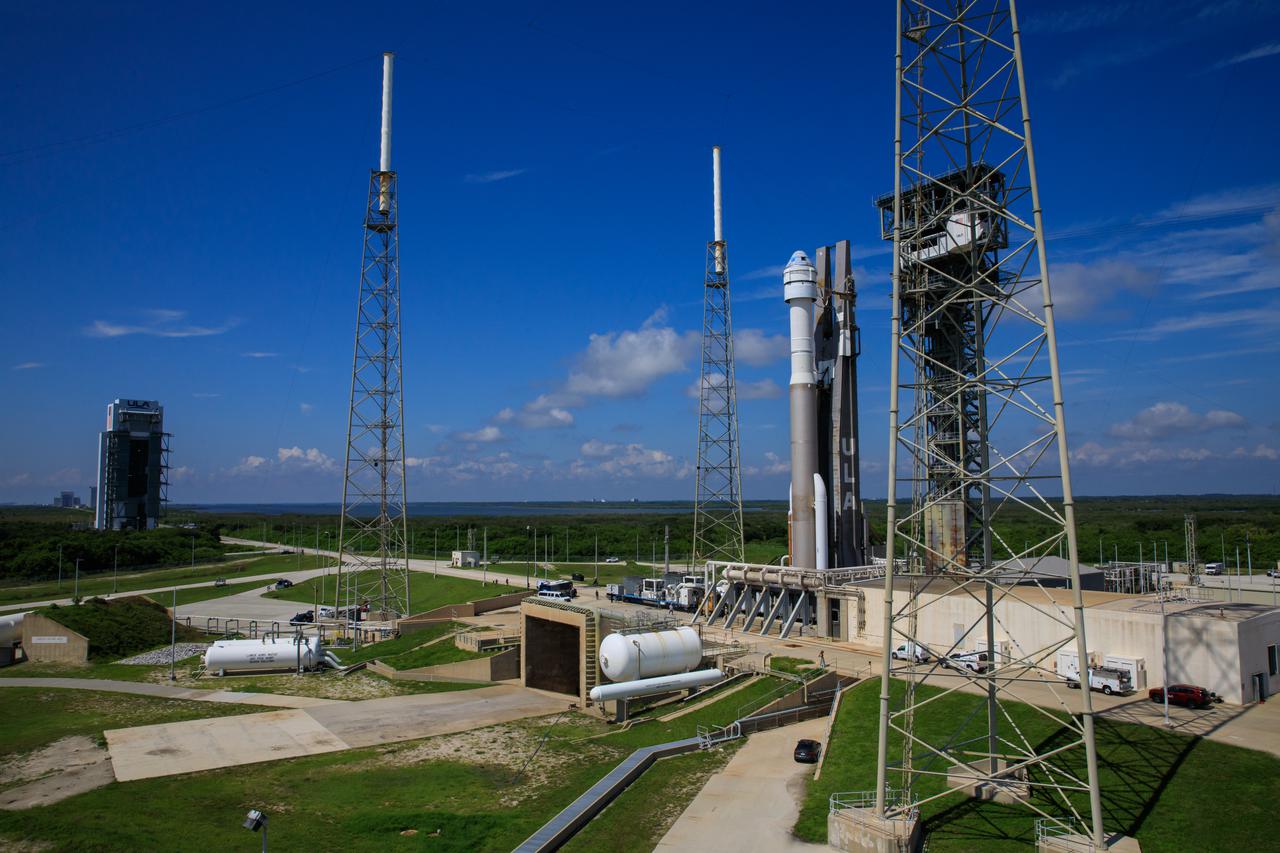
On July 29, 2021, Boeing’s CST-100 Starliner spacecraft and the United Launch Alliance Atlas V rocket rolled out of the Vertical Integration Facility to the launch pad at Space Launch Complex-41 on Cape Canaveral Space Force Station in Florida. Starliner will launch on the Atlas V for Boeing’s second uncrewed Orbital Flight Test (OFT-2) for NASA’s Commercial Crew Program. OFT-2 is an important uncrewed mission designed to test the end-to-end capabilities of the new system for NASA’s Commercial Crew Program.
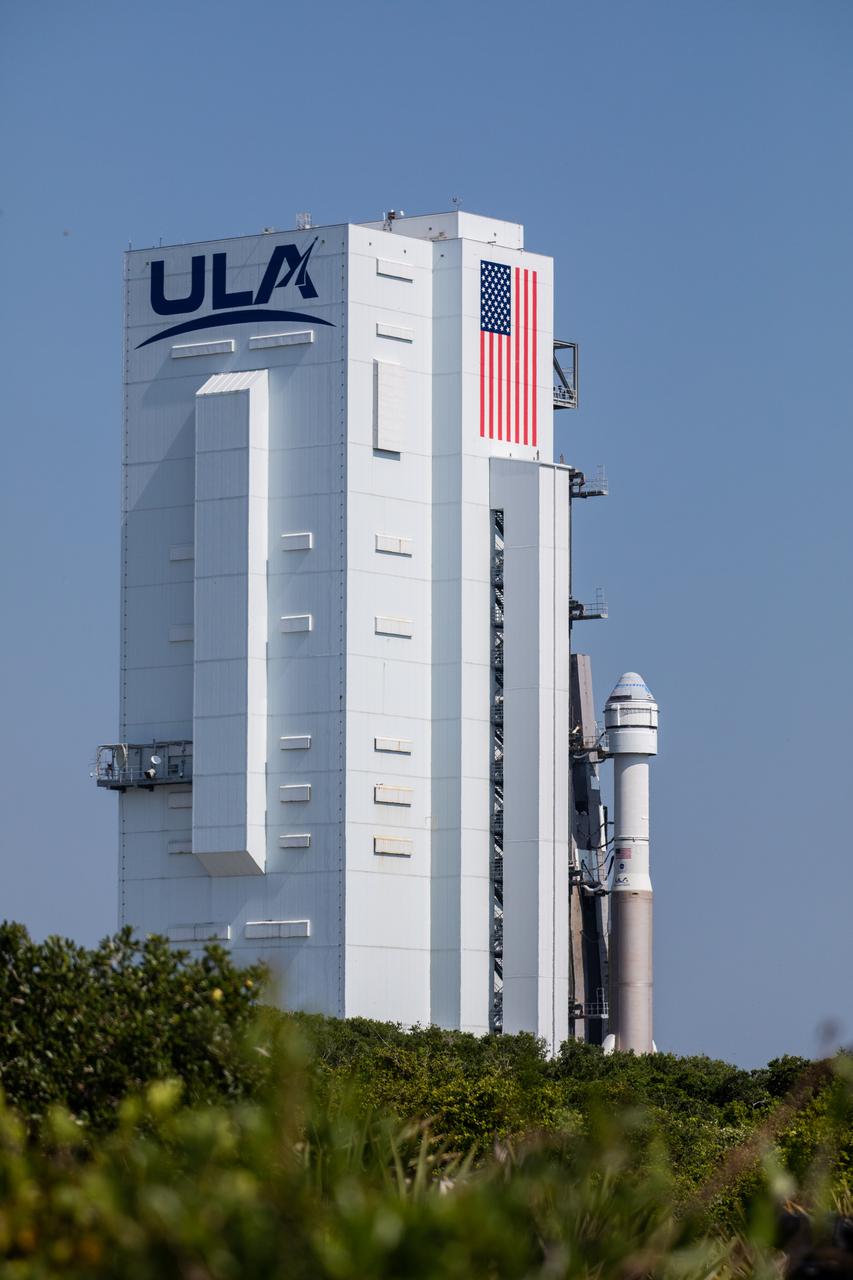
On May 18, 2022, Boeing’s CST-100 Starliner spacecraft and the United Launch Alliance Atlas V rocket roll out from the Vertical Integration Facility to the launch pad at Space Launch Complex-41 on Cape Canaveral Space Force Station in Florida. Starliner will launch on the Atlas V for Boeing’s Orbital Flight Test (OFT-2) for NASA’s Commercial Crew Program at 6:54 p.m. EDT on Thursday, May 19. OFT-2 is an important uncrewed flight test designed to test the end-to-end capabilities of the system to help the agency certify Starliner to carry astronauts to and from the International Space Station.
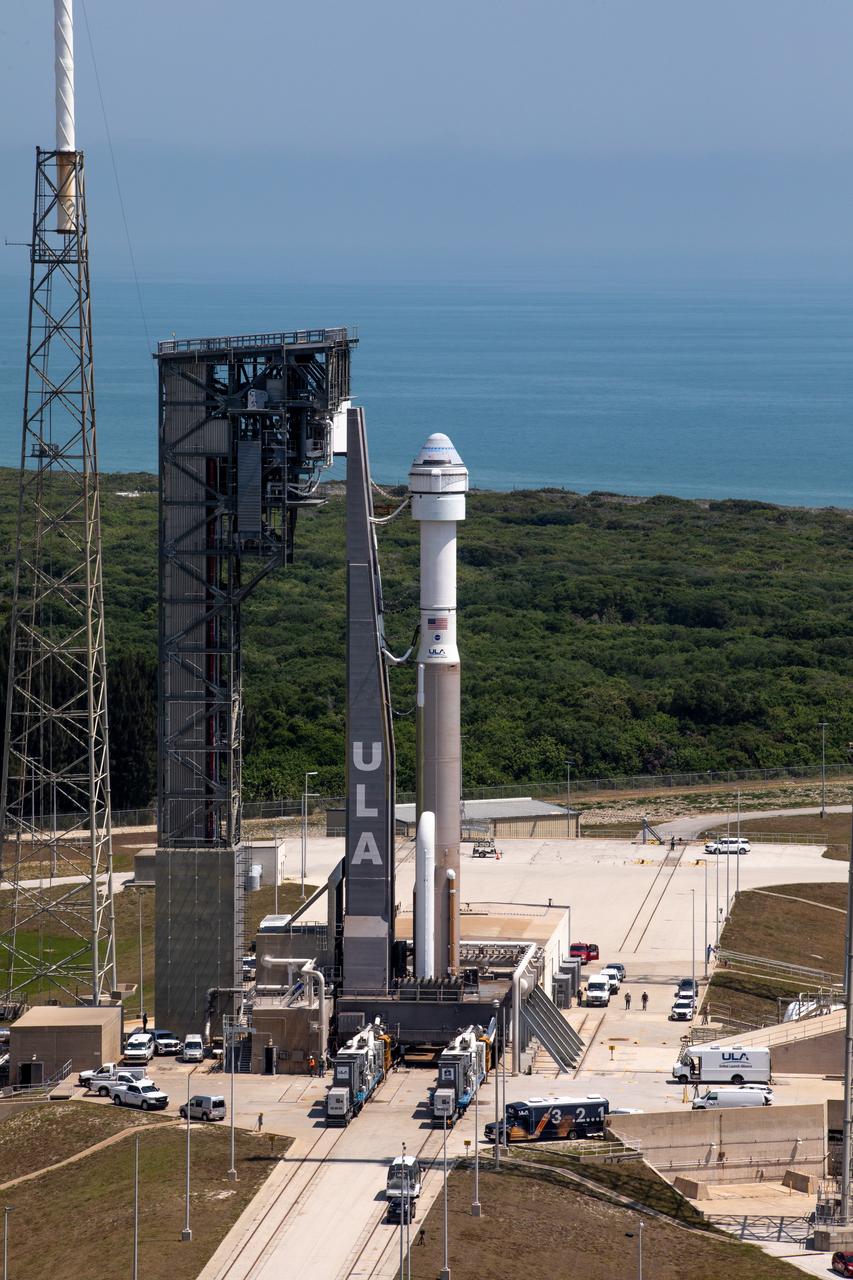
On May 18, 2022, Boeing’s CST-100 Starliner spacecraft and the United Launch Alliance Atlas V rocket roll out from the Vertical Integration Facility to the launch pad at Space Launch Complex-41 on Cape Canaveral Space Force Station in Florida. Starliner will launch on the Atlas V for Boeing’s Orbital Flight Test (OFT-2) for NASA’s Commercial Crew Program at 6:54 p.m. EDT on Thursday, May 19. OFT-2 is an important uncrewed flight test designed to test the end-to-end capabilities of the system to help the agency certify Starliner to carry astronauts to and from the International Space Station.
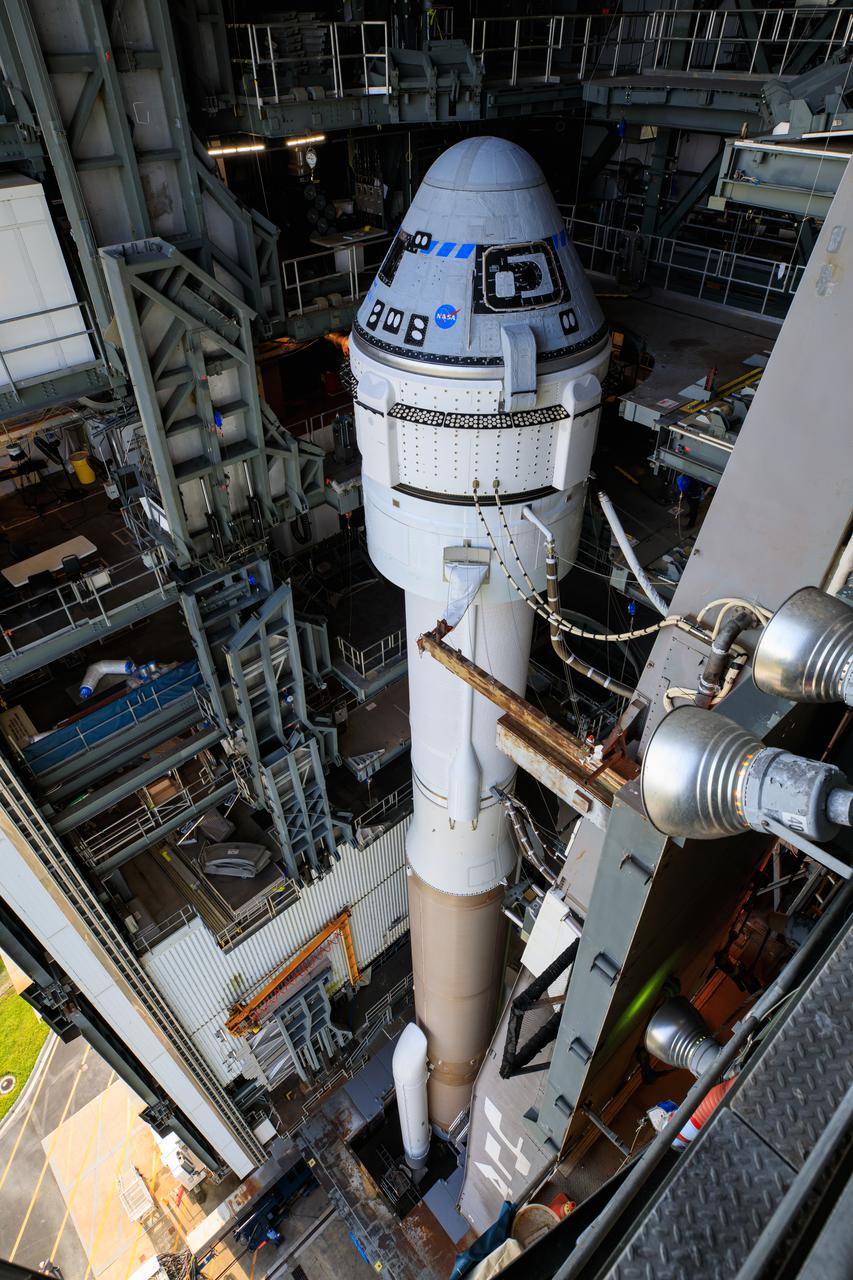
On July 29, 2021, Boeing’s CST-100 Starliner spacecraft and the United Launch Alliance Atlas V rocket begins rollout from the Vertical Integration Facility to the launch pad at Space Launch Complex-41 on Cape Canaveral Space Force Station in Florida. Starliner will launch on the Atlas V for Boeing’s second uncrewed Orbital Flight Test (OFT-2) for NASA’s Commercial Crew Program. OFT-2 is an important uncrewed mission designed to test the end-to-end capabilities of the new system for NASA’s Commercial Crew Program.
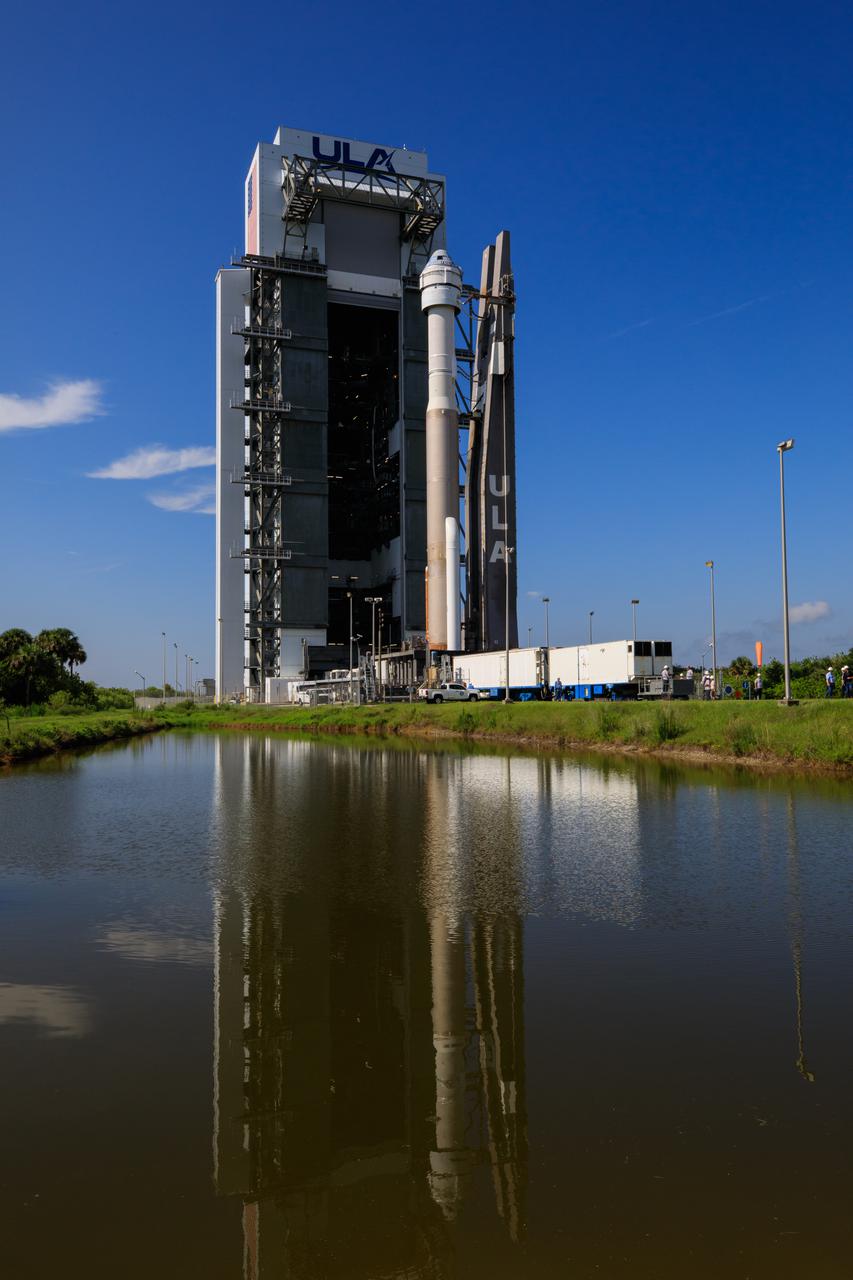
On July 29, 2021, Boeing’s CST-100 Starliner spacecraft and the United Launch Alliance Atlas V rocket rolled out of the Vertical Integration Facility to the launch pad at Space Launch Complex-41 on Cape Canaveral Space Force Station in Florida. Starliner will launch on the Atlas V for Boeing’s second uncrewed Orbital Flight Test (OFT-2) for NASA’s Commercial Crew Program. OFT-2 is an important uncrewed mission designed to test the end-to-end capabilities of the new system for NASA’s Commercial Crew Program.
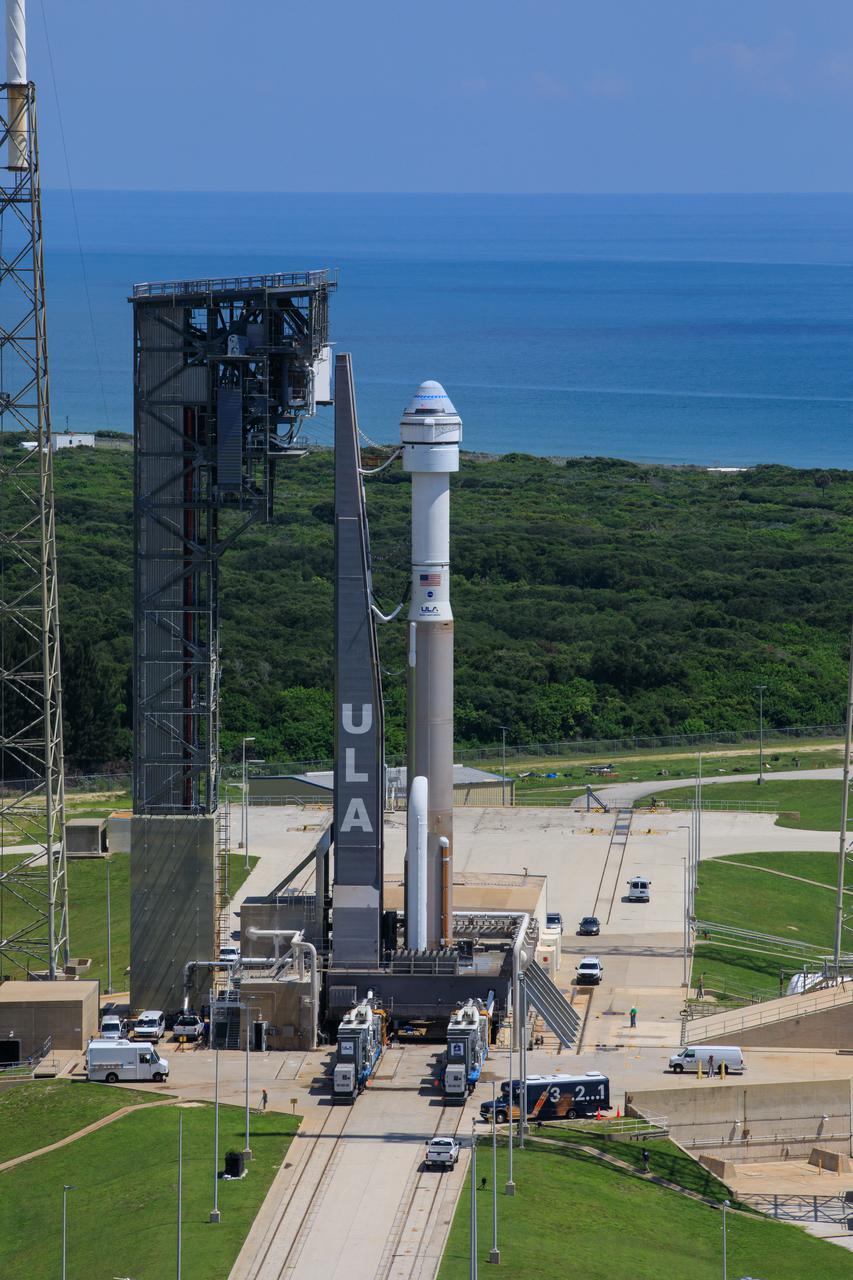
On July 29, 2021, Boeing’s CST-100 Starliner spacecraft and the United Launch Alliance Atlas V rocket rolled out of the Vertical Integration Facility to the launch pad at Space Launch Complex-41 on Cape Canaveral Space Force Station in Florida. Starliner will launch on the Atlas V for Boeing’s second uncrewed Orbital Flight Test (OFT-2) for NASA’s Commercial Crew Program. OFT-2 is an important uncrewed mission designed to test the end-to-end capabilities of the new system for NASA’s Commercial Crew Program.
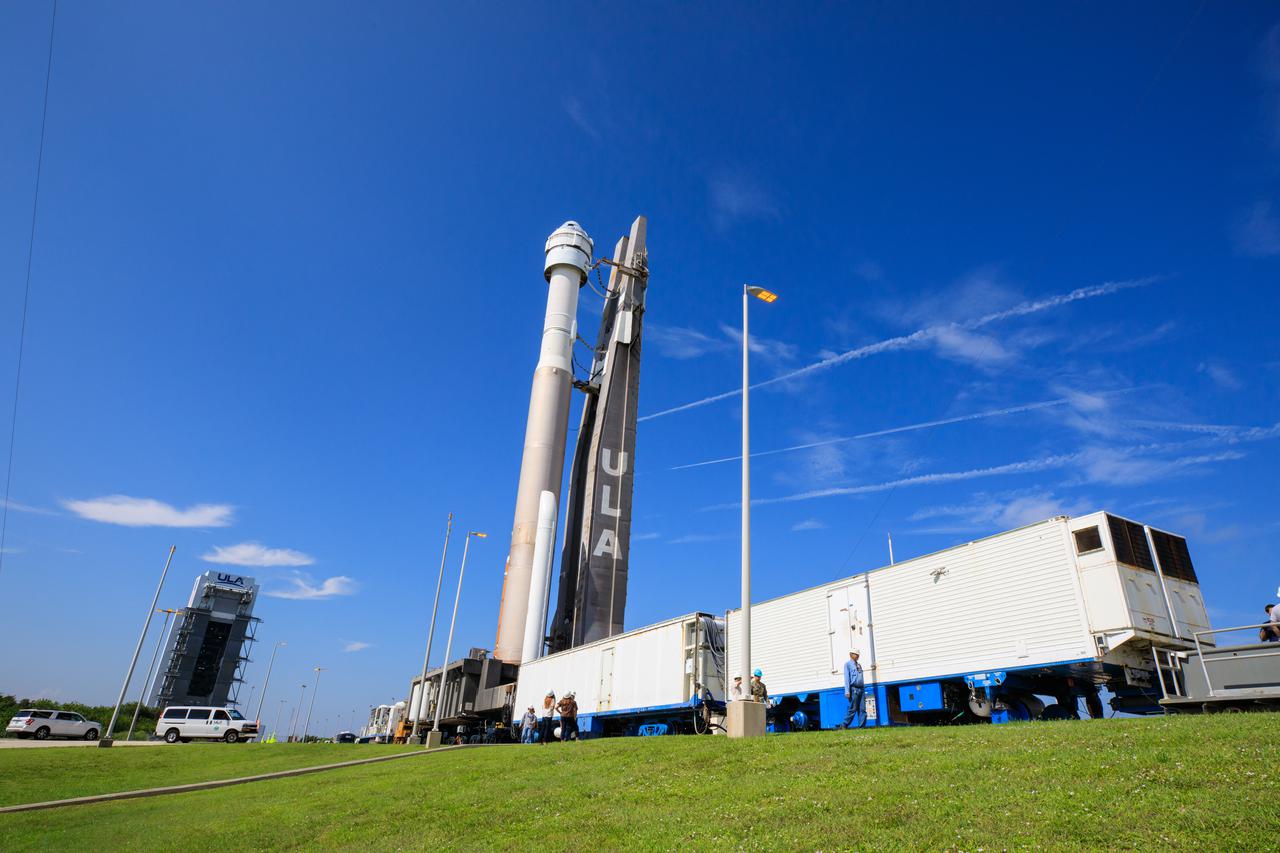
On July 29, 2021, Boeing’s CST-100 Starliner spacecraft and the United Launch Alliance Atlas V rocket rolled out of the Vertical Integration Facility to the launch pad at Space Launch Complex-41 on Cape Canaveral Space Force Station in Florida. Starliner will launch on the Atlas V for Boeing’s second uncrewed Orbital Flight Test (OFT-2) for NASA’s Commercial Crew Program. OFT-2 is an important uncrewed mission designed to test the end-to-end capabilities of the new system for NASA’s Commercial Crew Program.
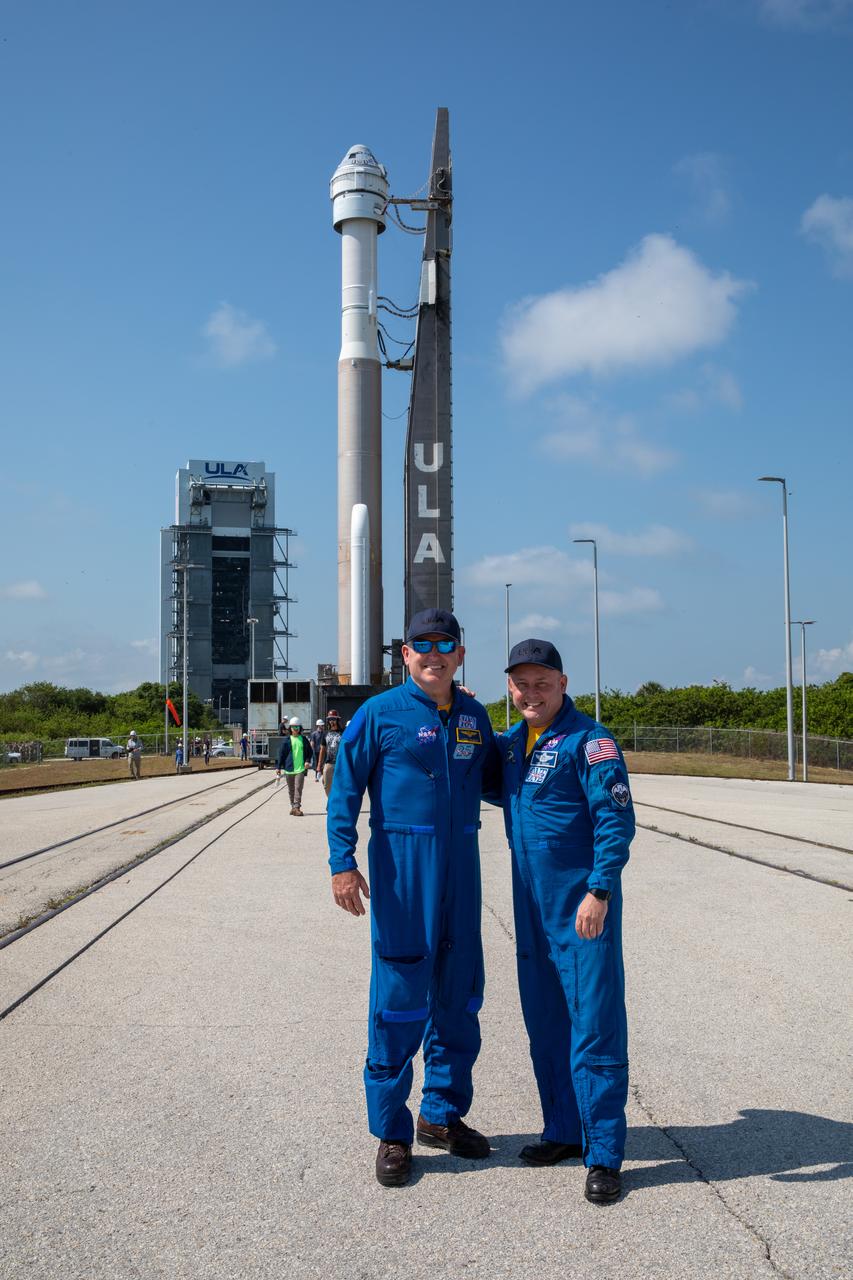
NASA astronauts Butch Wilmore, left, and Mike Fincke, right, watch as a United Launch Alliance Atlas V rocket with Boeing’s CST-100 Starliner spacecraft aboard is rolled out of the Vertical Integration Facility to the launch pad at Space Launch Complex 41 ahead of the Orbital Flight Test-2 (OFT-2), Wednesday, May 18, 2022 at Cape Canaveral Space Force Station in Florida. Starliner is targeted to launch at 6:54 p.m. EDT on Thursday, May 19. OFT-2 is an important uncrewed flight test designed to test the end-to-end capabilities of the system to help the agency certify Starliner to carry astronauts to and from the International Space Station.
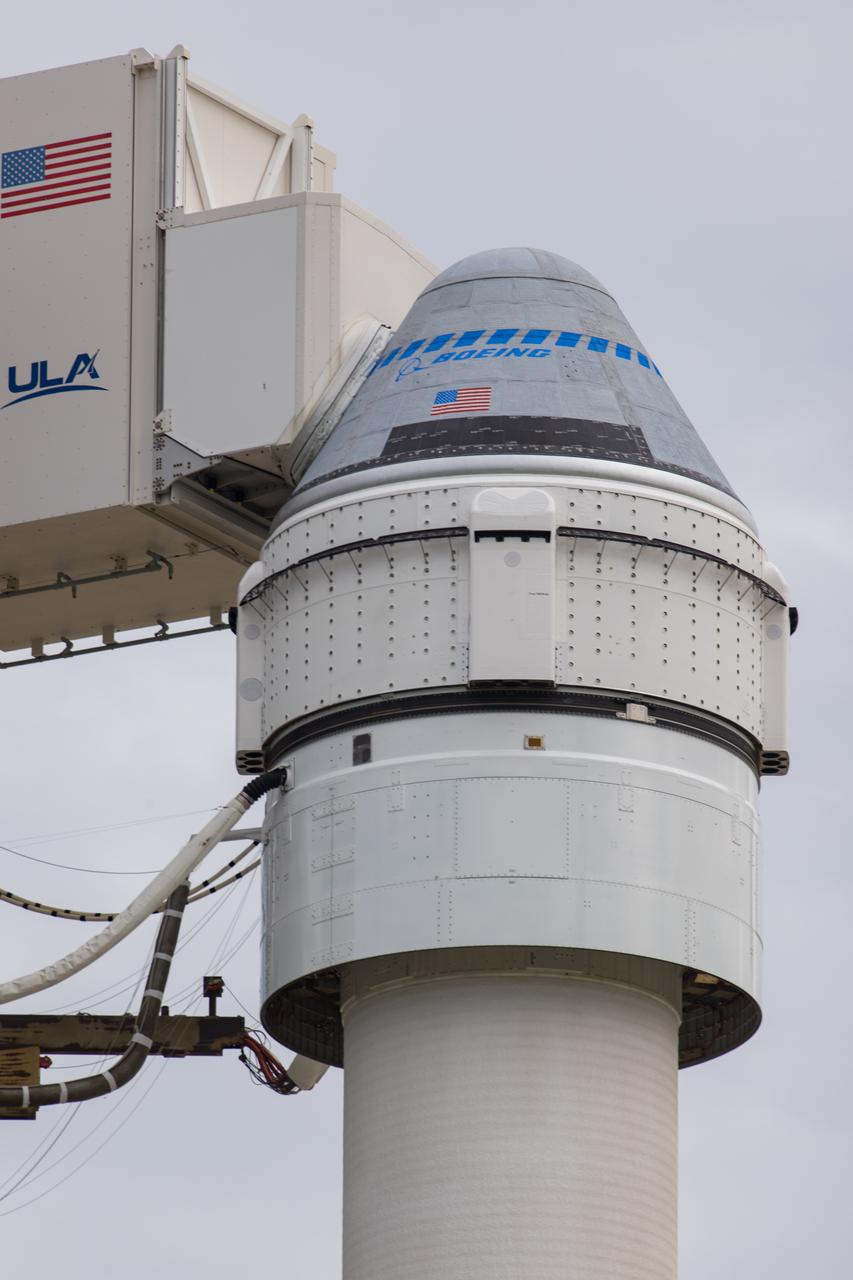
Boeing’s CST-100 Starliner spacecraft sits atop a United Launch Alliance Atlas V rocket during rollout from the Vertical Integration Facility to the launch pad at Space Launch Complex-41 on Cape Canaveral Space Force Station in Florida on August 2, 2021. Starliner will launch on the Atlas V for Boeing’s second uncrewed Orbital Flight Test (OFT-2) for NASA’s Commercial Crew Program. OFT-2 is an important uncrewed mission designed to test the end-to-end capabilities of the new system for NASA’s Commercial Crew Program.
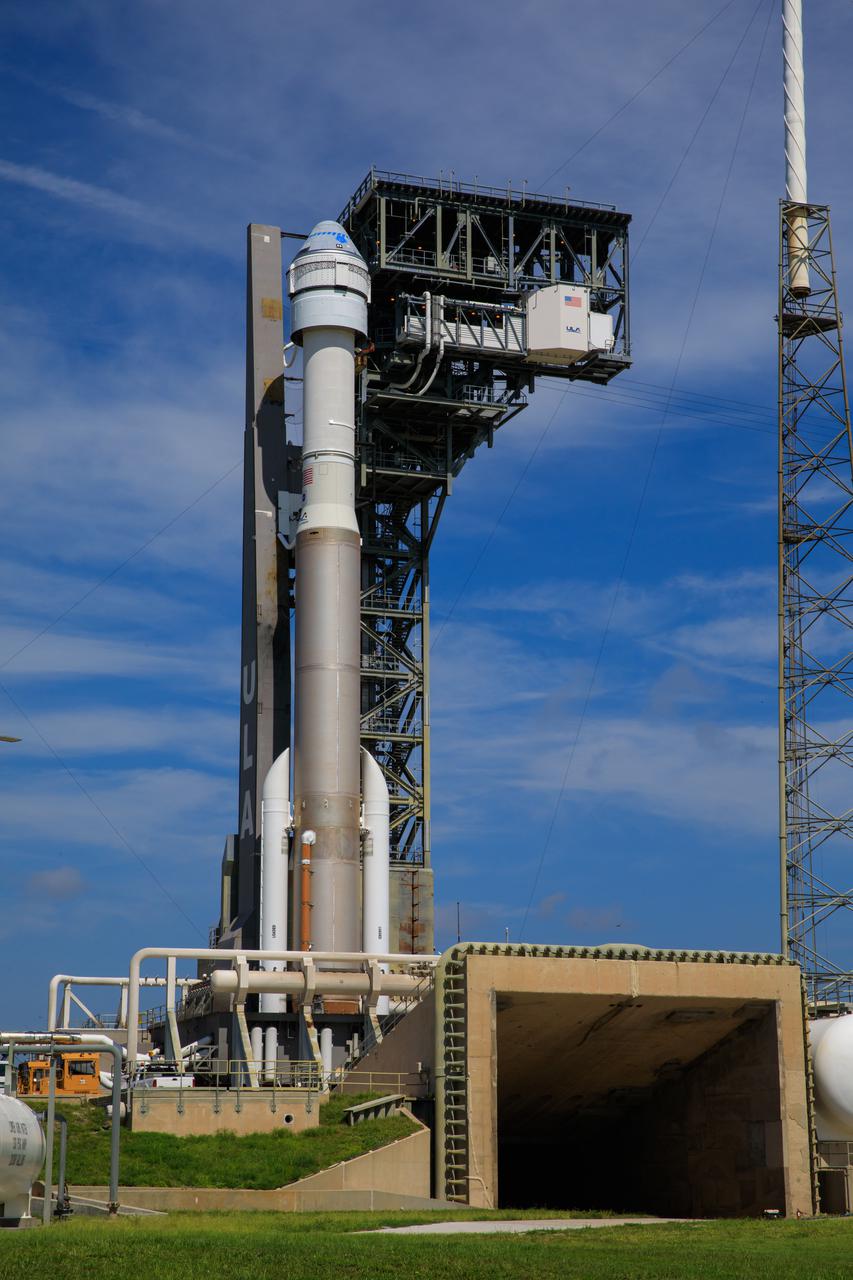
On July 29, 2021, Boeing’s CST-100 Starliner spacecraft and the United Launch Alliance Atlas V rocket rolled out of the Vertical Integration Facility to the launch pad at Space Launch Complex-41 on Cape Canaveral Space Force Station in Florida. Starliner will launch on the Atlas V for Boeing’s second uncrewed Orbital Flight Test (OFT-2) for NASA’s Commercial Crew Program. OFT-2 is an important uncrewed mission designed to test the end-to-end capabilities of the new system for NASA’s Commercial Crew Program.