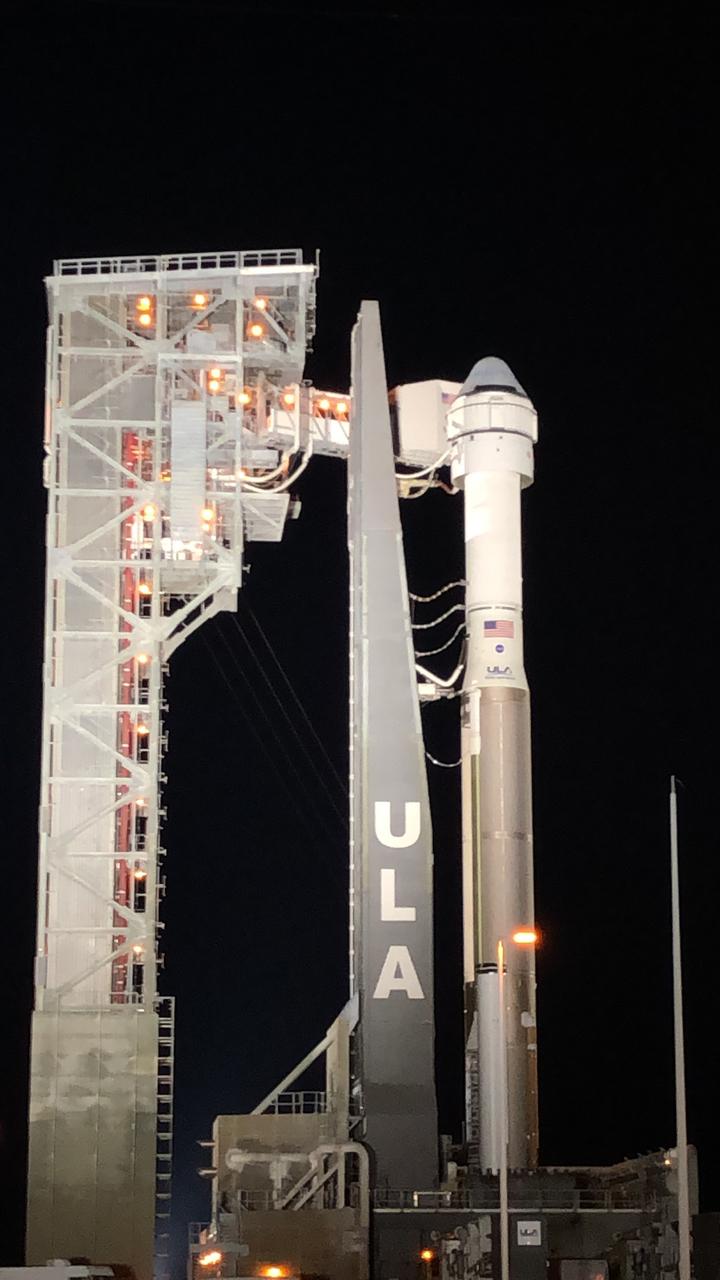
A United Launch Alliance Atlas V rocket, topped by the Boeing CST-100 Starliner spacecraft, stand on Space Launch Complex 41 at Florida’s Cape Canaveral Air Force Station on Dec. 3, 2019. The vehicle was in place on the launch pad in preparation for Boeing’s wet dress rehearsal ahead of the upcoming Orbital Flight Test, an uncrewed mission to the International Space Station for NASA’s Commercial Crew Program.
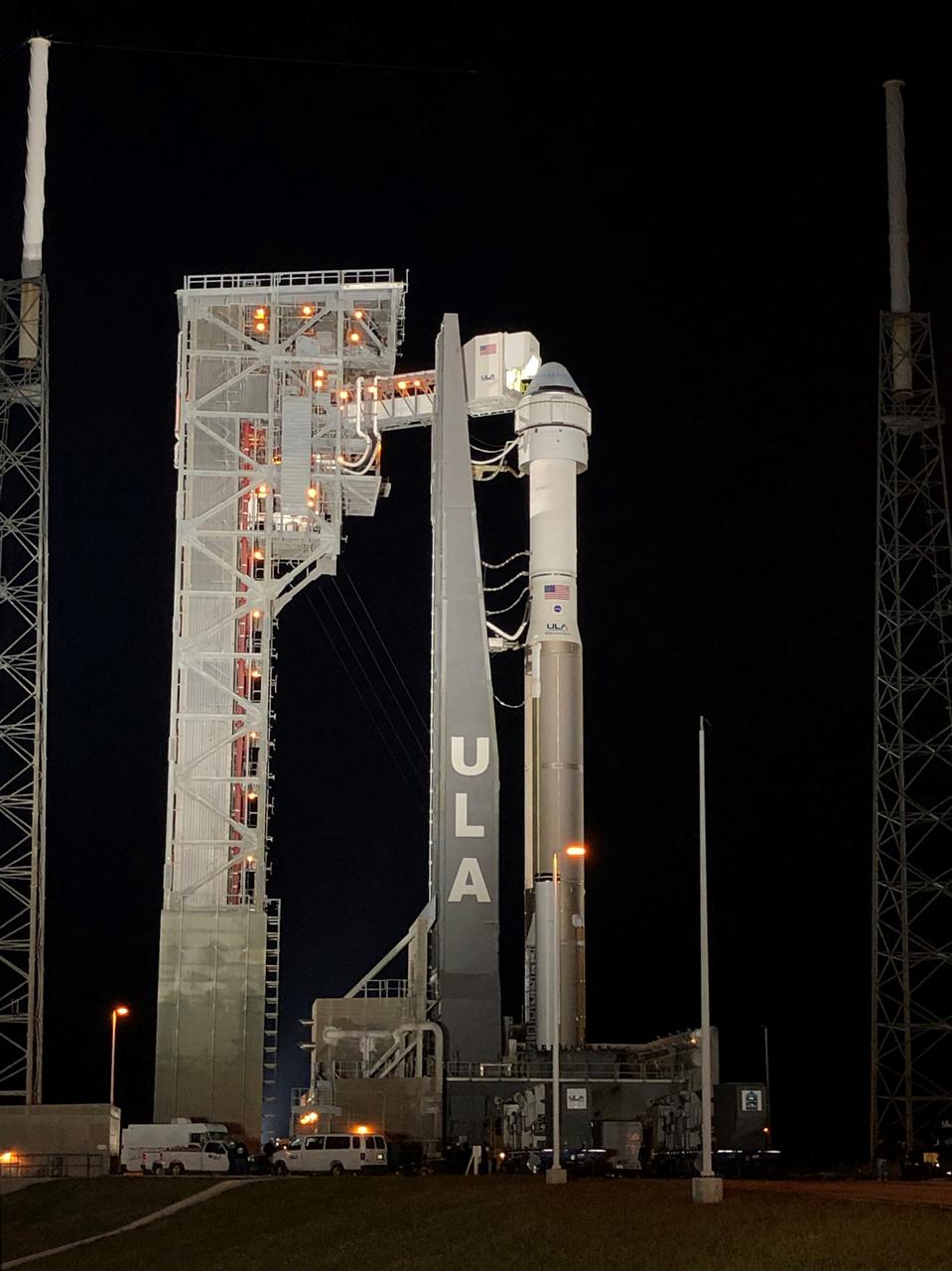
A United Launch Alliance Atlas V rocket, topped by the Boeing CST-100 Starliner spacecraft, stand on Space Launch Complex 41 at Florida’s Cape Canaveral Air Force Station on Dec. 3, 2019. The vehicle was in place on the launch pad in preparation for Boeing’s wet dress rehearsal ahead of the upcoming Orbital Flight Test, an uncrewed mission to the International Space Station for NASA’s Commercial Crew Program.
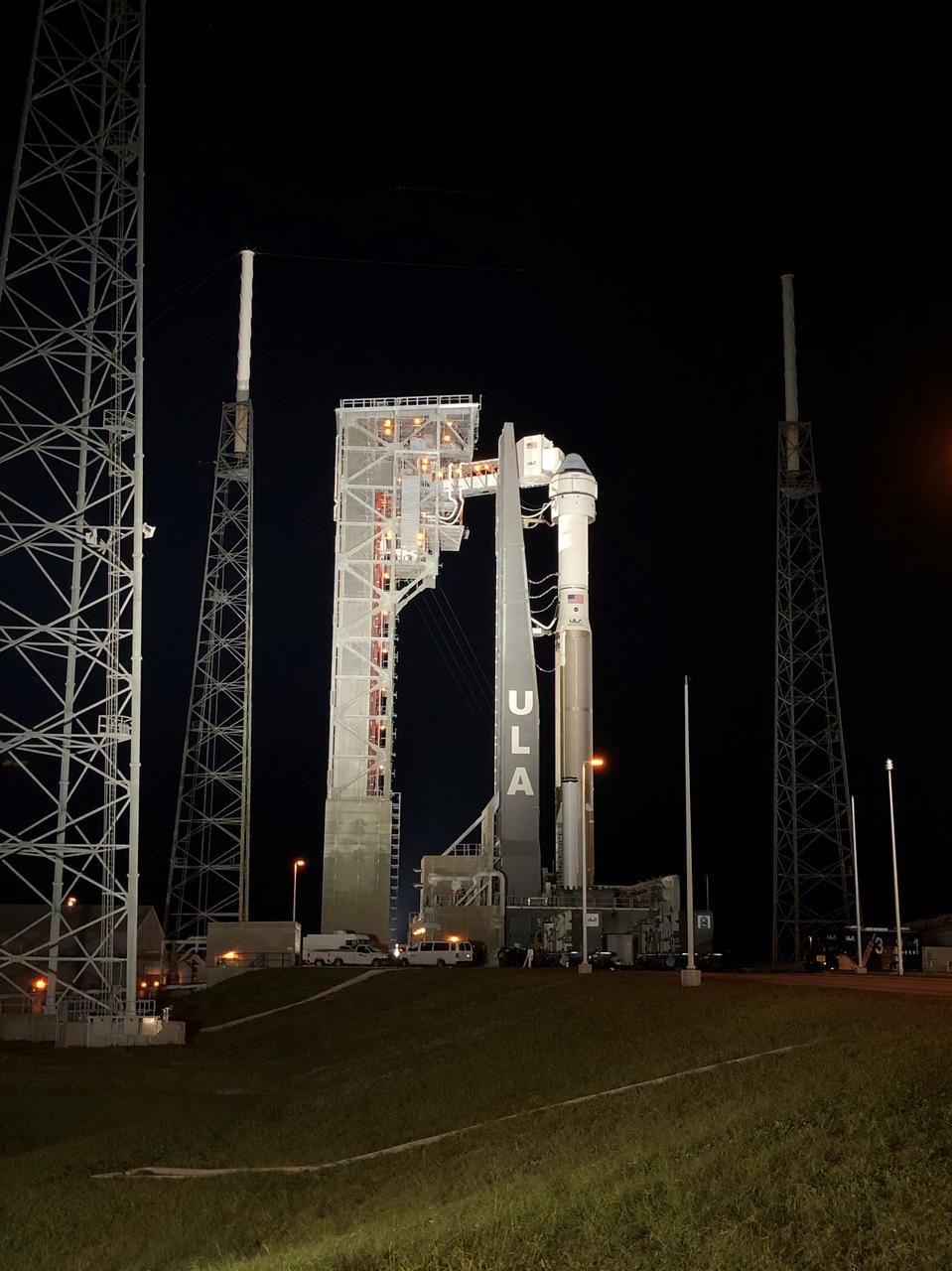
A United Launch Alliance Atlas V rocket, topped by the Boeing CST-100 Starliner spacecraft, stand on Space Launch Complex 41 at Florida’s Cape Canaveral Air Force Station on Dec. 3, 2019. The vehicle was in place on the launch pad in preparation for Boeing’s wet dress rehearsal ahead of the upcoming Orbital Flight Test, an uncrewed mission to the International Space Station for NASA’s Commercial Crew Program.
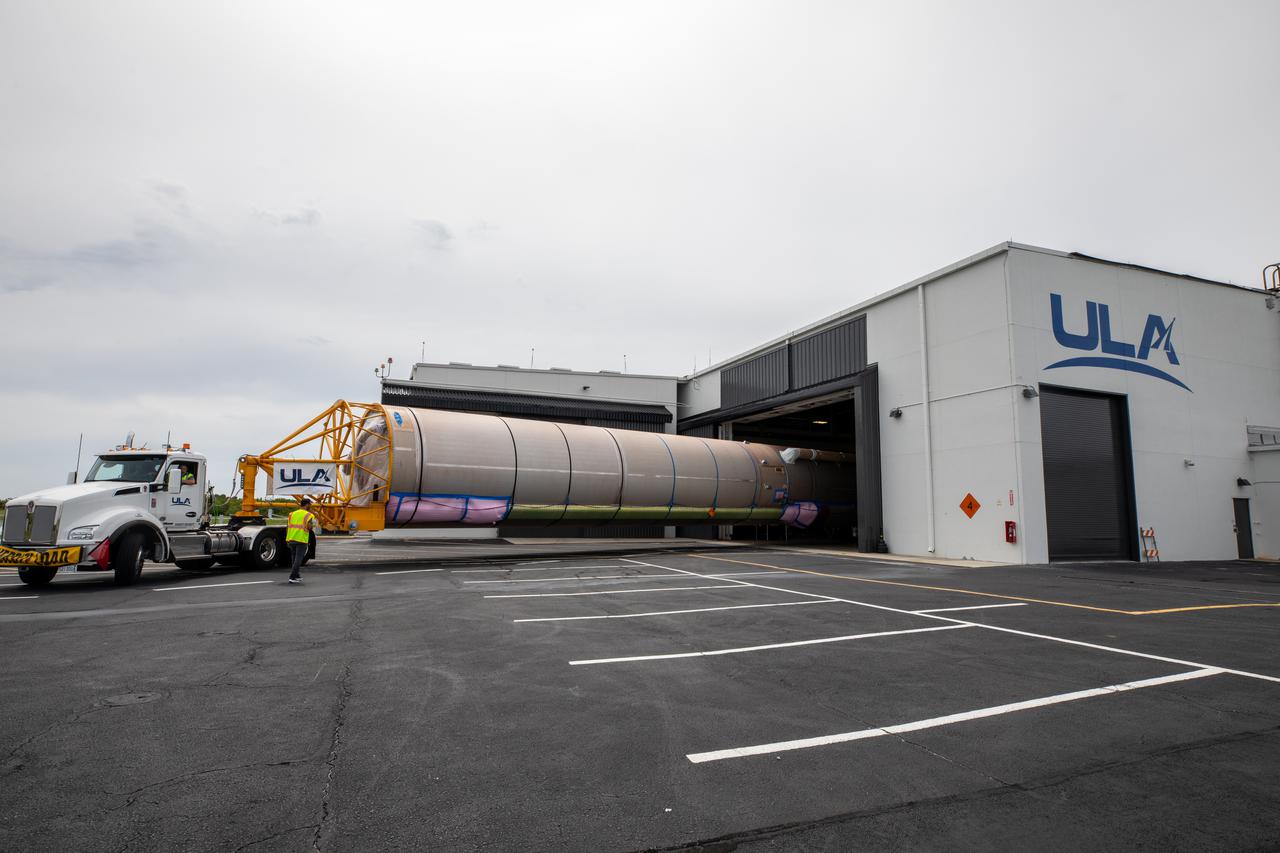
A flatbed truck delivers the United Launch Alliance (ULA) Atlas V booster and Centaur upper stage for Boeing's CST-100 Starliner Crew Flight Test (CFT) to the Atlas Spaceflight Operations Center at Space Launch Complex 41 (SLC-41) at Cape Canaveral Space Force Station on June 21, 2021. Starliner's first flight with astronauts aboard, CFT will launch from SLC-41. The flight test will demonstrate the ability of the Atlas V and Starliner to safely carry astronauts to and from the International Space Station for the agency's Commercial Crew Program.
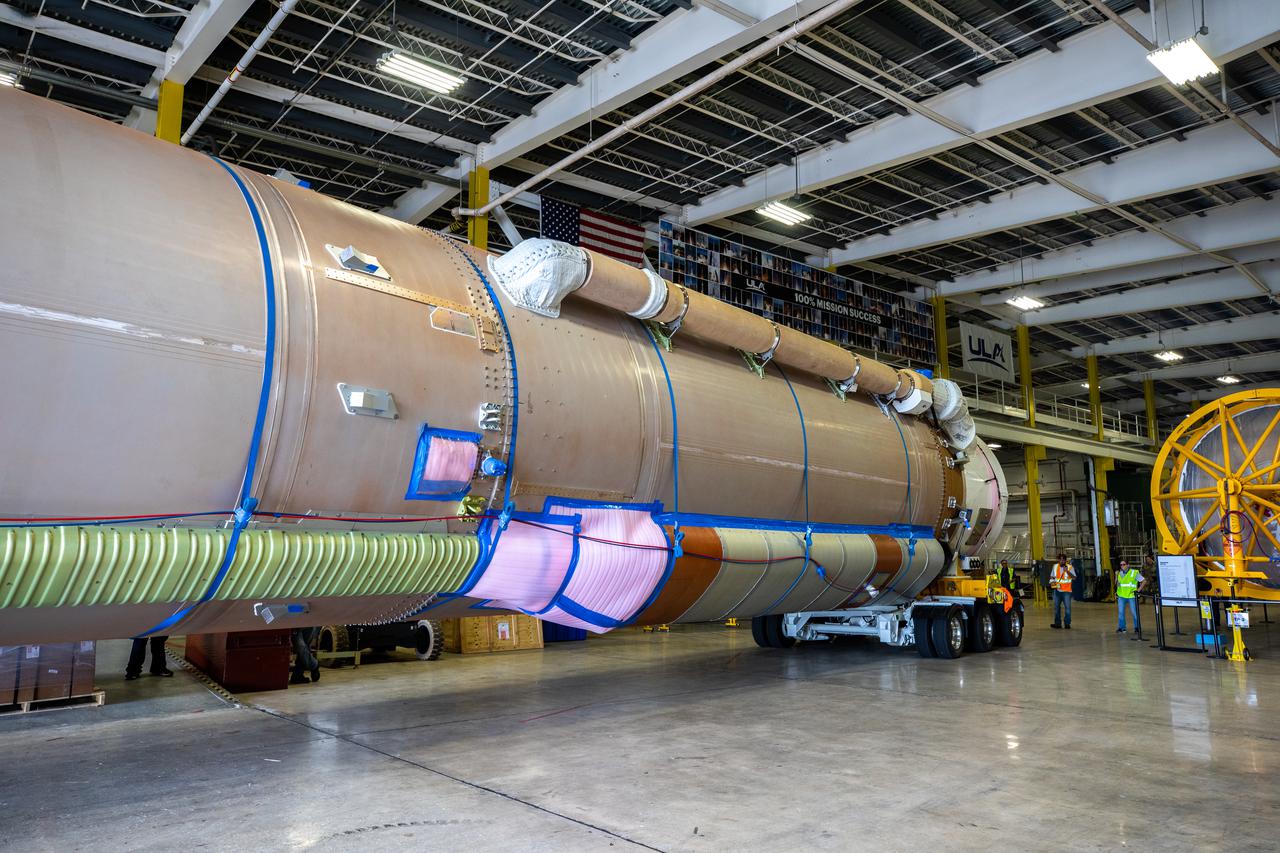
The United Launch Alliance (ULA) Atlas V booster and Centaur upper stage for Boeing's CST-100 Starliner Crew Flight Test (CFT) are inside the Atlas Spaceflight Operations Center at Space Launch Complex 41 (SLC-41) at Cape Canaveral Space Force Station on June 21, 2021. Starliner's first flight with astronauts aboard, CFT will launch from SLC-41. The flight test will demonstrate the ability of the Atlas V and Starliner to safely carry astronauts to and from the International Space Station for the agency's Commercial Crew Program.
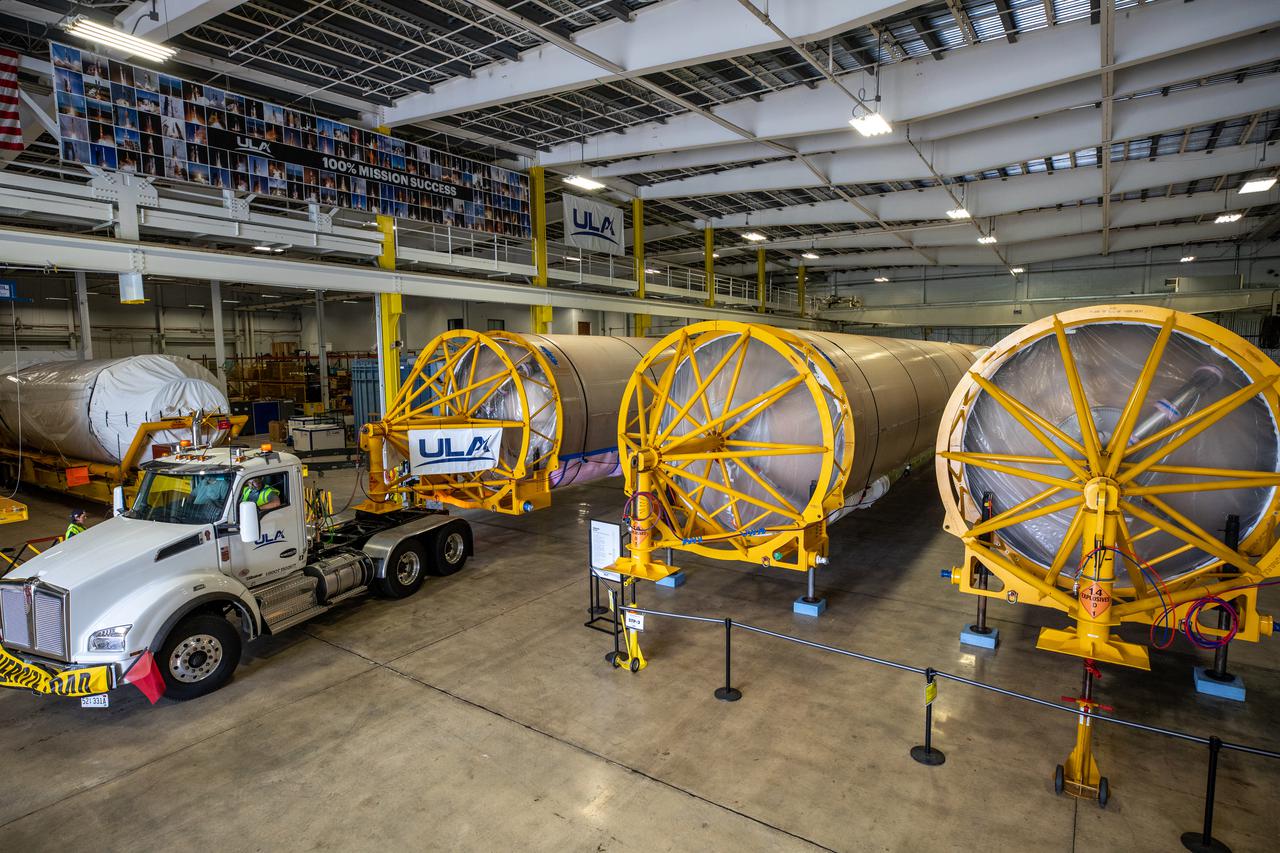
A flatbed truck moves the United Launch Alliance (ULA) Atlas V booster and Centaur upper stage for Boeing's CST-100 Starliner Crew Flight Test (CFT) inside the Atlas Spaceflight Operations Center at Space Launch Complex 41 (SLC-41) at Cape Canaveral Space Force Station on June 21, 2021. Starliner's first flight with astronauts aboard, CFT will launch from SLC-41. The flight test will demonstrate the ability of the Atlas V and Starliner to safely carry astronauts to and from the International Space Station for the agency's Commercial Crew Program.
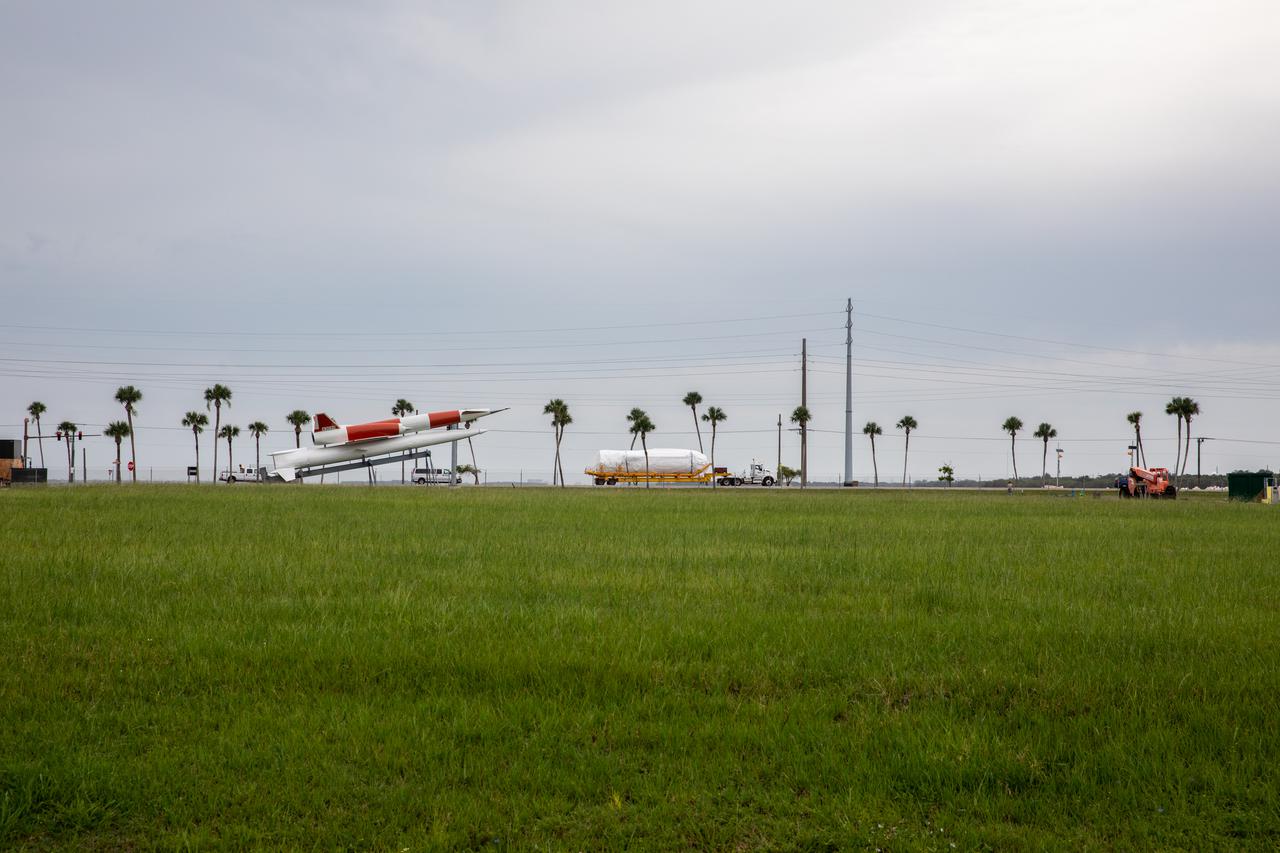
The United Launch Alliance (ULA) Atlas V booster and Centaur upper stage for Boeing's CST-100 Starliner Crew Flight Test (CFT) are on their way to the Atlas Spaceflight Operations Center at Space Launch Complex 41 (SLC-41) at Cape Canaveral Space Force Station on June 21, 2021. Starliner's first flight with astronauts aboard, CFT will launch from SLC-41. The flight test will demonstrate the ability of the Atlas V and Starliner to safely carry astronauts to and from the International Space Station for the agency's Commercial Crew Program.

The United Launch Alliance (ULA) Atlas V booster and Centaur upper stage for Boeing's CST-100 Starliner Crew Flight Test (CFT) are on their way to the Atlas Spaceflight Operations Center at Space Launch Complex 41 (SLC-41) at Cape Canaveral Space Force Station on June 21, 2021. Starliner's first flight with astronauts aboard, CFT will launch from SLC-41. The flight test will demonstrate the ability of the Atlas V and Starliner to safely carry astronauts to and from the International Space Station for the agency's Commercial Crew Program.
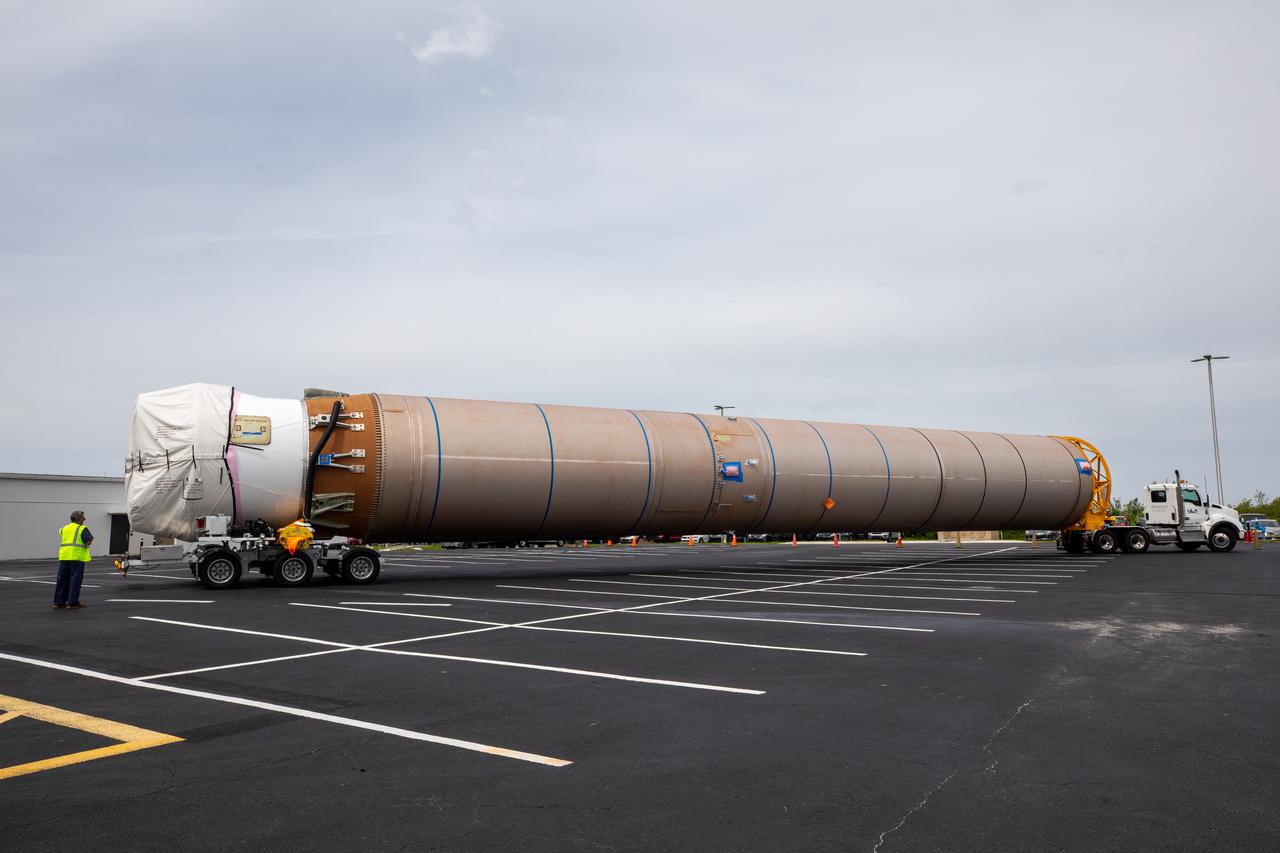
The United Launch Alliance (ULA) Atlas V booster and Centaur upper stage for Boeing's CST-100 Starliner Crew Flight Test (CFT) arrive at the Atlas Spaceflight Operations Center at Space Launch Complex 41 (SLC-41) at Cape Canaveral Space Force Station on June 21, 2021. Starliner's first flight with astronauts aboard, CFT will launch from SLC-41. The flight test will demonstrate the ability of the Atlas V and Starliner to safely carry astronauts to and from the International Space Station for the agency's Commercial Crew Program.
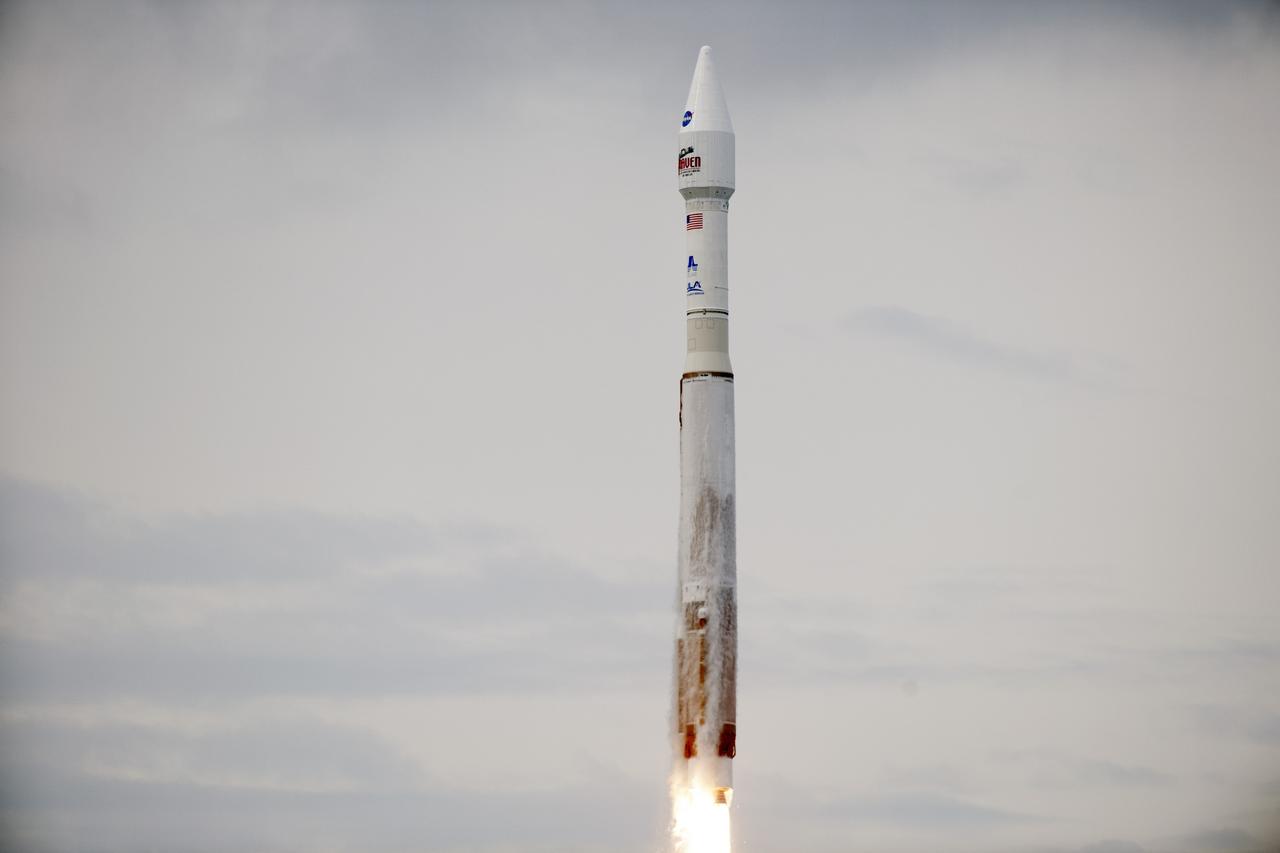
CAPE CANAVERAL, Fla. -- A United Launch Alliance Atlas V rocket lifts off through the clouds over Space Launch Complex 41 at Cape Canaveral Air Force Station in Florida, carrying NASA's Mars Atmosphere and Volatile EvolutioN, or MAVEN, spacecraft. Launch was on schedule at 1:28 p.m. EST Nov. 18 at the opening of a two-hour launch window. After a 10-month journey to the Red Planet, MAVEN will study its upper atmosphere in unprecedented detail from orbit above the planet. Built by Lockheed Martin in Littleton, Colo., MAVEN will arrive at Mars in September 2014 and will be inserted into an elliptical orbit with a high point of 3,900 miles, swooping down to as close as 93 miles above the planet's surface. For more information, visit: http://www.nasa.gov/mission_pages/maven/main/index.html. Photo credit: NASA/Rusty Backer
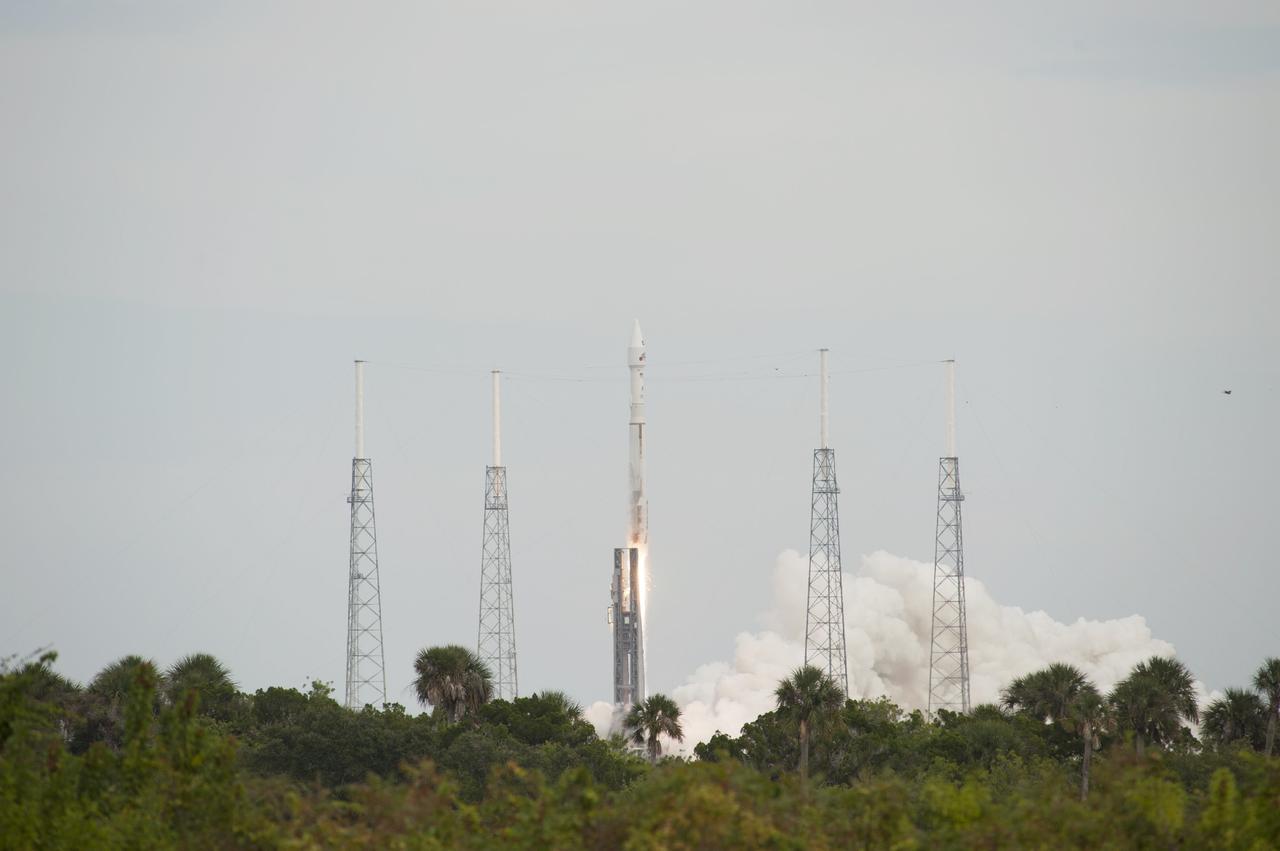
CAPE CANAVERAL, Fla. -- The engine ignites under the United Launch Alliance Atlas V rocket, lifting NASA's Mars Atmosphere and Volatile EvolutioN, or MAVEN, spacecraft off Space Launch Complex 41 at Cape Canaveral Air Force Station in Florida. Launch was on schedule at 1:28 p.m. EST Nov. 18 at the opening of a two-hour launch window. After a 10-month journey to the Red Planet, MAVEN will study its upper atmosphere in unprecedented detail from orbit above the planet. Built by Lockheed Martin in Littleton, Colo., MAVEN will arrive at Mars in September 2014 and will be inserted into an elliptical orbit with a high point of 3,900 miles, swooping down to as close as 93 miles above the planet's surface. For more information, visit: http://www.nasa.gov/mission_pages/maven/main/index.html. Photo credit: NASA/George Roberts
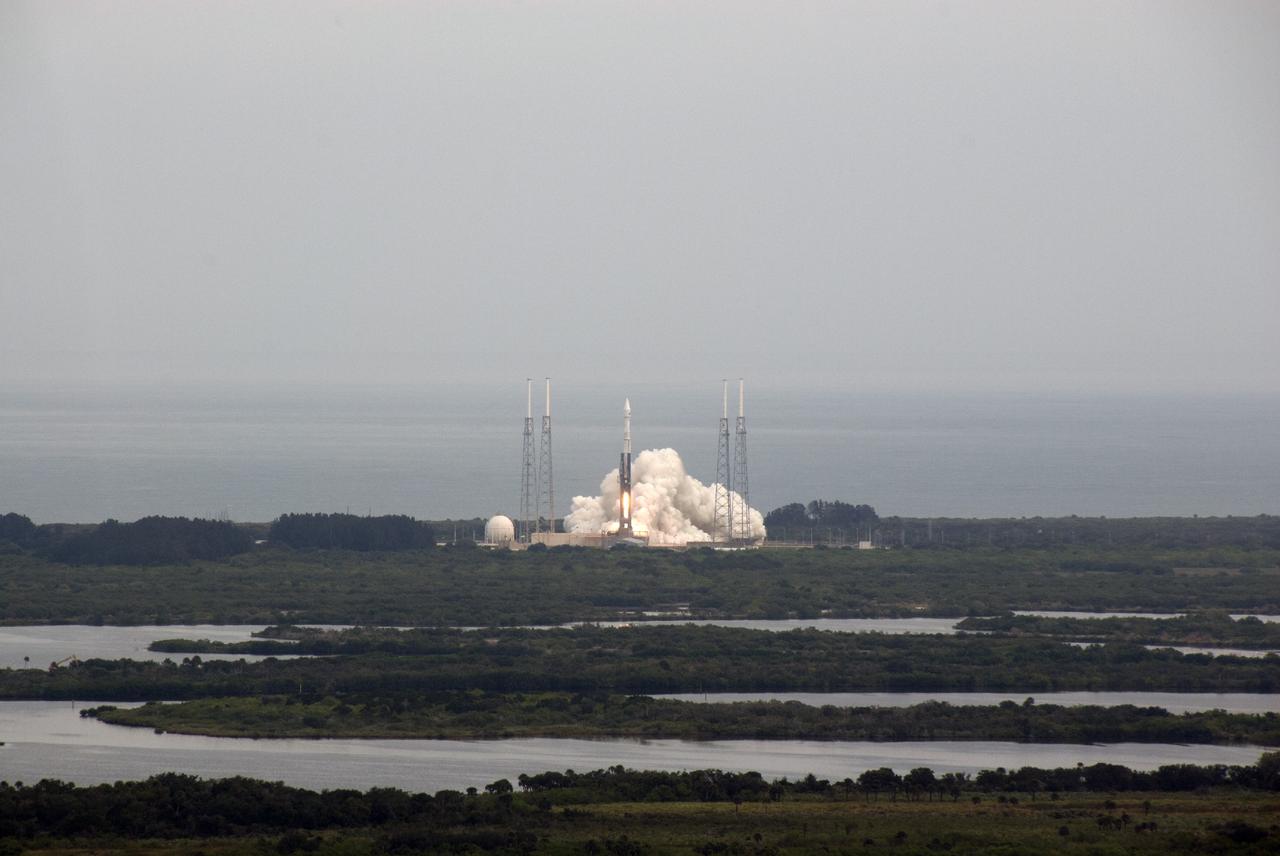
CAPE CANAVERAL, Fla. -- The engine ignites under the United Launch Alliance Atlas V rocket, lifting NASA's Mars Atmosphere and Volatile EvolutioN, or MAVEN, spacecraft off Space Launch Complex 41 at Cape Canaveral Air Force Station in Florida. Launch was on schedule at 1:28 p.m. EST Nov. 18 at the opening of a two-hour launch window. After a 10-month journey to the Red Planet, MAVEN will study its upper atmosphere in unprecedented detail from orbit above the planet. Built by Lockheed Martin in Littleton, Colo., MAVEN will arrive at Mars in September 2014 and will be inserted into an elliptical orbit with a high point of 3,900 miles, swooping down to as close as 93 miles above the planet's surface. For more information, visit: http://www.nasa.gov/mission_pages/maven/main/index.html. Photo credit: NASA/Bill White

CAPE CANAVERAL, Fla. -- The engine ignites under the United Launch Alliance Atlas V rocket, lifting NASA's Mars Atmosphere and Volatile EvolutioN, or MAVEN, spacecraft off Space Launch Complex 41 at Cape Canaveral Air Force Station in Florida. Launch was on schedule at 1:28 p.m. EST Nov. 18 at the opening of a two-hour launch window. After a 10-month journey to the Red Planet, MAVEN will study its upper atmosphere in unprecedented detail from orbit above the planet. Built by Lockheed Martin in Littleton, Colo., MAVEN will arrive at Mars in September 2014 and will be inserted into an elliptical orbit with a high point of 3,900 miles, swooping down to as close as 93 miles above the planet's surface. For more information, visit: http://www.nasa.gov/mission_pages/maven/main/index.html. Photo credit: NASA/Dan Casper
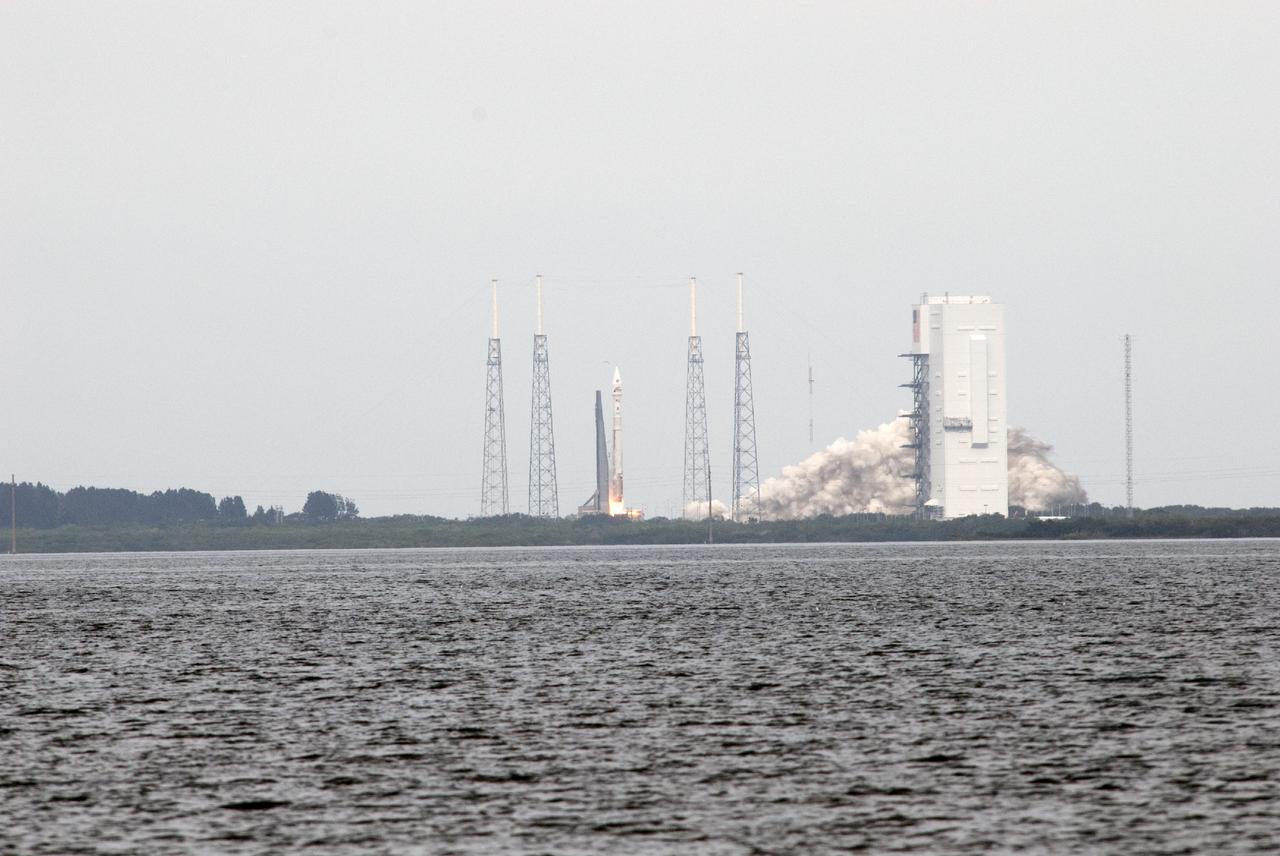
CAPE CANAVERAL, Fla. -- The engine ignites under the United Launch Alliance Atlas V rocket, lifting NASA's Mars Atmosphere and Volatile EvolutioN, or MAVEN, spacecraft off Space Launch Complex 41 at Cape Canaveral Air Force Station in Florida. Launch was on schedule at 1:28 p.m. EST Nov. 18 at the opening of a two-hour launch window. After a 10-month journey to the Red Planet, MAVEN will study its upper atmosphere in unprecedented detail from orbit above the planet. Built by Lockheed Martin in Littleton, Colo., MAVEN will arrive at Mars in September 2014 and will be inserted into an elliptical orbit with a high point of 3,900 miles, swooping down to as close as 93 miles above the planet's surface. For more information, visit: http://www.nasa.gov/mission_pages/maven/main/index.html. Photo credit: NASA/Jim Grossmann
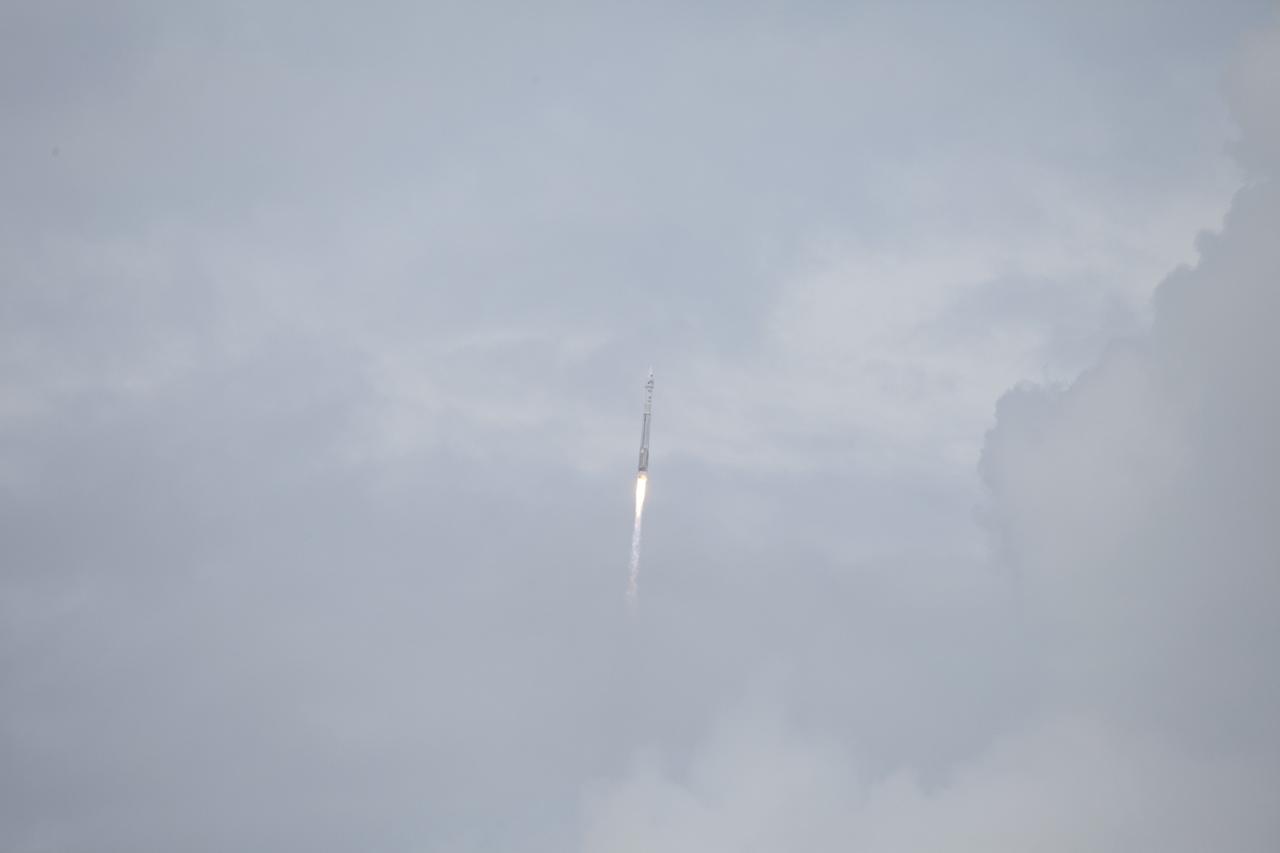
CAPE CANAVERAL, Fla. -- A United Launch Alliance Atlas V rocket lifts off through the clouds over Space Launch Complex 41 at Cape Canaveral Air Force Station in Florida, carrying NASA's Mars Atmosphere and Volatile EvolutioN, or MAVEN, spacecraft. Launch was on schedule at 1:28 p.m. EST Nov. 18 at the opening of a two-hour launch window. After a 10-month journey to the Red Planet, MAVEN will study its upper atmosphere in unprecedented detail from orbit above the planet. Built by Lockheed Martin in Littleton, Colo., MAVEN will arrive at Mars in September 2014 and will be inserted into an elliptical orbit with a high point of 3,900 miles, swooping down to as close as 93 miles above the planet's surface. For more information, visit: http://www.nasa.gov/mission_pages/maven/main/index.html. Photo credit: NASA/Dan Casper
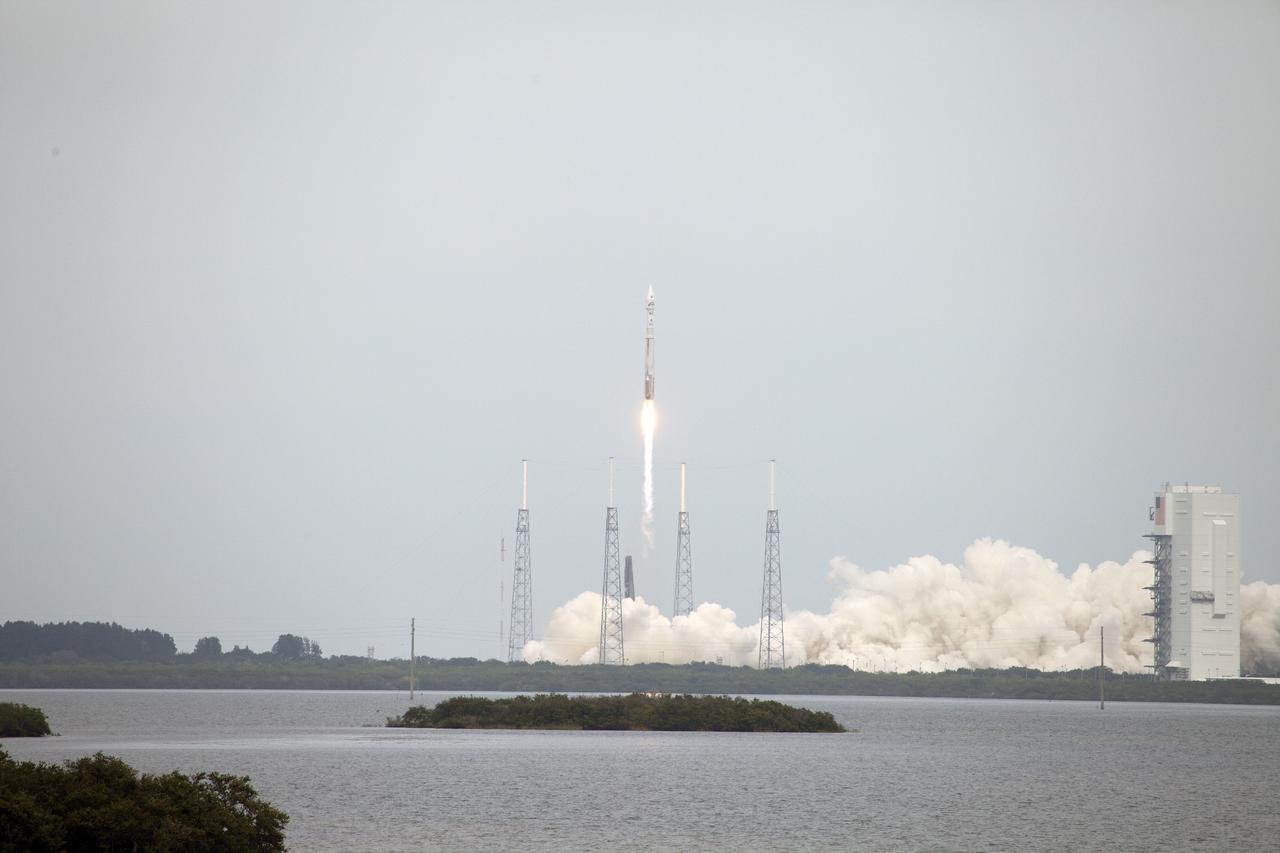
CAPE CANAVERAL, Fla. -- NASA’s Mars Atmosphere and Volatile EvolutioN, or MAVEN, spacecraft begins its 10-month journey to Mars, launching atop a United Launch Alliance Atlas V rocket at 1:28 p.m. EST from Space Launch Complex 41 on Cape Canaveral Air Force Station in Florida. Launch was on schedule Nov. 18 at the opening of a two-hour launch window. After a 10-month journey to the Red Planet, MAVEN will study its upper atmosphere in unprecedented detail from orbit above the planet. Built by Lockheed Martin in Littleton, Colo., MAVEN will arrive at Mars in September 2014 and will be inserted into an elliptical orbit with a high point of 3,900 miles, swooping down to as close as 93 miles above the planet's surface. For more information, visit: http://www.nasa.gov/mission_pages/maven/main/index.html. Photo credit: NASA/Dan Casper
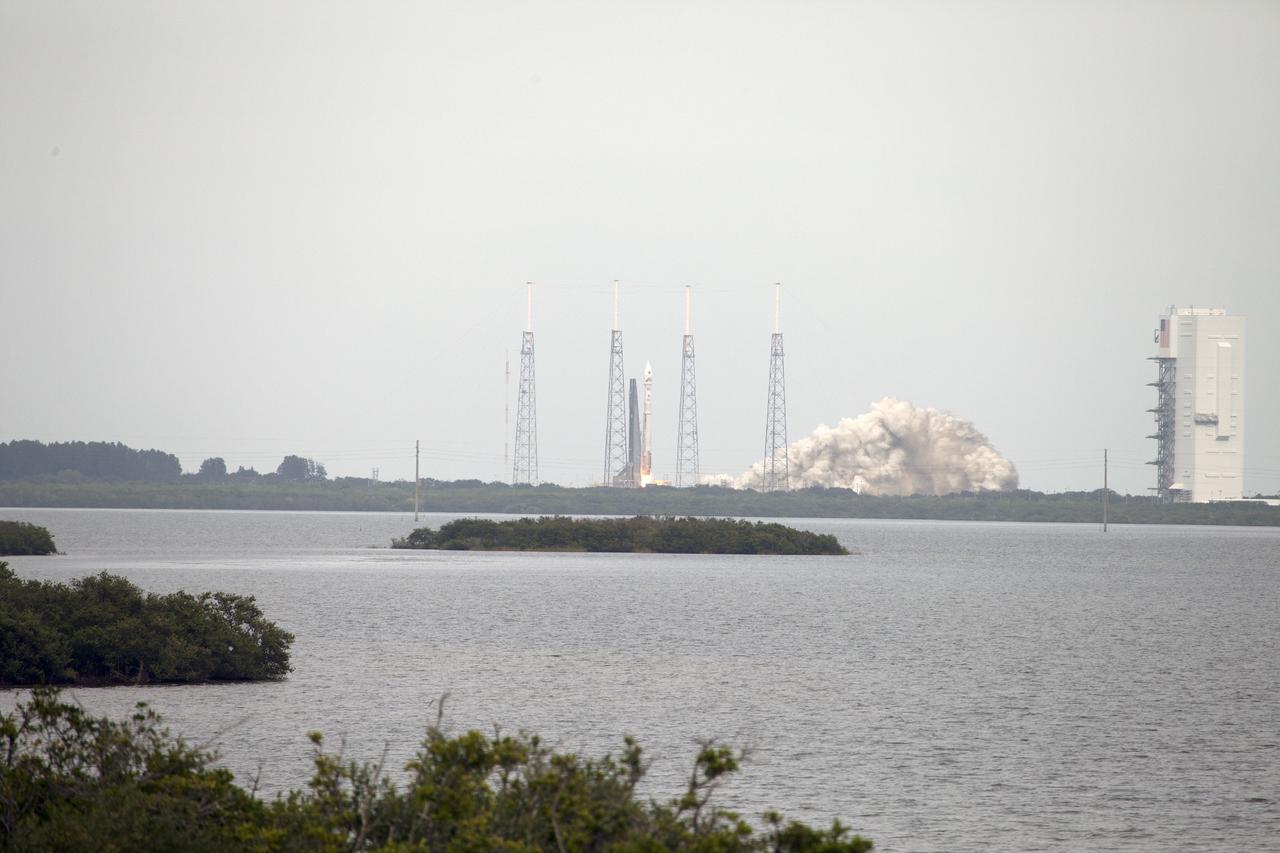
CAPE CANAVERAL, Fla. -- The engine ignites under the United Launch Alliance Atlas V rocket, lifting NASA's Mars Atmosphere and Volatile EvolutioN, or MAVEN, spacecraft off Space Launch Complex 41 at Cape Canaveral Air Force Station in Florida. Launch was on schedule at 1:28 p.m. EST Nov. 18 at the opening of a two-hour launch window. After a 10-month journey to the Red Planet, MAVEN will study its upper atmosphere in unprecedented detail from orbit above the planet. Built by Lockheed Martin in Littleton, Colo., MAVEN will arrive at Mars in September 2014 and will be inserted into an elliptical orbit with a high point of 3,900 miles, swooping down to as close as 93 miles above the planet's surface. For more information, visit: http://www.nasa.gov/mission_pages/maven/main/index.html. Photo credit: NASA/Dan Casper
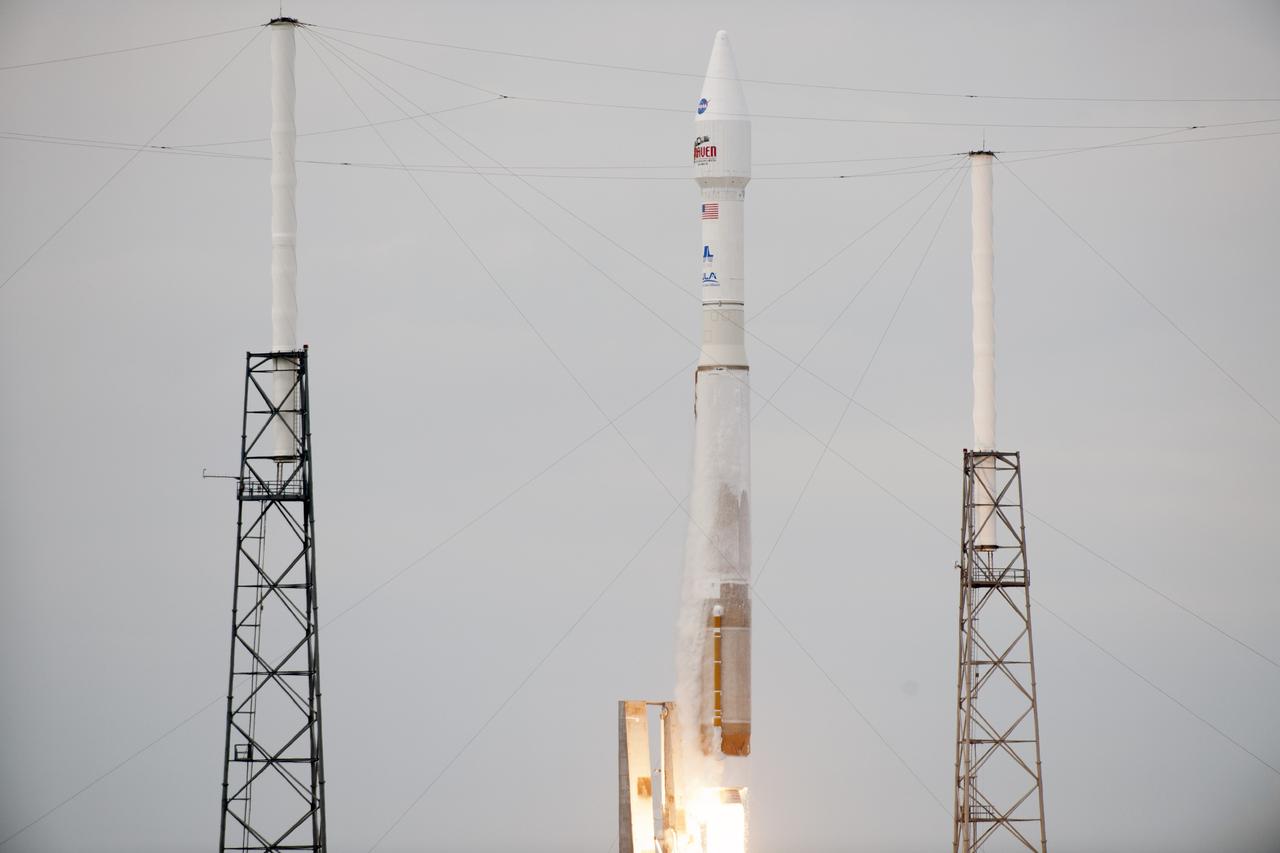
CAPE CANAVERAL, Fla. -- A United Launch Alliance Atlas V rocket lifts off past the lightning masts on Space Launch Complex 41 at Cape Canaveral Air Force Station in Florida, carrying NASA's Mars Atmosphere and Volatile EvolutioN, or MAVEN, spacecraft. Launch was on schedule at 1:28 p.m. EST Nov. 18 at the opening of a two-hour launch window. After a 10-month journey to the Red Planet, MAVEN will study its upper atmosphere in unprecedented detail from orbit above the planet. Built by Lockheed Martin in Littleton, Colo., MAVEN will arrive at Mars in September 2014 and will be inserted into an elliptical orbit with a high point of 3,900 miles, swooping down to as close as 93 miles above the planet's surface. For more information, visit: http://www.nasa.gov/mission_pages/maven/main/index.html. Photo credit: NASA/Rusty Backer
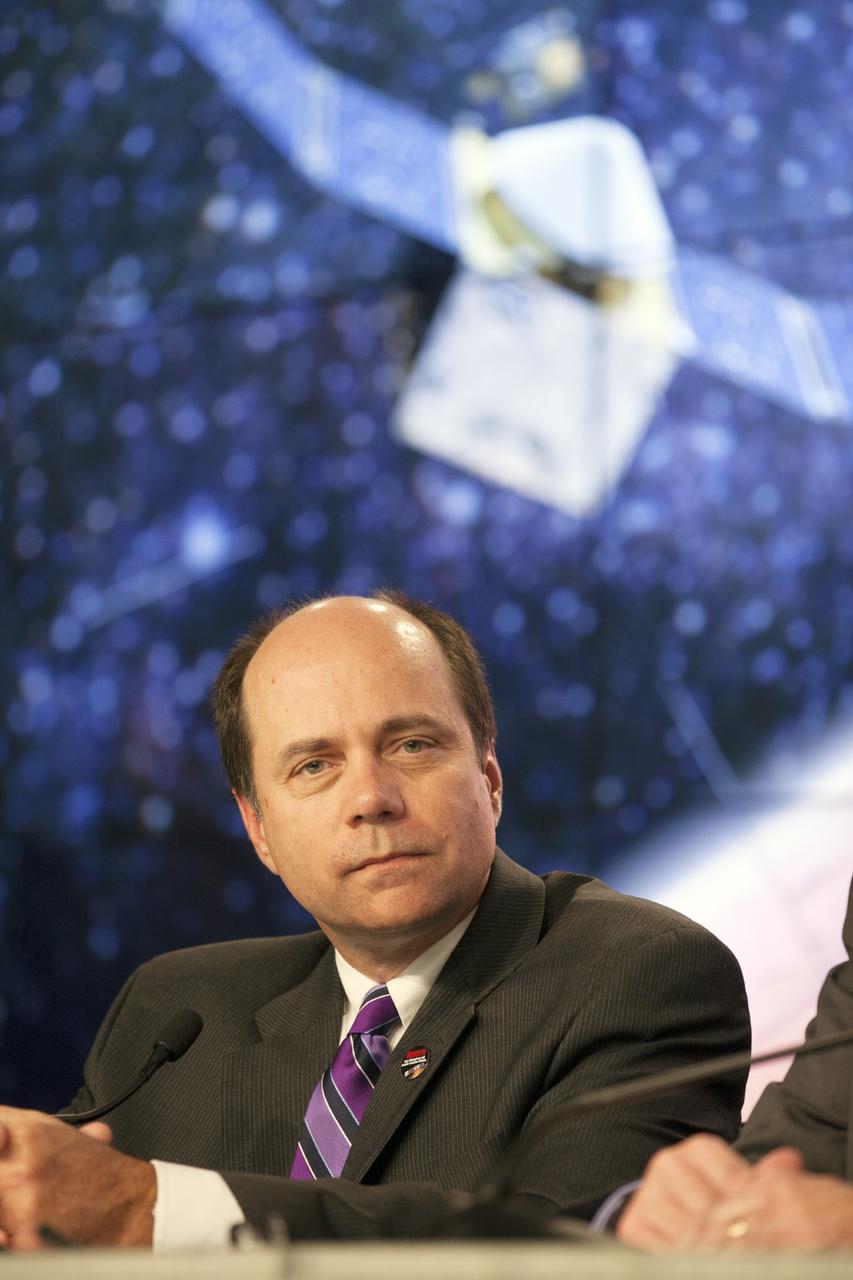
CAPE CANAVERAL, Fla. -- David Mitchell, NASA MAVEN project manager at the Goddard Space Flight Center in Greenbelt, Md., participates in a post-launch news conference in NASA's Press Site TV auditorium following the successful launch of NASA’s Mars Atmosphere and Volatile EvolutioN, or MAVEN, spacecraft. Launch was on schedule at 1:28 p.m. EST Nov. 18 at the opening of a two-hour launch window. After a 10-month journey to the Red Planet, MAVEN will study its upper atmosphere in unprecedented detail from orbit above the planet. Built by Lockheed Martin in Littleton, Colo., MAVEN will arrive at Mars in September 2014 and will be inserted into an elliptical orbit with a high point of 3,900 miles, swooping down to as close as 93 miles above the planet's surface. For more information, visit: http://www.nasa.gov/mission_pages/maven/main/index.html. Photo credit: NASA/Kim Shiflett
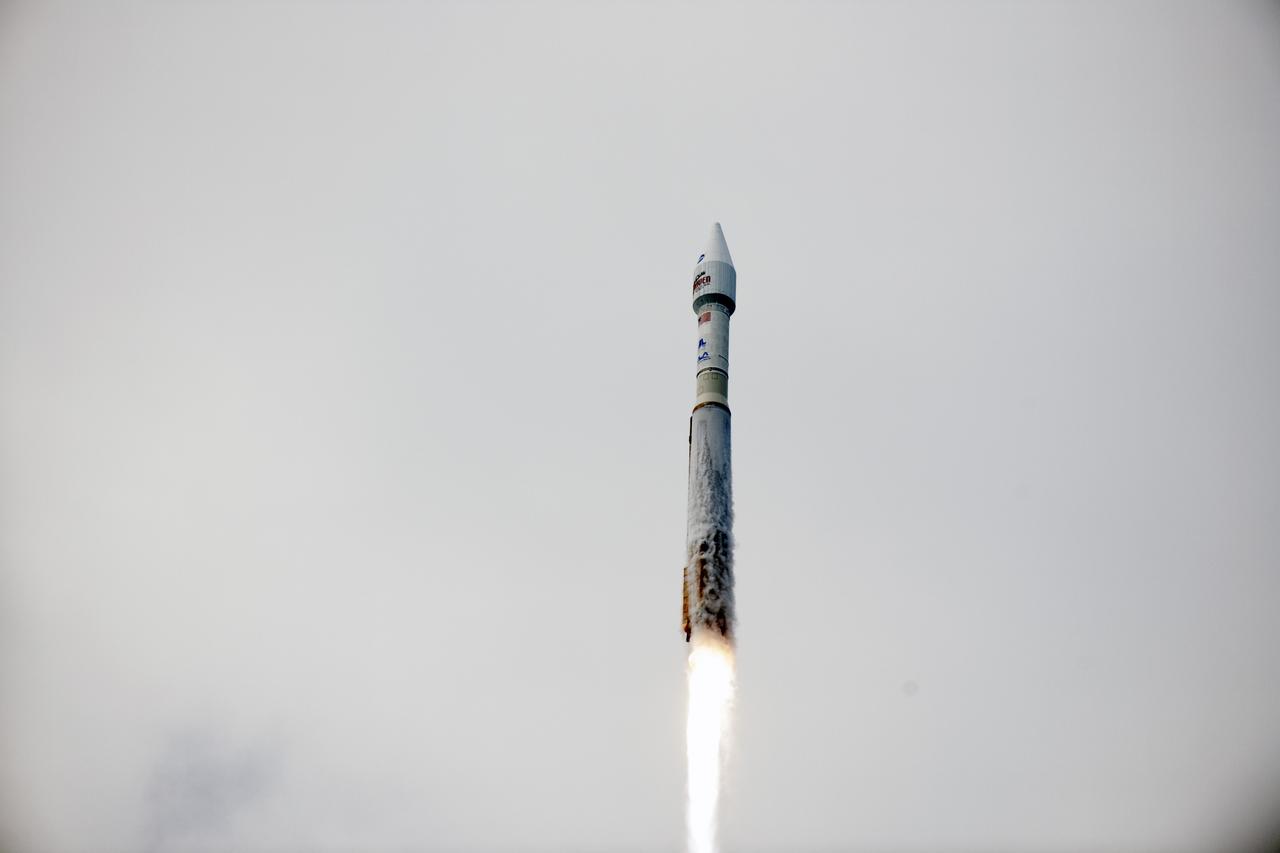
CAPE CANAVERAL, Fla. -- A United Launch Alliance Atlas V rocket lifts off into the clouds over Space Launch Complex 41 at Cape Canaveral Air Force Station in Florida, carrying NASA's Mars Atmosphere and Volatile EvolutioN, or MAVEN, spacecraft. Launch was on schedule at 1:28 p.m. EST Nov. 18 at the opening of a two-hour launch window. After a 10-month journey to the Red Planet, MAVEN will study its upper atmosphere in unprecedented detail from orbit above the planet. Built by Lockheed Martin in Littleton, Colo., MAVEN will arrive at Mars in September 2014 and will be inserted into an elliptical orbit with a high point of 3,900 miles, swooping down to as close as 93 miles above the planet's surface. For more information, visit: http://www.nasa.gov/mission_pages/maven/main/index.html. Photo credit: NASA/Rusty Backer
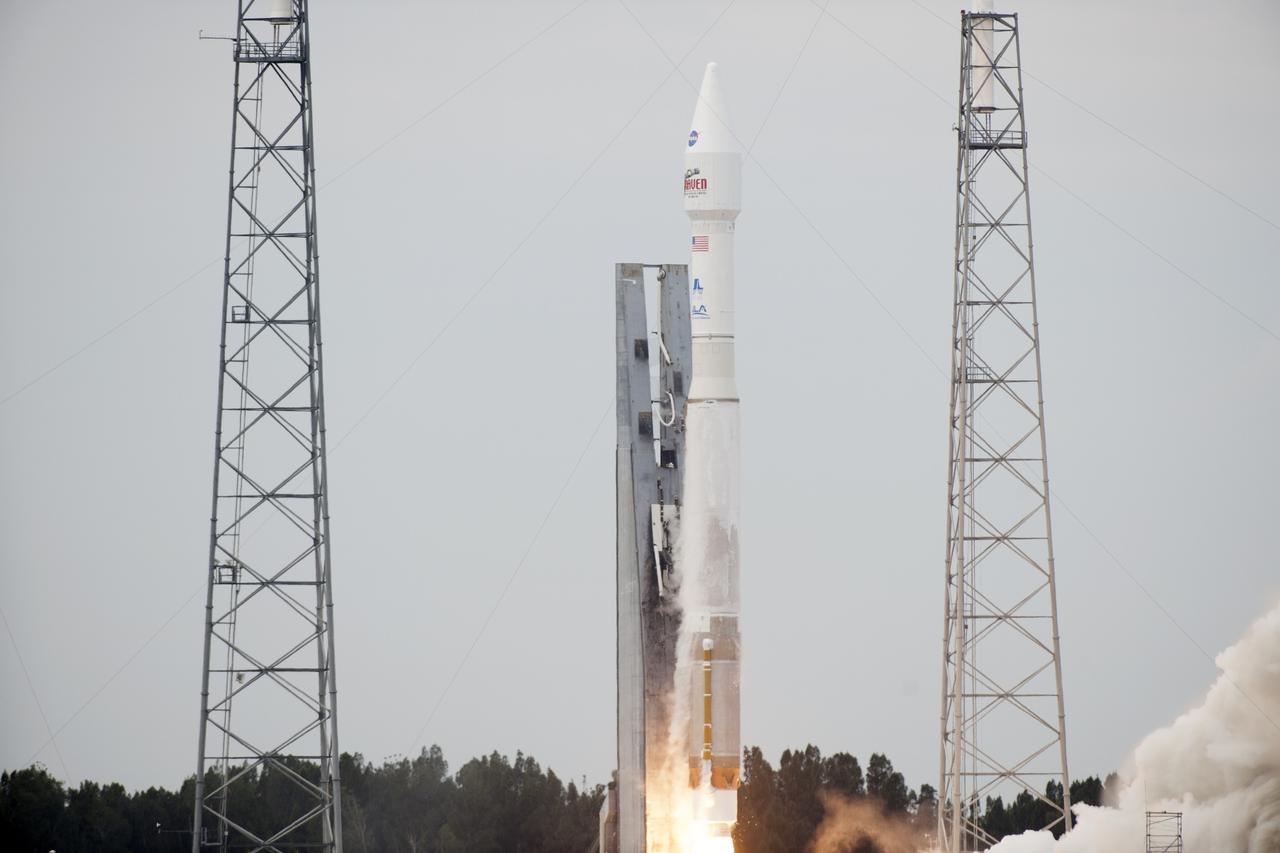
CAPE CANAVERAL, Fla. -- A United Launch Alliance Atlas V rocket lifts off Space Launch Complex 41 at Cape Canaveral Air Force Station in Florida, carrying NASA's Mars Atmosphere and Volatile EvolutioN, or MAVEN, spacecraft. Launch was on schedule at 1:28 p.m. EST Nov. 18 at the opening of a two-hour launch window. After a 10-month journey to the Red Planet, MAVEN will study its upper atmosphere in unprecedented detail from orbit above the planet. Built by Lockheed Martin in Littleton, Colo., MAVEN will arrive at Mars in September 2014 and will be inserted into an elliptical orbit with a high point of 3,900 miles, swooping down to as close as 93 miles above the planet's surface. For more information, visit: http://www.nasa.gov/mission_pages/maven/main/index.html. Photo credit: NASA/Rusty Backer
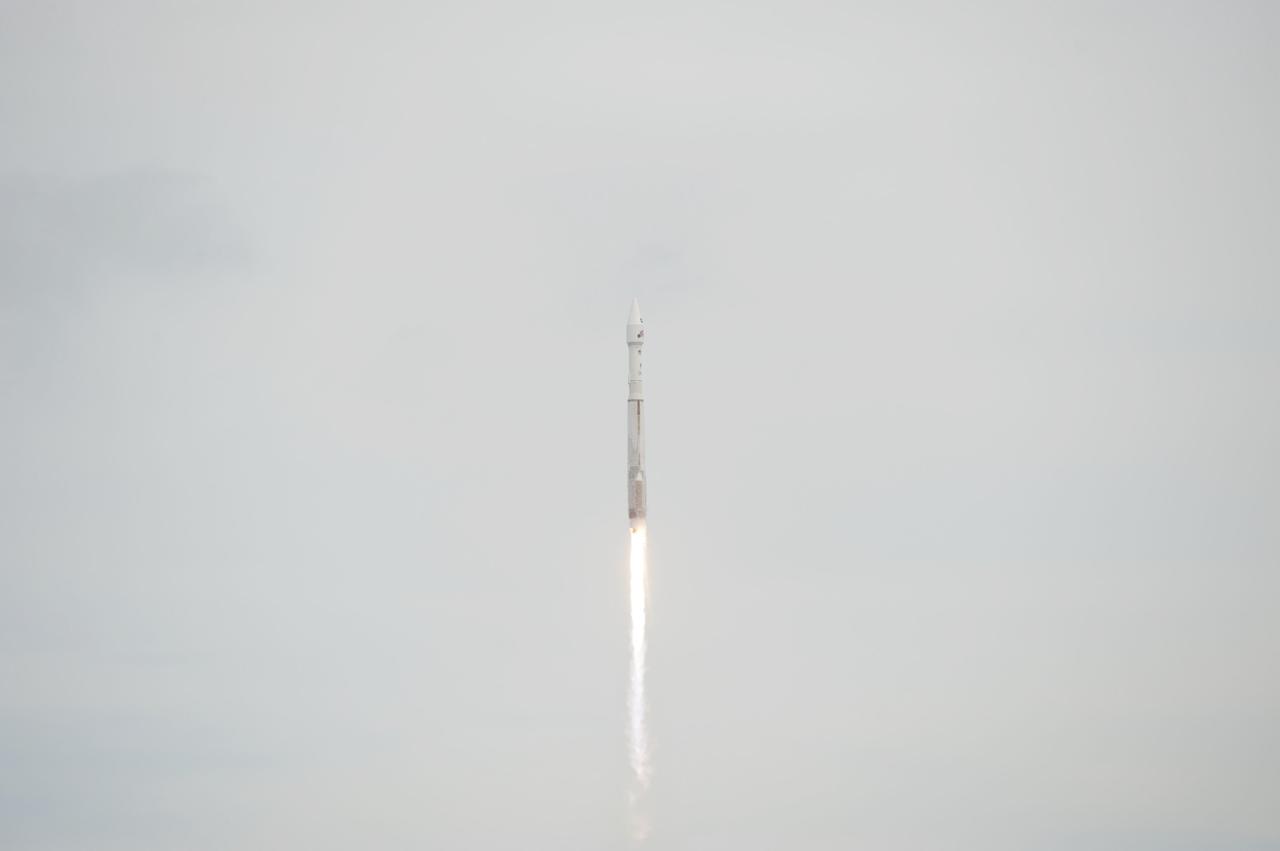
CAPE CANAVERAL, Fla. -- A United Launch Alliance Atlas V rocket lifts off through the clouds over Space Launch Complex 41 at Cape Canaveral Air Force Station in Florida, carrying NASA's Mars Atmosphere and Volatile EvolutioN, or MAVEN, spacecraft. Launch was on schedule at 1:28 p.m. EST Nov. 18 at the opening of a two-hour launch window. After a 10-month journey to the Red Planet, MAVEN will study its upper atmosphere in unprecedented detail from orbit above the planet. Built by Lockheed Martin in Littleton, Colo., MAVEN will arrive at Mars in September 2014 and will be inserted into an elliptical orbit with a high point of 3,900 miles, swooping down to as close as 93 miles above the planet's surface. For more information, visit: http://www.nasa.gov/mission_pages/maven/main/index.html. Photo credit: NASA/George Roberts
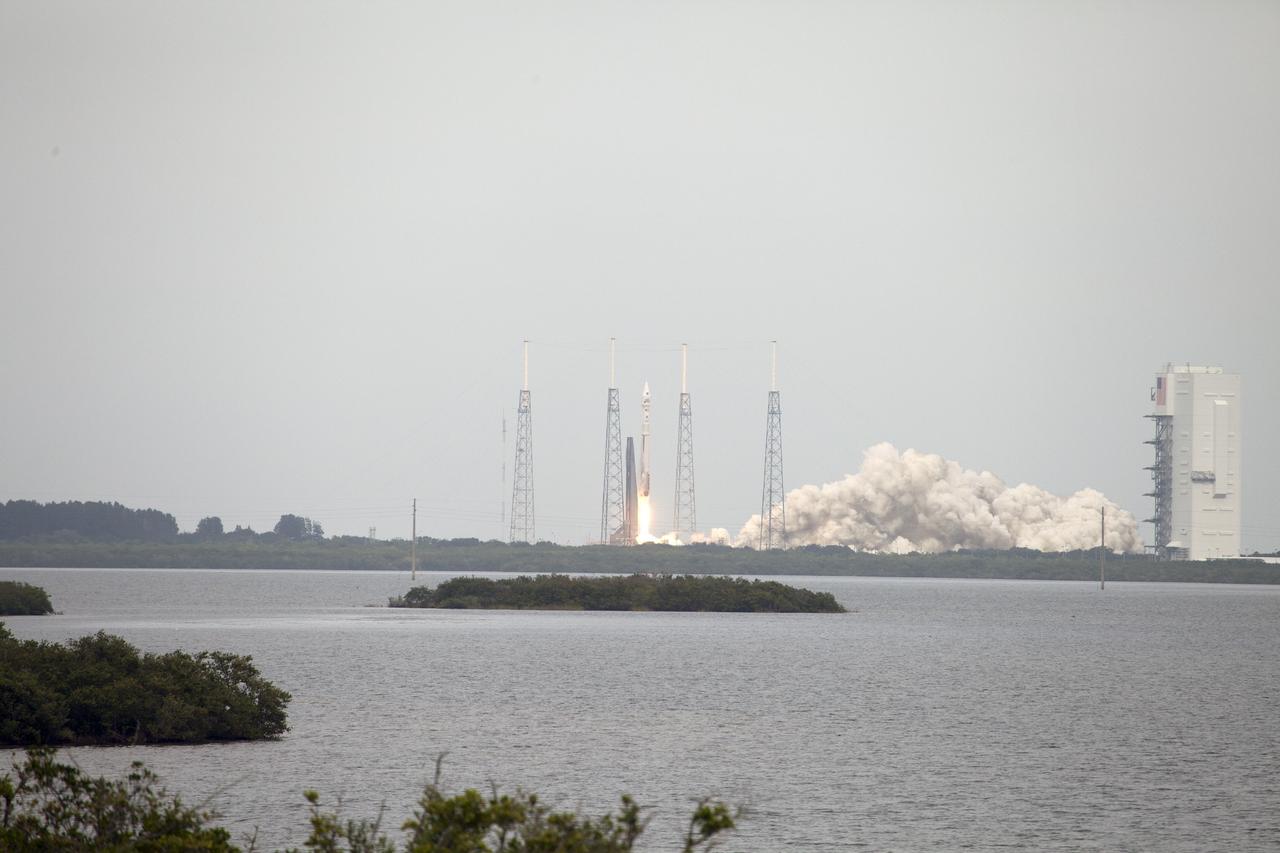
CAPE CANAVERAL, Fla. -- The engine ignites under the United Launch Alliance Atlas V rocket, lifting NASA's Mars Atmosphere and Volatile EvolutioN, or MAVEN, spacecraft off Space Launch Complex 41 at Cape Canaveral Air Force Station in Florida. Launch was on schedule at 1:28 p.m. EST Nov. 18 at the opening of a two-hour launch window. After a 10-month journey to the Red Planet, MAVEN will study its upper atmosphere in unprecedented detail from orbit above the planet. Built by Lockheed Martin in Littleton, Colo., MAVEN will arrive at Mars in September 2014 and will be inserted into an elliptical orbit with a high point of 3,900 miles, swooping down to as close as 93 miles above the planet's surface. For more information, visit: http://www.nasa.gov/mission_pages/maven/main/index.html. Photo credit: NASA/Dan Casper
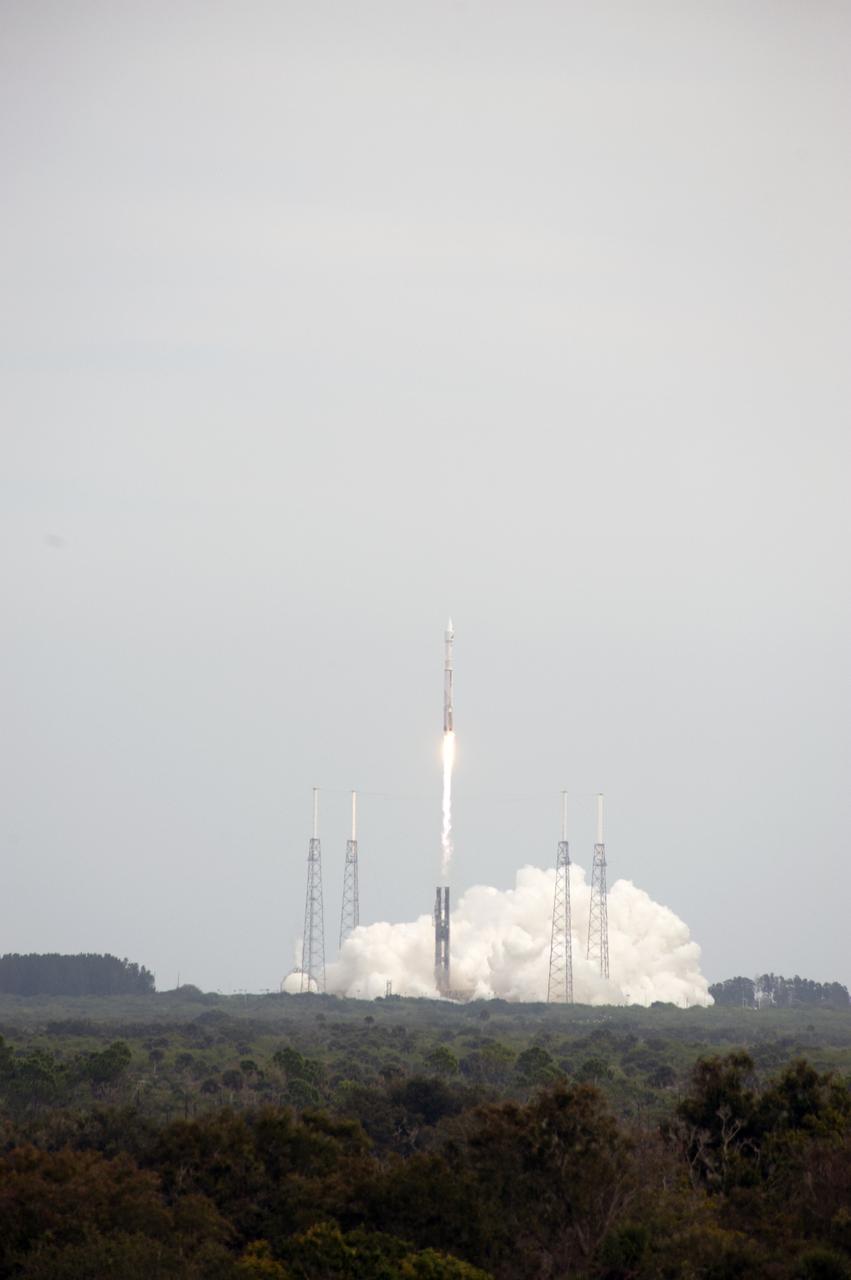
CAPE CANAVERAL, Fla. -- NASA’s Mars Atmosphere and Volatile EvolutioN, or MAVEN, spacecraft begins its 10-month journey to Mars, launching atop a United Launch Alliance Atlas V rocket at 1:28 p.m. EST from Space Launch Complex 41 on Cape Canaveral Air Force Station in Florida. Launch was on schedule Nov. 18 at the opening of a two-hour launch window. After a 10-month journey to the Red Planet, MAVEN will study its upper atmosphere in unprecedented detail from orbit above the planet. Built by Lockheed Martin in Littleton, Colo., MAVEN will arrive at Mars in September 2014 and will be inserted into an elliptical orbit with a high point of 3,900 miles, swooping down to as close as 93 miles above the planet's surface. For more information, visit: http://www.nasa.gov/mission_pages/maven/main/index.html. Photo credit: NASA/Carl Winebarger
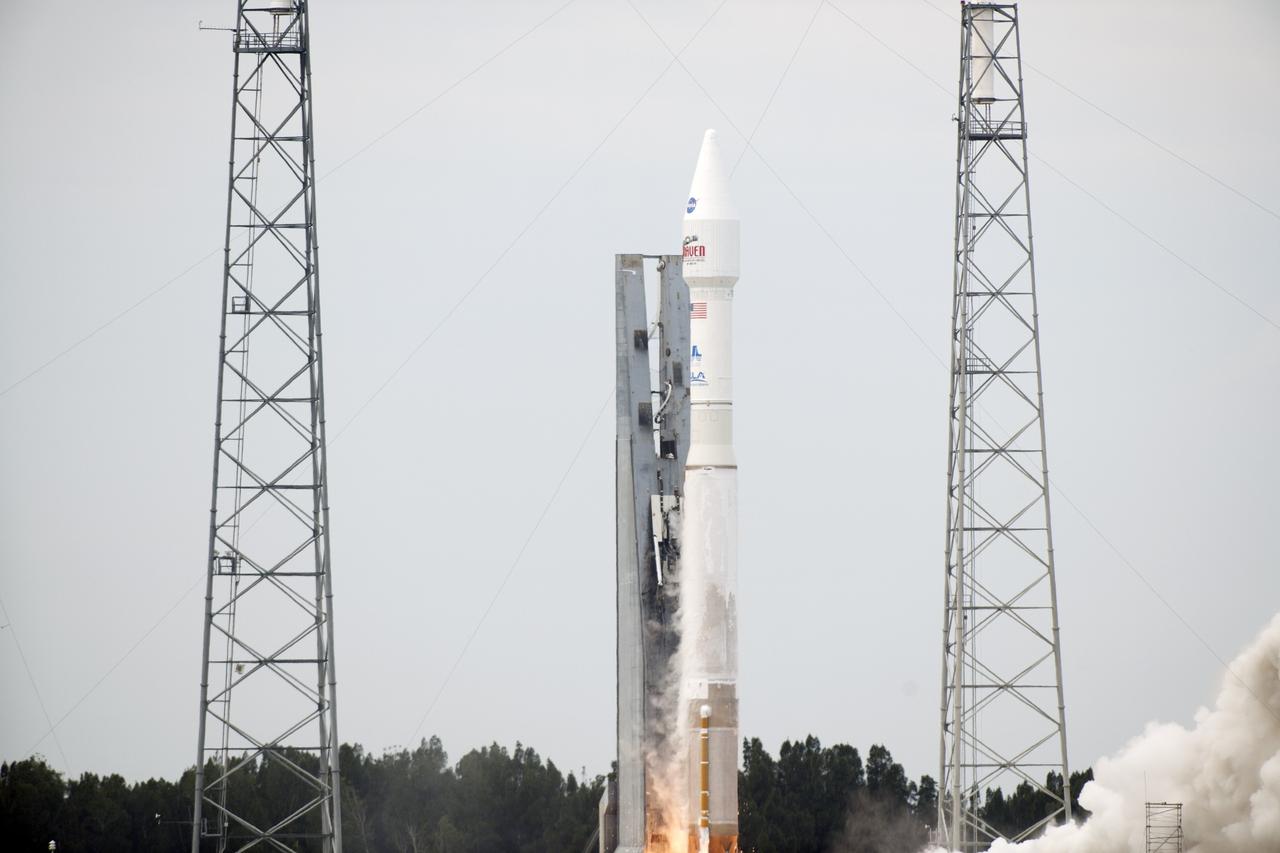
CAPE CANAVERAL, Fla. -- A United Launch Alliance Atlas V rocket lifts off Space Launch Complex 41 at Cape Canaveral Air Force Station in Florida, carrying NASA's Mars Atmosphere and Volatile EvolutioN, or MAVEN, spacecraft. Launch was on schedule at 1:28 p.m. EST Nov. 18 at the opening of a two-hour launch window. After a 10-month journey to the Red Planet, MAVEN will study its upper atmosphere in unprecedented detail from orbit above the planet. Built by Lockheed Martin in Littleton, Colo., MAVEN will arrive at Mars in September 2014 and will be inserted into an elliptical orbit with a high point of 3,900 miles, swooping down to as close as 93 miles above the planet's surface. For more information, visit: http://www.nasa.gov/mission_pages/maven/main/index.html. Photo credit: NASA/Rusty Backer
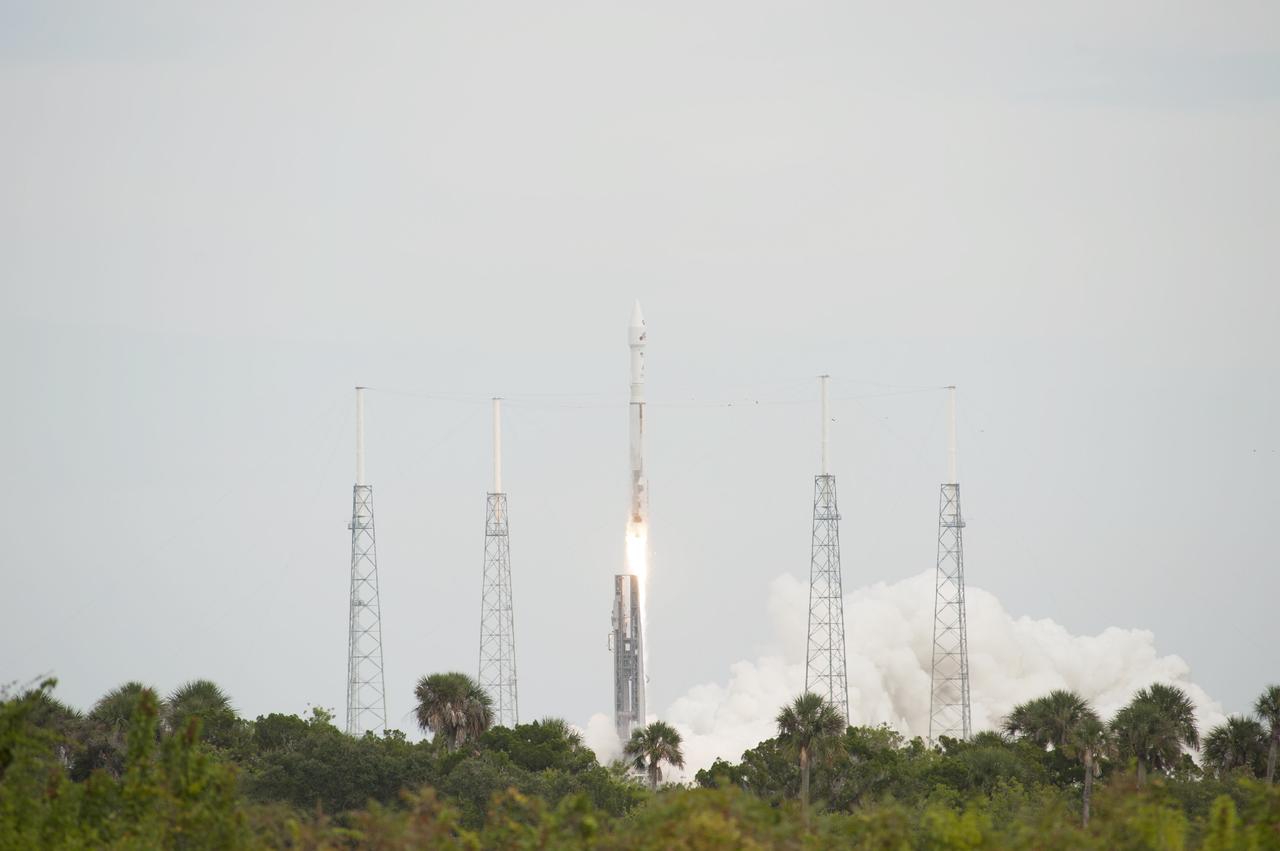
CAPE CANAVERAL, Fla. -- The engine ignites under the United Launch Alliance Atlas V rocket, lifting NASA's Mars Atmosphere and Volatile EvolutioN, or MAVEN, spacecraft off Space Launch Complex 41 at Cape Canaveral Air Force Station in Florida. Launch was on schedule at 1:28 p.m. EST Nov. 18 at the opening of a two-hour launch window. After a 10-month journey to the Red Planet, MAVEN will study its upper atmosphere in unprecedented detail from orbit above the planet. Built by Lockheed Martin in Littleton, Colo., MAVEN will arrive at Mars in September 2014 and will be inserted into an elliptical orbit with a high point of 3,900 miles, swooping down to as close as 93 miles above the planet's surface. For more information, visit: http://www.nasa.gov/mission_pages/maven/main/index.html. Photo credit: NASA/George Roberts
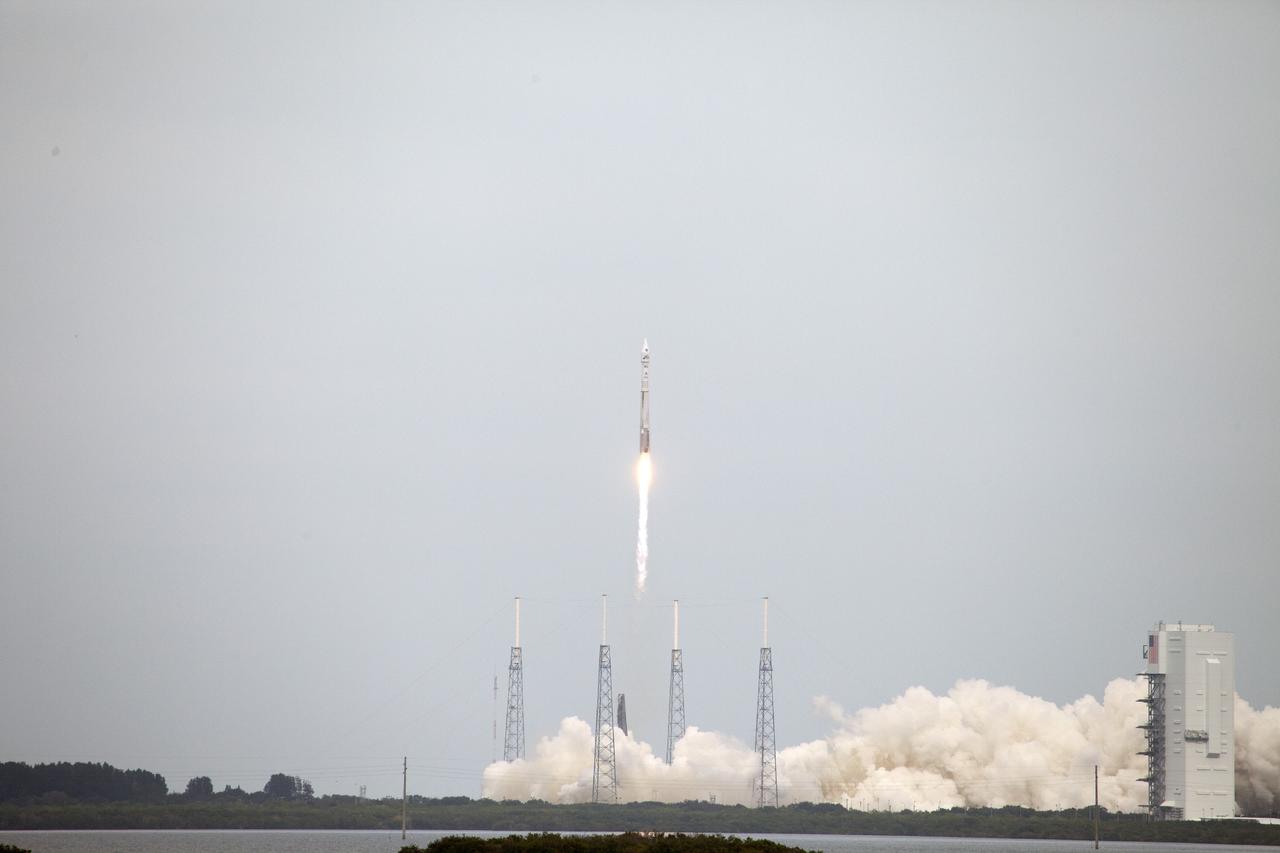
CAPE CANAVERAL, Fla. -- NASA’s Mars Atmosphere and Volatile EvolutioN, or MAVEN, spacecraft begins its 10-month journey to Mars, launching atop a United Launch Alliance Atlas V rocket at 1:28 p.m. EST from Space Launch Complex 41 on Cape Canaveral Air Force Station in Florida. Launch was on schedule Nov. 18 at the opening of a two-hour launch window. After a 10-month journey to the Red Planet, MAVEN will study its upper atmosphere in unprecedented detail from orbit above the planet. Built by Lockheed Martin in Littleton, Colo., MAVEN will arrive at Mars in September 2014 and will be inserted into an elliptical orbit with a high point of 3,900 miles, swooping down to as close as 93 miles above the planet's surface. For more information, visit: http://www.nasa.gov/mission_pages/maven/main/index.html. Photo credit: NASA/Dan Casper
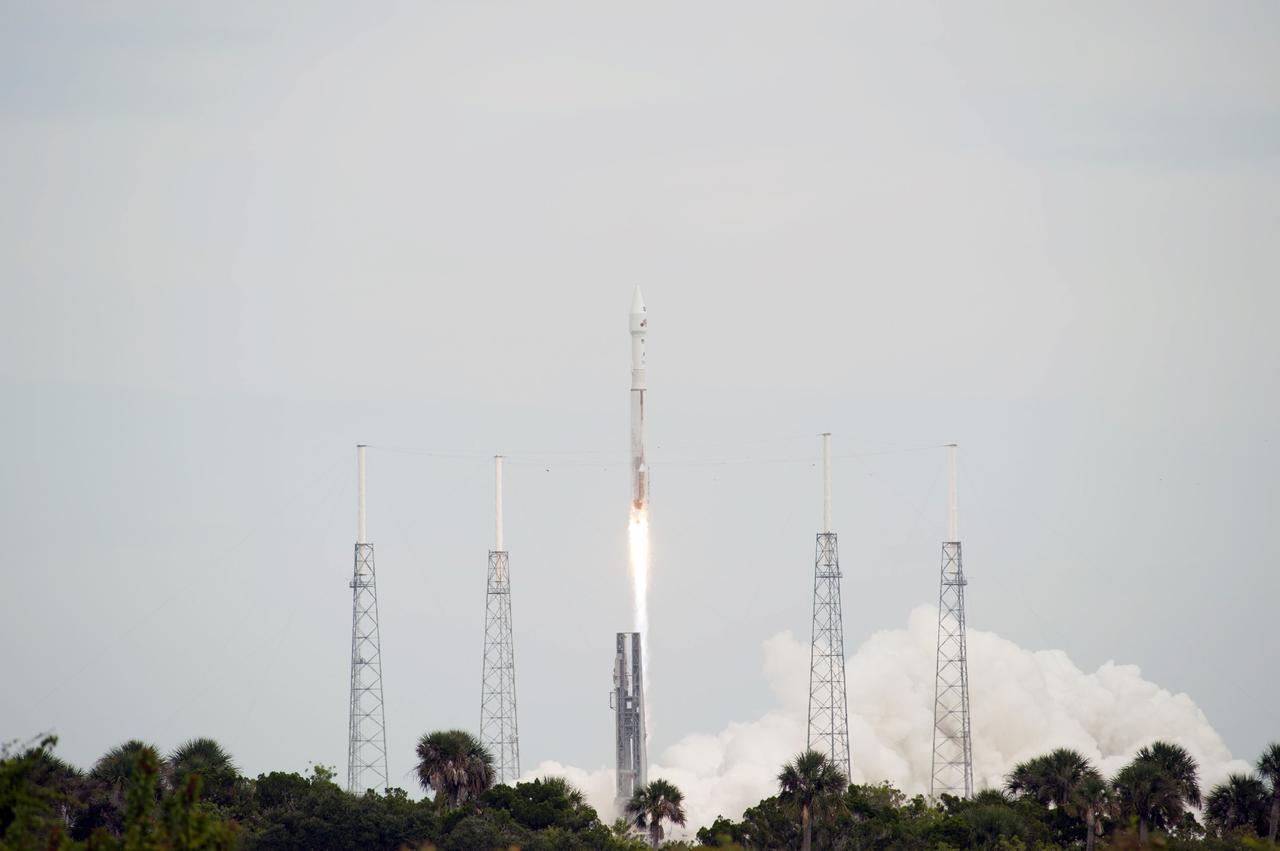
CAPE CANAVERAL, Fla. -- The engine ignites under the United Launch Alliance Atlas V rocket, lifting NASA's Mars Atmosphere and Volatile EvolutioN, or MAVEN, spacecraft off Space Launch Complex 41 at Cape Canaveral Air Force Station in Florida. Launch was on schedule at 1:28 p.m. EST Nov. 18 at the opening of a two-hour launch window. After a 10-month journey to the Red Planet, MAVEN will study its upper atmosphere in unprecedented detail from orbit above the planet. Built by Lockheed Martin in Littleton, Colo., MAVEN will arrive at Mars in September 2014 and will be inserted into an elliptical orbit with a high point of 3,900 miles, swooping down to as close as 93 miles above the planet's surface. For more information, visit: http://www.nasa.gov/mission_pages/maven/main/index.html. Photo credit: NASA/George Roberts
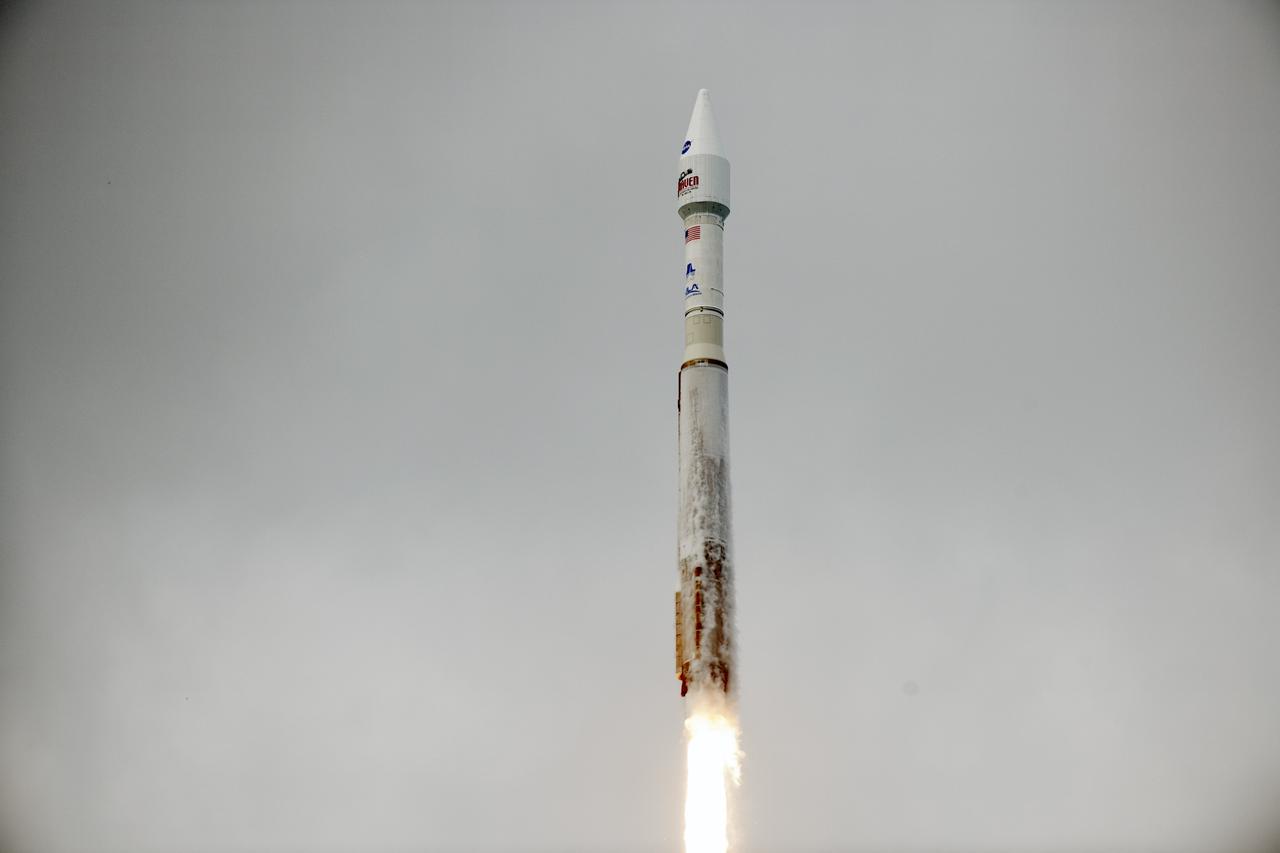
CAPE CANAVERAL, Fla. -- A United Launch Alliance Atlas V rocket lifts off into the clouds over Space Launch Complex 41 at Cape Canaveral Air Force Station in Florida, carrying NASA's Mars Atmosphere and Volatile EvolutioN, or MAVEN, spacecraft. Launch was on schedule at 1:28 p.m. EST Nov. 18 at the opening of a two-hour launch window. After a 10-month journey to the Red Planet, MAVEN will study its upper atmosphere in unprecedented detail from orbit above the planet. Built by Lockheed Martin in Littleton, Colo., MAVEN will arrive at Mars in September 2014 and will be inserted into an elliptical orbit with a high point of 3,900 miles, swooping down to as close as 93 miles above the planet's surface. For more information, visit: http://www.nasa.gov/mission_pages/maven/main/index.html. Photo credit: NASA/Rusty Backer
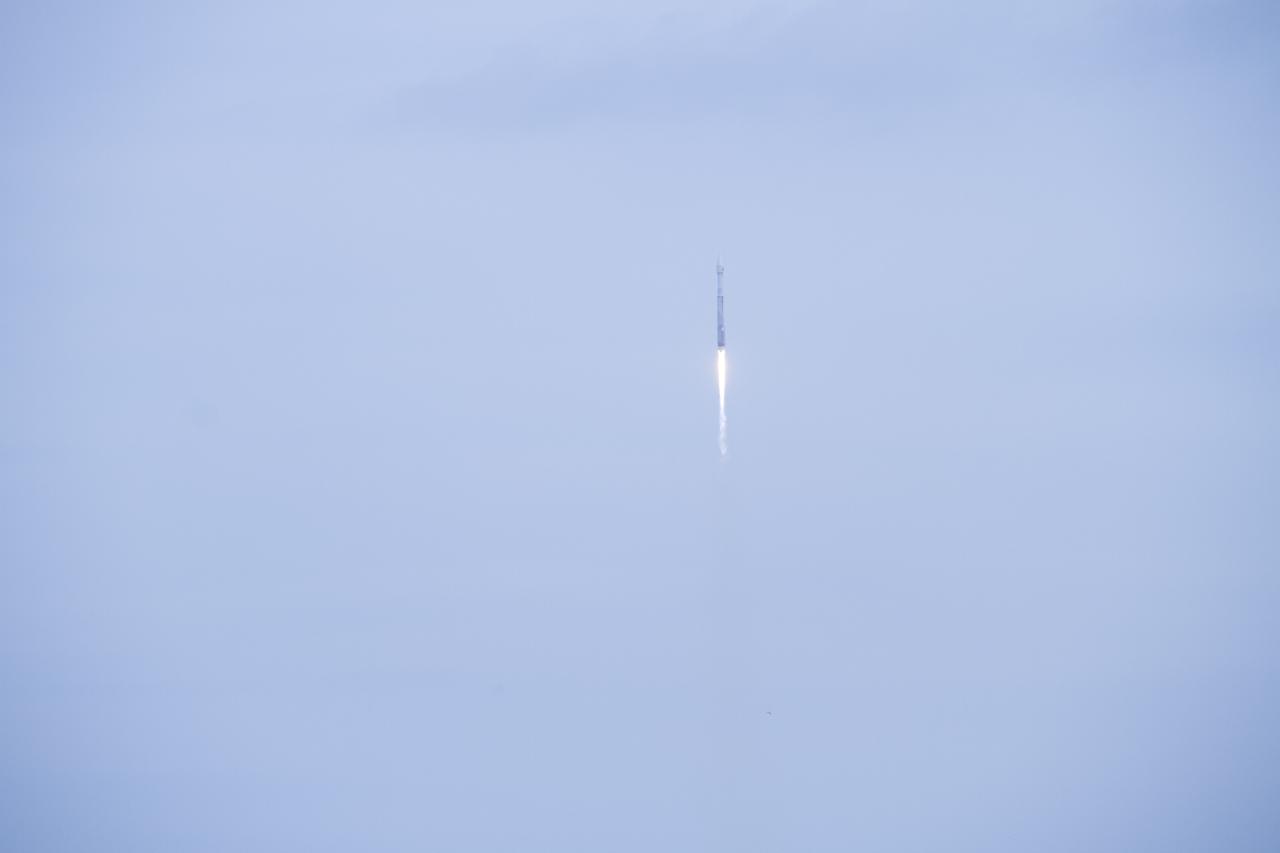
CAPE CANAVERAL, Fla. -- A United Launch Alliance Atlas V rocket lifts off Space Launch Complex 41 at Cape Canaveral Air Force Station in Florida, carrying NASA's Mars Atmosphere and Volatile EvolutioN, or MAVEN, spacecraft. Launch was on schedule at 1:28 p.m. EST Nov. 18 at the opening of a two-hour launch window. After a 10-month journey to the Red Planet, MAVEN will study its upper atmosphere in unprecedented detail from orbit above the planet. Built by Lockheed Martin in Littleton, Colo., MAVEN will arrive at Mars in September 2014 and will be inserted into an elliptical orbit with a high point of 3,900 miles, swooping down to as close as 93 miles above the planet's surface. For more information, visit: http://www.nasa.gov/mission_pages/maven/main/index.html. Photo credit: NASA/Gianni Woods
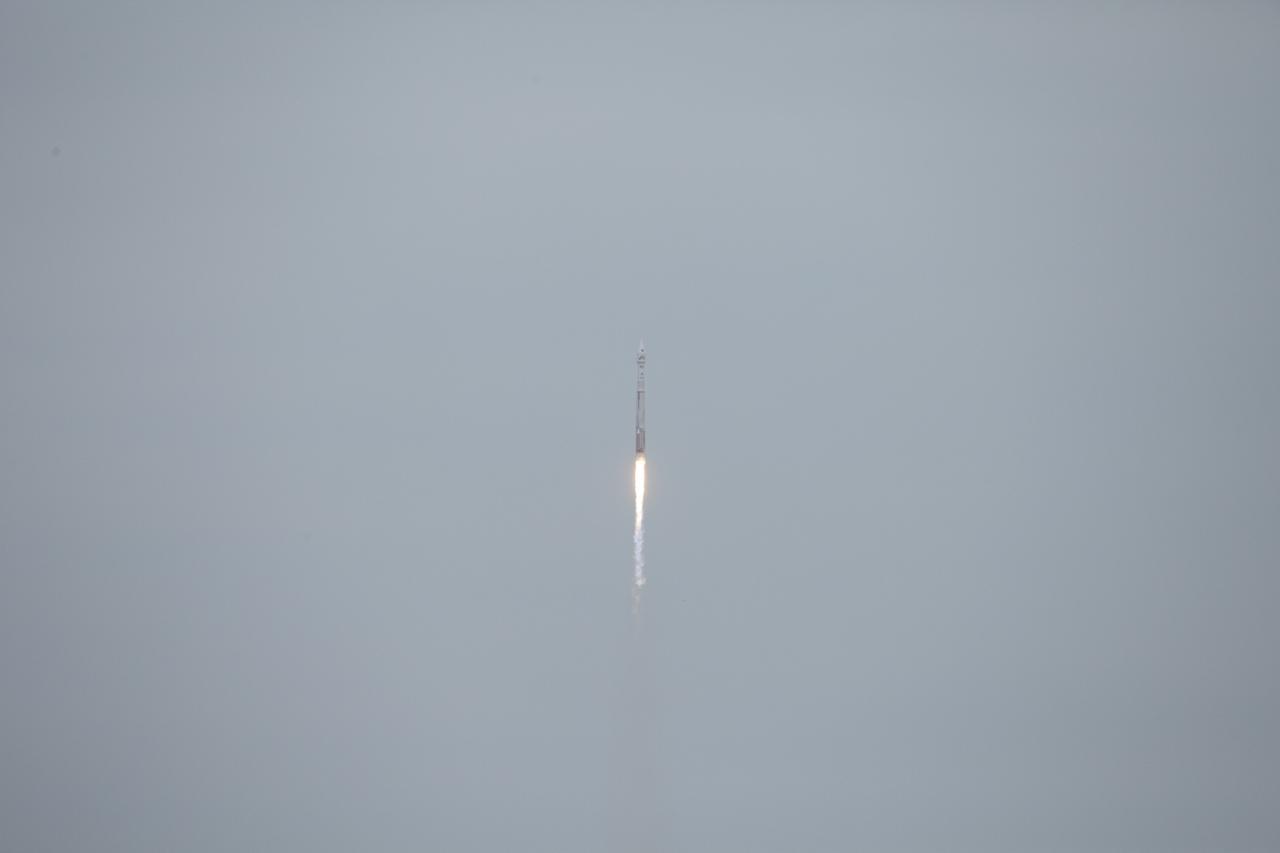
CAPE CANAVERAL, Fla. -- A United Launch Alliance Atlas V rocket lifts off through the clouds over Space Launch Complex 41 at Cape Canaveral Air Force Station in Florida, carrying NASA's Mars Atmosphere and Volatile EvolutioN, or MAVEN, spacecraft. Launch was on schedule at 1:28 p.m. EST Nov. 18 at the opening of a two-hour launch window. After a 10-month journey to the Red Planet, MAVEN will study its upper atmosphere in unprecedented detail from orbit above the planet. Built by Lockheed Martin in Littleton, Colo., MAVEN will arrive at Mars in September 2014 and will be inserted into an elliptical orbit with a high point of 3,900 miles, swooping down to as close as 93 miles above the planet's surface. For more information, visit: http://www.nasa.gov/mission_pages/maven/main/index.html. Photo credit: NASA/Dan Casper
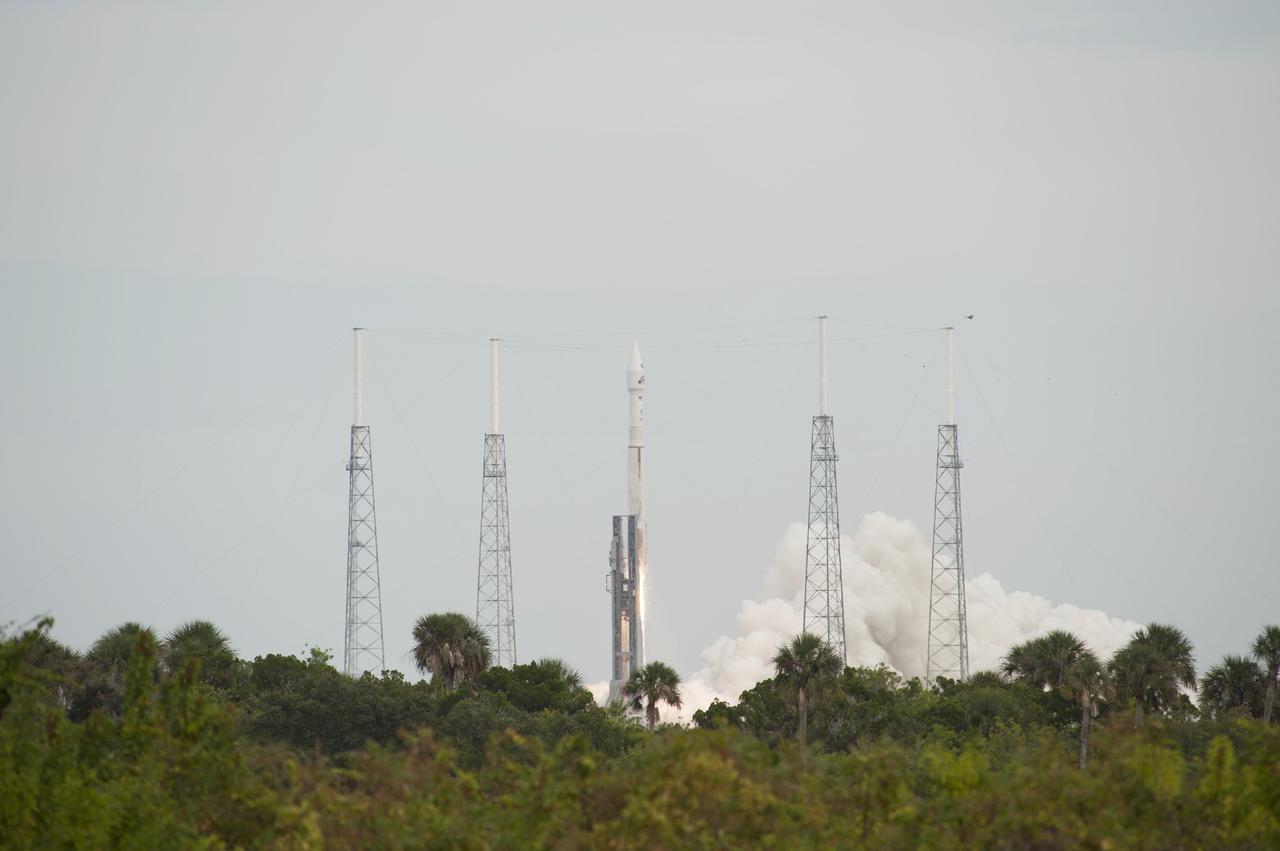
CAPE CANAVERAL, Fla. -- A United Launch Alliance Atlas V rocket lifts off Space Launch Complex 41 at Cape Canaveral Air Force Station in Florida, carrying NASA's Mars Atmosphere and Volatile EvolutioN, or MAVEN, spacecraft. Launch was on schedule at 1:28 p.m. EST Nov. 18 at the opening of a two-hour launch window. After a 10-month journey to the Red Planet, MAVEN will study its upper atmosphere in unprecedented detail from orbit above the planet. Built by Lockheed Martin in Littleton, Colo., MAVEN will arrive at Mars in September 2014 and will be inserted into an elliptical orbit with a high point of 3,900 miles, swooping down to as close as 93 miles above the planet's surface. For more information, visit: http://www.nasa.gov/mission_pages/maven/main/index.html. Photo credit: NASA/George Roberts
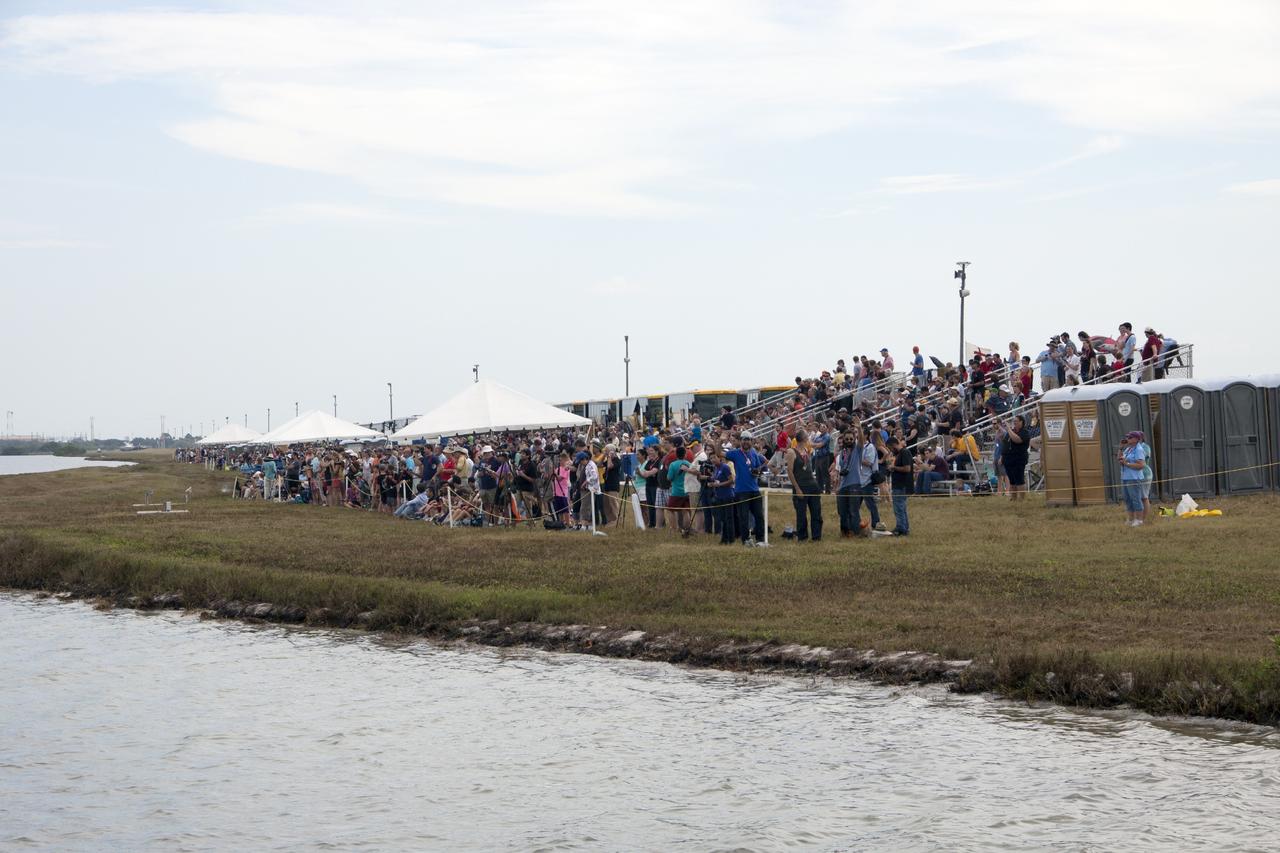
CAPE CANAVERAL, Fla. -- Invited guests watch the launch of NASA’s Mars Atmosphere and Volatile EvolutioN, or MAVEN, spacecraft from the NASA Causeway between NASA's Kennedy Space Center and Cape Canaveral Air Force Station in Florida. Launch was on schedule at 1:28 p.m. EST Nov. 18 at the opening of a two-hour launch window. After a 10-month journey to the Red Planet, MAVEN will study its upper atmosphere in unprecedented detail from orbit above the planet. Built by Lockheed Martin in Littleton, Colo., MAVEN will arrive at Mars in September 2014 and will be inserted into an elliptical orbit with a high point of 3,900 miles, swooping down to as close as 93 miles above the planet's surface. For more information, visit: http://www.nasa.gov/mission_pages/maven/main/index.html. Photo credit: NASA/Jim Grossmann
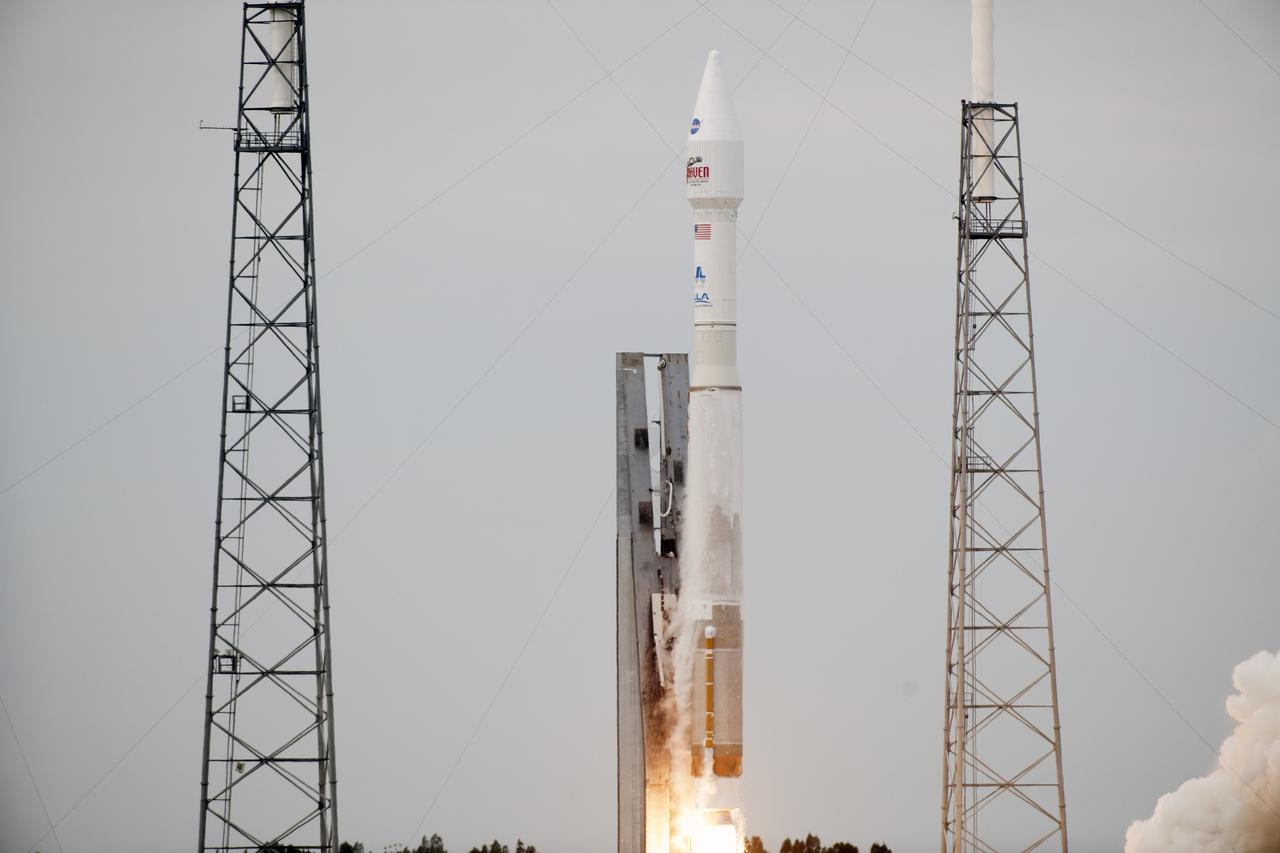
CAPE CANAVERAL, Fla. -- A United Launch Alliance Atlas V rocket lifts off Space Launch Complex 41 at Cape Canaveral Air Force Station in Florida, carrying NASA's Mars Atmosphere and Volatile EvolutioN, or MAVEN, spacecraft. Launch was on schedule at 1:28 p.m. EST Nov. 18 at the opening of a two-hour launch window. After a 10-month journey to the Red Planet, MAVEN will study its upper atmosphere in unprecedented detail from orbit above the planet. Built by Lockheed Martin in Littleton, Colo., MAVEN will arrive at Mars in September 2014 and will be inserted into an elliptical orbit with a high point of 3,900 miles, swooping down to as close as 93 miles above the planet's surface. For more information, visit: http://www.nasa.gov/mission_pages/maven/main/index.html. Photo credit: NASA/Rusty Backer
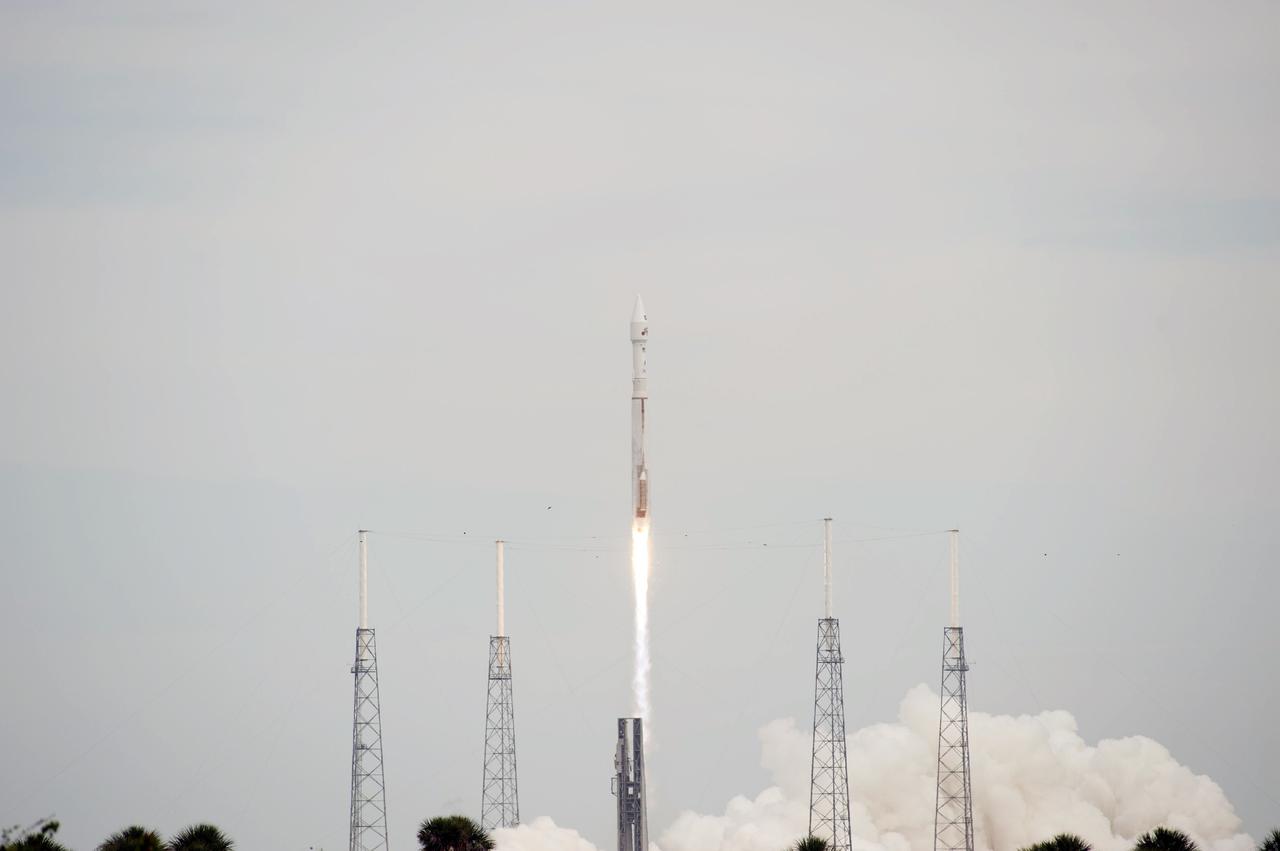
CAPE CANAVERAL, Fla. -- NASA’s Mars Atmosphere and Volatile EvolutioN, or MAVEN, spacecraft begins its journey to Mars, launching atop a United Launch Alliance Atlas V rocket at 1:28 p.m. EST from Space Launch Complex 41 on Cape Canaveral Air Force Station in Florida. Launch was on schedule Nov. 18 at the opening of a two-hour launch window. After a 10-month journey to the Red Planet, MAVEN will study its upper atmosphere in unprecedented detail from orbit above the planet. Built by Lockheed Martin in Littleton, Colo., MAVEN will arrive at Mars in September 2014 and will be inserted into an elliptical orbit with a high point of 3,900 miles, swooping down to as close as 93 miles above the planet's surface. For more information, visit: http://www.nasa.gov/mission_pages/maven/main/index.html. Photo credit: NASA/George Roberts
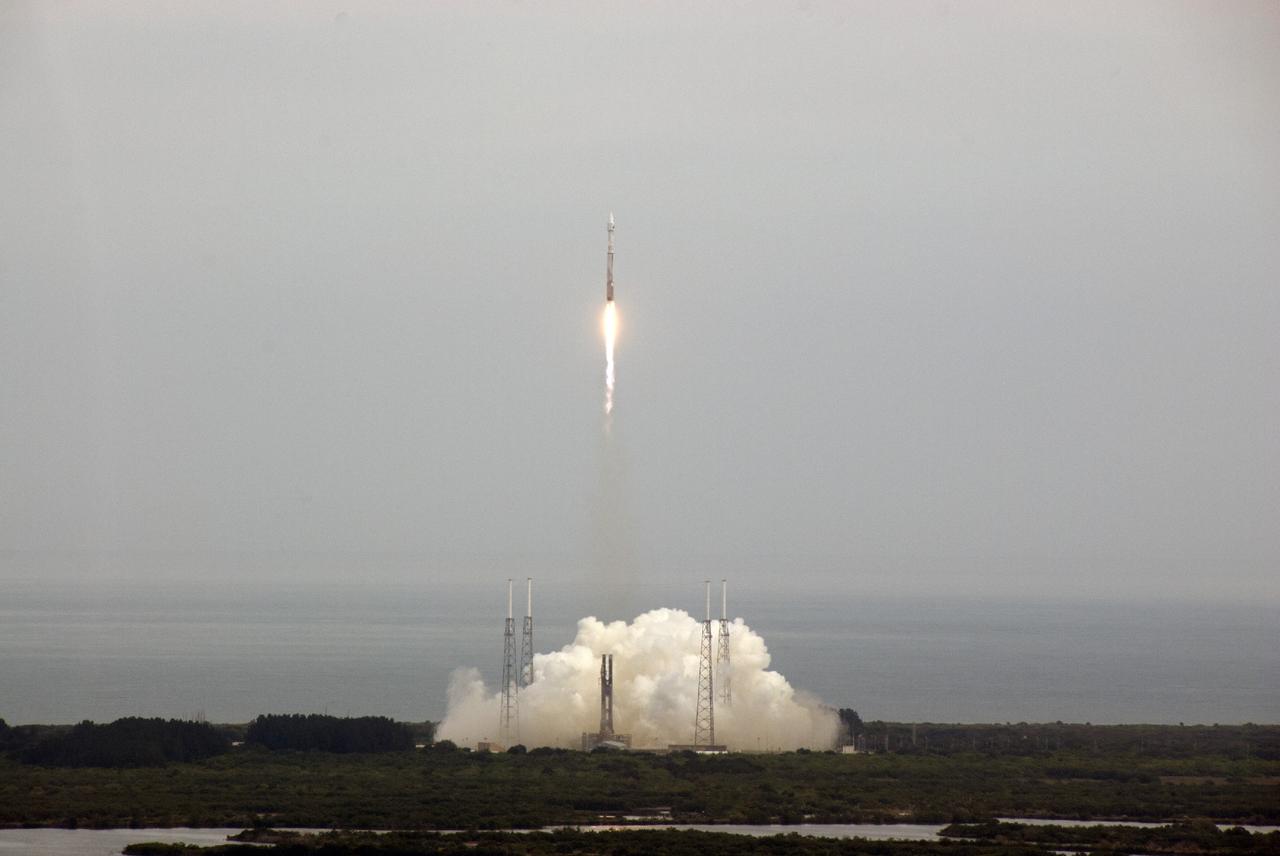
CAPE CANAVERAL, Fla. -- NASA’s Mars Atmosphere and Volatile EvolutioN, or MAVEN, spacecraft begins its 10-month journey to Mars, launching atop a United Launch Alliance Atlas V rocket at 1:28 p.m. EST from Space Launch Complex 41 on Cape Canaveral Air Force Station in Florida. Launch was on schedule Nov. 18 at the opening of a two-hour launch window. After a 10-month journey to the Red Planet, MAVEN will study its upper atmosphere in unprecedented detail from orbit above the planet. Built by Lockheed Martin in Littleton, Colo., MAVEN will arrive at Mars in September 2014 and will be inserted into an elliptical orbit with a high point of 3,900 miles, swooping down to as close as 93 miles above the planet's surface. For more information, visit: http://www.nasa.gov/mission_pages/maven/main/index.html. Photo credit: NASA/Bill White
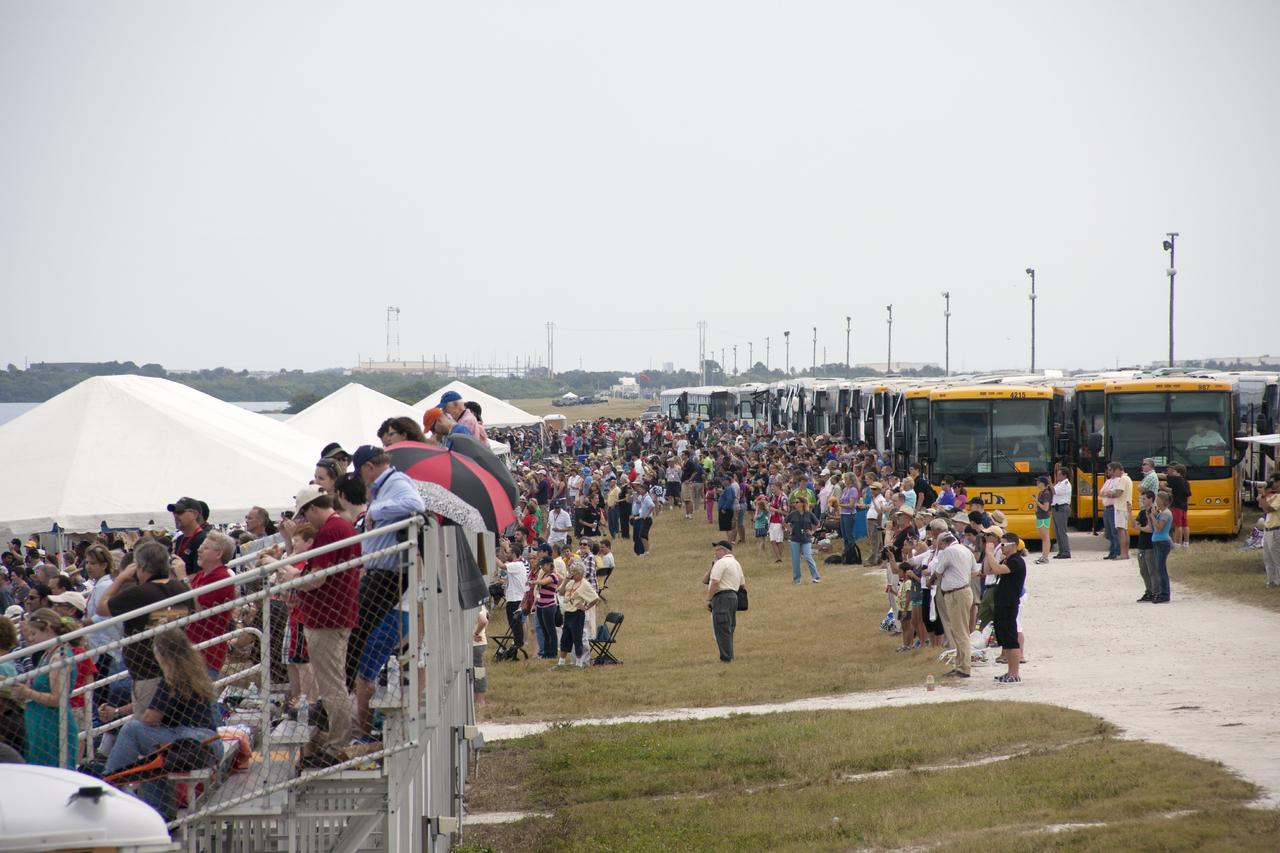
CAPE CANAVERAL, Fla. -- Invited guests watch the launch of NASA’s Mars Atmosphere and Volatile EvolutioN, or MAVEN, spacecraft from the NASA Causeway between NASA's Kennedy Space Center and Cape Canaveral Air Force Station in Florida. Launch was on schedule at 1:28 p.m. EST Nov. 18 at the opening of a two-hour launch window. After a 10-month journey to the Red Planet, MAVEN will study its upper atmosphere in unprecedented detail from orbit above the planet. Built by Lockheed Martin in Littleton, Colo., MAVEN will arrive at Mars in September 2014 and will be inserted into an elliptical orbit with a high point of 3,900 miles, swooping down to as close as 93 miles above the planet's surface. For more information, visit: http://www.nasa.gov/mission_pages/maven/main/index.html. Photo credit: NASA/Jim Grossmann
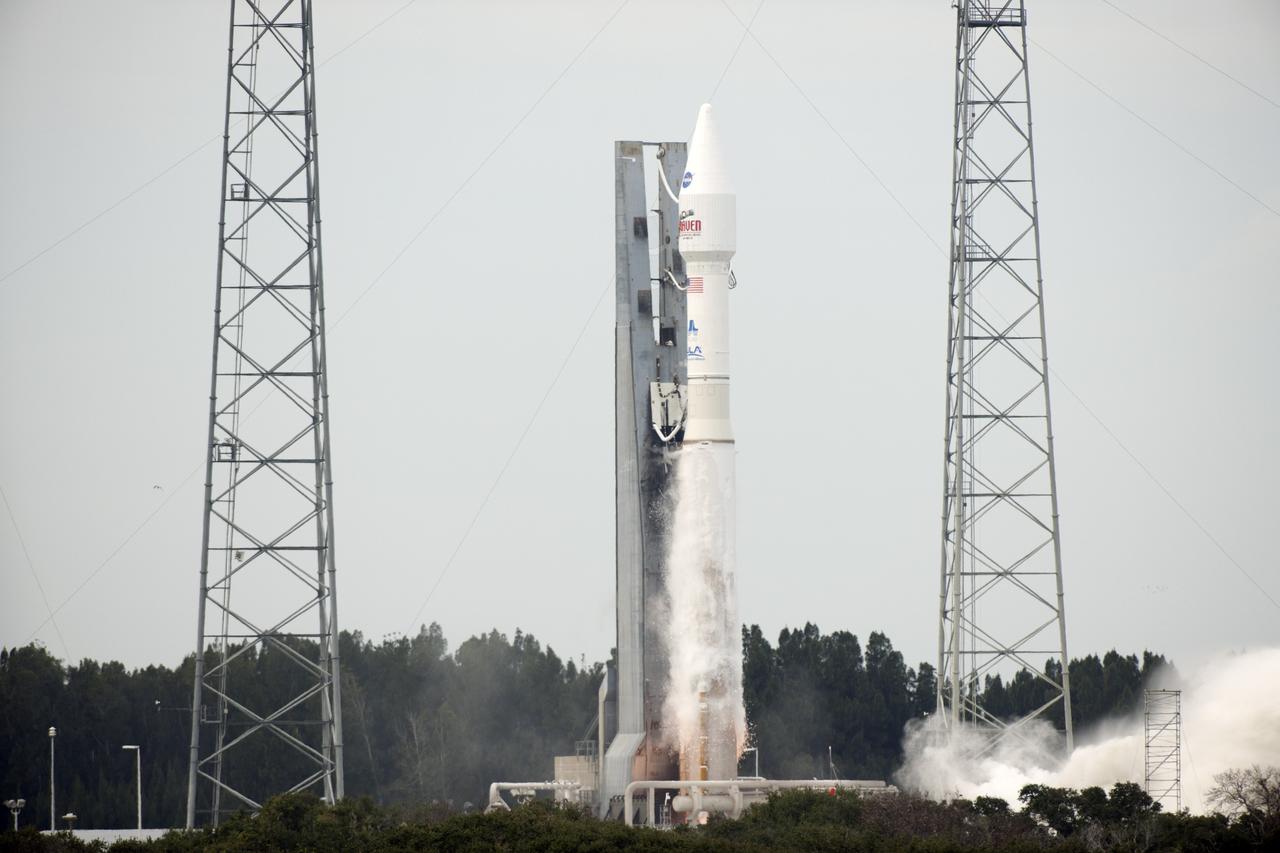
CAPE CANAVERAL, Fla. -- A United Launch Alliance Atlas V rocket lifts off Space Launch Complex 41 at Cape Canaveral Air Force Station in Florida, carrying NASA's Mars Atmosphere and Volatile EvolutioN, or MAVEN, spacecraft. Launch was on schedule at 1:28 p.m. EST Nov. 18 at the opening of a two-hour launch window. After a 10-month journey to the Red Planet, MAVEN will study its upper atmosphere in unprecedented detail from orbit above the planet. Built by Lockheed Martin in Littleton, Colo., MAVEN will arrive at Mars in September 2014 and will be inserted into an elliptical orbit with a high point of 3,900 miles, swooping down to as close as 93 miles above the planet's surface. For more information, visit: http://www.nasa.gov/mission_pages/maven/main/index.html. Photo credit: NASA/Rusty Backer
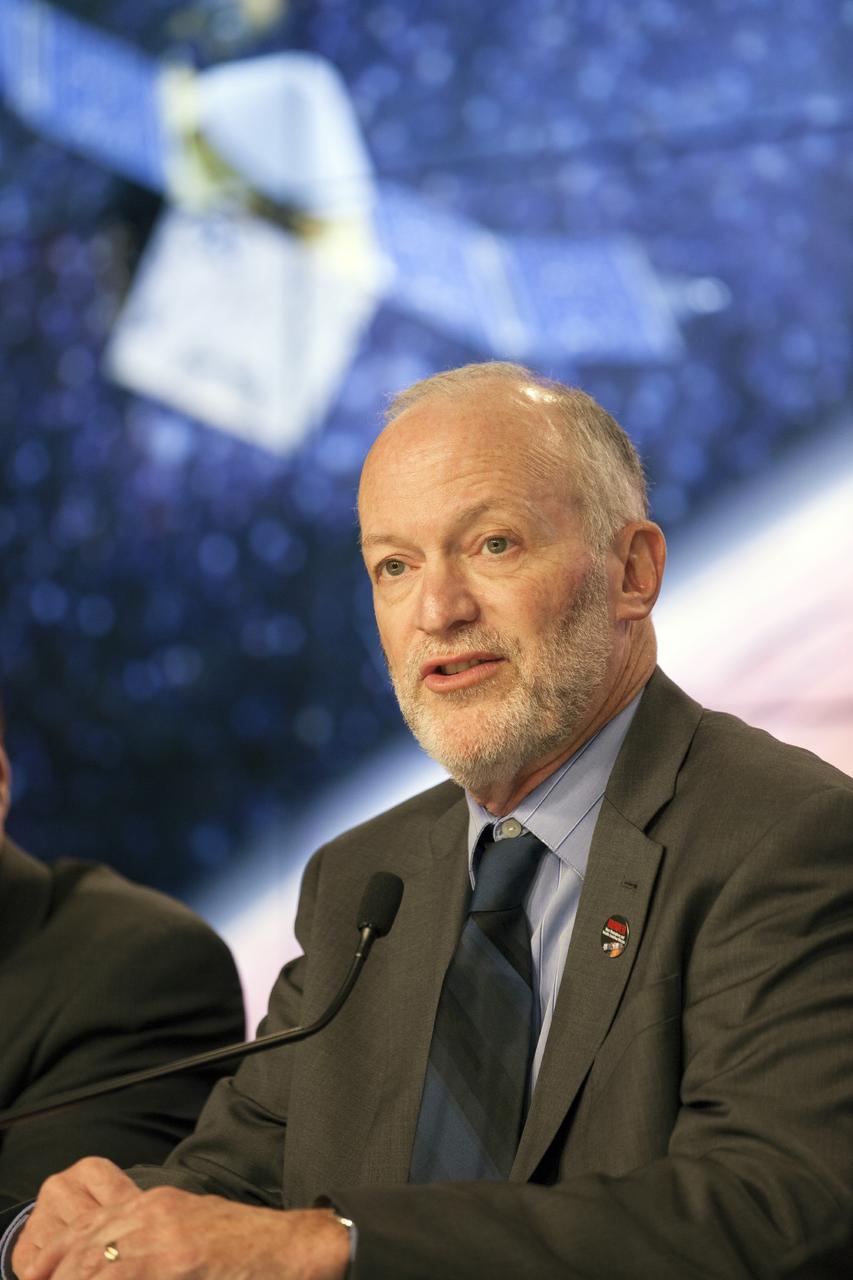
CAPE CANAVERAL, Fla. -- Bruce Jakosky, MAVEN principal investigator from the Laboratory for Atmospheric and Space Physics at the University of Colorado at Boulder, participates in a post-launch news conference in NASA's Press Site TV auditorium following the successful launch of NASA’s Mars Atmosphere and Volatile EvolutioN, or MAVEN, spacecraft. Launch was on schedule at 1:28 p.m. EST Nov. 18 at the opening of a two-hour launch window. After a 10-month journey to the Red Planet, MAVEN will study its upper atmosphere in unprecedented detail from orbit above the planet. Built by Lockheed Martin in Littleton, Colo., MAVEN will arrive at Mars in September 2014 and will be inserted into an elliptical orbit with a high point of 3,900 miles, swooping down to as close as 93 miles above the planet's surface. For more information, visit: http://www.nasa.gov/mission_pages/maven/main/index.html. Photo credit: NASA/Kim Shiflett
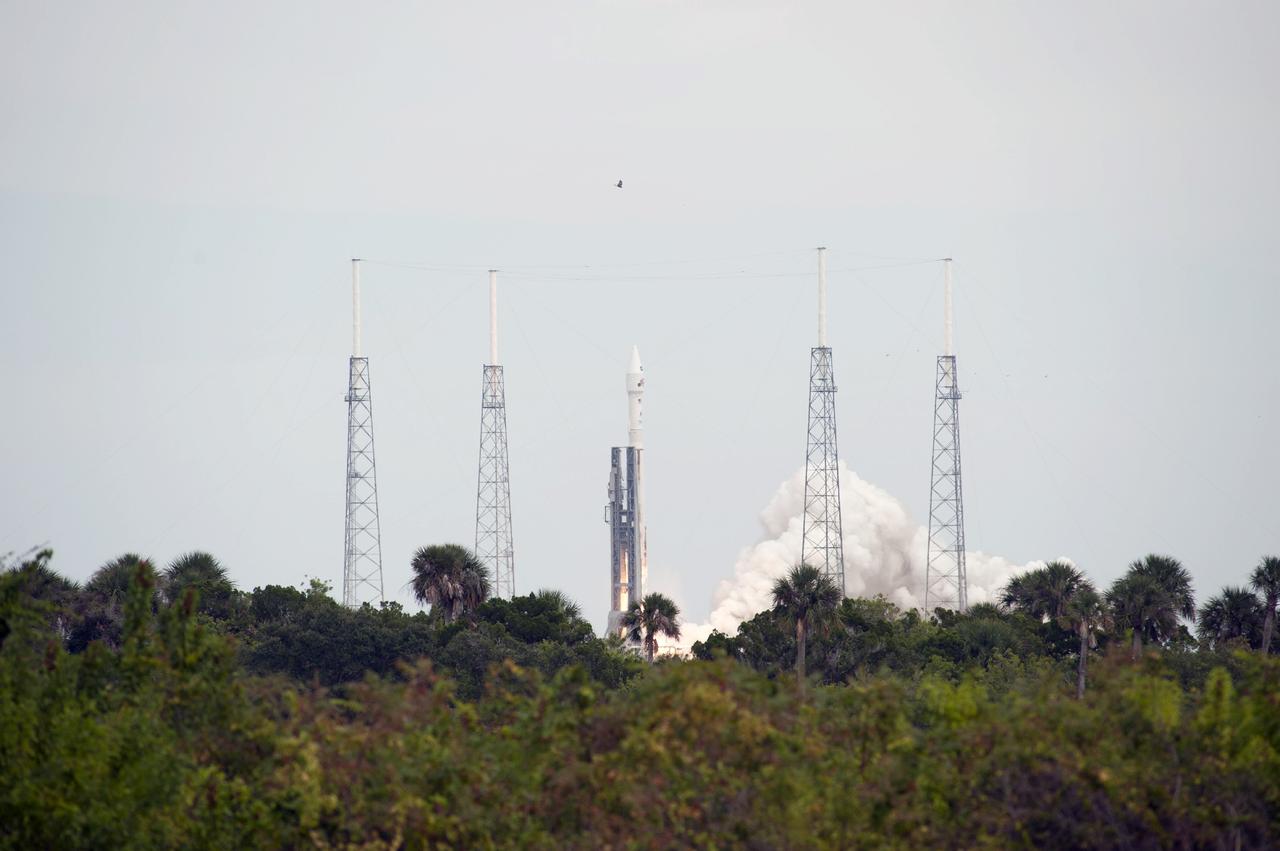
CAPE CANAVERAL, Fla. -- A United Launch Alliance Atlas V rocket lifts off Space Launch Complex 41 at Cape Canaveral Air Force Station in Florida, carrying NASA's Mars Atmosphere and Volatile EvolutioN, or MAVEN, spacecraft. Launch was on schedule at 1:28 p.m. EST Nov. 18 at the opening of a two-hour launch window. After a 10-month journey to the Red Planet, MAVEN will study its upper atmosphere in unprecedented detail from orbit above the planet. Built by Lockheed Martin in Littleton, Colo., MAVEN will arrive at Mars in September 2014 and will be inserted into an elliptical orbit with a high point of 3,900 miles, swooping down to as close as 93 miles above the planet's surface. For more information, visit: http://www.nasa.gov/mission_pages/maven/main/index.html. Photo credit: NASA/George Roberts
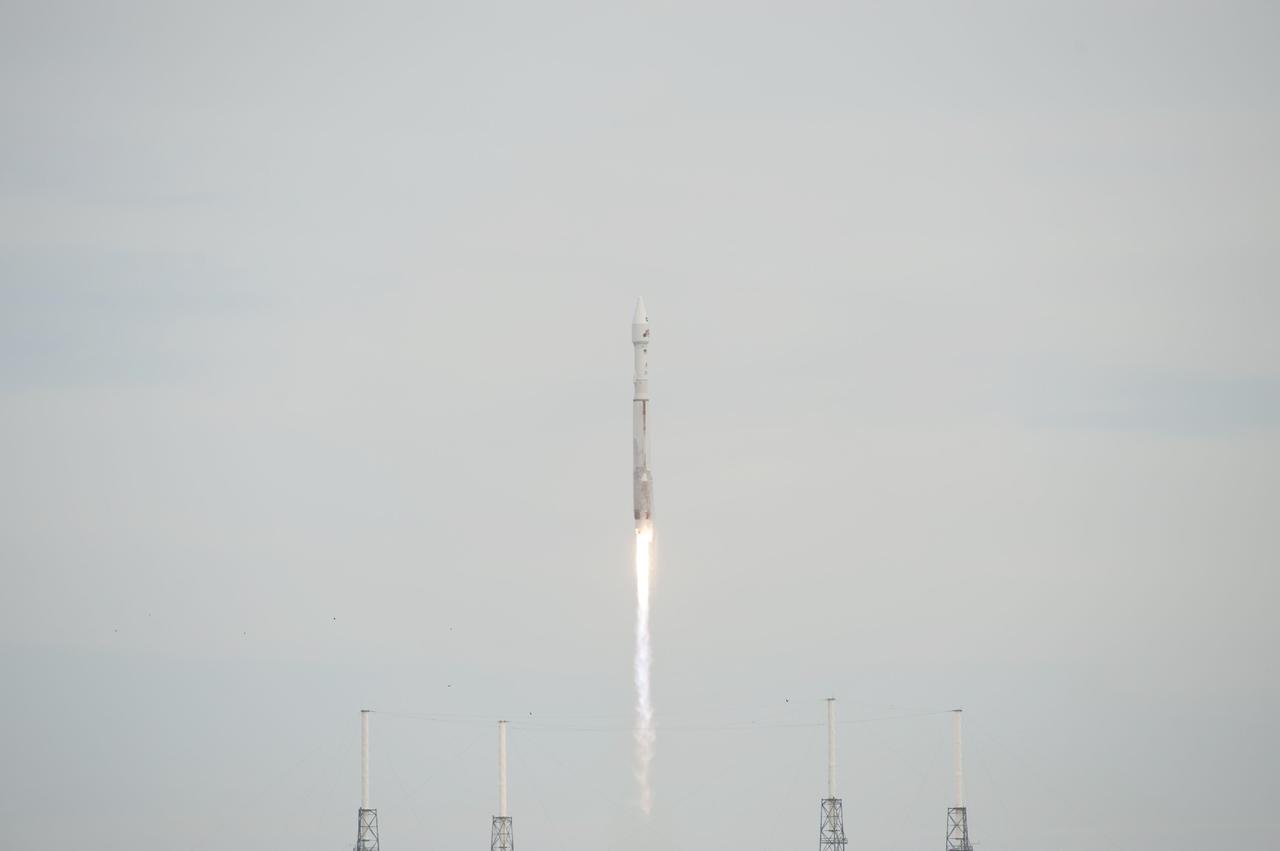
CAPE CANAVERAL, Fla. -- A United Launch Alliance Atlas V rocket lifts off through the clouds over Space Launch Complex 41 at Cape Canaveral Air Force Station in Florida, carrying NASA's Mars Atmosphere and Volatile EvolutioN, or MAVEN, spacecraft. Launch was on schedule at 1:28 p.m. EST Nov. 18 at the opening of a two-hour launch window. After a 10-month journey to the Red Planet, MAVEN will study its upper atmosphere in unprecedented detail from orbit above the planet. Built by Lockheed Martin in Littleton, Colo., MAVEN will arrive at Mars in September 2014 and will be inserted into an elliptical orbit with a high point of 3,900 miles, swooping down to as close as 93 miles above the planet's surface. For more information, visit: http://www.nasa.gov/mission_pages/maven/main/index.html. Photo credit: NASA/George Roberts
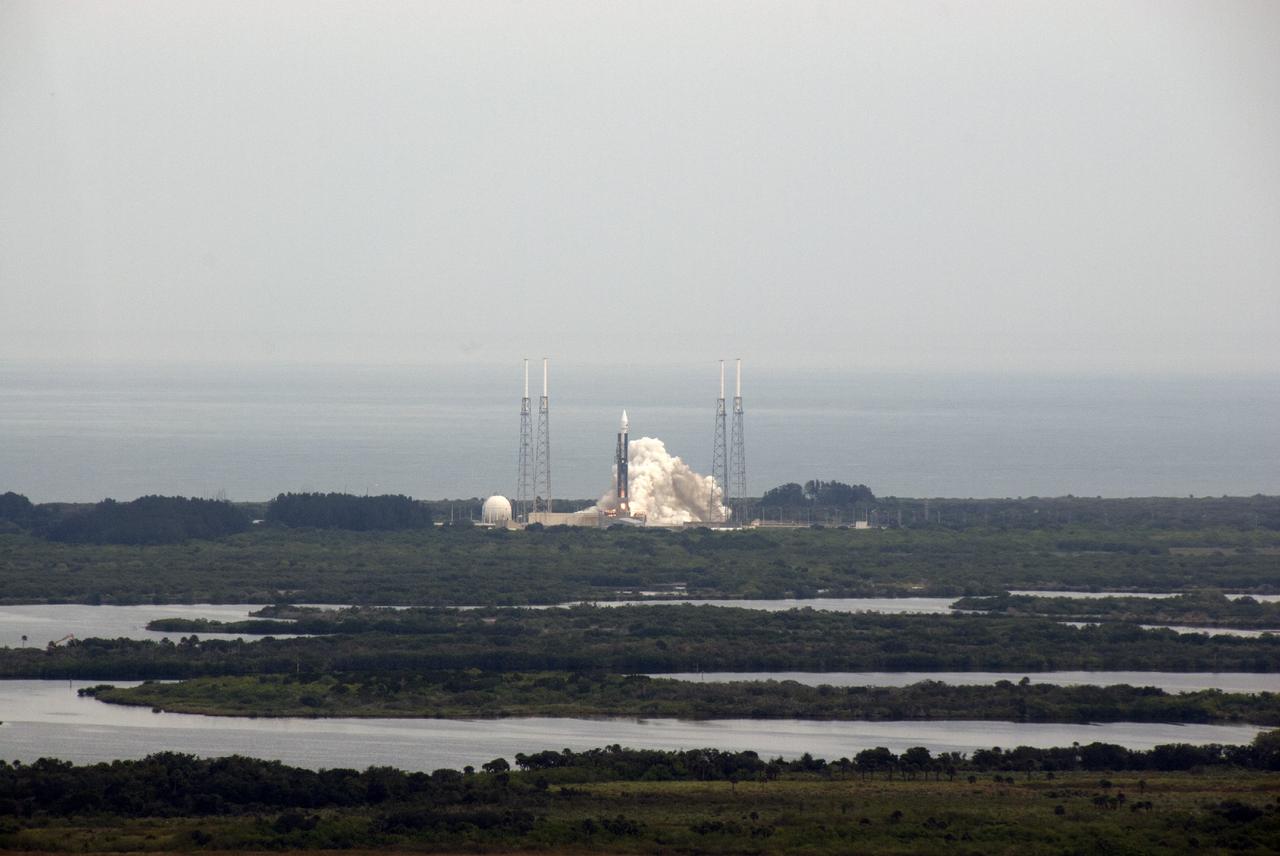
CAPE CANAVERAL, Fla. -- The engine ignites under the United Launch Alliance Atlas V rocket, lifting NASA's Mars Atmosphere and Volatile EvolutioN, or MAVEN, spacecraft off Space Launch Complex 41 at Cape Canaveral Air Force Station in Florida. Launch was on schedule at 1:28 p.m. EST Nov. 18 at the opening of a two-hour launch window. After a 10-month journey to the Red Planet, MAVEN will study its upper atmosphere in unprecedented detail from orbit above the planet. Built by Lockheed Martin in Littleton, Colo., MAVEN will arrive at Mars in September 2014 and will be inserted into an elliptical orbit with a high point of 3,900 miles, swooping down to as close as 93 miles above the planet's surface. For more information, visit: http://www.nasa.gov/mission_pages/maven/main/index.html. Photo credit: NASA/Bill White
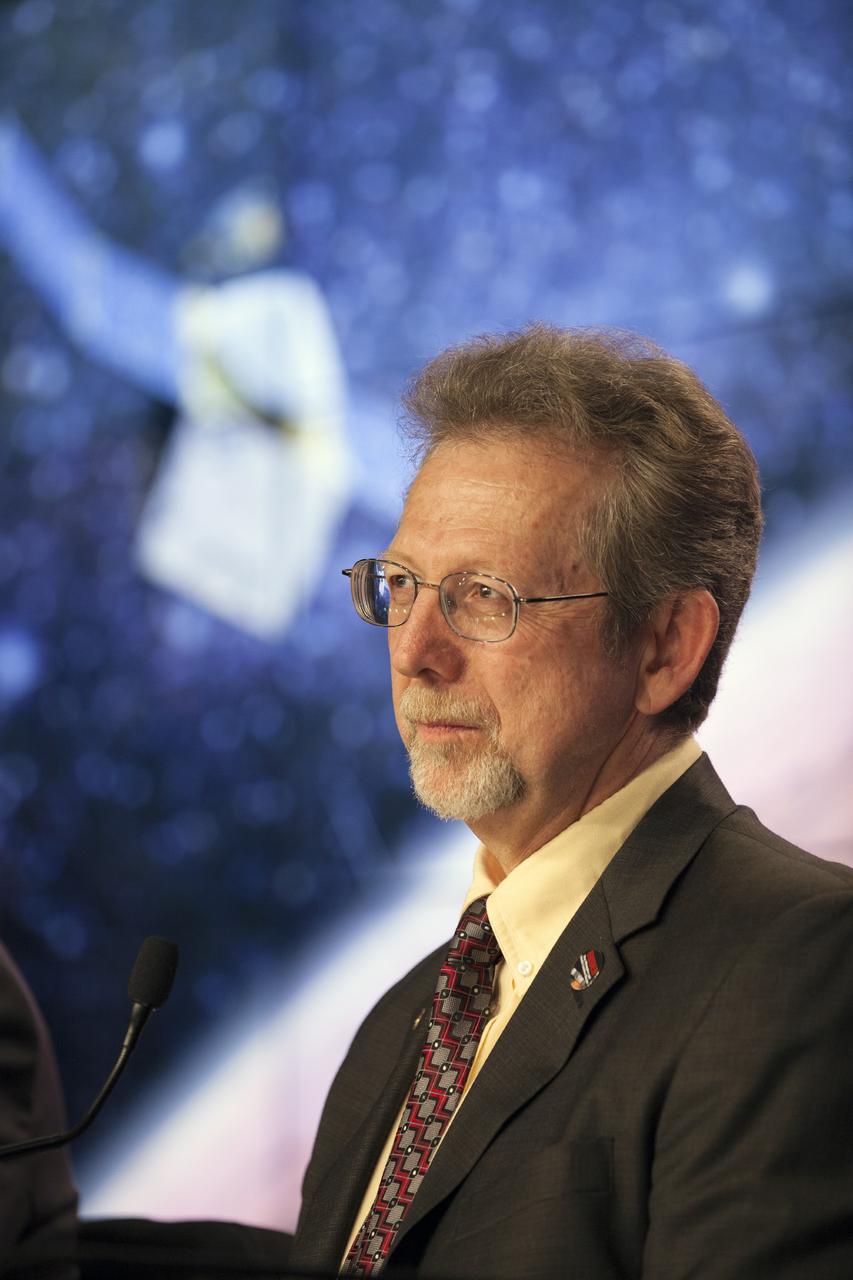
CAPE CANAVERAL, Fla. -- Dr. Jim Green, director of the Planetary Science Division at NASA Headquarters, participates in a post-launch news conference in NASA's Press Site TV auditorium following the successful launch of NASA’s Mars Atmosphere and Volatile EvolutioN, or MAVEN, spacecraft. Launch was on schedule at 1:28 p.m. EST Nov. 18 at the opening of a two-hour launch window. After a 10-month journey to the Red Planet, MAVEN will study its upper atmosphere in unprecedented detail from orbit above the planet. Built by Lockheed Martin in Littleton, Colo., MAVEN will arrive at Mars in September 2014 and will be inserted into an elliptical orbit with a high point of 3,900 miles, swooping down to as close as 93 miles above the planet's surface. For more information, visit: http://www.nasa.gov/mission_pages/maven/main/index.html. Photo credit: NASA/Kim Shiflett
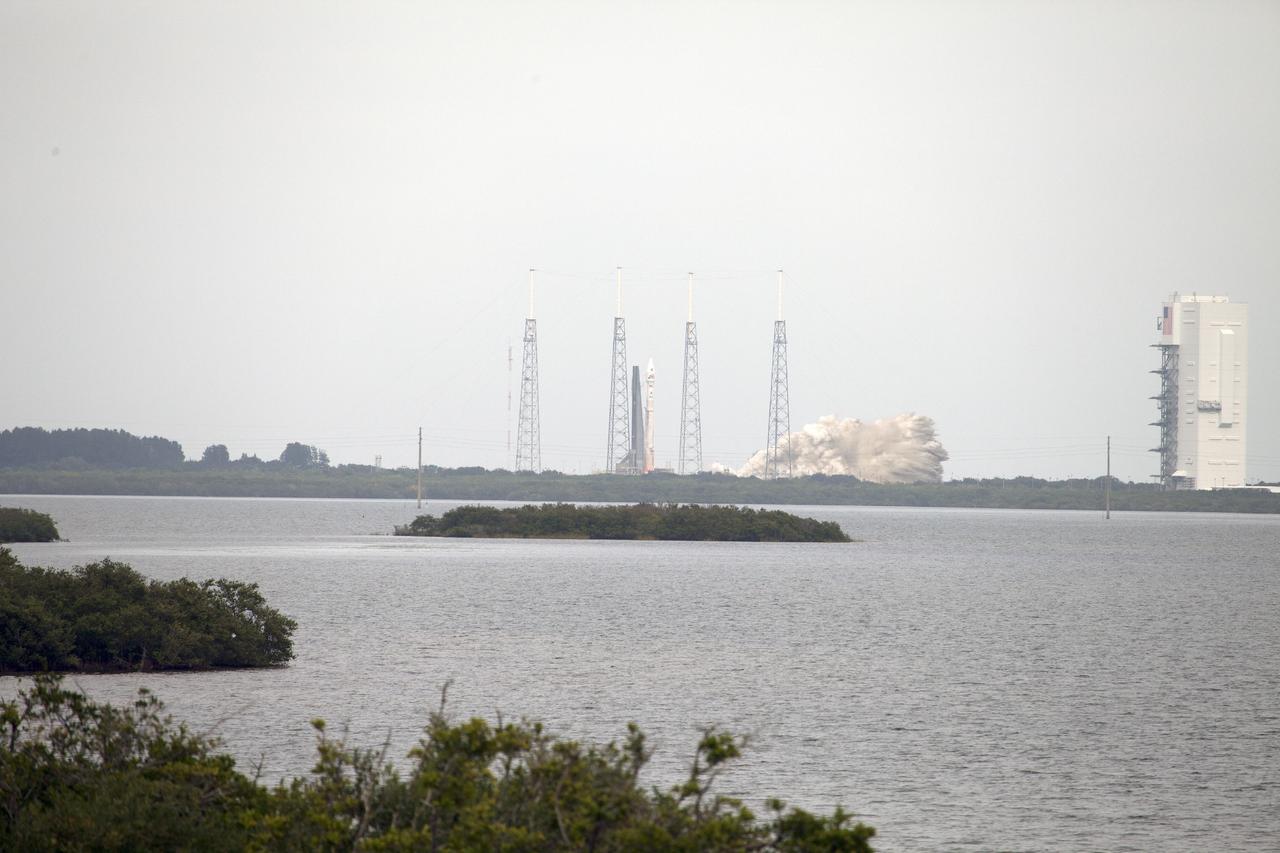
CAPE CANAVERAL, Fla. -- The engine ignites under the United Launch Alliance Atlas V rocket, lifting NASA's Mars Atmosphere and Volatile EvolutioN, or MAVEN, spacecraft off Space Launch Complex 41 at Cape Canaveral Air Force Station in Florida. Launch was on schedule at 1:28 p.m. EST Nov. 18 at the opening of a two-hour launch window. After a 10-month journey to the Red Planet, MAVEN will study its upper atmosphere in unprecedented detail from orbit above the planet. Built by Lockheed Martin in Littleton, Colo., MAVEN will arrive at Mars in September 2014 and will be inserted into an elliptical orbit with a high point of 3,900 miles, swooping down to as close as 93 miles above the planet's surface. For more information, visit: http://www.nasa.gov/mission_pages/maven/main/index.html. Photo credit: NASA/Dan Casper
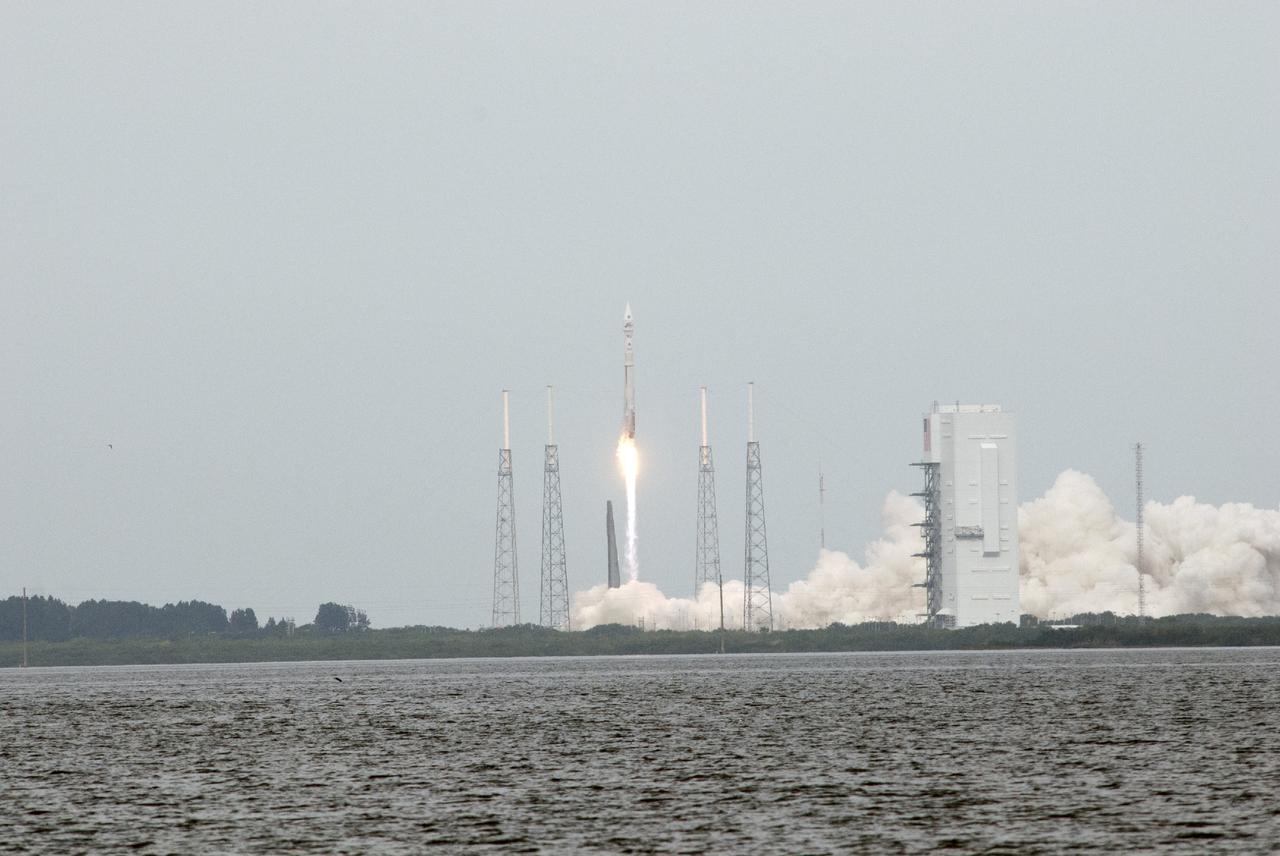
CAPE CANAVERAL, Fla. -- The engine ignites under the United Launch Alliance Atlas V rocket, lifting NASA's Mars Atmosphere and Volatile EvolutioN, or MAVEN, spacecraft off Space Launch Complex 41 at Cape Canaveral Air Force Station in Florida. Launch was on schedule at 1:28 p.m. EST Nov. 18 at the opening of a two-hour launch window. After a 10-month journey to the Red Planet, MAVEN will study its upper atmosphere in unprecedented detail from orbit above the planet. Built by Lockheed Martin in Littleton, Colo., MAVEN will arrive at Mars in September 2014 and will be inserted into an elliptical orbit with a high point of 3,900 miles, swooping down to as close as 93 miles above the planet's surface. For more information, visit: http://www.nasa.gov/mission_pages/maven/main/index.html. Photo credit: NASA/Jim Grossmann
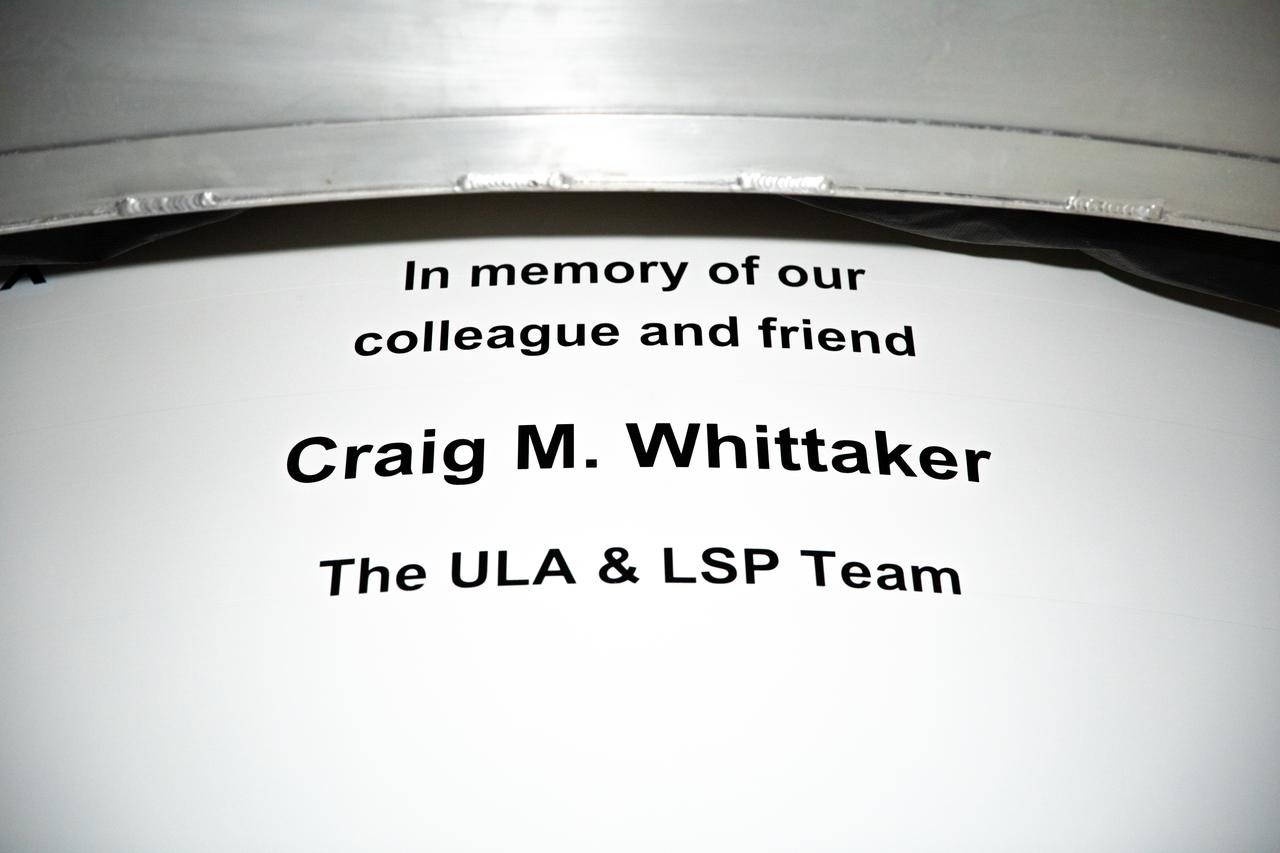
The United Launch Alliance (ULA) Atlas V rocket that will launch NASA’s Lucy spacecraft on its 12-year mission to study the Trojan asteroids is shown inside the Vertical Integration Facility at Space Launch Complex 41 (SLC-41) at Cape Canaveral Space Force Station in Florida on Oct. 8, 2021. Three dedication laminates were added to the rocket. The first is in memory of Craig M. Whittaker, a colleague and friend of NASA’s Launch Services Program (LSP) and ULA teams. The second is in memory of two colleagues: William “Billy” Joiner II – a former Lockheed Martin and ULA technician – and Mark “Kaz” Kaszubowski – an accomplished engineer and mentor. The third plaque is dedicated to NASA’s Goddard Space Flight Center Lucy Mission Team for its dedication shown throughout the pandemic. Lucy is targeted to lift off from SLC-41 at 5:34 a.m. EDT Saturday, Oct. 16. LSP, based at NASA’s Kennedy Space Center, is managing the launch.
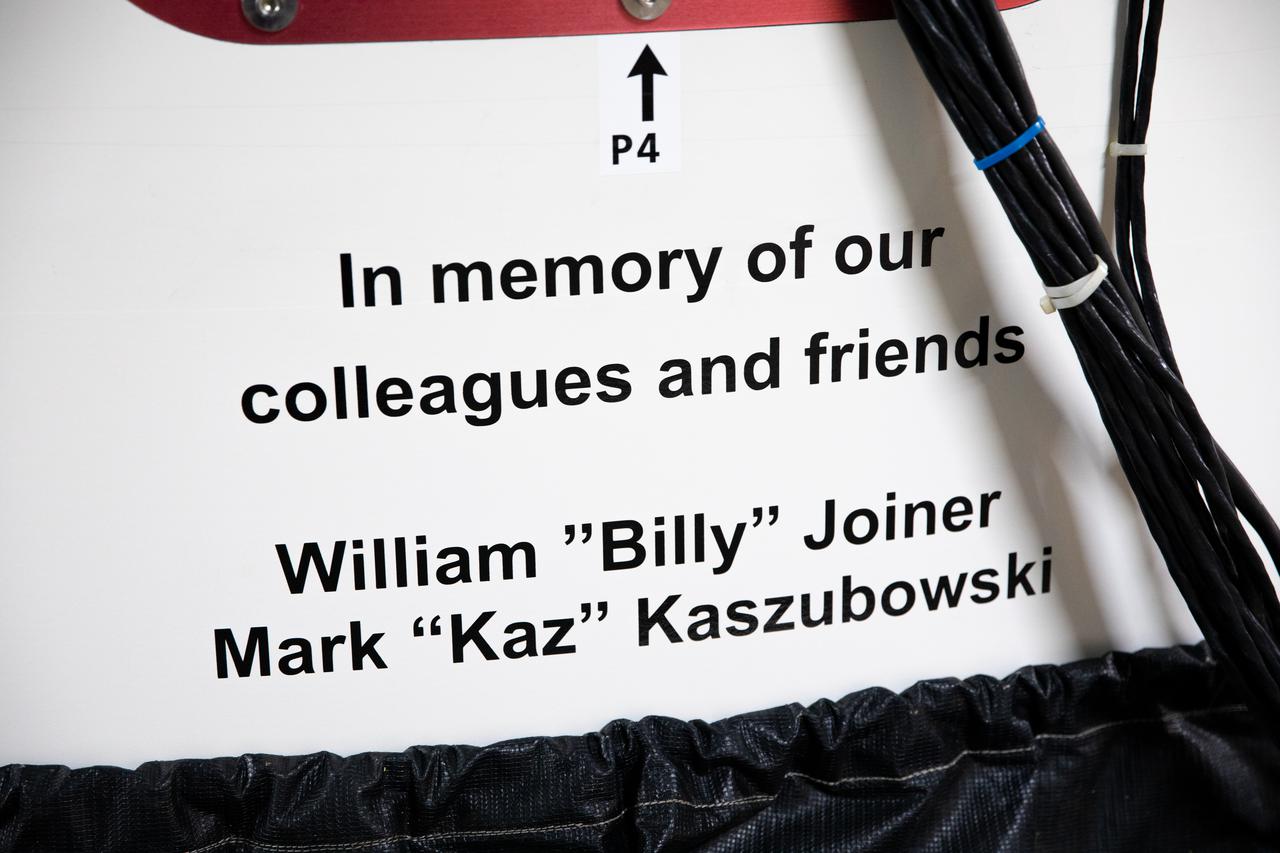
The United Launch Alliance (ULA) Atlas V rocket that will launch NASA’s Lucy spacecraft on its 12-year mission to study the Trojan asteroids is shown inside the Vertical Integration Facility at Space Launch Complex 41 (SLC-41) at Cape Canaveral Space Force Station in Florida on Oct. 8, 2021. Three dedication laminates were added to the rocket. The first is in memory of Craig M. Whittaker, a colleague and friend of NASA’s Launch Services Program (LSP) and ULA teams. The second is in memory of two colleagues: William “Billy” Joiner II – a former Lockheed Martin and ULA technician – and Mark “Kaz” Kaszubowski – an accomplished engineer and mentor. The third plaque is dedicated to NASA’s Goddard Space Flight Center Lucy Mission Team for its dedication shown throughout the pandemic. Lucy is targeted to lift off from SLC-41 at 5:34 a.m. EDT Saturday, Oct. 16. LSP, based at NASA’s Kennedy Space Center, is managing the launch.
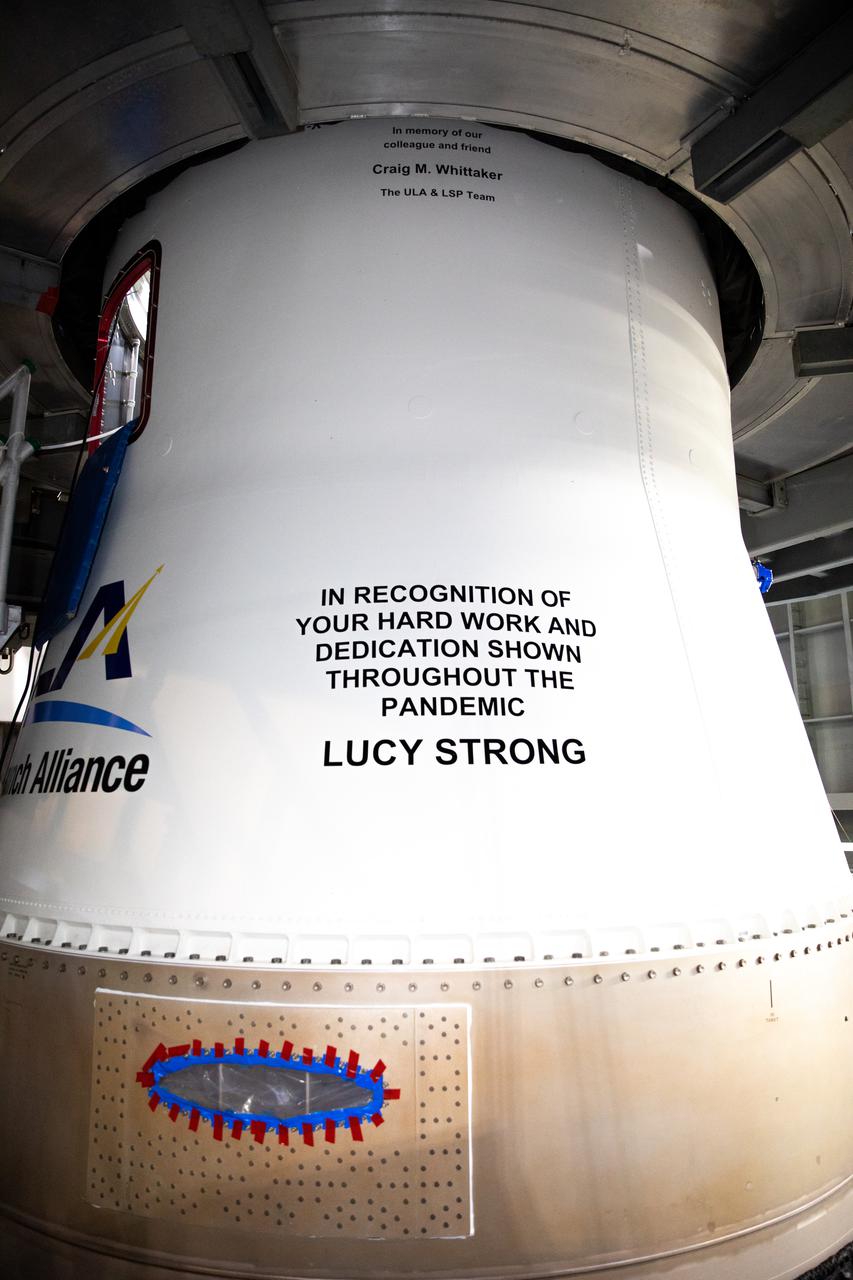
The United Launch Alliance (ULA) Atlas V rocket that will launch NASA’s Lucy spacecraft on its 12-year mission to study the Trojan asteroids is shown inside the Vertical Integration Facility at Space Launch Complex 41 (SLC-41) at Cape Canaveral Space Force Station in Florida on Oct. 8, 2021. Three dedication laminates were added to the rocket. The first is in memory of Craig M. Whittaker, a colleague and friend of NASA’s Launch Services Program (LSP) and ULA teams. The second is in memory of two colleagues: William “Billy” Joiner II – a former Lockheed Martin and ULA technician – and Mark “Kaz” Kaszubowski – an accomplished engineer and mentor. The third plaque is dedicated to NASA’s Goddard Space Flight Center Lucy Mission Team for its dedication shown throughout the pandemic. Lucy is targeted to lift off from SLC-41 at 5:34 a.m. EDT Saturday, Oct. 16. LSP, based at NASA’s Kennedy Space Center, is managing the launch.
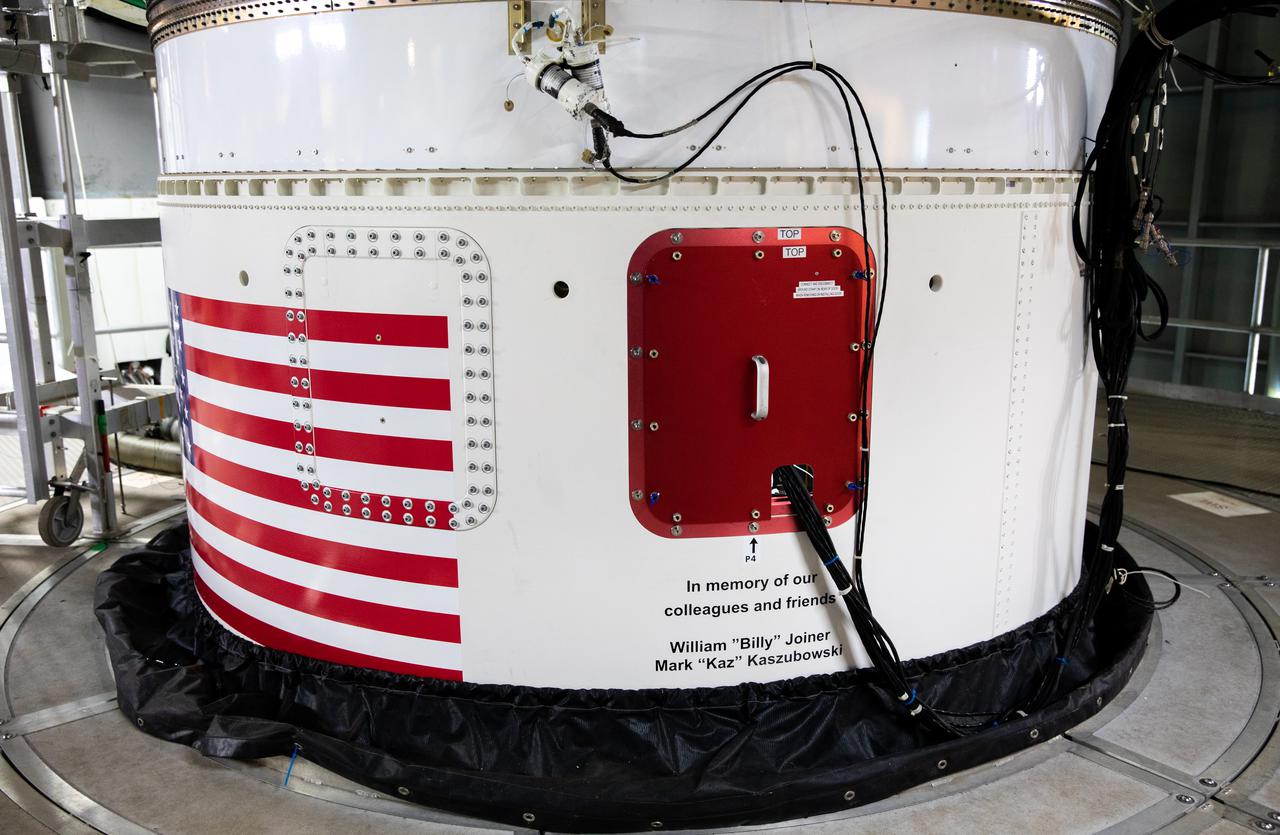
The United Launch Alliance (ULA) Atlas V rocket that will launch NASA’s Lucy spacecraft on its 12-year mission to study the Trojan asteroids is shown inside the Vertical Integration Facility at Space Launch Complex 41 (SLC-41) at Cape Canaveral Space Force Station in Florida on Oct. 8, 2021. Three dedication laminates were added to the rocket. The first is in memory of Craig M. Whittaker, a colleague and friend of NASA’s Launch Services Program (LSP) and ULA teams. The second is in memory of two colleagues: William “Billy” Joiner II – a former Lockheed Martin and ULA technician – and Mark “Kaz” Kaszubowski – an accomplished engineer and mentor. The third plaque is dedicated to NASA’s Goddard Space Flight Center Lucy Mission Team for its dedication shown throughout the pandemic. Lucy is targeted to lift off from SLC-41 at 5:34 a.m. EDT Saturday, Oct. 16. LSP, based at NASA’s Kennedy Space Center, is managing the launch.

The United Launch Alliance (ULA) Atlas V rocket that will launch NASA’s Lucy spacecraft on its 12-year mission to study the Trojan asteroids is shown inside the Vertical Integration Facility at Space Launch Complex 41 (SLC-41) at Cape Canaveral Space Force Station in Florida on Oct. 8, 2021. Three dedication laminates were added to the rocket. The first is in memory of Craig M. Whittaker, a colleague and friend of NASA’s Launch Services Program (LSP) and ULA teams. The second is in memory of two colleagues: William “Billy” Joiner II – a former Lockheed Martin and ULA technician – and Mark “Kaz” Kaszubowski – an accomplished engineer and mentor. The third plaque is dedicated to NASA’s Goddard Space Flight Center Lucy Mission Team for its dedication shown throughout the pandemic. Lucy is targeted to lift off from SLC-41 at 5:34 a.m. EDT Saturday, Oct. 16. LSP, based at NASA’s Kennedy Space Center, is managing the launch.
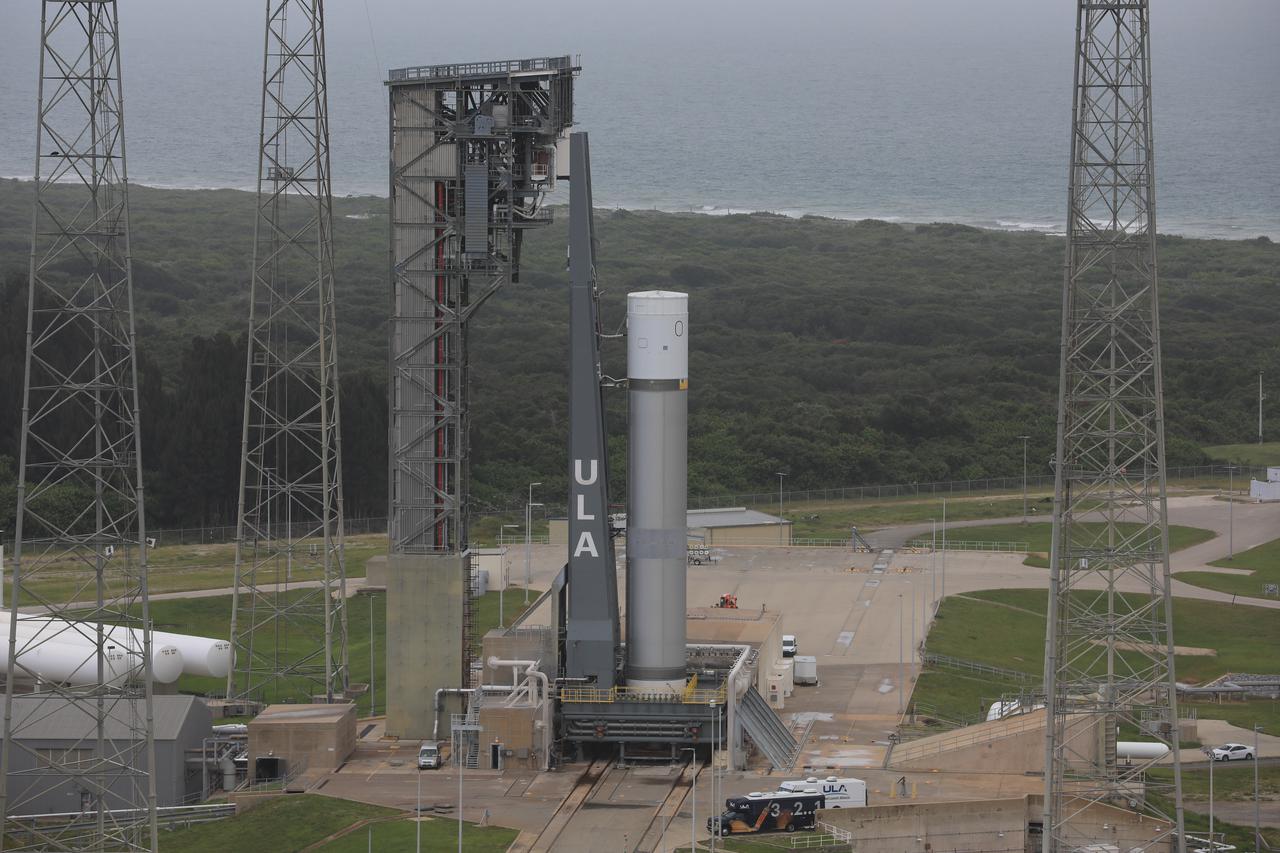
A pathfinder test article of United Launch Alliance’s (ULA) Vulcan Centaur rocket is seen at Space Launch Complex 41 at Cape Canaveral Space Force Station in Florida on Aug. 26, 2021. The pathfinder booster is undergoing a series of fueling tests to validate the infrastructure in place at the launch pad and allow the launch team to rehearse countdown operations before the Vulcan’s first flight.
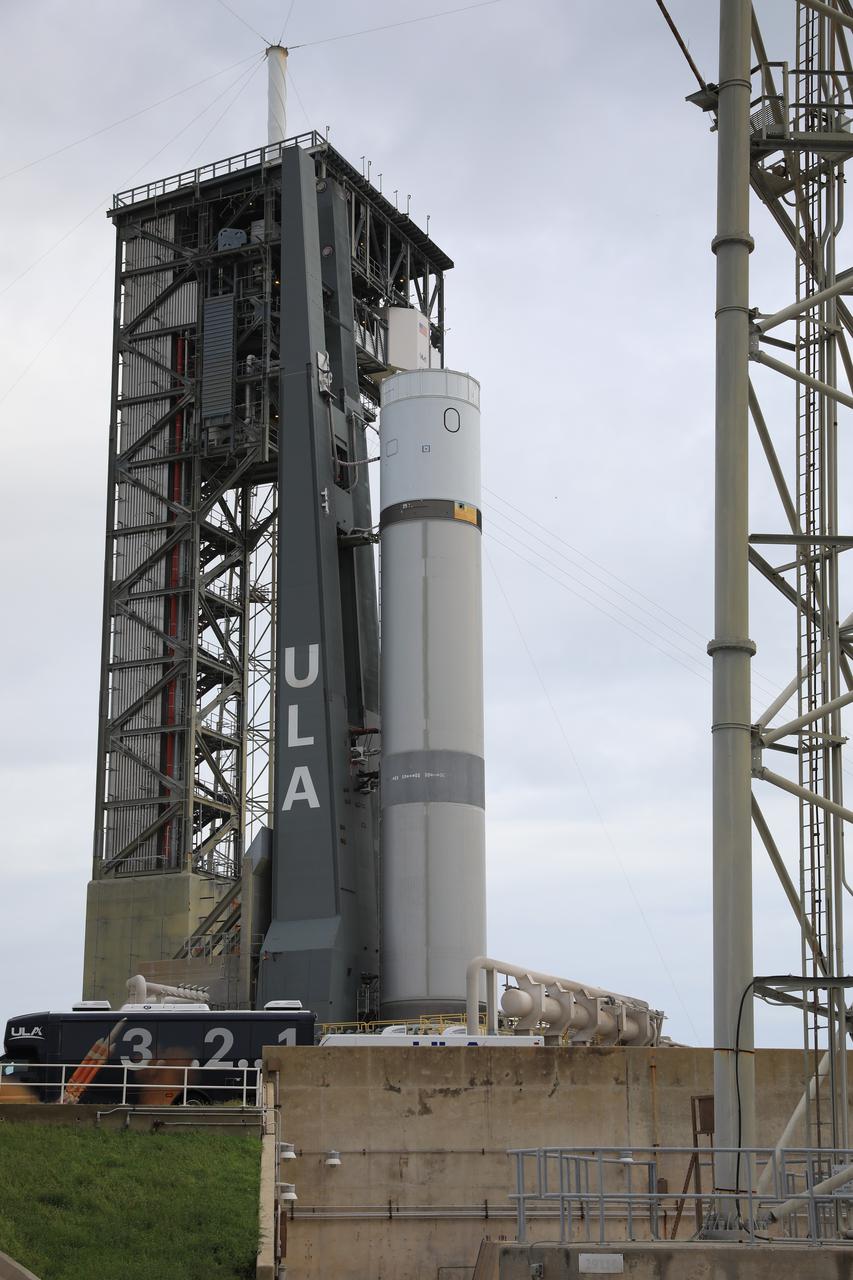
A pathfinder test article of United Launch Alliance’s (ULA) Vulcan Centaur rocket is seen at Space Launch Complex 41 at Cape Canaveral Space Force Station in Florida on Aug. 26, 2021. The pathfinder booster is undergoing a series of fueling tests to validate the infrastructure in place at the launch pad and allow the launch team to rehearse countdown operations before the Vulcan’s first flight.
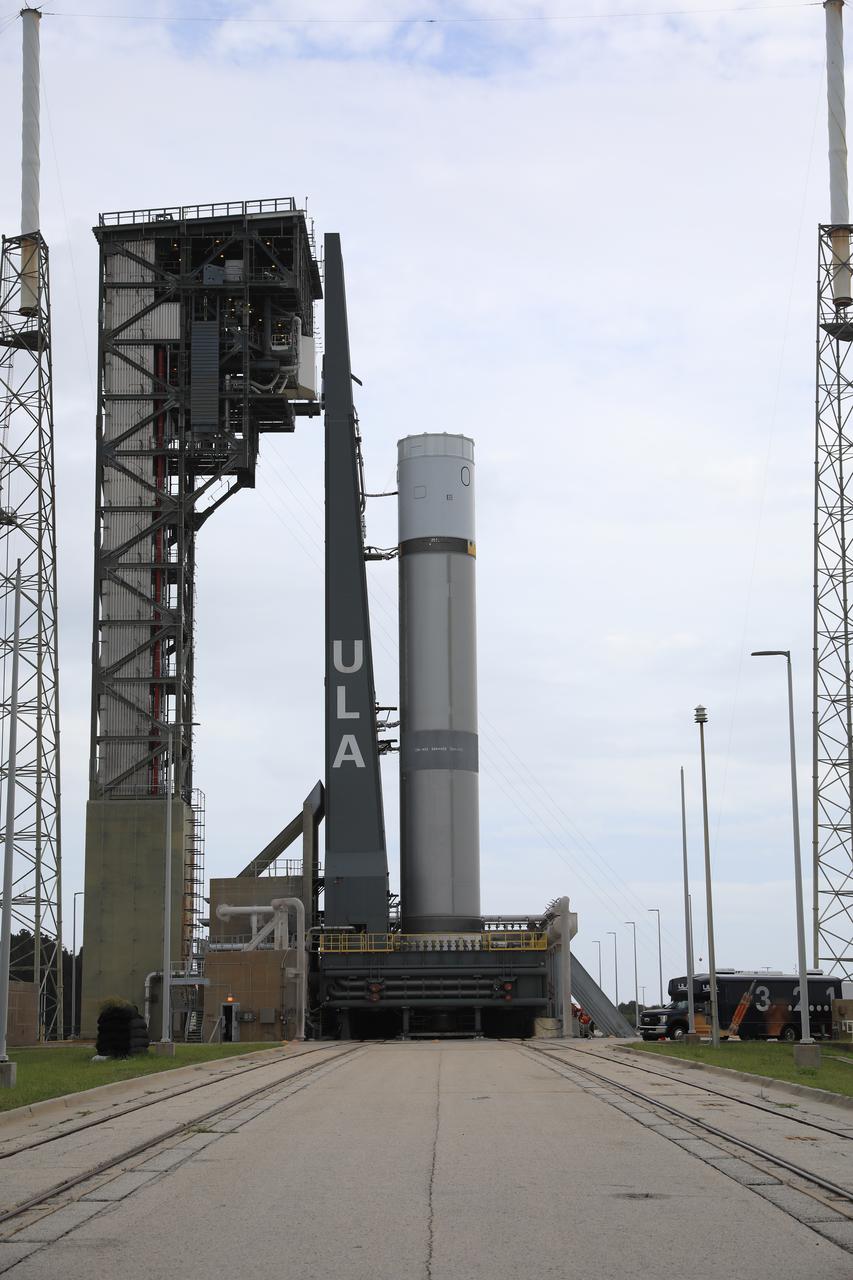
A pathfinder test article of United Launch Alliance’s (ULA) Vulcan Centaur rocket is seen at Space Launch Complex 41 at Cape Canaveral Space Force Station in Florida on Aug. 26, 2021. The pathfinder booster is undergoing a series of fueling tests to validate the infrastructure in place at the launch pad and allow the launch team to rehearse countdown operations before the Vulcan’s first flight.
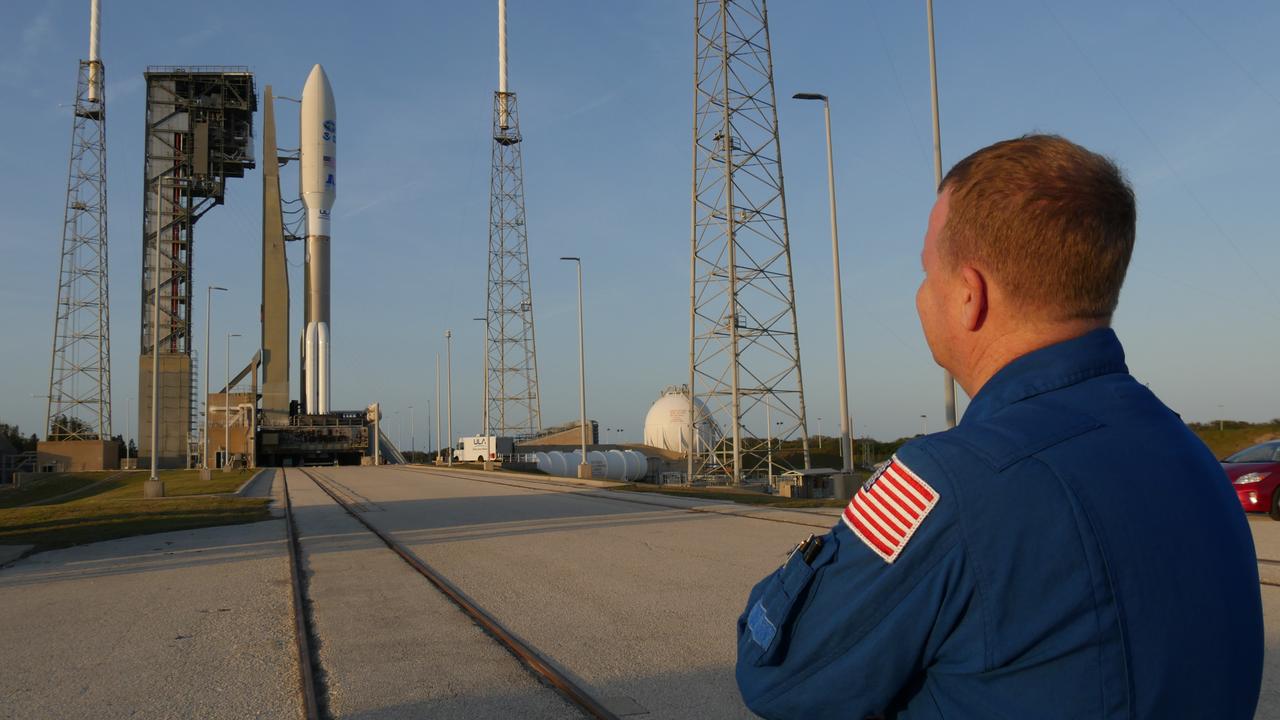
NASA astronaut Eric Boe, one of four astronauts working with the agency’s Commercial Crew Program, had the opportunity to check out the Crew Access Tower at Space Launch Complex 41 (SLC-41) Wednesday with a United Launch Alliance Atlas V on the pad. Boe, along with launch operations engineers from NASA, Boeing, and ULA, climbed the launch pad tower to evaluate lighting and spotlights after dark. The survey helped ensure crew members will have acceptable visibility as they prepare to launch aboard Boeing’s Starliner spacecraft on the Crew Flight Test to the International Space Station targeted for later this year.
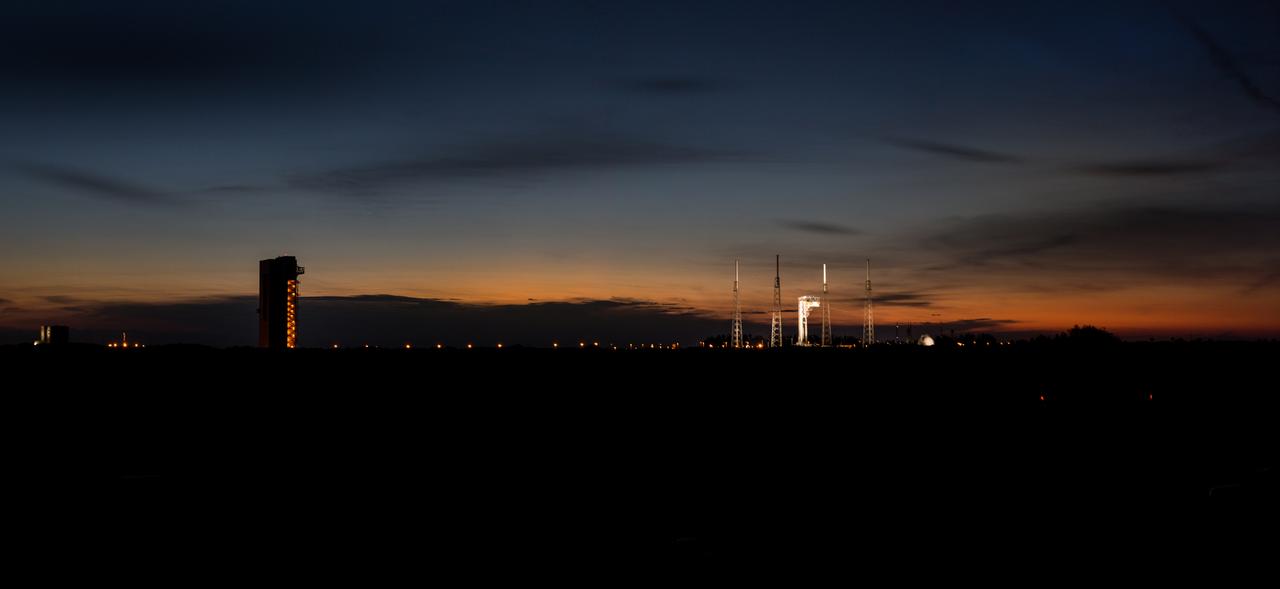
The sun sets on Cape Canaveral Air Force Station’s Launch Complex 41 in Florida during a Boeing/United Launch Alliance (ULA) emergency egress system demonstration on June 19, 2018. The emergency egress system features folding seats attached to slide wires. In the unlikely event of an emergency on launch day prior to liftoff, each person on the Crew Access Tower would get his or her own seat and slide more than 1,300 feet to a safe area. The Boeing CST-100 Starliner will launch on a ULA Atlas V rocket, carrying astronauts to the International Space Station
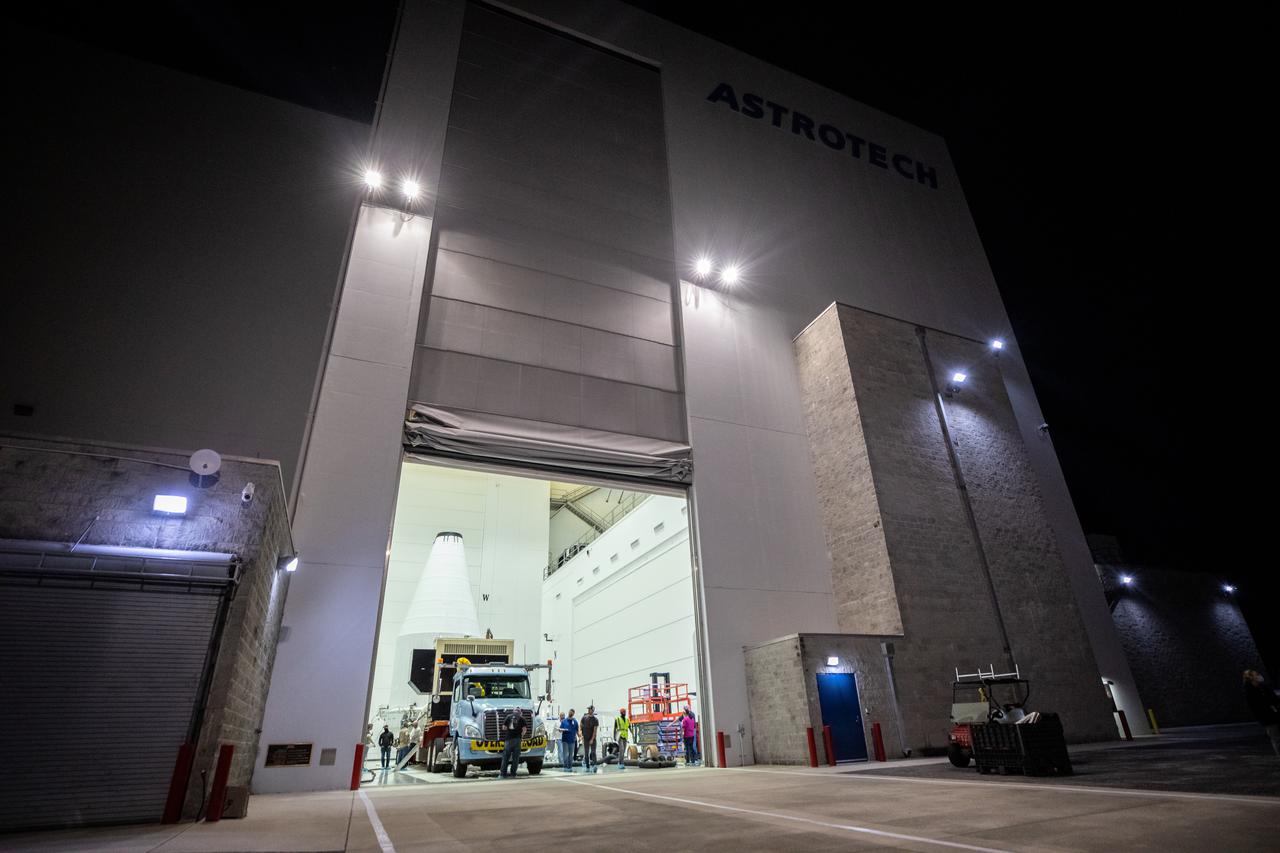
The Lucy spacecraft, encapsulated in its payload fairing, exits the Astrotech Space Operations Facility in Titusville, Florida on Oct. 7, 2021. The spacecraft will be transported to nearby Space Launch Complex 41 at Cape Canaveral Space Force Station. The encapsulated spacecraft will be hoisted up and into the Vertical Integration Facility where it will be lowered down and secured on the United Launch Alliance (ULA) Atlas V Centaur second stage. Lucy is scheduled to launch no earlier than Saturday, Oct. 16, on the ULA Atlas V 401 rocket from Launch Pad 41. NASA’s Launch Services Program, based at Kennedy Space Center, America’s premier multi-user spaceport, is managing the launch. Over its 12-year primary mission, Lucy will explore a record-breaking number of asteroids, flying by one asteroid in the solar system’s main belt and seven Trojan asteroids. Additionally, Lucy’s path will circle back to Earth three times for gravity assists, making it the first spacecraft ever to return to the vicinity of Earth from the outer solar system.
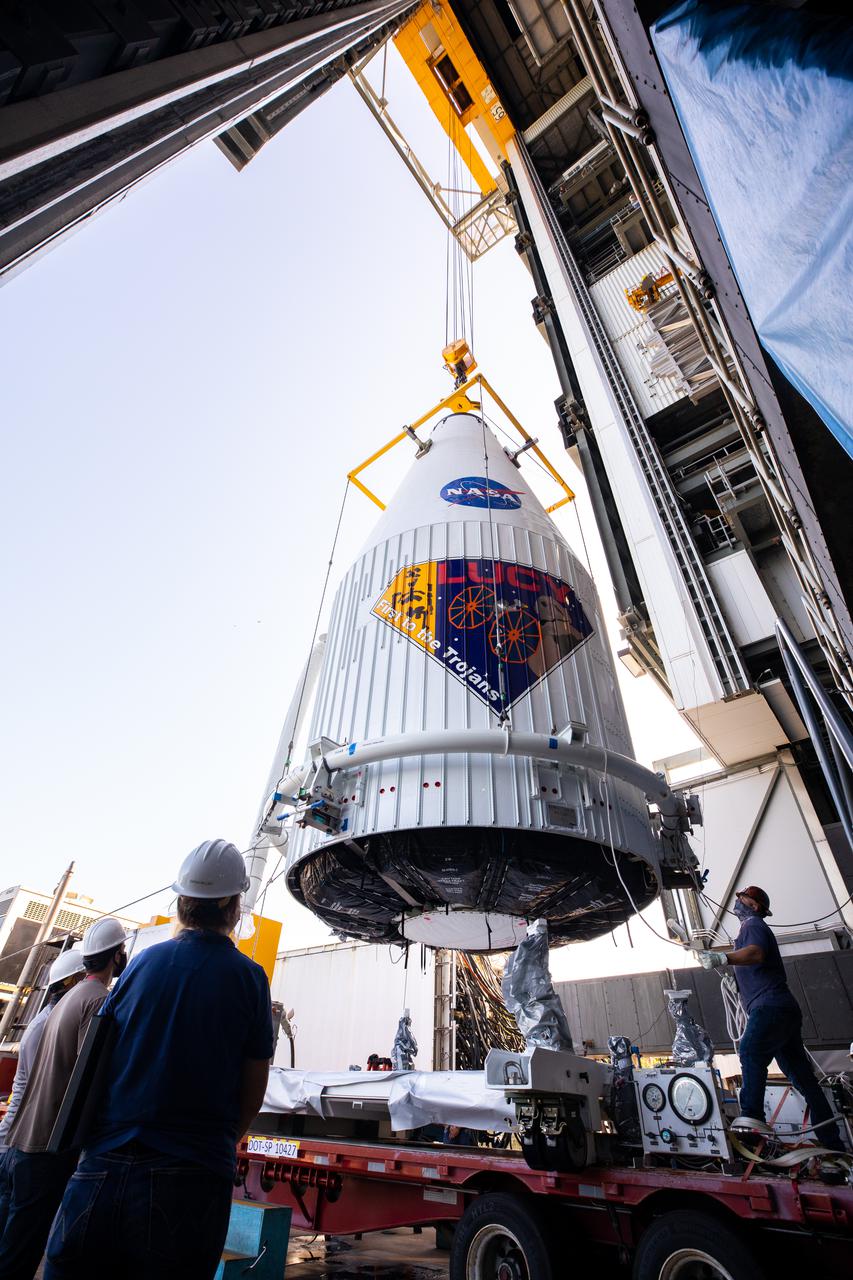
The payload fairing containing NASA’s Lucy spacecraft is hoisted up at the Vertical Integration Facility at Space Launch Complex 41 at Cape Canaveral Space Force Station in Florida on Oct. 7, 2021. It will be lowered onto the United Launch Alliance (ULA) Atlas V Centaur second stage. Lucy is scheduled to launch no earlier than Saturday, Oct. 16, on the ULA Atlas V 401 rocket from Launch Pad 41. NASA’s Launch Services Program, based at Kennedy Space Center, America’s premier multi-user spaceport, is managing the launch. Over its 12-year primary mission, Lucy will explore a record-breaking number of asteroids, flying by one asteroid in the solar system’s main belt and seven Trojan asteroids. Additionally, Lucy’s path will circle back to Earth three times for gravity assists, making it the first spacecraft ever to return to the vicinity of Earth from the outer solar system.
Workers assist as the payload fairing containing NASA’s Lucy spacecraft is lowered onto the United Launch Alliance (ULA) Atlas V Centaur second stage in the Vertical Integration Facility at Space Launch Complex 41 at Cape Canaveral Space Force Base in Florida on Oct. 7, 2021. Lucy is scheduled to launch no earlier than Saturday, Oct. 16, on the ULA Atlas V 401 rocket from Launch Pad 41. NASA’s Launch Services Program, based at Kennedy Space Center, America’s premier multi-user spaceport, is managing the launch. Over its 12-year primary mission, Lucy will explore a record-breaking number of asteroids, flying by one asteroid in the solar system’s main belt and seven Trojan asteroids. Additionally, Lucy’s path will circle back to Earth three times for gravity assists, making it the first spacecraft ever to return to the vicinity of Earth from the outer solar system.
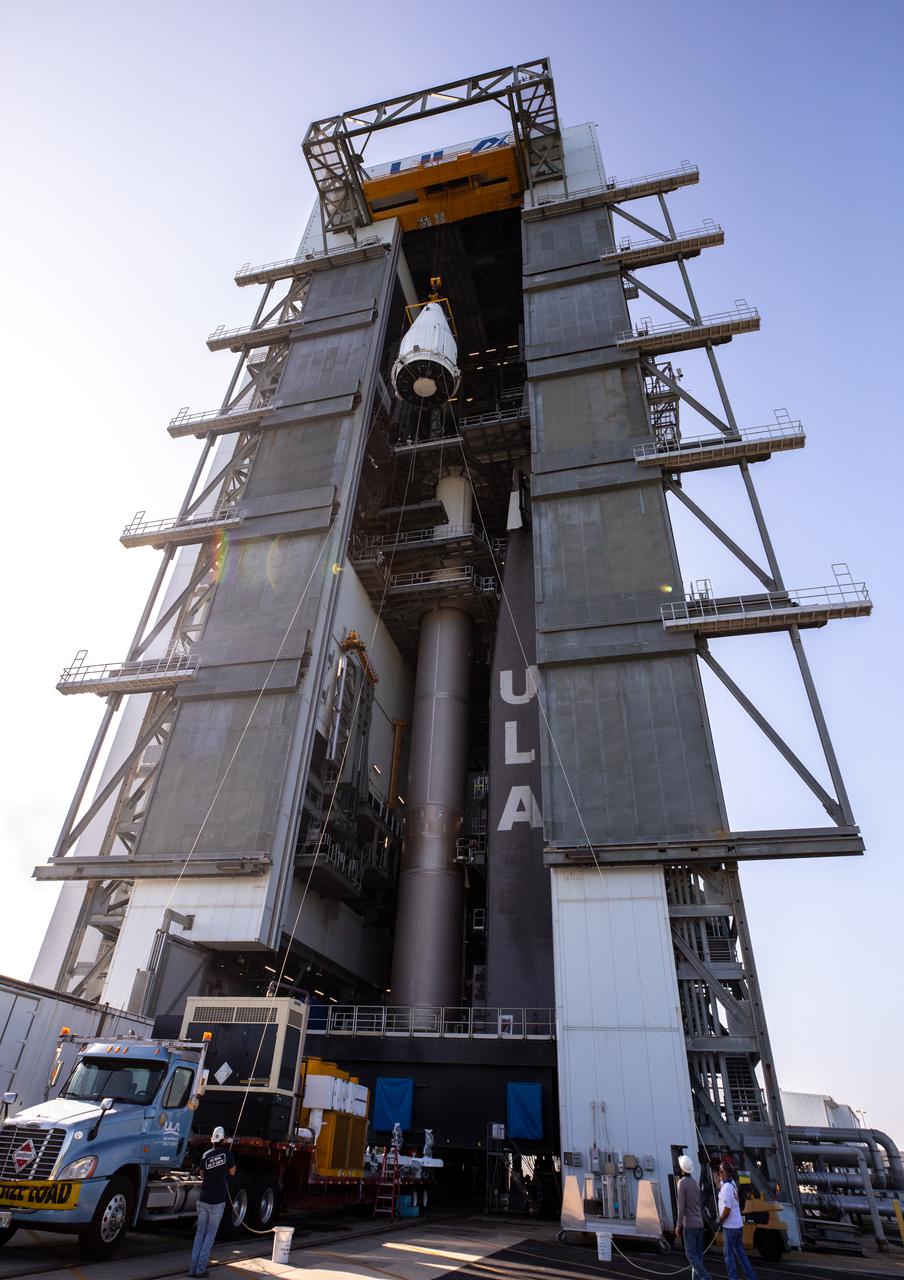
The payload fairing containing NASA’s Lucy spacecraft is hoisted up at the Vertical Integration Facility at Space Launch Complex 41 at Cape Canaveral Space Force Station in Florida on Oct. 7, 2021. It will be lowered onto the United Launch Alliance (ULA) Atlas V Centaur second stage. Lucy is scheduled to launch no earlier than Saturday, Oct. 16, on the ULA Atlas V 401 rocket from Launch Pad 41. NASA’s Launch Services Program, based at Kennedy Space Center, America’s premier multi-user spaceport, is managing the launch. Over its 12-year primary mission, Lucy will explore a record-breaking number of asteroids, flying by one asteroid in the solar system’s main belt and seven Trojan asteroids. Additionally, Lucy’s path will circle back to Earth three times for gravity assists, making it the first spacecraft ever to return to the vicinity of Earth from the outer solar system.
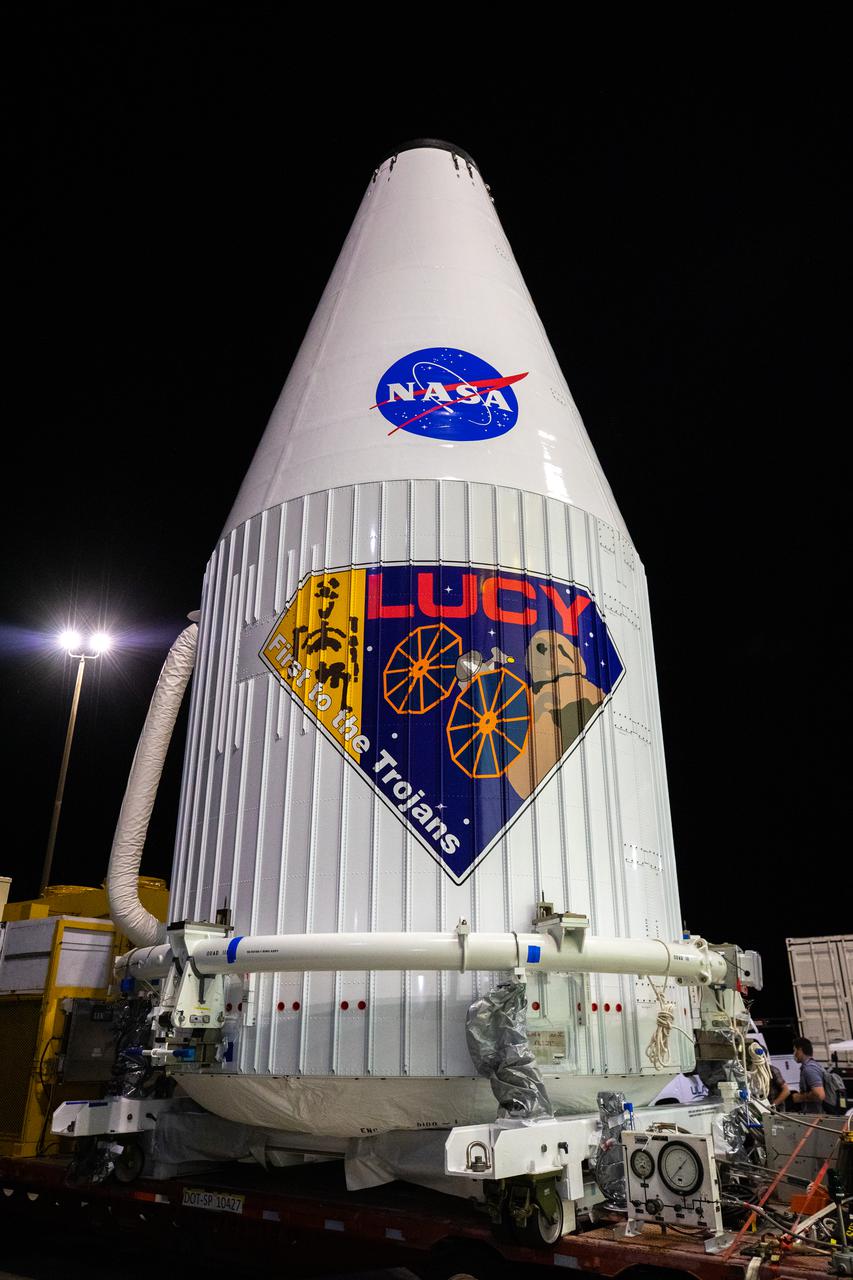
The Lucy spacecraft, encapsulated in its payload fairing, exits the Astrotech Space Operations Facility in Titusville, Florida on Oct. 7, 2021. The spacecraft will be transported to nearby Space Launch Complex 41 at Cape Canaveral Space Force Station. The encapsulated spacecraft will be hoisted up and into the Vertical Integration Facility where it will be lowered down and secured on the United Launch Alliance (ULA) Atlas V Centaur second stage. Lucy is scheduled to launch no earlier than Saturday, Oct. 16, on the ULA Atlas V 401 rocket from Launch Pad 41. NASA’s Launch Services Program, based at Kennedy Space Center, America’s premier multi-user spaceport, is managing the launch. Over its 12-year primary mission, Lucy will explore a record-breaking number of asteroids, flying by one asteroid in the solar system’s main belt and seven Trojan asteroids. Additionally, Lucy’s path will circle back to Earth three times for gravity assists, making it the first spacecraft ever to return to the vicinity of Earth from the outer solar system.
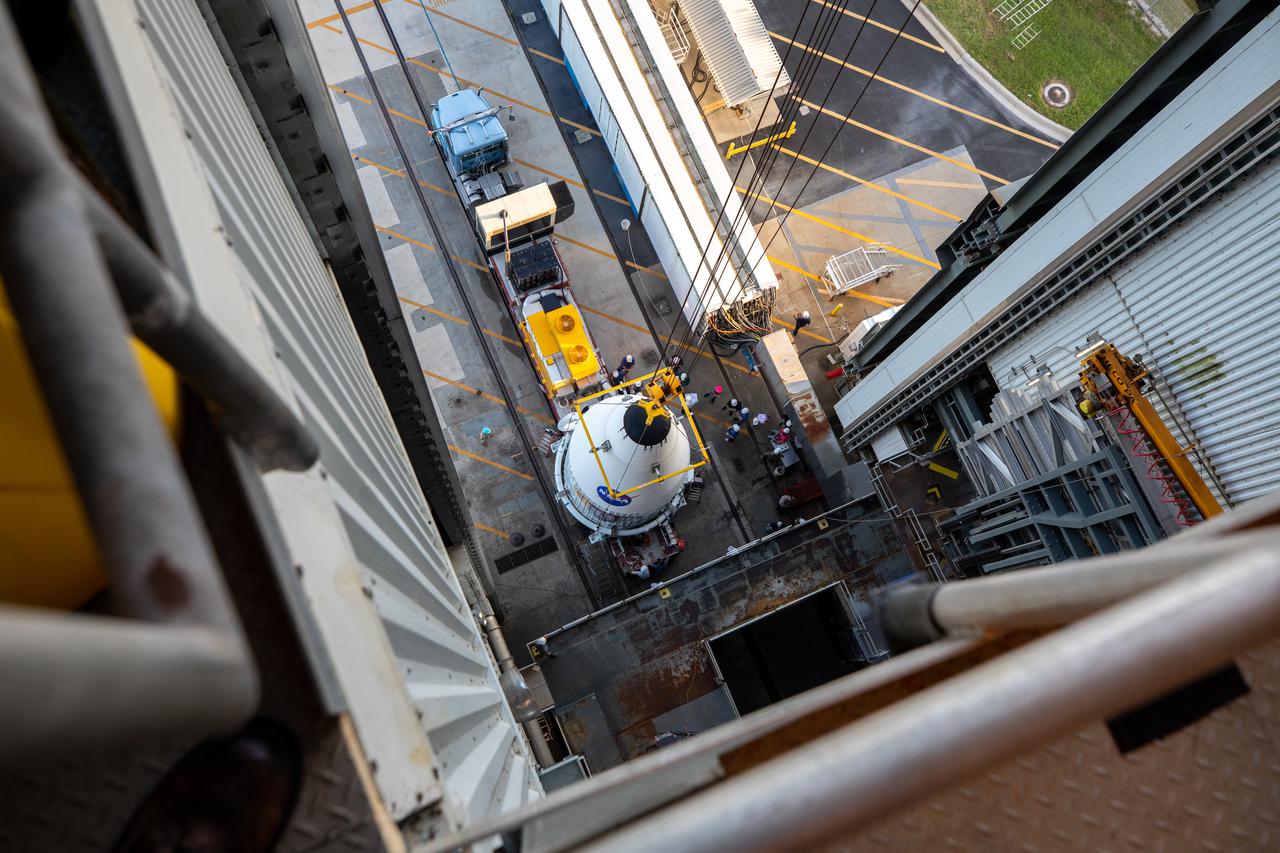
The payload fairing containing NASA’s Lucy spacecraft is hoisted up at the Vertical Integration Facility at Space Launch Complex 41 at Cape Canaveral Space Force Station in Florida on Oct. 7, 2021. It will be lowered onto the United Launch Alliance (ULA) Atlas V Centaur second stage. Lucy is scheduled to launch no earlier than Saturday, Oct. 16, on the ULA Atlas V 401 rocket from Launch Pad 41. NASA’s Launch Services Program, based at Kennedy Space Center, America’s premier multi-user spaceport, is managing the launch. Over its 12-year primary mission, Lucy will explore a record-breaking number of asteroids, flying by one asteroid in the solar system’s main belt and seven Trojan asteroids. Additionally, Lucy’s path will circle back to Earth three times for gravity assists, making it the first spacecraft ever to return to the vicinity of Earth from the outer solar system.
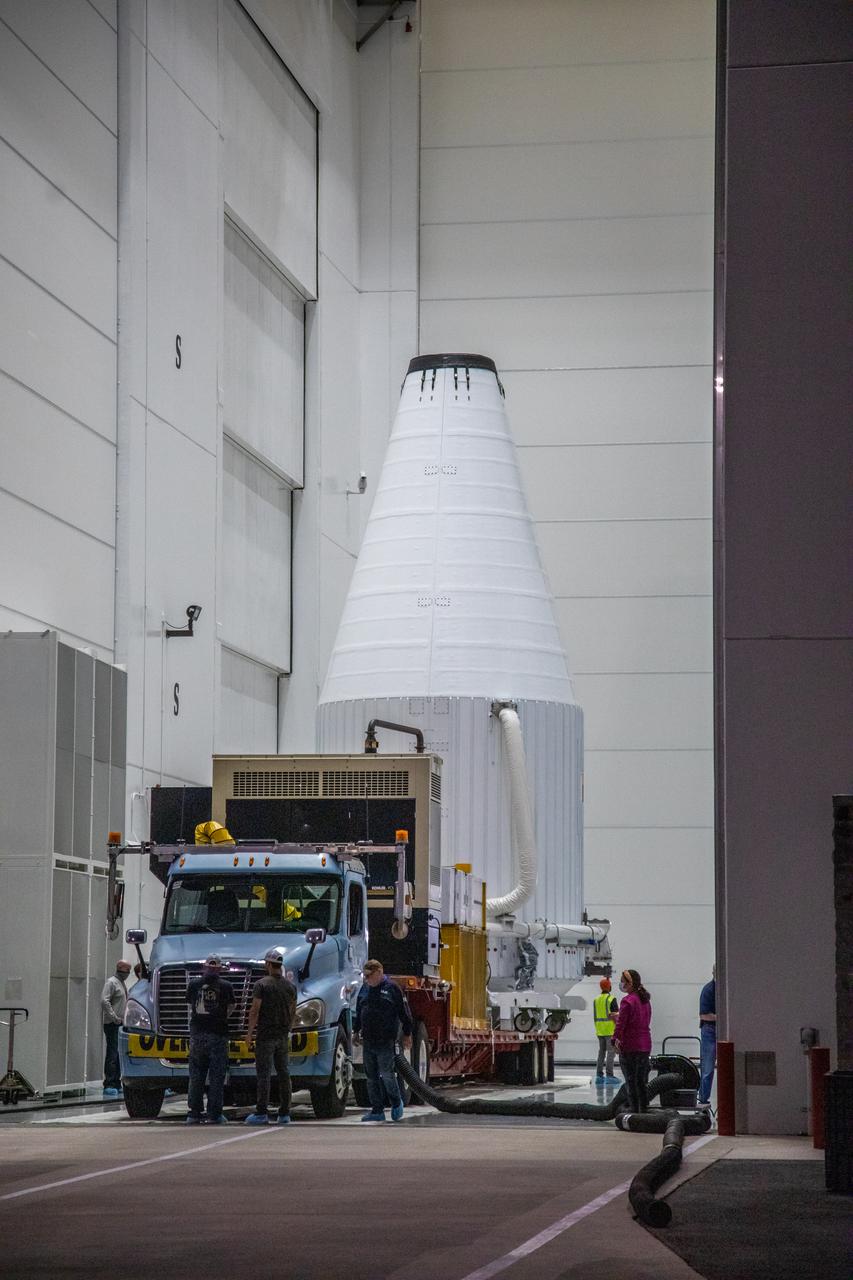
The Lucy spacecraft, encapsulated in its payload fairing, exits the Astrotech Space Operations Facility in Titusville, Florida on Oct. 7, 2021. The spacecraft will be transported to nearby Space Launch Complex 41 at Cape Canaveral Space Force Station. The encapsulated spacecraft will be hoisted up and into the Vertical Integration Facility where it will be lowered down and secured on the United Launch Alliance (ULA) Atlas V Centaur second stage. Lucy is scheduled to launch no earlier than Saturday, Oct. 16, on the ULA Atlas V 401 rocket from Launch Pad 41. NASA’s Launch Services Program, based at Kennedy Space Center, America’s premier multi-user spaceport, is managing the launch. Over its 12-year primary mission, Lucy will explore a record-breaking number of asteroids, flying by one asteroid in the solar system’s main belt and seven Trojan asteroids. Additionally, Lucy’s path will circle back to Earth three times for gravity assists, making it the first spacecraft ever to return to the vicinity of Earth from the outer solar system.
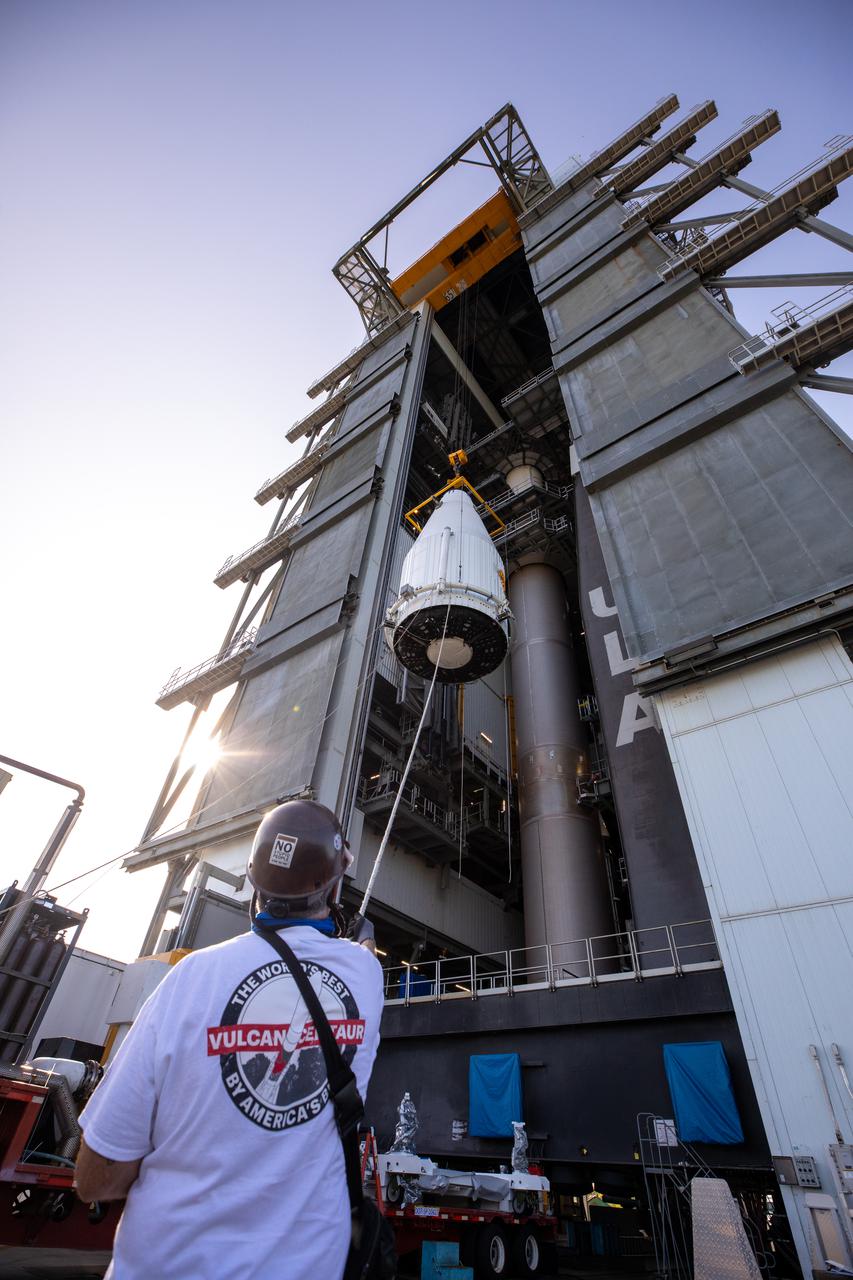
The payload fairing containing NASA’s Lucy spacecraft is hoisted up at the Vertical Integration Facility at Space Launch Complex 41 at Cape Canaveral Space Force Station in Florida on Oct. 7, 2021. It will be lowered onto the United Launch Alliance (ULA) Atlas V Centaur second stage. Lucy is scheduled to launch no earlier than Saturday, Oct. 16, on the ULA Atlas V 401 rocket from Launch Pad 41. NASA’s Launch Services Program, based at Kennedy Space Center, America’s premier multi-user spaceport, is managing the launch. Over its 12-year primary mission, Lucy will explore a record-breaking number of asteroids, flying by one asteroid in the solar system’s main belt and seven Trojan asteroids. Additionally, Lucy’s path will circle back to Earth three times for gravity assists, making it the first spacecraft ever to return to the vicinity of Earth from the outer solar system.
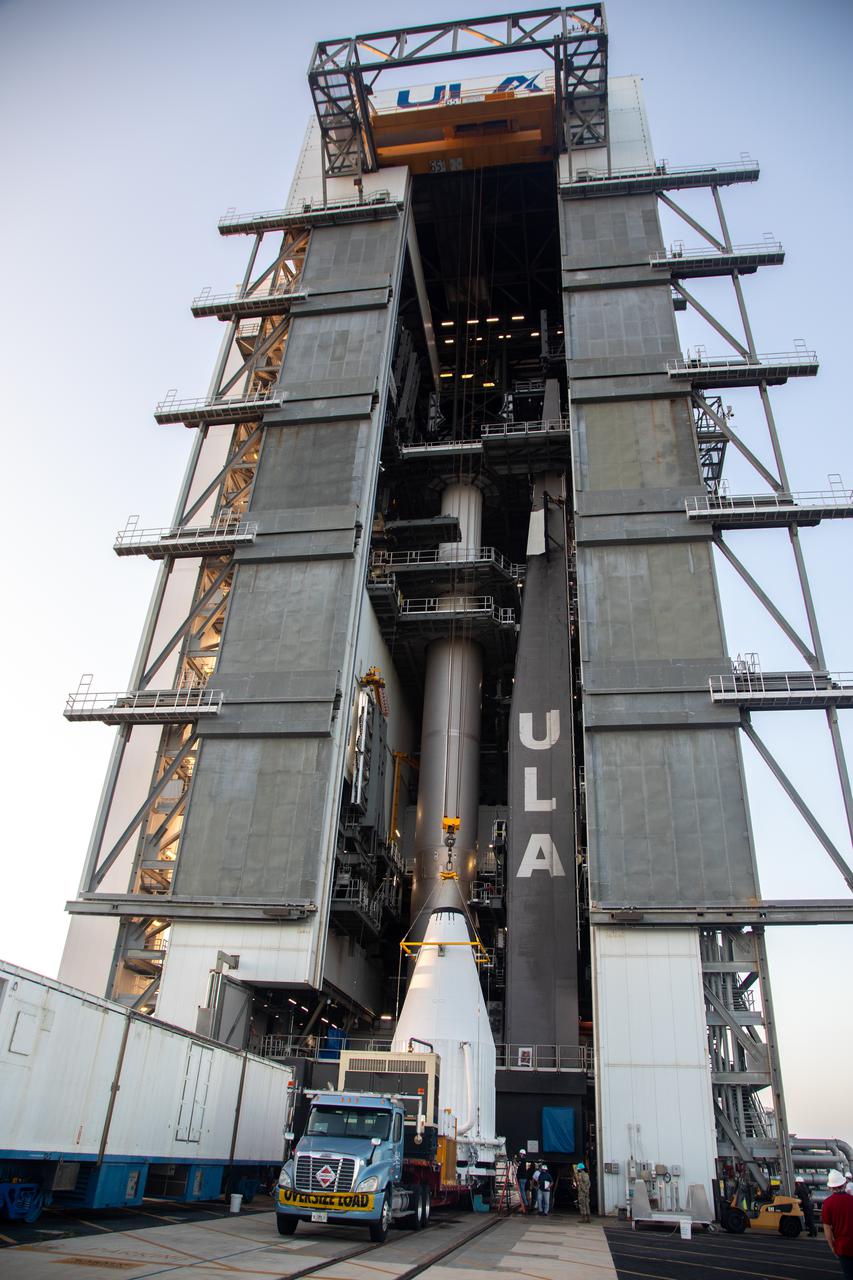
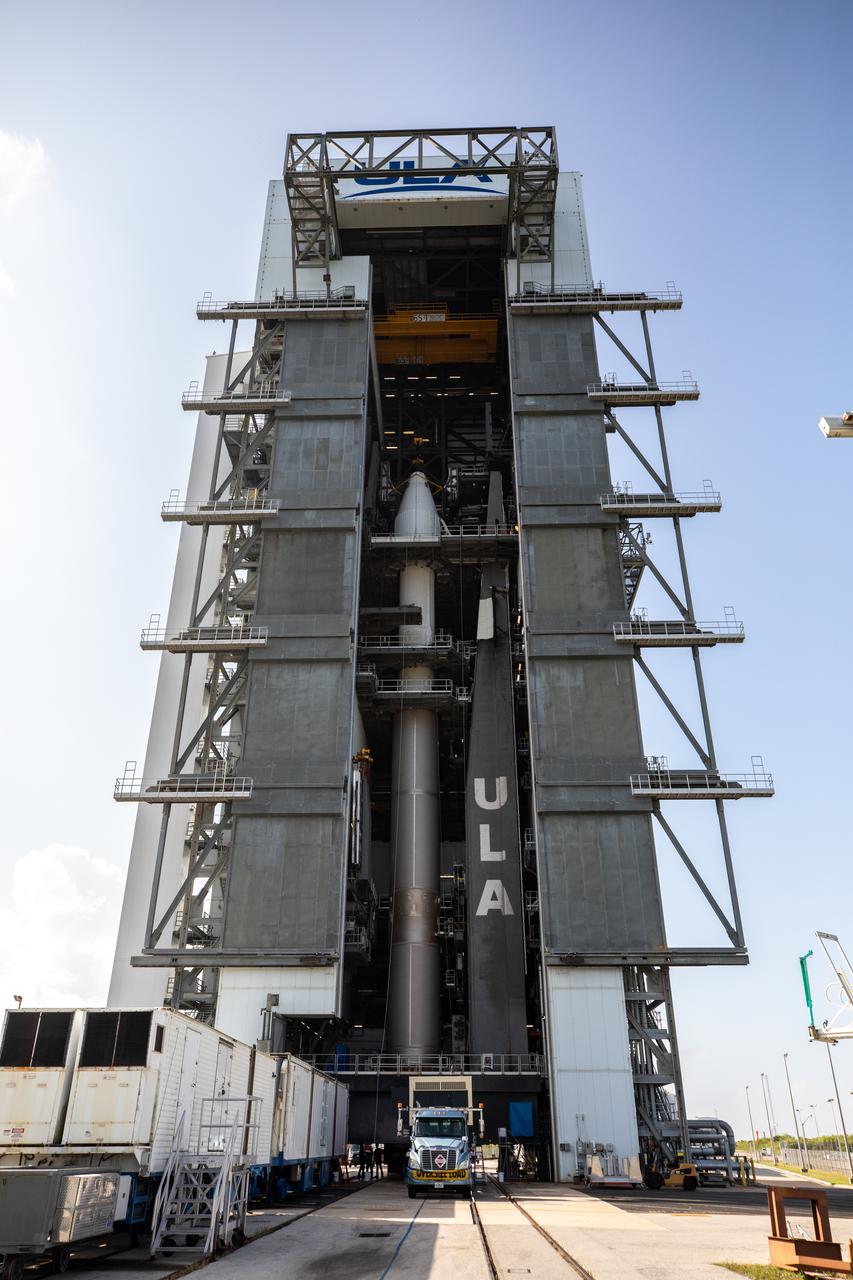
The payload fairing containing NASA’s Lucy spacecraft arrives at the Vertical Integration Facility at Space Launch Complex 41 at Cape Canaveral Space Force Station in Florida on Oct. 7, 2021. It will be hoisted up, and then lowered onto the United Launch Alliance (ULA) Atlas V Centaur second stage. Lucy is scheduled to launch no earlier than Saturday, Oct. 16, on the ULA Atlas V 401 rocket from Launch Pad 41. NASA’s Launch Services Program, based at Kennedy Space Center, America’s premier multi-user spaceport, is managing the launch. Over its 12-year primary mission, Lucy will explore a record-breaking number of asteroids, flying by one asteroid in the solar system’s main belt and seven Trojan asteroids. Additionally, Lucy’s path will circle back to Earth three times for gravity assists, making it the first spacecraft ever to return to the vicinity of Earth from the outer solar system.
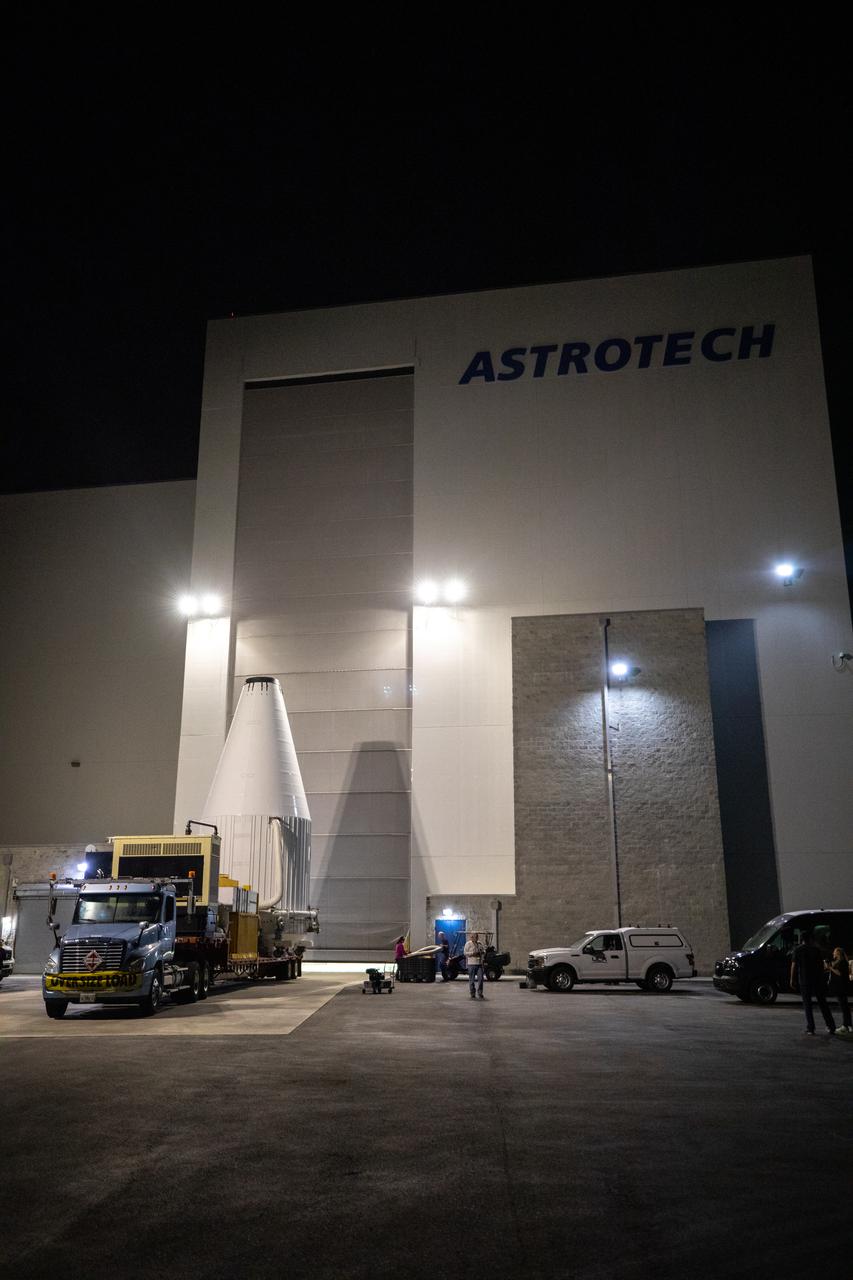
The Lucy spacecraft, encapsulated in its payload fairing, exits the Astrotech Space Operations Facility in Titusville, Florida on Oct. 7, 2021. The spacecraft will be transported to nearby Space Launch Complex 41 at Cape Canaveral Space Force Station. The encapsulated spacecraft will be hoisted up and into the Vertical Integration Facility where it will be lowered down and secured on the United Launch Alliance (ULA) Atlas V Centaur second stage. Lucy is scheduled to launch no earlier than Saturday, Oct. 16, on the ULA Atlas V 401 rocket from Launch Pad 41. NASA’s Launch Services Program, based at Kennedy Space Center, America’s premier multi-user spaceport, is managing the launch. Over its 12-year primary mission, Lucy will explore a record-breaking number of asteroids, flying by one asteroid in the solar system’s main belt and seven Trojan asteroids. Additionally, Lucy’s path will circle back to Earth three times for gravity assists, making it the first spacecraft ever to return to the vicinity of Earth from the outer solar system.
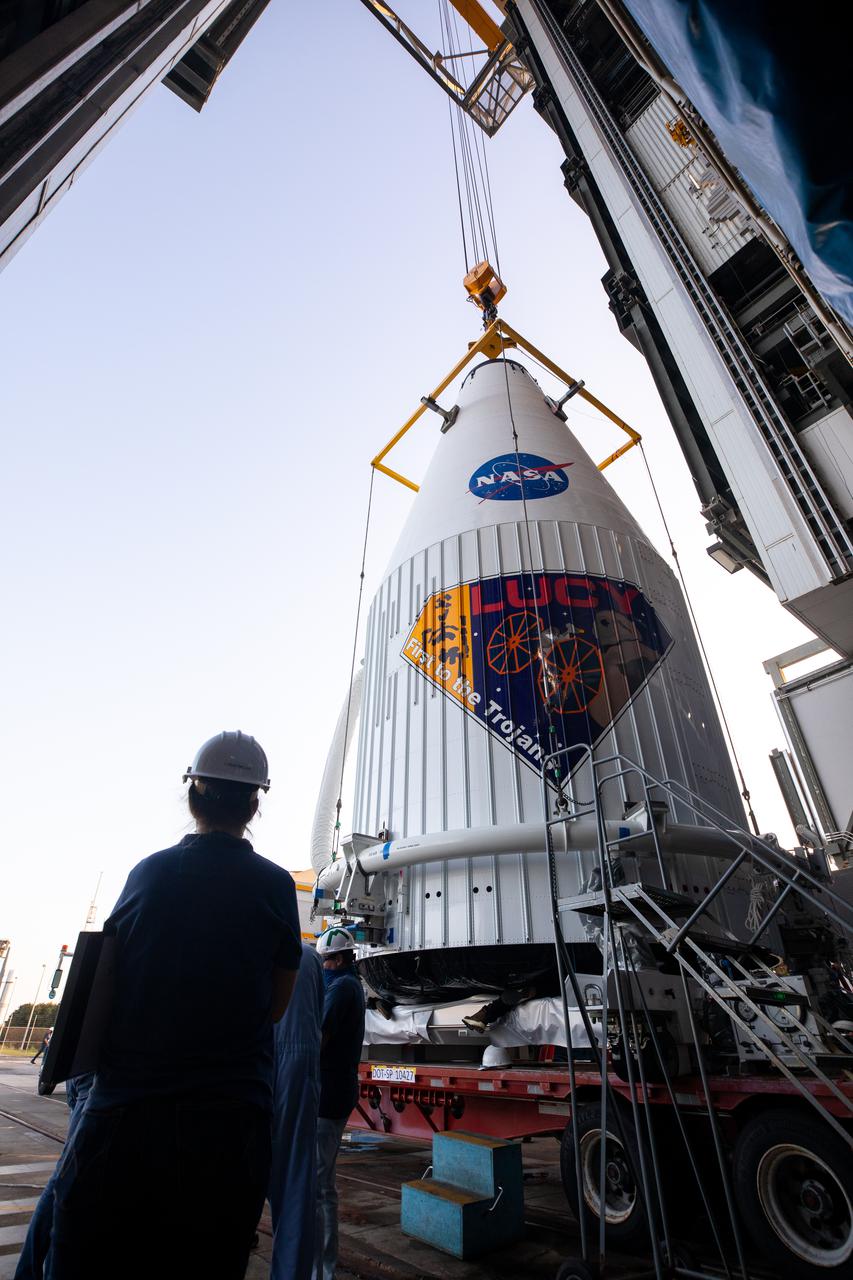
The payload fairing containing NASA’s Lucy spacecraft is hoisted up at the Vertical Integration Facility at Space Launch Complex 41 at Cape Canaveral Space Force Station in Florida on Oct. 7, 2021. It will be lowered onto the United Launch Alliance (ULA) Atlas V Centaur second stage. Lucy is scheduled to launch no earlier than Saturday, Oct. 16, on the ULA Atlas V 401 rocket from Launch Pad 41. NASA’s Launch Services Program, based at Kennedy Space Center, America’s premier multi-user spaceport, is managing the launch. Over its 12-year primary mission, Lucy will explore a record-breaking number of asteroids, flying by one asteroid in the solar system’s main belt and seven Trojan asteroids. Additionally, Lucy’s path will circle back to Earth three times for gravity assists, making it the first spacecraft ever to return to the vicinity of Earth from the outer solar system.
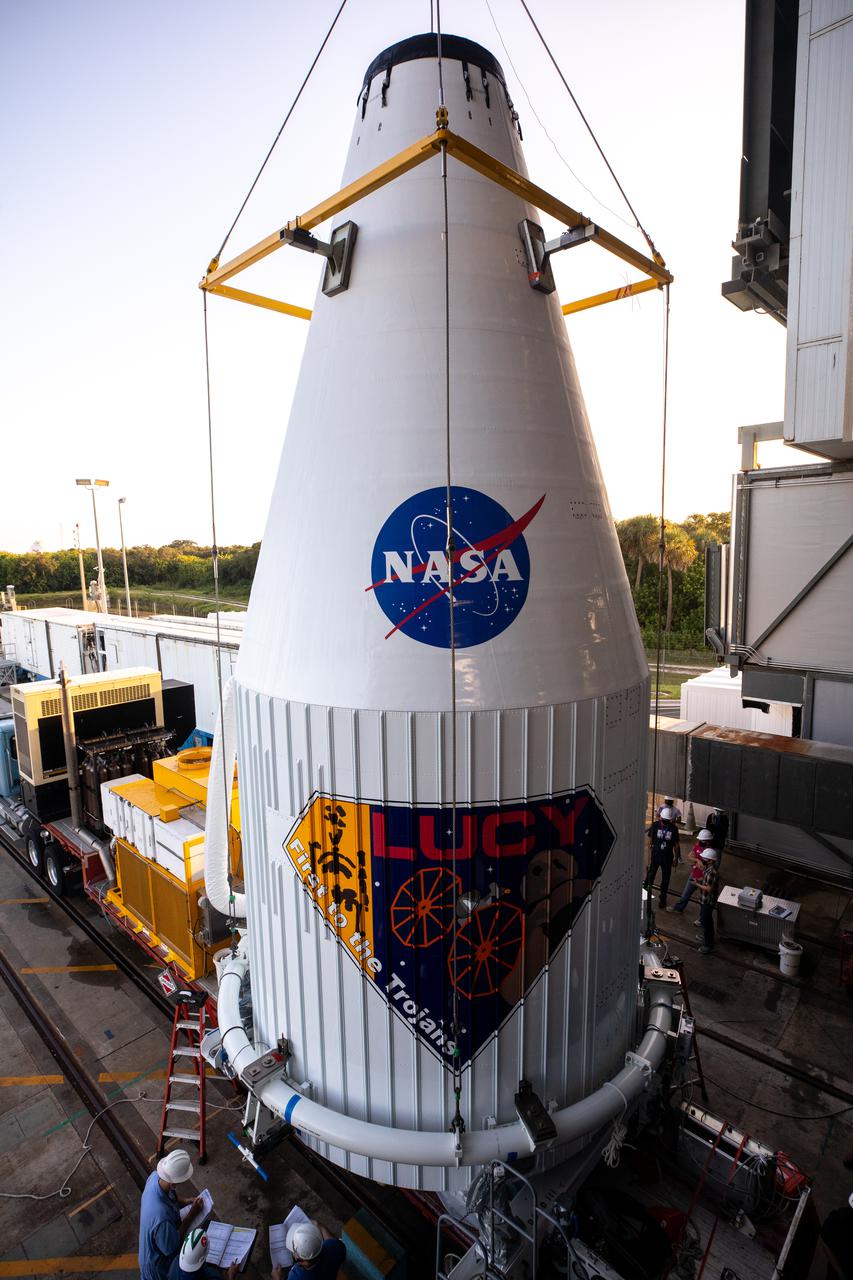
The payload fairing containing NASA’s Lucy spacecraft is hoisted up at the Vertical Integration Facility at Space Launch Complex 41 at Cape Canaveral Space Force Station in Florida on Oct. 7, 2021. It will be lowered onto the United Launch Alliance (ULA) Atlas V Centaur second stage. Lucy is scheduled to launch no earlier than Saturday, Oct. 16, on the ULA Atlas V 401 rocket from Launch Pad 41. NASA’s Launch Services Program, based at Kennedy Space Center, America’s premier multi-user spaceport, is managing the launch. Over its 12-year primary mission, Lucy will explore a record-breaking number of asteroids, flying by one asteroid in the solar system’s main belt and seven Trojan asteroids. Additionally, Lucy’s path will circle back to Earth three times for gravity assists, making it the first spacecraft ever to return to the vicinity of Earth from the outer solar system.
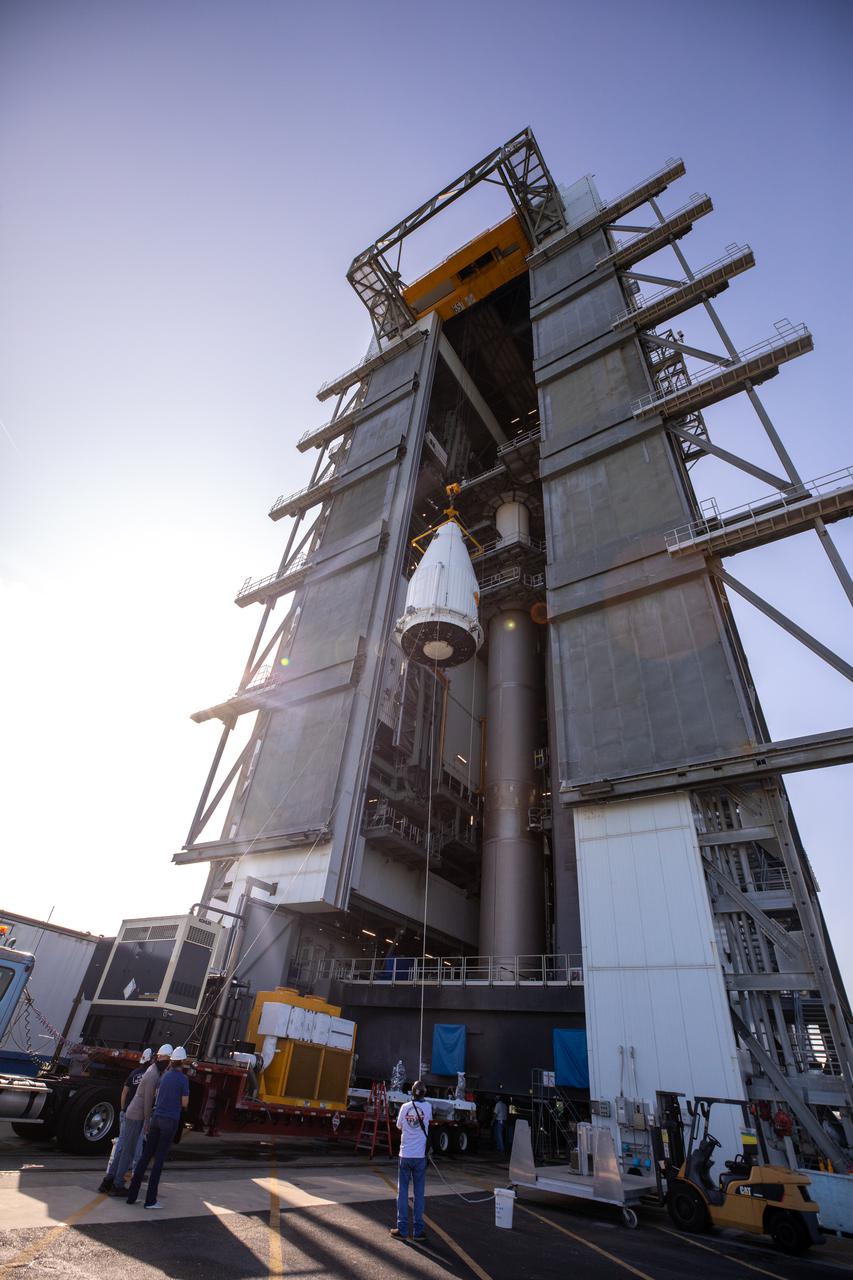
The payload fairing containing NASA’s Lucy spacecraft is hoisted up at the Vertical Integration Facility at Space Launch Complex 41 at Cape Canaveral Space Force Station in Florida on Oct. 7, 2021. It will be lowered onto the United Launch Alliance (ULA) Atlas V Centaur second stage. Lucy is scheduled to launch no earlier than Saturday, Oct. 16, on the ULA Atlas V 401 rocket from Launch Pad 41. NASA’s Launch Services Program, based at Kennedy Space Center, America’s premier multi-user spaceport, is managing the launch. Over its 12-year primary mission, Lucy will explore a record-breaking number of asteroids, flying by one asteroid in the solar system’s main belt and seven Trojan asteroids. Additionally, Lucy’s path will circle back to Earth three times for gravity assists, making it the first spacecraft ever to return to the vicinity of Earth from the outer solar system.
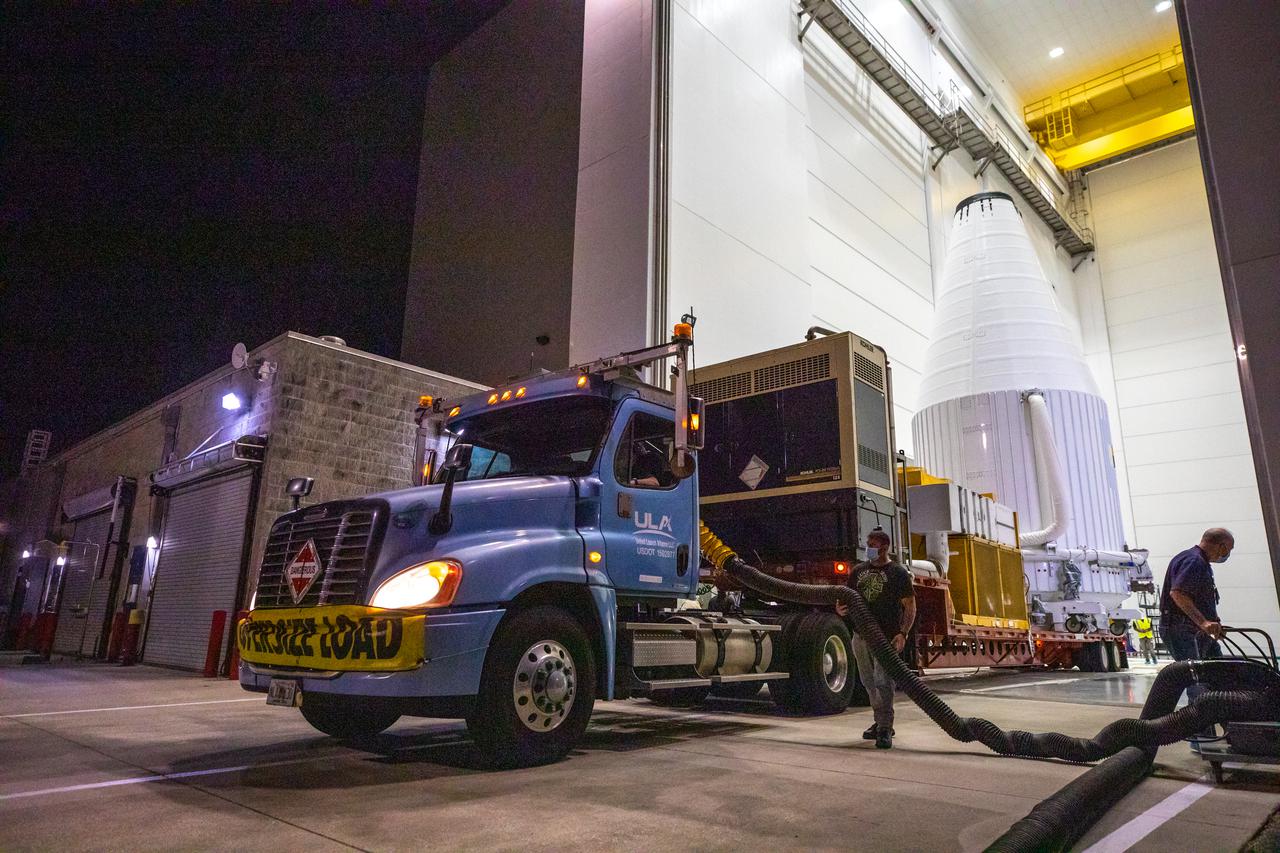
The Lucy spacecraft, encapsulated in its payload fairing, exits the Astrotech Space Operations Facility in Titusville, Florida on Oct. 7, 2021. The spacecraft will be transported to nearby Space Launch Complex 41 at Cape Canaveral Space Force Station. The encapsulated spacecraft will be hoisted up and into the Vertical Integration Facility where it will be lowered down and secured on the United Launch Alliance (ULA) Atlas V Centaur second stage. Lucy is scheduled to launch no earlier than Saturday, Oct. 16, on the ULA Atlas V 401 rocket from Launch Pad 41. NASA’s Launch Services Program, based at Kennedy Space Center, America’s premier multi-user spaceport, is managing the launch. Over its 12-year primary mission, Lucy will explore a record-breaking number of asteroids, flying by one asteroid in the solar system’s main belt and seven Trojan asteroids. Additionally, Lucy’s path will circle back to Earth three times for gravity assists, making it the first spacecraft ever to return to the vicinity of Earth from the outer solar system.
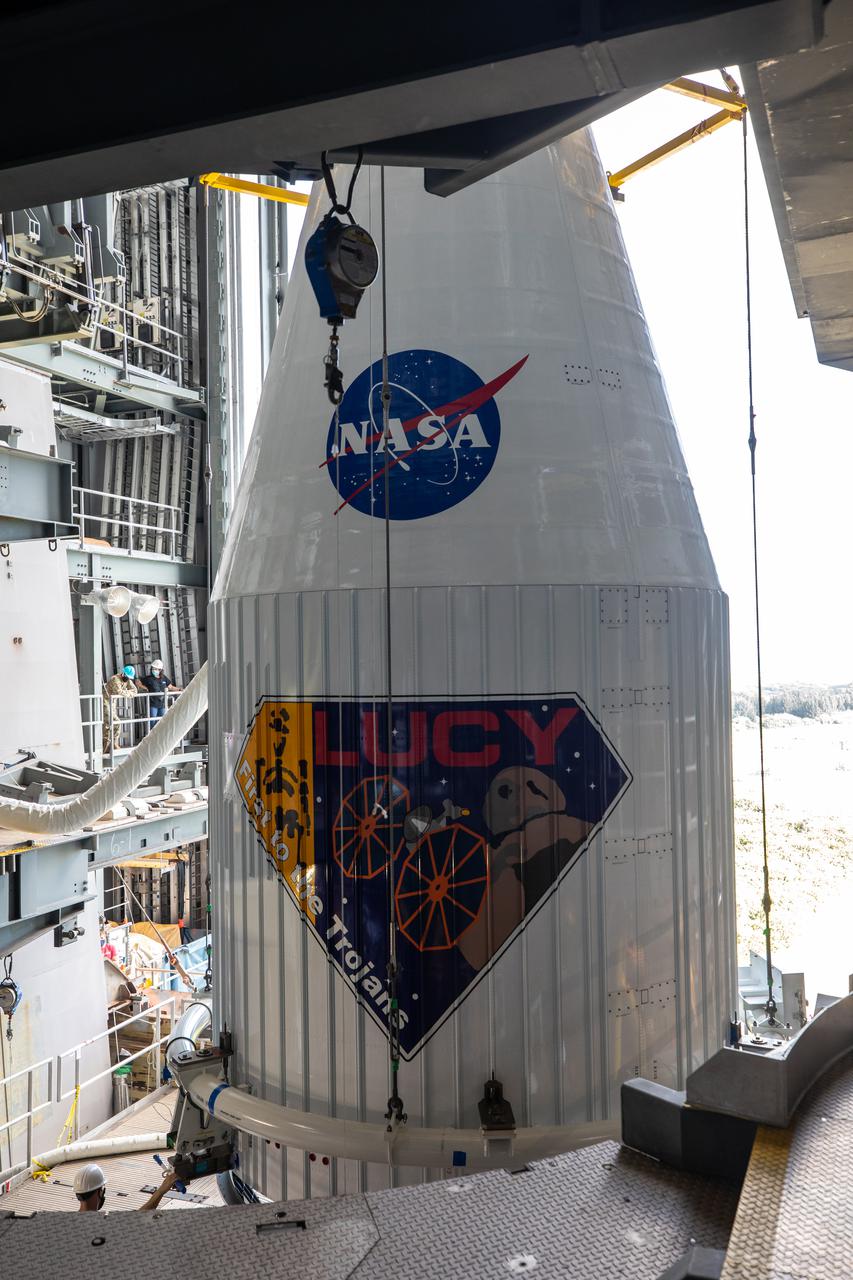
Workers assist as the payload fairing containing NASA’s Lucy spacecraft is lowered onto the United Launch Alliance (ULA) Atlas V Centaur second stage in the Vertical Integration Facility at Space Launch Complex 41 at Cape Canaveral Space Force Base in Florida on Oct. 7, 2021. Lucy is scheduled to launch no earlier than Saturday, Oct. 16, on the ULA Atlas V 401 rocket from Launch Pad 41. NASA’s Launch Services Program, based at Kennedy Space Center, America’s premier multi-user spaceport, is managing the launch. Over its 12-year primary mission, Lucy will explore a record-breaking number of asteroids, flying by one asteroid in the solar system’s main belt and seven Trojan asteroids. Additionally, Lucy’s path will circle back to Earth three times for gravity assists, making it the first spacecraft ever to return to the vicinity of Earth from the outer solar system.
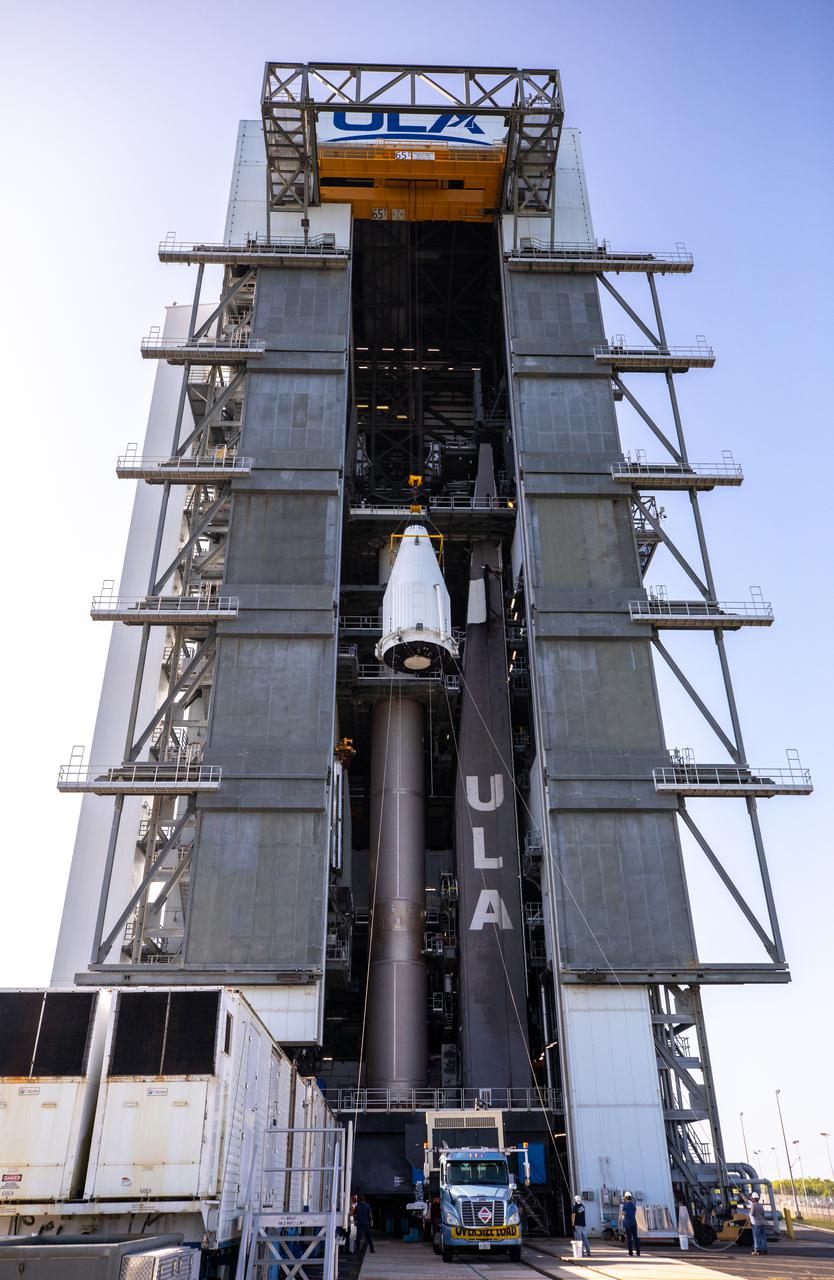
The payload fairing containing NASA’s Lucy spacecraft is hoisted up at the Vertical Integration Facility at Space Launch Complex 41 at Cape Canaveral Space Force Station in Florida on Oct. 7, 2021. It will be lowered onto the United Launch Alliance (ULA) Atlas V Centaur second stage. Lucy is scheduled to launch no earlier than Saturday, Oct. 16, on the ULA Atlas V 401 rocket from Launch Pad 41. NASA’s Launch Services Program, based at Kennedy Space Center, America’s premier multi-user spaceport, is managing the launch. Over its 12-year primary mission, Lucy will explore a record-breaking number of asteroids, flying by one asteroid in the solar system’s main belt and seven Trojan asteroids. Additionally, Lucy’s path will circle back to Earth three times for gravity assists, making it the first spacecraft ever to return to the vicinity of Earth from the outer solar system.
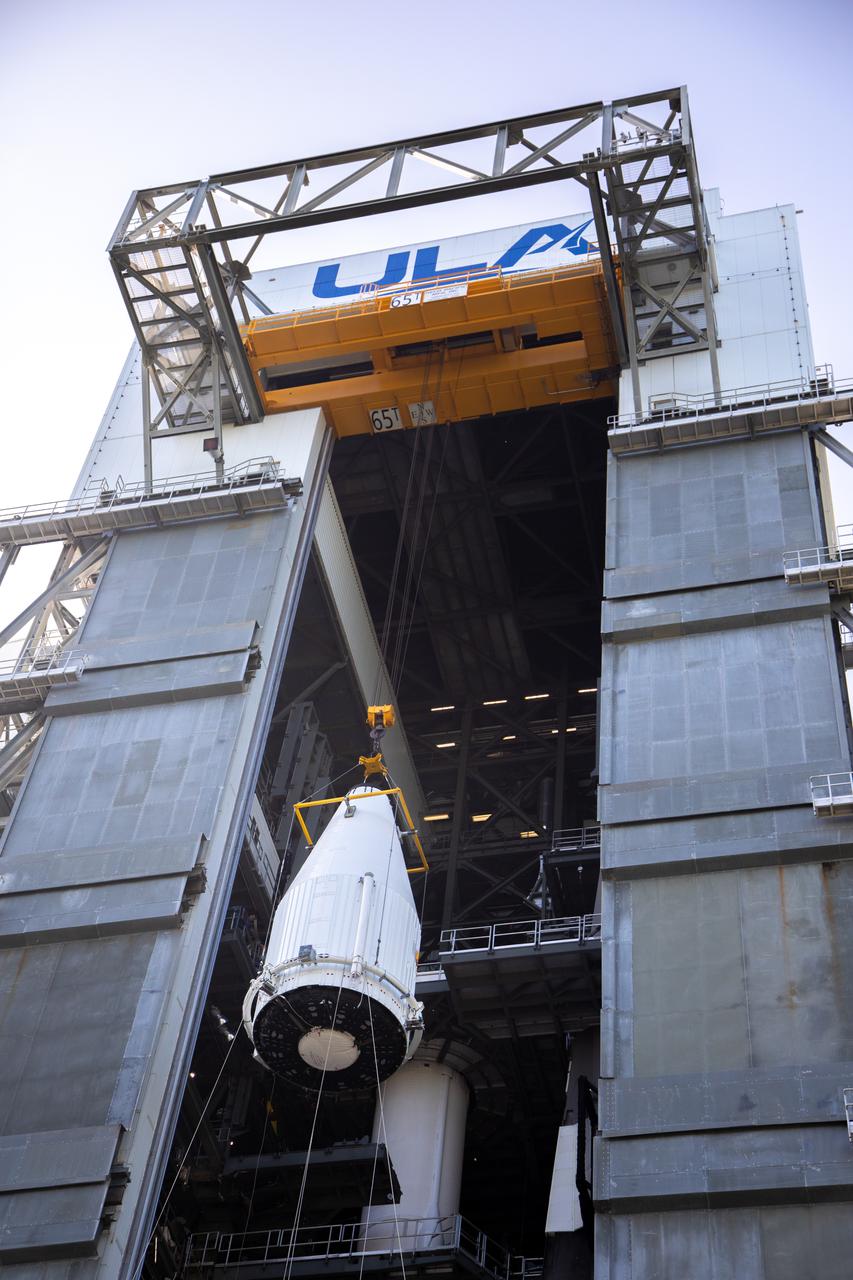
The payload fairing containing NASA’s Lucy spacecraft is hoisted up at the Vertical Integration Facility at Space Launch Complex 41 at Cape Canaveral Space Force Station in Florida on Oct. 7, 2021. It will be lowered onto the United Launch Alliance (ULA) Atlas V Centaur second stage. Lucy is scheduled to launch no earlier than Saturday, Oct. 16, on the ULA Atlas V 401 rocket from Launch Pad 41. NASA’s Launch Services Program, based at Kennedy Space Center, America’s premier multi-user spaceport, is managing the launch. Over its 12-year primary mission, Lucy will explore a record-breaking number of asteroids, flying by one asteroid in the solar system’s main belt and seven Trojan asteroids. Additionally, Lucy’s path will circle back to Earth three times for gravity assists, making it the first spacecraft ever to return to the vicinity of Earth from the outer solar system.
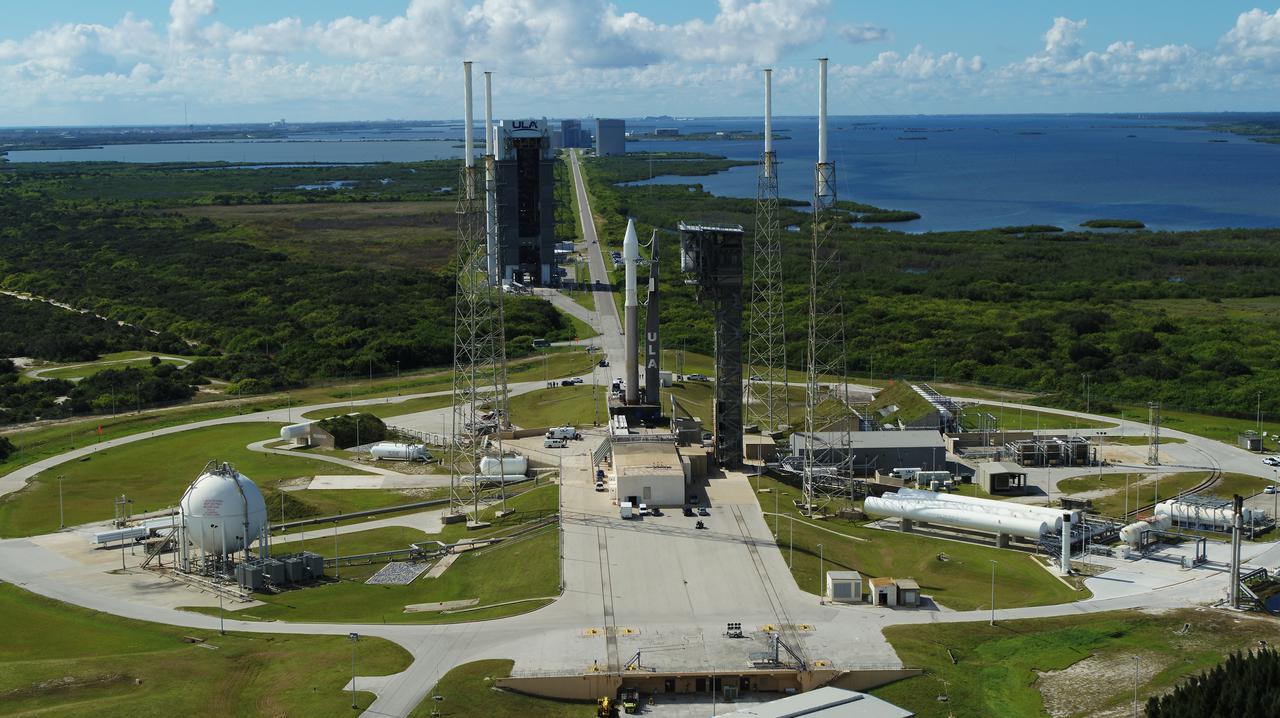
A United Launch Alliance V 401 rocket, with NASA’s Lucy spacecraft atop, arrives at Cape Canaveral Space Force Station’s Space Launch Complex 41 after making the short trek from the Vertical Integration Facility on Thursday, Oct. 14, 2021, in preparation for its targeted 5:34 a.m. EDT liftoff on Saturday, Oct. 16. NASA’s Launch Services Program, based at Kennedy Space Center, is managing the launch. During its 12-year primary mission, Lucy will explore a record-breaking number of asteroids, flying by one asteroid in the solar system’s main belt and seven Trojan asteroids. Additionally, Lucy’s path will circle back to Earth three times for gravity assists, making it the first spacecraft ever to return to the vicinity of Earth from the outer solar system.
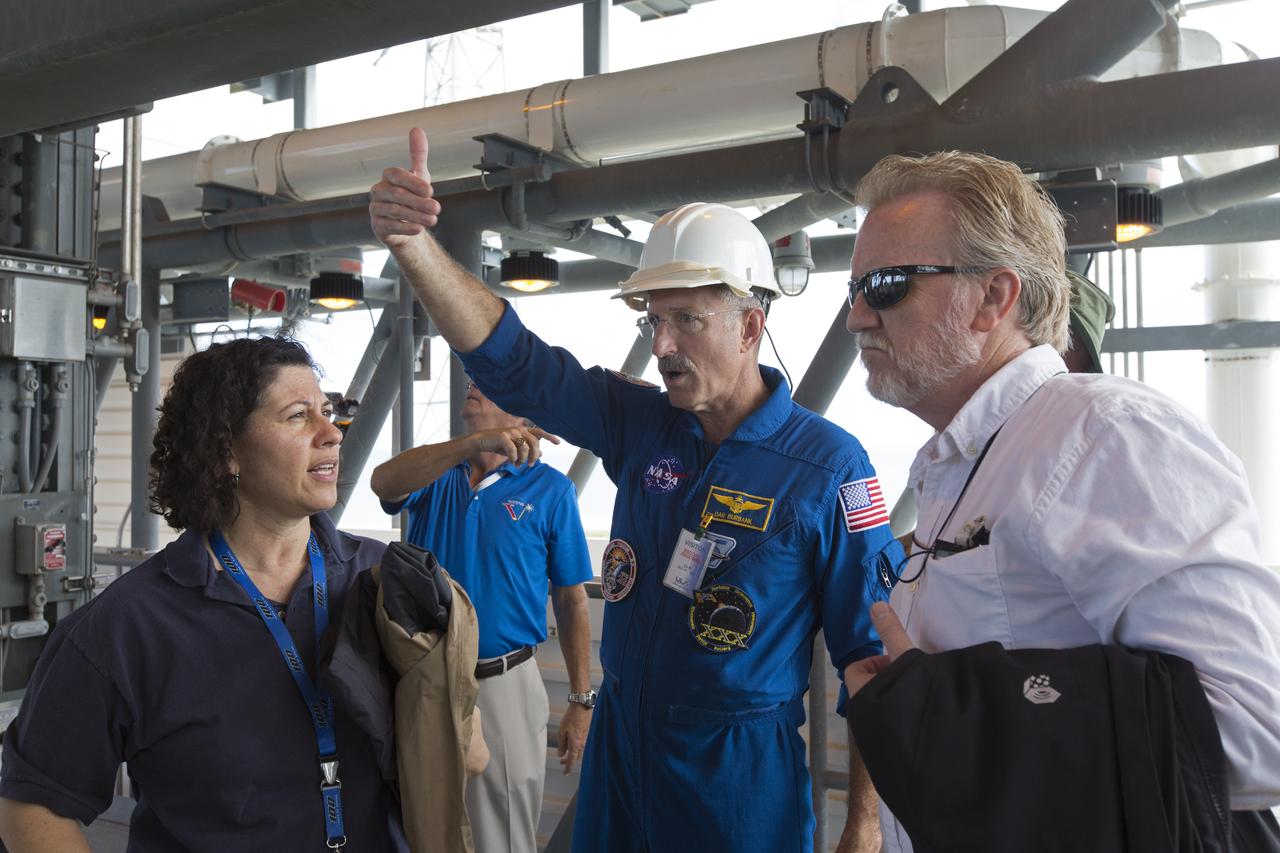
NASA, Boeing and United Launch Alliance personnel discuss procedures for an upcoming water deluge test on the Crew Access Tower at Space Launch Complex 41 on Cape Canaveral Air Force Station in Florida. The test gathered data on how launch site and astronaut crews would exit in the event of an emergency from the white room at the end of the crew access arm to the emergency escape system on the pad. Boeing’s Starliner will launch on a United Launch Alliance Atlas V rocket to the International Space Station as part of NASA’s Commercial Crew Program.
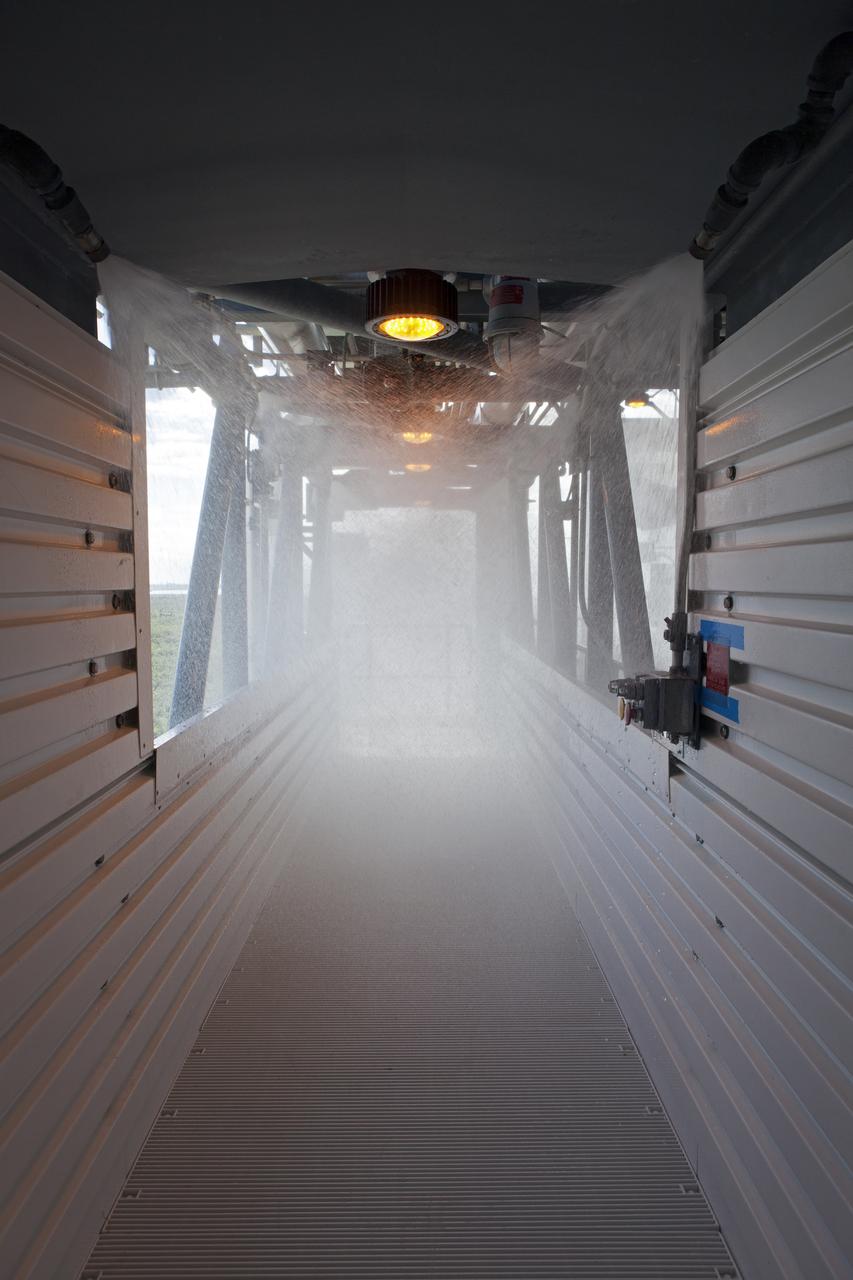
NASA, Boeing and United Launch Alliance personnel run a water deluge test on the Crew Access Tower at Space Launch Complex 41 on Cape Canaveral Air Force Station in Florida. The test gathered data on how launch site and astronaut crews would exit in the event of an emergency from the white room at the end of the crew access arm to the emergency escape system on the pad. Boeing’s Starliner will launch on a United Launch Alliance Atlas V rocket to the International Space Station as part of NASA’s Commercial Crew Program.
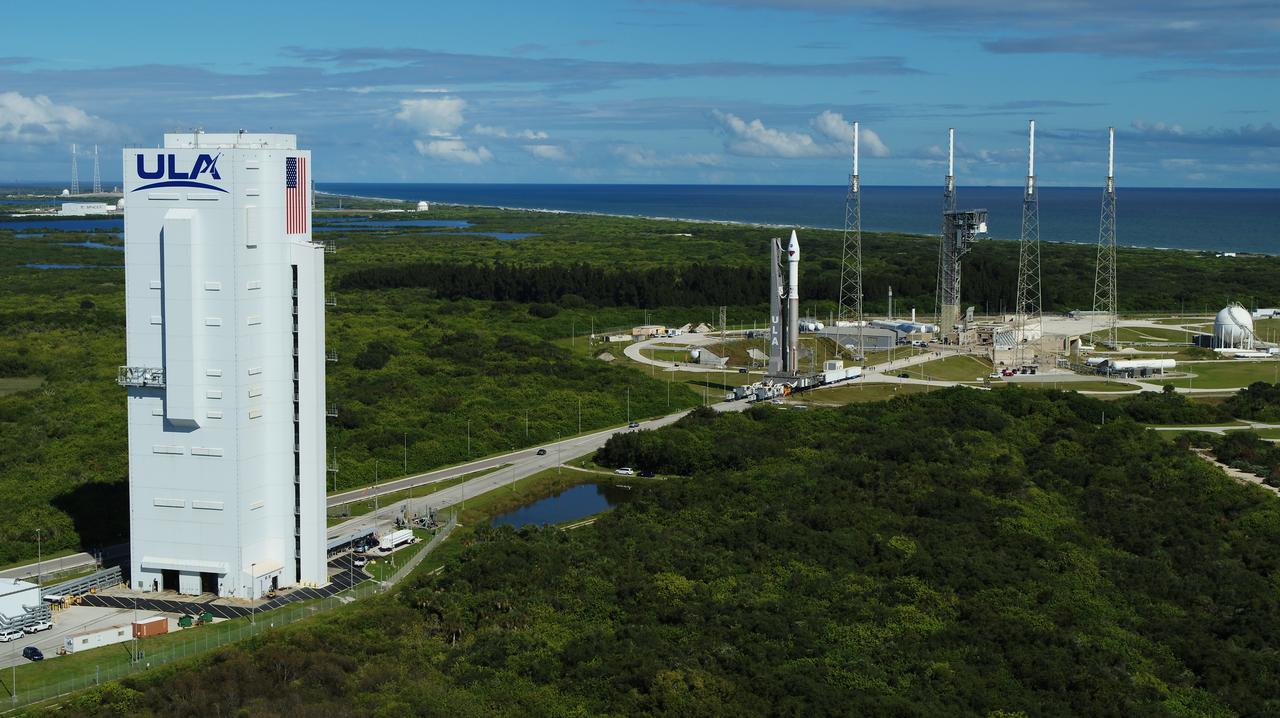
A United Launch Alliance V 401 rocket, with NASA’s Lucy spacecraft atop, makes its way from Cape Canaveral Space Force Station’s Vertical Integration Facility to Space Launch Complex 41 on Thursday, Oct. 14, 2021, in preparation for its targeted 5:34 a.m. EDT liftoff on Saturday, Oct. 16. NASA’s Launch Services Program, based at Kennedy Space Center, is managing the launch. During its 12-year primary mission, Lucy will explore a record-breaking number of asteroids, flying by one asteroid in the solar system’s main belt and seven Trojan asteroids. Additionally, Lucy’s path will circle back to Earth three times for gravity assists, making it the first spacecraft ever to return to the vicinity of Earth from the outer solar system.
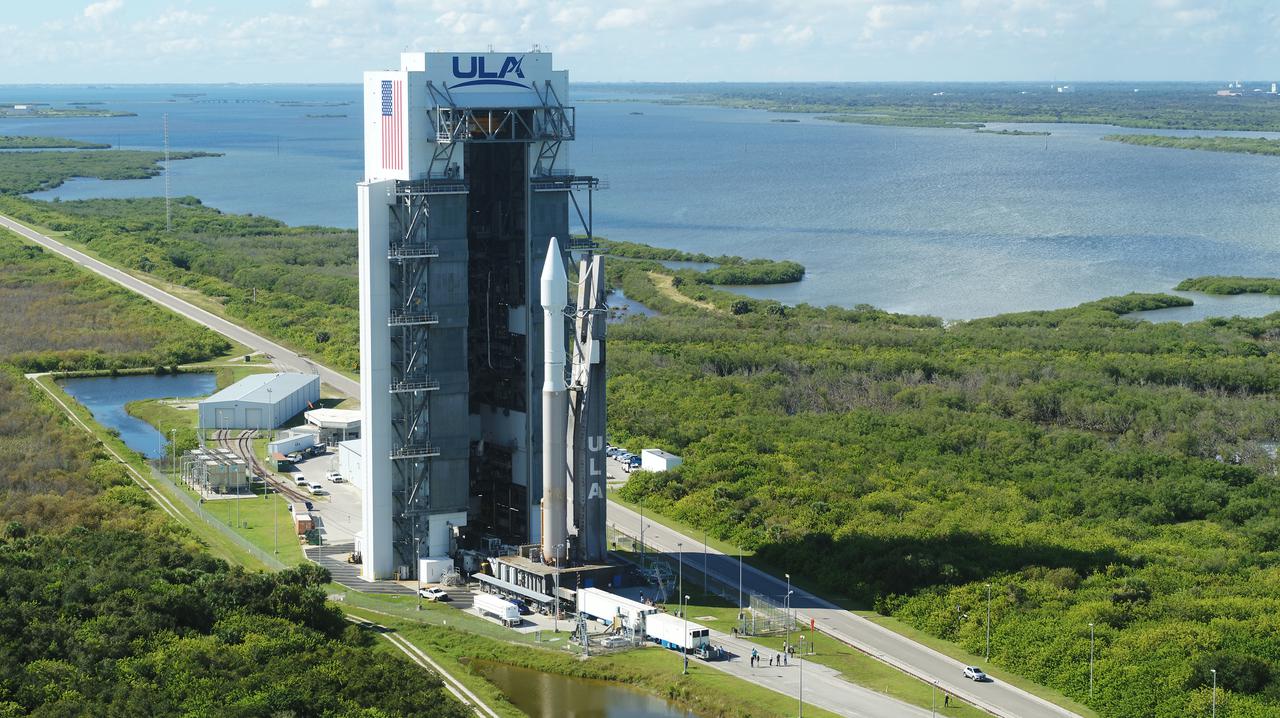
A United Launch Alliance V 401 rocket, with NASA’s Lucy spacecraft atop, leaves Cape Canaveral Space Force Station’s Vertical Integration Facility en route to Space Launch Complex 41 on Thursday, Oct. 14, 2021, in preparation for its targeted 5:34 a.m. EDT liftoff on Saturday, Oct. 16. NASA’s Launch Services Program, based at Kennedy Space Center, is managing the launch. During its 12-year primary mission, Lucy will explore a record-breaking number of asteroids, flying by one asteroid in the solar system’s main belt and seven Trojan asteroids. Additionally, Lucy’s path will circle back to Earth three times for gravity assists, making it the first spacecraft ever to return to the vicinity of Earth from the outer solar system.
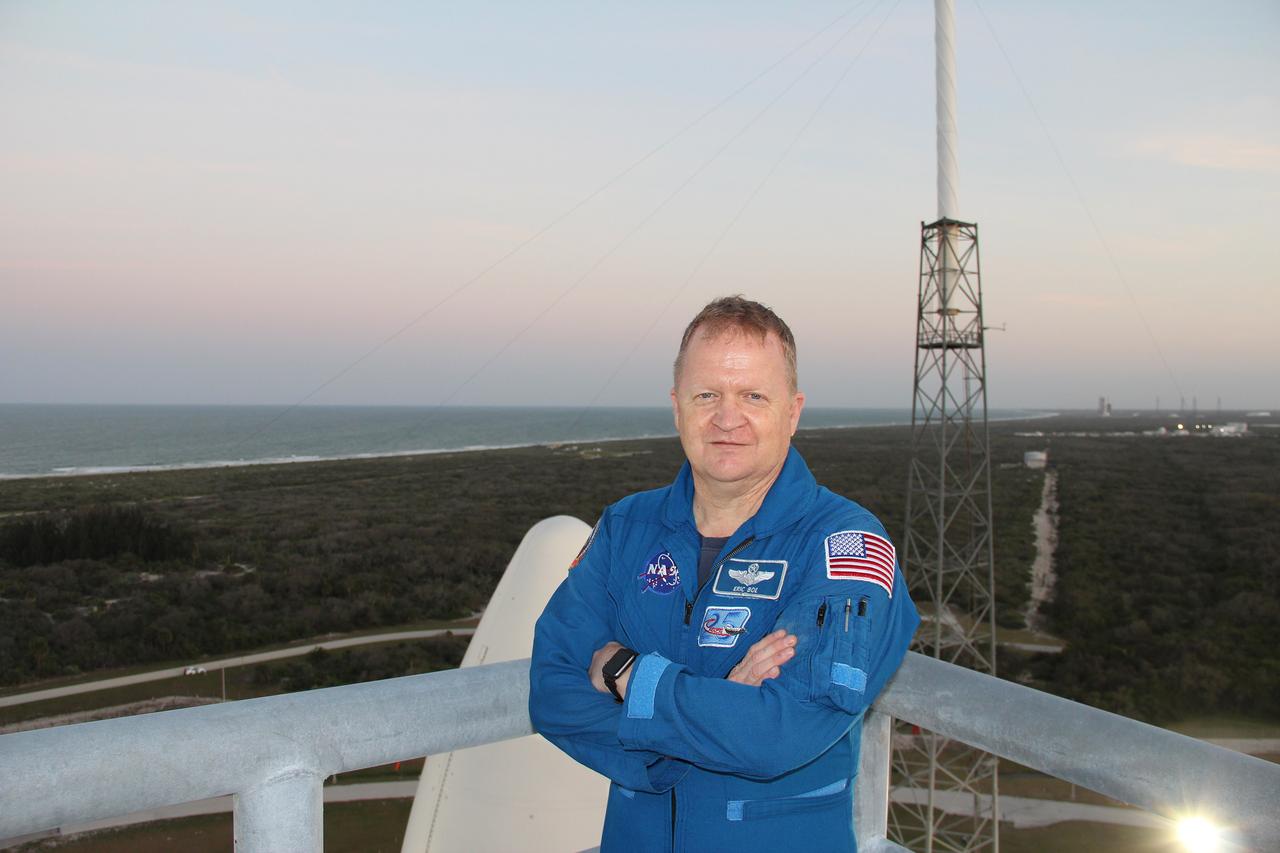
NASA astronaut Eric Boe, one of four astronauts working with the agency’s Commercial Crew Program, checked out the Crew Access Tower at Space Launch Complex 41. Boe is standing on the tower's uppermost level. Visible behind his right arm is the aerodynamic enclosure designed to protect NOAA's Geostationary Operational Environmental Satellite-S during launch – which successfully occurred March 1. To Boe’s left, one of four protective lightning masts is in view. Accompanied by NASA, Boeing and United Launch Alliance engineers, Boe inspected the launch tower to establish whether spotlight and lighting conditions will be acceptable after dark. The survey was required to ensure crew members will have suitable visibility as they prepare to board Boeing’s Starliner spacecraft and launch on missions such as the Crew Flight Test to the International Space Station, targeted for later this year.
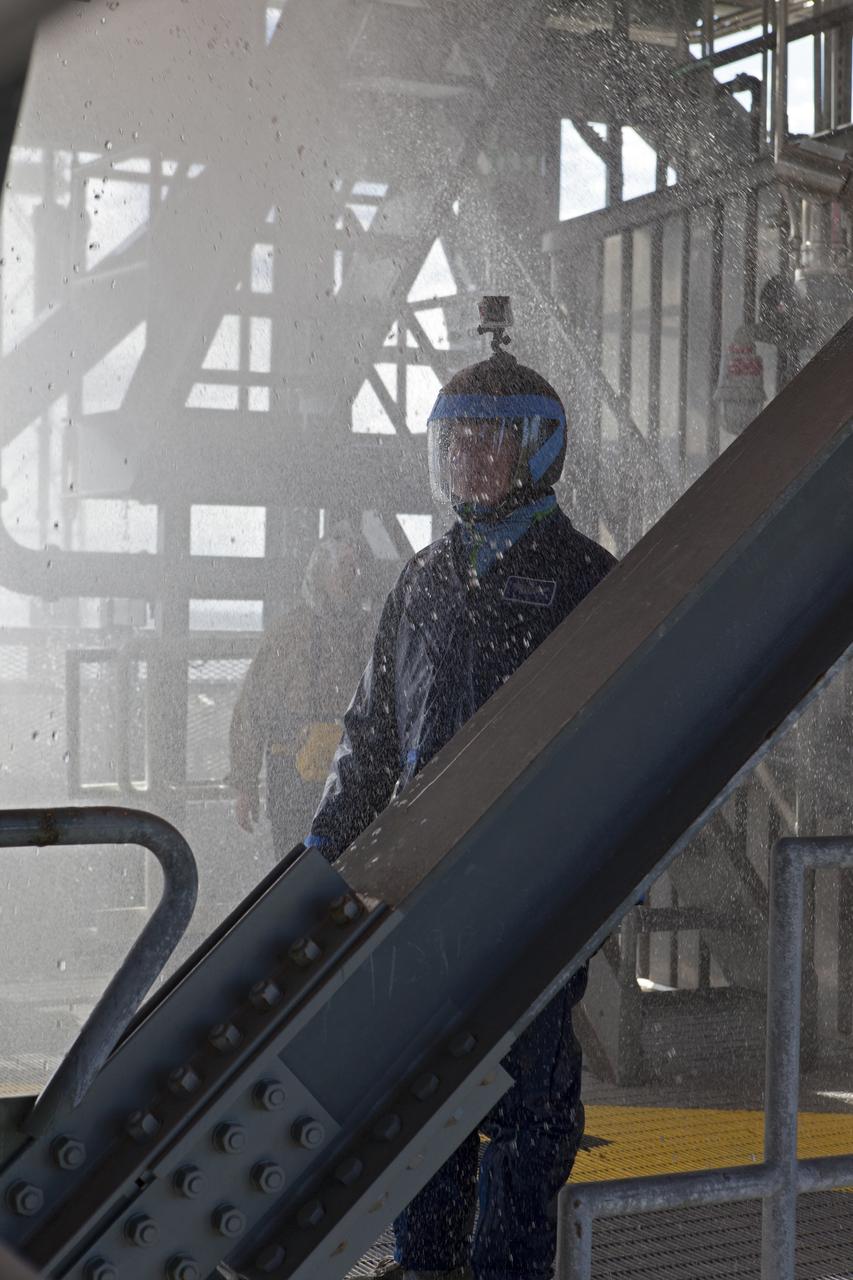
NASA and Boeing personnel experience conditions during a water deluge test on the Crew Access Tower at Space Launch Complex 41 on Cape Canaveral Air Force Station in Florida. The test gathered data on how launch site and astronaut crews would exit in the event of an emergency from the white room at the end of the crew access arm to the emergency escape system on the pad. Boeing’s Starliner will launch on a United Launch Alliance Atlas V rocket to the International Space Station as part of NASA’s Commercial Crew Program.
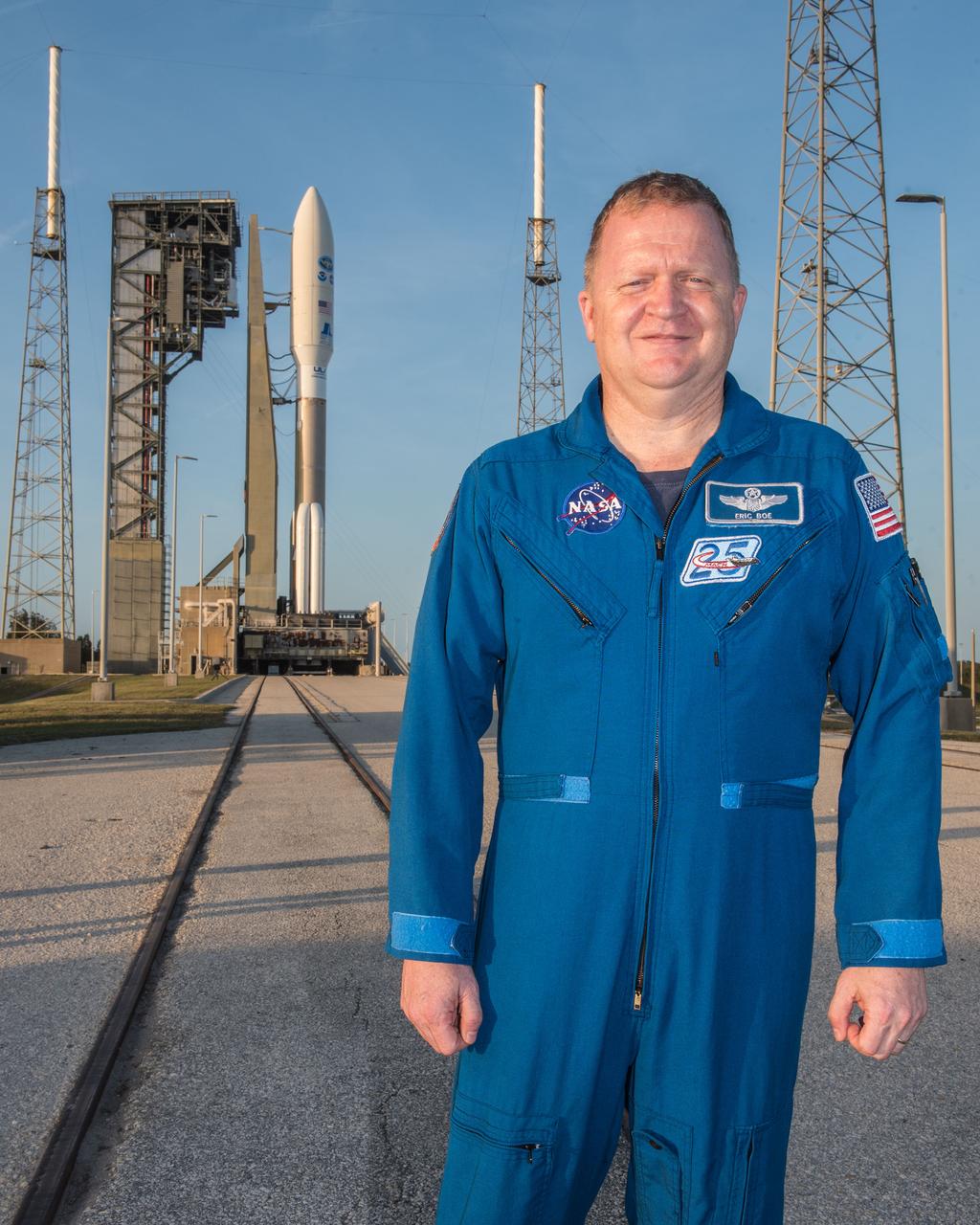
NASA astronaut Eric Boe, one of four astronauts working with the agency’s Commercial Crew Program, checked out the Crew Access Tower at Space Launch Complex 41. The United Launch Alliance (ULA) Atlas V in the background carried NOAA’s Geostationary Operational Environmental Satellite-S into orbit March 1. Later this year, the Atlas V also will carry astronauts to the International Space Station. Along with NASA, Boeing and ULA engineers, Boe inspected the launch pad and tower to establish whether spotlight and lighting conditions will be acceptable after dark. The survey helped to ensure crew members will have suitable visibility as they prepare to board Boeing’s Starliner spacecraft and launch on missions such as the Crew Flight Test to the International Space Station, targeted for later this year.
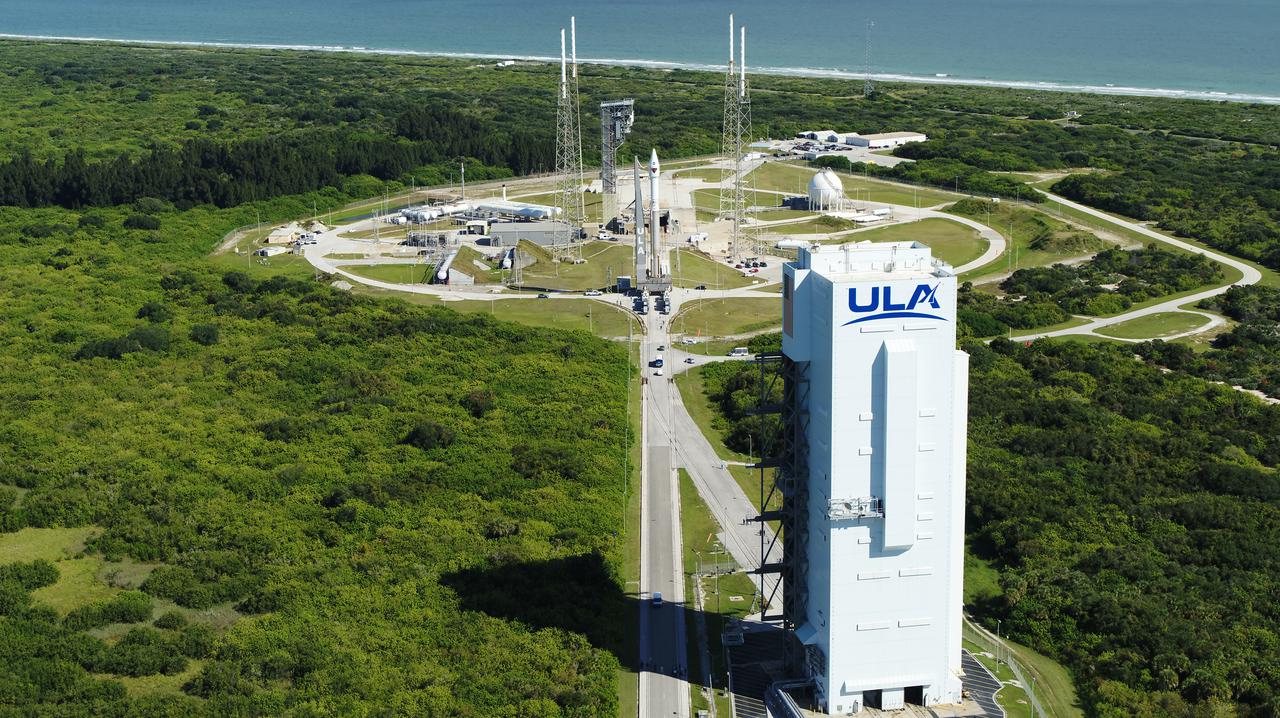
A United Launch Alliance V 401 rocket, with NASA’s Lucy spacecraft atop, makes its way from Cape Canaveral Space Force Station’s Vertical Integration Facility to Space Launch Complex 41 on Thursday, Oct. 14, 2021, in preparation for its targeted 5:34 a.m. EDT liftoff on Saturday, Oct. 16. NASA’s Launch Services Program, based at Kennedy Space Center, is managing the launch. During its 12-year primary mission, Lucy will explore a record-breaking number of asteroids, flying by one asteroid in the solar system’s main belt and seven Trojan asteroids. Additionally, Lucy’s path will circle back to Earth three times for gravity assists, making it the first spacecraft ever to return to the vicinity of Earth from the outer solar system.
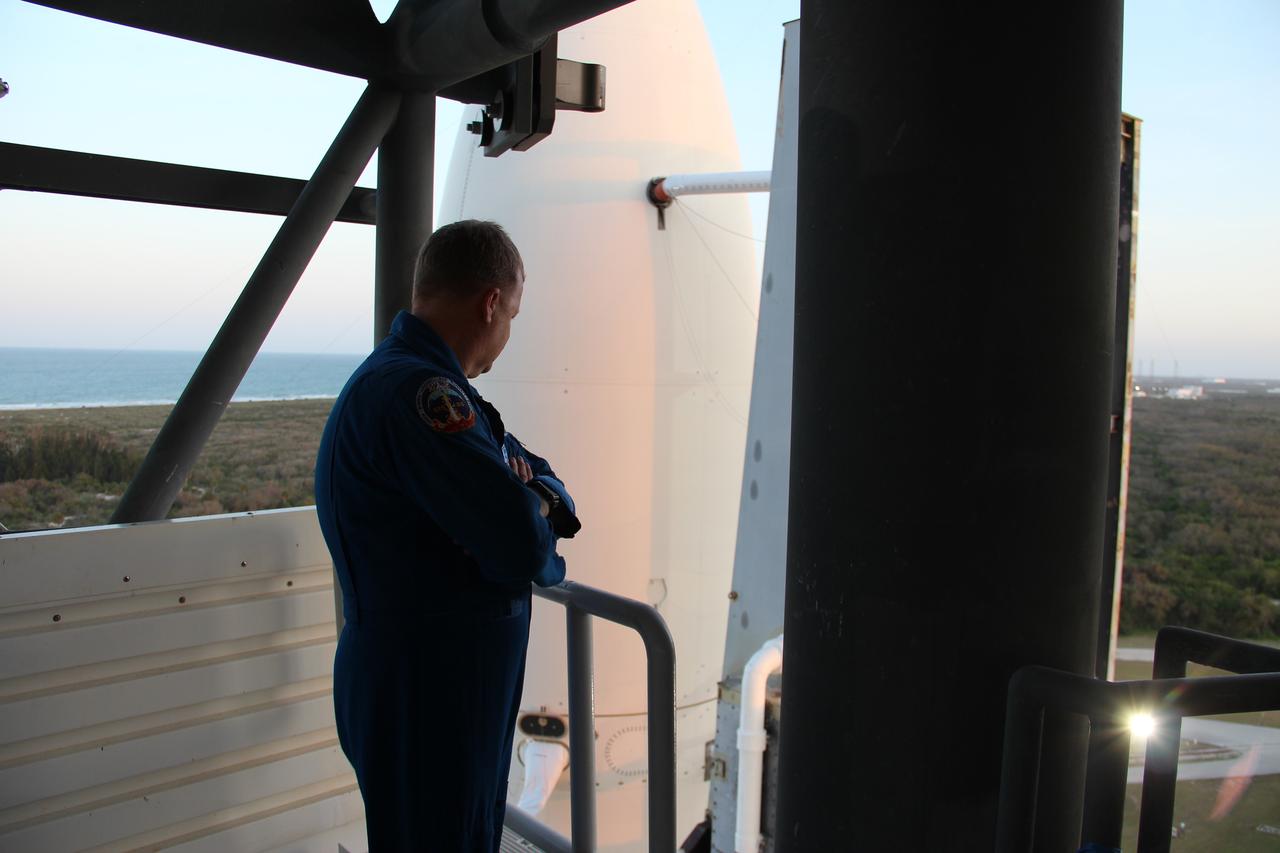
NASA astronaut Eric Boe, one of four astronauts working with the agency’s Commercial Crew Program, checked out the Crew Access Tower at Space Launch Complex 41. Here, Boe is standing right above the crew access arm, which astronauts will use to board Boeing’s Starliner spacecraft installed atop an Atlas V launch vehicle. Accompanied by NASA, Boeing and ULA engineers, Boe inspected the launch tower to establish whether spotlight and lighting conditions will be acceptable after dark. The survey was required to ensure crew members will have suitable visibility as they prepare to board Boeing’s Starliner spacecraft and launch on missions such as the Crew Flight Test to the International Space Station, targeted for later this year.
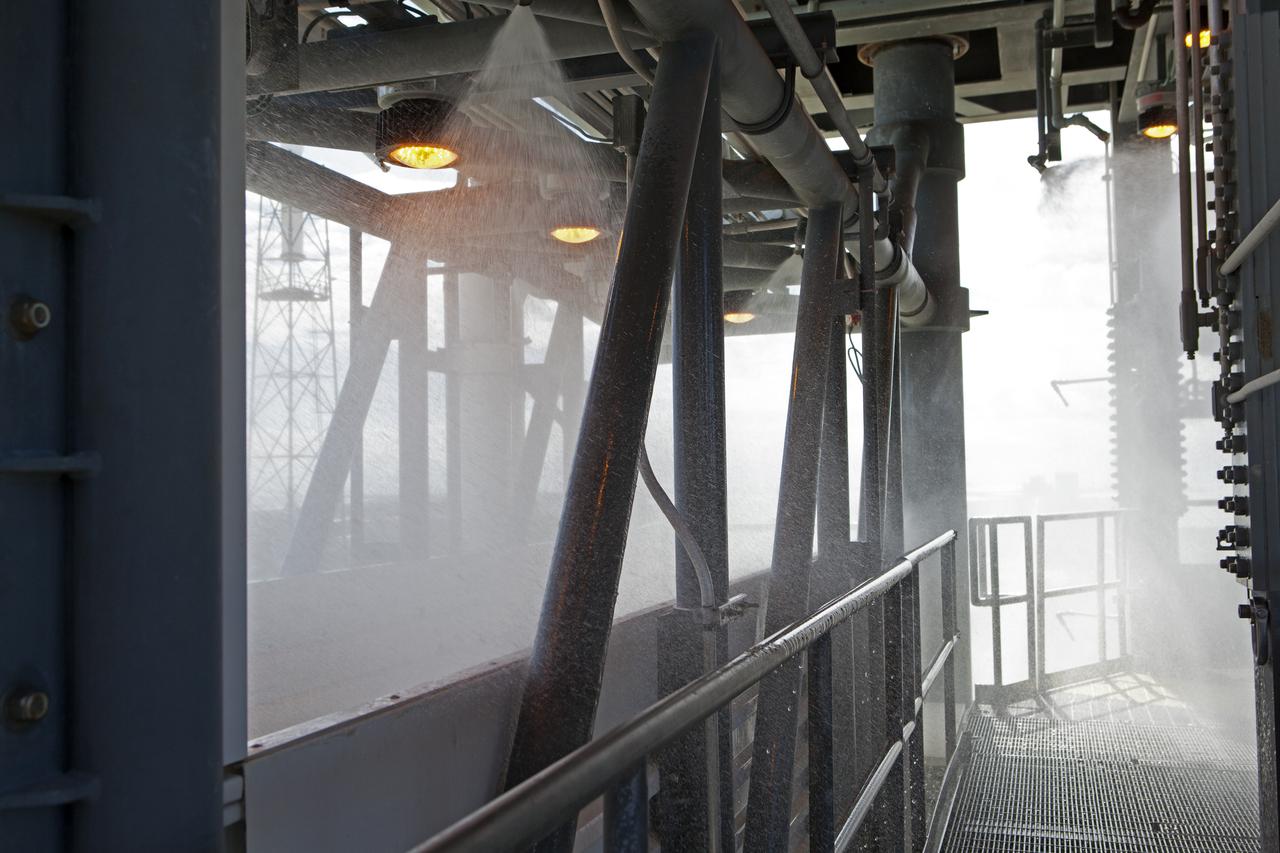
NASA, Boeing and United Launch Alliance personnel begin a water deluge test on the Crew Access Tower at Space Launch Complex 41 on Cape Canaveral Air Force Station in Florida. The test gathered data on how launch site and astronaut crews would exit in the event of an emergency from the white room at the end of the crew access arm to the emergency escape system on the pad. Boeing’s Starliner will launch on a United Launch Alliance Atlas V rocket to the International Space Station as part of NASA’s Commercial Crew Program.
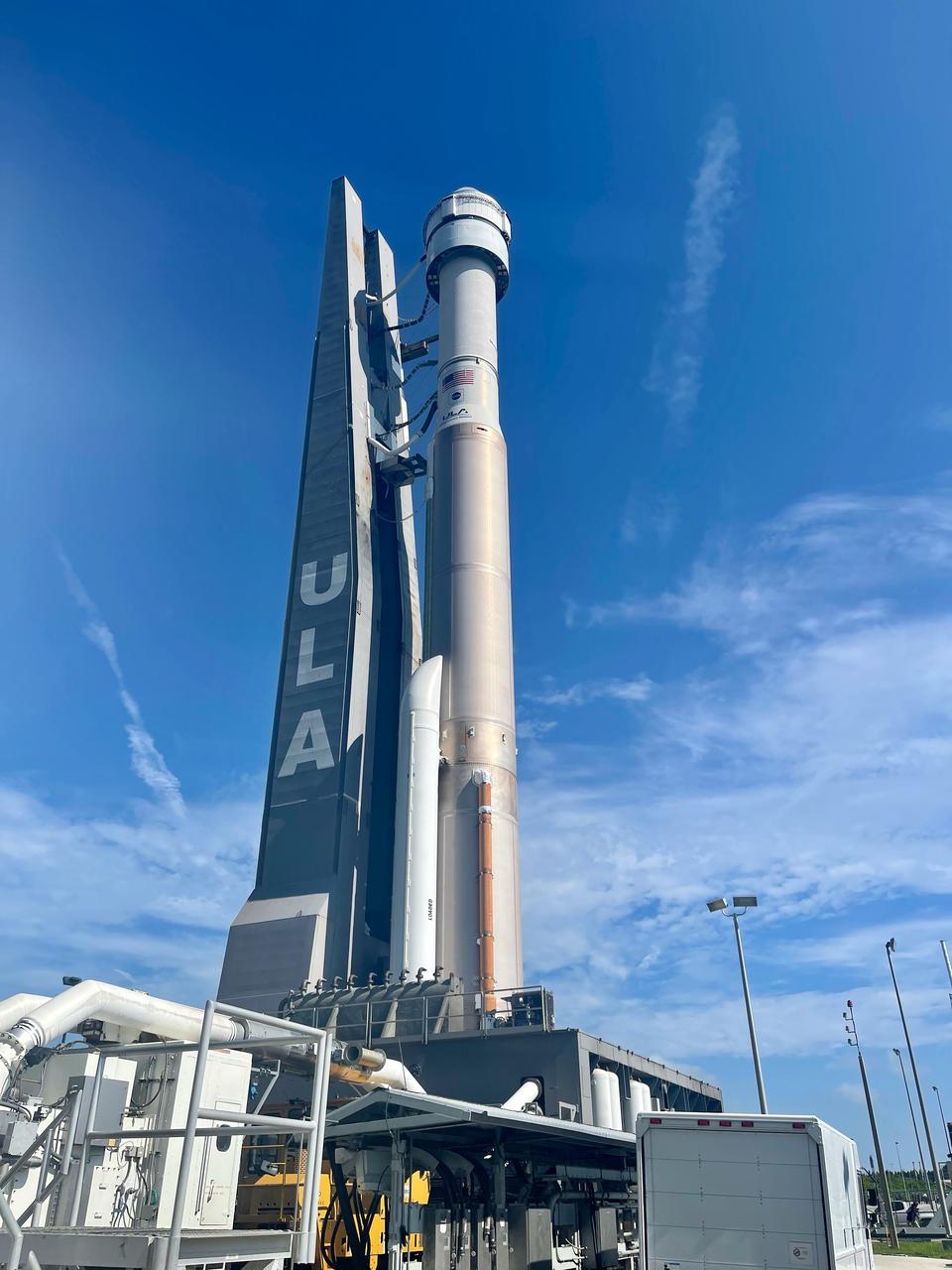
On July 29, 2021, Boeing’s CST-100 Starliner spacecraft and the United Launch Alliance Atlas V rocket rolled out of the Vertical Integration Facility to the launch pad at Space Launch Complex-41 on Cape Canaveral Space Force Station in Florida. Starliner will launch on the Atlas V for Boeing’s second uncrewed Orbital Flight Test (OFT-2) for NASA’s Commercial Crew Program.; OFT-2 is an important uncrewed mission designed to test the end-to-end capabilities of the new system for NASA’s Commercial Crew Program.
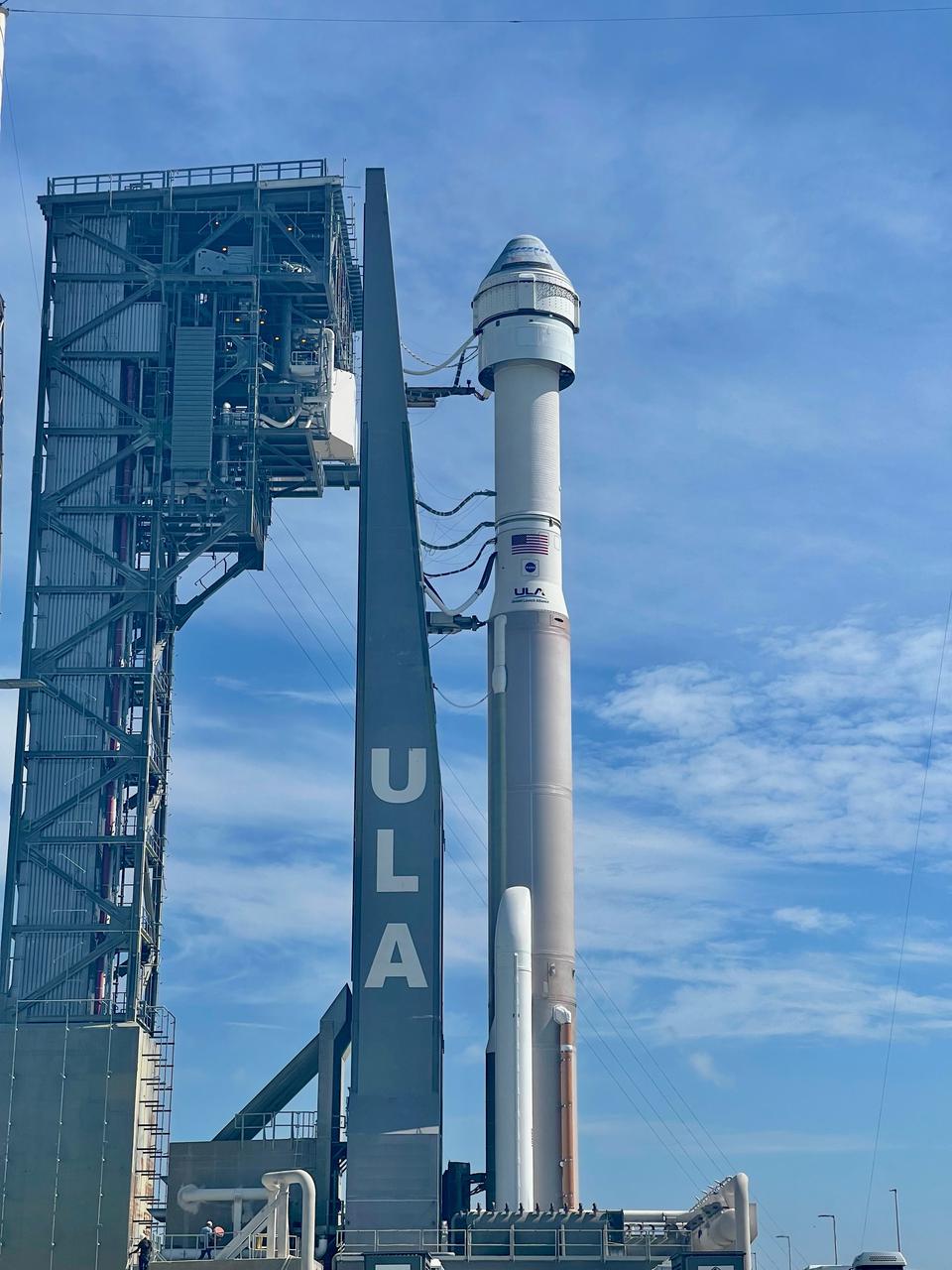
On July 29, 2021, Boeing’s CST-100 Starliner spacecraft and the United Launch Alliance Atlas V rocket rolled out of the Vertical Integration Facility to the launch pad at Space Launch Complex-41 on Cape Canaveral Space Force Station in Florida. Starliner will launch on the Atlas V for Boeing’s second uncrewed Orbital Flight Test (OFT-2) for NASA’s Commercial Crew Program. OFT-2 is an important uncrewed mission designed to test the end-to-end capabilities of the new system for NASA’s Commercial Crew Program.
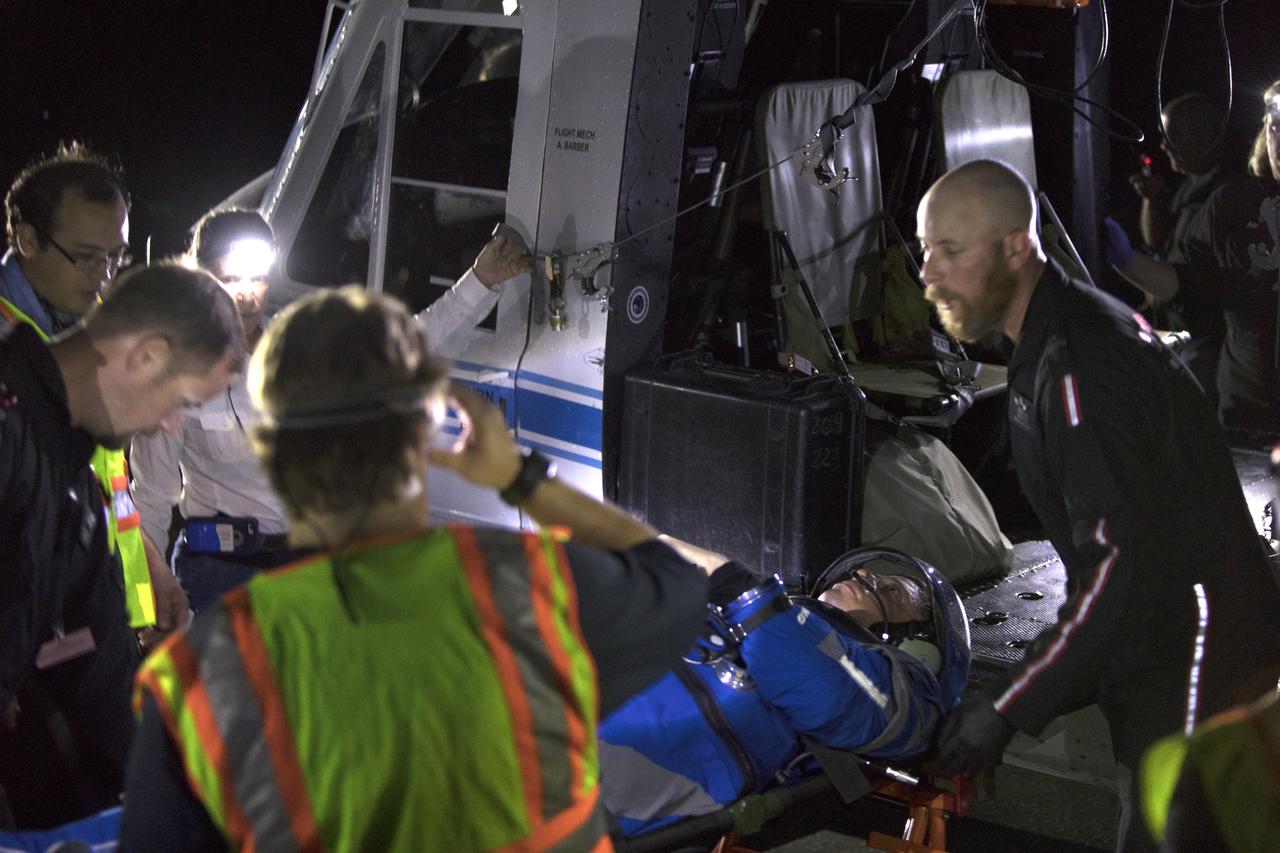
A Commercial Crew astronaut participates in a Boeing/United Launch Alliance emergency egress system demonstration at Cape Canaveral Air Force Station’s Launch Complex 41 in Florida on June 19, 2018. The system features seats attached to slide wires which would carry astronauts and ground crew more than 1,300 feet away from the crew access tower in the unlikely event of an emergency prior to liftoff.
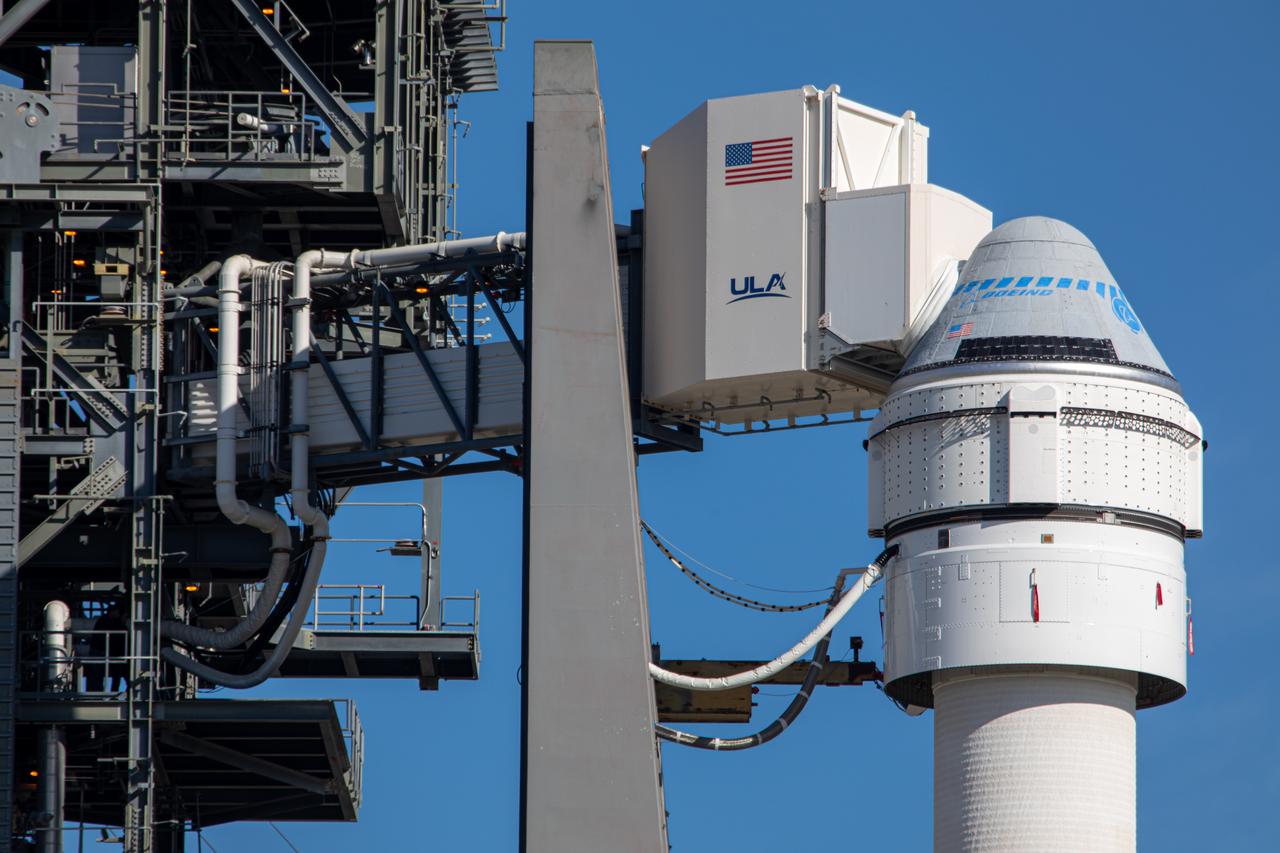
Boeing’s CST-100 Starliner spacecraft sits atop a United Launch Alliance Atlas V rocket at Cape Canaveral Air Force Station’s Space Launch Complex 41 in Florida on Dec. 5, 2019, for the program’s first-ever Integrated Day of Launch Test the following day. The rocket’s booster and Centaur upper stage will be filled with propellants for a full run-through of the launch countdown. The rehearsal is practice for Boeing’s upcoming uncrewed Orbital Flight Test to the International Space Station for NASA’s Commercial Crew Program.
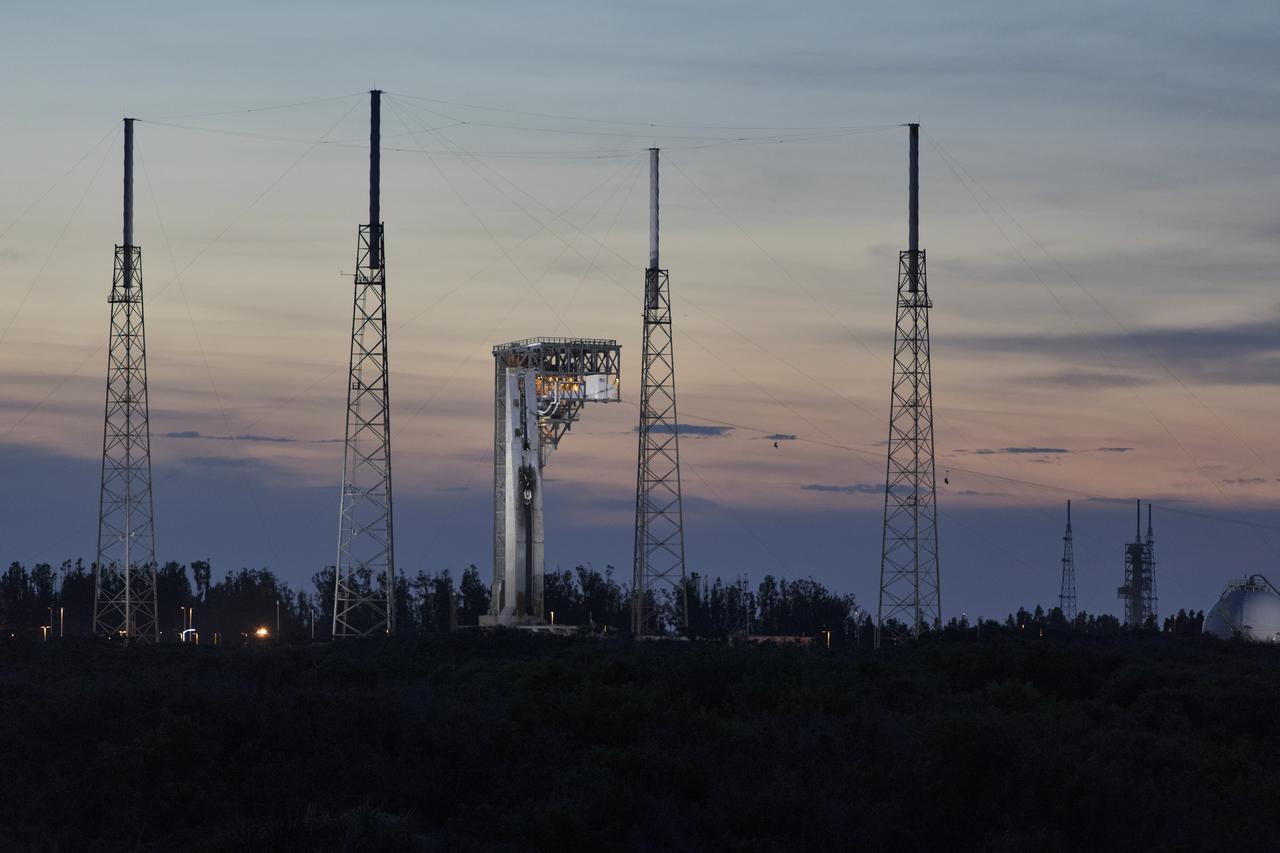
Commercial Crew astronauts participate in a Boeing/United Launch Alliance (ULA) emergency egress system demonstration at Cape Canaveral Air Force Station’s Launch Complex 41 in Florida on June 19, 2018. The emergency egress system will allow for a safe evacuation in the unlikely event of an emergency on the launch pad on launch day. It can carry up to 20 people more than 1,300 feet away from the crew access tower and the launch vehicle. The Boeing CST-100 Starliner will launch on a ULA Atlas V rocket, carrying astronauts to the International Space Station.
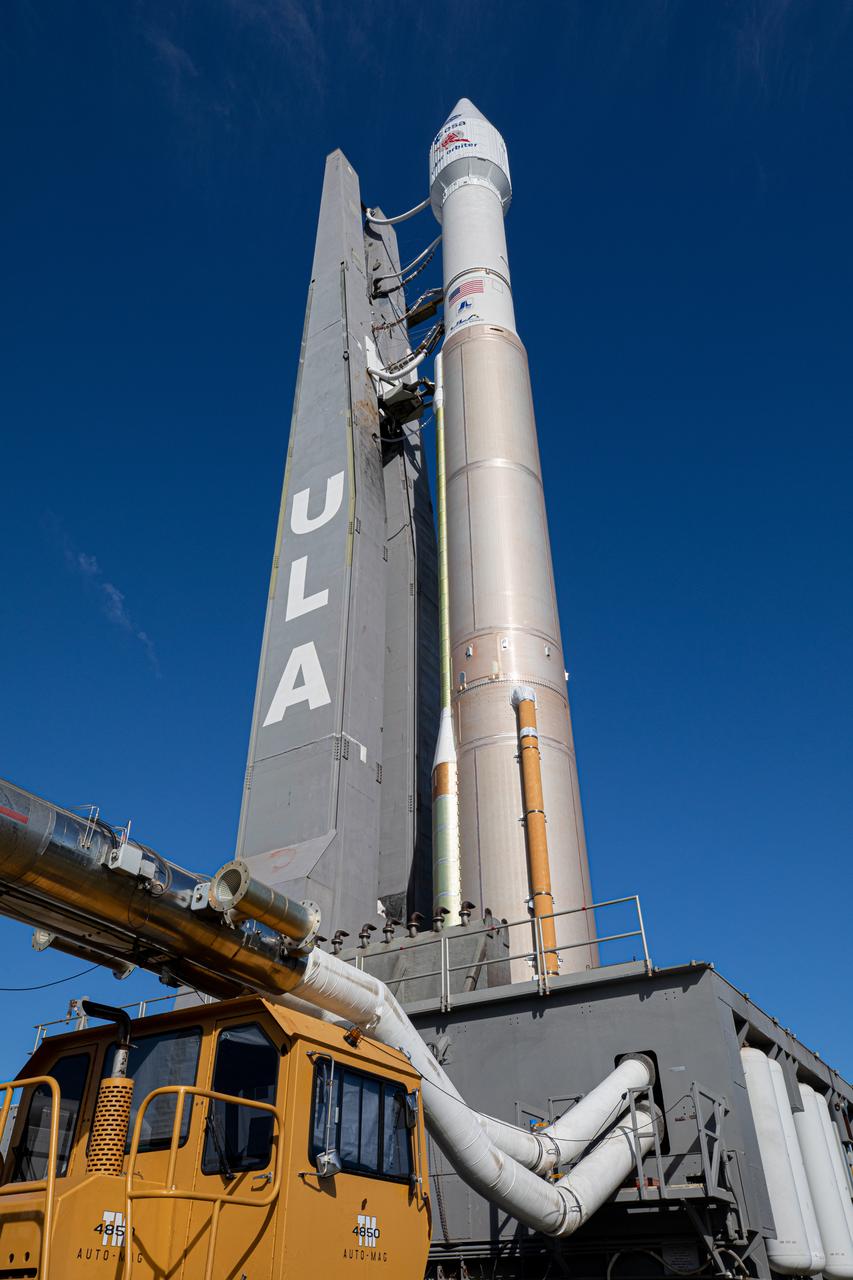
After departing the Vertical Integration Facility, the United Launch Alliance Atlas V rocket with the Solar Orbiter spacecraft moves slowly toward the launch pad at Space Launch Complex 41 on Cape Canaveral Air Force Station in Florida on Feb. 8, 2020. Solar Orbiter is an international cooperative mission between ESA (European Space Agency) and NASA. The mission aims to study the Sun, its outer atmosphere and solar wind. The spacecraft will provide the first images of the Sun’s poles. NASA’s Launch Services Program based at Kennedy is managing the launch. The spacecraft has been developed by Airbus Defence and Space. Solar Orbiter will launch Feb. 9, 2020 aboard the Atlas V rocket.
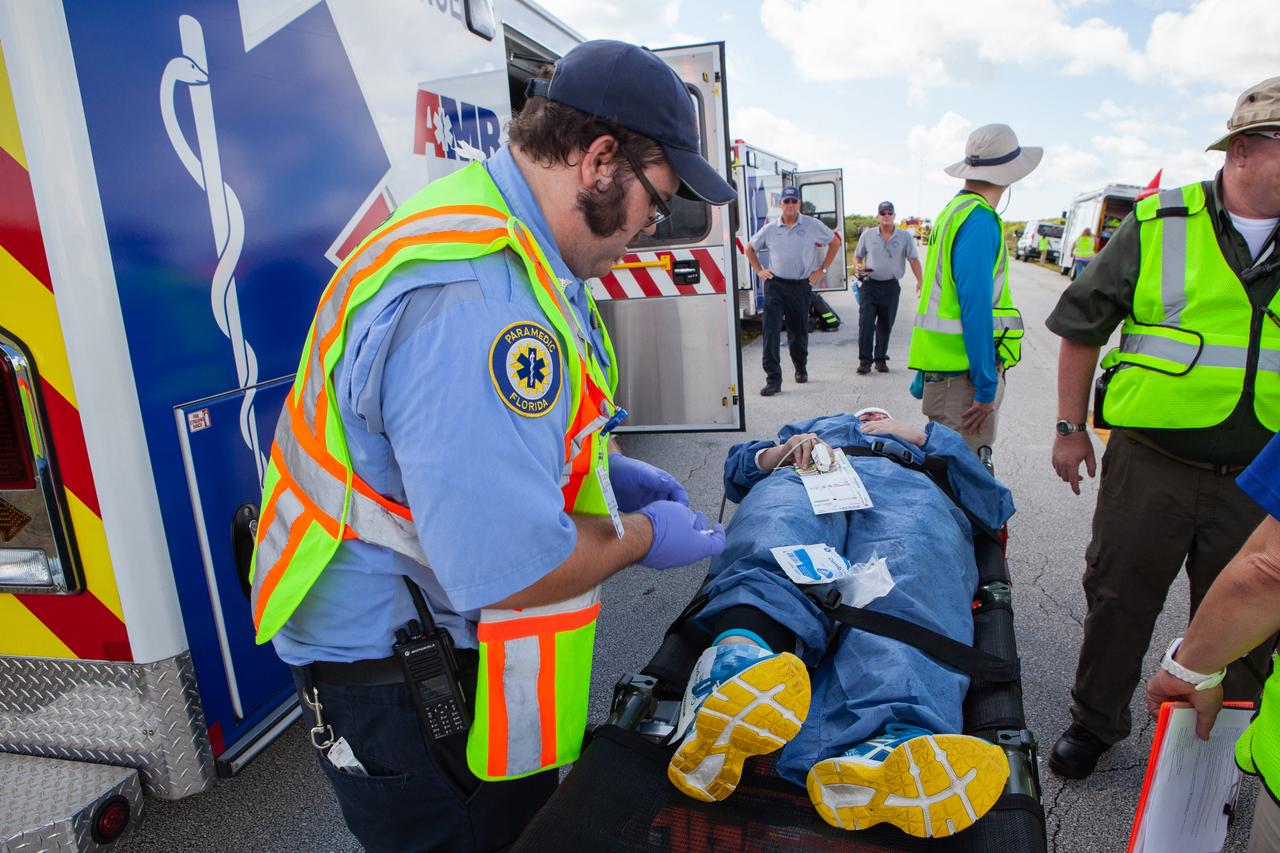
An emergency medical technician cares for an astronaut with simulated injuries during a joint emergency escape and triage exercise led by NASA, along with Boeing and United Launch Alliance, at Space Launch Complex 41 at Cape Canaveral Air Force Station in Florida on July 24, 2019. The simulation is part of a series in preparation for upcoming crew flights to the International Space Station as part of NASA’s Commercial Crew Program. NASA astronauts Josh Cassada, currently in training for the second flight with crew aboard Boeing’s CST-100 Starliner spacecraft, and Eric Boe, along with astronaut candidate Jasmin Moghbeli, served as the flight crew. The astronauts practiced emergency egress from the nearly 200-foot-tall crew access tower at the launch pad. They also rehearsed escape from the launch complex in an armored vehicle, and decontamination and triage at a nearby helipad.
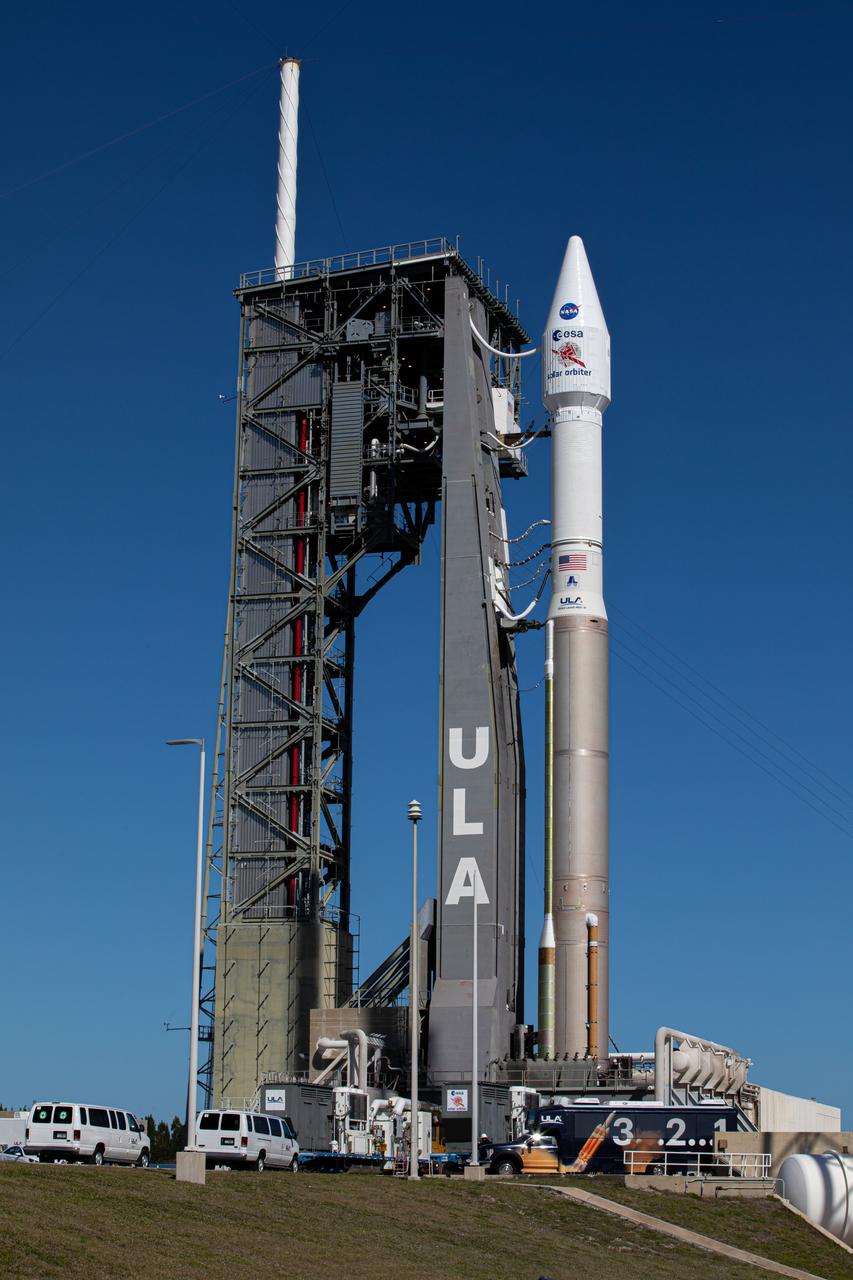
The United Launch Alliance Atlas V rocket with the Solar Orbiter spacecraft arrives at the launch pad at Space Launch Complex 41 on Cape Canaveral Air Force Station in Florida on Feb. 8, 2020. Solar Orbiter is an international cooperative mission between ESA (European Space Agency) and NASA. The mission aims to study the Sun, its outer atmosphere and solar wind. The spacecraft will provide the first images of the Sun’s poles. NASA’s Launch Services Program based at Kennedy is managing the launch. The spacecraft has been developed by Airbus Defence and Space. Solar Orbiter will launch Feb. 9, 2020 aboard the Atlas V rocket.
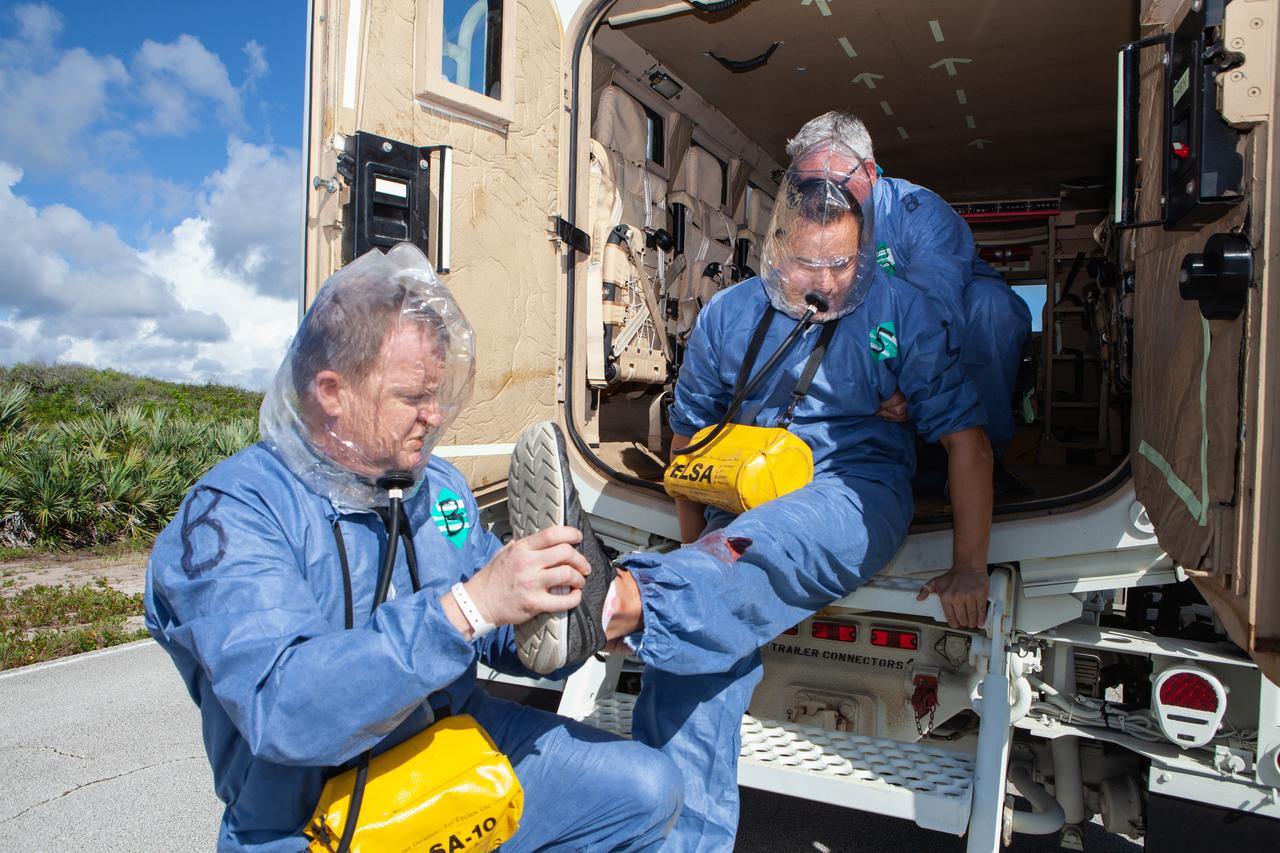
Wearing portable respirators, NASA astronauts Eric Boe, left, and Josh Cassada, participate in a joint emergency escape and triage simulation led by NASA, along with Boeing and United Launch Alliance, at Space Launch Complex 41 at Cape Canaveral Air Force Station in Florida on July 24, 2019. The simulation is one in a series in preparation for upcoming crew flights to the International Space Station as part of NASA’s Commercial Crew Program. Boe, Cassada and astronaut candidate Jasmin Moghbeli served as the flight crew. Cassada is currently in training for the second flight with crew aboard Boeing’s CST-100 Starliner spacecraft. The astronauts practiced emergency egress from the nearly 200-foot-tall crew access tower at the launch pad. They also rehearsed escape from the launch complex in an armored vehicle, and decontamination and triage at a nearby helipad.
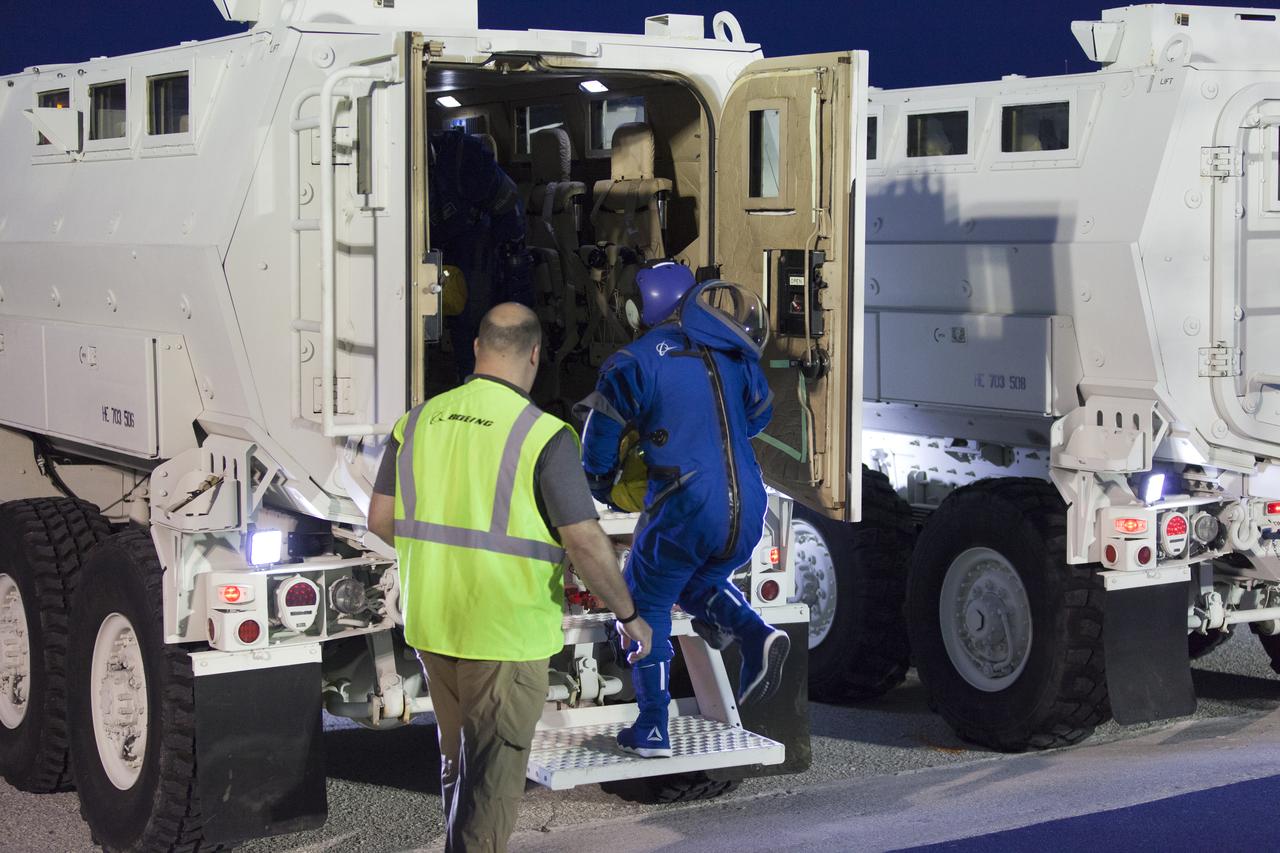
An astronaut heads into a mine-resistant ambush protected vehicle, or MRAP, during a Boeing/United Launch Alliance emergency egress system demonstration at Cape Canaveral Air Force Station’s Launch Complex 41 in Florida on June 19, 2018. NASA’s MRAPs offer a mobile bunker for astronauts and ground crews, should they need to escape from the launch pad quickly in an emergency.
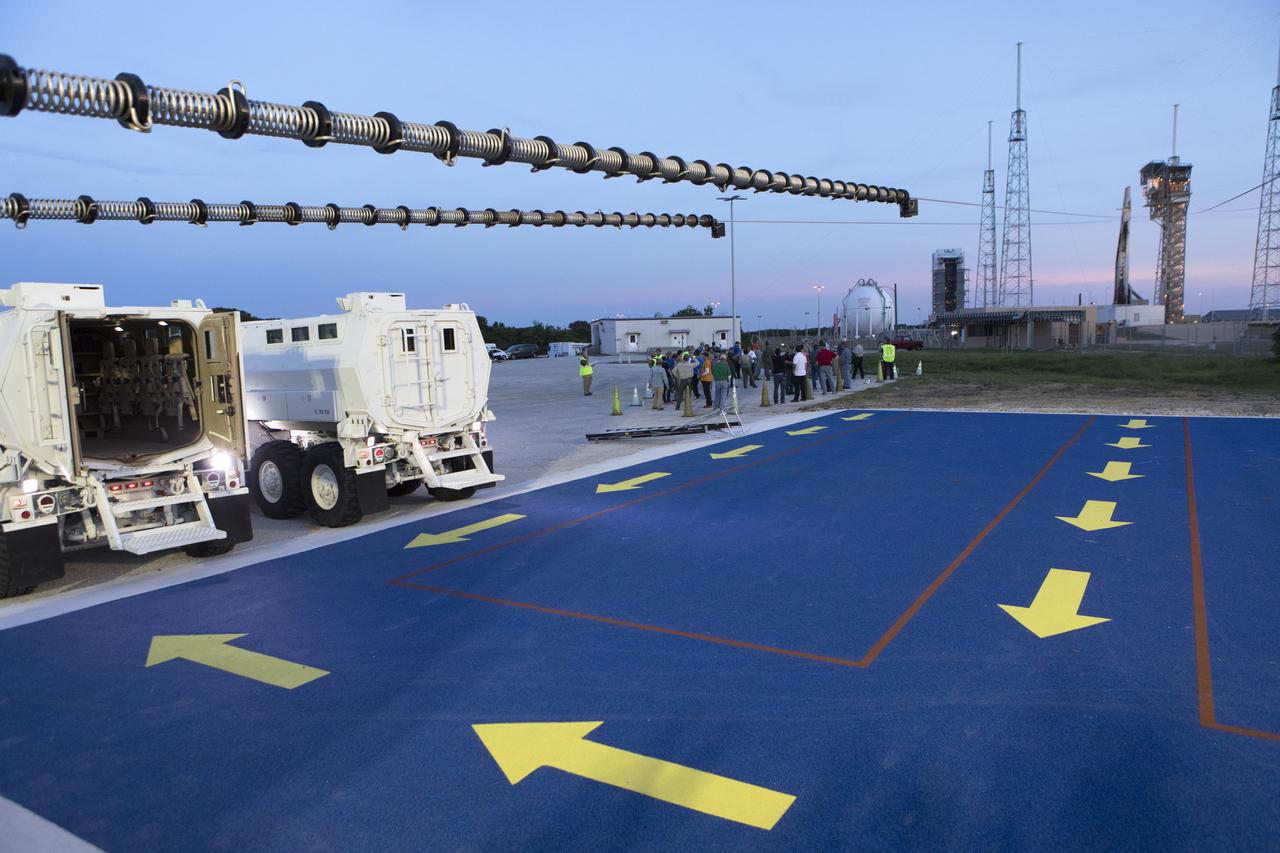
Two mine-resistant ambush protected vehicles, or MRAPs, sit ready to receive astronauts and ground crews during a Boeing/United Launch Alliance emergency egress system demonstration at Cape Canaveral Air Force Station’s Launch Complex 41 in Florida on June 19, 2018. The emergency egress system will provide an escape route in the unlikely event of an emergency on the launch pad on launch day.
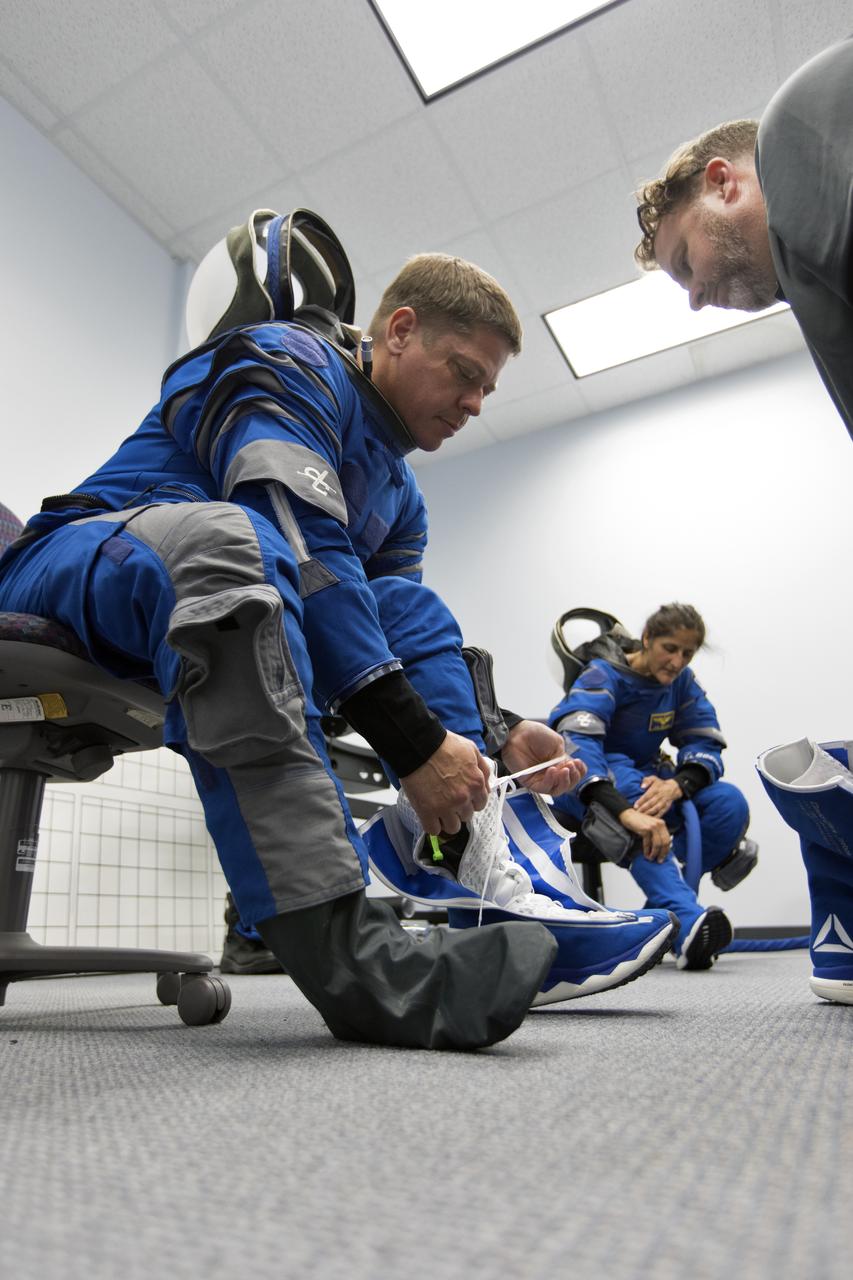
NASA astronauts Bob Behnken and Suni Williams get suited up for a Boeing/United Launch Alliance emergency egress system demonstration at Cape Canaveral Air Force Station’s Launch Complex 41 in Florida on June 19, 2018. Behnken and other astronauts tested the system, which is designed to evacuate them safely in the unlikely event of an emergency on the launch pad on launch day. The Boeing CST-100 Starliner will launch on a ULA Atlas V rocket, carrying astronauts to the International Space Station.
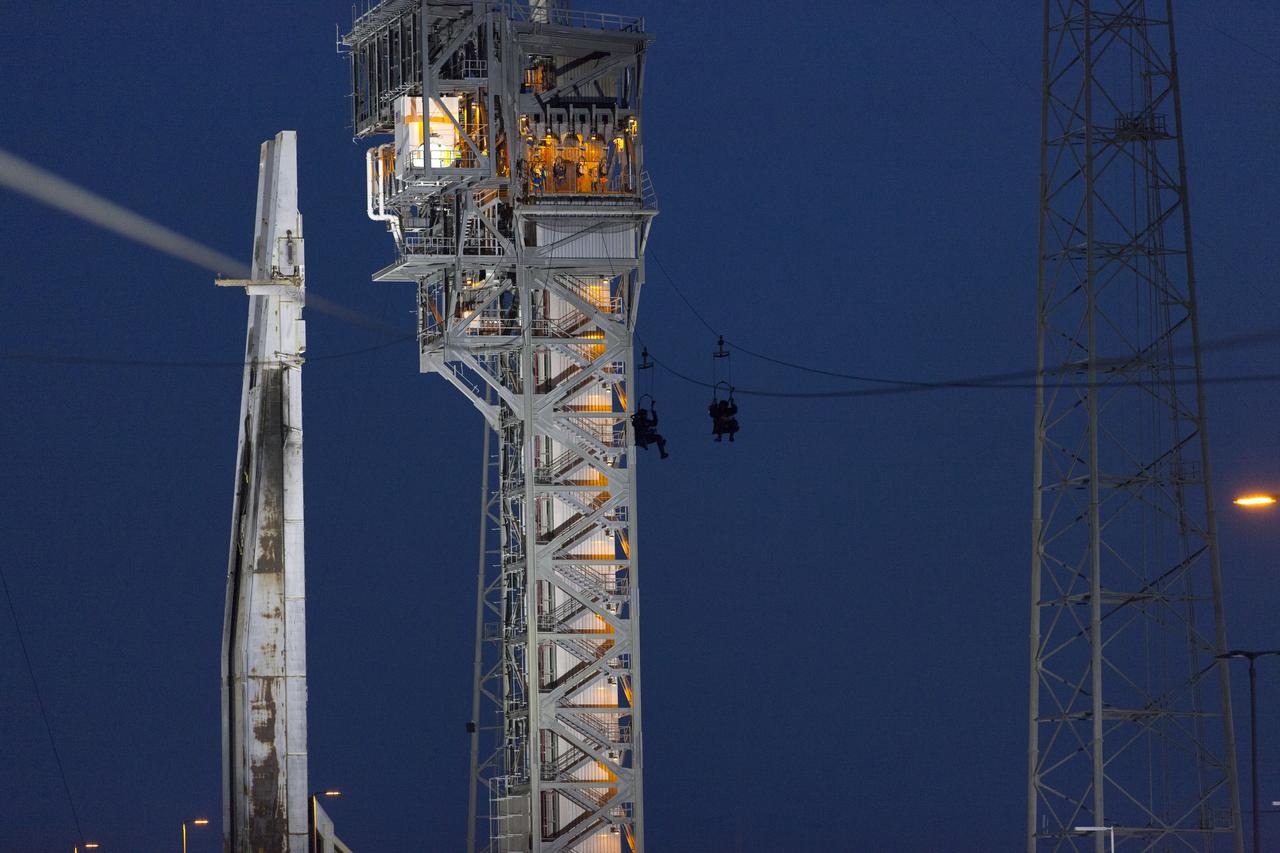
Commercial Crew astronauts participate in a Boeing/United Launch Alliance (ULA) emergency egress system demonstration at Cape Canaveral Air Force Station’s Launch Complex 41 in Florida on June 19, 2018. The emergency egress system features folding seats attached to slide wires. In the unlikely event of an emergency prior to liftoff on launch day, each person on the Crew Access Tower would get his or her own seat and slide more than 1,300 feet to a safe area.
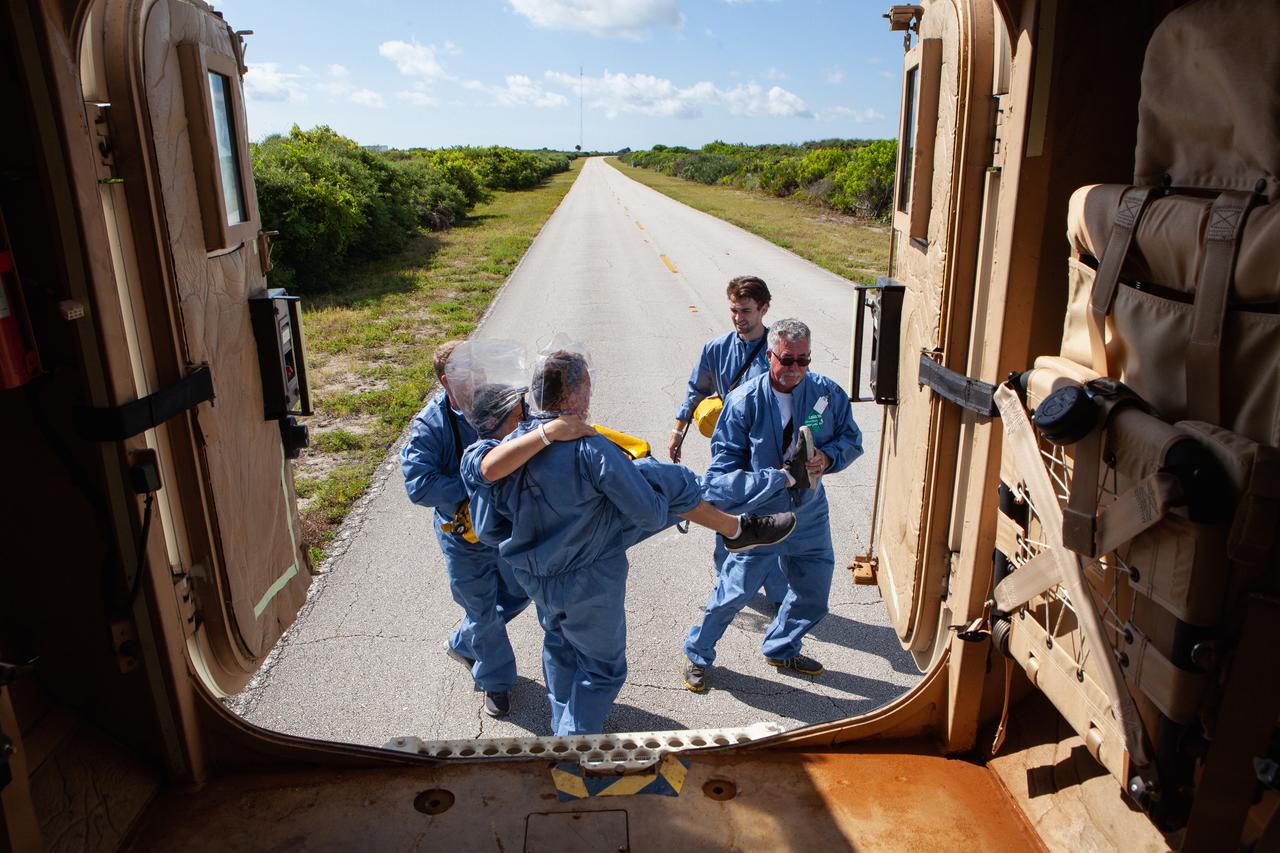
Astronauts with simulated injuries climb out of an armored vehicle during a joint emergency escape and triage simulation led by NASA, along with Boeing and United Launch Alliance, at Space Launch Complex 41 at Cape Canaveral Air Force Station in Florida on July 24, 2019. The simulation is one in a series in preparation for upcoming crew flights to the International Space Station as part of NASA’s Commercial Crew Program. NASA astronauts Josh Cassada, currently in training for the second flight with crew aboard Boeing’s CST-100 Starliner spacecraft, and Eric Boe, along with astronaut candidate Jasmin Moghbeli, served as the flight crew. The astronauts practiced emergency egress from the nearly 200-foot-tall crew access tower at the launch pad. They also rehearsed escape from the launch complex in an armored vehicle, and decontamination and triage at a nearby helipad.
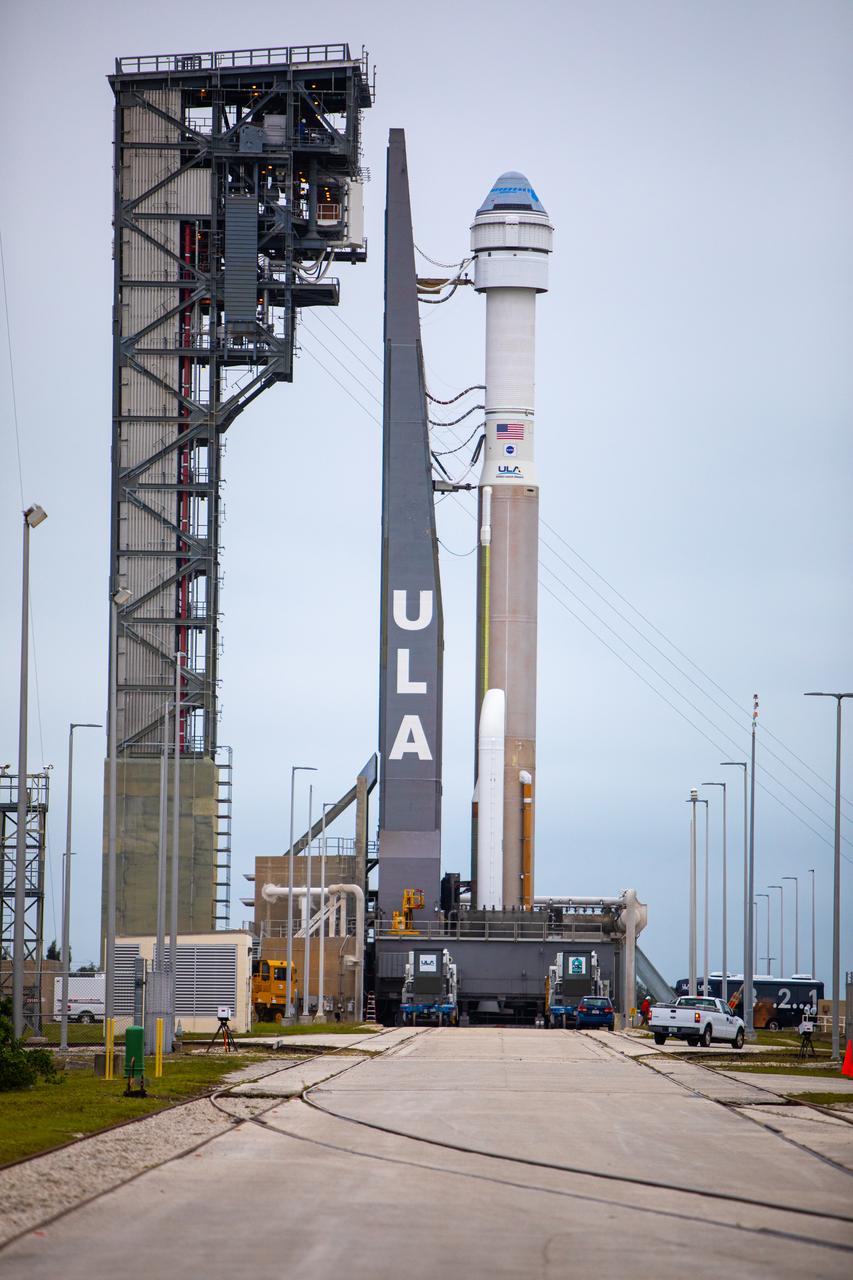
A United Launch Alliance Atlas V rocket, topped by Boeing’s CST-100 Starliner spacecraft, stands on the launch pad at Space Launch Complex 41 at Florida’s Cape Canaveral Air Force Station, Dec. 18, 2019, after rolling from the Vertical Integration Facility. Boeing’s uncrewed Orbital Flight Test will be the Starliner’s first flight to the International Space Station for NASA’s Commercial Crew Program.
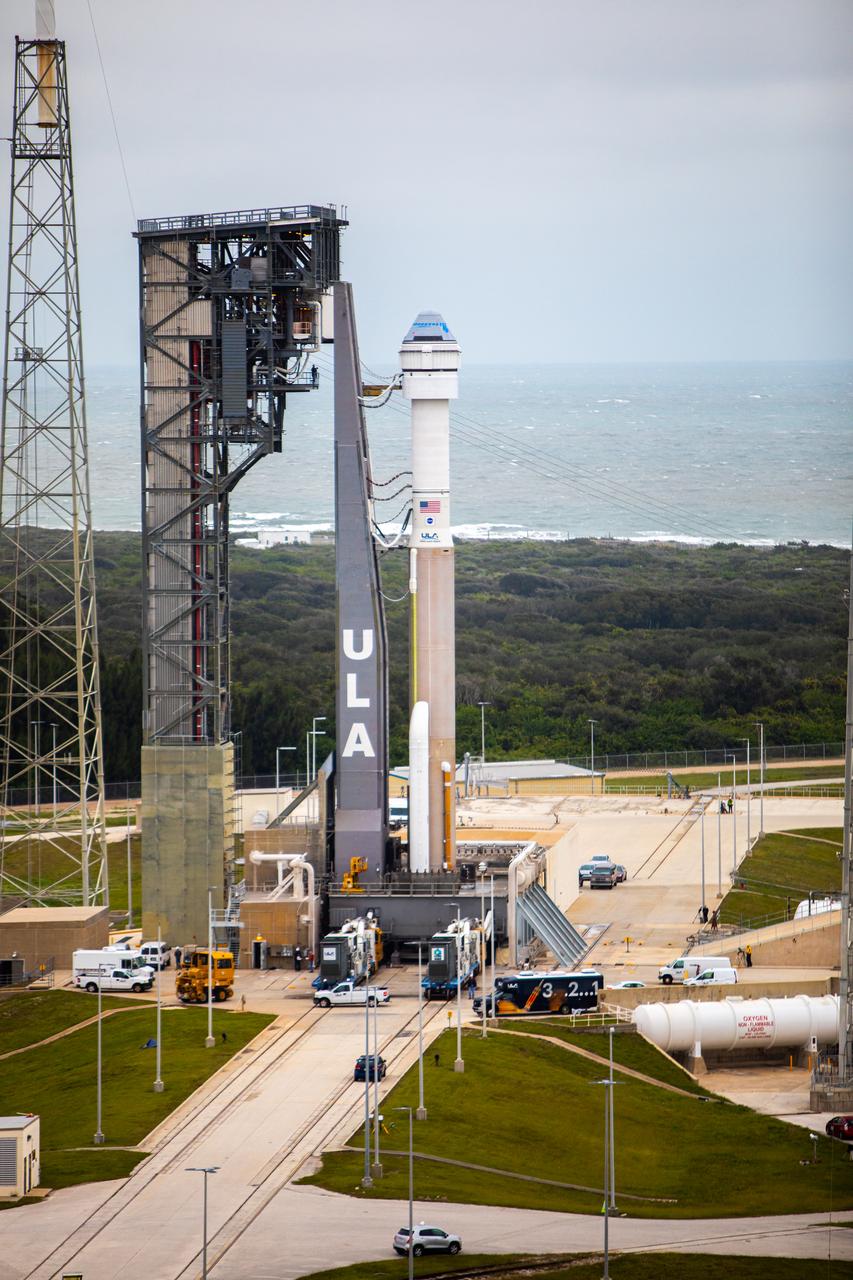
A United Launch Alliance Atlas V rocket, topped by Boeing’s CST-100 Starliner spacecraft, stands on the launch pad at Space Launch Complex 41 at Florida’s Cape Canaveral Air Force Station, Dec. 18, 2019, after rolling from the Vertical Integration Facility. Boeing’s uncrewed Orbital Flight Test will be the Starliner’s first flight to the International Space Station for NASA’s Commercial Crew Program.

Medical and fire-rescue personnel park ambulances and set up a decontamination and triage area for a joint emergency escape and triage simulation held at Space Launch Complex 41 at Cape Canaveral Air Force Station in Florida on July 24, 2019. Led by NASA with Boeing and United Launch Alliance, the simulation is one in a series in preparation for upcoming crew flights to the International Space Station as part of NASA’s Commercial Crew Program. NASA astronauts Josh Cassada, currently in training for the second flight with crew aboard Boeing’s CST-100 Starliner spacecraft, and Eric Boe, along with astronaut candidate Jasmin Moghbeli, served as the flight crew. The astronauts practiced emergency egress from the nearly 200-foot-tall crew access tower at the launch pad. They also rehearsed escape from the launch complex in an armored vehicle, and decontamination and triage at a nearby helipad.