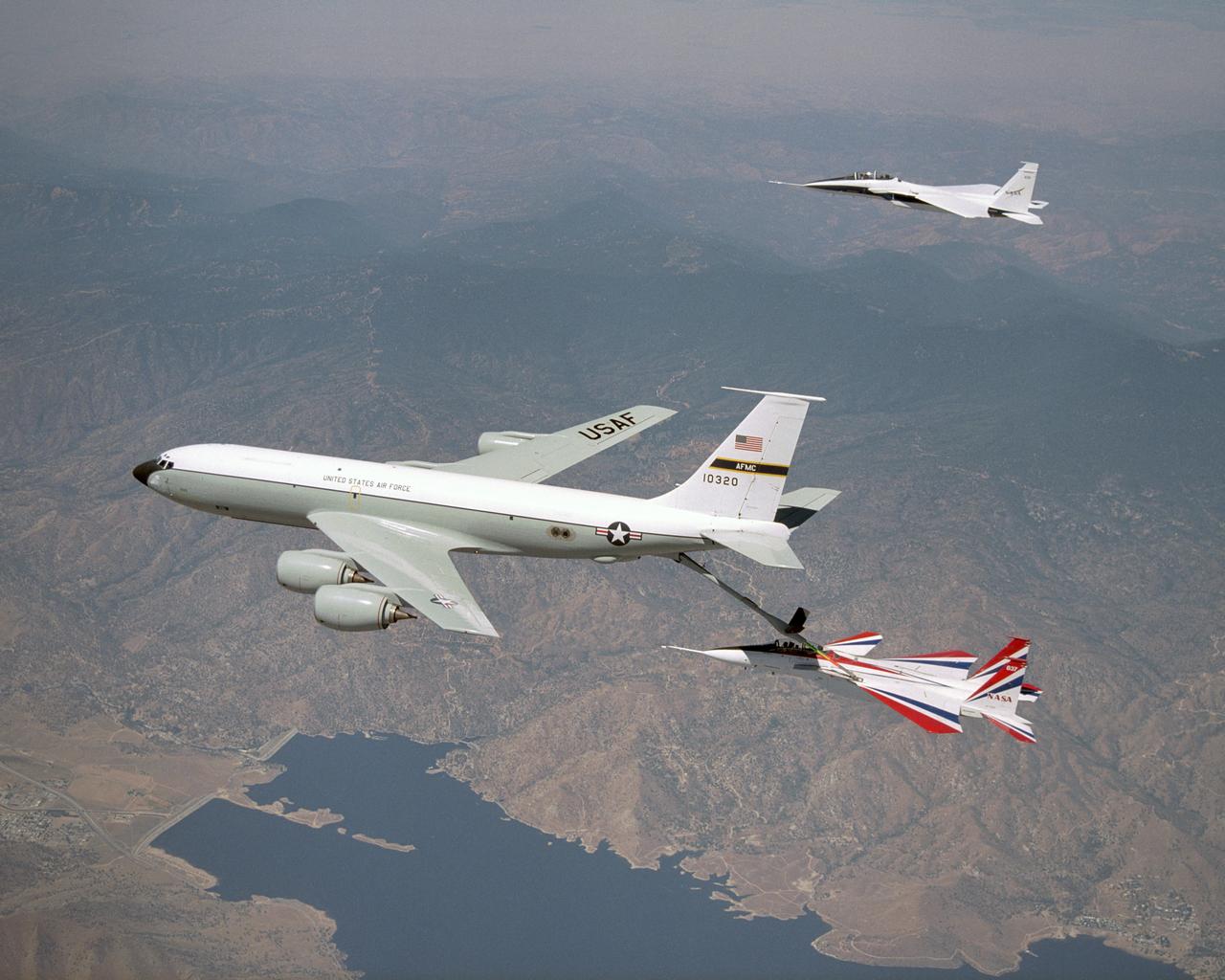
One of NASA's two F-15 research aircraft gets refueled in mid-air over Lake Isabella from a USAF KC-135 tanker while NASA's other F-15 flies chase alongside.
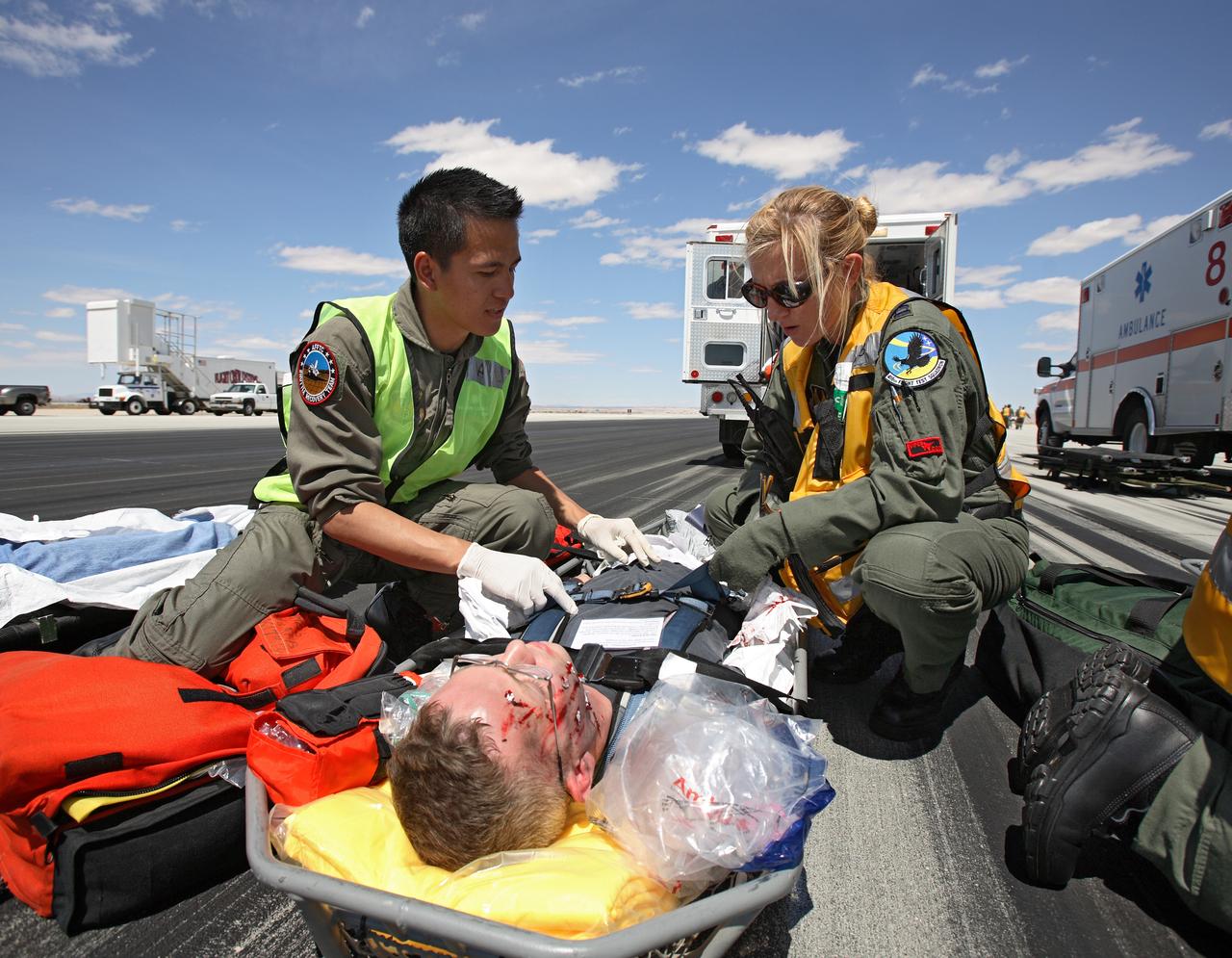
Complete with makeup to simulate facial injuries, a volunteer "astronaut" is tended to by aeromedical rescue staff after evacuation from the shuttle mockup. (USAF photo # 070505-F-1287F-145)
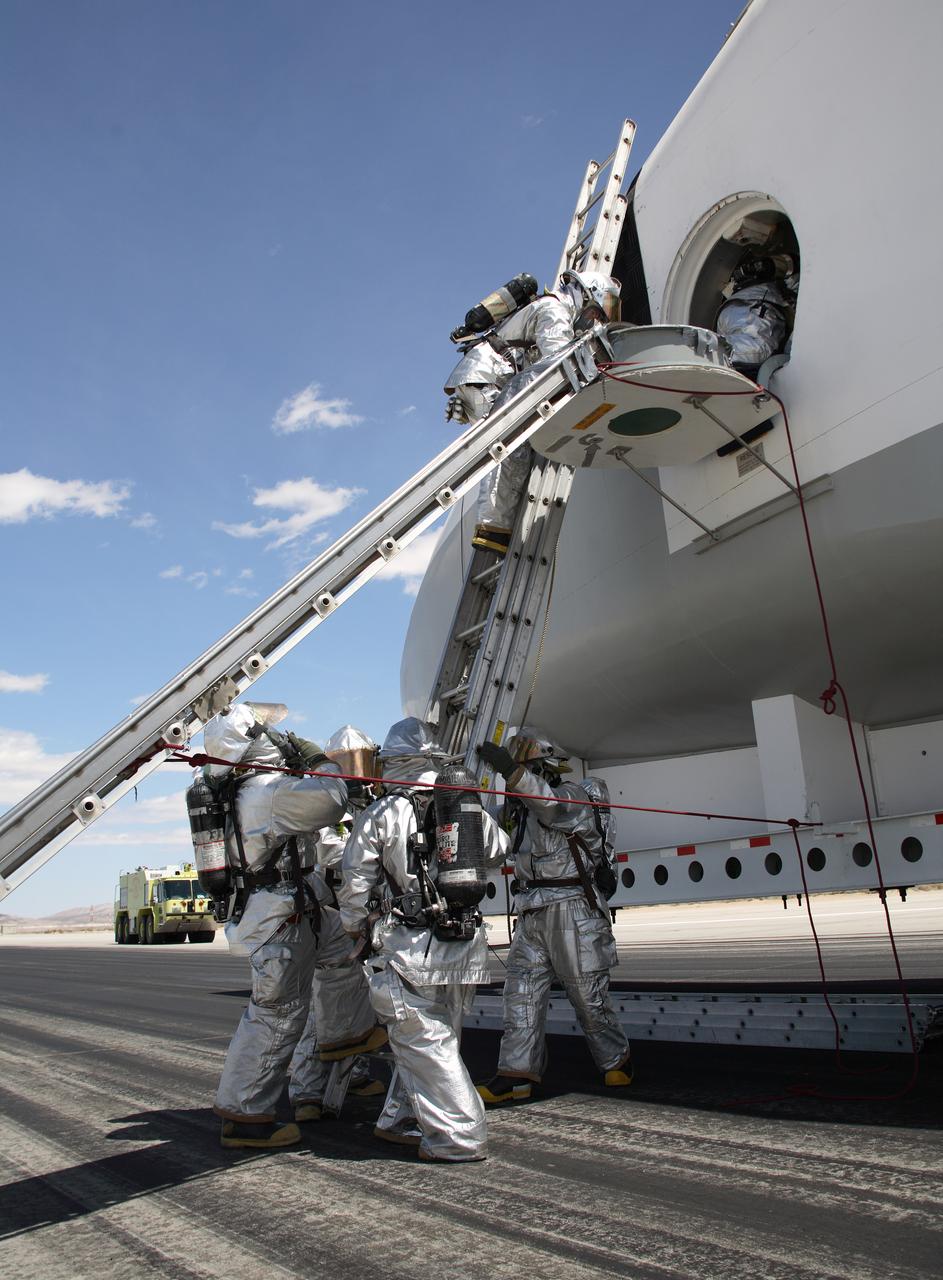
Air Force fire/rescue crew enter the space shuttle cabin mockup hatch to evacuate the shuttle crew during a shuttle rescue training exercise at Edwards AFB. (USAF photo # 070505-F-1287F-118)
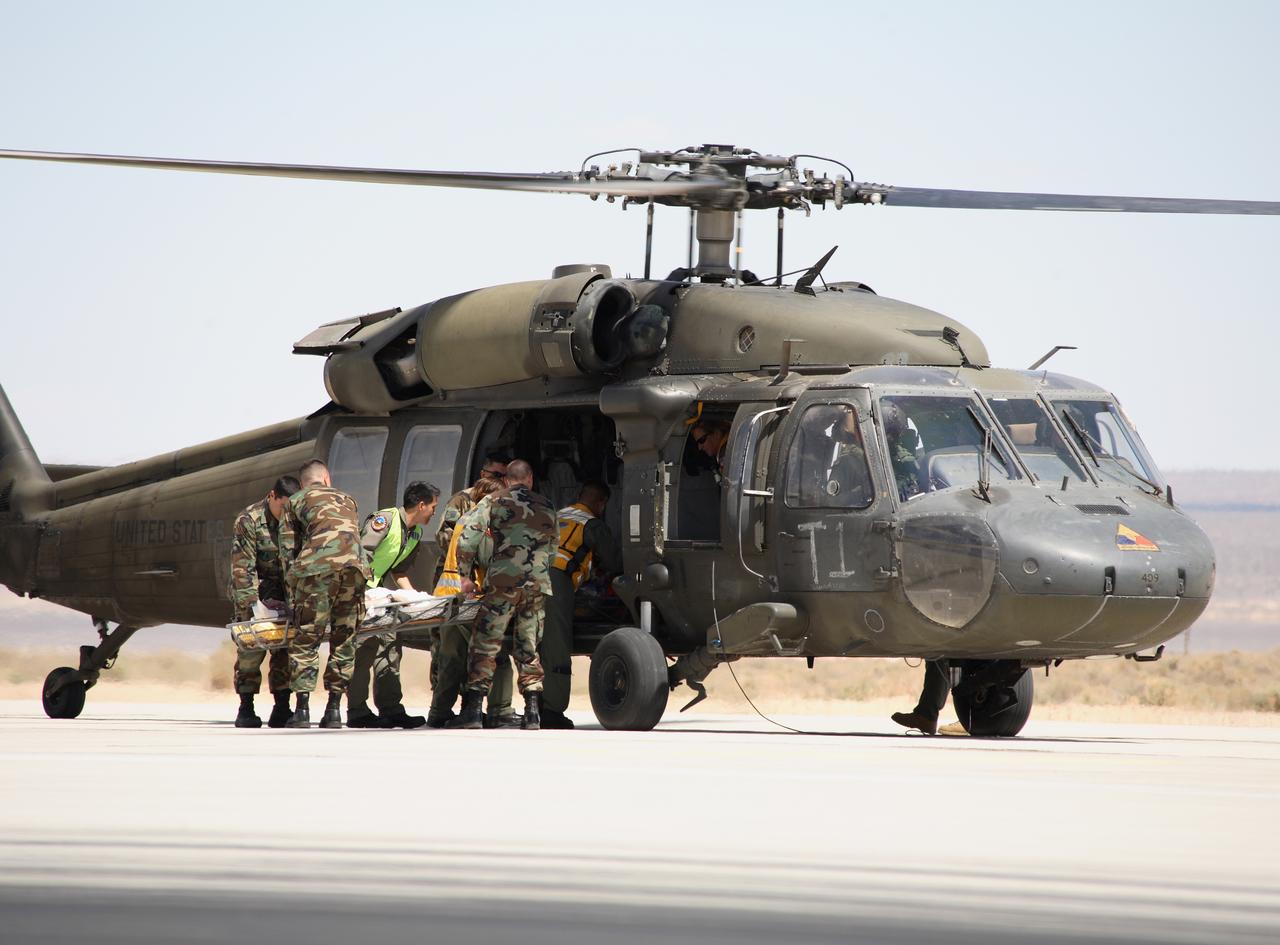
Air Force rescue team members load the volunteer "injured astronaut" on a stretcher into a Blackhawk helicopter for evacuation to a hospital during the exercise. (USAF photo # 070505-F-1287F-166)
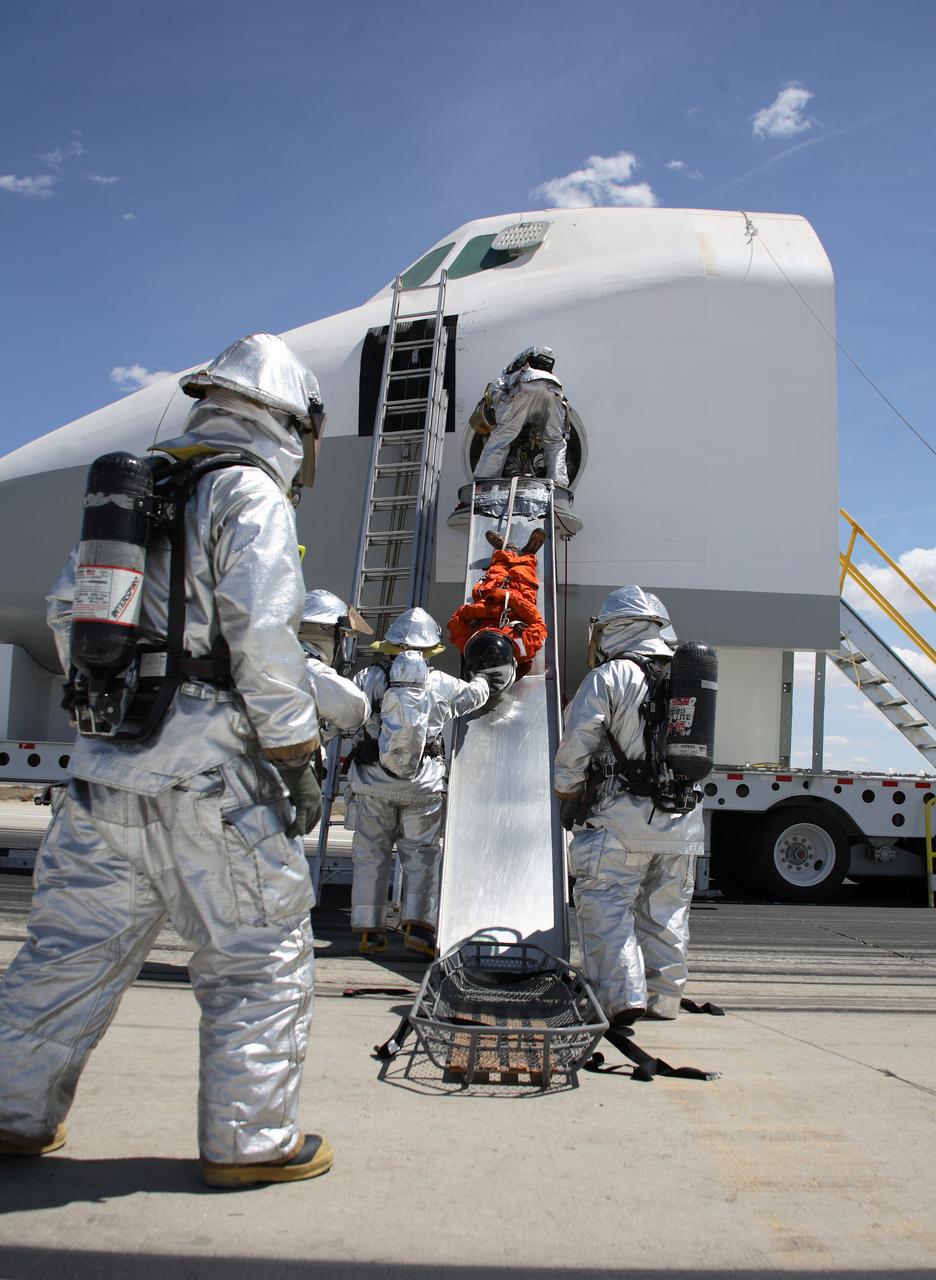
Clad in thermal protection suits, fire/rescue crew aid a volunteer "Injured astronaut" to a head-first ride down the exit slide from the shuttle cabin mockup. (USAF photo # 070505-F-1287F-132)
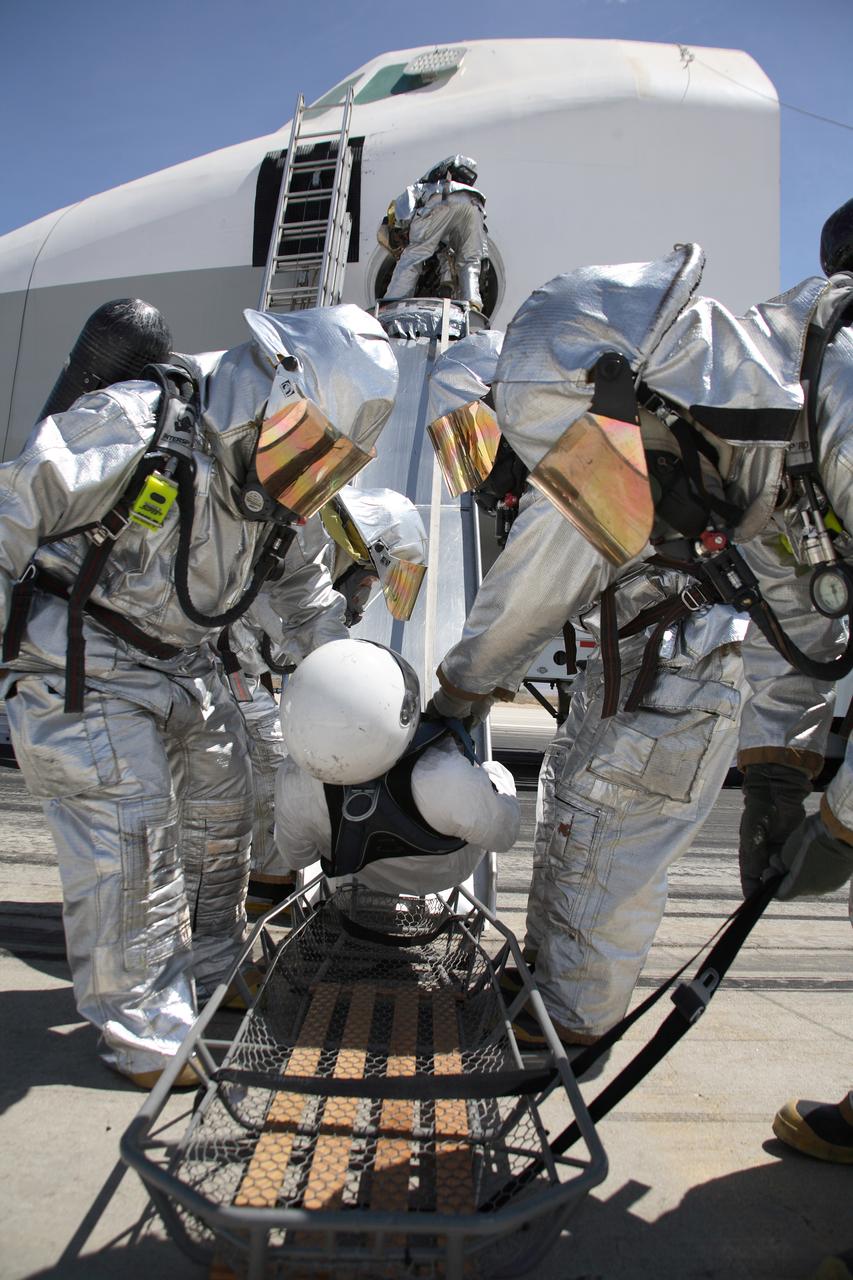
Air Force fire/rescue crew place a volunteer "injured astronaut" on a stretcher after exiting the shuttle cabin mockup during the training exercise. (USAF photo # 070505-F-1287F-126)
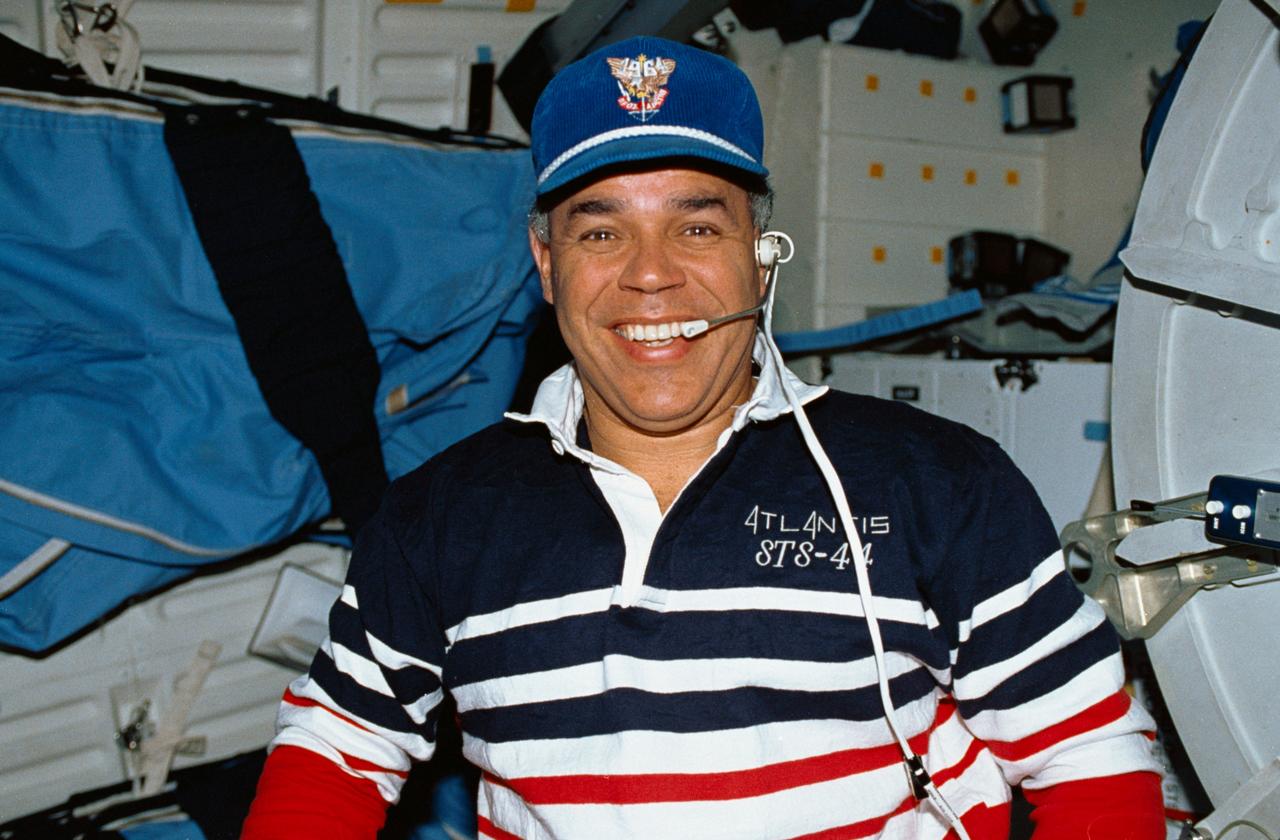
STS044-32-030 (24 Nov-1 Dec 1991) --- STS-44 Commander Frederick D. Gregory wears a cap honoring his alma mater, the United States Air Force (USAF) Academy, on the middeck of Atlantis, Orbiter Vehicle (OV) 104. Gregory, who also has his lightweight headset on, was photographed while talking to ground controllers.
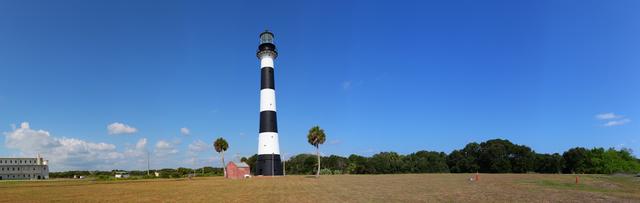
CAPE CANAVERAL, Fla. --The Cape Canaveral Lighthouse stands in the midst of space-age structures, a monolith born in another era of exploration. Located near Launch Complex-36 on Cape Canaveral Air Force Station, the Coast Guard transferred ownership in 2000 of the lighthouse structure and its grounds to the U.S. Air Force. A restoration of the lighthouse was completed by the Air Force in 2007. The Coast Guard continues to maintain the beacon as an active navigational aid. The Cape Canaveral Lighthouse Foundation supports the Air Force with activities associated with the lighthouse. For its history, visit www.nasa.gov/centers/kennedy/about/history/lighthouse.html or canaverallight.org. Photo credit: Frankie Martin
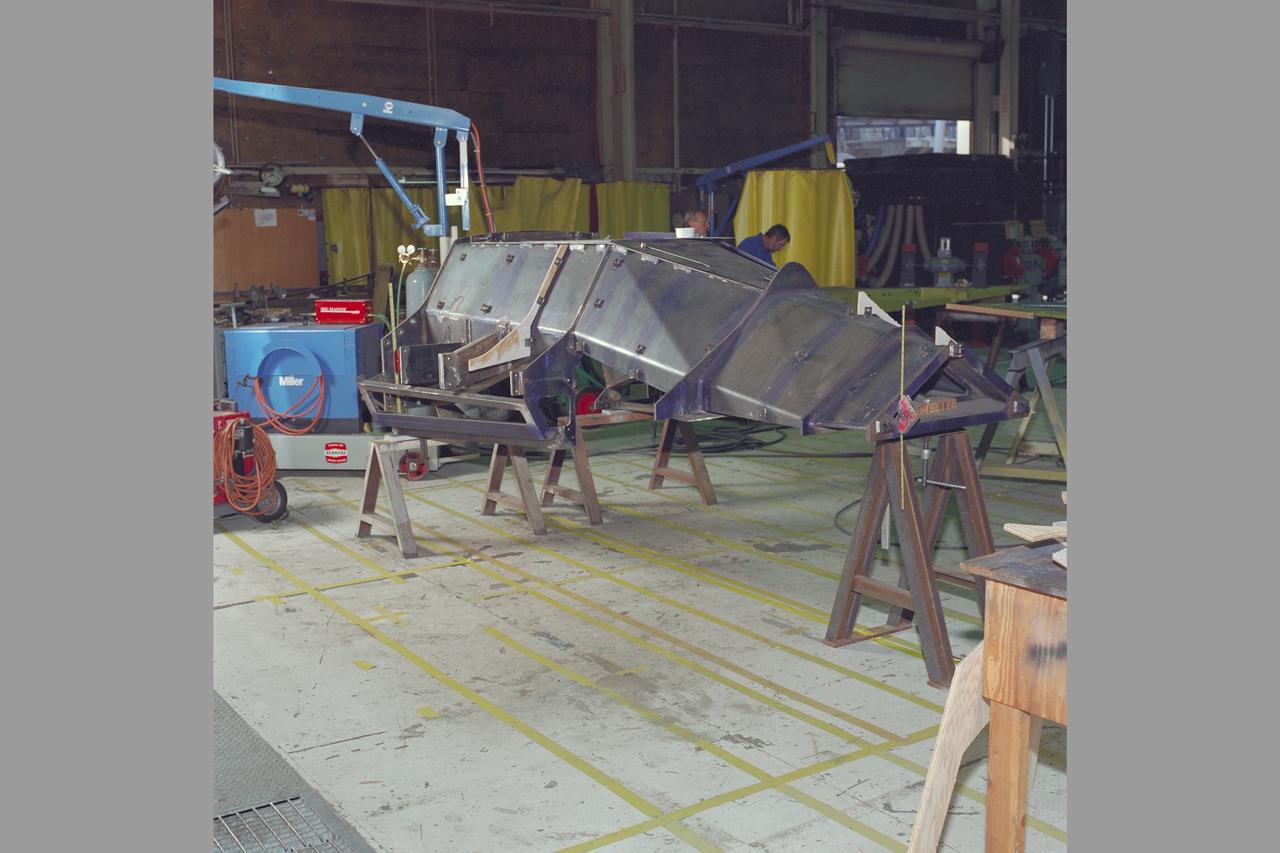
FLAC (USAF 55% Scale) Model, Machine Shop N-220 .
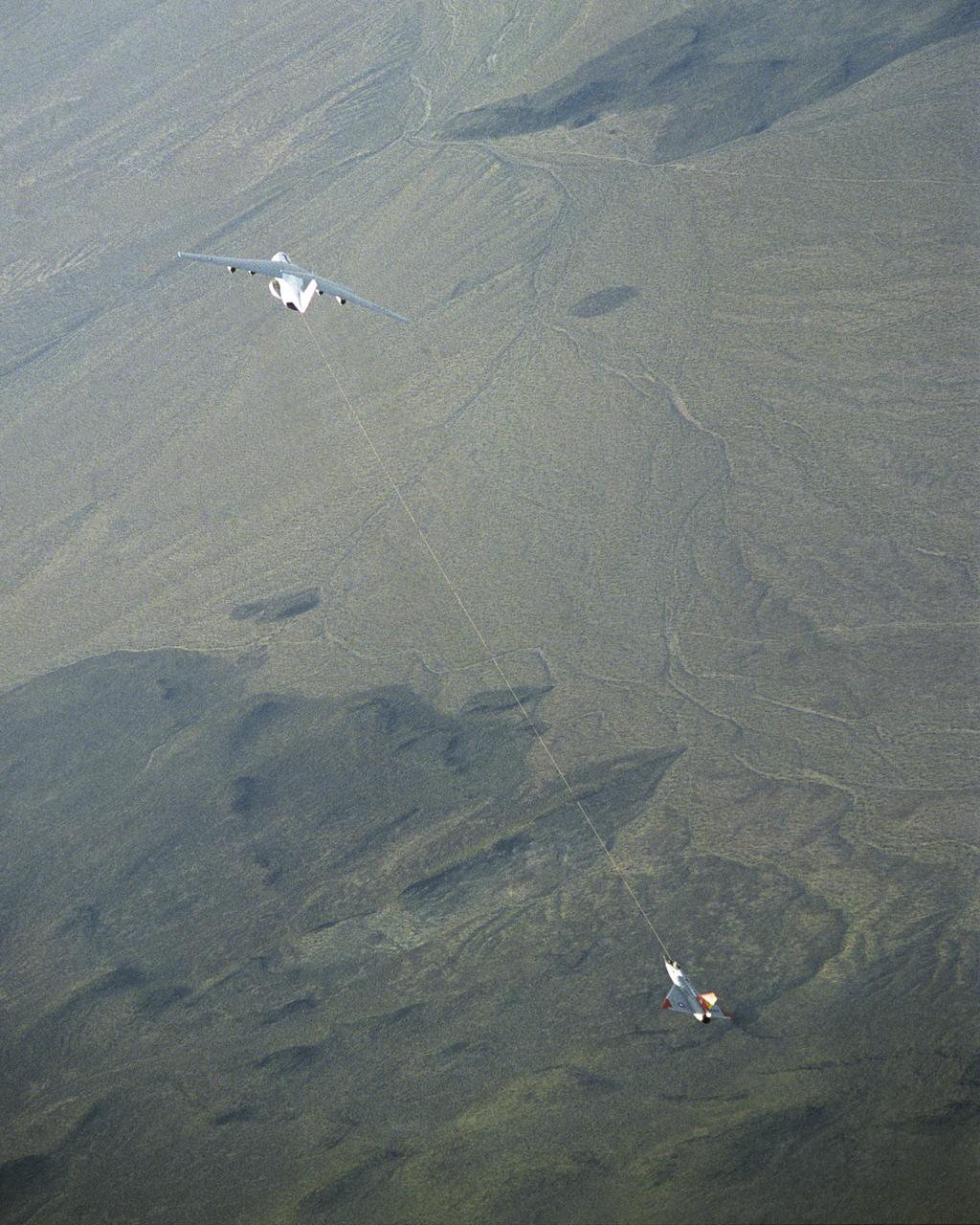
The Eclipse projectís modified QF-106 under tow by a USAF C-141A.
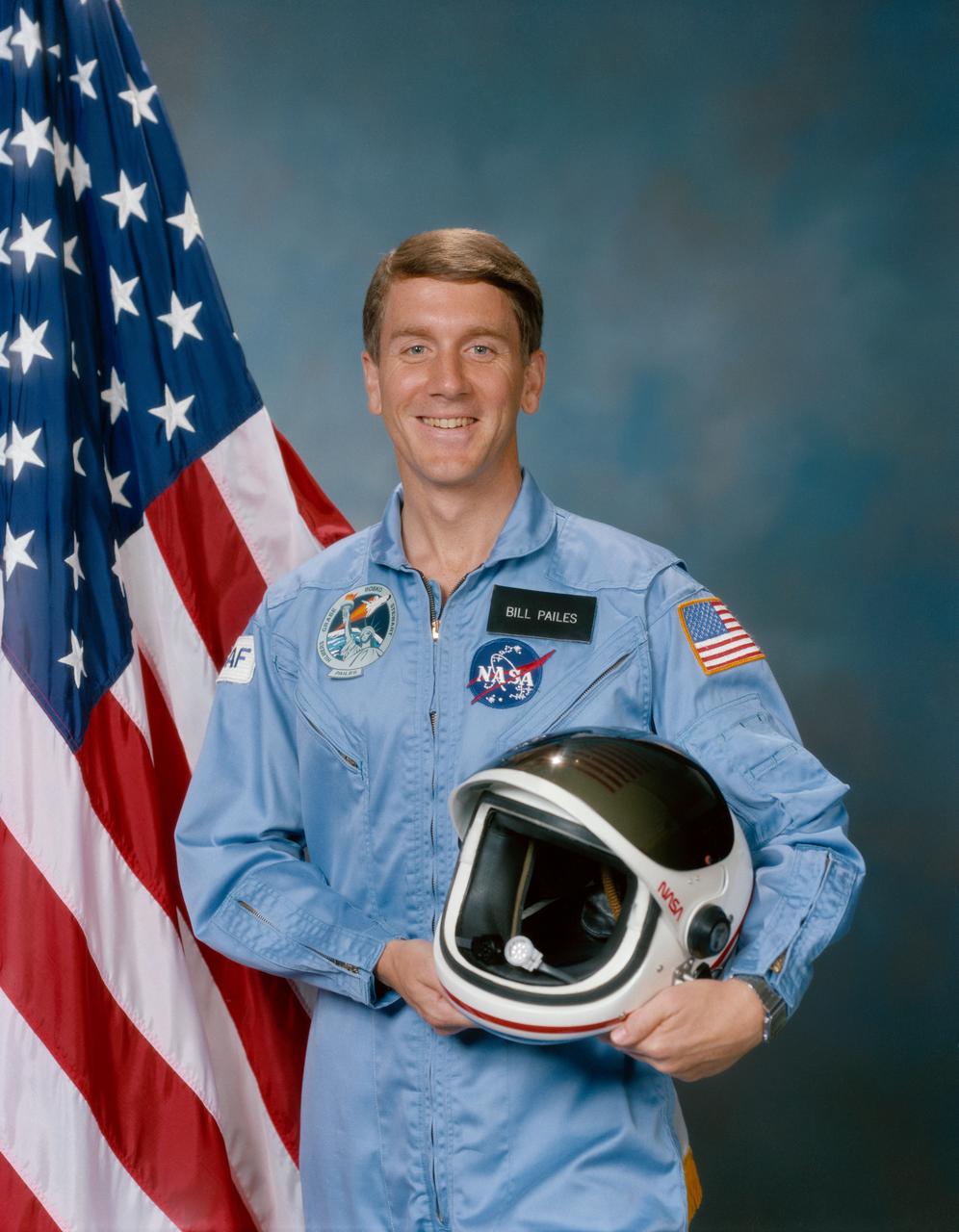
S85-39868 (1985) --- William A. Pailes (Major USAF), Payload specialist on 51J.
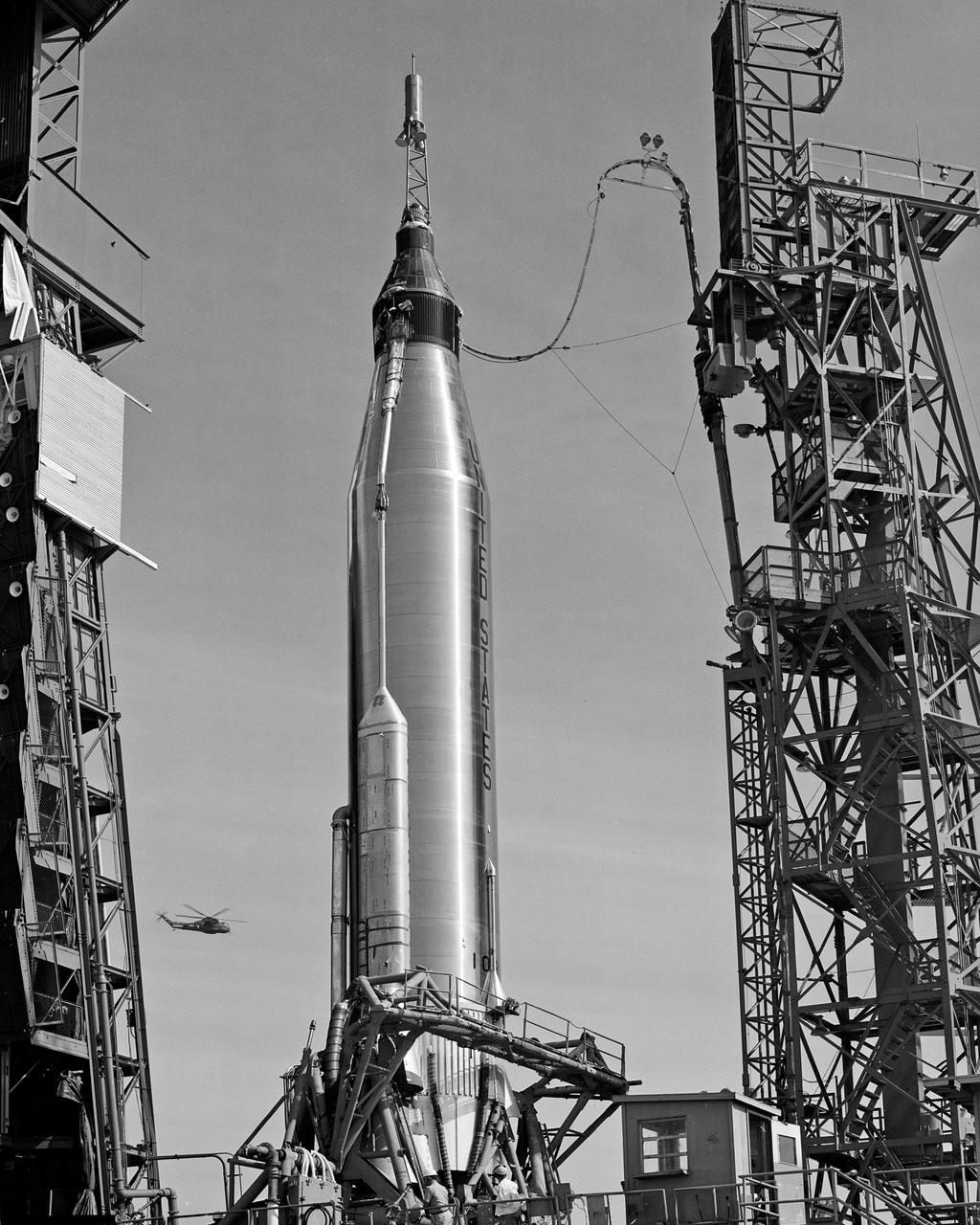
CAPE CANAVERAL, Fla. -- CCMTA, NASA:MERCURY, Pad 14 Mercury Atlas-6 with Capsule #13. Photo credit: NASA/USAF
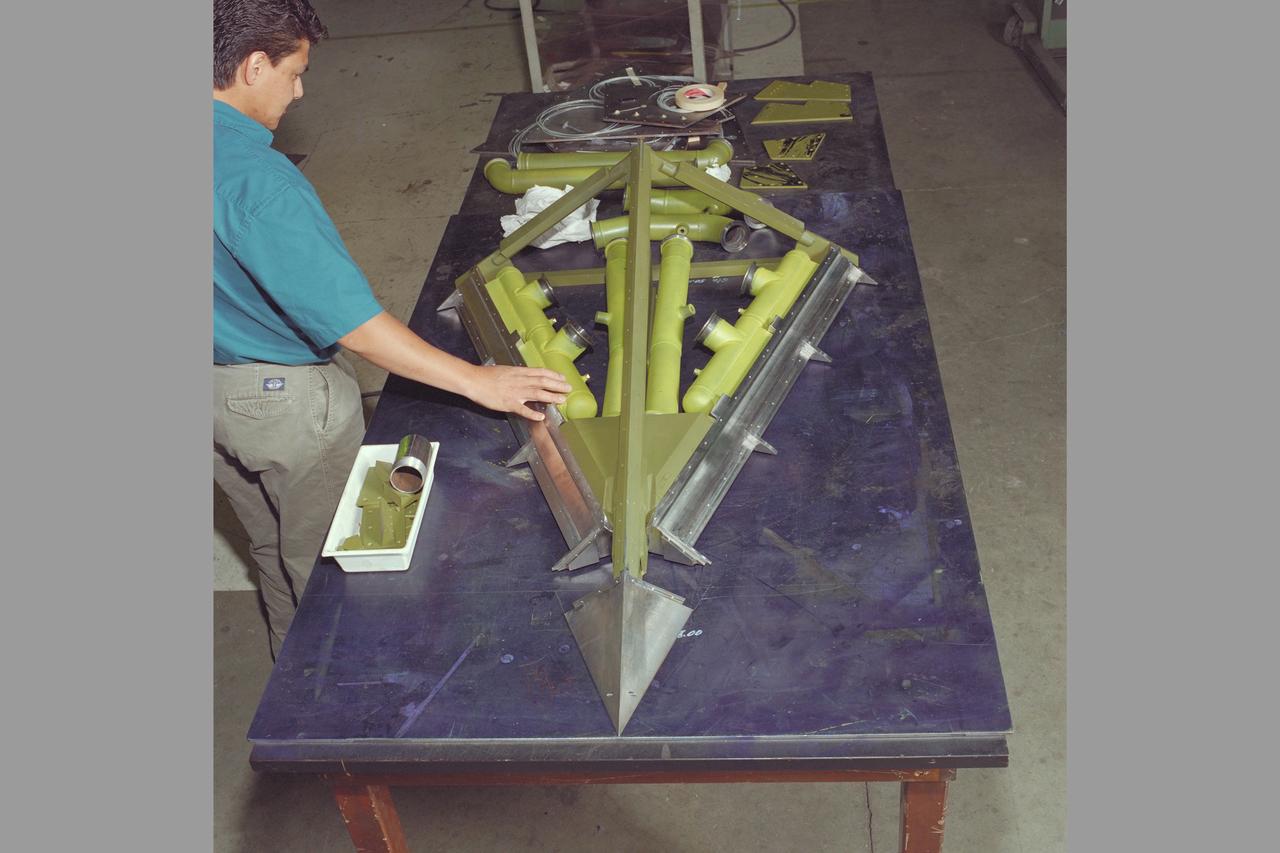
FLAC (USAF 55% Scale) Model, Machine Shop N-220 . fitting wing panels (with Cesar Acosta)
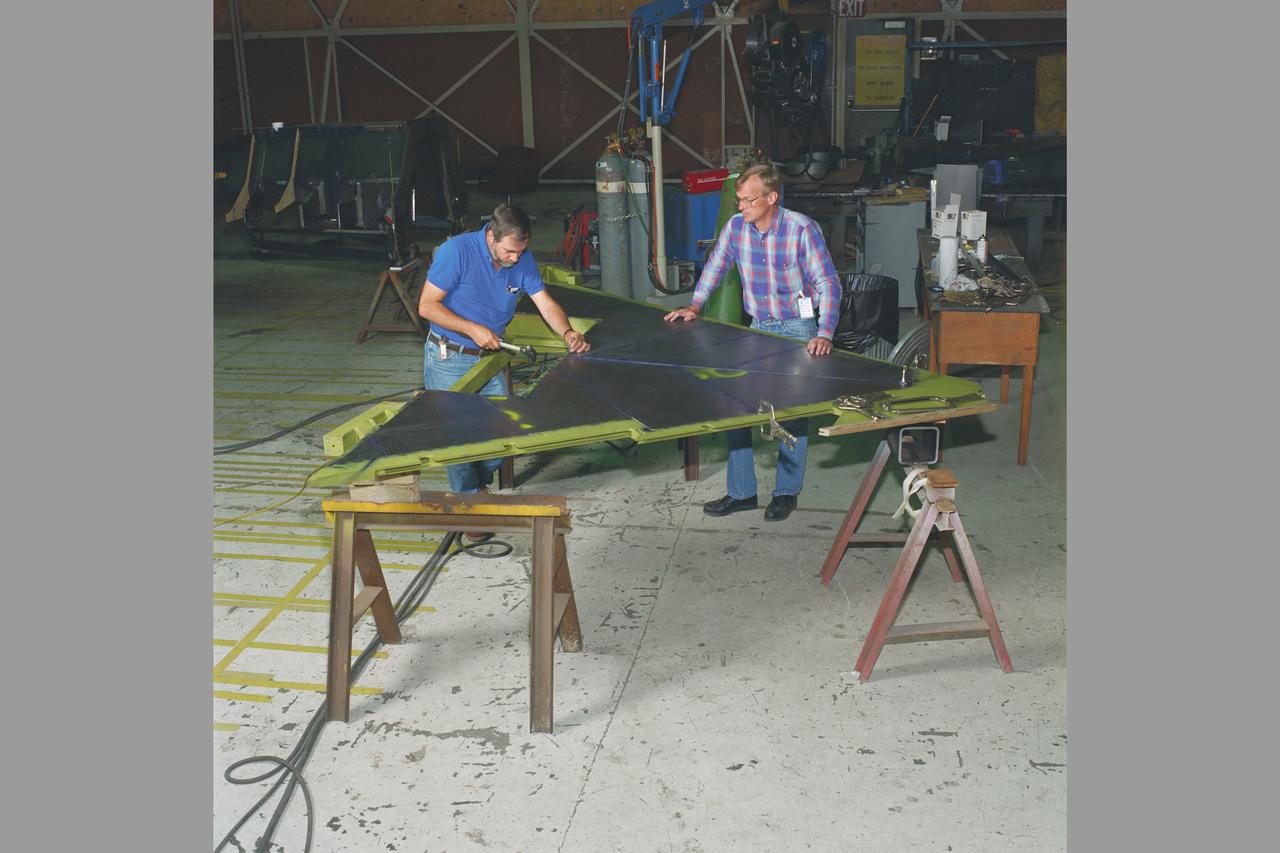
FLAC (USAF 55% Scale) Model, Machine Shop N-220 . fitting wing panels (with Jerry Holmes & Bill Moreland)
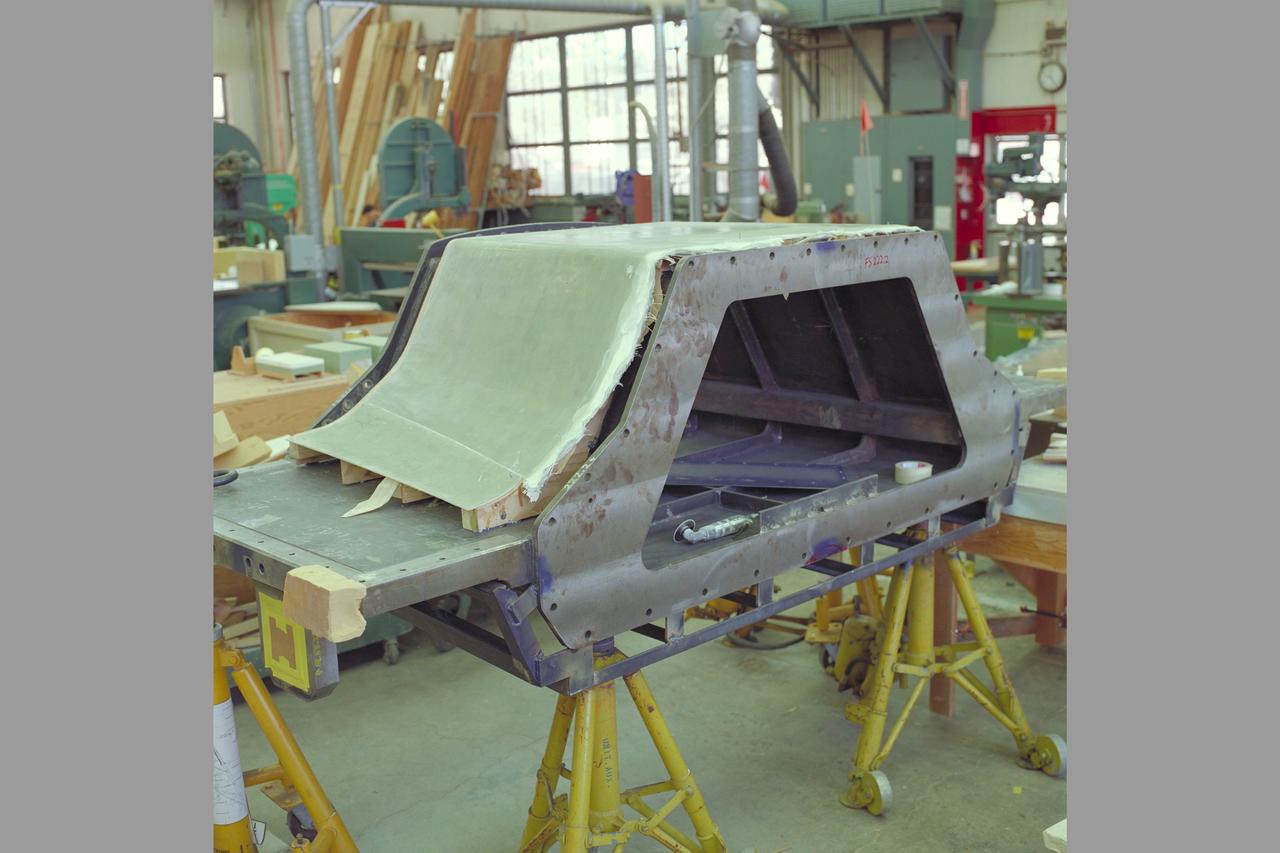
FLAC (USAF 55% Scale) Model, Machine Shop N-220 . fitting wing panels (with Cesar Acosta)
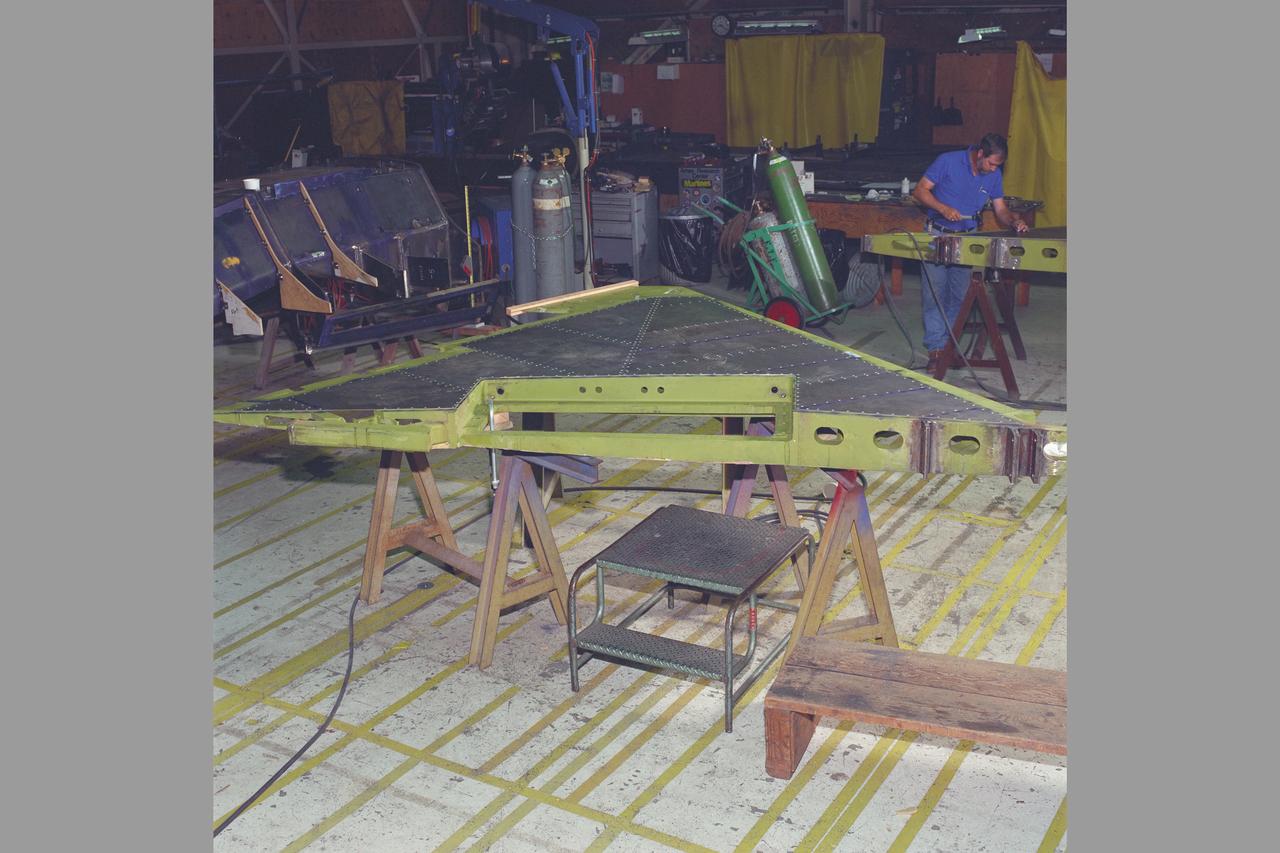
FLAC (USAF 55% Scale) Model, Machine Shop N-220 . fitting wing panels with Paul Scharmen
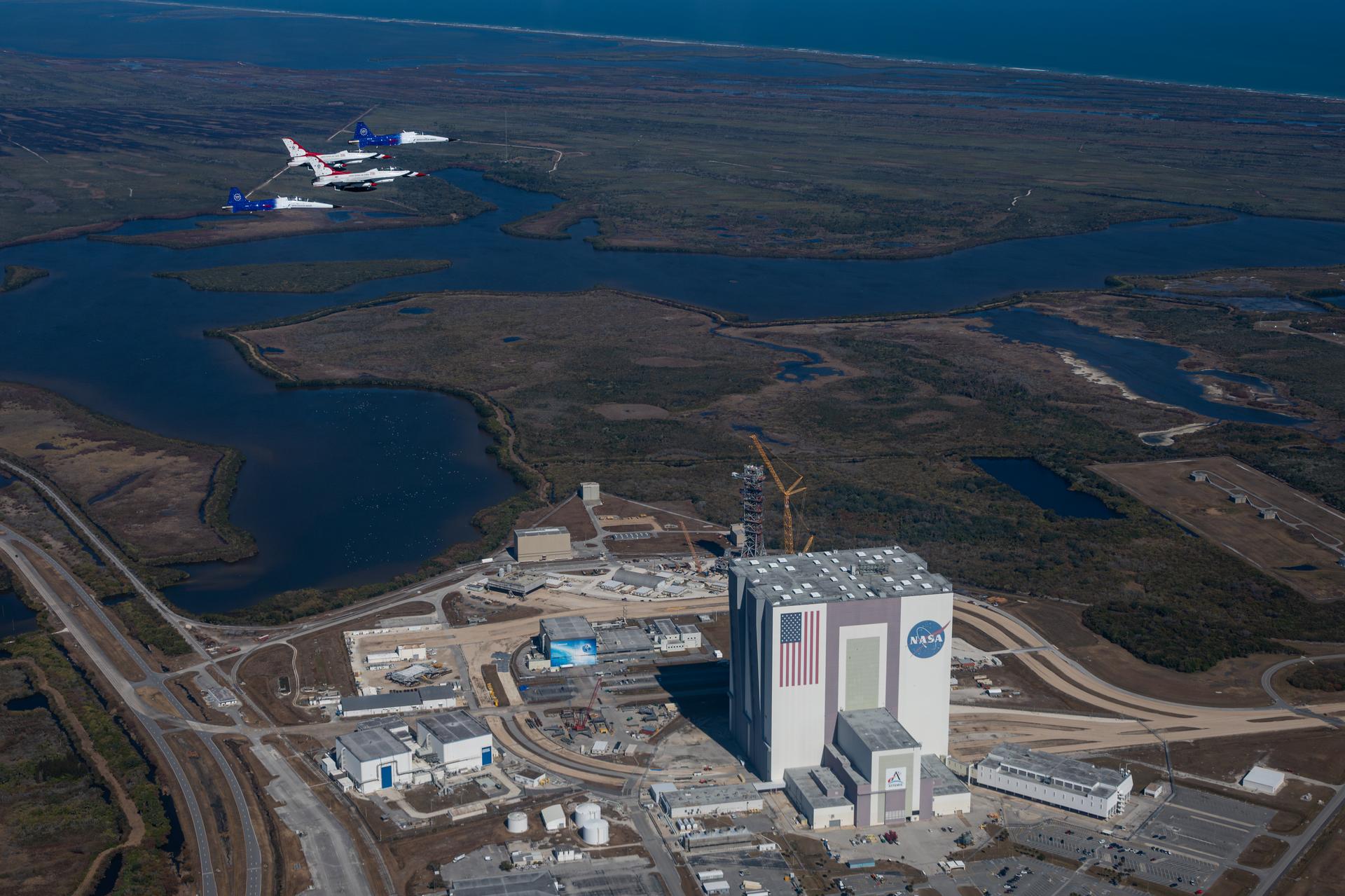
NASA Administrator Jared Isaacman conducts a formation flight with two of his personal F-5 aircraft, piloted by Isaacman and Sean Gustafson, senior advisor to the administrator, and two U.S. Air Force Thunderbirds F-16s, piloted by Thunderbird 7 Lt. Col. Tyler Keener and Thunderbird 8 Maj. Samuel Larson, Sunday, Feb. 8, 2026, at NASA’s Kennedy Space Center in Florida. The formation flew near the Vehicle Assembly Building and the surrounding area at Kennedy. Photo Credit: (NASA/John Kraus)
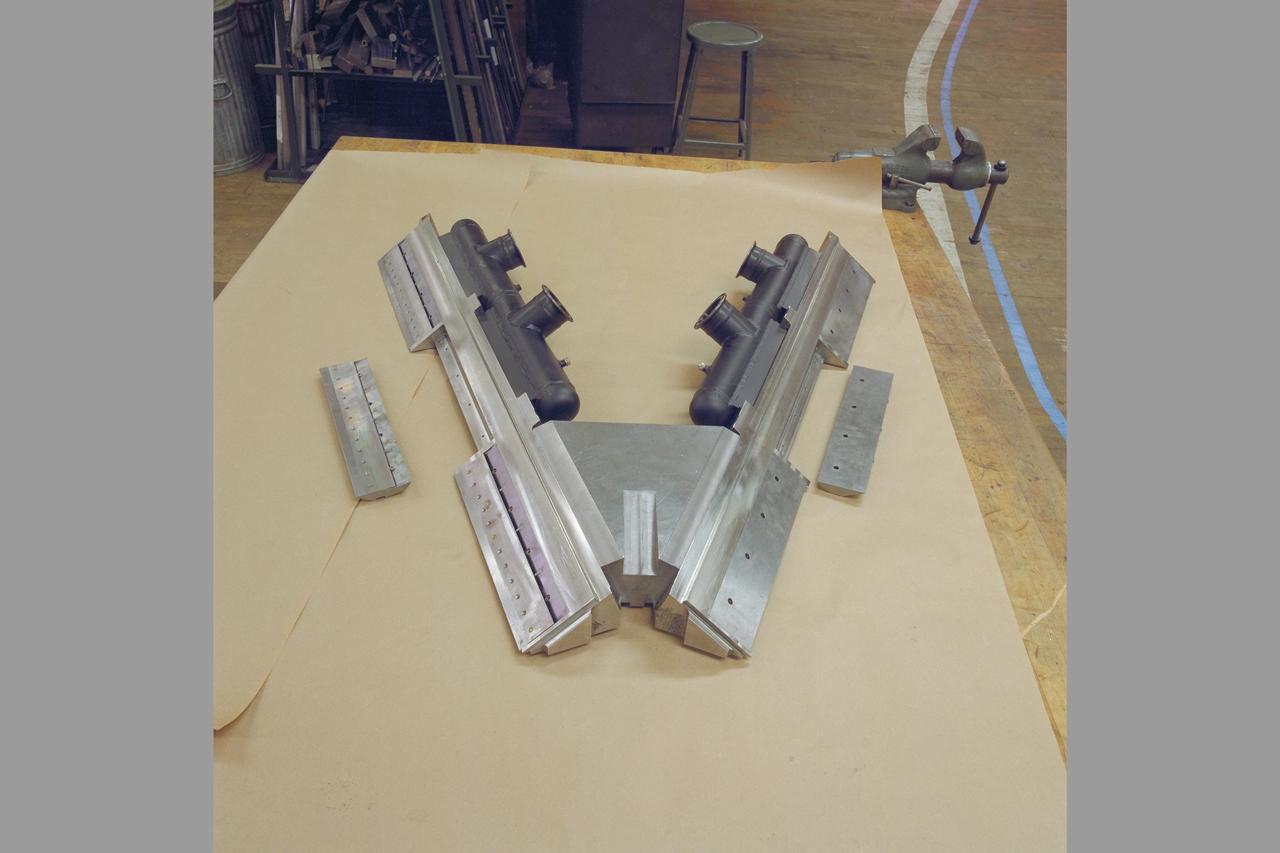
FLAC (USAF 55% Scale) Model, Machine Shop N-220 . Phelum Chambers, outward & upward blowing slots, feed manifolds (project #93149)
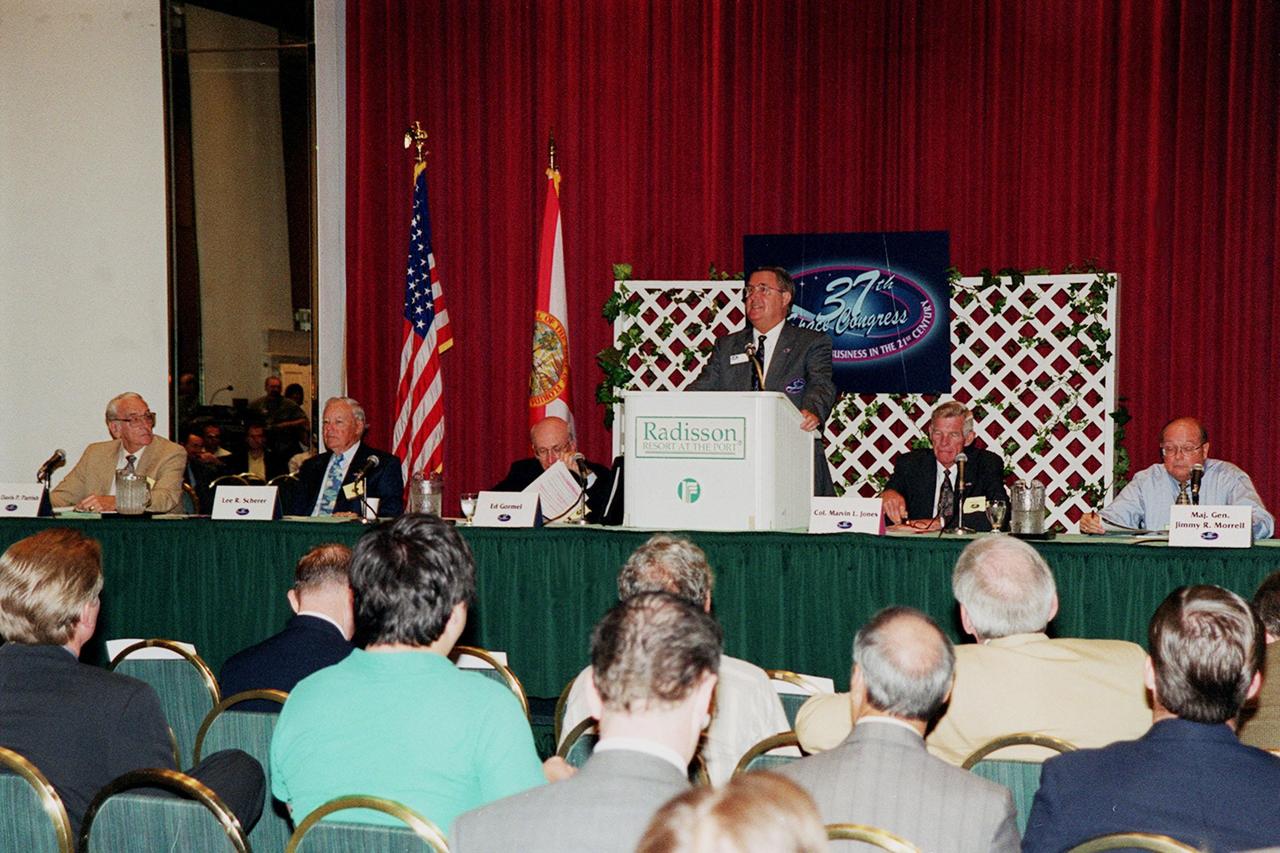
A panel session on the first day of the 37th Space Congress presents "50 Years of Space Exploration." Seated from left are Davis P. Parrish, Col., USAF (ret.); Lee R. Scherer, a senior executive with General Dynamics Commercial Services Group, San Diego, Calif., and former director, KSC; Edmond F. Gormel, executive director of Joint Performance Management Office, KSC; Marvin L. Jones, Col. USAF (ret.)and director of Installation Operations, KSC; and Jimmy R. Morrell, Maj. Gen., USAF (ret.). At the podium is Charles Murphy, Space Congress general chairman. Sponsored by the Canaveral Council of Technical Societies, the 37th Space Congress featured the theme "Space Means Business in the 21st Century." The event was held at the Radisson Resort at the Port in Cape Canaveral
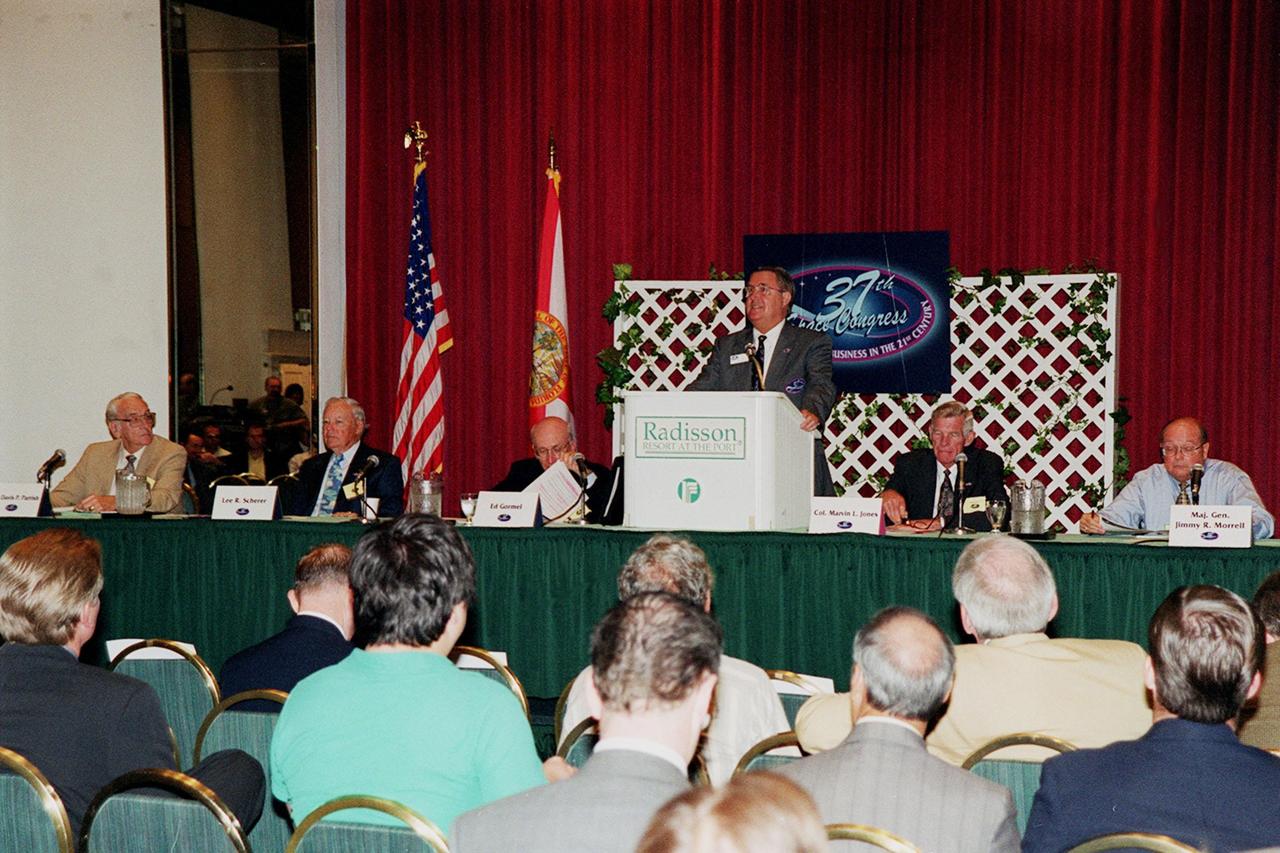
A panel session on the first day of the 37th Space Congress presents "50 Years of Space Exploration." Seated from left are Davis P. Parrish, Col., USAF (ret.); Lee R. Scherer, a senior executive with General Dynamics Commercial Services Group, San Diego, Calif., and former director, KSC; Edmond F. Gormel, executive director of Joint Performance Management Office, KSC; Marvin L. Jones, Col. USAF (ret.)and director of Installation Operations, KSC; and Jimmy R. Morrell, Maj. Gen., USAF (ret.). At the podium is Charles Murphy, Space Congress general chairman. Sponsored by the Canaveral Council of Technical Societies, the 37th Space Congress featured the theme "Space Means Business in the 21st Century." The event was held at the Radisson Resort at the Port in Cape Canaveral
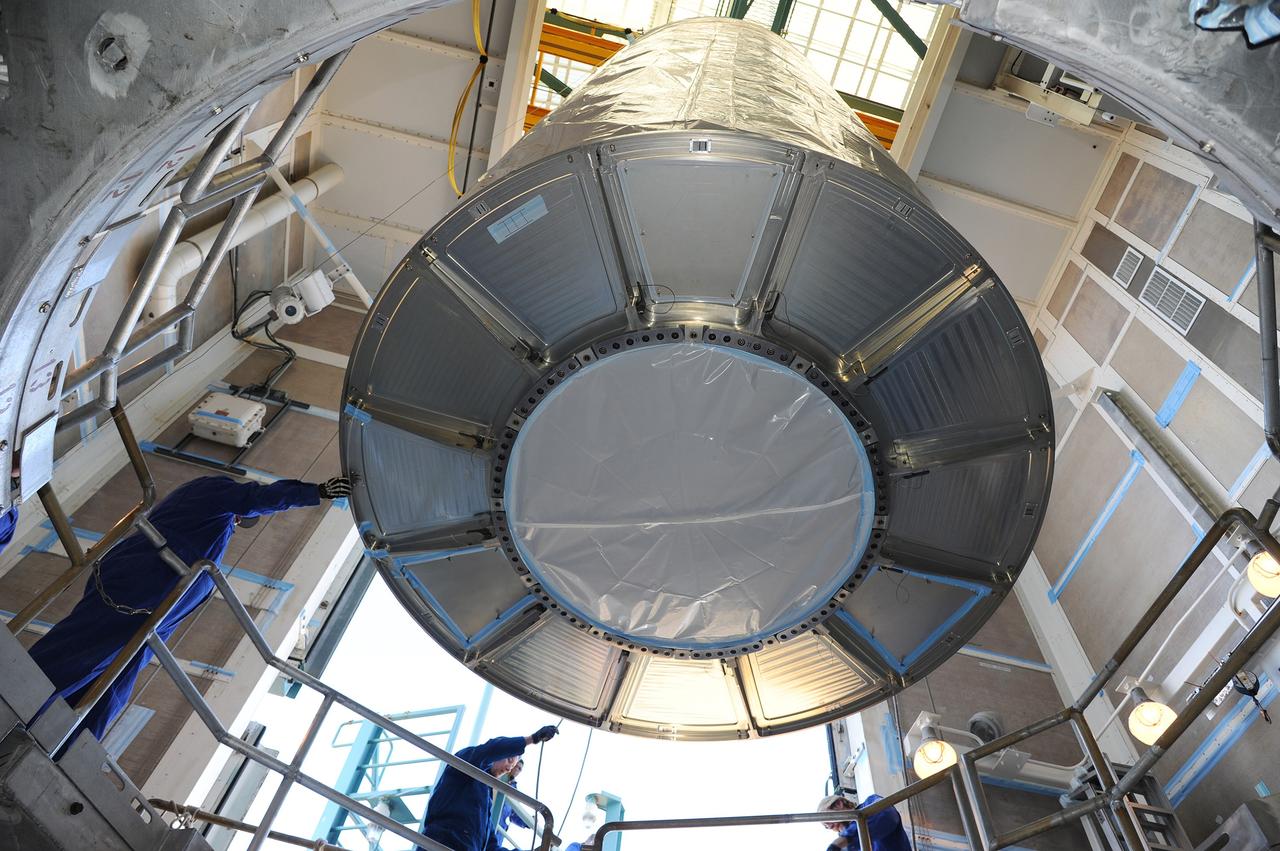
VANDENBERG AFB, California – NASA's SMAP spacecraft is positioned atop a Delta II rocket at Space Launch Complex-2 for launch. For more, go to www.nasa.gov/smap Photo credit: USAF
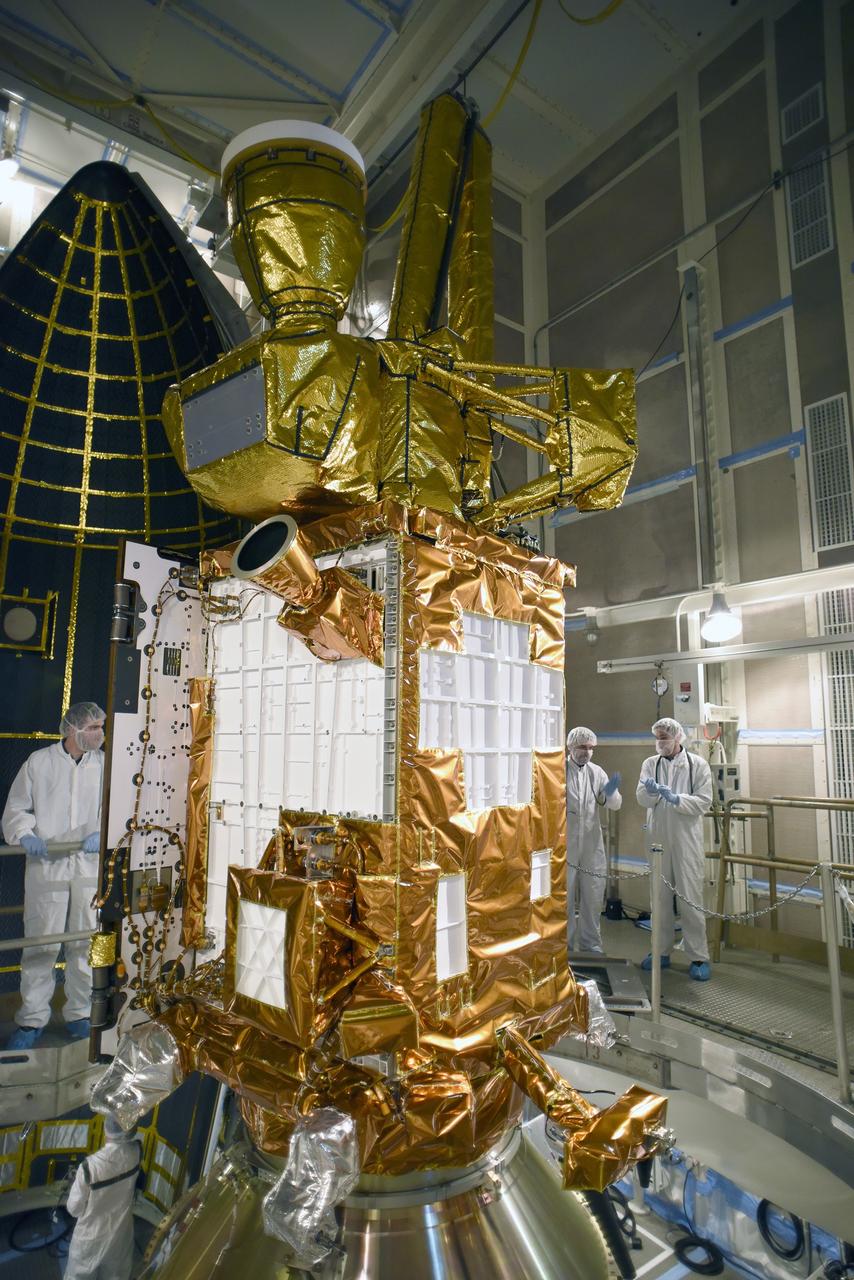
VANDENBERG AFB, California – NASA's SMAP spacecraft inside the service structure at Space Launch Complex-2 at Vandenberg AFB, California. For more, go to www.nasa.gov/smap Photo credit: USAF
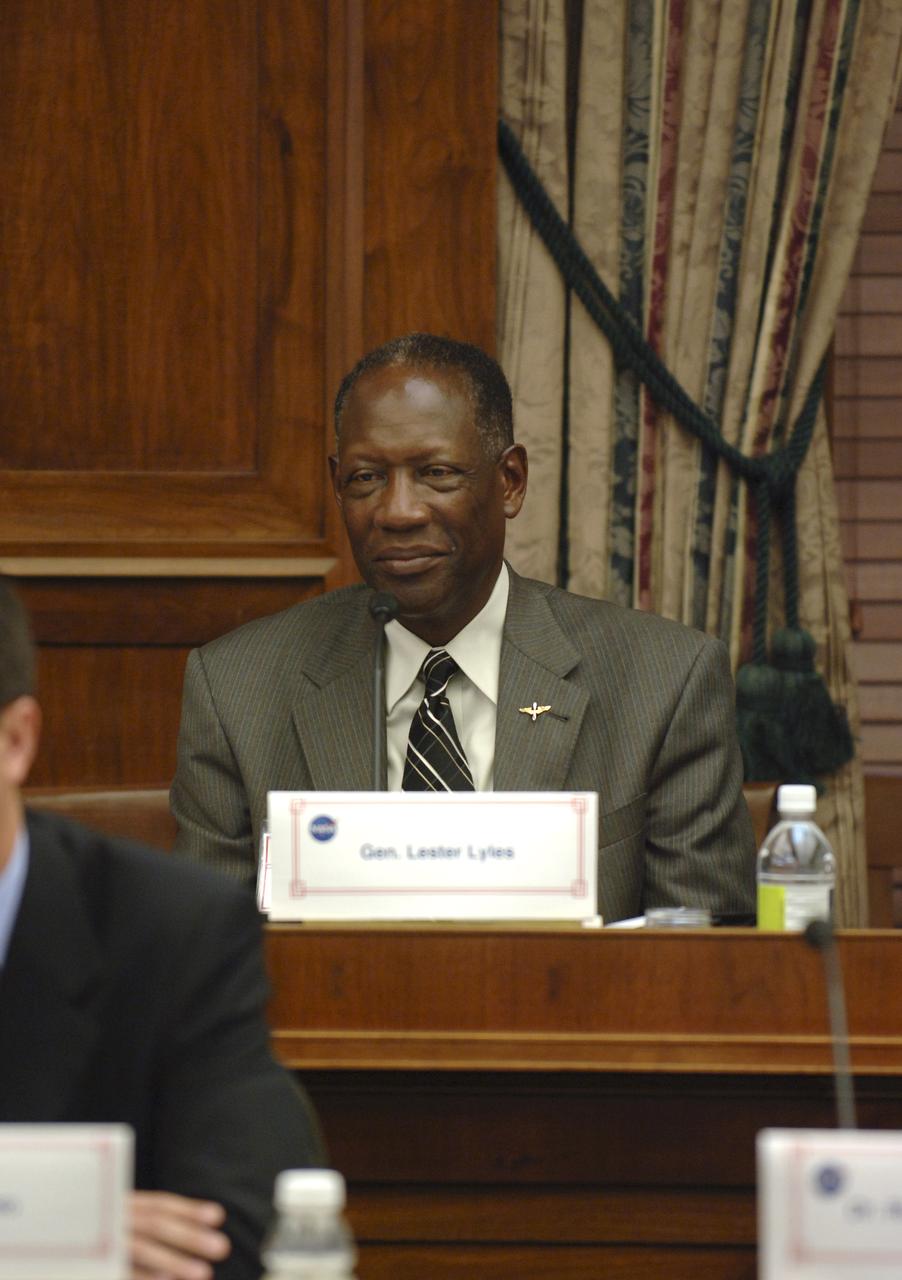
General Lester L. Lyles, USAF (Ret.) NASA Advisory Council member, listens during a meeting of the council at the Rayburn House Office Building, Tuesday, Nov. 29, 2005, in Washington. Photo Credit: (NASA/Bill Ingalls)
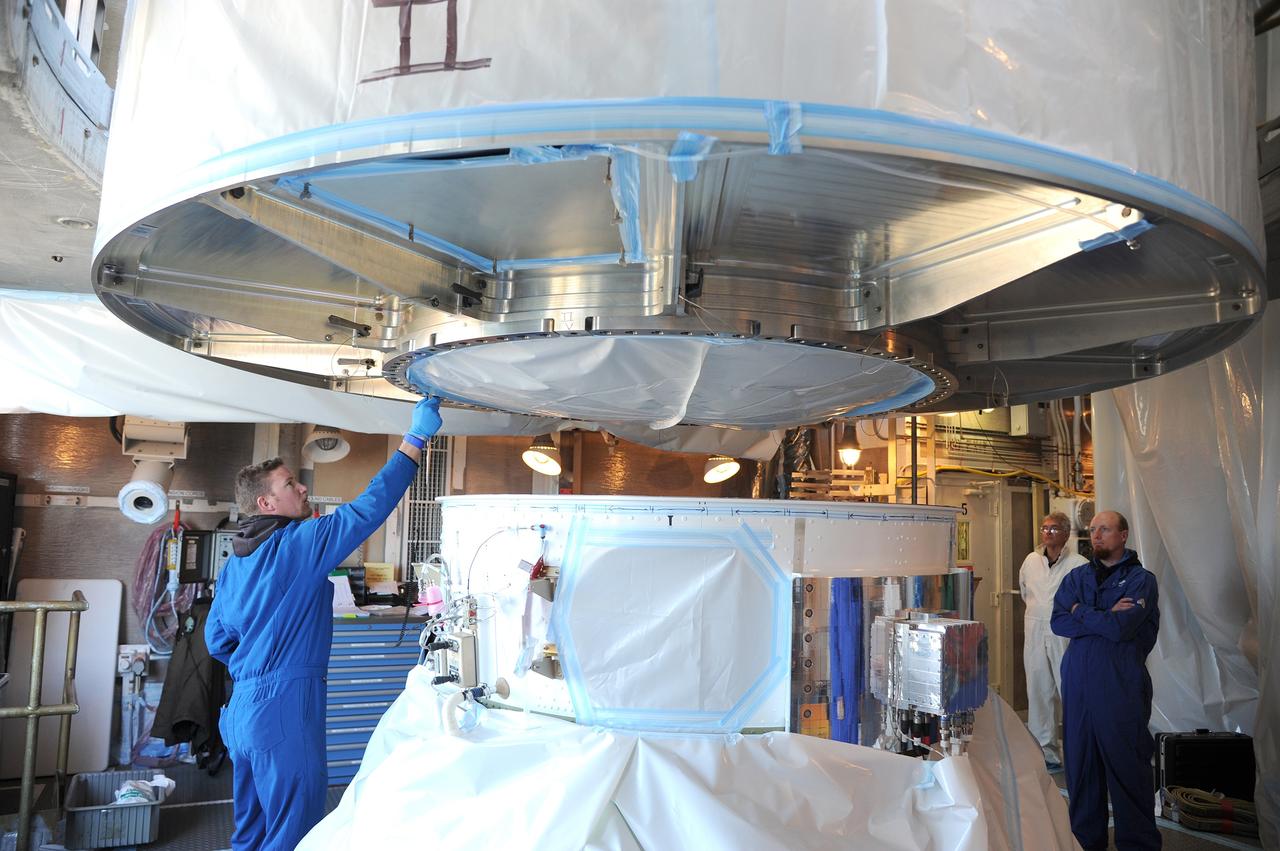
VANDENBERG AFB, California – NASA's SMAP spacecraft is positioned atop a Delta II rocket at Space Launch Complex-2 for launch. For more, go to www.nasa.gov/smap Photo credit: USAF
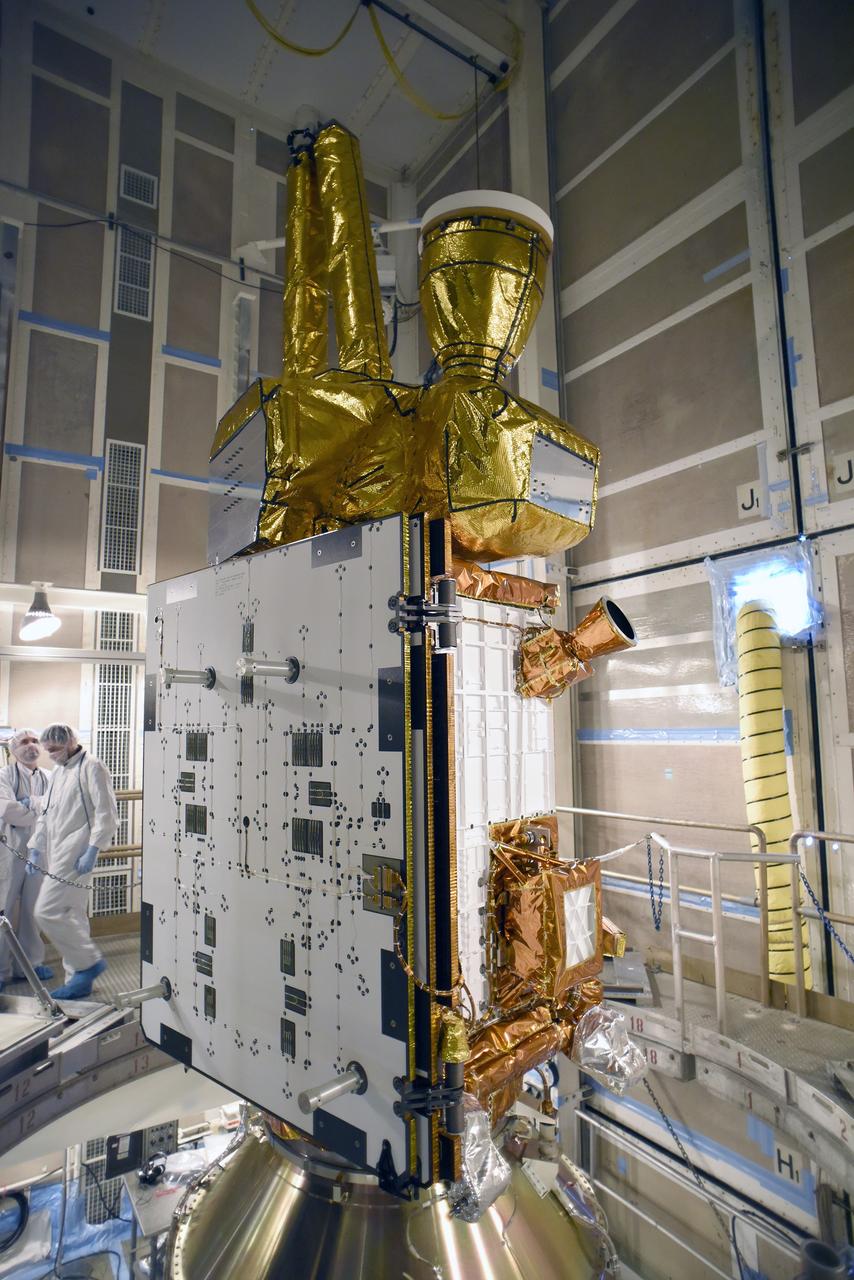
VANDENBERG AFB, California – NASA's SMAP spacecraft inside the service structure at Space Launch Complex-2 at Vandenberg AFB, California. For more, go to www.nasa.gov/smap Photo credit: USAF
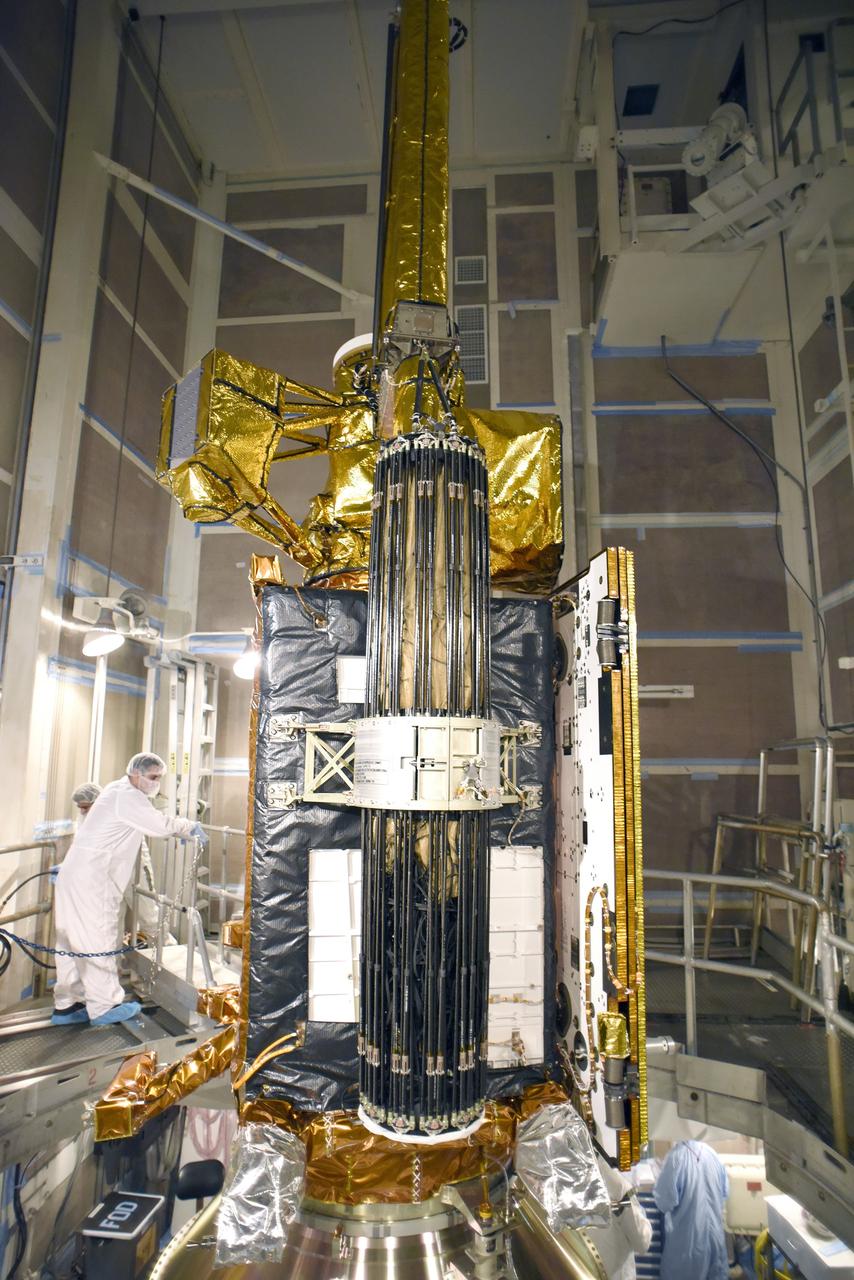
VANDENBERG AFB, California – NASA's SMAP spacecraft inside the service structure at Space Launch Complex-2 at Vandenberg AFB, California. For more, go to www.nasa.gov/smap Photo credit: USAF
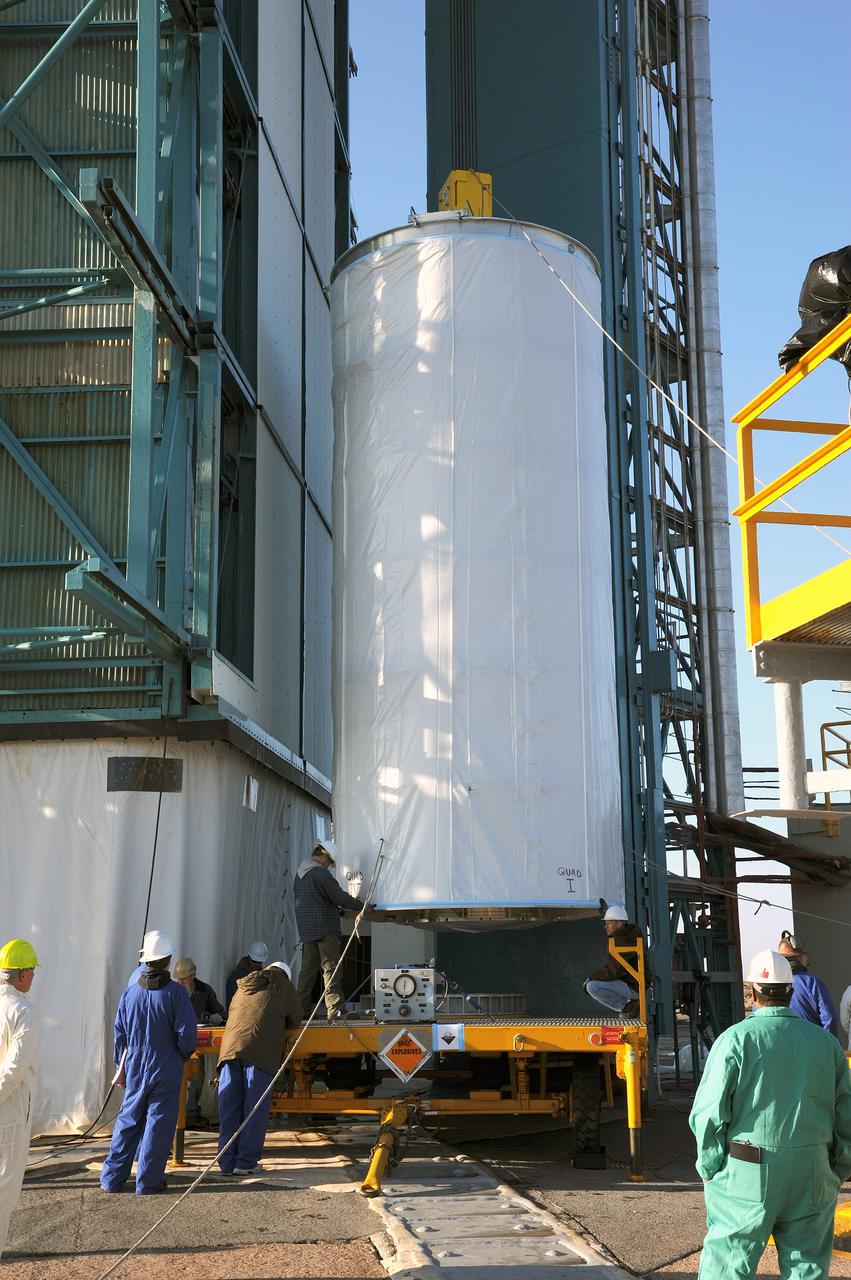
VANDENBERG AFB, California – Technicians and engineers begin lifting NASA's SMAP spacecraft to the top of a Delta II rocket at Space Launch Complex-2 for launch. For more, go to www.nasa.gov/smap Photo credit: USAF
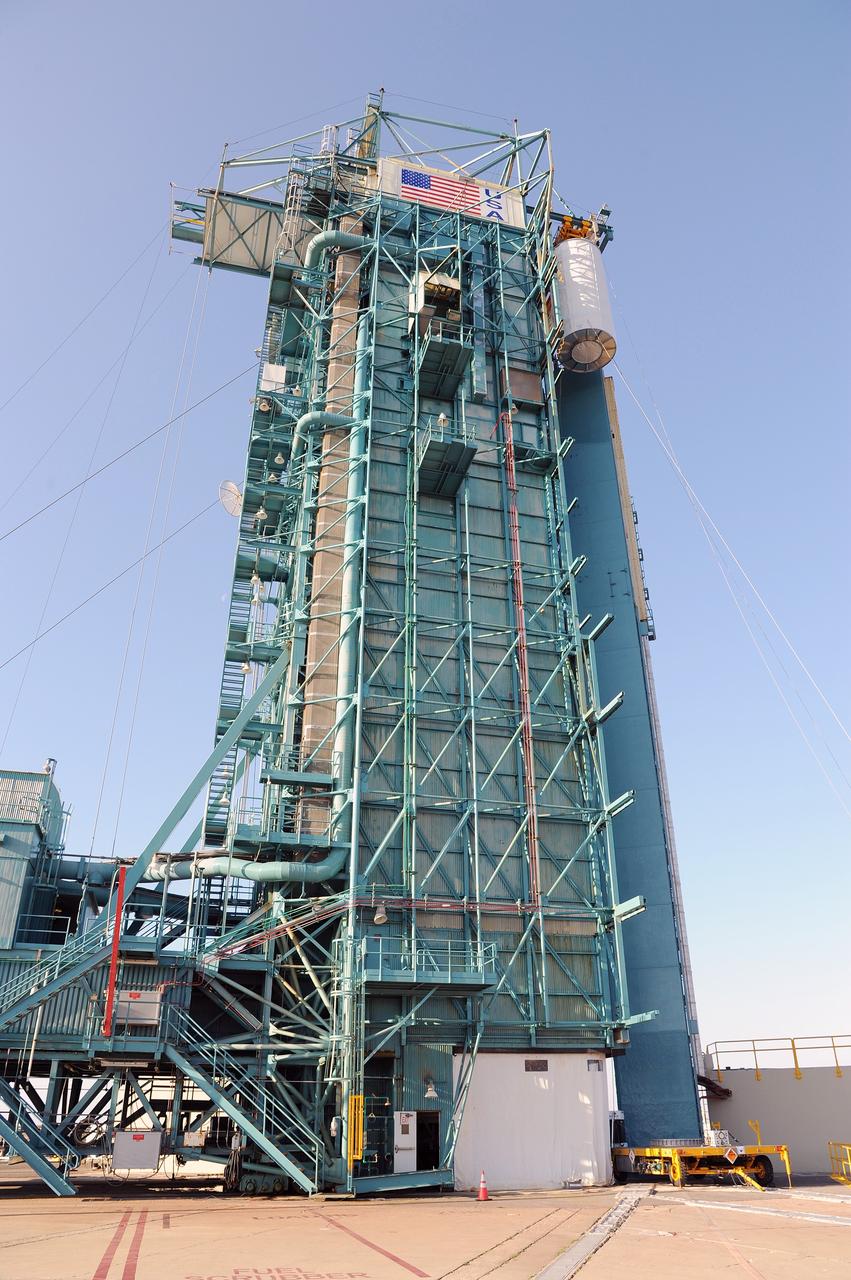
VANDENBERG AFB, California – NASA's SMAP spacecraft is hoisted to the top of a Delta II rocket at Space Launch Complex-2 for launch. For more, go to www.nasa.gov/smap Photo credit: USAF
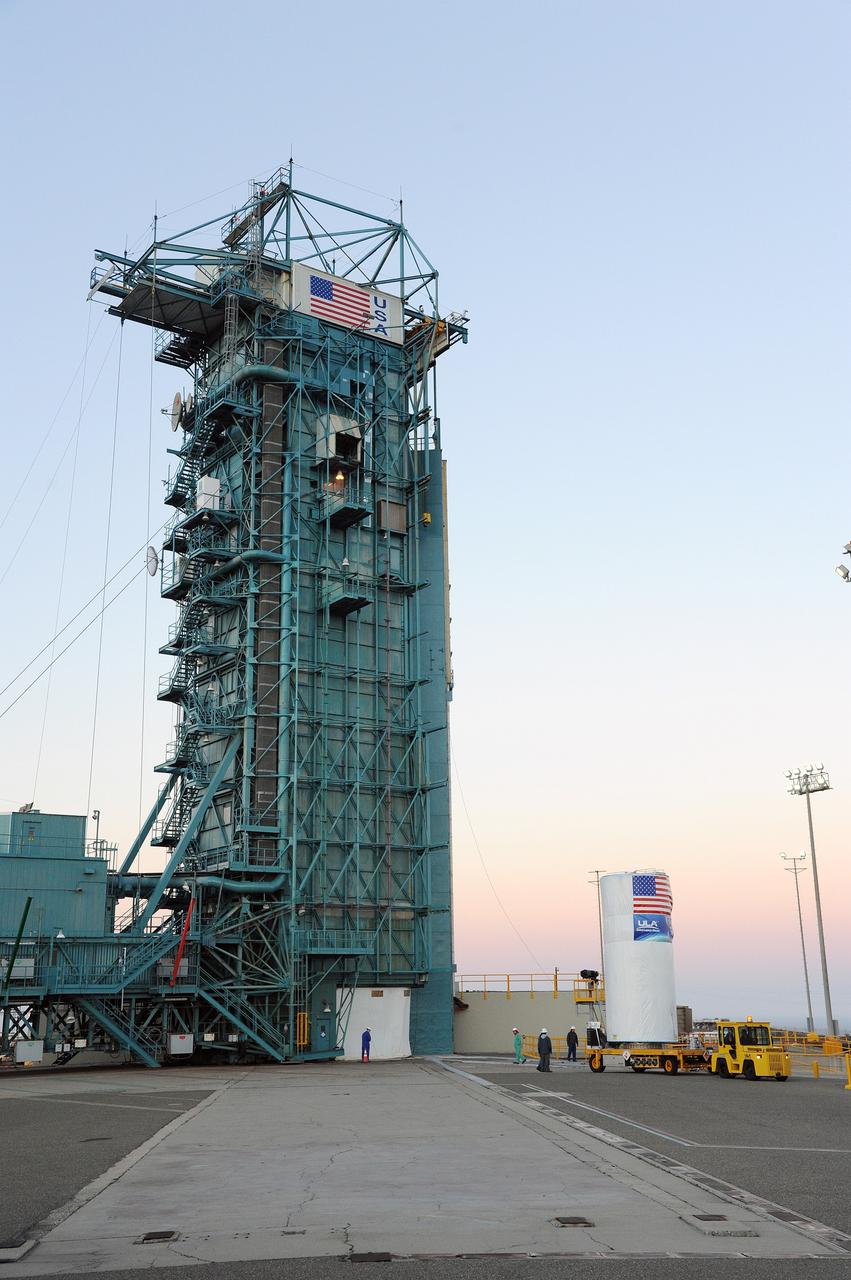
VANDENBERG AFB, California – NASA's SMAP spacecraft arrives at Space Launch Complex-2 from the Astrotech processing facility for placement atop a Delta II rocket for launch. For more, go to www.nasa.gov/smap Photo credit: USAF
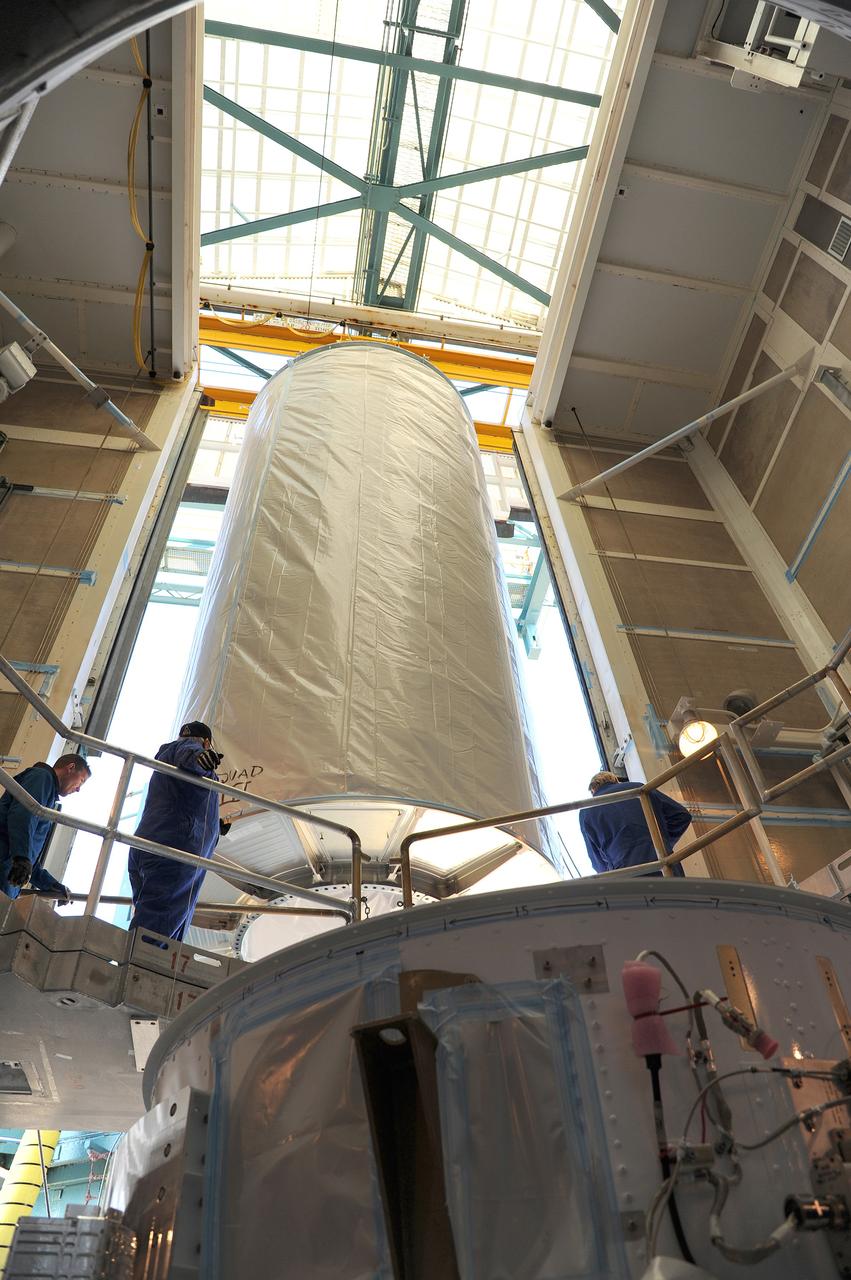
VANDENBERG AFB, California – NASA's SMAP spacecraft is hoisted to the top of a Delta II rocket at Space Launch Complex-2 for launch. For more, go to www.nasa.gov/smap Photo credit: USAF
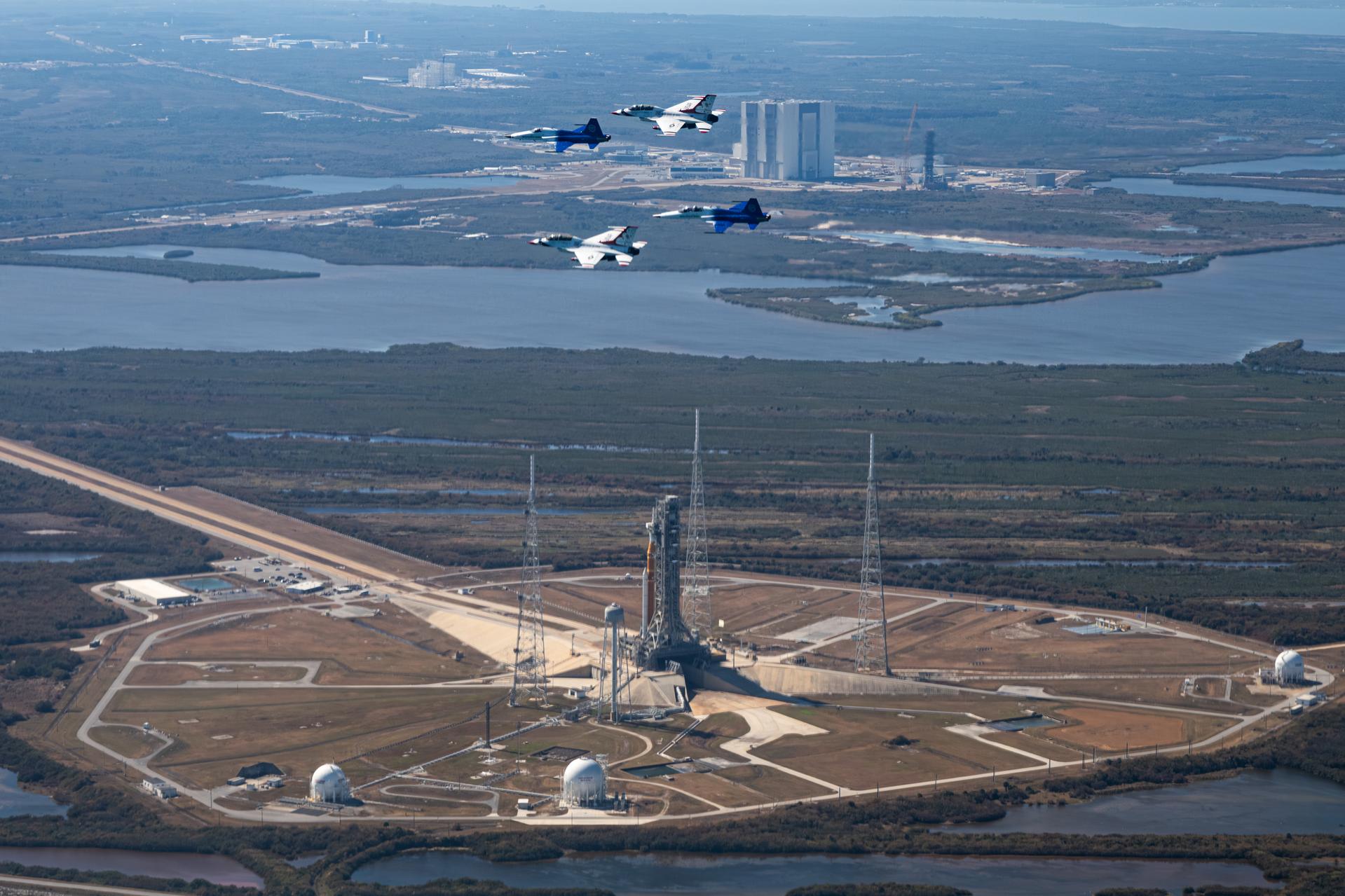
NASA Administrator Jared Isaacman conducts a formation flight with two of his personal F-5 aircraft, piloted by Isaacman and Sean Gustafson, senior advisor to the administrator, and two U.S. Air Force Thunderbirds F-16s, piloted by Thunderbird 7 Lt. Col. Tyler Keener and Thunderbird 8 Maj. Samuel Larson, Sunday, Feb. 8, 2026, at NASA’s Kennedy Space Center in Florida. The formation flew near the Artemis II SLS (Space Launch System) rocket and Orion spacecraft at Launch Complex 39B and the surrounding area at Kennedy. Photo Credit: (NASA/John Kraus)
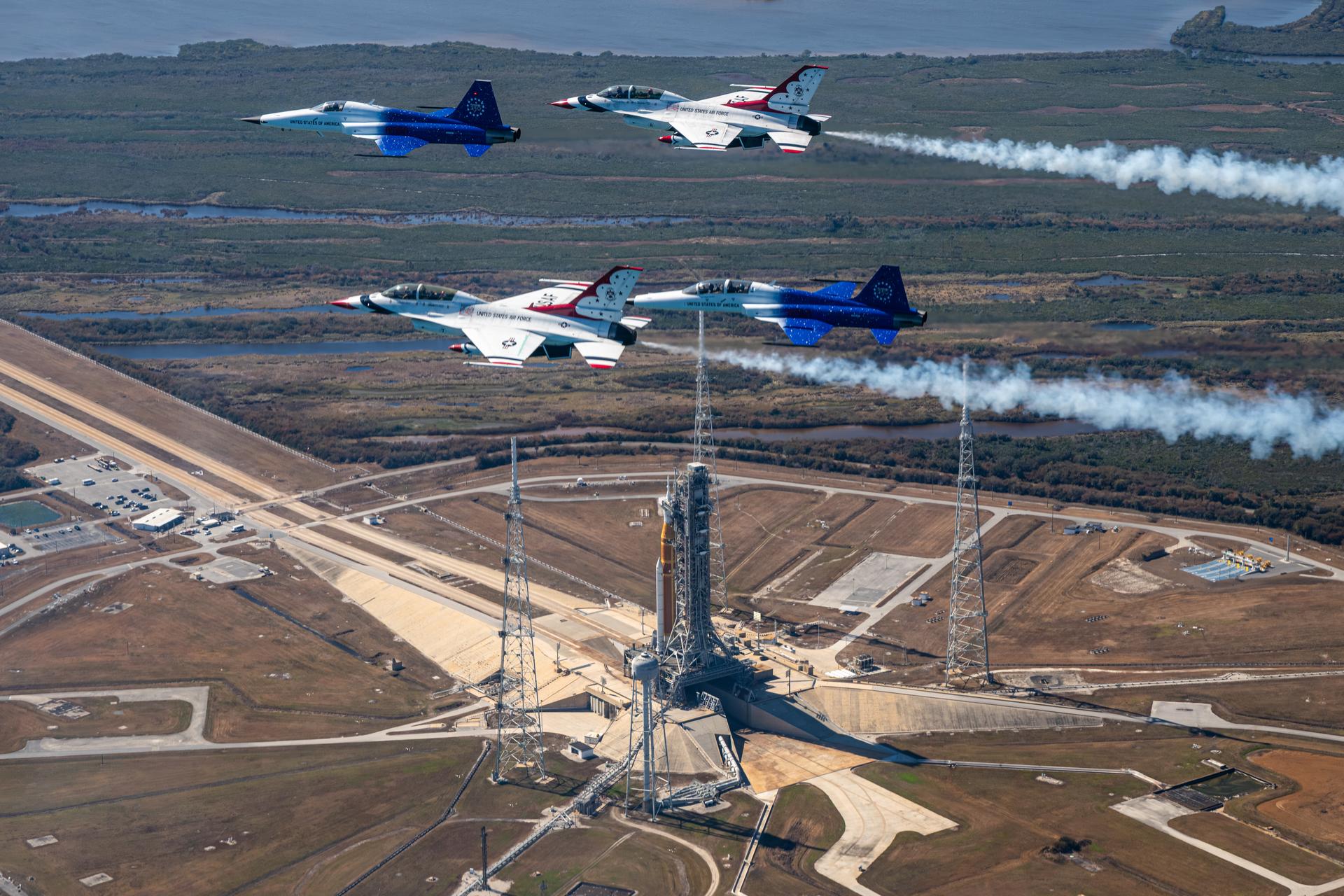
NASA Administrator Jared Isaacman conducts a formation flight with two of his personal F-5 aircraft, piloted by Isaacman and Sean Gustafson, senior advisor to the administrator, and two U.S. Air Force Thunderbirds F-16s, piloted by Thunderbird 7 Lt. Col. Tyler Keener and Thunderbird 8 Maj. Samuel Larson, Sunday, Feb. 8, 2026, at NASA’s Kennedy Space Center in Florida. The formation flew near the Artemis II SLS (Space Launch System) rocket and Orion spacecraft at Launch Complex 39B and the surrounding area at Kennedy. Photo Credit: (NASA/John Kraus)
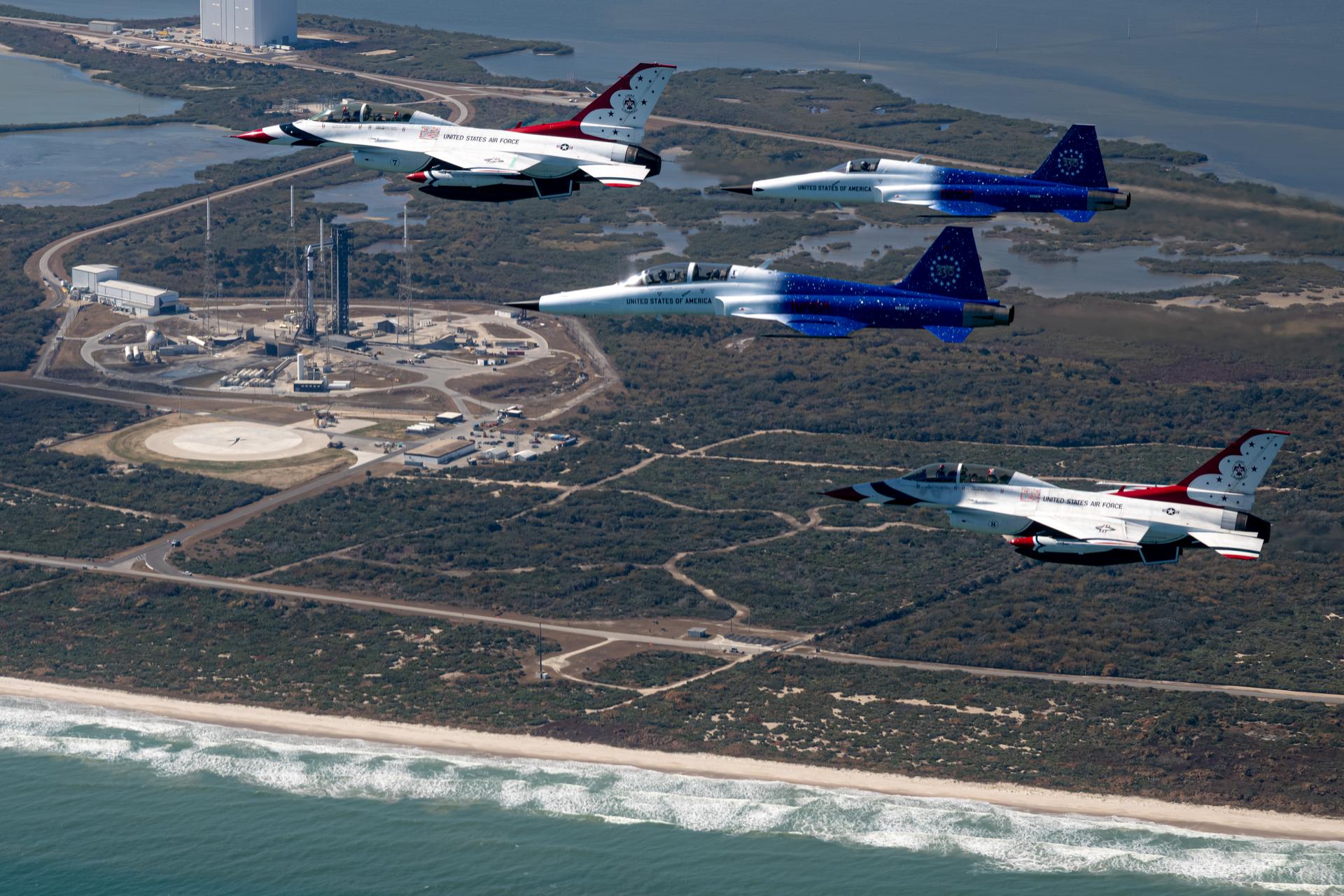
NASA Administrator Jared Isaacman conducts a formation flight with two of his personal F-5 aircraft, piloted by Isaacman and Sean Gustafson, senior advisor to the administrator, and two U.S. Air Force Thunderbirds F-16s, piloted by Thunderbird 7 Lt. Col. Tyler Keener and Thunderbird 8 Maj. Samuel Larson, Sunday, Feb. 8, 2026, at NASA’s Kennedy Space Center in Florida. The formation flew near Space Launch Complex 40 at Cape Canaveral Space Force Station and the surrounding area at Kennedy ahead of Crew-12’s mission to the International Space Station. Photo Credit: (NASA/John Kraus)
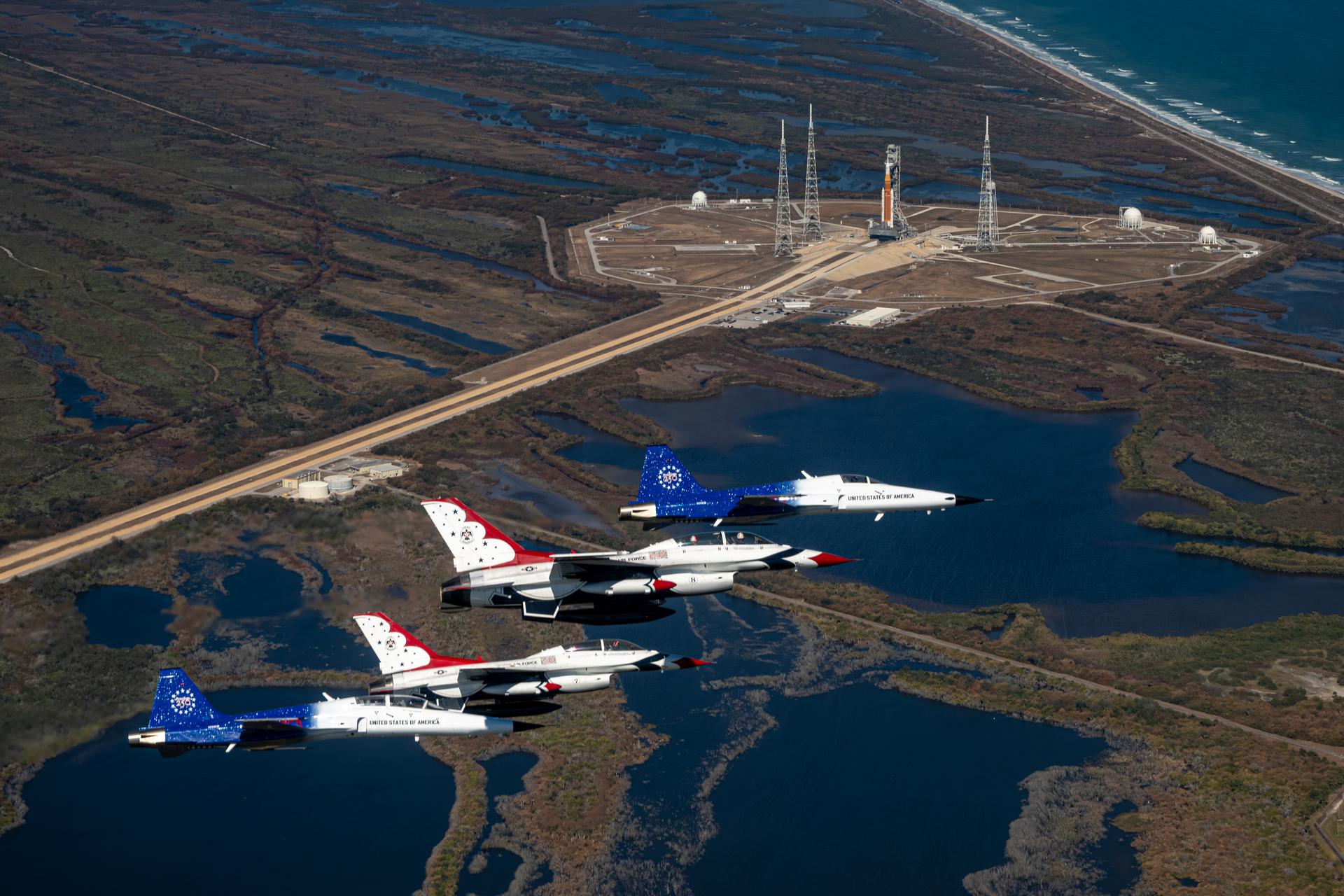
NASA Administrator Jared Isaacman conducts a formation flight with two of his personal F-5 aircraft, piloted by Isaacman and Sean Gustafson, senior advisor to the administrator, and two U.S. Air Force Thunderbirds F-16s, piloted by Thunderbird 7 Lt. Col. Tyler Keener and Thunderbird 8 Maj. Samuel Larson, Sunday, Feb. 8, 2026, at NASA’s Kennedy Space Center in Florida. The formation flew near the Artemis II SLS (Space Launch System) rocket and Orion spacecraft at Launch Complex 39B and the surrounding area at Kennedy. Photo Credit: (NASA/John Kraus)
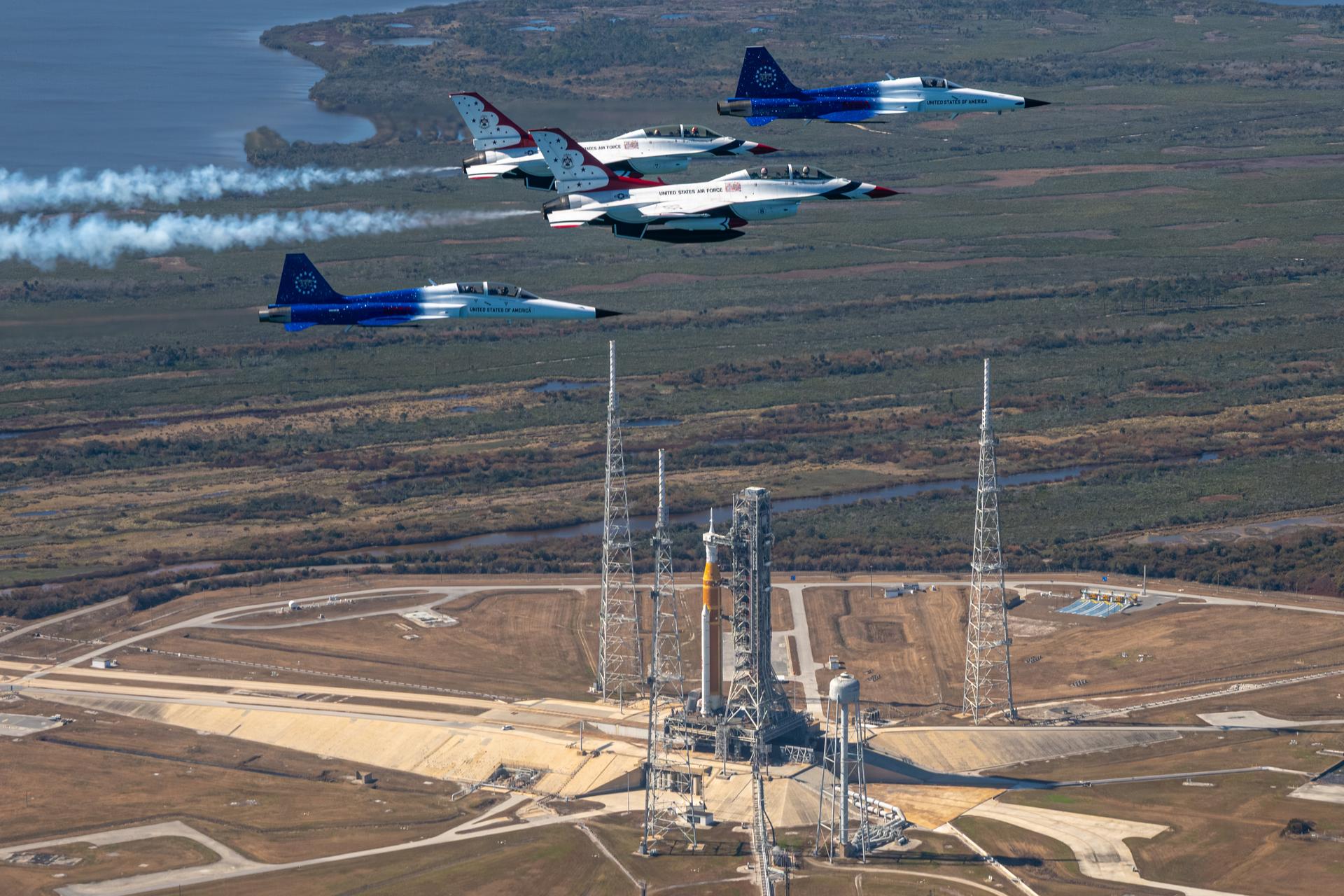
NASA Administrator Jared Isaacman conducts a formation flight with two of his personal F-5 aircraft, piloted by Isaacman and Sean Gustafson, senior advisor to the administrator, and two U.S. Air Force Thunderbirds F-16s, piloted by Thunderbird 7 Lt. Col. Tyler Keener and Thunderbird 8 Maj. Samuel Larson, Sunday, Feb. 8, 2026, at NASA’s Kennedy Space Center in Florida. The formation flew near the Artemis II SLS (Space Launch System) rocket and Orion spacecraft at Launch Complex 39B and the surrounding area at Kennedy. Photo Credit: (NASA/John Kraus)
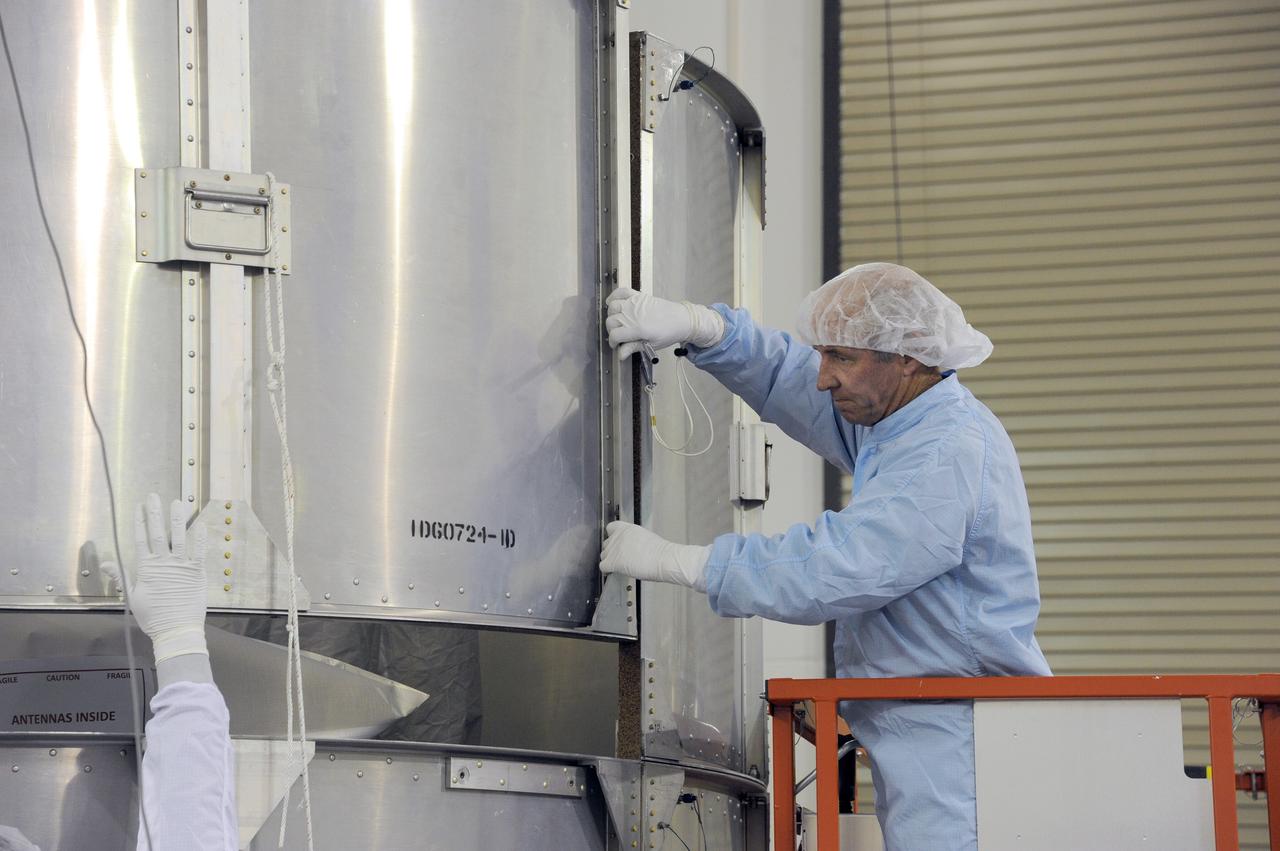
VANDENBERG AFB, California – Technicians and engineers place a transportation canister around NASA's SMAP spacecraft so it can be taken from the Astrotech processing facility to Space Launch Complex-2 for placement atop a Delta II rocket for launch. For more, go to www.nasa.gov/smap Photo credit: USAF/John Davila
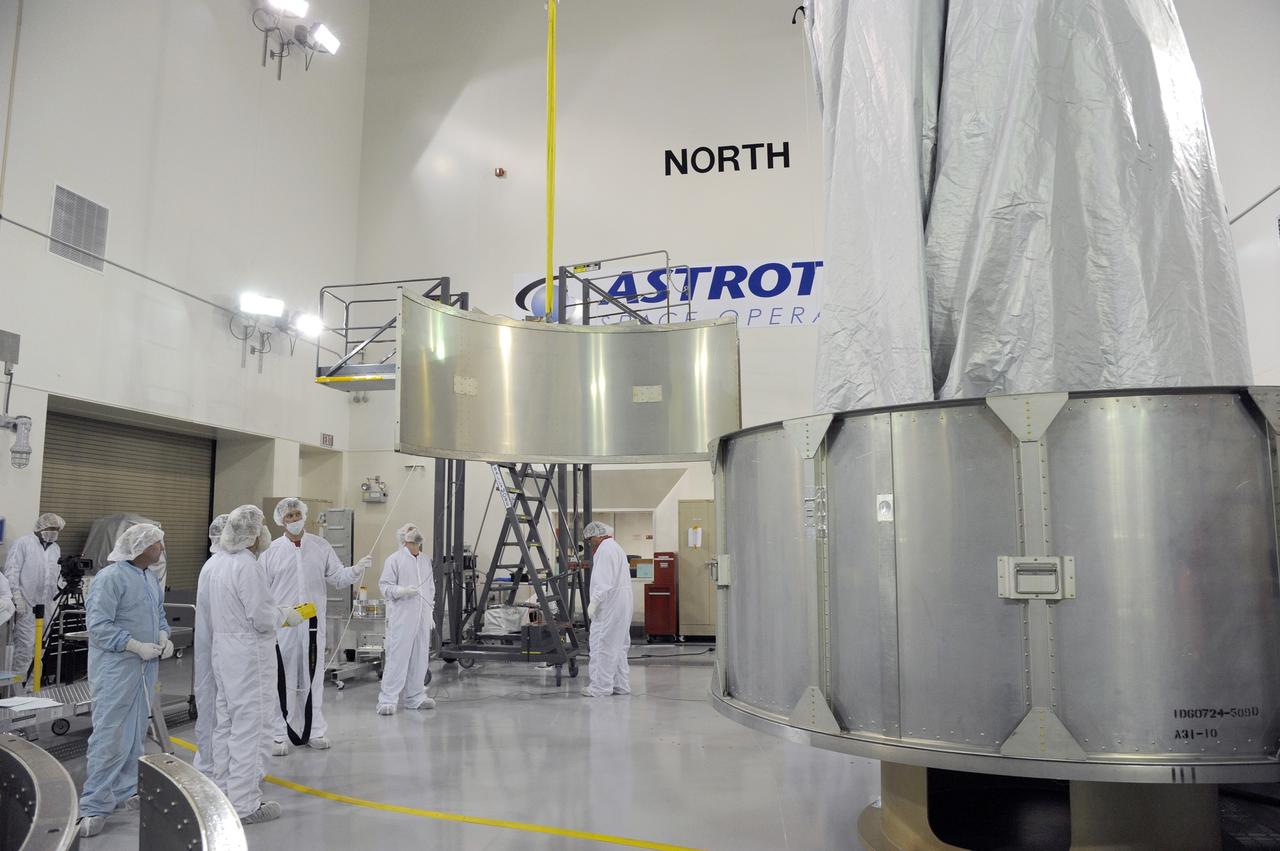
VANDENBERG AFB, California – Technicians and engineers place a transportation canister around NASA's SMAP spacecraft so it can be taken from the Astrotech processing facility to Space Launch Complex-2 for placement atop a Delta II rocket for launch. For more, go to www.nasa.gov/smap Photo credit: USAF/John Davila
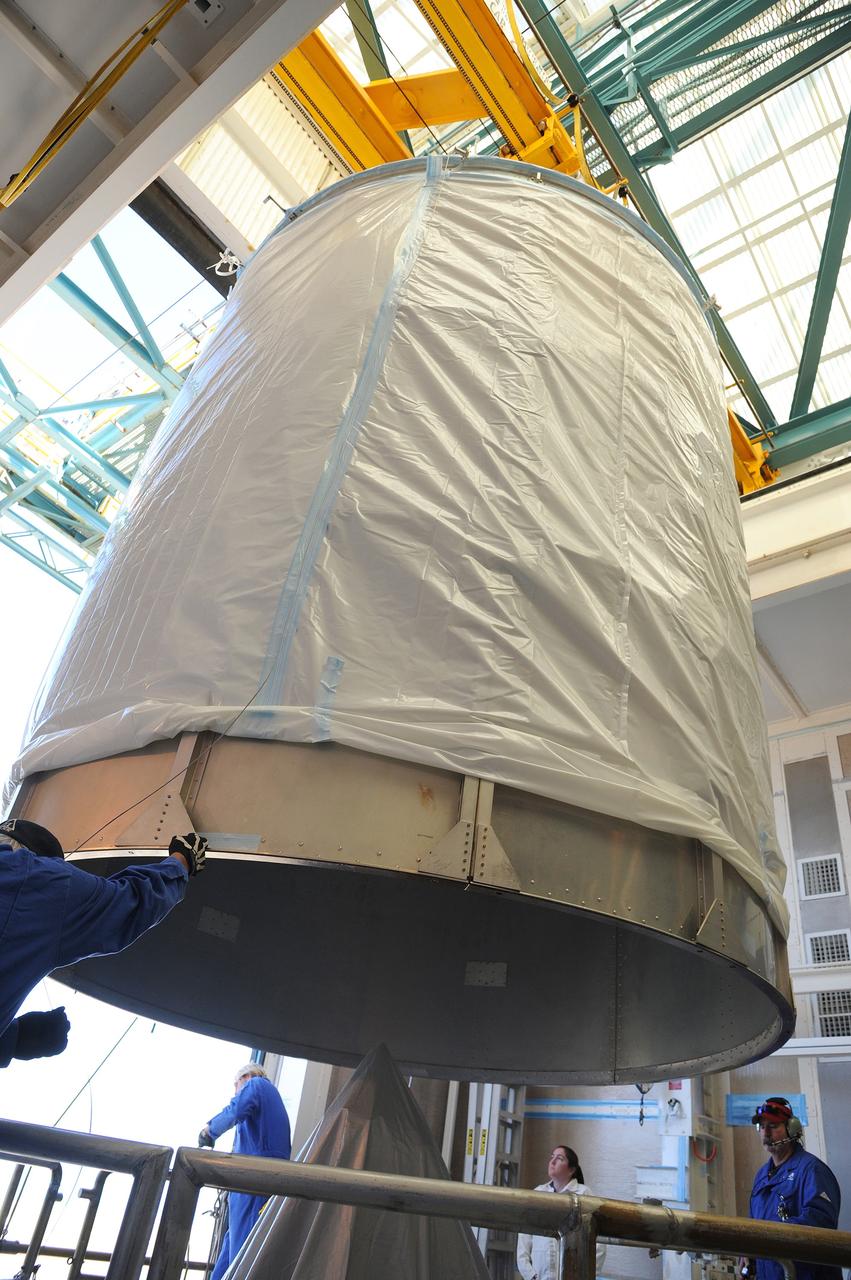
VANDENBERG AFB, California – The transportation canister is removed from around NASA's SMAP spacecraft after positioning the satellite atop a Delta II rocket at Space Launch Complex-2 for launch. For more, go to www.nasa.gov/smap Photo credit: USAF
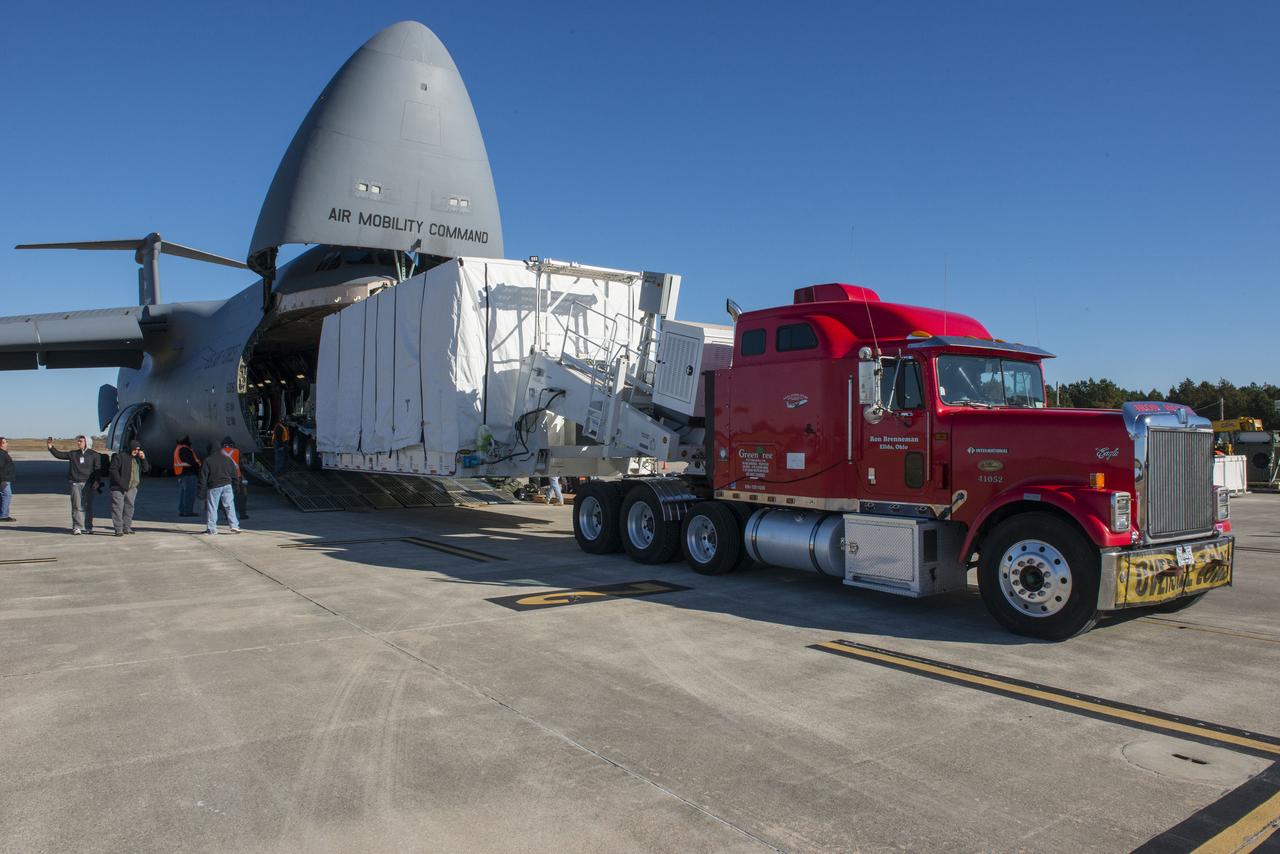
JAMES WEBB SPACE TELESCOPE (JWST) BACKPLANE MOVE FROM MARSHALL SPACE FLIGHT CENTER’S X-RAY CALIBRATION FACILITY (XCRF) TO THE REDSTONE ARSENAL AIRFIELD WHERE THE TEST ARTICLE WAS PLACED IN A USAF C-5 GALAXY FOR IT’S FLIGHT BACK TO THE MANUFACTURER.
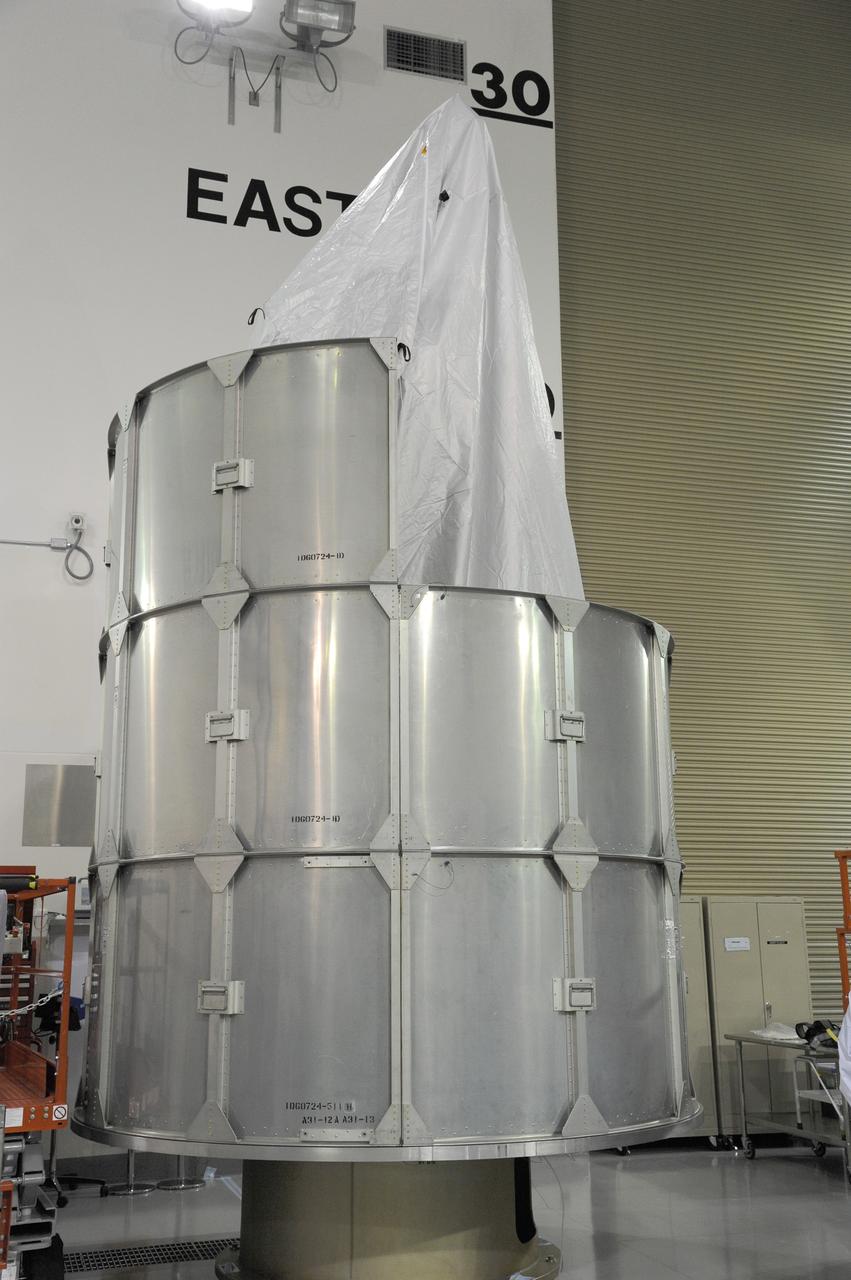
VANDENBERG AFB, California – Technicians and engineers place a transportation canister around NASA's SMAP spacecraft so it can be taken from the Astrotech processing facility to Space Launch Complex-2 for placement atop a Delta II rocket for launch. For more, go to www.nasa.gov/smap Photo credit: USAF/John Davila
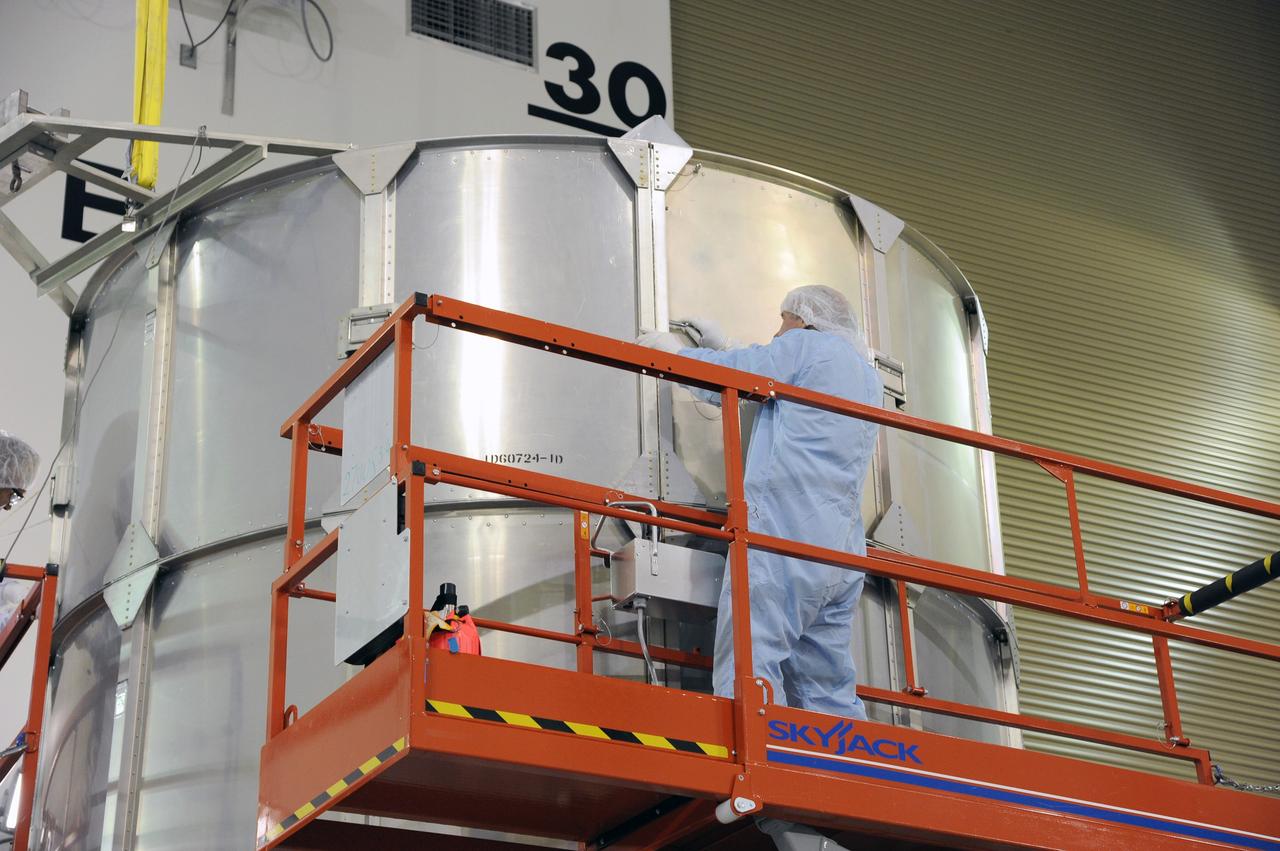
VANDENBERG AFB, California – Technicians and engineers place a transportation canister around NASA's SMAP spacecraft so it can be taken from the Astrotech processing facility to Space Launch Complex-2 for placement atop a Delta II rocket for launch. For more, go to www.nasa.gov/smap Photo credit: USAF/John Davila
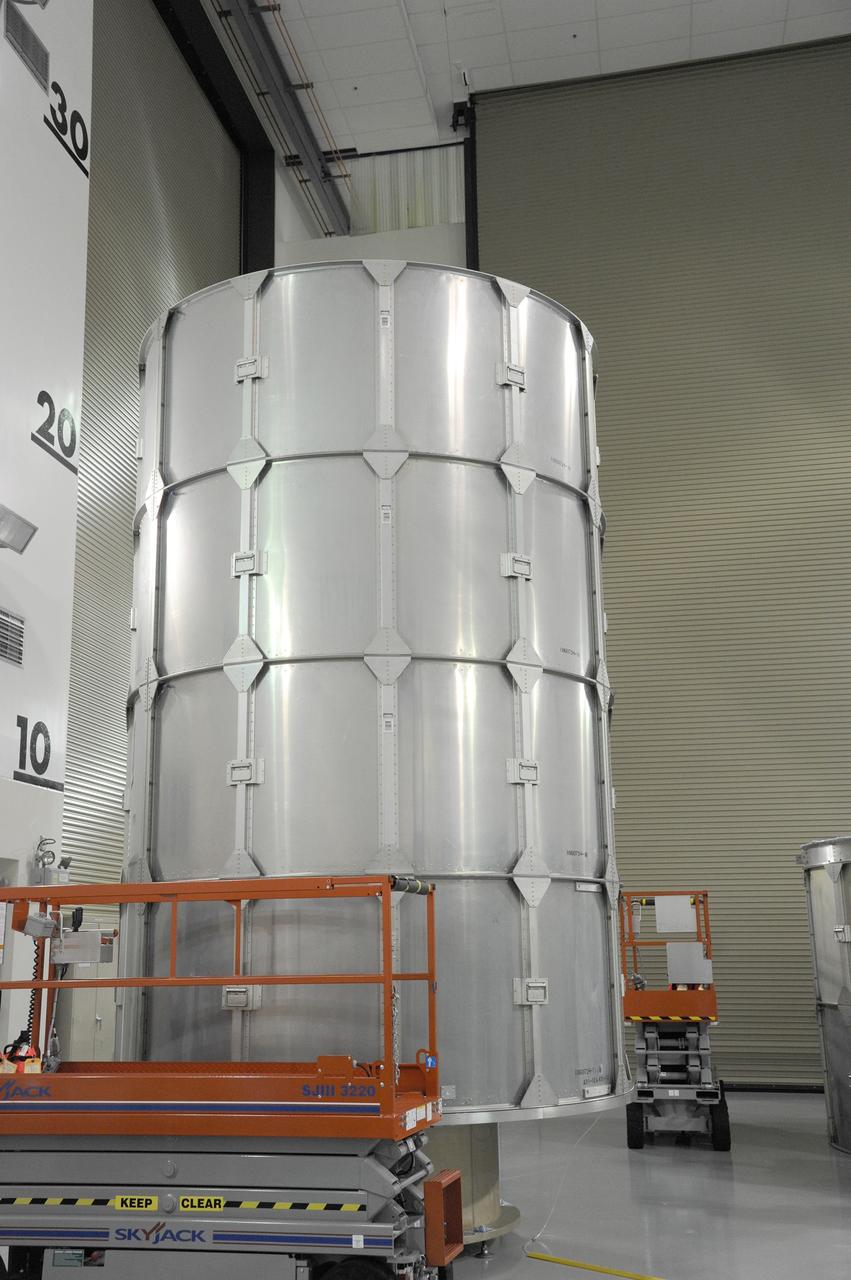
VANDENBERG AFB, California – Technicians and engineers place a transportation canister around NASA's SMAP spacecraft so it can be taken from the Astrotech processing facility to Space Launch Complex-2 for placement atop a Delta II rocket for launch. For more, go to www.nasa.gov/smap Photo credit: USAF/John Davila
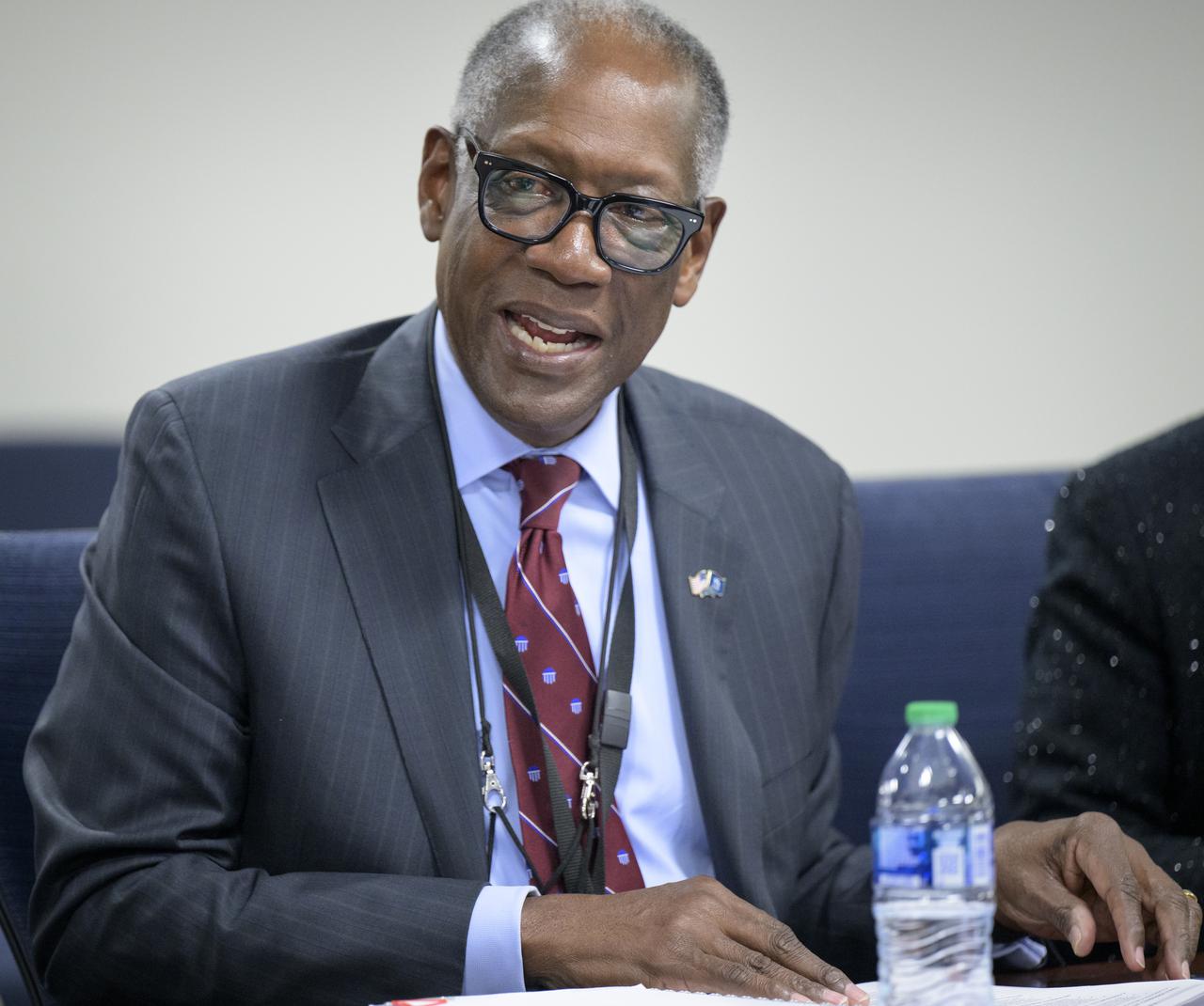
Gen. Lester Lyles, USAF (retired) chairs the NASA Advisory Council (NAC) during an executive session, Monday, Feb. 28, 2022, at the Mary W. Jackson NASA Headquarters building in Washington. Photo Credit: (NASA/Bill Ingalls)
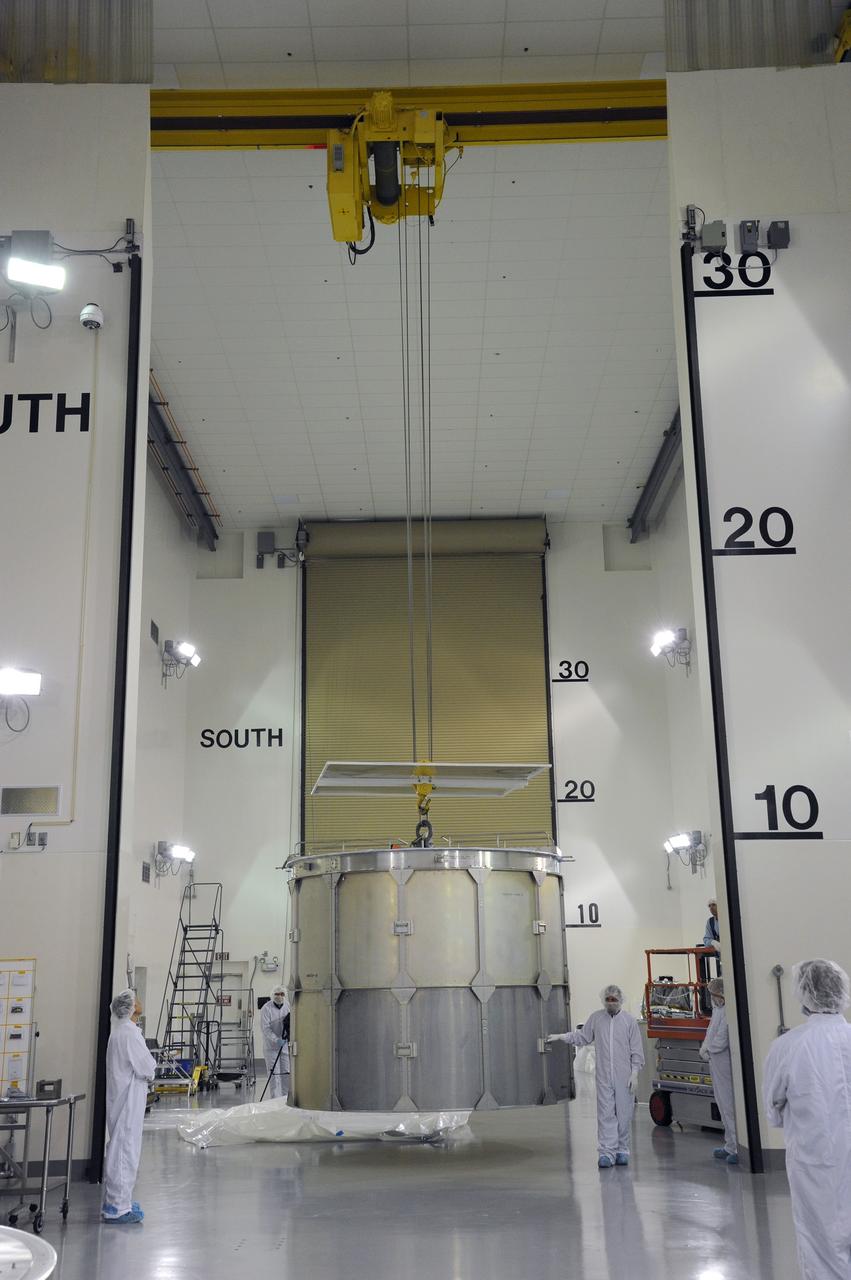
VANDENBERG AFB, California – Technicians and engineers place a transportation canister around NASA's SMAP spacecraft so it can be taken from the Astrotech processing facility to Space Launch Complex-2 for placement atop a Delta II rocket for launch. For more, go to www.nasa.gov/smap Photo credit: USAF/John Davila
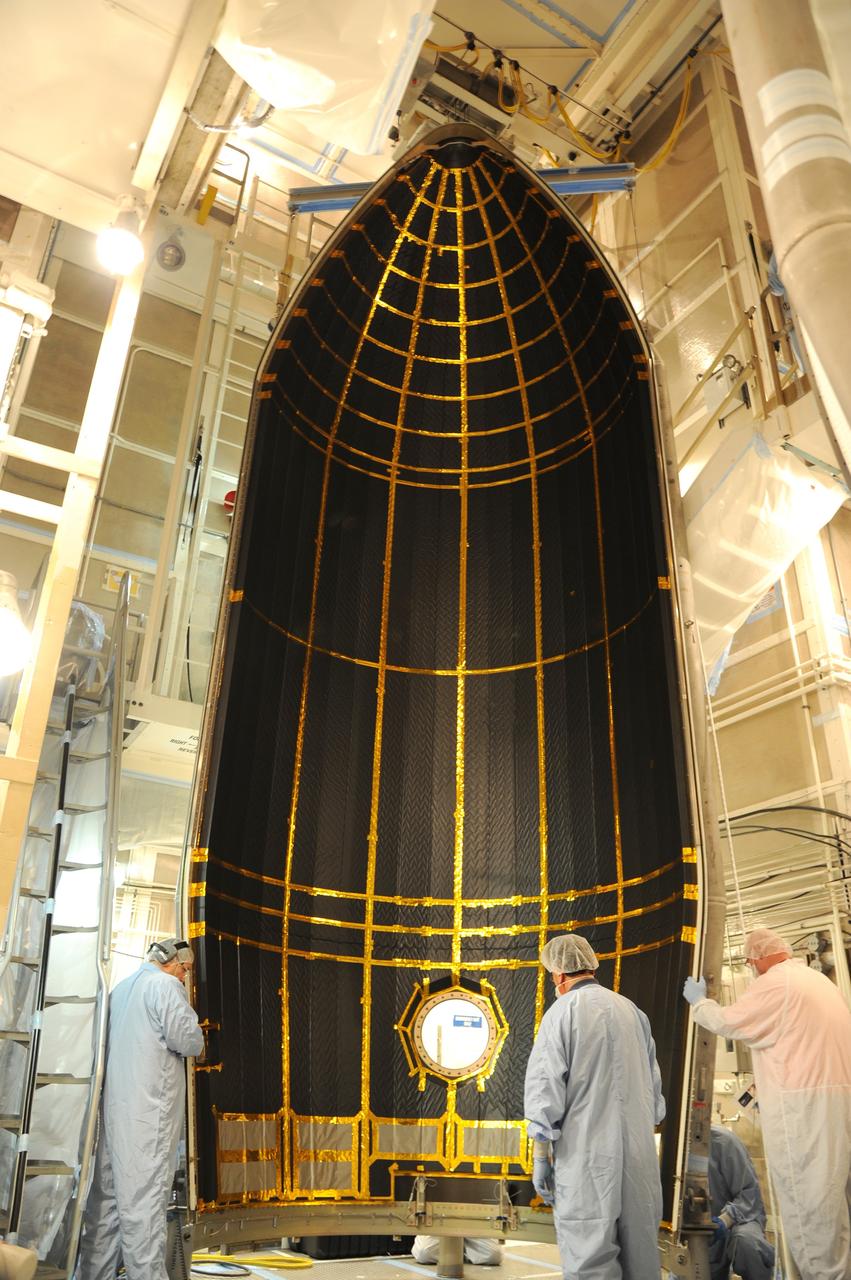
VANDENBERG AFB, California – The payload fairing is moved into place around NASA's SMAP spacecraft inside the service structure at Space Launch Complex-2 at Vandenberg AFB, California - the launch site for NASA's SMAP spacecraft. For more, go to www.nasa.gov/smap Photo credit: USAF
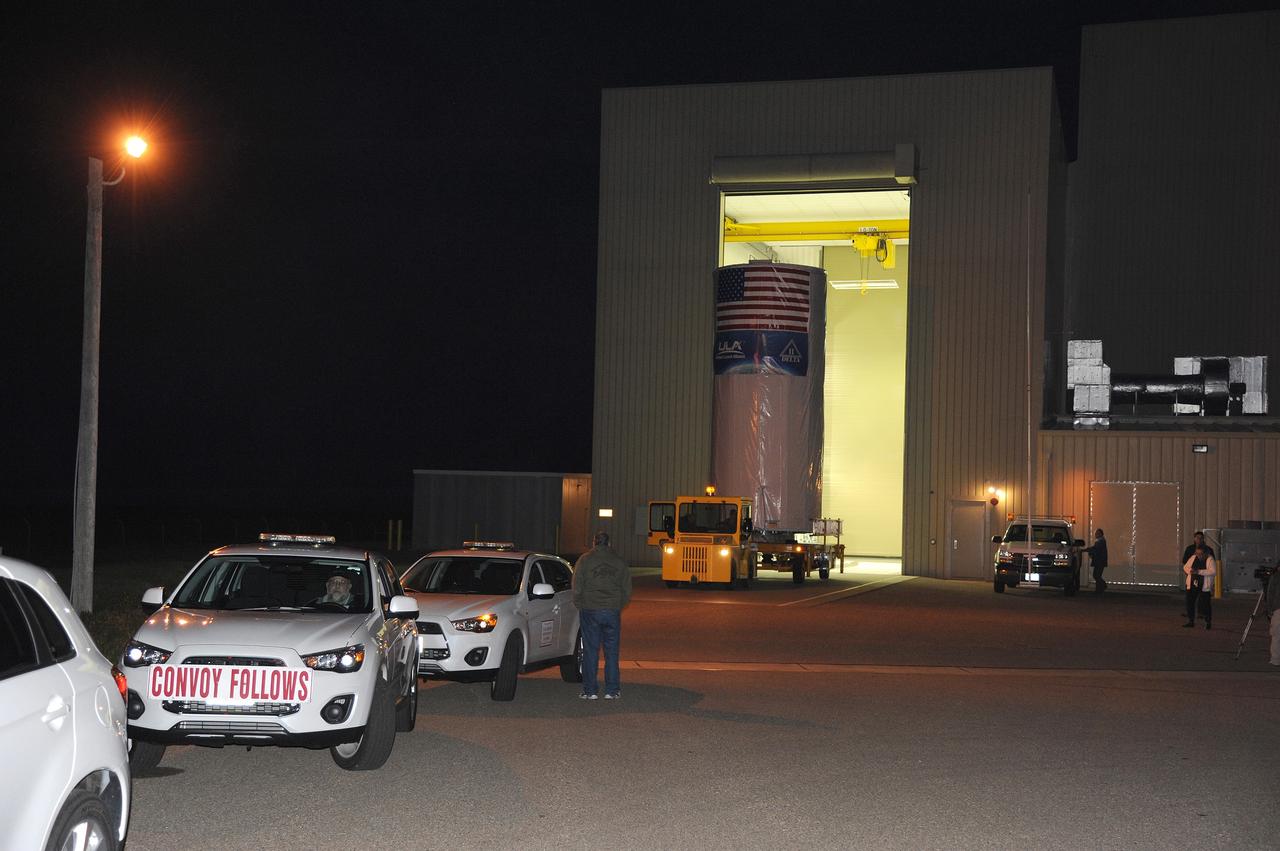
VANDENBERG AFB, California – A convoy assembles to take NASA's SMAP spacecraft from the Astrotech processing facility to Space Launch Complex-2 for placement atop a Delta II rocket for launch. For more, go to www.nasa.gov/smap Photo credit: USAF

VANDENBERG AFB, California – The payload fairing is moved into place around NASA's SMAP spacecraft inside the service structure at Space Launch Complex-2 at Vandenberg AFB, California - the launch site for NASA's SMAP spacecraft. For more, go to www.nasa.gov/smap Photo credit: USAF
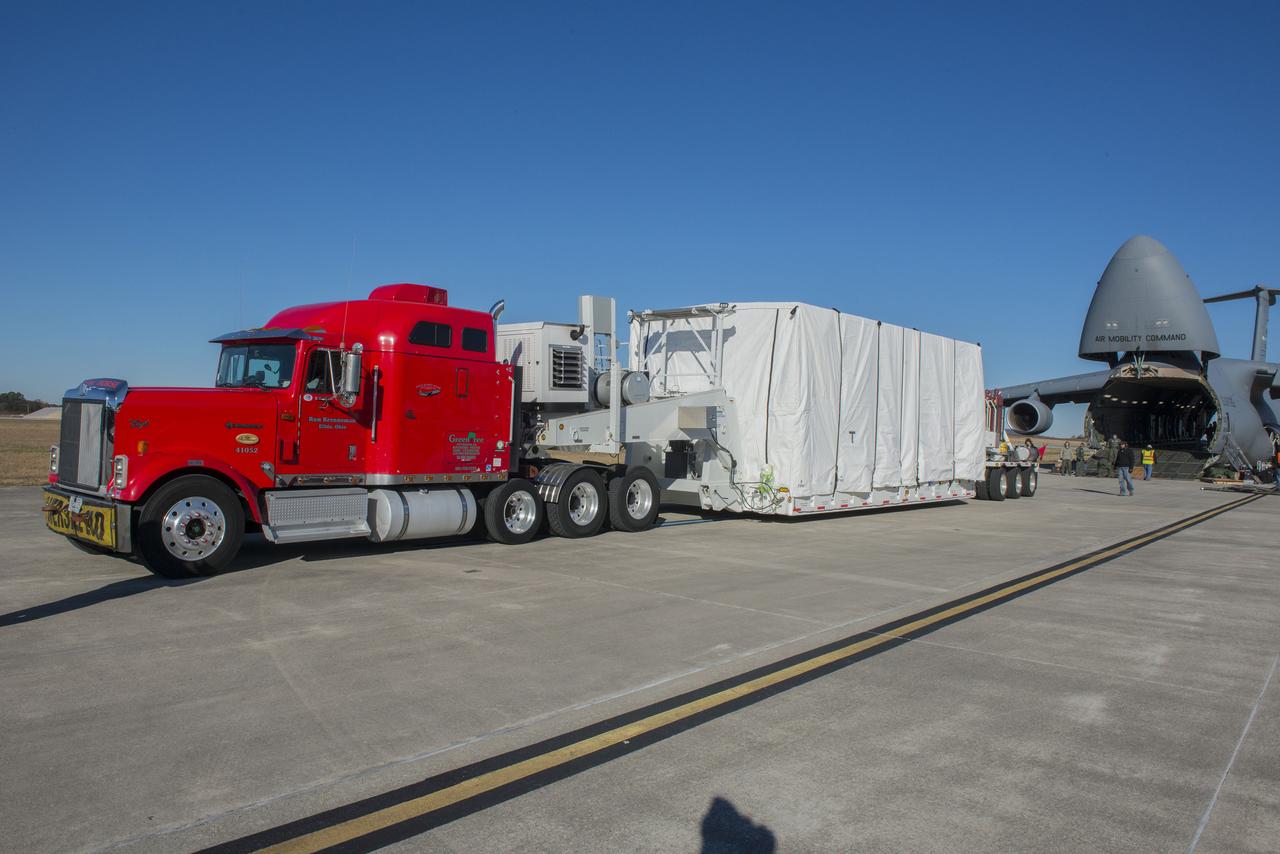
JAMES WEBB SPACE TELESCOPE (JWST) BACKPLANE MOVE FROM MARSHALL SPACE FLIGHT CENTER’S X-RAY CALIBRATION FACILITY (XCRF) TO THE REDSTONE ARSENAL AIRFIELD WHERE THE TEST ARTICLE WAS PLACED IN A USAF C-5 GALAXY FOR IT’S FLIGHT BACK TO THE MANUFACTURER.
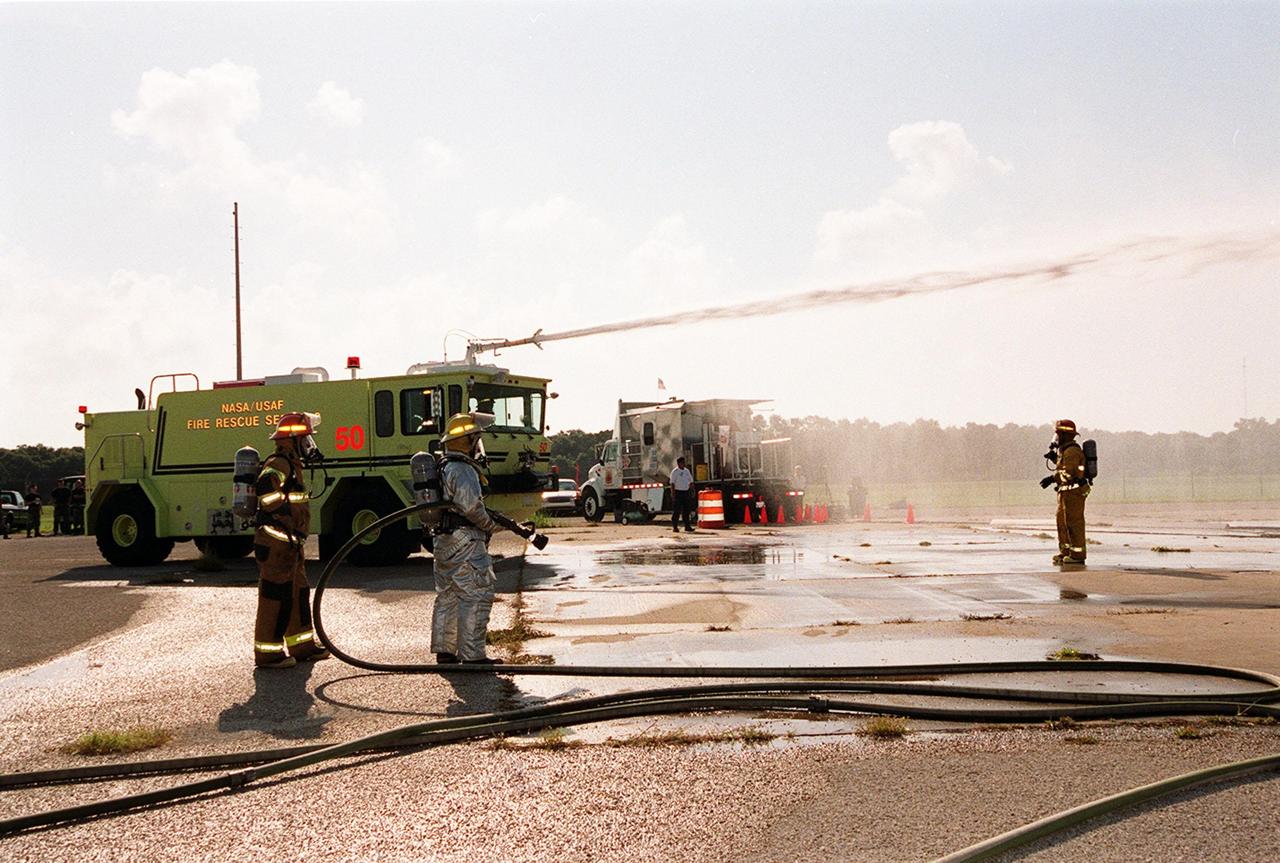
KENNEDY SPACE CENTER, FLA. -- During training exercises at Cape Canaveral Air Force Station Pad 30, firefighters with the Fire and Emergency Services at the Naval Station Mayport, Fla., wait while the NASA/USAF water carrier truck directs its water cannon toward a burning simulated aircraft (out of view).
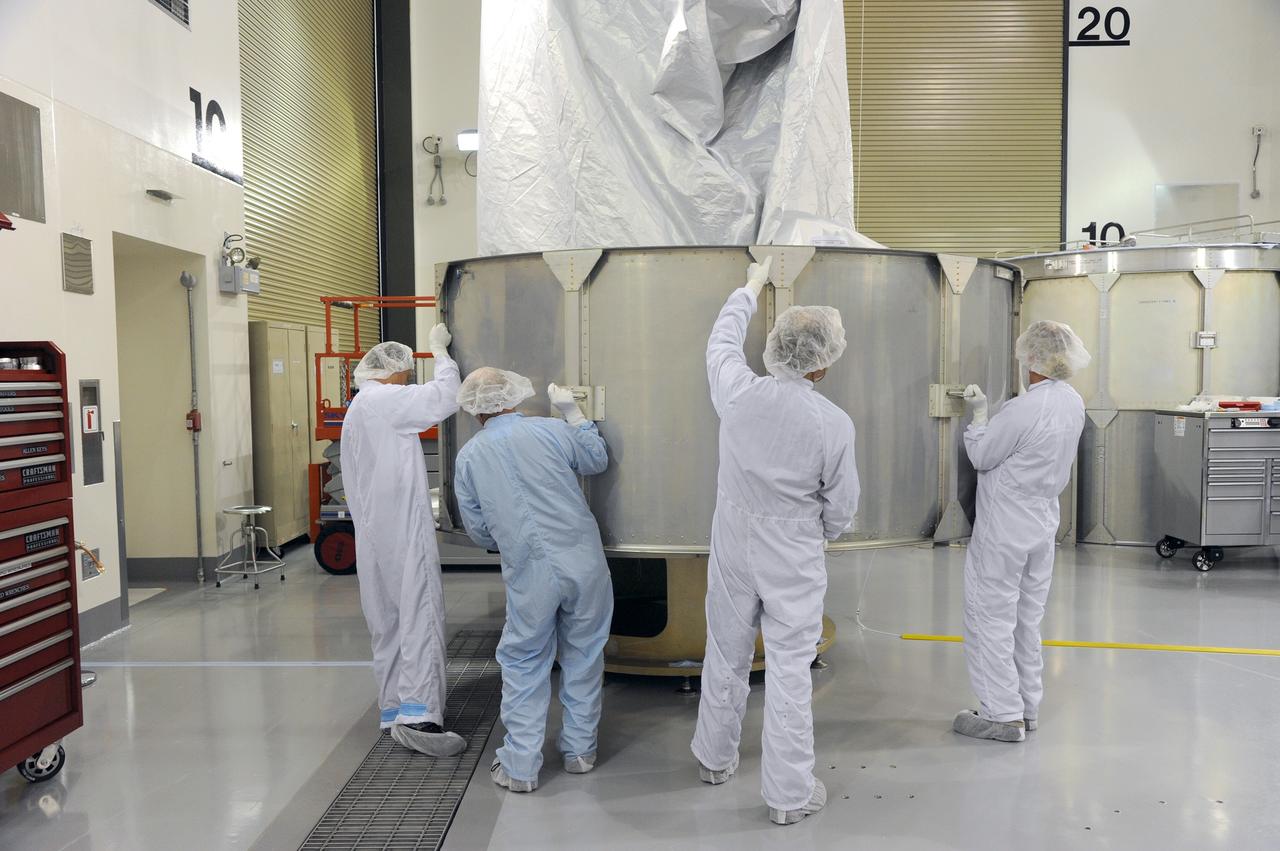
VANDENBERG AFB, California – Technicians and engineers place a transportation canister around NASA's SMAP spacecraft so it can be taken from the Astrotech processing facility to Space Launch Complex-2 for placement atop a Delta II rocket for launch. For more, go to www.nasa.gov/smap Photo credit: USAF/John Davila
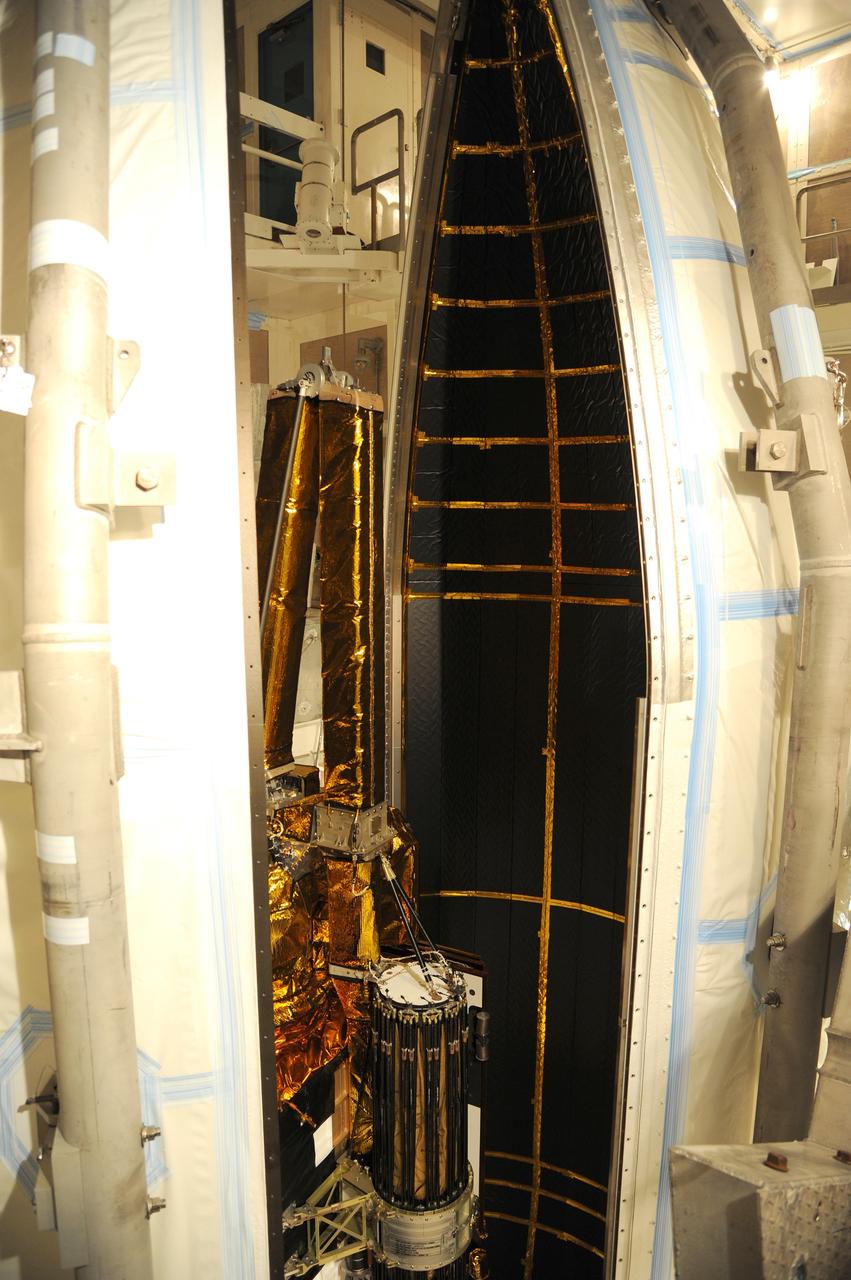
VANDENBERG AFB, California – The payload fairing is moved into place around NASA's SMAP spacecraft inside the service structure at Space Launch Complex-2 at Vandenberg AFB, California - the launch site for NASA's SMAP spacecraft. For more, go to www.nasa.gov/smap Photo credit: USAF
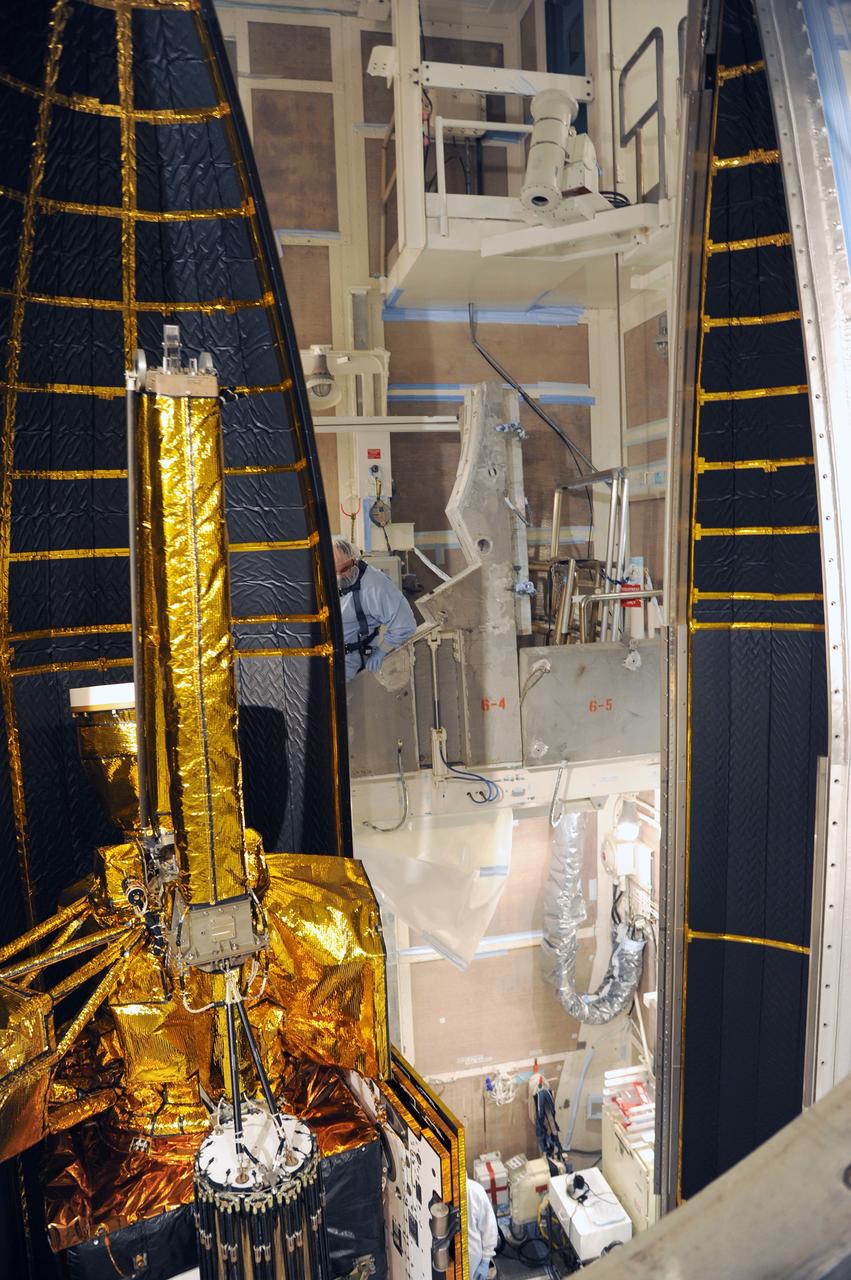
VANDENBERG AFB, California – The payload fairing is moved into place around NASA's SMAP spacecraft inside the service structure at Space Launch Complex-2 at Vandenberg AFB, California - the launch site for NASA's SMAP spacecraft. For more, go to www.nasa.gov/smap Photo credit: USAF
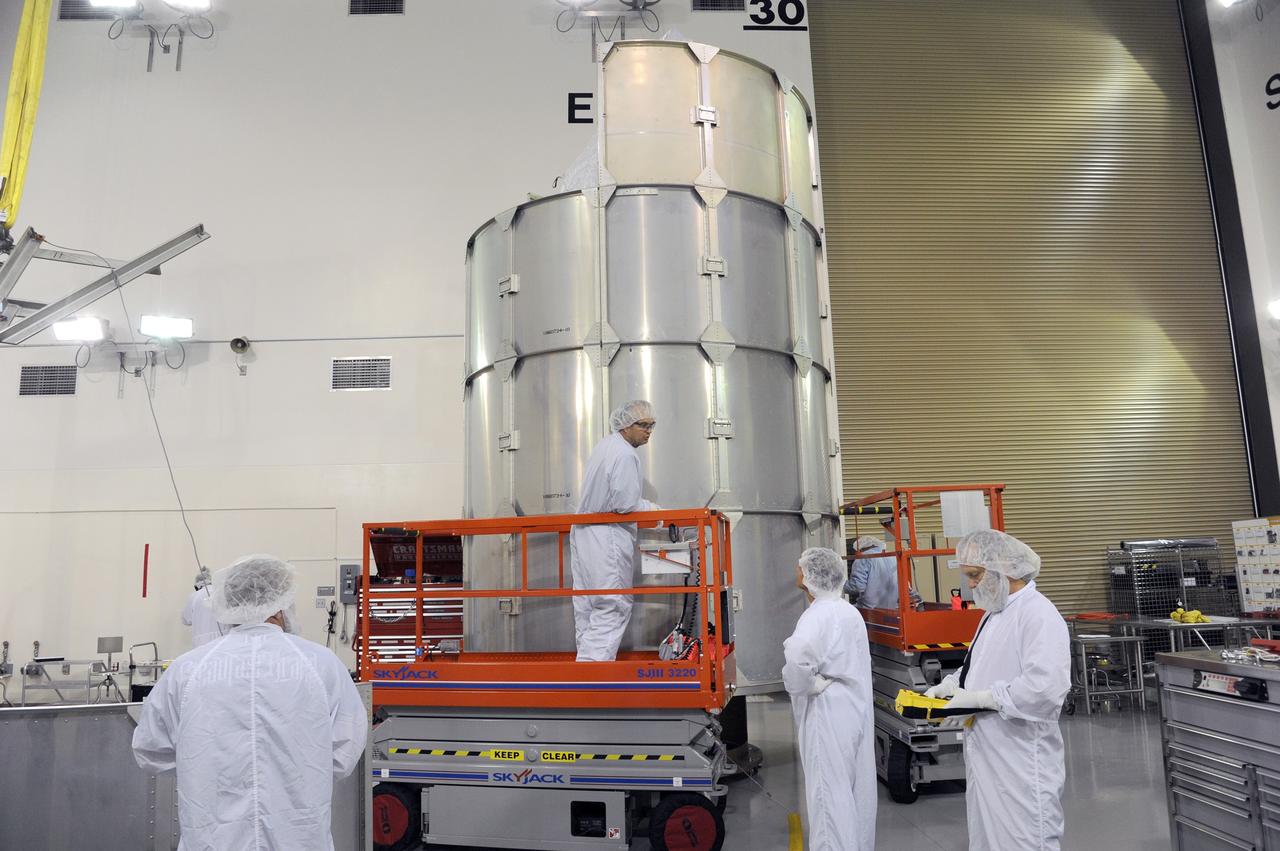
VANDENBERG AFB, California – Technicians and engineers place a transportation canister around NASA's SMAP spacecraft so it can be taken from the Astrotech processing facility to Space Launch Complex-2 for placement atop a Delta II rocket for launch. For more, go to www.nasa.gov/smap Photo credit: USAF/John Davila
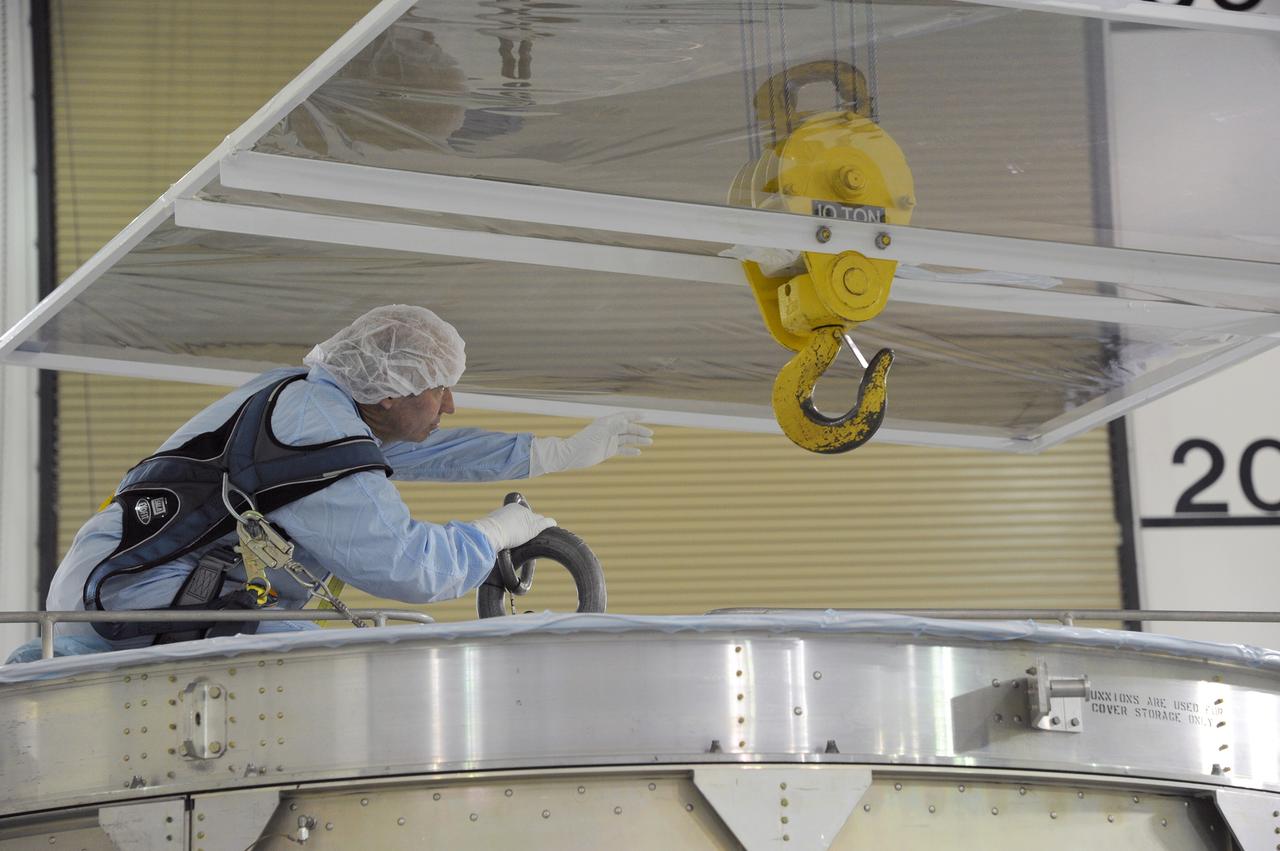
VANDENBERG AFB, California – Technicians and engineers place a transportation canister around NASA's SMAP spacecraft so it can be taken from the Astrotech processing facility to Space Launch Complex-2 for placement atop a Delta II rocket for launch. For more, go to www.nasa.gov/smap Photo credit: USAF/John Davila
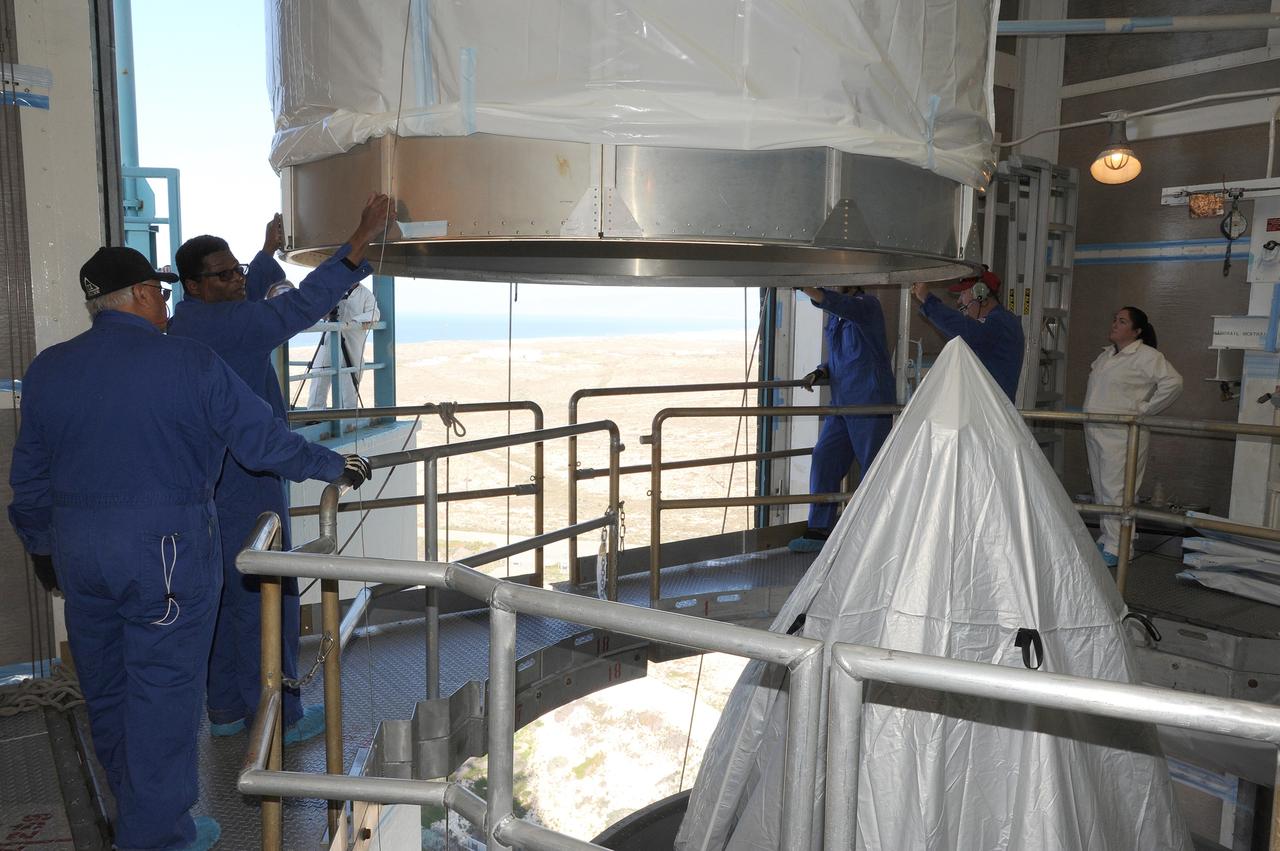
VANDENBERG AFB, California – The transportation canister is removed from around NASA's SMAP spacecraft after positioning the satellite atop a Delta II rocket at Space Launch Complex-2 for launch. For more, go to www.nasa.gov/smap Photo credit: USAF
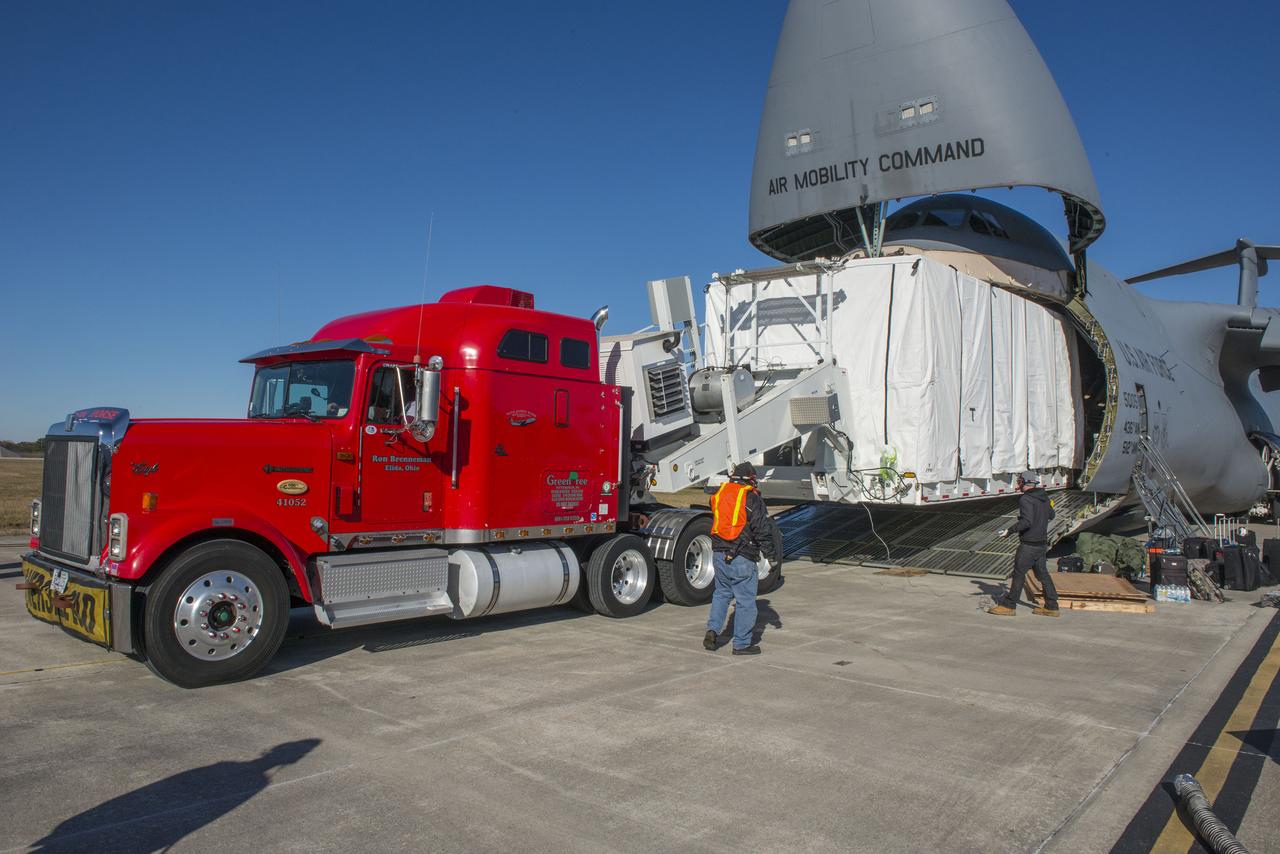
JAMES WEBB SPACE TELESCOPE (JWST) BACKPLANE MOVE FROM MARSHALL SPACE FLIGHT CENTER’S X-RAY CALIBRATION FACILITY (XCRF) TO THE REDSTONE ARSENAL AIRFIELD WHERE THE TEST ARTICLE WAS PLACED IN A USAF C-5 GALAXY FOR IT’S FLIGHT BACK TO THE MANUFACTURER.
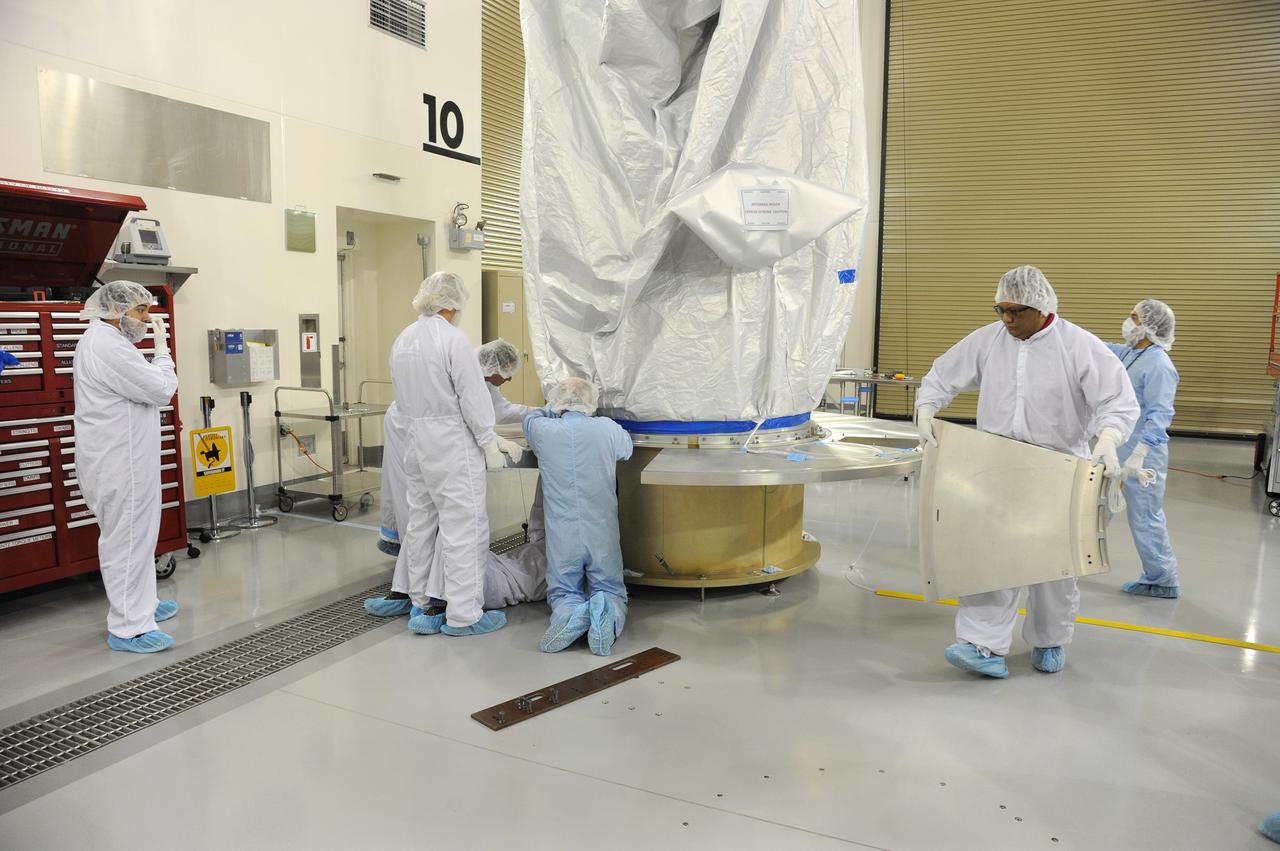
VANDENBERG AFB, California – Technicians and engineers place a transportation canister around NASA's SMAP spacecraft so it can be taken from the Astrotech processing facility to Space Launch Complex-2 for placement atop a Delta II rocket for launch. For more, go to www.nasa.gov/smap Photo credit: USAF/John Davila
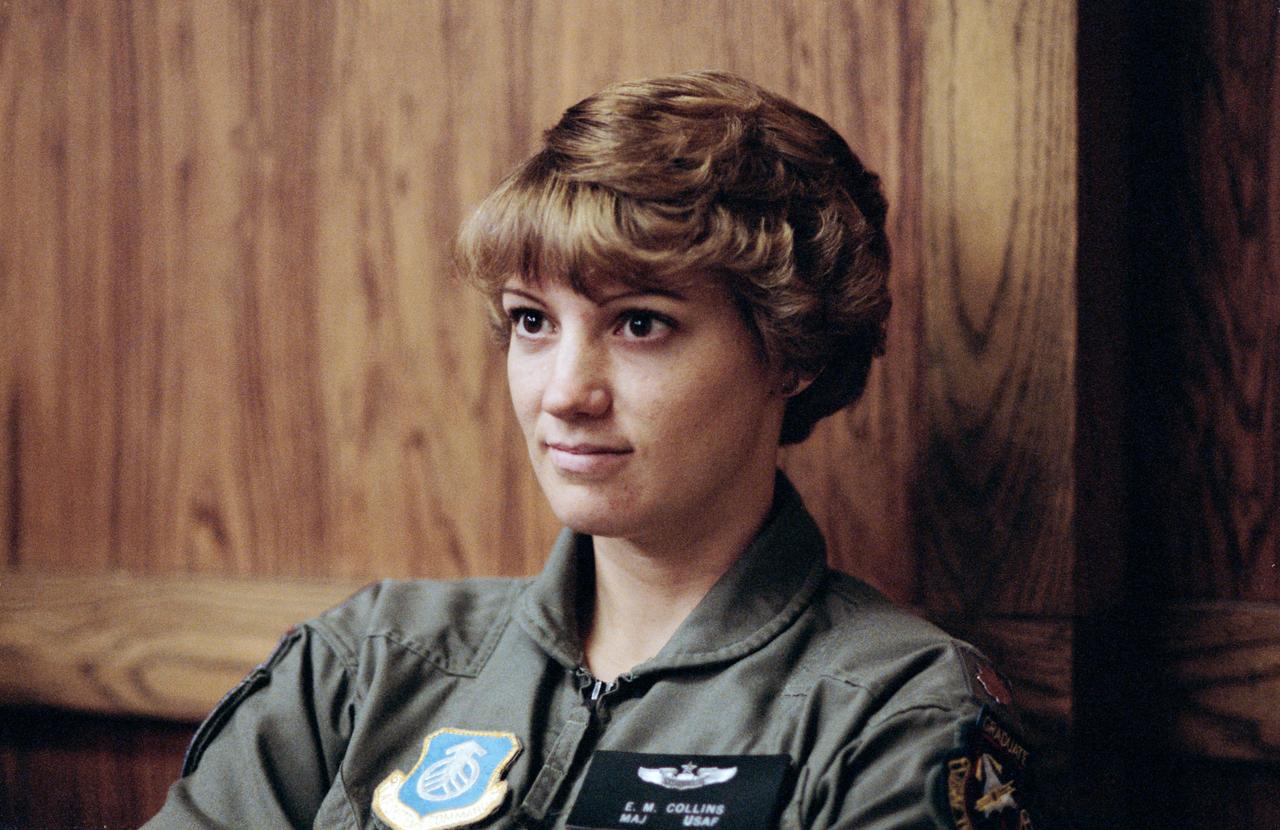
S90-45845 (29-31 July 1990) --- Eileen M. Collins, a USAF major and a candidate for a pilot astronaut's position with NASA, listens to a briefing on parachute ejection. The classroom session was part of a three-day survival training course hosted by Vance Air Force Base in Oklahoma. Photo credit: NASA
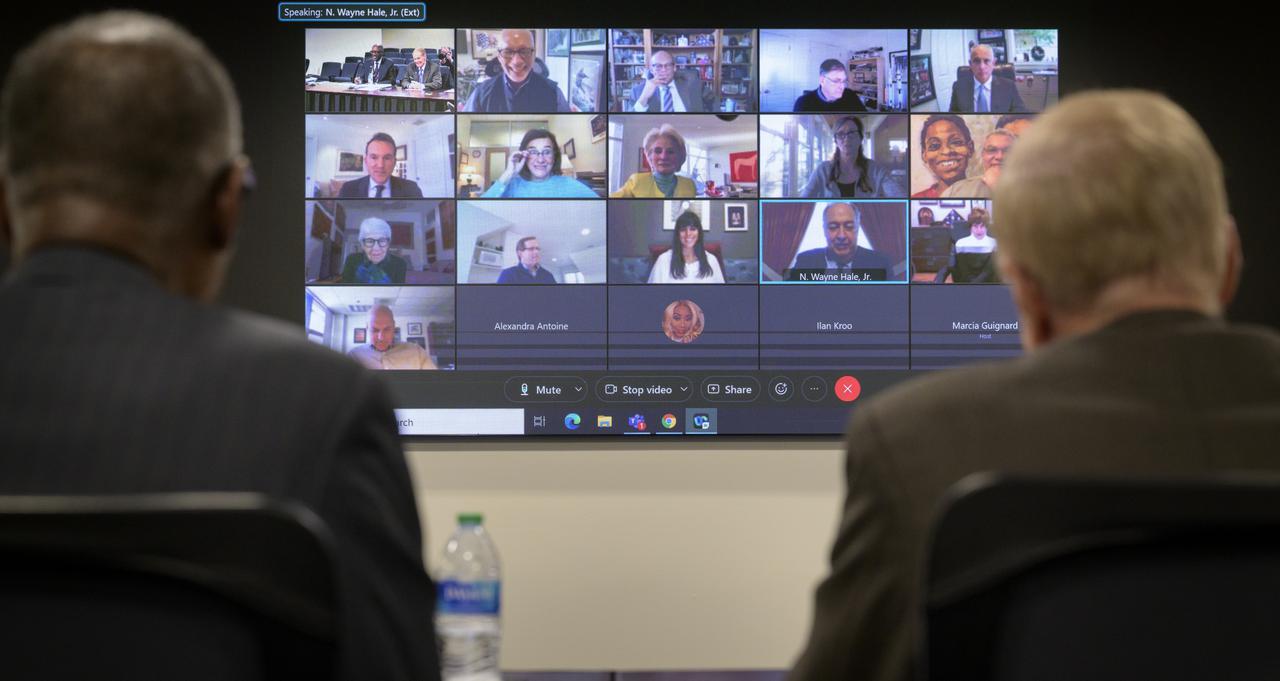
Gen. Lester Lyles, USAF (retired), left, and NASA Administrator Bill Nelson, right, give welcome remarks during an executive session of the NASA Advisory Council (NAC), Monday, Feb. 28, 2022, at the Mary W. Jackson NASA Headquarters building in Washington. Photo Credit: (NASA/Bill Ingalls)
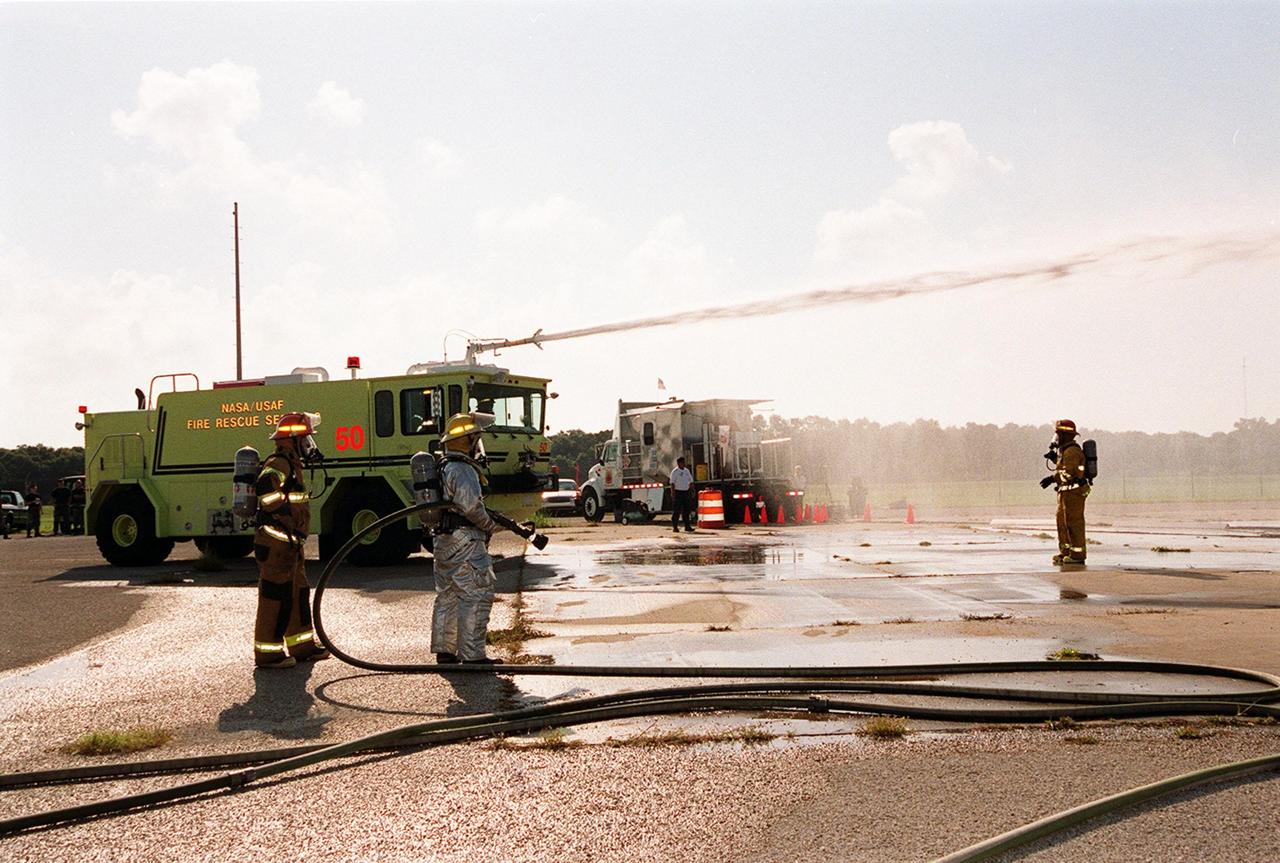
KENNEDY SPACE CENTER, FLA. -- During training exercises at Cape Canaveral Air Force Station Pad 30, firefighters with the Fire and Emergency Services at the Naval Station Mayport, Fla., wait while the NASA/USAF water carrier truck directs its water cannon toward a burning simulated aircraft (out of view).
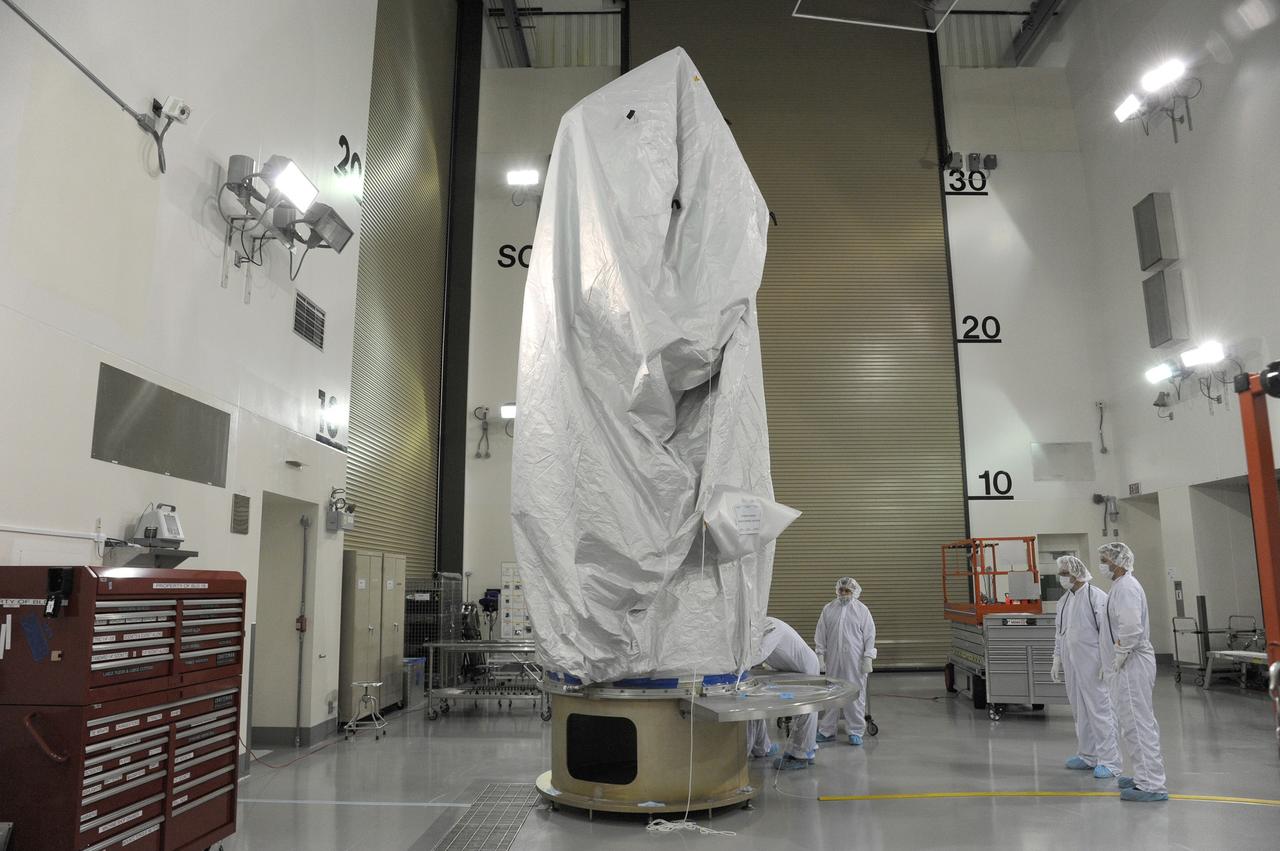
VANDENBERG AFB, California – Technicians and engineers place a transportation canister around NASA's SMAP spacecraft so it can be taken from the Astrotech processing facility to Space Launch Complex-2 for placement atop a Delta II rocket for launch. For more, go to www.nasa.gov/smap Photo credit: USAF/John Davila
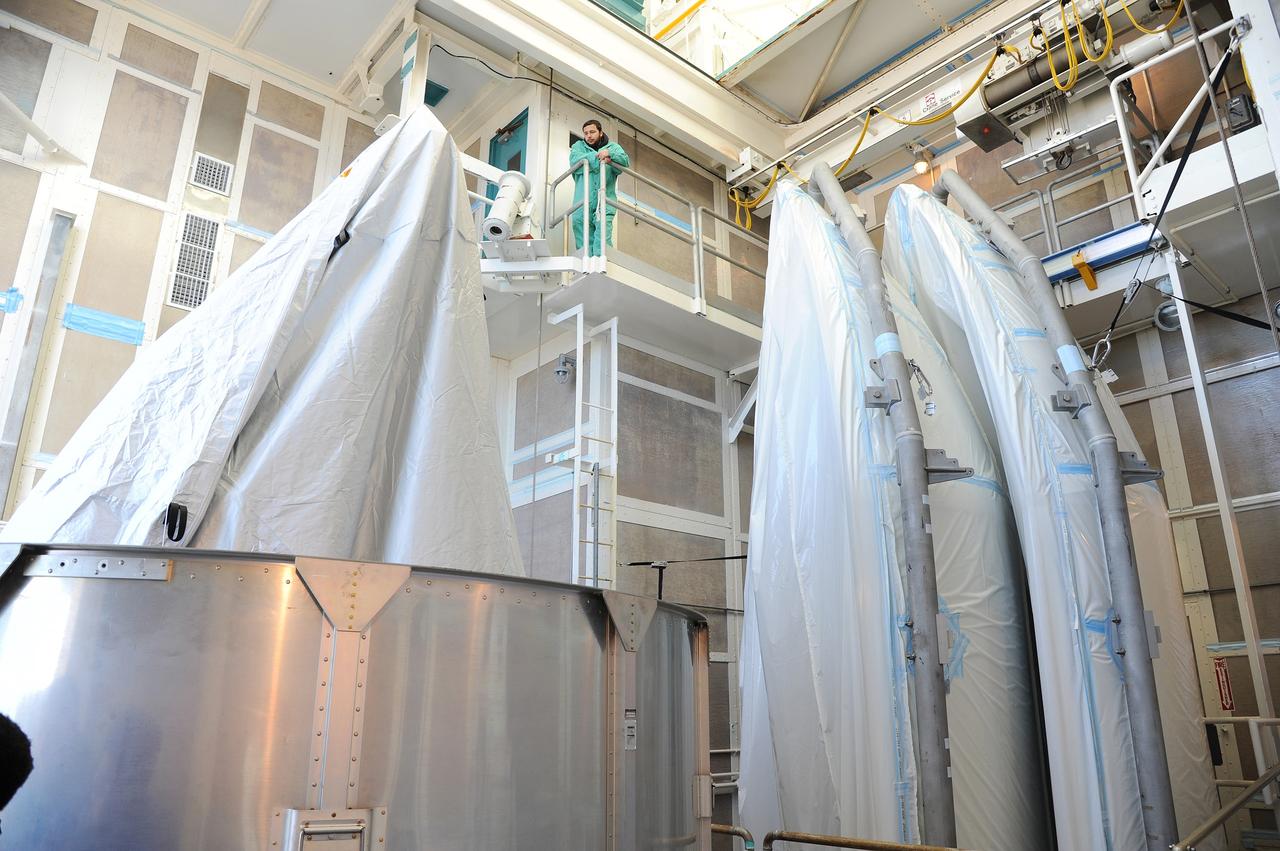
VANDENBERG AFB, California – The transportation canister is removed from around NASA's SMAP spacecraft after positioning the satellite atop a Delta II rocket at Space Launch Complex-2 for launch. For more, go to www.nasa.gov/smap Photo credit: USAF
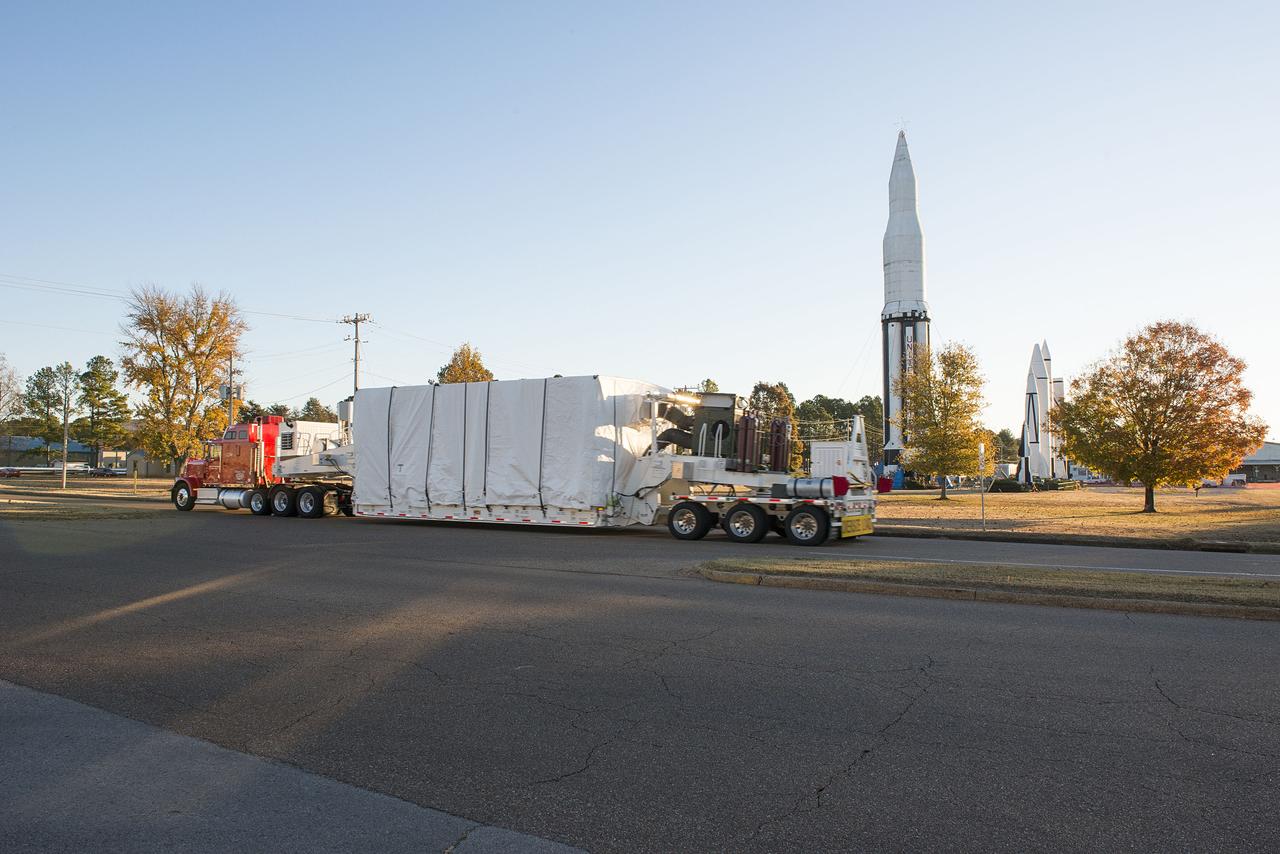
JAMES WEBB SPACE TELESCOPE (JWST) BACKPLANE MOVE FROM MARSHALL SPACE FLIGHT CENTER’S X-RAY CALIBRATION FACILITY (XCRF) TO THE REDSTONE ARSENAL AIRFIELD WHERE THE TEST ARTICLE WAS PLACED IN A USAF C-5 GALAXY FOR IT’S FLIGHT BACK TO THE MANUFACTURER.
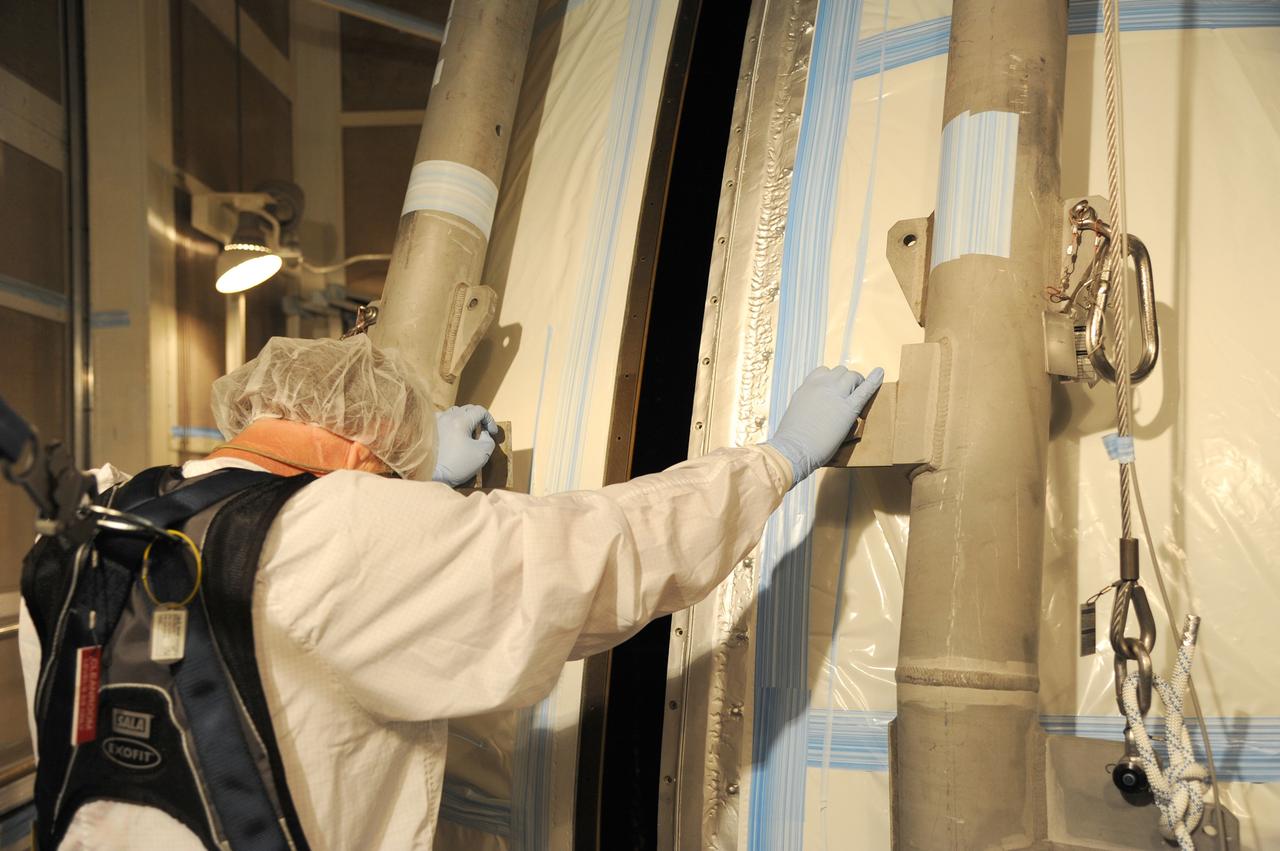
VANDENBERG AFB, California – The payload fairing is moved into place around NASA's SMAP spacecraft inside the service structure at Space Launch Complex-2 at Vandenberg AFB, California - the launch site for NASA's SMAP spacecraft. For more, go to www.nasa.gov/smap Photo credit: USAF
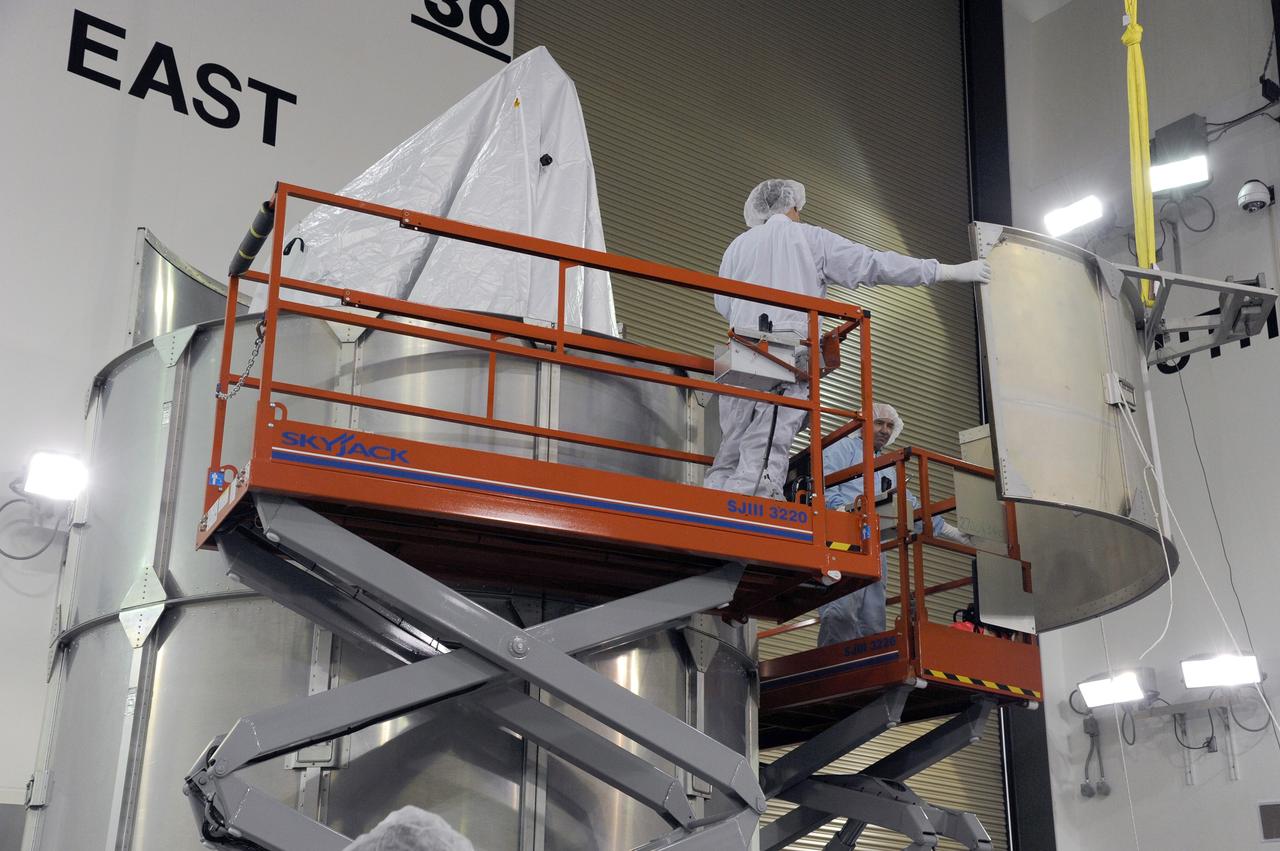
VANDENBERG AFB, California – Technicians and engineers place a transportation canister around NASA's SMAP spacecraft so it can be taken from the Astrotech processing facility to Space Launch Complex-2 for placement atop a Delta II rocket for launch. For more, go to www.nasa.gov/smap Photo credit: USAF/John Davila
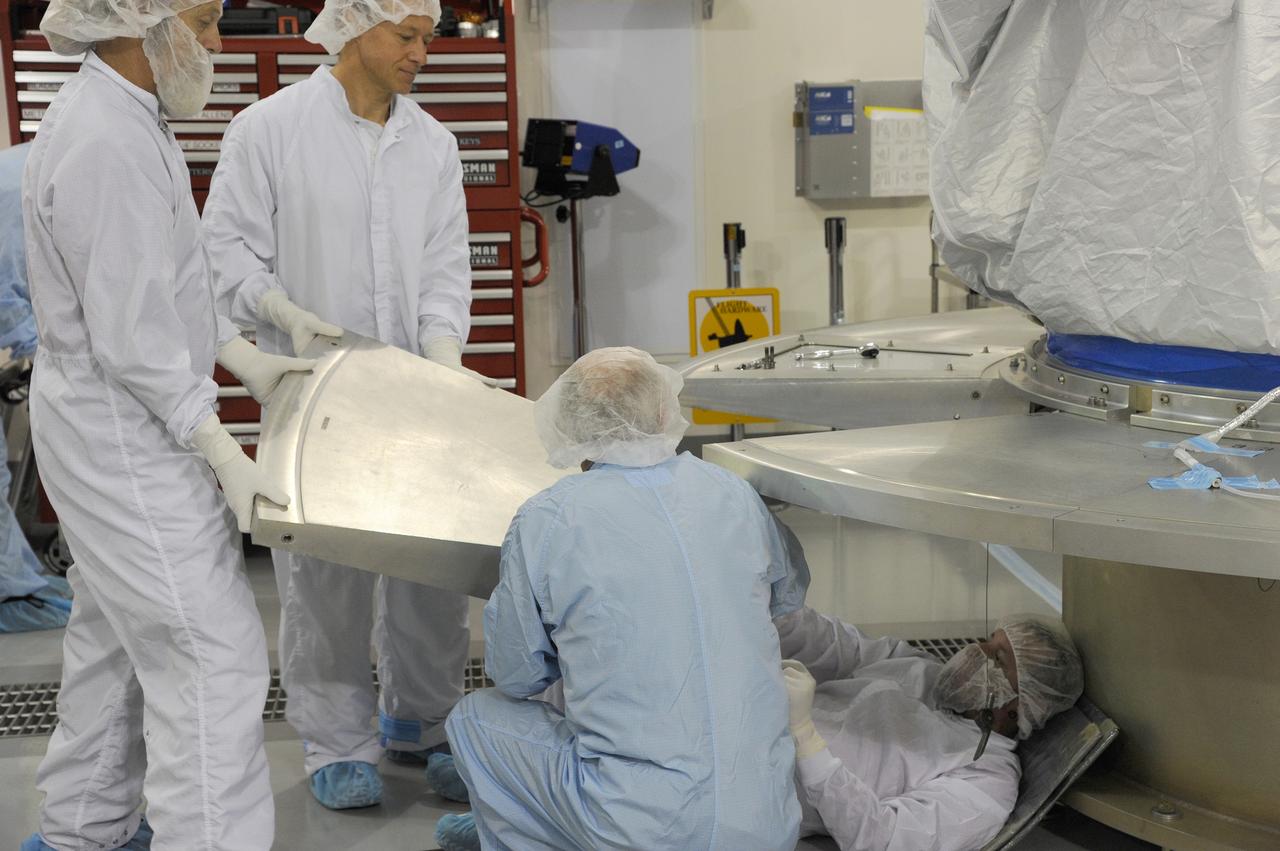
VANDENBERG AFB, California – Technicians and engineers place a transportation canister around NASA's SMAP spacecraft so it can be taken from the Astrotech processing facility to Space Launch Complex-2 for placement atop a Delta II rocket for launch. For more, go to www.nasa.gov/smap Photo credit: USAF/John Davila

JAMES WEBB SPACE TELESCOPE (JWST) BACKPLANE MOVE FROM MARSHALL SPACE FLIGHT CENTER’S X-RAY CALIBRATION FACILITY (XCRF) TO THE REDSTONE ARSENAL AIRFIELD WHERE THE TEST ARTICLE WAS PLACED IN A USAF C-5 GALAXY FOR IT’S FLIGHT BACK TO THE MANUFACTURER.

Stability and Control Branch Photo: Names, rows front to back, people left to right: Row 1: 1. ?? Graduate Student (USAF) 2. Robert Dunning 3. Rhonda Harvey Poppen 4. Katherine G. Johnson 5. ?? Graduate Student (USAF) 6. Vladislav Klein Row 2: 1. Mario Smith 2. Jeff Williams 3. N. Sundararajan 4. Tony Fontana 5. John Young Row 3: 1. Lawrence Taylor 2. Jim Batterson 3. Suresh Joshi 4. Daniel P. Giesy Row 4: 1. Bill Suit 2. Albert A. Schy 3. Al Hamer 4. Ernest Armstrong 5. Claude Keckler Row 5: 1. Chris Brown 2. Robert Bullock 3. Ray Montgomery 4. Jim Williams 5. Sahajendra Singh 6. Graduate Student (Egypt) Names given by Daniel P. Giesy.
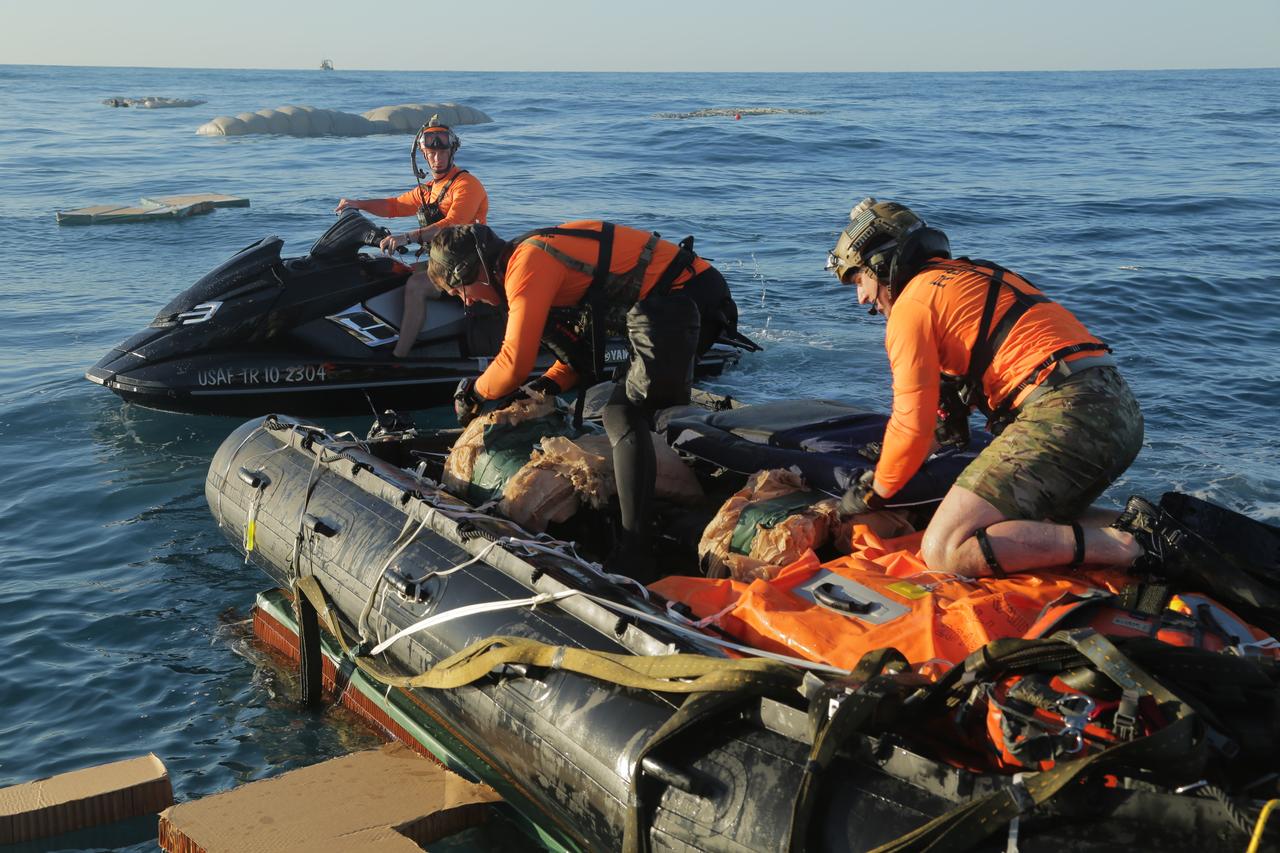
Pararescue specialists from the 304th Rescue Squadron, located in Portland, Oregon and supporting the 45th Operations Group’s Detachment 3, based out of Patrick Air Force Base, prepare equipment during an April astronaut rescue exercise with NASA’s Commercial Crew Program and SpaceX off of Florida’s eastern coast. The pararescue specialists, also known as “Guardian Angels,” jumped from military aircraft and simulated a rescue operation to demonstrate their ability to safely remove crew from the SpaceX Crew Dragon in the unlikely event of an emergency landing. The pararescue specialists are fully qualified paramedics able to perform field surgery, if necessary.

A C-17 Globemaster aircraft from the Alaska Air National Guard’s 249th Airlift Squadron flies overhead as pararescue specialists from the 304th Rescue Squadron, located in Portland, Oregon complete an astronaut rescue training exercise inside a covered life raft on the Atlantic Ocean. The pararescue specialists, supporting the 45th Operations Group’s Detachment 3, based out of Patrick Air Force Base, conducted the exercise in April with NASA’s Commercial Crew Program and SpaceX off of Florida’s eastern coast. The specially designed 20-person life raft is equipped with enough food, water and medical supplies to sustain both rescuers and crew for up to three days, if necessary. In this situation, the Department of Defense (DOD) would complete the rescue by enlisting help from the US Coast Guard, a DOD ship, or a nearby commercial ship of opportunity to transport the crew to safety.
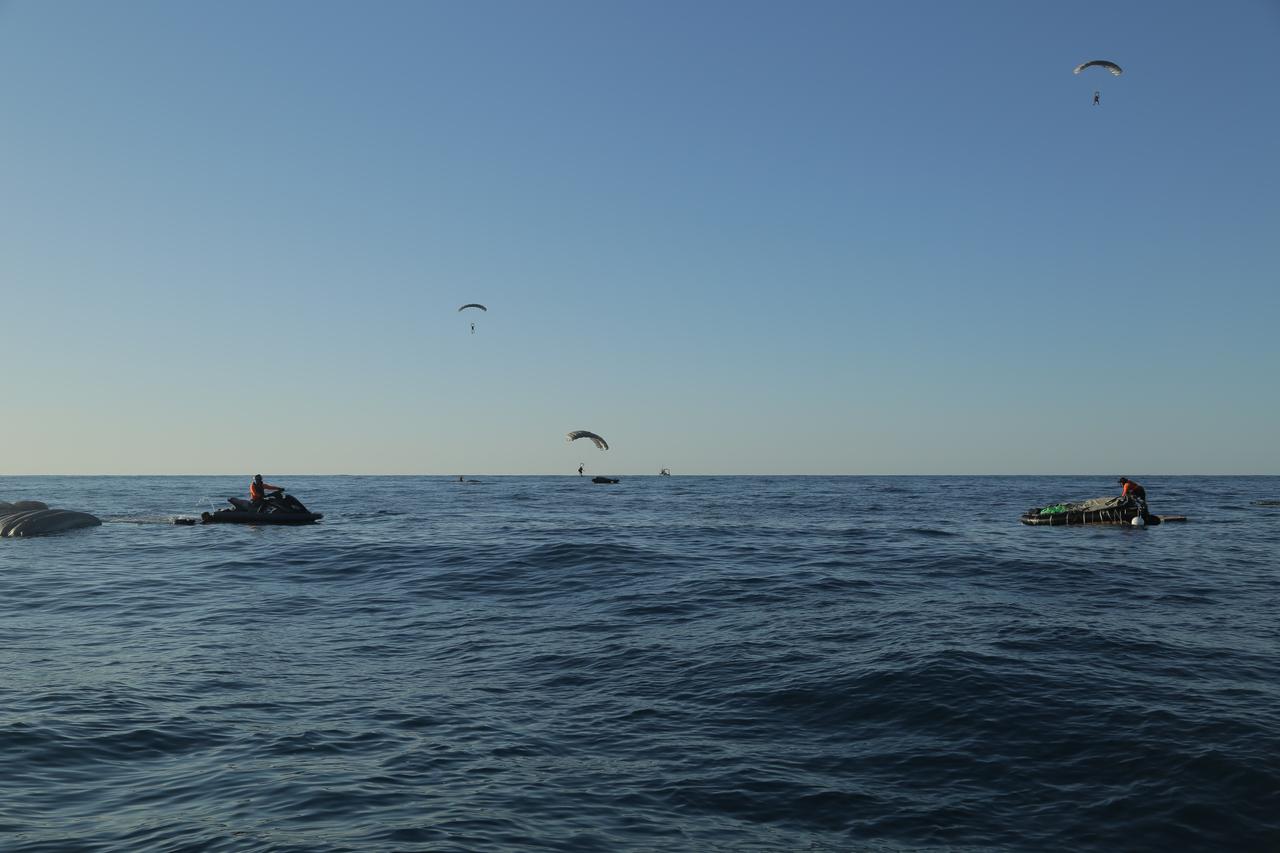
Pararescue specialists from the 304th Rescue Squadron, located in Portland, Oregon and supporting the 45th Operations Group’s Detachment 3, based out of Patrick Air Force Base, deploy their parachutes and prepare to touch down on the Atlantic Ocean surface during an April astronaut rescue exercise with NASA’s Commercial Crew Program and SpaceX off of Florida’s eastern coast. The pararescue specialists, also known as “Guardian Angels,” jumped from military aircraft and simulated a rescue operation to demonstrate their ability to safely remove crew from the SpaceX Crew Dragon in the unlikely event of an emergency landing.

Pararescue specialists from the 304th Rescue Squadron, located in Portland, Oregon and supporting the 45th Operations Group’s Detachment 3, based out of Patrick Air Force Base, secure a covered life raft as the sun sets during an astronaut rescue training exercise with NASA’s Commercial Crew Program and SpaceX off of Florida’s eastern coast in April. The specially designed 20-person life raft is equipped with enough food, water and medical supplies to sustain both rescuers and crew for up to three days, if necessary. In this situation, the Department of Defense (DOD) would complete the rescue by enlisting help from the US Coast Guard, a DOD ship, or a nearby commercial ship of opportunity to transport the crew to safety.
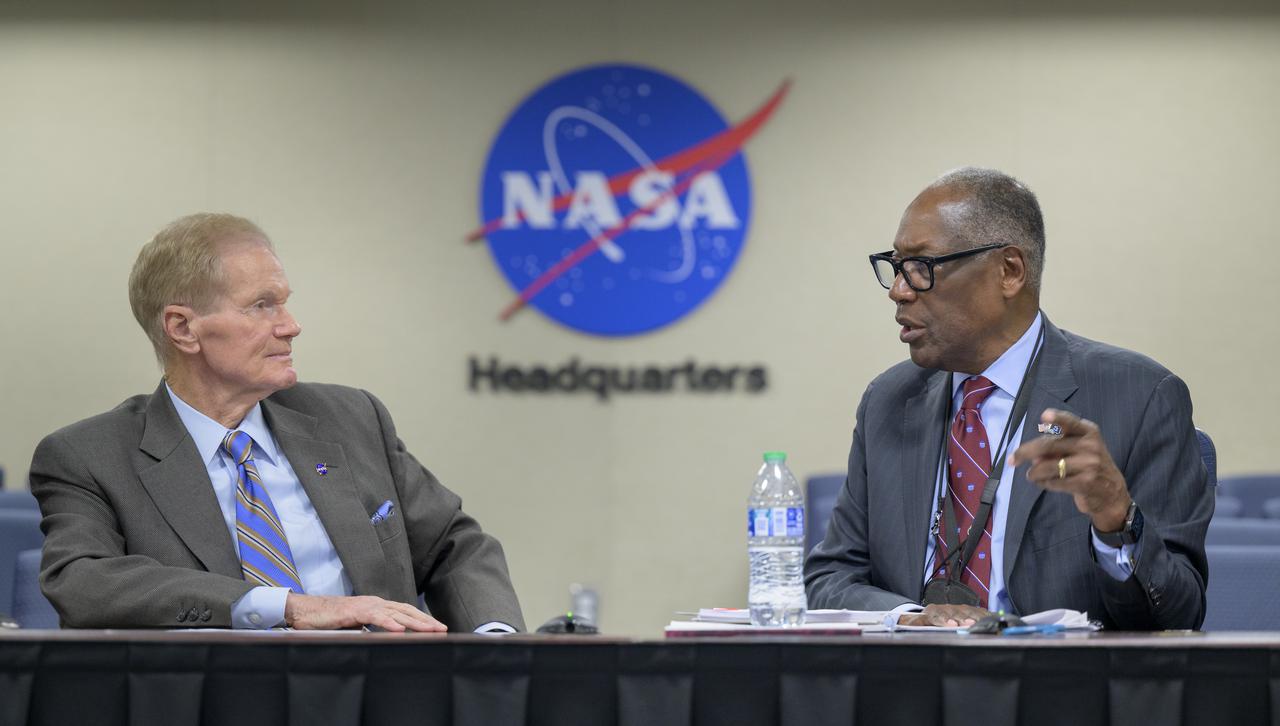
NASA Administrator Bill Nelson, left, and chair of the NASA Advisory Council (NAC) Gen. Lester Lyles, USAF (retired), talk with other NAC members, attending virtually, during an executive session of the NASA Advisory Council (NAC), Monday, Feb. 28, 2022, at the Mary W. Jackson NASA Headquarters building in Washington. Photo Credit: (NASA/Bill Ingalls)
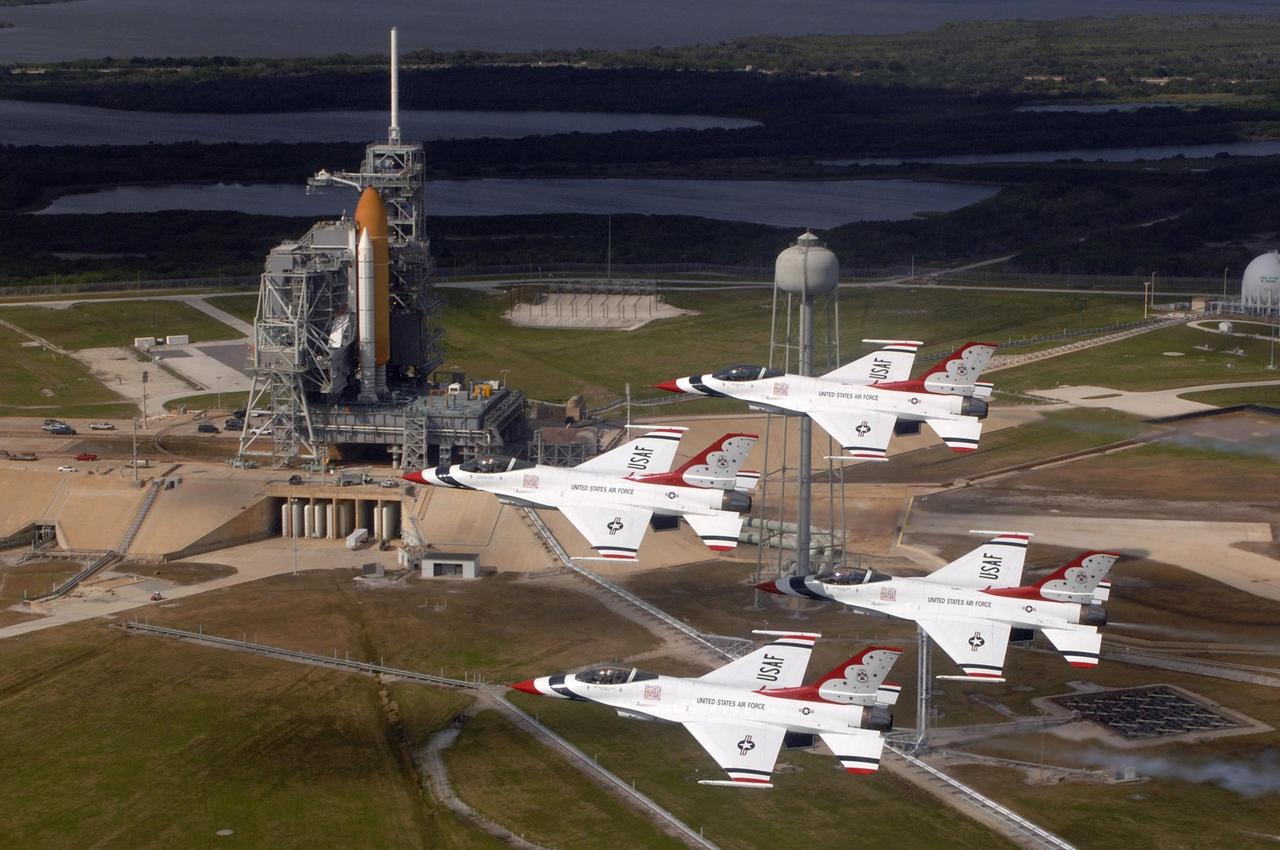
KENNEDY SPACE CENTER, FLA. -- The U.S. Air Force Thunderbirds fly past Launch Pad 39A at NASA's Kennedy Space Center in commemoration of NASA's 50th anniversary. The aircraft had flown earlier to support the Daytona 500, also celebrating its 50th anniversary, and chose to fly over Kennedy on their way to their next assignment. On the pad, space shuttle Endeavour waits to launch on the STS-123 mission. Photo courtesy of USAF/TSgt. Justin D. Pyle

Air Force Javelin Rocket on Launcher (USAF JV-1) Wallops Model D4-78 L59-5144 First AFSWC Javelin sounding rocket ready for flight test, July 7, 1959. Photograph published in A New Dimension Wallops Island Flight Test Range: The First Fifteen Years by Joseph Shortal. A NASA publication. Page 704.
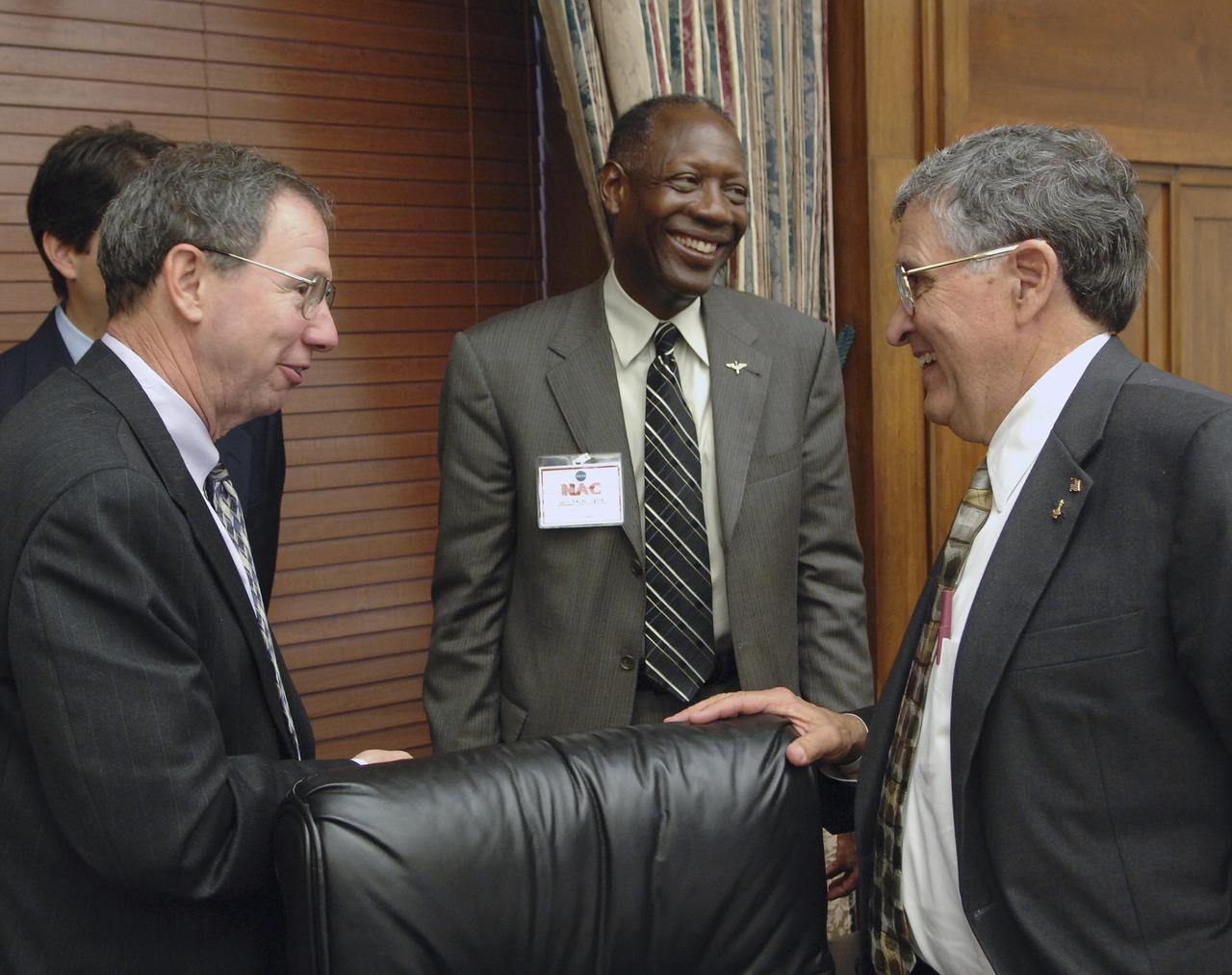
NASA Administrator Michael Griffin, left, talks with NASA Advisory Council members Gen. Lester L. Lyles, USAF (Ret.), center, and NASA Advisory Council chairman, former Senator and Apollo astronaut Harrison H. "Jack" Schmitt at the Rayburn House Office Building, Tuesday, Nov. 29, 2005, in Washington. Photo Credit: (NASA/Bill Ingalls)

The crew assigned to the STS-51J mission included (seated left to right) Robert L. Stewart, mission specialist; Karol J. Bobko, commander; and Ronald J. Grabe, pilot. On the back row, left to right, are mission specialists David C. Hilmers, and Major Willliam A, Pailles (USAF). Launched aboard the Space Shuttle Atlantis on October 3, 1985 at 11:15:30 am (EDT), the STS-51J mission was the second mission dedicated to the Department of Defense (DOD).
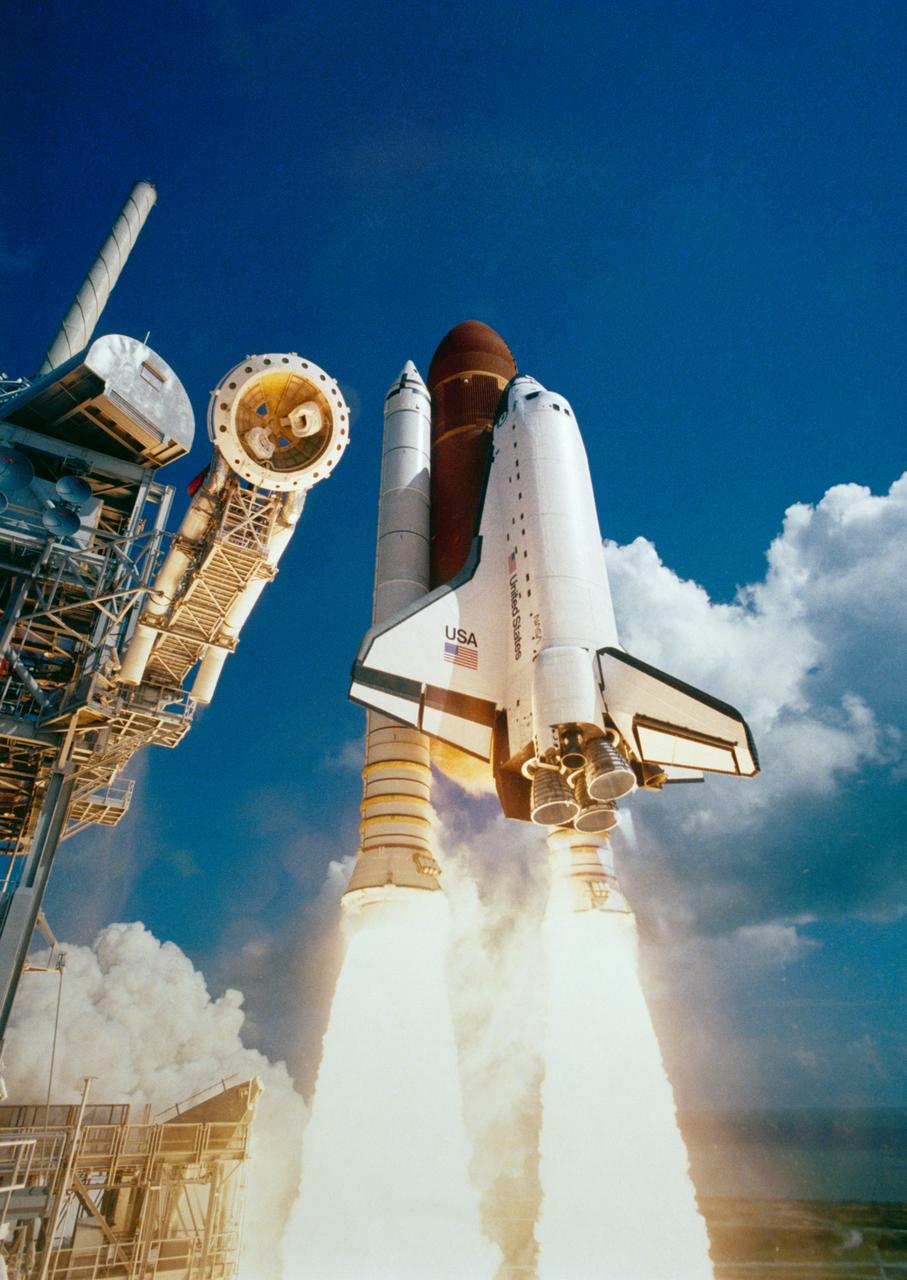
S85-44776 (3 Oct 1985) --- Space Shuttle Atlantis soars toward Florida blue skies to mark the maiden mission of NASA's fourth and newest orbiter vehicle. Launch occurred at 11:15 a.m. (EDT), October 3, 1985. A five member crew mans the orbiter for the DOD flight. They are Karol J. Bobko, Ronald J. Grabe, Robert L. Stewart, David C. Hilmers-- all of NASA-- and William A. Pailes of the USAF.

Air Force Javelin Rocket on Launcher (USAF JV-1) Wallops Model D4-78 L59-5144 First AFSWC Javelin sounding rocket ready for flight test, July 7, 1959. Photograph published in A New Dimension Wallops Island Flight Test Range: The First Fifteen Years by Joseph Shortal. A NASA publication. Page 704.

KENNEDY SPACE CENTER, FLA. - At the SPACEHAB facility in Cape Canaveral, STS-114 Mission Specialist Stephen K. Robinson, Ph.D., (right) and Commander Eileen Collins (Colonel, USAF) participate in familiarization activities on the equipment that will fly on the STS-114 mission. STS-114 is a utilization and logistics flight that will carry Multi-Purpose Logistics Module Raffaello and the External Stowage Platform (ESP-2), as well as the Expedition 7 crew, to the International Space Station. Launch is targeted for March 1, 2003.

S85-41802 (7 Sept 1985) --- Wheels of the Space Shuttle Atlantis touch down on the dry lakebed at Edwards Air Force Base to mark successful completion of the STS 51-J mission. Crewmembers onboard for the flight were Astronauts Karol J. Bobko, Ronald J. Grabe, David C. Hilmers, and Robert L. Stewart; and USAF Maj. William A. Pailes.
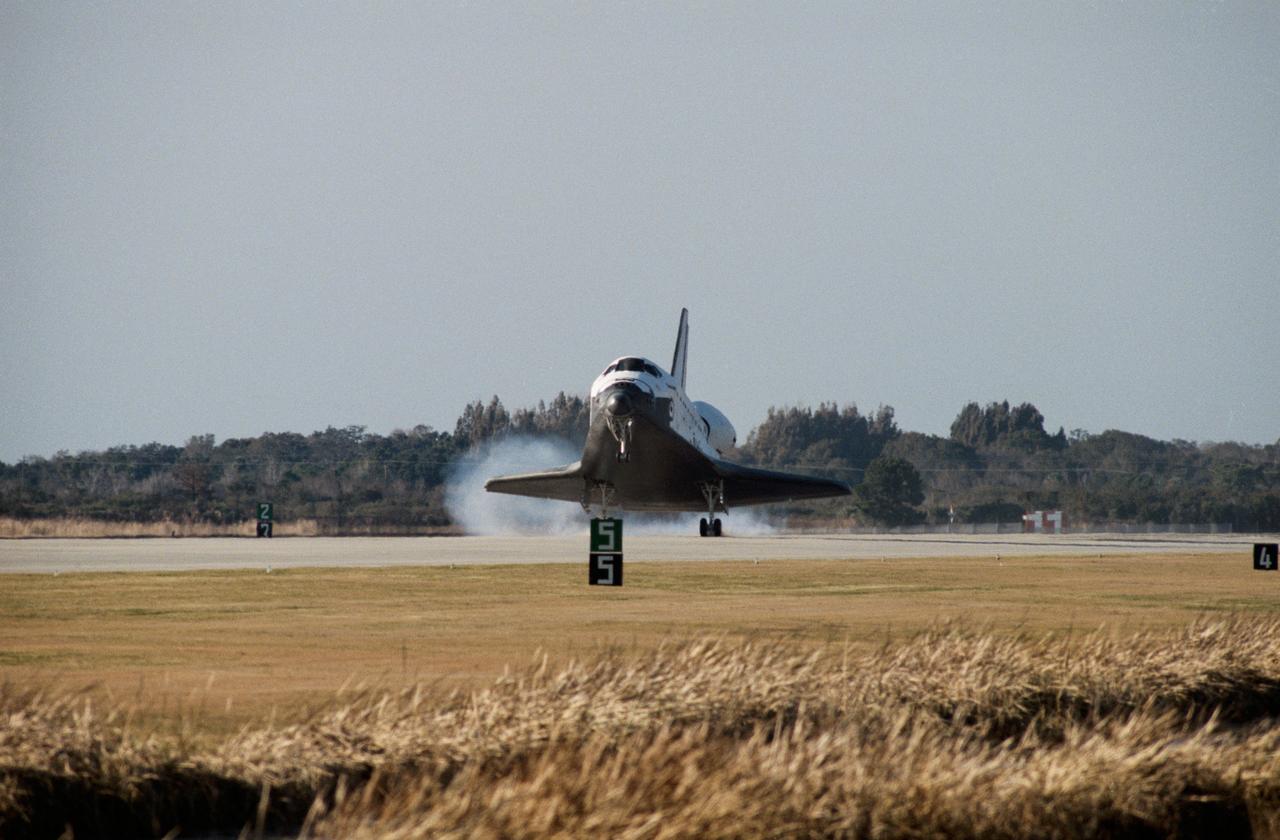
S85-26933 (27 Jan 1985) --- An unusual almost-straight-on view of the Space Shuttle Discovery as its main landing gear touches down on the Shuttle landing facility runway at the Kennedy Space Center (KSC). Aboard the spacecraft for the STS-51C mission were astronauts Thomas K. (Ken) Mattingly II, Loren J. Shriver, James F. Buchli and Ellison S. Onizuka of NASA; and payload specialist Gary E. Payton of the USAF.
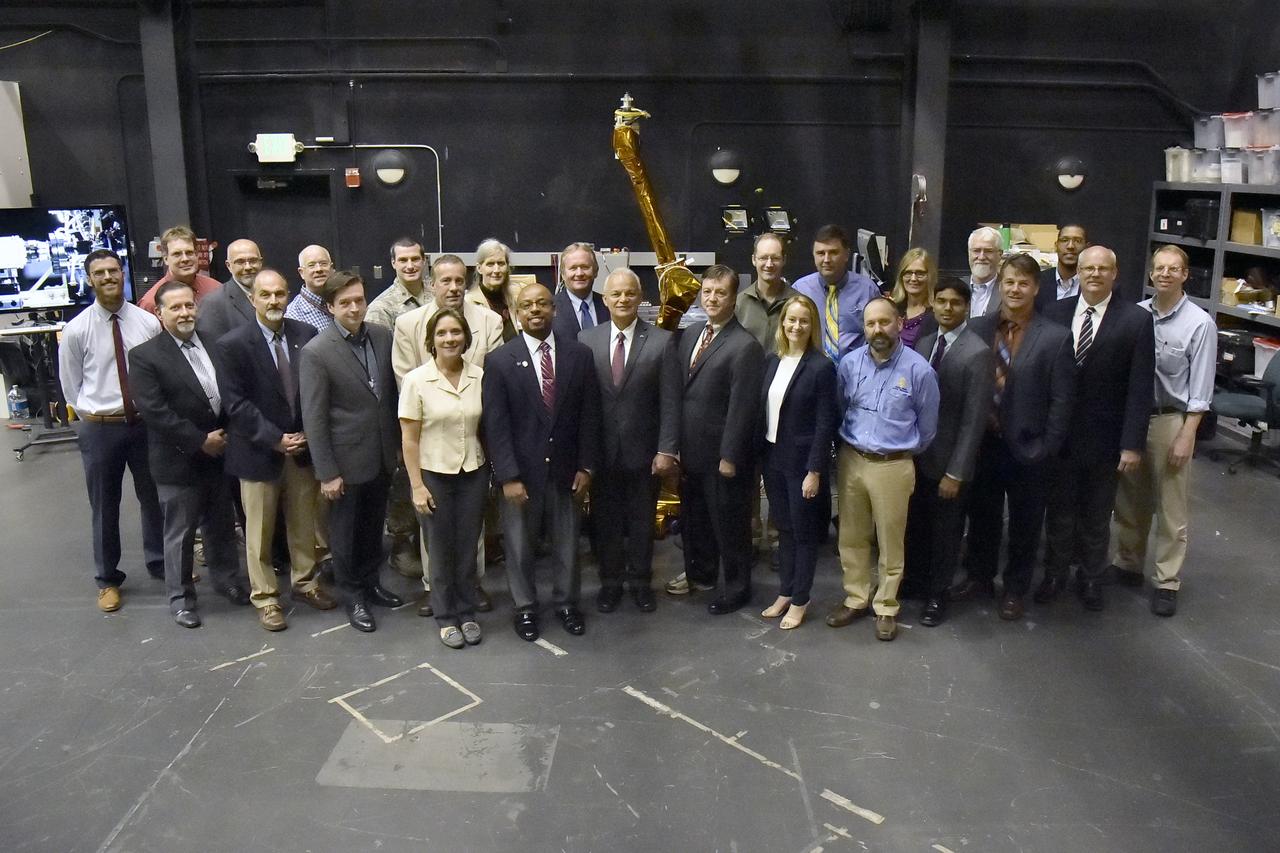
WASHINGTON, D.C.---S&T Partnership Forum In-Space Assembly Technical Interchange Meeting-On September 6th 2017, many of the United States government experts on In-Space Assembly met at the U.S. Naval Research Lab to discuss both technology development and in-space applications that would advance national capabilities in this area. Expertise from NASA, USAF, NRO, DARPA and NRL met in this meeting which was coordinated by the NASA Headquarters, Office of the Chief Technologist. This technical interchange meeting was the second meeting of the members of this Science and Technology Partnership Forum.
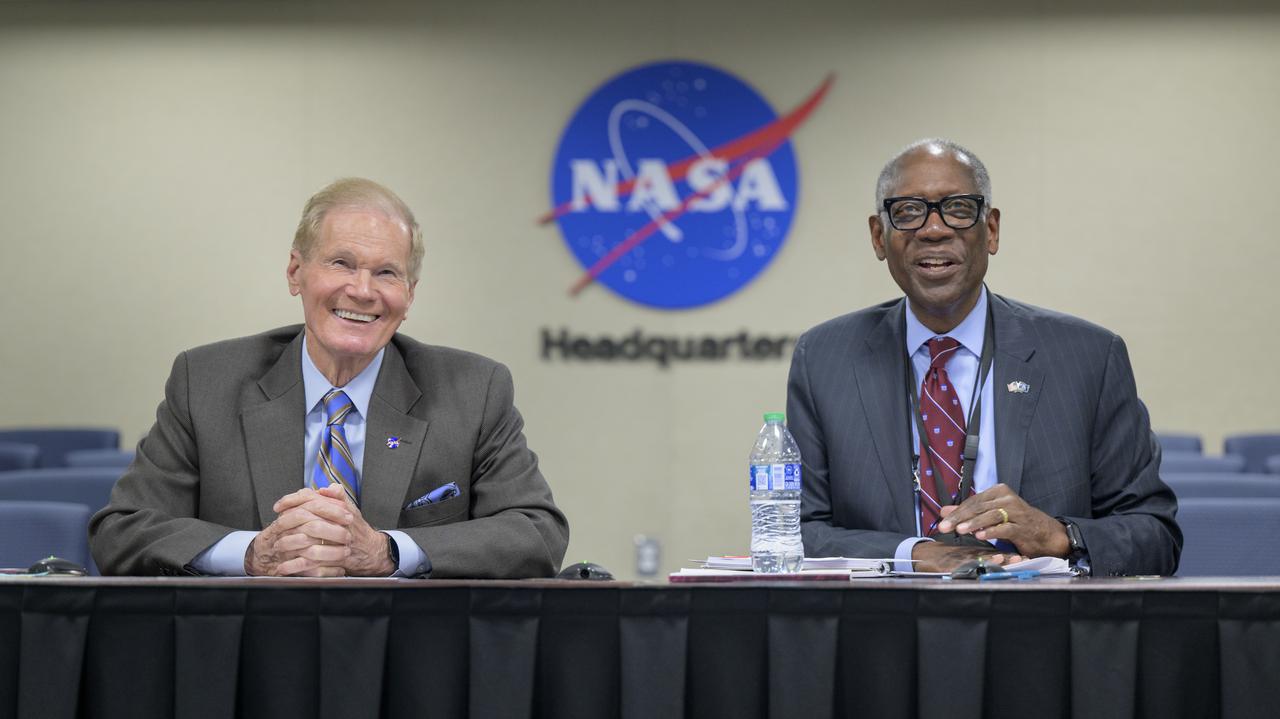
NASA Administrator Bill Nelson, left, and chair of the NASA Advisory Council (NAC) Gen. Lester Lyles, USAF (retired), talk with other NAC members, attending virtually, during an executive session of the NASA Advisory Council (NAC), Monday, Feb. 28, 2022, at the Mary W. Jackson NASA Headquarters building in Washington. Photo Credit: (NASA/Bill Ingalls)
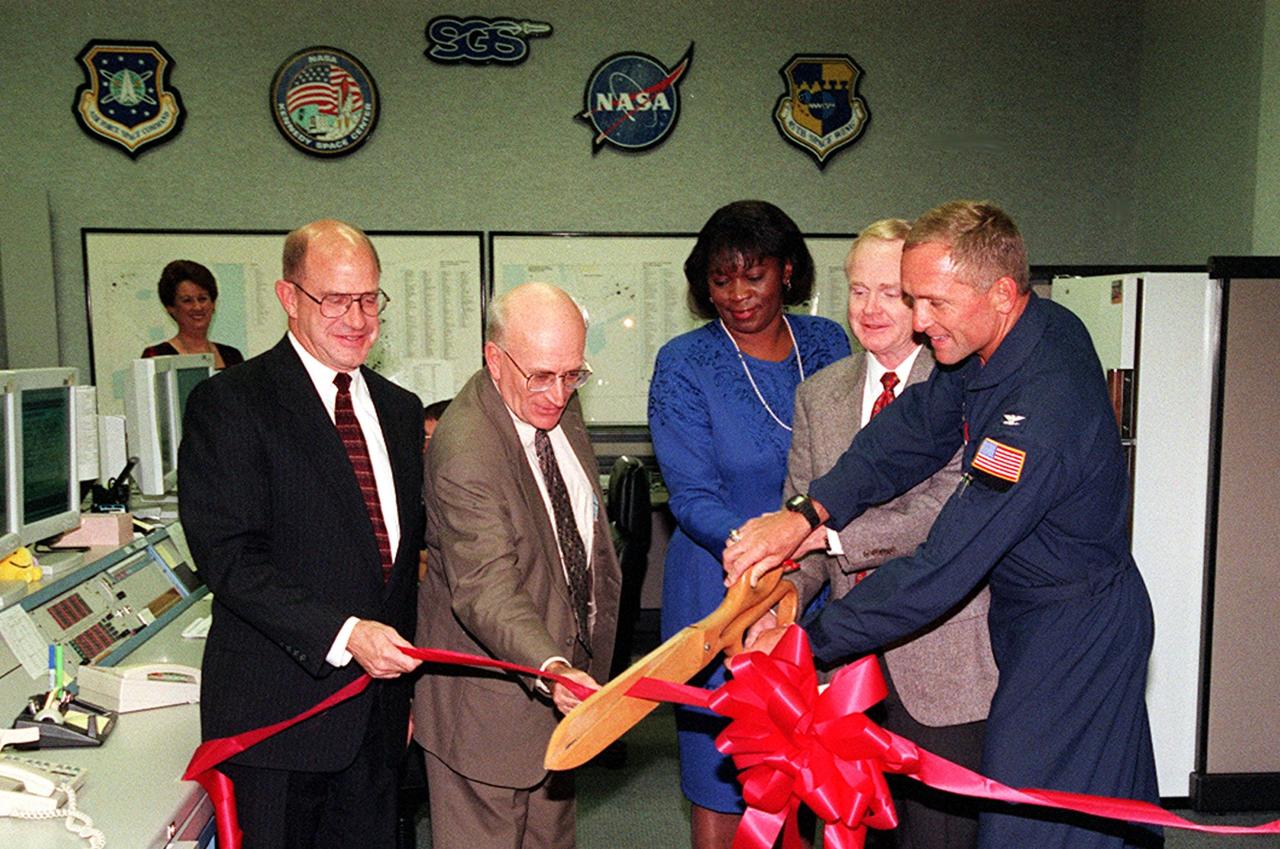
Cutting the ribbon at a ceremony for the opening of the Consolidated Support Operations Center at ROCC, Cape Canaveral Air Station, are (left to right) William P. Hickman, program manager, Space Gateway Support; Ed Gormel, executive director, JPMO; Barbara White, supervisor, Mission Support; KSC Center Director Roy Bridges, and Lt Col Steve Vuresky, USAF

F-111B Fighter, Variable Sweep wings, wings swept forward, landing gear down. Slat experiments. The General Dynamics/Grumman F-111B was a long-range carrier-based interceptor aircraft that was planned to be a follow-on to the F-4 Phantom II. The F-111B was developed in the 1960s by General Dynamics in conjunction with Grumman for the United States Navy (USN) as part of the joint Tactical Fighter Experimental (TFX) with the United States Air Force (USAF) to produce a common fighter for the services that could perform a variety of missions.
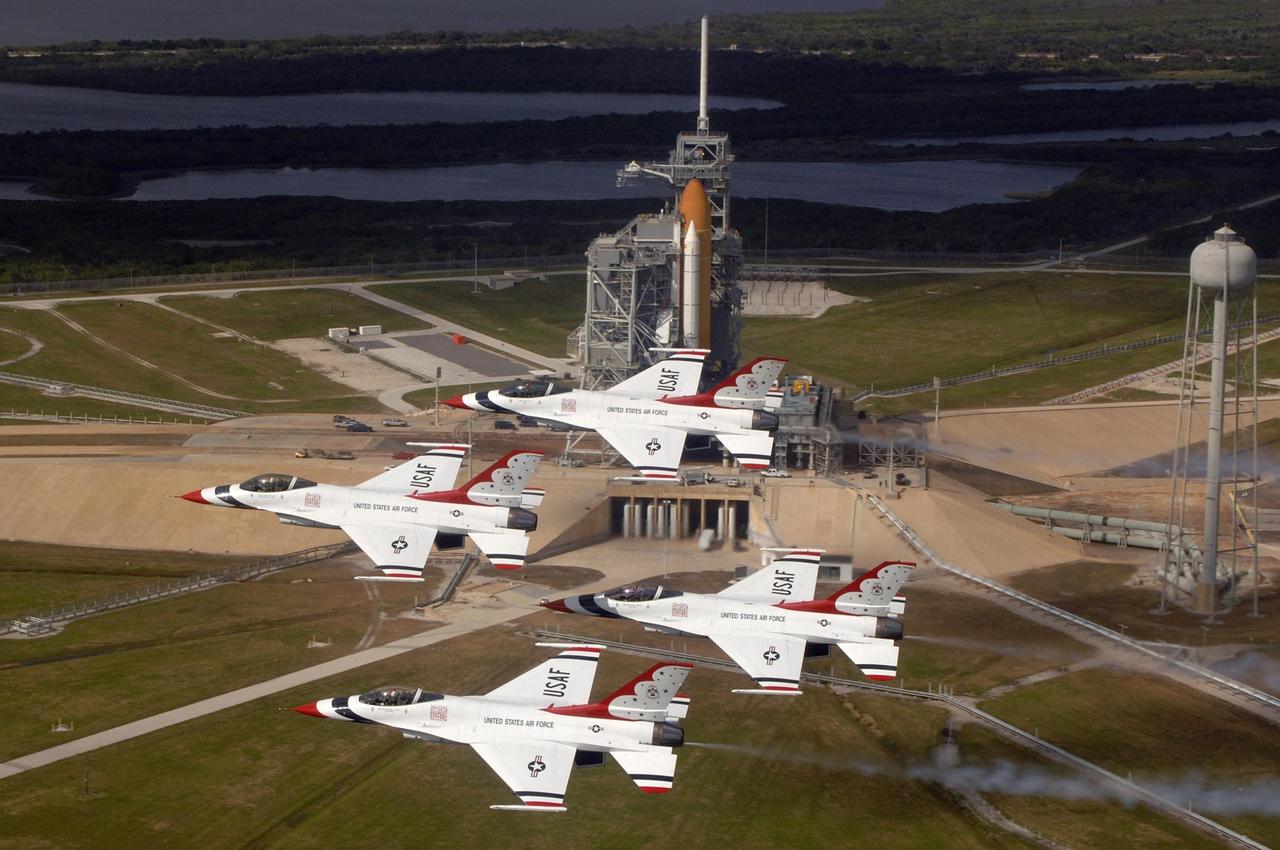
KENNEDY SPACE CENTER, FLA. -- The U.S. Air Force Thunderbirds fly past Launch Pad 39A at NASA's Kennedy Space Center in commemoration of NASA's 50th anniversary. The aircraft had flown earlier to support the Daytona 500, also celebrating its 50th anniversary, and chose to fly over Kennedy on their way to their next assignment. On the pad, space shuttle Endeavour waits to launch on the STS-123 mission. Photo courtesy of USAF/TSgt. Justin D. Pyle
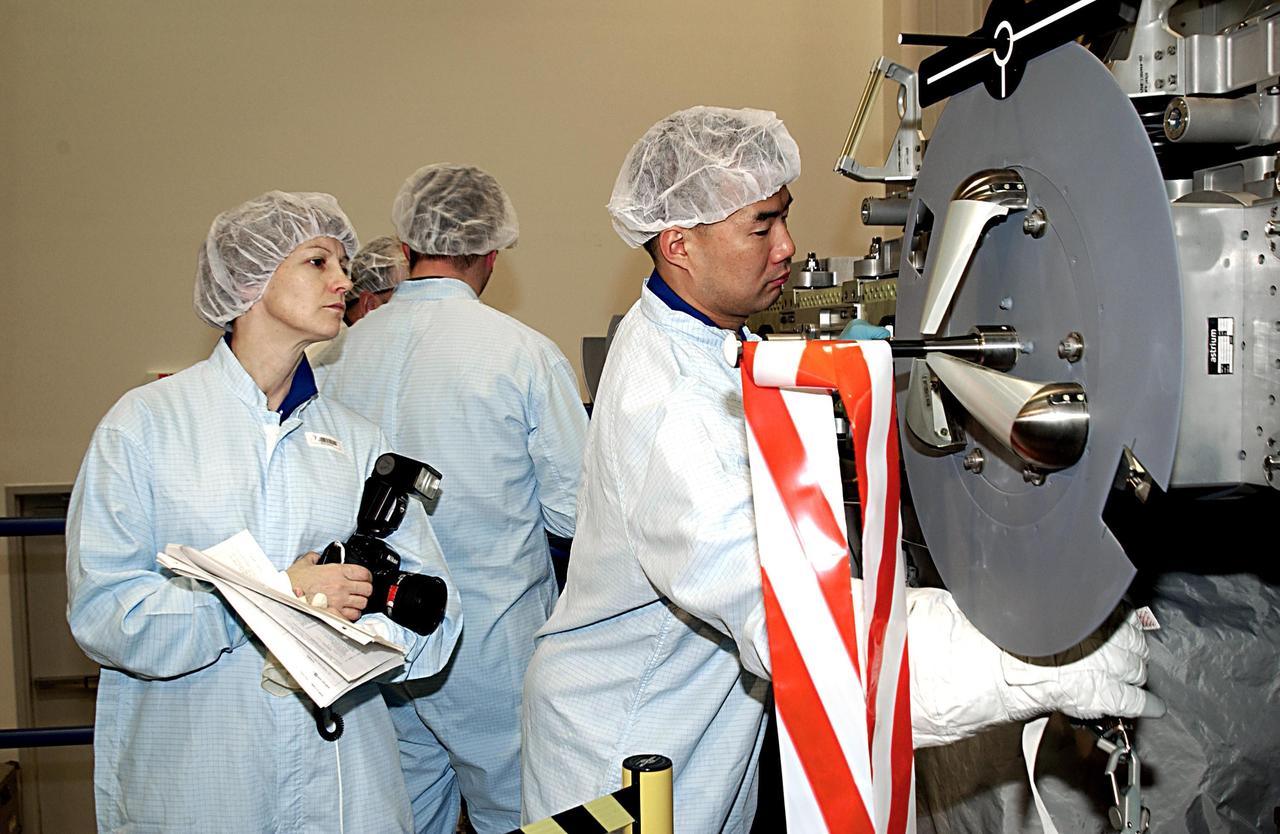
KENNEDY SPACE CENTER, FLA. - At the SPACEHAB facility in Cape Canaveral, STS-114 Commander Eileen Collins (Colonel, USAF) (left foreground) looks on as Mission Specialist Soichi Noguchi (right), of the National Space Development Agency of Japan (NASDA), familiarizes himself with the hardware that will fly on the STS-114 mission. STS-114 is a utilization and logistics flight that will carry Multi-Purpose Logistics Module Raffaello and the External Stowage Platform (ESP-2), as well as the Expedition 7 crew, to the International Space Station. Launch is targeted for March 1, 2003.
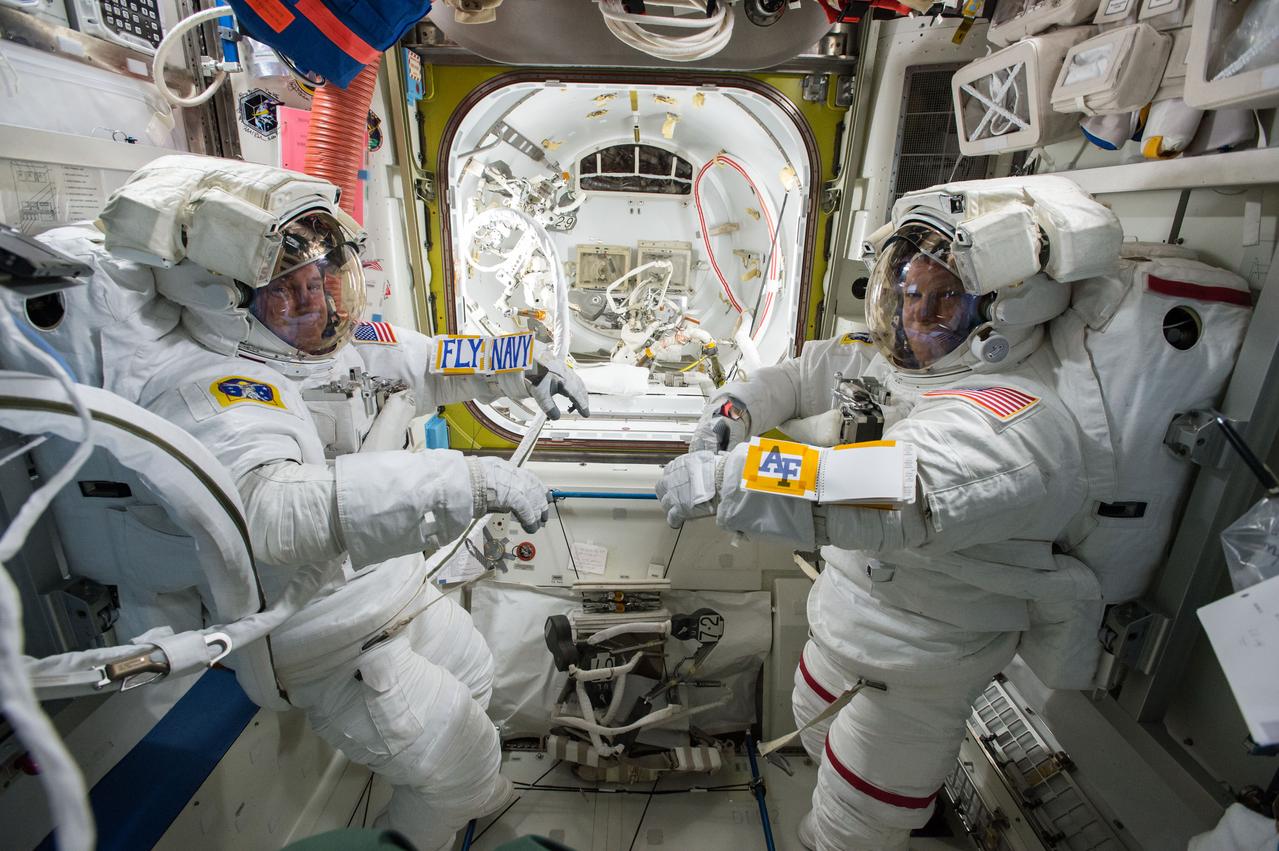
ISS042E292319 (03/01/2015) --- US astronauts Barry "Butch" Wilmore and Terry Virts are suited up Mar 1, 2015 for a later spacewalk outside the International Space Station. Virts tweeted this image with the following comment on Mar. 3, 2015 " Teammates- USAF and USN working great together in orbit and on our spacewalks! #USAFA #goairforcebeatnavy".

Air Force Javelin Rocket on Launcher (USAF JV-1) Wallops Model D4-78 L59-5144 First AFSWC Javelin sounding rocket ready for flight test, July 7, 1959. Photograph published in A New Dimension Wallops Island Flight Test Range: The First Fifteen Years by Joseph Shortal. A NASA publication. Page 704.

Air Force Javelin Rocket on Launcher (USAF JV-1) Wallops Model D4-78 L59-5144 First AFSWC Javelin sounding rocket ready for flight test, July 7, 1959. Photograph published in A New Dimension Wallops Island Flight Test Range: The First Fifteen Years by Joseph Shortal. A NASA publication. Page 704.
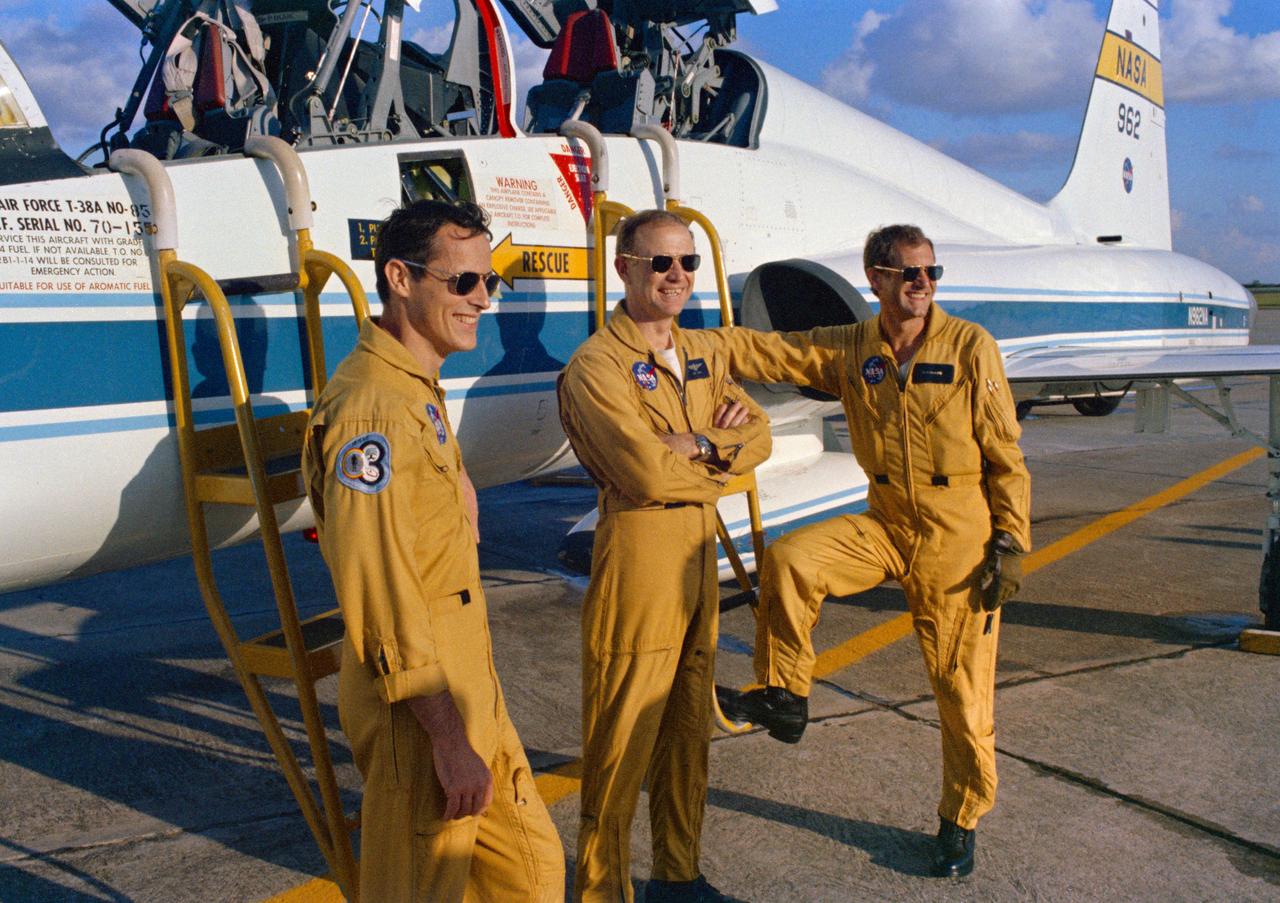
S73-36766 (November 1973) --- The prime crewmen of the third manned Skylab mission (Skylab 4) pause at a USAF T-38A jet at Ellington Air Force Base, Texas before flying to Kennedy Space Center (KSC) at Cape Canaveral, Florida. Skylab 4 crewmen are astronaut Gerald P. Carr, center, commander; scientist-astronaut Edward G. Gibson, science pilot, left; and astronaut William R. Pogue, pilot. Photo credit: NASA
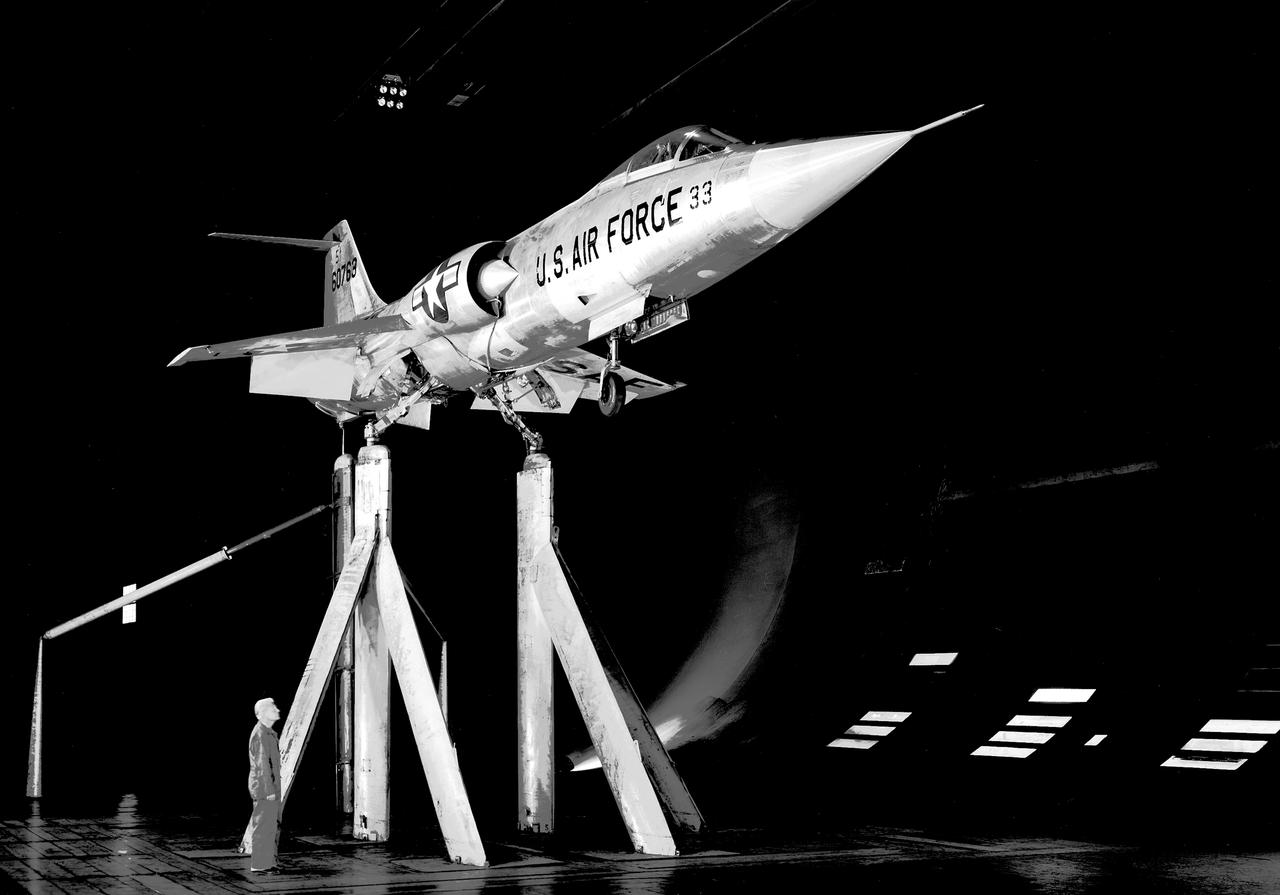
3/4 front view from below of Air Force F-104. The Lockheed F-104 Starfighter is a single-engine, supersonic interceptor aircraft originally developed by Lockheed for the United States Air Force (USAF). One of the Century Series of fighter aircraft, it was operated by the air forces of more than a dozen nations from 1958 to 2004.
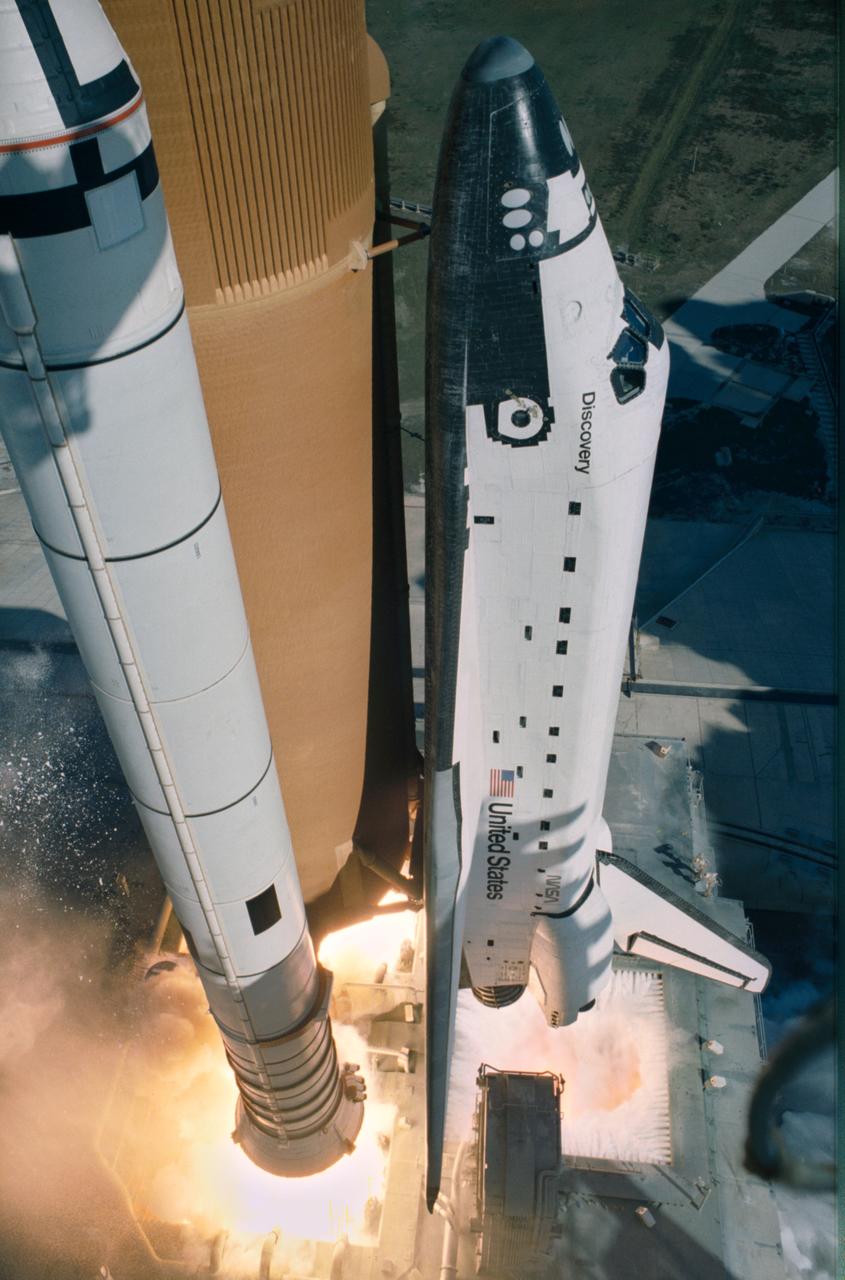
S85-26185 (24 Jan 1985) --- The Space Shuttle Discovery was photographed following engine ignition with a 35mm camera on the nearby service structure, as the vehicle headed for its third mission in Earth orbit. The five member STS-51C crew aboard consisted of astronauts Thomas K. (Ken) Mattingly II, Loren J. Shriver, James F. Buchli and Ellison S. Onizuka of NASA; and Gary E. Payton of the USAF.
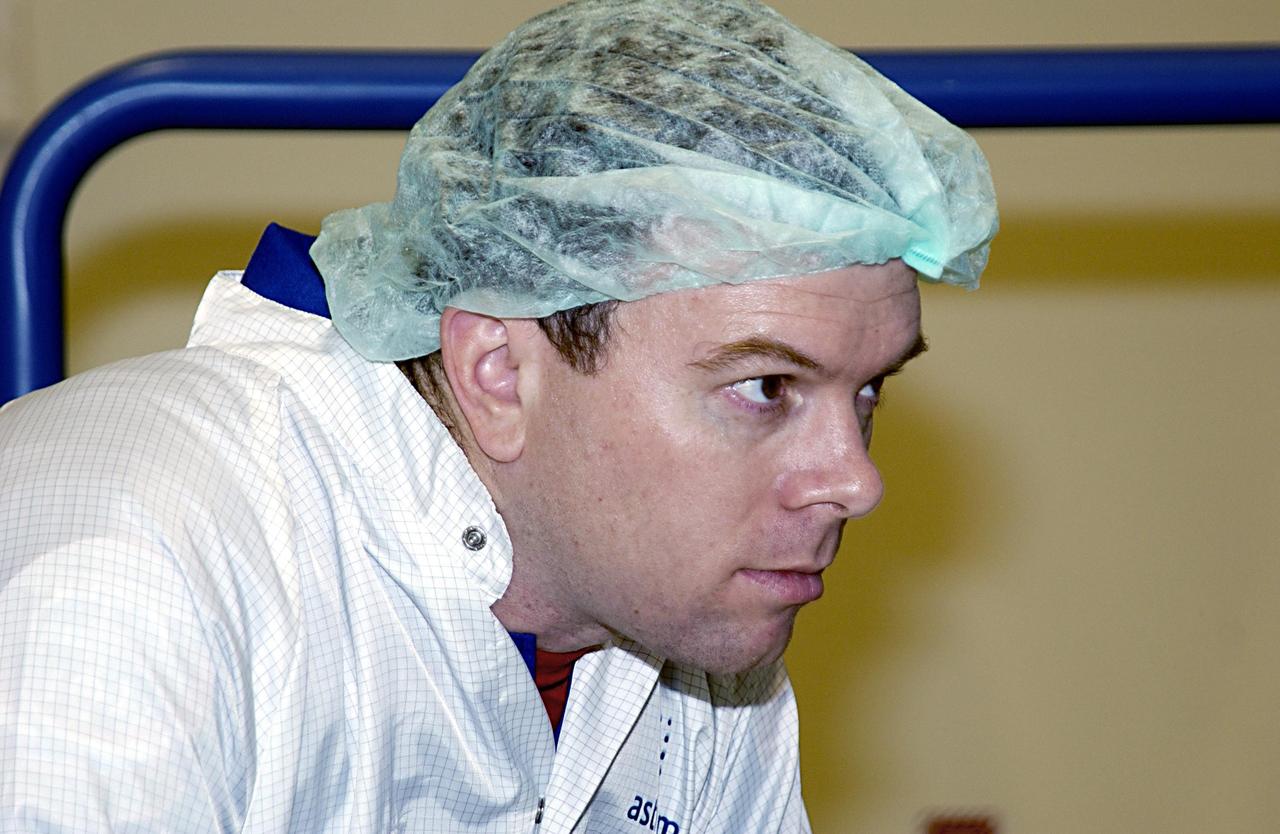
KENNEDY SPACE CENTER, FLA. - At the SPACEHAB facility in Cape Canaveral, STS-114 Pilot James M. Kelly (Lt. Col., USAF)monitors familiarization activities with the hardware that will fly on the STS-114 mission. STS-114 is a utilization and logistics flight that will carry Multi-Purpose Logistics Module Raffaello and the External Stowage Platform (ESP-2), as well as the Expedition 7 crew, to the International Space Station. Launch is targeted for March 1, 2003.

Air Force Javelin Rocket on Launcher (USAF JV-1) Wallops Model D4-78 L59-5144 First AFSWC Javelin sounding rocket ready for flight test, July 7, 1959. Photograph published in A New Dimension Wallops Island Flight Test Range: The First Fifteen Years by Joseph Shortal. A NASA publication. Page 704.
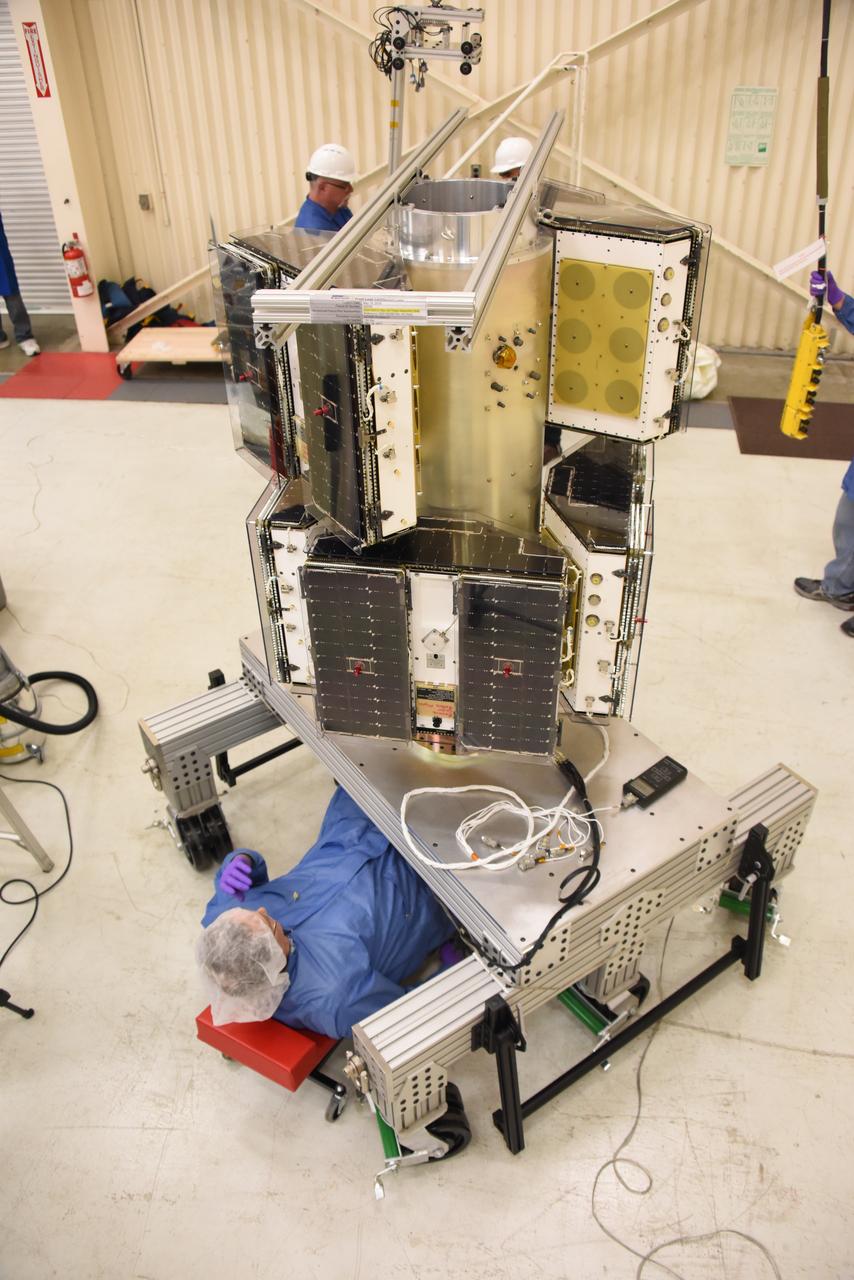
Technicians with Orbital ATK continue to install the micro satellites on the deployment module for NASA’s Cyclone Global Navigation Satellite System (CYGNSS) in Building 1555 at Vandenberg Air Force Base in California. CYGNSS is being prepared at Vandenberg, and then will be transported to NASA’s Kennedy Space Center in Florida aboard the Orbital ATK Pegasus XL rocket which will be attached to the Orbital ATK L-1011 carrier aircraft. CYGNSS will launch on the Pegasus XL rocket from the Skid Strip at Cape Canaveral Air Force Station. CYGNSS will make frequent and accurate measurements of ocean surface winds throughout the life cycle of tropical storms and hurricanes. The data that CYGNSS provides will enable scientists to probe key air-sea interaction processes that take place near the core of storms, which are rapidly changing and play a critical role in the beginning and intensification of hurricanes.
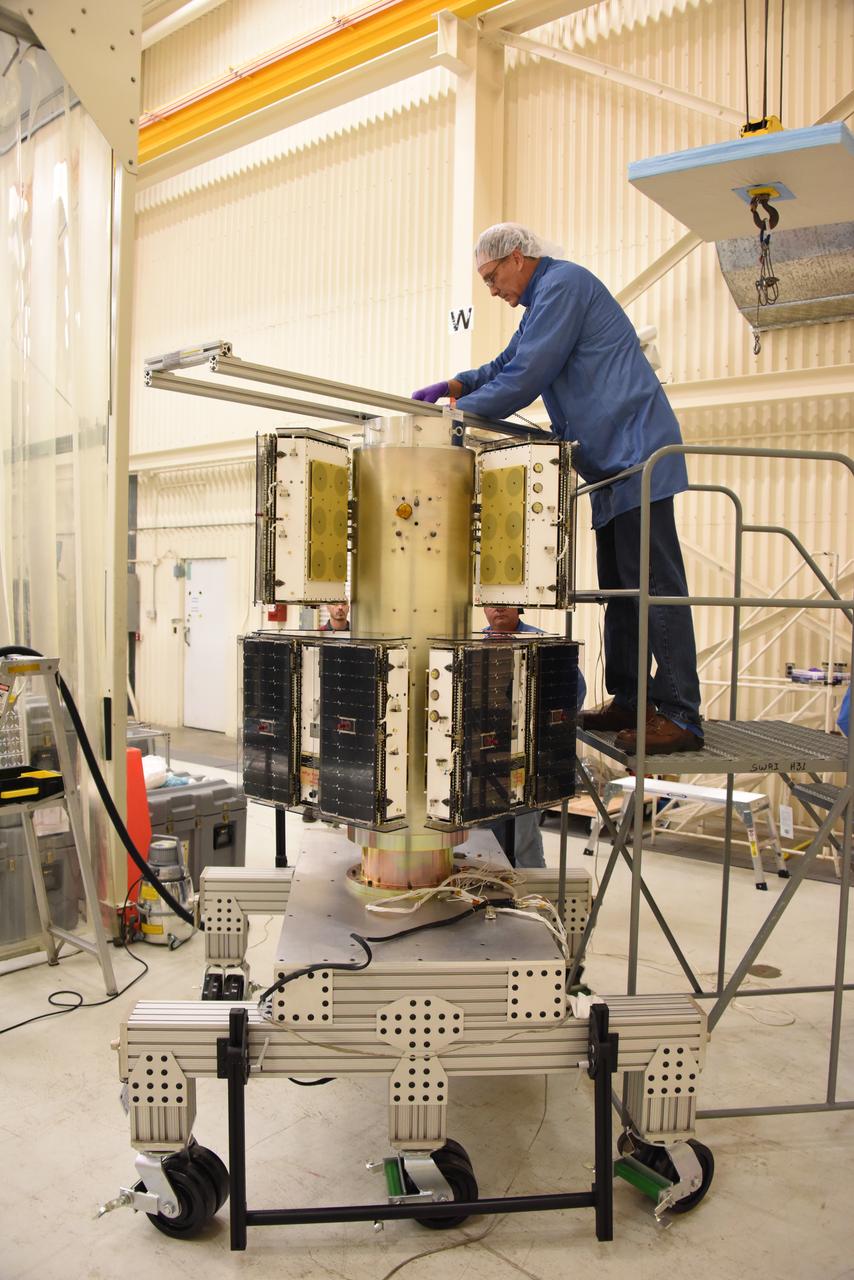
A technician with Orbital ATK checks the installation of the micro satellites on the deployment module for NASA’s Cyclone Global Navigation Satellite System (CYGNSS) in Building 1555 at Vandenberg Air Force Base in California. CYGNSS is being prepared at Vandenberg, and then will be transported to NASA’s Kennedy Space Center in Florida aboard the Orbital ATK Pegasus XL rocket which will be attached to the Orbital ATK L-1011 carrier aircraft. CYGNSS will launch on the Pegasus XL rocket from the Skid Strip at Cape Canaveral Air Force Station. CYGNSS will make frequent and accurate measurements of ocean surface winds throughout the life cycle of tropical storms and hurricanes. The data that CYGNSS provides will enable scientists to probe key air-sea interaction processes that take place near the core of storms, which are rapidly changing and play a critical role in the beginning and intensification of hurricanes.
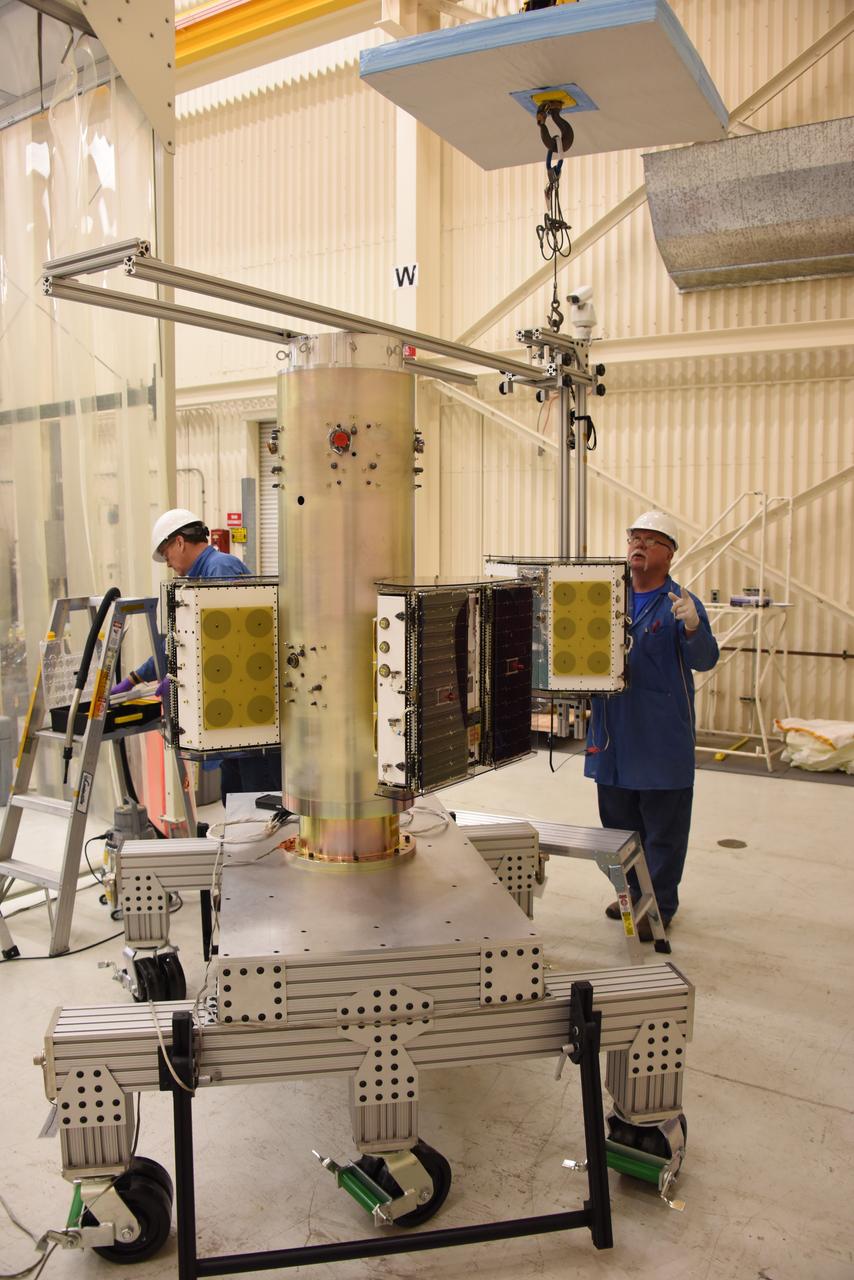
Technicians with Orbital ATK continue to install micro satellites on the deployment module for NASA’s Cyclone Global Navigation Satellite System (CYGNSS) in Building 1555 at Vandenberg Air Force Base in California. CYGNSS is being prepared at Vandenberg, and then will be transported to NASA’s Kennedy Space Center in Florida aboard the Orbital ATK Pegasus XL rocket which will be attached to the Orbital ATK L-1011 carrier aircraft. CYGNSS will launch on the Pegasus XL rocket from the Skid Strip at Cape Canaveral Air Force Station. CYGNSS will make frequent and accurate measurements of ocean surface winds throughout the life cycle of tropical storms and hurricanes. The data that CYGNSS provides will enable scientists to probe key air-sea interaction processes that take place near the core of storms, which are rapidly changing and play a critical role in the beginning and intensification of hurricanes.
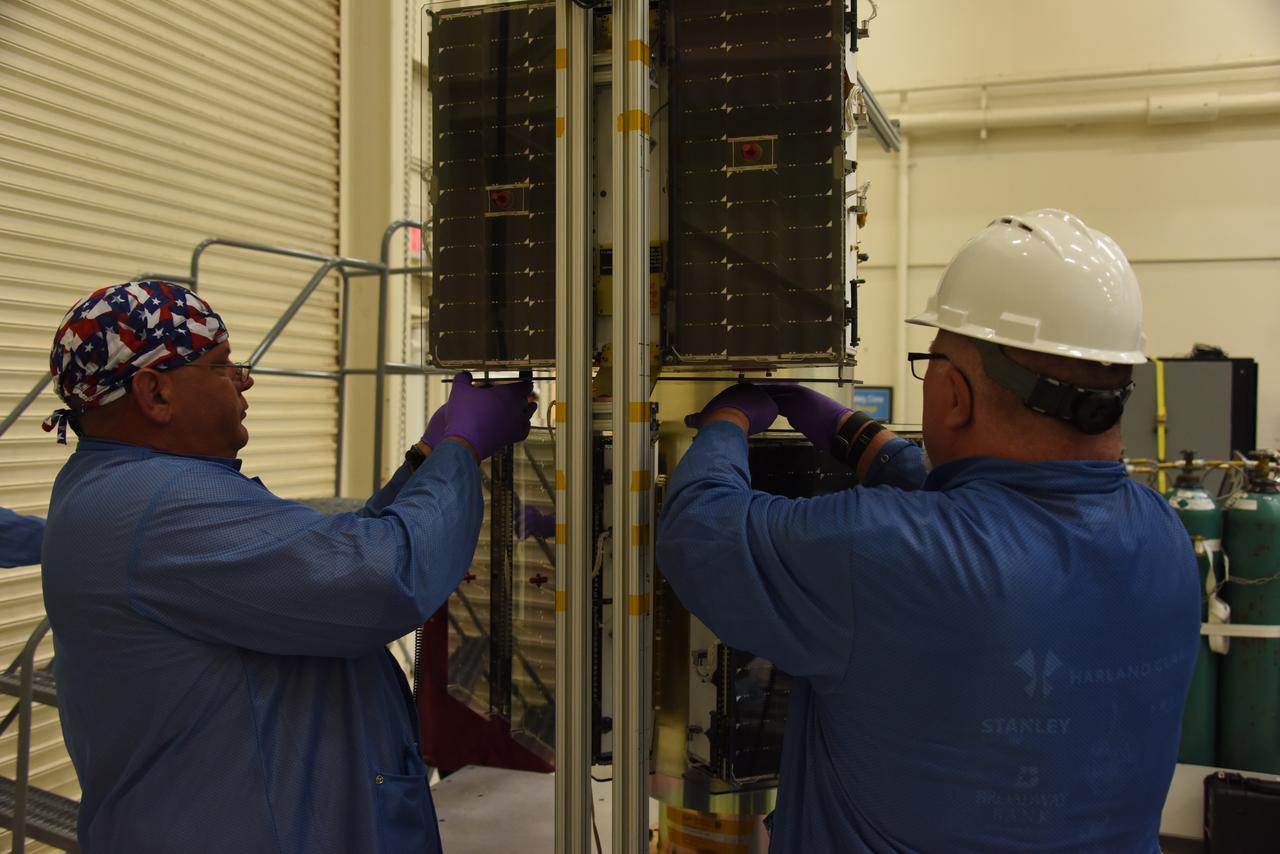
Technicians with Orbital ATK continue to install micro satellites on the deployment module for NASA’s Cyclone Global Navigation Satellite System (CYGNSS) in Building 1555 at Vandenberg Air Force Base in California. CYGNSS is being prepared at Vandenberg, and then will be transported to NASA’s Kennedy Space Center in Florida aboard the Orbital ATK Pegasus XL rocket which will be attached to the Orbital ATK L-1011 carrier aircraft. CYGNSS will launch on the Pegasus XL rocket from the Skid Strip at Cape Canaveral Air Force Station. CYGNSS will make frequent and accurate measurements of ocean surface winds throughout the life cycle of tropical storms and hurricanes. The data that CYGNSS provides will enable scientists to probe key air-sea interaction processes that take place near the core of storms, which are rapidly changing and play a critical role in the beginning and intensification of hurricanes.