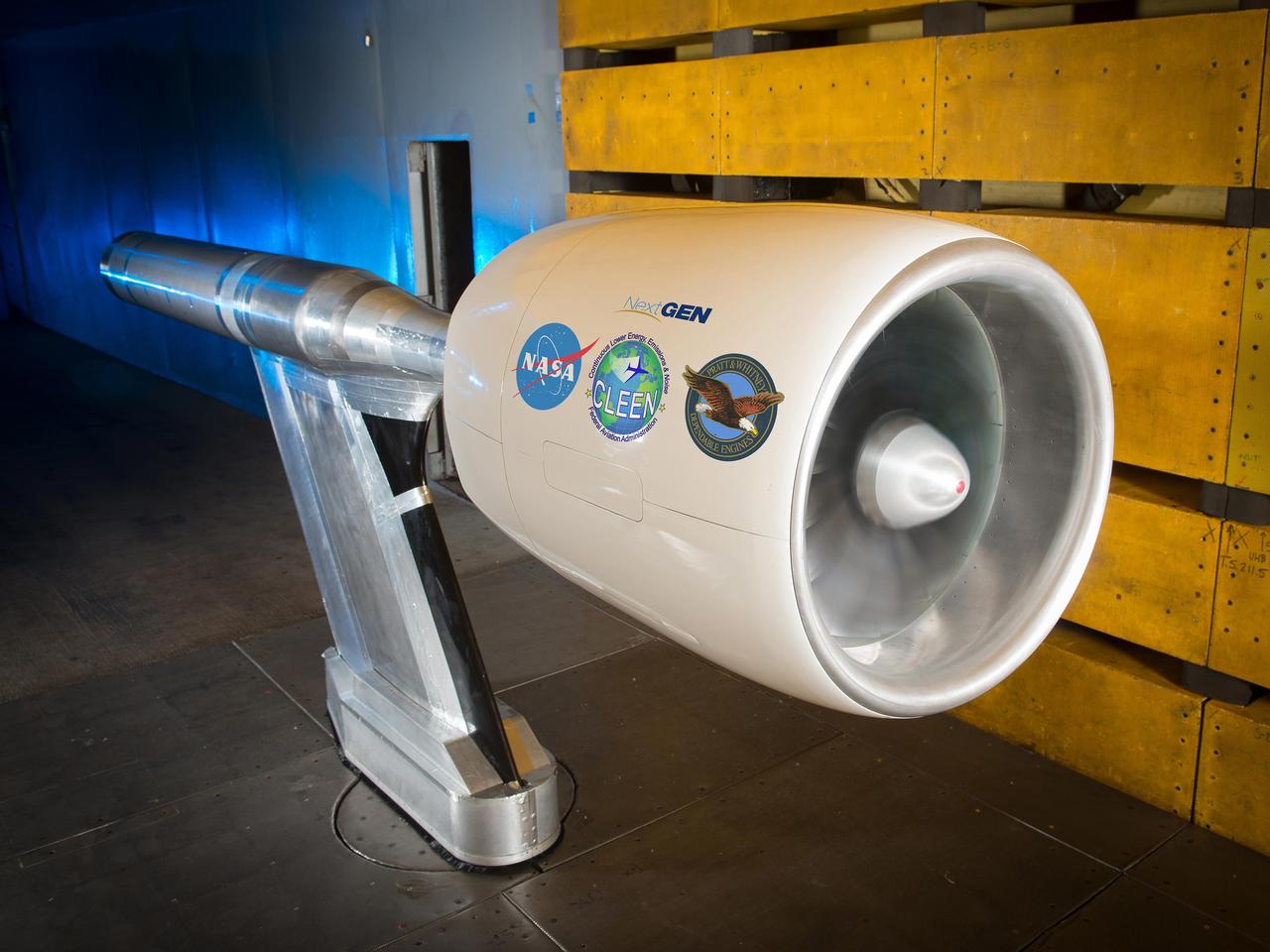
NASA’s Environmentally Responsible Aviation Project, in collaboration with the Federal Aviation Administration (FAA) and Pratt & Whitney, completed testing of an Ultra High Bypass Ratio Turbofan Model in the 9’ x 15’ Low Speed Wind Tunnel at NASA Glenn Research Center. The fan model is representative of the next generation of efficient and quiet Ultra High Bypass Ratio Turbofan Engine designs.
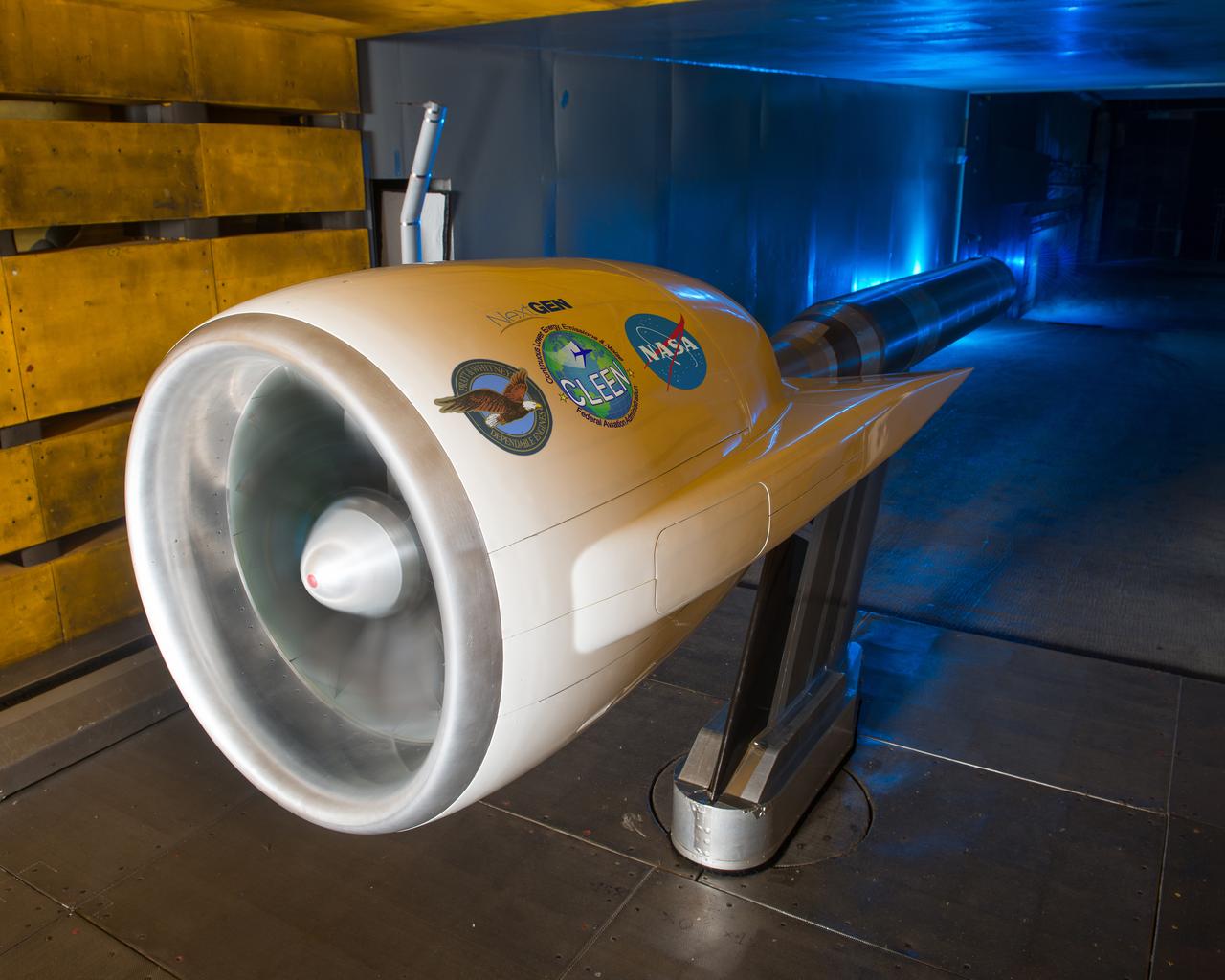
Ultra High Bypass Integrated System Test Testing of an Ultra High Bypass Ratio Turbofan model in the 9-by 15-Foot Low Speed Wind Tunnel. Pratt & Whitney designed the experimental engine to meet new efficiency and noise reduction targets for commercial aircraft set by NASA and the Federal Aviation Administration. The 9-by 15 tests analyzed two noise reduction technologies.
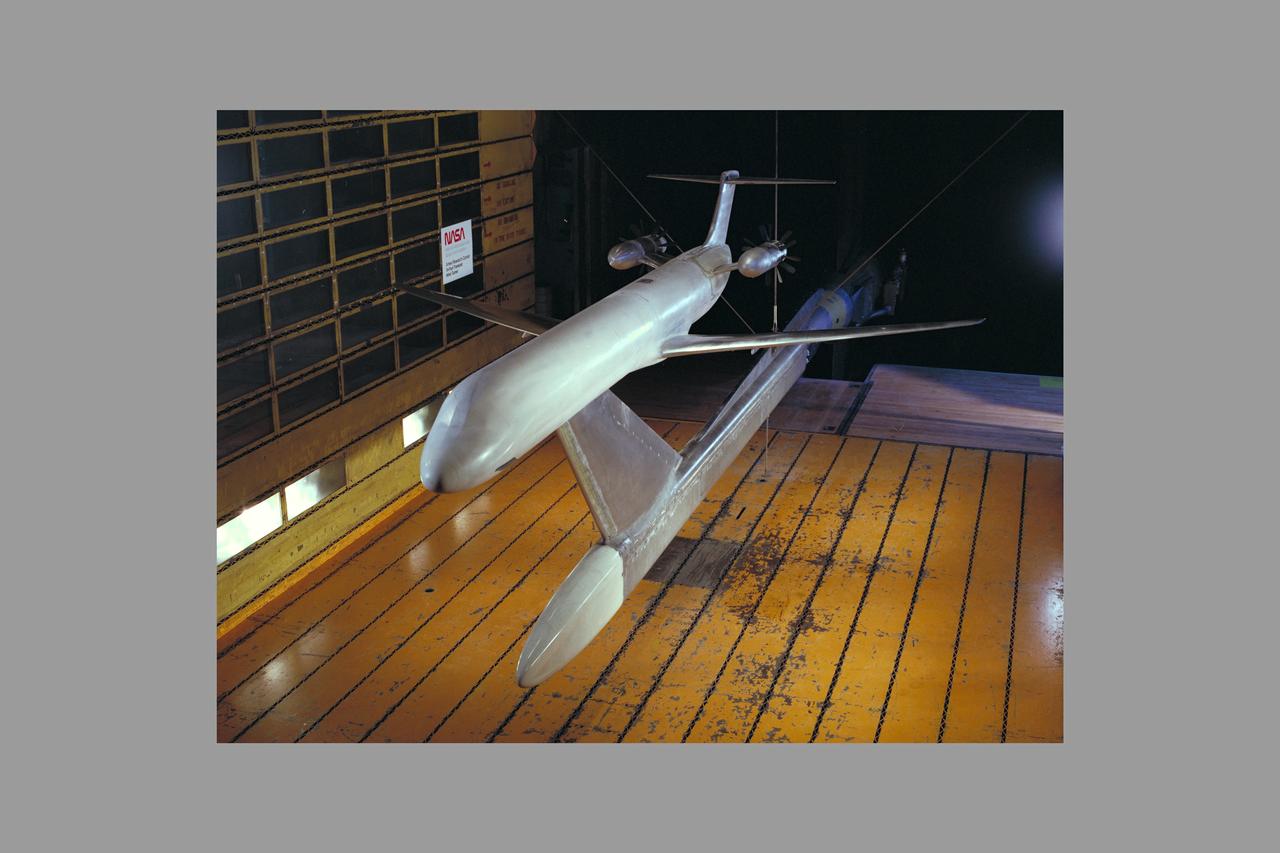
McDonnell Douglas Hub (Ultra-High Bypass) Model and SAAB Wake Rake Test 14ft W.T. Test-060-1-14, Turbo Fan Configuration
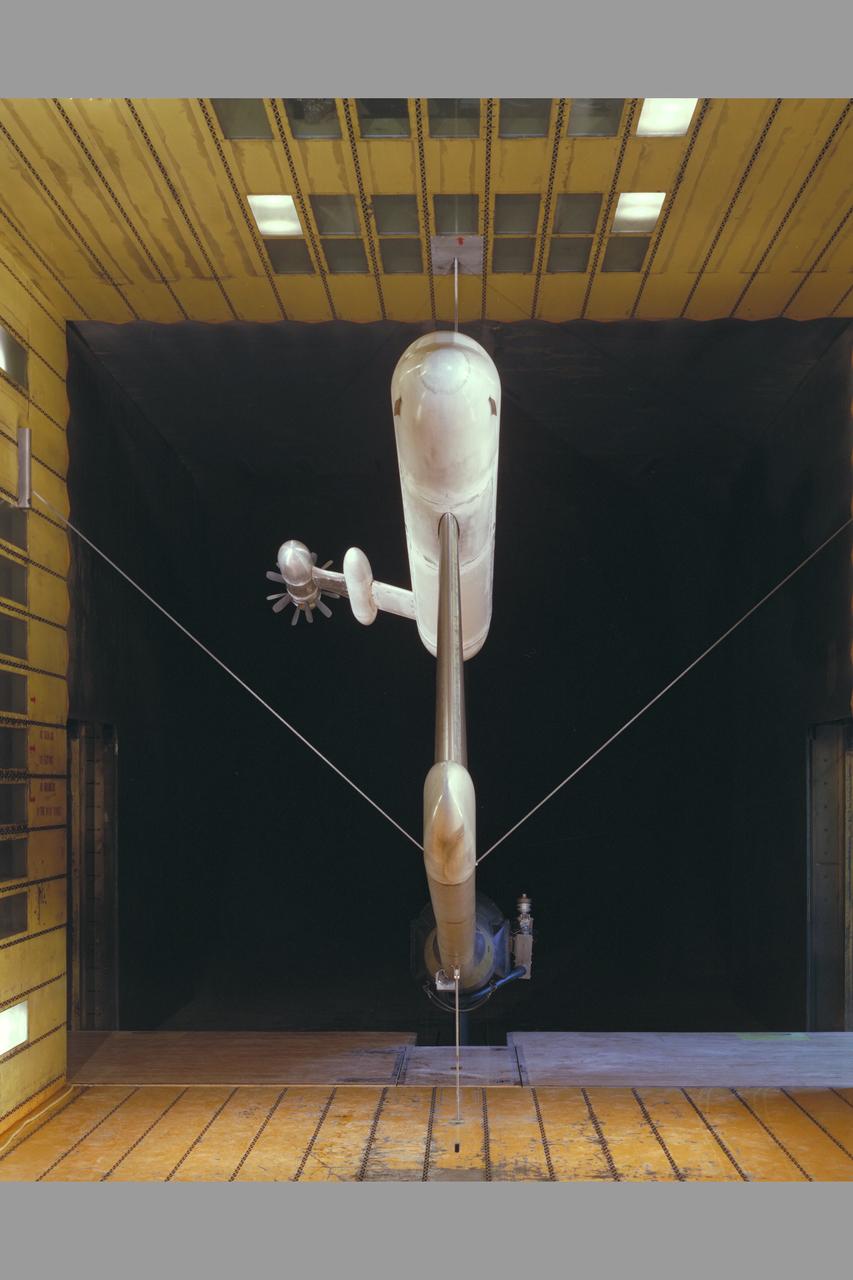
McDonnell Douglas Hub (Ultra-High Bypass) Model and SAAB Wake Rake Test 14ft W.T. Test-060-1-14, Turbo Fan Configuration
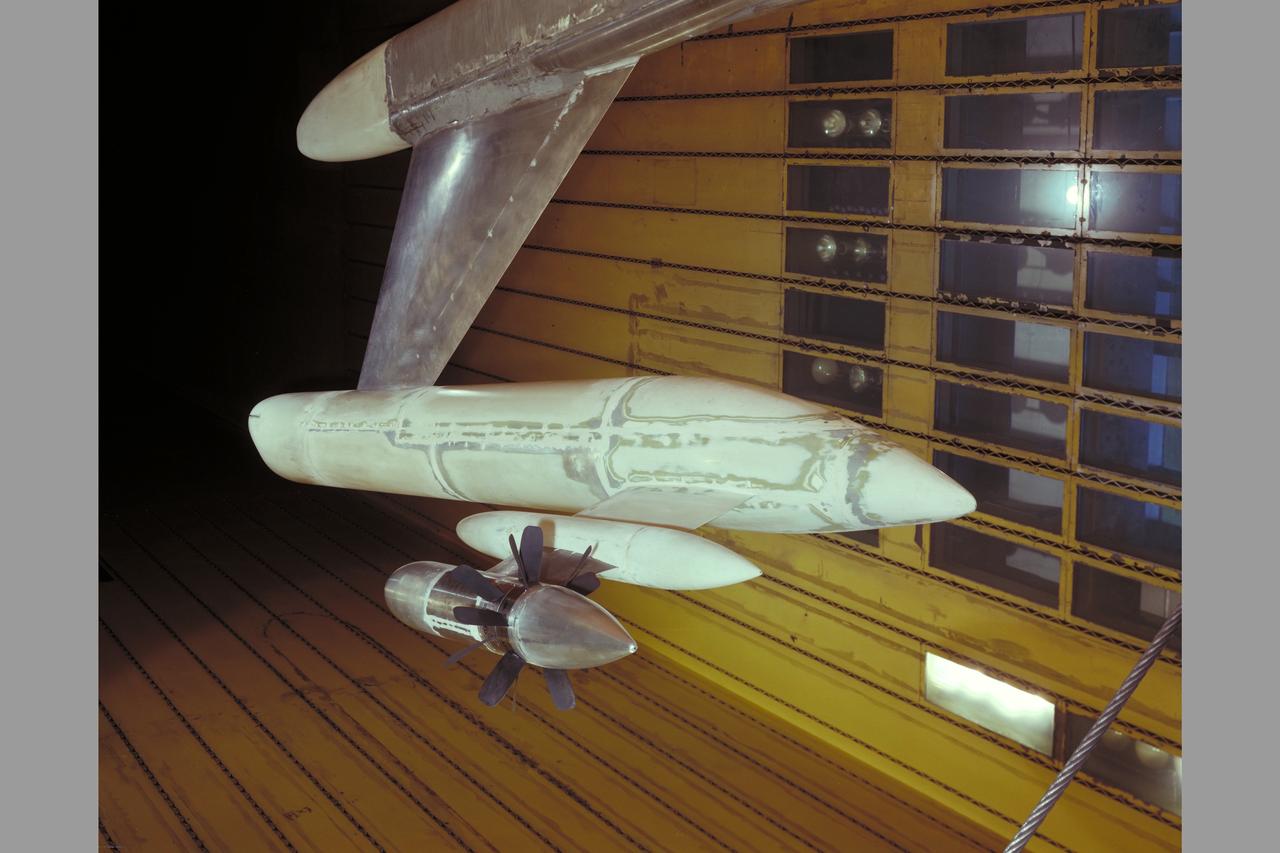
McDonnell Douglas Hub (Ultra-High Bypass) Model and SAAB Wake Rake Test 14ft W.T. Test-060-1-14, Turbo Fan Configuration
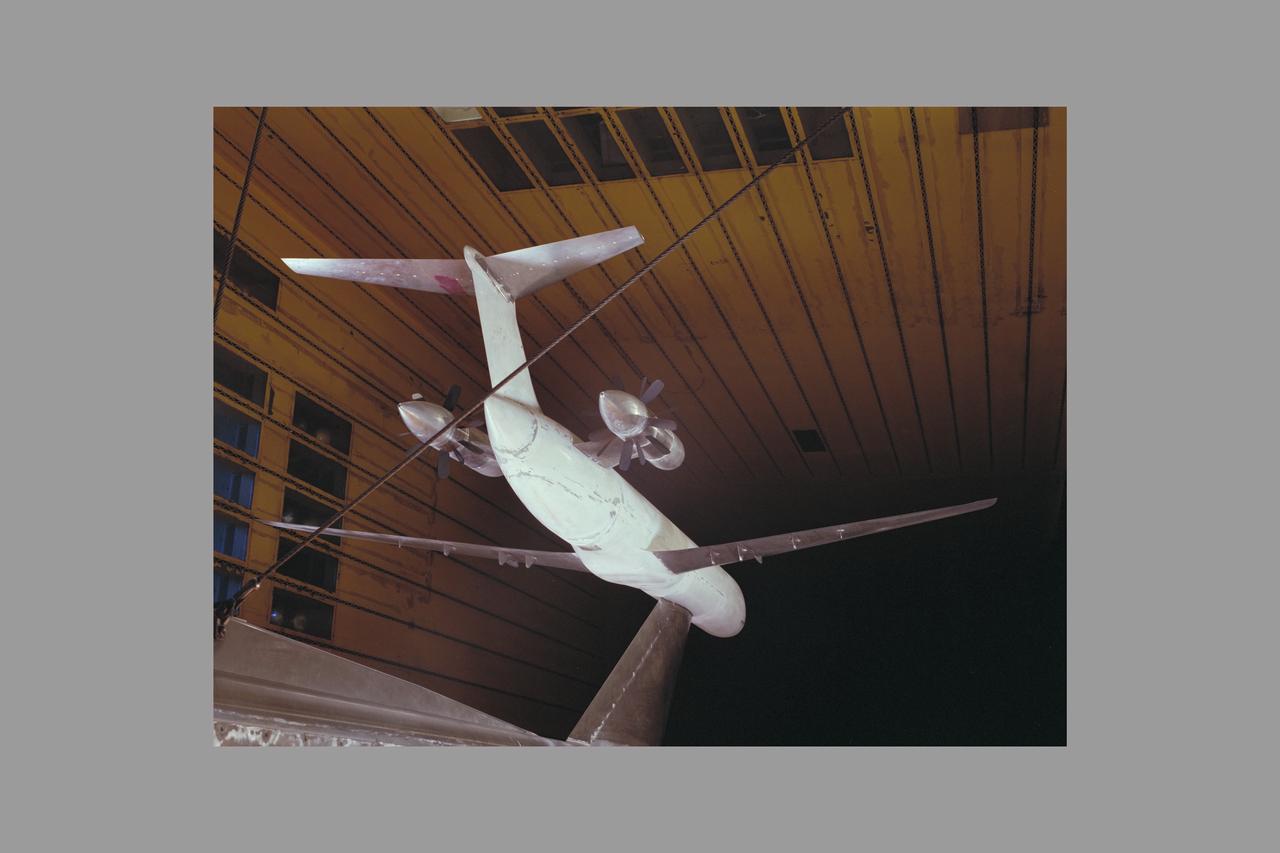
McDonnell Douglas Hub (Ultra-High Bypass) Model and SAAB Wake Rake Test 14ft W.T. Test-060-1-14, Turbo Fan Configuration
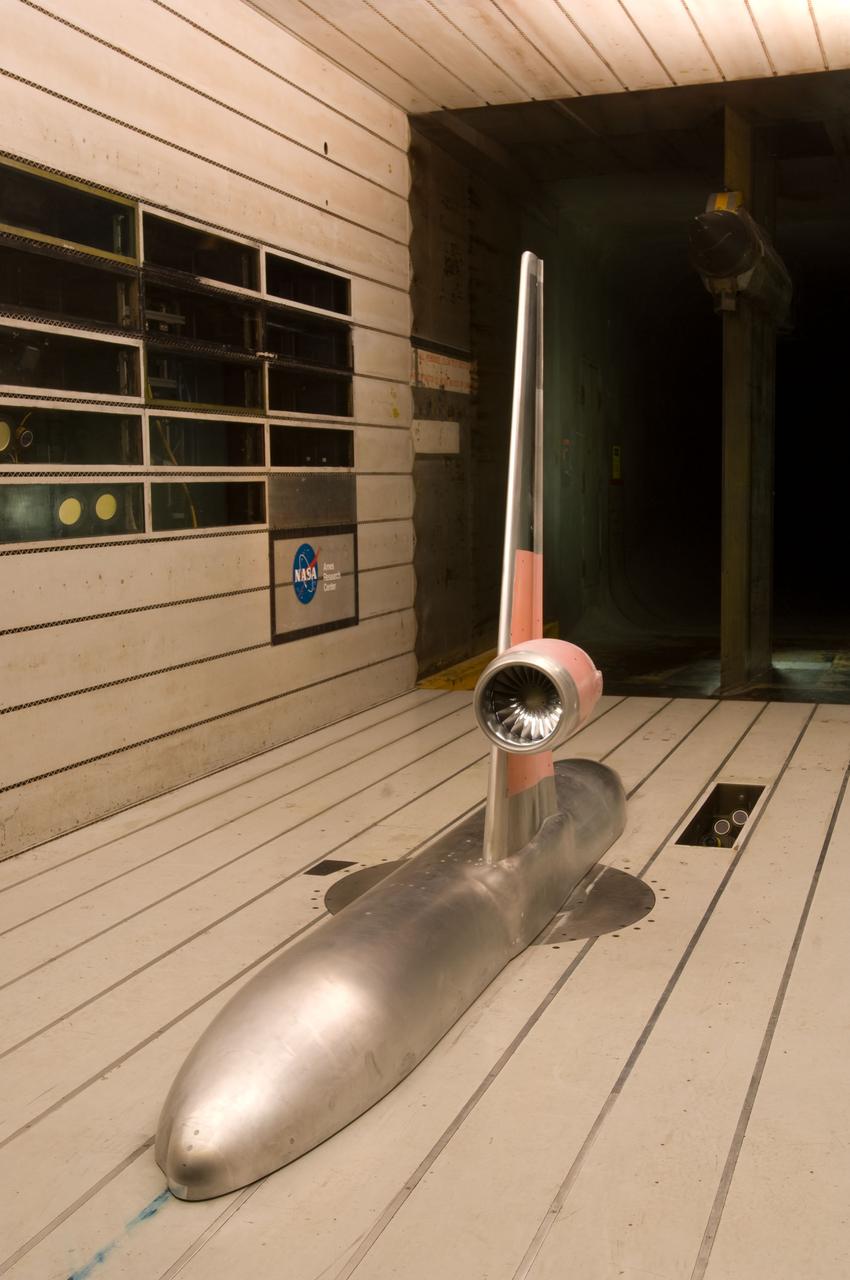
Next-Generation Aircraft, Pratt and Whitney Ultra-High Bypass Integration test at NASA Ames 11ft. wind tunnel (test 11-0182) assess the interaction effects of a scaled Pratt & Whitney geared turbofan on a Boeing 737-800 fuselage in an effort to use emerging technologies to make next-generation airliners quieter, more fuel efficient and lower on emissions. (printed in Aviation Week & Space Technology April 8, 2011 issue)