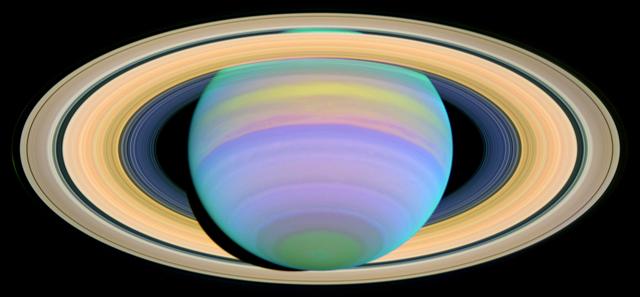
Saturn's Rings in Ultraviolet Light Credit: NASA and E. Karkoschka (University of Arizona) The Hubble Space Telescope is a project of international cooperation between NASA and the European Space Agency. NASA's Goddard Space Flight Center manages the telescope. The Space Telescope Science Institute conducts Hubble science operations. Goddard is responsible for HST project management, including mission and science operations, servicing missions, and all associated development activities. To learn more about the Hubble Space Telescope go here: <a href="http://www.nasa.gov/mission_pages/hubble/main/index.html" rel="nofollow">www.nasa.gov/mission_pages/hubble/main/index.html</a>

During pre-flight testing in March 2011, the Mars Hand Lens Imager MAHLI camera on NASA Mars rover Curiosity took this image of the MAHLI calibration target under illumination from MAHLI two ultraviolet LEDs light emitting diodes.
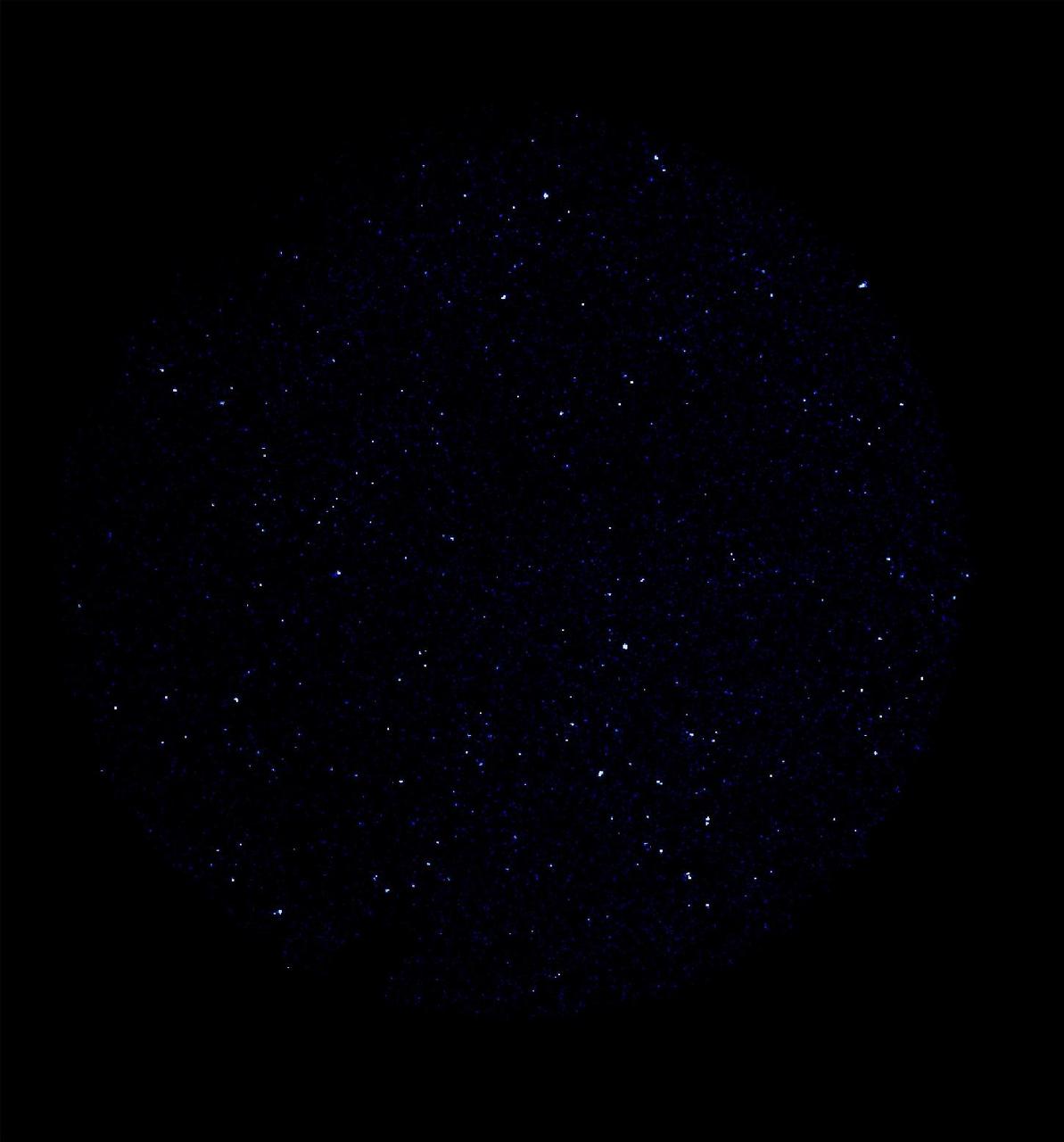
This image was taken May 21 and 22, 2003 by NASA Galaxy Evolution Explorer. The image was made from data gathered by the far ultraviolet channel of the spacecraft camera during the mission first light milestone. It shows about 400 celestial objects
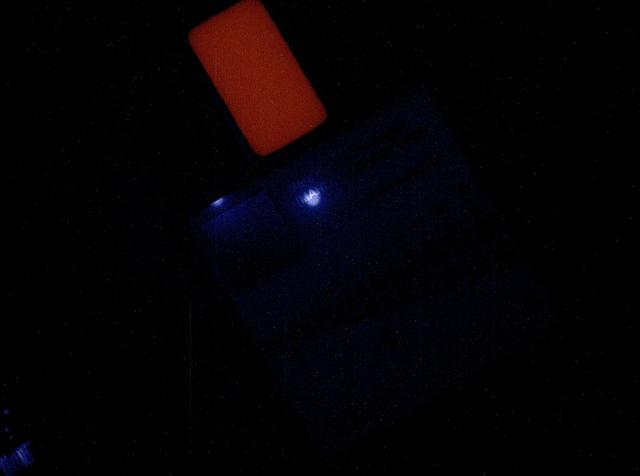
Illumination in this image comes from MAHLI two ultraviolet LEDs, which emit light in a waveband centered at a wavelength of 365 nanometers in this image of a calibration target on NASA Mars rover Curiosity.
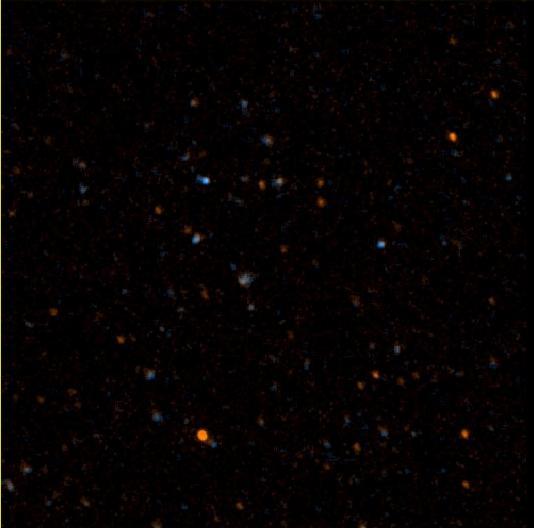
NASA's Galaxy Evolution Explorer took this image on May 21 and 22, 2003. The image was made from data gathered by the two channels of the spacecraft camera during the mission's "first light" milestone. It shows about 100 celestial objects in the constellation Hercules. The reddish objects represent those detected by the camera's near ultraviolet channel over a 5-minute period, while bluish objects were detected over a 3-minute period by the camera's far ultraviolet channel. The Galaxy Evolution Explorer's first light images are dedicated to the crew of the Space Shuttle Columbia. The Hercules region was directly above Columbia when it made its last contact with NASA Mission Control on February 1, over the skies of Texas. The Galaxy Evolution Explorer launched on April 28 on a mission to map the celestial sky in the ultraviolet and determine the history of star formation in the universe over the last 10 billion years. http://photojournal.jpl.nasa.gov/catalog/PIA04281
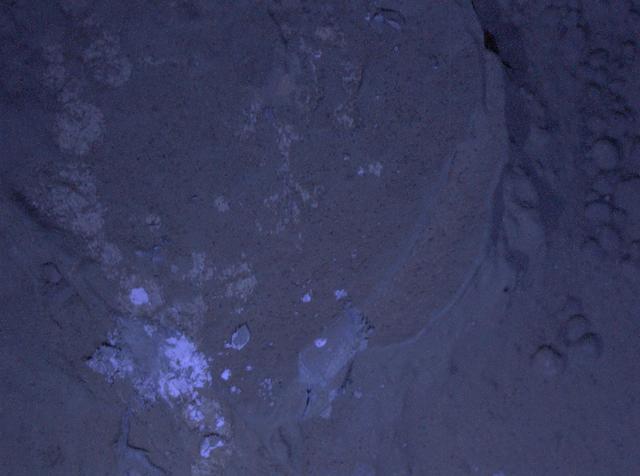
This image of a Martian rock dubbed Sayunei is illuminated by ultraviolet LEDs light emitting diodes is part of the first set of nighttime images taken by the Mars Hand Lens Imagery camera at the end of the robotic arm of NASA Mars rover Curiosity.

Some of the prominences that float like lazy clouds above the solar surface suddenly erupt and break away from the Sun in cataclysmic action. The trigger of this coronal transient, like many others seen by Skylab's coronagraph, was an eruptive prominence that surged outward from the limb of the Sun, ejecting matter that disturbed the outer corona. This image is of the surge in action in ultraviolet light of ionized helium. Simultaneous observations like this made possible an almost immediate understanding of the new-found cosmic phenomenon. The elbow prominence was accidentally photographed by Astronaut Garriott (Skylab-3) while observing a small flare near the limb of the Sun beneath the mighty arch on August 9, 1973.

A technician performs a ultraviolet light inspection of the Orbital ATK Pegasus starboard on May 22, 2018, prior to fully mating NASA's Ionospheric Connection Explorer (ICON) to Pegasus inside Building 1555 at Vandenberg Air Force Base in California. The explorer will launch on June 15, 2018, from Kwajalein Atoll in the Marshall Islands (June 14 in the continental United States) on the Pegasus XL, which is attached to the company's L-1011 Stargazer aircraft. ICON will study the frontier of space - the dynamic zone high in Earth's atmosphere where terrestrial weather from below meets space weather above. The explorer will help determine the physics of Earth's space environment and pave the way for mitigating its effects on our technology and communications systems.

A technician begins a ultraviolet light inspection of the Orbital ATK Pegasus starboard on May 22, 2018, prior to mating NASA's Ionospheric Connection Explorer (ICON) to Pegasus inside Building 1555 at Vandenberg Air Force Base in California. The explorer will launch on June 15, 2018, from Kwajalein Atoll in the Marshall Islands (June 14 in the continental United States) on the Pegasus XL, which is attached to the company's L-1011 Stargazer aircraft. ICON will study the frontier of space - the dynamic zone high in Earth's atmosphere where terrestrial weather from below meets space weather above. The explorer will help determine the physics of Earth's space environment and pave the way for mitigating its effects on our technology and communications systems.

A technician performs a ultraviolet light inspection of the Orbital ATK Pegasus starboard on May 22, 2018, prior to fully mating NASA's Ionospheric Connection Explorer (ICON) to Pegasus inside Building 1555 at Vandenberg Air Force Base in California. The explorer will launch on June 15, 2018, from Kwajalein Atoll in the Marshall Islands (June 14 in the continental United States) on the Pegasus XL, which is attached to the company's L-1011 Stargazer aircraft. ICON will study the frontier of space - the dynamic zone high in Earth's atmosphere where terrestrial weather from below meets space weather above. The explorer will help determine the physics of Earth's space environment and pave the way for mitigating its effects on our technology and communications systems.

A technician begins a ultraviolet light inspection of the Orbital ATK Pegasus starboard on May 22, 2018, prior to mating NASA's Ionospheric Connection Explorer (ICON) to Pegasus inside Building 1555 at Vandenberg Air Force Base in California. The explorer will launch on June 15, 2018, from Kwajalein Atoll in the Marshall Islands (June 14 in the continental United States) on the Pegasus XL, which is attached to the company's L-1011 Stargazer aircraft. ICON will study the frontier of space - the dynamic zone high in Earth's atmosphere where terrestrial weather from below meets space weather above. The explorer will help determine the physics of Earth's space environment and pave the way for mitigating its effects on our technology and communications systems.
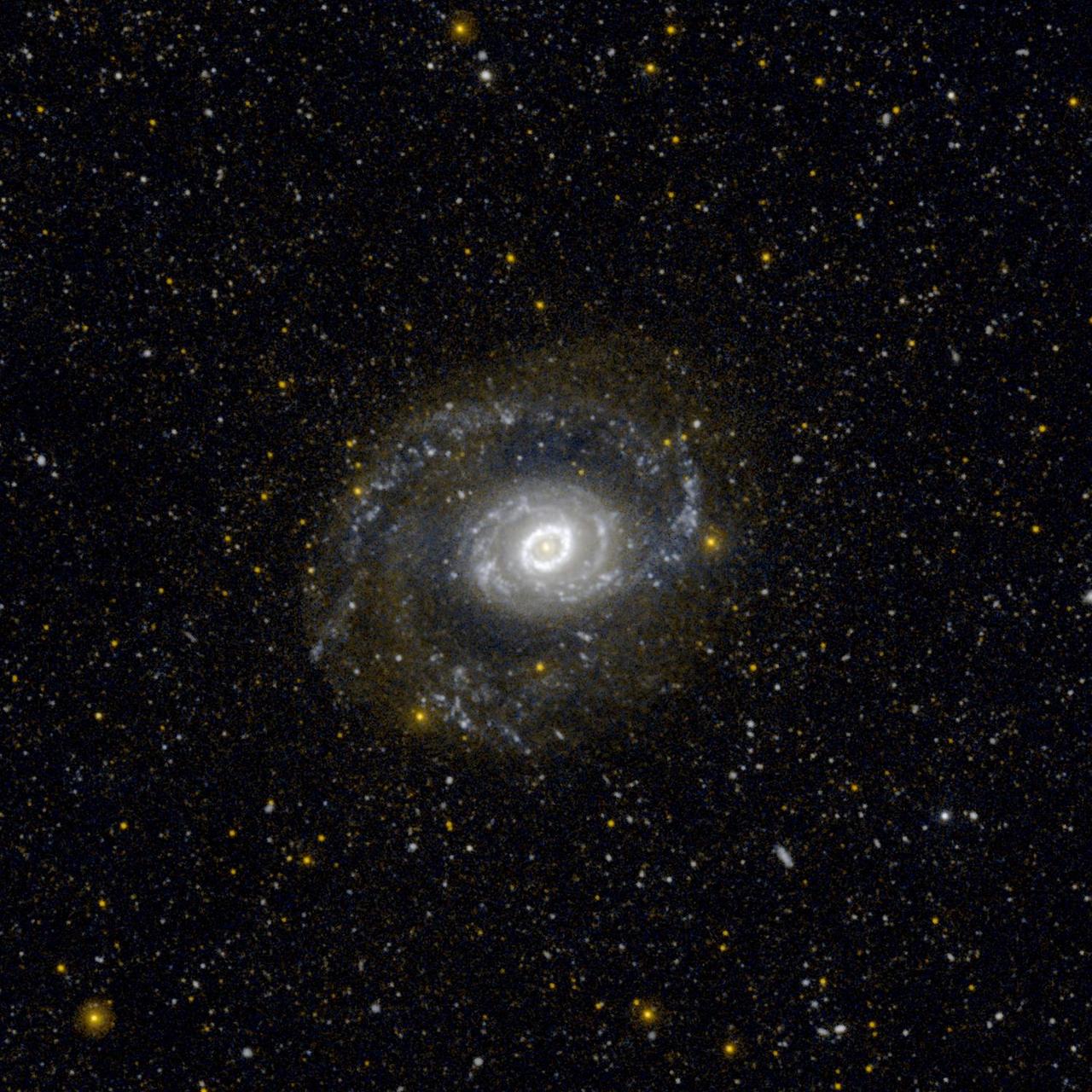
This image from NASA Galaxy Evolution Explorer GALEX shows Messier 94, also known as NGC 4736, in ultraviolet light. It is located 17 million light-years away in the constellation Canes Venatici.

This image taken by the ultraviolet-light monitoring camera on the European Space Agency ESA XMM-Newton telescope shows the beautiful spiral arms of the galaxy NGC1365.
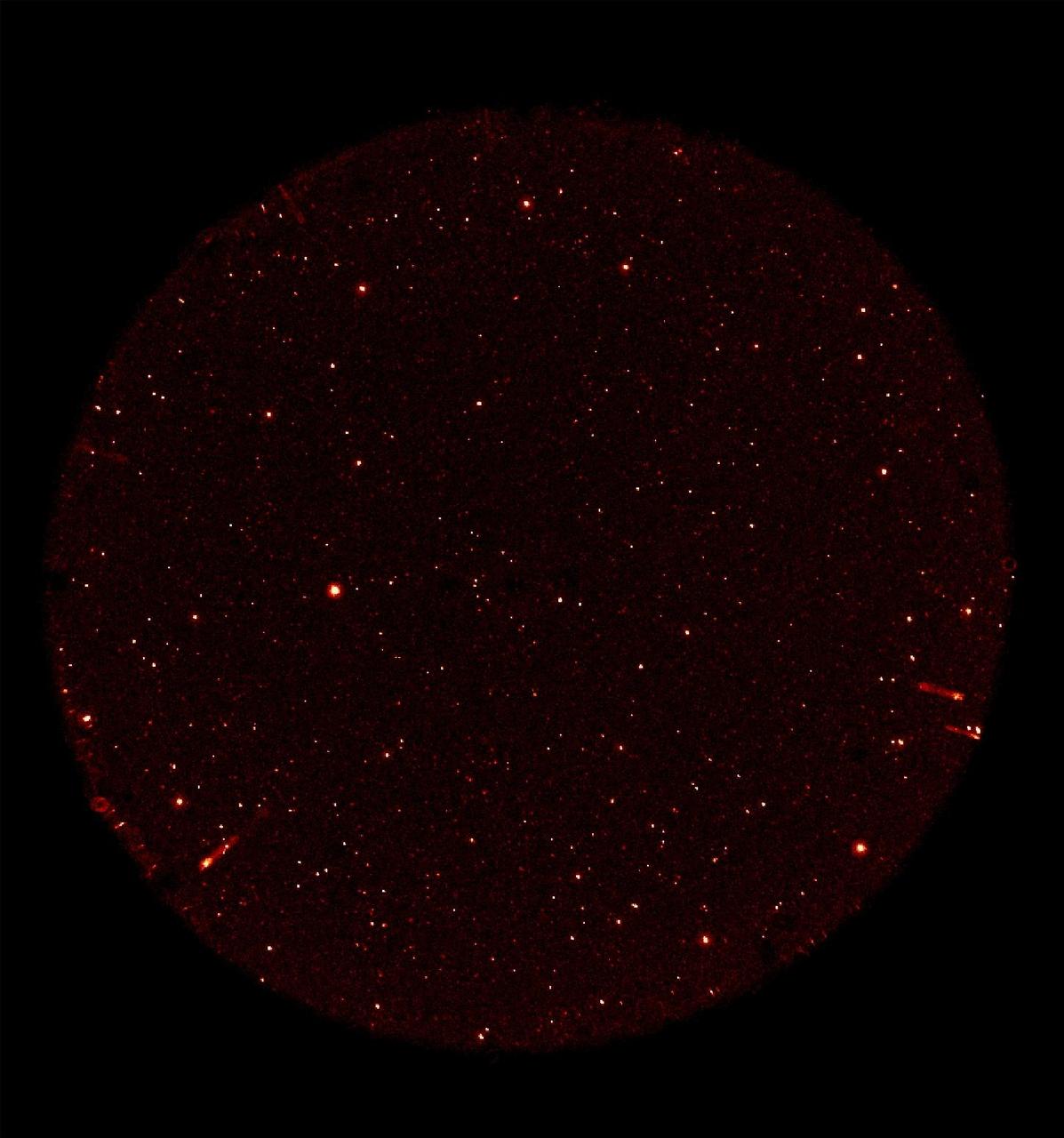
This image was taken on May 21 and 22, 2003, by NASA Galaxy Evolution Explorer. The image was made from data gathered during the missions first light milestone, and shows celestial objects in the constellation Hercules.

In the Multi-Payload Processing Facility, workers check the deployment of the cover of the telescope on NASA Galaxy Evolution Explorer, an orbiting space telescope observing galaxies in ultraviolet light across 10 billion years of cosmic history.

This ultraviolet image from NASA Galaxy Evolution Explorer shows the Southern Pinwheel galaxy, also know as Messier 83 or M83. It is located 15 million light-years away in the southern constellation Hydra.
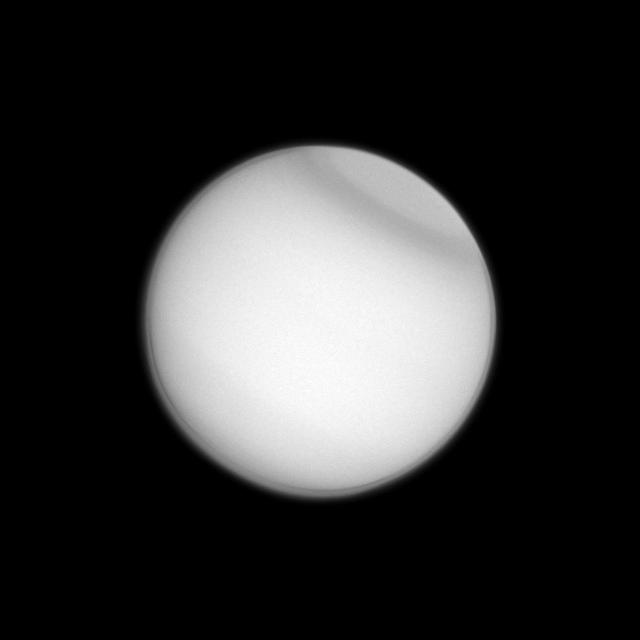
Titan polar collar, previously seen by Voyager 2 and the Hubble Space Telescope, has now been observed by the Cassini spacecraft, seen here in ultraviolet light. The collar is believed to be seasonal in nature.
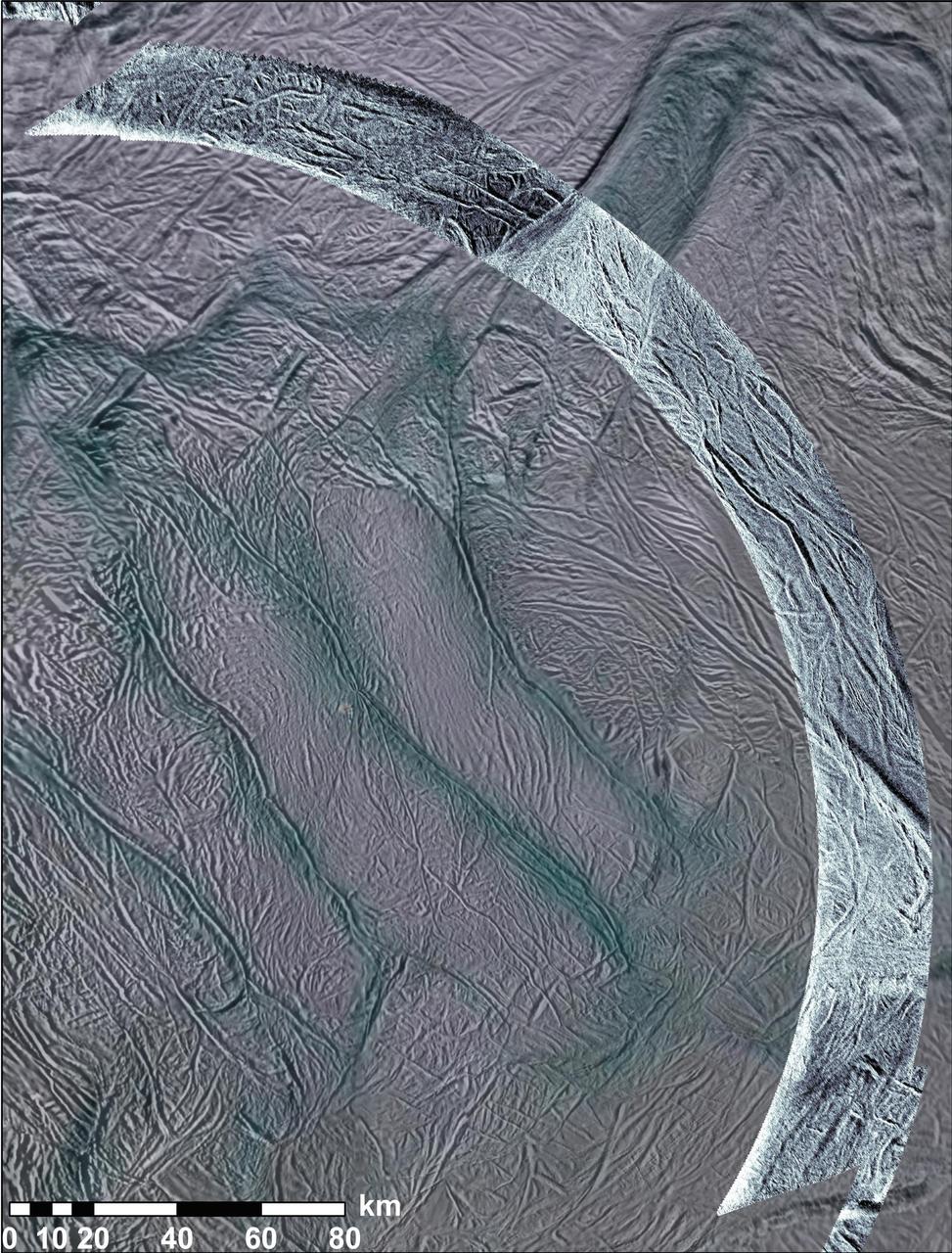
NASA Cassini spacecraft obtained this view of the south polar area of Saturn moon Enceladus in visible and near-visible ultraviolet and infrared light and synthetic-aperture radar SAR.
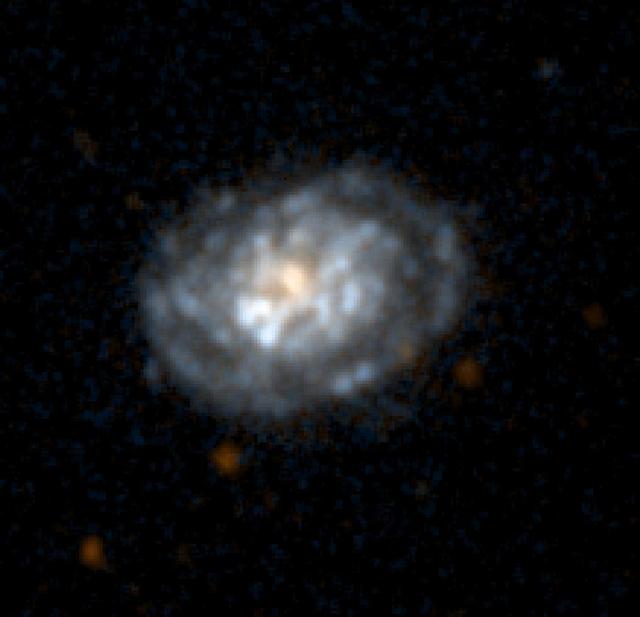
NASA Galaxy Evolution Explorer took this ultraviolet color image of the galaxy NGC5962 on June 7, 2003. This spiral galaxy is located 90 million light-years from Earth. http://photojournal.jpl.nasa.gov/catalog/PIA04635

This artist concept illustrates a young, red dwarf star surrounded by three planets. NASA Galaxy Evolution Explorer is helping to identify young, red dwarf stars that are close to us by detecting their ultraviolet light.
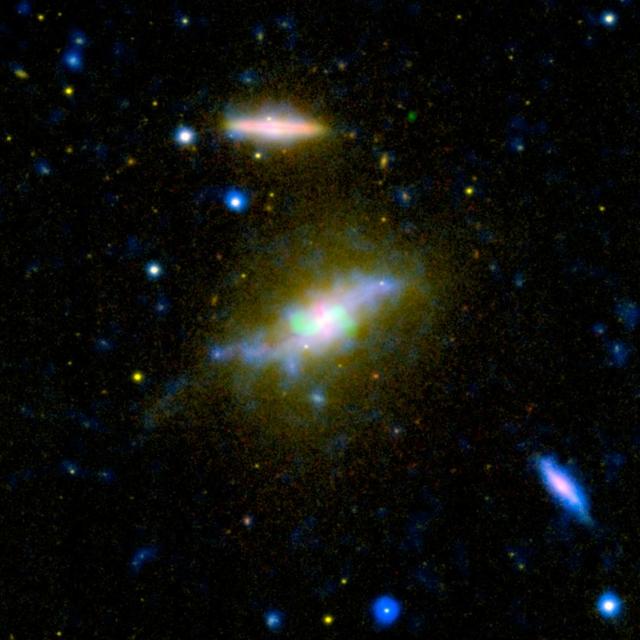
Time is running out for the galaxy NGC 3801, seen in this composite image from NASA Galaxy Evolution Explorer and other instruments combining light from across the spectrum, ranging from ultraviolet to radio.
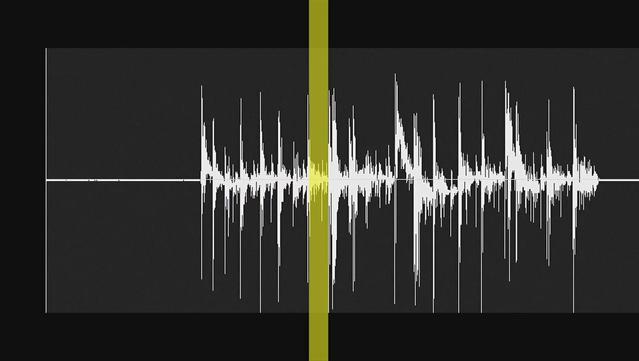
This video demonstrates the hiss-like radio noise generated by electrons moving along magnetic field lines from the Saturnian moon Enceladus to a glowing patch of ultraviolet light on Saturn.
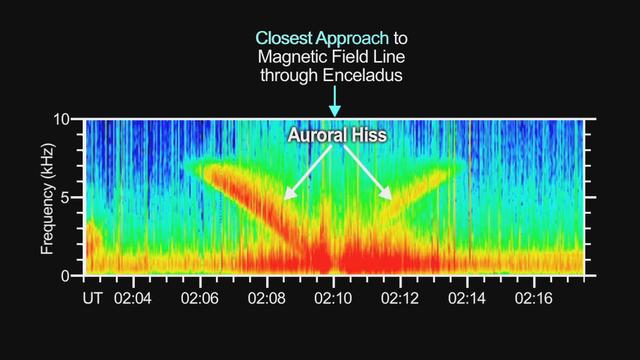
This graphic demonstrates the hiss-like radio noise generated by electrons moving along magnetic field lines from the Saturnian moon Enceladus to a glowing patch of ultraviolet light on Saturn.

This computer-simulated image shows gas from a tidally shredded star falling into a black hole. Astronomers observed the flare in ultraviolet light using NASA Galaxy Evolution Explorer.
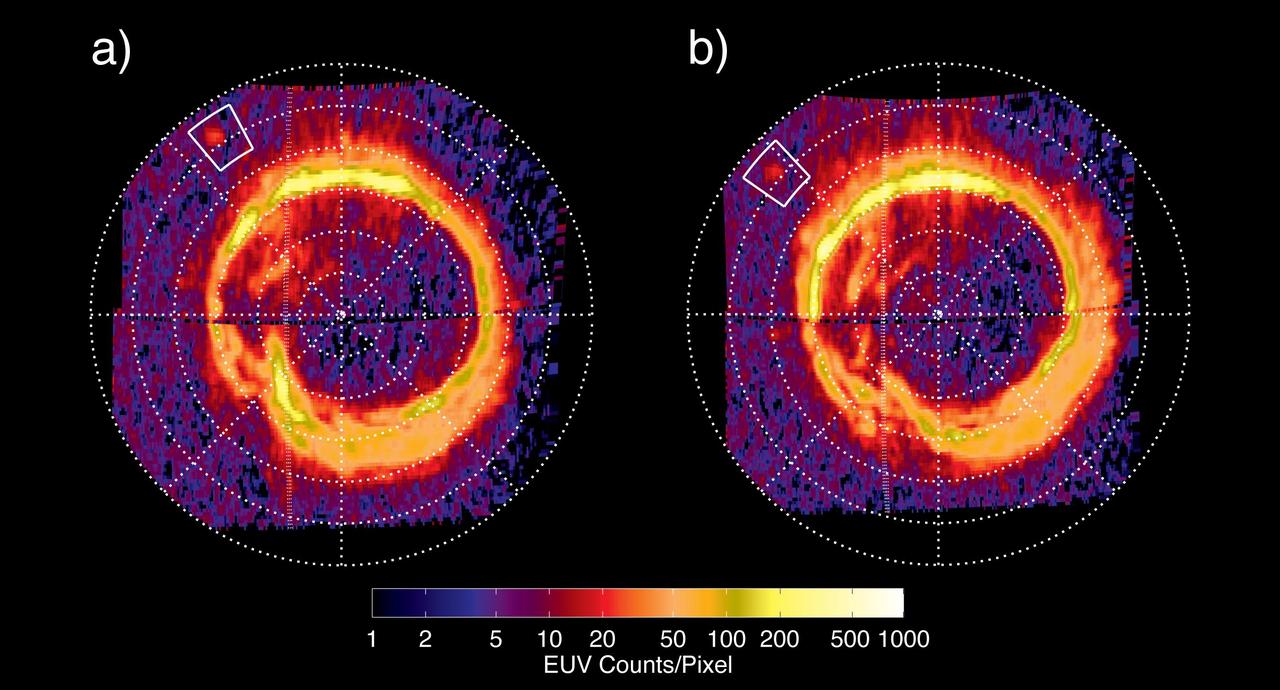
NASA Cassini spacecraft has spotted a glowing patch of ultraviolet light near Saturn north pole that marks the presence of an electrical circuit that connects Saturn with its moon Enceladus.

The Ghost of Mirach galaxy is shown in visible light on the left, and in ultraviolet as seen by NASA Galaxy Evolution Explorer on the right. The fields of view are identical in both pictures, with the Ghost of Mirach -— a galaxy called NGC 404.
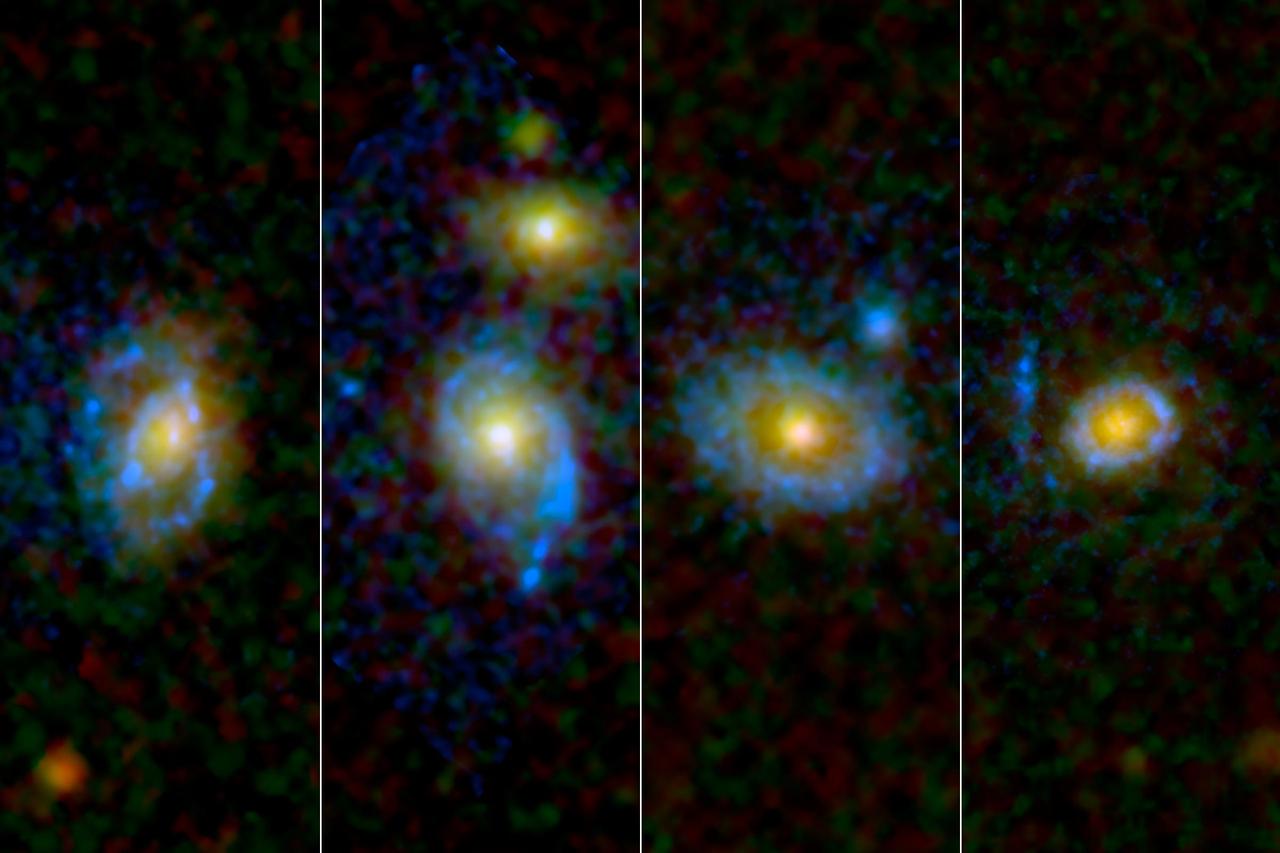
Astronomers have found unexpected rings and arcs of ultraviolet light around a selection of galaxies, four of which are shown here as viewed by NASA and the European Space Agency Hubble Space Telescope.

Wispy tendrils of hot dust and gas glow brightly in this ultraviolet image of the Cygnus Loop nebula, taken by NASA Galaxy Evolution Explorer. The nebula lies about 1,500 light-years away.
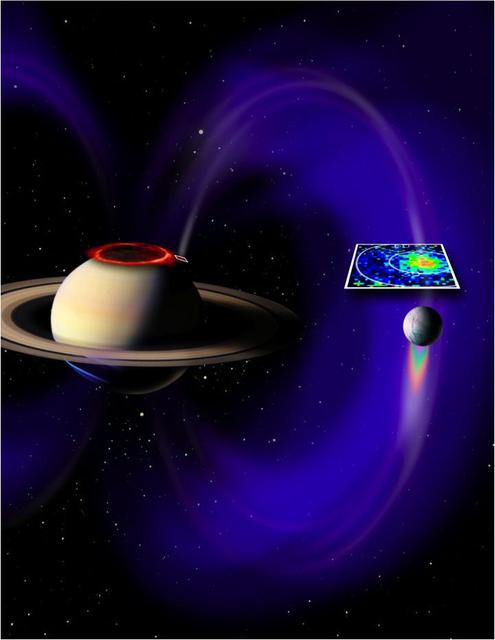
This artist concept based on data from NASA Cassini spacecraft, shows a glowing patch of ultraviolet light near Saturn north pole that occurs at the footprint of the magnetic connection between Saturn and its moon Enceladus.
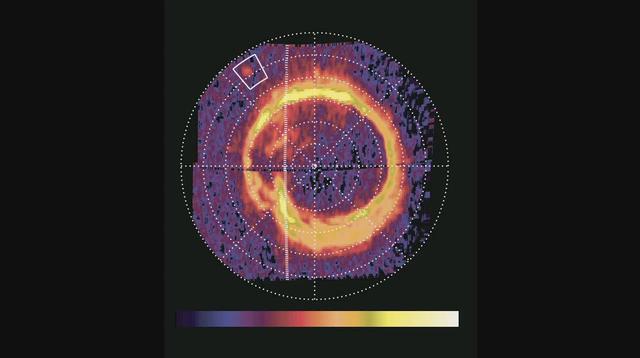
NASA Cassini spacecraft has spotted a glowing patch of ultraviolet light near Saturn north pole that marks the presence of an electrical circuit that connects Saturn with its moon Enceladus. Movie available at the Photojournal.

Since its launch in 2003, NASA Galaxy Evolution Explorer the space telescope originally designed to observe galaxies across the universe in ultraviolet light has discovered a festive sky blinking with flaring and erupting stars.
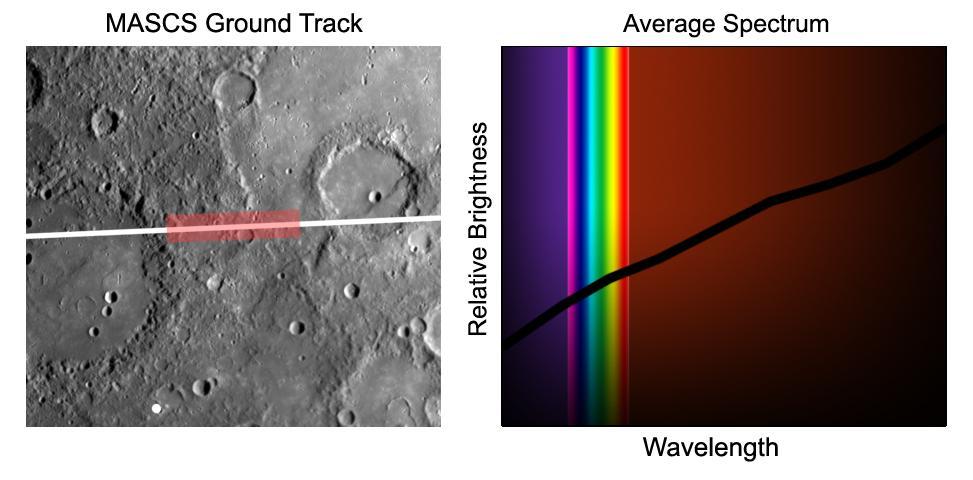
During its flyby of Mercury, on January 14, 2008 NASA MESSENGER spacecraft acquired the first high-resolution spectra of the planet surface in ultraviolet, visible, and near-infrared light.
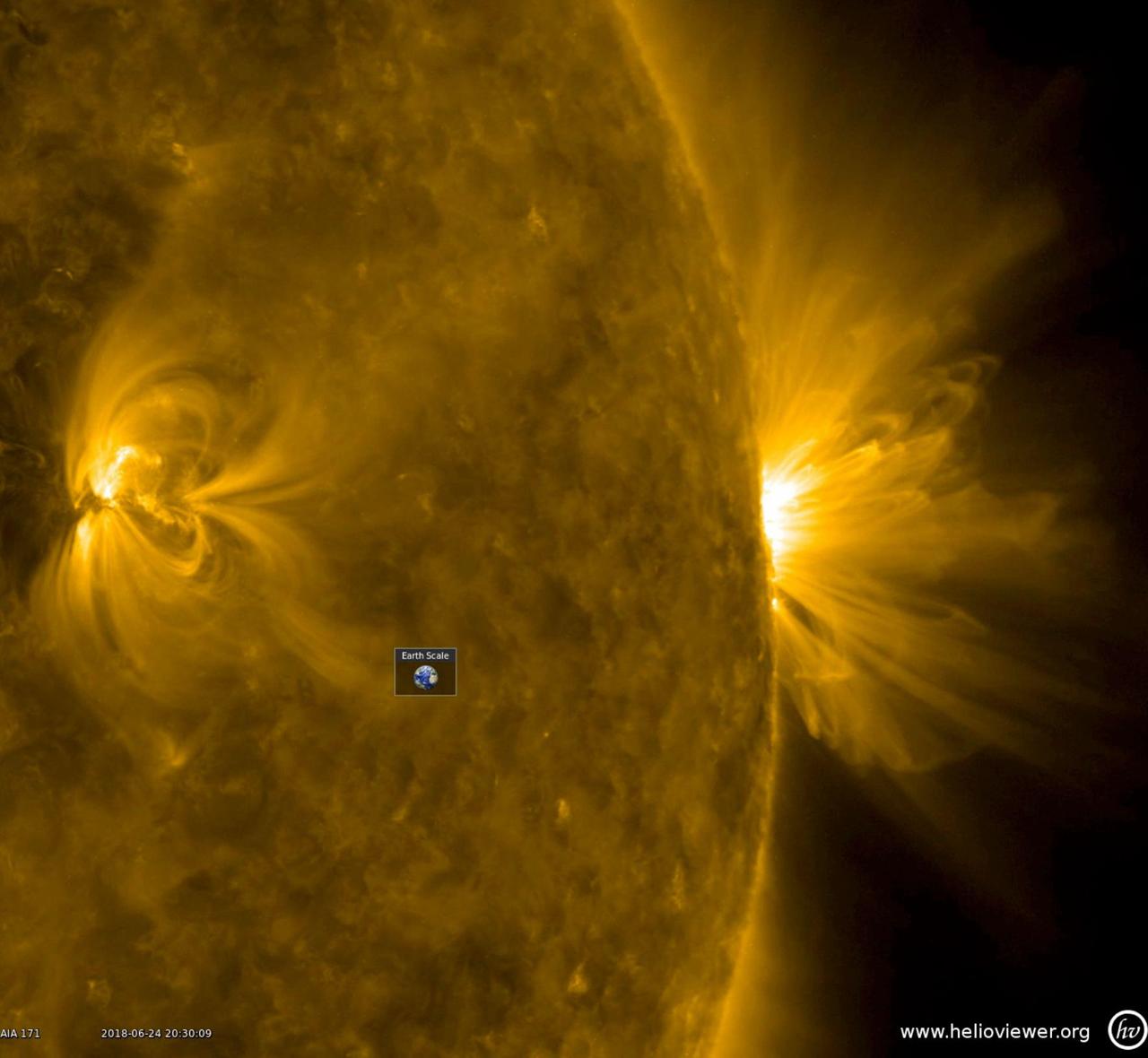
This profile perspective of an active region revealed above it (June 24-25, 2018). Charged particles spinning along these field lines are illuminated in this wavelength of extreme ultraviolet light. The little Earth superimposed on the image and videos gives one a sense of just how humongous these loops really are. Our eyes cannot see extreme ultraviolet light, but our instruments can. The images are colorized to distinguish between these from images taken in other wavelengths by SDO. Note there is another, smaller active region on the left side of the image. Movies are available at https://photojournal.jpl.nasa.gov/catalog/PIA22589

Since its launch five years ago, the Galaxy Evolution Explorer has photographed hundreds of millions of galaxies in ultraviolet light. M106 is one of those galaxies, 22 light years away, it strikes a pose in blue and gold for this new commemorative portrait. The galaxy's extended arms are the blue filaments that curve around its edge, creating its outer disk. Tints of blue in M106's arms reveal hot, young massive stars. Traces of gold toward the center show an older stellar population and indicate the presence of obscuring dust. From 24 million light-years away, neighboring galaxy NGC 4248 also makes a memorable appearance, sitting just right of M106. The irregular galaxy looks like a yellow smudge, with a bluish-white bar in the center. The galaxy's outer golden glow indicates a population of older stars, while the blue central region shows a younger stellar demographic. Dwarf galaxy UGC 7365 emerges at the bottom center of this image, as a faint yellow smudge directly below M106. This galaxy is not forming any new stars, and looks much smaller than M106 despite being closer to Earth, at 14 million light-years away. Over the past five years, the Galaxy Evolution Explorer has imaged half a billion objects over 27,000 square degrees of sky —equivalent to an area that would be covered by 138,000 full moons. The telescope orbits Earth every 94 minutes and travels approximately 408,470 million miles per day. Its overarching question is: how do galaxies grow and change over 10 billion years of cosmic history? M106, also known as NGC 4258, is located in the constellation Canes Venatici. This image is a two-color composite, where far-ultraviolet light is blue, and near-ultraviolet light is red. http://photojournal.jpl.nasa.gov/catalog/PIA10600
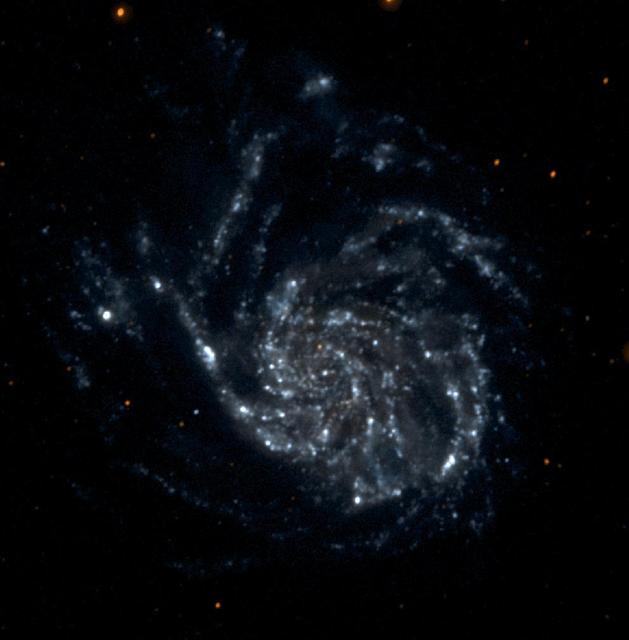
This single orbit exposure, ultraviolet color image of Messier 101 was taken by NASA's Galaxy Evolution Explorer on June 20, 2003. Messier 101 is a large spiral galaxy located 20 million light-years from Earth. This image is a short and medium "exposure" picture of the evolution of star formation in a spiral galaxy. The far ultraviolet emission detects the younger stars as concentrated in tight spiral arms, while the near ultraviolet emission, which traces stars living for more than 100 million years, displays the movement of the spiral pattern over a 100 million year period. The red stars in the foreground of the image are Milky Way stars. http://photojournal.jpl.nasa.gov/catalog/PIA04632
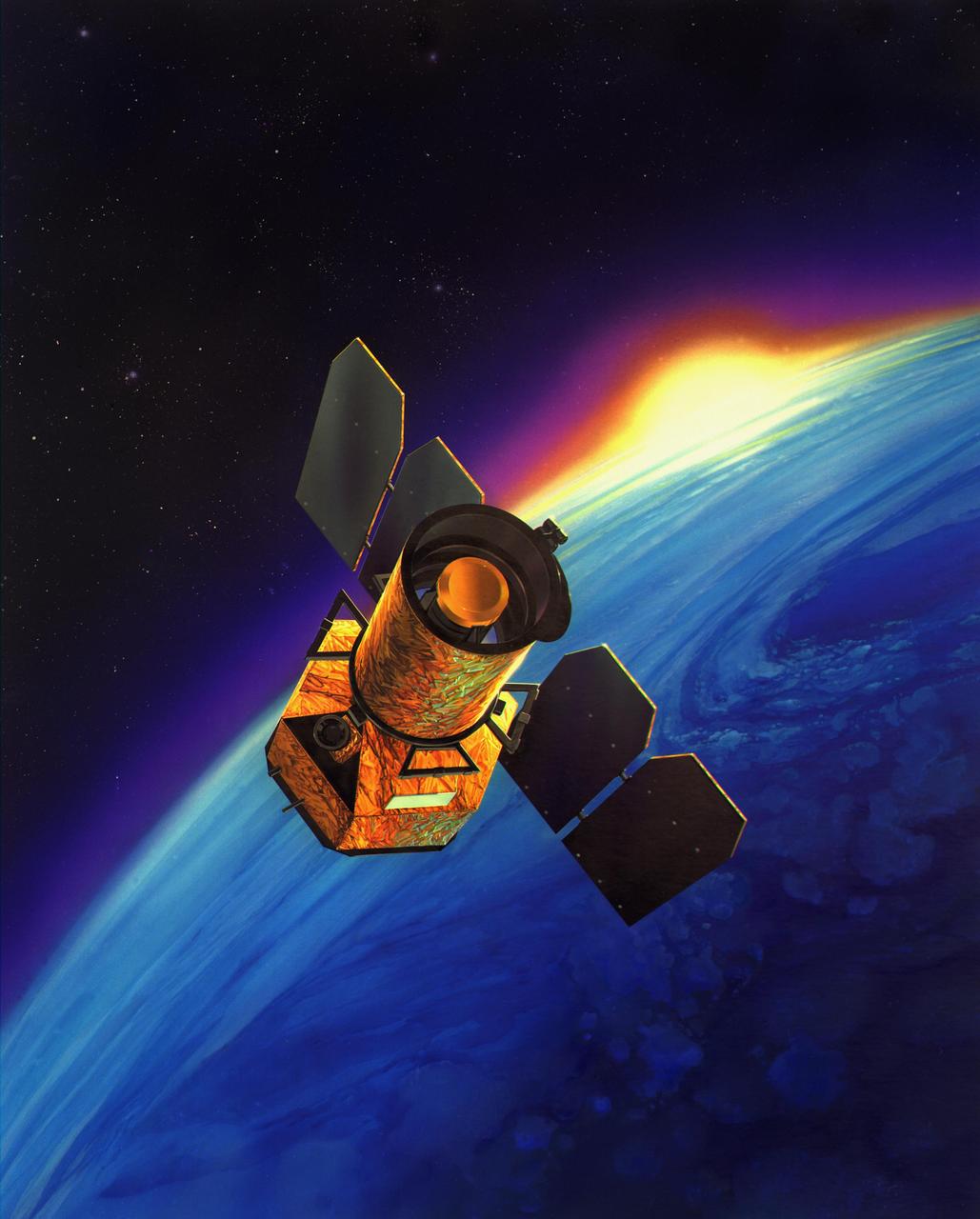
The Galaxy Evolution Explorer was launched on April 28, 2003. Its mission is to study the shape, brightness, size and distance of galaxies across 10 billion years of cosmic history. The 50-centimeter-diameter (19.7-inch) telescope onboard the Galaxy Evolution Explorer sweeps the skies in search of ultraviolet-light sources. Ultraviolet is light from the higher end of the electromagnetic spectrum, just above visible light in frequency, but below X-rays and gamma rays. While a small amount of ultraviolet penetrates Earth's atmosphere, causing sunburn, the Galaxy Evolution Explorer observes those ultraviolet frequencies that can only be seen from space. http://photojournal.jpl.nasa.gov/catalog/PIA04234
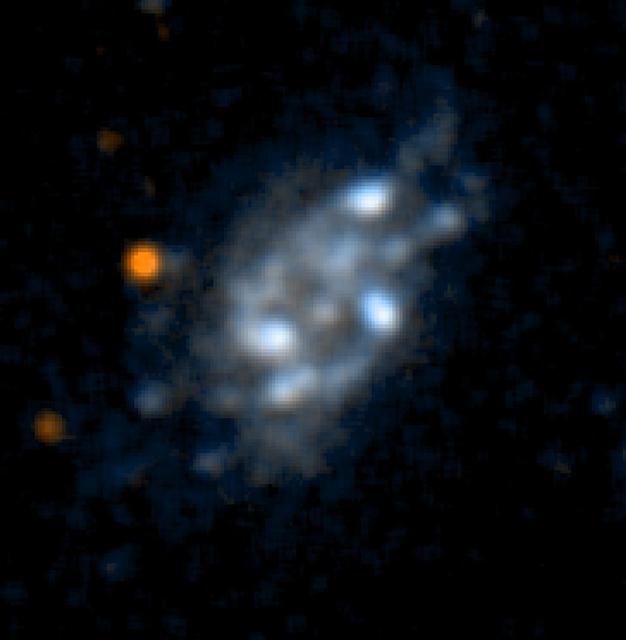
This ultraviolet color image of the galaxy UGC10445 was taken by NASA Galaxy Evolution Explorer on June 7 and June 14, 2003. UGC10445 is a spiral galaxy located 40 million light-years from Earth. http://photojournal.jpl.nasa.gov/catalog/PIA04623

This is an ultraviolet color image of the galaxy NGC5398 taken by NASA Galaxy Evolution Explorer on June 7, 2003. NGC5398 is a barred spiral galaxy located 60 million light-years from Earth. The star formation is concentrated in the two bright regions of the image. http://photojournal.jpl.nasa.gov/catalog/PIA04633
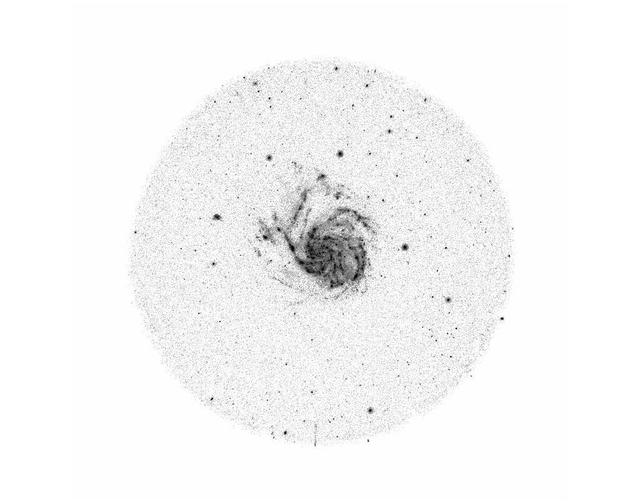
NASA Galaxy Evolution Explorer took this near ultraviolet image of Messier 101 on June 20, 2003. Messier 101 is a large spiral galaxy located 20 million light-years from Earth. http://photojournal.jpl.nasa.gov/catalog/PIA04631
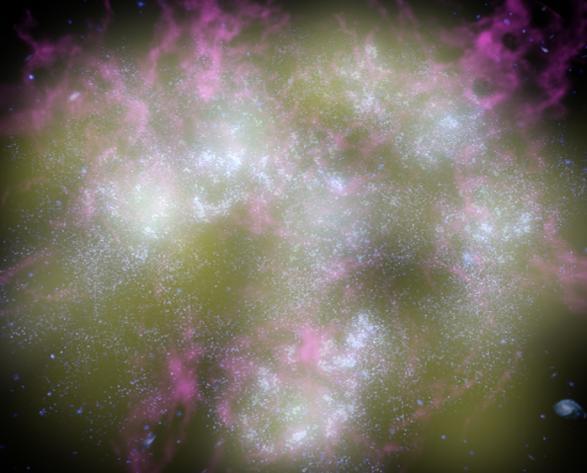
This artist's animation shows a typical young galaxy, teeming with hot, newborn stars and exploding supernovas. The supernovas are seen as white flashes of light. NASA's Galaxy Evolution Explorer spotted three-dozen young galaxies like the one shown here in our corner of the universe. It was able to see them with the help of its highly sensitive ultraviolet detectors. Because newborn stars radiate ultraviolet light, young galaxies light up brilliantly when viewed in ultraviolet wavelengths. The findings came as a surprise, because astronomers had thought that the universe's "birth-rate" had declined, and that massive galaxies were no longer forming. http://photojournal.jpl.nasa.gov/catalog/PIA07144
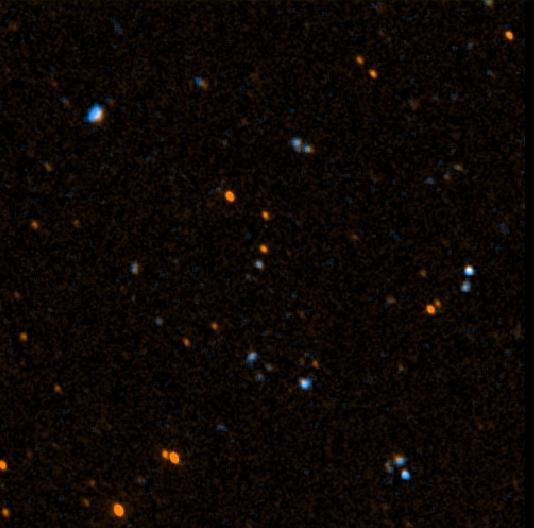
This image was taken May 21 and 22, 2003, by NASA Galaxy Evolution Explorer. The image was made from data gathered by the two channels of the spacecraft camera during the mission first light milestone.
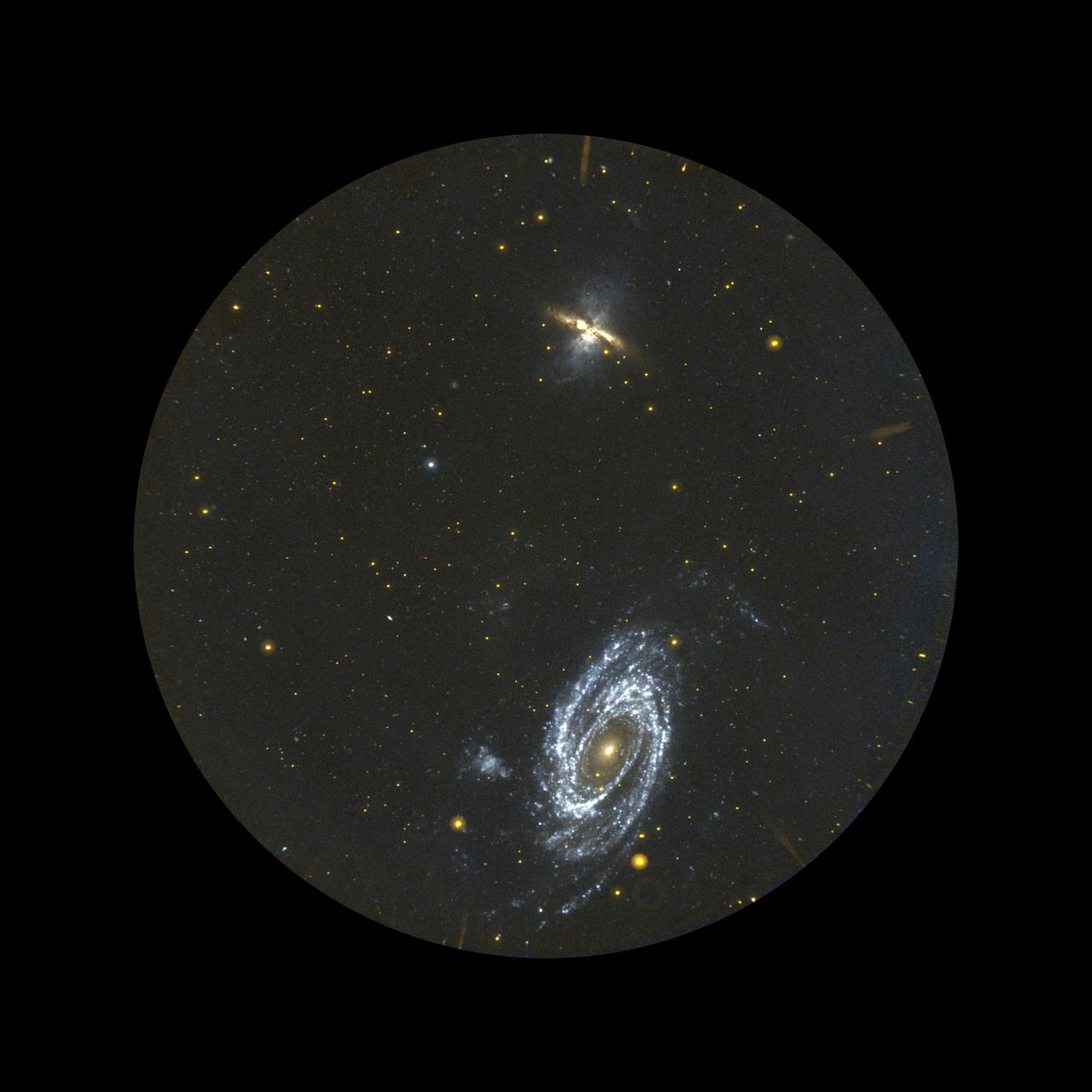
The Galaxy Evolution Explorer specializes in surveying galaxies in ultraviolet light. Its telescope, 50 centimeters (19.7 inches) in diameter, has a field of view that is much wider than most ground-based and space-based telescopes. This field of view, nearly three times the diameter of the Moon, allowed the Galaxy Evolution Explorer to discover seemingly newborn galaxies in our local universe. The telescope surveyed thousands of galaxies before finding three-dozen of these newborns. http://photojournal.jpl.nasa.gov/catalog/PIA05979
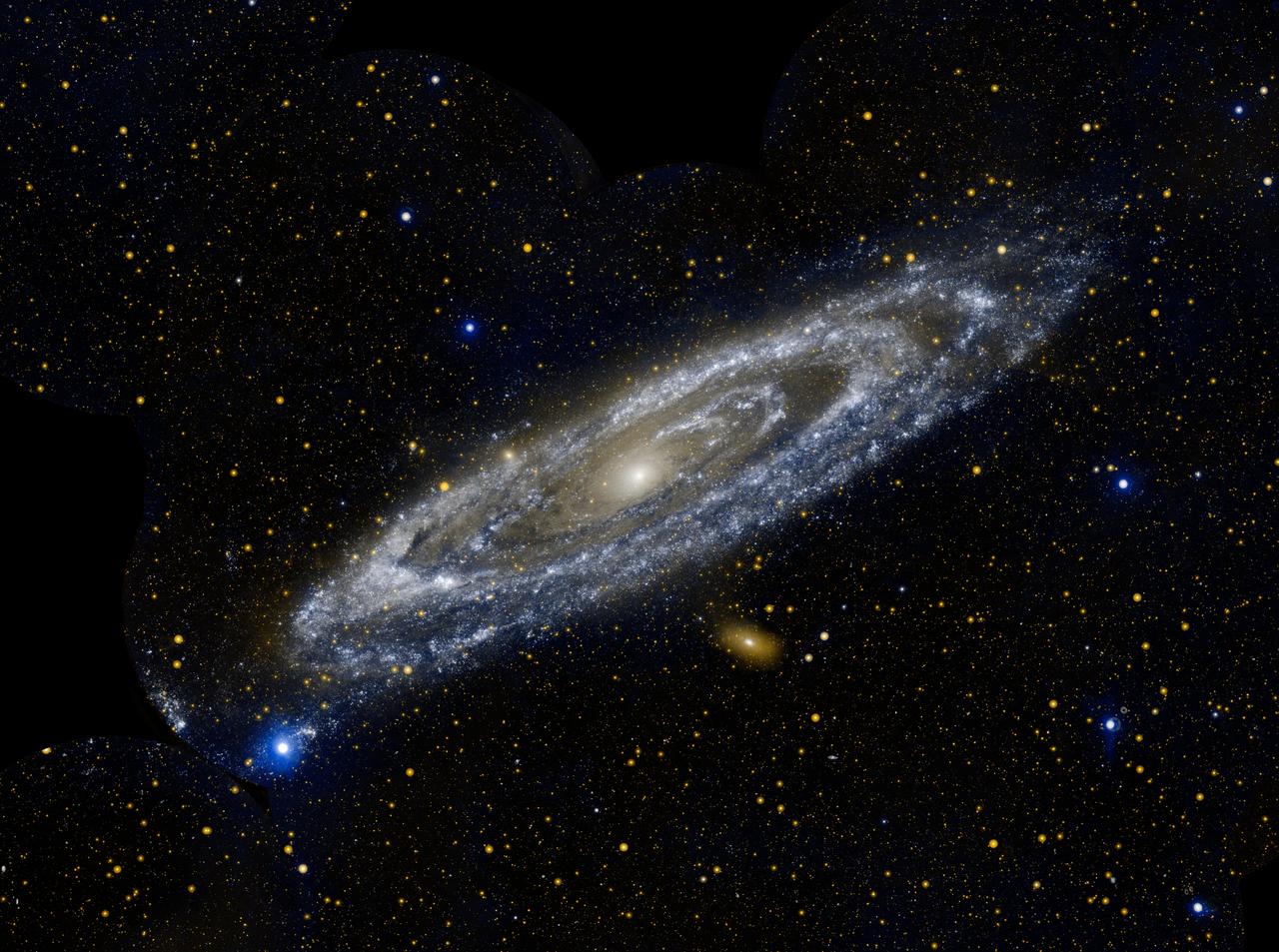
Hot stars burn brightly in this new image from NASA Galaxy Evolution Explorer, showing the ultraviolet side of a familiar face. Approximately 2.5 million light-years away, the Andromeda galaxy, or M31, is our Milky Way largest galactic neighbor.

Venus Cloud Tops Viewed by Hubble. This is a NASA Hubble Space Telescope ultraviolet-light image of the planet Venus, taken on January 24 1995, when Venus was at a distance of 70.6 million miles 113.6 million kilometers from Earth.
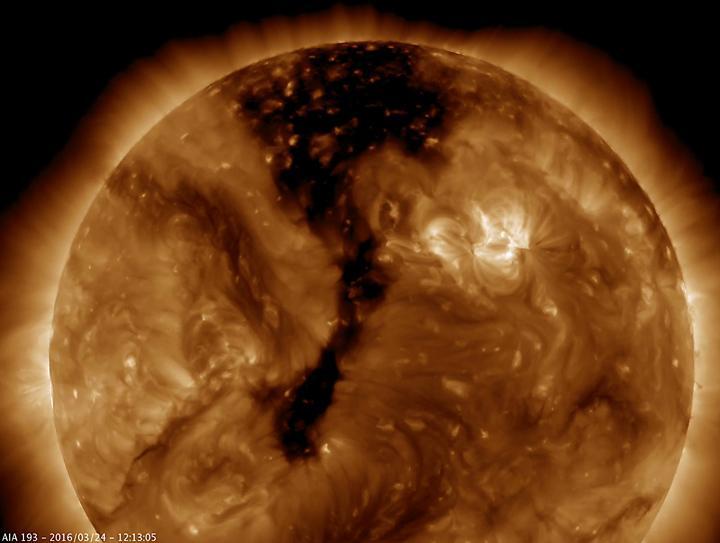
NASA Solar Dynamics Observatory shows a long coronal hole has rotated so that was temporarily facing right towards Earth Mar. 23-25, 2016. Coronal holes appear dark when viewed in some wavelengths of extreme ultraviolet light.

The Blue Ring Nebula was discovered in 2004 by NASA's Galaxy Evolution Explorer (GALEX) mission. Astronomers think the nebula was created by the merger of two stars, and that we are seeing the system a few thousand years after the merger, when evidence of the collision is still apparent. The blue light in the image shows the debris cloud created by the merger. As the hot cloud of material expanded into space and cooled down, it formed hydrogen molecules that collided with the interstellar medium (the particles occupying the space between stars). These collisions caused the hydrogen molecules to radiate far-ultraviolet light, which was detected by GALEX. Yellow indicates near-ultraviolet light, also detected by GALEX, which is emitted by the star at the center of the nebula and many surrounding stars. Infrared light observed by NASA's Wide-field Infrared Survey Explorer (WISE) is also shown in red, and is primarily emitted by the central star. Detailed analysis of the WISE data revealed a ring of debris around the star – further evidence of a merger. Magenta indicates optical light — light visible to the human eye — collected using the Hale Telescope. This light comes from the shockwave at the front of the expanding debris cones. The optical light helped astronomers discover that the nebula actually consists of two cones moving away from the central star. The base of one cone is moving almost directly toward Earth, while the other is moving almost directly away, and the magenta light outlines the two bases. The blue region in the image shows where the cones overlap; the non-overlapping regions are too faint for GALEX to see. Figure A shows the orientation of the cones to Earth and the way they appear to overlap. https://photojournal.jpl.nasa.gov/catalog/PIA23867
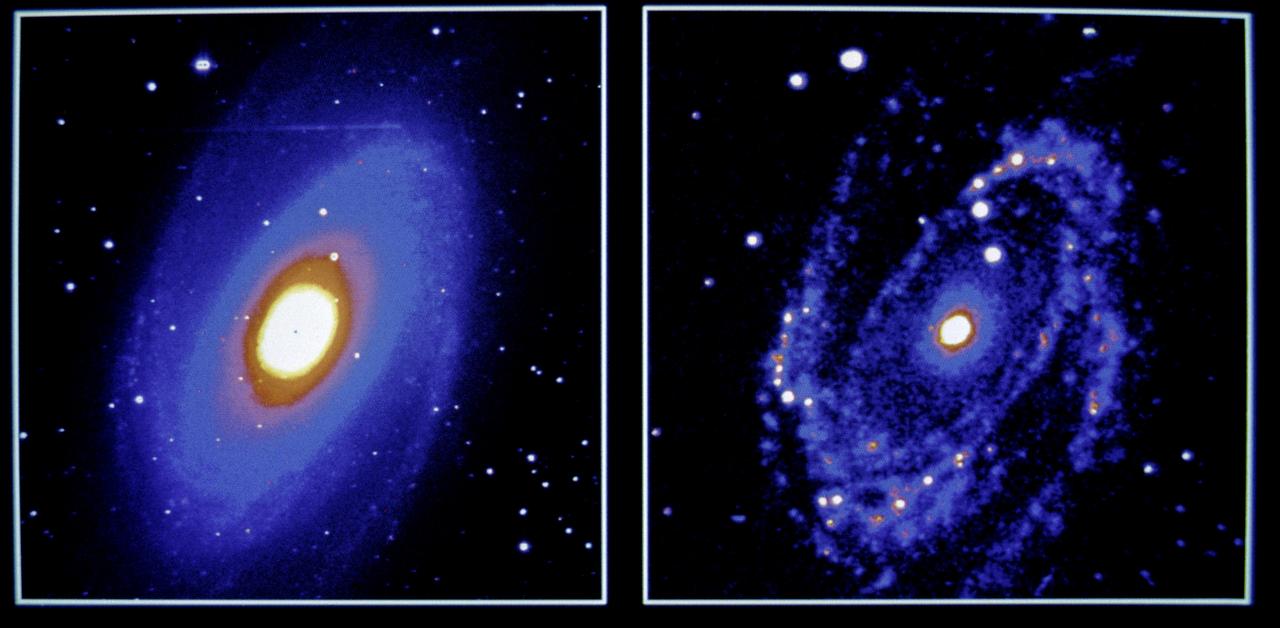
This is a presentation of two comparison images of the Spiral Galaxy M81 in the constellation URA Major. The galaxy is about 12-million light years from Earth. The left image is the Spiral Galaxy M81 as photographed by the Ultraviolet Imaging Telescope (UIT) during the Astro-1 Mission (STS-35) on December 9, 1990. This UIT photograph, made with ultraviolet light, reveals regions where new stars are forming at a rapid rate. The right image is a photograph of the same galaxy in red light made with a 36-inch (0.9-meter) telescope at the Kitt Peak National Observatory near Tucson, Arizona. The Astro Observatory was designed to explore the universe by observing and measuring ultraviolet radiation from celestial objects. Three instruments made up the Astro Observatory: The Hopkins Ultraviolet Telescope (HUT), the Ultraviolet Imaging Telescope (UIT), and the Wisconsin Ultraviolet Photo-Polarimetry Experiment (WUPPE). The Marshall Space Flight Center had management responsibilities for the Astro-1 mission. The Astro-1 Observatory was launched aboard the Space Shuttle Orbiter Columbia (STS-35) on December 2, 1990.
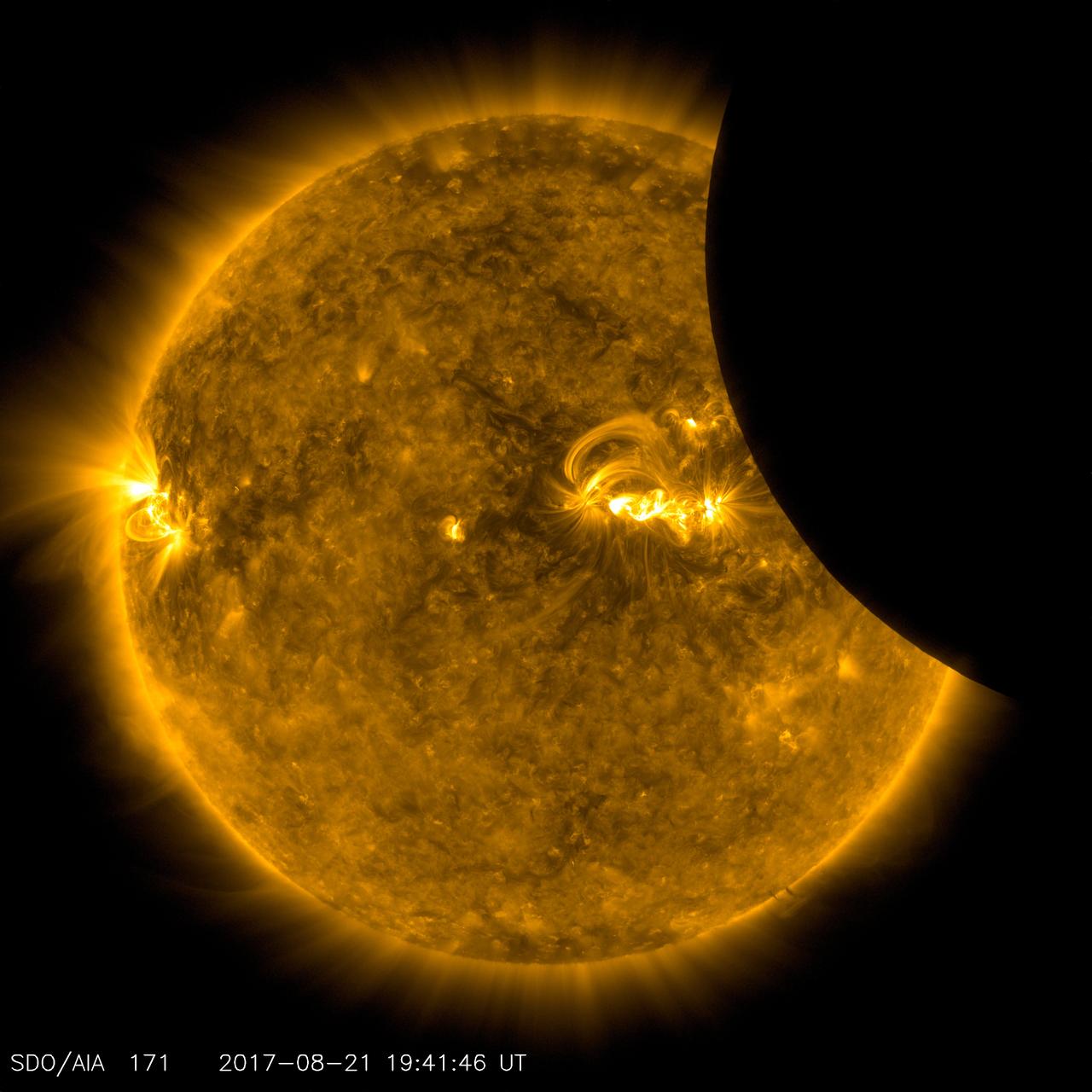
Image of the Moon transiting across the Sun, taken by SDO in 171 angstrom extreme ultraviolet light on August 21, 2017. Credit: NASA/SDO
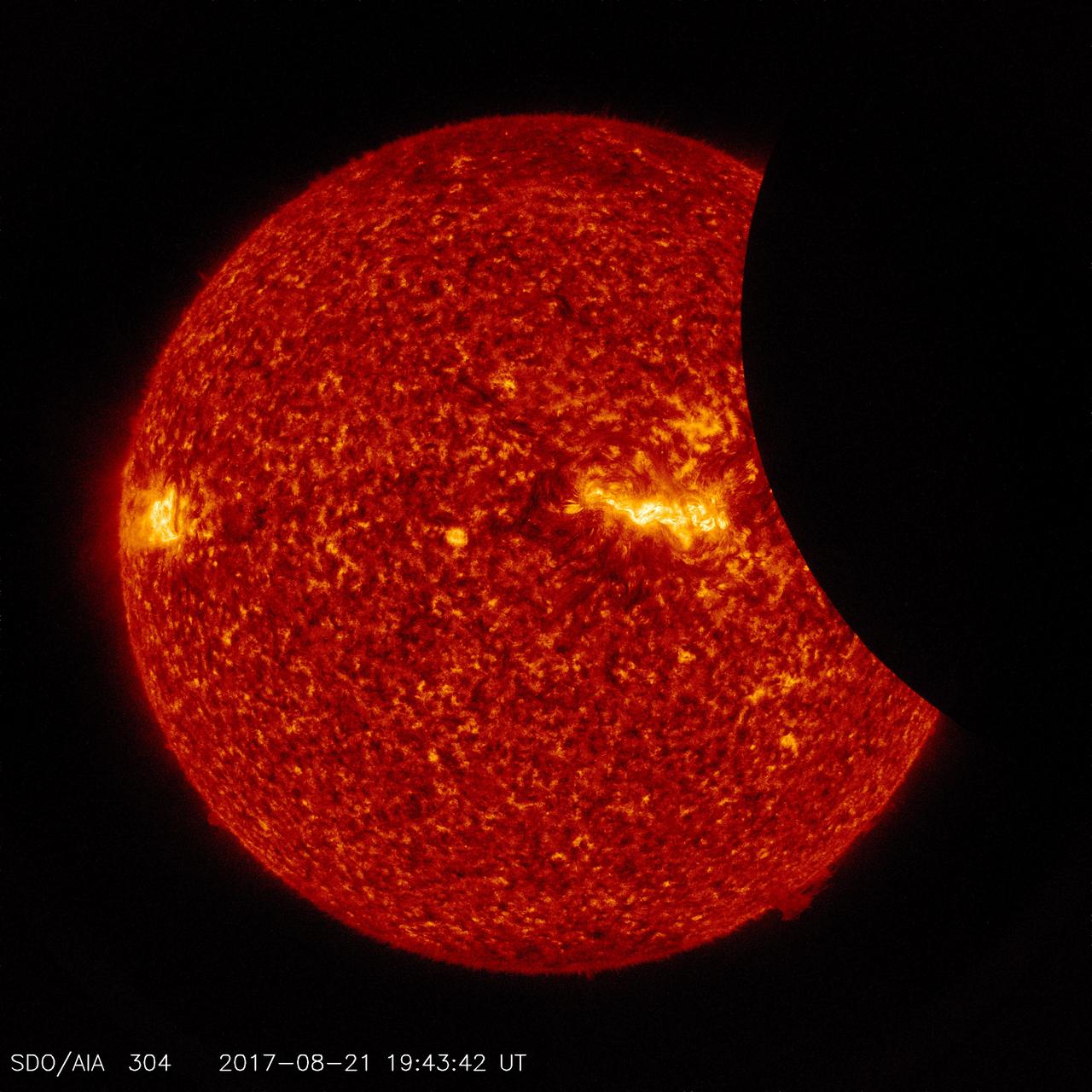
Image of the Moon transiting across the Sun, taken by SDO in 304 angstrom extreme ultraviolet light on August 21, 2017. Credit: NASA/SDO
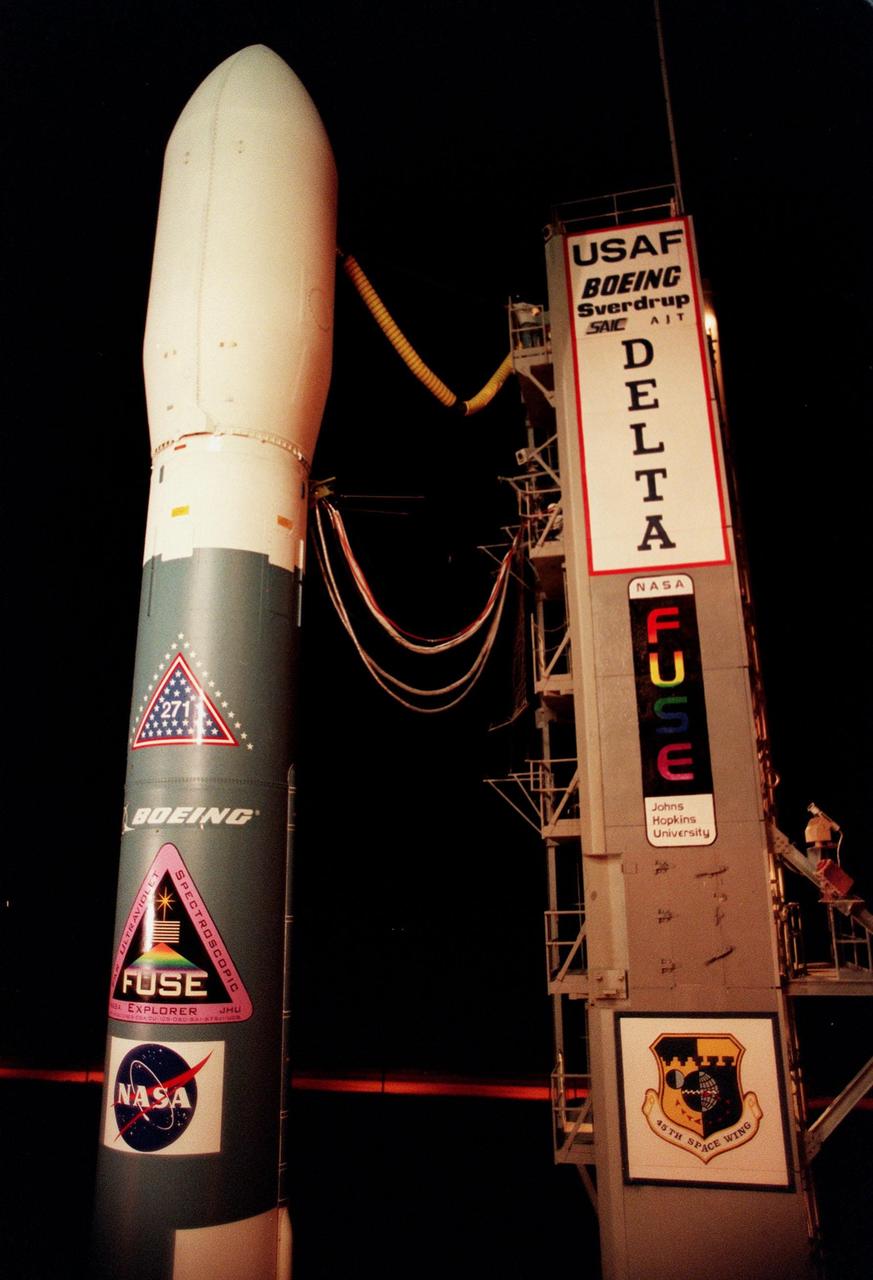
As light peers over the horizon at the crack of dawn, NASA's Far Ultraviolet Spectroscopic Explorer (FUSE) satellite waits for launch on Launch Pad 17A, Cape Canaveral Air Station, aboard the Boeing Delta II rocket. Liftoff is scheduled for 11:39 a.m. EDT. FUSE was developed to investigate the origin and evolution of the lightest elements in the universe hydrogen and deuterium. In addition, the FUSE satellite will examine the forces and process involved in the evolution of the galaxies, stars and planetary systems by investigating light in the far ultraviolet portion of the electromagnetic spectrum
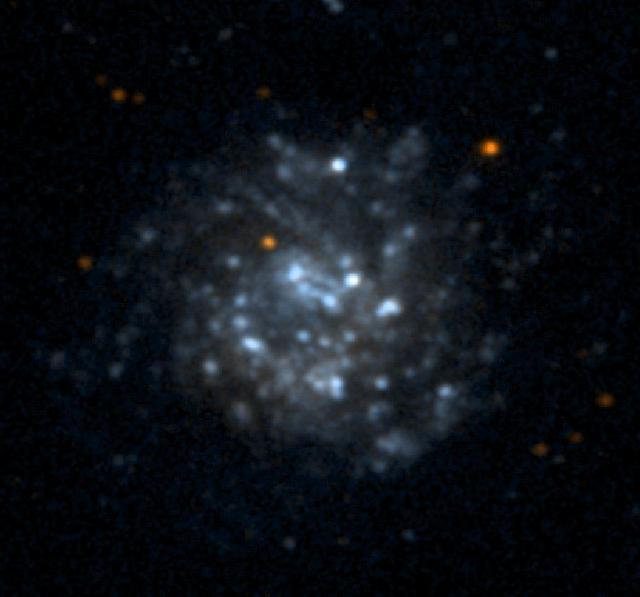
NASA Galaxy Evolution Explorer took this ultraviolet color image of the galaxy NGC5474 on June 7, 2003. NGC5474 is located 20 million light-years from Earth and is within a group of galaxies dominated by the Messier 101 galaxy. Star formation in this galaxy shows some evidence of a disturbed spiral pattern, which may have been induced by tidal interactions with Messier 101. http://photojournal.jpl.nasa.gov/catalog/PIA04634

This is a reconstructed view of Jupiter's northern lights through the filters of Juno's Ultraviolet Imaging Spectrometer (UVS) instrument on Dec. 11, 2016, as the Juno spacecraft approached Jupiter, passed over its poles, and plunged towards the equator. Such measurements present a real challenge for the spacecraft's science instruments: Juno flies over Jupiter's poles at 30 miles (50 kilometers) per second -- more than 100,000 miles per hour -- speeding past auroral forms in a matter of seconds. https://photojournal.jpl.nasa.gov/catalog/PIA21938
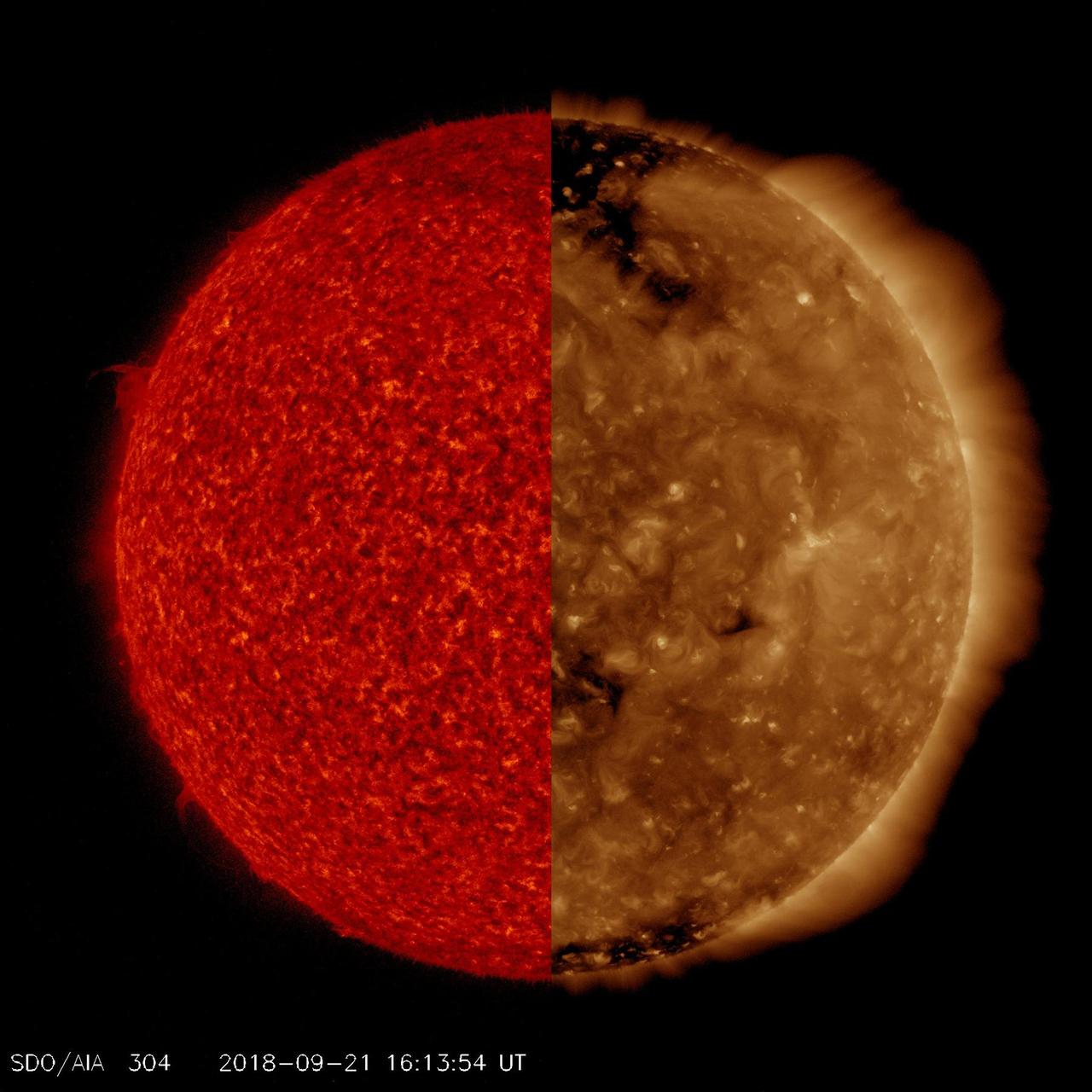
NASA's Solar Dynamics Observatory observes the Sun in ten different wavelengths because each wavelength reveals different solar features. Here, we have selected two images taken at virtually the same time but in different wavelengths of extreme ultraviolet light. The red tinted image, which captures material not far above the Sun's surface, is especially good for revealing details along the edge of the Sun, like the small prominence at the ten o'clock position. The brown tinted image clearly shows two large coronal holes (darker areas) as well as some faint magnetic field lines and hints of solar activity (lighter areas), neither of which are apparent in the red image. This activity is occurring somewhat higher in the Sun's corona. In a way it is like peeling away the layers of an onion, a little at a time. Animations are available at https://photojournal.jpl.nasa.gov/catalog/PIA22724
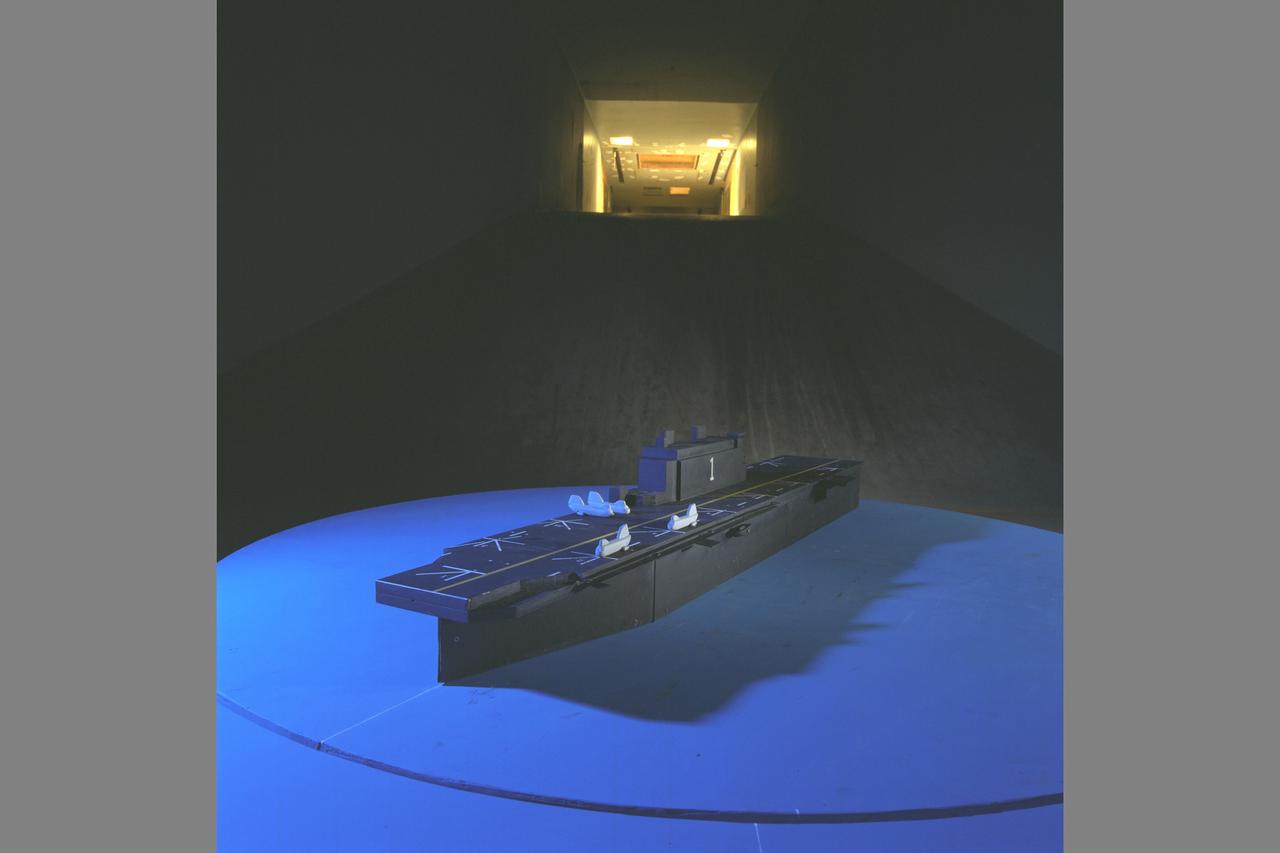
Test Setup and UltraViolet (UV) Lighting and Tufts. Ship Airwake Investigation 7 x 10 ft#2 Wind Tunnel Settling Chamber. Bridge and rotorcraft added to flight deck
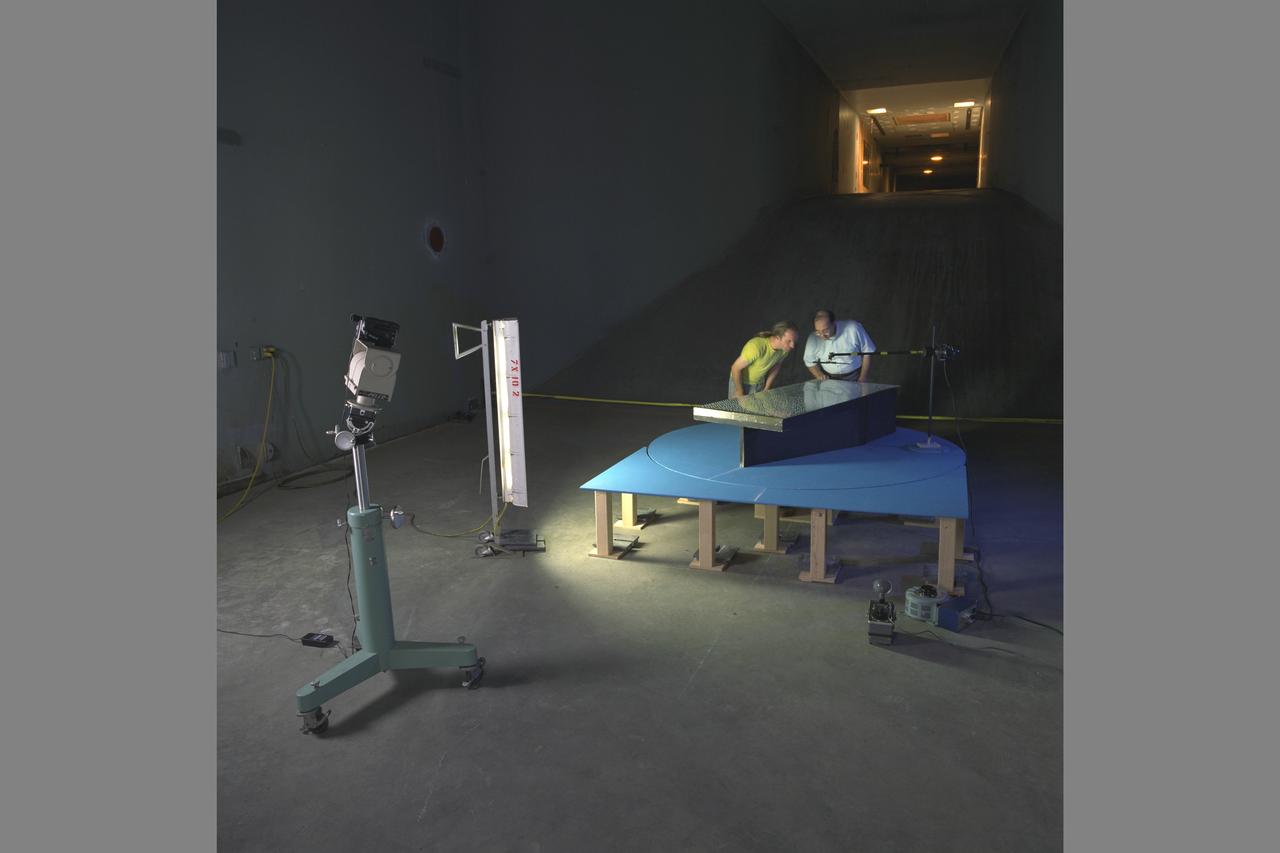
Test Setup and UltraViolet (UV) Lighting with Frank Caradonna, Ames and Kurtis Long, Project Scientist. Ship Airwake Investigation 7 x 10 ft#2 Wind Tunnel Settling Chamber.
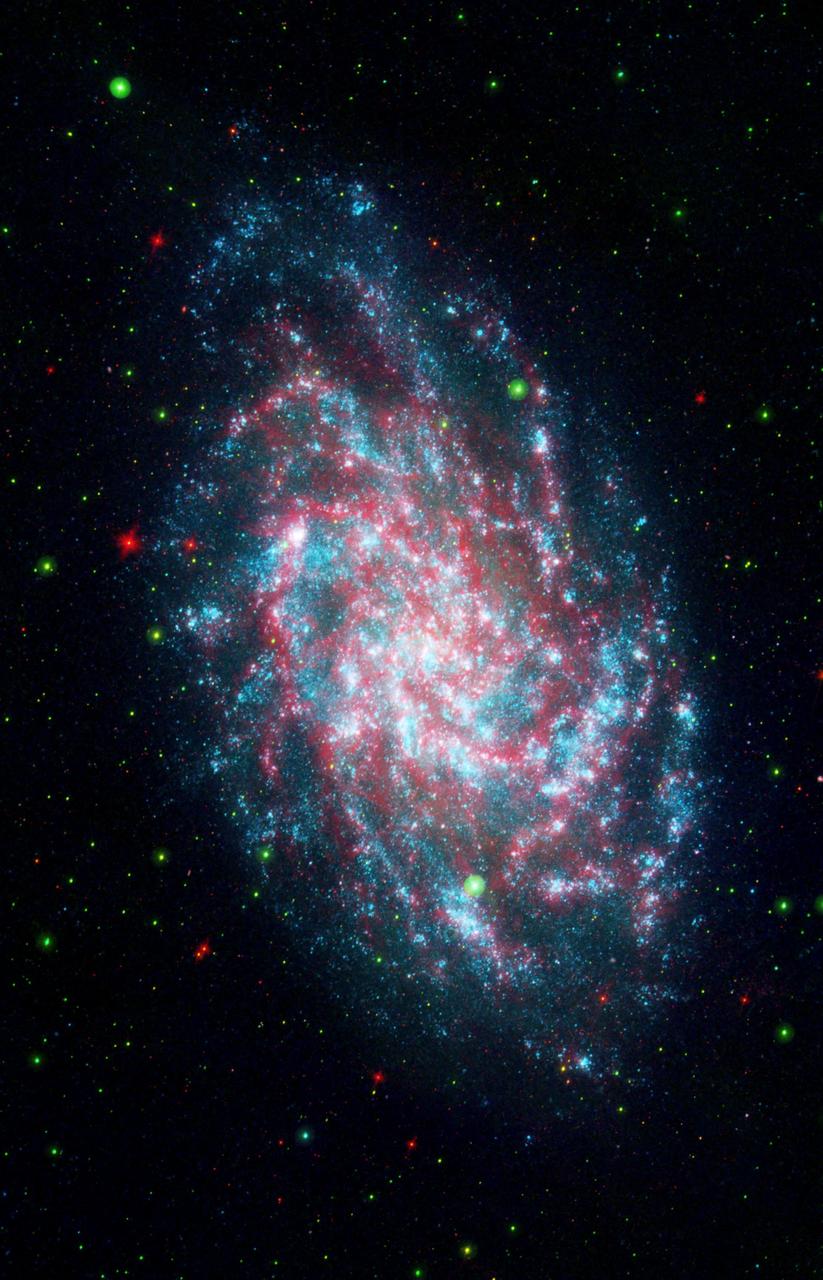
NASA Galaxy Evolution Explorer Mission celebrates its sixth anniversary studying galaxies beyond our Milky Way through its sensitive ultraviolet telescope, the only such far-ultraviolet detector in space. Pictured here, the galaxy NGC598 known as M33. The mission studies the shape, brightness, size and distance of distant galaxies across 10 billion years of cosmic history, giving scientists a wealth of data to help us better understand the origins of the universe. One such object is pictured here, the galaxy NGC598, more commonly known as M33. This image is a blend of the Galaxy Evolution Explorer's M33 image and another taken by NASA's Spitzer Space Telescope. M33, one of our closest galactic neighbors, is about 2.9 million light-years away in the constellation Triangulum, part of what's known as our Local Group of galaxies. Together, the Galaxy Evolution Explorer and Spitzer can see a broad spectrum of sky. Spitzer, for example, can detect mid-infrared radiation from dust that has absorbed young stars' ultraviolet light. That's something the Galaxy Evolution Explorer cannot see. This combined image shows in amazing detail the beautiful and complicated interlacing of the heated dust and young stars. In some regions of M33, dust gathers where there is very little far-ultraviolet light, suggesting that the young stars are obscured or that stars farther away are heating the dust. In some of the outer regions of the galaxy, just the opposite is true: There are plenty of young stars and very little dust. Far-ultraviolet light from young stars glimmers blue, near-ultraviolet light from intermediate age stars glows green, and dust rich in organic molecules burns red. This image is a 3-band composite including far infrared as red. http://photojournal.jpl.nasa.gov/catalog/PIA11998
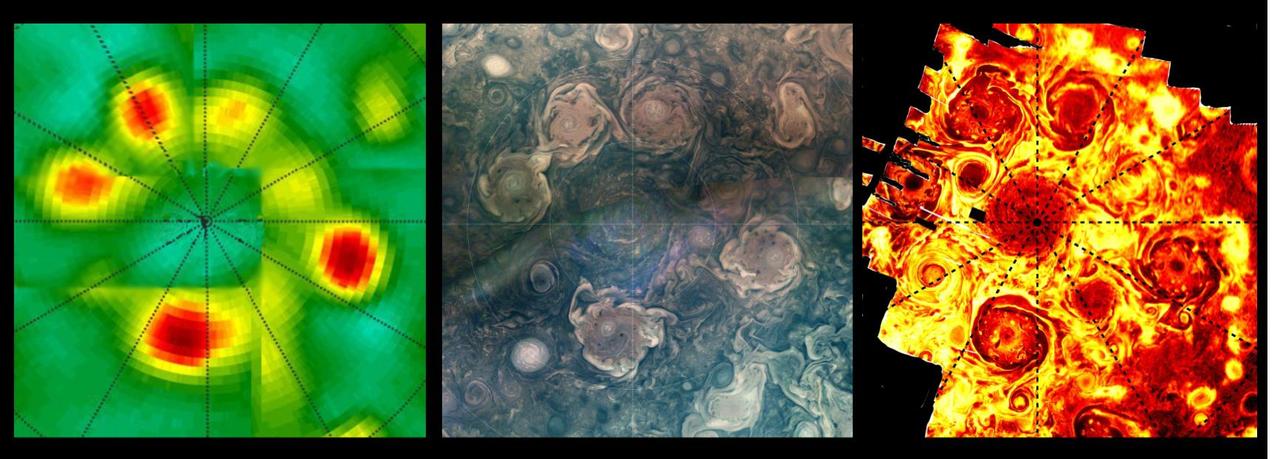
This composite shows views of Jupiter's northern polar cyclones in three different wavelengths of light – microwave, visible, and ultraviolet – as captured by NASA's Juno mission. These differing perspectives allowed Juno scientists to deduce that all Jovian polar cyclones are not created equal. The infrared image, on the far right, was derived from data collected by the spacecraft's Jovian Infrared Auroral Mapper (JIRAM) instrument. The composite image at center was collected by the JunoCam visible-light imager. Though taken with separate instruments that record different wavelengths of light, both images depict Jupiter's northern polar storms as well defined and of similar size. The data on the left, collected by Juno's Microwave Radiometer (MWR), shows the polar storms in another light. MWR enables Juno to see deep into Jupiter by recording the planet's microwave emissions. In the MWR graphic, the polar storms at the 4 and 6 o'clock positions have bright microwave signatures, indicating they extend well beneath the cloud tops, at least 62 miles (100 kilometers) below. The size of those two storms is comparable to what's found in the visible light and infrared light images, but the other storms, as seen through MWR, have a notably reduced emissions intensity. Another disparity in the MWR graphic versus visible light and infrared can be seen in how the central cyclone is depicted by the data. In the infrared and visible light images, the central cyclone is evident; with MWR data, it all but disappears. This disparity indicates that the central cyclone's subsurface structure must be very different from the surrounding storms. JIRAM "sees" in infrared light not visible to the human eye. It captures the infrared glow from the heat of Jupiter's upper atmosphere, probing the top of the weather layer, and gaps in the clouds allow glimpses as deep as 30 to 45 miles (50 to 70 kilometers) below Jupiter's cloud tops. JunoCam's visible light images catch reflected sunlight, with a view that is very similar to what a human eye would see if a person could ride along with Juno. JunoCam's raw images are available for the public to peruse and process into image products at https://missionjuno.swri.edu/junocam/processing. Like JIRAM, the MWR instrument records the glow of Jupiter's atmosphere, but the brightness results from the temperature at depths below anything achievable with previous spacecraft or Earth-based observations. The MWR's six radio channels peer progressively deeper below the visible cloud tops, with a range from the top of the clouds (for the highest frequency channel) to 200 miles (320 kilometers) or more below (for the lowest frequency channel). https://photojournal.jpl.nasa.gov/catalog/PIA26295
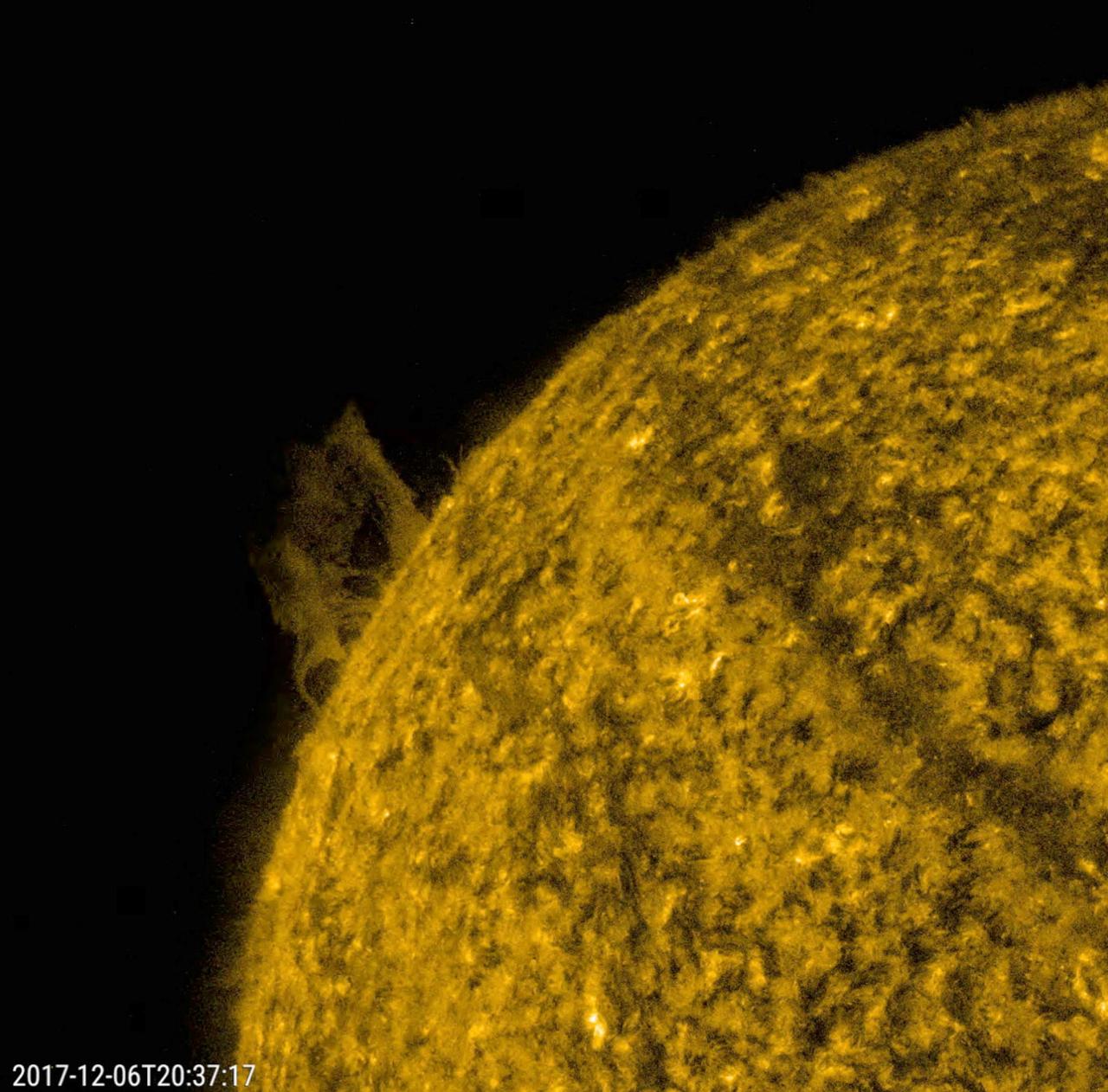
A small prominence slowly rose further up above the sun, then fell apart and back into the sun over about seven hours (Dec. 6, 2017). Prominences, notoriously unstable, are cooler clouds of particles tethered not far above the sun by magnetic forces. When it stretched out, its distance above the sun was several times the size of Earth. Images were taken in a wavelength of extreme ultraviolet light. These images are colorized since we cannot "see" ultraviolet light. In this case, a yellow tone was used instead of the normal red tint we use for this 304 Angstrom wavelength. Movies are available at https://photojournal.jpl.nasa.gov/catalog/PIA22195
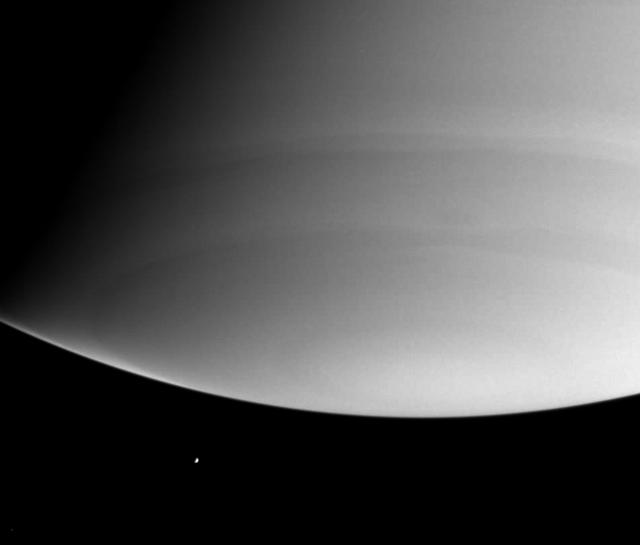
Looking beyond Saturn's south pole, this was the Cassini spacecraft's view of the distant, icy moon Enceladus on July 28, 2004. The planet itself shows few obvious features at these ultraviolet wavelengths, due to scattering of light by molecules of the gases high in the atmosphere. Enceladus is 499 kilometers (310 miles) wide. The image was taken with the Cassini spacecraft narrow angle camera at a distance of 7.4 million kilometers (4.6 million miles) from Saturn through a filter sensitive to ultraviolet wavelengths of light. The image scale is 44 kilometers (27 miles) per pixel of Saturn. http://photojournal.jpl.nasa.gov/catalog/PIA06483
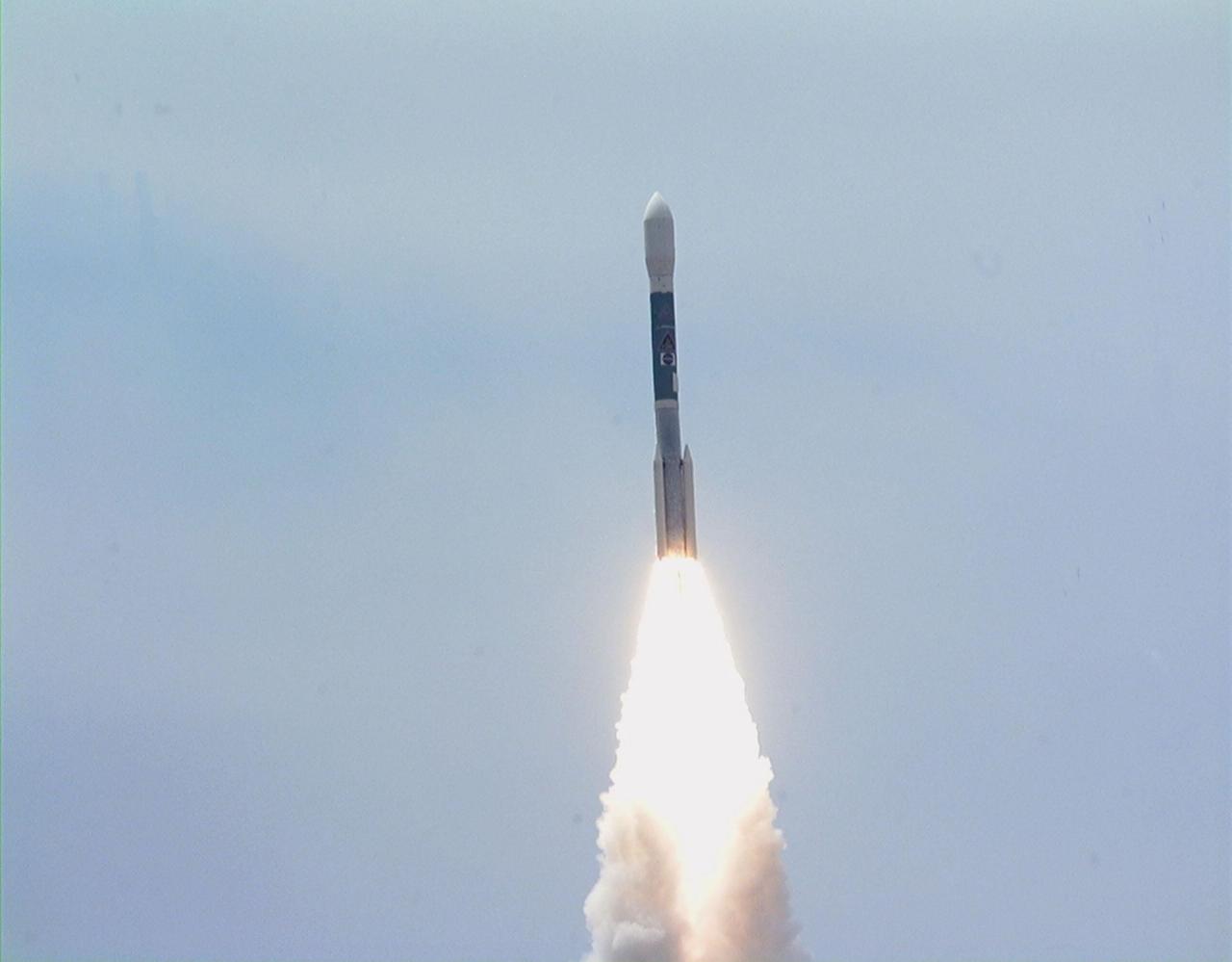
KENNEDY SPACE CENTER, FLA. -- Against a light summer sky, the Boeing Delta II rocket carrying NASA's Far Ultraviolet Spectroscopic Explorer (FUSE) satellite roars into the atmosphere after liftoff at 11:44 a.m. EDT from Launch Pad 17A, Cape Canaveral Air Station. FUSE was developed to investigate the origin and evolution of the lightest elements in the universe hydrogen and deuterium. In addition, the FUSE satellite will examine the forces and process involved in the evolution of the galaxies, stars and planetary systems by investigating light in the far ultraviolet portion of the electromagnetic spectrum
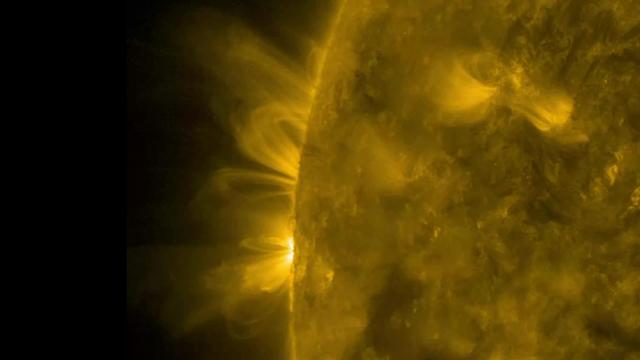
Magnetic arcs of solar material spewing from our favorite sphere of hot plasma, the sun. Magnetic arcs of solar material held their shapes fairly well as they spiraled above two solar active regions over 18 hours on Jan. 11-12, 2017. The charged solar material, called plasma, traces out the magnetic field lines above the active regions when viewed in wavelengths of extreme ultraviolet light, captured here by NASA’s Solar Dynamics Observatory. Extreme ultraviolet light is typically invisible to our eyes, but is colorized here in gold for easy viewing. Credit: NASA/SDO
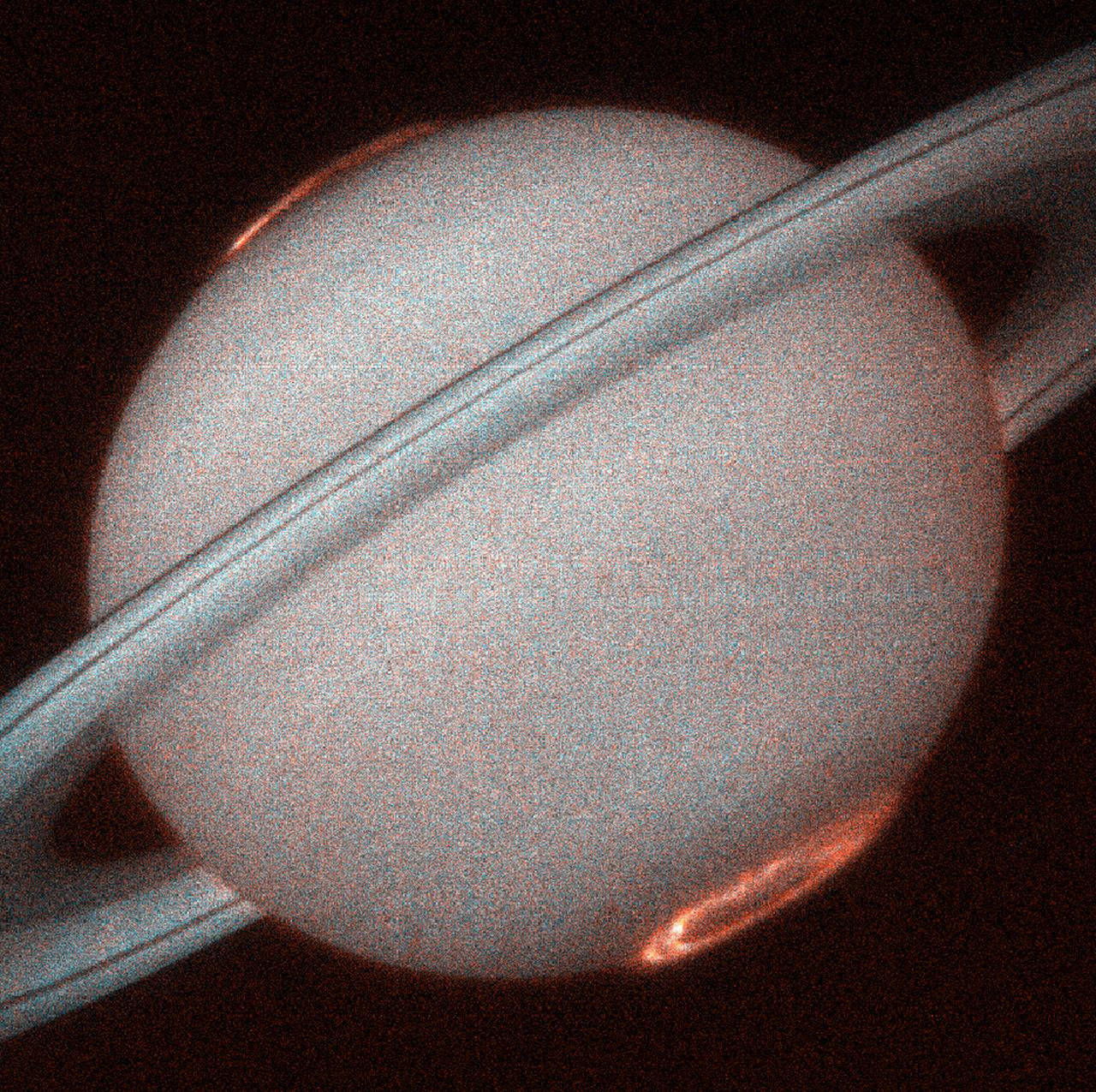
This is the first image of Saturn's ultraviolet aurora taken by the Space Telescope Imaging Spectrograph (STIS) on board the Hubble Space Telescope (HST) in October 1998, when Saturn was a distance of 810 million miles (1.3 billion kilometers) from Earth. The new instrument, used as a camera, provides more than 10 times the sensitivity of the previous HST instruments in the ultraviolet. STIS images reveal exquisite detail never before seen in the spectacular auroral curtains of light that encircle Saturn's north and south poles which rise more than a thousand miles above the cloud tops. Saturn's auroral displays are caused by an energetic wind from the Sun that sweeps over the planet, much like the Earth's aurora that is occasionally seen in the nighttime sky. Unlike the Earth, Saturn's aurora is only seen in ultraviolet light that is invisible from the Earth's surface, hence can only be observed from space.

This picture of Neptune was produced from images taken through the ultraviolet, violet and green filters of the Voyager 2 wide-angle camera. This 'false' color image has been made to show clearly details of the cloud structure and to paint clouds located at different altitudes with different colors. Dark, deeplying clouds tend to be masked in the ultraviolet wavelength since overlying air molecules are particularly effective in scattering sunlight there which brightens the sky above them. Such areas appear dark blue in this photo. The Great Dark Spot (GDS) and the high southern latitudes have a deep bluish cast in this image, indication they are regions where visible light (but not ultraviolet light) may penetrate to a deeper layer of dark cloud or haze in Neptune's atmosphere. Conversely, the pinkish clouds may be positioned at high altitudes.
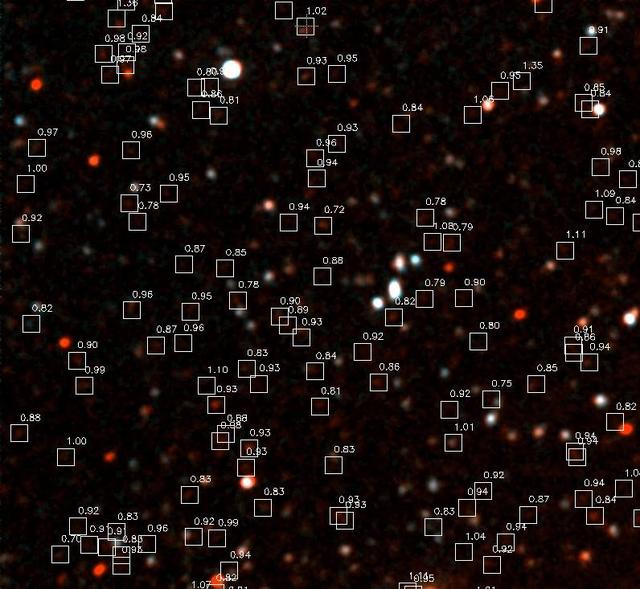
NASA's Galaxy Evolution Explorer photographed this ultraviolet color blowup of the Groth Deep Image on June 22 and June 23, 2003. Hundreds of galaxies are detected in this portion of the image, and the faint red galaxies are believed to be 6 billion light years away. The white boxes show the location of these distant galaxies, of which more than a 100 can be detected in this image. NASA astronomers expect to detect 10,000 such galaxies after extrapolating to the full image at a deeper exposure level. http://photojournal.jpl.nasa.gov/catalog/PIA04626

The lone active region visible on the sun put on a fine display with its tangled magnetic field lines swaying and twisting above it (Apr. 24-26, 2018) when viewed in a wavelength of extreme ultraviolet light. The charged particles spinning along these field lines illuminate them. The region did not erupt with any significant solar storms, although it still might. Videos are available at https://photojournal.jpl.nasa.gov/catalog/PIA22449
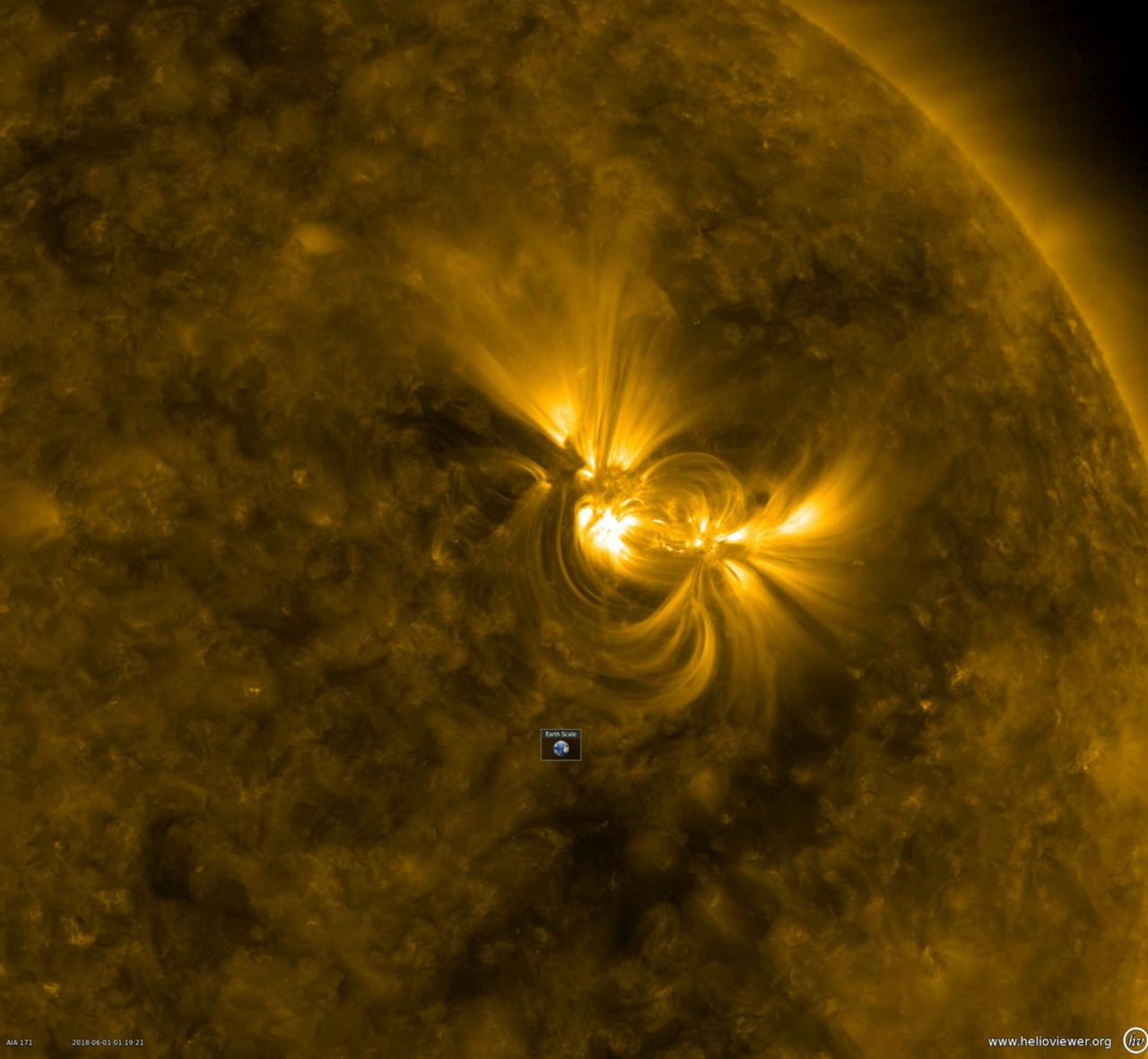
This close-up from a video clip taken May 30-June 1, 2018 shows a large active region in extreme ultraviolet light as the bright magnetic field lines above it shift and twist. Note the Earth scale below the active region: the longest loops extend about 10 times the diameter of Earth. When the magnetic field lines get themselves tangled up enough, they can erupt with a solar storm. Videos are available at https://photojournal.jpl.nasa.gov/catalog/PIA22475

Workers oversee the mating of the second stage with the first stage of a Boeing Delta II rocket, which will launch the NASA's Far Ultraviolet Spectroscopic Explorer (FUSE) satellite. FUSE is NASA's Far Ultraviolet Spectroscopic Explorer satellite developed by The Johns Hopkins University under contract to Goddard Space Flight Center, Greenbelt, Md., to investigate the origin and evolution of the lightest elements in the universe hydrogen and deuterium. In addition, the FUSE satellite will examine the forces and process involved in the evolution of the galaxies, stars and planetary systems by investigating light in the far ultraviolet portion of the electromagnetic spectrum. FUSE is scheduled to launch June 23 at Launch Pad 17A, Cape Canaveral Air Station
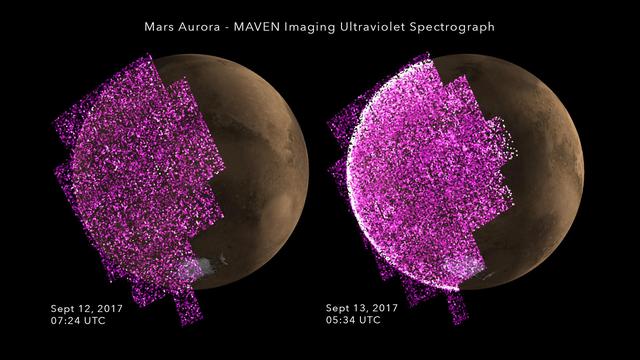
These images show the sudden appearance of a bright aurora on Mars during a solar storm in September 2017. The purple-white color scheme shows the intensity of ultraviolet light seen on Mars' night side before (left) and during (right) the event. A simulated image of Mars for the same time and orientation has been added, with the dayside crescent visible on the right. The auroral emission appears brightest at the edges of the planet where the line of sight passes along the length of the glowing atmosphere layer. The data are from observations by the Imaging Ultraviolet Spectrograph instrument (IUVS) on NASA's Mars Atmosphere and Volatile Evolution orbiter, or MAVEN. Note that, unlike auroras on Earth, the Martian aurora is not concentrated at the planet's polar regions. This is because Mars has no strong magnetic field like Earth's to concentrate the aurora near the poles. https://photojournal.jpl.nasa.gov/catalog/PIA21855
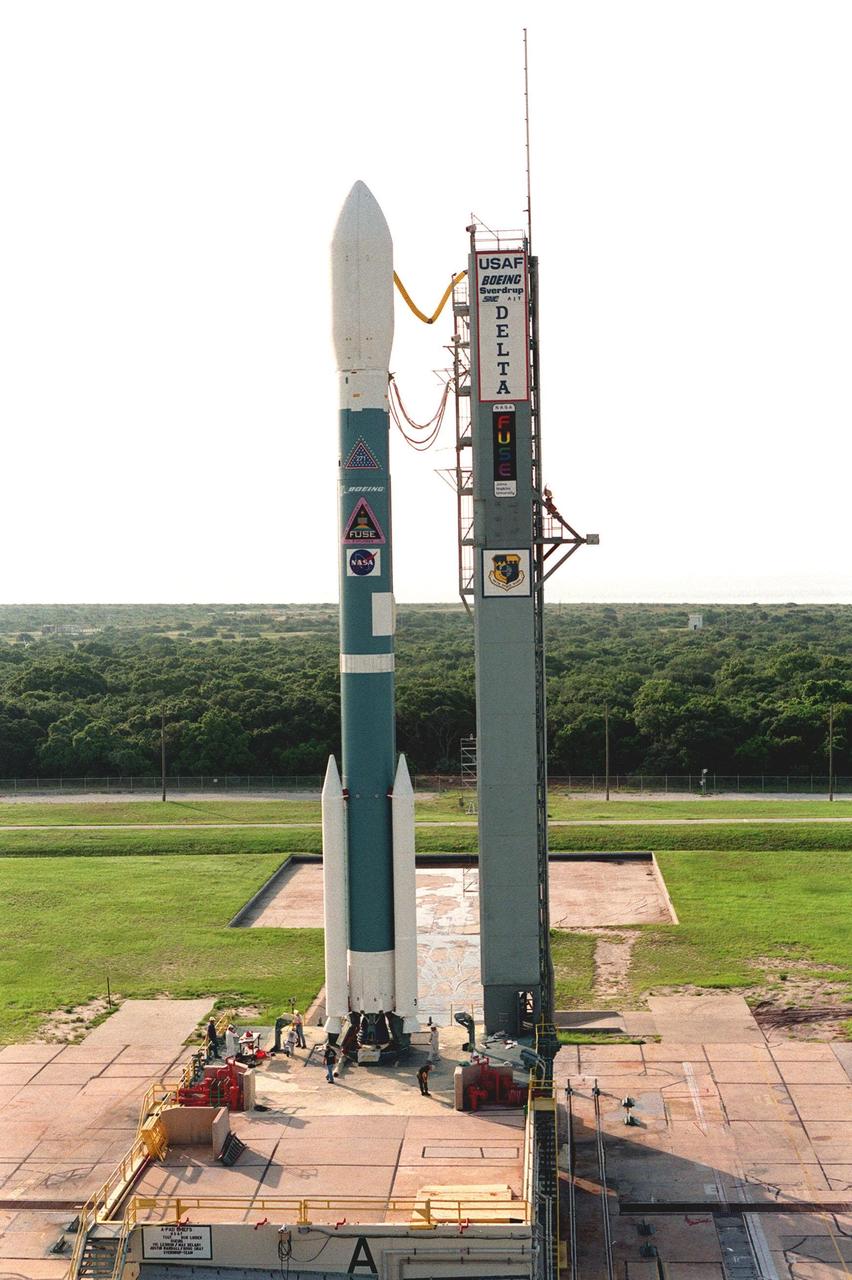
NASA's Far Ultraviolet Spectroscopic Explorer (FUSE) satellite sits on Launch Pad 17A, Cape Canaveral Air Station, aboard the Boeing Delta II rocket waiting for launch. Liftoff is scheduled for 11:39 a.m. EDT. FUSE was developed to investigate the origin and evolution of the lightest elements in the universe hydrogen and deuterium. In addition, the FUSE satellite will examine the forces and process involved in the evolution of the galaxies, stars and planetary systems by investigating light in the far ultraviolet portion of the electromagnetic spectrum
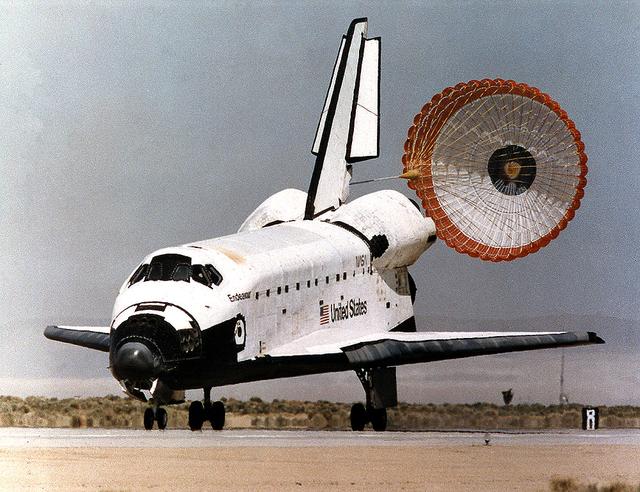
The Space Shuttle Endeavour (STS-67) lands at Edwards Air Force Base in southern California after successfully completing NASA's longest plarned shuttle mission. The seven-member crew conducted round-the-clock observations with the ASTRO-2 observatory, a trio of telescopes designed to study the universe of ultraviolet astronomy. Because of Earth's protective ozone layer ultraviolet light from celestial objects does not reach gound-based telescopes, and such studies can only be conducted from space.
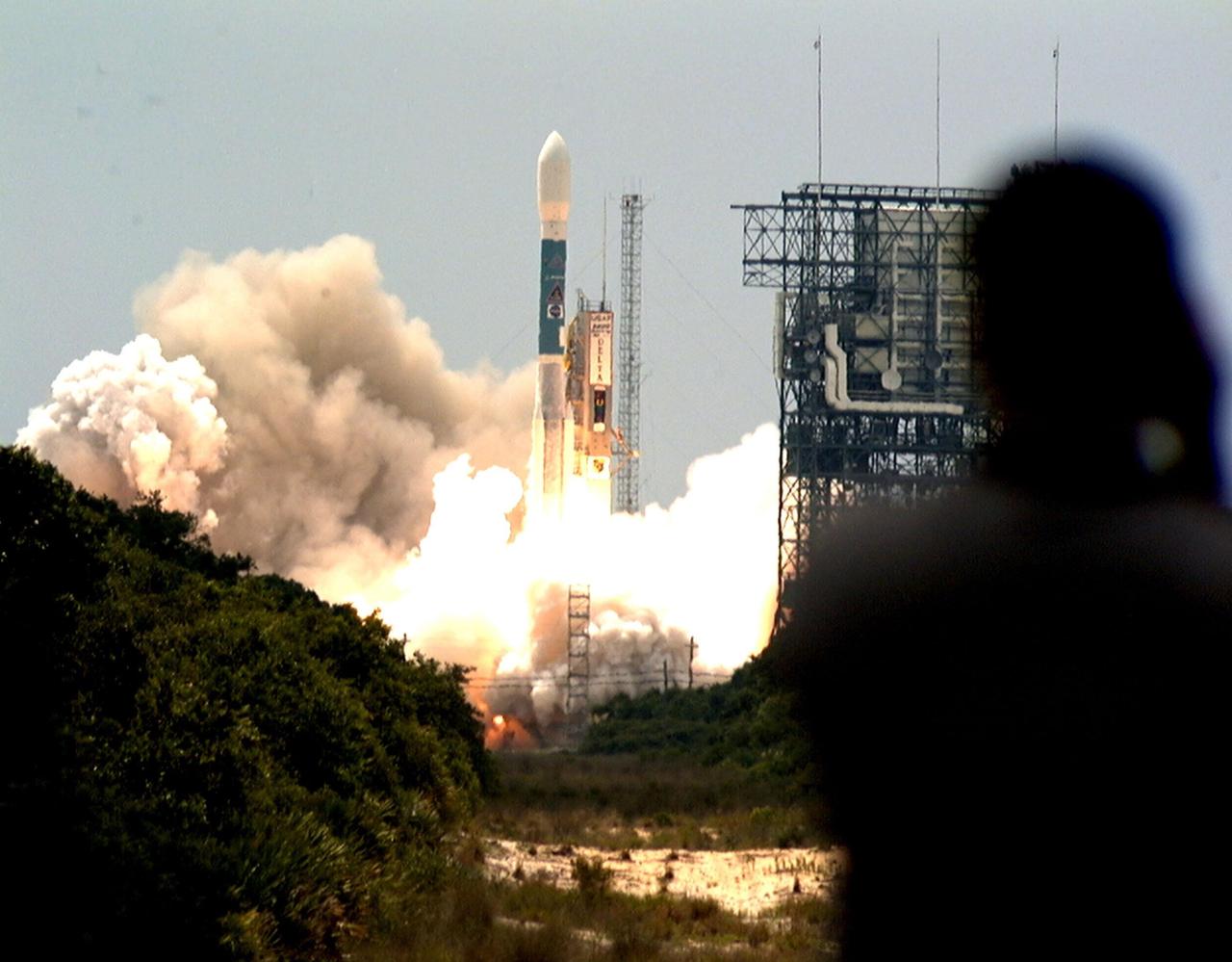
The shadow of a photographer (right) is caught watching the perfect launch of the Boeing Delta II rocket in the background after it lifted off at 11:44 a.m. EDT. The rocket carries NASA's Far Ultraviolet Spectroscopic Explorer (FUSE) satellite, which was developed to investigate the origin and evolution of the lightest elements in the universe hydrogen and deuterium. In addition, the FUSE satellite will examine the forces and process involved in the evolution of the galaxies, stars and planetary systems by investigating light in the far ultraviolet portion of the electromagnetic spectrum
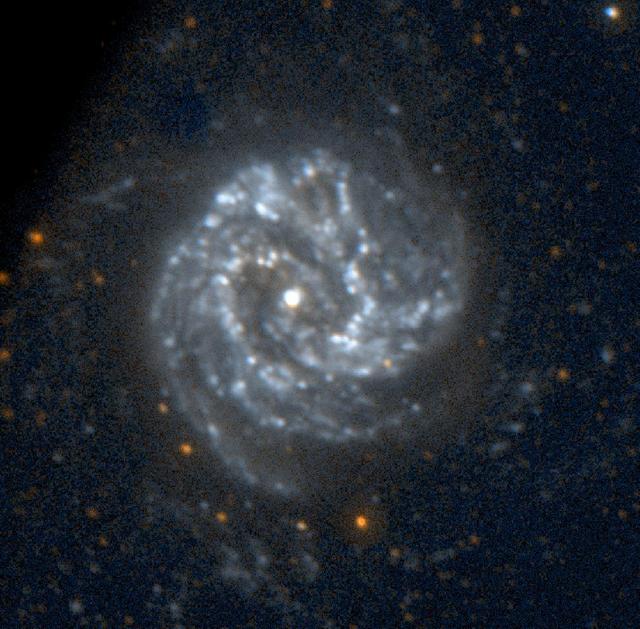
This image of the spiral galaxy Messier 83 was taken by NASA's Galaxy Evolution Explorer on June 7, 2003. Located 15 million light years from Earth and known as the Southern Pinwheel Galaxy, Messier 83 displays significant amounts of ultraviolet emissions far from the optically bright portion of the galaxy. It is also known to have an extended hydrogen disc that appears to radiate a faint ultraviolet emission. The red stars in the foreground of the image are Milky Way stars. http://photojournal.jpl.nasa.gov/catalog/PIA04629
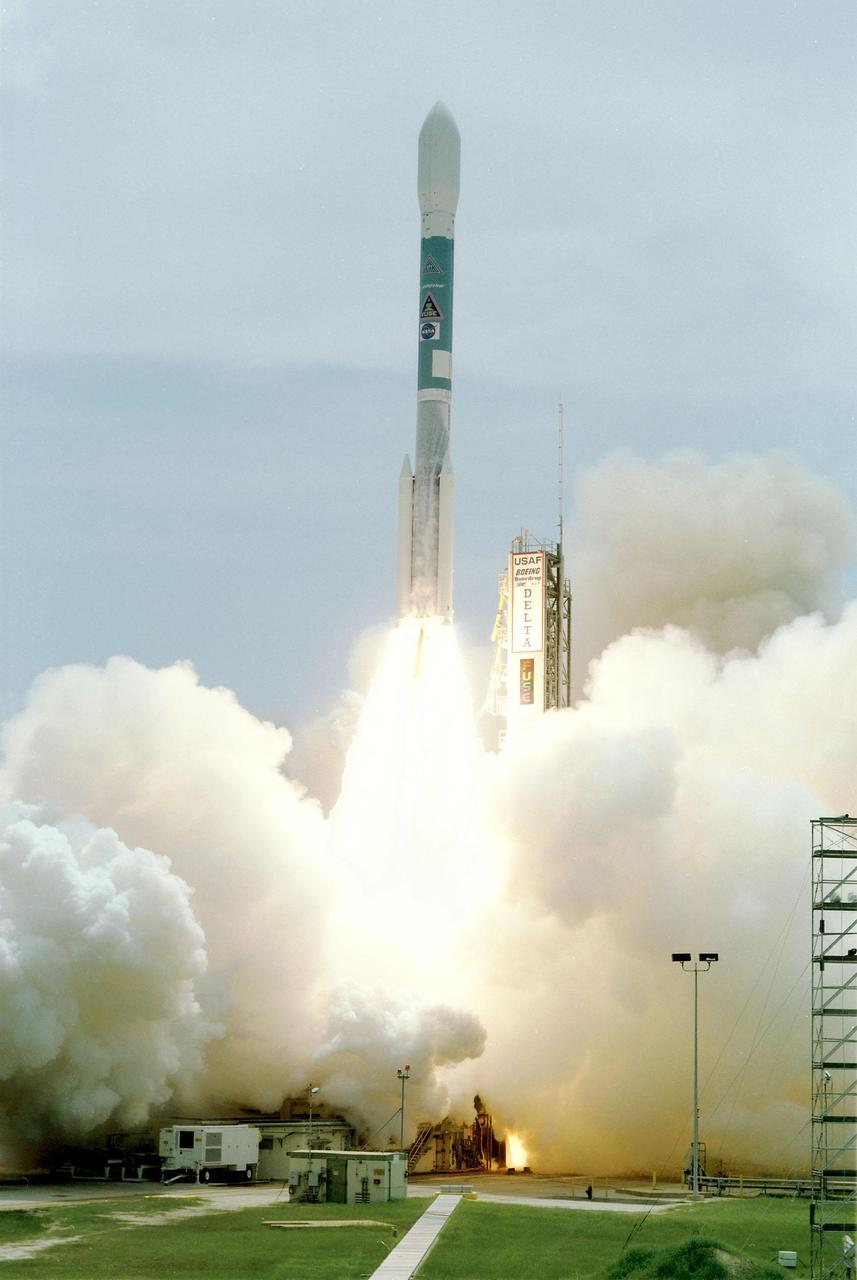
The Boeing Delta II rocket carrying NASA's Far Ultraviolet Spectroscopic Explorer (FUSE) satellite clears the tower after liftoff at 11:44 a.m. EDT from Launch Pad 17A, Cape Canaveral Air Station. FUSE was developed to investigate the origin and evolution of the lightest elements in the universe hydrogen and deuterium. In addition, the FUSE satellite will examine the forces and process involved in the evolution of the galaxies, stars and planetary systems by investigating light in the far ultraviolet portion of the electromagnetic spectrum
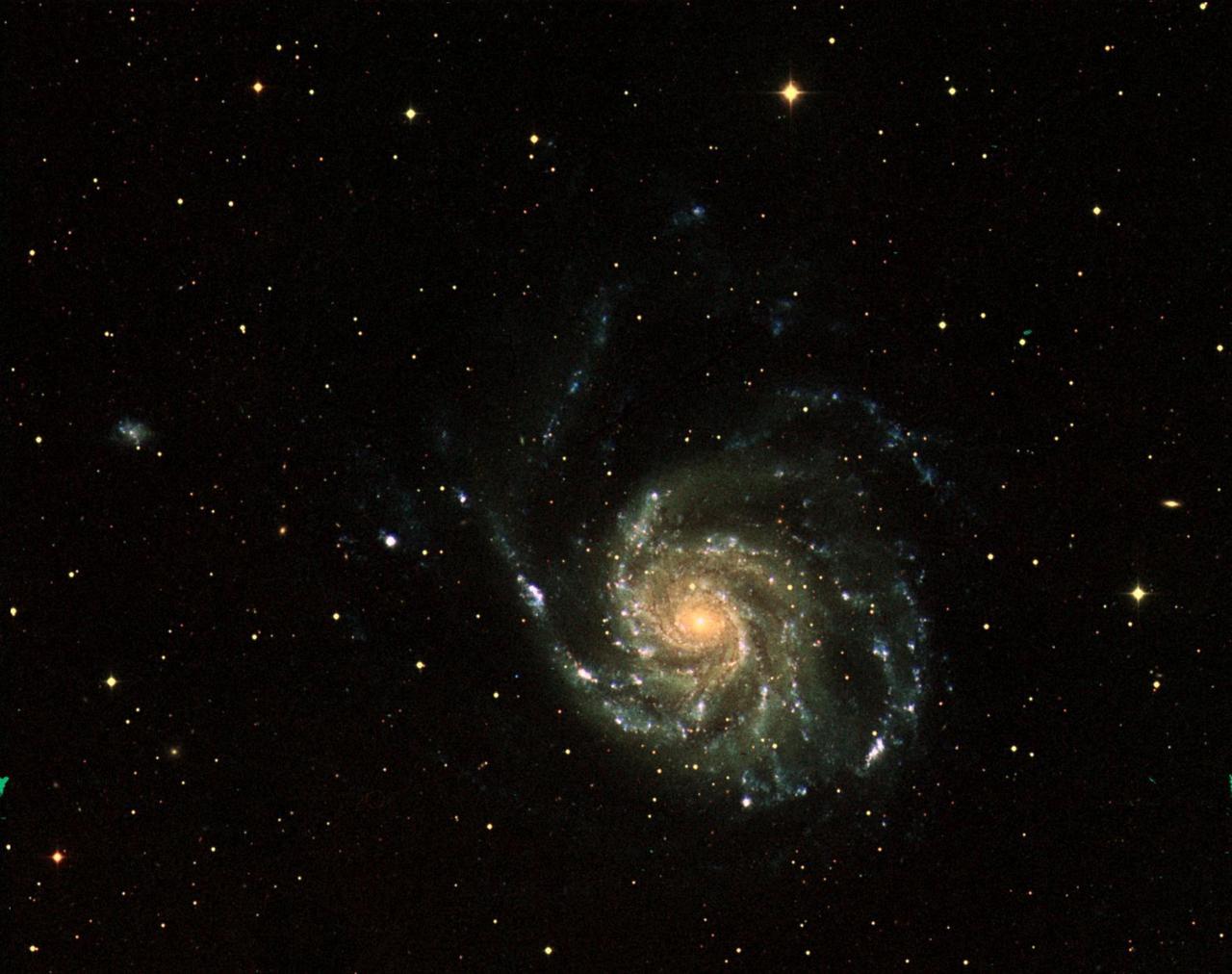
This three-color image of galaxy M101 was taken by NASA's Galaxy Evolution Explorer on June 20, 2003. The far ultraviolet emissions are shown in blue, the near ultraviolet emissions are green, and the red emissions, which were taken from NASA's Digital Sky Survey, represent visible light. This image combines short, medium, and long "exposure" pictures to best display the evolution of star formation in a spiral galaxy. http://photojournal.jpl.nasa.gov/catalog/PIA04630
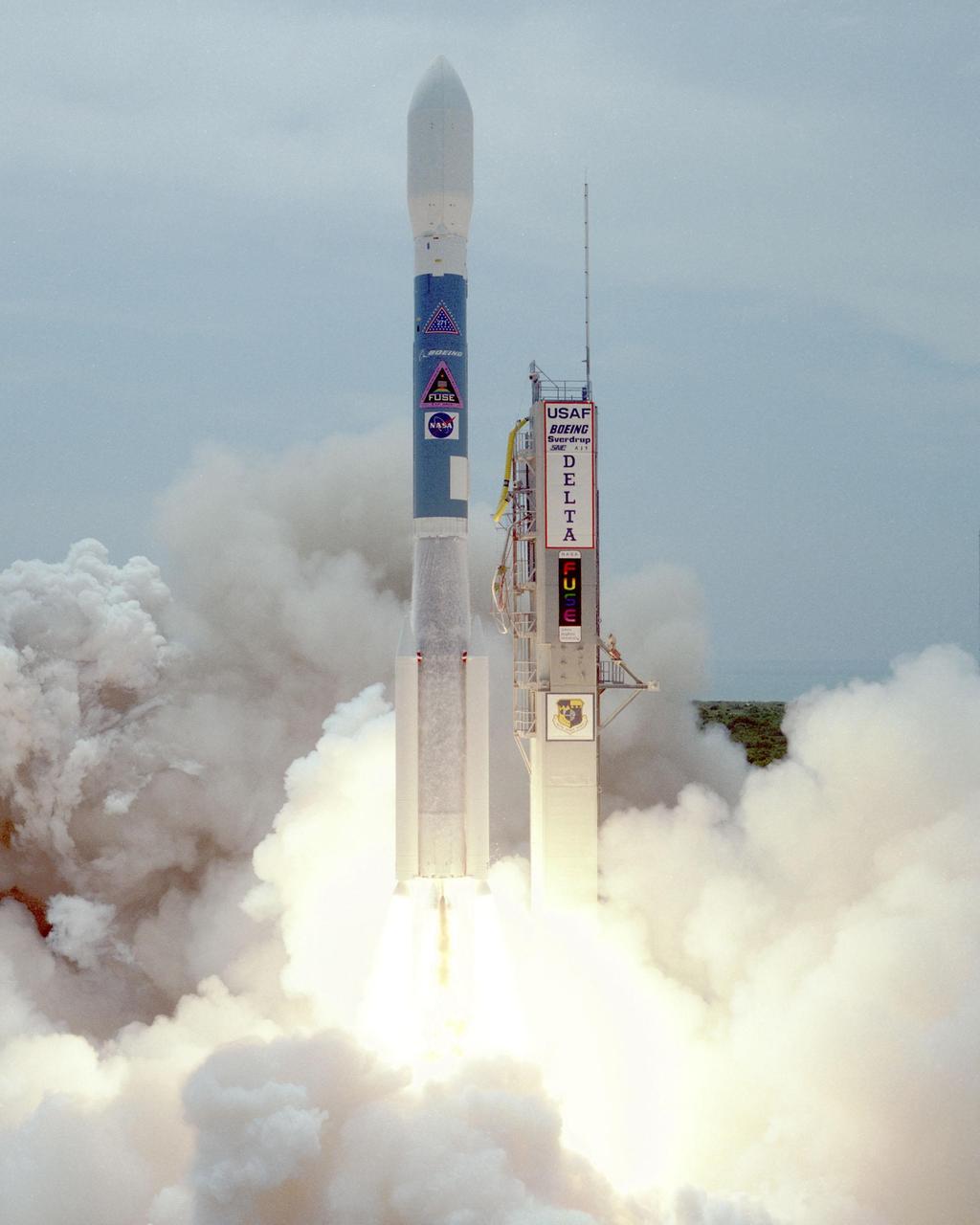
Clouds of smoke and steam billow around the Boeing Delta II rocket as it roars into the sky after liftoff at 11:44 a.m. EDT from Launch Pad 17A, Cape Canaveral Air Station. The rocket is carrying NASA's Far Ultraviolet Spectroscopic Explorer (FUSE) satellite. FUSE was developed to investigate the origin and evolution of the lightest elements in the universe hydrogen and deuterium. In addition, the FUSE satellite will examine the forces and process involved in the evolution of the galaxies, stars and planetary systems by investigating light in the far ultraviolet portion of the electromagnetic spectrum

CAPE CANAVERAL, Fla. – In the clean room of the Payload Hazardous Processing Facility at NASA's Kennedy Space Center, a worker from NASA's Goddard Space Flight Center uses black light inspection for a thorough cleaning of the Cosmic Origins Spectrograph, or COS. Black light inspection uses UVA fluorescence to detect possible particulate microcontamination, minute cracks or fluid leaks. The COS will be installed on the Hubble Space Telescope on space shuttle Atlantis' STS-125 mission. COS will be the most sensitive ultraviolet spectrograph ever flown on Hubble and will probe the "cosmic web" - the large-scale structure of the universe whose form is determined by the gravity of dark matter and is traced by galaxies and intergalactic gas. The COS far-ultraviolet channel has a sensitivity 30 times greater than that of previous spectroscopic instruments for the detection of extremely low light levels. Launch of Atlantis on the STS-125 mission is targeted for Oct. 8. Photo credit: NASA/Kim Shiflett
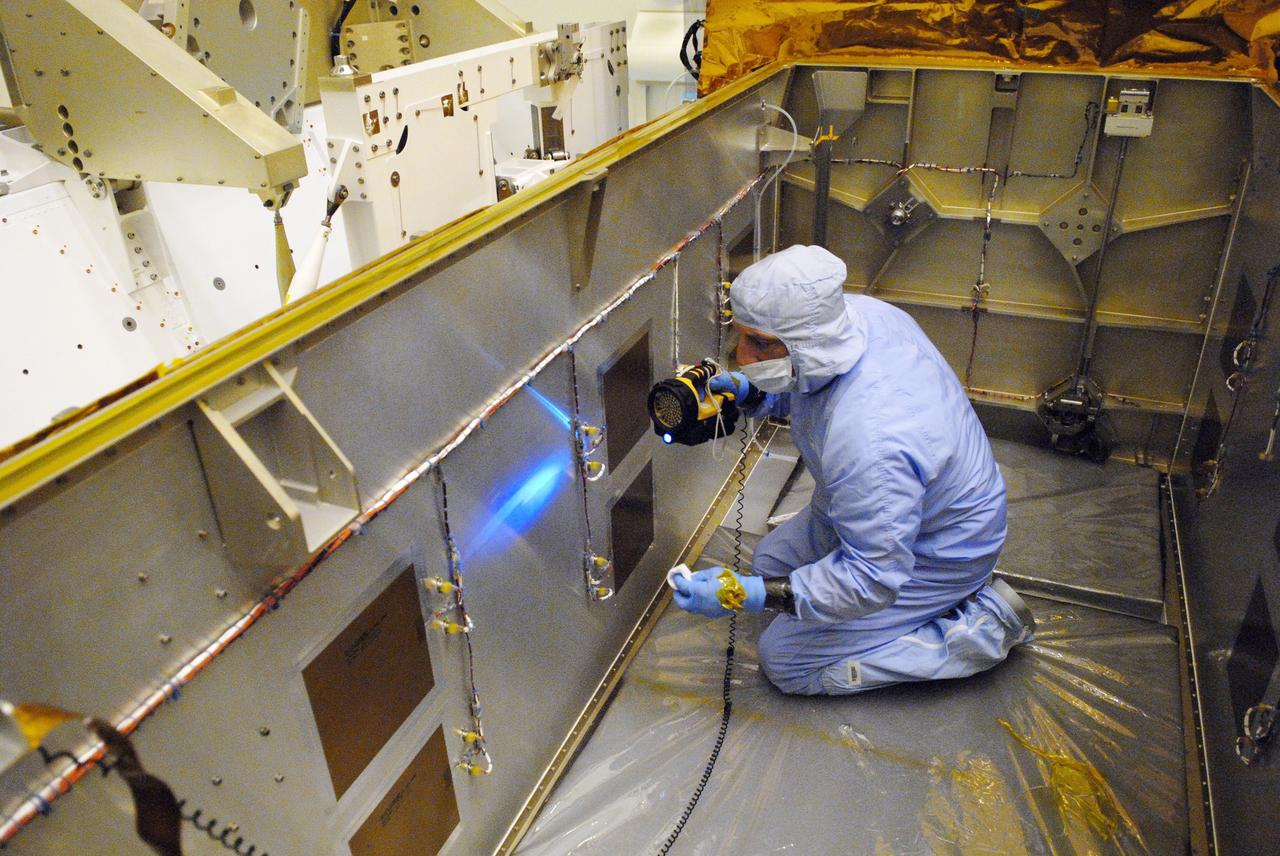
CAPE CANAVERAL, Fla. – In the clean room of the Payload Hazardous Processing Facility at NASA's Kennedy Space Center, workers from NASA's Goddard Space Flight Center use black light inspection for a thorough cleaning of the protective carrier for the Cosmic Origins Spectrograph, or COS. Black light inspection uses UVA fluorescence to detect possible particulate microcontamination, minute cracks or fluid leaks. The COS will be installed on the Hubble Space Telescope on space shuttle Atlantis' STS-125 mission. COS will be the most sensitive ultraviolet spectrograph ever flown on Hubble and will probe the "cosmic web" - the large-scale structure of the universe whose form is determined by the gravity of dark matter and is traced by galaxies and intergalactic gas. The COS far-ultraviolet channel has a sensitivity 30 times greater than that of previous spectroscopic instruments for the detection of extremely low light levels. Launch of Atlantis on the STS-125 mission is targeted for Oct. 8. Photo credit: NASA/Kim Shiflett
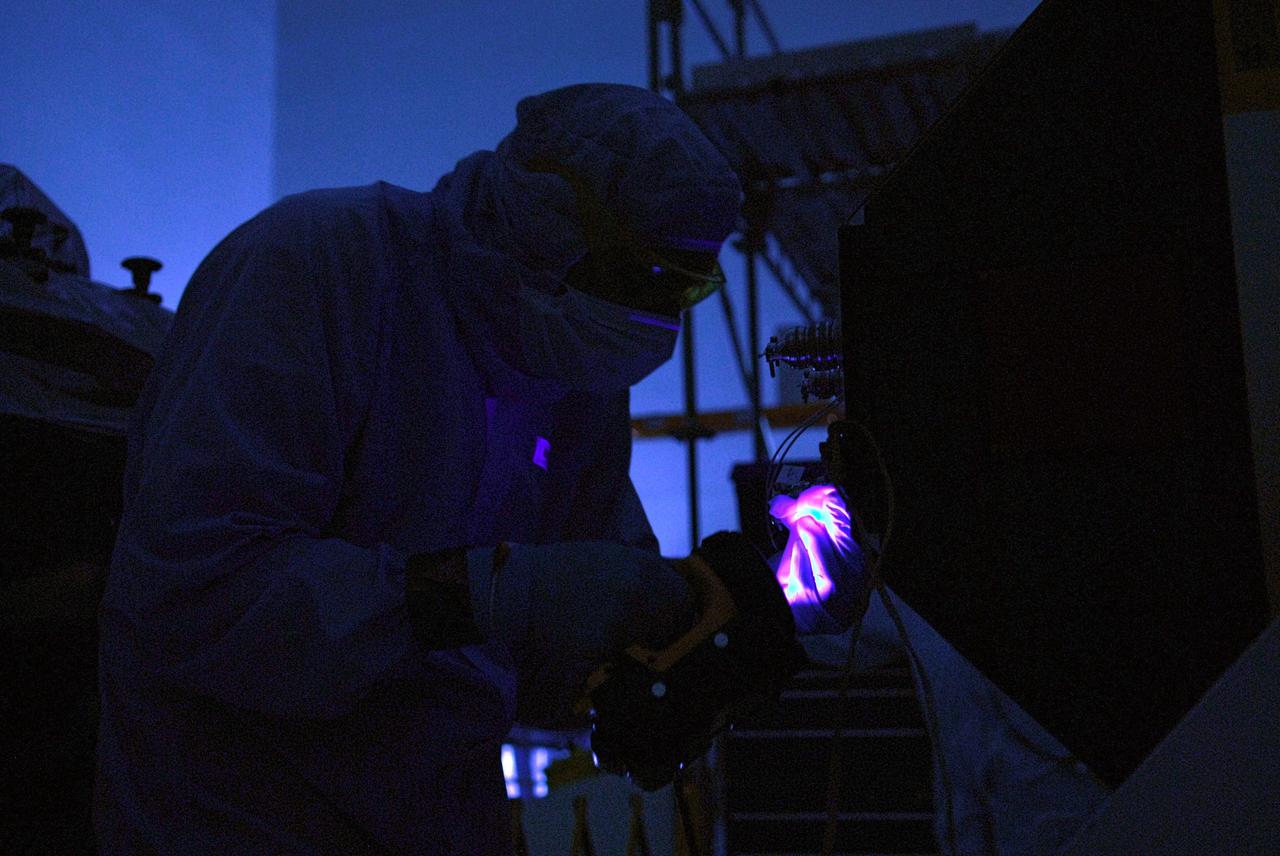
CAPE CANAVERAL, Fla. – In the clean room of the Payload Hazardous Processing Facility at NASA's Kennedy Space Center, a worker from NASA's Goddard Space Flight Center uses black light inspection for a thorough cleaning of the Cosmic Origins Spectrograph, or COS. Black light inspection uses UVA fluorescence to detect possible particulate microcontamination, minute cracks or fluid leaks. The COS will be installed on the Hubble Space Telescope on space shuttle Atlantis' STS-125 mission. COS will be the most sensitive ultraviolet spectrograph ever flown on Hubble and will probe the "cosmic web" - the large-scale structure of the universe whose form is determined by the gravity of dark matter and is traced by galaxies and intergalactic gas. The COS far-ultraviolet channel has a sensitivity 30 times greater than that of previous spectroscopic instruments for the detection of extremely low light levels. Launch of Atlantis on the STS-125 mission is targeted for Oct. 8. Photo credit: NASA/Kim Shiflett

CAPE CANAVERAL, Fla. –The outside of the Cosmic Origins Spectrograph, or COS, is seen before black light inspection in the clean room of the Payload Hazardous Processing Facility at NASA's Kennedy Space Center. Black light inspection uses UVA fluorescence to detect possible particulate microcontamination, minute cracks or fluid leaks. The COS will be installed on the Hubble Space Telescope on space shuttle Atlantis' STS-125 mission. COS will be the most sensitive ultraviolet spectrograph ever flown on Hubble and will probe the "cosmic web" - the large-scale structure of the universe whose form is determined by the gravity of dark matter and is traced by galaxies and intergalactic gas. The COS far-ultraviolet channel has a sensitivity 30 times greater than that of previous spectroscopic instruments for the detection of extremely low light levels. Launch of Atlantis on the STS-125 mission is targeted for Oct. 8. Photo credit: NASA/Kim Shiflett
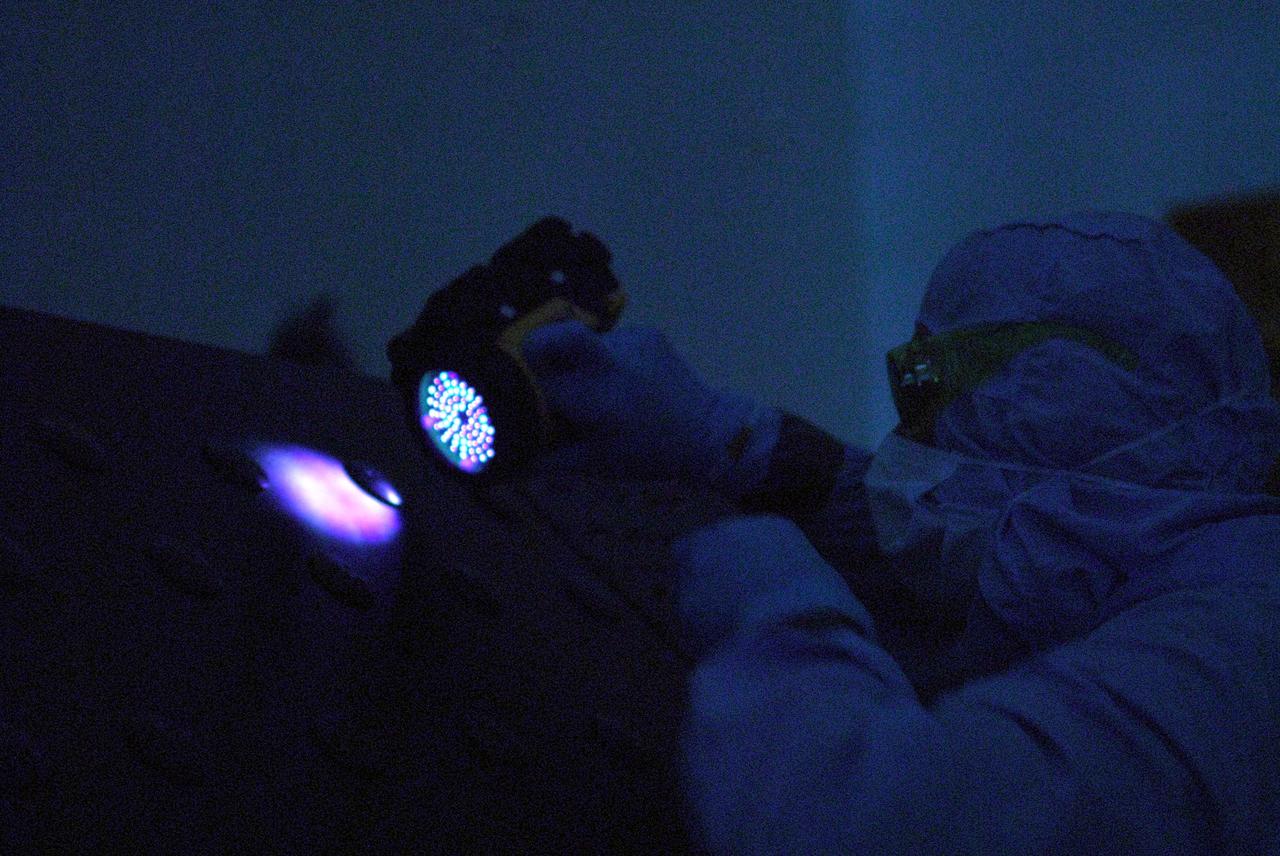
CAPE CANAVERAL, Fla. –In the clean room of the Payload Hazardous Processing Facility at NASA's Kennedy Space Center, a worker from NASA's Goddard Space Flight Center uses black light inspection for a thorough cleaning of the Cosmic Origins Spectrograph, or COS. Black light inspection uses UVA fluorescence to detect possible particulate microcontamination, minute cracks or fluid leaks. The COS will be installed on the Hubble Space Telescope on space shuttle Atlantis' STS-125 mission. COS will be the most sensitive ultraviolet spectrograph ever flown on Hubble and will probe the "cosmic web" - the large-scale structure of the universe whose form is determined by the gravity of dark matter and is traced by galaxies and intergalactic gas. The COS far-ultraviolet channel has a sensitivity 30 times greater than that of previous spectroscopic instruments for the detection of extremely low light levels. Launch of Atlantis on the STS-125 mission is targeted for Oct. 8. Photo credit: NASA/Kim Shiflett
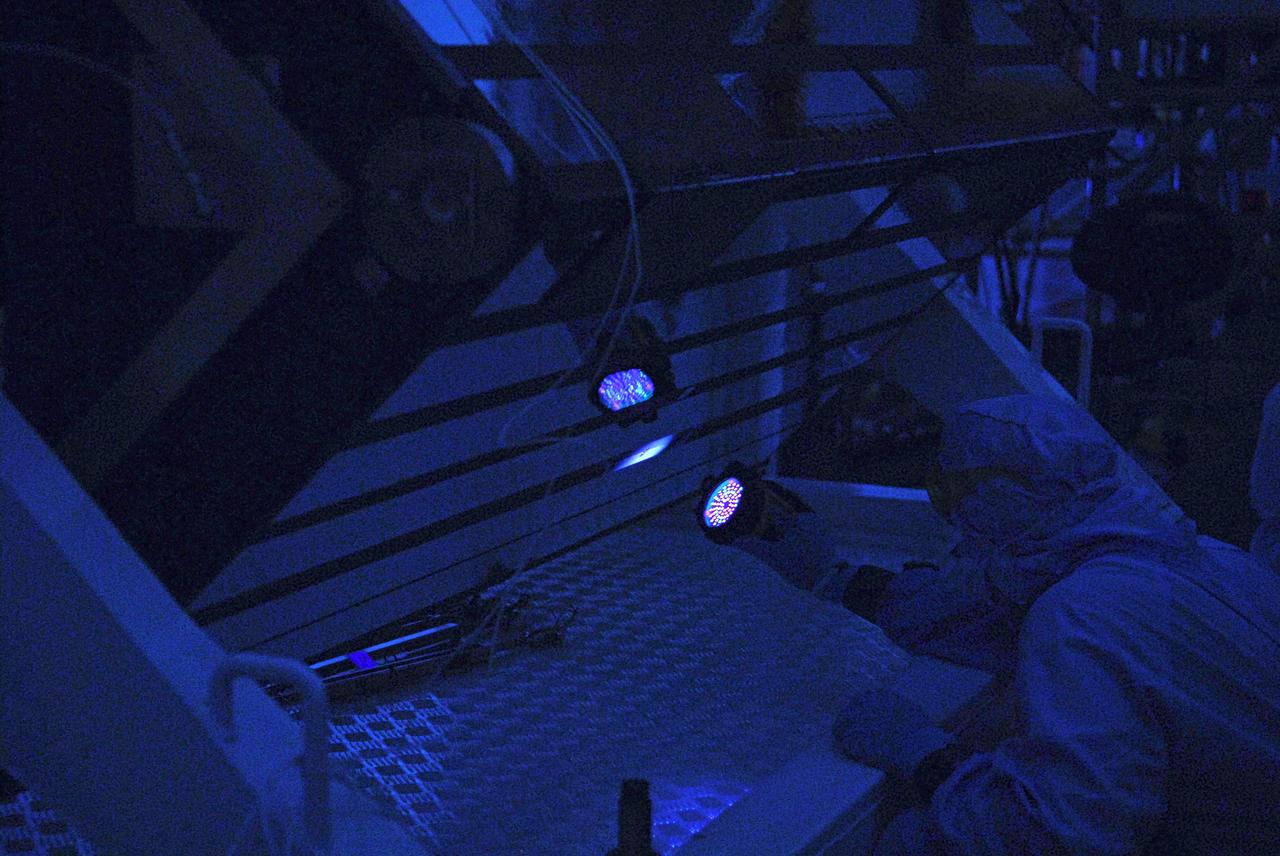
CAPE CANAVERAL, Fla. – In the clean room of the Payload Hazardous Processing Facility at NASA's Kennedy Space Center, a worker from NASA's Goddard Space Flight Center uses black light inspection for a thorough cleaning of the Cosmic Origins Spectrograph, or COS. Black light inspection uses UVA fluorescence to detect possible particulate microcontamination, minute cracks or fluid leaks. The COS will be installed on the Hubble Space Telescope on space shuttle Atlantis' STS-125 mission. COS will be the most sensitive ultraviolet spectrograph ever flown on Hubble and will probe the "cosmic web" - the large-scale structure of the universe whose form is determined by the gravity of dark matter and is traced by galaxies and intergalactic gas. The COS far-ultraviolet channel has a sensitivity 30 times greater than that of previous spectroscopic instruments for the detection of extremely low light levels. Launch of Atlantis on the STS-125 mission is targeted for Oct. 8. Photo credit: NASA/Kim Shiflett
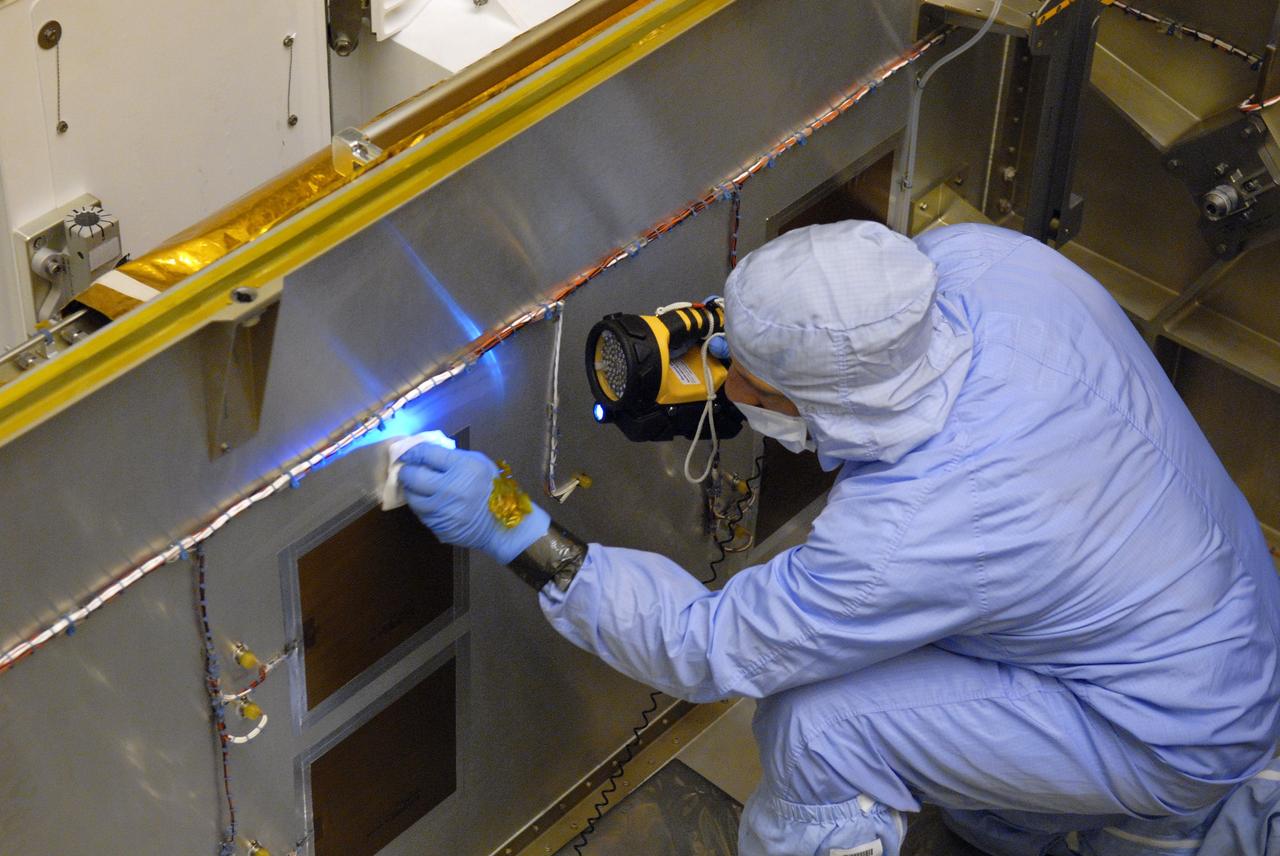
CAPE CANAVERAL, Fla. – In the clean room of the Payload Hazardous Processing Facility at NASA's Kennedy Space Center, workers from NASA's Goddard Space Flight Center use black light inspection for a thorough cleaning of the protective carrier for the Cosmic Origins Spectrograph, or COS. Black light inspection uses UVA fluorescence to detect possible particulate microcontamination, minute cracks or fluid leaks. The COS will be installed on the Hubble Space Telescope on space shuttle Atlantis' STS-125 mission. COS will be the most sensitive ultraviolet spectrograph ever flown on Hubble and will probe the "cosmic web" - the large-scale structure of the universe whose form is determined by the gravity of dark matter and is traced by galaxies and intergalactic gas. The COS far-ultraviolet channel has a sensitivity 30 times greater than that of previous spectroscopic instruments for the detection of extremely low light levels. Launch of Atlantis on the STS-125 mission is targeted for Oct. 8. Photo credit: NASA/Kim Shiflett
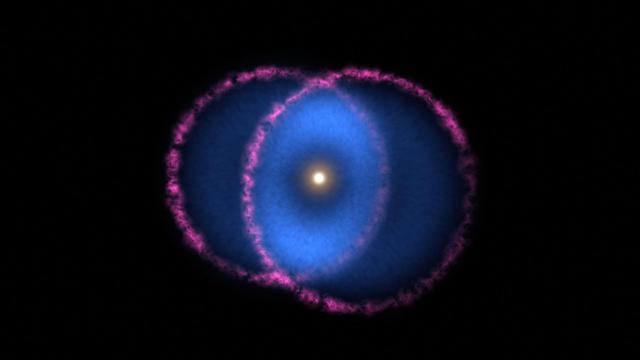
The Blue Ring Nebula is thought to be the product of two stars merging into one. The collision of the bodies ejected a cloud of hot debris into space. A disk of gas orbiting the larger star cut the cloud in half, creating two cones that are moving away from the star in opposite directions. The base of one cone is moving almost directly toward Earth, while the other is moving almost directly away. Magenta represents optical light from the shockwave at the front of the expanding debris cones, outlining the two cone bases at their widest points. Blue represents far-ultraviolet light (not visible to the human eye) and comes from gas behind the shockwave. As the gas expands and cools, it forms hydrogen molecules that interact with the interstellar medium and emit only far-ultraviolet light. These emissions are visible only where the cones overlap (as seen from Earth), forming the blue ring around the central star. Movie available at https://photojournal.jpl.nasa.gov/catalog/PIA23868
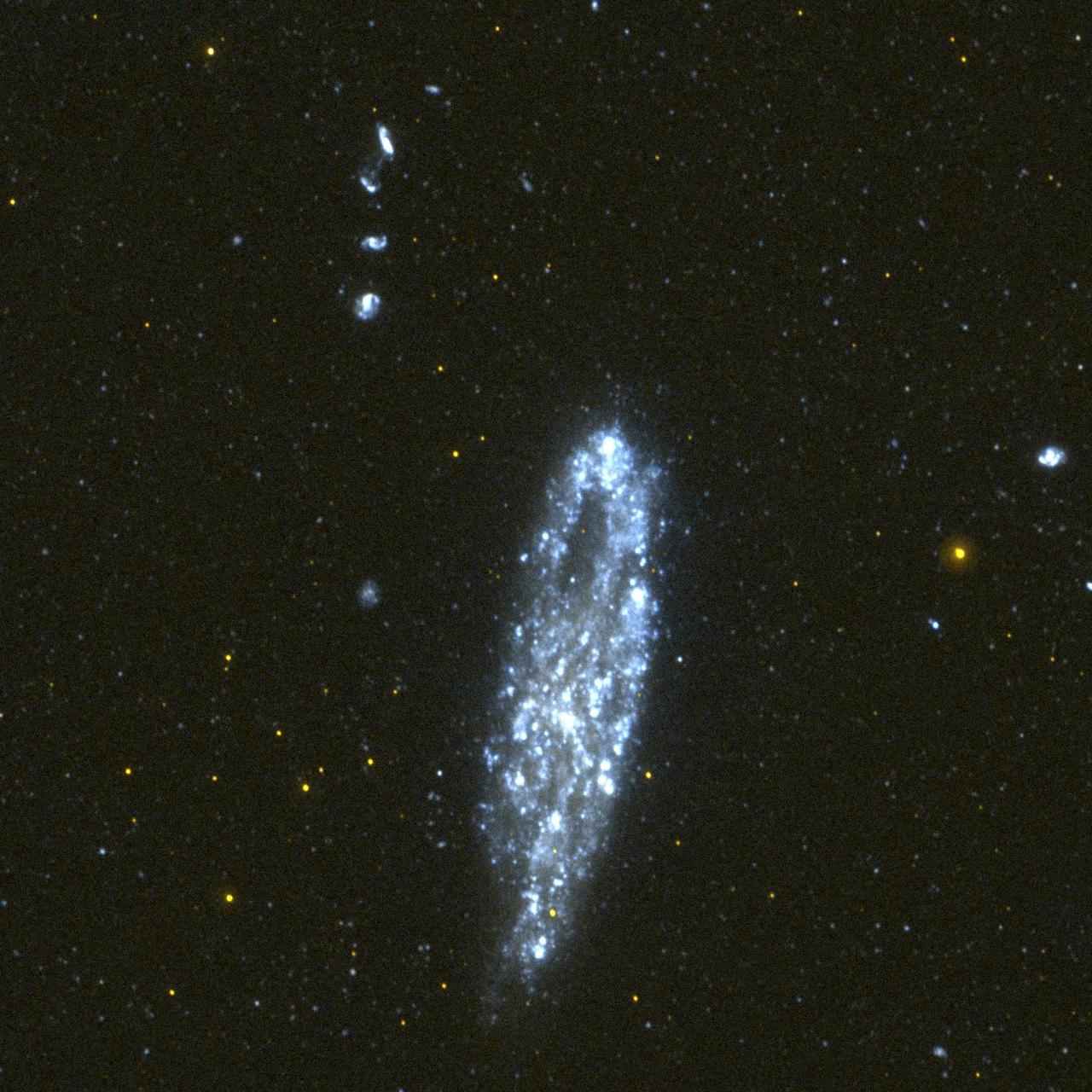
This image of the dwarf spiral galaxy NGC 247 was taken by Galaxy Evolution Explorer on October 13, 2003, in a single orbit exposure of 1600 seconds. The region that looks like a "hole" in the upper part of the galaxy is a location with a deficit of gas and therefore a lower star formation rate and ultraviolet brightness. Optical images of this galaxy show a bright star on the southern edge. This star is faint and red in the Galaxy Evolution Explorer ultraviolet image, revealing that it is a foreground star in our Milky Way galaxy. The string of background galaxies to the North-East (upper left) of NGC 247 is 355 million light years from our Milky Way galaxy whereas NGC 247 is a mere 9 million light years away. The faint blue light that can be seen in the Galaxy Evolution Explorer image of the upper two of these background galaxies may indicate that they are in the process of merging together. http://photojournal.jpl.nasa.gov/catalog/PIA04922
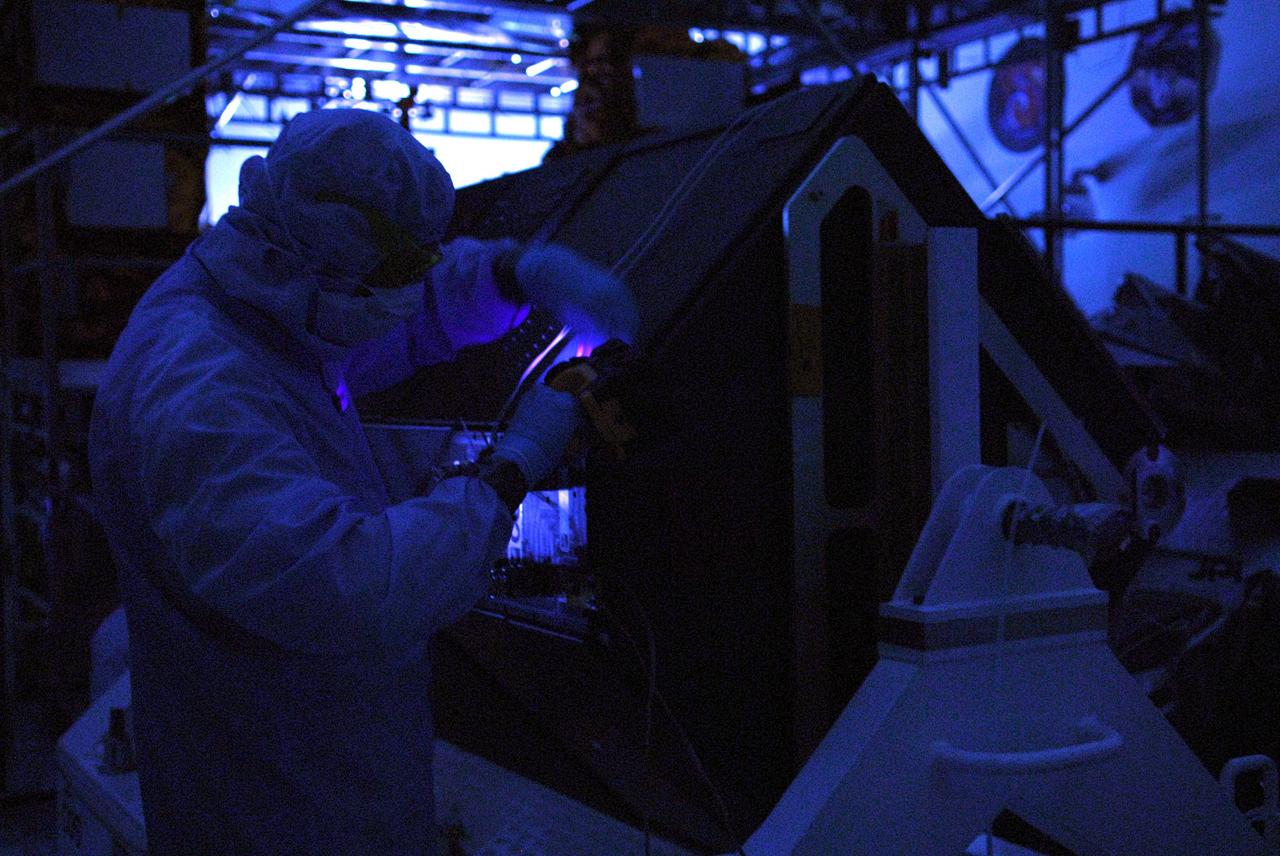
CAPE CANAVERAL, Fla. – In the clean room of the Payload Hazardous Processing Facility at NASA's Kennedy Space Center, a worker from NASA's Goddard Space Flight Center uses black light inspection for a thorough cleaning of the Cosmic Origins Spectrograph, or COS. Black light inspection uses UVA fluorescence to detect possible particulate microcontamination, minute cracks or fluid leaks. The COS will be installed on the Hubble Space Telescope on space shuttle Atlantis' STS-125 mission. COS will be the most sensitive ultraviolet spectrograph ever flown on Hubble and will probe the "cosmic web" - the large-scale structure of the universe whose form is determined by the gravity of dark matter and is traced by galaxies and intergalactic gas. The COS far-ultraviolet channel has a sensitivity 30 times greater than that of previous spectroscopic instruments for the detection of extremely low light levels. Launch of Atlantis on the STS-125 mission is targeted for Oct. 8. Photo credit: NASA/Kim Shiflett

In 1986, NASA introduced a Shuttle-borne ultraviolet observatory called Astro. The Astro Observatory was designed to explore the universe by observing and measuring the ultraviolet radiation from celestial objects. Astronomical targets of observation selected for Astro missions included planets, stars, star clusters, galaxies, clusters of galaxies, quasars, remnants of exploded stars (supernovae), clouds of gas and dust (nebulae), and the interstellar medium. Astro-1 used a Spacelab pallet system with an instrument pointing system and a cruciform structure for bearing the three ultraviolet instruments mounted in a parallel configuration. The three instruments were: The Hopkins Ultraviolet Telescope (HUT), which was designed to obtain far-ultraviolet spectroscopic data from white dwarfs, emission nebulae, active galaxies, and quasars; the Wisconsin Ultraviolet Photo-Polarimeter Experiment (WUPPE) which was to study polarized ultraviolet light from magnetic white dwarfs, binary stars, reflection nebulae, and active galaxies; and the Ultraviolet Imaging Telescope (UIT) which was to record photographic images in ultraviolet light of galaxies, star clusters, and nebulae. The star trackers that supported the instrument pointing system were also mounted on the cruciform. Also in the payload bay was the Broad Band X-Ray Telescope (BBXRT), which was designed to obtain high-resolution x-ray spectra from stellar corona, x-ray binary stars, active galactic nuclei, and galaxy clusters. Managed by the Marshall Space Flight Center, the Astro-1 observatory was launched aboard the Space Shuttle Orbiter Columbia (STS-35) on December 2, 1990.
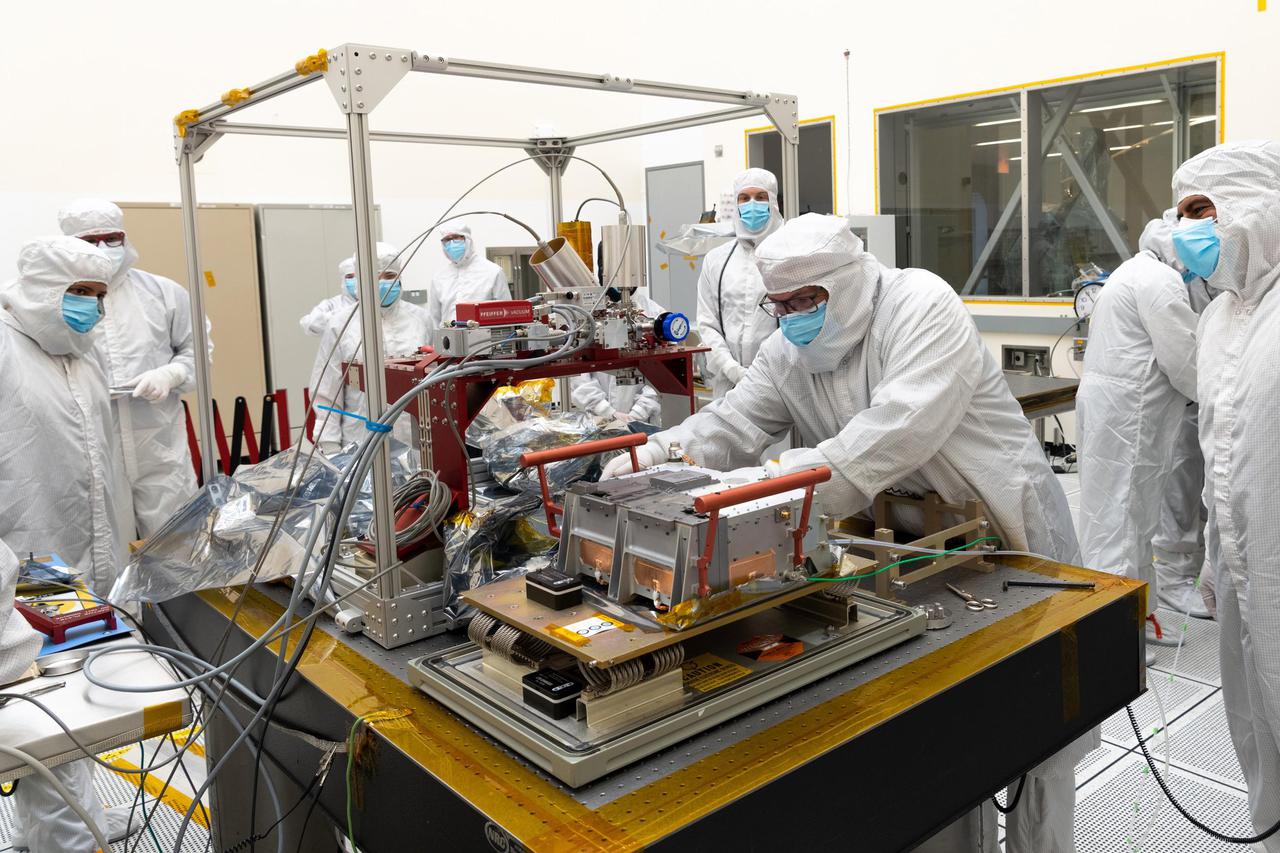
Engineers and technicians examine and test the first of NASA's Europa Clipper's science instruments to be delivered to the agency's Jet Propulsion Laboratory in Southern California. The ultraviolet spectrograph, called Europa-UVS and led by the Southwest Research Institute in San Antonio, Texas, will be integrated into the spacecraft during the phase of the mission called assembly, test, and launch operations. Europa-UVS is part of a payload of nine science instruments aboard Europa Clipper. In this photo, captured in February 2022, the instrument's custom testing equipment is seen at left, with a boxy, red frame. The instrument itself is seen at right. During testing, technicians shined ultraviolet light into the instrument's front aperture. With an internal global ocean under a thick layer of ice, Jupiter's moon Europa may have the potential to harbor existing life. Europa Clipper will swoop around Jupiter in an elliptical orbit, dipping close to the moon on each flyby to collect data. Understanding Europa's habitability will help scientists better understand how life developed on Earth and the potential for finding life beyond our planet. Europa Clipper is set to launch in 2024. Europa-UVS will search above the surface of Europa for signs of potential plumes that may be venting subsurface water into space. The instrument collects ultraviolet light, then separates the wavelengths of that light to help determine the composition of the moon's surface and gases in the atmosphere. https://photojournal.jpl.nasa.gov/catalog/PIA24897

This photograph was taken during the integration of the Astro-1 mission payloads at the Kennedy Space Center on March 20, 1990, showing the Broad Band X-Ray Telescope (BBXRT) at the left, as three telescopes for the Astro-1 Observatory are settled into the Orbiter Columbia payload bay. Above Earth's atmospheric interference, Astro-1 would make precise measurements of objects such as planets, stars, and galaxies in relatively small fields of view and would observe and measure ultraviolet radiation from celestial objects. The Astro-1 used a Spacelab pallet system with an instrument pointing system and a cruciform structure for bearing the three ultraviolet instruments mounted in a parallel configuration. The three instruments were: The Hopkins Ultraviolet Telescope (HUT), which was designed to obtain far-ultraviolet spectroscopic data from white dwarfs, emission nebulae, active galaxies, and quasars; the Wisconsin Ultraviolet Photo-Polarimeter Experiment (WUPPE) which was to study polarized ultraviolet light from magnetic white dwarfs, binary stars, reflection nebulae, and active galaxies; and the Ultraviolet Imaging Telescope (UIT), which was to record photographic images in ultraviolet light of galaxies, star clusters, and nebulae. The star trackers that supported the instrument pointing system, were also mounted on the cruciform. Also in the payload bay was the Broad Band X-Ray Telescope (BBXRT), which was designed to obtain high-resolution x-ray spectra from stellar corona, x-ray binary stars, active galactic nuclei, and galaxy clusters. Managed by the Marshall Space Flight Center, the Astro-1 observatory was launched aboard the Space Shuttle Orbiter Columbia (STS-35) on December 2, 1990.
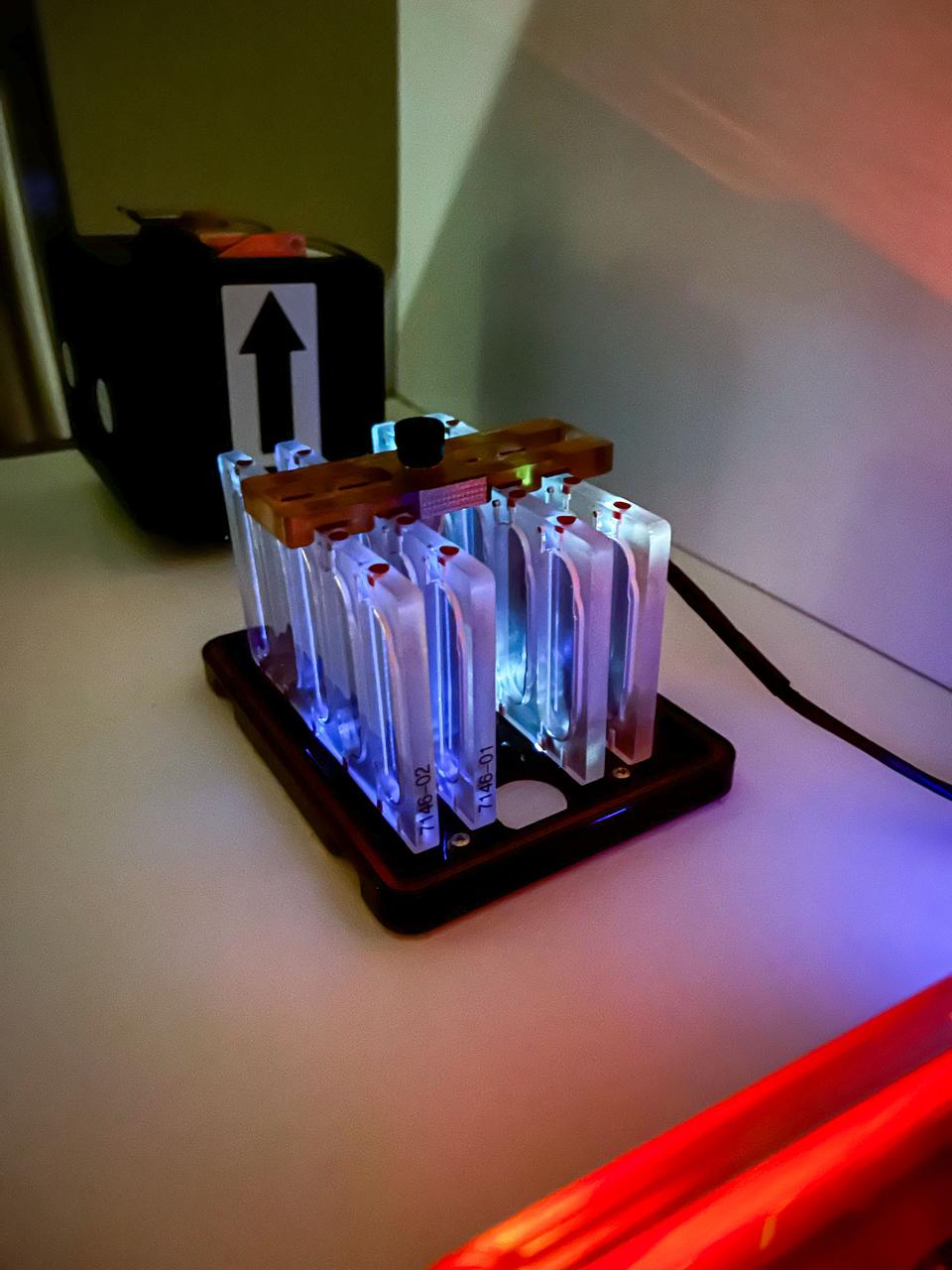
jsc2025e067422 97/9/2025) --- Agar plates for the GULBI investigation. This research uses special optical fibers to deliver ultraviolet (UV) light to inhibit the formation of microbial communities called biofilms and examine how microgravity affects the results. Credit: Arizona State University

ISS038-E-044829 (10 Feb. 2014) --- NASA astronaut Rick Mastracchio, Expedition 38 flight engineer, prepares to use an ultraviolet light to decontaminate hardware used for life science experiments inside the Microgravity Science Glovebox (MSG) in the Destiny laboratory of the International Space Station.
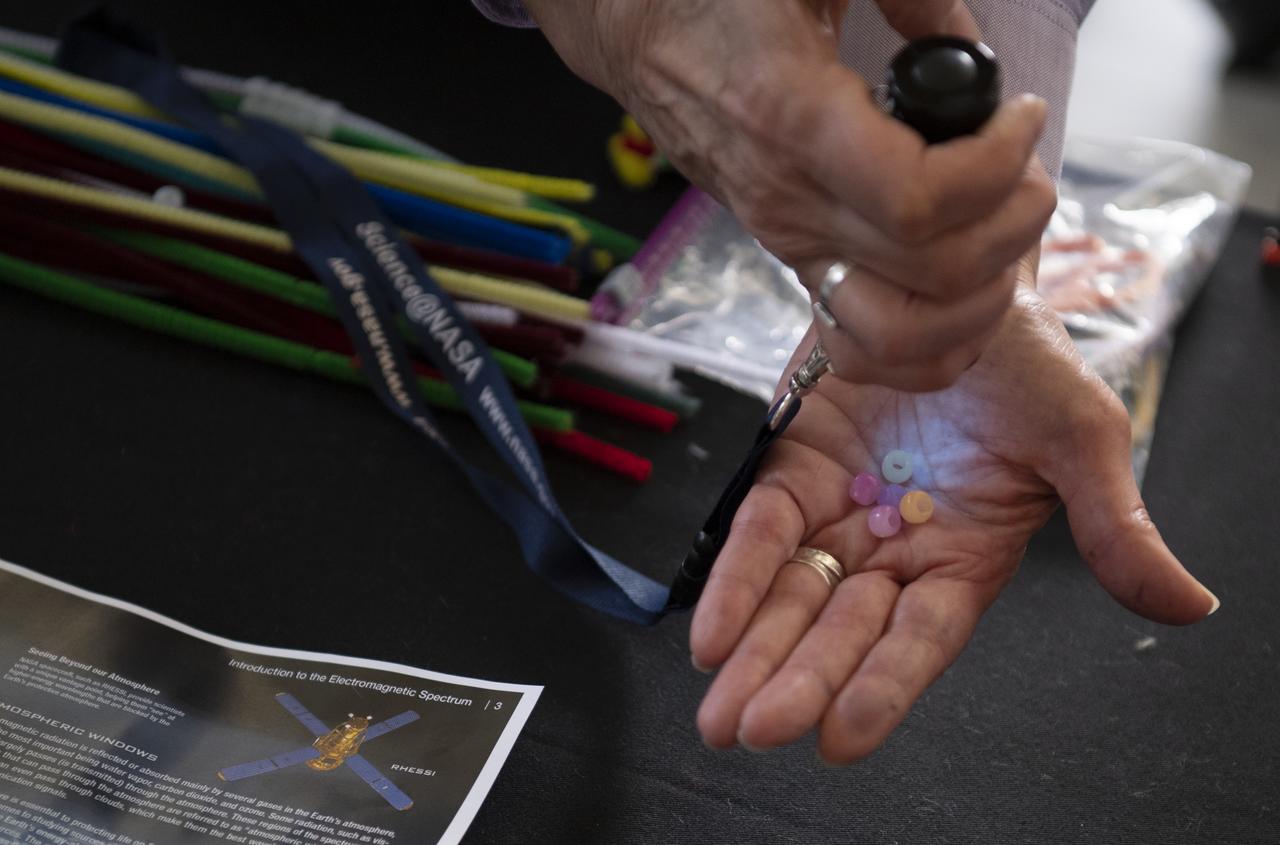
Beads treated to react to ultraviolet light are used to show how the Sun's invisible rays can effect us at one of NASA's exhibits at the Earth Day event on Monday, April 22, 2019, at Union Station in Washington, D.C. Photo Credit: (NASA/Joel Kowsky)
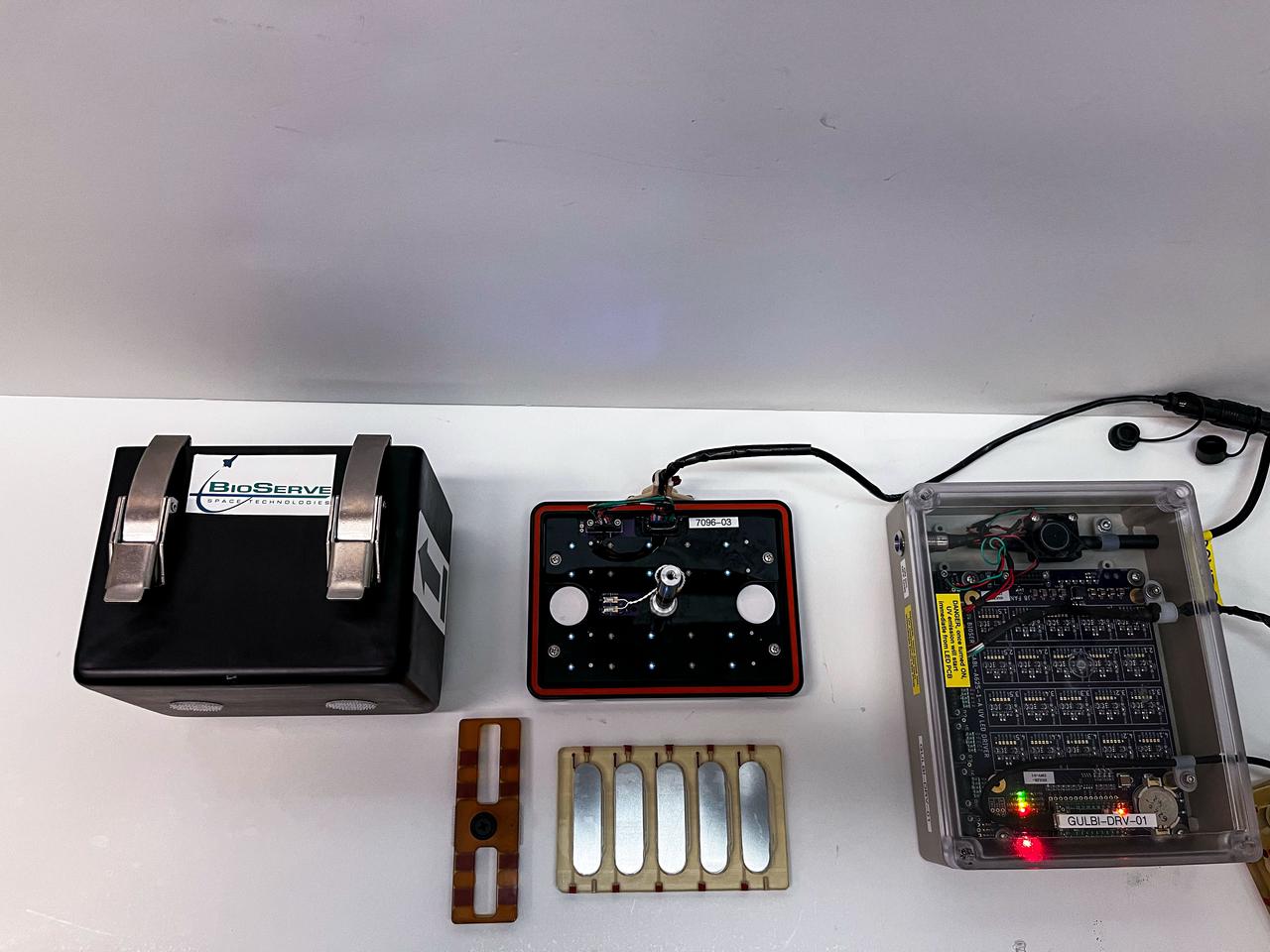
jsc2025e067421 (7/9/2025) --- Individual components of hardware for the GULBI investigation, which examines how microgravity affects the ability of a type of ultraviolet (UV) light to prevent formation of large communities of microbes called biofilms. Credit: Arizona State University
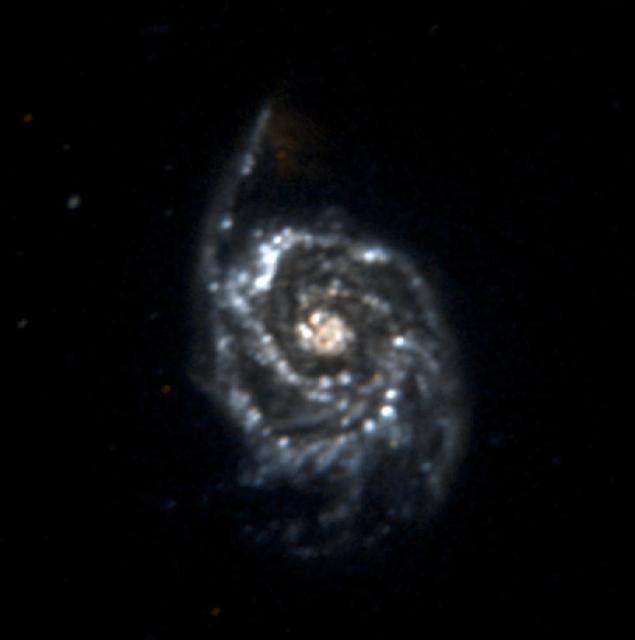
NASA's Galaxy Evolution Explorer took this image of the spiral galaxy Messier 51 on June 19 and 20, 2003. Messier 51 is located 27 million light-years from Earth. Due to a lack of star formation, the companion galaxy in the top of the picture is barely visible as a near ultraviolet object. http://photojournal.jpl.nasa.gov/catalog/PIA04628
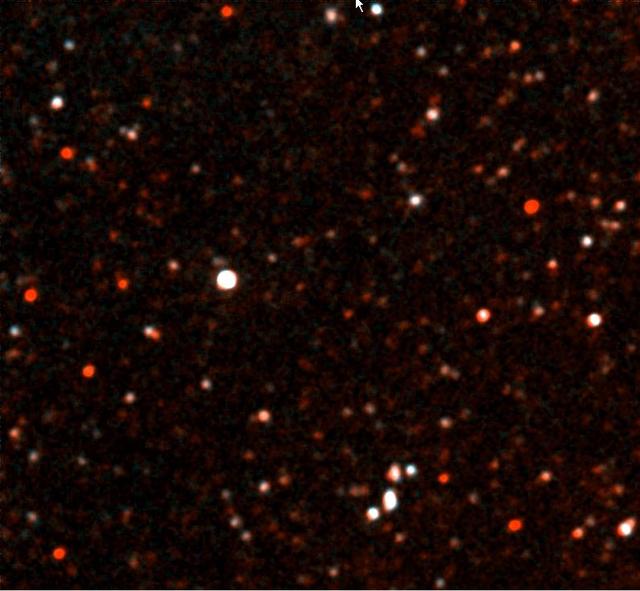
This ultraviolet color blowup of the Groth Deep Image was taken by NASA Galaxy Evolution Explorer on June 22 and June 23, 2003. Many hundreds of galaxies are detected in this portion of the image. NASA astronomers believe the faint red galaxies are 6 billion light years away. http://photojournal.jpl.nasa.gov/catalog/PIA04625
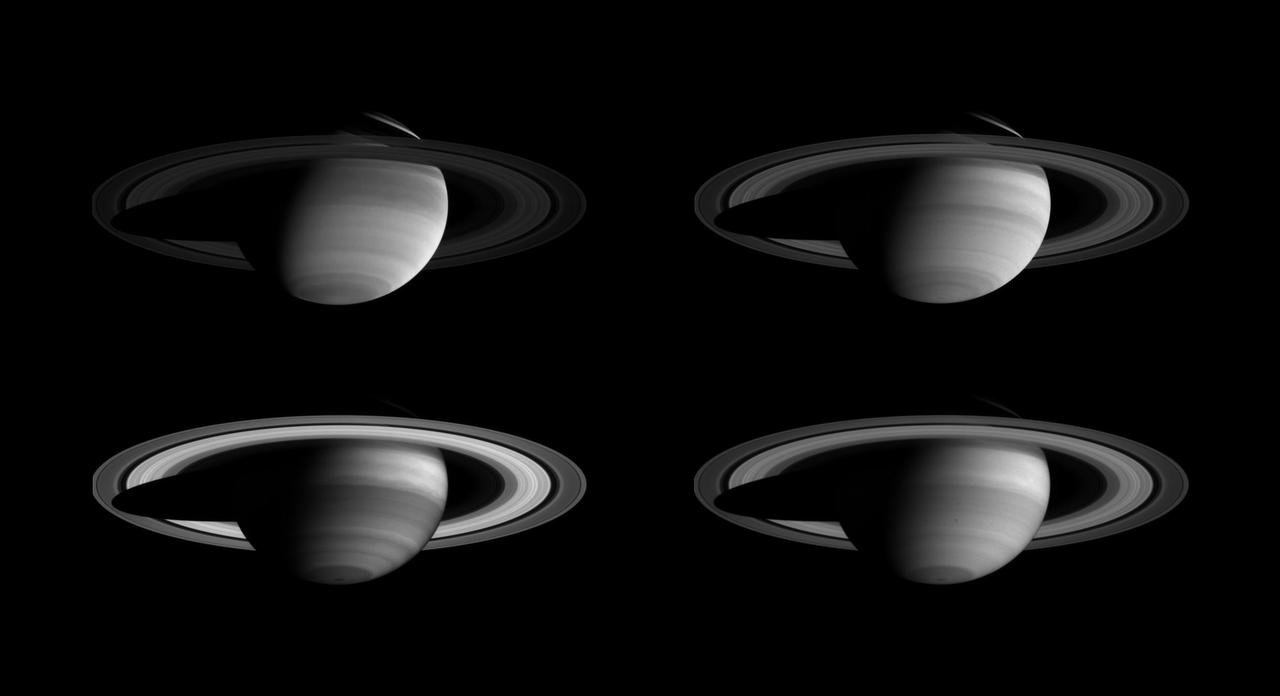
A montage of Cassini images, taken in four different regions of the spectrum from ultraviolet to near-infrared, demonstrates that there is more to Saturn than meets the eye. The pictures show the effects of absorption and scattering of light at different wavelengths by both atmospheric gas and clouds of differing heights and thicknesses. They also show absorption of light by colored particles mixed with white ammonia clouds in the planet's atmosphere. Contrast has been enhanced to aid visibility of the atmosphere. Cassini's narrow-angle camera took these four images over a period of 20 minutes on April 3, 2004, when the spacecraft was 44.5 million kilometers (27.7 million miles) from the planet. The image scale is approximately 267 kilometers (166 miles) per pixel. All four images show the same face of Saturn. In the upper left image, Saturn is seen in ultraviolet wavelengths (298 nanometers); at upper right, in visible blue wavelengths (440 nanometers); at lower left, in far red wavelengths just beyond the visible-light spectrum (727 nanometers; and at lower right, in near-infrared wavelengths (930 nanometers). The sliver of light seen in the northern hemisphere appears bright in the ultraviolet and blue (top images) and is nearly invisible at longer wavelengths (bottom images). The clouds in this part of the northern hemisphere are deep, and sunlight is illuminating only the cloud-free upper atmosphere. The shorter wavelengths are consequently scattered by the gas and make the illuminated atmosphere bright, while the longer wavelengths are absorbed by methane. Saturn's rings also appear noticeably different from image to image, whose exposure times range from two to 46 seconds. The rings appear dark in the 46-second ultraviolet image because they inherently reflect little light at these wavelengths. The differences at other wavelengths are mostly due to the differences in exposure times. http://photojournal.jpl.nasa.gov/catalog/PIA05388
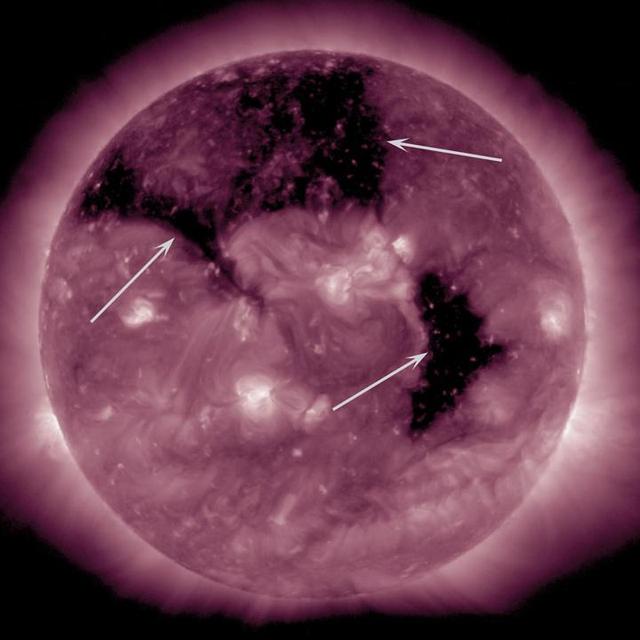
Three substantial coronal holes rotated across the face of the Sun the week of Sept. 8-10, 2015 as seen by NASA Solar Dynamics Observatory. Coronal holes are areas where the Sun magnetic field is open and a source of streaming solar wind. They appear darker in extreme ultraviolet light because there is less material in the hole areas being imaged in this specific wavelength of light. It is a little unusual to have three coronal holes at the same time, but neither is it a rare occurrence. http://photojournal.jpl.nasa.gov/catalog/PIA19950
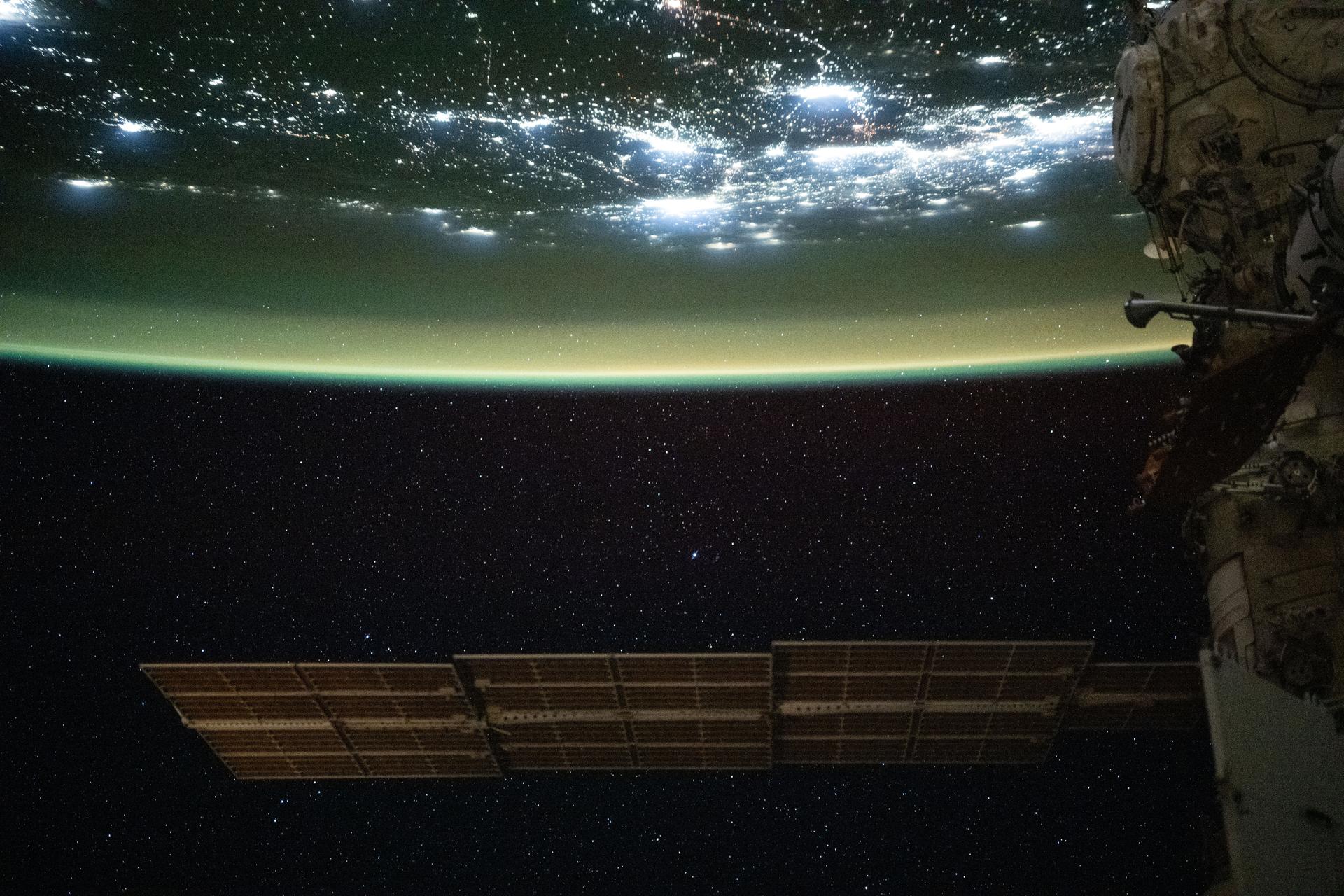
iss073e0982431 (Oct. 25, 2025) --- A yellow-green airglow, caused by atoms and molecules releasing energy as light after being excited by ultraviolet sunlight or cosmic rays, blankets the city lights of North America in this photograph, taken at approximately 2:18 a.m. local time from the International Space Station as it orbited 260 miles above Texas.
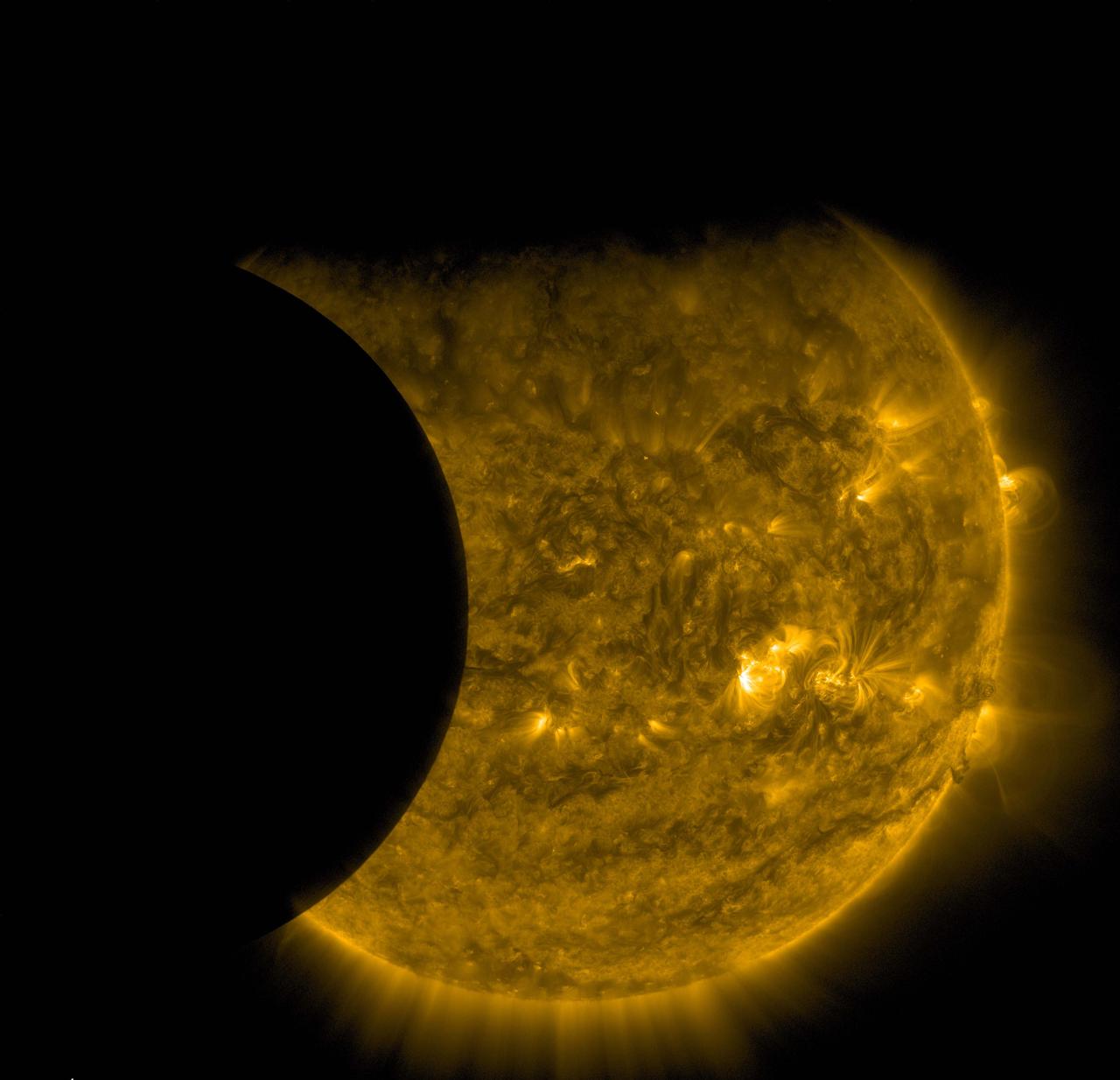
NASA’s Solar Dynamics Observatory captured this image of Earth and the moon transiting the sun together on Sept. 13, 2015. The edge of Earth, visible near the top of the frame, appears fuzzy because Earth’s atmosphere blocks different amounts of light at different altitudes. On the left, the moon’s edge is perfectly crisp, because it has no atmosphere. This image was taken in extreme ultraviolet wavelengths of 171 angstroms. Though this light is invisible to our eyes, it is typically colorized in gold. Credits: NASA/SDO
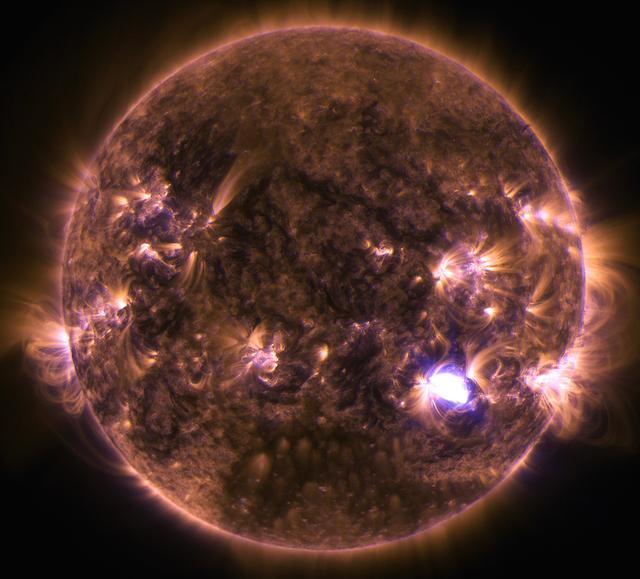
The sun emitted a solar flare on Dec. 4, 2014, seen as the flash of light in this image from NASA's Solar Dynamics Observatory. The image blends two wavelengths of extreme ultraviolet light – 131 and 171 Angstroms – which are typically colored in teal and gold, respectively. Read more: <a href="http://1.usa.gov/121n7PP" rel="nofollow">1.usa.gov/121n7PP</a> Image Credit: NASA/SDO
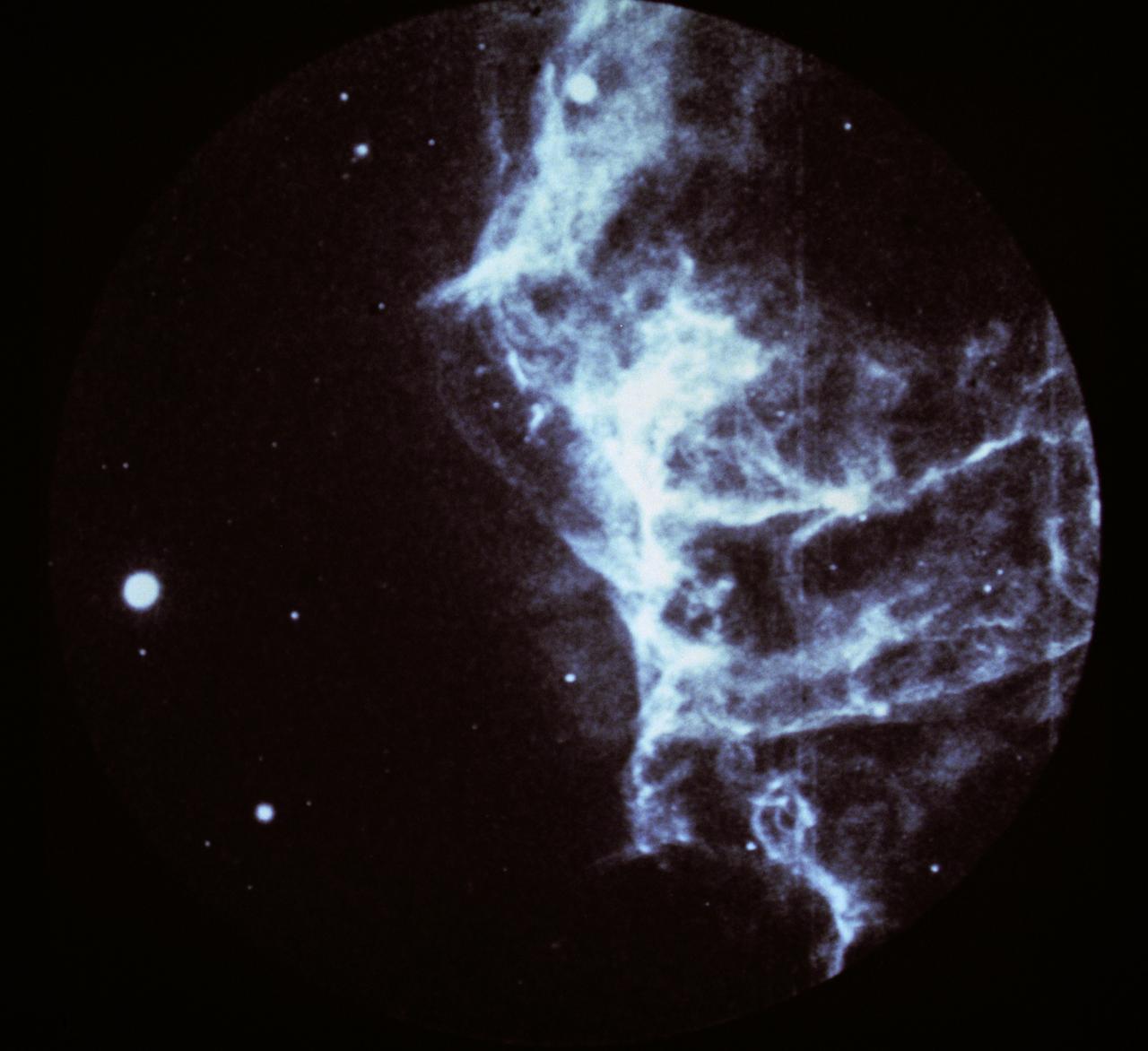
This image shows a part of the Cygnus loop supernova remnant, taken by the Ultraviolet Imaging Telescope (UIT) on the Astro Observatory during the Astro-1 mission (STS-35) on December 5, 1990. Pictured is a portion of the huge Cygnus loop, an array of interstellar gas clouds that have been blasted by a 900,000 mile per hour shock wave from a prehistoric stellar explosion, which occurred about 20,000 years ago, known as supernova. With ultraviolet and x-rays, astronomers can see emissions from extremely hot gases, intense magnetic fields, and other high-energy phenomena that more faintly appear in visible and infrared light or in radio waves that are crucial to deepening the understanding of the universe. The Astro Observatory was designed to explore the universe by observing and measuring the ultraviolet radiation from celestial objects. Three instruments make up the Astro Observatory: The Hopkins Ultraviolet Telescope (HUT), the Ultraviolet Imaging Telescope (UIT), and the Wisconsin Ultraviolet Photo-Polarimetry Experiment (WUPPE). The Marshall Space Flight Center had managment responsibilities for the Astro-1 mission. The Astro-1 Observatory was launched aboard the Space Shuttle Orbiter Columbia (STS-35) on December 2, 1990.