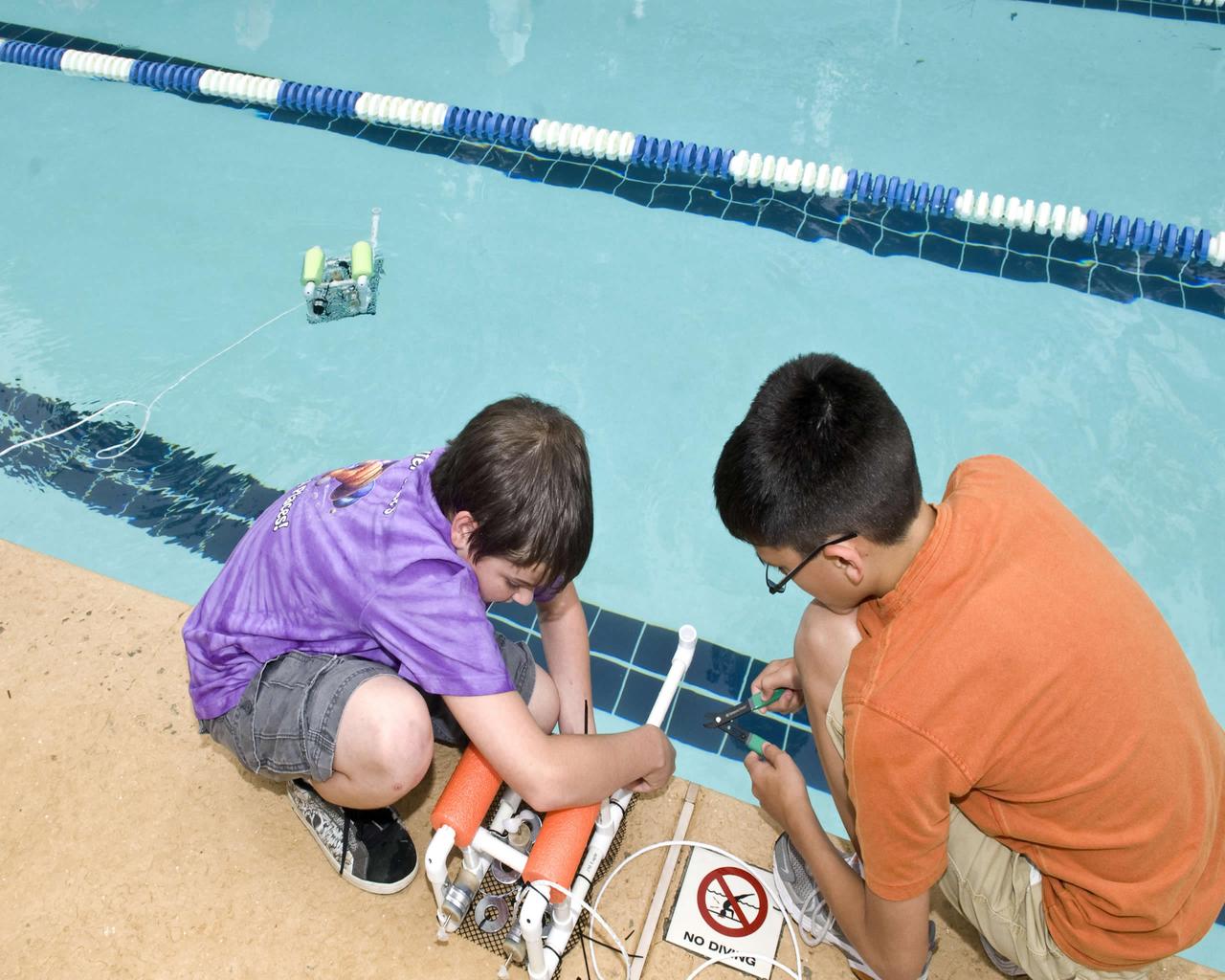
Ian Tonglet, 13, (left) and Seth Malley, 13, both of Picayune, Miss., and both participants in the 2010 Astro Stars session at Stennis Space Center, work with an underwater robot during a camp activity June 29. NASA joined with the U.S. Navy for the underwater robotics exercise involving Sea Perch robots, which are simple, remotely operated underwater vehicles made from PVC pipe and other inexpensive, easily available materials. During the Stennis exercise, students used robots constructed earlier in the day to maneuver underwater and collect plastic rings, as seen to the left of Tonglet. Astro STARS (Spaceflight, Technology, Astronomy & Robotics @ Stennis) is a science and technology camp for 13-15 year olds.
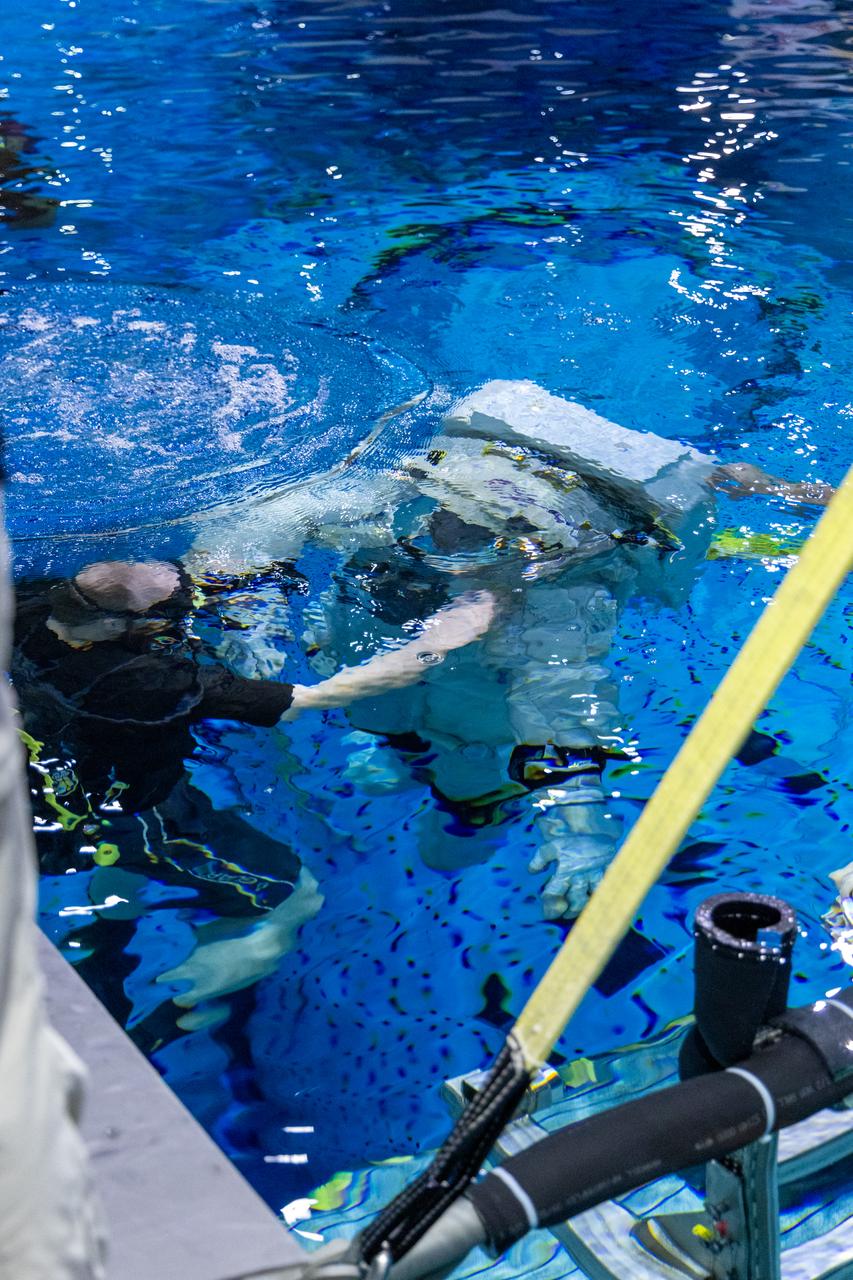
Axiom Space's AxEMU (Axiom Extravehicular Mobility Unit) spacesuit underwater during testing of its pressure garment system at NASA Johnson's Neutral Buoyancy Laboratory. Image Credit: Axiom Space
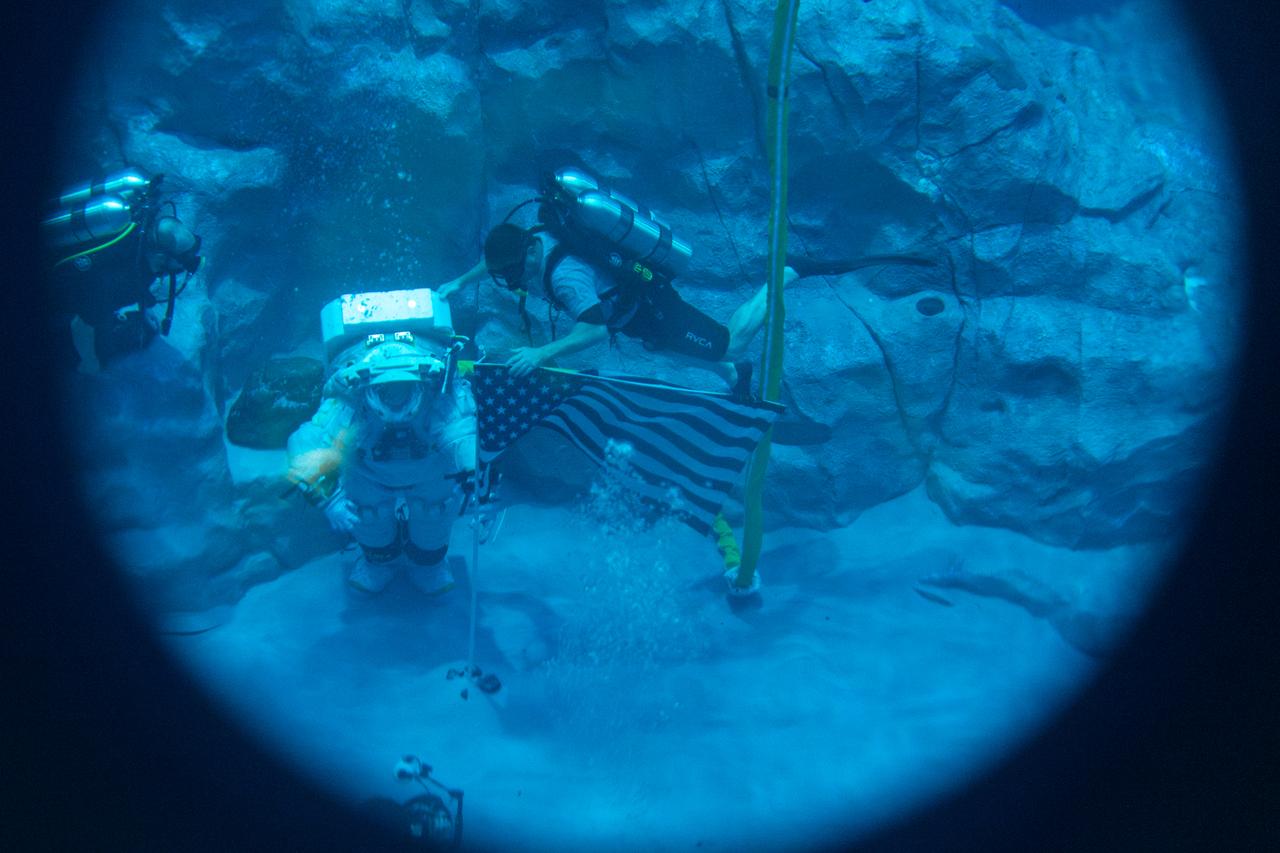
Axiom Space's AxEMU (Axiom Extravehicular Mobility Unit) spacesuit underwater during testing of its pressure garment system at NASA Johnson's Neutral Buoyancy Laboratory. Image Credit: Axiom Space
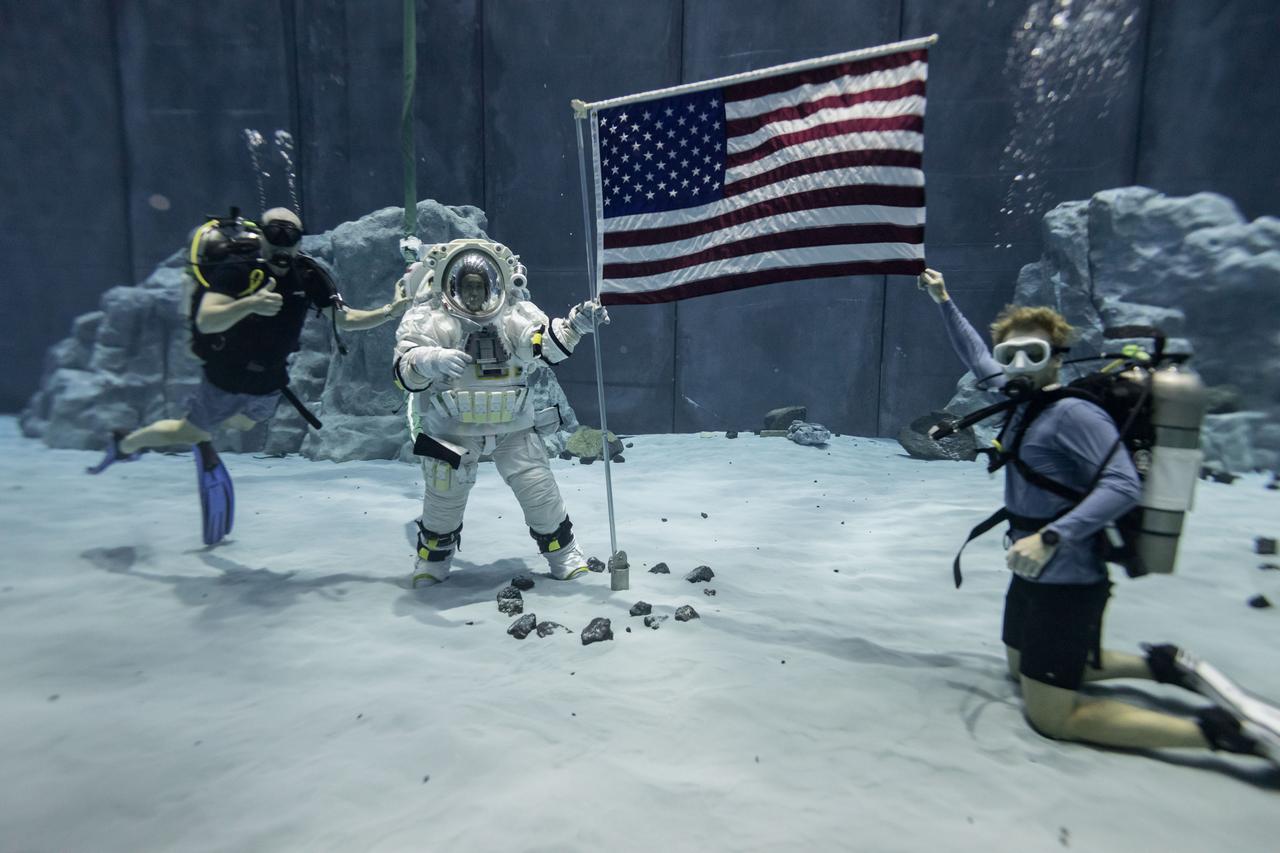
Axiom Space astronaut and Chief Technology Officer Koichi Wakata holds up an American flag in NASA's Neutral Buoyancy Laboratory during the first crewed underwater test of Axiom Space's lunar spacesuit. Image Credit: NASA
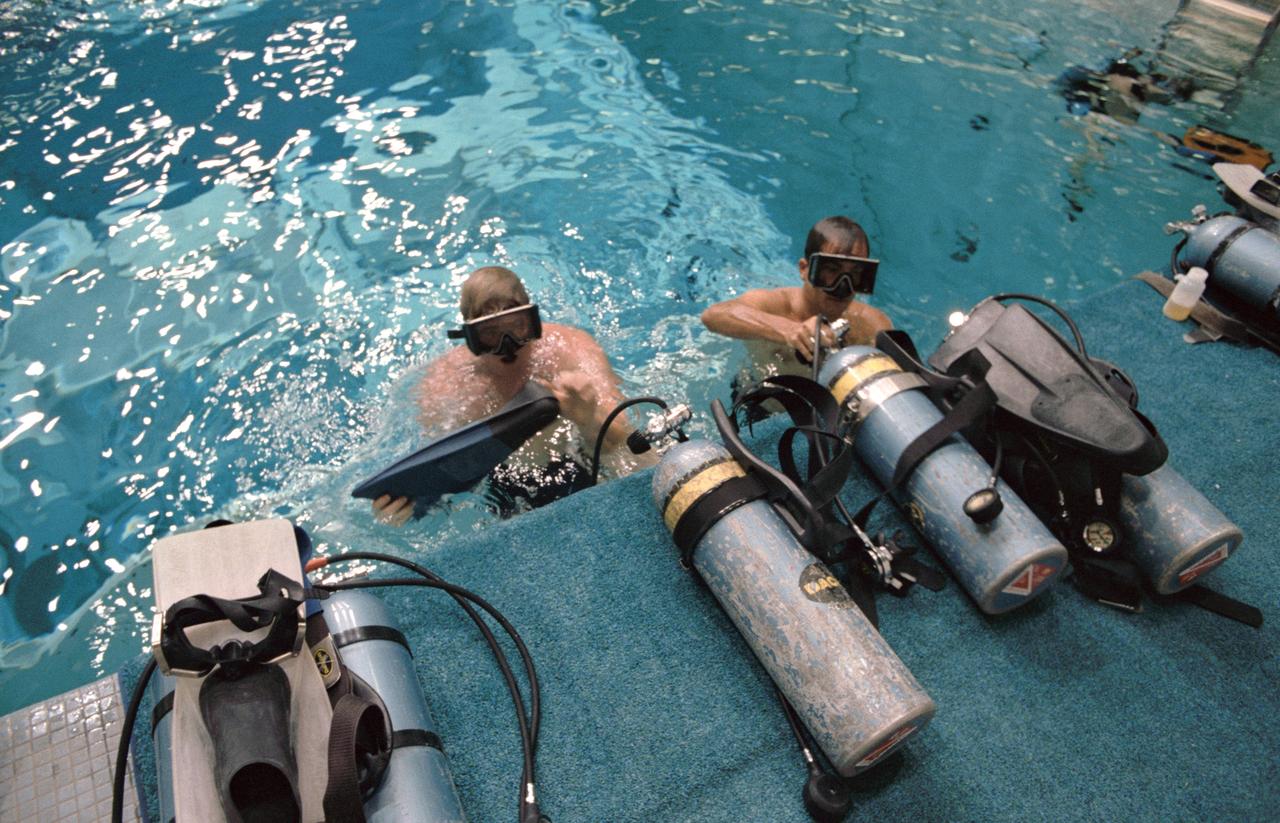
S84-36900 (29 June 1984) ---Astronauts Robert L. Crippen (right) and Jon A. McBride, crew commander and pilot, respectively, for NASA's 41-G Space Shuttle mission, don self contained underwater breathing apparatus (SCUBA) gear prior to their underwater to observe a simulation of an extravehicular activity (EVA) to be performed on their mission. Astronauts Kathryn D. Sullivan and David C. Leestma, two of three mission specialists on the seven-member crew, are scheduled for the EVA. The underwater training took place in the Johnson Space Center's weightless environment training facility (WET-F).
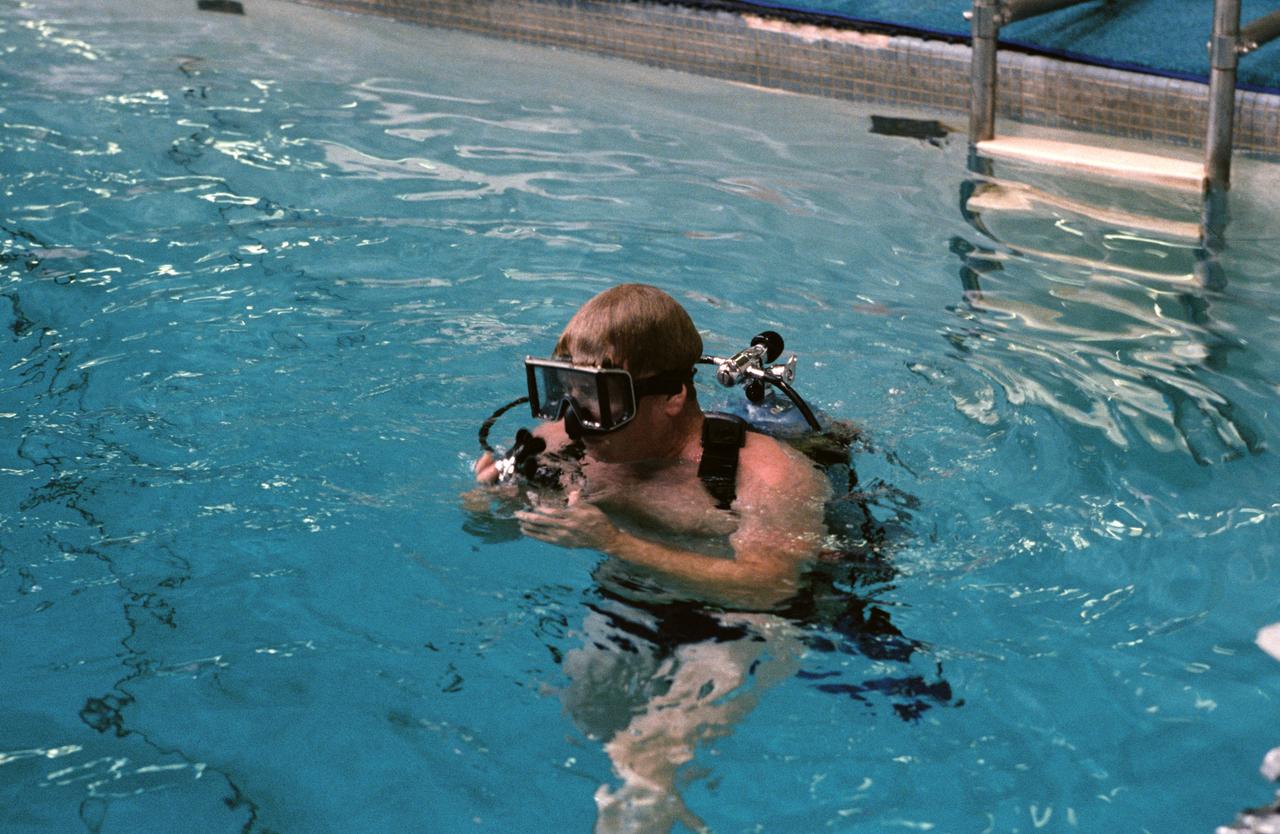
Preparations for Underwater EVA training for the STS 41-G crew. Divers prepare to don their scuba gear for the begining of EVA training.
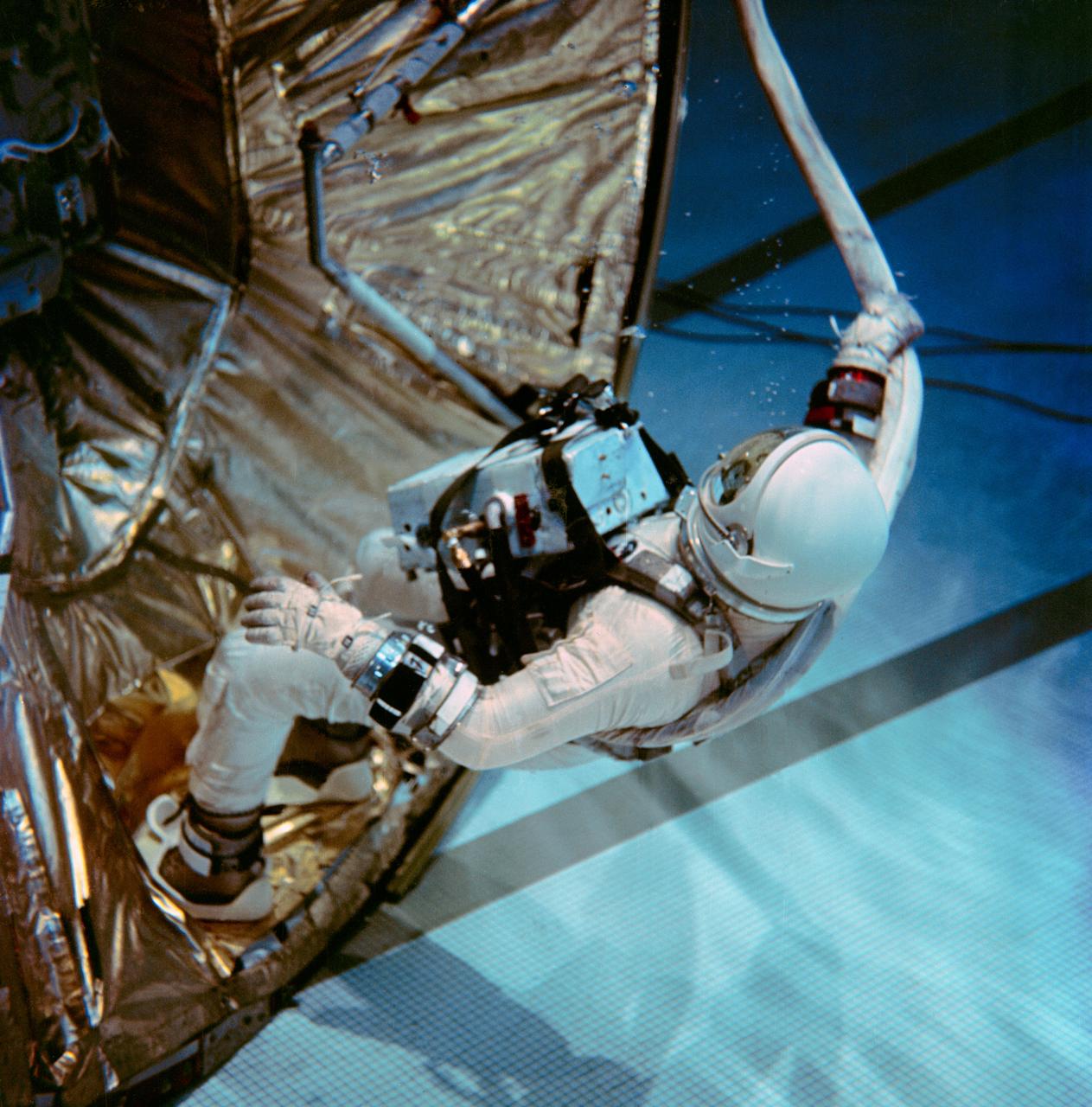
S66-54938 (29 Oct. 1966) --- Astronaut Edwin E. Aldrin Jr., pilot for the Gemini-12 spaceflight, prepares to take a rest position during underwater zero-gravity training. His feet are secured to a mock-up of the adapter section of the spacecraft by a special foot plate. The underwater environment closely simulates the zero-gravity condition found in space. Photo credit: NASA
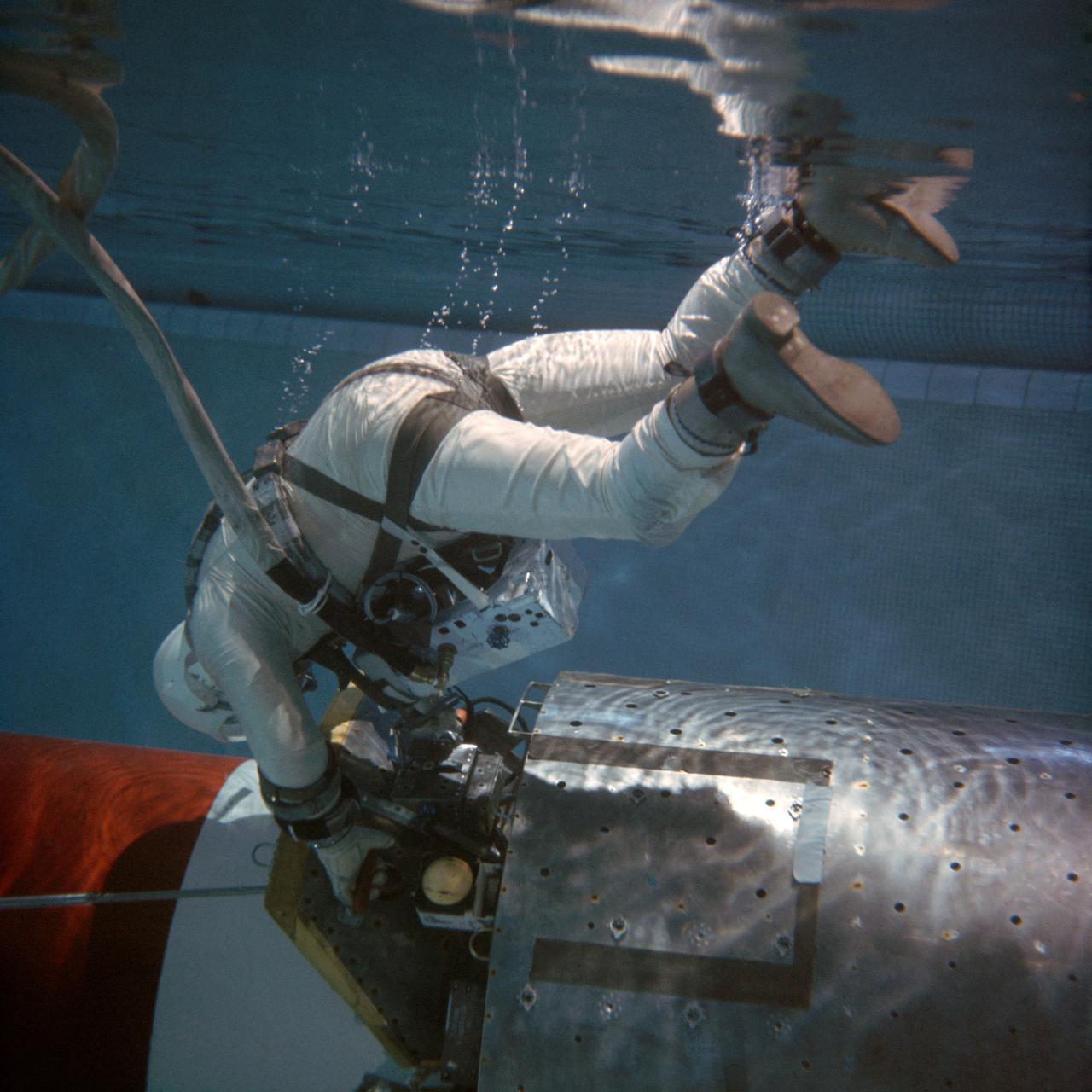
S66-54935 (29 Oct. 1966) --- Astronaut Edwin E. Aldrin Jr., pilot for the Gemini-12 spaceflight, practices extravehicular work tasks during underwater zero-gravity training. He works on the docking collar of the Agena Target Docking Vehicle mock-up using hand-holds to secure himself to the vehicle. The underwater environment closely simulates the zero-gravity condition found in space. Photo credit: NASA
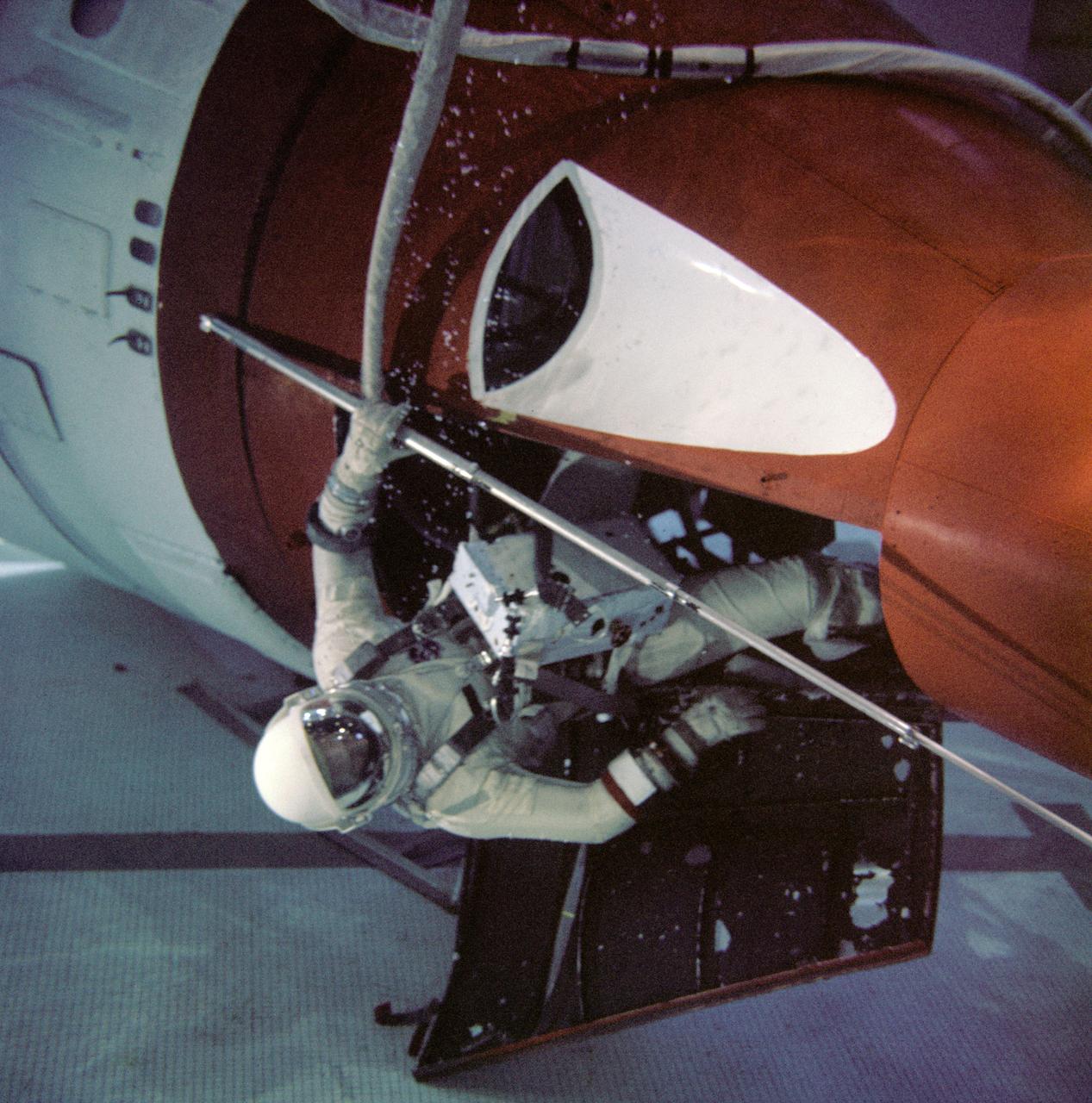
S66-54937 (29 Oct. 1966) --- Astronaut Edwin E. Aldrin Jr., pilot for the Gemini-12 spaceflight, practices egress procedures from a mock-up of his spacecraft during underwater zero-gravity training. He holds a telescoping handrail in his left hand which he will use to move from the spacecraft to the Agena Target Docking Vehicle. The underwater environment closely simulates the zero-gravity condition found in space. Photo credit: NASA
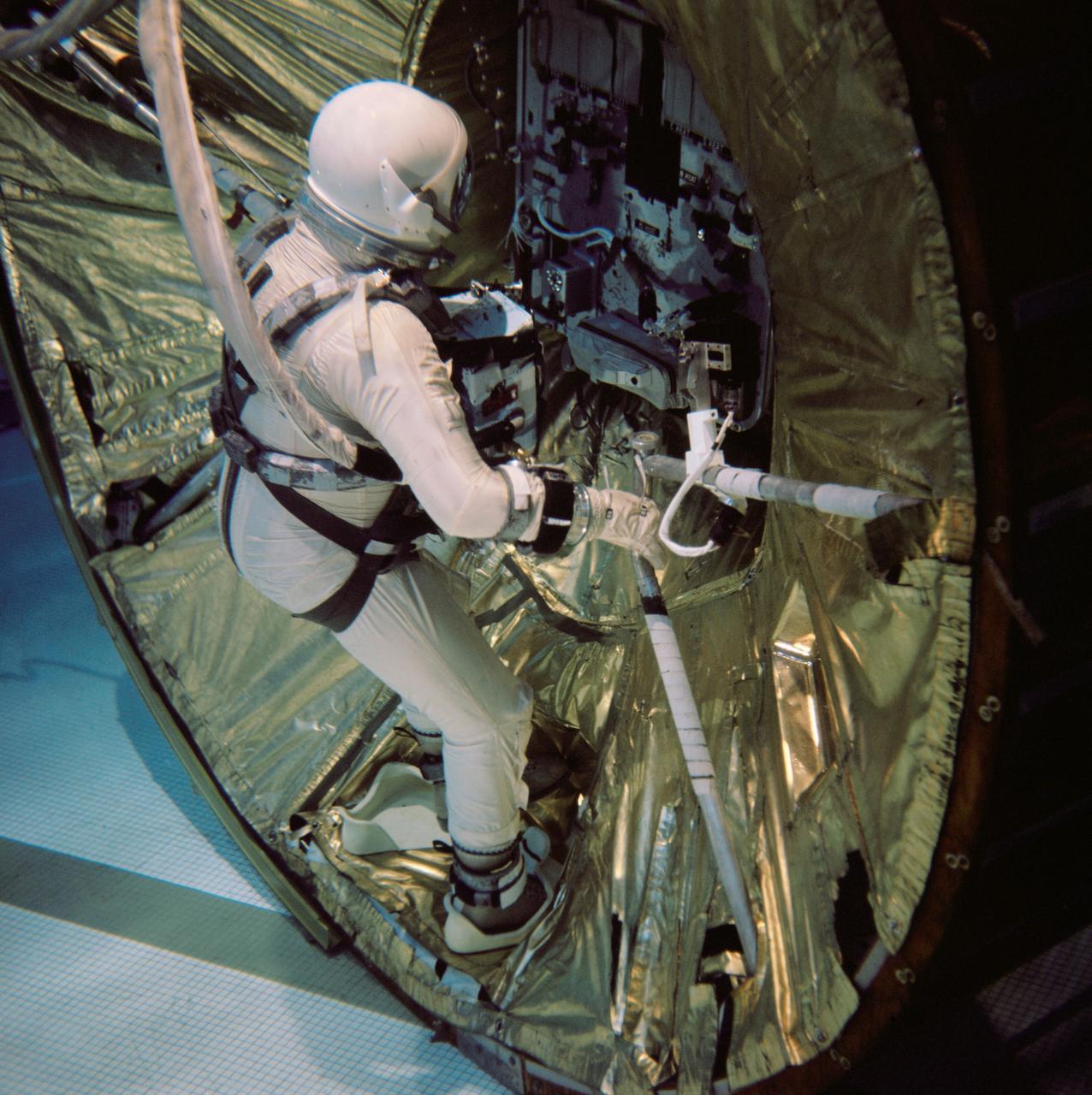
S66-54939 (29 Oct. 1966) --- Astronaut Edwin E. Aldrin Jr., pilot for the Gemini-12 spaceflight, practices work tasks during underwater zero-gravity training. He is placing his feet into a special foot plate in an adapter section of the spacecraft. The foot plate will help secure him to the spacecraft during extravehicular activity (EVA). The underwater environment closely simulates the zero-gravity condition found in space. Photo credit: NASA
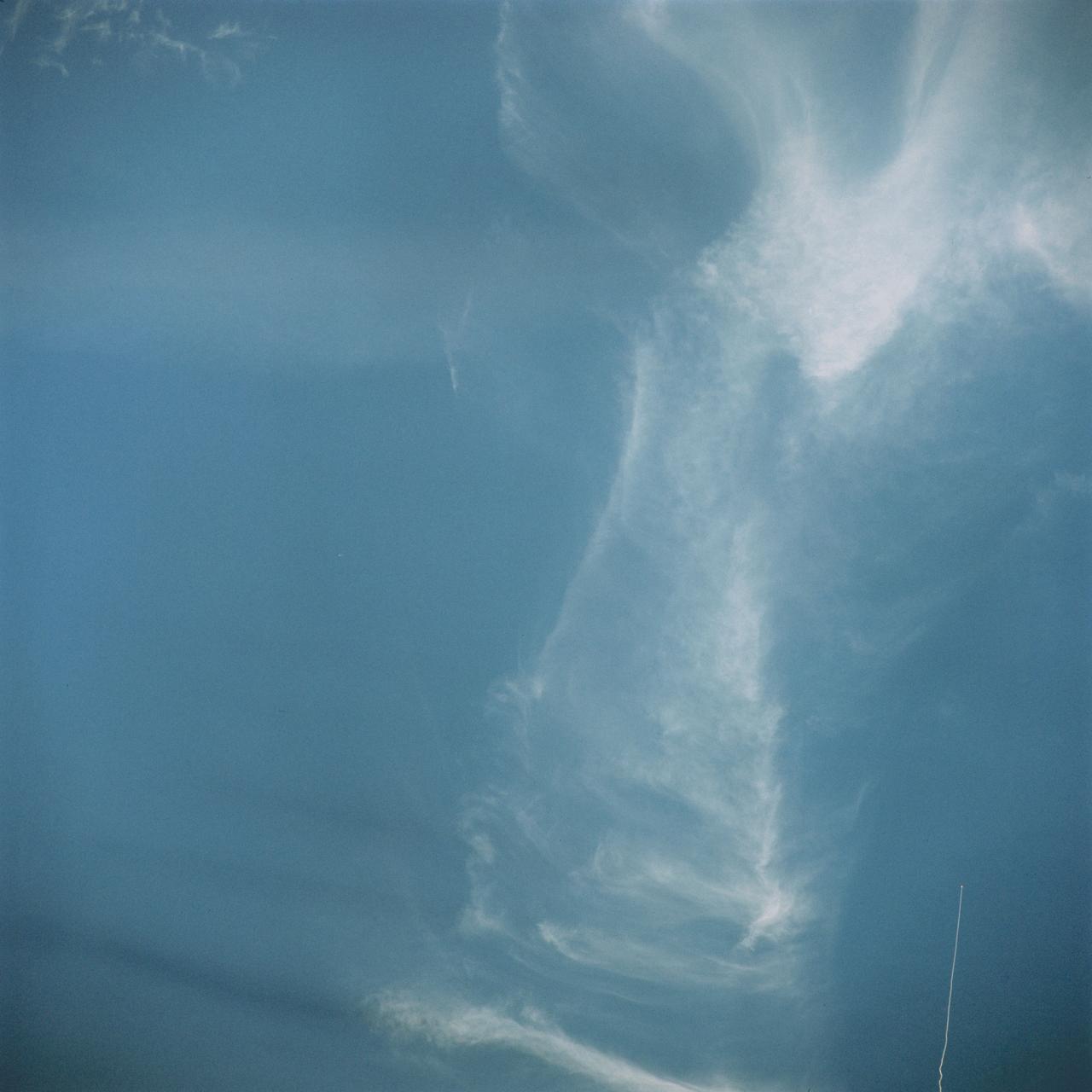
S65-63797 (12 Dec. 1965) --- Polaris, underwater launch, missile and trail, off Florida, as seen from the Gemini-7 spacecraft during its 31st revolution of Earth. Photo credit: NASA
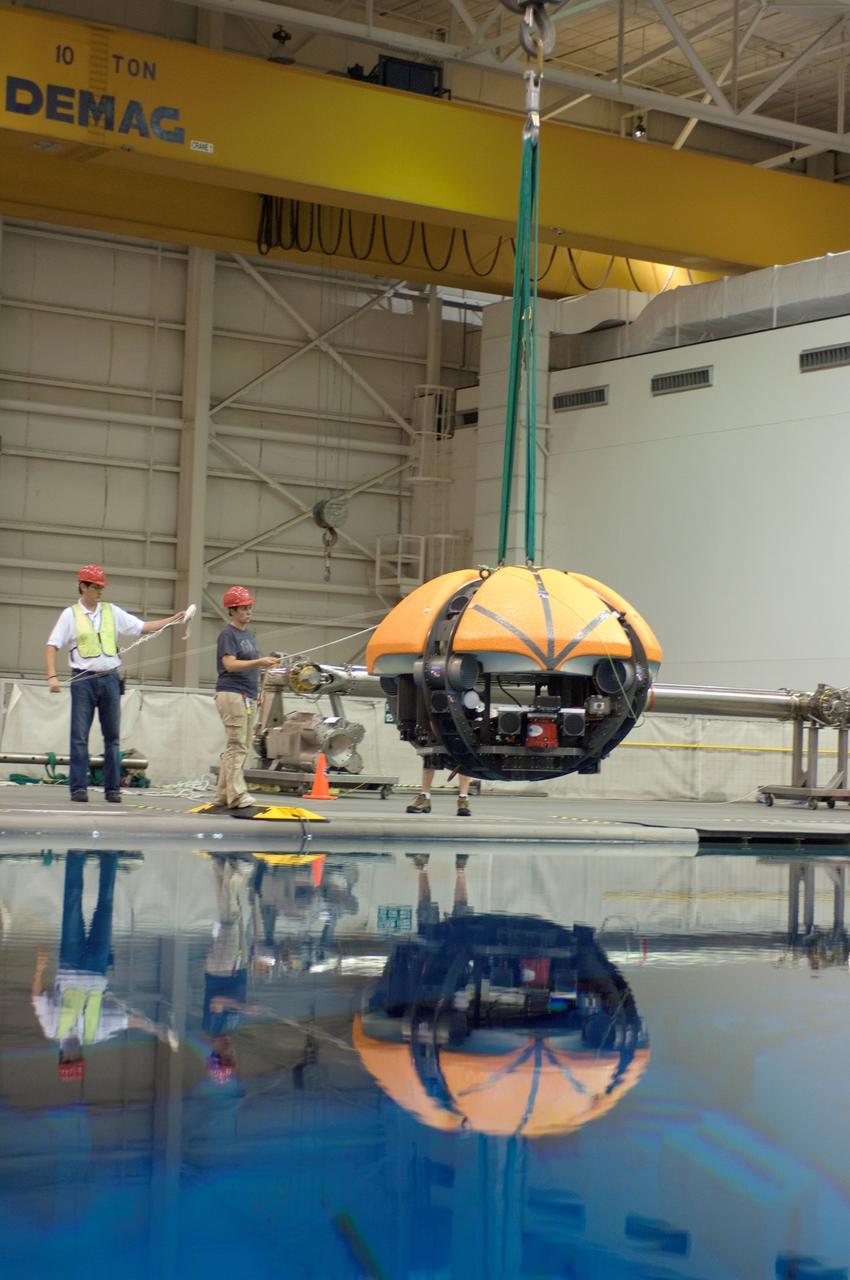
View of the Autonomous Underwater Vehicle (AUV) known as Endurance designed by Stone Aerospace being lowered into the Neutral Buoyancy Laboratory (NBL) pool at the Sonny Carter Training Facility (SCTF) for testing. The AUV is being tested for potential exploration of Jupiter's moon Europa. This image was featured in the August 2008 JSC Roundup, Volume 47, Number 8.
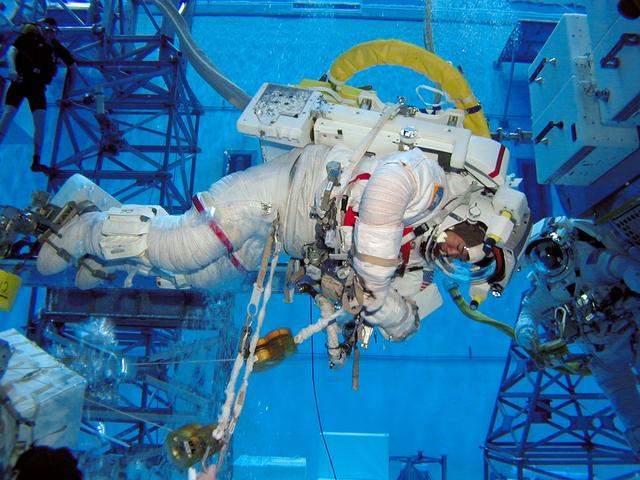
JSC2005-E-04329 (26 January 2005) --- Astronauts Soichi Noguchi (foreground) representing Japan Aerospace Exploration Agency (JAXA), and Stephen K. Robinson, both STS-114 mission specialists, wear training versions of the Extravehicular Mobility Unit (EMU) spacesuit during an underwater simulation of extravehicular activities (EVA) conducted in the Neutral Buoyancy Laboratory (NBL) near the Johnson Space Center (JSC).
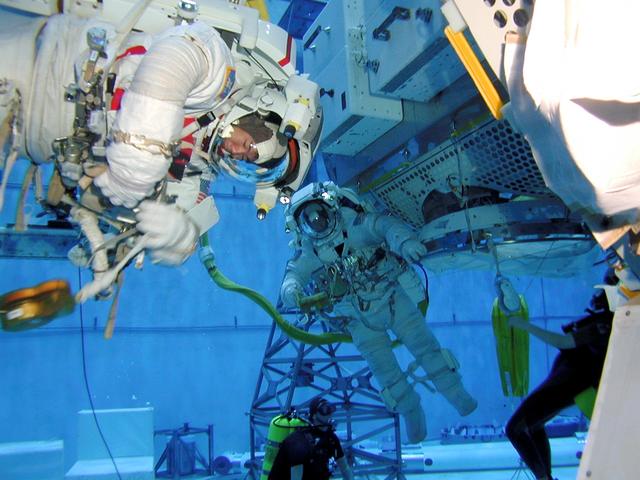
JSC2005-E-04328 (26 January 2005) --- Astronauts Soichi Noguchi (foreground) representing Japan Aerospace Exploration Agency (JAXA), and Stephen K. Robinson, both STS-114 mission specialists, wear training versions of the Extravehicular Mobility Unit (EMU) spacesuit during an underwater simulation of extravehicular activities (EVA) conducted in the Neutral Buoyancy Laboratory (NBL) near the Johnson Space Center (JSC).
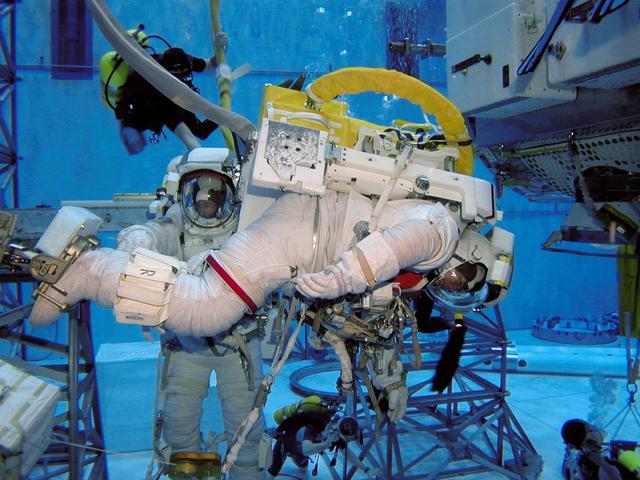
JSC2005-E-04330 (26 January 2005) --- Astronauts Soichi Noguchi (foreground) representing Japan Aerospace Exploration Agency (JAXA), and Stephen K. Robinson, both STS-114 mission specialists, wear training versions of the Extravehicular Mobility Unit (EMU) spacesuit during an underwater simulation of extravehicular activities (EVA) conducted in the Neutral Buoyancy Laboratory (NBL) near the Johnson Space Center (JSC).
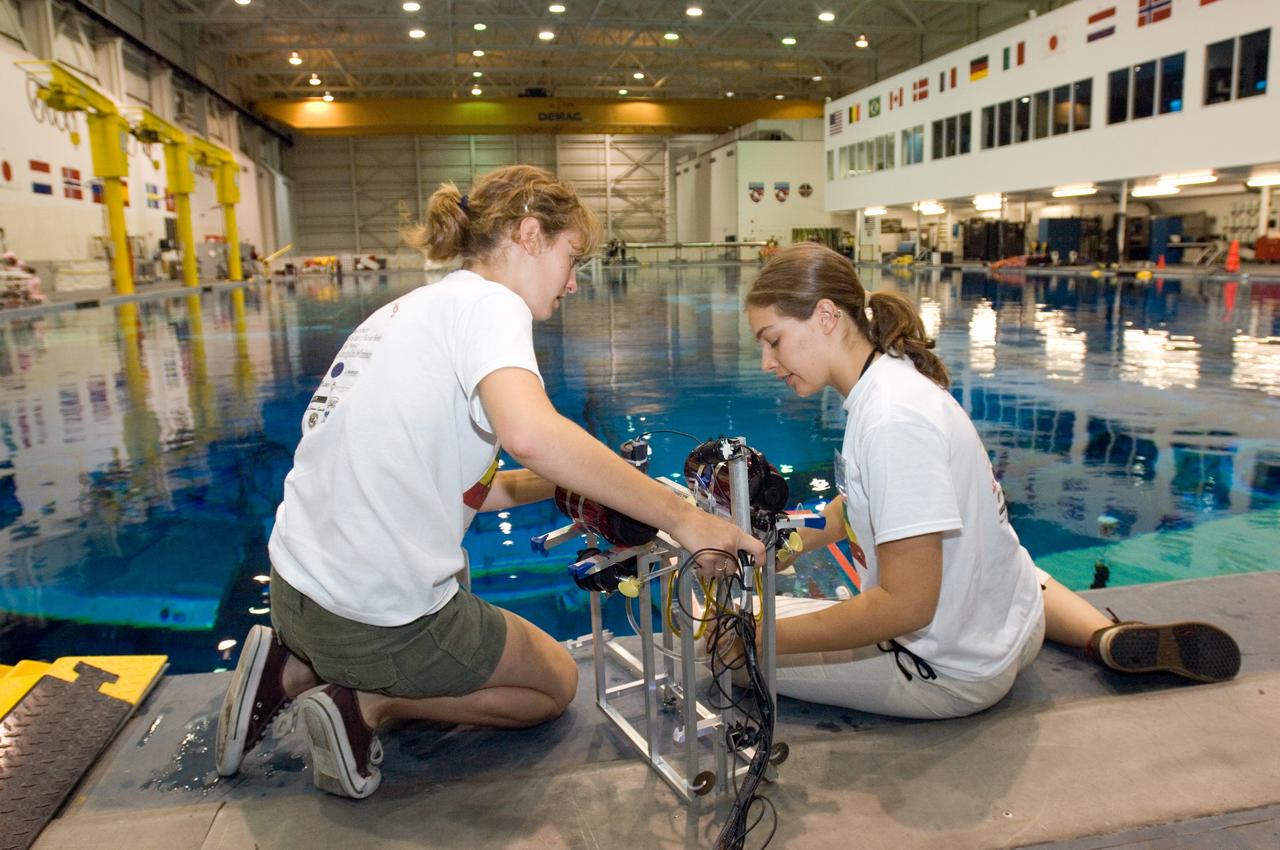
View of students participating in the International Underwater Remotely Operated Vehicle (ROV) competition, organized by the Marine Advanced Technology Education Center (MATE), at the Sonny Carter Training Facility (SCTF) Neutral Buoyancy Laboratory (NBL). Photos taken for Johnson Space Center (JSC) Features and Web stories.
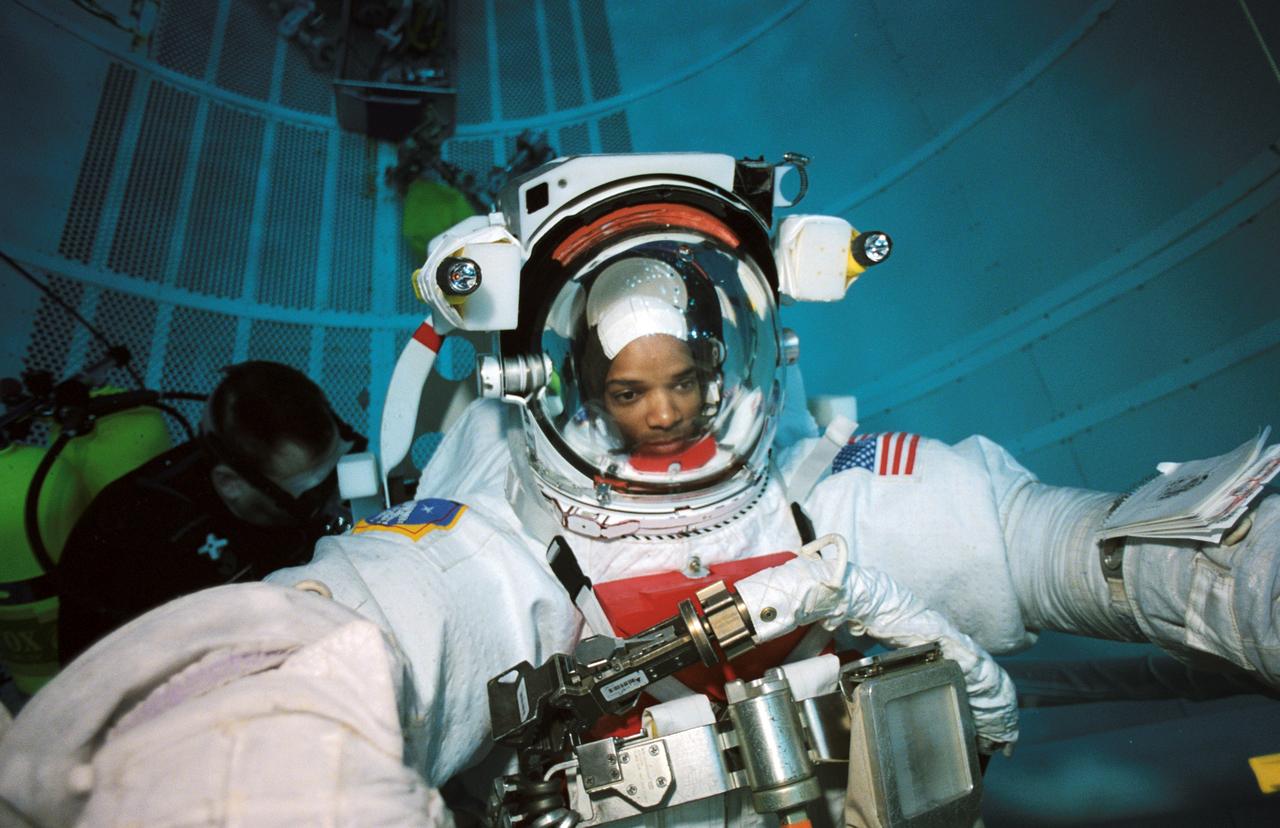
JSC2003-00013 (7 Jan. 2003) --- Astronaut Robert L. Curbeam, Jr., STS-116 mission specialist, wearing a training version of the Extravehicular Mobility Unit (EMU) spacesuit, participates in an underwater simulation of extravehicular activity (EVA) scheduled for the 19th shuttle mission to the International Space Station (ISS). Curbeam was joined by astronaut Christer Fuglesang (out of frame), mission specialist, for the simulation, conducted in the Neutral Buoyancy Laboratory (NBL) near the Johnson Space Center. Fuglesang represents the European Space Agency (ESA).

JSC2003-00012 (7 Jan. 2003) --- Astronaut Robert L. Curbeam, Jr., STS-116 mission specialist, wearing a training version of the Extravehicular Mobility Unit (EMU) spacesuit, participates in an underwater simulation of extravehicular activity (EVA) scheduled for the 19th shuttle mission to the International Space Station (ISS). Curbeam was joined by astronaut Christer Fuglesang (out of frame), mission specialist, for the simulation, conducted in the Neutral Buoyancy Laboratory (NBL) near the Johnson Space Center. Fuglesang represents the European Space Agency (ESA).
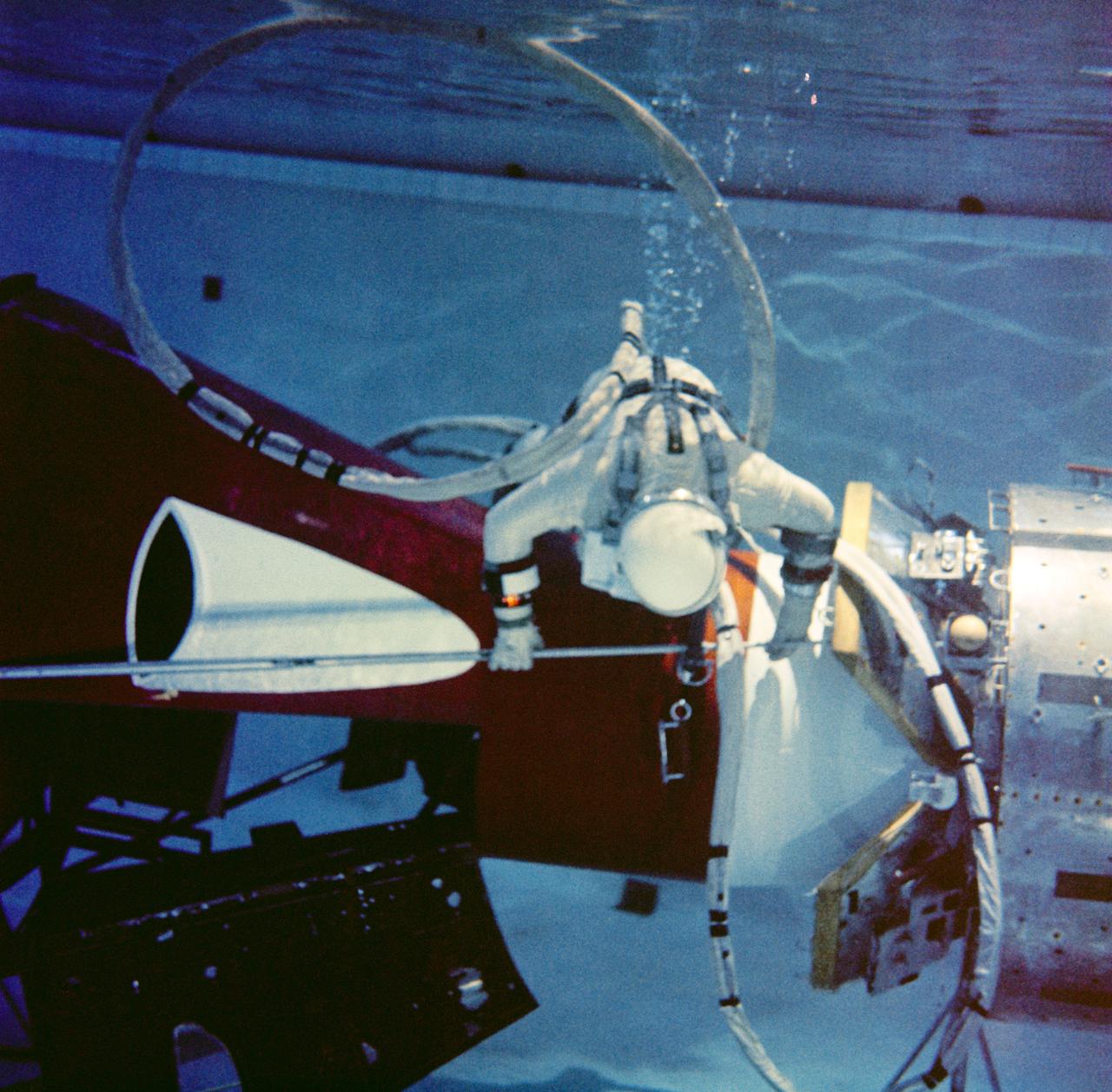
S66-54934 (29 Oct. 1966) --- Astronaut Edwin E. Aldrin Jr., pilot for the Gemini-12 spaceflight, practices work tasks in preparation for his extravehicular activity (EVA) during the flight of Gemini-12. He works with a telescoping handrail he will use to move from the spacecraft to the Agena Target Docking Vehicle. The underwater environment closely simulates the zero-gravity condition found in space. Photo credit: NASA
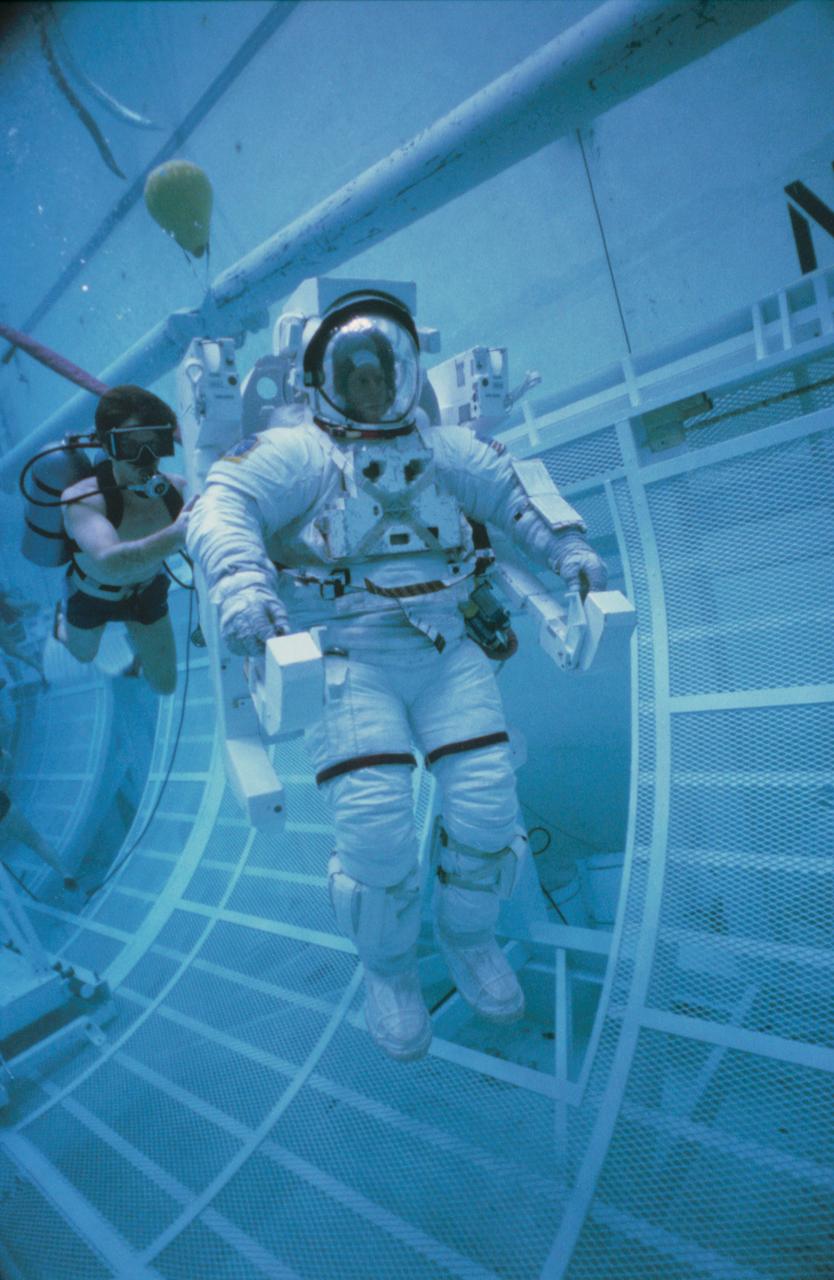
Underwater extravehicular activity (EVA) training in the weightless environment training facility (WETF) with astronauts George Nelson and James van Hoften. They are using tools to assemble material in the facility while surrounded by divers (428895); View of George Nelson in full extravehicular mobility unit (EMU) floating inside the space shuttle payload bay mockup with a diver behind him (42896).
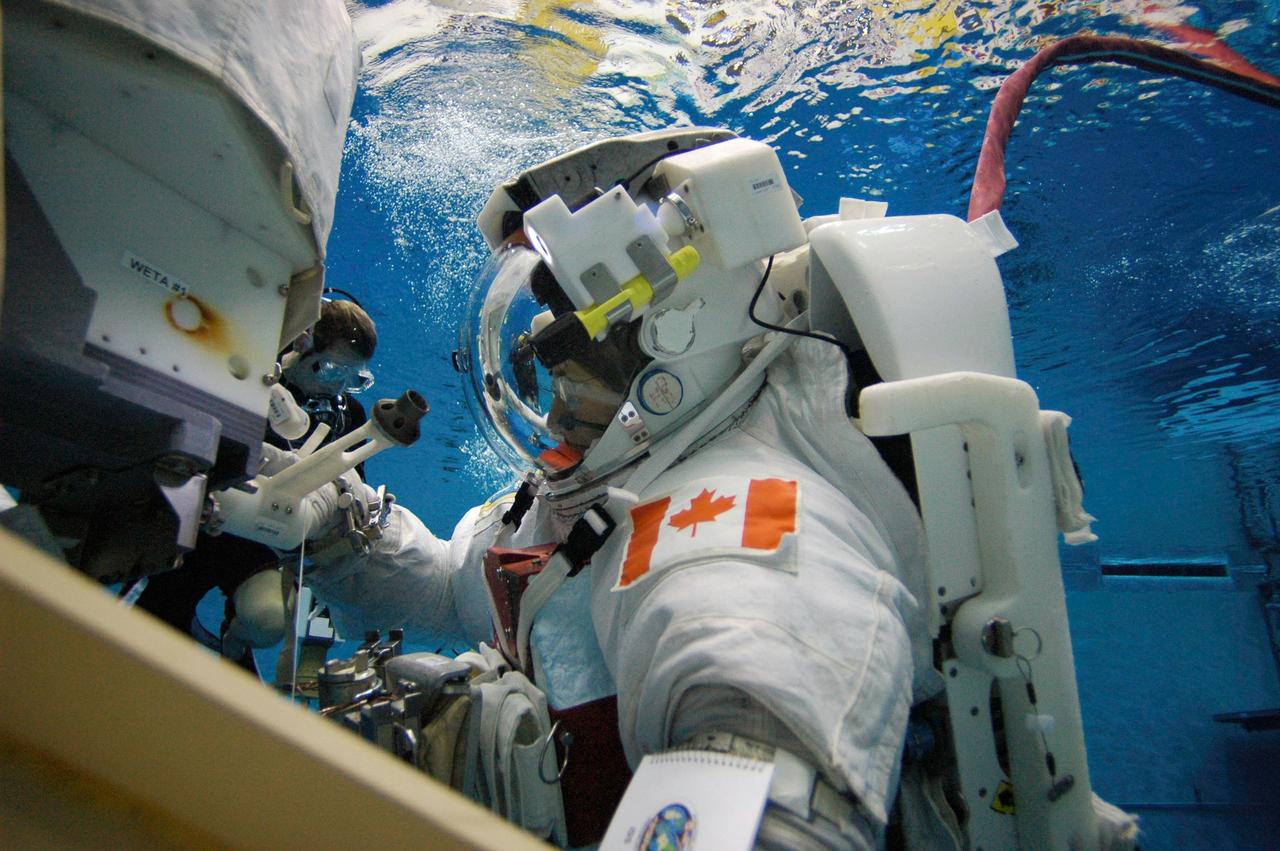
JSC2007-E-26261 (4 April 2007) --- Astronaut Dafydd R. (Dave) Williams, STS-118 mission specialist representing the Canadian Space Agency, wearing a training version of the Extravehicular Mobility Unit (EMU) spacesuit, participates in an underwater simulation of extravehicular activity (EVA) in the Neutral Buoyancy Laboratory (NBL) near Johnson Space Center. SCUBA-equipped divers are in the water to assist Williams in his rehearsal, intended to help prepare him for work on the exterior of the International Space Station.
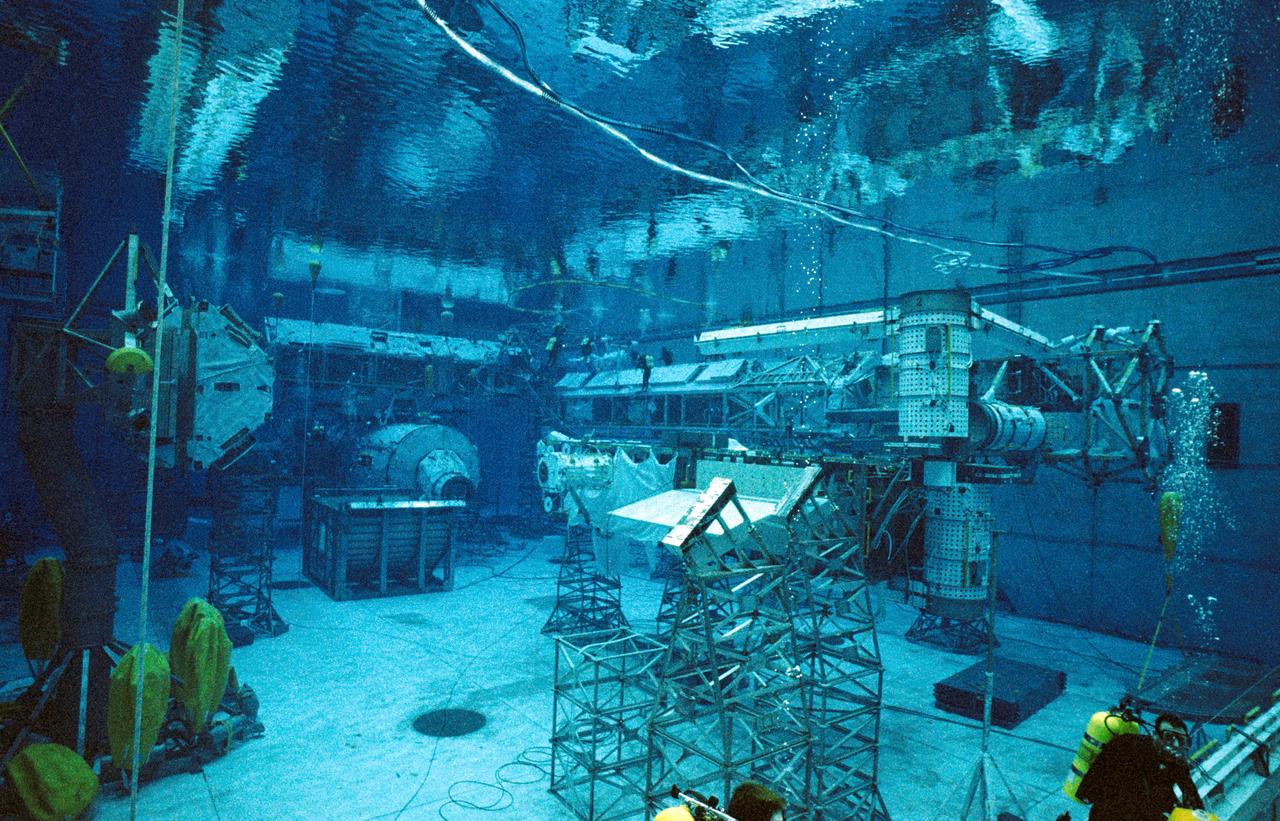
JSC2003-00017 (7 January 2003) --- Astronauts Robert L. Curbeam, Jr. and Christer Fuglesang, STS-116 mission specialists, wearing training versions of the Extravehicular Mobility Unit (EMU) spacesuit, participate in an underwater simulation of extravehicular activity (EVA) scheduled for the 19th shuttle mission to the International Space Station (ISS). Curbeam and Fuglesang are dwarfed by station truss segments in this overall view of the simulation conducted in the Neutral Buoyancy Laboratory (NBL) near the Johnson Space Center. Fuglesang represents the European Space Agency (ESA).
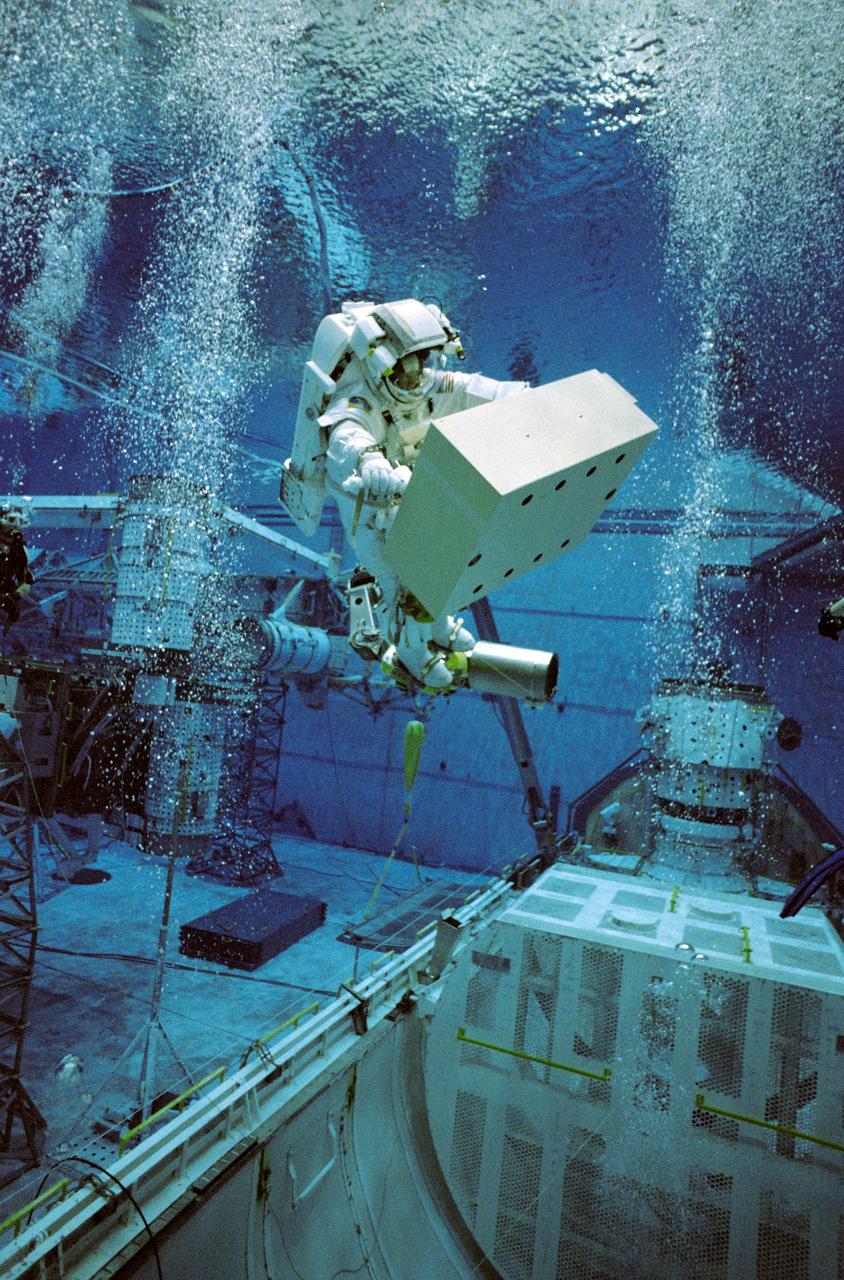
JSC2003-00011 (7 January 2003) --- Astronaut Christer Fuglesang, STS-116 mission specialist, wearing a training version of the Extravehicular Mobility Unit (EMU) spacesuit, participates in an underwater simulation of extravehicular activity (EVA) scheduled for the 19th shuttle mission to the International Space Station (ISS). Fuglesang was joined by astronaut Robert L. Curbeam, Jr. (out of frame), mission specialist, for the simulation, conducted in the Neutral Buoyancy Laboratory (NBL) near the Johnson Space Center. Fuglesang represents the European Space Agency (ESA).
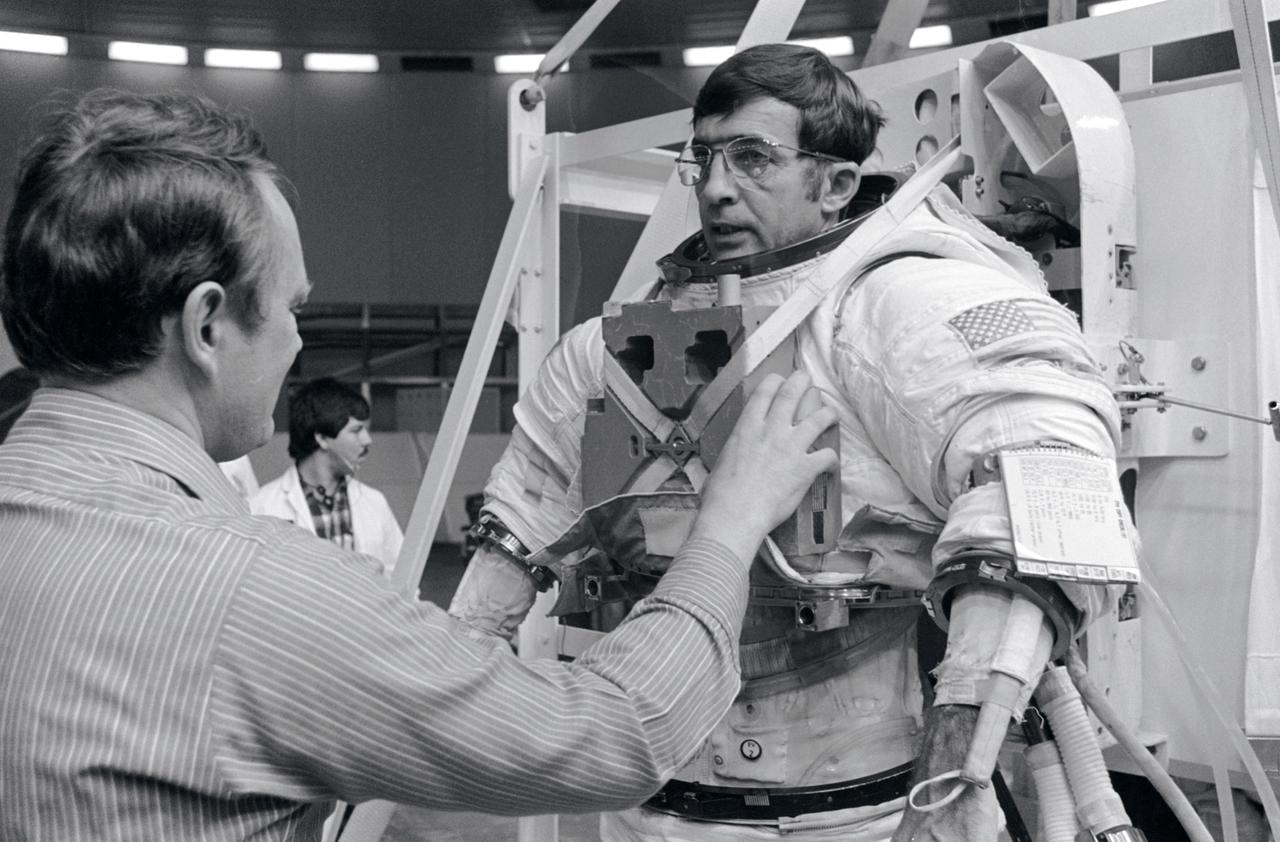
S82-41606 (December 1982) --- Astronaut Karol J. Bobko, left, STS-6 pilot, assists astronaut Donald H. Peterson, STS-6 mission specialist, prior to an underwater training session in the Johnson Space Center?s weightless environment training facility (WET-F). Astronauts F. Story Musgrave and Peterson are scheduled to perform the Space Transportation System?s first extravehicular activity on Challenger?s first flight, slated for early next year. Photo credit: NASA
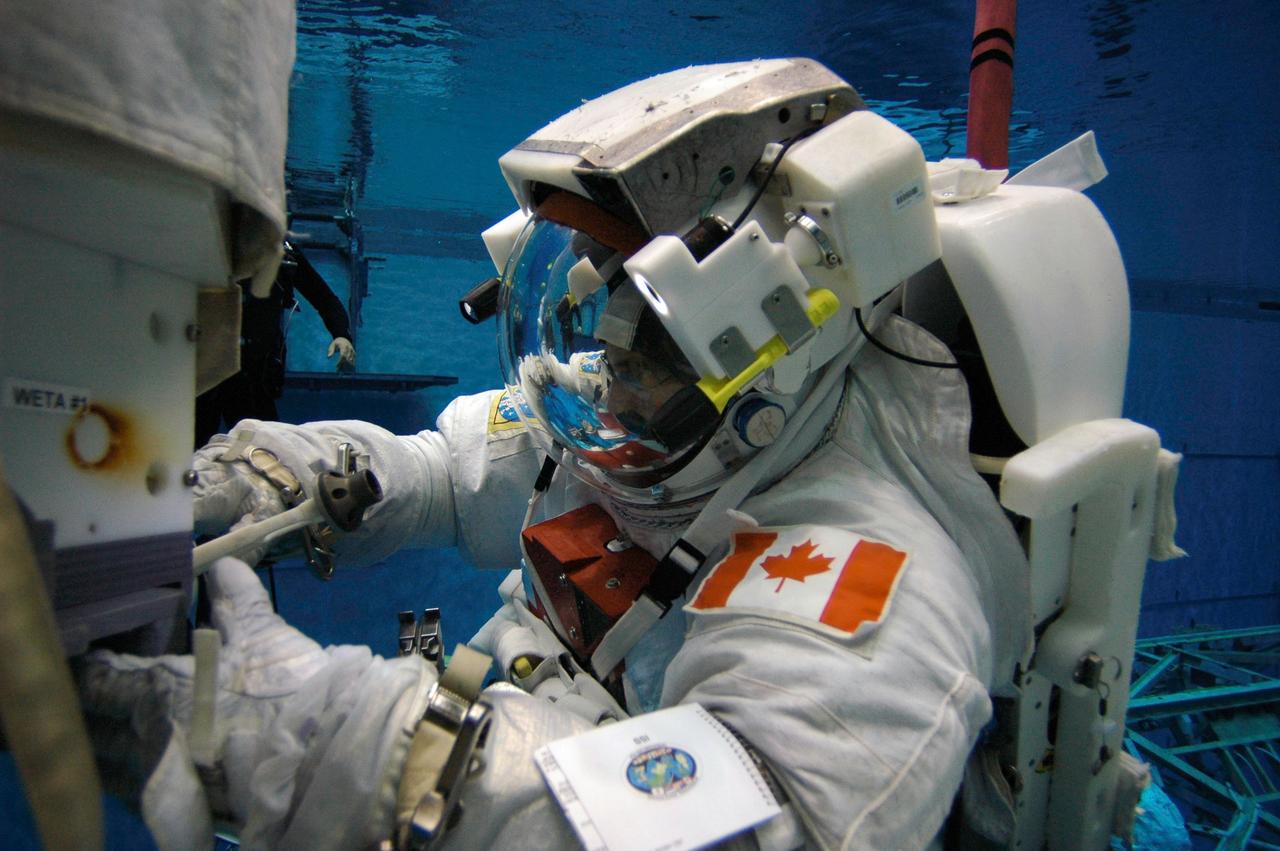
JSC2007-E-26262 (4 April 2007) --- Astronaut Dafydd R. (Dave) Williams, STS-118 mission specialist representing the Canadian Space Agency, wearing a training version of the Extravehicular Mobility Unit (EMU) spacesuit, participates in an underwater simulation of extravehicular activity (EVA) in the Neutral Buoyancy Laboratory (NBL) near Johnson Space Center. SCUBA-equipped divers are in the water to assist Williams in his rehearsal, intended to help prepare him for work on the exterior of the International Space Station.
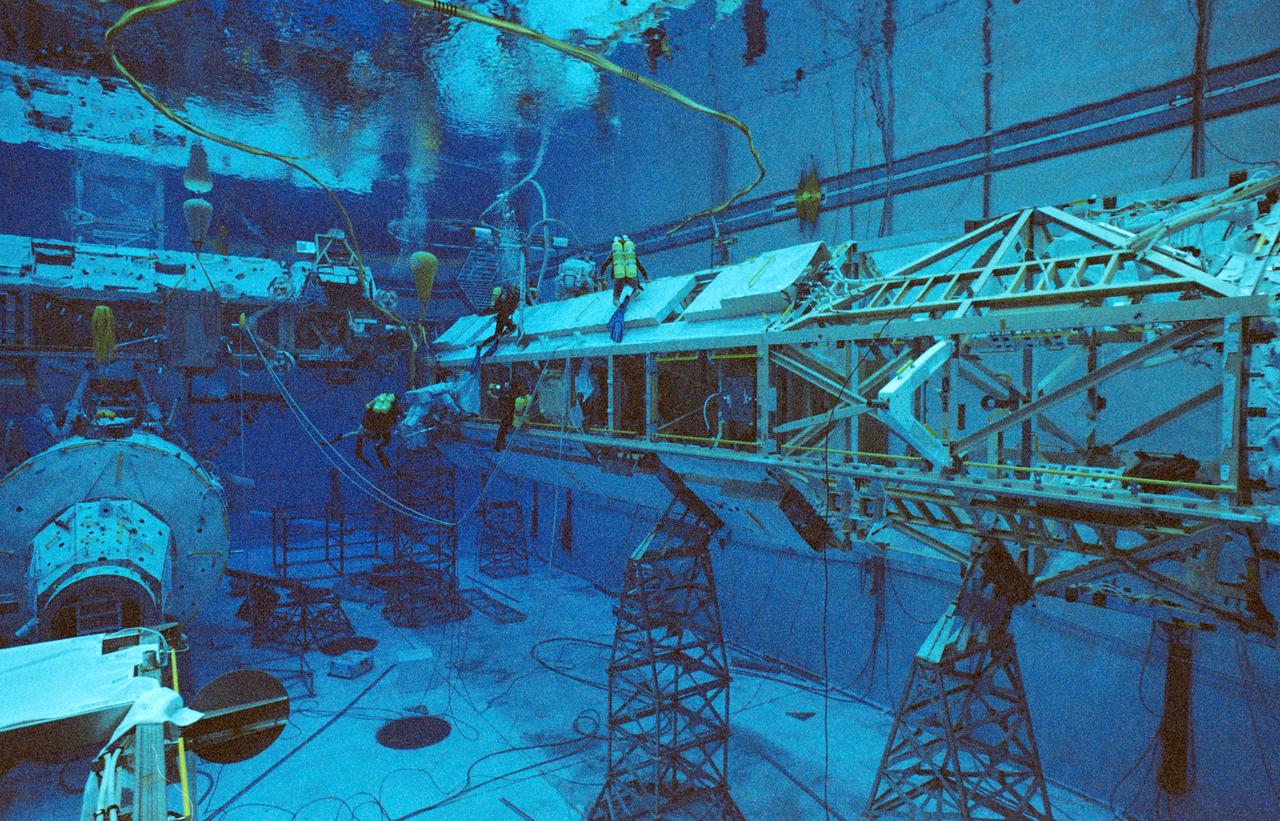
JSC2003-00016 (7 January 2003) --- Astronauts Robert L. Curbeam, Jr. and Christer Fuglesang, STS-116 mission specialists, wearing training versions of the Extravehicular Mobility Unit (EMU) spacesuit, participate in an underwater simulation of extravehicular activity (EVA) scheduled for the 19th shuttle mission to the International Space Station (ISS). Curbeam and Fuglesang are dwarfed by station truss segments in this overall view of the simulation conducted in the Neutral Buoyancy Laboratory (NBL) near the Johnson Space Center. Fuglesang represents the European Space Agency (ESA).
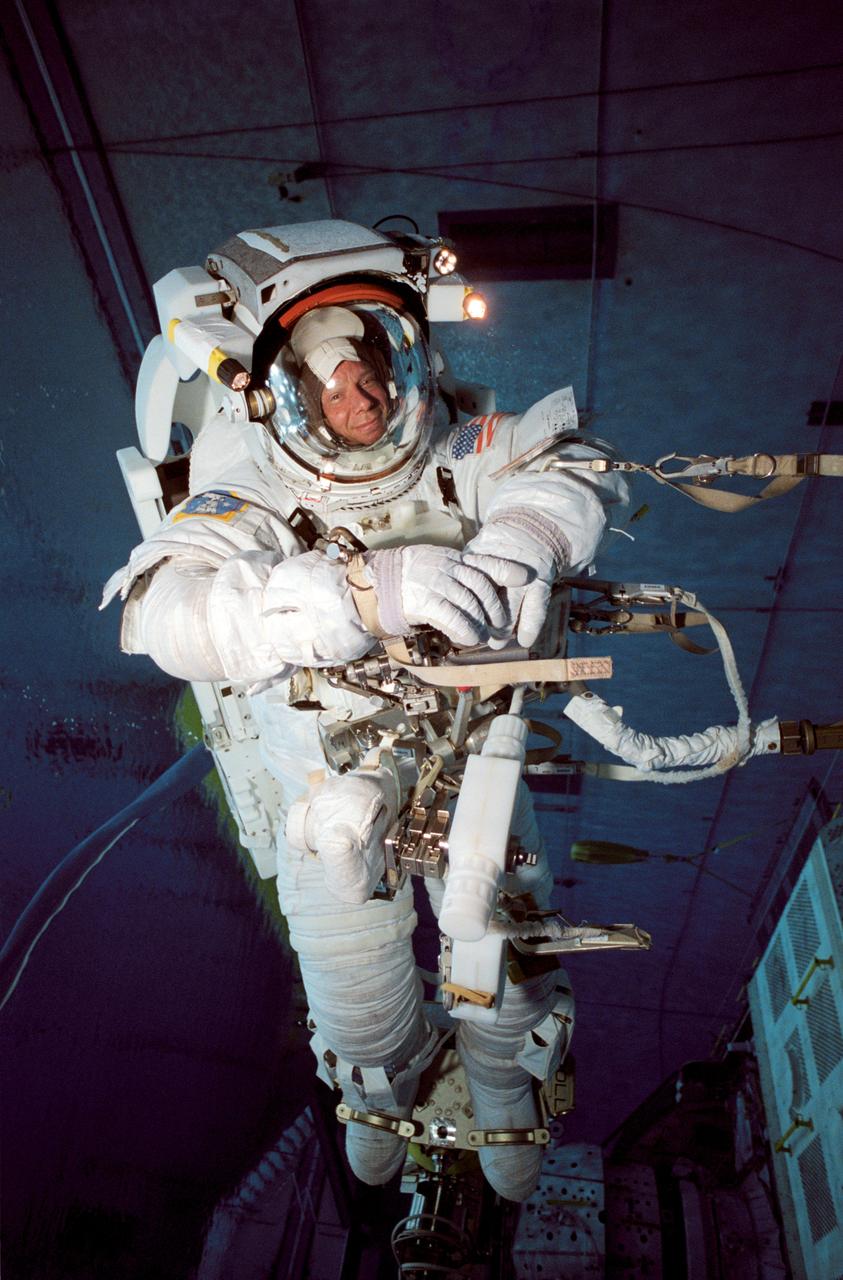
JSC2003-00014 (7 January 2003) --- Astronaut Christer Fuglesang, STS-116 mission specialist, wearing a training version of the Extravehicular Mobility Unit (EMU) spacesuit, participates in an underwater simulation of extravehicular activity (EVA) scheduled for the 19th shuttle mission to the International Space Station (ISS). Fuglesang was joined by astronaut Robert L. Curbeam, Jr. (out of frame), mission specialist, for the simulation, conducted in the Neutral Buoyancy Laboratory (NBL) near the Johnson Space Center. Fuglesang represents the European Space Agency (ESA).

JSC2005-E-14733 (21 March 2005) ---Three STS-114 astronauts give a simultaneous thumbs-up signal to indicate preparedness during an underwater training session in the Neutral Buoyancy Laboratory in Houston. From the left are Soichi Noguchi of JAXA, Stephen K. Robinson and Andrew S.W. Thomas. A number of SCUBA-equipped divers participated in the dive to assist the astronauts. Noguchi and Robinson have been in training for a lengthy period of time, preparing for three scheduled spacewalks on the first flight marking return to space following the Columbia mission of 2003. Thomas, working inside the Space Shuttle Discovery's cabin, will serve as the lead robotics officer for the inspection of the Orbiter's thermal protection system using a new boom extension outfitted with sensors and cameras. He will also serve as the Intravehicular Activity crewmember helping to suit up and choreograph spacewalkers Noguchi and Robinson for their spacewalks.
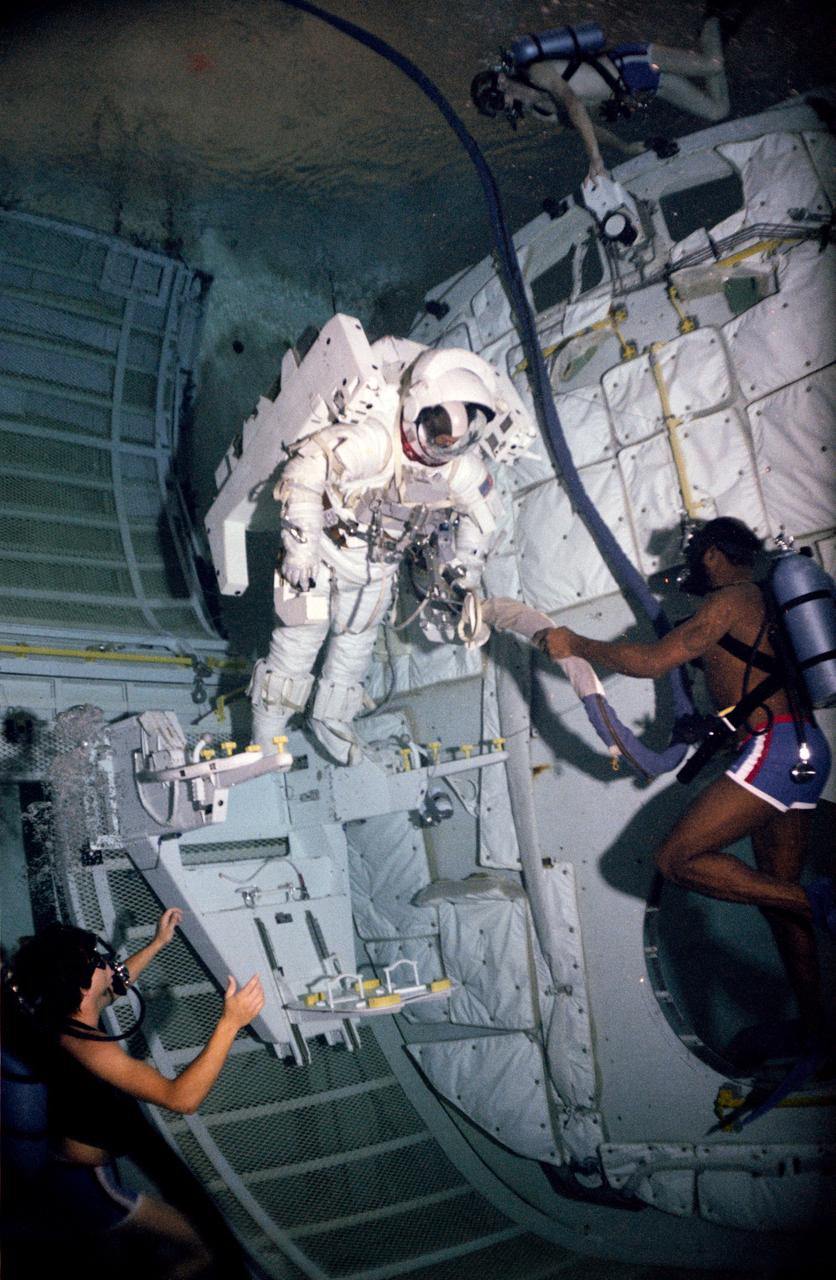
Astronaut Bruce McCandless during an underwater test of the Manned Maneuvering Unit (MMU) Flight Support Station (FSS) donning and doffing in the Bldg 29 Weightless Environment Training Facility (WETF). View is of McCandless wearing the extravehicular mobility unit (EMU), stepping into the MMU.
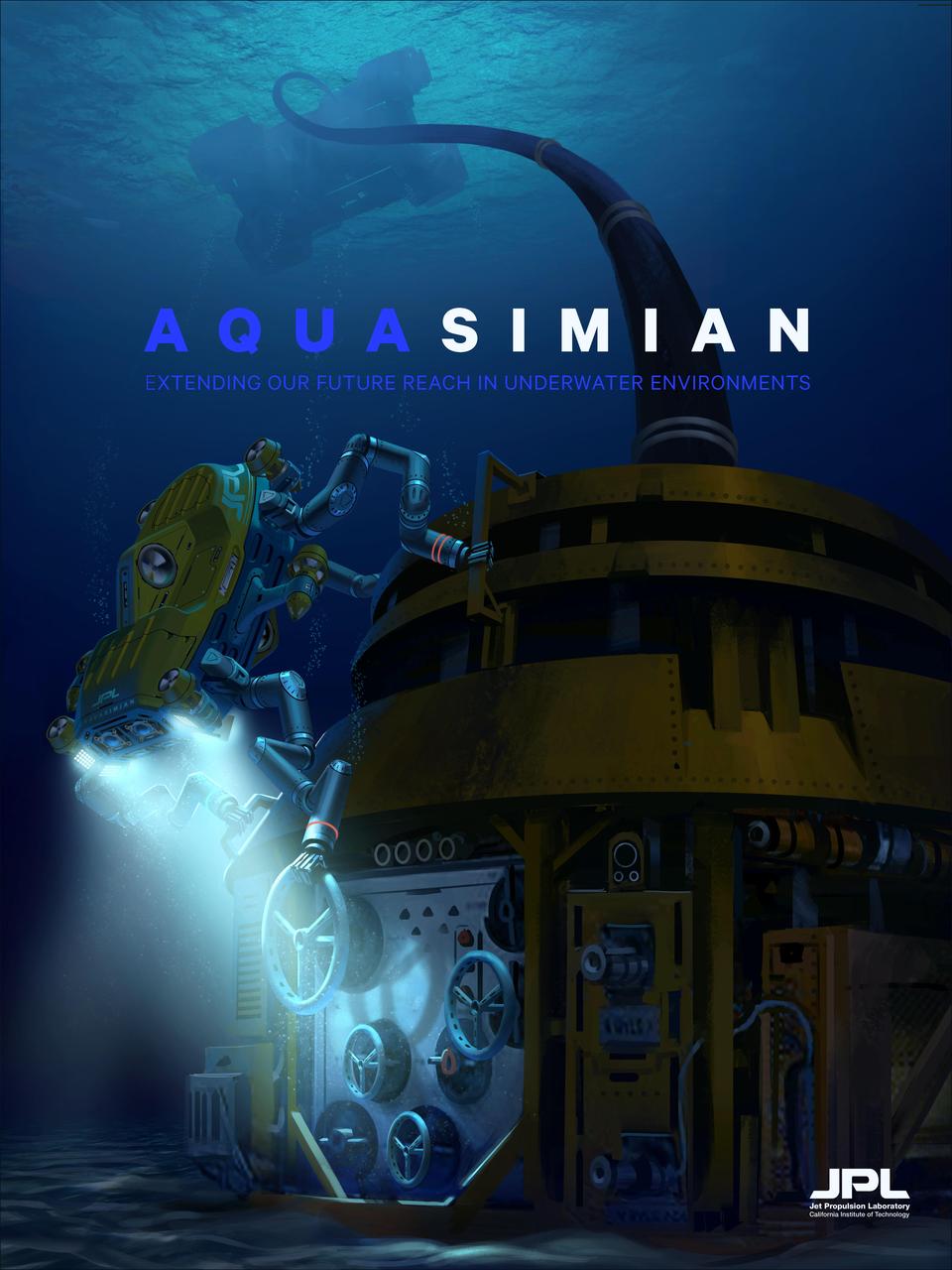
This artist's rendering shows a concept for a robot called AquaSimian that would assist with hazardous situations underwater. The concept is derived from RoboSimian, a land-based robot designed and built at the Jet Propulsion Laboratory in Pasadena, California. RoboSimian is shown in PIA19313. http://photojournal.jpl.nasa.gov/catalog/PIA19315
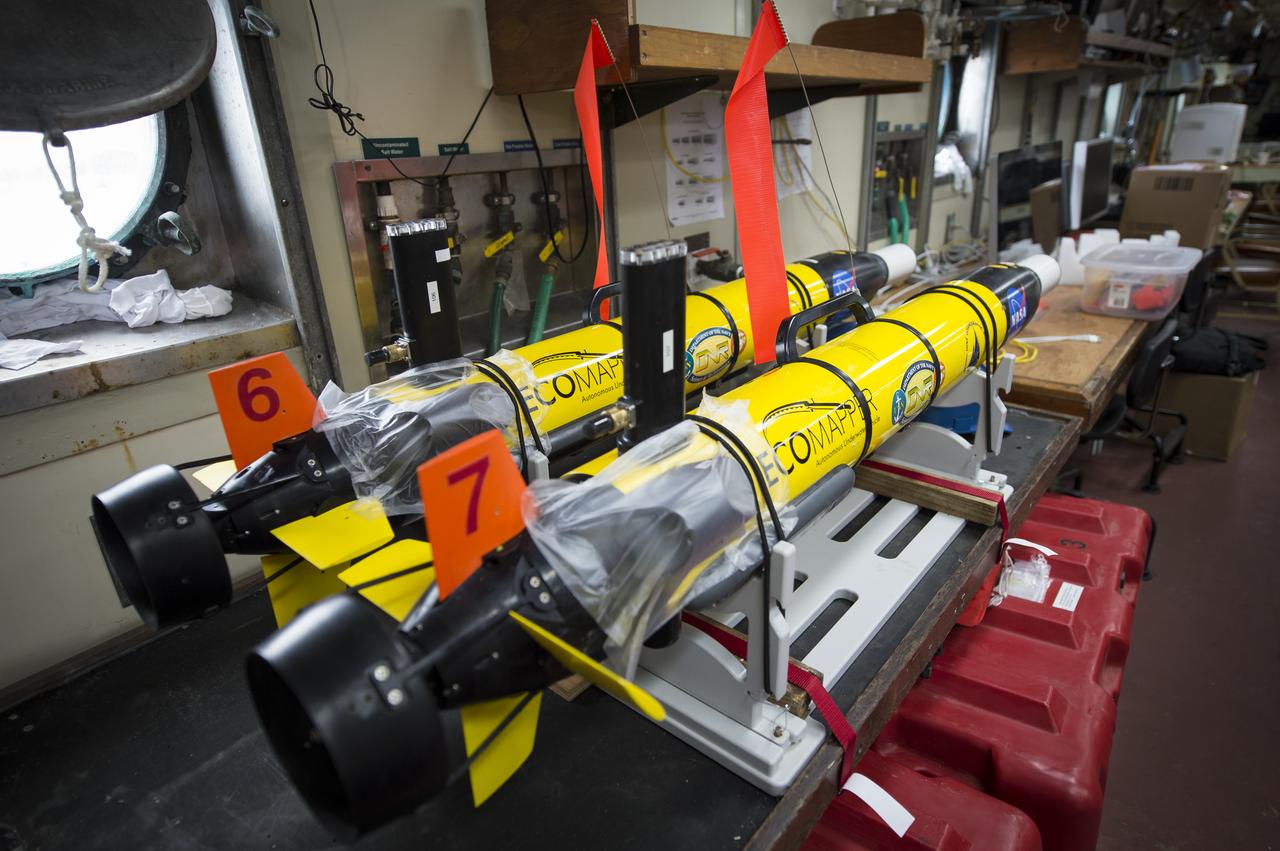
Two EcoMapper AUVs (autonomous underwater vehicles) are seen onboard the the Woods Hole Oceanographic Institution research vessel Knorr on Tuesday, Sept. 4, 2012, in Woods Hole, Mass. The EcoMappers will be deployed in the Atlantic Ocean as part of the Salinity Processes in the Upper Ocean Regional Study (SPURS) which is set to sail on Sept. 6. The NASA-sponsored expedition will sail to the North Atlantic's saltiest spot to get a detailed, 3-D picture of how salt content fluctuates in the ocean's upper layers and how these variations are related to shifts in rainfall patterns around the planet. Photo Credit: (NASA/Bill Ingalls)
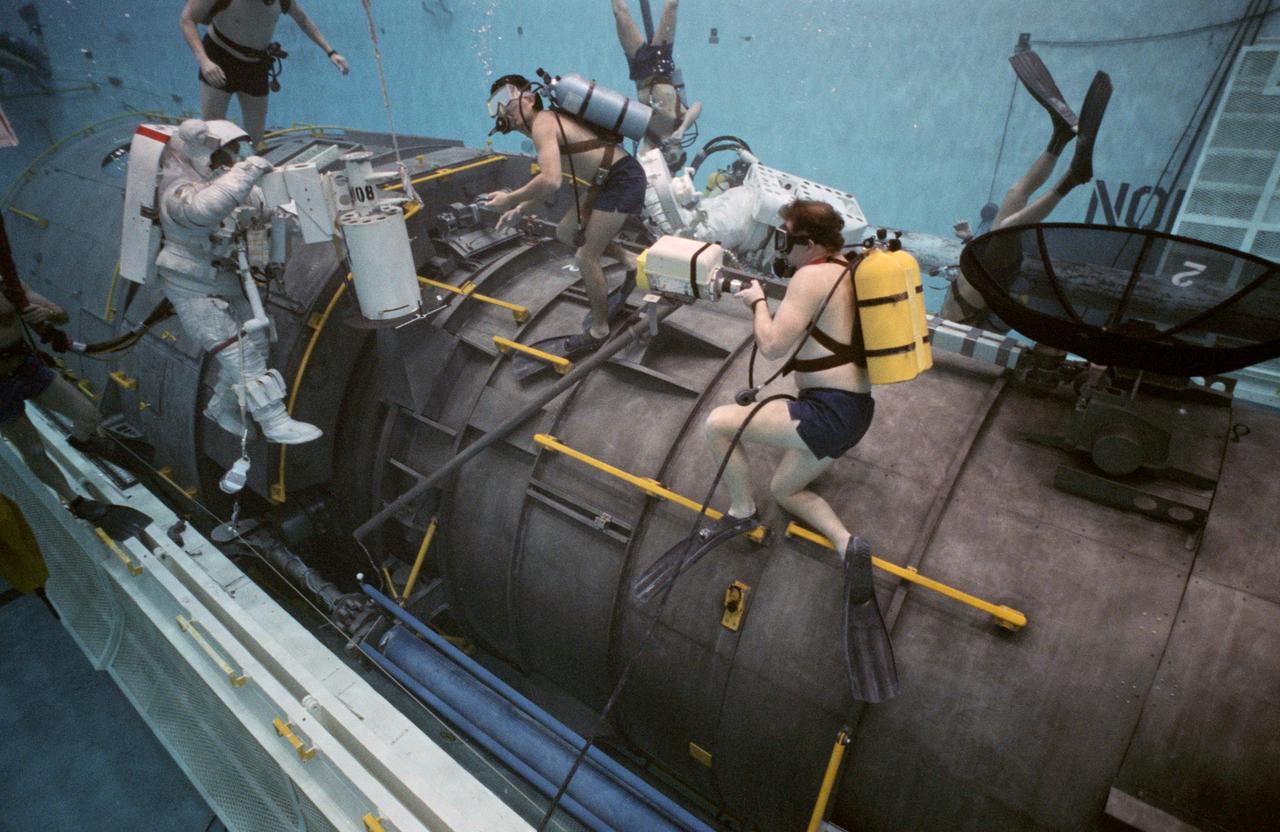
STS-31 Mission Specialist (MS) Bruce McCandless II (left), wearing an extravehicular mobility unit (EMU), maneuvers his way around a mockup of the remote manipulator system (RMS) end effector during an underwater simulation in JSC's Weightless Environment Training Facility (WETF) Bldg 29 pool. The end effector is attached to a grapple fixture on the Hubble Space Telescope (HST) mockup. As McCandless performs contingency extravehicular activity (EVA) procedures, fellow crewmember MS Kathryn D. Sullivan, in EMU, works on the opposite side of the HST mockup, and SCUBA-equipped divers monitor the activity. Though no EVA is planned for STS-31, the two crewmembers train for contingencies that would necessitate leaving the shirt sleeve environment of Discovery's, Orbiter Vehicle (OV) 103's, crew cabin and performing chores with the HST payload or related hardware in the payload bay (PLB).
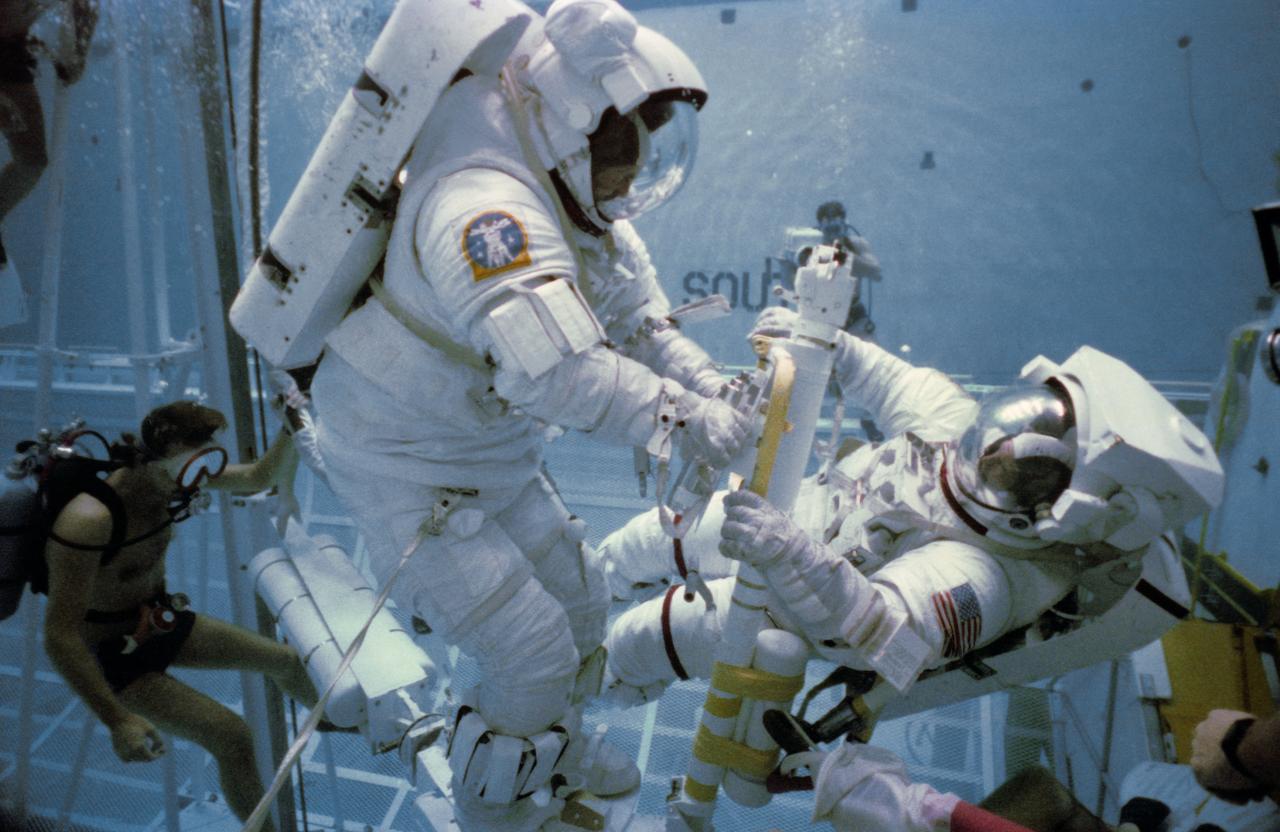
S83-42895 (19 Oct 1983) --- Astronauts George D. Nelson and James D. van Hoften, NASA Flight STS-41C mission specialists, offer an underwater version of a preview of their mission's extravehicular activity (EVA). The April 1984 flight includes as one of its primary objectives a two-person EVA and a visit to the damaged Solar Maximum Satellite (SMS). Van Hoften, left, and Nelson work here with the mobile foot restraint (MFR), which attaches to the remote manipulator system (RMS) arm to form a "cherry-picker" device. Van Hoften is standing on the MFR. The two are making use of the Johnson Space Center's (JSC) weightless environment training facility (WET-F). This photograph was taken by Otis Imboden.
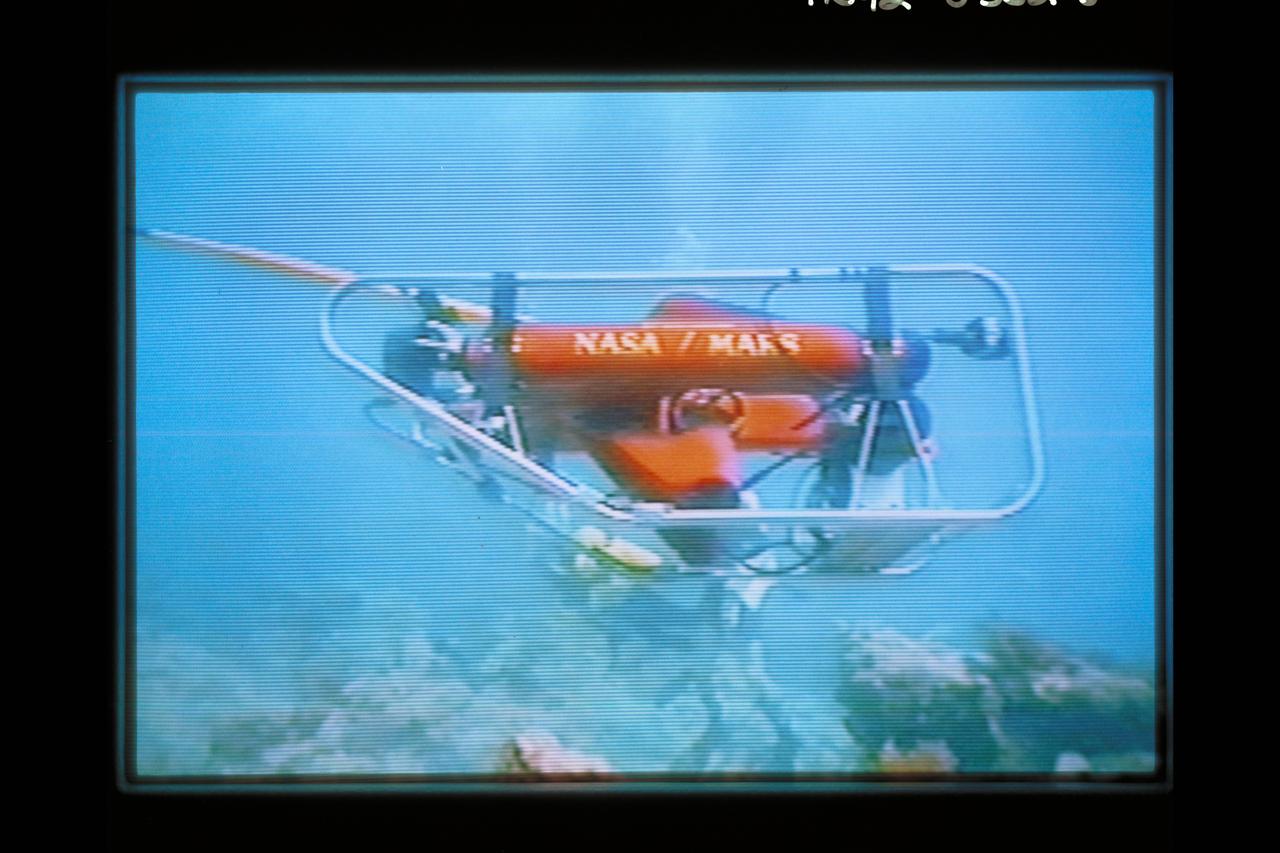
Telepresence Virtual Reality (Mars) Underwater, TROV (Telepresence Controlled REmote Vehicle)
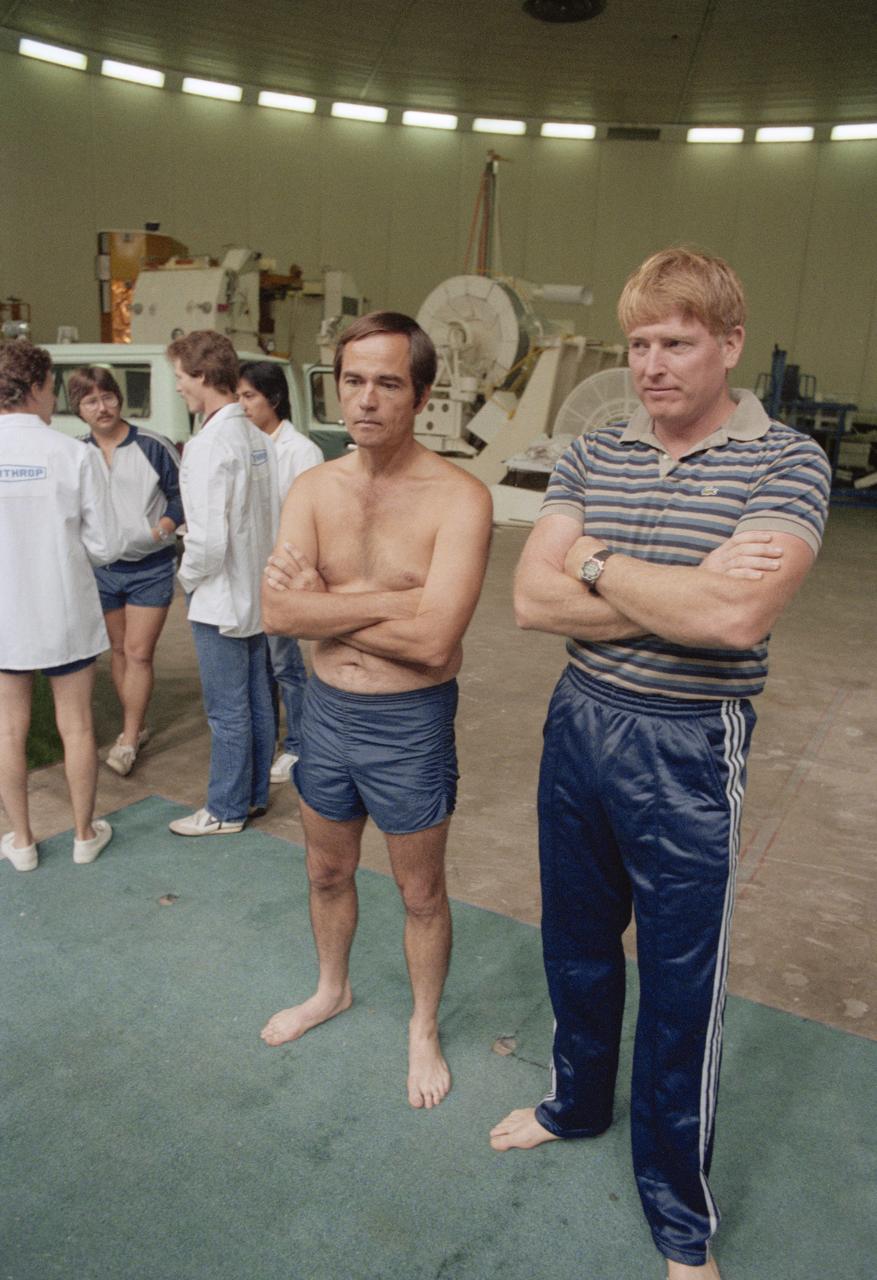
S84-36898 (29 June 1984) --- Astronauts Robert L. Crippen (left) and Jon A. McBride, crew commander and pilot, respectively for NASA's 41-G Space Shuttle mission, await the delivery of self contained underwater breathing apparatus (SCUBA) gear prior to their going underwater to observe a simulation of an extravehicular activity (EVA) scheduled for their mission. The EVA will be performed by Astronauts Kathryn D. Sullivan and David C. Leestma, two of three mission specialists named for the seven-member crew. The underwater training took place in the Johnson Space Center's weightless environment training facility (WET-F).
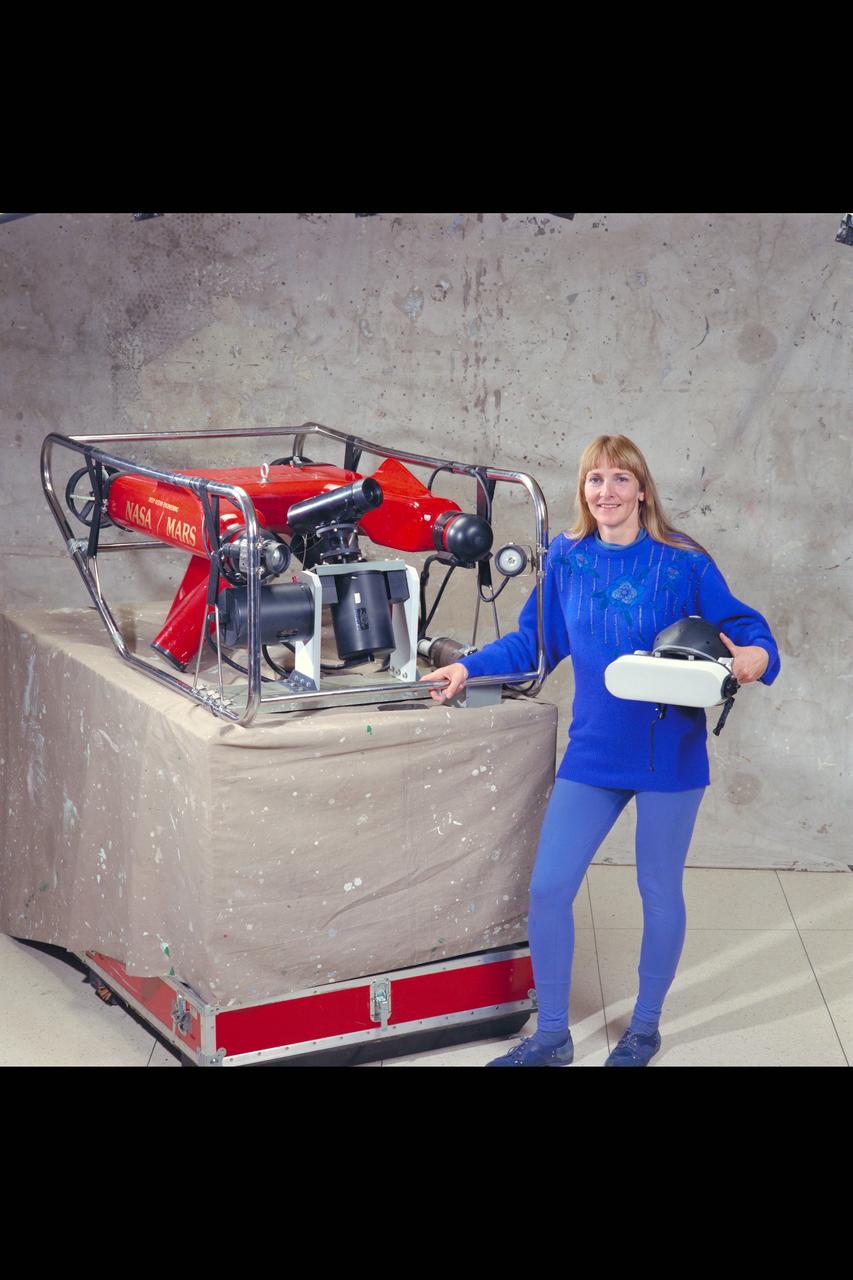
NASA Mars Underwater Rover Phantom 2 TROV (Telepresences Controlled Remotely Operated Vehicle) with Dr. Carol Stoker
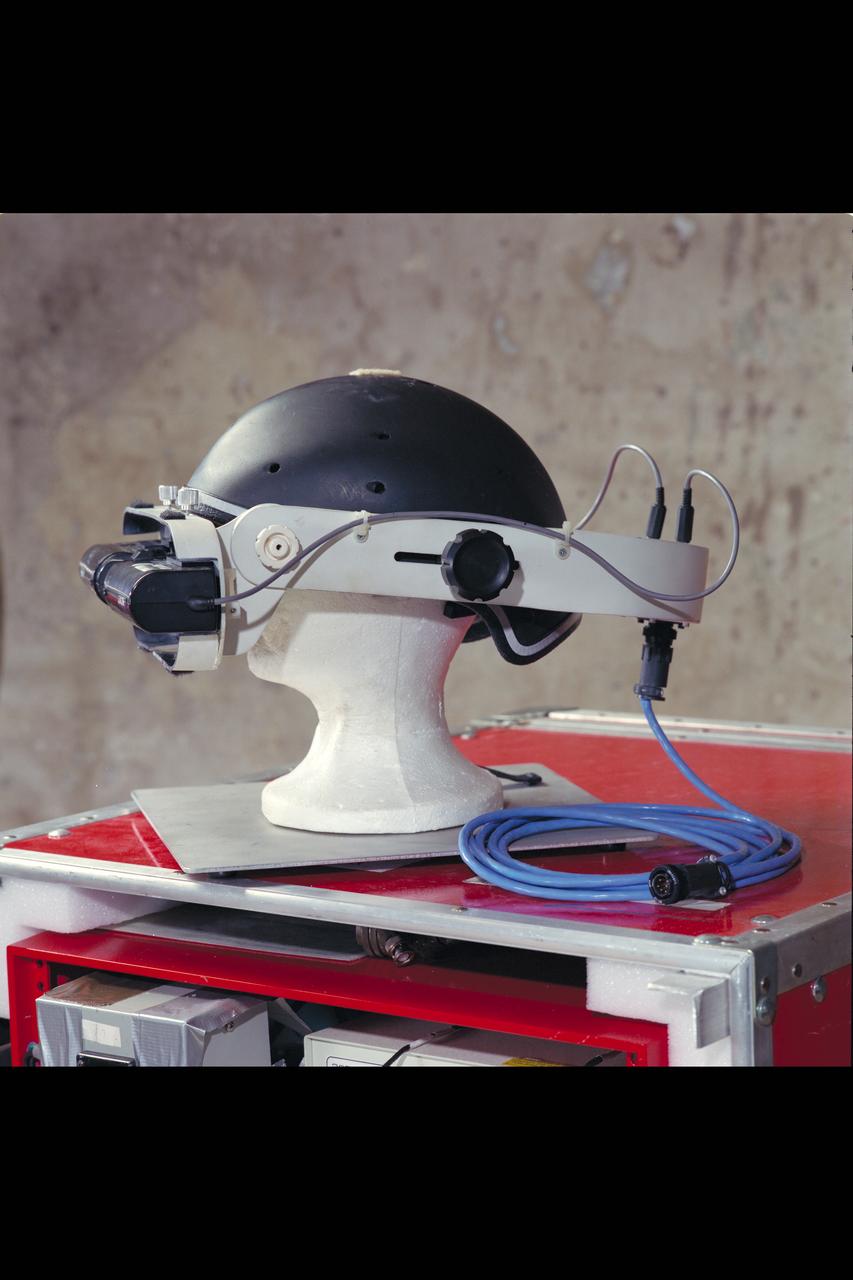
NASA Mars Underwater Rover Phantom 2 TROV (Telepresences Controlled Remotely Operated Vehicle) - helmet head piece
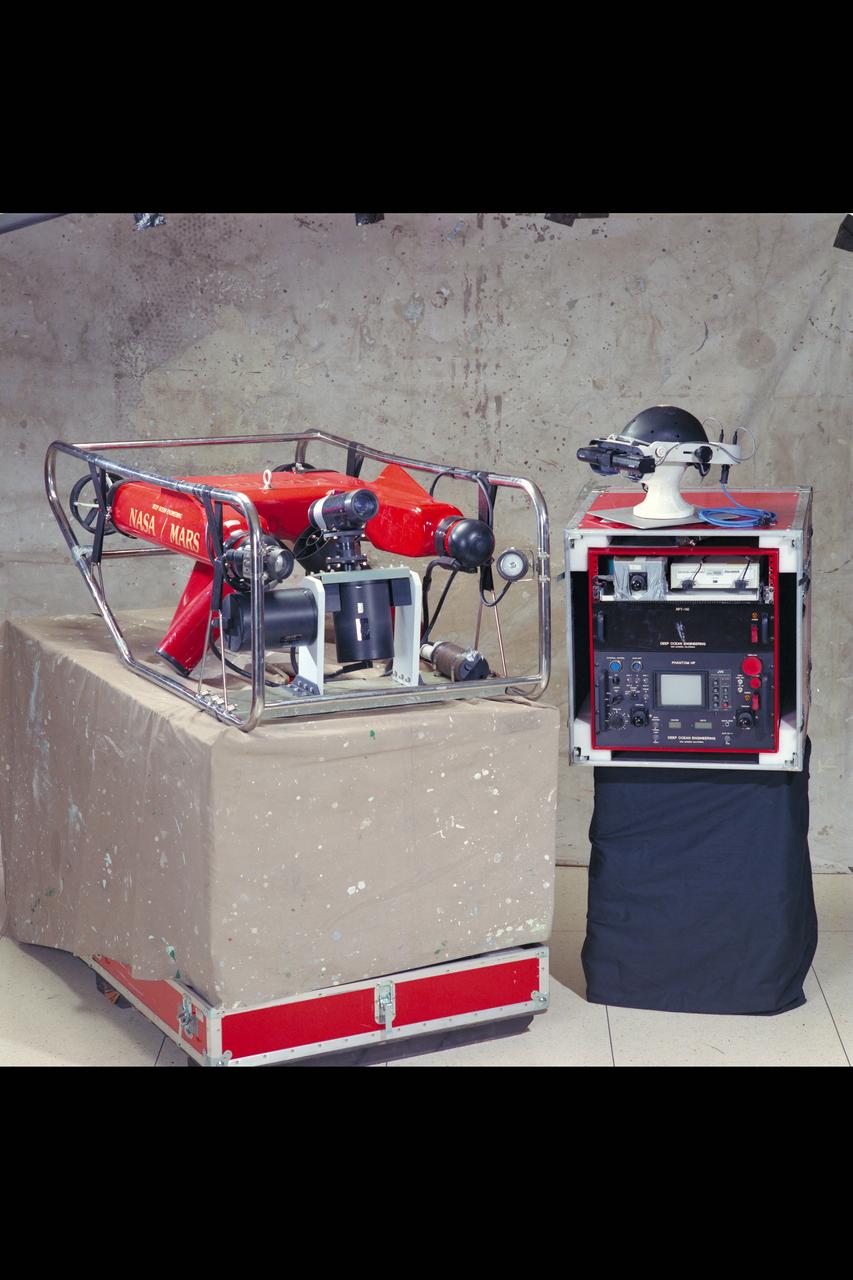
NASA Mars Underwater Rover Phantom 2 TROV (Telepresences Controlled Remotely Operated Vehicle)
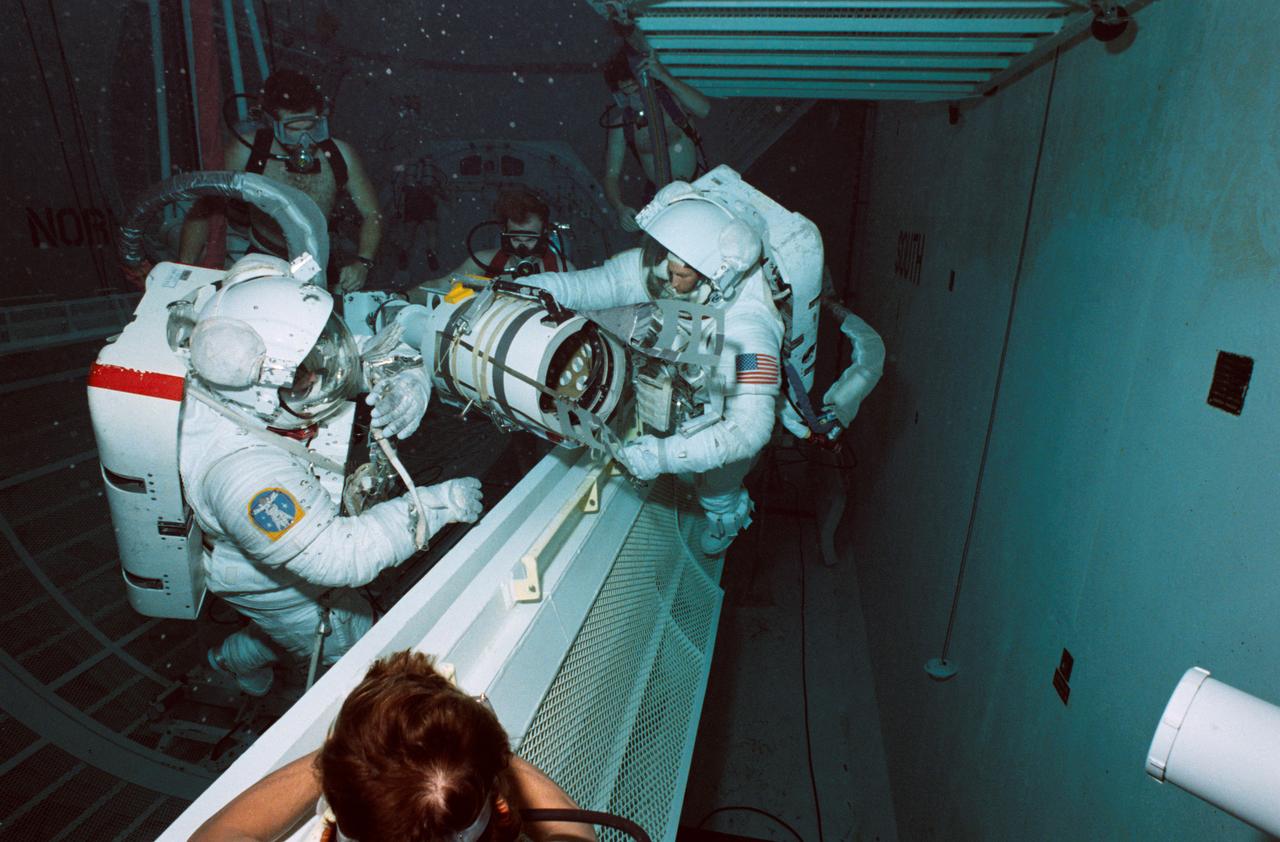
Underwater EVA Simulation of "Flyswatter" attachment in the Weightless Environment Training Facility (WETF), 04/15/1985. JSC, HOUSTON, TX
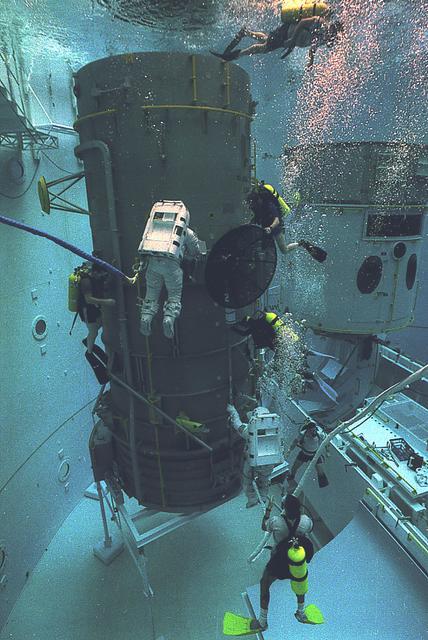
Underwater training is conducted in Marshall's Neutral Buoyancy Simulator (NBS) in preparation for on-orbit Hubble Space Telescope operations.
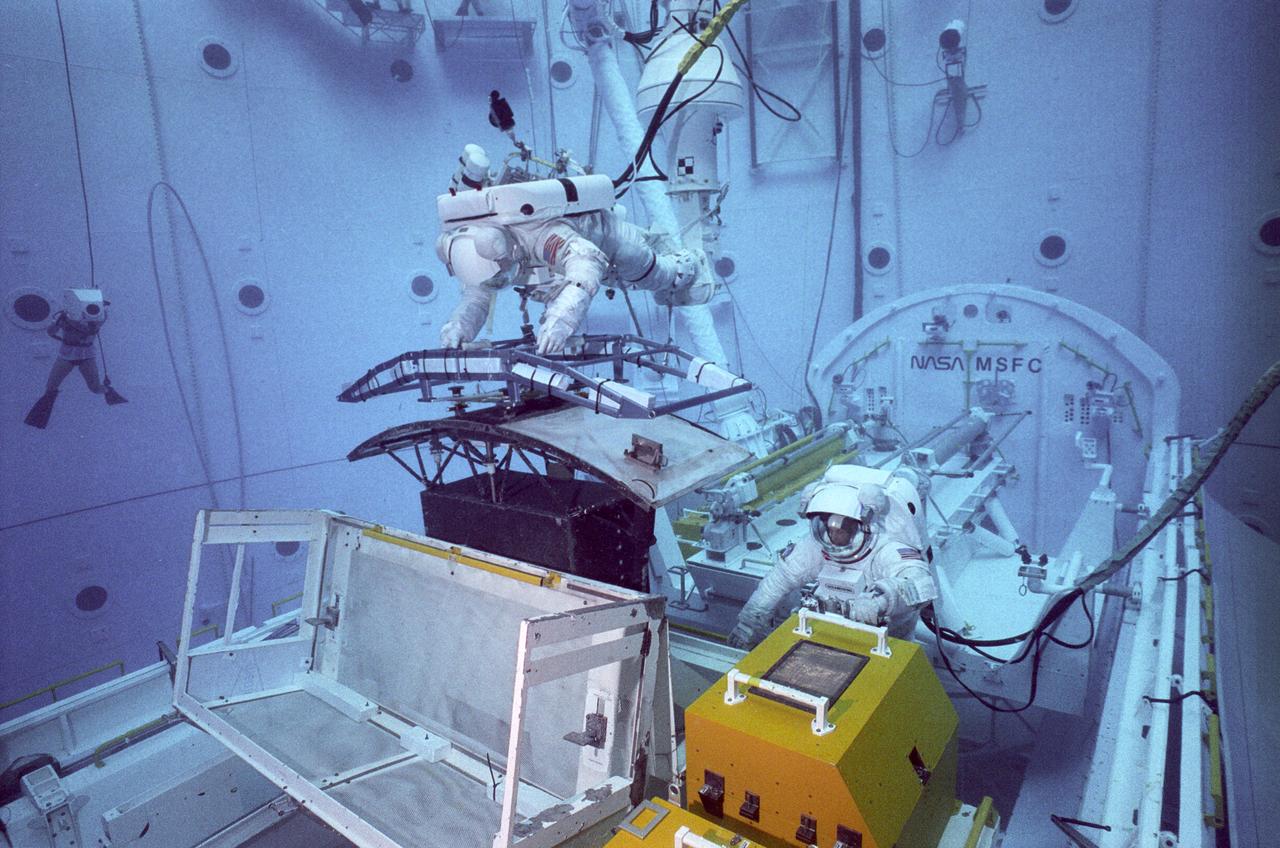
Underwater crew training is conducted in Marshall's Neutral Buoyancy Simulator (NBS) in preparation for on-orbit Hubble Space Telescope (HST) operations.

NASA Mars Underwater Rover Phantom 2 TROV (Telepresences Controlled Remotely Operated Vehicle)
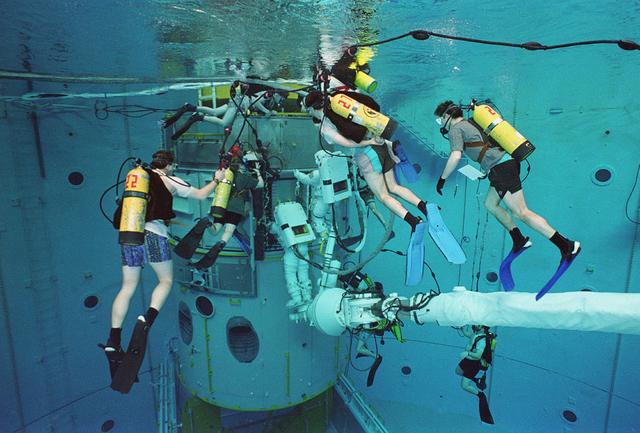
Underwater training is conducted in Marshall's Neutral Buoyancy Simulator (NBS) in preparation for on-orbit Hubble Space Telescope operations.
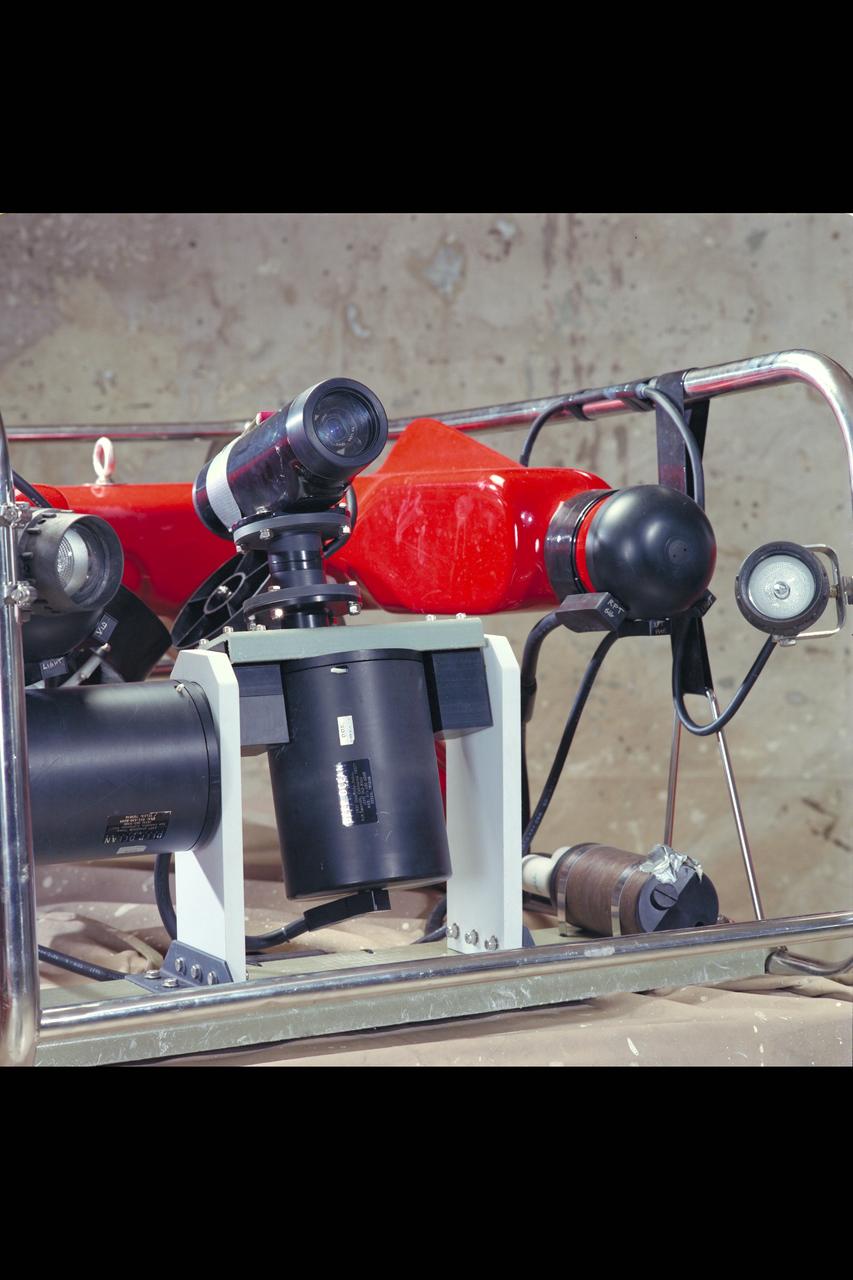
NASA Mars Underwater Rover Phantom 2 TROV (Telepresences Controlled Remotely Operated Vehicle) cameras
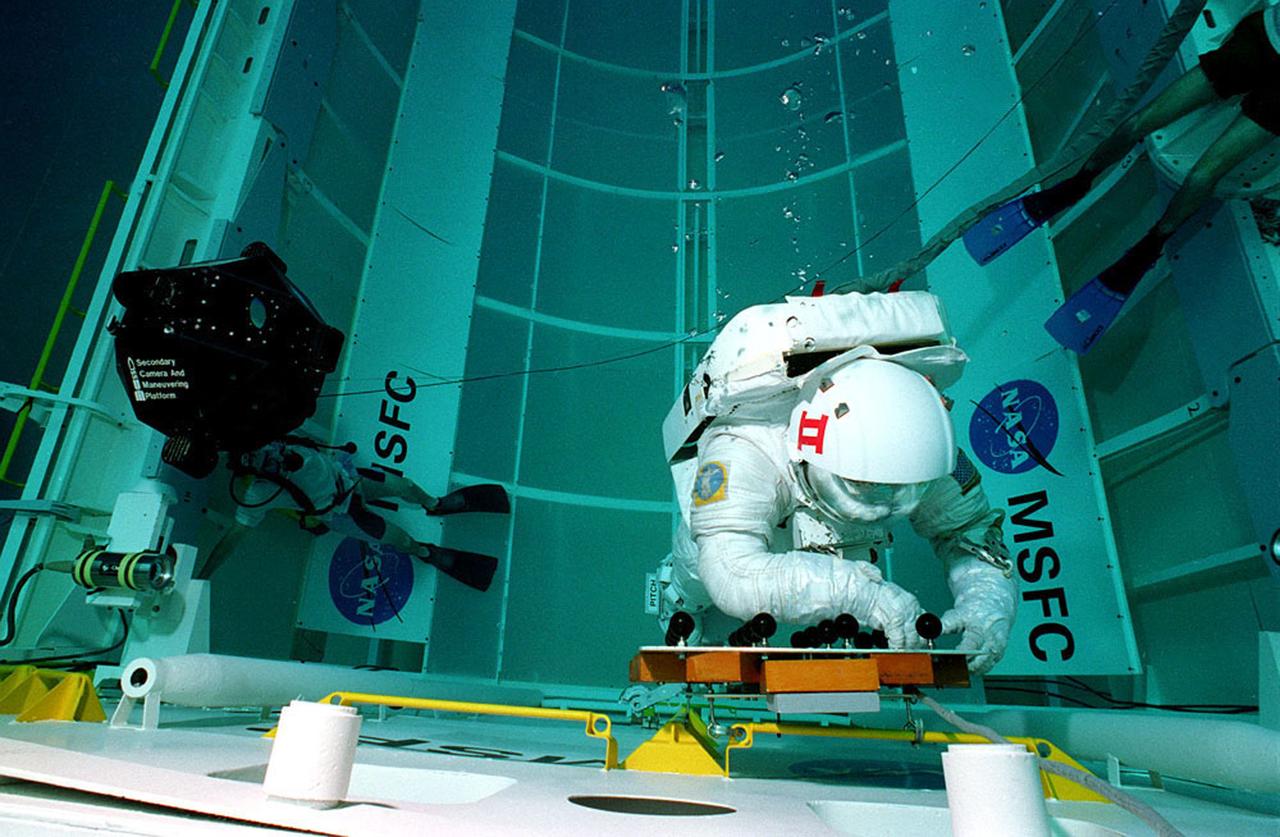
Underwater tests are conducted with Space Systems lab at Marshall's Neutral Buoyancy Simulator (NBS).
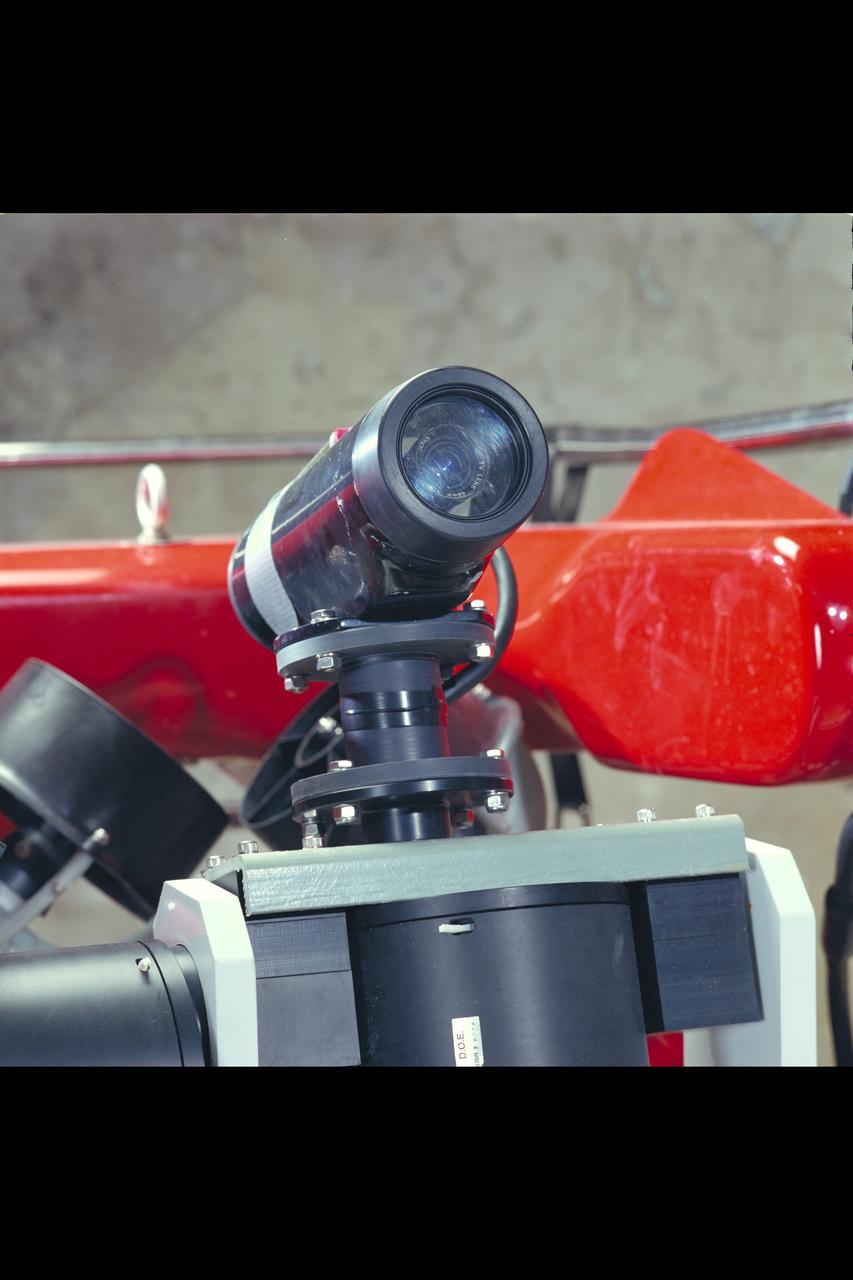
NASA Mars Underwater Rover Phantom 2 TROV (Telepresences Controlled Remotely Operated Vehicle) cameras
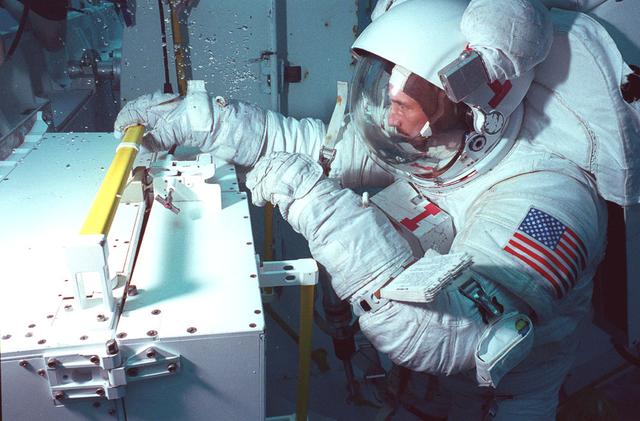
Underwater crew training is conducted in Marshall's Neutral Buoyancy Simulator (NBS) in preparation for on-orbit Hubble Space Telescope (HST) operations.
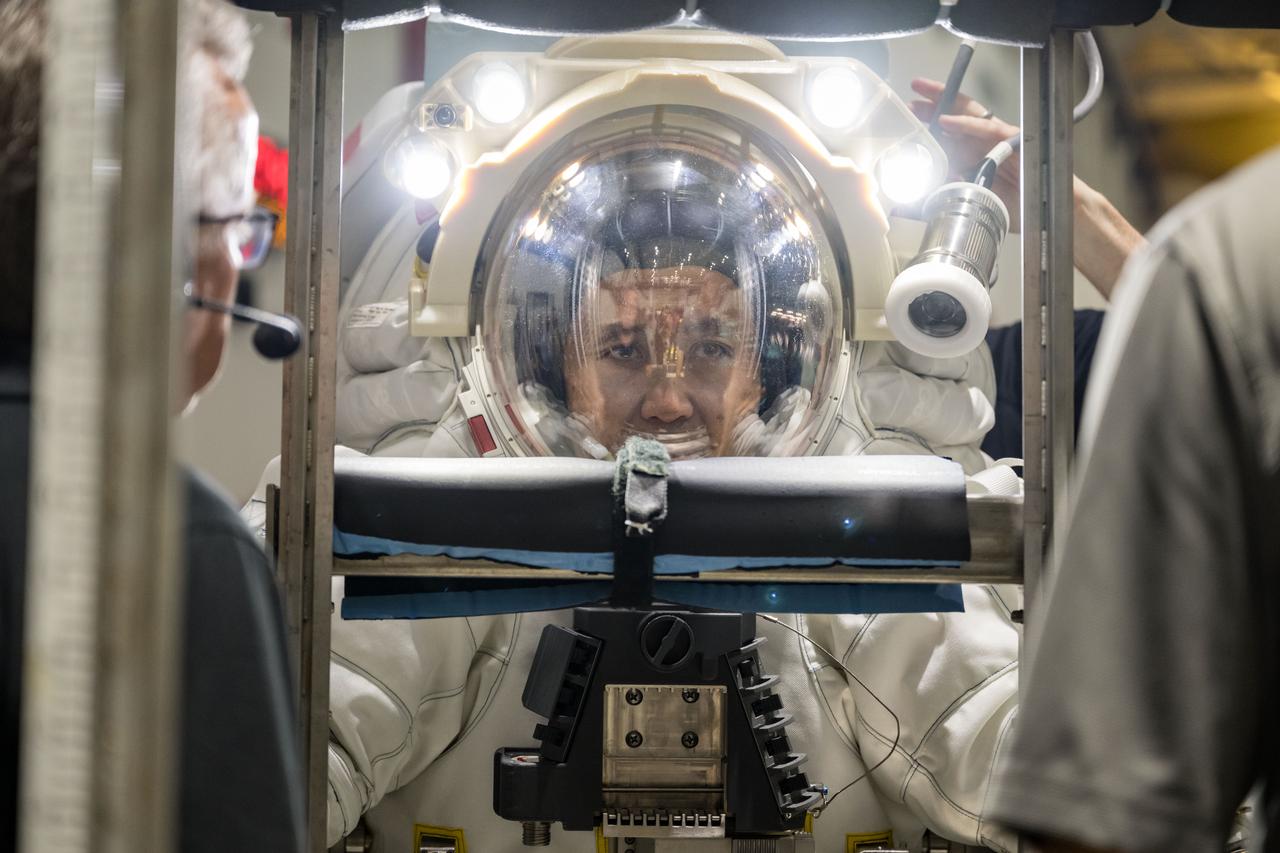
PHOTO DATE: May 29, 2025.LOCATION: NBL - Pool Topside SUBJECT: EVA & Human Surface Mobility Program's Axiom Space xEVA System - NBL Integration Testing - Lunar Integration Run 1 - Subject: Koichi Wakata 29 May 2025. PHOTOGRAPHER: Josh Valcarcel
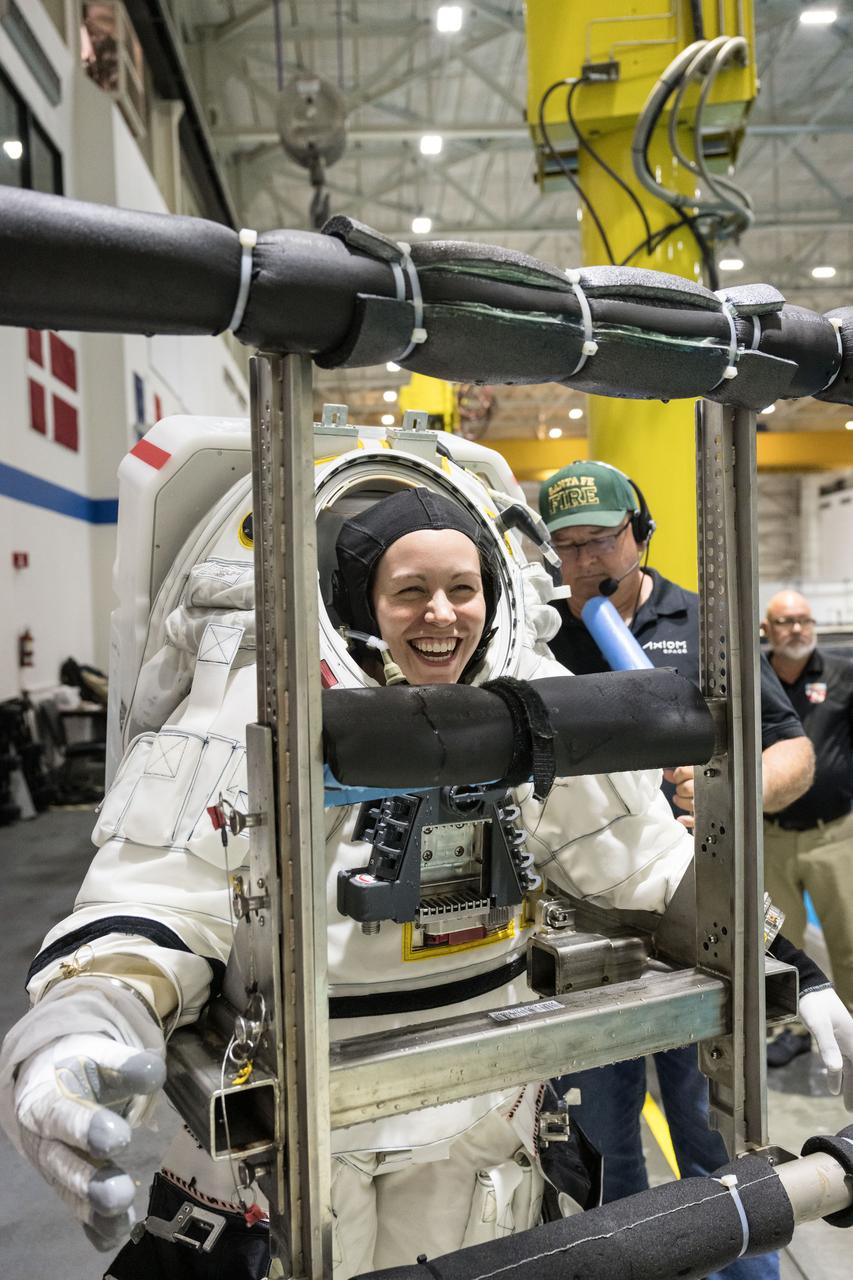
NASA spacesuit engineer Kristine Davis suits up in Axiom Space's lunar spacesuit before going under water for testing at NASA's Neutral Buoyancy Laboratory. Image Credit: NASA/James Blair
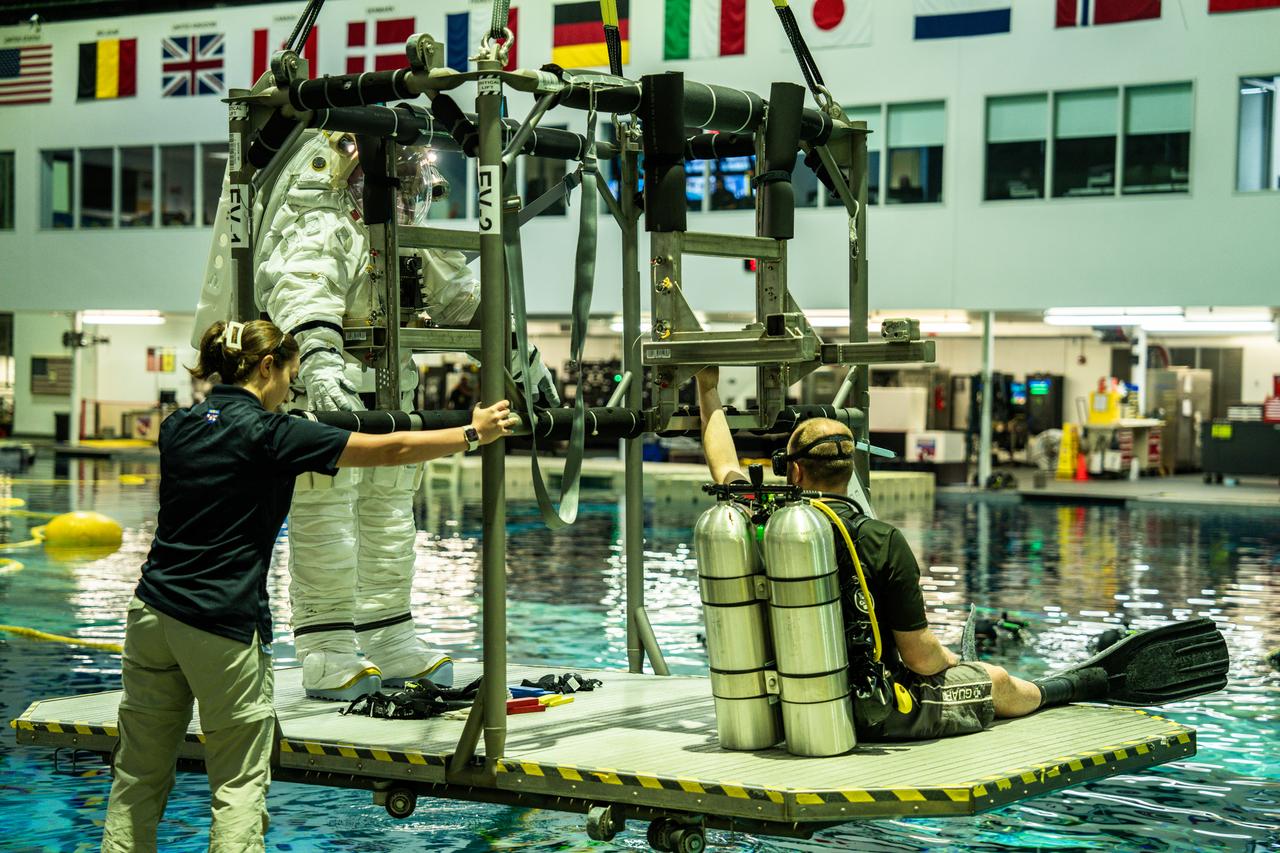
Axiom Space's AxEMU (Axiom Extravehicular Mobility Unit) spacesuit being tested at NASA Johnson's Neutral Buoyancy Laboratory. Image Credit: Axiom Space
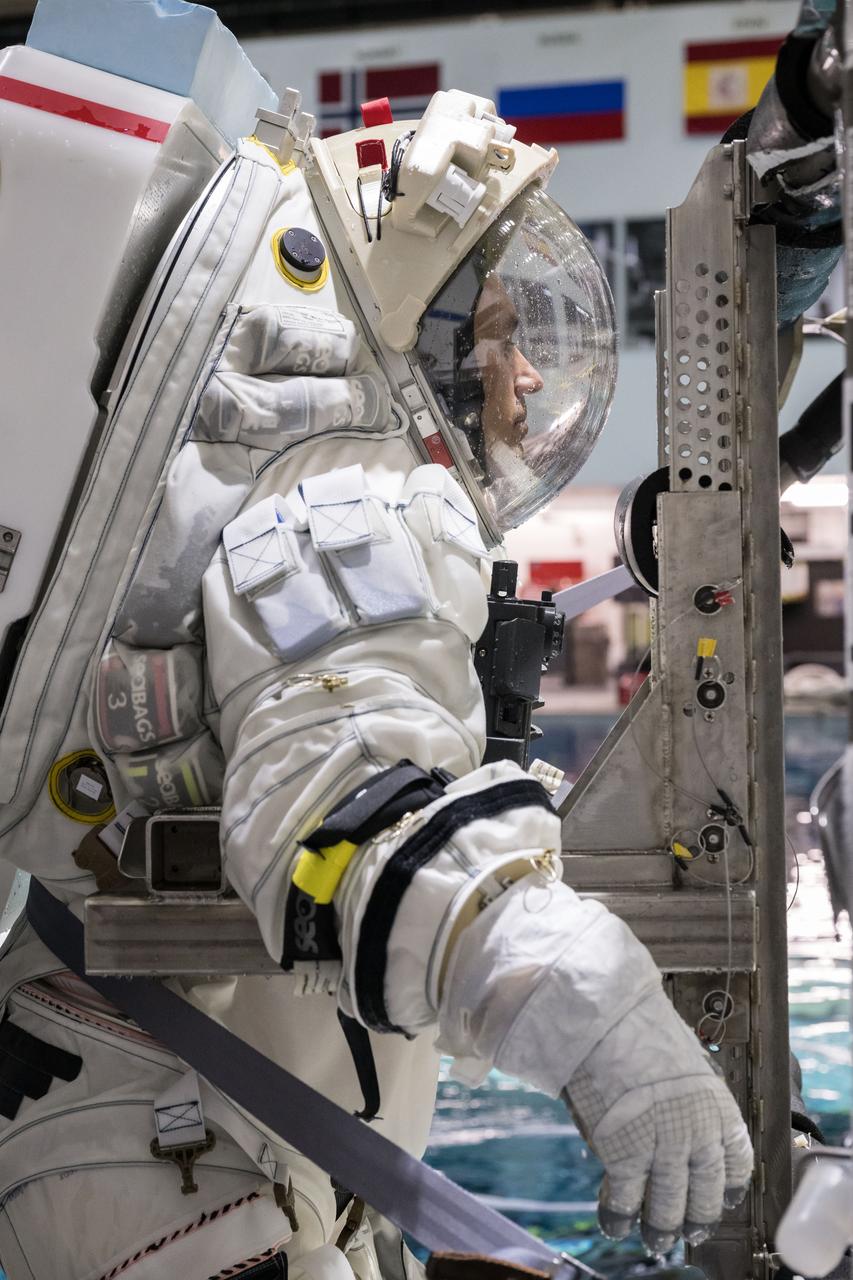
NASA spacesuit engineer Richard Rhodes suits up in Axiom Space's lunar spacesuit before going under water for testing at NASA's Neutral Buoyancy Laboratory. Image Credit: NASA/Robert Markowitz
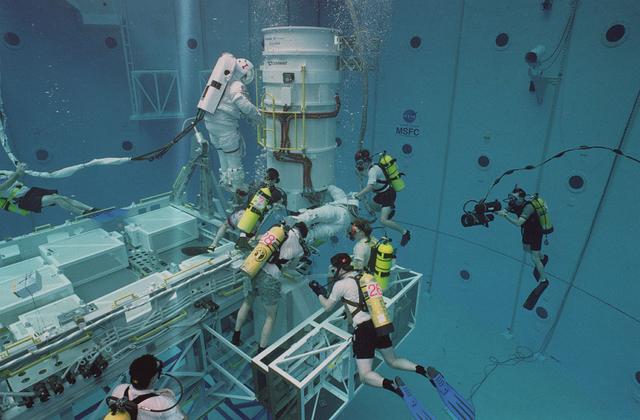
Astronaut Joe Lindquist and Kate Rupley conduct underwater testing on the International Space Station's power module in Marshall's Neutral Buoyancy Simulator (NBS).
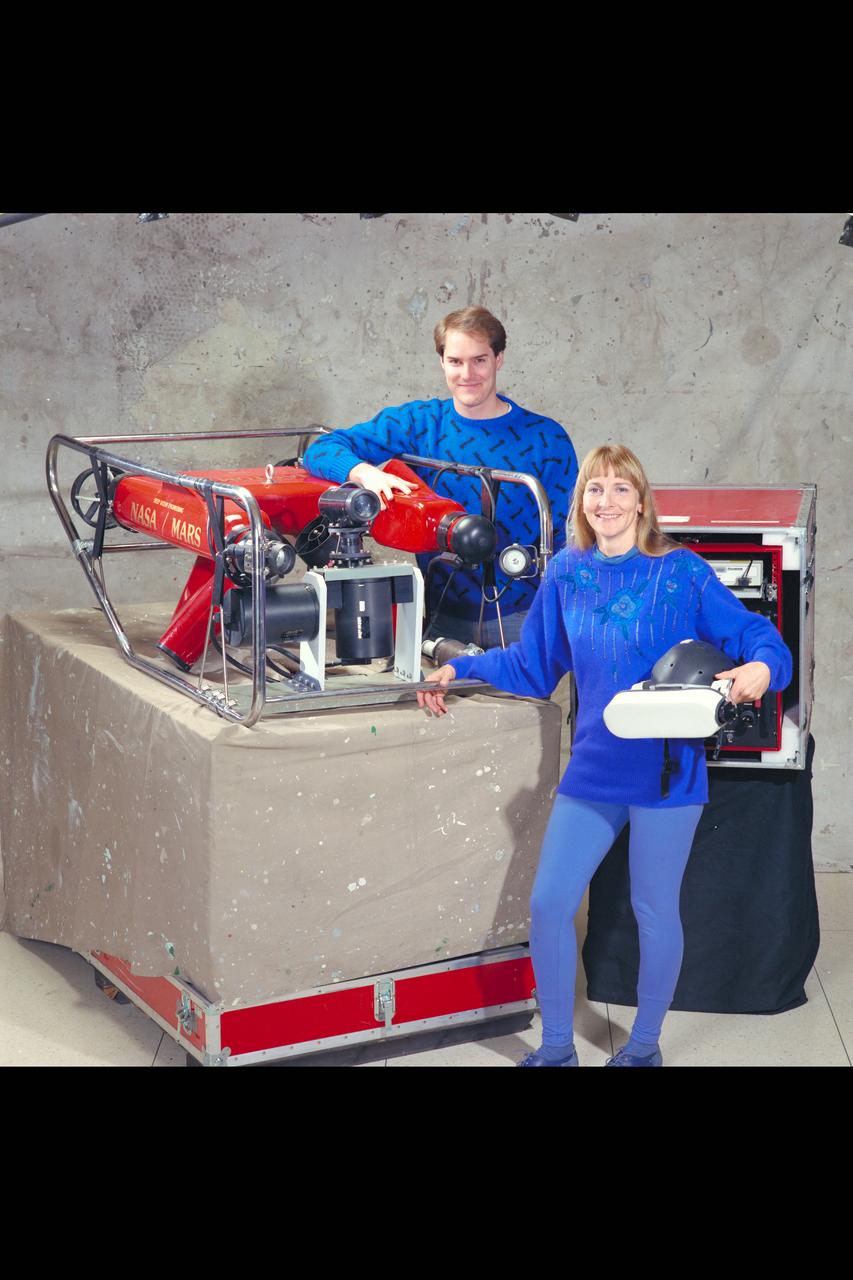
NASA Mars Underwater Rover Phantom 2 TROV (Telepresences Controlled Remotely Operated Vehicle) with Dr. Carol Stoker and Owen Gwynne
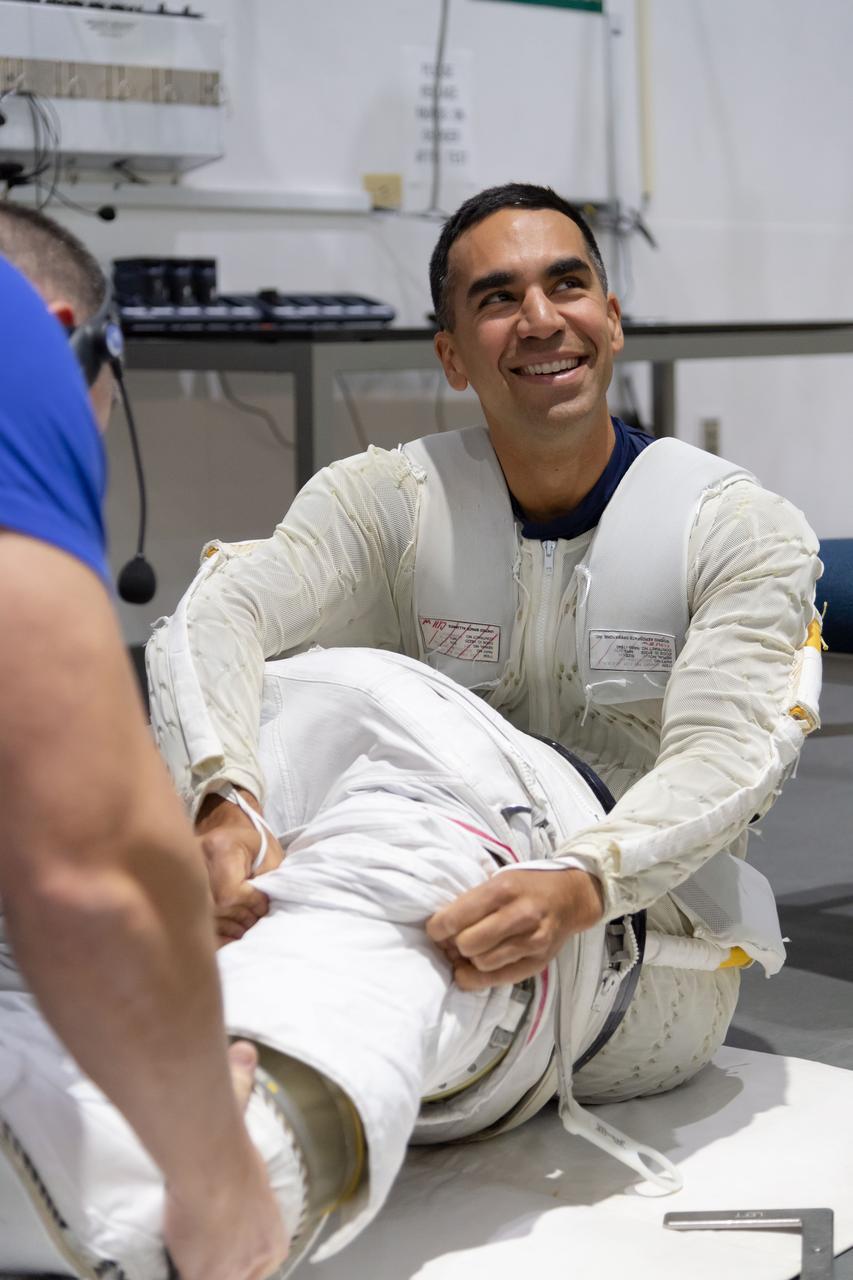
jsc2018e096661 (November 7, 2018) --- 2017 NASA astronaut candidate Raja Chari wears a Liquid Cooling and Ventilation Garment and is helped into a spacesuit prior to underwater spacewalk training at NASA Johnson Space Center’s Neutral Buoyancy Laboratory in Houston. The cooling garment distributes water throughout to help keep him cool while training underwater in the spacesuit. Photo Credit: (NASA/Robert Markowitz)
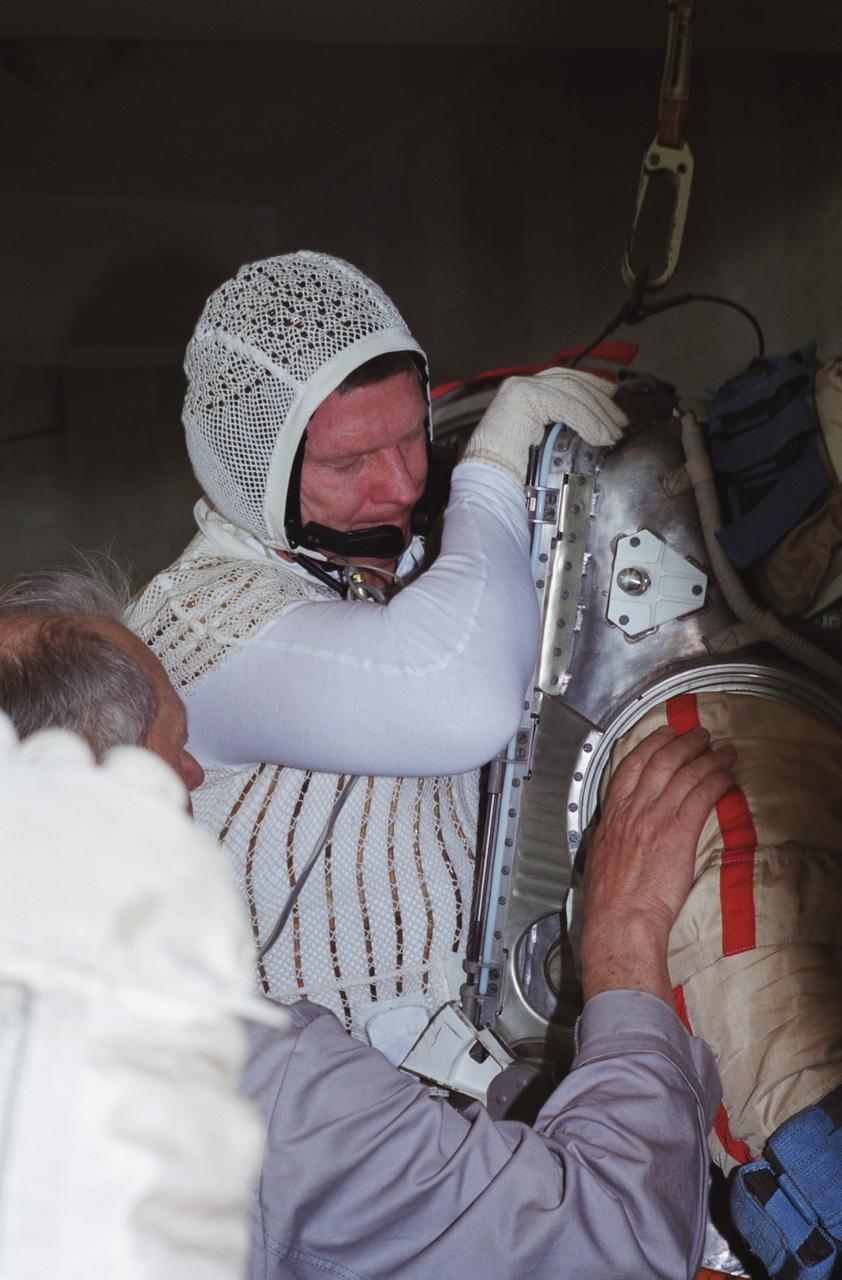
JSC2000-05371 (7 June 2000) --- Astronaut William Shepherd, mission commander for the Expedition One crew, is about to don an Orlan space suit. Shepherd was preparing to participate in an underwater spacewalk simulation in the Hydrolab facility at the Gagarin Cosmonaut Training Center in Russia. Shepherd was joined by cosmonaut Yuri Gidzenko (out of frame), Soyuz commander, in the underwater session.
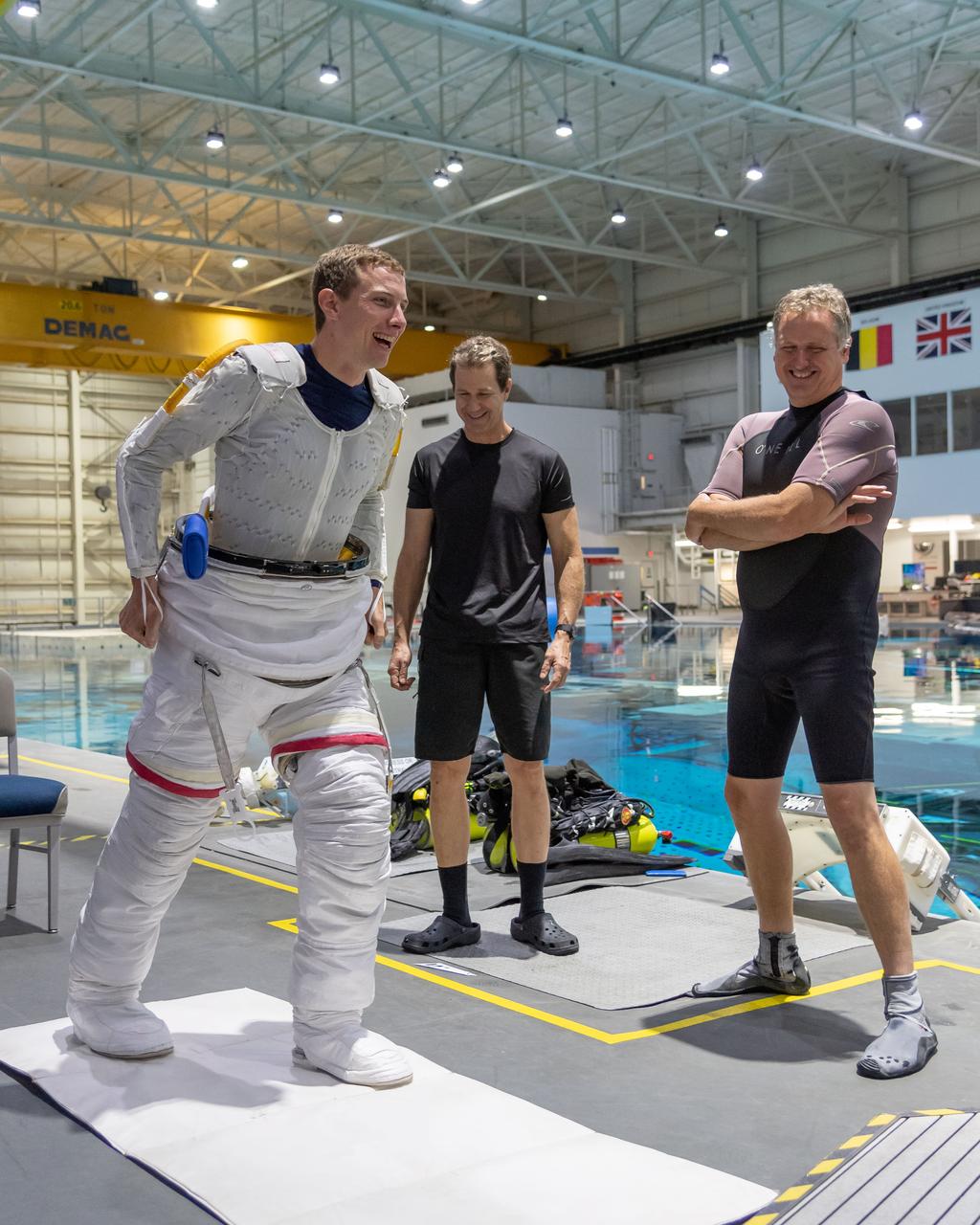
jsc2018e094713 (November 05, 2018) --- 2017 NASA astronaut candidate Warren Hoburg wears a Liquid Cooling and Ventilation Garment and dons a spacesuit prior to underwater spacewalk training at NASA Johnson Space Center’s Neutral Buoyancy Laboratory in Houston. The cooling garment distributes water throughout to help keep him cool while training underwater in the spacesuit. Photo Credit: (NASA/Josh Valcarcel)

STS-48 Mission Specialist (MS) James F. Buchli, wearing an extravehicular mobility unit (EMU), is watched by SCUBA-equipped divers as the platform he is standing on is lowered into JSC's Weightless Environment Training Facility (WETF) Bldg 29 pool. When completely underwater, Buchli will be released from the platform and will perform contingency extravehicular activity (EVA) operations. This underwater simulation of a spacewalk is part of the training required for Buchli's upcoming mission aboard Discovery, Orbiter Vehicle (OV) 103.
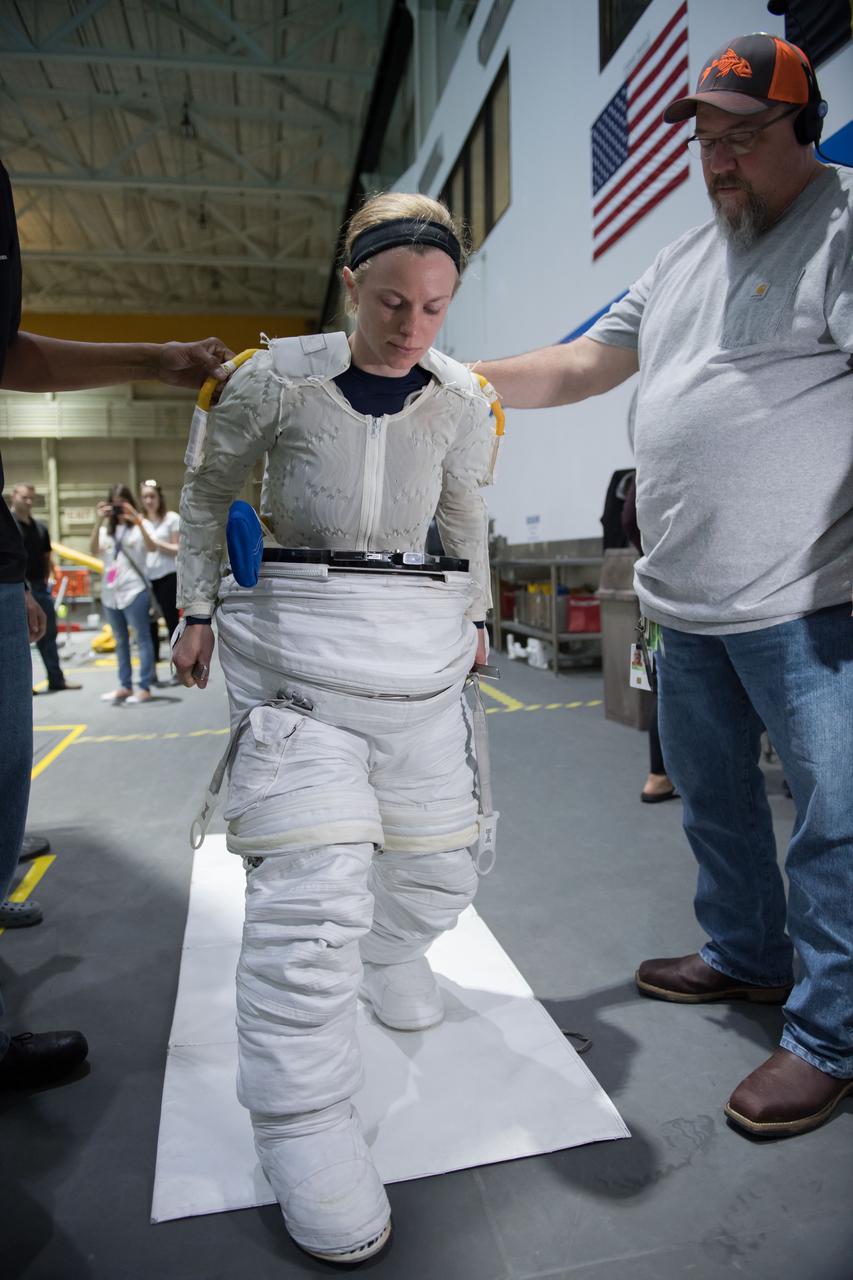
jsc2018e035752 (04-12-2018) --- 2017 NASA astronaut candidate Zena Cardman in a Liquid Cooling and Ventilation Garment and being helped into a spacesuit prior to underwater spacewalk training at NASA Johnson Space Center’s Neutral Buoyancy Laboratory. The cooling garment distributes water throughout to help keep her cool while training underwater in the spacesuit. Photo Credit: (NASA/David DeHoyos)
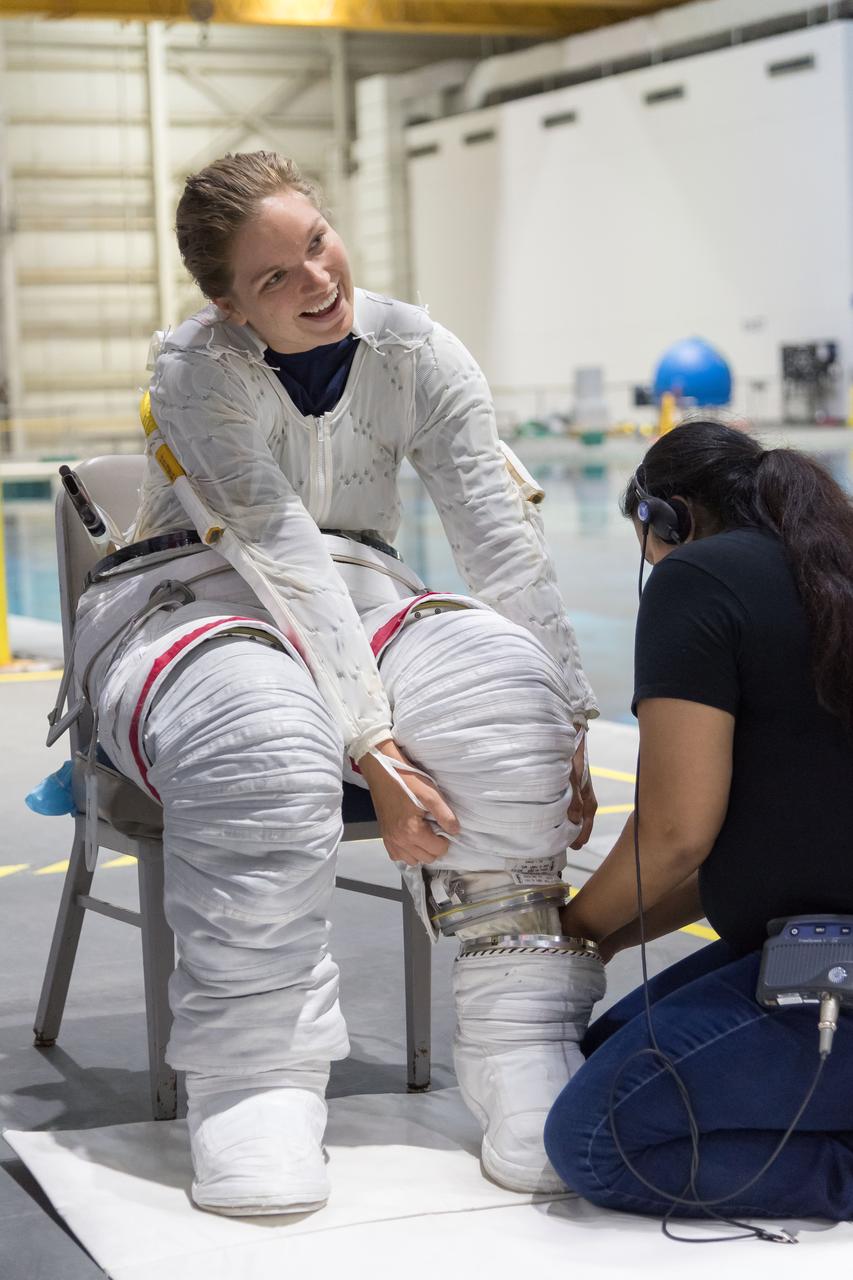
jsc2018e065018 (July 19, 2018) --- Canadian Space Agency astronaut candidate Jennifer Sidey-Gibbons in a Liquid Cooling and Ventilation Garment and being helped into a spacesuit prior to underwater spacewalk training at NASA Johnson Space Center’s Neutral Buoyancy Laboratory in Houston. The cooling garment distributes water throughout to help keep her cool while training underwater. Photo Credit: (NASA/Josh Valcarcel)
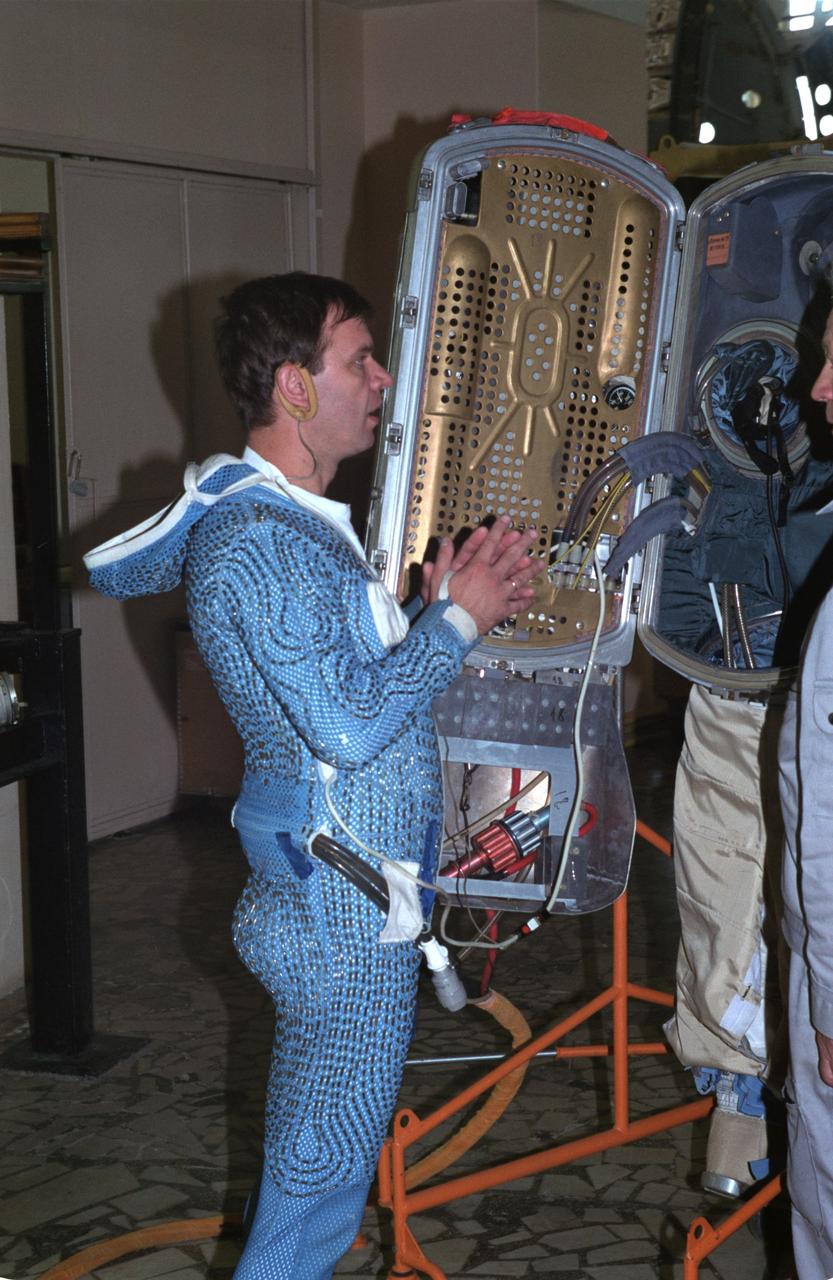
JSC2000-05366 (7 June 2000) --- Cosmonaut Yuri Gidzenko, Soyuz commander for the Expedition One crew, wearing thermal undergarment, is about to don an Orlan space suit. Gidzenko was preparing to participate in an underwater simulation in the Hydrolab facility at the Gagarin Cosmonaut Training Center in Russia. Gidzenko was joined by astronaut William Shepherd, mission commander, in the underwater session.
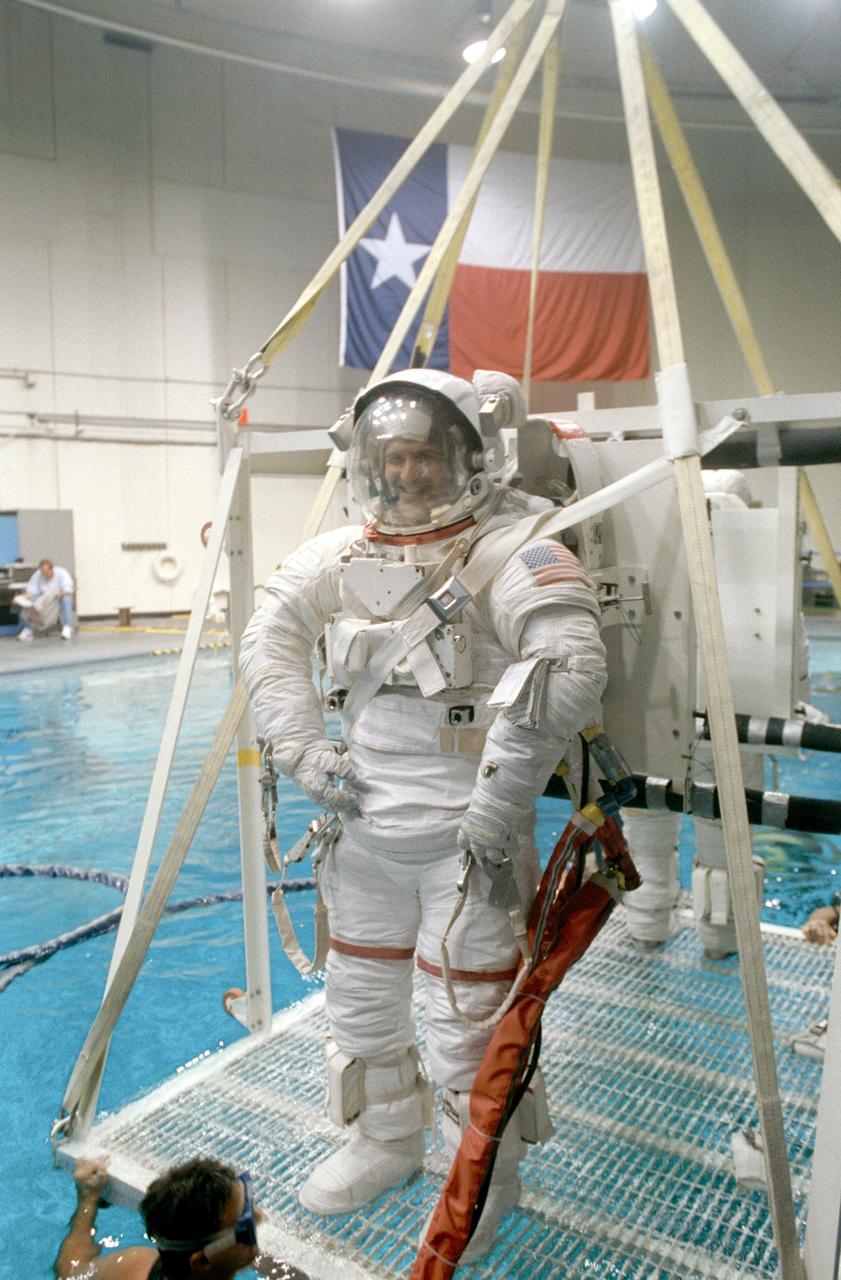
S92-40378 (1 July 1992) --- Astronaut Peter J.K. Wisoff, STS-57 mission specialist, fully suited in an extravehicular mobility unit (EMU) and helmet and standing on a platform, is lowered into the 25 foot deep pool of Johnson Space Center?s (JSC) Weightless Environment Training Facility (WETF) Bldg 29. Once underwater, Wisoff will participate in an underwater extravehicular activity (EVA) simulation. A scuba-equipped diver already in the pool guides the platform into the water.
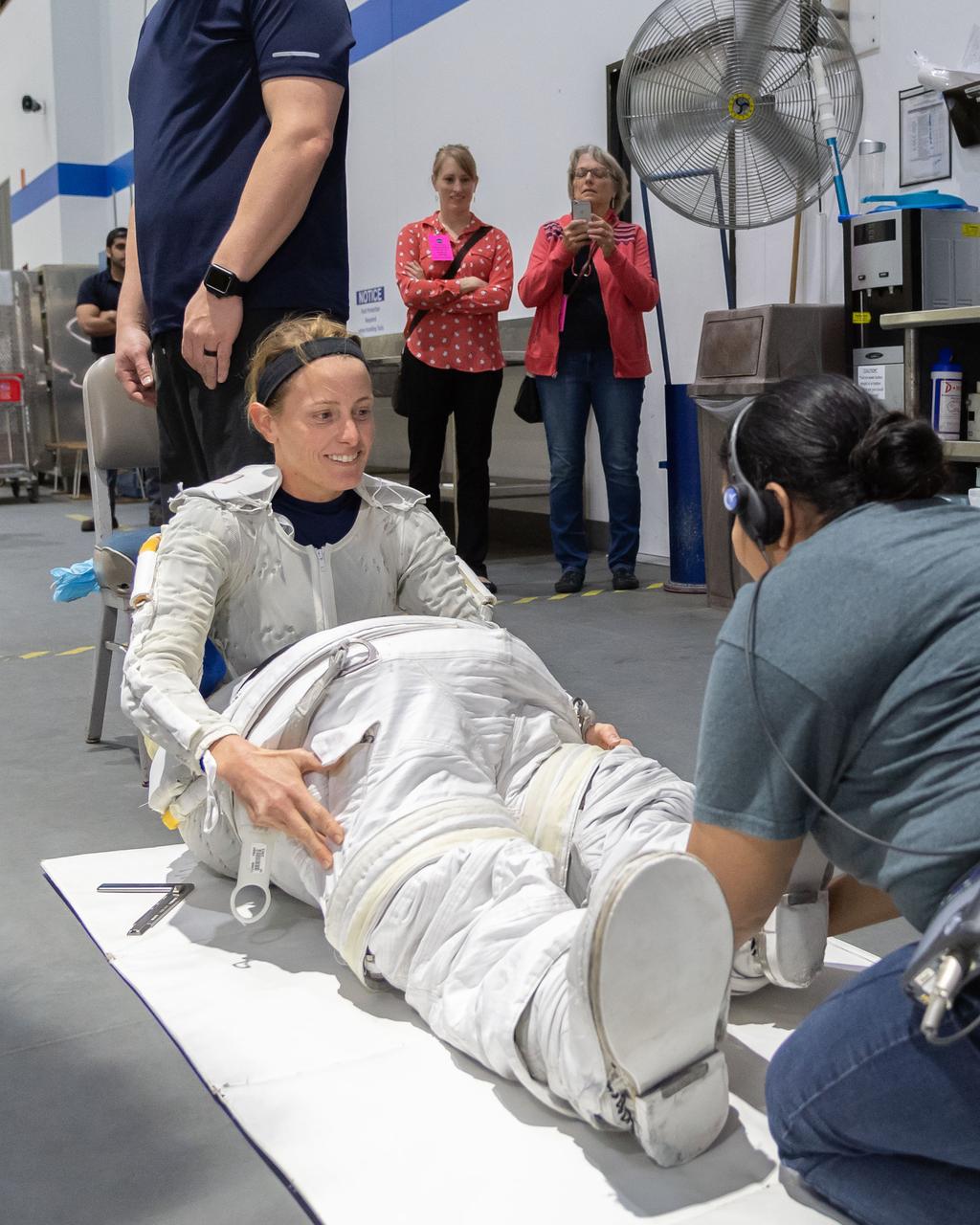
jsc2018e094712 (November 05, 2018) --- 2017 NASA astronaut candidate Loral O’Hara wears a Liquid Cooling and Ventilation Garment and is helped into a spacesuit prior to underwater spacewalk training at NASA Johnson Space Center’s Neutral Buoyancy Laboratory in Houston. The cooling garment distributes water throughout to help keep her cool while training underwater in the spacesuit. Photo Credit: (NASA/Josh Valcarcel)
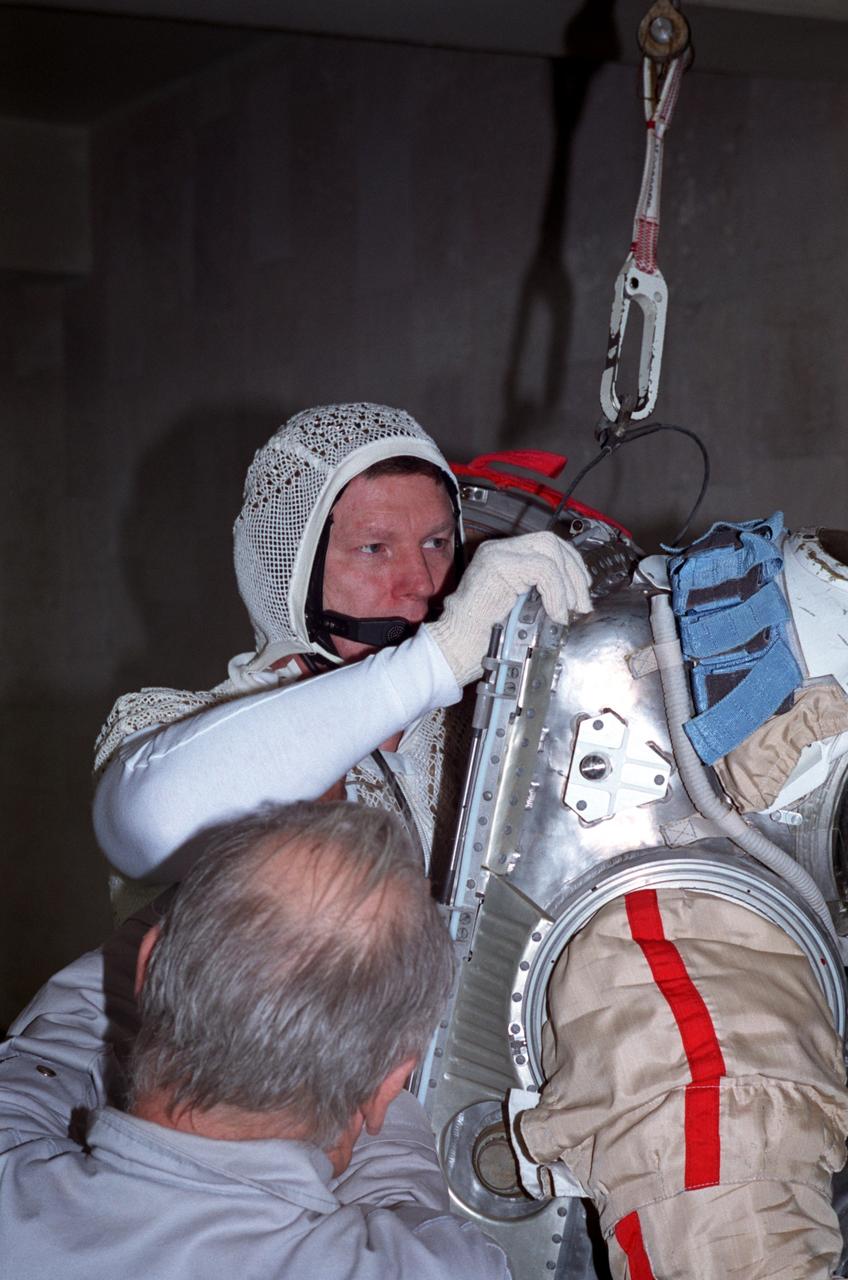
JSC2000-05369 (7 June 2000) --- Astronaut William Shepherd, mission commander for the Expedition One crew, is about to don an Orlan space suit. Shepherd was preparing to participate in an underwater simulation in the Hydrolab facility at the Gagarin Cosmonaut Training Center in Russia. Shepherd was joined by cosmonaut Yuri Gidzenko (out of frame), Soyuz commander, in the underwater session.
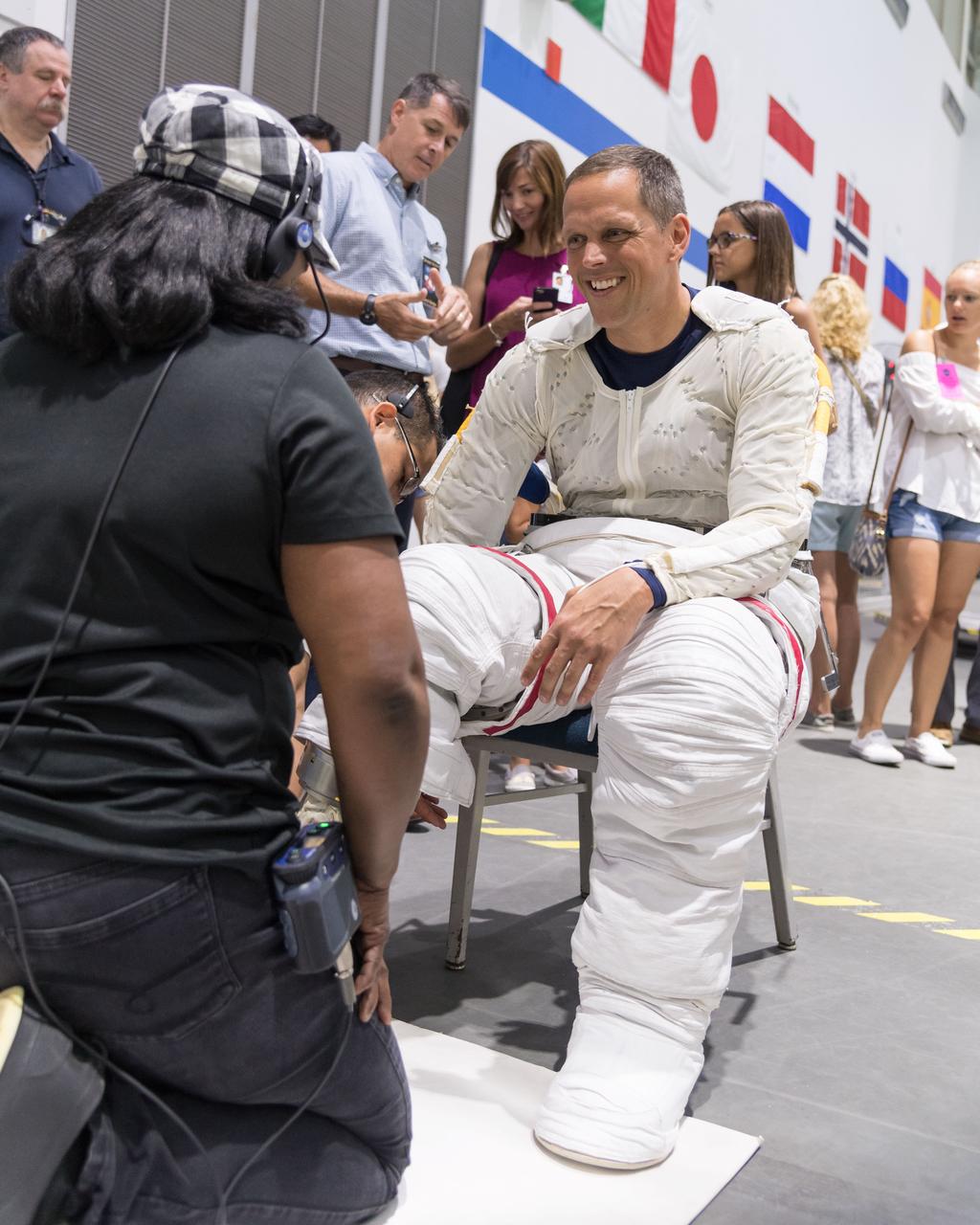
jsc2018e064787 (07/18/2018) --- 2017 NASA astronaut candidate Bob Hines is in a Liquid Cooling and Ventilation Garment and being helped into a spacesuit prior to underwater spacewalk training at NASA’s Johnson Space Center Neutral Buoyancy Laboratory in Houston. The cooling garment distributes water throughout to help keep him cool while training underwater in the spacesuit. Photo Credit: (NASA/Norah Moran)
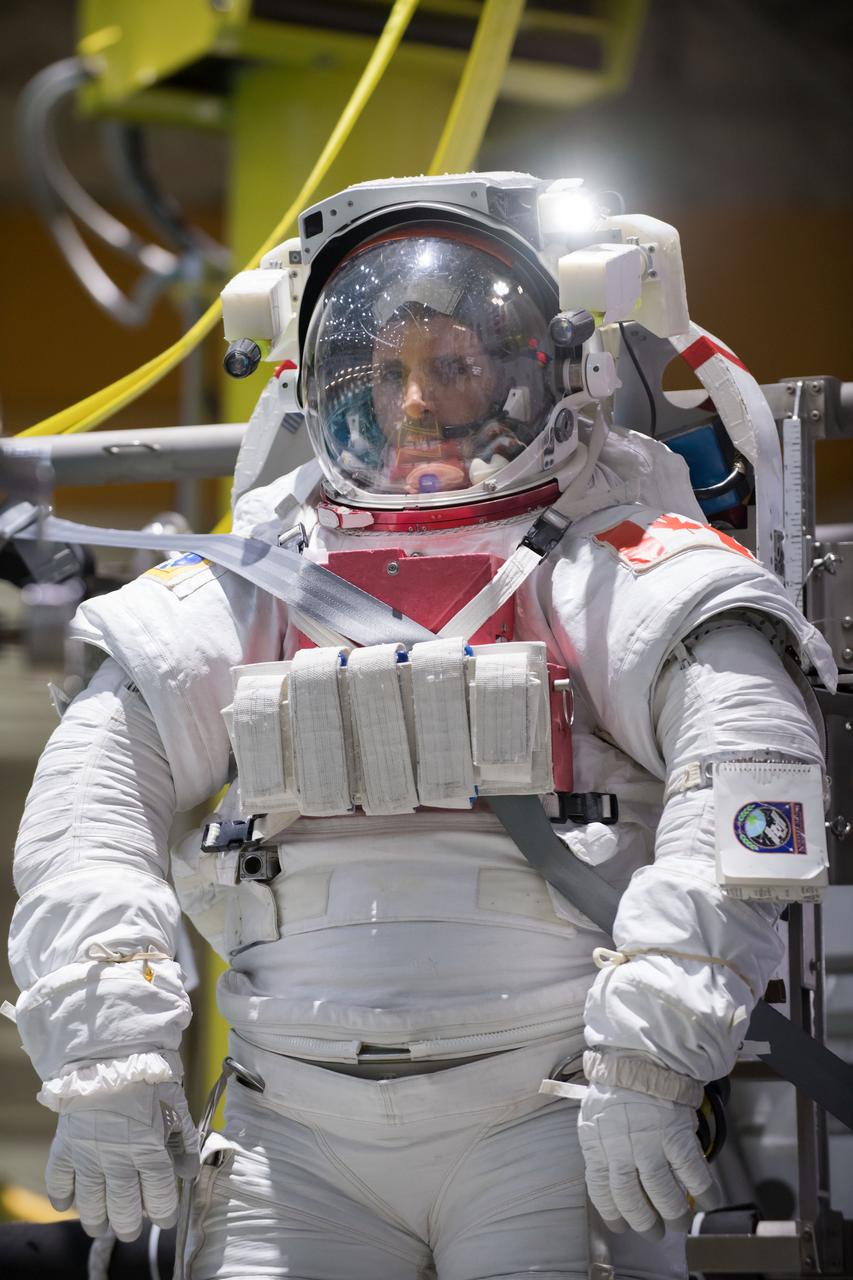
jsc2018e035788 (04-12-2018) --- Canadian Space Agency astronaut candidate Joshua Kutryk is in a spacesuit prior to underwater spacewalk training at NASA Johnson Space Center’s Neutral Buoyancy Laboratory. NASA astronaut candidate Zena Cardman is being helped into a spacesuit for underwater spacewalk training at NASA Johnson Space Center’s Neutral Buoyancy Laboratory.
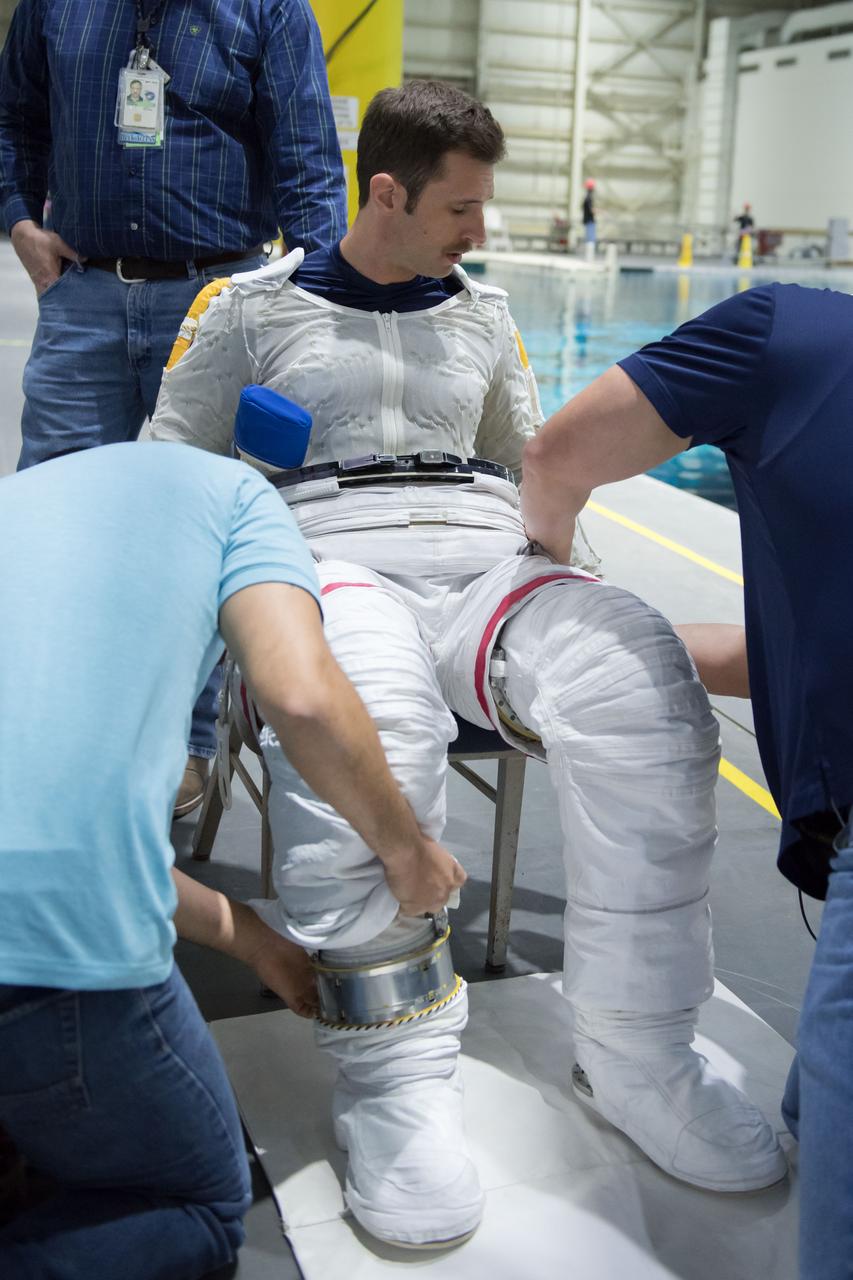
jsc2018e035757 (04-12-2018) --- 2017 Canadian Space Agency astronaut candidate Joshua Kutryk in a Liquid Cooling and Ventilation Garment and being helped into a spacesuit prior to underwater spacewalk training at NASA Johnson Space Center’s Neutral Buoyancy Laboratory. The cooling garment distributes water throughout to help keep him cool while training underwater in the spacesuit. Photo Credit: (NASA/David DeHoyos)
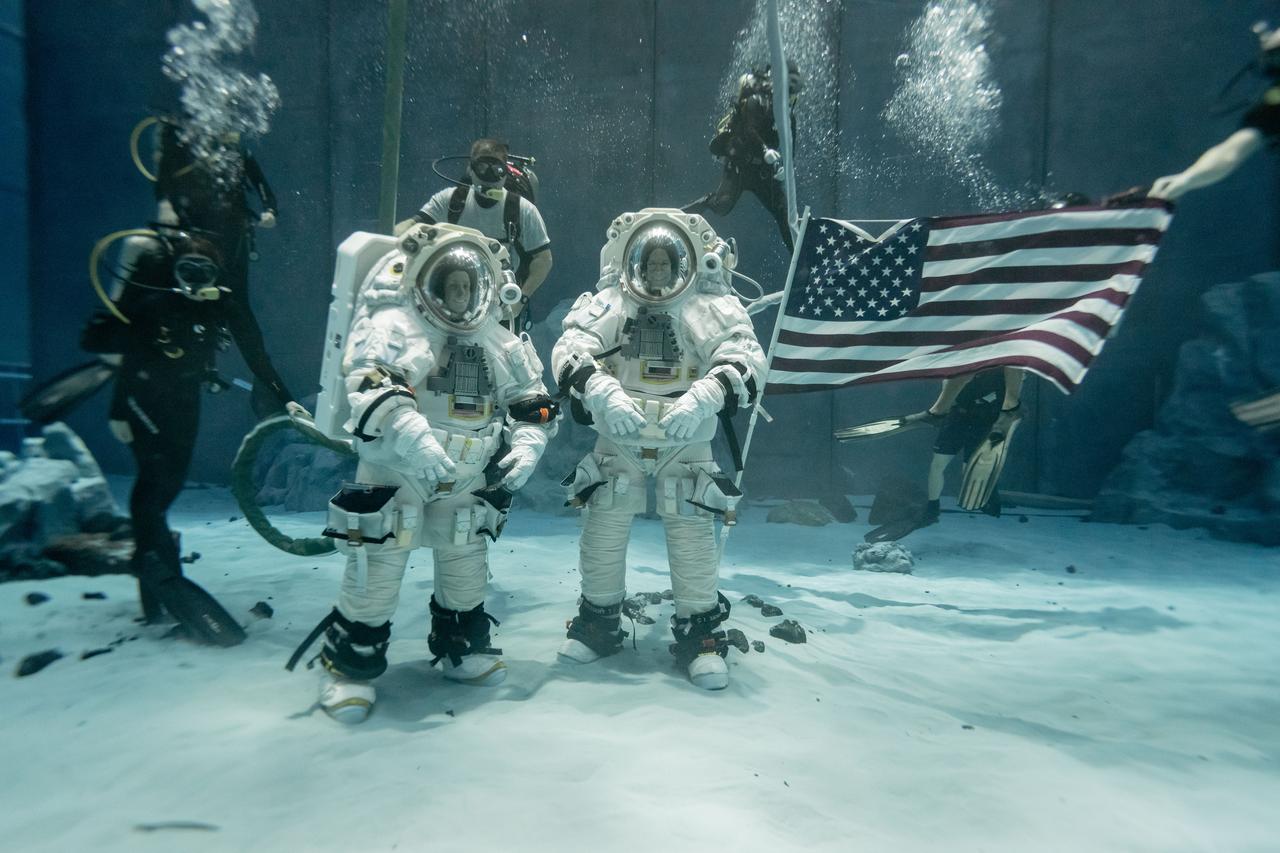
NASA astronauts Loral O’Hara (left) and Stan Love (right) pose for a photo during the first dual spacesuit run at NASA’s Neutral Buoyancy Laboratory while wearing Axiom Space’s lunar spacesuits. NASA and Axiom Space teams held the first dual spacesuit run at the Neutral Buoyancy Laboratory in Houston on September 24, 2025 with NASA Astronauts Stan Love and Loral O’Hara wearing Axiom Space’s lunar spacesuit, called the Axiom Extravehicular Mobility Unit (AxEMU). This was the final integration test in the pool, proving both the spacesuit and facility are prepped and ready for Artemis training.
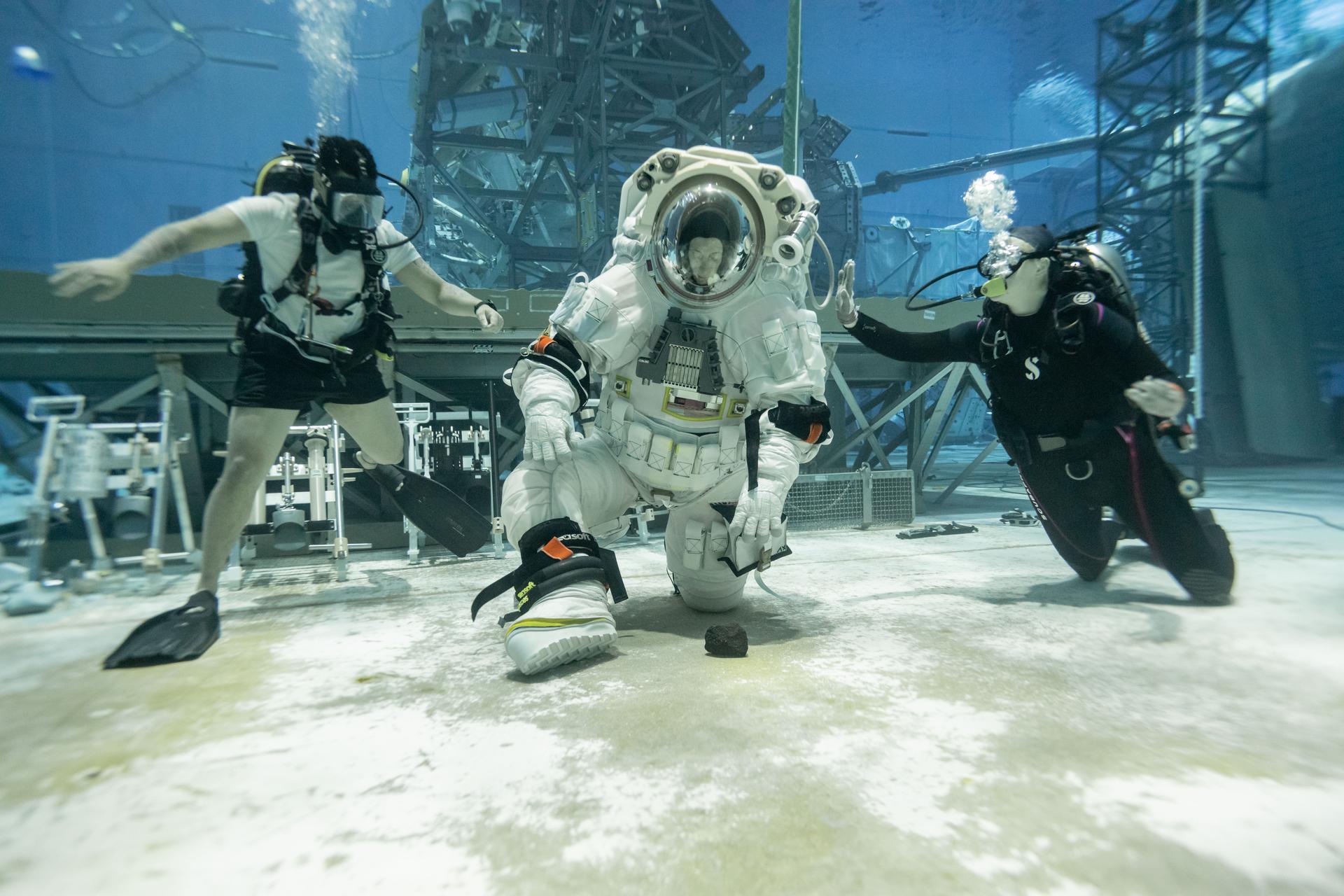
NASA astronaut Loral O’Hara kneels to pick up a rock while testing the mobility of Axiom Space’s lunar spacesuit. NASA and Axiom Space teams held the first dual spacesuit run at the Neutral Buoyancy Laboratory in Houston on September 24, 2025 with NASA Astronauts Stan Love and Loral O’Hara wearing Axiom Space’s lunar spacesuit, called the Axiom Extravehicular Mobility Unit (AxEMU). This was the final integration test in the pool, proving both the spacesuit and facility are prepped and ready for Artemis training.
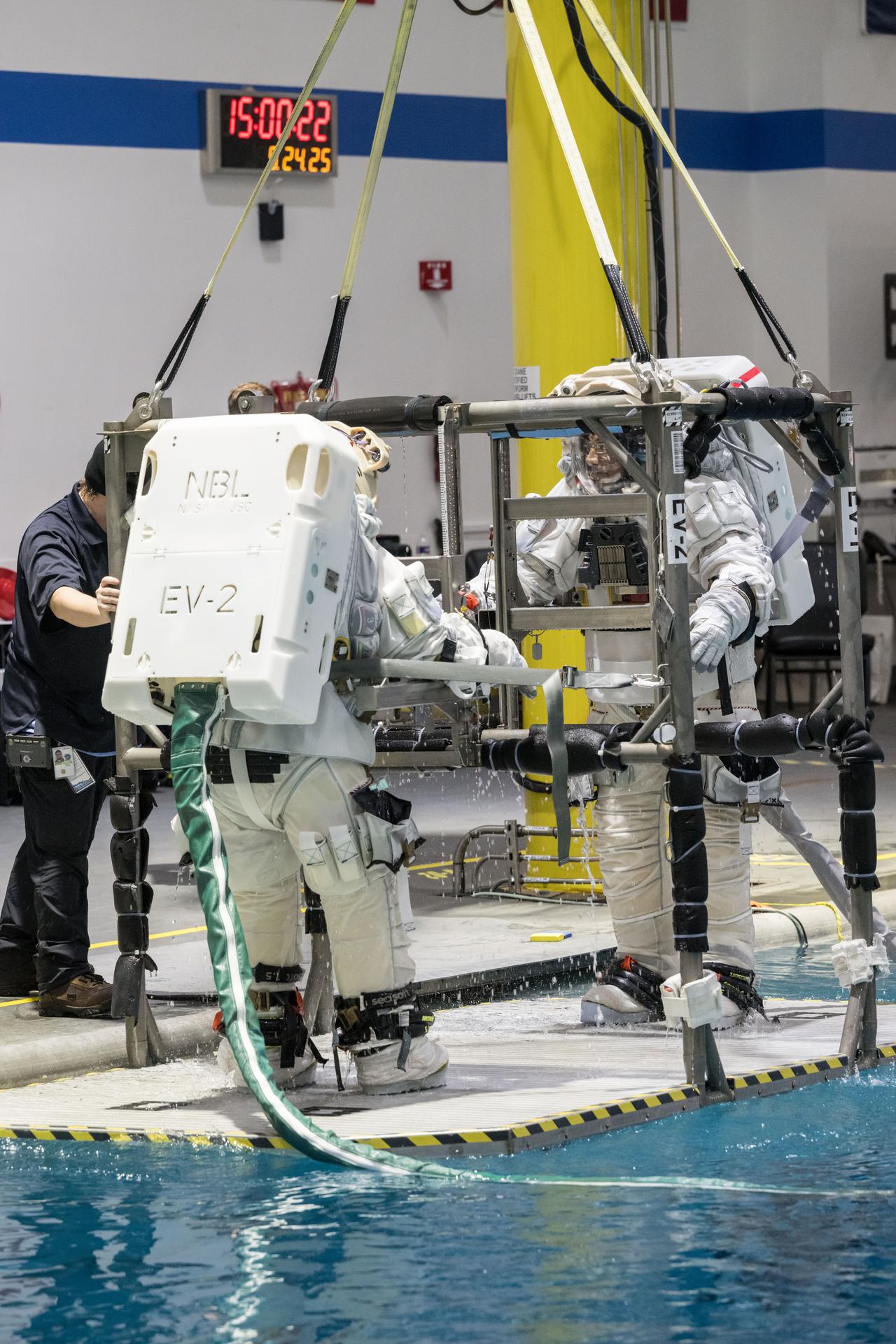
NASA and Axiom Space teams held the first dual spacesuit run at the Neutral Buoyancy Laboratory in Houston on September 24, 2025 with NASA Astronauts Stan Love and Loral O’Hara wearing Axiom Space’s lunar spacesuit, called the Axiom Extravehicular Mobility Unit (AxEMU). This was the final integration test in the pool, proving both the spacesuit and facility are prepped and ready for Artemis training.
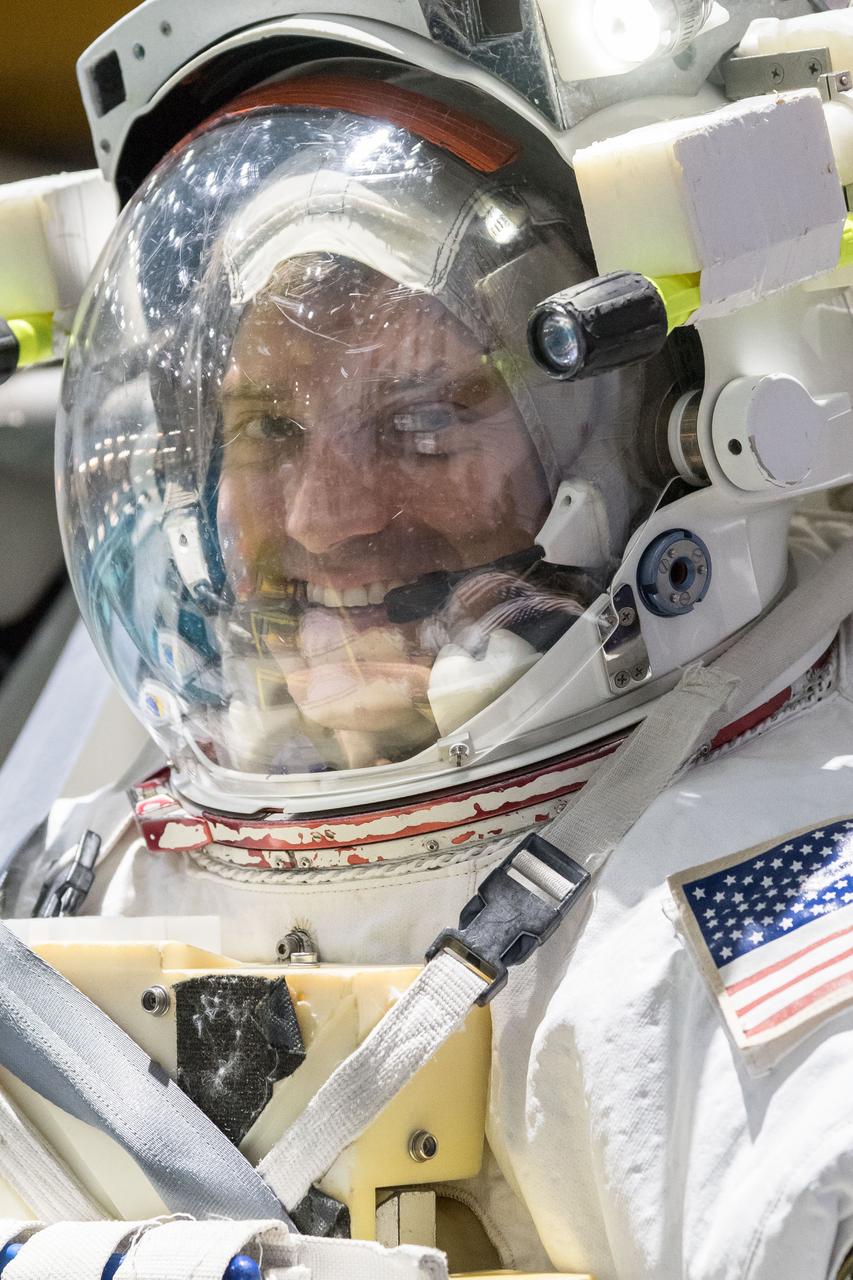
jsc2018e035917 (April 11, 2018) ---2017 NASA astronaut candidate Matthew Dominick wears a spacesuit prior to underwater spacewalk training at NASA Johnson Space Center’s Neutral Buoyancy Laboratory. Photo Credit: (NASA/Josh Valcarcel)
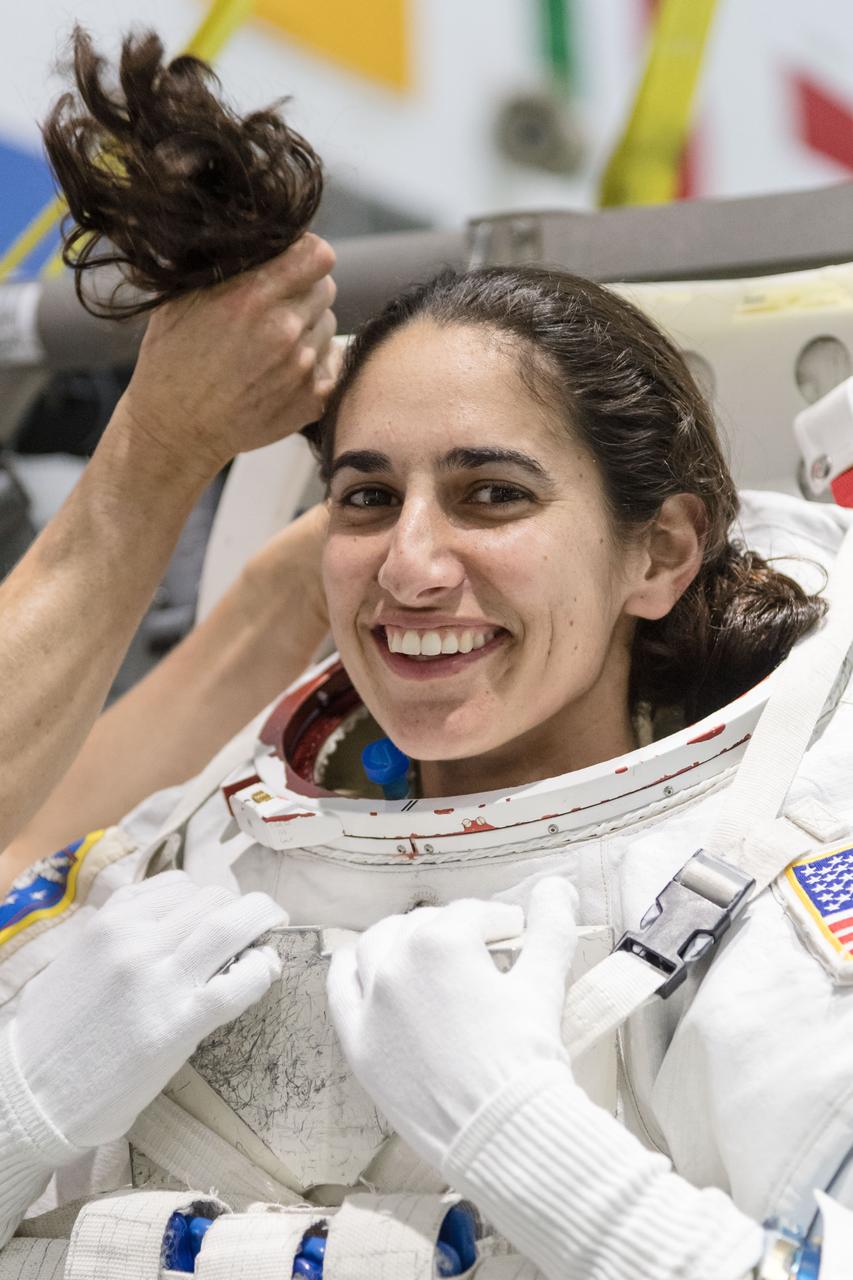
jsc2018e035916 (April 11, 2018) --- 2017 NASA astronaut candidate Jasmin Moghbeli is helped into a spacesuit prior to underwater spacewalk training at NASA Johnson Space Center’s Neutral Buoyancy Laboratory. Photo Credit: (NASA/Josh Valcarcel)
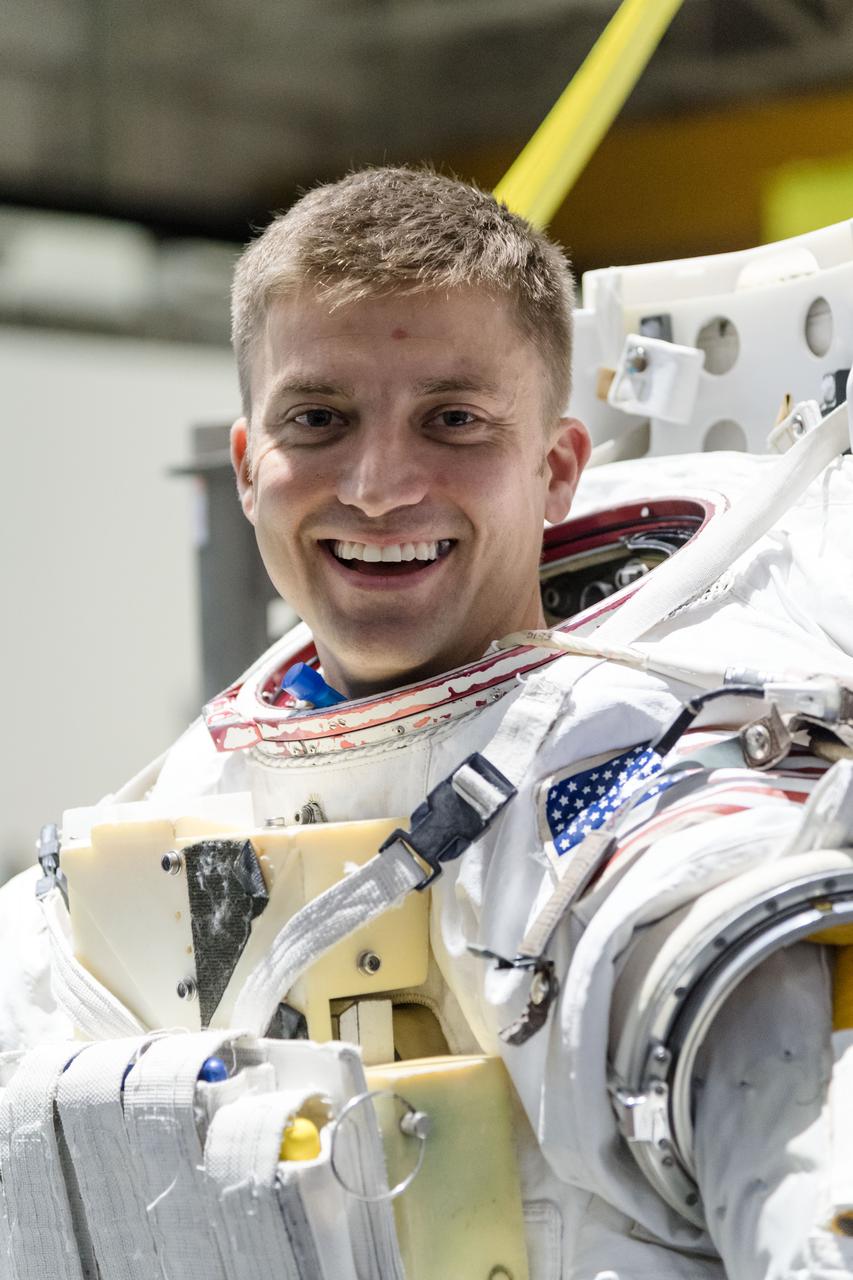
jsc2018e035904 (April 11, 2018) --- 2017 NASA astronaut candidate Matthew Dominick wears a spacesuit prior to underwater spacewalk training at NASA Johnson Space Center’s Neutral Buoyancy Laboratory. Photo Credit: (NASA/Josh Valcarcel)
jsc2018e035771 (04-12-2018) --- NASA astronaut candidate Zena Cardman is being helped into a spacesuit prior to underwater spacewalk training at NASA Johnson Space Center’s Neutral Buoyancy Laboratory. Photo Credit: (NASA/David DeHoyos)
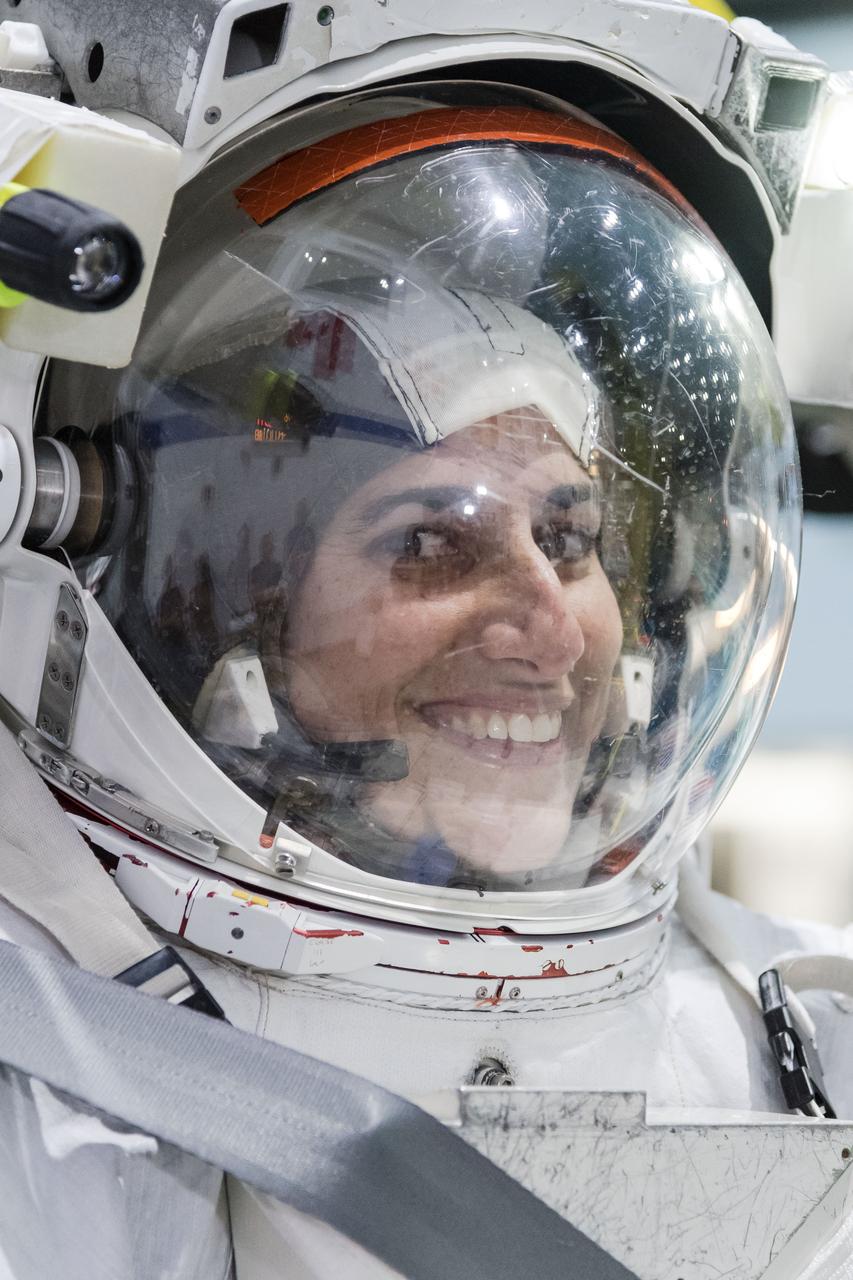
jsc2018e035922 (April 11, 2018) --- 2017 NASA astronaut candidate Jasmin Moghbeli wears a spacesuit prior to underwater spacewalk training at NASA Johnson Space Center’s Neutral Buoyancy Laboratory. Photo Credit: (NASA/Josh Valcarcel)
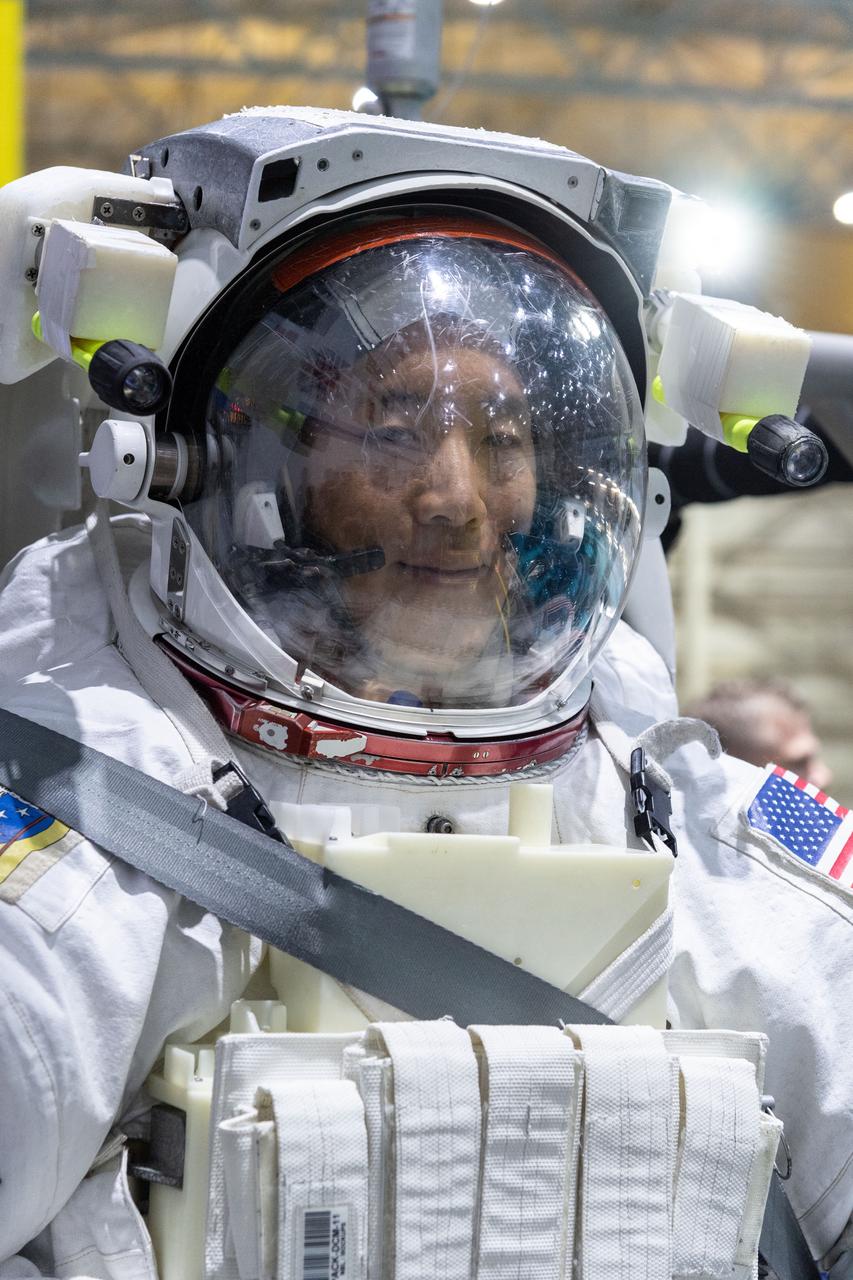
jsc2018e095931 (November 7, 2018) --- 2017 NASA astronaut candidate Jonny Kim prepares for underwater spacewalk training at NASA Johnson Space Center’s Neutral Buoyancy Laboratory in Houston. Photo Credit: (NASA/Robert Markowitz)
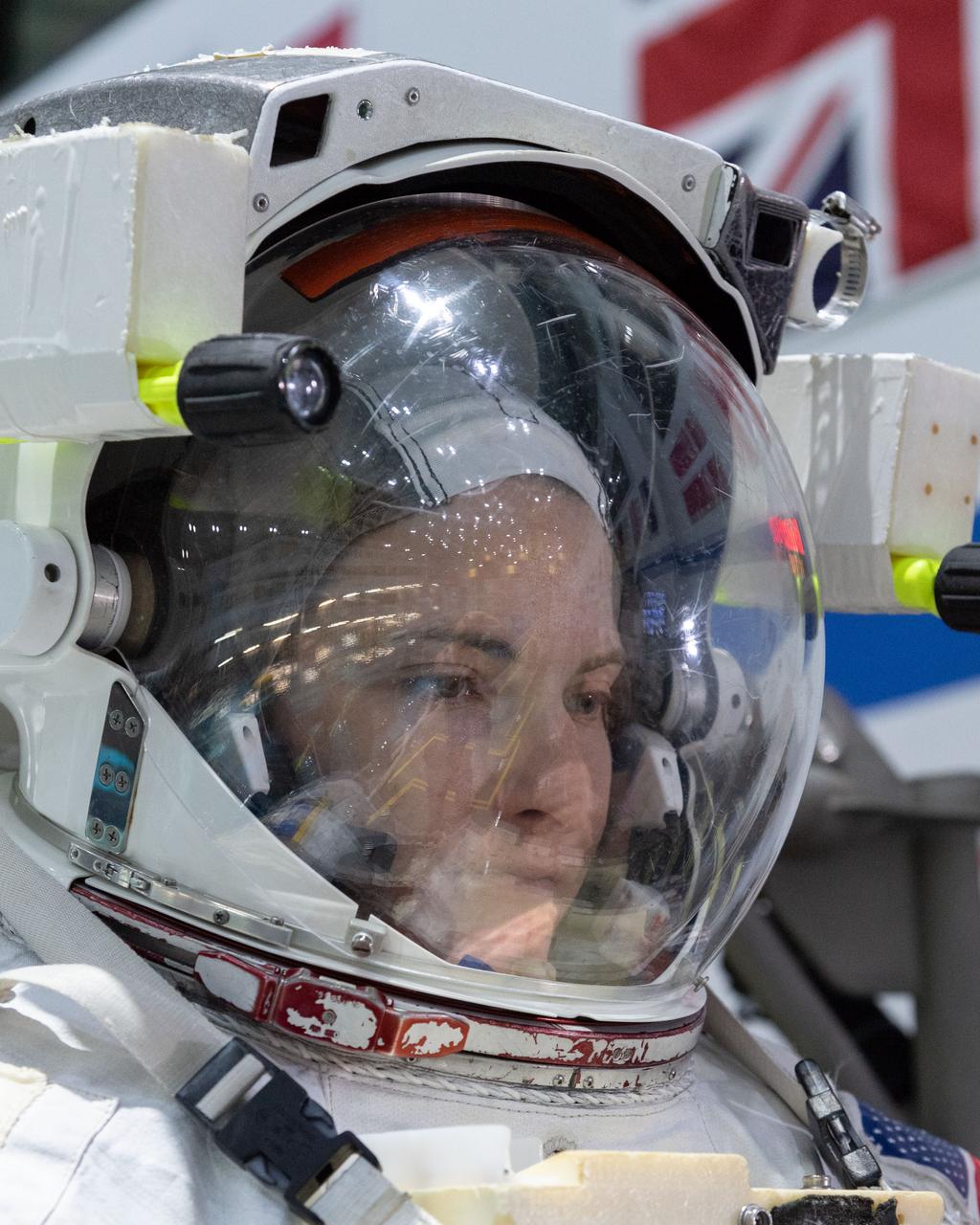
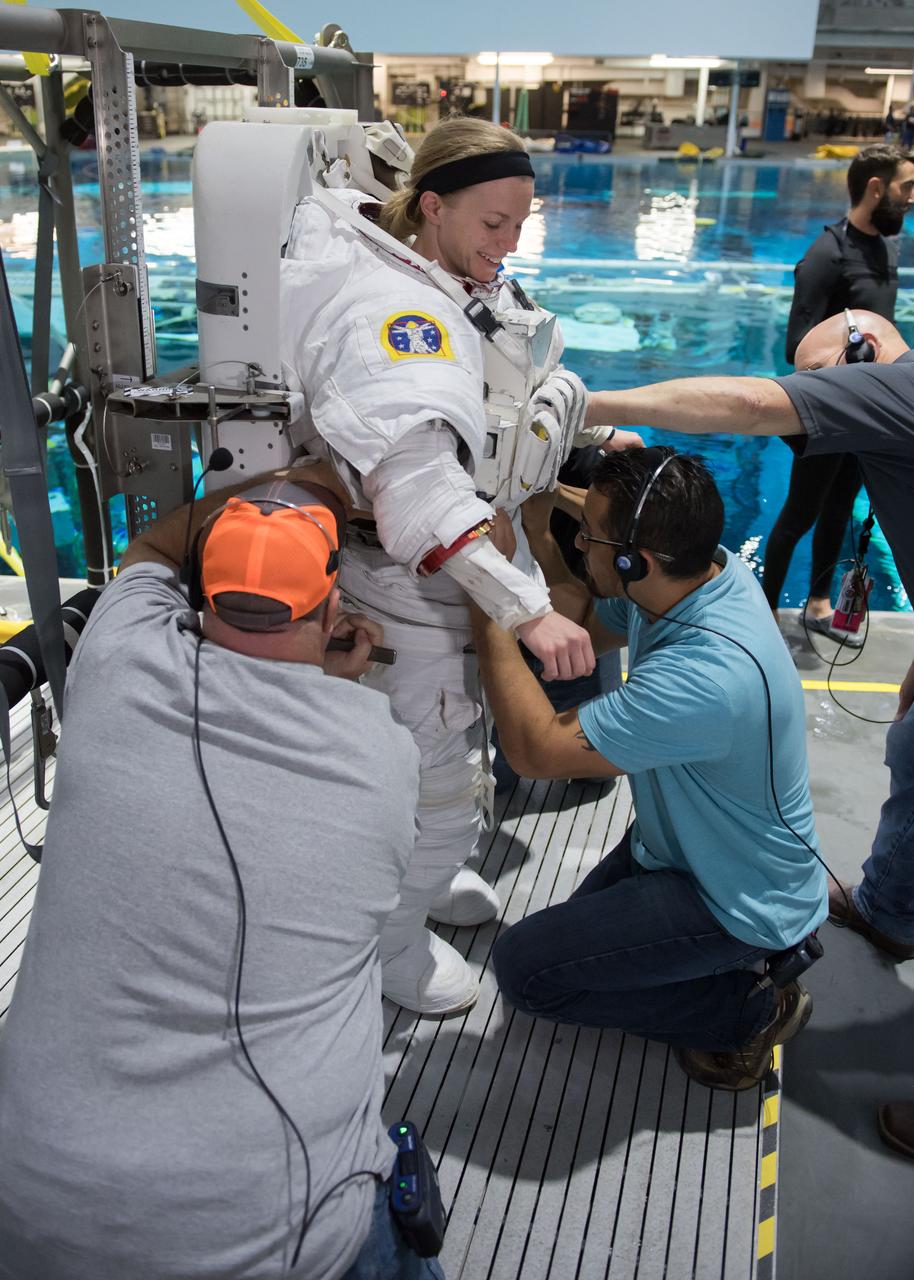
jsc2018e095935 (November 7, 2018) --- 2017 NASA astronaut candidate Kayla Barron prepares for underwater spacewalk training at NASA Johnson Space Center’s Neutral Buoyancy Laboratory in Houston. Photo Credit: (NASA/Robert Markowitz)
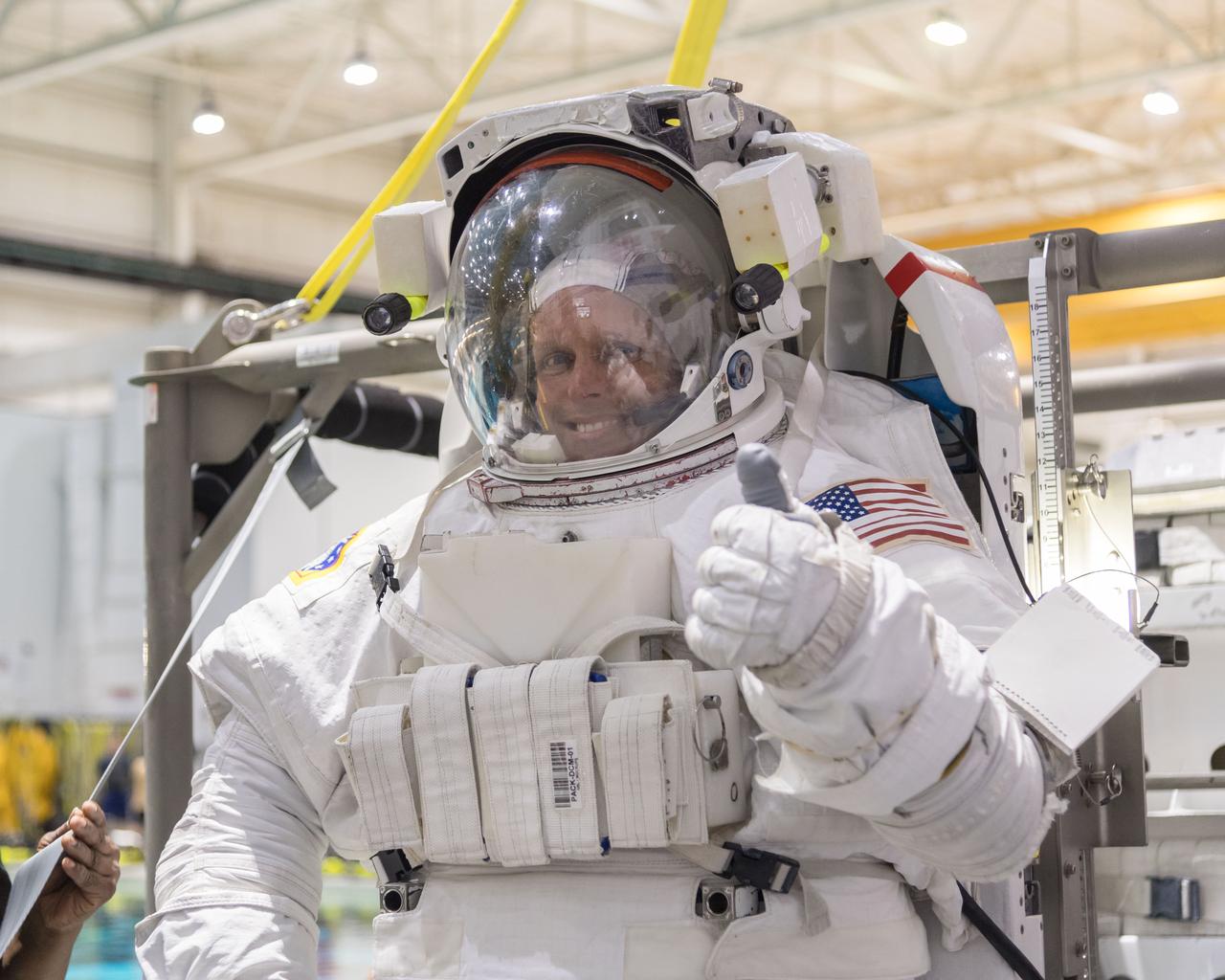
jsc2018e064842 (07/18/2018) --- 2017 NASA astronaut candidate Bob Hines in a spacesuit prior to underwater spacewalk training at NASA Johnson Space Center’s Neutral Buoyancy Laboratory in Houston. Photo Credit: (NASA/Norah Moran)
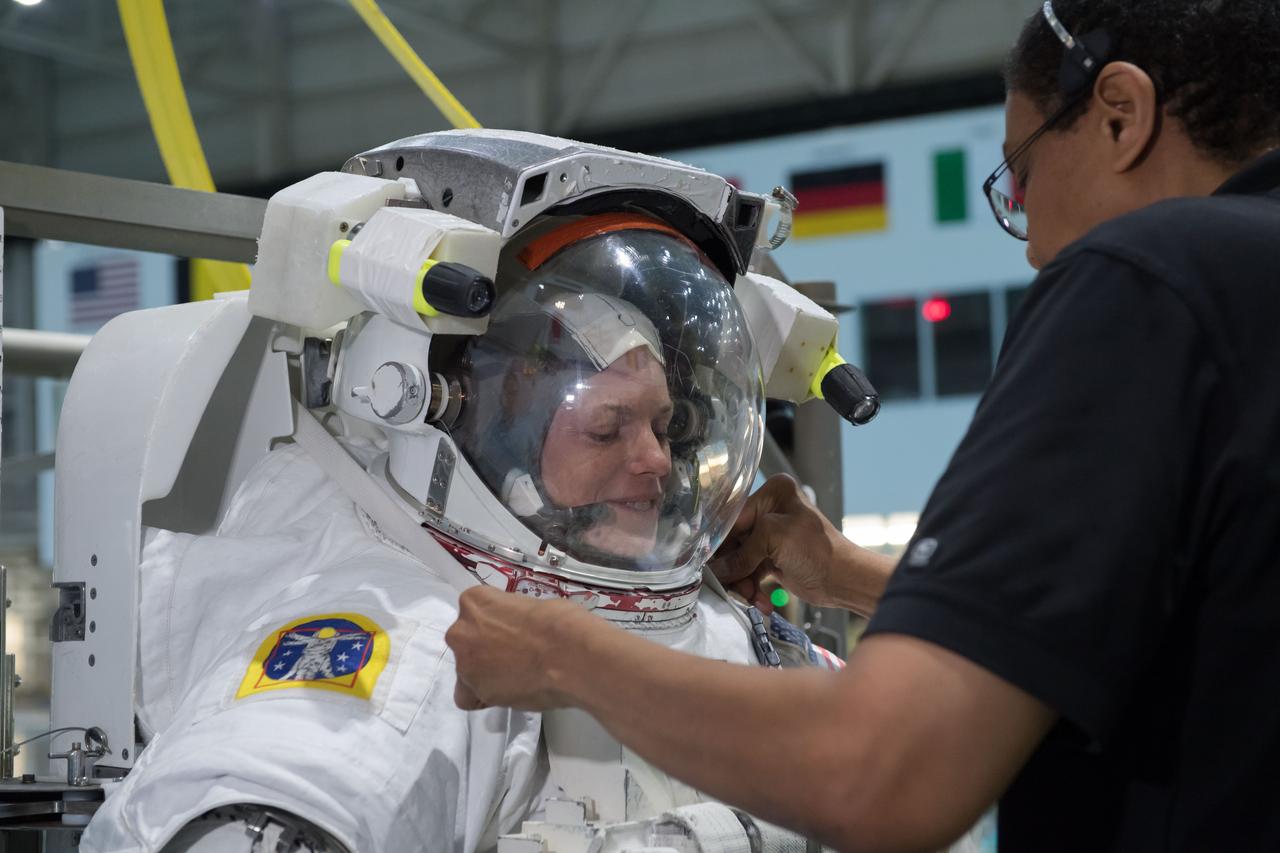
jsc2018e035783 (04-12-2018) --- NASA astronaut candidate Zena Cardman is being helped into a spacesuit for underwater spacewalk training at NASA Johnson Space Center’s Neutral Buoyancy Laboratory. Photo Credit: (NASA/David DeHoyos)
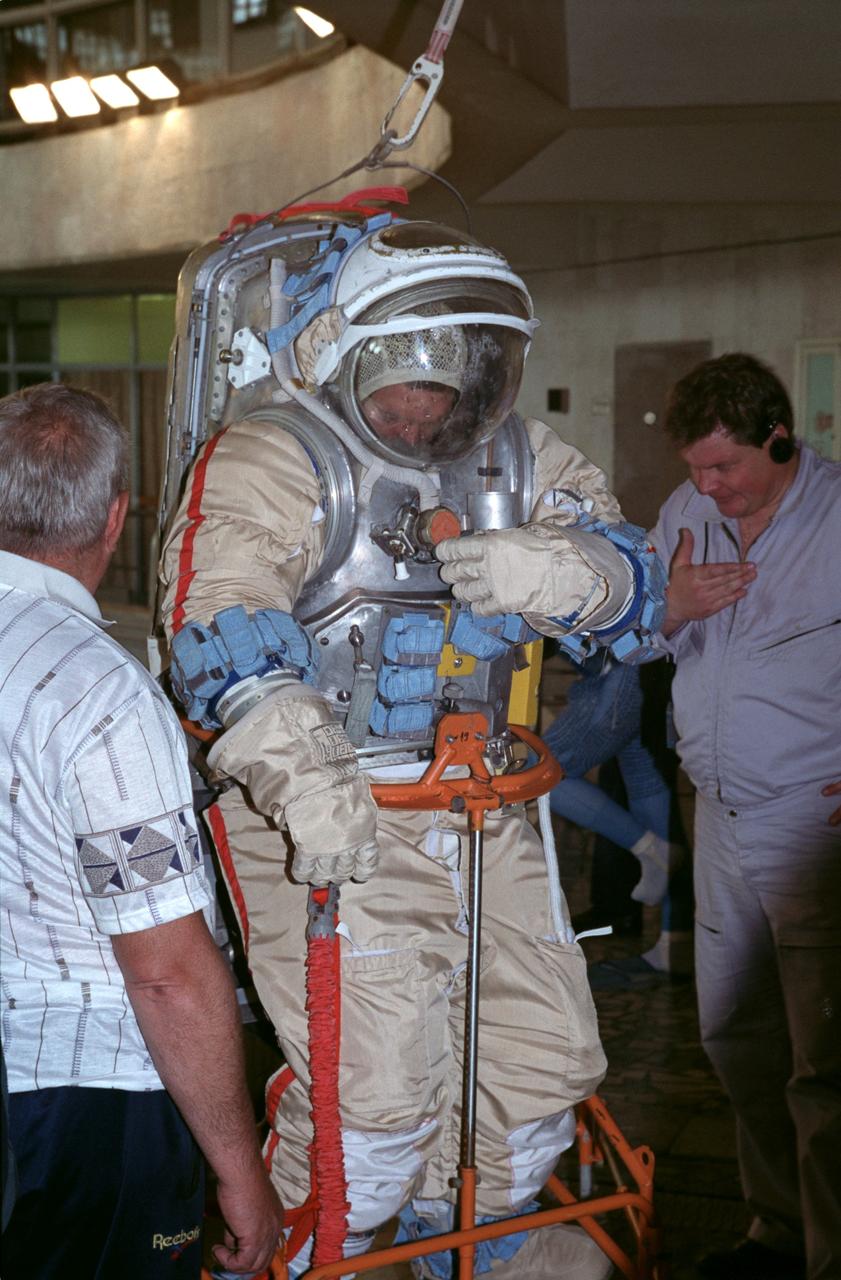
JSC2000-05372 (7 June 2000) --- Astronaut William Shepherd, mission commander for ISS Expedition One, is about to participate in an underwater spacewalk simulation in the Hydrolab facility at the Gagarin Cosmonaut Training Center in Russia.
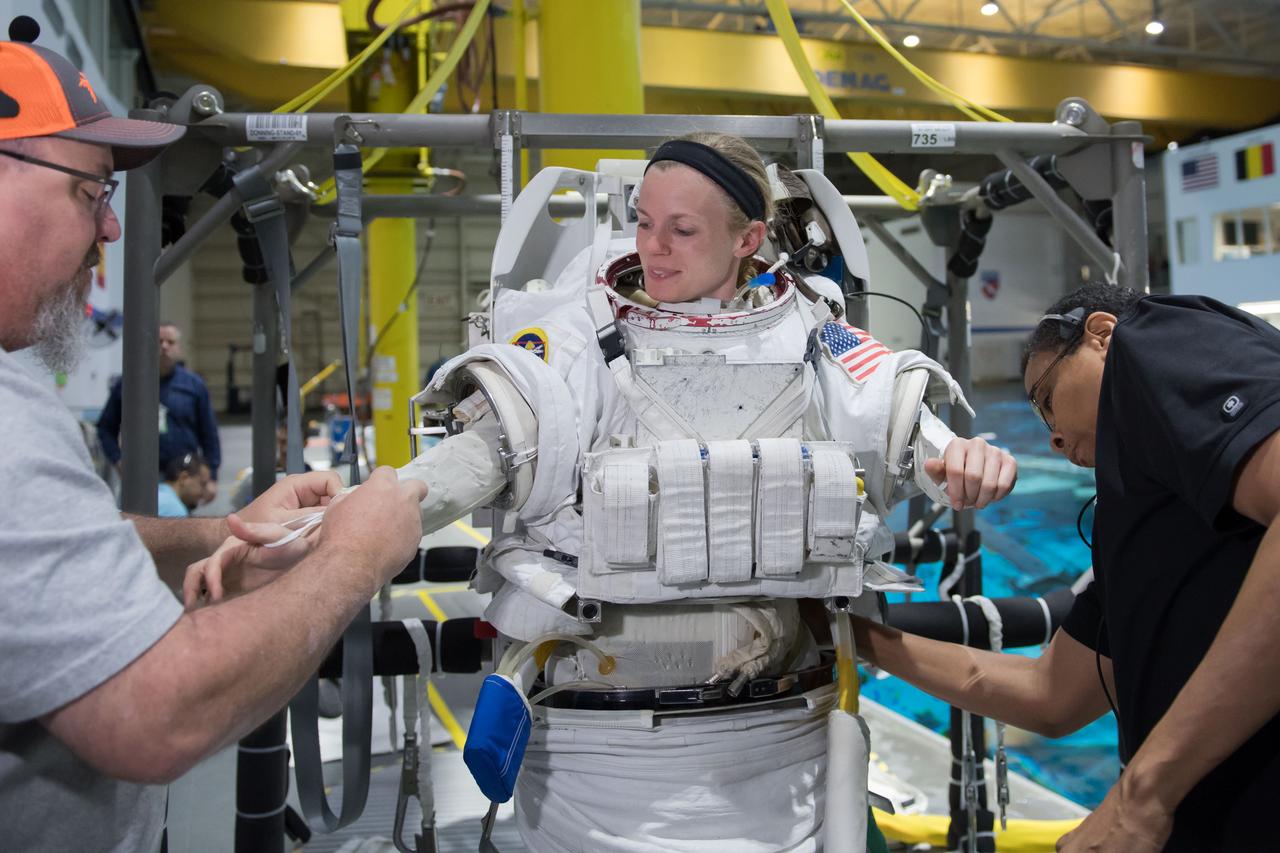
jsc2018e035760 (04-12-2018) --- 2017 NASA astronaut candidate Zena Cardman is being helped into a spacesuit prior to underwater training at NASA Johnson Space Center’s Neutral Buoyancy Laboratory. Photo Credit: (NASA/David DeHoyos)
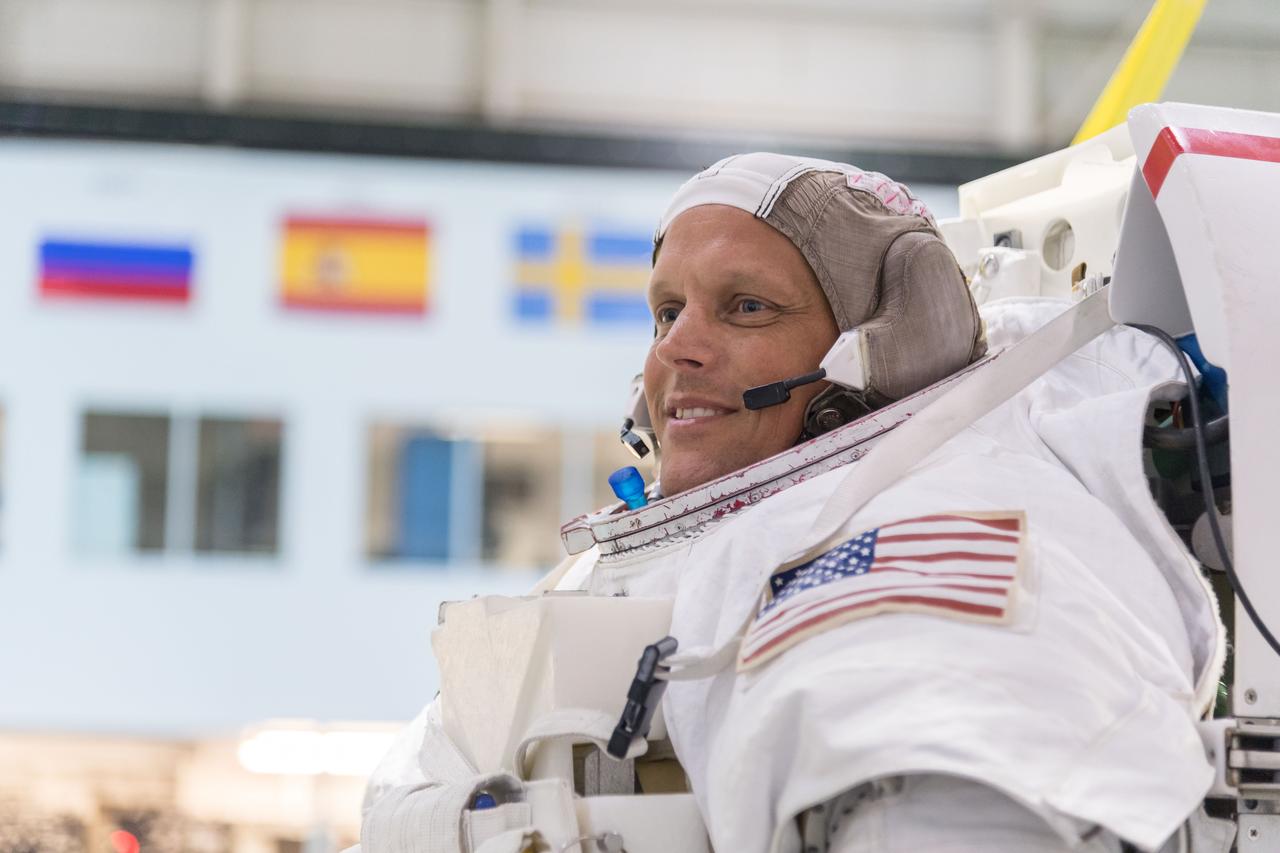
jsc2018e064835 (07/18/2018) --- 2017 NASA astronaut candidate Bob Hines in a spacesuit prior to underwater spacewalk training at NASA Johnson Space Center’s Neutral Buoyancy Laboratory in Houston. Photo Credit: (NASA/Norah Moran)
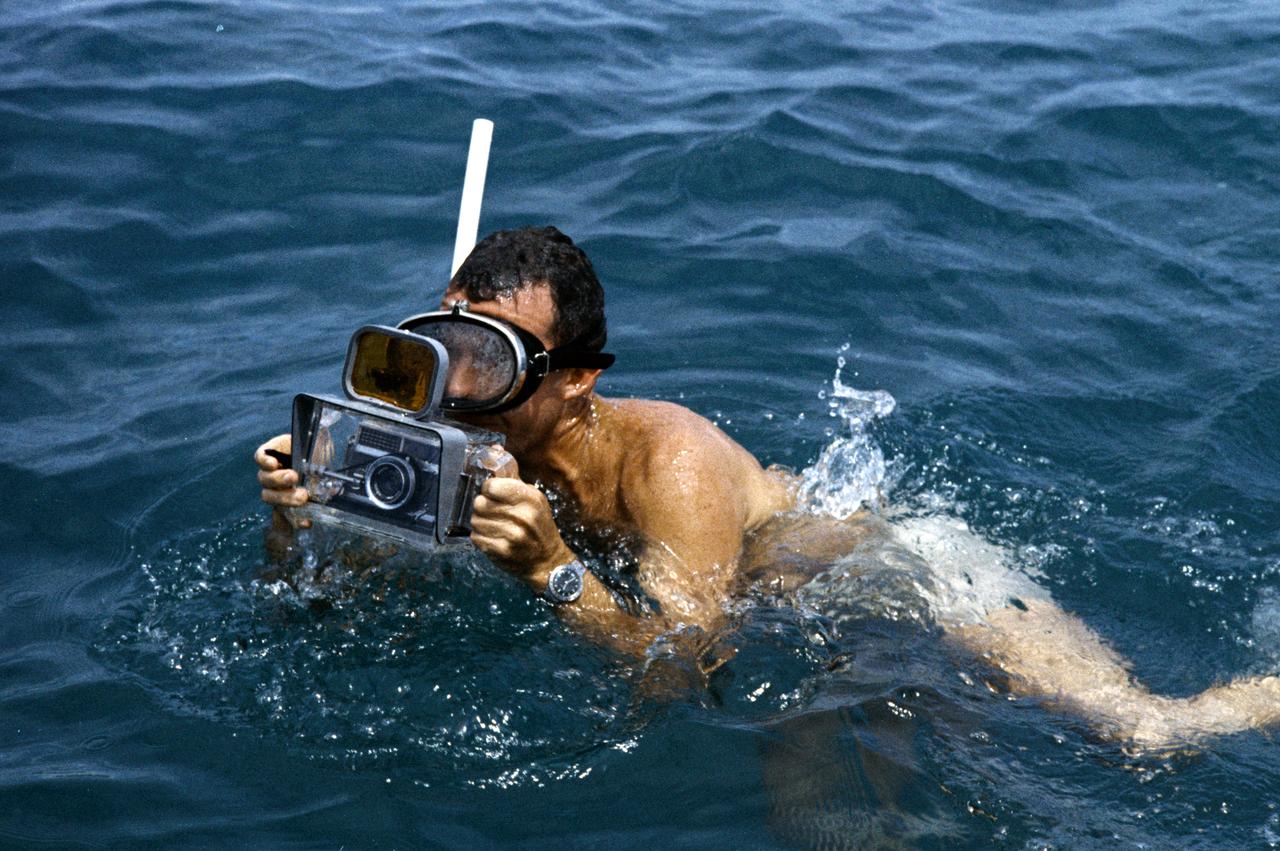
S62-05161 (1962) --- Astronaut L. Gordon Cooper Jr. participates in Mercury water egress training. He is wearing a snorkel and holding a camera for underwater photography. Photo credit: NASA
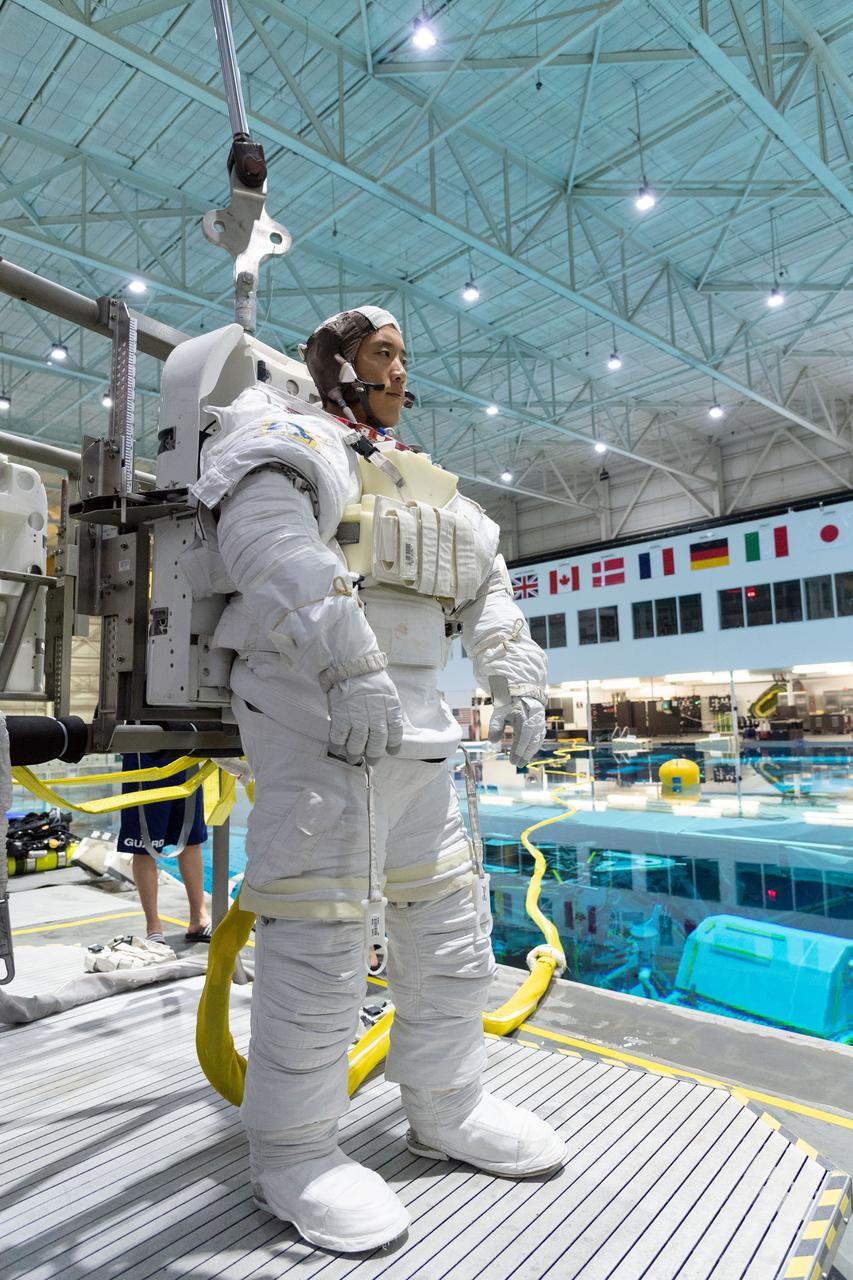
jsc2018e095924 (November 7, 2018) --- 2017 NASA astronaut candidate Jonny Kim prepares for underwater spacewalk training at NASA Johnson Space Center’s Neutral Buoyancy Laboratory in Houston. Photo Credit: (NASA/Robert Markowitz)
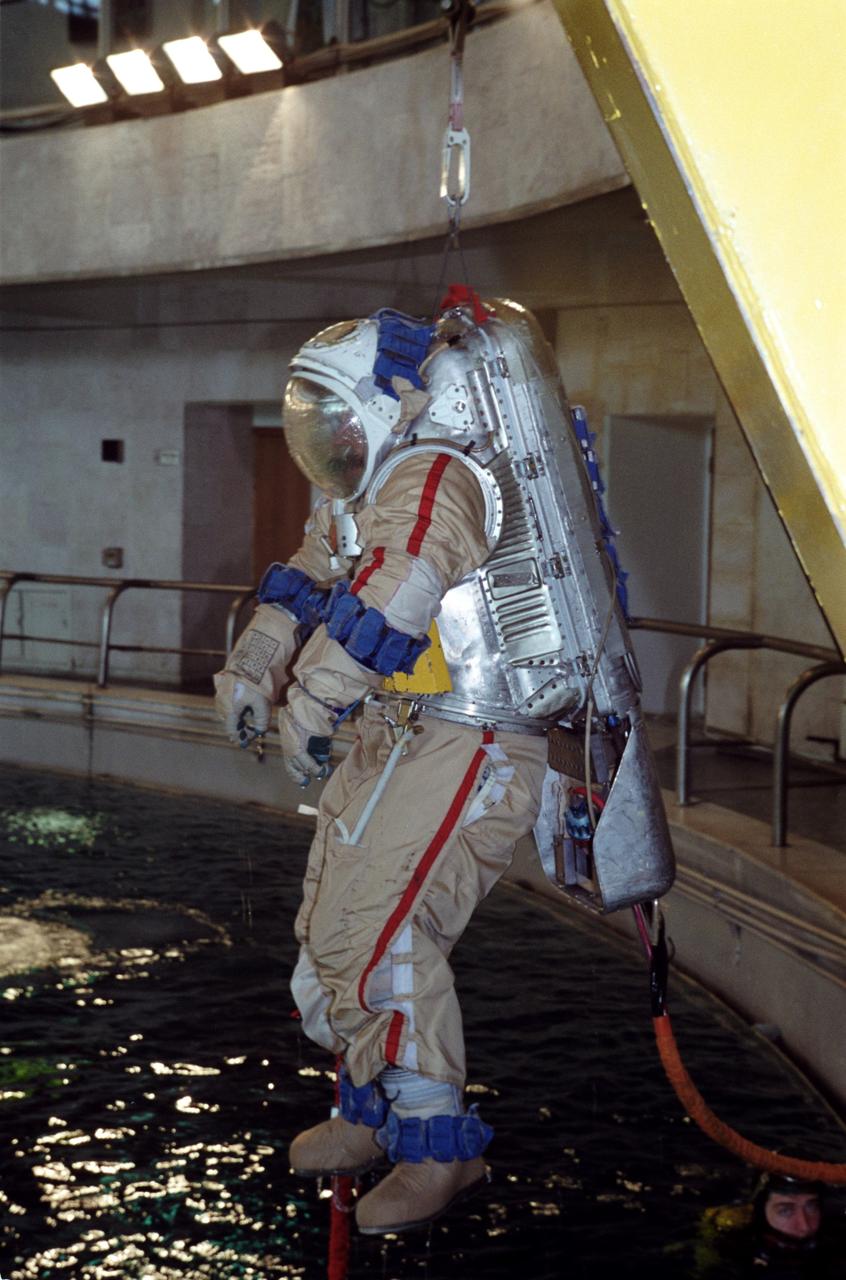
JSC2000-05374 (7 June 2000) --- Astronaut William Shepherd, mission commander for ISS Expedition One, participates in an underwater spacewalk simulation in the Hydrolab facility at the Gagarin Cosmonaut Training Center in Russia.
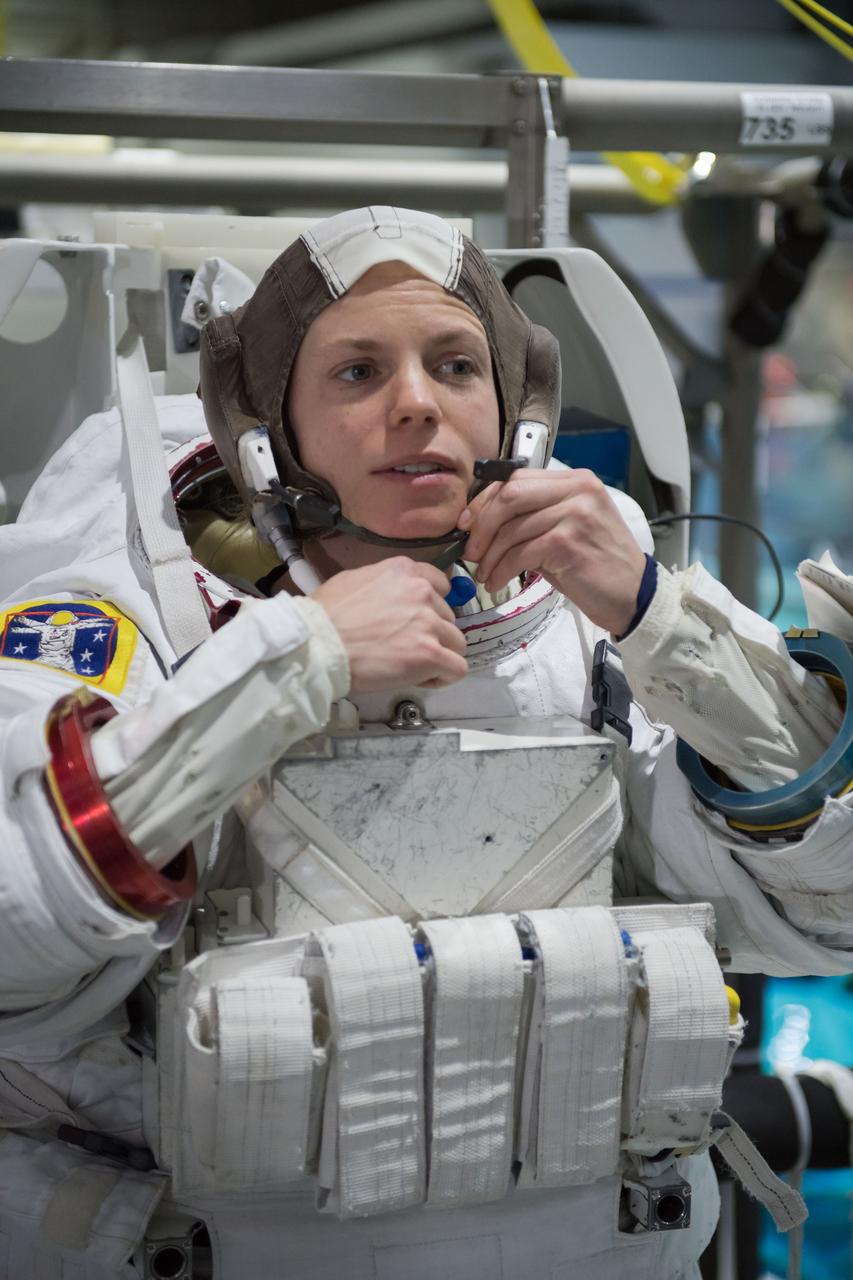
jsc2018e035773 (04-12-2018) --- NASA astronaut candidate Zena Cardman is being helped into a spacesuit prior to underwater spacewalk training at NASA Johnson Space Center’s Neutral Buoyancy Laboratory. Photo Credit: (NASA/David DeHoyos)
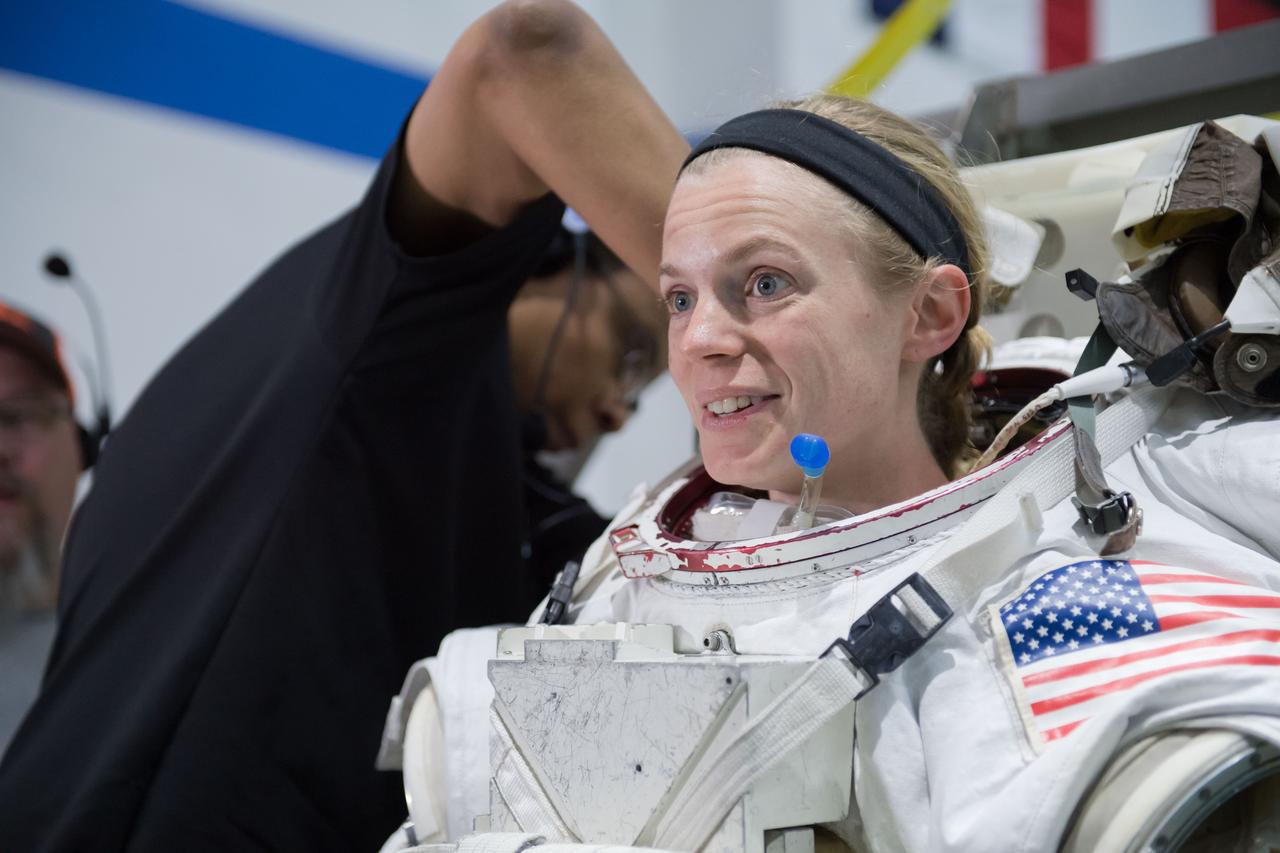
jsc2018e035762 (04-12-2018) --- NASA astronaut candidate Zena Cardman prepares for underwater spacewalk training at NASA Johnson Space Center’s Neutral Buoyancy Laboratory. Photo Credit: (NASA/David DeHoyos)
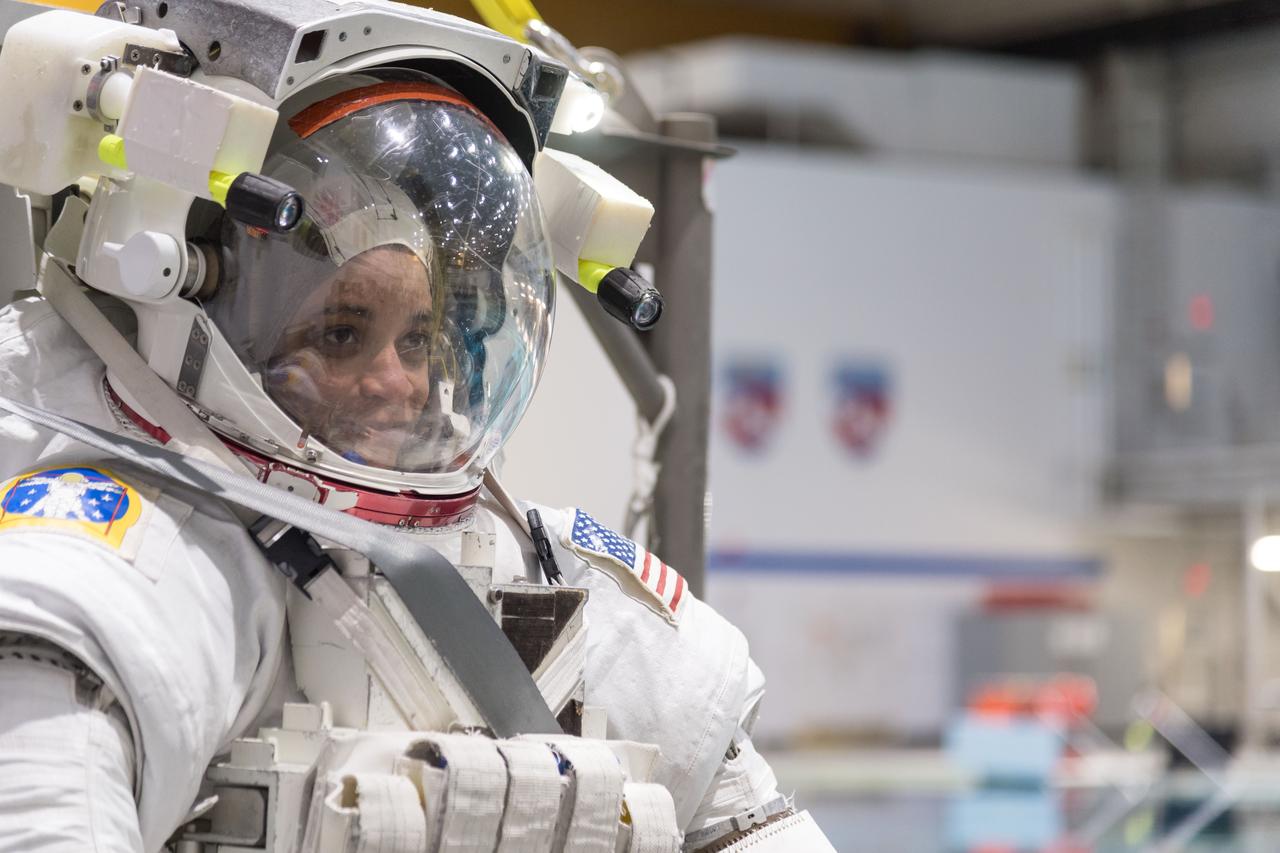
jsc2018e064837 (07/18/2018) --- 2017 NASA astronaut candidate Jessica Watkins in a spacesuit prior to underwater spacewalk training at NASA Johnson Space Center’s Neutral Buoyancy Laboratory in Houston. Photo Credit: (NASA/Norah Moran)
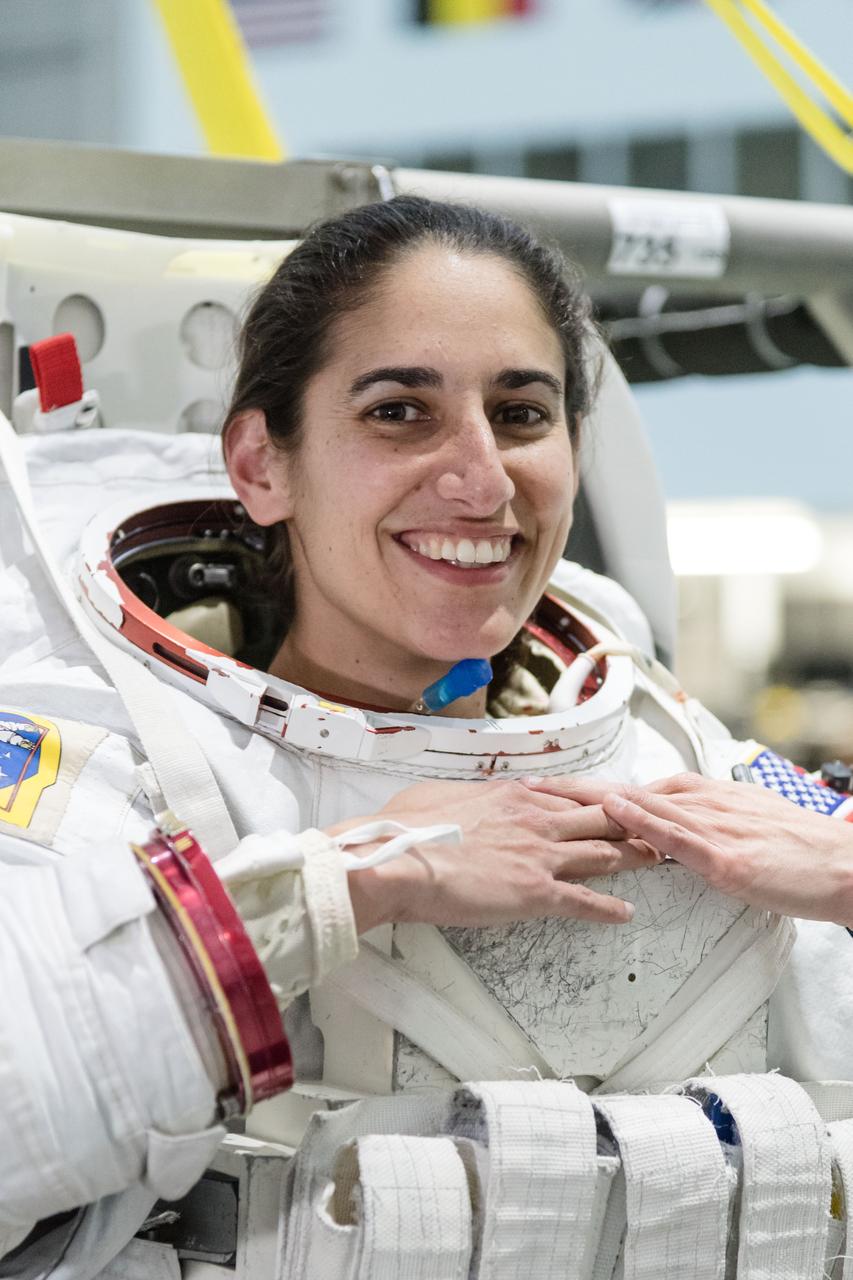
jsc2018e035910 (April 11, 2018) --- 2017 NASA astronaut candidate Jasmin Moghbeli wears a spacesuit prior to underwater spacewalk training at NASA’s Johnson Space Center Neutral Buoyancy Laboratory. Photo Credit: (NASA/Josh Valcarcel)
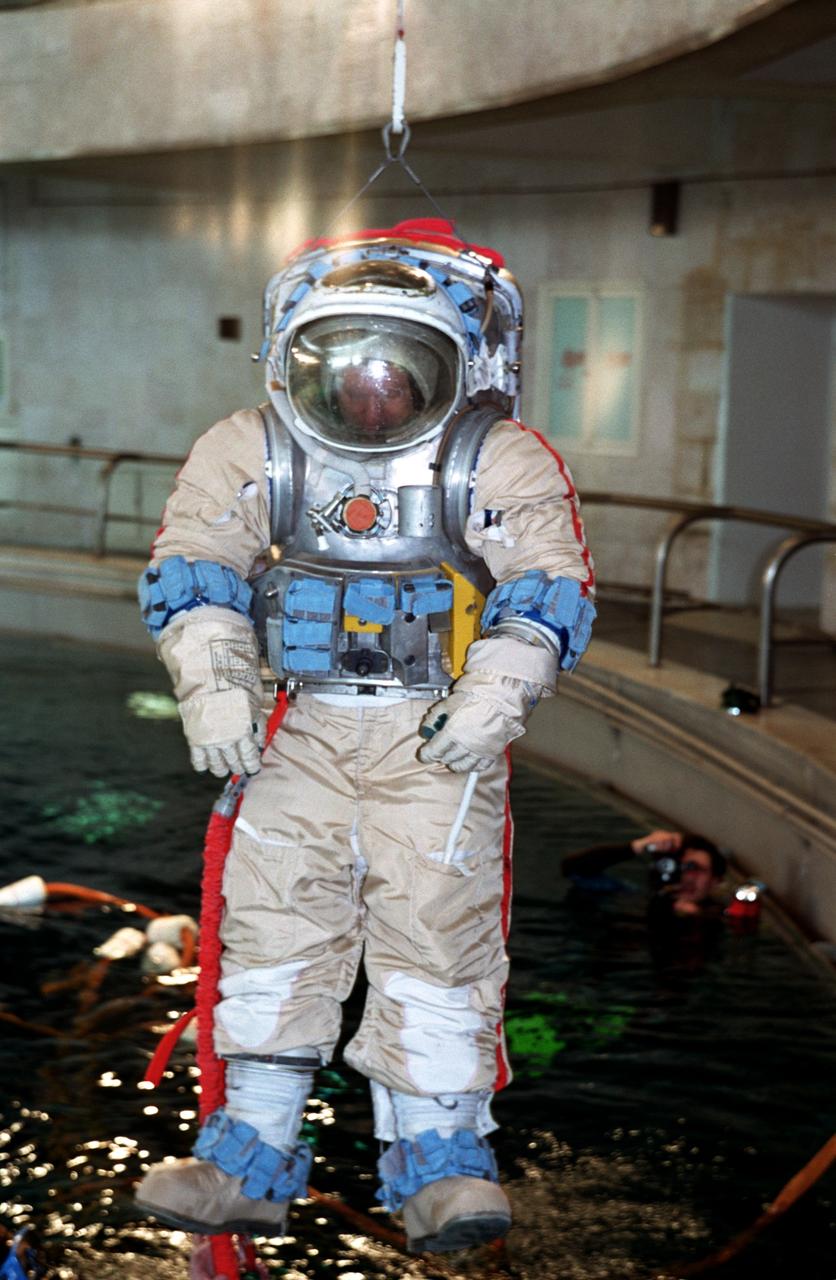
JSC2000-05373 (7 June 2000) --- Astronaut William Shepherd, mission commander for ISS Expedition One, participates in an underwater spacewalk simulation in the Hydrolab facility at the Gagarin Cosmonaut Training Center in Russia.
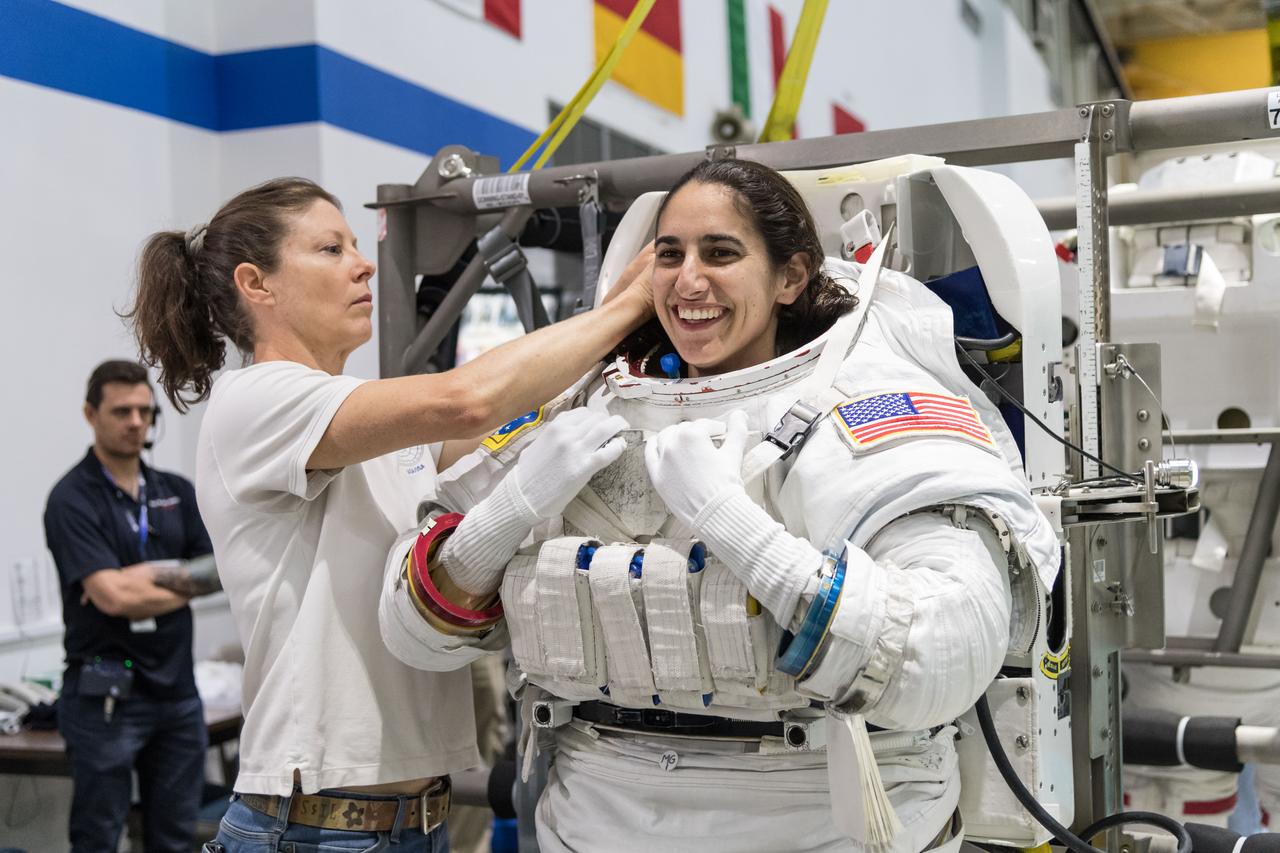
jsc2018e035915 (April 11, 2018) --- 2017 NASA astronaut candidate Jasmin Moghbeli is helped into a spacesuit prior to underwater spacewalk training at NASA Johnson Space Center’s Neutral Buoyancy Laboratory. Photo Credit: (NASA/Josh Valcarcel)
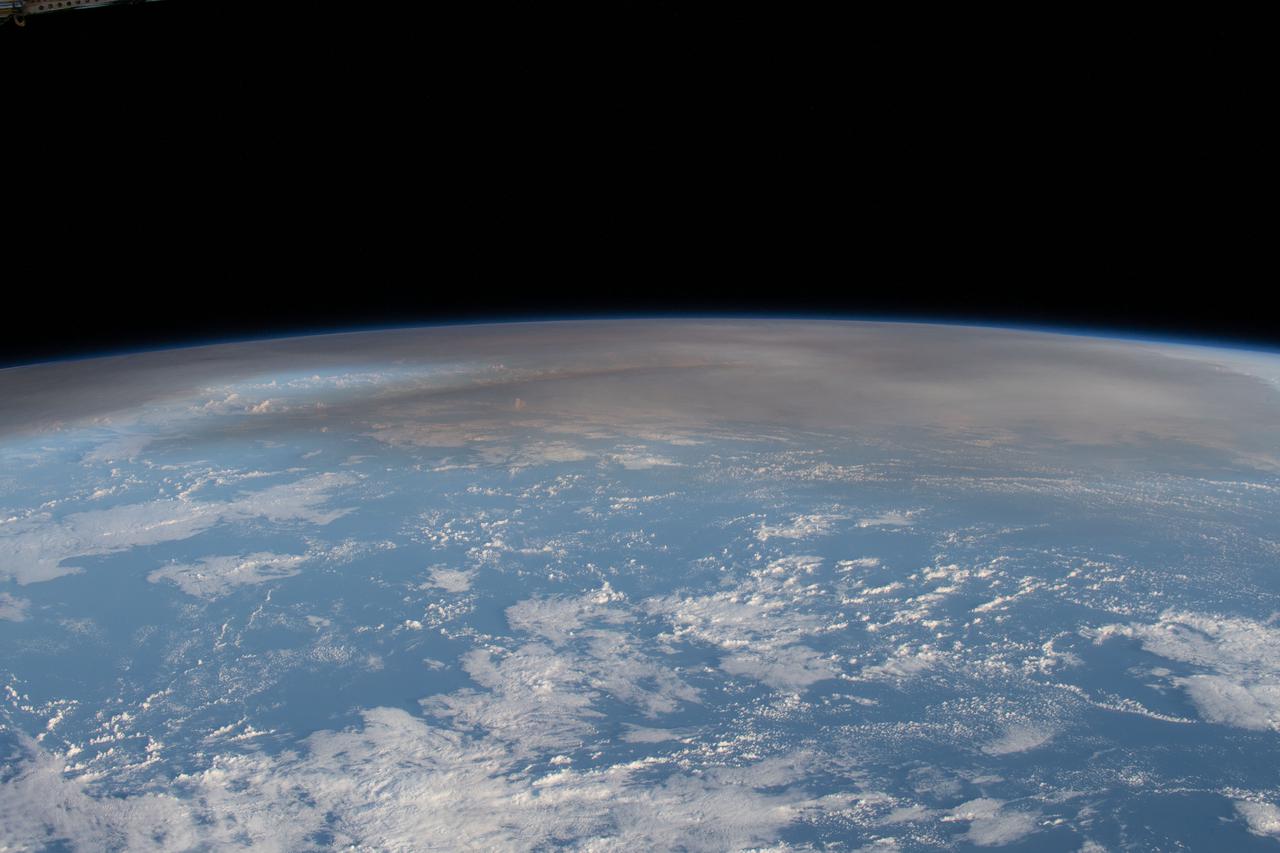
iss066e117997 (Jan. 16, 2022) --- The atmospheric plume from an underwater volcano eruption in the Pacific nation of Tonga is pictured from the International Space Station as it orbited 269 miles above the Pacific Ocean northwest of Auckland, New Zealand.
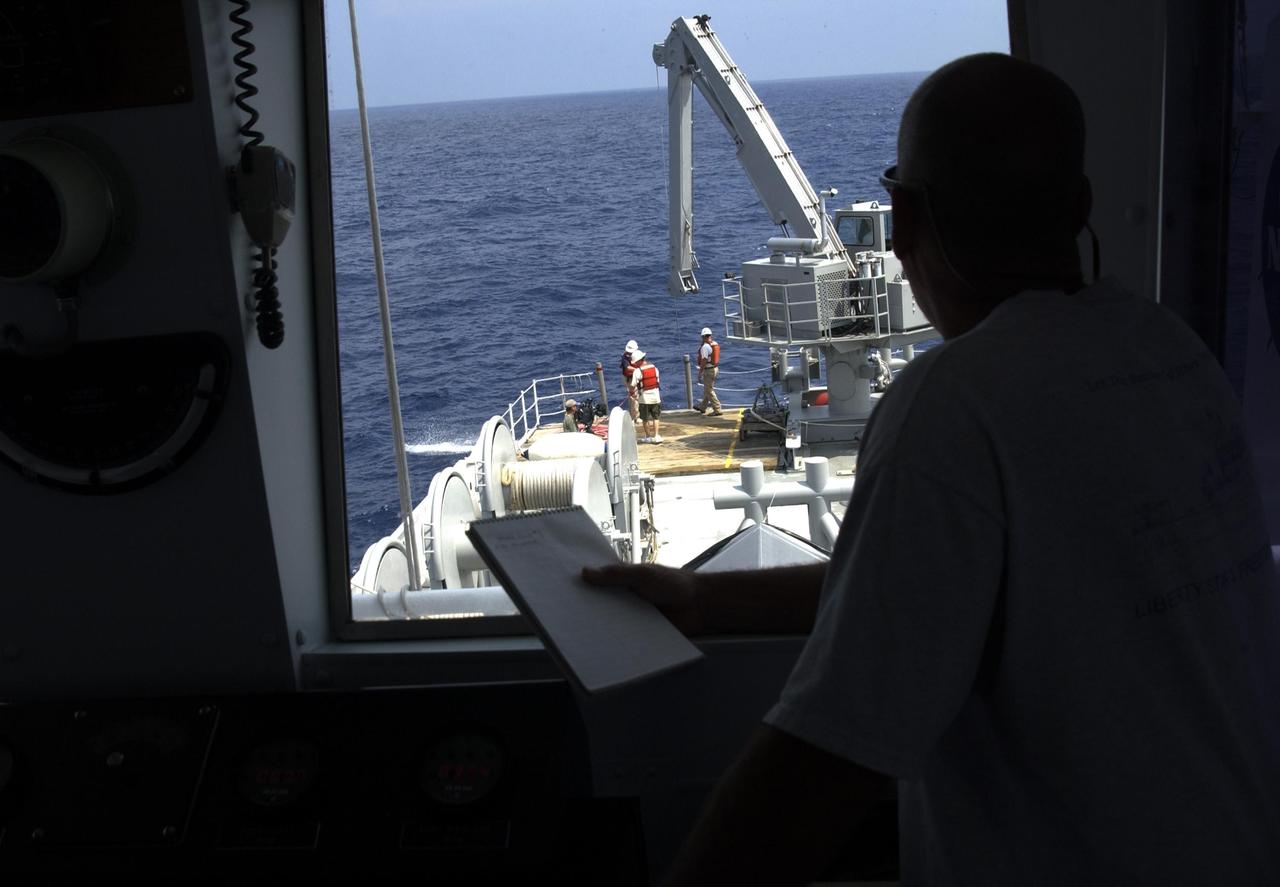
KENNEDY SPACE CENTER, FLA. - A view from inside the pilot house of the Liberty Star overlooks the stern where a team secures lines to underwater research equipment being used on an expedition to characterize the condition of the deep-sea coral reefs and reef fish populations in the Oculina Banks. The banks are a marine protected area, 20 miles offshore of the east coast of Florida. The equipment includes an underwater robot, a seafloor sampler, and the Passive Acoustic Monitoring System (PAMS), originally developed by NASA to monitor the impact of rocket launches on wildlife refuge lagoons at KSC. The research is sponsored by NOAA Fisheries. The ship departed from Port Canaveral April 29 and will return May 9.
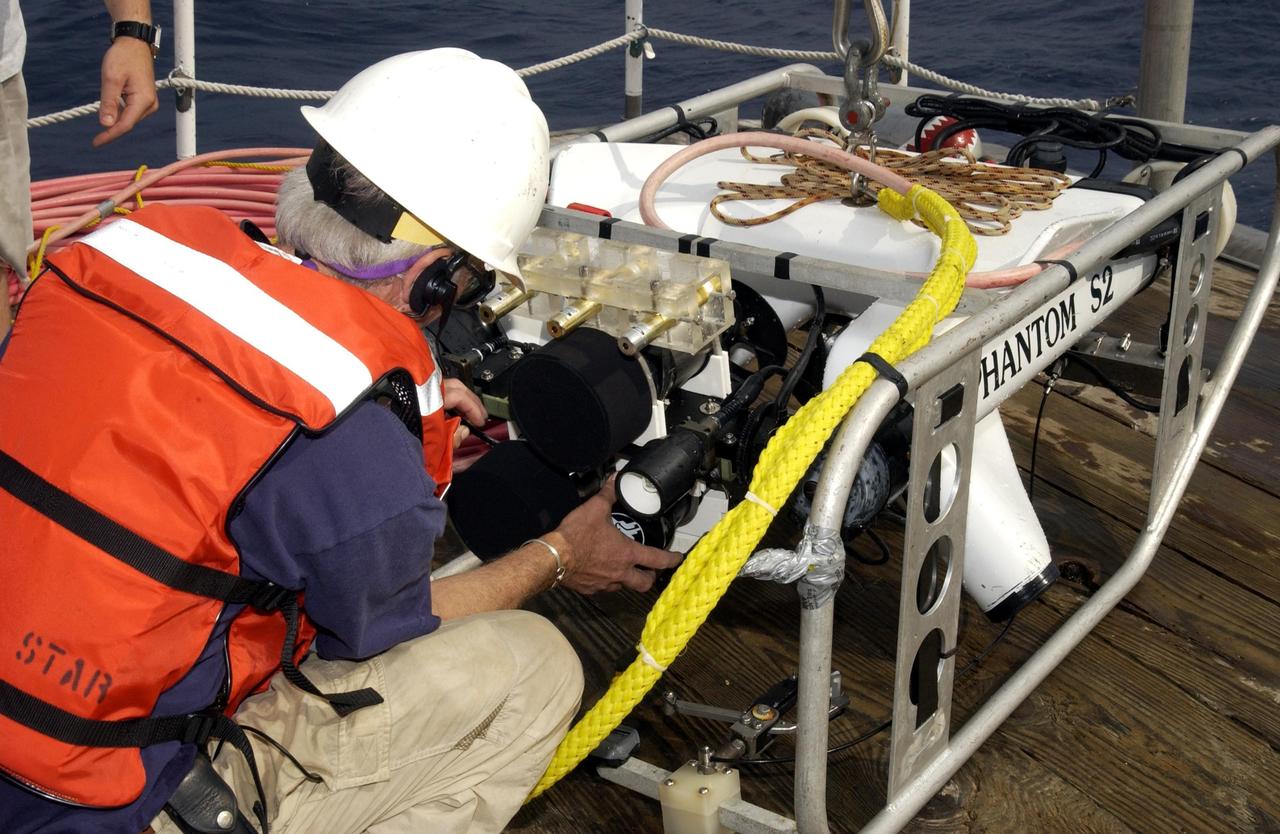
KENNEDY SPACE CENTER, FLA. - Underwater equipment is checked on the deck of the Liberty Star, which will be the site of an undersea expedition to characterize the condition of the deep-sea coral reefs and reef fish populations in the Oculina Banks, a marine protected area, 20 miles offshore of the east coast of Florida. A team of scientists will deploy an underwater robot, a seafloor sampler, and the Passive Acoustic Monitoring System (PAMS), originally developed by NASA to monitor the impact of rocket launches on wildlife refuge lagoons at KSC. The research is sponsored by NOAA Fisheries. The ship departed from Port Canaveral April 29 and will return May 9.
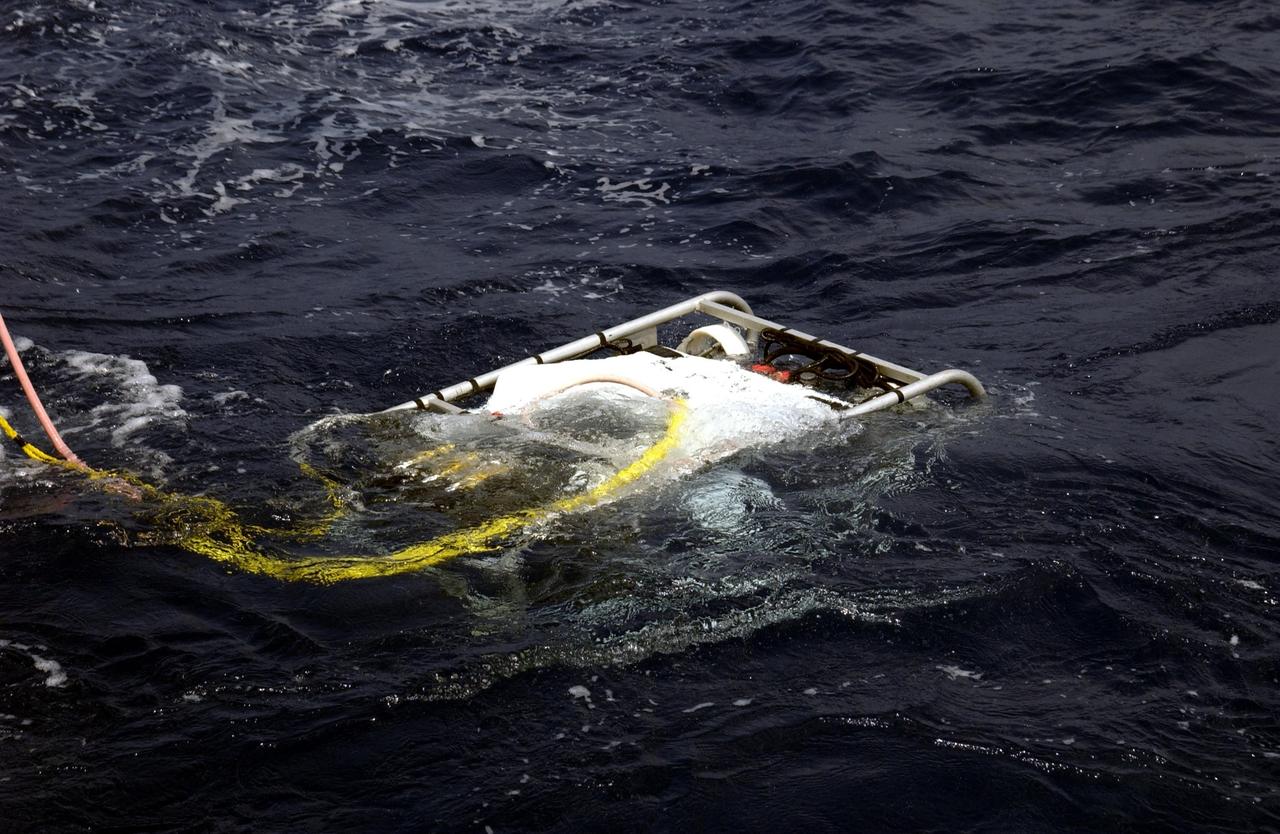
KENNEDY SPACE CENTER, FLA. - Underwater research equipment slowly sinks into the water. An undersea expedition is underway to characterize the condition of the deep-sea coral reefs and reef fish populations in the Oculina Banks, a marine protected area, 20 miles offshore of the east coast of Florida. The equipment includes an underwater robot, a seafloor sampler, and the Passive Acoustic Monitoring System (PAMS), originally developed by NASA to monitor the impact of rocket launches on wildlife refuge lagoons at KSC. The research is sponsored by NOAA Fisheries and will take place onboard the Liberty Star. The ship departed from Port Canaveral April 29 and will return May 9.

KENNEDY SPACE CENTER, FLA. - A team onboard the Liberty Star, the NASA Space Shuttle support ship operated by United Space Alliance, get ready to lower underwater research equipment into the water. An undersea expedition is underway to characterize the condition of the deep-sea coral reefs and reef fish populations in the Oculina Banks, a marine protected area, 20 miles offshore of the east coast of Florida. The equipment includes an underwater robot, a seafloor sampler, and the Passive Acoustic Monitoring System (PAMS), originally developed by NASA to monitor the impact of rocket launches on wildlife refuge lagoons at KSC. The research is sponsored by NOAA Fisheries. The ship departed from Port Canaveral April 29 and will return May 9.
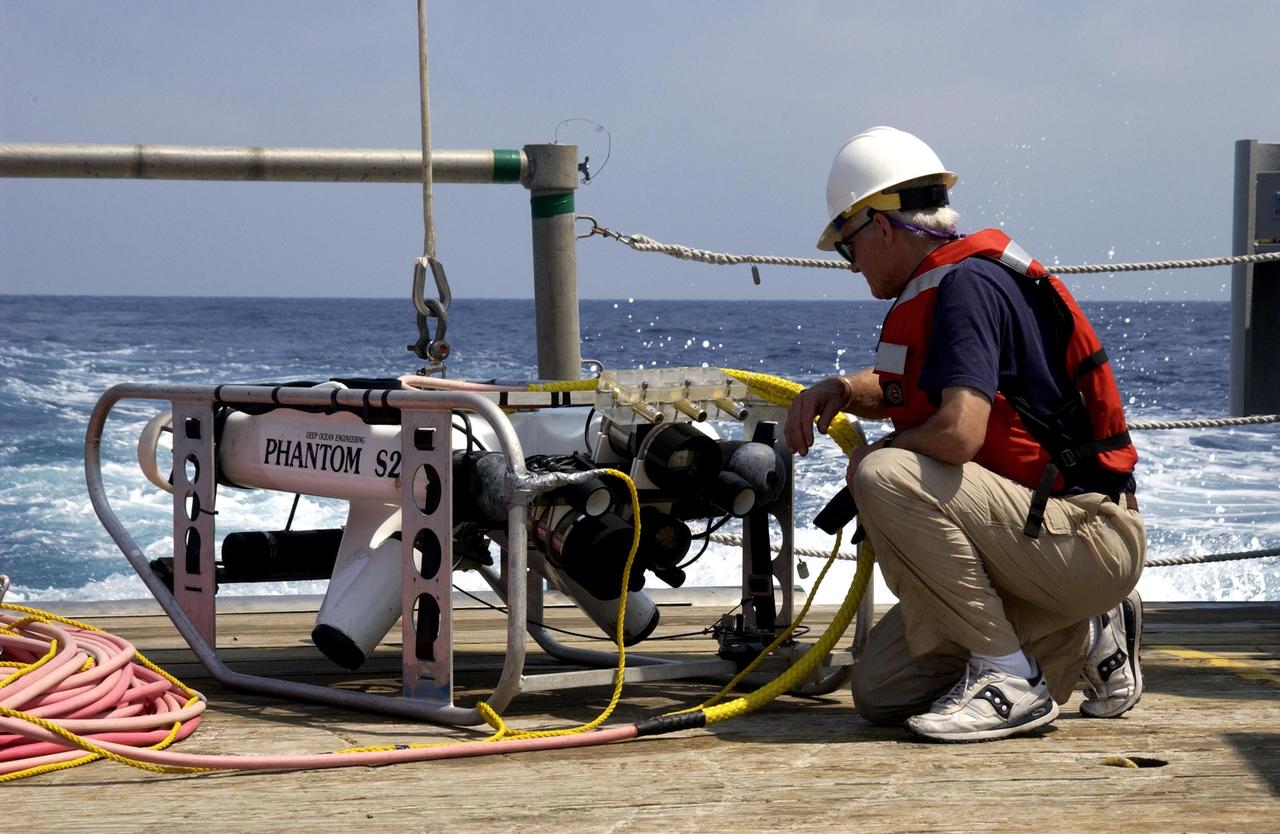
KENNEDY SPACE CENTER, FLA. - Underwater research equipment is prepared for immersion from the Liberty Star, the NASA Space Shuttle support ship operated by United Space Alliance. It is being used on an undersea expedition to characterize the condition of the deep-sea coral reefs and reef fish populations in the Oculina Banks, a marine protected area, 20 miles offshore of the east coast of Florida. The equipment includes an underwater robot, a seafloor sampler, and the Passive Acoustic Monitoring System (PAMS), originally developed by NASA to monitor the impact of rocket launches on wildlife refuge lagoons at KSC. The research is sponsored by NOAA Fisheries. The ship departed from Port Canaveral April 29 and will return May 9.
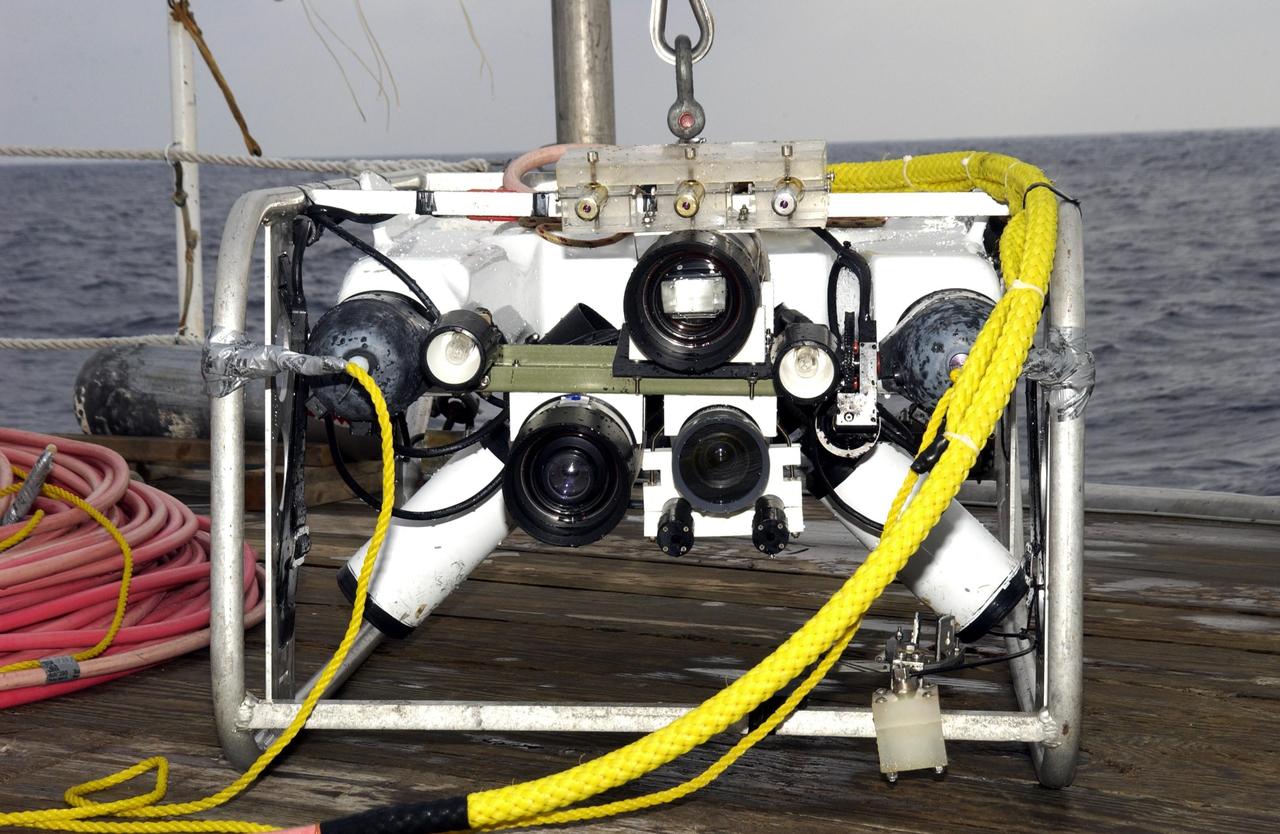
KENNEDY SPACE CENTER, FLA. - Underwater equipment sits on the deck of the Liberty Star, which will be the site of an undersea expedition to characterize the condition of the deep-sea coral reefs and reef fish populations in the Oculina Banks, a marine protected area, 20 miles offshore of the east coast of Florida. A team of scientists will deploy an underwater robot, a seafloor sampler, and the Passive Acoustic Monitoring System (PAMS), originally developed by NASA to monitor the impact of rocket launches on wildlife refuge lagoons at KSC. The research is sponsored by NOAA Fisheries. The ship departed from Port Canaveral April 29 and will return May 9.
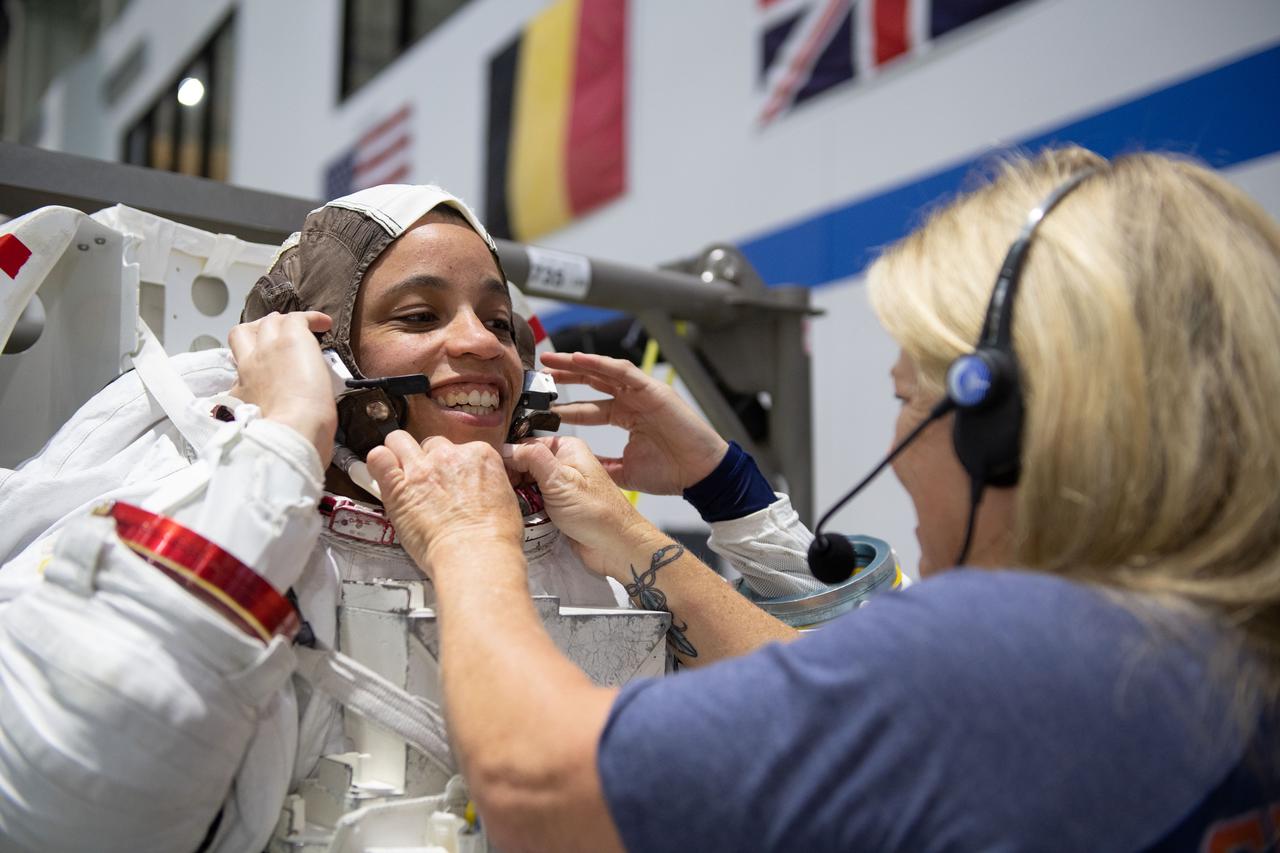
jsc2019e030024 (05-22-19) --- 2017 NASA astronaut candidate Jessica Watkins is helped into a spacesuit prior to underwater spacewalk training at NASA Johnson Space Center’s Neutral Buoyancy Laboratory in Houston. Photo Credit: (NASA/David DeHoyos)
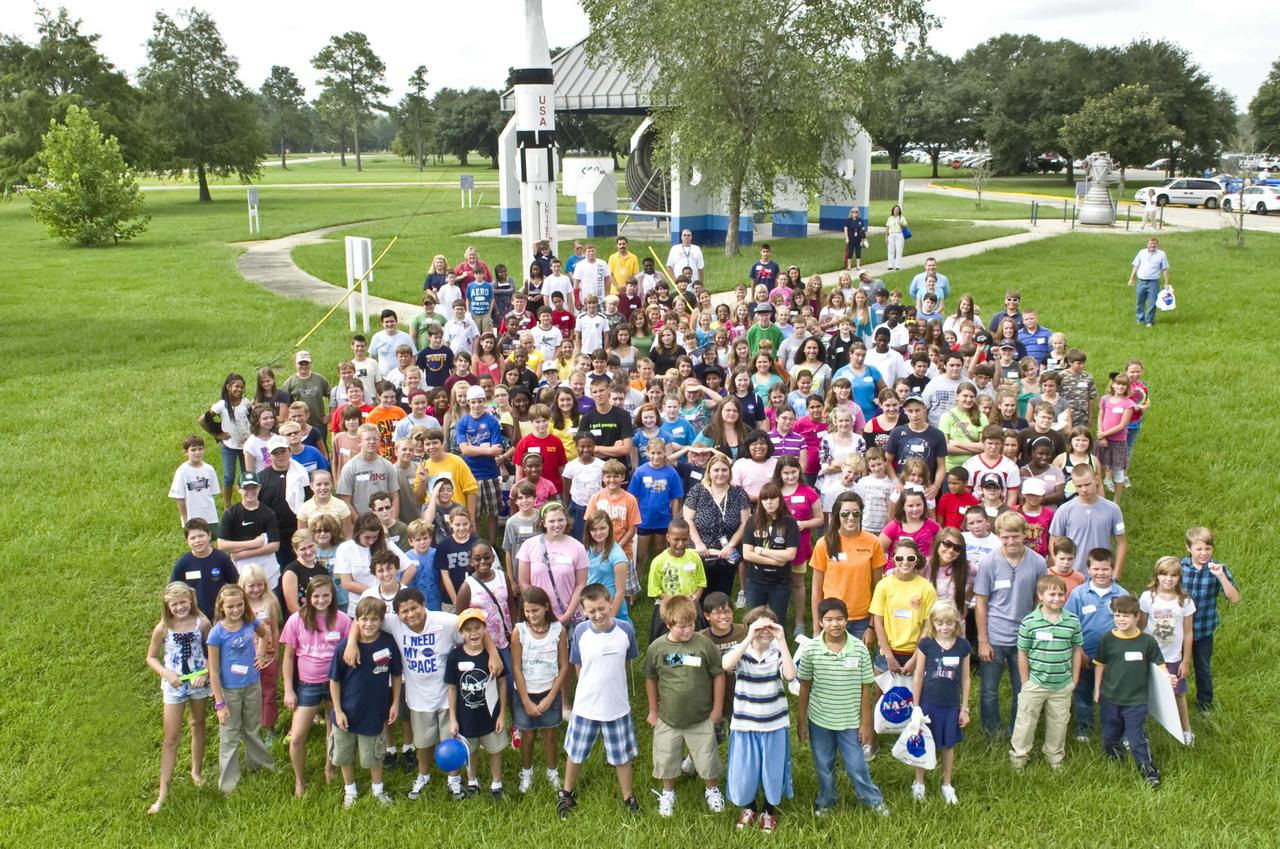
Some 230 children of Stennis Space Center employees visited the facility July 26 to participate in annual Take Our Children to Work Day activities. Participants enjoyed various presentations and demonstrations on topics such as cryogenics, underwater robotics and geocaching.
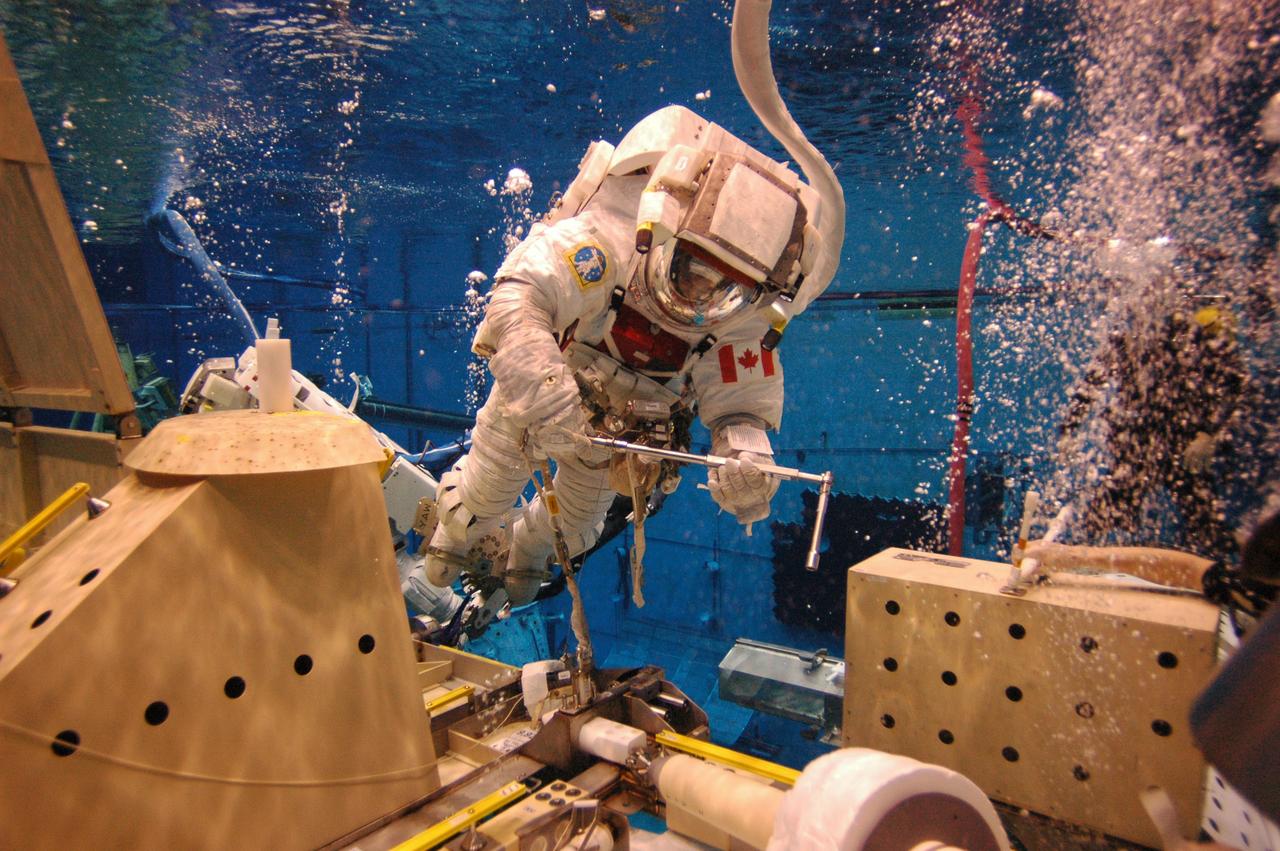
• Event (Mission for flight / Class for training): STS-118 (13A.1) • Title: STS-118 EVA 1 NBL • Date: 4-18-07 • Location: NBL • Key words: 118, 13A.1, S5, NBL • Description: NBL underwater photos of STS-118 EVA 1 S5 install.