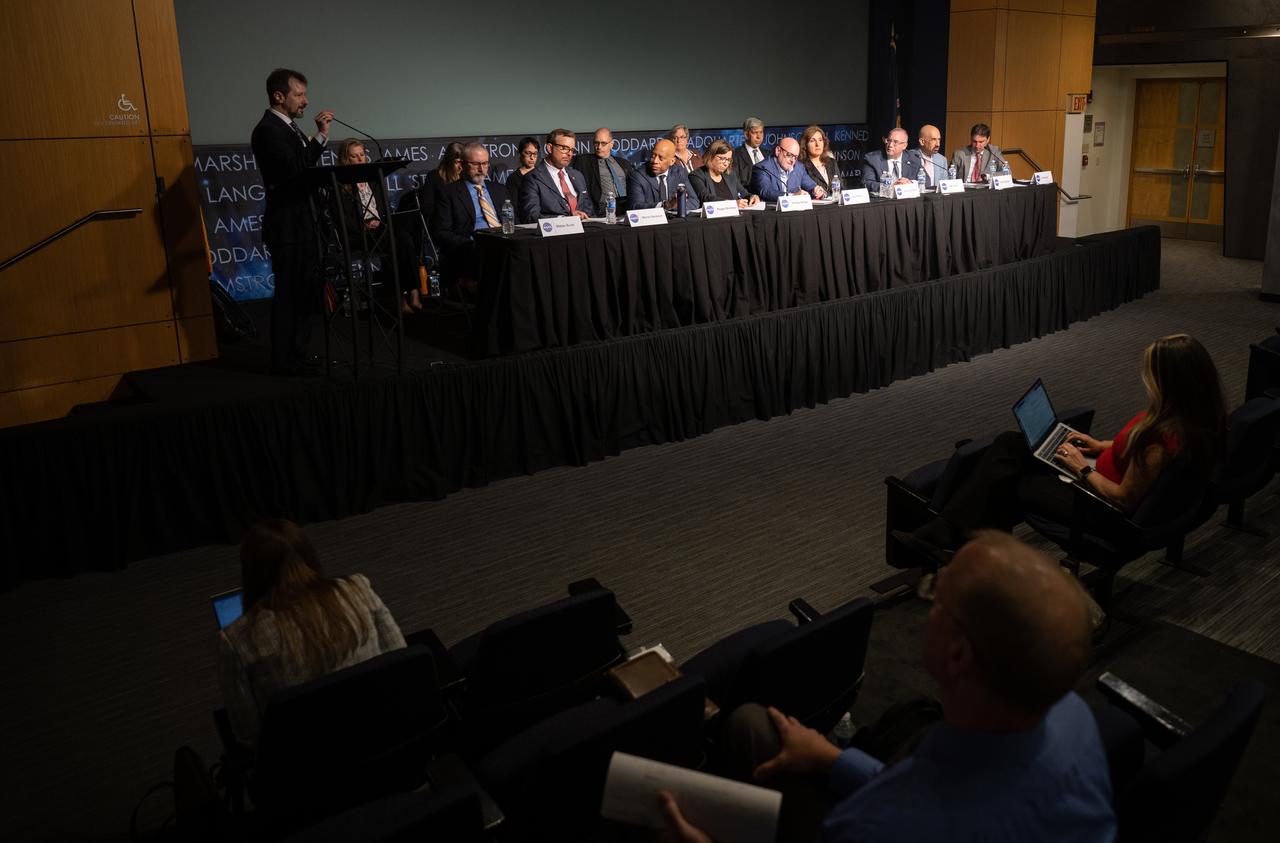
Members of NASA’s unidentified anomalous phenomena (UAP) independent study team are seen during a public meeting, Wednesday, May 31, 2023 at the Mary W. Jackson NASA Headquarters building in Washington. The UAP independent study team is a counsel of 16 community experts across diverse areas on matters relevant to potential methods of study for unidentified anomalous phenomena. NASA commissioned the nine-month study to examine UAP from a scientific perspective and create a roadmap for how to use data and the tools of science to move our understanding of UAP forward. Photo Credit: (NASA/Joel Kowsky)

David Spergel, chair of NASA's independent study on unidentified anomalous phenomena and President of the Simons Foundation, speaks during a public meeting of NASA’s unidentified anomalous phenomena (UAP) independent study team, Wednesday, May 31, 2023 at the Mary W. Jackson NASA Headquarters building in Washington. The UAP independent study team is a counsel of 16 community experts across diverse areas on matters relevant to potential methods of study for unidentified anomalous phenomena. NASA commissioned the nine-month study to examine UAP from a scientific perspective and create a roadmap for how to use data and the tools of science to move our understanding of UAP forward. Photo Credit: (NASA/Joel Kowsky)
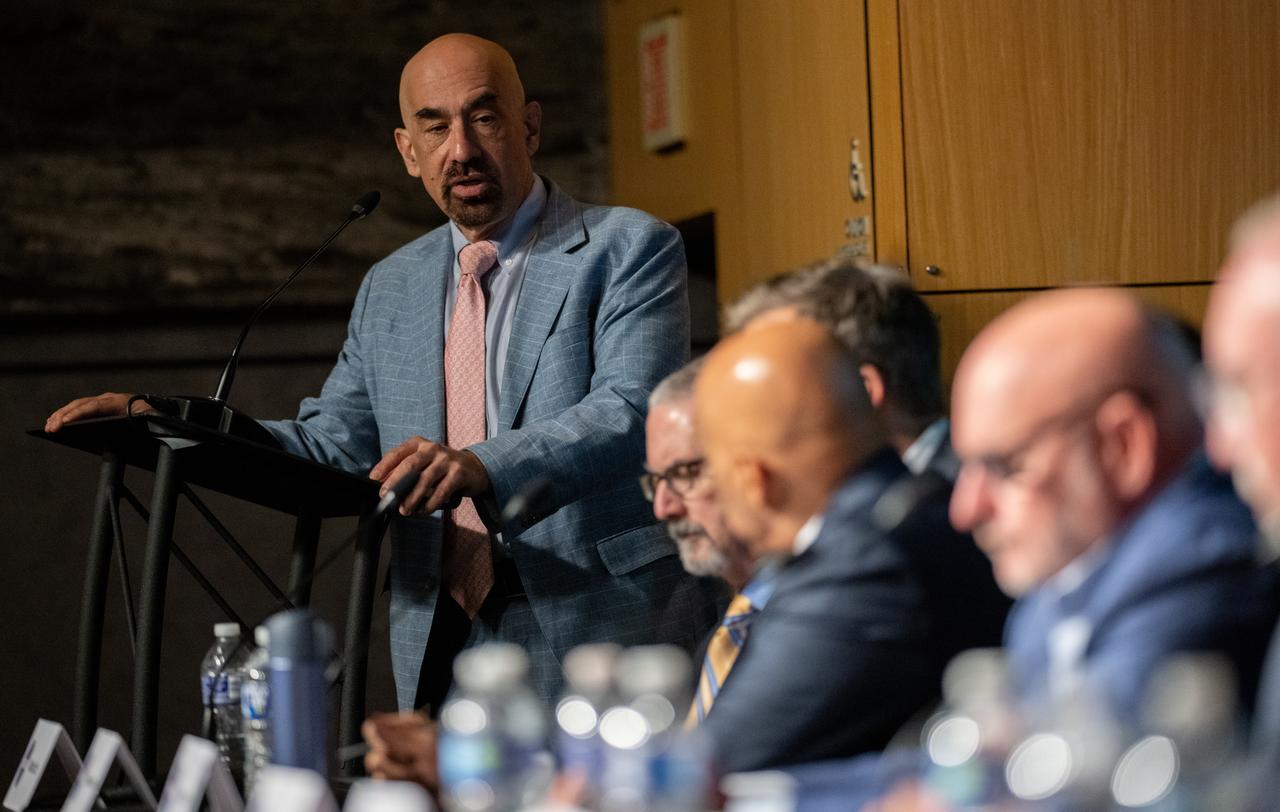
David Spergel, chair of NASA's independent study on unidentified anomalous phenomena and President of the Simons Foundation, speaks during a public meeting of NASA’s unidentified anomalous phenomena (UAP) independent study team, Wednesday, May 31, 2023 at the Mary W. Jackson NASA Headquarters building in Washington. The UAP independent study team is a counsel of 16 community experts across diverse areas on matters relevant to potential methods of study for unidentified anomalous phenomena. NASA commissioned the nine-month study to examine UAP from a scientific perspective and create a roadmap for how to use data and the tools of science to move our understanding of UAP forward. Photo Credit: (NASA/Joel Kowsky)

David Spergel, chair of NASA's independent study on unidentified anomalous phenomena and President of the Simons Foundation, speaks during a public meeting of NASA’s unidentified anomalous phenomena (UAP) independent study team, Wednesday, May 31, 2023 at the Mary W. Jackson NASA Headquarters building in Washington. The UAP independent study team is a counsel of 16 community experts across diverse areas on matters relevant to potential methods of study for unidentified anomalous phenomena. NASA commissioned the nine-month study to examine UAP from a scientific perspective and create a roadmap for how to use data and the tools of science to move our understanding of UAP forward. Photo Credit: (NASA/Joel Kowsky)
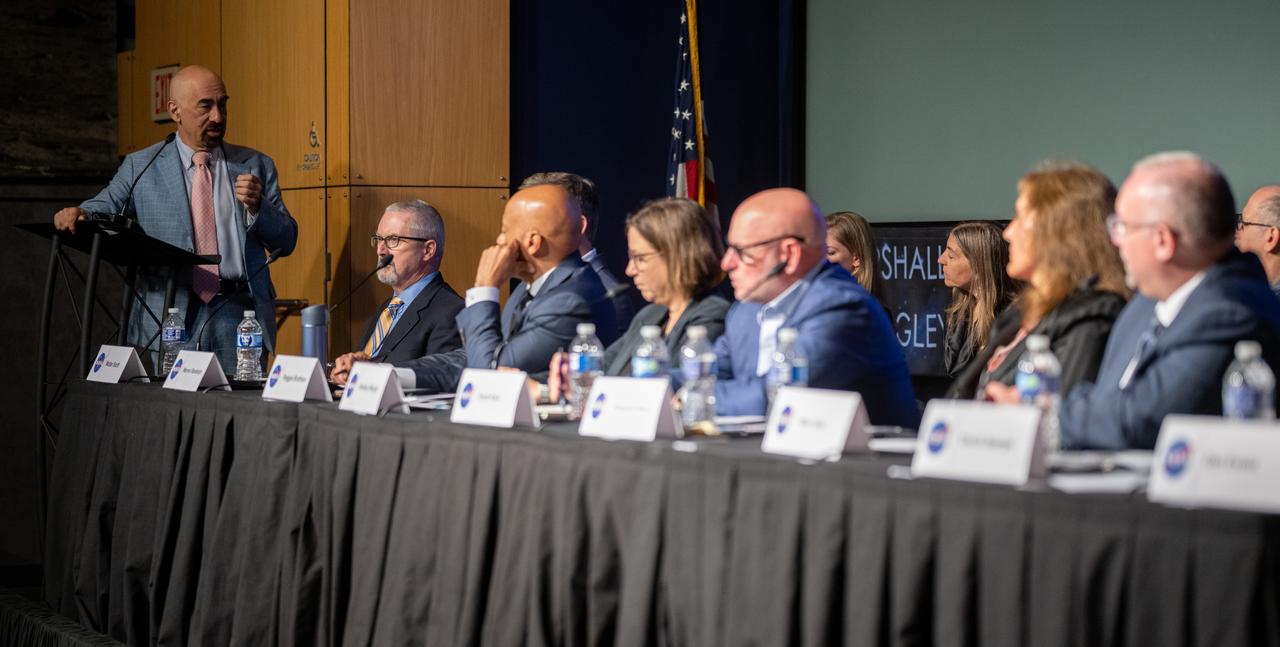
David Spergel, chair of NASA's independent study on unidentified anomalous phenomena and President of the Simons Foundation, answers a question during a public meeting of NASA’s unidentified anomalous phenomena (UAP) independent study team, Wednesday, May 31, 2023 at the Mary W. Jackson NASA Headquarters building in Washington. The UAP independent study team is a counsel of 16 community experts across diverse areas on matters relevant to potential methods of study for unidentified anomalous phenomena. NASA commissioned the nine-month study to examine UAP from a scientific perspective and create a roadmap for how to use data and the tools of science to move our understanding of UAP forward. Photo Credit: (NASA/Joel Kowsky)
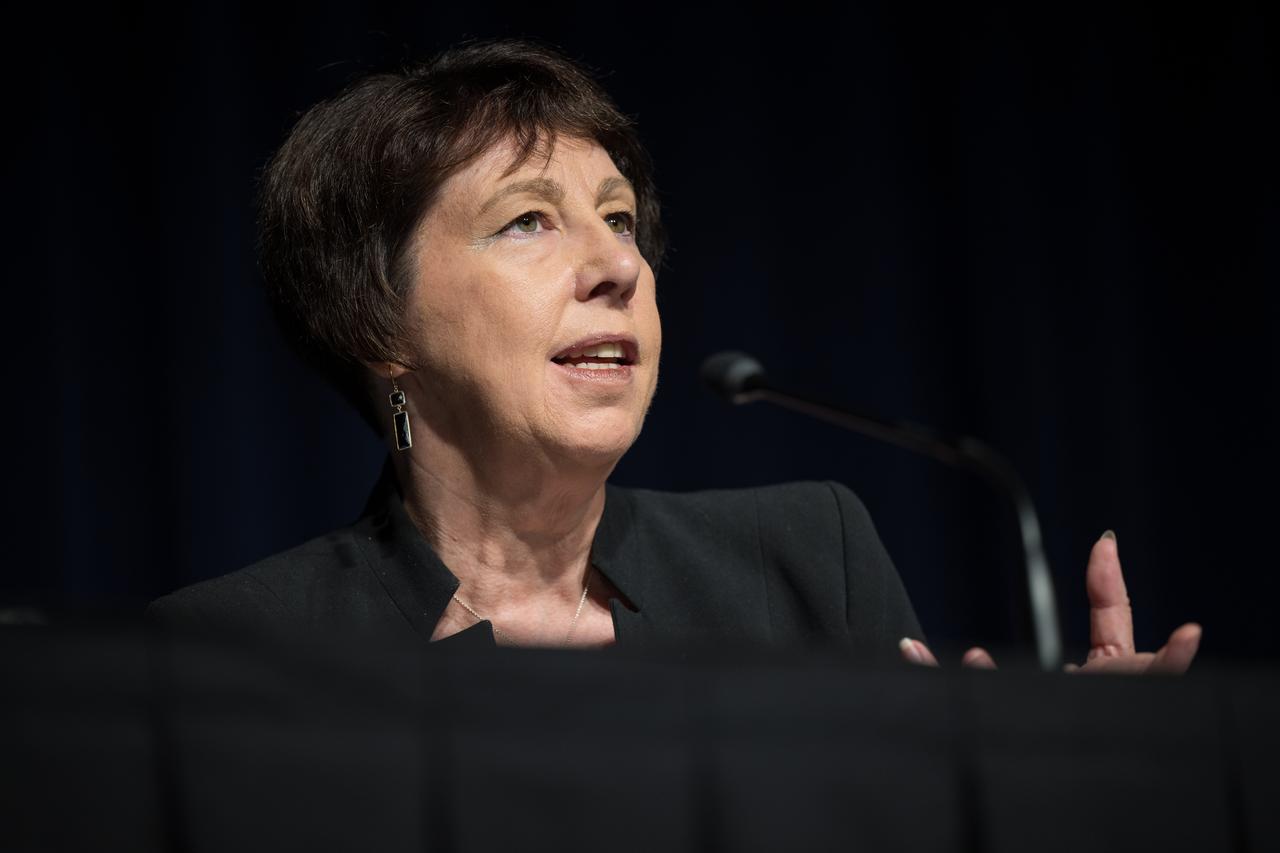
Nicola Fox, associate administrator for NASA's Science Mission Directorate, answers a question during a media briefing to discuss the findings from an unidentified anomalous phenomena (UAP) independent study team, Thursday, Sept. 14, 2023, at the Mary W. Jackson NASA Headquarters building in Washington. The UAP independent study team, commissioned in 2022, is a counsel of 16 community experts across diverse areas on matters relevant to potential methods of study for unidentified anomalous phenomena. NASA published the team’s full report online, which aims to inform about what possible data could be collected in the future to shed light on the nature and origin of UAP. Photo Credit: (NASA/Aubrey Gemignani)
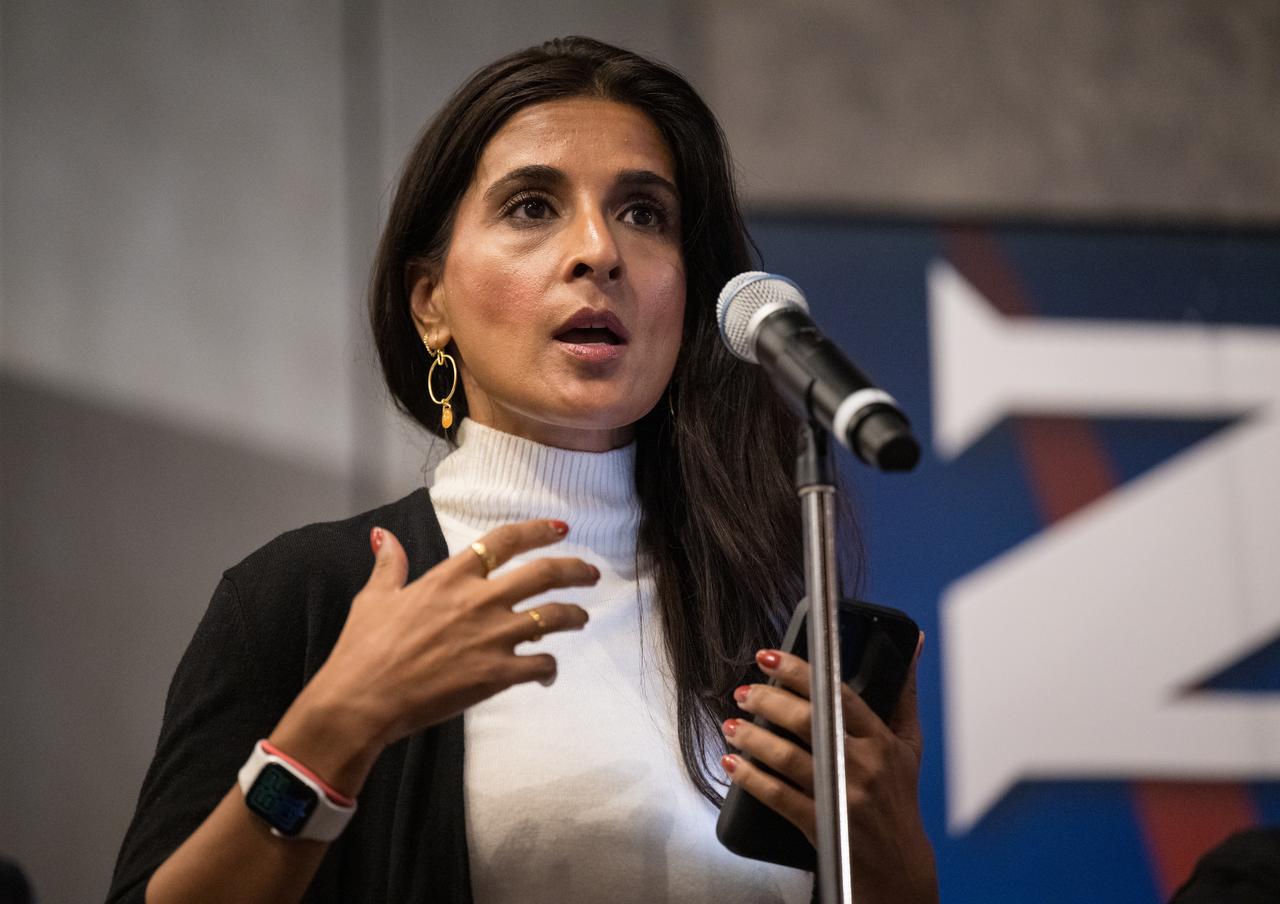
A member of the media asks a question during a media briefing to discuss the findings from an unidentified anomalous phenomena (UAP) independent study team, Thursday, Sept. 14, 2023, at the Mary W. Jackson NASA Headquarters building in Washington. The UAP independent study team, commissioned in 2022, is a counsel of 16 community experts across diverse areas on matters relevant to potential methods of study for unidentified anomalous phenomena. NASA published the team’s full report online, which aims to inform about what possible data could be collected in the future to shed light on the nature and origin of UAP. Photo Credit: (NASA/Aubrey Gemignani)
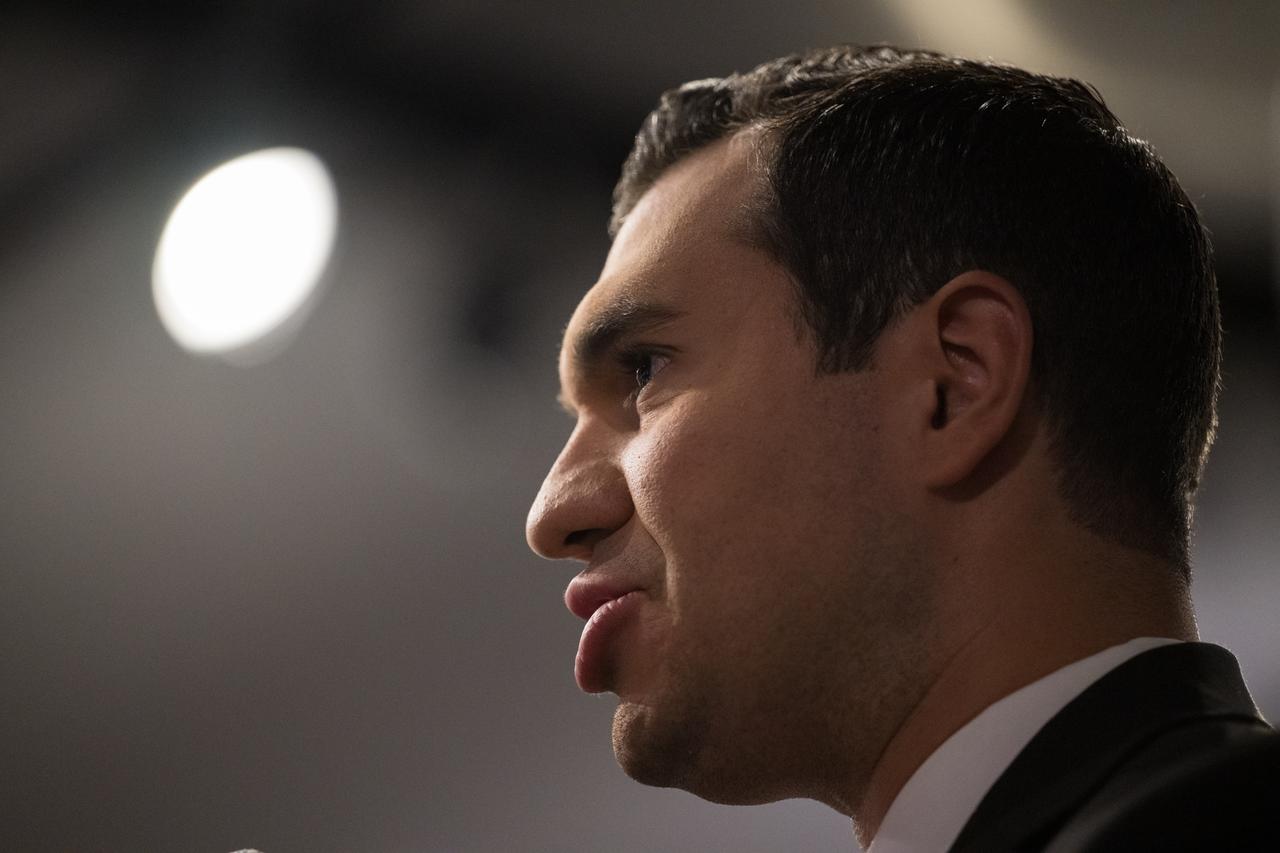
A member of the media asks a question during a media briefing to discuss the findings from an unidentified anomalous phenomena (UAP) independent study team, Thursday, Sept. 14, 2023, at the Mary W. Jackson NASA Headquarters building in Washington. The UAP independent study team, commissioned in 2022, is a counsel of 16 community experts across diverse areas on matters relevant to potential methods of study for unidentified anomalous phenomena. NASA published the team’s full report online, which aims to inform about what possible data could be collected in the future to shed light on the nature and origin of UAP. Photo Credit: (NASA/Aubrey Gemignani)
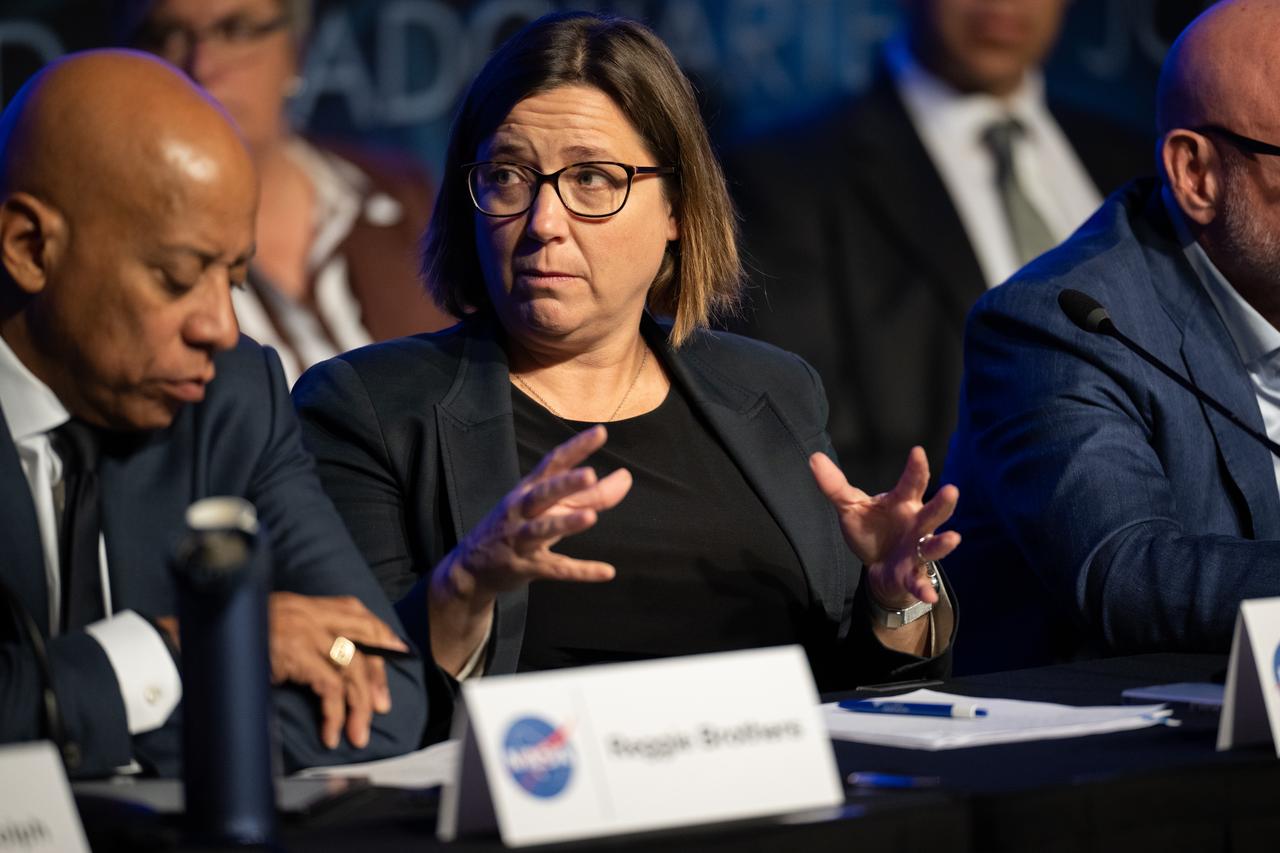
Shelley Wright, professor of Physics at the University of California San Diego's Center for Astrophysics and Space Studies, is seen during a public meeting of NASA’s unidentified anomalous phenomena (UAP) independent study team, Wednesday, May 31, 2023 at the Mary W. Jackson NASA Headquarters building in Washington. The UAP independent study team is a counsel of 16 community experts across diverse areas on matters relevant to potential methods of study for unidentified anomalous phenomena. NASA commissioned the nine-month study to examine UAP from a scientific perspective and create a roadmap for how to use data and the tools of science to move our understanding of UAP forward. Photo Credit: (NASA/Joel Kowsky)
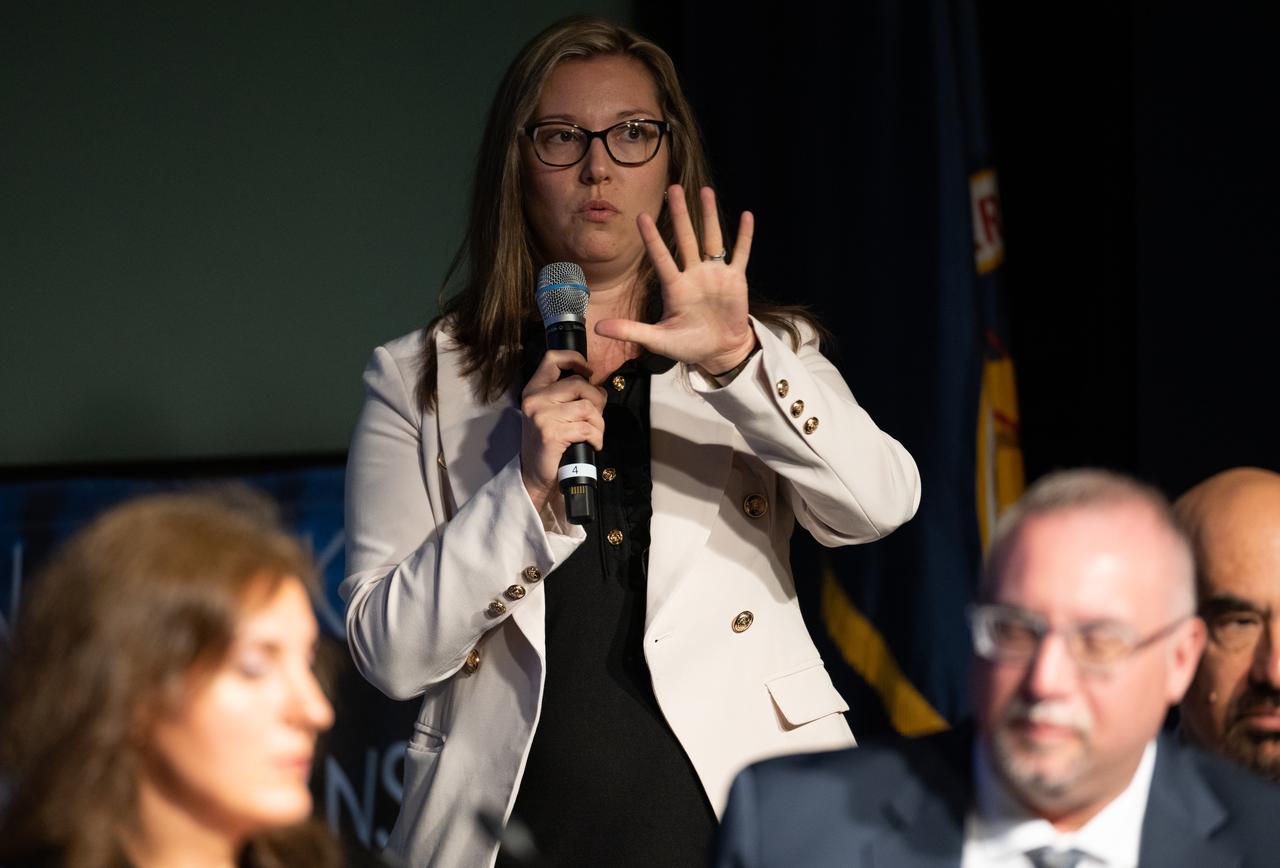
Jennifer Buss, CEO of the Potomac Institute of Policy Studies, asks a question during a public meeting of NASA’s unidentified anomalous phenomena (UAP) independent study team, Wednesday, May 31, 2023 at the Mary W. Jackson NASA Headquarters building in Washington. The UAP independent study team is a counsel of 16 community experts across diverse areas on matters relevant to potential methods of study for unidentified anomalous phenomena. NASA commissioned the nine-month study to examine UAP from a scientific perspective and create a roadmap for how to use data and the tools of science to move our understanding of UAP forward. Photo Credit: (NASA/Joel Kowsky)
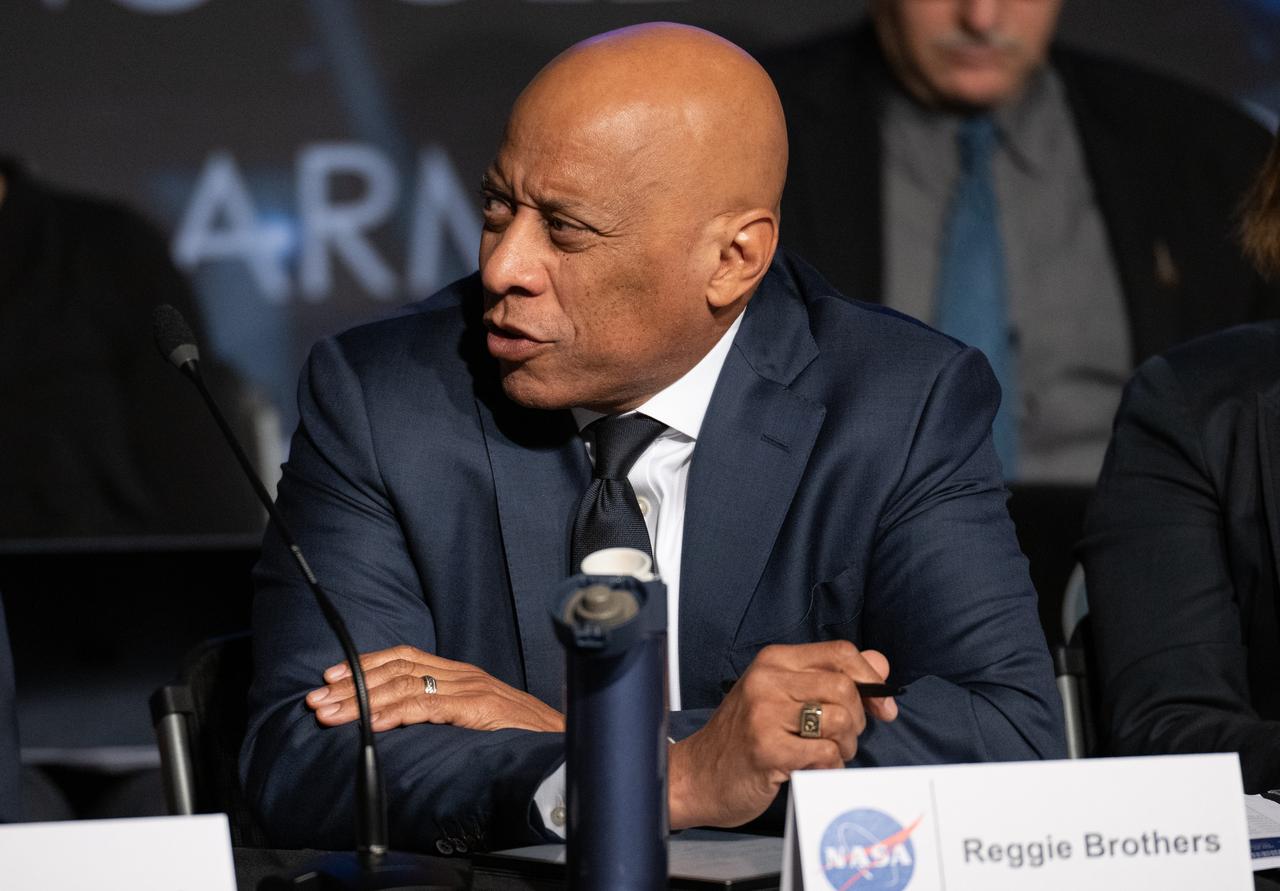
Reggie Brothers, operating partner at AE Industrial Partners, asks a question during a public meeting of NASA’s unidentified anomalous phenomena (UAP) independent study team, Wednesday, May 31, 2023 at the Mary W. Jackson NASA Headquarters building in Washington. The UAP independent study team is a counsel of 16 community experts across diverse areas on matters relevant to potential methods of study for unidentified anomalous phenomena. NASA commissioned the nine-month study to examine UAP from a scientific perspective and create a roadmap for how to use data and the tools of science to move our understanding of UAP forward. Photo Credit: (NASA/Joel Kowsky)
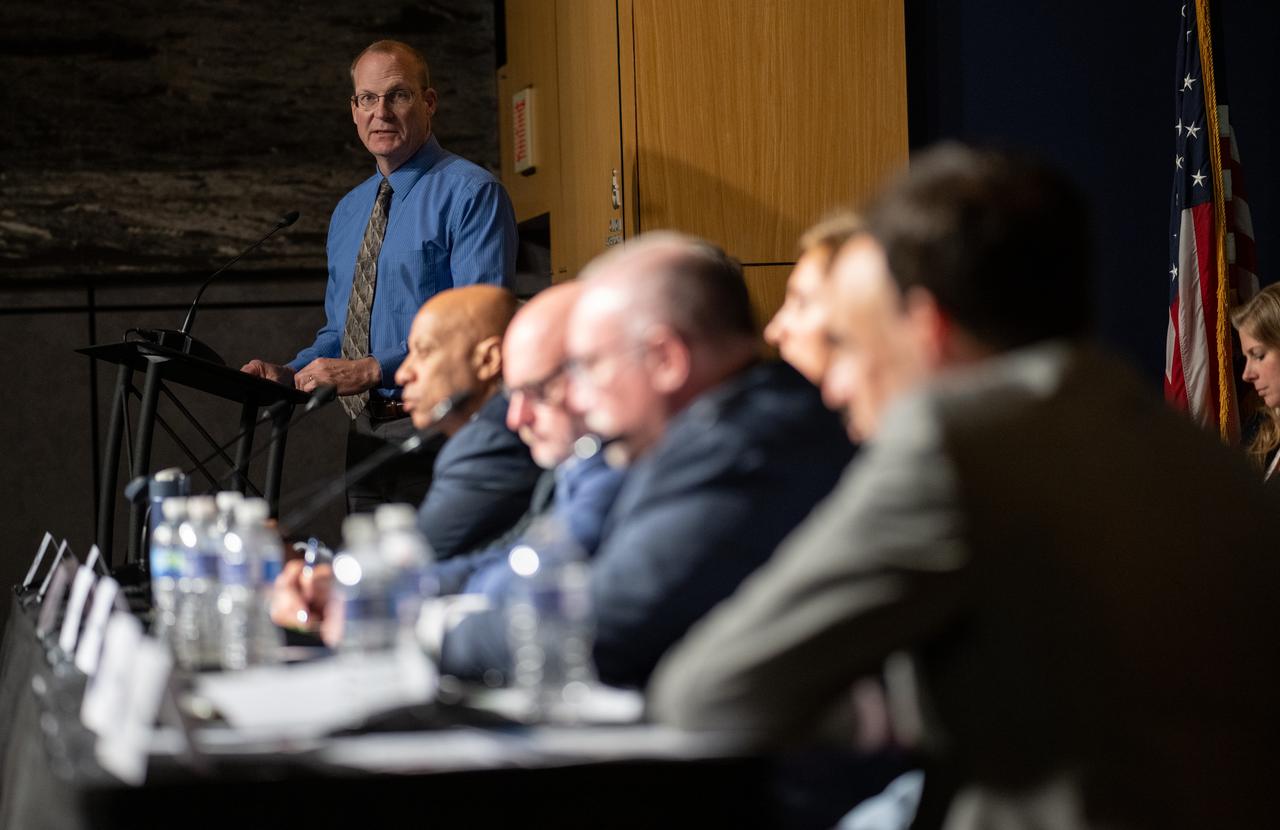
Mike Freie, technical advisor in the Air Traffic Surveillance Service Office at the FAA, gives a presentation during a public meeting of NASA’s unidentified anomalous phenomena (UAP) independent study team, Wednesday, May 31, 2023 at the Mary W. Jackson NASA Headquarters building in Washington. The UAP independent study team is a counsel of 16 community experts across diverse areas on matters relevant to potential methods of study for unidentified anomalous phenomena. NASA commissioned the nine-month study to examine UAP from a scientific perspective and create a roadmap for how to use data and the tools of science to move our understanding of UAP forward. Photo Credit: (NASA/Joel Kowsky)
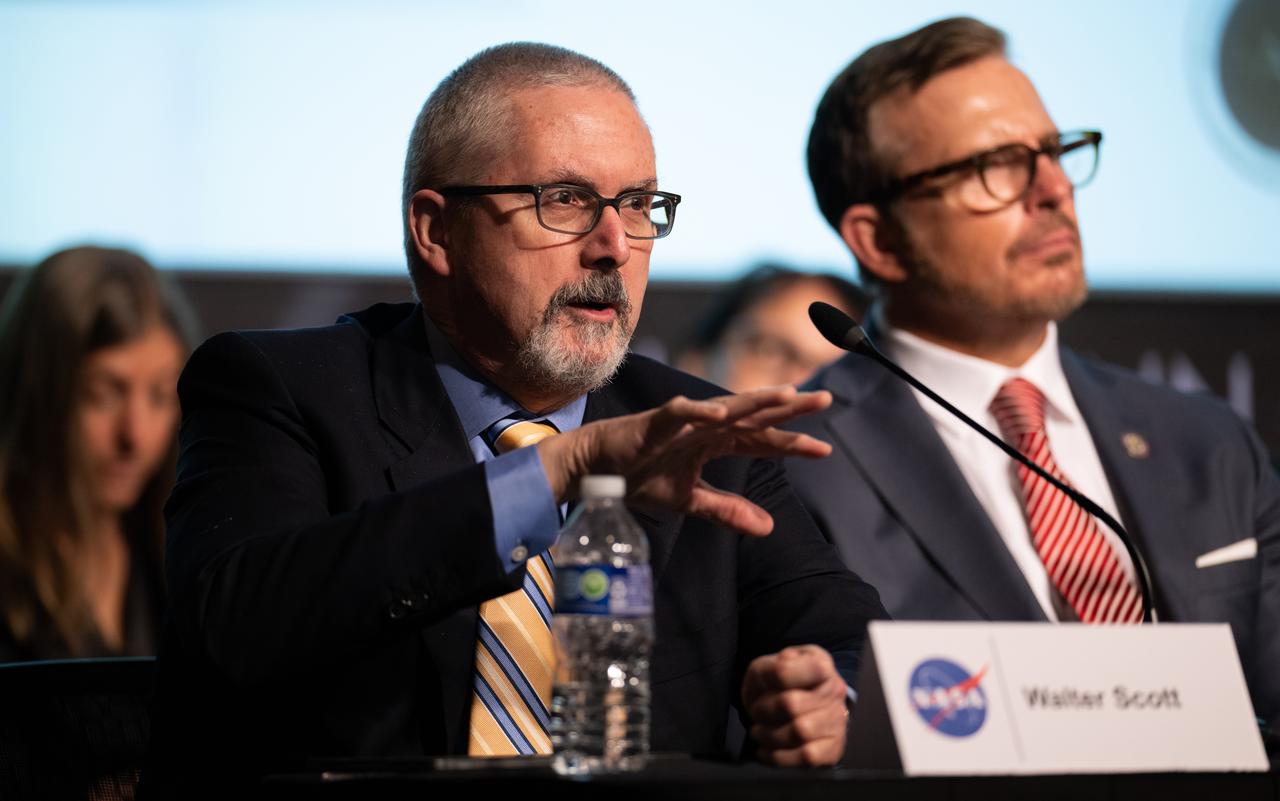
Walter Scott, executive vice president and chief technology officer of Maxar, is seen during a public meeting of NASA’s unidentified anomalous phenomena (UAP) independent study team, Wednesday, May 31, 2023 at the Mary W. Jackson NASA Headquarters building in Washington. The UAP independent study team is a counsel of 16 community experts across diverse areas on matters relevant to potential methods of study for unidentified anomalous phenomena. NASA commissioned the nine-month study to examine UAP from a scientific perspective and create a roadmap for how to use data and the tools of science to move our understanding of UAP forward. Photo Credit: (NASA/Joel Kowsky)
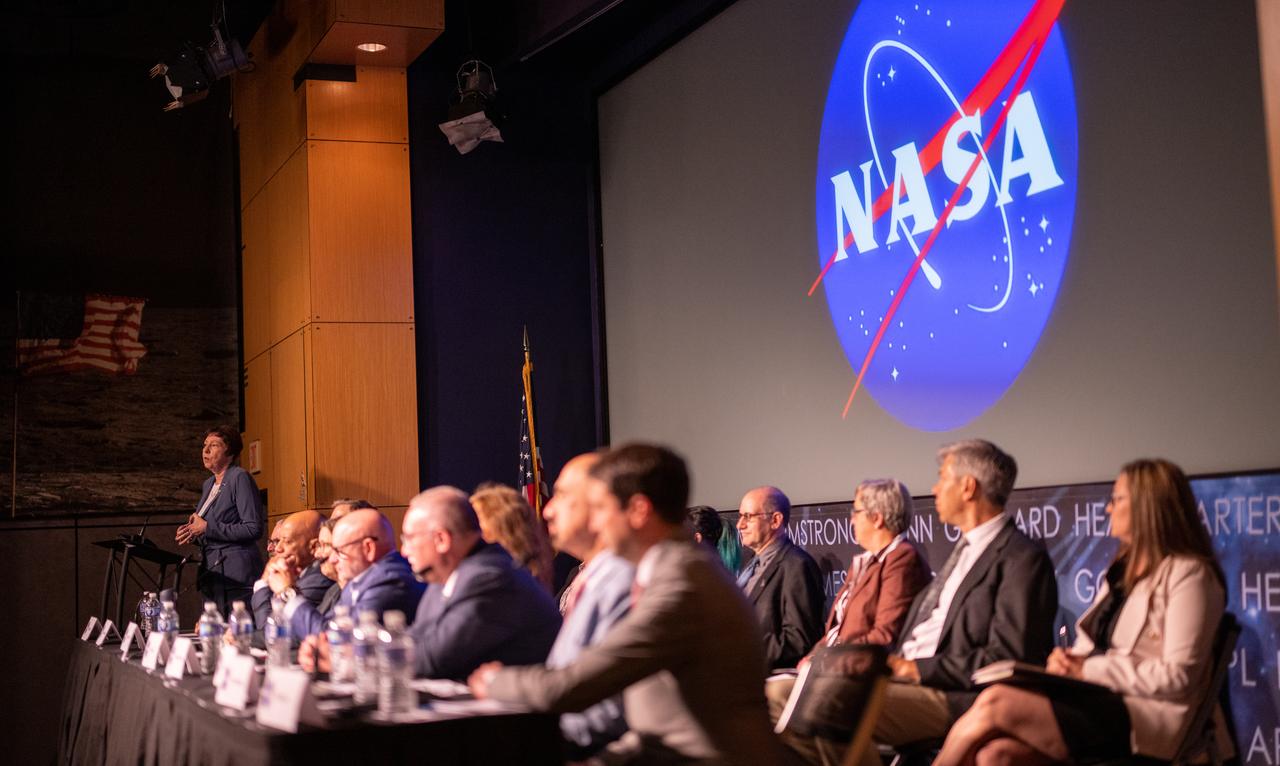
Nicola Fox, associate administrator for NASA's Science Mission Directorate, speaks during a public meeting of NASA’s unidentified anomalous phenomena (UAP) independent study team, Wednesday, May 31, 2023 at the Mary W. Jackson NASA Headquarters building in Washington. The UAP independent study team is a counsel of 16 community experts across diverse areas on matters relevant to potential methods of study for unidentified anomalous phenomena. NASA commissioned the nine-month study to examine UAP from a scientific perspective and create a roadmap for how to use data and the tools of science to move our understanding of UAP forward. Photo Credit: (NASA/Joel Kowsky)
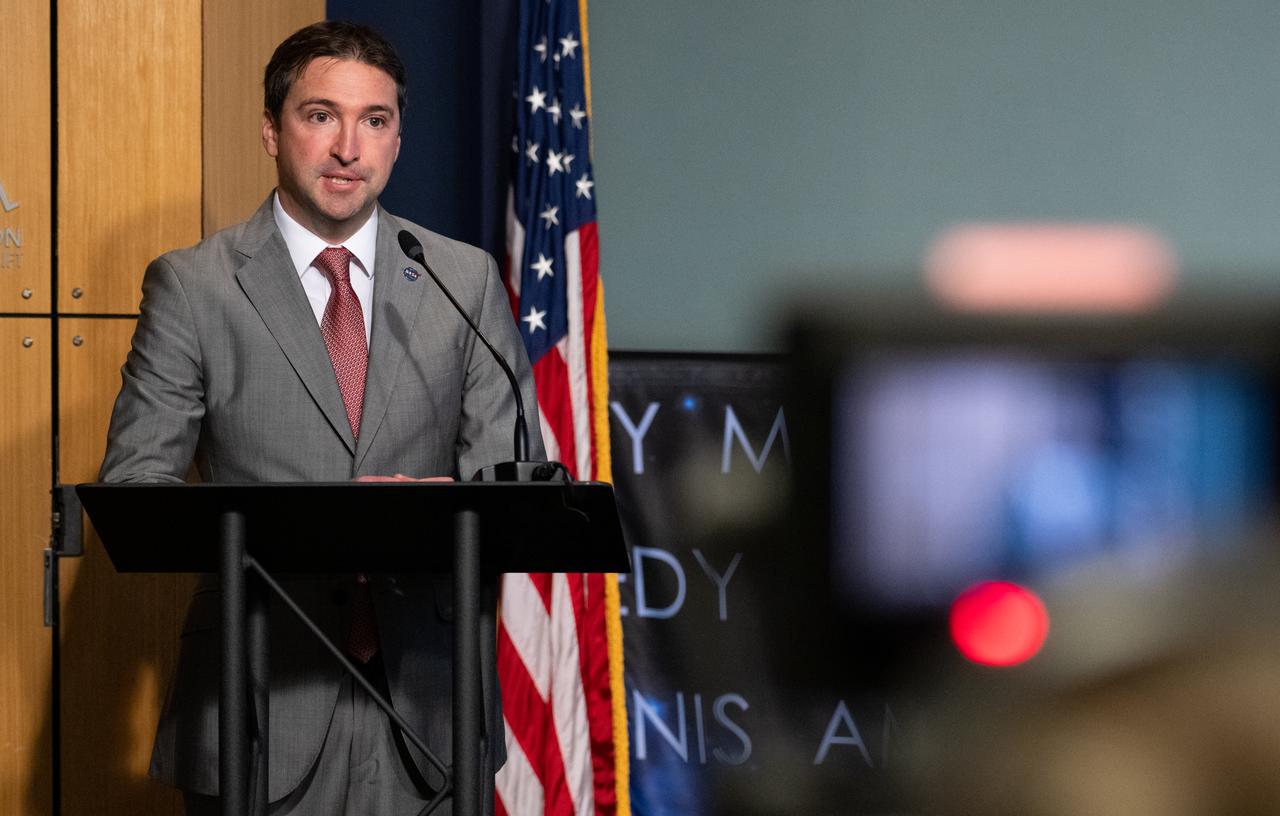
Daniel Evans, assistant deputy associate administrator for Research in NASA's Science Mission Directorate, gives opening remarks are seen during a public meeting of NASA’s unidentified anomalous phenomena (UAP) independent study team, Wednesday, May 31, 2023 at the Mary W. Jackson NASA Headquarters building in Washington. The UAP independent study team is a counsel of 16 community experts across diverse areas on matters relevant to potential methods of study for unidentified anomalous phenomena. NASA commissioned the nine-month study to examine UAP from a scientific perspective and create a roadmap for how to use data and the tools of science to move our understanding of UAP forward. Photo Credit: (NASA/Joel Kowsky)
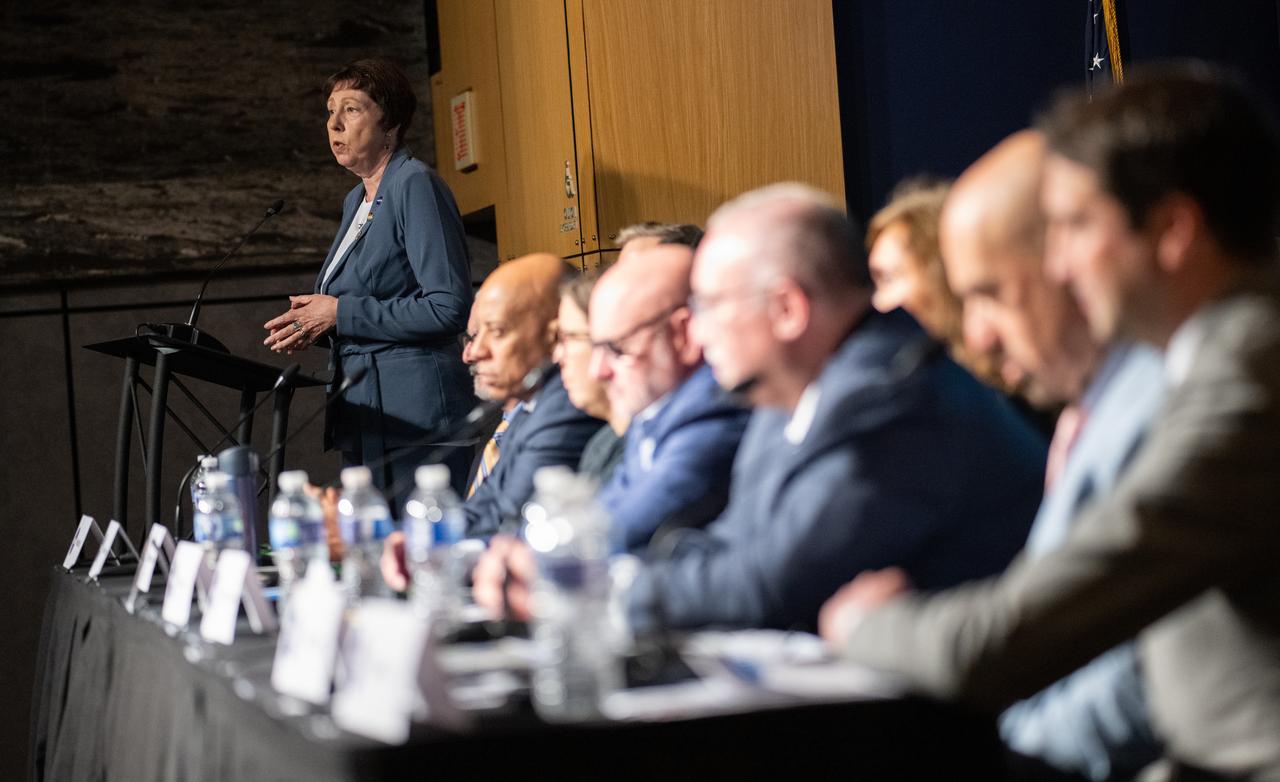
Nicola Fox, associate administrator for NASA's Science Mission Directorate, speaks during a public meeting of NASA’s unidentified anomalous phenomena (UAP) independent study team, Wednesday, May 31, 2023 at the Mary W. Jackson NASA Headquarters building in Washington. The UAP independent study team is a counsel of 16 community experts across diverse areas on matters relevant to potential methods of study for unidentified anomalous phenomena. NASA commissioned the nine-month study to examine UAP from a scientific perspective and create a roadmap for how to use data and the tools of science to move our understanding of UAP forward. Photo Credit: (NASA/Joel Kowsky)
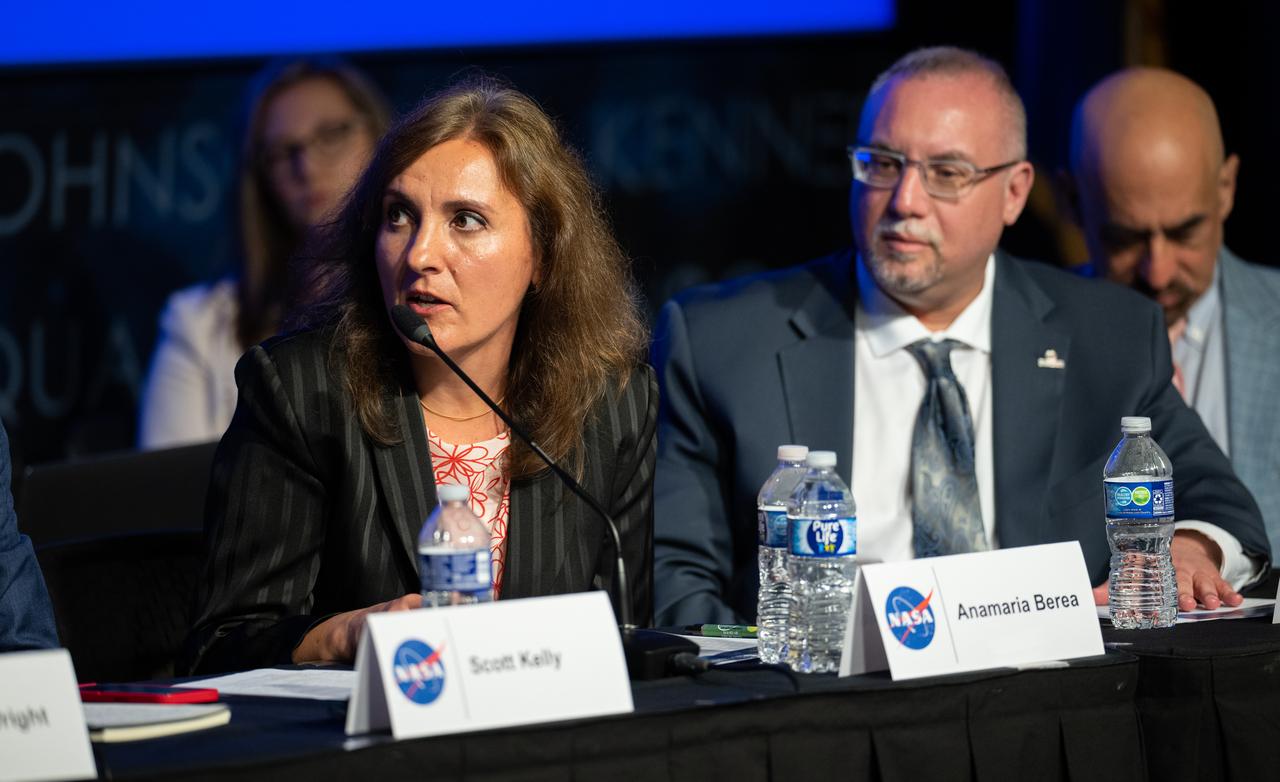
Anamaria Berea, associate professor of Computational and Data Science at George Mason University, left, asks a question during a public meeting of NASA’s unidentified anomalous phenomena (UAP) independent study team, Wednesday, May 31, 2023 at the Mary W. Jackson NASA Headquarters building in Washington. The UAP independent study team is a counsel of 16 community experts across diverse areas on matters relevant to potential methods of study for unidentified anomalous phenomena. NASA commissioned the nine-month study to examine UAP from a scientific perspective and create a roadmap for how to use data and the tools of science to move our understanding of UAP forward. Photo Credit: (NASA/Joel Kowsky)
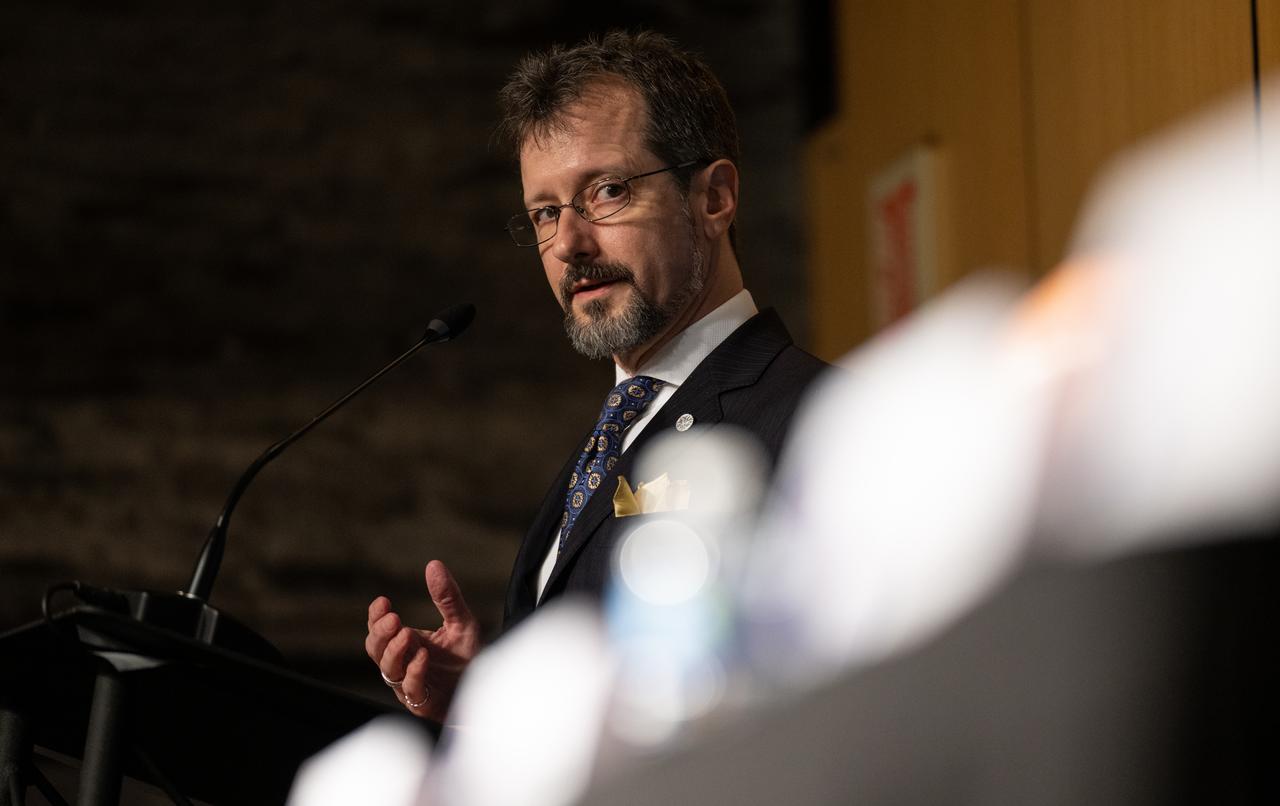
Dr. Sean Kirkpatrick, director of All-domain Anomaly Resolution Office at the Department of Defense, gives a presentation during a public meeting of NASA’s unidentified anomalous phenomena (UAP) independent study team, Wednesday, May 31, 2023 at the Mary W. Jackson NASA Headquarters building in Washington. The UAP independent study team is a counsel of 16 community experts across diverse areas on matters relevant to potential methods of study for unidentified anomalous phenomena. NASA commissioned the nine-month study to examine UAP from a scientific perspective and create a roadmap for how to use data and the tools of science to move our understanding of UAP forward. Photo Credit: (NASA/Joel Kowsky)
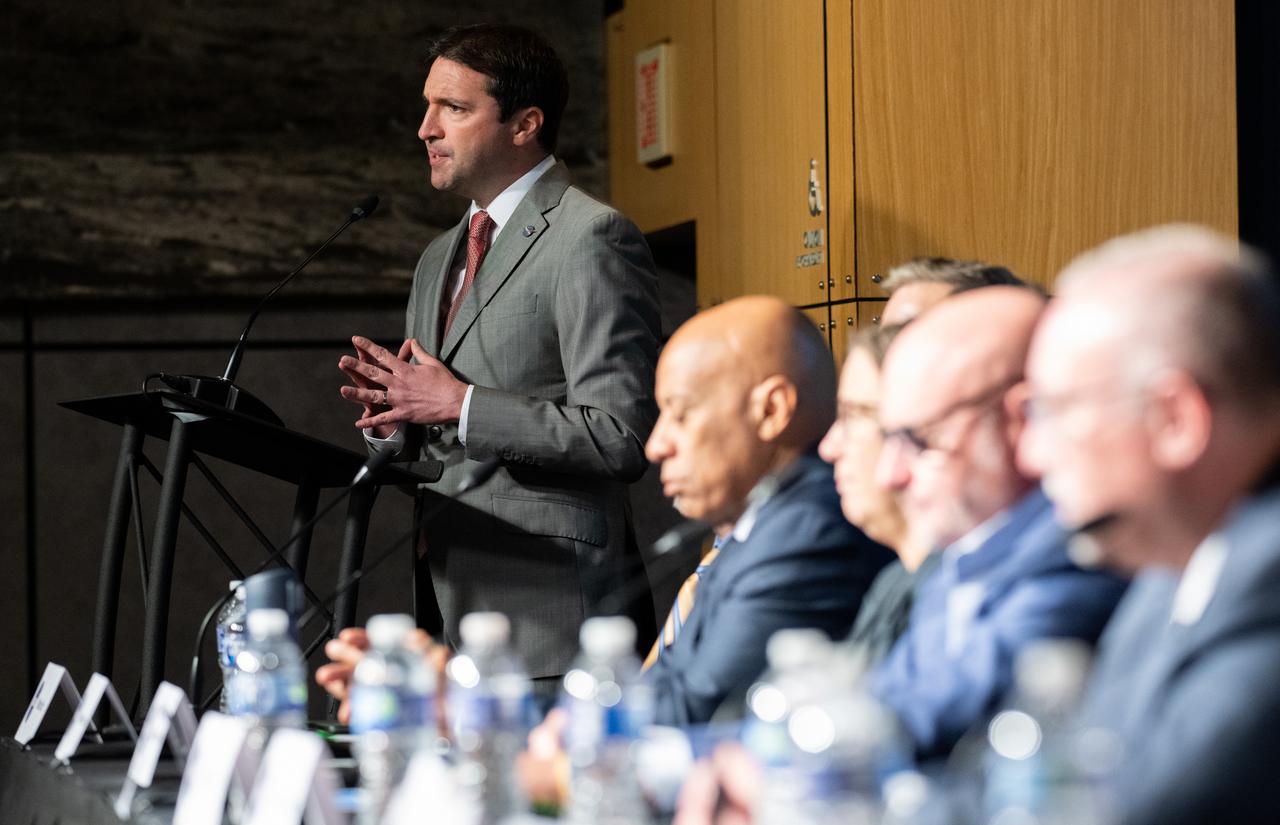
Daniel Evans, assistant deputy associate administrator for Research in NASA's Science Mission Directorate, gives opening remarks are seen during a public meeting of NASA’s unidentified anomalous phenomena (UAP) independent study team, Wednesday, May 31, 2023 at the Mary W. Jackson NASA Headquarters building in Washington. The UAP independent study team is a counsel of 16 community experts across diverse areas on matters relevant to potential methods of study for unidentified anomalous phenomena. NASA commissioned the nine-month study to examine UAP from a scientific perspective and create a roadmap for how to use data and the tools of science to move our understanding of UAP forward. Photo Credit: (NASA/Joel Kowsky)
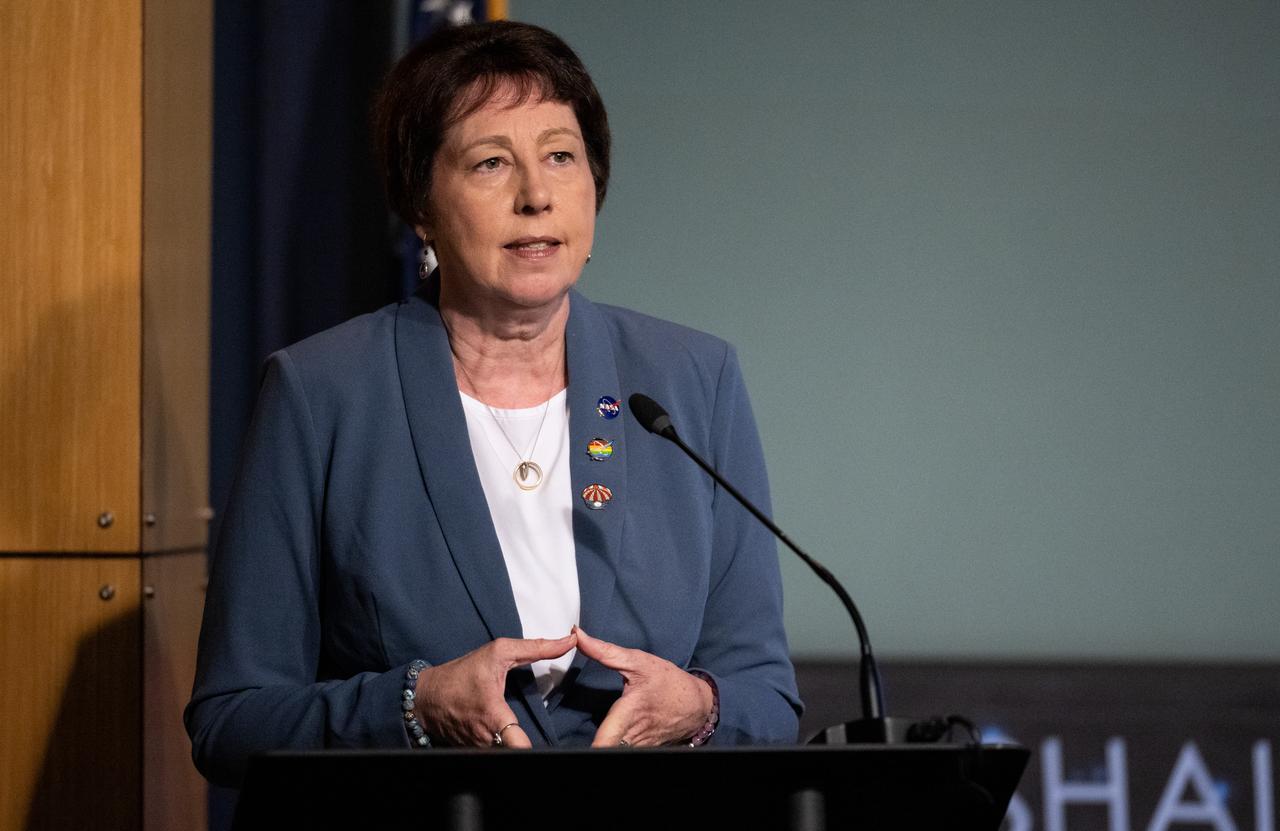
Nicola Fox, associate administrator for NASA's Science Mission Directorate, speaks during a public meeting of NASA’s unidentified anomalous phenomena (UAP) independent study team, Wednesday, May 31, 2023 at the Mary W. Jackson NASA Headquarters building in Washington. The UAP independent study team is a counsel of 16 community experts across diverse areas on matters relevant to potential methods of study for unidentified anomalous phenomena. NASA commissioned the nine-month study to examine UAP from a scientific perspective and create a roadmap for how to use data and the tools of science to move our understanding of UAP forward. Photo Credit: (NASA/Joel Kowsky)
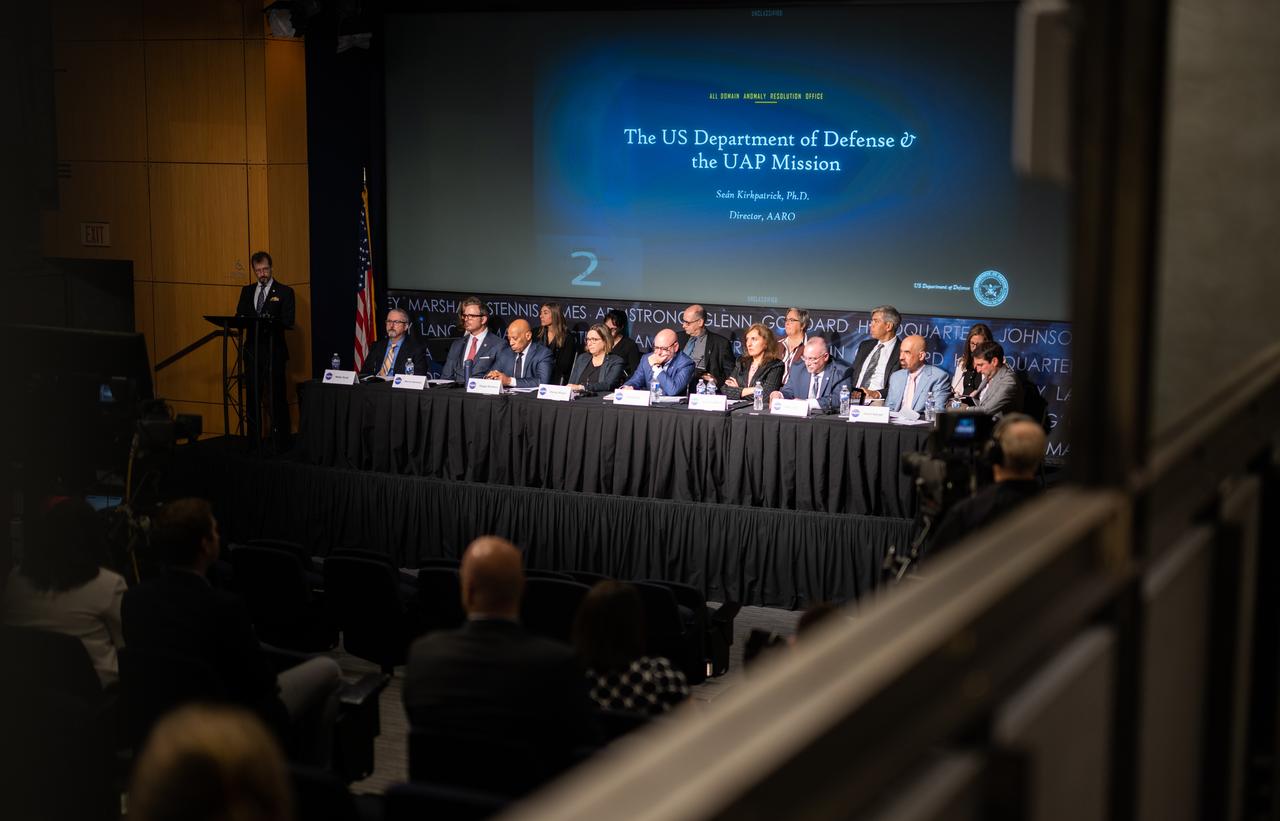
Dr. Sean Kirkpatrick, director of All-domain Anomaly Resolution Office at the Department of Defense, left, gives a presentation during a public meeting of NASA’s unidentified anomalous phenomena (UAP) independent study team, Wednesday, May 31, 2023 at the Mary W. Jackson NASA Headquarters building in Washington. The UAP independent study team is a counsel of 16 community experts across diverse areas on matters relevant to potential methods of study for unidentified anomalous phenomena. NASA commissioned the nine-month study to examine UAP from a scientific perspective and create a roadmap for how to use data and the tools of science to move our understanding of UAP forward. Photo Credit: (NASA/Joel Kowsky)
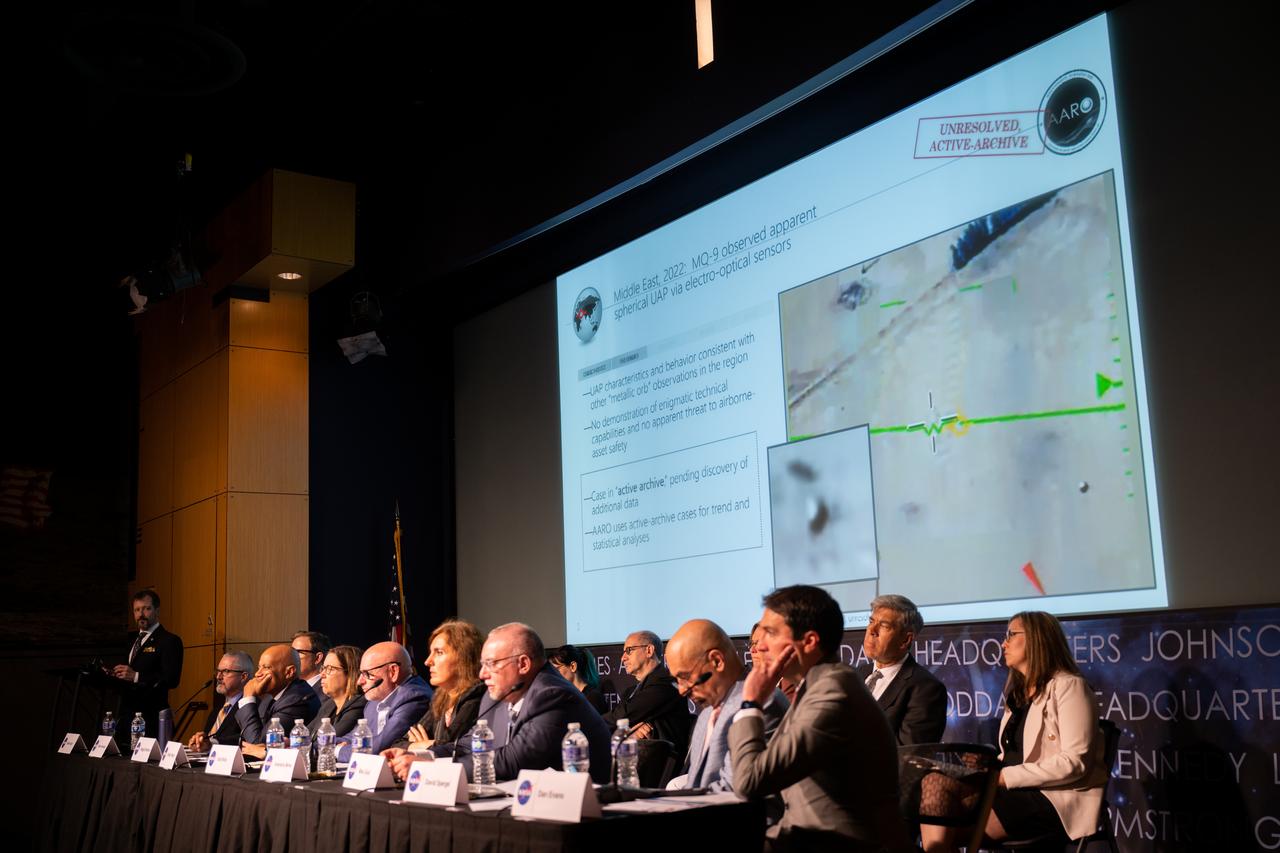
Dr. Sean Kirkpatrick, director of All-domain Anomaly Resolution Office at the Department of Defense, left, gives a presentation during a public meeting of NASA’s unidentified anomalous phenomena (UAP) independent study team, Wednesday, May 31, 2023 at the Mary W. Jackson NASA Headquarters building in Washington. The UAP independent study team is a counsel of 16 community experts across diverse areas on matters relevant to potential methods of study for unidentified anomalous phenomena. NASA commissioned the nine-month study to examine UAP from a scientific perspective and create a roadmap for how to use data and the tools of science to move our understanding of UAP forward. Photo Credit: (NASA/Joel Kowsky)
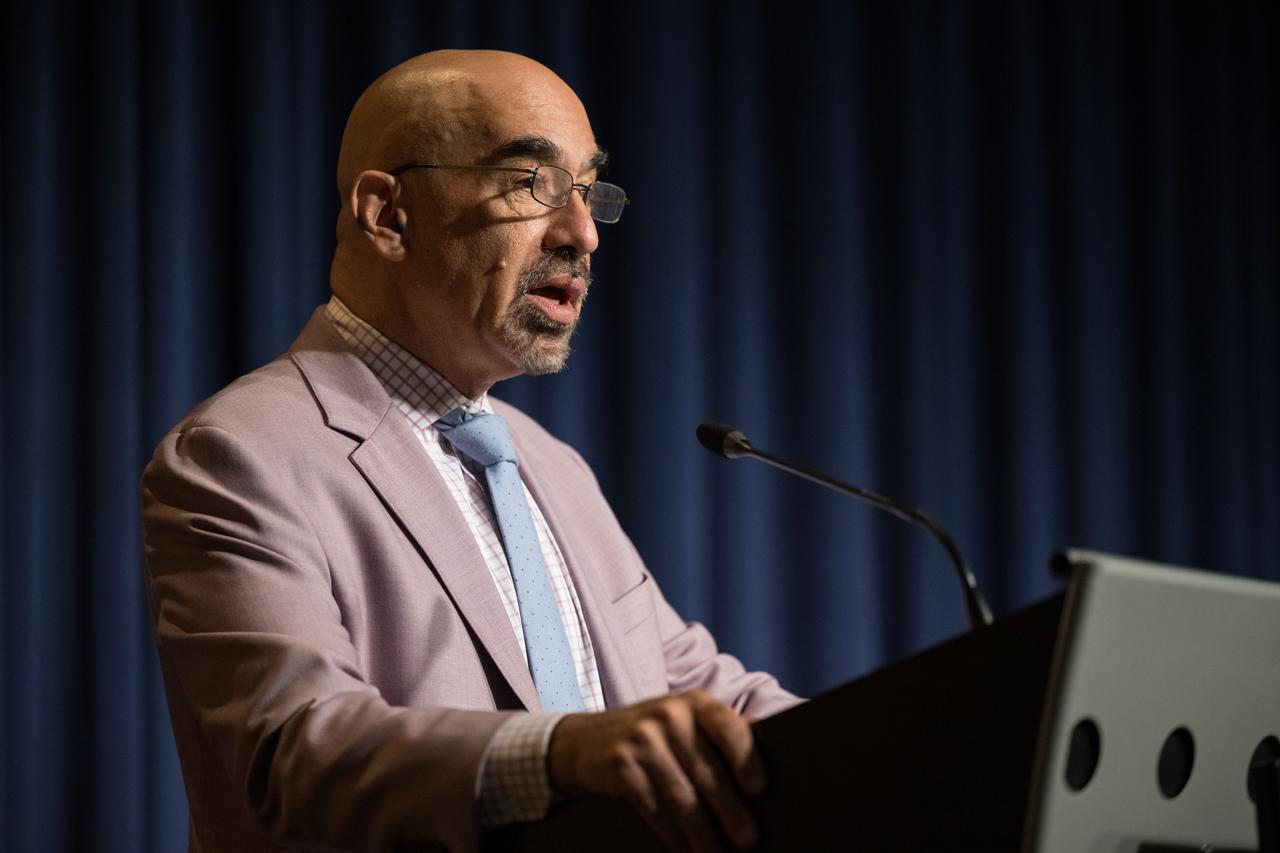
President of the Simons Foundation and Chair of NASA's UAP Independent Study Team, David Spergel, provides remarks during a media briefing to discuss the findings from an unidentified anomalous phenomena (UAP) independent study team, Thursday, Sept. 14, 2023, at the Mary W. Jackson NASA Headquarters building in Washington. The UAP independent study team, commissioned in 2022, is a counsel of 16 community experts across diverse areas on matters relevant to potential methods of study for unidentified anomalous phenomena. NASA published the team’s full report online, which aims to inform about what possible data could be collected in the future to shed light on the nature and origin of UAP. Photo Credit: (NASA/Aubrey Gemignani)

President of the Simons Foundation and Chair of NASA's UAP Independent Study Team, David Spergel answers a question during a media briefing to discuss the findings from an unidentified anomalous phenomena (UAP) independent study team, Thursday, Sept. 14, 2023, at the Mary W. Jackson NASA Headquarters building in Washington. The UAP independent study team, commissioned in 2022, is a counsel of 16 community experts across diverse areas on matters relevant to potential methods of study for unidentified anomalous phenomena. NASA published the team’s full report online, which aims to inform about what possible data could be collected in the future to shed light on the nature and origin of UAP. Photo Credit: (NASA/Aubrey Gemignani)
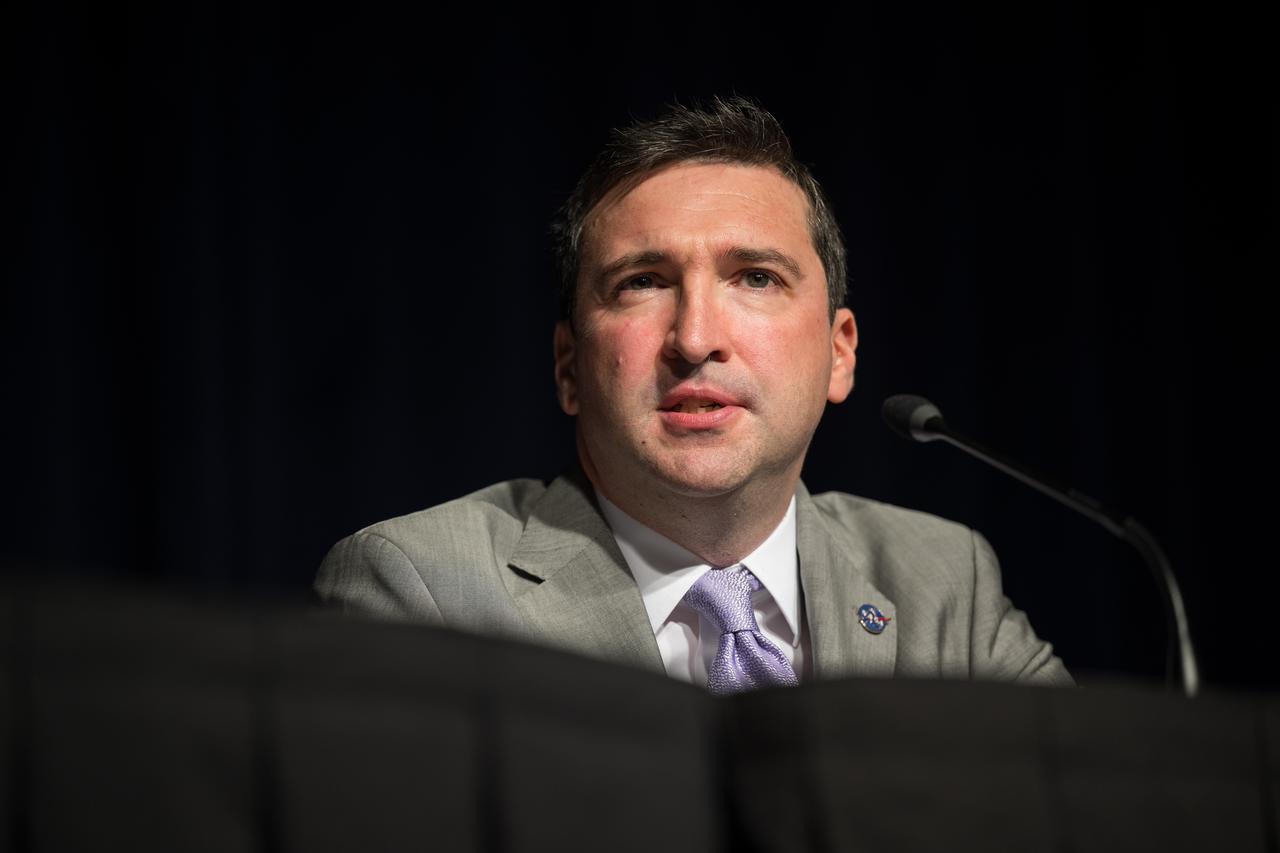
NASA Assistant Deputy Associate Administrator for Research, Science Mission Directorate, Daniel Evans, answers a question during a media briefing to discuss the findings from an unidentified anomalous phenomena (UAP) independent study team, Thursday, Sept. 14, 2023, at the Mary W. Jackson NASA Headquarters building in Washington. The UAP independent study team, commissioned in 2022, is a counsel of 16 community experts across diverse areas on matters relevant to potential methods of study for unidentified anomalous phenomena. NASA published the team’s full report online, which aims to inform about what possible data could be collected in the future to shed light on the nature and origin of UAP. Photo Credit: (NASA/Aubrey Gemignani)
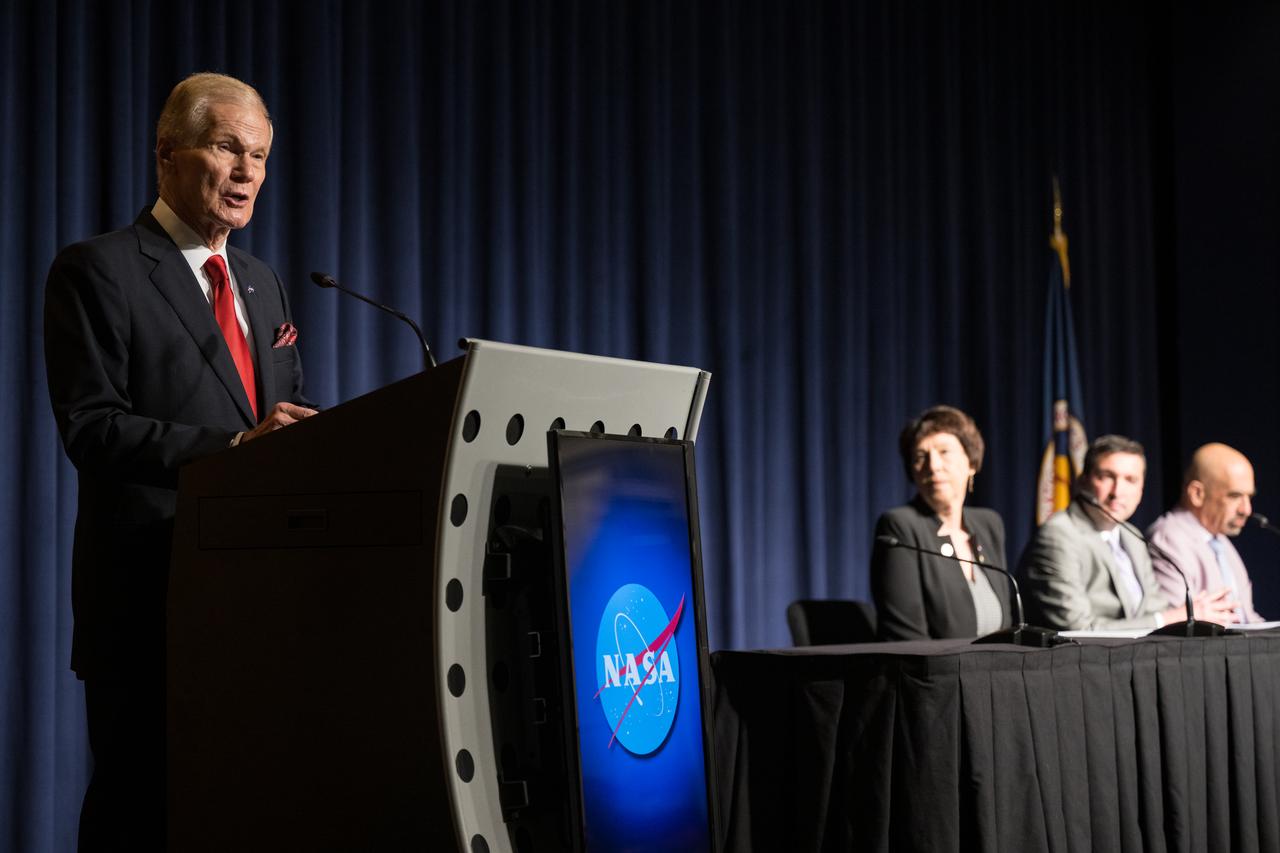
NASA Administrator Bill Nelson provides remarks during a media briefing to discuss the findings from an unidentified anomalous phenomena (UAP) independent study team, Thursday, Sept. 14, 2023, at the Mary W. Jackson NASA Headquarters building in Washington. The UAP independent study team, commissioned in 2022, is a counsel of 16 community experts across diverse areas on matters relevant to potential methods of study for unidentified anomalous phenomena. NASA published the team’s full report online, which aims to inform about what possible data could be collected in the future to shed light on the nature and origin of UAP. Photo Credit: (NASA/Aubrey Gemignani)
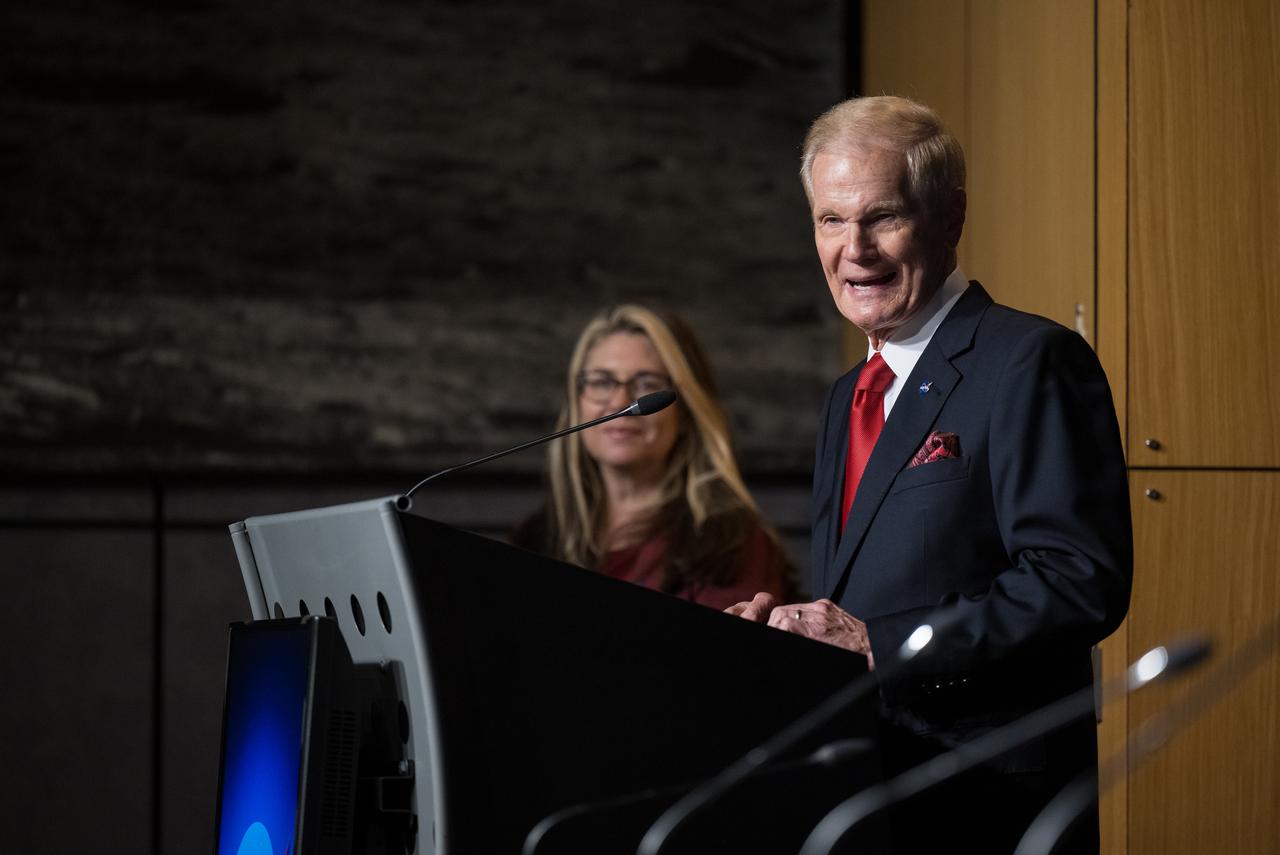
NASA Administrator Bill Nelson provides remarks during a media briefing to discuss the findings from an unidentified anomalous phenomena (UAP) independent study team, Thursday, Sept. 14, 2023, at the Mary W. Jackson NASA Headquarters building in Washington. The UAP independent study team, commissioned in 2022, is a counsel of 16 community experts across diverse areas on matters relevant to potential methods of study for unidentified anomalous phenomena. NASA published the team’s full report online, which aims to inform about what possible data could be collected in the future to shed light on the nature and origin of UAP. Photo Credit: (NASA/Aubrey Gemignani)
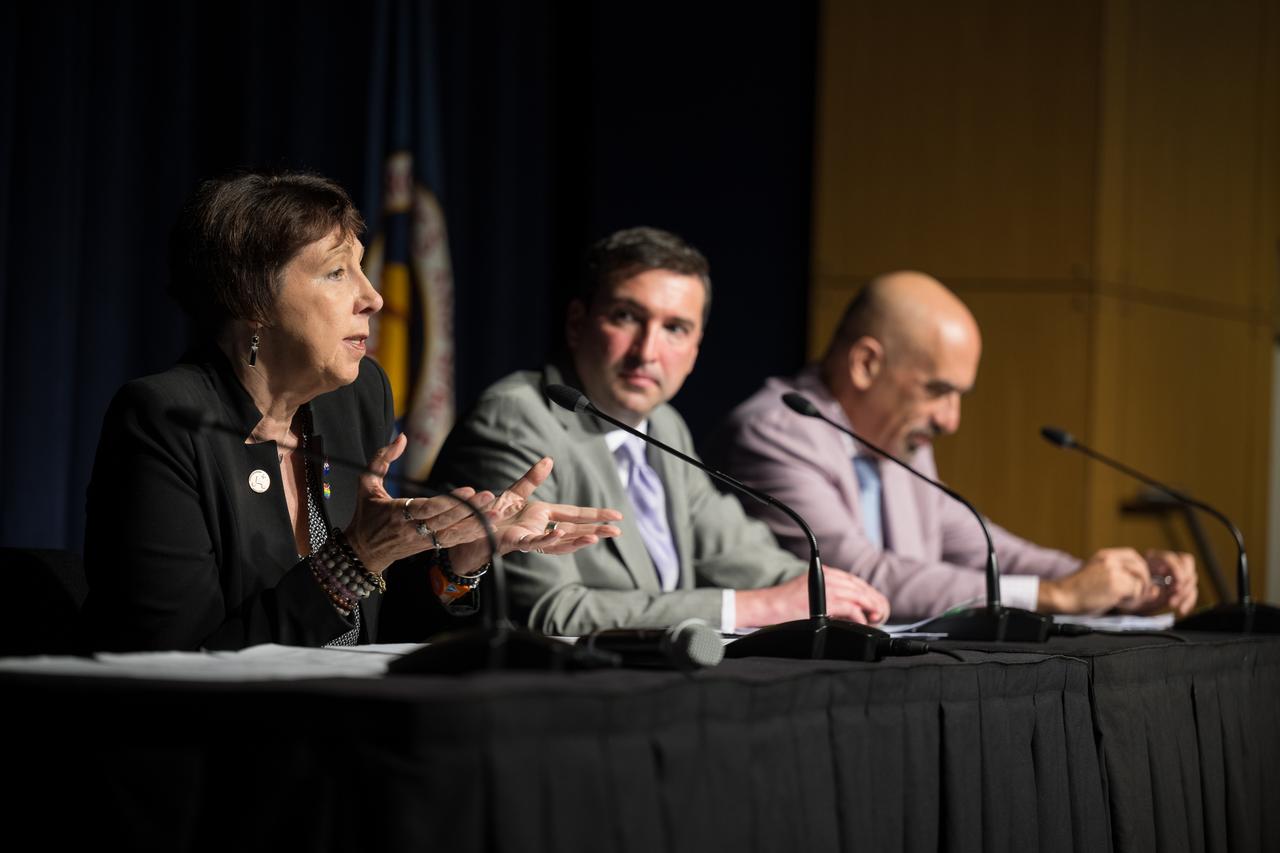
Nicola Fox, associate administrator for NASA's Science Mission Directorate, answers a question during a media briefing to discuss the findings from an unidentified anomalous phenomena (UAP) independent study team, Thursday, Sept. 14, 2023, at the Mary W. Jackson NASA Headquarters building in Washington. The UAP independent study team, commissioned in 2022, is a counsel of 16 community experts across diverse areas on matters relevant to potential methods of study for unidentified anomalous phenomena. NASA published the team’s full report online, which aims to inform about what possible data could be collected in the future to shed light on the nature and origin of UAP. Photo Credit: (NASA/Aubrey Gemignani)
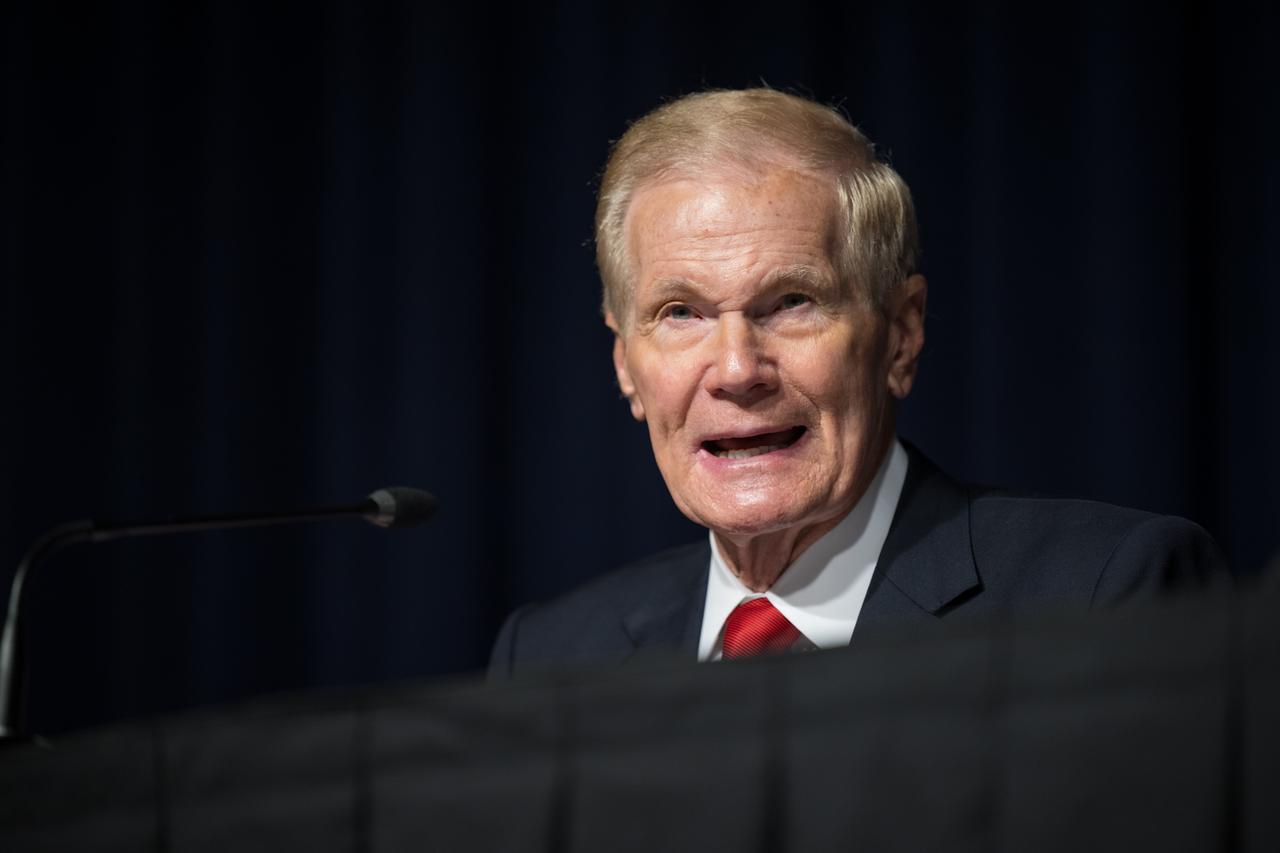
NASA Administrator Bill Nelson answers a question during a media briefing to discuss the findings from an unidentified anomalous phenomena (UAP) independent study team, Thursday, Sept. 14, 2023, at the Mary W. Jackson NASA Headquarters building in Washington. The UAP independent study team, commissioned in 2022, is a counsel of 16 community experts across diverse areas on matters relevant to potential methods of study for unidentified anomalous phenomena. NASA published the team’s full report online, which aims to inform about what possible data could be collected in the future to shed light on the nature and origin of UAP. Photo Credit: (NASA/Aubrey Gemignani)
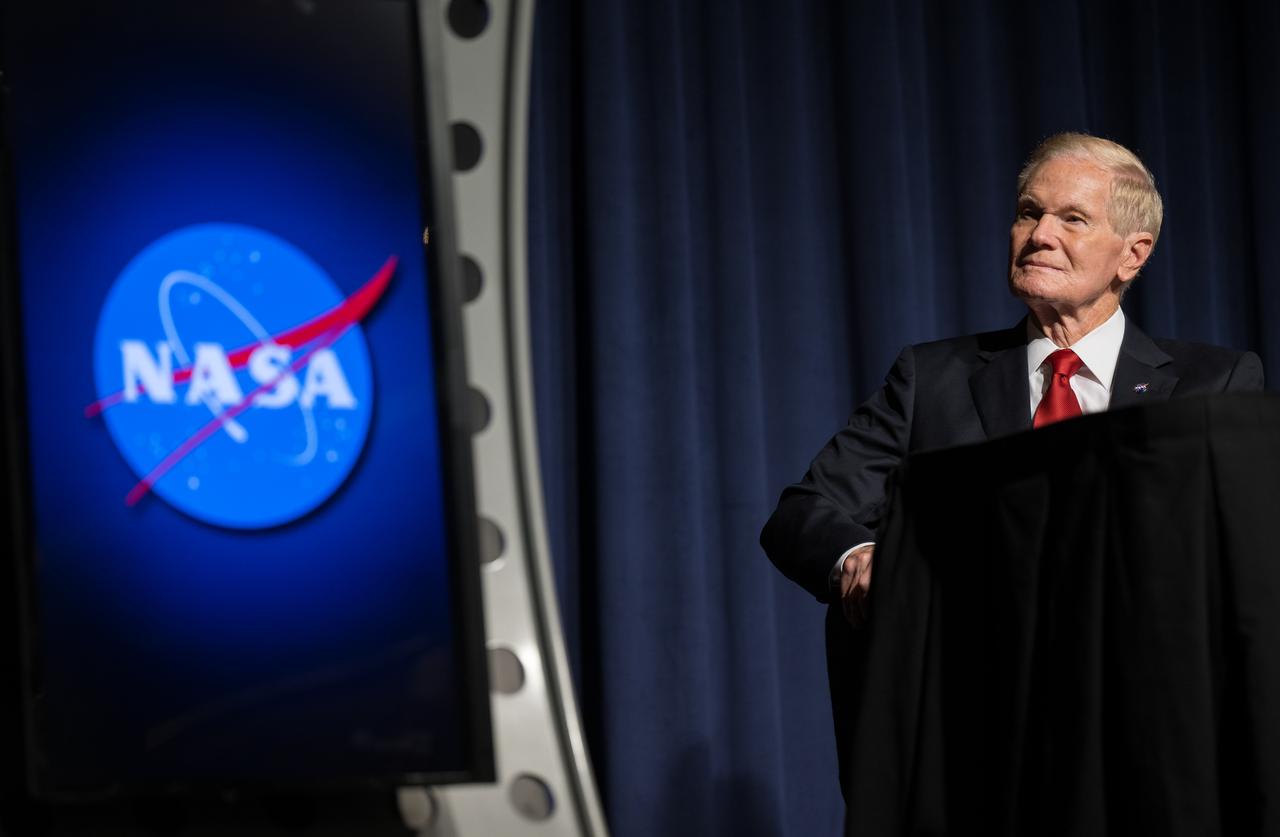
NASA Administrator Bill Nelson is seen during a media briefing to discuss the findings from an unidentified anomalous phenomena (UAP) independent study team, Thursday, Sept. 14, 2023, at the Mary W. Jackson NASA Headquarters building in Washington. The UAP independent study team, commissioned in 2022, is a counsel of 16 community experts across diverse areas on matters relevant to potential methods of study for unidentified anomalous phenomena. NASA published the team’s full report online, which aims to inform about what possible data could be collected in the future to shed light on the nature and origin of UAP. Photo Credit: (NASA/Aubrey Gemignani)
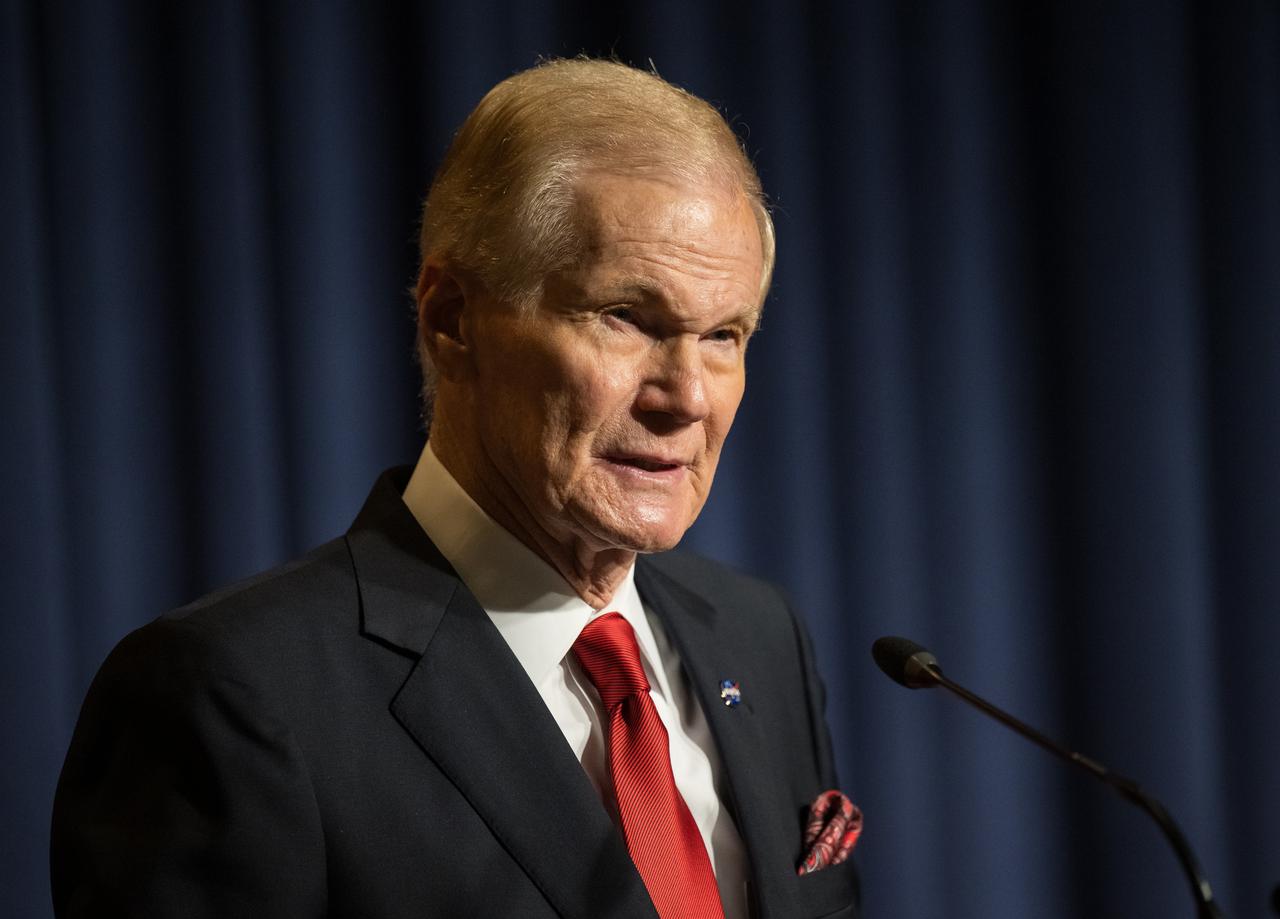
NASA Administrator Bill Nelson provides remarks during a media briefing to discuss the findings from an unidentified anomalous phenomena (UAP) independent study team, Thursday, Sept. 14, 2023, at the Mary W. Jackson NASA Headquarters building in Washington. The UAP independent study team, commissioned in 2022, is a counsel of 16 community experts across diverse areas on matters relevant to potential methods of study for unidentified anomalous phenomena. NASA published the team’s full report online, which aims to inform about what possible data could be collected in the future to shed light on the nature and origin of UAP. Photo Credit: (NASA/Aubrey Gemignani)
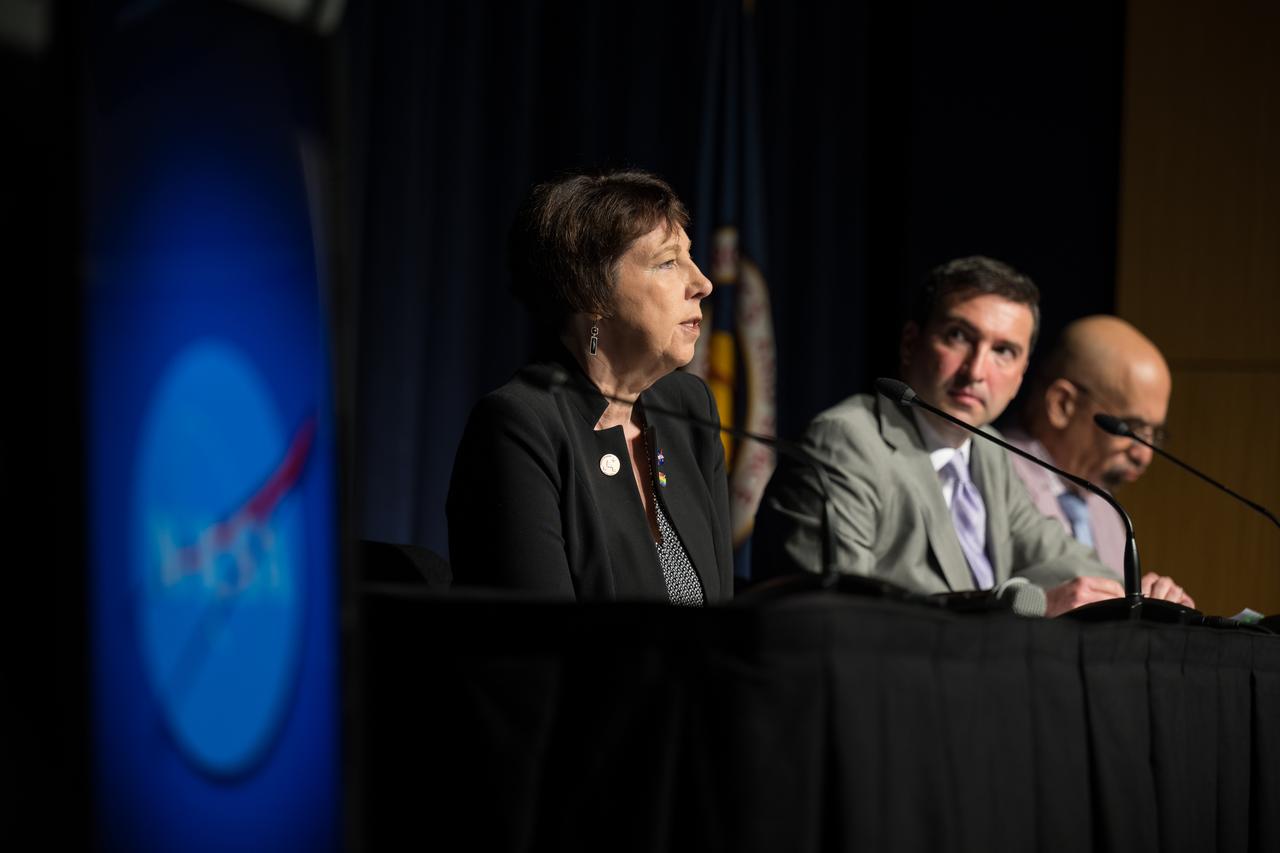
Nicola Fox, associate administrator for NASA's Science Mission Directorate, answers a question during a media briefing to discuss the findings from an unidentified anomalous phenomena (UAP) independent study team, Thursday, Sept. 14, 2023, at the Mary W. Jackson NASA Headquarters building in Washington. The UAP independent study team, commissioned in 2022, is a counsel of 16 community experts across diverse areas on matters relevant to potential methods of study for unidentified anomalous phenomena. NASA published the team’s full report online, which aims to inform about what possible data could be collected in the future to shed light on the nature and origin of UAP. Photo Credit: (NASA/Aubrey Gemignani)
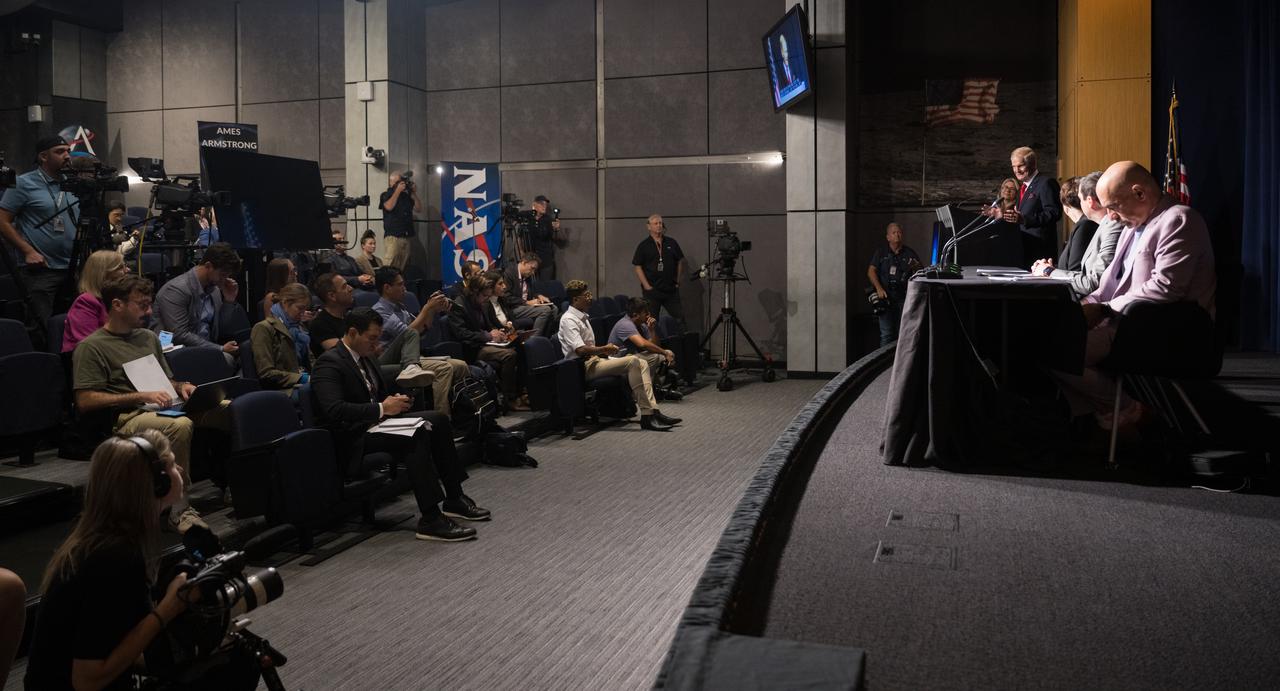
NASA Administrator Bill Nelson provides remarks during a media briefing to discuss the findings from an unidentified anomalous phenomena (UAP) independent study team, Thursday, Sept. 14, 2023, at the Mary W. Jackson NASA Headquarters building in Washington. The UAP independent study team, commissioned in 2022, is a counsel of 16 community experts across diverse areas on matters relevant to potential methods of study for unidentified anomalous phenomena. NASA published the team’s full report online, which aims to inform about what possible data could be collected in the future to shed light on the nature and origin of UAP. Photo Credit: (NASA/Aubrey Gemignani)

NASA Administrator Bill Nelson provides remarks during a media briefing to discuss the findings from an unidentified anomalous phenomena (UAP) independent study team, Thursday, Sept. 14, 2023, at the Mary W. Jackson NASA Headquarters building in Washington. The UAP independent study team, commissioned in 2022, is a counsel of 16 community experts across diverse areas on matters relevant to potential methods of study for unidentified anomalous phenomena. NASA published the team’s full report online, which aims to inform about what possible data could be collected in the future to shed light on the nature and origin of UAP. Photo Credit: (NASA/Aubrey Gemignani)
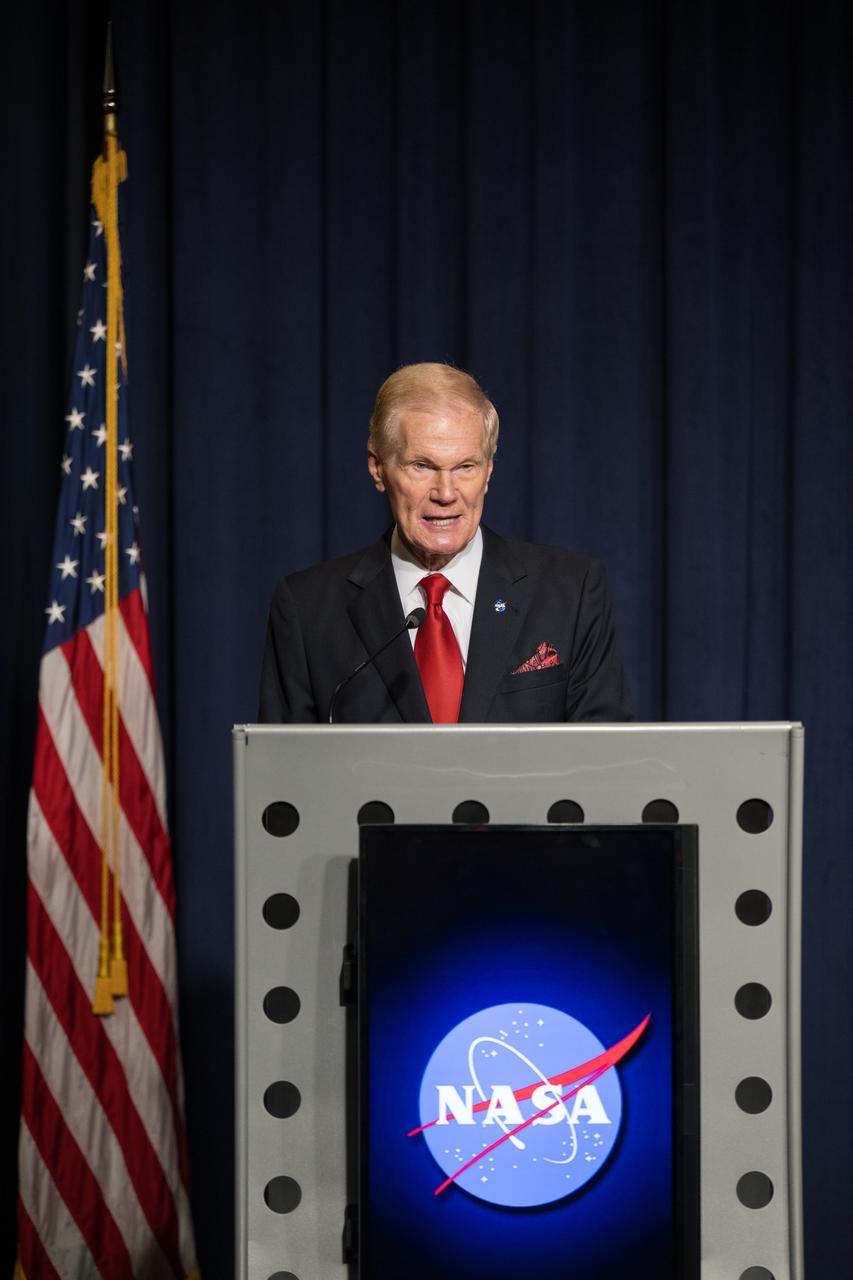
NASA Administrator Bill Nelson provides remarks during a media briefing to discuss the findings from an unidentified anomalous phenomena (UAP) independent study team, Thursday, Sept. 14, 2023, at the Mary W. Jackson NASA Headquarters building in Washington. The UAP independent study team, commissioned in 2022, is a counsel of 16 community experts across diverse areas on matters relevant to potential methods of study for unidentified anomalous phenomena. NASA published the team’s full report online, which aims to inform about what possible data could be collected in the future to shed light on the nature and origin of UAP. Photo Credit: (NASA/Aubrey Gemignani)
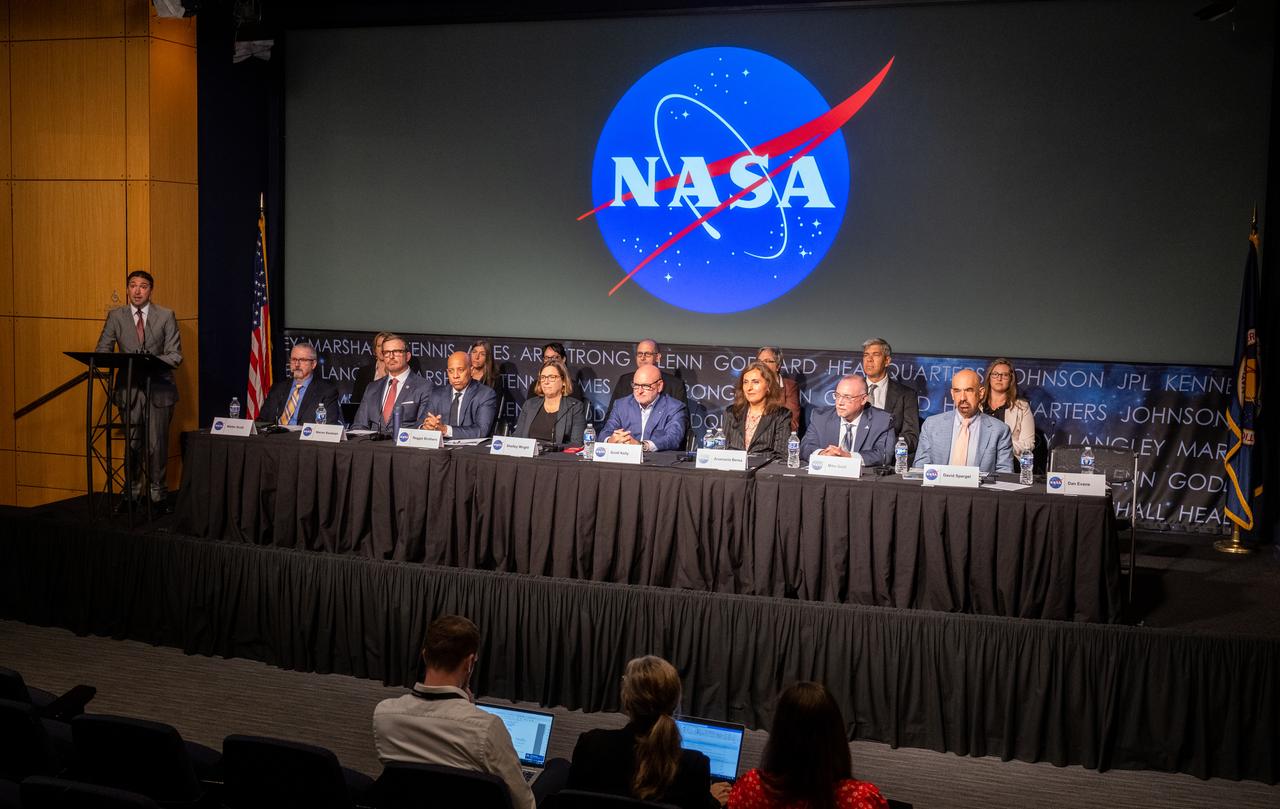
Daniel Evans, assistant deputy associate administrator for Research in NASA's Science Mission Directorate, left, gives opening remarks are seen during a public meeting of NASA’s unidentified anomalous phenomena (UAP) independent study team, Wednesday, May 31, 2023 at the Mary W. Jackson NASA Headquarters building in Washington. The UAP independent study team is a counsel of 16 community experts across diverse areas on matters relevant to potential methods of study for unidentified anomalous phenomena. NASA commissioned the nine-month study to examine UAP from a scientific perspective and create a roadmap for how to use data and the tools of science to move our understanding of UAP forward. Photo Credit: (NASA/Joel Kowsky)
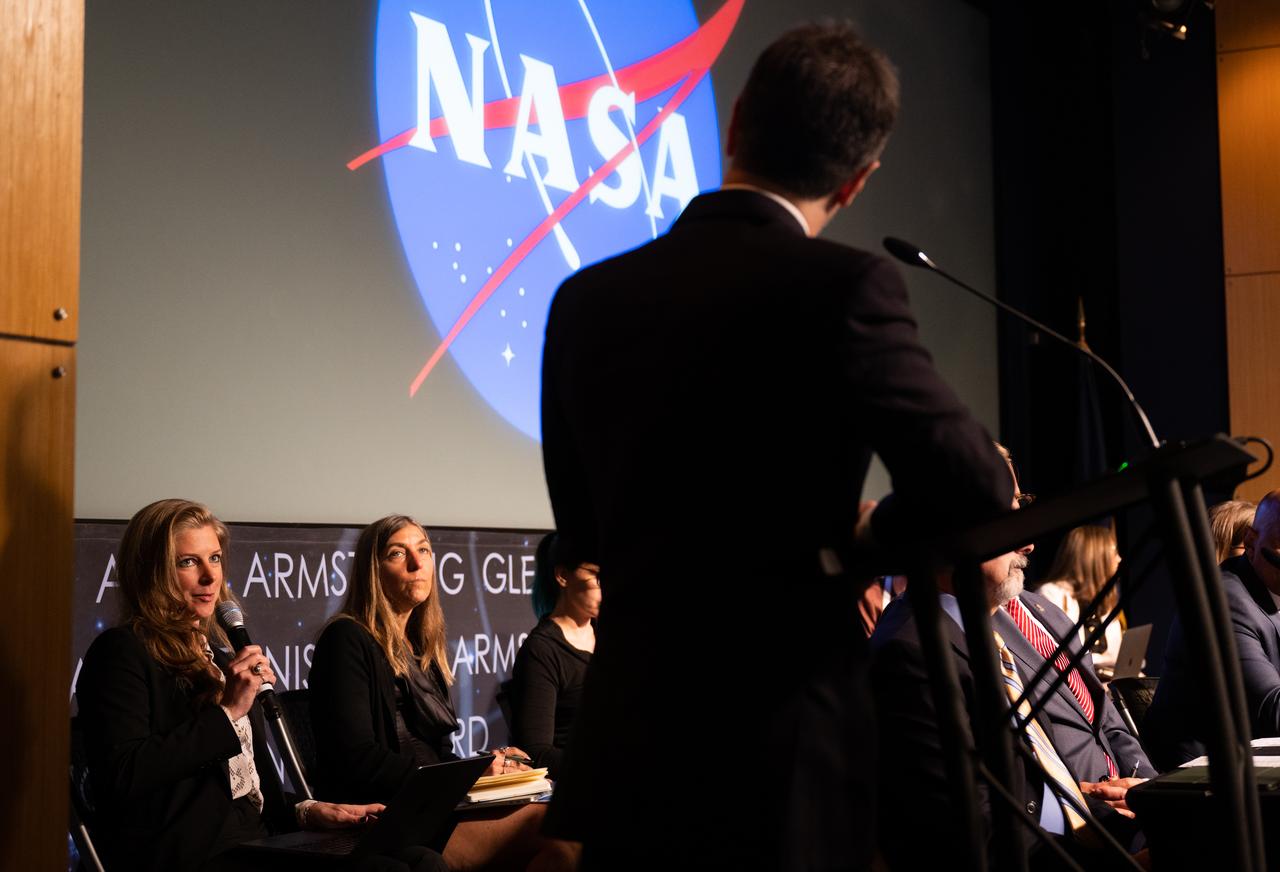
Nadia Drake, science journalist, left, asks a question of Dr. Sean Kirkpatrick, director of All-domain Anomaly Resolution Office at the Department of Defense, during a public meeting of NASA’s unidentified anomalous phenomena (UAP) independent study team, Wednesday, May 31, 2023 at the Mary W. Jackson NASA Headquarters building in Washington. The UAP independent study team is a counsel of 16 community experts across diverse areas on matters relevant to potential methods of study for unidentified anomalous phenomena. NASA commissioned the nine-month study to examine UAP from a scientific perspective and create a roadmap for how to use data and the tools of science to move our understanding of UAP forward. Photo Credit: (NASA/Joel Kowsky)
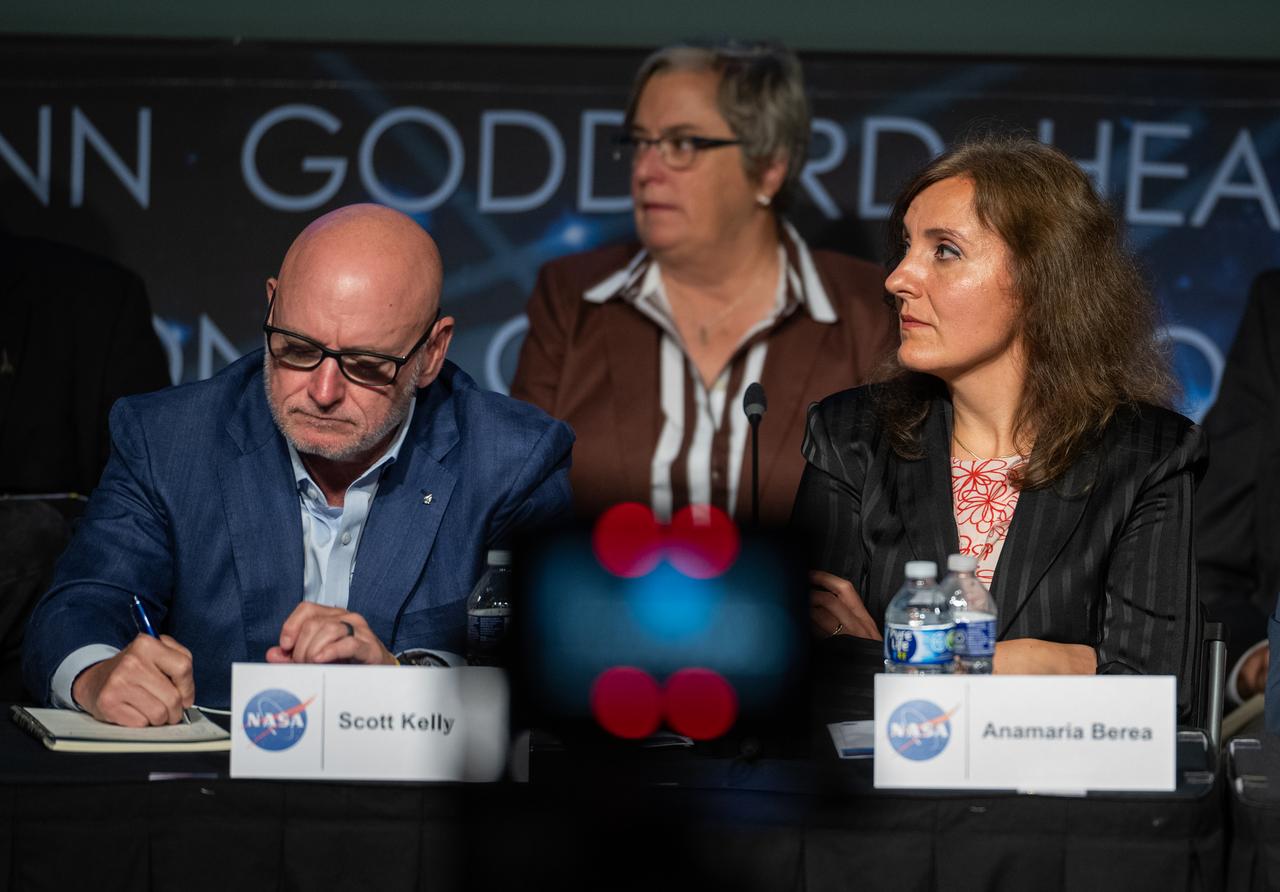
Scott Kelly, former NASA astronaut, left, and Anamaria Berea, associate professor of Computational and Data Science at George Mason University, are seen during a public meeting of NASA’s unidentified anomalous phenomena (UAP) independent study team, Wednesday, May 31, 2023 at the Mary W. Jackson NASA Headquarters building in Washington. The UAP independent study team is a counsel of 16 community experts across diverse areas on matters relevant to potential methods of study for unidentified anomalous phenomena. NASA commissioned the nine-month study to examine UAP from a scientific perspective and create a roadmap for how to use data and the tools of science to move our understanding of UAP forward. Photo Credit: (NASA/Joel Kowsky)
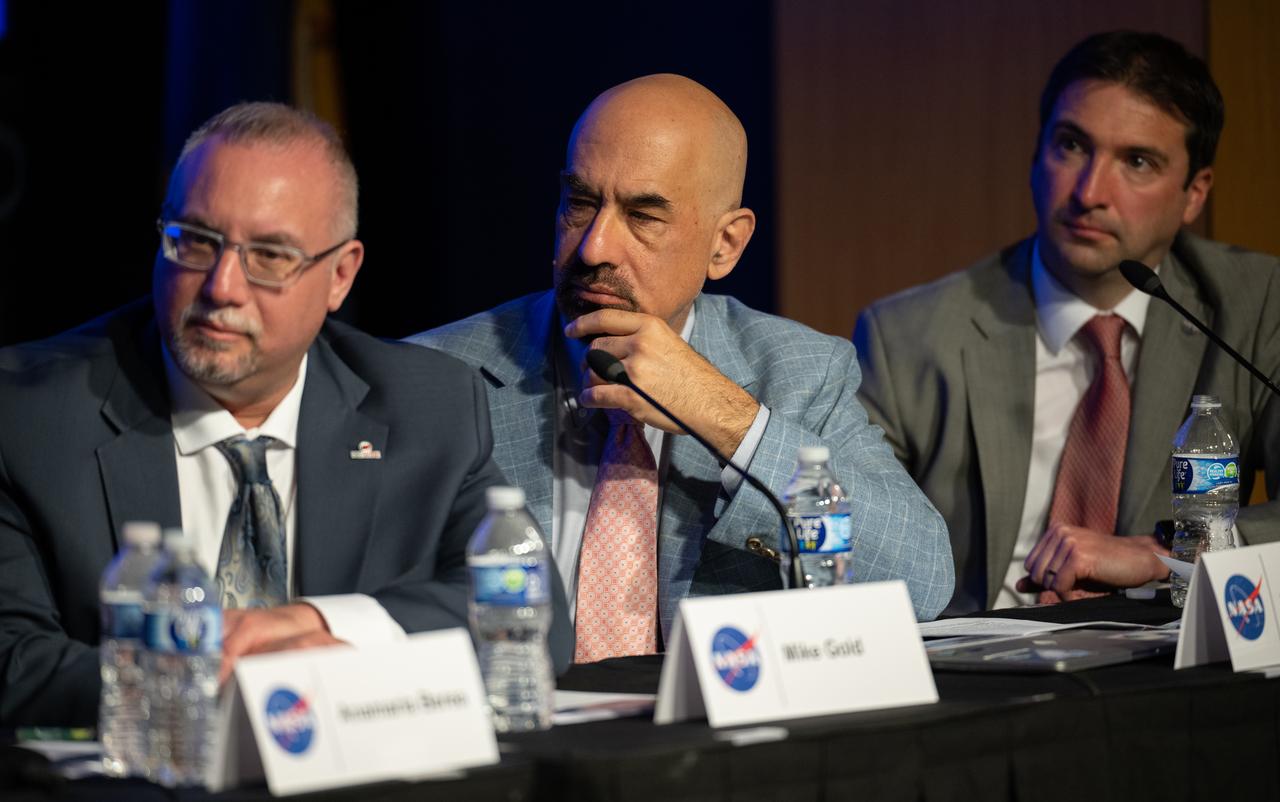
Mike Gold, chief growth officer at Redwire, left, David Spergel, chair of NASA's independent study on unidentified anomalous phenomena and President of the Simons Foundation, center, and Daniel Evans, assistant deputy associate administrator for Research in NASA's Science Mission Directorate, right, are seen during a public meeting of NASA’s unidentified anomalous phenomena (UAP) independent study team, Wednesday, May 31, 2023 at the Mary W. Jackson NASA Headquarters building in Washington. The UAP independent study team is a counsel of 16 community experts across diverse areas on matters relevant to potential methods of study for unidentified anomalous phenomena. NASA commissioned the nine-month study to examine UAP from a scientific perspective and create a roadmap for how to use data and the tools of science to move our understanding of UAP forward. Photo Credit: (NASA/Joel Kowsky)
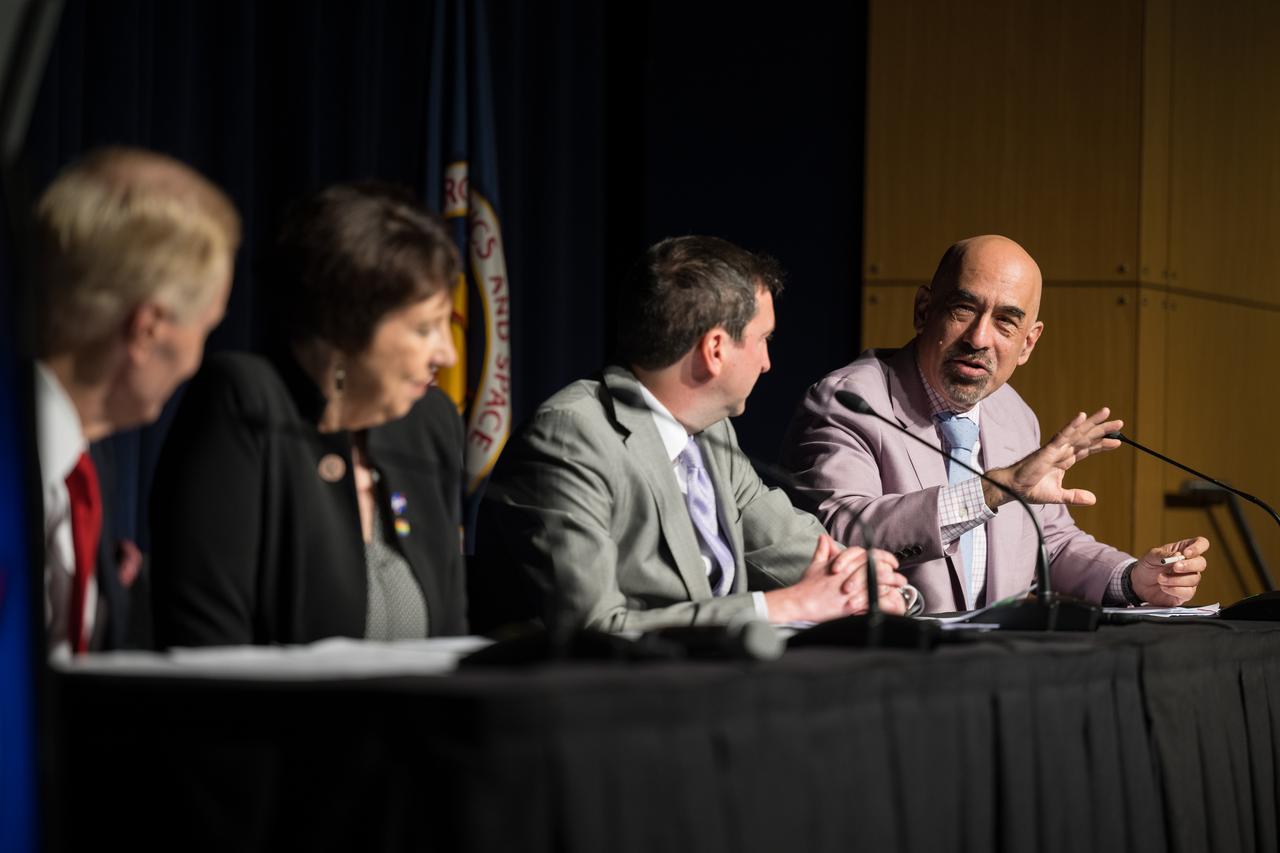
President of the Simons Foundation and Chair of NASA's UAP Independent Study Team, David Spergel, answers a question during a media briefing to discuss the findings from an unidentified anomalous phenomena (UAP) independent study team, Thursday, Sept. 14, 2023, at the Mary W. Jackson NASA Headquarters building in Washington. The UAP independent study team, commissioned in 2022, is a counsel of 16 community experts across diverse areas on matters relevant to potential methods of study for unidentified anomalous phenomena. NASA published the team’s full report online, which aims to inform about what possible data could be collected in the future to shed light on the nature and origin of UAP. Photo Credit: (NASA/Aubrey Gemignani)
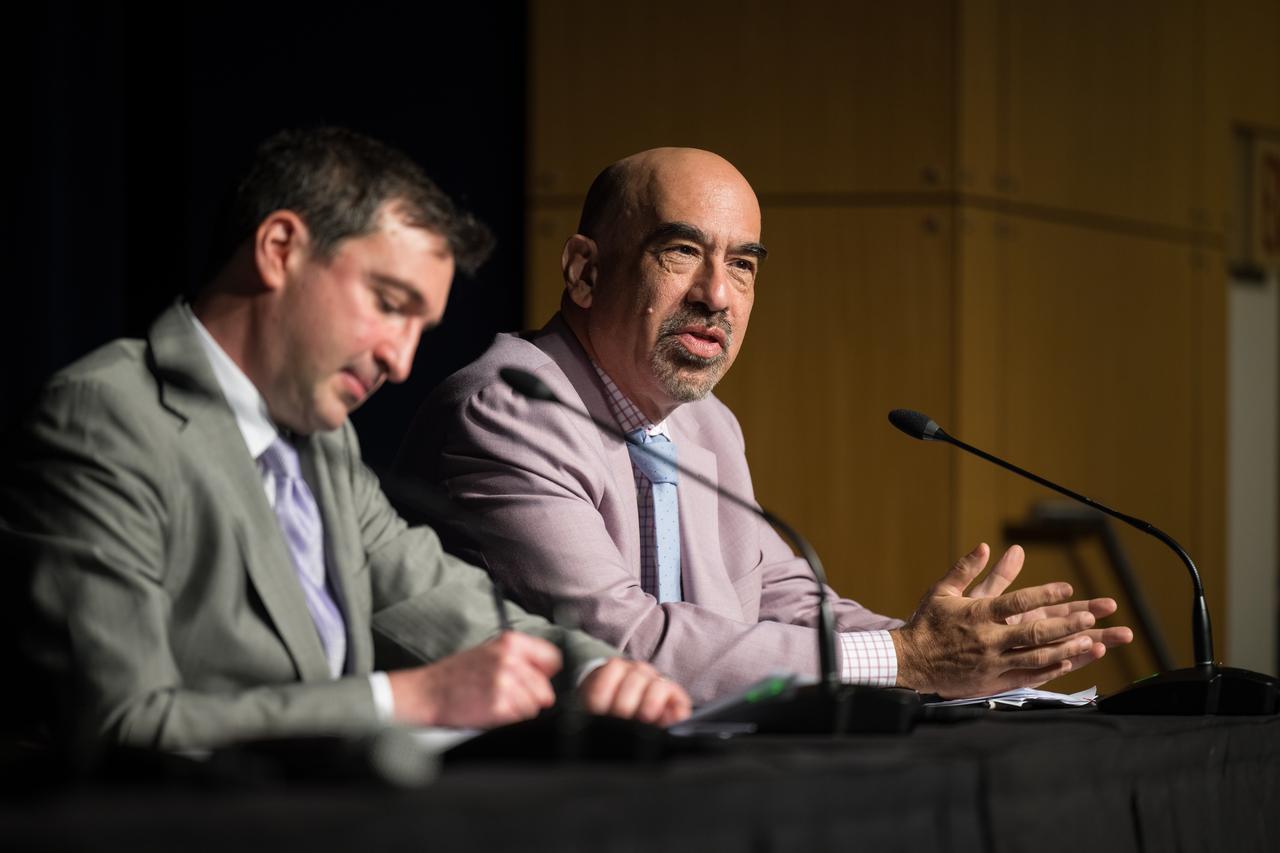
President of the Simons Foundation and Chair of NASA's UAP Independent Study Team, David Spergel, answers a question during a media briefing to discuss the findings from an unidentified anomalous phenomena (UAP) independent study team, Thursday, Sept. 14, 2023, at the Mary W. Jackson NASA Headquarters building in Washington. The UAP independent study team, commissioned in 2022, is a counsel of 16 community experts across diverse areas on matters relevant to potential methods of study for unidentified anomalous phenomena. NASA published the team’s full report online, which aims to inform about what possible data could be collected in the future to shed light on the nature and origin of UAP. Photo Credit: (NASA/Aubrey Gemignani)
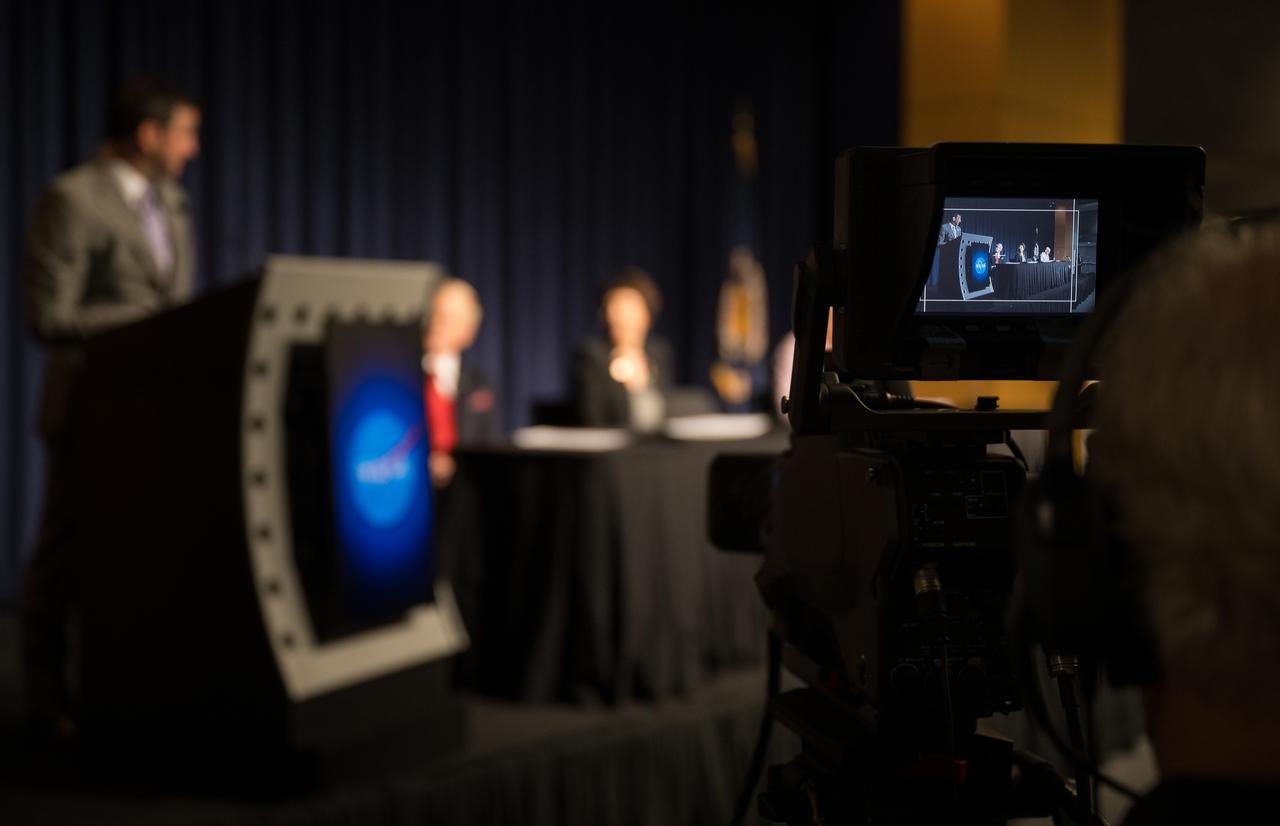
Panelists, from left to right, NASA Assistant Deputy Associate Administrator for Research, Science Mission Directorate, Daniel Evans; NASA Administrator Bill Nelson; NASA Associate Administrator for the Science Mission Directorate, Nicola Fox; and President of the Simons Foundation and Chair of NASA's UAP Independent Study Team, David Spergel, are seen in a video camera during a media briefing to discuss the findings from an unidentified anomalous phenomena (UAP) independent study team, Thursday, Sept. 14, 2023, at the Mary W. Jackson NASA Headquarters building in Washington. The UAP independent study team, commissioned in 2022, is a counsel of 16 community experts across diverse areas on matters relevant to potential methods of study for unidentified anomalous phenomena. NASA published the team’s full report online, which aims to inform about what possible data could be collected in the future to shed light on the nature and origin of UAP. Photo Credit: (NASA/Aubrey Gemignani)
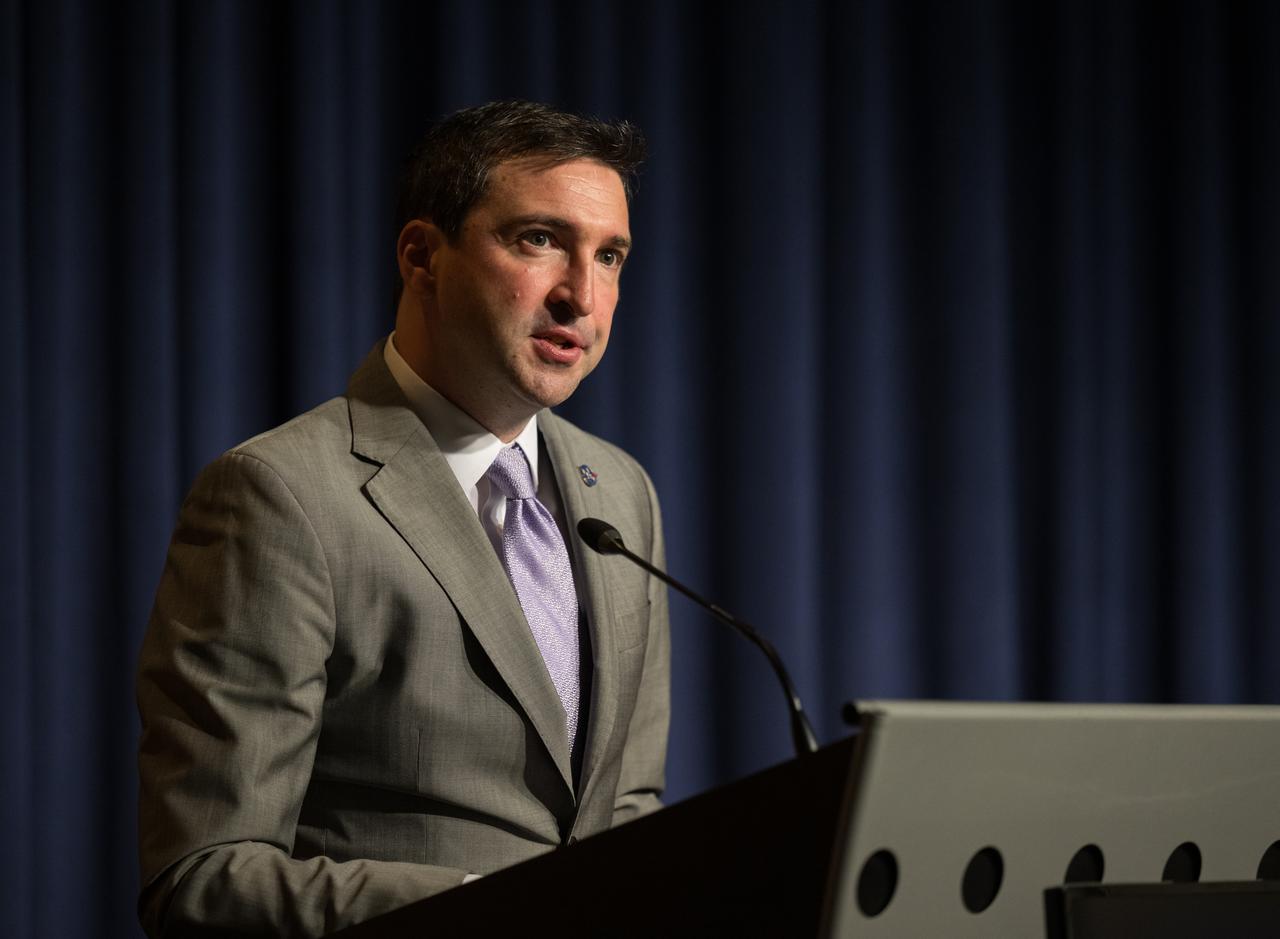
NASA Assistant Deputy Associate Administrator for Research, Science Mission Directorate, Daniel Evans, provides remarks during a media briefing to discuss the findings from an unidentified anomalous phenomena (UAP) independent study team, Thursday, Sept. 14, 2023, at the Mary W. Jackson NASA Headquarters building in Washington. The UAP independent study team, commissioned in 2022, is a counsel of 16 community experts across diverse areas on matters relevant to potential methods of study for unidentified anomalous phenomena. NASA published the team’s full report online, which aims to inform about what possible data could be collected in the future to shed light on the nature and origin of UAP. Photo Credit: (NASA/Aubrey Gemignani)

Warren Randolph, deputy executive director of the Accident Investigation and Prevention for Aviation Safety at the FAA, left, Reggie Brothers, operating partner at AE Industrial Partners, center, and Shelley Wright, professor of Physics at the University of California San Diego's Center for Astrophysics and Space Studies, right, are seen during a public meeting of NASA’s unidentified anomalous phenomena (UAP) independent study team, Wednesday, May 31, 2023 at the Mary W. Jackson NASA Headquarters building in Washington. The UAP independent study team is a counsel of 16 community experts across diverse areas on matters relevant to potential methods of study for unidentified anomalous phenomena. NASA commissioned the nine-month study to examine UAP from a scientific perspective and create a roadmap for how to use data and the tools of science to move our understanding of UAP forward. Photo Credit: (NASA/Joel Kowsky)