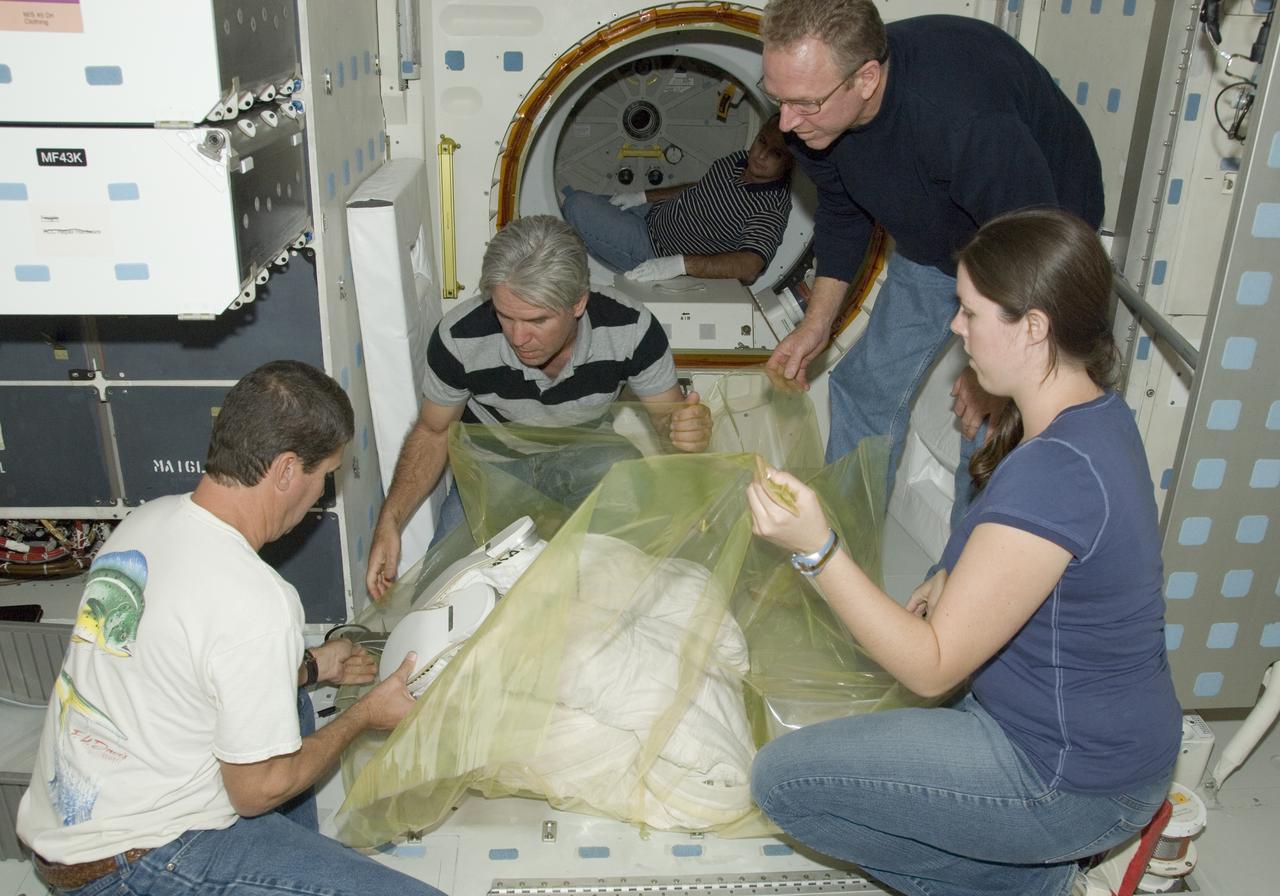
United Space Alliance technicians wrap the lower portion of an Extravehicular Mobility Unit (EMU) spacesuit prior to removal from Space Shuttle Endeavour.
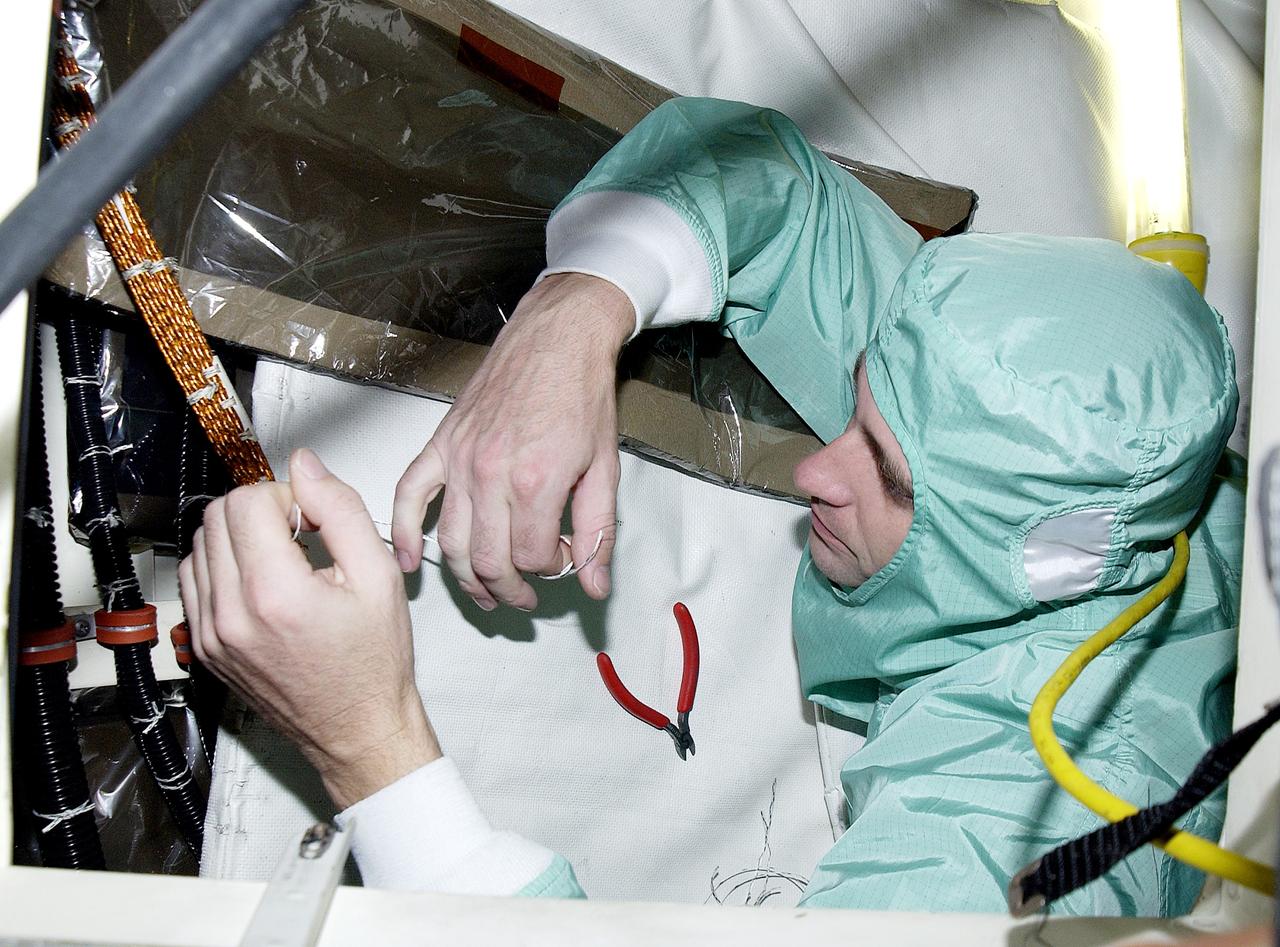
KENNEDY SPACE CENTER, FLA. - A technician with United Space Alliance checks wiring in the mid-body and flight deck of orbiter Atlantis as part of routine maintenance.
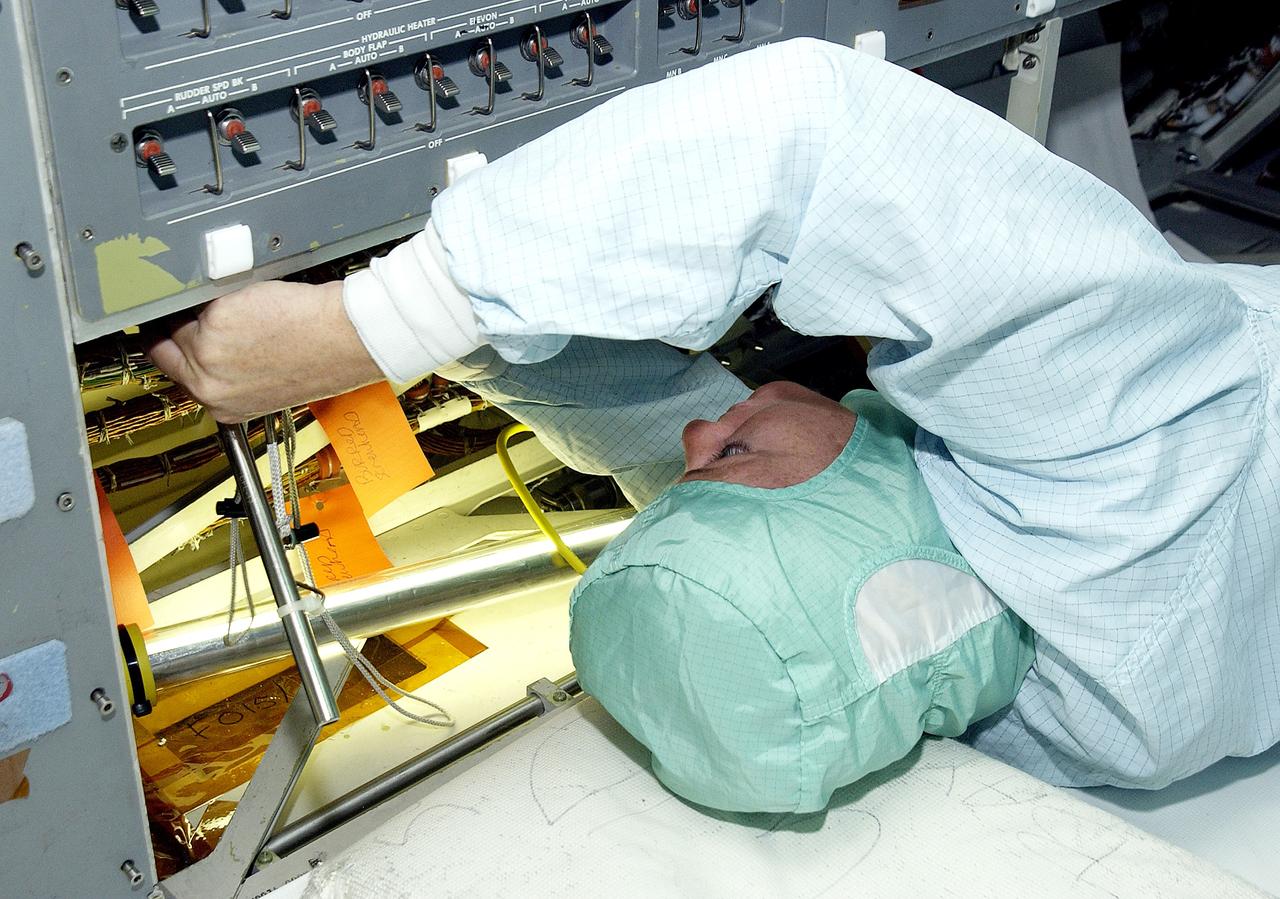
KENNEDY SPACE CENTER, FLA. - A technician with United Space Alliance checks wiring in the mid-body and flight deck of orbiter Atlantis as part of routine maintenance.
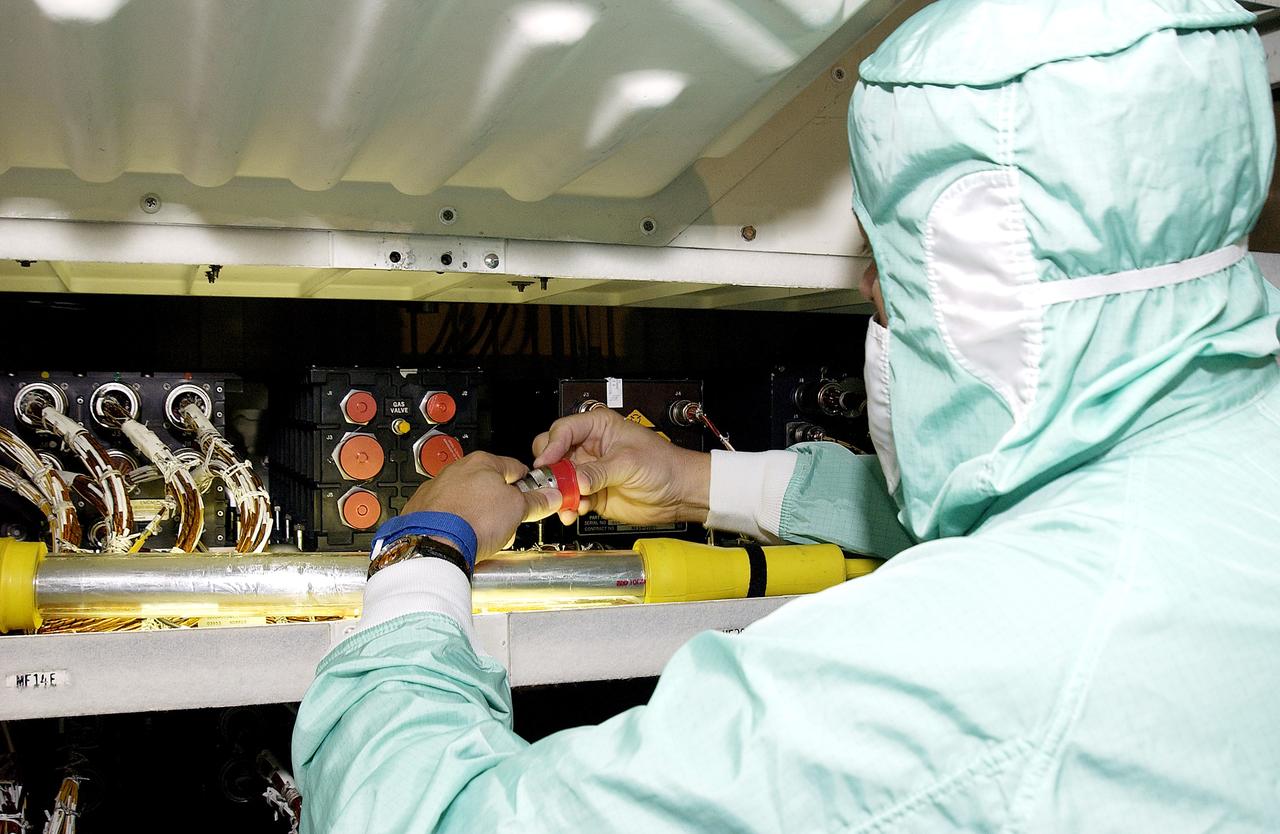
KENNEDY SPACE CENTER, FLA. - A technician with United Space Alliance checks wiring in the mid-body and flight deck of orbiter Atlantis as part of routine maintenance.

KENNEDY SPACE CENTER, FLA. - A technician with United Space Alliance checks wiring in the mid-body of orbiter Atlantis as part of routine maintenance.
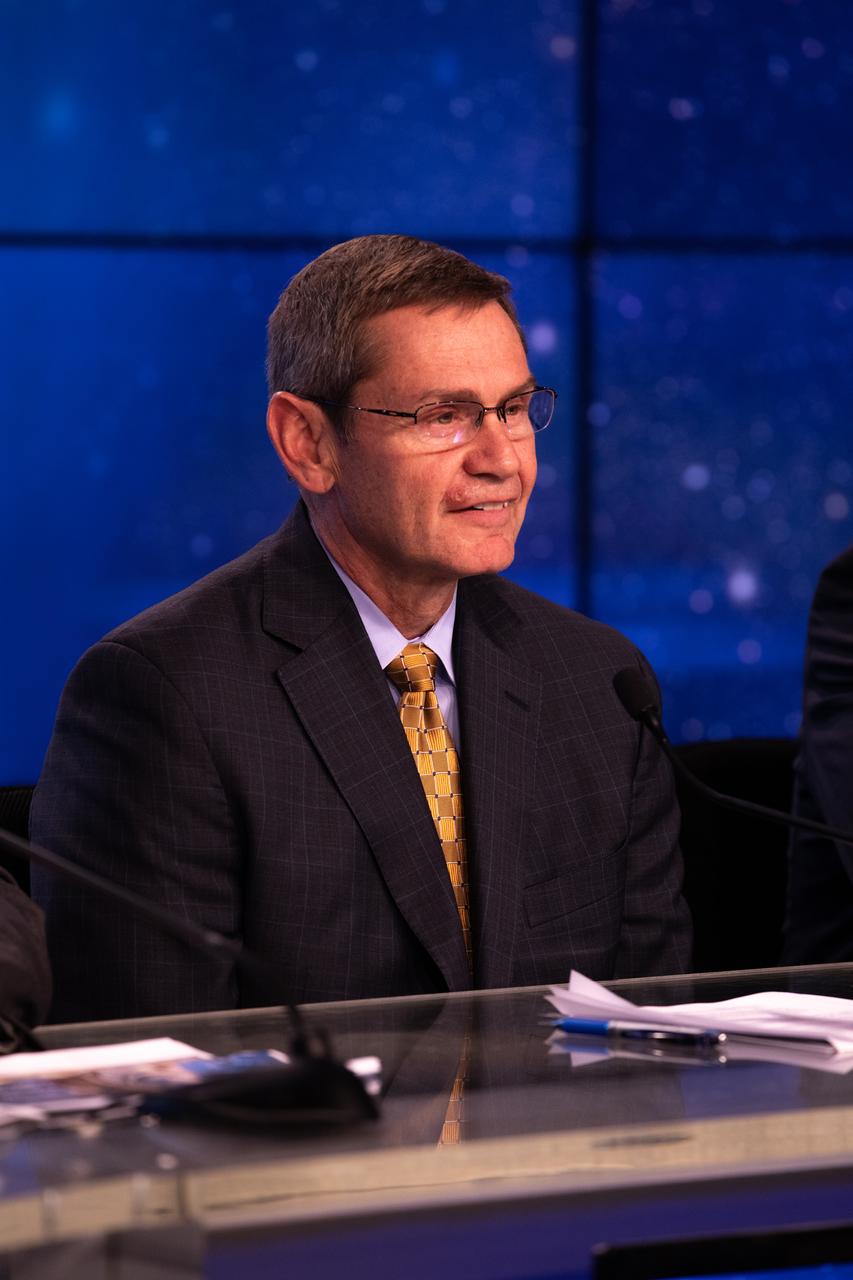
John Elbon, chief operating officer, United Launch Alliance, speaks during a prelaunch briefing for Boeing’s Orbital Flight Test at the agency’s Kennedy Space Center in Florida, Dec. 17, 2019. Boeing’s CST-100 Starliner spacecraft will launch atop a United Launch Alliance Atlas V rocket from Space Launch Complex 41 at Cape Canaveral Air Force Station. The uncrewed Orbital Flight Test will be the Starliner’s first flight to the International Space Station for NASA’s Commercial Crew Program.
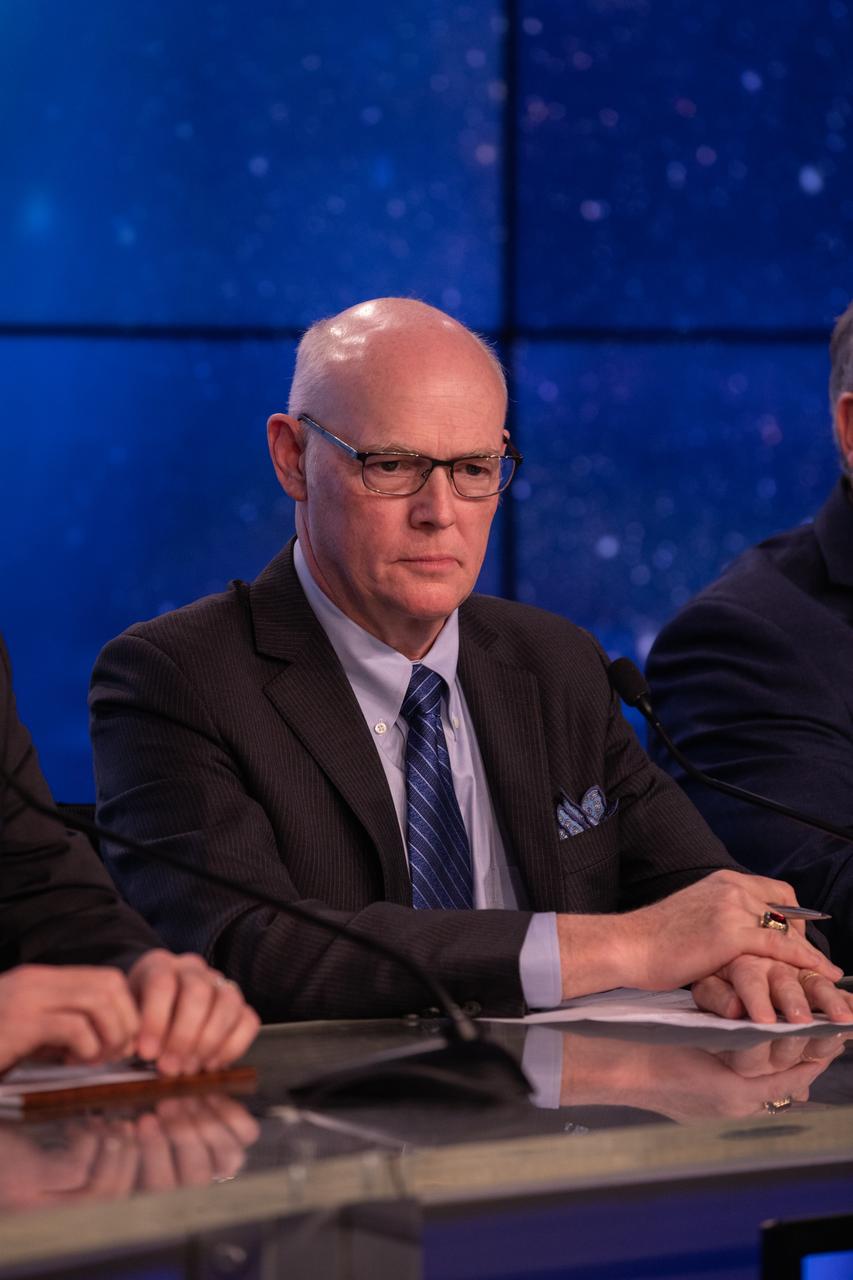
Tory Bruno, president and CEO of United Launch Alliance, listens during a briefing at NASA’s Kennedy Space Center in Florida following launch of Boeing’s Orbital Flight Test, Dec. 20, 2019. Boeing’s CST-100 Starliner spacecraft launched atop a United Launch Alliance Atlas V rocket from Space Launch Complex 41 at Cape Canaveral Air Force Station at 6:36 a.m. EST. The uncrewed Orbital Flight Test is the Starliner’s first flight for NASA’s Commercial Crew Program.
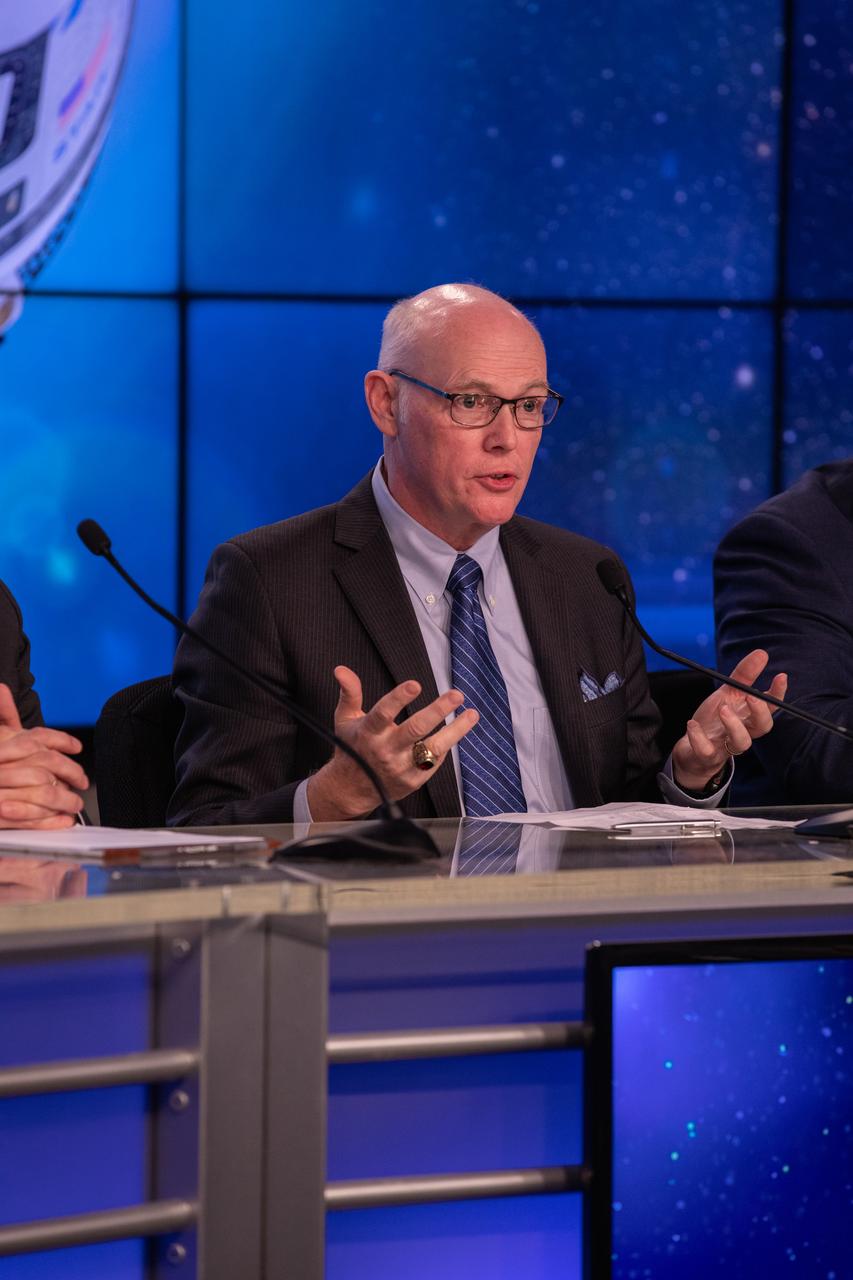
Tory Bruno, president and CEO of United Launch Alliance, speaks during a briefing at NASA’s Kennedy Space Center in Florida following launch of Boeing’s Orbital Flight Test, Dec. 20, 2019. Boeing’s CST-100 Starliner spacecraft launched atop a United Launch Alliance Atlas V rocket from Space Launch Complex 41 at Cape Canaveral Air Force Station at 6:36 a.m. EST. The uncrewed Orbital Flight Test is the Starliner’s first flight for NASA’s Commercial Crew Program.

Officials from NASA, Boeing, United Launch Alliance and the U.S. Air Force 45th Weather Squadron participate in a prelaunch briefing for Boeing’s Orbital Flight Test at the agency’s Kennedy Space Center in Florida, Dec. 17, 2019. From left are John Elbon, chief operating officer, United Launch Alliance; Joel Montalbano, deputy manager, International Space Station Program; Pat Forrester, Astronaut Office chief, Johnson Space Center; and Will Ulrich, launch weather officer, 45th Weather Squadron. Boeing’s CST-100 Starliner spacecraft will launch atop a United Launch Alliance Atlas V rocket from Space Launch Complex 41 at Cape Canaveral Air Force Station. The uncrewed Orbital Flight Test will be the Starliner’s first flight to the International Space Station for NASA’s Commercial Crew Program.
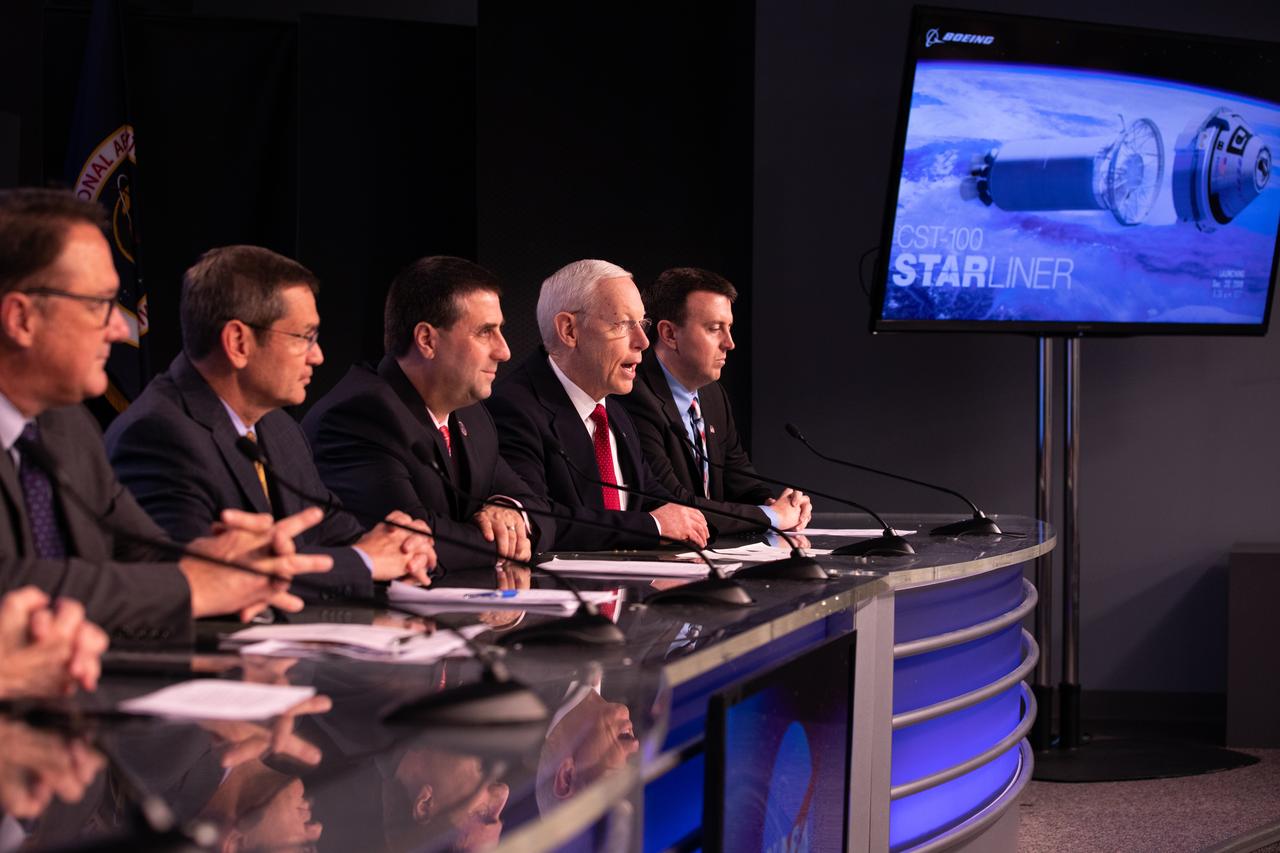
Officials from NASA, Boeing, United Launch Alliance and the U.S. Air Force 45th Weather Squadron participate in a prelaunch briefing for Boeing’s Orbital Flight Test at the agency’s Kennedy Space Center in Florida, Dec. 17, 2019. From left are John Mulholland, vice president and program manager, Boeing Commercial Crew Program; John Elbon, chief operating officer, United Launch Alliance; Joel Montalbano, deputy manager, International Space Station Program; Pat Forrester, Astronaut Office chief, Johnson Space Center; and Will Ulrich, launch weather officer, 45th Weather Squadron. Boeing’s CST-100 Starliner spacecraft will launch atop a United Launch Alliance Atlas V rocket from Space Launch Complex 41 at Cape Canaveral Air Force Station. The uncrewed Orbital Flight Test will be the Starliner’s first flight to the International Space Station for NASA’s Commercial Crew Program.
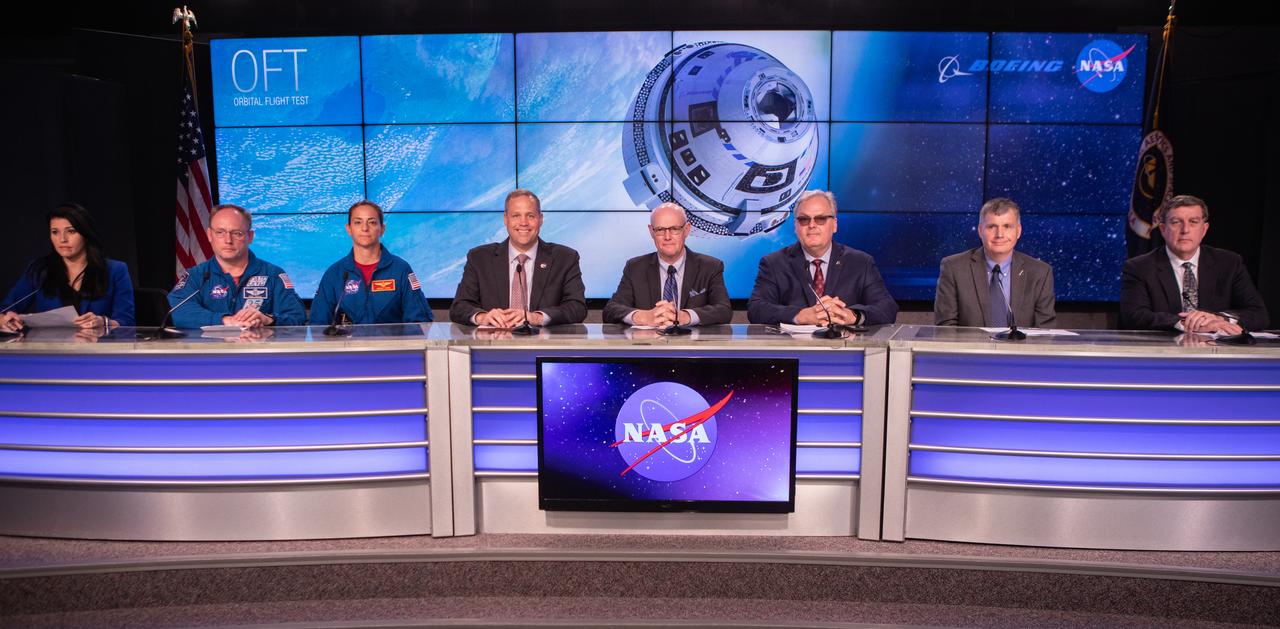
Officials from NASA, Boeing and United Launch Alliance participate in a briefing at the agency’s Kennedy Space Center in Florida following launch of Boeing’s Orbital Flight Test, Dec. 20, 2019. From left to right are Bettina Inclan, NASA Communications; NASA astronauts Mike Fincke and Nicole Mann; Jim Bridenstine, NASA Administrator; Tory Bruno, President and CEO, United Launch Alliance; Jim Chilton, Boeing senior vice president, Space and Launch Division; Steve Stich, deputy manager, NASA Commercial Crew Program; and Kirk Shireman, manager, International Space Station Program. Boeing’s CST-100 Starliner spacecraft launched atop a United Launch Alliance Atlas V rocket from Space Launch Complex 41 at Cape Canaveral Air Force Station at 6:36 a.m. EST. The uncrewed Orbital Flight Test is the Starliner’s first flight for NASA’s Commercial Crew Program.
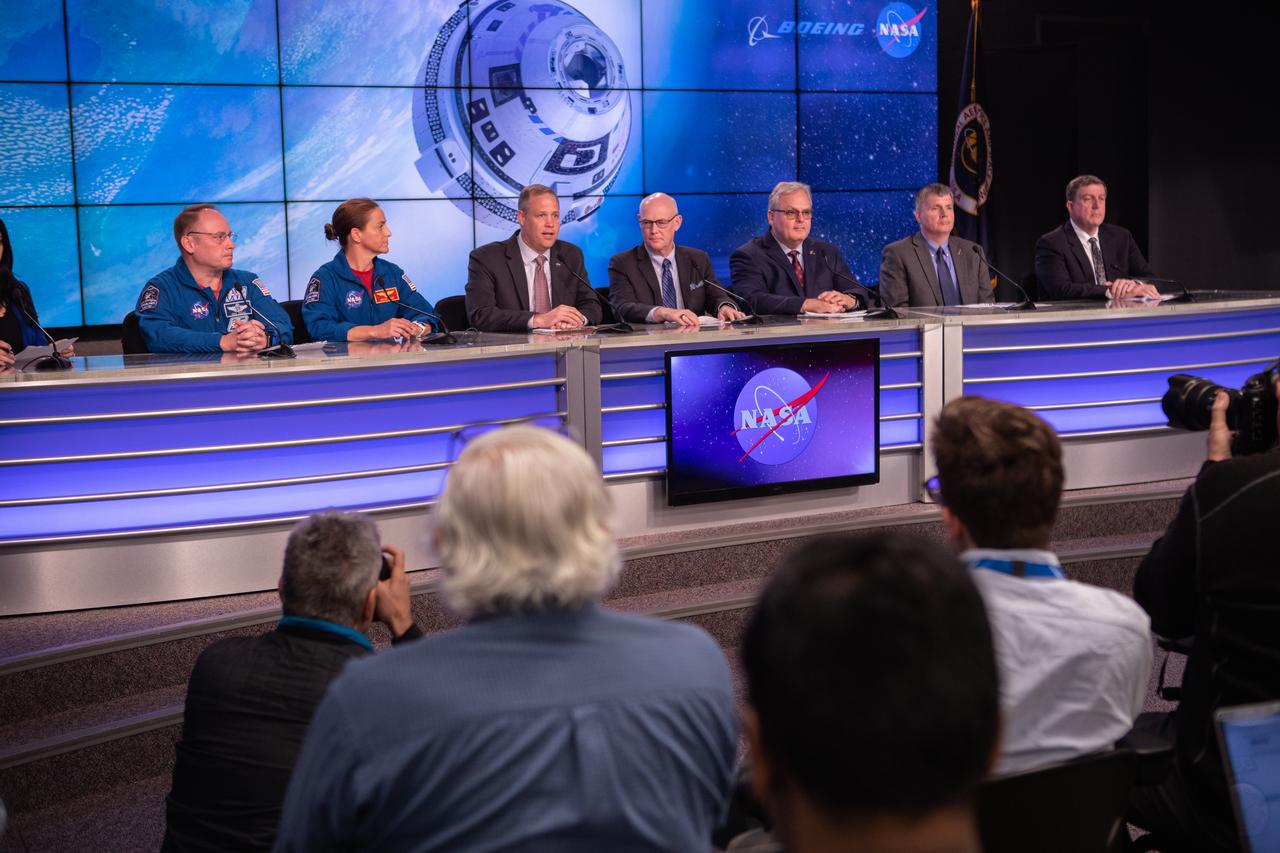
Officials from NASA, Boeing and United Launch Alliance participate in a briefing at the agency’s Kennedy Space Center in Florida following launch of Boeing’s Orbital Flight Test, Dec. 20, 2019. From left to right are NASA astronauts Mike Fincke and Nicole Mann; Jim Bridenstine, NASA Administrator; Tory Bruno, President and CEO, United Launch Alliance; Jim Chilton, Boeing senior vice president, Space and Launch Division; Steve Stich, deputy manager, NASA Commercial Crew Program; and Kirk Shireman, manager, International Space Station Program. Boeing’s CST-100 Starliner spacecraft launched atop a United Launch Alliance Atlas V rocket from Space Launch Complex 41 at Cape Canaveral Air Force Station at 6:36 a.m. EST. The uncrewed Orbital Flight Test is the Starliner’s first flight for NASA’s Commercial Crew Program.
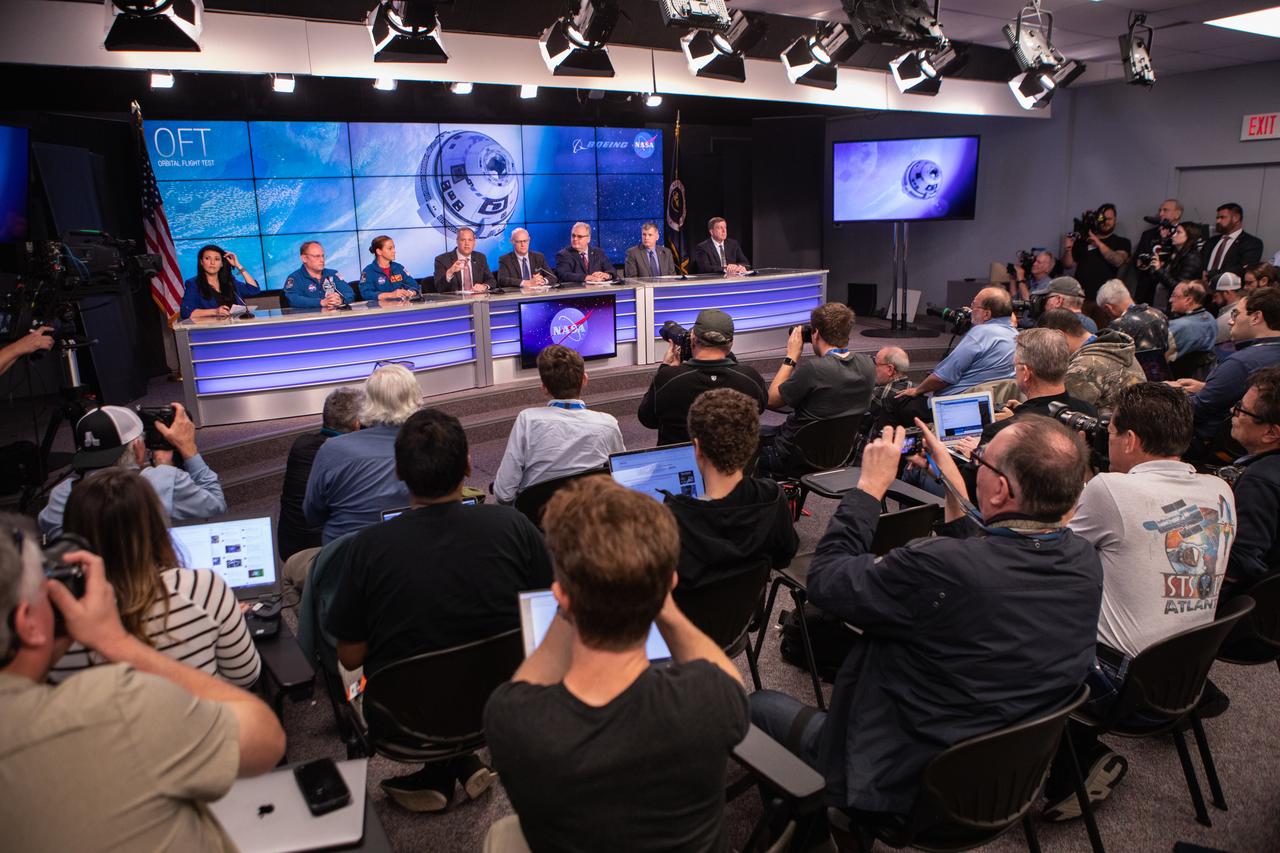
Officials from NASA, Boeing and United Launch Alliance participate in a briefing at the agency’s Kennedy Space Center in Florida following launch of Boeing’s Orbital Flight Test, Dec. 20, 2019. From left to right are Bettina Inclan, NASA Communications; NASA astronauts Mike Fincke and Nicole Mann; Jim Bridenstine, NASA Administrator; Tory Bruno, President and CEO, United Launch Alliance; Jim Chilton, Boeing senior vice president, Space and Launch Division; Steve Stich, deputy manager, NASA Commercial Crew Program; and Kirk Shireman, manager, International Space Station Program. Boeing’s CST-100 Starliner spacecraft launched atop a United Launch Alliance Atlas V rocket from Space Launch Complex 41 at Cape Canaveral Air Force Station at 6:36 a.m. EST. The uncrewed Orbital Flight Test is the Starliner’s first flight for NASA’s Commercial Crew Program.
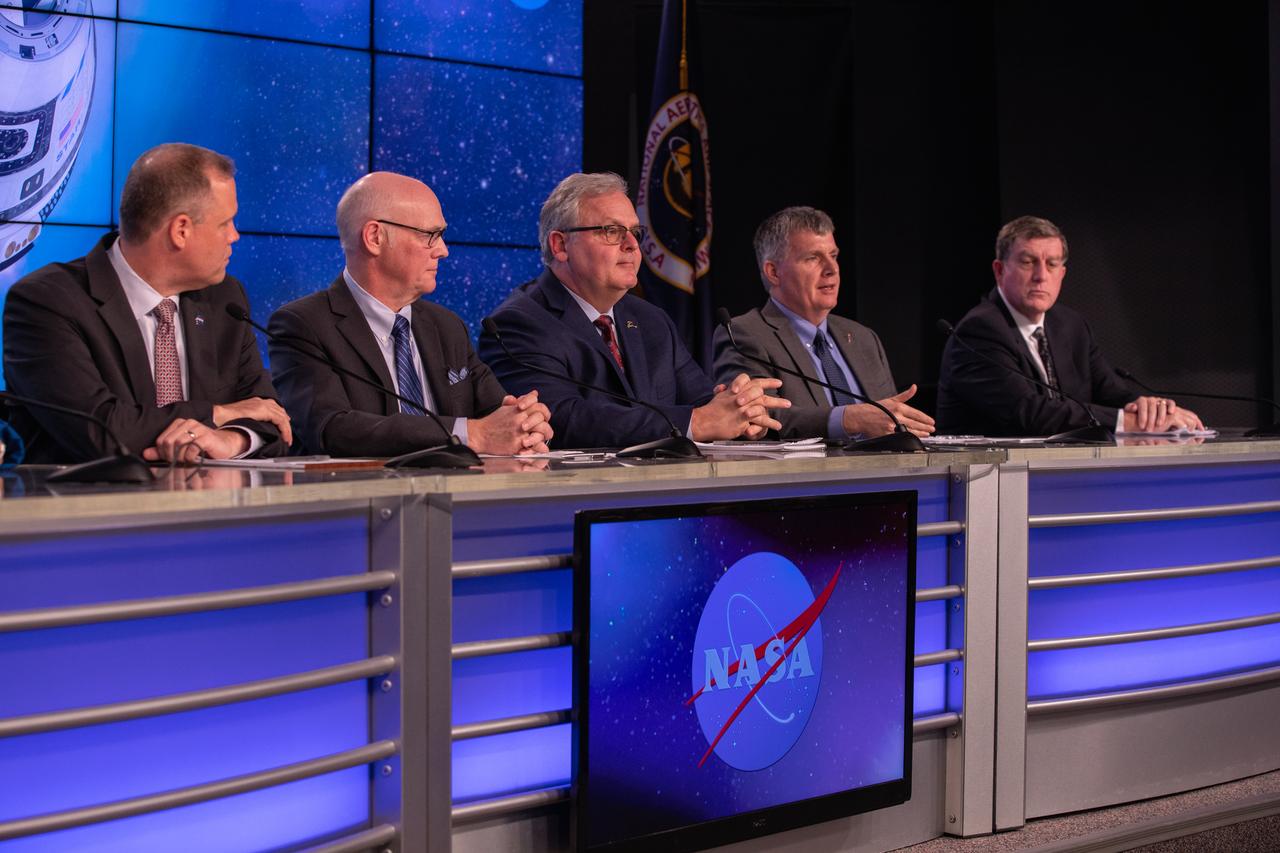
Officials from NASA, Boeing and United Launch Alliance participate in a briefing at the agency’s Kennedy Space Center in Florida following launch of Boeing’s Orbital Flight Test, Dec. 20, 2019. From left to right are Jim Bridenstine, NASA Administrator; Tory Bruno, president and CEO, United Launch Alliance; Jim Chilton, Boeing senior vice president, Space and Launch Division; Steve Stich, deputy manager, NASA Commercial Crew Program; and Kirk Shireman, manager of NASA’s International Space Station Program. Boeing’s CST-100 Starliner spacecraft launched atop a United Launch Alliance Atlas V rocket from Space Launch Complex 41 at Cape Canaveral Air Force Station at 6:36 a.m. EST. The uncrewed Orbital Flight Test is the Starliner’s first flight for NASA’s Commercial Crew Program.
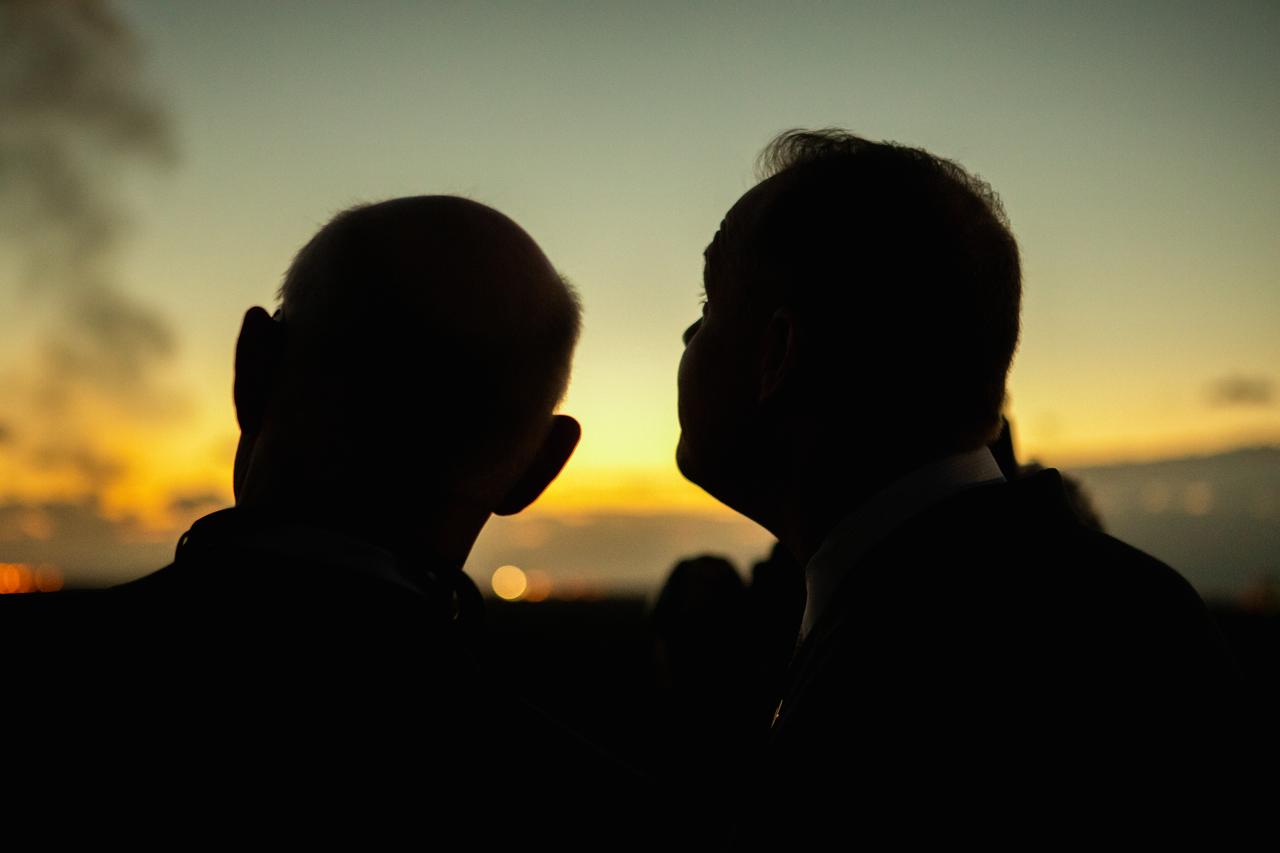
Tory Bruno, president and chief executive officer of United Launch Alliance, left, and NASA Administrator Jim Bridenstine watch the launch of a United Launch Alliance Atlas V rocket carrying Boeing’s CST-100 Starliner spacecraft for Boeing’s Orbital Flight Test, Dec. 20, 2019. Liftoff occurred at 6:36 a.m. EST from Space Launch Complex 41 at Florida’s Cape Canaveral Air Force Station. The uncrewed Orbital Flight Test is the Starliner’s first flight for NASA’s Commercial Crew Program.
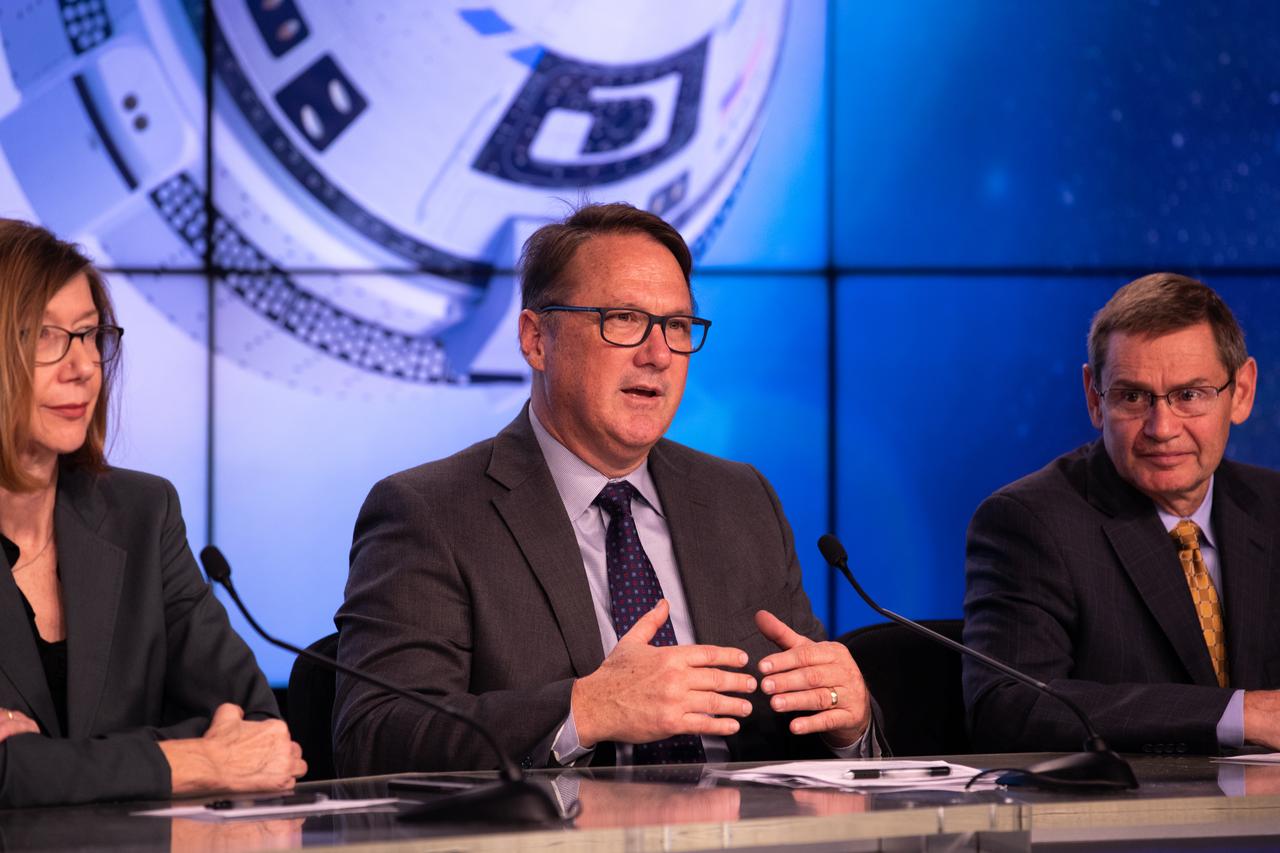
Officials from NASA, Boeing, United Launch Alliance and the U.S. Air Force 45th Weather Squadron participate in a prelaunch briefing for Boeing’s Orbital Flight Test at the agency’s Kennedy Space Center in Florida, Dec. 17, 2019. From left are Kathy Lueders, NASA Commercial Crew Program; John Mulholland, vice president and program manager, Boeing Commercial Crew Program; and John Elbon, chief operating officer, United Launch Alliance. Boeing’s CST-100 Starliner spacecraft will launch atop a United Launch Alliance Atlas V rocket from Space Launch Complex 41 at Cape Canaveral Air Force Station. The uncrewed Orbital Flight Test will be the Starliner’s first flight to the International Space Station for NASA’s Commercial Crew Program.
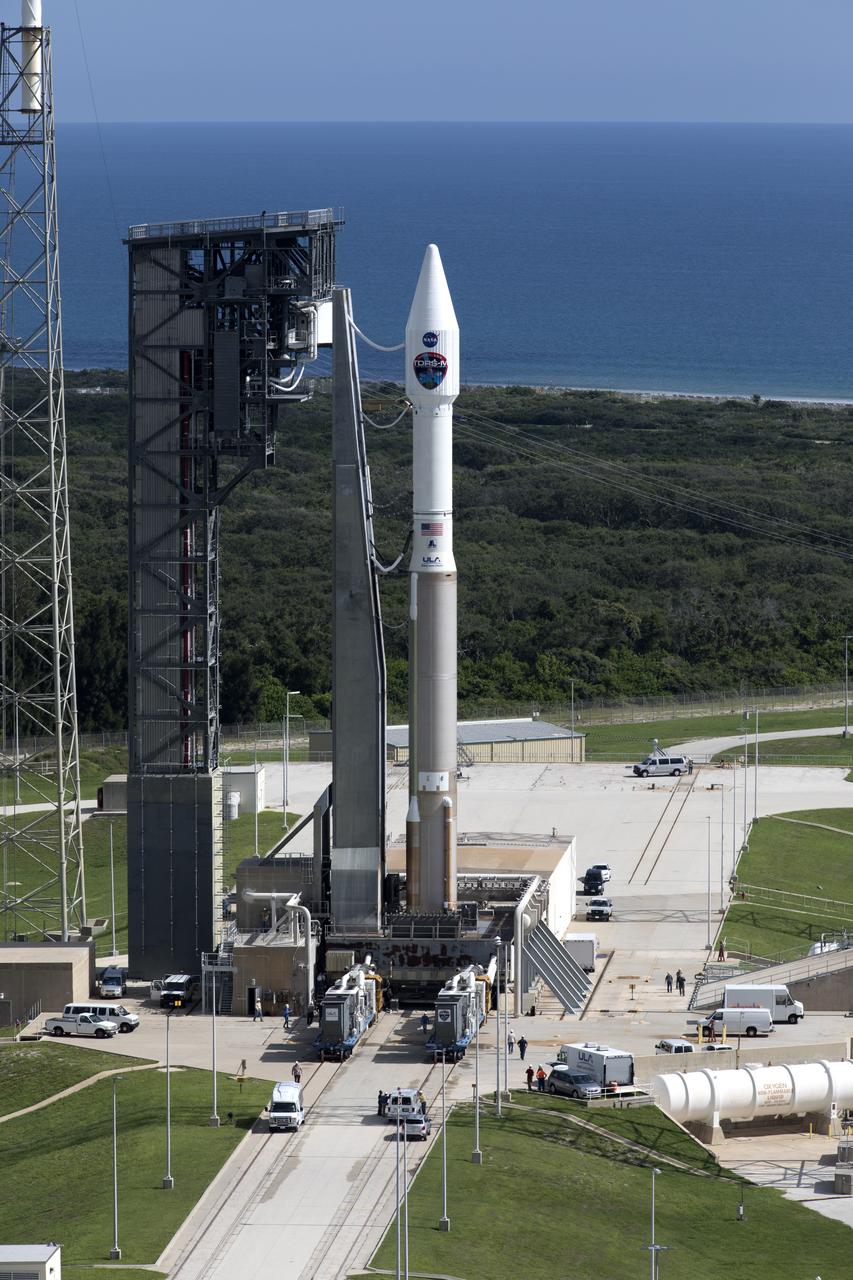
A United Launch Alliance Atlas V rocket stands at Space Launch Complex 41 at Cape Canaveral Air Force Station in Florida. The launch vehicle will send NASA's Tracking and Data Relay Satellite, TDRS-M to orbit. TDRS-M is the latest spacecraft destined for the agency's constellation of communications satellites that allows nearly continuous contact with orbiting spacecraft ranging from the International Space Station and Hubble Space Telescope to the array of scientific observatories. Liftoff atop a United Launch Alliance Atlas V rocket is scheduled to take place from Space Launch Complex 41 at Cape Canaveral Air Force Station at 8:03 a.m. EDT Aug. 18.
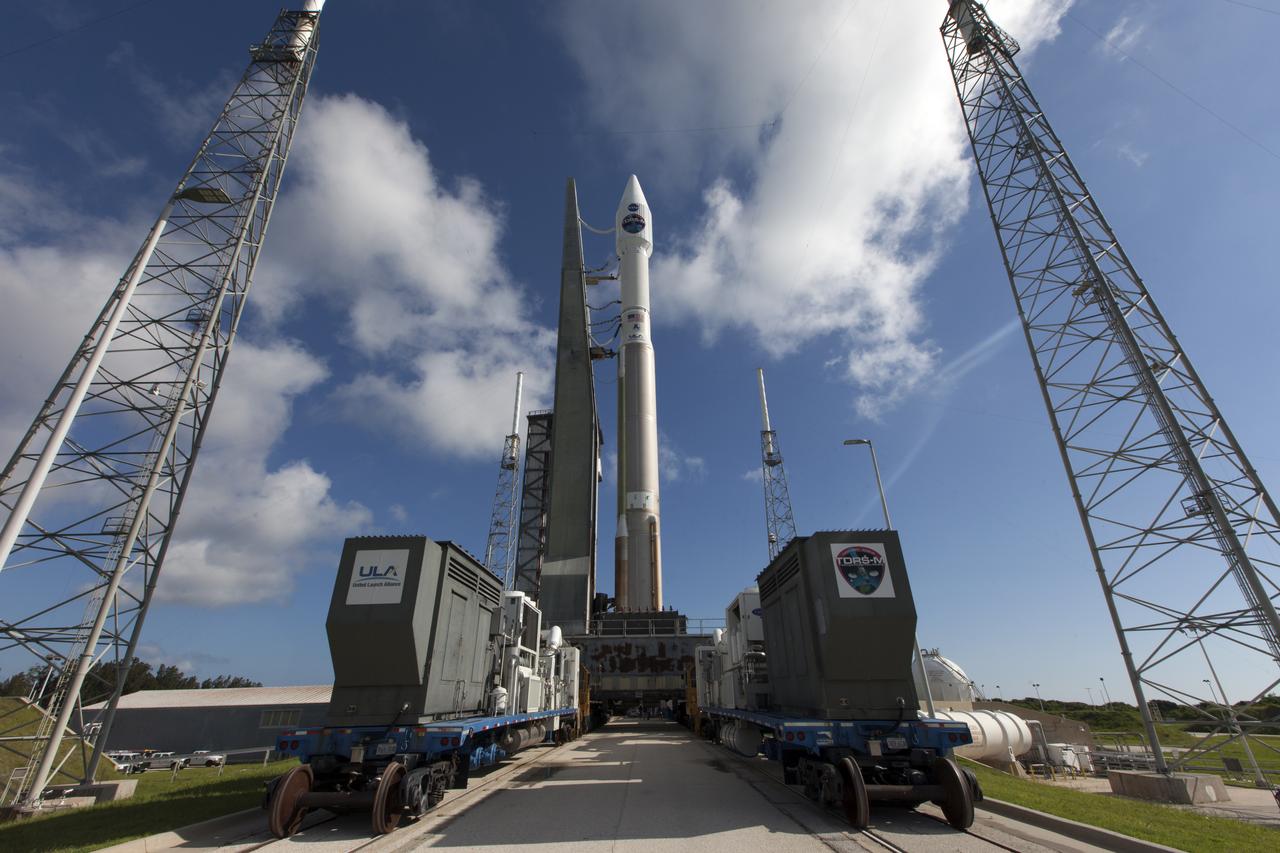
A United Launch Alliance Atlas V rocket is rolled to Space Launch Complex 41 at Cape Canaveral Air Force Station in Florida. The launch vehicle will send NASA's Tracking and Data Relay Satellite, TDRS-M to orbit. TDRS-M is the latest spacecraft destined for the agency's constellation of communications satellites that allows nearly continuous contact with orbiting spacecraft ranging from the International Space Station and Hubble Space Telescope to the array of scientific observatories. Liftoff atop a United Launch Alliance Atlas V rocket is scheduled to take place from Space Launch Complex 41 at Cape Canaveral Air Force Station at 8:03 a.m. EDT Aug. 18.
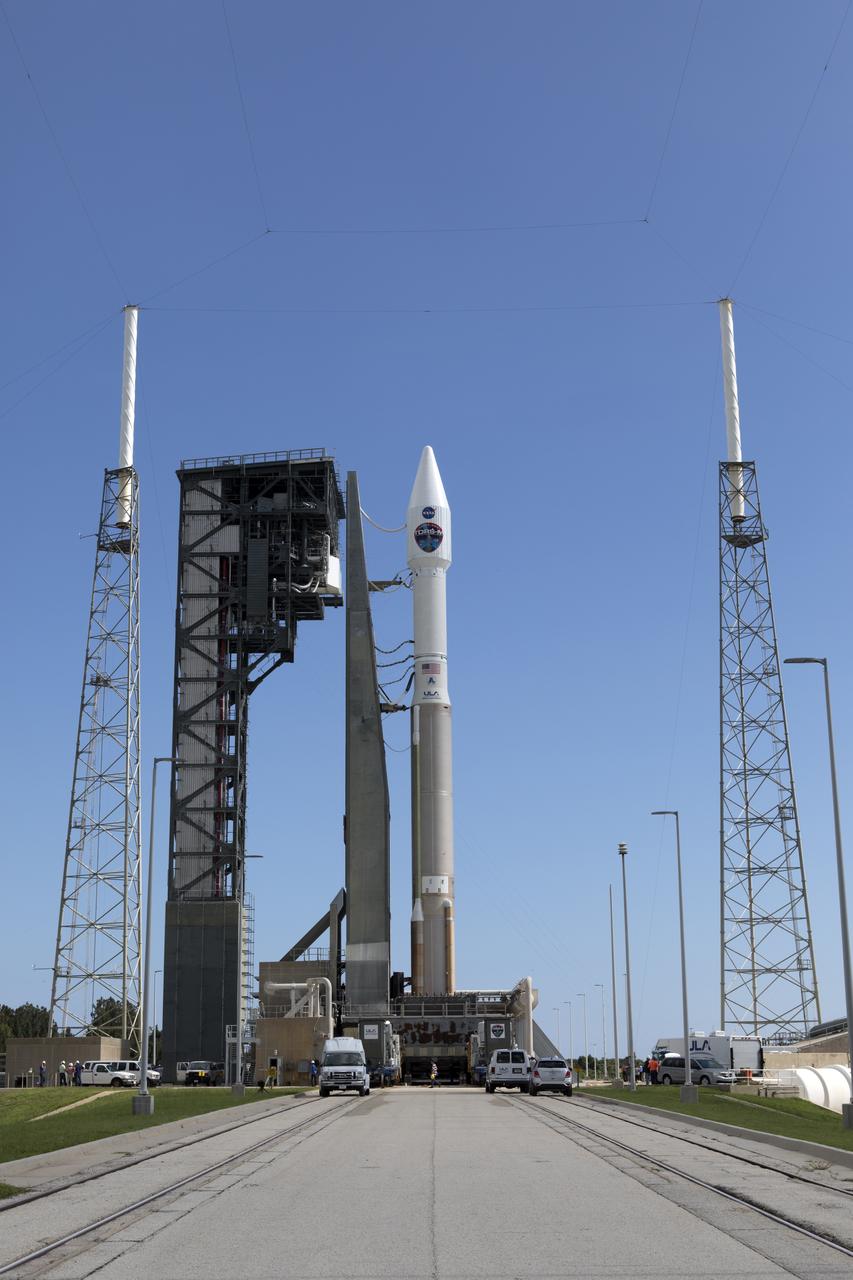
A United Launch Alliance Atlas V rocket arrives at Space Launch Complex 41 at Cape Canaveral Air Force Station in Florida. The launch vehicle will send NASA's Tracking and Data Relay Satellite, TDRS-M to orbit. TDRS-M is the latest spacecraft destined for the agency's constellation of communications satellites that allows nearly continuous contact with orbiting spacecraft ranging from the International Space Station and Hubble Space Telescope to the array of scientific observatories. Liftoff atop a United Launch Alliance Atlas V rocket is scheduled to take place from Space Launch Complex 41 at Cape Canaveral Air Force Station at 8:03 a.m. EDT Aug. 18.
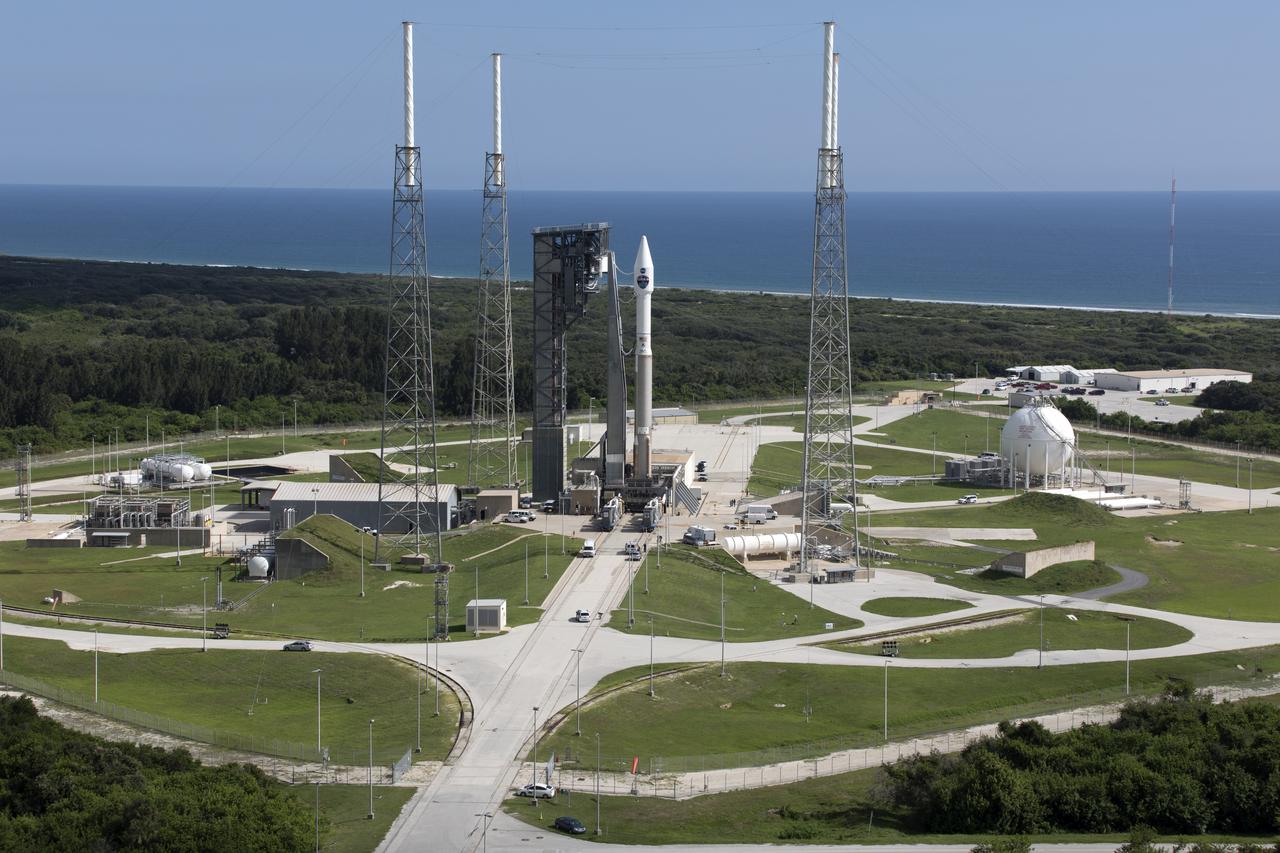
A United Launch Alliance Atlas V rocket stands at Space Launch Complex 41 at Cape Canaveral Air Force Station in Florida. The launch vehicle will send NASA's Tracking and Data Relay Satellite, TDRS-M to orbit. TDRS-M is the latest spacecraft destined for the agency's constellation of communications satellites that allows nearly continuous contact with orbiting spacecraft ranging from the International Space Station and Hubble Space Telescope to the array of scientific observatories. Liftoff atop a United Launch Alliance Atlas V rocket is scheduled to take place from Space Launch Complex 41 at Cape Canaveral Air Force Station at 8:03 a.m. EDT Aug. 18.

A United Launch Alliance Atlas V rocket is rolled to Space Launch Complex 41 at Cape Canaveral Air Force Station in Florida. The launch vehicle will send NASA's Tracking and Data Relay Satellite, TDRS-M to orbit. TDRS-M is the latest spacecraft destined for the agency's constellation of communications satellites that allows nearly continuous contact with orbiting spacecraft ranging from the International Space Station and Hubble Space Telescope to the array of scientific observatories. Liftoff atop a United Launch Alliance Atlas V rocket is scheduled to take place from Space Launch Complex 41 at Cape Canaveral Air Force Station at 8:03 a.m. EDT Aug. 18.
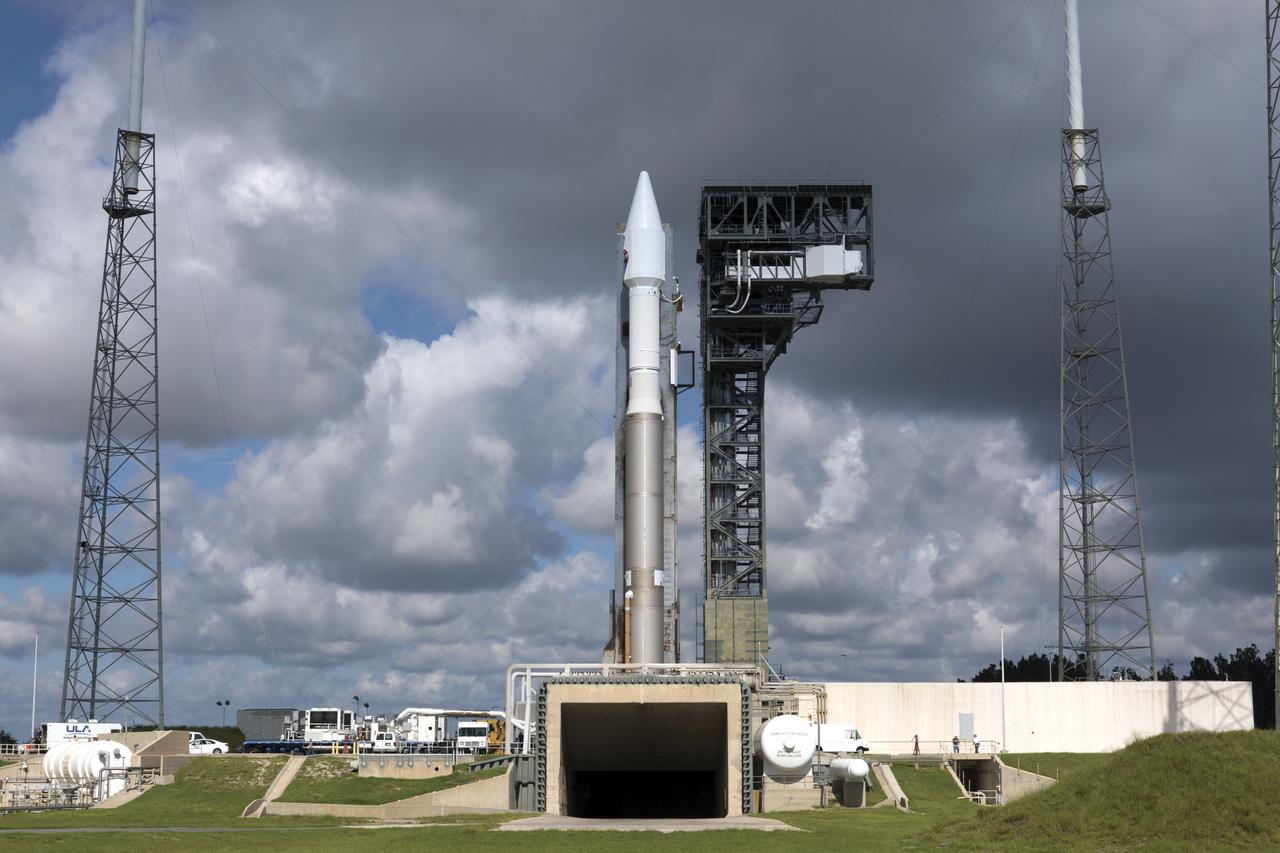
A United Launch Alliance Atlas V rocket arrives at Space Launch Complex 41 at Cape Canaveral Air Force Station in Florida. The launch vehicle will send NASA's Tracking and Data Relay Satellite, TDRS-M to orbit. TDRS-M is the latest spacecraft destined for the agency's constellation of communications satellites that allows nearly continuous contact with orbiting spacecraft ranging from the International Space Station and Hubble Space Telescope to the array of scientific observatories. Liftoff atop a United Launch Alliance Atlas V rocket is scheduled to take place from Space Launch Complex 41 at Cape Canaveral Air Force Station at 8:03 a.m. EDT Aug. 18.
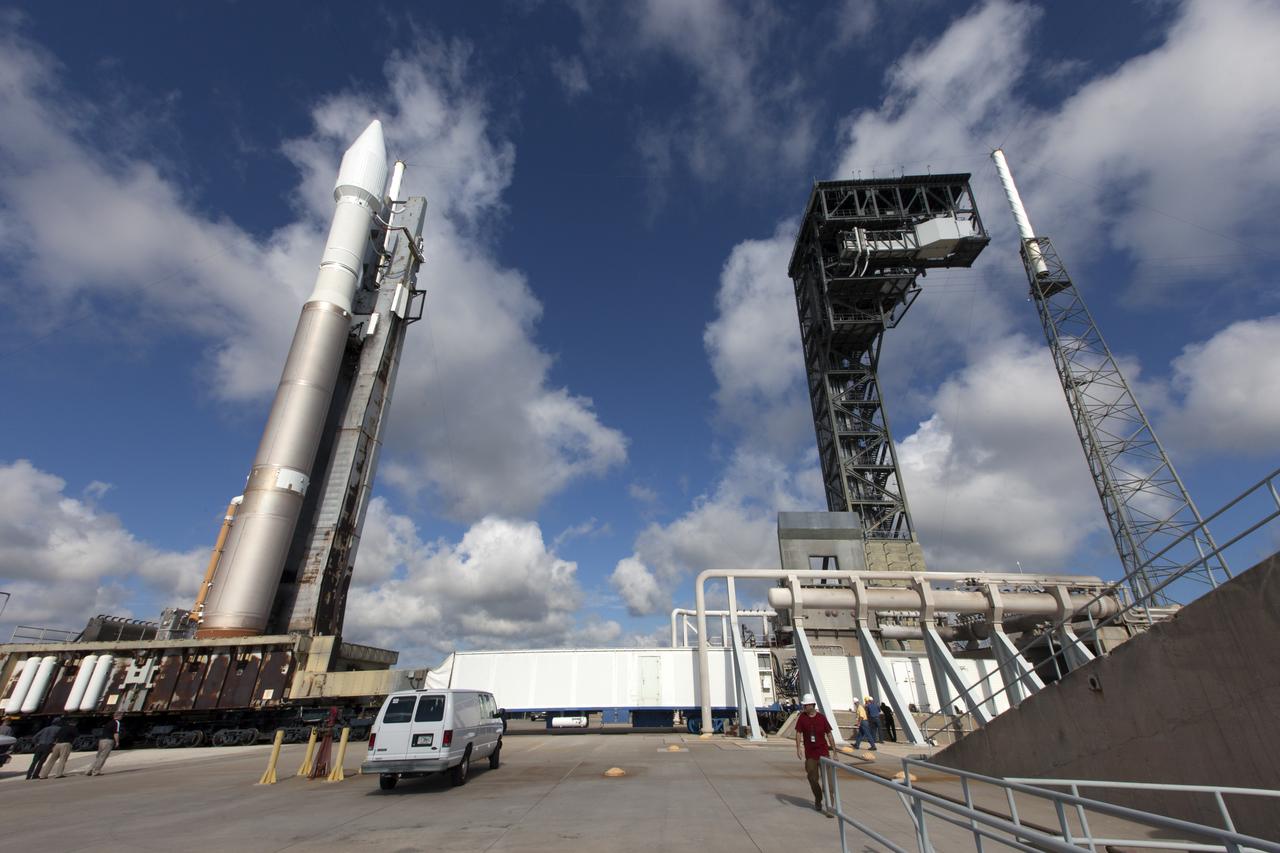
A United Launch Alliance Atlas V rocket is rolled to Space Launch Complex 41 at Cape Canaveral Air Force Station in Florida. The launch vehicle will send NASA's Tracking and Data Relay Satellite, TDRS-M to orbit. TDRS-M is the latest spacecraft destined for the agency's constellation of communications satellites that allows nearly continuous contact with orbiting spacecraft ranging from the International Space Station and Hubble Space Telescope to the array of scientific observatories. Liftoff atop a United Launch Alliance Atlas V rocket is scheduled to take place from Space Launch Complex 41 at Cape Canaveral Air Force Station at 8:03 a.m. EDT Aug. 18.
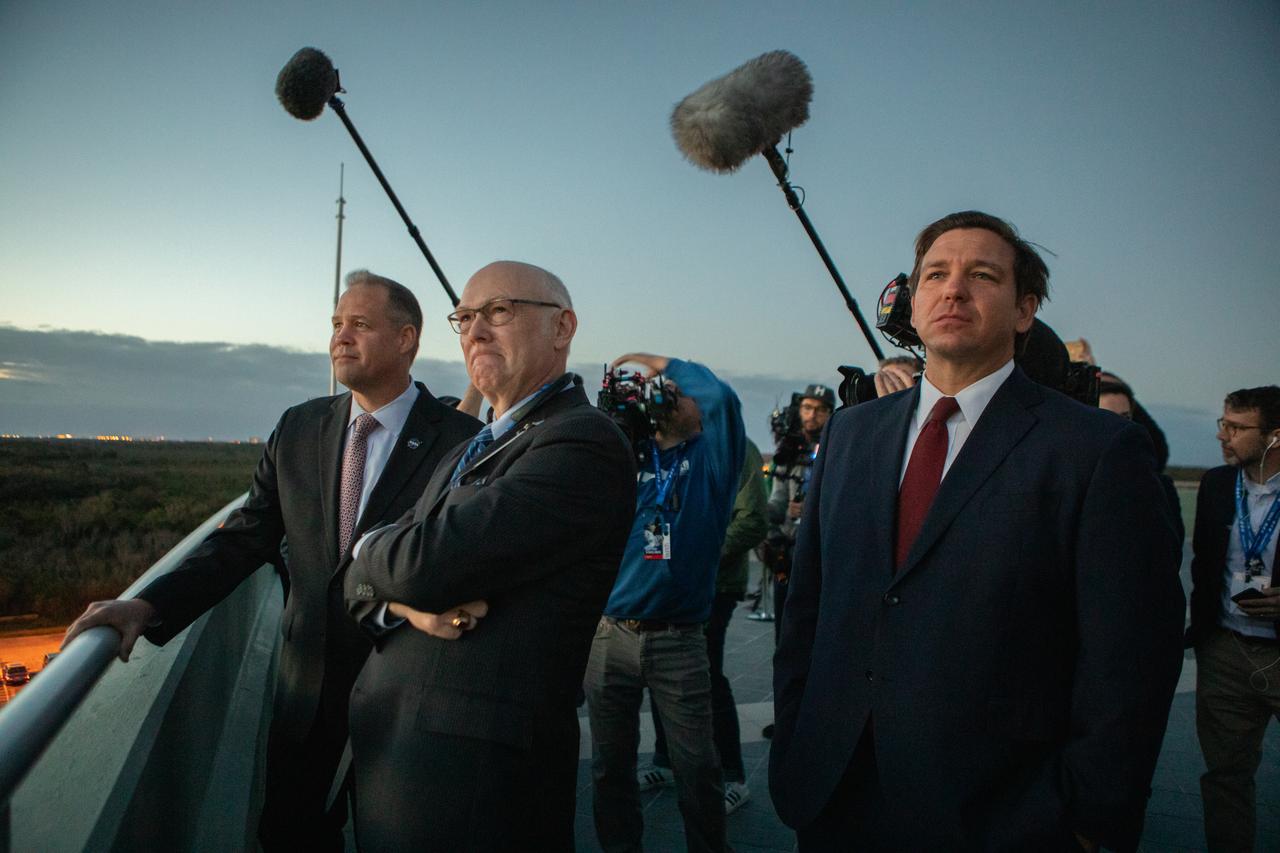
From left to right, NASA Administrator Jim Bridenstine; Tory Bruno, president and chief executive officer of United Launch Alliance; and Florida Governor Ron DeSantis wait at NASA’s Kennedy Space Center in Florida to see the liftoff of a United Launch Alliance Atlas V rocket carrying Boeing’s CST-100 Starliner spacecraft for Boeing’s Orbital Flight Test, Dec. 20, 2019. Liftoff occurred at 6:36 a.m. EST from Space Launch Complex 41 at Florida’s Cape Canaveral Air Force Station. The uncrewed Orbital Flight Test is the Starliner’s first flight for NASA’s Commercial Crew Program.
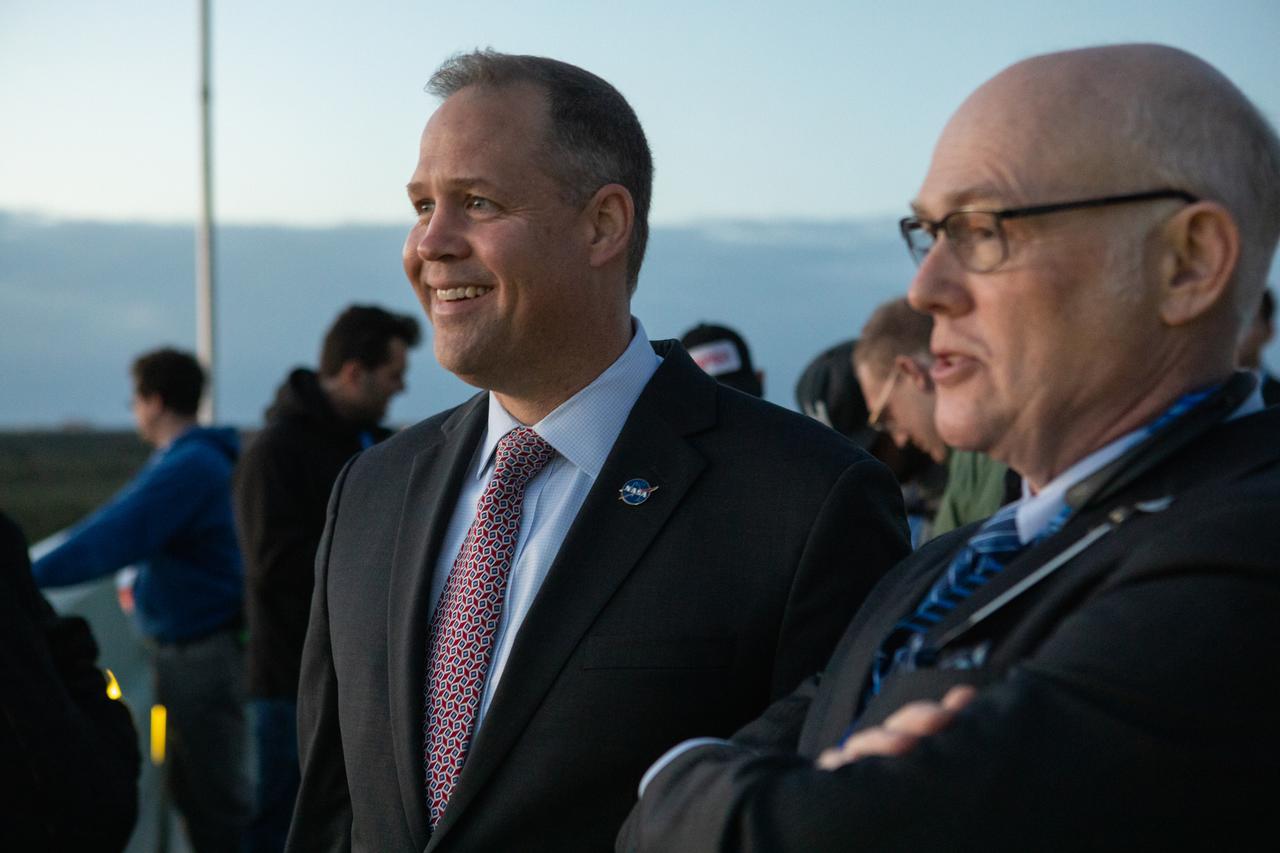
NASA Administrator Jim Bridenstine, left, and Tory Bruno, president and chief executive officer of United Launch Alliance, wait at NASA’s Kennedy Space Center in Florida to see the liftoff of a United Launch Alliance Atlas V rocket carrying Boeing’s CST-100 Starliner spacecraft for Boeing’s Orbital Flight Test, Dec. 20, 2019. Liftoff occurred at 6:36 a.m. EST from Space Launch Complex 41 at Florida’s Cape Canaveral Air Force Station. The uncrewed Orbital Flight Test is the Starliner’s first flight for NASA’s Commercial Crew Program.
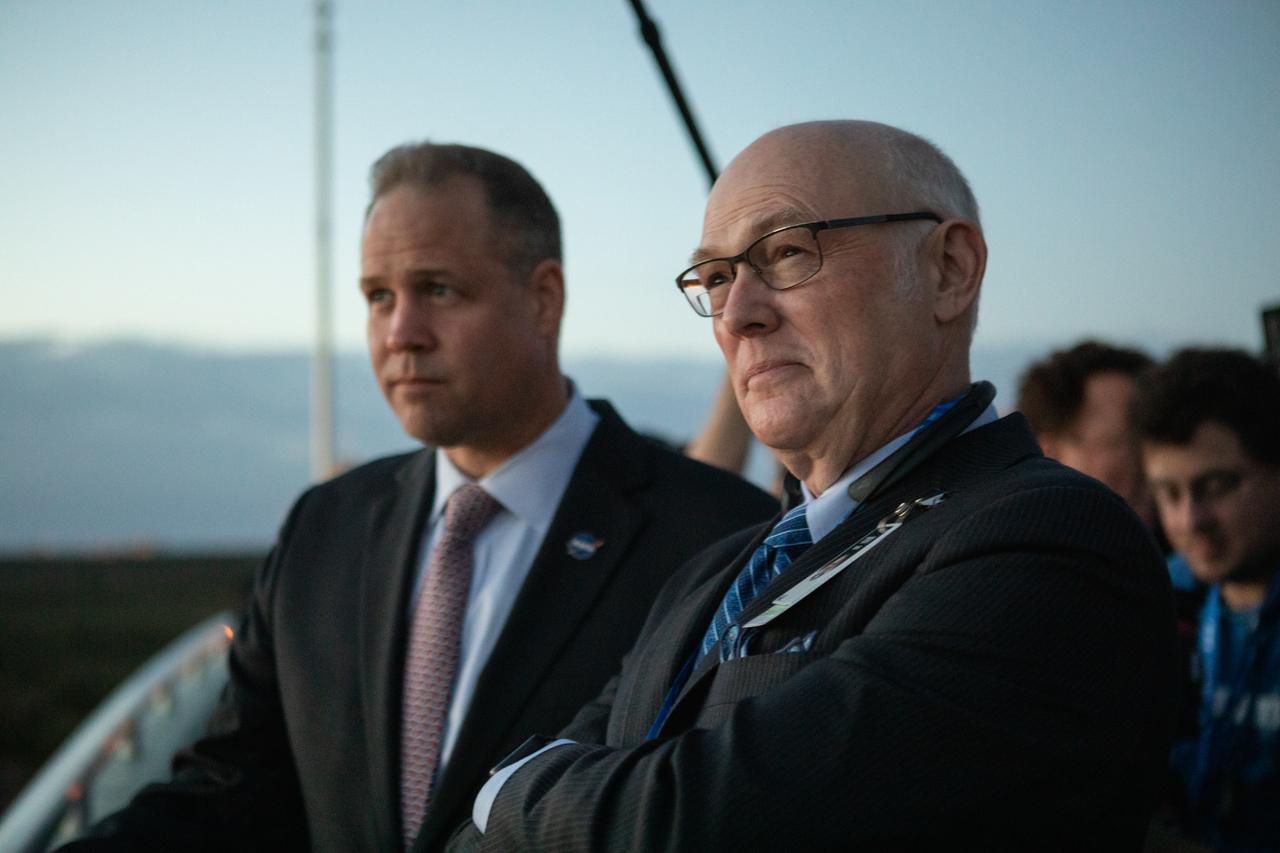
NASA Administrator Jim Bridenstine, left, and Tory Bruno, president and chief executive officer of United Launch Alliance, wait at NASA’s Kennedy Space Center in Florida to see the liftoff of a United Launch Alliance Atlas V rocket carrying Boeing’s CST-100 Starliner spacecraft for Boeing’s Orbital Flight Test, Dec. 20, 2019. Liftoff occurred at 6:36 a.m. EST from Space Launch Complex 41 at Florida’s Cape Canaveral Air Force Station. The uncrewed Orbital Flight Test is the Starliner’s first flight for NASA’s Commercial Crew Program.
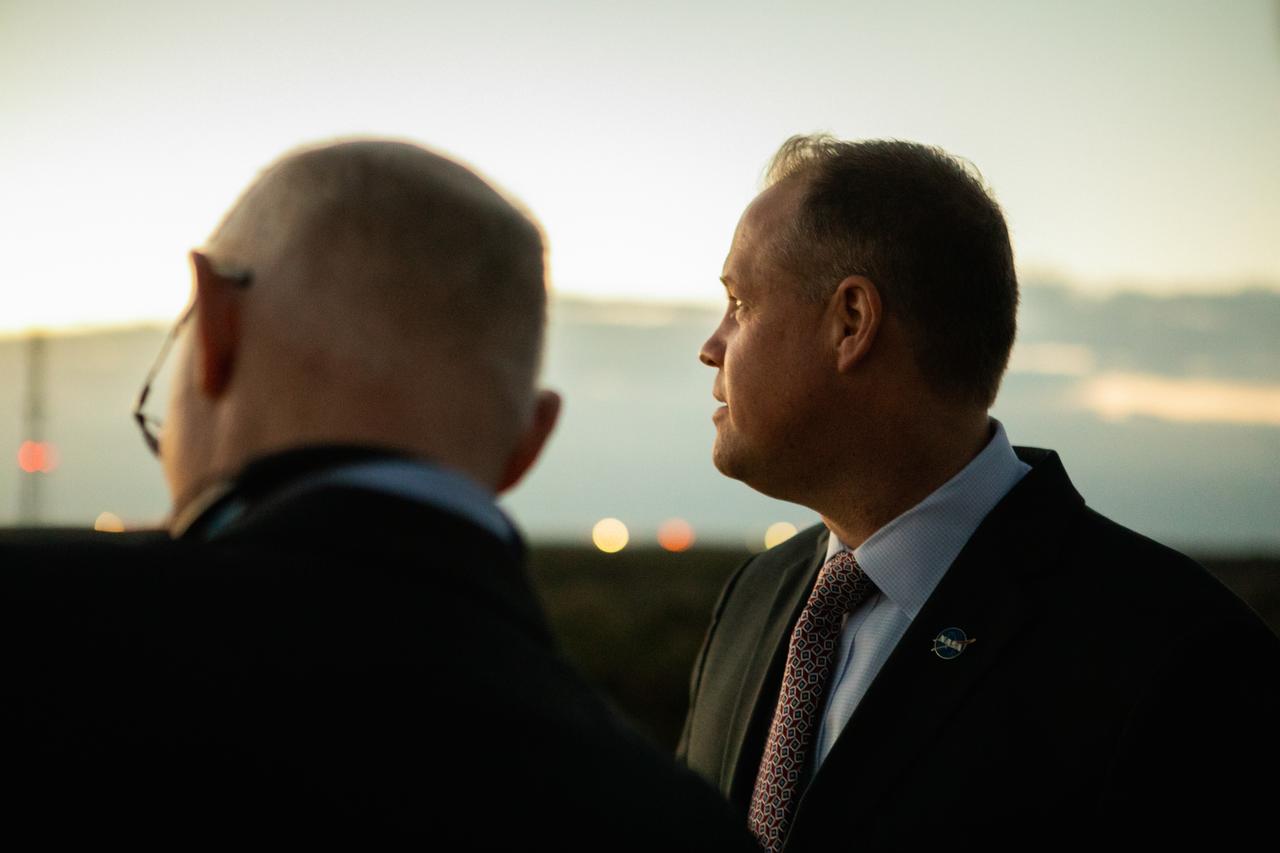
Tory Bruno, president and chief executive officer of United Launch Alliance, left, and NASA Administrator Jim Bridenstine wait at NASA’s Kennedy Space Center in Florida to see the liftoff of a United Launch Alliance Atlas V rocket carrying Boeing’s CST-100 Starliner spacecraft for Boeing’s Orbital Flight Test, Dec. 20, 2019. Liftoff occurred at 6:36 a.m. EST from Space Launch Complex 41 at Florida’s Cape Canaveral Air Force Station. The uncrewed Orbital Flight Test is the Starliner’s first flight for NASA’s Commercial Crew Program.
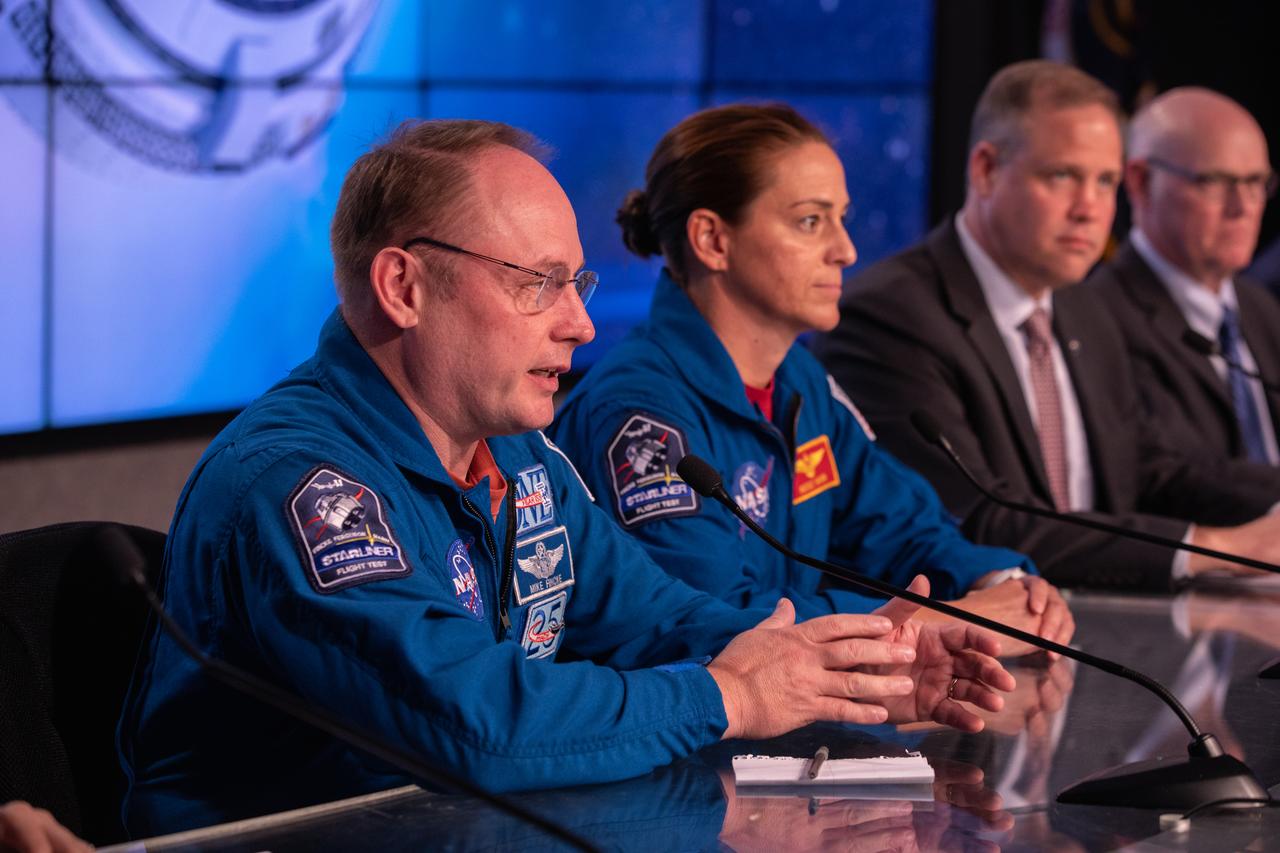
NASA astronaut Mike Fincke, left, speaks during a briefing at the agency’s Kennedy Space Center in Florida following launch of Boeing’s Orbital Flight Test, Dec. 20, 2019. Beside him are NASA astronaut Nicole Mann; Jim Bridenstine, NASA Administrator; and Tory Bruno, president and CEO, United Launch Alliance. Boeing’s CST-100 Starliner spacecraft launched atop a United Launch Alliance Atlas V rocket from Space Launch Complex 41 at Cape Canaveral Air Force Station at 6:36 a.m. EST. The uncrewed Orbital Flight Test is the Starliner’s first flight for NASA’s Commercial Crew Program.
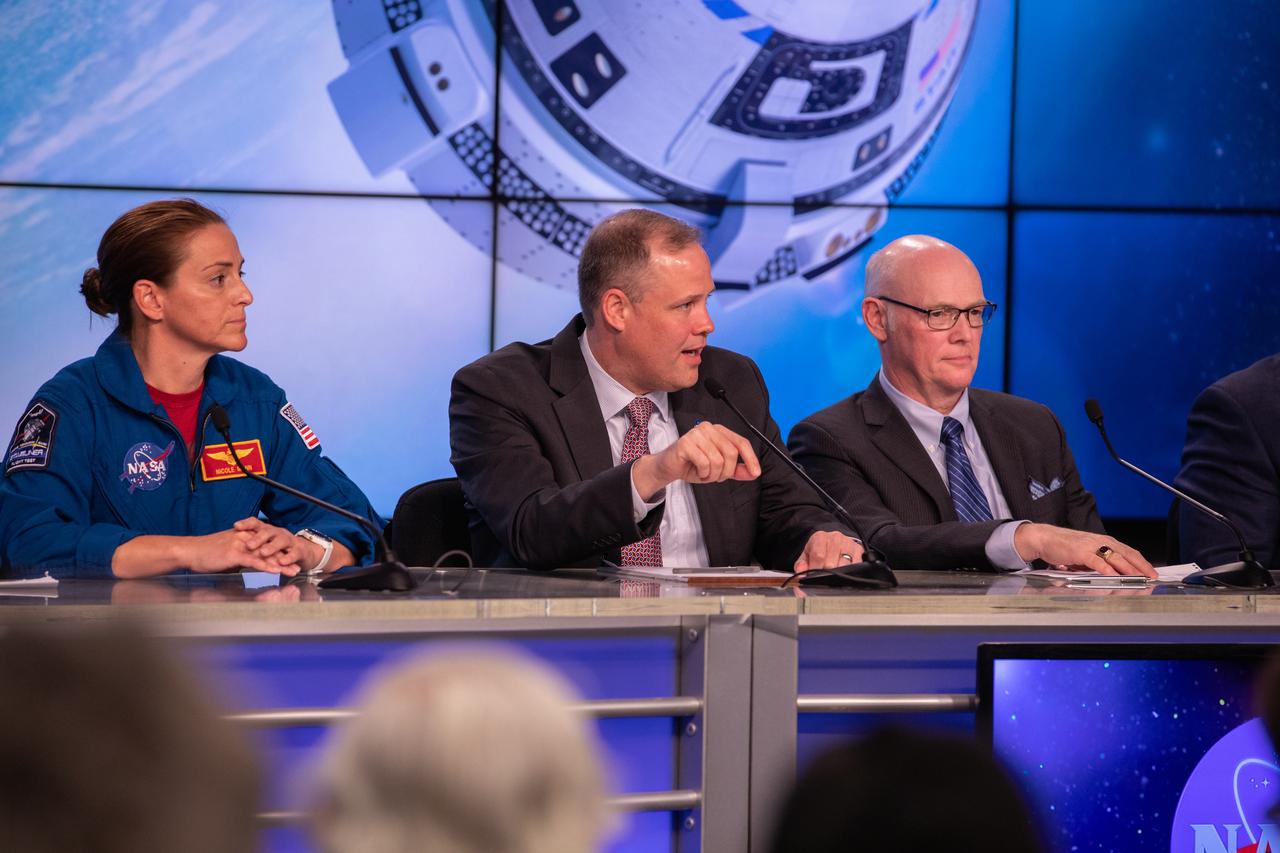
NASA Administrator Jim Bridenstine speaks during a briefing at the agency’s Kennedy Space Center in Florida following launch of Boeing’s Orbital Flight Test, Dec. 20, 2019. Beside him are NASA astronaut Nicole Mann, left, and Tory Bruno, president and CEO of United Launch Alliance. Boeing’s CST-100 Starliner spacecraft launched atop a United Launch Alliance Atlas V rocket from Space Launch Complex 41 at Cape Canaveral Air Force Station at 6:36 a.m. EST. The uncrewed Orbital Flight Test is the Starliner’s first flight for NASA’s Commercial Crew Program.
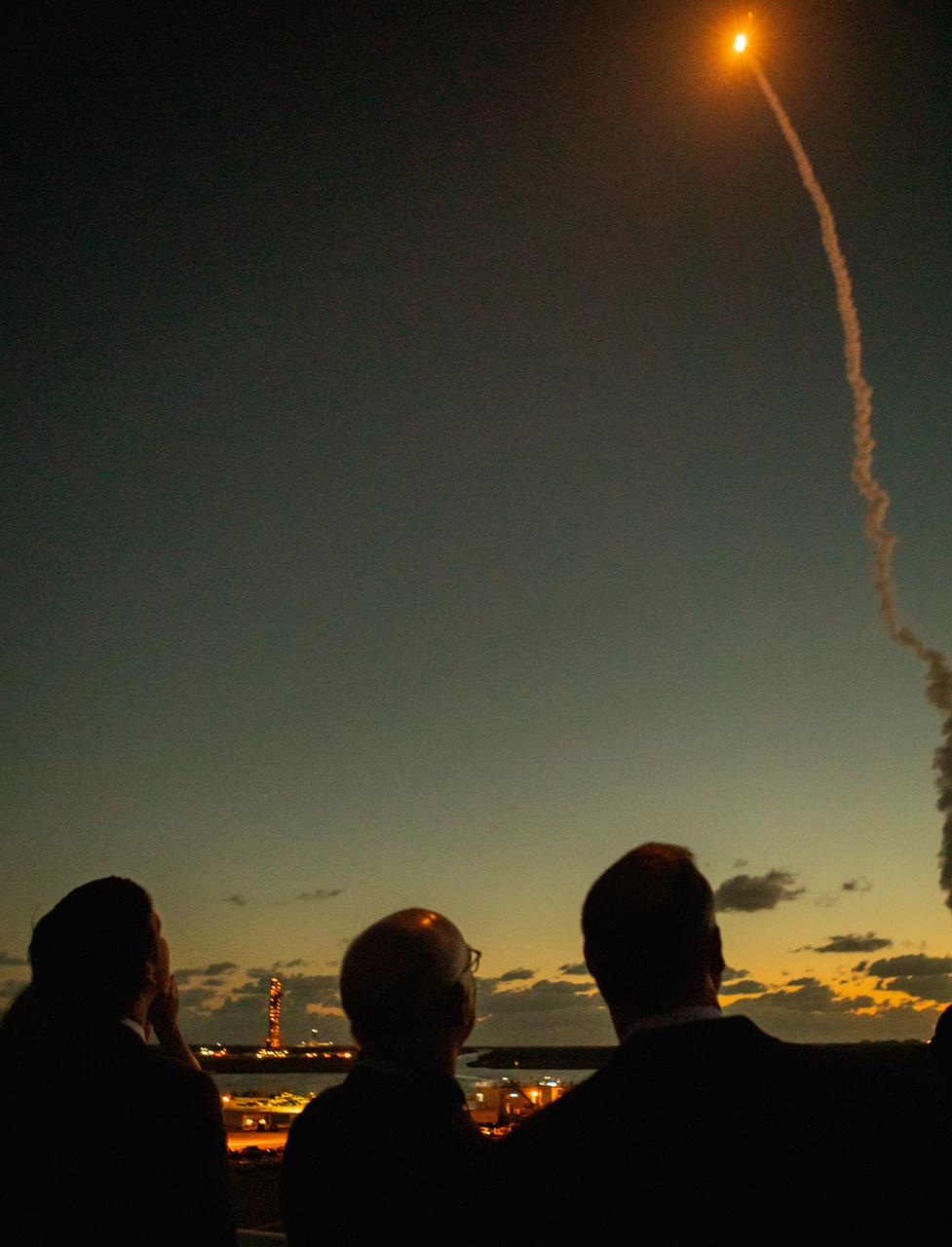
In the foreground, from left to right, Florida Governor Ron DeSantis; Tory Bruno, president and chief executive officer of United Launch Alliance; and NASA Administrator Jim Bridenstine watch the launch of a United Launch Alliance Atlas V rocket carrying Boeing’s CST-100 Starliner spacecraft for Boeing’s Orbital Flight Test, Dec. 20, 2019. Liftoff occurred at 6:36 a.m. EST from Space Launch Complex 41 at Florida’s Cape Canaveral Air Force Station. The uncrewed Orbital Flight Test is the Starliner’s first flight for NASA’s Commercial Crew Program.
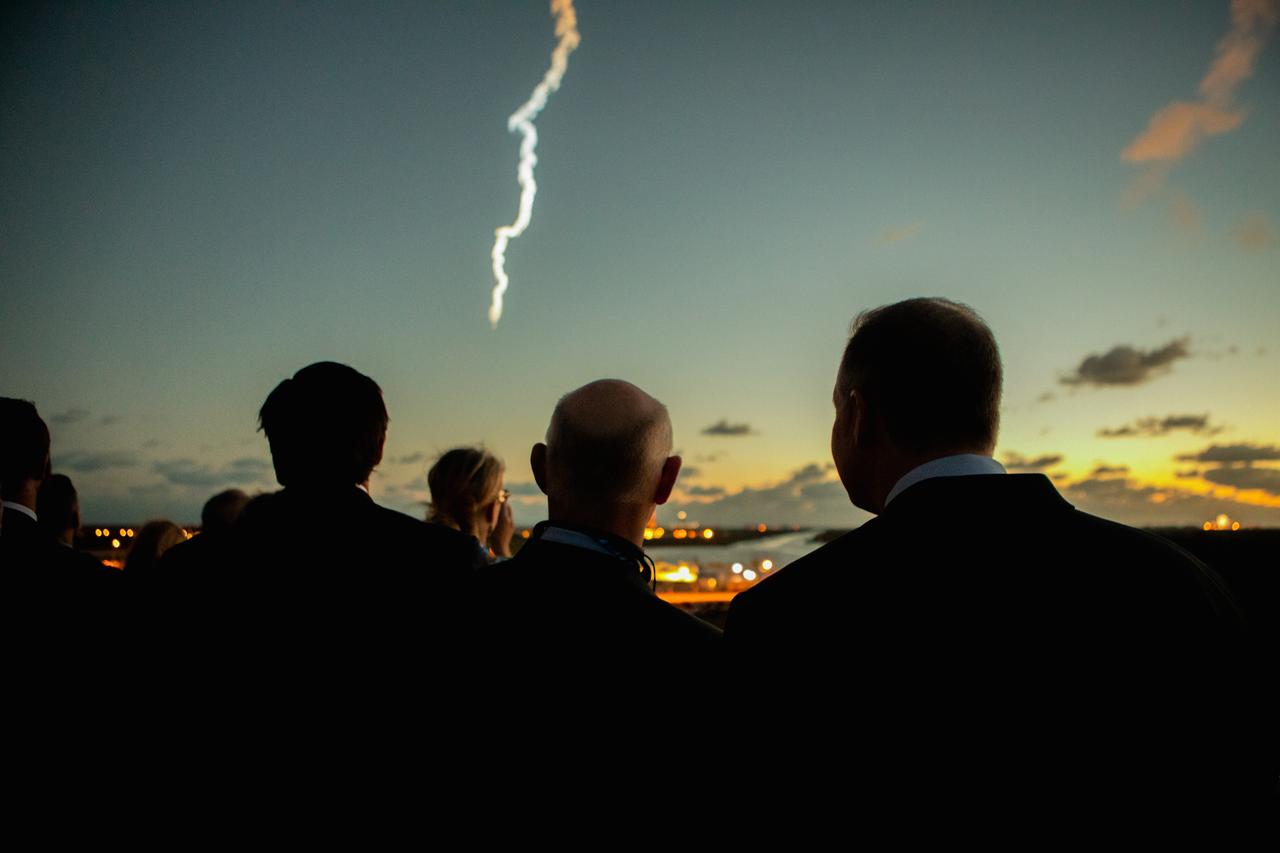
In the foreground, from left to right, Florida Governor Ron DeSantis; Tory Bruno, president and chief executive officer of United Launch Alliance; and NASA Administrator Jim Bridenstine watch the launch of a United Launch Alliance Atlas V rocket carrying Boeing’s CST-100 Starliner spacecraft for Boeing’s Orbital Flight Test, Dec. 20, 2019. Liftoff occurred at 6:36 a.m. EST from Space Launch Complex 41 at Florida’s Cape Canaveral Air Force Station. The uncrewed Orbital Flight Test is the Starliner’s first flight for NASA’s Commercial Crew Program.
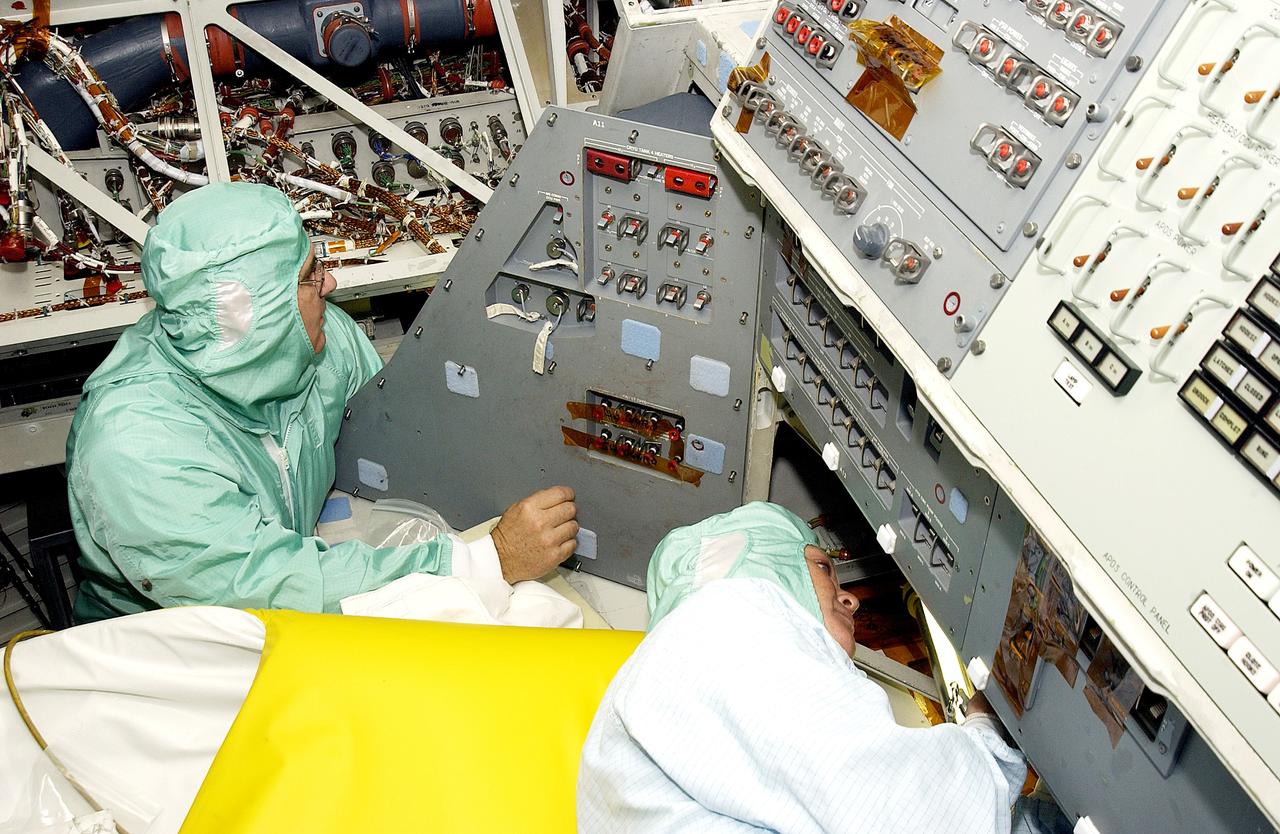
KENNEDY SPACE CENTER, FLA. - Technicians with United Space Alliance work in close quarters as they check the wiring on the mid-body of orbiter Atlantis. The inspection is part of routine maintenance.
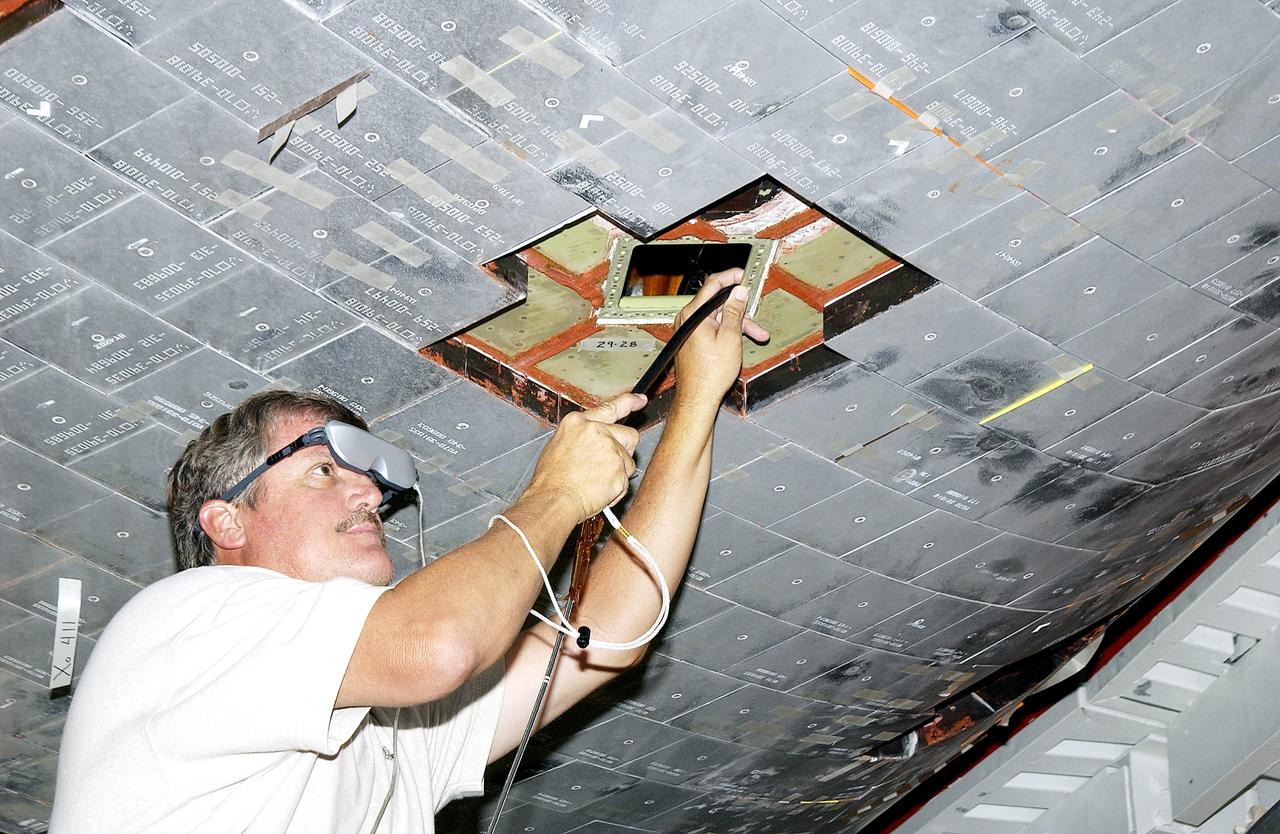
KENNEDY SPACE CENTER, FLA. - In the Orbiter Processing Facility, Greg Harlow, with United Space Alliance (USA), threads a camera under the tiles of the orbiter Endeavour to inspect for corrosion.

KENNEDY SPACE CENTER, FLA. - Jeff Thon, an SRB mechanic with United Space Alliance, tests a technique for vertical solid rocket booster propellant grain inspection. The inspection of segments is required as part of safety analysis.
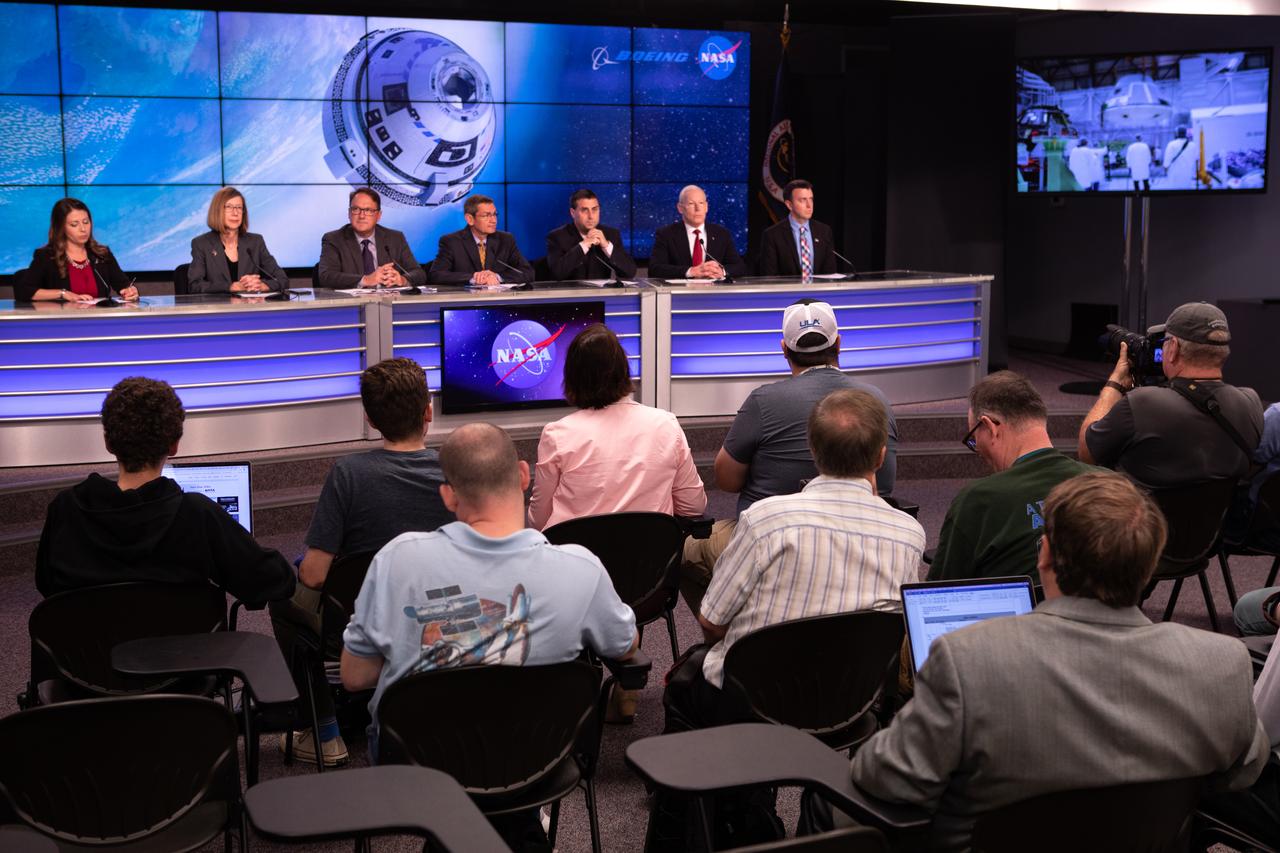
Officials from NASA, Boeing, United Launch Alliance and the U.S. Air Force 45th Weather Squadron participate in a prelaunch briefing for Boeing’s Orbital Flight Test at the agency’s Kennedy Space Center in Florida, Dec. 17, 2019. From left to right are Marie Lewis, NASA Communications; Kathy Lueders, NASA Commercial Crew Program; John Mulholland, vice president and program manager, Boeing Commercial Crew Program; John Elbon, chief operating officer, United Launch Alliance; Joel Montalbano, deputy manager, International Space Station Program; Pat Forrester, Astronaut Office chief, Johnson Space Center; and Will Ulrich, launch weather officer, 45th Weather Squadron. Boeing’s CST-100 Starliner spacecraft will launch atop a United Launch Alliance Atlas V rocket from Space Launch Complex 41 at Cape Canaveral Air Force Station. The uncrewed Orbital Flight Test will be the Starliner’s first flight to the International Space Station for NASA’s Commercial Crew Program.
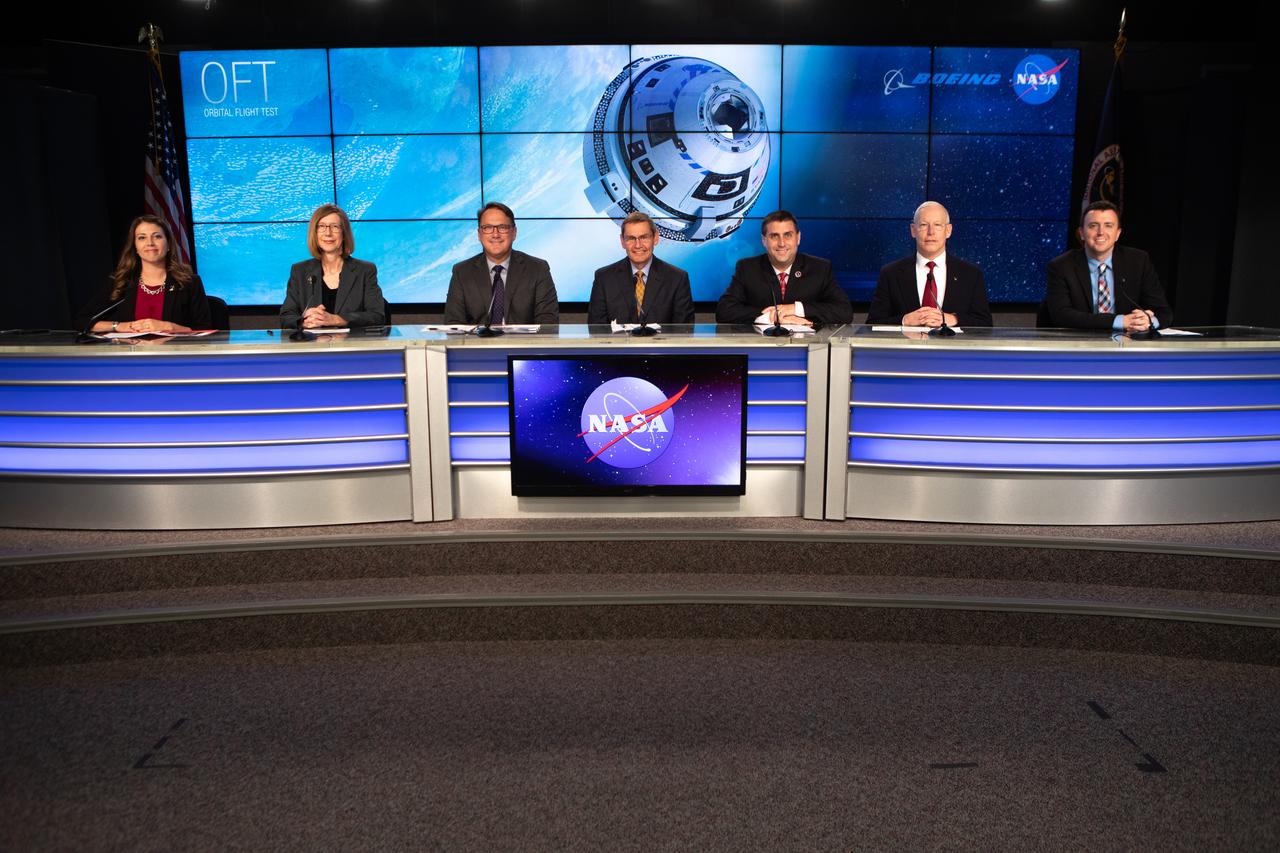
Officials from NASA, Boeing, United Launch Alliance and the U.S. Air Force 45th Weather Squadron participate in a prelaunch briefing for Boeing’s Orbital Flight Test at the agency’s Kennedy Space Center in Florida, Dec. 17, 2019. From left to right are Marie Lewis, NASA Communications; Kathy Lueders, NASA Commercial Crew Program; John Mulholland, vice president and program manager, Boeing Commercial Crew Program; John Elbon, chief operating officer, United Launch Alliance; Joel Montalbano, deputy manager, International Space Station Program; Pat Forrester, Astronaut Office chief, Johnson Space Center; and Will Ulrich, launch weather officer, 45th Weather Squadron. Boeing’s CST-100 Starliner spacecraft will launch atop a United Launch Alliance Atlas V rocket from Space Launch Complex 41 at Cape Canaveral Air Force Station. The uncrewed Orbital Flight Test will be the Starliner’s first flight to the International Space Station for NASA’s Commercial Crew Program.
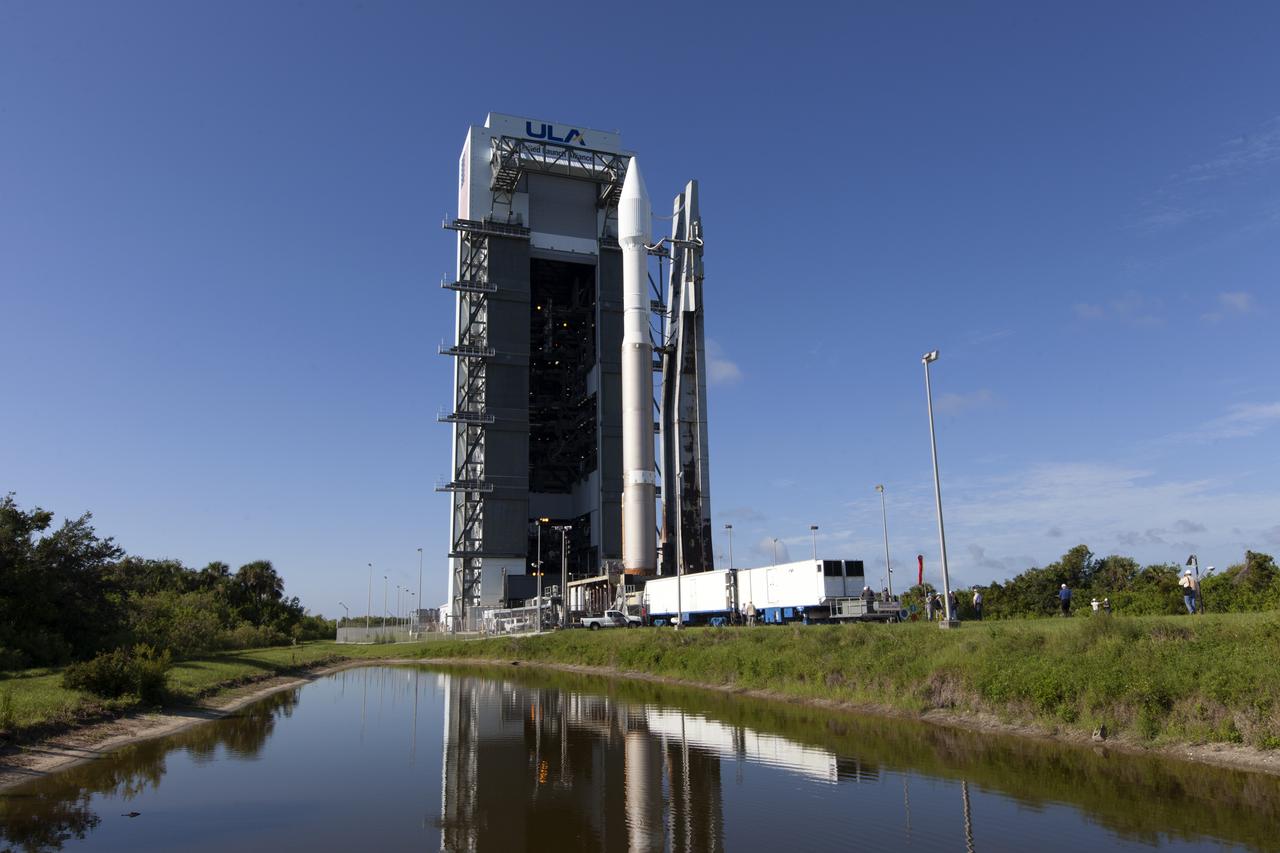
A United Launch Alliance Atlas V rocket rolls out of the Vertical Integration Facility at Cape Canaveral Air Force Station in Florida on its way to Space Launch Complex 41. The launch vehicle will send NASA's Tracking and Data Relay Satellite, TDRS-M to orbit. TDRS-M is the latest spacecraft destined for the agency's constellation of communications satellites that allows nearly continuous contact with orbiting spacecraft ranging from the International Space Station and Hubble Space Telescope to the array of scientific observatories. Liftoff atop a United Launch Alliance Atlas V rocket is scheduled to take place from Space Launch Complex 41 at Cape Canaveral Air Force Station at 8:03 a.m. EDT Aug. 18.
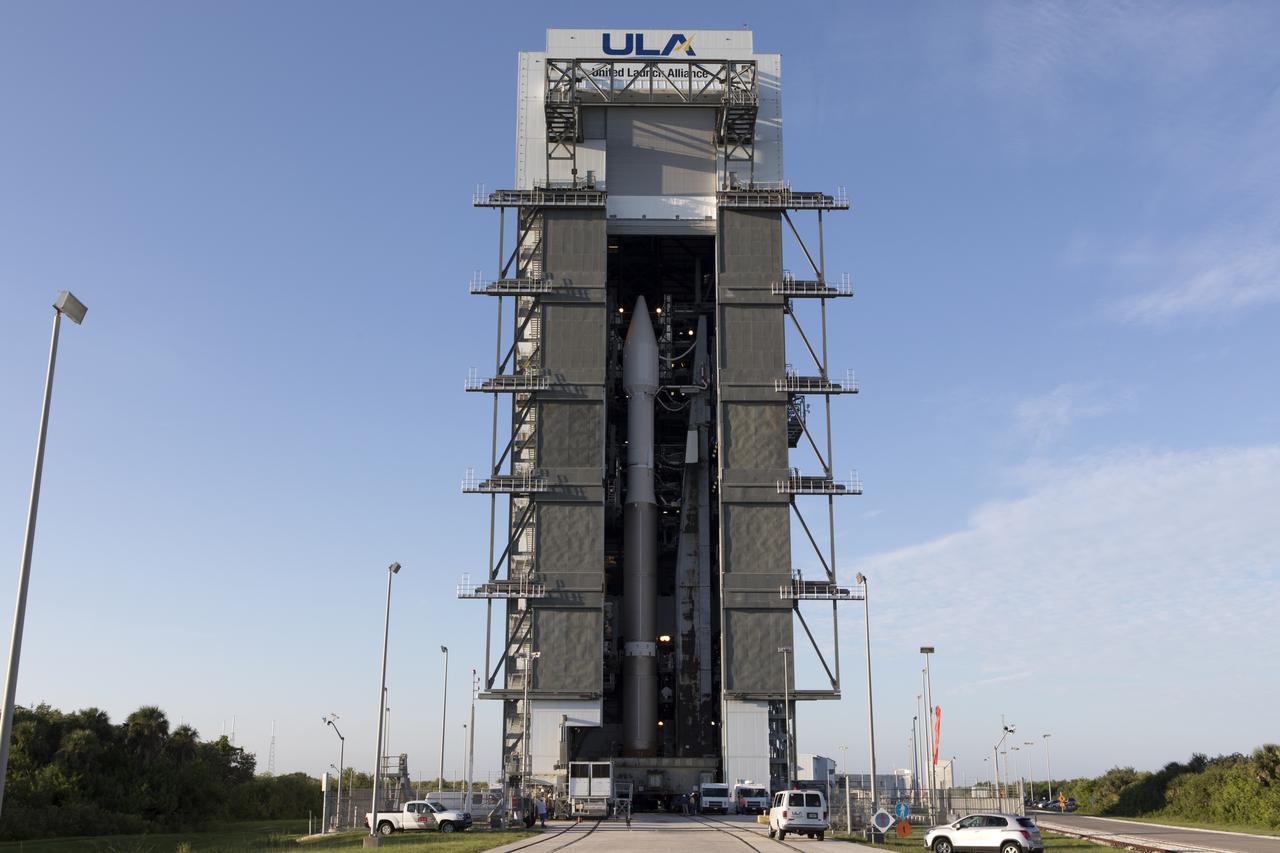
In the Vertical Integration Facility at Cape Canaveral Air Force Station in Florida, a United Launch Alliance Atlas V rocket is ready to be rolled to Space Launch Complex 41. The launch vehicle will send NASA's Tracking and Data Relay Satellite, TDRS-M to orbit. TDRS-M is the latest spacecraft destined for the agency's constellation of communications satellites that allows nearly continuous contact with orbiting spacecraft ranging from the International Space Station and Hubble Space Telescope to the array of scientific observatories. Liftoff atop a United Launch Alliance Atlas V rocket is scheduled to take place from Space Launch Complex 41 at Cape Canaveral Air Force Station at 8:03 a.m. EDT Aug. 18.
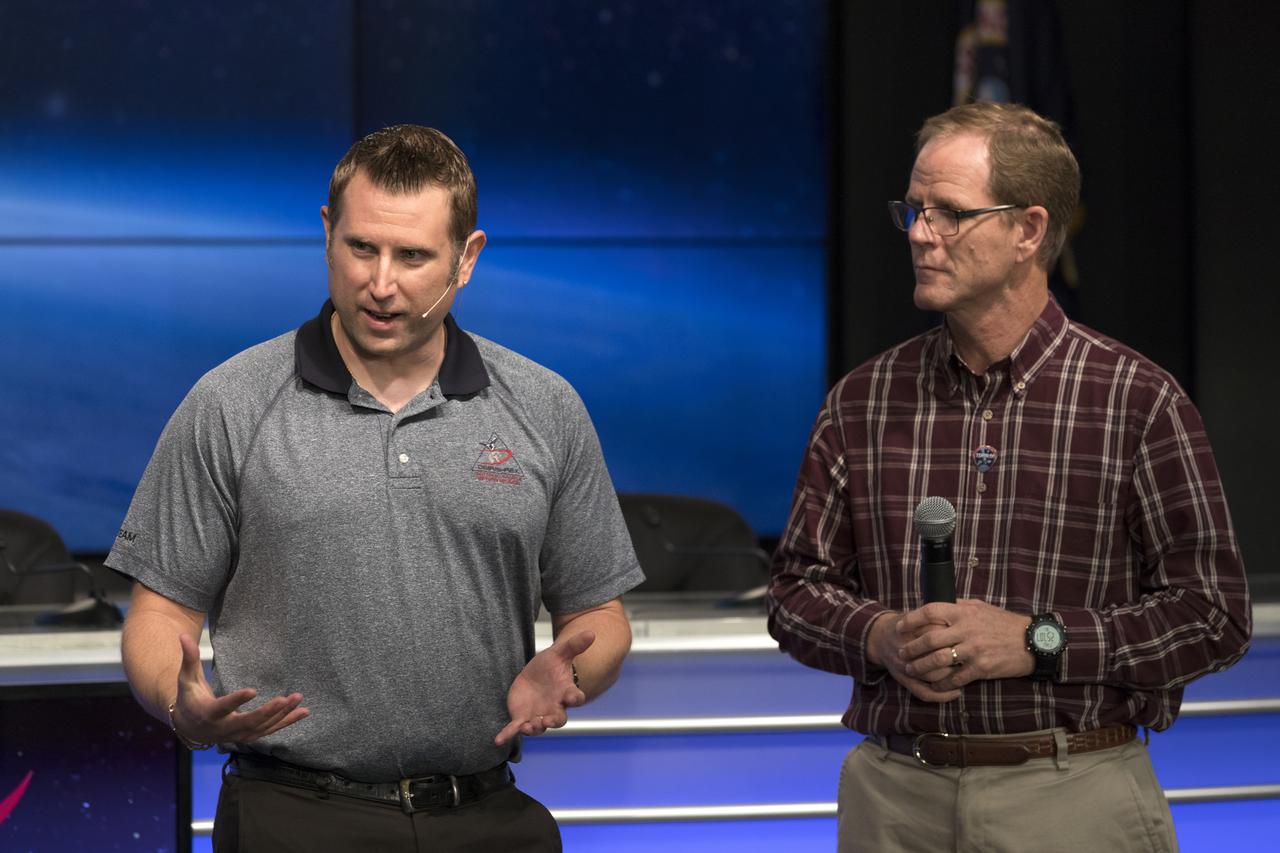
Skip Owen of NASA Launch Services, left and Scott Messer, United Launch Alliance program manager for NASA missions speak to members of social media in the Kennedy Space Center’s Press Site auditorium. The briefing focused on preparations to launch NASA's Tracking and Data Relay Satellite, TDRS-M. The latest spacecraft destined for the agency's constellation of communications satellites, TDRS-M will allow nearly continuous contact with orbiting spacecraft ranging from the International Space Station and Hubble Space Telescope to the array of scientific observatories. Liftoff atop a United Launch Alliance Atlas V rocket is scheduled to take place from Space Launch Complex 41 at Cape Canaveral Air Force Station at 8:03 a.m. EDT Aug. 18.
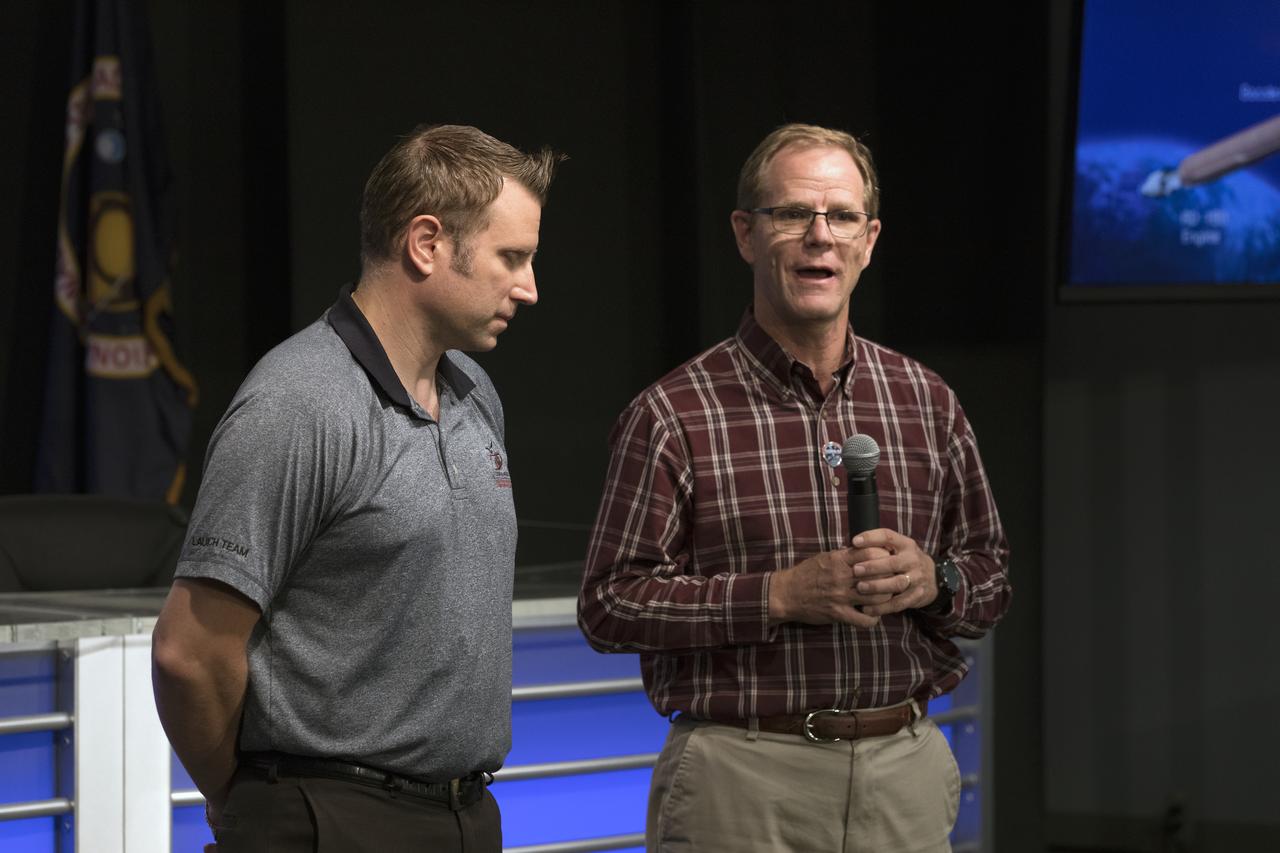
Skip Owen of NASA Launch Services, left and Scott Messer, United Launch Alliance program manager for NASA missions speak to members of social media in the Kennedy Space Center’s Press Site auditorium. The briefing focused on preparations to launch NASA's Tracking and Data Relay Satellite, TDRS-M. The latest spacecraft destined for the agency's constellation of communications satellites, TDRS-M will allow nearly continuous contact with orbiting spacecraft ranging from the International Space Station and Hubble Space Telescope to the array of scientific observatories. Liftoff atop a United Launch Alliance Atlas V rocket is scheduled to take place from Space Launch Complex 41 at Cape Canaveral Air Force Station at 8:03 a.m. EDT Aug. 18.
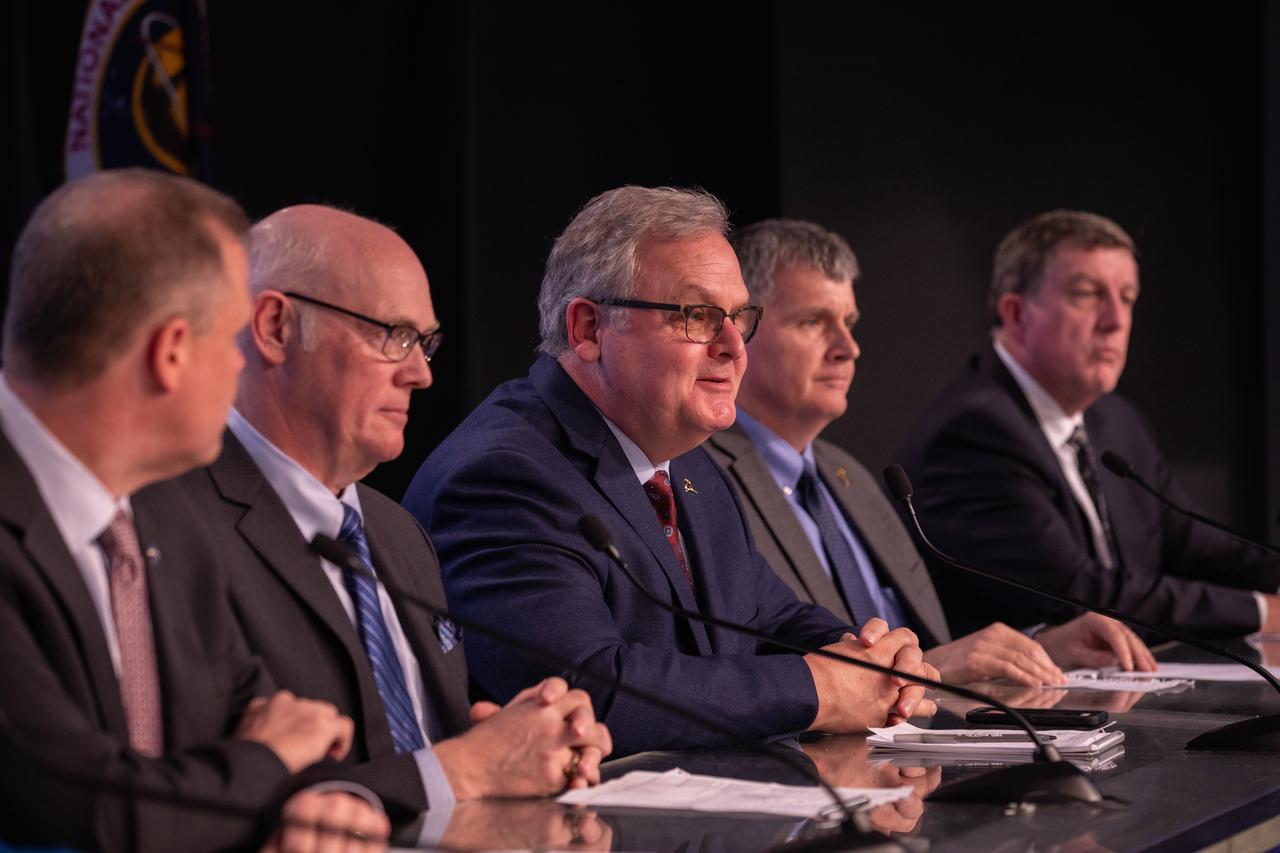
Jim Chilton, Boeing senior vice president, Space and Launch Division, speaks during a briefing at NASA’s Kennedy Space Center in Florida following launch of Boeing’s Orbital Flight Test, Dec. 20, 2019. From left to right are Jim Bridenstine, NASA Administrator; Tory Bruno, president and CEO, United Launch Alliance; Chilton; Steve Stich, deputy manager, NASA Commercial Crew Program; and Kirk Shireman, manager of NASA’s International Space Station Program. Boeing’s CST-100 Starliner spacecraft launched atop a United Launch Alliance Atlas V rocket from Space Launch Complex 41 at Cape Canaveral Air Force Station at 6:36 a.m. EST. The uncrewed Orbital Flight Test is the Starliner’s first flight for NASA’s Commercial Crew Program.
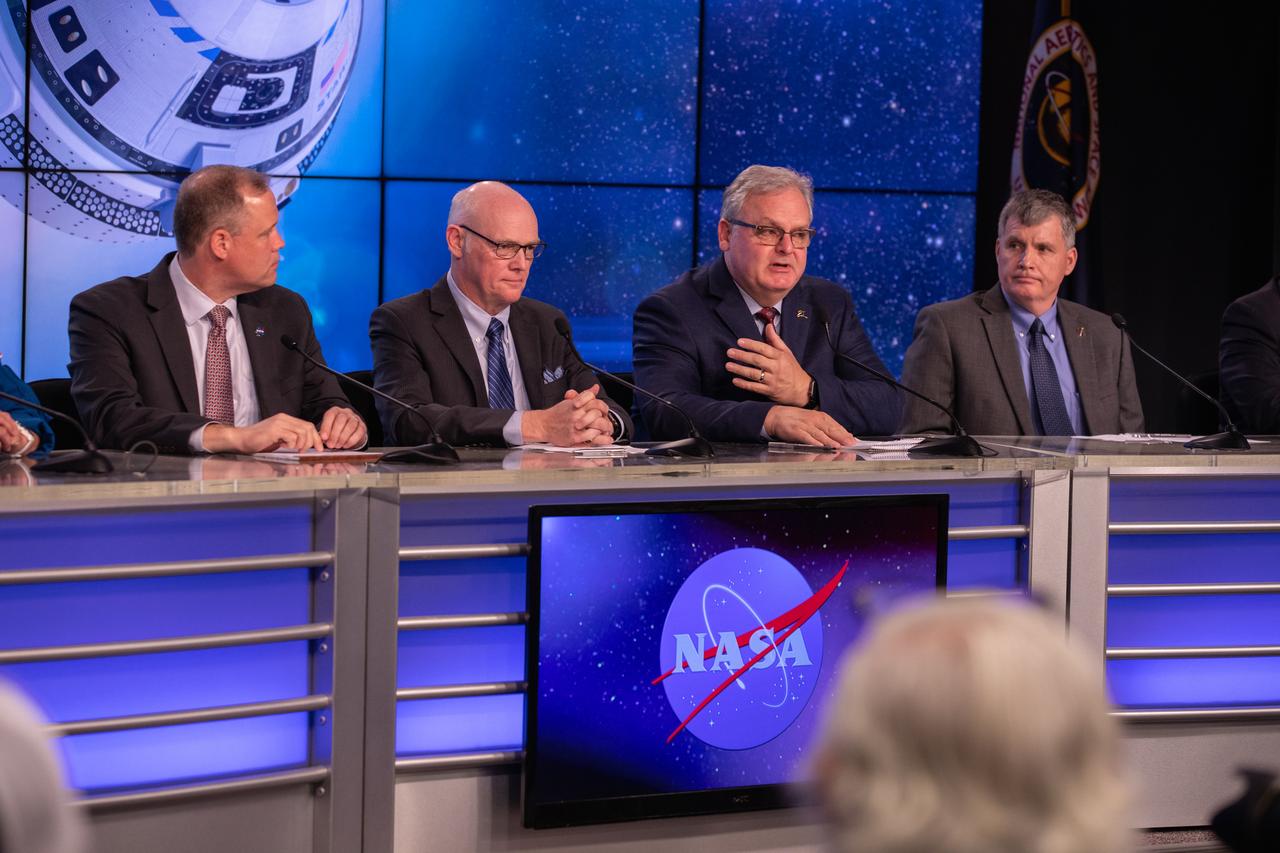
Jim Chilton, Boeing senior vice president, Space and Launch Division, speaks during a briefing at NASA’s Kennedy Space Center in Florida following launch of Boeing’s Orbital Flight Test, Dec. 20, 2019. From left to right are Jim Bridenstine, NASA Administrator; Tory Bruno, president and CEO, United Launch Alliance; Chilton; and Steve Stich, deputy manager, NASA Commercial Crew Program. Boeing’s CST-100 Starliner spacecraft launched atop a United Launch Alliance Atlas V rocket from Space Launch Complex 41 at Cape Canaveral Air Force Station at 6:36 a.m. EST. The uncrewed Orbital Flight Test is the Starliner’s first flight for NASA’s Commercial Crew Program.
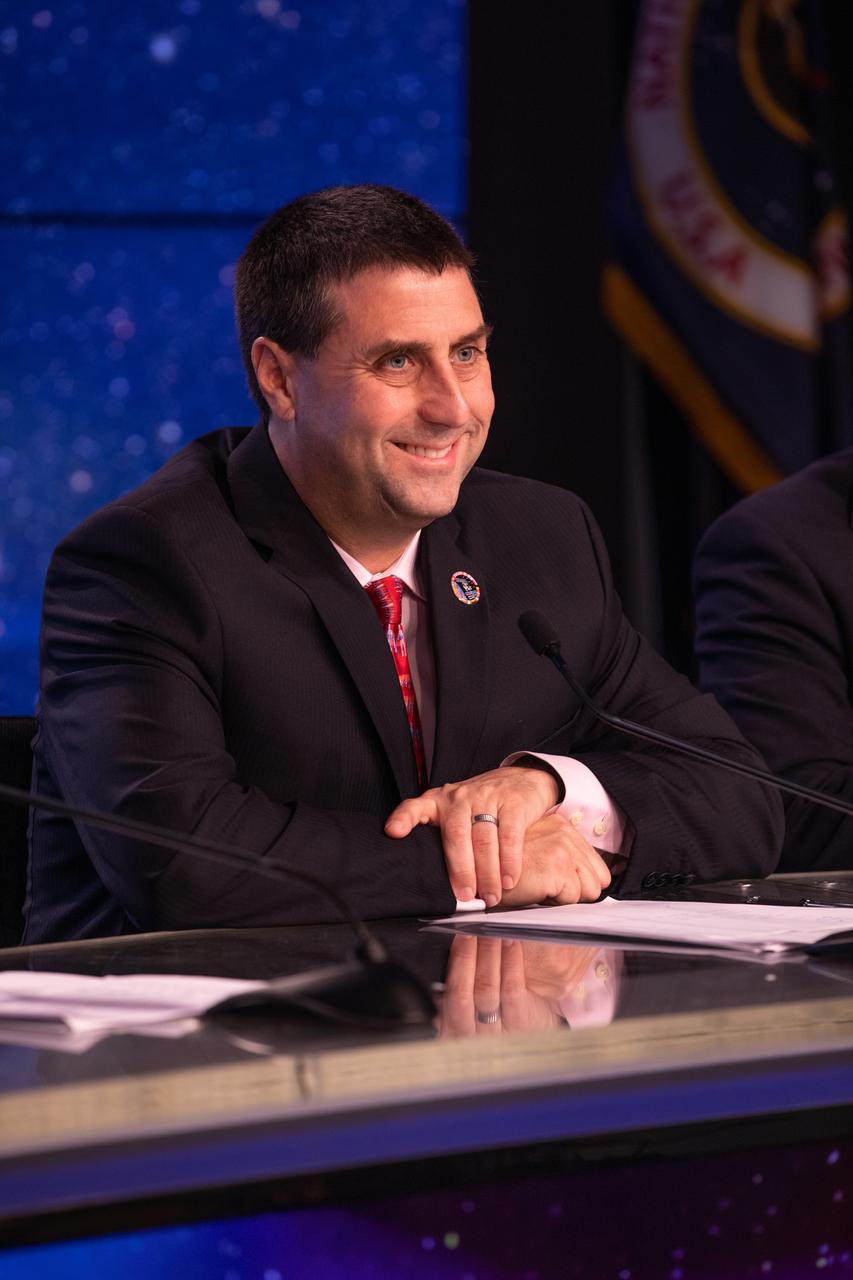
Joel Montalbano, deputy manager, International Space Station Program, speaks during a prelaunch briefing for Boeing’s Orbital Flight Test at the agency’s Kennedy Space Center in Florida, Dec. 17, 2019. Boeing’s CST-100 Starliner spacecraft will launch atop a United Launch Alliance Atlas V rocket from Space Launch Complex 41 at Cape Canaveral Air Force Station. The uncrewed Orbital Flight Test will be the Starliner’s first flight to the International Space Station for NASA’s Commercial Crew Program.
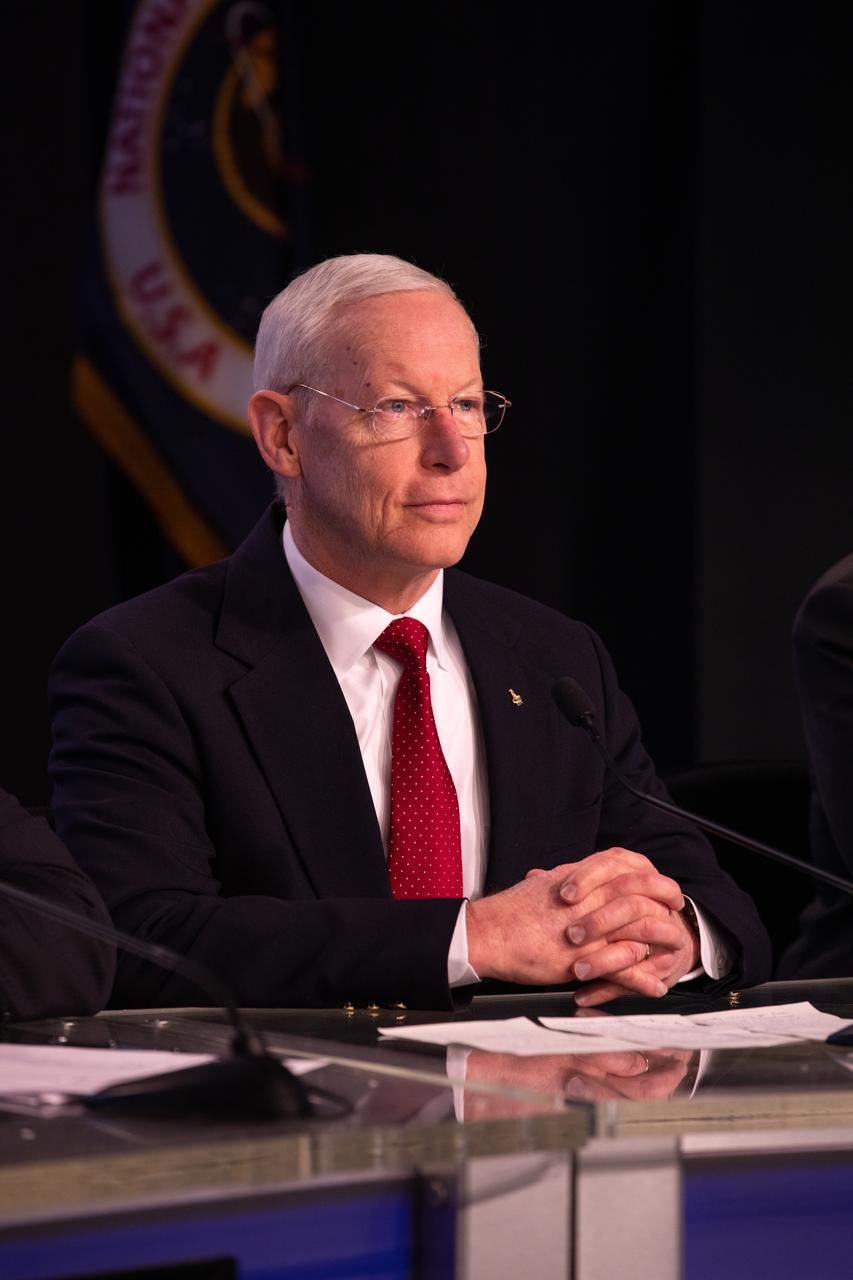
Pat Forrester, Astronaut Office chief, Johnson Space Center, speaks during a prelaunch briefing for Boeing’s Orbital Flight Test at the agency’s Kennedy Space Center in Florida, Dec. 17, 2019. Boeing’s CST-100 Starliner spacecraft will launch atop a United Launch Alliance Atlas V rocket from Space Launch Complex 41 at Cape Canaveral Air Force Station. The uncrewed Orbital Flight Test will be the Starliner’s first flight to the International Space Station for NASA’s Commercial Crew Program.
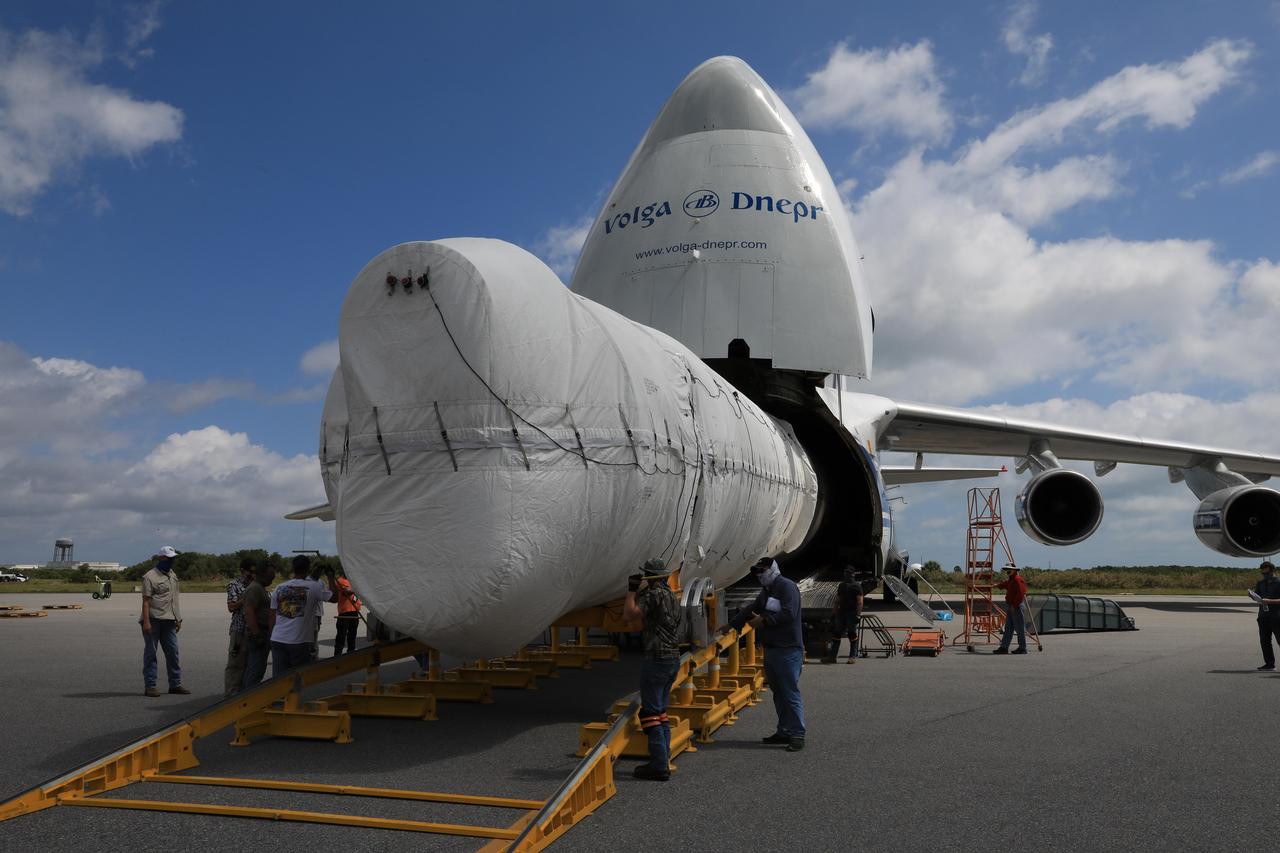
The first stage of the United Launch Alliance Atlas V that will carry NASA's Perseverance rover into space is offloaded from an Antonov cargo plane at Kennedy Space Center in Florida on May 11, 2020. https://photojournal.jpl.nasa.gov/catalog/PIA23917
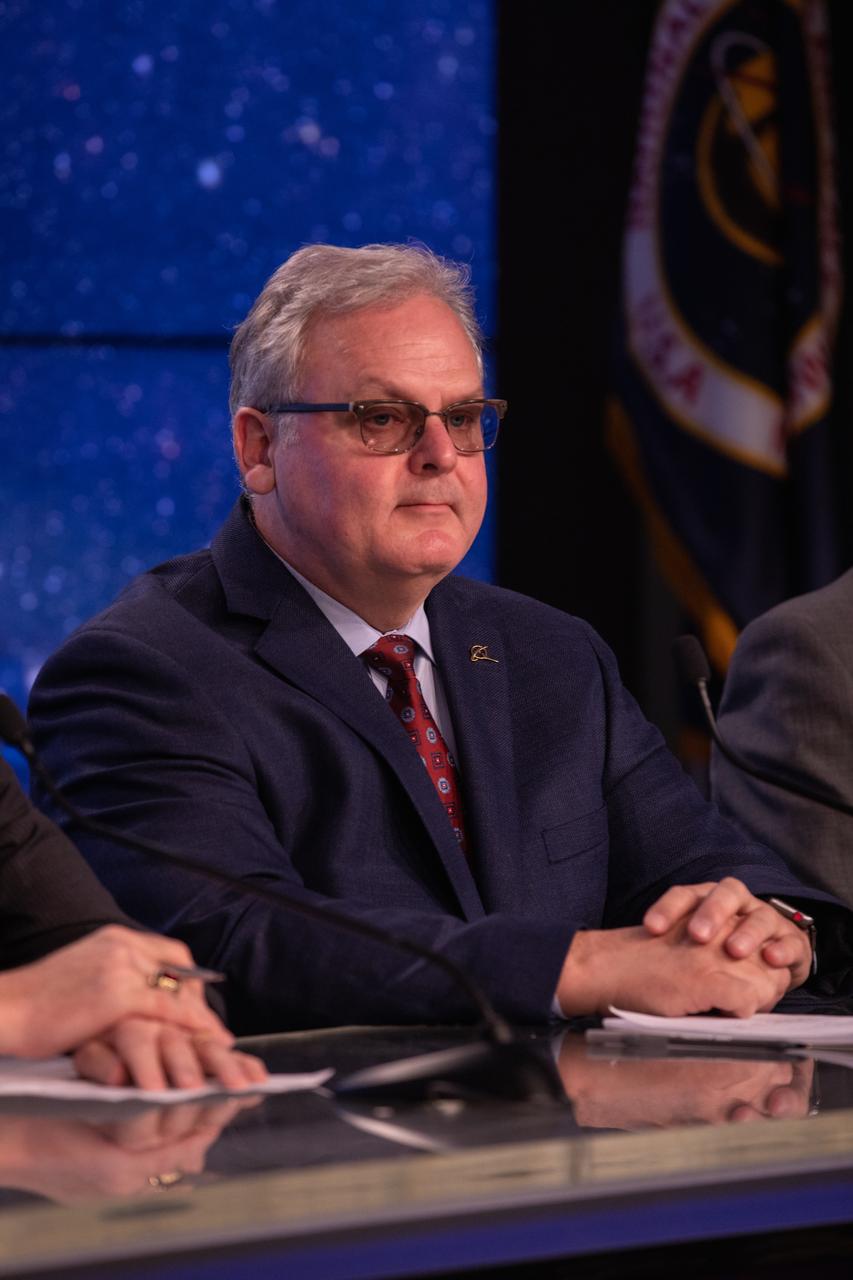
Jim Chilton, Boeing senior vice president, Space and Launch Division, listens during a briefing at NASA’s Kennedy Space Center in Florida following launch of Boeing’s Orbital Flight Test, Dec. 20, 2019. Boeing’s CST-100 Starliner spacecraft launched atop a United Launch Alliance Atlas V rocket from Space Launch Complex 41 at Cape Canaveral Air Force Station at 6:36 a.m. EST. The uncrewed Orbital Flight Test is the Starliner’s first flight for NASA’s Commercial Crew Program.
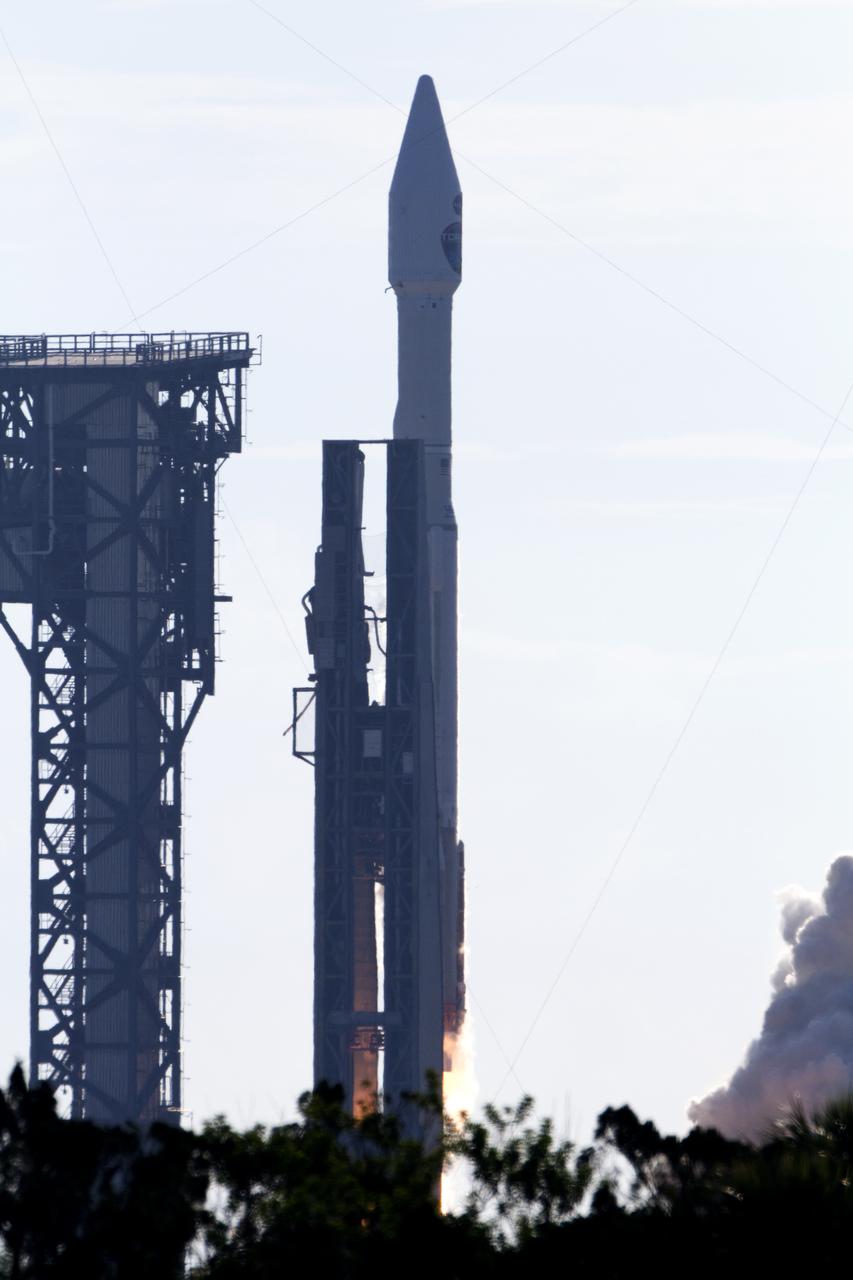
A United Launch Alliance Atlas V rocket lifts off from Space Launch Complex 41 at Cape Canaveral Air Force Station in Florida, with NASA's Tracking and Data Relay Satellite, TDRS-M. TDRS-M. Liftoff was at 8:29 a.m. EDT. TDRS-M is the latest spacecraft destined for the agency's constellation of communications satellites that allows nearly continuous contact with orbiting spacecraft ranging from the International Space Station and Hubble Space Telescope to the array of scientific observatories.
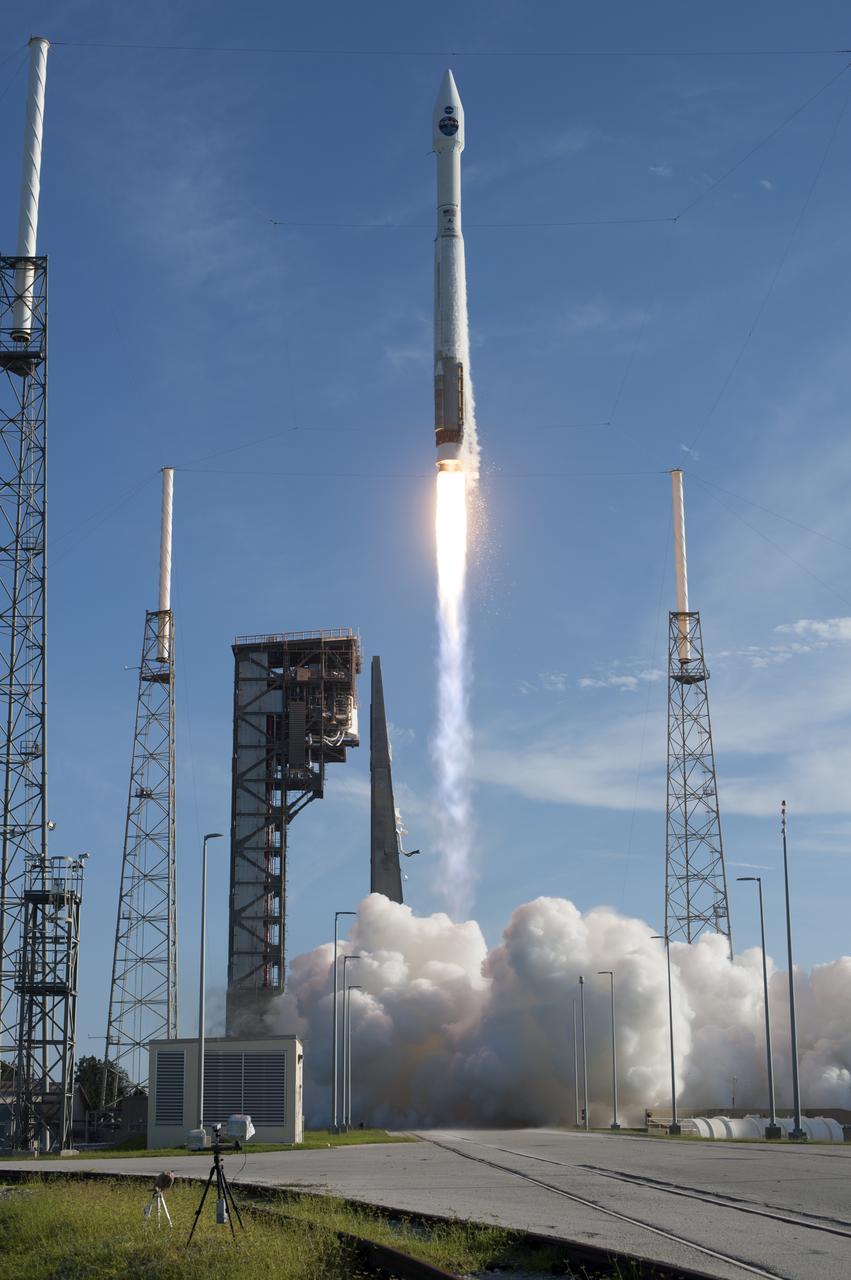
A United Launch Alliance Atlas V rocket lifts off from Space Launch Complex 41 at Cape Canaveral Air Force Station in Florida, with NASA's Tracking and Data Relay Satellite, TDRS-M. TDRS-M. Liftoff was at 8:29 a.m. EDT. TDRS-M is the latest spacecraft destined for the agency's constellation of communications satellites that allows nearly continuous contact with orbiting spacecraft ranging from the International Space Station and Hubble Space Telescope to the array of scientific observatories.
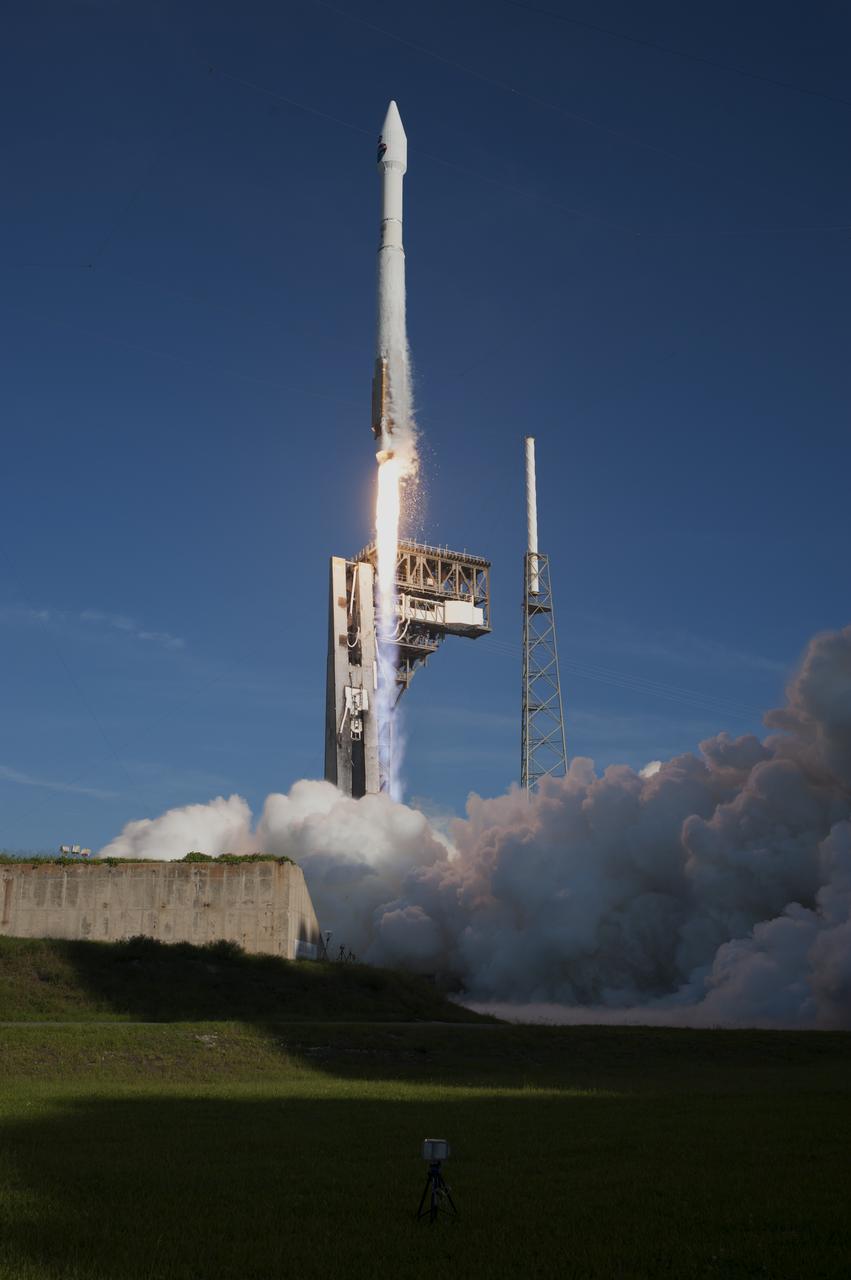
A United Launch Alliance Atlas V rocket lifts off from Space Launch Complex 41 at Cape Canaveral Air Force Station in Florida, with NASA's Tracking and Data Relay Satellite, TDRS-M. TDRS-M. Liftoff was at 8:29 a.m. EDT. TDRS-M is the latest spacecraft destined for the agency's constellation of communications satellites that allows nearly continuous contact with orbiting spacecraft ranging from the International Space Station and Hubble Space Telescope to the array of scientific observatories.
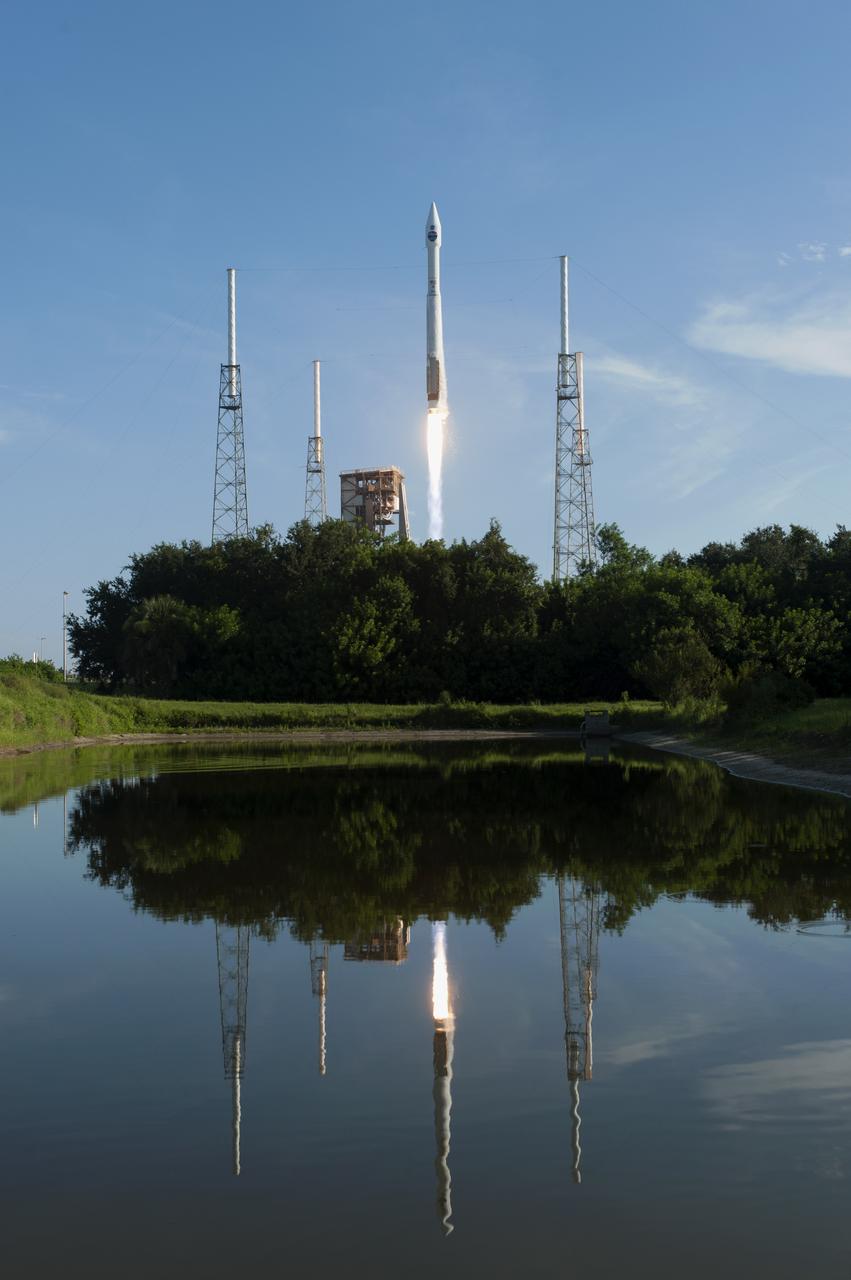
A United Launch Alliance Atlas V rocket lifts off from Space Launch Complex 41 at Cape Canaveral Air Force Station in Florida, with NASA's Tracking and Data Relay Satellite, TDRS-M. TDRS-M. Liftoff was at 8:29 a.m. EDT. TDRS-M is the latest spacecraft destined for the agency's constellation of communications satellites that allows nearly continuous contact with orbiting spacecraft ranging from the International Space Station and Hubble Space Telescope to the array of scientific observatories.
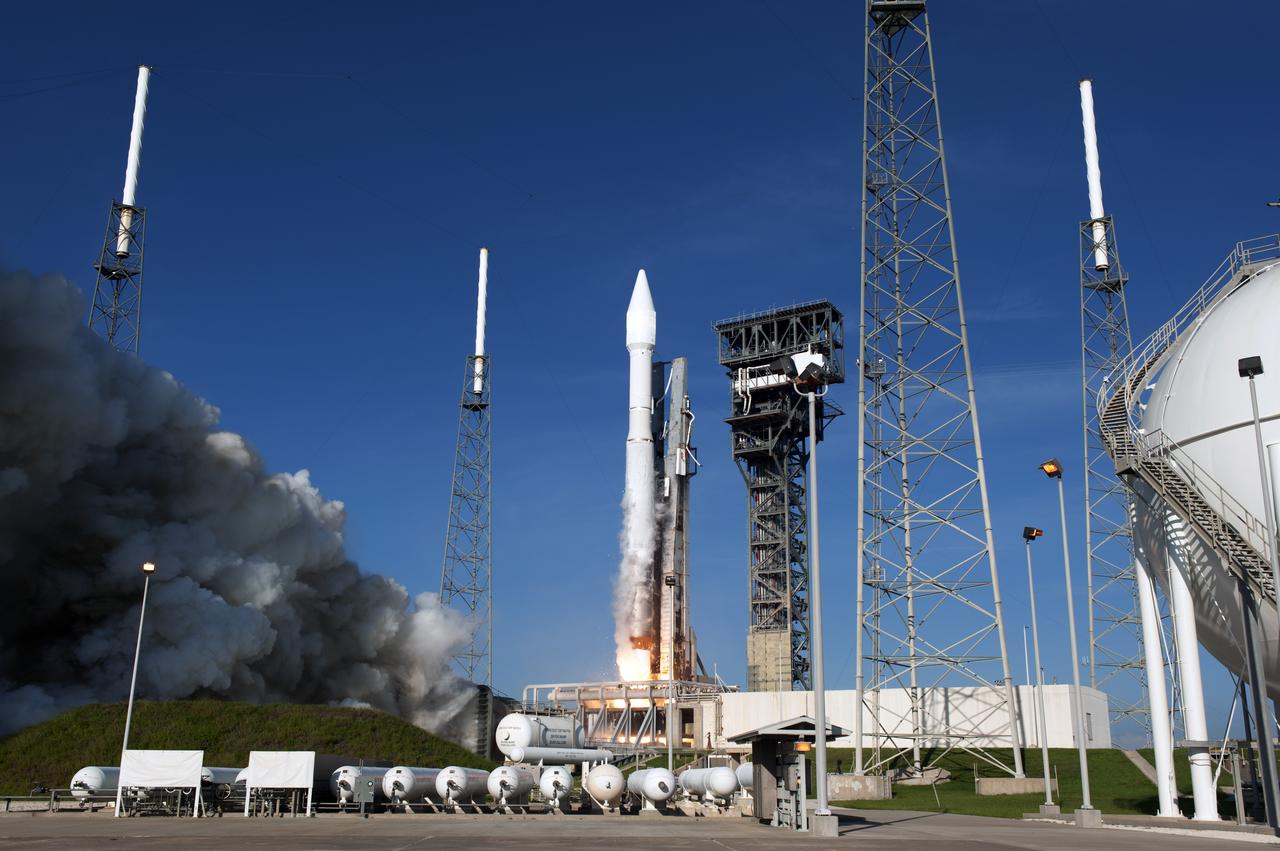
A United Launch Alliance Atlas V rocket lifts off from Space Launch Complex 41 at Cape Canaveral Air Force Station in Florida, with NASA's Tracking and Data Relay Satellite, TDRS-M. TDRS-M. Liftoff was at 8:29 a.m. EDT. TDRS-M is the latest spacecraft destined for the agency's constellation of communications satellites that allows nearly continuous contact with orbiting spacecraft ranging from the International Space Station and Hubble Space Telescope to the array of scientific observatories.
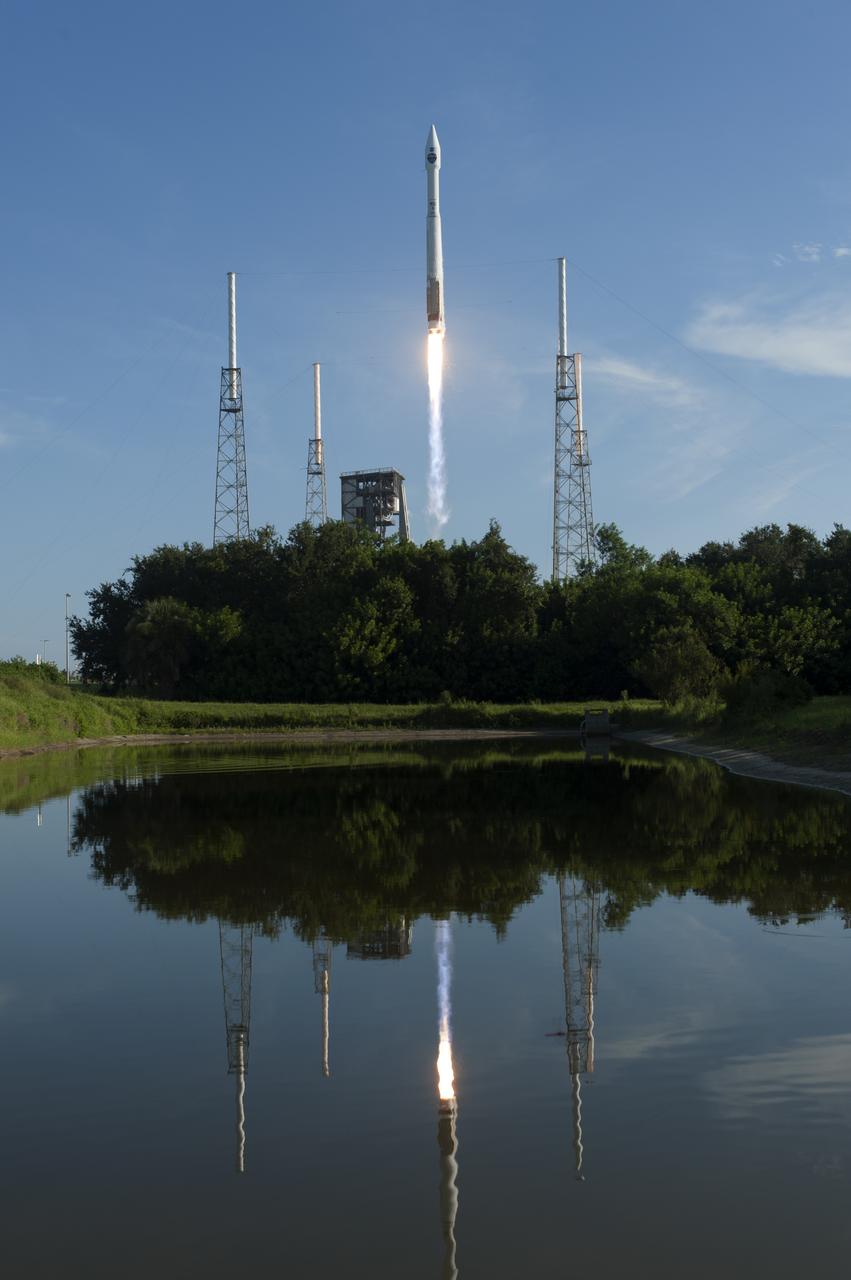
A United Launch Alliance Atlas V rocket lifts off from Space Launch Complex 41 at Cape Canaveral Air Force Station in Florida, with NASA's Tracking and Data Relay Satellite, TDRS-M. TDRS-M. Liftoff was at 8:29 a.m. EDT. TDRS-M is the latest spacecraft destined for the agency's constellation of communications satellites that allows nearly continuous contact with orbiting spacecraft ranging from the International Space Station and Hubble Space Telescope to the array of scientific observatories.
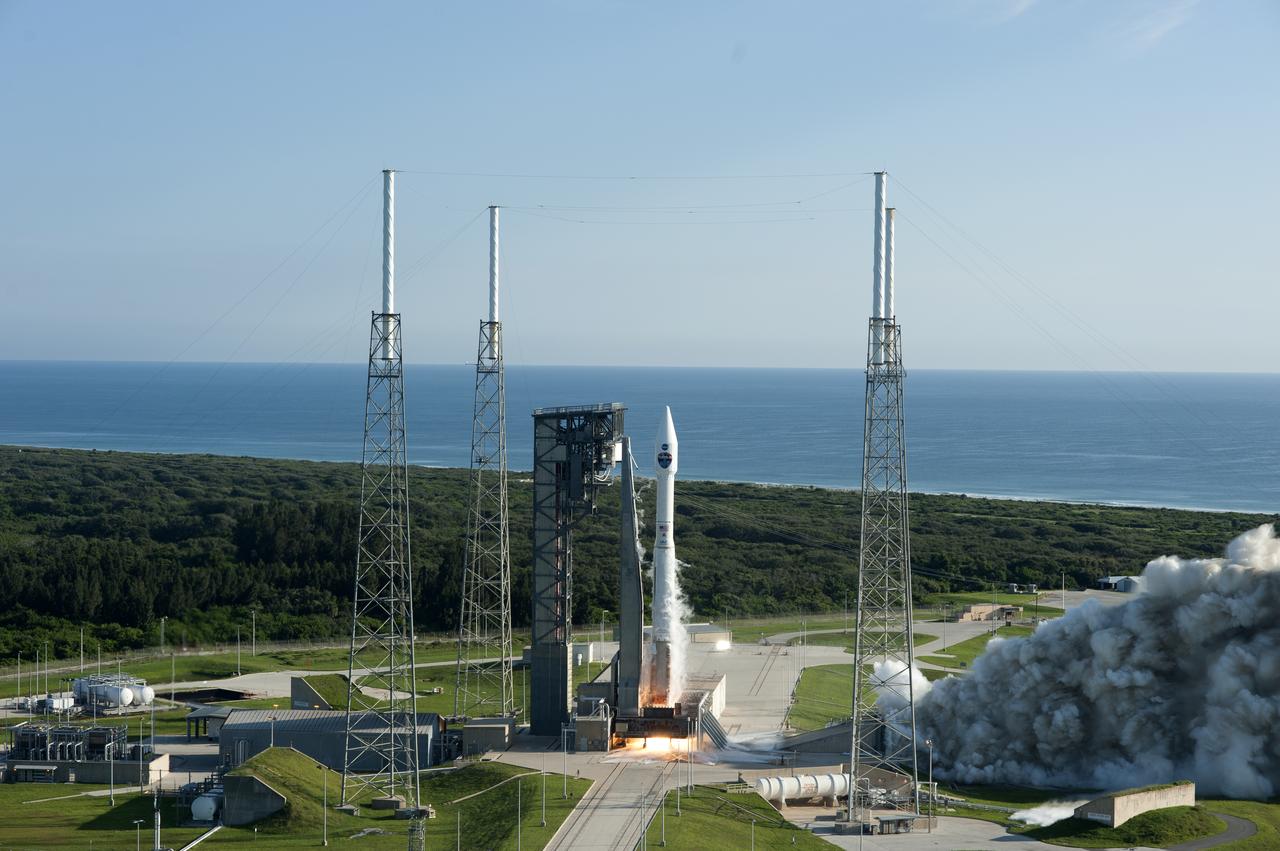
A United Launch Alliance Atlas V rocket lifts off from Space Launch Complex 41 at Cape Canaveral Air Force Station in Florida, with NASA's Tracking and Data Relay Satellite, TDRS-M. TDRS-M. Liftoff was at 8:29 a.m. EDT. TDRS-M is the latest spacecraft destined for the agency's constellation of communications satellites that allows nearly continuous contact with orbiting spacecraft ranging from the International Space Station and Hubble Space Telescope to the array of scientific observatories.
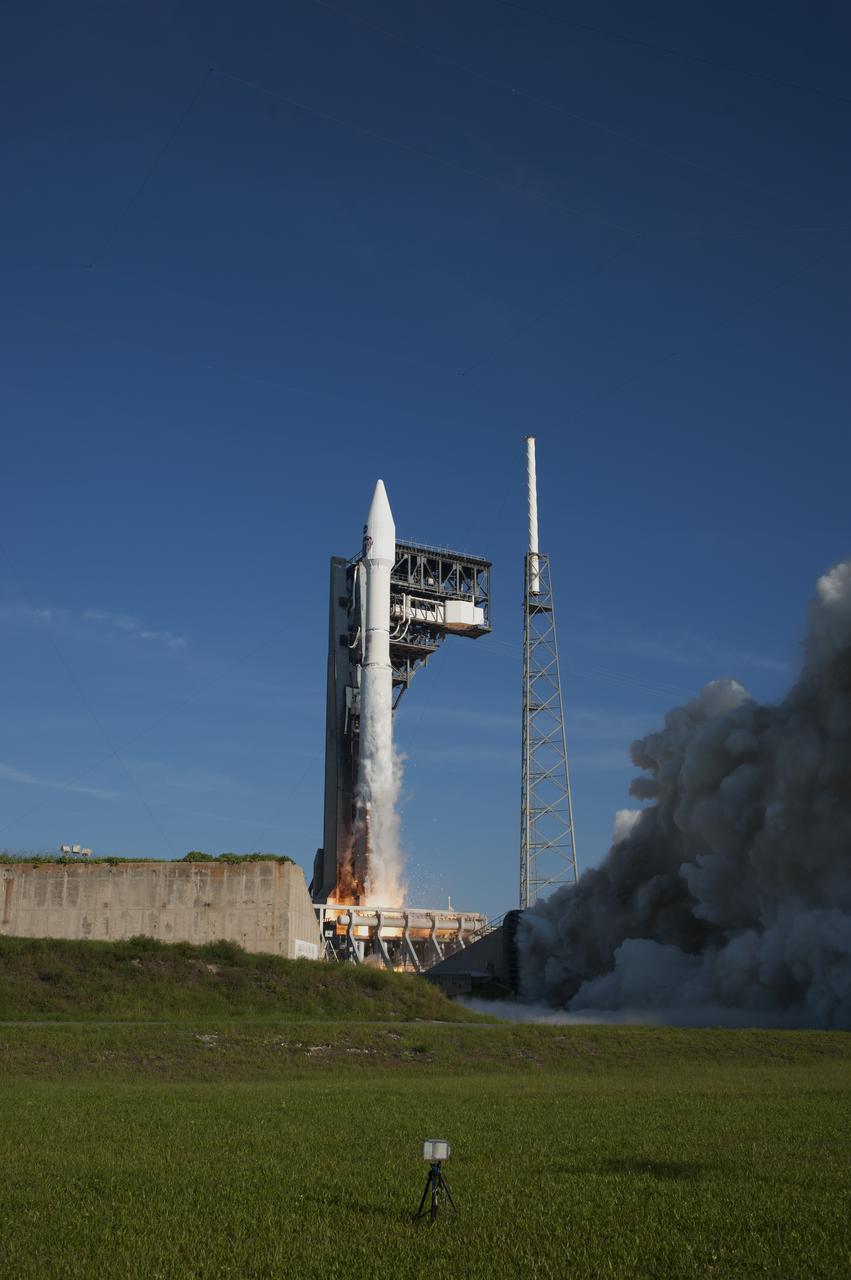
A United Launch Alliance Atlas V rocket lifts off from Space Launch Complex 41 at Cape Canaveral Air Force Station in Florida, with NASA's Tracking and Data Relay Satellite, TDRS-M. TDRS-M. Liftoff was at 8:29 a.m. EDT. TDRS-M is the latest spacecraft destined for the agency's constellation of communications satellites that allows nearly continuous contact with orbiting spacecraft ranging from the International Space Station and Hubble Space Telescope to the array of scientific observatories.
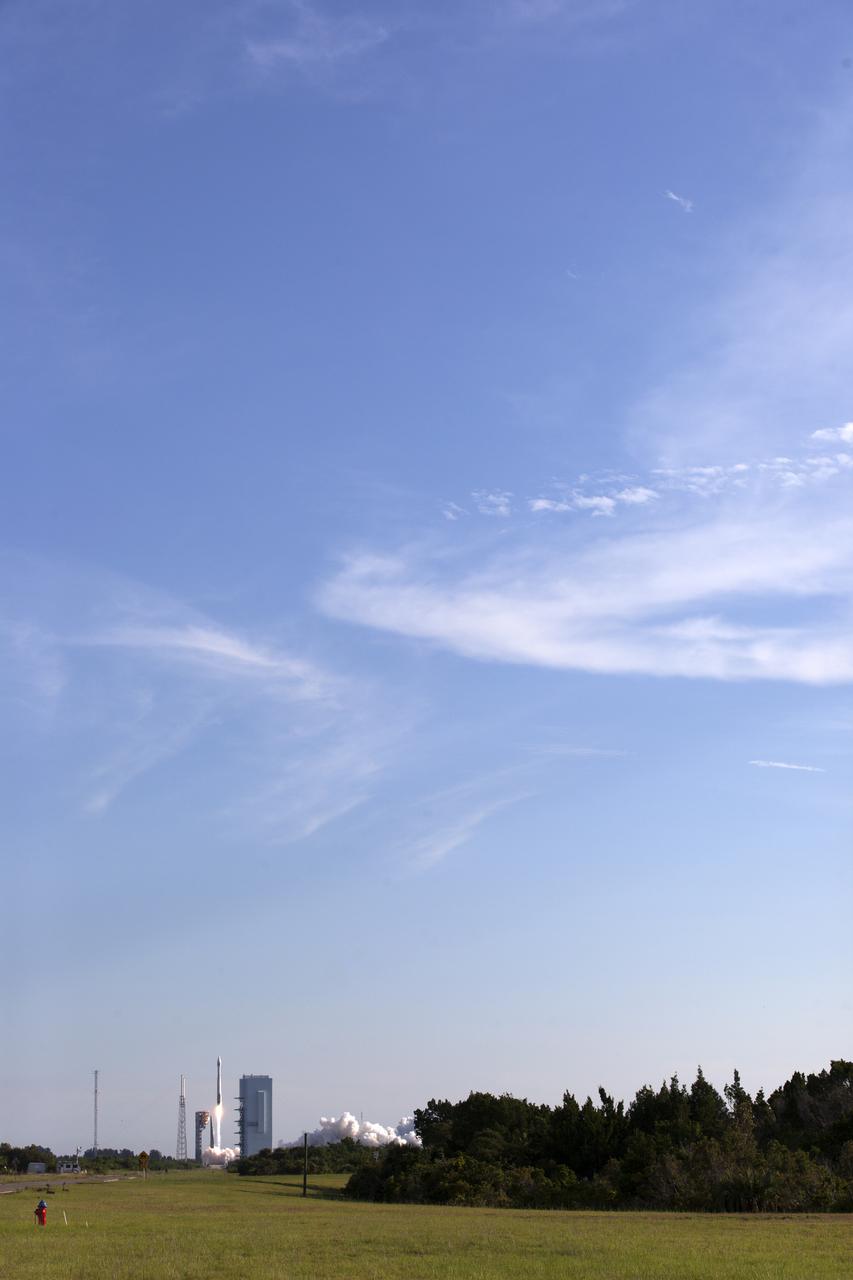
A United Launch Alliance Atlas V rocket lifts off from Space Launch Complex 41 at Cape Canaveral Air Force Station in Florida, with NASA's Tracking and Data Relay Satellite, TDRS-M. TDRS-M. Liftoff was at 8:29 a.m. EDT. TDRS-M is the latest spacecraft destined for the agency's constellation of communications satellites that allows nearly continuous contact with orbiting spacecraft ranging from the International Space Station and Hubble Space Telescope to the array of scientific observatories.
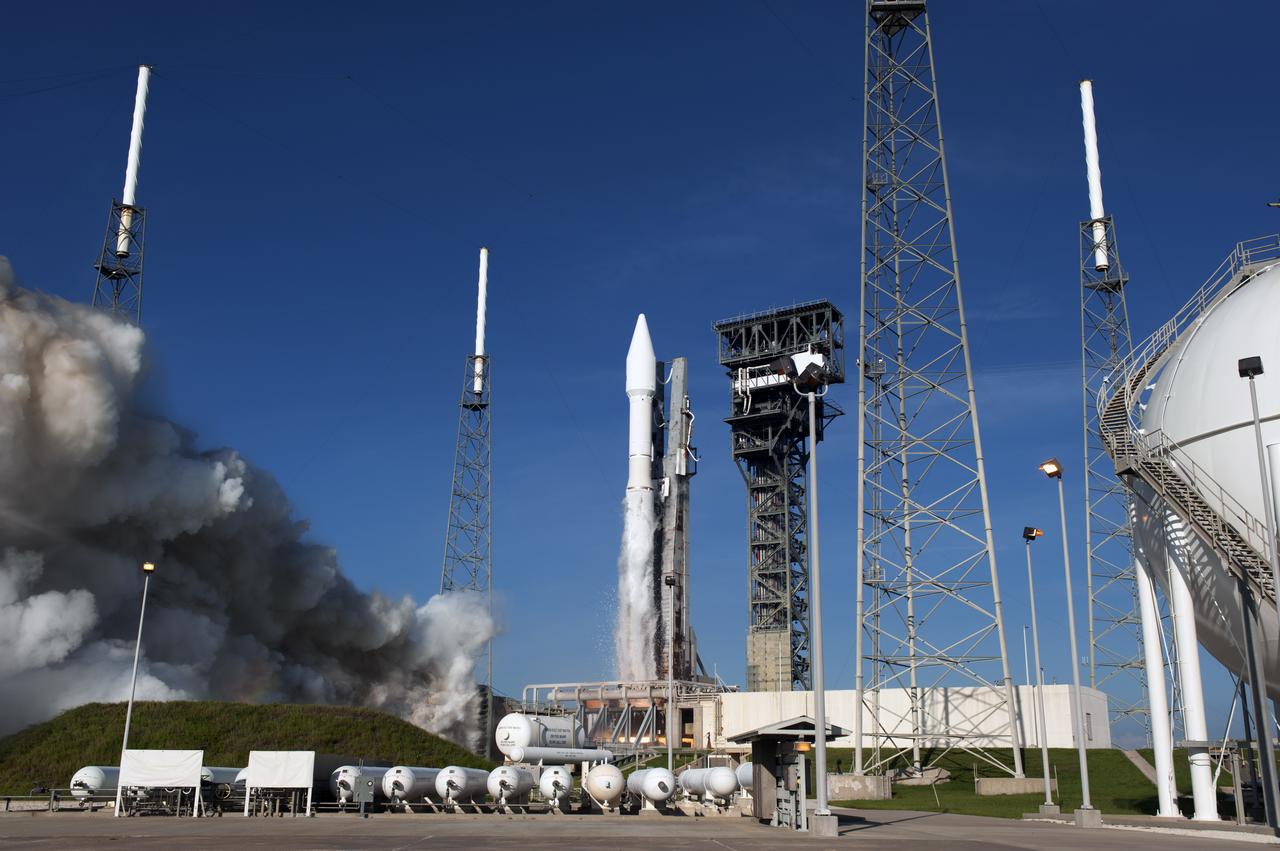
A United Launch Alliance Atlas V rocket lifts off from Space Launch Complex 41 at Cape Canaveral Air Force Station in Florida, with NASA's Tracking and Data Relay Satellite, TDRS-M. TDRS-M. Liftoff was at 8:29 a.m. EDT. TDRS-M is the latest spacecraft destined for the agency's constellation of communications satellites that allows nearly continuous contact with orbiting spacecraft ranging from the International Space Station and Hubble Space Telescope to the array of scientific observatories.
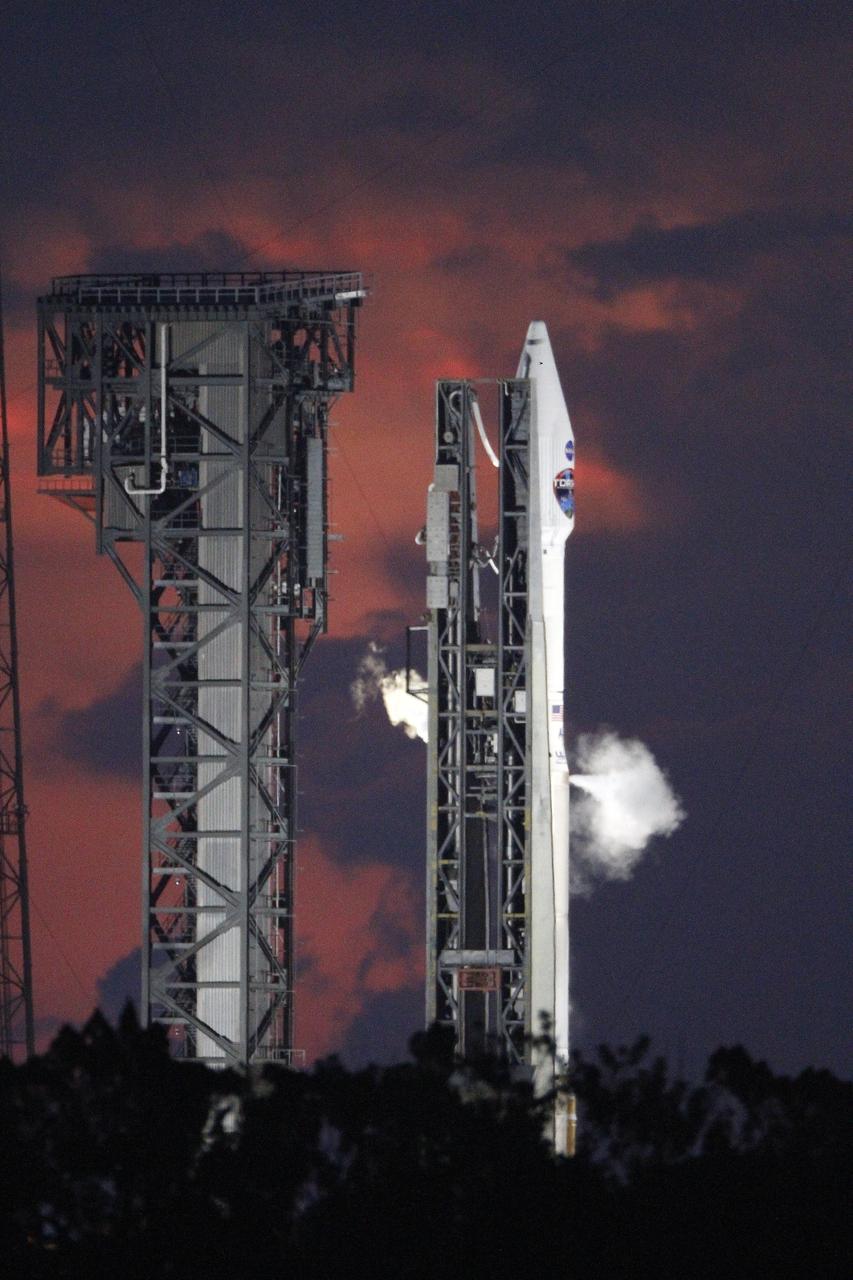
As the Sun rises at Space Launch Complex 41 at Cape Canaveral Air Force Station in Florida, a United Launch Alliance Atlas V rocket vents liquid oxygen propellant vapors during fueling for the lift off of NASA's Tracking and Data Relay Satellite, TDRS-M. The satellite is the latest spacecraft destined for the agency's constellation of communications satellites that allows nearly continuous contact with orbiting spacecraft ranging from the International Space Station and Hubble Space Telescope to the array of scientific observatories.
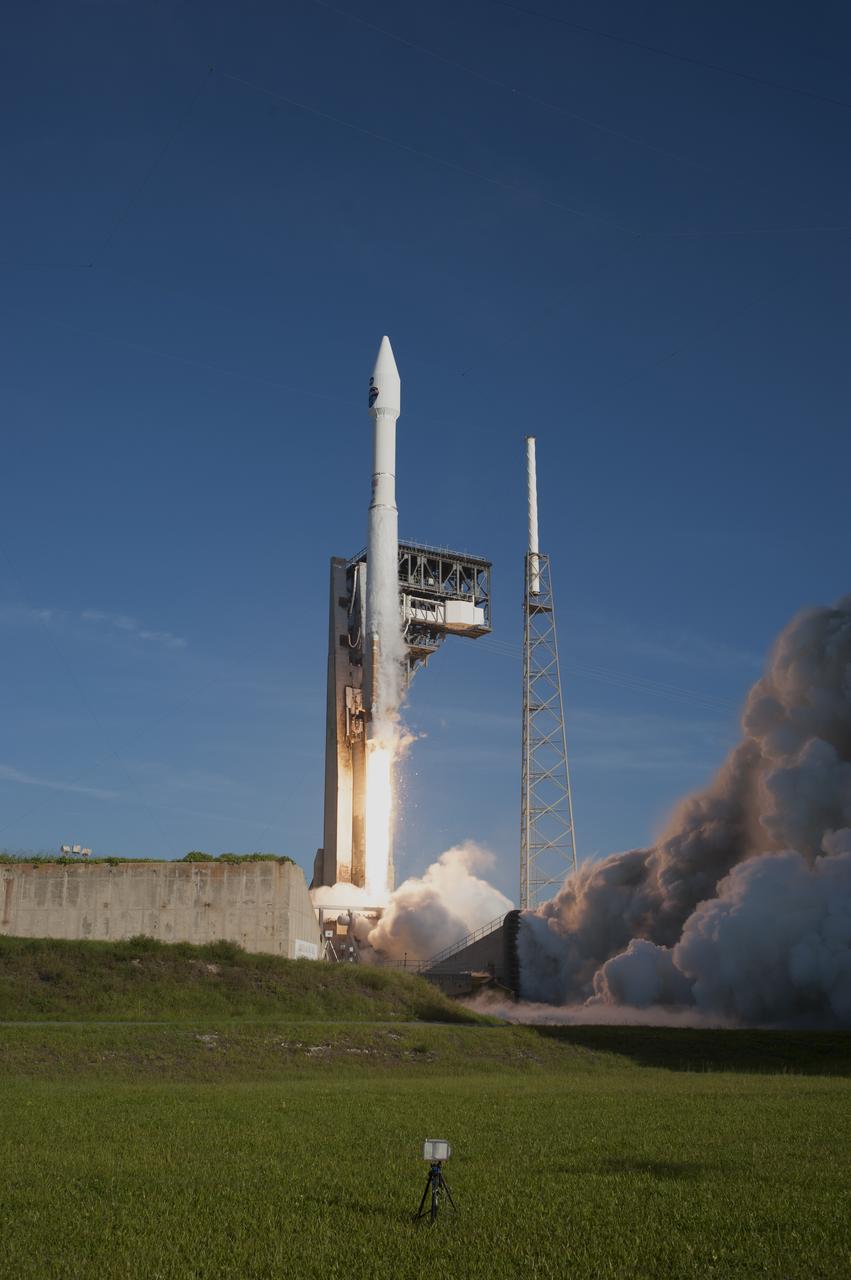
A United Launch Alliance Atlas V rocket lifts off from Space Launch Complex 41 at Cape Canaveral Air Force Station in Florida, with NASA's Tracking and Data Relay Satellite, TDRS-M. TDRS-M. Liftoff was at 8:29 a.m. EDT. TDRS-M is the latest spacecraft destined for the agency's constellation of communications satellites that allows nearly continuous contact with orbiting spacecraft ranging from the International Space Station and Hubble Space Telescope to the array of scientific observatories.
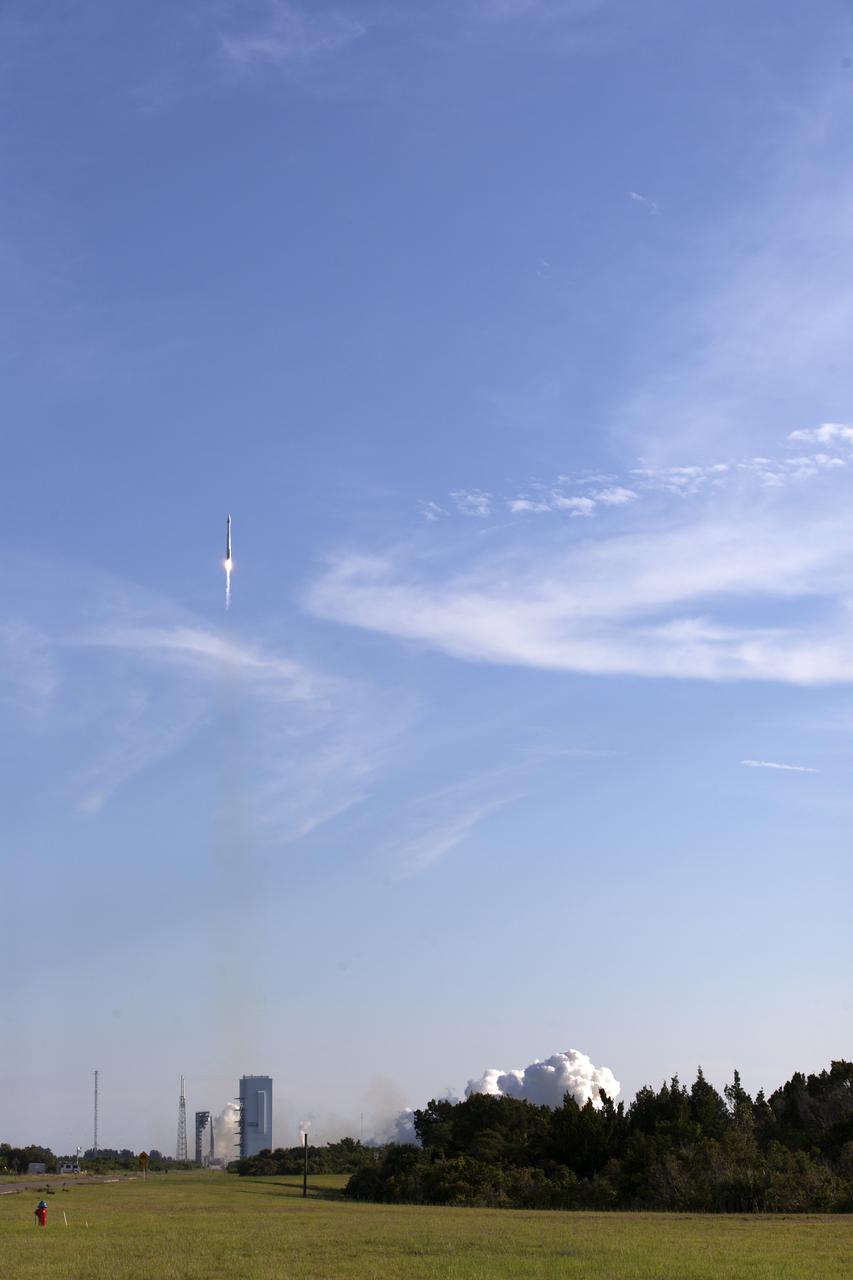
A United Launch Alliance Atlas V rocket lifts off from Space Launch Complex 41 at Cape Canaveral Air Force Station in Florida, with NASA's Tracking and Data Relay Satellite, TDRS-M. TDRS-M. Liftoff was at 8:29 a.m. EDT. TDRS-M is the latest spacecraft destined for the agency's constellation of communications satellites that allows nearly continuous contact with orbiting spacecraft ranging from the International Space Station and Hubble Space Telescope to the array of scientific observatories.
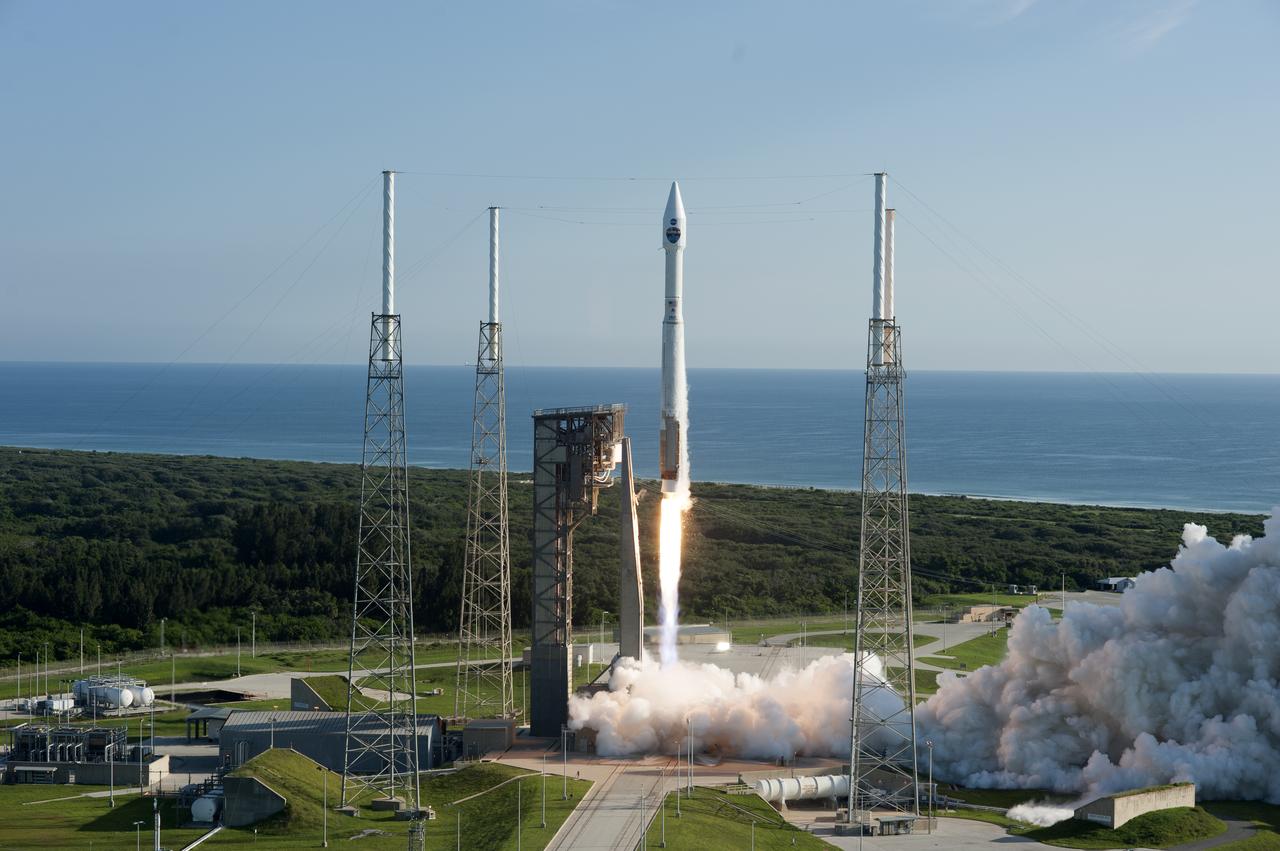
A United Launch Alliance Atlas V rocket lifts off from Space Launch Complex 41 at Cape Canaveral Air Force Station in Florida, with NASA's Tracking and Data Relay Satellite, TDRS-M. TDRS-M. Liftoff was at 8:29 a.m. EDT. TDRS-M is the latest spacecraft destined for the agency's constellation of communications satellites that allows nearly continuous contact with orbiting spacecraft ranging from the International Space Station and Hubble Space Telescope to the array of scientific observatories.
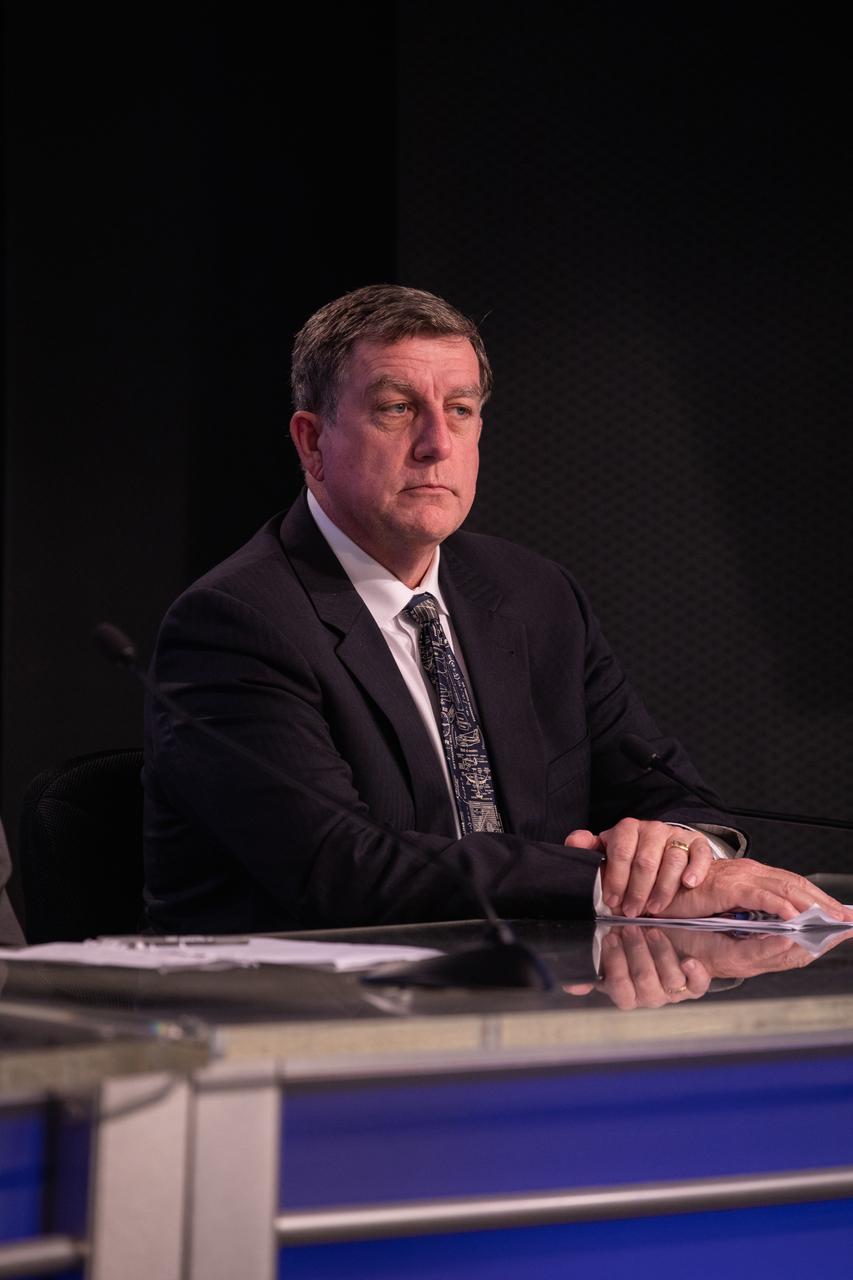
Kirk Shireman, manager of NASA’s International Space Station Program, listens during a briefing at the agency’s Kennedy Space Center in Florida following launch of Boeing’s Orbital Flight Test, Dec. 20, 2019. Boeing’s CST-100 Starliner spacecraft launched atop a United Launch Alliance Atlas V rocket from Space Launch Complex 41 at Cape Canaveral Air Force Station at 6:36 a.m. EST. The uncrewed Orbital Flight Test is the Starliner’s first flight for NASA’s Commercial Crew Program.
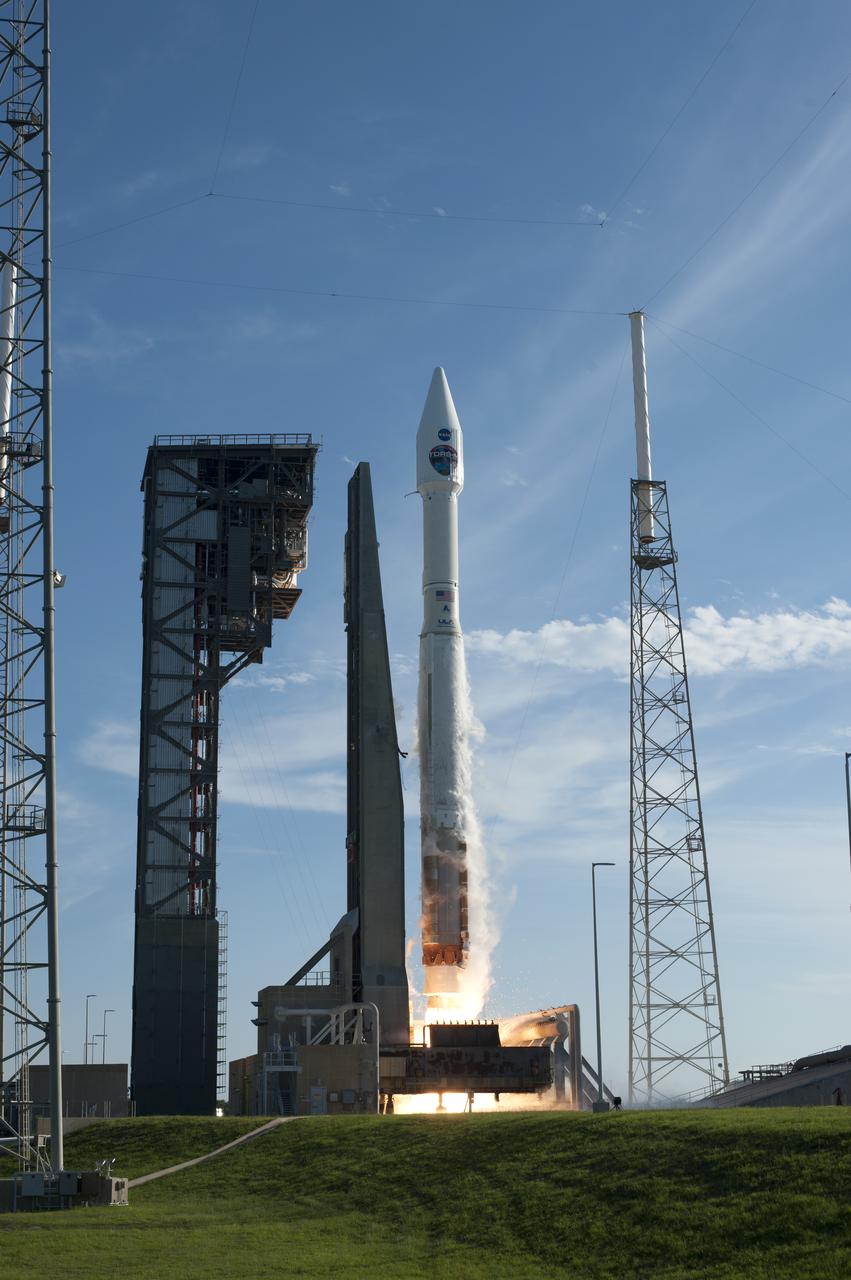
A United Launch Alliance Atlas V rocket lifts off from Space Launch Complex 41 at Cape Canaveral Air Force Station in Florida, with NASA's Tracking and Data Relay Satellite, TDRS-M. TDRS-M. Liftoff was at 8:29 a.m. EDT. TDRS-M is the latest spacecraft destined for the agency's constellation of communications satellites that allows nearly continuous contact with orbiting spacecraft ranging from the International Space Station and Hubble Space Telescope to the array of scientific observatories.
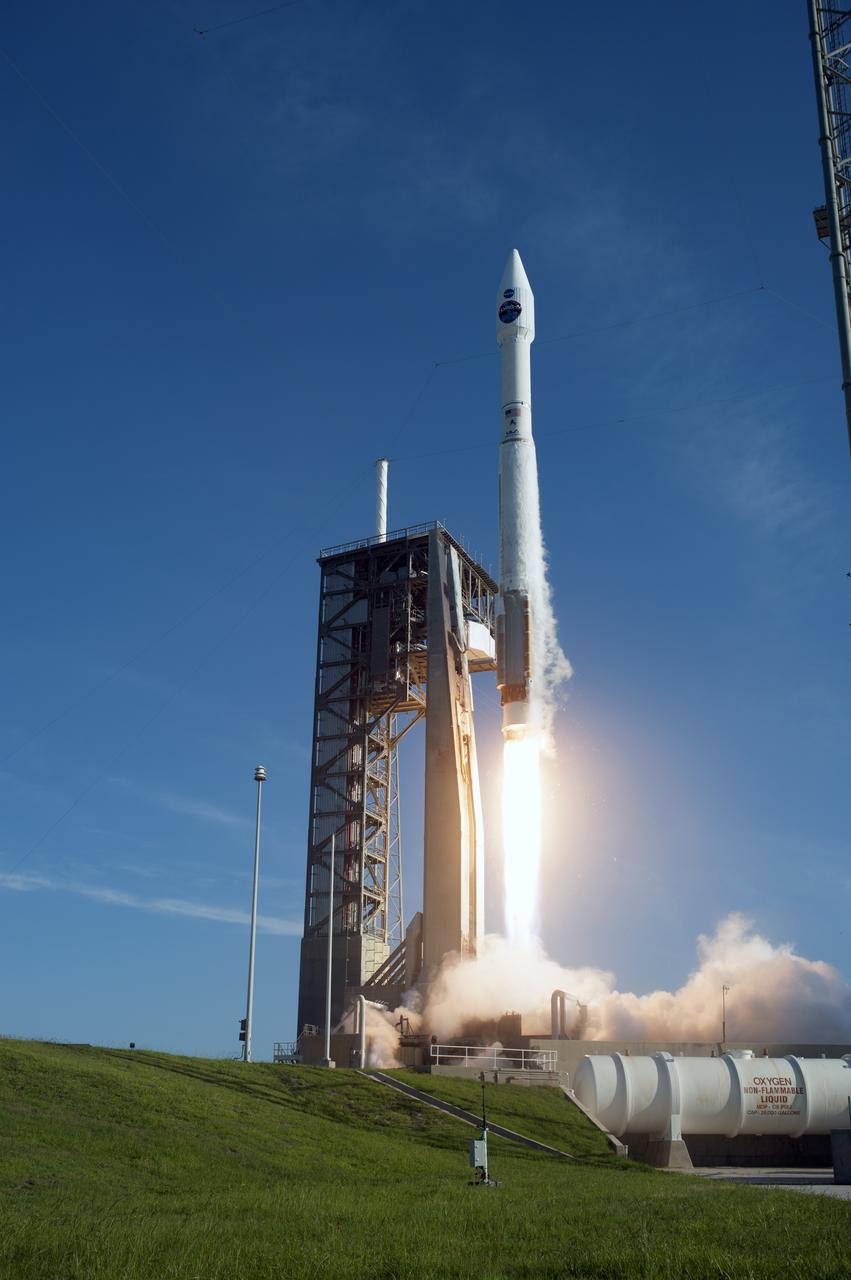
A United Launch Alliance Atlas V rocket lifts off from Space Launch Complex 41 at Cape Canaveral Air Force Station in Florida, with NASA's Tracking and Data Relay Satellite, TDRS-M. TDRS-M. Liftoff was at 8:29 a.m. EDT. TDRS-M is the latest spacecraft destined for the agency's constellation of communications satellites that allows nearly continuous contact with orbiting spacecraft ranging from the International Space Station and Hubble Space Telescope to the array of scientific observatories.
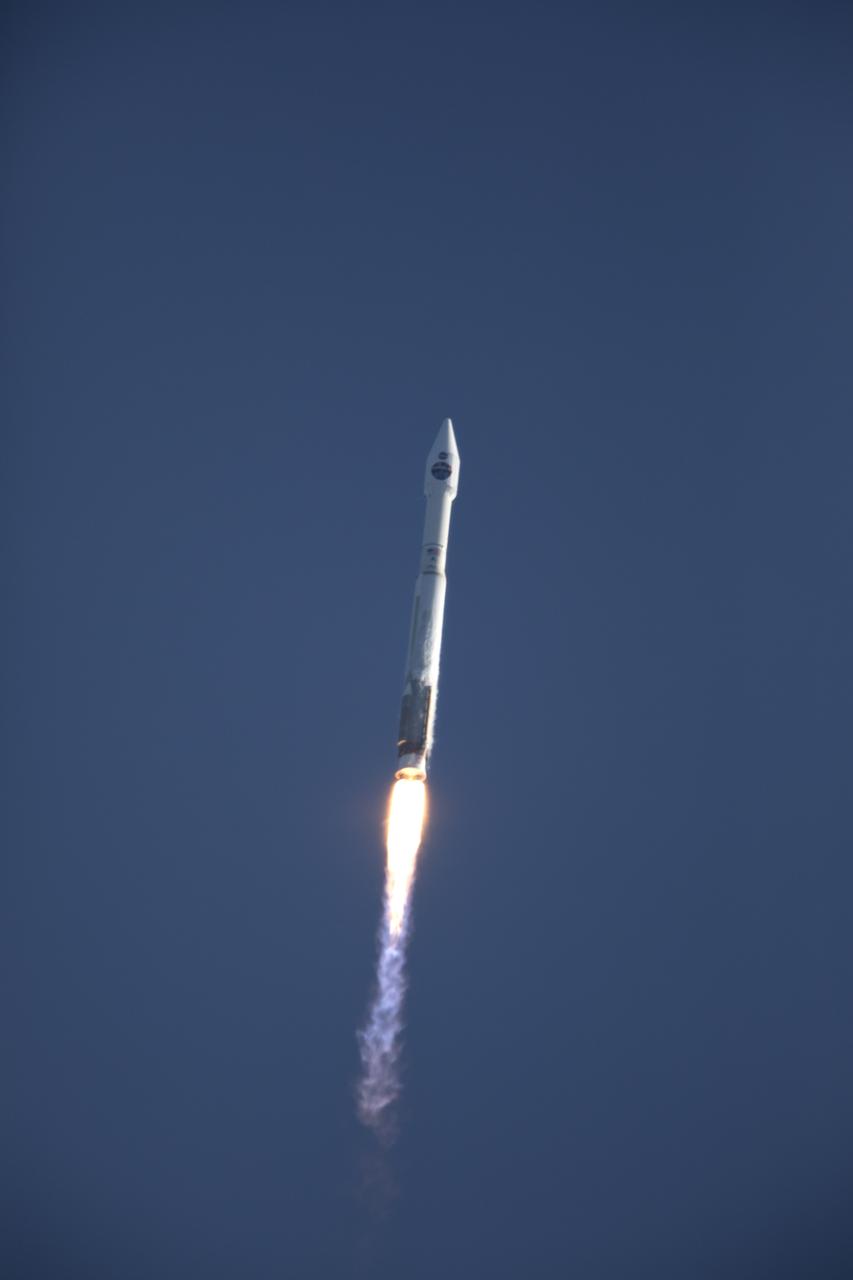
A United Launch Alliance Atlas V rocket lifts off from Space Launch Complex 41 at Cape Canaveral Air Force Station in Florida, with NASA's Tracking and Data Relay Satellite, TDRS-M. TDRS-M. Liftoff was at 8:29 a.m. EDT. TDRS-M is the latest spacecraft destined for the agency's constellation of communications satellites that allows nearly continuous contact with orbiting spacecraft ranging from the International Space Station and Hubble Space Telescope to the array of scientific observatories.
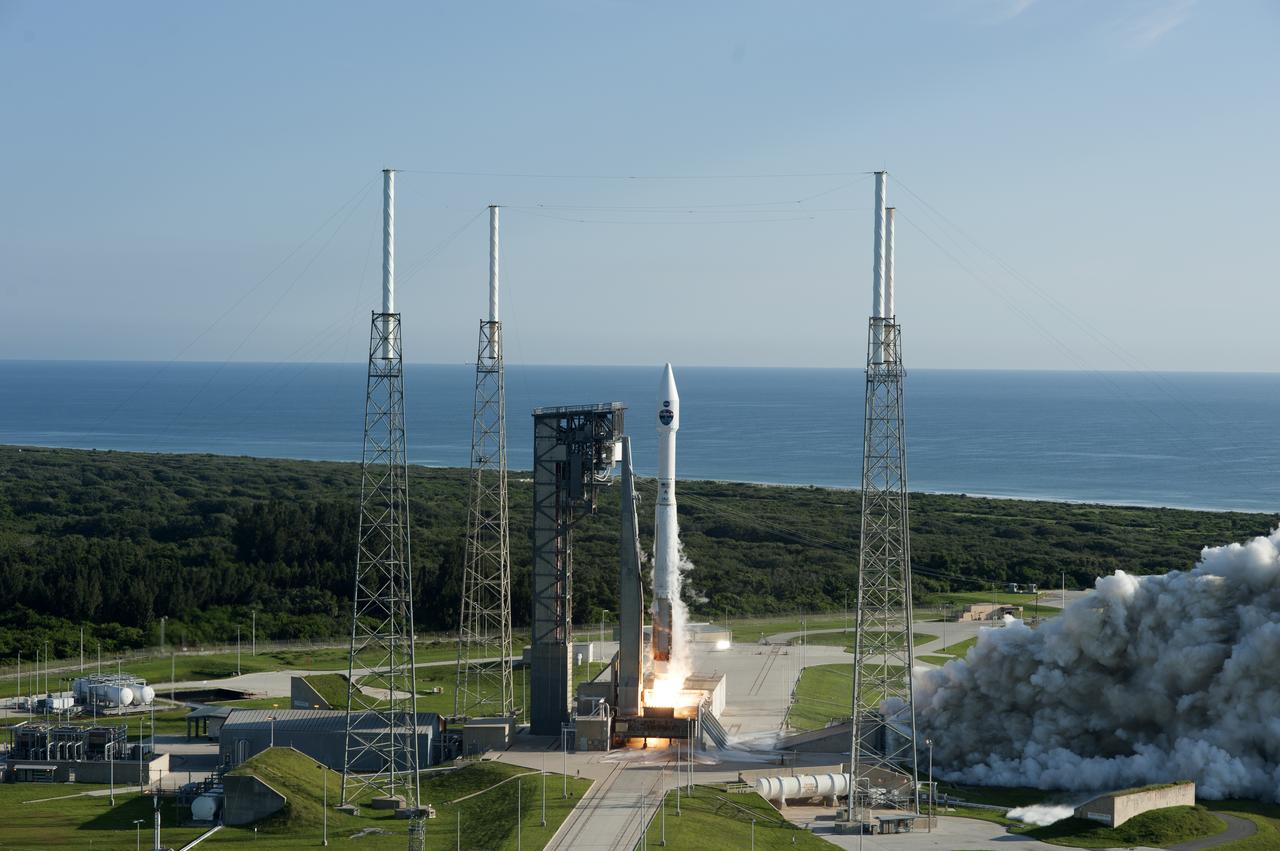
A United Launch Alliance Atlas V rocket lifts off from Space Launch Complex 41 at Cape Canaveral Air Force Station in Florida, with NASA's Tracking and Data Relay Satellite, TDRS-M. TDRS-M. Liftoff was at 8:29 a.m. EDT. TDRS-M is the latest spacecraft destined for the agency's constellation of communications satellites that allows nearly continuous contact with orbiting spacecraft ranging from the International Space Station and Hubble Space Telescope to the array of scientific observatories.

A United Launch Alliance Atlas V rocket lifts off from Space Launch Complex 41 at Cape Canaveral Air Force Station in Florida, with NASA's Tracking and Data Relay Satellite, TDRS-M. TDRS-M. Liftoff was at 8:29 a.m. EDT. TDRS-M is the latest spacecraft destined for the agency's constellation of communications satellites that allows nearly continuous contact with orbiting spacecraft ranging from the International Space Station and Hubble Space Telescope to the array of scientific observatories.
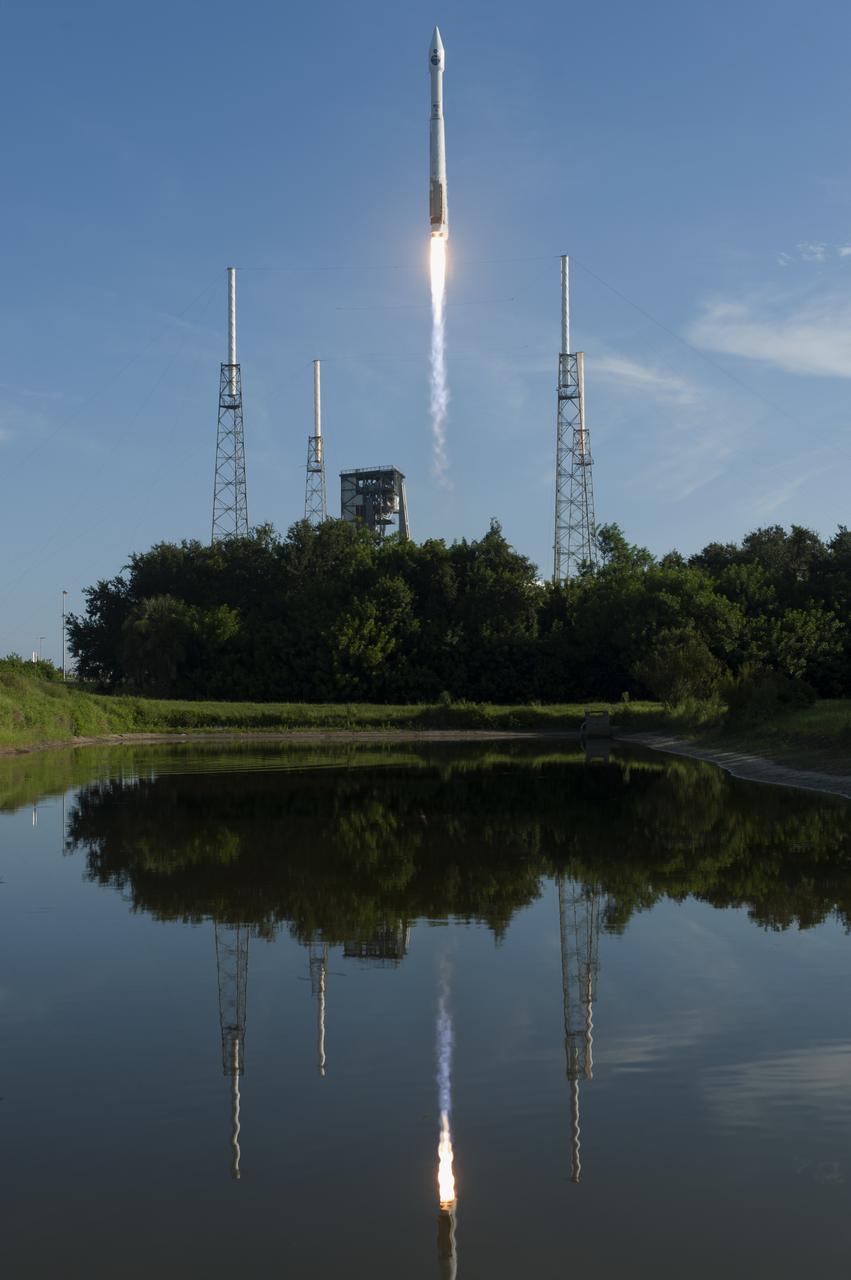
A United Launch Alliance Atlas V rocket lifts off from Space Launch Complex 41 at Cape Canaveral Air Force Station in Florida, with NASA's Tracking and Data Relay Satellite, TDRS-M. TDRS-M. Liftoff was at 8:29 a.m. EDT. TDRS-M is the latest spacecraft destined for the agency's constellation of communications satellites that allows nearly continuous contact with orbiting spacecraft ranging from the International Space Station and Hubble Space Telescope to the array of scientific observatories.
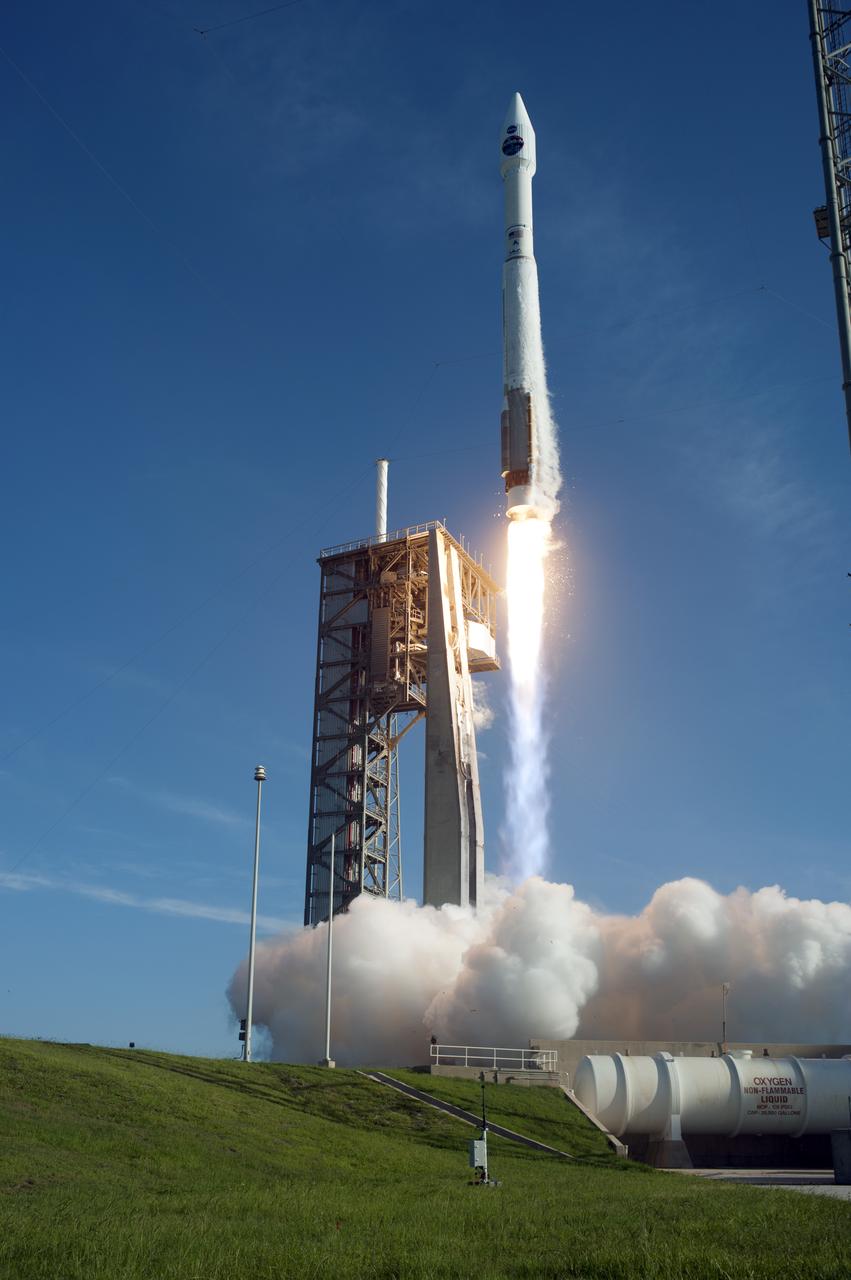
A United Launch Alliance Atlas V rocket lifts off from Space Launch Complex 41 at Cape Canaveral Air Force Station in Florida, with NASA's Tracking and Data Relay Satellite, TDRS-M. TDRS-M. Liftoff was at 8:29 a.m. EDT. TDRS-M is the latest spacecraft destined for the agency's constellation of communications satellites that allows nearly continuous contact with orbiting spacecraft ranging from the International Space Station and Hubble Space Telescope to the array of scientific observatories.
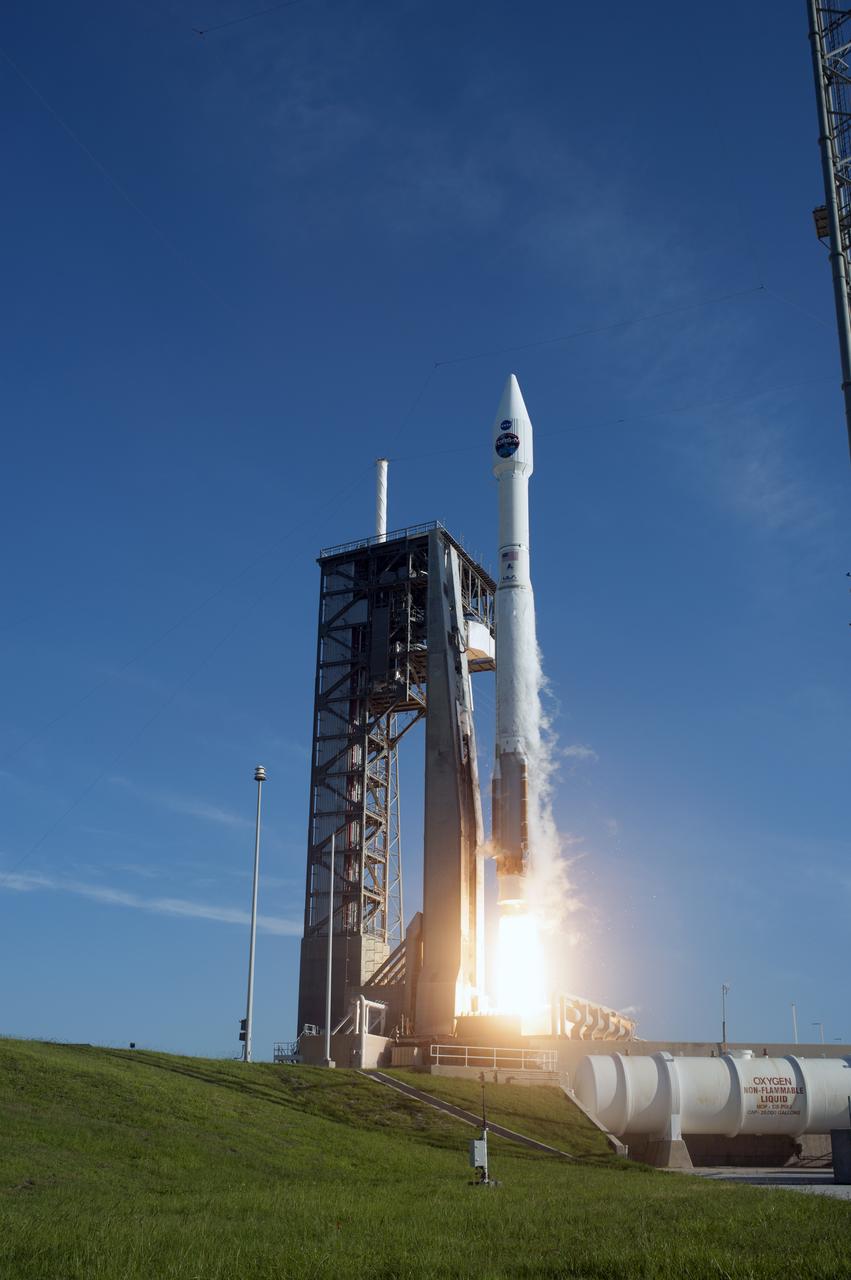
A United Launch Alliance Atlas V rocket lifts off from Space Launch Complex 41 at Cape Canaveral Air Force Station in Florida, with NASA's Tracking and Data Relay Satellite, TDRS-M. TDRS-M. Liftoff was at 8:29 a.m. EDT. TDRS-M is the latest spacecraft destined for the agency's constellation of communications satellites that allows nearly continuous contact with orbiting spacecraft ranging from the International Space Station and Hubble Space Telescope to the array of scientific observatories.
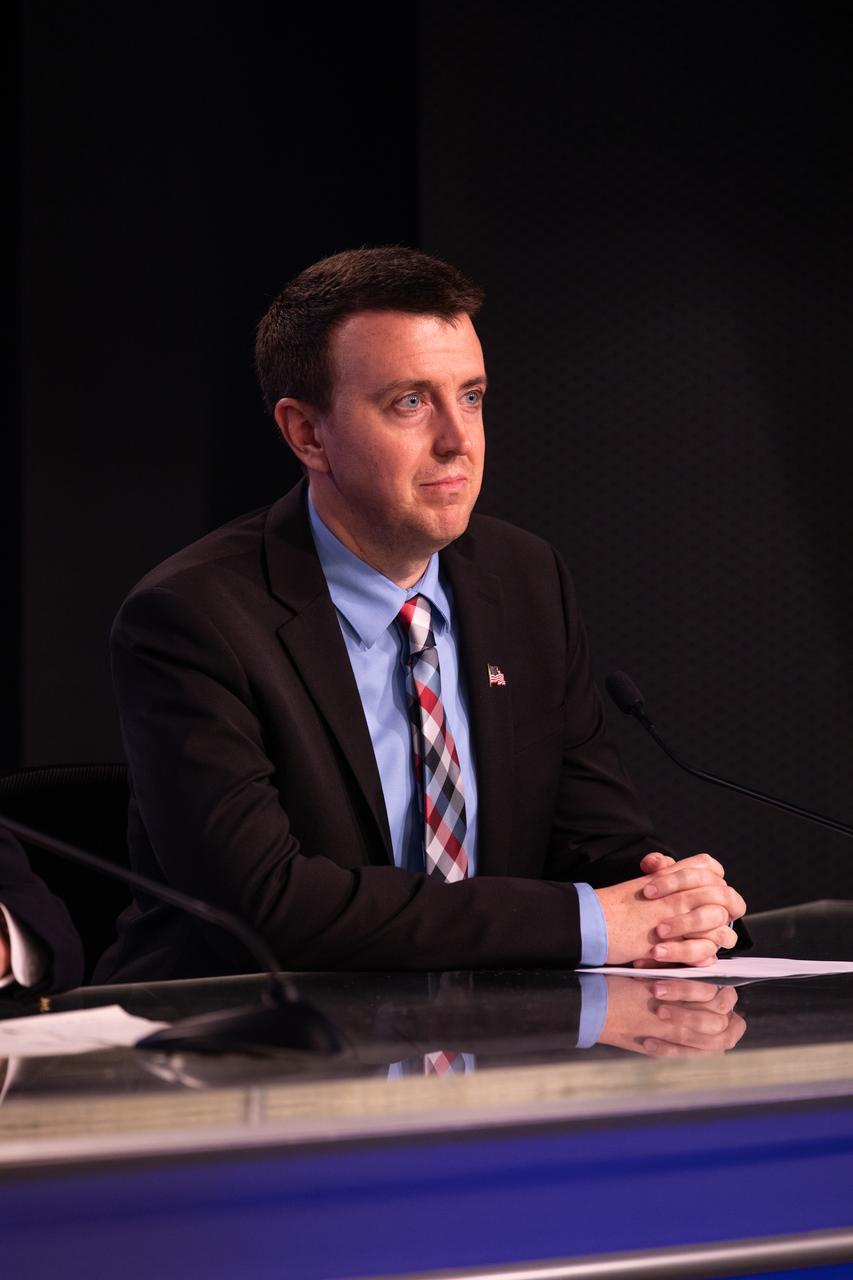
Will Ulrich, launch weather officer, 45th Weather Squadron, speaks during a prelaunch briefing for Boeing’s Orbital Flight Test at the agency’s Kennedy Space Center in Florida, Dec. 17, 2019. Boeing’s CST-100 Starliner spacecraft will launch atop a United Launch Alliance Atlas V rocket from Space Launch Complex 41 at Cape Canaveral Air Force Station. The uncrewed Orbital Flight Test will be the Starliner’s first flight to the International Space Station for NASA’s Commercial Crew Program.
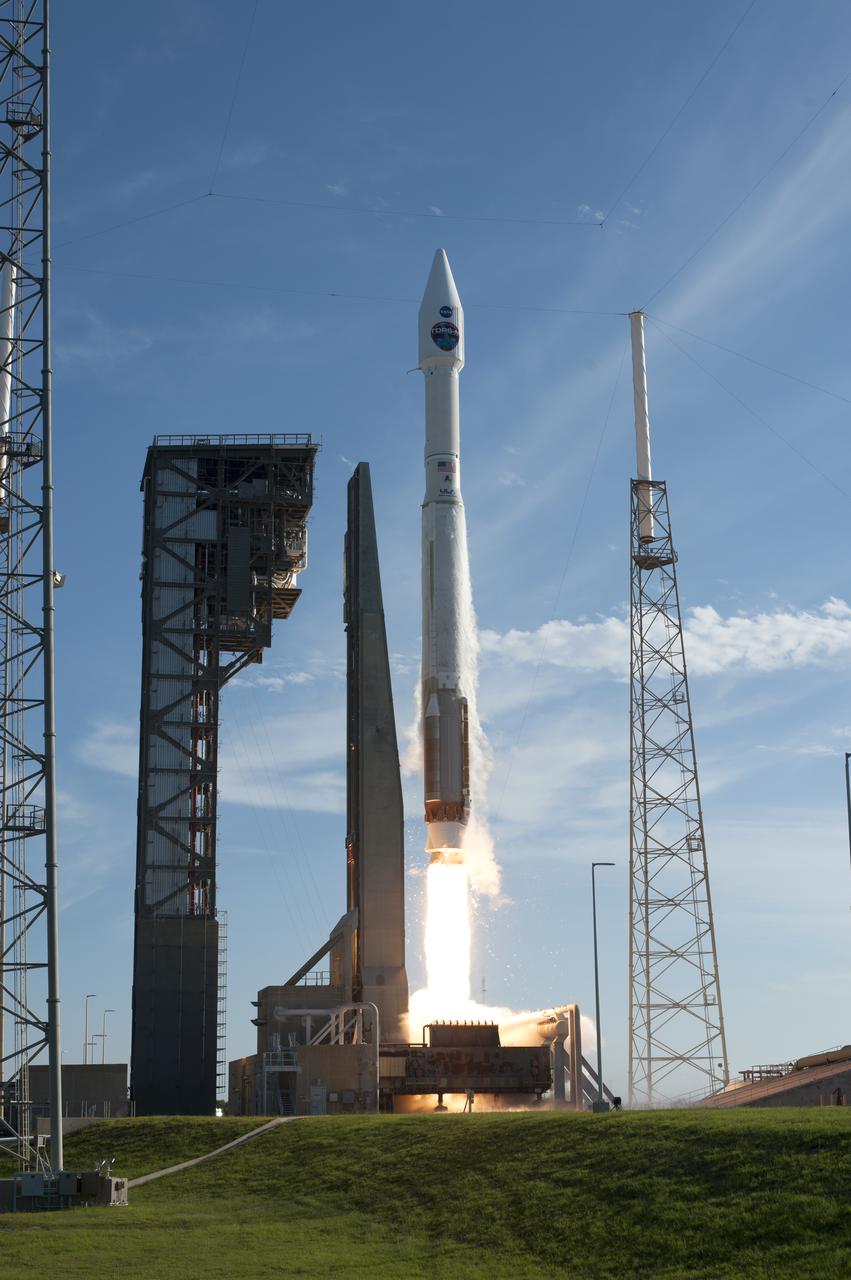
A United Launch Alliance Atlas V rocket lifts off from Space Launch Complex 41 at Cape Canaveral Air Force Station in Florida, with NASA's Tracking and Data Relay Satellite, TDRS-M. TDRS-M. Liftoff was at 8:29 a.m. EDT. TDRS-M is the latest spacecraft destined for the agency's constellation of communications satellites that allows nearly continuous contact with orbiting spacecraft ranging from the International Space Station and Hubble Space Telescope to the array of scientific observatories.
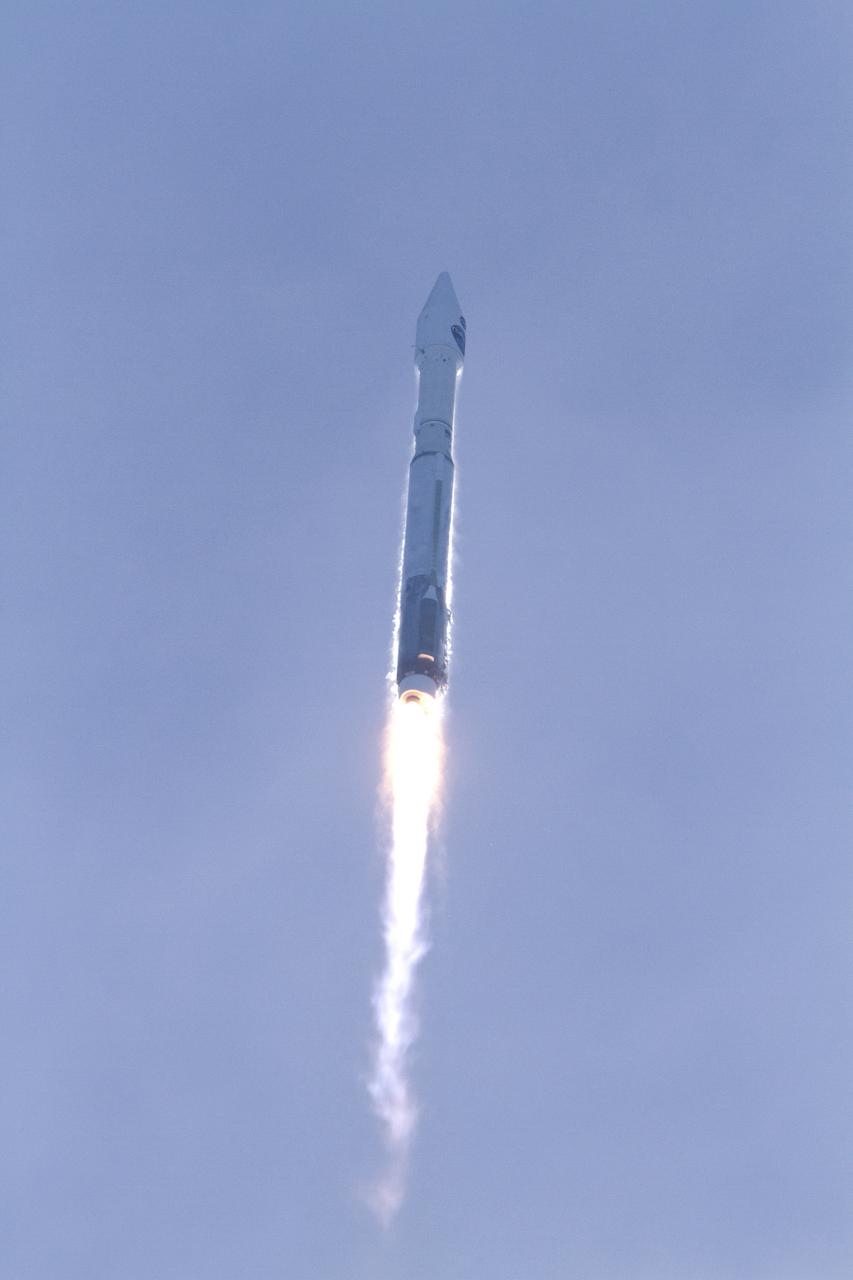
A United Launch Alliance Atlas V rocket lifts off from Space Launch Complex 41 at Cape Canaveral Air Force Station in Florida, with NASA's Tracking and Data Relay Satellite, TDRS-M. TDRS-M. Liftoff was at 8:29 a.m. EDT. TDRS-M is the latest spacecraft destined for the agency's constellation of communications satellites that allows nearly continuous contact with orbiting spacecraft ranging from the International Space Station and Hubble Space Telescope to the array of scientific observatories.
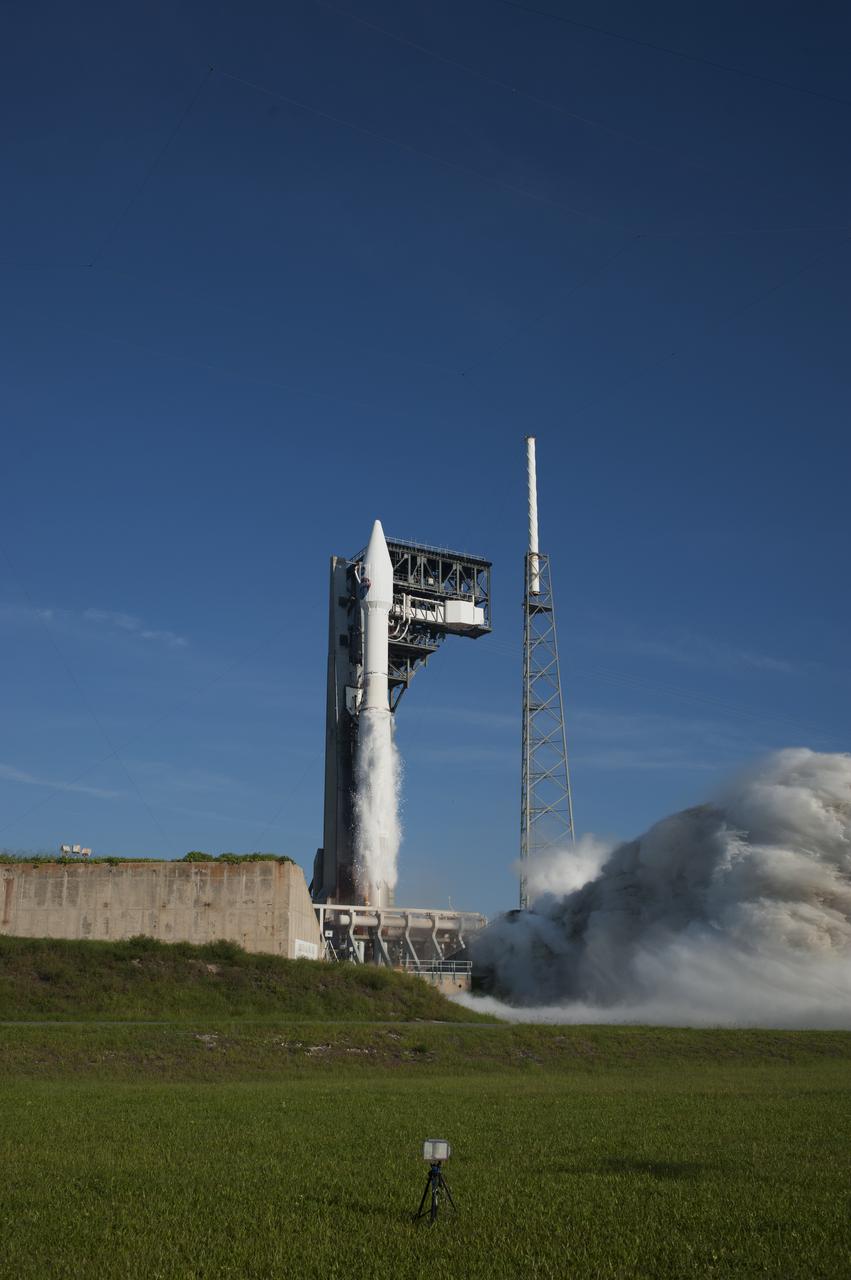
A United Launch Alliance Atlas V rocket lifts off from Space Launch Complex 41 at Cape Canaveral Air Force Station in Florida, with NASA's Tracking and Data Relay Satellite, TDRS-M. TDRS-M. Liftoff was at 8:29 a.m. EDT. TDRS-M is the latest spacecraft destined for the agency's constellation of communications satellites that allows nearly continuous contact with orbiting spacecraft ranging from the International Space Station and Hubble Space Telescope to the array of scientific observatories.
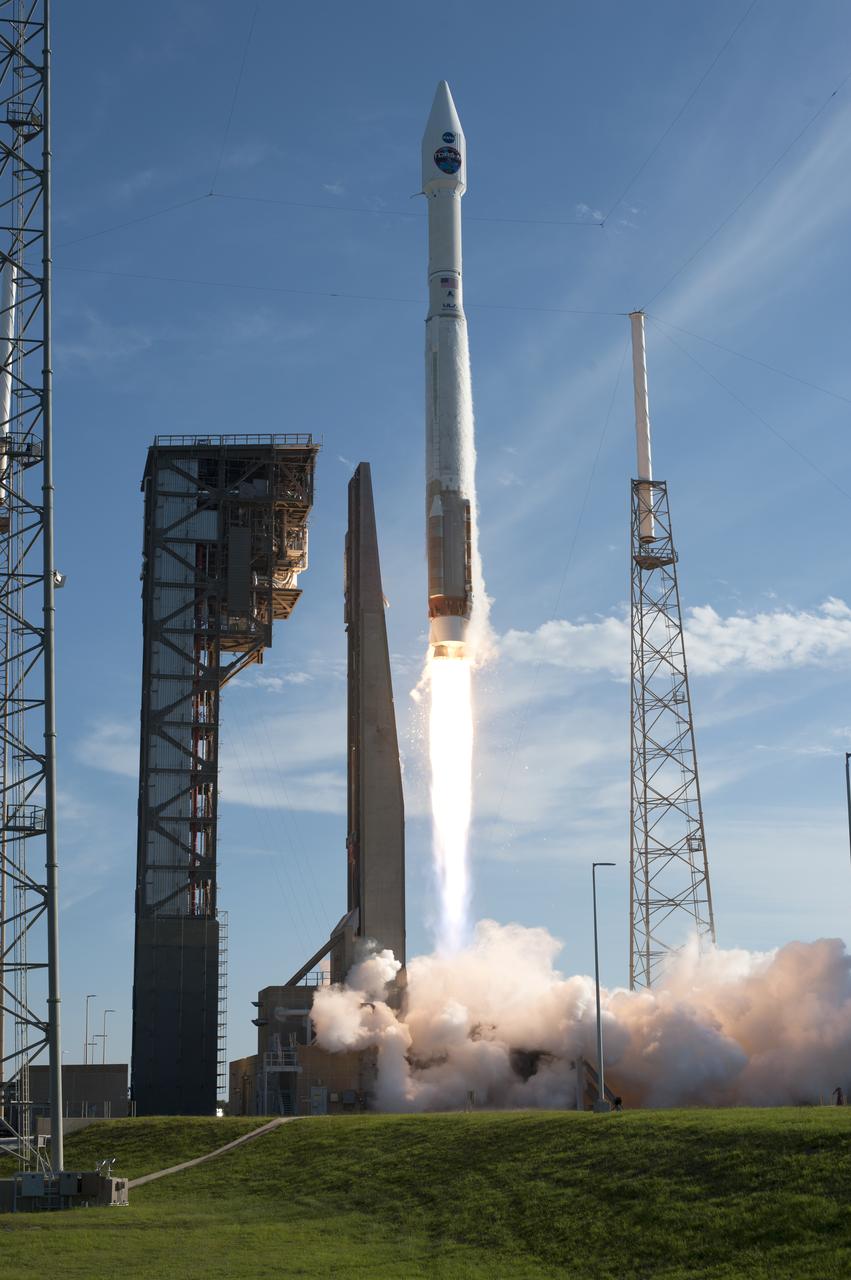
A United Launch Alliance Atlas V rocket lifts off from Space Launch Complex 41 at Cape Canaveral Air Force Station in Florida, with NASA's Tracking and Data Relay Satellite, TDRS-M. TDRS-M. Liftoff was at 8:29 a.m. EDT. TDRS-M is the latest spacecraft destined for the agency's constellation of communications satellites that allows nearly continuous contact with orbiting spacecraft ranging from the International Space Station and Hubble Space Telescope to the array of scientific observatories.
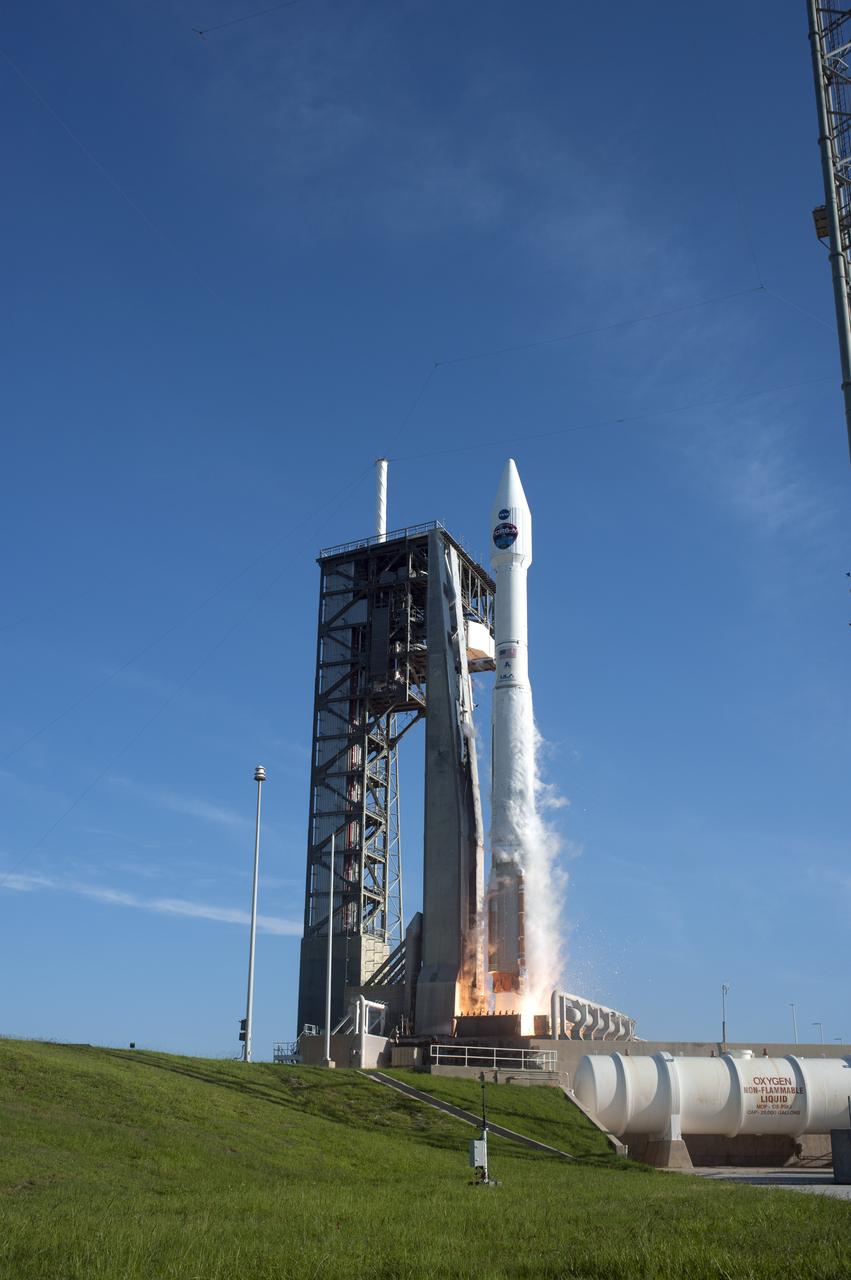
A United Launch Alliance Atlas V rocket lifts off from Space Launch Complex 41 at Cape Canaveral Air Force Station in Florida, with NASA's Tracking and Data Relay Satellite, TDRS-M. TDRS-M. Liftoff was at 8:29 a.m. EDT. TDRS-M is the latest spacecraft destined for the agency's constellation of communications satellites that allows nearly continuous contact with orbiting spacecraft ranging from the International Space Station and Hubble Space Telescope to the array of scientific observatories.
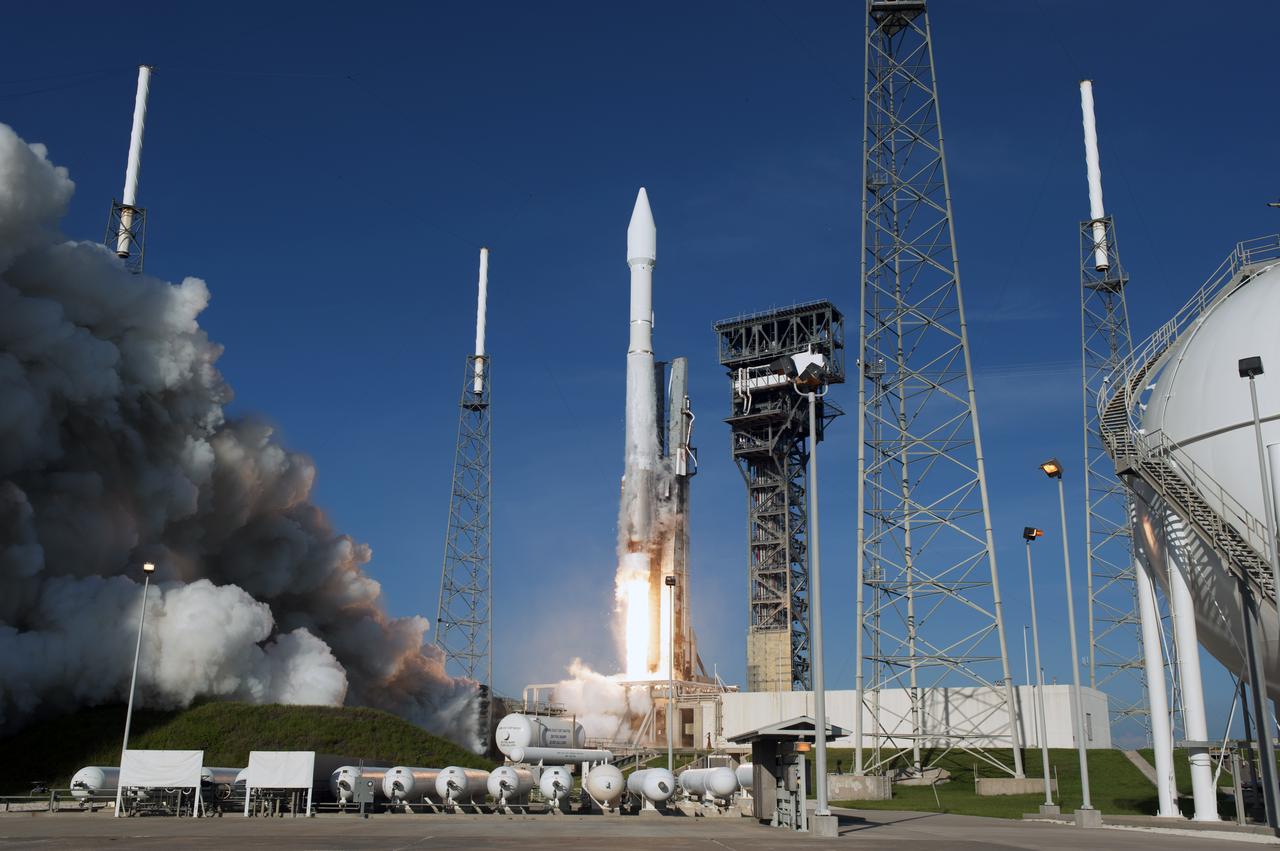
A United Launch Alliance Atlas V rocket lifts off from Space Launch Complex 41 at Cape Canaveral Air Force Station in Florida, with NASA's Tracking and Data Relay Satellite, TDRS-M. TDRS-M. Liftoff was at 8:29 a.m. EDT. TDRS-M is the latest spacecraft destined for the agency's constellation of communications satellites that allows nearly continuous contact with orbiting spacecraft ranging from the International Space Station and Hubble Space Telescope to the array of scientific observatories.
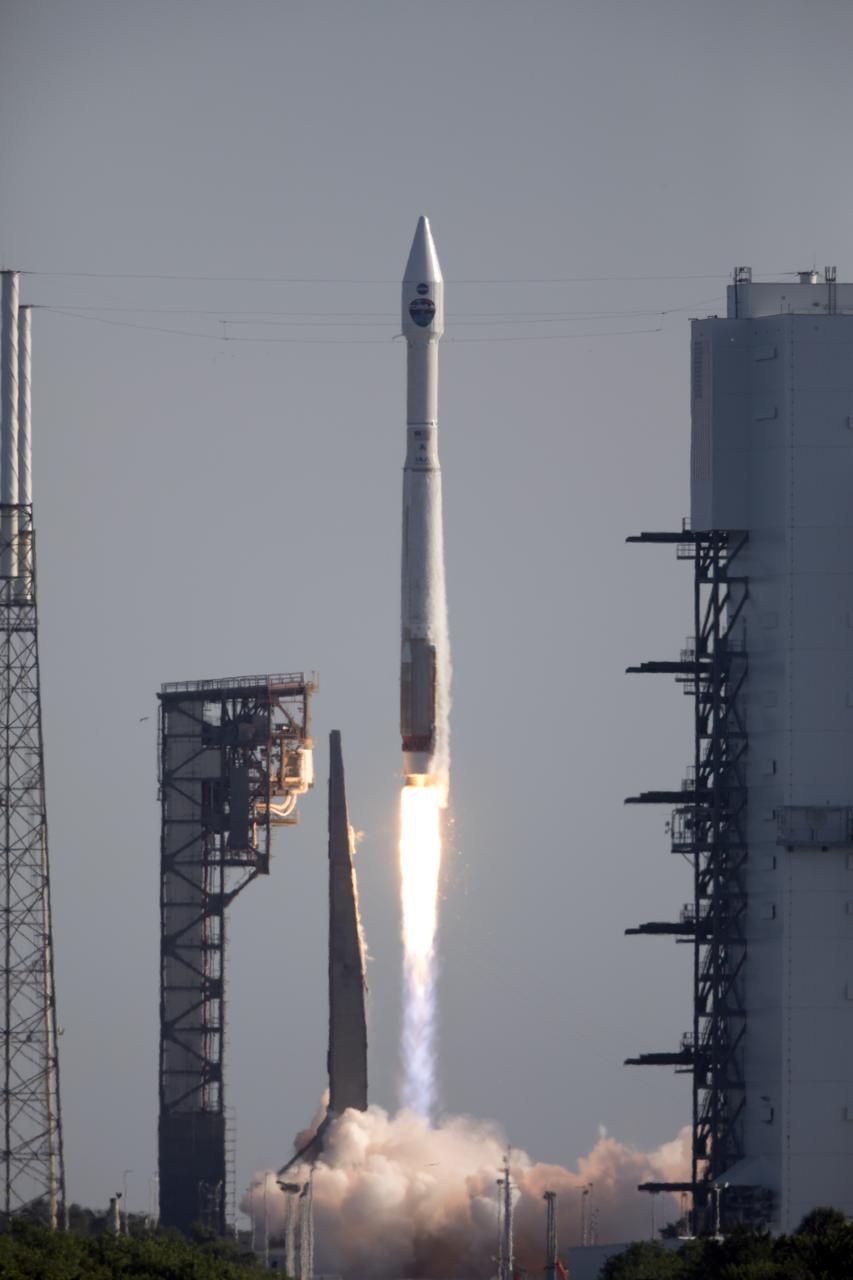
A United Launch Alliance Atlas V rocket lifts off from Space Launch Complex 41 at Cape Canaveral Air Force Station in Florida, with NASA's Tracking and Data Relay Satellite, TDRS-M. TDRS-M. Liftoff was at 8:29 a.m. EDT. TDRS-M is the latest spacecraft destined for the agency's constellation of communications satellites that allows nearly continuous contact with orbiting spacecraft ranging from the International Space Station and Hubble Space Telescope to the array of scientific observatories.

Kathy Lueders, NASA Commercial Crew Program, speaks during a prelaunch briefing for Boeing’s Orbital Flight Test at the agency’s Kennedy Space Center in Florida, Dec. 17, 2019. Boeing’s CST-100 Starliner spacecraft will launch atop a United Launch Alliance Atlas V rocket from Space Launch Complex 41 at Cape Canaveral Air Force Station. The uncrewed Orbital Flight Test will be the Starliner’s first flight to the International Space Station for NASA’s Commercial Crew Program.
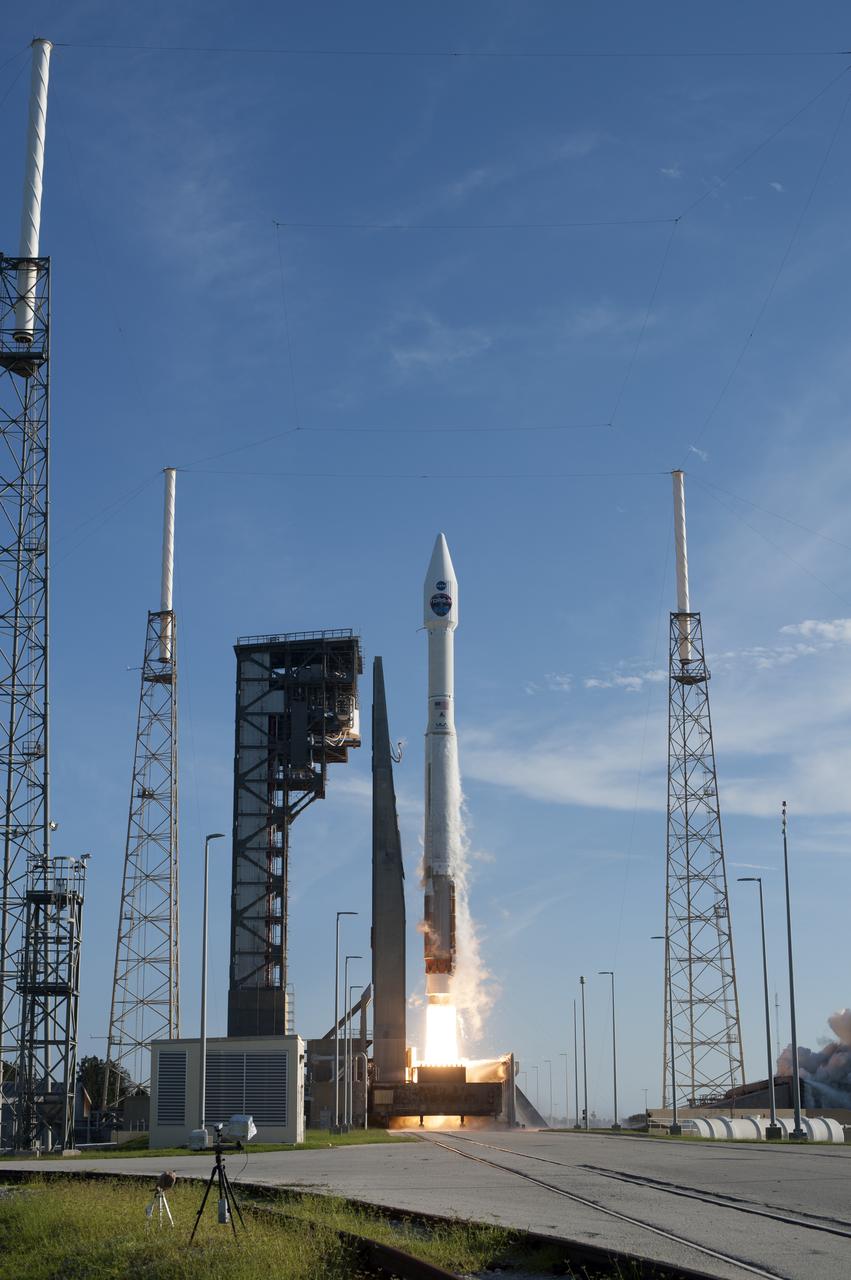
A United Launch Alliance Atlas V rocket lifts off from Space Launch Complex 41 at Cape Canaveral Air Force Station in Florida, with NASA's Tracking and Data Relay Satellite, TDRS-M. TDRS-M. Liftoff was at 8:29 a.m. EDT. TDRS-M is the latest spacecraft destined for the agency's constellation of communications satellites that allows nearly continuous contact with orbiting spacecraft ranging from the International Space Station and Hubble Space Telescope to the array of scientific observatories.
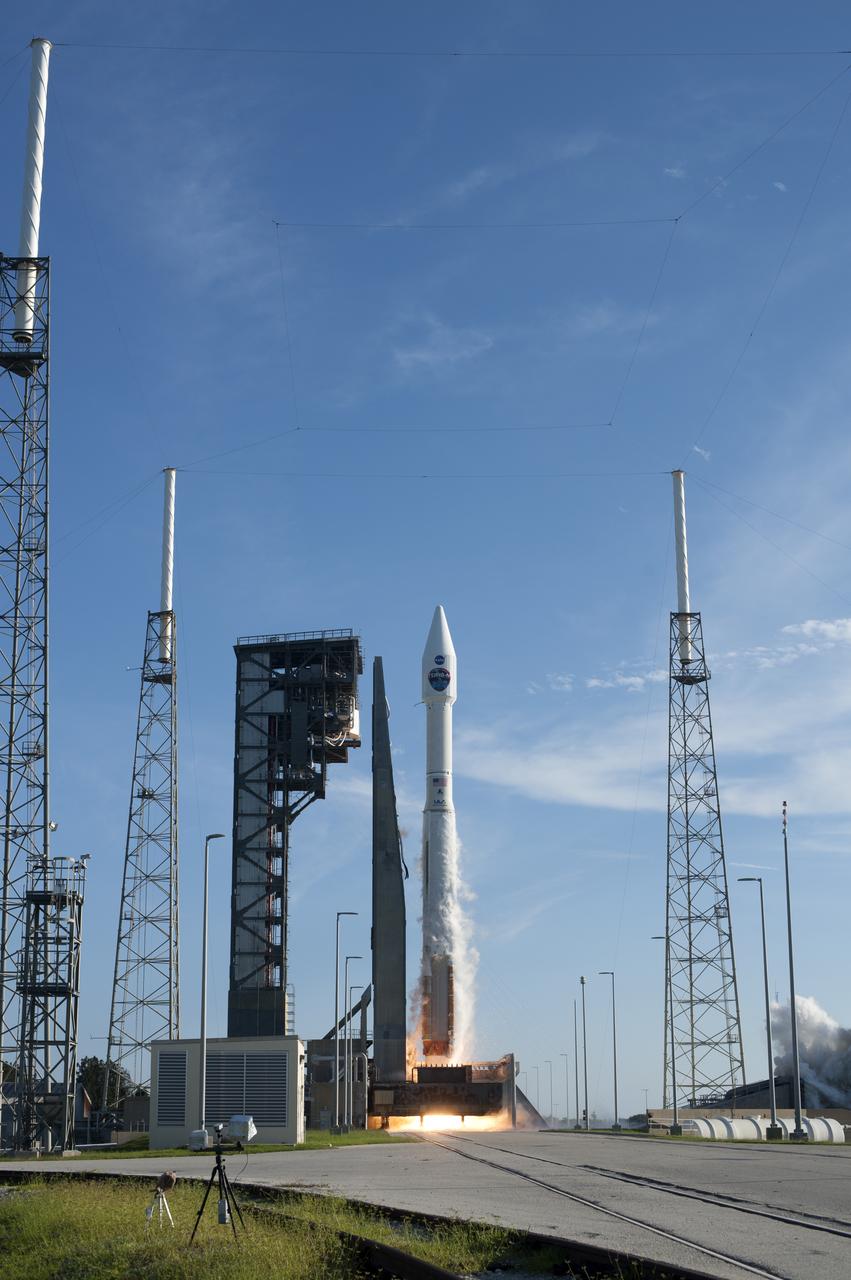
A United Launch Alliance Atlas V rocket lifts off from Space Launch Complex 41 at Cape Canaveral Air Force Station in Florida, with NASA's Tracking and Data Relay Satellite, TDRS-M. TDRS-M. Liftoff was at 8:29 a.m. EDT. TDRS-M is the latest spacecraft destined for the agency's constellation of communications satellites that allows nearly continuous contact with orbiting spacecraft ranging from the International Space Station and Hubble Space Telescope to the array of scientific observatories.
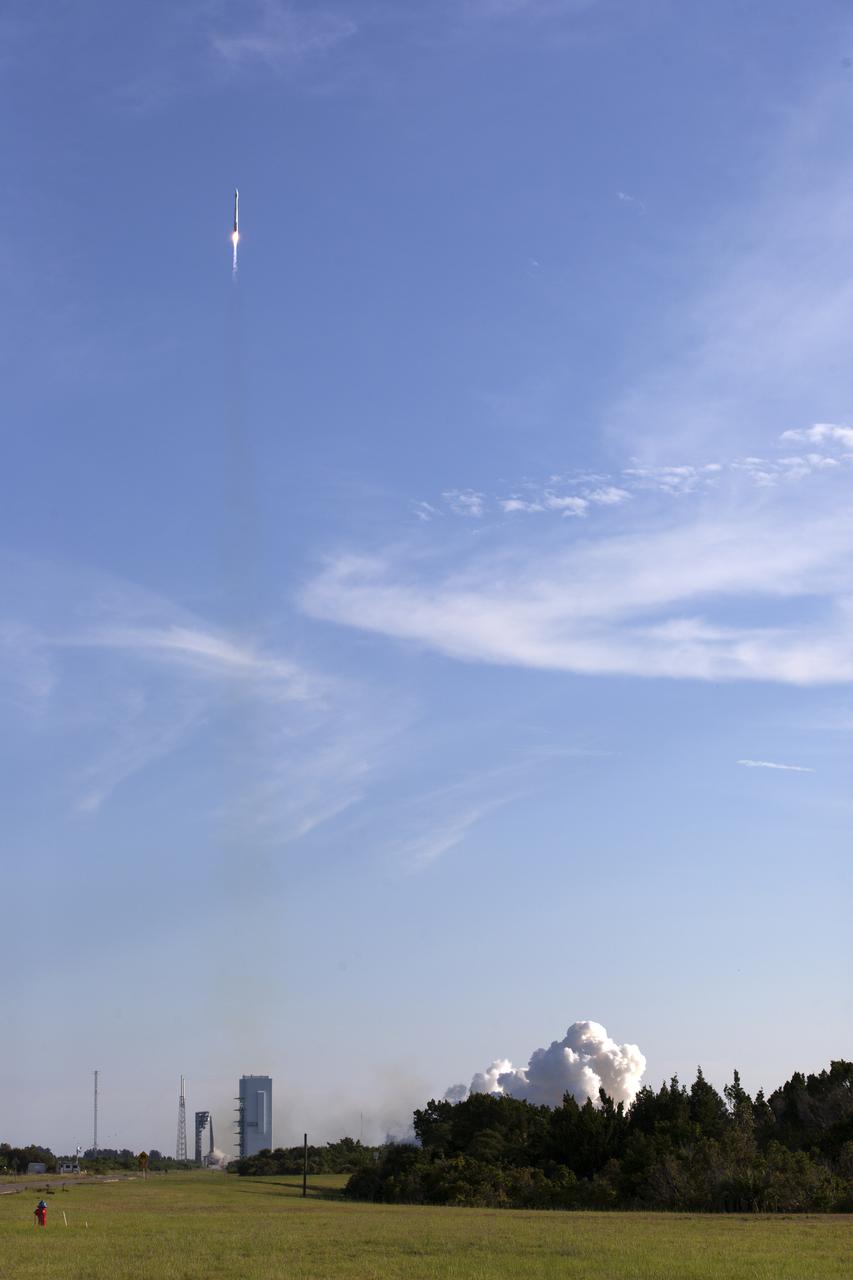
A United Launch Alliance Atlas V rocket lifts off from Space Launch Complex 41 at Cape Canaveral Air Force Station in Florida, with NASA's Tracking and Data Relay Satellite, TDRS-M. TDRS-M. Liftoff was at 8:29 a.m. EDT. TDRS-M is the latest spacecraft destined for the agency's constellation of communications satellites that allows nearly continuous contact with orbiting spacecraft ranging from the International Space Station and Hubble Space Telescope to the array of scientific observatories.
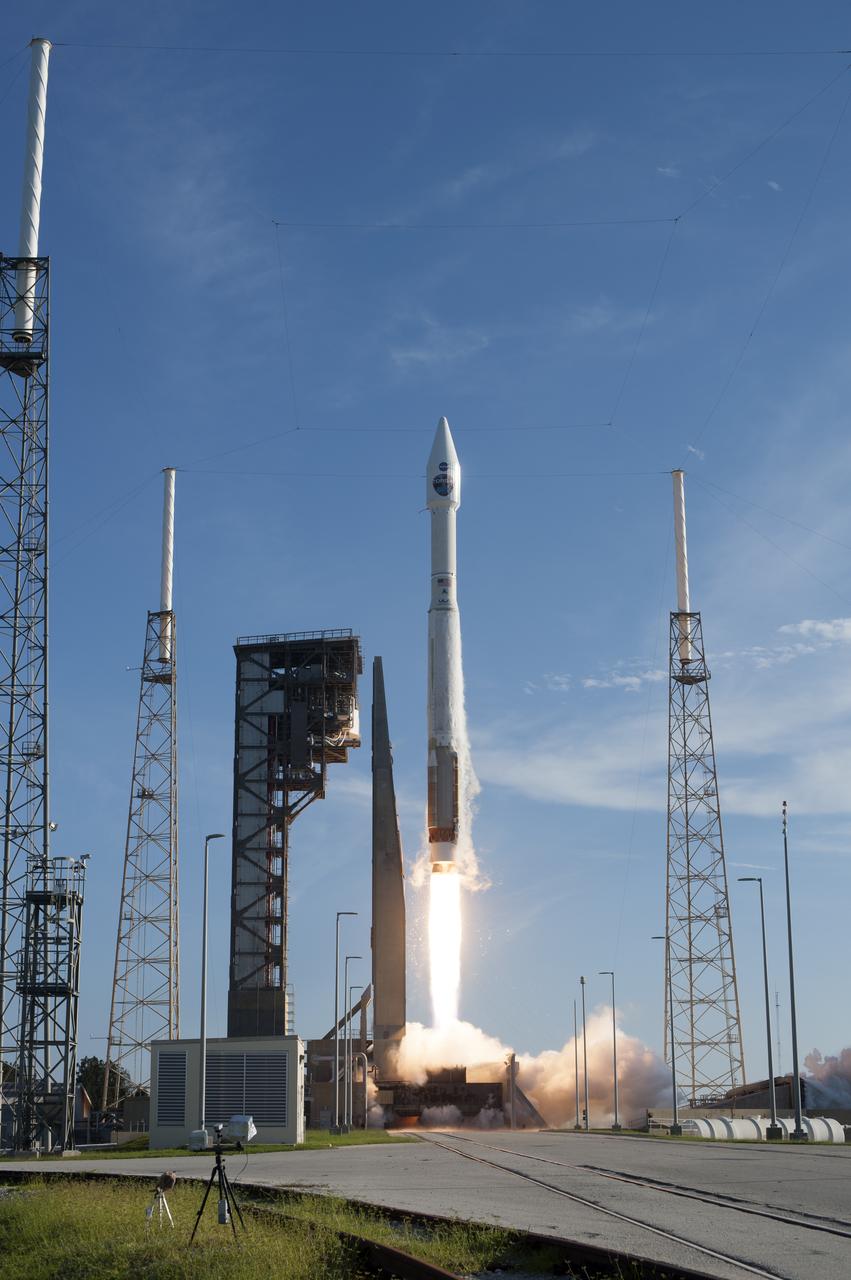
A United Launch Alliance Atlas V rocket lifts off from Space Launch Complex 41 at Cape Canaveral Air Force Station in Florida, with NASA's Tracking and Data Relay Satellite, TDRS-M. TDRS-M. Liftoff was at 8:29 a.m. EDT. TDRS-M is the latest spacecraft destined for the agency's constellation of communications satellites that allows nearly continuous contact with orbiting spacecraft ranging from the International Space Station and Hubble Space Telescope to the array of scientific observatories.
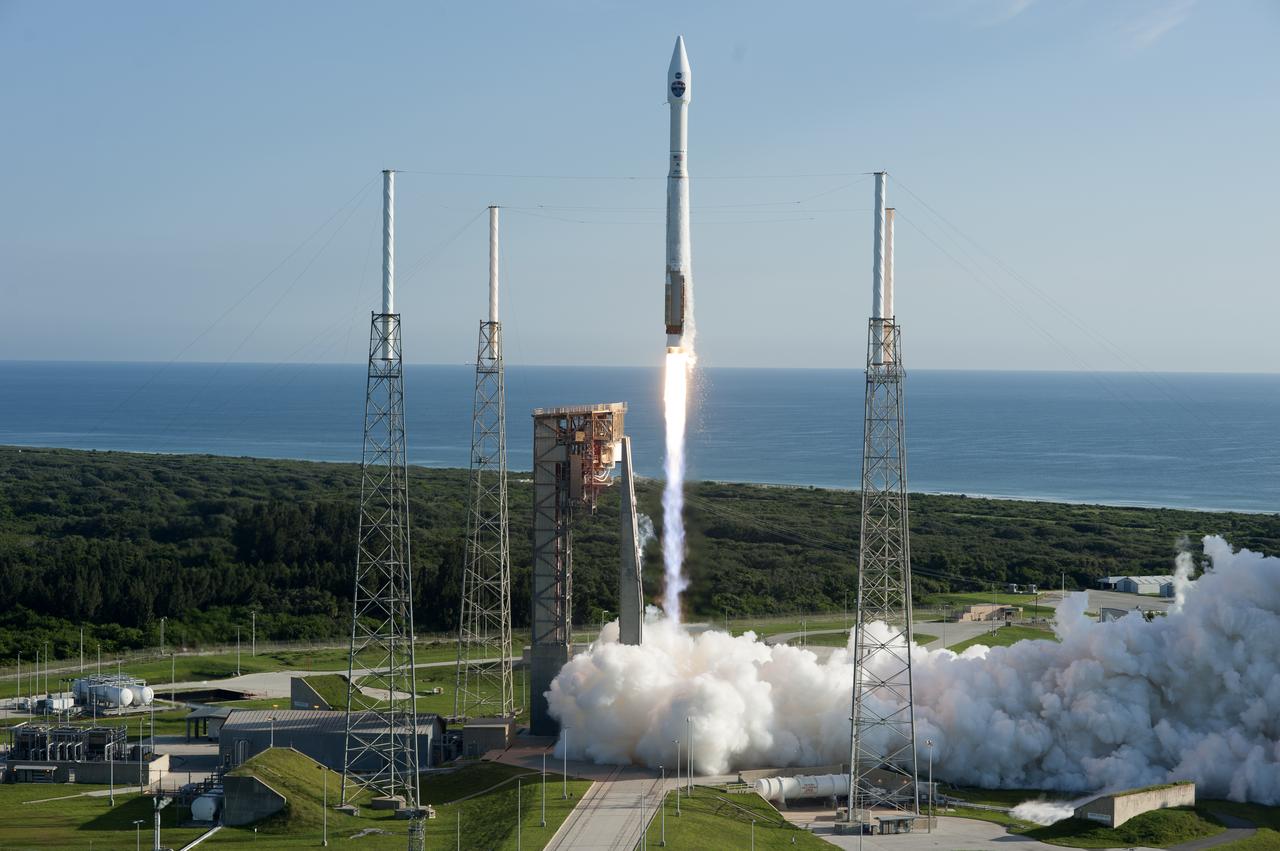
A United Launch Alliance Atlas V rocket lifts off from Space Launch Complex 41 at Cape Canaveral Air Force Station in Florida, with NASA's Tracking and Data Relay Satellite, TDRS-M. TDRS-M. Liftoff was at 8:29 a.m. EDT. TDRS-M is the latest spacecraft destined for the agency's constellation of communications satellites that allows nearly continuous contact with orbiting spacecraft ranging from the International Space Station and Hubble Space Telescope to the array of scientific observatories.
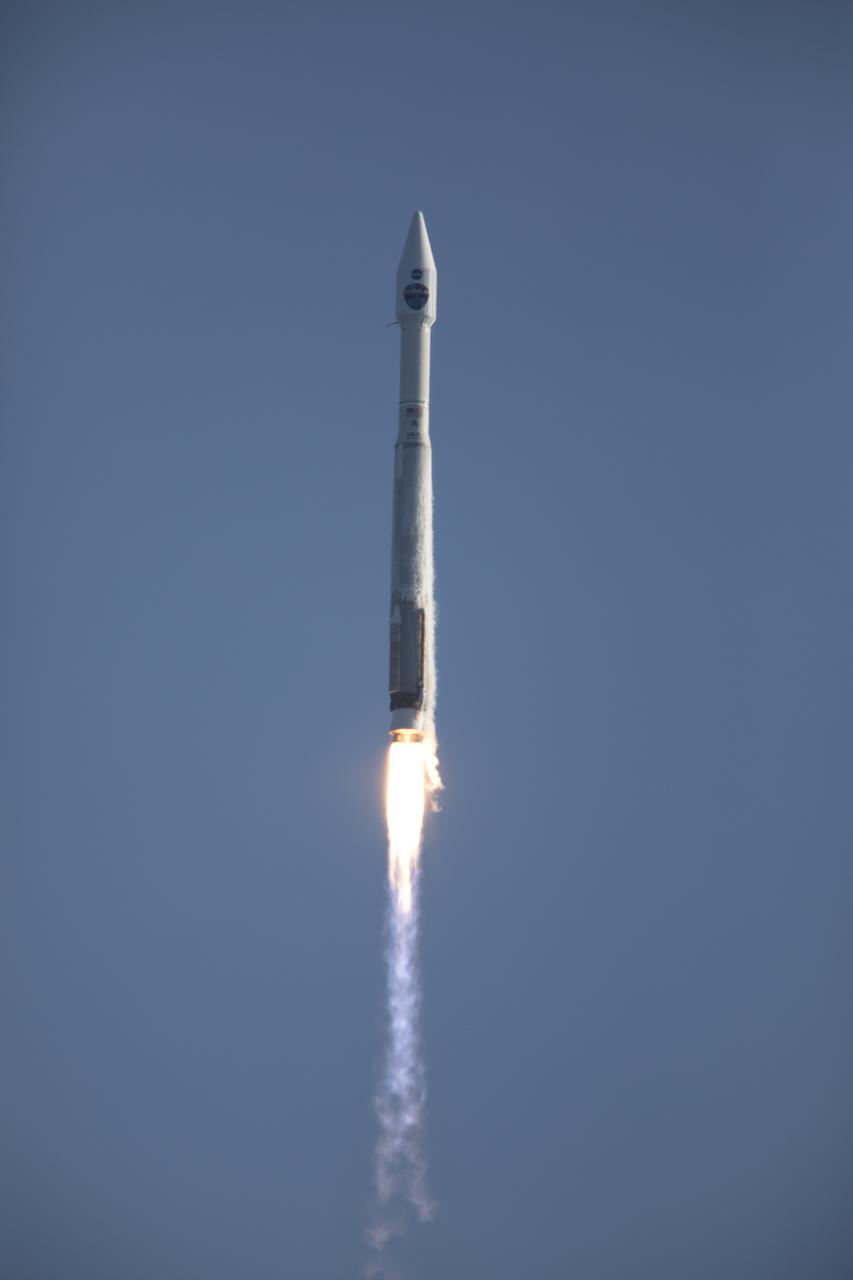
A United Launch Alliance Atlas V rocket lifts off from Space Launch Complex 41 at Cape Canaveral Air Force Station in Florida, with NASA's Tracking and Data Relay Satellite, TDRS-M. TDRS-M. Liftoff was at 8:29 a.m. EDT. TDRS-M is the latest spacecraft destined for the agency's constellation of communications satellites that allows nearly continuous contact with orbiting spacecraft ranging from the International Space Station and Hubble Space Telescope to the array of scientific observatories.
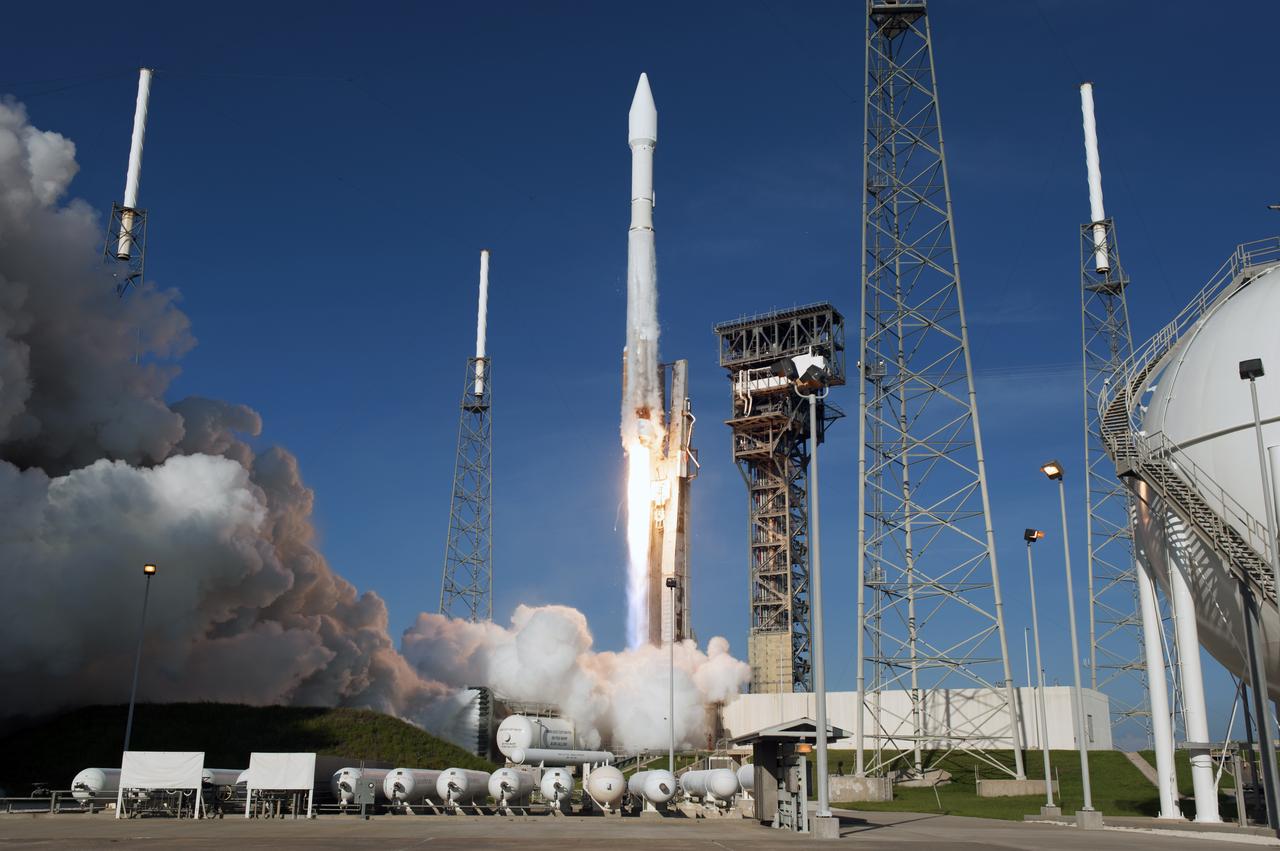
A United Launch Alliance Atlas V rocket lifts off from Space Launch Complex 41 at Cape Canaveral Air Force Station in Florida, with NASA's Tracking and Data Relay Satellite, TDRS-M. TDRS-M. Liftoff was at 8:29 a.m. EDT. TDRS-M is the latest spacecraft destined for the agency's constellation of communications satellites that allows nearly continuous contact with orbiting spacecraft ranging from the International Space Station and Hubble Space Telescope to the array of scientific observatories.
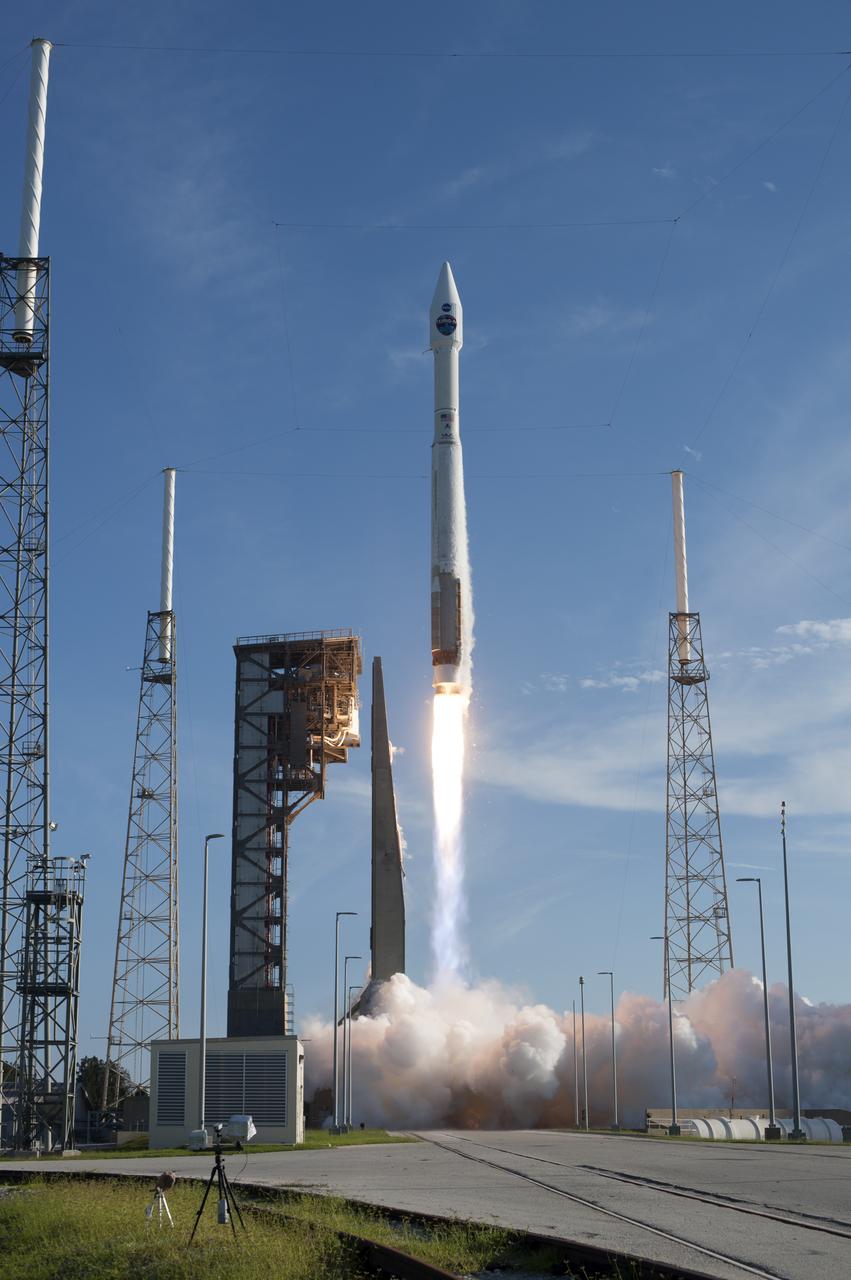
A United Launch Alliance Atlas V rocket lifts off from Space Launch Complex 41 at Cape Canaveral Air Force Station in Florida, with NASA's Tracking and Data Relay Satellite, TDRS-M. TDRS-M. Liftoff was at 8:29 a.m. EDT. TDRS-M is the latest spacecraft destined for the agency's constellation of communications satellites that allows nearly continuous contact with orbiting spacecraft ranging from the International Space Station and Hubble Space Telescope to the array of scientific observatories.
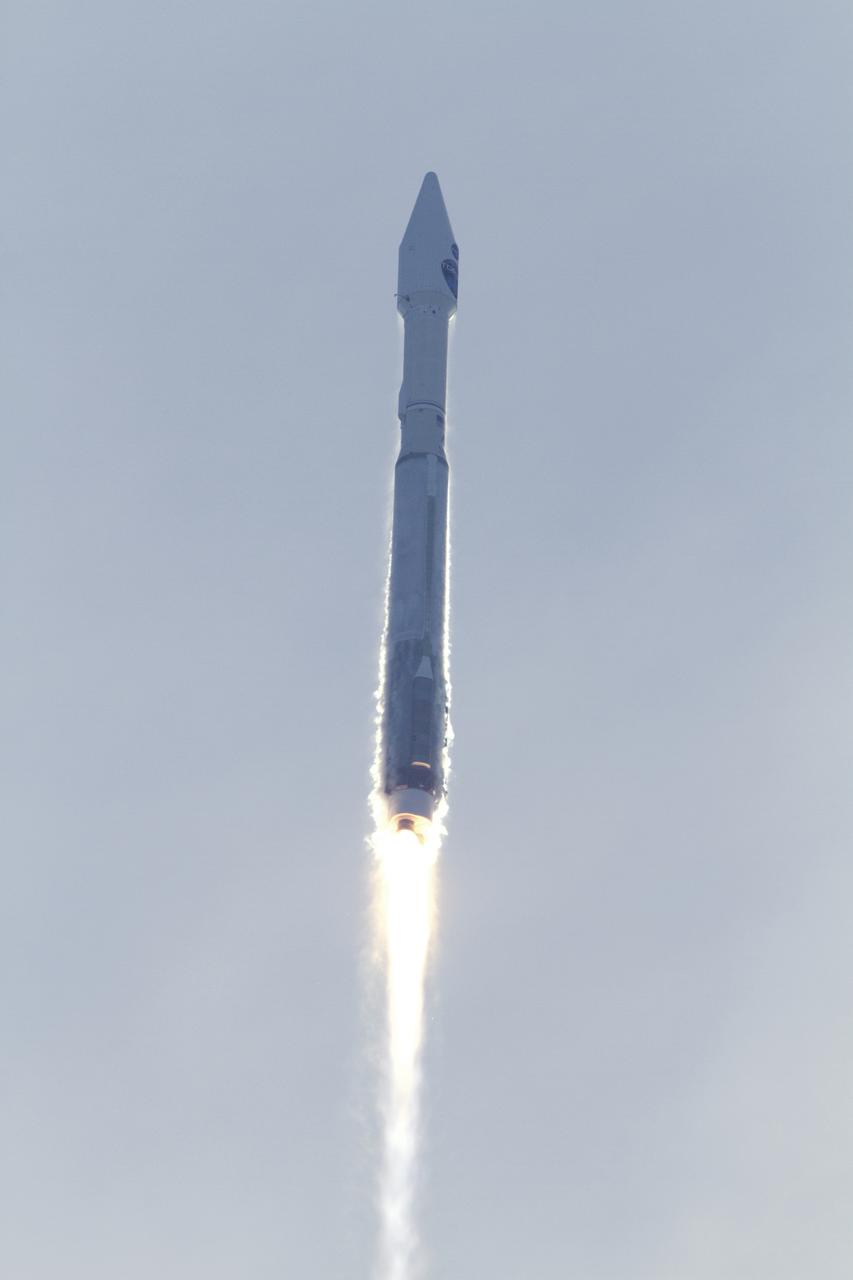
A United Launch Alliance Atlas V rocket lifts off from Space Launch Complex 41 at Cape Canaveral Air Force Station in Florida, with NASA's Tracking and Data Relay Satellite, TDRS-M. TDRS-M. Liftoff was at 8:29 a.m. EDT. TDRS-M is the latest spacecraft destined for the agency's constellation of communications satellites that allows nearly continuous contact with orbiting spacecraft ranging from the International Space Station and Hubble Space Telescope to the array of scientific observatories.
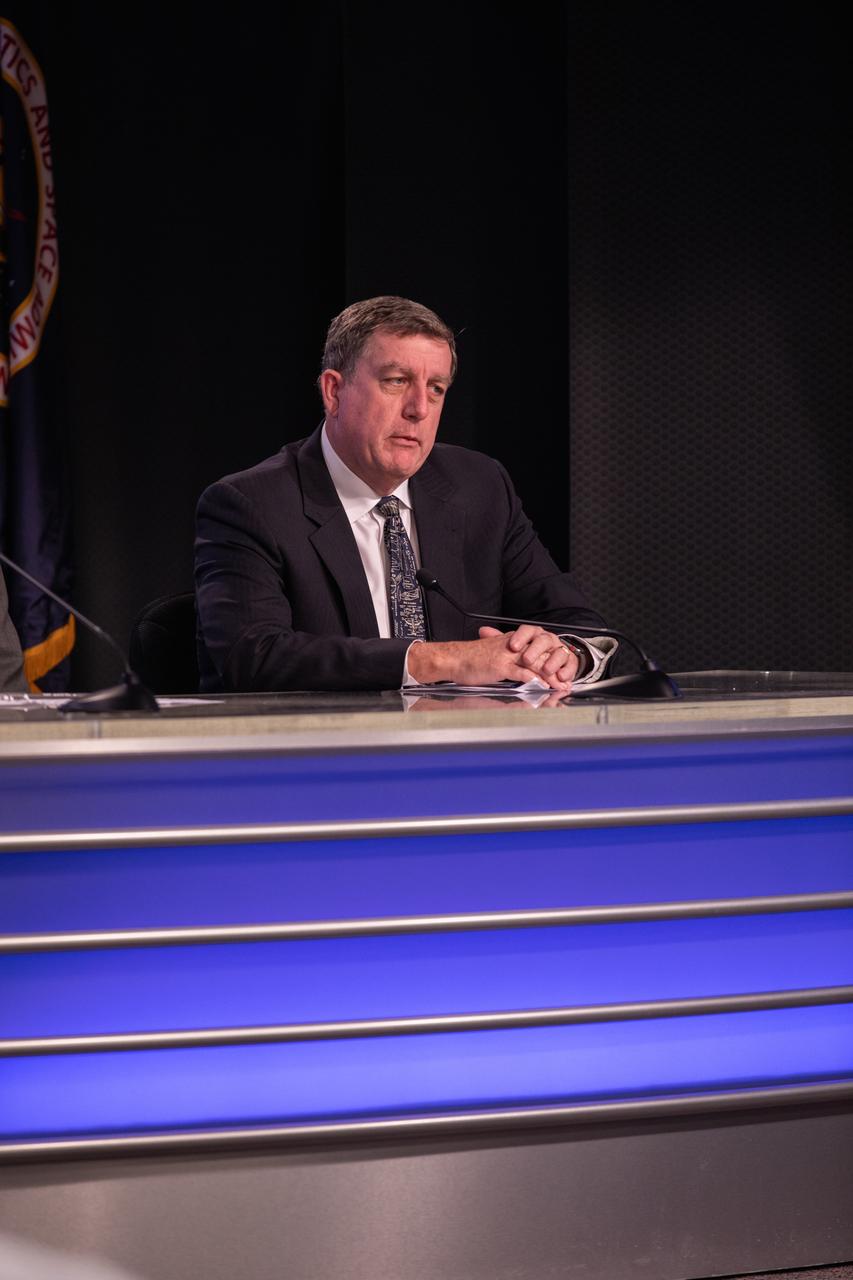
Kirk Shireman, manager of NASA’s International Space Station Program, speaks during a briefing at the agency’s Kennedy Space Center in Florida following launch of Boeing’s Orbital Flight Test, Dec. 20, 2019. Boeing’s CST-100 Starliner spacecraft launched atop a United Launch Alliance Atlas V rocket from Space Launch Complex 41 at Cape Canaveral Air Force Station at 6:36 a.m. EST. The uncrewed Orbital Flight Test is the Starliner’s first flight for NASA’s Commercial Crew Program.
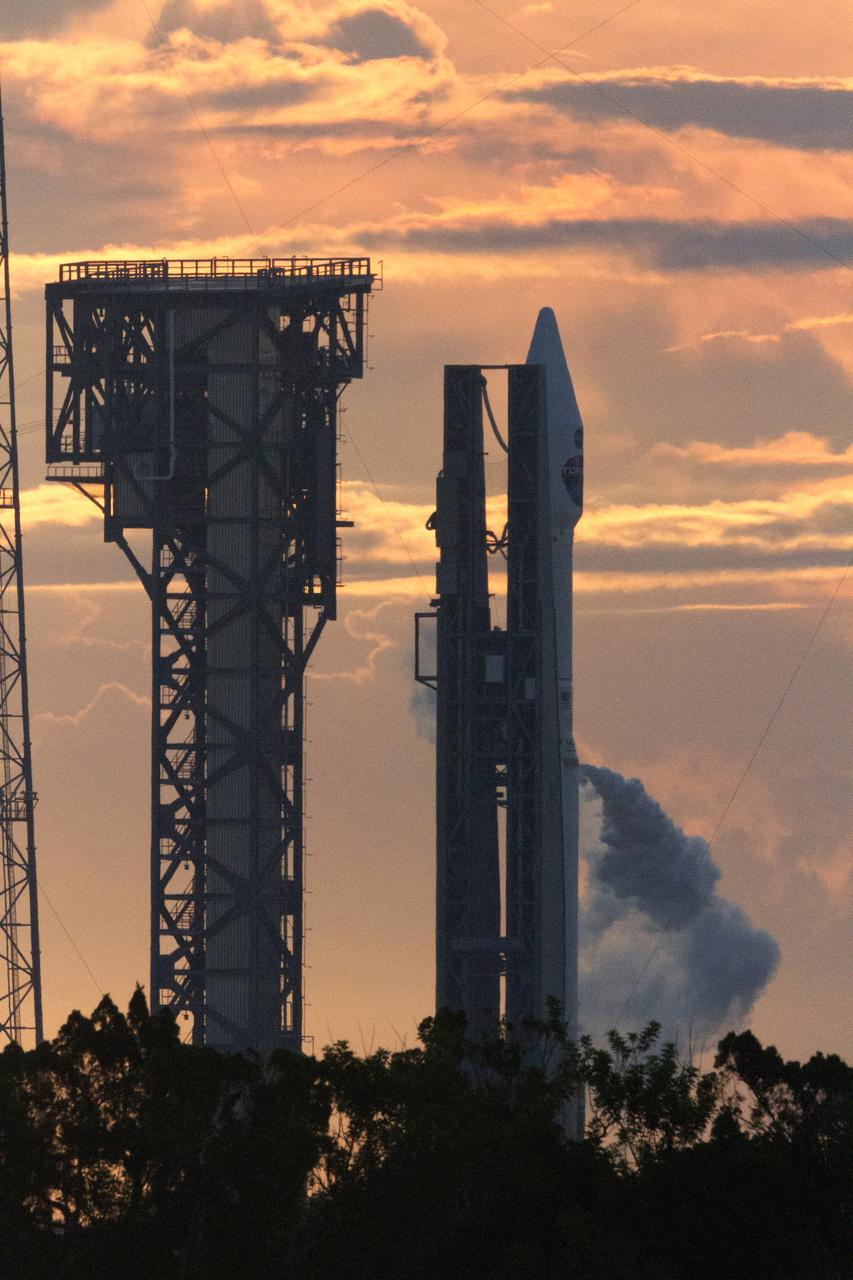
As the Sun rises at Space Launch Complex 41 at Cape Canaveral Air Force Station in Florida, a United Launch Alliance Atlas V rocket vents liquid oxygen propellant vapors during fueling for the lift off of NASA's Tracking and Data Relay Satellite, TDRS-M. The satellite is the latest spacecraft destined for the agency's constellation of communications satellites that allows nearly continuous contact with orbiting spacecraft ranging from the International Space Station and Hubble Space Telescope to the array of scientific observatories.
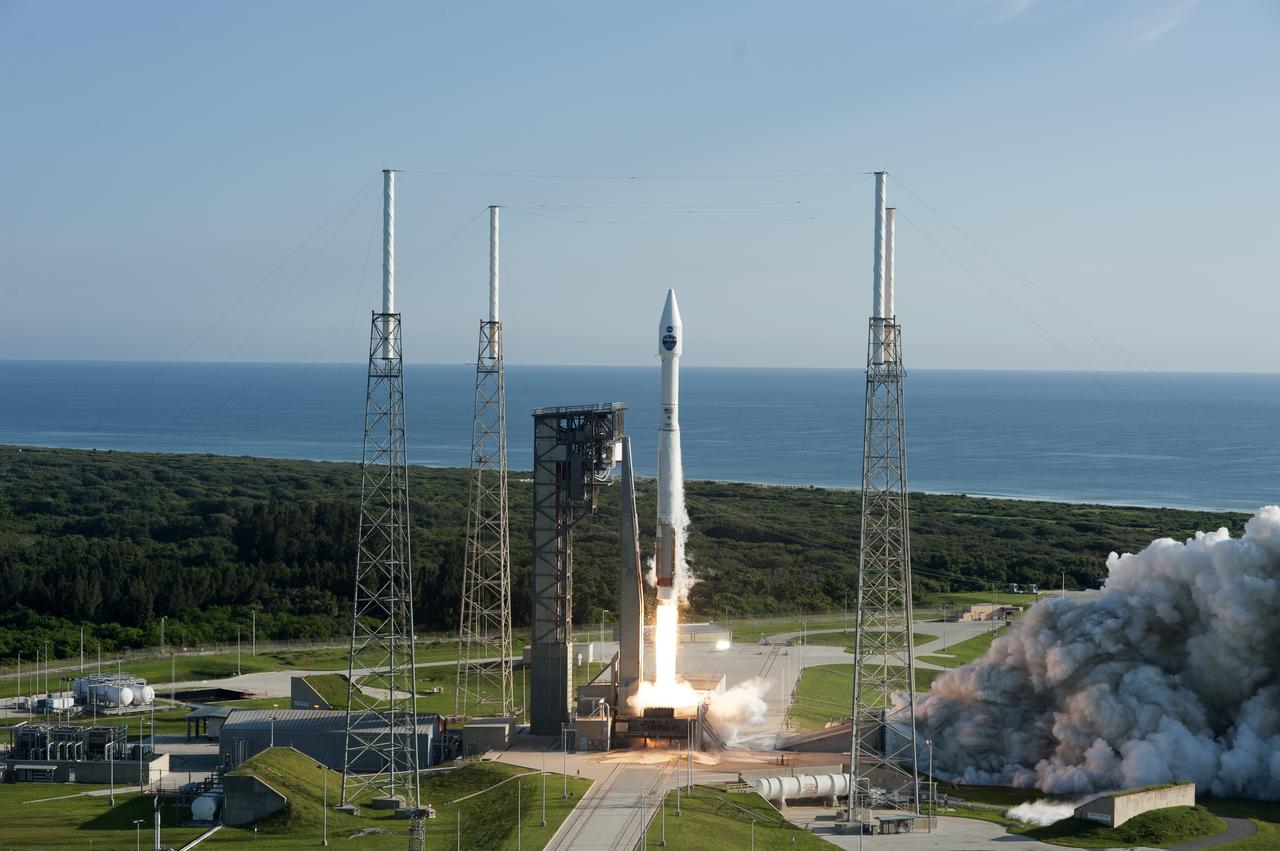
A United Launch Alliance Atlas V rocket lifts off from Space Launch Complex 41 at Cape Canaveral Air Force Station in Florida, with NASA's Tracking and Data Relay Satellite, TDRS-M. TDRS-M. Liftoff was at 8:29 a.m. EDT. TDRS-M is the latest spacecraft destined for the agency's constellation of communications satellites that allows nearly continuous contact with orbiting spacecraft ranging from the International Space Station and Hubble Space Telescope to the array of scientific observatories.

NASA astronaut Nicole Mann listens during a briefing at the agency’s Kennedy Space Center in Florida following launch of Boeing’s Orbital Flight Test, Dec. 20, 2019. Boeing’s CST-100 Starliner spacecraft launched atop a United Launch Alliance Atlas V rocket from Space Launch Complex 41 at Cape Canaveral Air Force Station at 6:36 a.m. EST. The uncrewed Orbital Flight Test is the Starliner’s first flight for NASA’s Commercial Crew Program.
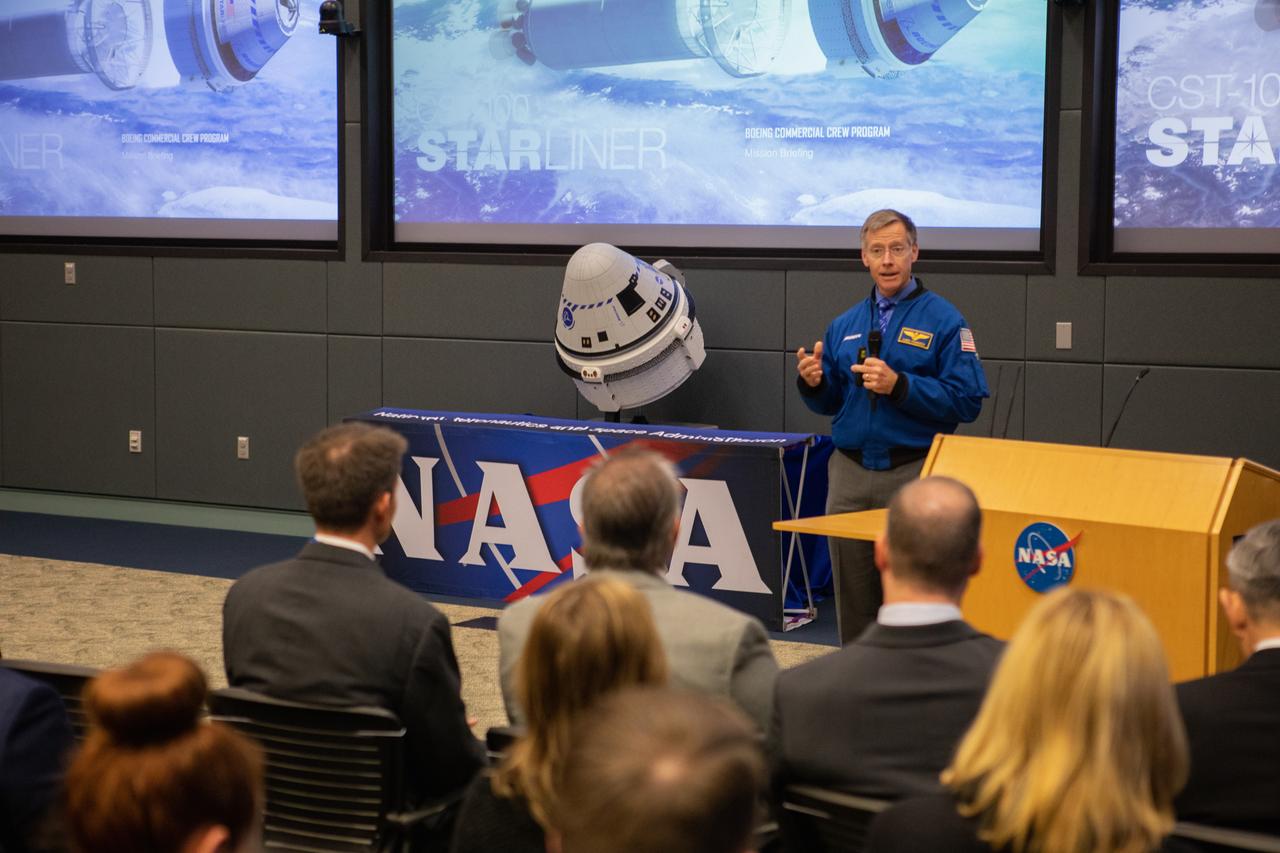
Boeing astronaut Chris Ferguson speaks to invited guests at NASA’s Kennedy Space Center in Florida during a prelaunch briefing for Boeing’s uncrewed Orbital Flight Test, Dec. 20, 2019. A United Launch Alliance Atlas V rocket carrying Boeing’s CST-100 Starliner spacecraft launched at 6:36 a.m. EST from Space Launch Complex 41 at Florida’s Cape Canaveral Air Force Station. The Orbital Flight Test is the Starliner’s first flight for NASA’s Commercial Crew Program.
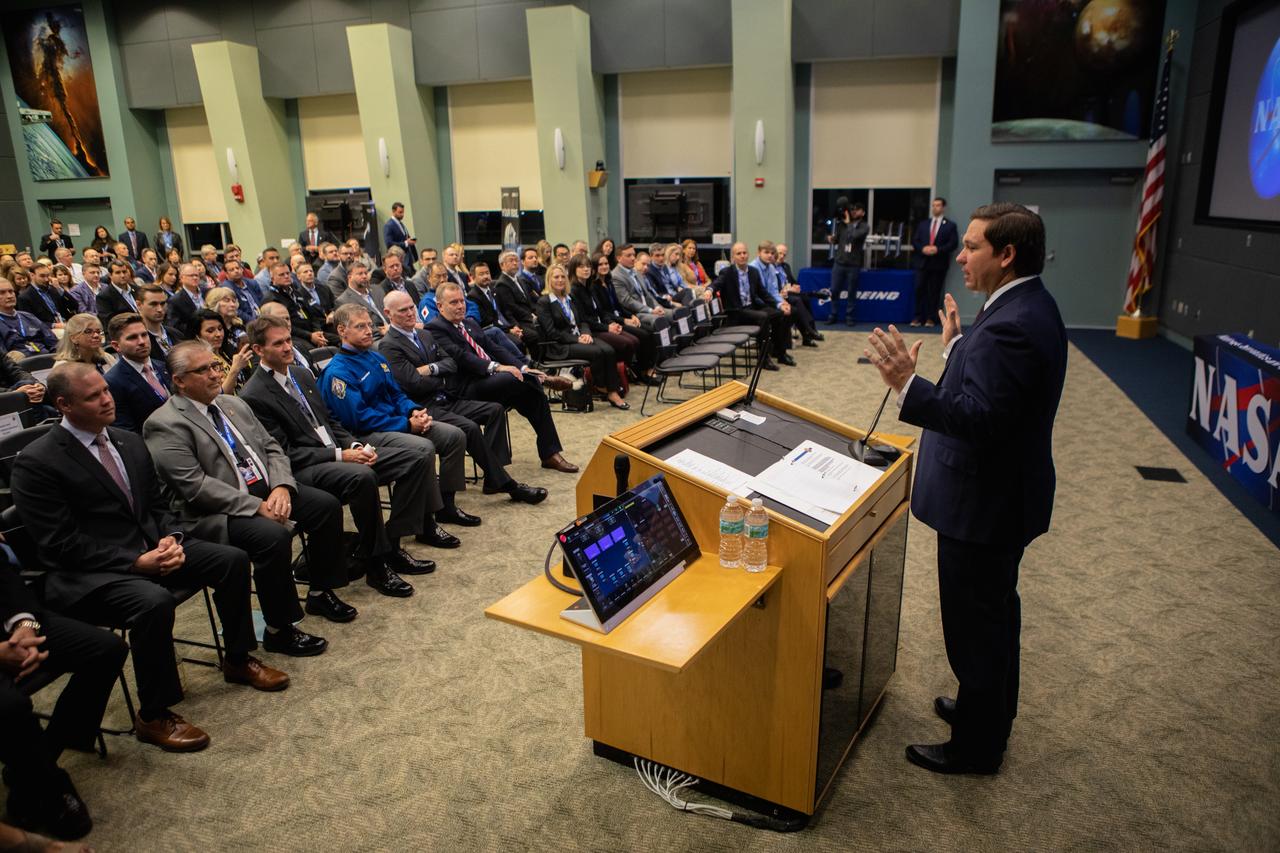
Florida Governor Ron DeSantis speaks to invited guests at NASA’s Kennedy Space Center in Florida during a prelaunch briefing for Boeing’s uncrewed Orbital Flight Test, Dec. 20, 2019. A United Launch Alliance Atlas V rocket carrying Boeing’s CST-100 Starliner spacecraft launched at 6:36 a.m. EST from Space Launch Complex 41 at Florida’s Cape Canaveral Air Force Station. The Orbital Flight Test is the Starliner’s first flight for NASA’s Commercial Crew Program.
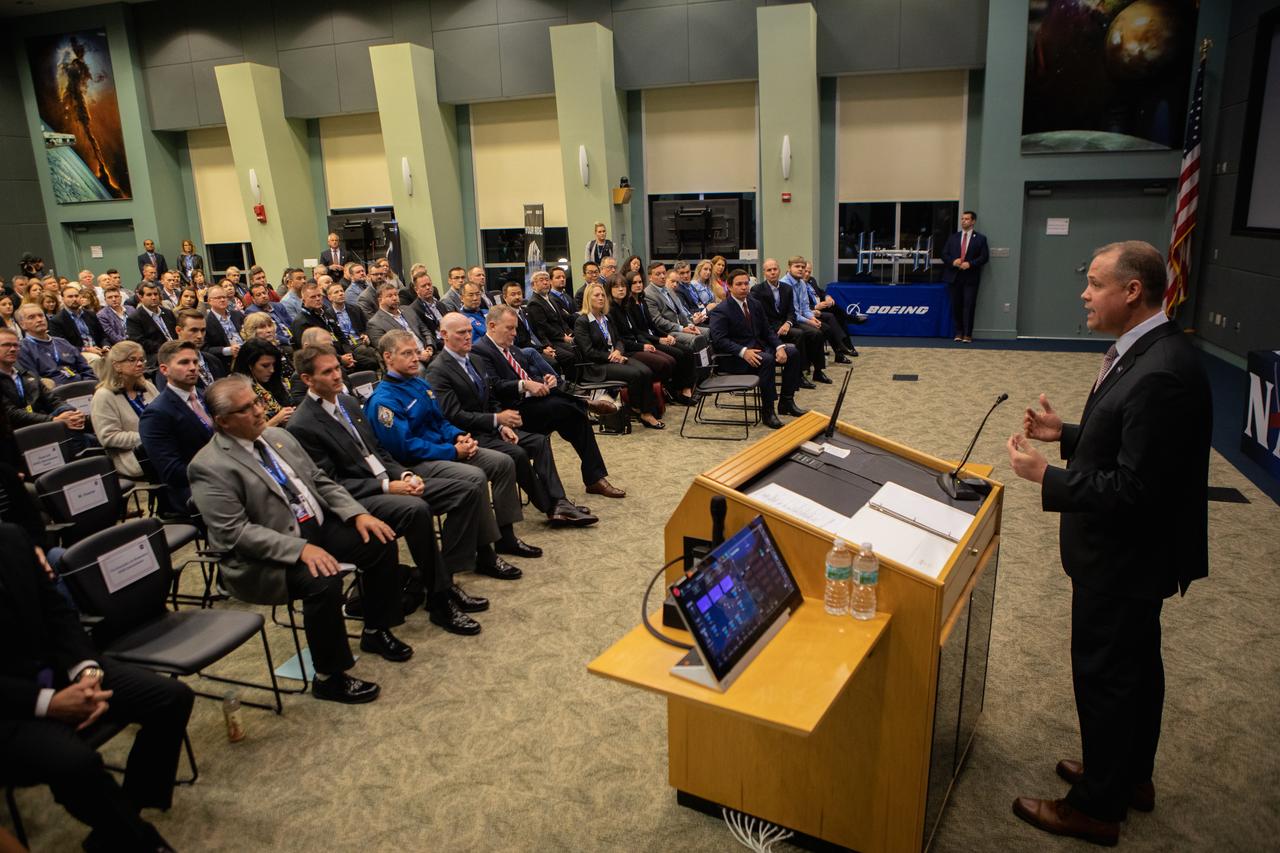
NASA Administrator Jim Bridenstine speaks to invited guests at NASA’s Kennedy Space Center in Florida during a prelaunch briefing for Boeing’s uncrewed Orbital Flight Test, Dec. 20, 2019. A United Launch Alliance Atlas V rocket carrying Boeing’s CST-100 Starliner spacecraft launched at 6:36 a.m. EST from Space Launch Complex 41 at Florida’s Cape Canaveral Air Force Station. The Orbital Flight Test is the Starliner’s first flight for NASA’s Commercial Crew Program.
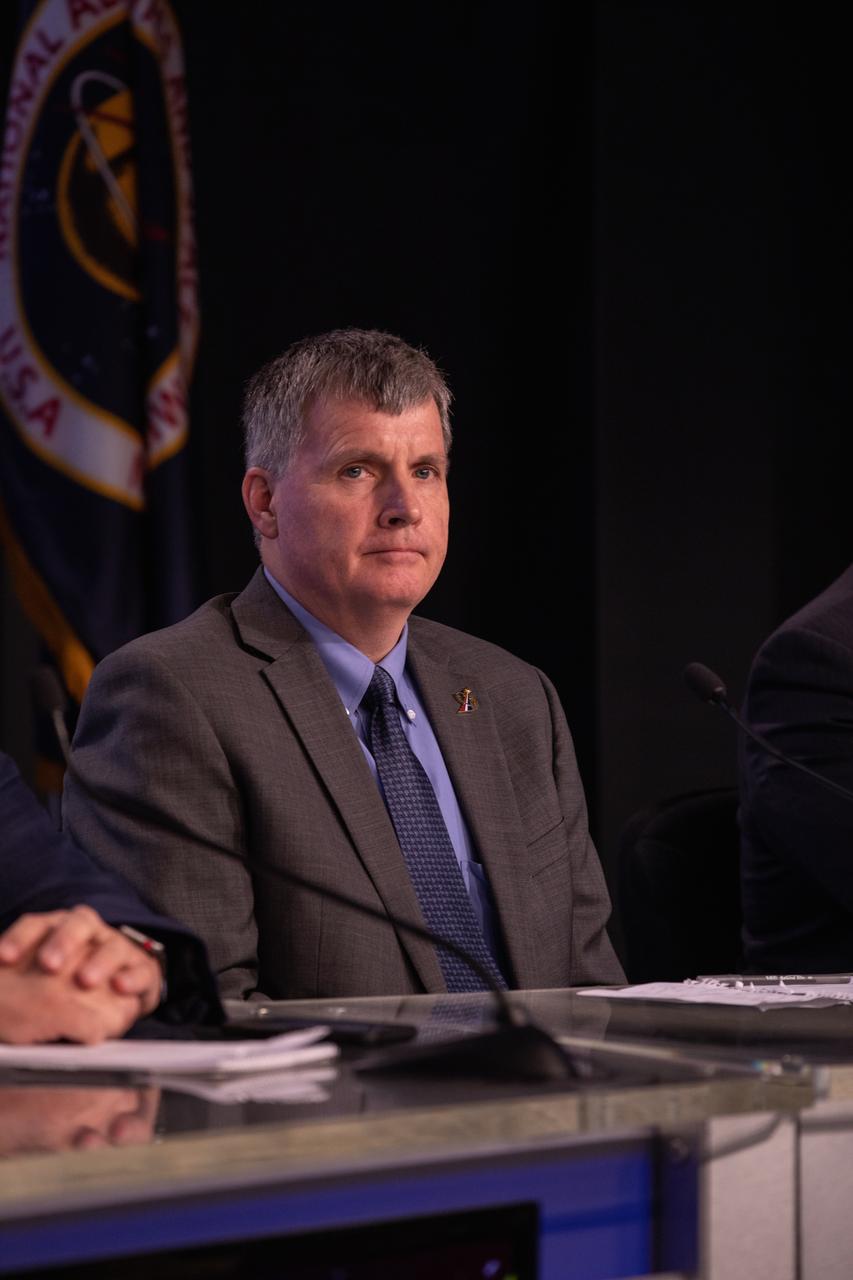
Steve Stich, deputy manager, NASA Commercial Crew Program, listens during a briefing at the agency’s Kennedy Space Center in Florida following launch of Boeing’s Orbital Flight Test, Dec. 20, 2019. Boeing’s CST-100 Starliner spacecraft launched atop a United Launch Alliance Atlas V rocket from Space Launch Complex 41 at Cape Canaveral Air Force Station at 6:36 a.m. EST. The uncrewed Orbital Flight Test is the Starliner’s first flight for NASA’s Commercial Crew Program.

News media cover a briefing at the agency’s Kennedy Space Center in Florida following launch of Boeing’s Orbital Flight Test, Dec. 20, 2019. Boeing’s CST-100 Starliner spacecraft launched atop a United Launch Alliance Atlas V rocket from Space Launch Complex 41 at Cape Canaveral Air Force Station at 6:36 a.m. EST. The uncrewed Orbital Flight Test is the Starliner’s first flight for NASA’s Commercial Crew Program.

NASA Administrator Jim Bridenstine speaks during a briefing at the agency’s Kennedy Space Center in Florida following launch of Boeing’s Orbital Flight Test, Dec. 20, 2019. Boeing’s CST-100 Starliner spacecraft launched atop a United Launch Alliance Atlas V rocket from Space Launch Complex 41 at Cape Canaveral Air Force Station at 6:36 a.m. EST. The uncrewed Orbital Flight Test is the Starliner’s first flight for NASA’s Commercial Crew Program.

NASA astronaut Mike Fincke listens during a briefing at the agency’s Kennedy Space Center in Florida following launch of Boeing’s Orbital Flight Test, Dec. 20, 2019. Boeing’s CST-100 Starliner spacecraft launched atop a United Launch Alliance Atlas V rocket from Space Launch Complex 41 at Cape Canaveral Air Force Station at 6:36 a.m. EST. The uncrewed Orbital Flight Test is the Starliner’s first flight for NASA’s Commercial Crew Program.
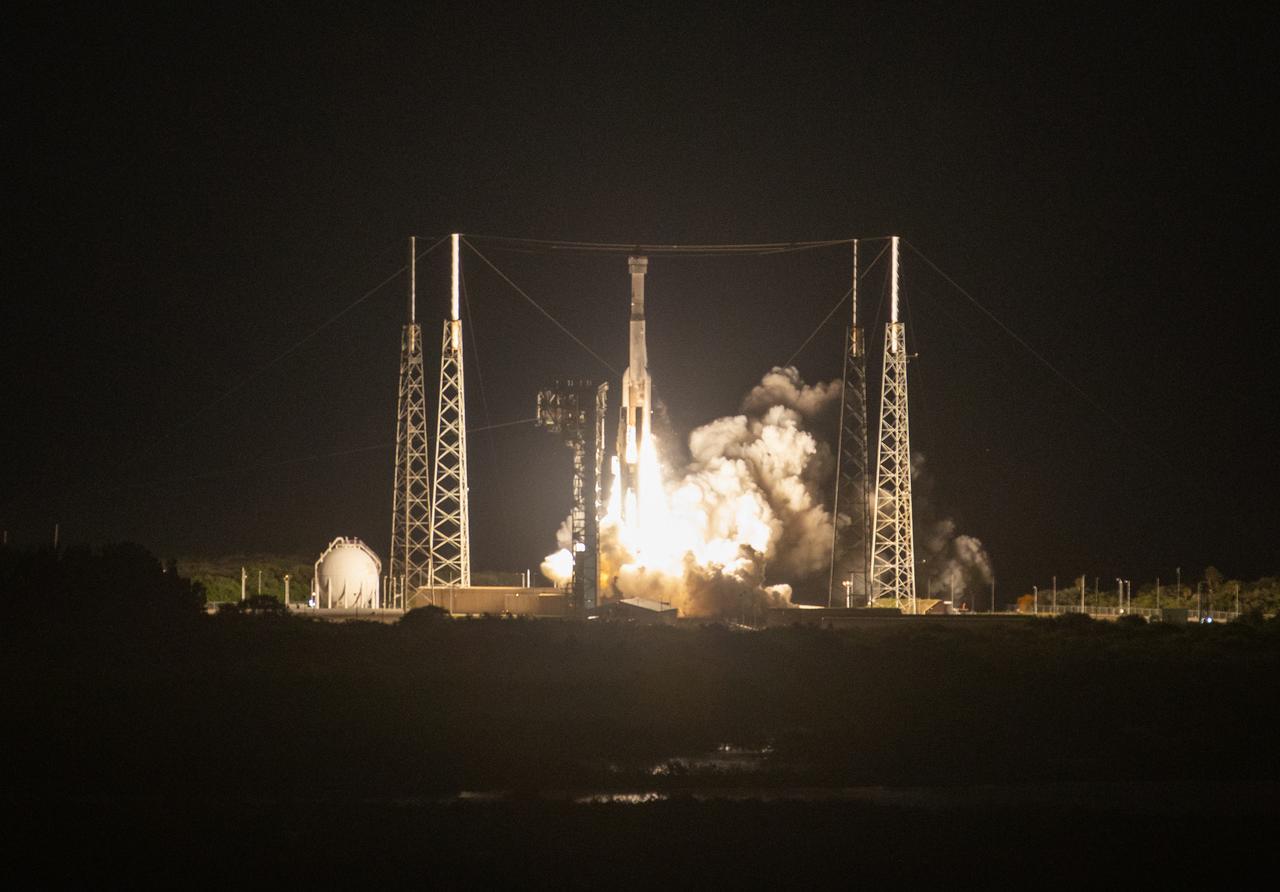
A two-stage United Launch Alliance Atlas V rocket lifts off from Space Launch Complex 41 at Cape Canaveral Air Force Station in Florida for Boeing’s Orbital Flight Test, Dec. 20, 2019. Liftoff occurred at 6:36 a.m. EST. The uncrewed Orbital Flight Test is the Starliner’s first flight to the International Space Station for NASA’s Commercial Crew Program.
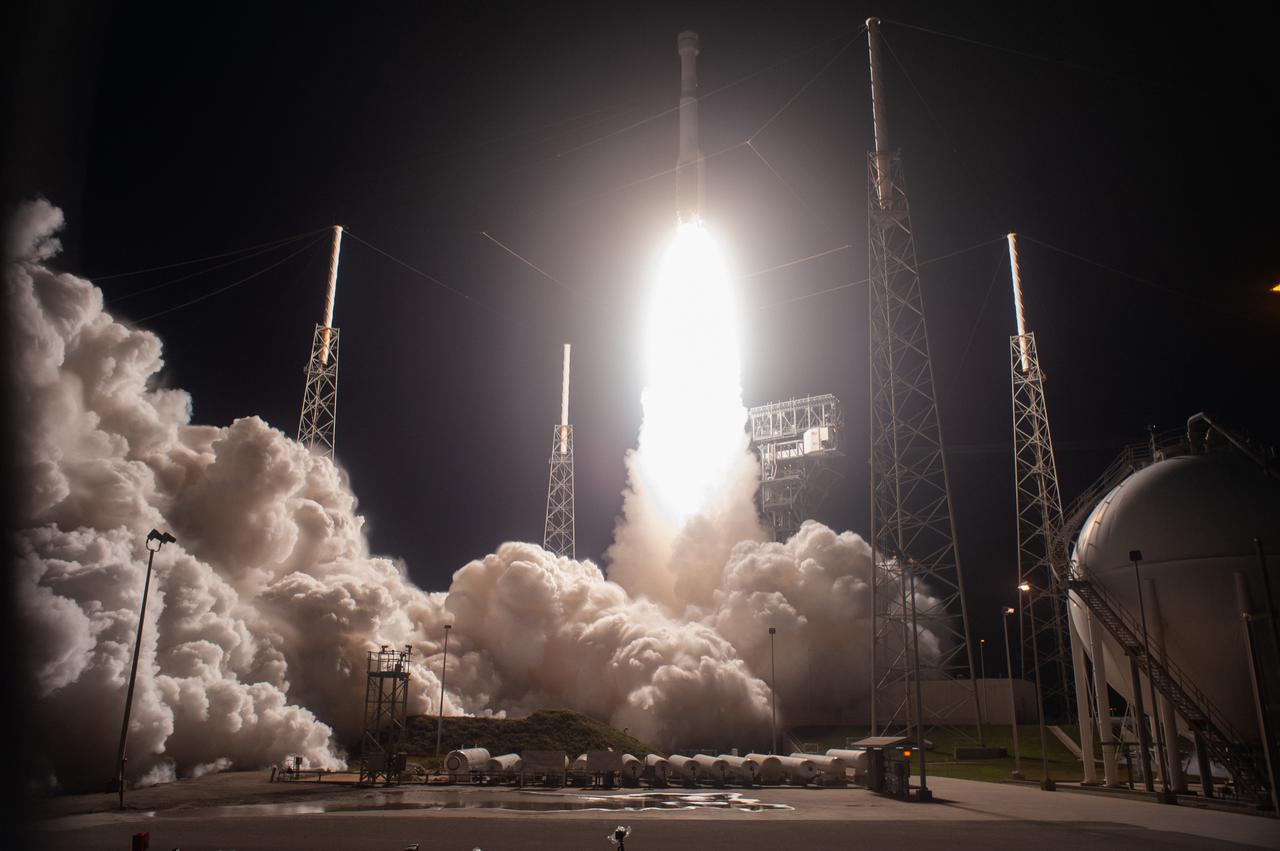
A two-stage United Launch Alliance Atlas V rocket lifts off from Space Launch Complex 41 at Cape Canaveral Air Force Station in Florida for Boeing’s Orbital Flight Test, Dec. 20, 2019. Liftoff occurred at 6:36 a.m. EST. The uncrewed Orbital Flight Test is the Starliner’s first flight for NASA’s Commercial Crew Program.