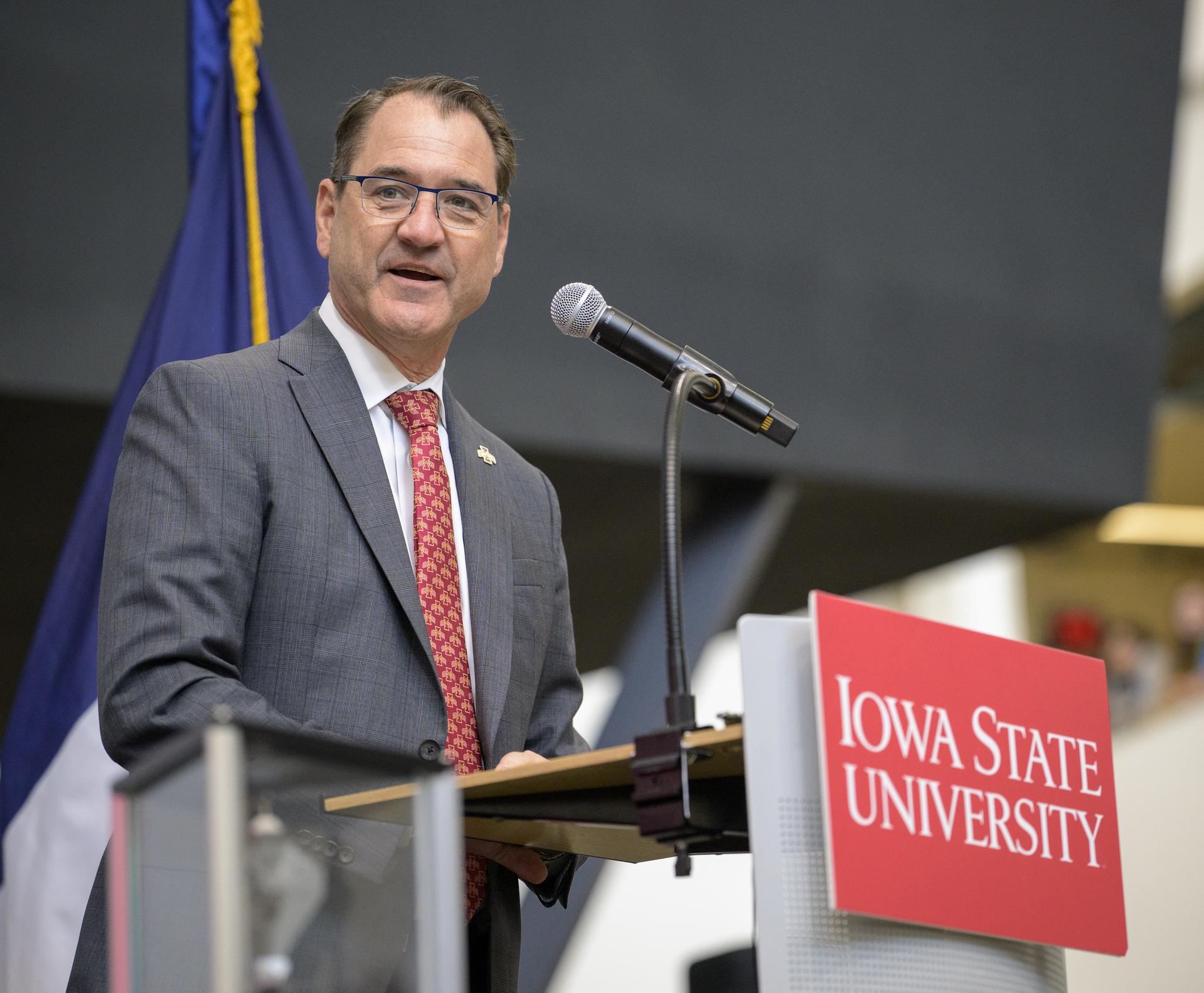
David Cook, President, Iowa State University gives opening remarks during a townhall with students, Tuesday, Sept. 8, 2026, at Iowa State University in Ames, Iowa. Photo Credit: (NASA/Bill Ingalls)

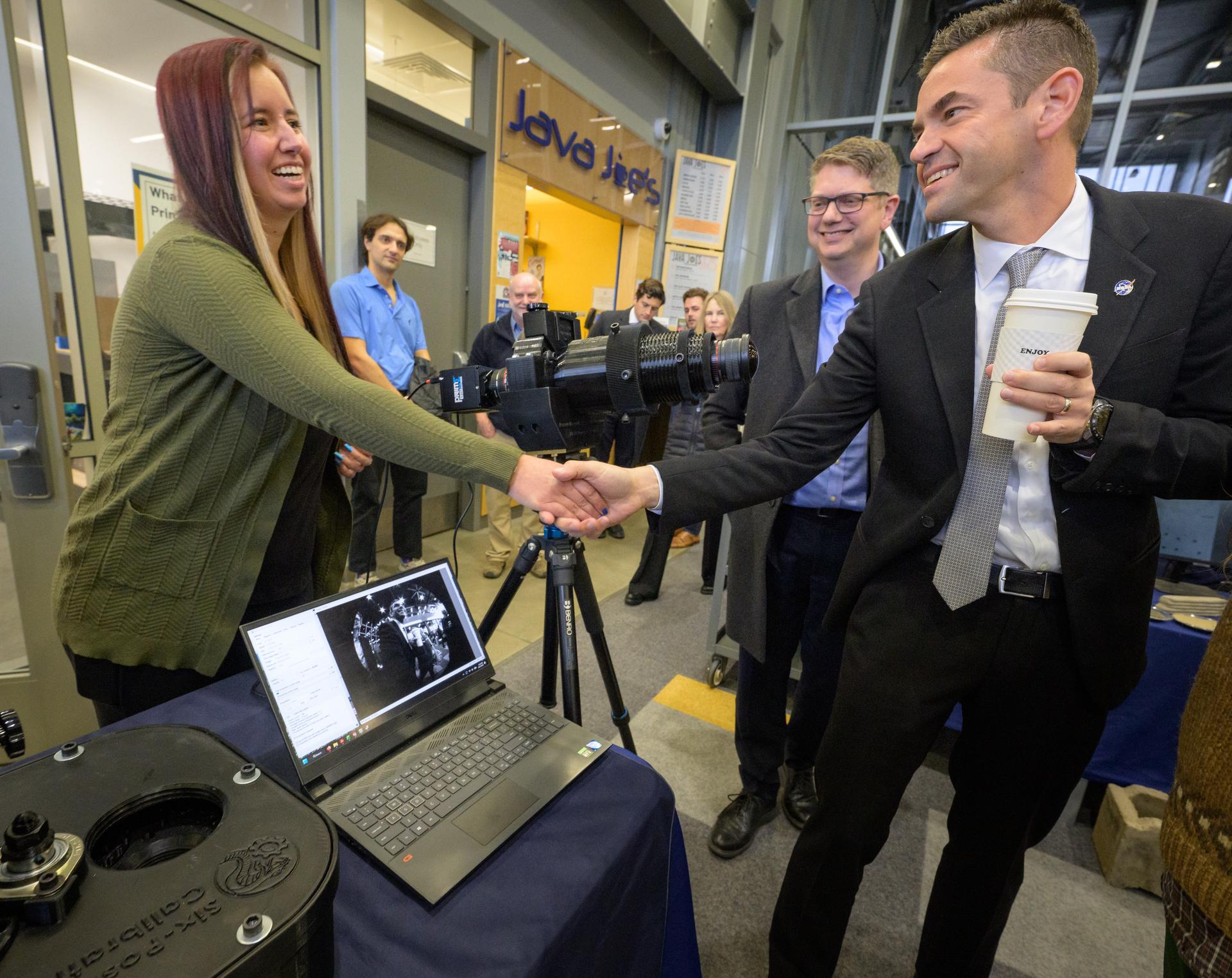
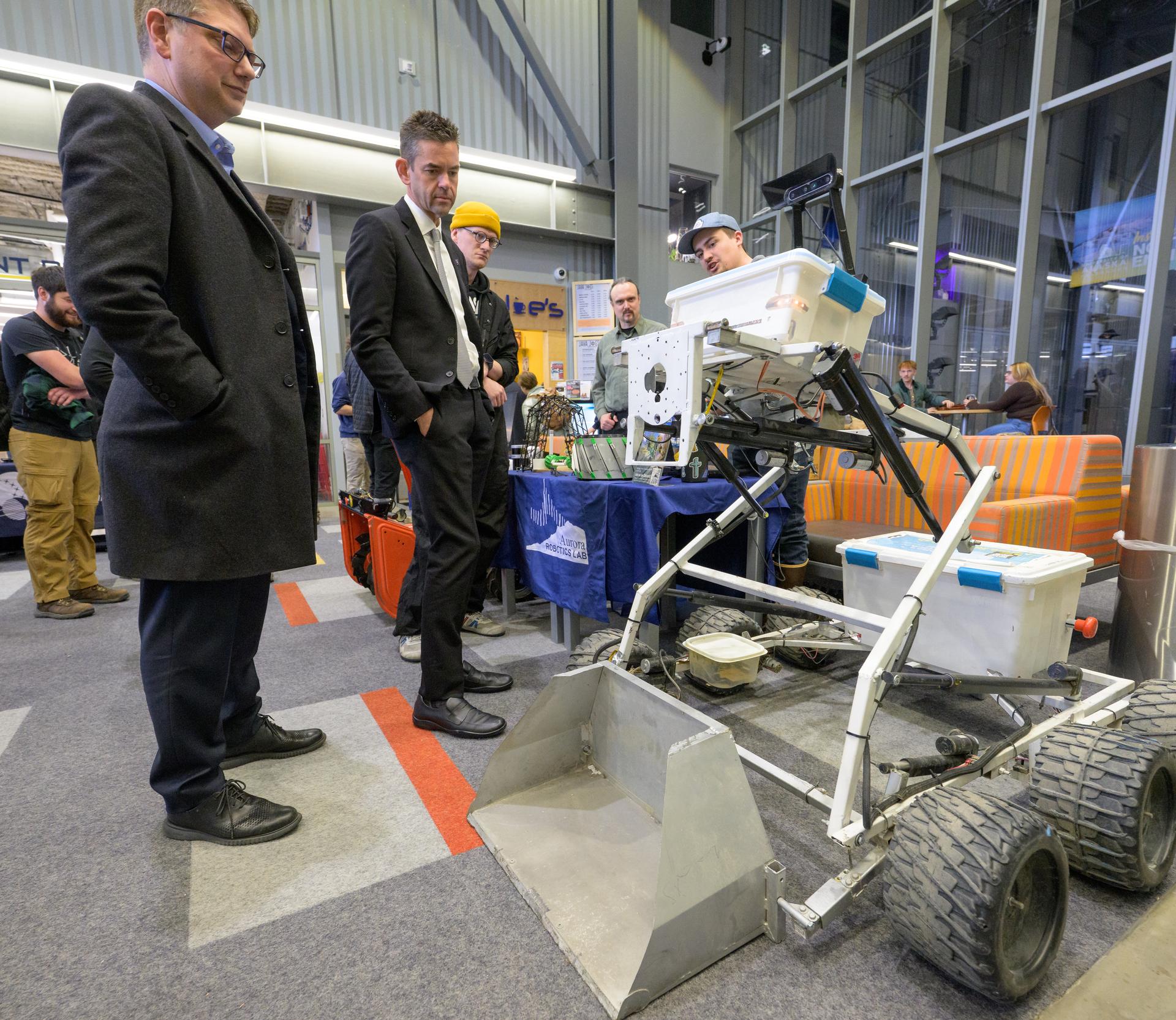
NASA Chief Technologist Douglas Terrier, right, and NASA Deputy Chief Technologist David Steitz, left, investigate a rover developed at Harding University in Searcy, Arkansas, in partnership with NASA’s Jet Propulsion Laboratory in Silicon Valley, California, and the University of Arkansas-Little Rock while attending “NASA Day in Arkansas” hosted at the university on Jan. 27, 2020.
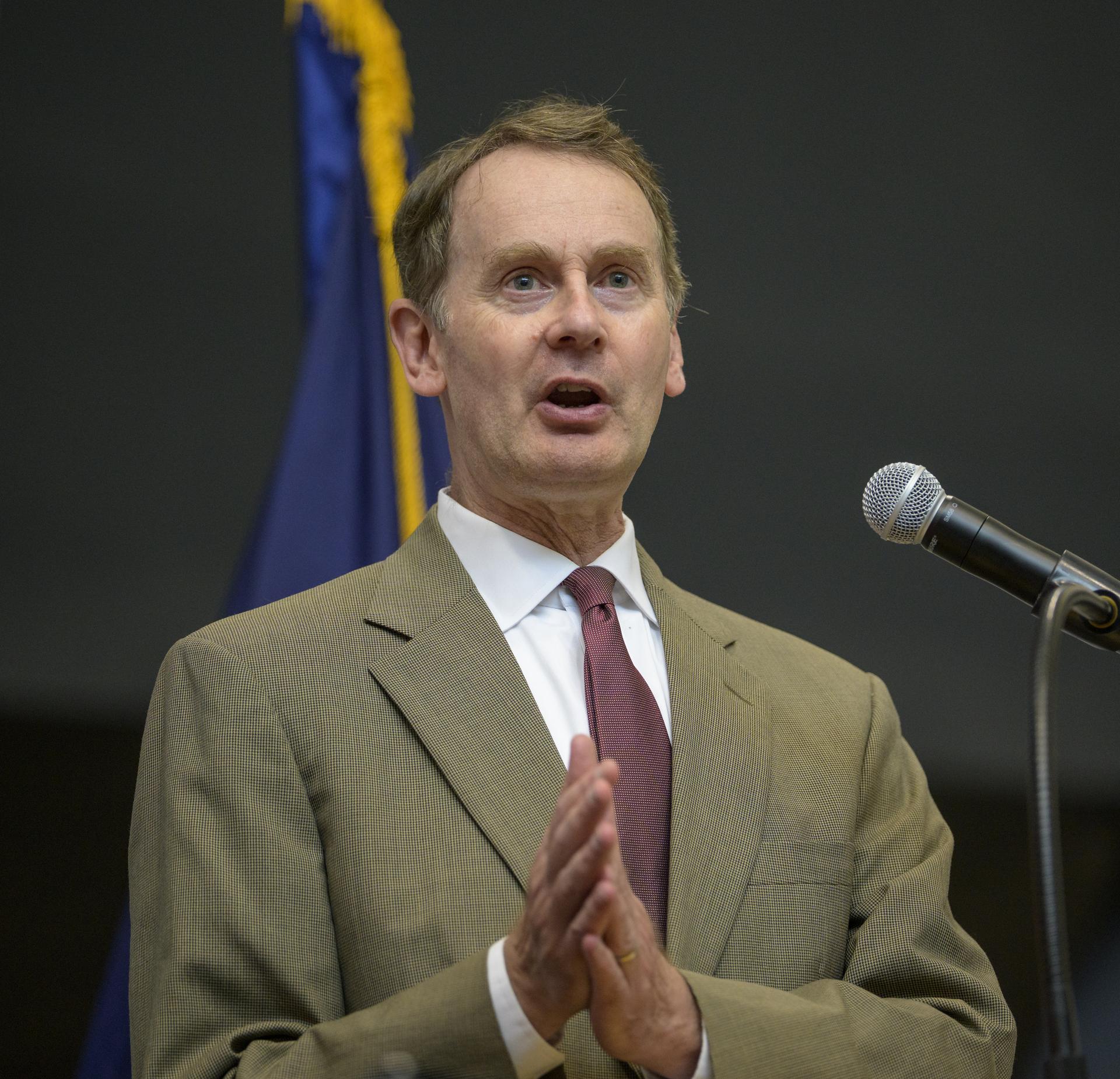
Assistant Secretary of Education, Office of Postsecondary Education David Barker gives remarks during a townhall with students, Tuesday, Sept. 8, 2026, at Iowa State University in Ames, Iowa. Photo Credit: (NASA/Bill Ingalls)
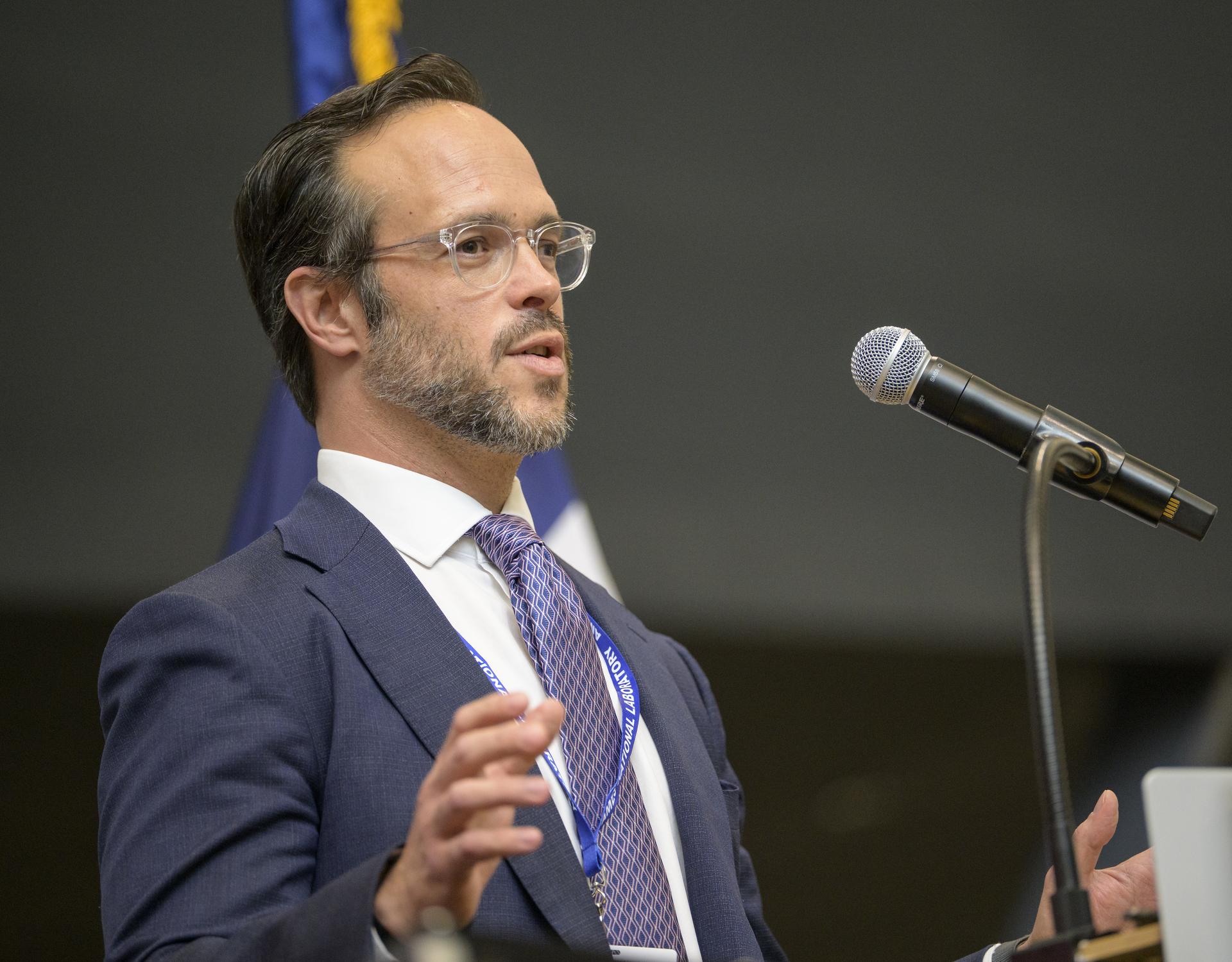
Under Secretary of Science and Technology, Department of Homeland Security Pedro Allende gives remarks during a townhall with students, Tuesday, Sept. 8, 2026, at Iowa State University in Ames, Iowa. Photo Credit: (NASA/Bill Ingalls)
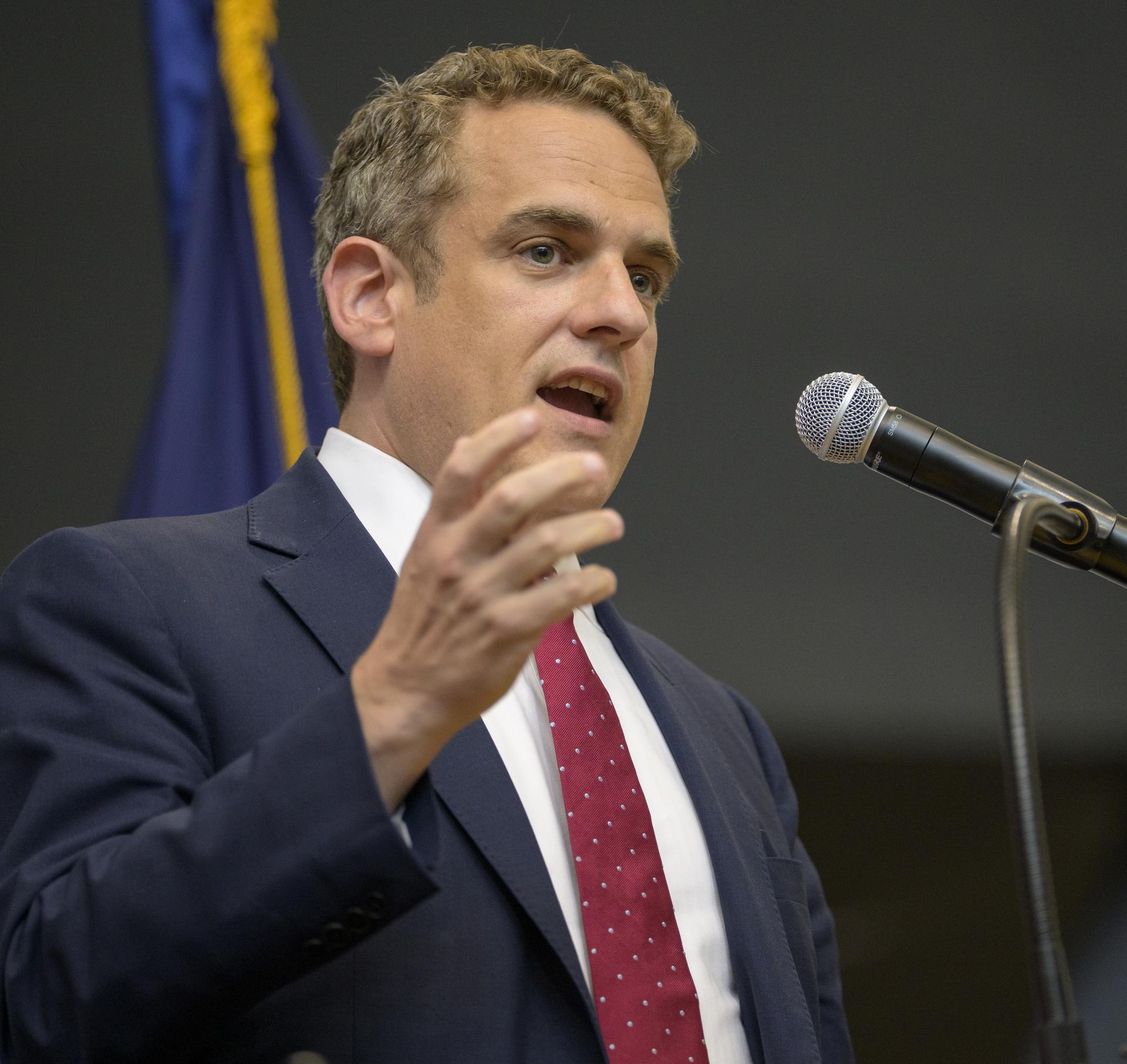
U.S. Deputy Secretary of Energy James Danly gives remarks during a townhall with students, Tuesday, Sept. 8, 2026, at Iowa State University in Ames, Iowa. Photo Credit: (NASA/Bill Ingalls)
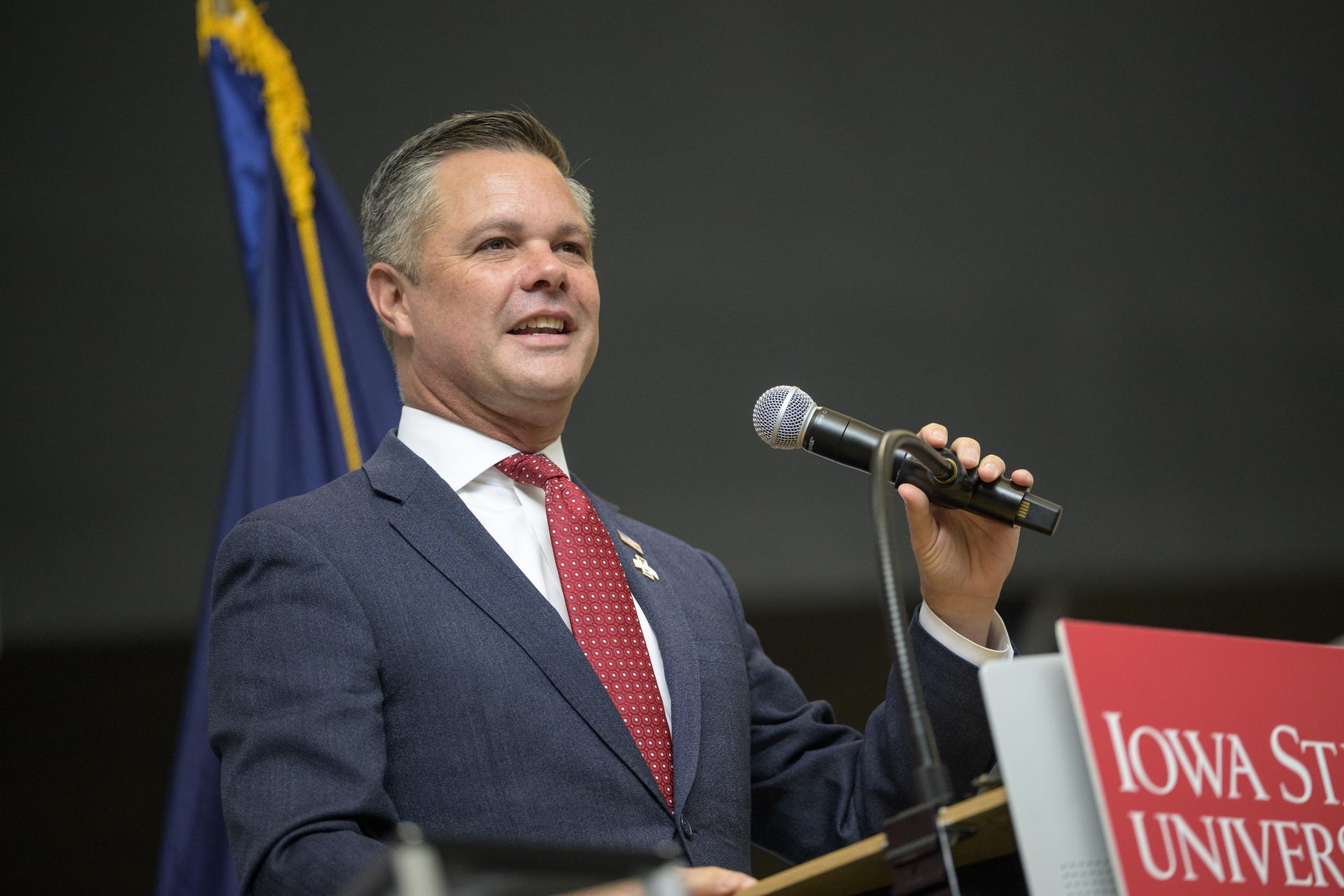
U.S. Representative for Iowa’s 3rd District Zach Nunn gives remarks during a townhall with students, Tuesday, Sept. 8, 2026, at Iowa State University in Ames, Iowa. Photo Credit: (NASA/Bill Ingalls)
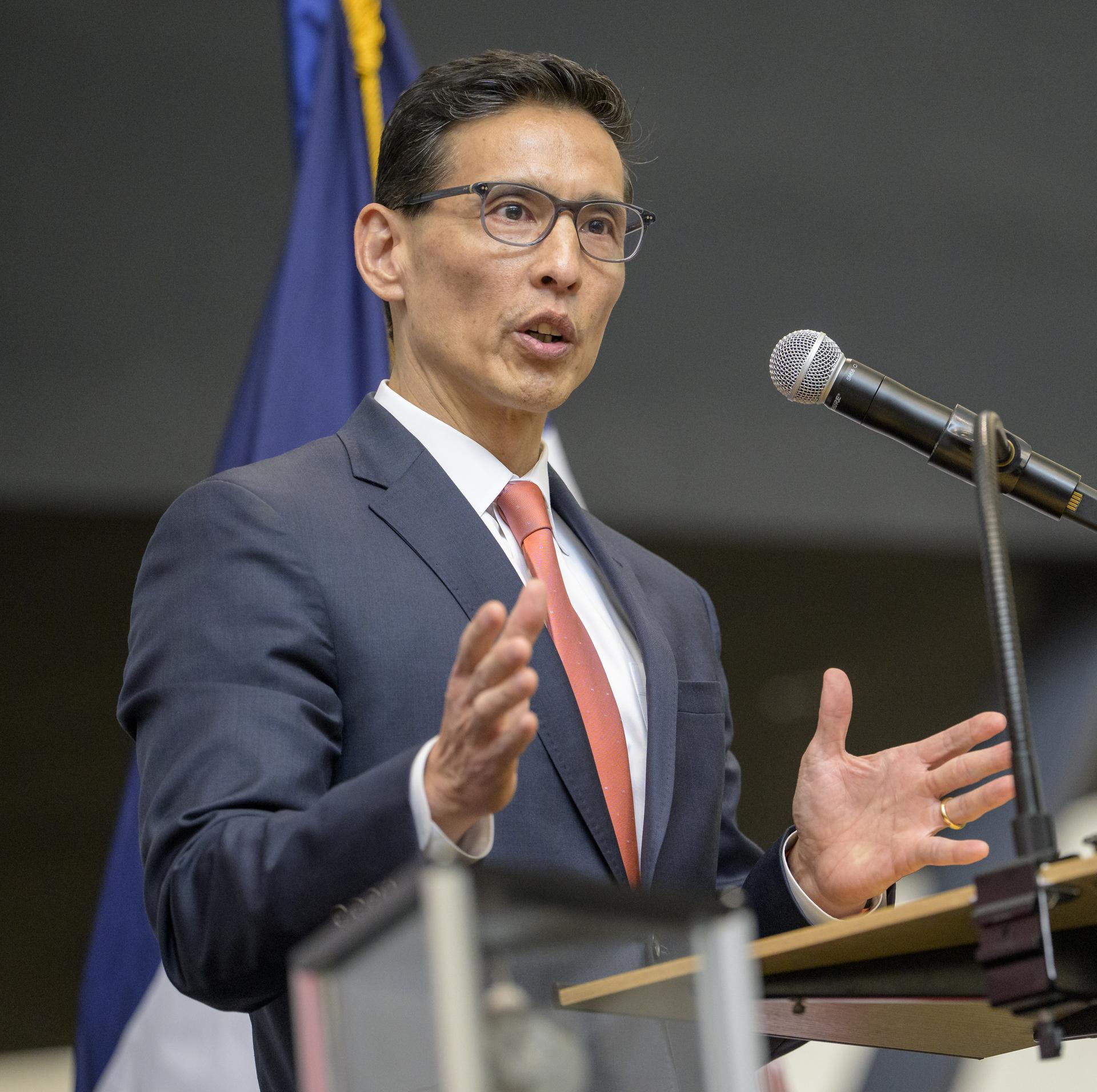
Chairman of the Nuclear Regulatory Commission Ho Nieh gives remarks during a townhall with students, Tuesday, Sept. 8, 2026, at Iowa State University in Ames, Iowa. Photo Credit: (NASA/Bill Ingalls)

NASA astronaut Jessica Watkins presents Howard University Professor, Dr. Prabhakar Misra, left, and Howard University Professor and Chair of the Department of Physics and Astronomy, Dr. Quinton Williams, right, with a montage from her time as part of Expeditions 67 and 68 aboard the International Space Station, Friday, March 31, 2023, at Howard University in Washington. Photo Credit: (NASA/Aubrey Gemignani)

Howard University students Elise Turner, left, and Kaie Hall, center, give NASA astronaut Jessica Watkins a tour of a biology laboratory at Howard University, Friday, March 31, 2023, in Washington. Photo Credit: (NASA/Aubrey Gemignani)

Howard University students Elise Turner, left, and Kaie Hall, right, give NASA astronaut Jessica Watkins a tour of a biology laboratory at Howard University, Friday, March 31, 2023, in Washington. Photo Credit: (NASA/Aubrey Gemignani)

Howard University student Nathan Roseboro gives NASA astronaut Jessica Watkins a demonstration of his work with lasers during a tour of the Laser Spectroscopy Laboratory at Howard University, Friday, March 31, 2023, in Washington. Photo Credit: (NASA/Aubrey Gemignani)

Howard University Professor and Chair of the Department of Physics and Astronomy, Dr. Quinton Williams, introduces NASA astronaut Jessica Watkins to speak about her time in space as part of Expeditions 67 and 68, Friday, March 31, 2023, at Howard University in Washington. Photo Credit: (NASA/Aubrey Gemignani)

Howard University Professor and Chair of the Department of Physics and Astronomy, Dr. Quinton Williams gives NASA astronaut Jessica Watkins a tour of the Renewable Energy/Battery Research Laboratory at Howard University, Friday, March 31, 2023, in Washington. Photo Credit: (NASA/Aubrey Gemignani)

Howard University graduate student LaRay Hare discusses his CubeRover project in the Laser Spectroscopy Laboratory with NASA astronaut Jessica Watkins, Friday, March 31, 2023, at Howard University in Washington. Photo Credit: (NASA/Aubrey Gemignani)

Howard University Professor and Chair of the Department of Physics and Astronomy, Dr. Quinton Williams gives NASA astronaut Jessica Watkins a tour of the Renewable Energy/Battery Research Laboratory at Howard University, Friday, March 31, 2023, in Washington. Photo Credit: (NASA/Aubrey Gemignani)

Howard university student, Myles Pope, gives opening remarks before NASA astronaut Jessica Watkins gives a presentation about her time in space as part of Expeditions 67 and 68, Friday, March 31, 2023, at Howard University in Washington. Photo Credit: (NASA/Aubrey Gemignani)

Howard University student Nathan Roseboro gives NASA astronaut Jessica Watkins a demonstration of his work with lasers during a tour of the Laser Spectroscopy Laboratory at Howard University, Friday, March 31, 2023, in Washington. Photo Credit: (NASA/Aubrey Gemignani)

NASA astronaut Jessica Watkins walks with Howard University student Myles Pope after giving a presentation about her time in space as part of Expeditions 67 and 68, Friday, March 31, 2023, at Howard University in Washington. Photo Credit: (NASA/Aubrey Gemignani)

Howard University student Miles Phillips gives NASA astronaut Jessica Watkins a demonstration of his work with lasers during a tour of the Laser Spectroscopy Laboratory at Howard University, Friday, March 31, 2023, in Washington. Photo Credit: (NASA/Aubrey Gemignani)

Howard University student Miles Phillips gives NASA astronaut Jessica Watkins a demonstration of his work with lasers during a tour of the Laser Spectroscopy Laboratory at Howard University, Friday, March 31, 2023, in Washington. Photo Credit: (NASA/Aubrey Gemignani)

NASA astronaut Jessica Watkins asks a question after a demonstration by Howard University student Nathan Roseboro of his work with lasers during a tour of the Laser Spectroscopy Laboratory at Howard University, Friday, March 31, 2023, in Washington. Photo Credit: (NASA/Aubrey Gemignani)
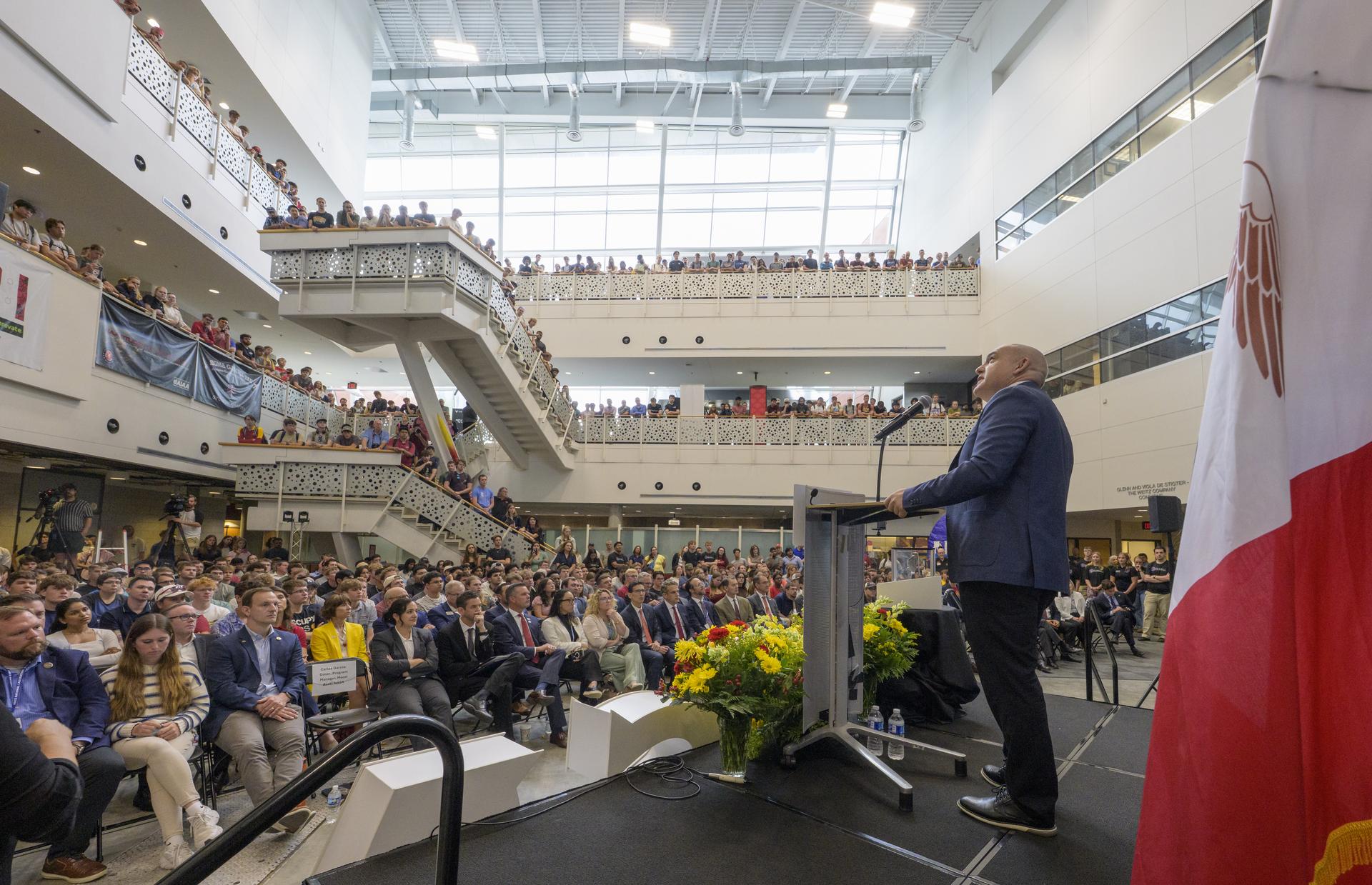
NASA Moon Base Program Executive Carlos Garcia-Galan gives remarks during a townhall with students, Tuesday, Sept. 8, 2026, at Iowa State University in Ames, Iowa. Photo Credit: (NASA/Bill Ingalls)
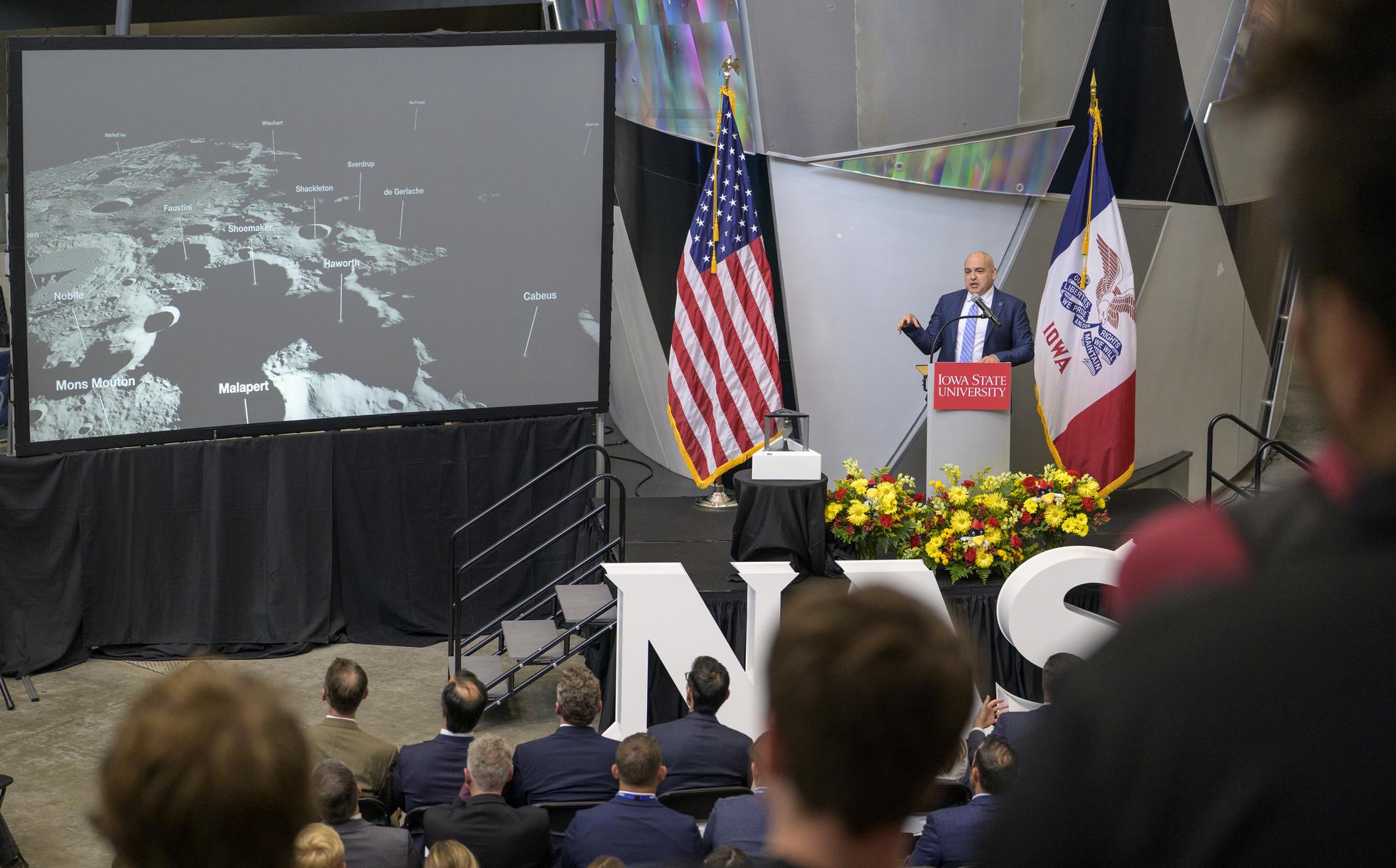
NASA Moon Base Program Executive Carlos Garcia-Galan gives remarks during a townhall with students, Tuesday, Sept. 8, 2026, at Iowa State University in Ames, Iowa. Photo Credit: (NASA/Bill Ingalls)
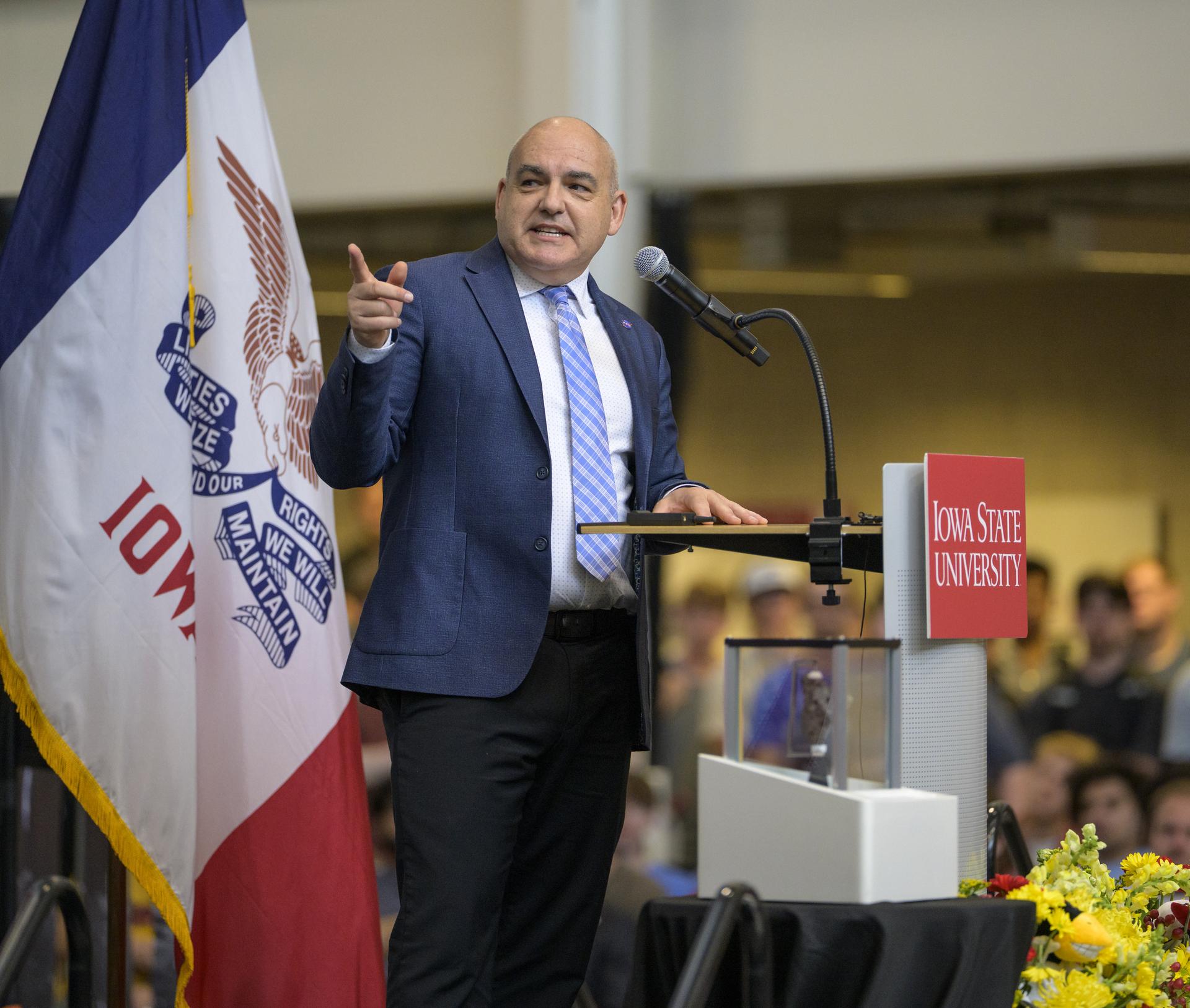
NASA Moon Base Program Executive Carlos Garcia-Galan gives remarks during a townhall with students, Tuesday, Sept. 8, 2026, at Iowa State University in Ames, Iowa. Photo Credit: (NASA/Bill Ingalls)
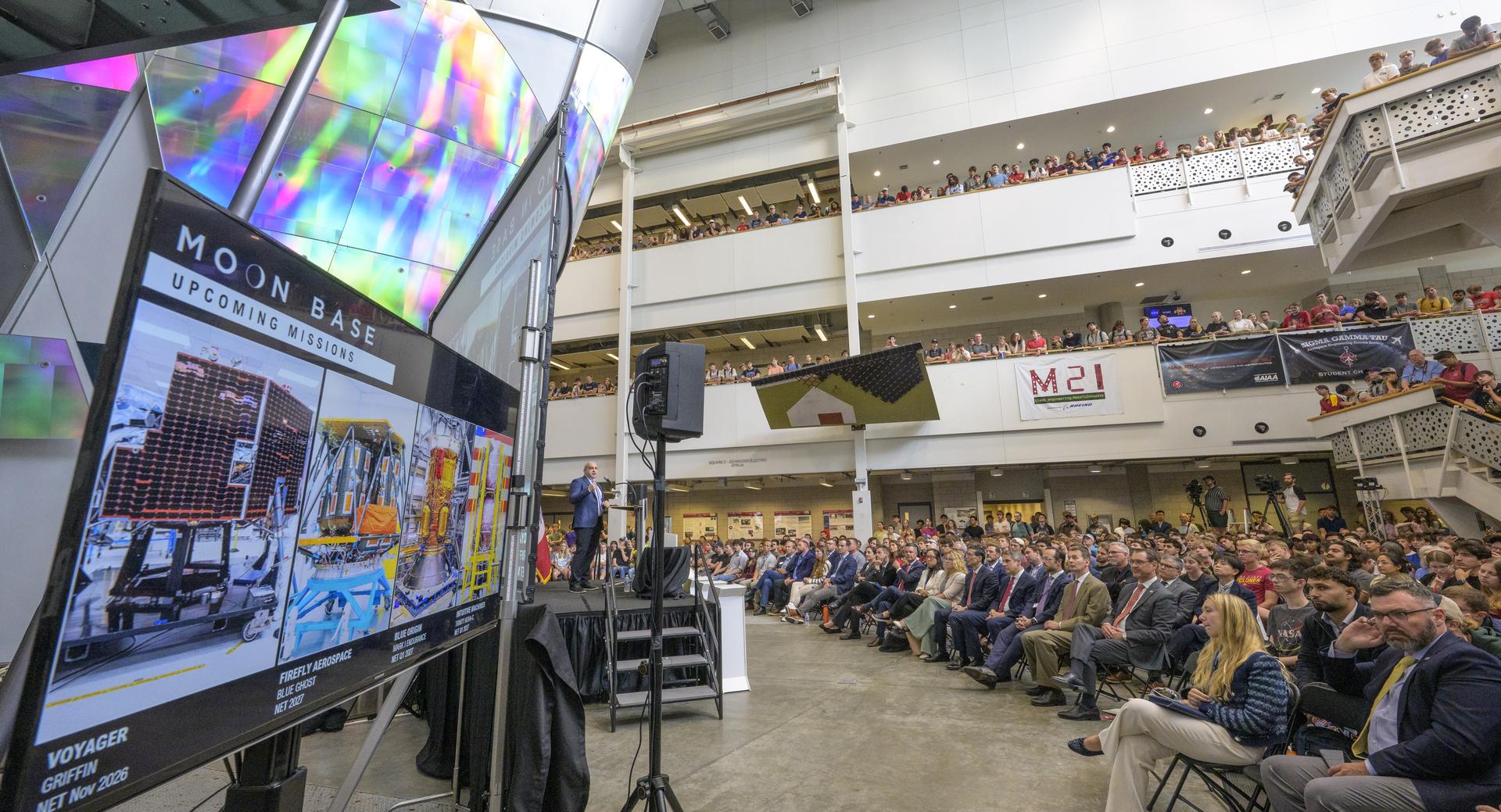
NASA Moon Base Program Executive Carlos Garcia-Galan gives remarks during a townhall with students, Tuesday, Sept. 8, 2026, at Iowa State University in Ames, Iowa. Photo Credit: (NASA/Bill Ingalls)

NASA astronaut Jessica Watkins gives a presentation about her time in space as part of Expeditions 67 and 68, Friday, March 31, 2023, at Howard University in Washington. Photo Credit: (NASA/Aubrey Gemignani)

NASA astronaut Jessica Watkins gives a presentation about her time in space as part of Expeditions 67 and 68, Friday, March 31, 2023, at Howard University in Washington. Photo Credit: (NASA/Aubrey Gemignani)

NASA astronaut Jessica Watkins gives a presentation about her time in space as part of Expeditions 67 and 68, Friday, March 31, 2023, at Howard University in Washington. Photo Credit: (NASA/Aubrey Gemignani)

NASA astronaut Jessica Watkins is seen in the reflection of a screen on a machine during a tour of a biology laboratory, Friday, March 31, 2023, at Howard University in Washington. Photo Credit: (NASA/Aubrey Gemignani)

NASA astronaut Jessica Watkins gives a presentation about her time in space as part of Expeditions 67 and 68, Friday, March 31, 2023, at Howard University in Washington. Photo Credit: (NASA/Aubrey Gemignani)

NASA astronaut Jessica Watkins gives a presentation about her time in space as part of Expeditions 67 and 68, Friday, March 31, 2023, at Howard University in Washington. Photo Credit: (NASA/Aubrey Gemignani)

NASA astronaut Jessica Watkins gives a presentation about her time in space as part of Expeditions 67 and 68, Friday, March 31, 2023, at Howard University in Washington. Photo Credit: (NASA/Aubrey Gemignani)

NASA astronaut Jessica Watkins gives a presentation about her time in space as part of Expeditions 67 and 68, Friday, March 31, 2023, at Howard University in Washington. Photo Credit: (NASA/Aubrey Gemignani)

NASA astronaut Jessica Watkins gives a presentation about her time in space as part of Expeditions 67 and 68, Friday, March 31, 2023, at Howard University in Washington. Photo Credit: (NASA/Aubrey Gemignani)

Howard University graduate student LaRay Hare discusses his CubeRover project in the Laser Spectroscopy Laboratory with NASA astronaut Jessica Watkins, Friday, March 31, 2023, at Howard University in Washington. Photo Credit: (NASA/Aubrey Gemignani)

NASA astronaut Jessica Watkins tours a biology laboratory after giving a presentation about her time in space as part of Expeditions 67 and 68, Friday, March 31, 2023, at Howard University in Washington. Photo Credit: (NASA/Aubrey Gemignani)

NASA astronaut Jessica Watkins receives an award after giving a presentation about her time in space as part of Expeditions 67 and 68, Friday, March 31, 2023, at Howard University in Washington. Photo Credit: (NASA/Aubrey Gemignani)

A student asks a question after NASA astronaut Jessica Watkins gave a presentation about her time in space as part of Expeditions 67 and 68, Friday, March 31, 2023, at Howard University in Washington. Photo Credit: (NASA/Aubrey Gemignani)

NASA astronaut Jessica Watkins answers a question after giving a presentation about her time in space as part of Expeditions 67 and 68, Friday, March 31, 2023, at Howard University in Washington. Photo Credit: (NASA/Aubrey Gemignani)

NASA astronaut Jessica Watkins poses for a photo with a student after giving a presentation about her time in space as part of Expeditions 67 and 68, Friday, March 31, 2023, at Howard University in Washington. Photo Credit: (NASA/Aubrey Gemignani)

NASA astronaut Jessica Watkins answers a question after giving a presentation about her time in space as part of Expeditions 67 and 68, Friday, March 31, 2023, at Howard University in Washington. Photo Credit: (NASA/Aubrey Gemignani)

A student asks a question after NASA astronaut Jessica Watkins gave a presentation about her time in space as part of Expeditions 67 and 68, Friday, March 31, 2023, at Howard University in Washington. Photo Credit: (NASA/Aubrey Gemignani)
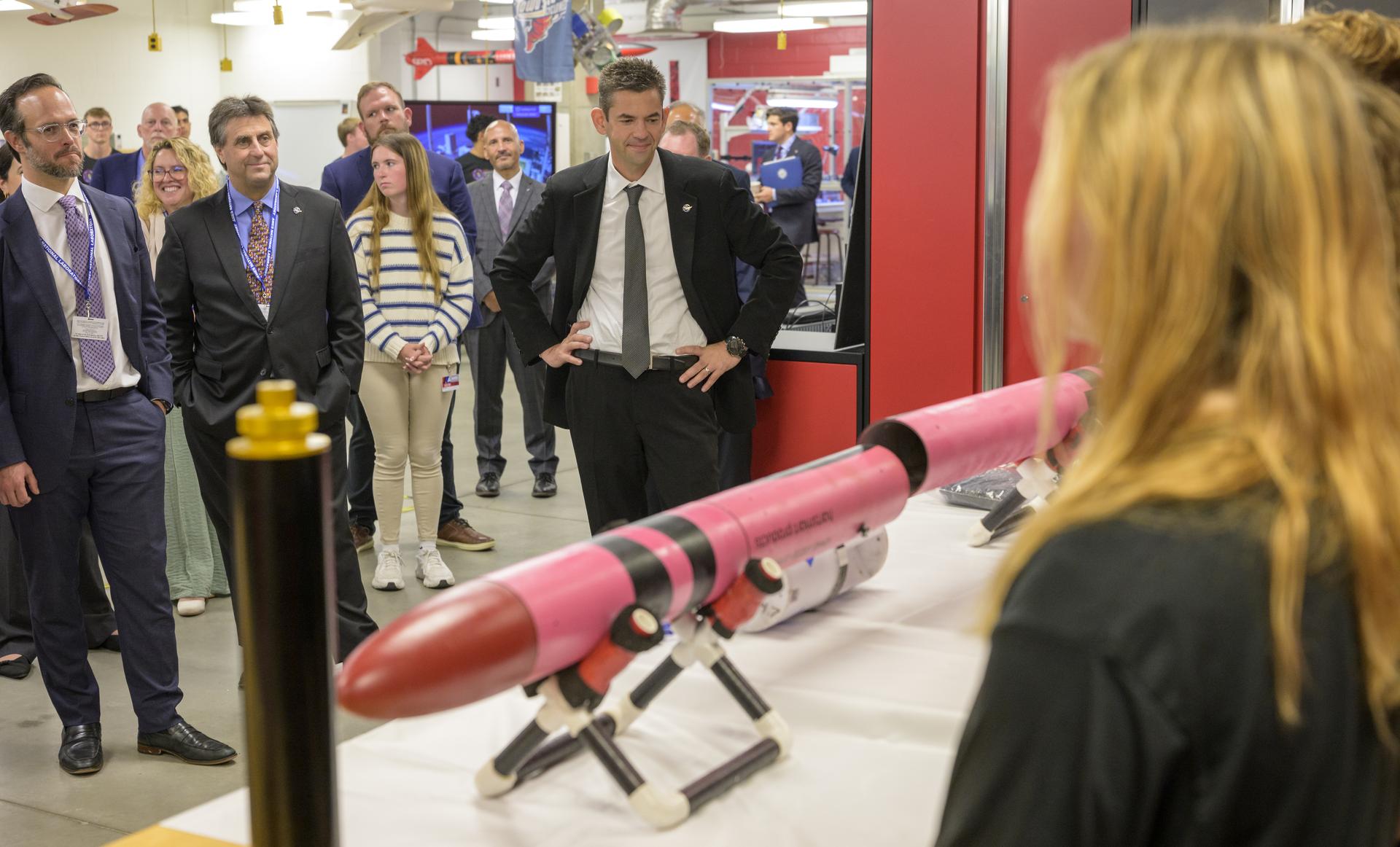
NASA Administrator Jared Isaacman, right, meets with Iowa Space Grant students, Tuesday, Sept. 8, 2026, at Iowa State University in Ames, Iowa. Photo Credit: (NASA/Bill Ingalls)
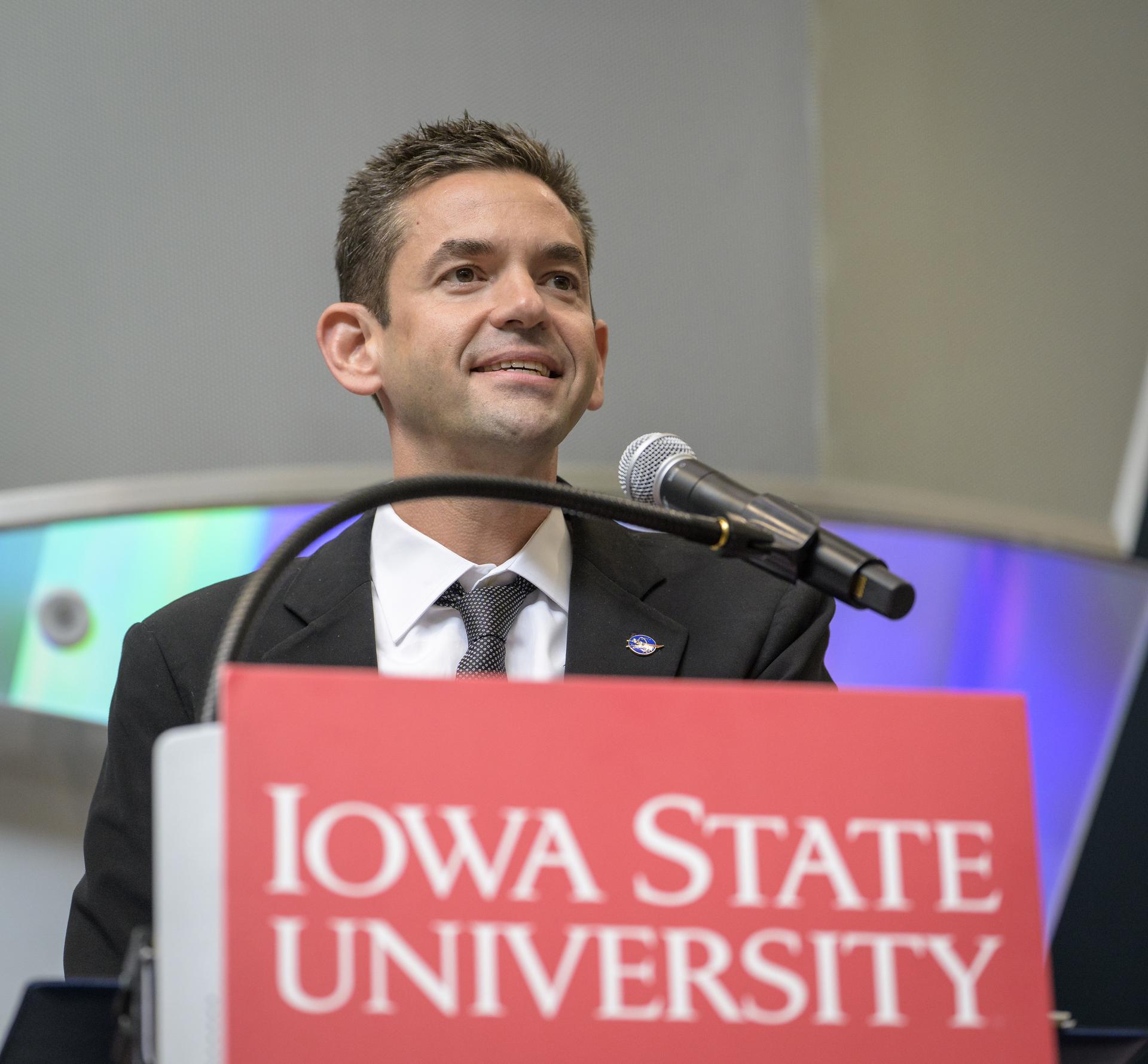
NASA Administrator Jared Isaacman gives remarks during a townhall with students, Tuesday, Sept. 8, 2026, at Iowa State University in Ames, Iowa. Photo Credit: (NASA/Bill Ingalls)
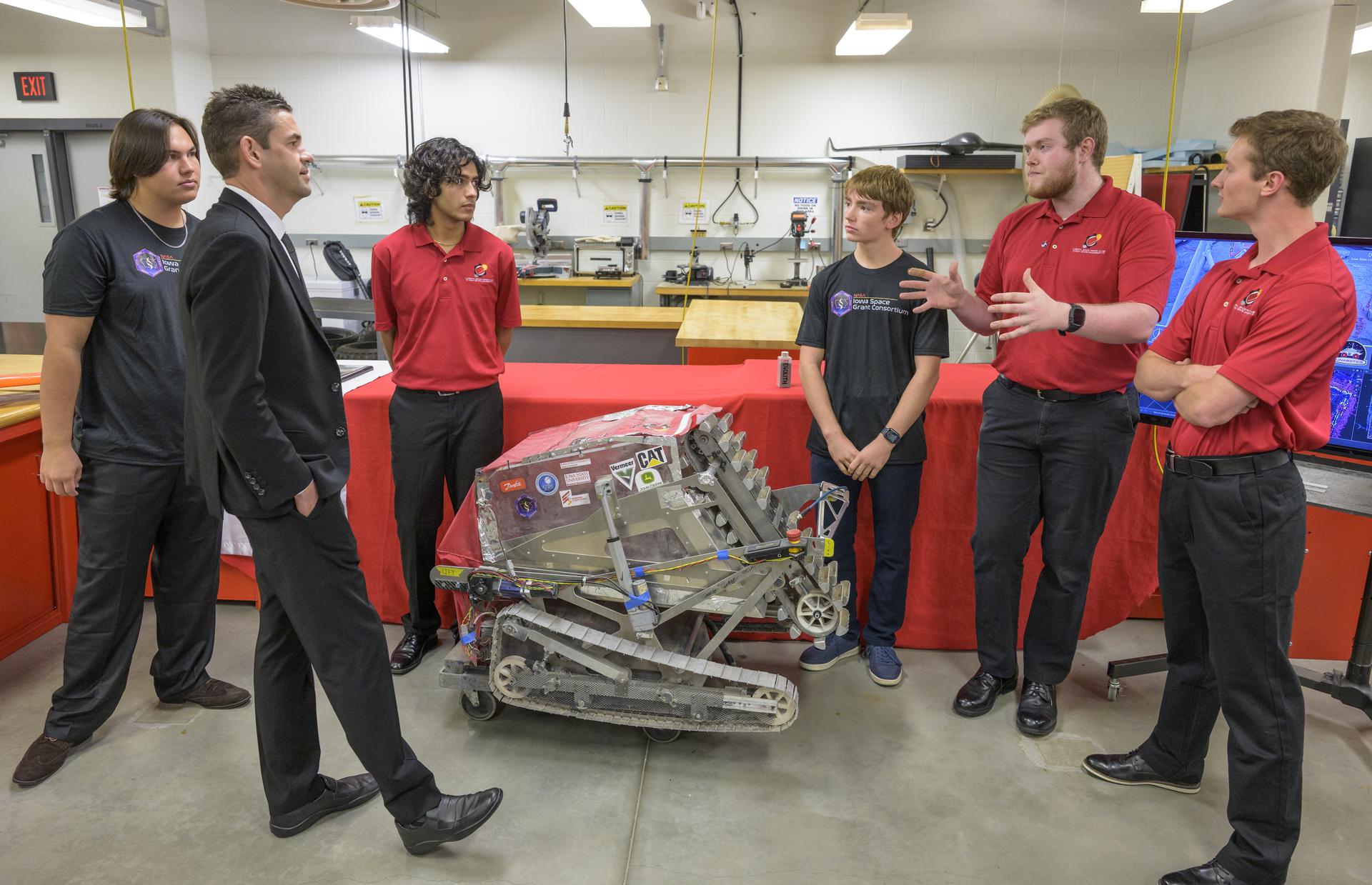
NASA Administrator Jared Isaacman, 2nd from left, meets with Iowa Space Grant students, Tuesday, Sept. 8, 2026, at Iowa State University in Ames, Iowa. Photo Credit: (NASA/Bill Ingalls)
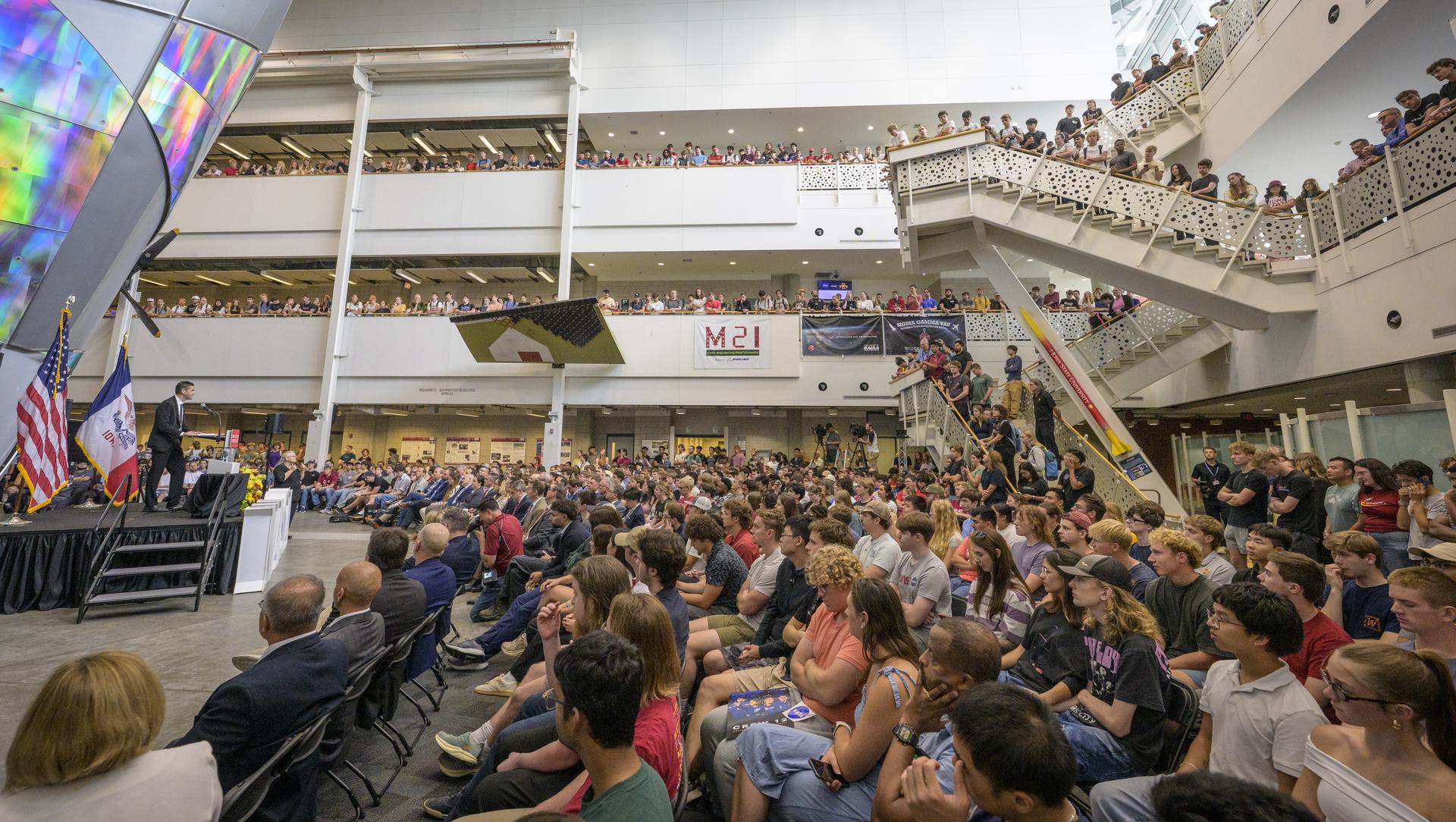
NASA Administrator Jared Isaacman gives remarks during a townhall with students, Tuesday, Sept. 8, 2026, at Iowa State University in Ames, Iowa. Photo Credit: (NASA/Bill Ingalls)
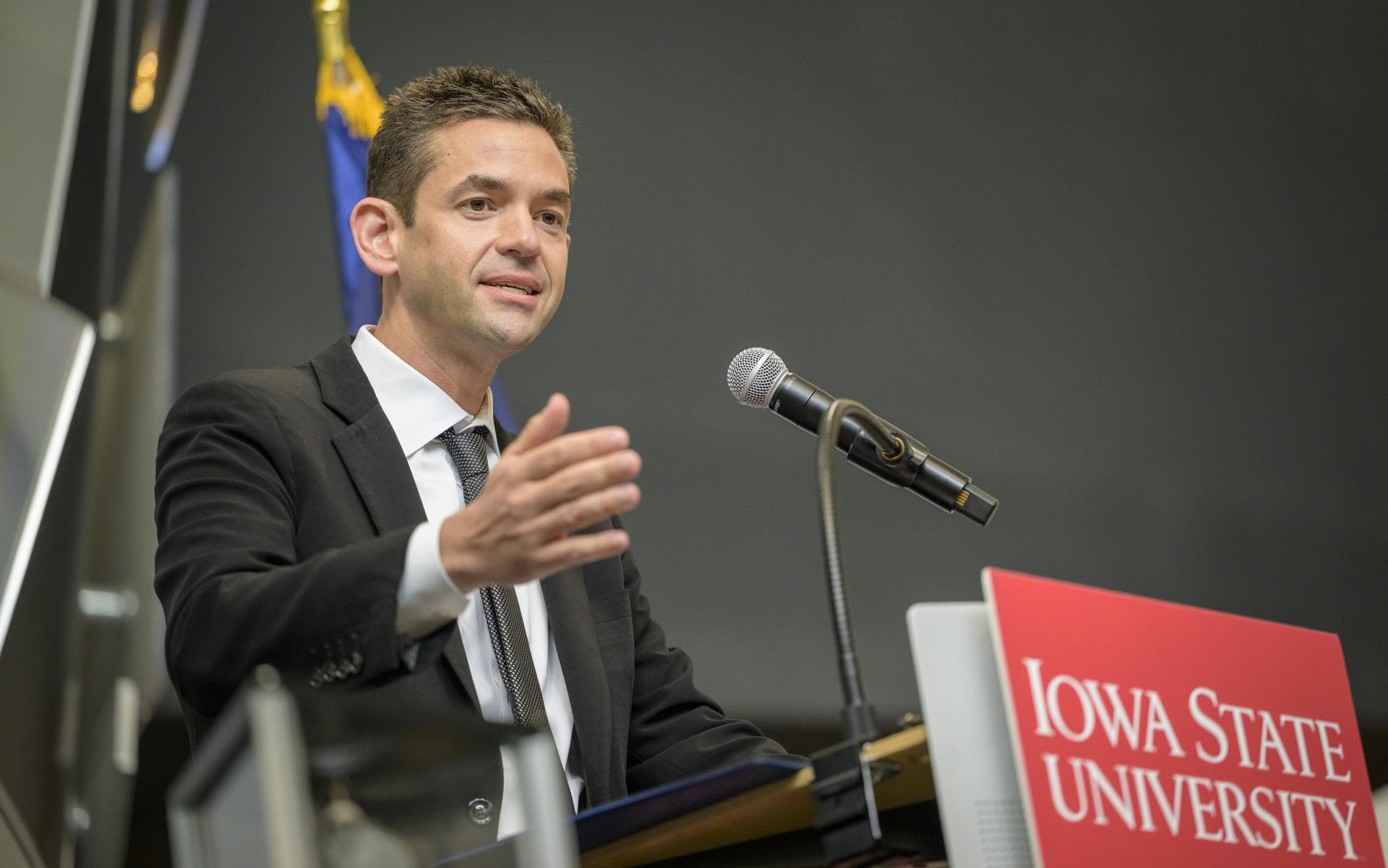
NASA Administrator Jared Isaacman gives remarks during a townhall with students, Tuesday, Sept. 8, 2026, at Iowa State University in Ames, Iowa. Photo Credit: (NASA/Bill Ingalls)
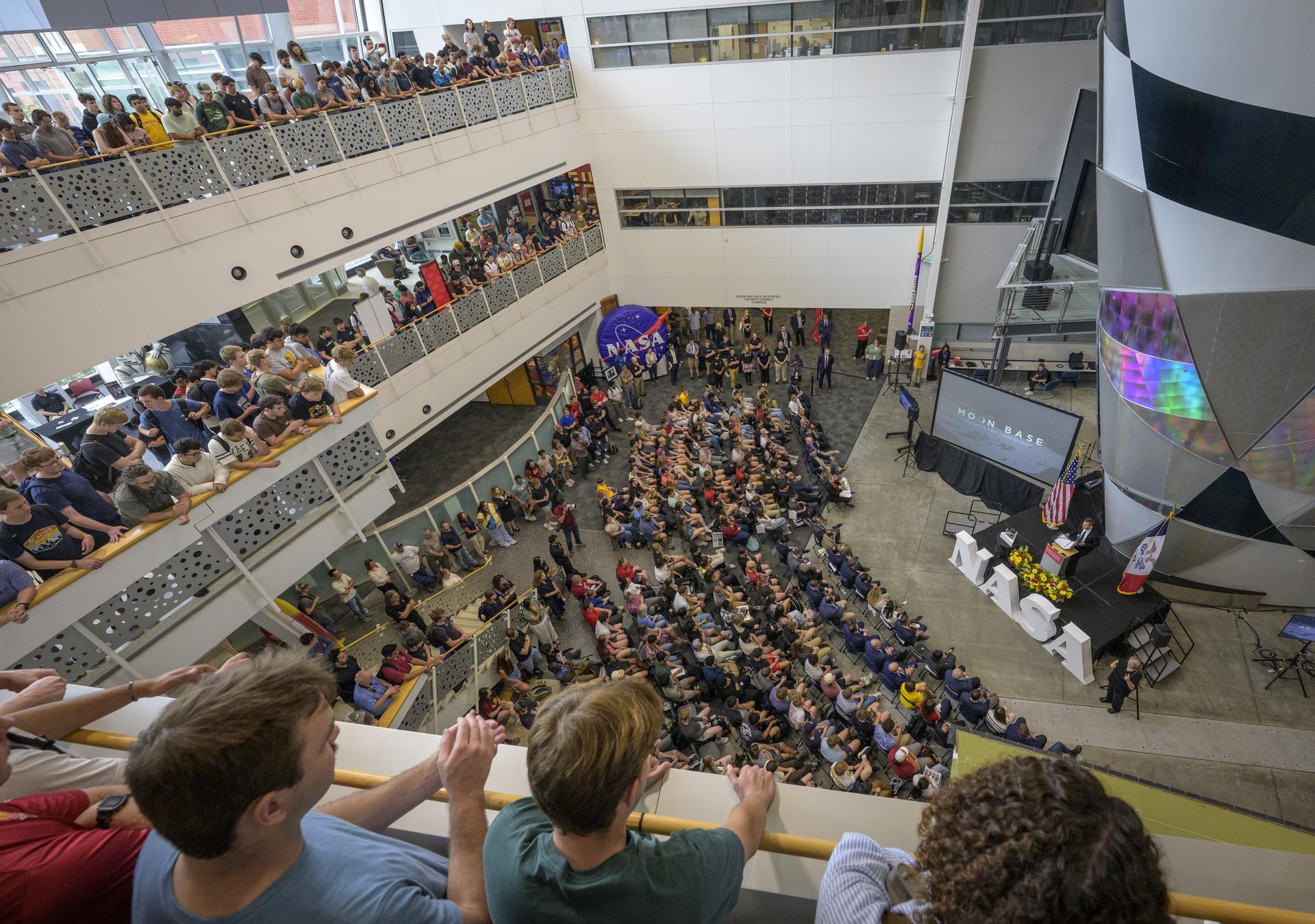
NASA Administrator Jared Isaacman gives remarks during a townhall with students, Tuesday, Sept. 8, 2026, at Iowa State University in Ames, Iowa. Photo Credit: (NASA/Bill Ingalls)
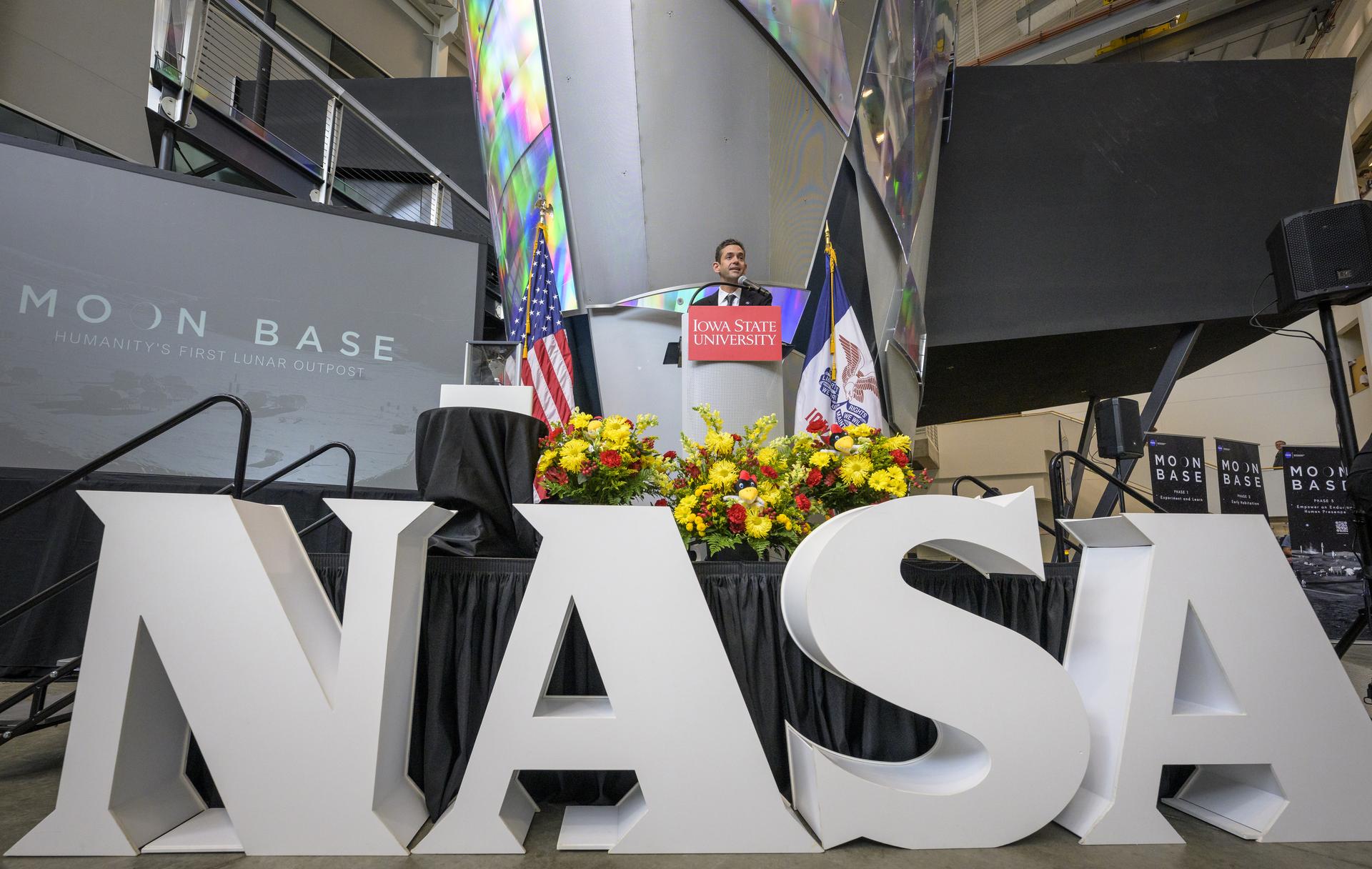
NASA Administrator Jared Isaacman gives remarks during a townhall with students, Tuesday, Sept. 8, 2026, at Iowa State University in Ames, Iowa. Photo Credit: (NASA/Bill Ingalls)
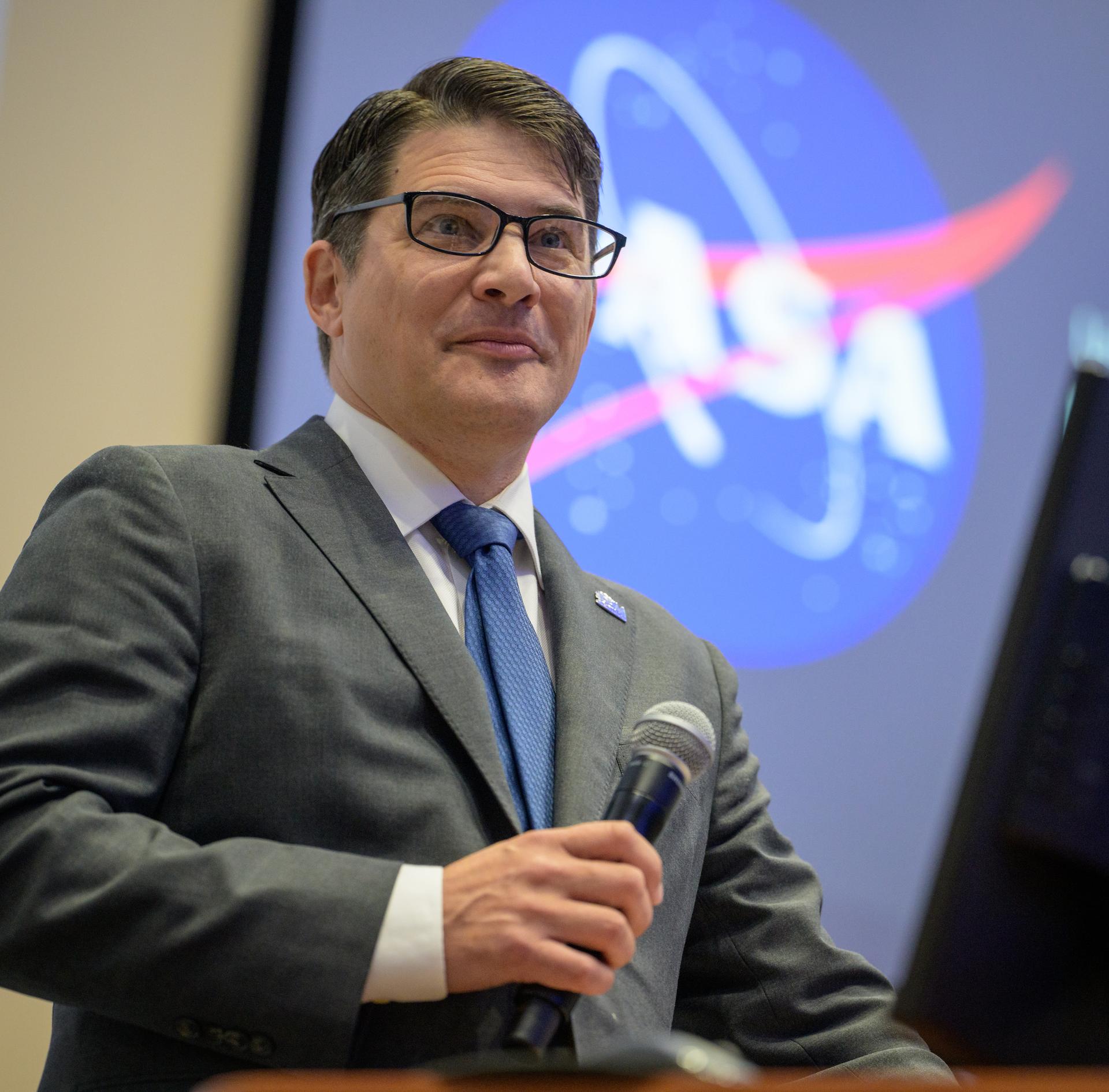
University of Alaska Fairbanks Chancellor Russ Vander Lugt, gives remarks ahead of NASA Administrator Jared Isaacman during a NASA Town Hall, Monday, Oct. 5, 2026, at the University of Alaska Fairbanks, in Fairbanks, Alaska. NASA’s visit to Alaska is part of the agency's Inspiration Tour, aimed at strengthening connections between NASA and its partners and showcasing innovation in air and space in the lead up to the MAX POWER aerospace technology expo and airshow at the agency's Kennedy Space Center in early November. Photo Credit: (NASA/Bill Ingalls)
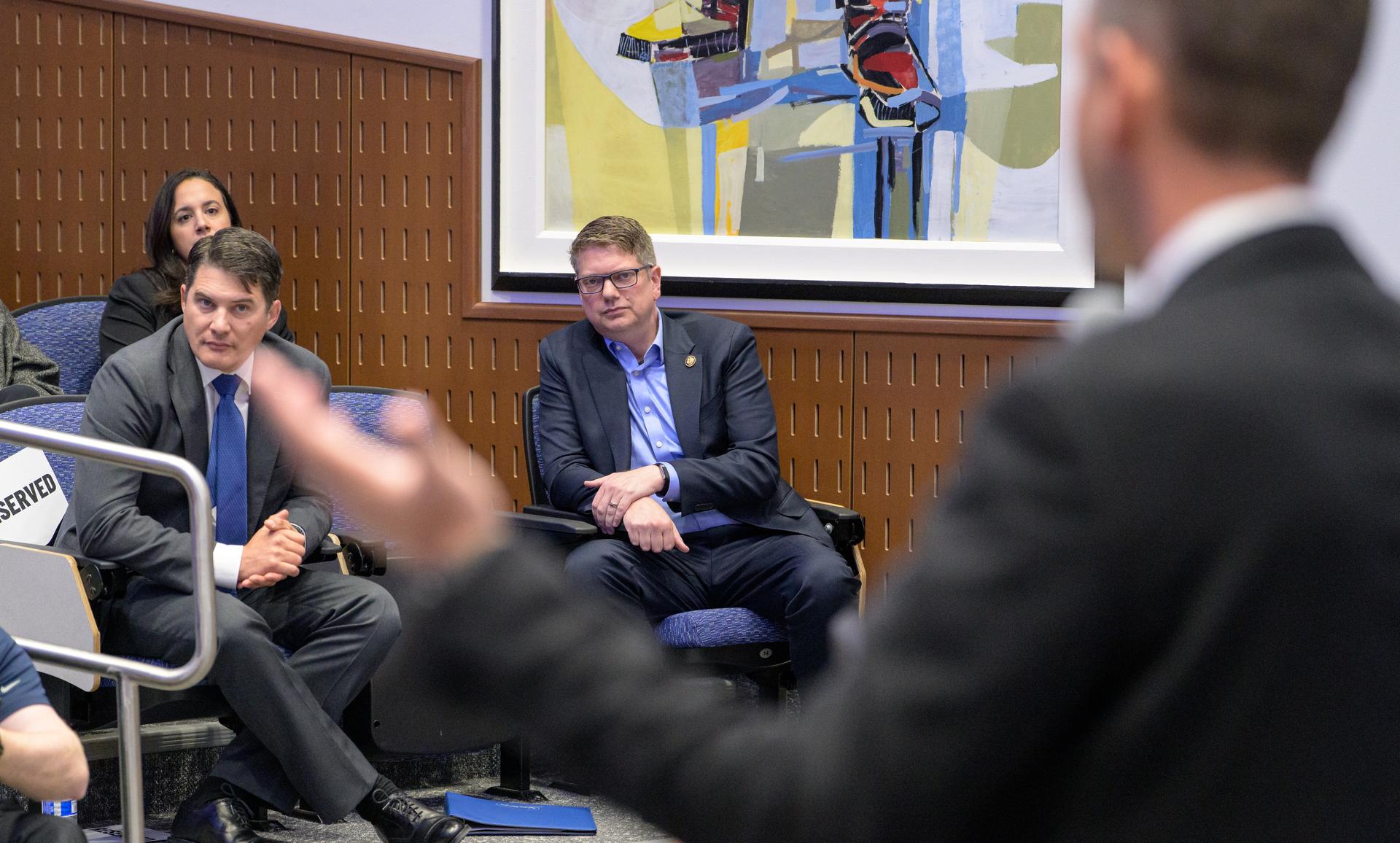
University of Alaska Fairbanks Chancellor Russ Vander Lugt, left, and Rep. Nick Begich, R-Alaska, listen as NASA Administrator Jared Isaacman talks with students during a NASA Town Hall, Monday, Oct. 5, 2026, at the University of Alaska Fairbanks, in Fairbanks, Alaska. NASA’s visit to Alaska is part of the agency's Inspiration Tour, aimed at strengthening connections between NASA and its partners and showcasing innovation in air and space in the lead up to the MAX POWER aerospace technology expo and airshow at the agency's Kennedy Space Center in early November. Photo Credit: (NASA/Bill Ingalls)

This detailed map of the oldest light in our universe allowed scientists to take the most precise inventory of the universe ingredients to date.
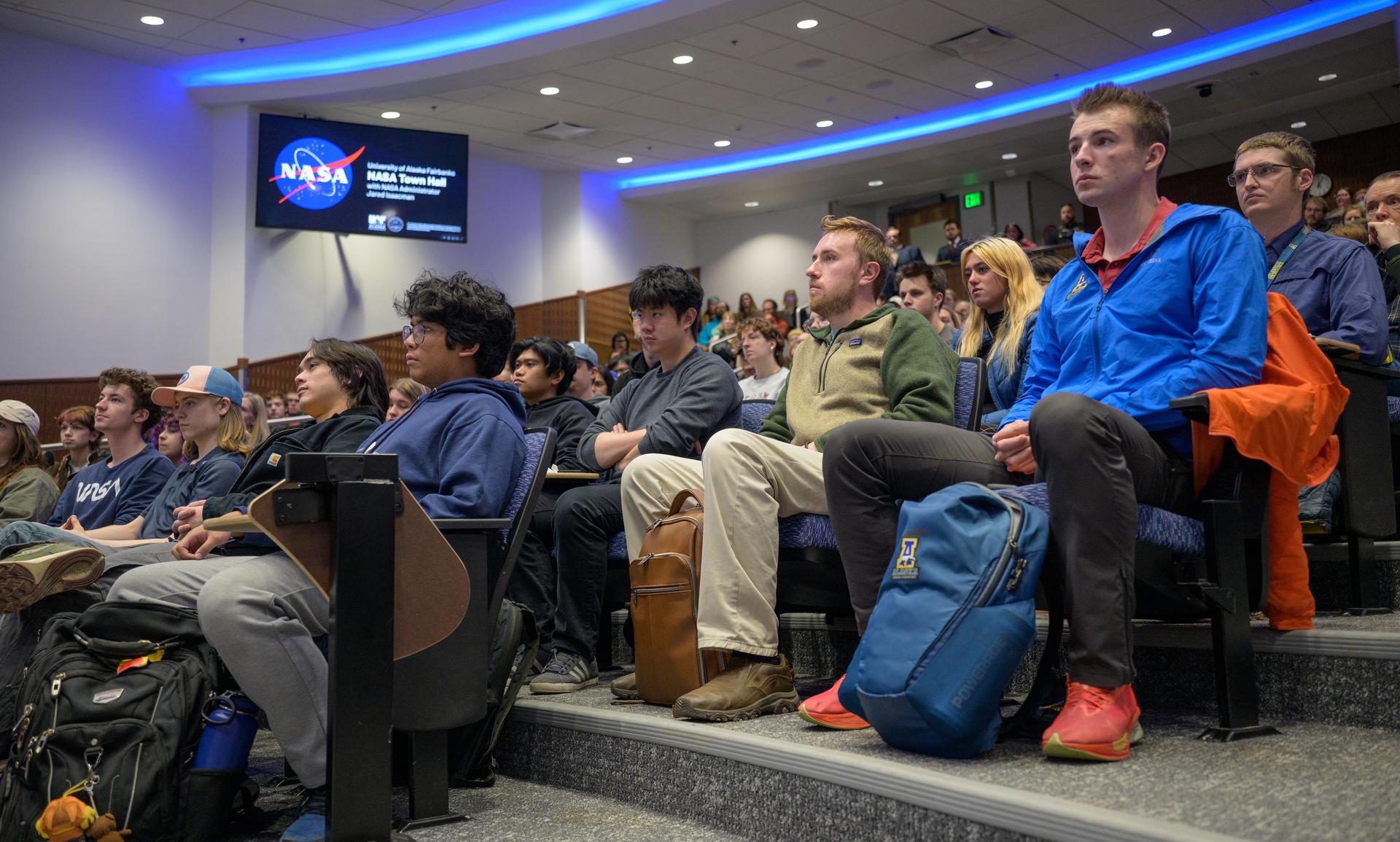
Students attend a NASA Town Hall with NASA Administrator Jared Isaacman, Monday, Oct. 5, 2026, at the University of Alaska Fairbanks, in Fairbanks, Alaska. NASA’s visit to Alaska is part of the agency's Inspiration Tour, aimed at strengthening connections between NASA and its partners and showcasing innovation in air and space in the lead up to the MAX POWER aerospace technology expo and airshow at the agency's Kennedy Space Center in early November. Photo Credit: (NASA/Bill Ingalls)

NASA Chief Technologist Douglas Terrier, center, and NASA Deputy Chief Technologist David Steitz, left, talk with a Harding University student researcher about LED technology being used to track atmospheric composition, while attending “NASA Day in Arkansas” hosted at the university in Searcy, Arkansas on Jan. 27, 2020.

NASA Chief Technologist Douglas Terrier, right, being briefed on student-developed precision atmospheric laser technology mounted on a remotely-operated rover at Harding University in Searcy, Arkansas, while attending “NASA Day in Arkansas” hosted at the university on Jan. 27, 2020.

NASA Chief Technologist Douglas Terrier, center, talk with a Harding University student about a miniaturized laser sample analysis device that may be used for planetary science research. Terrier attended “NASA Day in Arkansas,” hosted at the university in Searcy, Arkansas on Jan. 27, 2020.
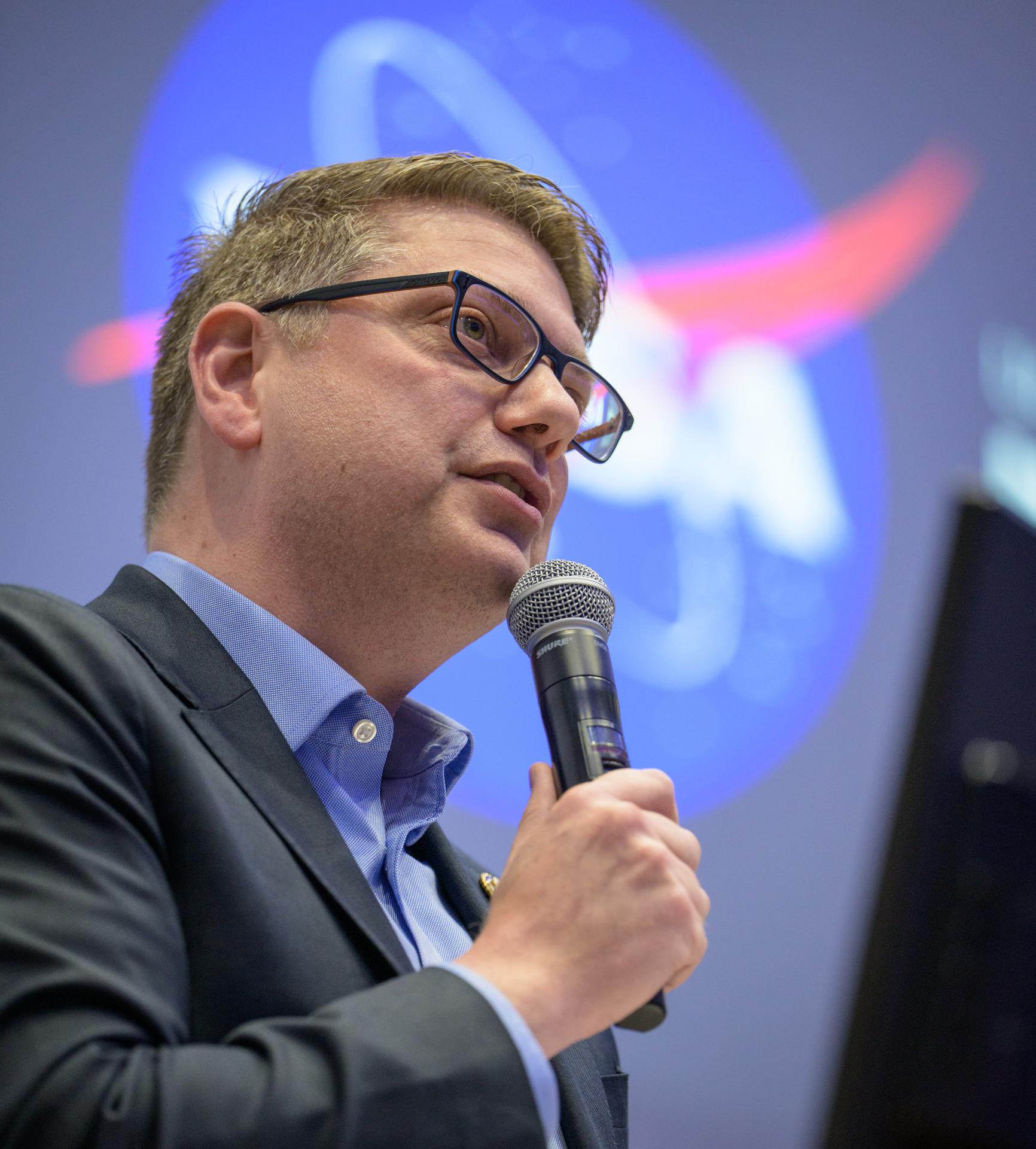
Rep. Nick Begich, R-Alaska, gives remarks ahead of NASA Administrator Jared Isaacman during a NASA Town Hall, Monday, Oct. 5, 2026, at the University of Alaska Fairbanks, in Fairbanks, Alaska. NASA’s visit to Alaska is part of the agency's Inspiration Tour, aimed at strengthening connections between NASA and its partners and showcasing innovation in air and space in the lead up to the MAX POWER aerospace technology expo and airshow at the agency's Kennedy Space Center in early November. Photo Credit: (NASA/Bill Ingalls)
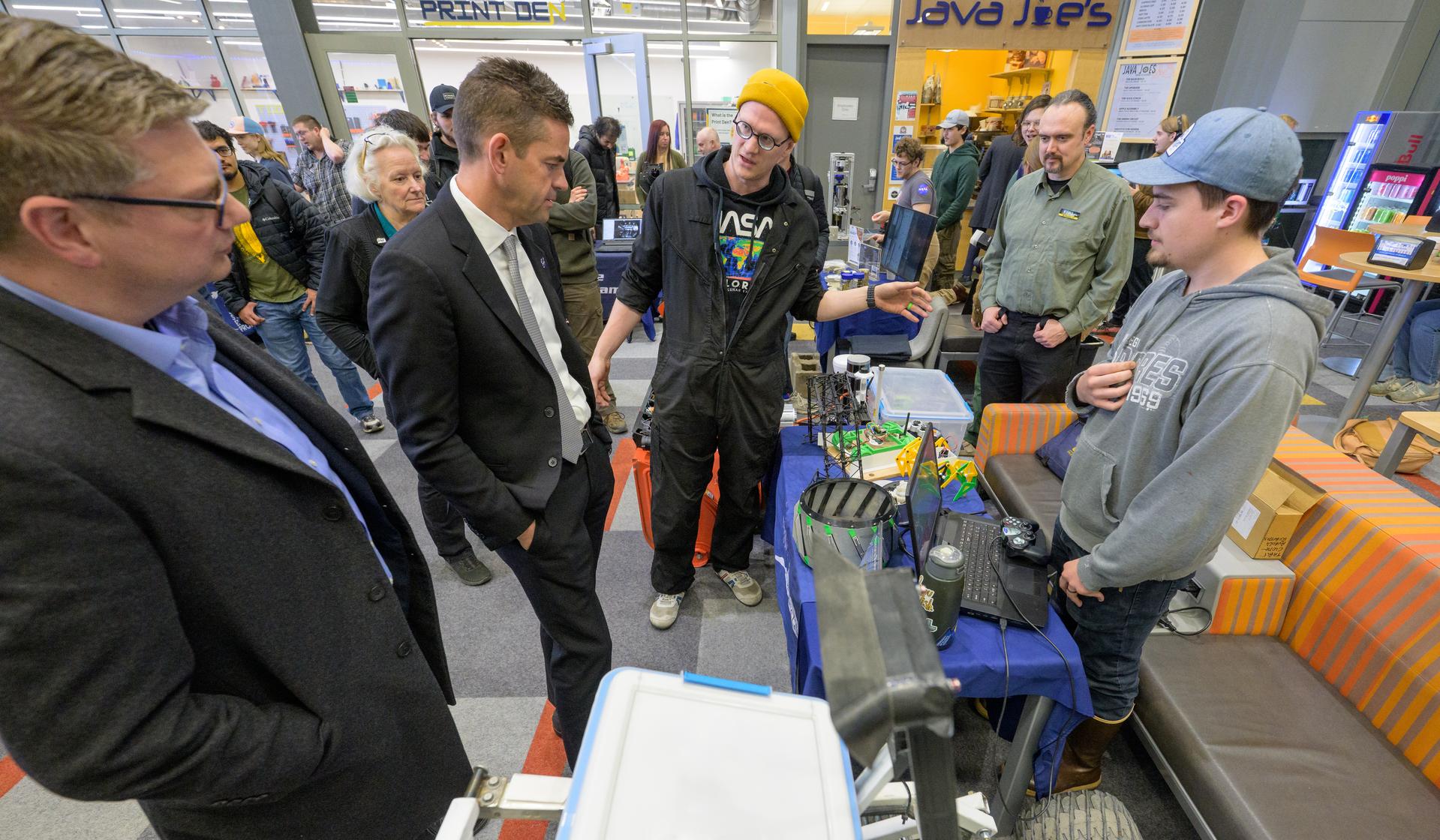
Rep. Nick Begich, R-Alaska, left, and NASA Administrator Jared Isaacman, meet with Space Grant students during a Science Fare, Monday, Oct. 5, 2026, at the University of Alaska Fairbanks, in Fairbanks, Alaska. NASA’s visit to Alaska is part of the agency's Inspiration Tour, aimed at strengthening connections between NASA and its partners and showcasing innovation in air and space in the lead up to the MAX POWER aerospace technology expo and airshow at the agency's Kennedy Space Center in early November. Photo Credit: (NASA/Bill Ingalls)
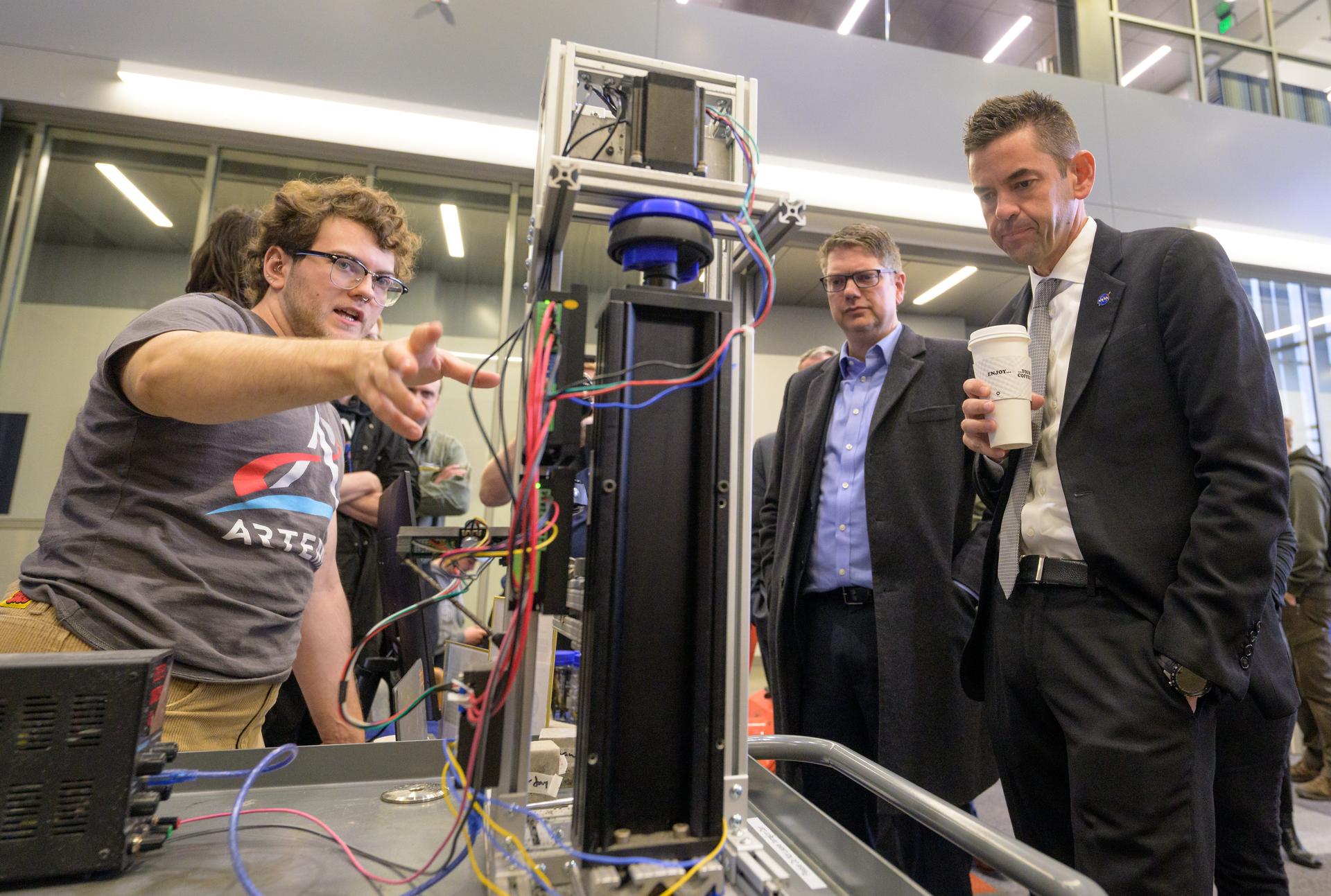
Rep. Nick Begich, R-Alaska, center, and NASA Administrator Jared Isaacman, meet with Space Grant students during a Science Fare, Monday, Oct. 5, 2026, at the University of Alaska Fairbanks, in Fairbanks, Alaska. NASA’s visit to Alaska is part of the agency's Inspiration Tour, aimed at strengthening connections between NASA and its partners and showcasing innovation in air and space in the lead up to the MAX POWER aerospace technology expo and airshow at the agency's Kennedy Space Center in early November. Photo Credit: (NASA/Bill Ingalls)
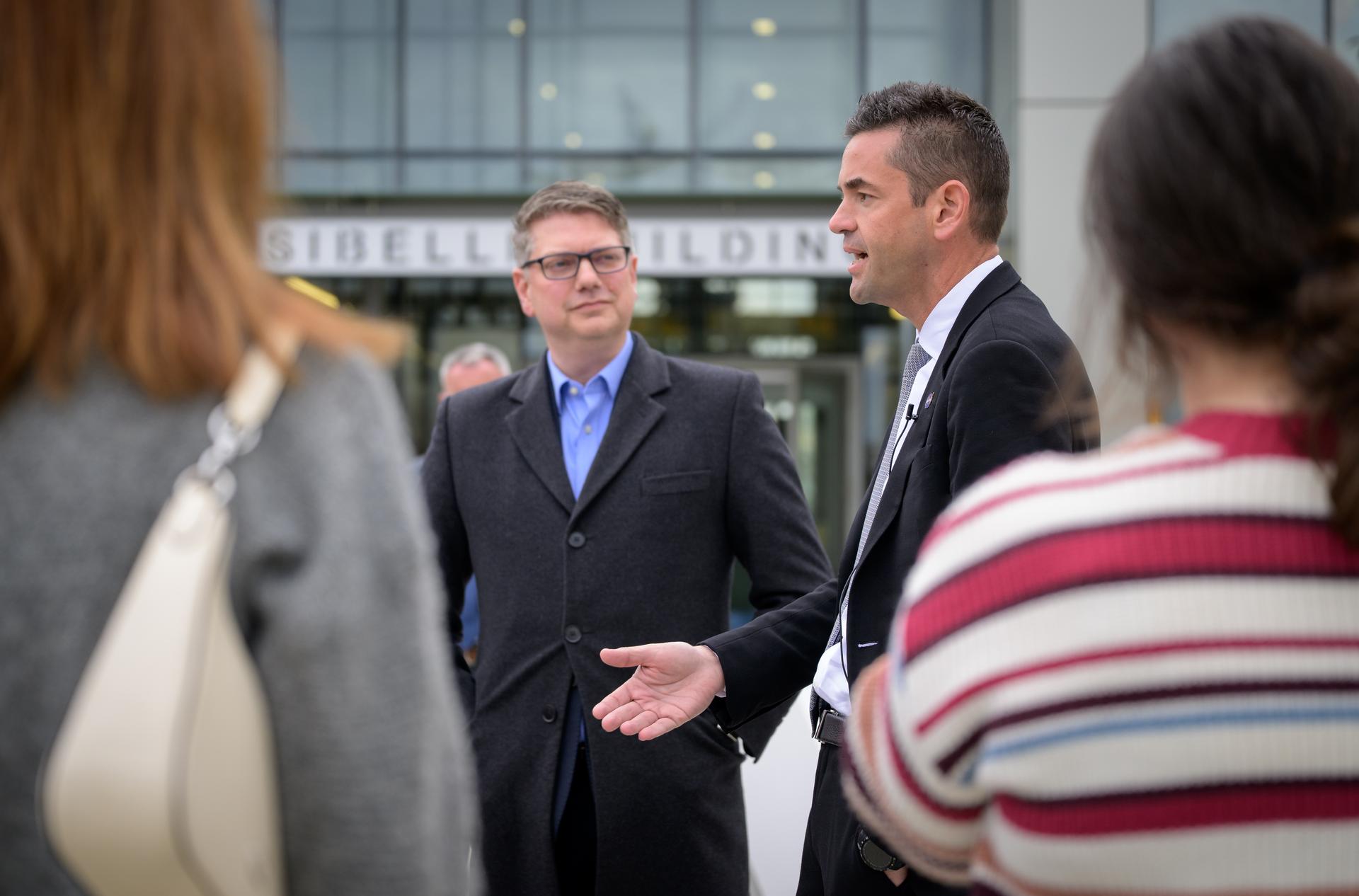
Rep. Nick Begich, R-Alaska, left, and NASA Administrator Jared Isaacman, meet with media at the conclusion of a NASA Town Hall, Monday, Oct. 5, 2026, at the University of Alaska Fairbanks, in Fairbanks, Alaska. NASA’s visit to Alaska is part of the agency's Inspiration Tour, aimed at strengthening connections between NASA and its partners and showcasing innovation in air and space in the lead up to the MAX POWER aerospace technology expo and airshow at the agency's Kennedy Space Center in early November. Photo Credit: (NASA/Bill Ingalls)
Rep. Nick Begich, R-Alaska, center, and NASA Administrator Jared Isaacman, meet with Space Grant students during a Science Fare, Monday, Oct. 5, 2026, at the University of Alaska Fairbanks, in Fairbanks, Alaska. NASA’s visit to Alaska is part of the agency's Inspiration Tour, aimed at strengthening connections between NASA and its partners and showcasing innovation in air and space in the lead up to the MAX POWER aerospace technology expo and airshow at the agency's Kennedy Space Center in early November. Photo Credit: (NASA/Bill Ingalls)
Rep. Nick Begich, R-Alaska, left, and NASA Administrator Jared Isaacman, meet with Space Grant students during a Science Fare, Monday, Oct. 5, 2026, at the University of Alaska Fairbanks, in Fairbanks, Alaska. NASA’s visit to Alaska is part of the agency's Inspiration Tour, aimed at strengthening connections between NASA and its partners and showcasing innovation in air and space in the lead up to the MAX POWER aerospace technology expo and airshow at the agency's Kennedy Space Center in early November. Photo Credit: (NASA/Bill Ingalls)
Rep. Nick Begich, R-Alaska, left, and NASA Administrator Jared Isaacman, meet with media at the conclusion of a NASA Town Hall, Monday, Oct. 5, 2026, at the University of Alaska Fairbanks, in Fairbanks, Alaska. NASA’s visit to Alaska is part of the agency's Inspiration Tour, aimed at strengthening connections between NASA and its partners and showcasing innovation in air and space in the lead up to the MAX POWER aerospace technology expo and airshow at the agency's Kennedy Space Center in early November. Photo Credit: (NASA/Bill Ingalls)
NASA Administrator Jared Isaacman talks student questions during a NASA Town Hall, Monday, Oct. 5, 2026, at the University of Alaska Fairbanks, in Fairbanks, Alaska. NASA’s visit to Alaska is part of the agency's Inspiration Tour, aimed at strengthening connections between NASA and its partners and showcasing innovation in air and space in the lead up to the MAX POWER aerospace technology expo and airshow at the agency's Kennedy Space Center in early November. Photo Credit: (NASA/Bill Ingalls)
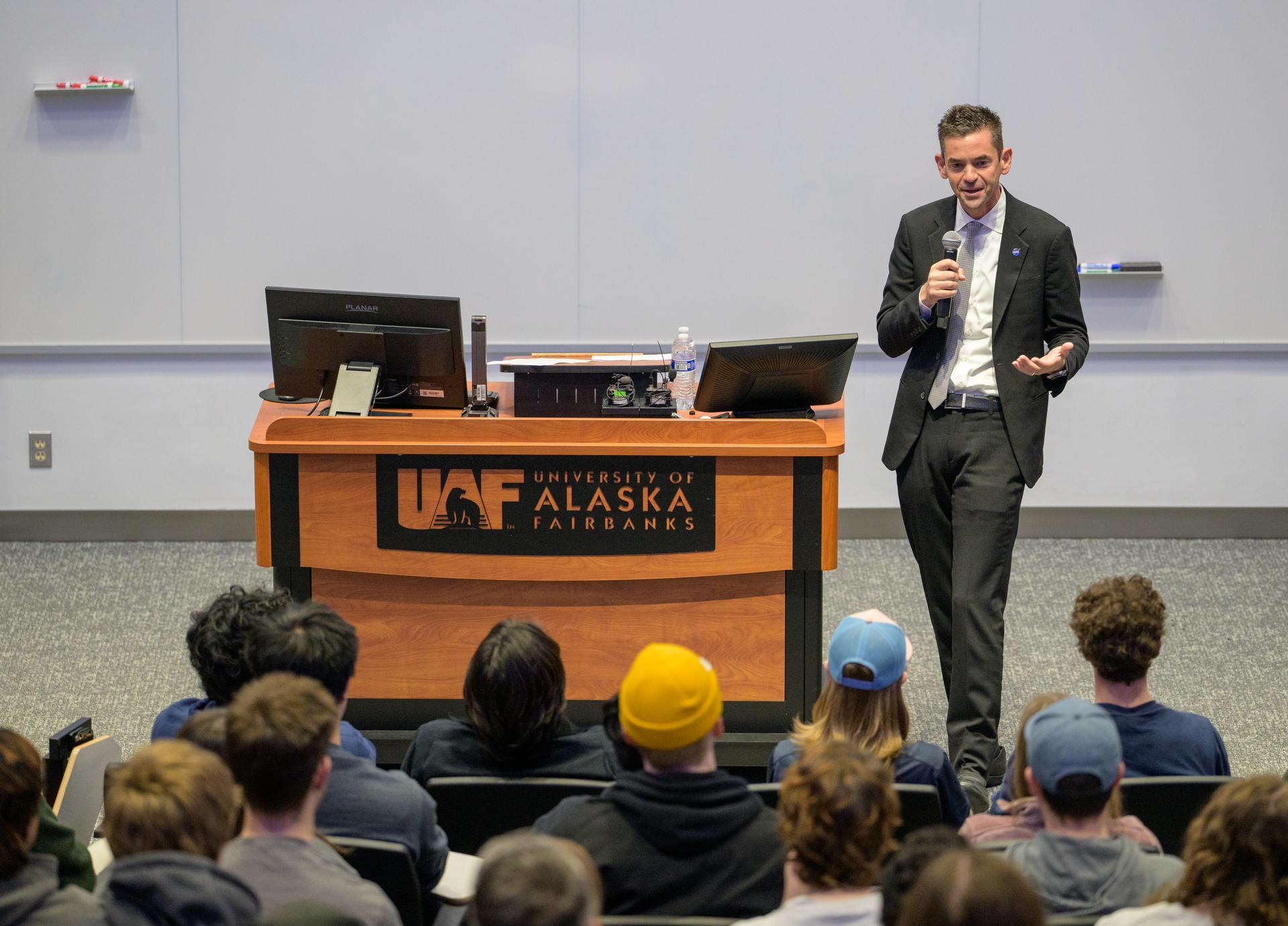
NASA Administrator Jared Isaacman talks with students during a NASA Town Hall, Monday, Oct. 5, 2026, at the University of Alaska Fairbanks, in Fairbanks, Alaska. NASA’s visit to Alaska is part of the agency's Inspiration Tour, aimed at strengthening connections between NASA and its partners and showcasing innovation in air and space in the lead up to the MAX POWER aerospace technology expo and airshow at the agency's Kennedy Space Center in early November. Photo Credit: (NASA/Bill Ingalls)
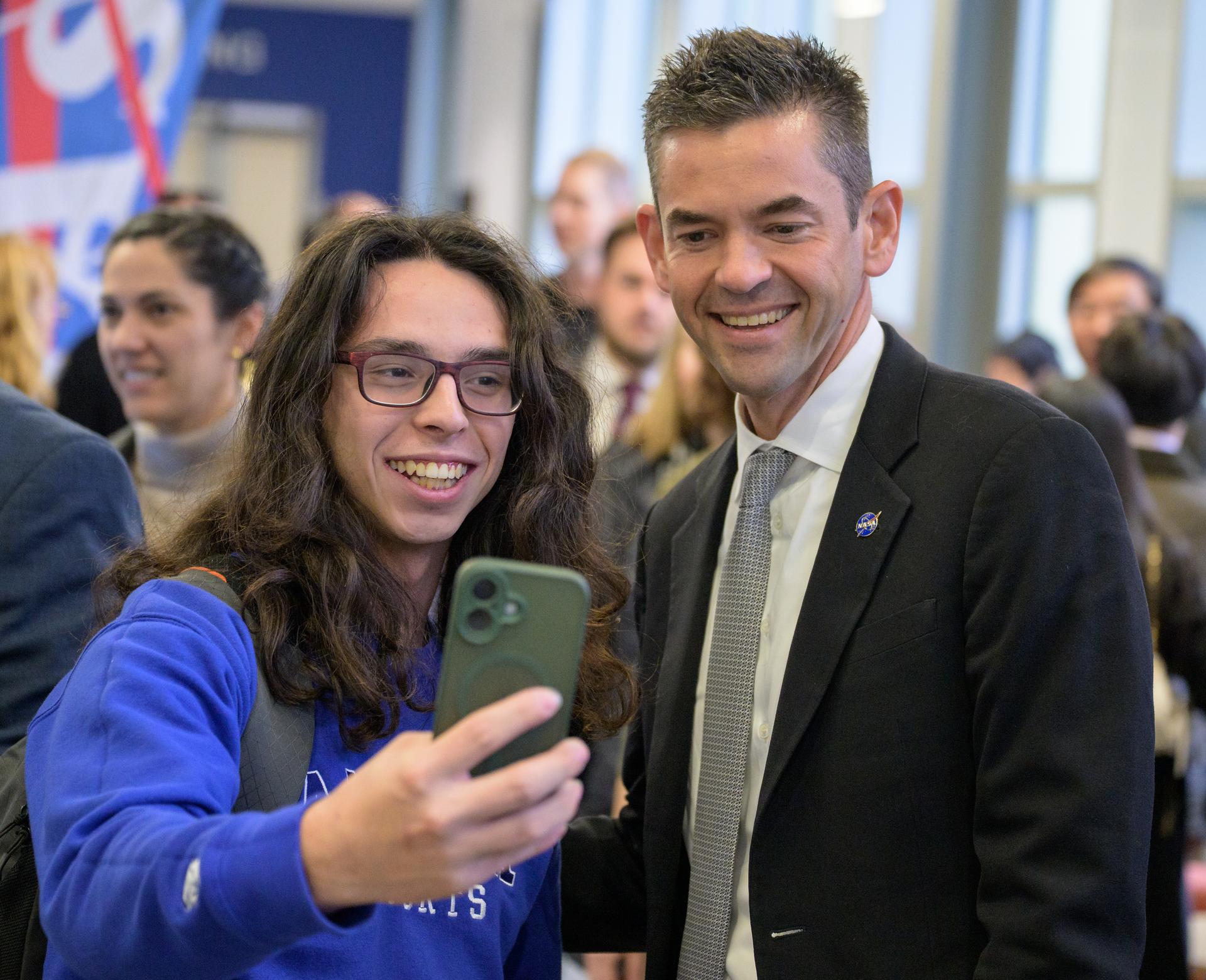
NASA Administrator Jared Isaacman takes a selfie with students during a NASA Town Hall, Monday, Oct. 5, 2026, at the University of Alaska Fairbanks, in Fairbanks, Alaska. NASA’s visit to Alaska is part of the agency's Inspiration Tour, aimed at strengthening connections between NASA and its partners and showcasing innovation in air and space in the lead up to the MAX POWER aerospace technology expo and airshow at the agency's Kennedy Space Center in early November. Photo Credit: (NASA/Bill Ingalls)
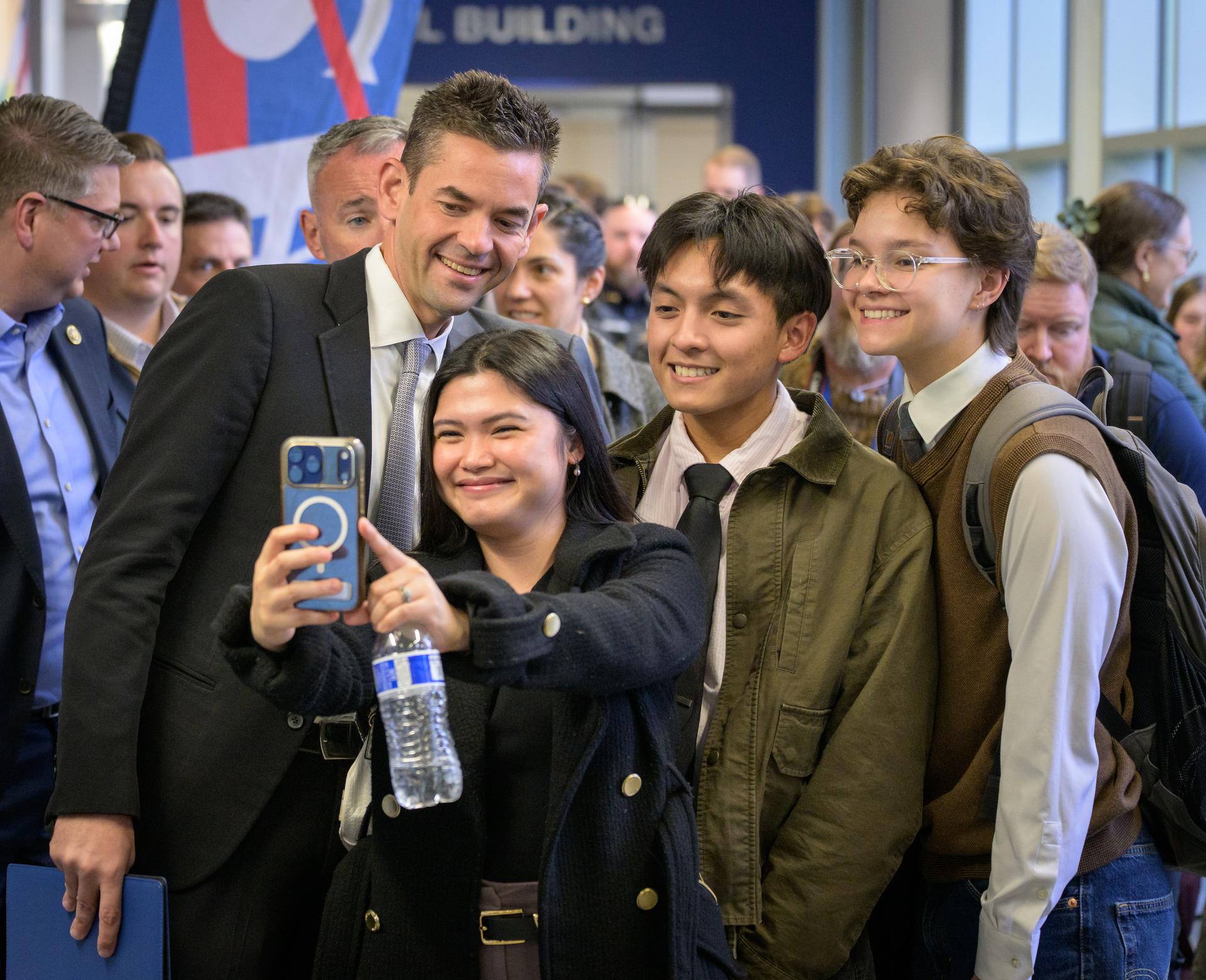
NASA Administrator Jared Isaacman takes a selfie with students during a NASA Town Hall, Monday, Oct. 5, 2026, at the University of Alaska Fairbanks, in Fairbanks, Alaska. NASA’s visit to Alaska is part of the agency's Inspiration Tour, aimed at strengthening connections between NASA and its partners and showcasing innovation in air and space in the lead up to the MAX POWER aerospace technology expo and airshow at the agency's Kennedy Space Center in early November. Photo Credit: (NASA/Bill Ingalls)
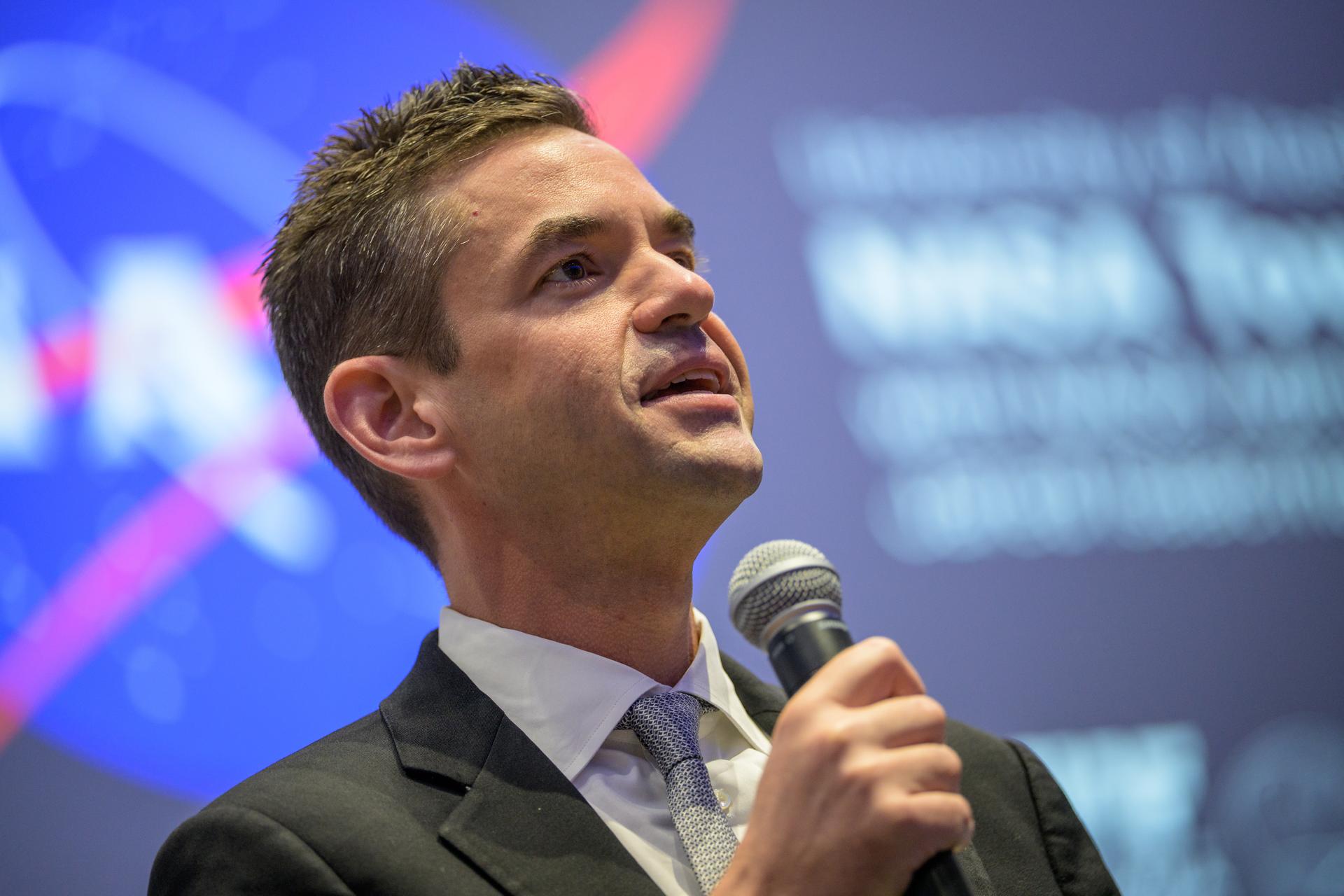
NASA Administrator Jared Isaacman talks with students during a NASA Town Hall, Monday, Oct. 5, 2026, at the University of Alaska Fairbanks, in Fairbanks, Alaska. NASA’s visit to Alaska is part of the agency's Inspiration Tour, aimed at strengthening connections between NASA and its partners and showcasing innovation in air and space in the lead up to the MAX POWER aerospace technology expo and airshow at the agency's Kennedy Space Center in early November. Photo Credit: (NASA/Bill Ingalls)
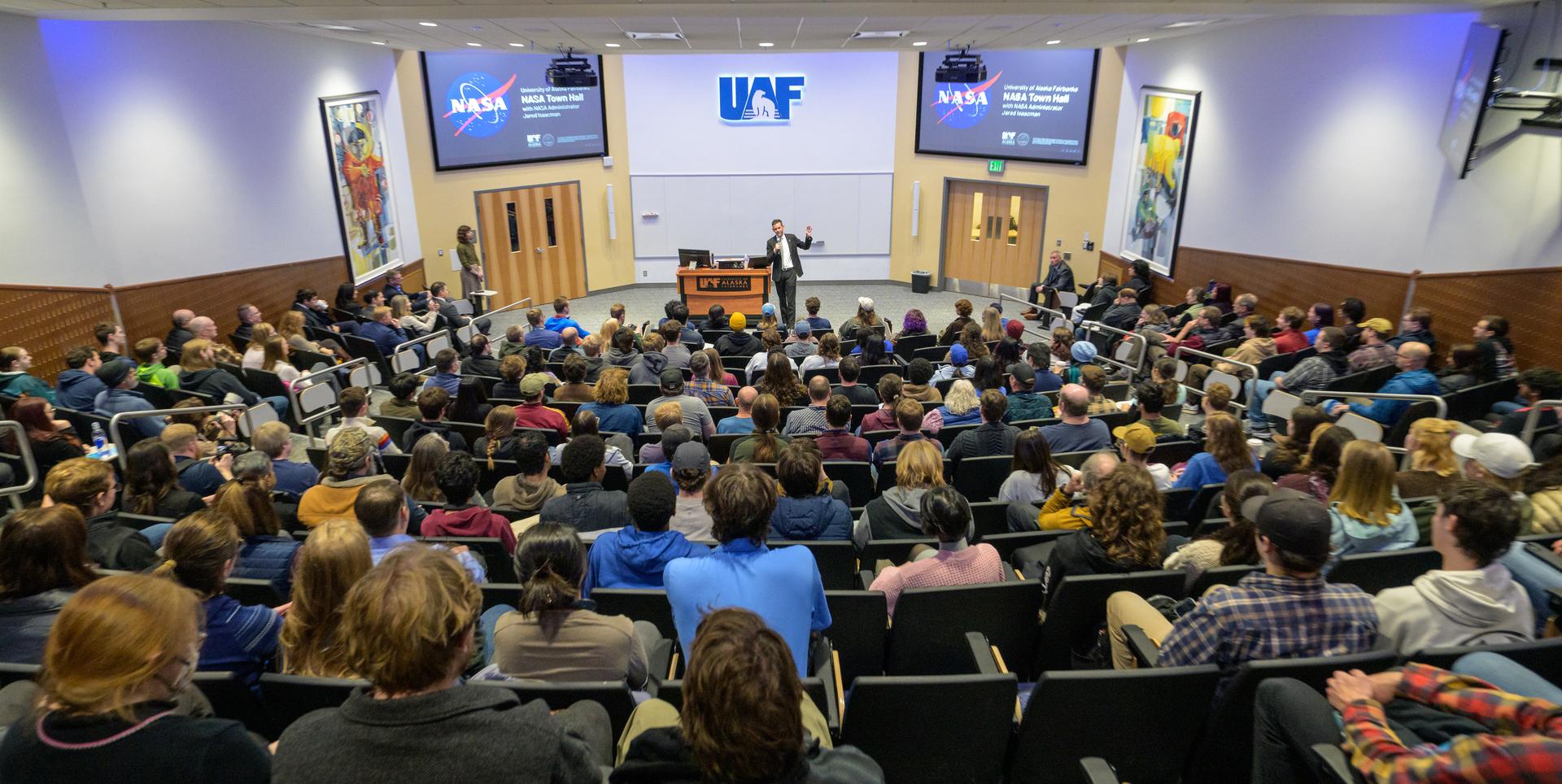
NASA Administrator Jared Isaacman talks with students during a NASA Town Hall, Monday, Oct. 5, 2026, at the University of Alaska Fairbanks, in Fairbanks, Alaska. NASA’s visit to Alaska is part of the agency's Inspiration Tour, aimed at strengthening connections between NASA and its partners and showcasing innovation in air and space in the lead up to the MAX POWER aerospace technology expo and airshow at the agency's Kennedy Space Center in early November. Photo Credit: (NASA/Bill Ingalls)
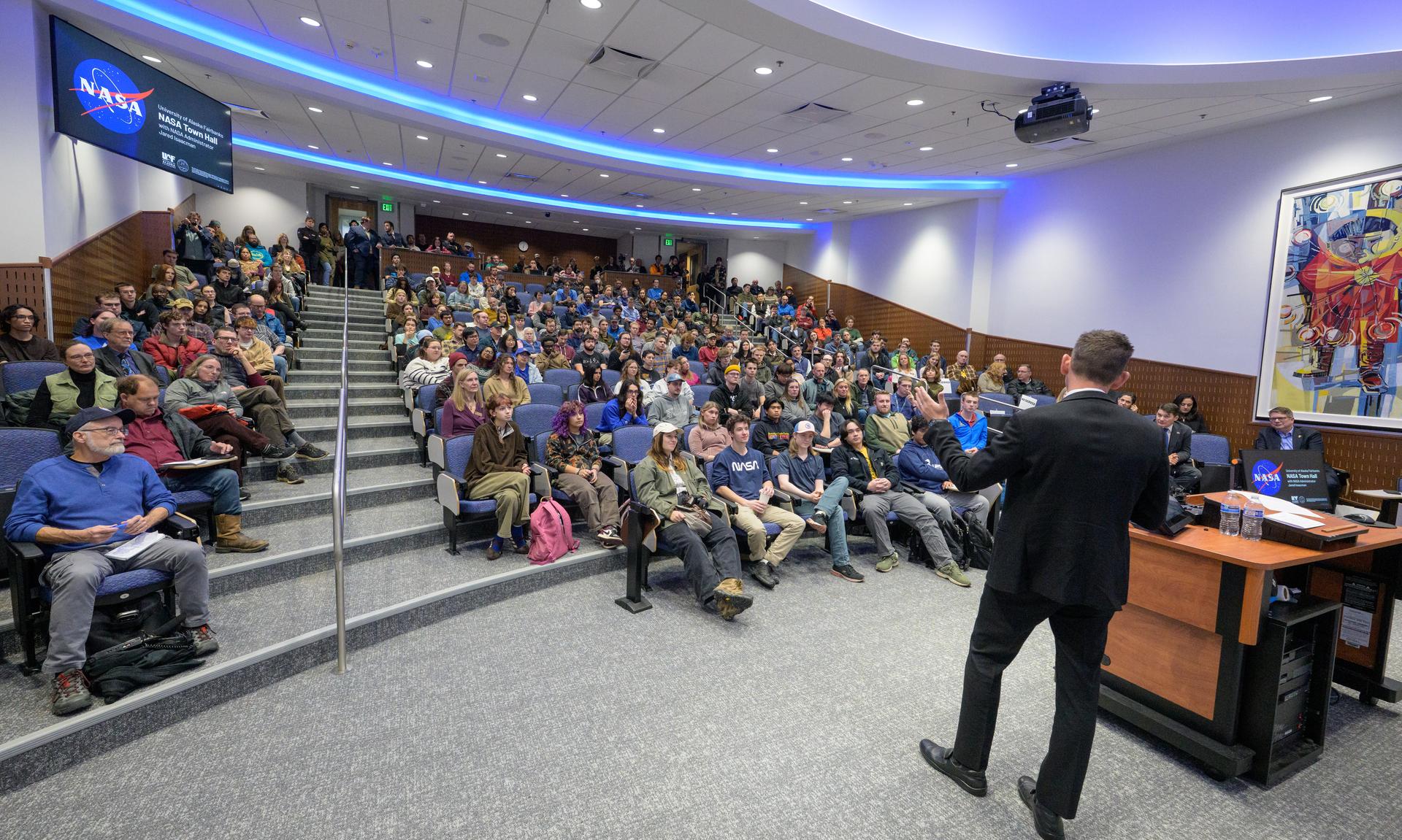
NASA Administrator Jared Isaacman talks with students during a NASA Town Hall, Monday, Oct. 5, 2026, at the University of Alaska Fairbanks, in Fairbanks, Alaska. NASA’s visit to Alaska is part of the agency's Inspiration Tour, aimed at strengthening connections between NASA and its partners and showcasing innovation in air and space in the lead up to the MAX POWER aerospace technology expo and airshow at the agency's Kennedy Space Center in early November. Photo Credit: (NASA/Bill Ingalls)
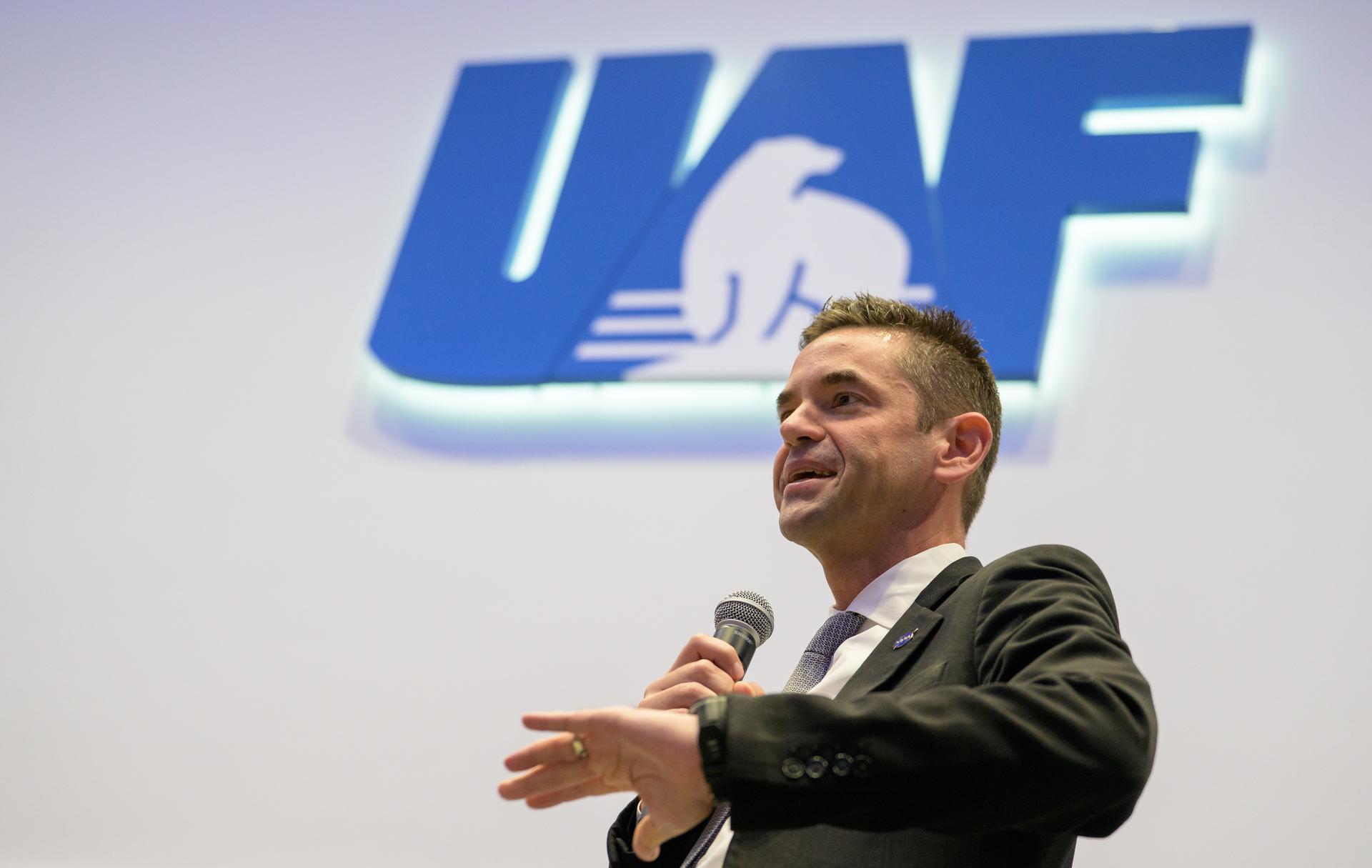
NASA Administrator Jared Isaacman talks with students during a NASA Town Hall, Monday, Oct. 5, 2026, at the University of Alaska Fairbanks, in Fairbanks, Alaska. NASA’s visit to Alaska is part of the agency's Inspiration Tour, aimed at strengthening connections between NASA and its partners and showcasing innovation in air and space in the lead up to the MAX POWER aerospace technology expo and airshow at the agency's Kennedy Space Center in early November. Photo Credit: (NASA/Bill Ingalls)
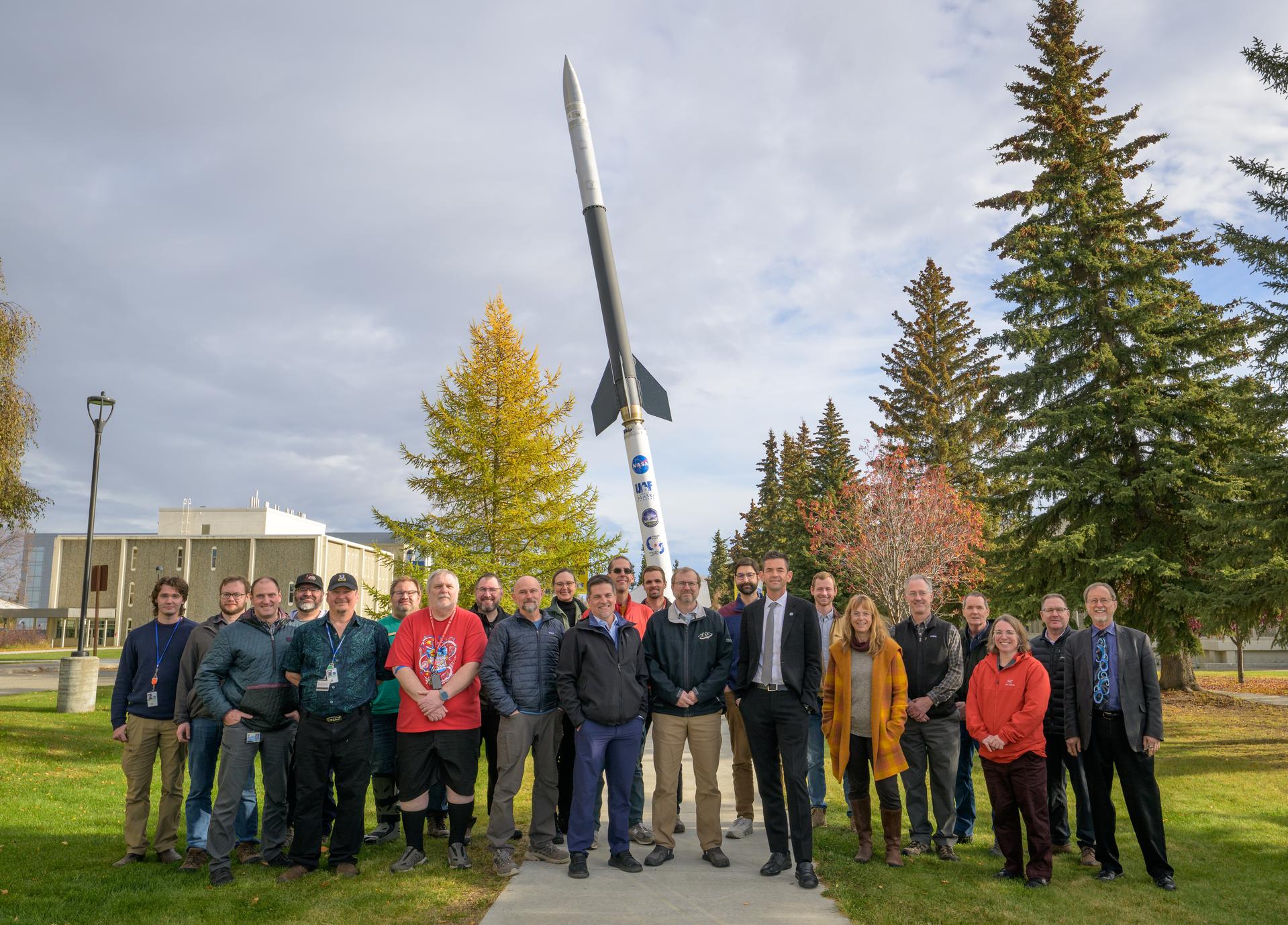
NASA Administrator Jared Isaacman poses for a group photograph with members of the Geophysical Institute, Monday, Oct. 5, 2026, at the University of Alaska Fairbanks, in Fairbanks, Alaska. NASA’s visit to Alaska is part of the agency's Inspiration Tour, aimed at strengthening connections between NASA and its partners and showcasing innovation in air and space in the lead up to the MAX POWER aerospace technology expo and airshow at the agency's Kennedy Space Center in early November. Photo Credit: (NASA/Bill Ingalls)
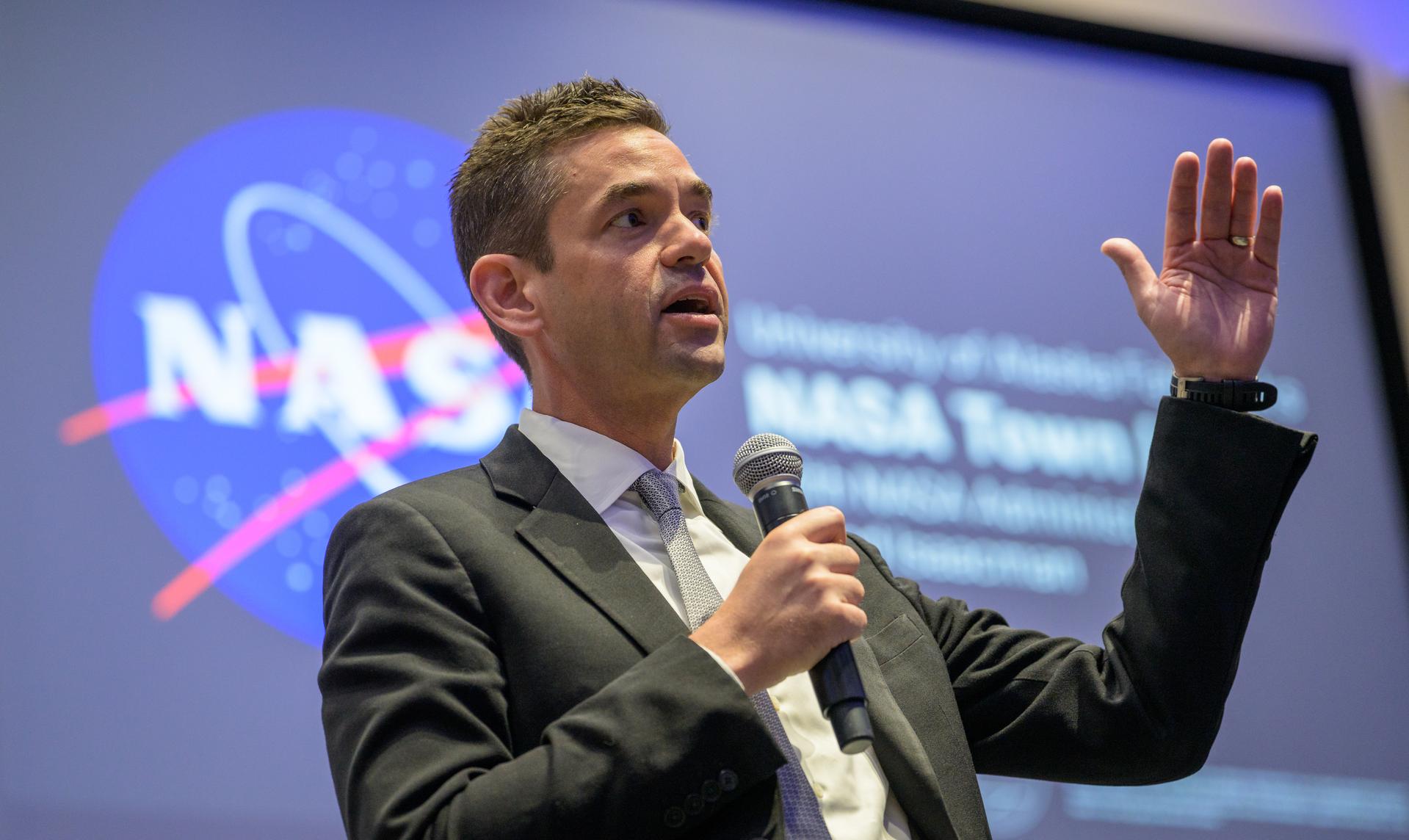
NASA Administrator Jared Isaacman talks with students during a NASA Town Hall, Monday, Oct. 5, 2026, at the University of Alaska Fairbanks, in Fairbanks, Alaska. NASA’s visit to Alaska is part of the agency's Inspiration Tour, aimed at strengthening connections between NASA and its partners and showcasing innovation in air and space in the lead up to the MAX POWER aerospace technology expo and airshow at the agency's Kennedy Space Center in early November. Photo Credit: (NASA/Bill Ingalls)
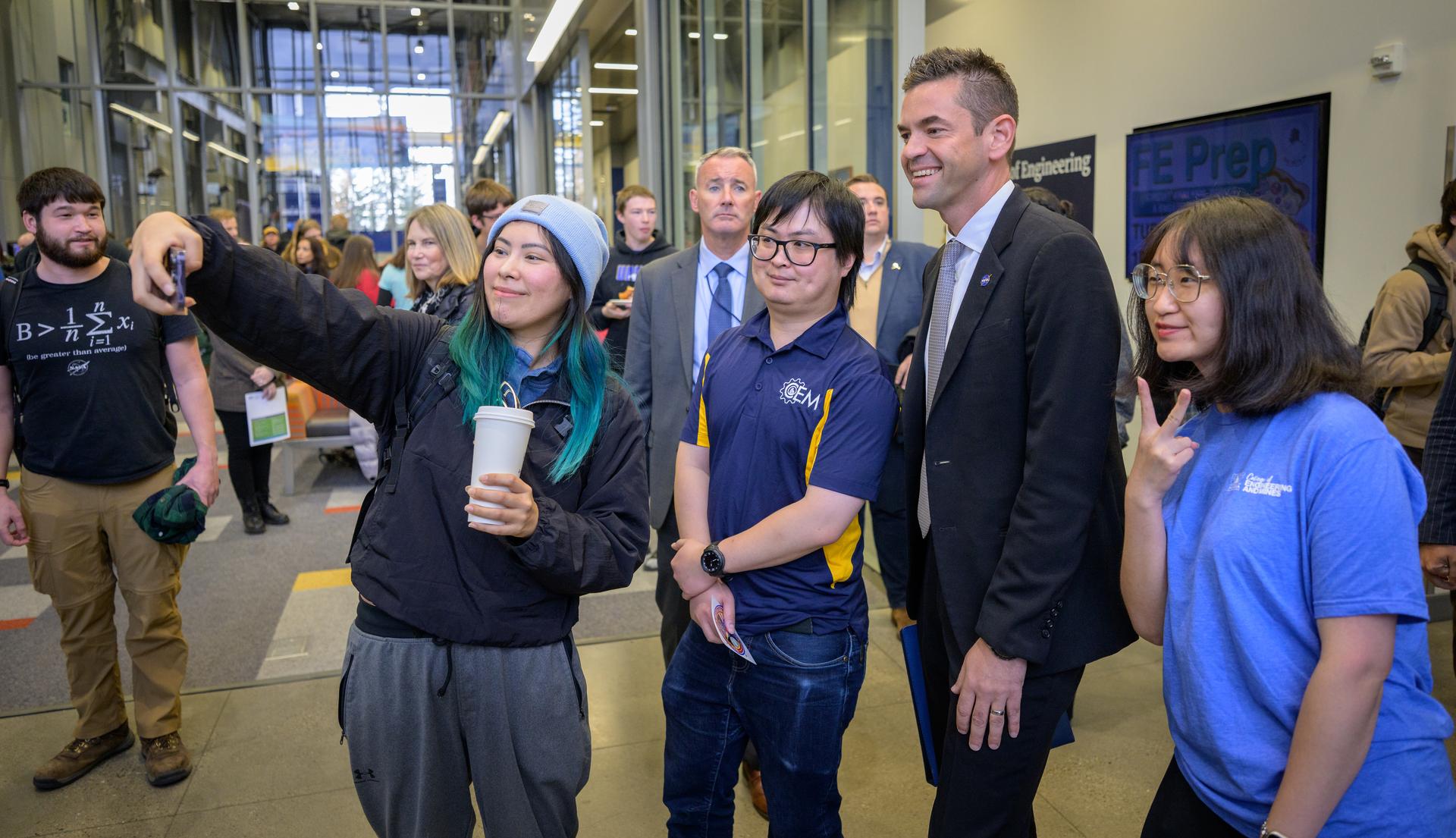
NASA Administrator Jared Isaacman takes a selfie with students during a NASA Town Hall, Monday, Oct. 5, 2026, at the University of Alaska Fairbanks, in Fairbanks, Alaska. NASA’s visit to Alaska is part of the agency's Inspiration Tour, aimed at strengthening connections between NASA and its partners and showcasing innovation in air and space in the lead up to the MAX POWER aerospace technology expo and airshow at the agency's Kennedy Space Center in early November. Photo Credit: (NASA/Bill Ingalls)
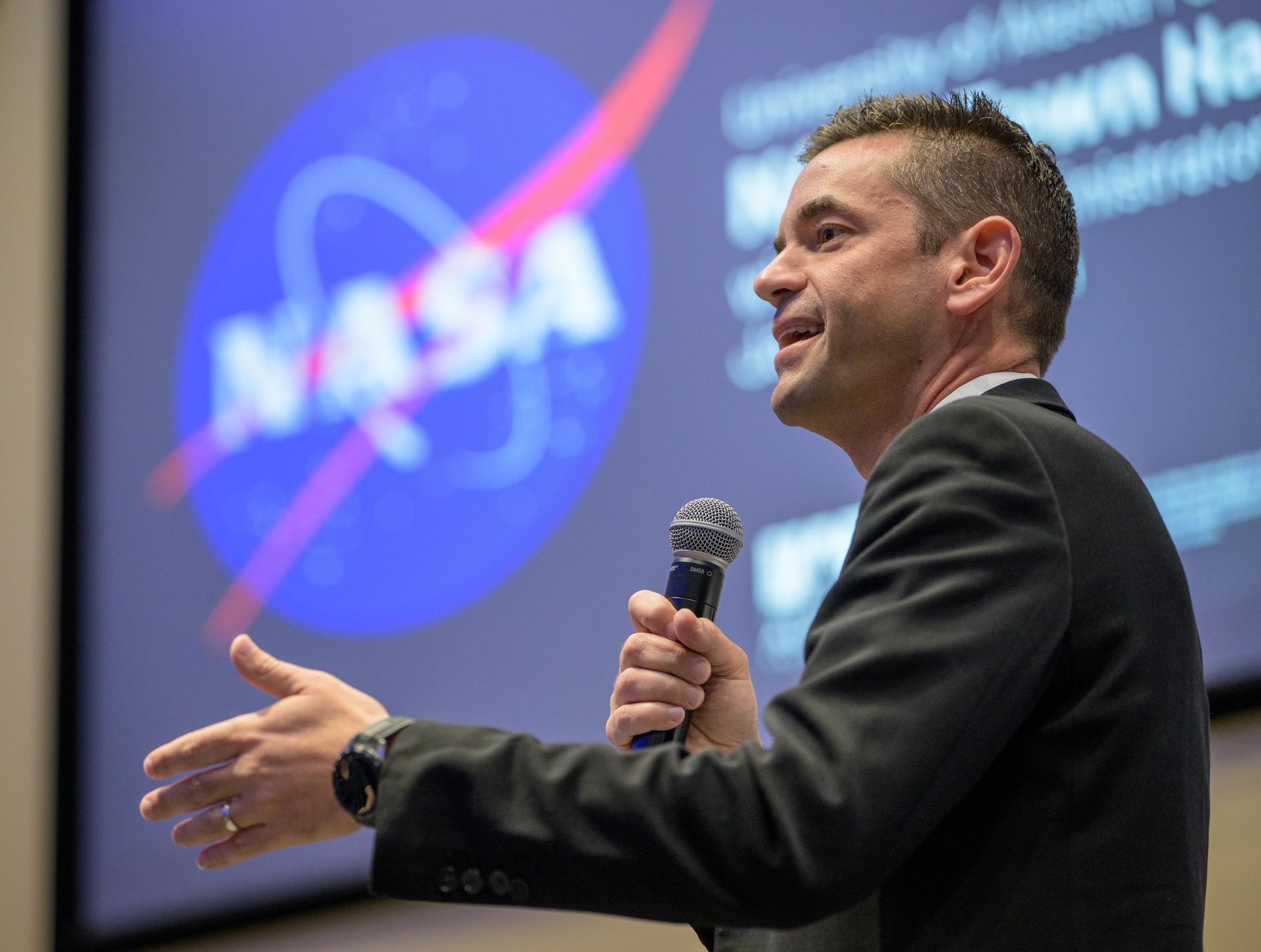
NASA Administrator Jared Isaacman talks with students during a NASA Town Hall, Monday, Oct. 5, 2026, at the University of Alaska Fairbanks, in Fairbanks, Alaska. NASA’s visit to Alaska is part of the agency's Inspiration Tour, aimed at strengthening connections between NASA and its partners and showcasing innovation in air and space in the lead up to the MAX POWER aerospace technology expo and airshow at the agency's Kennedy Space Center in early November. Photo Credit: (NASA/Bill Ingalls)

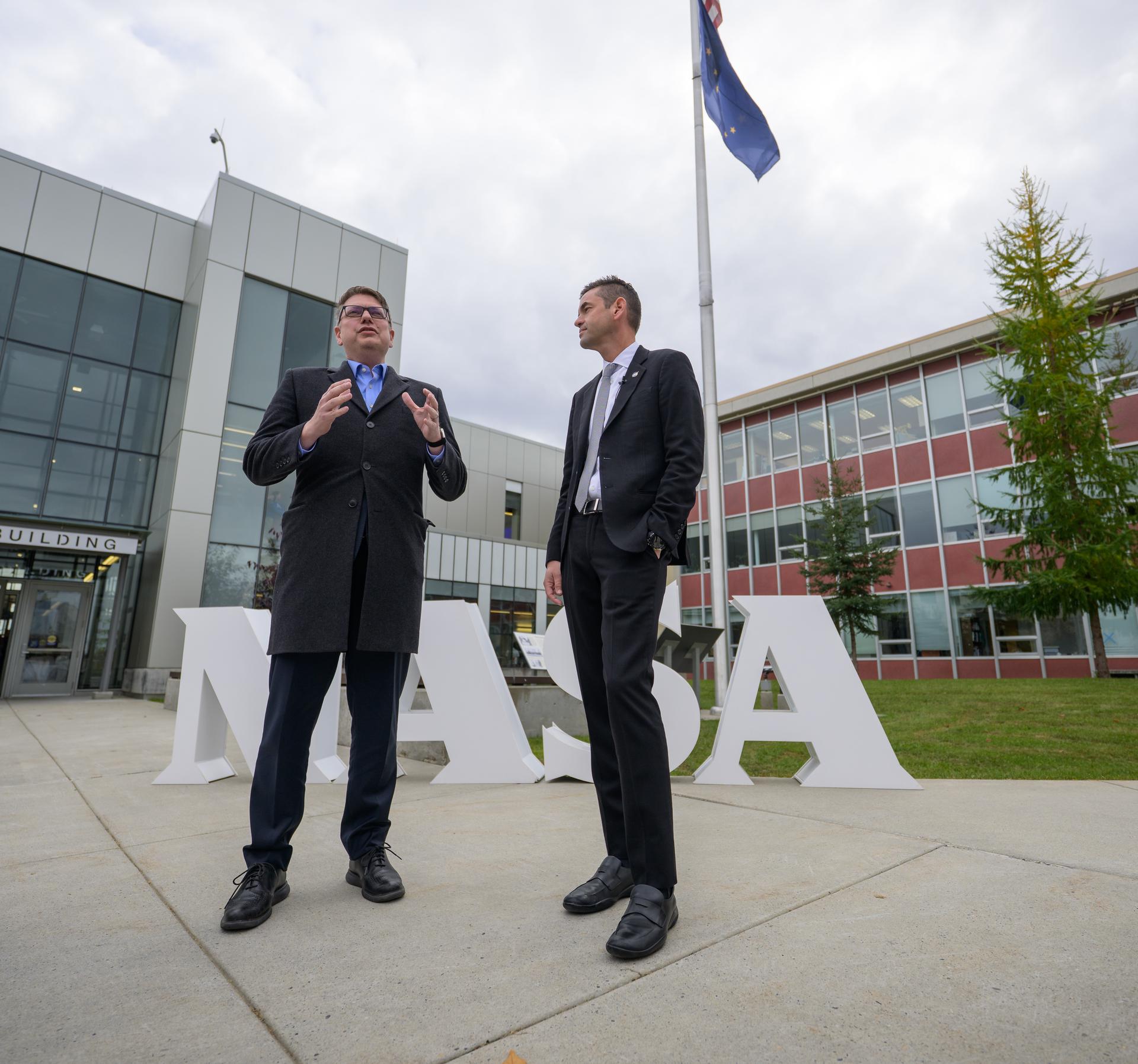
NASA Chief Technologist Douglas Terrier meets with members of the media at “NASA Day in Arkansas” at Harding University in Searcy, Arkansas, on Jan. 27, 2020.
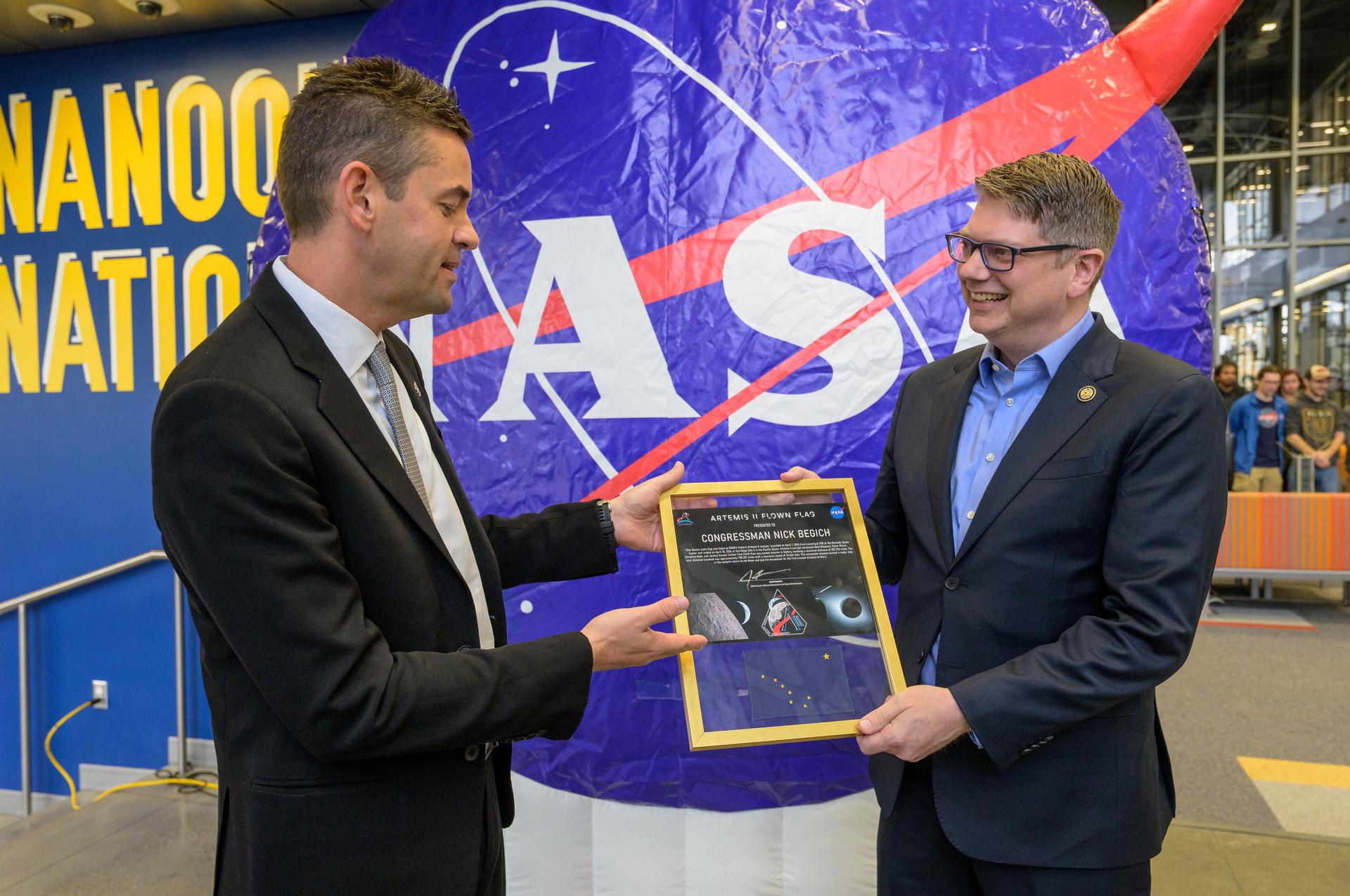
NASA Administrator Jared Isaacman, left, presents Rep. Nick Begich, R-Alaska, a plaque including an Alaska state flag that was flown on the Artemis II mission around the Moon, Monday, Oct. 5, 2026, at the University of Alaska Fairbanks, in Fairbanks, Alaska. NASA’s visit to Alaska is part of the agency's Inspiration Tour, aimed at strengthening connections between NASA and its partners and showcasing innovation in air and space in the lead up to the MAX POWER aerospace technology expo and airshow at the agency's Kennedy Space Center in early November. Photo Credit: (NASA/Bill Ingalls)
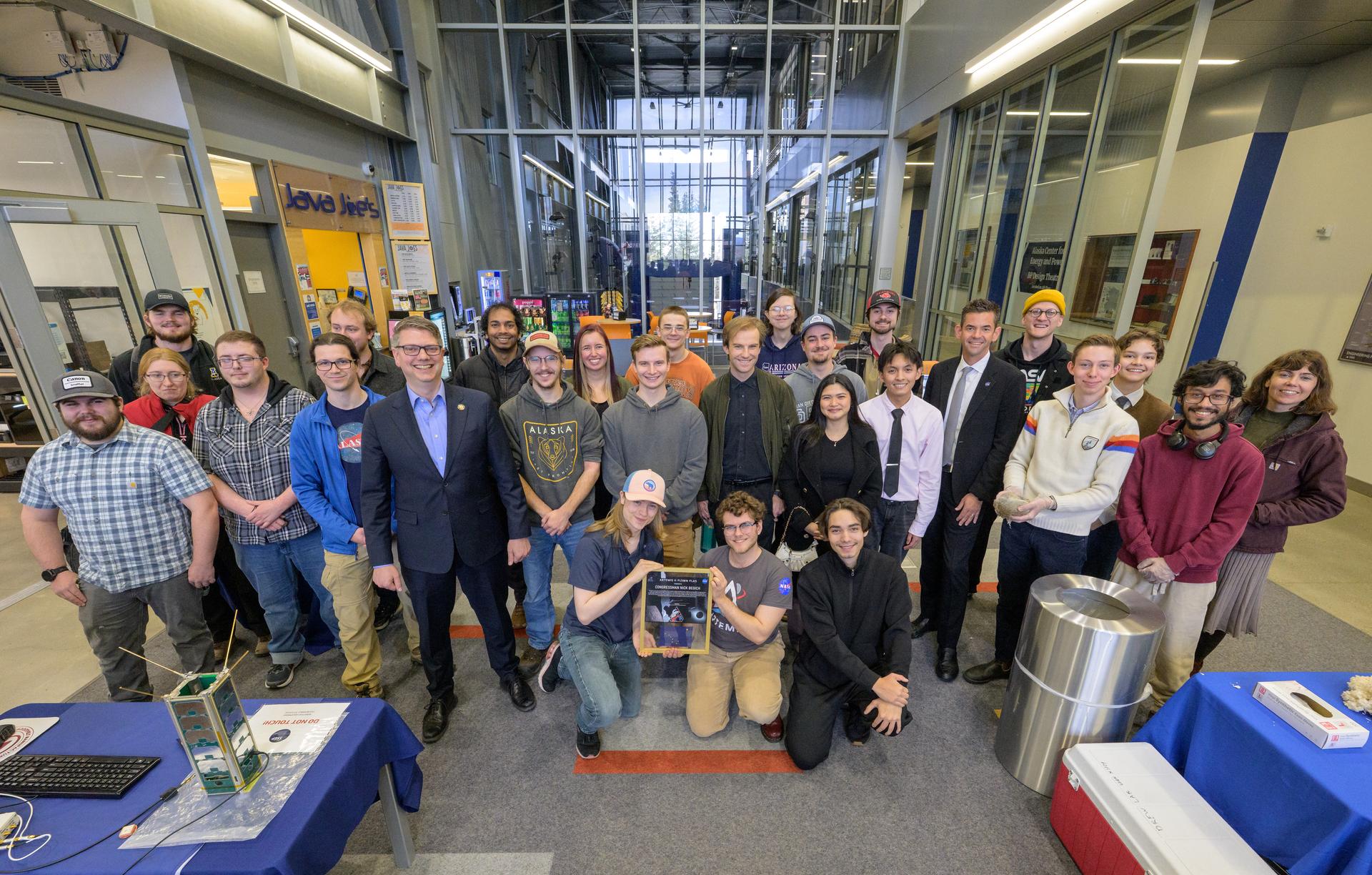
NASA Administrator Jared Isaacman, 6th from right, Rep. Nick Begich, R-Alaska, 7th from left, and Alaska Space Grant students, pose for a group photograph at a science fare, Monday, Oct. 5, 2026, at the University of Alaska Fairbanks, in Fairbanks, Alaska. NASA’s visit to Alaska is part of the agency's Inspiration Tour, aimed at strengthening connections between NASA and its partners and showcasing innovation in air and space in the lead up to the MAX POWER aerospace technology expo and airshow at the agency's Kennedy Space Center in early November. Photo Credit: (NASA/Bill Ingalls)
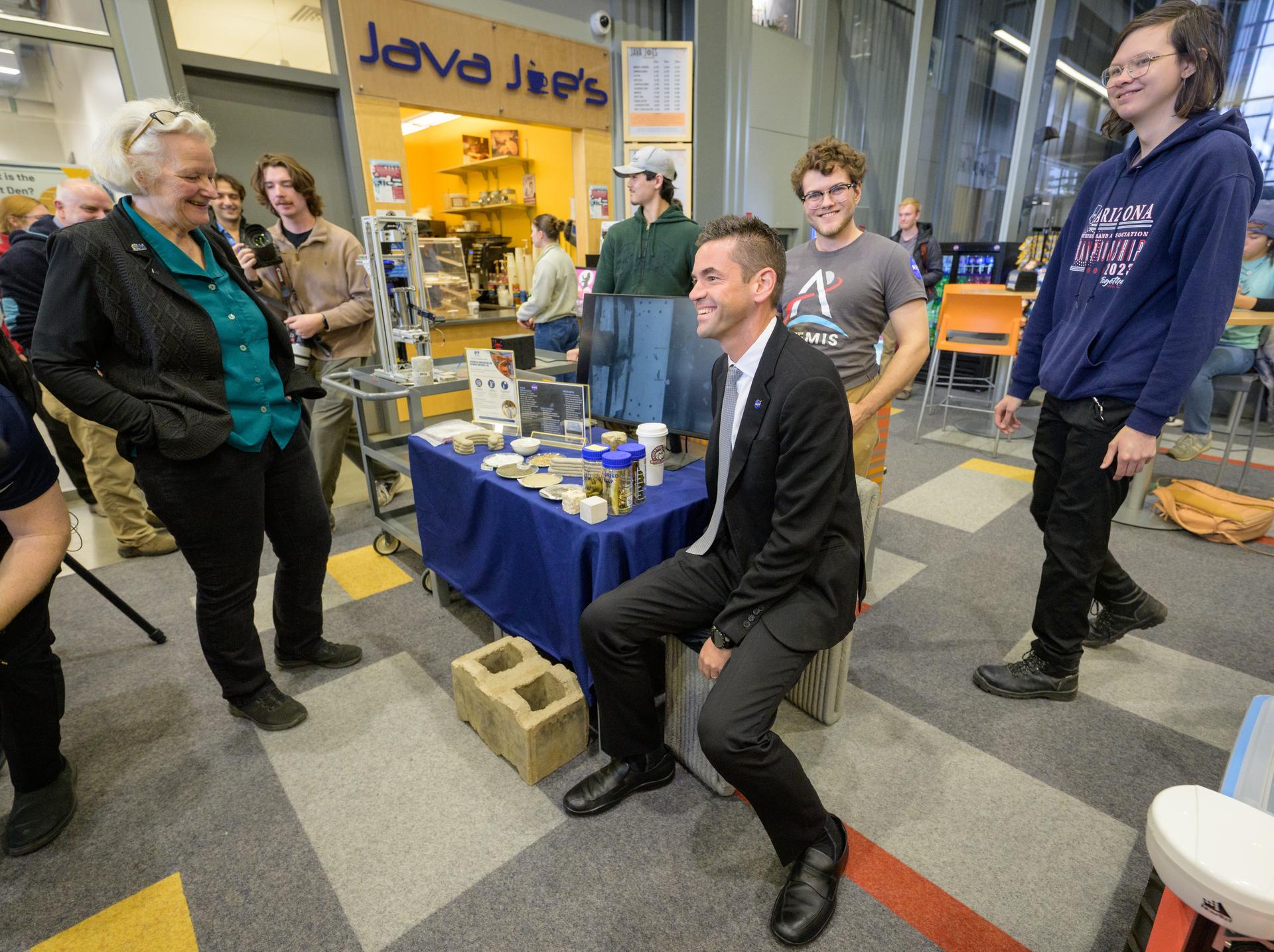
NASA Administrator Jared Isaacman, tries a 3D printed lunar regolith simulant chair as he meets with Space Grant students during a Science Fare, Monday, Oct. 5, 2026, at the University of Alaska Fairbanks, in Fairbanks, Alaska. NASA’s visit to Alaska is part of the agency's Inspiration Tour, aimed at strengthening connections between NASA and its partners and showcasing innovation in air and space in the lead up to the MAX POWER aerospace technology expo and airshow at the agency's Kennedy Space Center in early November. Photo Credit: (NASA/Bill Ingalls)

NASA Chief Technologist Douglas Terrier meets with researchers conducting plant research relevant to space exploration during “NASA Day in Arkansas” at Harding University in Searcy, Arkansas, on Jan. 27, 2020.
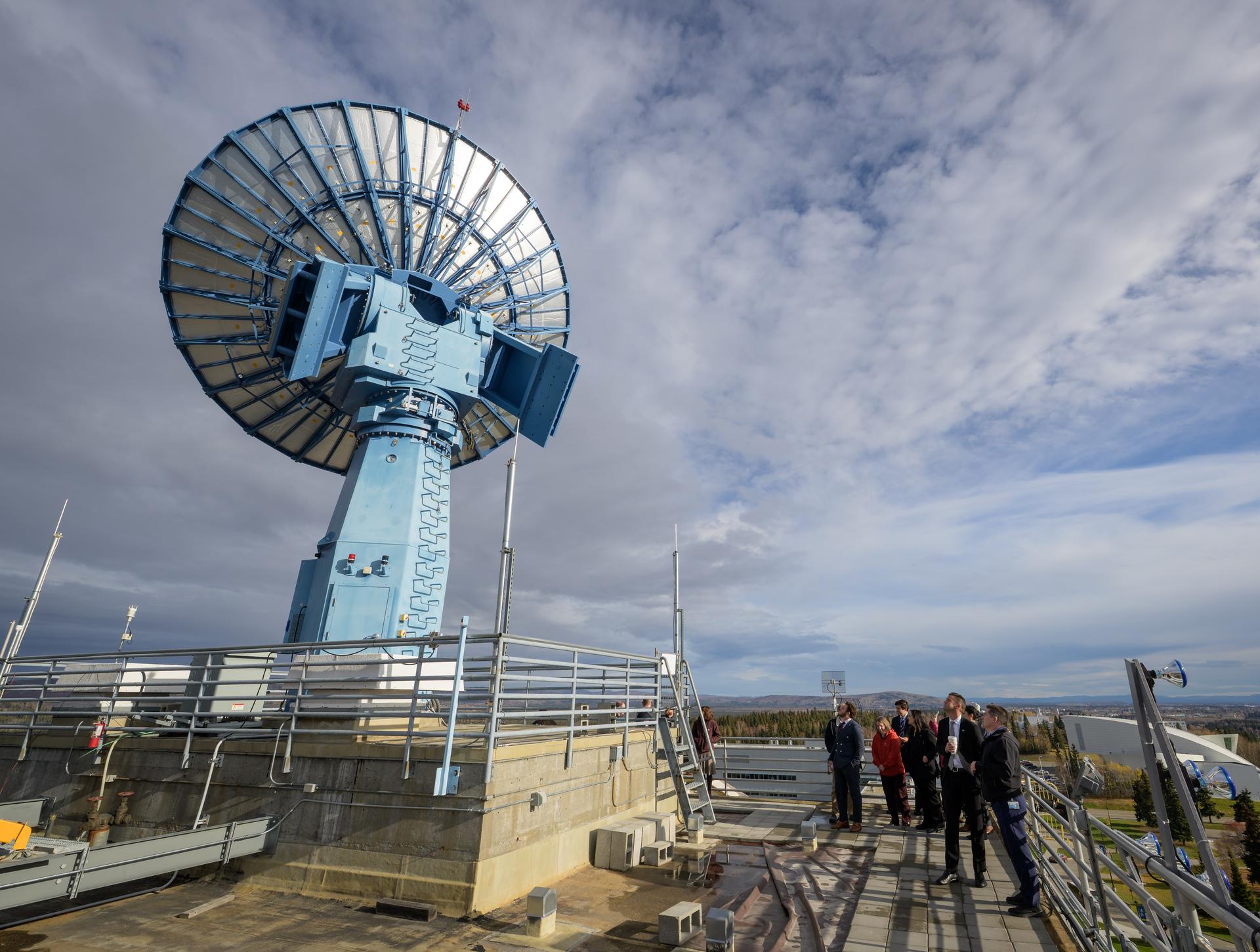
NASA Administrator Jared Isaacman tours the Geophysical Institute, Alaska Satellite Facility, Monday, Oct. 5, 2026, at the University of Alaska Fairbanks, in Fairbanks, Alaska. NASA’s visit to Alaska is part of the agency's Inspiration Tour, aimed at strengthening connections between NASA and its partners and showcasing innovation in air and space in the lead up to the MAX POWER aerospace technology expo and airshow at the agency's Kennedy Space Center in early November. Photo Credit: (NASA/Bill Ingalls)
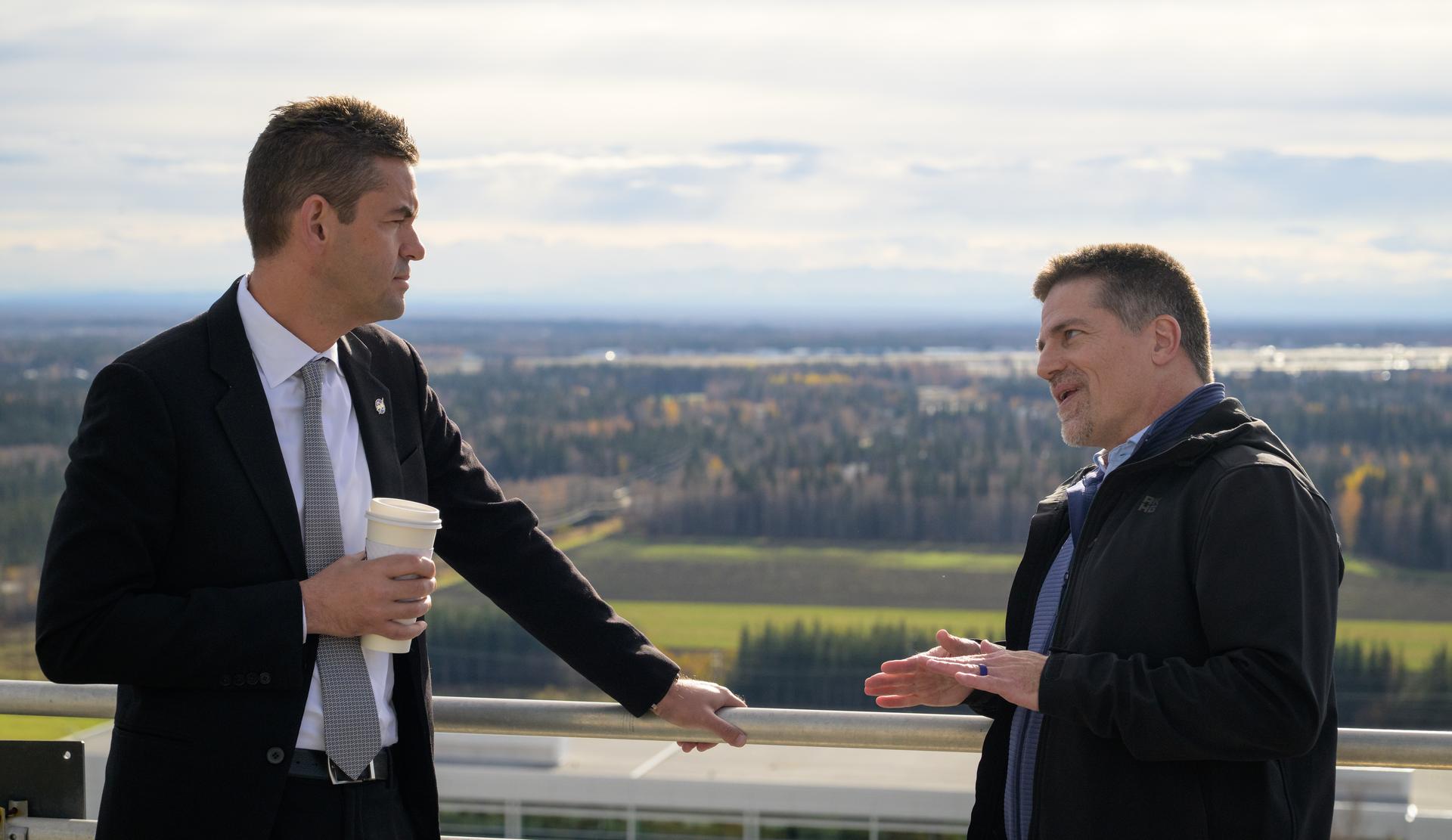
NASA Administrator Jared Isaacman, left, and Wade Albright, Director, Alaska Satellite Facility, talk, Monday, Oct. 5, 2026, at the University of Alaska Fairbanks, in Fairbanks, Alaska. NASA’s visit to Alaska is part of the agency's Inspiration Tour, aimed at strengthening connections between NASA and its partners and showcasing innovation in air and space in the lead up to the MAX POWER aerospace technology expo and airshow at the agency's Kennedy Space Center in early November. Photo Credit: (NASA/Bill Ingalls)
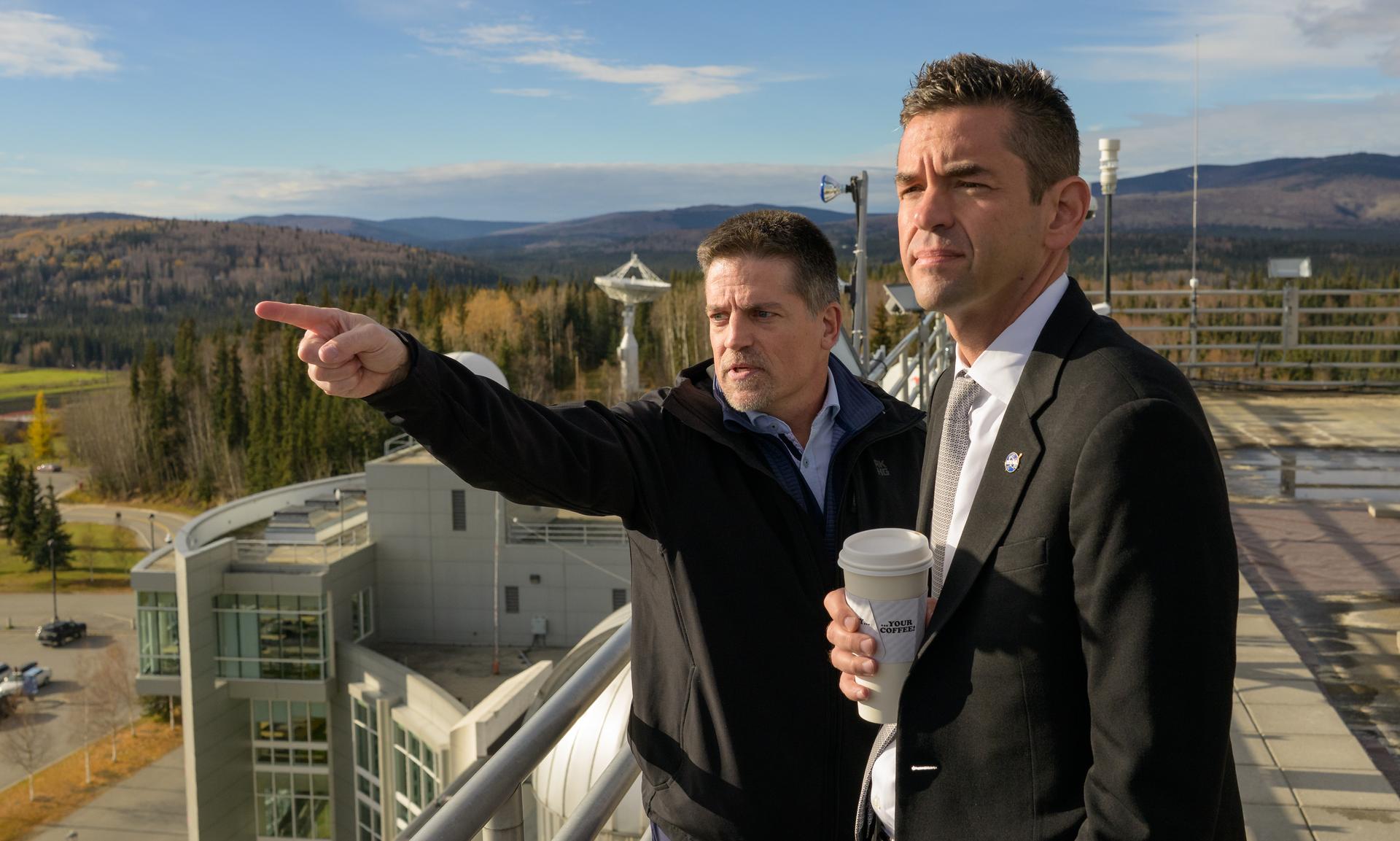
Wade Albright, Director, Alaska Satellite Facility, left, talks with NASA Administrator Jared Isaacman, Monday, Oct. 5, 2026, at the University of Alaska Fairbanks, in Fairbanks, Alaska. NASA’s visit to Alaska is part of the agency's Inspiration Tour, aimed at strengthening connections between NASA and its partners and showcasing innovation in air and space in the lead up to the MAX POWER aerospace technology expo and airshow at the agency's Kennedy Space Center in early November. Photo Credit: (NASA/Bill Ingalls)

Representatives of the state of Alabama, academia, and industry listen and take part in a panel discussion led by NASA Marshall Space Flight Center's Ruth Jones as part of the first Alabama Historically Black Colleges and Universities Roundtable Discussion. The event focused on drawing more minorities, specifically women, into academic fields and careers in science, technology, engineering and mathematics.

STS-129 Mission Specialist Leland Melvin speaks to students at the Howard University Middle School of Math and Science, Tuesday, Jan. 12, 2010, on the campus of Howard University in Washington. Photo Credit: (NASA/Paul E. Alers)

STS-129 Mission Specialist Leland Melvin speaks to students at the Howard University Middle School of Math and Science, Tuesday, Jan. 12, 2010, on the campus of Howard University in Washington. Photo Credit: (NASA/Paul E. Alers)

NASA Chief Technologist Douglas Terrier, left of center, meets with Dr. Ed Wilson, engineering professor emeritus and tours Wilson's atmospheric sciences laser lab during “NASA Day in Arkansas” at Harding University in Searcy, Arkansas, on Jan. 27, 2020.

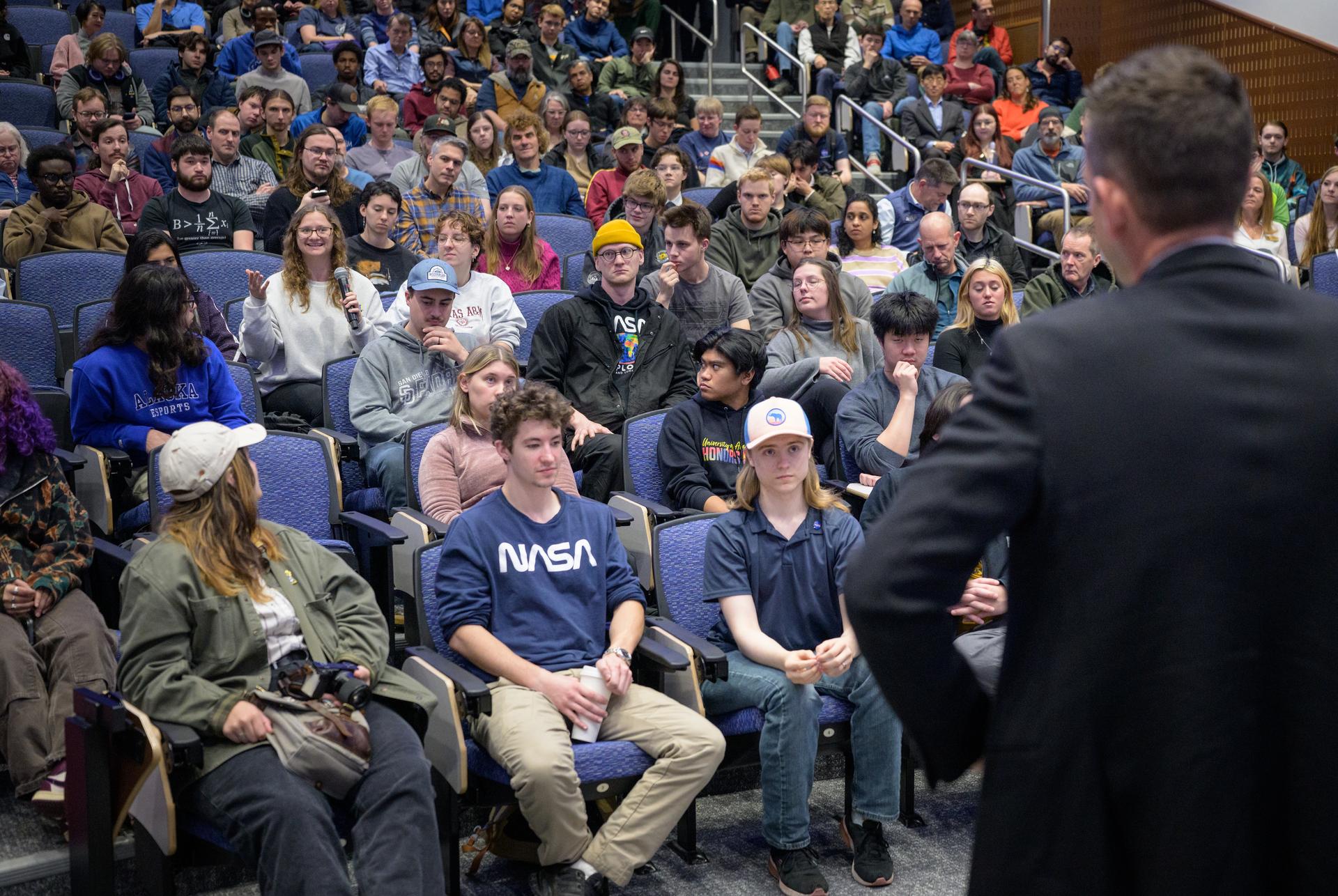
NASA Chief Technologist Douglas Terrier presents to grade school students about NASA’s Artemis Program -- which will send the first woman and the next man to surface of the Moon by 2024 -- at “NASA Day in Arkansas” at Harding University in Searcy, Arkansas, on Jan. 27, 2020.
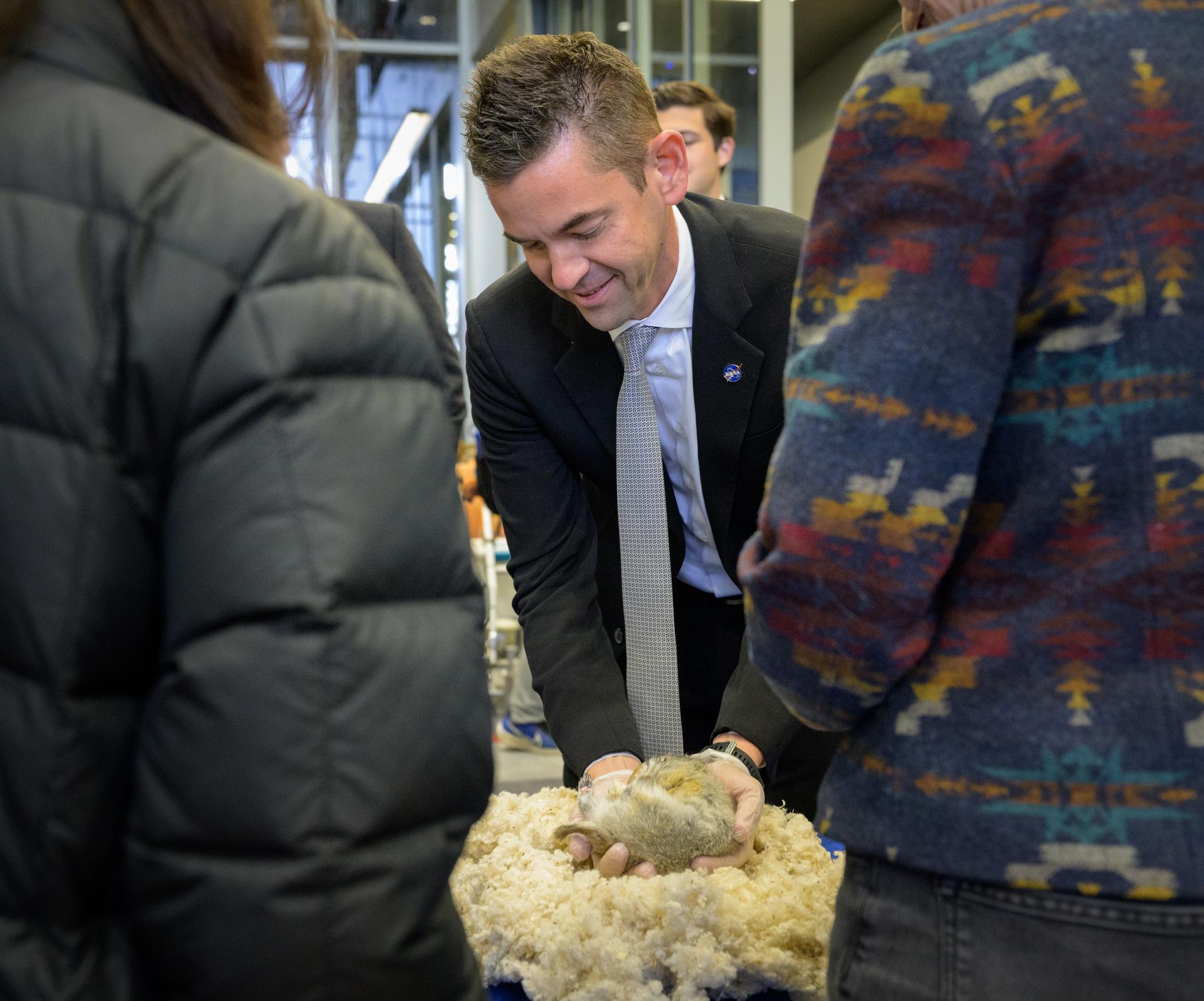
NASA Administrator Jared Isaacman holds a hibernating Arctic ground squirrel during a Space Grant Science Science Fare, Monday, Oct. 5, 2026, at the University of Alaska Fairbanks, in Fairbanks, Alaska. Hibernation is a naturally occurring phenomenon in ground squirrels and other species in which metabolic rate and core body temperature are drastically reduced for extended periods. The study looks at the ability of the squirrels to retain muscle and bone mass during extended hibernation and they think it could apply to astronauts. NASA’s visit to Alaska is part of the agency's Inspiration Tour, aimed at strengthening connections between NASA and its partners and showcasing innovation in air and space in the lead up to the MAX POWER aerospace technology expo and airshow at the agency's Kennedy Space Center in early November. Photo Credit: (NASA/Bill Ingalls)
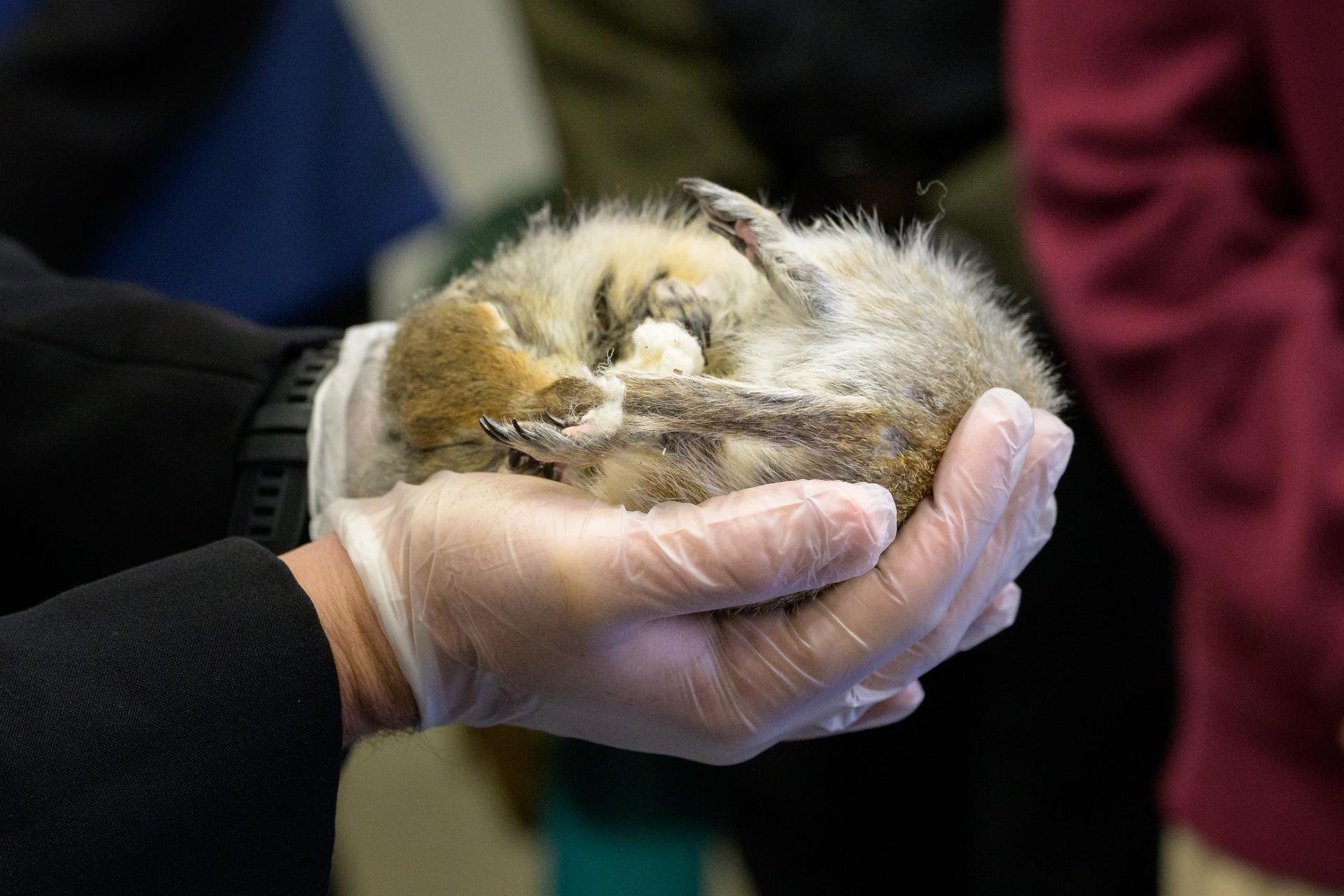
NASA Administrator Jared Isaacman holds a hibernating Arctic ground squirrel during a Space Grant Science Science Fare, Monday, Oct. 5, 2026, at the University of Alaska Fairbanks, in Fairbanks, Alaska. Hibernation is a naturally occurring phenomenon in ground squirrels and other species in which metabolic rate and core body temperature are drastically reduced for extended periods. The study looks at the ability of the squirrels to retain muscle and bone mass during extended hibernation and they think it could apply to astronauts. NASA’s visit to Alaska is part of the agency's Inspiration Tour, aimed at strengthening connections between NASA and its partners and showcasing innovation in air and space in the lead up to the MAX POWER aerospace technology expo and airshow at the agency's Kennedy Space Center in early November. Photo Credit: (NASA/Bill Ingalls)
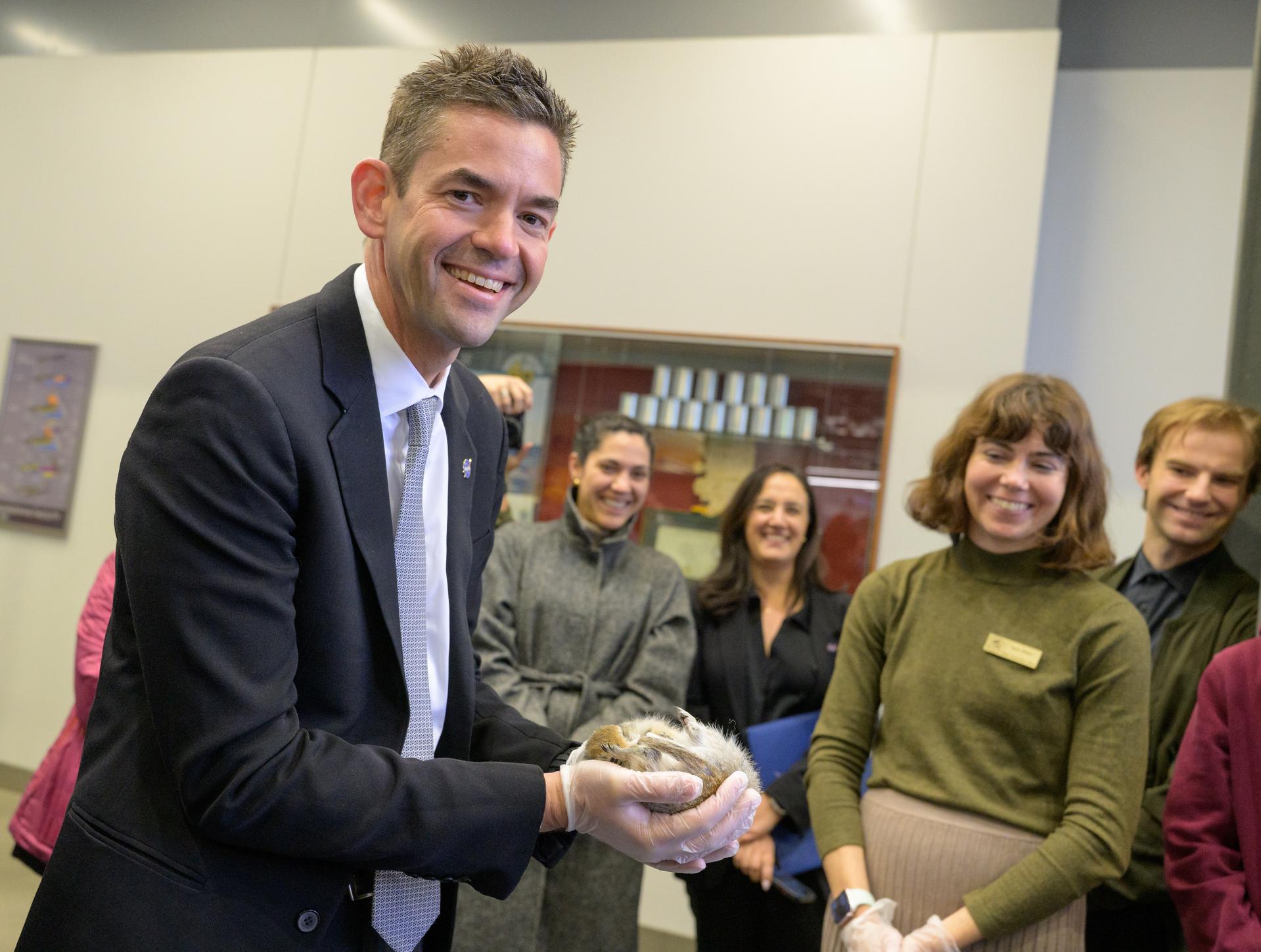
NASA Administrator Jared Isaacman holds a hibernating Arctic ground squirrel during a Space Grant Science Science Fare, Monday, Oct. 5, 2026, at the University of Alaska Fairbanks, in Fairbanks, Alaska. Hibernation is a naturally occurring phenomenon in ground squirrels and other species in which metabolic rate and core body temperature are drastically reduced for extended periods. The study looks at the ability of the squirrels to retain muscle and bone mass during extended hibernation and they think it could apply to astronauts. NASA’s visit to Alaska is part of the agency's Inspiration Tour, aimed at strengthening connections between NASA and its partners and showcasing innovation in air and space in the lead up to the MAX POWER aerospace technology expo and airshow at the agency's Kennedy Space Center in early November. Photo Credit: (NASA/Bill Ingalls)

This map shows the oldest light in our universe, as detected with the greatest precision yet by ESA Planck mission. The ancient light, called the cosmic microwave background, was imprinted on the sky when the universe was 370,000 years old.

STS-129 Mission Specialist Leland Melvin, left. looks on as Mission Specialist Robert Satcher answers a question during a presentation to students at the Howard University Middle School of Math and Science, Tuesday, Jan. 12, 2010, on the campus of Howard University in Washington. Photo Credit: (NASA/Paul E. Alers)

STS-129 Mission Specialist Leland Melvin speaks to a class room of students at the Howard University Middle School of Math and Science, Tuesday, Jan. 12, 2010, on the campus of Howard University in Washington. Photo Credit: (NASA/Paul E. Alers)

NASA astronaut Ricky Arnold speaks to students in the Science, Discovery and the Universe Scholars Program about his time onboard the International Space Station, Thursday, May 2, 2019 at the University of Maryland in College Park, Md. During Arnold’s 197 days onboard the International Space Station, as part of Expeditions 55 and 56, he ventured outside the space station on three spacewalks in addition to conducting numerous experiments and educational downlink events. Photo Credit: (NASA/Joel Kowsky)

NASA astronaut Ricky Arnold speaks to students in the Science, Discovery and the Universe Scholars Program about his time onboard the International Space Station, Thursday, May 2, 2019 at the University of Maryland in College Park, Md. During Arnold’s 197 days onboard the International Space Station, as part of Expeditions 55 and 56, he ventured outside the space station on three spacewalks in addition to conducting numerous experiments and educational downlink events. Photo Credit: (NASA/Joel Kowsky)

NASA astronaut Ricky Arnold speaks to students in the Science, Discovery and the Universe Scholars Program about his time onboard the International Space Station, Thursday, May 2, 2019 at the University of Maryland in College Park, Md. During Arnold’s 197 days onboard the International Space Station, as part of Expeditions 55 and 56, he ventured outside the space station on three spacewalks in addition to conducting numerous experiments and educational downlink events. Photo Credit: (NASA/Joel Kowsky)

NASA astronaut Ricky Arnold speaks to students in the Science, Discovery and the Universe Scholars Program about his time onboard the International Space Station, Thursday, May 2, 2019 at the University of Maryland in College Park, Md. During Arnold’s 197 days onboard the International Space Station, as part of Expeditions 55 and 56, he ventured outside the space station on three spacewalks in addition to conducting numerous experiments and educational downlink events. Photo Credit: (NASA/Joel Kowsky)

NASA astronaut Ricky Arnold speaks to students in the Science, Discovery and the Universe Scholars Program about his time onboard the International Space Station, Thursday, May 2, 2019 at the University of Maryland in College Park, Md. During Arnold’s 197 days onboard the International Space Station, as part of Expeditions 55 and 56, he ventured outside the space station on three spacewalks in addition to conducting numerous experiments and educational downlink events. Photo Credit: (NASA/Joel Kowsky)

NASA astronaut Ricky Arnold speaks to students in the Science, Discovery and the Universe Scholars Program about his time onboard the International Space Station, Thursday, May 2, 2019 at the University of Maryland in College Park, Md. During Arnold’s 197 days onboard the International Space Station, as part of Expeditions 55 and 56, he ventured outside the space station on three spacewalks in addition to conducting numerous experiments and educational downlink events. Photo Credit: (NASA/Joel Kowsky)