
Astronomers have discovered a massive cluster of young galaxies forming in the distant universe. The growing galactic metropolis is known as COSMOS-AzTEC3. This image was taken Japan Subaru telescope atop Mauna Kea in Hawaii.
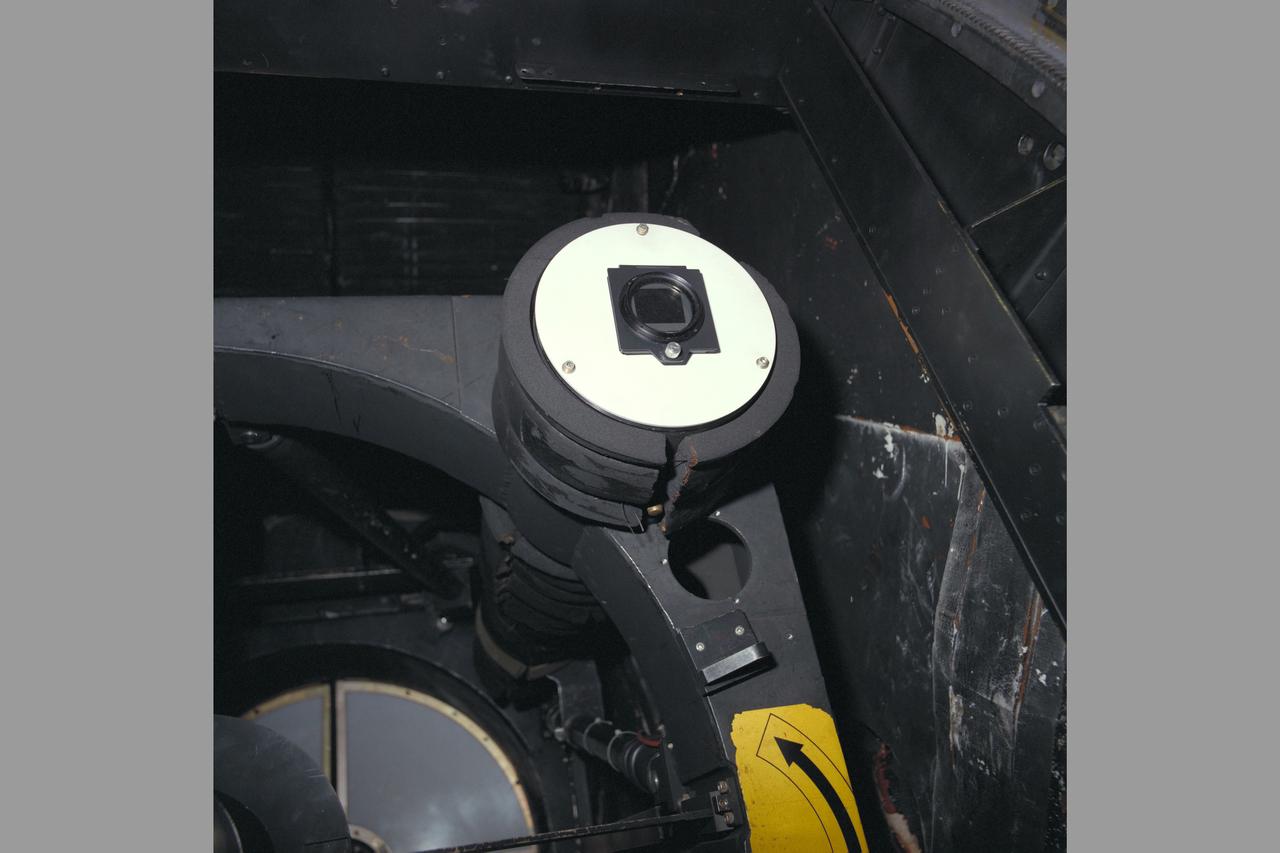
C-141 KAO NASA-714 University of Hawaii Seven-Chan photometer mounted on telescope of the airborne observatory
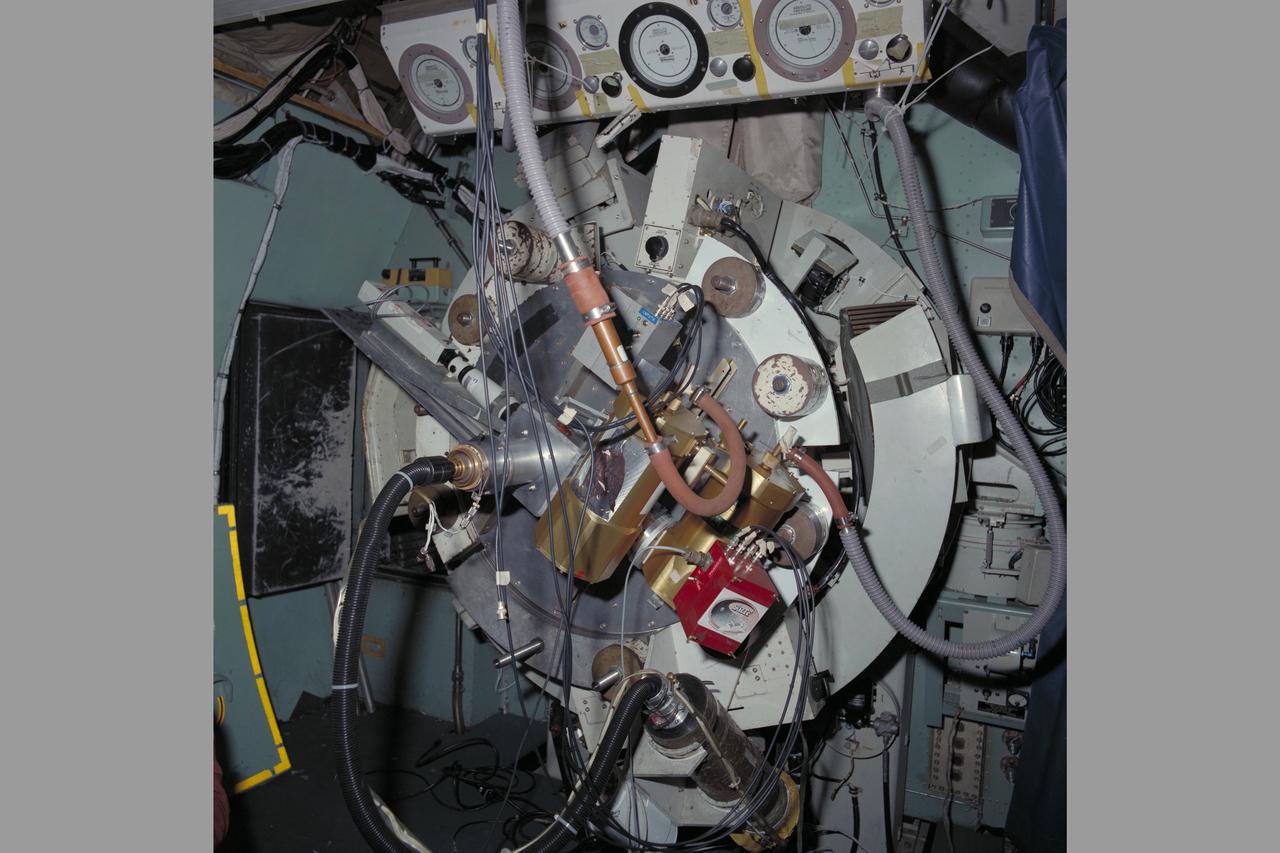
C-141 KAO NASA-714 University of Hawaii Seven-Chan photometer mounted on the rear of the telescope in the airborne observatory
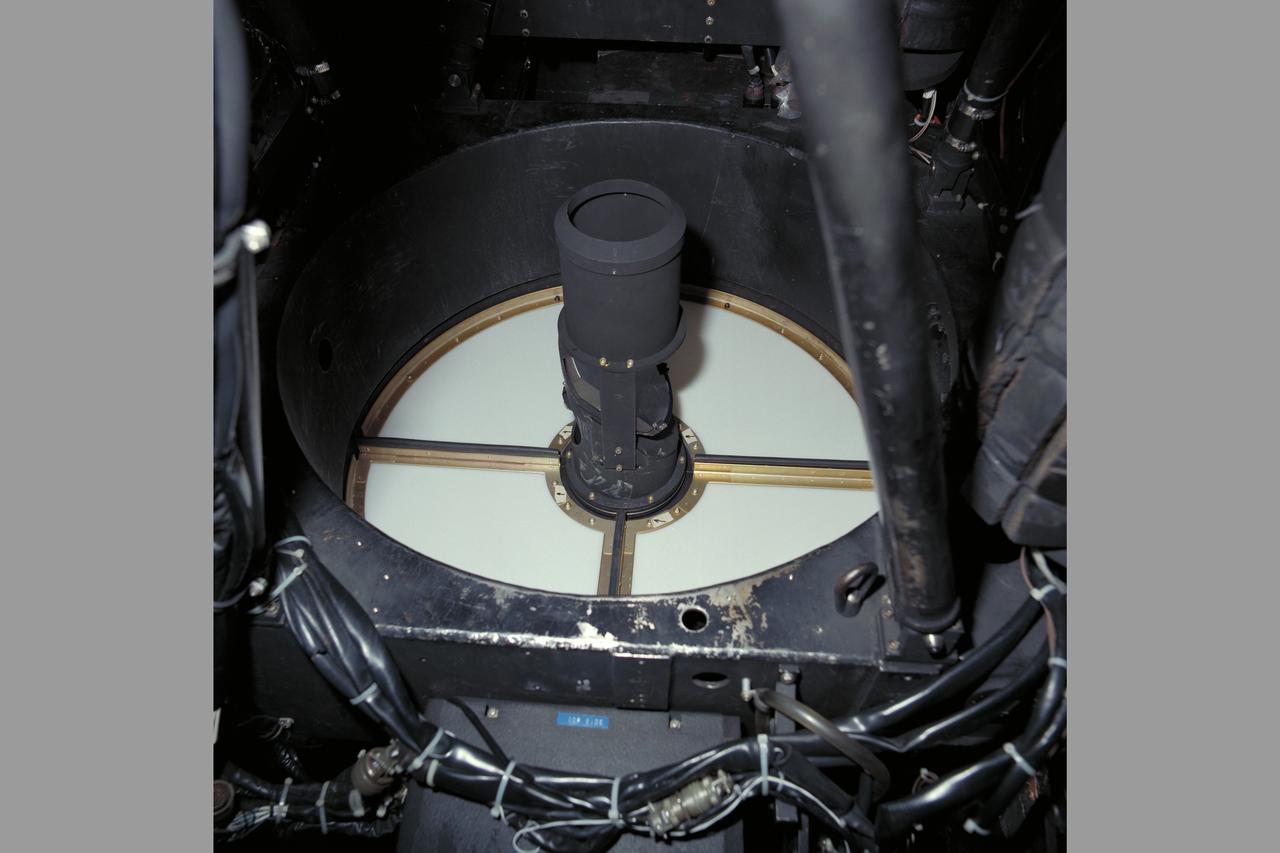
C-141 KAO NASA-714 University of Hawaii Seven-Chan photometer mounted on telescope of the airborne observatory
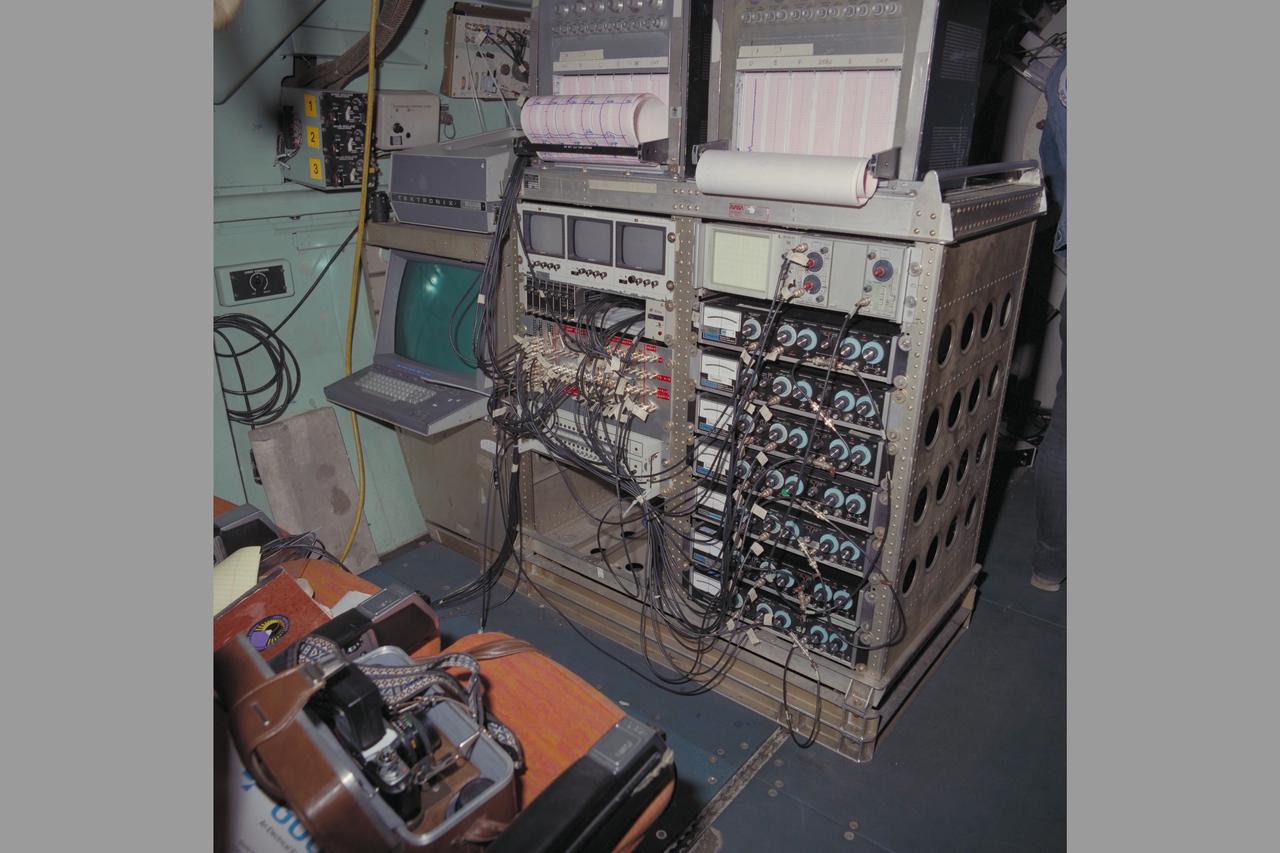
C-141 KAO NASA-714 University of Hawaii Seven-Chan photometer experiments data rack onboard airborne observatory
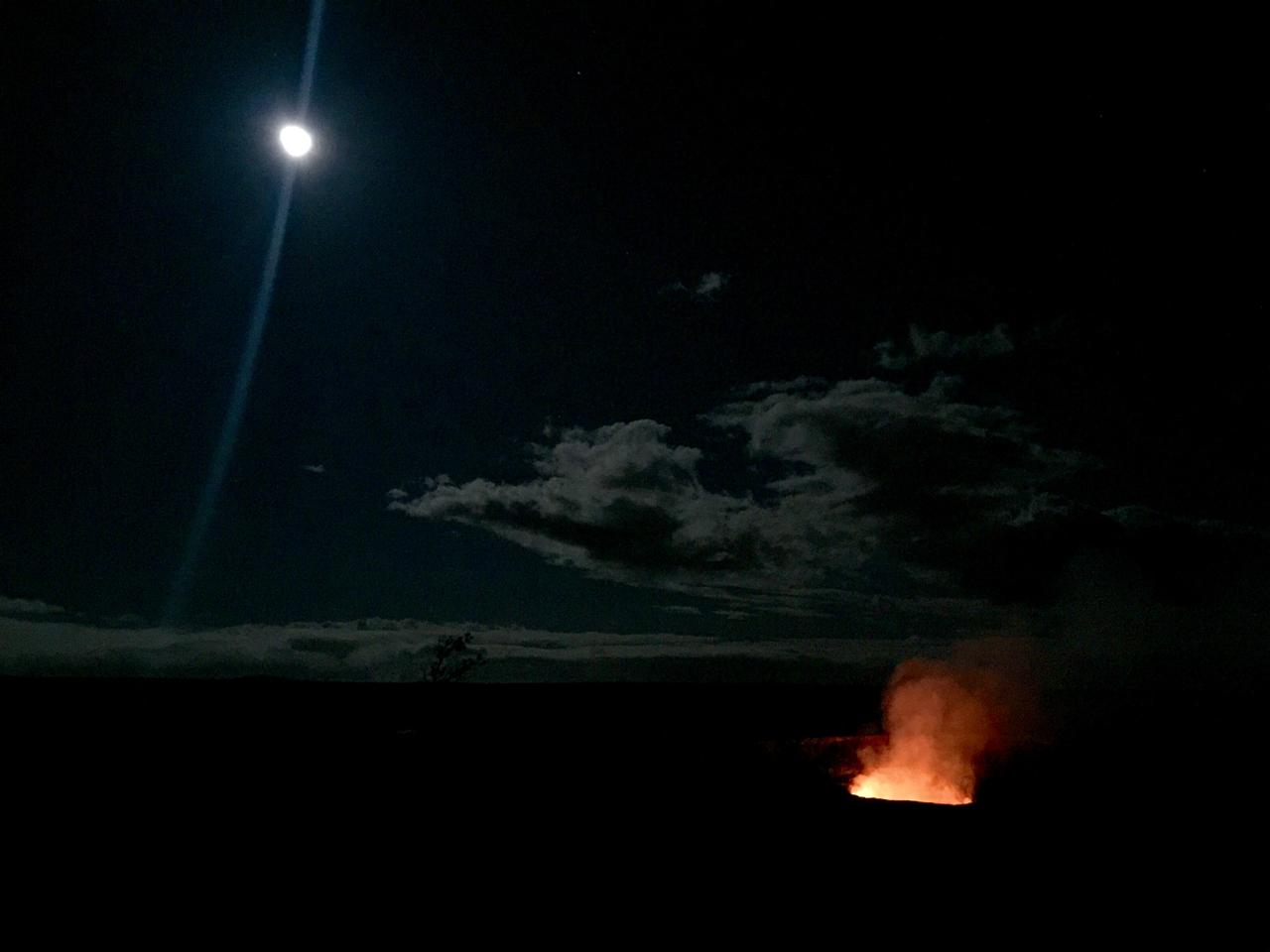
Full moon over lava lake The inspiring views at remote locations, such as Halema’uma’u Crater in Hawaii Volcanoes National Park, are an extra reward for making the trip. Credit: NASA/GSFC/Kelsey Young In June, five student journalists from Stony Brook University packed their hiking boots and hydration packs and joined a NASA-funded science team for 10 days on the lava fields of Kilauea, an active Hawaiian volcano. Kilauea’s lava fields are an ideal place to test equipment designed for use on Earth’s moon or Mars, because volcanic activity shaped so much of those terrains. The trip was part of an interdisciplinary program called RIS4E – short for Remote, In Situ, and Synchrotron Studies for Science and Exploration – which is designed to prepare for future exploration of the moon, near-Earth asteroids and the moons of Mars. To read reports from the RIS4E journalism students about their experiences in Hawaii, visit <a href="http://ReportingRIS4E.com" rel="nofollow">ReportingRIS4E.com</a> <b><a href="http://www.nasa.gov/audience/formedia/features/MP_Photo_Guidelines.html" rel="nofollow">NASA image use policy.</a></b> <b><a href="http://www.nasa.gov/centers/goddard/home/index.html" rel="nofollow">NASA Goddard Space Flight Center</a></b> enables NASA’s mission through four scientific endeavors: Earth Science, Heliophysics, Solar System Exploration, and Astrophysics. Goddard plays a leading role in NASA’s accomplishments by contributing compelling scientific knowledge to advance the Agency’s mission. <b>Follow us on <a href="http://twitter.com/NASAGoddardPix" rel="nofollow">Twitter</a></b> <b>Like us on <a href="http://www.facebook.com/pages/Greenbelt-MD/NASA-Goddard/395013845897?ref=tsd" rel="nofollow">Facebook</a></b> <b>Find us on <a href="http://instagrid.me/nasagoddard/?vm=grid" rel="nofollow">Instagram</a></b>
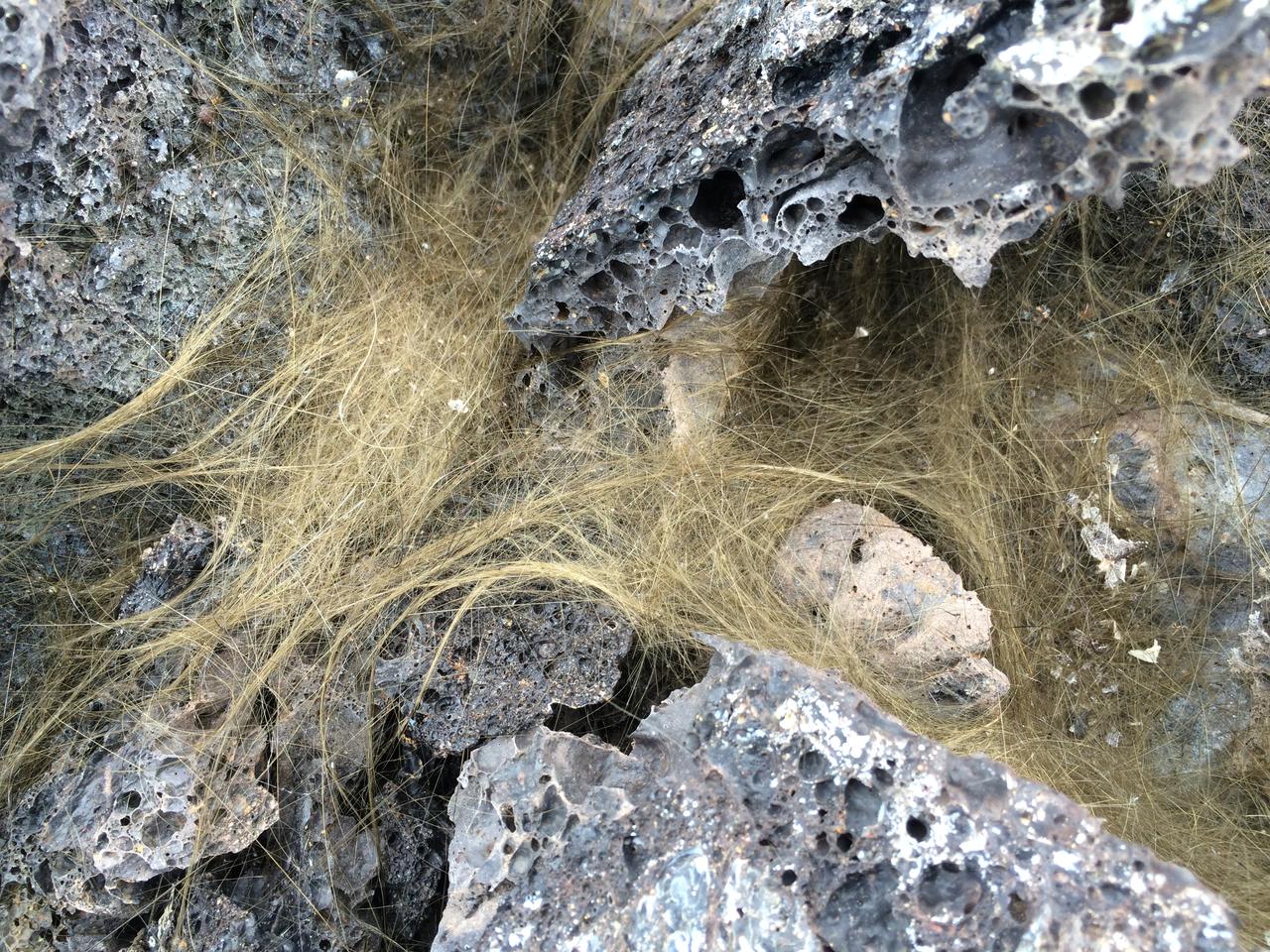
Pele’s hair Greenish-gold strands of Pele’s hair form when bubbles in hot lava pop and throw droplets into the wind. The droplets can elongate into perfectly straight, glassy strands that are as thin as human hair. Credit: NASA/GSFC/Andrea Jones In June, five student journalists from Stony Brook University packed their hiking boots and hydration packs and joined a NASA-funded science team for 10 days on the lava fields of Kilauea, an active Hawaiian volcano. Kilauea’s lava fields are an ideal place to test equipment designed for use on Earth’s moon or Mars, because volcanic activity shaped so much of those terrains. The trip was part of an interdisciplinary program called RIS4E – short for Remote, In Situ, and Synchrotron Studies for Science and Exploration – which is designed to prepare for future exploration of the moon, near-Earth asteroids and the moons of Mars. To read reports from the RIS4E journalism students about their experiences in Hawaii, visit <a href="http://ReportingRIS4E.com" rel="nofollow">ReportingRIS4E.com</a> <b><a href="http://www.nasa.gov/audience/formedia/features/MP_Photo_Guidelines.html" rel="nofollow">NASA image use policy.</a></b> <b><a href="http://www.nasa.gov/centers/goddard/home/index.html" rel="nofollow">NASA Goddard Space Flight Center</a></b> enables NASA’s mission through four scientific endeavors: Earth Science, Heliophysics, Solar System Exploration, and Astrophysics. Goddard plays a leading role in NASA’s accomplishments by contributing compelling scientific knowledge to advance the Agency’s mission. <b>Follow us on <a href="http://twitter.com/NASAGoddardPix" rel="nofollow">Twitter</a></b> <b>Like us on <a href="http://www.facebook.com/pages/Greenbelt-MD/NASA-Goddard/395013845897?ref=tsd" rel="nofollow">Facebook</a></b> <b>Find us on <a href="http://instagrid.me/nasagoddard/?vm=grid" rel="nofollow">Instagram</a></b>
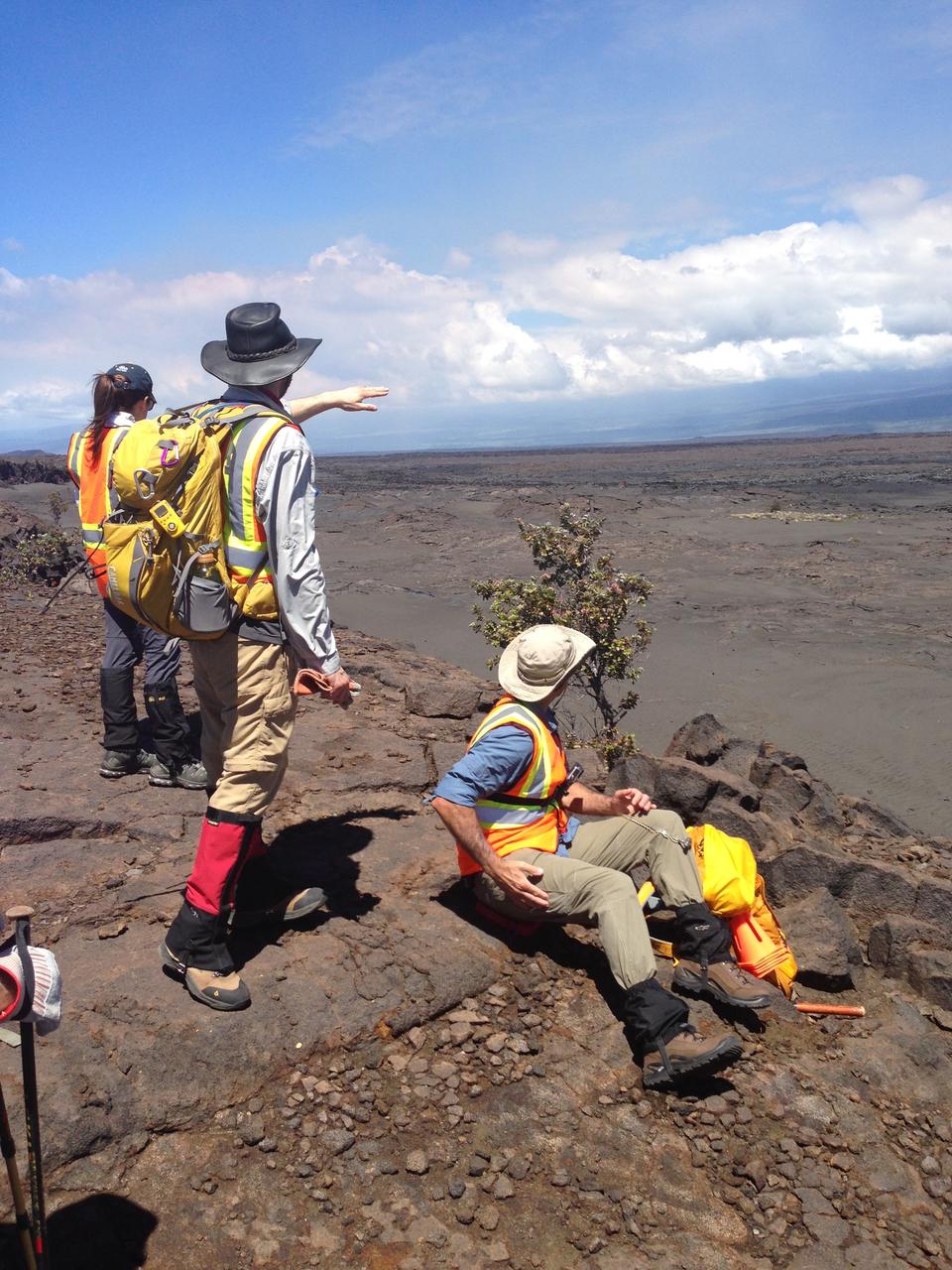
Briefing Hiking a lava field demands good preparation. Here, the team leaders brief the crew, scientists and student journalists on the route they’ll take down a scarp to the site of Kilauea’s December 1974 eruption. Credit: NASA/GSFC/Lora Bleacher In June, five student journalists from Stony Brook University packed their hiking boots and hydration packs and joined a NASA-funded science team for 10 days on the lava fields of Kilauea, an active Hawaiian volcano. Kilauea’s lava fields are an ideal place to test equipment designed for use on Earth’s moon or Mars, because volcanic activity shaped so much of those terrains. The trip was part of an interdisciplinary program called RIS4E – short for Remote, In Situ, and Synchrotron Studies for Science and Exploration – which is designed to prepare for future exploration of the moon, near-Earth asteroids and the moons of Mars. To read reports from the RIS4E journalism students about their experiences in Hawaii, visit <a href="http://ReportingRIS4E.com" rel="nofollow">ReportingRIS4E.com</a> <b><a href="http://www.nasa.gov/audience/formedia/features/MP_Photo_Guidelines.html" rel="nofollow">NASA image use policy.</a></b> <b><a href="http://www.nasa.gov/centers/goddard/home/index.html" rel="nofollow">NASA Goddard Space Flight Center</a></b> enables NASA’s mission through four scientific endeavors: Earth Science, Heliophysics, Solar System Exploration, and Astrophysics. Goddard plays a leading role in NASA’s accomplishments by contributing compelling scientific knowledge to advance the Agency’s mission. <b>Follow us on <a href="http://twitter.com/NASAGoddardPix" rel="nofollow">Twitter</a></b> <b>Like us on <a href="http://www.facebook.com/pages/Greenbelt-MD/NASA-Goddard/395013845897?ref=tsd" rel="nofollow">Facebook</a></b> <b>Find us on <a href="http://instagrid.me/nasagoddard/?vm=grid" rel="nofollow">Instagram</a></b>
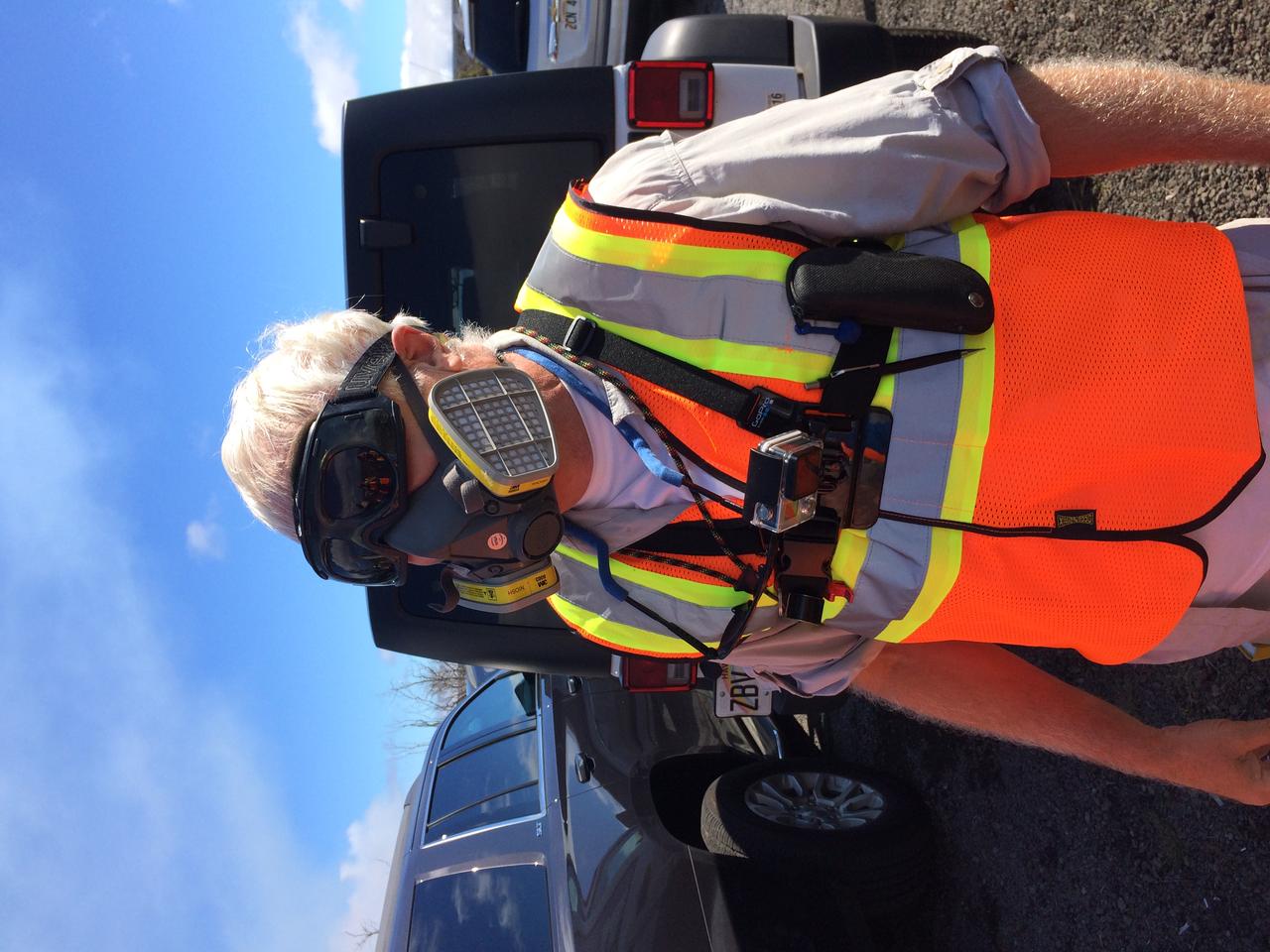
Prepared Everyone carried a respirator into the field, in case the plume from the volcano blew their way. Credit: NASA/GSFC/Andrea Jones In June, five student journalists from Stony Brook University packed their hiking boots and hydration packs and joined a NASA-funded science team for 10 days on the lava fields of Kilauea, an active Hawaiian volcano. Kilauea’s lava fields are an ideal place to test equipment designed for use on Earth’s moon or Mars, because volcanic activity shaped so much of those terrains. The trip was part of an interdisciplinary program called RIS4E – short for Remote, In Situ, and Synchrotron Studies for Science and Exploration – which is designed to prepare for future exploration of the moon, near-Earth asteroids and the moons of Mars. To read reports from the RIS4E journalism students about their experiences in Hawaii, visit <a href="http://ReportingRIS4E.com" rel="nofollow">ReportingRIS4E.com</a> <b><a href="http://www.nasa.gov/audience/formedia/features/MP_Photo_Guidelines.html" rel="nofollow">NASA image use policy.</a></b> <b><a href="http://www.nasa.gov/centers/goddard/home/index.html" rel="nofollow">NASA Goddard Space Flight Center</a></b> enables NASA’s mission through four scientific endeavors: Earth Science, Heliophysics, Solar System Exploration, and Astrophysics. Goddard plays a leading role in NASA’s accomplishments by contributing compelling scientific knowledge to advance the Agency’s mission. <b>Follow us on <a href="http://twitter.com/NASAGoddardPix" rel="nofollow">Twitter</a></b> <b>Like us on <a href="http://www.facebook.com/pages/Greenbelt-MD/NASA-Goddard/395013845897?ref=tsd" rel="nofollow">Facebook</a></b> <b>Find us on <a href="http://instagrid.me/nasagoddard/?vm=grid" rel="nofollow">Instagram</a></b>
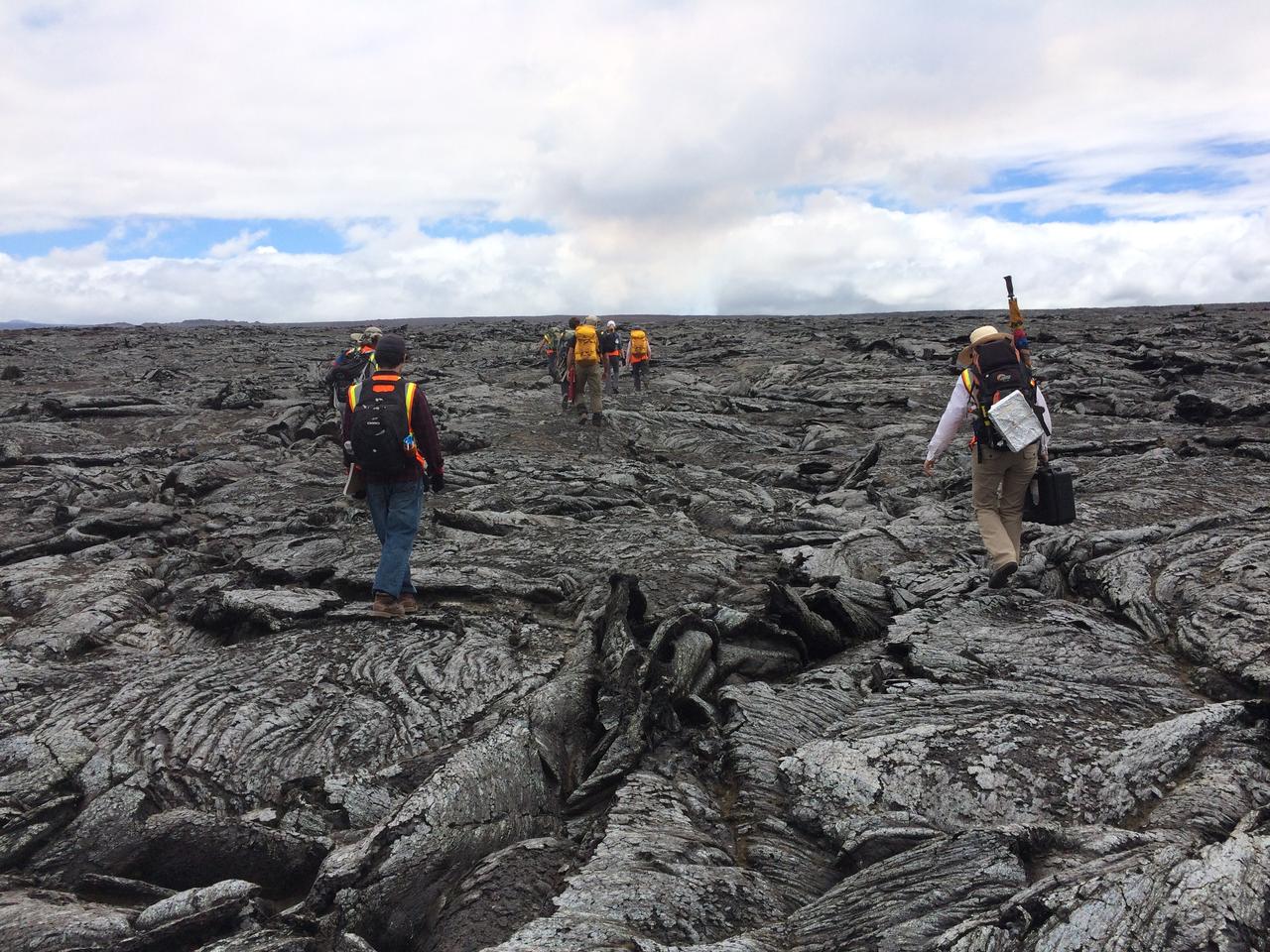
Lava formations The science and journalism teams make their way across the ropey, twisted, broken crust of the 1978 lava flow. These patterns formed as flowing lava exposed at the surface cooled and solidified, while hot lava continued to flow beneath. The dark cloud in the distance is the active volcanic plume. Credit: NASA/GSFC/Andrea Jones In June, five student journalists from Stony Brook University packed their hiking boots and hydration packs and joined a NASA-funded science team for 10 days on the lava fields of Kilauea, an active Hawaiian volcano. Kilauea’s lava fields are an ideal place to test equipment designed for use on Earth’s moon or Mars, because volcanic activity shaped so much of those terrains. The trip was part of an interdisciplinary program called RIS4E – short for Remote, In Situ, and Synchrotron Studies for Science and Exploration – which is designed to prepare for future exploration of the moon, near-Earth asteroids and the moons of Mars. To read reports from the RIS4E journalism students about their experiences in Hawaii, visit <a href="http://ReportingRIS4E.com" rel="nofollow">ReportingRIS4E.com</a> <b><a href="http://www.nasa.gov/audience/formedia/features/MP_Photo_Guidelines.html" rel="nofollow">NASA image use policy.</a></b> <b><a href="http://www.nasa.gov/centers/goddard/home/index.html" rel="nofollow">NASA Goddard Space Flight Center</a></b> enables NASA’s mission through four scientific endeavors: Earth Science, Heliophysics, Solar System Exploration, and Astrophysics. Goddard plays a leading role in NASA’s accomplishments by contributing compelling scientific knowledge to advance the Agency’s mission. <b>Follow us on <a href="http://twitter.com/NASAGoddardPix" rel="nofollow">Twitter</a></b> <b>Like us on <a href="http://www.facebook.com/pages/Greenbelt-MD/NASA-Goddard/395013845897?ref=tsd" rel="nofollow">Facebook</a></b> <b>Find us on <a href="http://instagrid.me/nasagoddard/?vm=grid" rel="nofollow">Instagram</a></b>
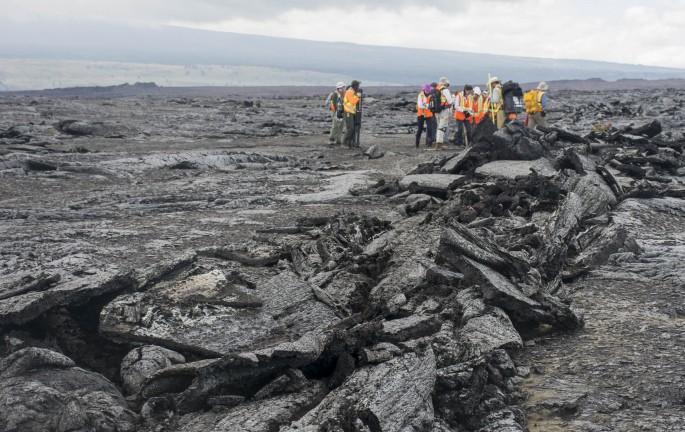
March across pahoehoe The team hikes across Kilauea’s lava fields to reach designated test sites. Several types of lava make up the fields, primarily smooth pahoehoe, which can harden into a ropy, shelly or slabby (pictured here) texture. Some of the most dangerous lava to walk on is a’a – unstable piles of jagged rock. Credit: NASA/GSFC/Jasmine Blennau In June, five student journalists from Stony Brook University packed their hiking boots and hydration packs and joined a NASA-funded science team for 10 days on the lava fields of Kilauea, an active Hawaiian volcano. Kilauea’s lava fields are an ideal place to test equipment designed for use on Earth’s moon or Mars, because volcanic activity shaped so much of those terrains. The trip was part of an interdisciplinary program called RIS4E – short for Remote, In Situ, and Synchrotron Studies for Science and Exploration – which is designed to prepare for future exploration of the moon, near-Earth asteroids and the moons of Mars. To read reports from the RIS4E journalism students about their experiences in Hawaii, visit <a href="http://ReportingRIS4E.com" rel="nofollow">ReportingRIS4E.com</a> <b><a href="http://www.nasa.gov/audience/formedia/features/MP_Photo_Guidelines.html" rel="nofollow">NASA image use policy.</a></b> <b><a href="http://www.nasa.gov/centers/goddard/home/index.html" rel="nofollow">NASA Goddard Space Flight Center</a></b> enables NASA’s mission through four scientific endeavors: Earth Science, Heliophysics, Solar System Exploration, and Astrophysics. Goddard plays a leading role in NASA’s accomplishments by contributing compelling scientific knowledge to advance the Agency’s mission. <b>Follow us on <a href="http://twitter.com/NASAGoddardPix" rel="nofollow">Twitter</a></b> <b>Like us on <a href="http://www.facebook.com/pages/Greenbelt-MD/NASA-Goddard/395013845897?ref=tsd" rel="nofollow">Facebook</a></b> <b>Find us on <a href="http://instagrid.me/nasagoddard/?vm=grid" rel="nofollow">Instagram</a></b>
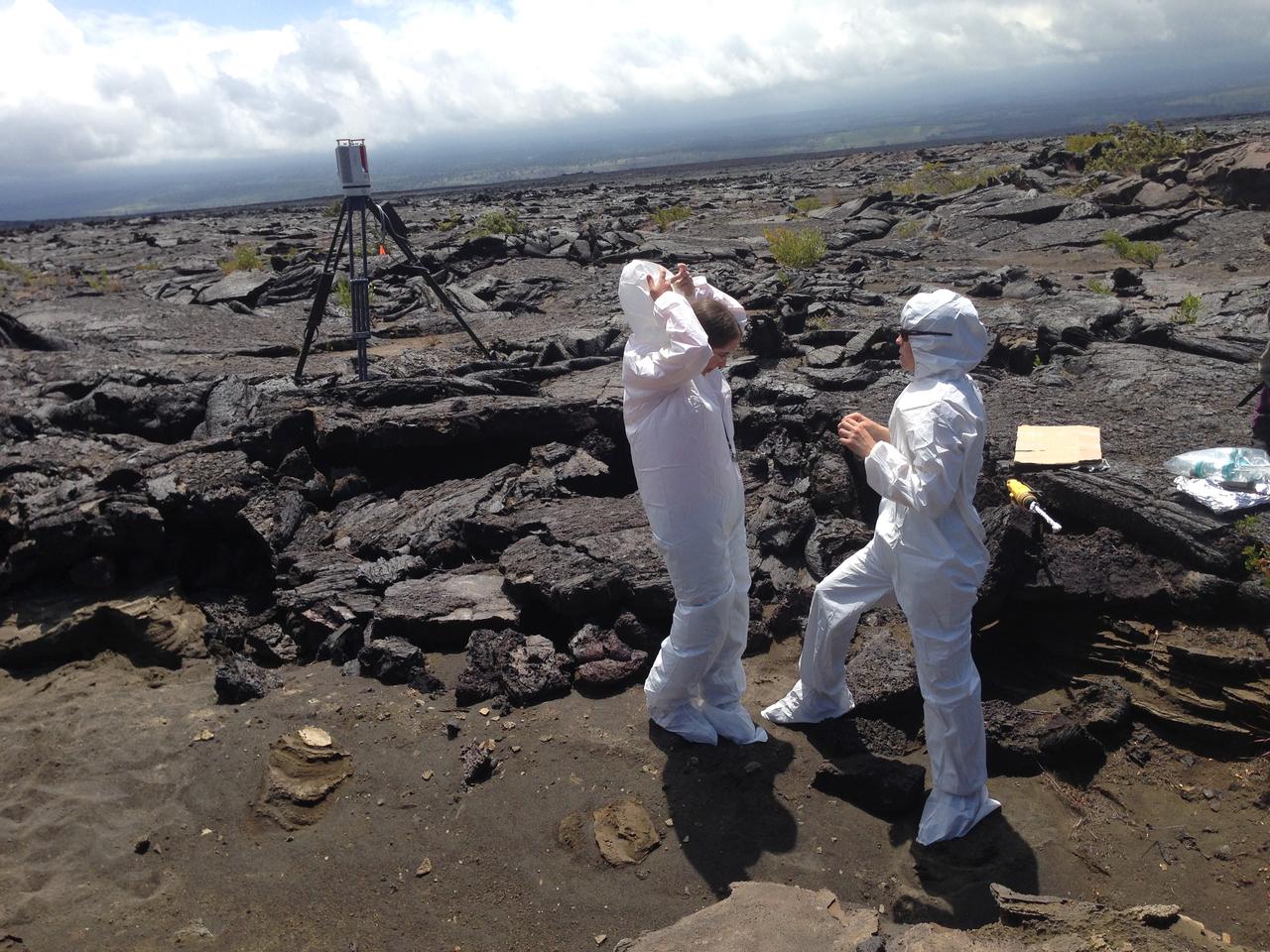
Bunny suits Scientists put on “bunny suits” before they collect samples at one of the selected sites. The suits protect the area and collected samples from contamination when investigating biological processes. Credit: NASA/GSFC/Lora Bleacher In June, five student journalists from Stony Brook University packed their hiking boots and hydration packs and joined a NASA-funded science team for 10 days on the lava fields of Kilauea, an active Hawaiian volcano. Kilauea’s lava fields are an ideal place to test equipment designed for use on Earth’s moon or Mars, because volcanic activity shaped so much of those terrains. The trip was part of an interdisciplinary program called RIS4E – short for Remote, In Situ, and Synchrotron Studies for Science and Exploration – which is designed to prepare for future exploration of the moon, near-Earth asteroids and the moons of Mars. To read reports from the RIS4E journalism students about their experiences in Hawaii, visit <a href="http://ReportingRIS4E.com" rel="nofollow">ReportingRIS4E.com</a> <b><a href="http://www.nasa.gov/audience/formedia/features/MP_Photo_Guidelines.html" rel="nofollow">NASA image use policy.</a></b> <b><a href="http://www.nasa.gov/centers/goddard/home/index.html" rel="nofollow">NASA Goddard Space Flight Center</a></b> enables NASA’s mission through four scientific endeavors: Earth Science, Heliophysics, Solar System Exploration, and Astrophysics. Goddard plays a leading role in NASA’s accomplishments by contributing compelling scientific knowledge to advance the Agency’s mission. <b>Follow us on <a href="http://twitter.com/NASAGoddardPix" rel="nofollow">Twitter</a></b> <b>Like us on <a href="http://www.facebook.com/pages/Greenbelt-MD/NASA-Goddard/395013845897?ref=tsd" rel="nofollow">Facebook</a></b> <b>Find us on <a href="http://instagrid.me/nasagoddard/?vm=grid" rel="nofollow">Instagram</a></b>
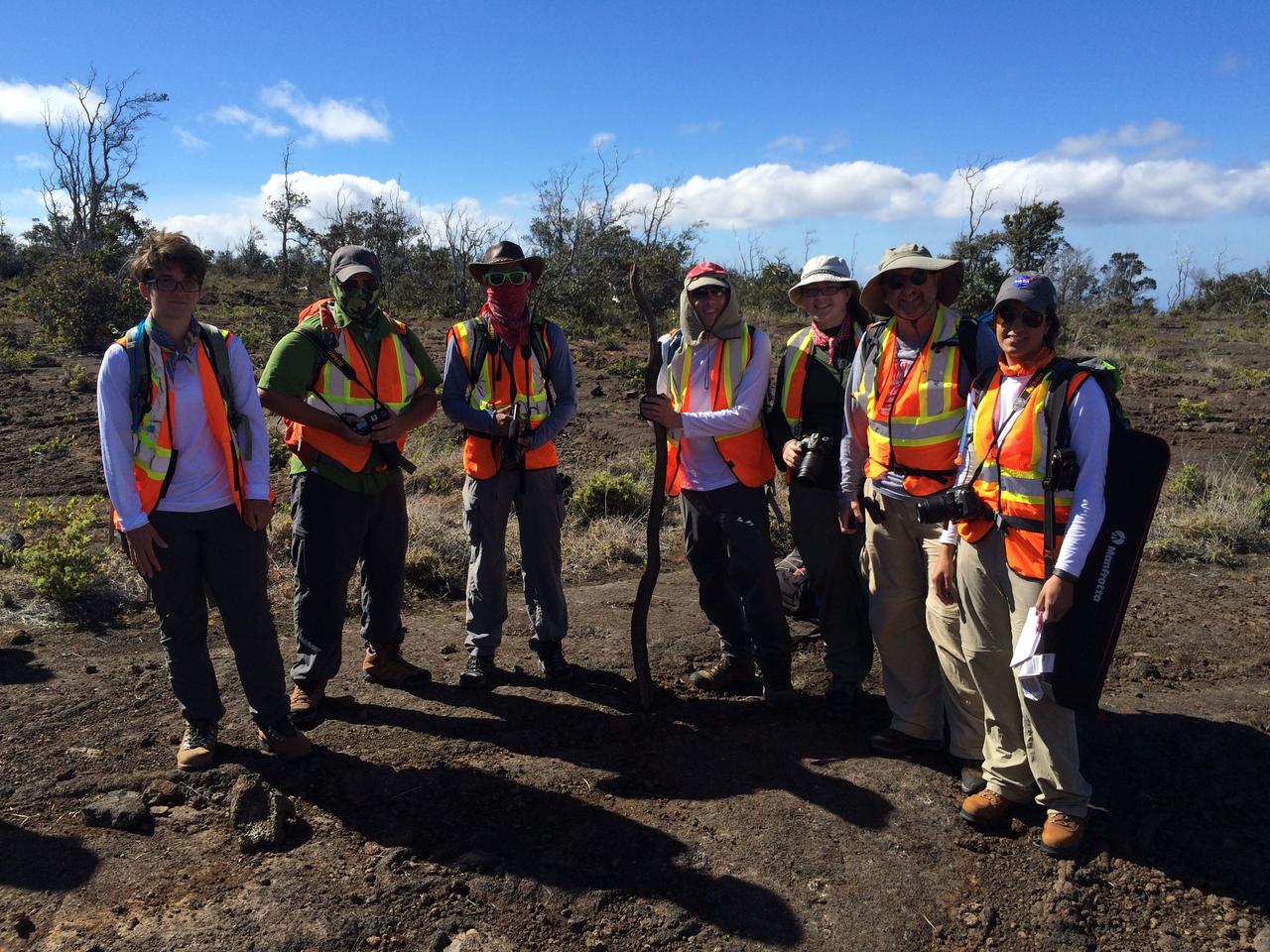
Ready to roll The five student journalists and two faculty members are ready for a day in the field. NASA/GSFC/Andrea Jones In June, five student journalists from Stony Brook University packed their hiking boots and hydration packs and joined a NASA-funded science team for 10 days on the lava fields of Kilauea, an active Hawaiian volcano. Kilauea’s lava fields are an ideal place to test equipment designed for use on Earth’s moon or Mars, because volcanic activity shaped so much of those terrains. The trip was part of an interdisciplinary program called RIS4E – short for Remote, In Situ, and Synchrotron Studies for Science and Exploration – which is designed to prepare for future exploration of the moon, near-Earth asteroids and the moons of Mars. To read reports from the RIS4E journalism students about their experiences in Hawaii, visit <a href="http://ReportingRIS4E.com" rel="nofollow">ReportingRIS4E.com</a> <b><a href="http://www.nasa.gov/audience/formedia/features/MP_Photo_Guidelines.html" rel="nofollow">NASA image use policy.</a></b> <b><a href="http://www.nasa.gov/centers/goddard/home/index.html" rel="nofollow">NASA Goddard Space Flight Center</a></b> enables NASA’s mission through four scientific endeavors: Earth Science, Heliophysics, Solar System Exploration, and Astrophysics. Goddard plays a leading role in NASA’s accomplishments by contributing compelling scientific knowledge to advance the Agency’s mission. <b>Follow us on <a href="http://twitter.com/NASAGoddardPix" rel="nofollow">Twitter</a></b> <b>Like us on <a href="http://www.facebook.com/pages/Greenbelt-MD/NASA-Goddard/395013845897?ref=tsd" rel="nofollow">Facebook</a></b> <b>Find us on <a href="http://instagrid.me/nasagoddard/?vm=grid" rel="nofollow">Instagram</a></b>
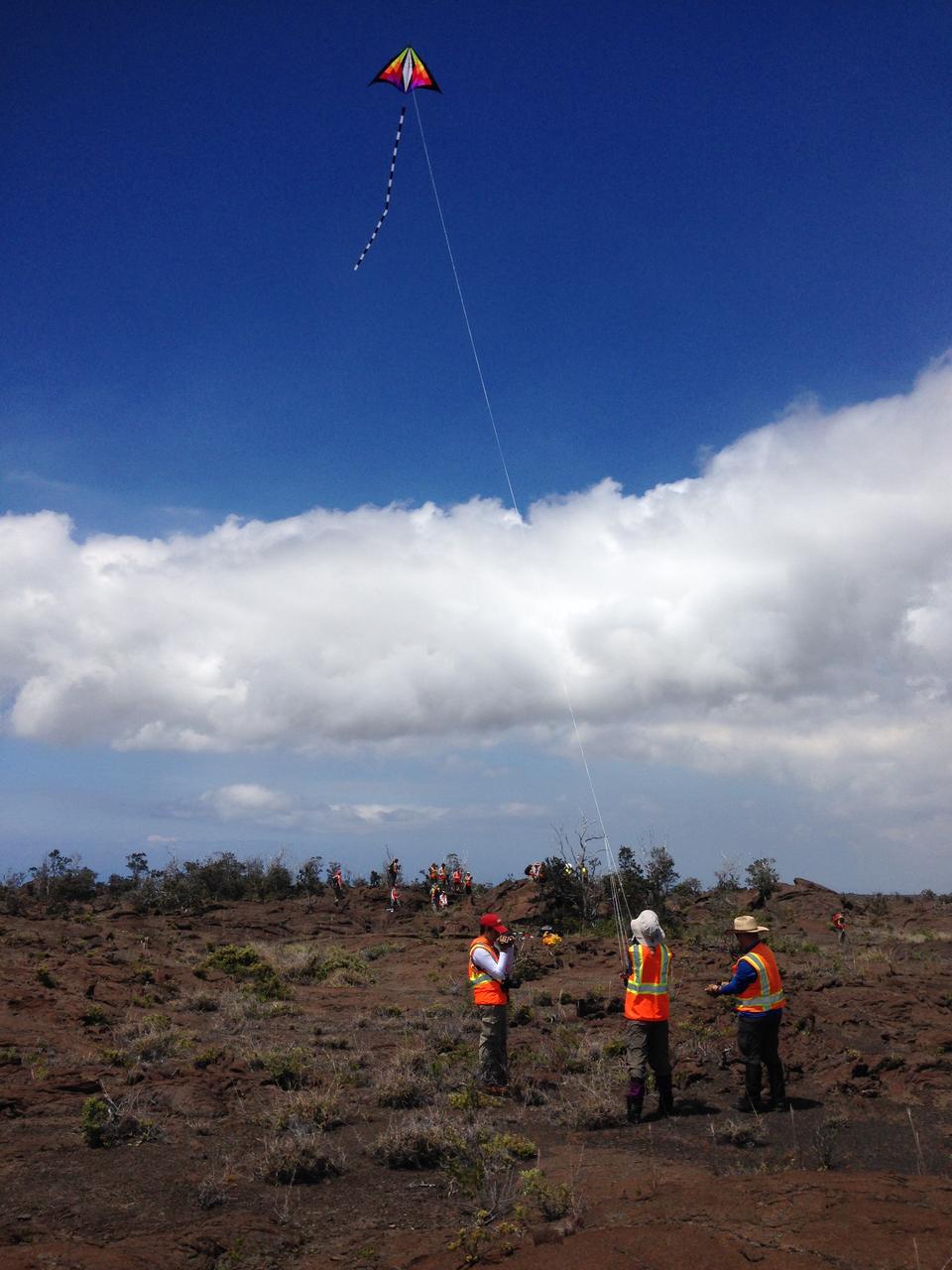
Team kite This kite was part of the scientific tool kit. It carried a camera that can be used to make high-resolution mosaics of the study site. Credit: NASA/GSFC/Jacob Bleacher In June, five student journalists from Stony Brook University packed their hiking boots and hydration packs and joined a NASA-funded science team for 10 days on the lava fields of Kilauea, an active Hawaiian volcano. Kilauea’s lava fields are an ideal place to test equipment designed for use on Earth’s moon or Mars, because volcanic activity shaped so much of those terrains. The trip was part of an interdisciplinary program called RIS4E – short for Remote, In Situ, and Synchrotron Studies for Science and Exploration – which is designed to prepare for future exploration of the moon, near-Earth asteroids and the moons of Mars. To read reports from the RIS4E journalism students about their experiences in Hawaii, visit <a href="http://ReportingRIS4E.com" rel="nofollow">ReportingRIS4E.com</a> <b><a href="http://www.nasa.gov/audience/formedia/features/MP_Photo_Guidelines.html" rel="nofollow">NASA image use policy.</a></b> <b><a href="http://www.nasa.gov/centers/goddard/home/index.html" rel="nofollow">NASA Goddard Space Flight Center</a></b> enables NASA’s mission through four scientific endeavors: Earth Science, Heliophysics, Solar System Exploration, and Astrophysics. Goddard plays a leading role in NASA’s accomplishments by contributing compelling scientific knowledge to advance the Agency’s mission. <b>Follow us on <a href="http://twitter.com/NASAGoddardPix" rel="nofollow">Twitter</a></b> <b>Like us on <a href="http://www.facebook.com/pages/Greenbelt-MD/NASA-Goddard/395013845897?ref=tsd" rel="nofollow">Facebook</a></b> <b>Find us on <a href="http://instagrid.me/nasagoddard/?vm=grid" rel="nofollow">Instagram</a></b>
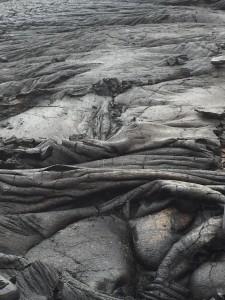
Smooth pahoehoe A member of the journalism team captures the alluring beauty of a pahoehoe flow. Credit: NASA/GSFC/Anthony Denicola In June, five student journalists from Stony Brook University packed their hiking boots and hydration packs and joined a NASA-funded science team for 10 days on the lava fields of Kilauea, an active Hawaiian volcano. Kilauea’s lava fields are an ideal place to test equipment designed for use on Earth’s moon or Mars, because volcanic activity shaped so much of those terrains. The trip was part of an interdisciplinary program called RIS4E – short for Remote, In Situ, and Synchrotron Studies for Science and Exploration – which is designed to prepare for future exploration of the moon, near-Earth asteroids and the moons of Mars. To read reports from the RIS4E journalism students about their experiences in Hawaii, visit <a href="http://ReportingRIS4E.com" rel="nofollow">ReportingRIS4E.com</a> <b><a href="http://www.nasa.gov/audience/formedia/features/MP_Photo_Guidelines.html" rel="nofollow">NASA image use policy.</a></b> <b><a href="http://www.nasa.gov/centers/goddard/home/index.html" rel="nofollow">NASA Goddard Space Flight Center</a></b> enables NASA’s mission through four scientific endeavors: Earth Science, Heliophysics, Solar System Exploration, and Astrophysics. Goddard plays a leading role in NASA’s accomplishments by contributing compelling scientific knowledge to advance the Agency’s mission. <b>Follow us on <a href="http://twitter.com/NASAGoddardPix" rel="nofollow">Twitter</a></b> <b>Like us on <a href="http://www.facebook.com/pages/Greenbelt-MD/NASA-Goddard/395013845897?ref=tsd" rel="nofollow">Facebook</a></b> <b>Find us on <a href="http://instagrid.me/nasagoddard/?vm=grid" rel="nofollow">Instagram</a></b>

U.S. Senator Daniel K. Inouye, D-Hawaii, left, speaks as U.S. Senator Ted Stevens, R-Alaska, looks on during the confirmation hearing for Dr. Michael Griffin, in front of the U.S. Senate Commerce Committee, Tuesday, April 12, 2005, in Washington. If confirmed, Griffin, who currently heads the space department at the Johns Hopkins University Applied Physics Laboratory will become NASA's 11th administrator. Photo Credit (NASA/Renee Bouchard)
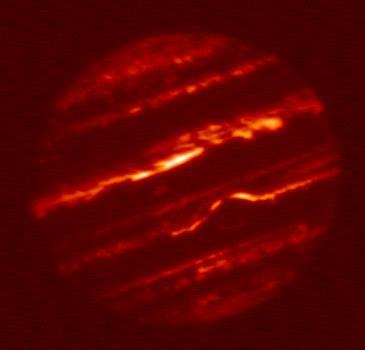
This still from an animation of four images shows Jupiter in infrared light as seen by NASA InfraRed Telescope Facility, or IRTF, on May 16, 2015. The observations were obtained in support of NASA's Juno mission by a team headed by Juno scientist Glenn Orton. Observations like these are helping to provide spatial and temporal context for what the science instruments on board Juno will see once the spacecraft arrives at the giant planet in mid-2016. Juno will pass very close to the planet -- coming within just a few thousand miles (or kilometers) of the cloud tops every two weeks. That up-close vantage point will be balanced by distant views of the planet that show how different features move and change over time in relation to each other. The IRTF is a three-meter telescope, optimized for infrared observations, and located at the summit of Mauna Kea, Hawaii. The observatory is operated and managed for NASA by the University of Hawaii Institute for Astronomy, Honolulu. http://photojournal.jpl.nasa.gov/catalog/PIA19640

jsc2020e012432 (2/27/2020) --- A preflight view of the total mass measurement of Neutron-1 after complete integration. The NanoRacks-NEUTRON-1 investigation maps neutron abundance in low-Earth orbit. Data gathered on global neutron counts could contribute to better understanding of the complex relationship between Earth and the Sun. Image courtesy of HSFL
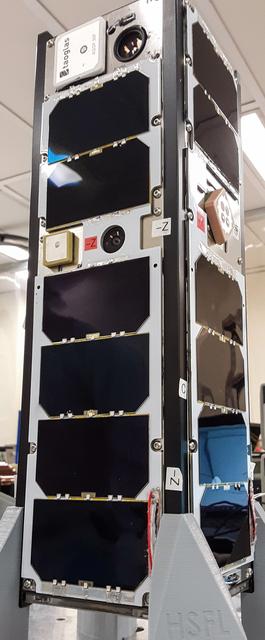
jsc2020e012430 (2/27/2020) --- A preflight view of Neutron-1 3U CubeSat fully assembled prior to vibration testing. The NanoRacks-NEUTRON-1 investigation maps neutron abundance in low-Earth orbit. Data gathered on global neutron counts could contribute to better understanding of the complex relationship between Earth and the Sun. Image courtesy of HSFL
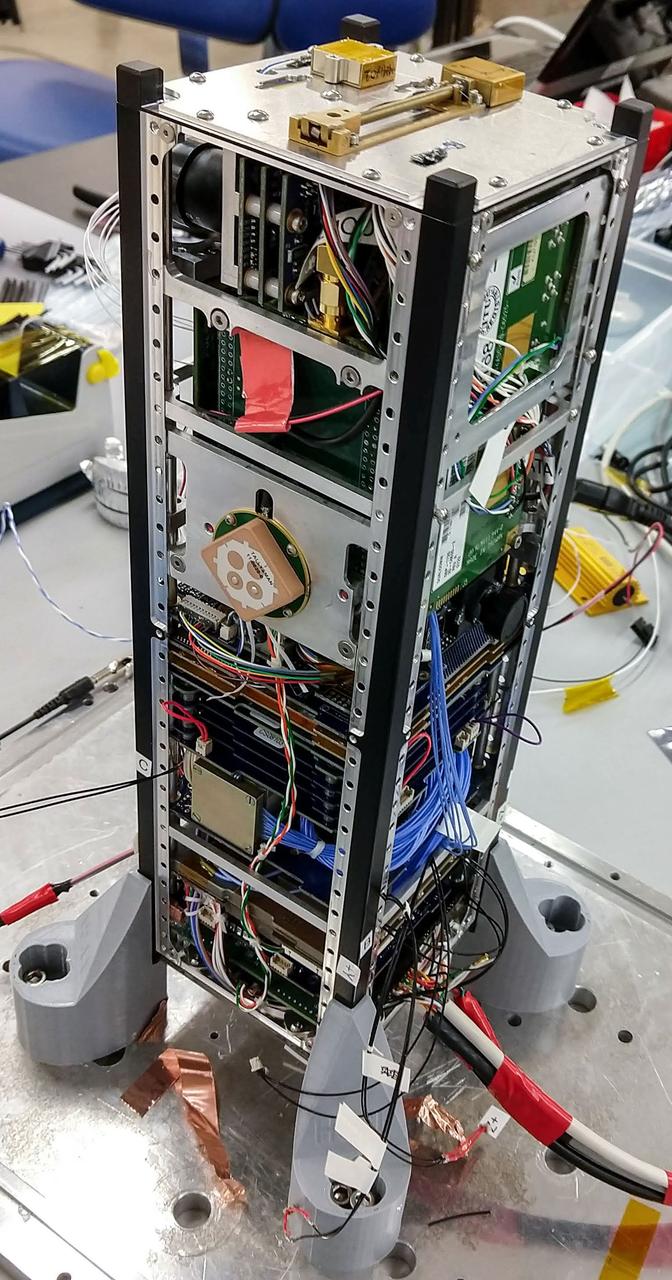
jsc2020e012431 (2/27/2020) --- A preflight view of Neutron-1 internal components and harnessing. The NanoRacks-NEUTRON-1 investigation maps neutron abundance in low-Earth orbit. Data gathered on global neutron counts could contribute to better understanding of the complex relationship between Earth and the Sun. Image courtesy of HSFL
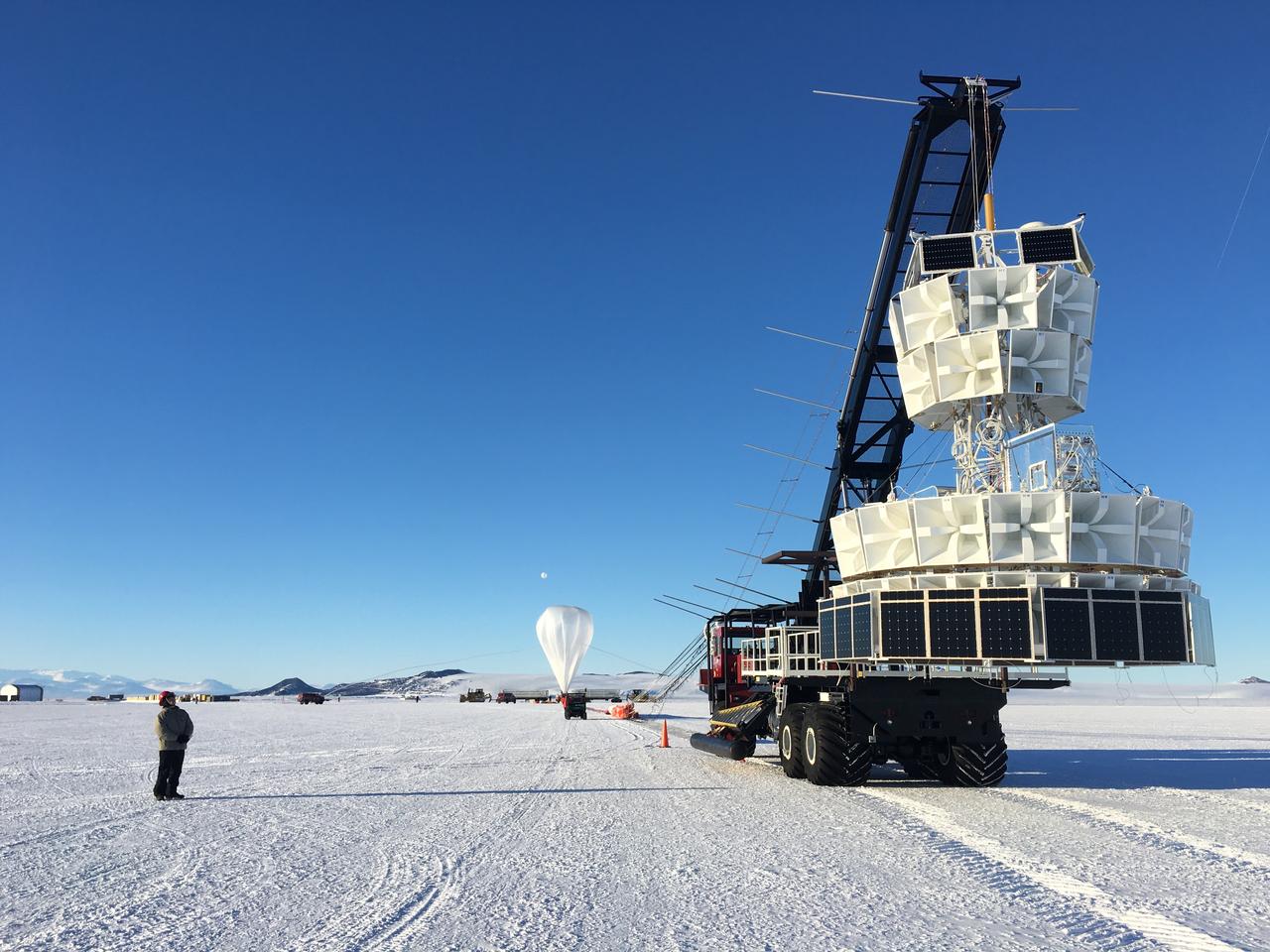
The second of three missions as part of NASA’s Antarctica Long Duration Balloon Flight Campaign was successfully launched at 8:10 a.m. EDT, Dec. 2. The Antarctic Impulsive Transient Antenna (ANITA) from the University of Hawaii at Manoa was launched from Antarctica’s Ross Ice Shelf near McMurdo Station with support from the National Science Foundation’s United States Antarctic Program. Scientists will use ANITA’s instruments to study the reactions in the core of stars and as they explode via the release of neutrinos that travel to Earth and interact with the Antarctica ice. More: <a href="http://go.nasa.gov/2ghR6Le" rel="nofollow">go.nasa.gov/2ghR6Le</a>

This false-color image of Jupiter was taken on May 18, 2017, with a mid-infrared filter centered at a wavelength of 8.8 microns, at the Subaru Telescope in Hawaii, in collaboration with observations of Jupiter by NASA's Juno mission. The selected wavelength is sensitive to Jupiter's tropospheric temperatures and the thickness of a cloud near the condensation level of ammonia gas. The Great Red Spot appears distinctively at the lower center of the planet as a cold region with a thick cloud layer. It is surrounded by a warm and relatively clear periphery. To its northwest is a turbulent and chaotic region where bands of gas that is warm and dry alternate with bands of gas that is cold and moist. This image, taken a few hours before Juno's sixth close approach to Jupiter, shows the detailed atmospheric structure of the Great Red Spot and its surroundings that the Juno mission will encounter on its seventh closest approach to Jupiter on July 10, 2017, Pacific Time (July 11, Universal Time). The instrument used to take this image is Cooled Mid-Infrared Camera and Spectrometer (COMICS) of the National Astronomical Observatory of Japan's Subaru Telescope on Hawaii's Maunakea peak. https://photojournal.jpl.nasa.gov/catalog/PIA21714

NASA image release March 2, 2012 This composite image shows the distribution of dark matter, galaxies, and hot gas in the core of the merging galaxy cluster Abell 520, formed from a violent collision of massive galaxy clusters. The natural-color image of the galaxies was taken with NASA's Hubble Space Telescope and with the Canada-France-Hawaii Telescope in Hawaii. Superimposed on the image are "false-colored" maps showing the concentration of starlight, hot gas, and dark matter in the cluster. Starlight from galaxies, derived from observations by the Canada-France-Hawaii Telescope, is colored orange. The green-tinted regions show hot gas, as detected by NASA's Chandra X-ray Observatory. The gas is evidence that a collision took place. The blue-colored areas pinpoint the location of most of the mass in the cluster, which is dominated by dark matter. Dark matter is an invisible substance that makes up most of the universe's mass. The dark-matter map was derived from the Hubble Wide Field Planetary Camera 2 observations, by detecting how light from distant objects is distorted by the cluster galaxies, an effect called gravitational lensing. The blend of blue and green in the center of the image reveals that a clump of dark matter resides near most of the hot gas, where very few galaxies are found. This finding confirms previous observations of a dark-matter core in the cluster. The result could present a challenge to basic theories of dark matter, which predict that galaxies should be anchored to dark matter, even during the shock of a collision. Abell 520 resides 2.4 billion light-years away. To read more go to: <a href="http://www.nasa.gov/mission_pages/hubble/science/dark-matter-core.html" rel="nofollow">www.nasa.gov/mission_pages/hubble/science/dark-matter-cor...</a> Credit: NASA, ESA, CFHT, CXO, M.J. Jee (University of California, Davis), and A. Mahdavi (San Francisco State University) <b><a href="http://www.nasa.gov/audience/formedia/features/MP_Photo_Guidelines.html" rel="nofollow">NASA image use policy.</a></b> <b><a href="http://www.nasa.gov/centers/goddard/home/index.html" rel="nofollow">NASA Goddard Space Flight Center</a></b> enables NASA’s mission through four scientific endeavors: Earth Science, Heliophysics, Solar System Exploration, and Astrophysics. Goddard plays a leading role in NASA’s accomplishments by contributing compelling scientific knowledge to advance the Agency’s mission. <b>Follow us on <a href="http://twitter.com/NASA_GoddardPix" rel="nofollow">Twitter</a></b> <b>Like us on <a href="http://www.facebook.com/pages/Greenbelt-MD/NASA-Goddard/395013845897?ref=tsd" rel="nofollow">Facebook</a></b> <b>Find us on <a href="http://instagrid.me/nasagoddard/?vm=grid" rel="nofollow">Instagram</a></b>
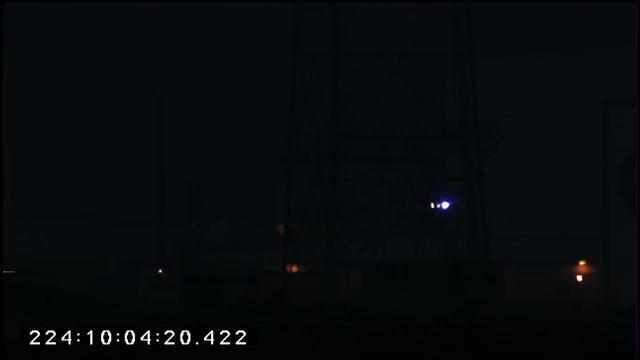
NASA launched a Terrier-Improved Malemute suborbital sounding rocket carrying the RockSat-X payload with university and community college student experiments at 6:04 a.m. EDT Wednesday, Aug. 12, from NASA’s Wallops Flight Facilityin Virginia. More than 60 students and instructors from across the continental United States, Hawaii and Puerto Rico were on hand to witness the launch of their experiments. The payload flew to an altitude of about 97 miles and descended via parachute into the Atlantic Ocean off the coast of Wallops. Payload recovery operations began after lift-off. Developed by students from seven higher education programs, the experiments flew through the RockSat-X program in conjunction with the Colorado Space Grant Consortium. Participating institutions in this flight are the University of Colorado, Boulder; Northwest Nazarene University, Nampa, Idaho; the University of Puerto Rico; the University of Nebraska, Lincoln; Virginia Tech University, Blacksburg; Capitol Technology University, Laurel, Maryland; and University of Hawai'i Community Colleges at the Honolulu, Kapi'olani, Kaua'i, and Windward campuses. The next launch scheduled from Wallops is a NASA Black Brant IX suborbital sounding rocket carrying several technology development instruments. The launch is scheduled between 7 and 7:41 p.m. Sept. 29. The backup launch days are Sept. 30 through Oct. 12. <b><a href="http://www.nasa.gov/audience/formedia/features/MP_Photo_Guidelines.html" rel="nofollow">NASA image use policy.</a></b> <b><a href="http://www.nasa.gov/centers/goddard/home/index.html" rel="nofollow">NASA Goddard Space Flight Center</a></b> enables NASA’s mission through four scientific endeavors: Earth Science, Heliophysics, Solar System Exploration, and Astrophysics. Goddard plays a leading role in NASA’s accomplishments by contributing compelling scientific knowledge to advance the Agency’s mission. <b>Follow us on <a href="http://twitter.com/NASAGoddardPix" rel="nofollow">Twitter</a></b> <b>Like us on <a href="http://www.facebook.com/pages/Greenbelt-MD/NASA-Goddard/395013845897?ref=tsd" rel="nofollow">Facebook</a></b> <b>Find us on <a href="http://instagrid.me/nasagoddard/?vm=grid" rel="nofollow">Instagram</a></b>
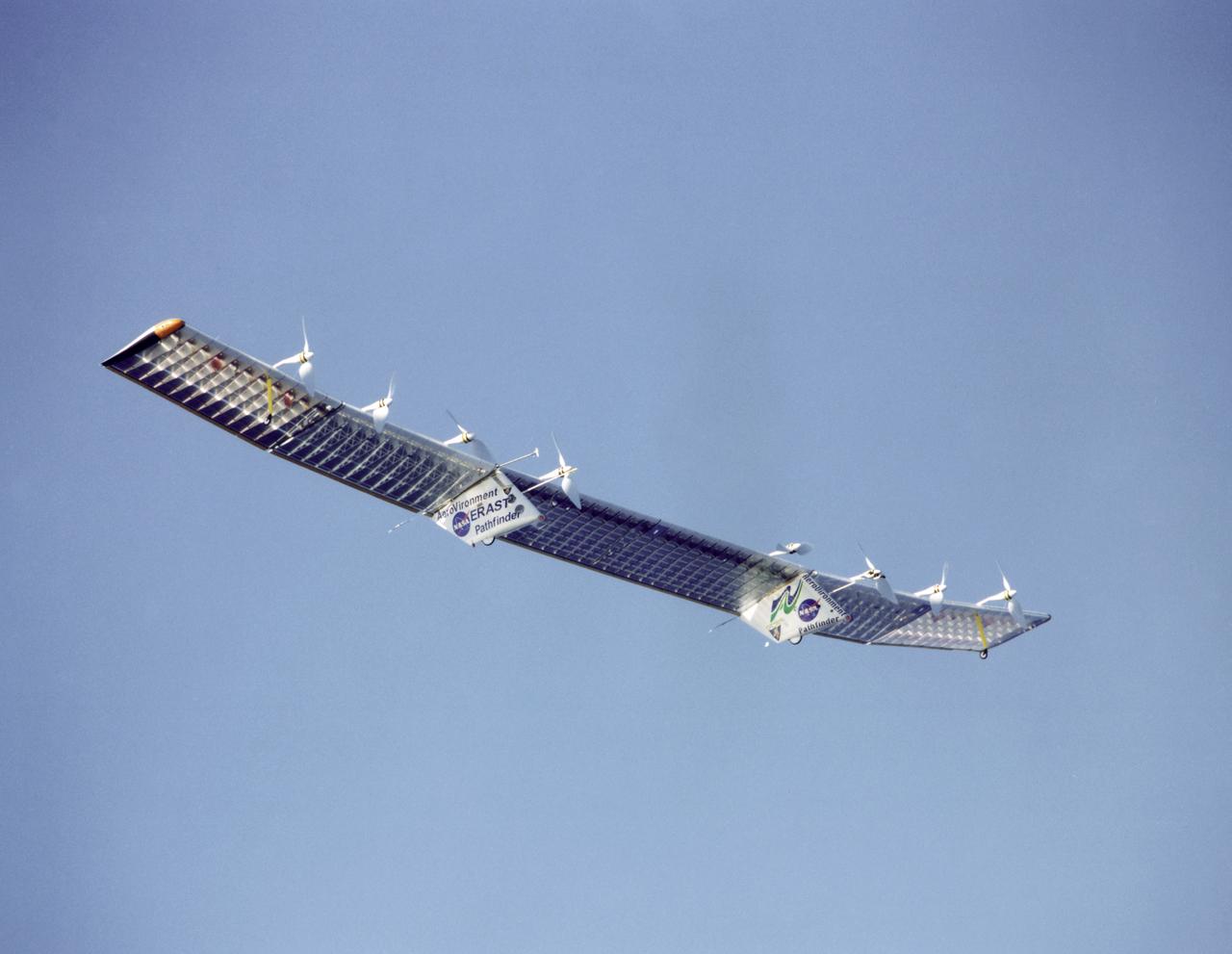
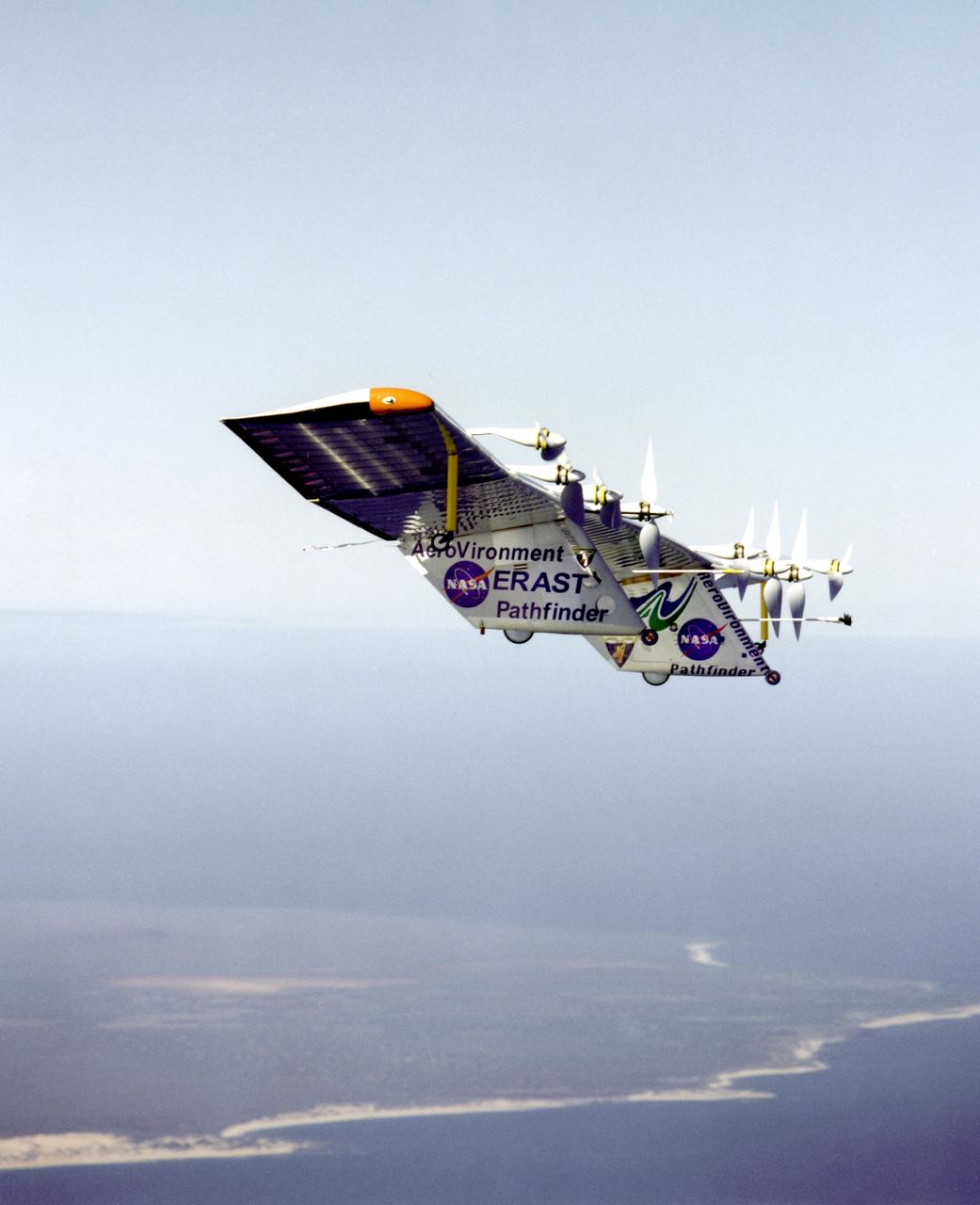
Pathfinder-Plus on flight over Hawaii.
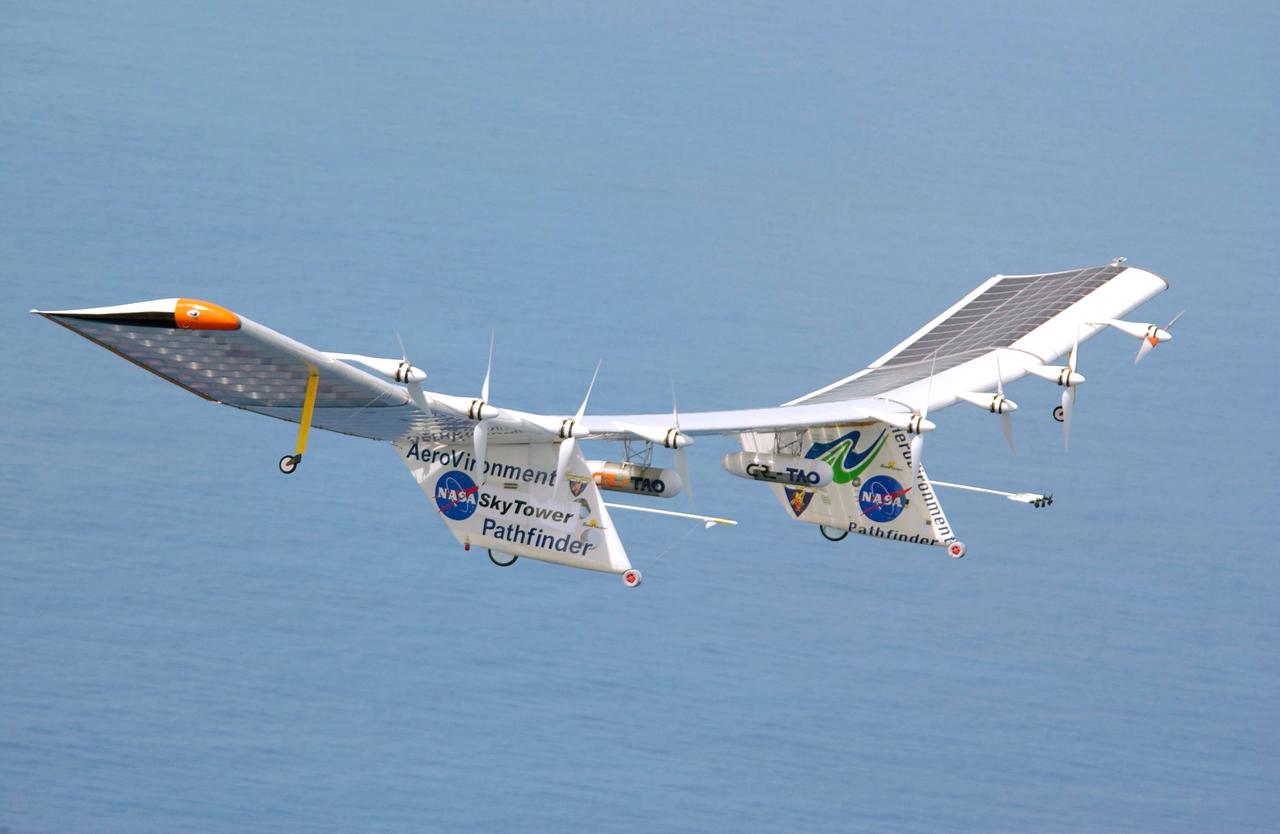
Pathfinder-Plus flight in Hawaii June 2002
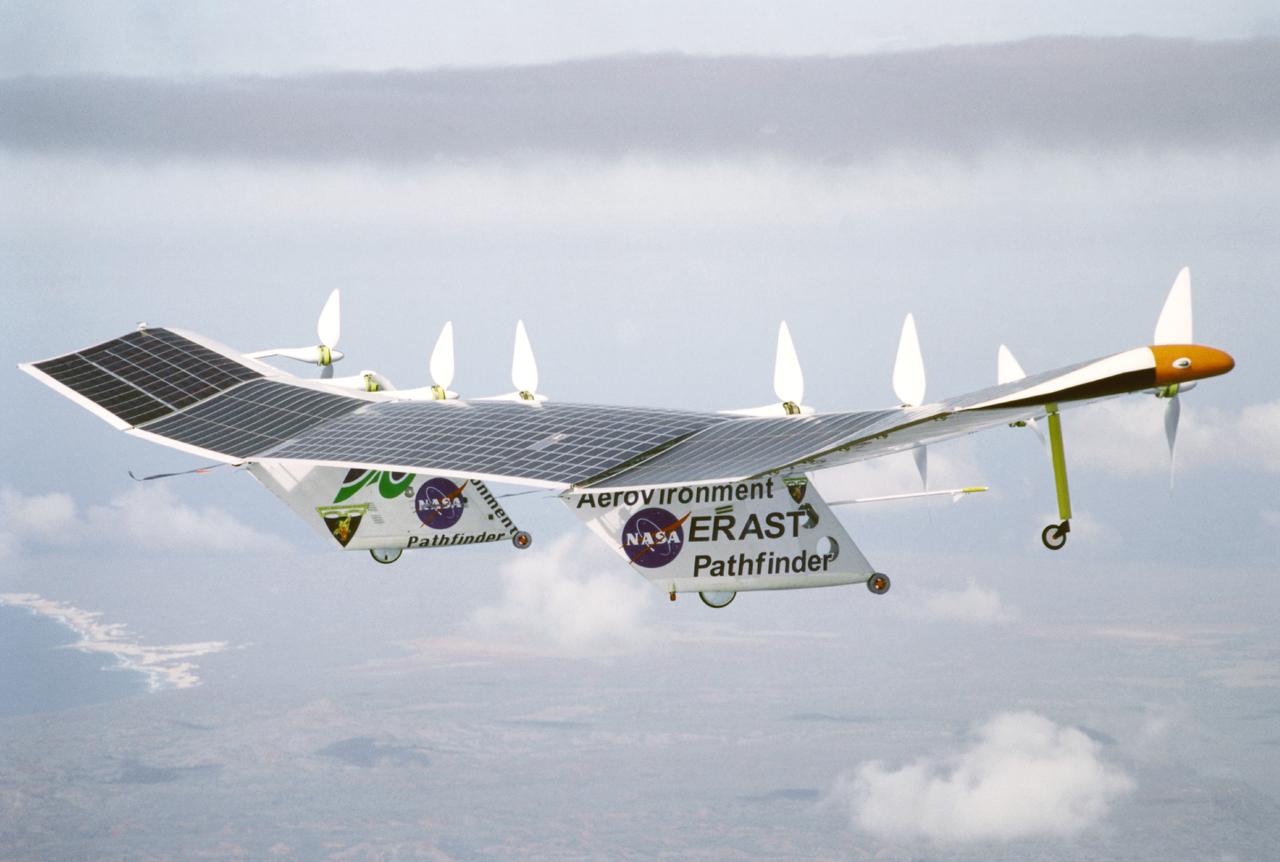
Pathfinder-Plus on a flight over the Hawaiian island of N'ihau in 1998.
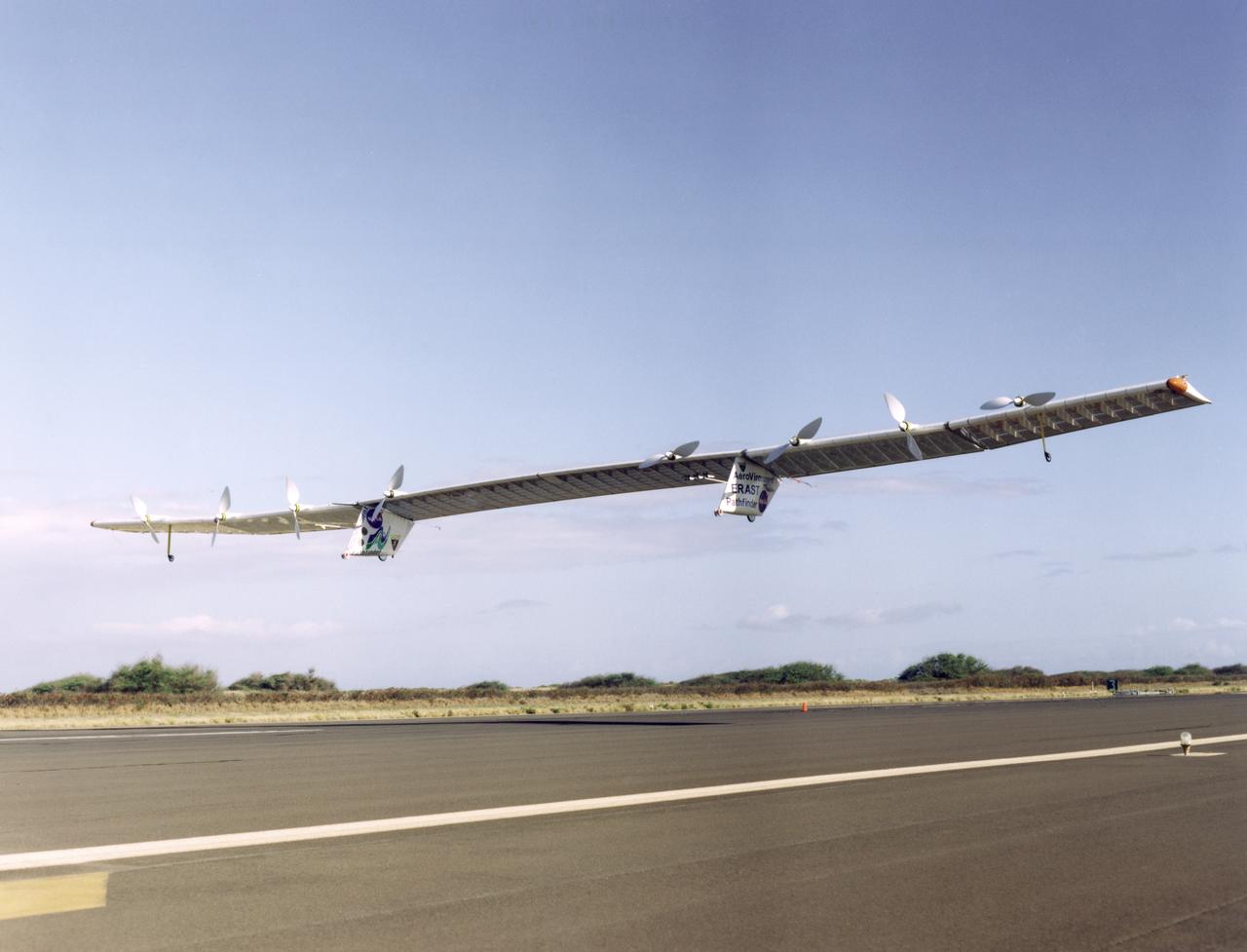
Pathfinder-Plus on a flight over Hawaii in 1998.

Pathfinder-Plus on a flight over the Hawaiian island of N'ihau in 1998.
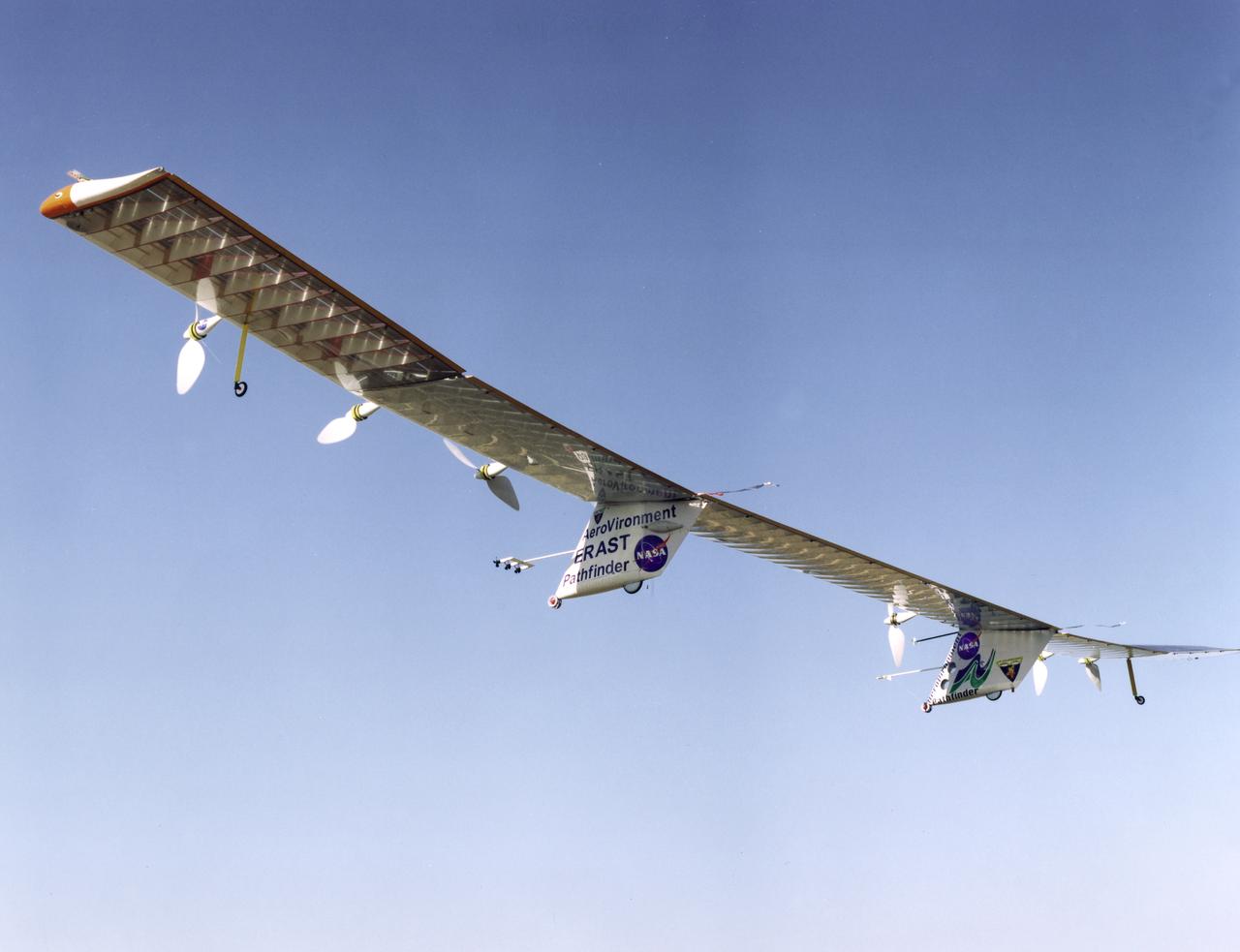
Pathfinder-Plus on a flight over Hawaii in 1998.
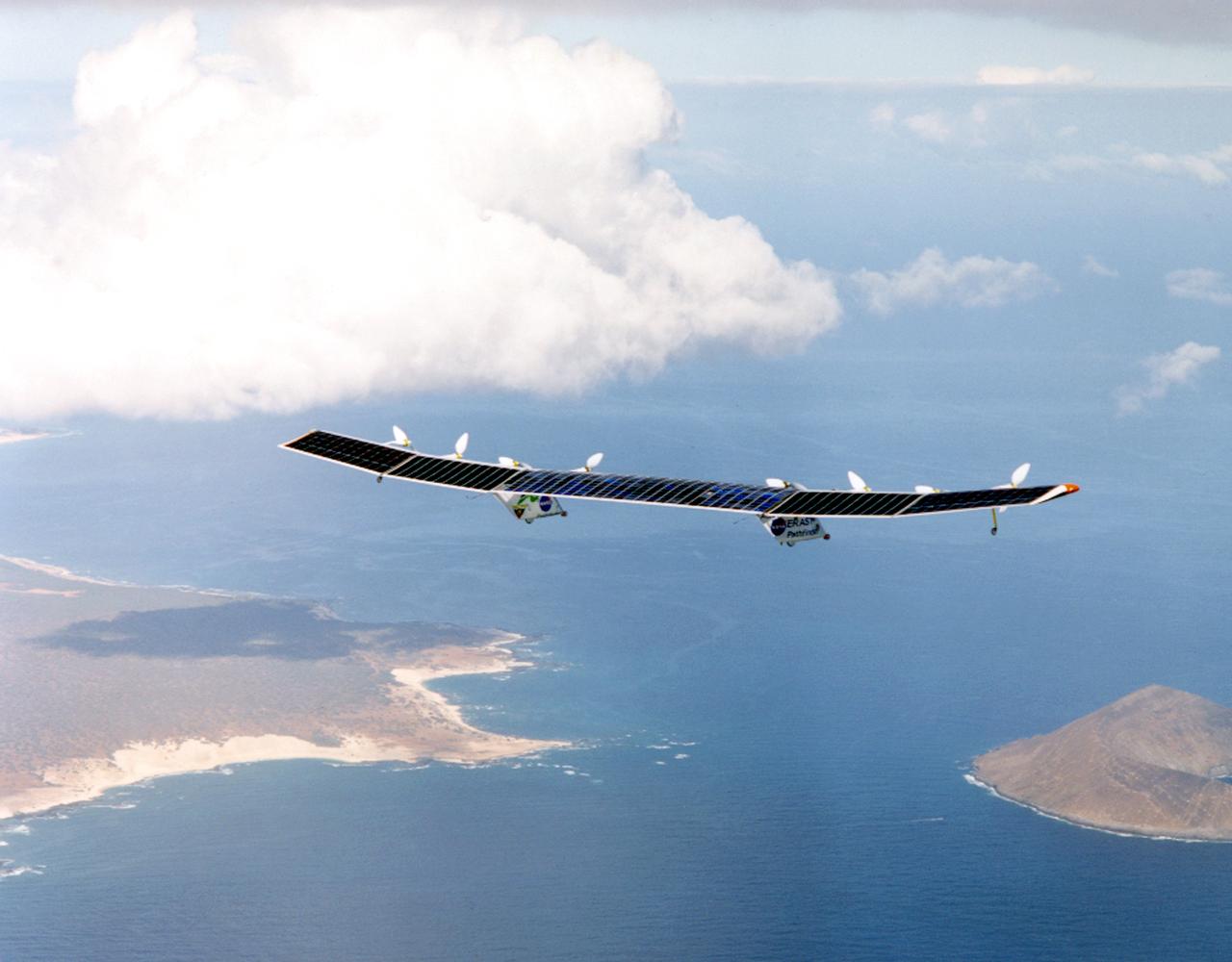
Pathfinder-Plus on flight over Hawaiian Islands, with N'ihau and Lehua in the background.
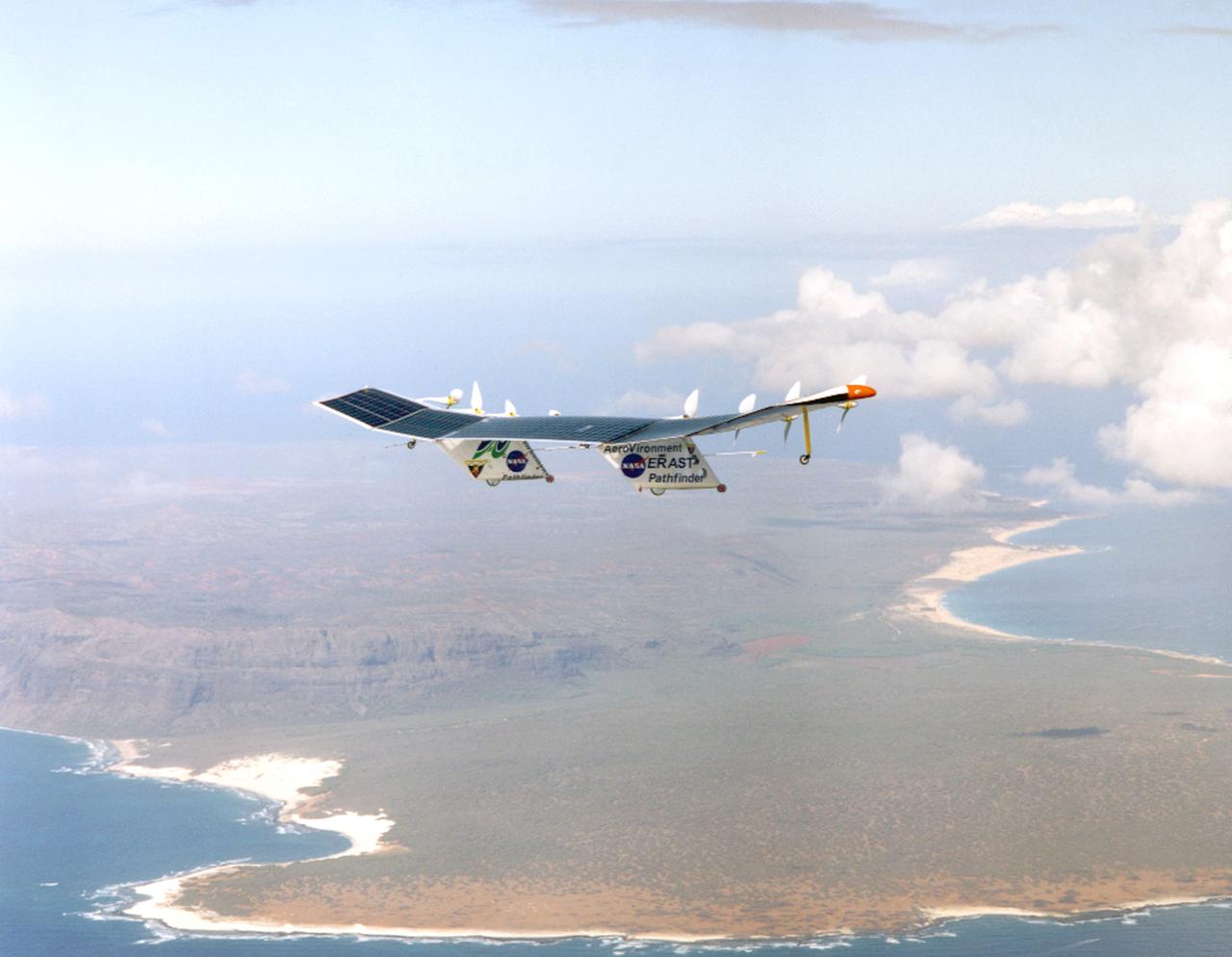
Pathfinder-Plus on a flight with the Hawaiian island of N'ihau in the background.
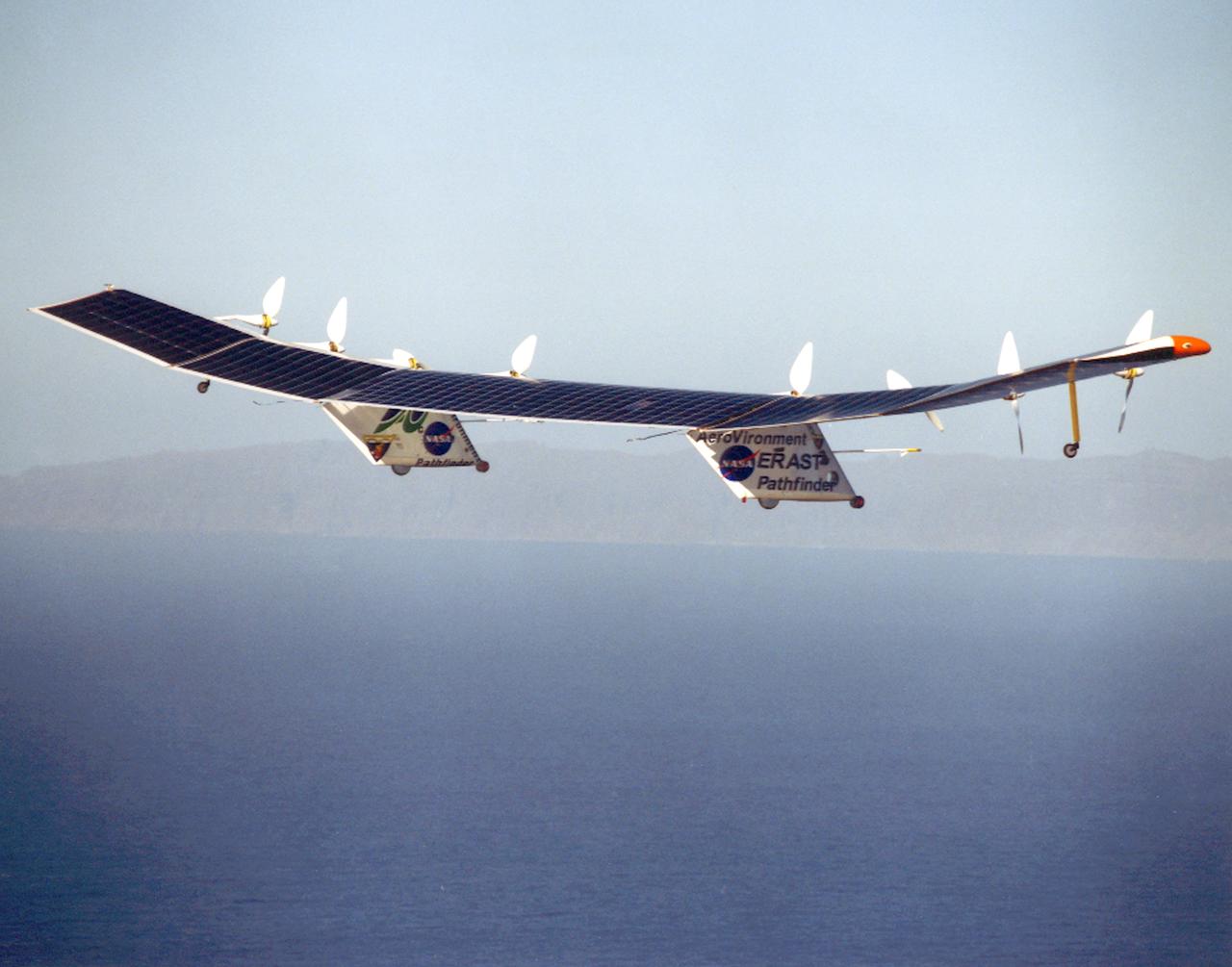
Pathfinder-Plus on flight over Hawaiian Islands in 1998.
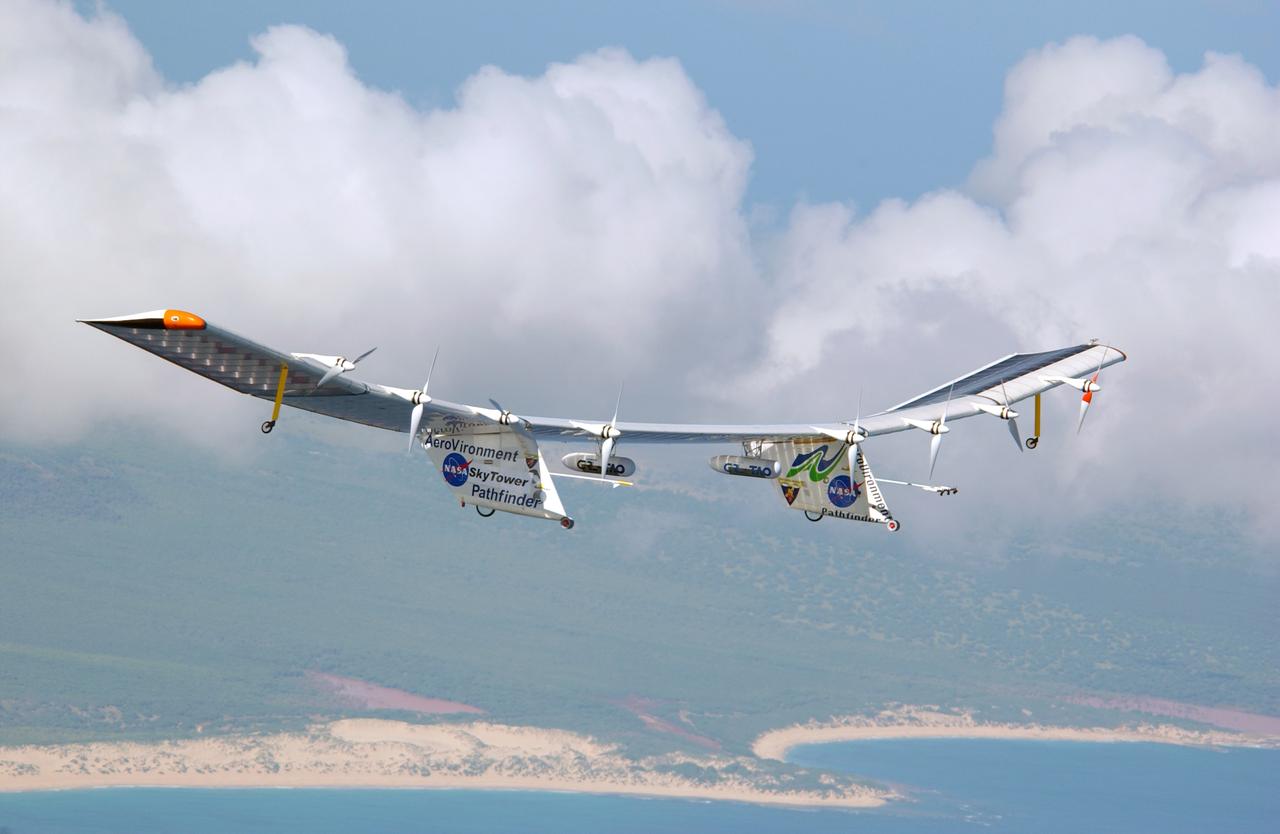
Pathfinder-Plus flight in Hawaii June 2002
Pathfinder-Plus flying over the Hawaiian Islands in 1998 with Ni'ihau Island in the background.
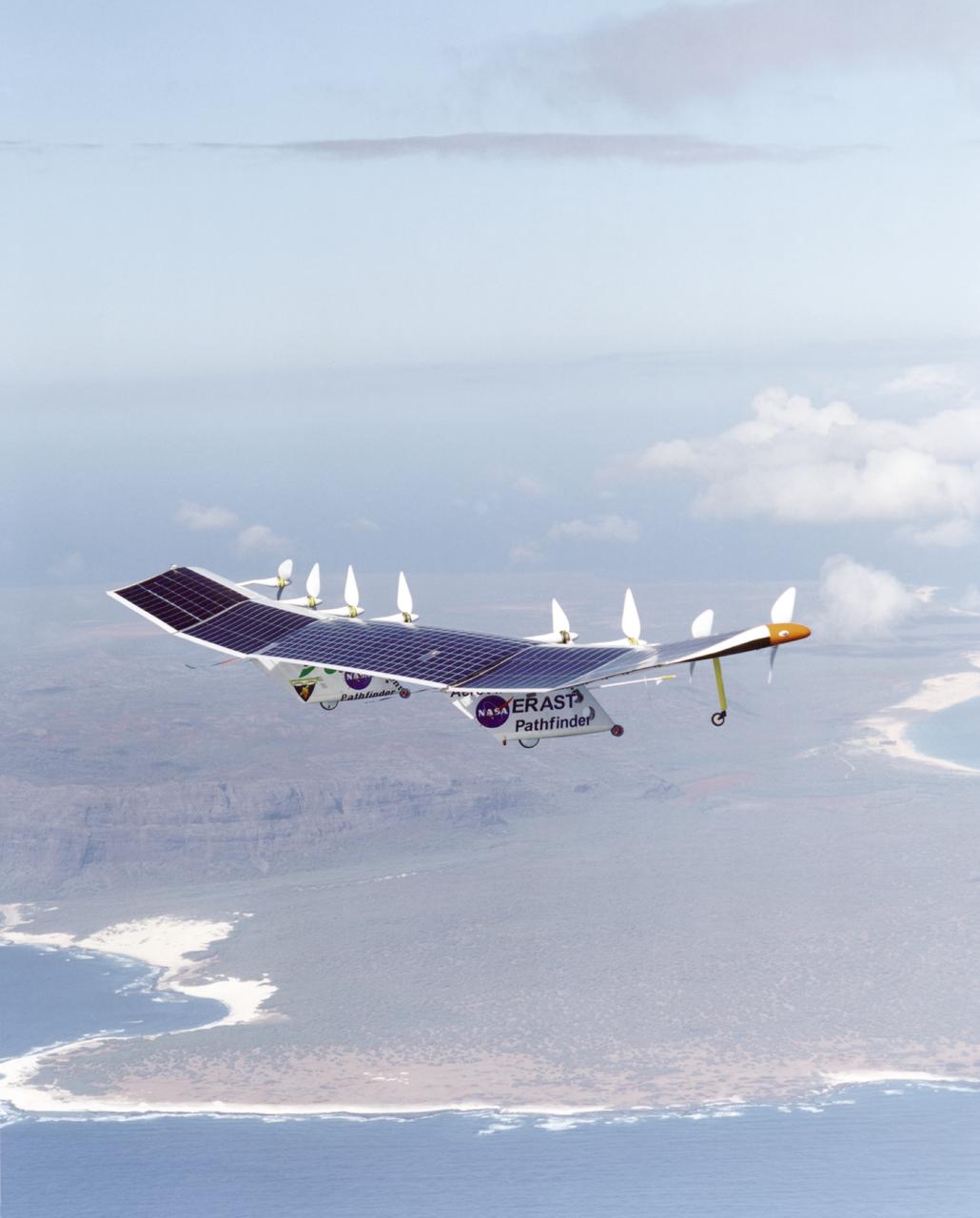
Pathfinder-Plus on a flight over the Hawaiian island of N'ihau in 1998.

Pathfinder-Plus on a flight in 1998 over Hawaiian waters.

This animation depicts the motion of small near-Earth asteroid 2024 PT5 as it orbits the Sun. Because it has a similar orbit as our planet, the asteroid will linger as a distant companion for a few months, but it will not be captured by Earth's gravity. Asteroid 2024 PT5 was first observed on Aug. 7, 2024, by the Sutherland, South Africa, telescope of the University of Hawaii's Asteroid Terrestrial-impact Last Alert System (ATLAS), which is funded by NASA. Estimated to be about 33 feet (10 meters) wide, the asteroid does not pose a hazard to Earth. The 53-second animation depicts the orbits of Earth and 2024 PT5 from Dec. 31, 2023, to Sept. 9, 2025, speeded up by about 1 million times. For more information about 2024 PT5 can be found at: https://blogs.nasa.gov/planetarydefense/2024/10/02/nasa-to-track-asteroid-2024-pt5-on-next-close-pass-january-2025/ Animation available at https://photojournal.jpl.nasa.gov/catalog/PIA26452
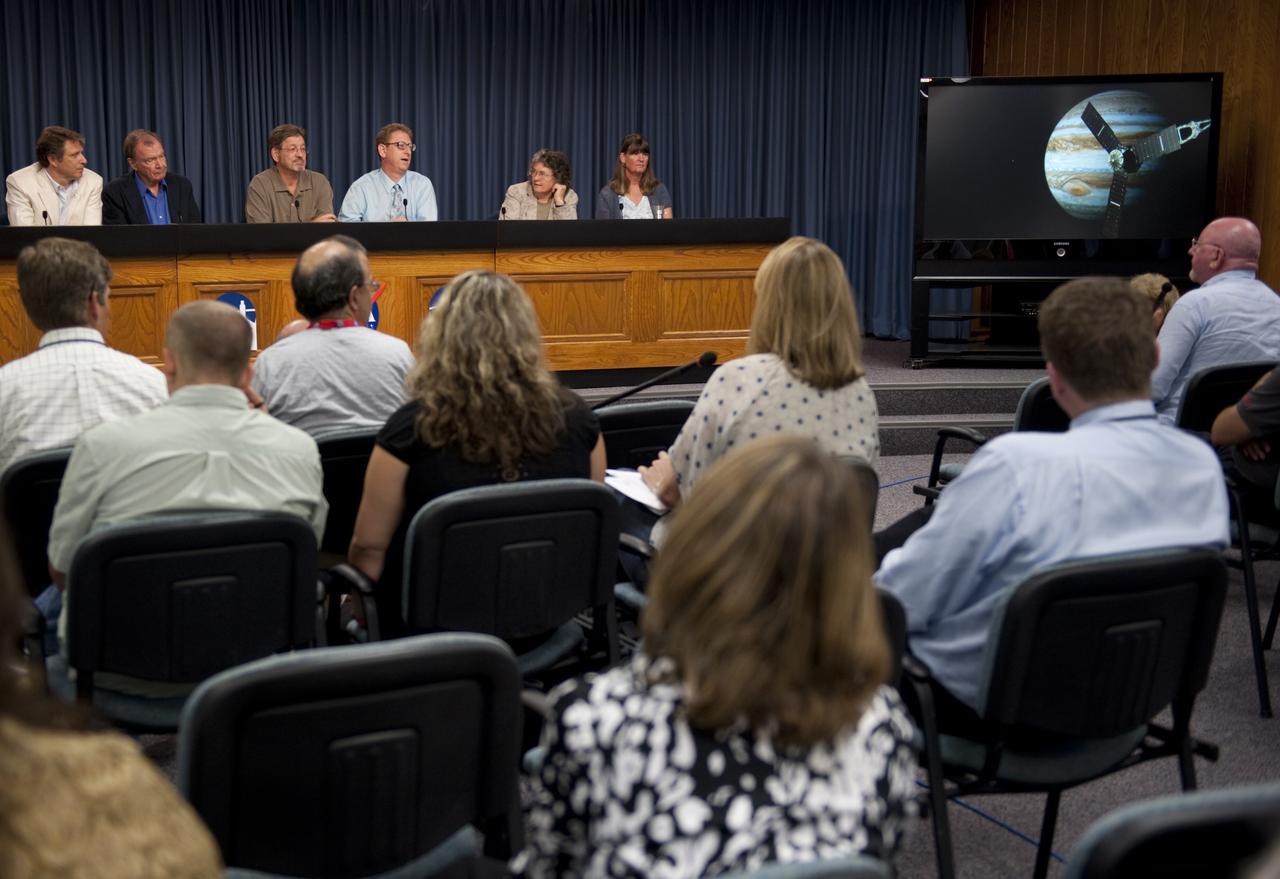
CAPE CANAVERAL, Fla. -- Media representatives question the participants of a Juno mission science briefing in the NASA Press Site auditorium at NASA's Kennedy Space Center in Florida. From left are Scott Bolton, Juno principal investigator, Southwest Research Institute, San Antonio; Toby Owen, Juno co-investigator, University of Hawaii; Jack Connerney, Juno MAG Instrument Lead, Goddard Space Flight Center, Greenbelt, Md.; Steve Levin, Juno project scientist, Jet Propulsion Laboratory, Pasadena, Calif.; Fran Bagenai, Juno co-investigator, University of Colorado, Boulder, Colo.; and Candy Hansen, Juno co-investigator, Planetary Science Institute, Tucson, Ariz. Juno is scheduled to launch Aug. 5 aboard a United Launch Alliance Atlas V rocket from Cape Canaveral Air Force Station in Florida. The solar-powered spacecraft will orbit Jupiter's poles 33 times to find out more about the gas giant's origins, structure, atmosphere and magnetosphere and investigate the existence of a solid planetary core. For more information, visit www.nasa.gov/juno. Photo credit: NASA/Kim Shiflett
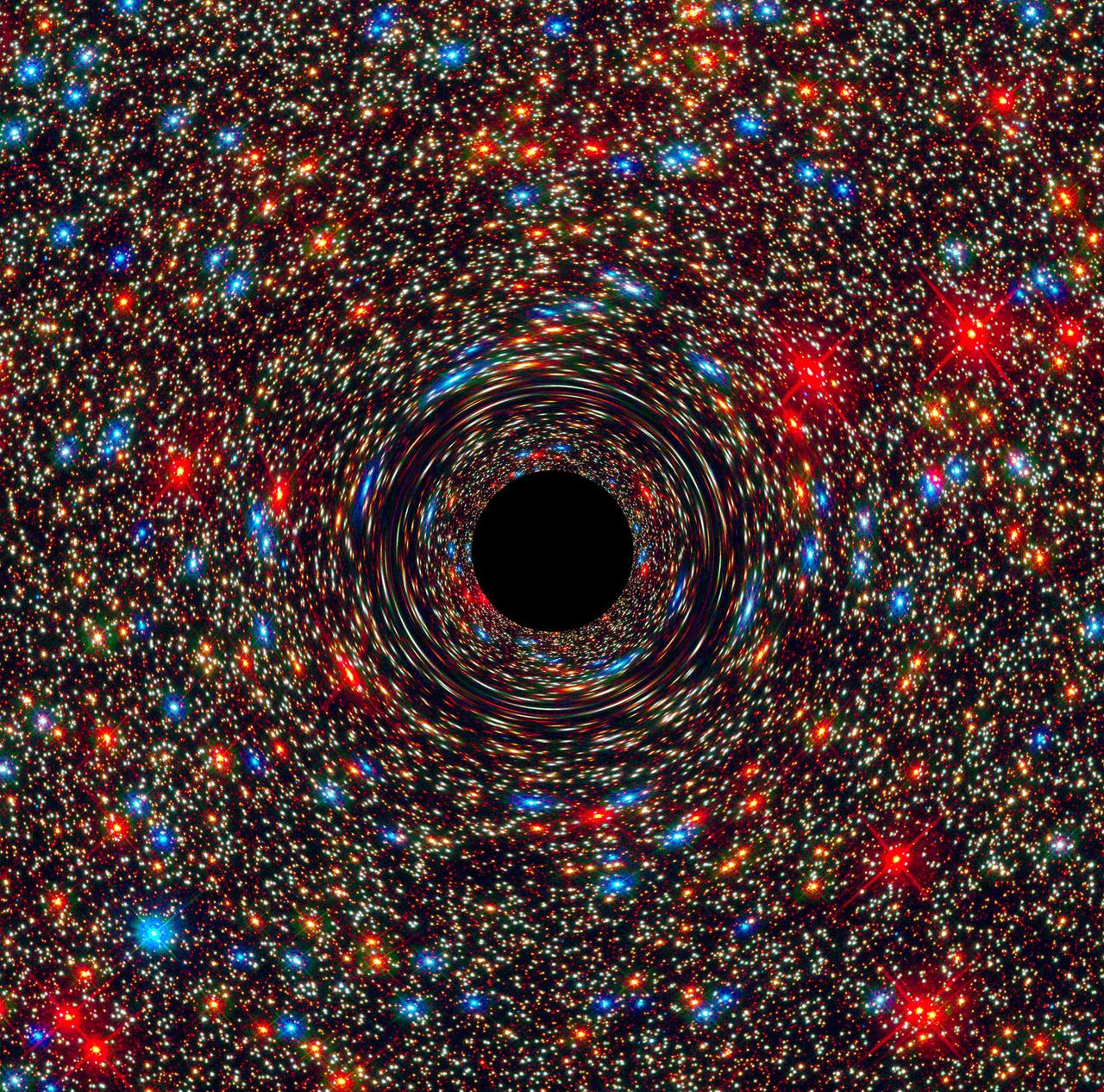
This computer-simulated image shows a supermassive black hole at the core of a galaxy. The black region in the center represents the black hole’s event horizon, where no light can escape the massive object’s gravitational grip. The black hole’s powerful gravity distorts space around it like a funhouse mirror. Light from background stars is stretched and smeared as the stars skim by the black hole. Credits: NASA, ESA, and D. Coe, J. Anderson, and R. van der Marel (STScI) More info: Astronomers have uncovered a near-record breaking supermassive black hole, weighing 17 billion suns, in an unlikely place: in the center of a galaxy in a sparsely populated area of the universe. The observations, made by NASA’s Hubble Space Telescope and the Gemini Telescope in Hawaii, may indicate that these monster objects may be more common than once thought. Until now, the biggest supermassive black holes – those roughly 10 billion times the mass of our sun – have been found at the cores of very large galaxies in regions of the universe packed with other large galaxies. In fact, the current record holder tips the scale at 21 billion suns and resides in the crowded Coma galaxy cluster that consists of over 1,000 galaxies.
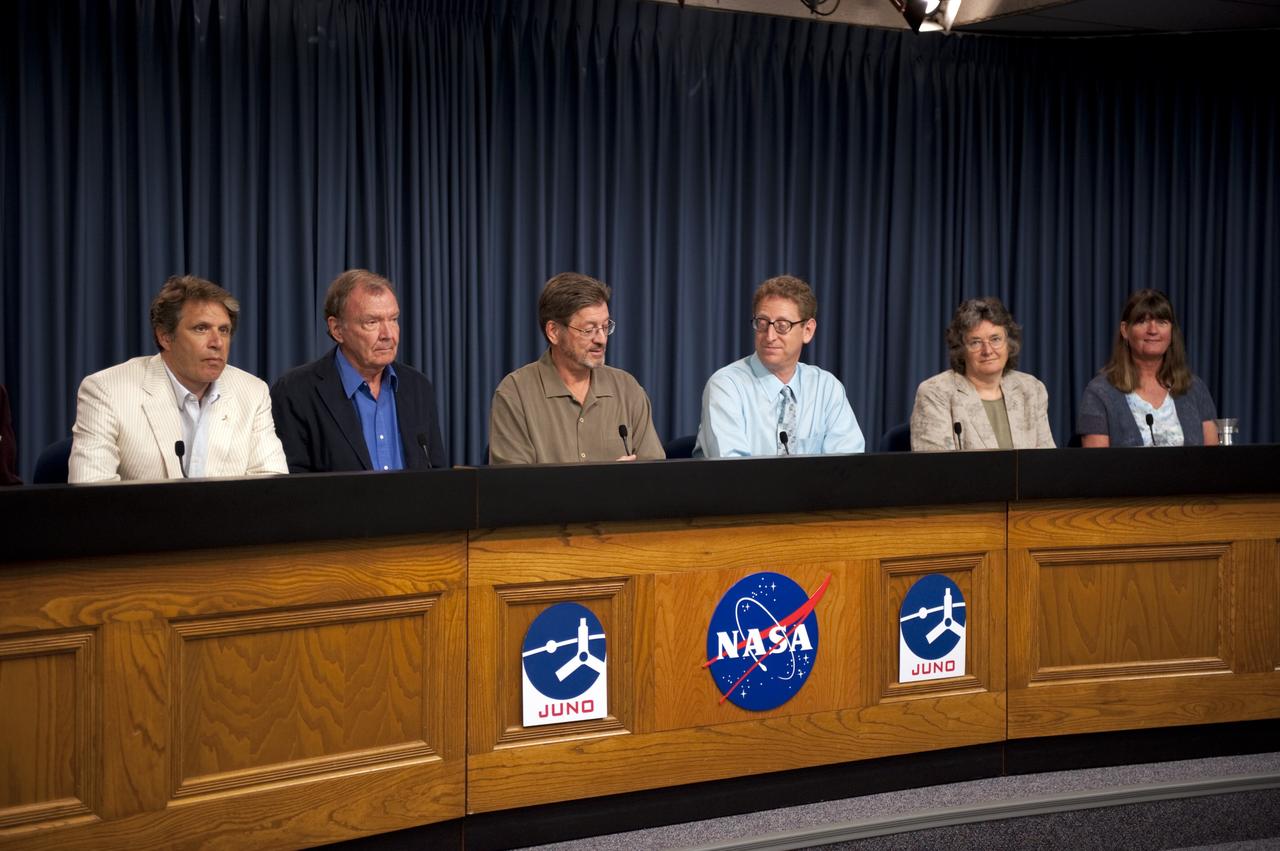
CAPE CANAVERAL, Fla. -- A Juno mission science briefing is held in the NASA Press Site auditorium at NASA's Kennedy Space Center in Florida. From left are Scott Bolton, Juno principal investigator, Southwest Research Institute, San Antonio; Toby Owen, Juno co-investigator, University of Hawaii; Jack Connerney, Juno MAG Instrument Lead, Goddard Space Flight Center, Greenbelt, Md.; Steve Levin, Juno project scientist, Jet Propulsion Laboratory, Pasadena, Calif.; Fran Bagenai, Juno co-investigator, University of Colorado, Boulder, Colo.; and Candy Hansen, Juno co-investigator, Planetary Science Institute, Tucson, Ariz. Juno is scheduled to launch Aug. 5 aboard a United Launch Alliance Atlas V rocket from Cape Canaveral Air Force Station in Florida. The solar-powered spacecraft will orbit Jupiter's poles 33 times to find out more about the gas giant's origins, structure, atmosphere and magnetosphere and investigate the existence of a solid planetary core. For more information, visit www.nasa.gov/juno. Photo credit: NASA/Kim Shiflett

NASA image release April 12, 2011 Astronomers have uncovered one of the youngest galaxies in the distant universe, with stars that formed 13.5 billion years ago, a mere 200 million years after the Big Bang. The finding addresses questions about when the first galaxies arose, and how the early universe evolved. NASA's Hubble Space Telescope was the first to spot the newfound galaxy. Detailed observations from the W.M. Keck Observatory on Mauna Kea in Hawaii revealed the observed light dates to when the universe was only 950 million years old; the universe formed about 13.7 billion years ago. Infrared data from both Hubble and NASA's Spitzer Space Telescope revealed the galaxy's stars are quite mature, having formed when the universe was just a toddler at 200 million years old. The galaxy's image is being magnified by the gravity of a massive cluster of galaxies (Abell 383) parked in front of it, making it appear 11 times brighter. This phenomenon is called gravitational lensing. Hubble imaged the lensing galaxy Abell 383 with the Wide Field Camera 3 and the Advanced Camera for Surveys in November 2010 through March 2011. Credit: NASA, ESA, J. Richard (Center for Astronomical Research/Observatory of Lyon, France), and J.-P. Kneib (Astrophysical Laboratory of Marseille, France) <b><a href="http://www.nasa.gov/centers/goddard/home/index.html" rel="nofollow">NASA Goddard Space Flight Center</a></b> enables NASA’s mission through four scientific endeavors: Earth Science, Heliophysics, Solar System Exploration, and Astrophysics. Goddard plays a leading role in NASA’s accomplishments by contributing compelling scientific knowledge to advance the Agency’s mission. <b>Follow us on <a href="http://twitter.com/NASA_GoddardPix" rel="nofollow">Twitter</a></b> <b>Join us on <a href="http://www.facebook.com/pages/Greenbelt-MD/NASA-Goddard/395013845897?ref=tsd" rel="nofollow">Facebook</a></b>

This composite image shows a hot spot in Jupiter's atmosphere. In the image on the left, taken on Nov. 8, 2020, by NASA's Infrared Telescope Facility (IRTF) on the island of Hawaii, the hot spot appears bright in the infrared. The inset image on the right, taken by the JunoCam visible-light imager (also on Nov. 8, during Juno's 30th perijove pass), the hot spot appears dark and is flanked by high light-colored clouds to the south and a bright white storm to the west. Jupiter's hot spots have been known for a long time. On Dec. 7, 1995, the Galileo probe likely descended into a similar hot spot. To the naked eye, Jupiter's hot spots appear as dark, cloud-free spots in Jupiter's equatorial belt, but at infrared wavelengths, they are extremely bright, revealing the warm, deep atmosphere below the clouds. High-resolution images of hot spots such as these are key to understanding the role of storms and waves in Jupiter's atmosphere and to solving the mystery of Jupiter's elusive water. Citizen scientist Kevin Gill processed the image to enhance the color and contrast, with further processing by Tom Momary to map the JunoCam image to the IRTF data. The NASA IRTF is a 10.5-foot-diameter (3.2-meter-diameter) telescope optimized for infrared observations and is managed for NASA by the Institute for Astronomy at the University of Hawai'i. https://photojournal.jpl.nasa.gov/catalog/PIA24300
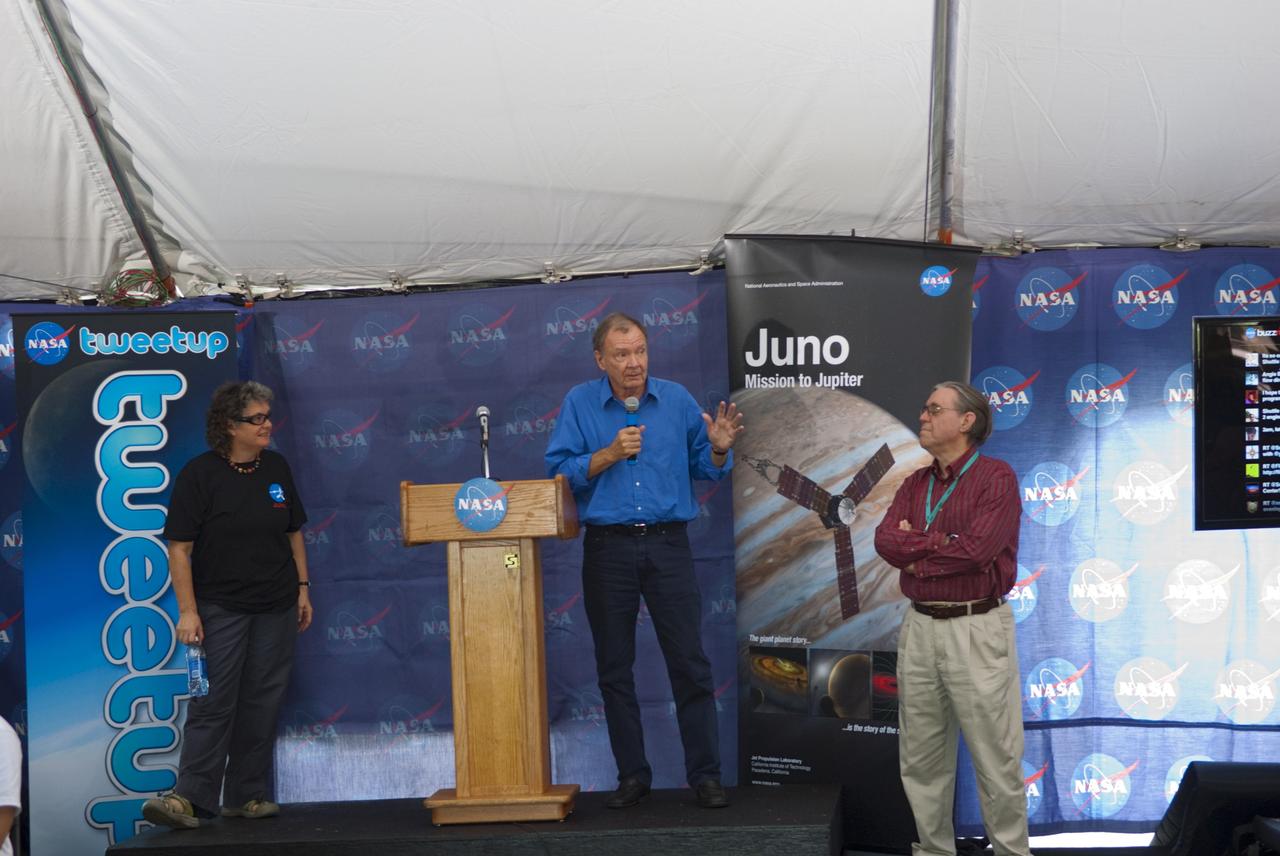
CAPE CANAVERAL, Fla. – At NASA’s Kennedy Space Center in Florida, Toby Owen, Juno co-investigator from the University of Hawaii, speaks to about 150 followers of the agency’s Twitter account during Juno Tweetup activities inside a tent at the Press Site. The tweeters are at the center for two days of prelaunch activities. Juno is NASA’s mission to Jupiter to study the giant planet and improve our understanding of the planet’s formation and evolution. The tweeters will share their experiences with followers through the social networking site Twitter. Attendees represent 28 states, the District of Columbia and five other countries: Canada, Finland, Norway, Spain and the United Kingdom. This is the first time NASA has invited Twitter followers to experience the launch of a planetary spacecraft. The Juno spacecraft is scheduled to launch on an Atlas V rocket from Space Launch Complex 41 at Cape Canaveral Air Force Station in Florida, Aug. 5, at 11:34 a.m. EDT. For more information, visit http://www.nasa.gov/juno. Photo credit: Jim Grossmann

This composite image shows a hot spot in Jupiter's atmosphere. In the image on the left, taken on Sept. 16, 2020, by the Gemini North telescope on the island of Hawaii, the hot spot appears bright in the infrared at a wavelength of 5 microns. In the inset image on the right, taken by Juno's JunoCam visible-light imager, also on Sept. 16 during Juno's 29th perijove pass, the hot spot appears dark. Scientists have known of Jupiter's hot spots for a long time. On Dec. 7, 1995, the Galileo probe likely descended into a similar hot spot. To the naked eye, Jupiter's hot spots appear as dark, cloud-free areas in Jupiter's equatorial belt, but at infrared wavelengths, which are invisible to the human eye, they are extremely bright, revealing the warm, deep atmosphere below the clouds. High-resolution images of hot spots such as these are key both to understanding the role of storms and waves in Jupiter's atmosphere. Citizen scientist Brian Swift processed the images to enhance the color and contrast, with further processing by Tom Momary to map the JunoCam image to the Gemini data. The international Gemini North telescope is a 26.6-foot-diameter (8.1-meter-diameter) optical/infrared telescope optimized for infrared observations, and is managed for the NSF by the Association of Universities for Research in Astronomy (AURA). https://photojournal.jpl.nasa.gov/catalog/PIA24299
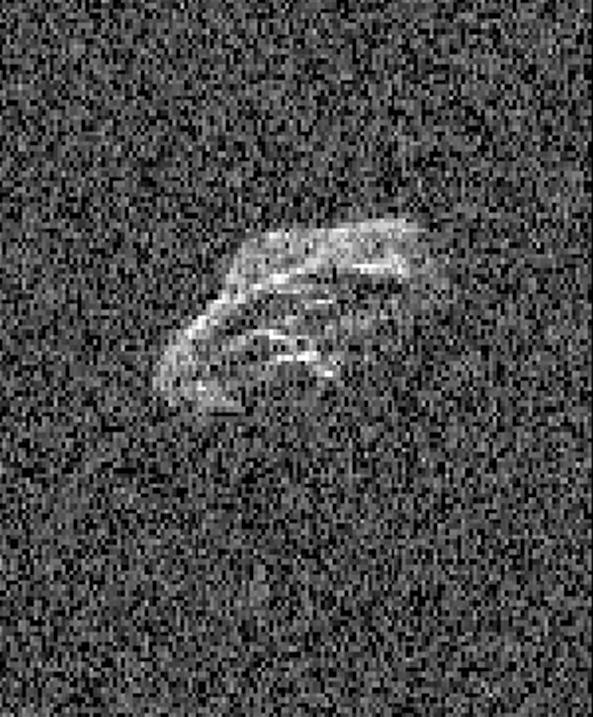
Scientists using two giant, Earth-based radio telescopes bounced radar signals off passing asteroid 2011 UW158 to create images for this animation showing the rocky body's fast rotation. The passing asteroid made its closest approach to Earth on July 19, 2015 at 7:37 a.m. PST (4:37 a.m. EST) at a distance of about 1.5 million miles (2.4 million kilometers, or 6 times the distance from Earth to the moon). The close proximity during the pass made 2011 UW158 one of the best asteroid flybys of 2015 for imaging from Earth using radar. The radar images reveal that the shape of the asteroid is extremely irregular and quite elongated. Prominent parallel, linear features run along the length of the object that cause a large increase in brightness of the radar images as they rotate into view. Scientists note that the asteroid appears to be fairly unusual. Its fast rotation suggests the object has greater mechanical strength than other asteroids its size. A fast-rotating asteroid with lower mechanical strength would tend to split apart. To obtain the views, researchers paired the 230-foot- (70-meter-) wide Deep Space Network antenna at Goldstone, California, in concert with the National Radio Astronomy Observatory's 330-foot (100-meter) Green Bank Telescope. Using this technique, the Goldstone antenna beams a radar signal at an asteroid and Green Bank receives the reflections. The technique, referred to as a bi-static observation, dramatically improves the amount of detail that can be seen in radar images. The new views obtained with the technique show features as small as about 24 feet (7.5 meters) wide. The 171 individual images used in the movie were generated from data collected on July 18. They show the asteroid is approximately 2000 by 1000 feet (600 by 300 meters) across. The observations also confirm earlier estimates by astronomers that the asteroid rotates quickly, completing one spin in just over half an hour. The movie spans a period of about an hour and 45 minutes. The trajectory of asteroid 2011 UW158 is well understood. This flyby was the closest approach the asteroid will make to Earth for at least the next 93 years. Asteroid 2011 UW158 was discovered on October 25, 2011, by the PanSTARRS 1 telescope, located on the summit of Haleakala on Maui, Hawaii. Managed by the University of Hawaii, the PanSTARRS survey receives NASA funding. Radar is a powerful technique for studying an asteroid's size, shape, rotation state, surface features and surface roughness, and for improving the calculation of asteroid orbits. Radar measurements of asteroid distances and velocities often enable computation of asteroid orbits much further into the future than if radar observations weren't available. http://photojournal.jpl.nasa.gov/catalog/PIA19644
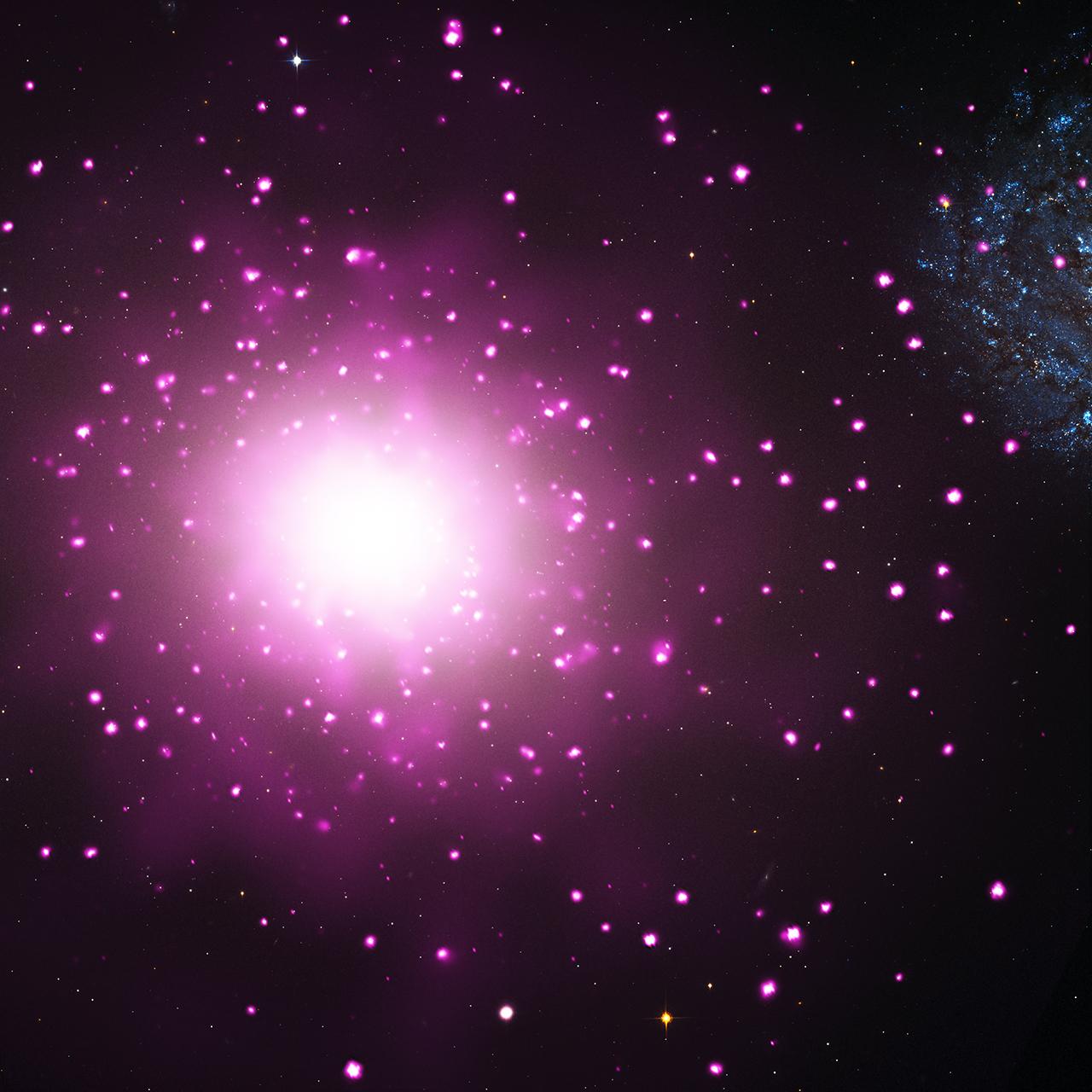
SEPTEMBER 24, 2013: Astronomers may have found the densest galaxy in the nearby universe. The galaxy, known as M60-UCD1, is located near a massive elliptical galaxy NGC 4649, also called M60, about 54 million light-years from Earth. This composite image shows M60 and the region around it, where data from NASA's Chandra X-ray Observatory are pink and data from NASA's Hubble Space Telescope are red, green, and blue. The Chandra image shows hot gas and double stars containing black holes and neutron stars, and the Hubble image reveals stars in M60 and neighboring galaxies including M60-UCD1. The arrow points to M60-UCD1. Packed with an extraordinary number of stars, M60-UCD1 is an "ultra-compact dwarf galaxy." It is one of the most massive galaxies of its kind, weighing 200 million times more than our Sun, based on observations with the Keck 10-meter telescope in Hawaii. Remarkably, about half of this mass is found within a radius of only about 80 light-years. This would make the density of stars about 15,000 times greater than found in Earth's neighborhood in the Milky Way, meaning that the stars are about 25 times closer. For more information about M60-UCD1, visit <a href="http://chandra.si.edu/press/13_releases/press_092413.html" rel="nofollow">chandra.si.edu/press/13_releases/press_092413.html</a> Credit: NASA, ESA, CXC, and J. Strader (Michigan State University) <b><a href="http://www.nasa.gov/audience/formedia/features/MP_Photo_Guidelines.html" rel="nofollow">NASA image use policy.</a></b> <b><a href="http://www.nasa.gov/centers/goddard/home/index.html" rel="nofollow">NASA Goddard Space Flight Center</a></b> enables NASA’s mission through four scientific endeavors: Earth Science, Heliophysics, Solar System Exploration, and Astrophysics. Goddard plays a leading role in NASA’s accomplishments by contributing compelling scientific knowledge to advance the Agency’s mission. <b>Follow us on <a href="http://twitter.com/NASA_GoddardPix" rel="nofollow">Twitter</a></b> <b>Like us on <a href="http://www.facebook.com/pages/Greenbelt-MD/NASA-Goddard/395013845897?ref=tsd" rel="nofollow">Facebook</a></b> <b>Find us on <a href="http://instagram.com/nasagoddard?vm=grid" rel="nofollow">Instagram</a></b>

This computer-simulated image shows a supermassive black hole at the core of a galaxy. The black region in the center represents the black hole’s event horizon, where no light can escape the massive object’s gravitational grip. The black hole’s powerful gravity distorts space around it like a funhouse mirror. Light from background stars is stretched and smeared as the stars skim by the black hole. Credits: NASA, ESA, and D. Coe, J. Anderson, and R. van der Marel (STScI) More info: Astronomers have uncovered a near-record breaking supermassive black hole, weighing 17 billion suns, in an unlikely place: in the center of a galaxy in a sparsely populated area of the universe. The observations, made by NASA’s Hubble Space Telescope and the Gemini Telescope in Hawaii, may indicate that these monster objects may be more common than once thought. Until now, the biggest supermassive black holes – those roughly 10 billion times the mass of our sun – have been found at the cores of very large galaxies in regions of the universe packed with other large galaxies. In fact, the current record holder tips the scale at 21 billion suns and resides in the crowded Coma galaxy cluster that consists of over 1,000 galaxies. More: <a href="http://www.nasa.gov/feature/goddard/2016/behemoth-black-hole-found-in-an-unlikely-place" rel="nofollow">www.nasa.gov/feature/goddard/2016/behemoth-black-hole-fou...</a> <b><a href="http://www.nasa.gov/audience/formedia/features/MP_Photo_Guidelines.html" rel="nofollow">NASA image use policy.</a></b> <b><a href="http://www.nasa.gov/centers/goddard/home/index.html" rel="nofollow">NASA Goddard Space Flight Center</a></b> enables NASA’s mission through four scientific endeavors: Earth Science, Heliophysics, Solar System Exploration, and Astrophysics. Goddard plays a leading role in NASA’s accomplishments by contributing compelling scientific knowledge to advance the Agency’s mission. <b>Follow us on <a href="http://twitter.com/NASAGoddardPix" rel="nofollow">Twitter</a></b> <b>Like us on <a href="http://www.facebook.com/pages/Greenbelt-MD/NASA-Goddard/395013845897?ref=tsd" rel="nofollow">Facebook</a></b> <b>Find us on <a href="http://instagrid.me/nasagoddard/?vm=grid" rel="nofollow">Instagram</a></b>
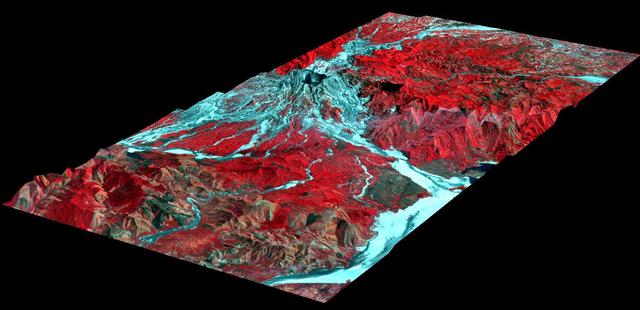
This perspective view, acquired by NASA Airborne Synthetic Aperture Radar AIRSAR, shows the effects of the June 15, 1991, eruption of Mt. Pinatubo.
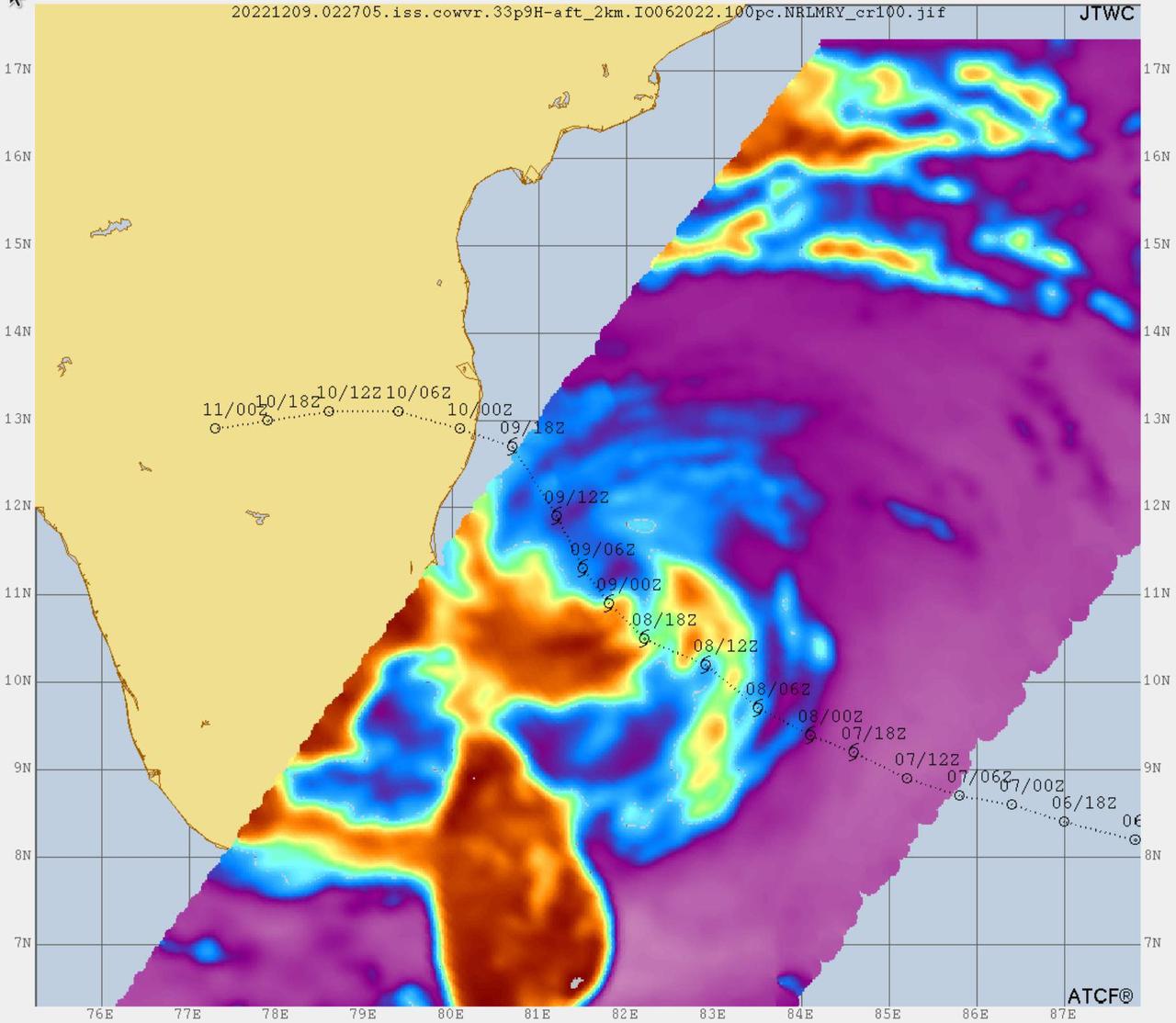
Data from two weather instruments developed at NASA's Jet Propulsion Laboratory in Southern California to provide forecasters data on weather over the open ocean were used to create this image of Tropical Cyclone Mandous on Dec. 9, 2022, as the storm approached the southeastern coast of India. Forecasters at the U.S. Joint Typhoon Warning Center in Pearl Harbor, Hawaii, used the image and others like it to understand the storm's intensity and track its path. The instruments, Compact Ocean Wind Vector Radiometer (COWVR) and Temporal Experiment for Storms and Tropical Systems (TEMPEST), observe the planet's atmosphere and surface from aboard the International Space Station. The image above uses 33.9 gigahertz microwave emissions measured from COWVR to detect structural features of Mandous, including its center, which is about 160 miles (250 kilometers) northeast of the northern tip of Sri Lanka. The colored portions over water indicate the presence of precipitation, with yellow and orange indicating where the storm is strongest, while blue shows where it's weakest. COWVR and TEMPEST sent the data for this image back to Earth in a direct stream via NASA's tracking and data relay satellite (TDRS) constellation. The data was processed at JPL, and meteorologists at the U.S. Naval Research Laboratory in Monterey, California, created the image, which they shared with the Joint Typhoon Warning Center. About the size of a minifridge, COWVR measures natural microwave emissions over the ocean. The magnitude of the emissions increases with the amount of rain in the atmosphere. TEMPEST – comparable in size to a cereal box – tracks microwaves at a much shorter wavelength, allowing it to detect atmospheric water vapor. Both microwave radiometers were conceived to demonstrate that smaller, more energy-efficient, more simply designed sensors can perform most of the same measurements as current space-based weather instruments that are heavier, consume more power, and cost much more to construct. COWVR's development was funded by the U.S. Space Force, and TEMPEST was developed with NASA funding. The U.S. Space Test Program-Houston 8 (STP-H8) is responsible for hosting the instruments on the space station under Space Force funding in partnership with NASA. Data from the instruments is being used by government and university weather forecasters and scientists. The mission will inform development of future space-based weather sensors, and scientists are working on mission concepts that would take advantage of the low-cost microwave sensor technologies to study long-standing questions, such as how heat from the ocean fuels global weather patterns. https://photojournal.jpl.nasa.gov/catalog/PIA25565
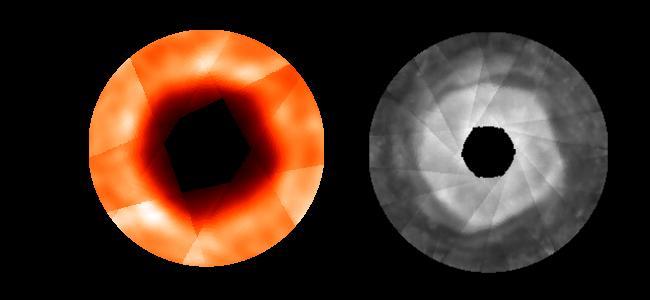
Cold Hole Over Jupiter Pole

This is an illustration of a supermassive black hole, weighing as much as 21 million suns, located in the middle of the ultradense galaxy M60-UCD1. The dwarf galaxy is so dense that millions of stars fill the sky as seen by an imaginary visitor. Because no light can escape from the black hole, it appears simply in silhouette against the starry background. The black hole's intense gravitational field warps the light of the background stars to form ring-like images just outside the dark edges of the black hole's event horizon. Combined observations by the Hubble Space Telescope and Gemini North telescope determined the presence of the black hole inside such a small and dense galaxy. More info: Astronomers using data from NASA’s Hubble Space Telescope and ground observation have found an unlikely object in an improbable place -- a monster black hole lurking inside one of the tiniest galaxies ever known. The black hole is five times the mass of the one at the center of our Milky Way galaxy. It is inside one of the densest galaxies known to date -- the M60-UCD1 dwarf galaxy that crams 140 million stars within a diameter of about 300 light-years, which is only 1/500th of our galaxy’s diameter. If you lived inside this dwarf galaxy, the night sky would dazzle with at least 1 million stars visible to the naked eye. Our nighttime sky as seen from Earth’s surface shows 4,000 stars. The finding implies there are many other compact galaxies in the universe that contain supermassive black holes. The observation also suggests dwarf galaxies may actually be the stripped remnants of larger galaxies that were torn apart during collisions with other galaxies rather than small islands of stars born in isolation. “We don’t know of any other way you could make a black hole so big in an object this small,” said University of Utah astronomer Anil Seth, lead author of an international study of the dwarf galaxy published in Thursday’s issue of the journal Nature. Seth’s team of astronomers used the Hubble Space Telescope and the Gemini North 8-meter optical and infrared telescope on Hawaii’s Mauna Kea to observe M60-UCD1 and measure the black hole’s mass. The sharp Hubble images provide information about the galaxy’s diameter and stellar density. Gemini measures the stellar motions as affected by the black hole’s pull. These data are used to calculate the mass of the black hole. Black holes are gravitationally collapsed, ultra-compact objects that have a gravitational pull so strong that even light cannot escape. Supermassive black holes -- those with the mass of at least one million stars like our sun -- are thought to be at the centers of many galaxies. The black hole at the center of our Milky Way galaxy has the mass of four million suns. As heavy as that is, it is less than 0.01 percent of the Milky Way’s total mass. By comparison, the supermassive black hole at the center of M60-UCD1, which has the mass of 21 million suns, is a stunning 15 percent of the small galaxy’s total mass. “That is pretty amazing, given that the Milky Way is 500 times larger and more than 1,000 times heavier than the dwarf galaxy M60-UCD1,” Seth said. One explanation is that M60-UCD1 was once a large galaxy containing 10 billion stars, but then it passed very close to the center of an even larger galaxy, M60, and in that process all the stars and dark matter in the outer part of the galaxy were torn away and became part of M60. The team believes that M60-UCD1 may eventually be pulled to fully merge with M60, which has its own monster black hole that weighs a whopping 4.5 billion solar masses, or more than 1,000 times bigger than the black hole in our galaxy. When that happens, the black holes in both galaxies also likely will merge. Both galaxies are 50 million light-years away. The Hubble Space Telescope is a project of international cooperation between NASA and the European Space Agency. NASA's Goddard Space Flight Center in Greenbelt, Maryland, manages the telescope. The Space Telescope Science Institute (STScI) in Baltimore conducts Hubble science operations. STScI is operated for NASA by the Association of Universities for Research in Astronomy, Inc., in Washington. For images and more information about Hubble, visit: <a href="http://www.nasa.gov/hubble" rel="nofollow">www.nasa.gov/hubble</a> <b><a href="http://www.nasa.gov/audience/formedia/features/MP_Photo_Guidelines.html" rel="nofollow">NASA image use policy.</a></b> <b><a href="http://www.nasa.gov/centers/goddard/home/index.html" rel="nofollow">NASA Goddard Space Flight Center</a></b> enables NASA’s mission through four scientific endeavors: Earth Science, Heliophysics, Solar System Exploration, and Astrophysics. Goddard plays a leading role in NASA’s accomplishments by contributing compelling scientific knowledge to advance the Agency’s mission. <b>Follow us on <a href="http://twitter.com/NASAGoddardPix" rel="nofollow">Twitter</a></b> <b>Like us on <a href="http://www.facebook.com/pages/Greenbelt-MD/NASA-Goddard/395013845897?ref=tsd" rel="nofollow">Facebook</a></b> <b>Find us on <a href="http://instagram.com/nasagoddard?vm=grid" rel="nofollow">Instagram</a></b>
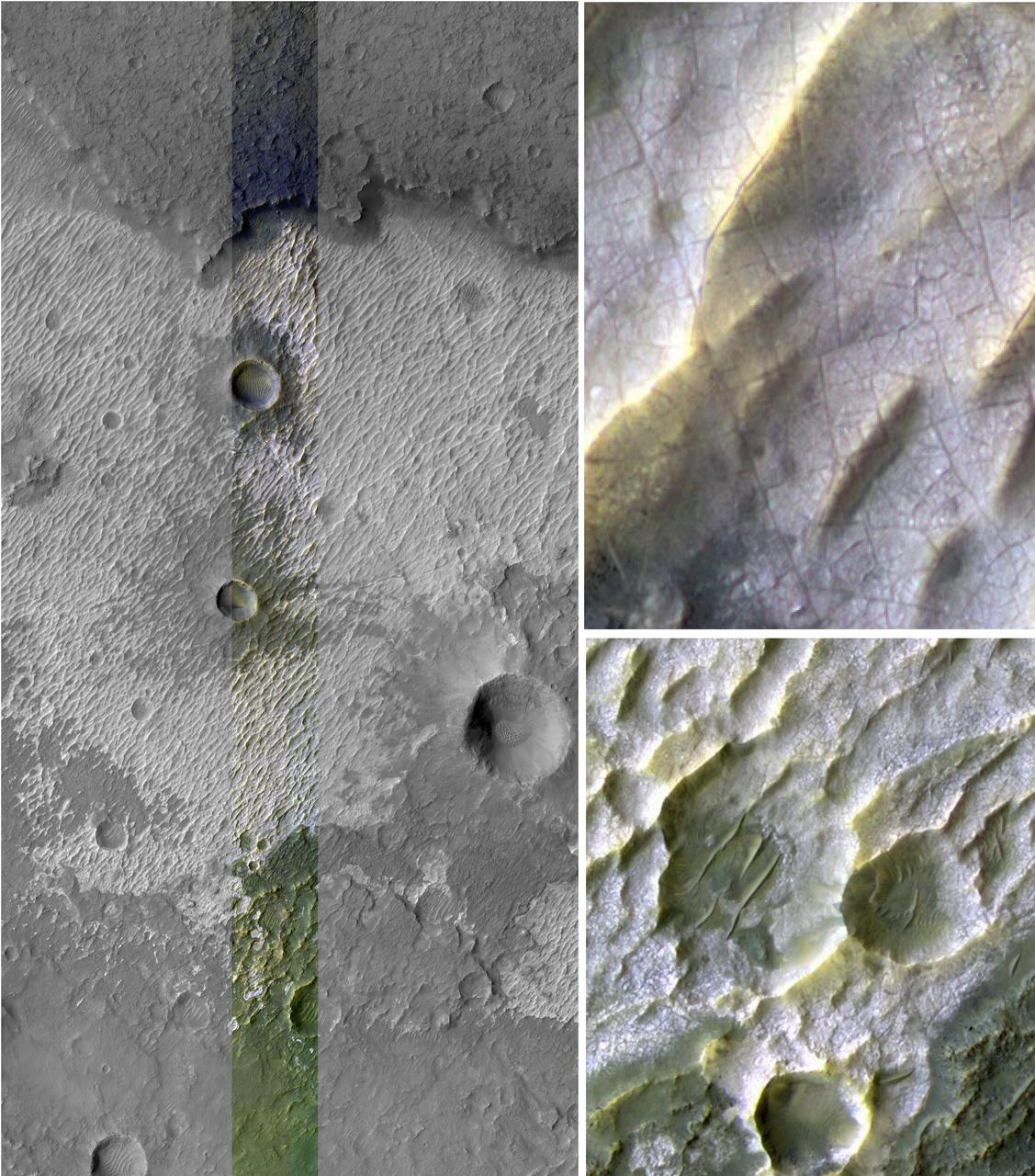
Bright Exposures of Chloride Salt on Southern Mars
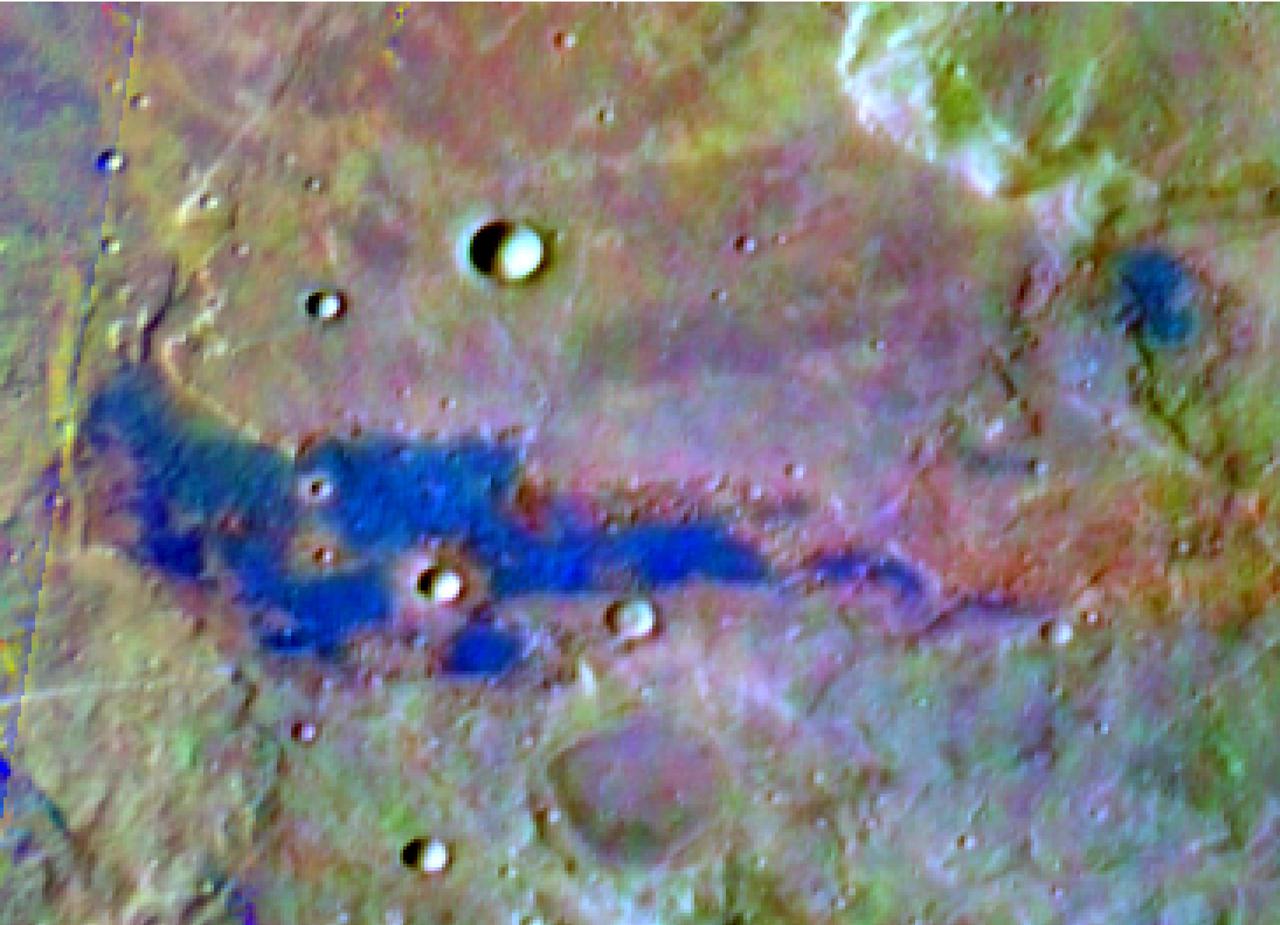
Chloride Salt Deposit in Southern Highlands of Mars
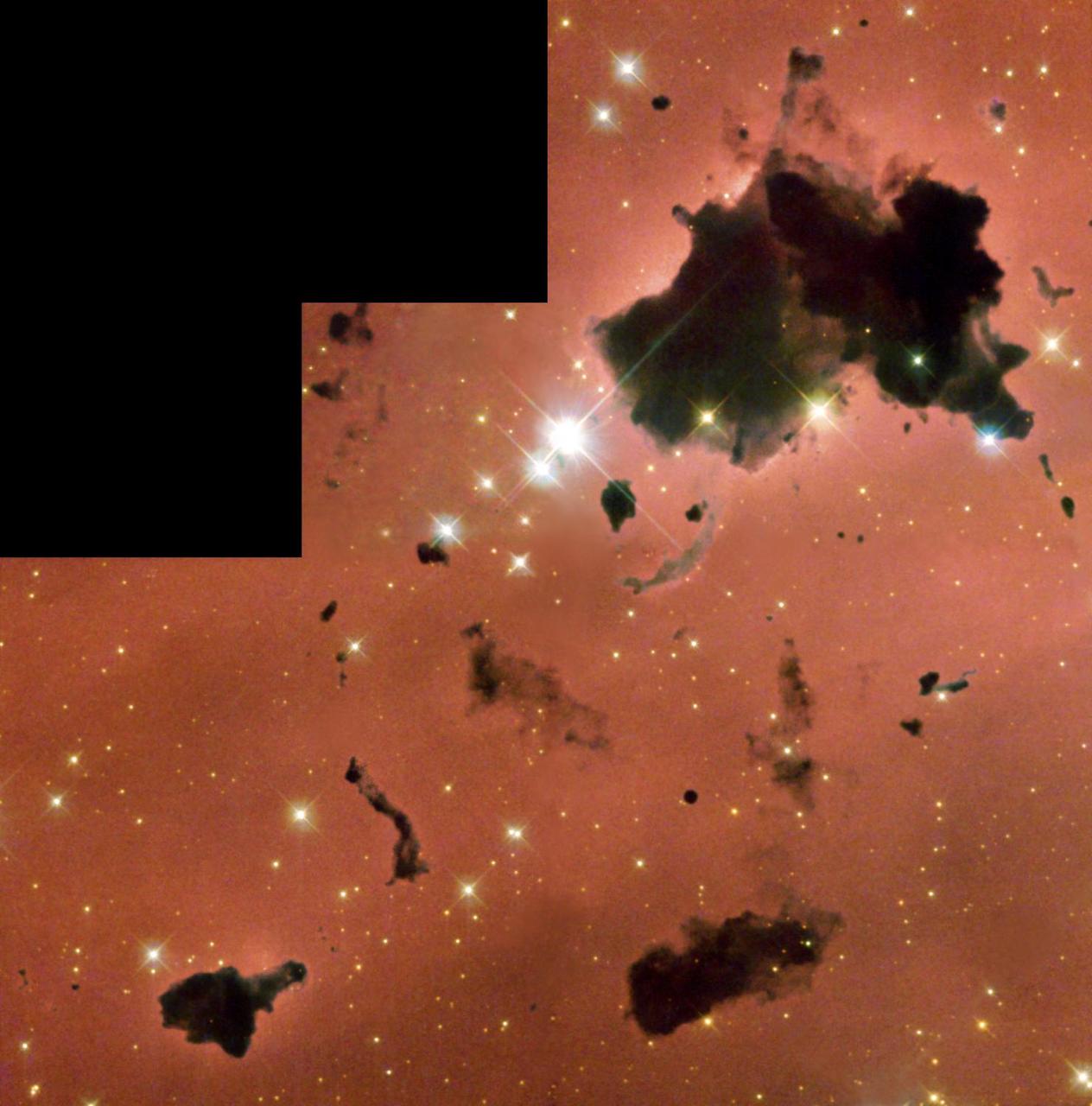
Strangely glowing, floating dark clouds are silhouetted against nearby bright stars in a busy star-forming region viewed by NASA Hubble Space Telescope