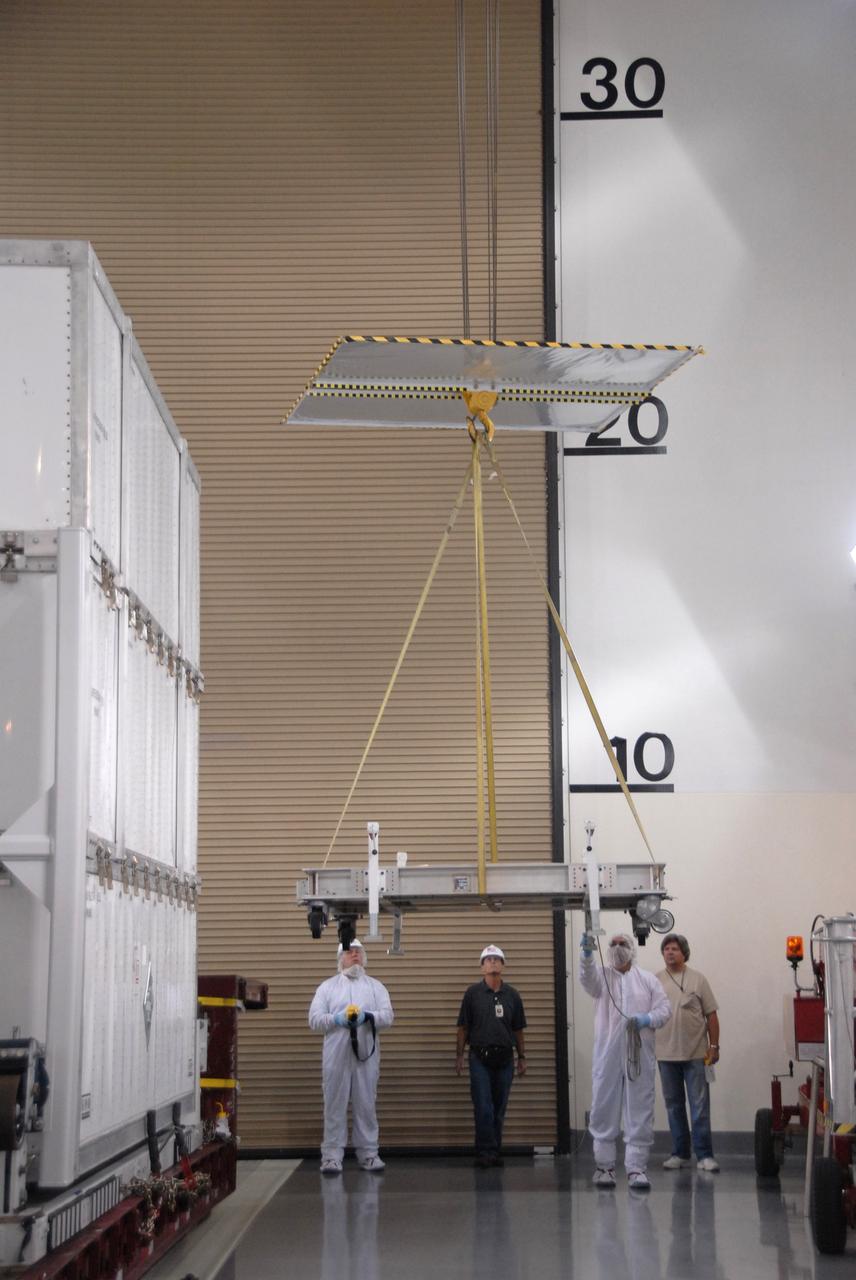
VANDENBERG AIR FORCE BASE, Calif. -- In the Astrotech payload processing facility at Vandenberg Air Force Base in California, workers raise the overhead crane that will be attached to the shipping container that covers NASA's Wide-field Infrared Survey Explorer, or WISE, spacecraft. The satellite will survey the entire sky at infrared wavelengths, creating a cosmic clearinghouse of hundreds of millions of objects, which will be catalogued, providing a vast storehouse of knowledge about the solar system, the Milky Way, and the universe. Launch is scheduled no earlier than Dec. 10. Photo credit: NASA/Doug Kolkow, VAFB
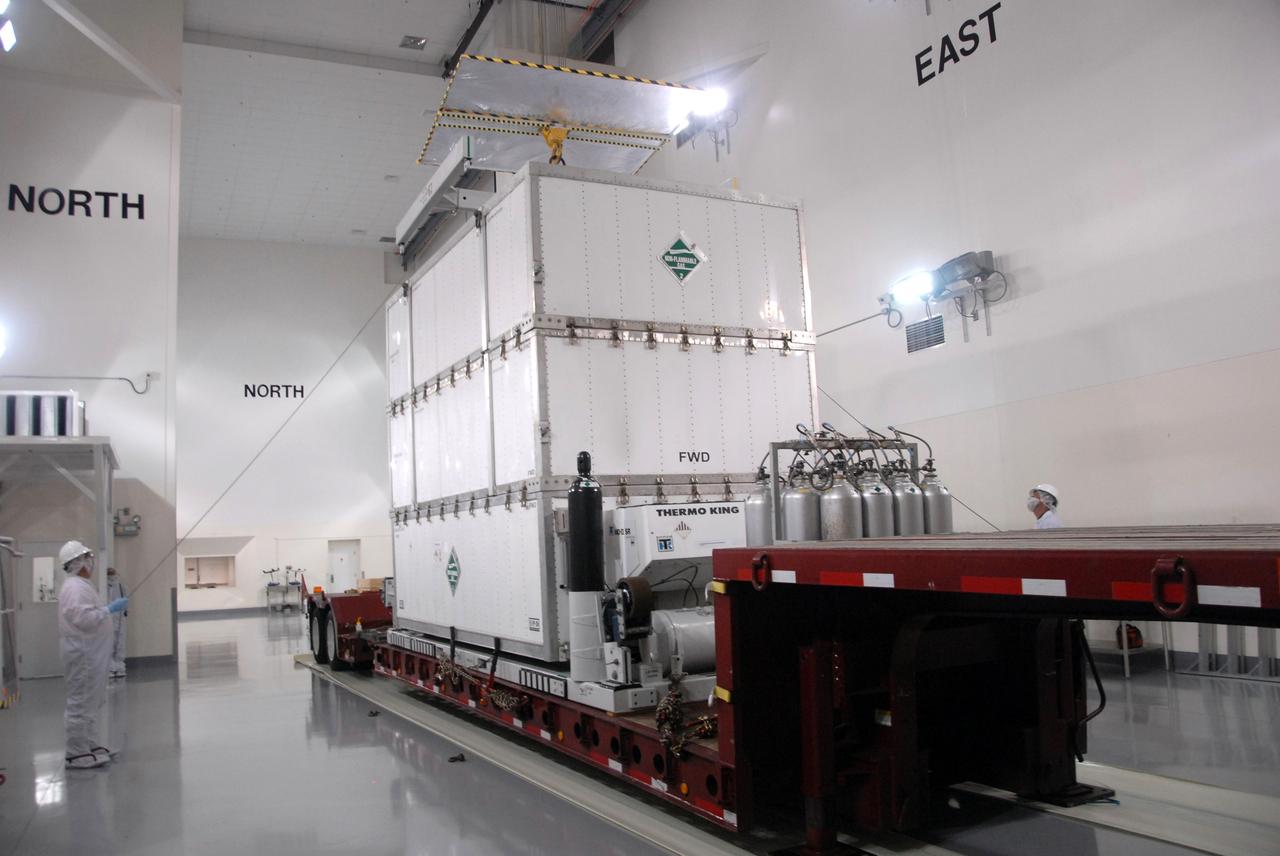
VANDENBERG AIR FORCE BASE, Calif. -- In the Astrotech payload processing facility at Vandenberg Air Force Base in California, workers lower the overhead crane onto the shipping container to remove it from around NASA's Wide-field Infrared Survey Explorer, or WISE, spacecraft. The satellite will survey the entire sky at infrared wavelengths, creating a cosmic clearinghouse of hundreds of millions of objects, which will be catalogued, providing a vast storehouse of knowledge about the solar system, the Milky Way, and the universe. Launch is scheduled no earlier than Dec. 10. Photo credit: NASA/Doug Kolkow, VAFB
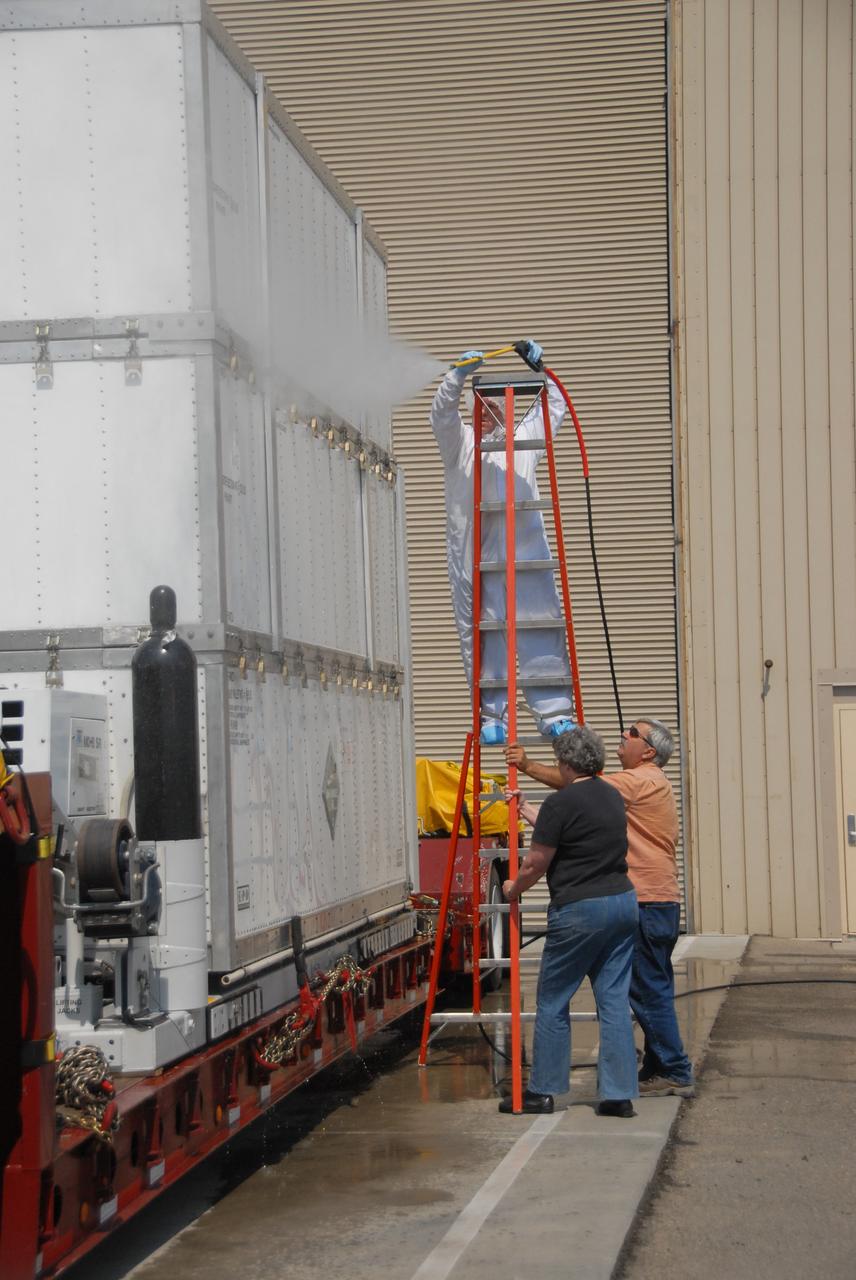
VANDENBERG AIR FORCE BASE, Calif. -- Outside the Astrotech payload processing facility on Vandenberg Air Force Base in California, workers clean the shipping container of NASA's Wide-field Infrared Survey Explorer, or WISE, spacecraft before moving it inside. The satellite will survey the entire sky at infrared wavelengths, creating a cosmic clearinghouse of hundreds of millions of objects, which will be catalogued, providing a vast storehouse of knowledge about the solar system, the Milky Way, and the universe. Launch is scheduled no earlier than Dec. 10. Photo credit: NASA/VAFB
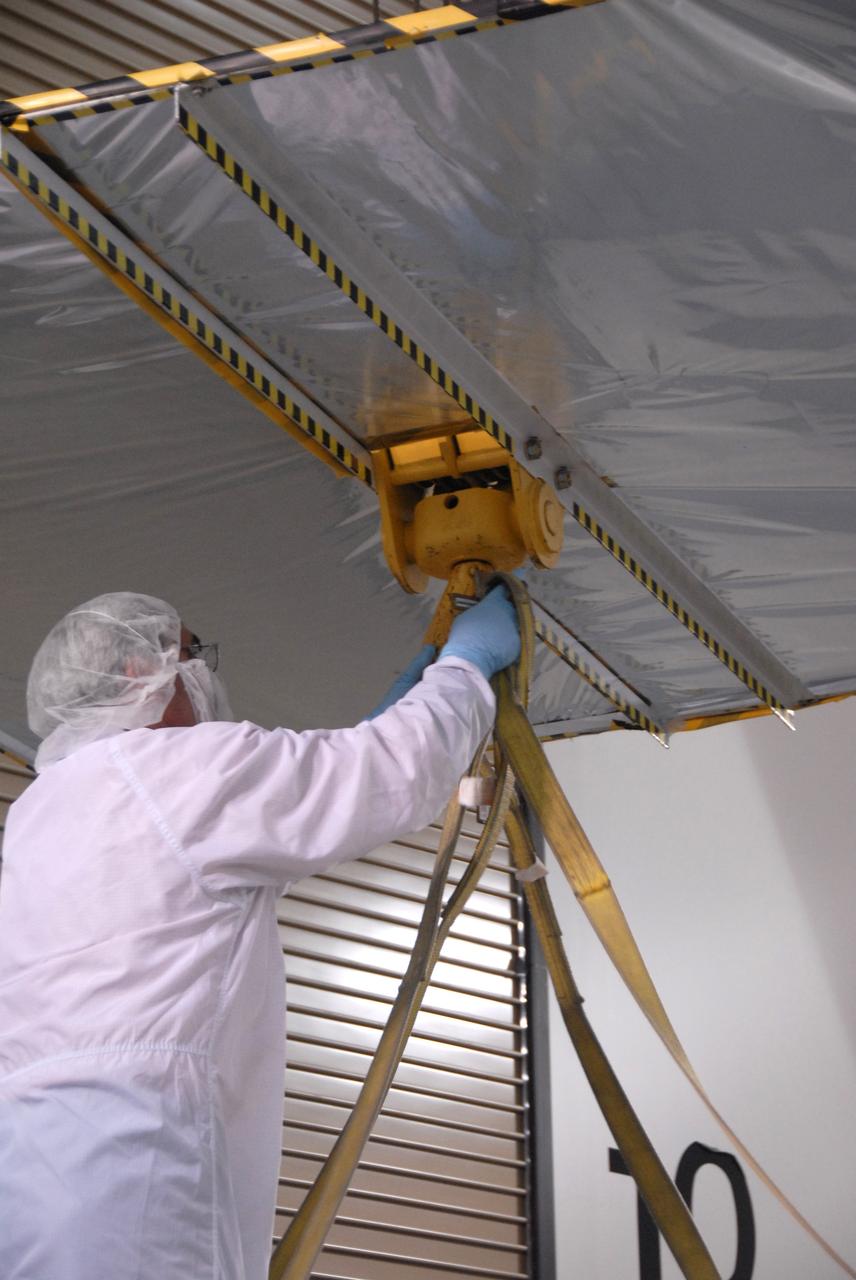
VANDENBERG AIR FORCE BASE, Calif. -- In the Astrotech payload processing facility at Vandenberg Air Force Base in California, workers prepare the overhead crane that will lift the shipping container from NASA's Wide-field Infrared Survey Explorer, or WISE, spacecraft. The satellite will survey the entire sky at infrared wavelengths, creating a cosmic clearinghouse of hundreds of millions of objects, which will be catalogued, providing a vast storehouse of knowledge about the solar system, the Milky Way, and the universe. Launch is scheduled no earlier than Dec. 10. Photo credit: NASA/Doug Kolkow, VAFB
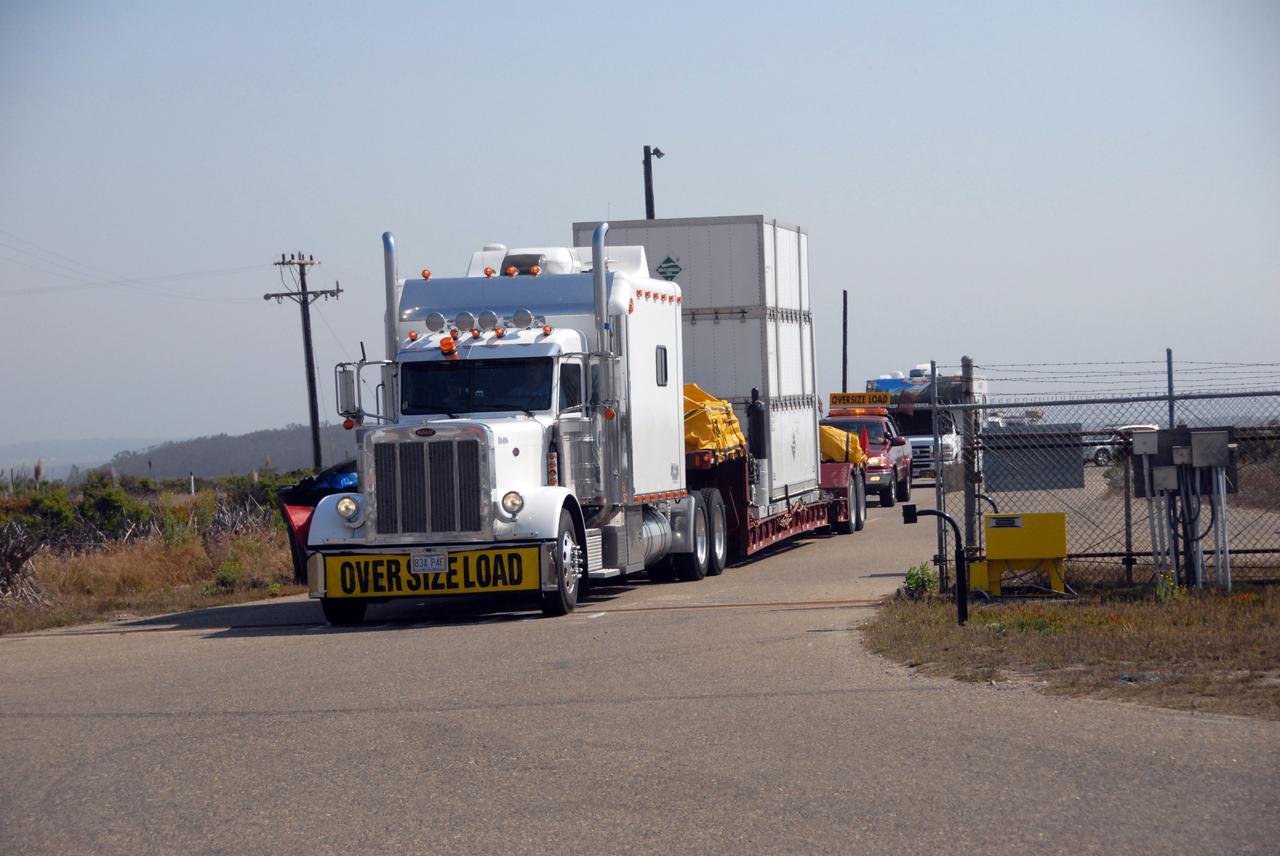
VANDENBERG AIR FORCE BASE, Calif. -- The truck carrying NASA's Wide-field Infrared Survey Explorer, or WISE, spacecraft arrives at Vandenberg Air Force Base in California. It will be taken to the Astrotech payload processing facility. The satellite will survey the entire sky at infrared wavelengths, creating a cosmic clearinghouse of hundreds of millions of objects, which will be catalogued, providing a vast storehouse of knowledge about the solar system, the Milky Way, and the universe. Launch is scheduled no earlier than Dec. 10. Photo credit: NASA/VAFB
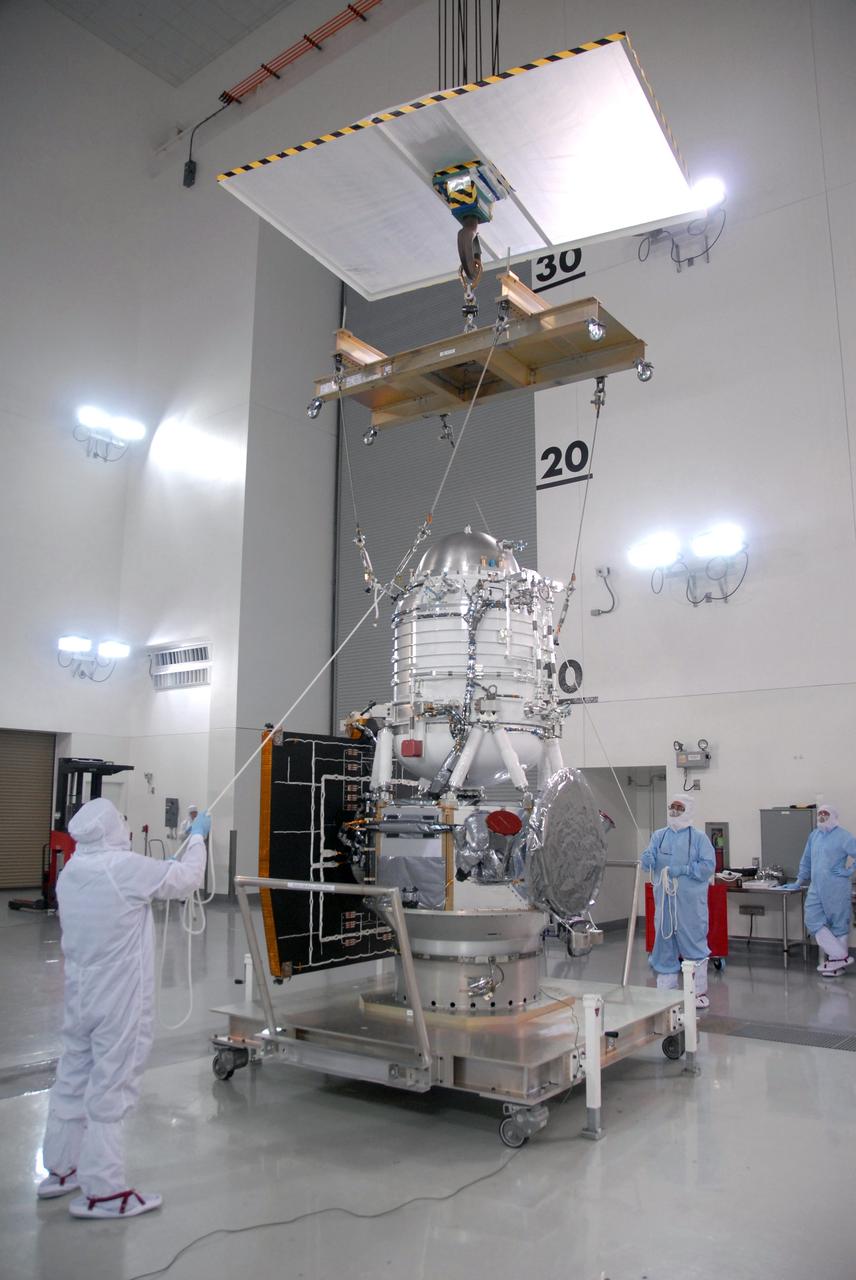
VANDENBERG AIR FORCE BASE, Calif. -- At Vandenberg Air Force Base's Astrotech processing facility in California, an overhead crane is being used to lift NASA's Wide-field Infrared Survey Explorer, or WISE, spacecraft from its travel dolly to a work stand. The satellite will survey the entire sky at infrared wavelengths, creating a cosmic clearinghouse of hundreds of millions of objects, which will be catalogued, providing a vast storehouse of knowledge about the solar system, the Milky Way, and the universe. Launch is scheduled no earlier than Dec. 10. Photo credit: NASA/Moore, VAFB
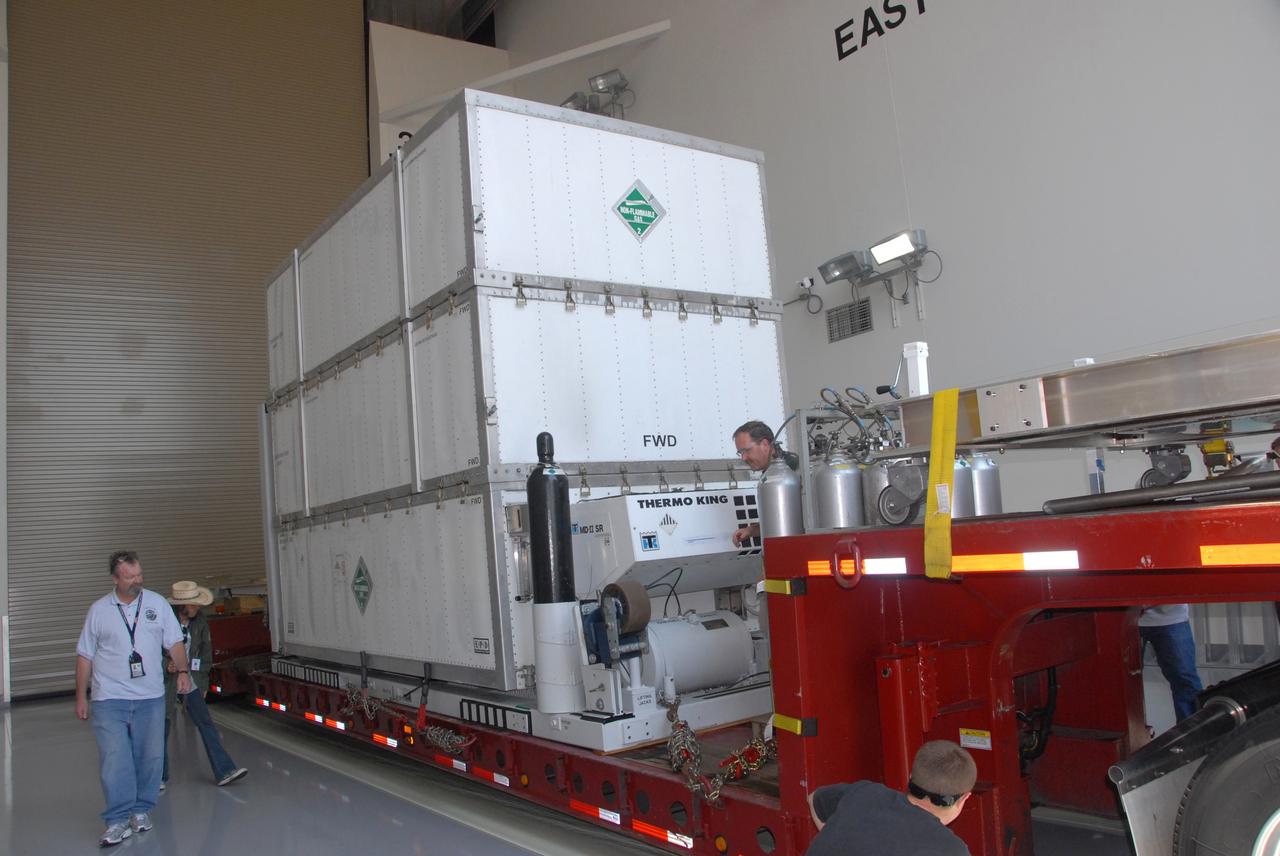
VANDENBERG AIR FORCE BASE, Calif. -- NASA's Wide-field Infrared Survey Explorer, or WISE, spacecraft is moved inside the Astrotech payload processing facility on Vandenberg Air Force Base in California. The satellite will survey the entire sky at infrared wavelengths, creating a cosmic clearinghouse of hundreds of millions of objects, which will be catalogued, providing a vast storehouse of knowledge about the solar system, the Milky Way, and the universe. Launch is scheduled no earlier than Dec. 10. Photo credit: NASA/VAFB
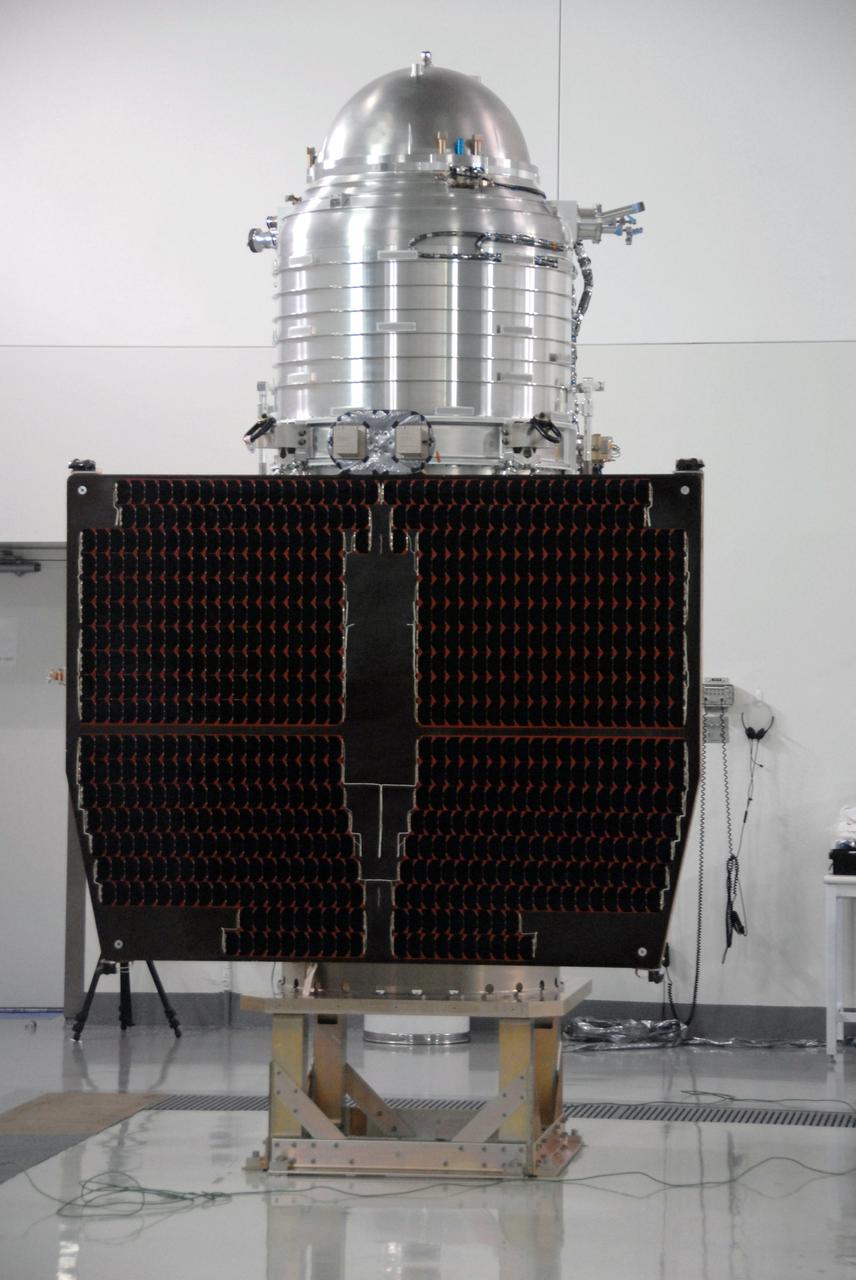
VANDENBERG AIR FORCE BASE, Calif. -- At Vandenberg Air Force Base's Astrotech processing facility in California, NASA's Wide-field Infrared Survey Explorer, or WISE, spacecraft is situated on a work stand. In front is the fixed panel solar array. The satellite will survey the entire sky at infrared wavelengths, creating a cosmic clearinghouse of hundreds of millions of objects, which will be catalogued, providing a vast storehouse of knowledge about the solar system, the Milky Way, and the universe. Launch is scheduled no earlier than Dec. 10. Photo credit: NASA/Moore, VAFB
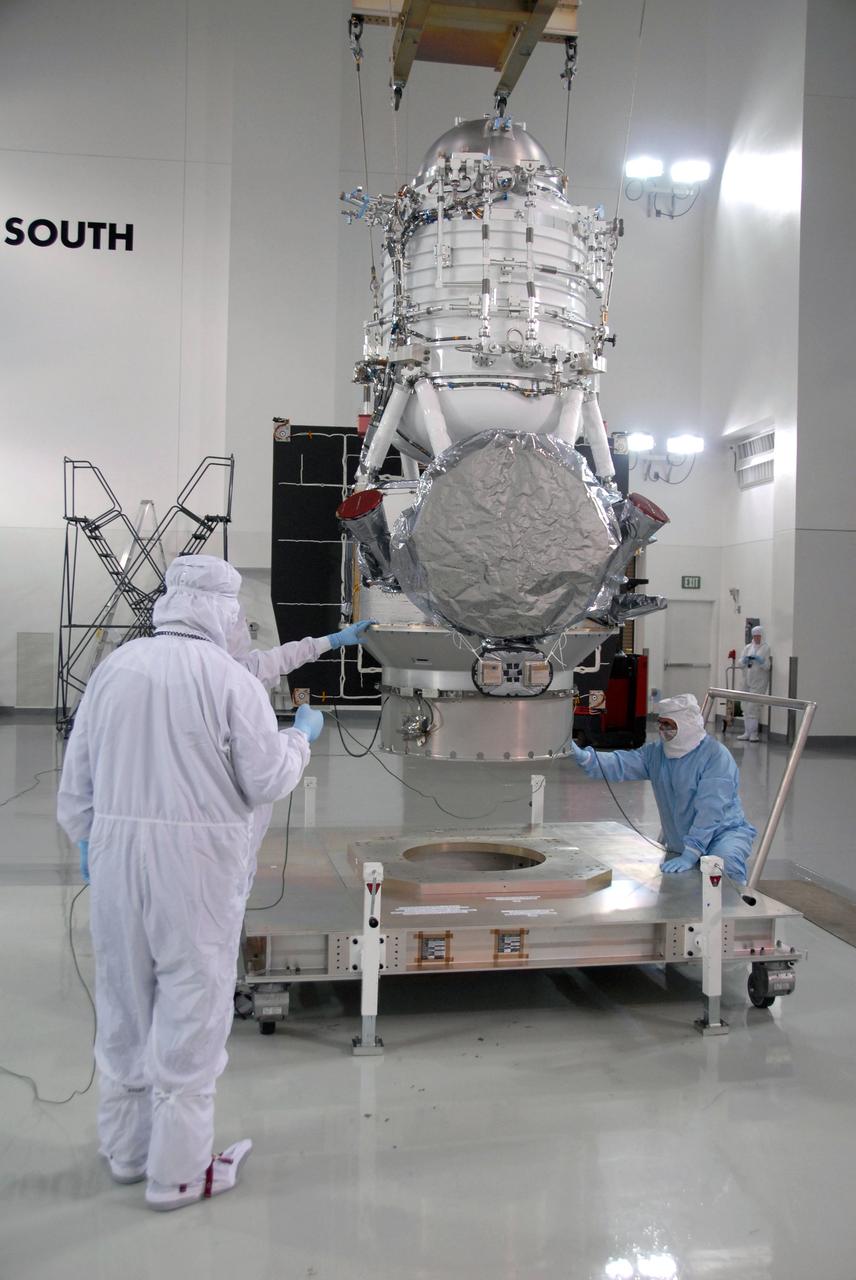
VANDENBERG AIR FORCE BASE, Calif. -- At Vandenberg Air Force Base's Astrotech processing facility in California, workers check NASA's Wide-field Infrared Survey Explorer, or WISE, spacecraft as it is lifted from its travel dolly. WISE will be moved to a work stand. The satellite will survey the entire sky at infrared wavelengths, creating a cosmic clearinghouse of hundreds of millions of objects, which will be catalogued, providing a vast storehouse of knowledge about the solar system, the Milky Way, and the universe. Launch is scheduled no earlier than Dec. 10. Photo credit: NASA/Moore, VAFB
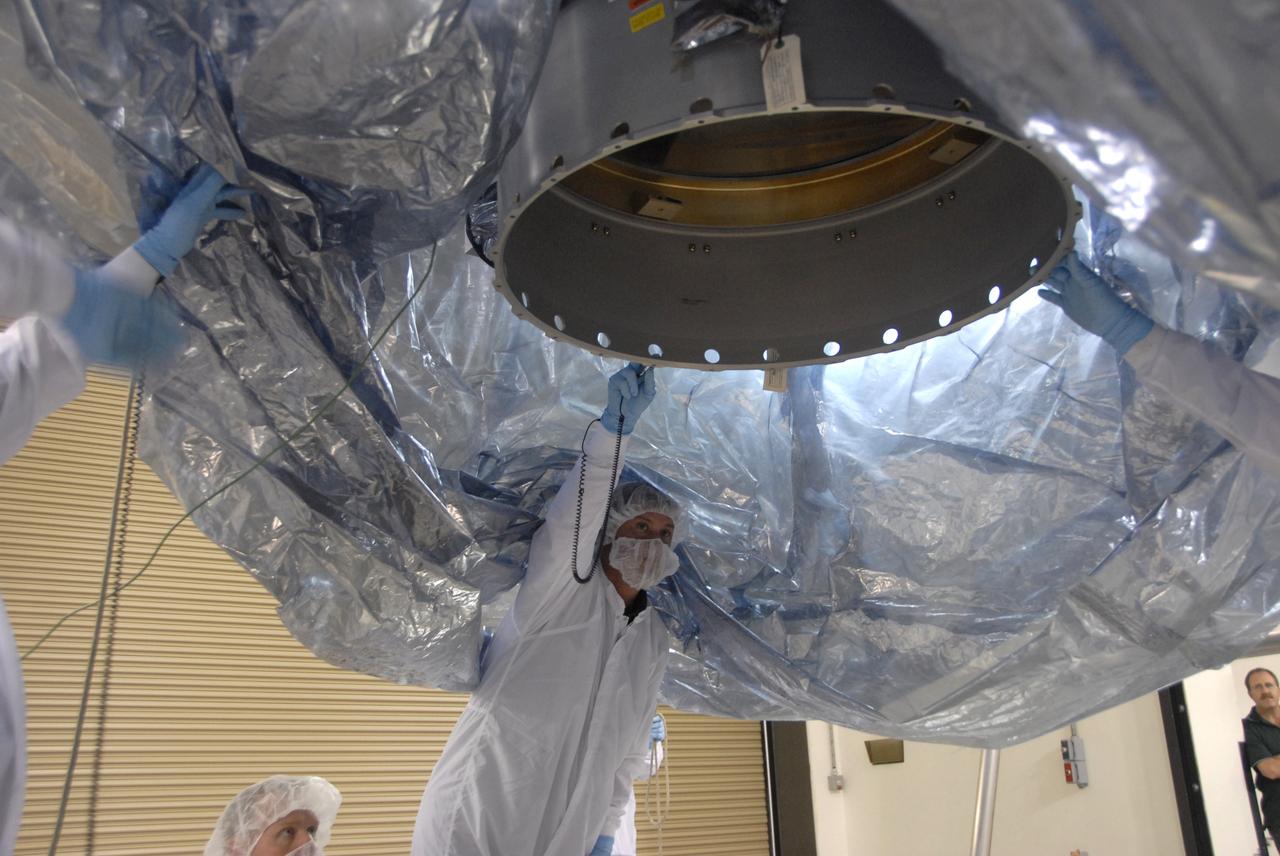
VANDENBERG AIR FORCE BASE, Calif. -- In the Astrotech payload processing facility at Vandenberg Air Force Base in California, workers check the underside of NASA's Wide-field Infrared Survey Explorer, or WISE, spacecraft before it is lowered onto a stand. The satellite will survey the entire sky at infrared wavelengths, creating a cosmic clearinghouse of hundreds of millions of objects, which will be catalogued, providing a vast storehouse of knowledge about the solar system, the Milky Way, and the universe. Launch is scheduled no earlier than Dec. 10. Photo credit: NASA/Doug Kolkow, VAFB
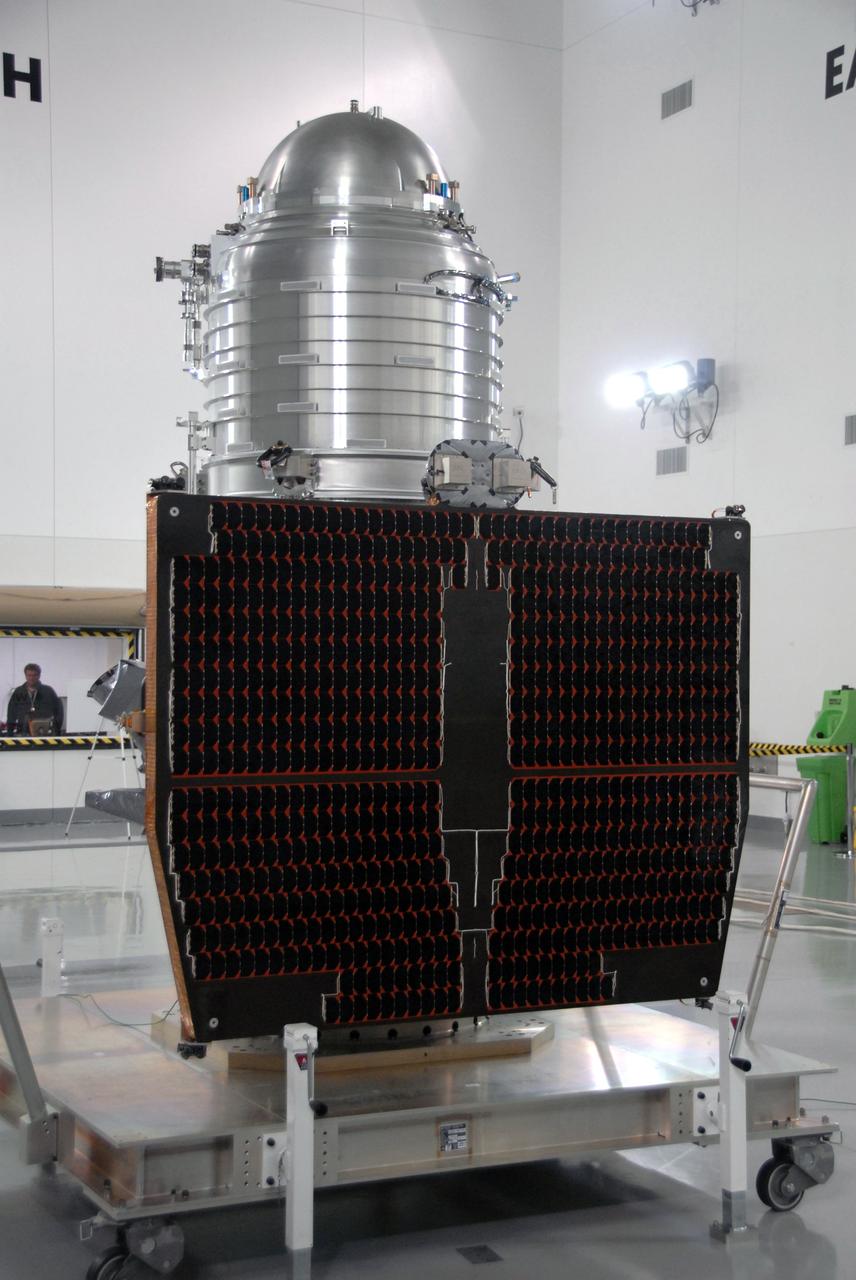
VANDENBERG AIR FORCE BASE, Calif. --At Vandenberg Air Force Base's Astrotech processing facility in California, the fixed panel solar panel is seen on NASA's Wide-field Infrared Survey Explorer, or WISE, spacecraft. WISE will be moved from the travel dolly it's on to a work stand. The satellite will survey the entire sky at infrared wavelengths, creating a cosmic clearinghouse of hundreds of millions of objects, which will be catalogued, providing a vast storehouse of knowledge about the solar system, the Milky Way, and the universe. Launch is scheduled no earlier than Dec. 10. Photo credit: NASA/Moore, VAFB
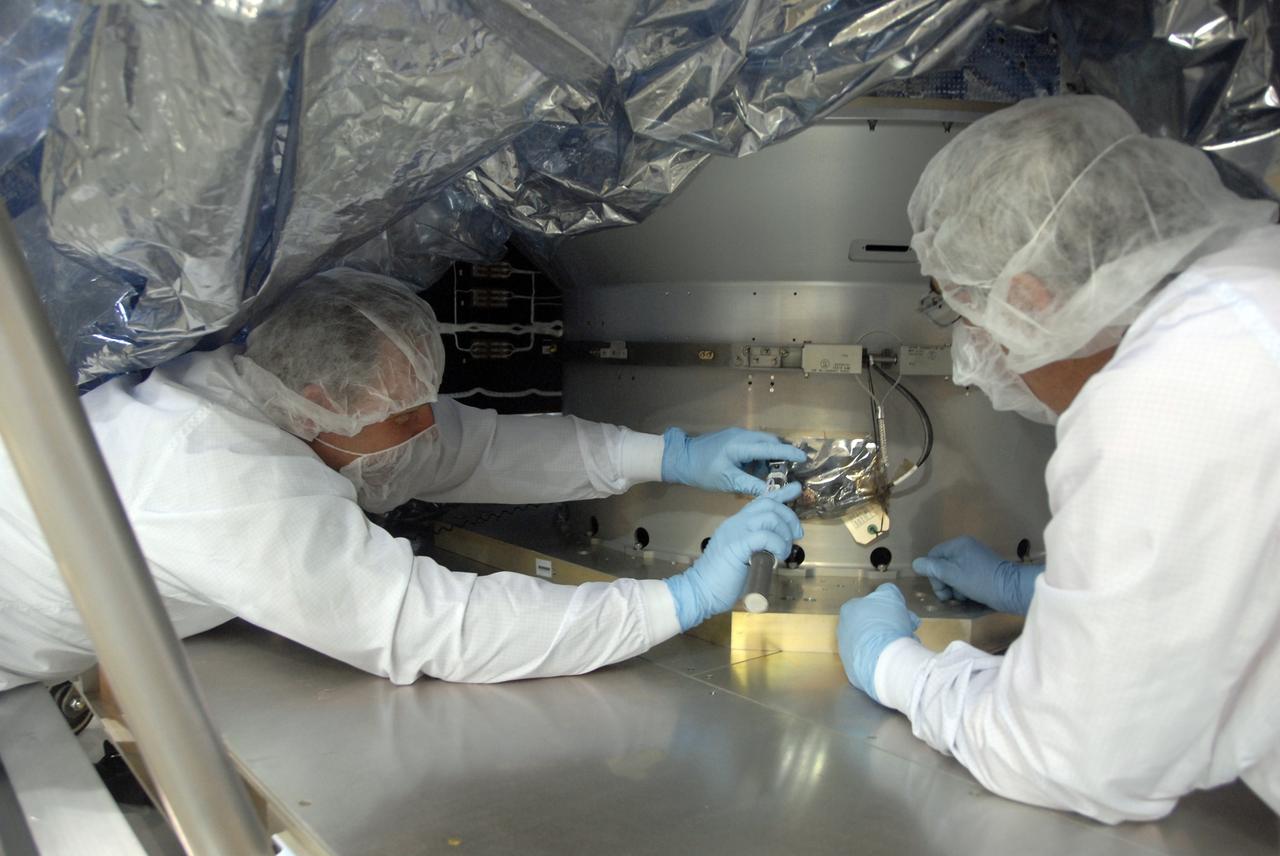
VANDENBERG AIR FORCE BASE, Calif. -- In the Astrotech payload processing facility at Vandenberg Air Force Base in California, workers check the attachment of NASA's Wide-field Infrared Survey Explorer, or WISE, spacecraft to the stand. The satellite will survey the entire sky at infrared wavelengths, creating a cosmic clearinghouse of hundreds of millions of objects, which will be catalogued, providing a vast storehouse of knowledge about the solar system, the Milky Way, and the universe. Launch is scheduled no earlier than Dec. 10. Photo credit: NASA/Doug Kolkow, VAFB
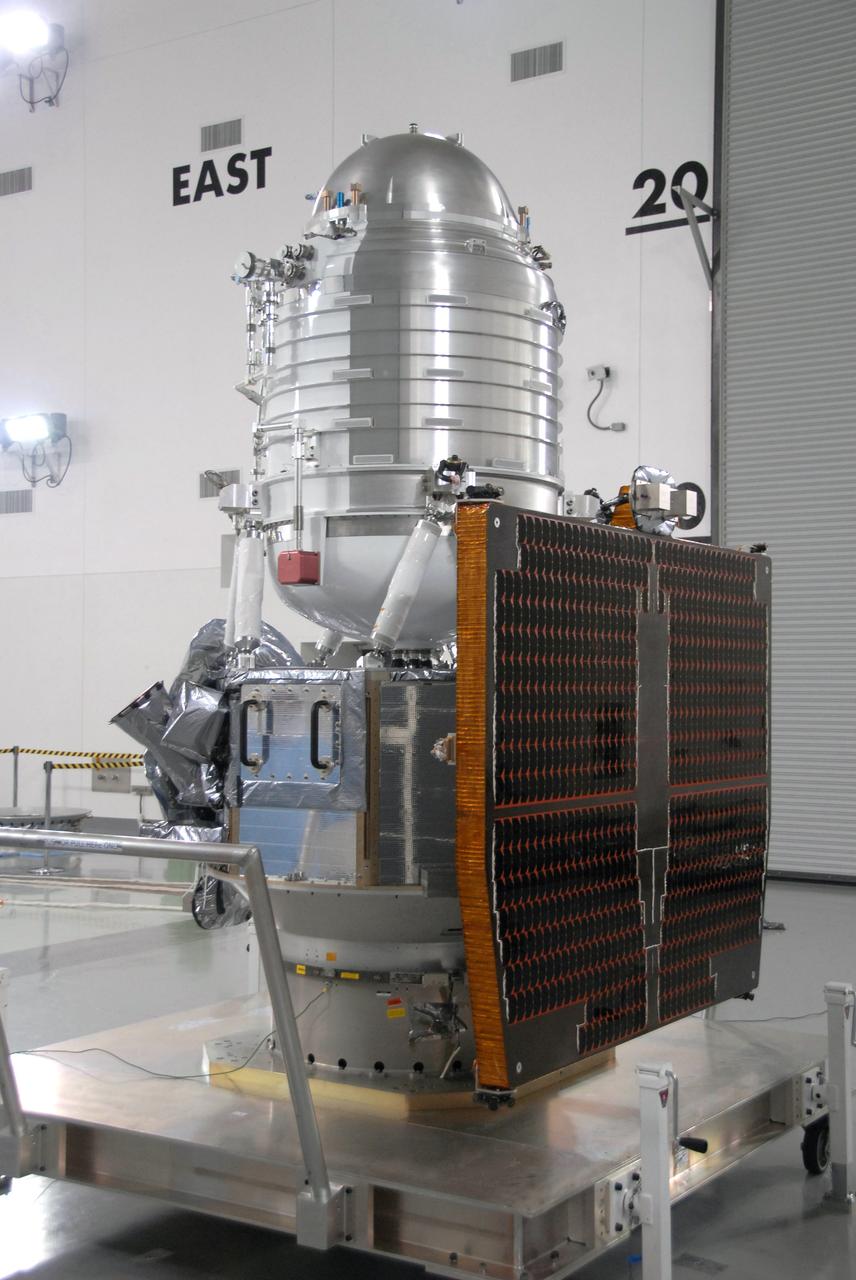
VANDENBERG AIR FORCE BASE, Calif. -- At Vandenberg Air Force Base's Astrotech processing facility in California, NASA's Wide-field Infrared Survey Explorer, or WISE, spacecraft is revealed after the protective cover was removed. WISE will be moved from the travel dolly it's on to a work stand. The satellite will survey the entire sky at infrared wavelengths, creating a cosmic clearinghouse of hundreds of millions of objects, which will be catalogued, providing a vast storehouse of knowledge about the solar system, the Milky Way, and the universe. Launch is scheduled no earlier than Dec. 10. Photo credit: NASA/Moore, VAFB
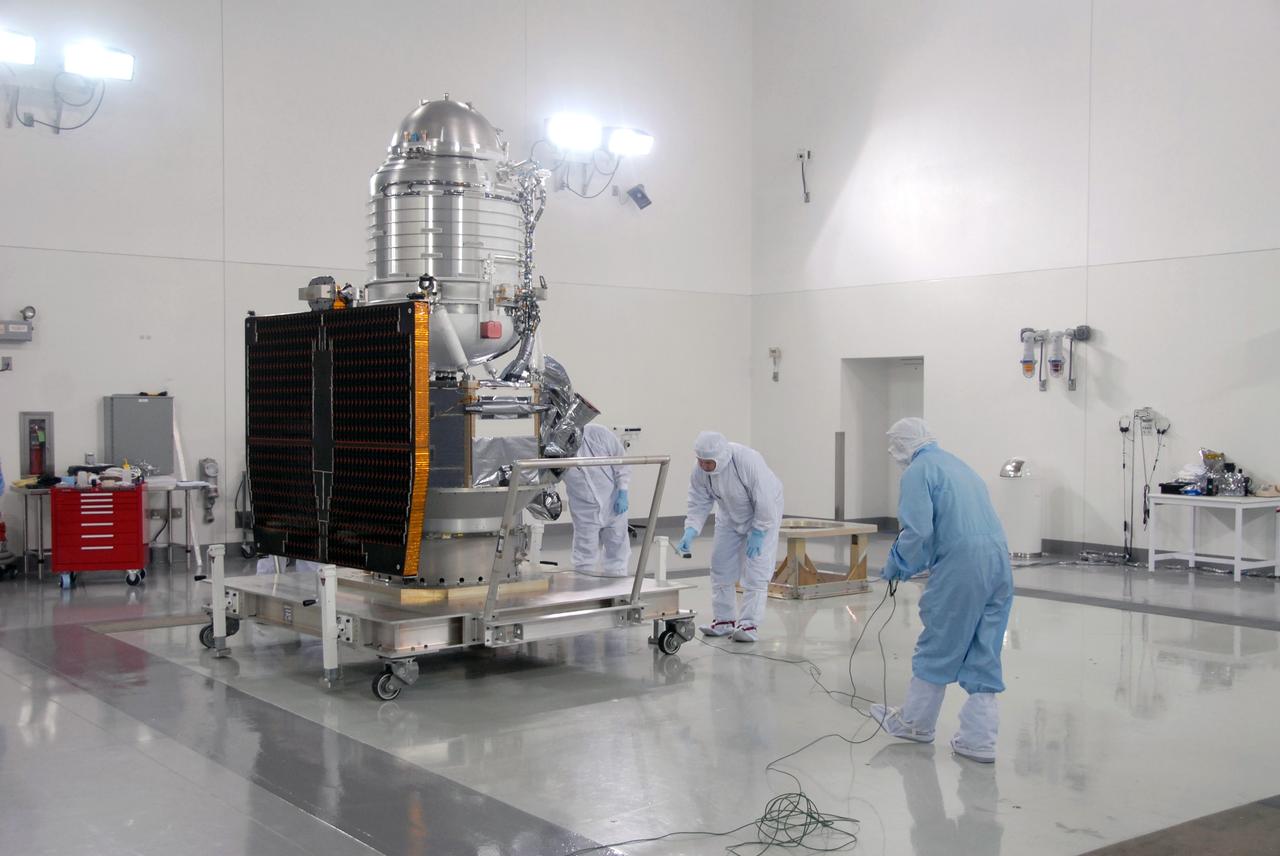
VANDENBERG AIR FORCE BASE, Calif. -- At Vandenberg Air Force Base's Astrotech processing facility in California, workers prepare NASA's Wide-field Infrared Survey Explorer, or WISE, spacecraft for its move from the travel dolly to a work stand. The satellite will survey the entire sky at infrared wavelengths, creating a cosmic clearinghouse of hundreds of millions of objects, which will be catalogued, providing a vast storehouse of knowledge about the solar system, the Milky Way, and the universe. Launch is scheduled no earlier than Dec. 10. Photo credit: NASA/Moore, VAFB
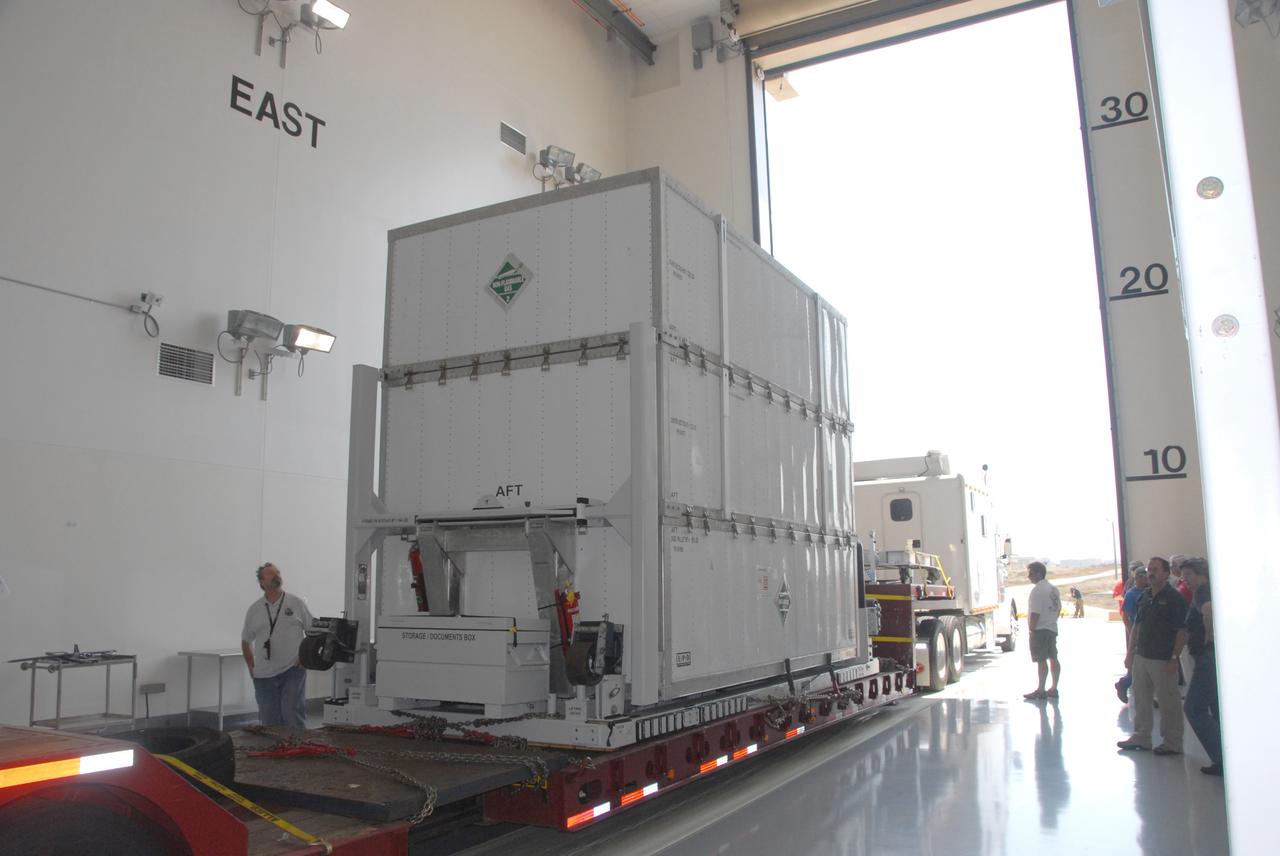
VANDENBERG AIR FORCE BASE, Calif. -- NASA's Wide-field Infrared Survey Explorer, or WISE, spacecraft is moved inside the Astrotech payload processing facility on Vandenberg Air Force Base in California. The satellite will survey the entire sky at infrared wavelengths, creating a cosmic clearinghouse of hundreds of millions of objects, which will be catalogued, providing a vast storehouse of knowledge about the solar system, the Milky Way, and the universe. Launch is scheduled no earlier than Dec. 10. Photo credit: NASA/VAFB
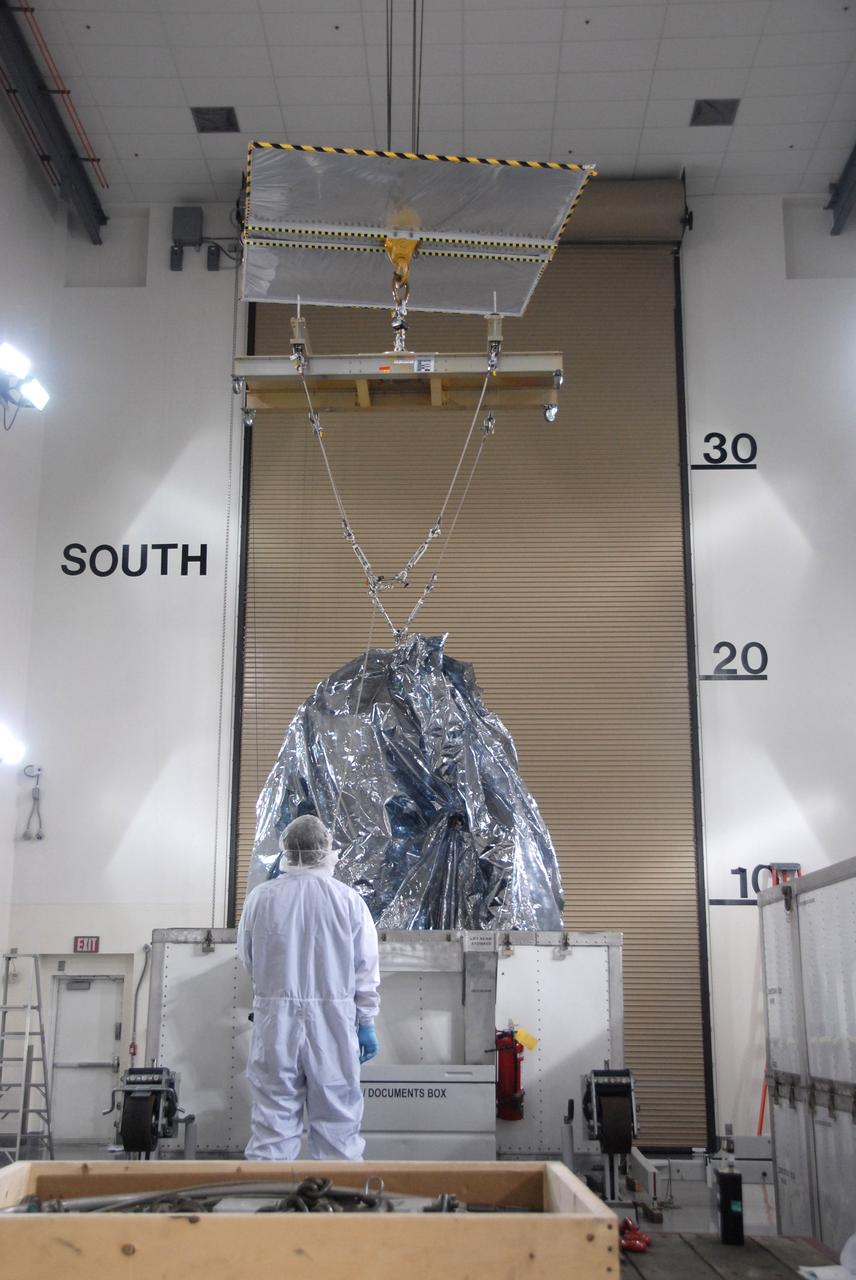
VANDENBERG AIR FORCE BASE, Calif. -- In the Astrotech payload processing facility at Vandenberg Air Force Base in California, NASA's Wide-field Infrared Survey Explorer, or WISE, spacecraft is lifted out of the bottom of the shipping container. The satellite will survey the entire sky at infrared wavelengths, creating a cosmic clearinghouse of hundreds of millions of objects, which will be catalogued, providing a vast storehouse of knowledge about the solar system, the Milky Way, and the universe. Launch is scheduled no earlier than Dec. 10. Photo credit: NASA/Doug Kolkow, VAFB
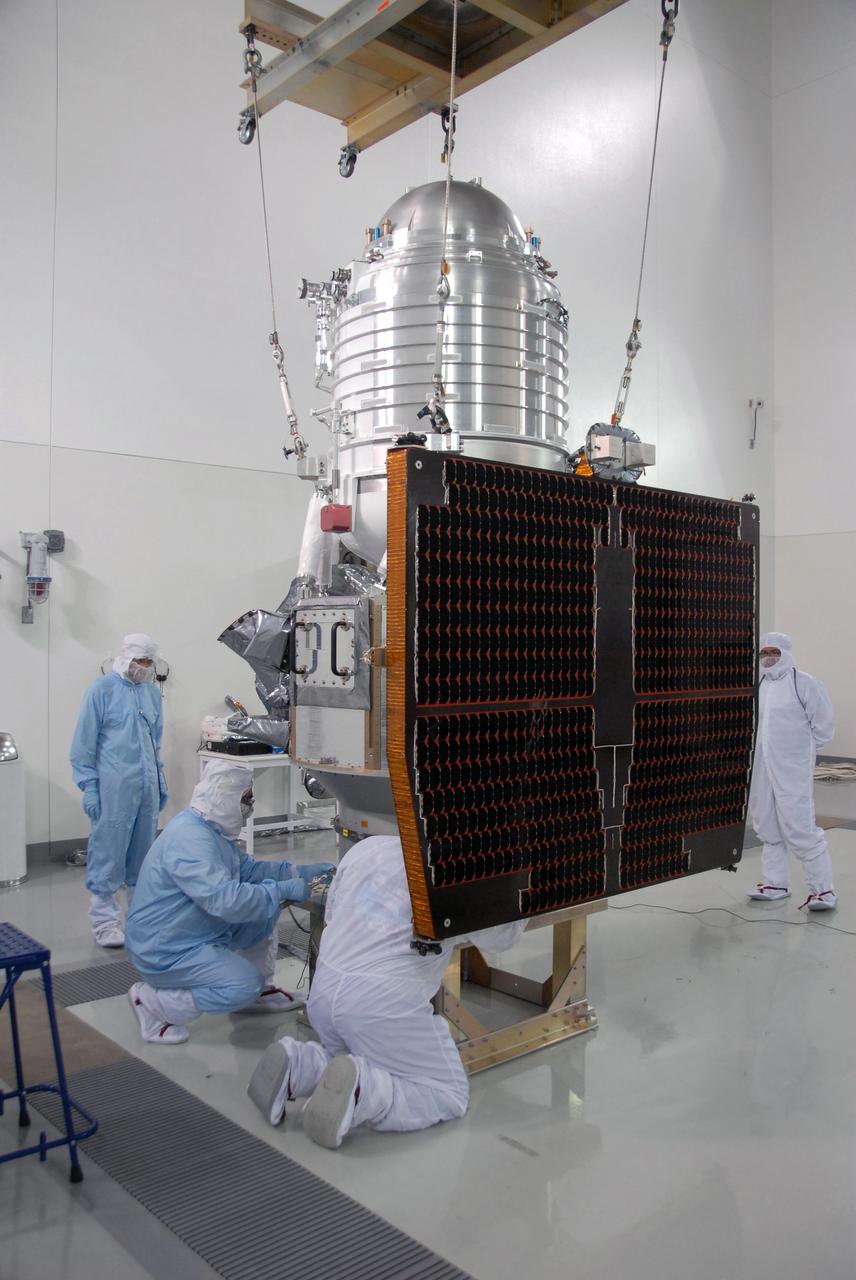
VANDENBERG AIR FORCE BASE, Calif. -- At Vandenberg Air Force Base's Astrotech processing facility in California, workers secure NASA's Wide-field Infrared Survey Explorer, or WISE, spacecraft onto a work stand. At right is seen the fixed panel solar array. The satellite will survey the entire sky at infrared wavelengths, creating a cosmic clearinghouse of hundreds of millions of objects, which will be catalogued, providing a vast storehouse of knowledge about the solar system, the Milky Way, and the universe. Launch is scheduled no earlier than Dec. 10. Photo credit: NASA/Moore, VAFB
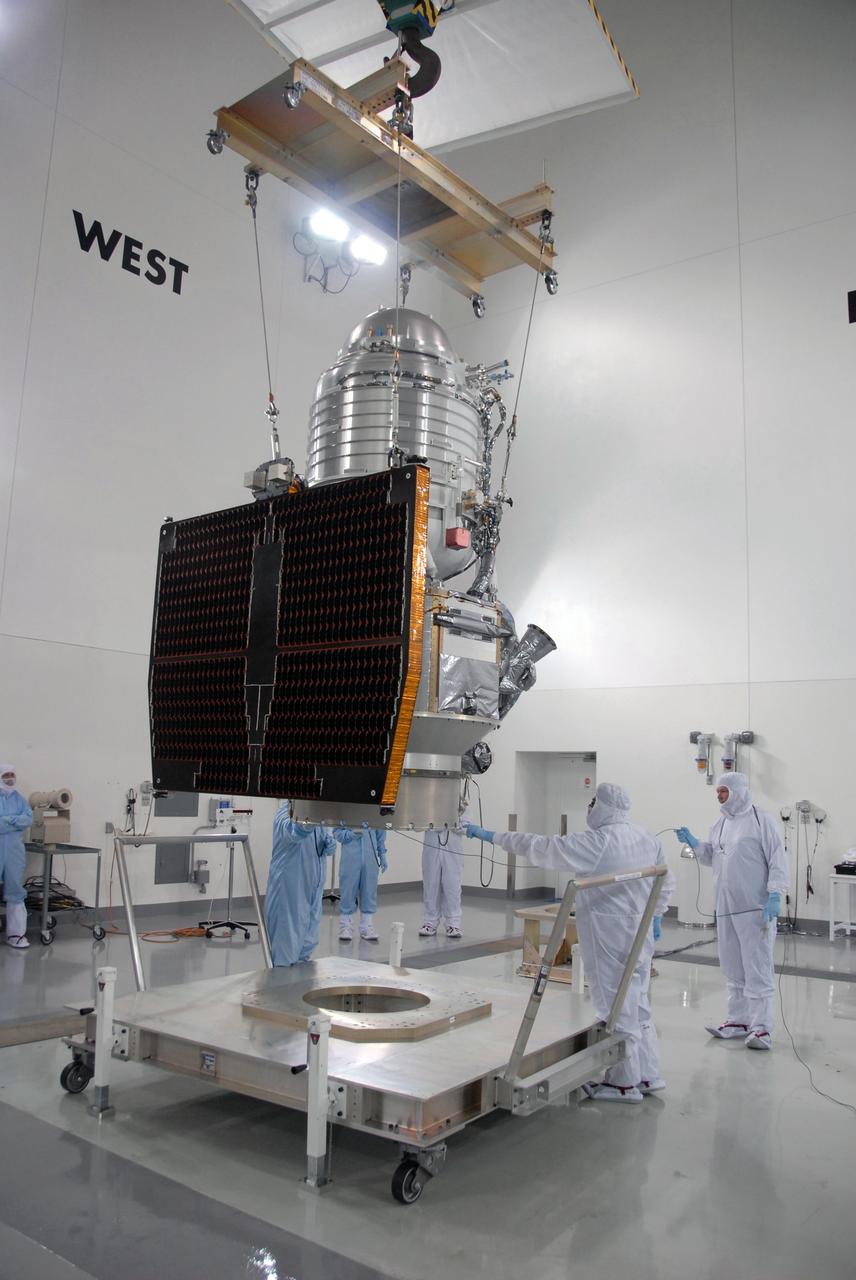
VANDENBERG AIR FORCE BASE, Calif. -- At Vandenberg Air Force Base's Astrotech processing facility in California, workers check NASA's Wide-field Infrared Survey Explorer, or WISE, spacecraft as it is lifted from its travel dolly. WISE will be moved to a work stand. The satellite will survey the entire sky at infrared wavelengths, creating a cosmic clearinghouse of hundreds of millions of objects, which will be catalogued, providing a vast storehouse of knowledge about the solar system, the Milky Way, and the universe. Launch is scheduled no earlier than Dec. 10. Photo credit: NASA/Moore, VAFB
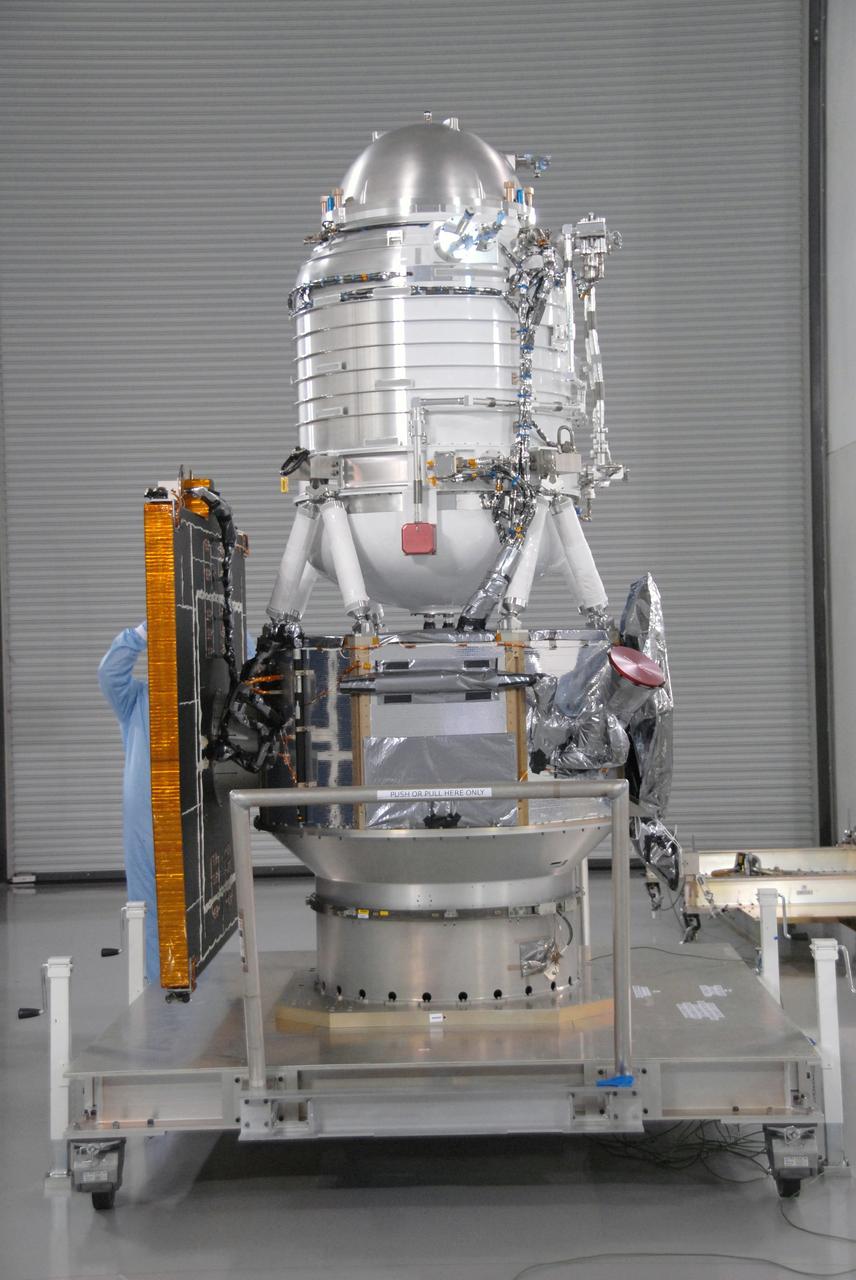
VANDENBERG AIR FORCE BASE, Calif. -- At Vandenberg Air Force Base's Astrotech processing facility in California, workers prepare to move NASA's Wide-field Infrared Survey Explorer, or WISE, spacecraft from the travel dolly to a work stand. The satellite will survey the entire sky at infrared wavelengths, creating a cosmic clearinghouse of hundreds of millions of objects, which will be catalogued, providing a vast storehouse of knowledge about the solar system, the Milky Way, and the universe. Launch is scheduled no earlier than Dec. 10. Photo credit: NASA/Moore, VAFB
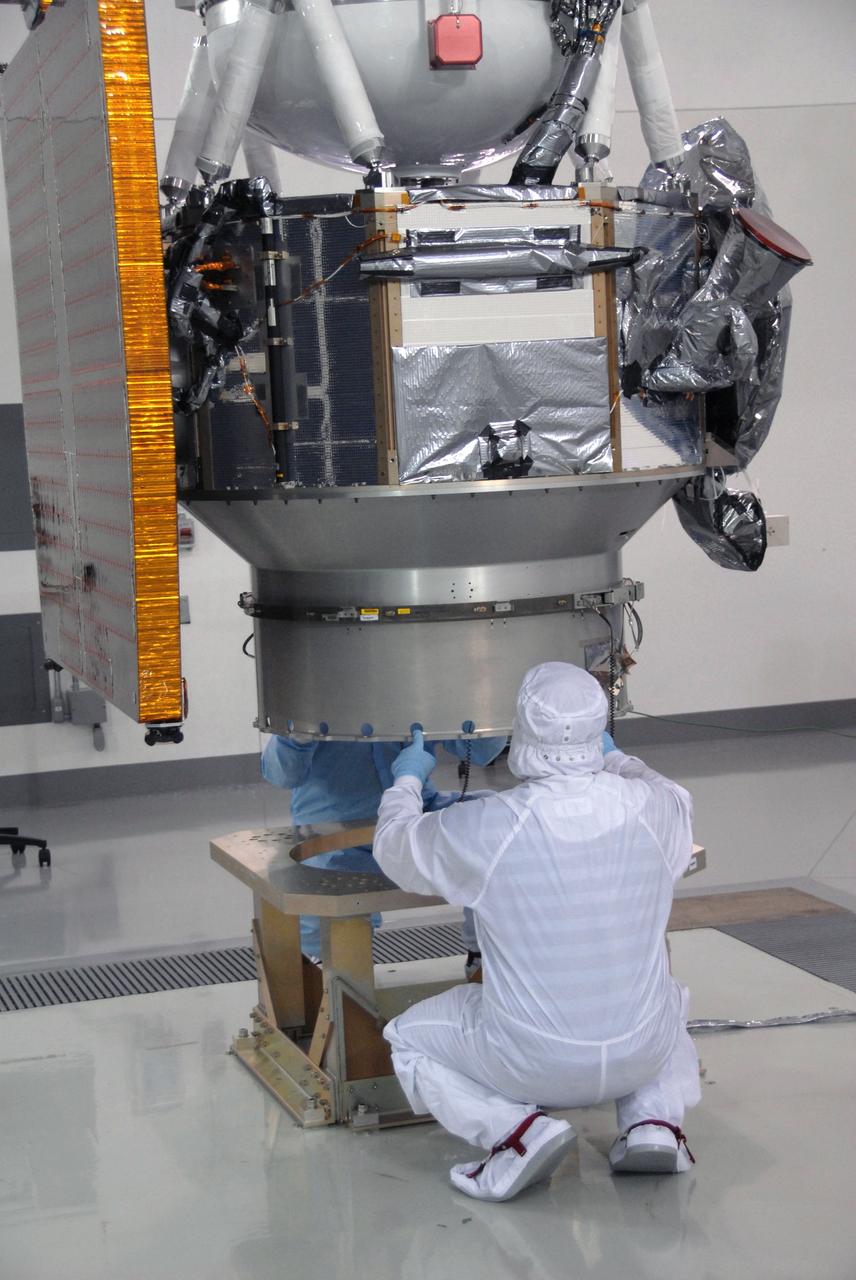
VANDENBERG AIR FORCE BASE, Calif. -- At Vandenberg Air Force Base's Astrotech processing facility in California, workers check NASA's Wide-field Infrared Survey Explorer, or WISE, spacecraft as it is lowered onto a work stand. The satellite will survey the entire sky at infrared wavelengths, creating a cosmic clearinghouse of hundreds of millions of objects, which will be catalogued, providing a vast storehouse of knowledge about the solar system, the Milky Way, and the universe. Launch is scheduled no earlier than Dec. 10. Photo credit: NASA/Moore, VAFB
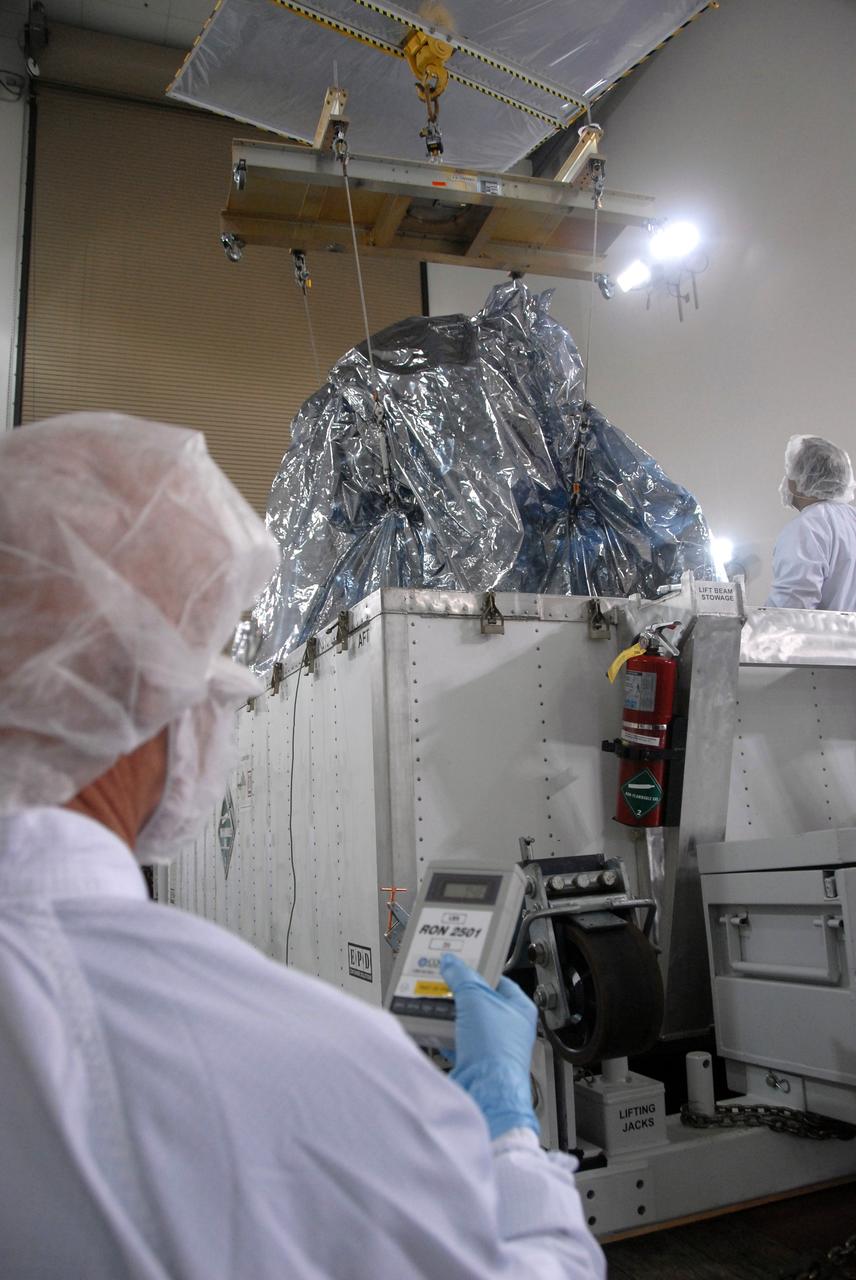
VANDENBERG AIR FORCE BASE, Calif. -- In the Astrotech payload processing facility at Vandenberg Air Force Base in California, NASA's Wide-field Infrared Survey Explorer, or WISE, spacecraft is lifted out of the bottom of the shipping container. The satellite will survey the entire sky at infrared wavelengths, creating a cosmic clearinghouse of hundreds of millions of objects, which will be catalogued, providing a vast storehouse of knowledge about the solar system, the Milky Way, and the universe. Launch is scheduled no earlier than Dec. 10. Photo credit: NASA/Doug Kolkow, VAFB
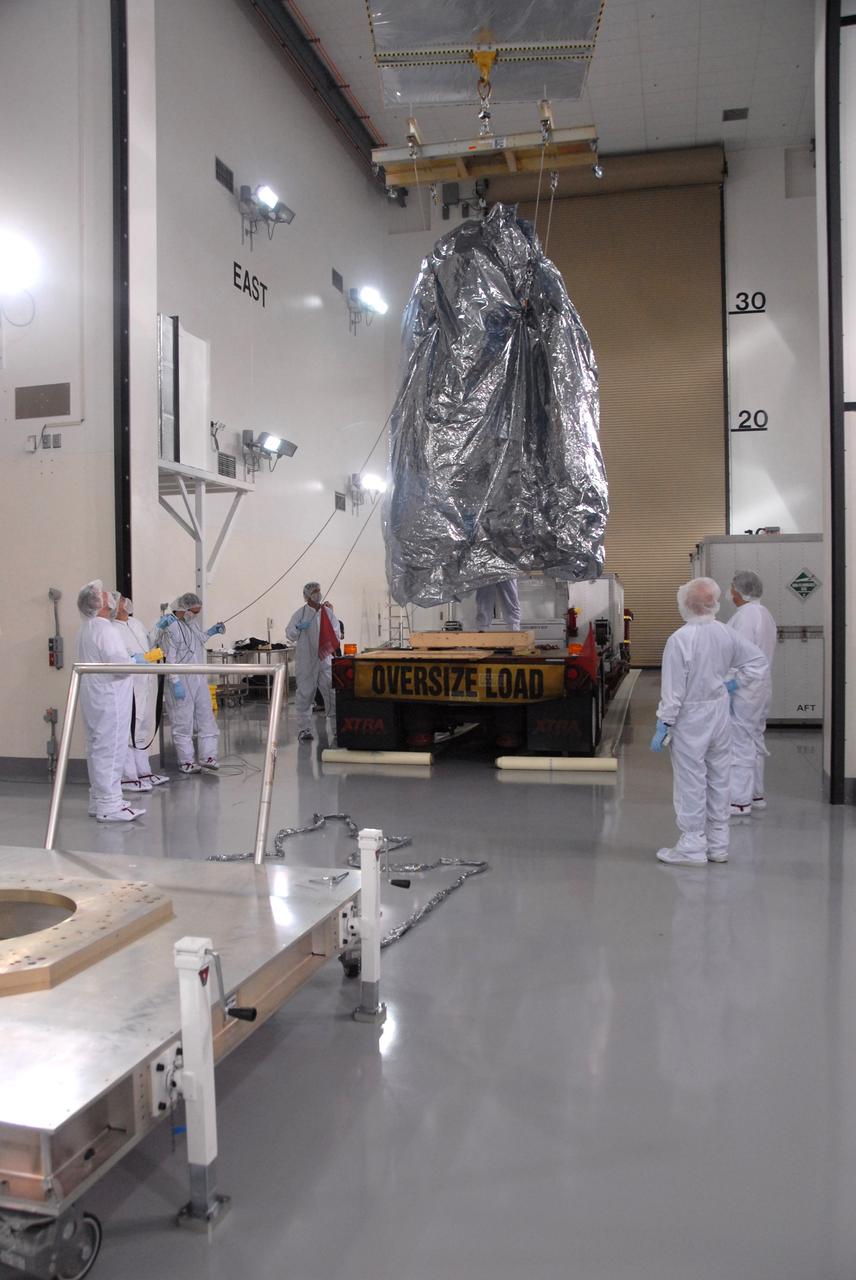
VANDENBERG AIR FORCE BASE, Calif. -- In the Astrotech payload processing facility at Vandenberg Air Force Base in California, NASA's Wide-field Infrared Survey Explorer, or WISE, spacecraft is moved toward a stand seen at front left. The satellite will survey the entire sky at infrared wavelengths, creating a cosmic clearinghouse of hundreds of millions of objects, which will be catalogued, providing a vast storehouse of knowledge about the solar system, the Milky Way, and the universe. Launch is scheduled no earlier than Dec. 10. Photo credit: NASA/Doug Kolkow, VAFB

VANDENBERG AIR FORCE BASE, Calif. -- In the Astrotech payload processing facility at Vandenberg Air Force Base in California, the top of the shipping container is lifted from NASA's Wide-field Infrared Survey Explorer, or WISE, spacecraft. The satellite will survey the entire sky at infrared wavelengths, creating a cosmic clearinghouse of hundreds of millions of objects, which will be catalogued, providing a vast storehouse of knowledge about the solar system, the Milky Way, and the universe. Launch is scheduled no earlier than Dec. 10. Photo credit: NASA/Doug Kolkow, VAFB
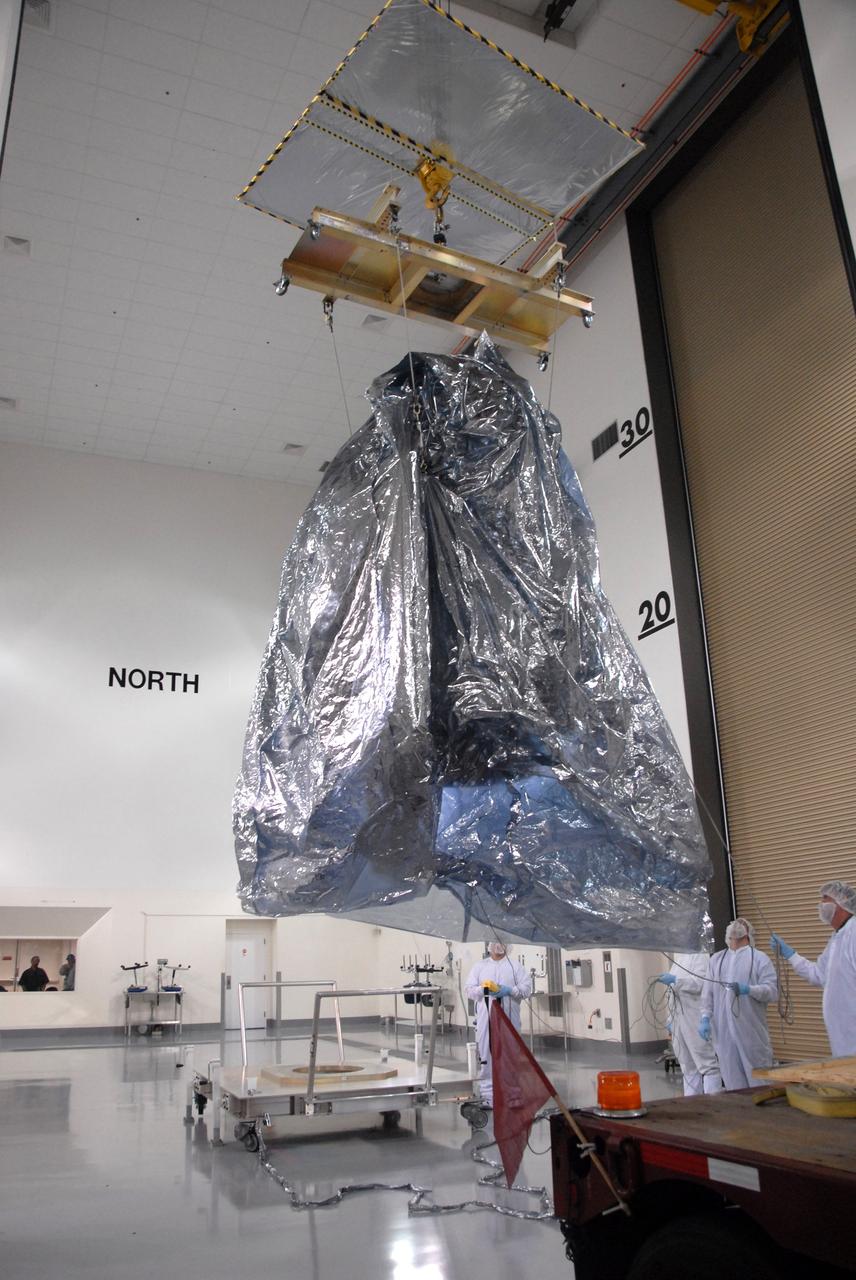
VANDENBERG AIR FORCE BASE, Calif. -- In the Astrotech payload processing facility at Vandenberg Air Force Base in California, NASA's Wide-field Infrared Survey Explorer, or WISE, spacecraft is moved toward a stand seen at bottom center. The satellite will survey the entire sky at infrared wavelengths, creating a cosmic clearinghouse of hundreds of millions of objects, which will be catalogued, providing a vast storehouse of knowledge about the solar system, the Milky Way, and the universe. Launch is scheduled no earlier than Dec. 10. Photo credit: NASA/Doug Kolkow, VAFB
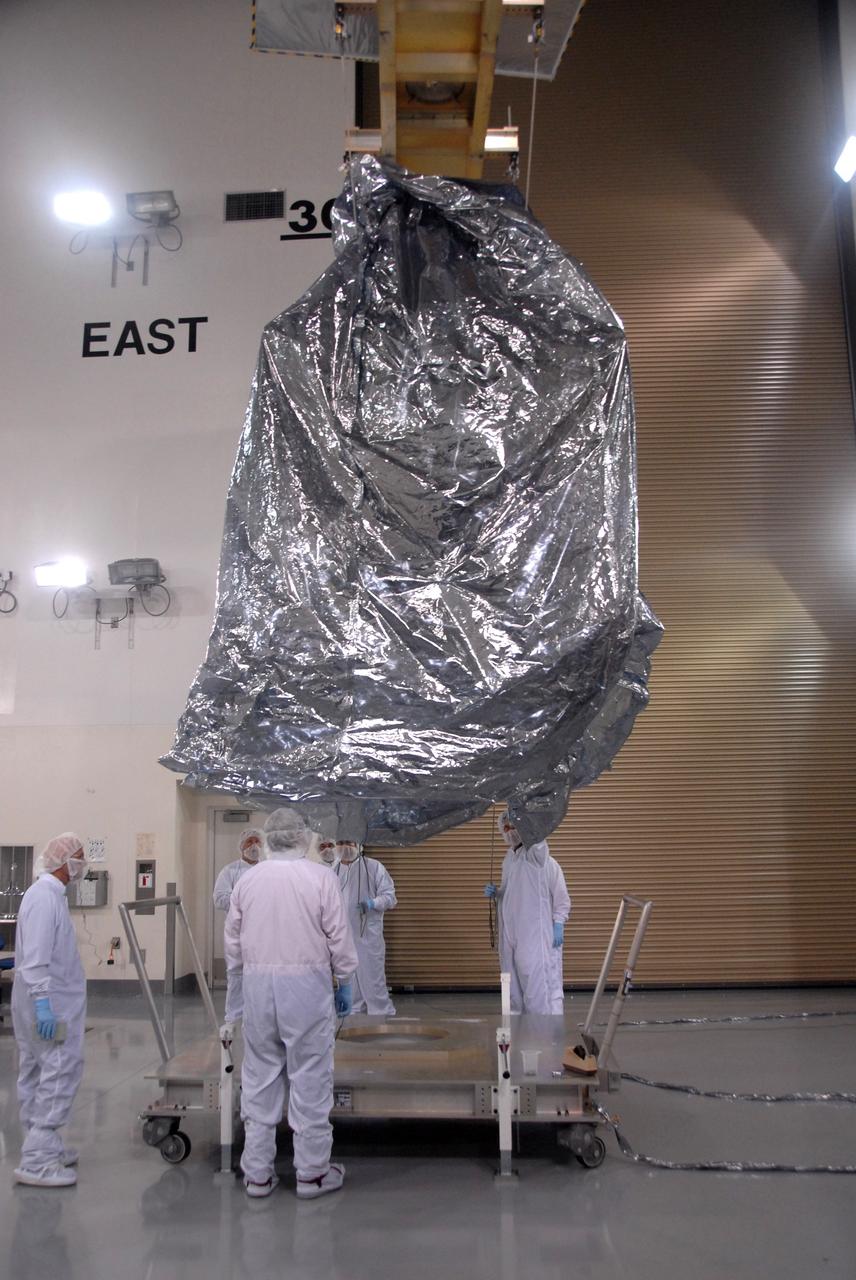
VANDENBERG AIR FORCE BASE, Calif. -- In the Astrotech payload processing facility at Vandenberg Air Force Base in California, NASA's Wide-field Infrared Survey Explorer, or WISE, spacecraft is lowered toward a stand. The satellite will survey the entire sky at infrared wavelengths, creating a cosmic clearinghouse of hundreds of millions of objects, which will be catalogued, providing a vast storehouse of knowledge about the solar system, the Milky Way, and the universe. Launch is scheduled no earlier than Dec. 10. Photo credit: NASA/Doug Kolkow, VAFB
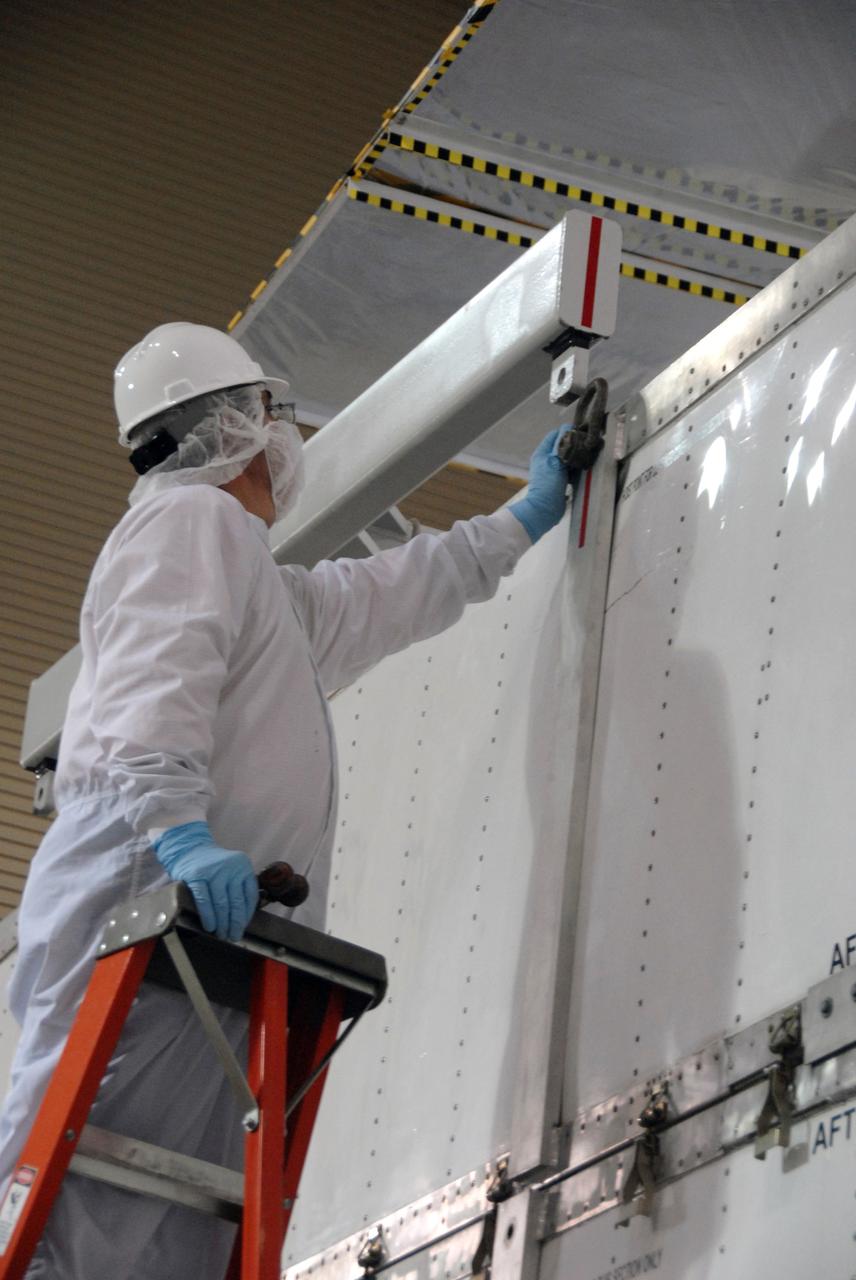
VANDENBERG AIR FORCE BASE, Calif. -- In the Astrotech payload processing facility at Vandenberg Air Force Base in California, workers attach the overhead crane onto the shipping container to remove it from around NASA's Wide-field Infrared Survey Explorer, or WISE, spacecraft. The satellite will survey the entire sky at infrared wavelengths, creating a cosmic clearinghouse of hundreds of millions of objects, which will be catalogued, providing a vast storehouse of knowledge about the solar system, the Milky Way, and the universe. Launch is scheduled no earlier than Dec. 10. Photo credit: NASA/Doug Kolkow, VAFB
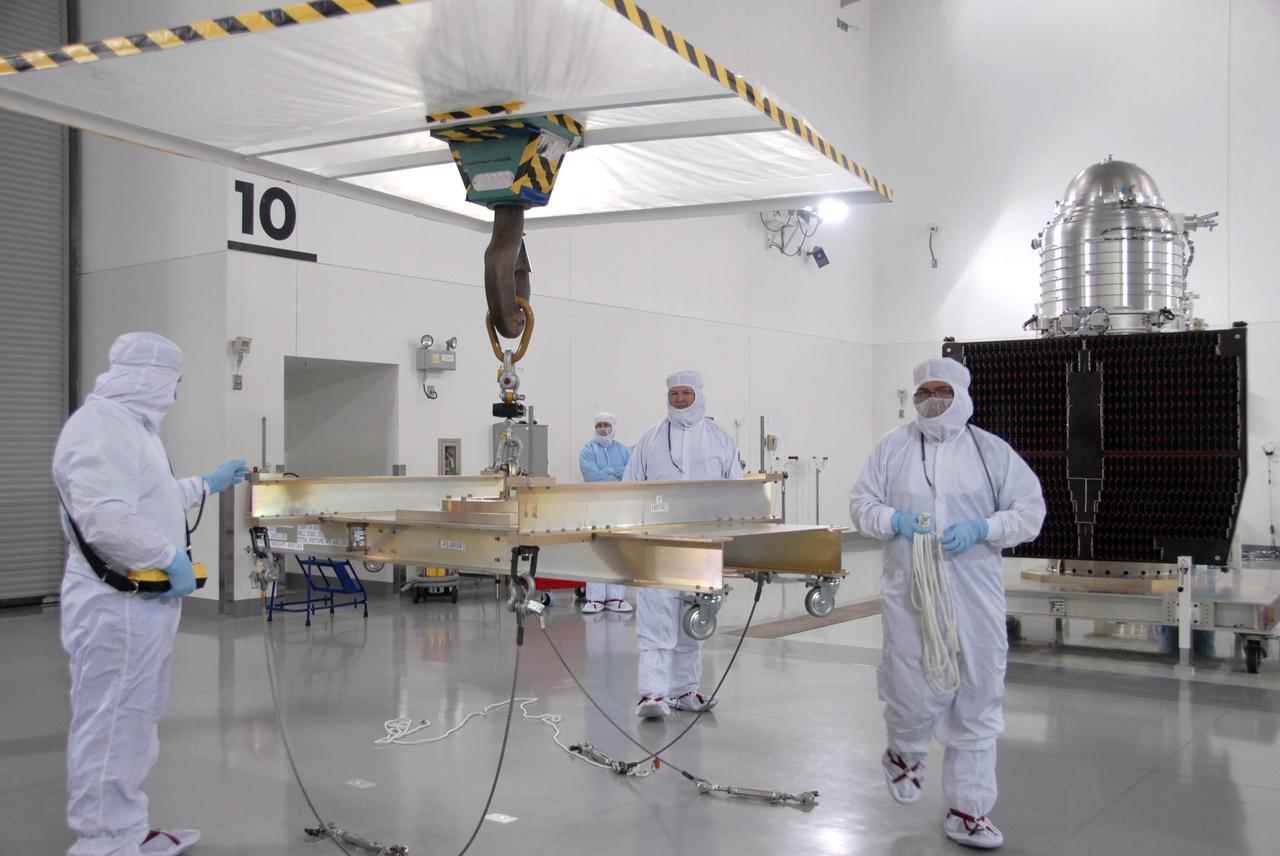
VANDENBERG AIR FORCE BASE, Calif. -- At Vandenberg Air Force Base's Astrotech processing facility in California, workers maneuver the overhead crane that will lift NASA's Wide-field Infrared Survey Explorer, or WISE, spacecraft from the travel dolly to a work stand. The satellite will survey the entire sky at infrared wavelengths, creating a cosmic clearinghouse of hundreds of millions of objects, which will be catalogued, providing a vast storehouse of knowledge about the solar system, the Milky Way, and the universe. Launch is scheduled no earlier than Dec. 10. Photo credit: NASA/Moore, VAFB
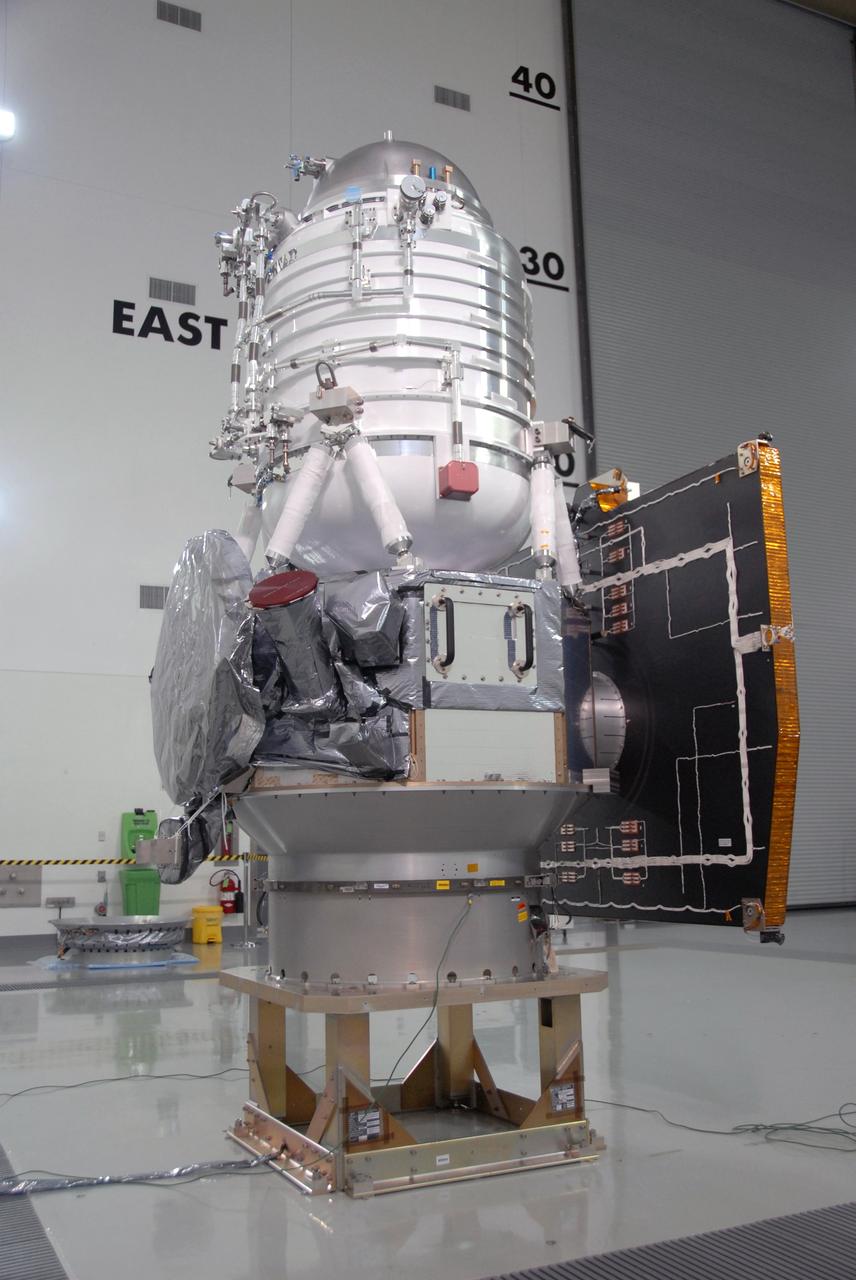
VANDENBERG AIR FORCE BASE, Calif. -- At Vandenberg Air Force Base's Astrotech processing facility in California, NASA's Wide-field Infrared Survey Explorer, or WISE, spacecraft is situated on a work stand. At right is the fixed panel solar array. The satellite will survey the entire sky at infrared wavelengths, creating a cosmic clearinghouse of hundreds of millions of objects, which will be catalogued, providing a vast storehouse of knowledge about the solar system, the Milky Way, and the universe. Launch is scheduled no earlier than Dec. 10. Photo credit: NASA/Moore, VAFB
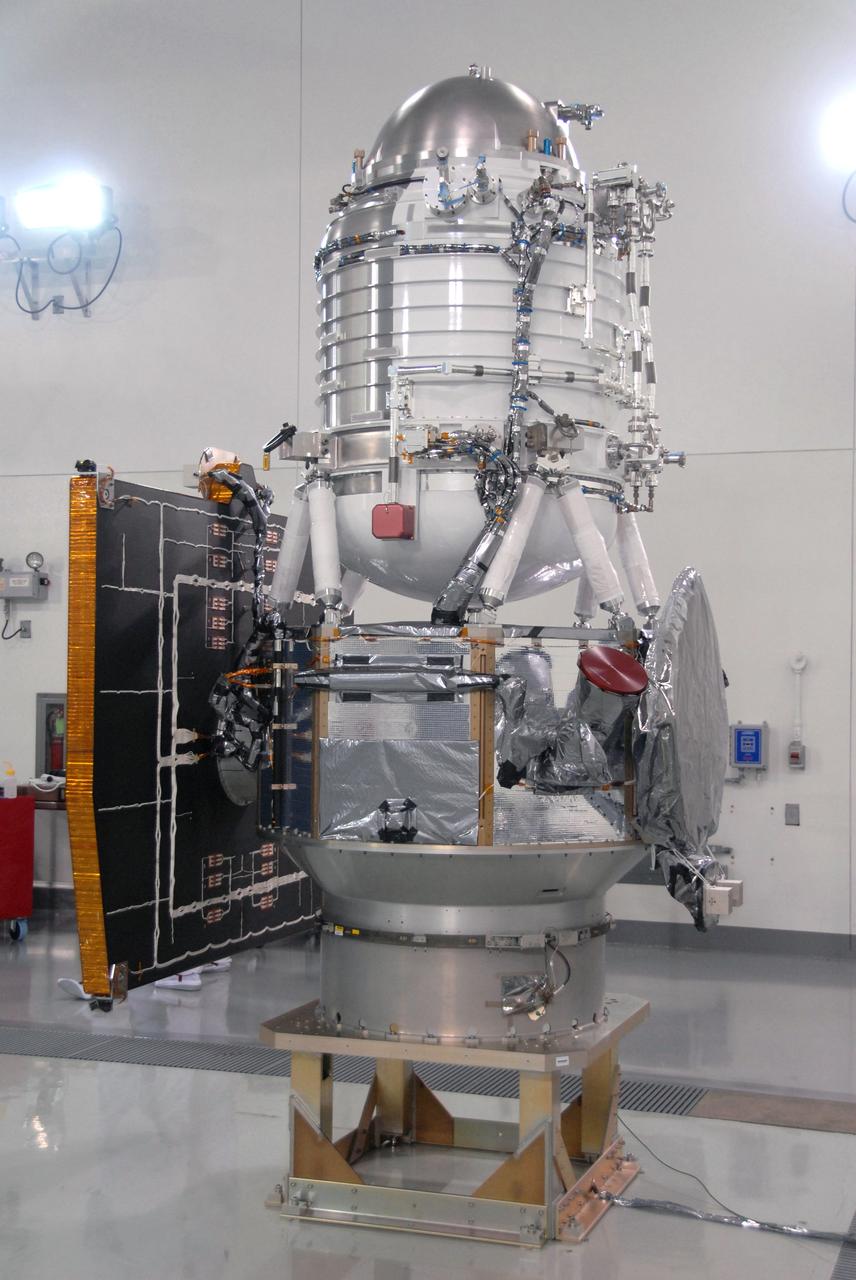
VANDENBERG AIR FORCE BASE, Calif. -- At Vandenberg Air Force Base's Astrotech processing facility in California, NASA's Wide-field Infrared Survey Explorer, or WISE, spacecraft is situated on a work stand. At left on the spacecraft is the fixed panel solar array. In front, the square is the HGA Slotted Array (Ku-Band). The satellite will survey the entire sky at infrared wavelengths, creating a cosmic clearinghouse of hundreds of millions of objects, which will be catalogued, providing a vast storehouse of knowledge about the solar system, the Milky Way, and the universe. Launch is scheduled no earlier than Dec. 10. Photo credit: NASA/Moore, VAFB

VANDENBERG AIR FORCE BASE, Calif. -- In the Astrotech payload processing facility at Vandenberg Air Force Base in California, NASA's Wide-field Infrared Survey Explorer, or WISE, spacecraft is moved to a clean room. The satellite will survey the entire sky at infrared wavelengths, creating a cosmic clearinghouse of hundreds of millions of objects, which will be catalogued, providing a vast storehouse of knowledge about the solar system, the Milky Way, and the universe. Launch is scheduled no earlier than Dec. 10. Photo credit: NASA/Doug Kolkow, VAFB
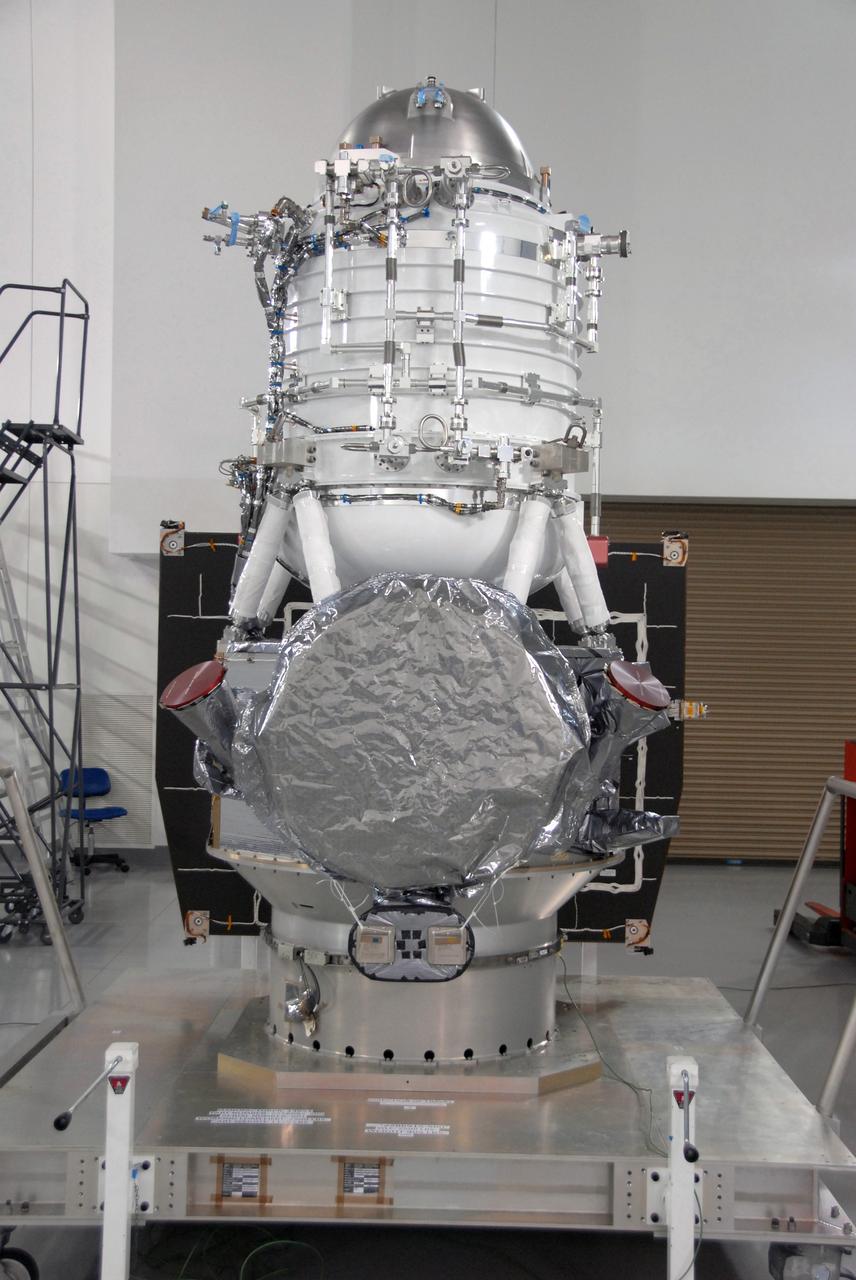
VANDENBERG AIR FORCE BASE, Calif. -- At Vandenberg Air Force Base's Astrotech processing facility in California, NASA's Wide-field Infrared Survey Explorer, or WISE, spacecraft is seen. The satellite will survey the entire sky at infrared wavelengths, creating a cosmic clearinghouse of hundreds of millions of objects, which will be catalogued, providing a vast storehouse of knowledge about the solar system, the Milky Way, and the universe. Launch is scheduled no earlier than Dec. 10. Photo credit: NASA/Moore, VAFB
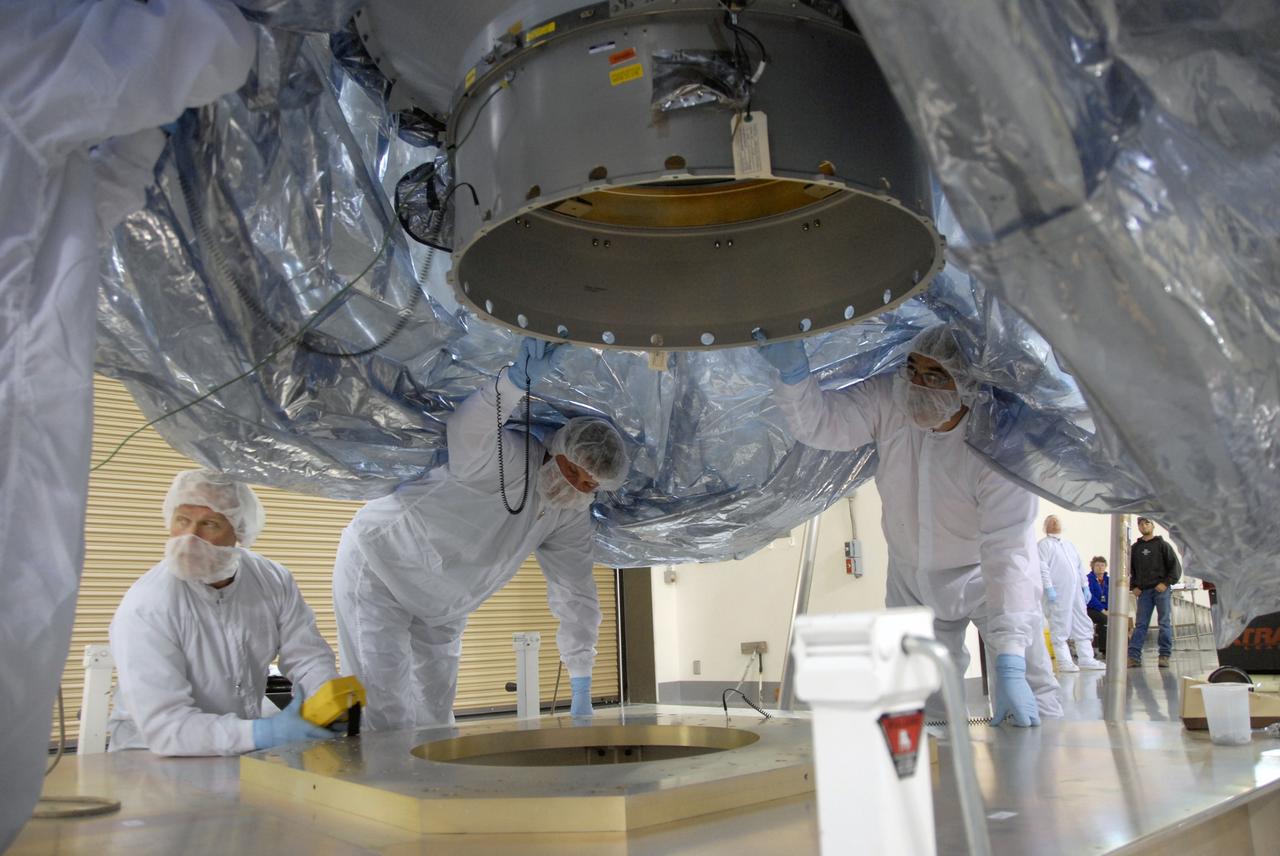
VANDENBERG AIR FORCE BASE, Calif. -- In the Astrotech payload processing facility at Vandenberg Air Force Base in California, workers check the underside of NASA's Wide-field Infrared Survey Explorer, or WISE, spacecraft before it is lowered onto a stand. The satellite will survey the entire sky at infrared wavelengths, creating a cosmic clearinghouse of hundreds of millions of objects, which will be catalogued, providing a vast storehouse of knowledge about the solar system, the Milky Way, and the universe. Launch is scheduled no earlier than Dec. 10. Photo credit: NASA/Doug Kolkow, VAFB
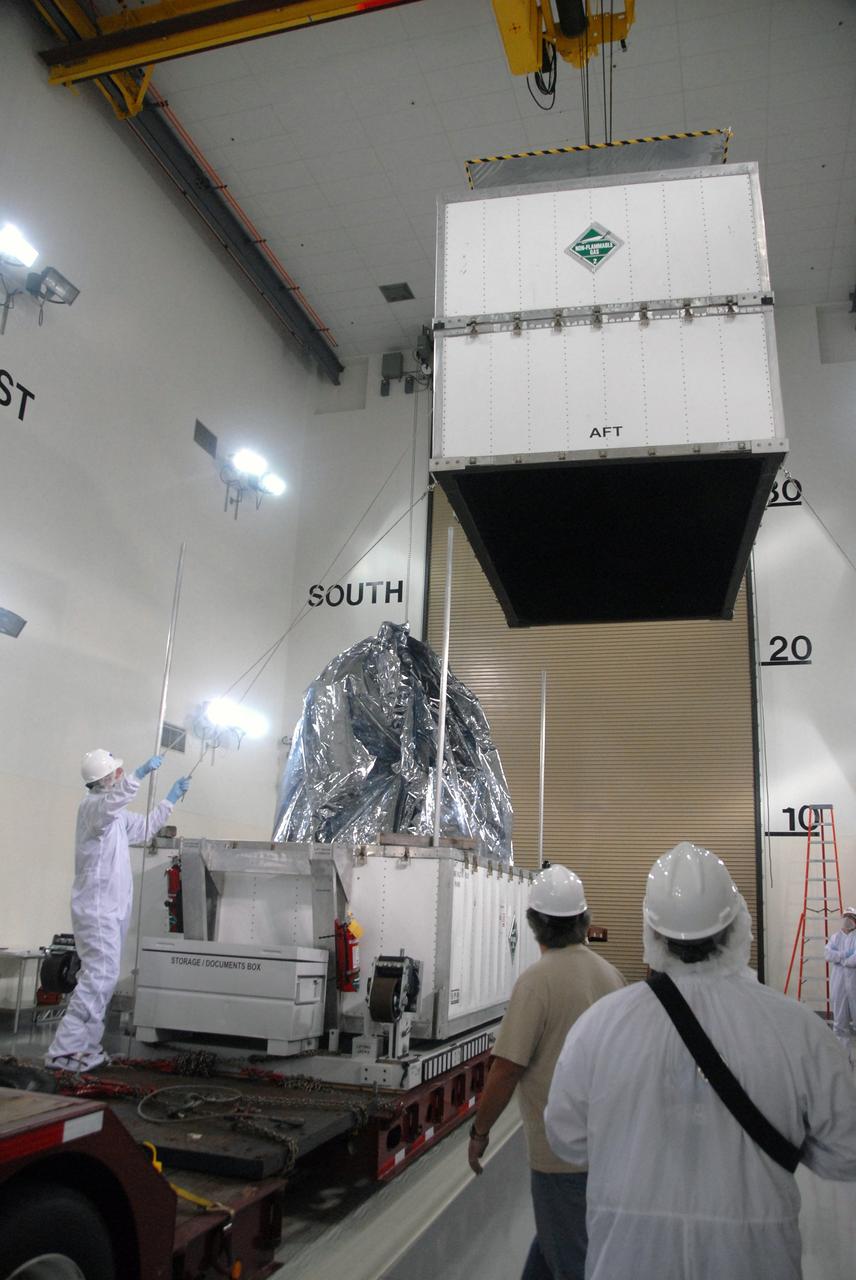
VANDENBERG AIR FORCE BASE, Calif. -- In the Astrotech payload processing facility at Vandenberg Air Force Base in California, the top of the shipping container is removed from NASA's Wide-field Infrared Survey Explorer, or WISE, spacecraft. The satellite will survey the entire sky at infrared wavelengths, creating a cosmic clearinghouse of hundreds of millions of objects, which will be catalogued, providing a vast storehouse of knowledge about the solar system, the Milky Way, and the universe. Launch is scheduled no earlier than Dec. 10. Photo credit: NASA/Doug Kolkow, VAFB
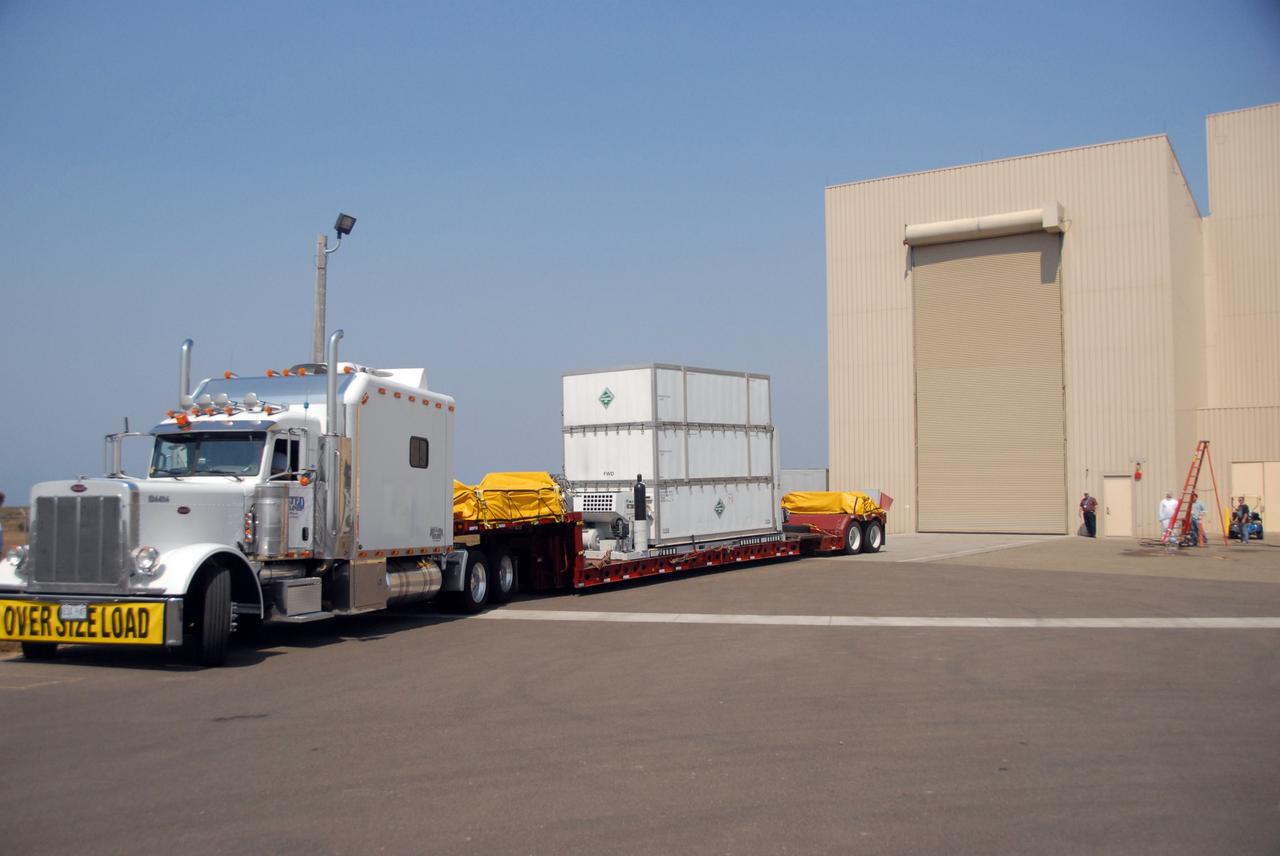
VANDENBERG AIR FORCE BASE, Calif. -- The truck carrying NASA's Wide-field Infrared Survey Explorer, or WISE, spacecraft arrives at the Astrotech payload processing facility on Vandenberg Air Force Base in California. The satellite will survey the entire sky at infrared wavelengths, creating a cosmic clearinghouse of hundreds of millions of objects, which will be catalogued, providing a vast storehouse of knowledge about the solar system, the Milky Way, and the universe. Launch is scheduled no earlier than Dec. 10. Photo credit: NASA/VAFB