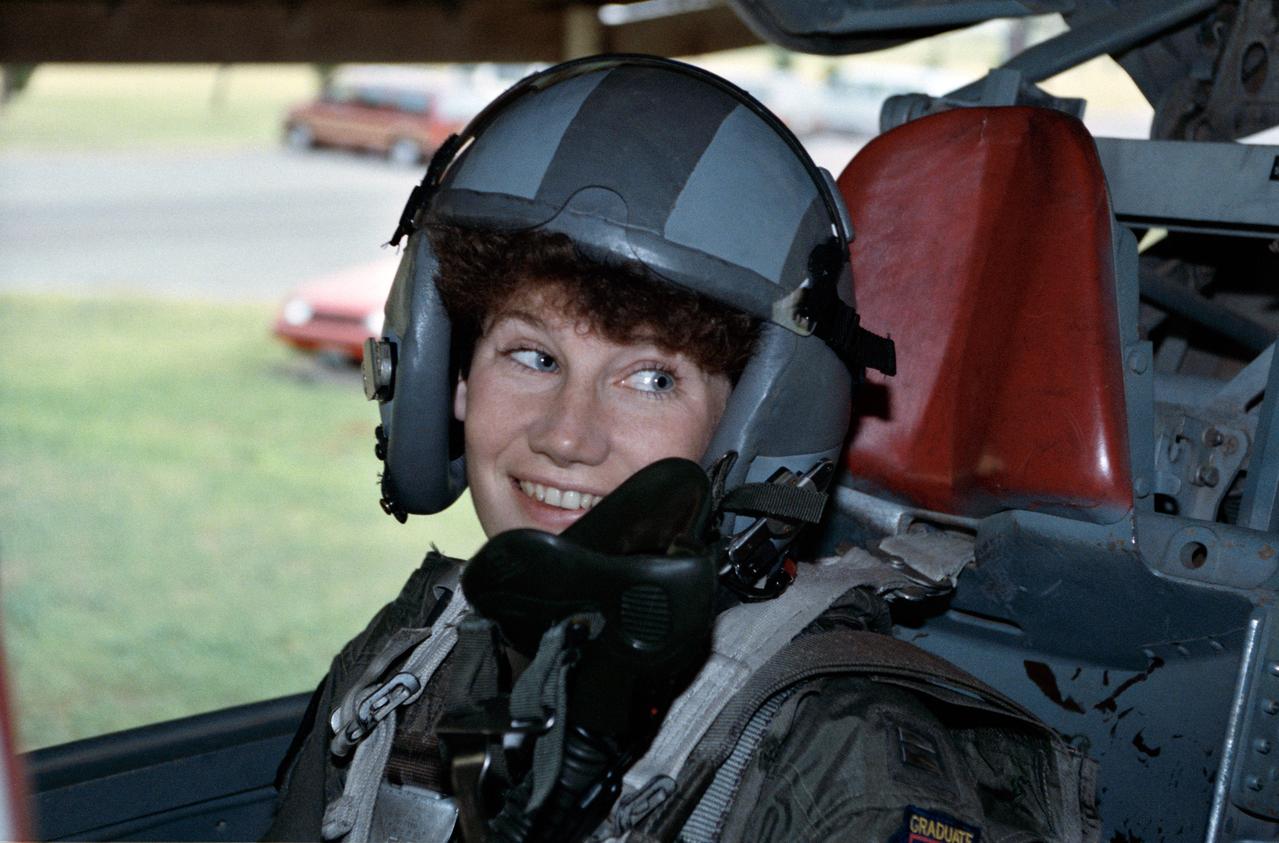
S90-45896 (29-31 July 1990) --- Susan J. Helms, one of the 23 astronaut candidates who began a year's training and evaluation program in July, participates in one of themany sessions at a survival training course at Vance Air Force Base. This portion of the course is designed to familiarize the trainee with procedures to follow in preparation for ejection from a jet aircraft.
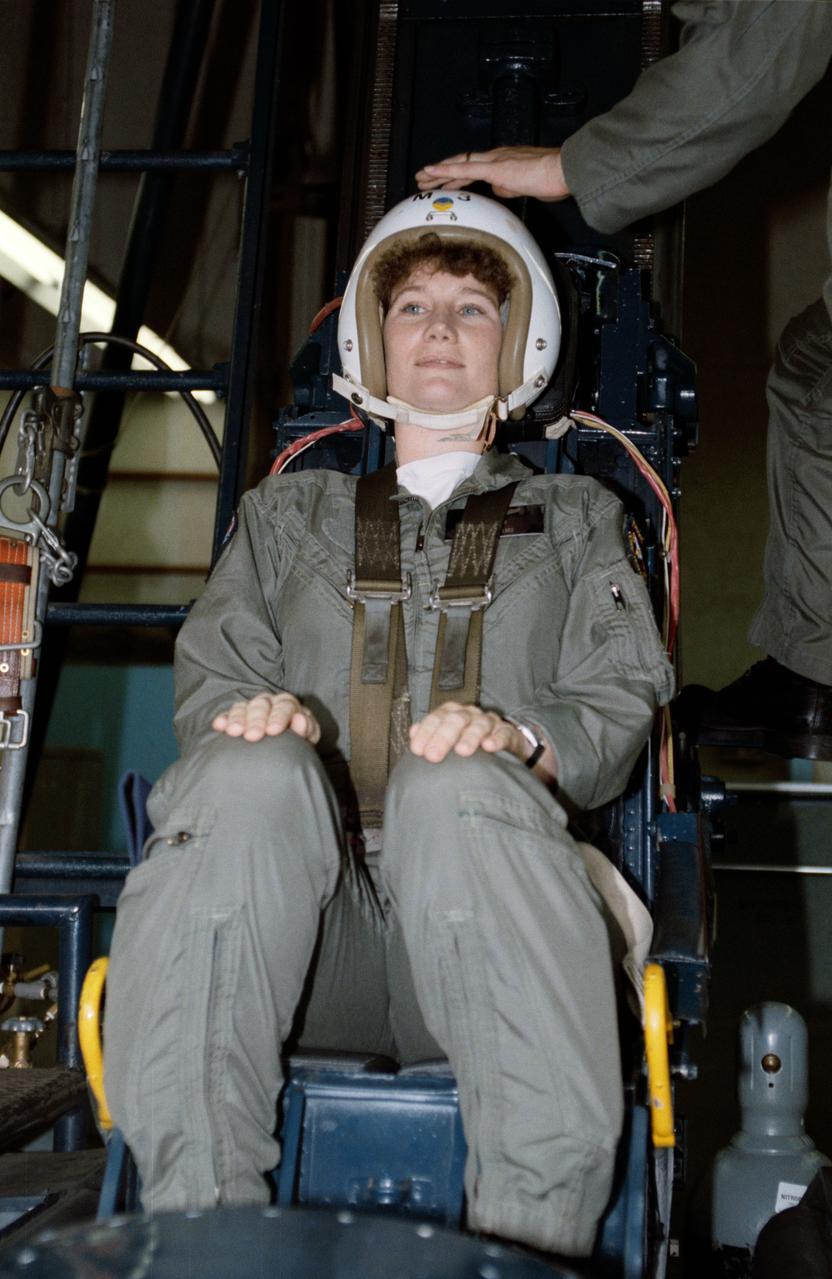
S90-45852 (29-31 July 1990) --- Susan J. Helms, one of 23 astronaut candidates who began a year's training and evaluation in July, participates in one of may sessions at a survival training course at Vance Air Force Base. This portion of the course is designed to familiarize the trainee with the "feel" of emergency ejection from a jet aircraft.
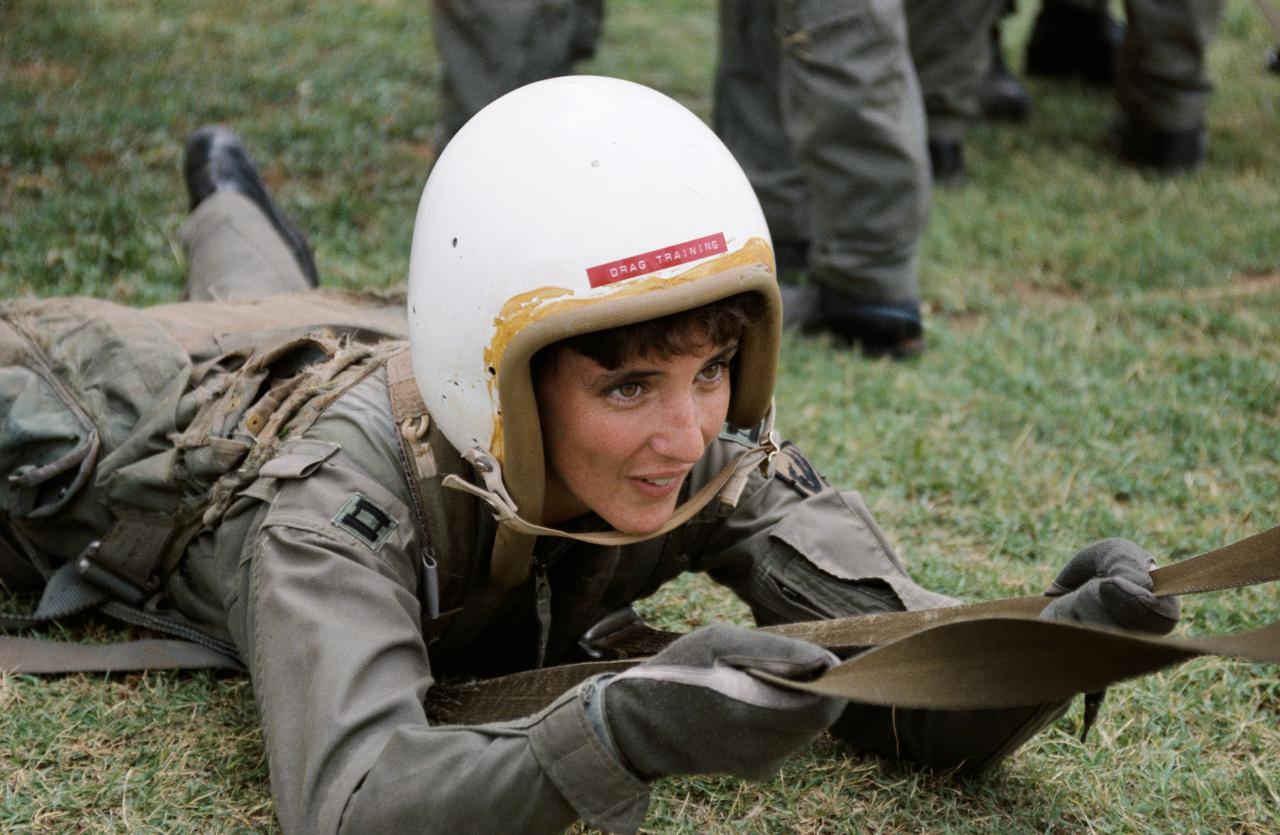
S90-45883 (29-31 July 1990) --- Nancy J. Sherlock, one of 23 astronaut candidates who began a year's training and evaluation in July, participates in one of many sessions at a survival training course at Vance Air Force Base. Sherlock is about to take part in parachute drag training. The overall course is designed to familiarize the trainees with procedures to follow in the event of an emergency ejection from a jet aircraft.
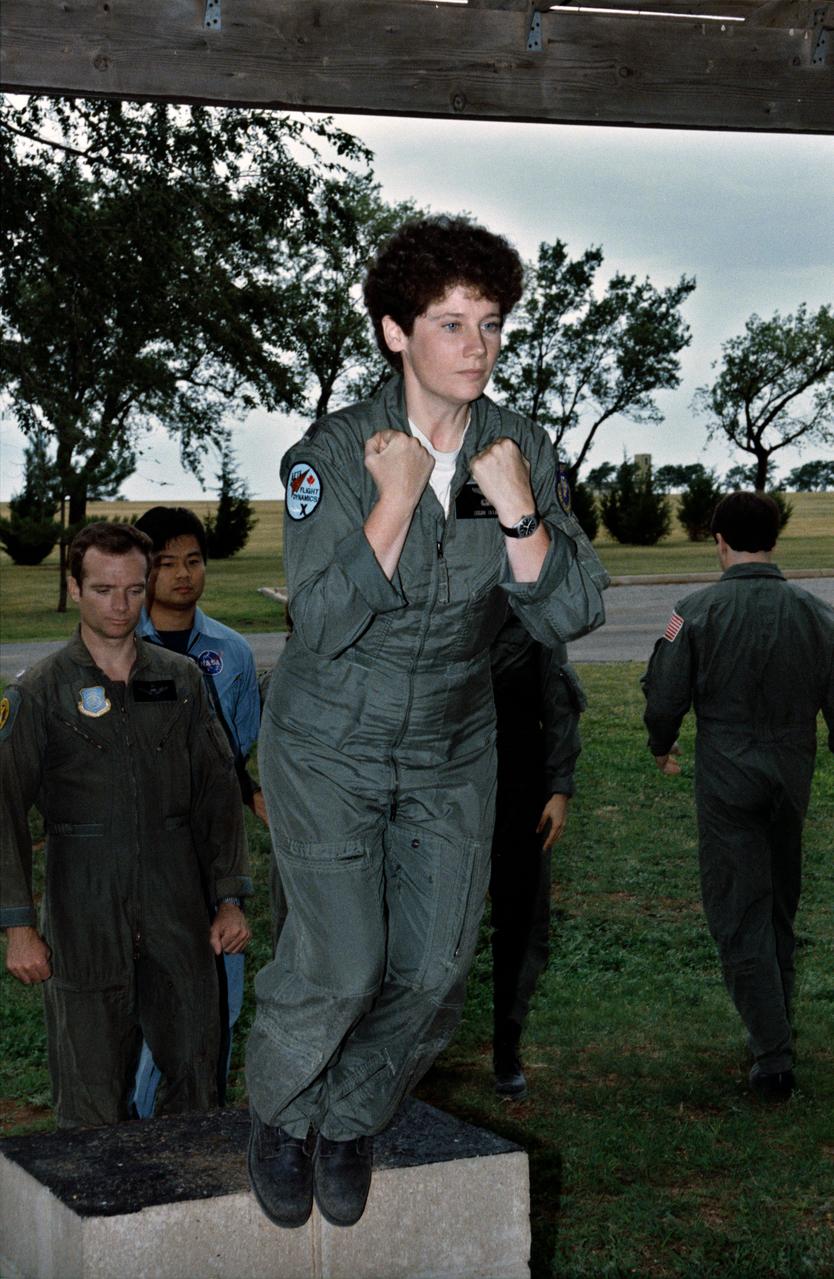
S90-48372 (29-31 July 1990) --- Mission specialist astronaut candidate Susan J. Helms simulates a parachute jump during a survival training course at Vance Air Force Base. She is one of 23 astronaut candidates from the Johnson Space Center who have joined military personnel for the special three-day training course. The course is designed to prepare the trainees for proper survival measures to take in the event of an emergency aboard the T-38 jet trainer aircraft they will frequently use once they become full-fledged astronauts.
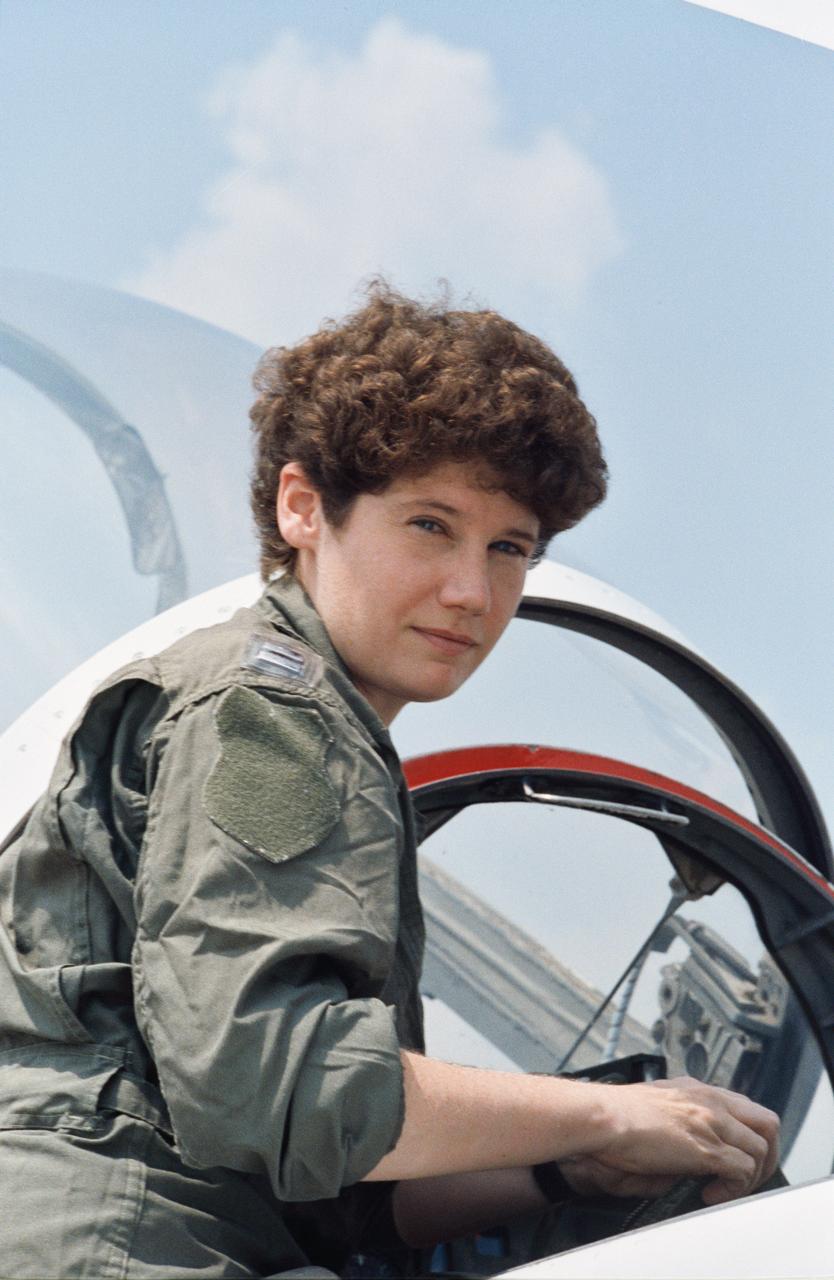
S90-45810 (29-31 July 1990) --- Susan J. Helms, one of 23 astronaut candidate who began a year's training and evaluation in July, climbs into a T-38 jet trainer during a survival training school at Vance Air Force Base in Oklahoma.
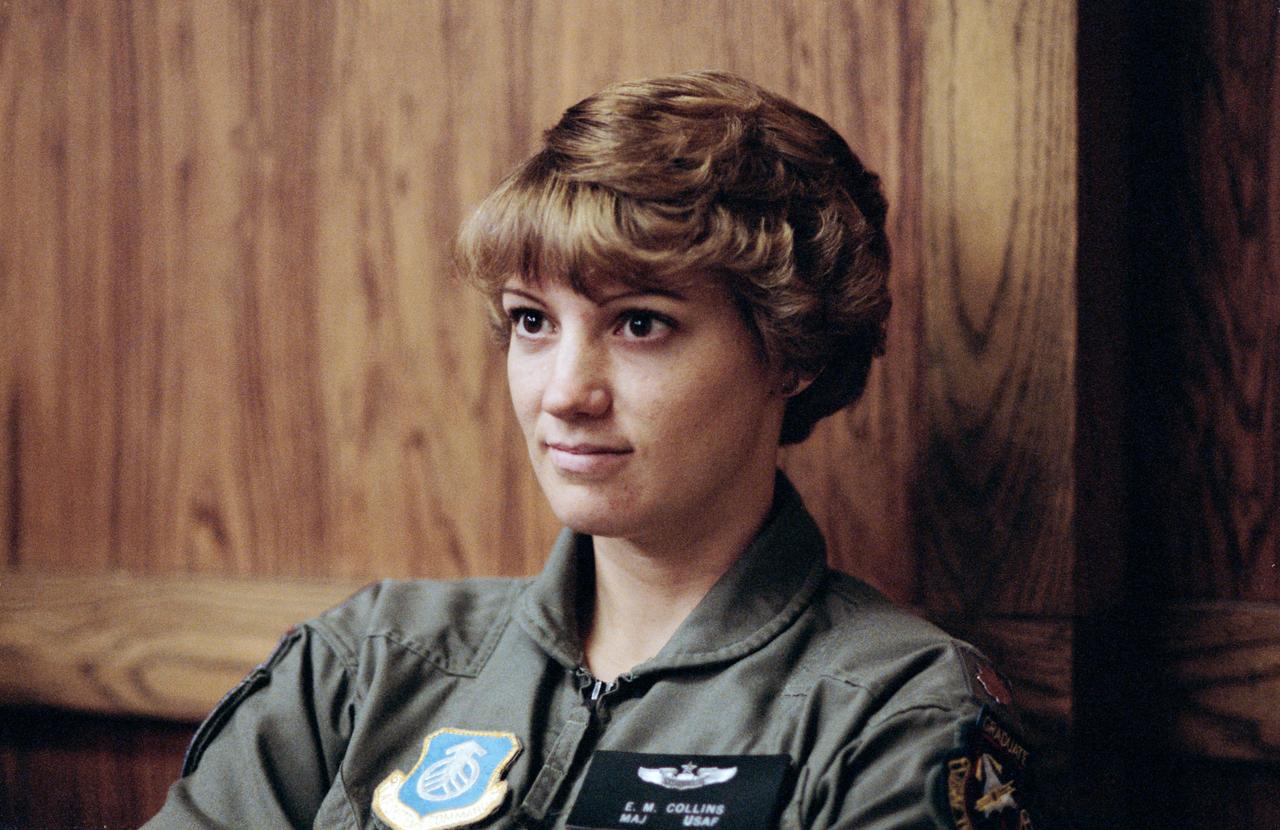
S90-45845 (29-31 July 1990) --- Eileen M. Collins, a USAF major and a candidate for a pilot astronaut's position with NASA, listens to a briefing on parachute ejection. The classroom session was part of a three-day survival training course hosted by Vance Air Force Base in Oklahoma. Photo credit: NASA
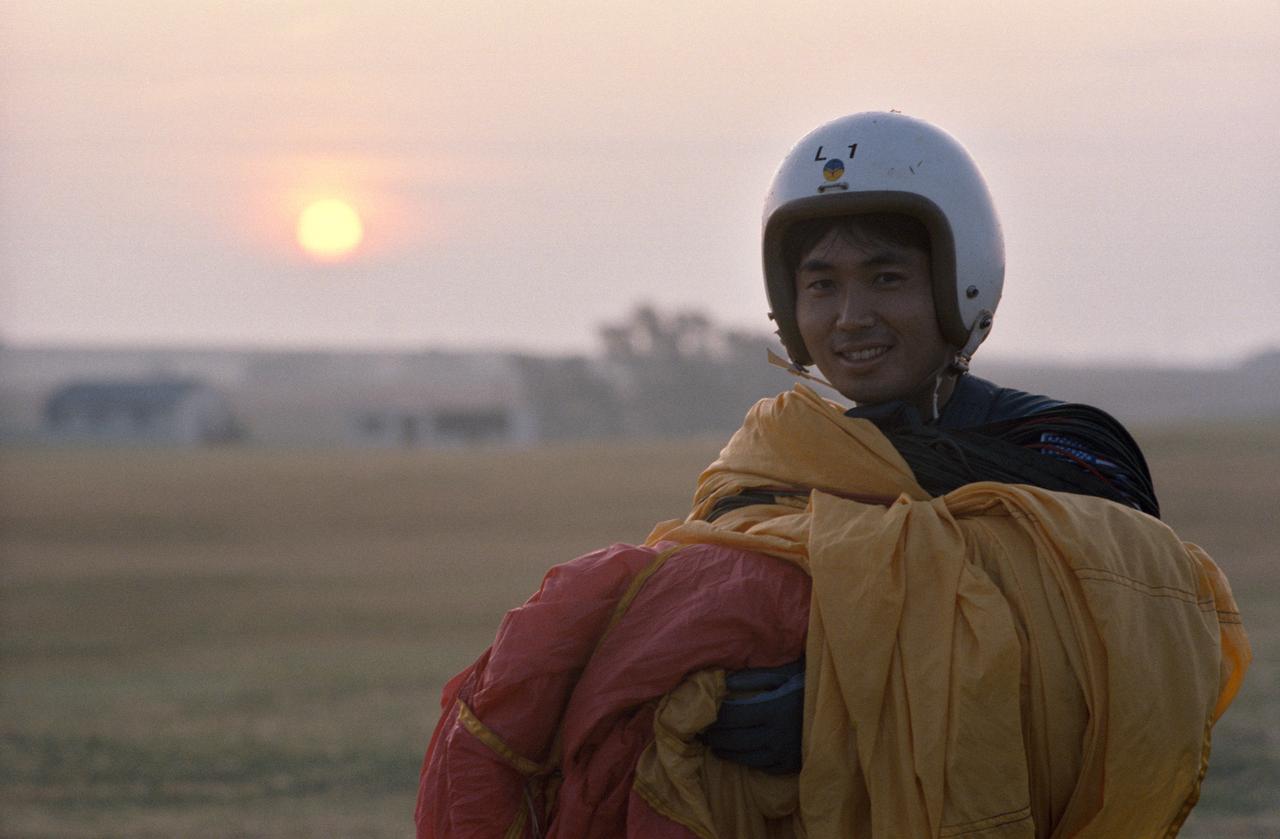
S95-00359 (12-14 September 1992) --- Astronaut candidate Koichi Wakata gathers his parachute following a simulated chute drop at Vance Air Force Base. Wakata is one of seven international mission specialist candidates who joined 19 United States astronaut candidates for the three-day parachute/survival training school at the Oklahoma Base. EDITORS NOTE: Since this photograph was taken, Wakata has been named as mission specialist for the STS-72 mission.
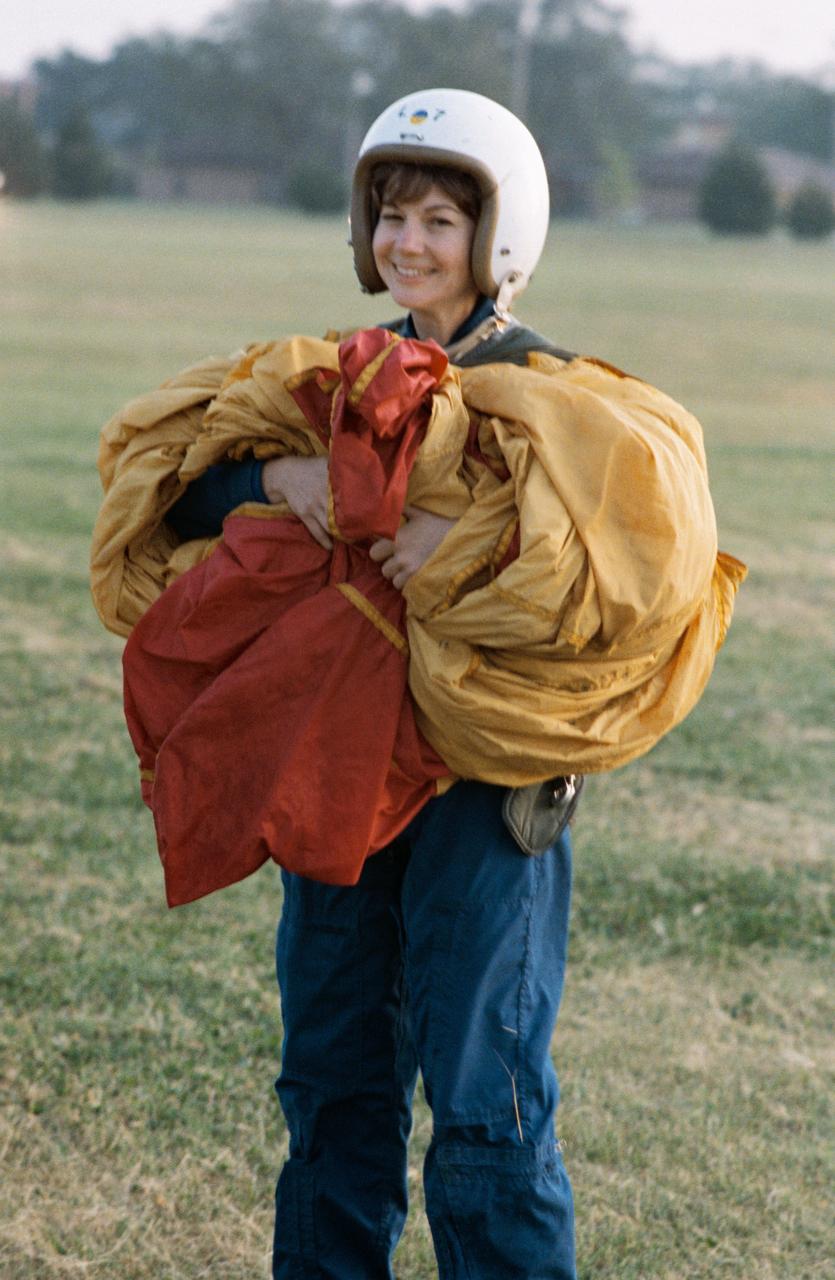
S93-38725 (12-14 Sept. 1992) --- Catherine G. Coleman, a member of the 1992 class of astronaut candidates at the Johnson Space Center (JSC), gathers up a parachute. The chute had just been used in one of many exercises experienced by the trainees at a three-day parachute/survival course hosted by Vance Air Force Base near Enid, Oklahoma. EDITOR?S NOTE: Coleman was later named as mission specialist for the United States Microgravity Laboratory (USML-2) mission, scheduled to fly as STS-73 in 1995.
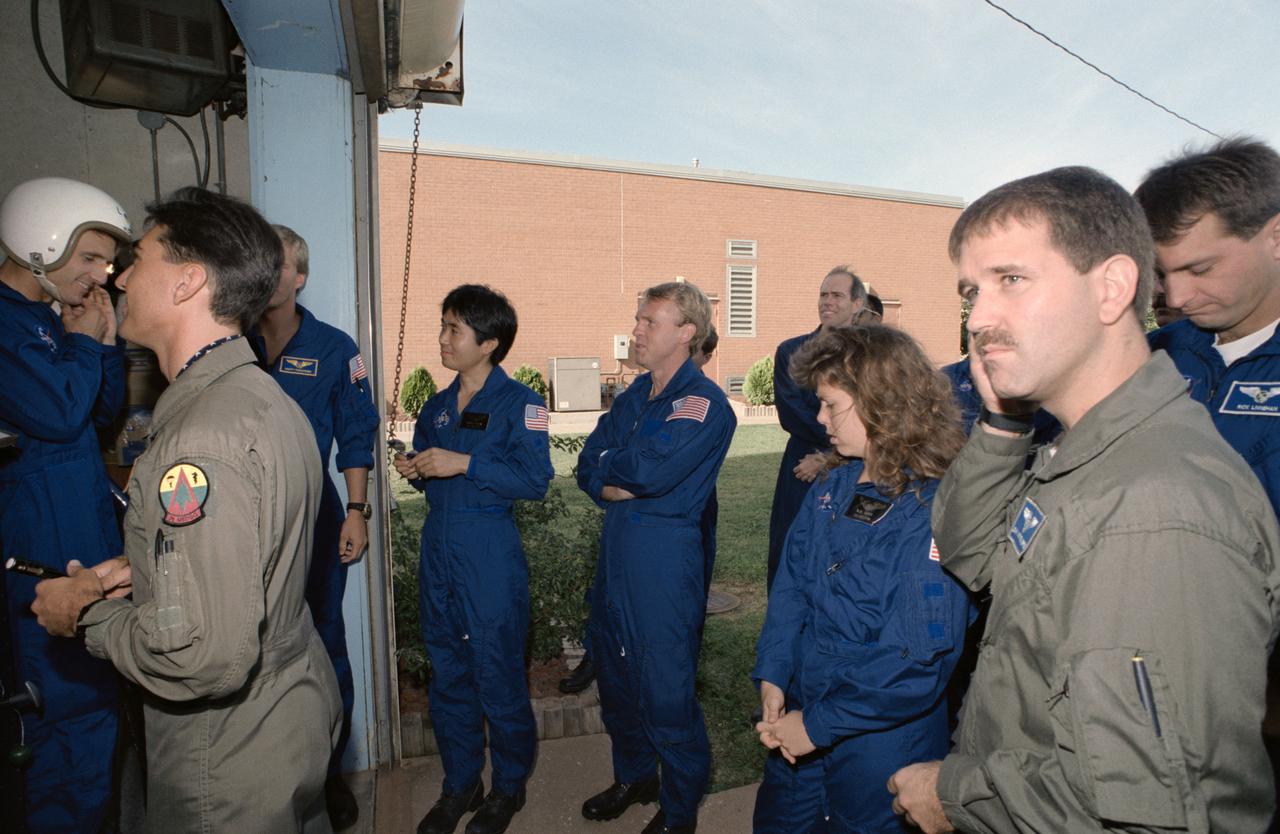
S95-00356 (14 September 1992) --- Several 1992 astronaut candidates wait in line to receive gear for one of several phases of parachute familiarization and survival training at Vance Air Force Base in Oklahoma. Recognizable in the picture are Jerry M. Linenger, Scott E. Parazynski, Koichi Wakata, Andrew S. W. Thomas, Mary Ellen Weber, Joseph R. Tanner, John M. Grunsfeld and Richard M. Linnehan.
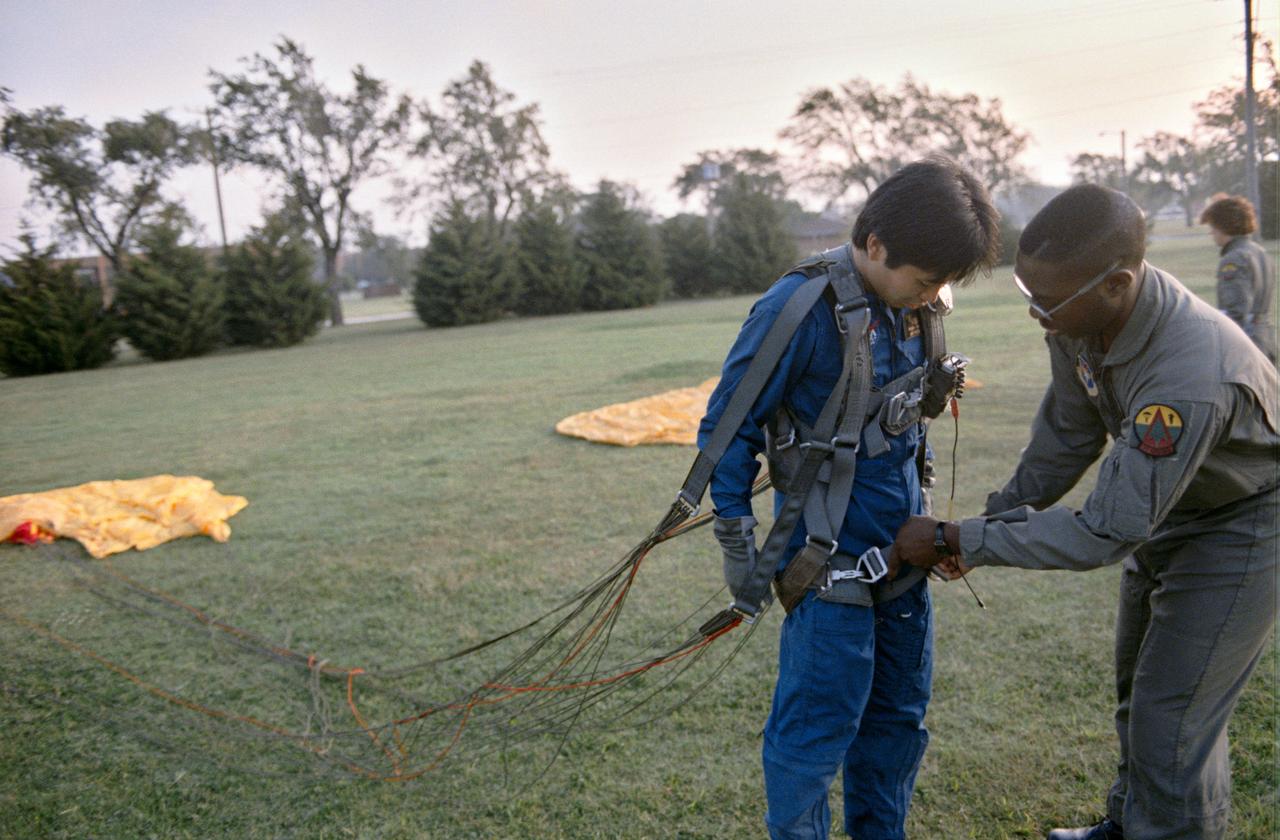
S95-00352 (12-14 September 1992) --- Astronaut candidate Koichi Wakata gets assistance with his parachute following a simulated chute drop at Vance Air Force Base. Wakata, representing the National Space Development Agency (NASDA) of Japan, is one of seven international mission specialist candidates who joined 19 United States astronaut candidates for the three-day parachute/survival training school at the Oklahoma Base. EDITOR'S NOTE: Since this photograph was taken, Wakata has been named as mission specialist for the STS-72 mission.

S95-00355 (12-14 September 1992) --- Astronaut candidate Koichi Wakata prepares to jump off a box during a parachute landing demonstration at Vance Air Force Base. This portion of the training is designed to familiarize the trainees with the proper way to hit the ground following a parachute jump. Looking on are astronaut candidates Michael L. Gernhardt (left) and Andrew W. S. Thomas (second left), along with a United States Air Force (USAF) instructor. Wakata, representing Japan's National Space Development Agency (NASDA), is one of seven international mission specialist candidates who joined 19 United States astronaut candidates, including Gernhardt and Thomas, for the three-day parachute/survival training school at the Oklahoma Base. EDITORS NOTE: Since this photograph was taken, Gernhardt, Wakata and Thomas have been named as mission specialists for the STS-69, STS-72 and STS-77 missions, respectively.
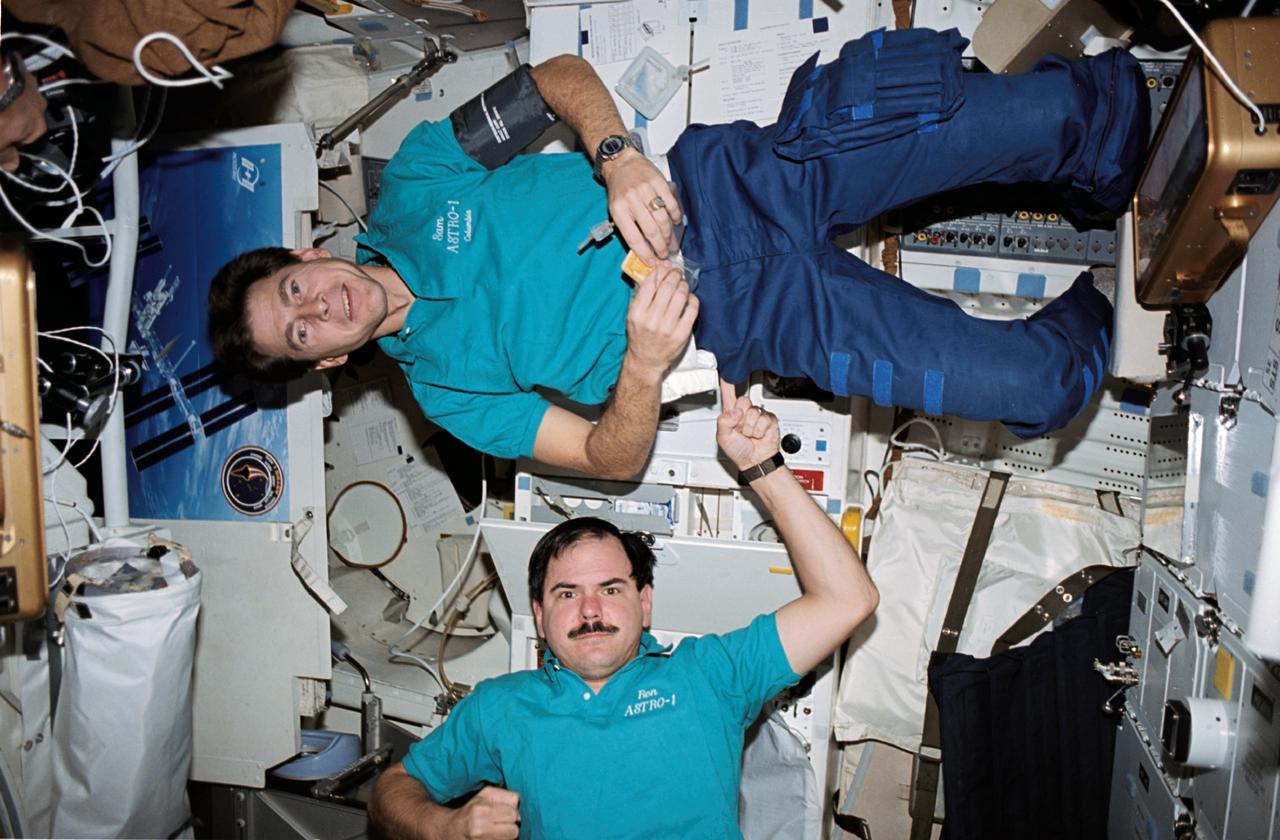
STS035-49-028 (2-10 Dec. 1990) --- This is one of 25 visuals used by the STS-35 crew at its Dec. 20, 1990 post-flight press conference. Columbia's flight of almost nine days duration (launched Dec. 2 from Kennedy Space Center and landed Dec. 10 at Edwards Air Force Base) carried the Astro-1 payload and was dedicated to astrophysics. The mission involved a seven-man crew. Crewmembers were astronauts Vance D. Brand, Guy S. Gardner, Jeffrey A. Hoffman, Robert A.R. Parker and John M. (Mike) Lounge; and Payload Specialists Samuel T. Durrance and Ronald A. Parise.
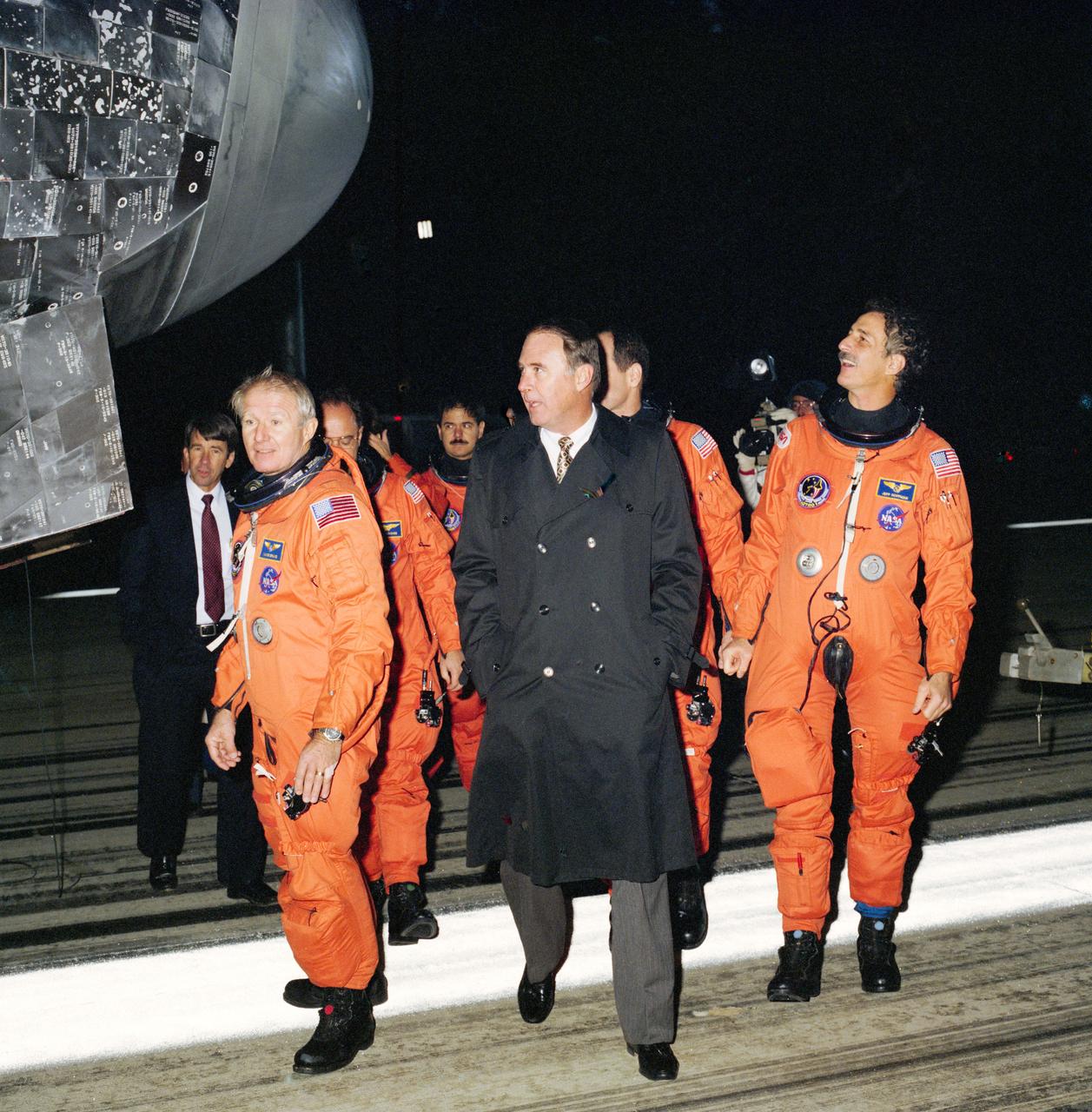
STS035-S-091 (10 Dec 1990) --- Donald R. Puddy (center), Director of Flight Crew Operations at the Johnson Space Center (JSC), joins the STS-35 crewmembers in a post-landing walk-around inspection of the Columbia at Edwards Air Force Base. Crewmembers pictured are, left to right, Vance D. Brand, John M. (Mike) Lounge, Ronald A. Parise, Guy S. Gardner and Jeffrey A. Hoffman. Obscured or out of frame are Samuel T. Durrance and Robert A. R. Parker. Dr. William B. Lenoir, NASA Associate Administrator for Space Flight, is at far left background.
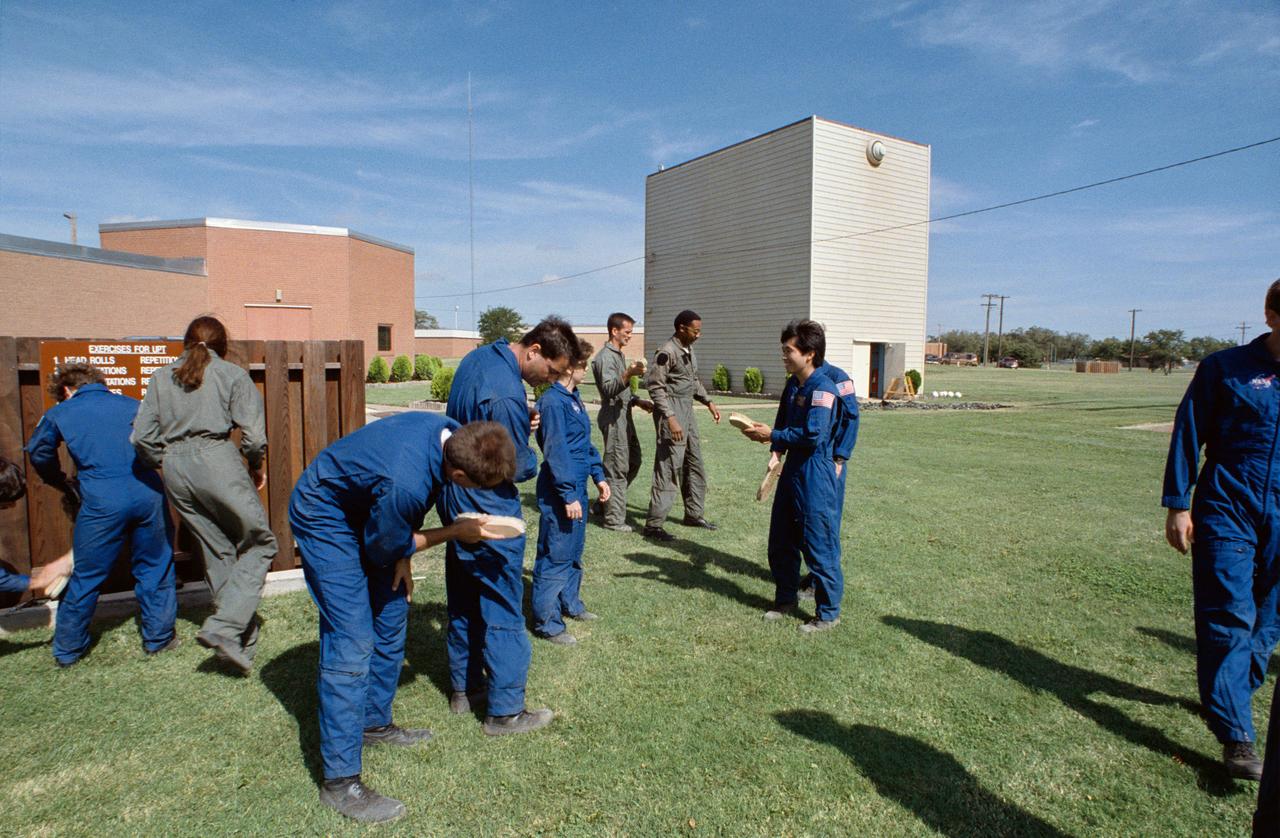
S95-00353 (12-14 September 1992) --- Several 1992 astronaut candidates brush the sand and gravel off one another following one of several phases of parachute familiarization and survival training at Vance Air Force Base in Oklahoma. Recognizable in the picture are Wendy B. Lawrence, Michael E. Lopez-Alegria, Chris A. Hadfield, Winston E. Scott and Koichi Wakata. The trainees had just completed an exercise, which required their jumping off a box into a gravel pit, in order to familiarize them the proper way to meet the ground following an emergency parachute drop.
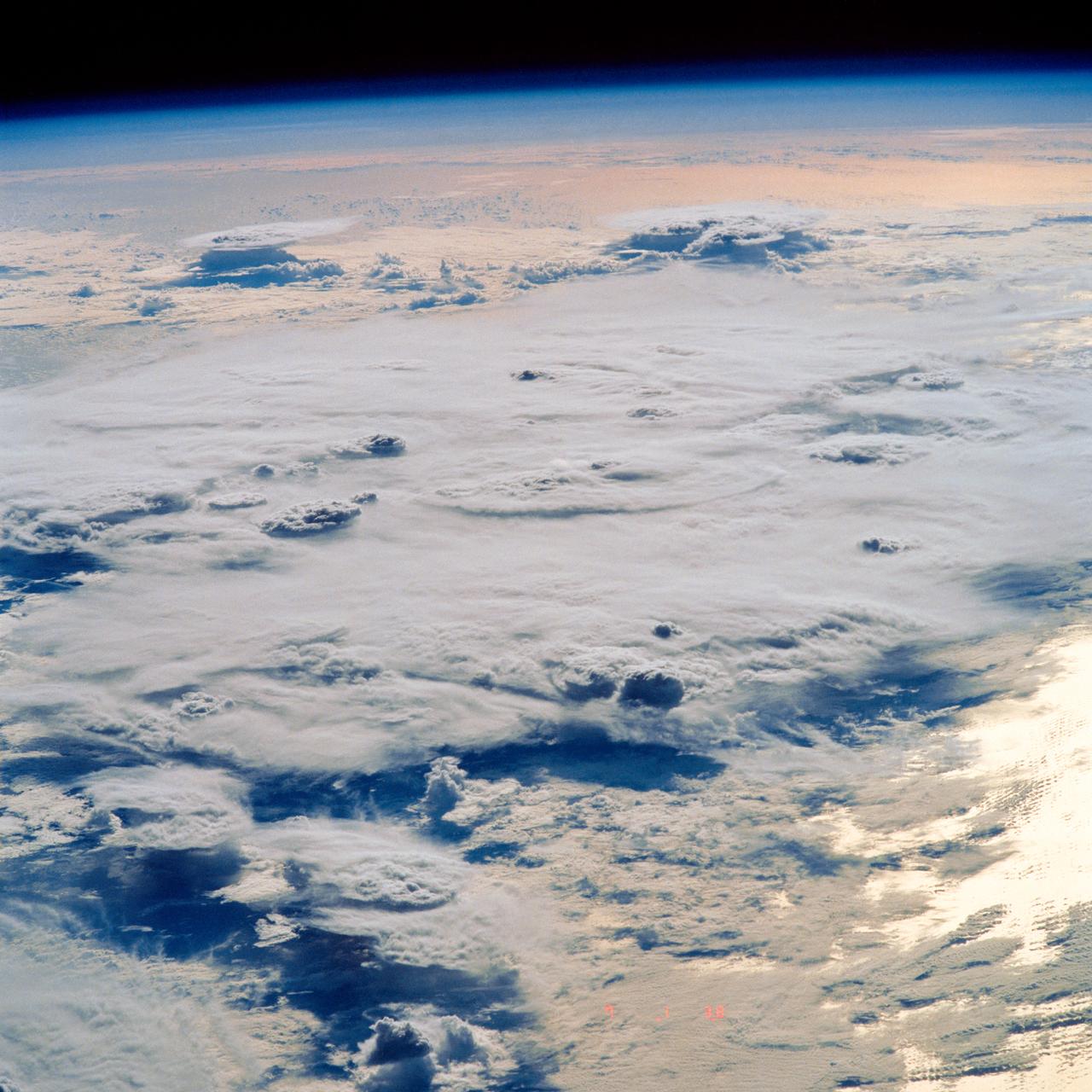
STS035-607-024 (2-10 Dec. 1990) --- This is one of 25 visuals used by the STS-35 crew at its Dec. 20, 1990 post-flight press conference. Space Shuttle Columbia's flight of almost nine days duration (launched December 2 from Kennedy Space Center (KSC) and landed December 10 at Edwards Air Force Base) carried the Astro-1 payload and was dedicated to astrophysics. The mission involved a seven-man crew. Crew members were astronauts Vance D. Brand, Guy S. Gardner, Jeffrey A. Hoffman, Robert A.R. Parker and John M. (Mike) Lounge; and payload specialists Samuel T. Durrance and Ronald A. Parise. Thunderstorm systems over the Pacific Ocean, with heavy sunglint, as photographed with a handheld Rolleiflex camera aimed through Columbia's aft flight deck windows.
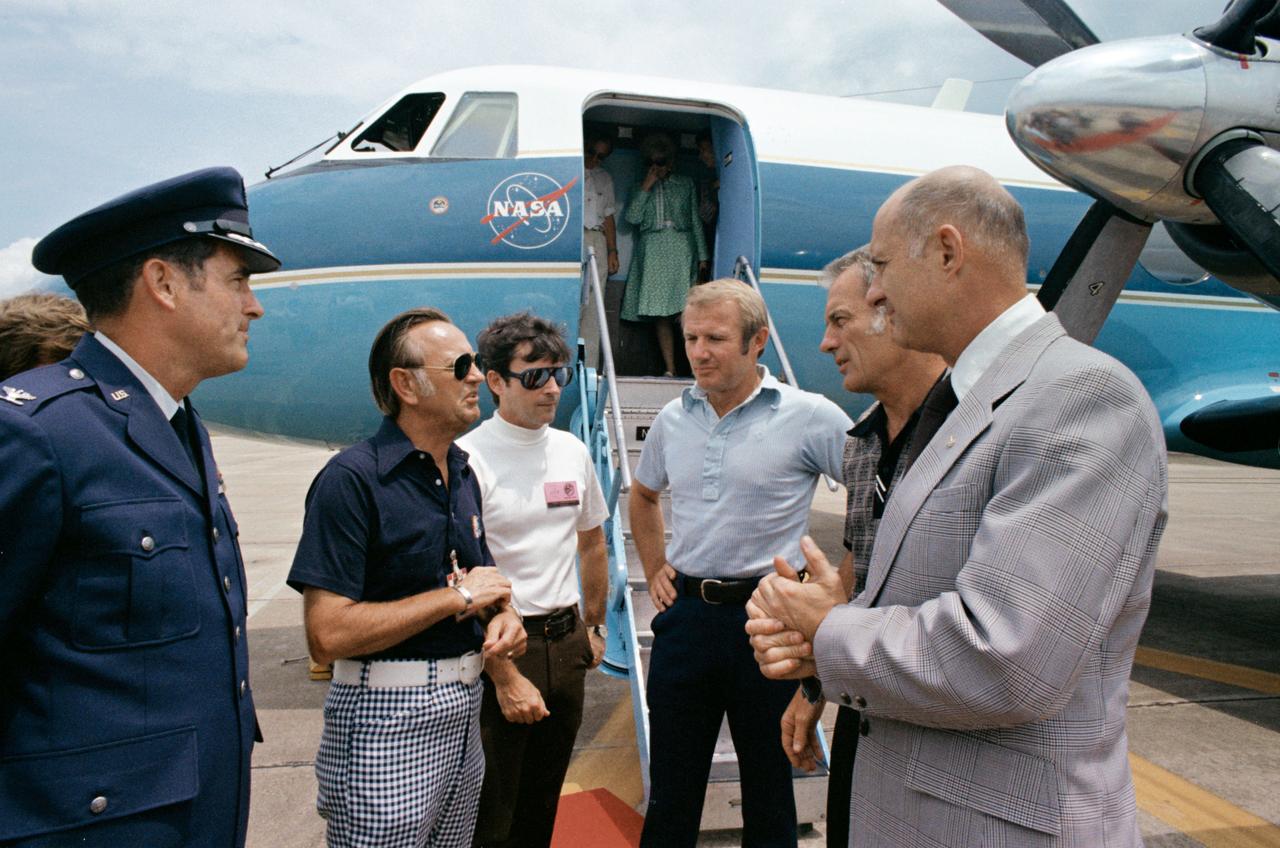
S75-30109 (10 Aug. 1975) --- Dr. Christopher C. Kraft Jr. (second from left), JSC Director, chats with the three ASTP crewmen on the runway at Ellington Air Force Base after their arrival home from the Pacific recovery area. The six men are, left to right, Col. Donald Robinson, EAFB commander; Dr. Kraft; astronaut John W. Young, Chief of the Astronaut Office at JSC; astronaut Vance D. Brand, command module pilot of the crew; astronaut Donald K. Slayton, docking module pilot of the crew; and astronaut Thomas P. Stafford, crew commander. This picture was taken prior to the official welcoming ceremonies. The crewmen?s wives are still aboard the plane. Medical treatment in Hawaii delayed the return of the crew to JSC. They suffered a pulmonary irritation from inhalation of a toxic gas minutes before splashdown on July 24, 1975.