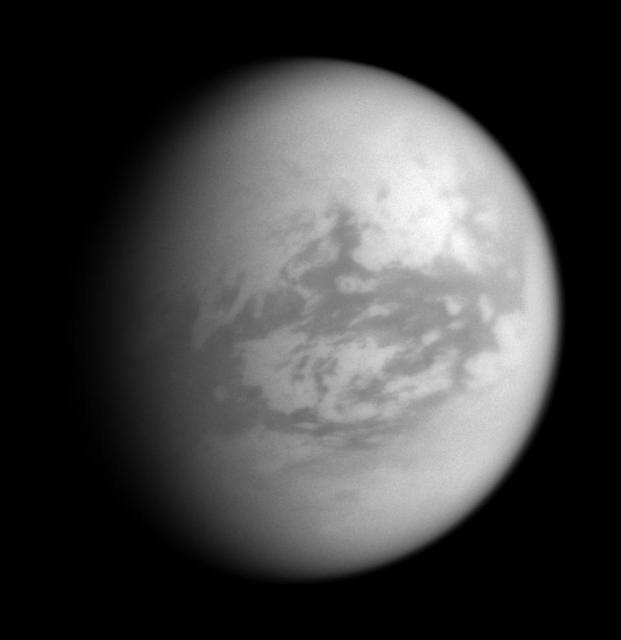
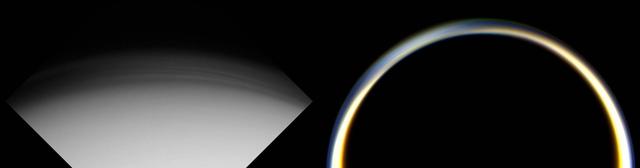
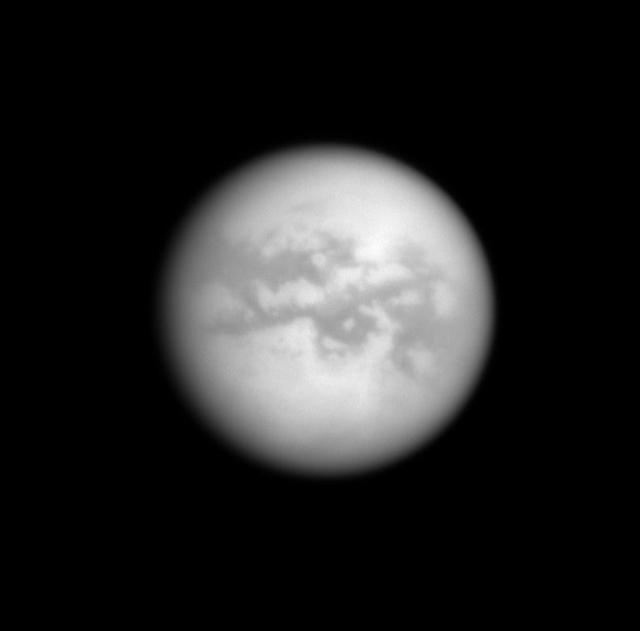
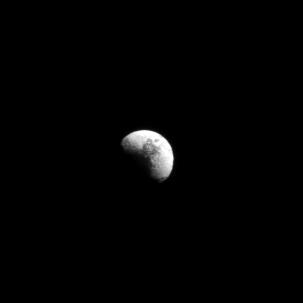
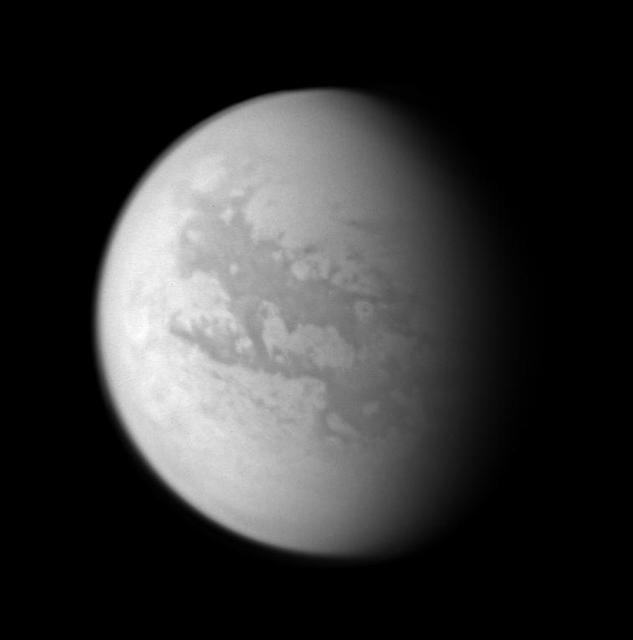
Cassini Views of Titan: Monochrome View
View of a Scarp
View of a Scarp
Back in View
Back in View
A View to the South
A View to the South
An Outcrop with a View
Fortunate View
Fortunate View
A Crisp View
A Crisp View
A Skyline View
A Skyline View
Opposition View
Opposition View
A Lovely View
A Lovely View
A Volcanic View
A Volcanic View
A Privileged View
A Privileged View
A World View
A World View
A Wider View
A Wider View
Horizon View
Horizon View
Glorious View
Glorious View
Terrace View
Terrace View
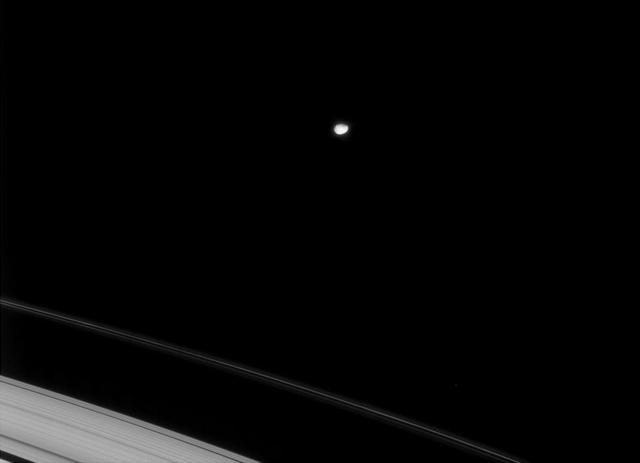
Mimas in View
Mimas in View
Janus in View
Janus in View
Adiri in View
Adiri in View
Pan in View
Pan in View
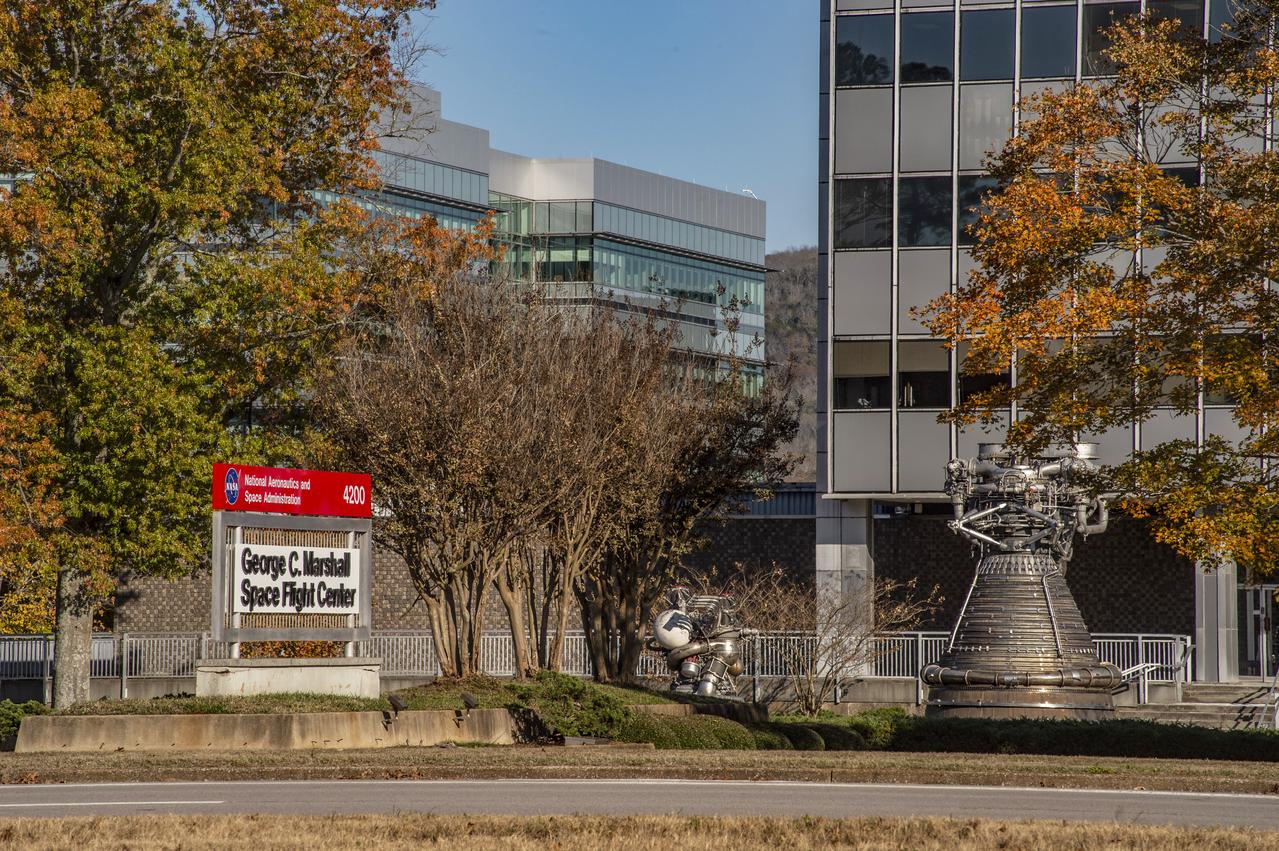
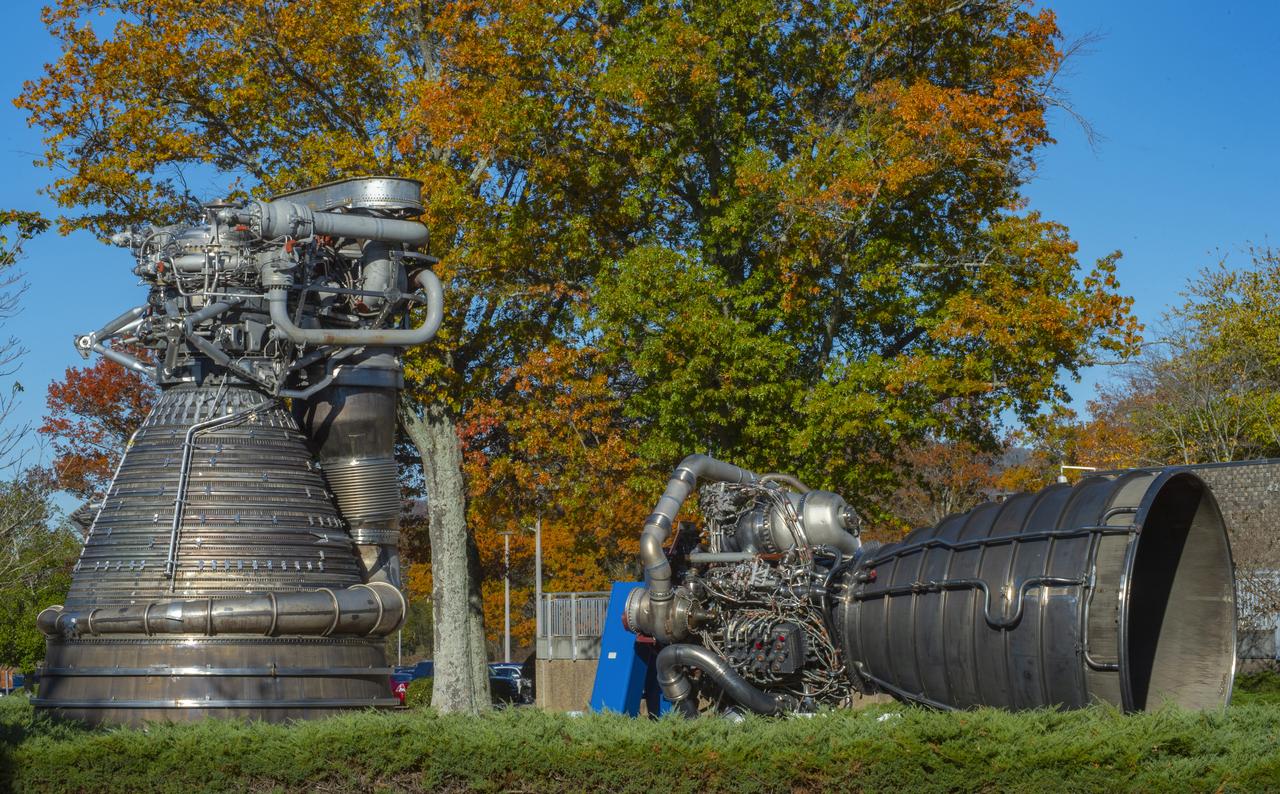
SEASONAL VIEWS, FALL, (NOVEMBER 13, 2019),  OF MSFC BUILDING 4200
SEASONAL VIEWS, FALL, (NOVEMBER 13, 2019), OF MSFC BUILDING 4200
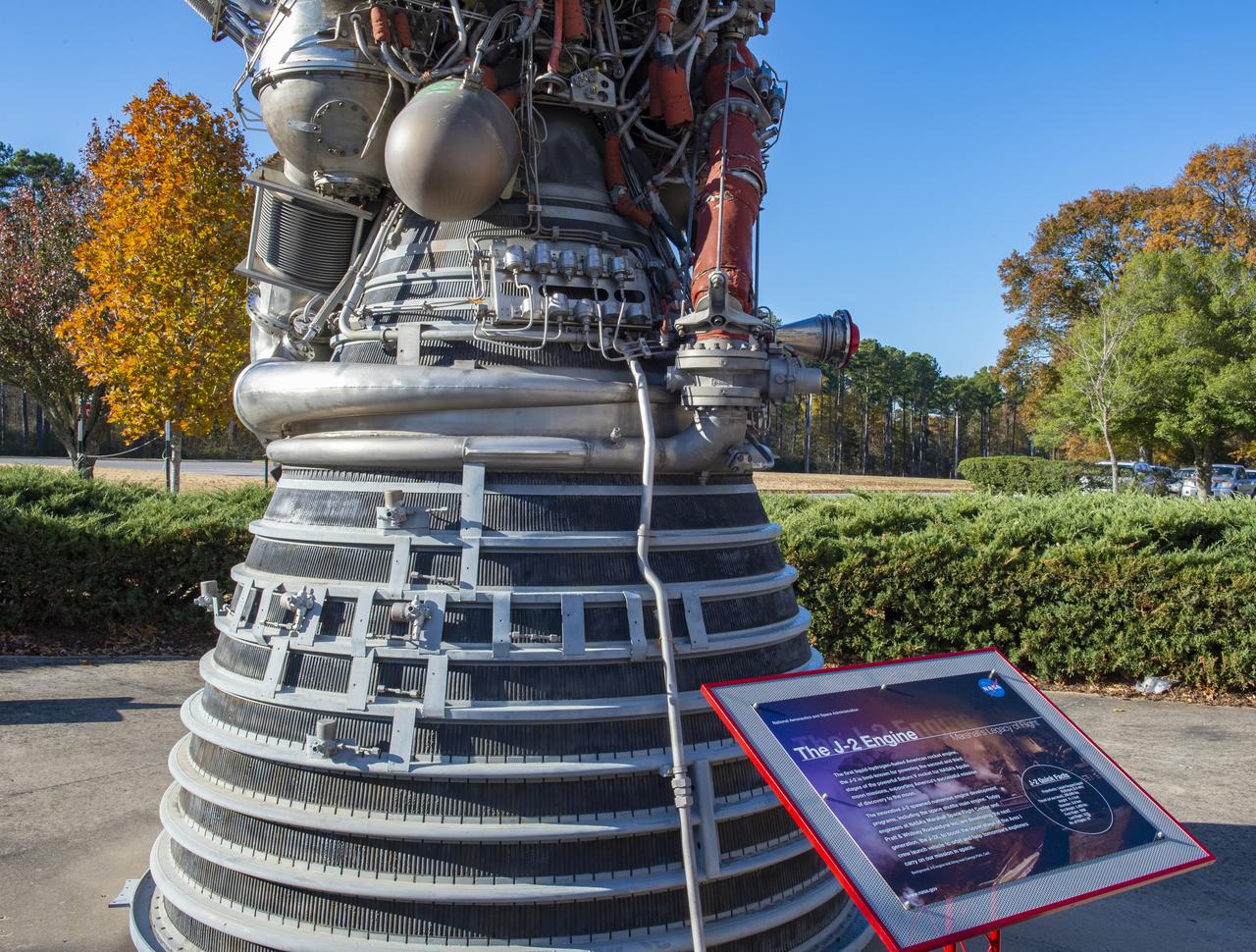
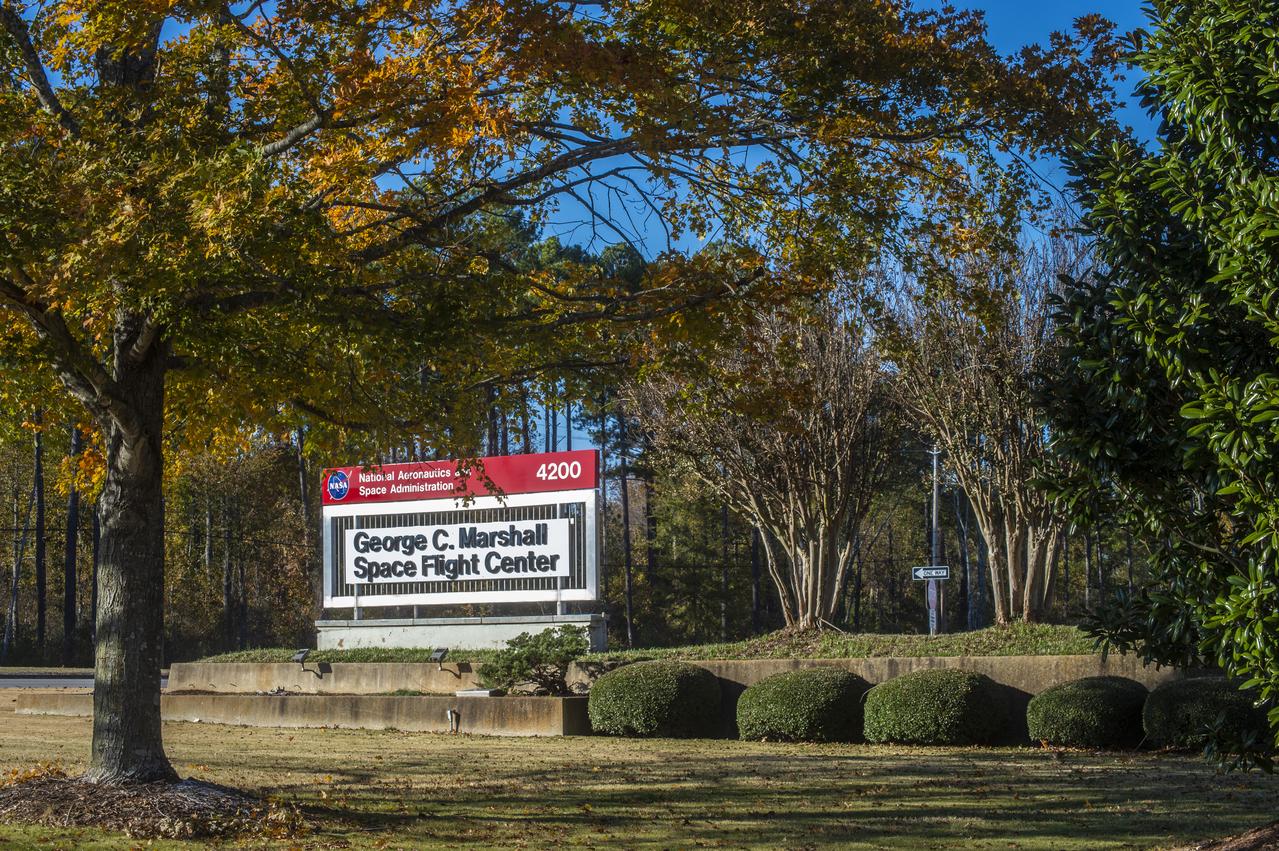
SEASONAL VIEWS, FALL, (NOVEMBER 13, 2019),  OF MSFC BUILDING 4200
SEASONAL VIEWS, FALL, (NOVEMBER 13, 2019), OF MSFC BUILDING 4200
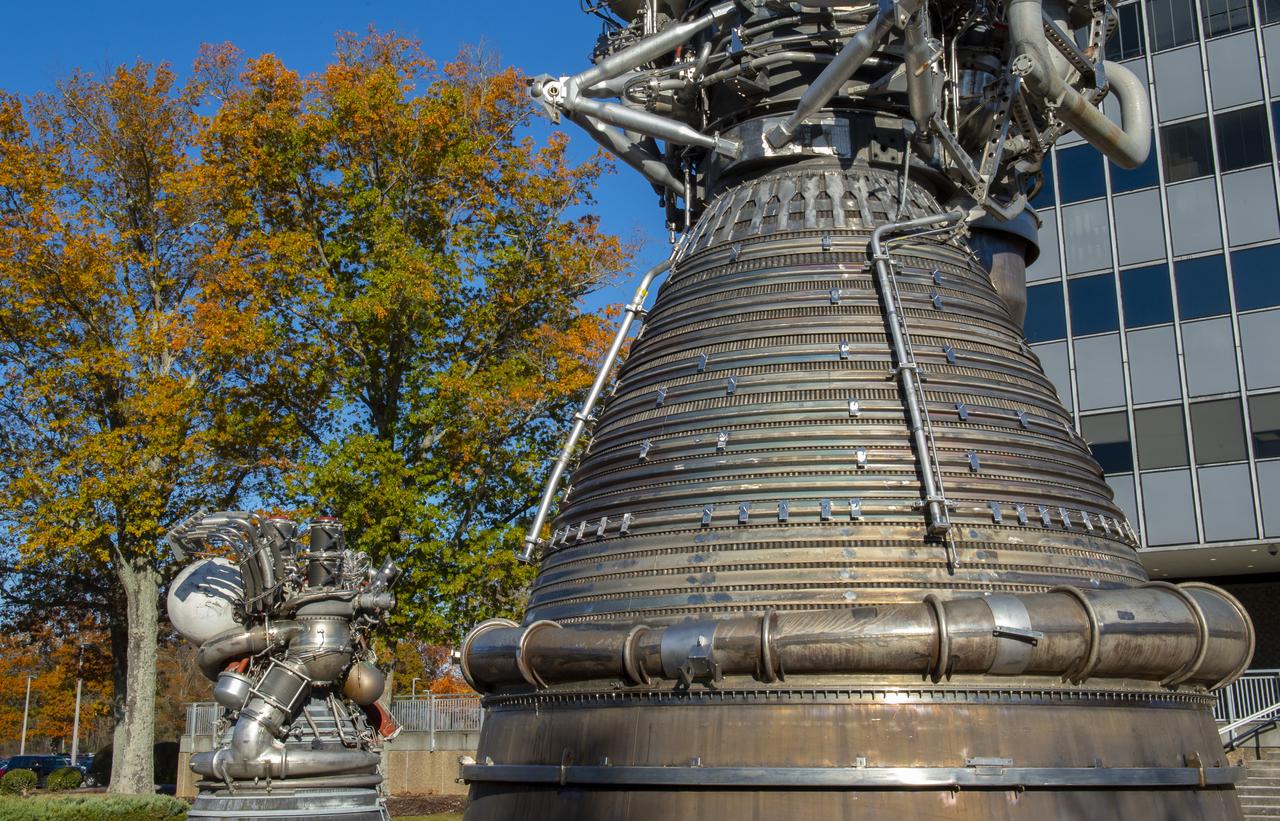
SEASONAL VIEWS, FALL, (NOVEMBER 13, 2019),  OF MSFC BUILDING 4200
SEASONAL VIEWS, FALL, (NOVEMBER 13, 2019), OF MSFC BUILDING 4200
SEASONAL VIEWS, FALL, (NOVEMBER 13, 2019),  OF MSFC BUILDING 4200
SEASONAL VIEWS, FALL, (NOVEMBER 13, 2019), OF MSFC BUILDING 4200
SEASONAL VIEWS, FALL, (NOVEMBER 13, 2019),  OF MSFC BUILDING 4200
SEASONAL VIEWS, FALL, (NOVEMBER 13, 2019), OF MSFC BUILDING 4200
SEASONAL VIEWS, FALL, (NOVEMBER 13, 2019),  OF MSFC BUILDING 4200
SEASONAL VIEWS, FALL, (NOVEMBER 13, 2019), OF MSFC BUILDING 4200
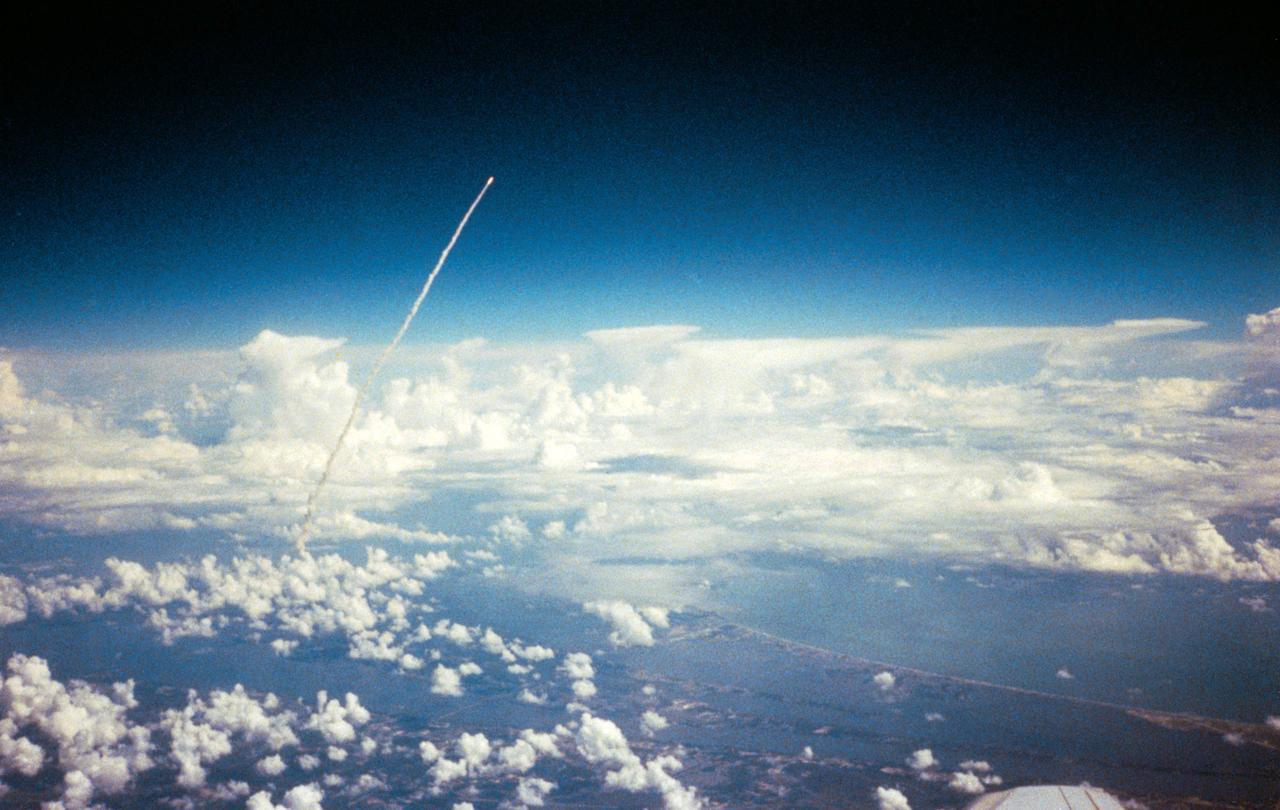
Long range view of an unidentified space shuttle lift off taken from an unidentified high flying aircraft.
Long range view of an unidentified space shuttle lift off taken from an
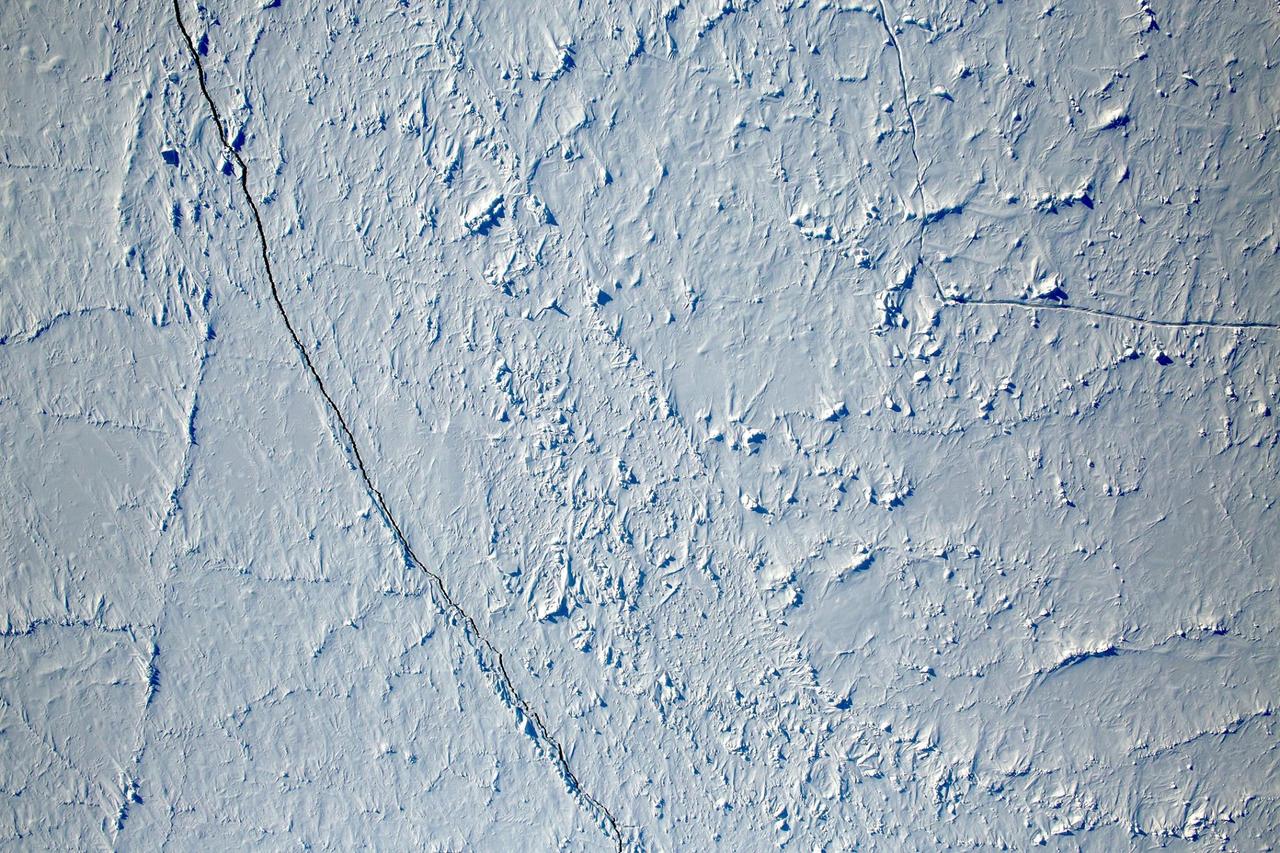
Want to know what the North Pole looked like yesterday afternoon?   Well, our friends from NASA Operation IceBridge brought us this view from 500 meters about the North Pole.  So what are you seeing? That's sea ice, with a few ridges and a bit of snow cover, and with a few small cracks, almost leads in the ice.  Credit: NASA/Goddard/Operation IceBridge/Eric Fraim
View of the North Pole
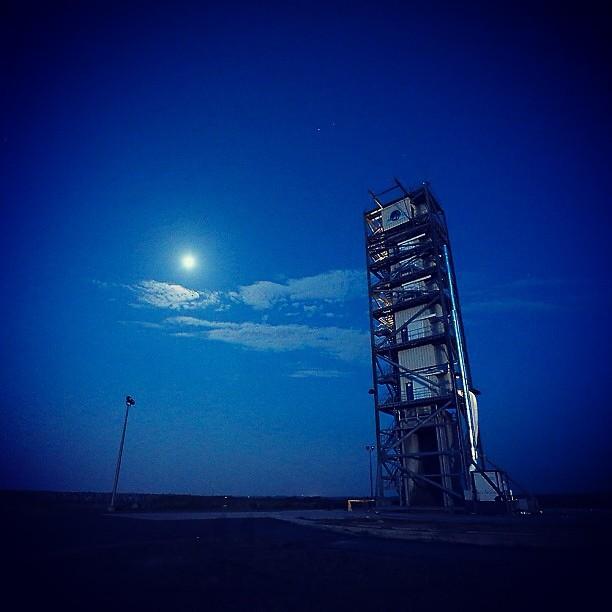
This image shows an evening view gantry at Pad 0B at the Mid-Atlantic Regional Spaceport, at NASA's Wallops Flight Facility in Wallops Island, Va., on Sept. 4, 2013. In this photograph, the gantry surrounds the Minotaur V rocket that will launch NASA LADEE.  The gantry is now removed and the Minotaur is getting ready to launch LADEE at 11:27 p.m. EDT tonight.  Image credit: NASA Wallops/Patrick Black
View of LADEE's Gantry!
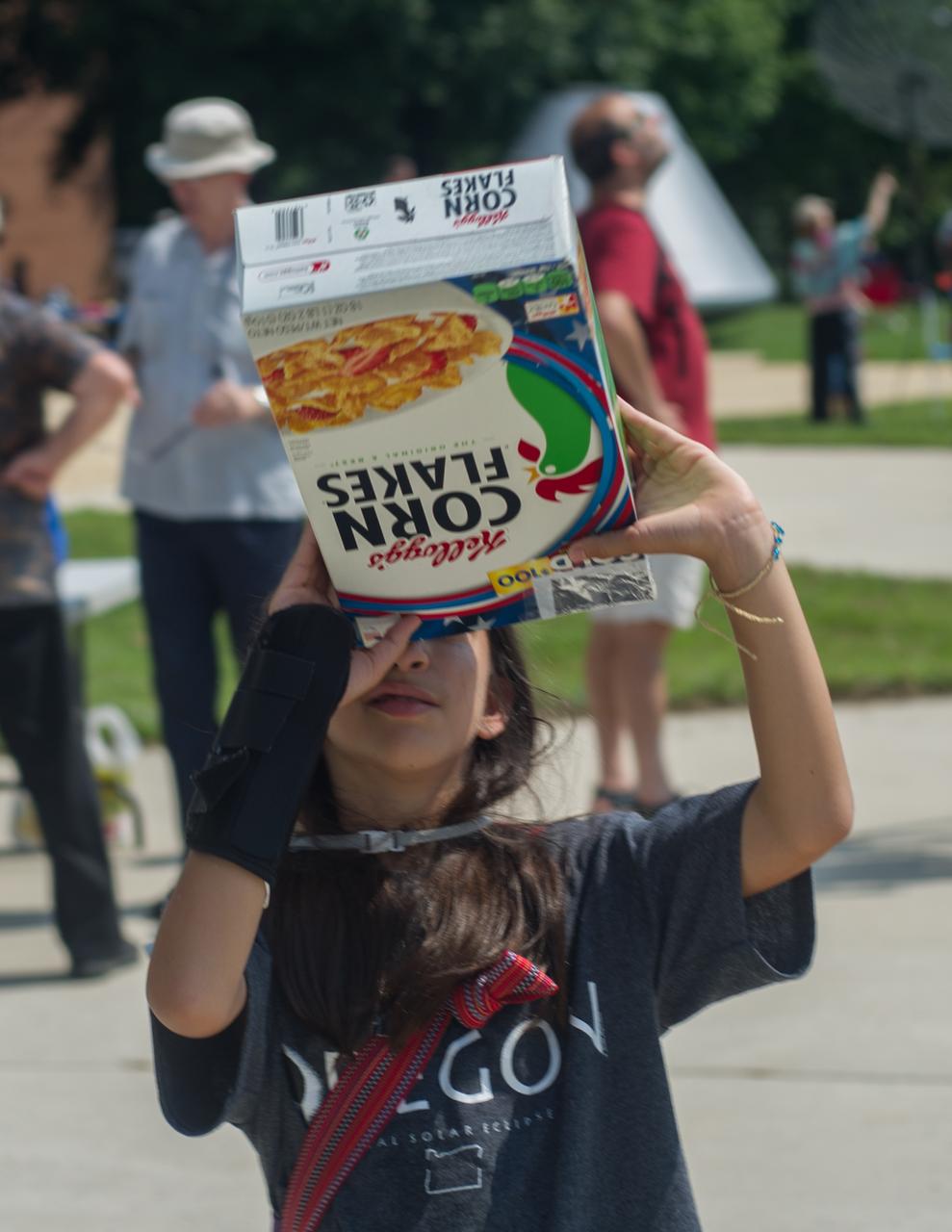
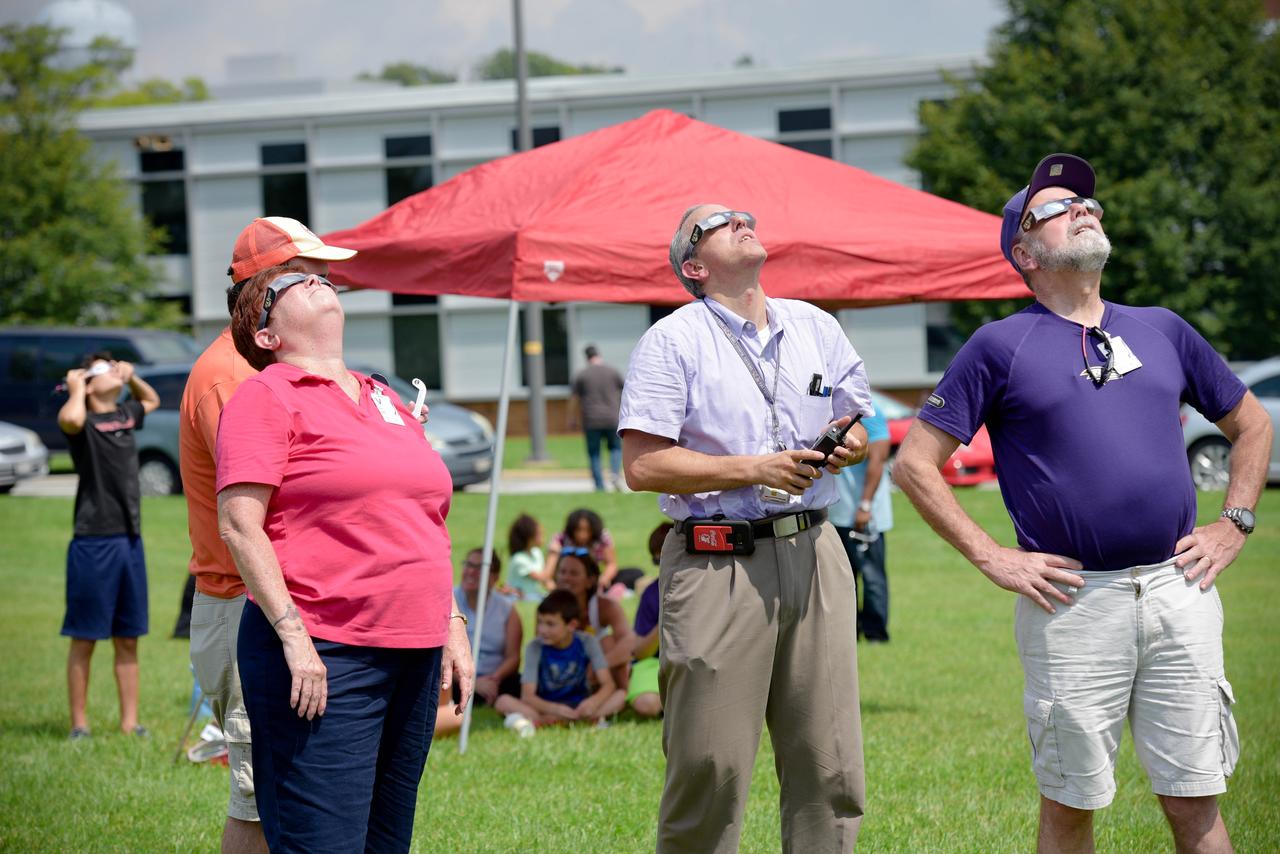
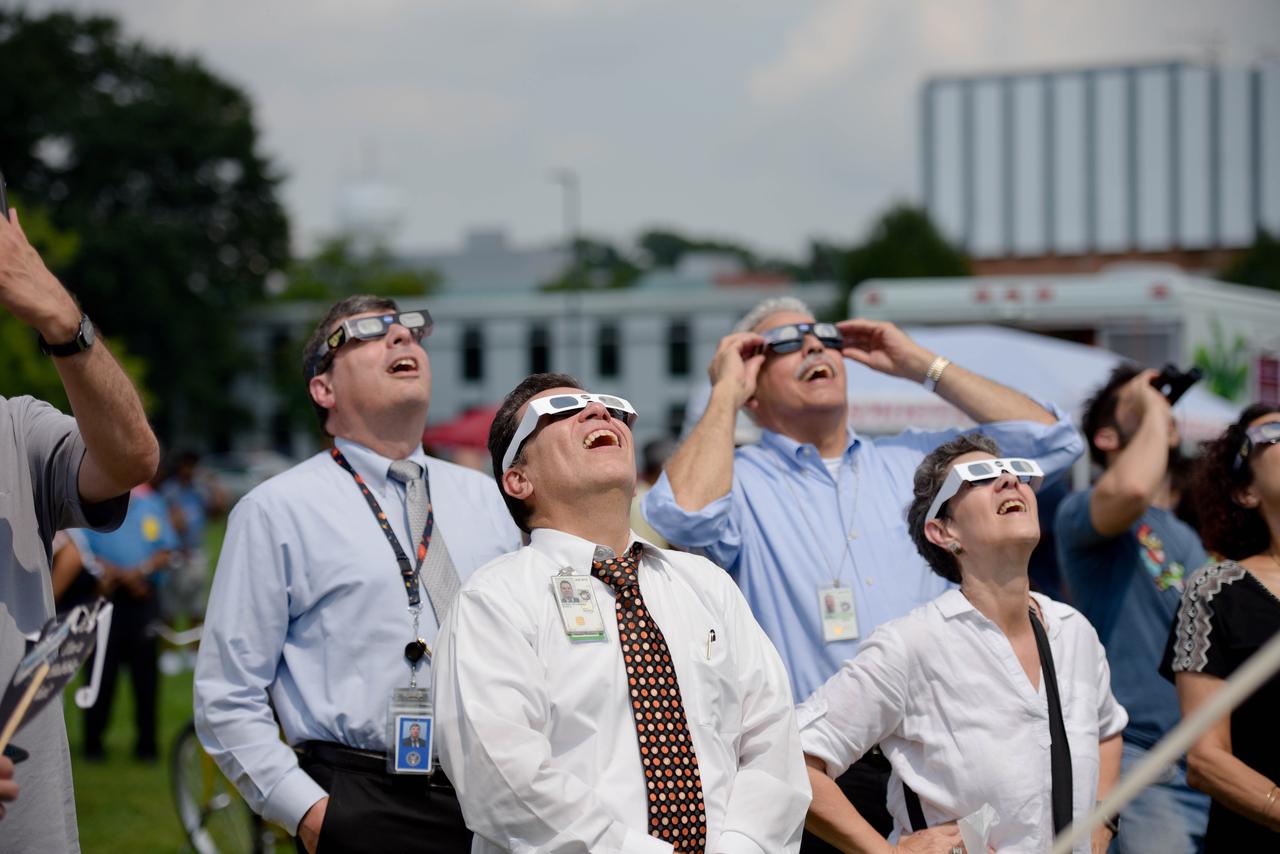
Solar Eclipse viewing at the Goddard Space Gflight Center Visitor Center
Solar Eclipse viewing at the Goddard Space Gflight Center Visito
Solar Eclipse viewing at the Goddard Space Flight Center Mall
Solar Eclipse viewing at the Goddard Space Gflight Center Visitor Center
Solar Eclipse viewing at the Goddard Space Gflight Center Visito
Solar Eclipse viewing at the Goddard Space Flight Center Mall
NASA image release July 3, 2012  Caption: Resembling a Fourth of July skyrocket, Herbig-Haro 110 is a geyser of hot gas from a newborn star that splashes up against and ricochets off the dense core of a cloud of molecular hydrogen. Although the plumes of gas look like whiffs of smoke, they are actually billions of times less dense than the smoke from a July 4 firework. This Hubble Space Telescope photo shows the integrated light from plumes, which are light-years across.  -- Herbig-Haro (HH) objects come in a wide array of shapes, but the basic configuration stays the same. Twin jets of heated gas, ejected in opposite directions away from a forming star, stream through interstellar space. Astronomers suspect that these outflows are fueled by gas accreting onto a young star surrounded by a disk of dust and gas. The disk is the &quot;fuel tank,&quot; the star is the gravitational engine, and the jets are the exhaust.  When these energetic jets slam into colder gas, the collision plays out like a traffic jam on the interstate. Gas within the shock front slows to a crawl, but more gas continues to pile up as the jet keeps slamming into the shock from behind. Temperatures climb sharply, and this curving, flared region starts to glow. These &quot;bow shocks&quot; are so named because they resemble the waves that form at the front of a boat.  In the case of the single HH 110 jet, astronomers observe a spectacular and unusual permutation on this basic model. Careful study has repeatedly failed to find the source star driving HH 110, and there may be good reason for this: perhaps the HH 110 outflow is itself generated by another jet.  Astronomers now believe that the nearby HH 270 jet grazes an immovable obstacle - a much denser, colder cloud core - and gets diverted off at about a 60-degree angle. The jet goes dark and then reemerges, having reinvented itself as HH 110.  The jet shows that these energetic flows are like the erratic outbursts from a Roman candle. As fast-moving blobs of gas catch up and collide with slower blobs, new shocks arise along the jet's interior. The light emitted from excited gas in these hot blue ridges marks the boundaries of these interior collisions. By measuring the current velocity and positions of different blobs and hot ridges along the chain within the jet, astronomers can effectively &quot;rewind&quot; the outflow, extrapolating the blobs back to the moment when they were emitted. This technique can be used to gain insight into the source star's history of mass accretion.  This image is a composite of data taken with Hubble's Advanced Camera for Surveys in 2004 and 2005 and the Wide Field Camera 3 in April 2011.  Credit: NASA, ESA, and the Hubble Heritage Team (STScI/AURA)   <b><a href="http://www.nasa.gov/audience/formedia/features/MP_Photo_Guidelines.html" rel="nofollow">NASA image use policy.</a></b>  <b><a href="http://www.nasa.gov/centers/goddard/home/index.html" rel="nofollow">NASA Goddard Space Flight Center</a></b> enables NASA’s mission through four scientific endeavors: Earth Science, Heliophysics, Solar System Exploration, and Astrophysics. Goddard plays a leading role in NASA’s accomplishments by contributing compelling scientific knowledge to advance the Agency’s mission.  <b>Follow us on <a href="http://twitter.com/NASA_GoddardPix" rel="nofollow">Twitter</a></b>  <b>Like us on <a href="http://www.facebook.com/pages/Greenbelt-MD/NASA-Goddard/395013845897?ref=tsd" rel="nofollow">Facebook</a></b>  <b>Find us on <a href="http://instagrid.me/nasagoddard/?vm=grid" rel="nofollow">Instagram</a></b>
Hubble Views a Cosmic Skyrocket
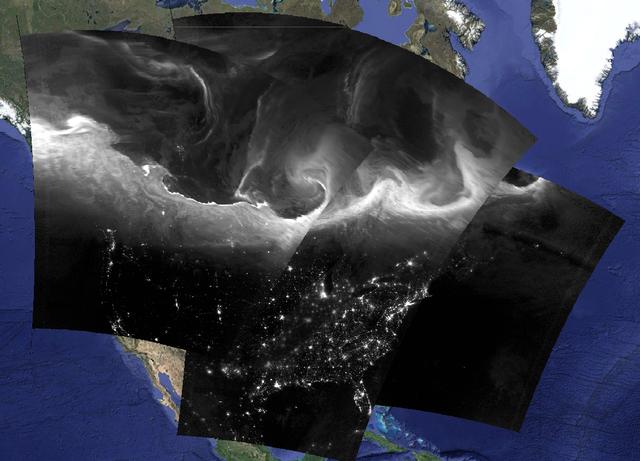
This is a composite image of Suomi NPP VIIRS Day/Night Band images show the bright and complex signature of the aurora borealis across southern Canada and the northern United States during the nighttime hours of September 8, 2015.  Credit: NASA/Goddard/Suomi NPP/VIIRS/SSEC-RealEarth  <b><a href="http://www.nasa.gov/audience/formedia/features/MP_Photo_Guidelines.html" rel="nofollow">NASA image use policy.</a></b>  <b><a href="http://www.nasa.gov/centers/goddard/home/index.html" rel="nofollow">NASA Goddard Space Flight Center</a></b> enables NASA’s mission through four scientific endeavors: Earth Science, Heliophysics, Solar System Exploration, and Astrophysics. Goddard plays a leading role in NASA’s accomplishments by contributing compelling scientific knowledge to advance the Agency’s mission.  <b>Follow us on <a href="http://twitter.com/NASAGoddardPix" rel="nofollow">Twitter</a></b>  <b>Like us on <a href="http://www.facebook.com/pages/Greenbelt-MD/NASA-Goddard/395013845897?ref=tsd" rel="nofollow">Facebook</a></b>  <b>Find us on <a href="http://instagrid.me/nasagoddard/?vm=grid" rel="nofollow">Instagram</a></b>
Nighttime View of Aurora Borealis
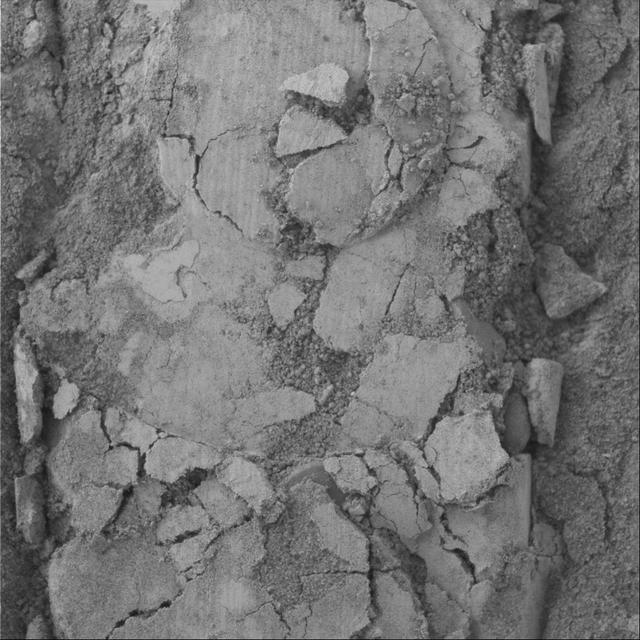
Closeup View of Compacted Soil
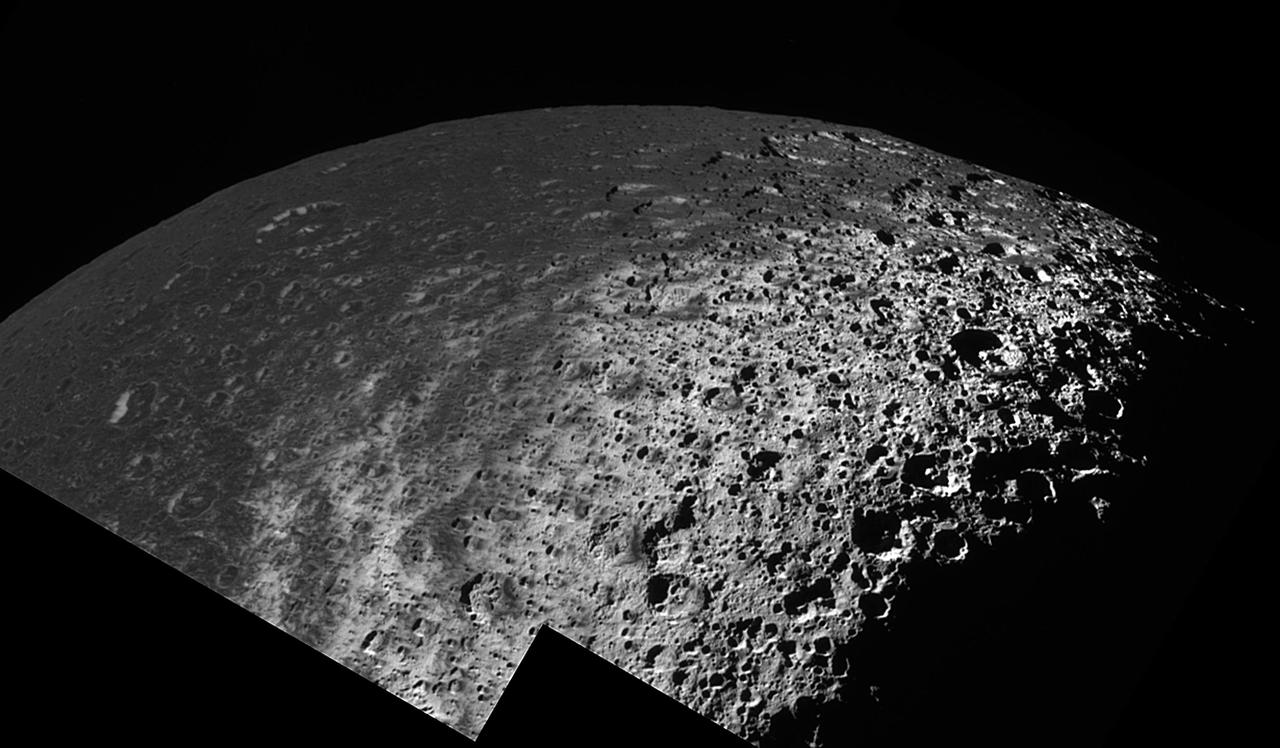
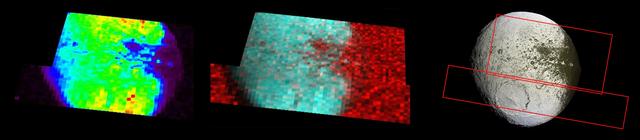
Iapetus: A View from the Top
A View from Afar
A View from Afar
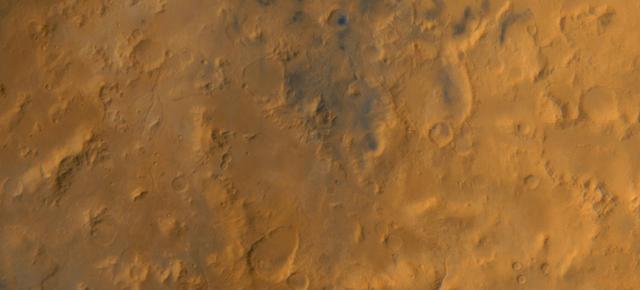
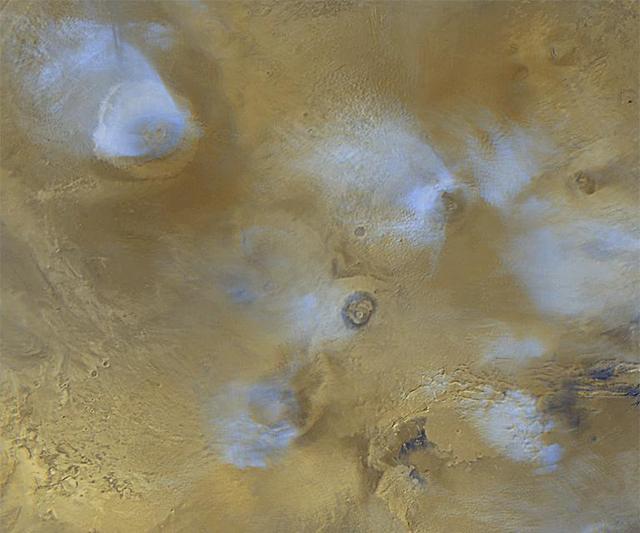
MGS Views of Labyrinthus Noctis
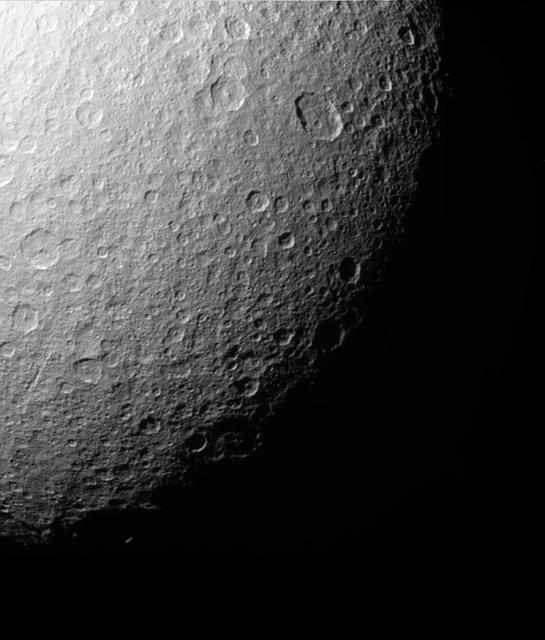
Rhea: Polar View
Rhea: Polar View
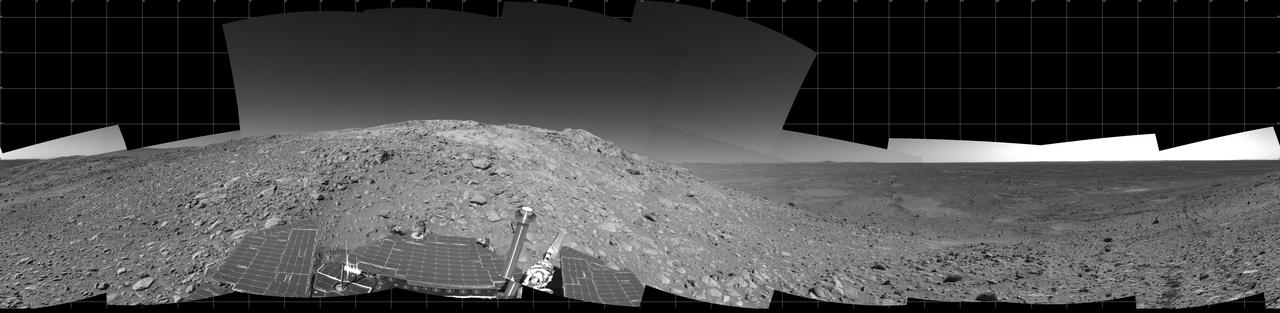
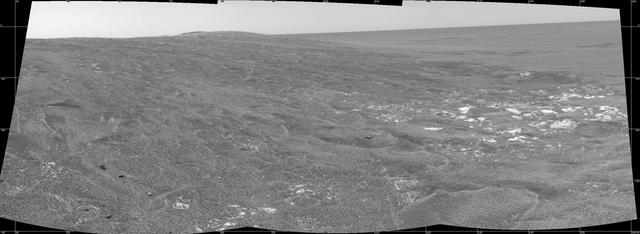
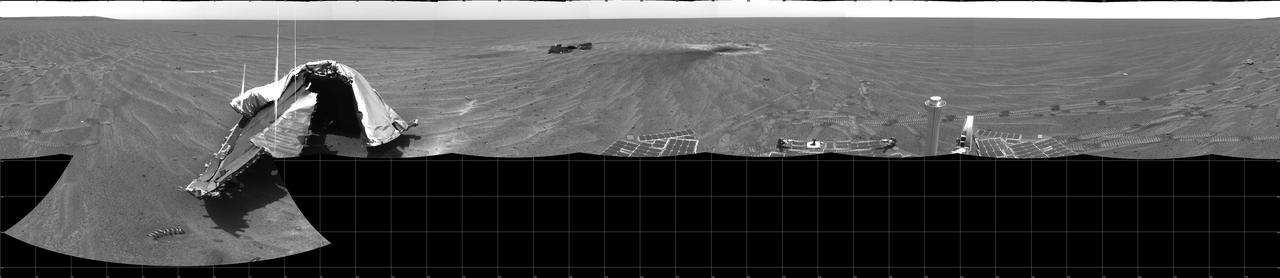
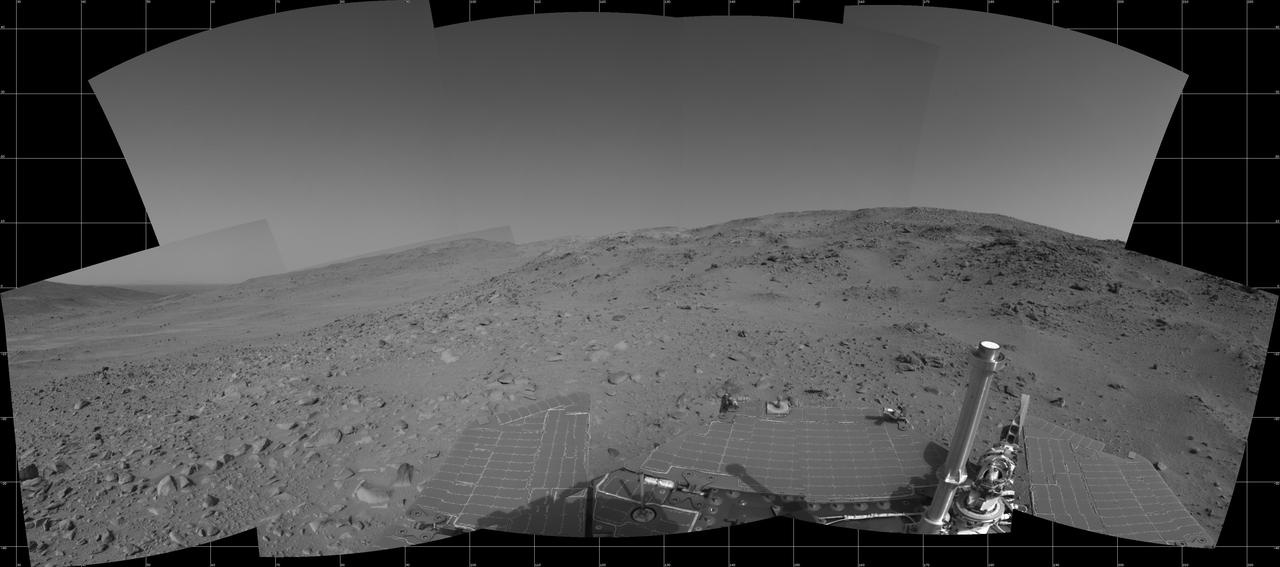
Spirit View on Sol 147
Lunar Eclipse, as Viewed by MESSENGER!
The View from Down Under
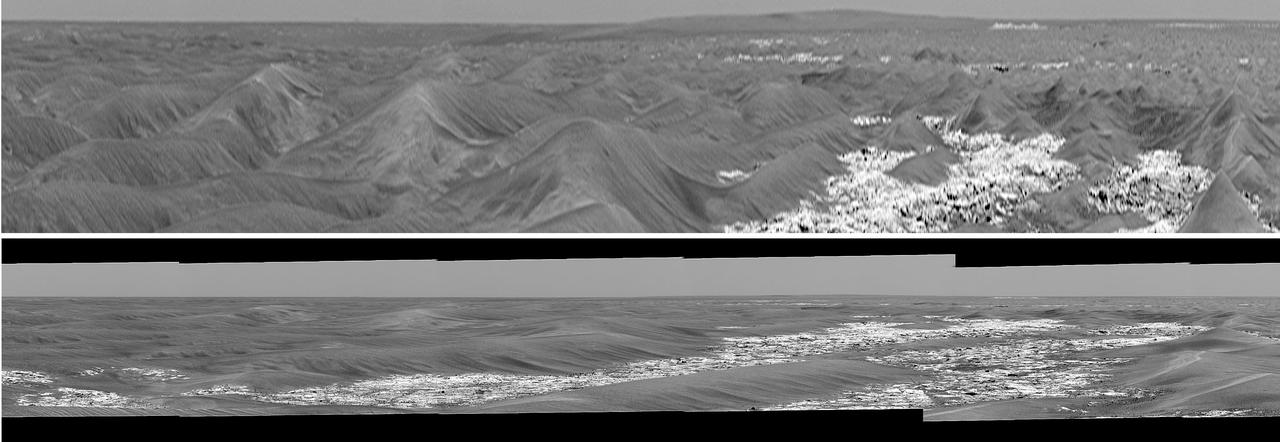
Opportunity View on Sol 347Vertical
Titan Viewed by Cassini Radar
Titan Crescent View
Titan Crescent View
Opportunity View on Sol 397
Spirit View on Sol 110
MGS Views of Labyrinthus Noctis
Two Galileo Views of Thebe
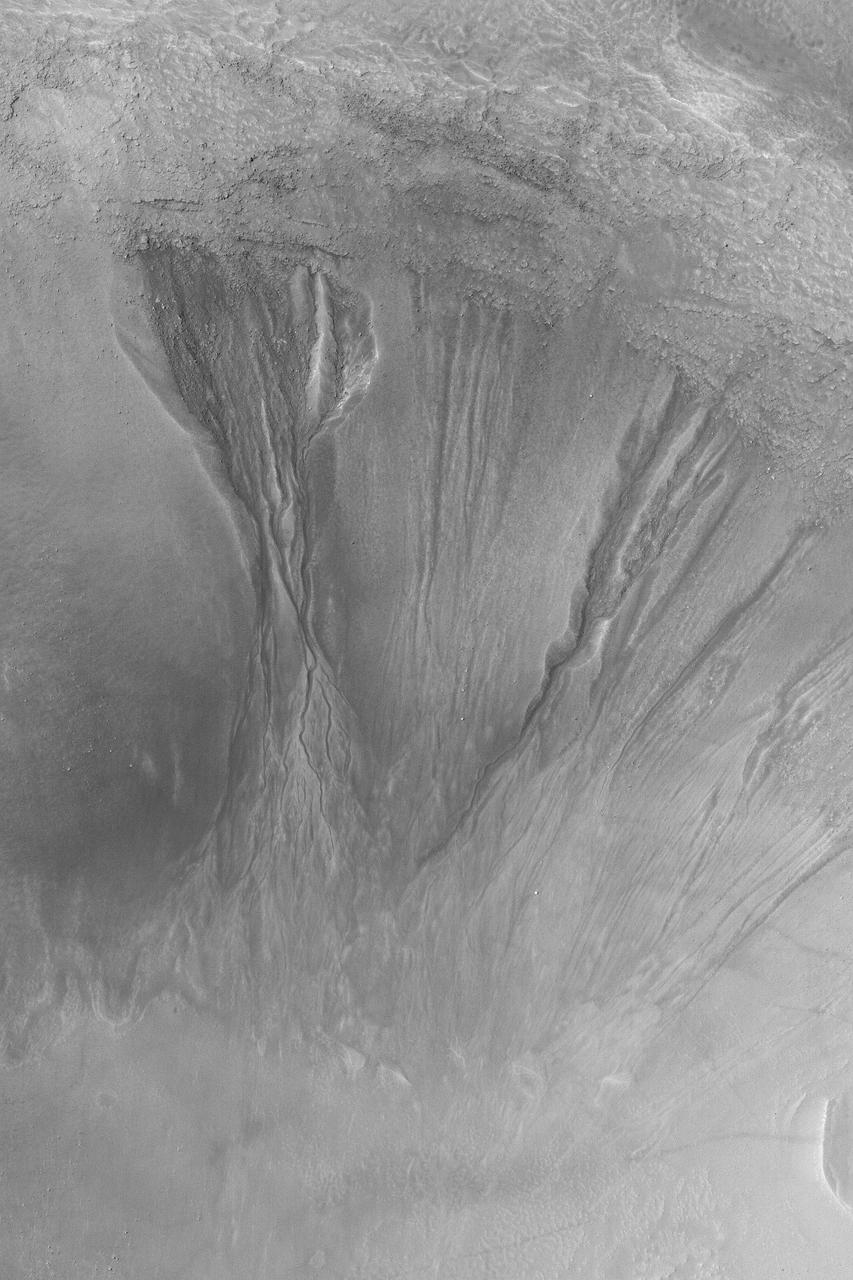
High-resolution View of Gullies
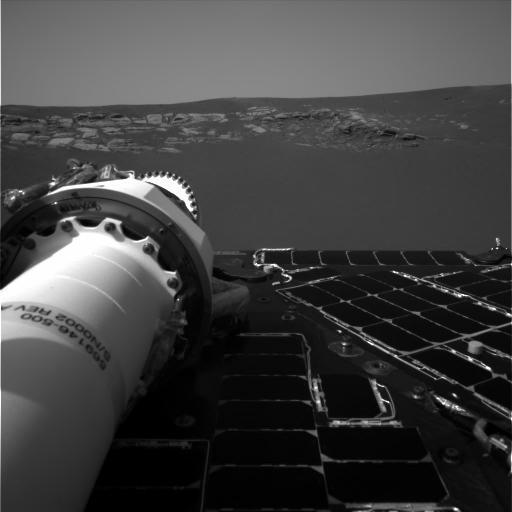
View in Front of Spirit
A View of Saturn B-ring
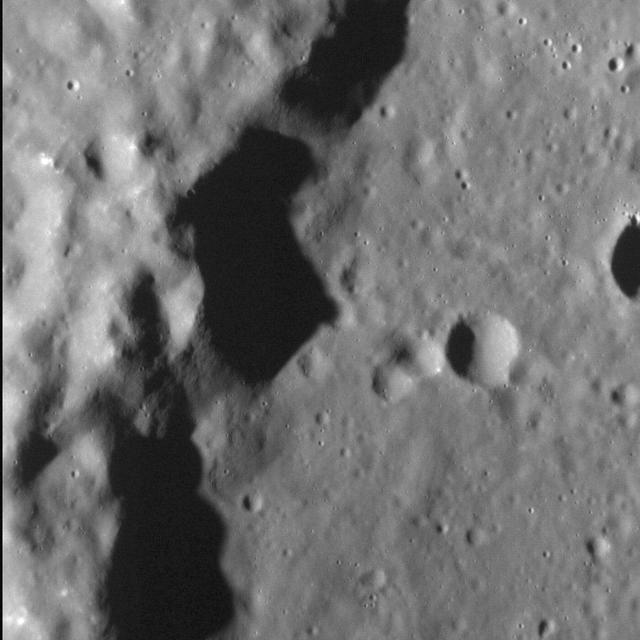
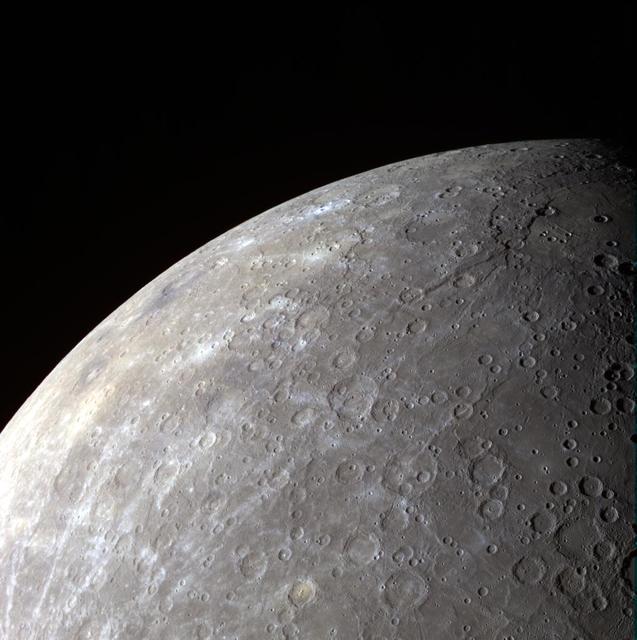
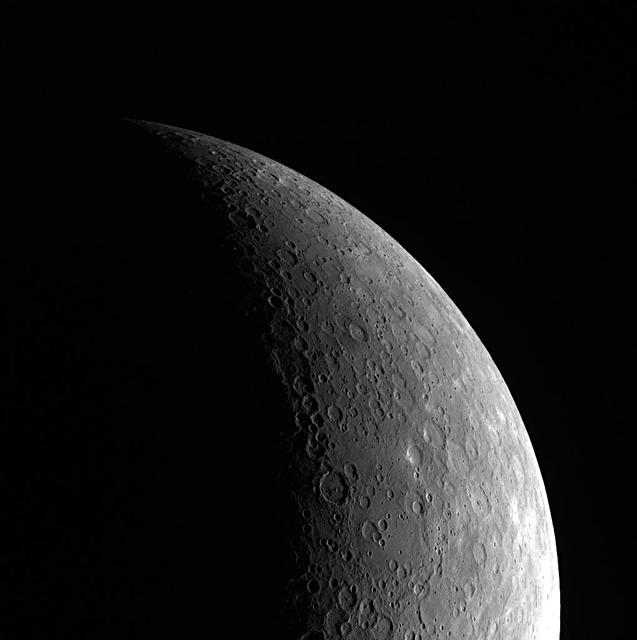
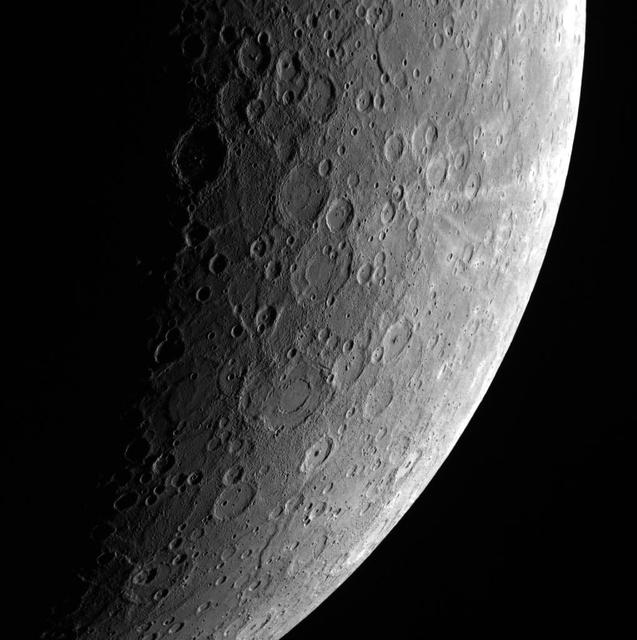
Crescent View of Mercury
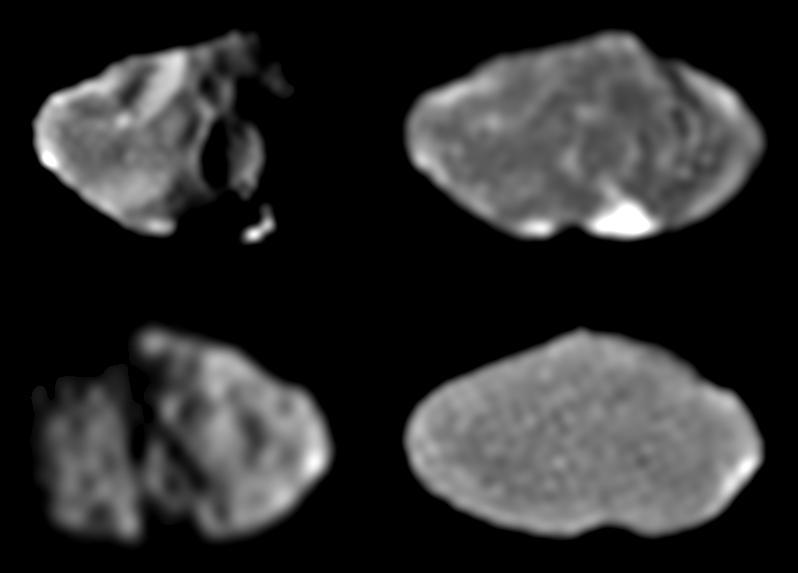
Four Galileo Views of Amalthea
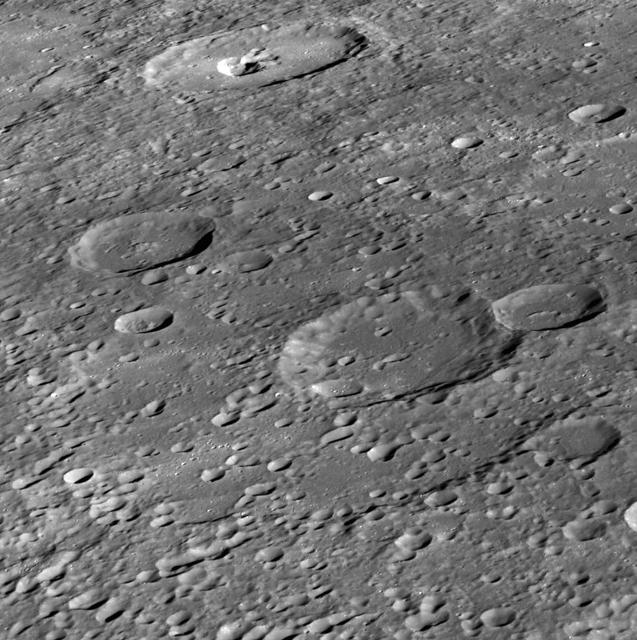
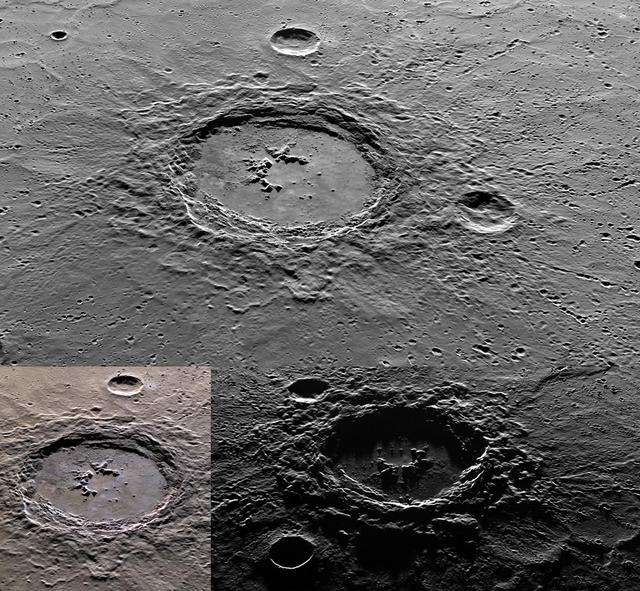
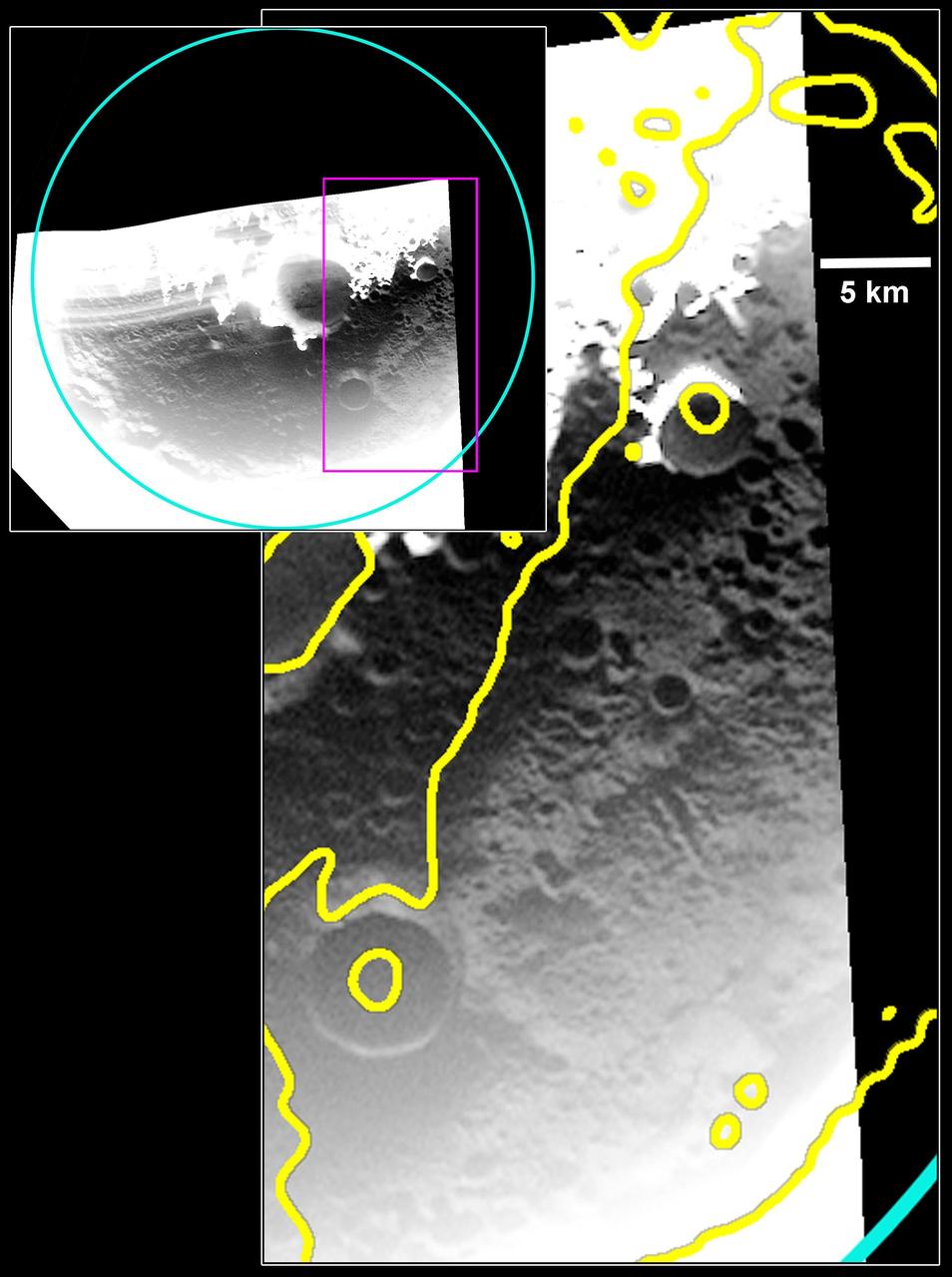
One View, Two Craters
Europa - Ice Rafting View
Aureum Chaos: Another View
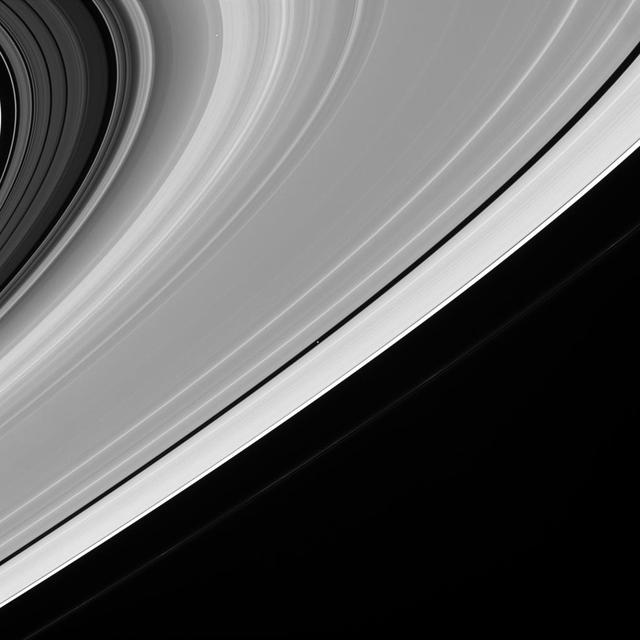
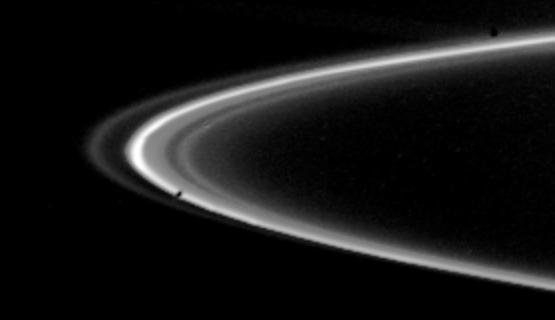
Four Views of the F Ring
Spirit View on Sol 142
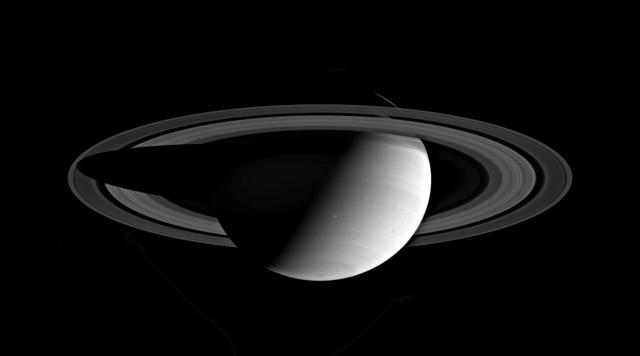
Saturn in Full View
Saturn in Full View
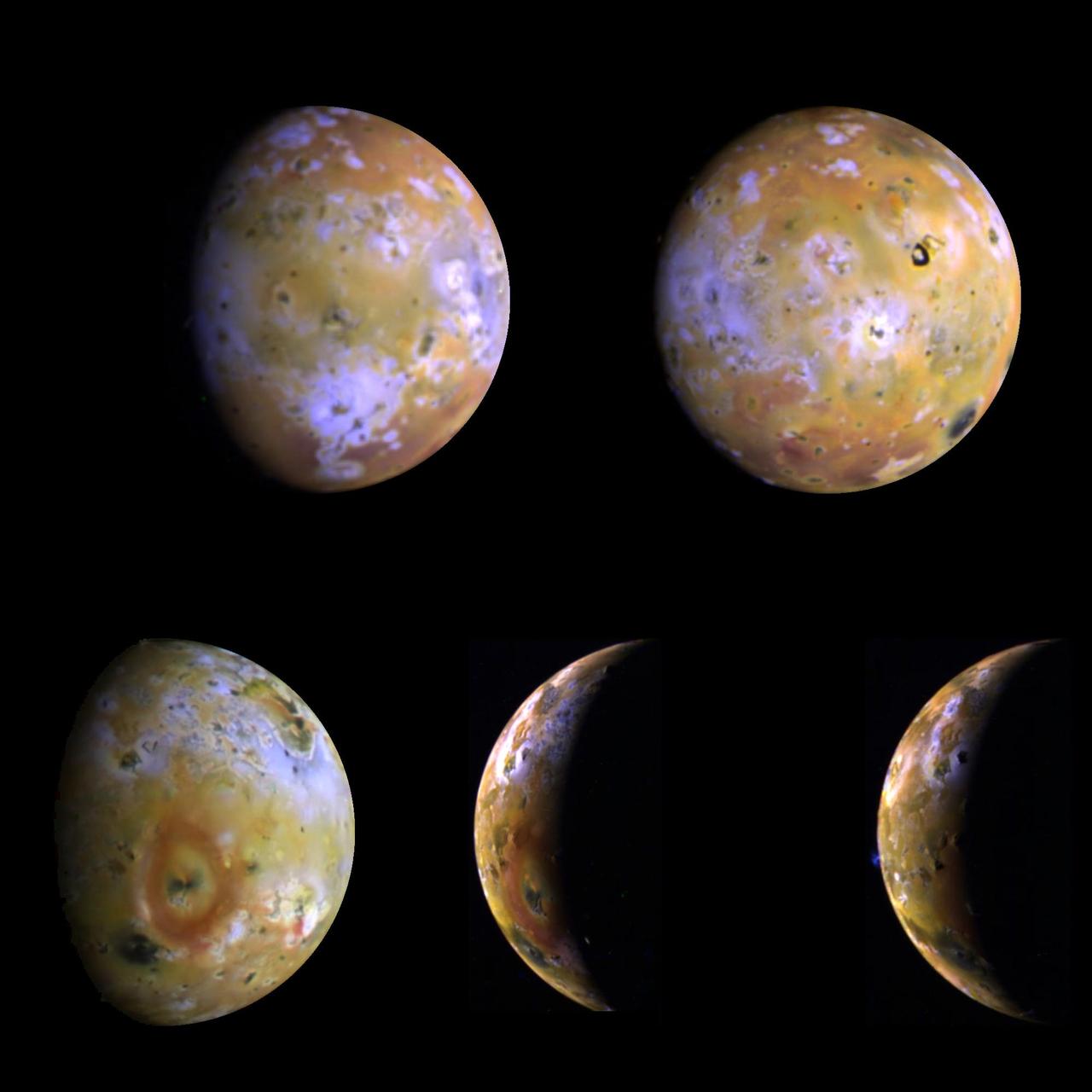
Five Color Views of Io
A View of Opportunity Dance Moves
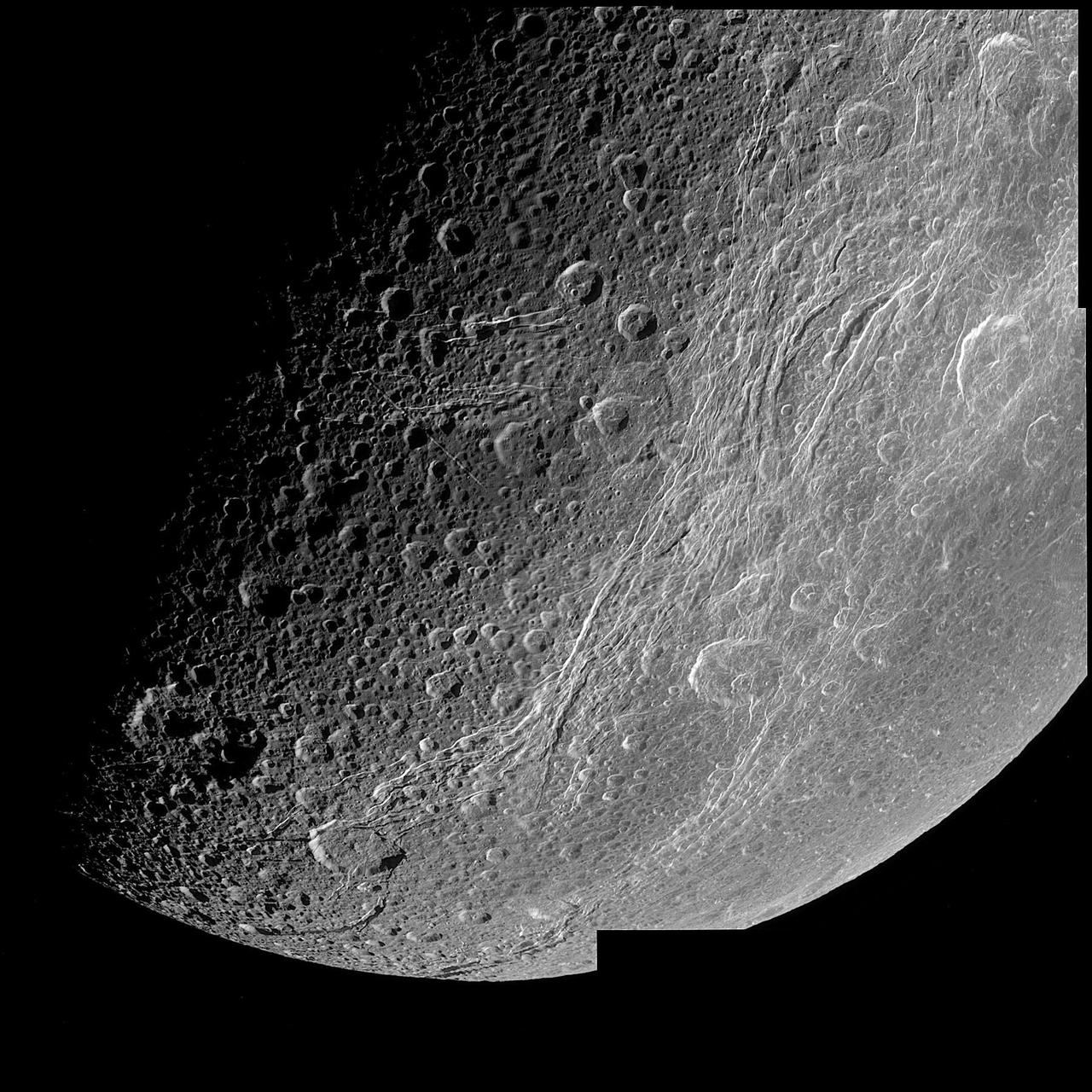
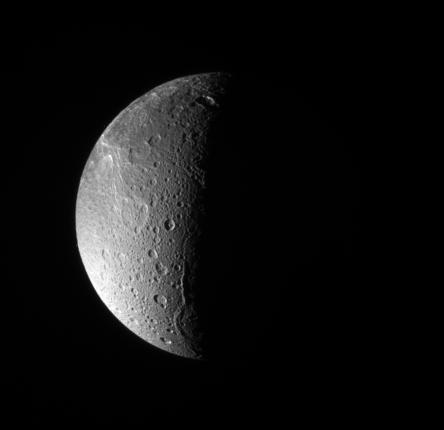
Dione: North Polar View
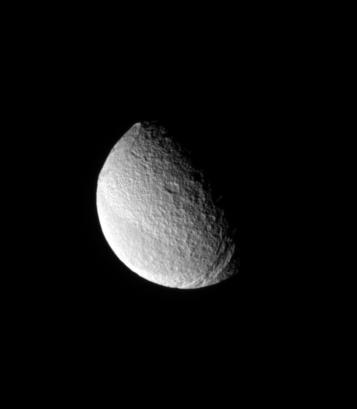
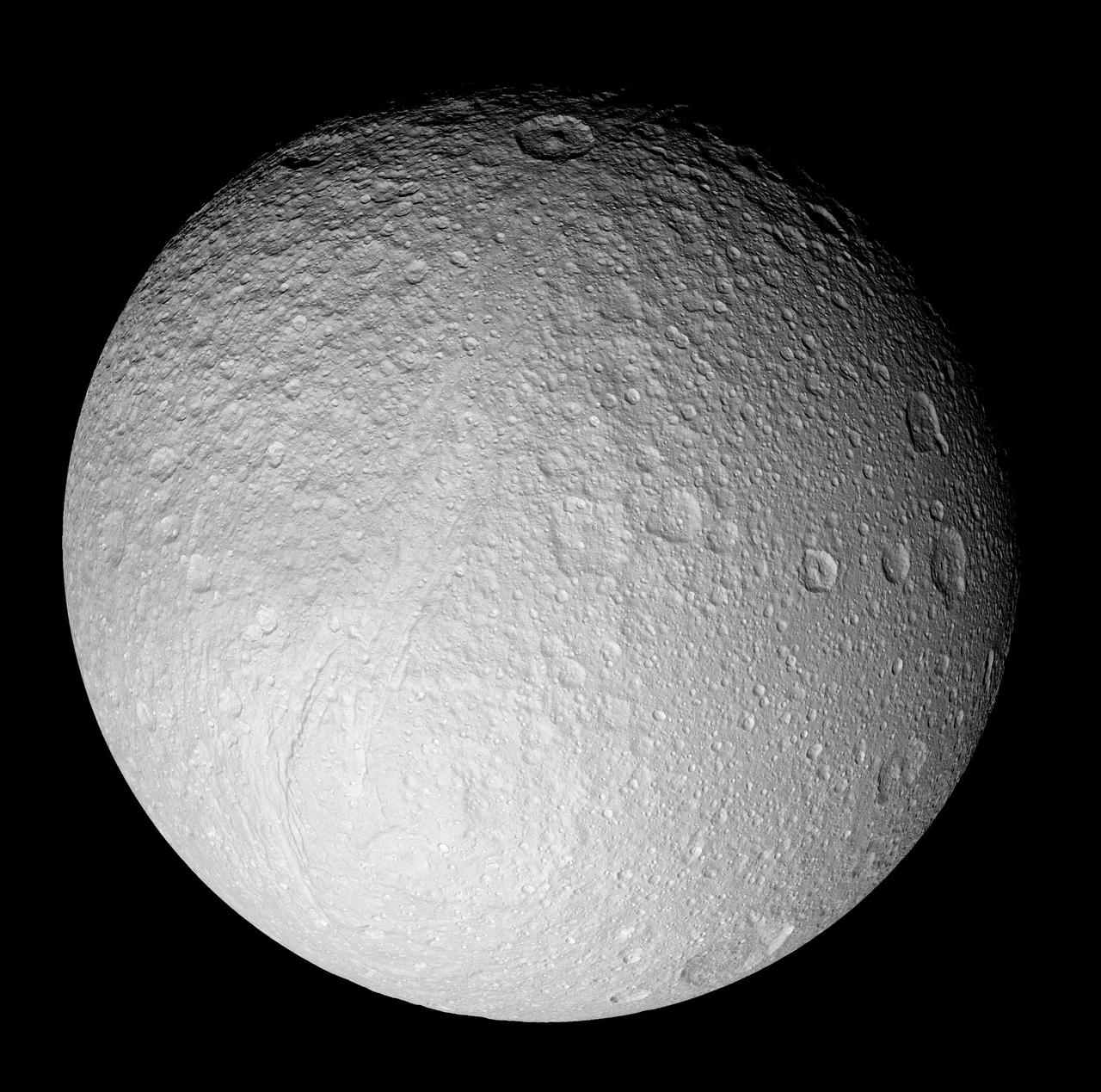
Tethys in Full View
Tethys in Full View
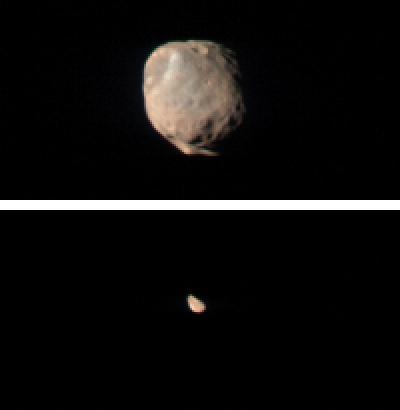
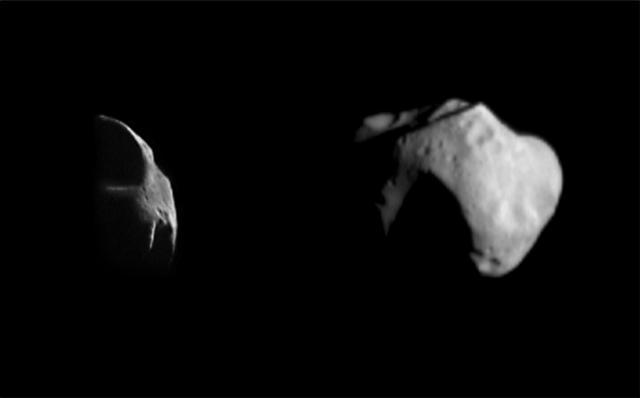
CRISM Views Phobos and Deimos
Meridiani Planum in View
Opportunity View on Sol 398
Columbia Hills Oblique View
Stereographic View of Titan Surface
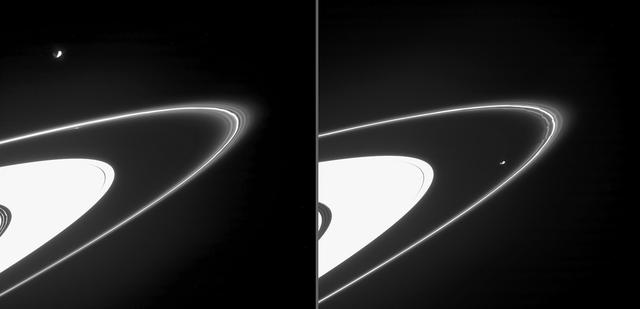
Two F Ring Views
Two F Ring Views
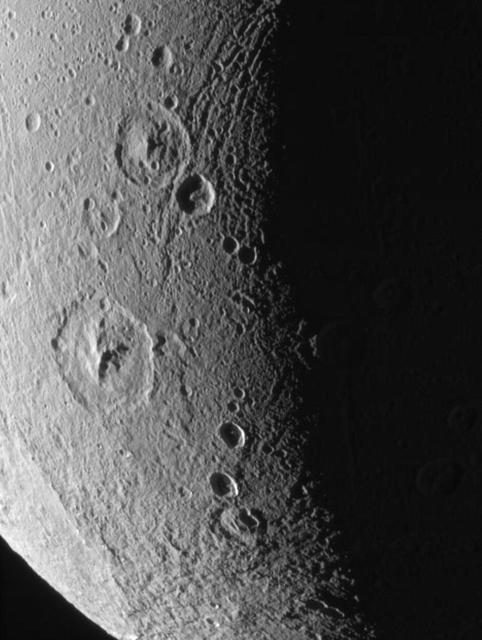
Dione: Magnified View
Spirit View on Sol 107
Three Views of Hokusai
A View into To Ngoc Van
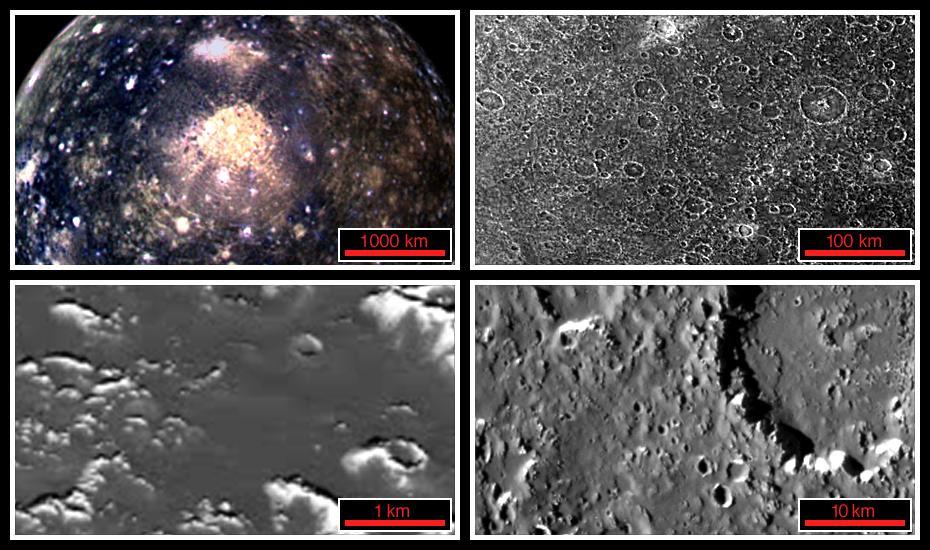
Regional View of Ganymede
Global View of Mars Topography
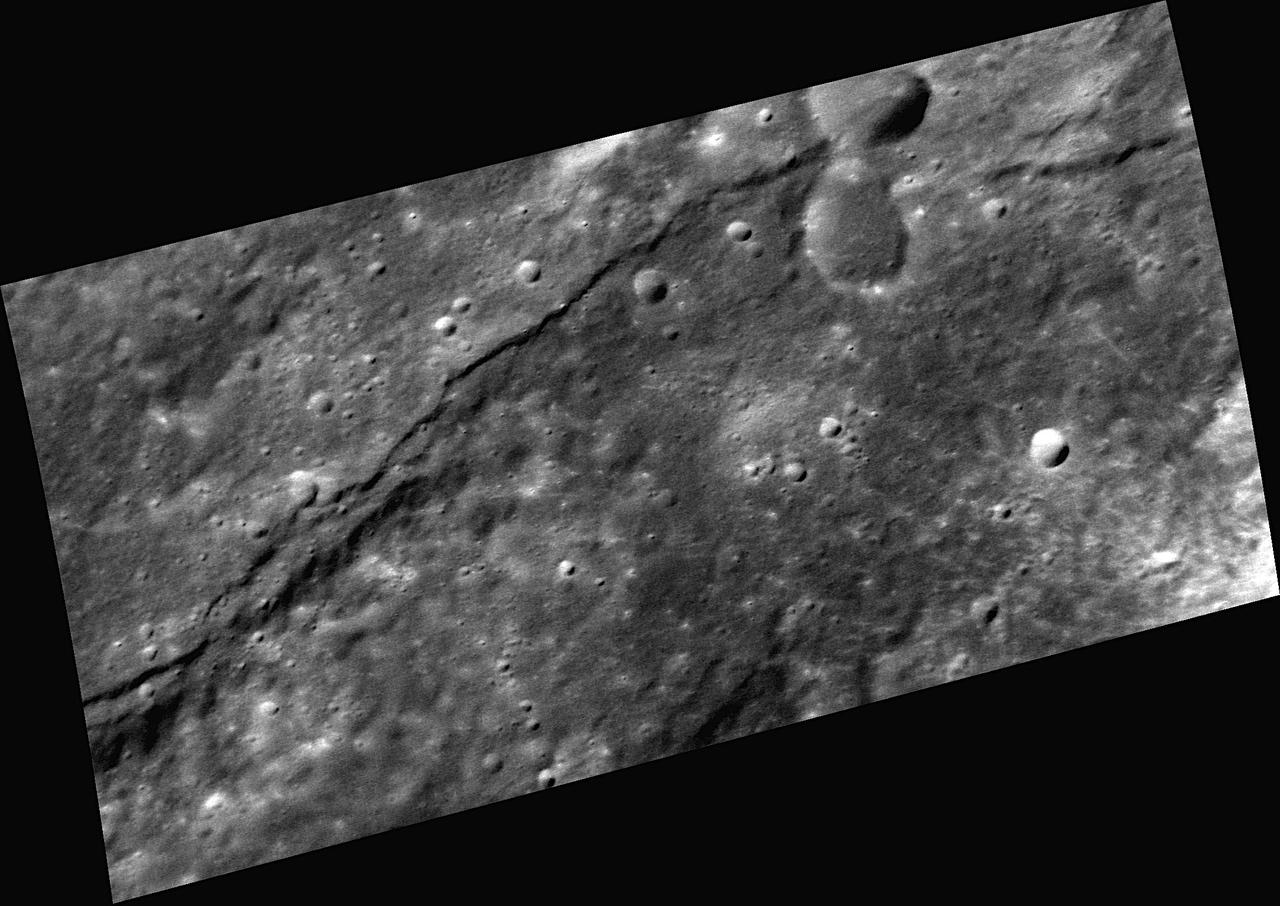
New Views of Lunar Pits
Opportunity View on Sol 354
Spirit View on Sol 148
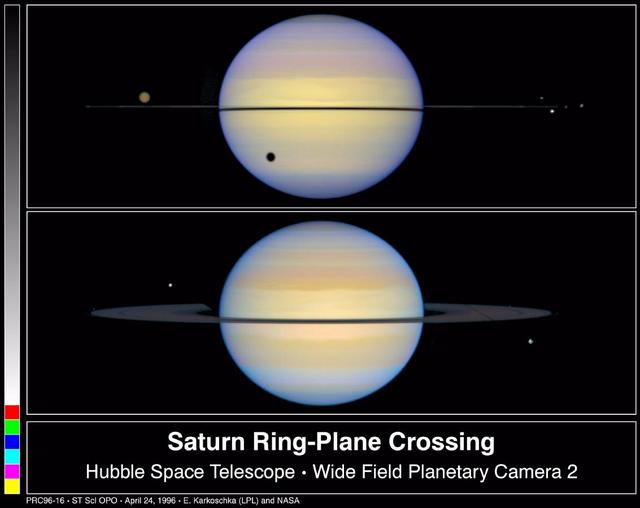
Edge-on View of Saturn Rings
Spirit View on Sol 399
Dione in Full View
Dione in Full View
Peace Rock Viewed by Spirit
Hubble Sharpest View Of Mars
Color View of the Saddle
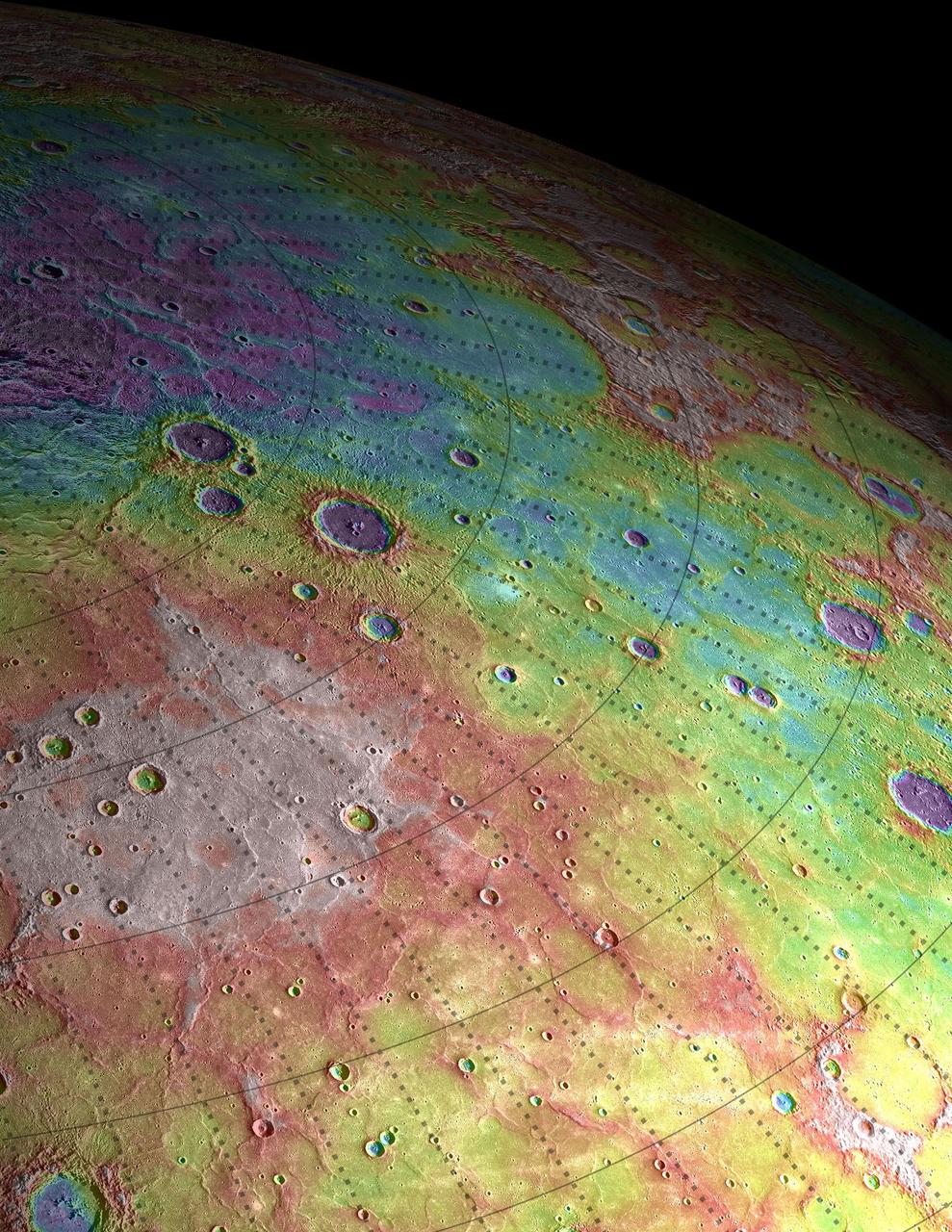
Perspective View of Mercury Topography
Alice Views Jupiter and Io
Saturn View of Titan
Opportunity View on Sol 347
Titan Viewed by Cassini Radar
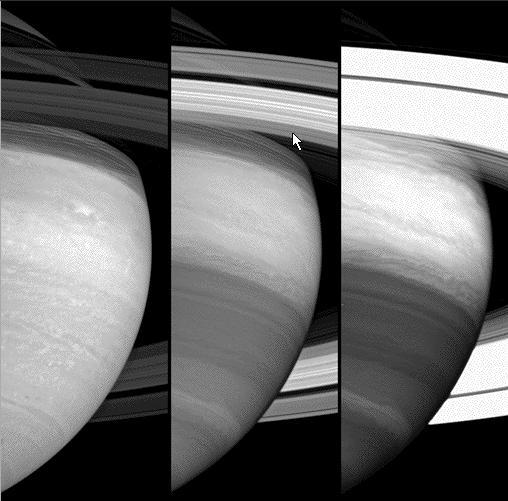
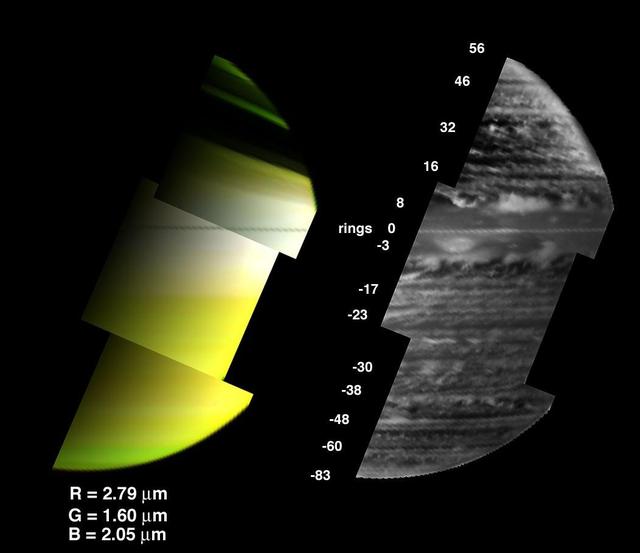
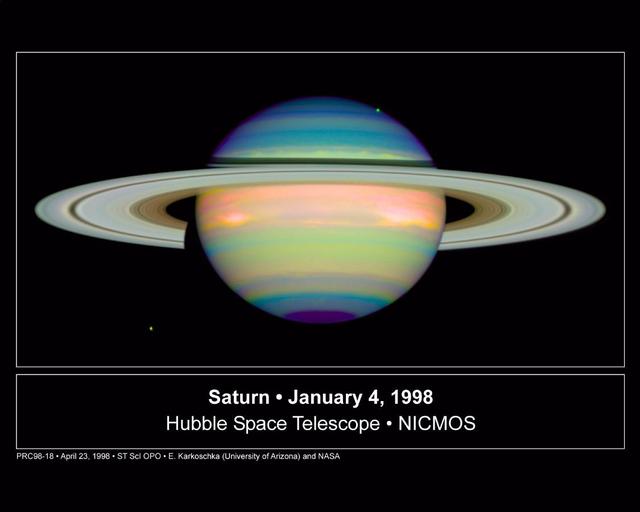
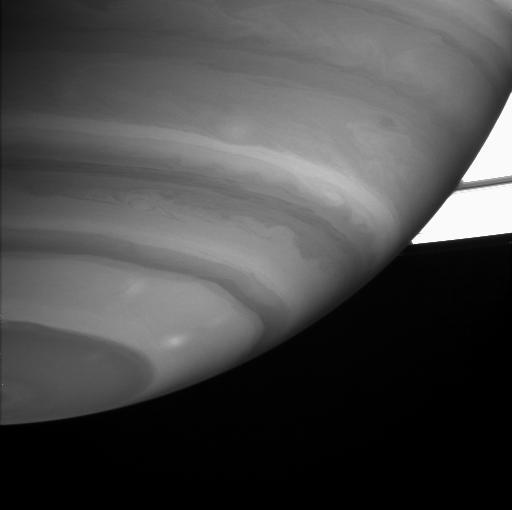
An Infrared View of Saturn
The View from Low Orbit
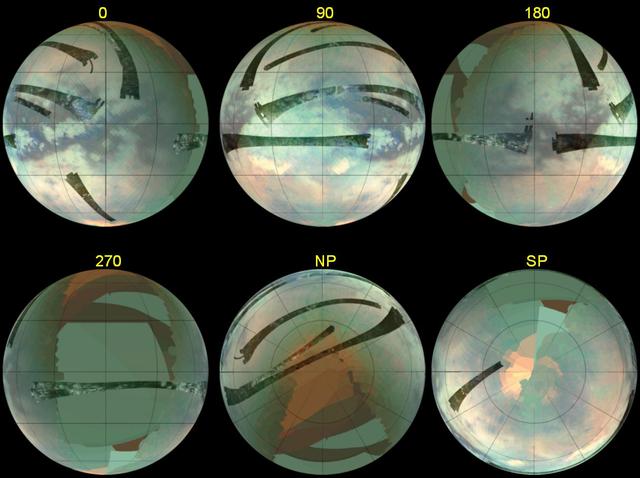
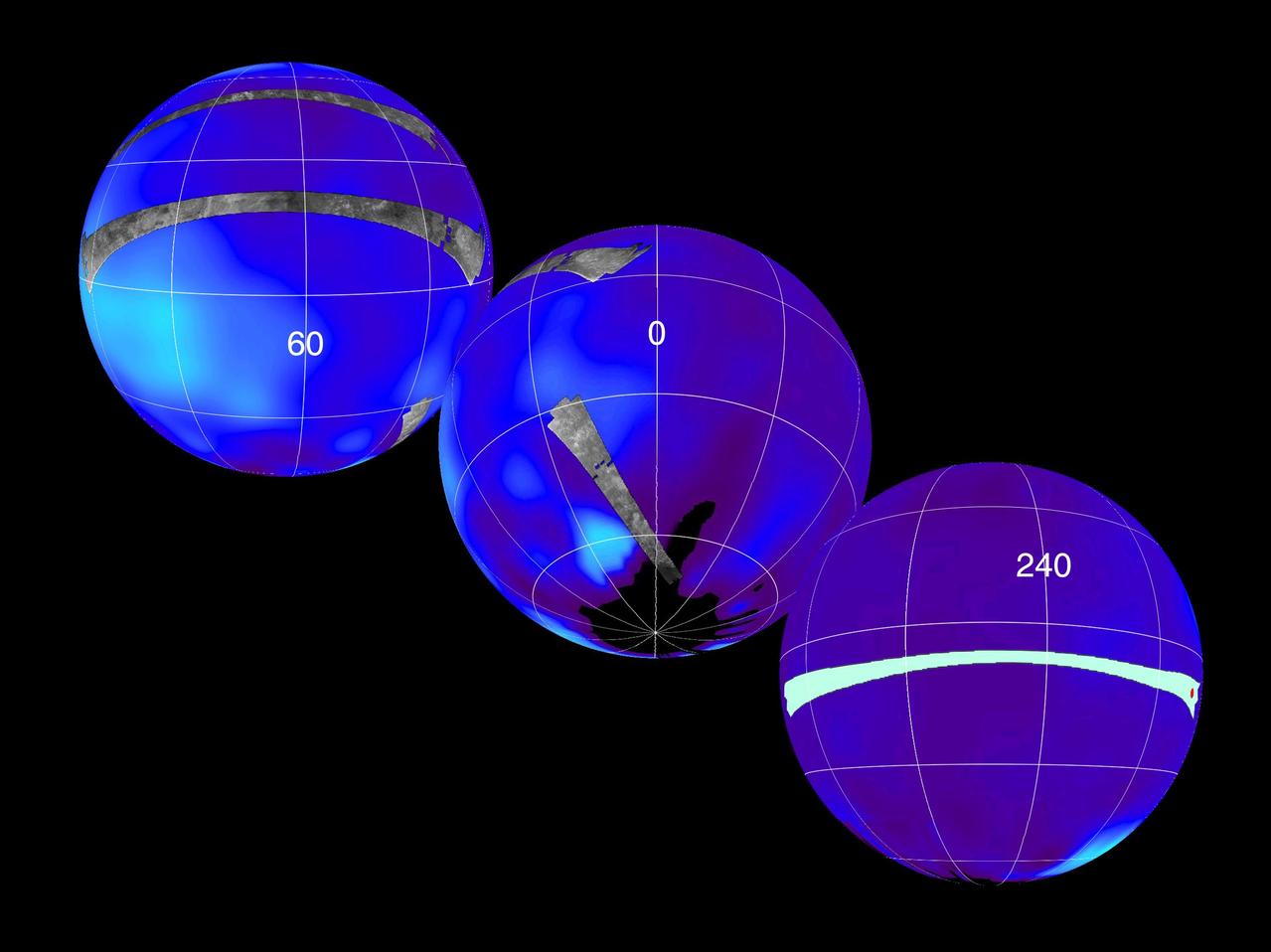
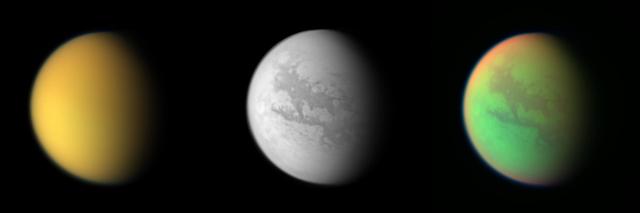
Infrared and Radar Views of Titan
A Regional View of the Libya Montes