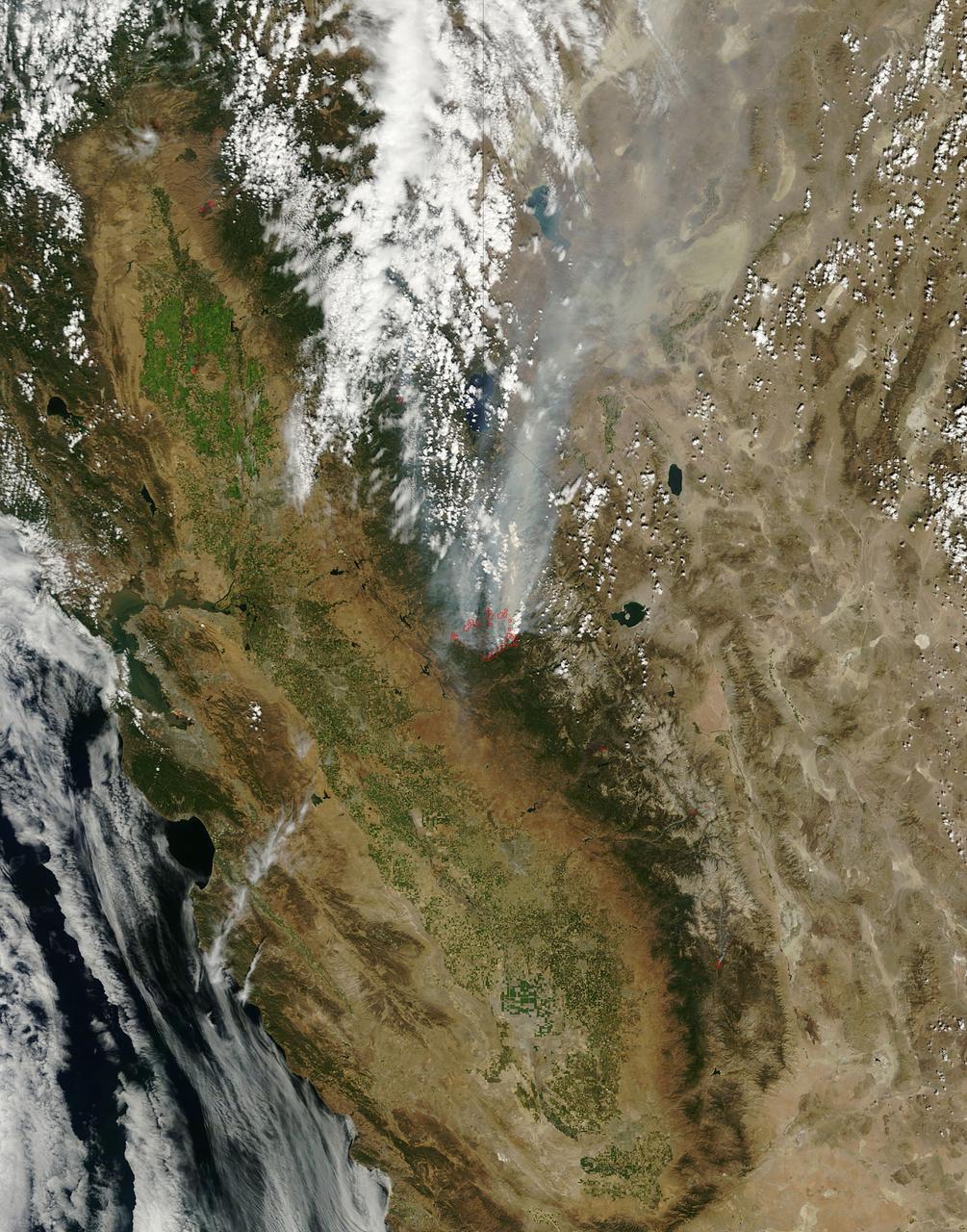
On August 25, 2013, the Moderate Resolution Imaging Spectroradiometer (MODIS) on NASA’s Terra satellite acquired this image of the drought-fueled Rim fire burning in central California, near Yosemite National Park. Red outlines indicate hot spots where MODIS detected unusually warm surface temperatures associated with fires. Winds blew a thick smoke plume toward the northeast. A smaller fire—American fire—burned to the north. Started on August 17, 2013, the fast-moving fire had already charred more than 100,000 acres (40,000 hectares) by August 23, despite the efforts of more than 2,000 firefighters. Hundreds of people were forced to evacuate their homes, and roads in the area were closed. As of August 23, no structures had been reported destroyed, but the fire threatened the towns of Groveland and Pine Mountain Lake. By late August, wildfires had burned 3.4 million acres in the United States, making 2013 somewhat less active than other recent years. Over the last decade, fires charred 5.7 million acres on average by August 22, according to statistics published the National Interagency Fire Center. NASA image by Jeff Schmaltz, LANCE/EOSDIS Rapid Response. Caption by Adam Voiland. Instrument: Terra - MODIS Credit: <b><a href="http://www.earthobservatory.nasa.gov/" rel="nofollow"> NASA Earth Observatory</a></b> <b><a href="http://www.nasa.gov/audience/formedia/features/MP_Photo_Guidelines.html" rel="nofollow">NASA image use policy.</a></b> <b><a href="http://www.nasa.gov/centers/goddard/home/index.html" rel="nofollow">NASA Goddard Space Flight Center</a></b> enables NASA’s mission through four scientific endeavors: Earth Science, Heliophysics, Solar System Exploration, and Astrophysics. Goddard plays a leading role in NASA’s accomplishments by contributing compelling scientific knowledge to advance the Agency’s mission. <b>Follow us on <a href="http://twitter.com/NASA_GoddardPix" rel="nofollow">Twitter</a></b> <b>Like us on <a href="http://www.facebook.com/pages/Greenbelt-MD/NASA-Goddard/395013845897?ref=tsd" rel="nofollow">Facebook</a></b> <b>Find us on <a href="http://instagram.com/nasagoddard?vm=grid" rel="nofollow">Instagram</a></b>
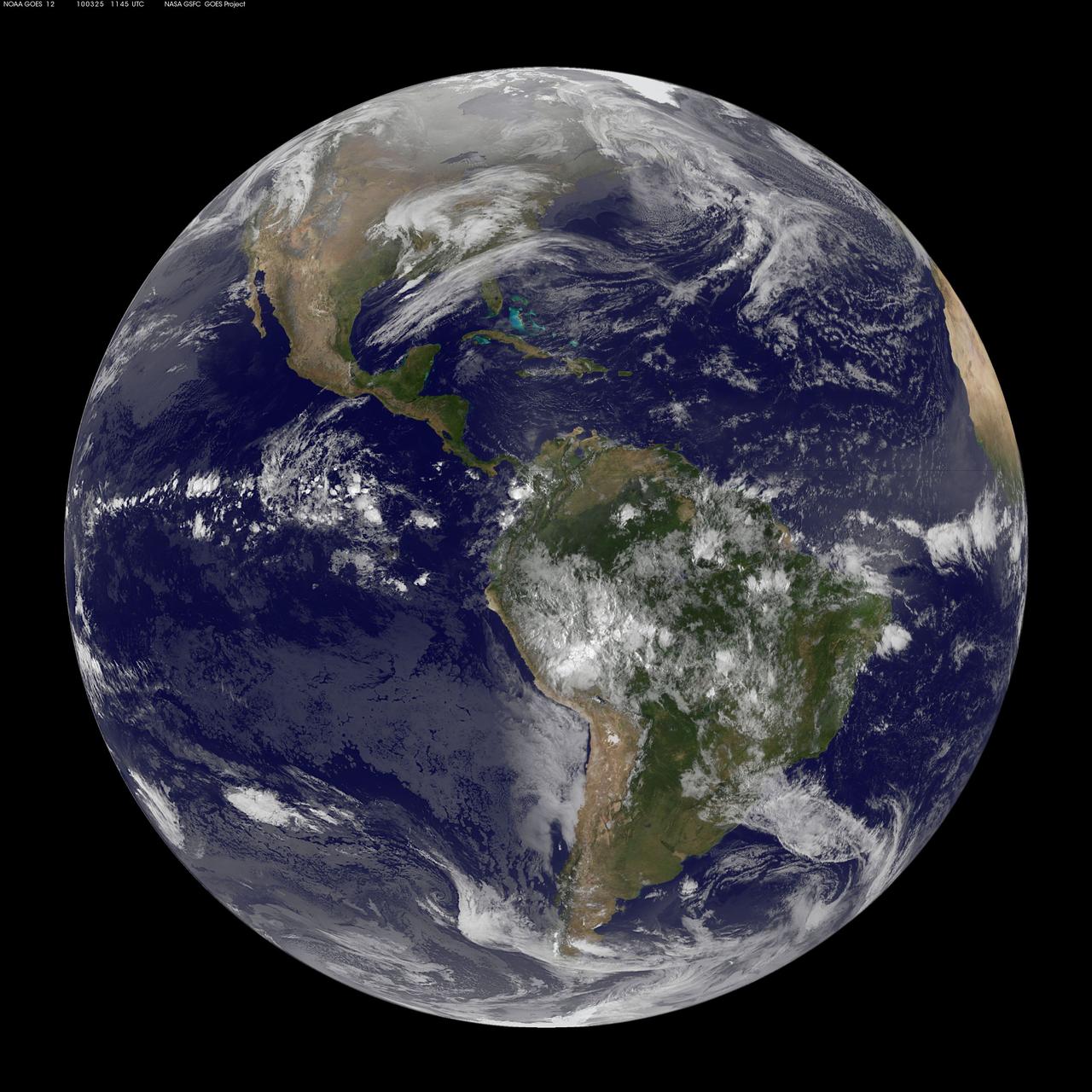
GOES 12 satellite image showing earth on March 25, 2010 6:45 AM EDT. <b><a href="http://goes.gsfc.nasa.gov/" rel="nofollow">Credit: NOAA/NASA GOES Project</a><b> <b><a href="http://www.nasa.gov/centers/goddard/home/index.html" rel="nofollow">NASA Goddard Space Flight Center</a></b> is home to the nation's largest organization of combined scientists, engineers and technologists that build spacecraft, instruments and new technology to study the Earth, the sun, our solar system, and the universe. <b>Follow us on <a href="http://twitter.com/NASA_GoddardPix" rel="nofollow">Twitter</a></b> <b>Join us on <a href="http://www.facebook.com/pages/Greenbelt-MD/NASA-Goddard/395013845897?ref=tsd" rel="nofollow">Facebook</a></b></b></b>
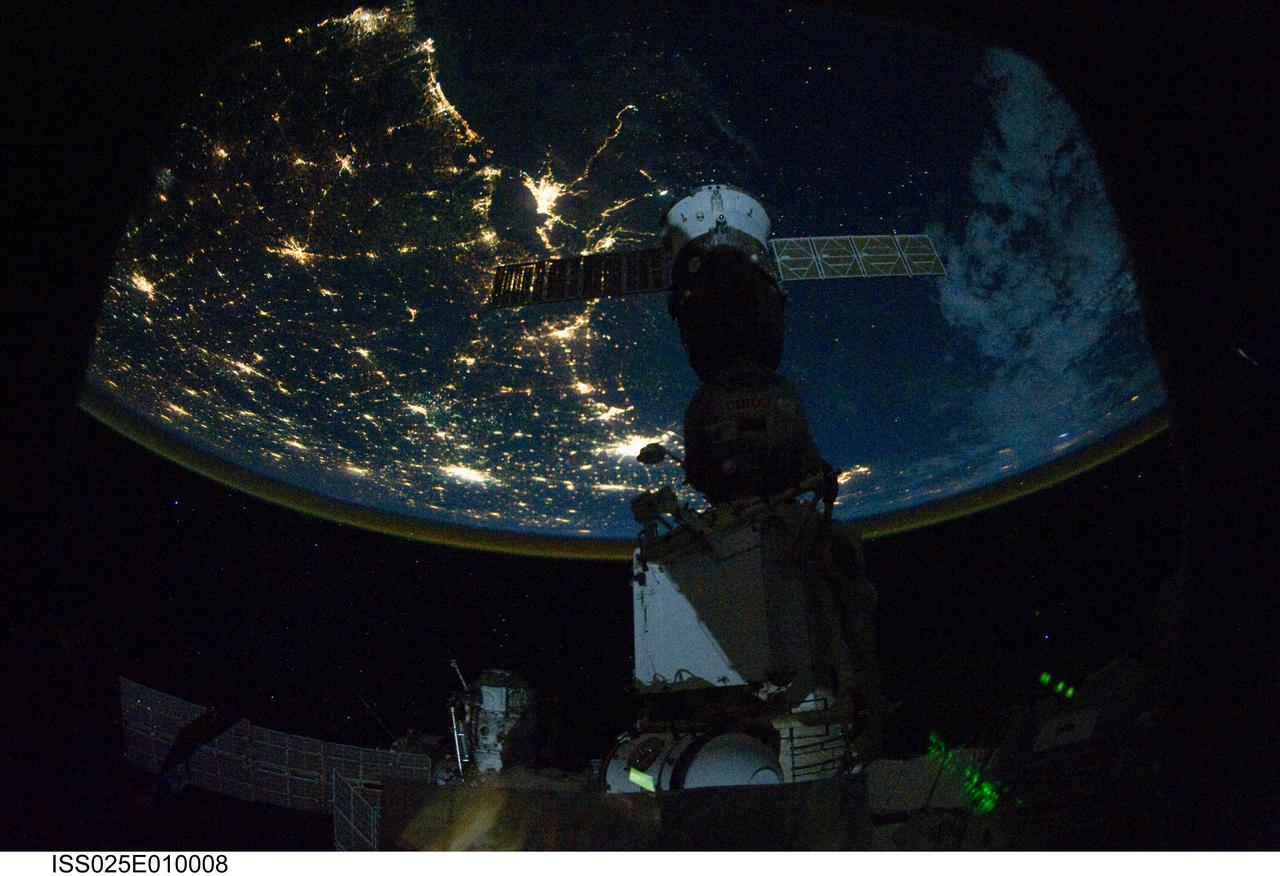
ISS025-E-010008 (29 Oct. 2010) --- From 220 miles above Earth, one of the Expedition 25 crew members onboard the International Space Station shot this night time image of the northern Gulf coast. Mobile Bay and the city of Mobile (top left, beneath one of the solar panels of a docked Russian Soyuz spacecraft), New Orleans and Houston are visible as the view ?moves? southeastward. The Interstate Highway 20 cities of Jackson, Shreveport, Dallas and Fort Worth are also visible further inland. The view extends northward (left) to Little Rock and Oklahoma City.
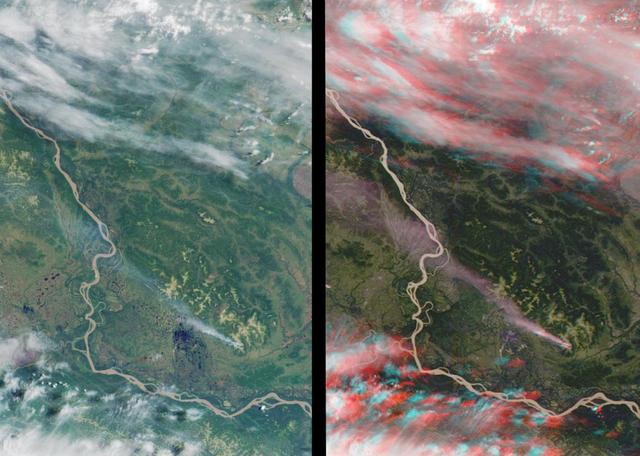
This stereo view of western Alaska was acquired by NASA Terra satellite on June 25, 2000. 3D glasses are necessary to view this image.
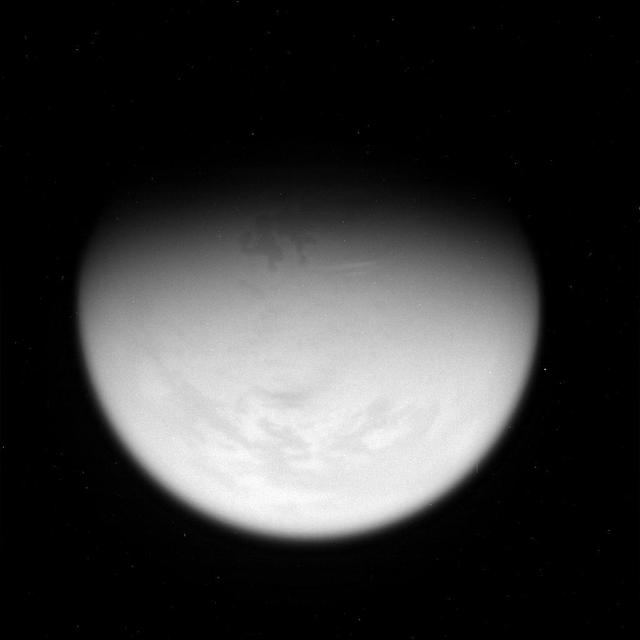
This view of Titan taken on Feb. 25, 2007, reveals a giant lake-like feature in Titan North Polar Region
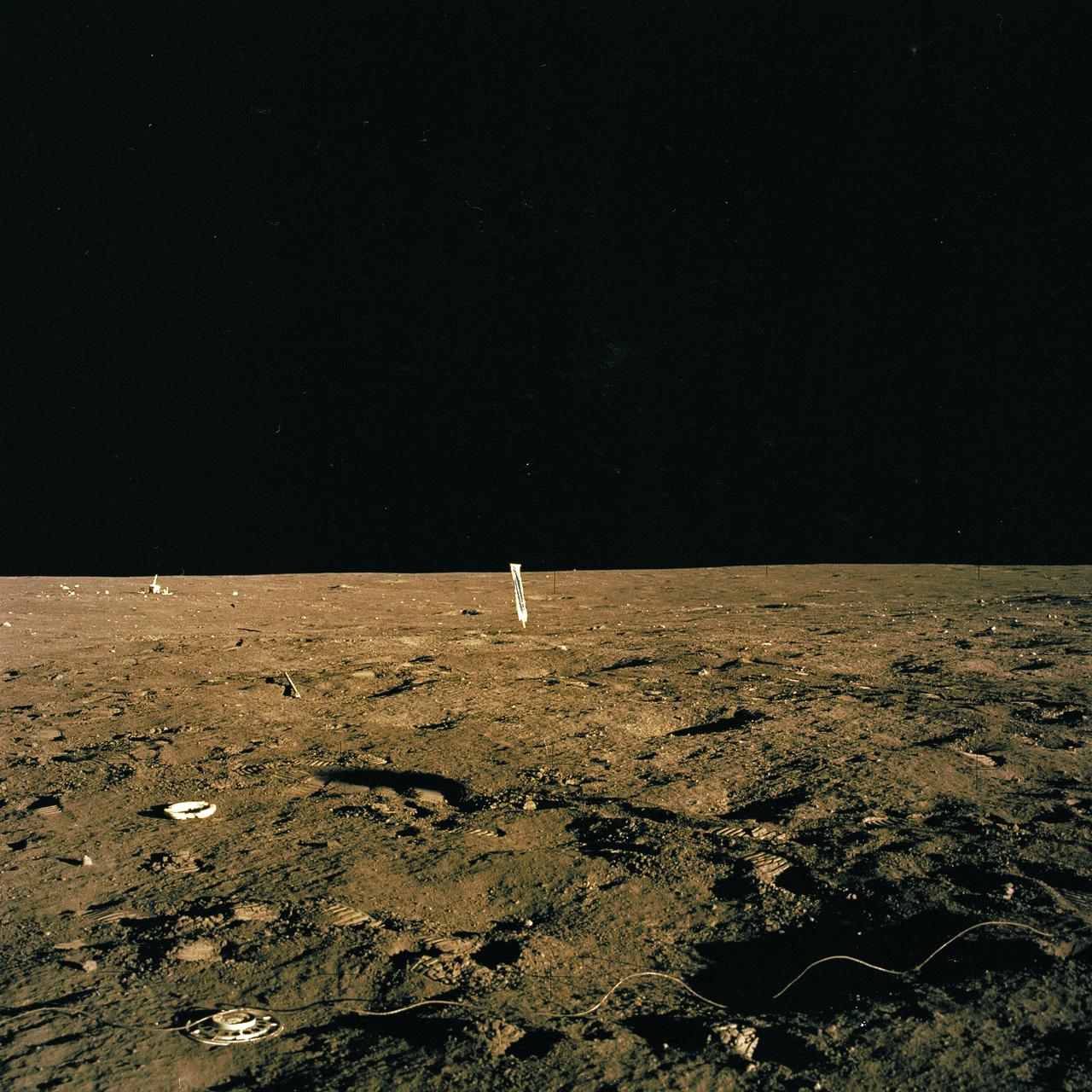
The second manned lunar landing mission, Apollo 12, launched from launch pad 39-A at Kennedy Space Center in Florida on November 14, 1969 via a Saturn V launch vehicle. The Saturn V vehicle was developed by the Marshall Space Flight Center (MSFC) under the direction of Dr. Wernher von Braun. Aboard Apollo 12 was a crew of three astronauts: Alan L. Bean, pilot of the Lunar Module (LM), Intrepid; Richard Gordon, pilot of the Command Module (CM), Yankee Clipper; and Spacecraft Commander Charles Conrad. The LM, Intrepid, landed astronauts Conrad and Bean on the lunar surface in what’s known as the Ocean of Storms while astronaut Richard Gordon piloted the CM, Yankee Clipper, in a parking orbit around the Moon. Lunar soil activities included the deployment of the Apollo Lunar Surface Experiments Package (ALSEP), finding the unmanned Surveyor 3 that landed on the Moon on April 19, 1967, and collecting 75 pounds (34 kilograms) of rock samples. This is the twenty-fifth of 25 images captured by the crew in attempt to provide a 360 degree Lunar surface scene. Apollo 12 safely returned to Earth on November 24, 1969.
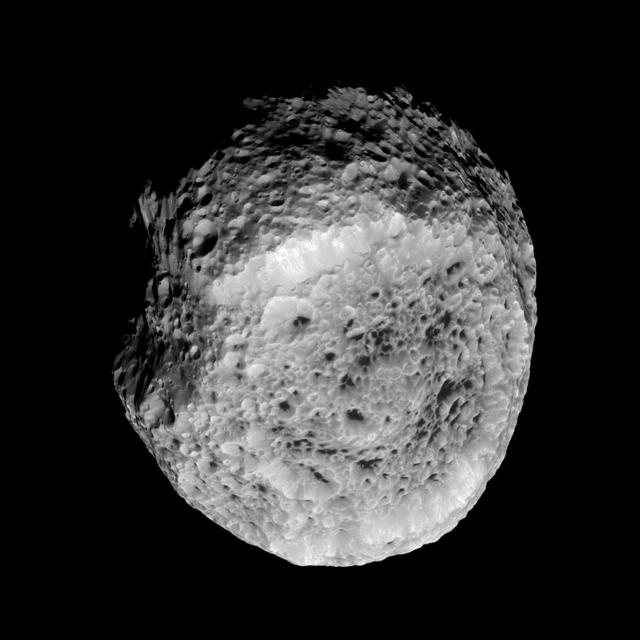
NASA Cassini spacecraft looks at Saturn highly irregular moon Hyperion in this view from the spacecraft flyby of the moon on Aug. 25, 2011.
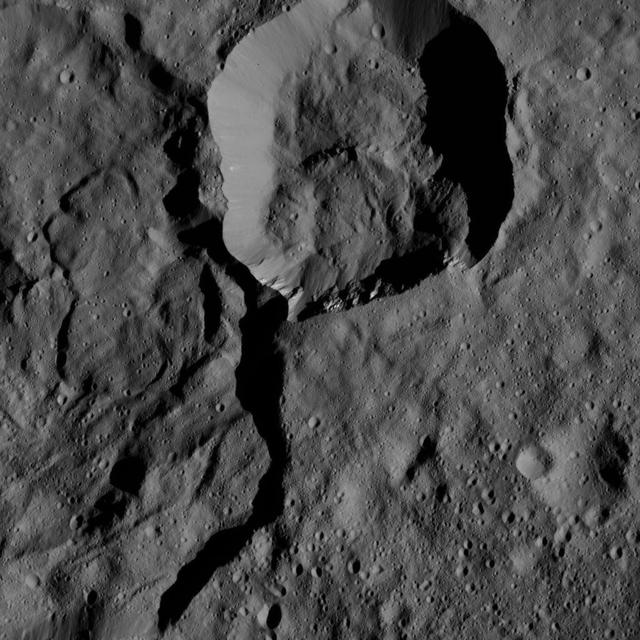
NASA's Dawn spacecraft views a crater at top center that touches the rim of Messor Crater (25 miles, 40 kilometers), shown at left. The view is similar to PIA20572, but from a different viewing angle. Dawn took this image on May 30, 2016, from its low-altitude mapping orbit, at a distance of about 240 miles (385 kilometers) above the surface. The image resolution is 120 feet (35 meters) per pixel. http://photojournal.jpl.nasa.gov/catalog/PIA20866
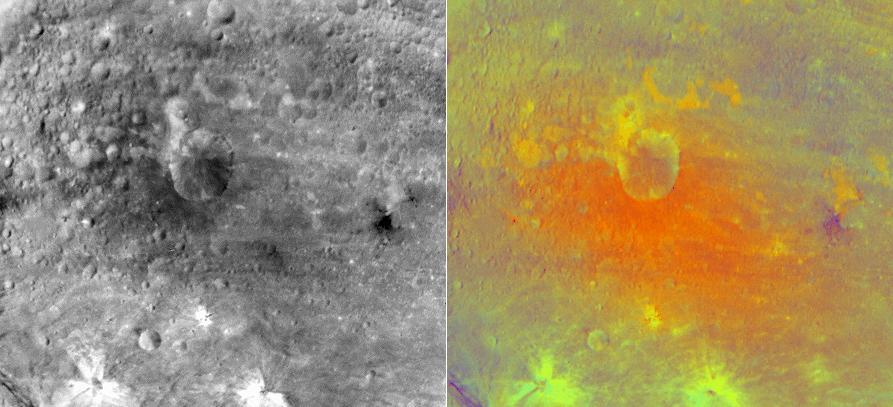
NASA Dawn spacecraft obtained this false-color image right of an impact crater in asteroid Vesta equatorial region with its framing camera on July 25, 2011. The view on the left is from the camera clear filter.
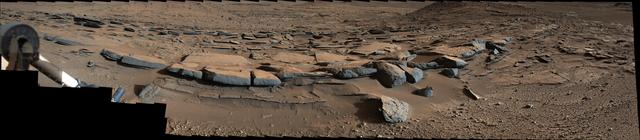
On March 25, 2014, view from the Mastcam on NASA Curiosity Mars rover looks southward at the Kimberley waypoint. Multiple sandstone beds show systematic inclination to the south suggesting progressive build-out of delta sediments.
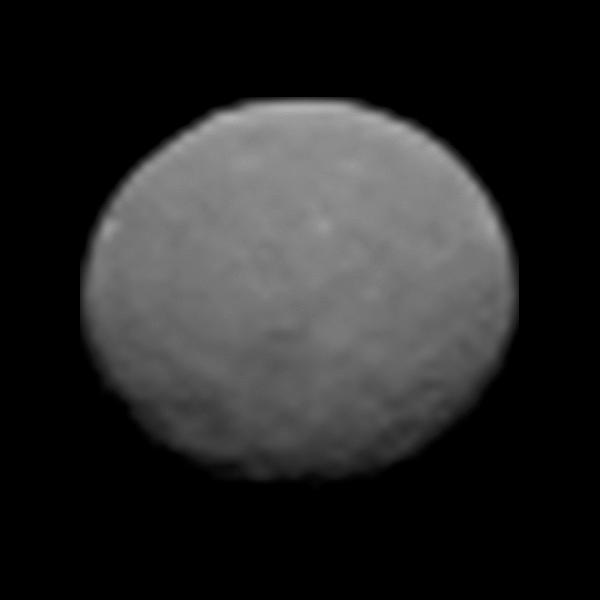
This frame from an animation of the dwarf planet Ceres was made by combining images taken by the Dawn spacecraft on January 25, 2015. These images of Ceres, and they represent the highest-resolution views to date of the dwarf planet. http://photojournal.jpl.nasa.gov/catalog/PIA19171
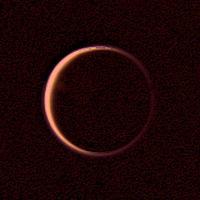
NASA Voyager 2 obtained this wide-angle image of the night side of Titan on Aug. 25, 1979. This is a view of Titan extended atmosphere. the bright orangish ring being caused by the atmosphere scattering of the incident sunlight.
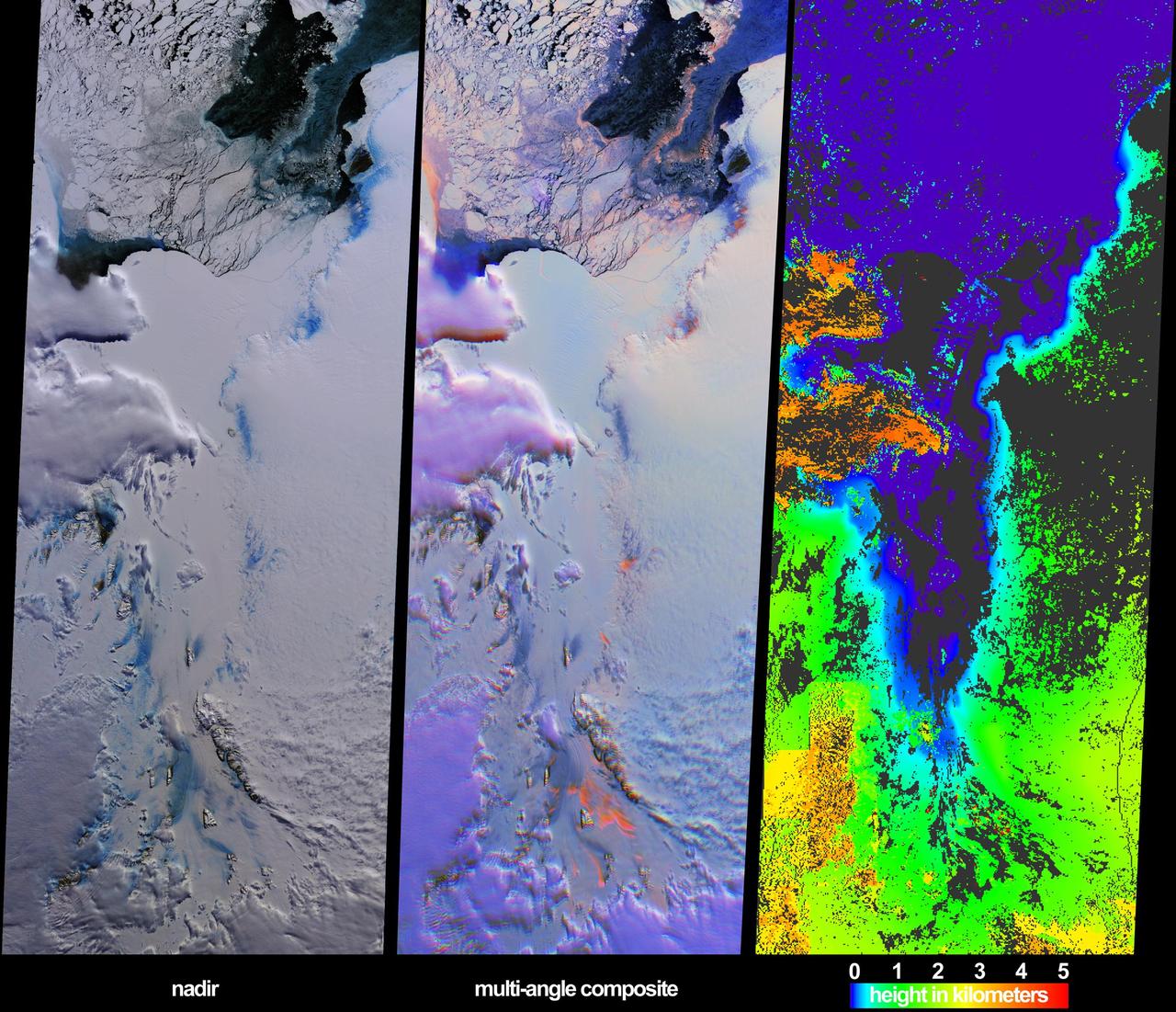
These views from NASA Terra spacecraft illustrate ice surface textures and cloud-top heights over the Amery Ice Shelf/Lambert Glacier system in East Antarctica on October 25, 2002.
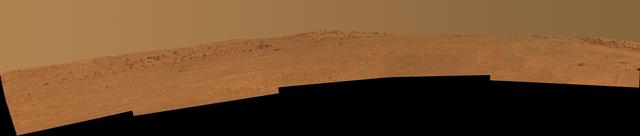
This view toward the south is a mosaic of images taken by Opportunity Pancam on Dec. 25, 2013. The rover team plans to use Opportunity during 2014 to investigate rock layers exposed on the slope upward toward the McClure-Beverlin Escarpment.
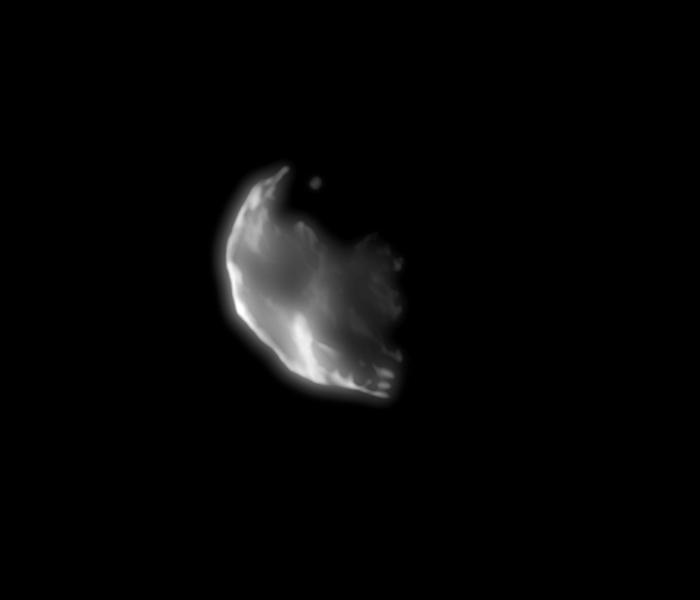
Cassini came close to Saturn small moon Helene on Feb. 25, 2006, acquiring this high-resolution view. This object seems to be buried in its own crater debris, like another Saturnian moon, Telesto
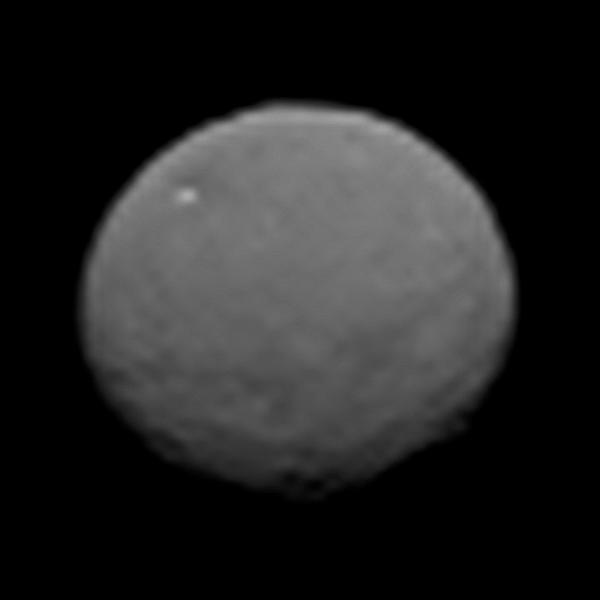
This image, taken 147,000 miles 237,000 kilometers from Ceres on January 25, 2015 by NASA Dawn spacecraft, is part of a series of views representing the best look so far at the dwarf planet. http://photojournal.jpl.nasa.gov/catalog/PIA19172
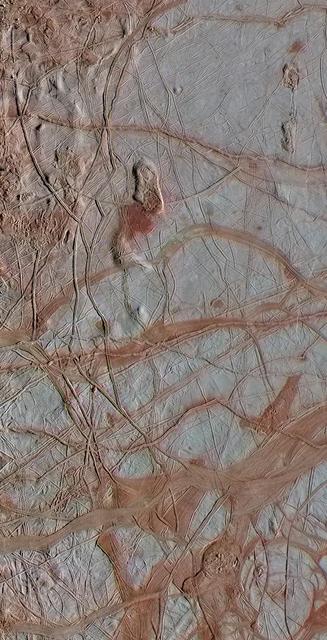
This enhanced-color view obtained on September 25, 1998 from NASA Galileo spacecraft shows an intricate pattern of linear fractures on the icy surface of Jupiter moon Europa.
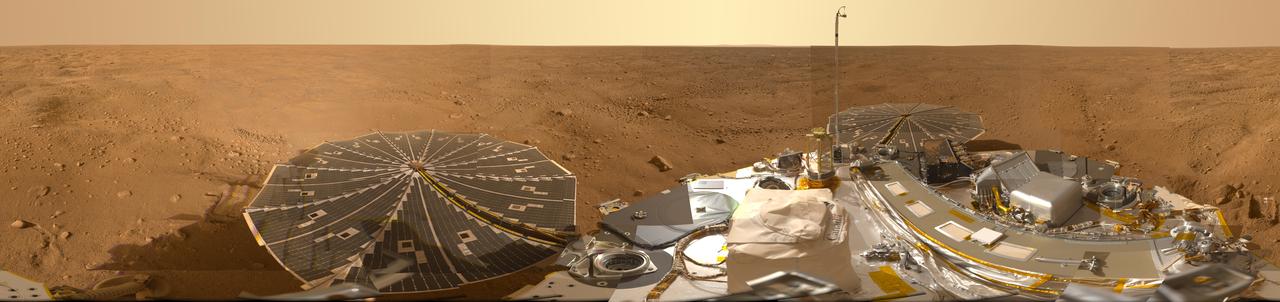
This view combines hundreds of images taken during the first several weeks after NASA Phoenix Mars Lander arrived on an arctic plain on Mars. The landing was on May 25, 2008.

This is one of the most detailed views of the surface of Triton taken by NASA Voyager 2 on its flyby of the large satellite of Neptune early in the morning of Aug. 25, 1989. The picture was stored on the tape recorder and relayed to Earth later. http://photojournal.jpl.nasa.gov/catalog/PIA00061
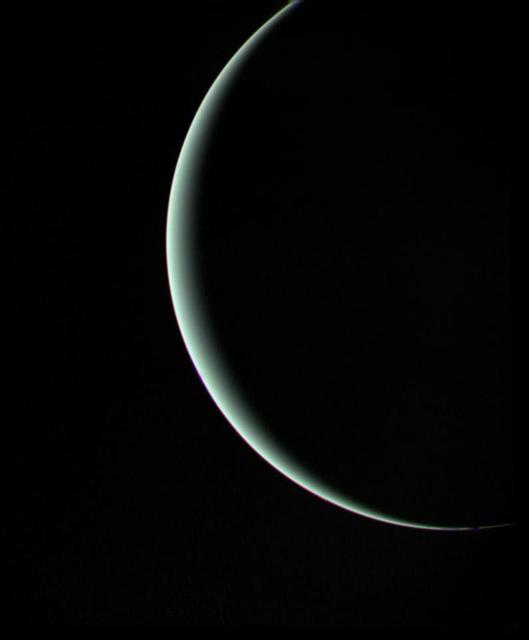
This view of pale blue-green Uranus was recorded by NASA's Voyager 2 on Jan 25, 1986, as the spacecraft left the planet behind. The thin crescent of Uranus is seen here between the spacecraft, the planet and the Sun. http://photojournal.jpl.nasa.gov/catalog/PIA00143
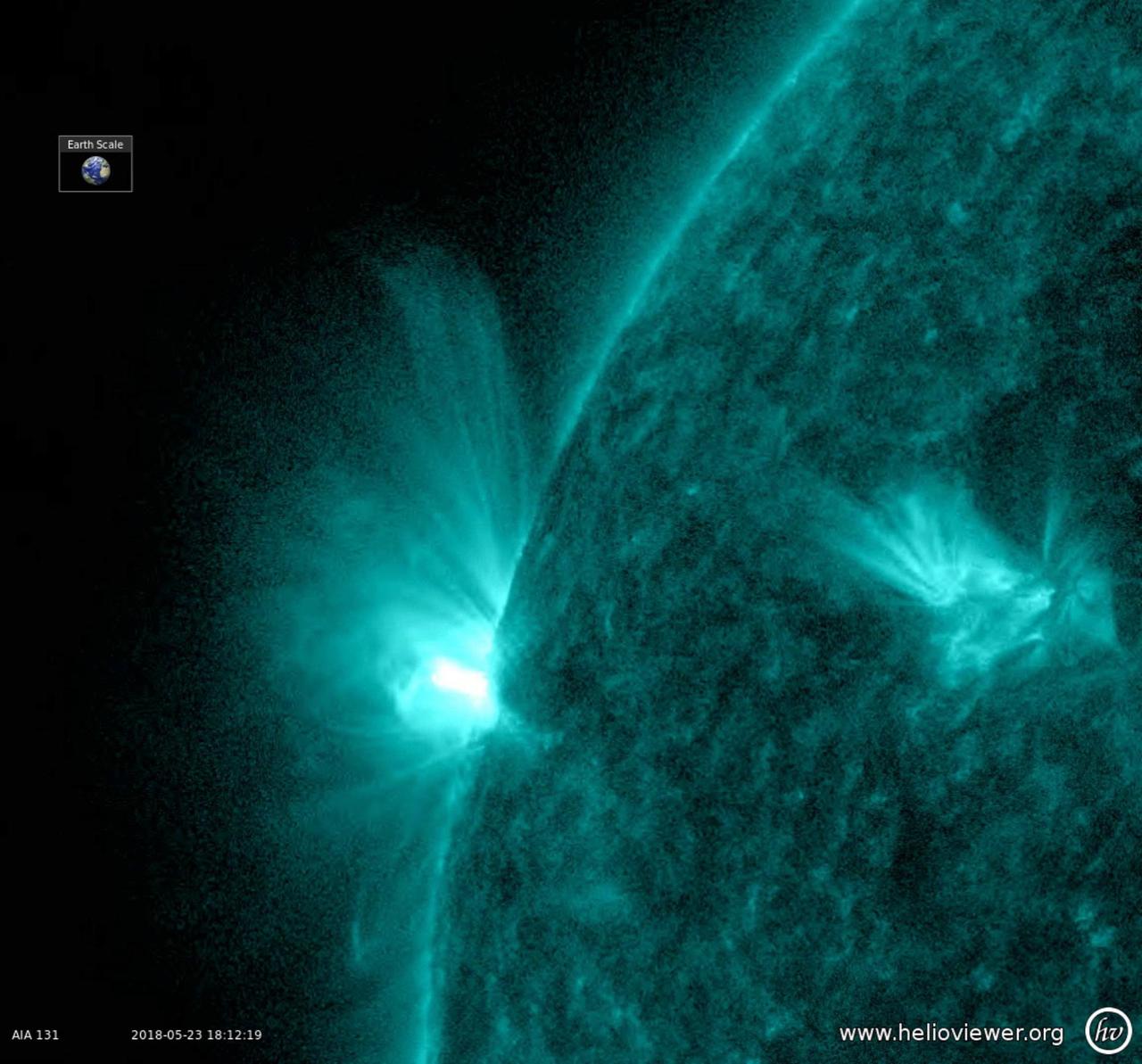
An active region rotated into view and sputtered with numerous small flares and towering magnetic field lines that stretched out many times the diameter of Earth (May 23-25, 2018). Active regions are areas of intense magnetic energy. The field lines are illuminated by charged particles spiraling along them and easiest to discern when viewed in profile. The colorized images were taken in a wavelength of extreme ultraviolet light. Movies are available at https://photojournal.jpl.nasa.gov/catalog/PIA22461
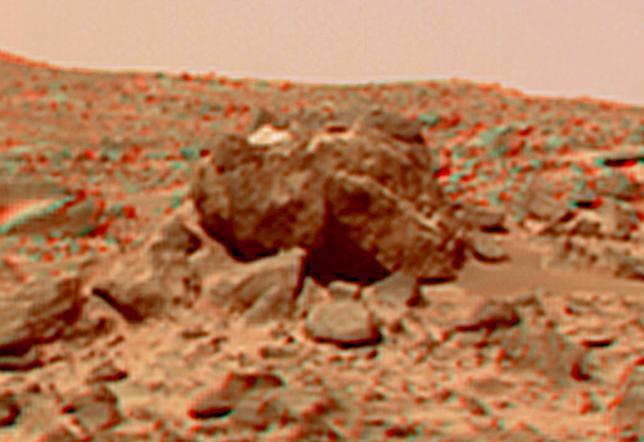
This view of the "Hippo," 25 meters to the west of the lander, was produced by combining the "Super Panorama" frames from the IMP camera. Super resolution was applied to help to address questions about the texture of this rock and what it might tell us about its mode of origin. The composite color frames that make up this anaglyph were produced for both the right and left eye of the IMP. These composites consist of more than 15 frames per eye (because multiple sequences covered the same area), taken with different color filters that were enlarged by 500% and then co-added using Adobe Photoshop to produce, in effect, a super-resolution panchromatic frame that is sharper than an individual frame would be. These panchromatic frames were then colorized with the red, green, and blue filtered images from the same sequence. The color balance was adjusted to approximate the true color of Mars. The anaglyph view was produced by combining the left with the right eye color composite frames by assigning the left eye composite view to the red color plane and the right eye composite view to the green and blue color planes (cyan), to produce a stereo anaglyph mosaic. This mosaic can be viewed in 3-D on your computer monitor or in color print form by wearing red-blue 3-D glasses. http://photojournal.jpl.nasa.gov/catalog/PIA01421
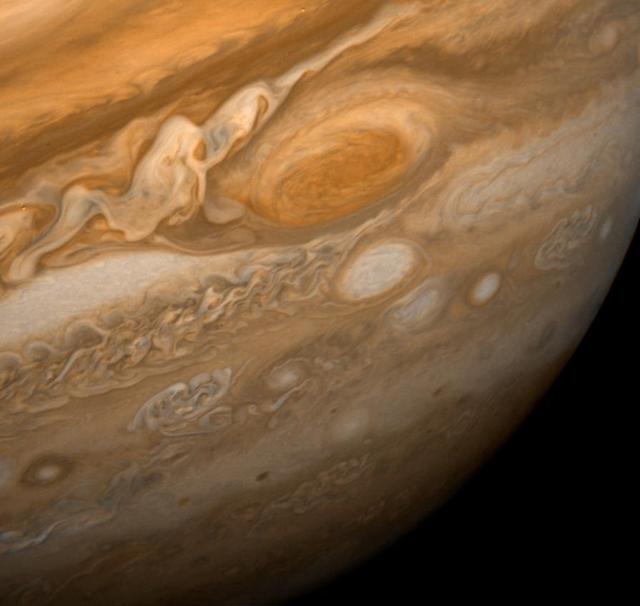
This dramatic view of Jupiter Great Red Spot and its surroundings was obtained by NASA Voyager 1 on Feb. 25, 1979. The colorful, wavy cloud pattern to the left of the Red Spot is a region of extraordinarily complex end variable wave motion. http://photojournal.jpl.nasa.gov/catalog/PIA00014
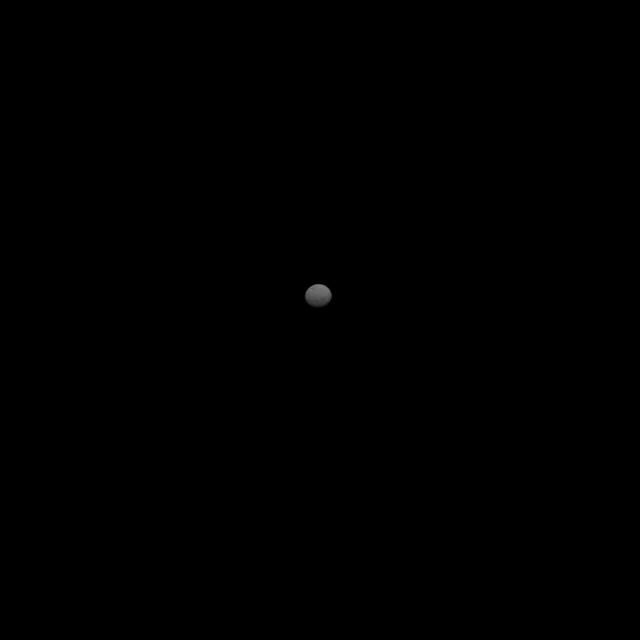
This image depicts the dwarf planet Ceres, as seen from the Dawn spacecraft. It was taken 147,000 miles 237,000 kilometers from Ceres on January 25, 2015, is part of a series of views representing the best look so far at the dwarf planet. http://photojournal.jpl.nasa.gov/catalog/PIA19173
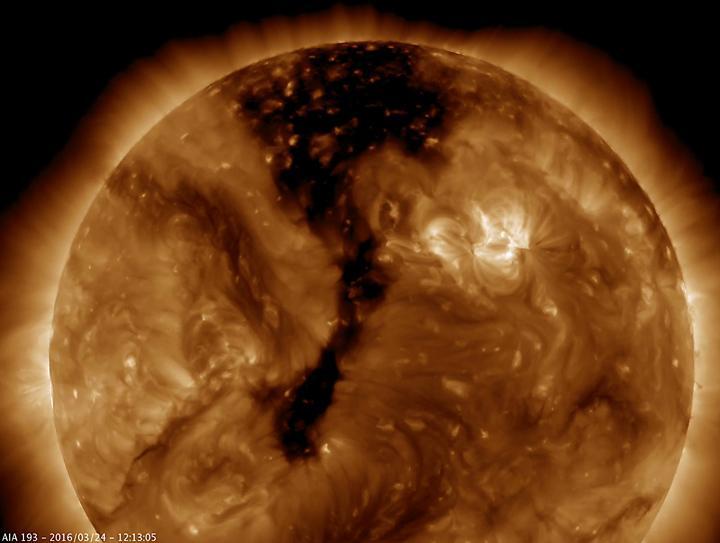
NASA Solar Dynamics Observatory shows a long coronal hole has rotated so that was temporarily facing right towards Earth Mar. 23-25, 2016. Coronal holes appear dark when viewed in some wavelengths of extreme ultraviolet light.

A drive of about 30 meters about 100 feet on Sept. 25, 2006 brought NASA Mars Exploration Rover Opportunity to within about 20 meters about 66 feet of the rim of Victoria Crater. 3D glasses are necessary to view this image.
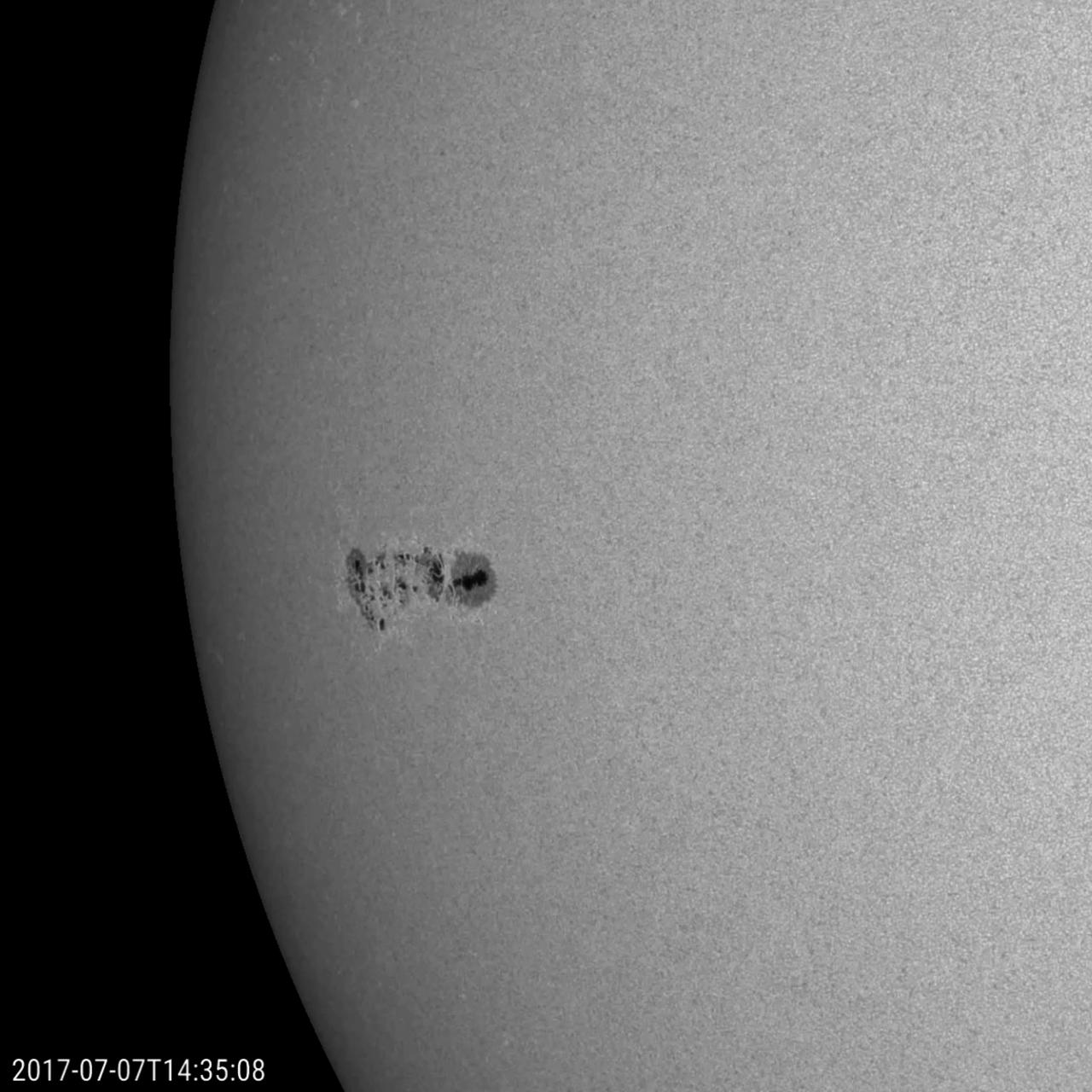
A prominence at the edge of the sun provided us with a splendid view of solar plasma as it churned and streamed over less than one day (June 25-26, 2017). The charged particles of plasma were being manipulated by strong magnetic forces. When viewed in this wavelength of extreme ultraviolet light, we can trace the movements of the particles. Such occurrences are fairly common but much easier to see when they are near the sun's edge. For a sense of scale, the arch of prominence in the still image has risen up several times the size of Earth. Movies are available at https://photojournal.jpl.nasa.gov/catalog/PIA21783

A prominence at the edge of the sun provided us with a splendid view of solar plasma as it churned and streamed over less than one day (June 25-26, 2017). The charged particles of plasma were being manipulated by strong magnetic forces. When viewed in this wavelength of extreme ultraviolet light, we can trace the movements of the particles. Such occurrences are fairly common but much easier to see when they are near the sun's edge. For a sense of scale, the arch of prominence in the still image has risen up several times the size of Earth. Movies are available at https://photojournal.jpl.nasa.gov/catalog/PIA21768
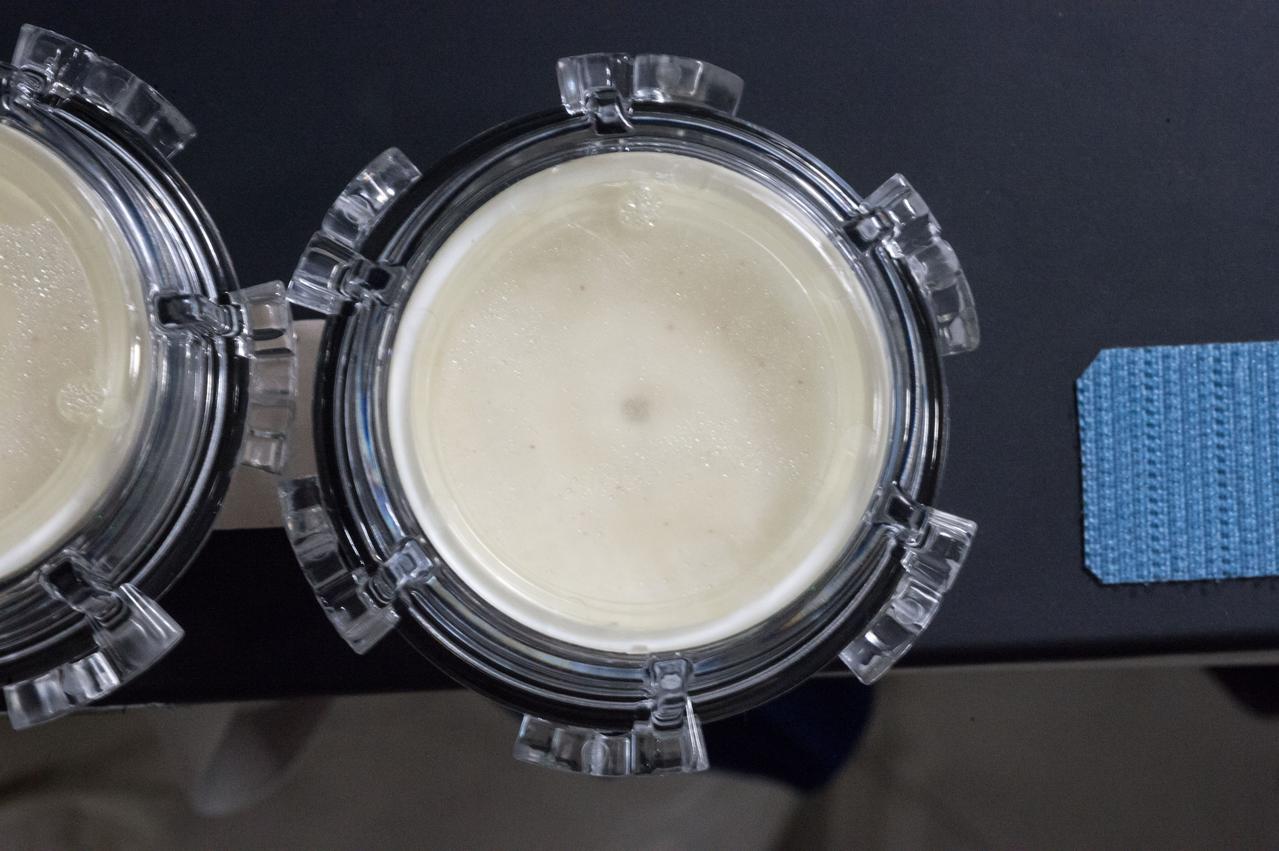
iss050e011727 (11/25/2016) --- View of Aquapad Microbial Contamination after incubation. Photo was taken during Expedition 40.
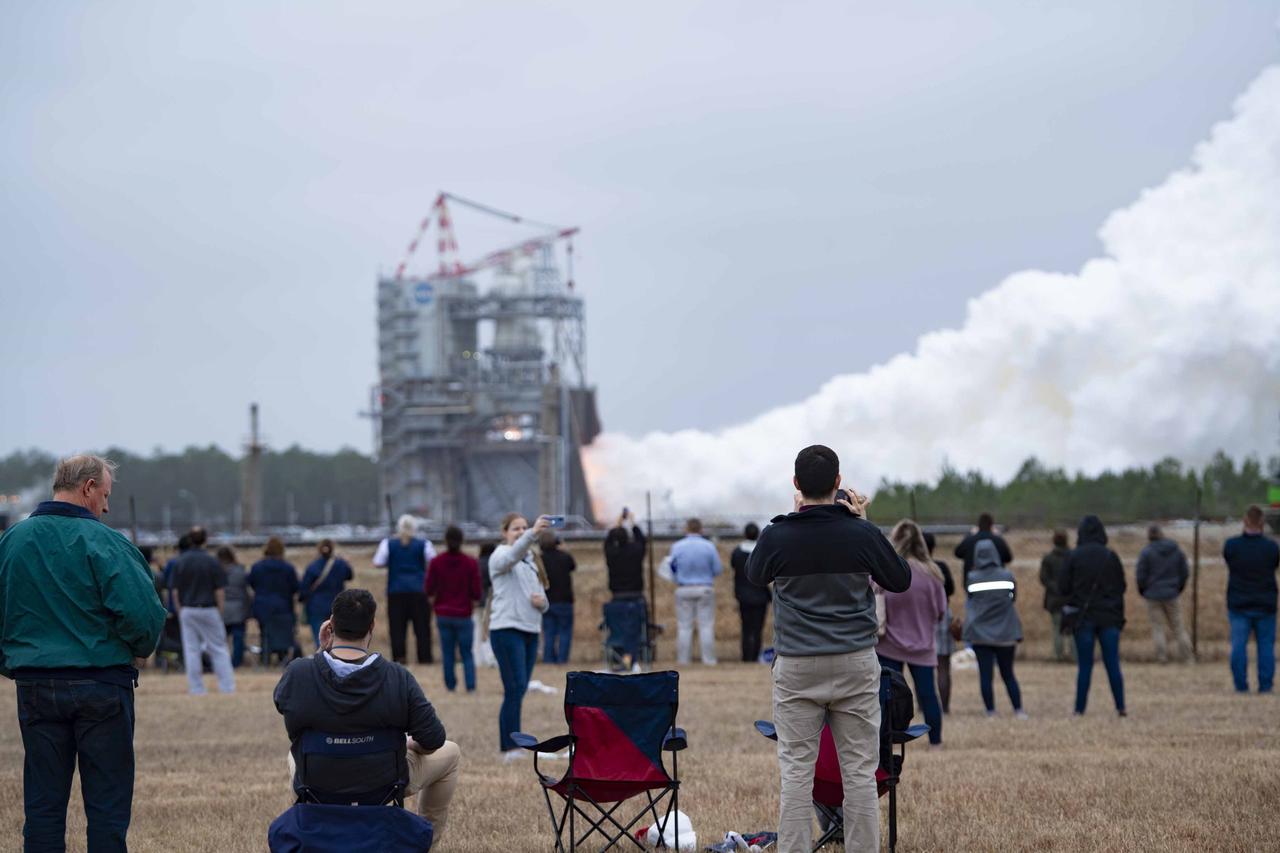
Sitewide employees at NASA’s Stennis Space Center watch the RS-25 test conducted on Jan. 23 as NASA continued a critical test series for future Artemis flights of NASA’s SLS (Space Launch System) rocket. The full-duration hot fire on the Fred Haise Test Stand is part of a 12-test series to certify production of new RS-25 engines by lead contractor Aerojet Rocketdyne, an L3Harris Technologies company. The new engines will help power SLS rocket on Artemis missions to the Moon and beyond, beginning with Artemis V.
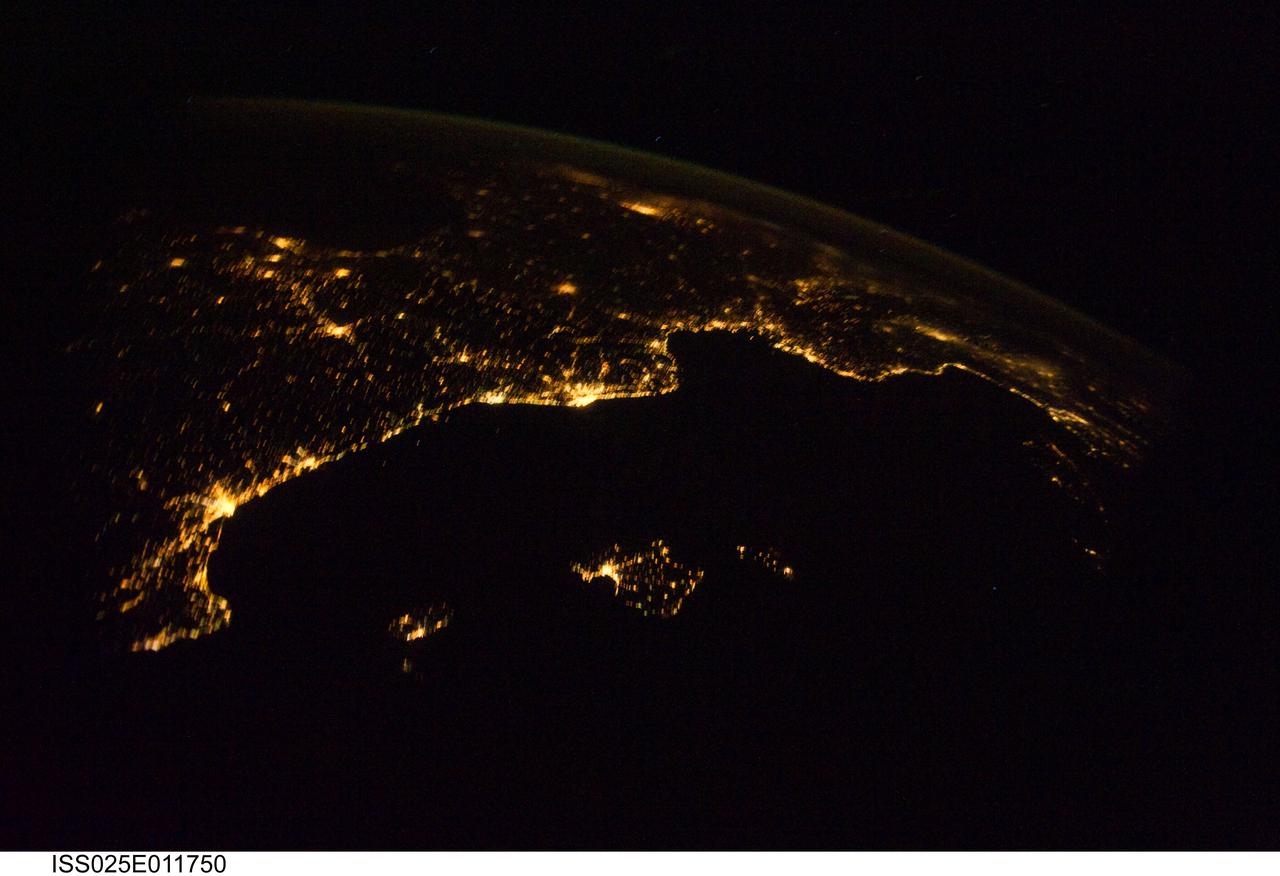
ISS025-E-011750 (4 Nov. 2010) --- From 220 miles above Earth, one of the Expedition 25 crew members aboard the International Space Station aimed a camera through a Cupola window and recorded this night time image of the Mediterranean Riviera and a panorama along the coastline from Valencia, Spain to Livorno, Italy and many points in between including parts of Andorra and Monaco. Islands in the Mediterranean that can easily be delineated in the Nov. 4 picture are the Balearic Islands, as well as Corsica and Sardinia.

ISS025-E-015176 (15 Nov. 2010) --- Photographed by one of the Expedition 25 crew members aboard the International Space Station from 220 miles above Earth, this is a night image of the southern tip of the African continent featuring Capetown, South Africa.
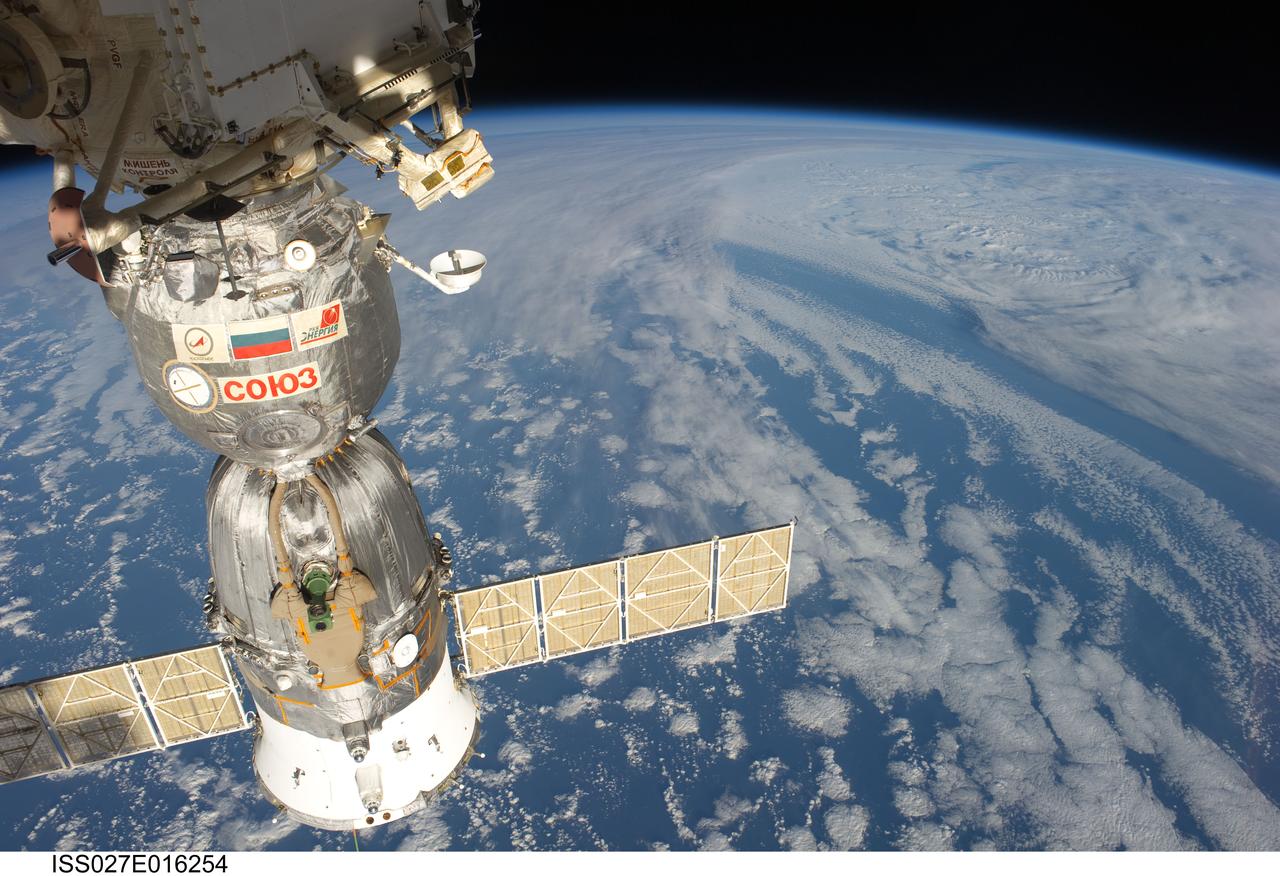
ISS027-E-016254 (22 April 2011) --- A docked Russian Soyuz spacecraft is featured in this image photographed by an Expedition 27 crew member on the International Space Station. A blue and white part of Earth and the blackness of space provide the backdrop for the scene.
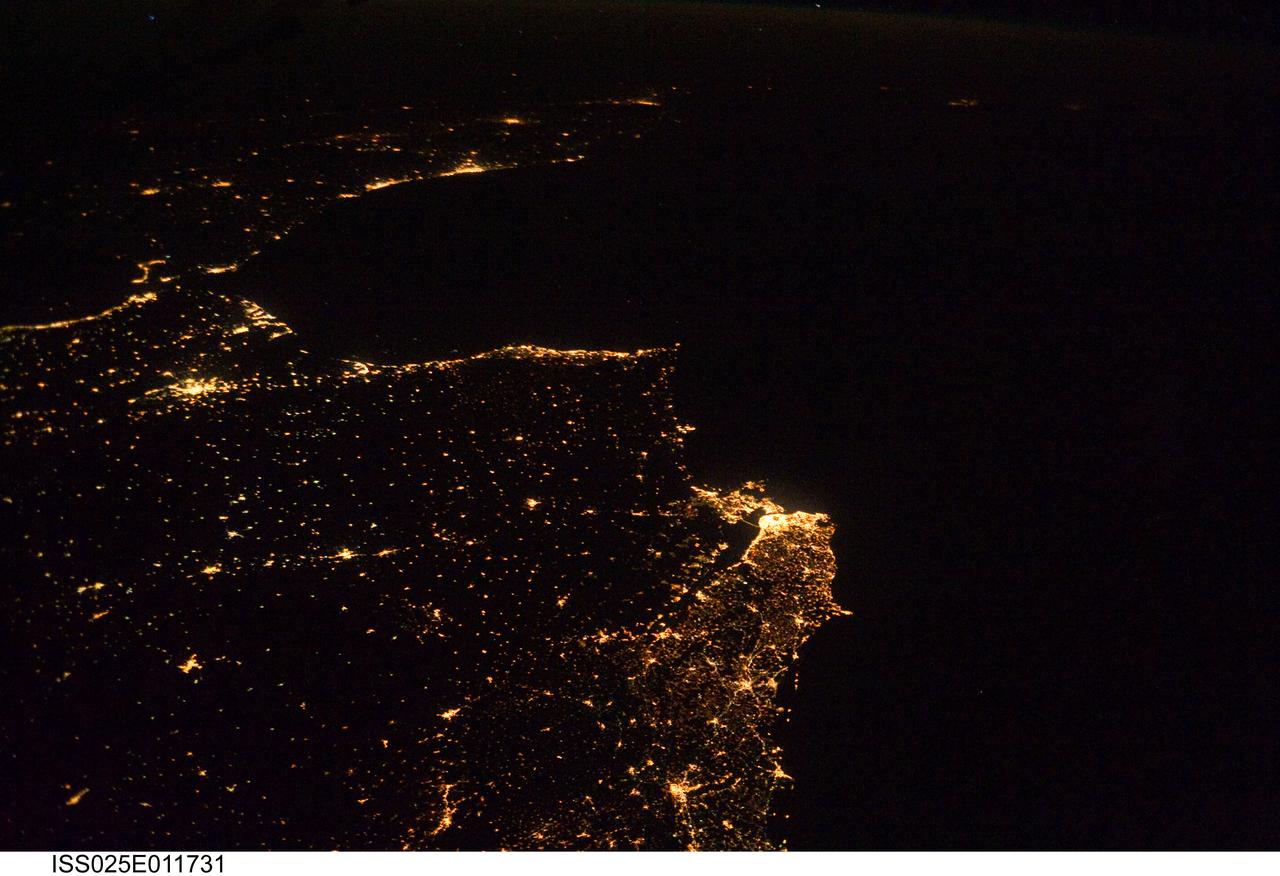
ISS025-E-011731 (5 Nov. 2010) --- One of the Expedition 25 crew members aboard the International Space Station, 220 miles above Earth, took this night time photo, looking south along the Atlantic coast of Europe and into Africa, from Lisbon, Portugal south across the Strait of Gibraltar. The lights can be followed down the coast of Morocco to Casablanca, and beyond.
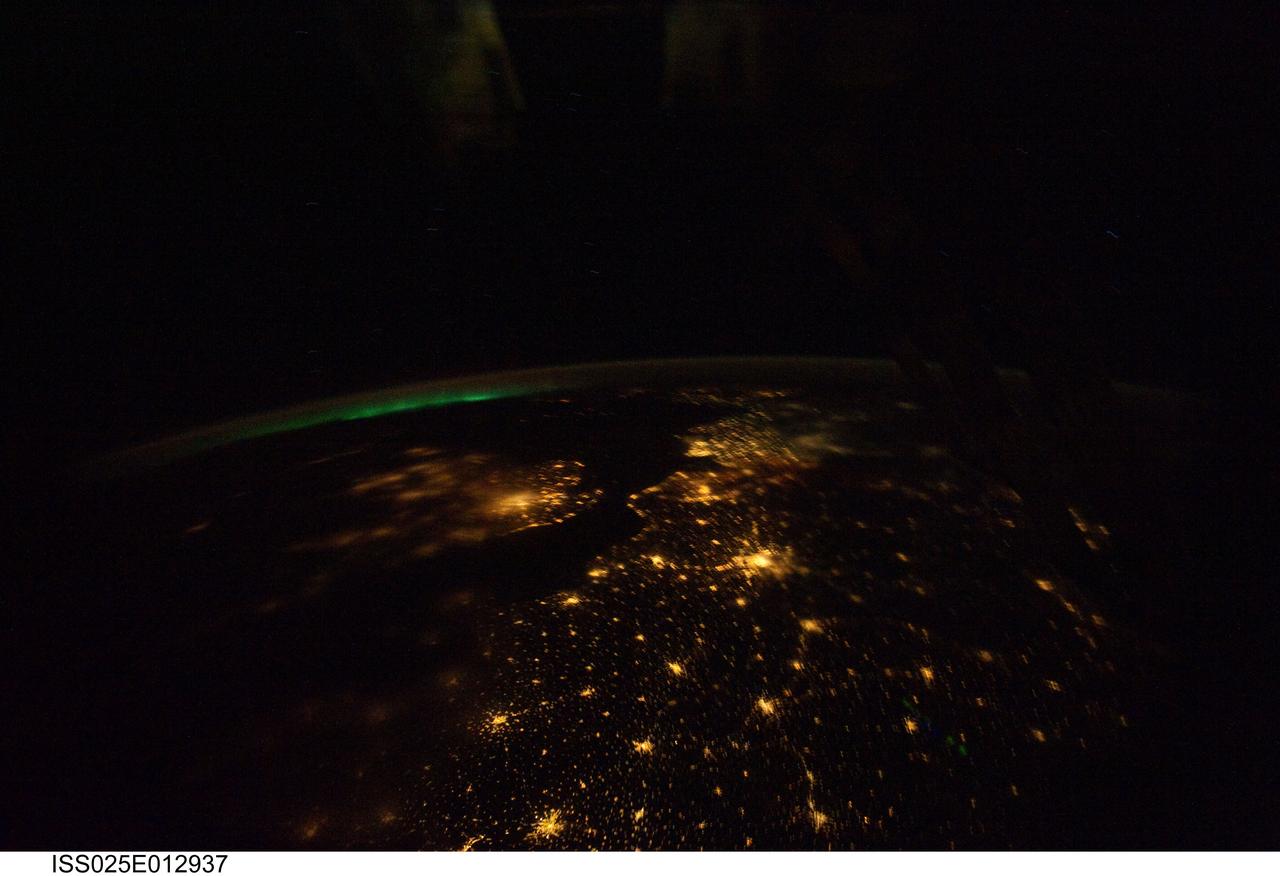
ISS025-E-012937 (7 Nov. 2010) --- Aurora Borealis sits on the horizon of this night view over much of Europe. The Strait of Dover is relatively clear as is Paris, the City of Lights. There is some fog over the western part of England and London.
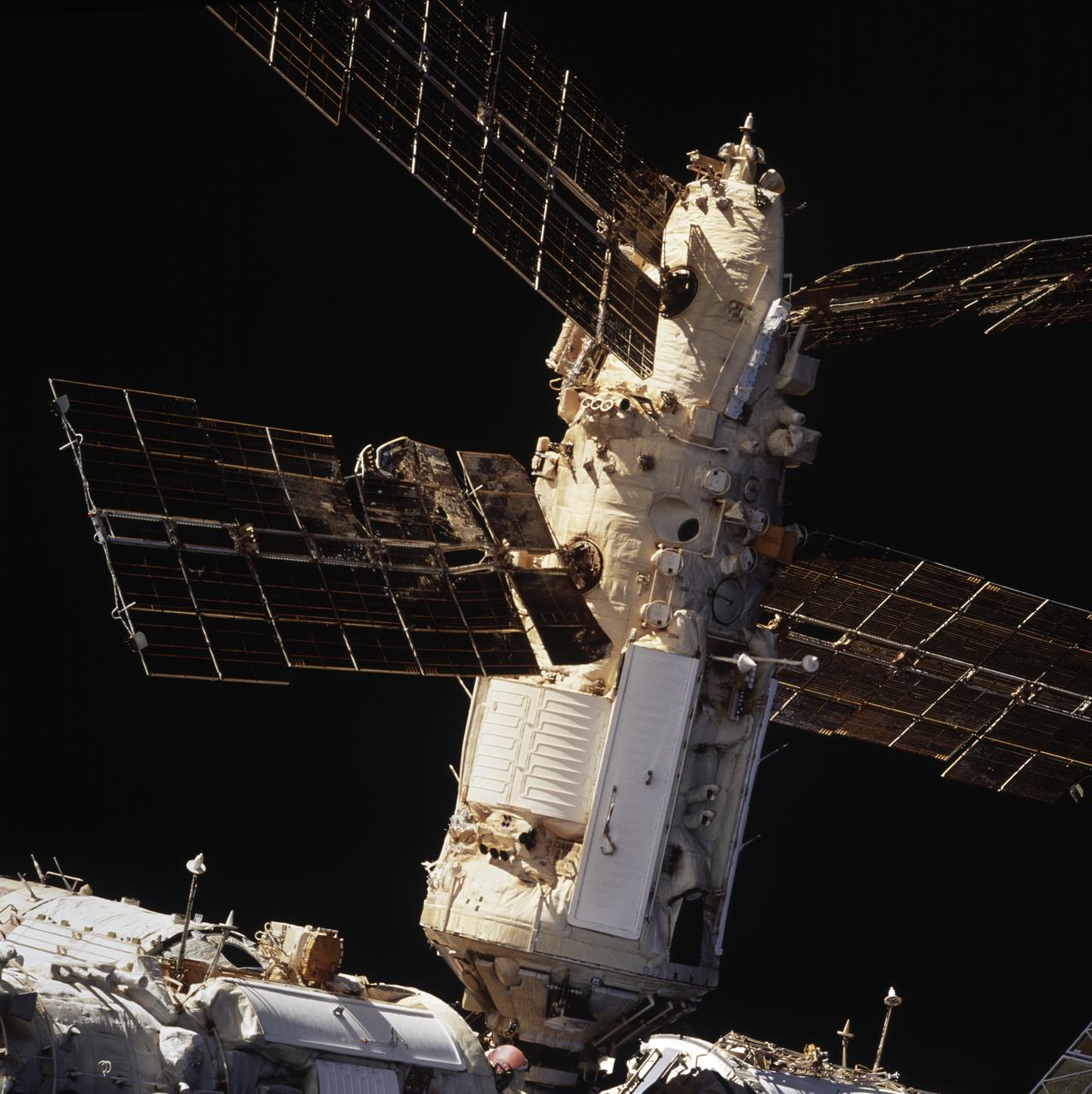
STS086-720-007 (25 Sept.-6 Oct. 1997) --- A 70mm view of Russia’s Mir Space Station’s Spektr Module shows the backside of a solar array panel and damage incurred by the impact of a Russian unmanned Progress re-supply ship which collided with the space station on June 25, 1997, causing Spektr to depressurize. A radiator, which also was struck by the Progress, is out of view from this angle. Photo credit: NASA
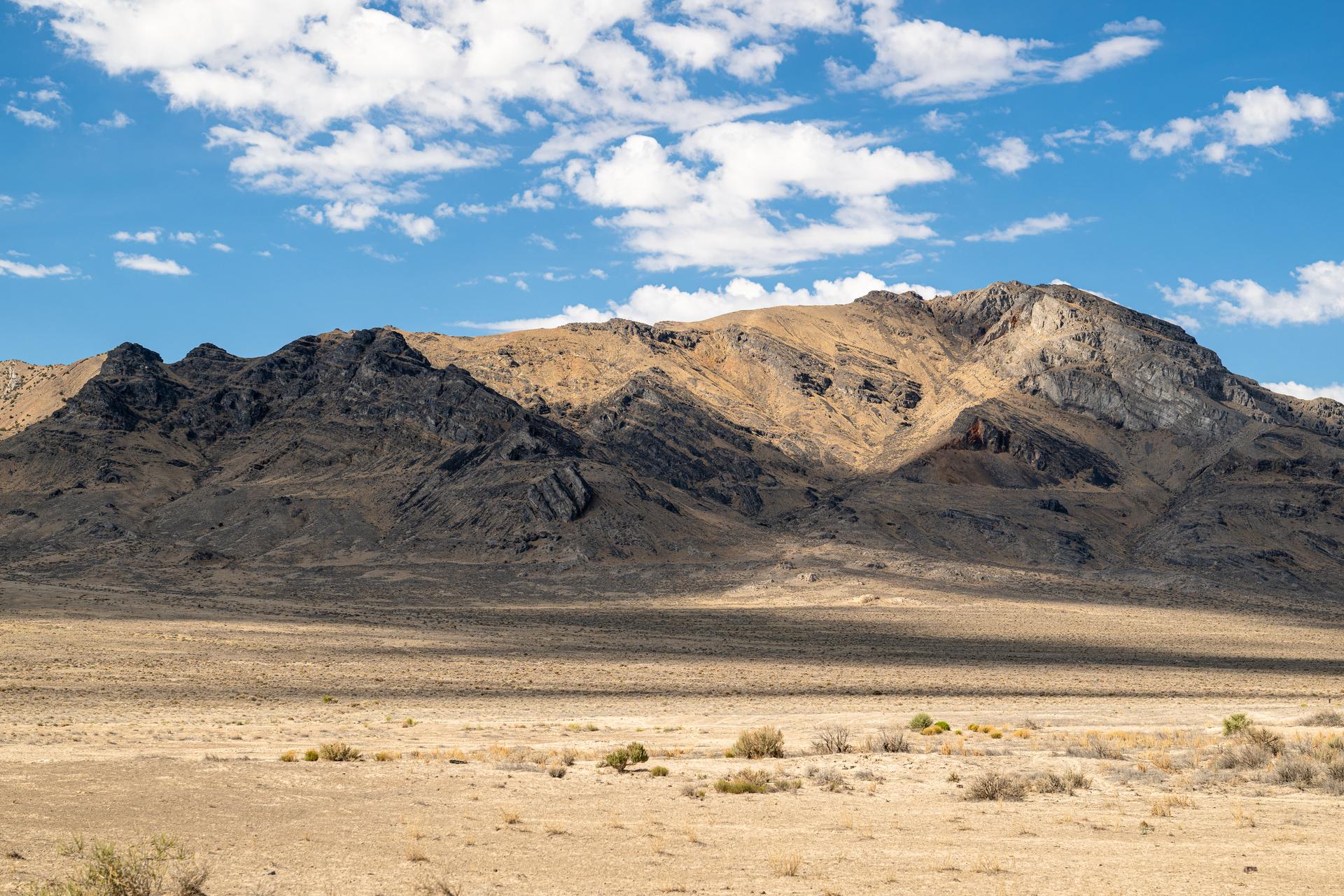
A view from the DAVINCI VADIX Basecamp near Crater Island, Utah, June 25, 2026. This area was the site of a series of tests (June 23-25, 2026) of the camera system that will one day fly aboard NASA’s DAVINCI mission to Venus. NASA/Mike Guinto
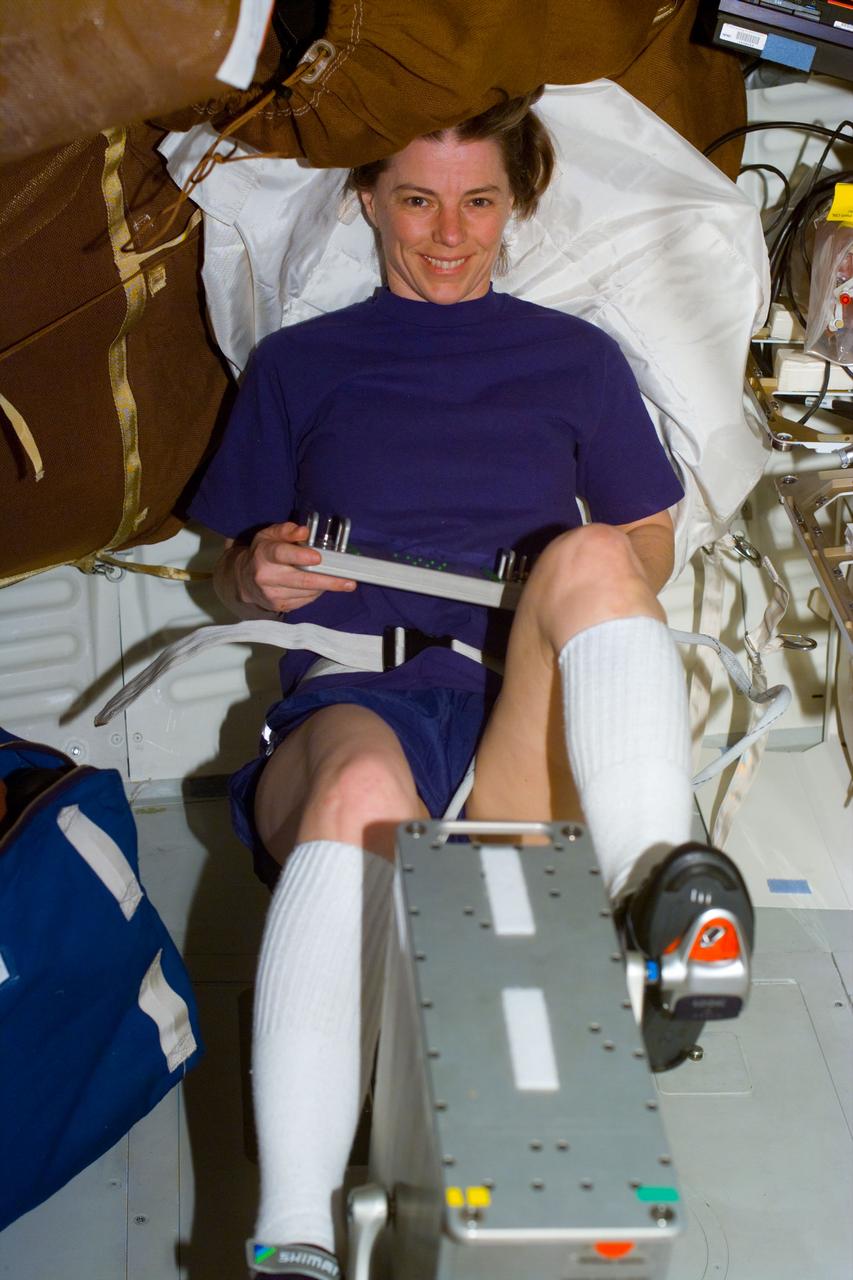
S89-E-5202 (25 Jan 1998) --- This Electronic Still Camera (ESC) image shows mission specialist, Bonnie J. Dunbar, payload commander, working out on the bicycle ergometer onboard the Earth-orbiting Space Shuttle Endeavour. This ESC view was taken on January 25, 1998, at 18:36:52 GMT.
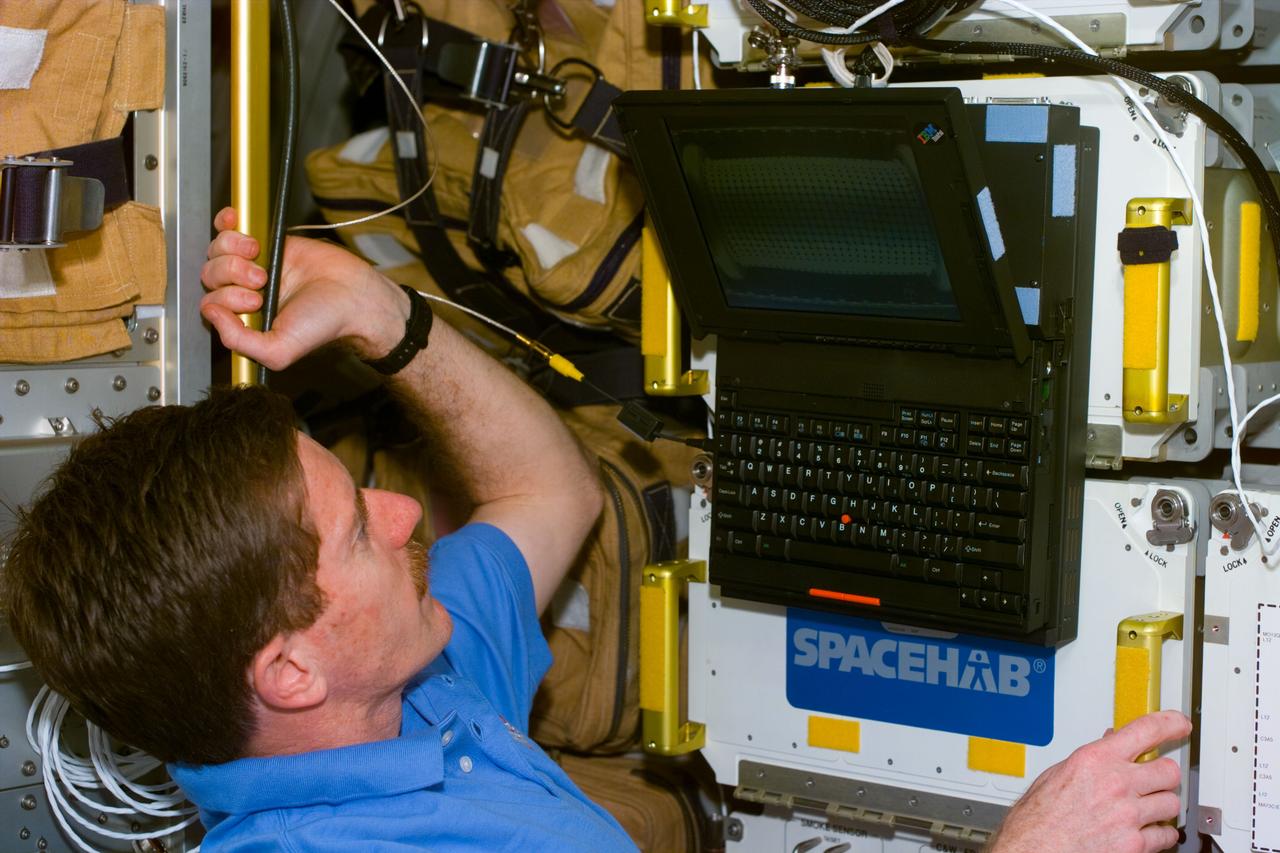
S89-E-5196 (25 Jan 1998) --- This Electronic Still Camera (ESC) image shows astronaut James F. Reilly, mission specialist, using a lap top computer in the Spacehab Double Module (DM), onboard the Space Shuttle Endeavour. This ESC view was taken on January 25, 1998 at 17:06:16 GMT.

S89-E-5207 (25 Jan 1998) --- This Electronic Still Camera (ESC) image shows astronaut Michael P. Anderson, mission specialist, checking the Biotechnology Refrigerator (BTR) while transferring logistics onboard the Space Shuttle Endeavour. This ESC view was taken on January 25, 1998, at 18:56:29 GMT.

S89-E-5204 (25 Jan 1998) --- This Electronic Still Camera (ESC) image shows astronaut Michael P. Anderson, mission specialist, checking the Biotechnology Refrigerator (BTR) while transferring logistics, onboard the Space Shuttle Endeavour. This ESC view was taken on January 25, 1998, at 18:54:53 GMT.
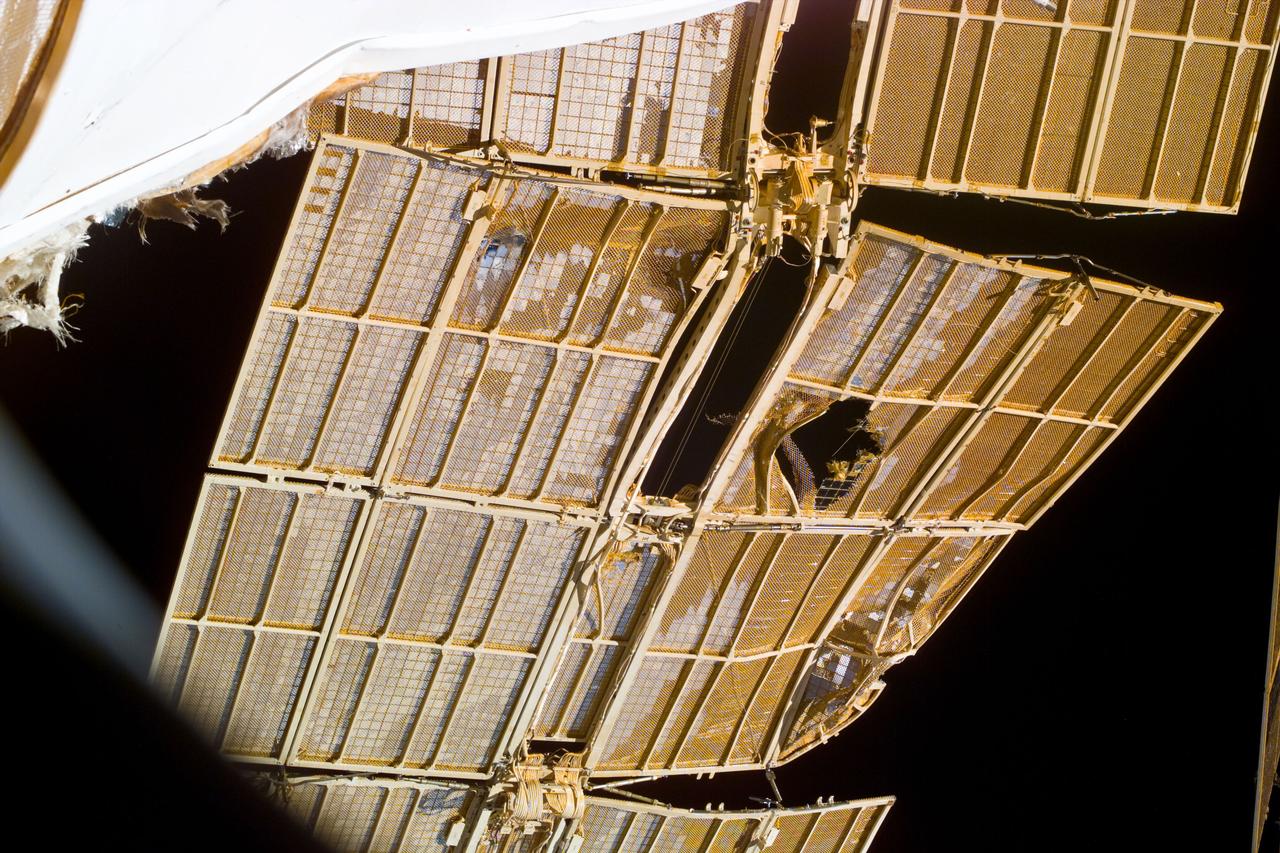
S89-E-5190 (25 Jan 1998) --- This Electronic Still Camera (ESC) image shows the Russian Mir Space Station's damaged solar array panel. The solar array panel was damaged as a result of an impact with an unmanned Progress re-supply ship which collided with the Mir on June 25, 1997, causing the Spektr Module to depressurize. This ESC view was taken on January 25, 1998 at 16:56:30 GMT.
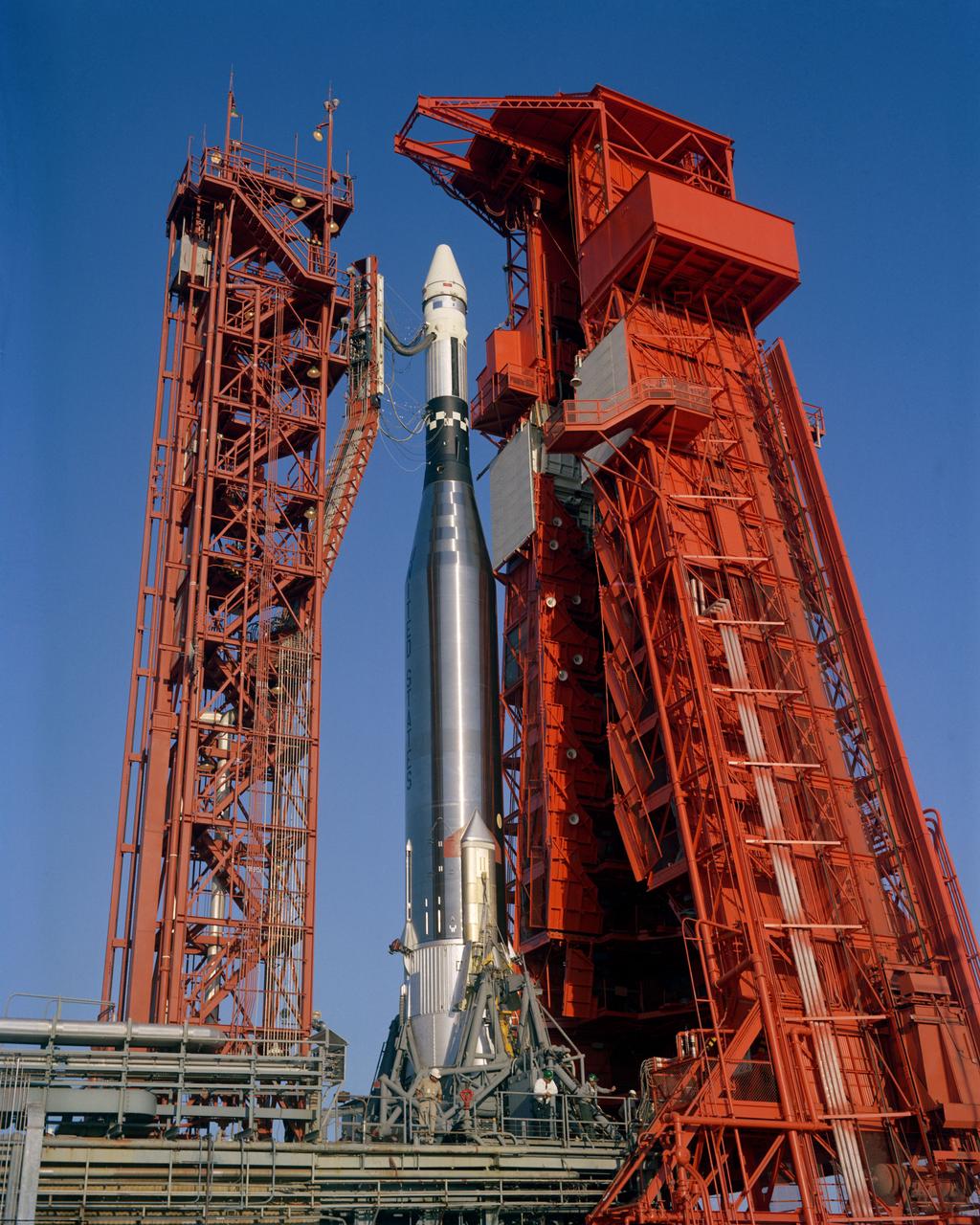
S65-57967 (25 Oct. 1965) --- View at Pad 14 during prelaunch operations for the Atlas/Agena. The Agena is mounted atop its Atlas launch vehicle. The Atlas/Agena liftoff was at 10 a.m. (EST) on Oct. 25, 1965. Intended as a rendezvous target vehicle in the Gemini-6 mission, the Agena failed to achieve orbit, and the Oct. 25 Gemini-6 launch was scrubbed. Photo credit: NASA or National Aeronautics and Space Administration
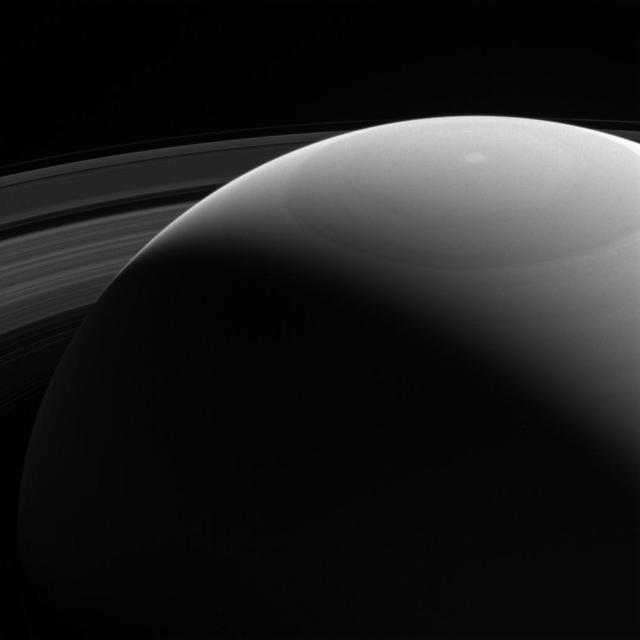
No Earth-based telescope could ever capture a view quite like this. Earth-based views can only show Saturn's daylit side, from within about 25 degrees of Saturn's equatorial plane. A spacecraft in orbit, like Cassini, can capture stunning scenes that would be impossible from our home planet. This view looks toward the sunlit side of the rings from about 25 degrees (if Saturn is dominant in image) above the ring plane. The image was taken in violet light with the Cassini spacecraft wide-angle camera on Oct. 28, 2016. The view was obtained at a distance of approximately 810,000 miles (1.3 million kilometers) from Saturn. Image scale is 50 miles (80 kilometers) per pixel. http://photojournal.jpl.nasa.gov/catalog/PIA20517
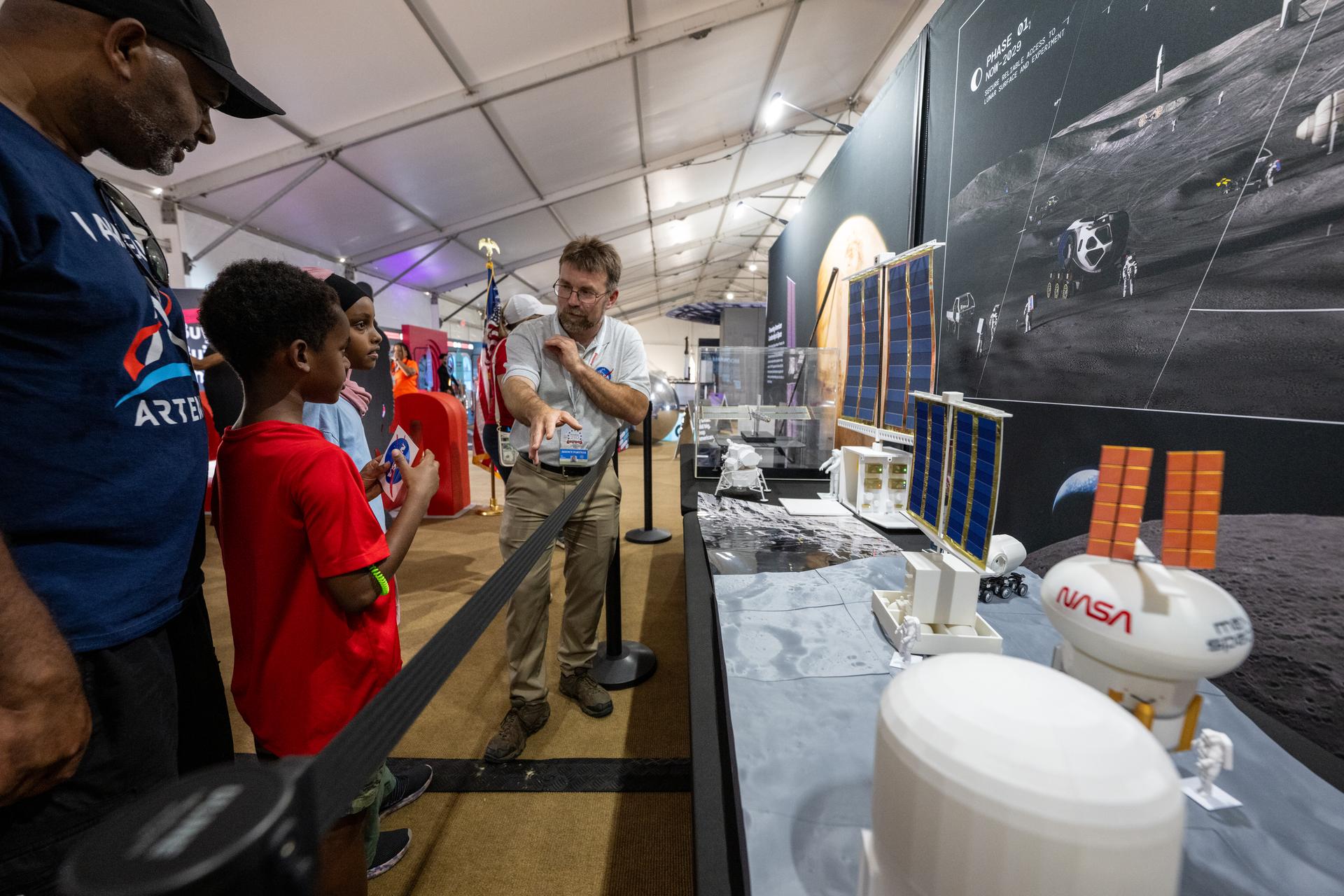
Visitors to the Great American State Fair are seen as they view exhibits in the NASA Pavilion, Thursday, June 25, 2026, on the National Mall in Washington, D.C. Photo Credit: (NASA/Keegan Barber)
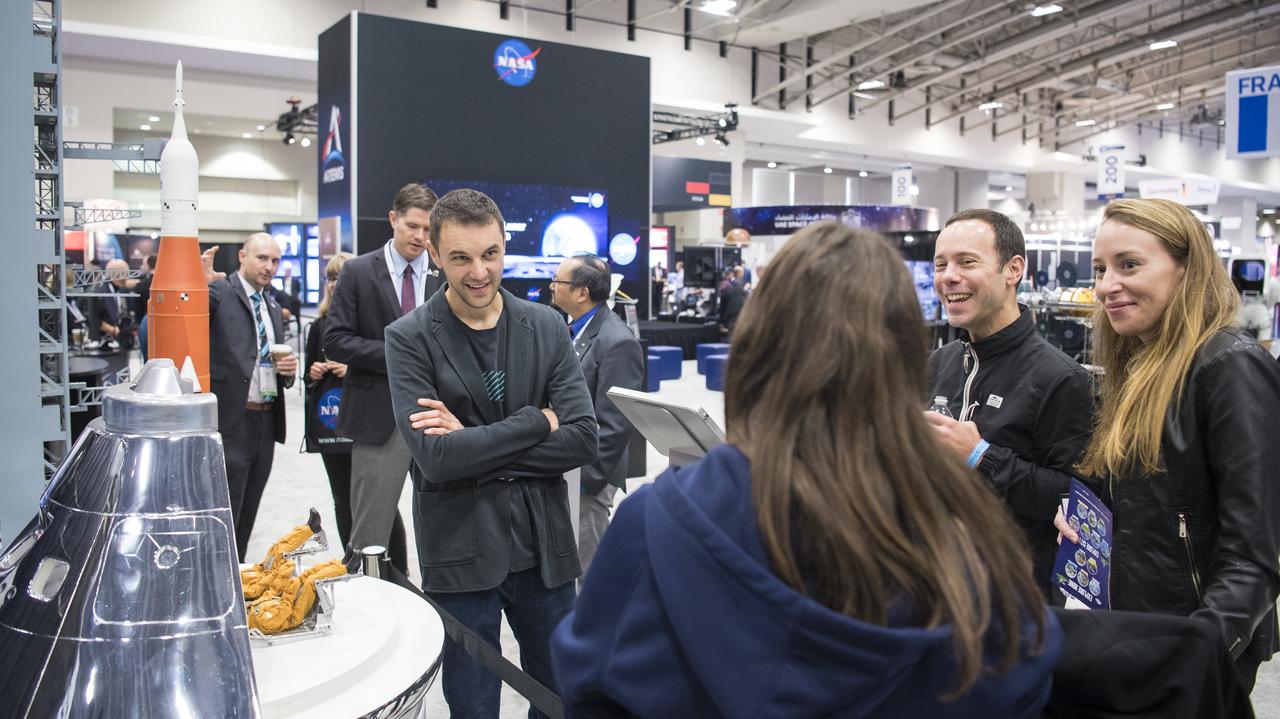
Visitors to the NASA exhibit at the 70th International Astronautical Congress view a cutaway model of the agency’s Orion spacecraft, Friday, Oct. 25, 2019, at the Walter E. Washington Convention Center in Washington. Photo Credit: (NASA/Joel Kowsky)

Visitors to the Great American State Fair are seen as they view exhibits in the NASA Pavilion, Thursday, June 25, 2026, on the National Mall in Washington, D.C. Photo Credit: (NASA/Keegan Barber)
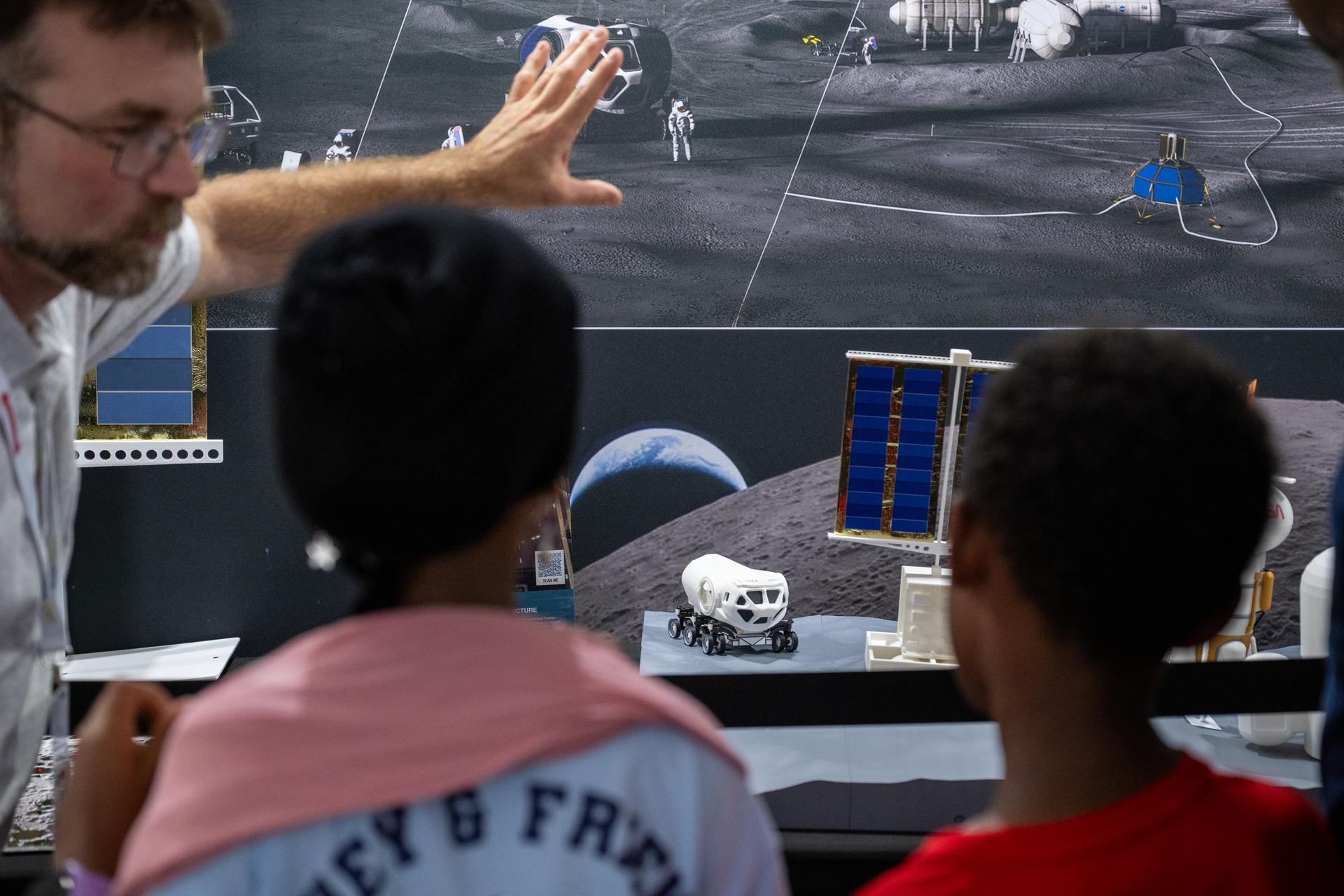
Visitors to the Great American State Fair are seen as they view exhibits in the NASA Pavilion, Thursday, June 25, 2026, on the National Mall in Washington, D.C. Photo Credit: (NASA/Keegan Barber)
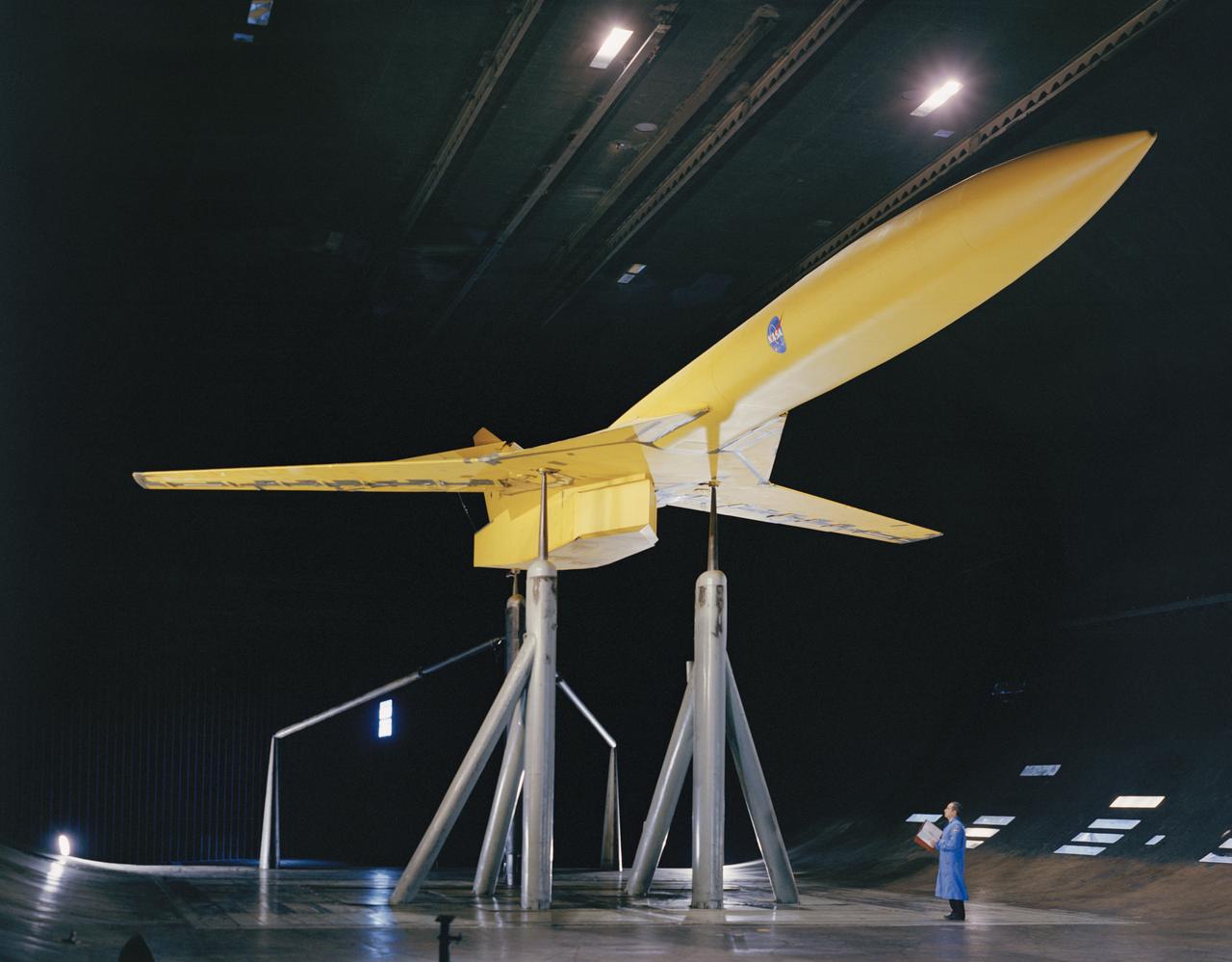
3/4 view of model in cruise configuration with 25 deg. Sweep, AR=6.9. SCAT-16; Variable Sweep Model in 40x80 Wind Tunnel at NASA Ames.
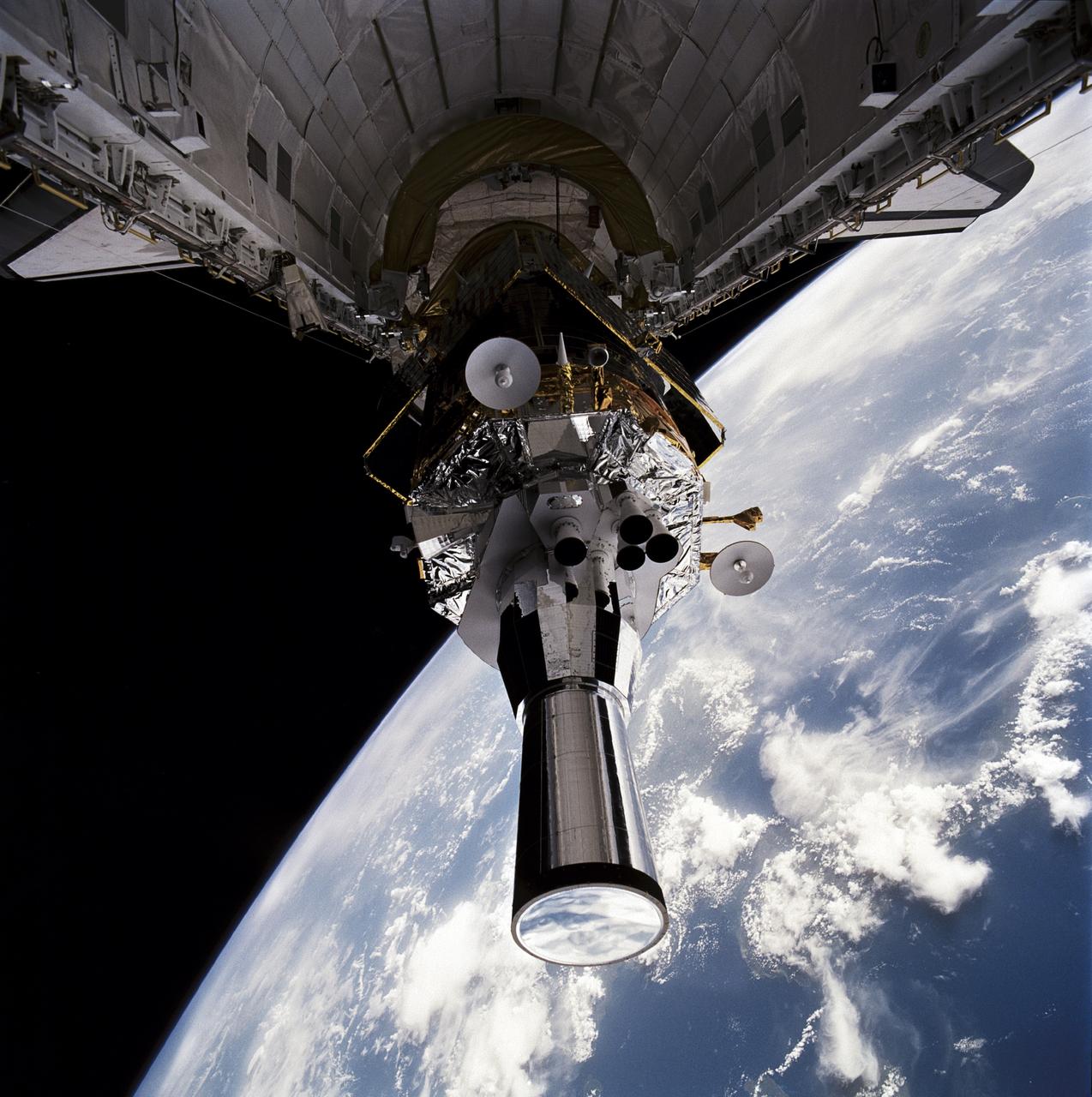
STS044-71-011 (25 Nov. 1991) --- A 70mm frame shows pre-deployment view of the Defense Support Payload (DSP), backdropped against a blue and white Earth.
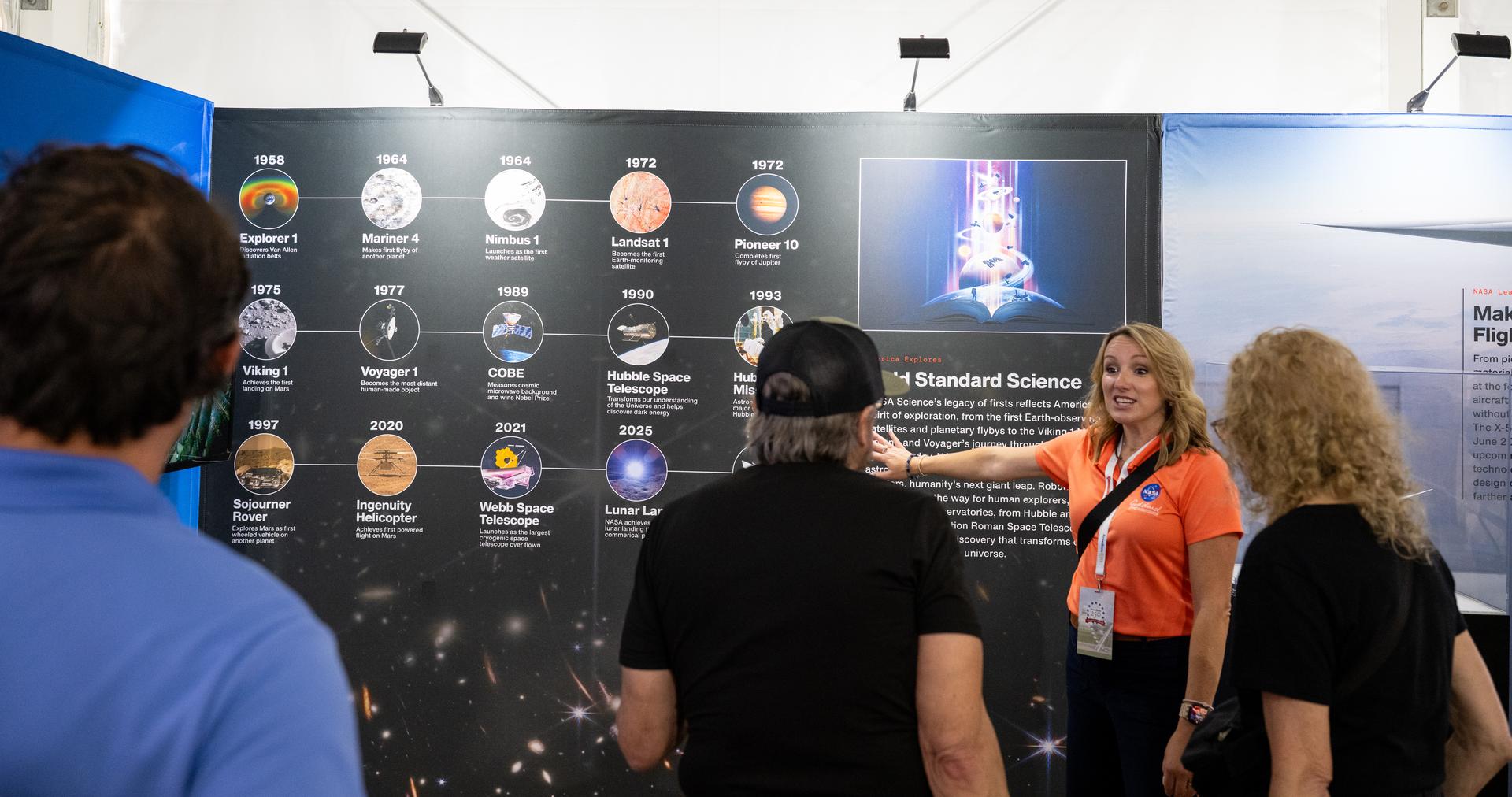
Visitors to the Great American State Fair are seen as they view exhibits in the NASA Pavilion, Thursday, June 25, 2026, on the National Mall in Washington, D.C. Photo Credit: (NASA/Keegan Barber)

S70-18218 (25 May 1961) --- View of President John F. Kennedy, with Vice-President Lyndon B. Johnson. and Speaker of the House Sam Rayburn behind him, addressing the Joint House of Congress,
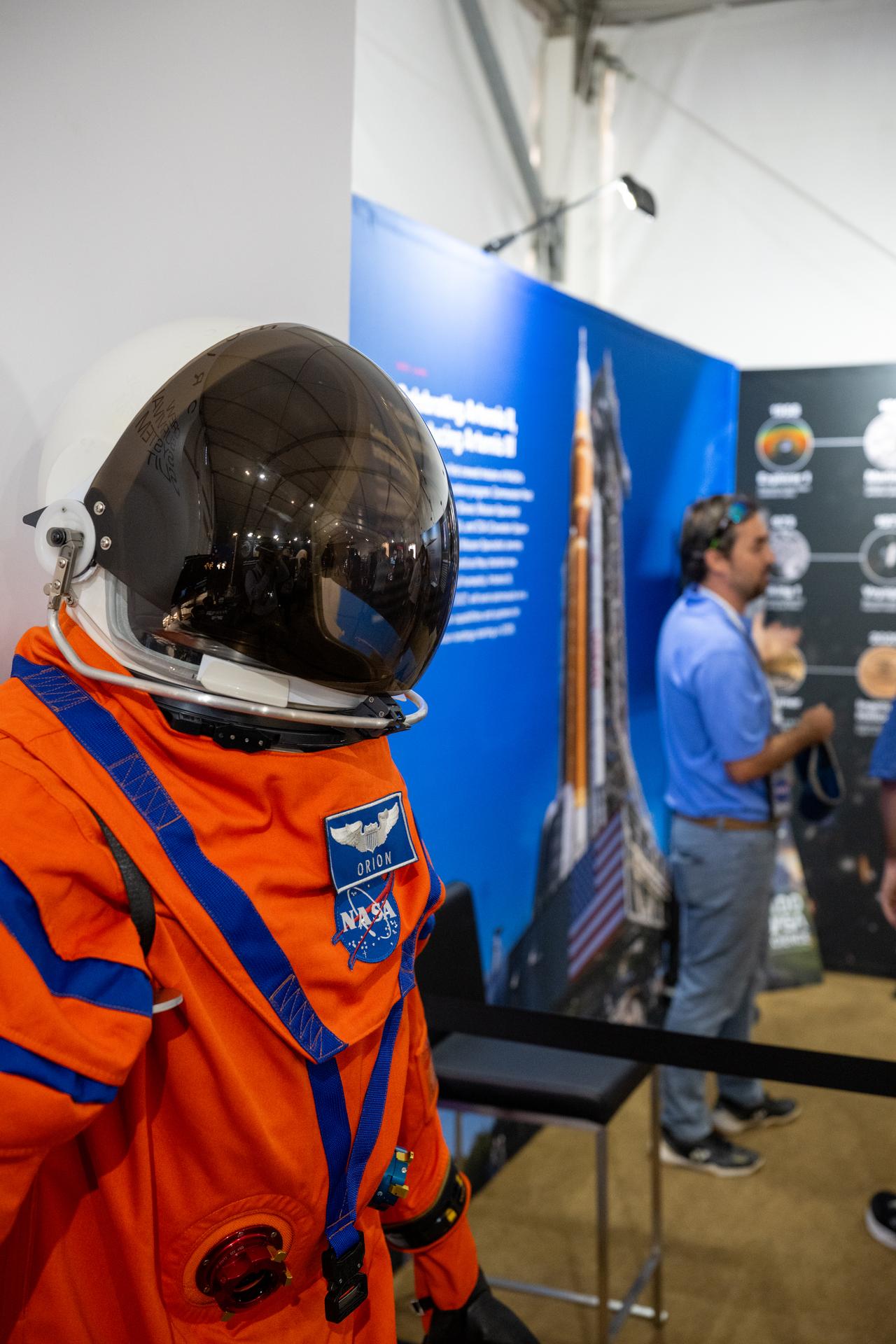
Visitors to the Great American State Fair are seen as they view exhibits in the NASA Pavilion, Thursday, June 25, 2026, on the National Mall in Washington, D.C. Photo Credit: (NASA/Keegan Barber)
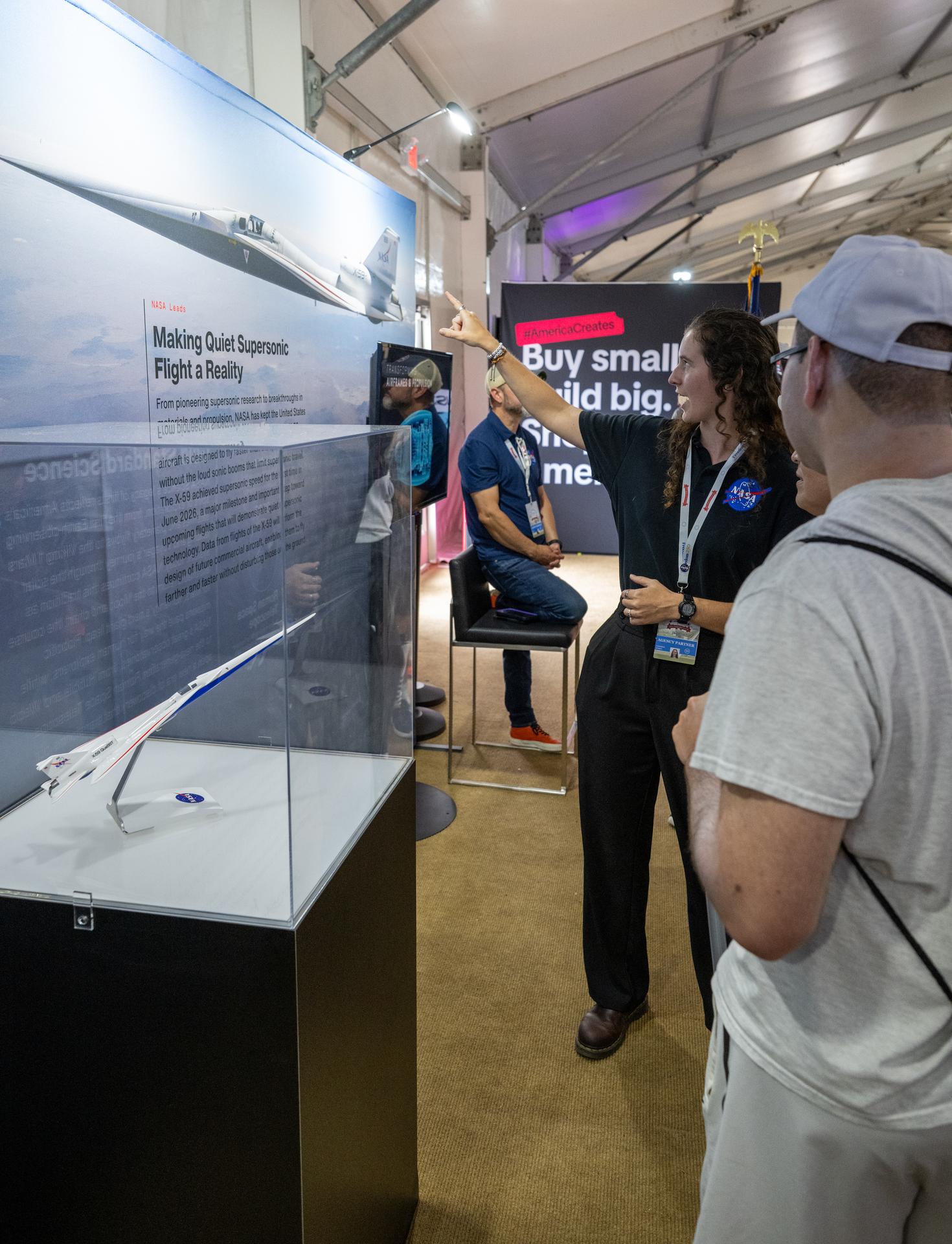
Visitors to the Great American State Fair are seen as they view exhibits in the NASA Pavilion, Thursday, June 25, 2026, on the National Mall in Washington, D.C. Photo Credit: (NASA/Keegan Barber)
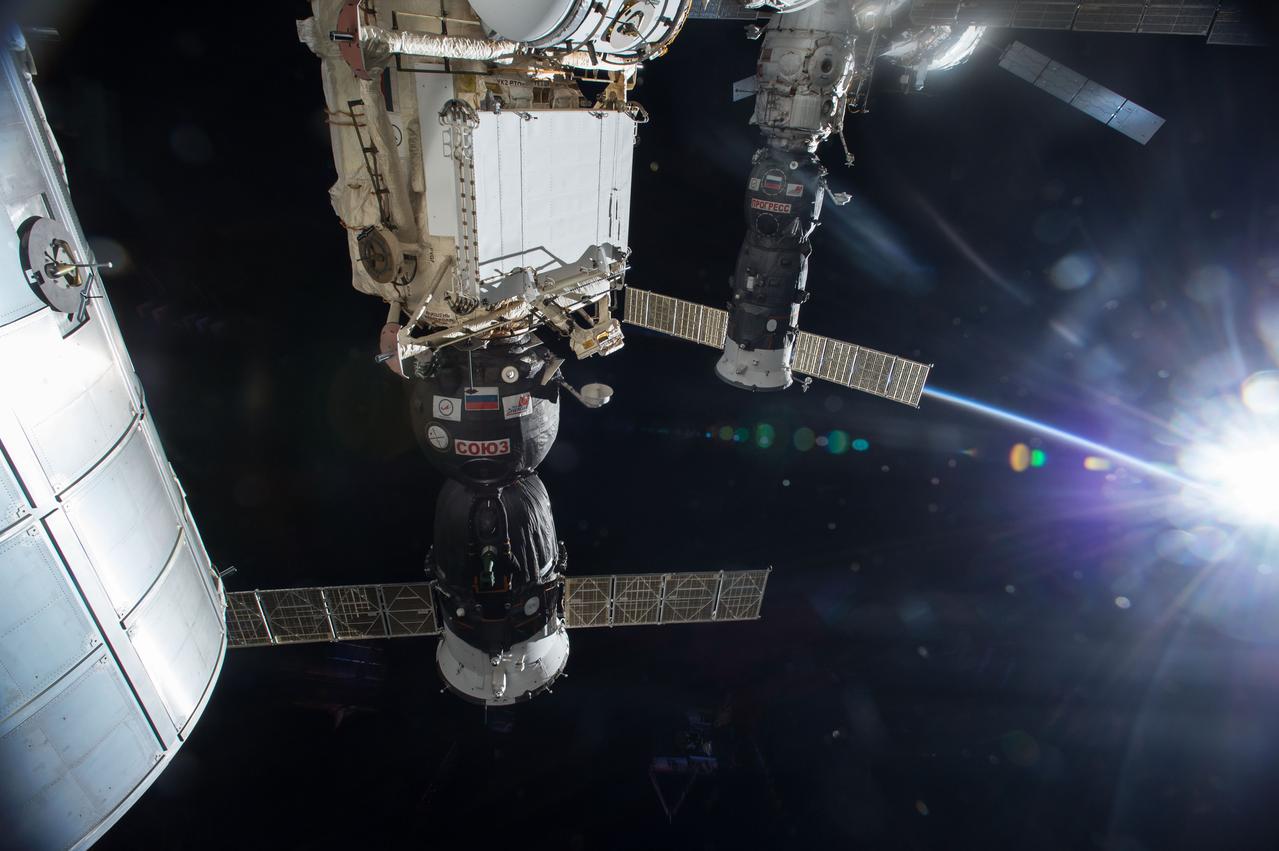
ISS042E015787 (11/25/2014) --- NASA astronaut Terry Virts captured this beautiful sunset on board the International Space Station. Astronauts, and cosmonauts are treated to many changing views of the Earth and stars as the station carries them around the Earth.
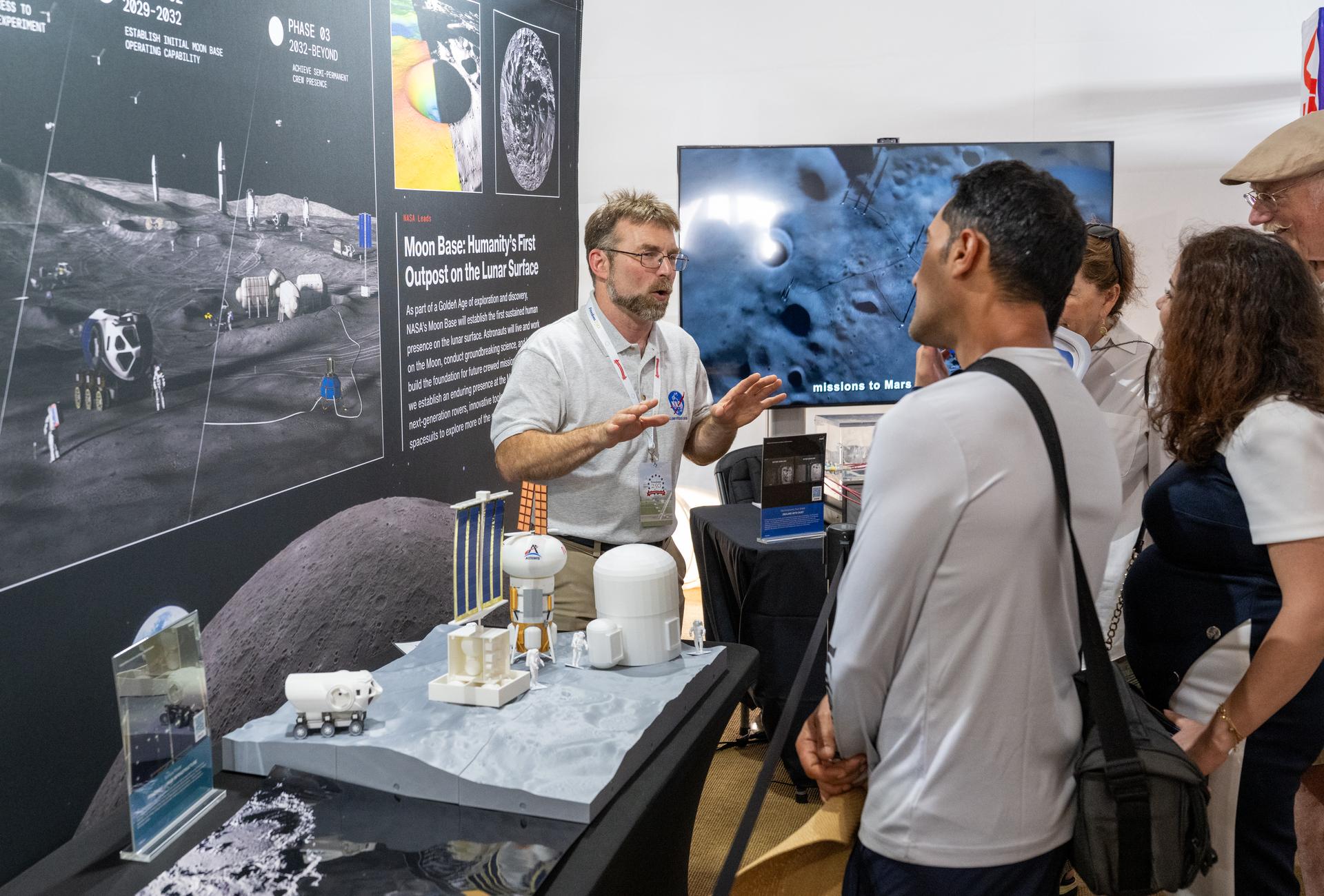
Visitors to the Great American State Fair are seen as they view exhibits in the NASA Pavilion, Thursday, June 25, 2026, on the National Mall in Washington, D.C. Photo Credit: (NASA/Keegan Barber)
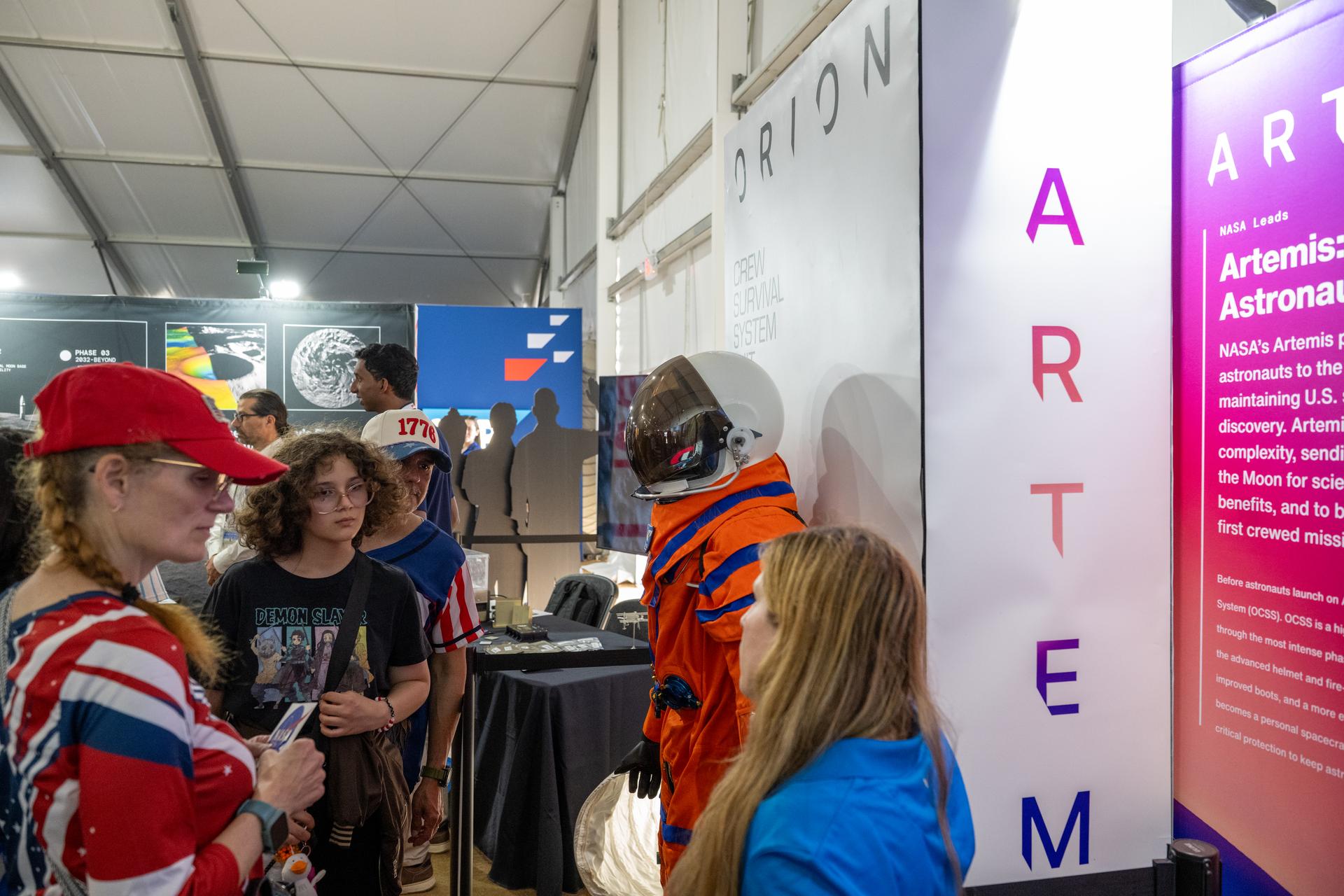
Visitors to the Great American State Fair are seen as they view exhibits in the NASA Pavilion, Thursday, June 25, 2026, on the National Mall in Washington, D.C. Photo Credit: (NASA/Keegan Barber)
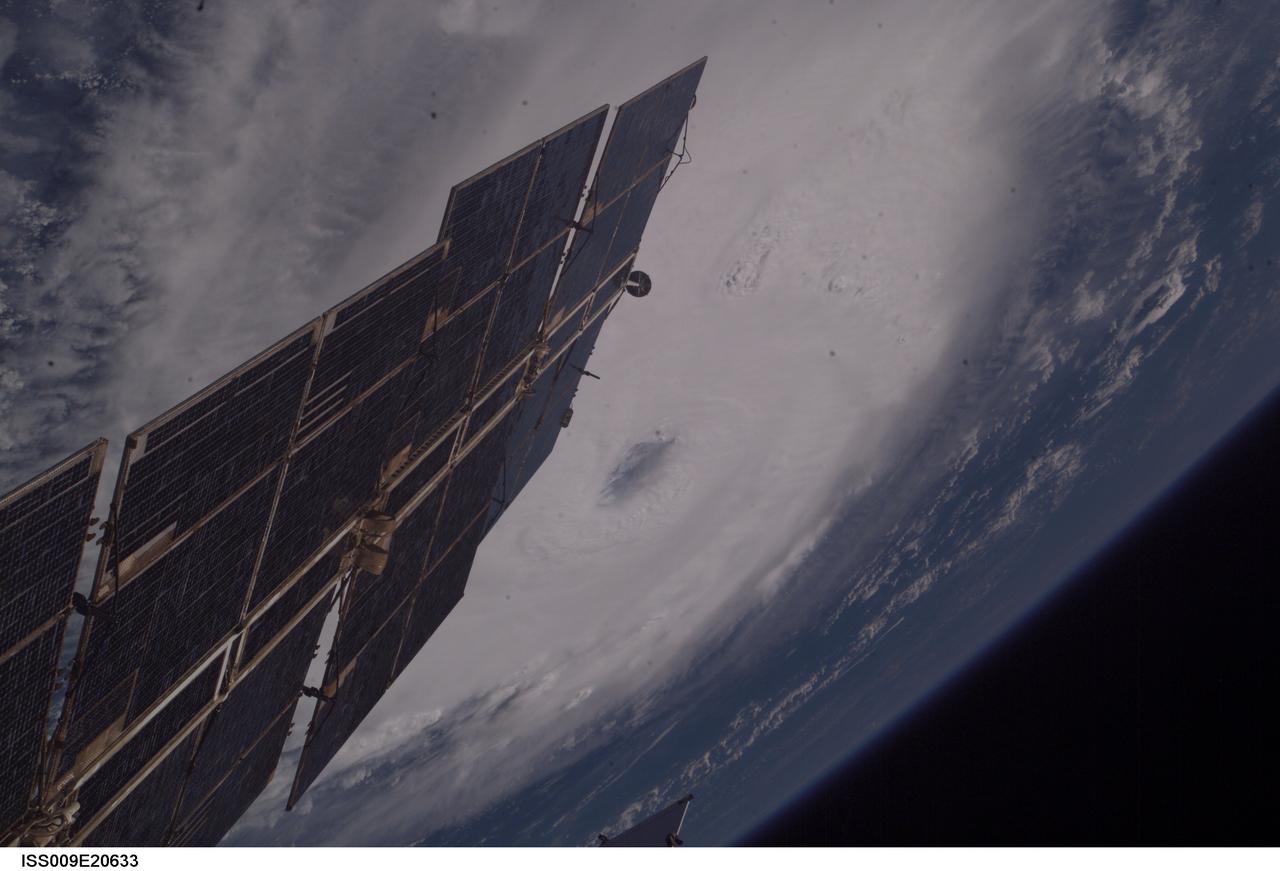
ISS009-E-20633 (28 August 2004) --- This oblique view of the Hurricane Frances was photographed with a digital still camera from the International Space Station at 12:52:25 GMT, August 28, 2004.
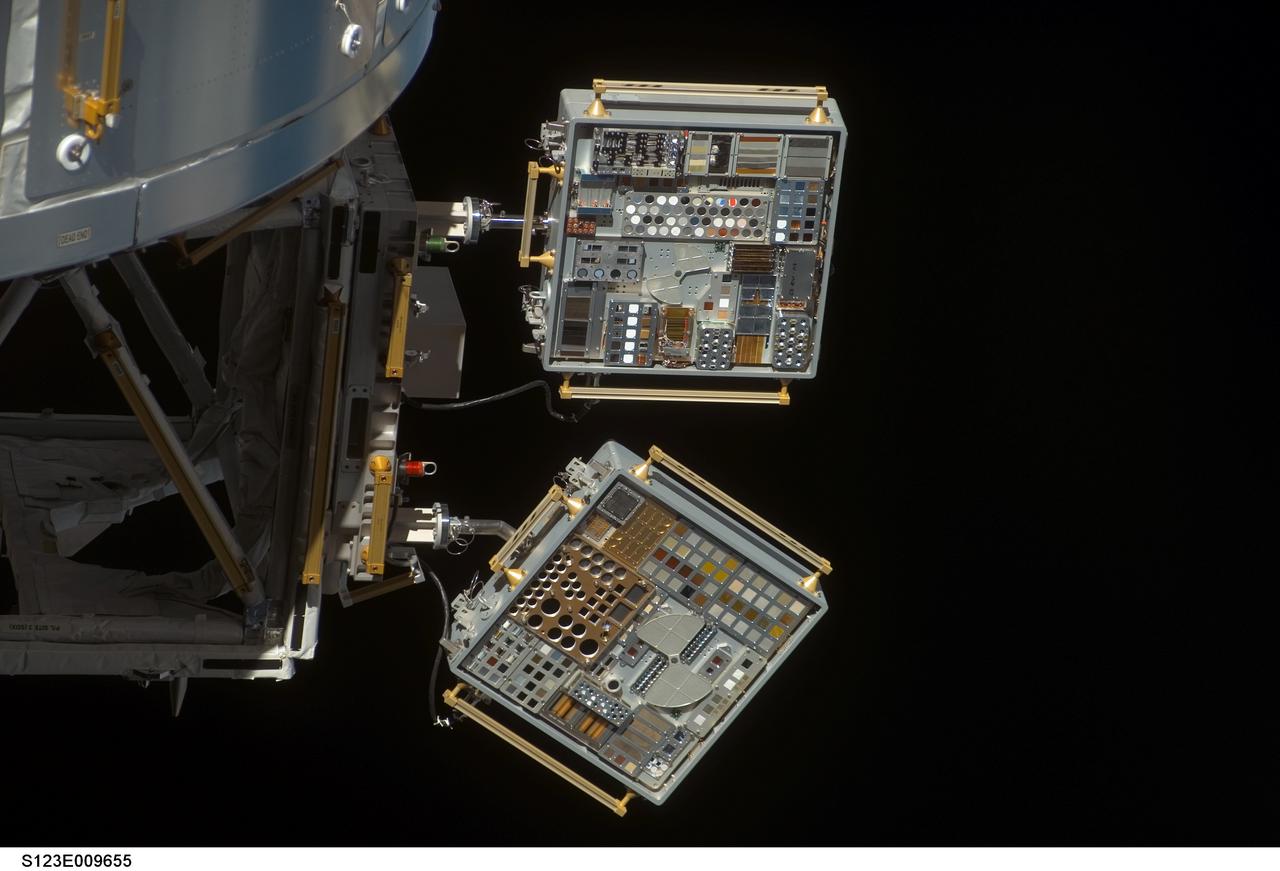
s123e009655 (3/25/2008) --- View of Materials International Space Station Experiment (MISSE) 6 Passive Experiment Container (PEC) on European Laboratory/Columbus. Photo was taken during flyaround of STS-123 Space Shuttle Endeavor.
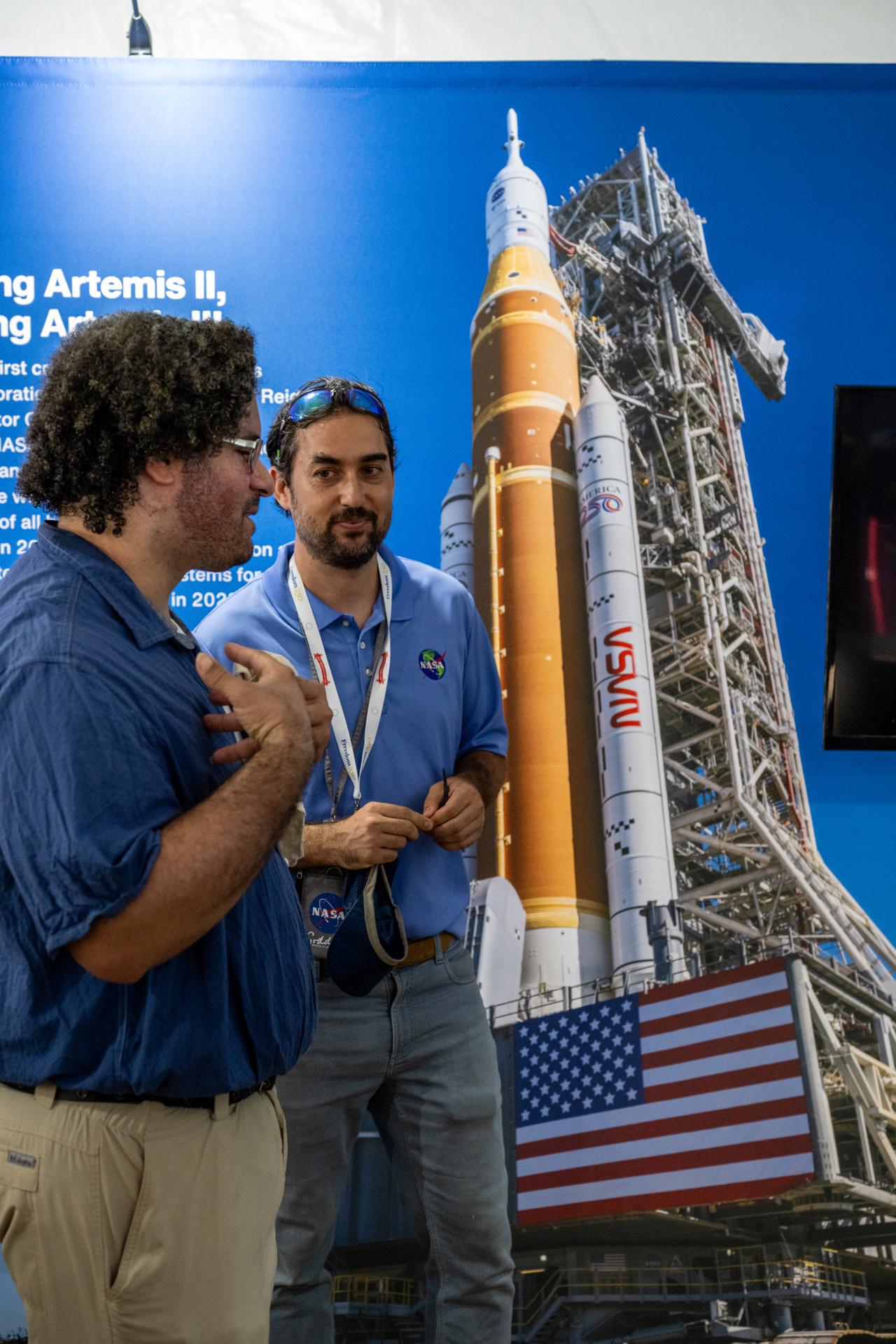
Visitors to the Great American State Fair are seen as they view exhibits in the NASA Pavilion, Thursday, June 25, 2026, on the National Mall in Washington, D.C. Photo Credit: (NASA/Keegan Barber)
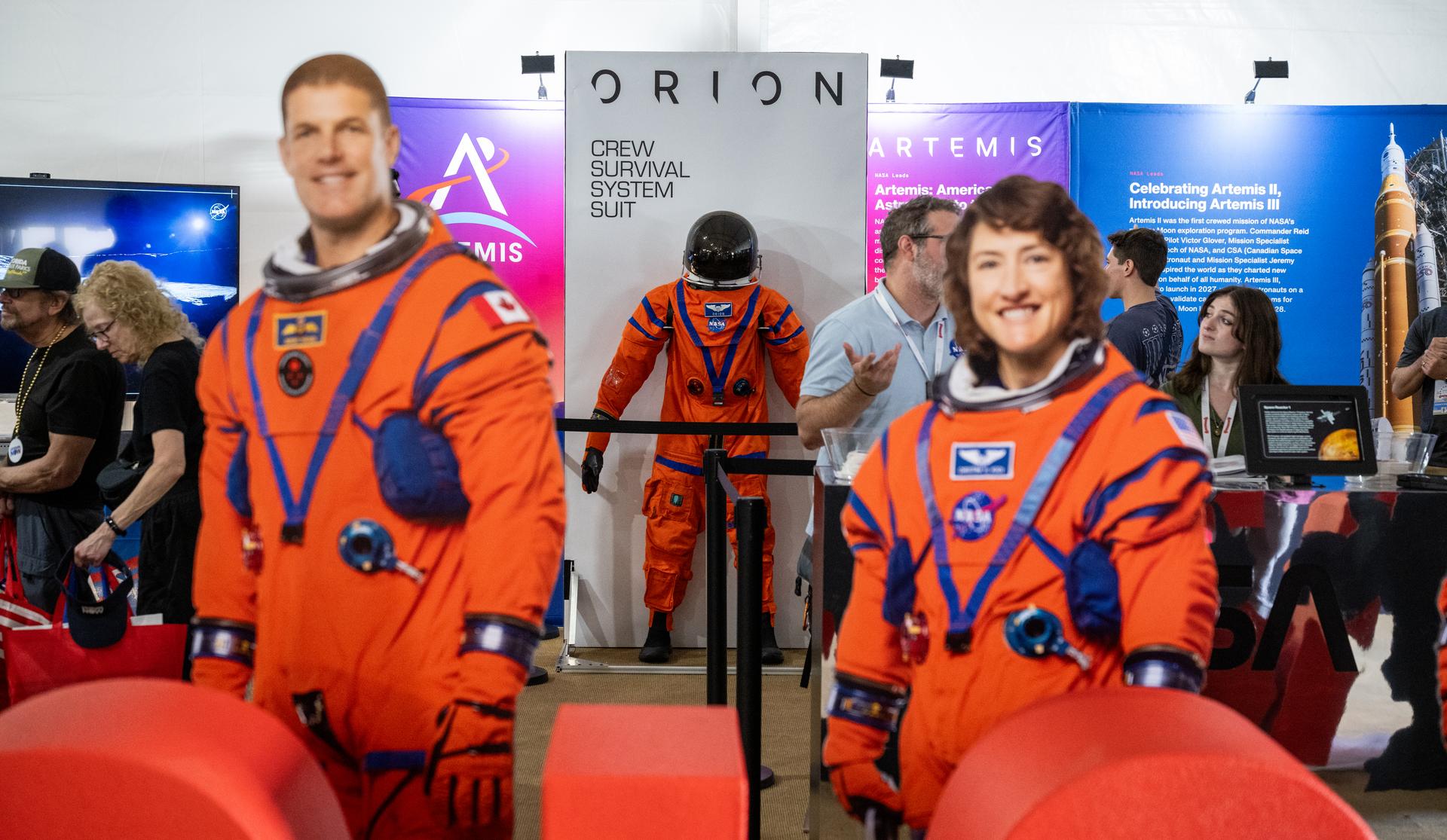
Visitors to the Great American State Fair are seen as they view exhibits in the NASA Pavilion, Thursday, June 25, 2026, on the National Mall in Washington, D.C. Photo Credit: (NASA/Keegan Barber)
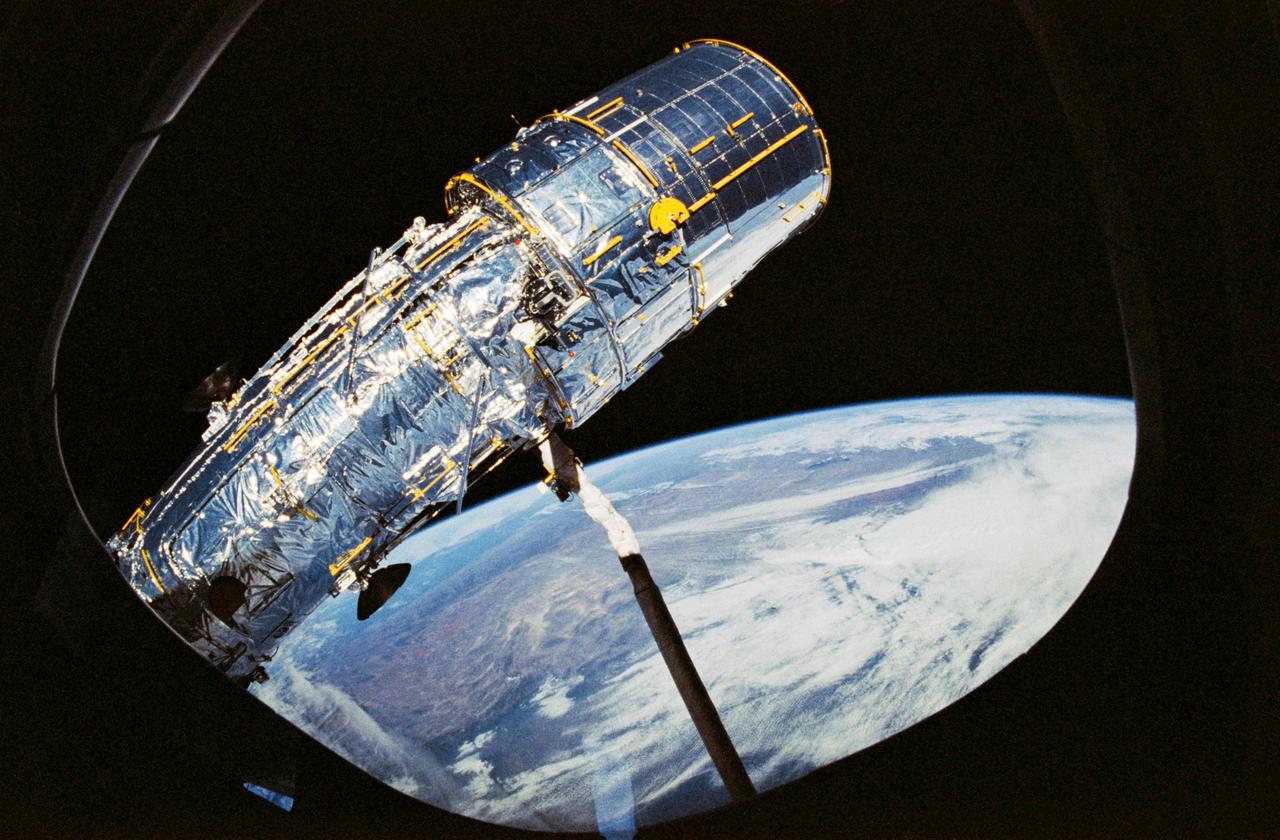
STS031-10-023 (25 April 1990) --- View of the Hubble Space Telescope (HST) on the end of Discovery's Remote Manipulator System (RMS) arm prior to deployment of its antennae and solar array panels.
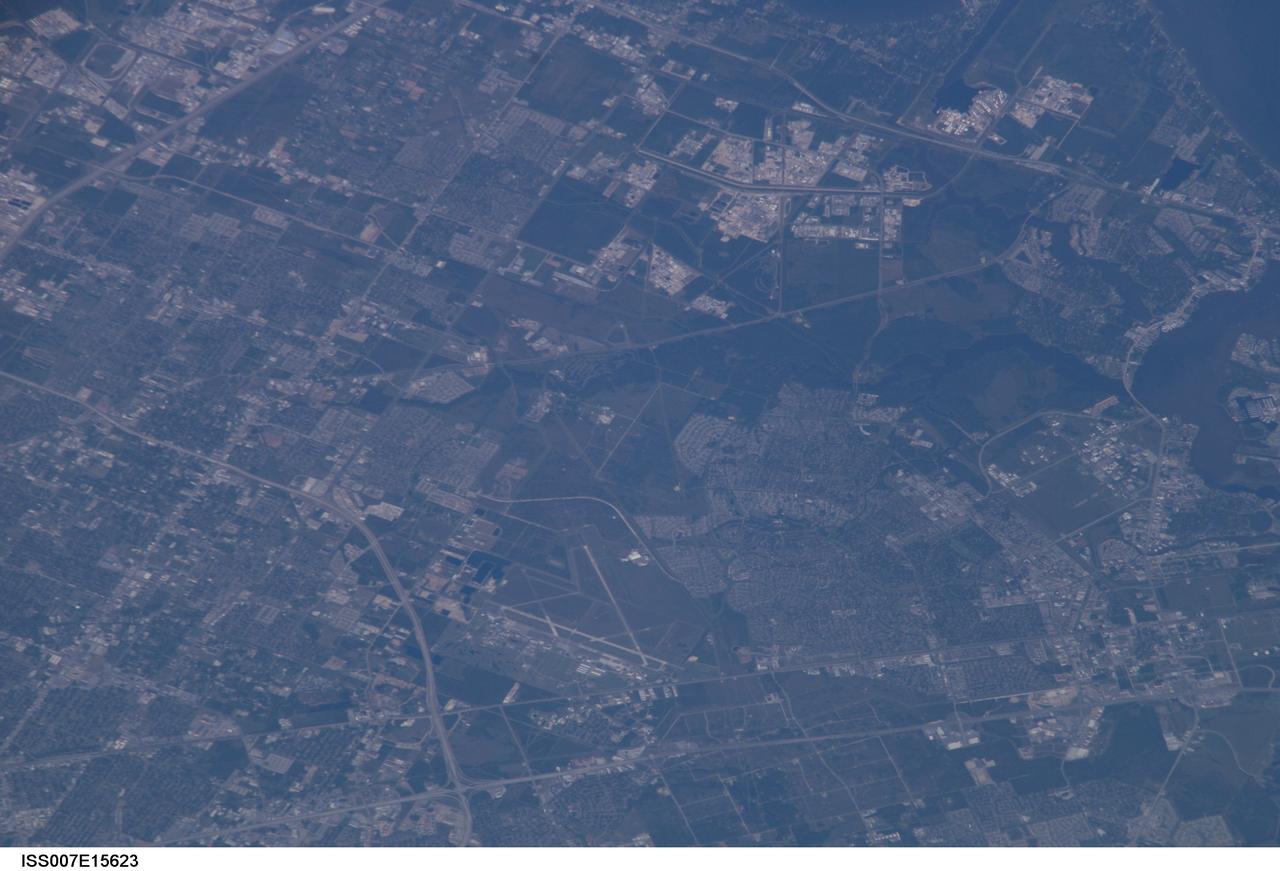
ISS007-E-15623 (28 September 2003) --- This view featuring Clear Lake area and NASA, 25 miles southeast of Houston, Texas, was photographed by an Expedition 7 crewmember onboard the International Space Station (ISS).
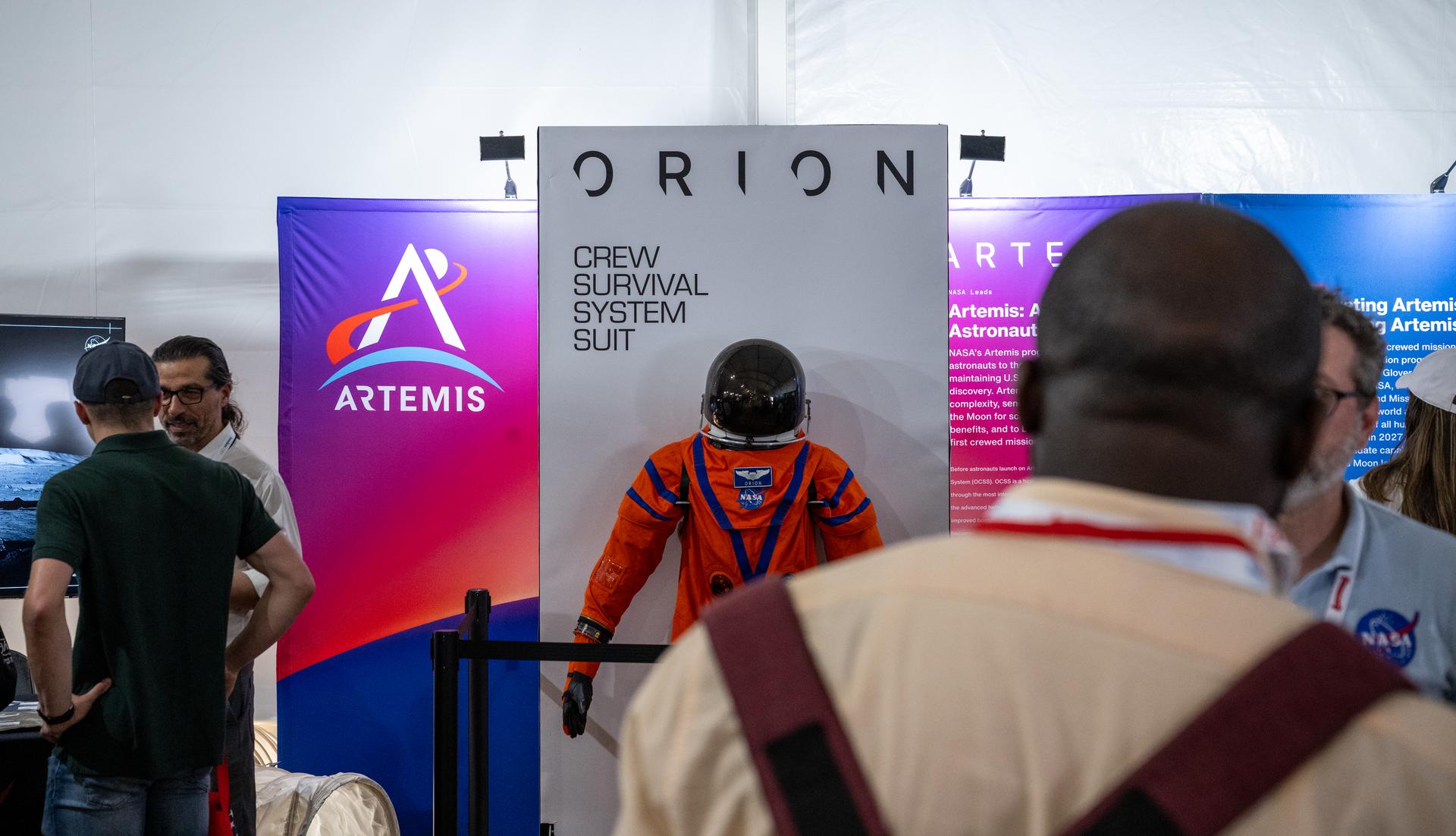
Visitors to the Great American State Fair are seen as they view exhibits in the NASA Pavilion, Thursday, June 25, 2026, on the National Mall in Washington, D.C. Photo Credit: (NASA/Keegan Barber)

ISS006-E-45091 (25 March 2003) --- A view of the Russian BIO-5 Rasteniya-2/Lada-2 (Plants-2) plant growth experiment located in the Zvezda Service Module on the International Space Station (ISS).
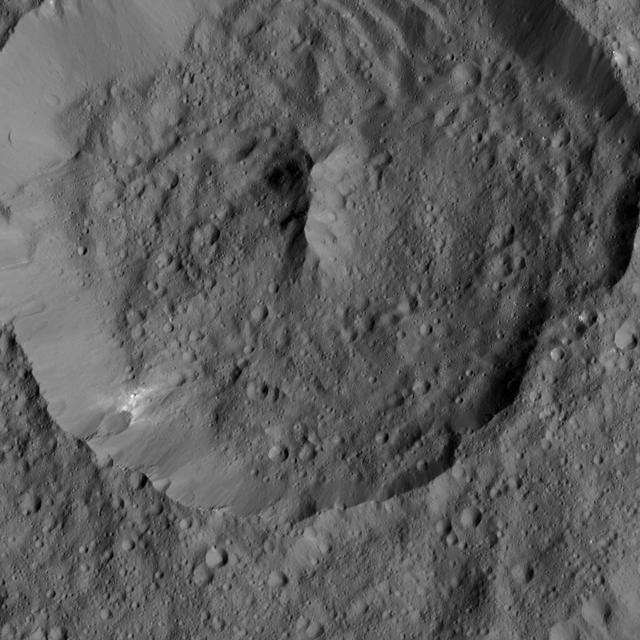
NASA's Dawn spacecraft spies Achita Crater on Ceres in this view. Achita is named for a Nigerian god of agriculture and is 25 miles (40 kilometers) wide. Dawn took this image on June 3, 2016, from its low-altitude mapping orbit, at a distance of about 240 miles (385 kilometers) above the surface. The image resolution is 120 feet (35 meters) per pixel. http://photojournal.jpl.nasa.gov/catalog/PIA20947
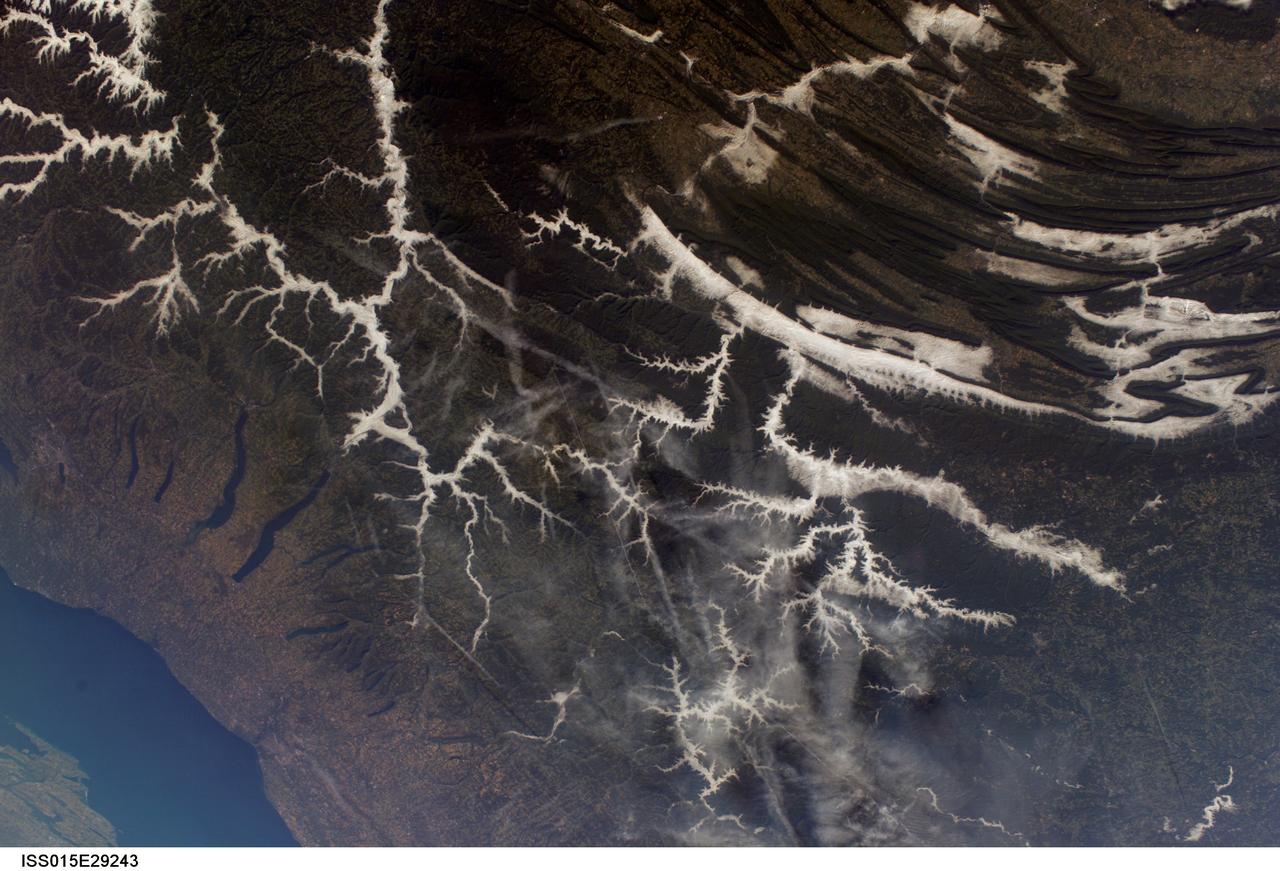
ISS015-E-029243 (25 Sept. 2007) --- Sun glint on several rivers in New York and Pennsylvania dominates this view from the International Space Station, photographed by one of the Expedition 15 crew members on Sept. 25, 2007. A small section of Lake Ontario is visible at bottom left, with New York's Finger Lakes easily recognizable above and to the right of it.
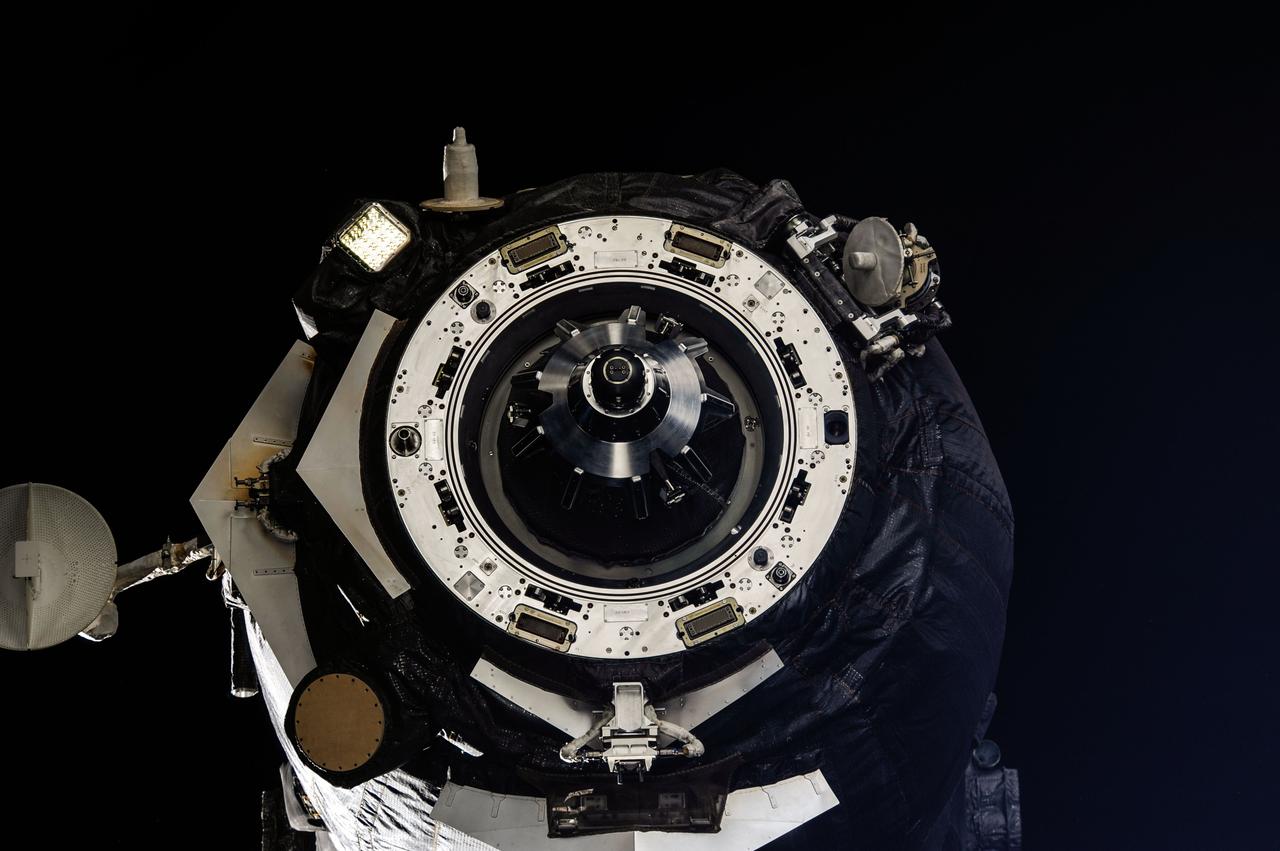
ISS036-E-024927 (25 July 2013) --- This close-up view shows the docking mechanism of the unpiloted Russian ISS Progress 50 (50P) resupply ship as it undocks from the International Space Station?s Pirs Docking Compartment at 4:43 p.m. (EDT) on July 25, 2013. The Progress 50 deorbited over the Pacific Ocean a few hours later for a fiery destruction. An ISS Progress 52 is set to replace the 50P when it launches at 4:45 p.m. on July 27 from the Baikonur Cosmodrome in Kazakhstan.
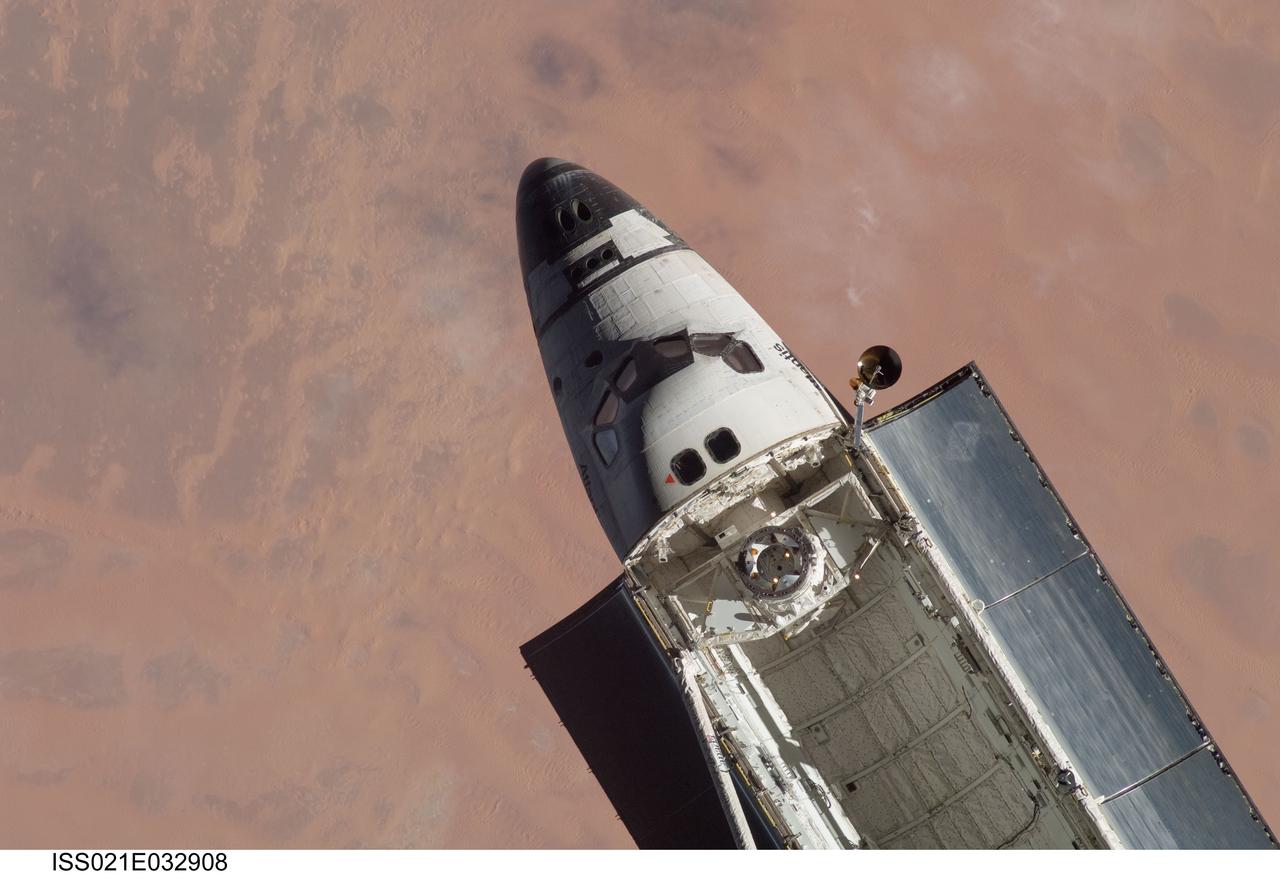
ISS021-E-032908 (25 Nov. 2009) --- A partial view of space shuttle Atlantis (STS-129) is featured in this image photographed by an Expedition 21 crew member on the International Space Station soon after the shuttle and station began their post-undocking relative separation. Undocking of the two spacecraft occurred at 3:53 a.m. (CST) on Nov. 25, 2009.
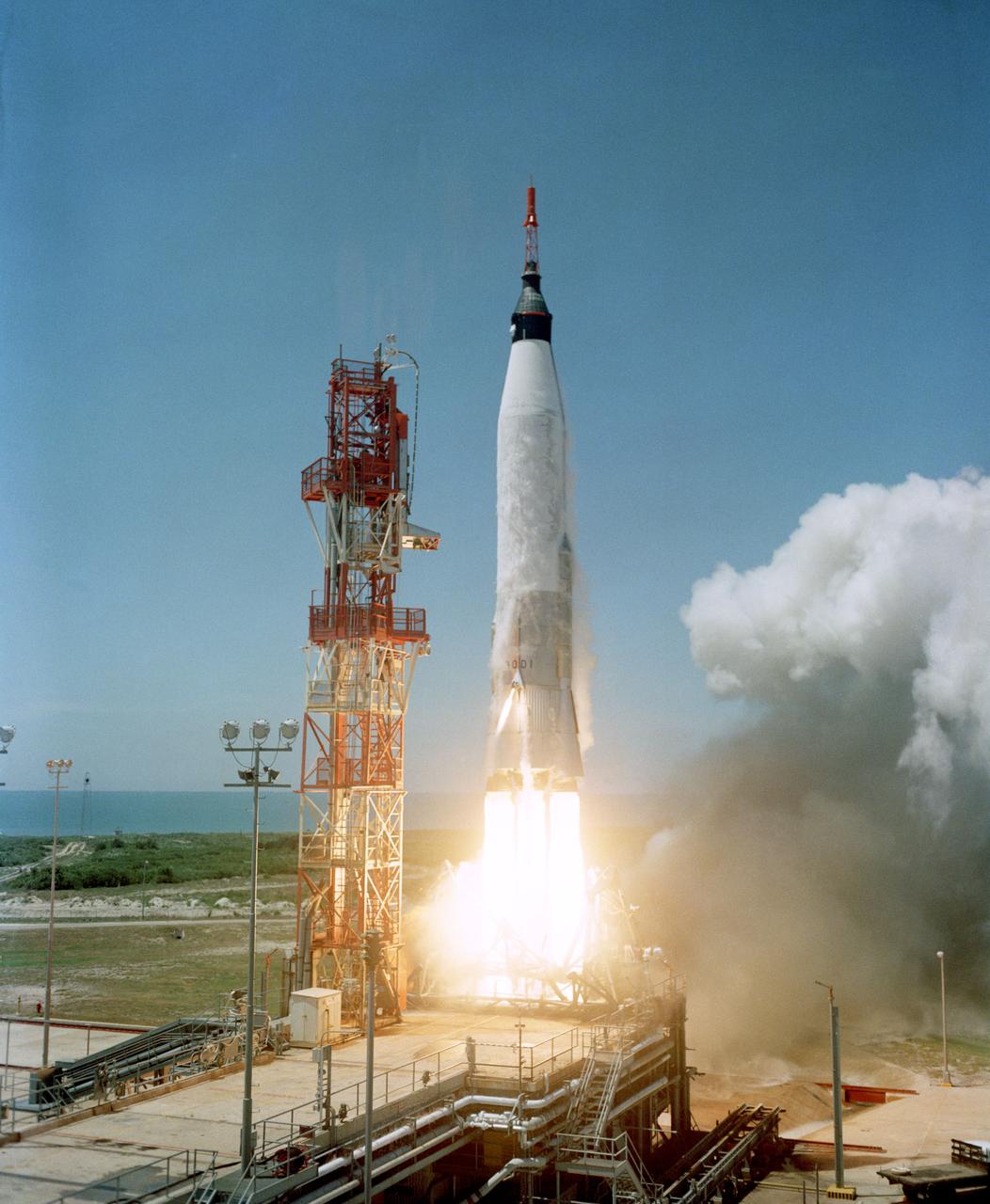
S61-01925 (25 April 1961) --- View of the Mercury-Atlas 3 (MA-3) liftoff from Cape Canaveral, Florida on April 25, 1961. The orbital test flight of the Mercury capsule did not achieve orbit and was destroyed after 40 seconds by Range Safety Officer when the inertial guidance system failed to pitch the vehicle over toward the horizon. Photo credit: NASA
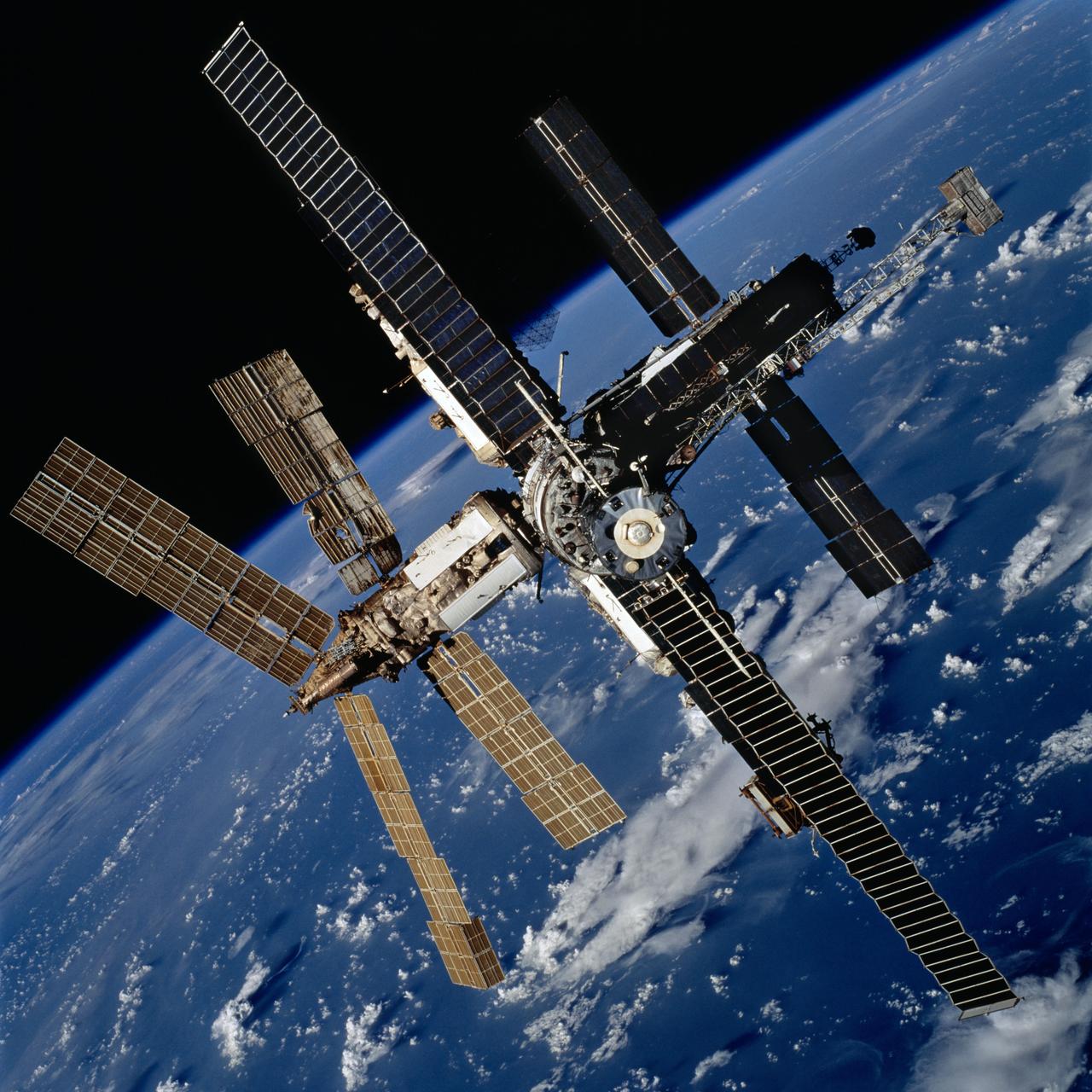
STS086-710-007 (25 Sept - 6 Oct 1997) --- A 70mm view of Russia?s Mir Space Station backdropped against a cloud-covered Earth was photographed during a fly-around by the Space Shuttle Atlantis following the conclusion of joint docking activities between the Mir-24 and STS-86 crews. One of the solar array panels on the Spektr Module shows damage incurred during the impact of a Russian unmanned Progress re-supply ship with collided with the space station on June 25, 1997.
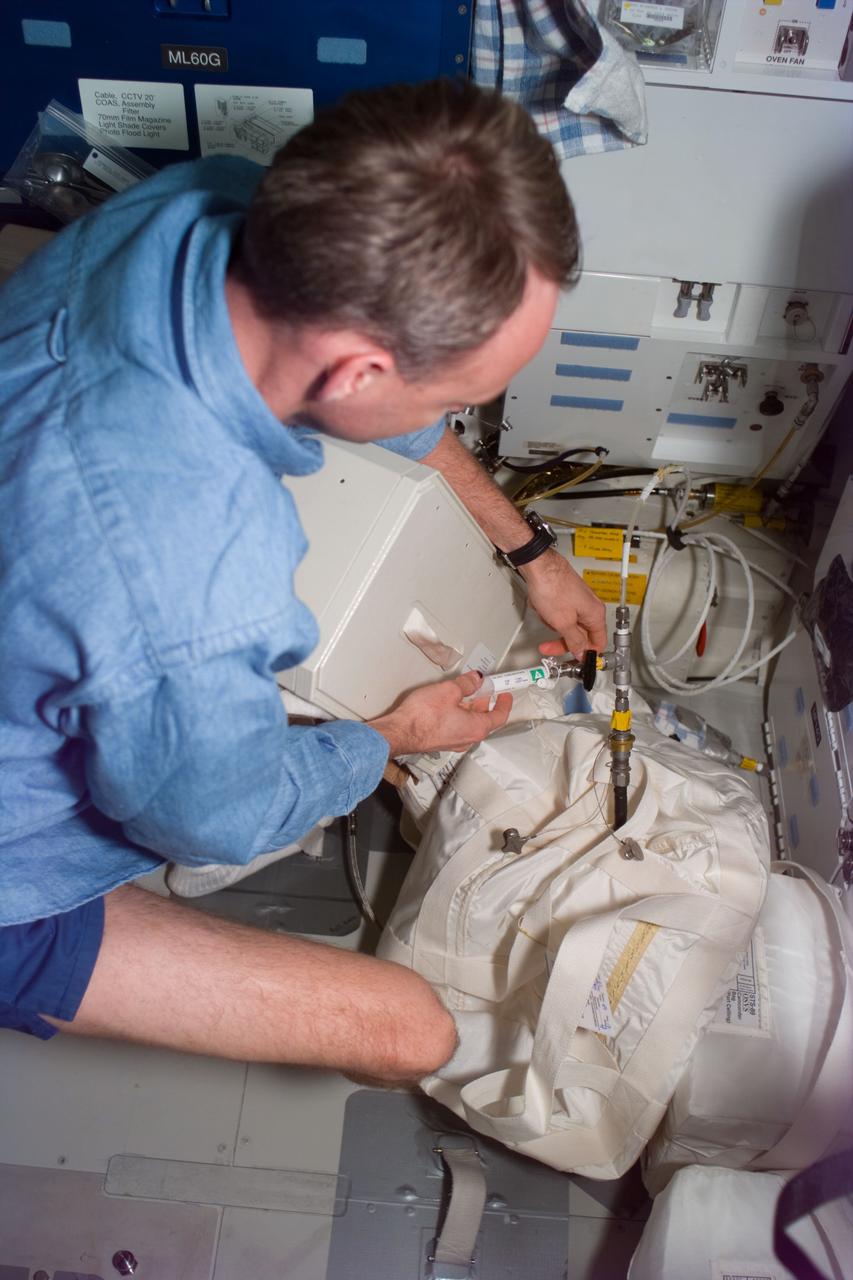
S89-E-5270 (25 Jan 1998) --- This Electronic Still Camera (ESC) image shows astronaut Joe F. Edwards, Jr., pilot, transferring fresh water from the Space Shuttle Endeavour to Russia's Mir Space Station during transfer operations. This ESC view was taken on January 25, 1998, at 08:30:49 MET.
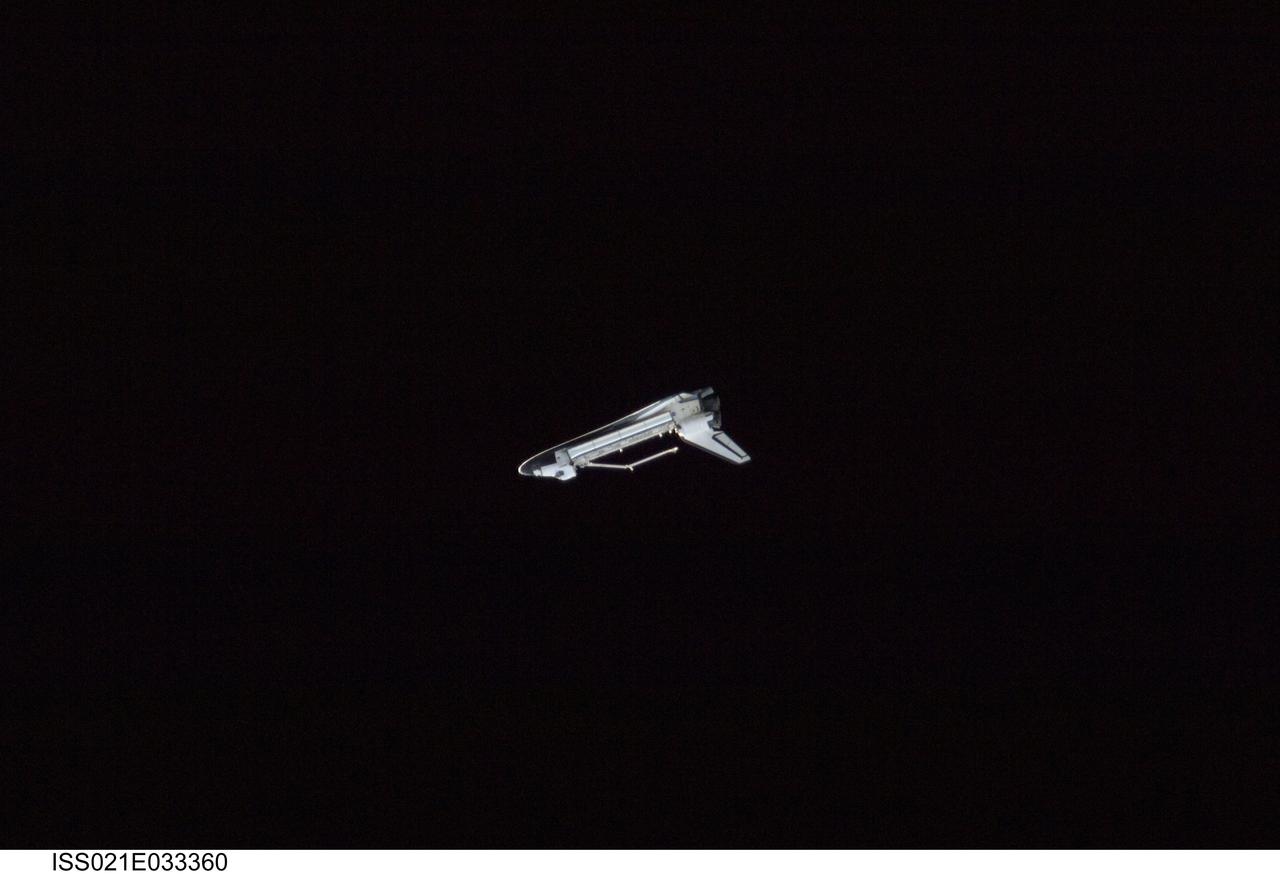
ISS021-E-033360 (25 Nov. 2009) --- Surrounded by the blackness of space, this profile view of the space shuttle Atlantis was photographed by an Expedition 21 crew member on the International Space Station soon after the shuttle and station began their post-undocking relative separation. Undocking of the two spacecraft occurred at 3:53 a.m. (CST) on Nov. 25, 2009.
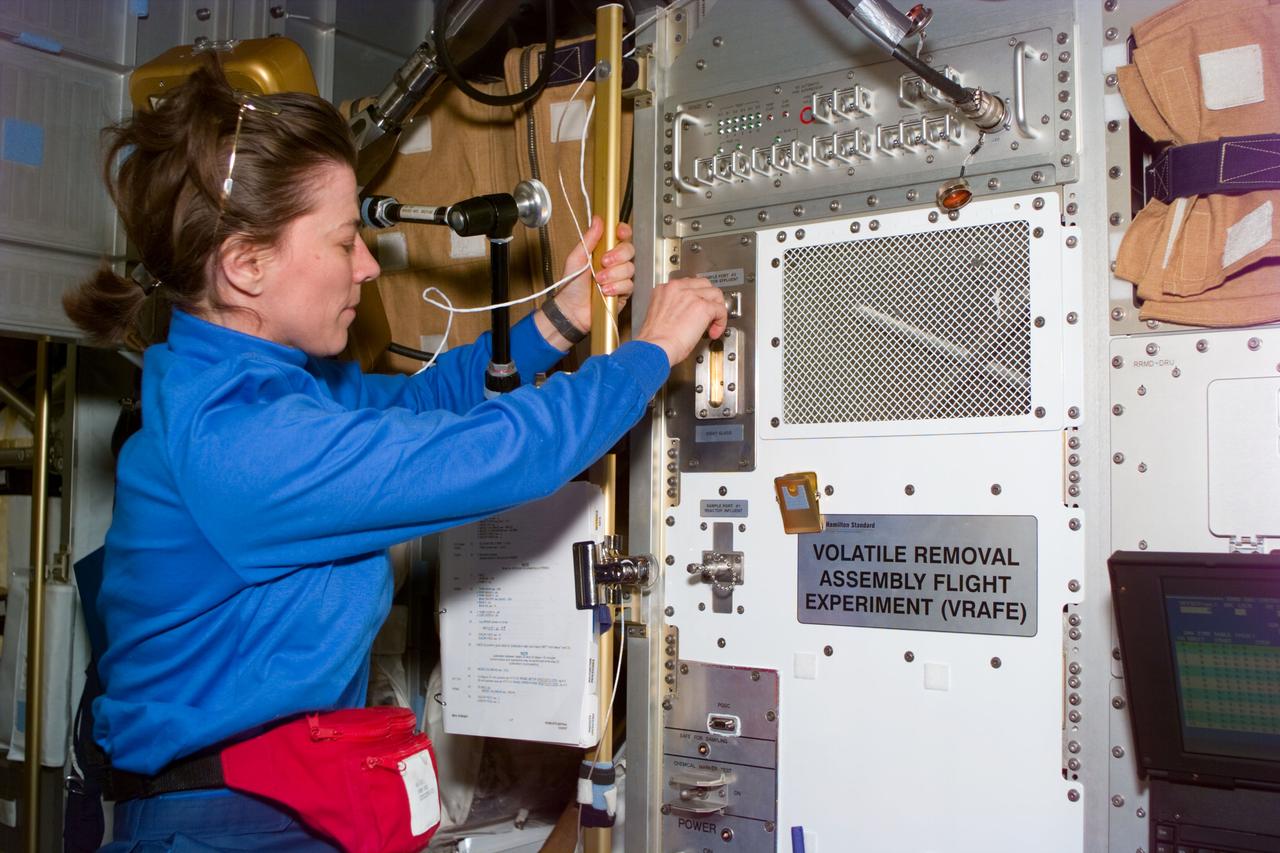
S89-E-5285 (25 Jan 1998) --- This Electronic Still Camera (ESC) image shows mission specialist Bonnie J. Dunbar, payload commander, working in the Spacehab Module onboard the Space Shuttle Endeavour. Dunbar is working with RME-1326, a Risk Mitigation Experiment (RME) at the Volatile Removal Assembly (VRA). This ESC view was taken on January 25, 1998 at 13:16:22 GMT.
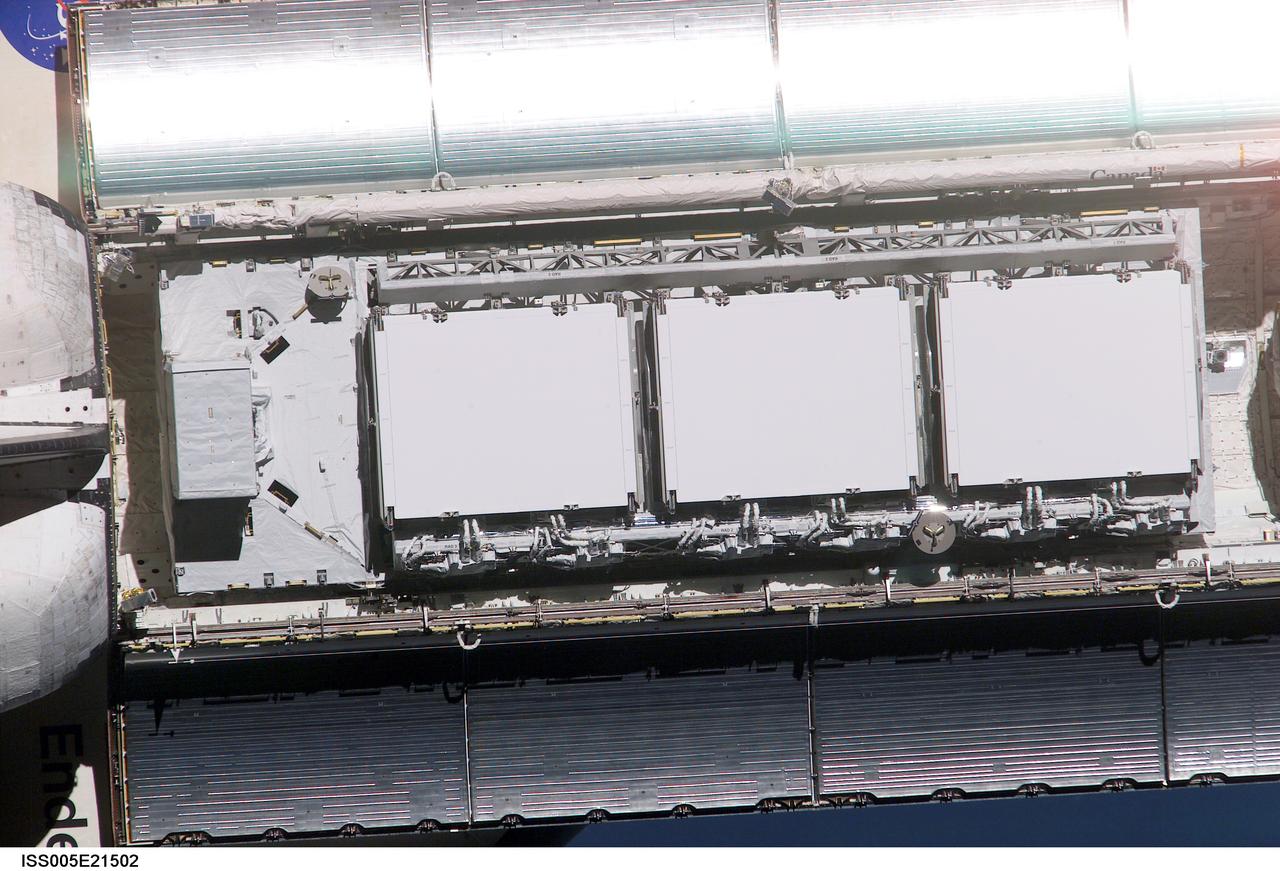
ISS005-E-21502 (25 November 2002) --- This medium close-up view of the Space Shuttle Endeavour's cargo bay was photographed by an Expedition Five crewmember onboard the International Space Station (ISS) during STS-113 rendezvous and docking operations. Docking occurred at 3:59 p.m. (CST) on November 25, 2002. The Port One (P1) truss, which was later to be attached to the station and outfitted during three spacewalks, can be seen in Endeavour's cargo bay.
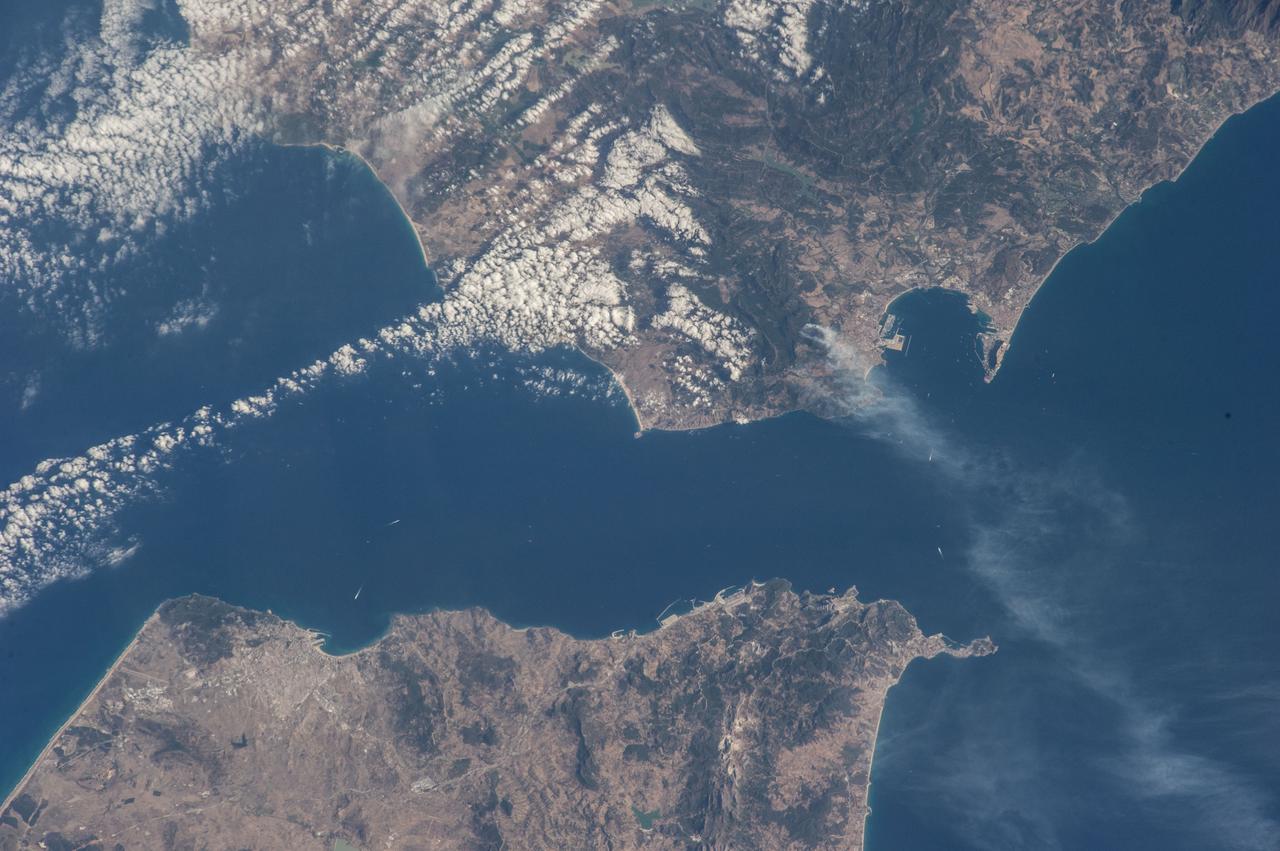
ISS040-E-081001 (25 July 2014) --- One of the Expedition 40 crew members aboard the Earth-orbiting International Space Station was aiming his camera almost straight down when he recorded this view of parts of Spain (top), Morocco (bottom) and the Strait of Gibraltar (center) at 08:04:35 GMT on July 25, 2014. Gibraltar and the Alboran Sea are on the right side of the frame. Cadiz, Spain is almost under clouds on the Bay of Cadiz above and to the left of frame center.
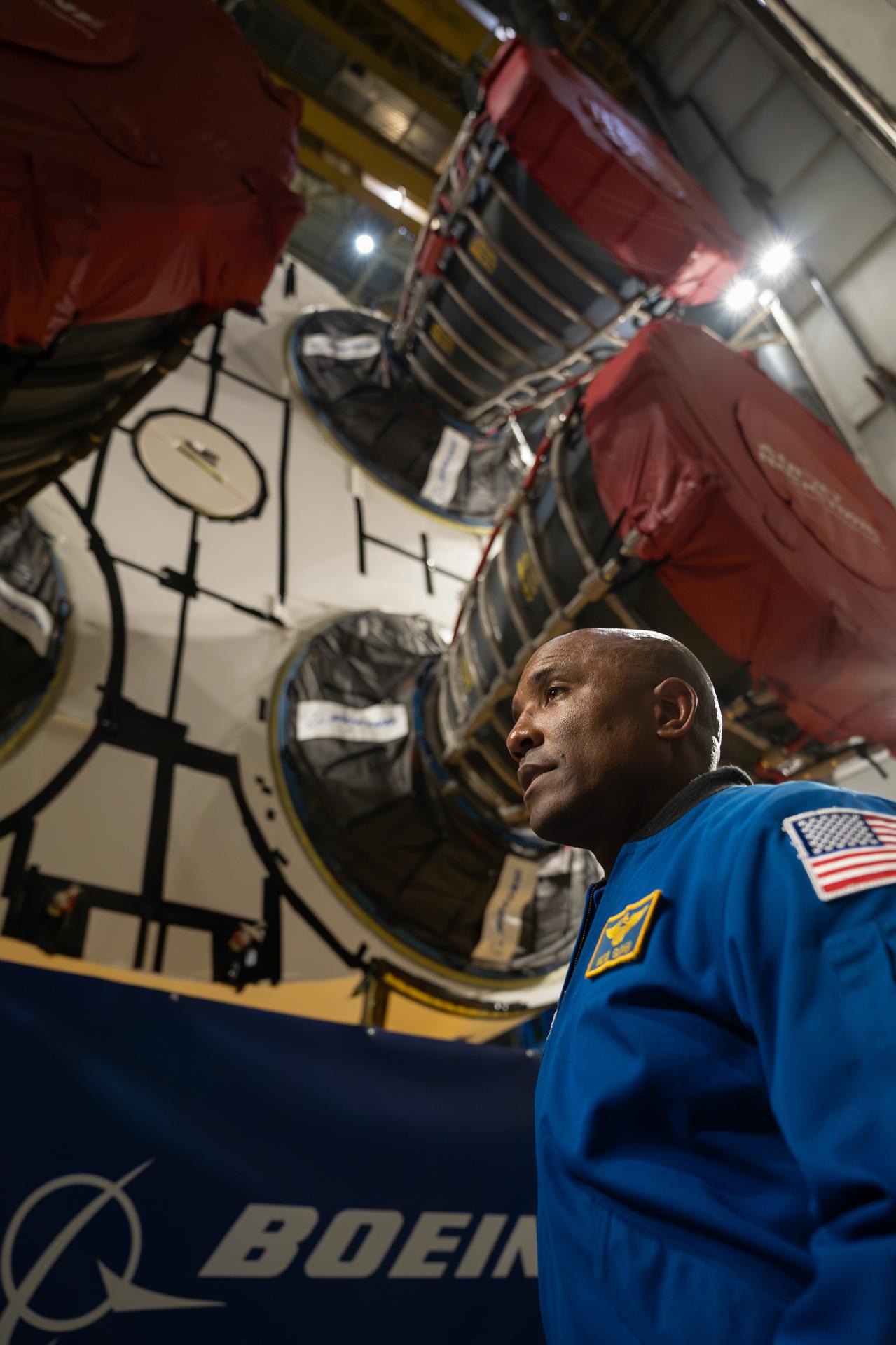
NASA astronaut Victor Glover views the core stage of the SLS (Space Launch System) rocket that will help power Artemis II at NASA’s Michoud Assembly Facility in New Orleans July 15. Glover will pilot Artemis II, the first crewed mission of NASA’s Artemis campaign. Crews moved the 212-foot-tall core stage with its four RS-25 engines to Building 110 at NASA Michoud prior to rolling it out to NASA’s Pegasus barge July 16 for delivery to NASA’s Kennedy Space Center in Florida.

NASA's Voyager 2 acquired this black and white image of Triton, Neptune's largest satellite, during the night of Aug. 24-25, 1989. Triton's limb cuts obliquely across the middle of the image. The field of view is about 1,000 km (600 miles) across. Three irregular dark areas, surrounded by brighter material, dominate the image. Low-lying material with intermediate albedo occupies the central area, and fresh craters occur along the right margin. Sub-parallel alignment of linear patches of dark material shown in the lower and left part of the image suggests that the patches are structurally controlled. http://photojournal.jpl.nasa.gov/catalog/PIA00056
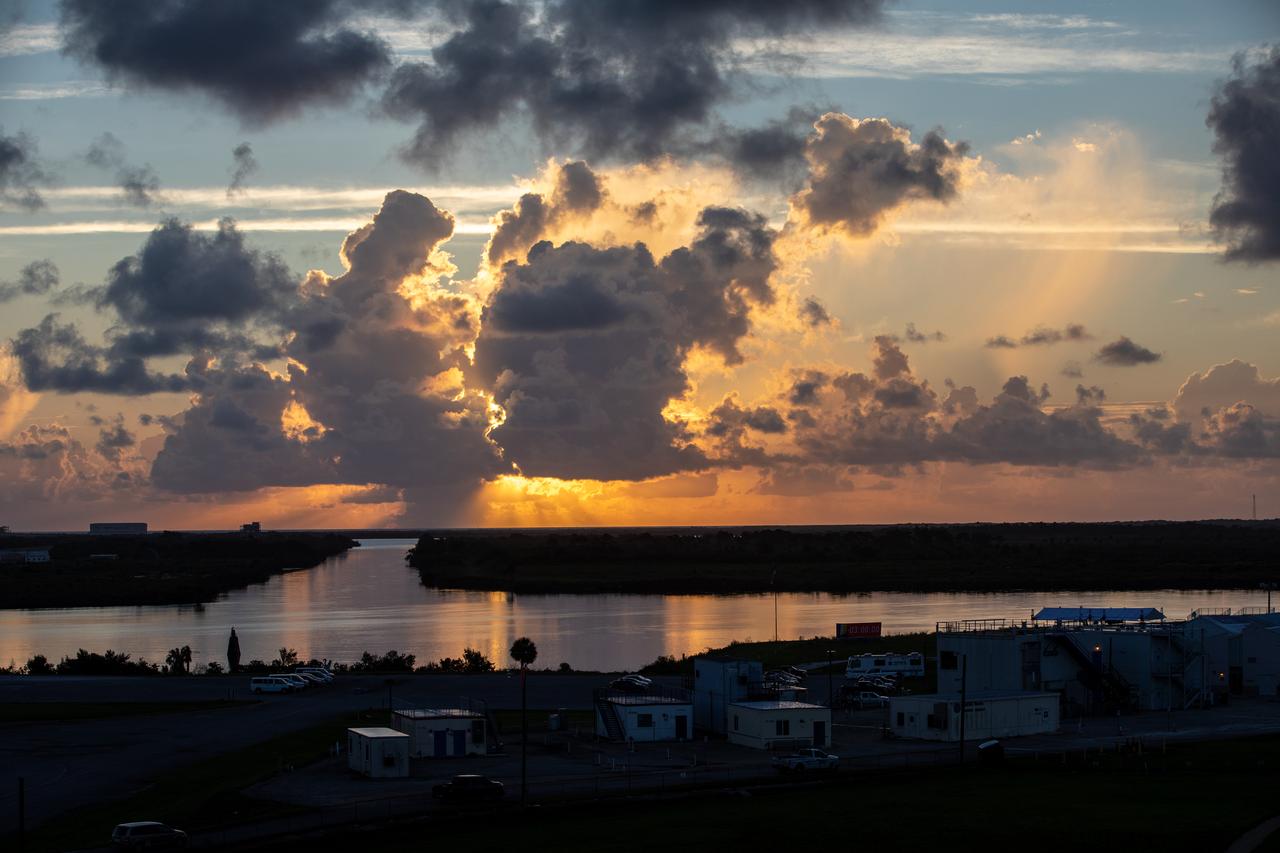
An early sunrise view of a waterway surrounding Launch Complex 39 at NASA's Kennedy Space Center in Florida on July 25, 2020. NASA’s Space Launch System and Orion spacecraft will lift off from Launch Complex 39B on Artemis I, an uncrewed mission around the Moon.
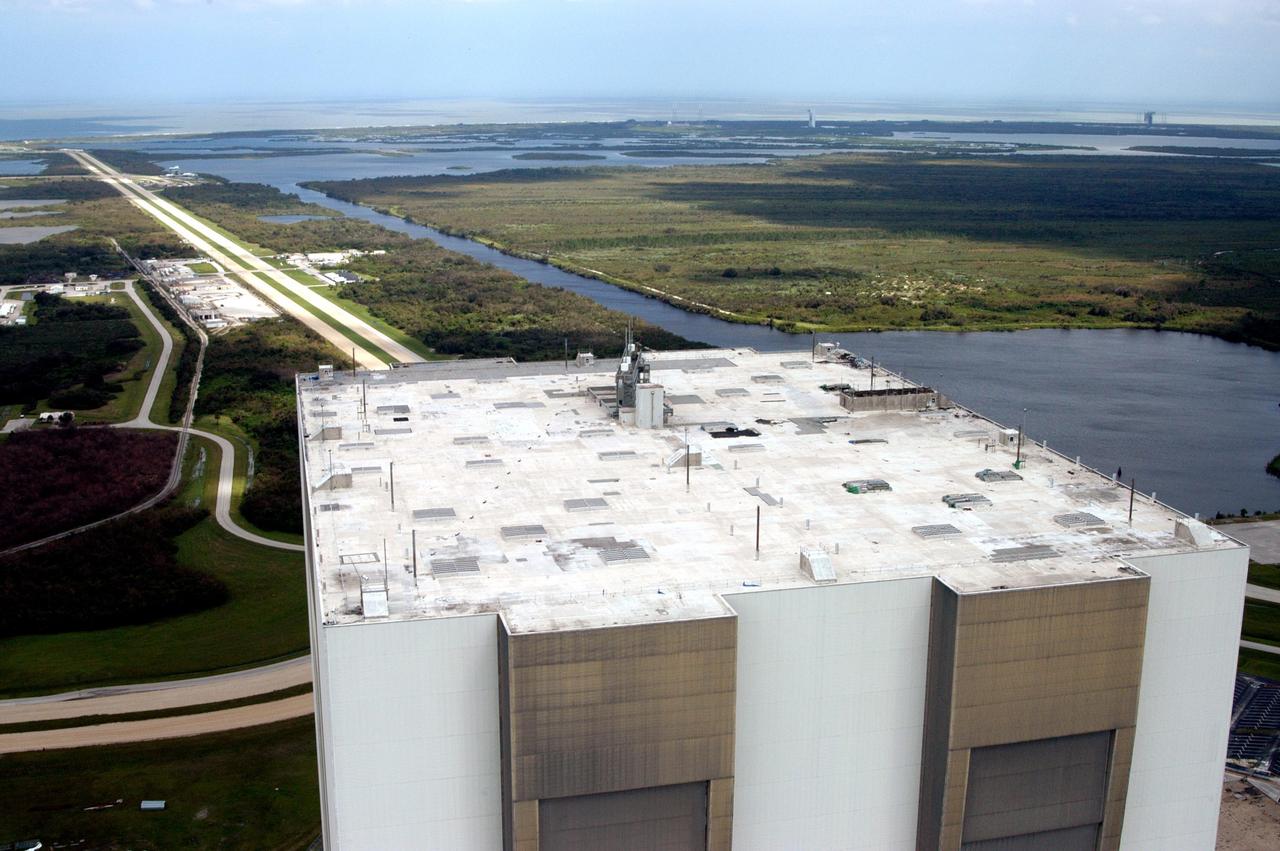
KENNEDY SPACE CENTER, FLA. - An aerial view of the Vehicle Assembly Building at KSC shows damage to the roof inflicted by both Hurricane Frances and the category 3 Hurricane Jeanne. The latter storm barreled through Central Florida Sept. 25-26, the fourth hurricane in 6 weeks to batter the state.

OSAM-1 and Maxar team members remove protective bagging from the spacecraft bus at Goddard Space Flight Center, Greenbelt Md., Sept 25, 2023. This photo has been reviewed by OSAM1 project management, Maxar public release authority, and the Export Control Office and is released for public view. NASA/Mike Guinto
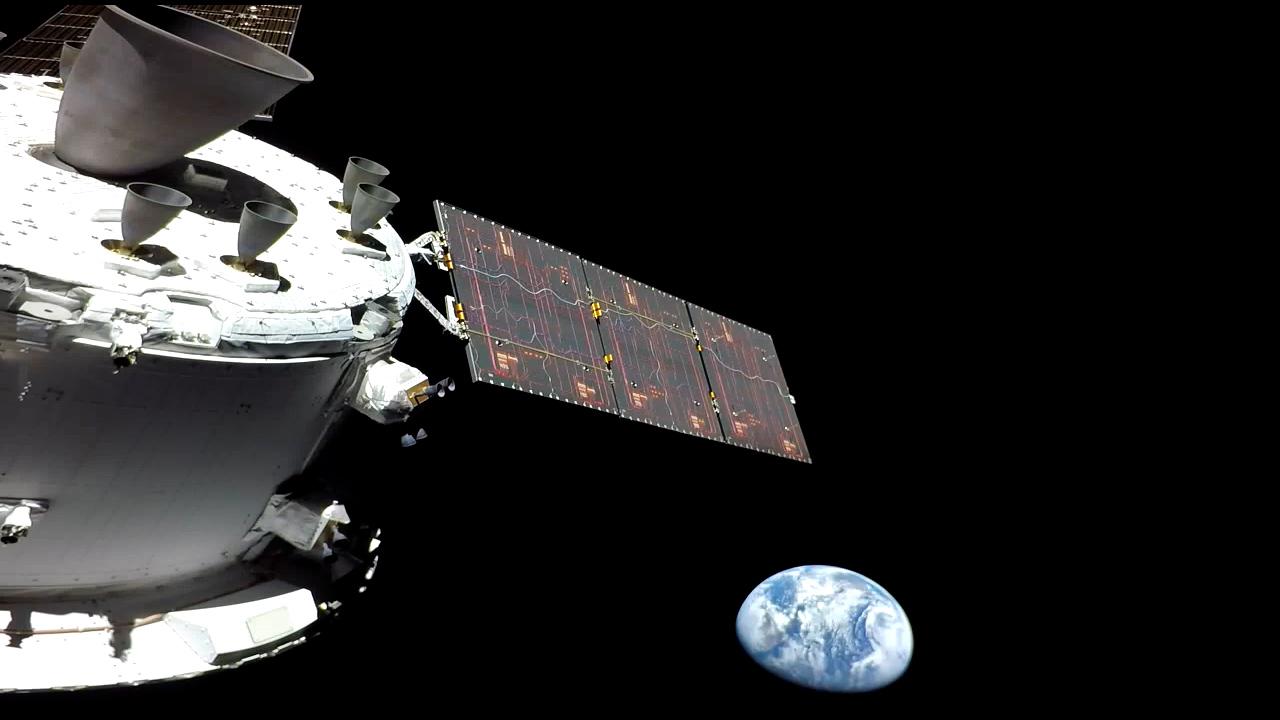
Coverage of the imagery and views received from the Orion spacecraft on Nov. 16 following liftoff of Orion atop the Space Launch System from the Kennedy Space Center in Florida just hours before. Orion is completing a 25-day test flight of all key systems as part of Artemis I mission.
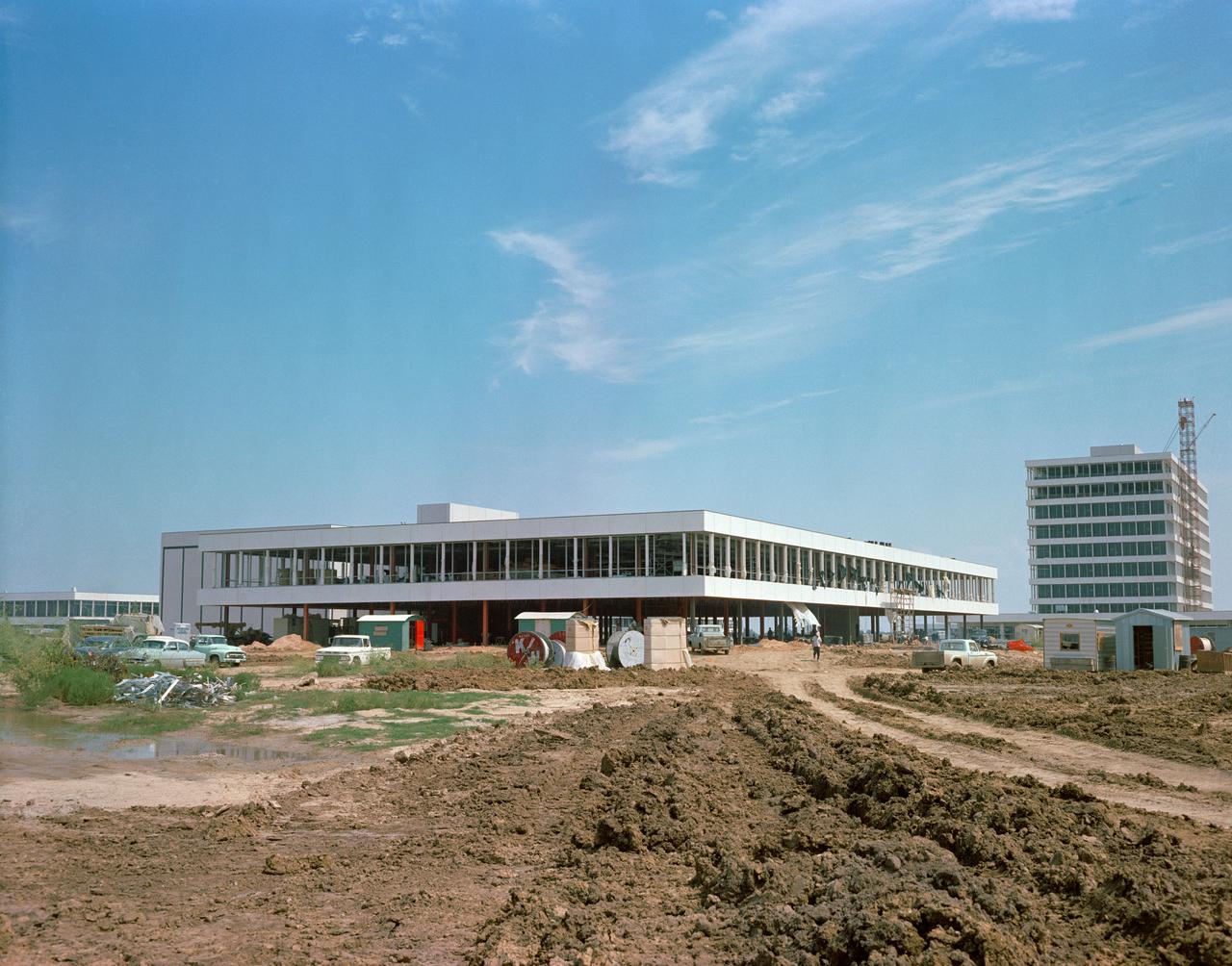
S63-17423 (25 Sept. 1963) --- This easterly view documents early construction of the Manned Spacecraft Center in September of 1963. The Avionics Systems Laboratory (Building 16) is in the foreground and the Project Management Building is see in the right background. Photo credit: NASA
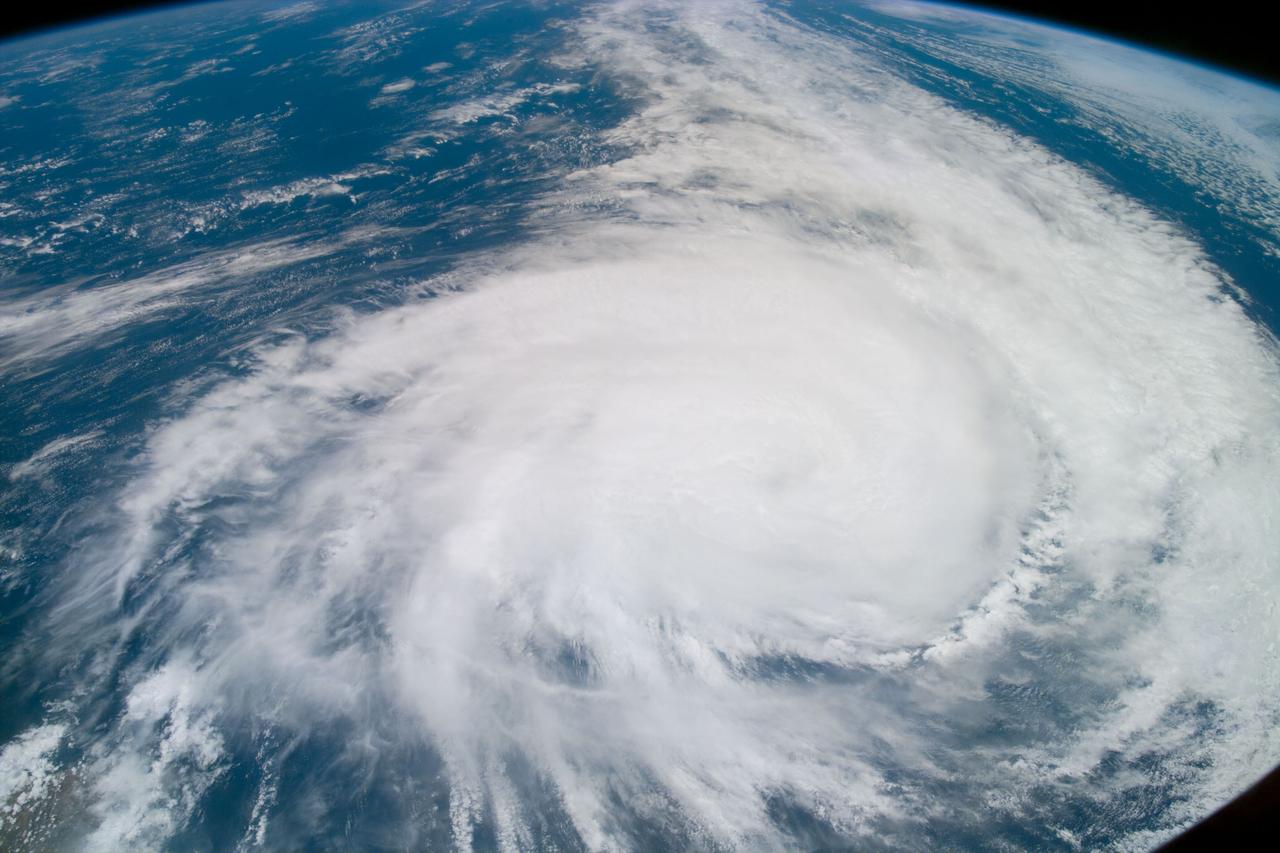
S82-E-5434 (15 Feb. 1997) --- Typhoon Josie - south of Madagascar, 25 degrees South by 40 degrees East, with sustained winds of 90 knots and gusts up to 110 knots. This view was taken with an Electronic Still Camera (ESC).

iss056e033143 (June 25, 2018) --- A view during installation the NanoRacks Cubesat Deployer-14 (NRCSD-14) on the Multipurpose Experiment Platform inside the Japanese Kibo laboratory module. The NRCSD-14 was then placed in the Kibo airlock and moved outside of the space station to deploy a variety of cubesats into Earth orbit.
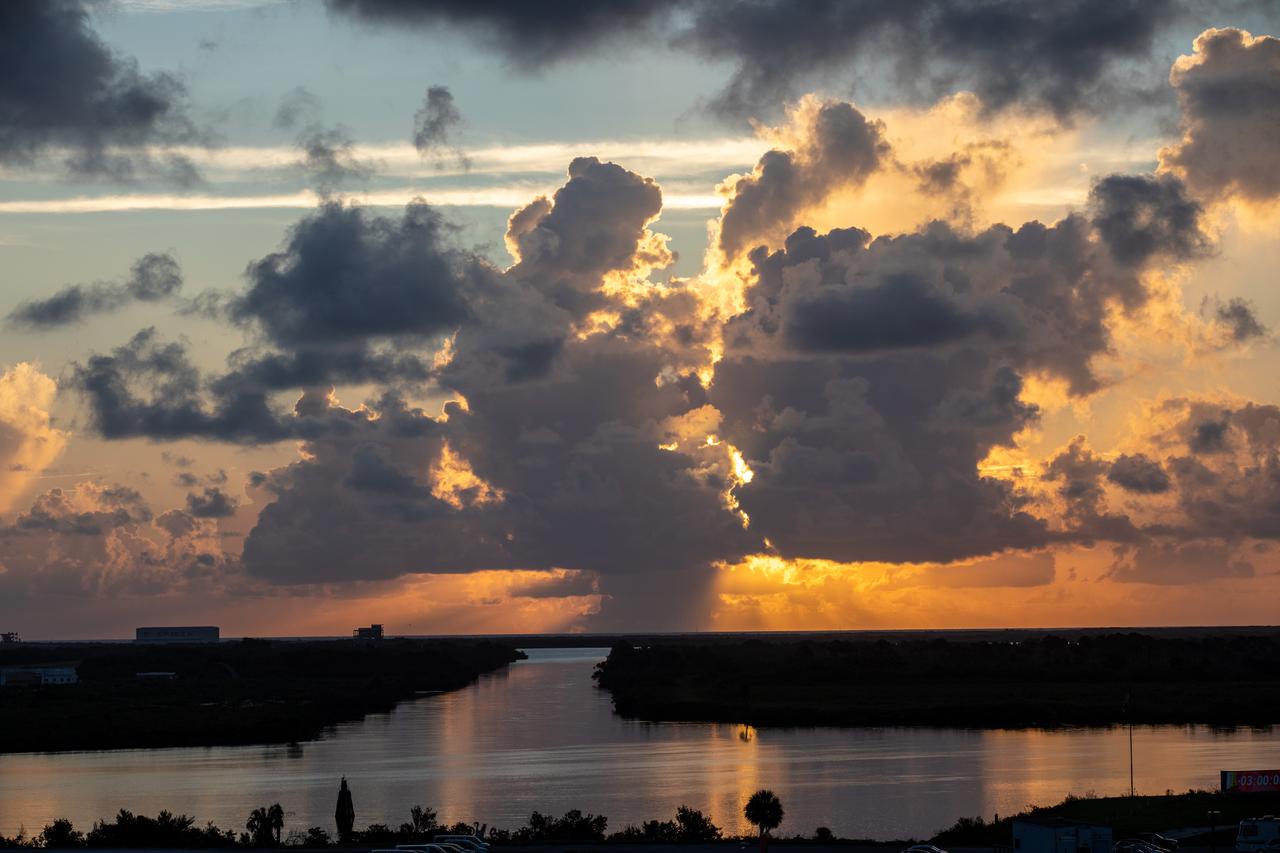
An early sunrise view of a waterway surrounding Launch Complex 39 at NASA's Kennedy Space Center in Florida on July 25, 2020. NASA’s Space Launch System and Orion spacecraft will lift off from Launch Complex 39B on Artemis I, an uncrewed mission around the Moon.
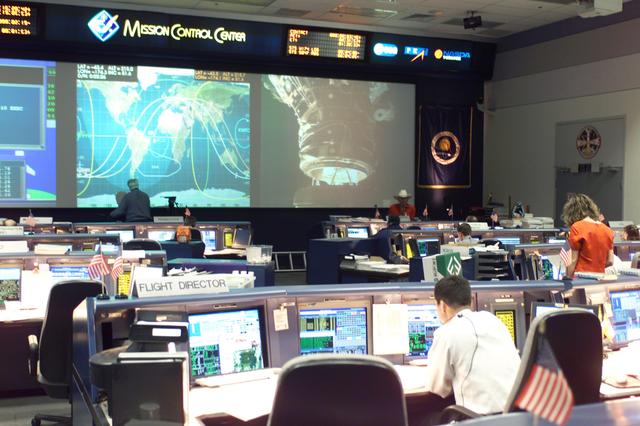
JSC2002-E-23236 (7 June 2002) --- In this overall view of the shuttle flight control room (WFCR) in Houston’s Mission Control Center (MCC), the docking of the Space Shuttle Endeavour and the International Space Station (ISS) is shown on the big screen. The docking occurred at 11:25 a.m. (CDT) on June 7, 2002.
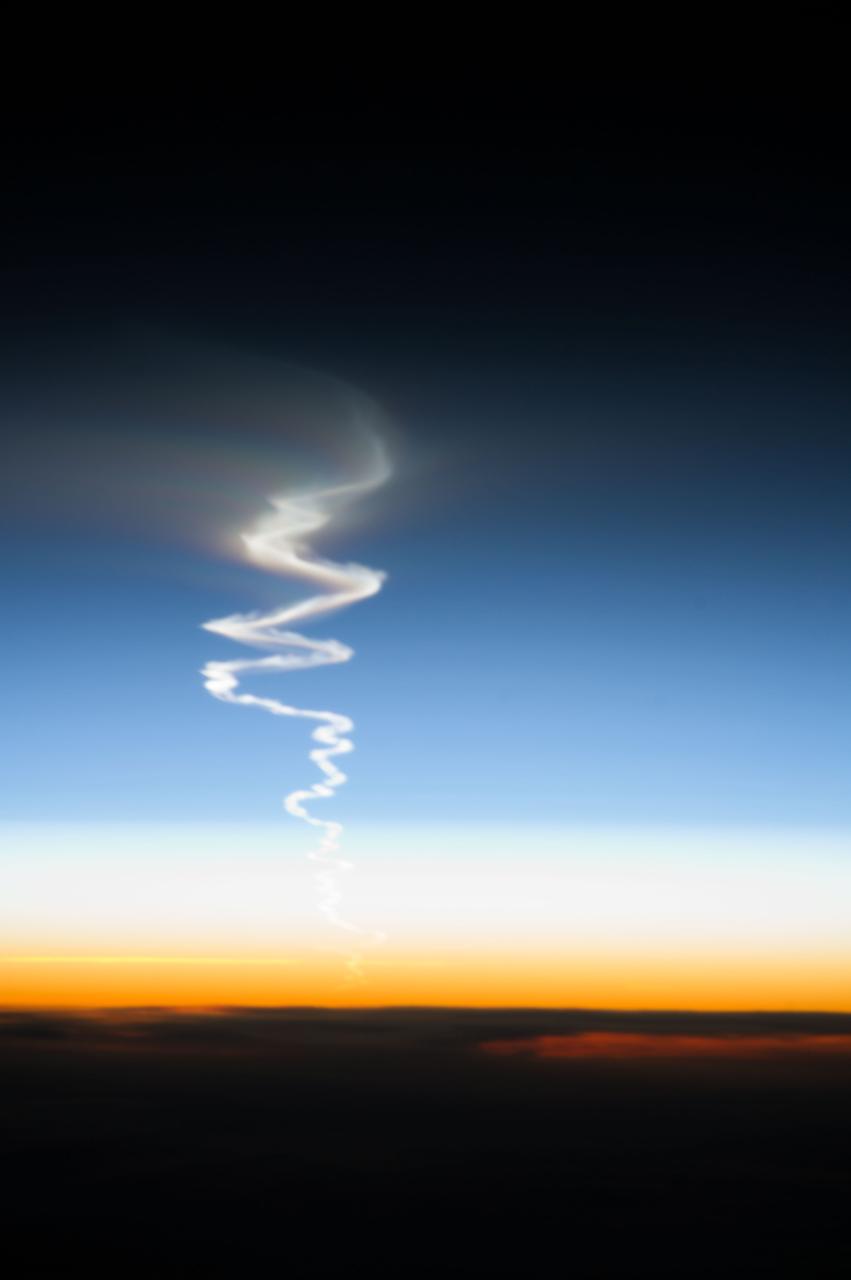
View of test launch of a Topol/SS-25 missile on Oct. 10, 2013 as seen by the Expedition 37 crew aboard the International Space Station (ISS). The missile was launched at 17:39 MSK (13:39 UTC) from Kapustin Yar to the Sary Shagan test site in Kazakhstan. Also sent as Twitter message.
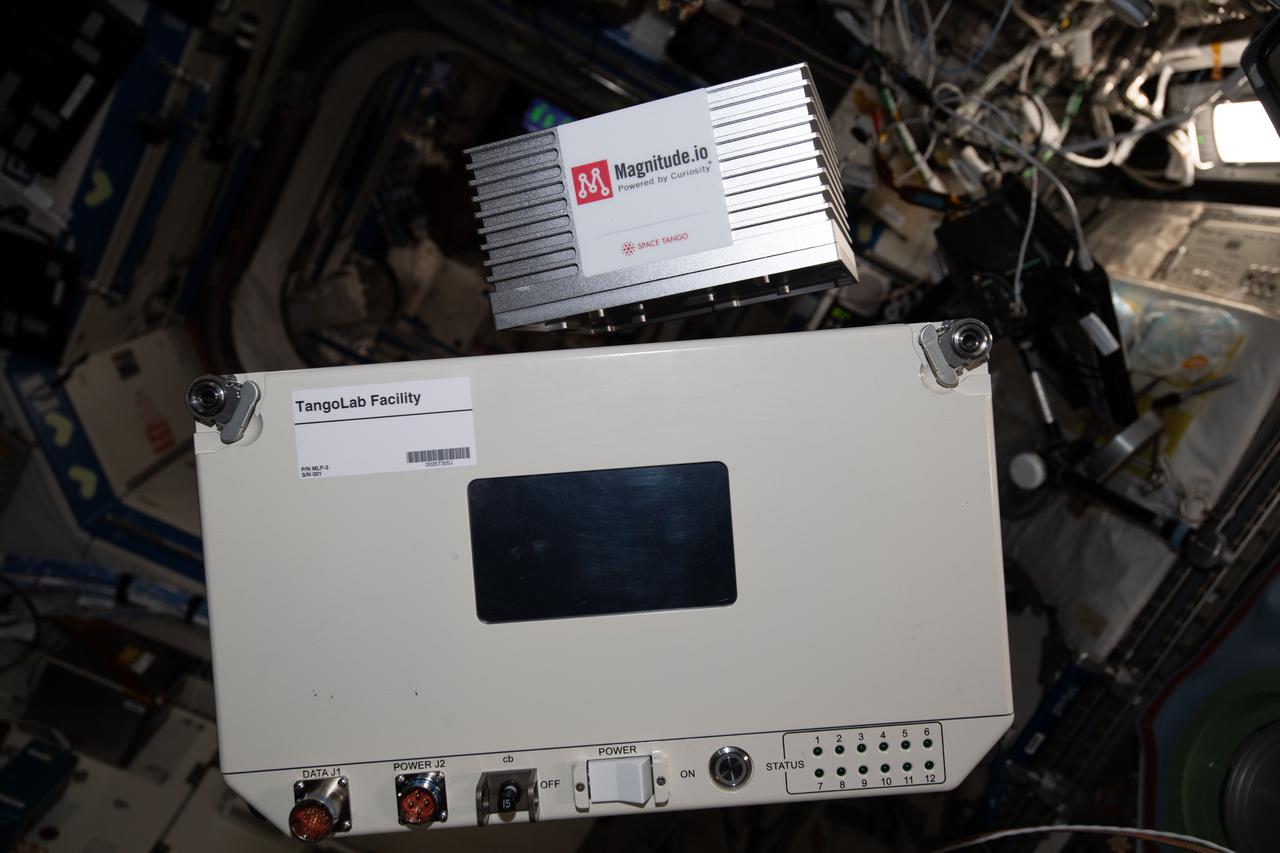
iss065e004334 (4/25/2021) --- A view of the TangoLab Facility with the Space Tango CubeLab for the Nitrogen Fixation of Leguminous Species in MicroG (Symbiotic Leguminous Nitrogen Fixation) investigation. Symbiotic Leguminous Nitrogen Fixation explores the effects of microgravity on the growth and development of legumes, plants capable of biological nitrogen fixation with symbiotic bacteria.
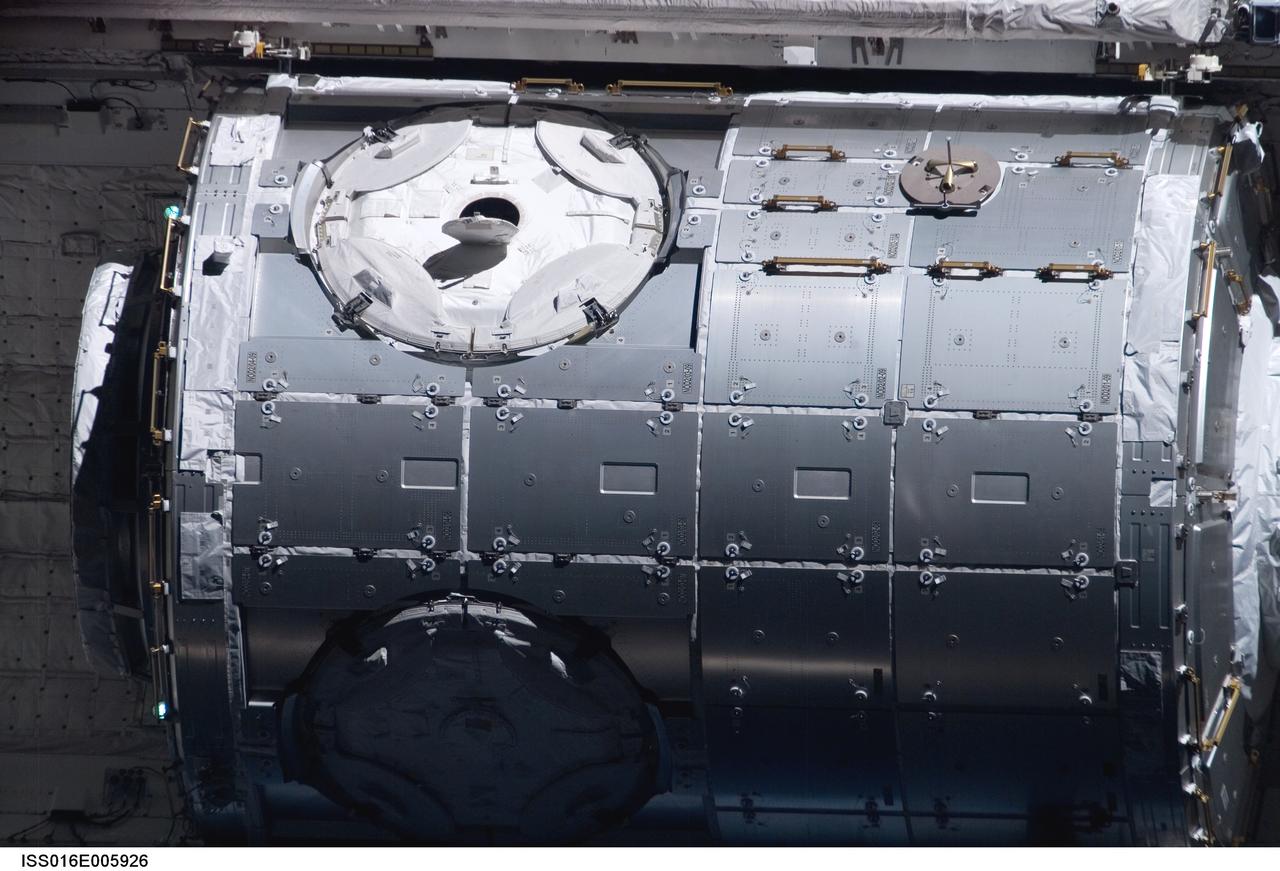
ISS016-E-005926 (25 Oct. 2007) --- A close-up view of the Harmony node in the payload bay of Space Shuttle Discovery is provided by this image photographed by an Expedition 16 crewmember during a backflip maneuver performed by the approaching visitors (STS-120) to the International Space Station.
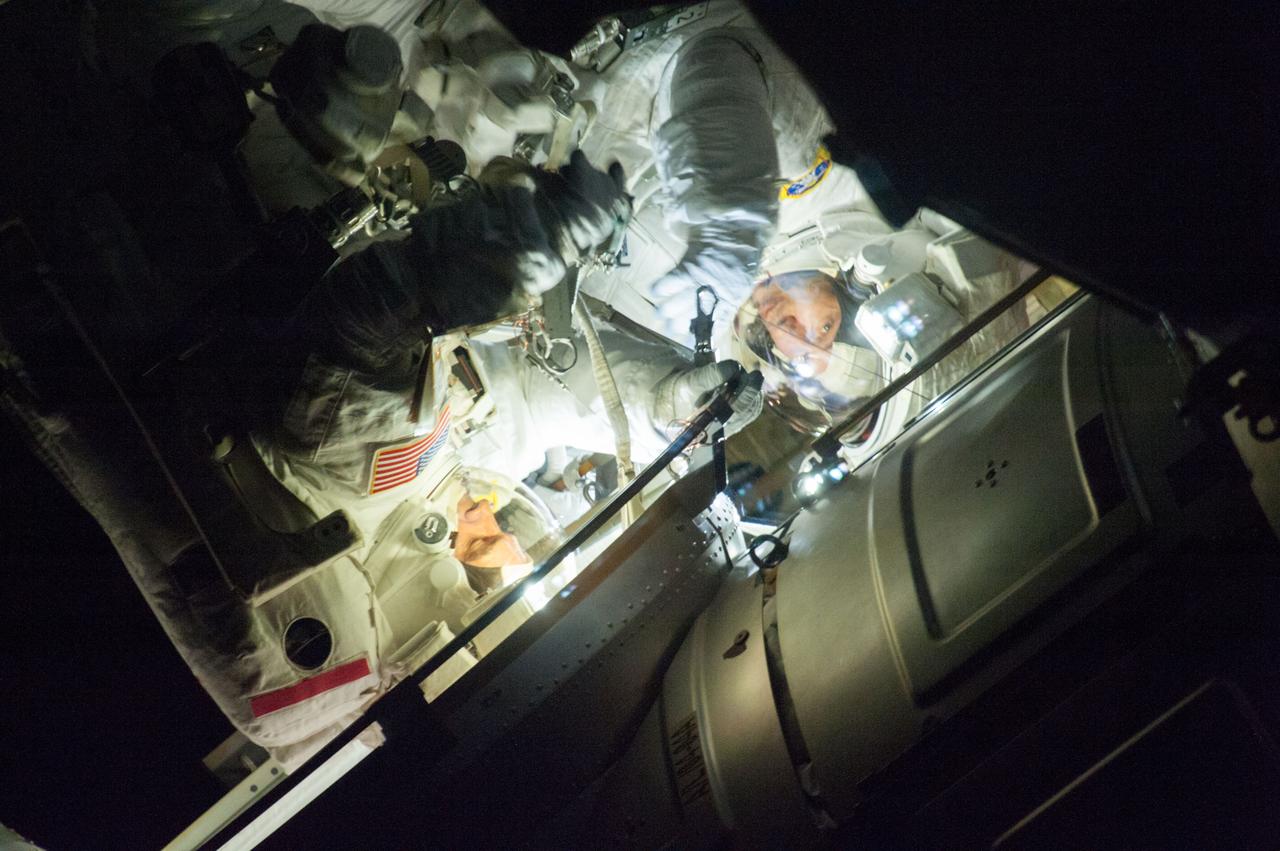
View of Rick Mastracchio and Mike Hopkins,both Expedition 38 Flight Engineers (FEs),after egress from airlock (A/L) during International Space Station (ISS) Extravehicular Activity (EVA) 25. Image was released by astronaut on Twitter.
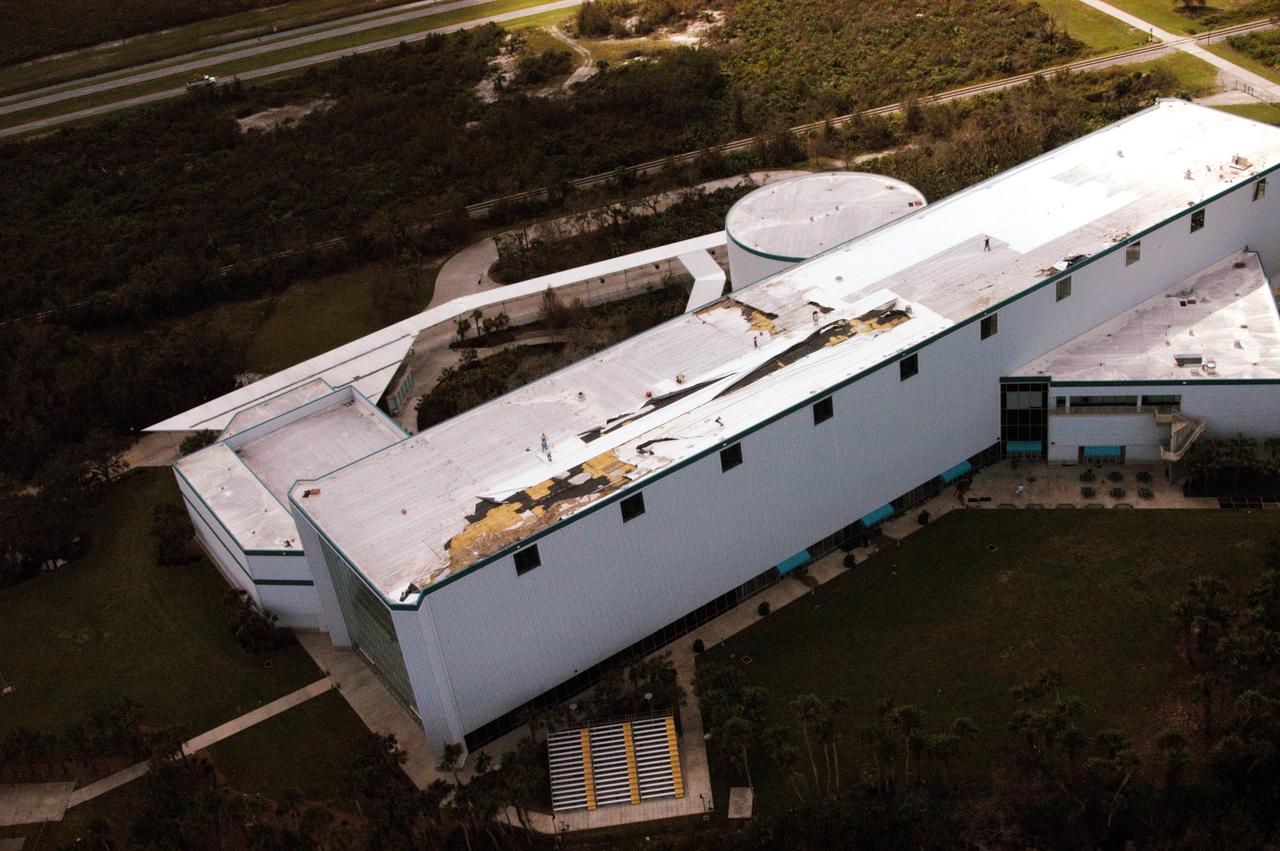
KENNEDY SPACE CENTER, FLA. - In this aerial view, damage is apparent on the roof of the Apollo/Saturn V Building at KSC from Hurricane Jeanne. A category 3 storm, Jeanne barreled through Central Florida Sept. 25-26, the fourth hurricane in 6 weeks to batter the state.
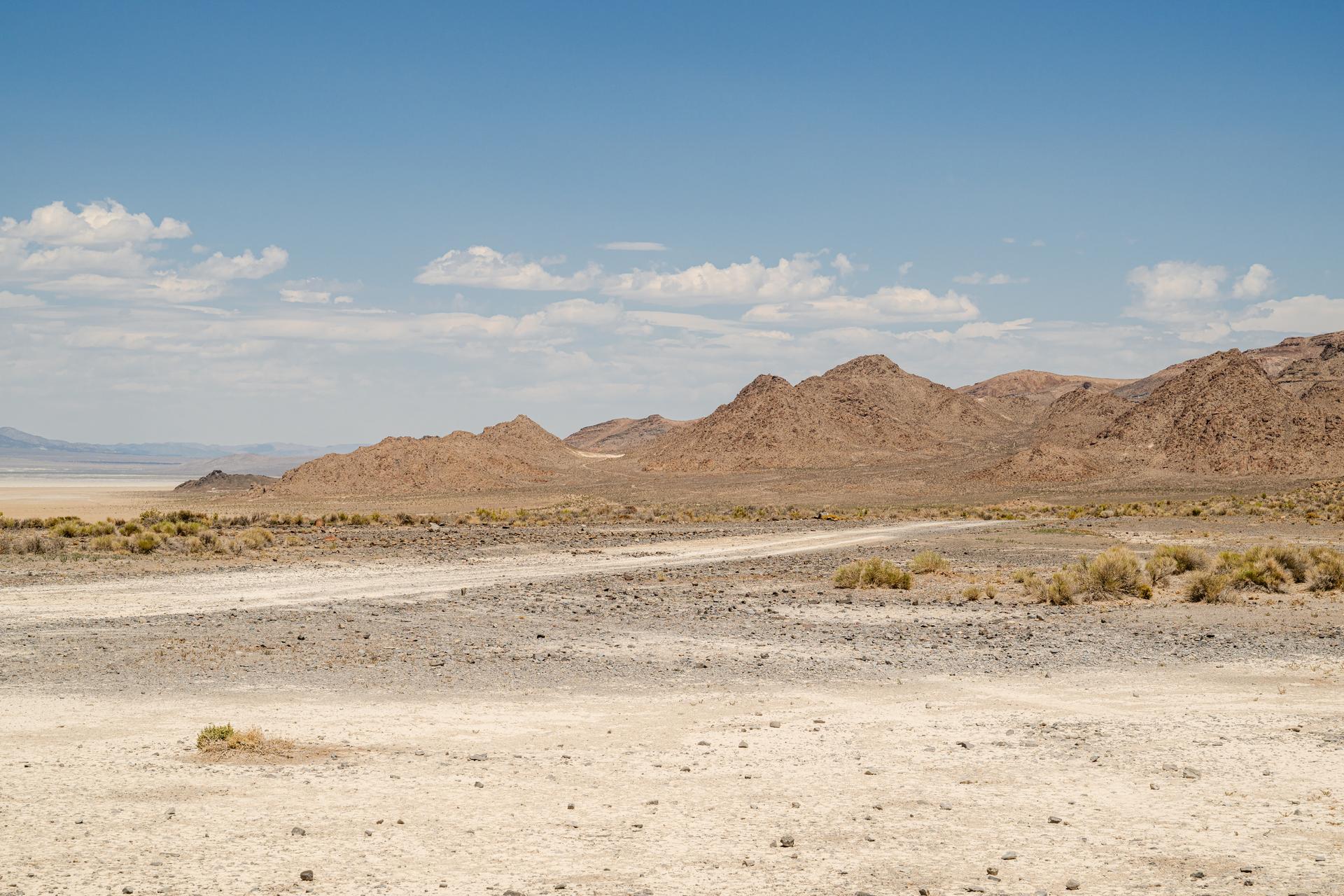
A view of Crater Island from the VADIX Basecamp, Crater Island, Utah June 24, 2026. This area was the site of a series of tests (June 23-25, 2026) of the camera system that will one day fly aboard NASA’s DAVINCI mission to Venus. NASA/Mike Guinto
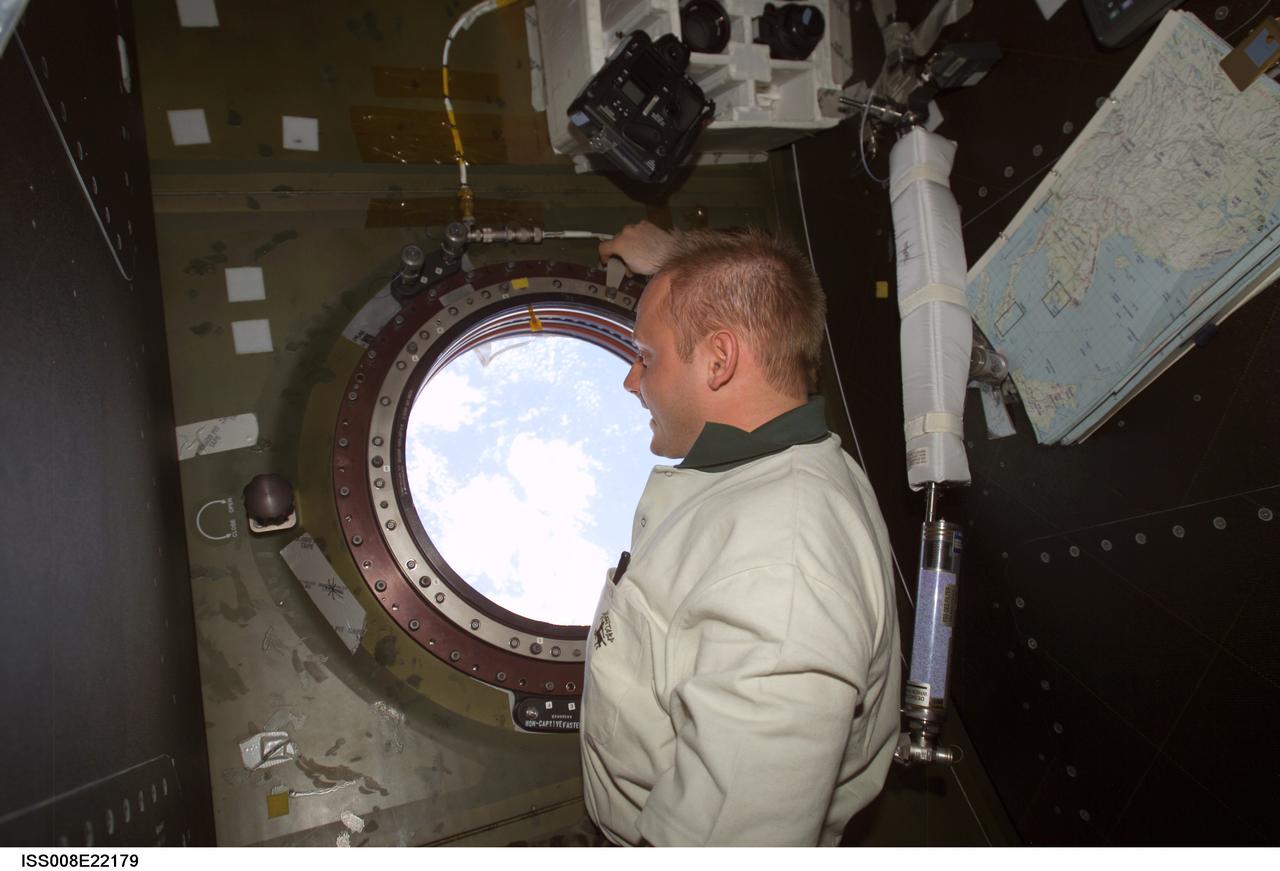
ISS008-E-22179 (25 April 2004) --- Astronaut Edward M. (Mike) Fincke, Expedition 9 NASA ISS science officer and flight engineer, views the topography of a point on Earth from the nadir window in the Destiny laboratory of the International Space Station (ISS).
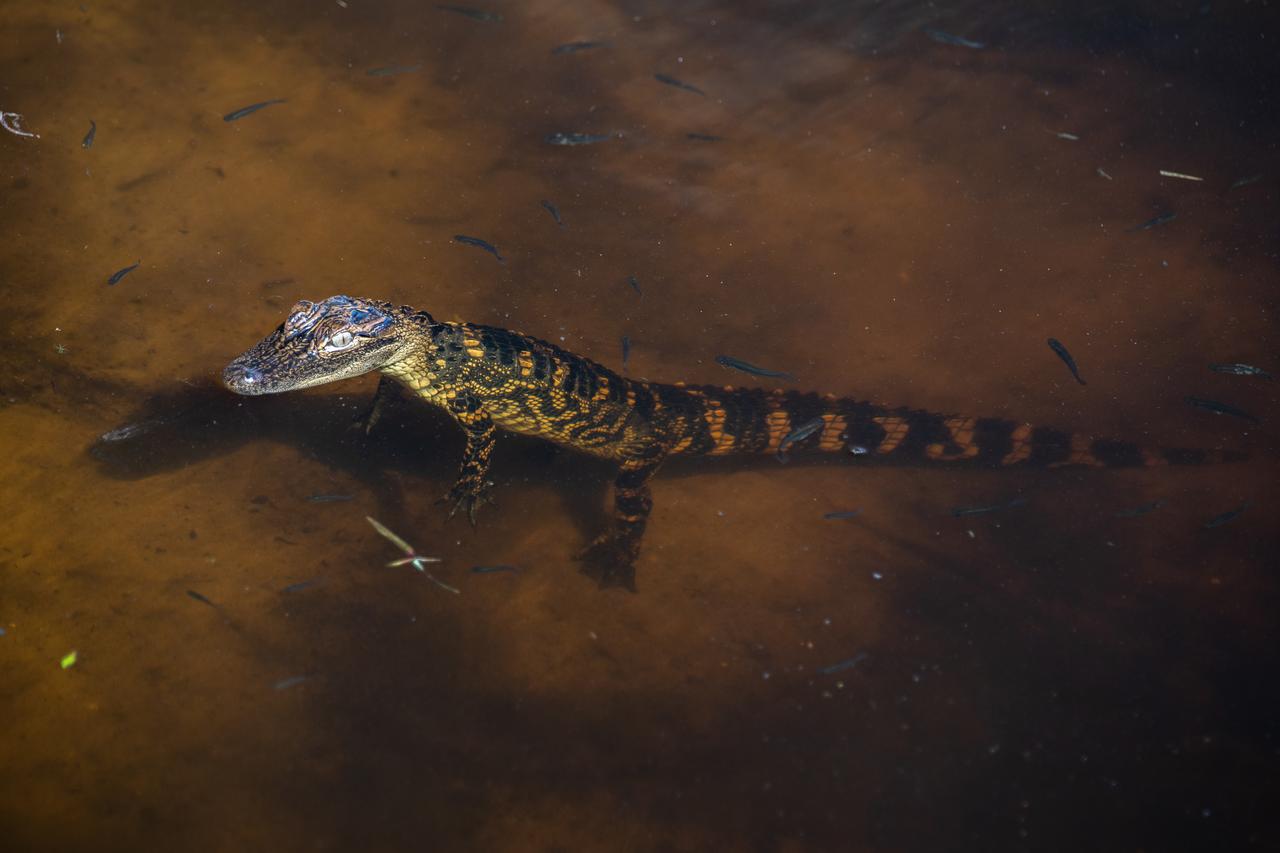
A baby alligator is in view in a waterway at NASA’s Kennedy Space Center in Florida on March 9, 2023. The center shares a boundary with the Merritt Island National Wildlife Refuge. The refuge is home to more than 65 amphibian and reptile species, along with 330 native and migratory bird species, 25 mammal and 117 fish species.
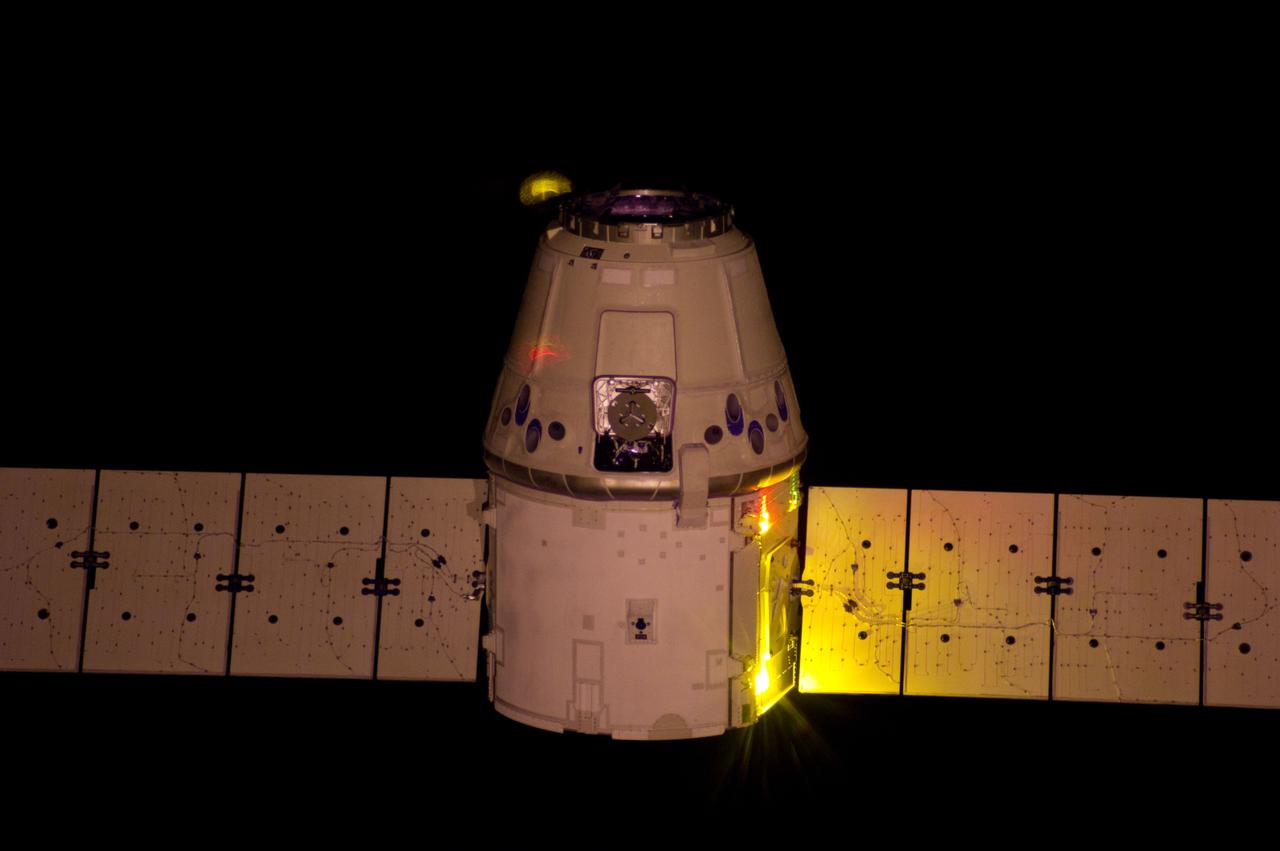
ISS031-E-084464 (25 May 2012) --- A vertical view from the International Space Station shows the relative approach of the orbital outpost and the SpaceX Dragon cargo craft prior to grapple by the Canadarm2 robotic arm, controlled by the Expedition 31 crew members.
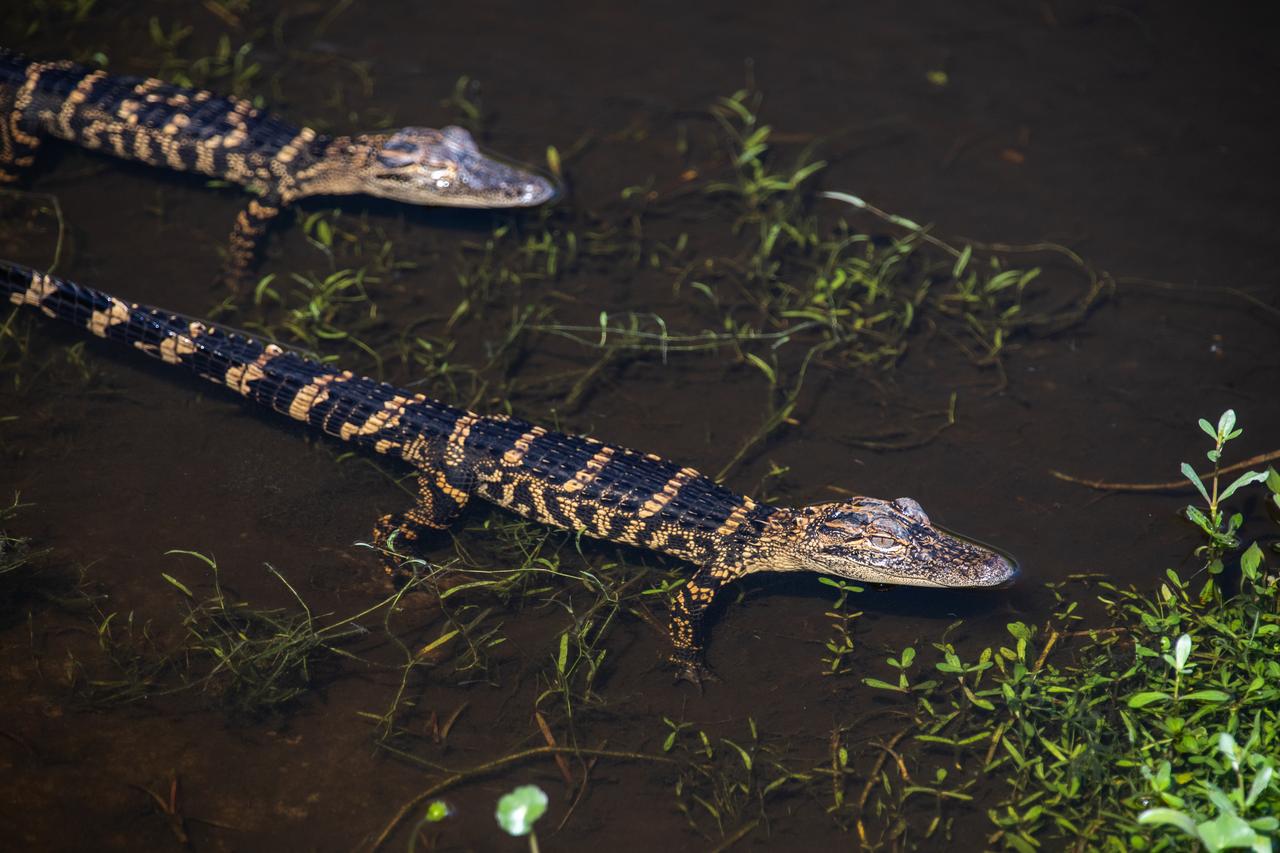
Two baby alligators are in view in a waterway at NASA’s Kennedy Space Center in Florida on March 9, 2023. The center shares a boundary with the Merritt Island National Wildlife Refuge. The refuge is home to more than 65 amphibian and reptile species, along with 330 native and migratory bird species, 25 mammal and 117 fish species.
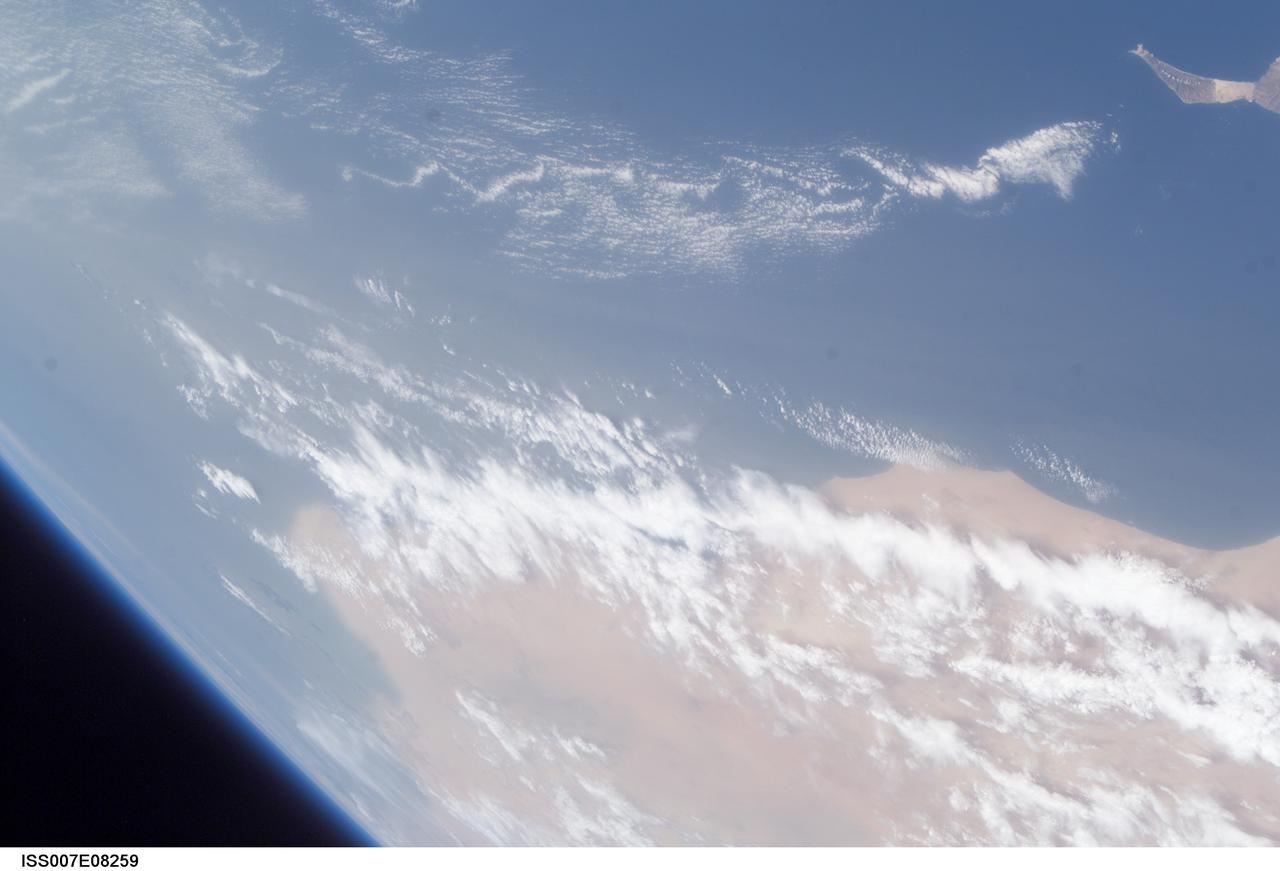
ISS007-E-08259 (25 June 2003) --- This view was taken by an Expedition 7 crewmember onboard the International Space Station (ISS) while in orbit over the Atlantic Ocean. Dust blowing from the Sahara Desert obscures the country of Western Sahara. Fuerteventura, one of the Canary Islands, is at upper right.

A large alligator is in view in a waterway at NASA’s Kennedy Space Center in Florida on March 9, 2023. The center shares a boundary with the Merritt Island National Wildlife Refuge. The refuge is home to more than 65 amphibian and reptile species, along with 330 native and migratory bird species, 25 mammal and 117 fish species.
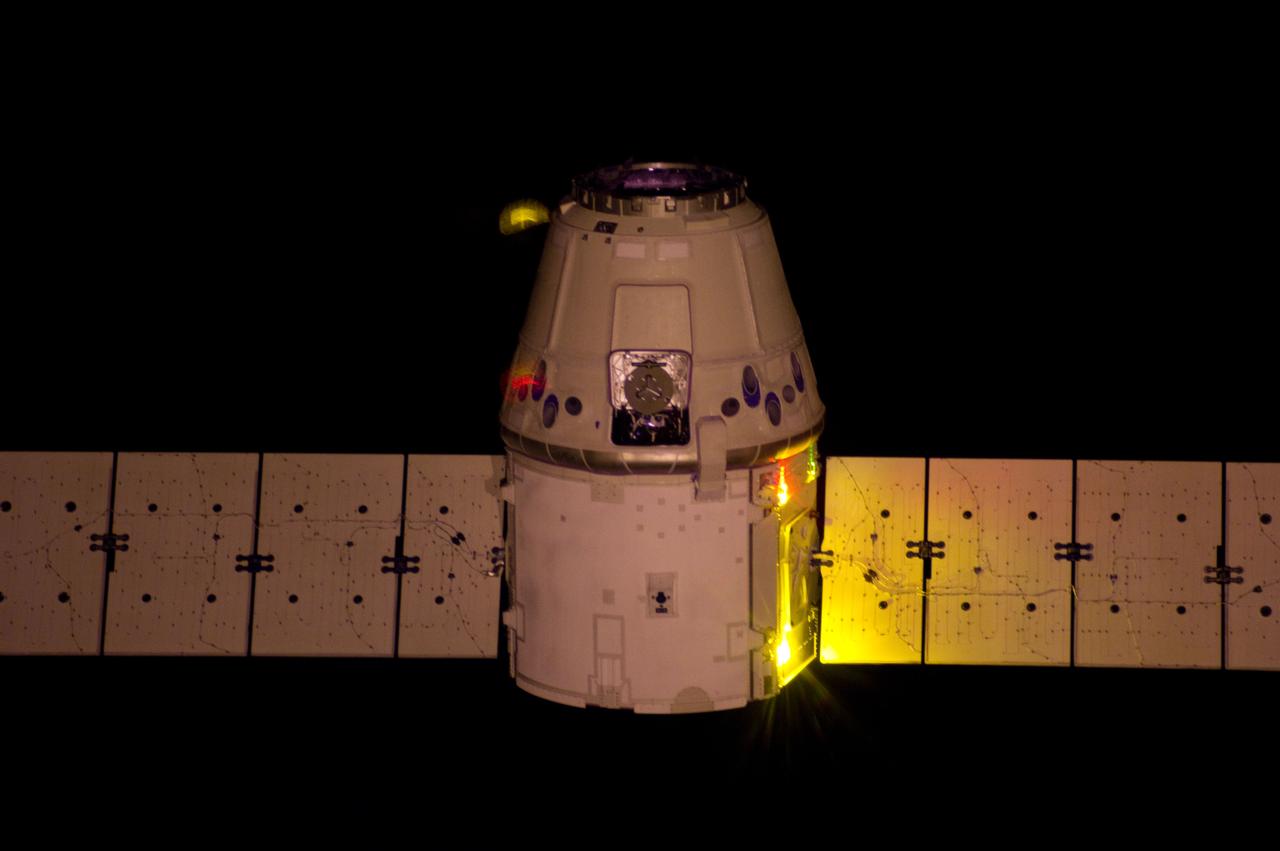
ISS031-E-084463 (25 May 2012) --- A vertical view from the International Space Station shows the relative approach of the orbital outpost and the SpaceX Dragon cargo craft prior to grapple by the Canadarm2 robotic arm, controlled by the Expedition 31 crew members.