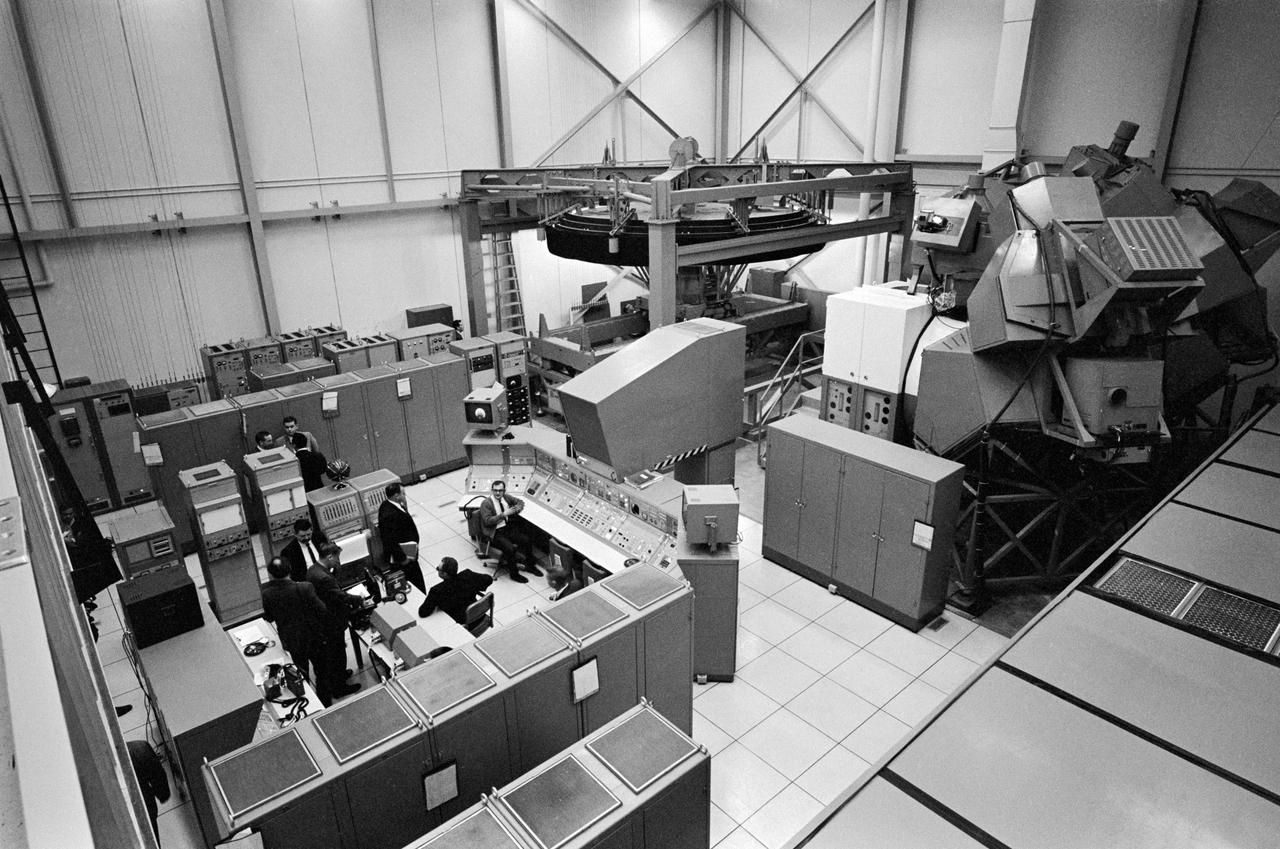
Overall view of the Lunar Module Mission Simulator, an astronaut training facility located in bldg 5.

S65-48759 (21 Aug. 1965) --- View of astronaut Charles Conrad Jr. through the window as he sits in the Gemini-5 spacecraft during preflight activities.
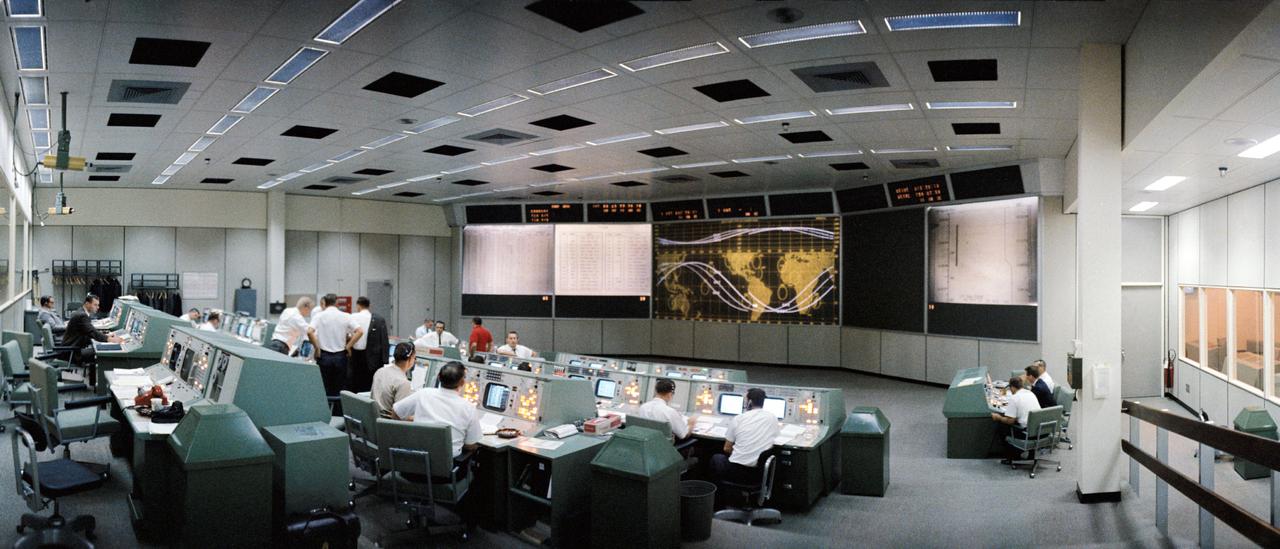
S65-45280 (21-29 Aug. 1965) --- Overall view of the Mission Control Center (MCC), Houston, Texas, during the Gemini-5 flight. Note the screen at the front of the MCC which is used to track the progress of the Gemini spacecraft.
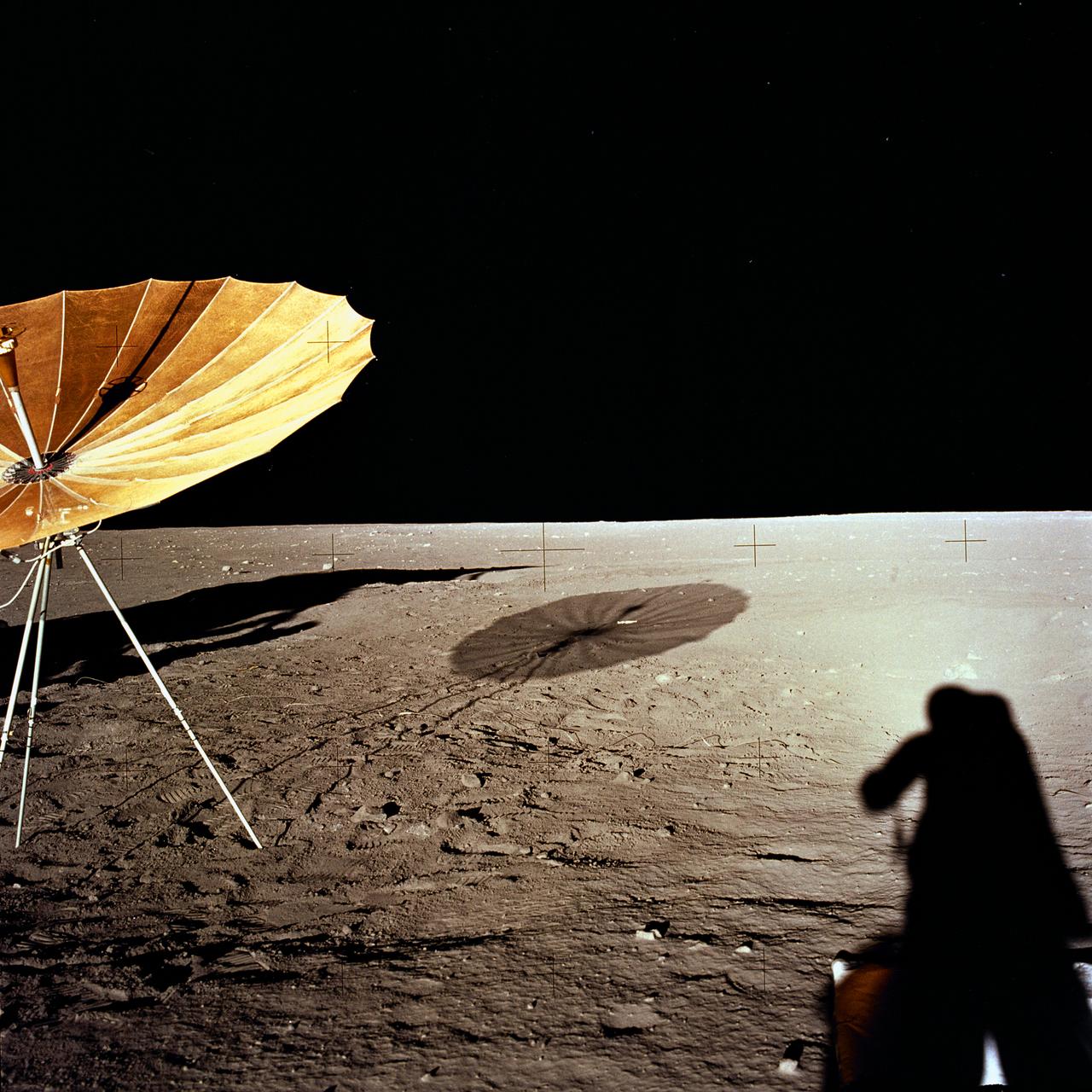
The second manned lunar landing mission, Apollo 12 launched from launch pad 39-A at Kennedy Space Center in Florida on November 14, 1969 via a Saturn V launch vehicle. The Saturn V vehicle was developed by the Marshall Space Flight Center (MSFC) under the direction of Dr. Wernher von Braun. Aboard Apollo 12 was a crew of three astronauts: Alan L. Bean, pilot of the Lunar Module (LM), Intrepid; Richard Gordon, pilot of the Command Module (CM), Yankee Clipper; and Spacecraft Commander Charles Conrad. The LM, Intrepid, landed astronauts Conrad and Bean on the lunar surface in what’s known as the Ocean of Storms while astronaut Richard Gordon piloted the CM, Yankee Clipper, in a parking orbit around the Moon. Lunar soil activities included the deployment of the Apollo Lunar Surface Experiments Package (ALSEP), finding the unmanned Surveyor 3 that landed on the Moon on April 19, 1967, and collecting 75 pounds (34 kilograms) of rock samples. This is the fifth of 25 images captured by the crew in attempt to provide a 360 degree Lunar surface scene. Apollo 12 safely returned to Earth on November 24, 1969.
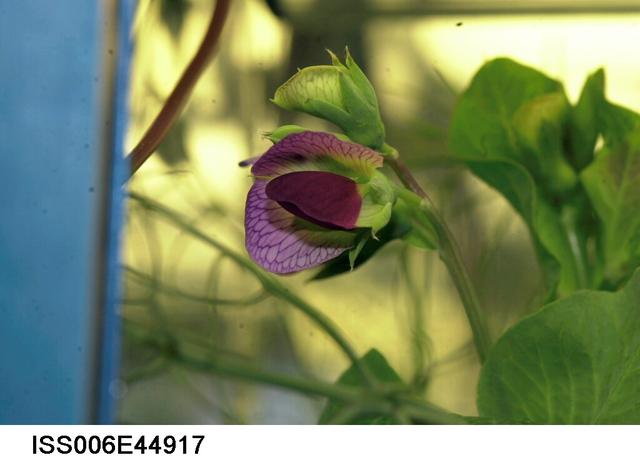
ISS006-E-44917 (5 April 2003) --- A close up view of a bloom on the Russian BIO-5 Rasteniya-2/Lada-2 (Plants-2) plant growth experiment, which is located in the Zvezda Service Module on the International Space Station (ISS).
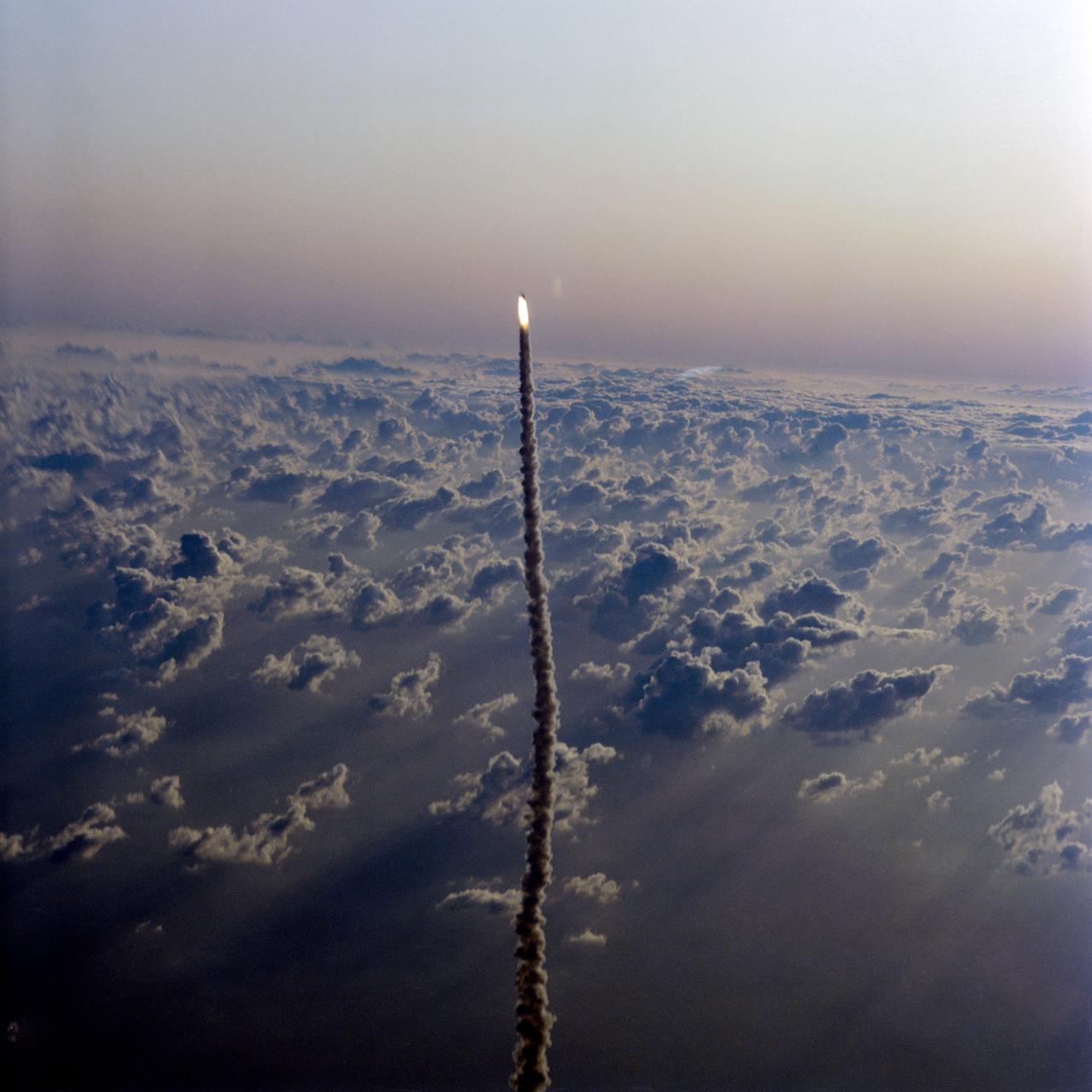
Aerial views of the STS-5 launch from T-38 chase aircraft Nov. 11, 1982. Shuttle Columbia can be seen as a small figure trailed by a line of smoke.
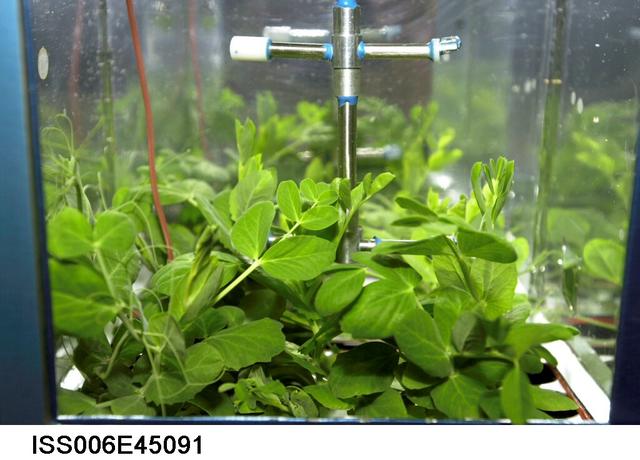
ISS006-E-45091 (25 March 2003) --- A view of the Russian BIO-5 Rasteniya-2/Lada-2 (Plants-2) plant growth experiment located in the Zvezda Service Module on the International Space Station (ISS).
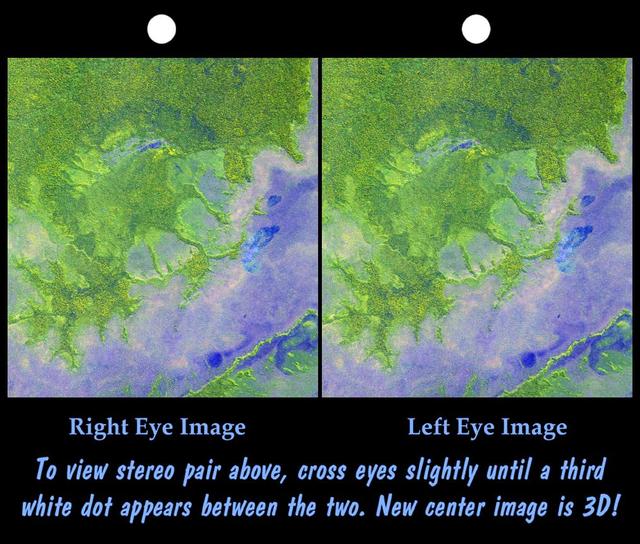
An 8-kilometer 5-mile wide crater of possible impact origin is shown in this stereoscopic view of an isolated part of the Bolivian Amazon.
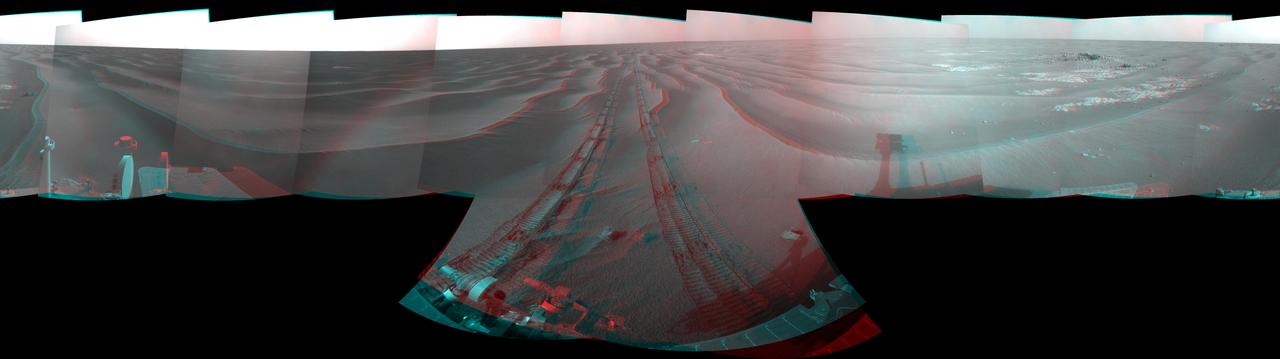
NASA Mars Exploration Rover Opportunity used its navigation camera to take the images combined into this stereo 180-degree view on March 5, 2009. 3D glasses are necessary to view this image.

ISS006-E-45076 (17 March 2003) --- A close up view of sprouts on the Russian BIO-5 Rasteniya-2/Lada-2 (Plants-2) plant growth experiment, which is located in the Zvezda Service Module on the International Space Station (ISS).

ISS006-E-45049 (14 March 2003) --- A close up view of sprouts on the Russian BIO-5 Rasteniya-2/Lada-2 (Plants-2) plant growth experiment, which is located in the Zvezda Service Module on the International Space Station (ISS).
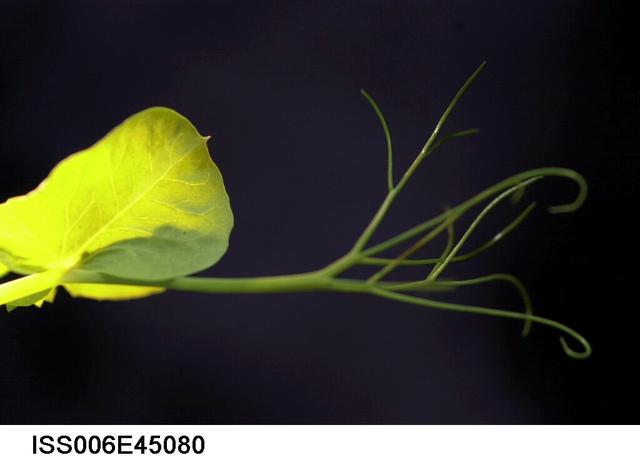
ISS006-E-45080 (17 March 2003) --- A close up view of sprouts on the Russian BIO-5 Rasteniya-2/Lada-2 (Plants-2) plant growth experiment, which is located in the Zvezda Service Module on the International Space Station (ISS).
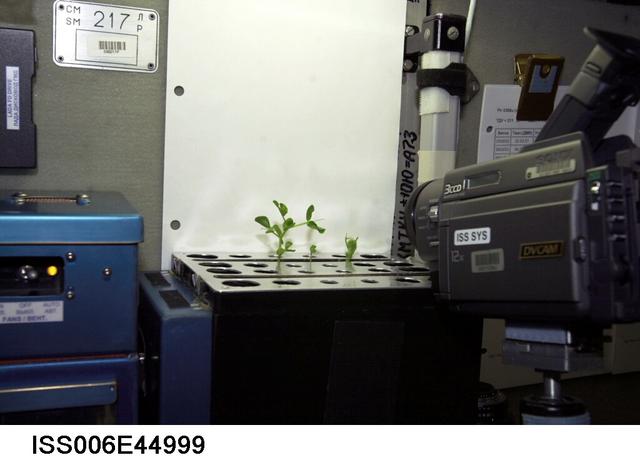
ISS006-E-44999 (12 March 2003) --- A view of the Russian BIO-5 Rasteniya-2/Lada-2 (Plants-2) plant growth experiment located in the Zvezda Service Module on the International Space Station (ISS). A camera used for recording progress of the experiment is visible on the right.
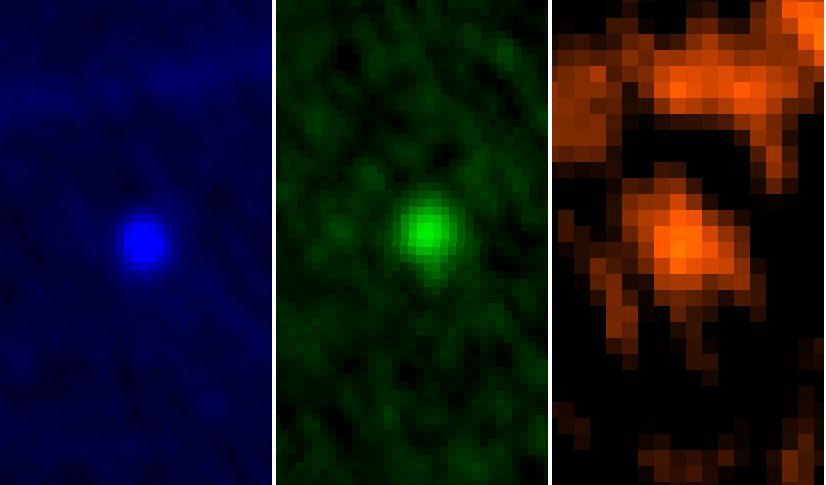
ESA Herschel Space Observatory captured asteroid Apophis in its field of view during the approach to Earth on Jan. 5 and 6, 2013.
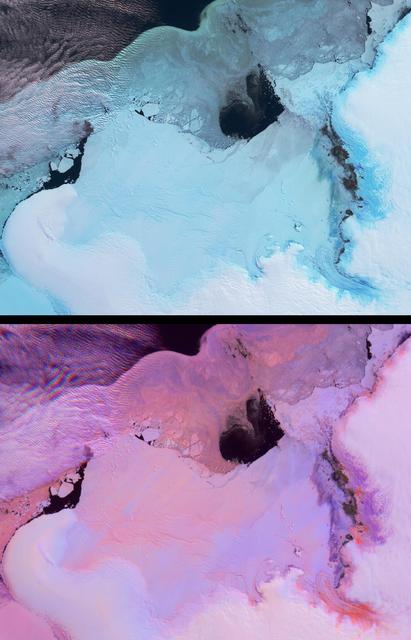
These views from NASA Terra spacecraft portray the Lutzow-Holm Bay region of Queen Maud Land, East Antarctica, on September 5, 2002.

This image was returned by NASA Voyager 2 spacecraft on July 3, 1989. The planet and its largest satellite, Triton, are captured in view; Triton appears in the lower right corner at about 5 oclock relative to Neptune.

This MOC image shows a 1.5 meters ~5 feet per pixel view of a crater in the Terra Cimmeria region of Mars. Several gullies extend from near the top of the crater rim, downslope toward the floor of the crater

An 8-kilometer 5-mile wide crater of possible impact origin is shown in this view of an isolated part of the Bolivian Amazon from NASA Shuttle Radar Topography Mission.
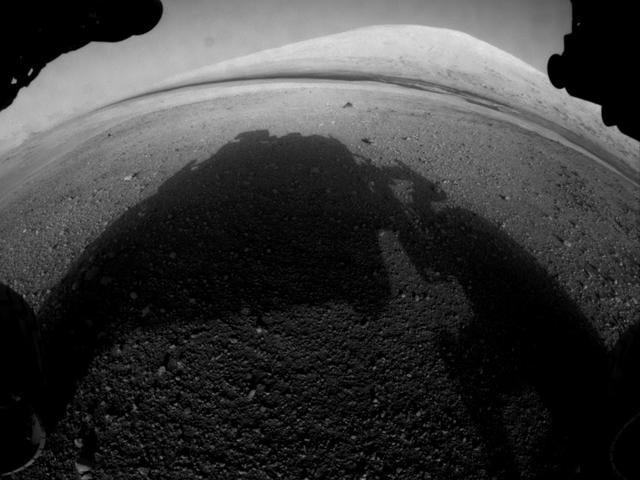
This full-resolution image shows one of the first views from NASA Curiosity rover, which landed on Mars the evening of Aug. 5 PDT early morning hours Aug. 6 EDT.
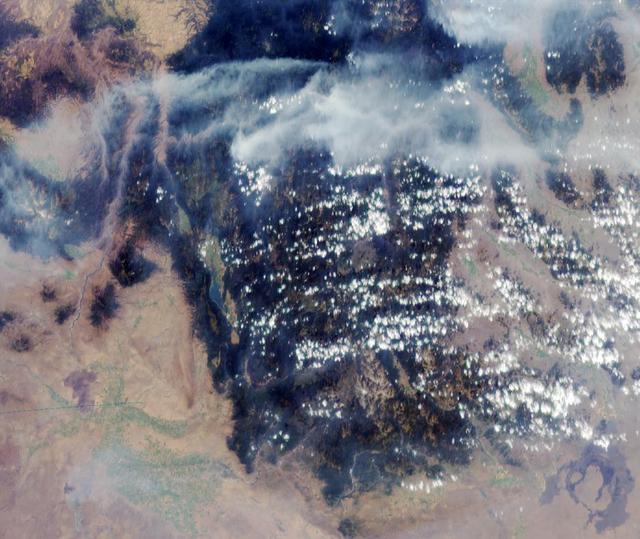
These images from NASA Terra satellite are of smoke plumes from devastating wildfires in the northwestern U.S. This view of the Clearwater and Salmon River Mountains in Idaho was acquired on August 5, 2000 Terra orbit 3370.
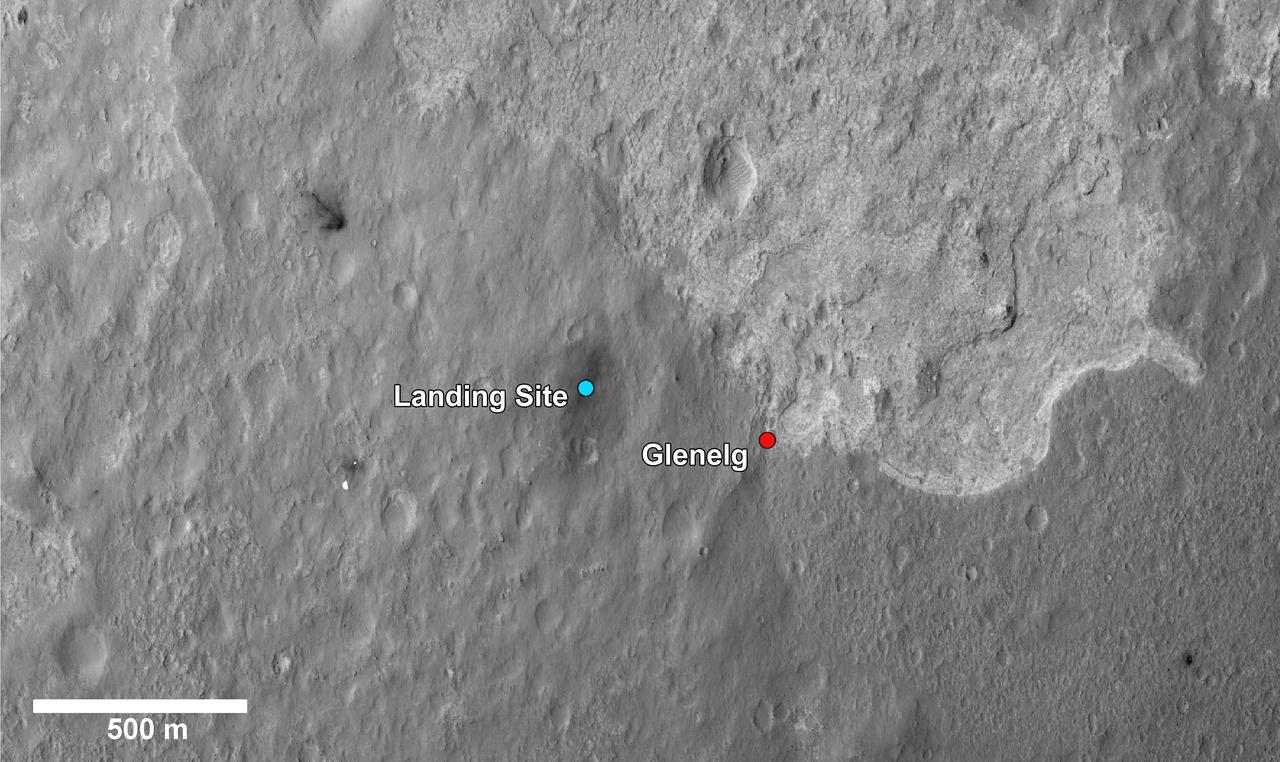
This image shows a closer view of the landing site of NASA Curiosity rover and a destination nearby known as Glenelg. Curiosity landed inside Gale Crater on Mars on Aug. 5 PDT Aug. 6 EDT at the blue dot.

This image was returned by NASA's Voyager 2 spacecraft on July 3, 1989. The planet and its largest satellite, Triton, are captured in view; Triton appears in the lower right corner at about 5 oclock relative to Neptune. http://photojournal.jpl.nasa.gov/catalog/PIA01287
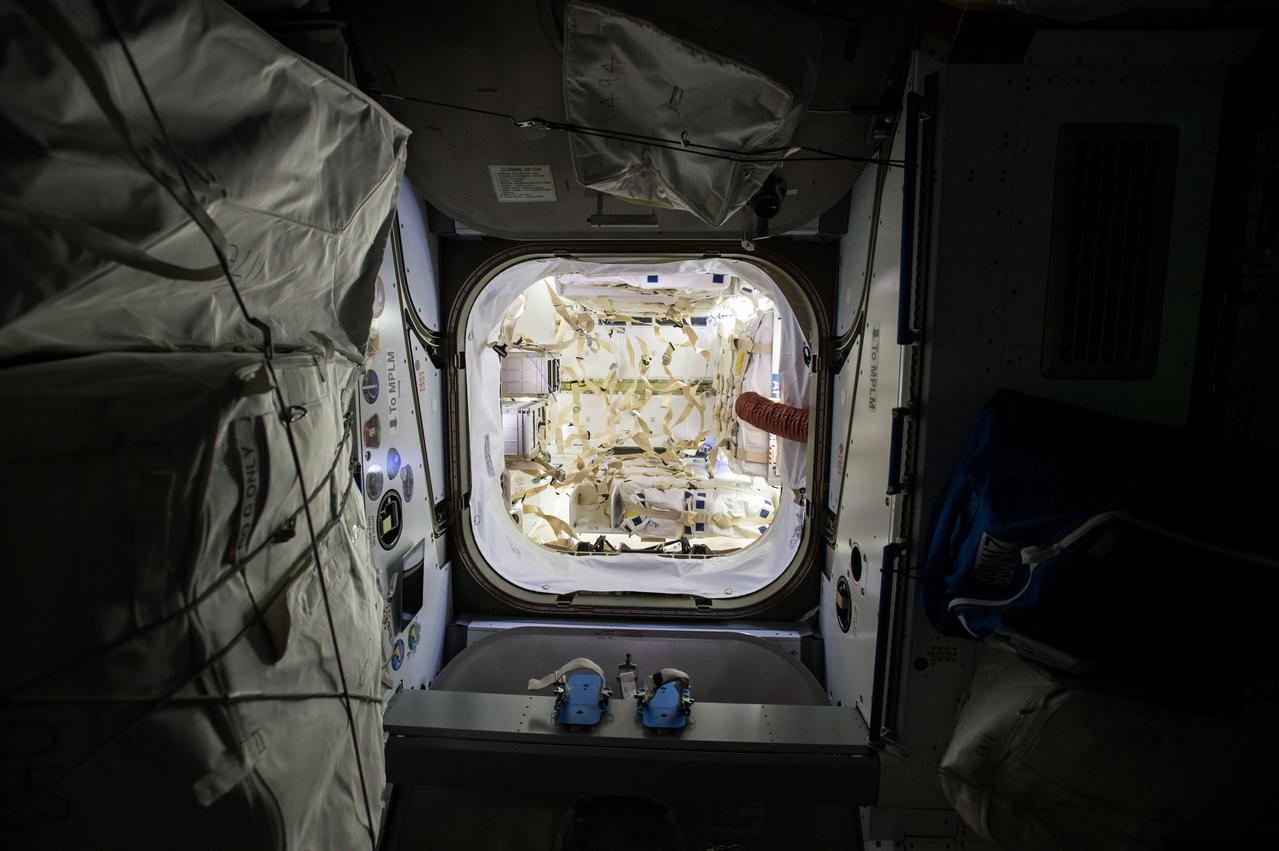
ISS042e136056 (Jan 13, 2015) -- Overall interior view of the SpaceX Dragon Commercial Resupply Services-5 (CRS-5) spacecraft.
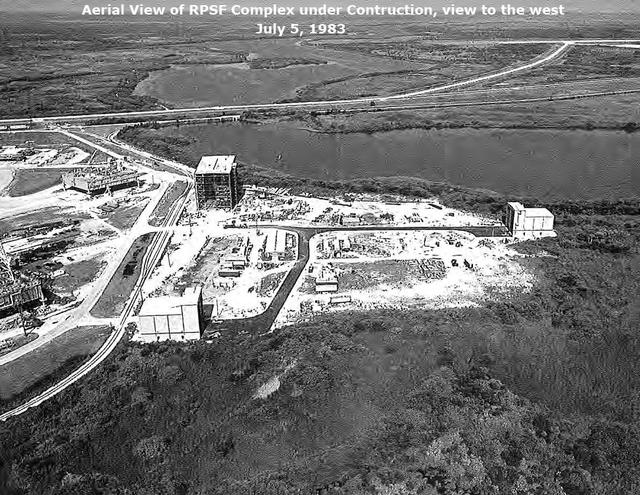
Aerial View of RPSF Complex under construction view to the west, July 5, 1983
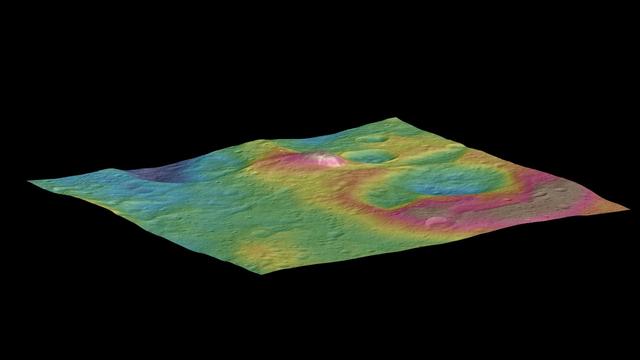
This view, made using images taken by NASA's Dawn spacecraft, features a tall conical mountain on Ceres. Elevations span a range of about 5 miles (8 kilometers) from the lowest places in this region to the highest terrains. Blue represents the lowest elevation, and brown is the highest. The white streaks seen running down the side of the mountain are especially bright parts of the surface. The image was generated using two components: images of the surface taken during Dawn's High Altitude Mapping Orbit (HAMO) phase, where it viewed the surface at a resolution of about 450 feet (140 meters) per pixel, and a shape model generated using images taken at varying sun and viewing angles during Dawn's lower-resolution Survey phase. The image of the region is color-coded according to elevation, and then draped over the shape model to give this view. http://photojournal.jpl.nasa.gov/catalog/PIA19976
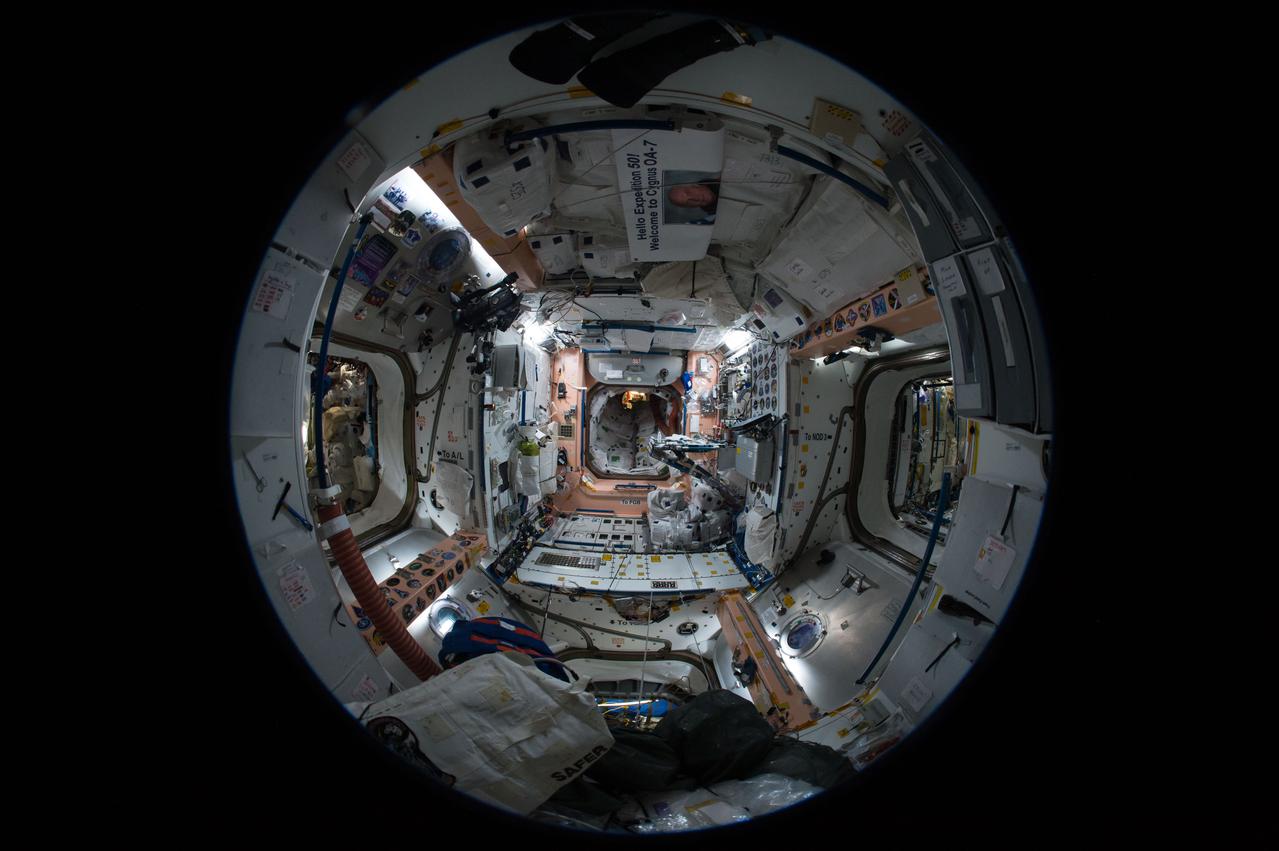
iss051e040946 (5/11/2017) --- A fish-eye view looking aft in the Unity Node 1, taken for a Google Street View of the ISS.
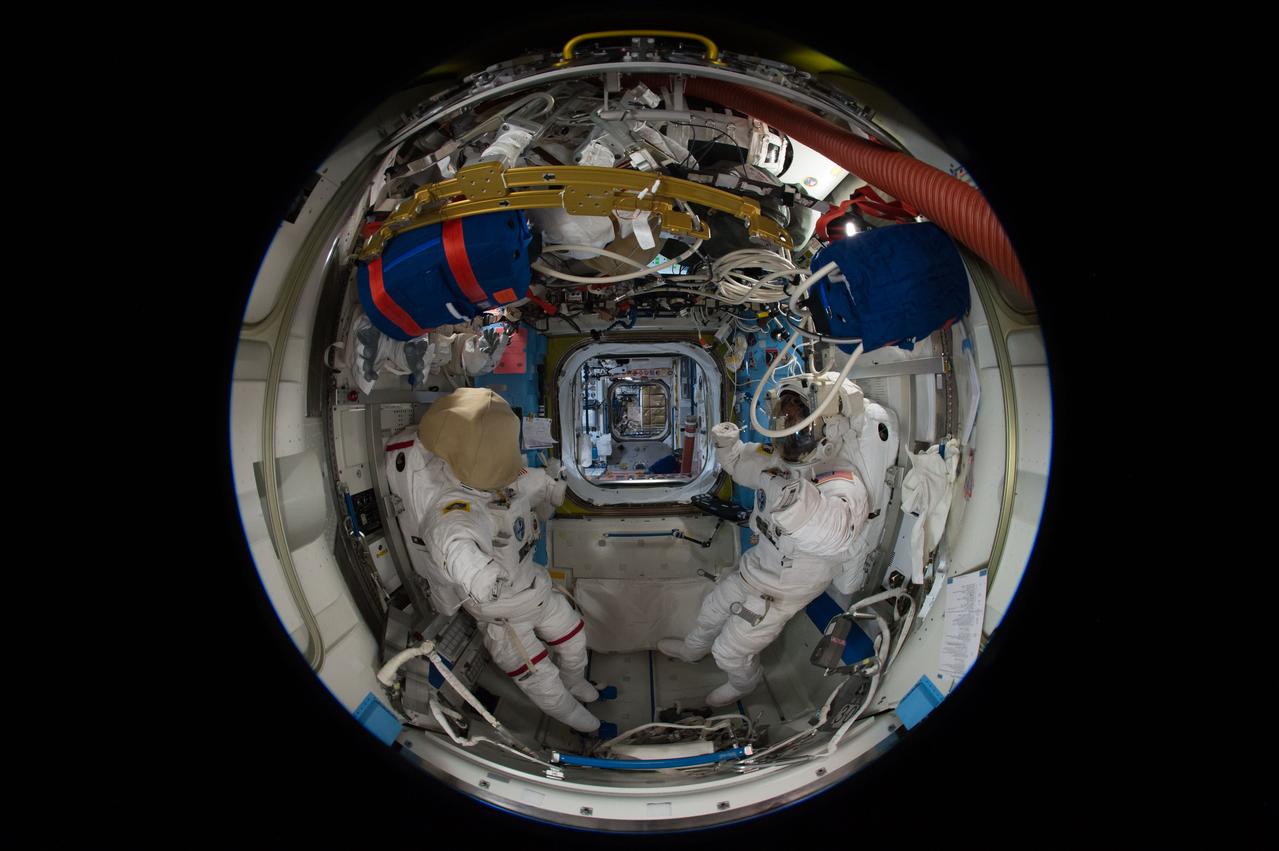
iss051e041018 (5/11/2017) --- A fish-eye view looking port in the Quest Airlock (A/L), taken for a Google Street View of the ISS. The port hatch into the Unity Node 1 is in view.
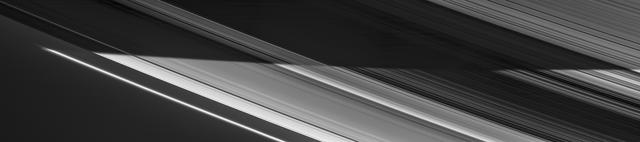
Saturn's shadow sweeps across the rings in a view captured on Nov. 5, 2006 by NASA's Cassini spacecraft. In the bottom half of the image, the countless icy particles that make up the rings bask in full daylight. In the top half, they move through Saturn's shadow. On the right side of the image, the planet's night side, dimly lit by reflected ringshine, can be seen through gaps in the darkened rings. This view is a mosaic of four visible light images taken with Cassini's narrow-angle camera at a distance of approximately 932,000 miles (1.5 million kilometers) from Saturn. The Cassini spacecraft ended its mission on Sept. 15, 2017. https://photojournal.jpl.nasa.gov/catalog/PIA17199
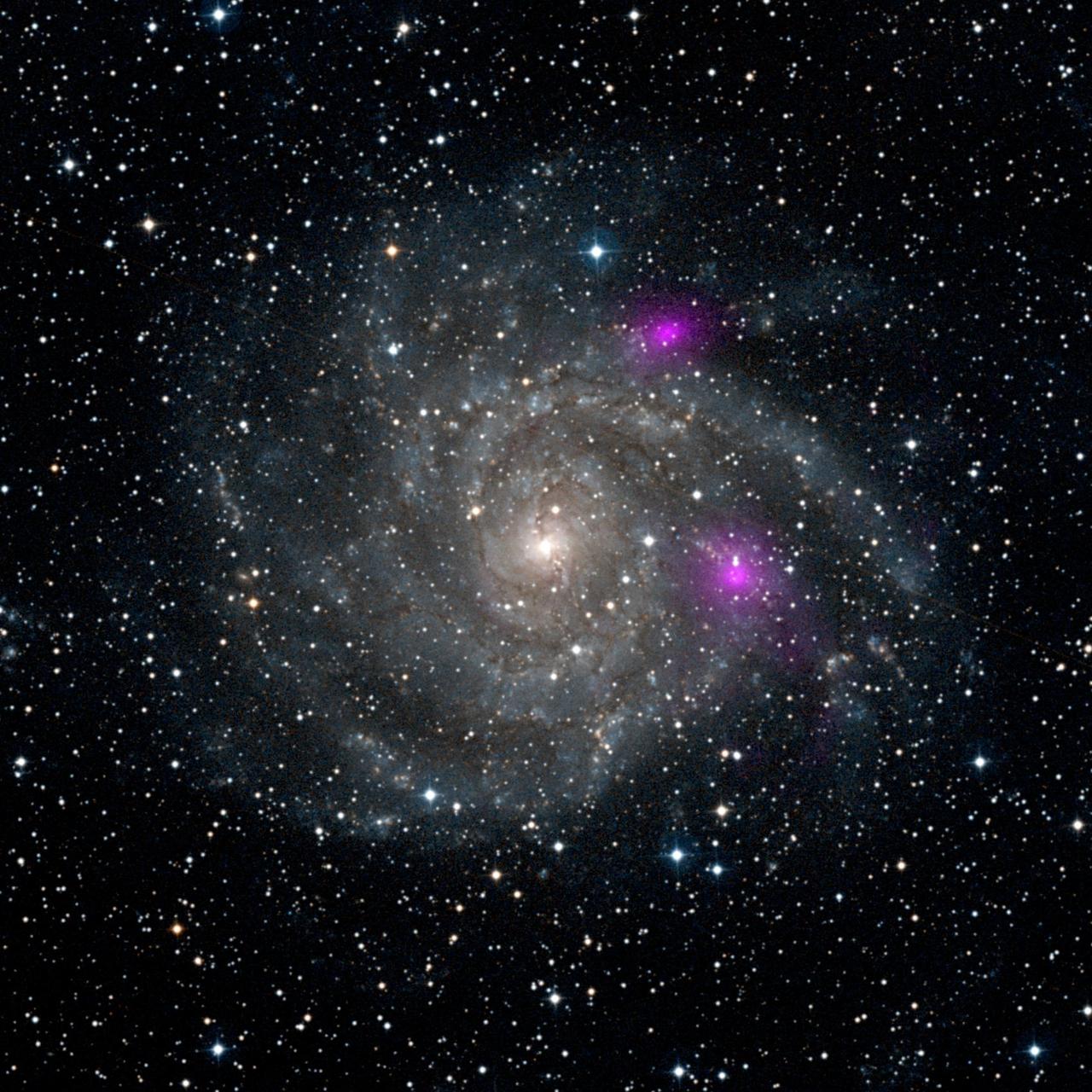
This new view of spiral galaxy IC 342, also known as Caldwell 5, includes data from NASA Nuclear Spectroscopic Telescope Array, or NuSTAR. IC 342 lies 7 million light-years away in the Camelopardalis constellation.
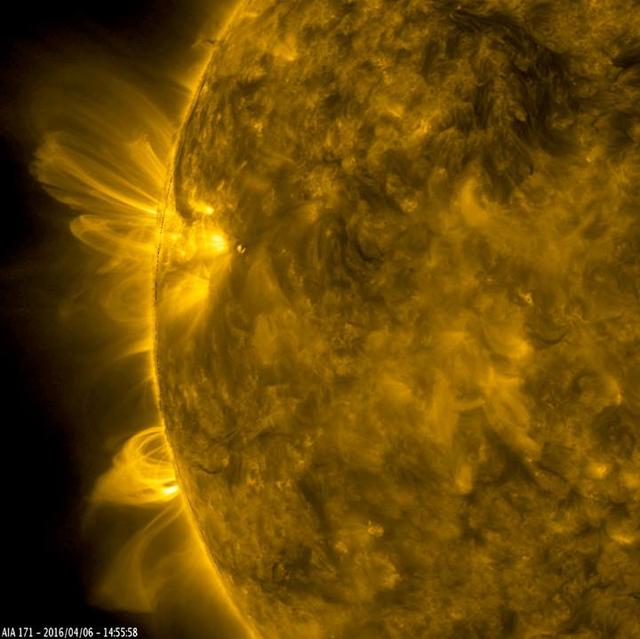
This still image from an animation from NASA GSFC Solar Dynamics Observatory shows arches of magnetic field lines towered over the edge of the Sun as a pair of active regions began to rotate into view Apr. 5-6, 2016.
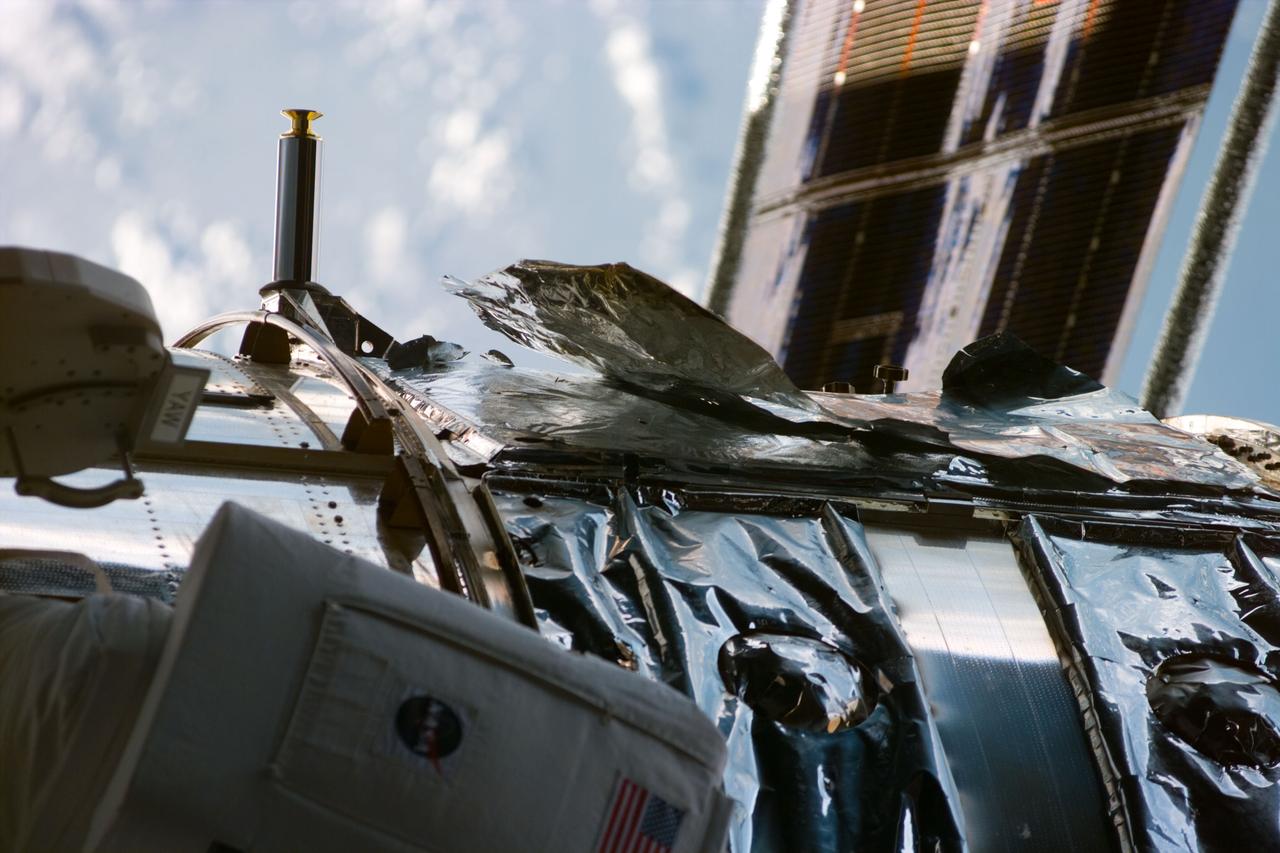
S82-E-5369 (15 Feb. 1997) --- This photograph, taken from onboard the Space Shuttle Discovery with an Electronic Still Camera (ESC) shows a tear in the thermal insulation of the Hubble Space Telescope (HST) Bay #8.
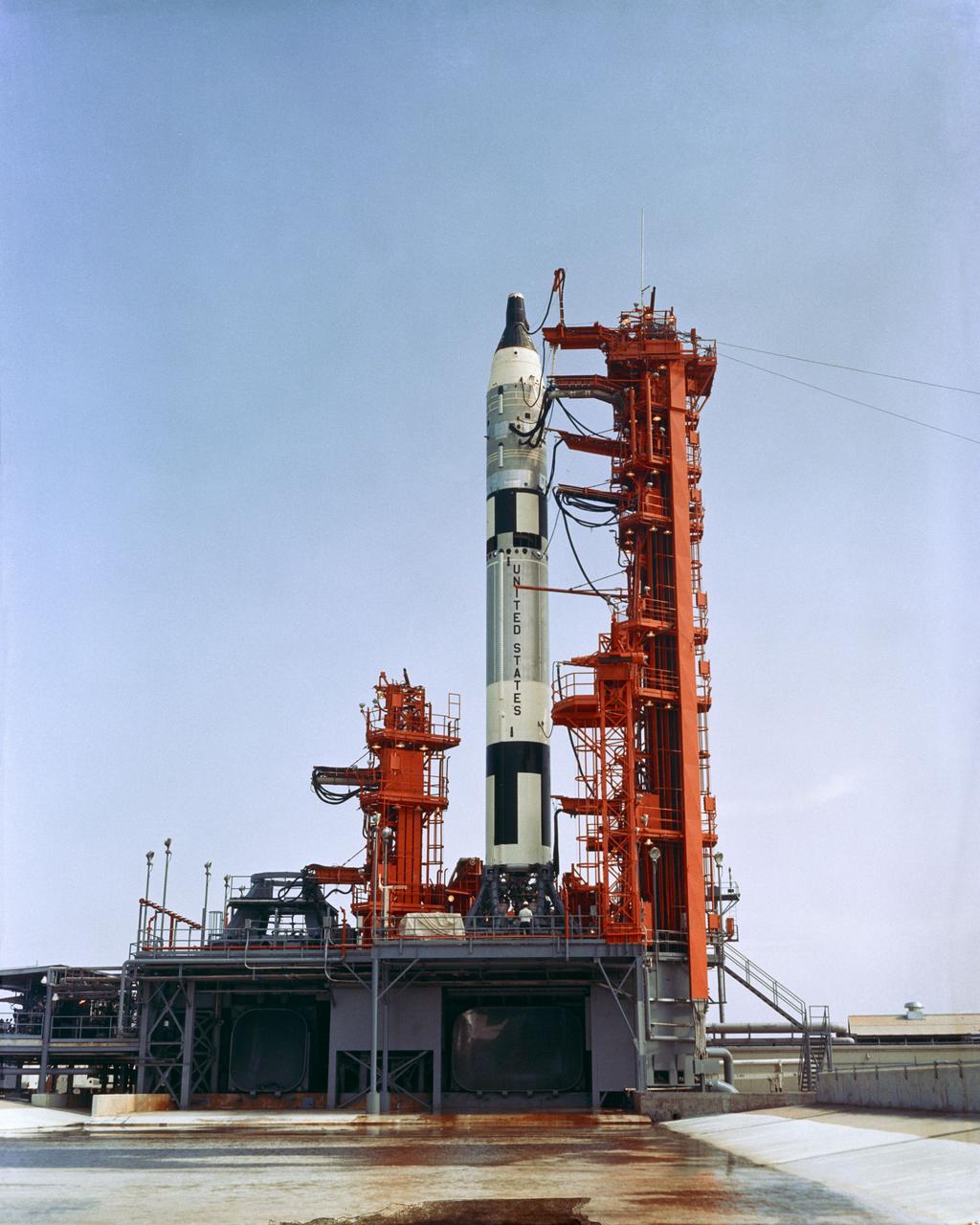
S65-43447 (22 July 1965) --- Overall view of Pad 19 showing Gemini-5 spacecraft atop the Gemini Launch Vehicle 5 during a wet mock simulation exercise.
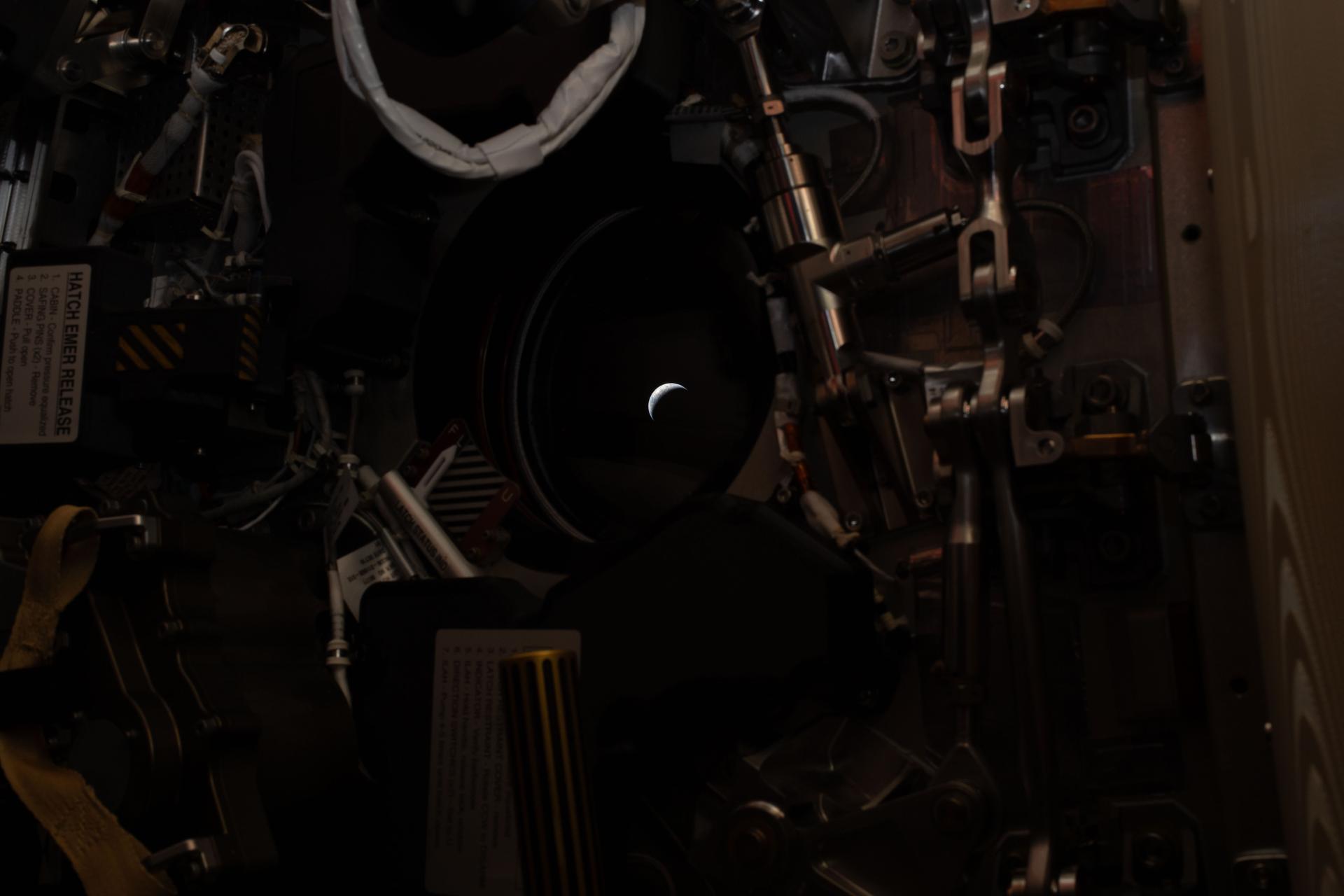
art002e024081 (April 5, 2026) – View of Earth out of the Orion spacecraft’s side hatch window taken by a member of the Artemis II crew at the end of Flight Day 5, the night before lunar flyby. Credit: NASA
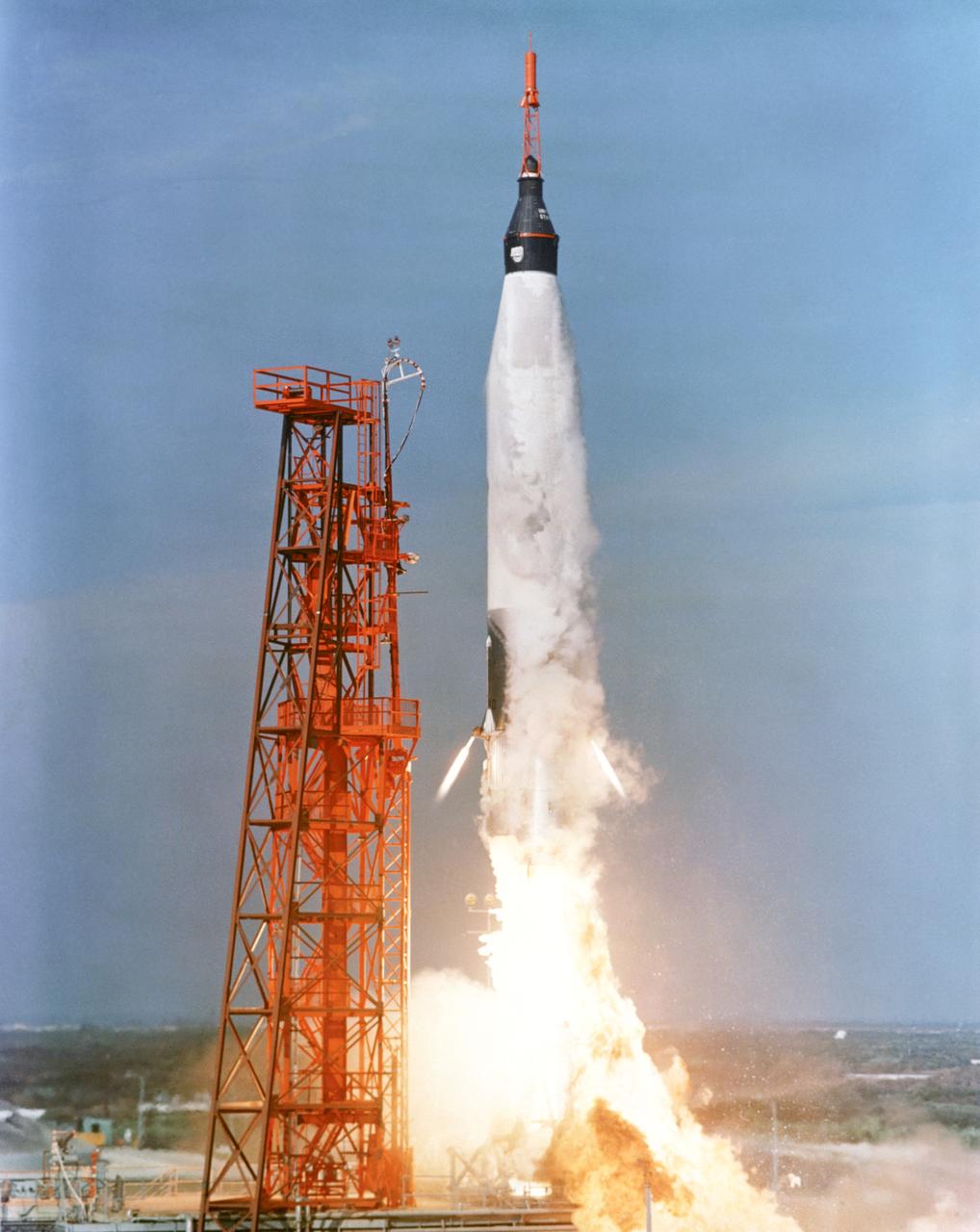
S62-08310 (29 Nov. 1961) --- View of the liftoff of Mercury-Atlas 5 (MA-5) carrying space chimpanzee "Enos" on Nov. 29, 1961 from Kennedy Space Center, Florida. Photo credit: NASA
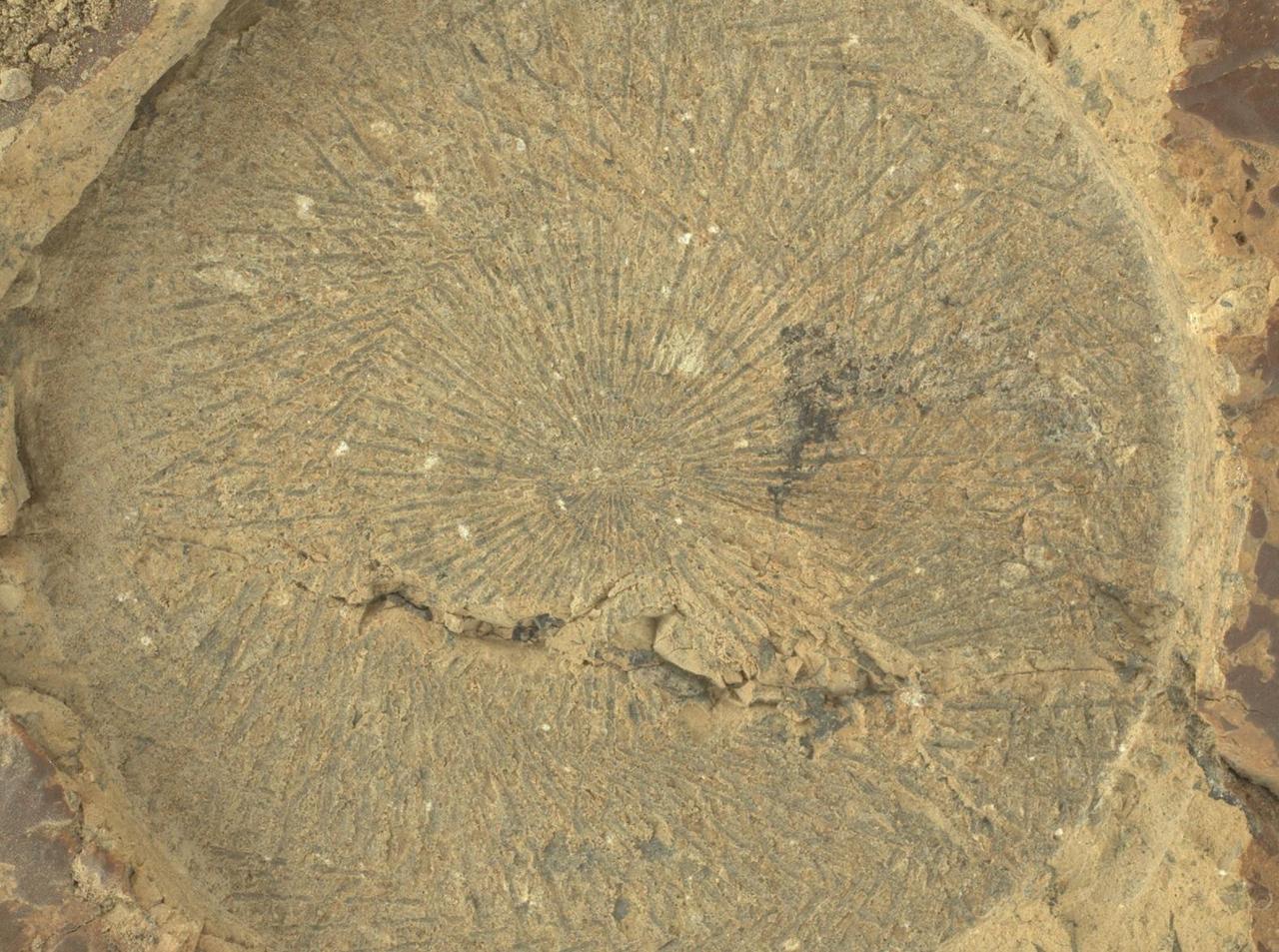
This close-up view of an abrasion made by NASA's Perseverance rover on June 5, 2025 (the 1,526th day, or sol, of its mission to Mars), shows distinctive "tool marks" formed as the abrasion bit interacted with the rock. These radiating patterns of lines tend to indicate that the rock is relatively hard. The image was taken from approximately 2.76 inches (7 centimeters) away by the rover's WATSON (Wide Angle Topographic Sensor for Operations and eNgineering) imager. A maroon-brown rock coating can be seen at the far edges and corners of the image. This coating was chipped off and removed within the area of the patch by the abrasion process. Most of the distinctive white, millimeter-sized grains set within a finer-grained gray matrix contain feldspar (an aluminum silicate mineral). The irregularly shaped dark patches in the upper right quadrant as well as those within the fracture that cuts through the lower half of the abrasion are composed chiefly of manganese and nickel. https://photojournal.jpl.nasa.gov/catalog/PIA26576
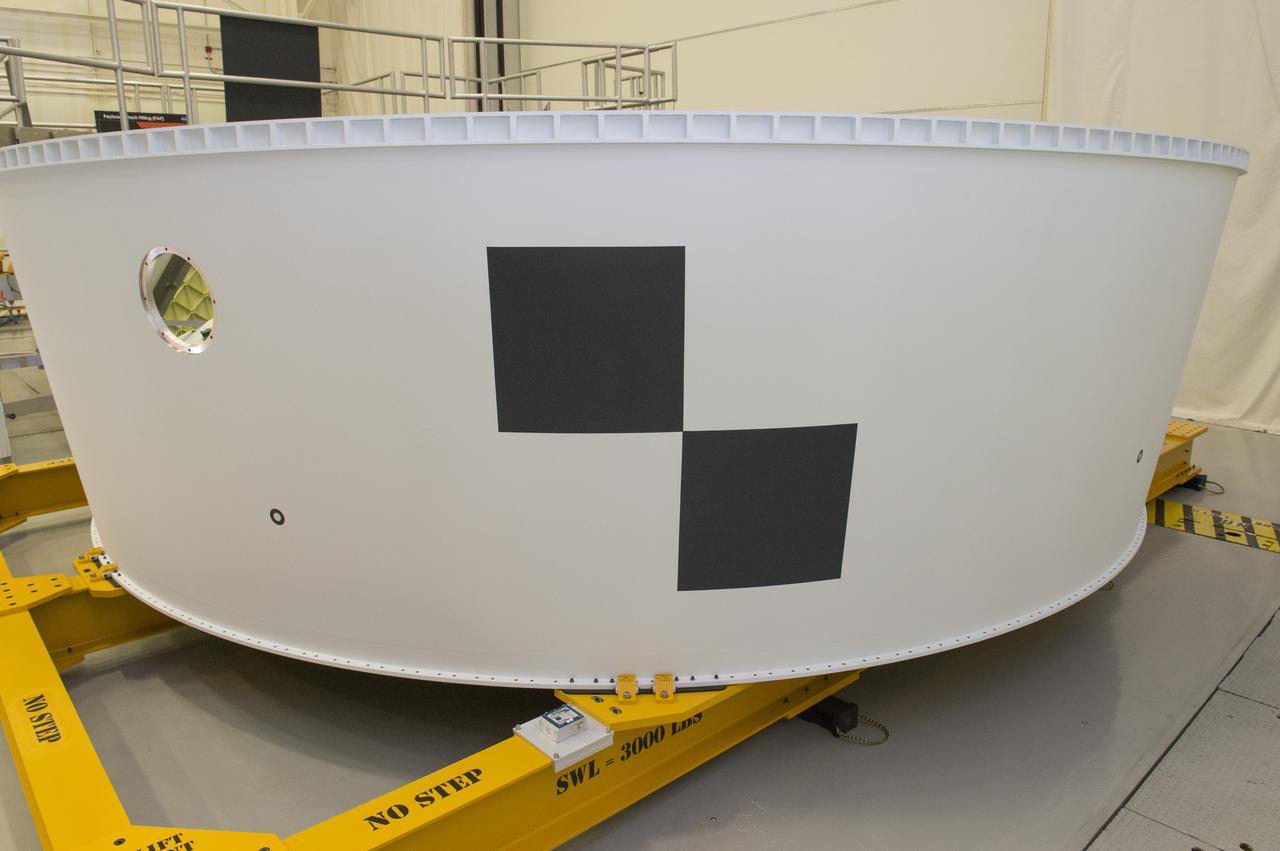
General overview and detail, Close-Out, photos of the SLS Orion Stage Adapter EM-1...exterior overall views (5)
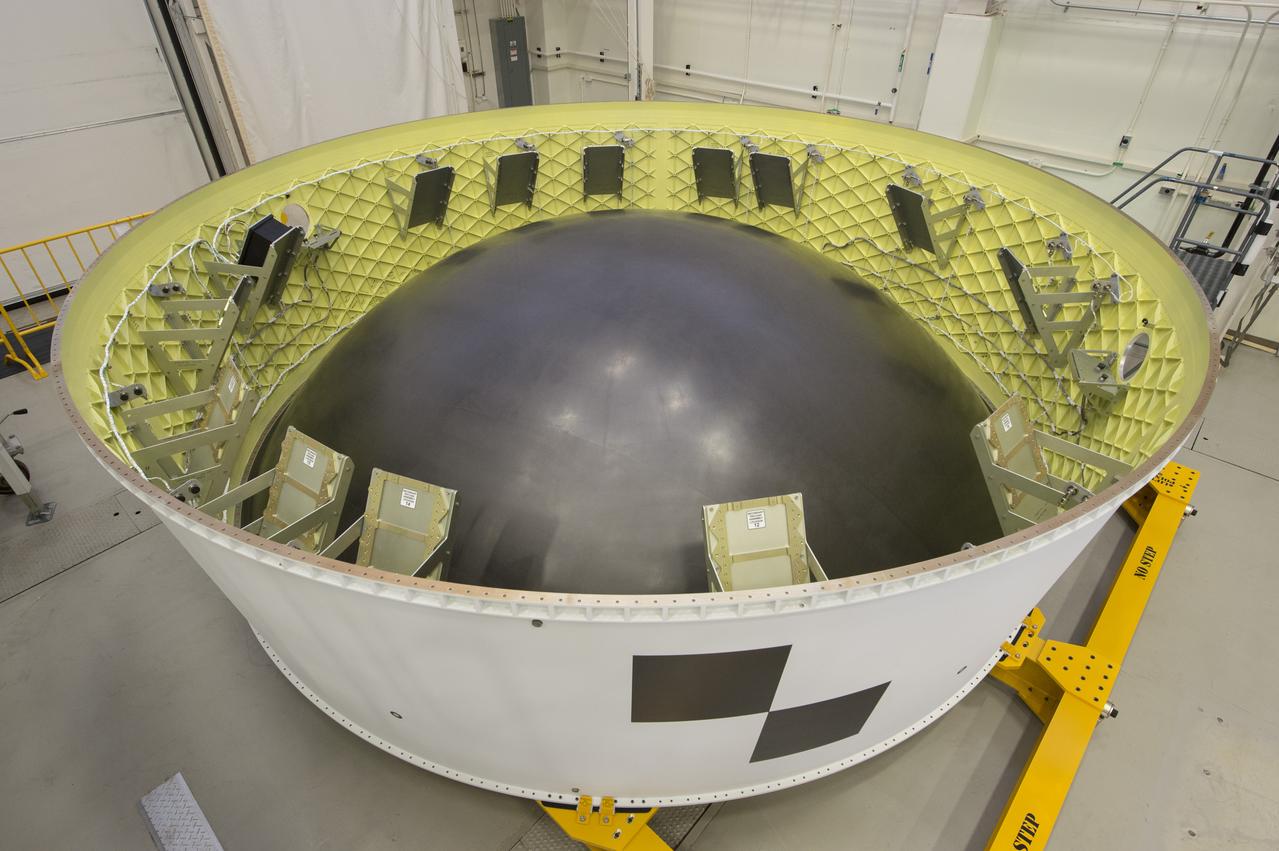
General overview and detail, Close-Out, photos of the SLS Orion Stage Adapter EM-1...exterior overall views (5)
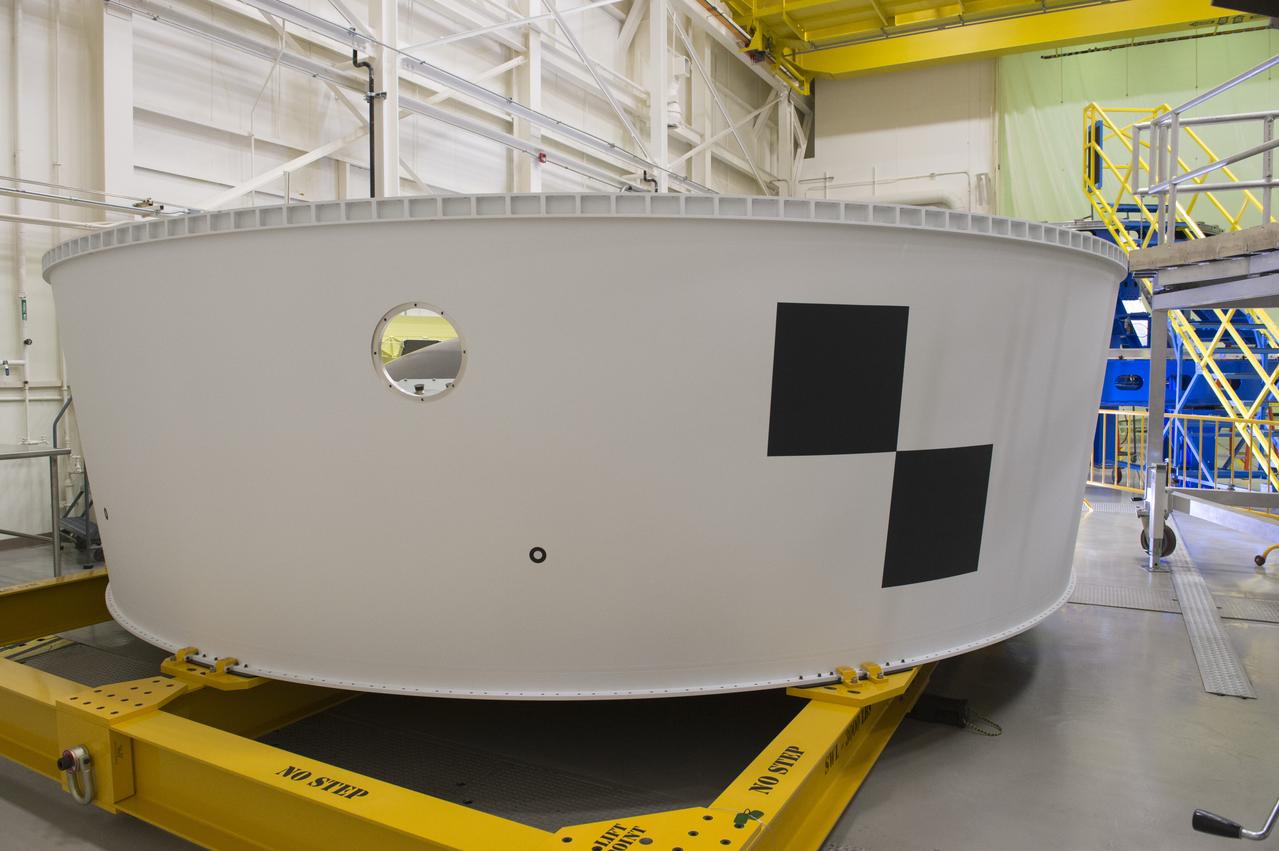
General overview and detail, Close-Out, photos of the SLS Orion Stage Adapter EM-1...exterior overall views (5)
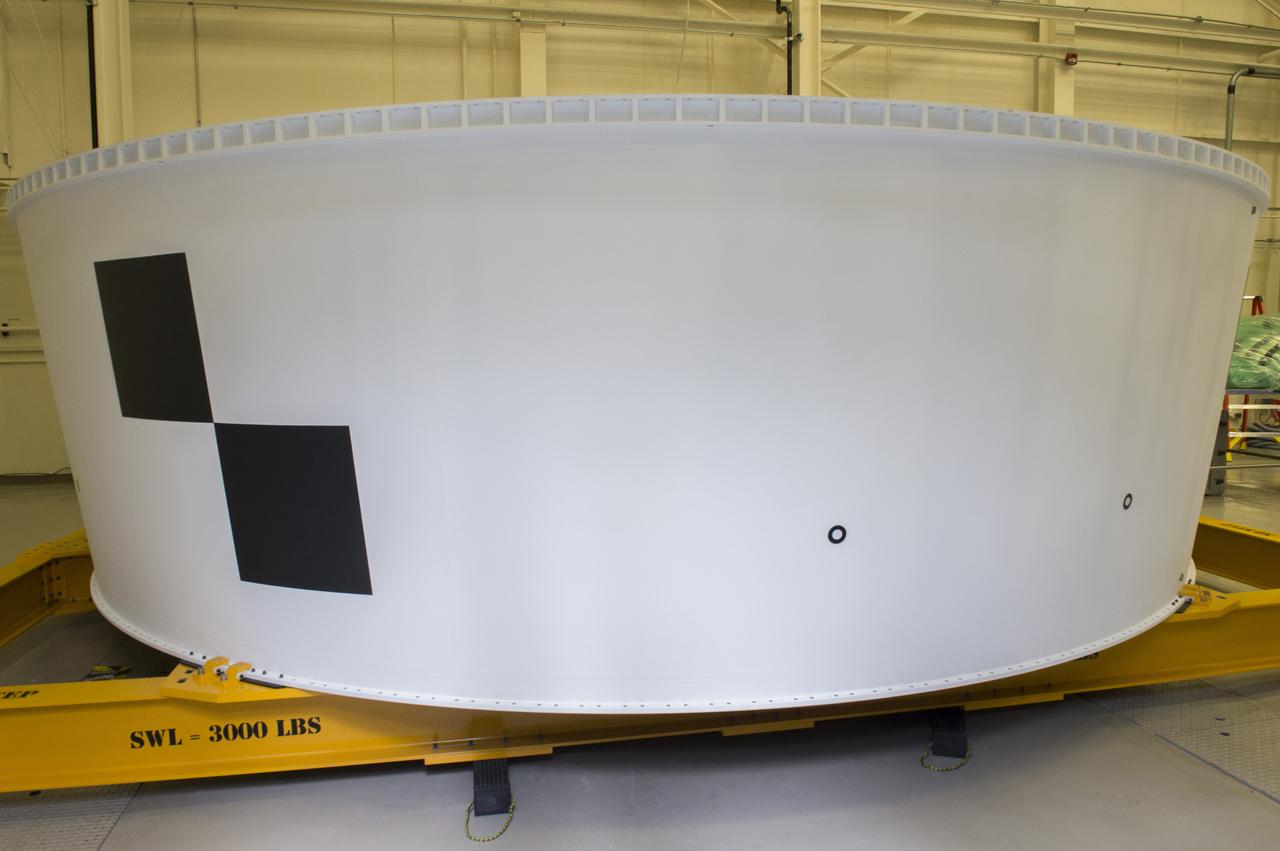
General overview and detail, Close-Out, photos of the SLS Orion Stage Adapter EM-1...exterior overall views (5)
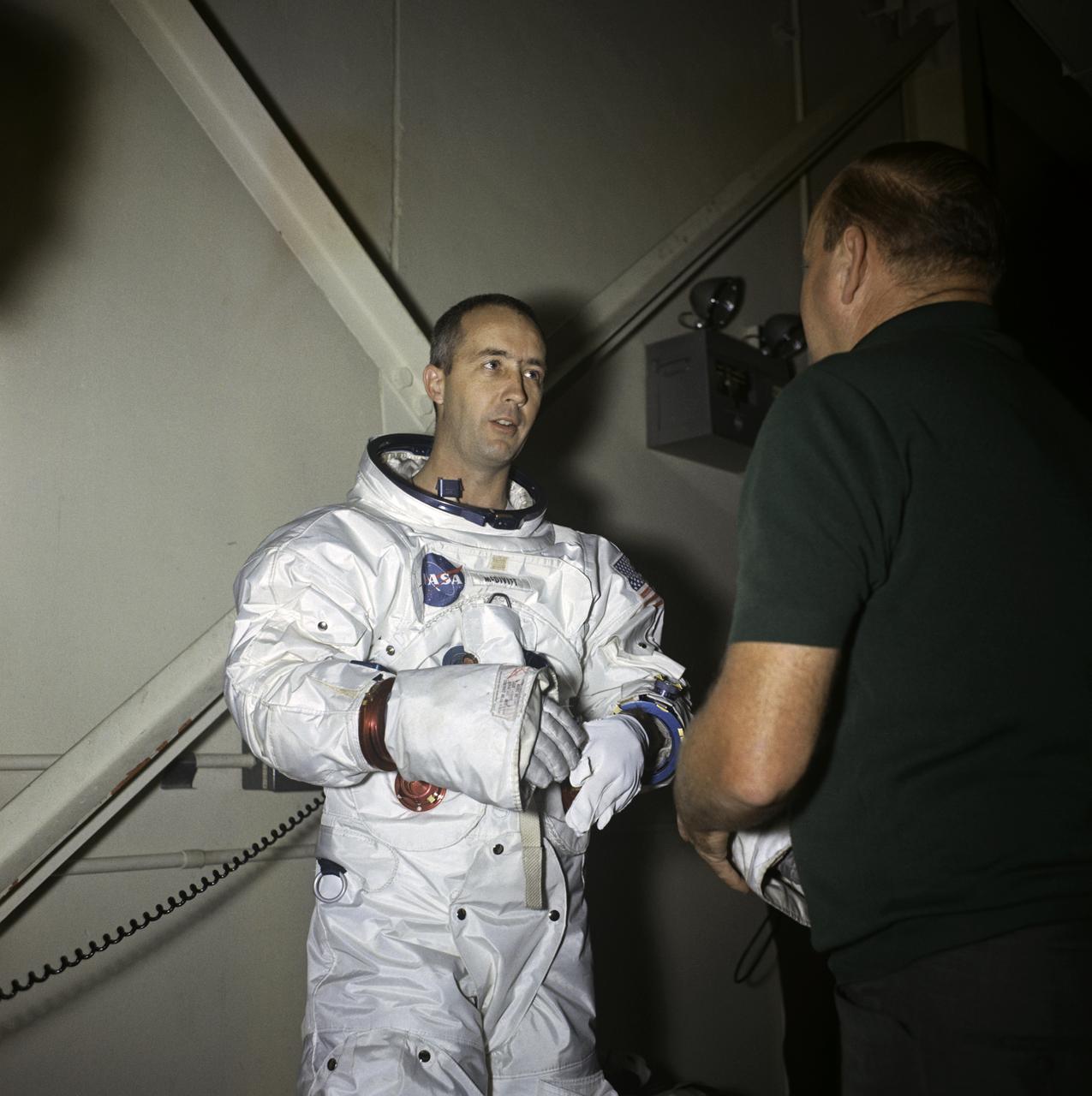
MCDIVITT, JAMES A. - SUITING View of General (Astronaut) James A. McDivitt in the bldg. 5 suiting room.
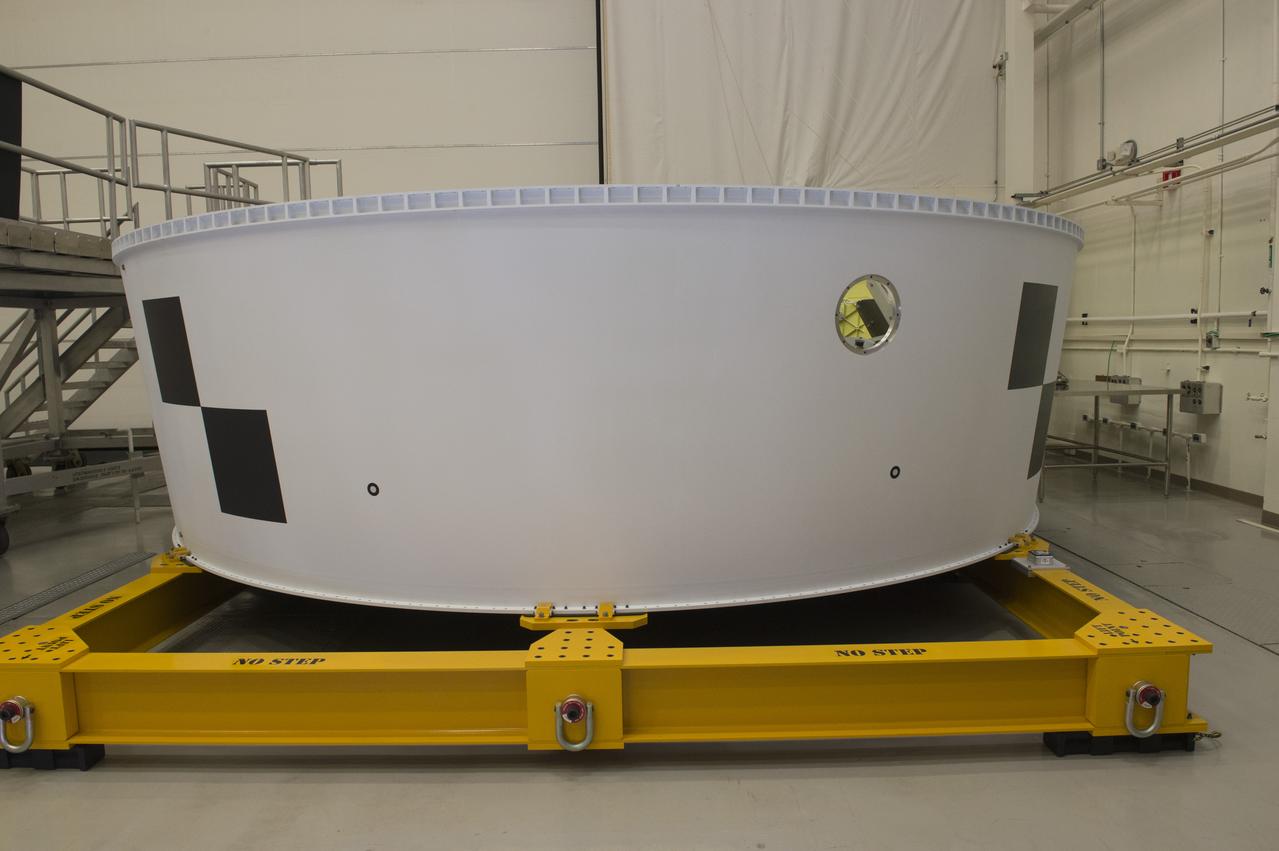
General overview and detail, Close-Out, photos of the SLS Orion Stage Adapter EM-1...exterior overall views (5)

ISS006-E-18298 (5 January 2003) --- View of stars photographed by an Expedition Six crewmember on the International Space Station (ISS).
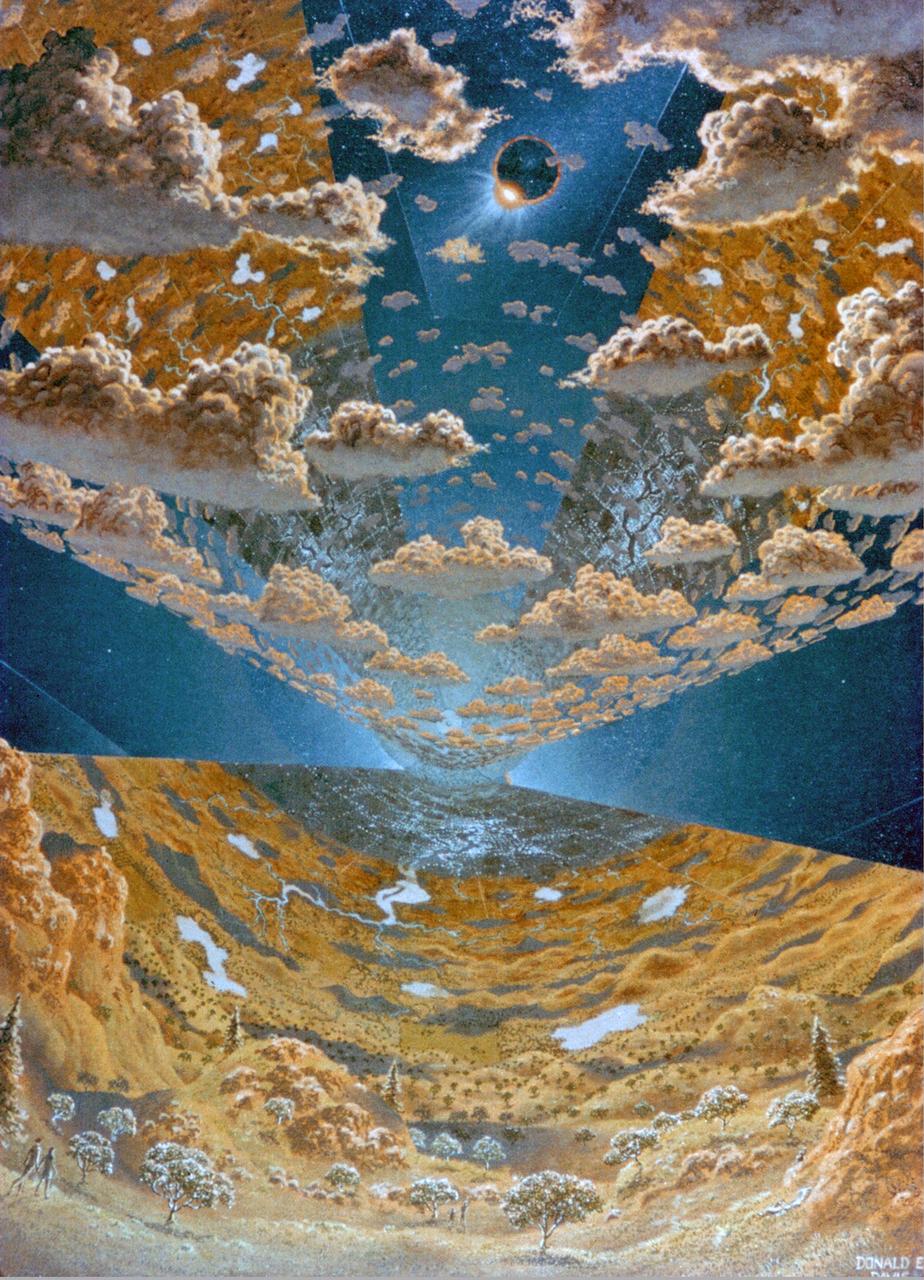
Interior View of L-5 Torus Sphere Colony. Space Colonization. Artwork by Don Davis
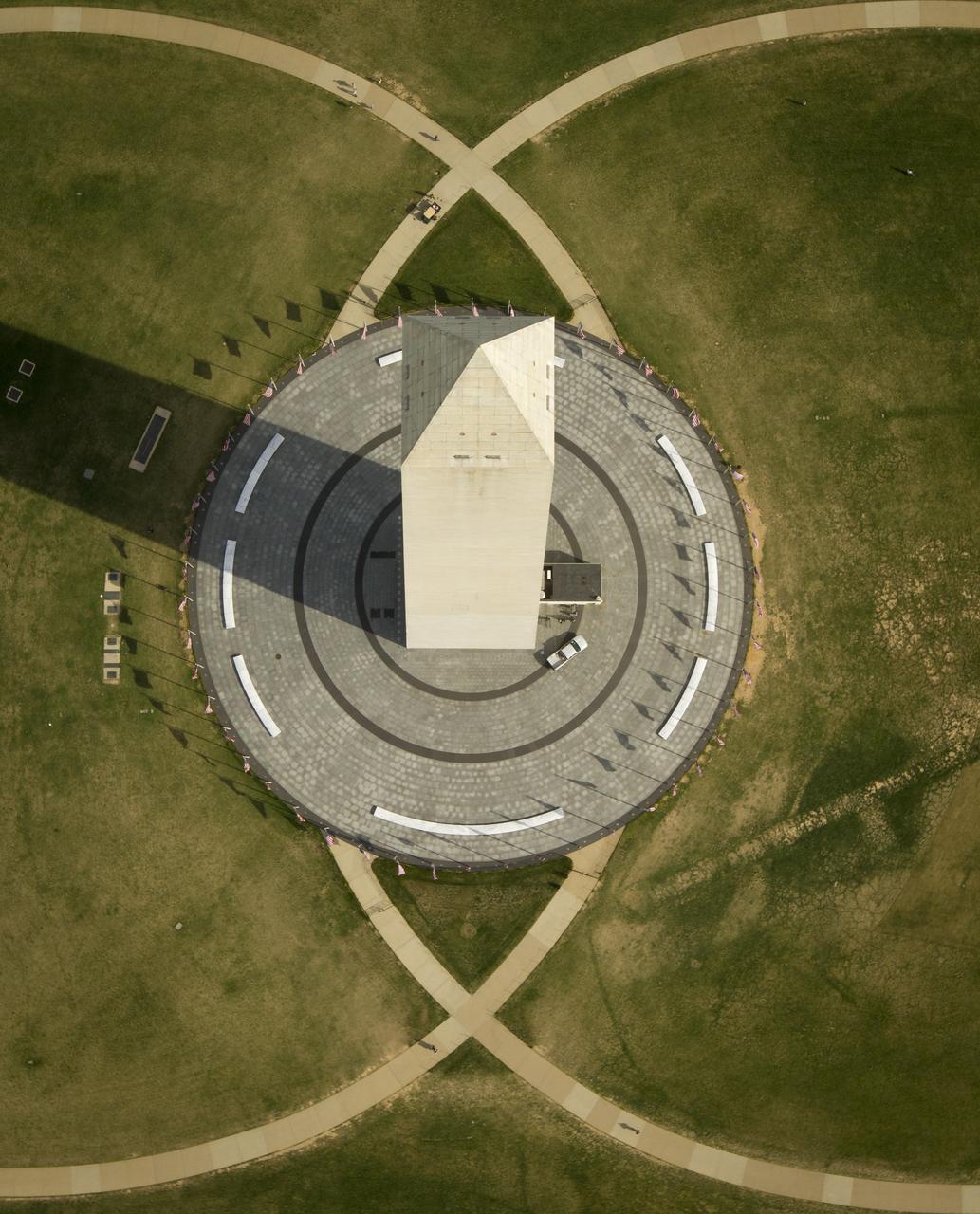
Aerial view of the Washington Monument on Thursday, April 5, 2012 in Washington. Photo Credit: (NASA/Bill Ingalls)
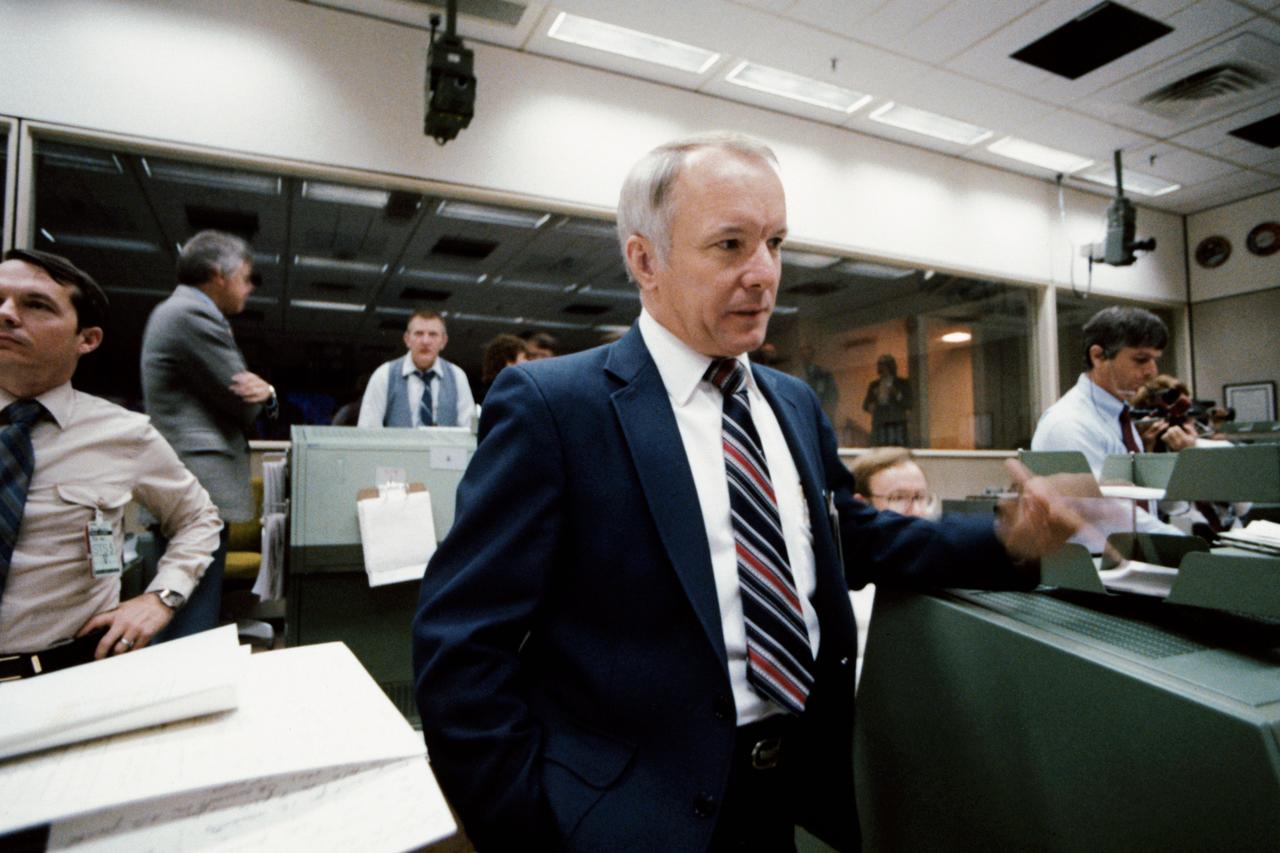
Views of MOCR activity during the STS-5 Mission (11/11-16/1982) of Dr. Hans Mark, NASA Deputy Administrator; Gerald Griffin; portrait of the STS-5 Flight Directors, Flight Director (FD) Cox and Lt. Gen. James A. Abrahamson, Associate Administrator for Space Flight, in the MOCR during the STS-5 Mission. 1. Abrahamson, J. T., Gen,.- STS-5 MOCR 2. Flight Directors - STS-5 MOCR 3. STS-5 - Inflight MOCR 4. Mark, Hans Dr. - STS-5 MOCR 5. Dir. Griffin, Gerald- STS-5 MOCR JSC, Houston, TX. S83-27153 thru S83-27158
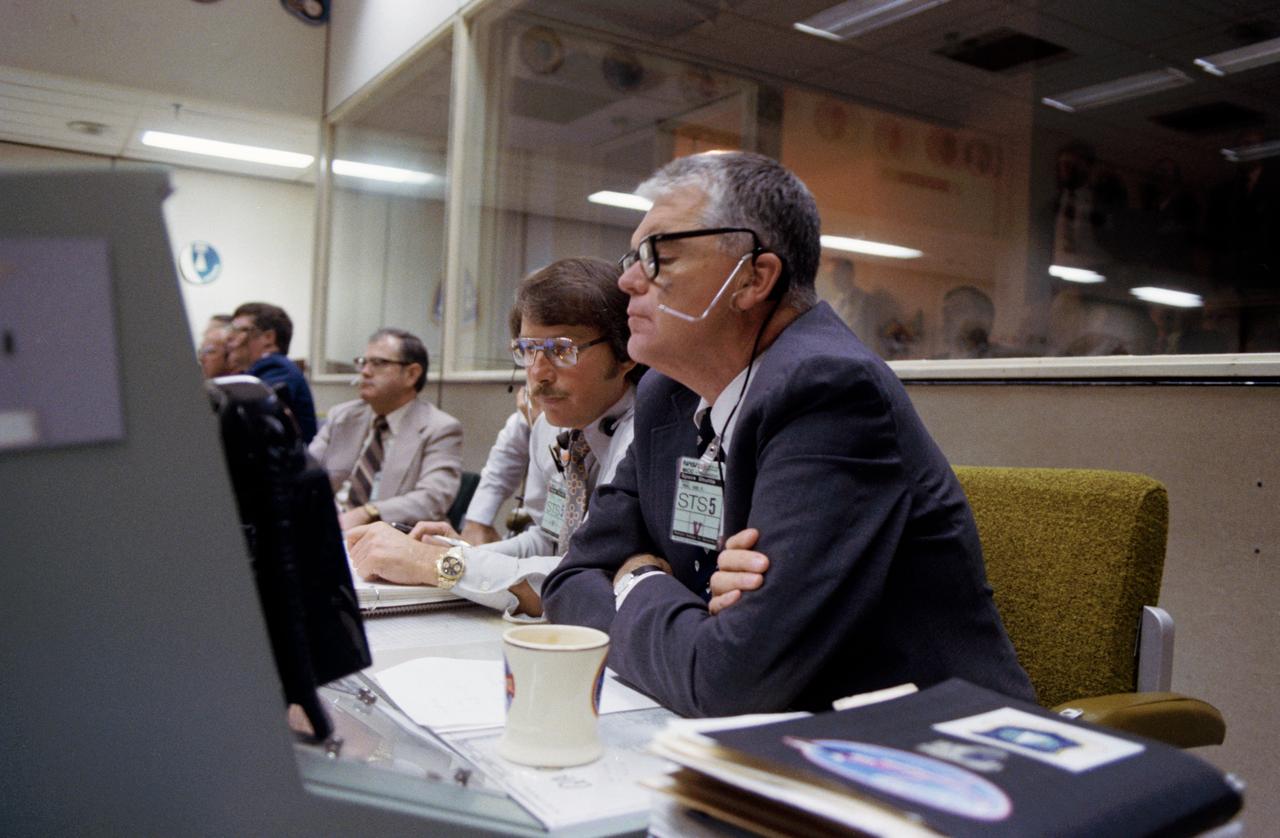
Views of MOCR activity during the STS-5 Mission (11/11-16/1982) of Dr. Hans Mark, NASA Deputy Administrator; Gerald Griffin; portrait of the STS-5 Flight Directors, Flight Director (FD) Cox and Lt. Gen. James A. Abrahamson, Associate Administrator for Space Flight, in the MOCR during the STS-5 Mission. 1. Abrahamson, J. T., Gen,.- STS-5 MOCR 2. Flight Directors - STS-5 MOCR 3. STS-5 - Inflight MOCR 4. Mark, Hans Dr. - STS-5 MOCR 5. Dir. Griffin, Gerald- STS-5 MOCR JSC, Houston, TX. S83-27153 thru S83-27158
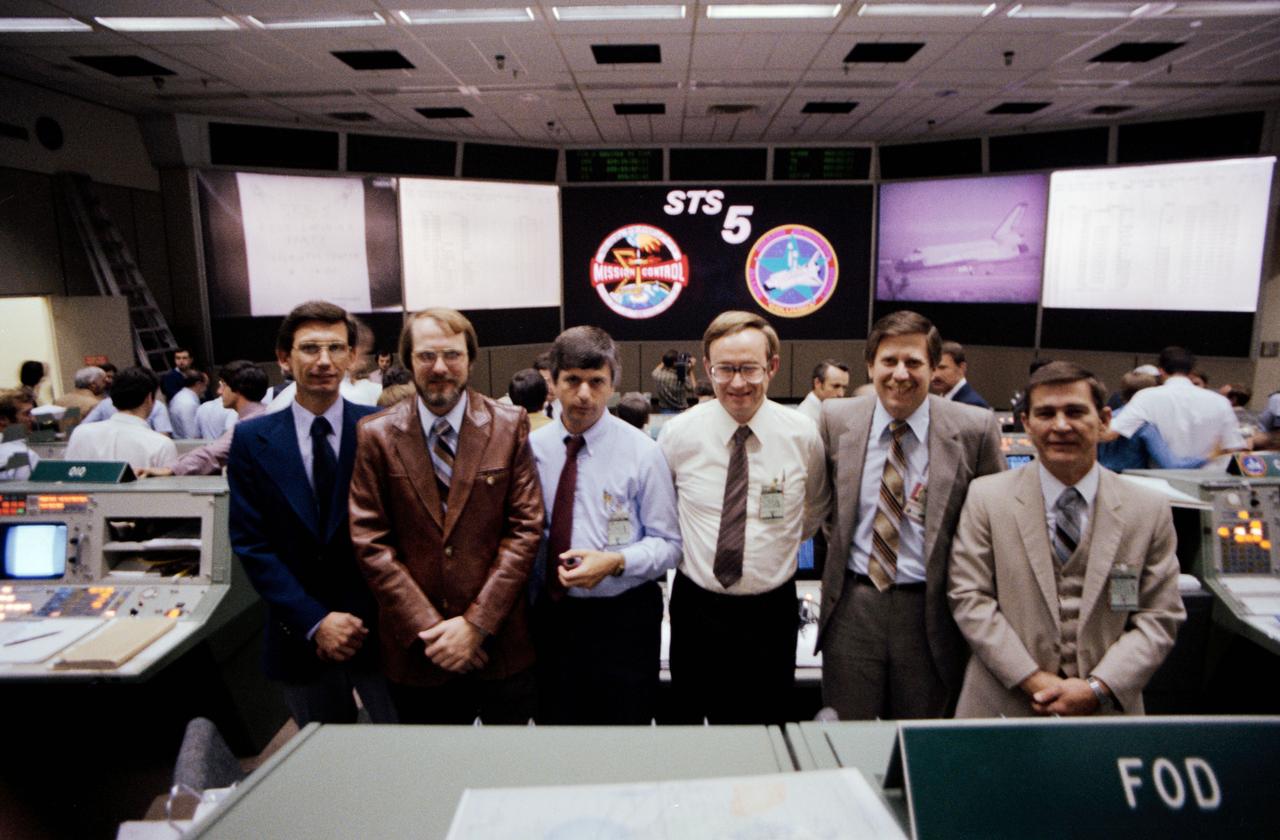
Views of MOCR activity during the STS-5 Mission (11/11-16/1982) of Dr. Hans Mark, NASA Deputy Administrator; Gerald Griffin; portrait of the STS-5 Flight Directors, Flight Director (FD) Cox and Lt. Gen. James A. Abrahamson, Associate Administrator for Space Flight, in the MOCR during the STS-5 Mission. 1. Abrahamson, J. T., Gen,.- STS-5 MOCR 2. Flight Directors - STS-5 MOCR 3. STS-5 - Inflight MOCR 4. Mark, Hans Dr. - STS-5 MOCR 5. Dir. Griffin, Gerald- STS-5 MOCR JSC, Houston, TX. S83-27153 thru S83-27158
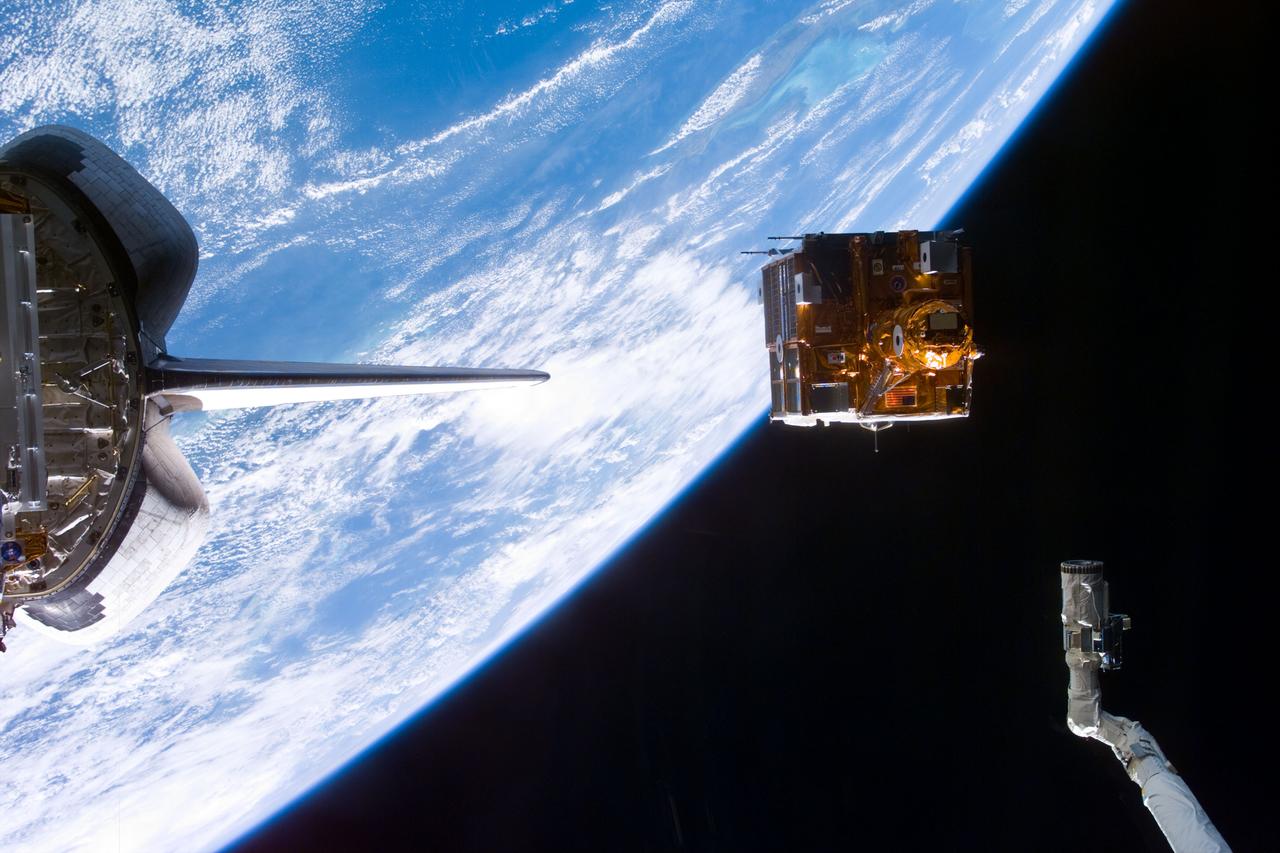
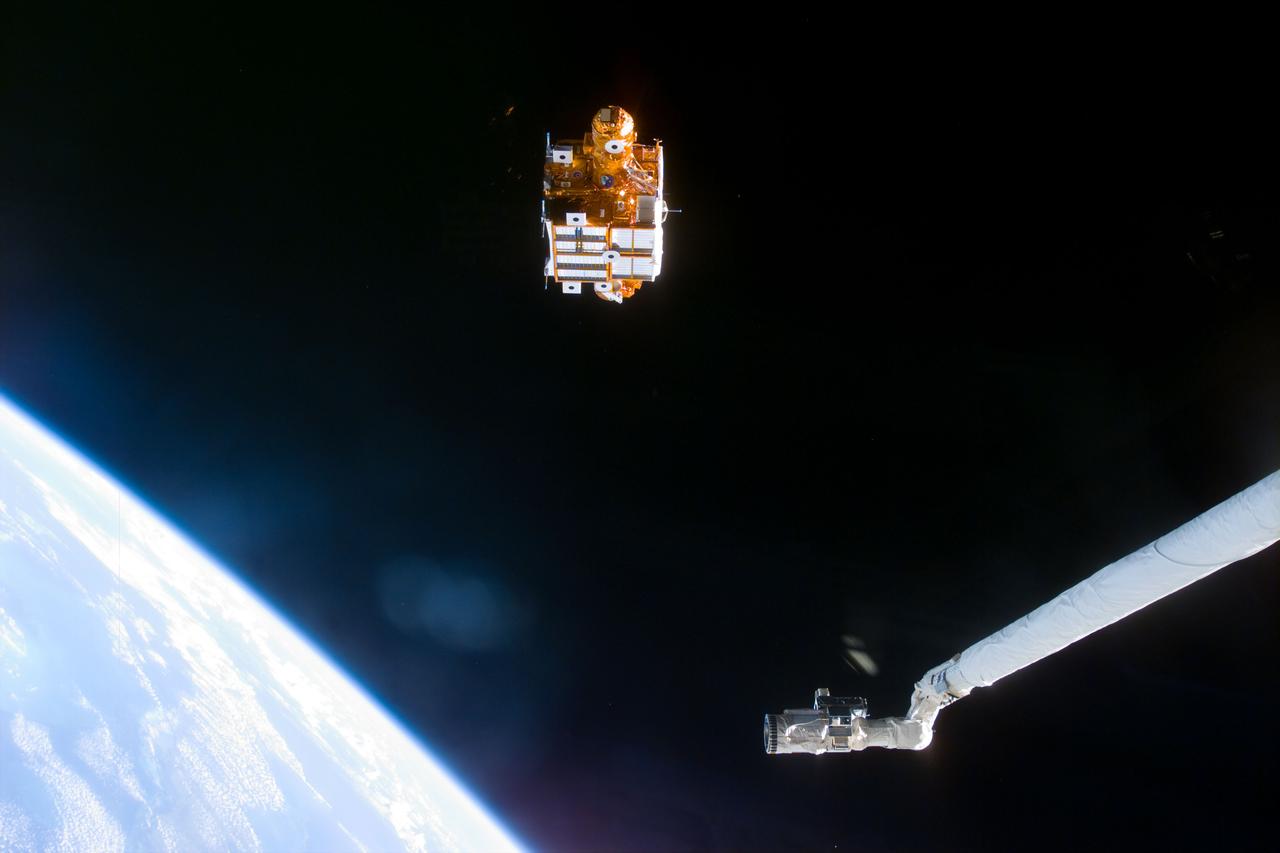
STS095-E-5077 (1 Nov. 1998) --- Backdropped against the blackness of space and Earth's horizon, Spartan 201-05 leaves the cargo bay of the Space Shuttle Discovery. The satellite will remain a free-flyer for several days while it records data on the solar wind and the sun's corona. This data is hoped to increase knowledge of the sun's effect on our planet. Cargo bay of Discovery is partially visible at left. The Canadian-built remote manipulator system (RMS)is partially visible at right. The photograph was taken with an electronic still camera (ESC) at 2:09:35 GMT, November 1.
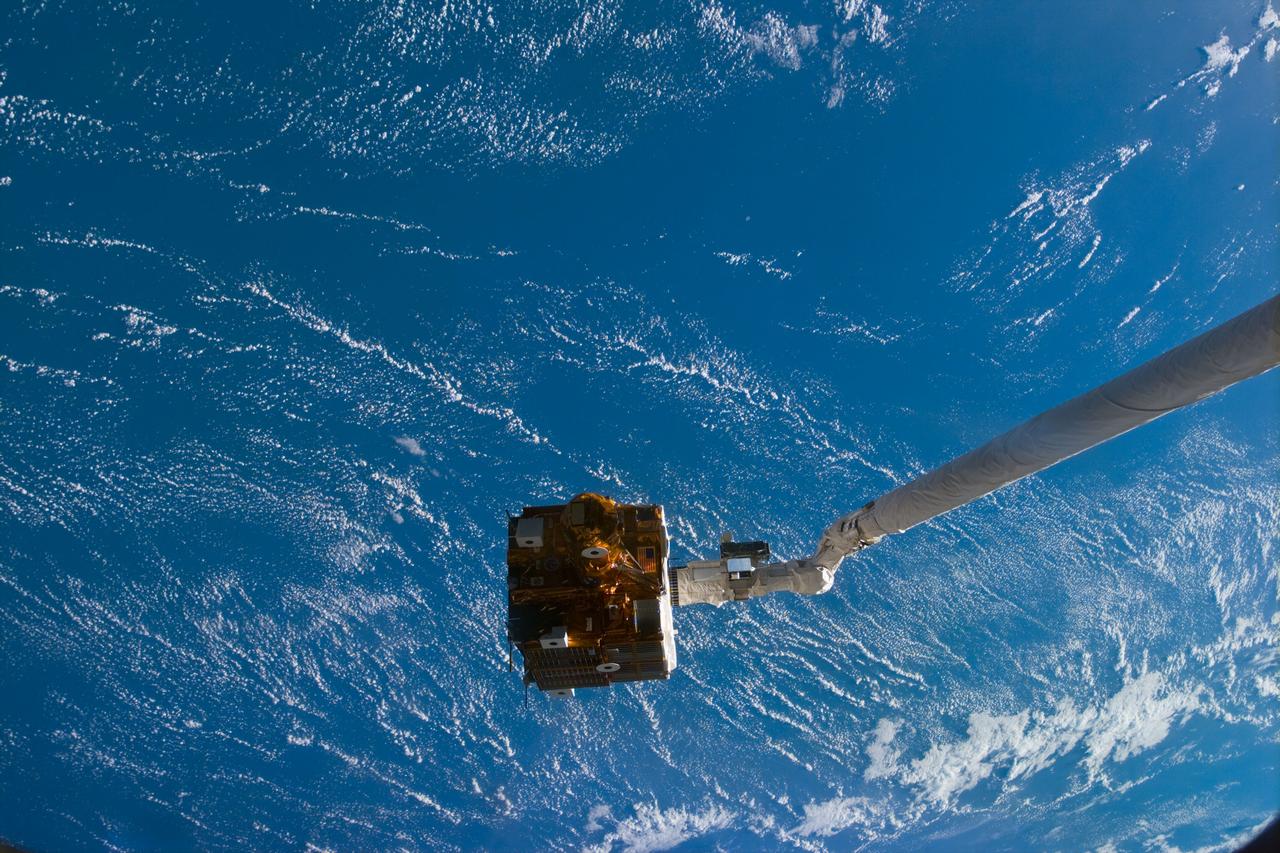
STS095-E-5082 (1 Nov. 1998) --- Backdropped against the blackness of space, Spartan 201-05 leaves the cargo bay of the Space Shuttle Discovery. The satellite will remain a free-flyer for several days while it records data on the solar wind and the sun's corona. This data is hoped to increase knowledge of the sun's effect on our planet. The Canadian-built remote manipulator system (RMS)is partially visible in the frame. The photograph was taken with an electronic still camera (ESC) at 2:10:31 GMT, November 1.
STS095-E-5084 (1 Nov. 1998) --- The Spartan 201-05 is in the grasp of Discovery's remote manipulator system (RMS) prior to release. The photo was taken with an electronic still camera (ESC) at 1:45:40 GMT, Nov. 1.
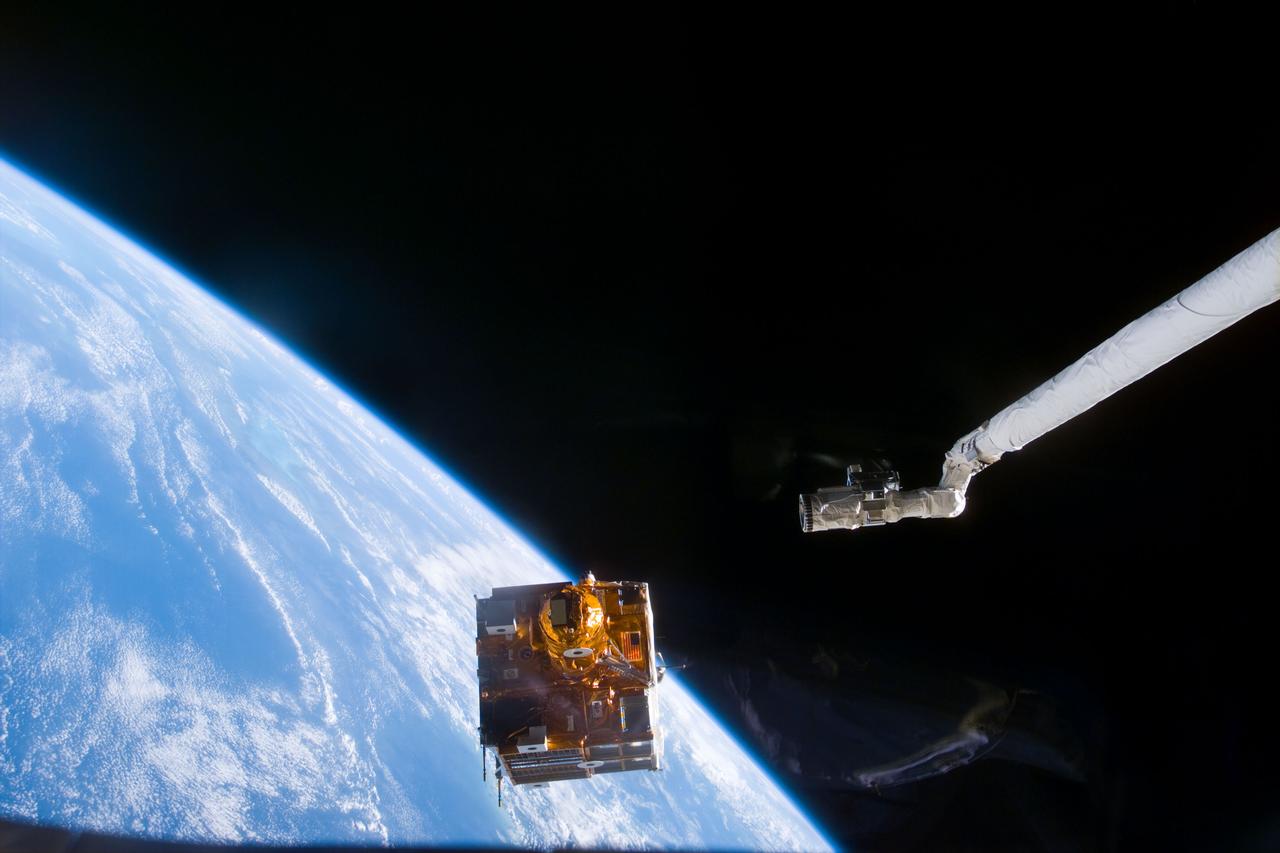
STS095-E-5071 (1 Nov. 1998) --- Backdropped against the blackness of space and Earth's horizon, Spartan 201-05 leaves the cargo bay of the Space Shuttle Discovery. The satellite will remain a free-flyer for several days while it records data on the solar wind and the sun's corona. This data is hoped to increase knowledge of the sun's effect on our planet. The Canadian-built remote manipulator system (RMS)is partially visible in the frame. The photograph was taken with an electronic still camera (ESC) at 2:08:48 GMT, November 1.
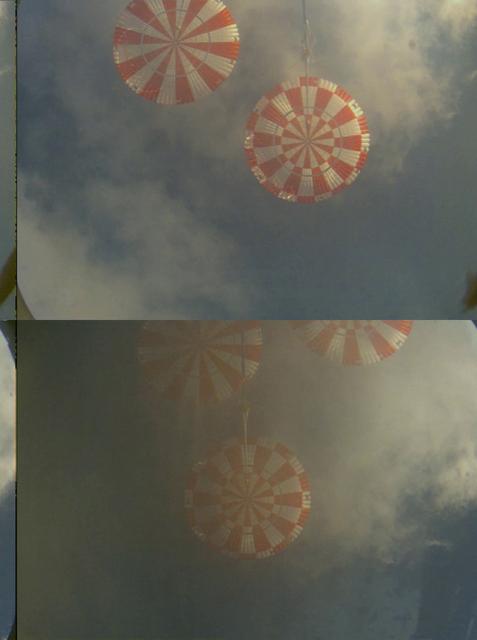
A view from the side windows as the parachutes deploy on Orion's first flight test, Exploration Flight Test-1 (EFT-1), on December 5, 2014.
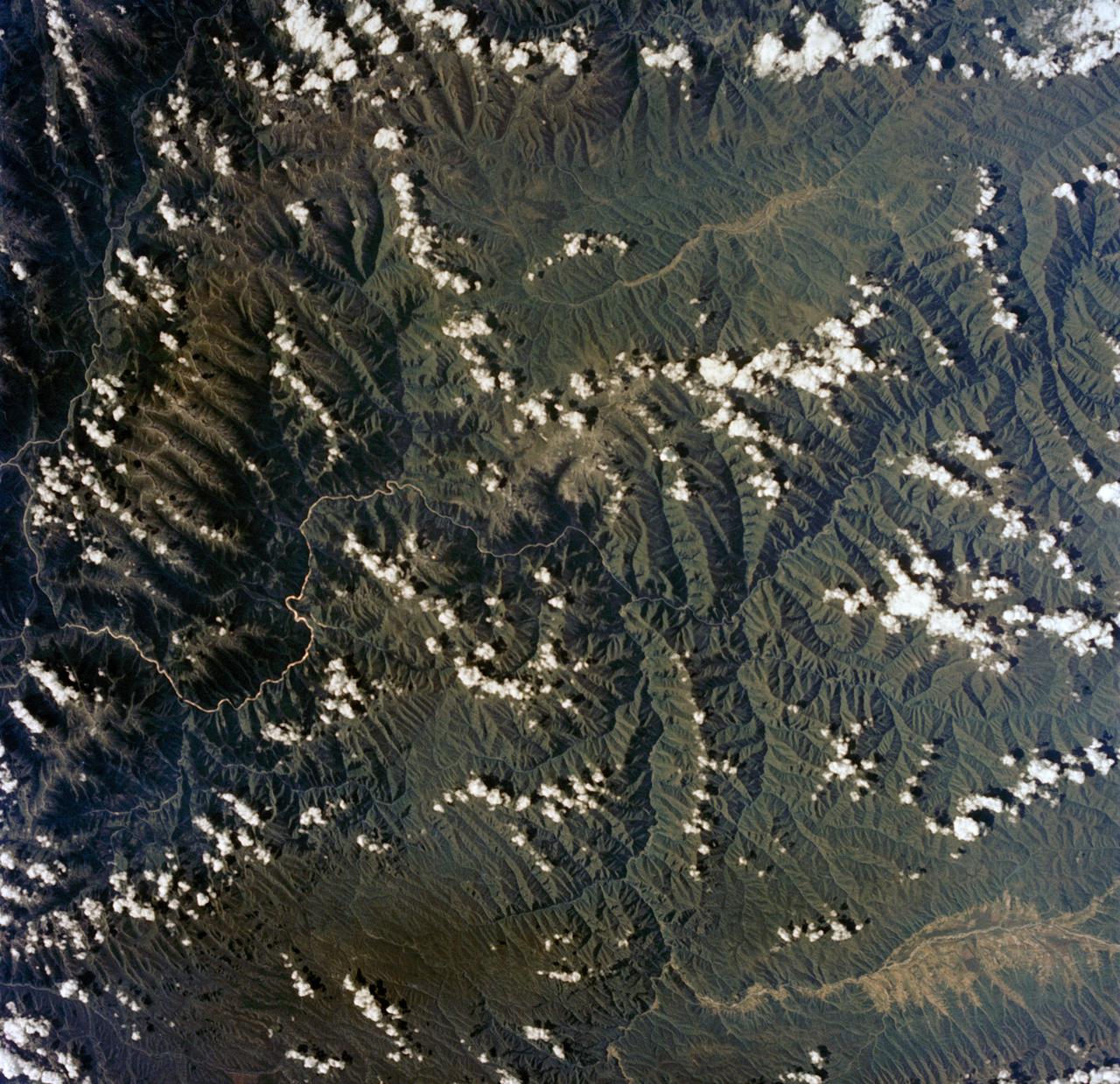
S65-45717 (21-29 Aug. 1965) --- View of the Himalayas and Northern India photographed from the Gemini-5 spacecraft in orbit over Earth.
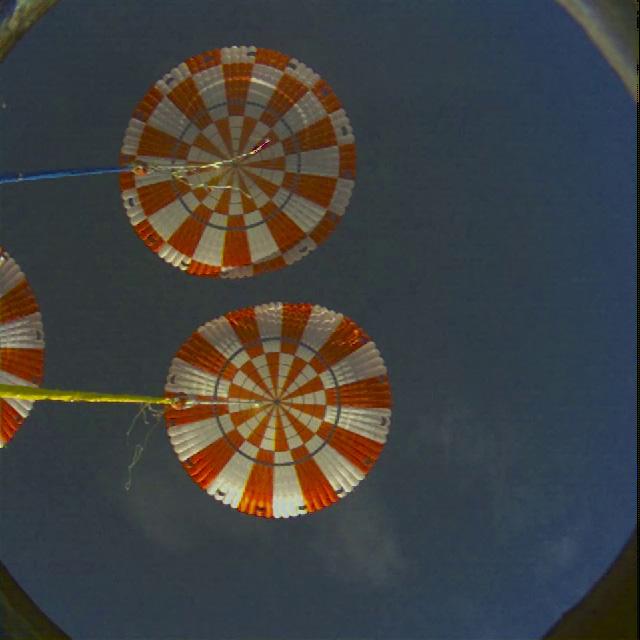
A view from the top hatch window as the parachutes deploy on Orion's first flight test, Exploration Flight Test-1 (EFT-1), on December 5, 2014.
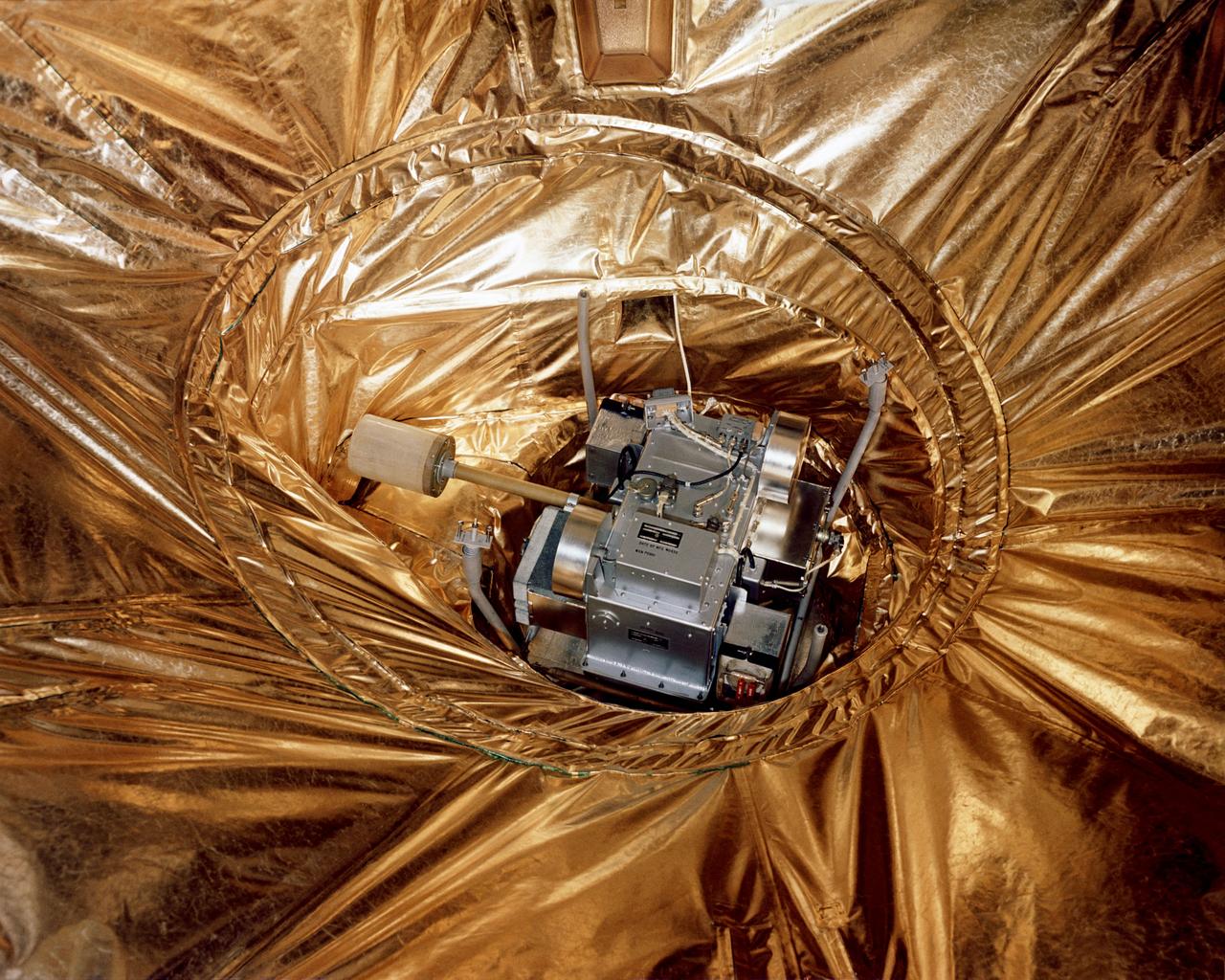
S65-42044 (28 July 1965) --- Close-up view of the Rendezvous Evaluation Pod installed in the equipment section of the Gemini-5 spacecraft at Pad 19.
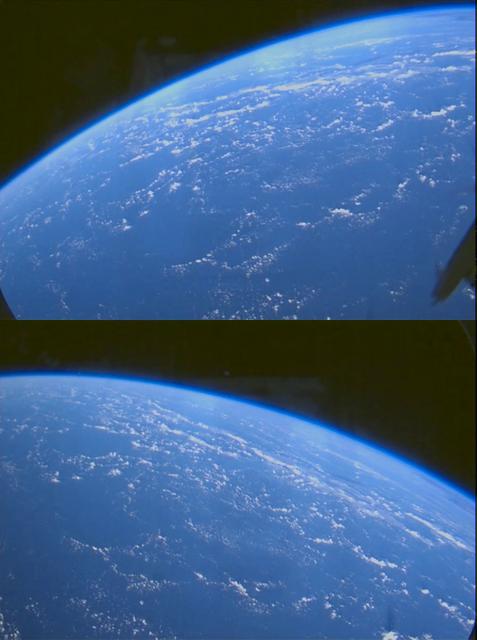
View from side windows of Earth on Orion's first flight test, Exploration Flight Test-1 (EFT-1), on December 5, 2014.
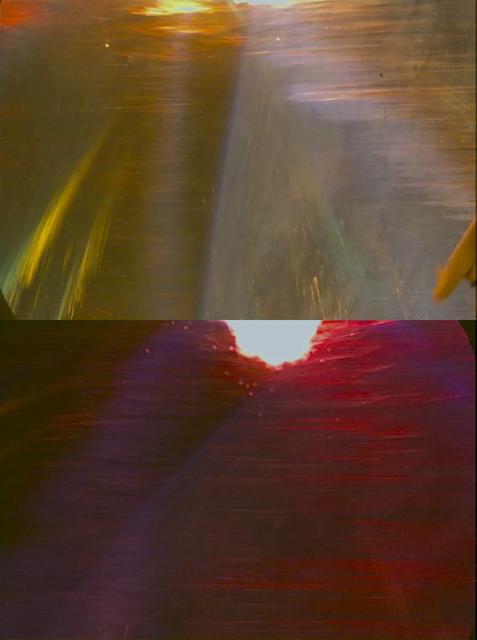
A view from side windows on Orion's first flight test, Exploration Flight Test-1 (EFT-1), on December 5, 2014.
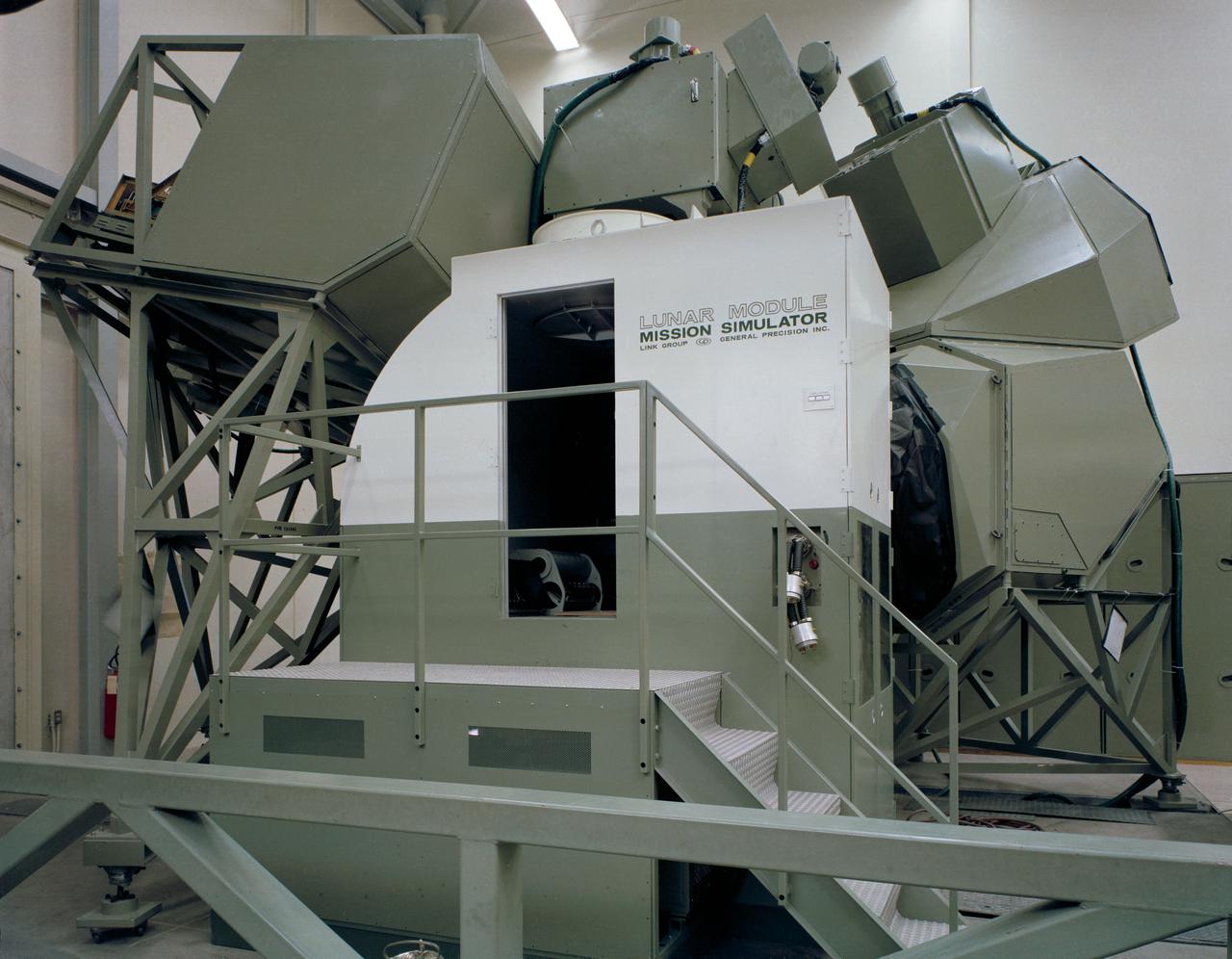
S67-15795 (1967) --- Overall view of the Lunar Module Mission Simulator, Bldg. 5, Manned Spacecraft Center, Houston, Texas. Photo credit: NASA
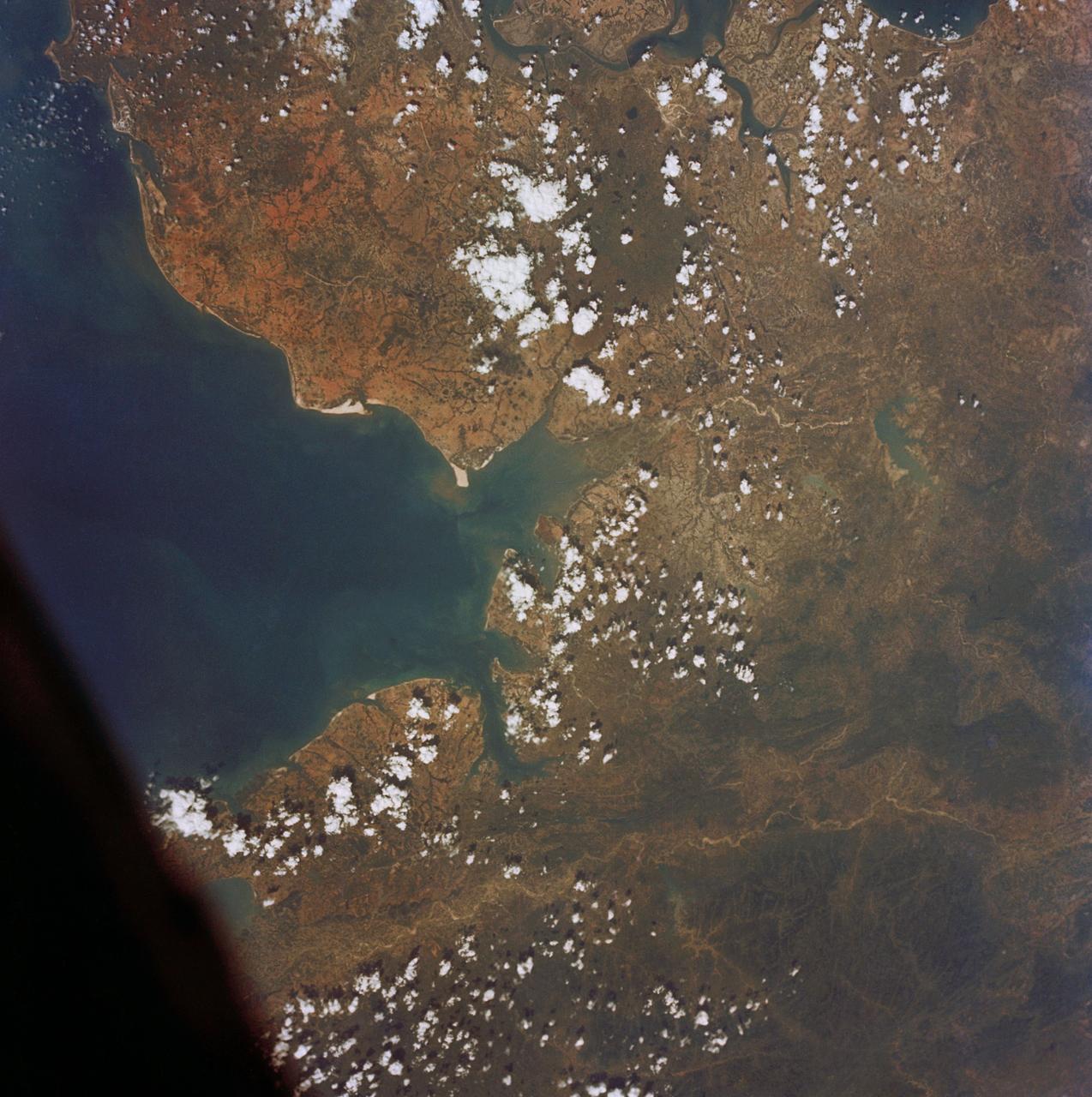
S65-45731 (21-29 Aug. 1965) --- View of the Gulf of Tonkin, China and the Luichow Peninsula photographed from the Gemini-5 spacecraft in orbit over Earth.
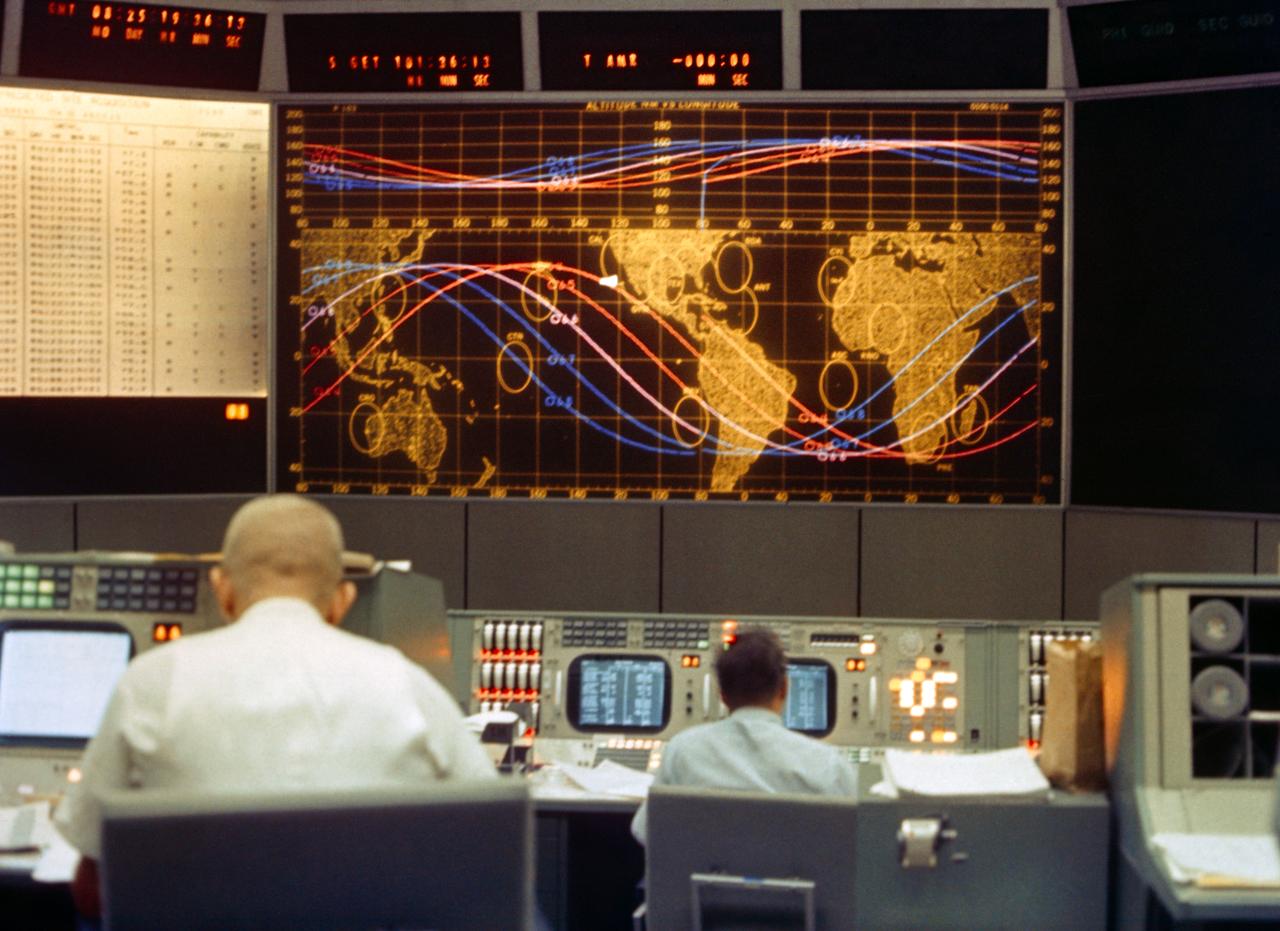
S65-45083 (21-29 Aug. 1965) --- View of the tracking screen at the front of the Mission Control Center during the Gemini-5 spaceflight.
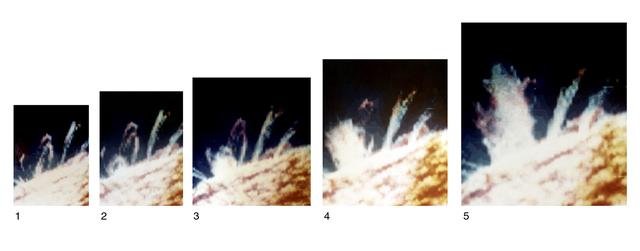
Breaking the grip of the closed magnetic loops that constrain other gases around it, a spray of chromospheric material surges upward, free of the Sun. Views 1 through 5 were recorded about 5 minutes apart by Skylab and comprise a composite of separate images made in chromospheric (red), transition region (green), and coronal (blue) temperatures of an ultraviolet sequence that depicts a solar eruption. Eruption begins (view 2) as material in or near a small, compact loop develops enough energy to overcome the Sun's magnetic bonds.
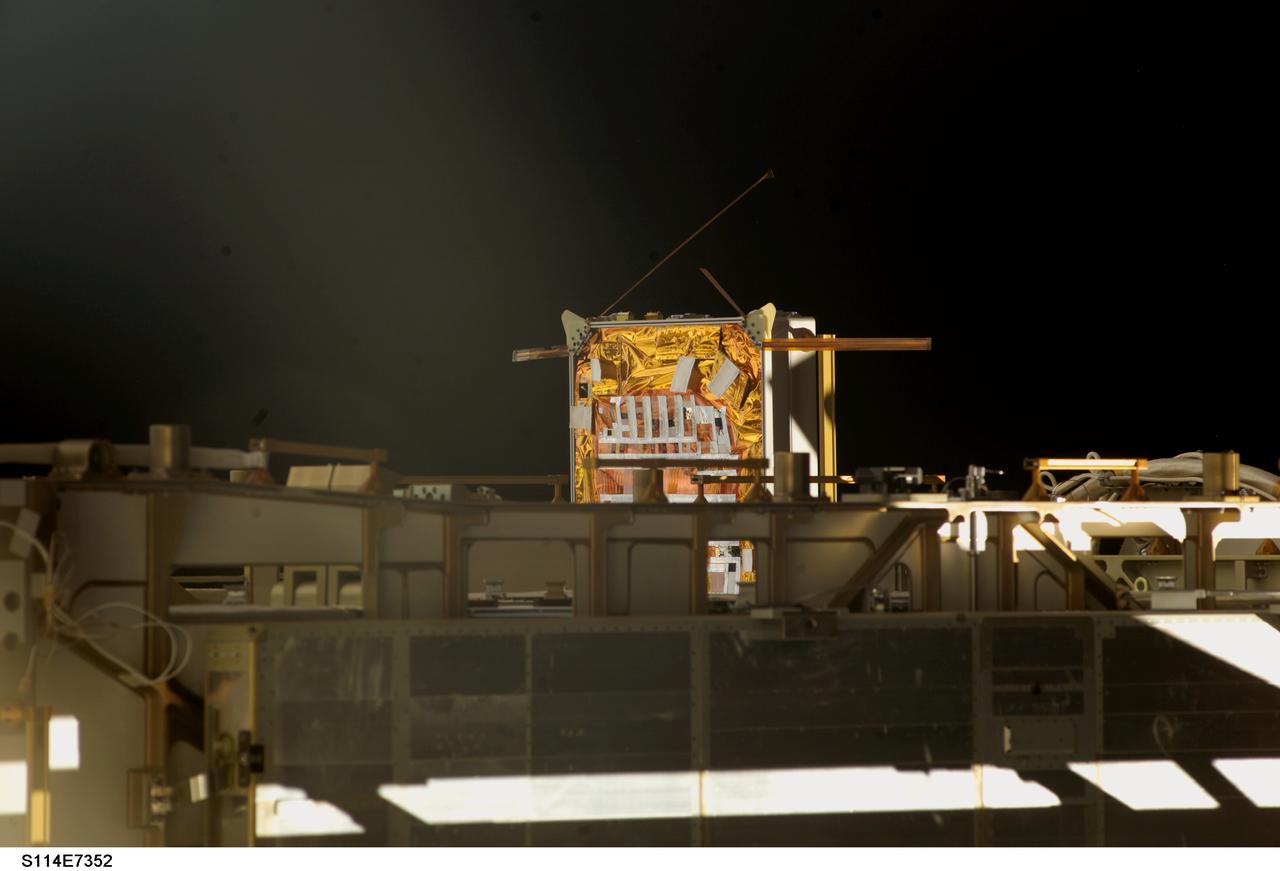
s114e7352 (8/6/2005) --- A view of the Materials International Space Station Experiment (MISSE) 5 Passive Experiment Containter (PEC) mounted on the P6 Truss during one of the STS-114 missions Extravehicular Activities (EVAs). The Materials International Space Station Experiment-5 (MISSE-5) was an external payload that flew on-board the ISS from August 2005 until September 2006. MISSE-5 provided an opportunity for researchers to test a wide range of samples in the Low Earth Orbit (LEO) environment.

s114e7235 (8/6/2005) --- Backdropped by a colorful Earth, this aft view of the International Space Station was photographed during the flyaround by the Space Shuttle Discovery following the undocking of the two spacecraft. Visible in the frame are the P6 Truss / Photovoltaic Solar Arrays and MISSE-5. The Materials International Space Station Experiment-5 (MISSE-5) was an external payload that flew on-board the ISS from August 2005 until September 2006. MISSE-5 provided an opportunity for researchers to test a wide range of samples in the Low Earth Orbit (LEO) environment.
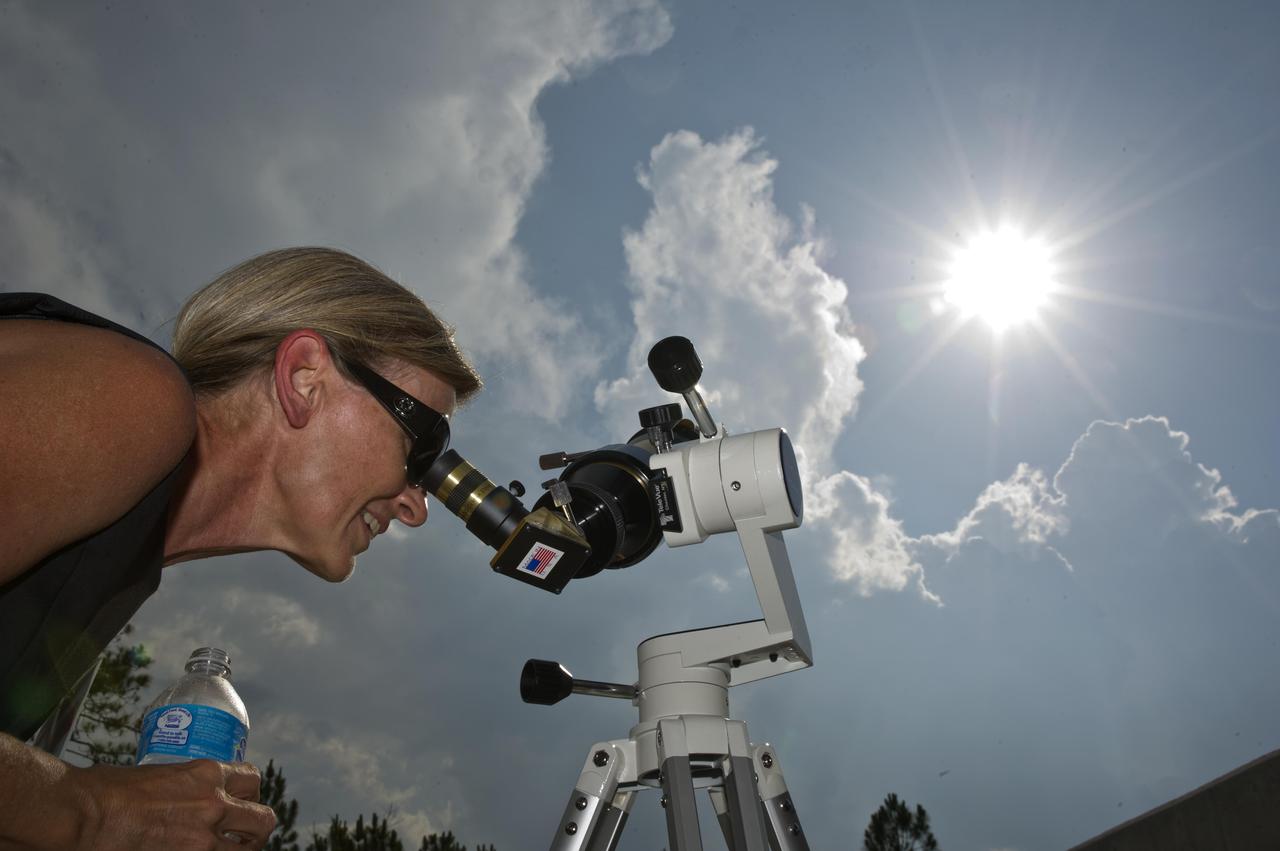
Leslie Lowes from the NASA Jet Propulsion Laboratory in Pasadena, Calif., views the June 5, 2012, Venus transit through a solar telescope. Lowes participated in an education workshop at the INFINITY at NASA Stennis Space Center visitor center and joined others to view the rare celestial event when Venus traverses the face of the sun.
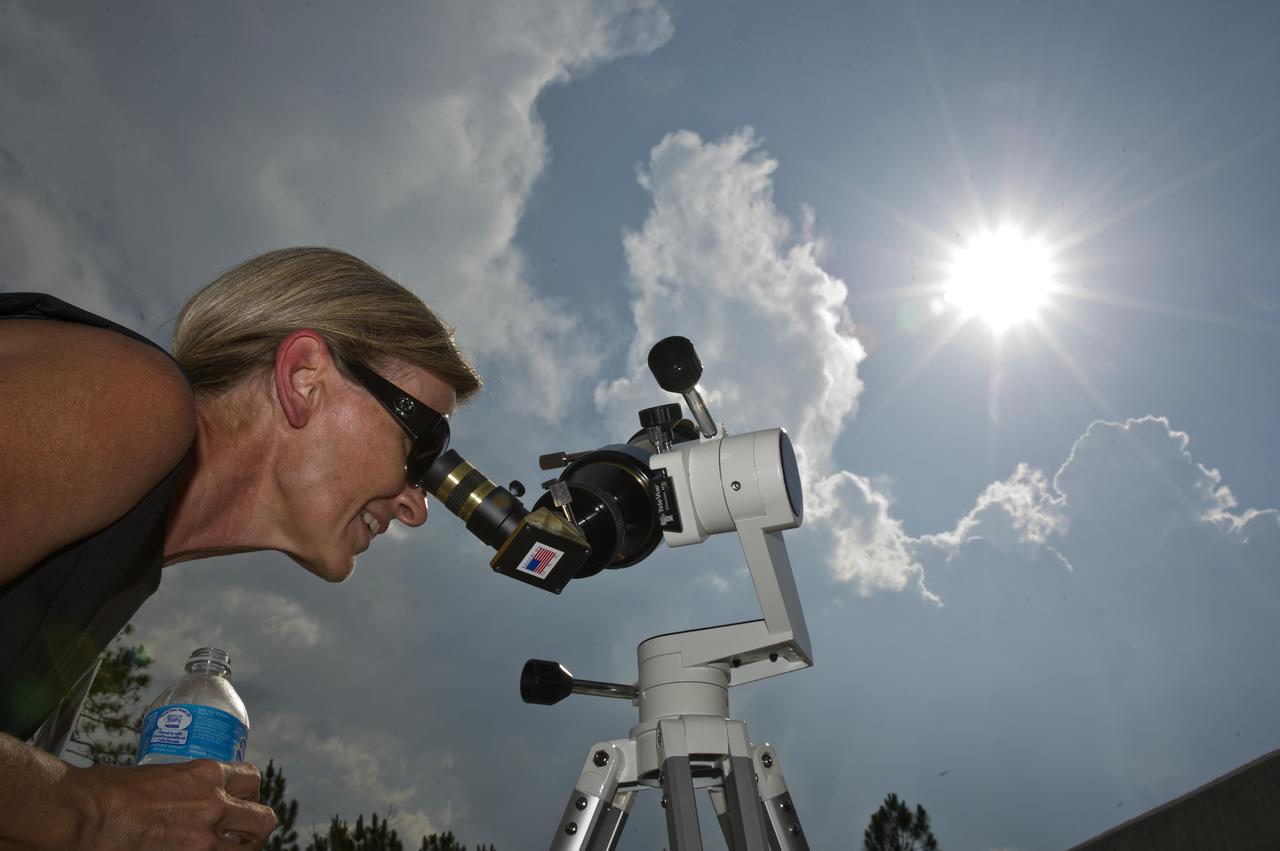
Leslie Lowes from the NASA Jet Propulsion Laboratory in Pasadena, Calif., views the June 5, 2012, Venus transit through a solar telescope. Lowes participated in an education workshop at the INFINITY at NASA Stennis Space Center visitor center and joined others to view the rare celestial event when Venus traverses the face of the sun.
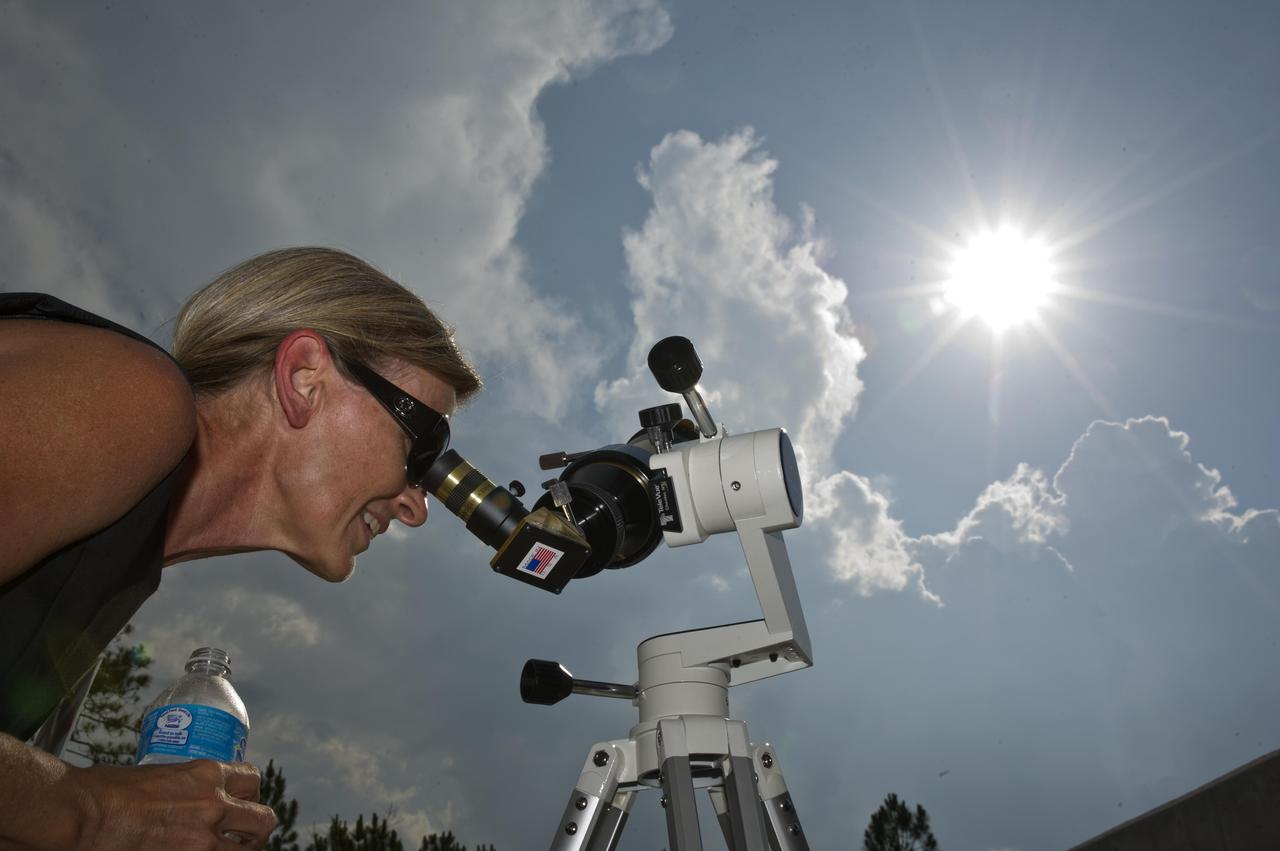
Leslie Lowes from the NASA Jet Propulsion Laboratory in Pasadena, Calif., views the June 5, 2012, Venus transit through a solar telescope. Lowes participated in an education workshop at the INFINITY at NASA Stennis Space Center visitor center and joined others to view the rare celestial event when Venus traverses the face of the sun.
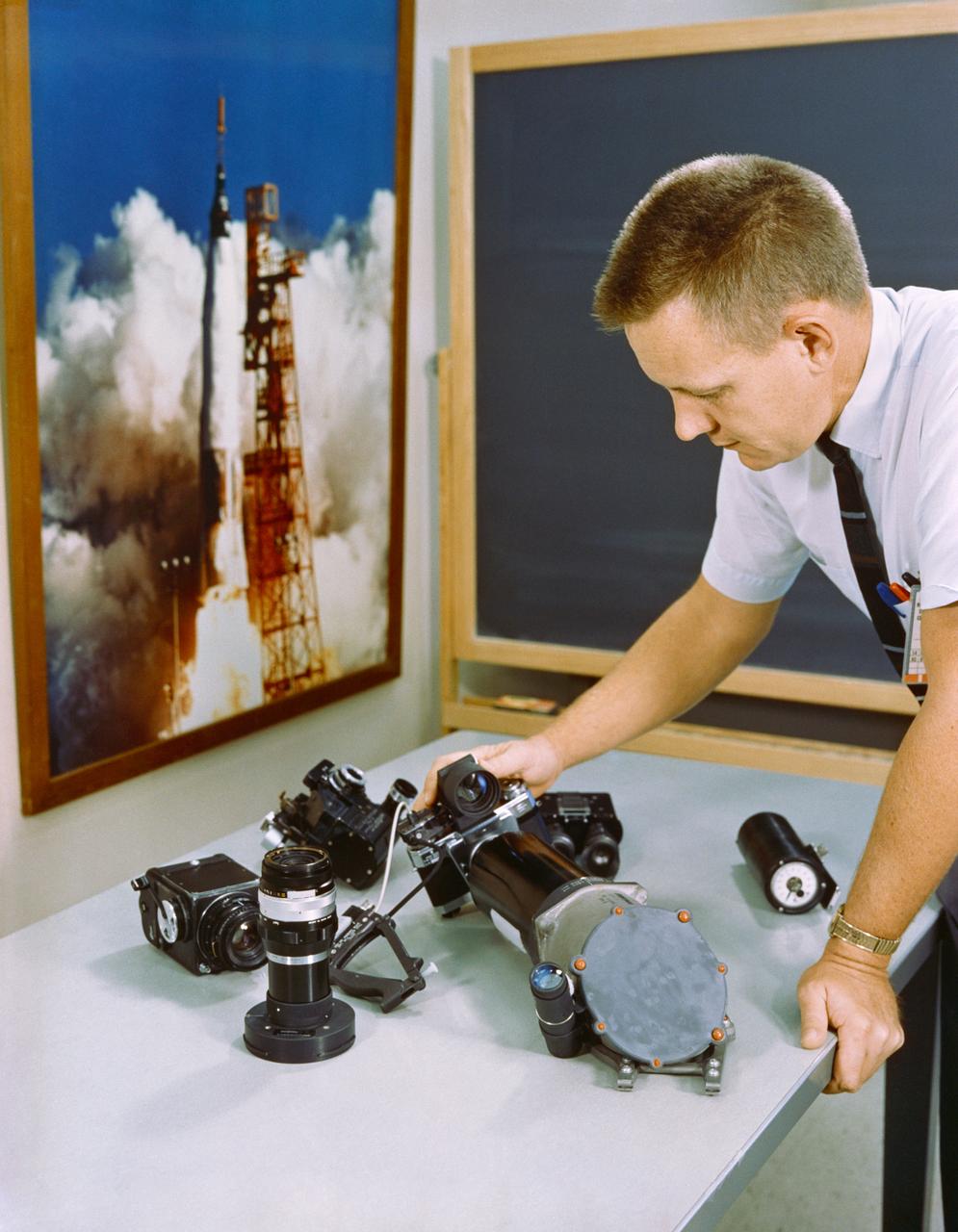
S65-43482 (20 Aug. 1965) --- Table-top view of several of the optical and photographic pieces of equipment planned for use on the Gemini-5 spacecraft before installation in the spacecraft.
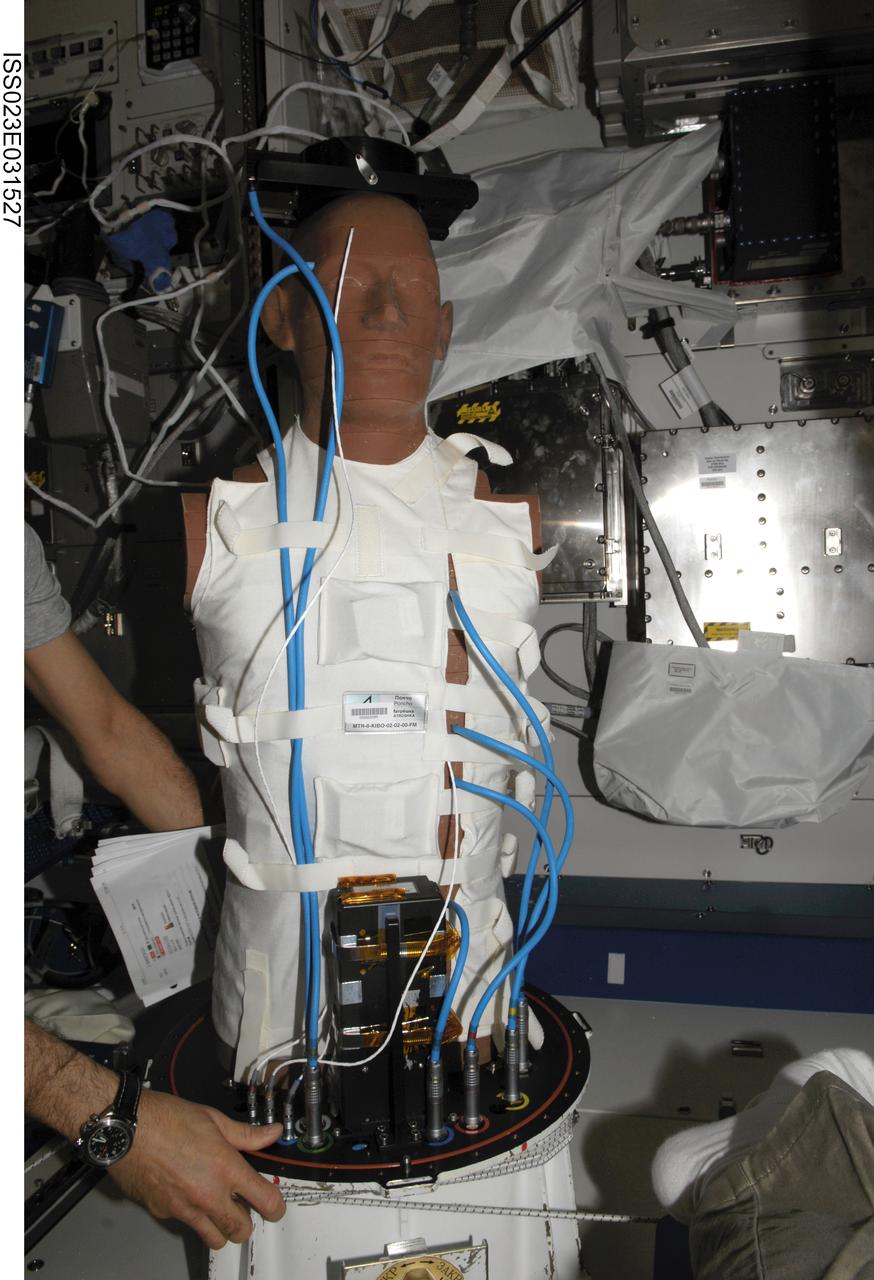
iss023e031527 (5/4/2010) --- A view of the anthropomorphic Phantom for the Matroshka-2 Kibo experiment installed at location JPM1F2 in the Kibo Japanese Experiment Pressurized Module (JPM) aboard the International Space Station (ISS).
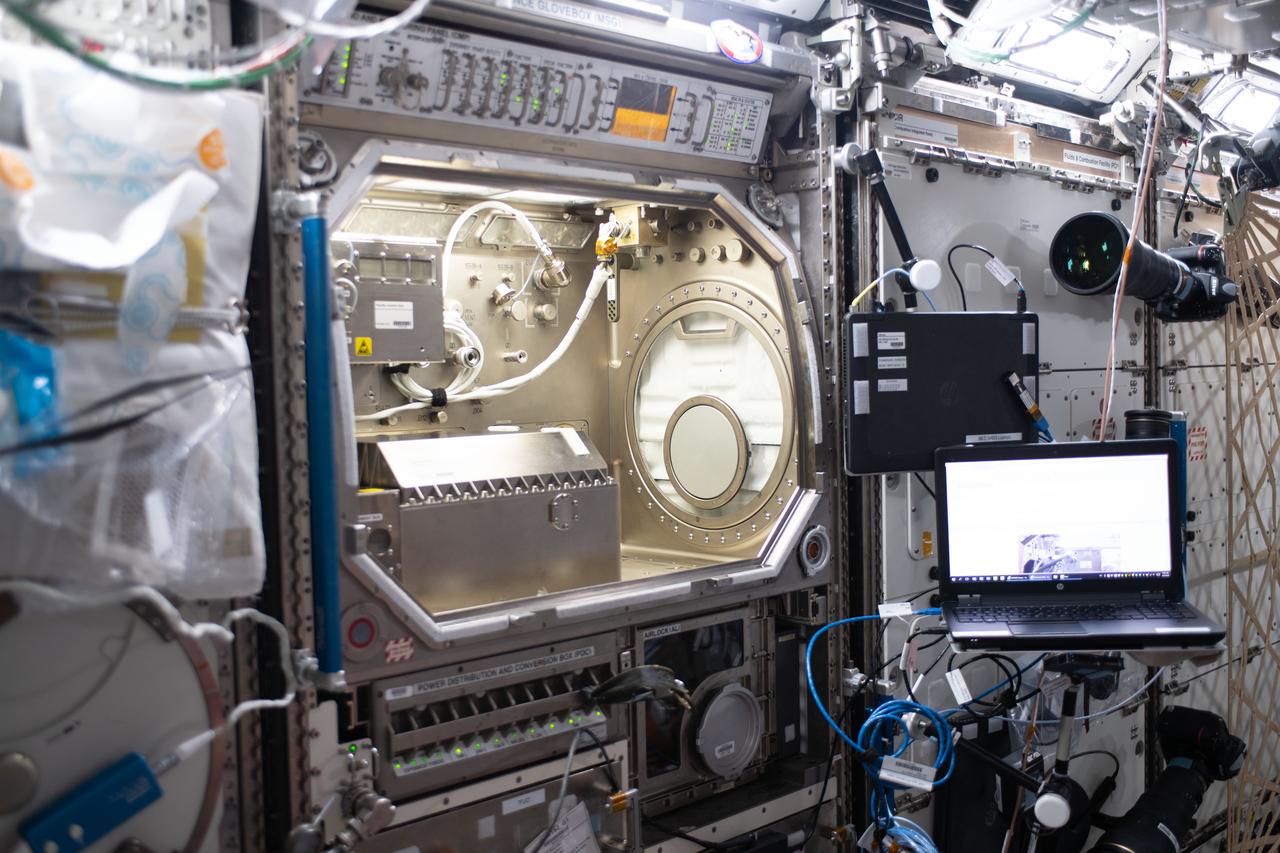
iss062e080867 (3/5/2020) --- A view of the Transparent Alloys Hardware Setup in the Microgravity Sciences Glovebox (MSG) Work Volume (WV) in the U.S. Destiny Laboratory aboard the International Space Station (ISS).
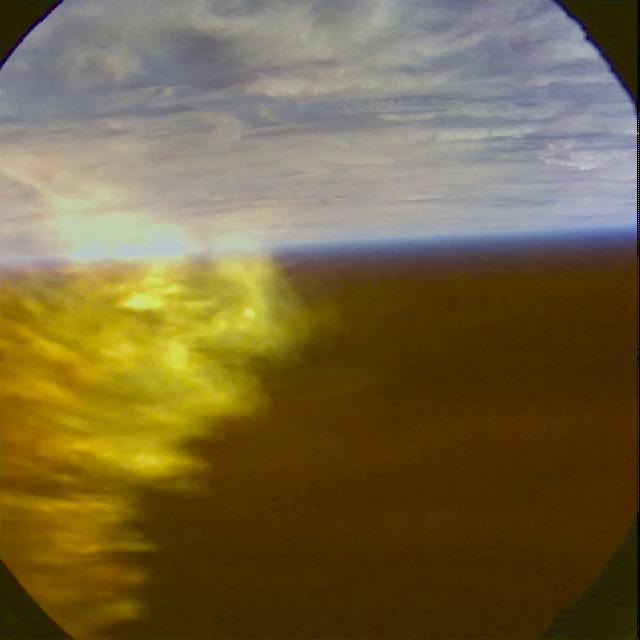
A view from the top hatch window as plasma surrounds the vehicle during reentry on Orion's first flight test, Exploration Flight Test-1 (EFT-1), on December 5, 2014.
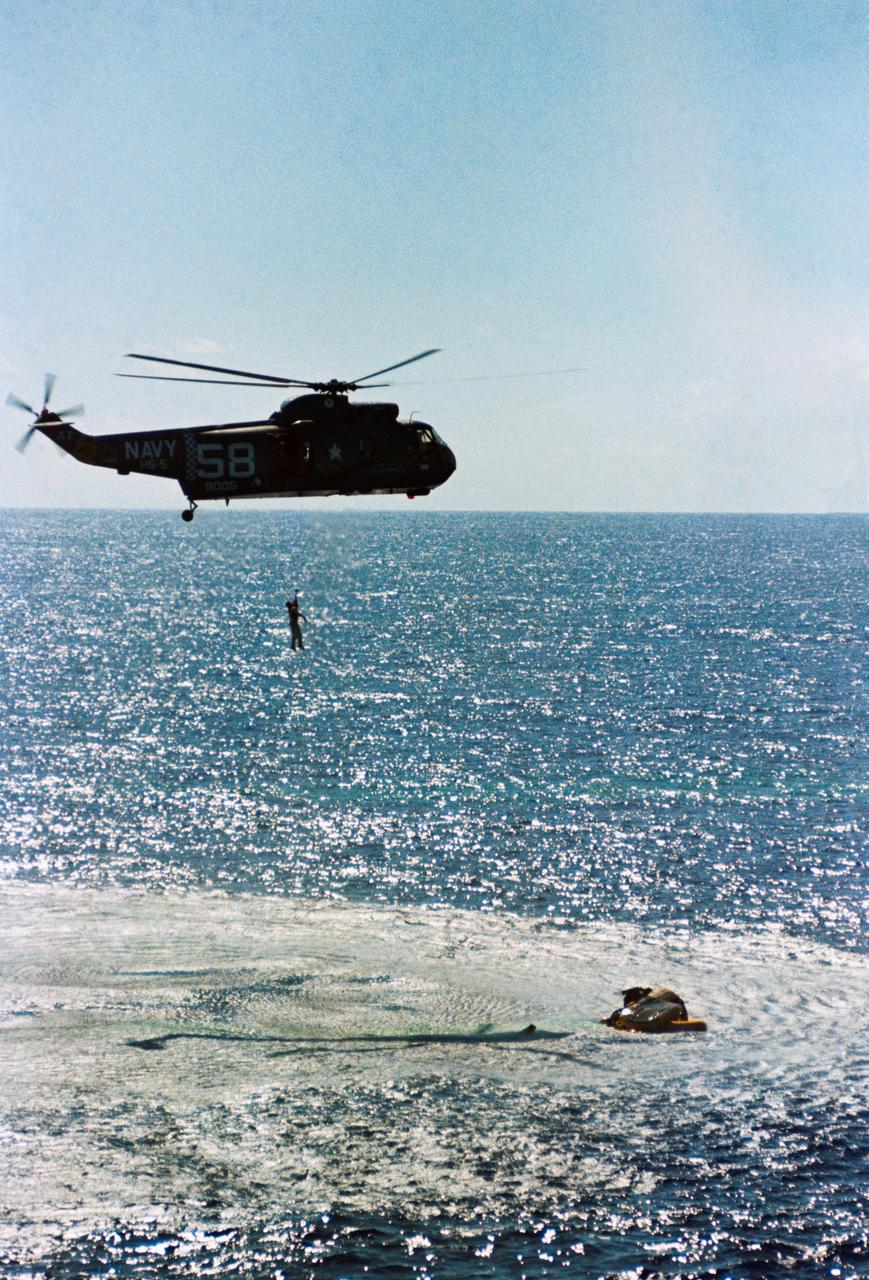
S65-51654 (29 Aug. 1965) --- Long range view of astronaut L. Gordon Cooper Jr. being hoisted up to a Navy helicopter during recovery operations in the Atlantic Ocean of the Gemini-5 spacecraft.
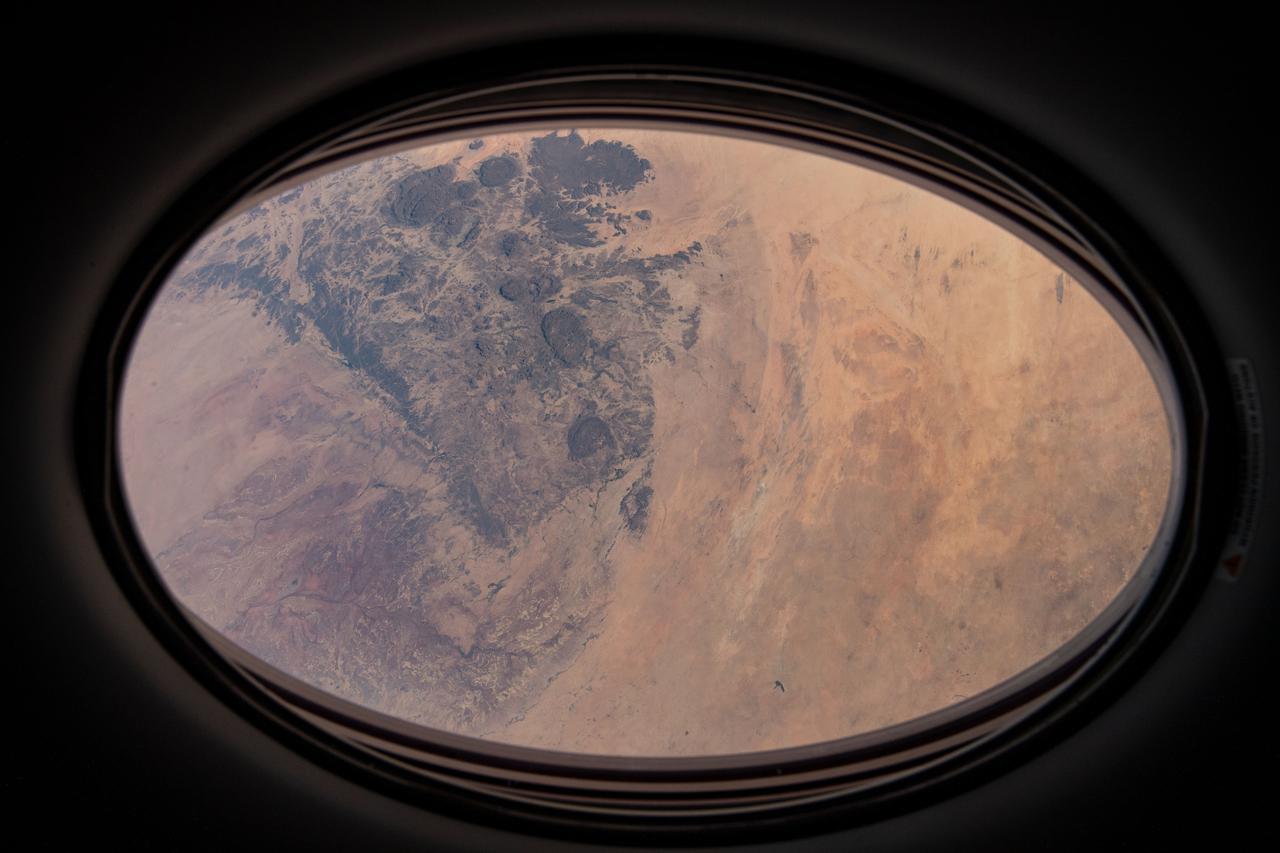
iss064e020109 (Jan. 5, 2021) --- This view from a window on the SpaceX Crew Dragon vehicle docked to the International Space Station looks at a portion of the Sahara Desert in the African nation of Niger 260 miles below.
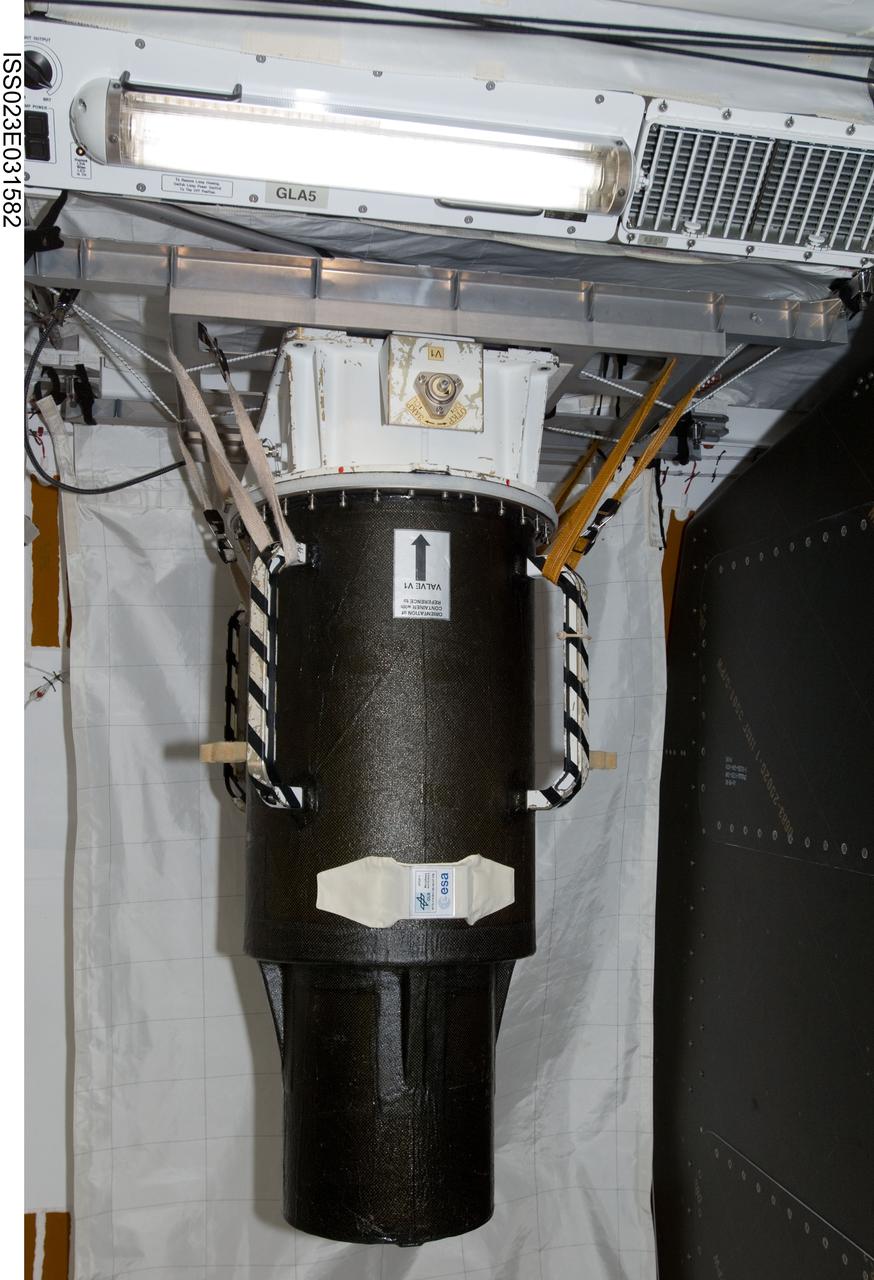
iss023e031582 (5/4/2010) --- A view of the anthropomorphic Phantom for the Matroshka-2 Kibo experiment installed at location JPM1F2 in the Kibo Japanese Experiment Pressurized Module (JPM) aboard the International Space Station (ISS).
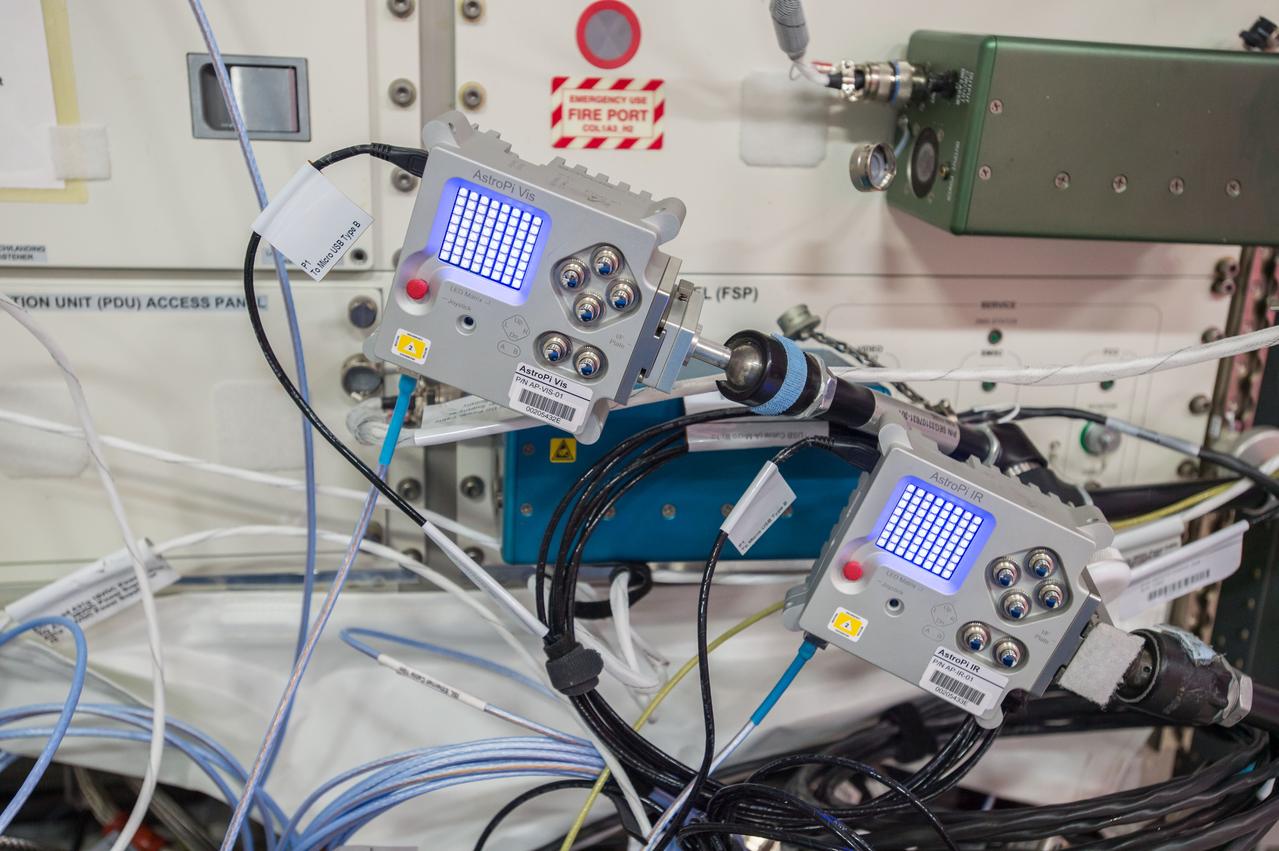
iss051e037888 (5/4/2017) --- A view of two AstroPi Raspberry Pi computers, one equipped with a Visual camera and the other with an Infrared Camera in the Columbus module aboard the International space Station (ISS).
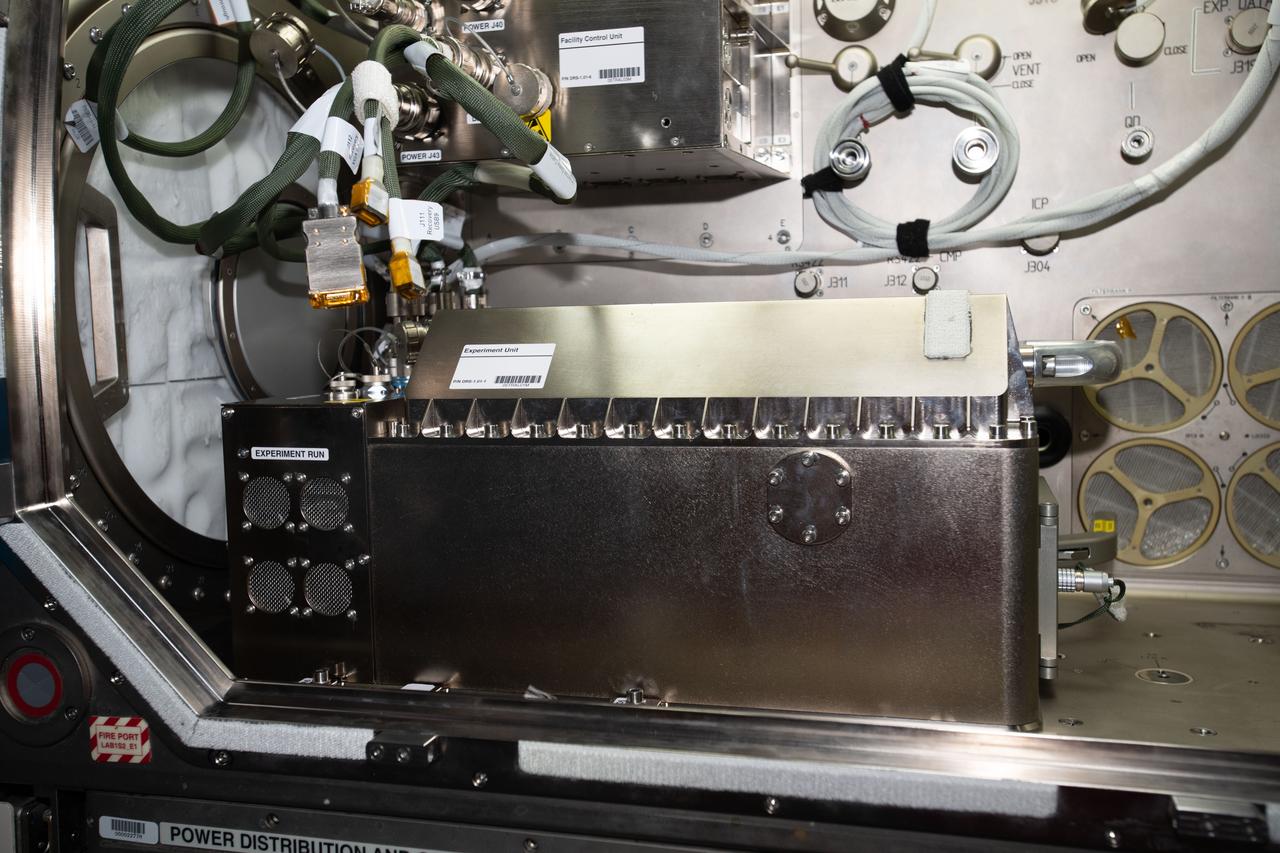
iss062e081047 (3/5/2020) --- A view of the Transparent Alloys Hardware Setup in the Microgravity Sciences Glovebox (MSG) Work Volume (WV) in the U.S. Destiny Laboratory aboard the International Space Station (ISS).
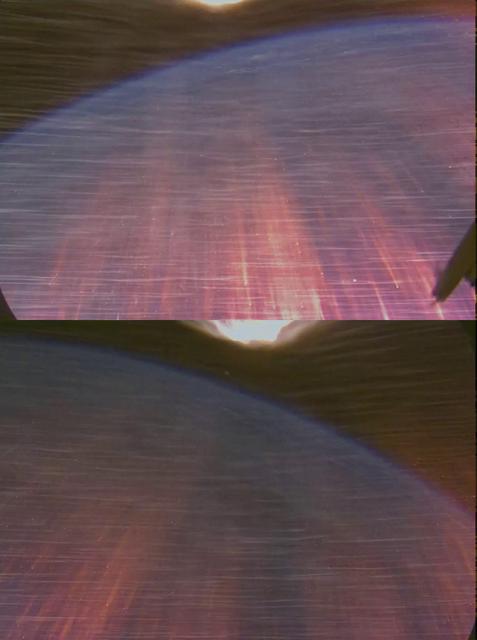
A view from the side windows as plasma surrounds the vehicle during reentry on Orion's first flight test, Exploration Flight Test-1 (EFT-1), on December 5, 2014.
![jsc2022e057891 (5/13/2022) --- A view of two samples from the onboard camera to the mission control centre and personal computer screen [Credit: Space Applications Services, NV/SA]](https://images-assets.nasa.gov/image/jsc2022e057891/jsc2022e057891~medium.jpg)
jsc2022e057891 (5/13/2022) --- A view of two samples from the onboard camera to the mission control centre and personal computer screen [Credit: Space Applications Services, NV/SA]
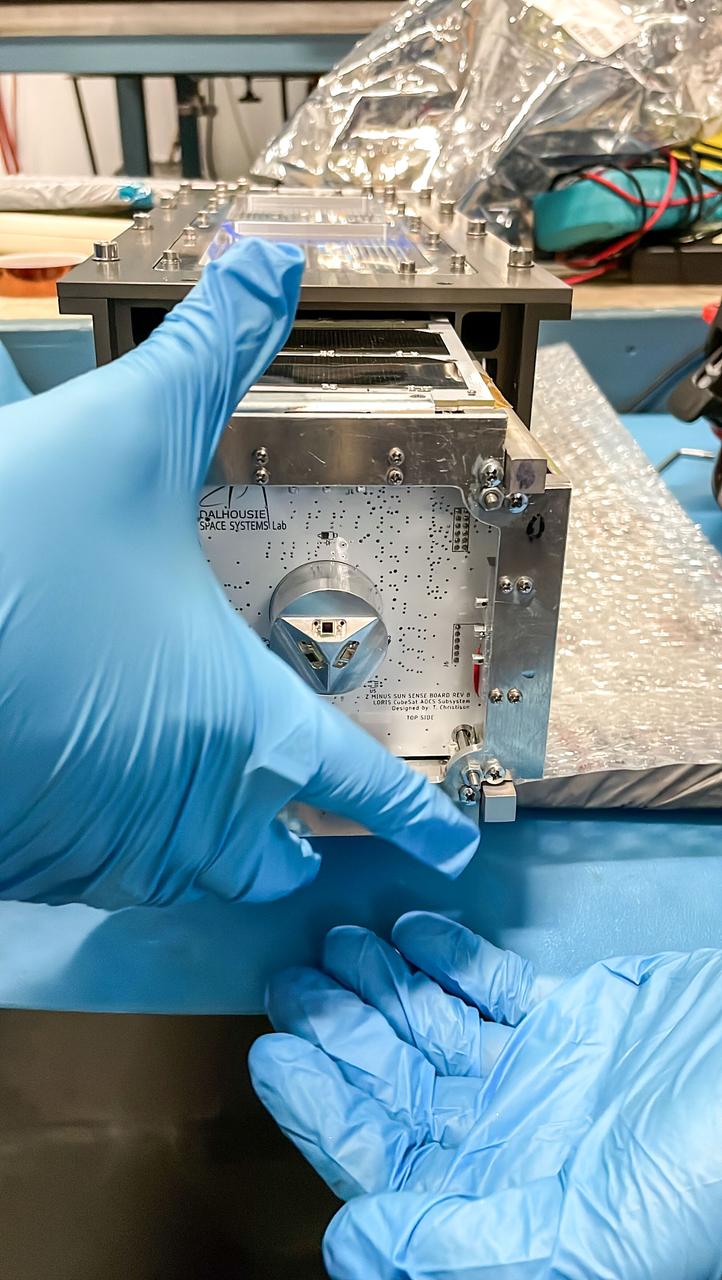
jsc2022e084489 (5/31/2022) --- A preflight view of the Low Orbit Reconnaissance Imagery Satellite (LORIS) being fitted into the fit gauge before the vibration test. Image courtesy of ESL Technologies, Nova Scotia, Canada.
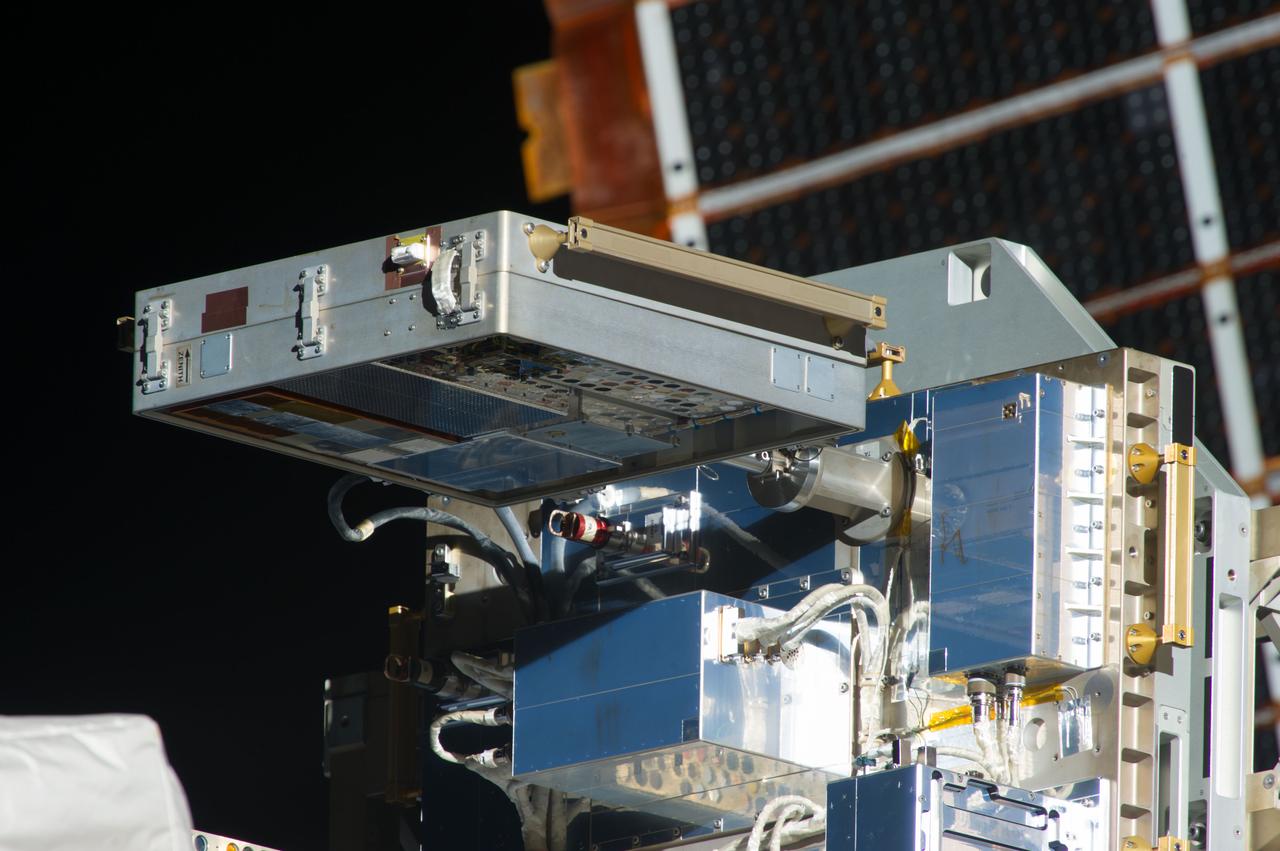
iss036e004042 (5/24/2013) --- View of Materials on International Space Station Experiment - 8 (MISSE-8) which is installed on the ExPRESS Logistics Carrier 2 (ELC-2),located on the S3 Truss Outboard Zenith site.
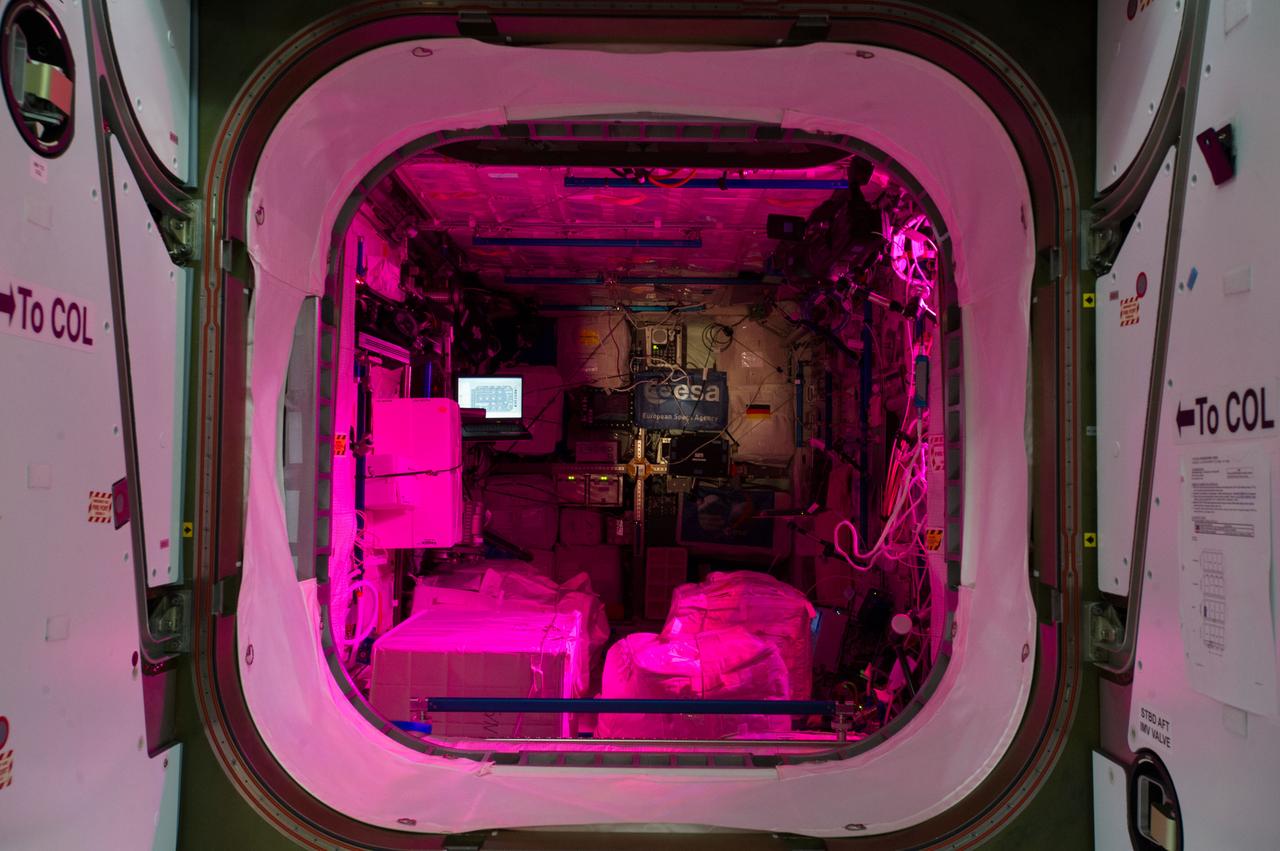
ISS040-E-007560 (5 June 2014) --- A colorful view of the interior of the Columbus laboratory of the International Space Station is featured in this image photographed by an Expedition 40 crew member on the station. The colored lighting is from the Veggie experiment in Columbus.
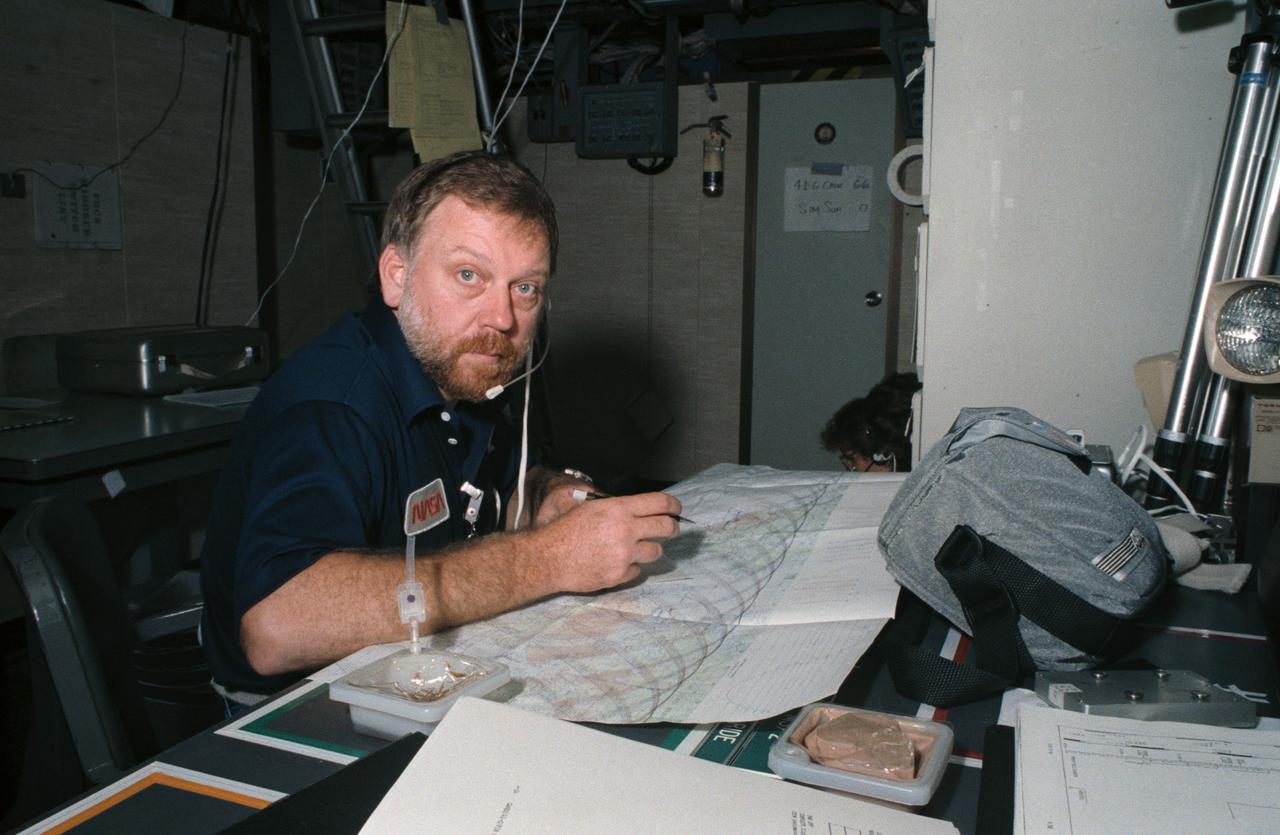
Views of STS-41G Crew member Paul Sculley-Powers during mission experiment training, Fixed Base Simulator, Bldg. 5, 09/09/1984. 1. SHUTTLE - SIMUALTOR (1-G) JSC, HOUSTON, TX

S67-15794 (1967) --- Overall interior view of the Lunar Module Mission Simulator, in the Mission Simulation and Training Facility, Building 5, MSC, Houston. Photo credit: NASA
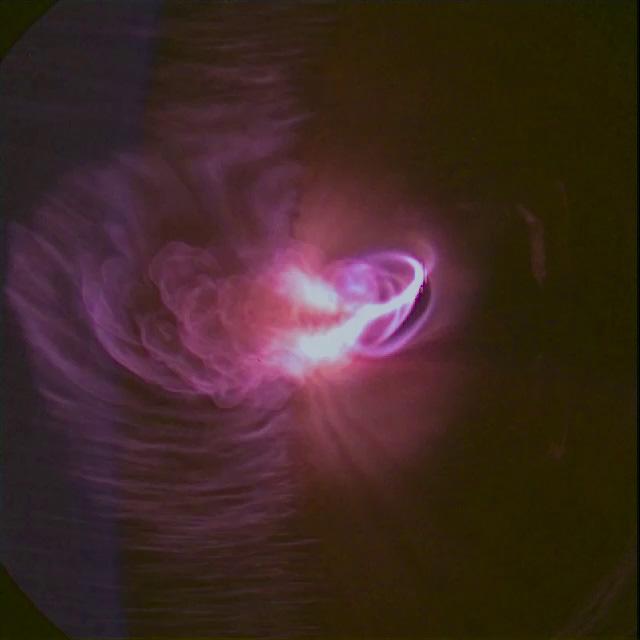
A view from the top hatch window as plasma surrounds the vehicle during reentry on Orion's first flight test, Exploration Flight Test-1 (EFT-1), on December 5, 2014.
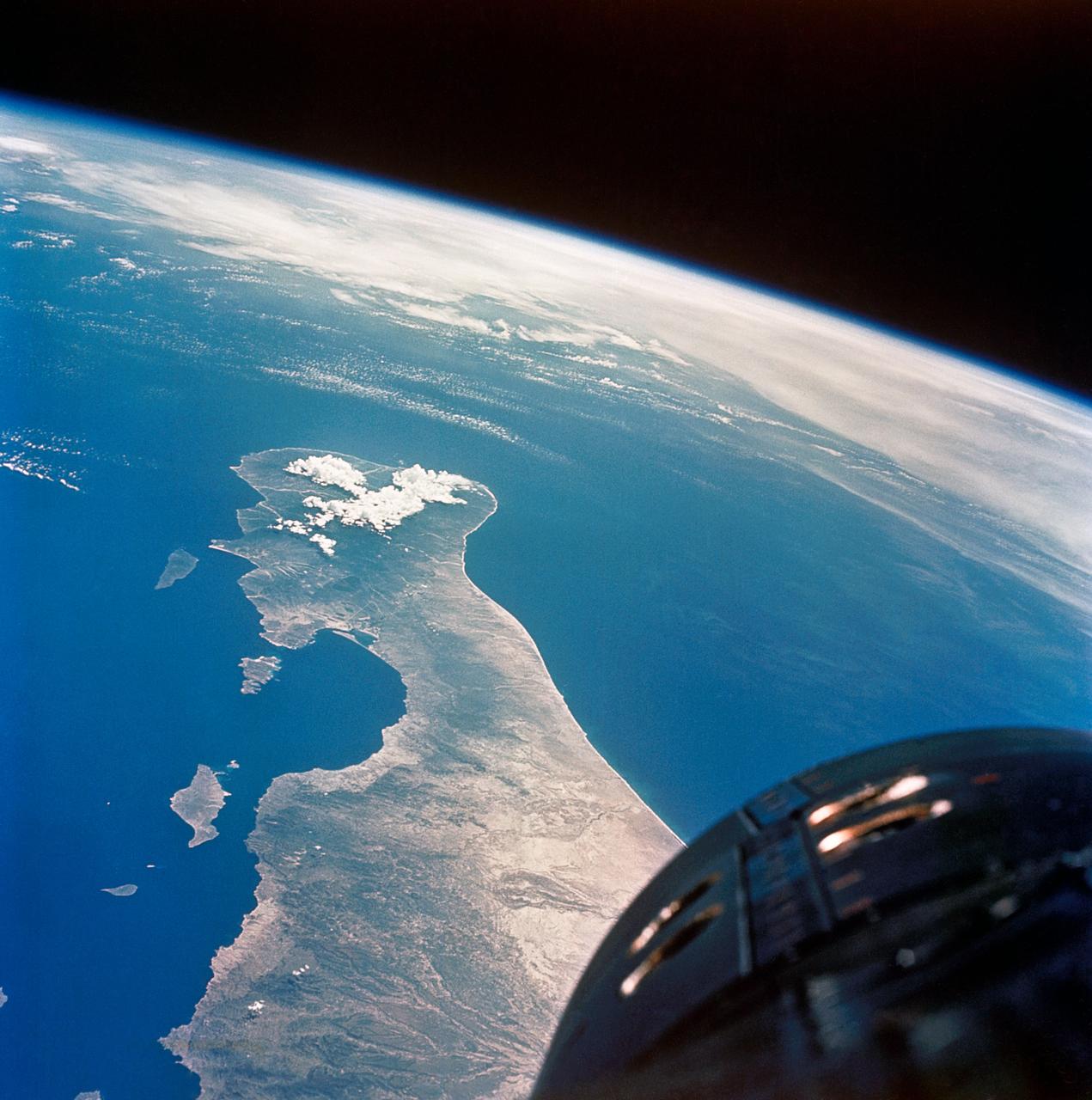
S65-45763 (21-29 Aug. 1965) --- View of the lower tip of Baja, California and Bahia de la Paz taken from the Gemini-5 spacecraft in orbit over Earth.
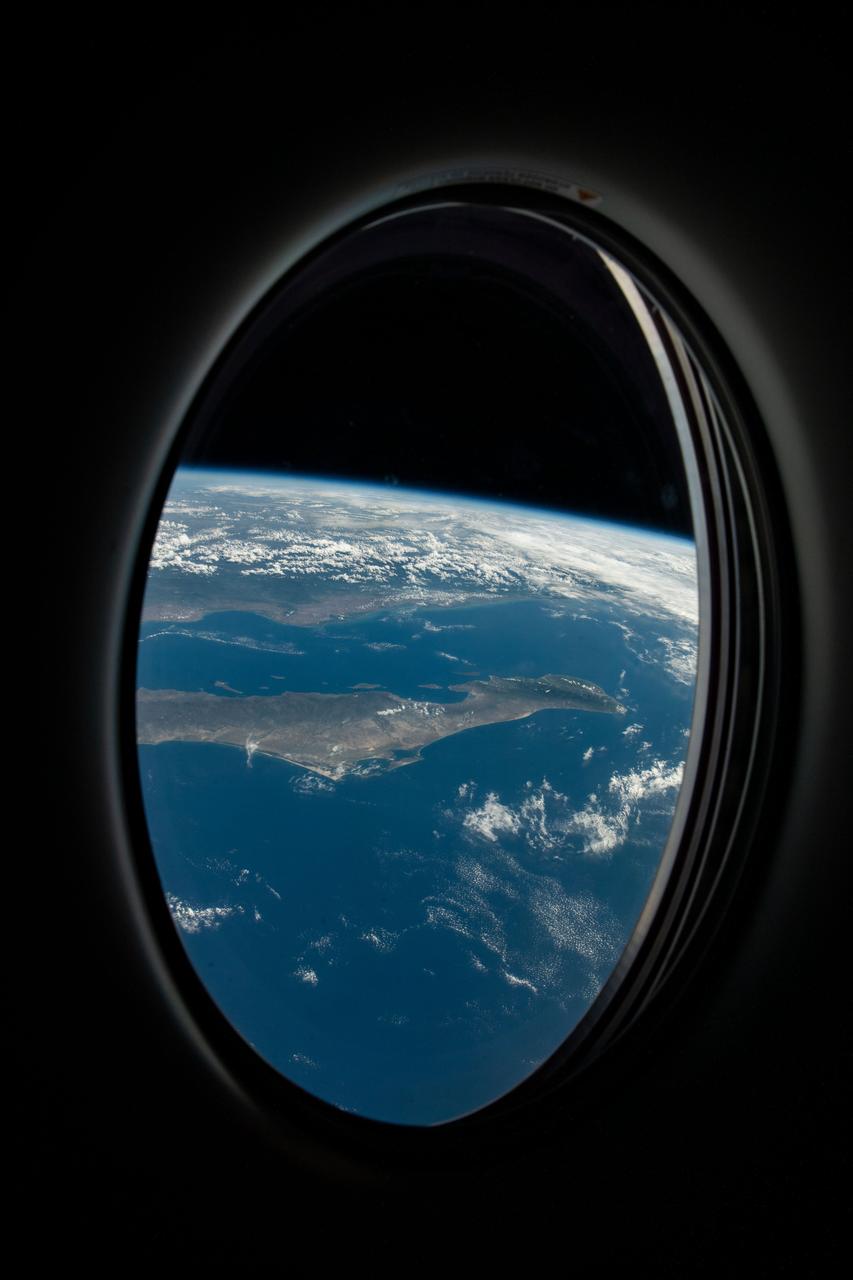
iss068e012233 (Oct. 5, 2022) --- This view from a window on the SpaceX Dragon Freedom crew ship looks out at Baja California Sur and the Gulf of California as the International Space Station orbited 261 miles above the Pacific Ocean.
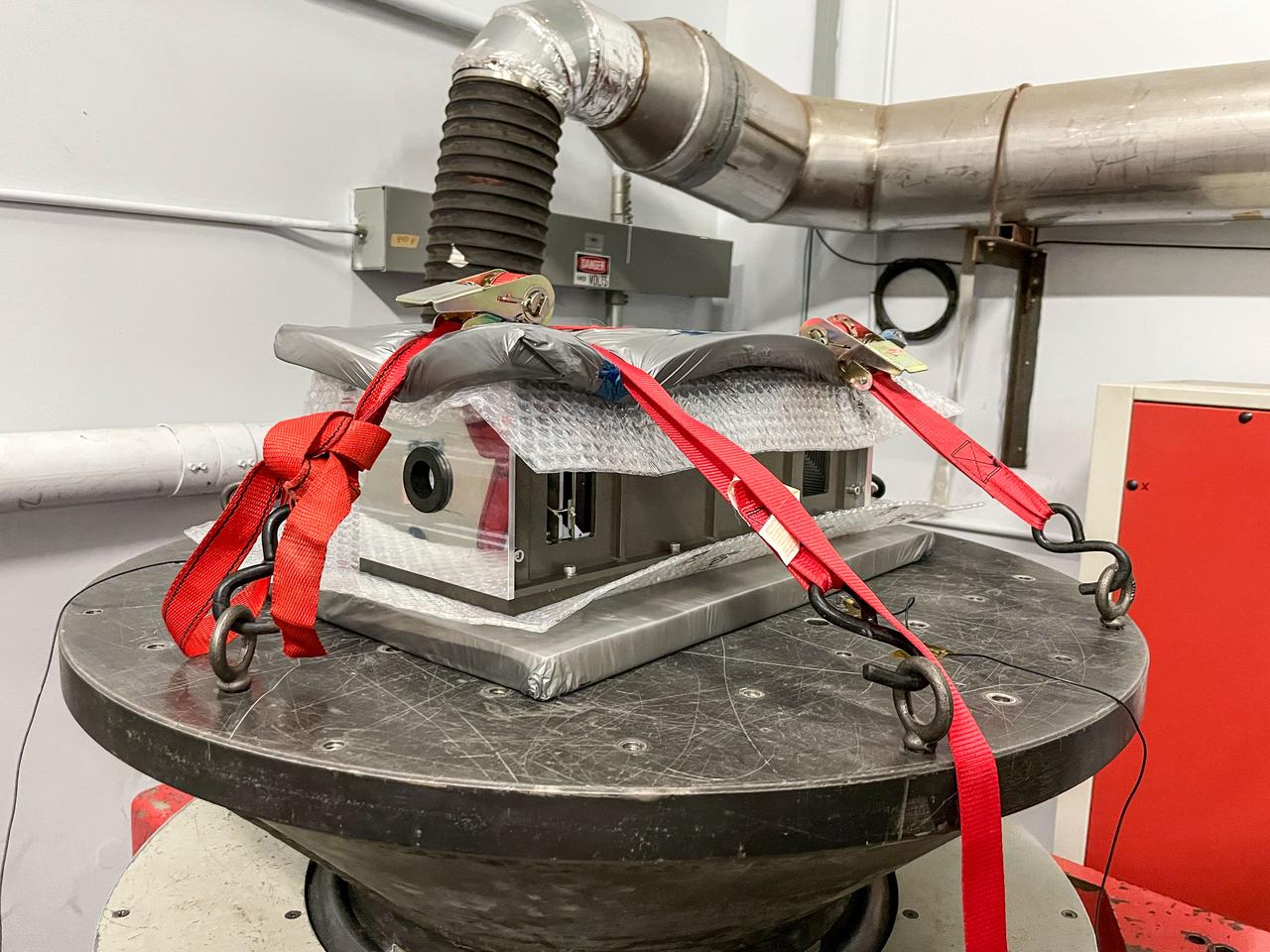
jsc2022e084488 (5/31/2022) --- A prefliight view of the Low Orbit Reconnaissance Imagery Satellite (LORIS) vibration test before integration at the ESL Environmental Technologies lab in Nova Scotia. Image courtesy of GALAXIA Mission Systems, Inc.
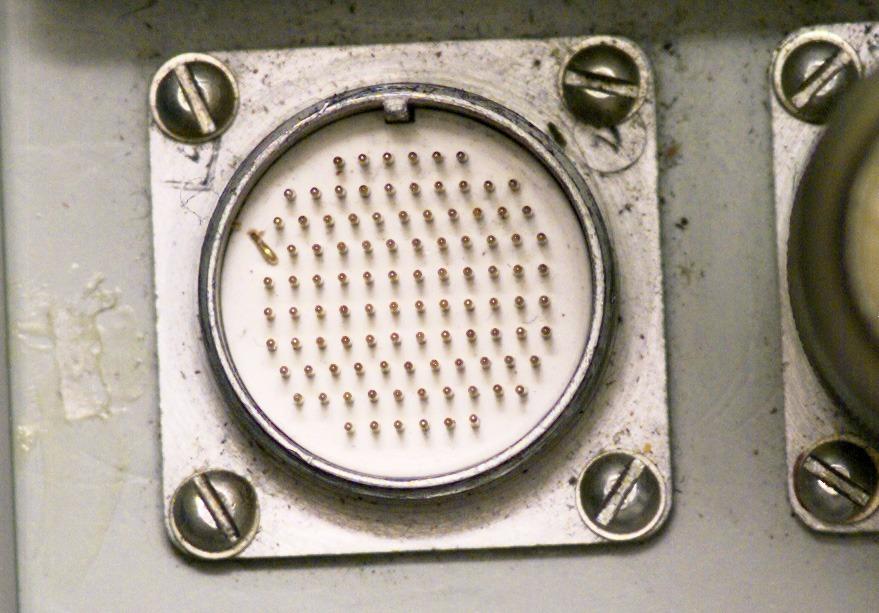
ISS01-E-5014 (26 November 2000) --- An electronic still camera's view of a bent pin on Service Module (SM) Battery Block 5 PTAB. This was installed on 2A.2b
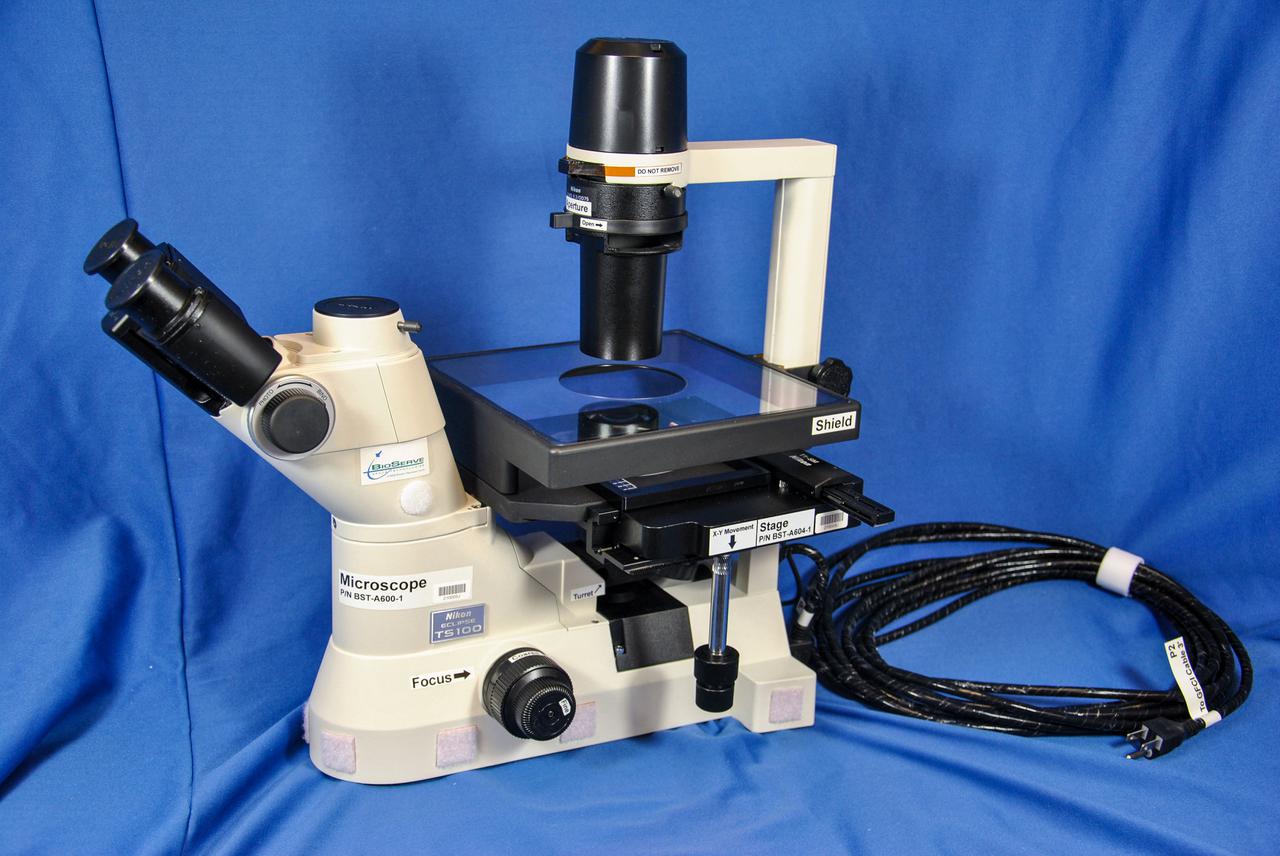
jsc2022e031227 (5/4/2016) --- A preflight view of the BioServe Microscope. The BioServe Microscope facility allows astronauts to capture digital, full-color, high-definition microscopy images and videos of scientific investigations.
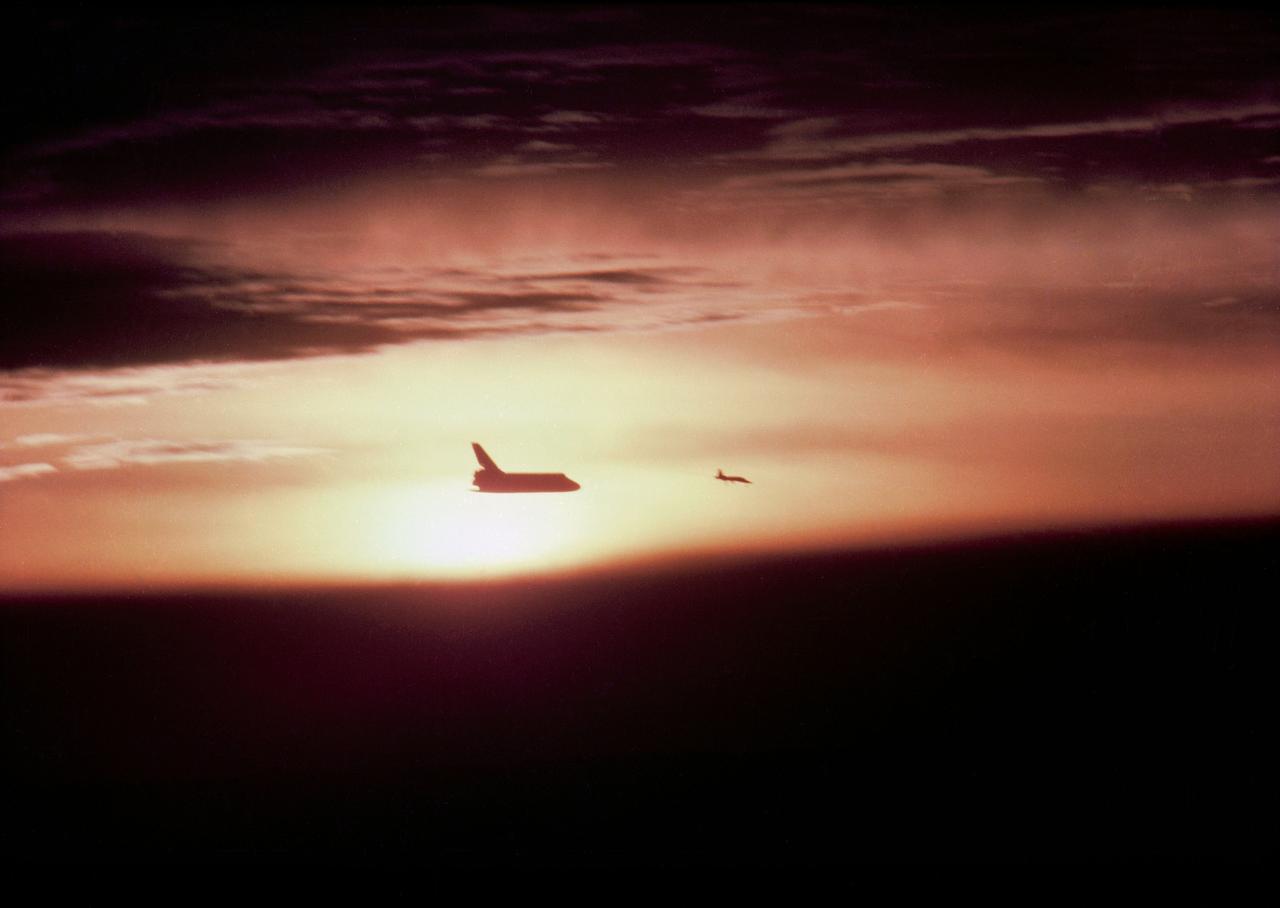
Aerial view of Orbiter "Columbia" as you look into the Sun, taken by Erik Simonsen, Rockwell International, 11/16/1982. 1. STS-5 - LANDING (INTO THE SUN) EAFB, CA
![jsc2022e057894 (5/13/2022) --- Views of the Maltese Biocube based on the ICE Cubes platform by Belgian company Space Applications Services [Credit: Space Applications Services, NV/SA]](https://images-assets.nasa.gov/image/jsc2022e057894/jsc2022e057894~medium.jpg)
jsc2022e057894 (5/13/2022) --- Views of the Maltese Biocube based on the ICE Cubes platform by Belgian company Space Applications Services [Credit: Space Applications Services, NV/SA]
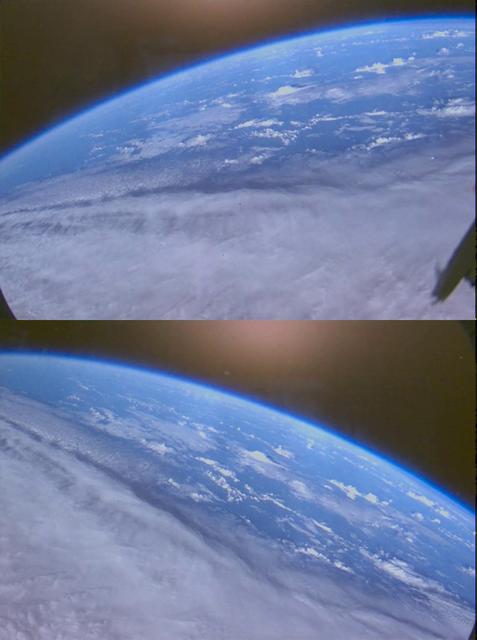
A view from the top hatch window as plasma surrounds the vehicle during reentry on Orion's first flight test, Exploration Flight Test-1 (EFT-1), on December 5, 2014.
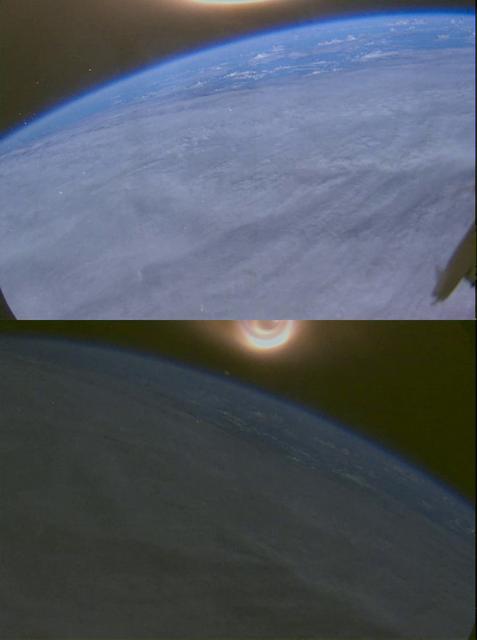
A view from the side windows as plasma surrounds the vehicle during reentry on Orion's first flight test, Exploration Flight Test-1 (EFT-1), on December 5, 2014.
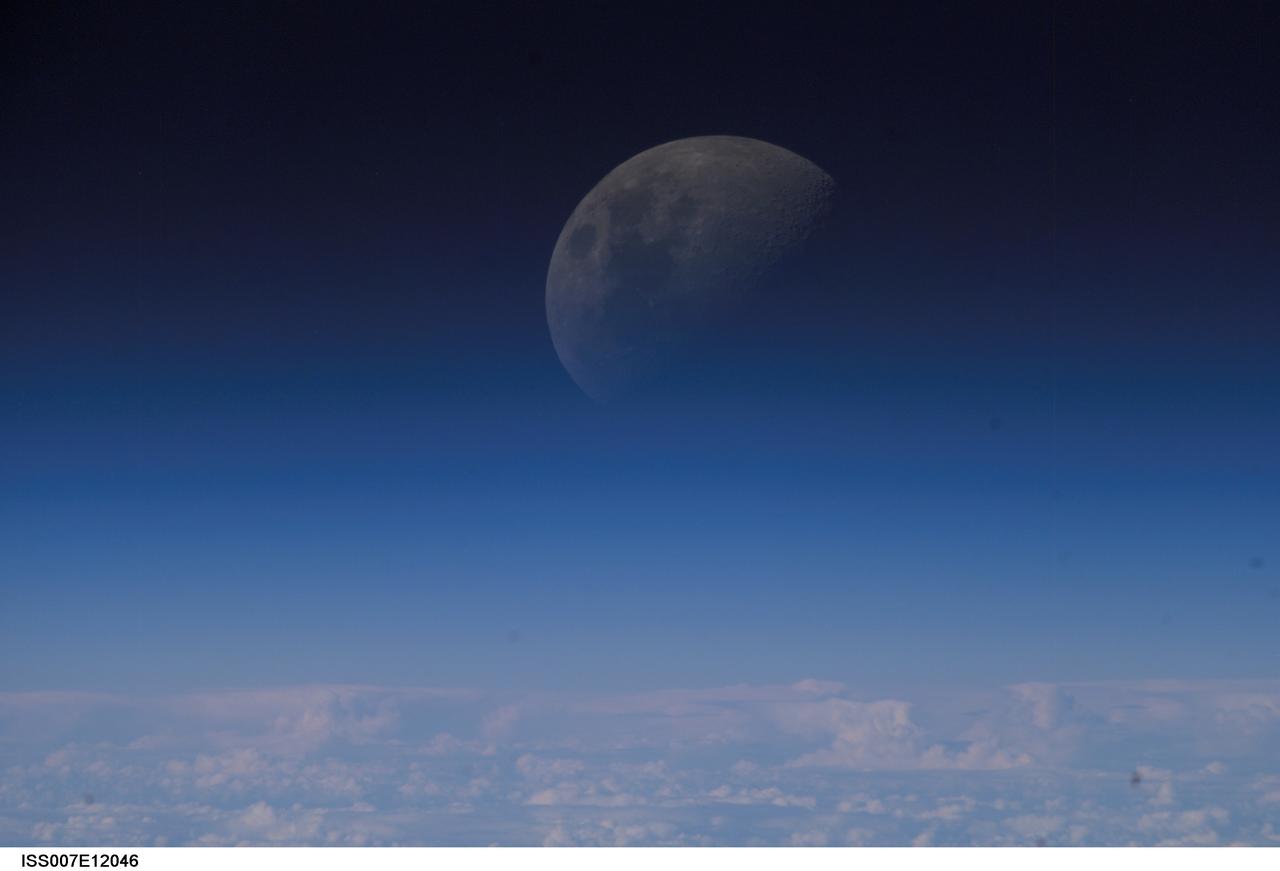
ISS007-E-12046 (5 August 2003) --- A gibbous moon is visible in this view of Earth’s horizon and airglow, photographed by an Expedition 7 crewmember onboard the International Space Station (ISS).
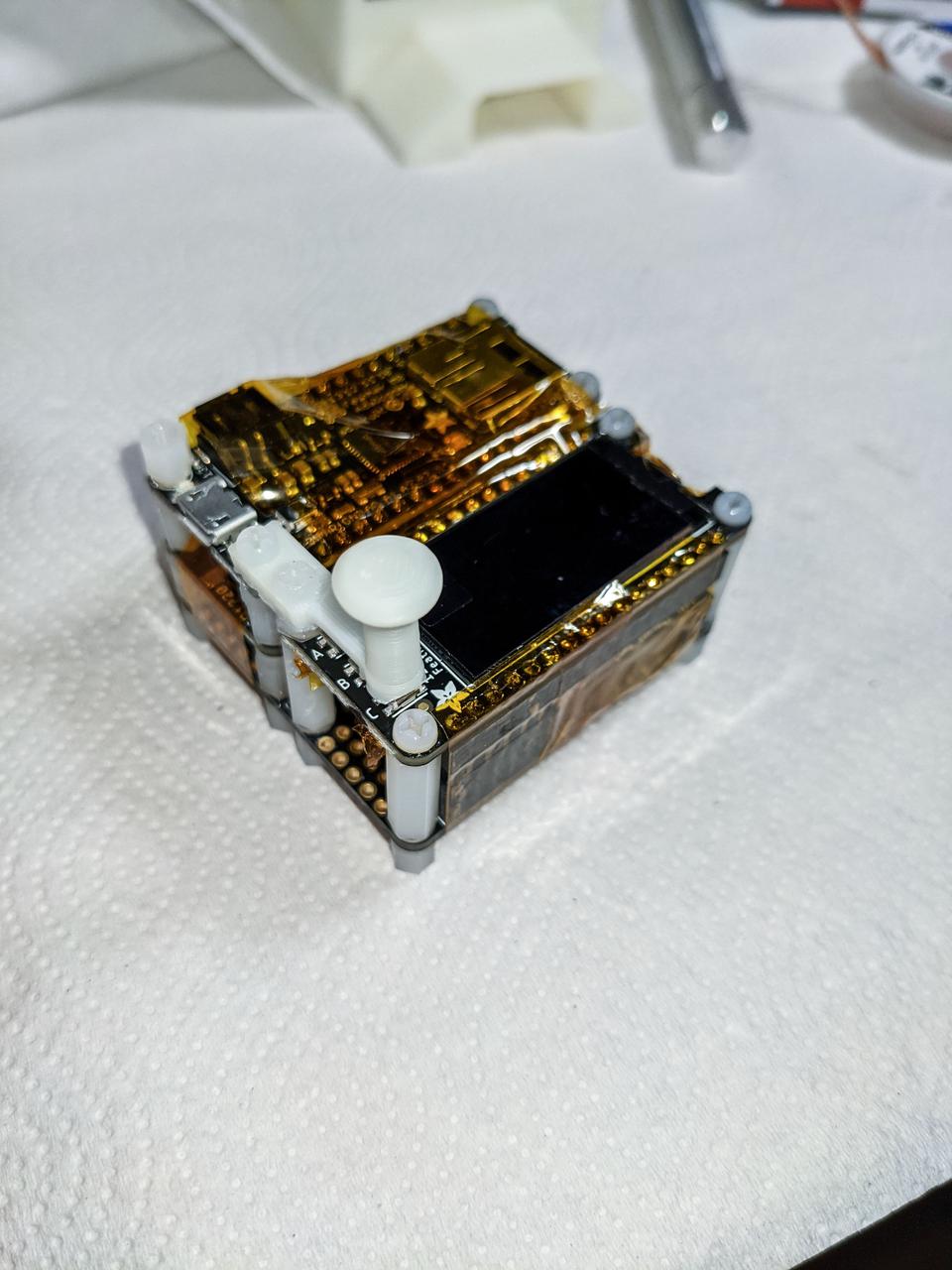
jsc2021e044615 (7/5/2021) --- A preflight view of the electronics of a SpaceDuino development unit which are assembled and ready to drop into the 3D printed enclosure. The button plunger (white) is 3D printed as well. Image courtesy of Bryan Murphy.
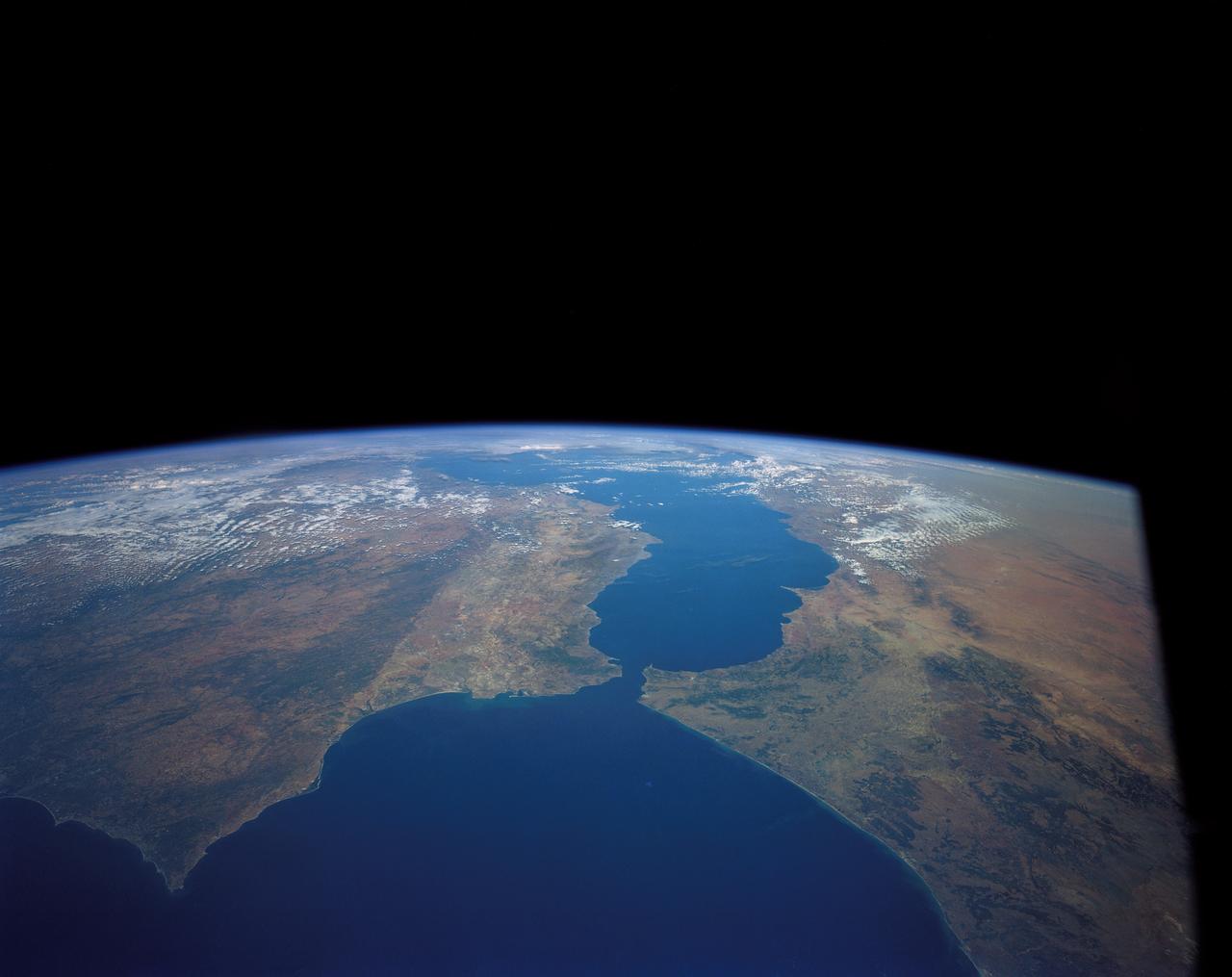
41G-120-082 (5-13 Oct. 1984) --- This High oblique view was photographed with a medium format camera aboard the Earth-orbiting space shuttle Challenger. It features the Strait of Gibraltar and the Mediterranean Sea. Unlike vertical photographs from this area taken by crews of previous spaceflights, this oblique view allows extensive viewing into Spain and Morocco. Photo credit: NASA
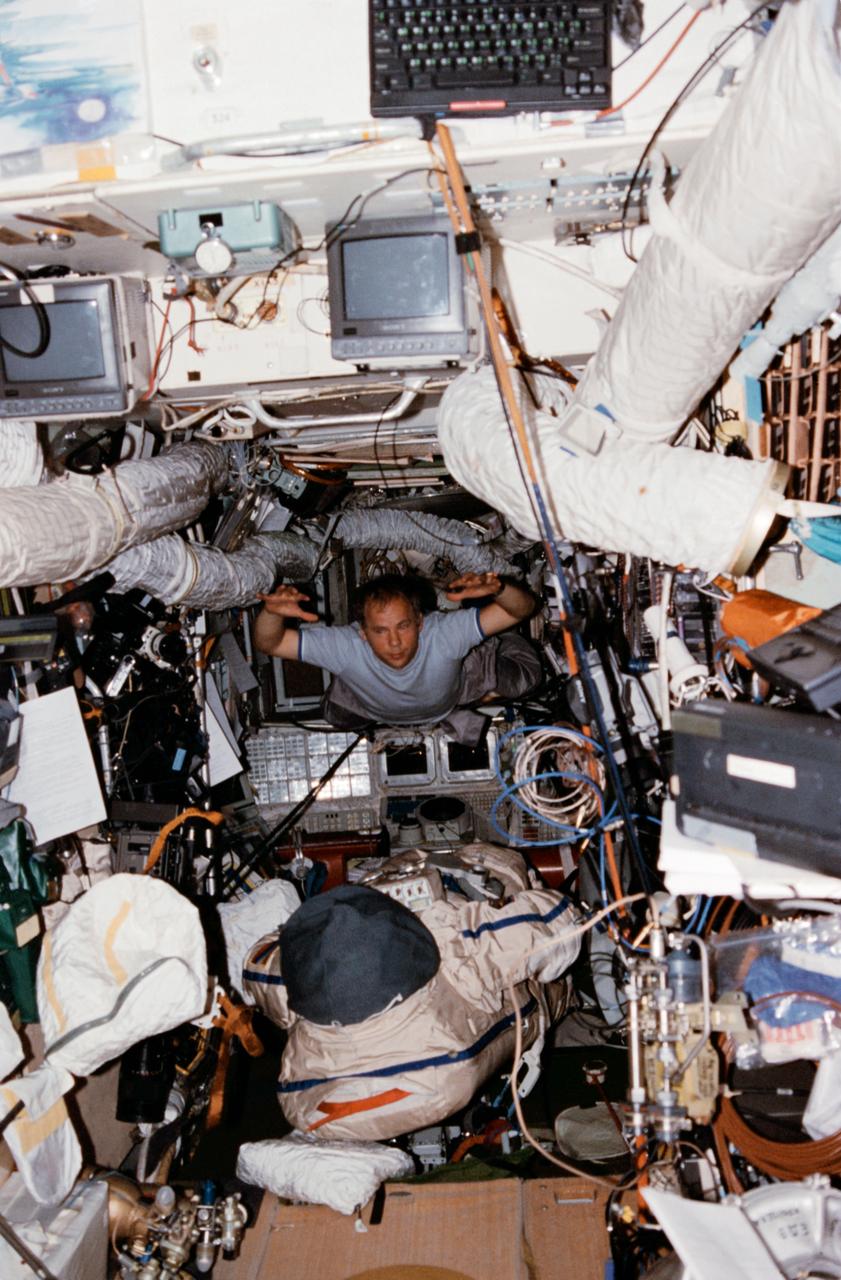
Various views of activities surrounding the Mir 24 crew's preparation for an intravehicular activity (IVA) in the Mir space station. Views include: Mir 24 crew in the Orlan suits in the Soyuz spacecraft (012-3,016). Commander Anatoly Solovyev climbs out of his suit in the Soyuz (014-5). Solovyev floats into the Base Block module (017). Underexposed views of Solovyev (left) and flight engineer Pavel Vinogradov in the Soyuz (018-20). Interior views of the airlock with IVA hardware (oxygen for suits) in view (021-2). Mir 24 crewmember climbing into his suit with his back to the camera (023). View 024 is blank. View 025 is of a Mir viewing portal. Portrait of Vinogradov in his suit, wearing his helmet (026). Guest researcher Michael Foale in the Soyuz, wearing his pressure suit (027-8). Interior views of the Soyuz (029-32). Solovyev and Vinogradov in the Base Block (033).
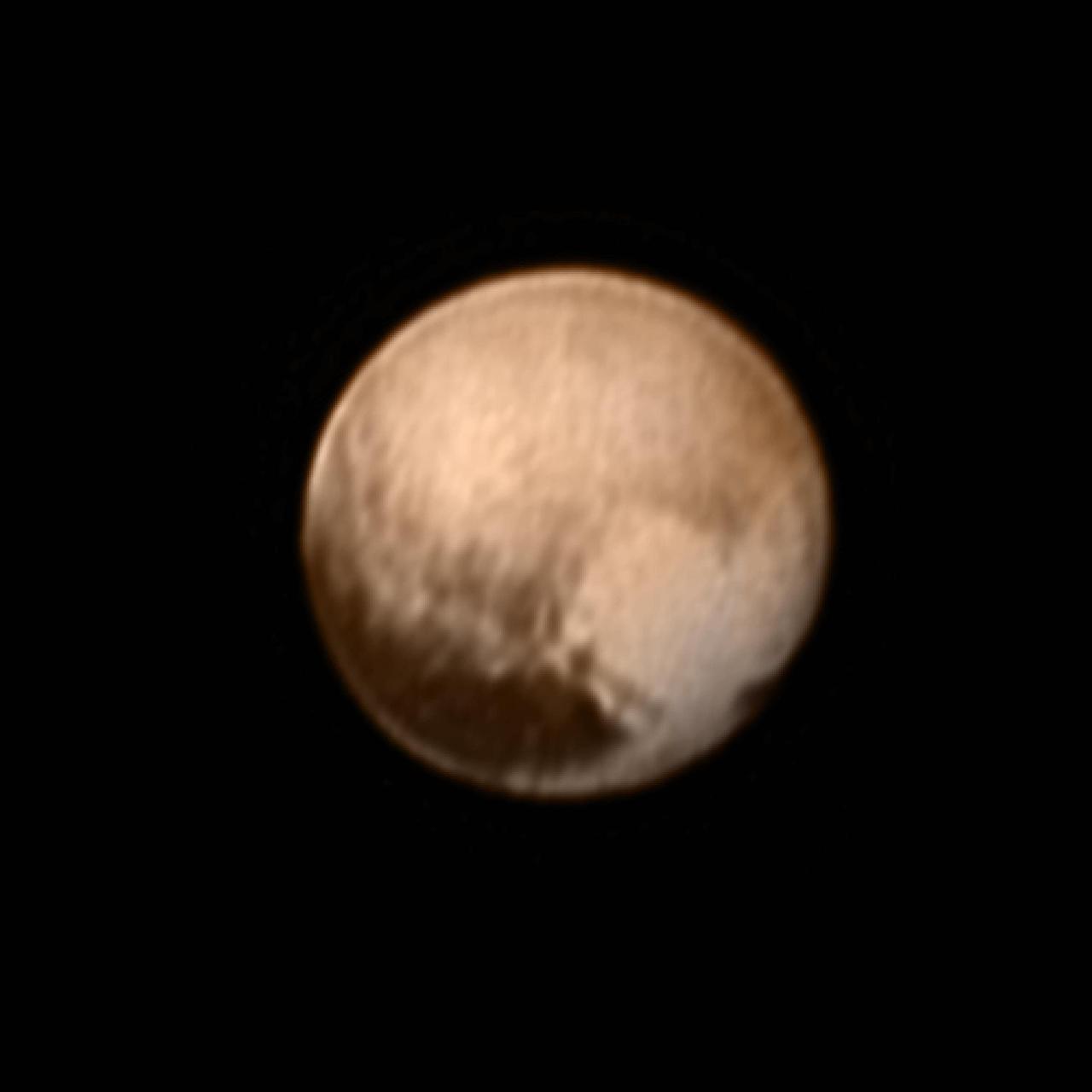
In the early morning hours of July 8, 2015, mission scientists received this new view of Pluto -- the most detailed yet returned by the Long Range Reconnaissance Imager (LORRI) aboard New Horizons. The image was taken on July 7, when the NASA spacecraft was just under 5 million miles (8 million kilometers) from Pluto, and is the first to be received since the July 4 anomaly that sent the spacecraft into safe mode. This view is centered roughly on the area that will be seen close-up during New Horizons' July 14 closest approach. This side of Pluto is dominated by three broad regions of varying brightness. Most prominent are an elongated dark feature at the equator, informally known as "the whale," and a large heart-shaped bright area measuring some 1,200 miles (2,000 kilometers) across on the right. Above those features is a polar region that is intermediate in brightness. http://photojournal.jpl.nasa.gov/catalog/PIA19702
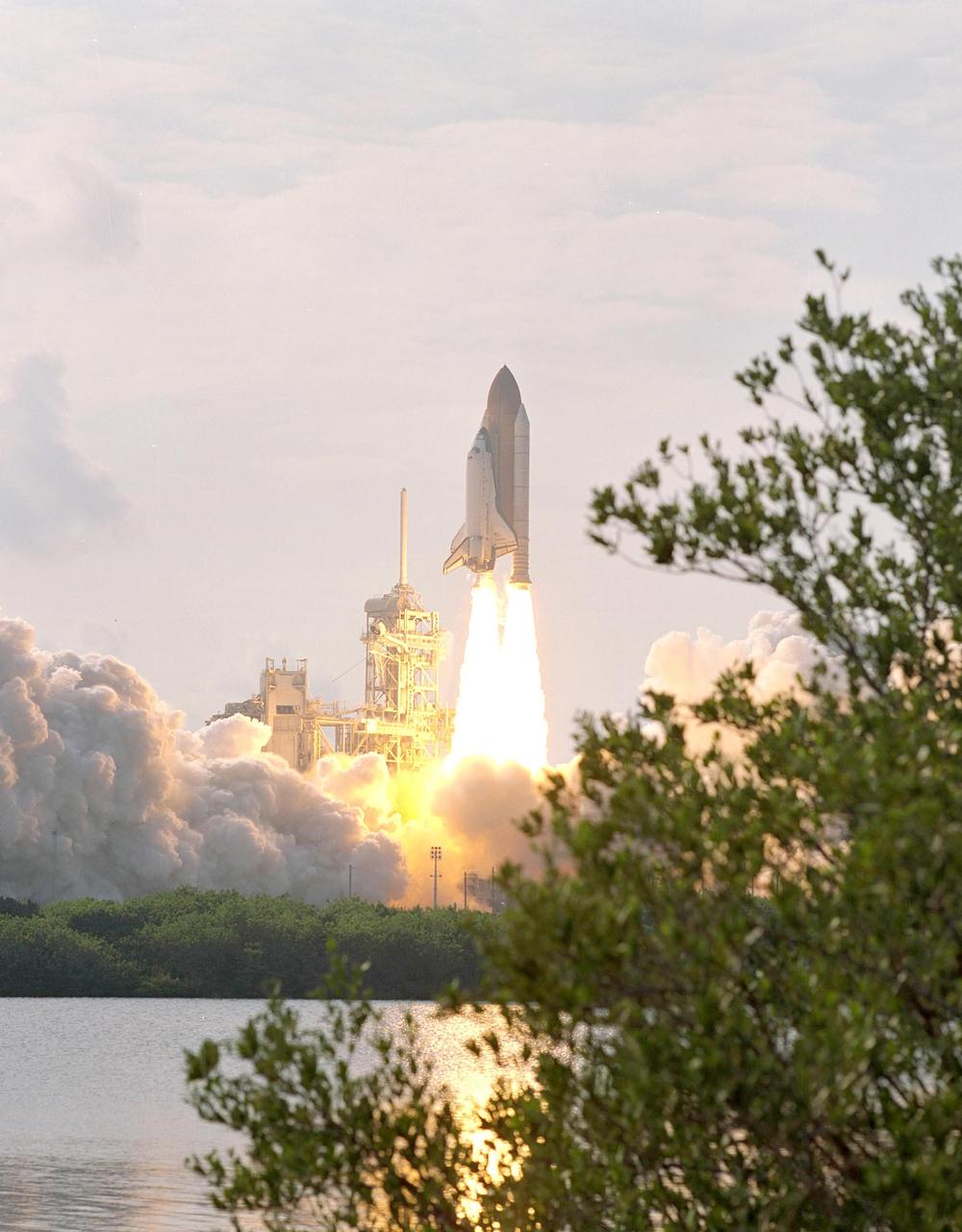
KENNEDY SPACE CENTER, FLA. - Viewed from across the nearby water, the launch of Space Shuttle Endeavour fills the horizon. Liftoff at 5:22:49 p.m. EDT sent Endeavour and its crew of four, plus the Expedition 5 crew, on its way to the International space Station on mission STS-111. This mission marks the 14th Shuttle flight to the International Space Station and the third Shuttle mission this year. Mission STS-111 is the 18th flight of Endeavour and the 110th flight overall in NASA's Space Shuttle program
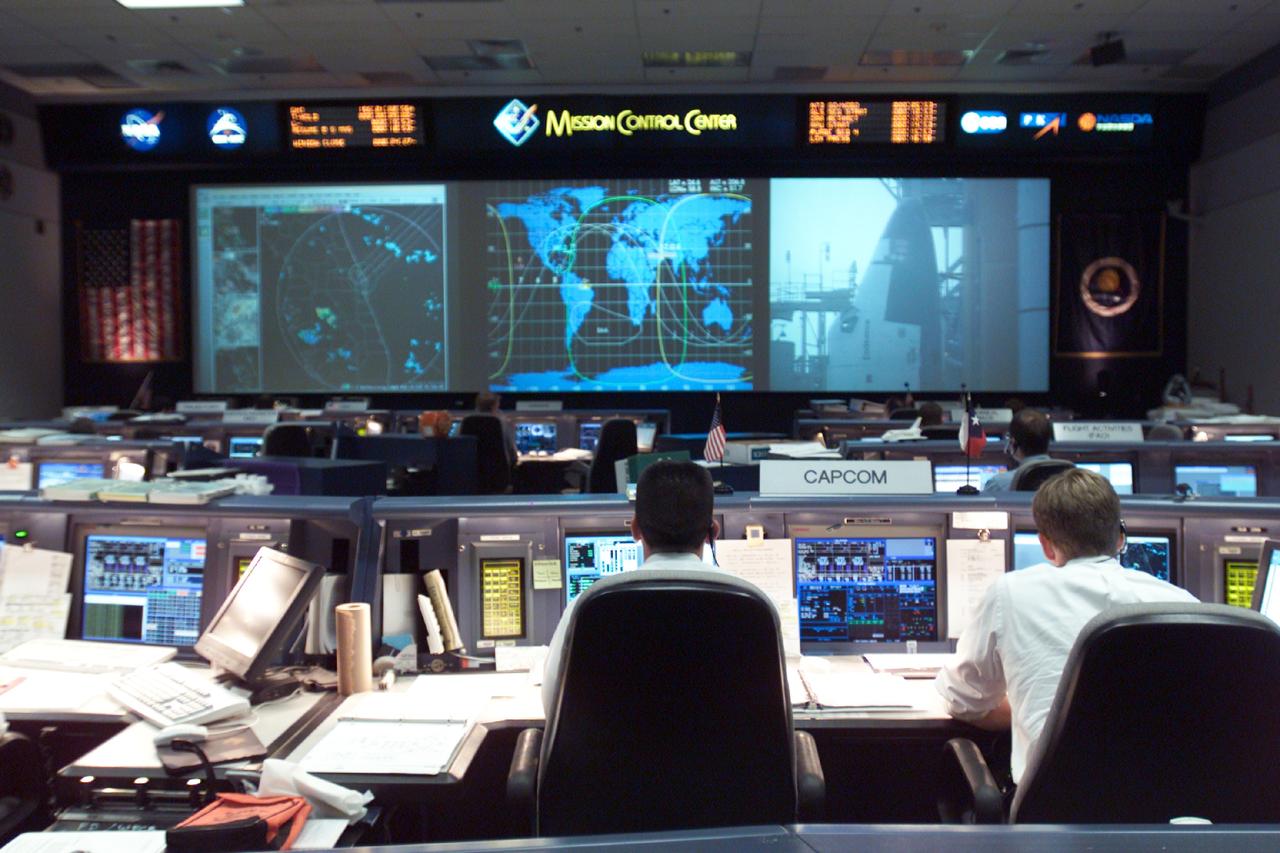
JSC2002-E-23113 (5 June 2002) --- The Space Shuttle Endeavour is shown on the big screen in this overall view of the shuttle flight control room (WFCR) in Houston’s Mission Control Center (MCC) as it is on the launch pad at Kennedy Space Center, Florida. Endeavour launched at 4:23 p.m. (CDT) on June 5, 2002. Once the vehicle cleared the tower in Florida, the Houston-based team of flight controllers took over the ground control of the flight.
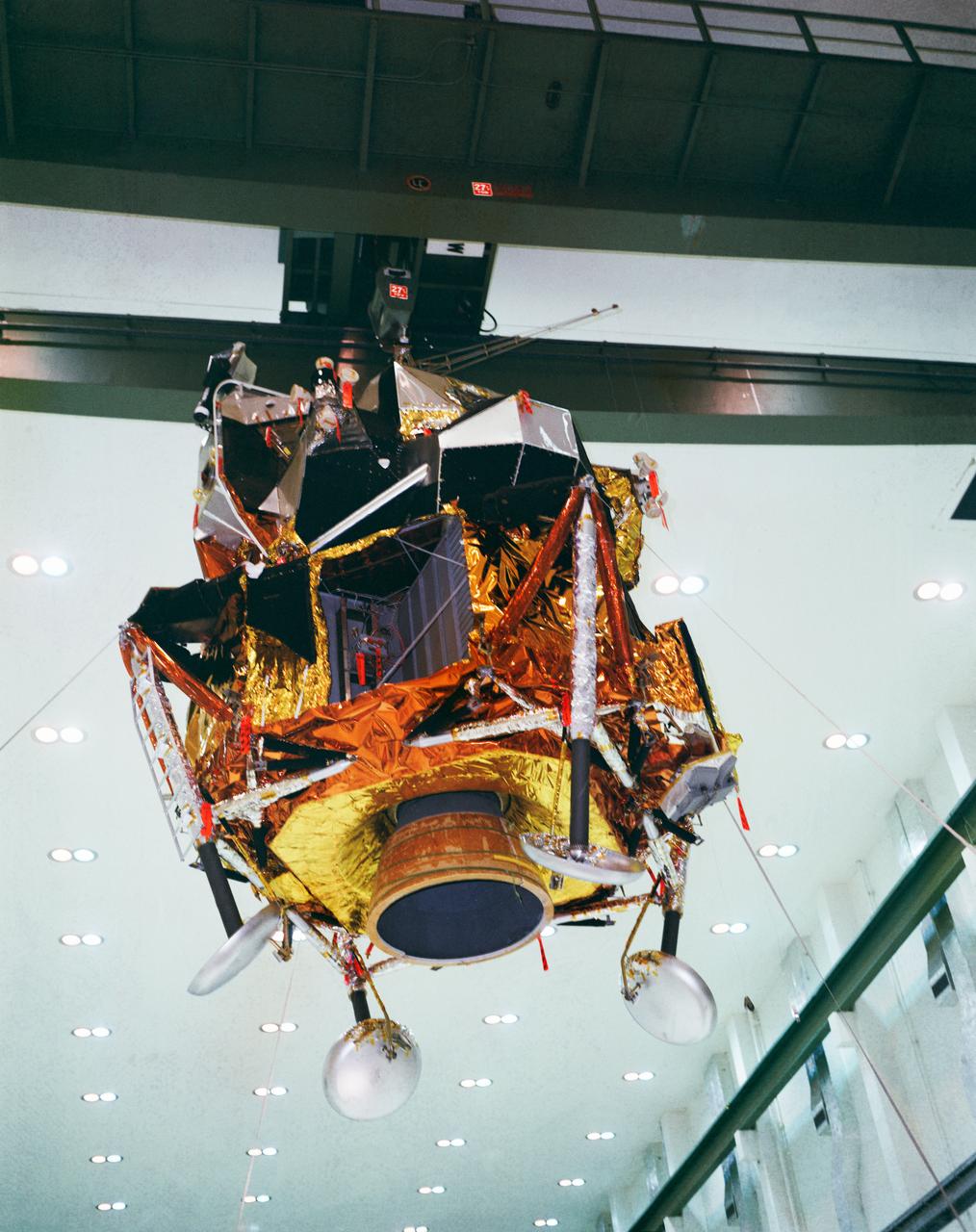
S69-32396 (4 April 1969) --- Interior view of the Kennedy Space Center's (KSC) Manned Spacecraft Operations Building showing Lunar Module (LM) 5 being moved from work stand for mating with its Spacecraft Lunar Module Adapter (SLA). LM-5 is scheduled to be flown on the Apollo 11 lunar landing mission.