
“The big thing is trying to figure out the best way to communicate. And to interact and engage. Being virtual is great, but there’s nothing like being able to sit down and talk to a parent or a senior who just wants to reflect on what it was like seeing Apollo. Or talking to someone who says, ‘I could never work for NASA,’ and telling them, ‘Yes, you can — I’m not from a science background. I graduated with a business marketing degree.’ We have to have communications — social media specialists, graphic designers, things like that. I think it’s very fulfilling, from my perspective, when we go out and engage with the public to show what NASA is really about. It takes twenty thousand people to run NASA — and we’re not all astronauts and scientists and engineers. I try to bring that perspective.” Derek Wang, Director of Communications for NASA’s Space Technology Mission Directorate, poses for a portrait, Thursday, Aug. 27, 2020 in Virginia. Photo Credit: (NASA/Joel Kowsky)

"I still can't get over the fact that I actually work at NASA. If you had told the little girl years ago who was watching the shuttle launches from our family room in Uganda, I could never believe it would be possible. "It’s been such a great journey because the rejection along the way instilled in me the humility and determination I needed to work harder and believe in myself. I learned that if I believed in myself and not take it personally, great things will come my way. I’ve worked with people who felt comfortable teaching me new things and letting me explore. Legacy is really important to me. Many who came before gave me the opportunity to have a seat at the table. Now that I am here, I want to ensure I do my best so others can get access to more opportunities and those at the table can see past their differences, and are not looked at as just a woman, or as a woman of color, but as a person who actually knows what they’re talking about." Tabisa Taliwaku Kalisa, Communications Manager in the Office of Procurement at NASA Headquarters, poses for a portrait, Thursday, Feb. 4, 2021, in Virginia. Photo Credit: (NASA/Joel Kowsky)
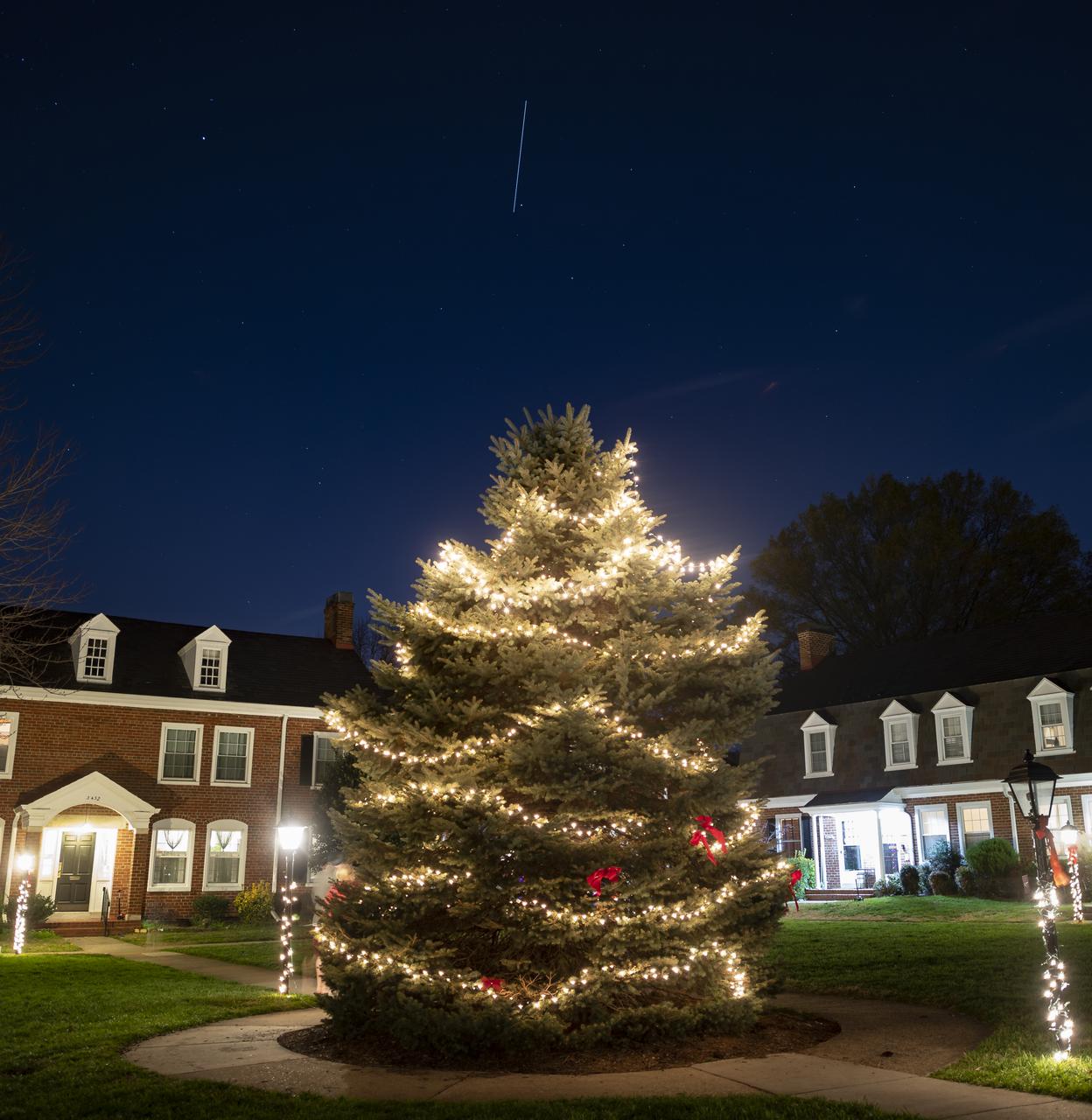
The International Space Station is seen in this 13 second exposure as it flies over Arlington, Virginia, Sunday, Dec. 6, 2020. Onboard are: NASA astronauts Kate Rubins, Shannon Walker, Victor Glover, Mike Hopkins; Japan Aerospace Exploration Agency (JAXA) astronaut Soichi Noguchi; Russian cosmonauts Sergey Ryzhikov, and Sergey Kud-Sverchkov. Photo Credit: (NASA/Bill Ingalls)
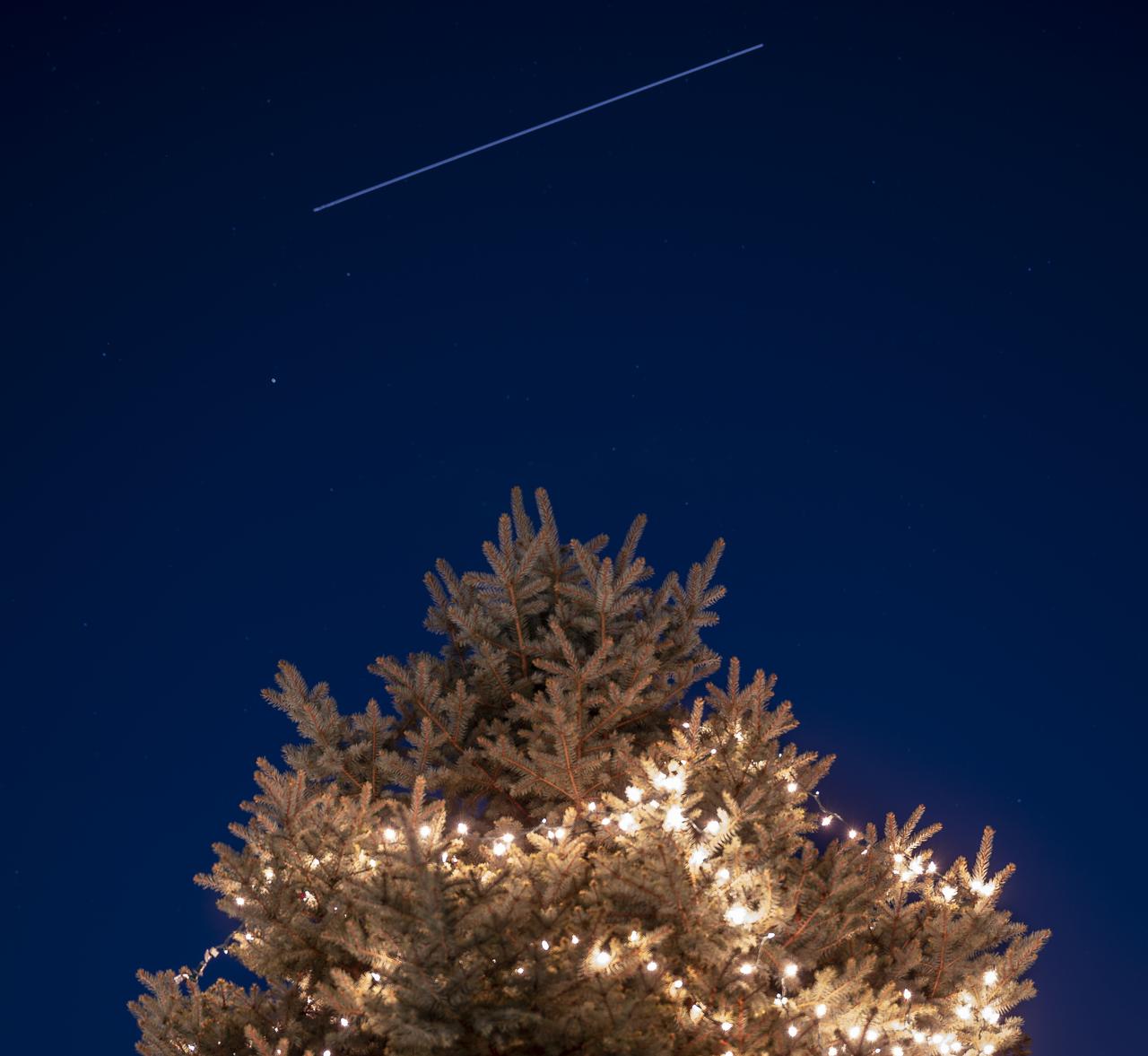
The International Space Station is seen in this 15 second exposure as it flies over Arlington, Virginia, Monday, Dec. 7, 2020. Onboard are: NASA astronauts Kate Rubins, Shannon Walker, Victor Glover, Mike Hopkins; Japan Aerospace Exploration Agency (JAXA) astronaut Soichi Noguchi; Russian cosmonauts Sergey Ryzhikov, and Sergey Kud-Sverchkov. Photo Credit: (NASA/Bill Ingalls)
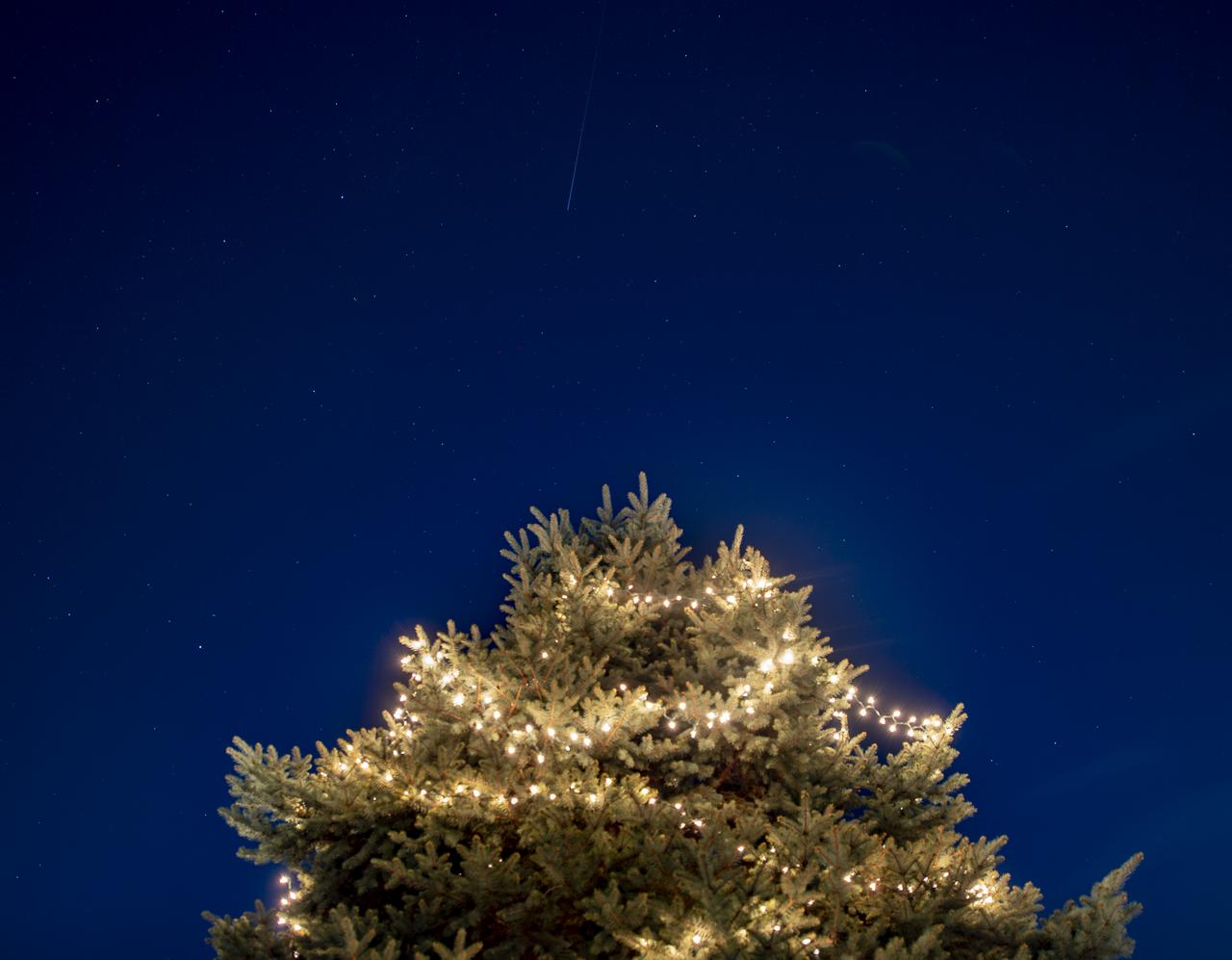
The International Space Station is seen in this 13 second exposure as it flies over Arlington, Virginia, Sunday, Dec. 6, 2020. Onboard are: NASA astronauts Kate Rubins, Shannon Walker, Victor Glover, Mike Hopkins; Japan Aerospace Exploration Agency (JAXA) astronaut Soichi Noguchi; Russian cosmonauts Sergey Ryzhikov, and Sergey Kud-Sverchkov. Photo Credit: (NASA/Bill Ingalls)
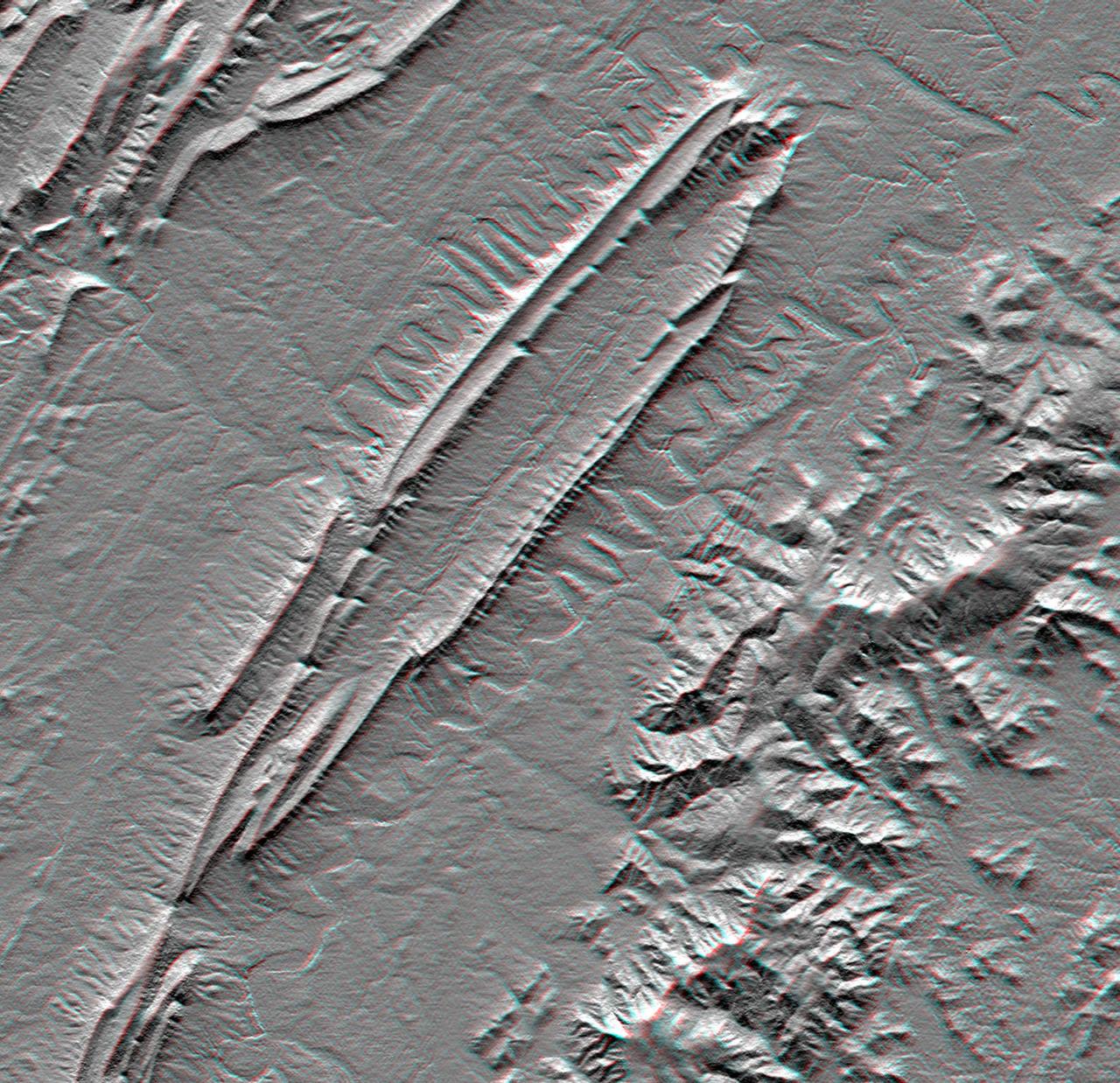
This anaglyph, from NASA Shuttle Radar Topography Mission, is of Massanutten Mountain in the Shenandoah Valley of northern Virginia. 3D glasses are necessary to view this image.
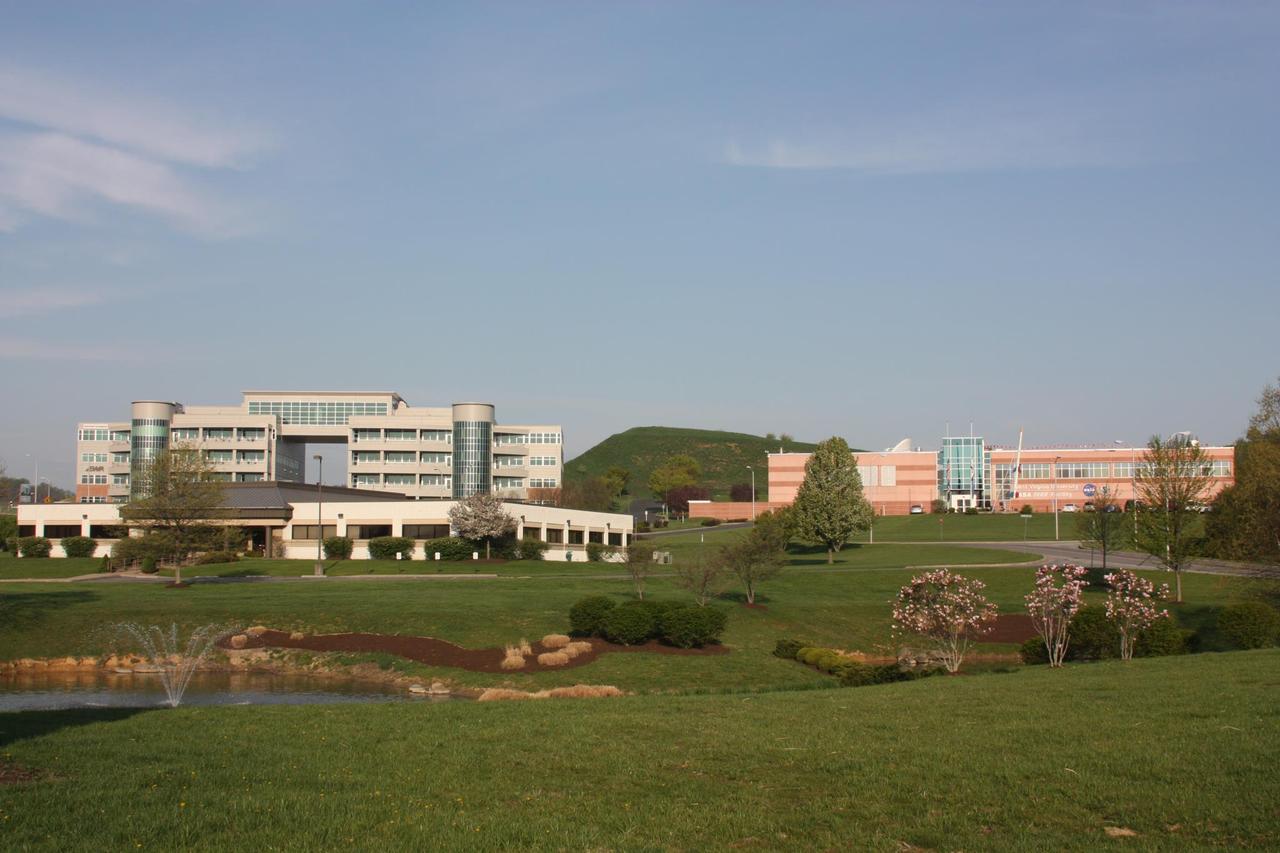
NASA's Katherine Johnson Independent Verification and Validation Facility in Fairmont, West Virginia. Credit: NASA
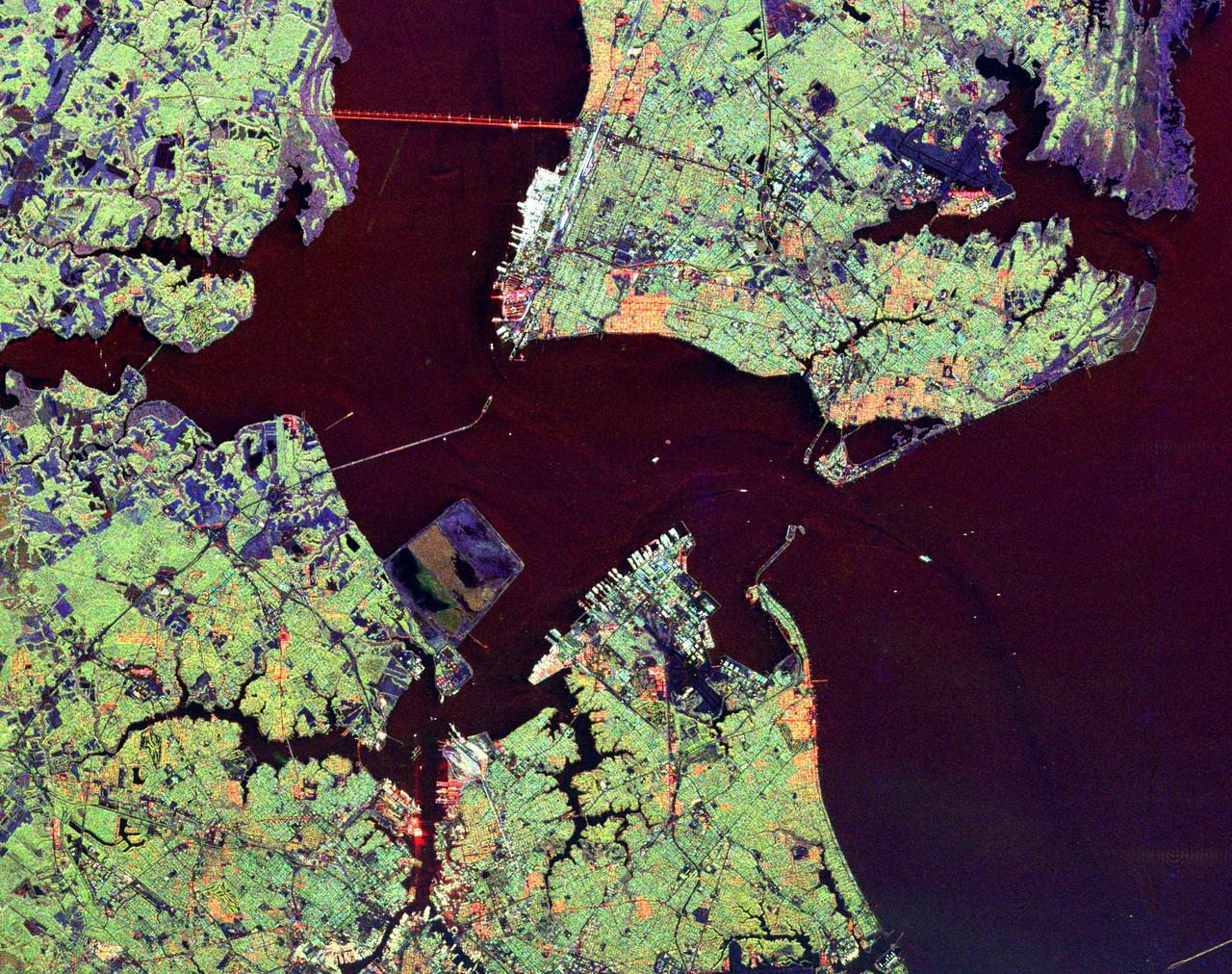
This radar image shows the Hampton Roads, Virginia region, where the James River upper left center flows into the Chesapeake Bay.
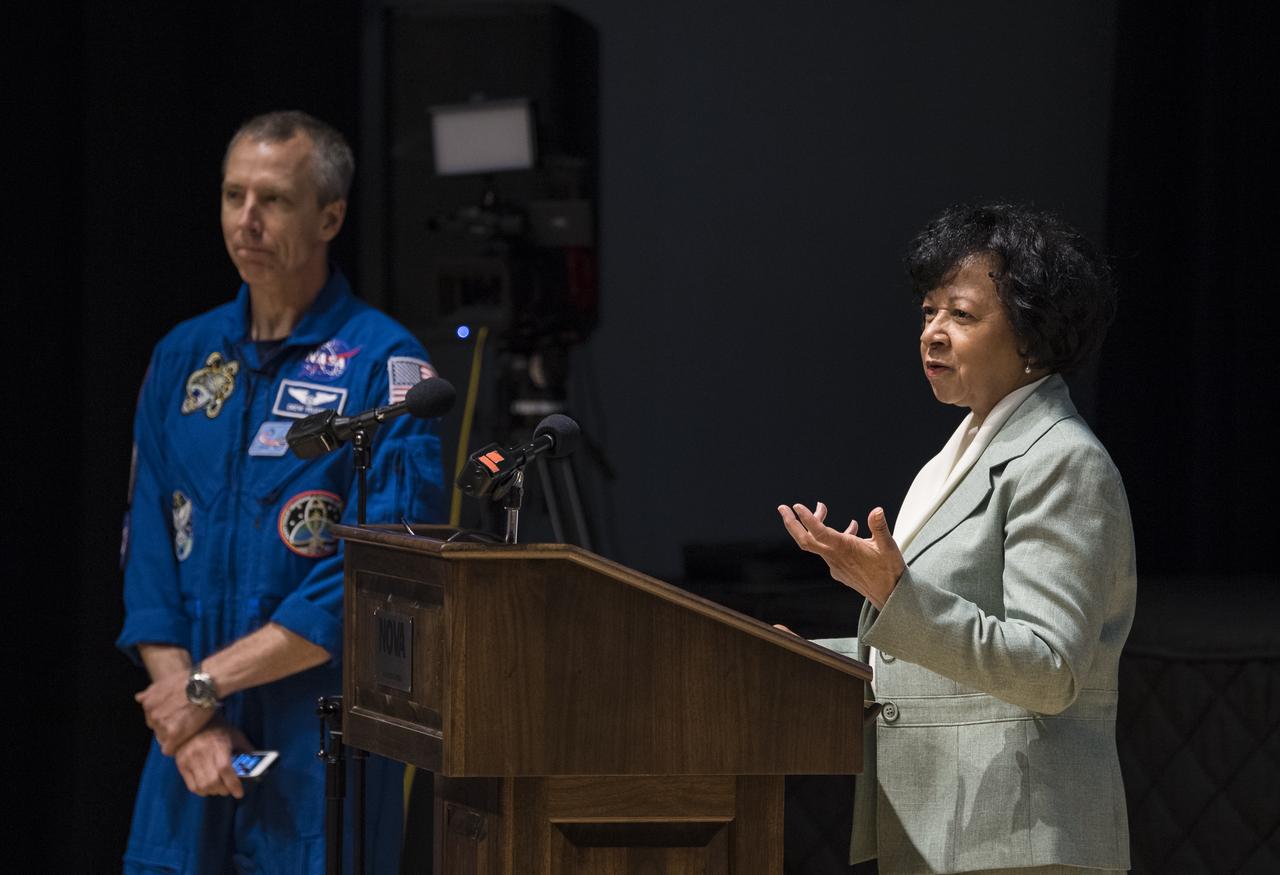
NASA astronaut Drew Feustel is introduced by Northern Virginia Community College's Alexandria campus provost, Dr. Annette Haggray, Monday, May 6, 2019 in Virginia. Photo Credit: (NASA/Aubrey Gemignani)
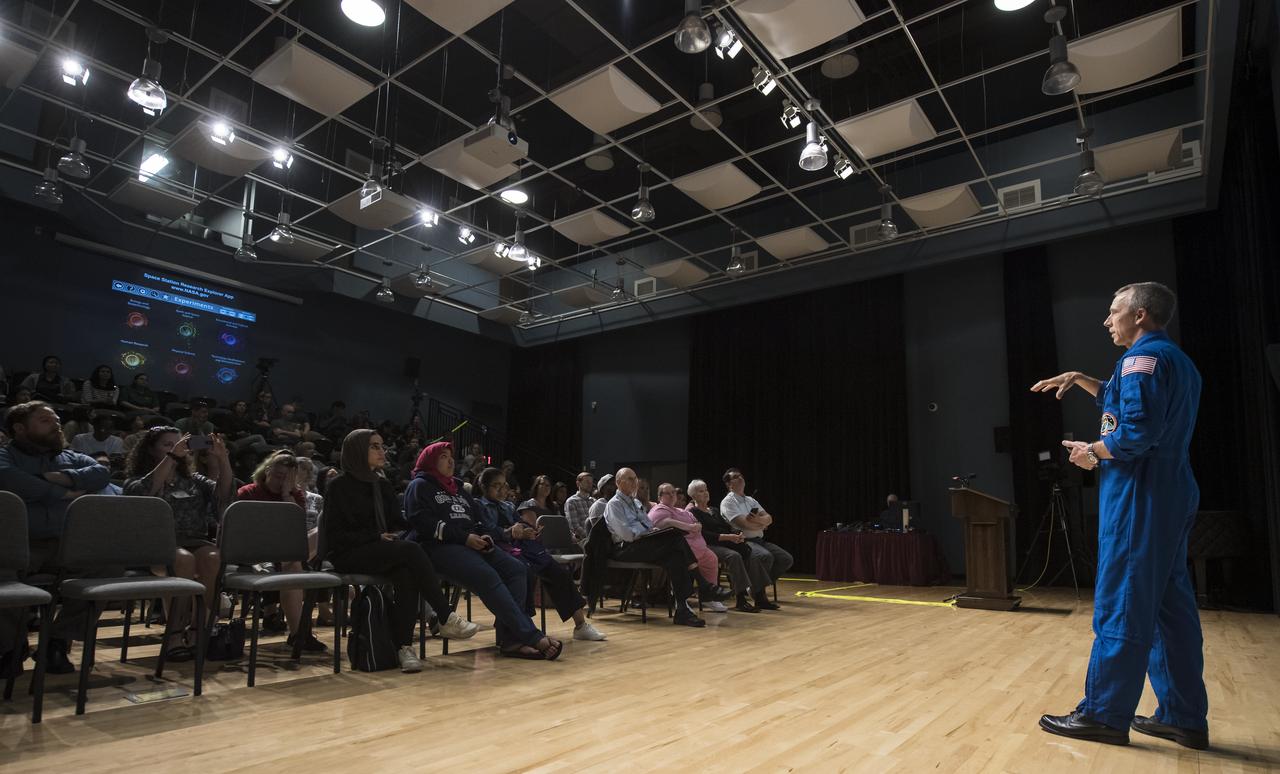
NASA astronaut Drew Feustel speaks about his experience on two shuttle missions, STS-125 and STS-134, as well as Expeditions 55 and 56 on the International Space Station, at Northern Virginia Community College's Alexandria campus, Monday, May 6, 2019 in Virginia. Photo Credit: (NASA/Aubrey Gemignani)
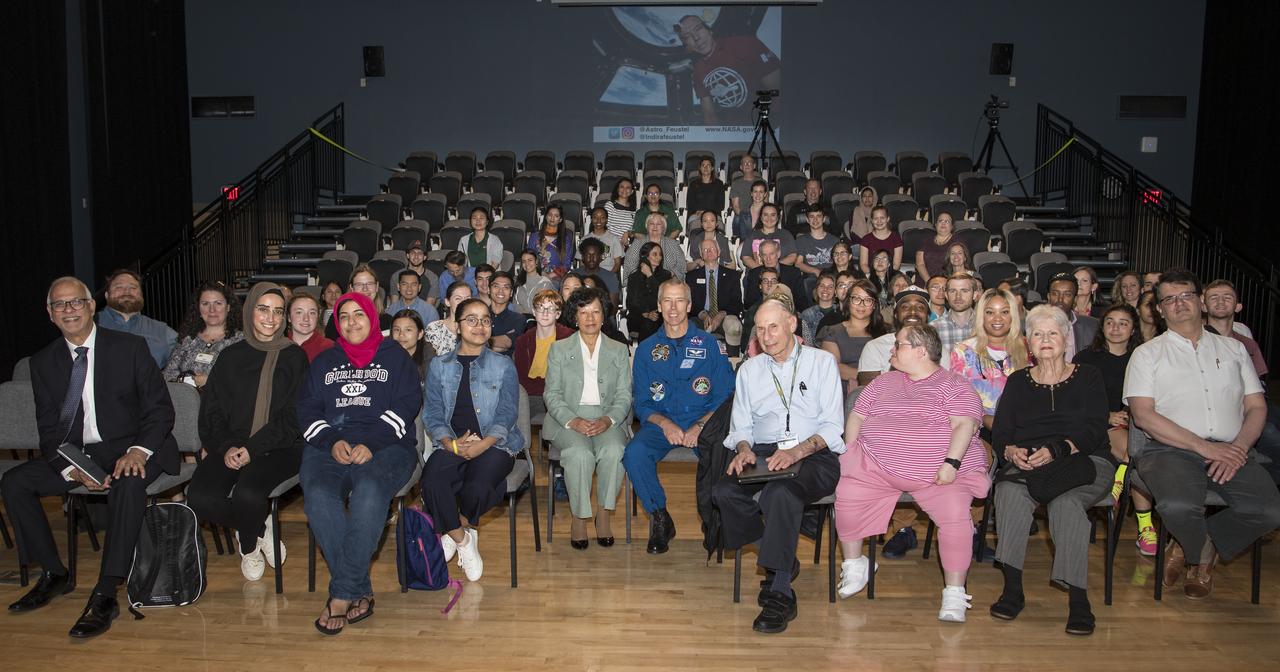
NASA astronaut Drew Feustel, center right, poses for a photo with Northern Virginia Community College's Alexandria campus provost, Dr. Annette Haggray, center left, and attendees of his presentation on spaceflight, Monday, May 6, 2019 in Virginia. Photo Credit: (NASA/Aubrey Gemignani)
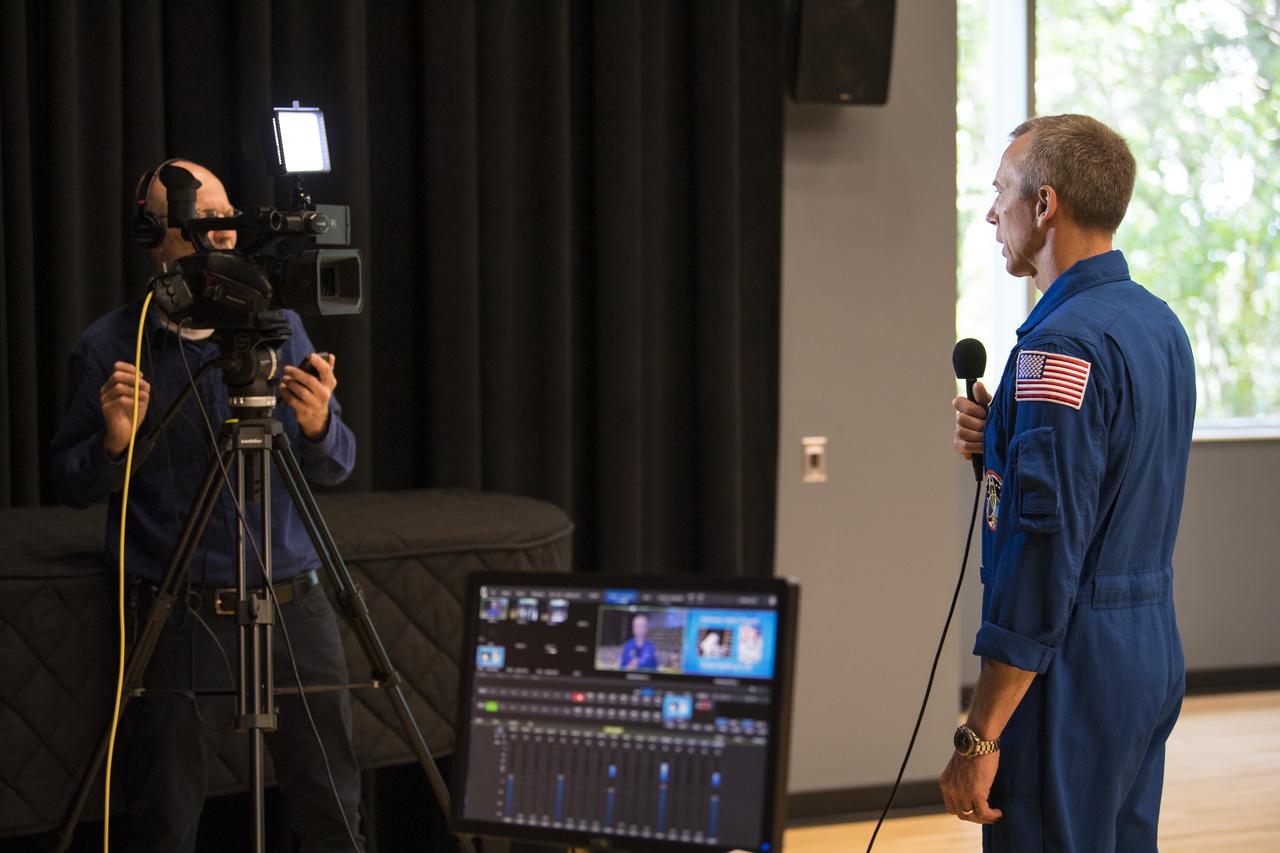
NASA astronaut Drew Feustel is interviewed about his community college experience and why he chose to be an astronaut at Northern Virginia Community College's Alexandria campus, Monday, May 6, 2019 in Virginia. Photo Credit: (NASA/Aubrey Gemignani)
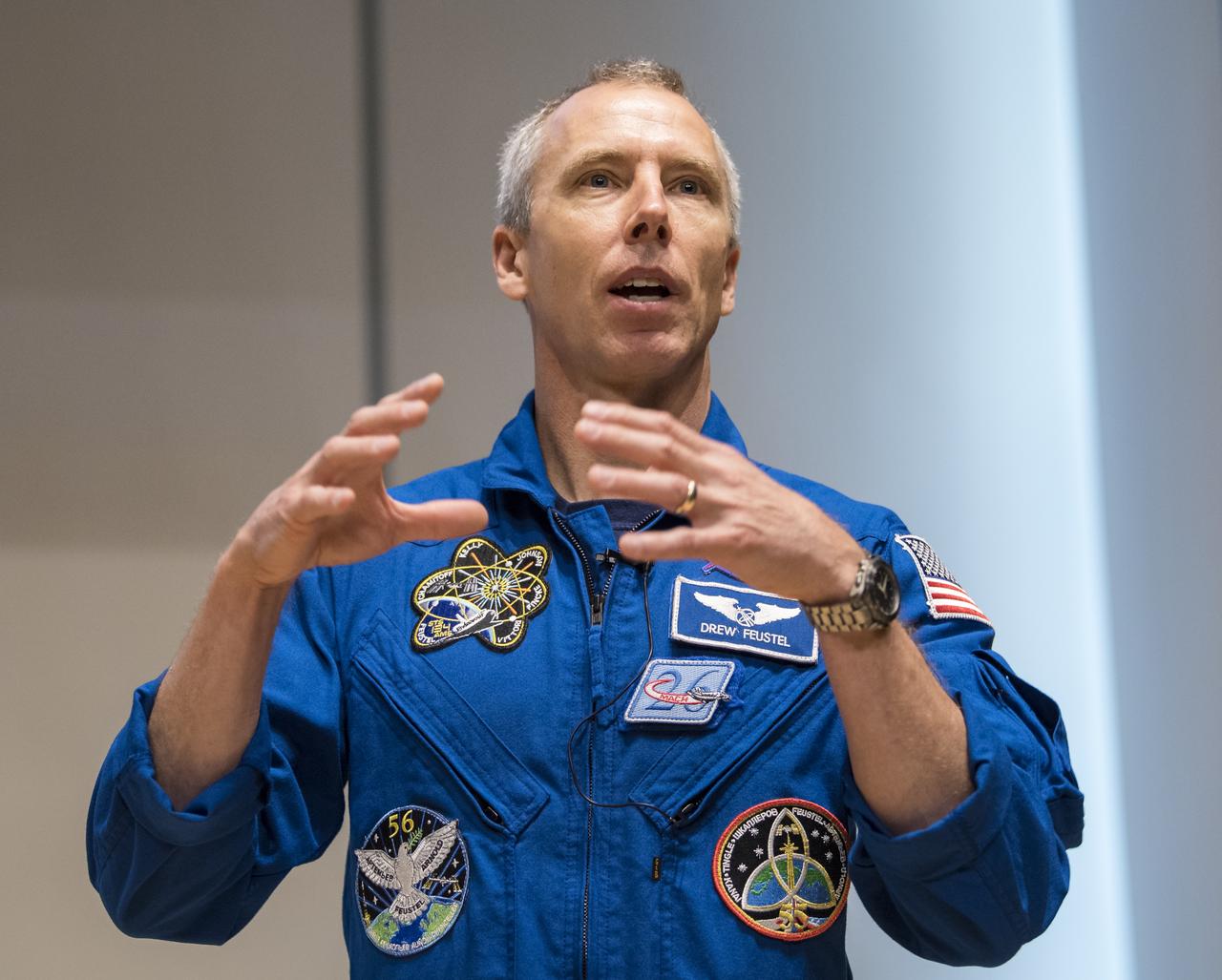
NASA astronaut Drew Feustel speaks about his experience on two shuttle missions, STS-125 and STS-134, as well as Expeditions 55 and 56 on the International Space Station, at Northern Virginia Community College's Alexandria campus, Monday, May 6, 2019 in Virginia. Photo Credit: (NASA/Aubrey Gemignani)
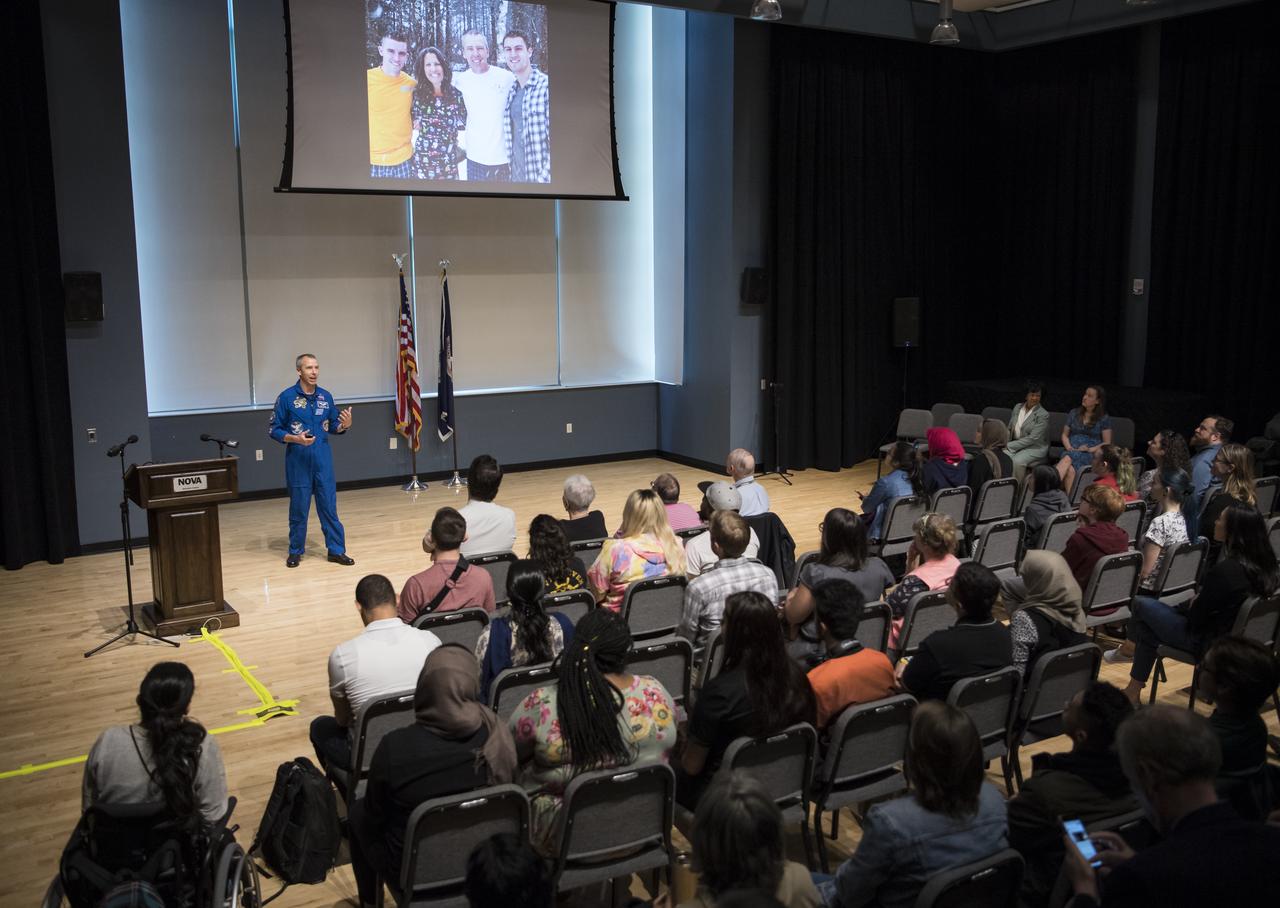
NASA astronaut Drew Feustel speaks about his experience on two shuttle missions, STS-125 and STS-134, as well as Expeditions 55 and 56 on the International Space Station, at Northern Virginia Community College's Alexandria campus, Monday, May 6, 2019 in Virginia. Photo Credit: (NASA/Aubrey Gemignani)
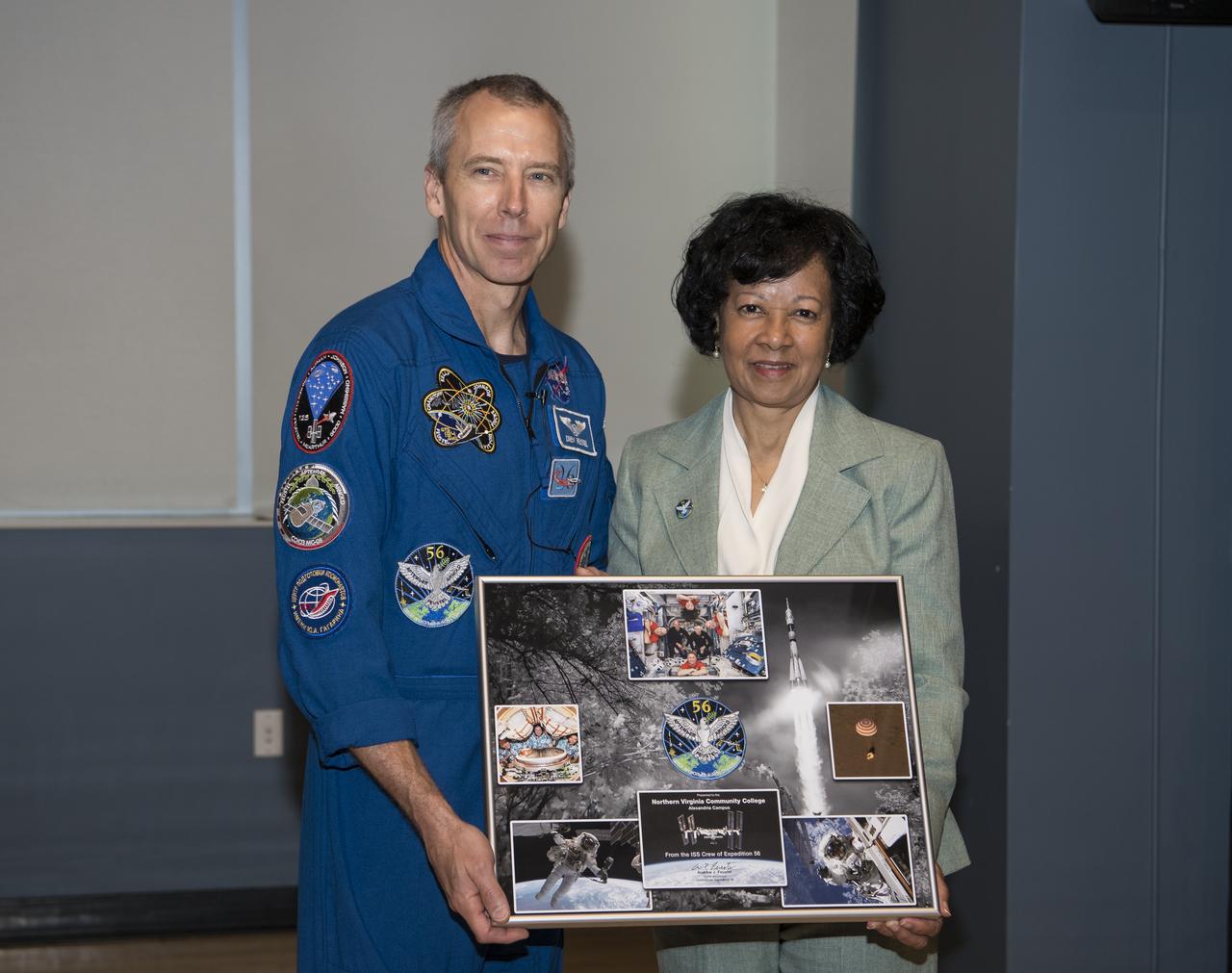
NASA astronaut Drew Feustel, left, poses for a photo with Northern Virginia Community College's Alexandria campus provost, Dr. Annette Haggray, after presenting her with a montage from Expeditions 55 and 56, Monday, May 6, 2019 in Virginia. Photo Credit: (NASA/Aubrey Gemignani)
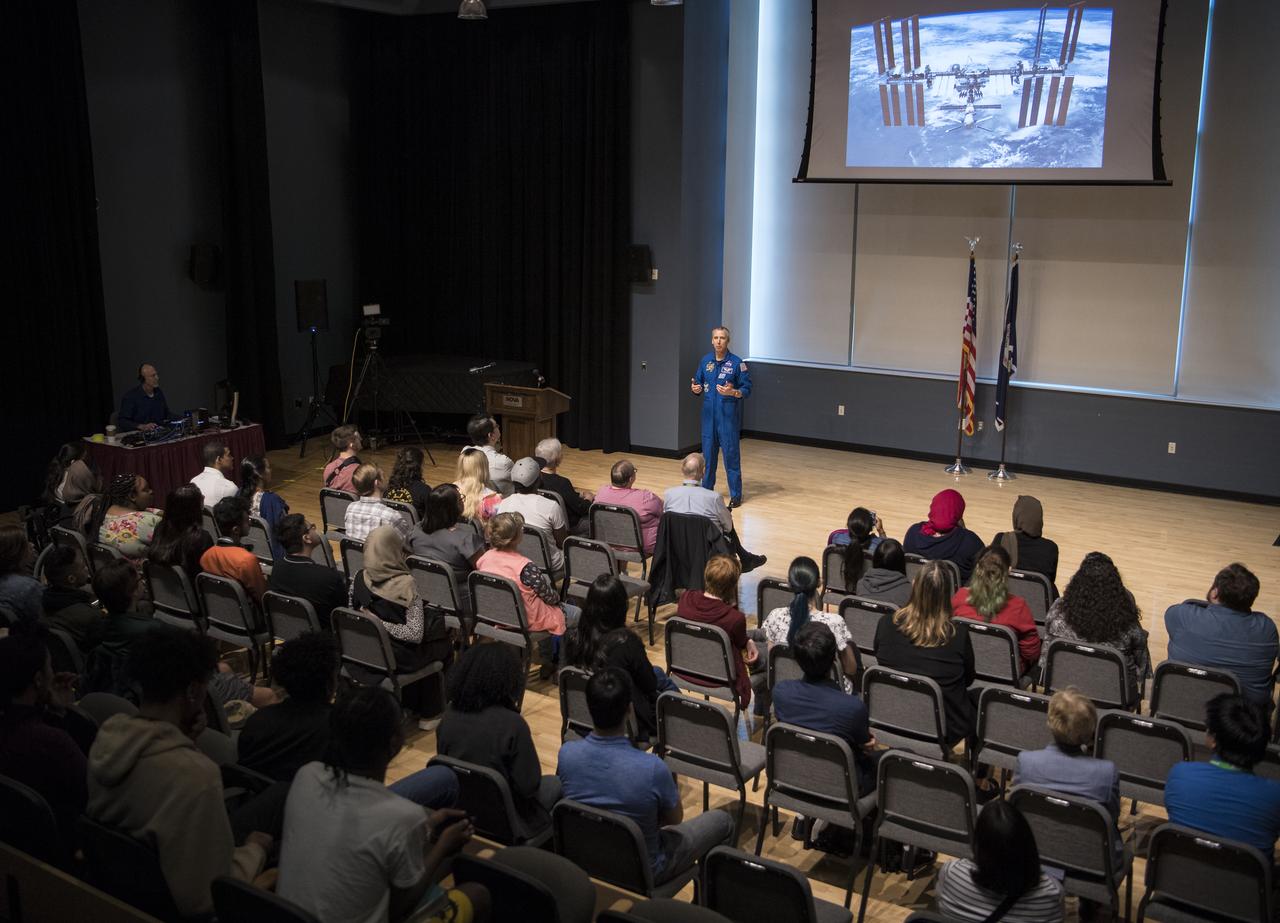
NASA astronaut Drew Feustel speaks about his experience on two shuttle missions, STS-125 and STS-134, as well as Expeditions 55 and 56 on the International Space Station, at Northern Virginia Community College's Alexandria campus, Monday, May 6, 2019 in Virginia. Photo Credit: (NASA/Aubrey Gemignani)
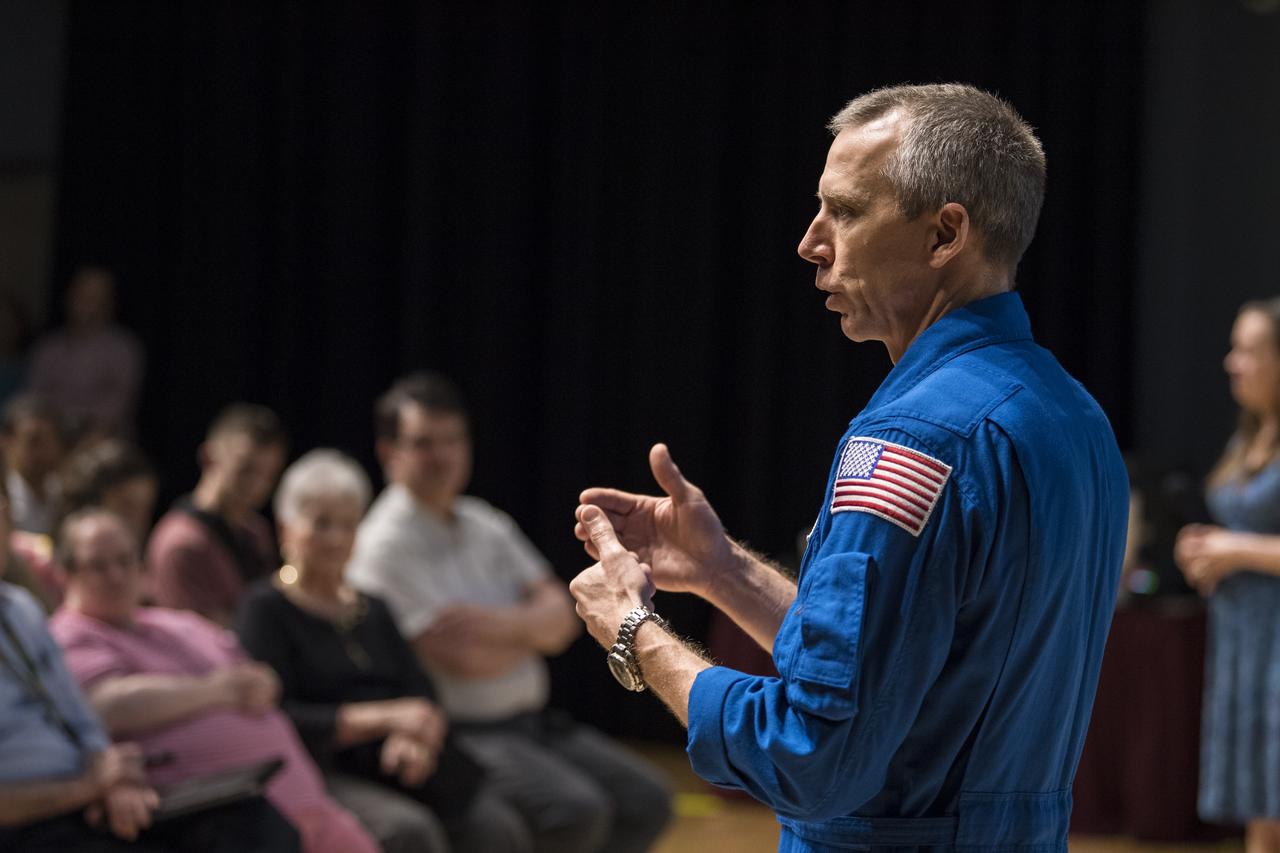
NASA astronaut Drew Feustel speaks about his experience on two shuttle missions, STS-125 and STS-134, as well as Expeditions 55 and 56 on the International Space Station, at Northern Virginia Community College's Alexandria campus, Monday, May 6, 2019 in Virginia. Photo Credit: (NASA/Aubrey Gemignani)
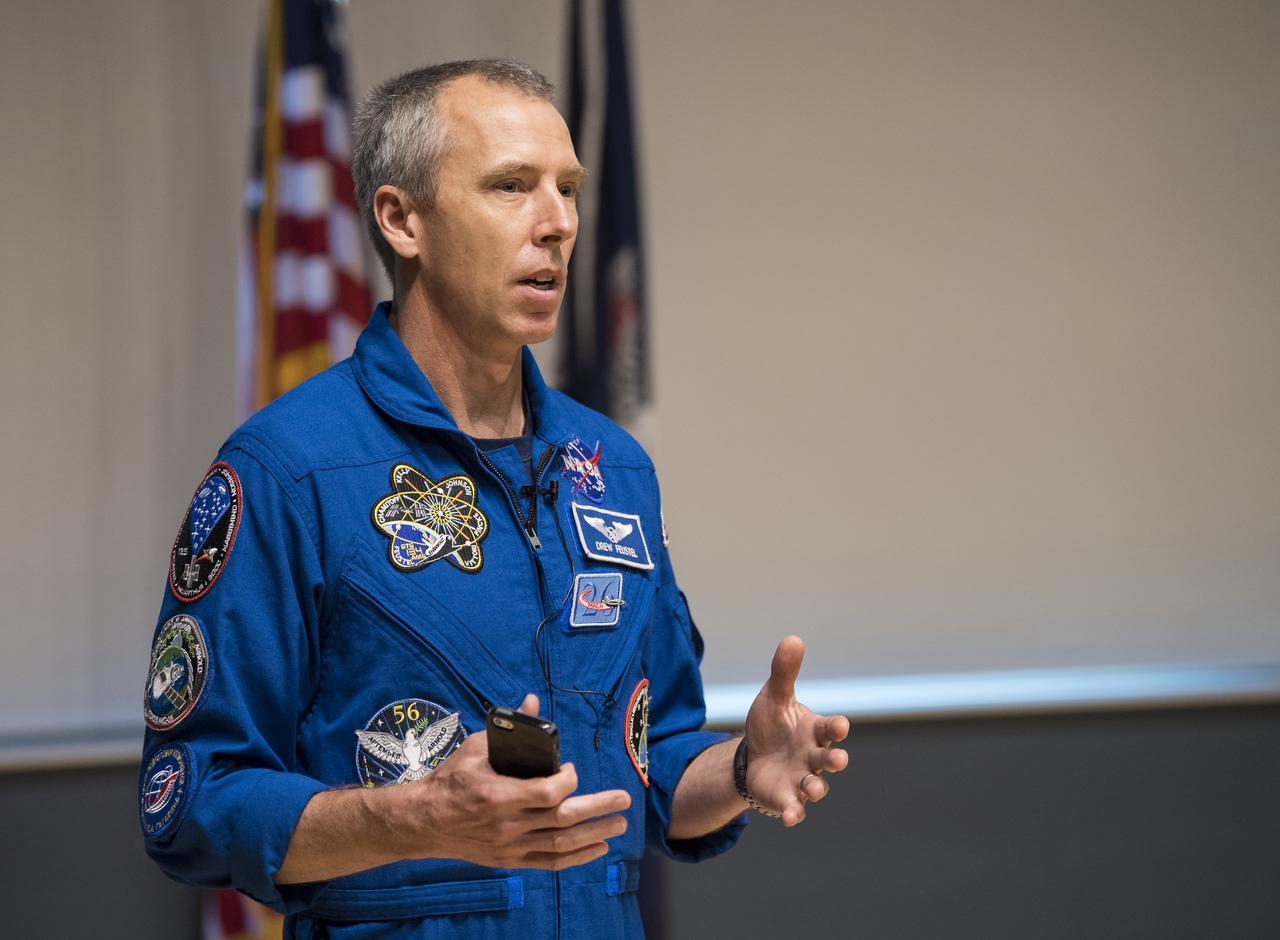
NASA astronaut Drew Feustel speaks about his experience on two shuttle missions, STS-125 and STS-134, as well as Expeditions 55 and 56 on the International Space Station, at Northern Virginia Community College's Alexandria campus, Monday, May 6, 2019 in Virginia. Photo Credit: (NASA/Aubrey Gemignani)
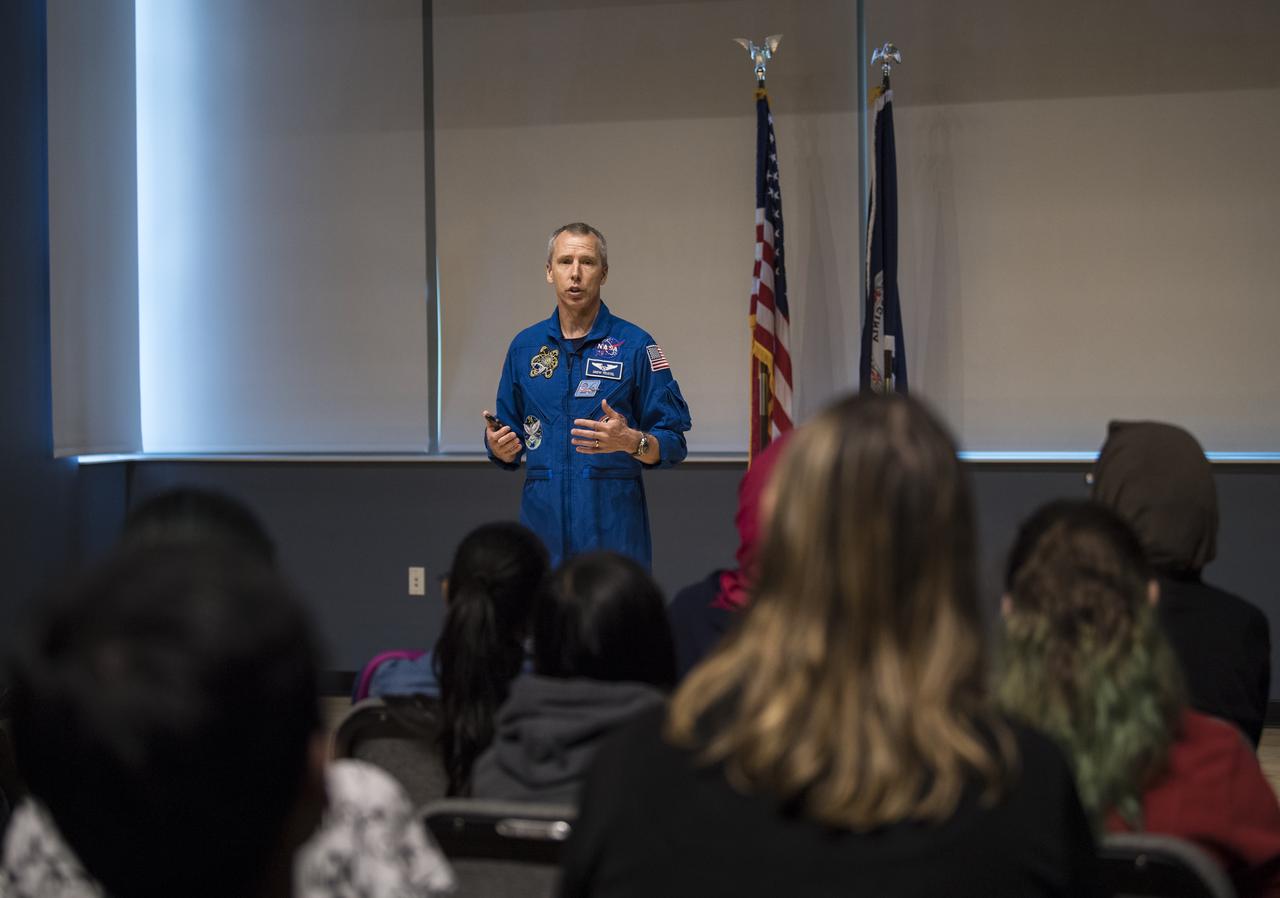
NASA astronaut Drew Feustel speaks about his experience on two shuttle missions, STS-125 and STS-134, as well as Expeditions 55 and 56 on the International Space Station, at Northern Virginia Community College's Alexandria campus, Monday, May 6, 2019 in Virginia. Photo Credit: (NASA/Aubrey Gemignani)
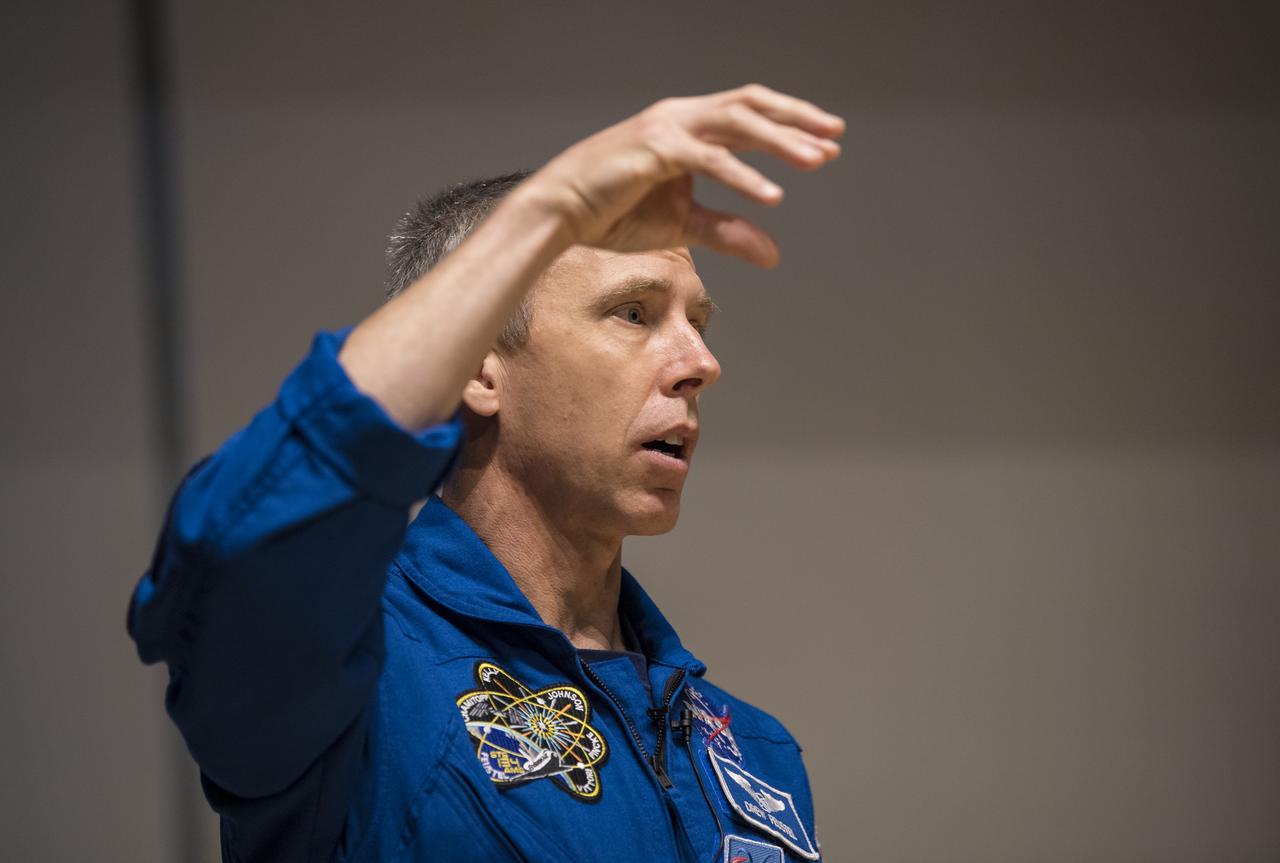
NASA astronaut Drew Feustel speaks about his experience on two shuttle missions, STS-125 and STS-134, as well as Expeditions 55 and 56 on the International Space Station, at Northern Virginia Community College's Alexandria campus, Monday, May 6, 2019 in Virginia. Photo Credit: (NASA/Aubrey Gemignani)
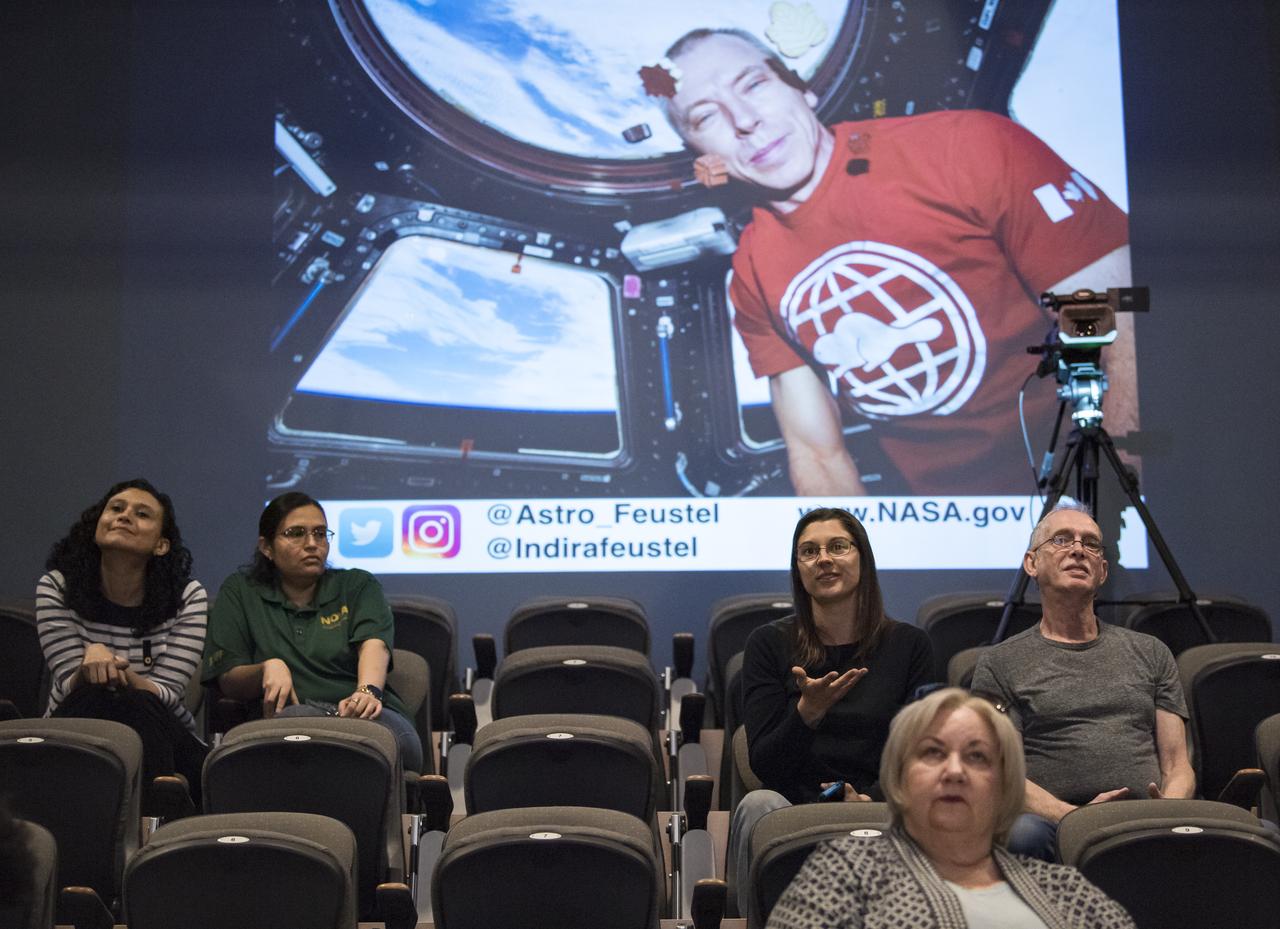
An audience member asks a question after NASA astronaut Drew Feustel gave a presentation about his experience on two shuttle missions, STS-125 and STS-134, as well as Expeditions 55 and 56 on the International Space Station, at Northern Virginia Community College's Alexandria campus, Monday, May 6, 2019 in Virginia. Photo Credit: (NASA/Aubrey Gemignani)
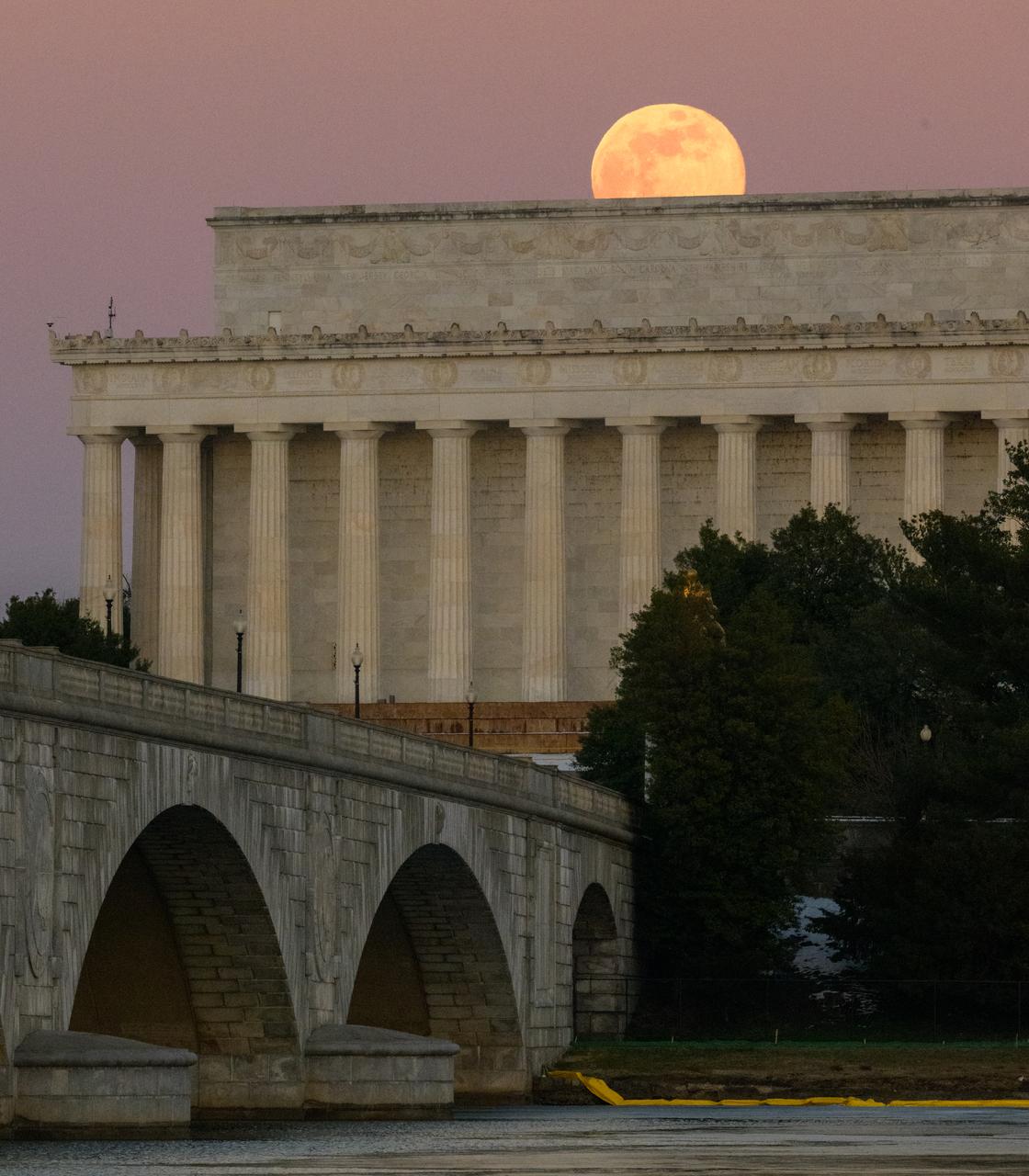
The full Moon, also known in January as the Wolf Moon, rises above the Lincoln Memorial and the Memorial Bridge, Monday, Jan. 13, 2025, as seen from Arlington, Virginia. Photo Credit: (NASA/Bill Ingalls)
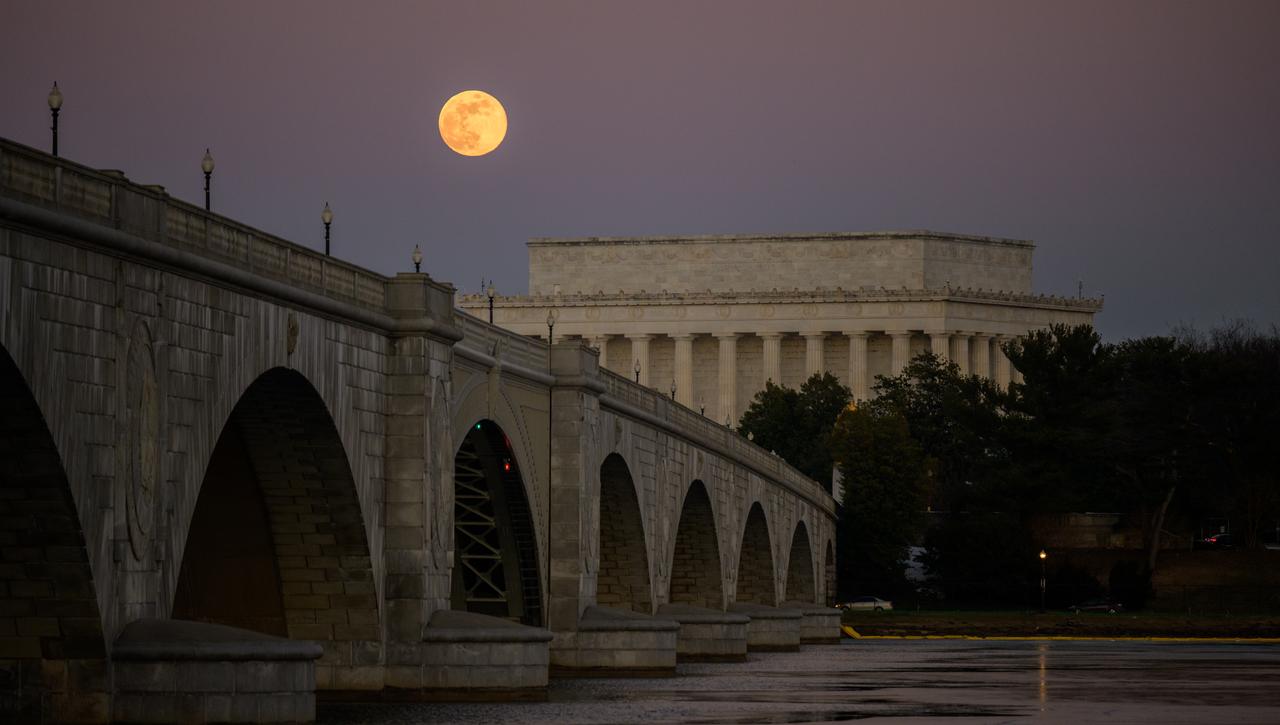
The full Moon, also known in January as the Wolf Moon, rises above the Lincoln Memorial and the Memorial Bridge, Monday, Jan. 13, 2025, as seen from Arlington, Virginia. Photo Credit: (NASA/Bill Ingalls)
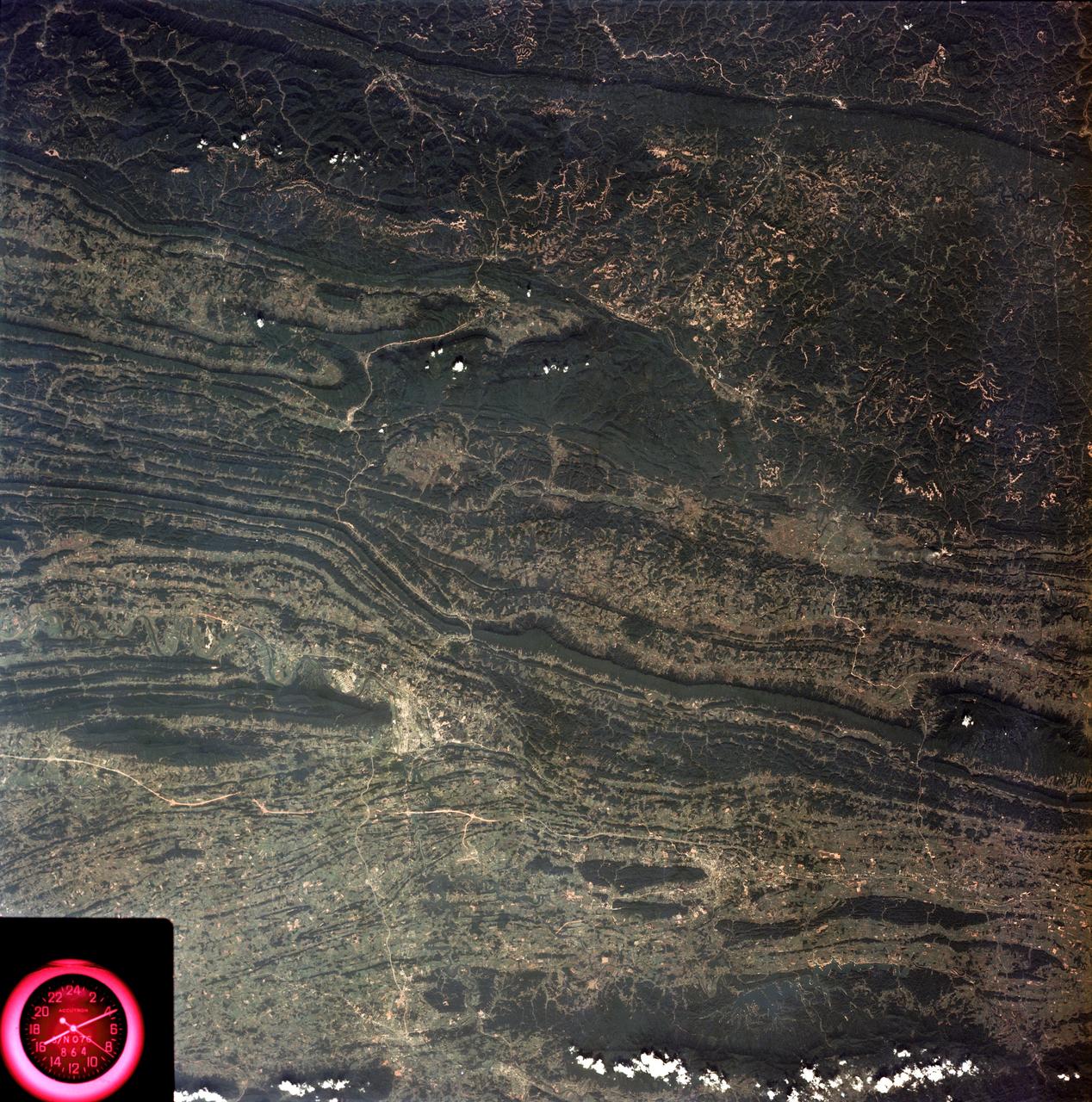
SL3-88-053 (July-September 1973) --- A near vertical view of the Tennessee-Virginia-Kentucky border area is seen in this Skylab 3 Earth Resources Experiments Package S190-B (five-inch Earth terrain camera) photograph taken from the Skylab space station in Earth orbit. The clock is in the most southerly corner of the picture. Interstate 81 under construction extends northeast-southwest across the bottom portion of the photograph. The larger urban area nearest the center of the picture is Kingsport, Tennessee. On the southern side of I-80 and east of Kingsport is the city of Bristol, Tennessee-Virginia. Johnson City, Tennessee is the urban area near the edge of the picture southeast of Kingsport. The Holston River, a tributary of the Tennessee River, meanders through the Kingsport area. The characteristic ridge and valley features in the Cumberland Plateau of Kentucky, Tennessee and Virginia are clearly visible. Forests (dark green) occur on the ridges and clearly outline the folded and faulted rock formations. The valleys (light) were formed in the softer rocks as a result of erosion. Agricultural areas are indicated by the characteristic rectangular patterns. Coal production is an important industry of this area; and it is mined by surface open pit operations. The irregular light areas in the Kentucky-Virginia border area are the strip mines which follow the contour of the land. Reclamation of the strip mine areas is aided through accurate knowledge of the mine and drainage systems. Dr. Ronald Brooks of the Wolf Research and Development Corporation can use this photograph in study of strip mine areas in the east central U.S. Federal agencies participating with NASA on the EREP project are the Departments of Agriculture, Commerce, Interior, the Environmental Protection Agency and the Corps of Engineers. All EREP photography is available to the public through the Department of Interior’s Earth Resources Observations Systems Data Center, Sioux Falls, South Dakota, 57198. Photo credit: NASA
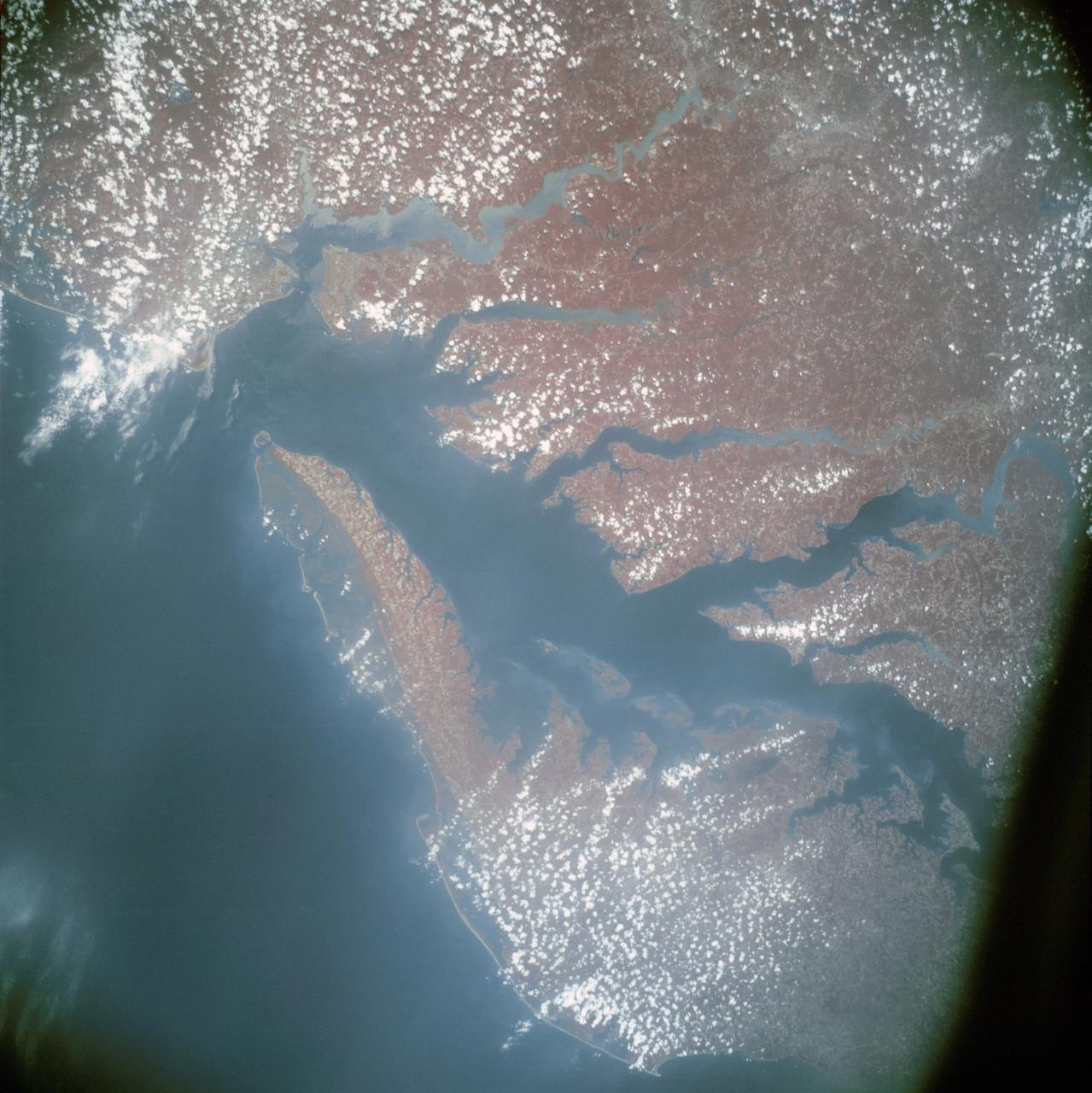
AST-13-797 (24 July 1975) --- An infrared, near vertical view of the Chesapeake Bay area showing portions of Virginia, Maryland and Delaware, as photographed from the Apollo spacecraft in Earth orbit during the joint U.S.-USSR Apollo-Soyuz Test Project mission. Richmond and Norfolk can be seen in this picture. Tidewater Virginia covers much of this view. The photograph was taken at an altitude of 217 kilometers (135 statute miles) with a 70mm Hasselblad camera using infrared Aerochrome type 2443 Ektachrome film.
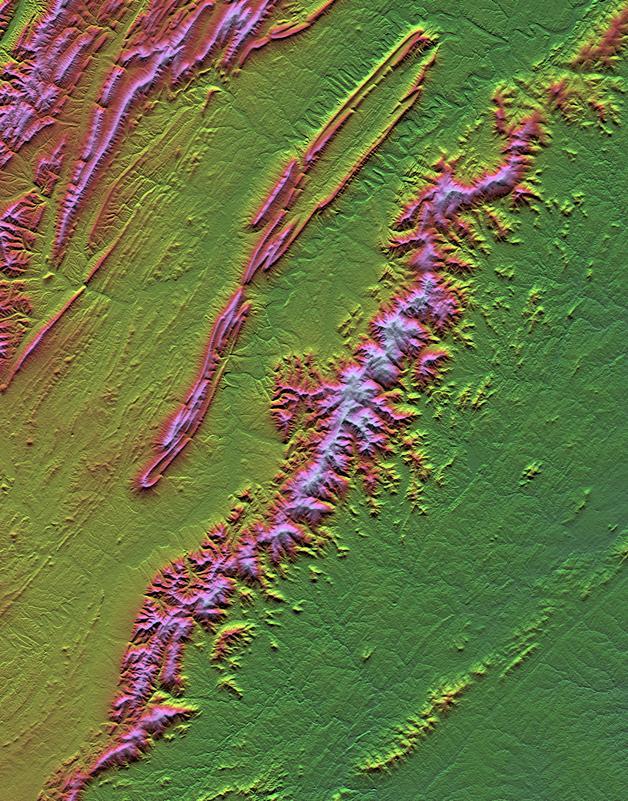
Shenandoah National Park lies astride part of the Blue Ridge Mountains, which form the southeastern range of the greater Appalachian Mountains in Virginia.
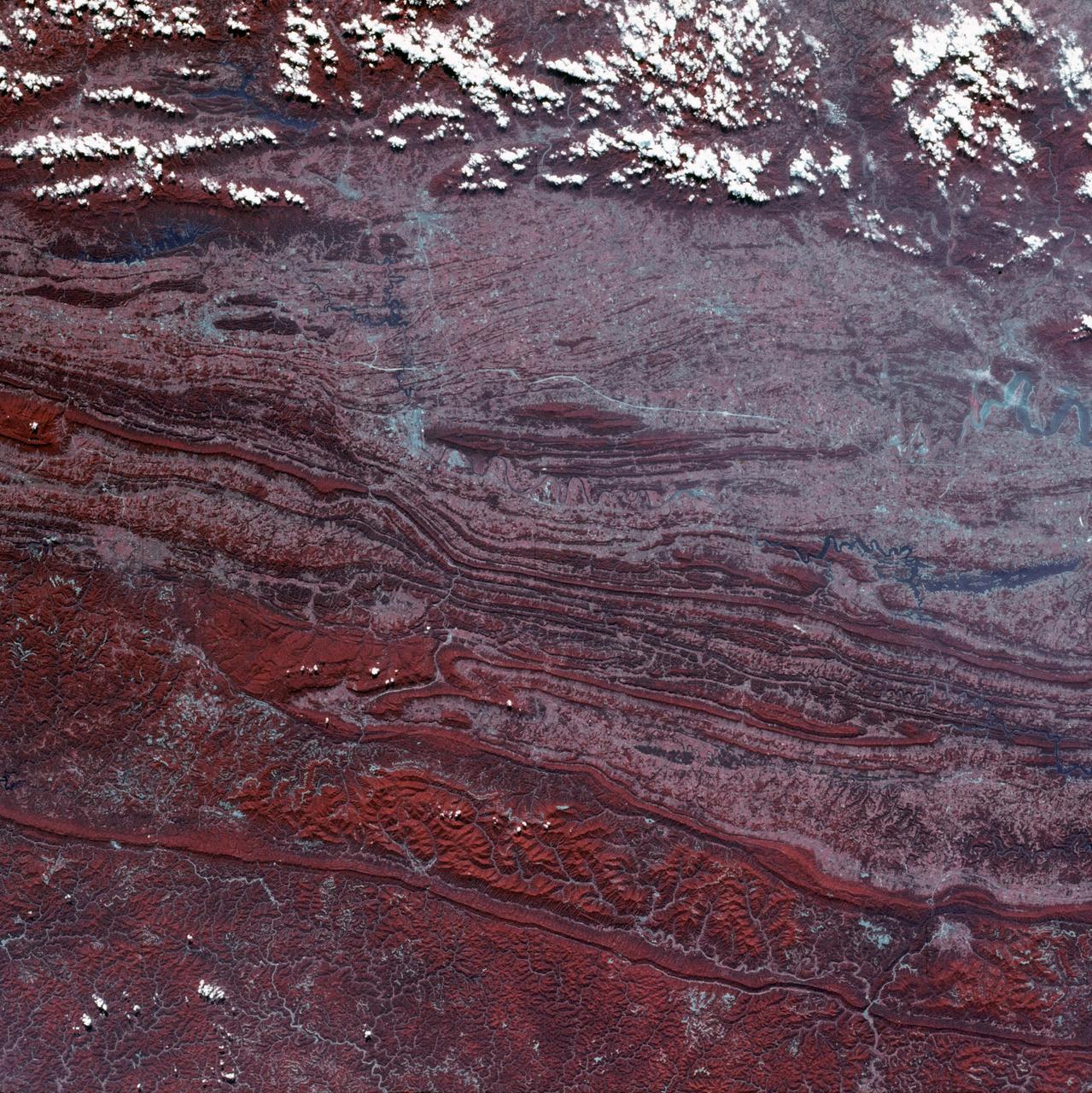
SL3-45-020 (July-September 1973) --- A vertical view of the Virginia-Tennessee-Kentucky border area as photographed from Earth orbit by one of the six lenses of the Itek-furnished S190-A Multispectral Photographic Facility Experiment aboard the Skylab space station. This picture was taken with type 2443 infrared color film. The S190-A experiment is part of the Skylab Earth Resources Experiments Package. The long, narrow ridge is Pine Mountain; and it is crossed by U.S. 25E at Pineville near its southernmost end. Some 25 miles south of Pineville U.S. 25E passes through the famed Cumberland Gap which at 1,600 feet elevation crosses Cumberland Mountain. Kingsport, Tennessee is located east of Cumberland Gap near the center of the picture. Bristol, Tennessee-Virginia is further east. Greenville and Elizabethton, Tennessee can also be seen in this photograph. The clouds across the southeast edge of the picture are over the Blue Ridge Mountains. Federal agencies participating with NASA on the EREP project are the Departments of Agriculture, Commerce, Interior, the Environmental Protection Agency and the Corps of Engineers. All EREP photography is available to the public through the Department of Interior?s Earth Resources Observations Systems Data Center, Sioux Falls, 57198. Photo credit: NASA
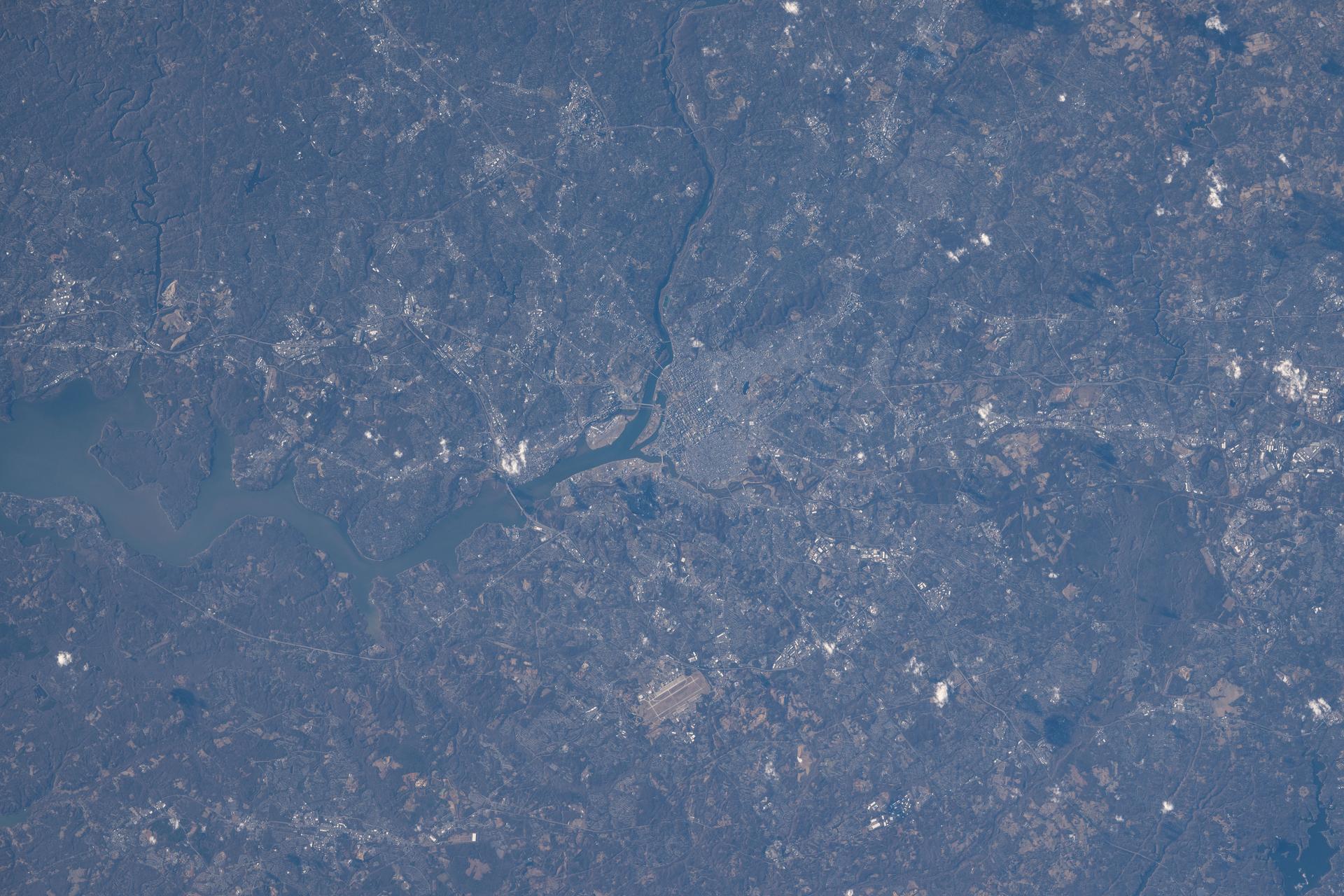
iss074e0150475 (Jan. 19, 2026) --- Washington, D.C., located across the Potomac River from Arlington, Virginia, is the capital of the United States and home to over 700,000 residents. The metropolitan area, which includes portions of Maryland, Virginia, and West Virginia, has approximately 6.3 million residents. The International Space Station was orbiting 259 miles above Earth when this photograph was taken.
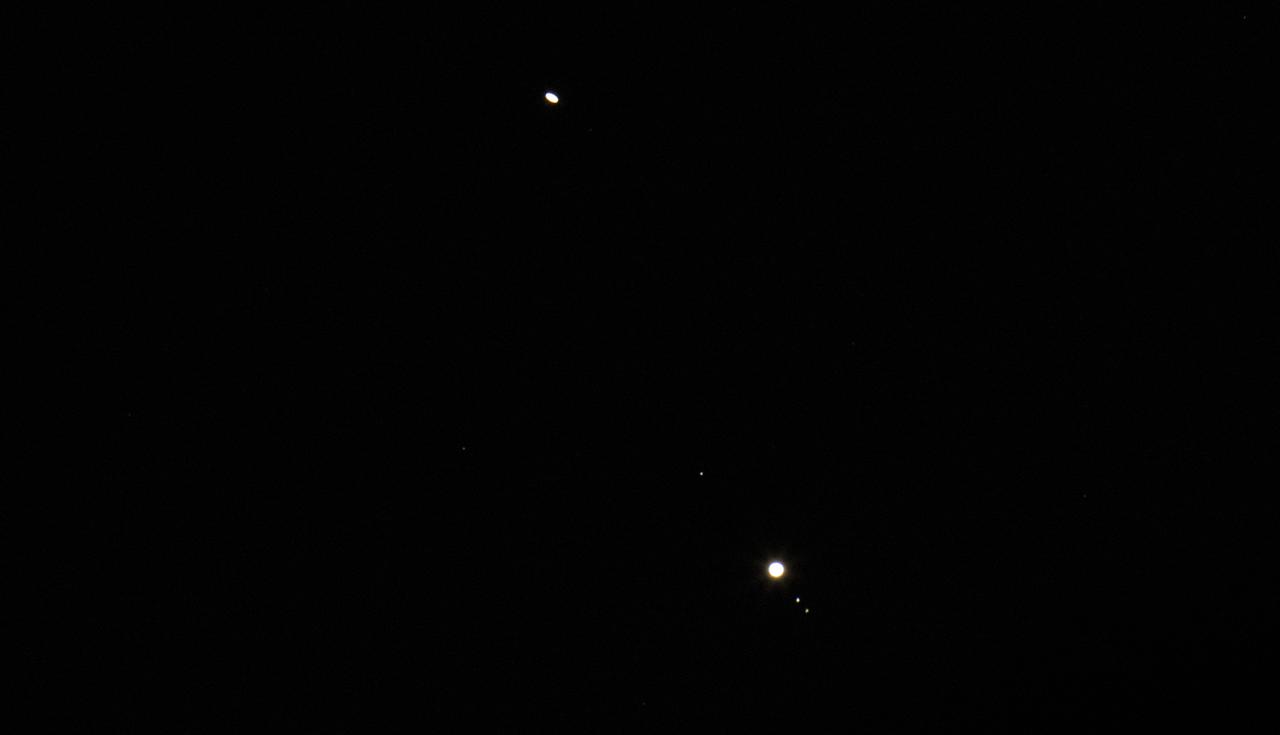
Saturn, top, and Jupiter, bottom, are seen after sunset from Alexandria, Va., Thursday, Dec. 17, 2020. The two planets are drawing closer to each other in the sky as they head towards a “great conjunction” on December 21, where the two giant planets will appear a tenth of a degree apart. Photo Credit: (NASA/Joel Kowsky)
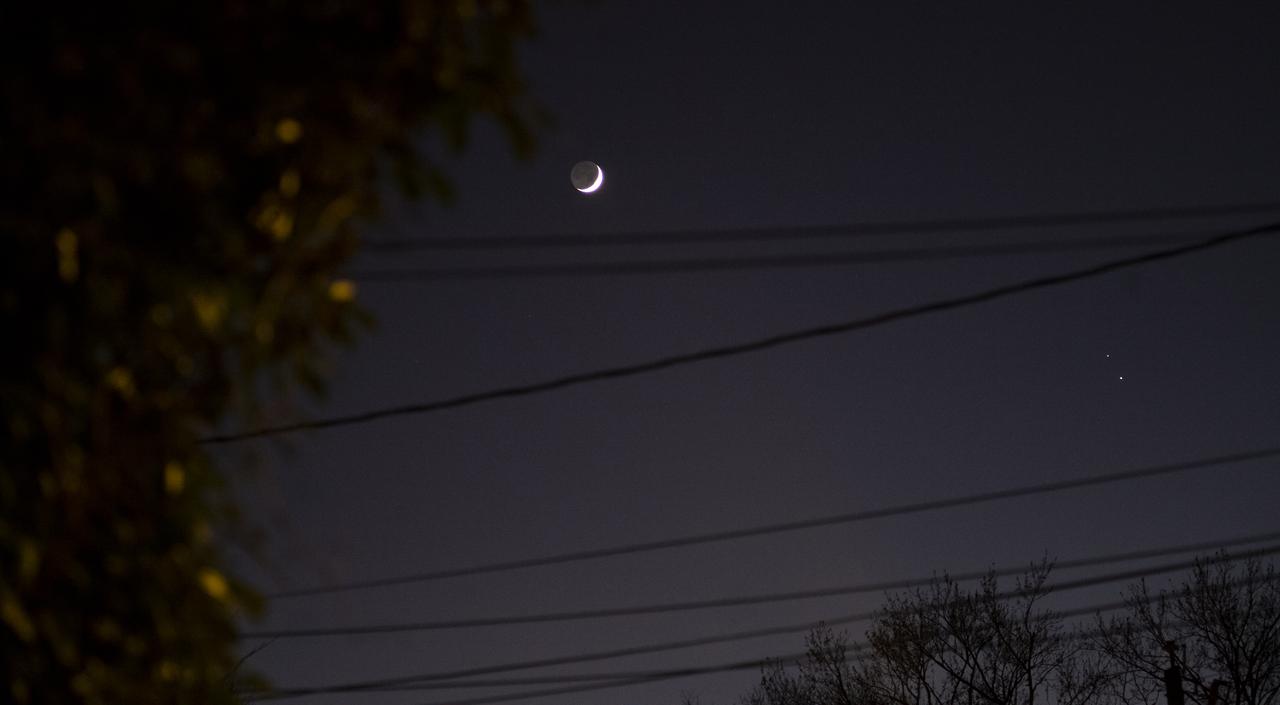
The Moon, left, Saturn, upper right, and Jupiter, lower right, are seen after sunset from Alexandria, Va., Thursday, Dec. 17, 2020. The two planets are drawing closer to each other in the sky as they head towards a “great conjunction” on December 21, where the two giant planets will appear a tenth of a degree apart. Photo Credit: (NASA/Joel Kowsky)

Saturn, top, and Jupiter, bottom, are seen after sunset from Alexandria, Va., Thursday, Dec. 17, 2020. The two planets are drawing closer to each other in the sky as they head towards a “great conjunction” on December 21, where the two giant planets will appear a tenth of a degree apart. Photo Credit: (NASA/Joel Kowsky)

“My background and experience have been unique. I didn't grow up in space. I didn't grow up in a family of people who watched the Moon landing. I came to discover space at a much later age. That and the fact that I come from the cultural background I come from (being born and raised in Puerto Rico), has always made me question some of the assumptions about why we do what we do in space and how we go about it. “In my experience and in my career that has proven effective because people want the challenge, and they want to engage everyone and make sure that the best of the best are participating. I have found myself in settings where my point of view has been valued because I was asking some of the questions that some folks took for granted. “I think it’s also that I came at a good time when we are having these important discussions about diversity and inclusion, and people do want these different kinds of views. Space is so international now that this diversity is such an important aspect of it too. Even as an adult starting to learn about these topics, it was natural for me to be having these discussions with other colleagues from Latin America and South Africa and Australia. It’s a key feature of my own experience but also, I think, the time that we’re living right now, which is really exciting.” Laura M. Delgado López, Policy Analyst for NASA’s Science Mission Directorate, poses for a portrait on Monday, Sept. 21, 2020 in Virginia. Photo Credit: (NASA/Joel Kowsky)
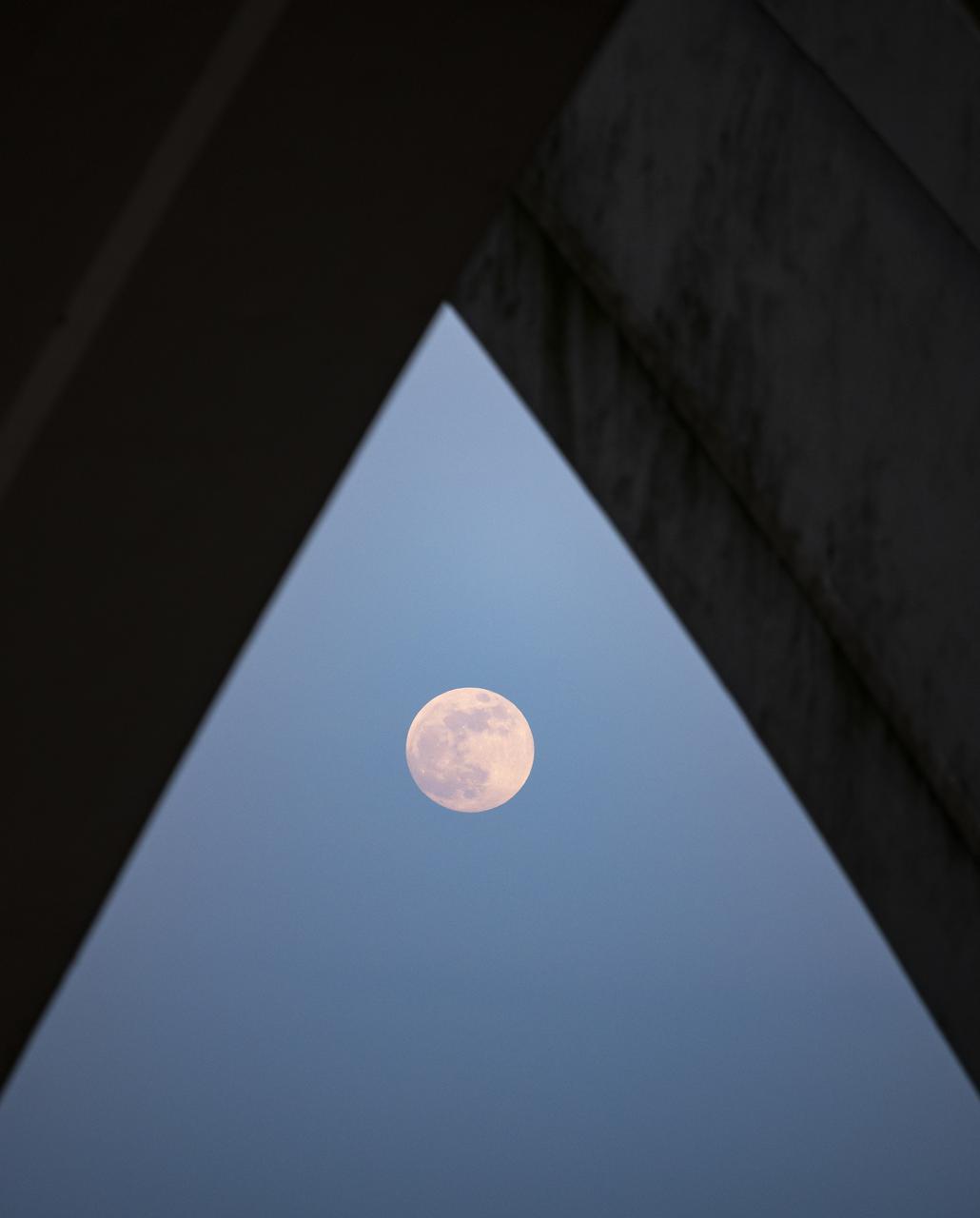
Moonrise, Tuesday, May 25, 2021, as seen from under the Woodrow Wilson Memorial Bridge in Alexandria, Virginia. Photo Credit: (NASA/Bill Ingalls)
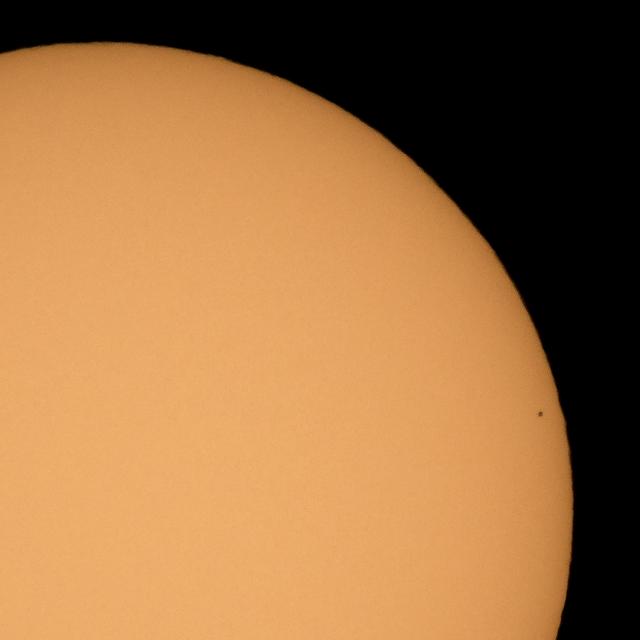
The planet Mercury is seen in silhouette as it nearly completes transiting across the face of the Sun, Monday, Nov. 11, 2019, in Arlington, Virginia. Mercury’s last transit was in 2016. the next won't happen again until 2032. Photo Credit: (NASA/Bill Ingalls)
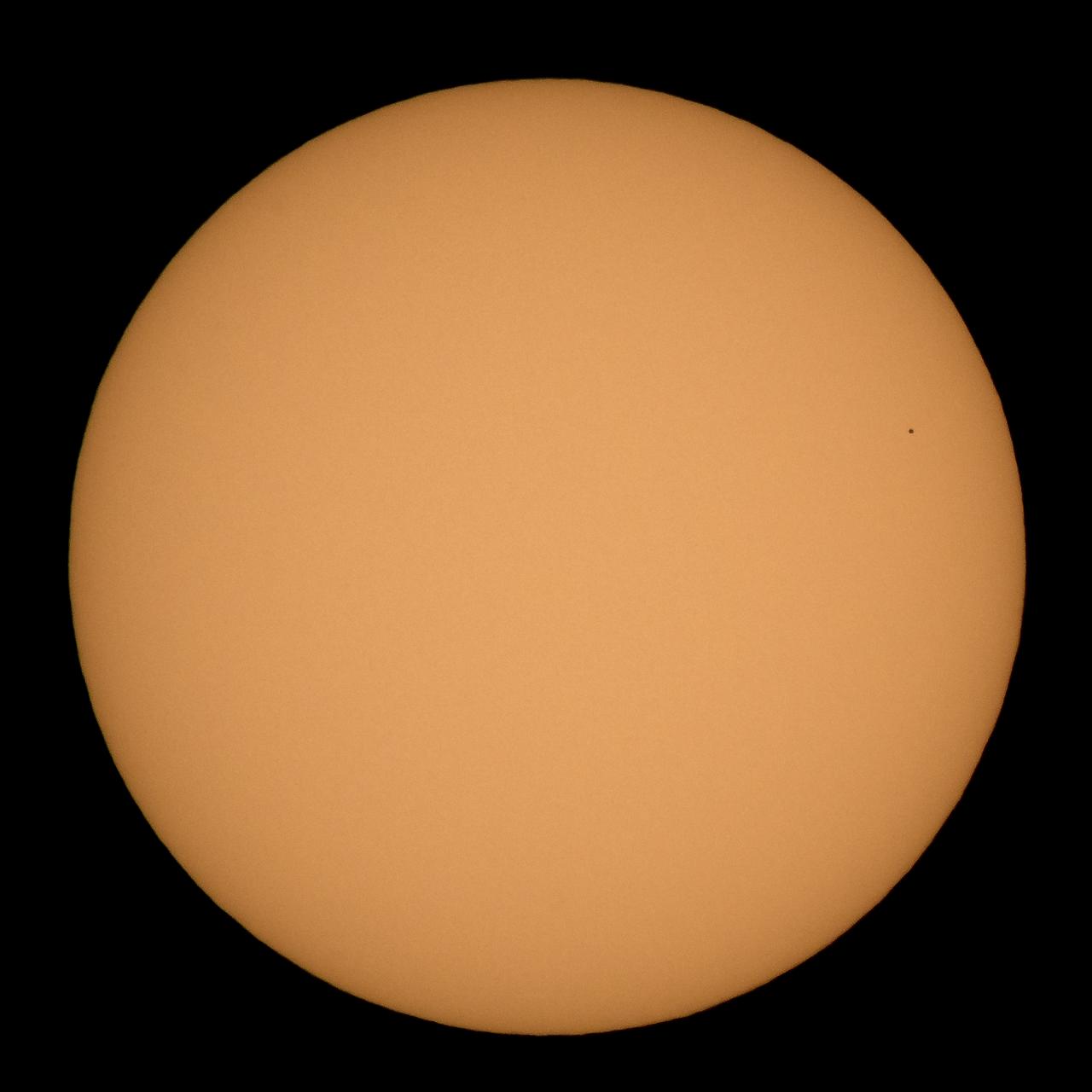
The planet Mercury is seen in silhouette as it nearly completes transiting across the face of the Sun, Monday, Nov. 11, 2019, in Arlington, Virginia. Mercury’s last transit was in 2016. the next won't happen again until 2032. Photo Credit: (NASA/Bill Ingalls)
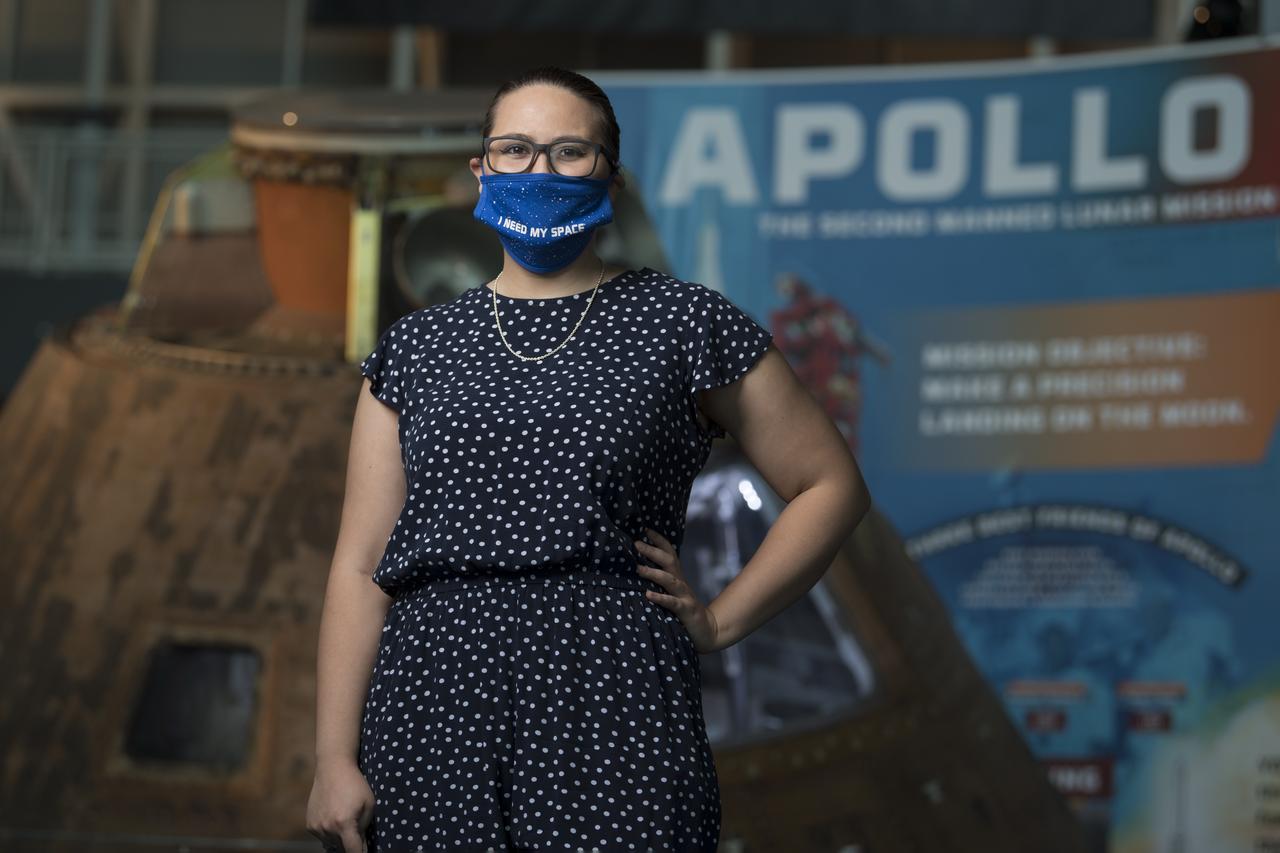
Portrait of Casey Denham in front of the Apollo 12 Command Module "Yankee Clipper" display at the Virginia Air and Space Center in Hampton, Virginia. Due to the COVID-19 pandemic, masks were mandated by Governor Northam in Virginia in public settings. This was for the faces of NASA project. "Now my whole family likes to brag that they have a rocket scientist daughter who works at NASA.” — Casey Denham, Pathways Intern, Langley Research Center
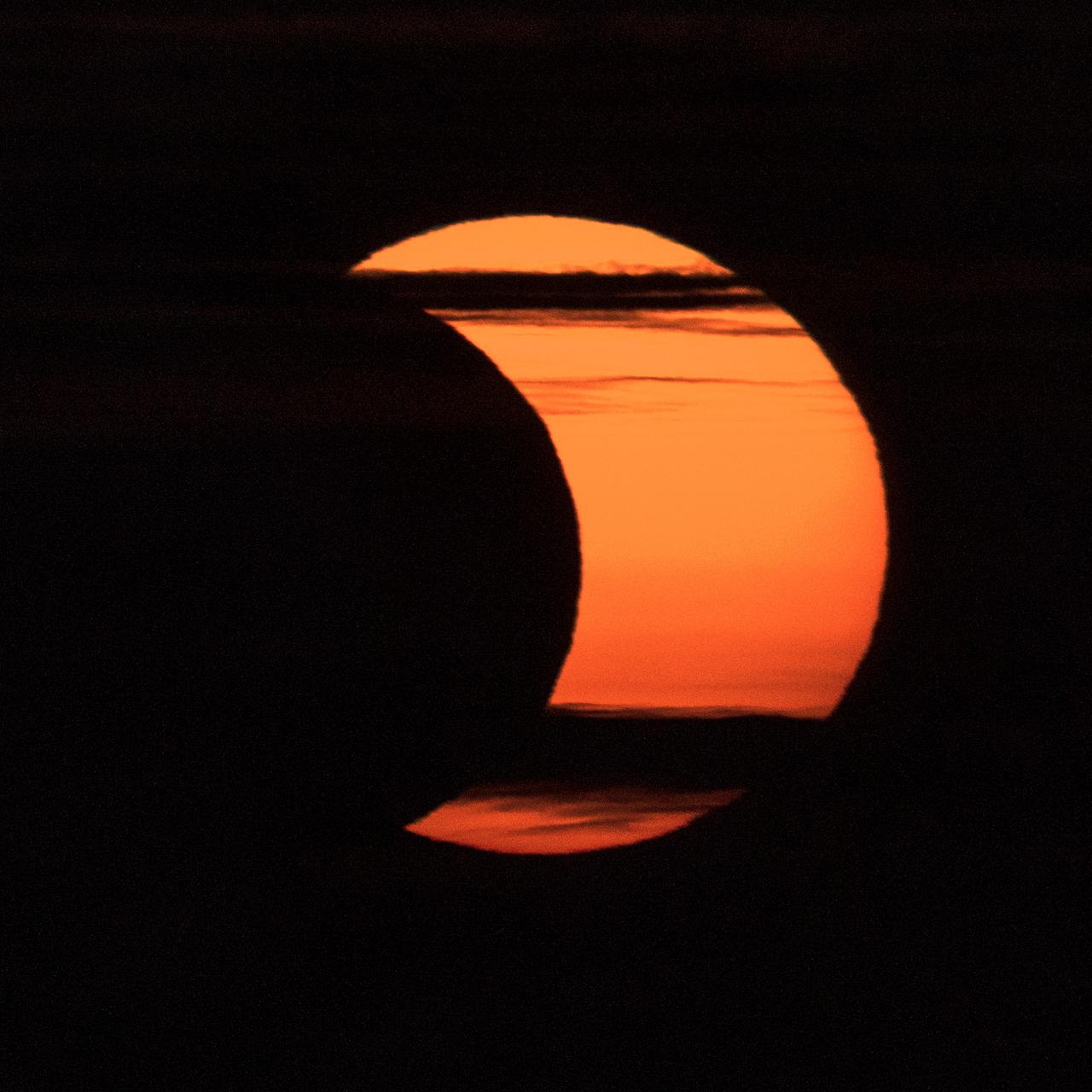
A partial solar eclipse is seen from Arlington, Virginia, Thursday, June 10, 2021. The annular or “ring of fire” solar eclipse is only visible to some people in Greenland, Northern Russia, and Canada. Photo Credit: (NASA/Bill Ingalls)

In this 30 second exposure, a meteor streaks across the sky during the annual Perseid meteor shower, Wednesday, Aug. 11, 2021, in Spruce Knob, West Virginia. Photo Credit: (NASA/Bill Ingalls)

In this 30 second exposure, a meteor streaks across the sky during the annual Perseid meteor shower, Tuesday, Aug. 10, 2021, in Spruce Knob, West Virginia. Photo Credit: (NASA/Bill Ingalls)

In this 30 second exposure, a meteor streaks across the sky during the annual Perseid meteor shower, Wednesday, Aug. 11, 2021, in Spruce Knob, West Virginia. Photo Credit: (NASA/Bill Ingalls)

In this 30 second exposure, a meteor streaks across the sky during the annual Perseid meteor shower, Wednesday, Aug. 11, 2021, in Spruce Knob, West Virginia. Photo Credit: (NASA/Bill Ingalls)
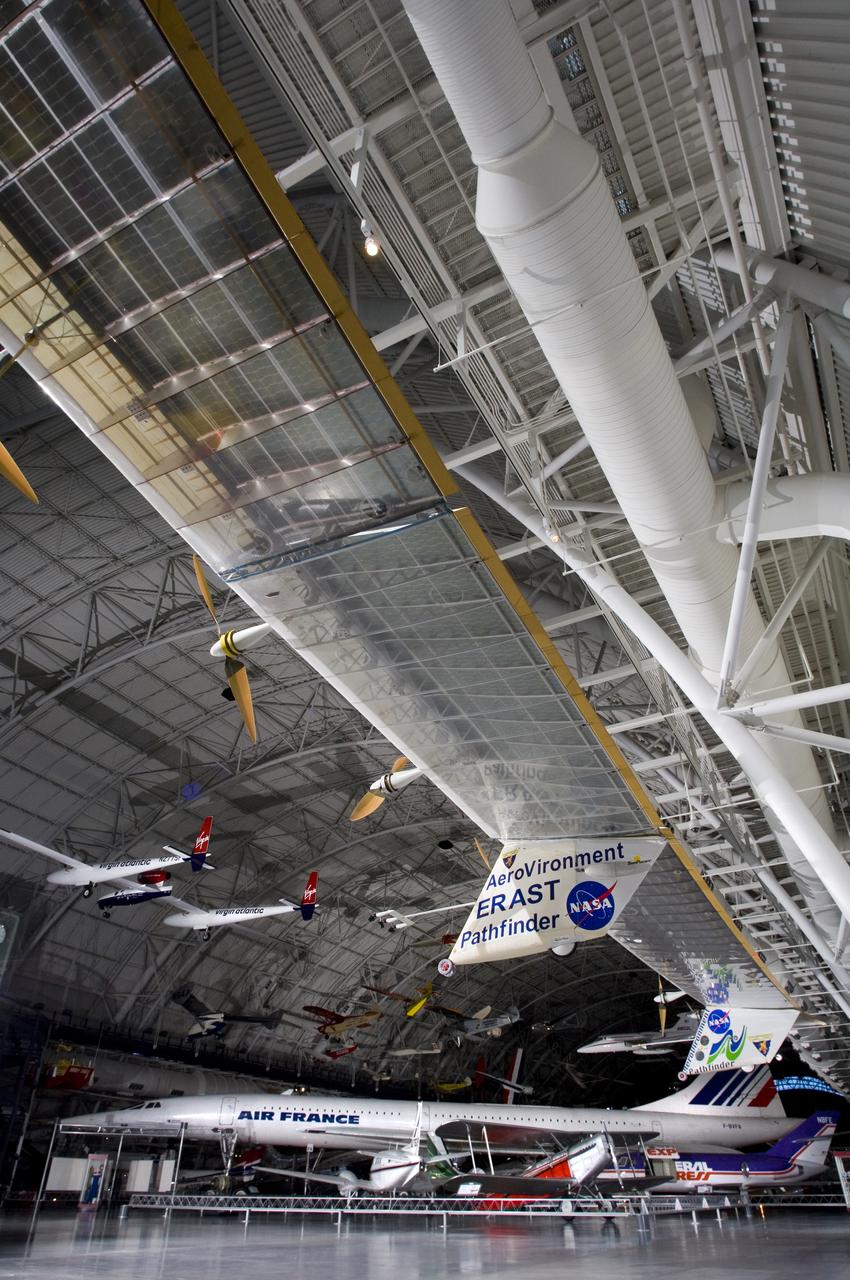
The record-setting AeroVironment/NASA Pathfinder-Plus solar-electric flying wing is enshrined in the National Air & Space Museum's Udvar-Hazy Center in Virginia.
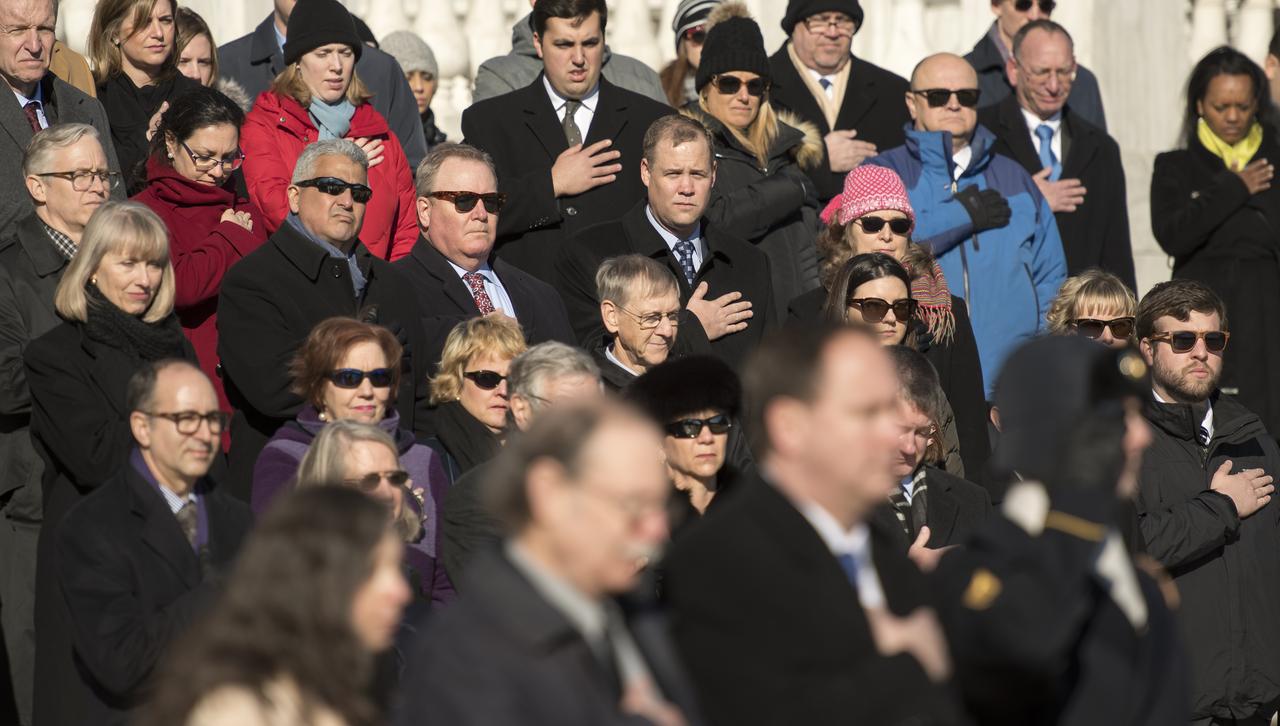
NASA personnel and members of the public watch as a wreath is laid at Tomb of the Unknowns during NASA's Day of Remembrance, Thursday, Jan. 25, 2018, at Arlington National Cemetery in Arlington, Virginia. Wreaths were laid in memory of those men and women who lost their lives in the quest for space exploration. Photo Credit: (NASA/Bill Ingalls)

Taps is played by a member of The Old Guard after acting NASA Administrator Robert Lightfoot, Amy Resnik, sister-in-law, and Chuck Resnik, brother of the late space shuttle Challenger astronaut Judy Resnik laid a wreath at the Tomb of the Unknowns as part of NASA's Day of Remembrance, Thursday, Jan. 25, 2018, at Arlington National Cemetery in Arlington, Virginia. Wreaths were laid in memory of those men and women who lost their lives in the quest for space exploration. Photo Credit: (NASA/Bill Ingalls)
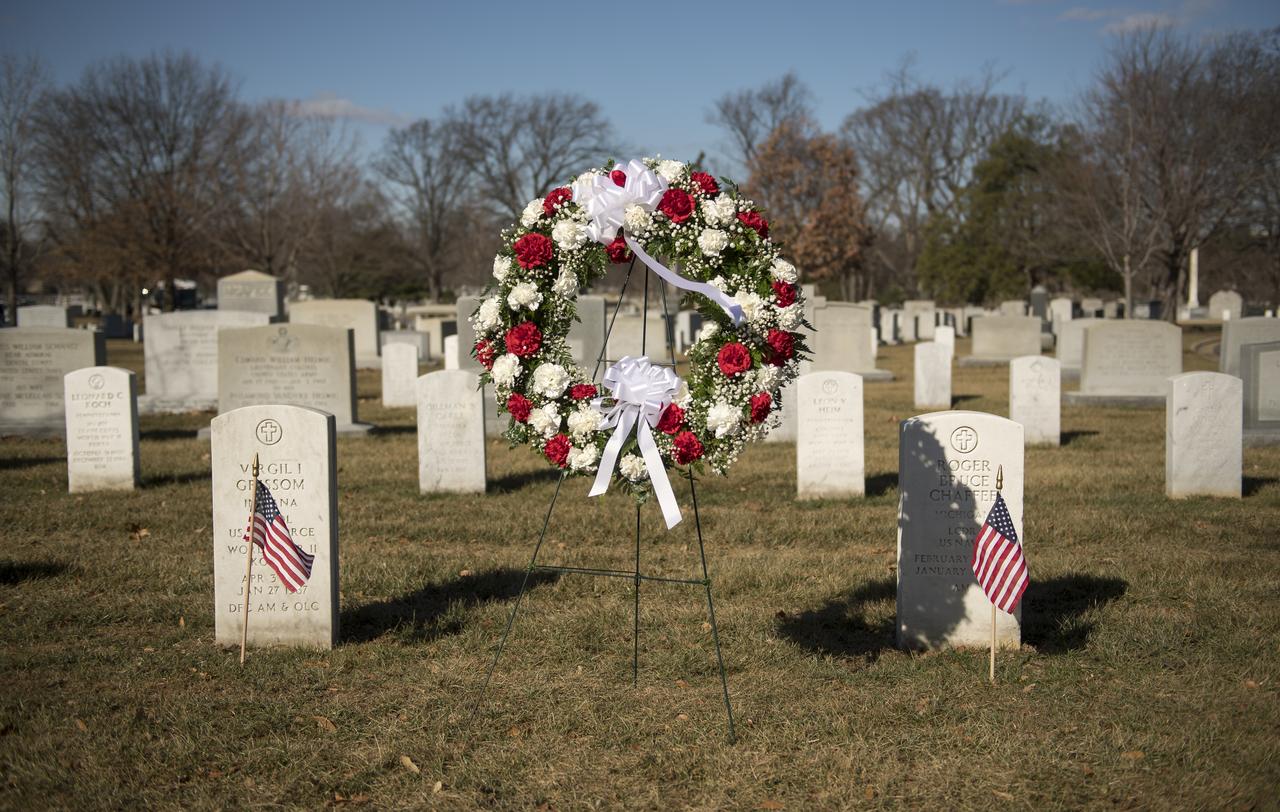
The graves of Apollo 1 crew members, Virgil Grissom, left, and Roger Chaffee are seen during a wreath laying ceremony as part of NASA's Day of Remembrance, Thursday, Jan. 25, 2018, at Arlington National Cemetery in Arlington, Virginia. Wreaths were laid in memory of those men and women who lost their lives in the quest for space exploration. Photo Credit: (NASA/Bill Ingalls)
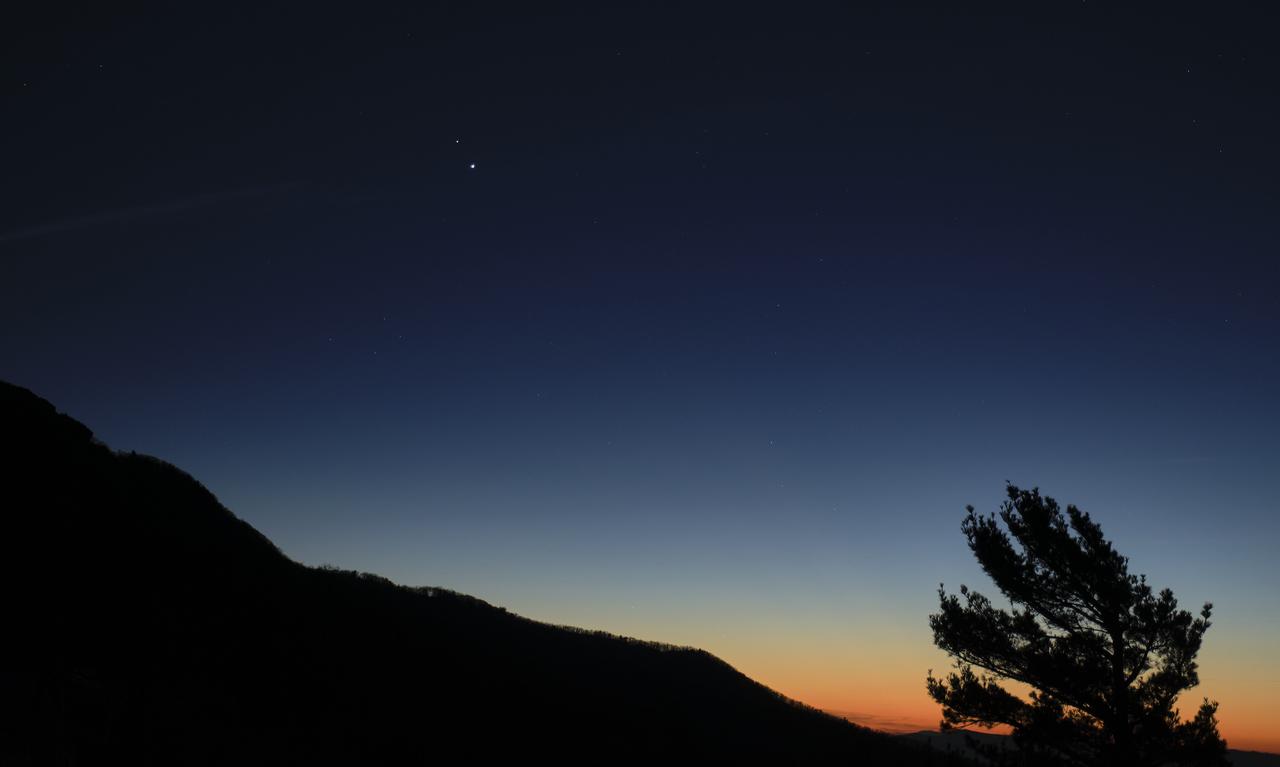
Saturn, top, and Jupiter, below, are seen after sunset from Shenandoah National Park, Sunday, Dec. 13, 2020, in Luray, Virginia. The two planets are drawing closer to each other in the sky as they head towards a “great conjunction” on December 21, where the two giant planets will appear a tenth of a degree apart. Photo Credit: (NASA/Bill Ingalls)
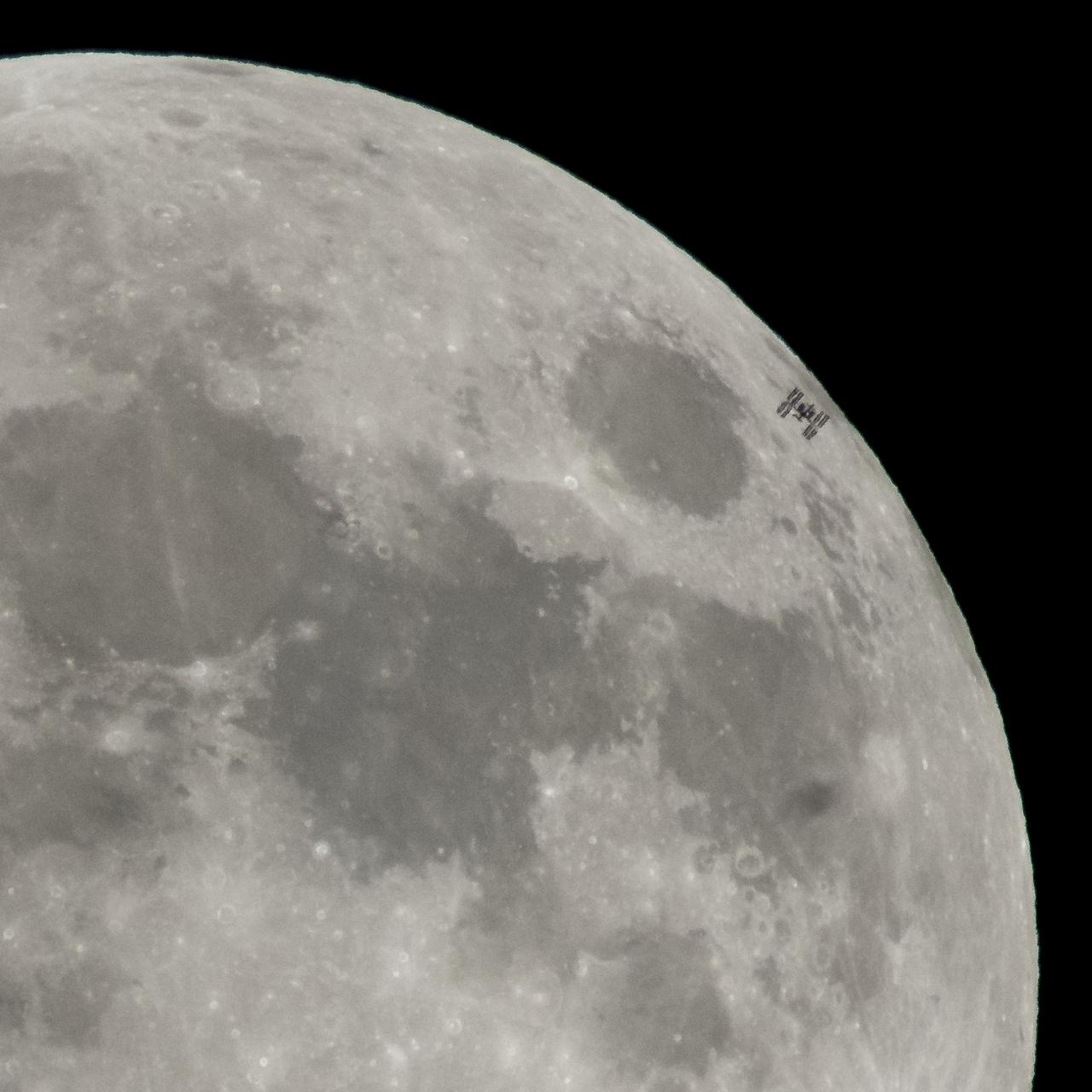
The International Space Station, with a crew of six onboard, is seen in silhouette as it transits the moon at roughly five miles per second Tuesday, Jan. 30, 2018, Alexandria, Virginia. Onboard are; NASA astronauts Joe Acaba, Mark Vande Hei, and Scott Tingle: Russian Cosmonauts Alexander Misurkin and Anton Shkaplerov, and Japanese astronaut Norishige Kanai. Photo Credit: (NASA/Bill Ingalls)
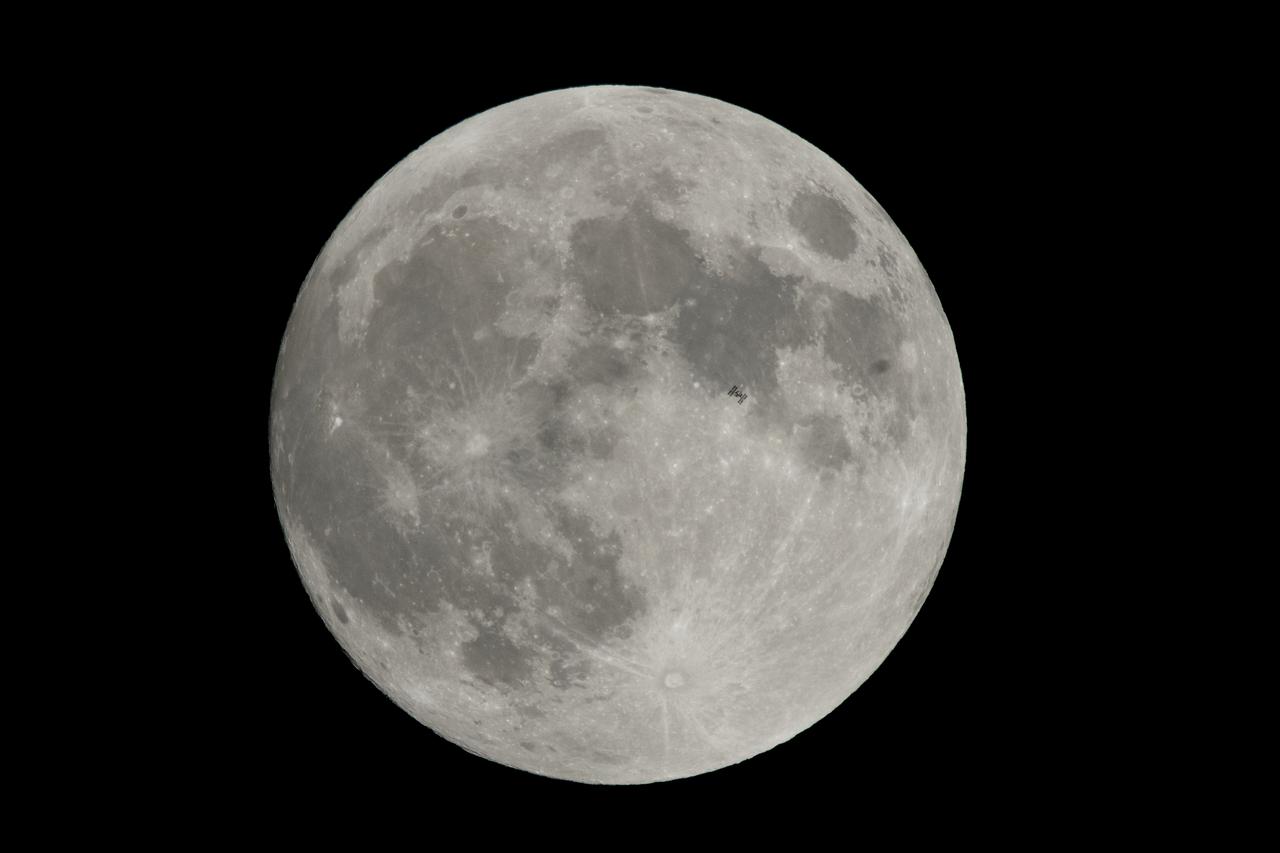
The International Space Station, with a crew of six onboard, is seen in silhouette as it transits the moon at roughly five miles per second Tuesday, Jan. 30, 2018, Alexandria, Virginia. Onboard are; NASA astronauts Joe Acaba, Mark Vande Hei, and Scott Tingle: Russian Cosmonauts Alexander Misurkin and Anton Shkaplerov, and Japanese astronaut Norishige Kanai. Photo Credit: (NASA/Bill Ingalls)
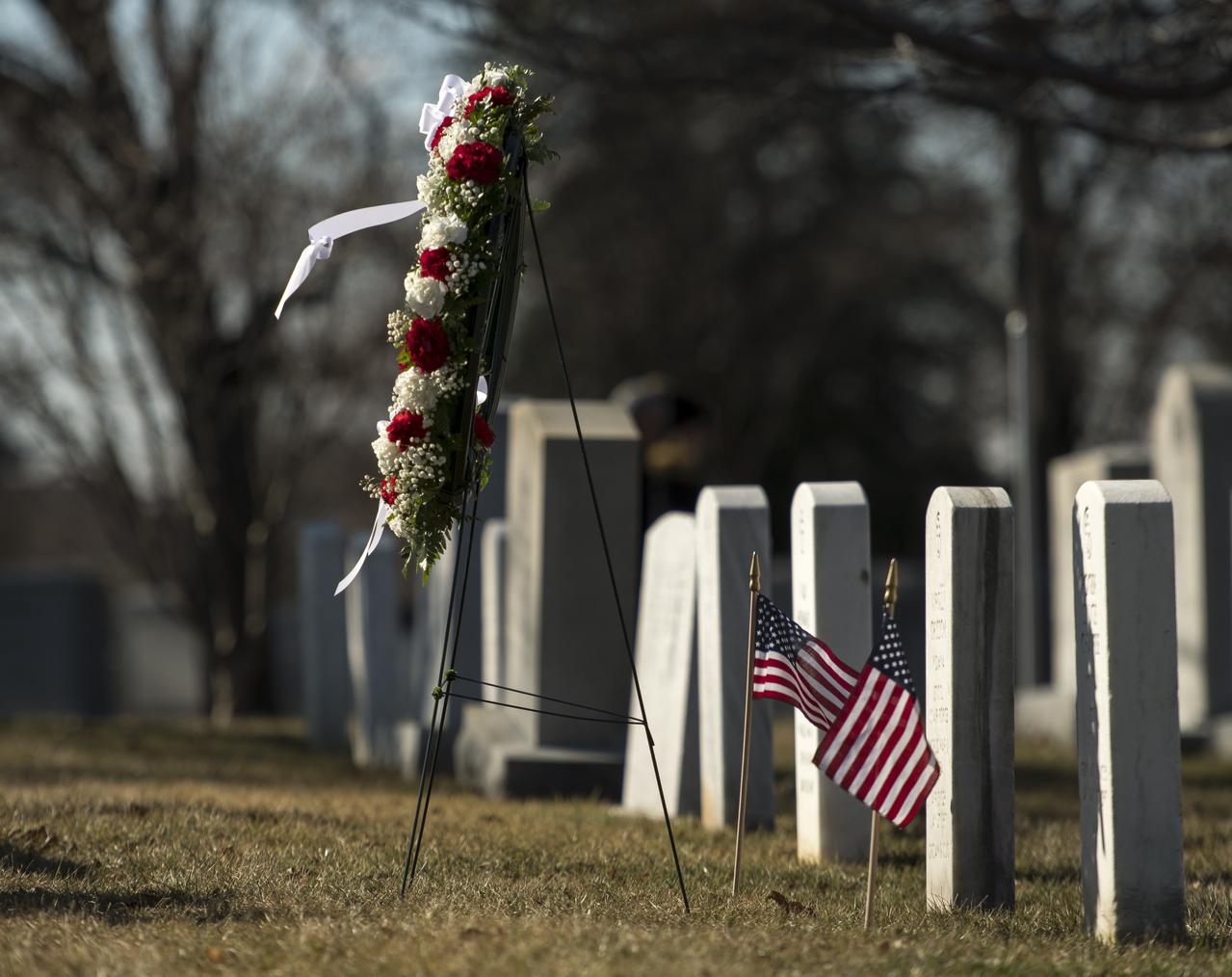
The graves of Apollo 1 crew members, Virgil Grissom and Roger Chaffee are seen during a wreath laying ceremony as part of NASA's Day of Remembrance, Thursday, Jan. 25, 2018, at Arlington National Cemetery in Arlington, Virginia. Wreaths were laid in memory of those men and women who lost their lives in the quest for space exploration. Photo Credit: (NASA/Bill Ingalls)
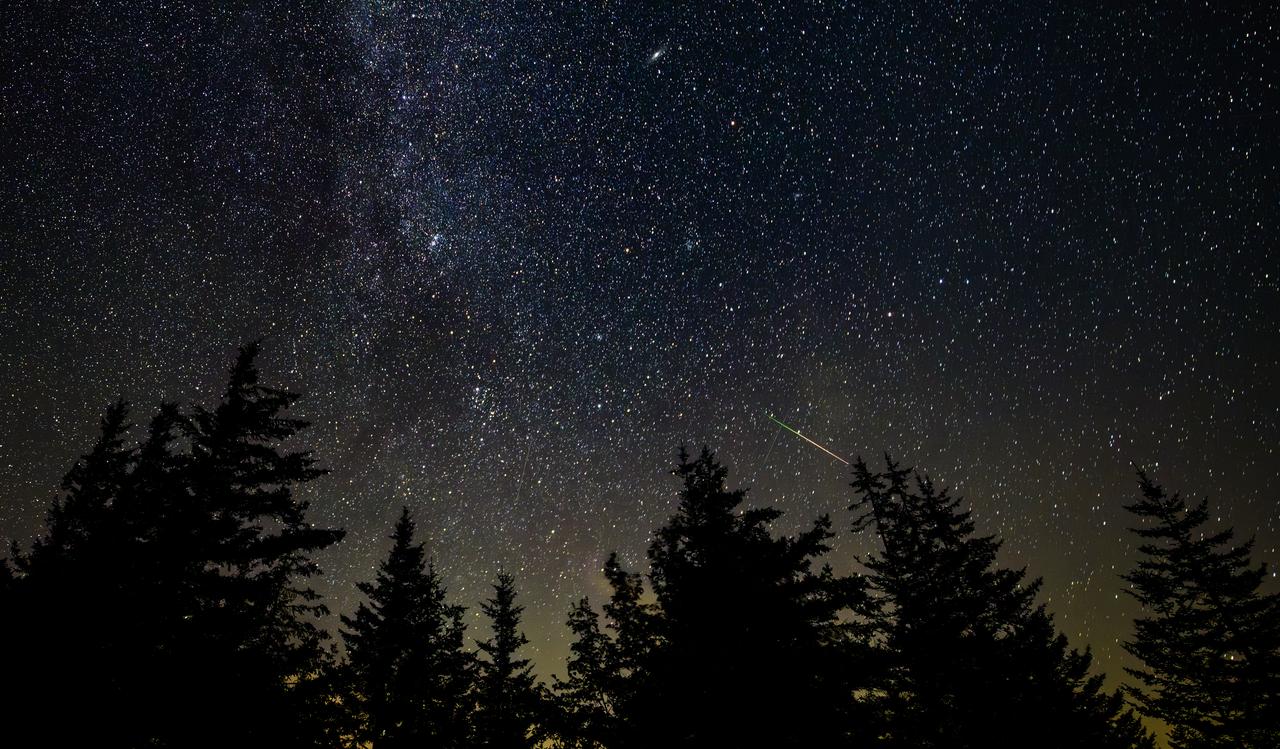
In this 30 second exposure photograph, a meteor streaks across the sky during the annual Perseid and Alpha Capricornids meteor showers, Sunday, Aug. 3, 2025, in Spruce Knob, West Virginia. Photo Credit: (NASA/Bill Ingalls)
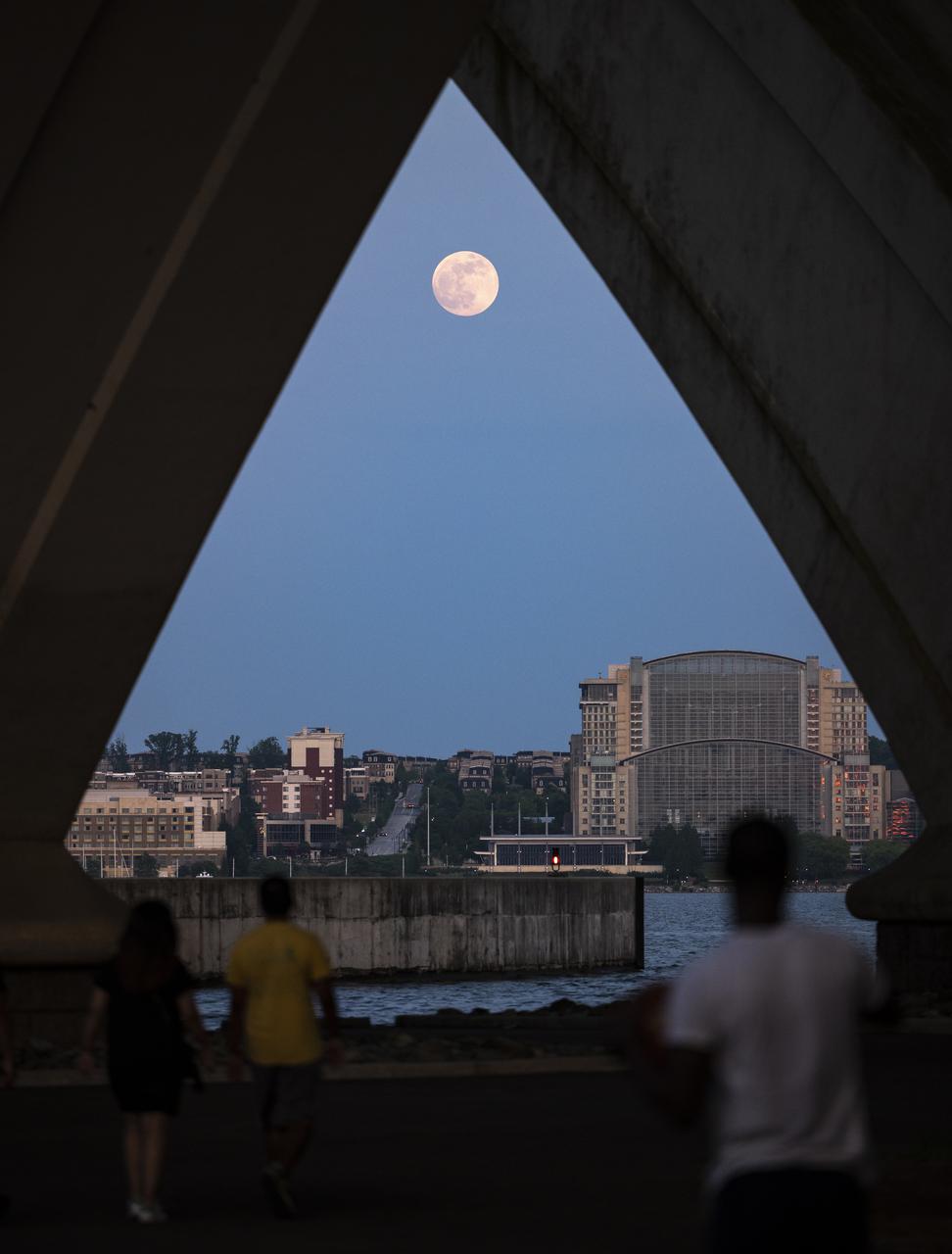
A nearly full moon rises over National Harbor in Fort Washington, Maryland, Tuesday, May 25, 2021, as seen from Alexandria, Virginia. Photo Credit: (NASA/Bill Ingalls)

As the size of a satellite is scaled down to the form factor of a CubeSat, the hardware must scale down as well. Unfortunately, the software inside does not follow the same trend. Simulation-to-Flight 1 (STF-1) aims to solve this problem by providing a simulation of the CubeSat that can be used for developing and testing the software on any laptop or desktop computer. Additionally, STF-1 hosts payloads that aim to increase the accuracy of navigation for CubeSats, monitor Space Weather over the North and South Poles, and test the durability of new materials used for Light Emitting Diodes (LEDs). The first spacecraft built in the state of West Virginia, STF-1, is a collaborative effort between the NASA Independent Verification and Validation Program, West Virginia University, and West Virginia small businesses.

As the size of a satellite is scaled down to the form factor of a CubeSat, the hardware must scale down as well. Unfortunately, the software inside does not follow the same trend. Simulation-to-Flight 1 (STF-1) aims to solve this problem by providing a simulation of the CubeSat that can be used for developing and testing the software on any laptop or desktop computer. Additionally, STF-1 hosts payloads that aim to increase the accuracy of navigation for CubeSats, monitor Space Weather over the North and South Poles, and test the durability of new materials used for Light Emitting Diodes (LEDs). The first spacecraft built in the state of West Virginia, STF-1, is a collaborative effort between the NASA Independent Verification and Validation Program, West Virginia University, and West Virginia small businesses.

As the size of a satellite is scaled down to the form factor of a CubeSat, the hardware must scale down as well. Unfortunately, the software inside does not follow the same trend. Simulation-to-Flight 1 (STF-1) aims to solve this problem by providing a simulation of the CubeSat that can be used for developing and testing the software on any laptop or desktop computer. Additionally, STF-1 hosts payloads that aim to increase the accuracy of navigation for CubeSats, monitor Space Weather over the North and South Poles, and test the durability of new materials used for Light Emitting Diodes (LEDs). The first spacecraft built in the state of West Virginia, STF-1, is a collaborative effort between the NASA Independent Verification and Validation Program, West Virginia University, and West Virginia small businesses.
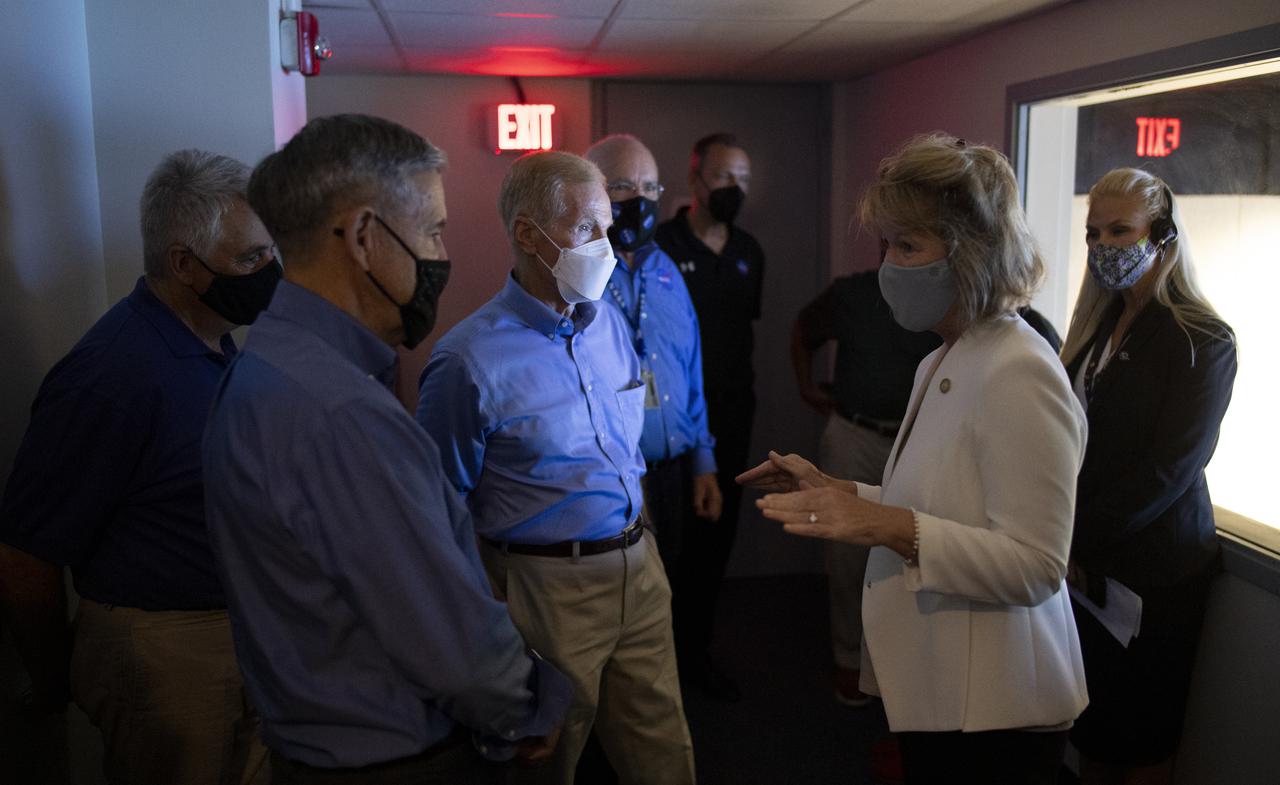
Virginia Secretary of Transportation Shannon Valentine, right, speaks with NASA Administrator Bill Nelson, center, Dennis Andrucyk, director of NASA's Goddard Space Flight Center, Bob Cabana, NASA associate administrator, and Dave Pierce, director of NASA's Wallops Flight Facility, in a viewing area overlooking the Range Control Center ahead of the launch of Northrop Grumman’s 16th resupply mission to the International Space Station, Tuesday, Aug. 10, 2021, at NASA’s Wallops Flight Facility in Virginia. Photo Credit: (NASA/Joel Kowsky)
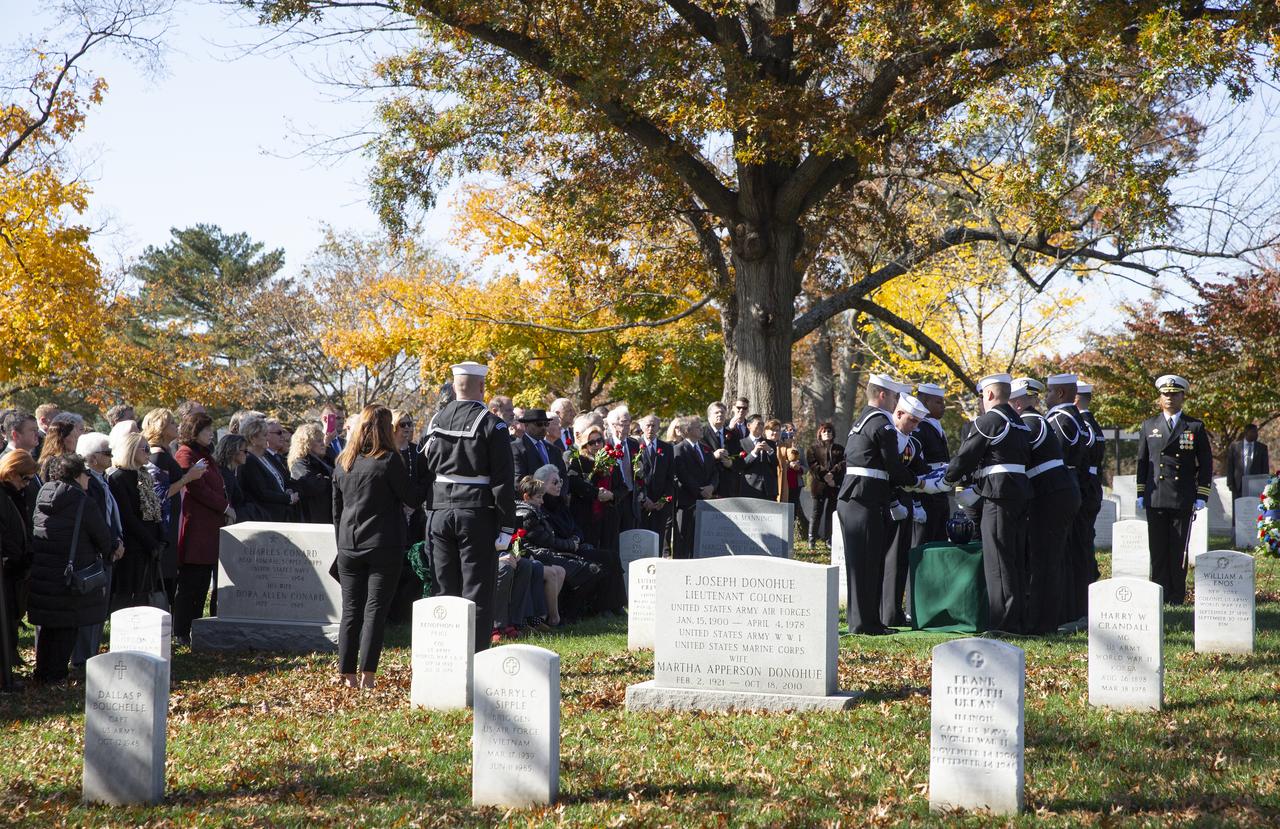
Family and friends of former astronaut Alan Bean are seen during interment services, Thursday, Nov. 8, 2018 at Arlington National Cemetery in Virginia. Selected as an astronaut in 1963, Bean flew in space twice, becoming the fourth human to walk on the Moon on Nov. 19, 1969 and spent 59 days in space as commander of the second Skylab mission in 1973. Photo Credit: (NASA/Joel Kowsky)
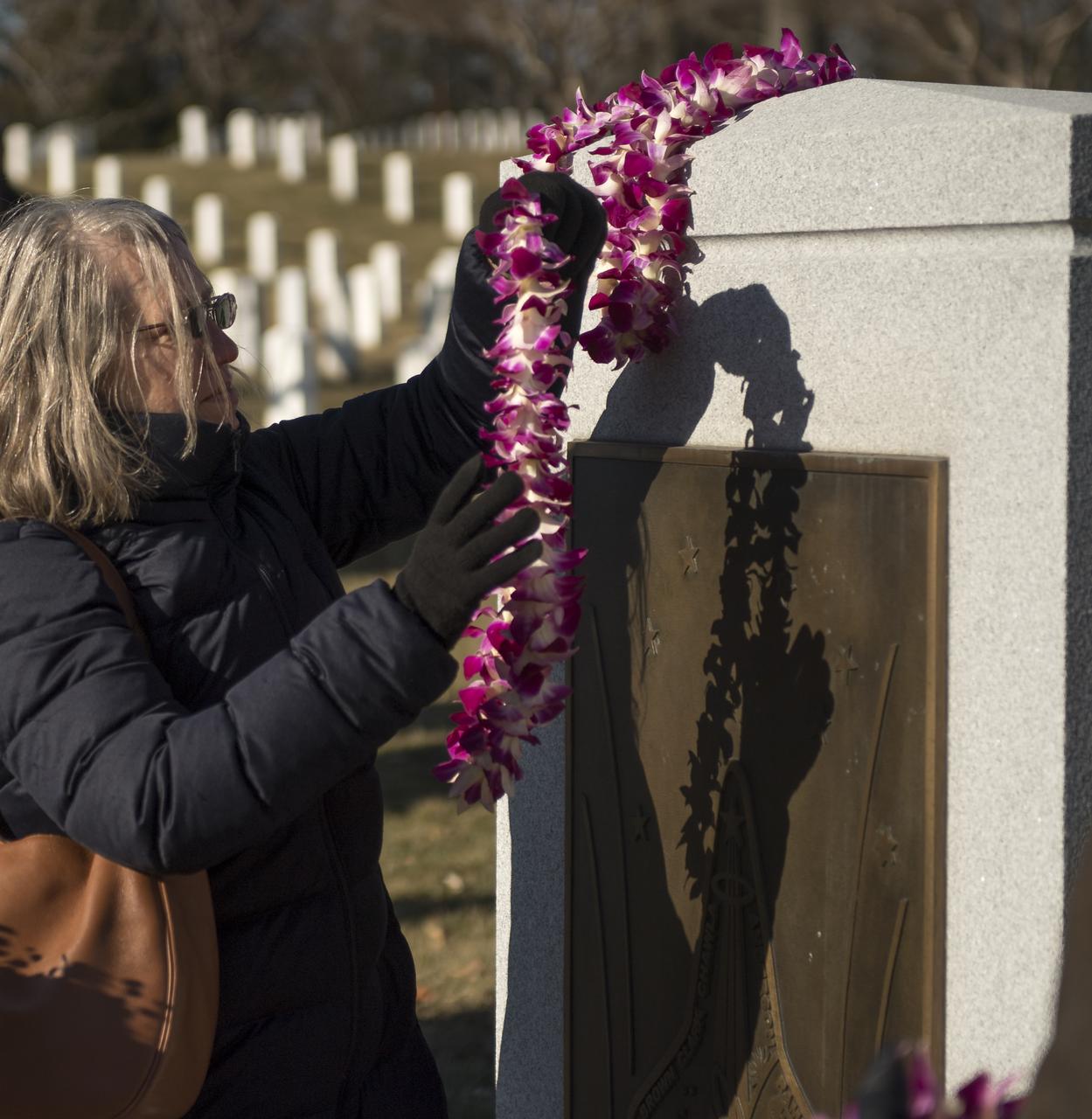
Kristy Carroll, family friend of the late space shuttle Columbia astronaut William McCool, places Hawaiian Leis at the Space Shuttle Columbia Memorial during NASA's Day of Remembrance, Thursday, Jan. 25, 2018, Arlington National Cemetery in Arlington, Virginia. Wreaths were laid in memory of those men and women who lost their lives in the quest for space exploration. Photo Credit: (NASA/Bill Ingalls)
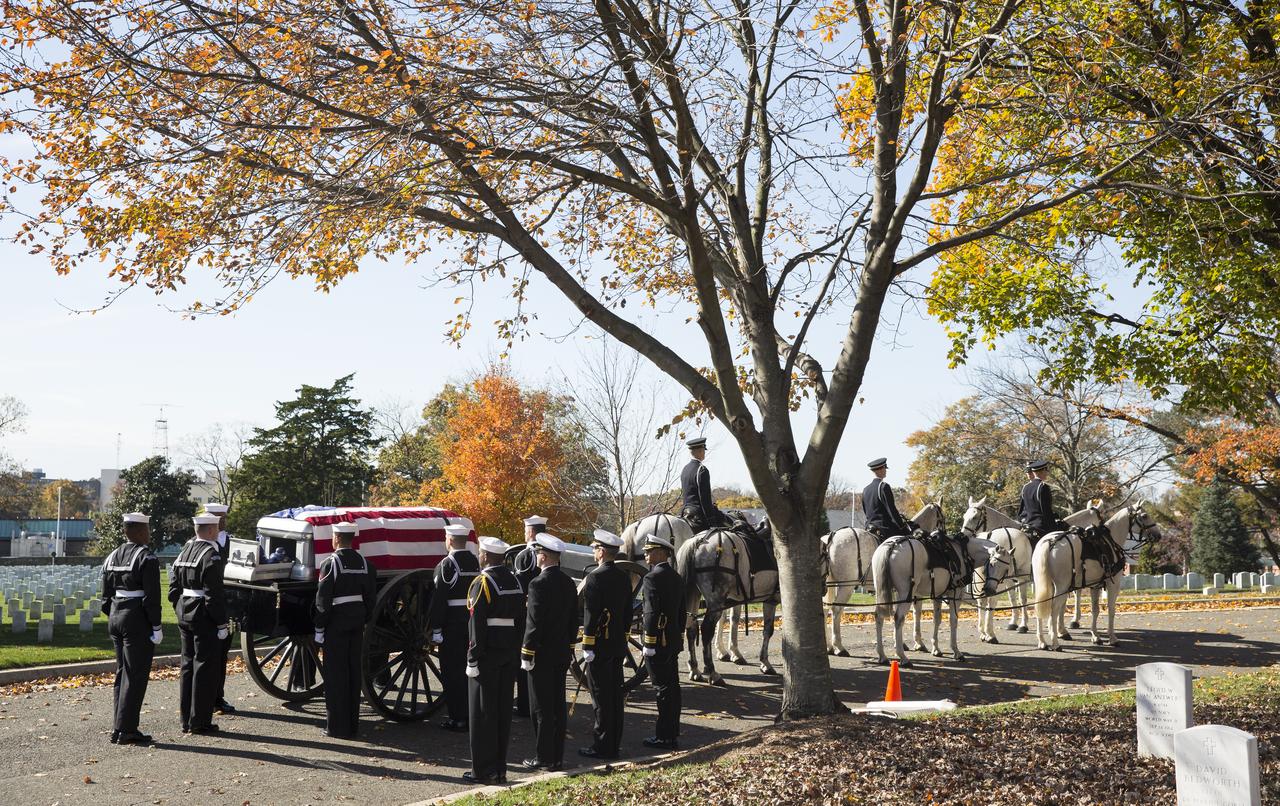
A horse drawn caisson carries former astronaut Alan Bean to his final resting place during an interment ceremony, Thursday, Nov. 8, 2018 at Arlington National Cemetery in Virginia. Selected as an astronaut in 1963, Bean flew in space twice, becoming the fourth human to walk on the Moon on Nov. 19, 1969 and spent 59 days in space as commander of the second Skylab mission in 1973. Photo Credit: (NASA/Joel Kowsky)
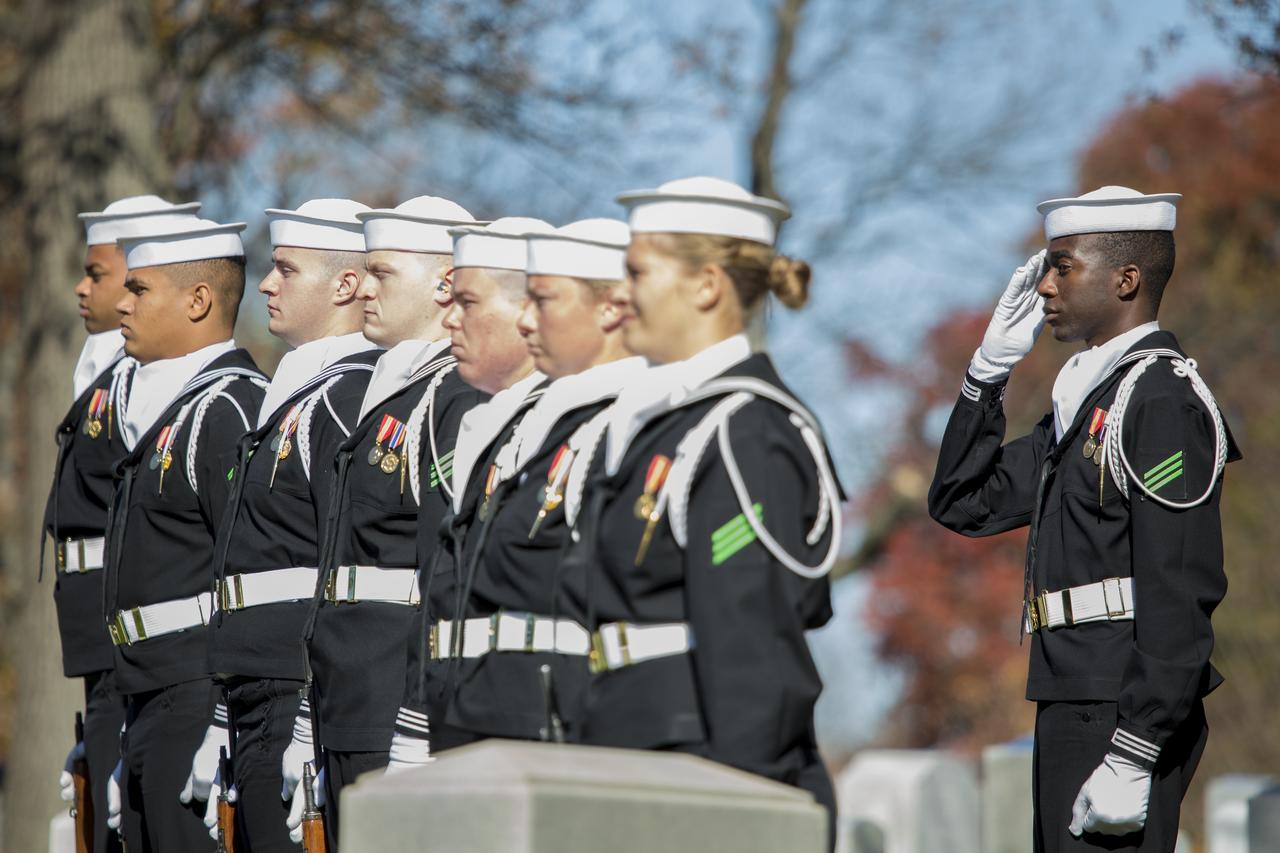
Members of a U.S. Navy firing party are seen during interment services for former astronaut Alan Bean, Thursday, Nov. 8, 2018 at Arlington National Cemetery in Virginia. Selected as an astronaut in 1963, Bean flew in space twice, becoming the fourth human to walk on the Moon on Nov. 19, 1969 and spent 59 days in space as commander of the second Skylab mission in 1973. Photo Credit: (NASA/Joel Kowsky)
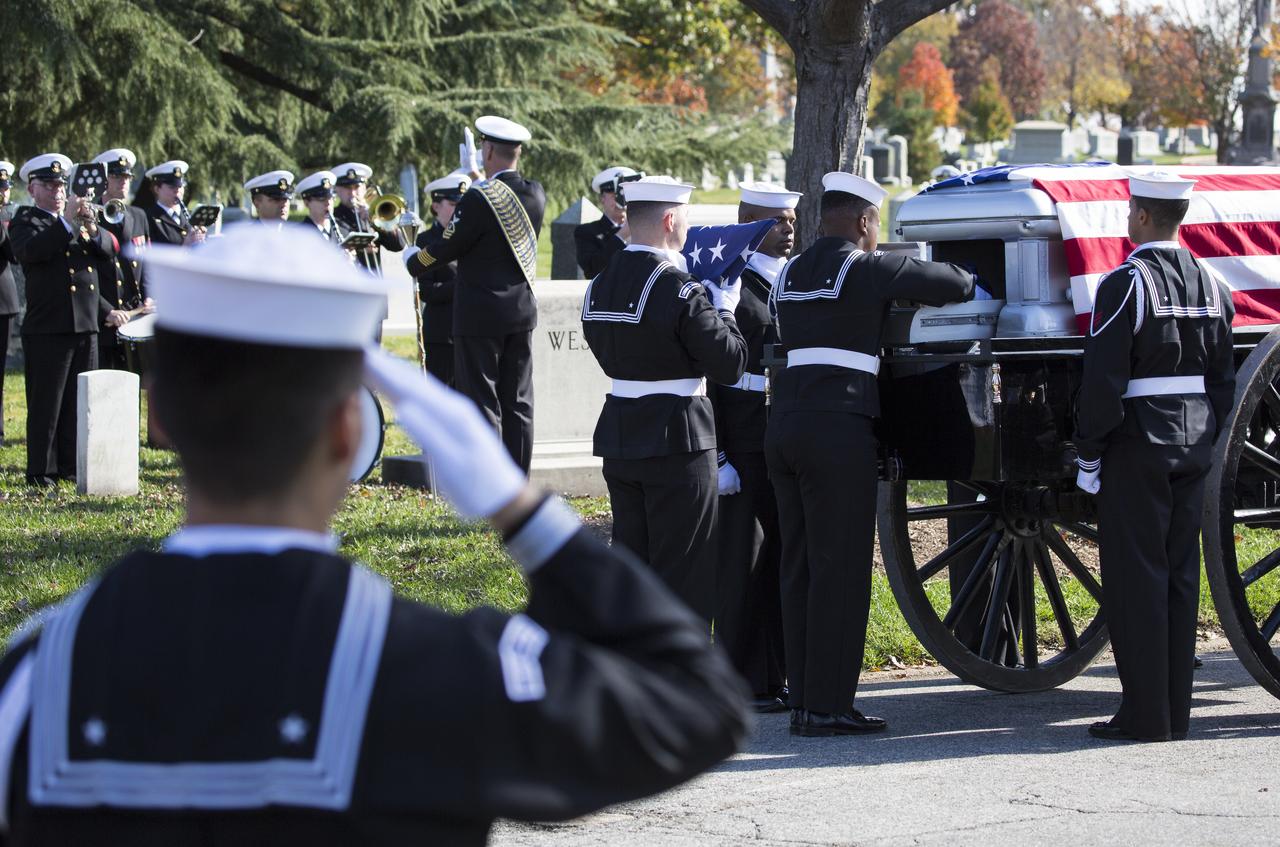
A U.S. Navy Honor Guard places the urn containing the ashes of former astronaut Alan Bean on the horse drawn caisson during interment services, Thursday, Nov. 8, 2018 at Arlington National Cemetery in Virginia. Selected as an astronaut in 1963, Bean flew in space twice, becoming the fourth human to walk on the Moon on Nov. 19, 1969 and spent 59 days in space as commander of the second Skylab mission in 1973. Photo Credit: (NASA/Joel Kowsky)
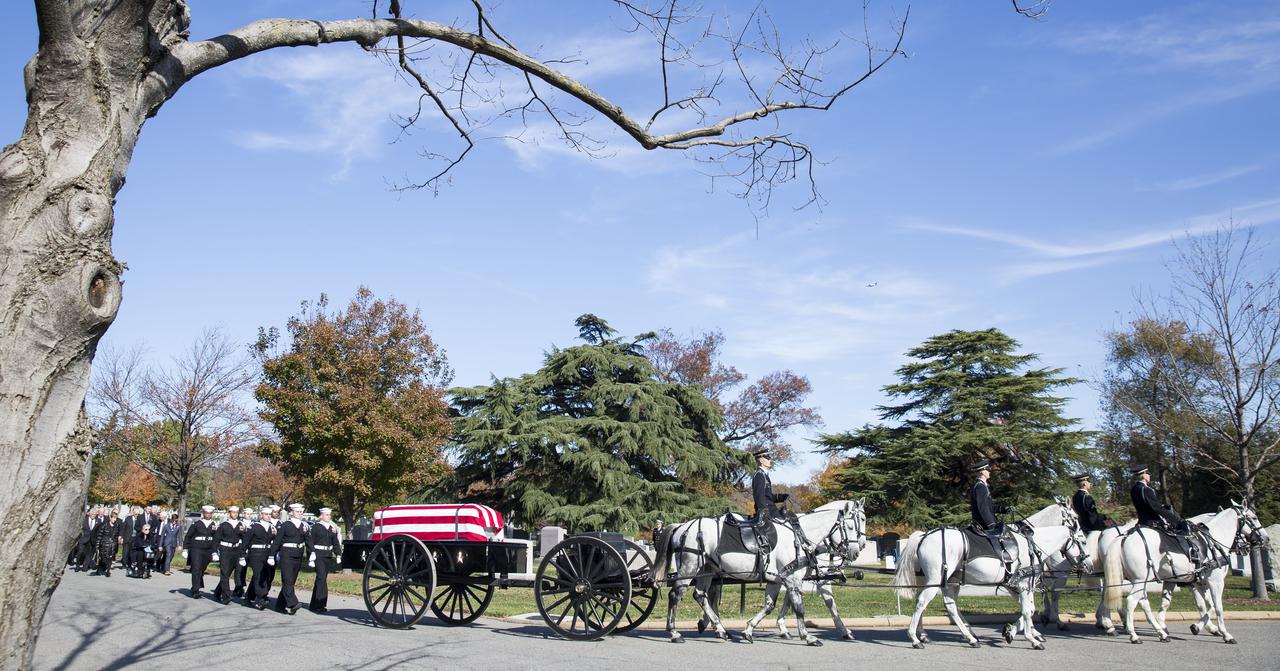
A horse drawn caisson carries former astronaut Alan Bean to his final resting place during an interment ceremony, Thursday, Nov. 8, 2018 at Arlington National Cemetery in Virginia. Selected as an astronaut in 1963, Bean flew in space twice, becoming the fourth human to walk on the Moon on Nov. 19, 1969 and spent 59 days in space as commander of the second Skylab mission in 1973. Photo Credit: (NASA/Joel Kowsky)
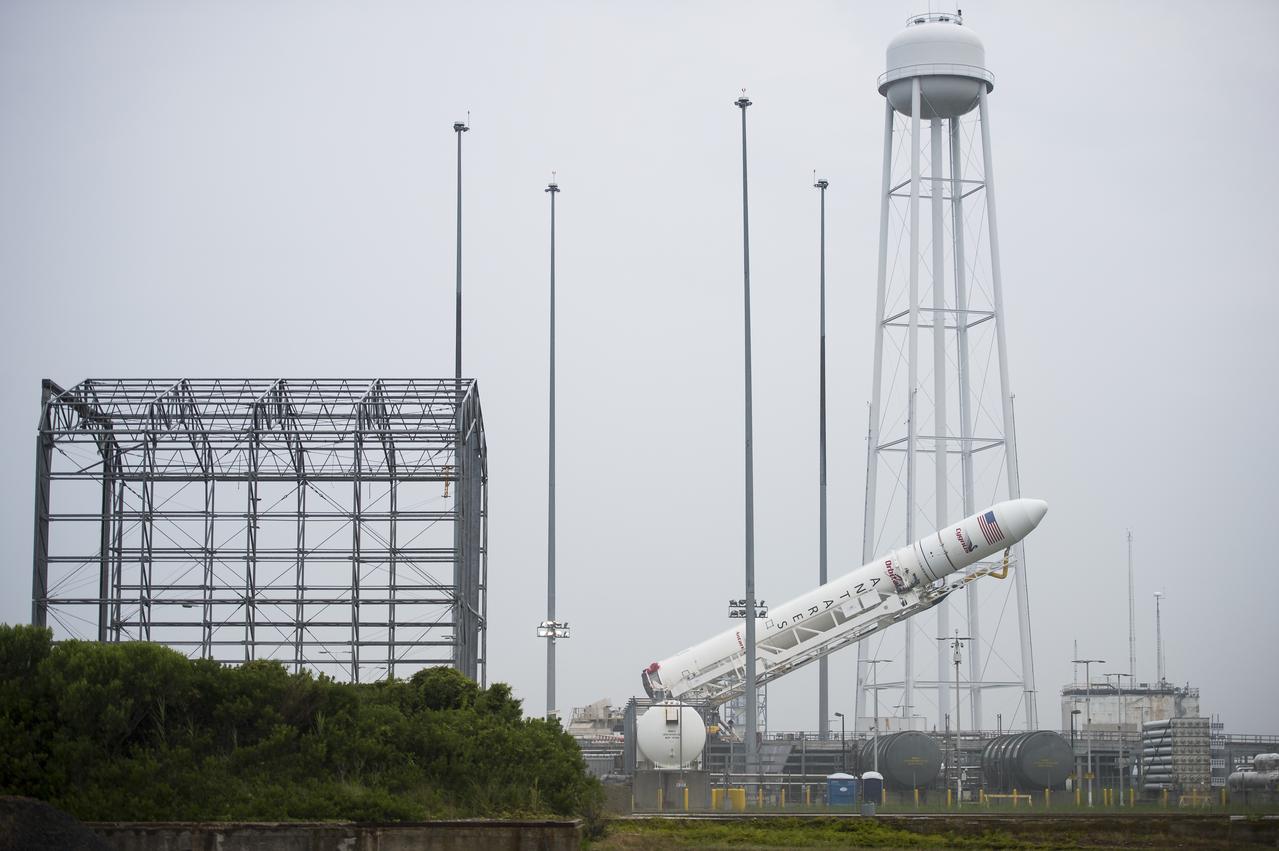
The Orbital Sciences Corporation Antares rocket, with the Cygnus spacecraft onboard, is raised at launch Pad-0A, Thursday, July 10, 2014, at NASA's Wallops Flight Facility in Virginia. The Antares will launch with the Cygnus spacecraft filled with over 3,000 pounds of supplies for the International Space Station, including science experiments, experiment hardware, spare parts, and crew provisions. The Orbital-2 mission is Orbital Sciences' second contracted cargo delivery flight to the space station for NASA. Photo Credit: (NASA/Aubrey Gemignani)
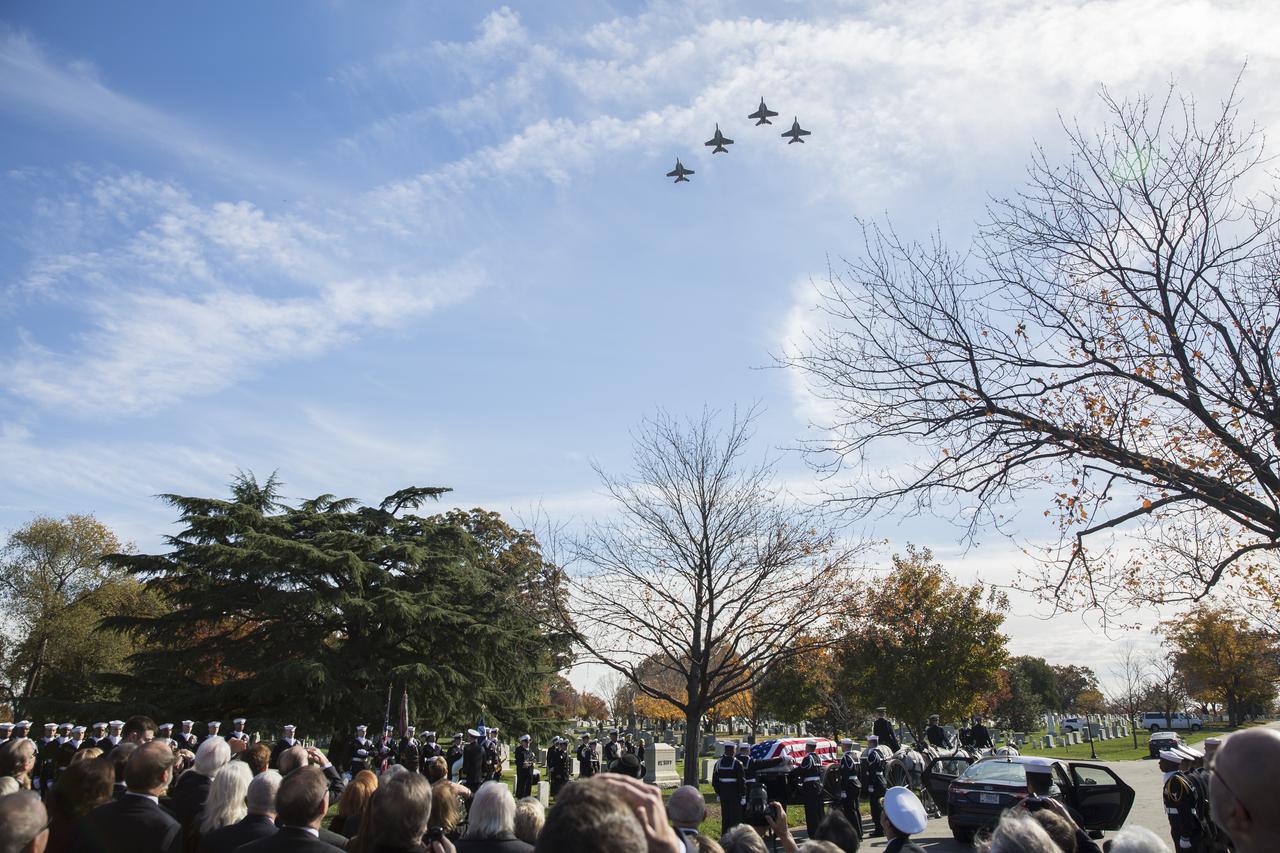
U.S. Navy F/A-18 Super Hornets conduct a flyover during interment services for former astronaut Alan Bean, Thursday, Nov. 8, 2018 at Arlington National Cemetery in Virginia. Selected as an astronaut in 1963, Bean flew in space twice, becoming the fourth human to walk on the Moon on Nov. 19, 1969 and spent 59 days in space as commander of the second Skylab mission in 1973. Photo Credit: (NASA/Joel Kowsky)
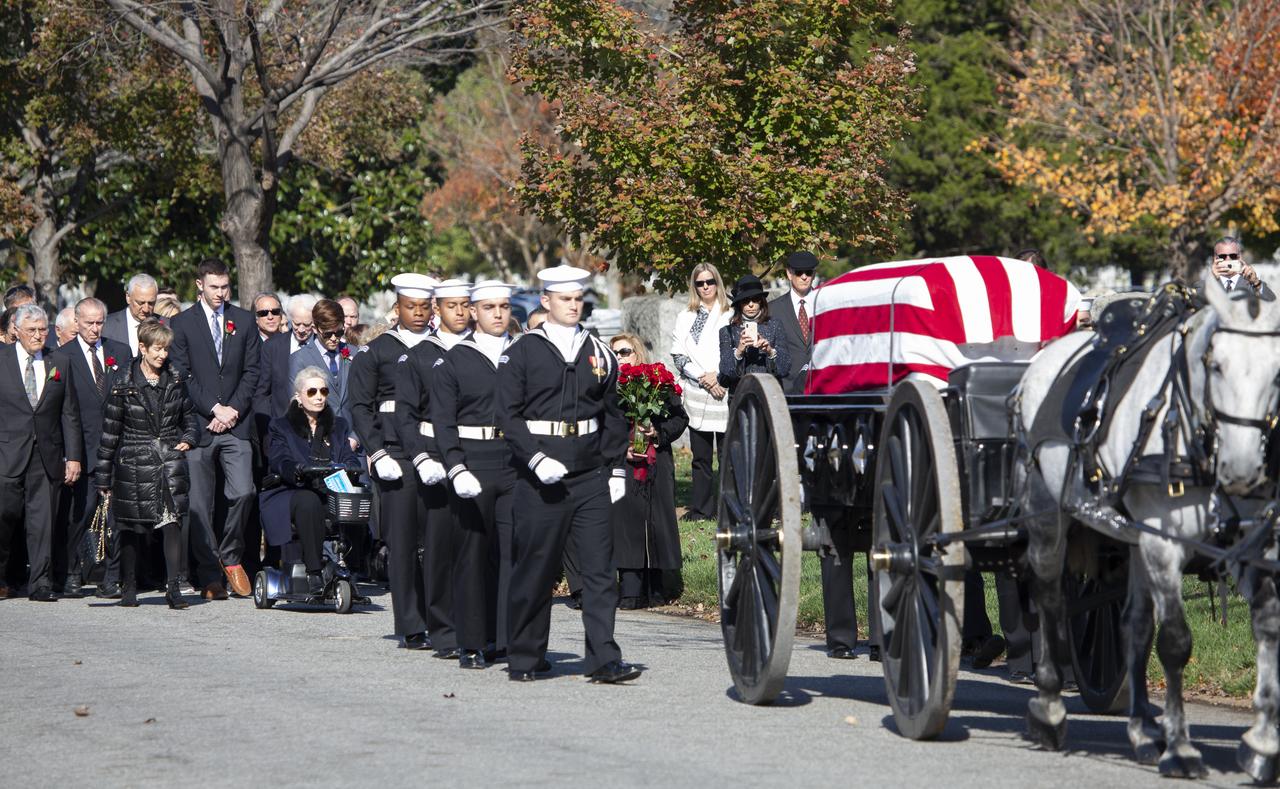
A horse drawn caisson carries former astronaut Alan Bean to his final resting place during an interment ceremony, Thursday, Nov. 8, 2018 at Arlington National Cemetery in Virginia. Selected as an astronaut in 1963, Bean flew in space twice, becoming the fourth human to walk on the Moon on Nov. 19, 1969 and spent 59 days in space as commander of the second Skylab mission in 1973. Photo Credit: (NASA/Joel Kowsky)
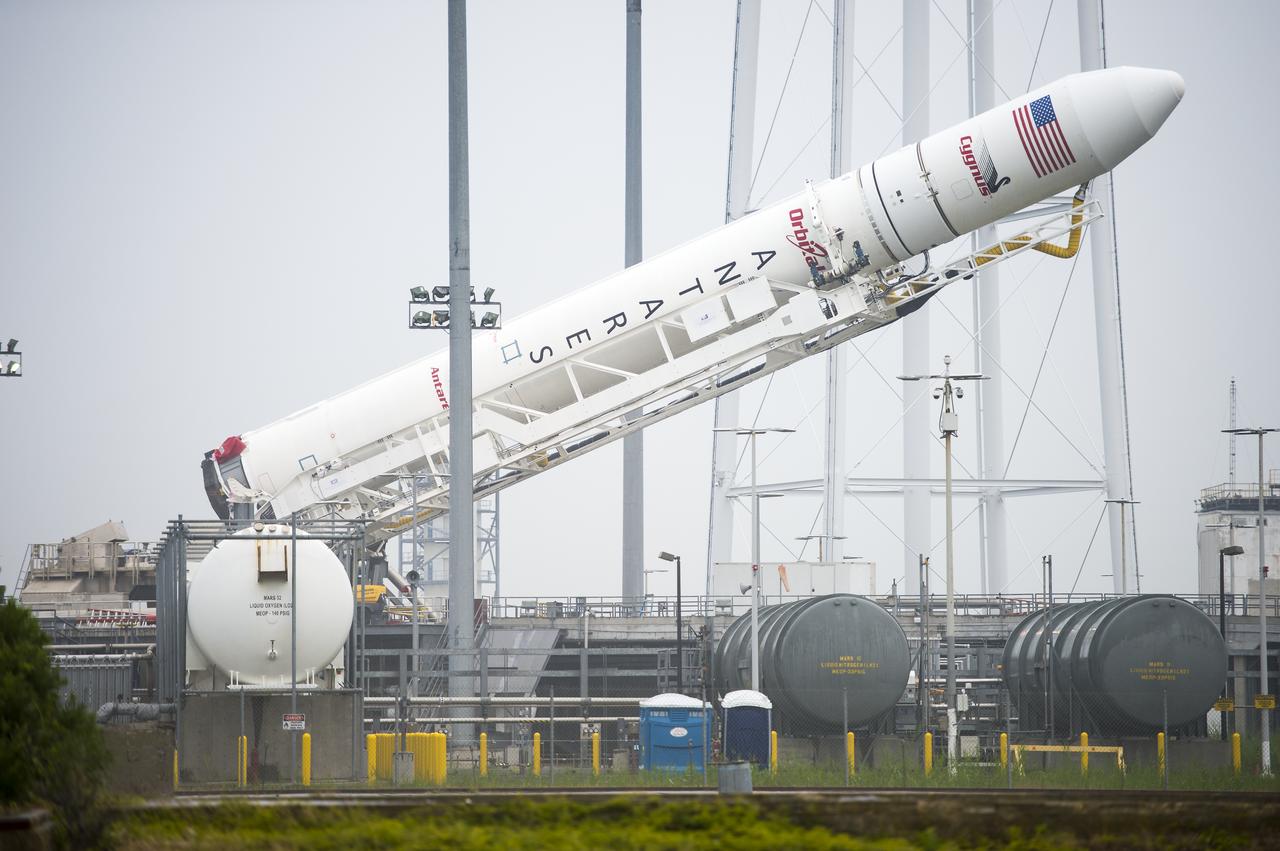
The Orbital Sciences Corporation Antares rocket, with the Cygnus spacecraft onboard, is raised at launch Pad-0A, Thursday, July 10, 2014, at NASA's Wallops Flight Facility in Virginia. The Antares will launch with the Cygnus spacecraft filled with over 3,000 pounds of supplies for the International Space Station, including science experiments, experiment hardware, spare parts, and crew provisions. The Orbital-2 mission is Orbital Sciences' second contracted cargo delivery flight to the space station for NASA. Photo Credit: (NASA/Aubrey Gemignani)
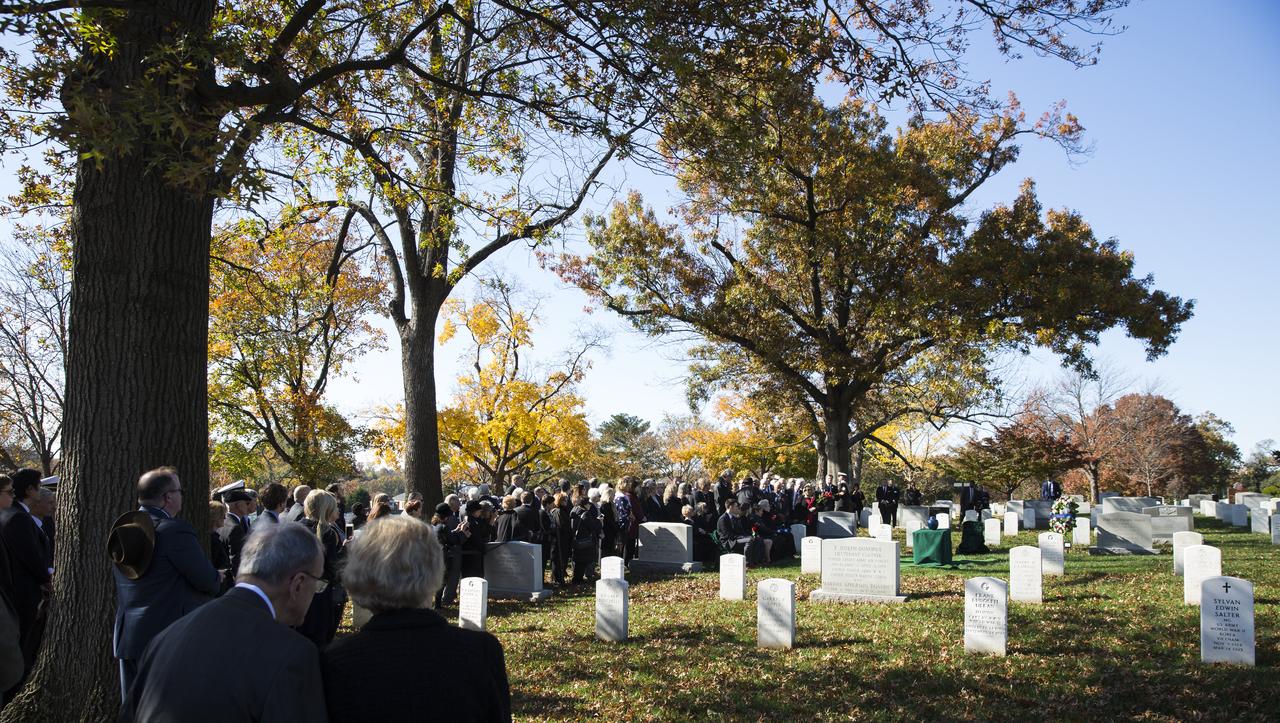
Family and friends of former astronaut Alan Bean are seen during interment services, Thursday, Nov. 8, 2018 at Arlington National Cemetery in Virginia. Selected as an astronaut in 1963, Bean flew in space twice, becoming the fourth human to walk on the Moon on Nov. 19, 1969 and spent 59 days in space as commander of the second Skylab mission in 1973. Photo Credit: (NASA/Joel Kowsky)
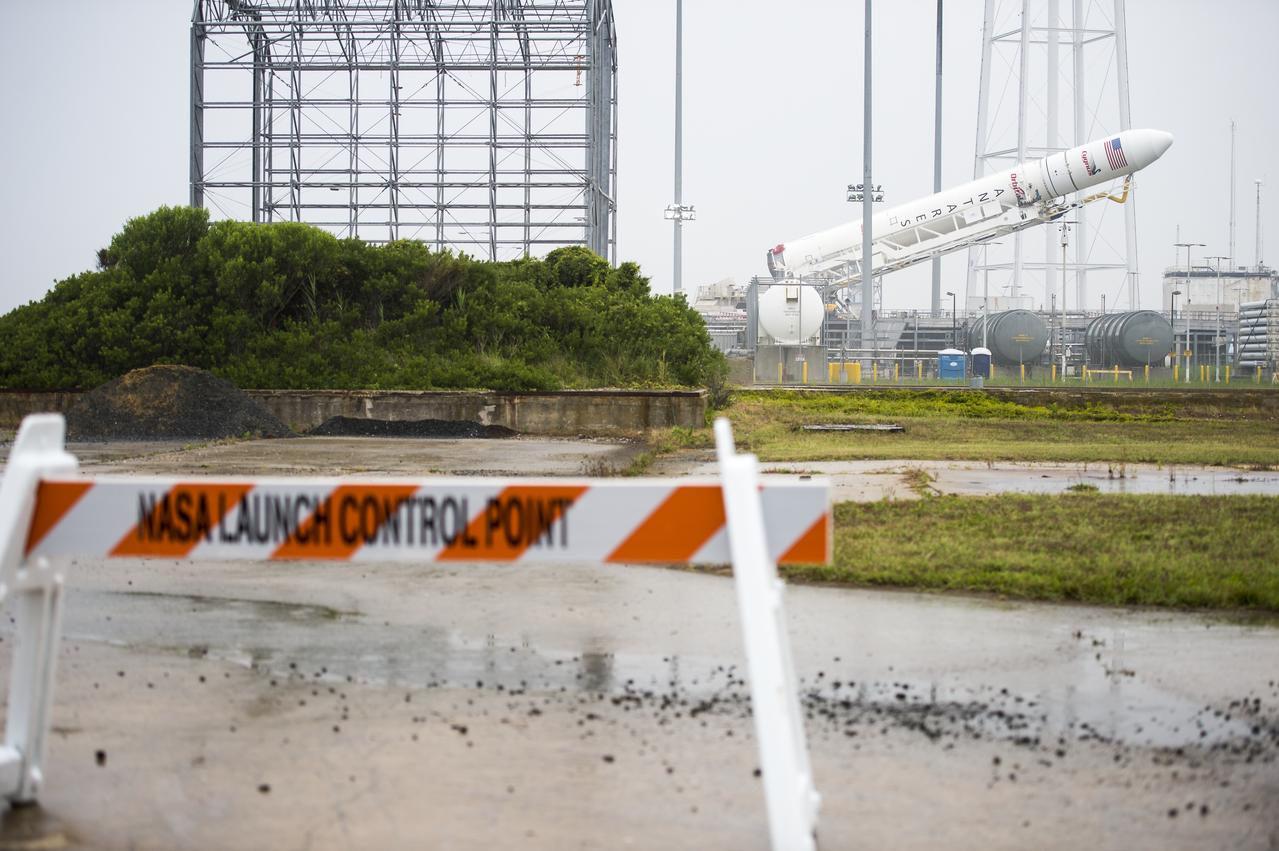
The Orbital Sciences Corporation Antares rocket, with the Cygnus spacecraft onboard, is raised at launch Pad-0A, Thursday, July 10, 2014, at NASA's Wallops Flight Facility in Virginia. The Antares will launch with the Cygnus spacecraft filled with over 3,000 pounds of supplies for the International Space Station, including science experiments, experiment hardware, spare parts, and crew provisions. The Orbital-2 mission is Orbital Sciences' second contracted cargo delivery flight to the space station for NASA. Photo Credit: (NASA/Aubrey Gemignani)
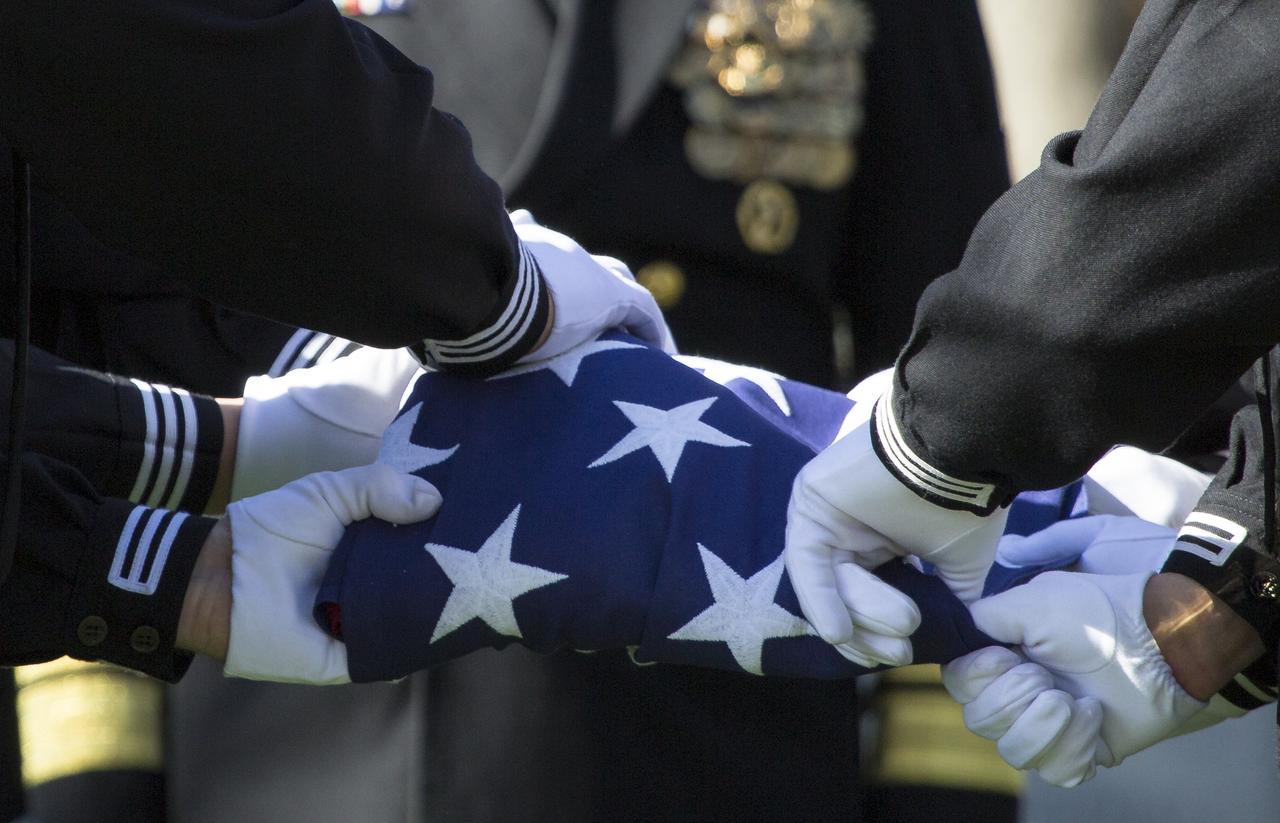
A U.S. Navy Honor Guard folds the American Flag during interment services for former astronaut Alan Bean, Thursday, Nov. 8, 2018 at Arlington National Cemetery in Virginia. Selected as an astronaut in 1963, Bean flew in space twice, becoming the fourth human to walk on the Moon on Nov. 19, 1969 and spent 59 days in space as commander of the second Skylab mission in 1973. Photo Credit: (NASA/Joel Kowsky)
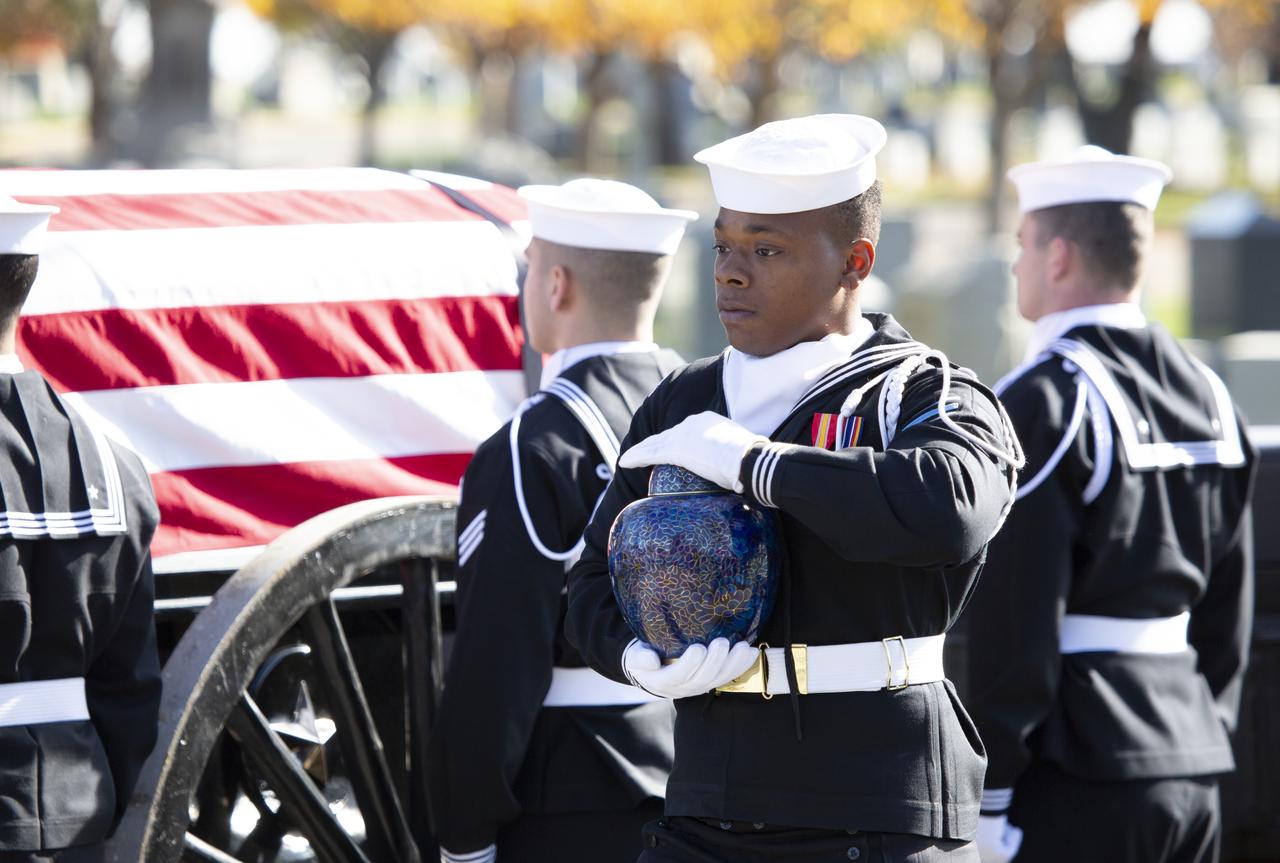
A member of the U.S. Navy Honor Guard carries the urn containing the ashes of former astronaut Alan Bean during interment services, Thursday, Nov. 8, 2018 at Arlington National Cemetery in Virginia. Selected as an astronaut in 1963, Bean flew in space twice, becoming the fourth human to walk on the Moon on Nov. 19, 1969 and spent 59 days in space as commander of the second Skylab mission in 1973. Photo Credit: (NASA/Joel Kowsky)
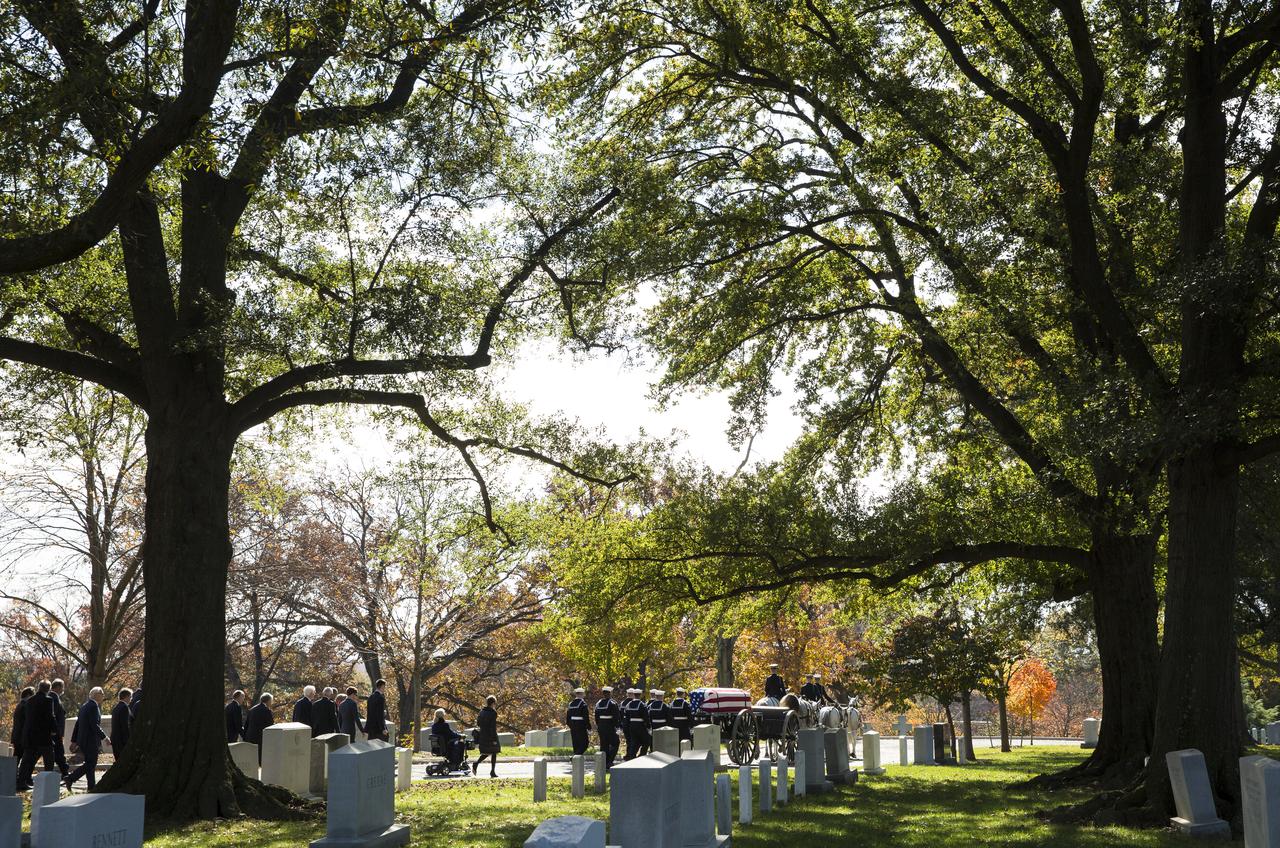
A horse drawn caisson carries former astronaut Alan Bean to his final resting place during an interment ceremony, Thursday, Nov. 8, 2018 at Arlington National Cemetery in Virginia. Selected as an astronaut in 1963, Bean flew in space twice, becoming the fourth human to walk on the Moon on Nov. 19, 1969 and spent 59 days in space as commander of the second Skylab mission in 1973. Photo Credit: (NASA/Joel Kowsky)

A member of the U.S. Navy Honor Guard salutes as taps is played during interment services for former astronaut Alan Bean, Thursday, Nov. 8, 2018 at Arlington National Cemetery in Virginia. Selected as an astronaut in 1963, Bean flew in space twice, becoming the fourth human to walk on the Moon on Nov. 19, 1969 and spent 59 days in space as commander of the second Skylab mission in 1973. Photo Credit: (NASA/Joel Kowsky)
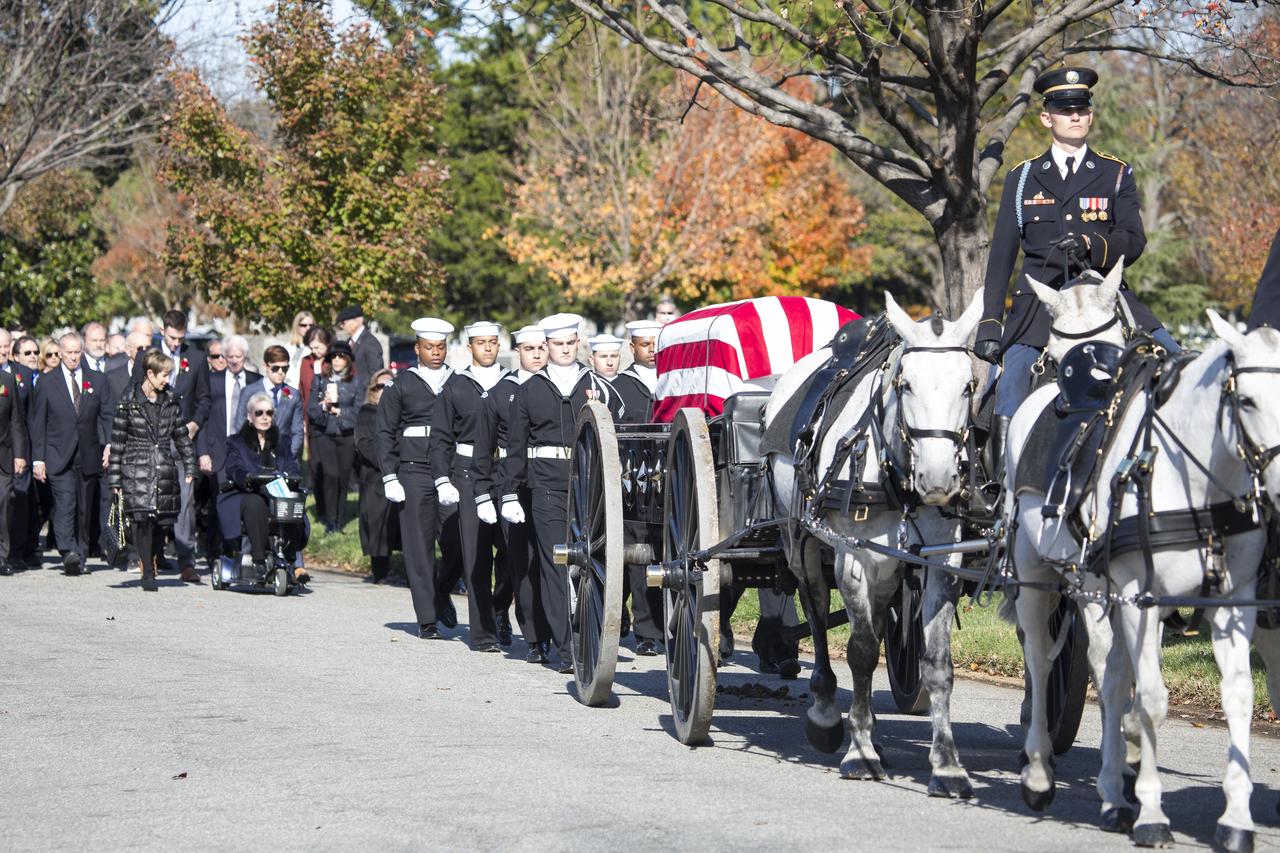
A horse drawn caisson carries former astronaut Alan Bean to his final resting place during an interment ceremony, Thursday, Nov. 8, 2018 at Arlington National Cemetery in Virginia. Selected as an astronaut in 1963, Bean flew in space twice, becoming the fourth human to walk on the Moon on Nov. 19, 1969 and spent 59 days in space as commander of the second Skylab mission in 1973. Photo Credit: (NASA/Joel Kowsky)
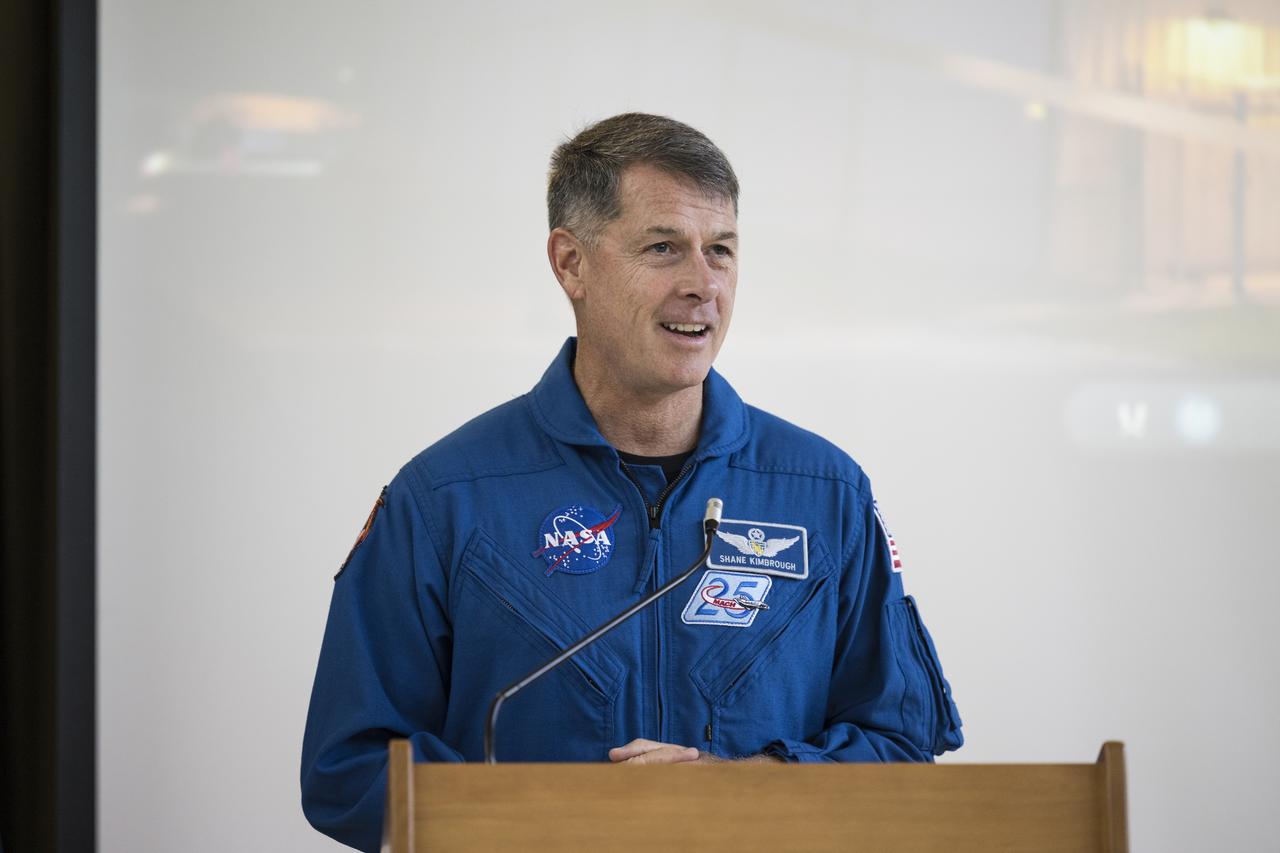
NASA’s SpaceX Crew-2 NASA astronaut Shane Kimbrough speaks to students during a visit to Arlington Science Focus Elementary School, Friday, June 10, 2022, in Arlington, Virginia. Photo Credit: (NASA/Aubrey Gemignani)
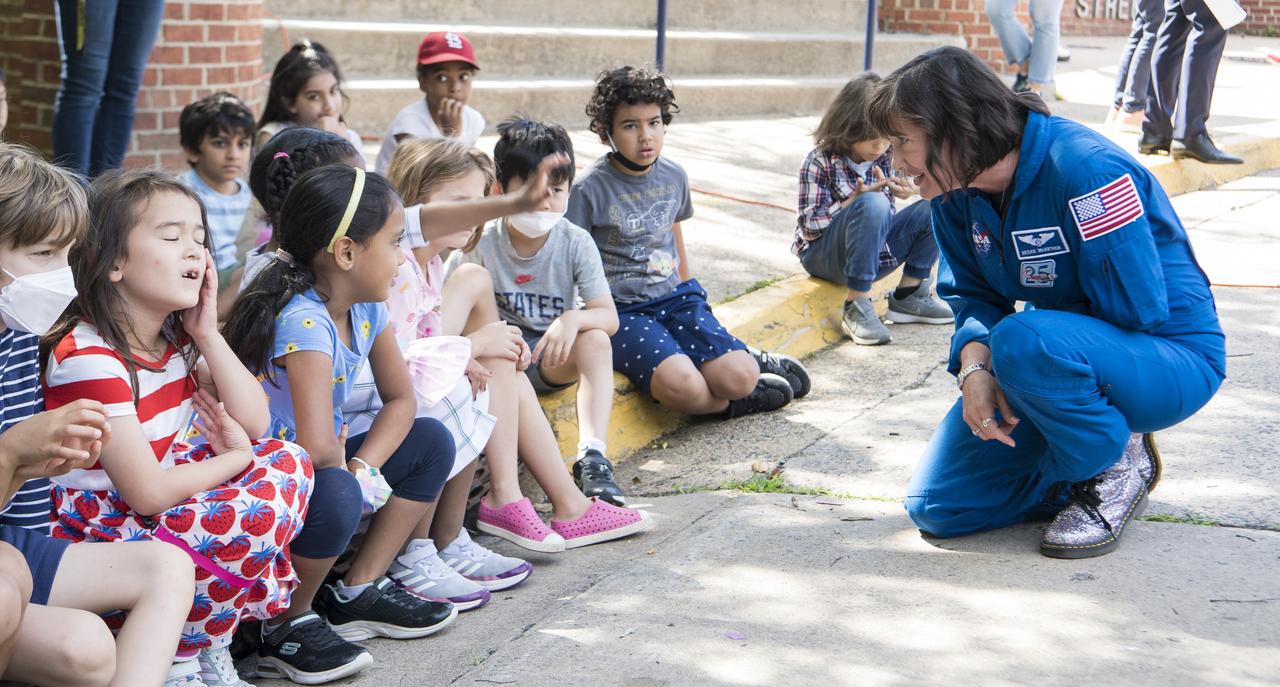
NASA’s SpaceX Crew-2 NASA astronaut Megan McArthur speaks to students during a visit to Arlington Science Focus Elementary School, Friday, June 10, 2022, in Arlington, Virginia. Photo Credit: (NASA/Aubrey Gemignani)
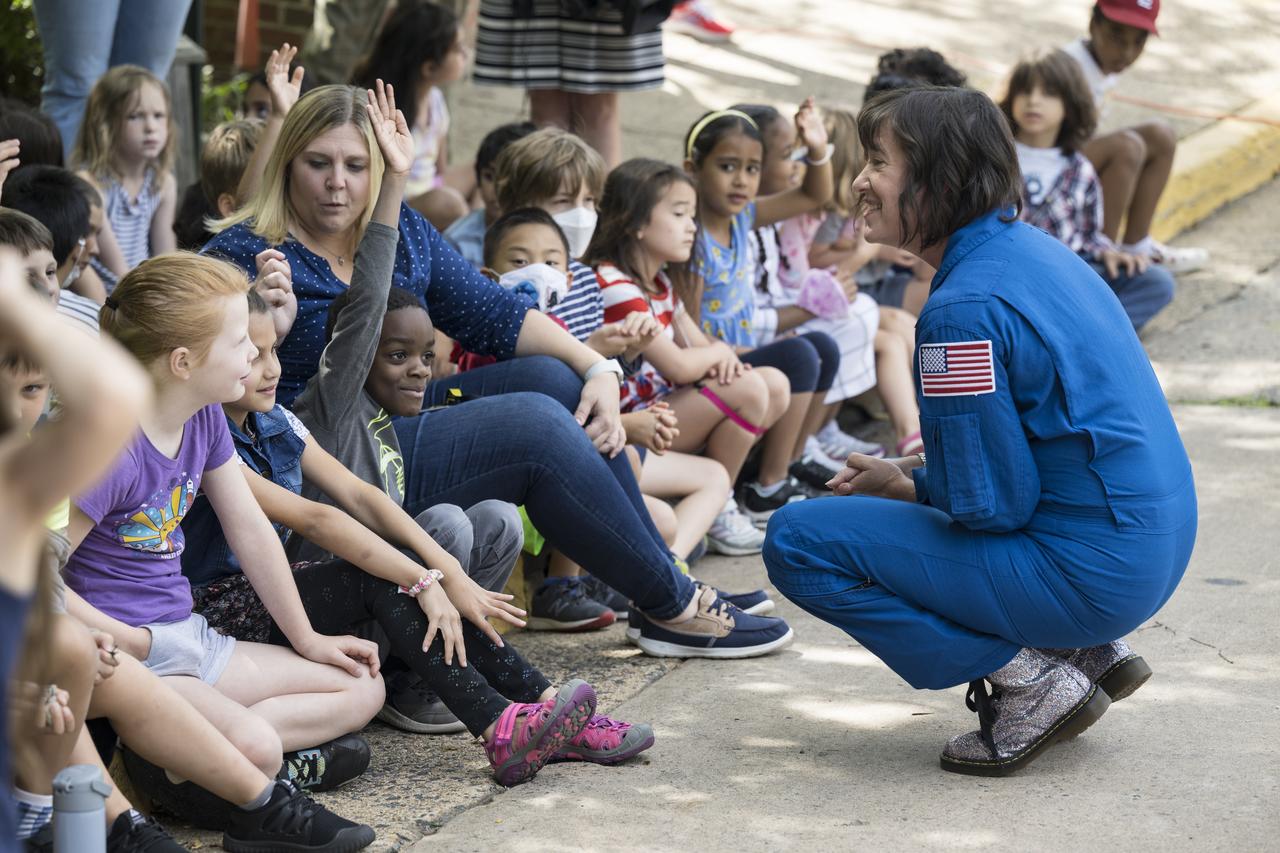
NASA’s SpaceX Crew-2 NASA astronaut Megan McArthur speaks to students during a visit to Arlington Science Focus Elementary School, Friday, June 10, 2022, in Arlington, Virginia. Photo Credit: (NASA/Aubrey Gemignani)
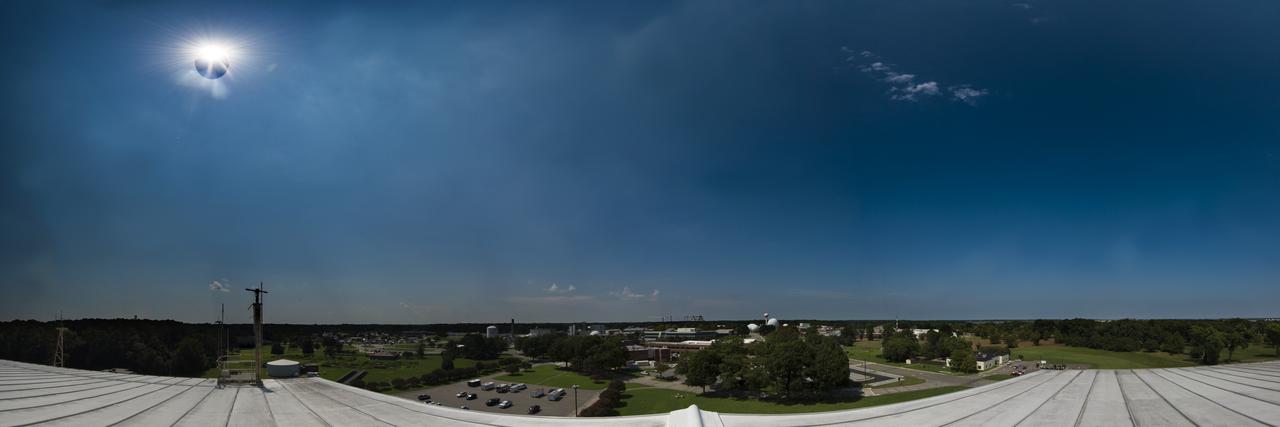
This panoramic view of the partial solar eclipse was taken from the roof of the aircraft hangar at NASA Langley Research Center in Hampton, Virginia. The eclipse in Hampton was about 85 percent of totality.
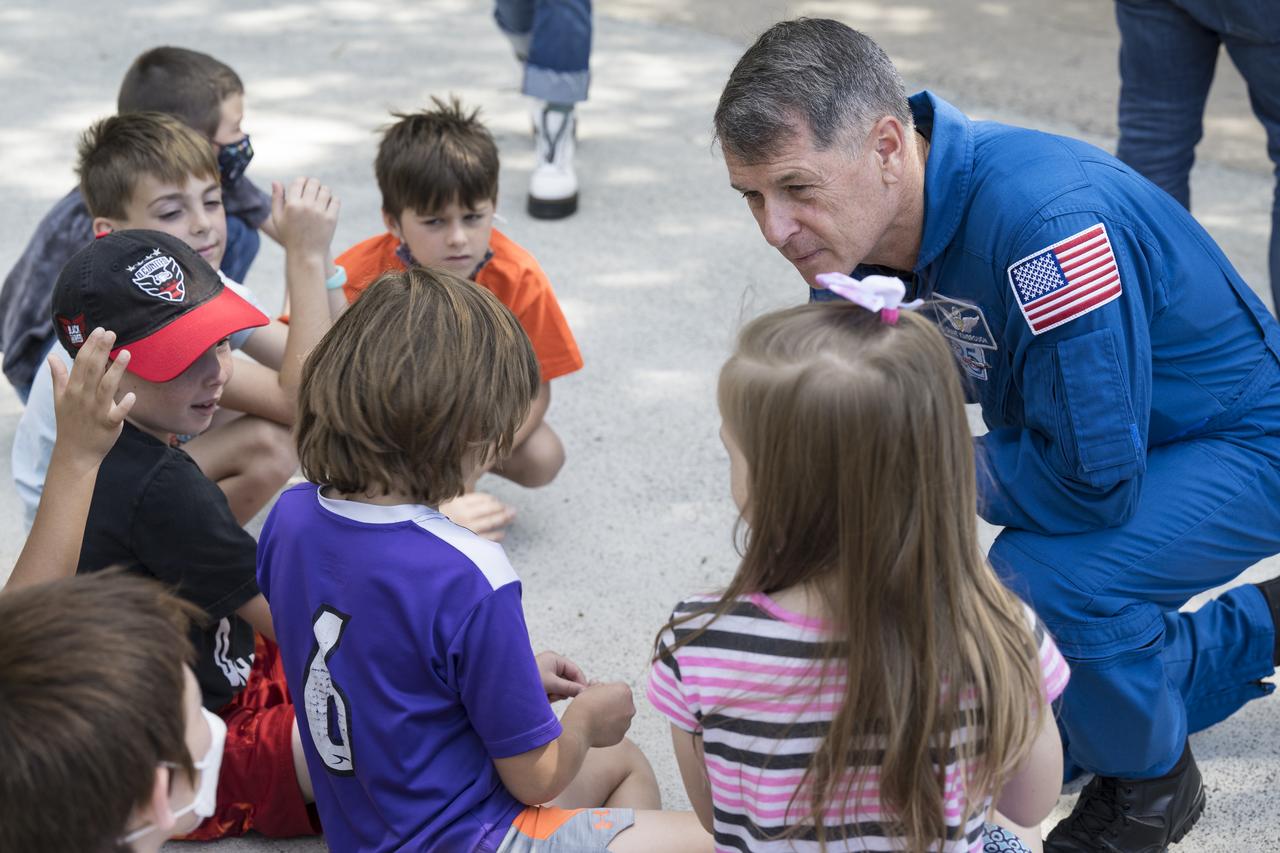
NASA’s SpaceX Crew-2 NASA astronaut Shane Kimbrough speaks to students during a visit to Arlington Science Focus Elementary School, Friday, June 10, 2022, in Arlington, Virginia. Photo Credit: (NASA/Aubrey Gemignani)
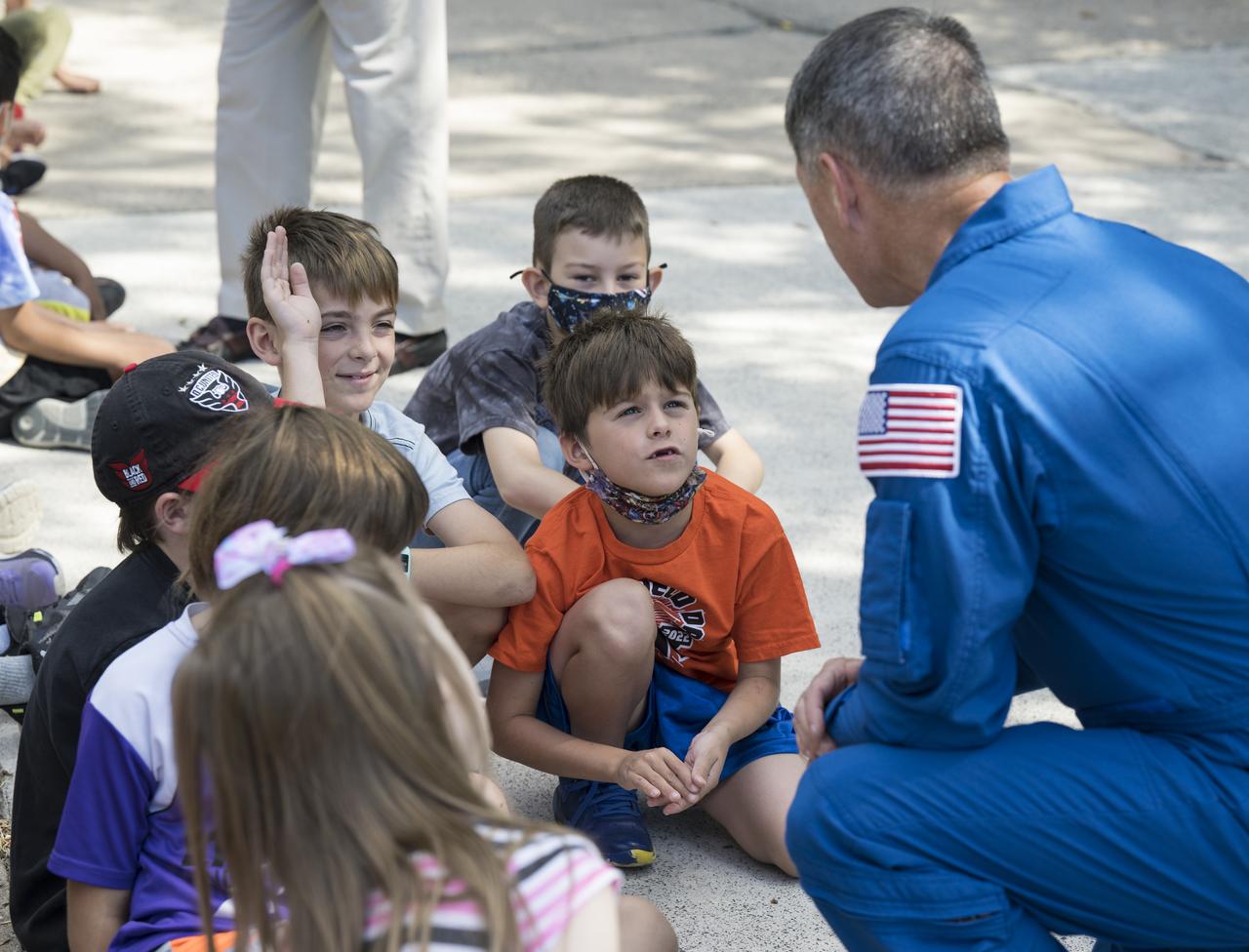
NASA’s SpaceX Crew-2 NASA astronaut Shane Kimbrough speaks to students during a visit to Arlington Science Focus Elementary School, Friday, June 10, 2022, in Arlington, Virginia. Photo Credit: (NASA/Aubrey Gemignani)
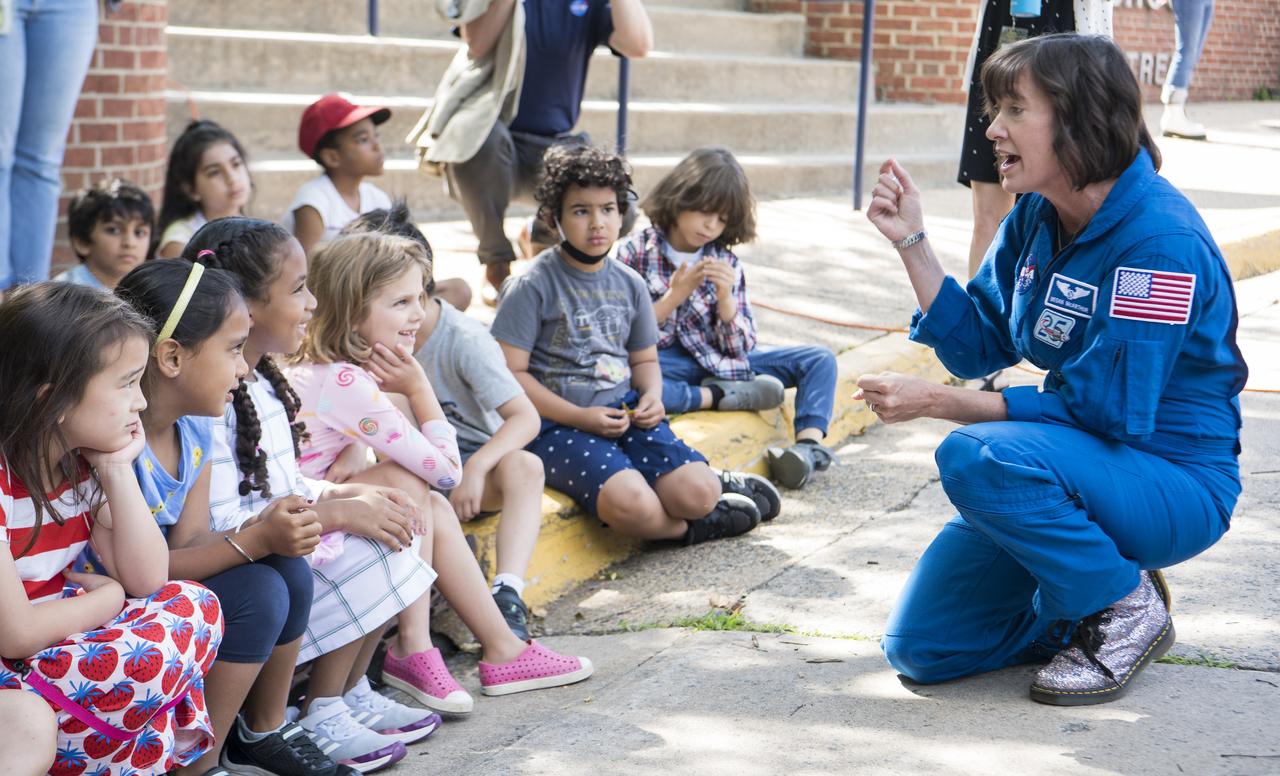
NASA’s SpaceX Crew-2 NASA astronaut Megan McArthur speaks to students during a visit to Arlington Science Focus Elementary School, Friday, June 10, 2022, in Arlington, Virginia. Photo Credit: (NASA/Aubrey Gemignani)
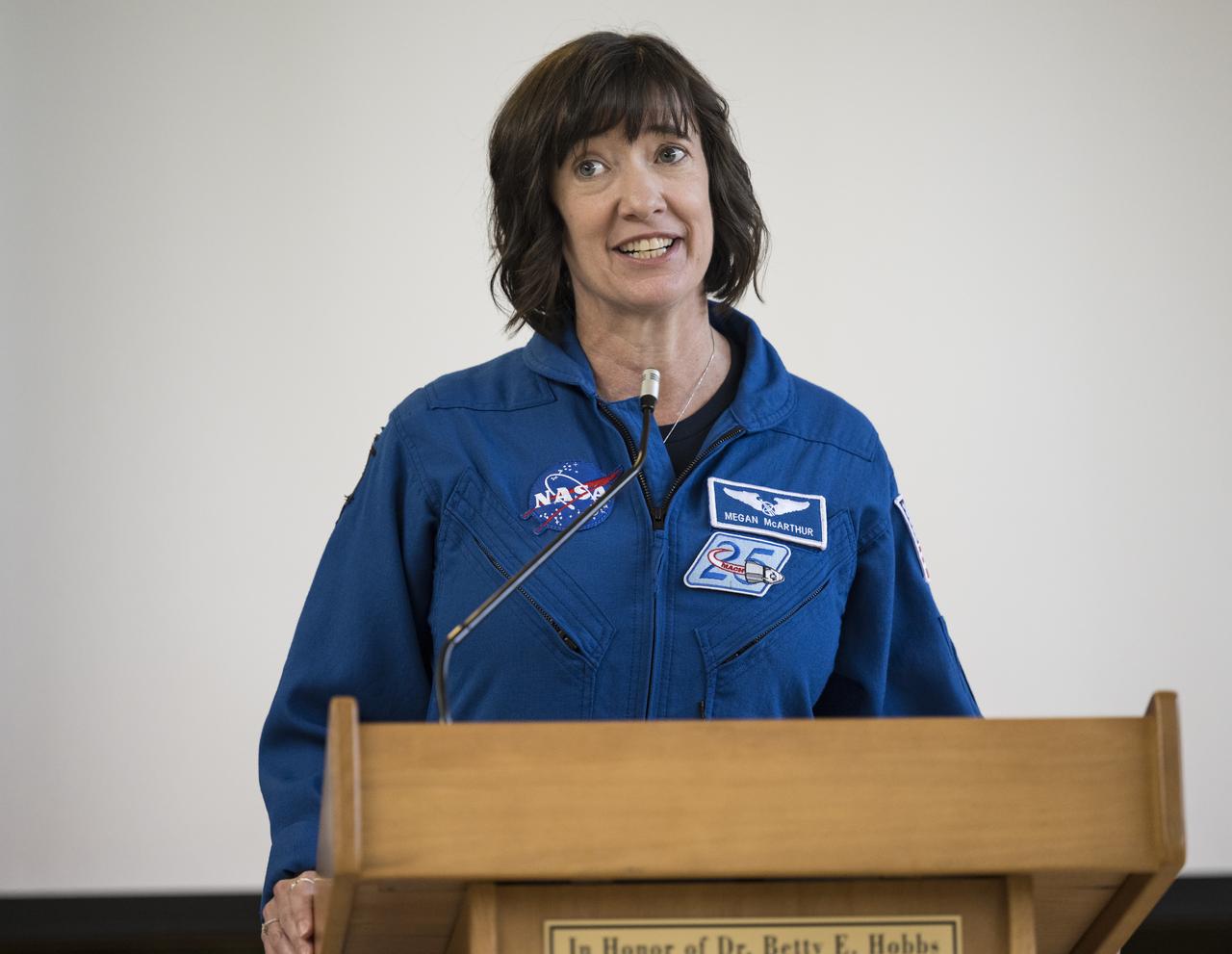
NASA’s SpaceX Crew-2 NASA astronaut Megan McArthur speaks to students during a visit to Arlington Science Focus Elementary School, Friday, June 10, 2022, in Arlington, Virginia. Photo Credit: (NASA/Aubrey Gemignani)
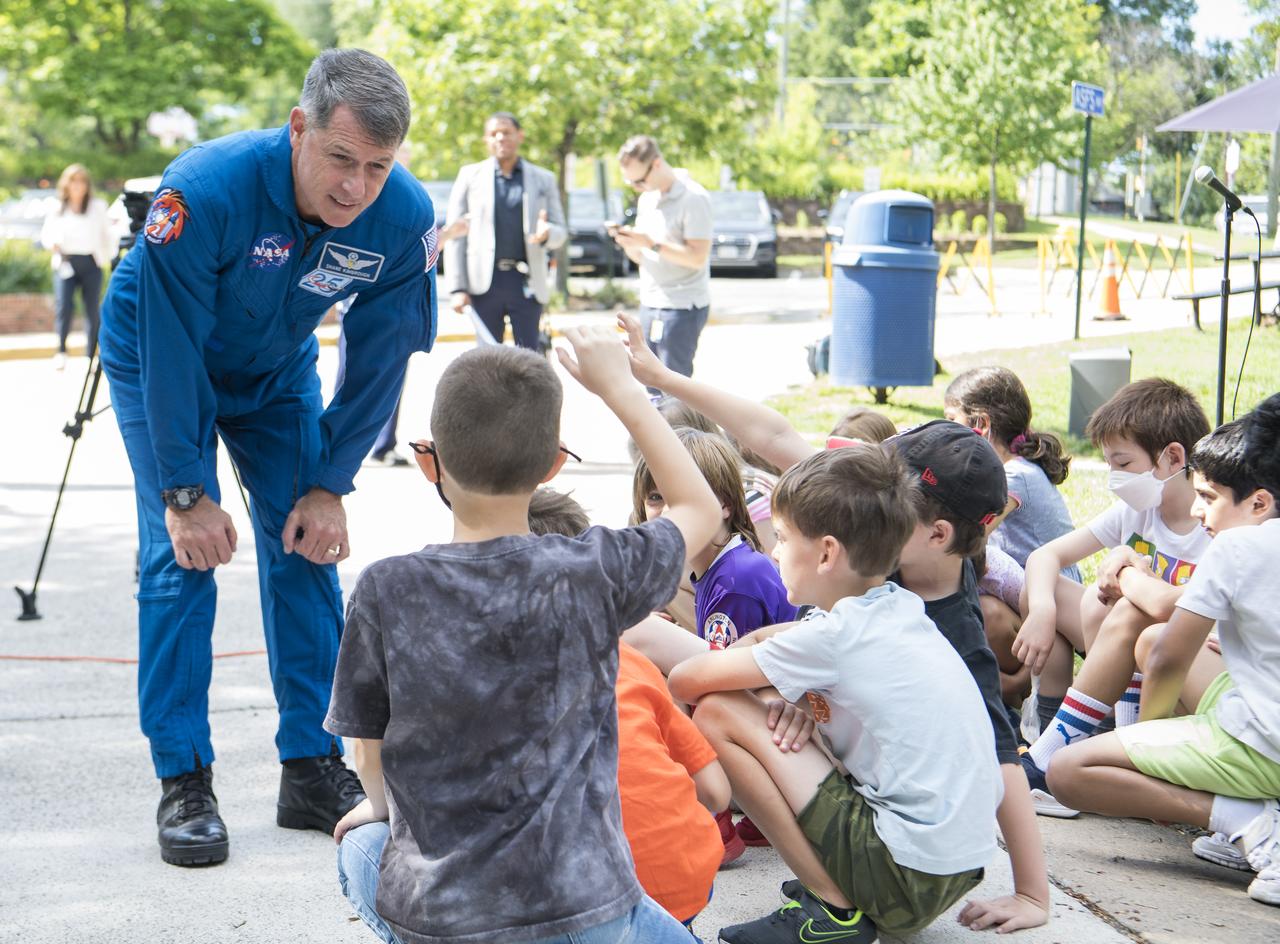
NASA’s SpaceX Crew-2 NASA astronaut Shane Kimbrough speaks to students during a visit to Arlington Science Focus Elementary School, Friday, June 10, 2022, in Arlington, Virginia. Photo Credit: (NASA/Aubrey Gemignani)
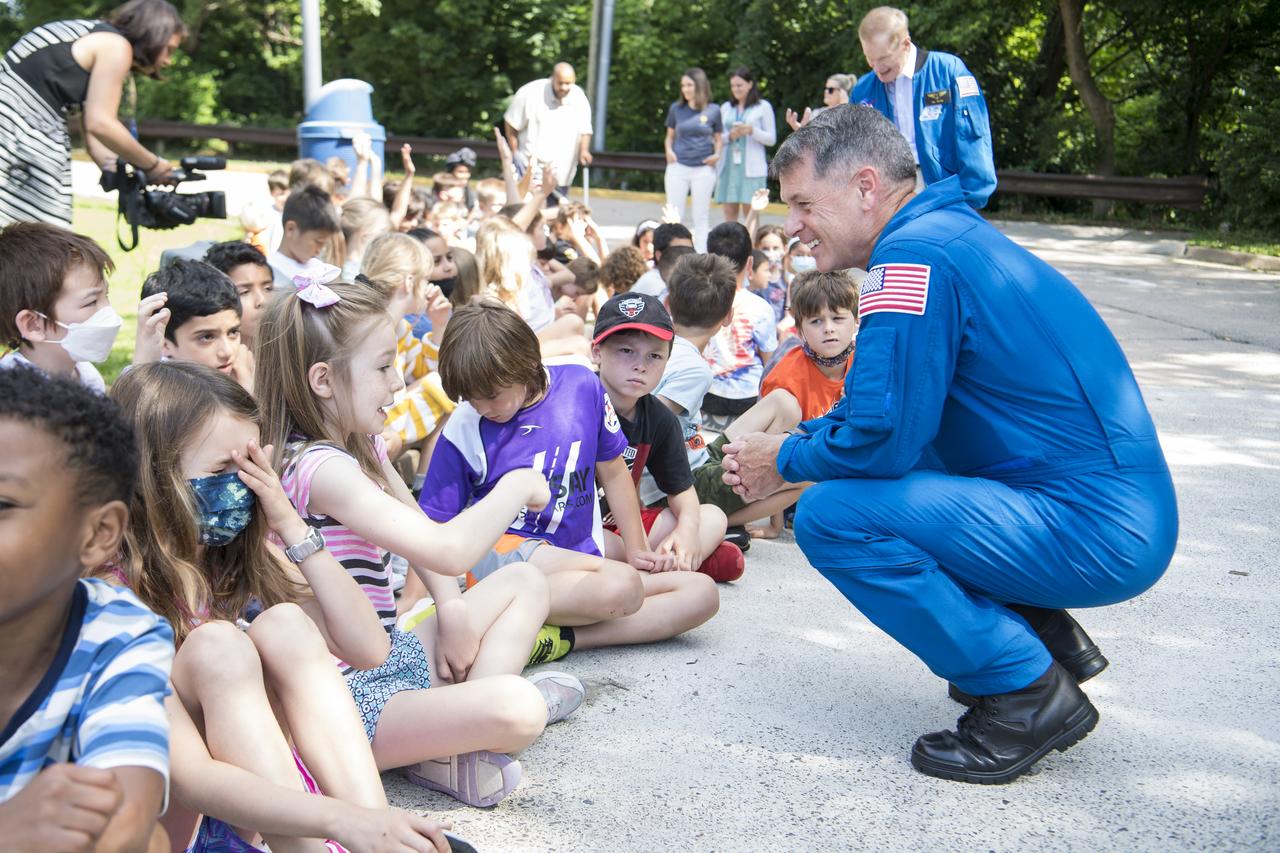
NASA’s SpaceX Crew-2 NASA astronaut Shane Kimbrough speaks to students during a visit to Arlington Science Focus Elementary School, Friday, June 10, 2022, in Arlington, Virginia. Photo Credit: (NASA/Aubrey Gemignani)
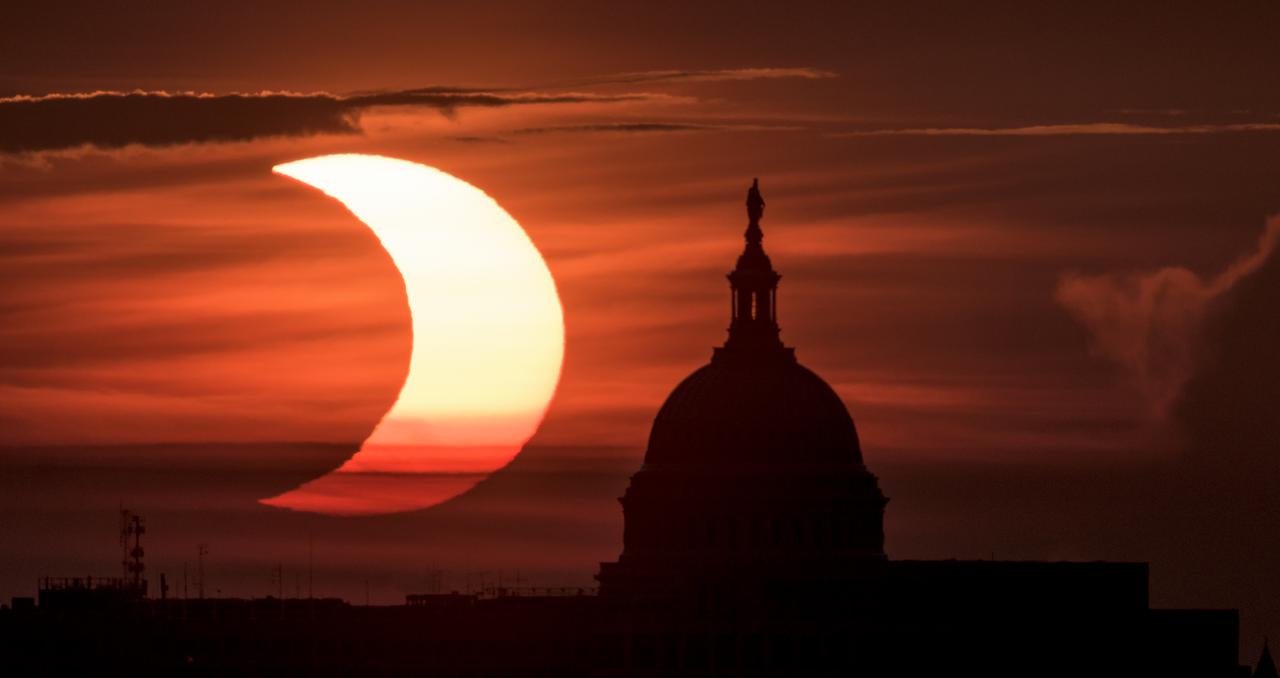
A partial solar eclipse is seen as the sun rises to the left of the United States Capitol building, Thursday, June 10, 2021, as seen from Arlington, Virginia. The annular or “ring of fire” solar eclipse is only visible to some people in Greenland, Northern Russia, and Canada. Photo Credit: (NASA/Bill Ingalls)
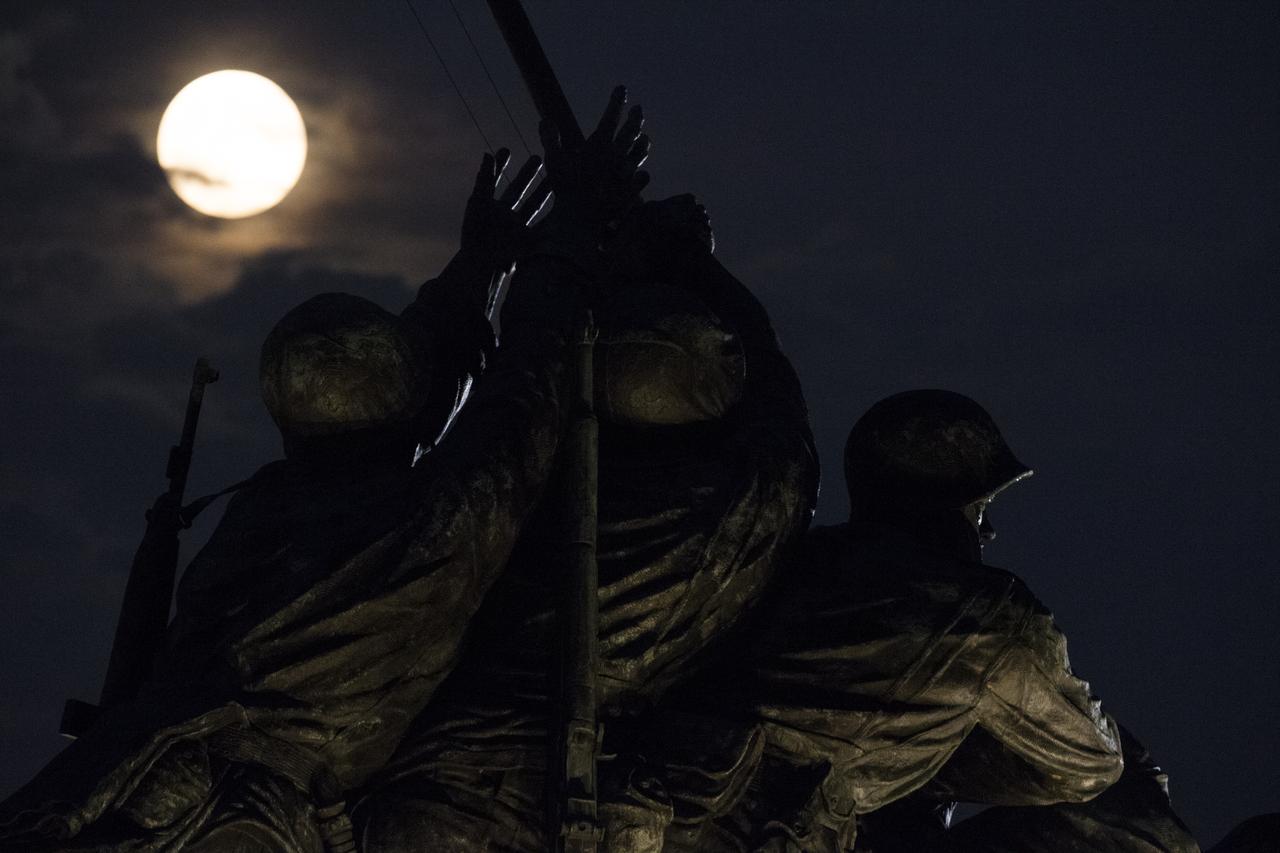
A perigree full moon or supermoon is seen over the US Marine Corps War Memorial, Sunday, August 10, 2014, in Arlington, Virginia. A supermoon occurs when the moon’s orbit is closest (perigee) to Earth at the same time it is full. Photo Credit: (NASA/Joel Kowsky)
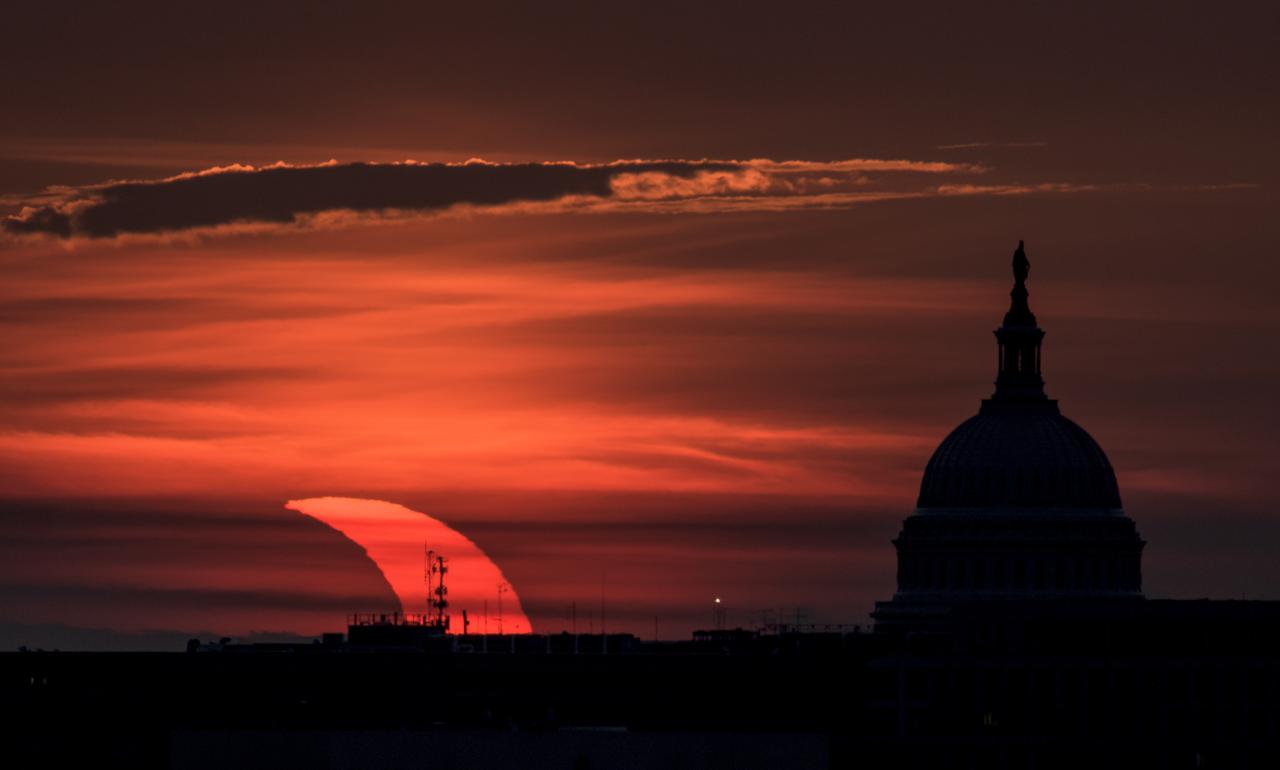
A partial solar eclipse is seen as the sun rises to the left of the United States Capitol building, Thursday, June 10, 2021, as seen from Arlington, Virginia. The annular or “ring of fire” solar eclipse is only visible to some people in Greenland, Northern Russia, and Canada. Photo Credit: (NASA/Bill Ingalls)
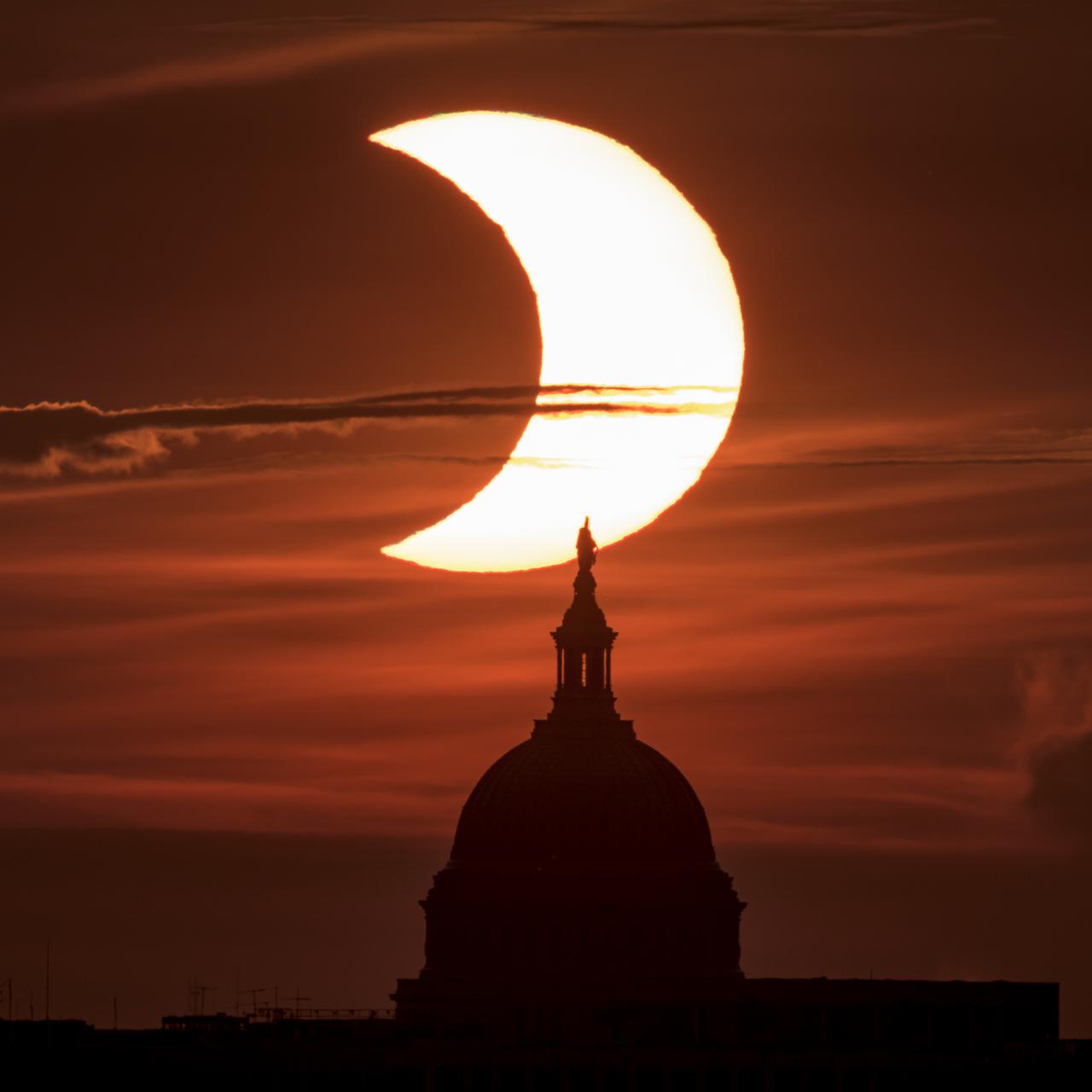
A partial solar eclipse is seen as the sun rises behind the United States Capitol Building, Thursday, June 10, 2021, as seen from Arlington, Virginia. The annular or “ring of fire” solar eclipse is only visible to some people in Greenland, Northern Russia, and Canada. Photo Credit: (NASA/Bill Ingalls)
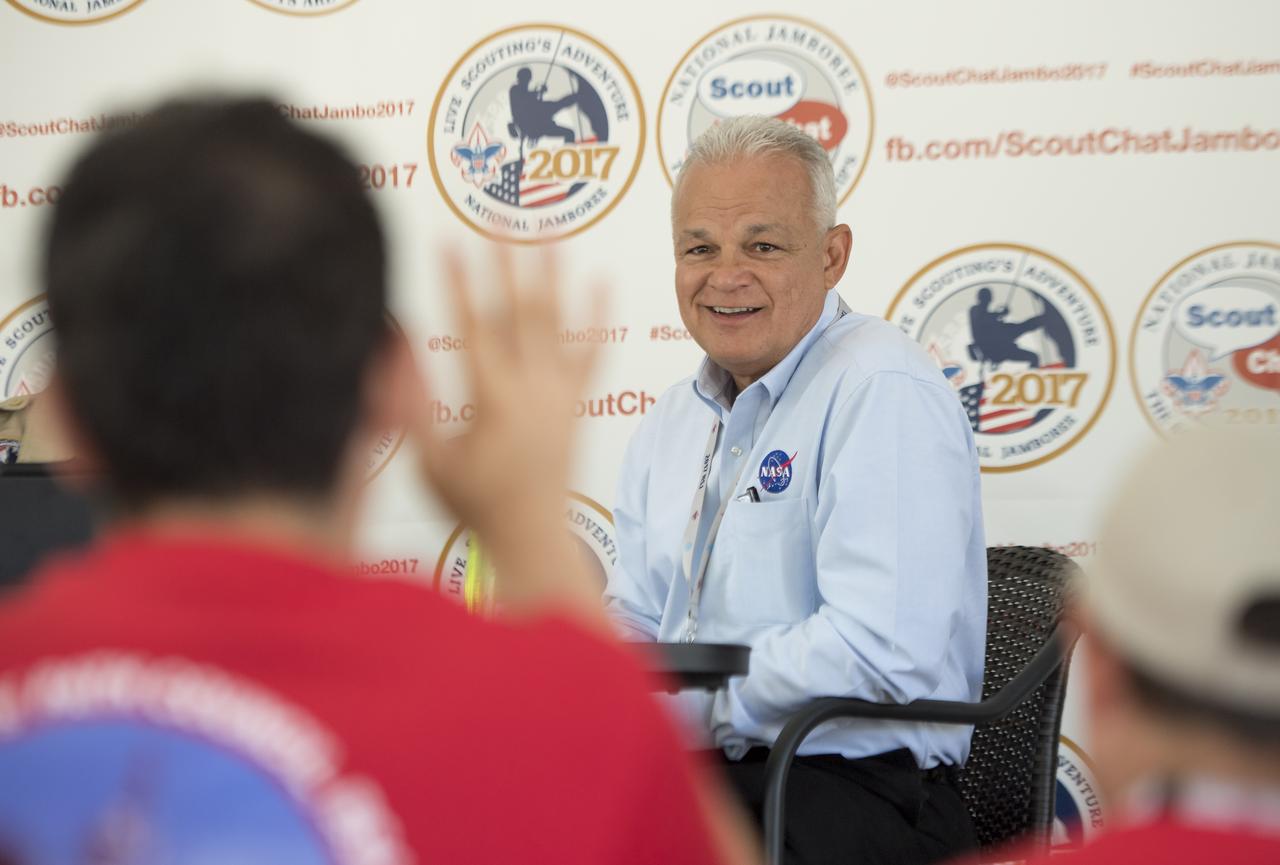
NASA Acting Chief Technologist Douglas Terrier leads a discussion titled “NASA Technologies for Explorers on Earth” during the Boy Scouts of America National Jamboree, Tuesday, July 25, 2017 at the Summit Bechtel Reserve in Glen Jean, West Virginia. Photo Credit: (NASA/Bill Ingalls)
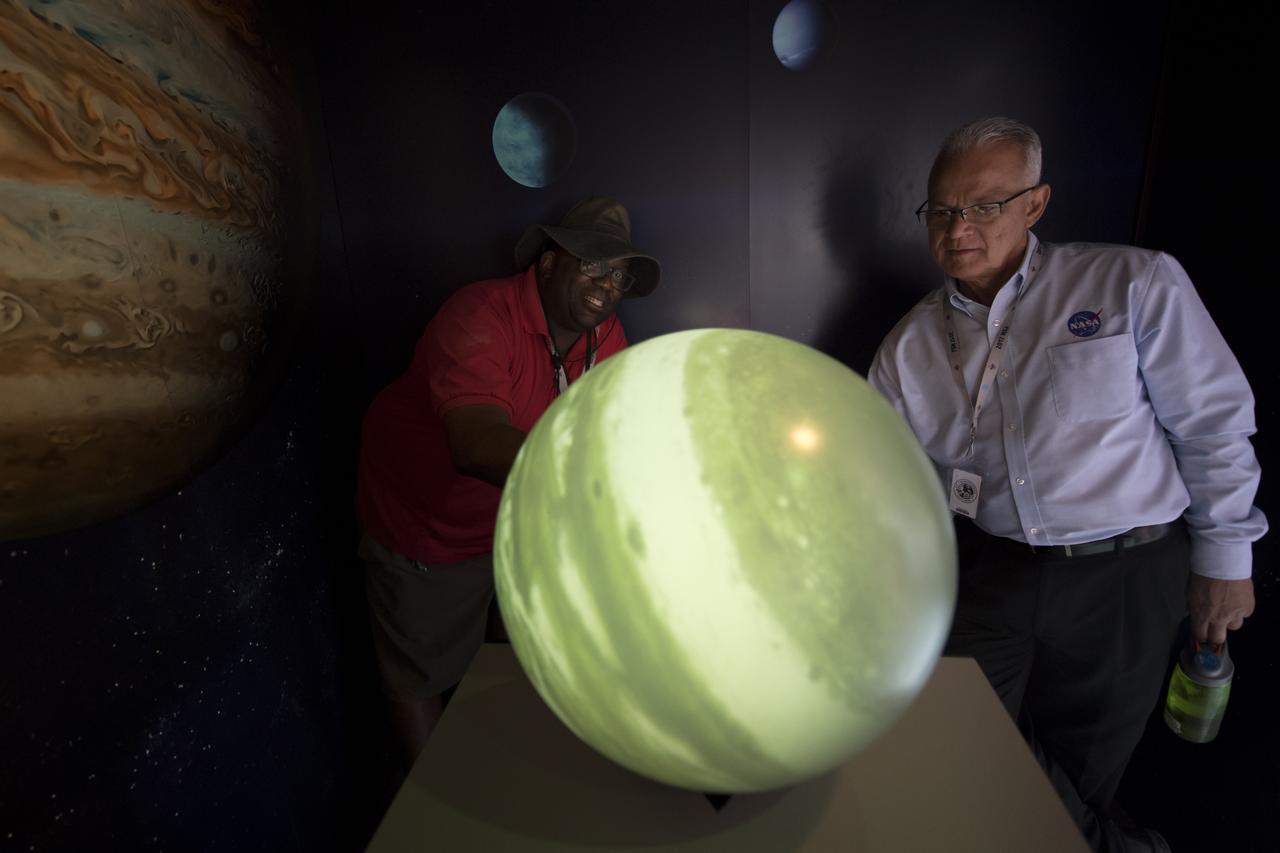
NASA Research Specialist Michael Brandon, left, demonstrates a visualization tool to NASA Acting Chief Technologist Douglas Terrier during the Boy Scouts of America National Jamboree, Tuesday, July 25, 2017 at the Summit Bechtel Reserve in Glen Jean, West Virginia. Photo Credit: (NASA/Bill Ingalls)
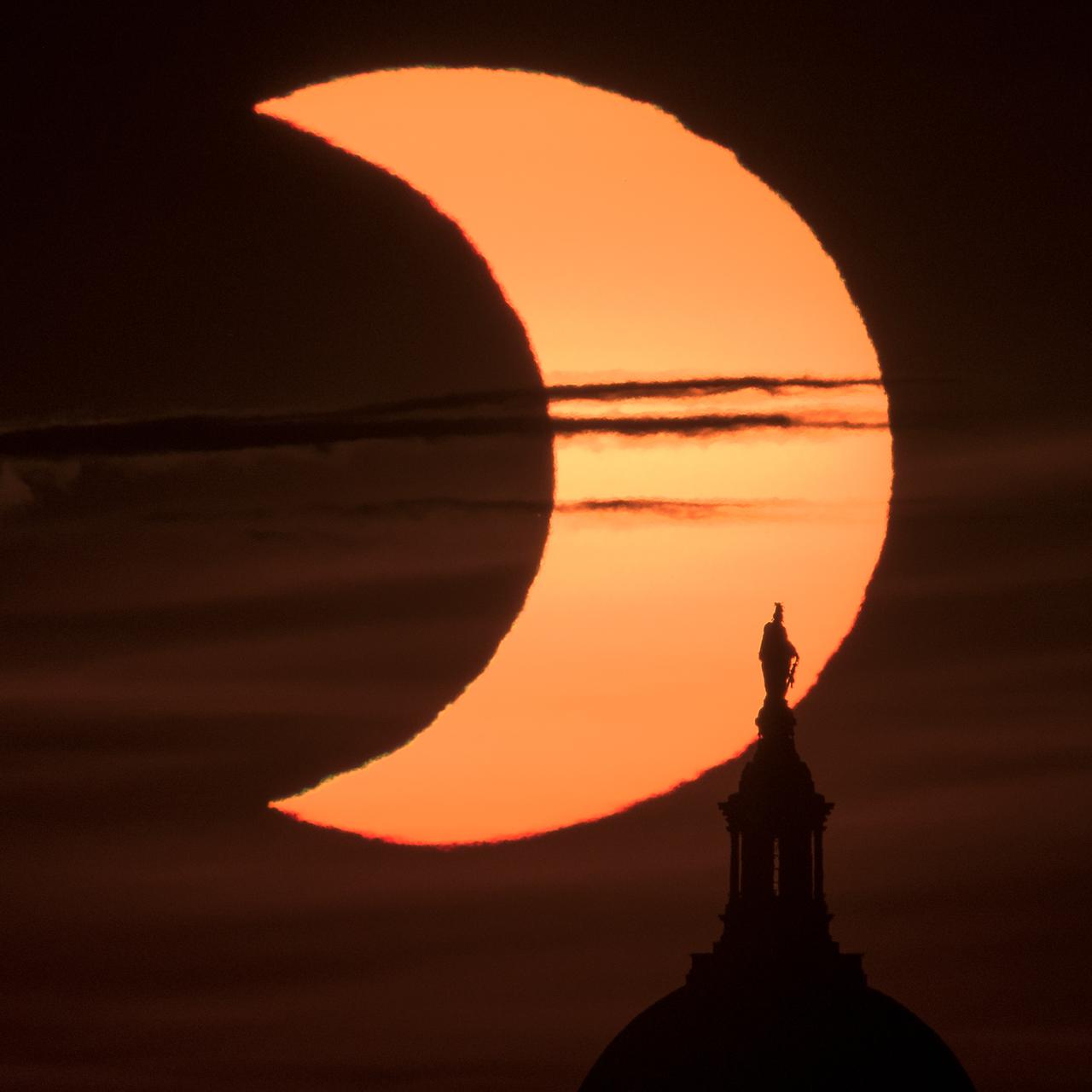
A partial solar eclipse is seen as the sun rises behind the Statue of Freedom atop the United States Capitol Building, Thursday, June 10, 2021, as seen from Arlington, Virginia. The annular or “ring of fire” solar eclipse is only visible to some people in Greenland, Northern Russia, and Canada. Photo Credit: (NASA/Bill Ingalls)
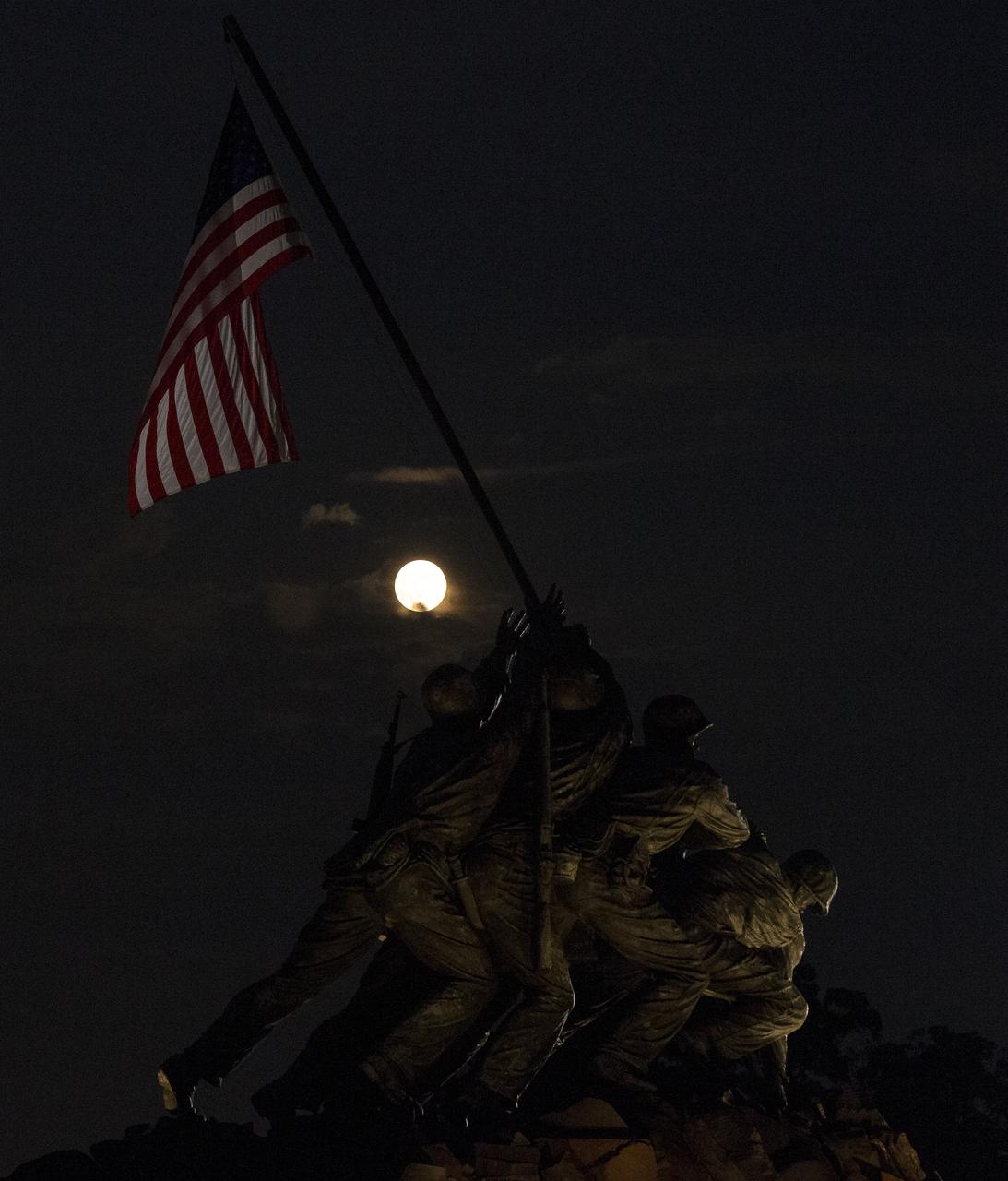
A perigree full moon or supermoon is seen over the US Marine Corps War Memorial, Sunday, August 10, 2014, in Arlington, Virginia. A supermoon occurs when the moon’s orbit is closest (perigee) to Earth at the same time it is full. Photo Credit: (NASA/Joel Kowsky)
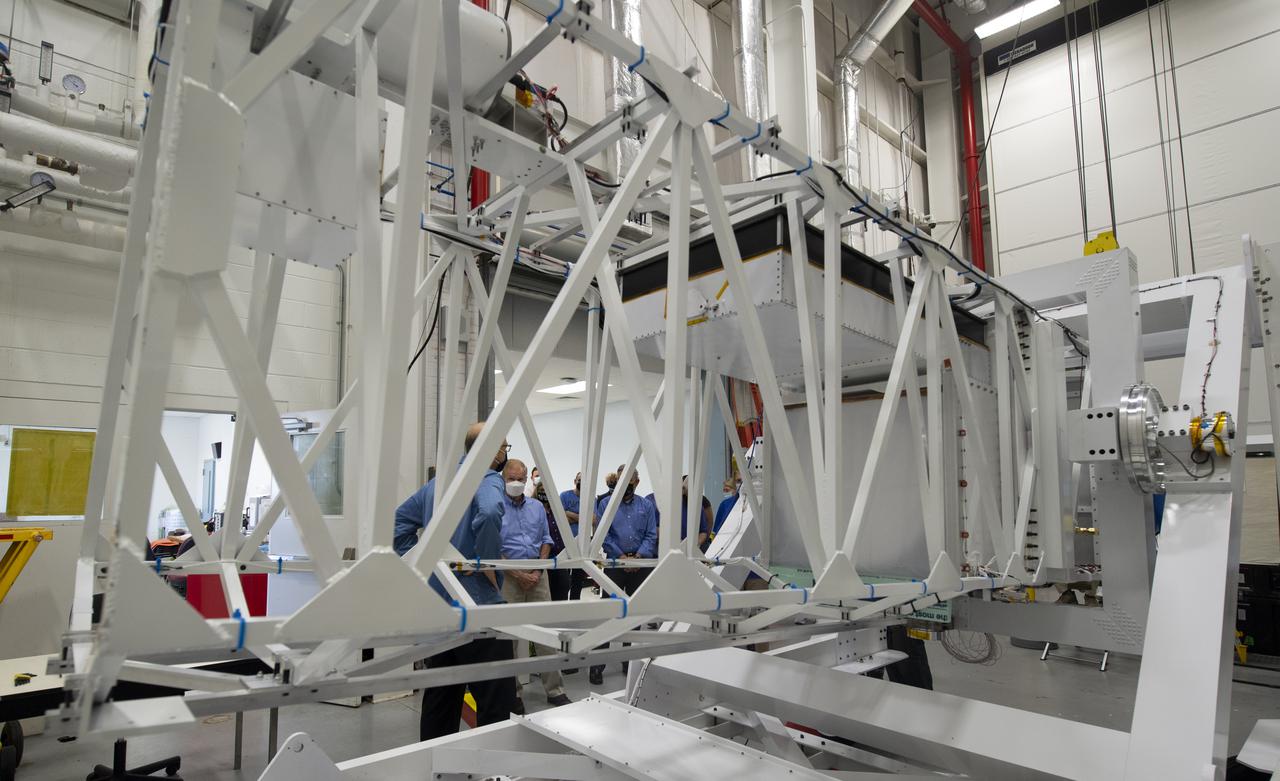
NASA Administrator Bill Nelson is seen through the structure of the Wallops Arc Second Pointer balloon payload being assembled in the Small Satellites, Balloon Research and Development Lab, Tuesday, Aug. 10, 2021, at NASA’s Wallops Flight Facility in Virginia. Photo Credit: (NASA/Joel Kowsky)
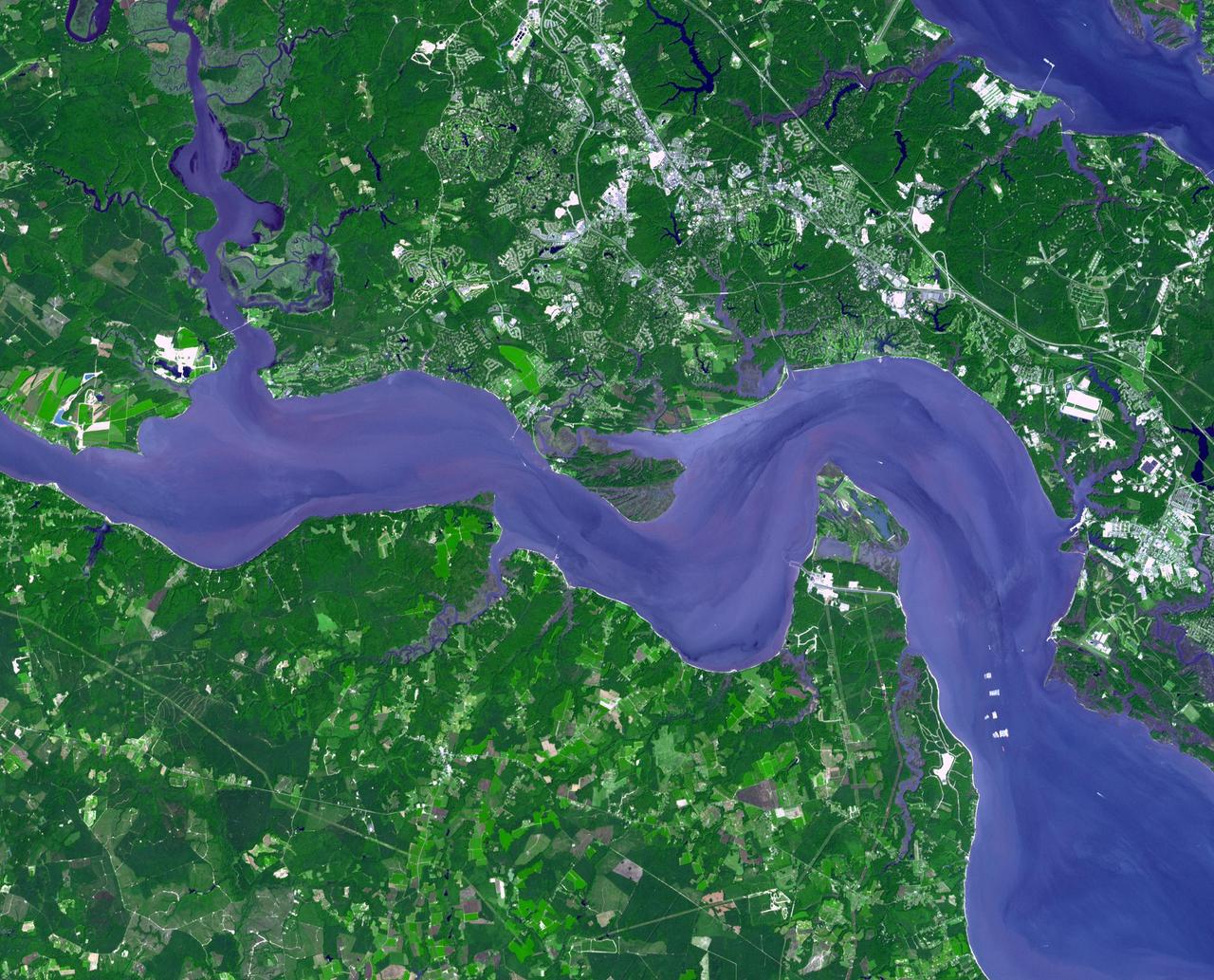
Jamestown, located on Jamestown Island in the Virginia Colony, was founded on May 14, 1607. NASA Terra spacecraft acquired this image on September 4, 2007.

NASA’s Advanced Composite Solar Sail System is seen orbiting Earth in this 13-second exposure photograph, Monday, Sept. 2, 2024, from Arlington, Virginia. The mission team confirmed the spacecraft’s unique composite boom system unfurled its reflective sail on Thursday, accomplishing a critical milestone in the agency’s demonstration of next-generation solar sail technology that will allow small spacecraft to “sail on sunlight.” Just as a sailboat is powered by wind in a sail, a spacecraft can use the pressure of sunlight on a solar sail for propulsion. This technology demonstration serves as a pathfinder for future missions powered by solar sail technology. Photo Credit: (NASA/Bill Ingalls)
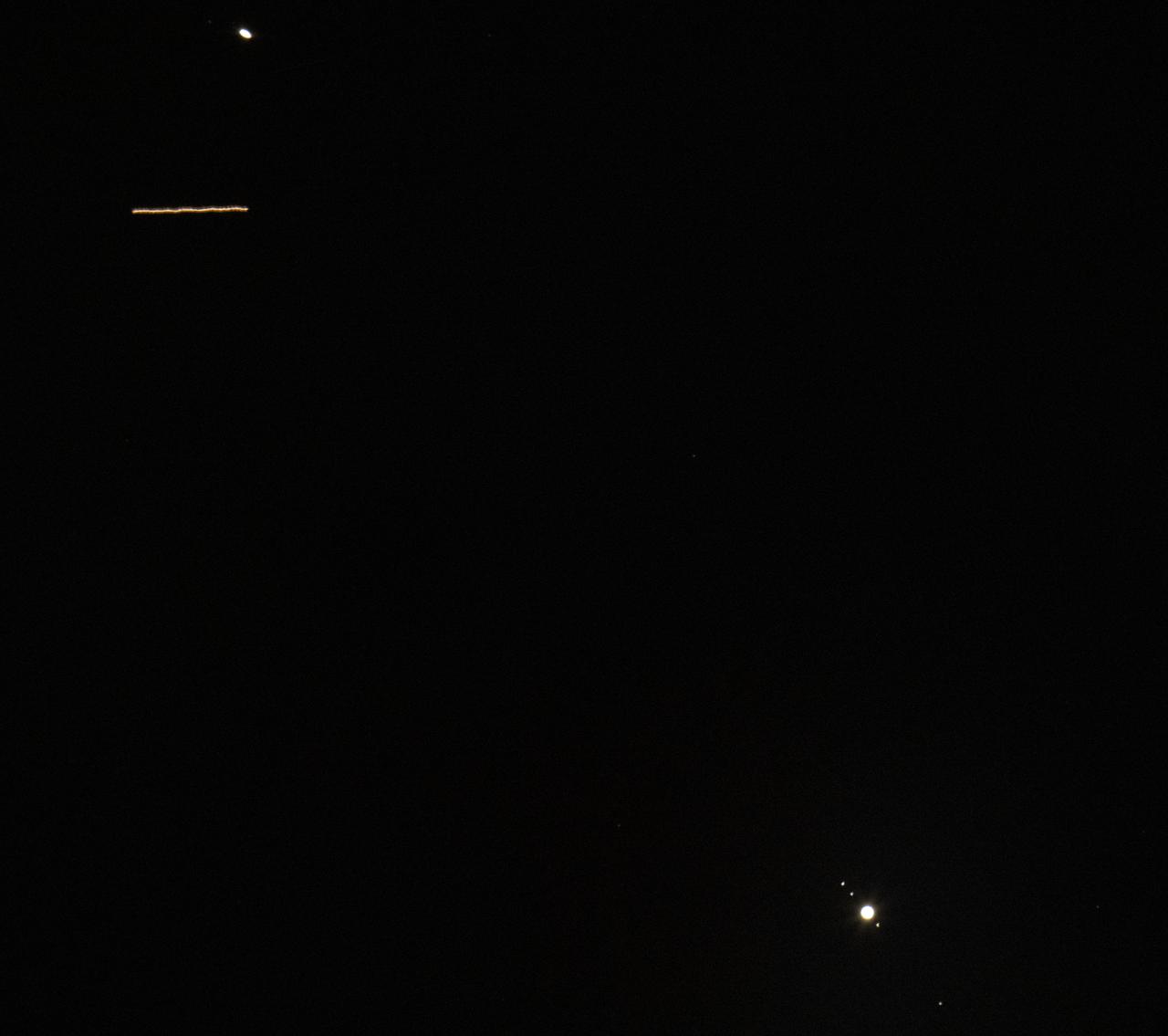
The International Space Station is seen in this third of a second exposure passing between Saturn, top, and Jupiter, bottom, as it flies over Alexandria, Virginia, Friday, Dec. 11, 2020. Onboard are: NASA astronauts Kate Rubins, Shannon Walker, Victor Glover, Mike Hopkins; Japan Aerospace Exploration Agency (JAXA) astronaut Soichi Noguchi; Russian cosmonauts Sergey Ryzhikov, and Sergey Kud-Sverchkov. Saturn and Jupiter are drawing closer to each other in the sky as they head towards a “great conjunction” on December 21, where the two giant planets will appear a tenth of a degree apart. Photo Credit: (NASA/Joel Kowsky)
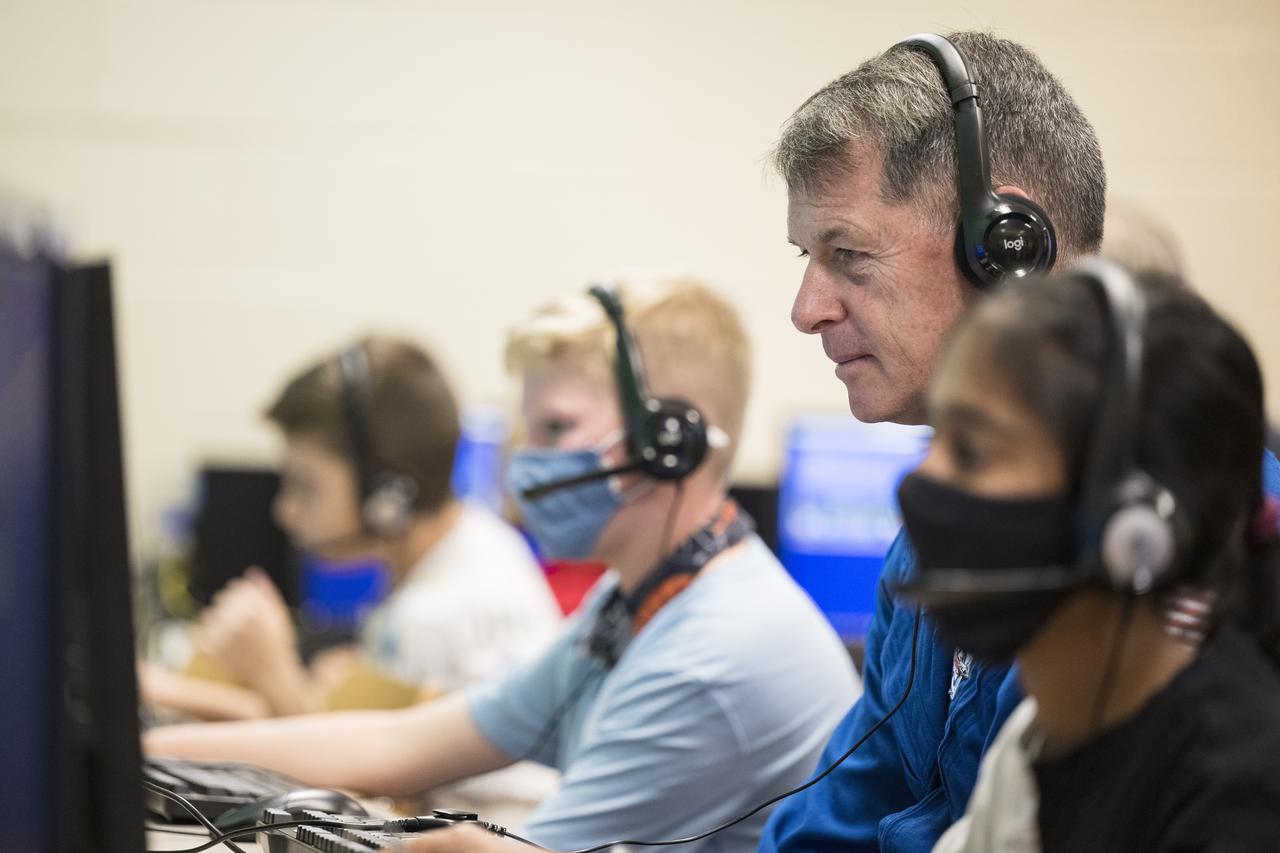
NASA’s SpaceX Crew-2 NASA astronaut Shane Kimbrough surveys what students in the tech crew in the Space Shuttle Simulator room are doing during a visit to Arlington Science Focus Elementary School, Friday, June 10, 2022, in Arlington, Virginia. Photo Credit: (NASA/Aubrey Gemignani)
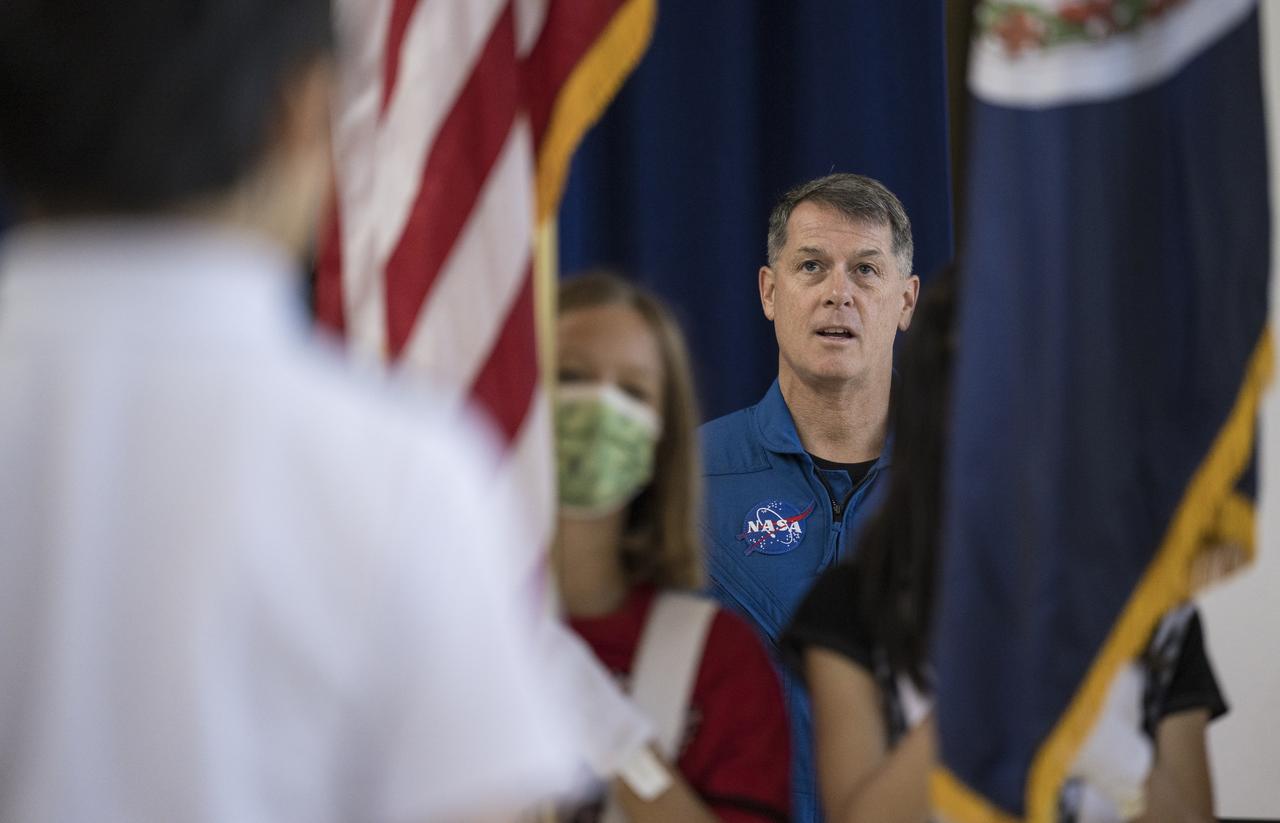
NASA’s SpaceX Crew-2 NASA astronaut Shane Kimbrough sings the national anthem during opening ceremonies of a visit to Arlington Science Focus Elementary School, Friday, June 10, 2022, in Arlington, Virginia. Photo Credit: (NASA/Aubrey Gemignani)
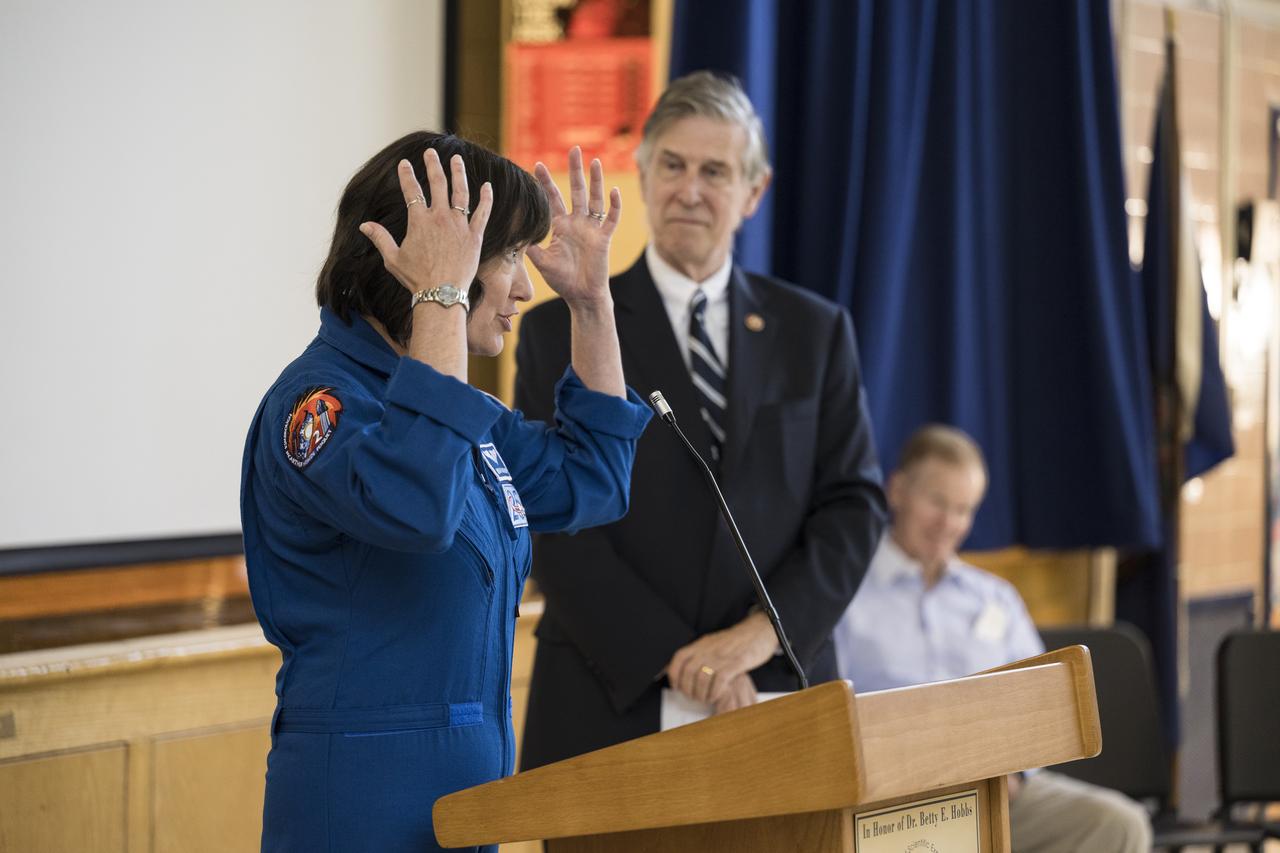
NASA’s SpaceX Crew-2 NASA astronaut Megan McArthur speaks to students during a visit to Arlington Science Focus Elementary School, Friday, June 10, 2022, in Arlington, Virginia. Photo Credit: (NASA/Aubrey Gemignani)
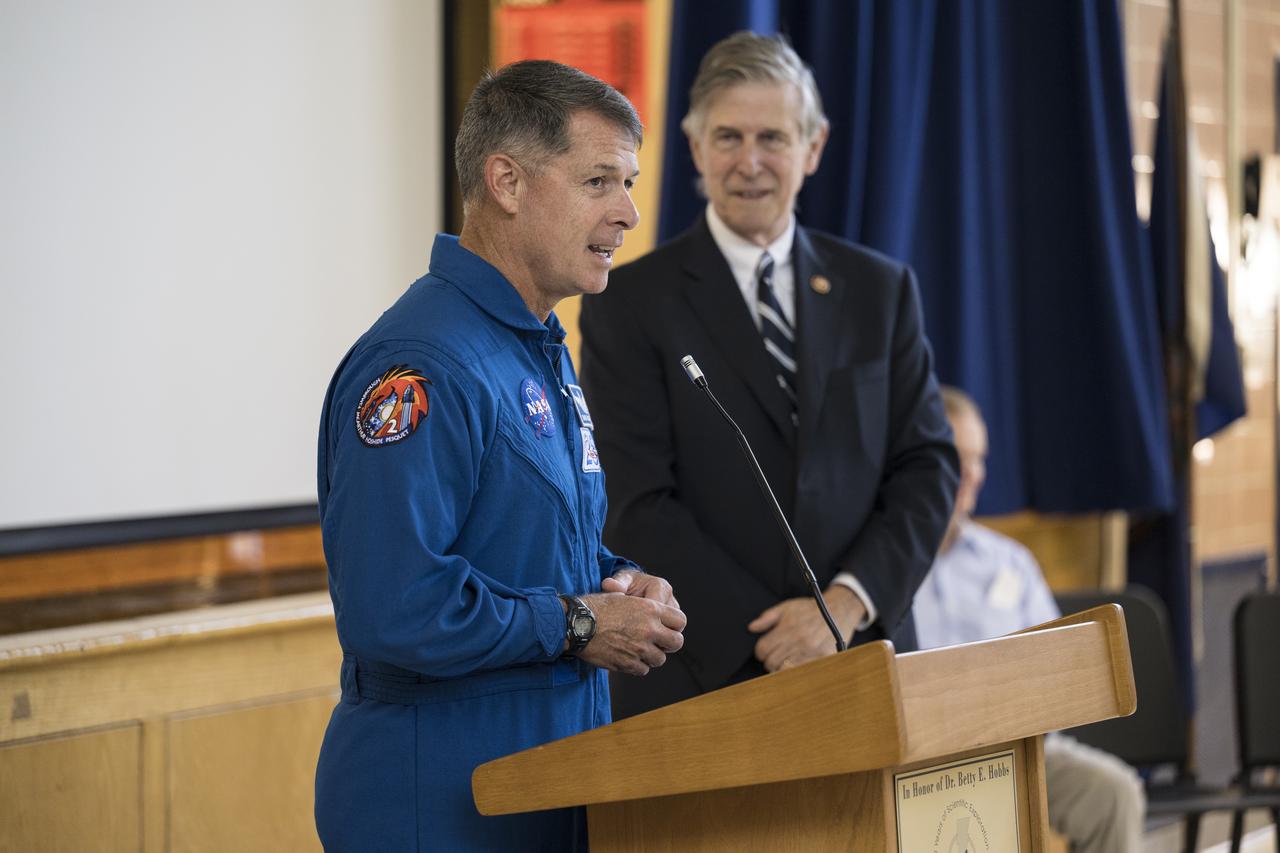
NASA’s SpaceX Crew-2 NASA astronaut Shane Kimbrough speaks to students during a visit to Arlington Science Focus Elementary School, Friday, June 10, 2022, in Arlington, Virginia. Photo Credit: (NASA/Aubrey Gemignani)
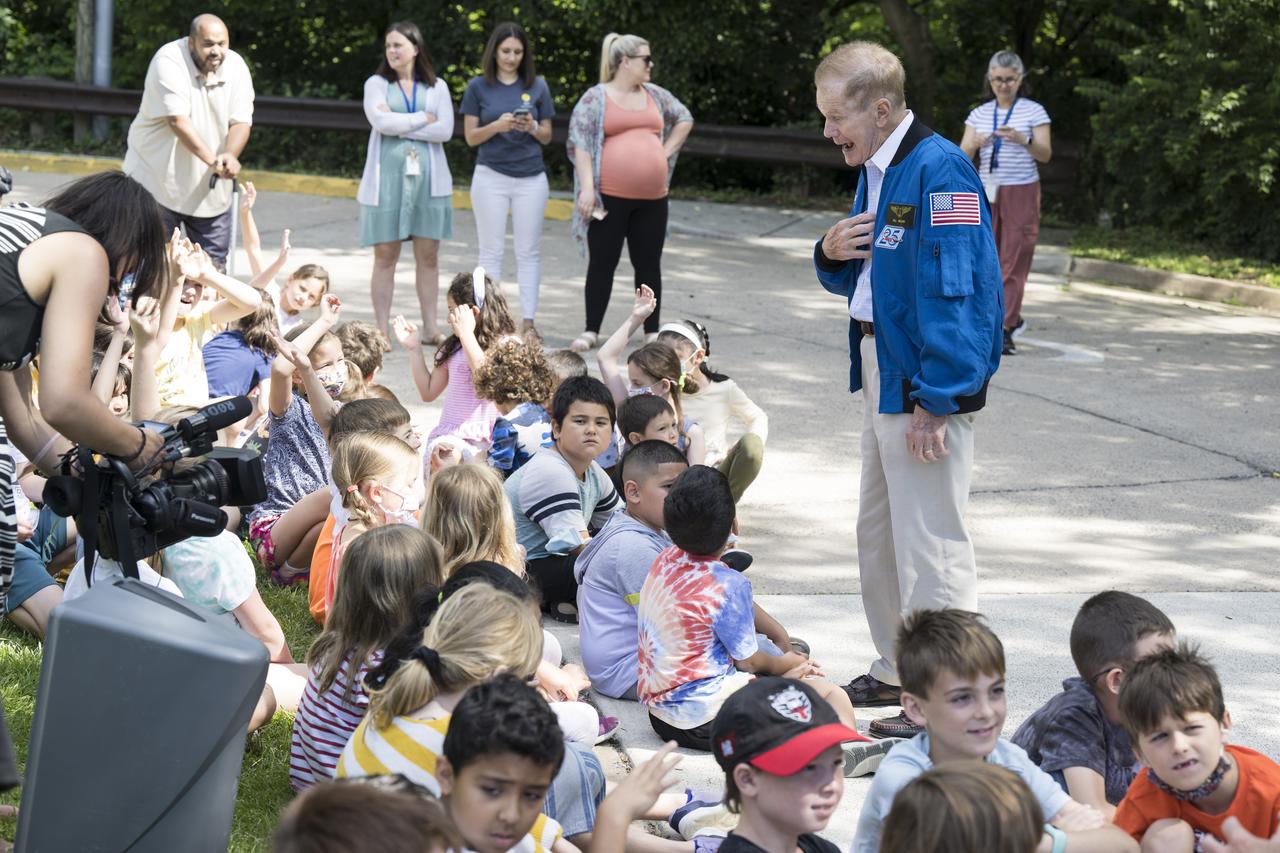
NASA Administrator Bill Nelson speaks to students during a visit to Arlington Science Focus Elementary School, Friday, June 10, 2022, in Arlington, Virginia. Photo Credit: (NASA/Aubrey Gemignani)
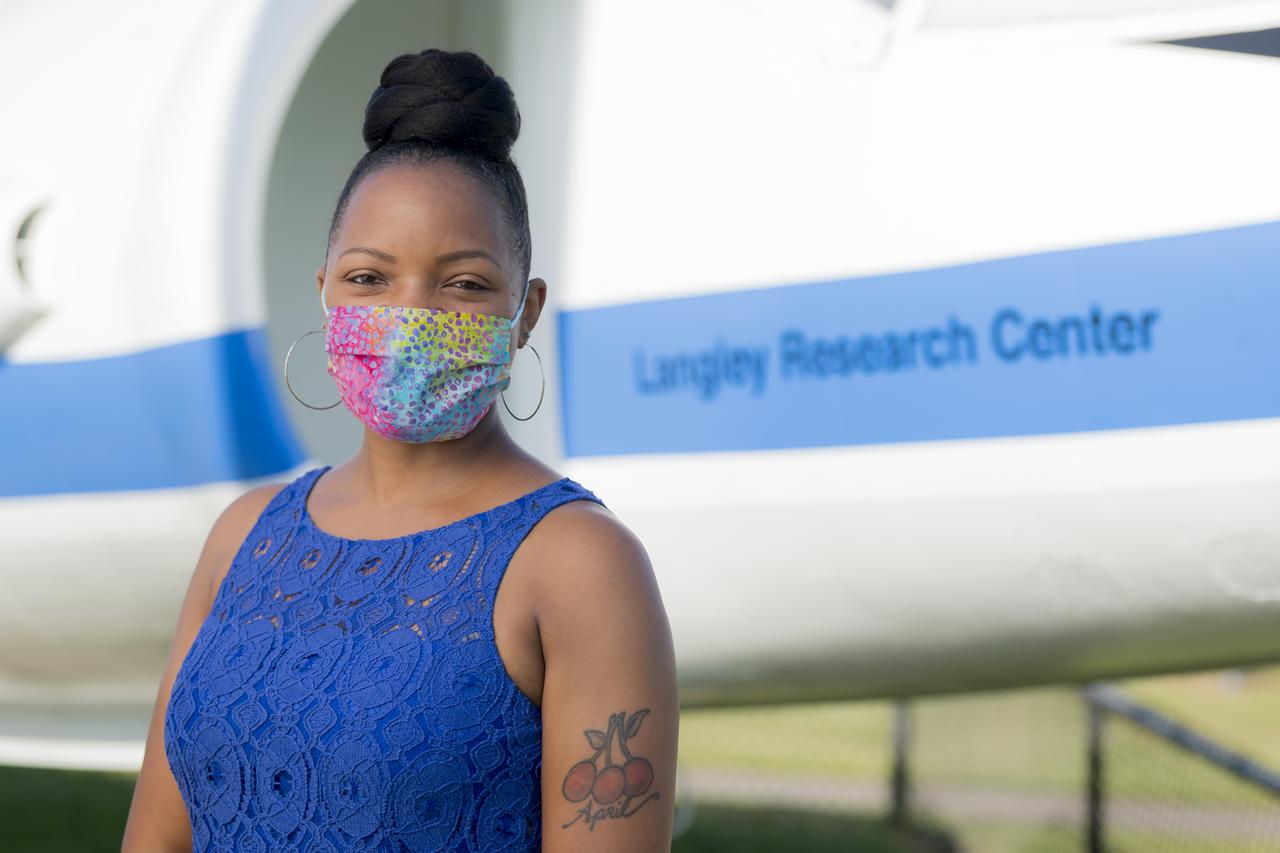
Portrait of April Albert in front of NASA Langley's Hawker Siddeley P-1127 on display at Air Power Park in Hampton, Virginia. Due to the COVID-19 pandemic, masks were mandated by Governor Northam in Virginia in public settings. This is for the faces of NASA project. "I am really made to feel like I am part of a family. I don’t feel like anybody is treated differently. We are all one team. To be a part of NASA, to me, is to be part of something special. There is nothing like the camaraderie of NASA. I feel like I’m where I belong.” — April Albert, Schedule Analyst, Langley Research Center