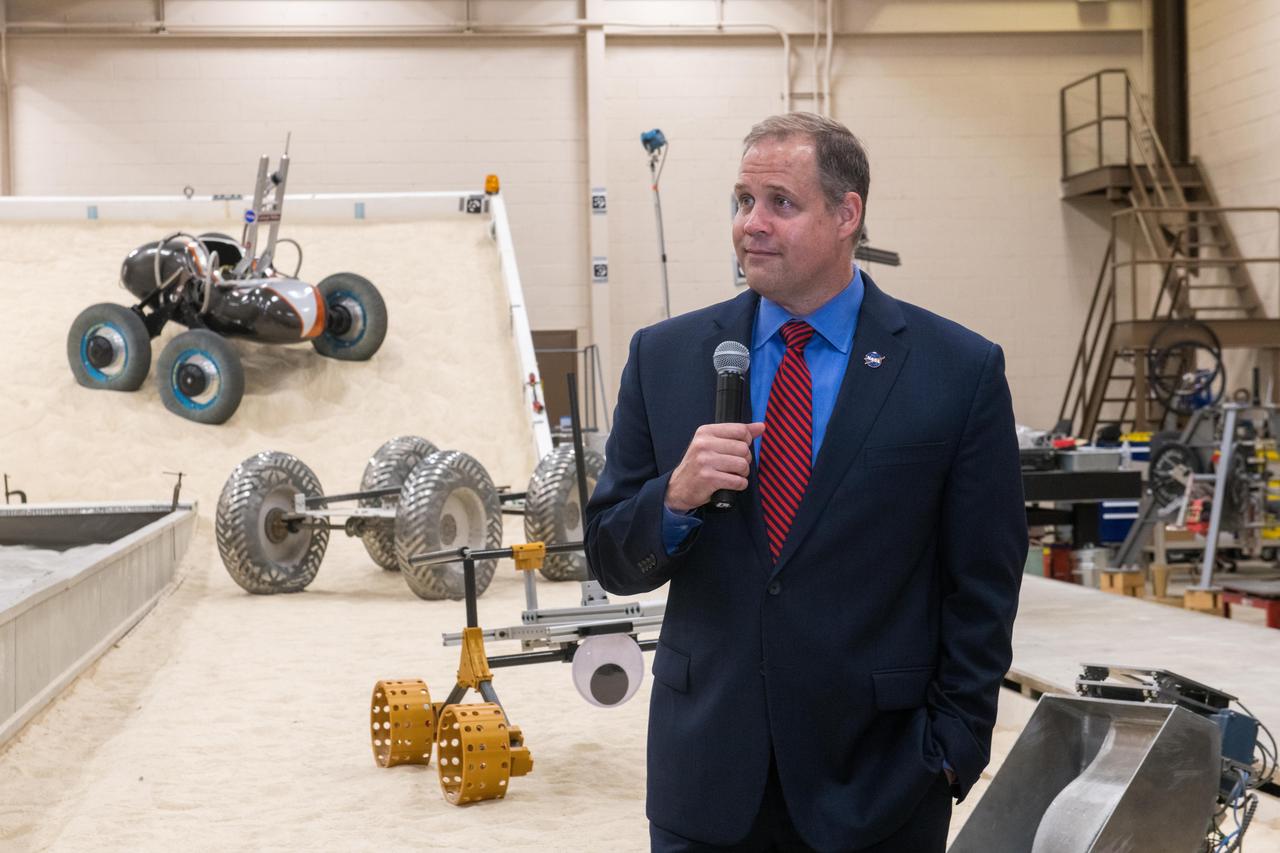
Visit by NASA Administrator, James Bridenstine
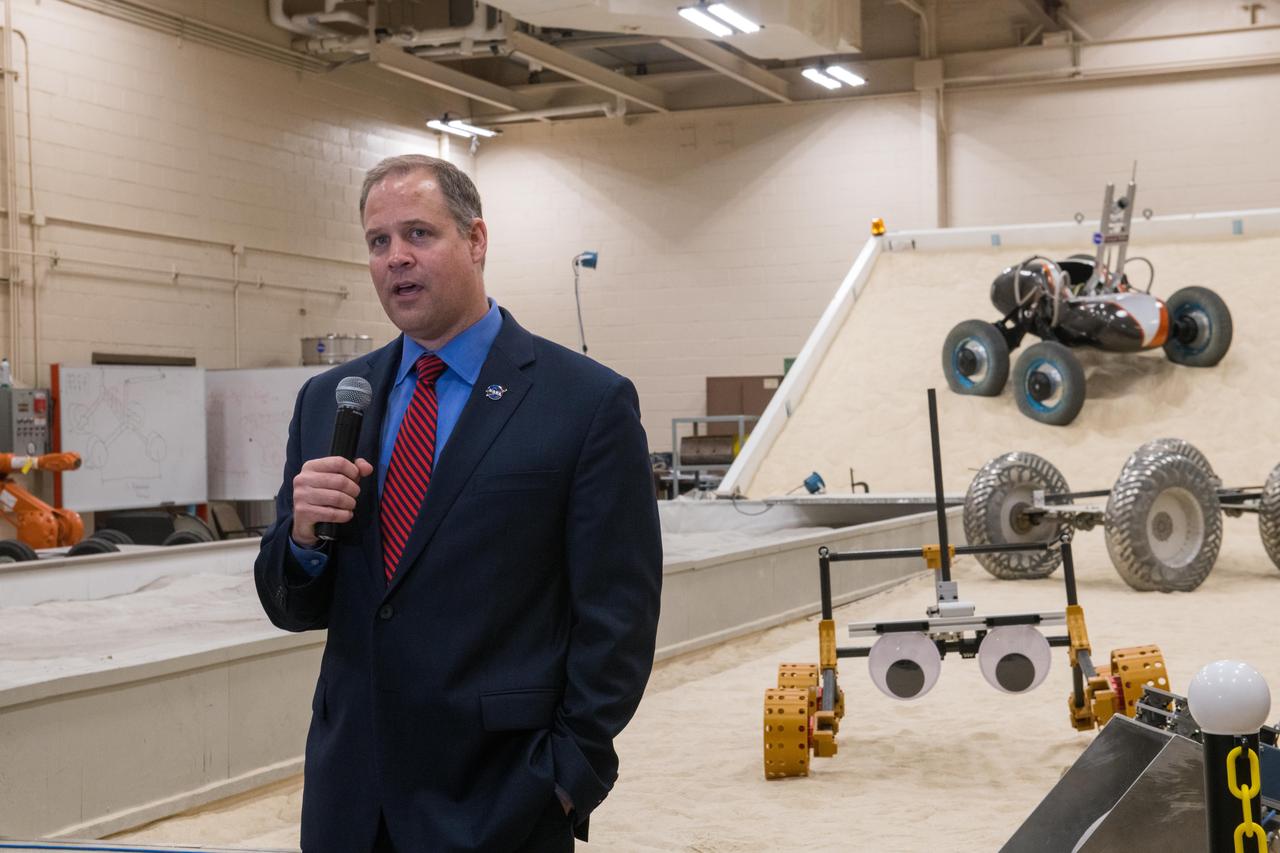
Visit by NASA Administrator, James Bridenstine
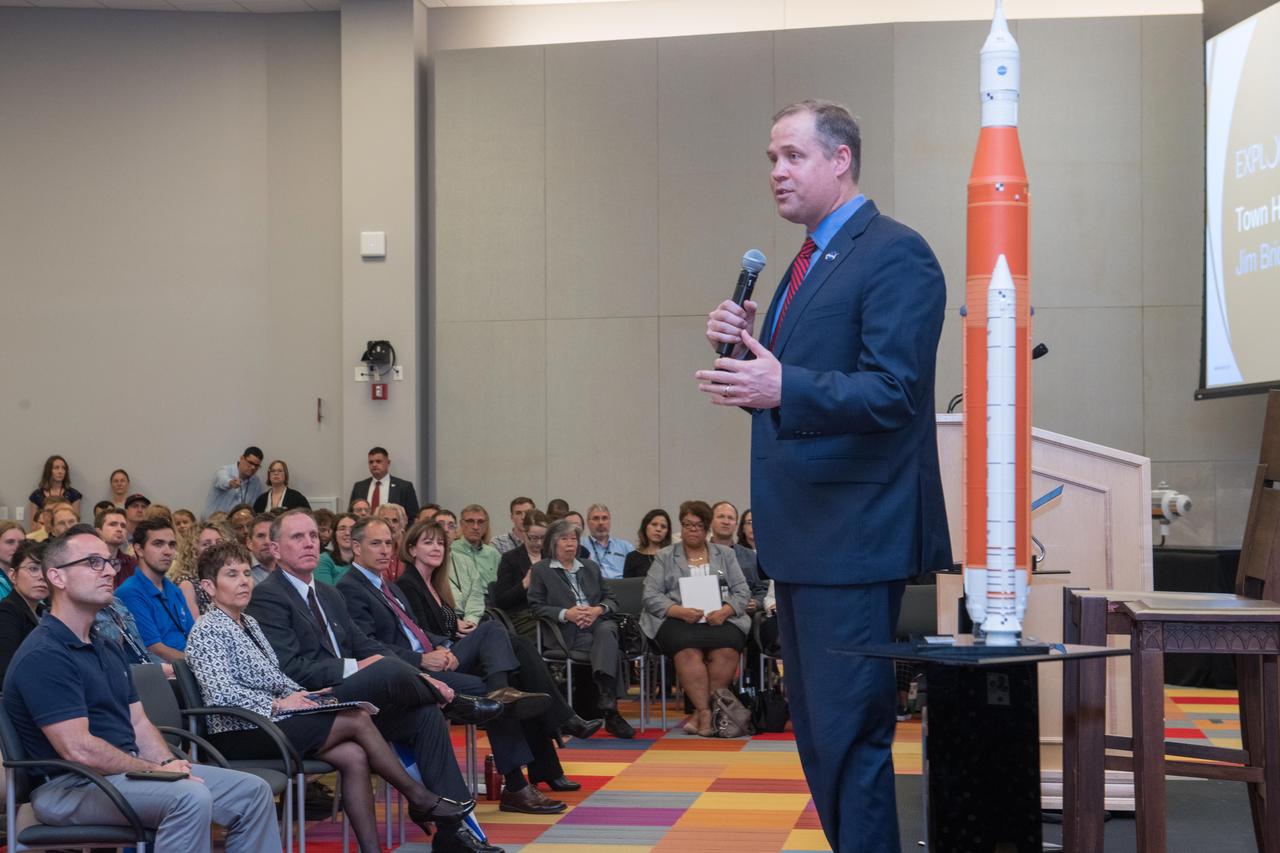
Visit by NASA Administrator, James Bridenstine
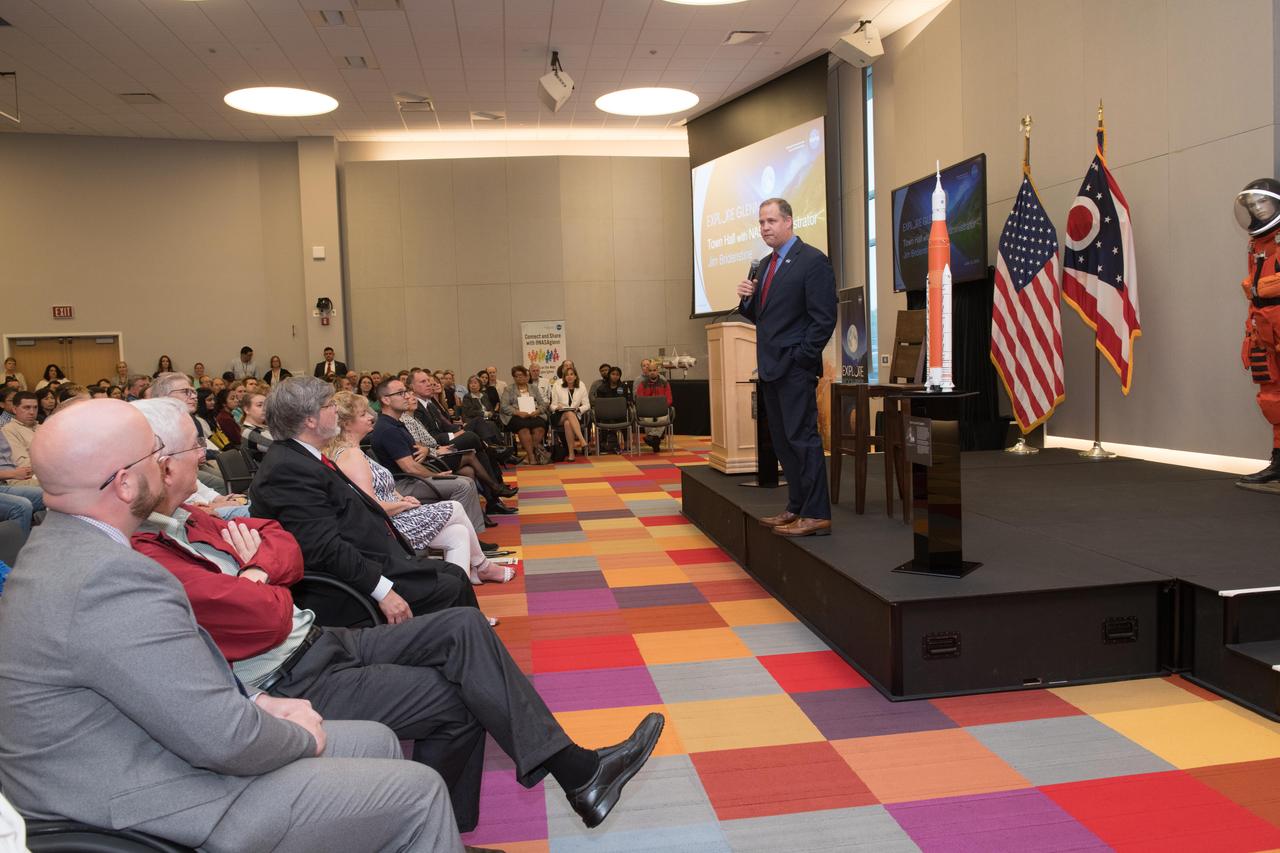
Visit by NASA Administrator, James Bridenstine
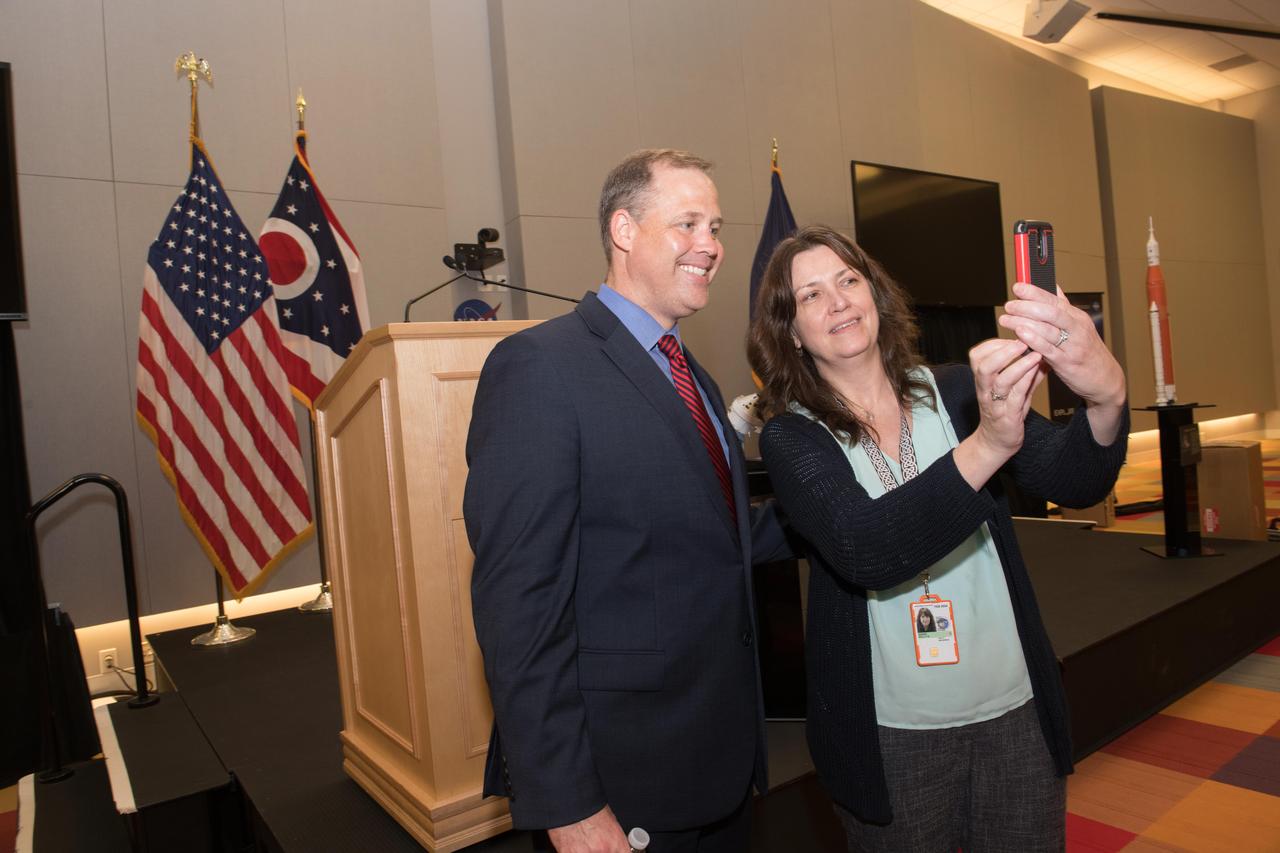
Visit by NASA Administrator, James Bridenstine
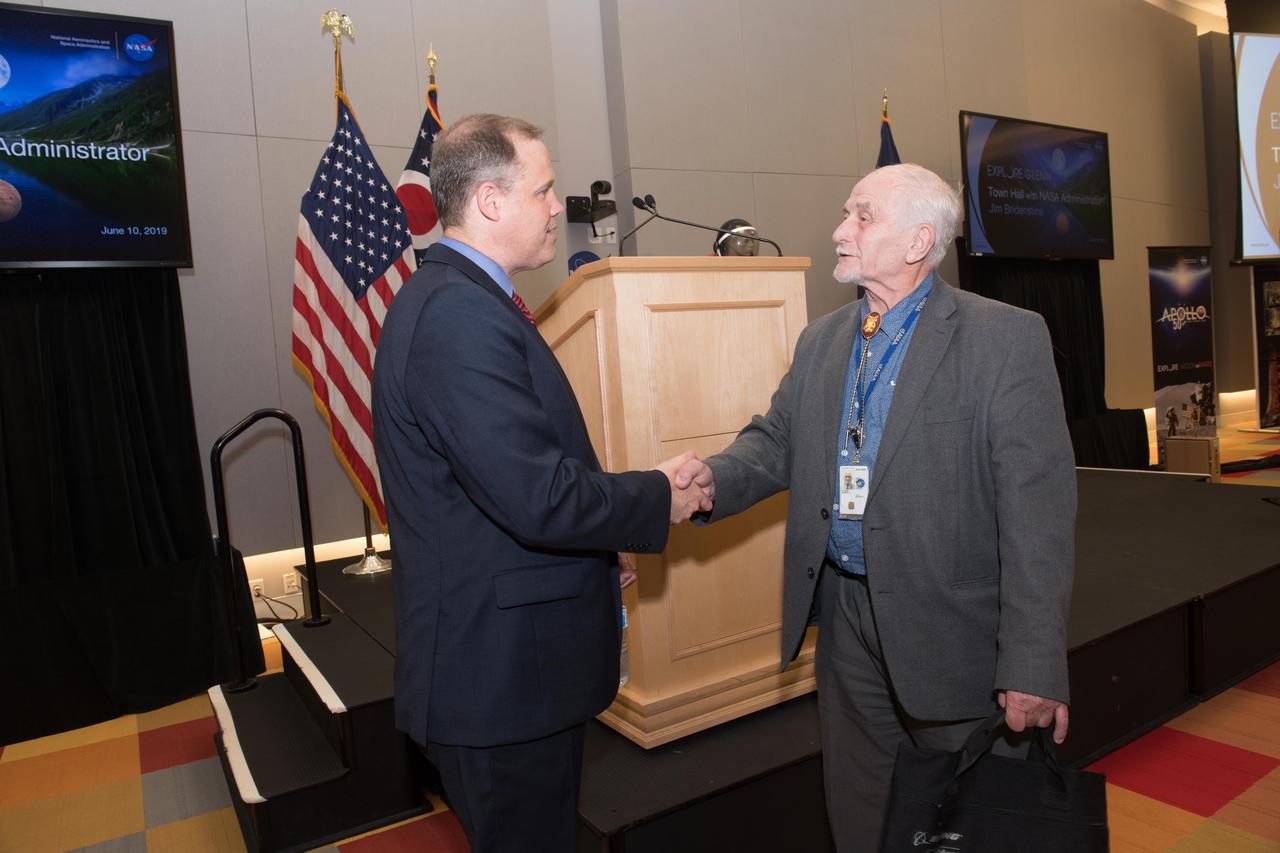
Visit by NASA Administrator, James Bridenstine
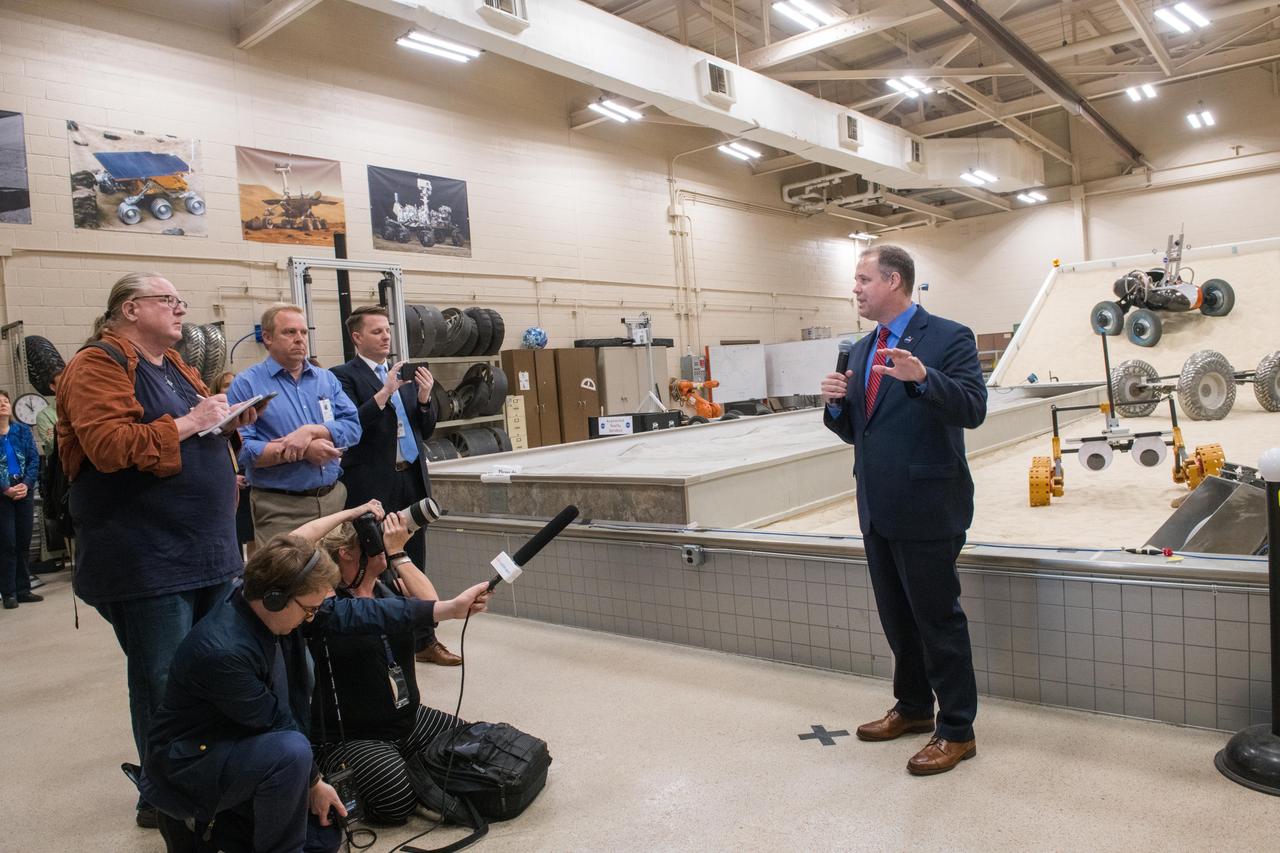
Visit by NASA Administrator, James Bridenstine
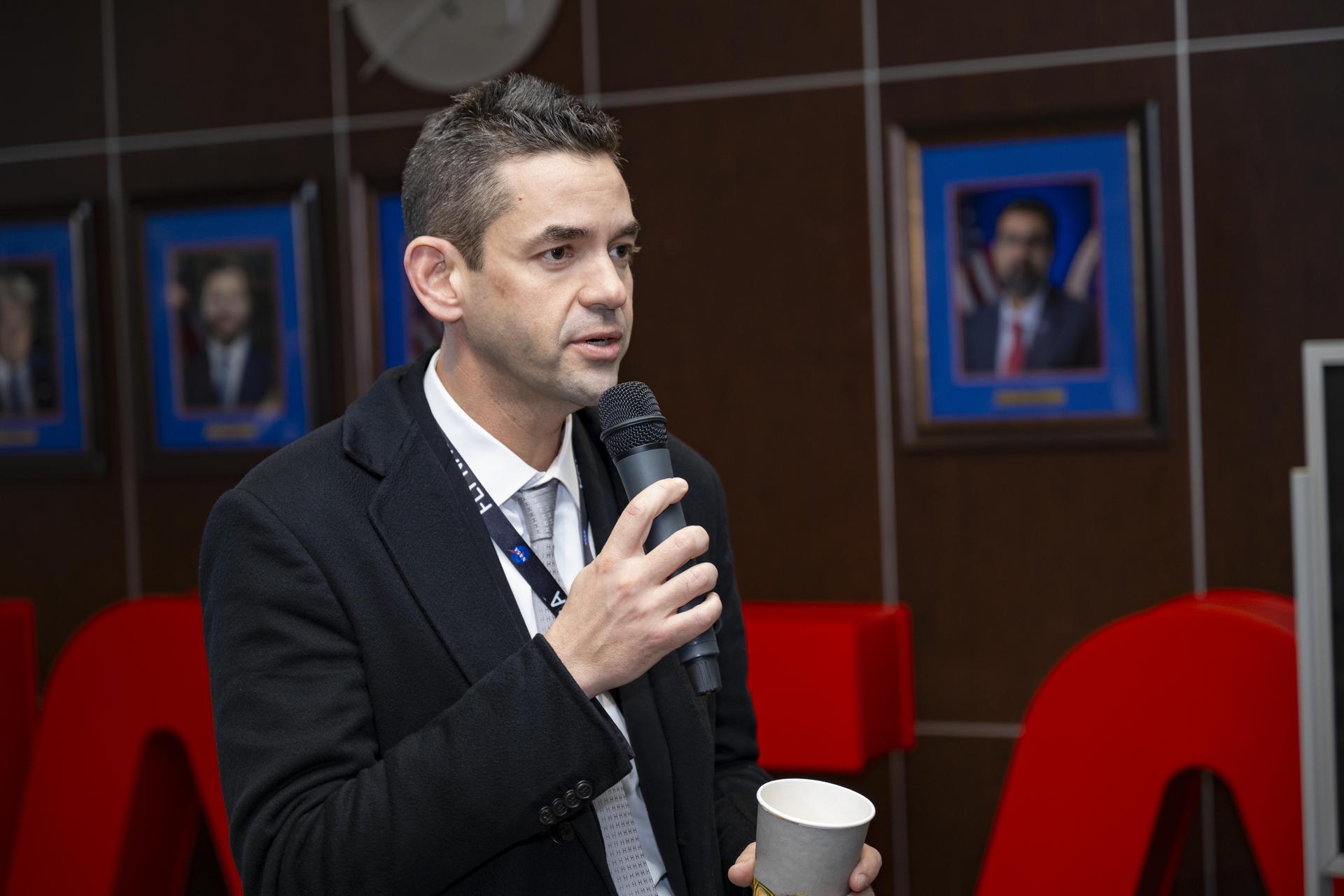
NASA Administrator Jared Isaacman speaks with NASA employees during his visit to NASA’s Stennis Space Center near Bay St. Louis, Mississippi, on Jan. 15, 2026. Isaacman, NASA’s 15th administrator, began visiting the agency’s centers after his appointment on Dec. 17, 2025.
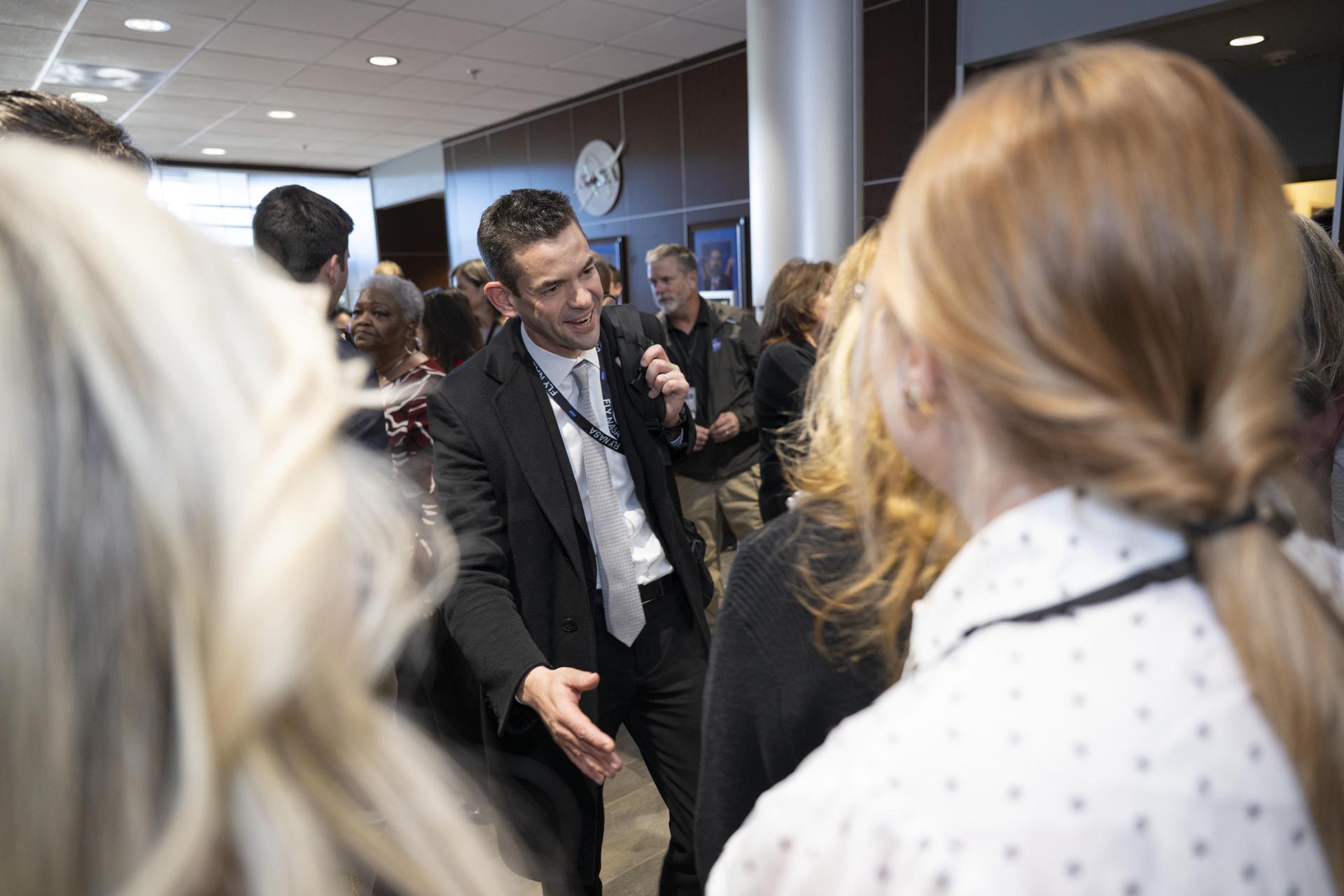
NASA Administrator Jared Isaacman, center, meets with NASA employees during his visit to NASA’s Stennis Space Center near Bay St. Louis, Mississippi, on Jan. 15, 2026. Isaacman, NASA’s 15th administrator, began visiting the agency’s centers after his appointment on Dec. 17, 2025.
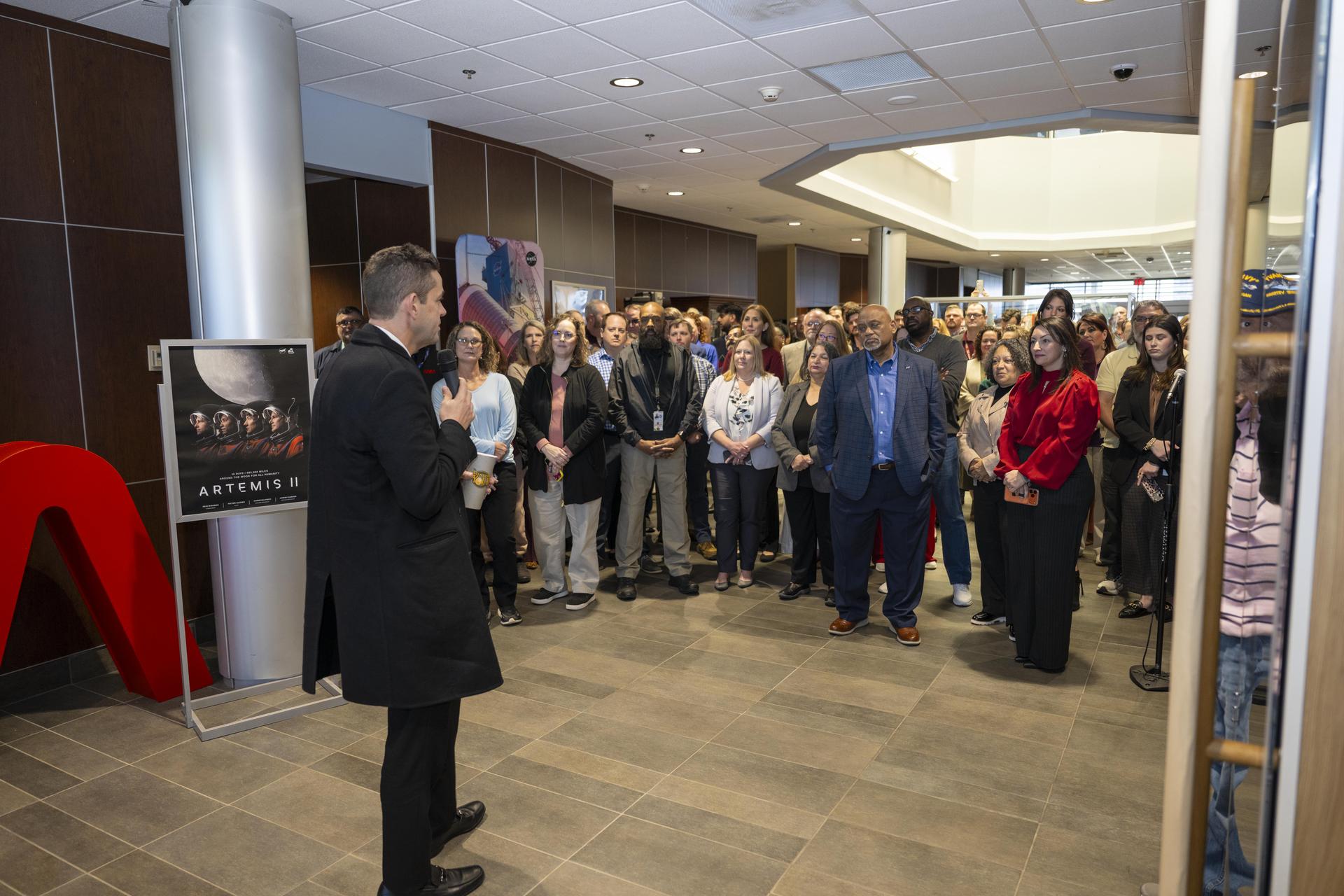
NASA Administrator Jared Isaacman, left, speaks with NASA employees during his visit to NASA’s Stennis Space Center near Bay St. Louis, Mississippi, on Jan. 15, 2026. Isaacman, NASA’s 15th administrator, began visiting the agency’s centers after his appointment on Dec. 17, 2025.
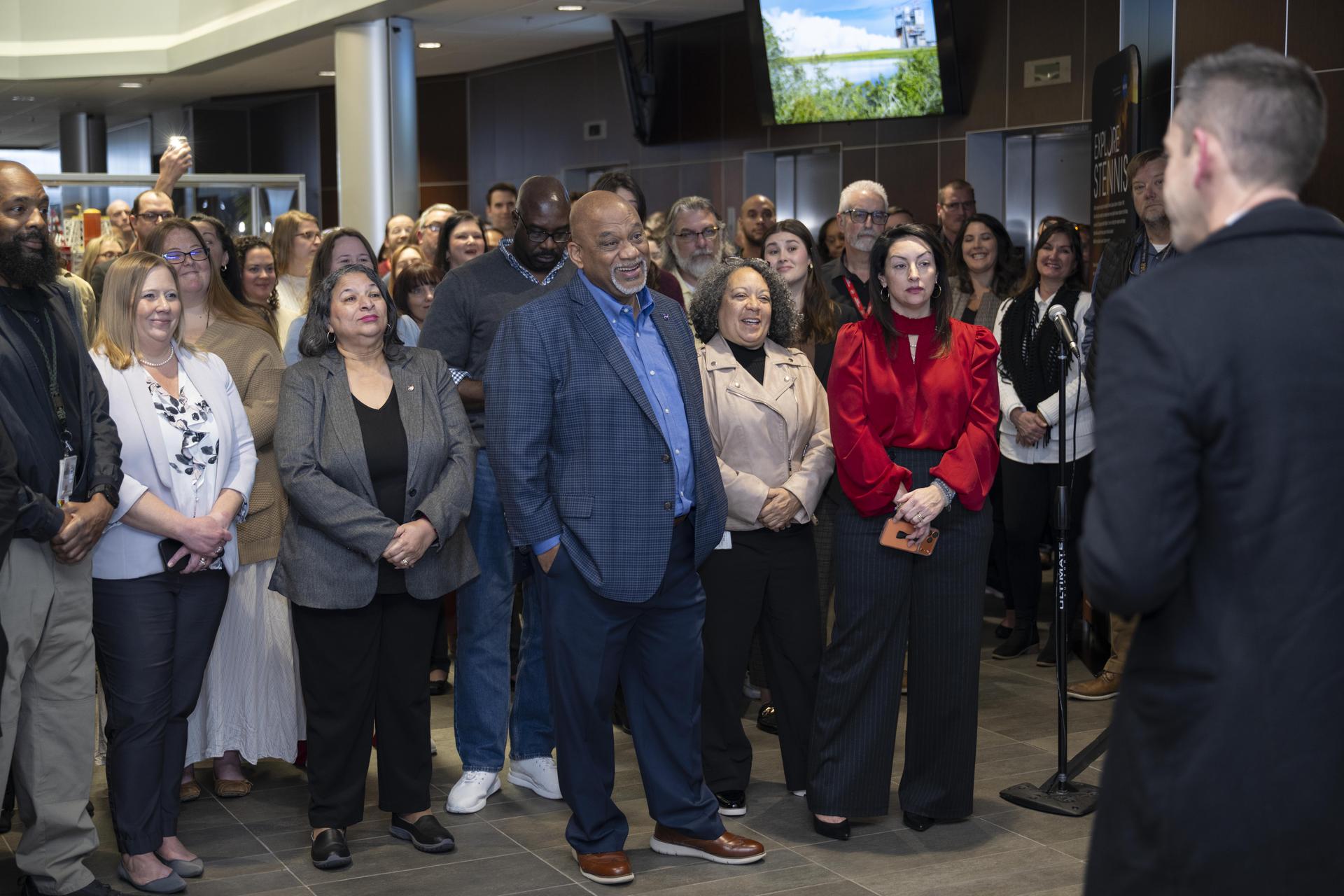
NASA Administrator Jared Isaacman, right, speaks with NASA employees during his visit to NASA’s Stennis Space Center near Bay St. Louis, Mississippi, on Jan. 15, 2026. Isaacman, NASA’s 15th administrator, began visiting the agency’s centers after his appointment on Dec. 17, 2025.
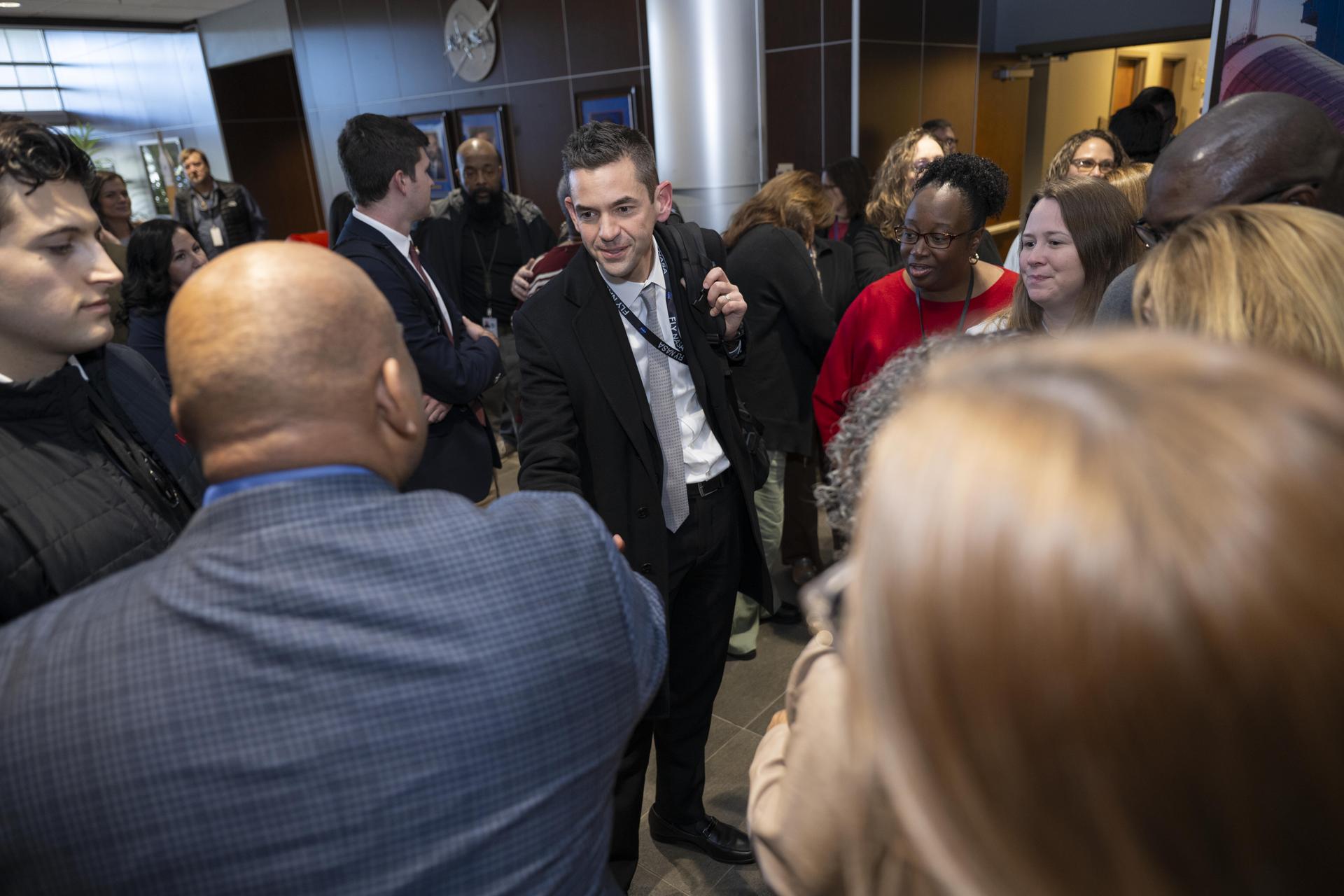
NASA Administrator Jared Isaacman, center, meets with NASA employees during his visit to NASA’s Stennis Space Center near Bay St. Louis, Mississippi, on Jan. 15, 2026. Isaacman, NASA’s 15th administrator, began visiting the agency’s centers after his appointment on Dec. 17, 2025.
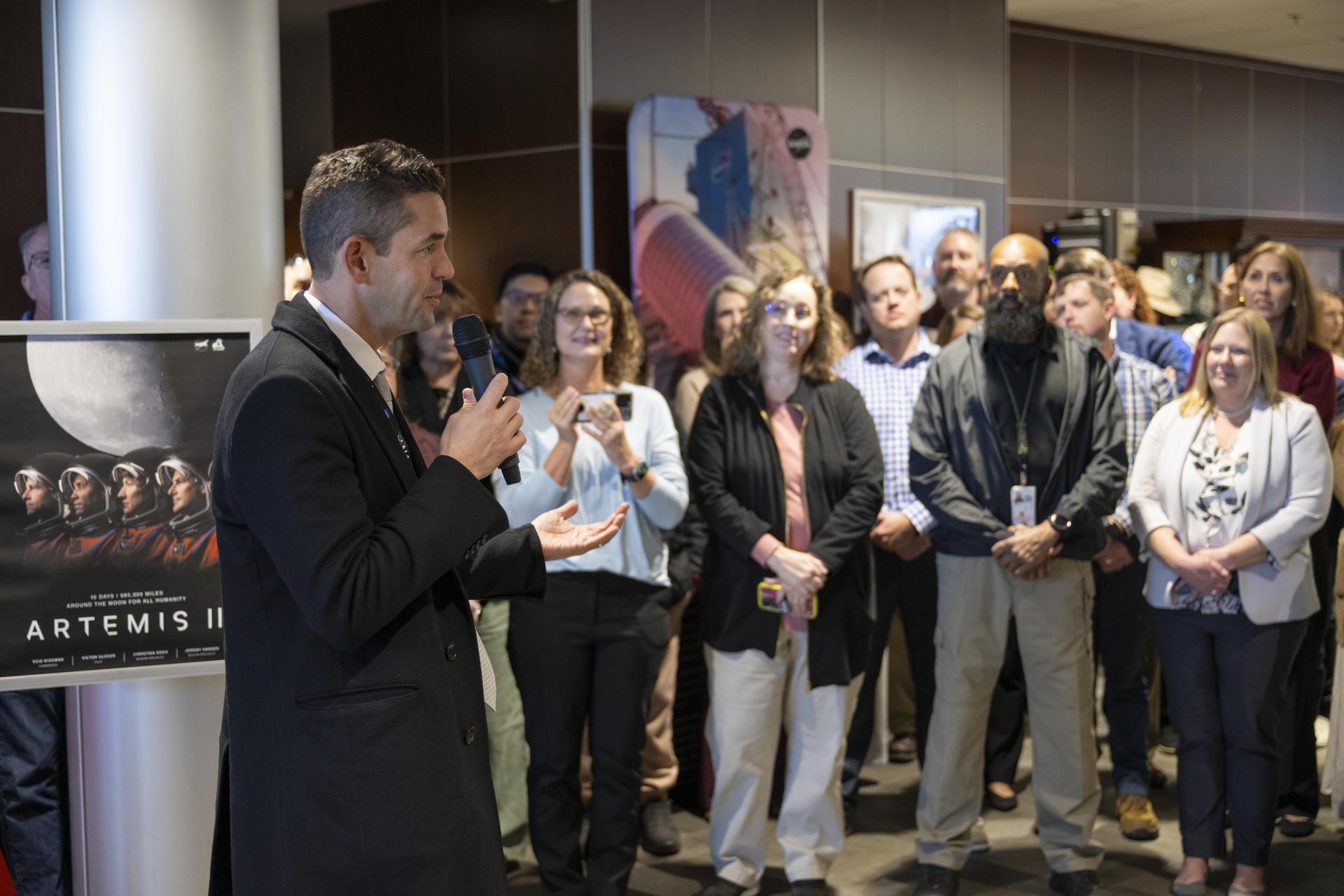
NASA Administrator Jared Isaacman, left, speaks with NASA employees during his visit to NASA’s Stennis Space Center near Bay St. Louis, Mississippi, on Jan. 15, 2026. Isaacman, NASA’s 15th administrator, began visiting the agency’s centers after his appointment on Dec. 17, 2025.
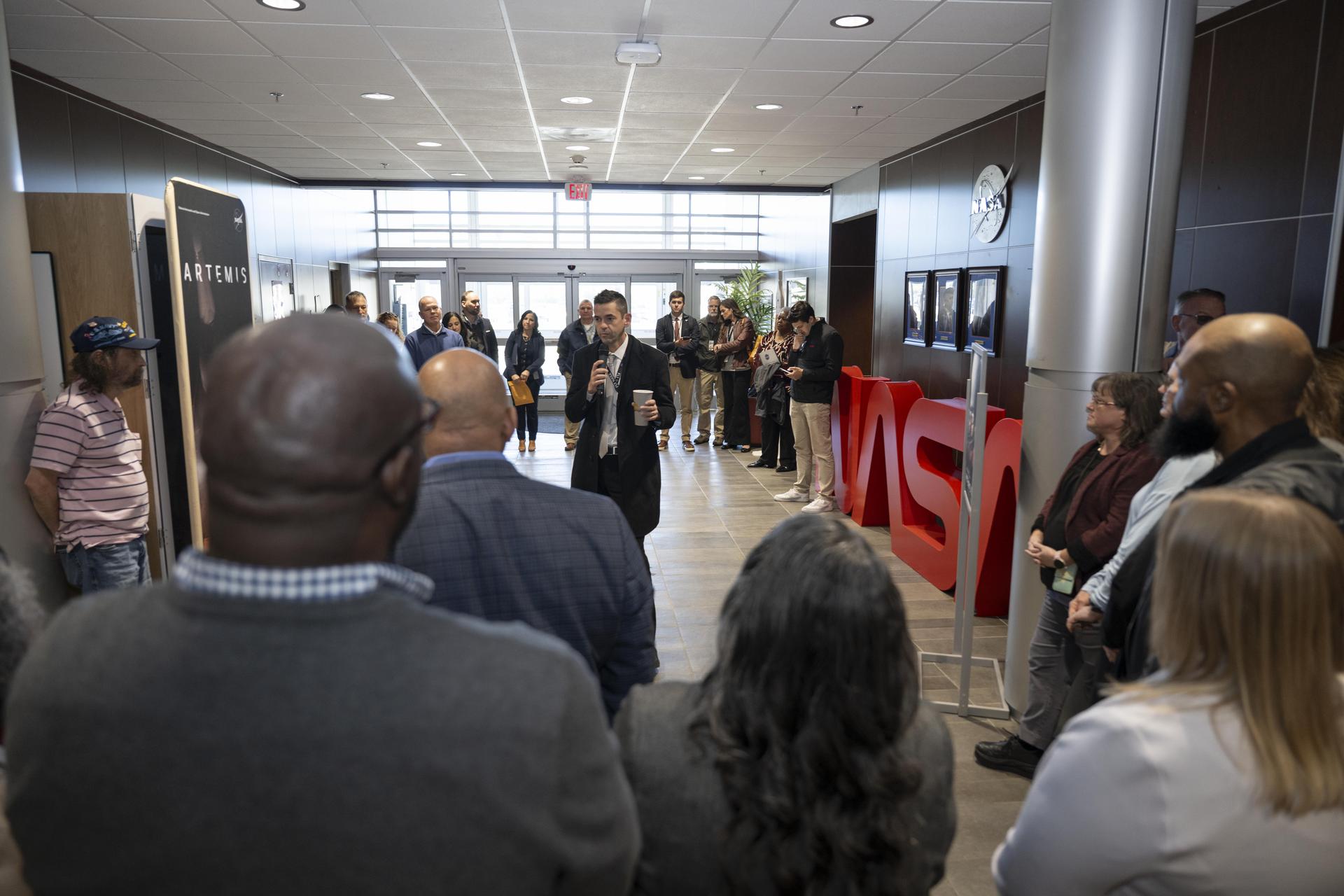
NASA Administrator Jared Isaacman, center, speaks with NASA employees during his visit to NASA’s Stennis Space Center near Bay St. Louis, Mississippi, on Jan. 15, 2026. Isaacman, NASA’s 15th administrator, began visiting the agency’s centers after his appointment on Dec. 17, 2025.
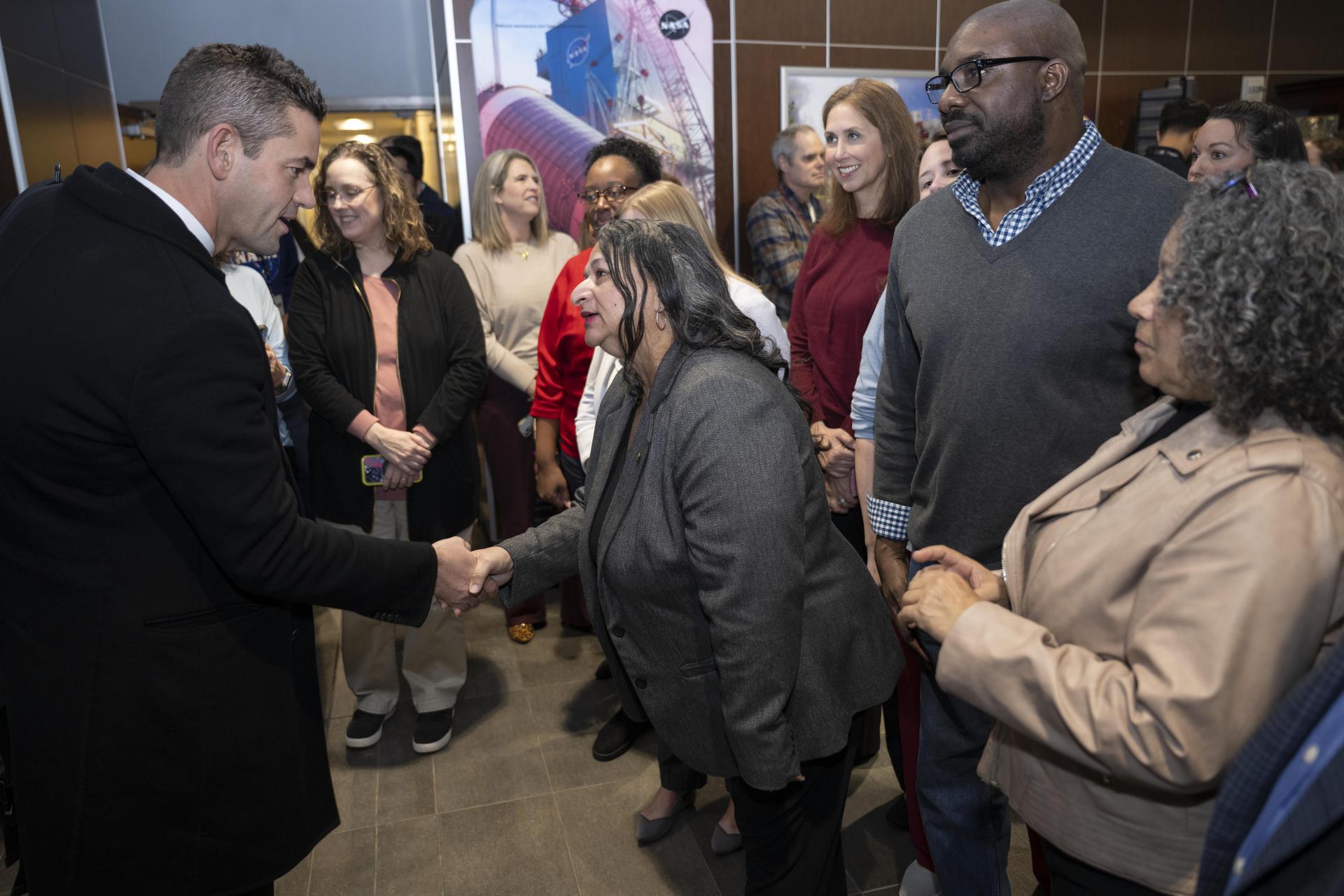
NASA Administrator Jared Isaacman, left, meets with NASA employees during his visit to NASA’s Stennis Space Center near Bay St. Louis, Mississippi, on Jan. 15, 2026. Isaacman, NASA’s 15th administrator, began visiting the agency’s centers after his appointment on Dec. 17, 2025.
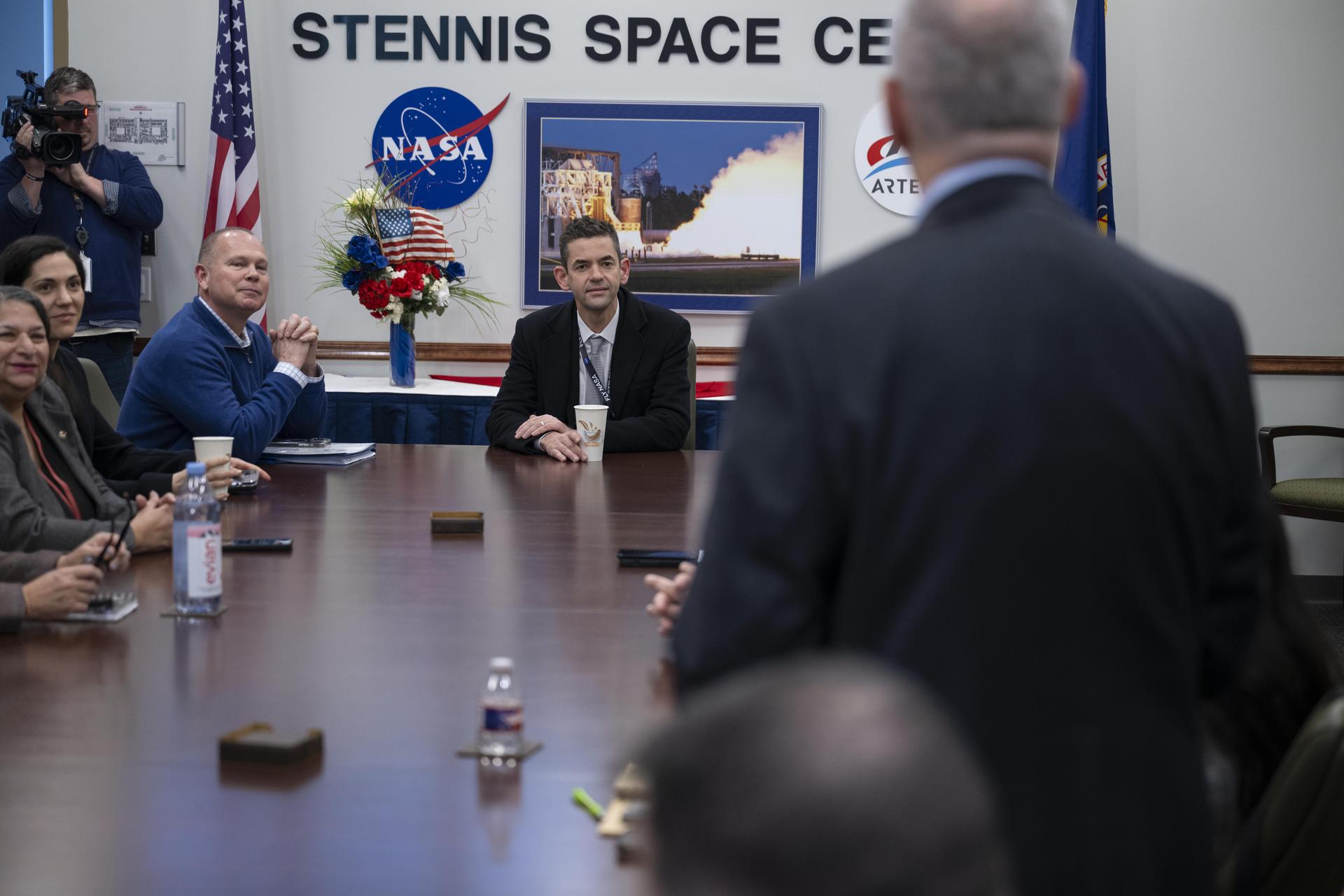
NASA Administrator Jared Isaacman, center, meets with the center’s senior leadership during his visit to NASA’s Stennis Space Center near Bay St. Louis, Mississippi, on Jan. 15, 2026. Isaacman, NASA’s 15th administrator, began visiting the agency’s centers after his appointment on Dec. 17, 2025.
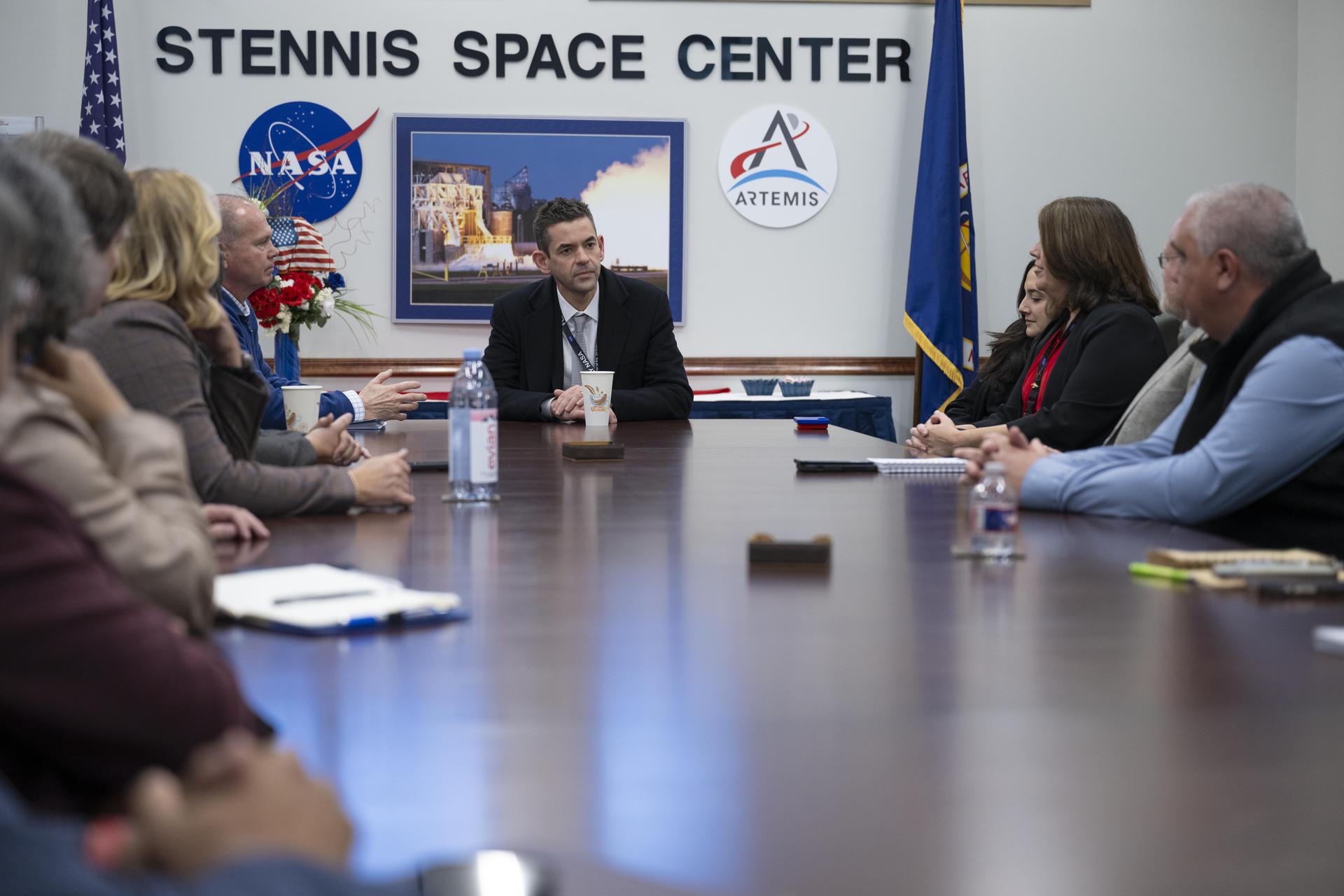
NASA Administrator Jared Isaacman, center, meets with the center’s senior leadership during his visit to NASA’s Stennis Space Center near Bay St. Louis, Mississippi, on Jan. 15, 2026. Isaacman, NASA’s 15th administrator, began visiting the agency’s centers after his appointment on Dec. 17, 2025.
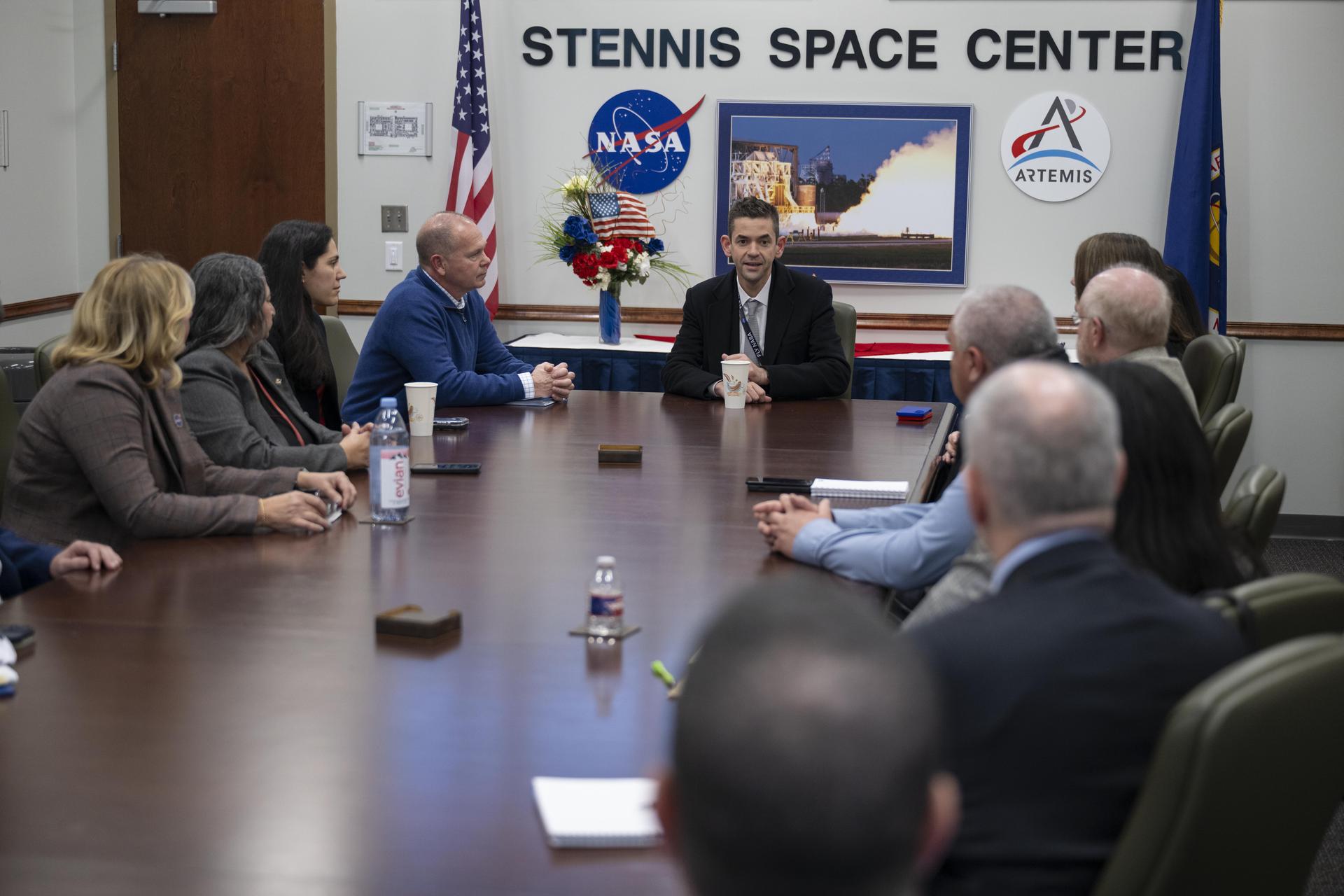
NASA Administrator Jared Isaacman, center, meets with the center’s senior leadership during his visit to NASA’s Stennis Space Center near Bay St. Louis, Mississippi, on Jan. 15, 2026. Isaacman, NASA’s 15th administrator, began visiting the agency’s centers after his appointment on Dec. 17, 2025.
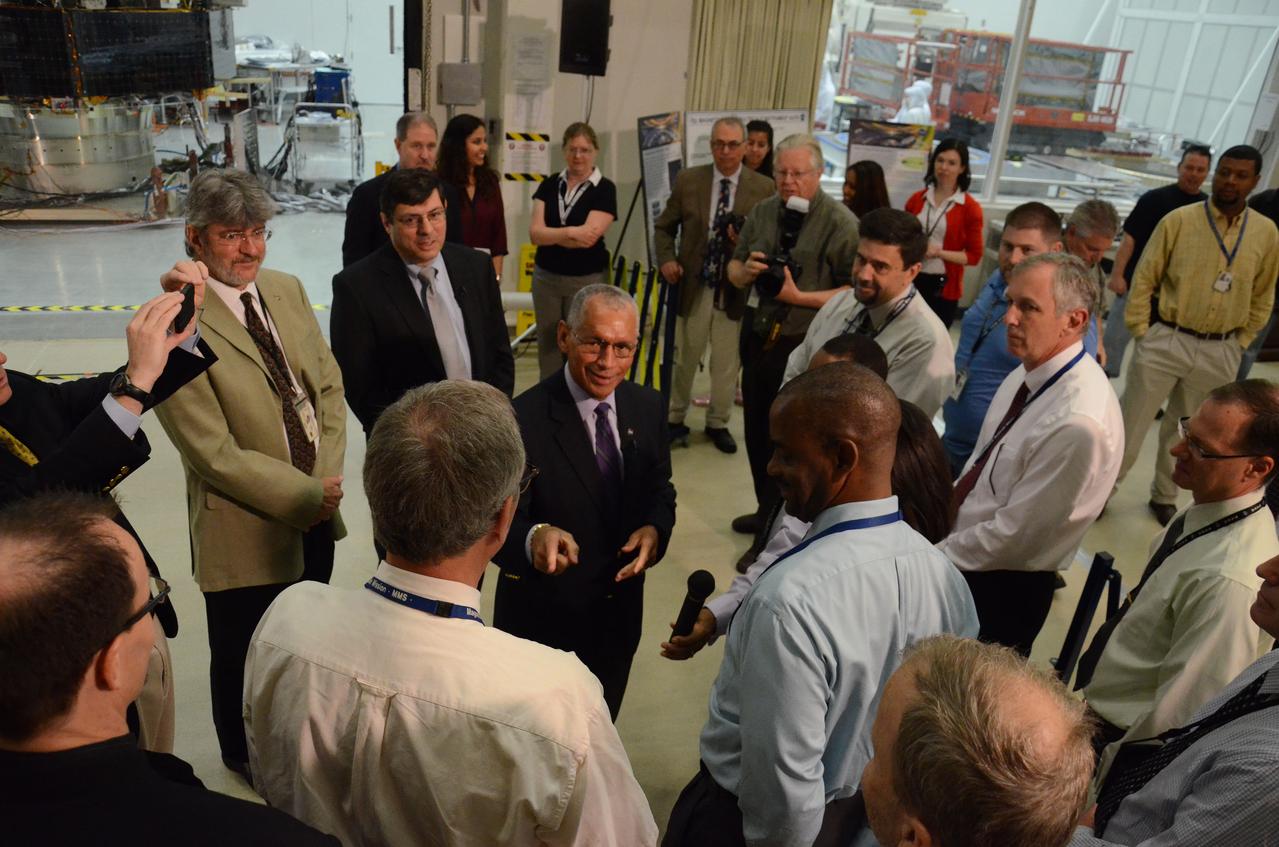
NASA Administrator Charles Bolden got a firsthand look at work being done on the four Magnetospheric Multiscale (MMS) spacecraft during his visit to the agency's Goddard Space Flight Center in Greenbelt, Maryland, on May 12. Standing 20 feet high inside a Goddard clean room, the spacecraft were in their "four-stack" formation, similar to how they will be arranged inside their launch vehicle. The MMS spacecraft recently completed vibration testing. With MMS as a backdrop, Bolden and Goddard Center Director Chris Scolese discussed the mission, ground testing and preparations for launch with project personnel. Read more: <a href="http://go.nasa.gov/1jSza7E" rel="nofollow">go.nasa.gov/1jSza7E</a> Credit: NASA/Goddard/Rebecca Roth <b><a href="http://www.nasa.gov/audience/formedia/features/MP_Photo_Guidelines.html" rel="nofollow">NASA image use policy.</a></b> <b><a href="http://www.nasa.gov/centers/goddard/home/index.html" rel="nofollow">NASA Goddard Space Flight Center</a></b> enables NASA’s mission through four scientific endeavors: Earth Science, Heliophysics, Solar System Exploration, and Astrophysics. Goddard plays a leading role in NASA’s accomplishments by contributing compelling scientific knowledge to advance the Agency’s mission. <b>Follow us on <a href="http://twitter.com/NASAGoddardPix" rel="nofollow">Twitter</a></b> <b>Like us on <a href="http://www.facebook.com/pages/Greenbelt-MD/NASA-Goddard/395013845897?ref=tsd" rel="nofollow">Facebook</a></b> <b>Find us on <a href="http://instagram.com/nasagoddard?vm=grid" rel="nofollow">Instagram</a></b>
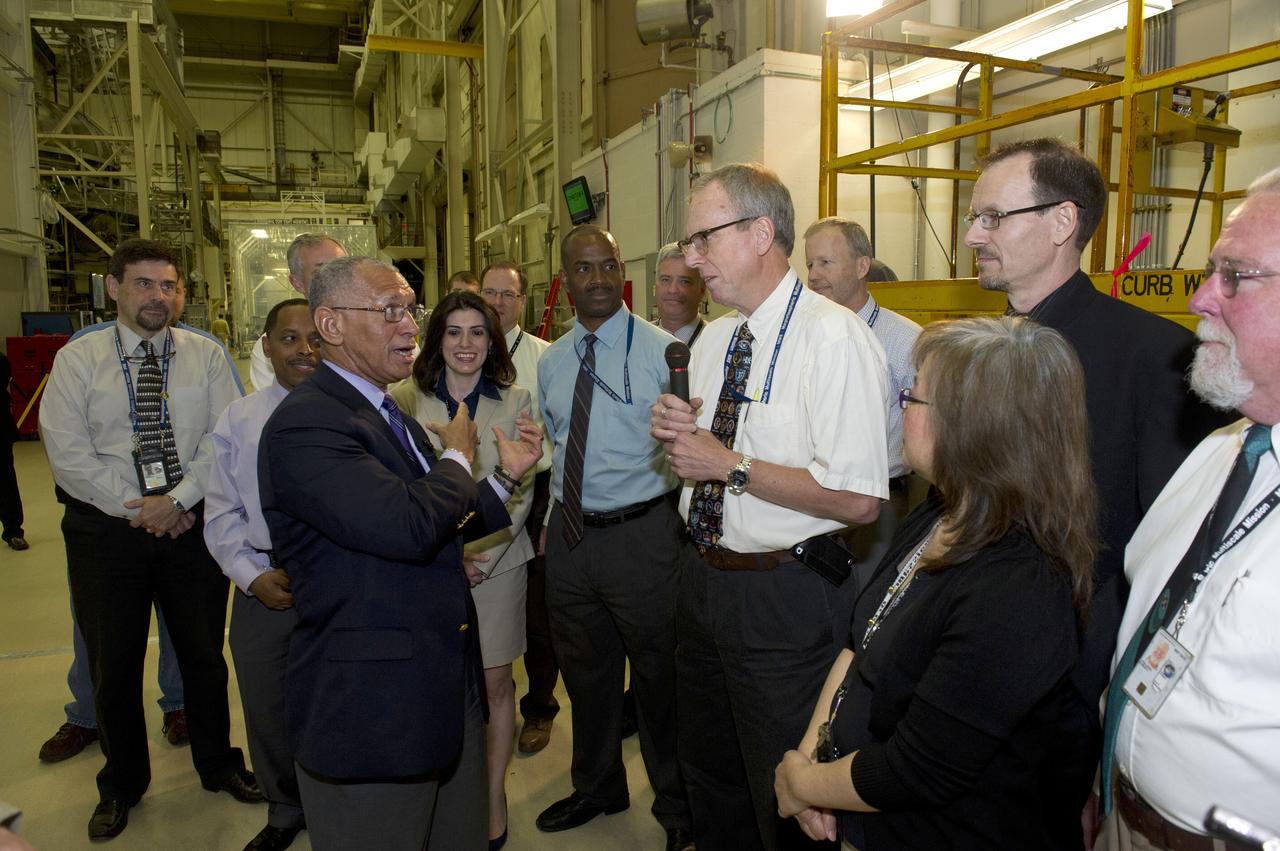
NASA Administrator Charles Bolden got a firsthand look at work being done on the four Magnetospheric Multiscale (MMS) spacecraft during his visit to the agency's Goddard Space Flight Center in Greenbelt, Maryland, on May 12. Standing 20 feet high inside a Goddard clean room, the spacecraft were in their "four-stack" formation, similar to how they will be arranged inside their launch vehicle. The MMS spacecraft recently completed vibration testing. With MMS as a backdrop, Bolden and Goddard Center Director Chris Scolese discussed the mission, ground testing and preparations for launch with project personnel. Read more: <a href="http://go.nasa.gov/1jSza7E" rel="nofollow">go.nasa.gov/1jSza7E</a> Credit: NASA/Goddard/Bill Hrybyk <b><a href="http://www.nasa.gov/audience/formedia/features/MP_Photo_Guidelines.html" rel="nofollow">NASA image use policy.</a></b> <b><a href="http://www.nasa.gov/centers/goddard/home/index.html" rel="nofollow">NASA Goddard Space Flight Center</a></b> enables NASA’s mission through four scientific endeavors: Earth Science, Heliophysics, Solar System Exploration, and Astrophysics. Goddard plays a leading role in NASA’s accomplishments by contributing compelling scientific knowledge to advance the Agency’s mission. <b>Follow us on <a href="http://twitter.com/NASAGoddardPix" rel="nofollow">Twitter</a></b> <b>Like us on <a href="http://www.facebook.com/pages/Greenbelt-MD/NASA-Goddard/395013845897?ref=tsd" rel="nofollow">Facebook</a></b> <b>Find us on <a href="http://instagram.com/nasagoddard?vm=grid" rel="nofollow">Instagram</a></b>
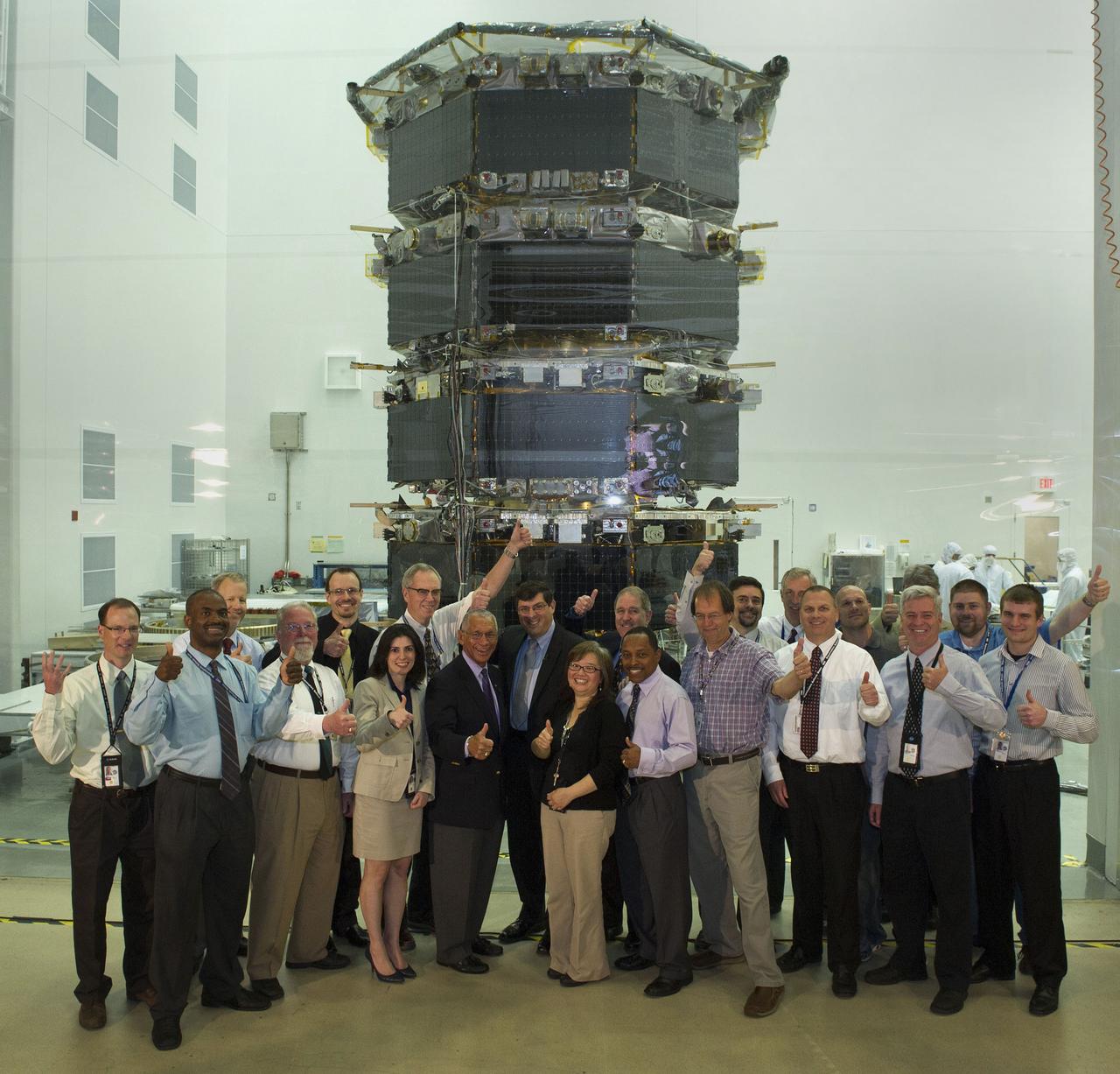
NASA Administrator Charles Bolden got a firsthand look at work being done on the four Magnetospheric Multiscale (MMS) spacecraft during his visit to the agency's Goddard Space Flight Center in Greenbelt, Maryland, on May 12. Standing 20 feet high inside a Goddard clean room, the spacecraft were in their "four-stack" formation, similar to how they will be arranged inside their launch vehicle. The MMS spacecraft recently completed vibration testing. With MMS as a backdrop, Bolden and Goddard Center Director Chris Scolese discussed the mission, ground testing and preparations for launch with project personnel. Read more: <a href="http://go.nasa.gov/1jSza7E" rel="nofollow">go.nasa.gov/1jSza7E</a> Credit: NASA/Goddard/Bill Hrybyk <b><a href="http://www.nasa.gov/audience/formedia/features/MP_Photo_Guidelines.html" rel="nofollow">NASA image use policy.</a></b> <b><a href="http://www.nasa.gov/centers/goddard/home/index.html" rel="nofollow">NASA Goddard Space Flight Center</a></b> enables NASA’s mission through four scientific endeavors: Earth Science, Heliophysics, Solar System Exploration, and Astrophysics. Goddard plays a leading role in NASA’s accomplishments by contributing compelling scientific knowledge to advance the Agency’s mission. <b>Follow us on <a href="http://twitter.com/NASAGoddardPix" rel="nofollow">Twitter</a></b> <b>Like us on <a href="http://www.facebook.com/pages/Greenbelt-MD/NASA-Goddard/395013845897?ref=tsd" rel="nofollow">Facebook</a></b> <b>Find us on <a href="http://instagram.com/nasagoddard?vm=grid" rel="nofollow">Instagram</a></b>
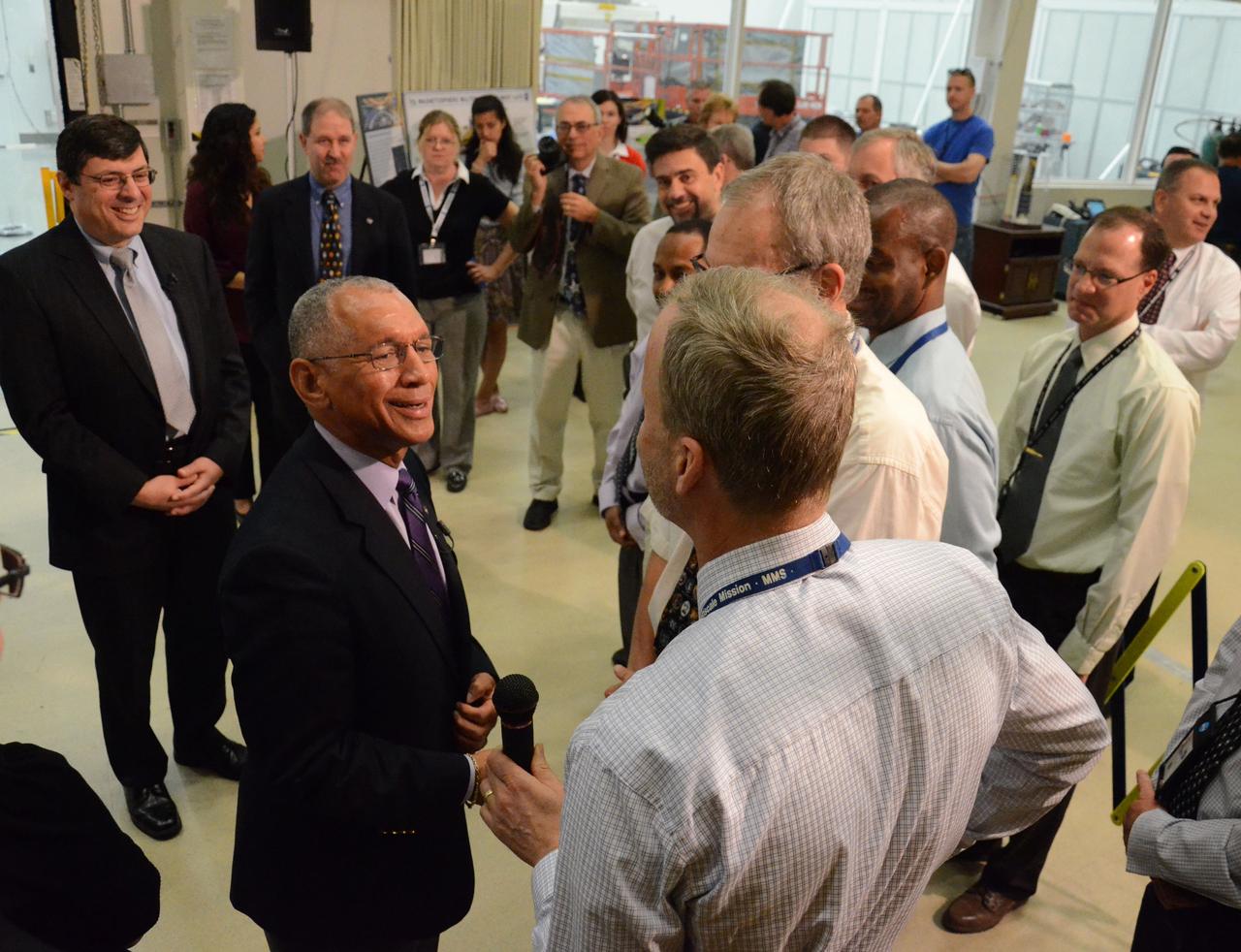
NASA Administrator Charles Bolden got a firsthand look at work being done on the four Magnetospheric Multiscale (MMS) spacecraft during his visit to the agency's Goddard Space Flight Center in Greenbelt, Maryland, on May 12. Standing 20 feet high inside a Goddard clean room, the spacecraft were in their "four-stack" formation, similar to how they will be arranged inside their launch vehicle. The MMS spacecraft recently completed vibration testing. With MMS as a backdrop, Bolden and Goddard Center Director Chris Scolese discussed the mission, ground testing and preparations for launch with project personnel. Read more: <a href="http://go.nasa.gov/1jSza7E" rel="nofollow">go.nasa.gov/1jSza7E</a> Credit: NASA/Goddard/Rebecca Roth <b><a href="http://www.nasa.gov/audience/formedia/features/MP_Photo_Guidelines.html" rel="nofollow">NASA image use policy.</a></b> <b><a href="http://www.nasa.gov/centers/goddard/home/index.html" rel="nofollow">NASA Goddard Space Flight Center</a></b> enables NASA’s mission through four scientific endeavors: Earth Science, Heliophysics, Solar System Exploration, and Astrophysics. Goddard plays a leading role in NASA’s accomplishments by contributing compelling scientific knowledge to advance the Agency’s mission. <b>Follow us on <a href="http://twitter.com/NASAGoddardPix" rel="nofollow">Twitter</a></b> <b>Like us on <a href="http://www.facebook.com/pages/Greenbelt-MD/NASA-Goddard/395013845897?ref=tsd" rel="nofollow">Facebook</a></b> <b>Find us on <a href="http://instagram.com/nasagoddard?vm=grid" rel="nofollow">Instagram</a></b>
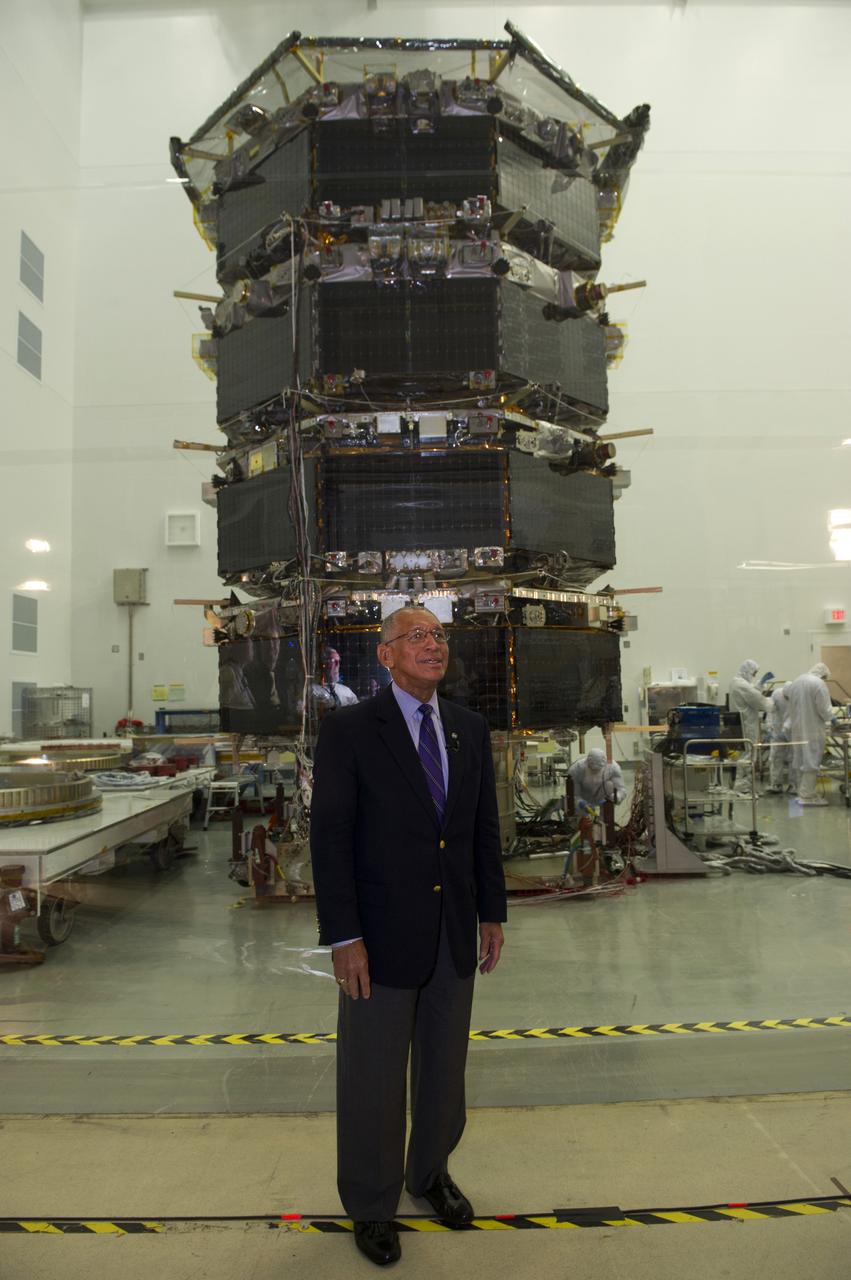
NASA Administrator Charles Bolden got a firsthand look at work being done on the four Magnetospheric Multiscale (MMS) spacecraft during his visit to the agency's Goddard Space Flight Center in Greenbelt, Maryland, on May 12. Standing 20 feet high inside a Goddard clean room, the spacecraft were in their "four-stack" formation, similar to how they will be arranged inside their launch vehicle. The MMS spacecraft recently completed vibration testing. With MMS as a backdrop, Bolden and Goddard Center Director Chris Scolese discussed the mission, ground testing and preparations for launch with project personnel. Read more: <a href="http://go.nasa.gov/1jSza7E" rel="nofollow">go.nasa.gov/1jSza7E</a> Credit: NASA/Goddard/Bill Hrybyk <b><a href="http://www.nasa.gov/audience/formedia/features/MP_Photo_Guidelines.html" rel="nofollow">NASA image use policy.</a></b> <b><a href="http://www.nasa.gov/centers/goddard/home/index.html" rel="nofollow">NASA Goddard Space Flight Center</a></b> enables NASA’s mission through four scientific endeavors: Earth Science, Heliophysics, Solar System Exploration, and Astrophysics. Goddard plays a leading role in NASA’s accomplishments by contributing compelling scientific knowledge to advance the Agency’s mission. <b>Follow us on <a href="http://twitter.com/NASAGoddardPix" rel="nofollow">Twitter</a></b> <b>Like us on <a href="http://www.facebook.com/pages/Greenbelt-MD/NASA-Goddard/395013845897?ref=tsd" rel="nofollow">Facebook</a></b> <b>Find us on <a href="http://instagram.com/nasagoddard?vm=grid" rel="nofollow">Instagram</a></b>
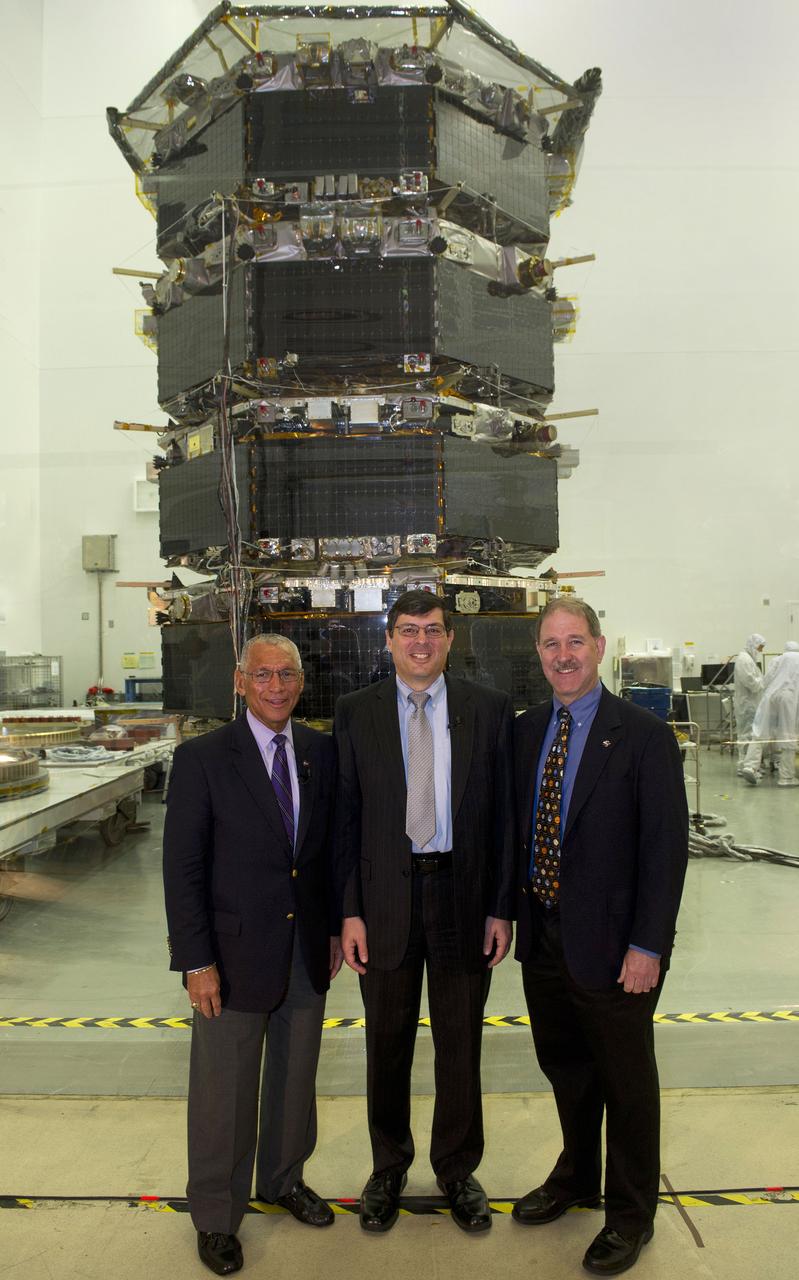
NASA Administrator Charles Bolden got a firsthand look at work being done on the four Magnetospheric Multiscale (MMS) spacecraft during his visit to the agency's Goddard Space Flight Center in Greenbelt, Maryland, on May 12. Standing 20 feet high inside a Goddard clean room, the spacecraft were in their "four-stack" formation, similar to how they will be arranged inside their launch vehicle. The MMS spacecraft recently completed vibration testing. With MMS as a backdrop, Bolden and Goddard Center Director Chris Scolese discussed the mission, ground testing and preparations for launch with project personnel. Read more: <a href="http://go.nasa.gov/1jSza7E" rel="nofollow">go.nasa.gov/1jSza7E</a> Credit: NASA/Goddard/Bill Hrybyk <b><a href="http://www.nasa.gov/audience/formedia/features/MP_Photo_Guidelines.html" rel="nofollow">NASA image use policy.</a></b> <b><a href="http://www.nasa.gov/centers/goddard/home/index.html" rel="nofollow">NASA Goddard Space Flight Center</a></b> enables NASA’s mission through four scientific endeavors: Earth Science, Heliophysics, Solar System Exploration, and Astrophysics. Goddard plays a leading role in NASA’s accomplishments by contributing compelling scientific knowledge to advance the Agency’s mission. <b>Follow us on <a href="http://twitter.com/NASAGoddardPix" rel="nofollow">Twitter</a></b> <b>Like us on <a href="http://www.facebook.com/pages/Greenbelt-MD/NASA-Goddard/395013845897?ref=tsd" rel="nofollow">Facebook</a></b> <b>Find us on <a href="http://instagram.com/nasagoddard?vm=grid" rel="nofollow">Instagram</a></b>
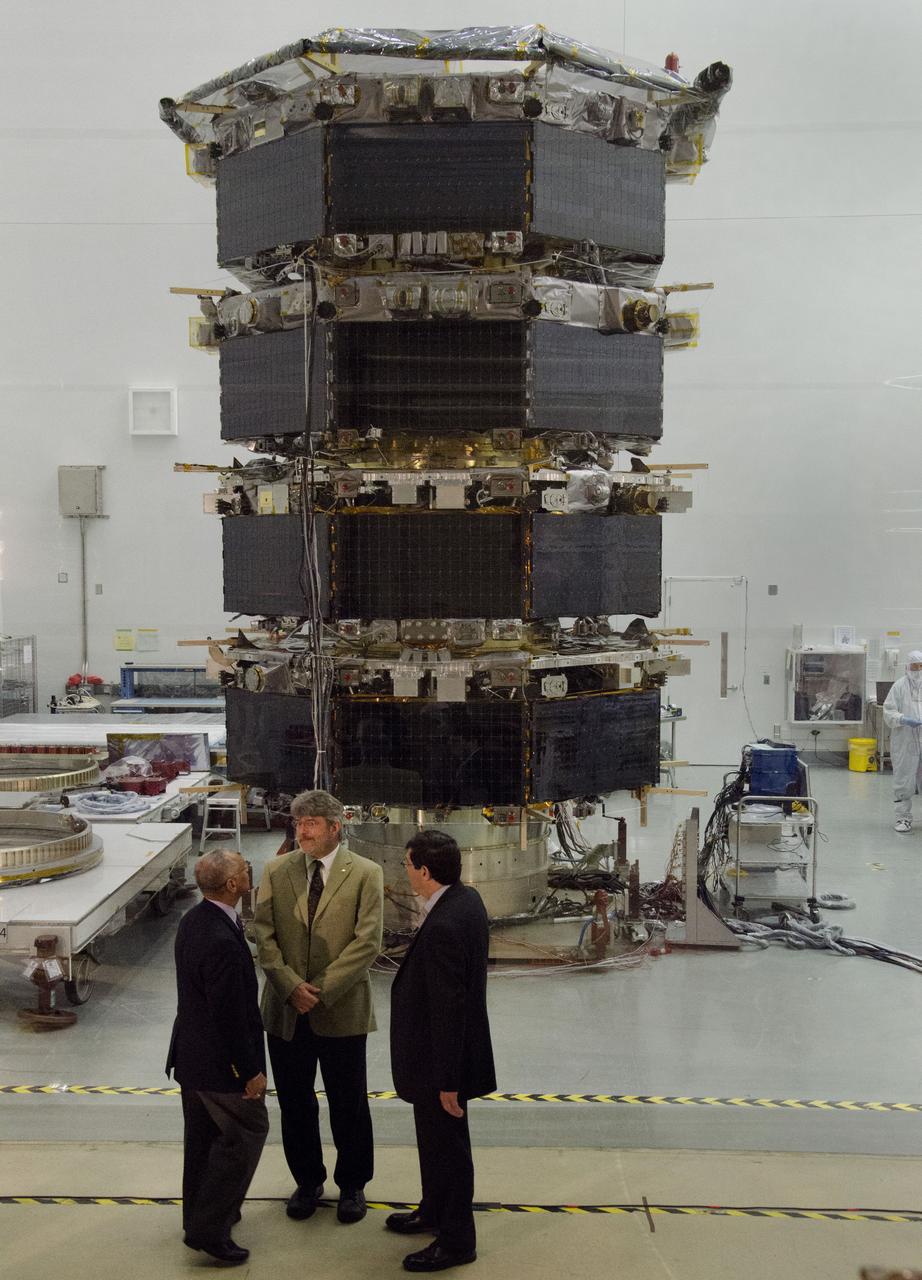
NASA Administrator Charles Bolden got a firsthand look at work being done on the four Magnetospheric Multiscale (MMS) spacecraft during his visit to the agency's Goddard Space Flight Center in Greenbelt, Maryland, on May 12. Standing 20 feet high inside a Goddard clean room, the spacecraft were in their "four-stack" formation, similar to how they will be arranged inside their launch vehicle. The MMS spacecraft recently completed vibration testing. With MMS as a backdrop, Bolden and Goddard Center Director Chris Scolese discussed the mission, ground testing and preparations for launch with project personnel. Read more: <a href="http://go.nasa.gov/1jSza7E" rel="nofollow">go.nasa.gov/1jSza7E</a> Credit: NASA/Goddard/Rebecca Roth <b><a href="http://www.nasa.gov/audience/formedia/features/MP_Photo_Guidelines.html" rel="nofollow">NASA image use policy.</a></b> <b><a href="http://www.nasa.gov/centers/goddard/home/index.html" rel="nofollow">NASA Goddard Space Flight Center</a></b> enables NASA’s mission through four scientific endeavors: Earth Science, Heliophysics, Solar System Exploration, and Astrophysics. Goddard plays a leading role in NASA’s accomplishments by contributing compelling scientific knowledge to advance the Agency’s mission. <b>Follow us on <a href="http://twitter.com/NASAGoddardPix" rel="nofollow">Twitter</a></b> <b>Like us on <a href="http://www.facebook.com/pages/Greenbelt-MD/NASA-Goddard/395013845897?ref=tsd" rel="nofollow">Facebook</a></b> <b>Find us on <a href="http://instagram.com/nasagoddard?vm=grid" rel="nofollow">Instagram</a></b>
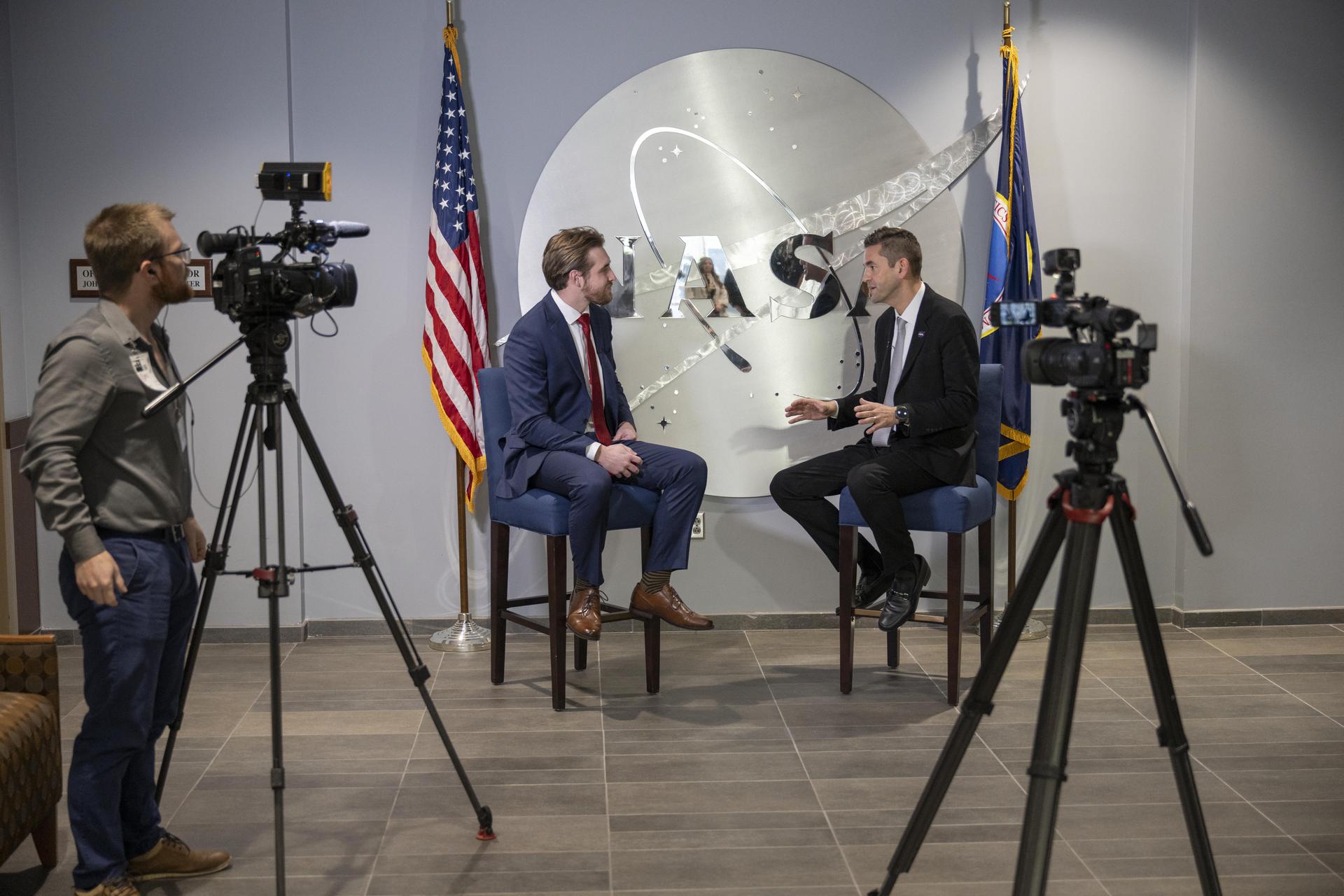
NASA Administrator Jared Isaacman, right, speaks with Tyler Bell, multimedia journalist at WLOX-TV, during an interview at NASA’s Stennis Space Center near Bay St. Louis, Mississippi, on Jan. 15, 2026. Isaacman, NASA’s 15th administrator, began visiting the agency’s centers after his appointment on Dec. 17, 2025.
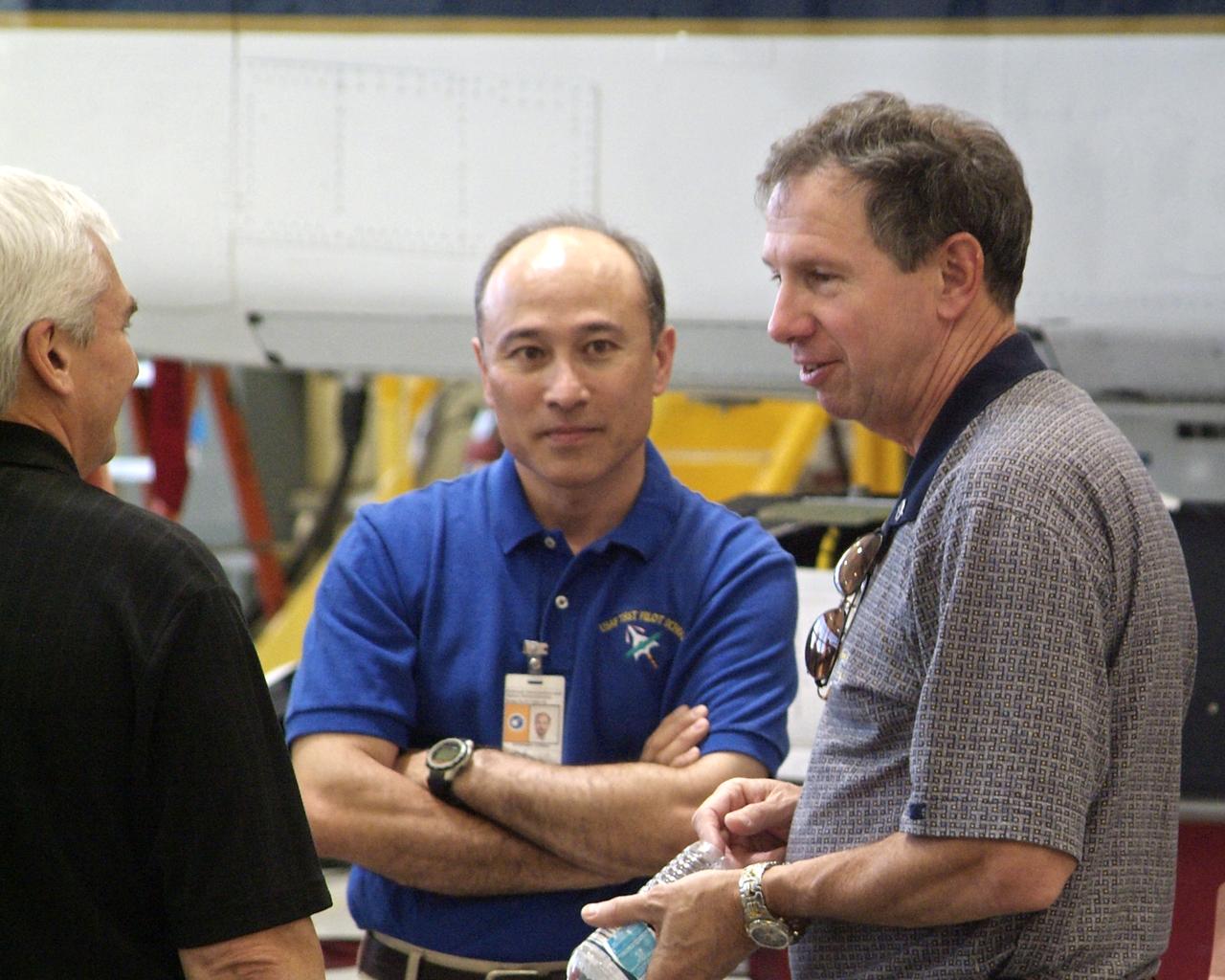
New NASA Administrator Michael Griffin (right) shares a moment with Director Kevin Petersen (left) and F-15B project manager Stephen Corda (center) during Griffin's visit to NASA Dryden Flight Research Center on Tuesday, May 24.
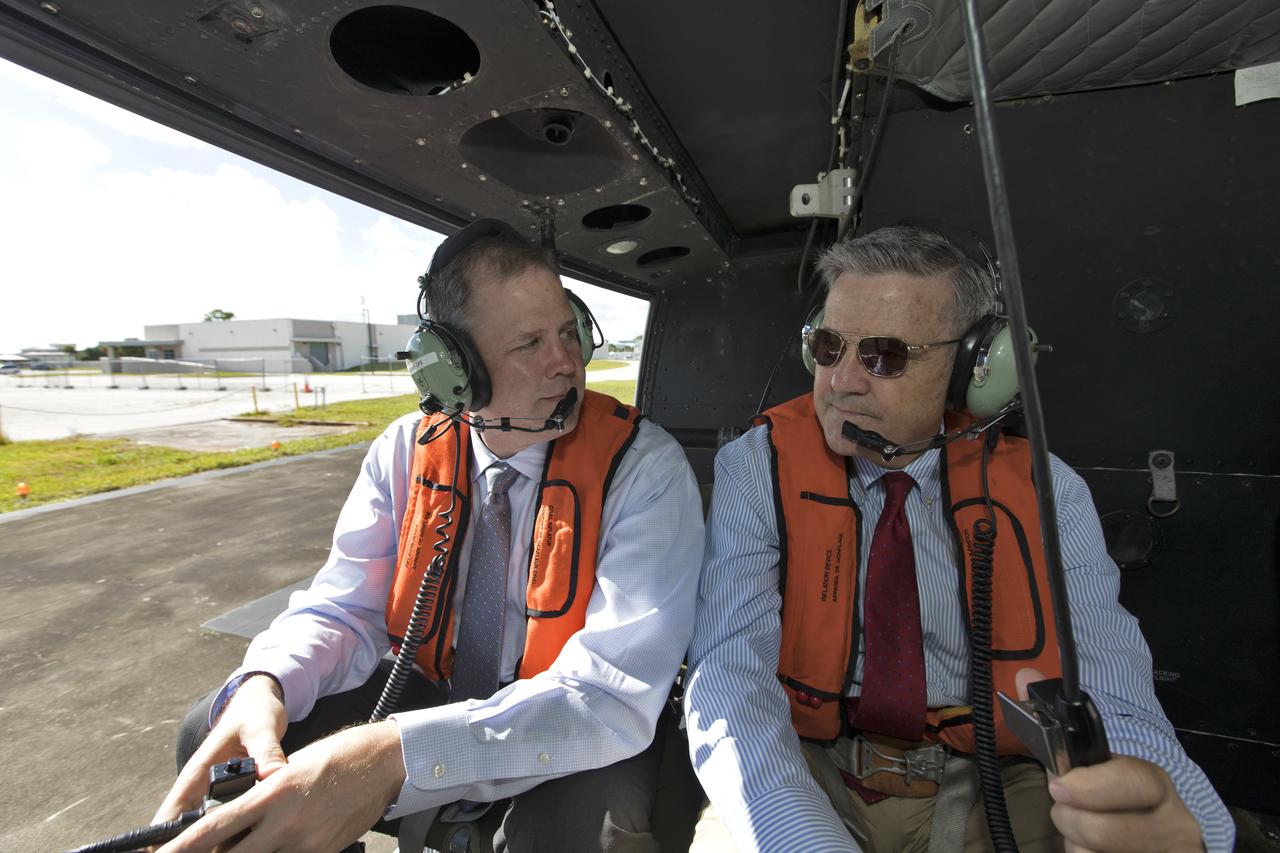
NASA Administrator Jim Bridenstine, left, made his first official visit to the agency's Kennedy Space Center on Monday, Aug. 6, 2018. His up-close look at the premier, multi-user spaceport began with Center Director Bob Cabana giving the administrator a helicopter tour over the bustling Florida spaceport.
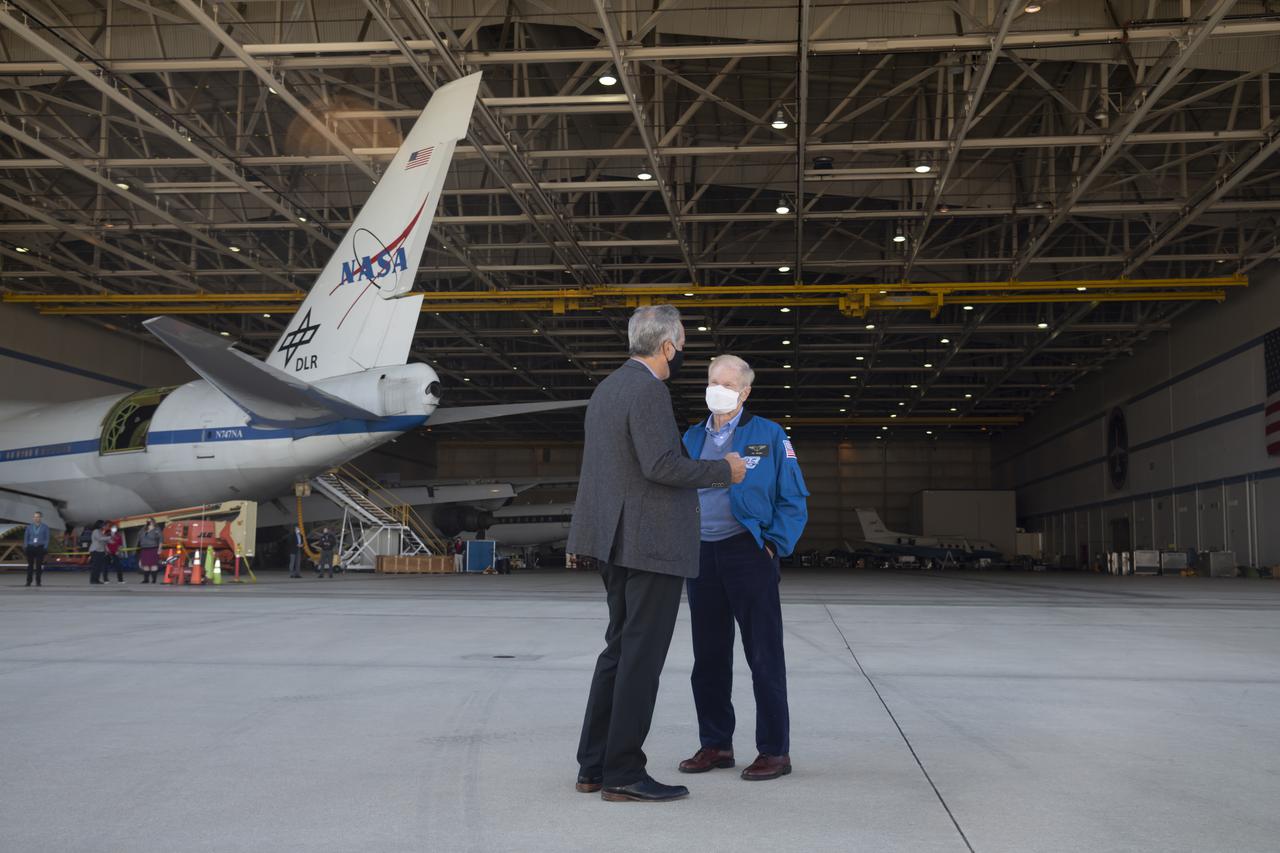
NASA Administrator Bill Nelson, right, and David McBride, center director at NASA’s Armstrong Flight Research Center in Edwards, California, talk by the Stratospheric Observatory for Infrared Science during the administrator’s visit to NASA Armstrong’s Building 703 in Palmdale, California, on Oct. 12.
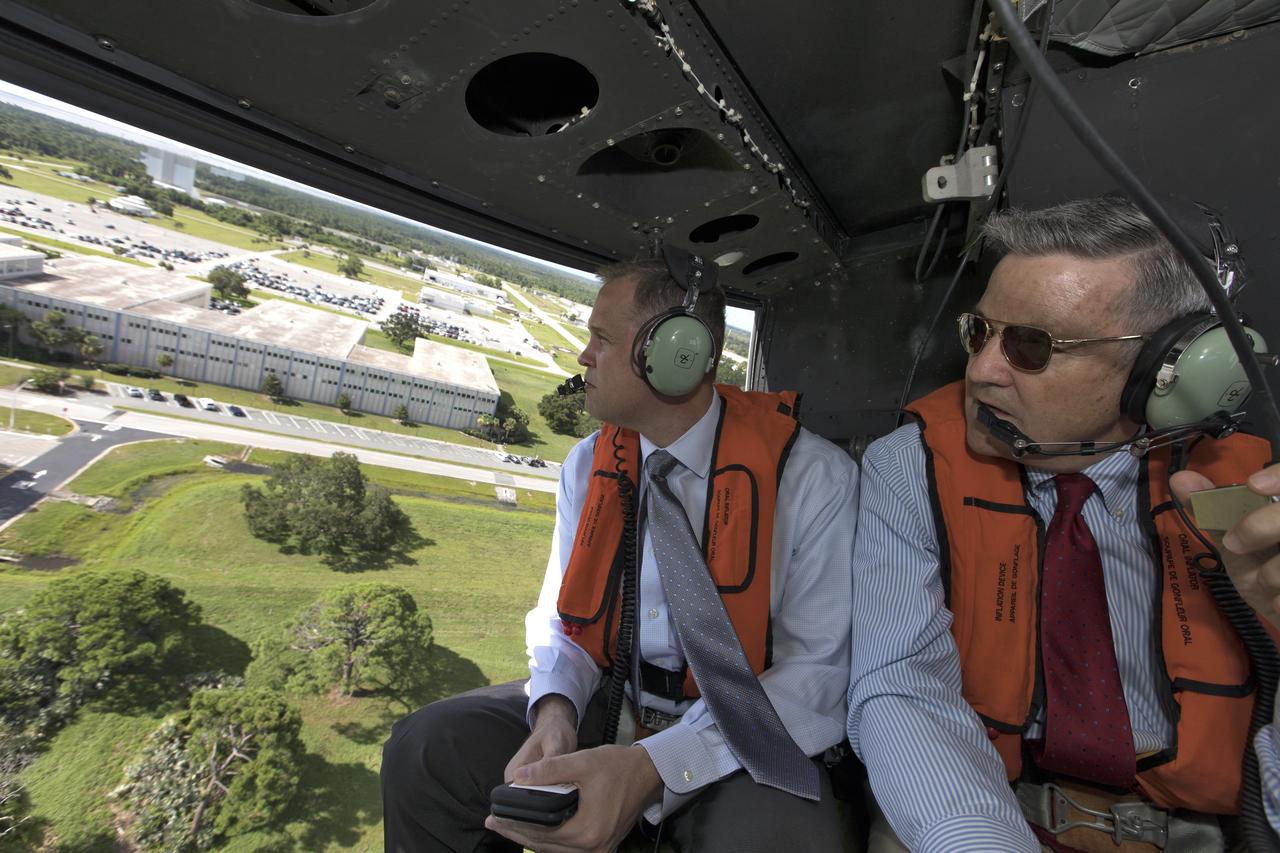
NASA Administrator Jim Bridenstine, left, made his first official visit to the agency's Kennedy Space Center on Monday, Aug. 6, 2018. His up-close look at the premier, multi-user spaceport began with Center Director Bob Cabana giving the administrator a helicopter tour over the bustling Florida spaceport that included the center's Industrial Area.
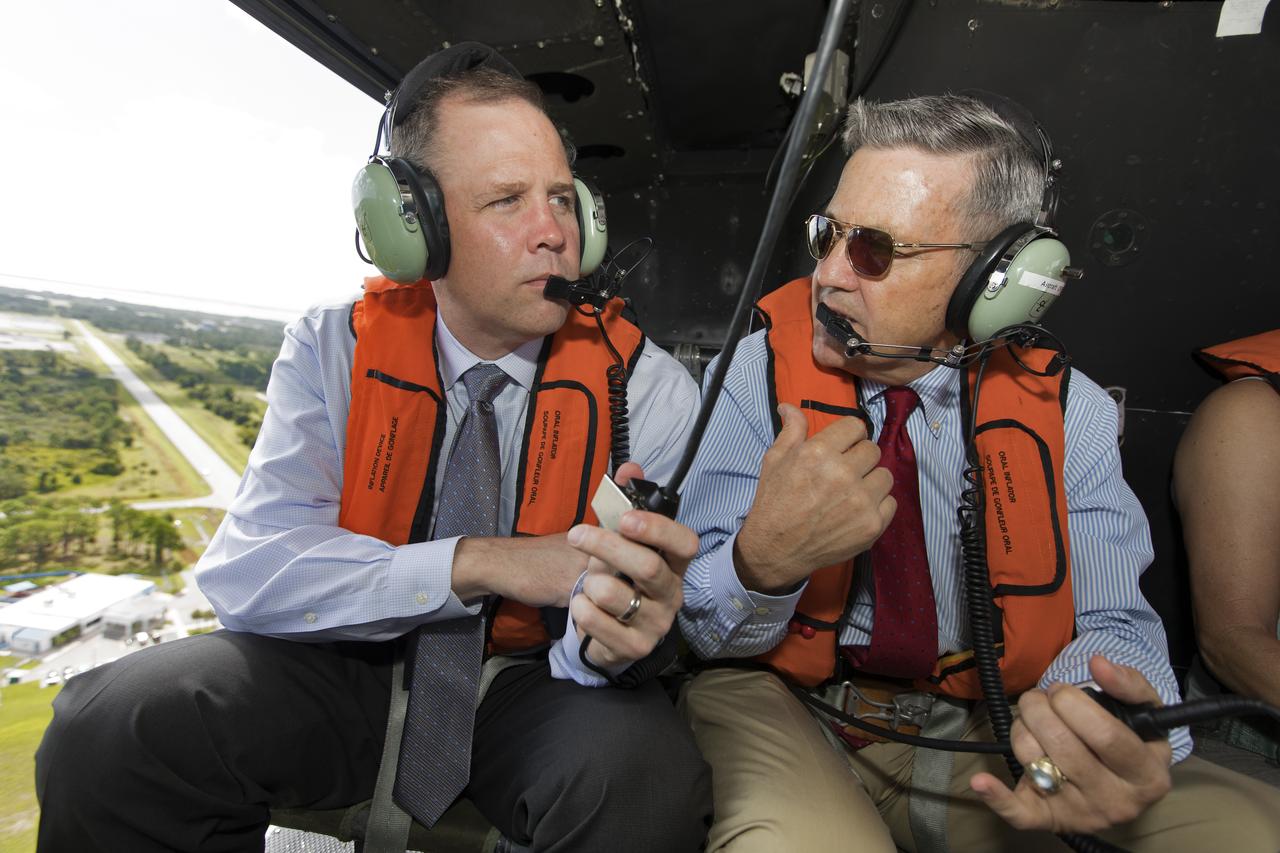
NASA Administrator Jim Bridenstine, left, made his first official visit to the agency's Kennedy Space Center on Monday, Aug. 6, 2018. His up-close look at the premier, multi-user spaceport began with Center Director Bob Cabana giving the administrator a helicopter tour over the bustling Florida spaceport that included the center's Industrial Area.
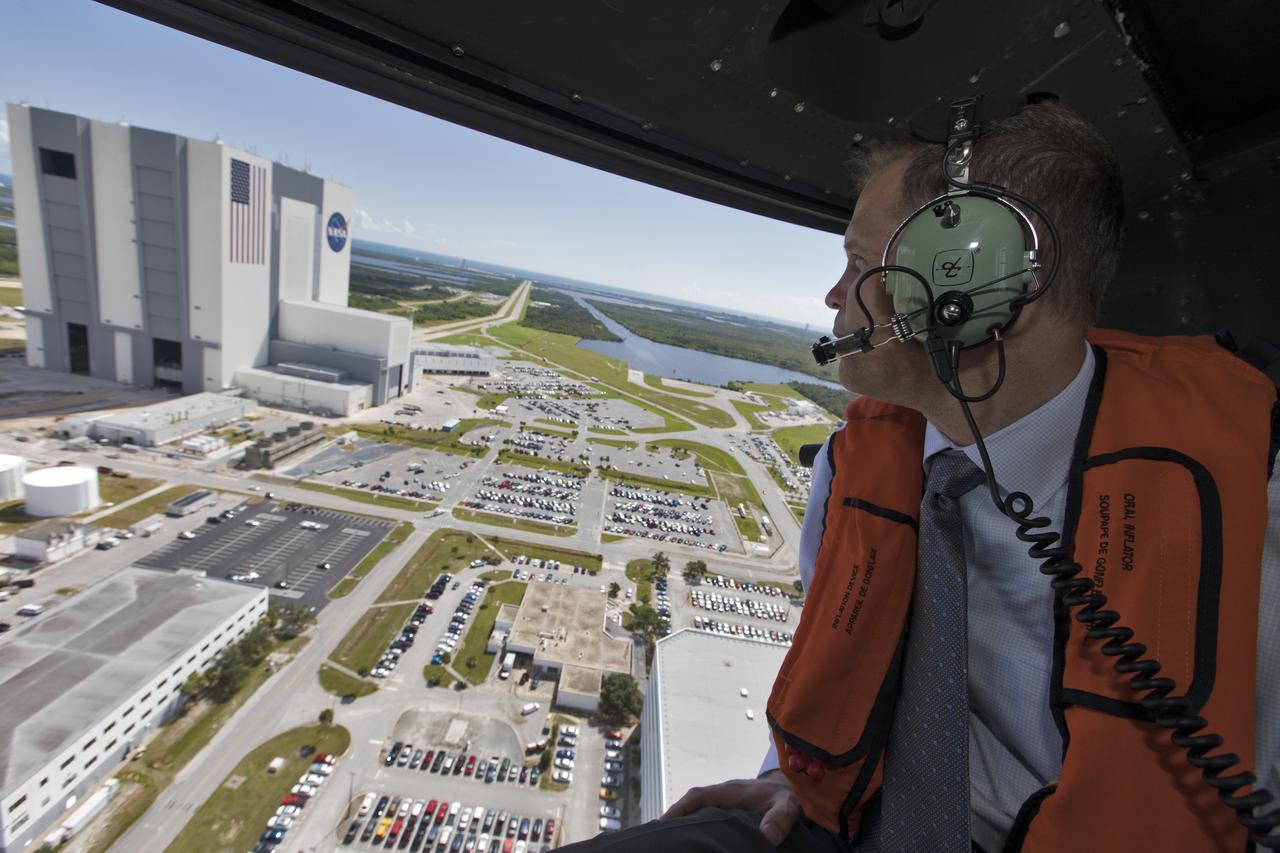
NASA Administrator Jim Bridenstine made his first official visit to the agency's Kennedy Space Center on Monday, Aug. 6, 2018. His up-close look at the premier, multi-user spaceport began with a helicopter tour over the bustling Florida spaceport that included the iconic Vehicle Assembly Building.
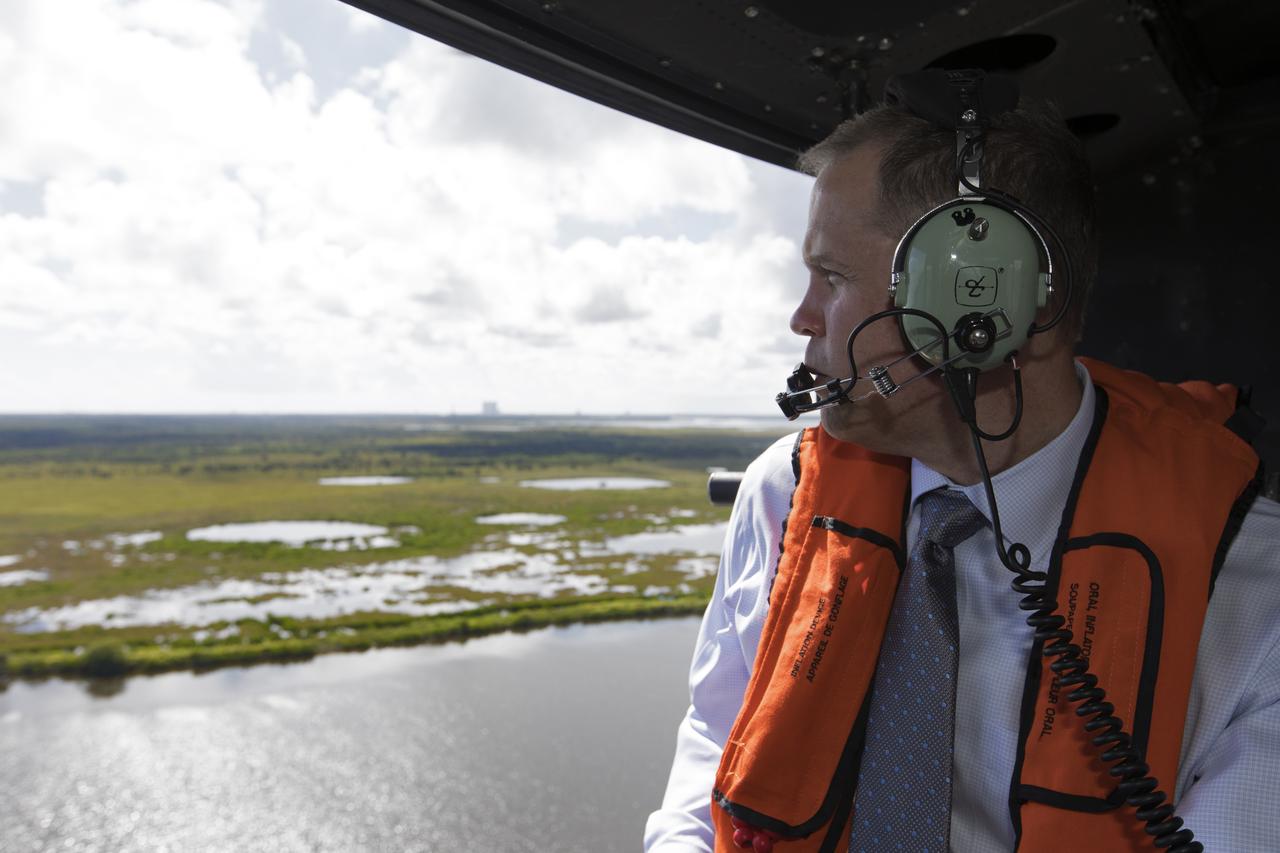
NASA Administrator Jim Bridenstine made his first official visit to the agency's Kennedy Space Center on Monday, Aug. 6, 2018. His up-close look at the premier, multi-user spaceport began with a helicopter tour over the bustling Florida spaceport.
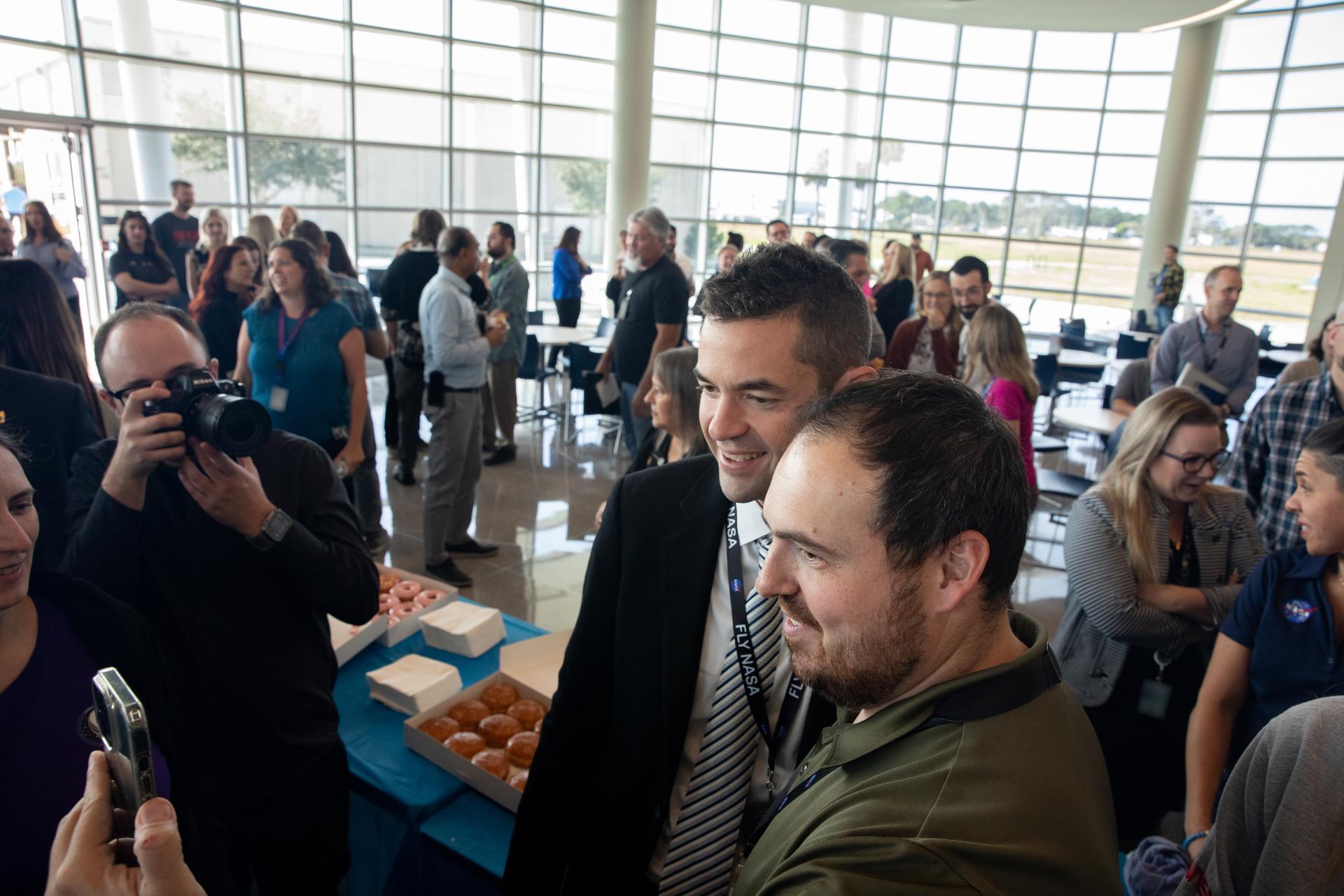
NASA Administrator Jared Isaacman (center) poses for a selfie with a NASA employee during his visit to NASA’s Kennedy Space Center in Florida, on Tuesday, Jan. 13, 2026. Isaacman, NASA’s 15th administrator, began visiting the agency’s centers after his appointment on Dec. 17, 2025, to hear from employees, contractors, and partners.
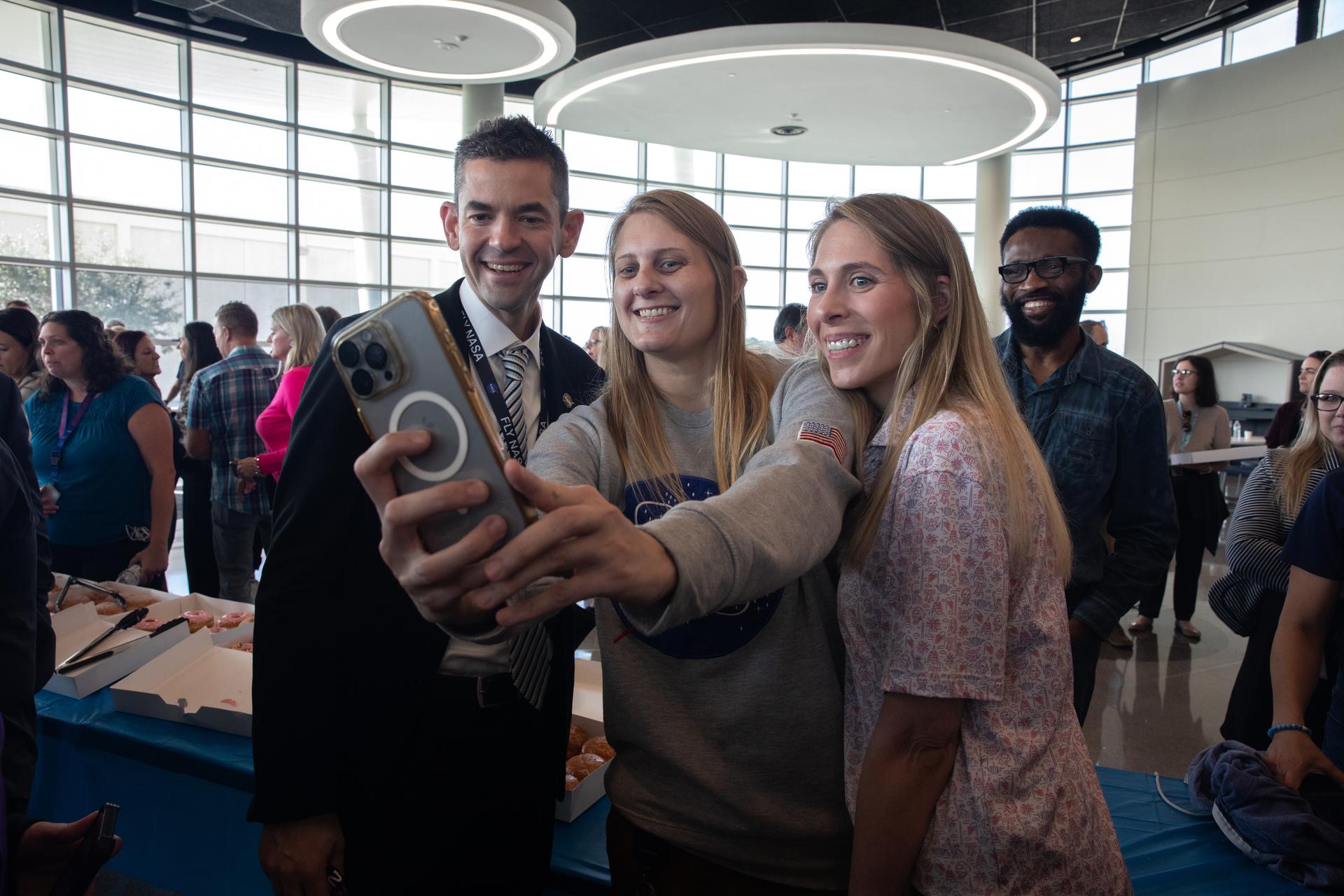
NASA Administrator Jared Isaacman (left) poses for a selfie with NASA employees during his visit to NASA’s Kennedy Space Center in Florida, on Tuesday, Jan. 13, 2026. Isaacman, NASA’s 15th administrator, began visiting the agency’s centers after his appointment on Dec. 17, 2025, to hear from employees, contractors, and partners.
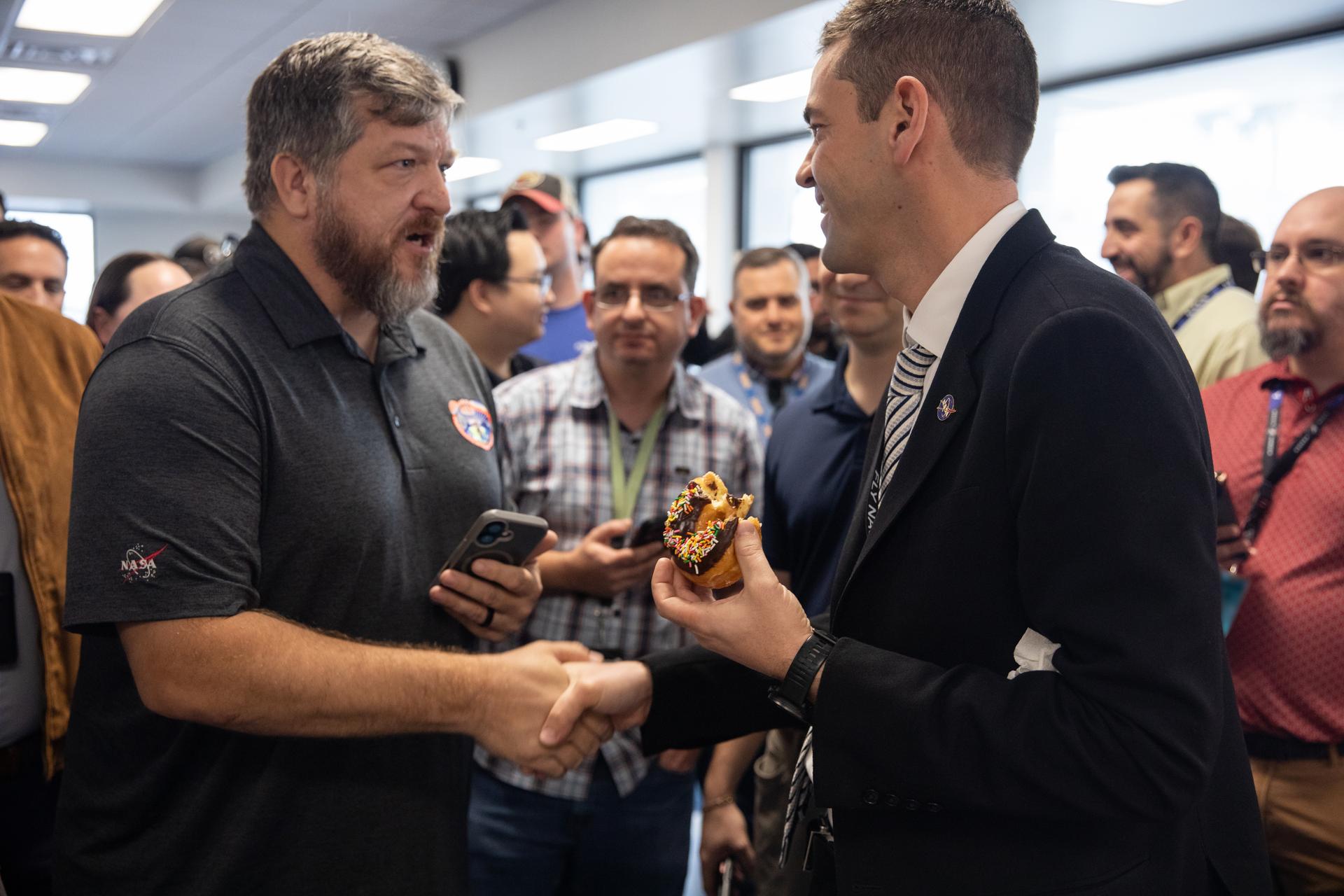
NASA Administrator Jared Isaacman, right, meets with NASA employees during his visit to NASA’s Kennedy Space Center in Florida, on Tuesday, Jan. 13, 2026. Isaacman, NASA’s 15th administrator, began visiting the agency’s centers after his appointment on Dec. 17, 2025, to hear from employees, contractors, and partners.
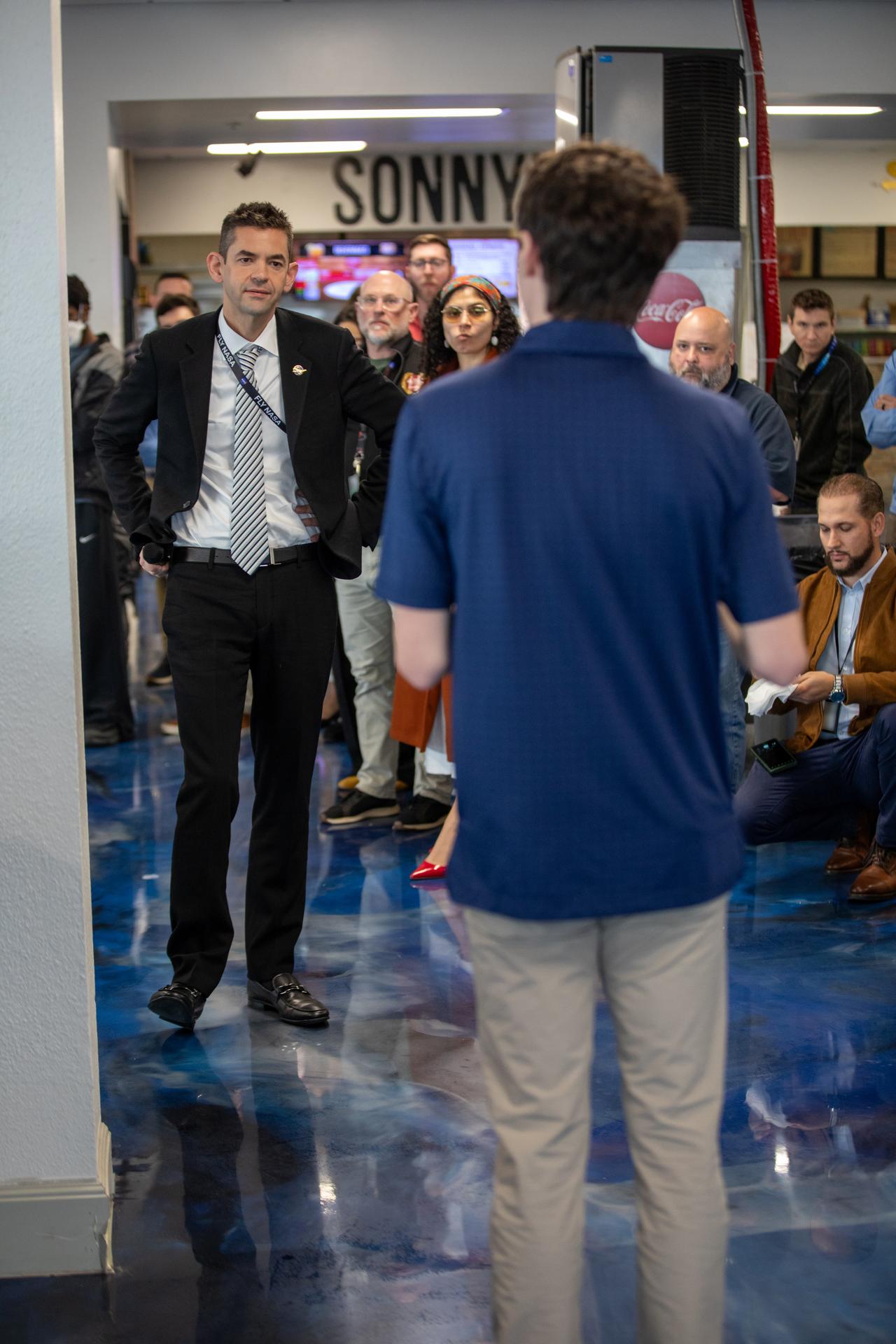
NASA Administrator Jared Isaacman, left, meets with NASA employees during his visit to NASA’s Kennedy Space Center in Florida, on Tuesday, Jan. 13, 2026. Isaacman, NASA’s 15th administrator, began visiting the agency’s centers after his appointment on Dec. 17, 2025, to hear from employees, contractors, and partners.
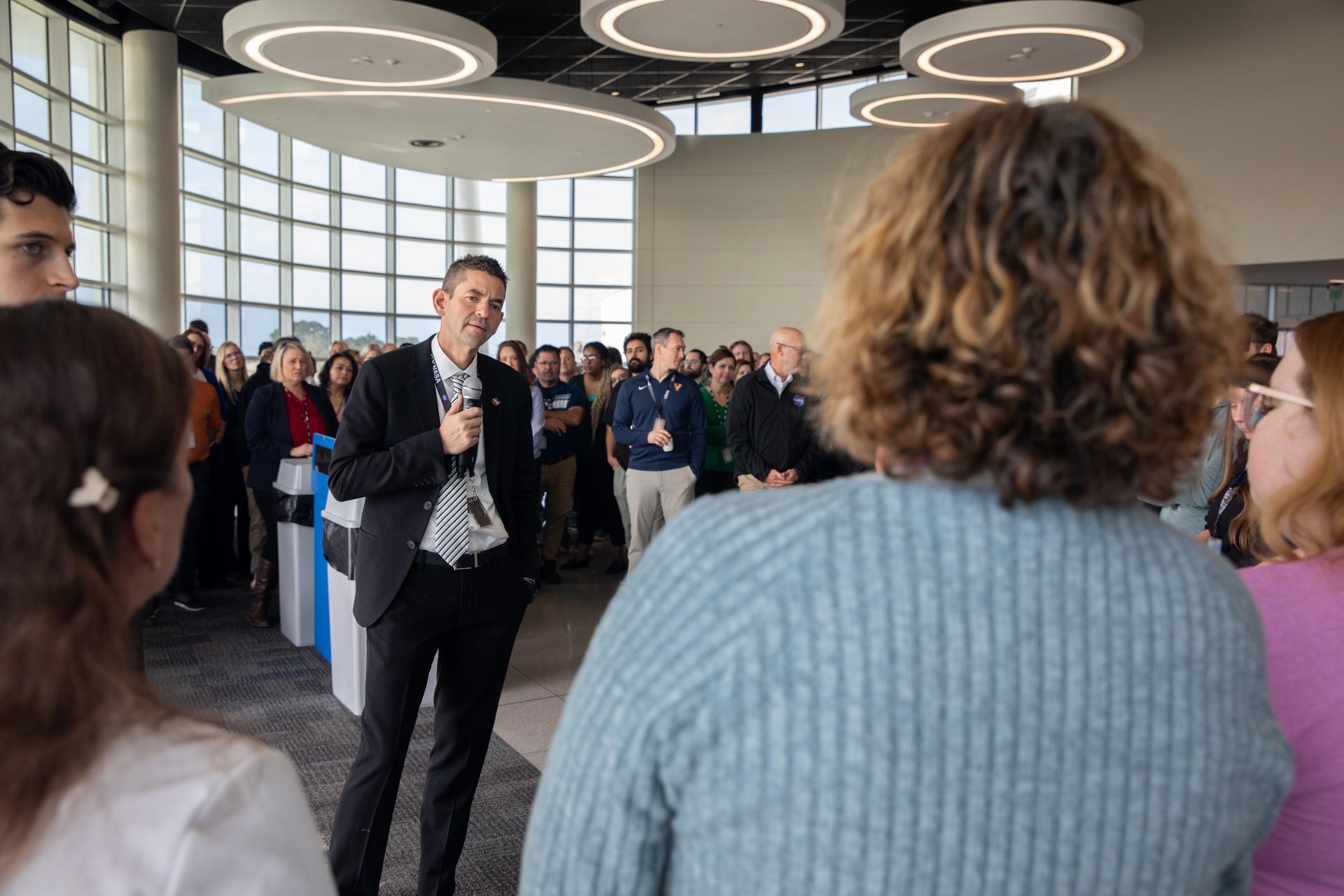
NASA Administrator Jared Isaacman speaks with NASA employees during his visit to the agency’s Kennedy Space Center in Florida, on Tuesday, Jan. 13, 2026. Isaacman, NASA’s 15th administrator, began visiting the agency’s centers after his appointment on Dec. 17, 2025, to meet with employees, contractors, and partners.
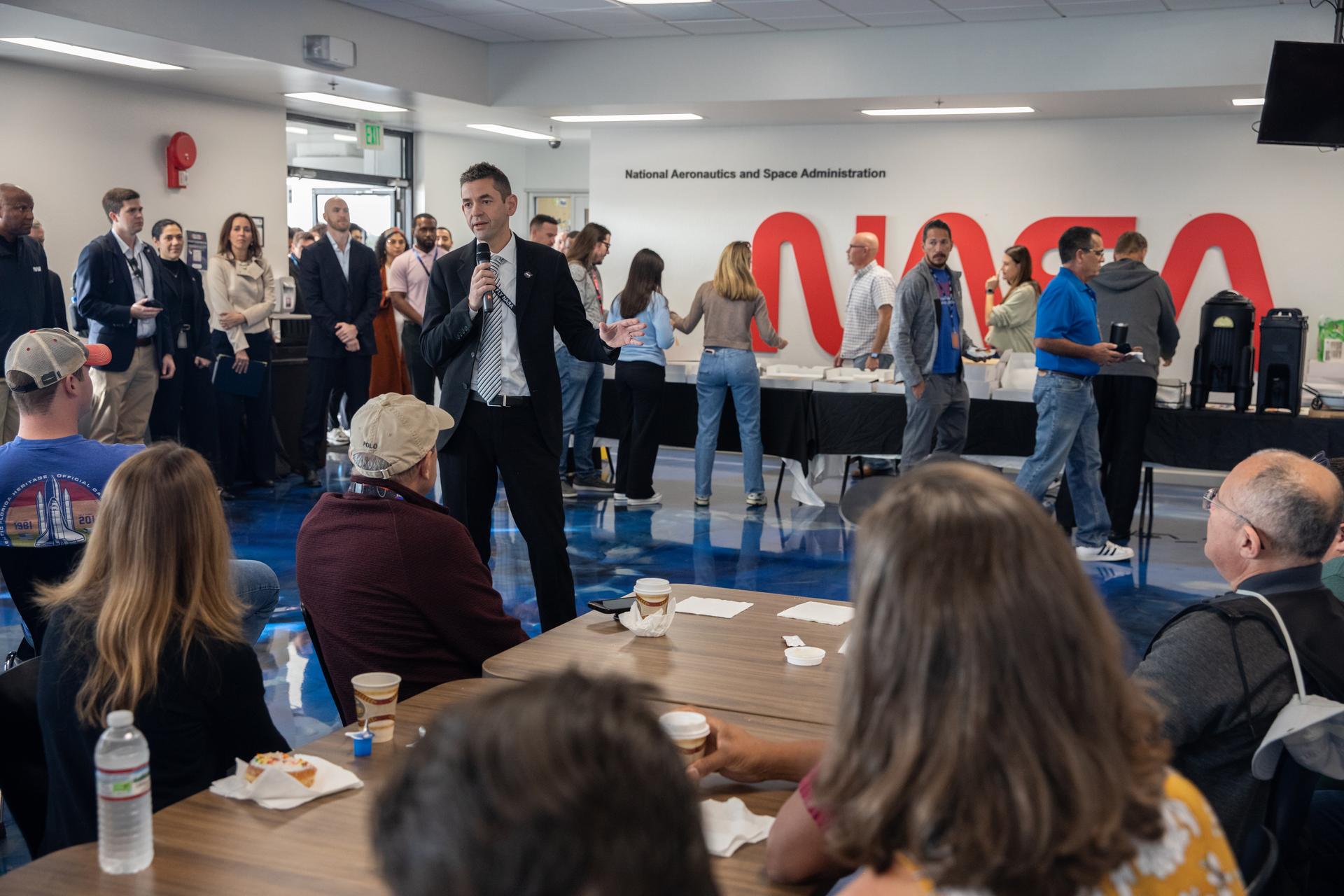
NASA Administrator Jared Isaacman speaks with NASA employees during his visit to the agency’s Kennedy Space Center in Florida, on Tuesday, Jan. 13, 2026. Isaacman, NASA’s 15th administrator, began visiting the agency’s centers after his appointment on Dec. 17, 2025, to meet with employees, contractors, and partners.
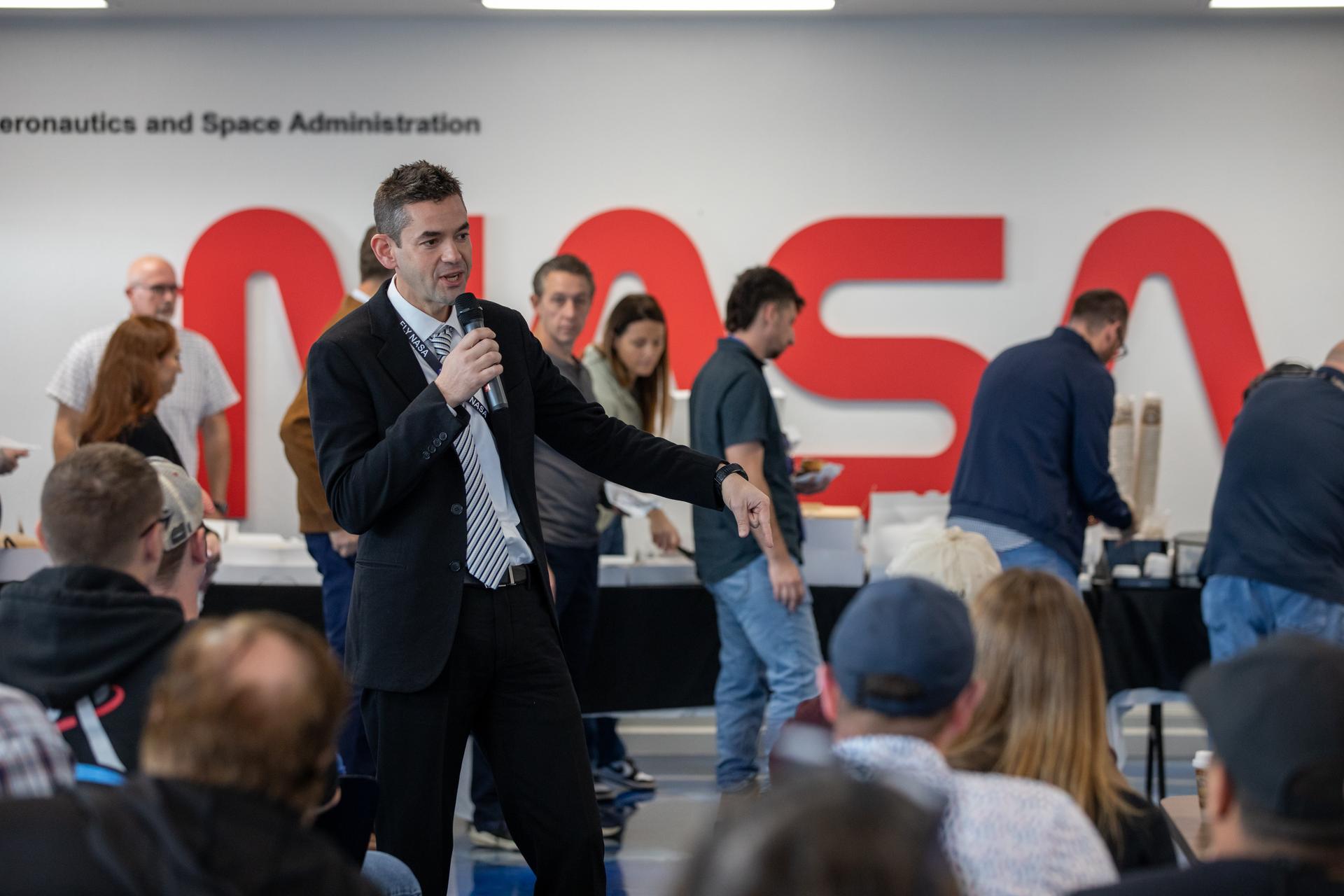
NASA Administrator Jared Isaacman speaks with NASA employees during his visit to the agency’s Kennedy Space Center in Florida, on Tuesday, Jan. 13, 2026. Isaacman, NASA’s 15th administrator, began visiting the agency’s centers after his appointment on Dec. 17, 2025, to meet with employees, contractors, and partners.
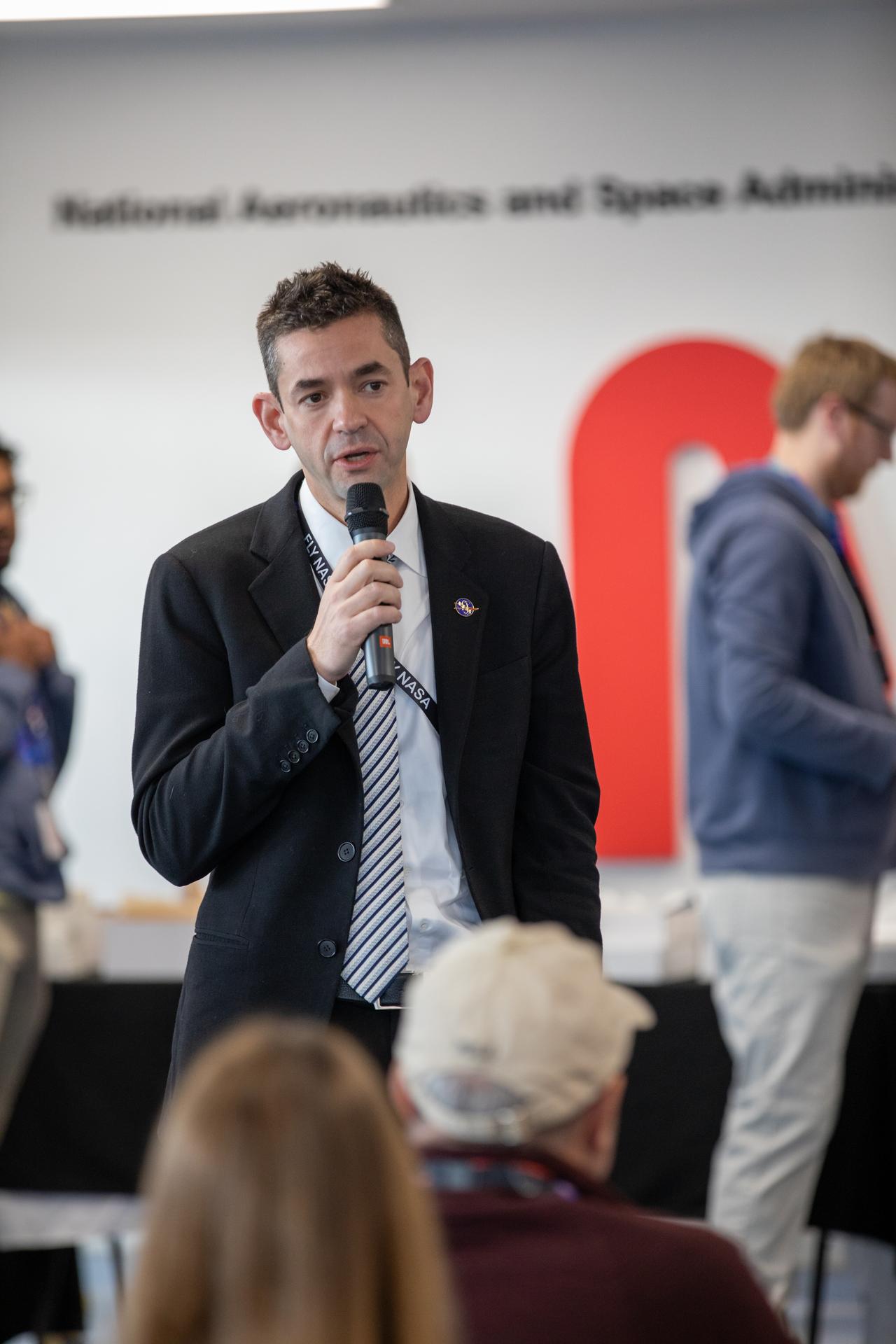
NASA Administrator Jared Isaacman speaks with NASA employees during his visit to the agency’s Kennedy Space Center in Florida, on Tuesday, Jan. 13, 2026. Isaacman, NASA’s 15th administrator, began visiting the agency’s centers after his appointment on Dec. 17, 2025, to meet with employees, contractors, and partners.
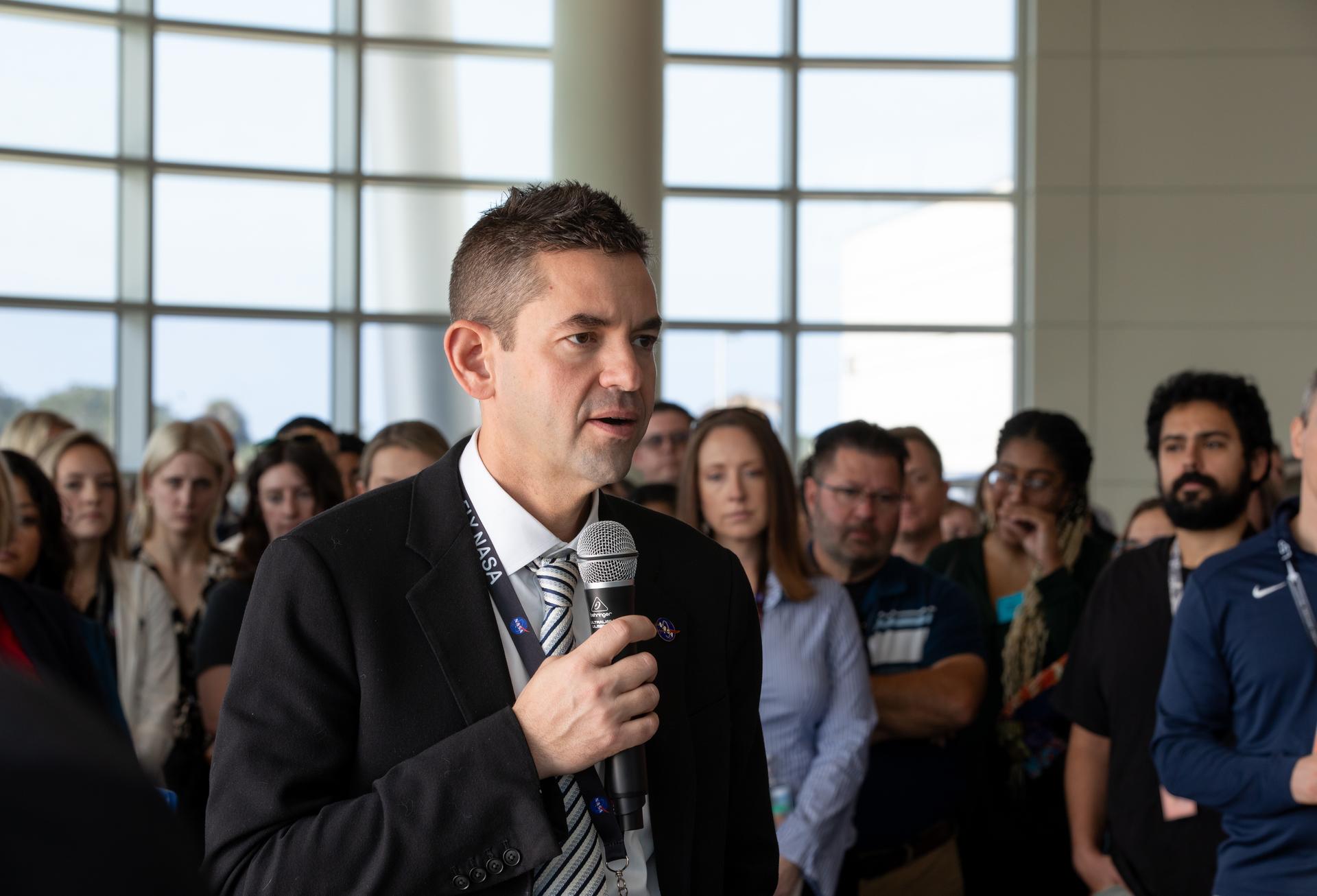
NASA Administrator Jared Isaacman speaks with NASA employees during his visit to the agency’s Kennedy Space Center in Florida, on Tuesday, Jan. 13, 2026. Isaacman, NASA’s 15th administrator, began visiting the agency’s centers after his appointment on Dec. 17, 2025, to meet with employees, contractors, and partners.
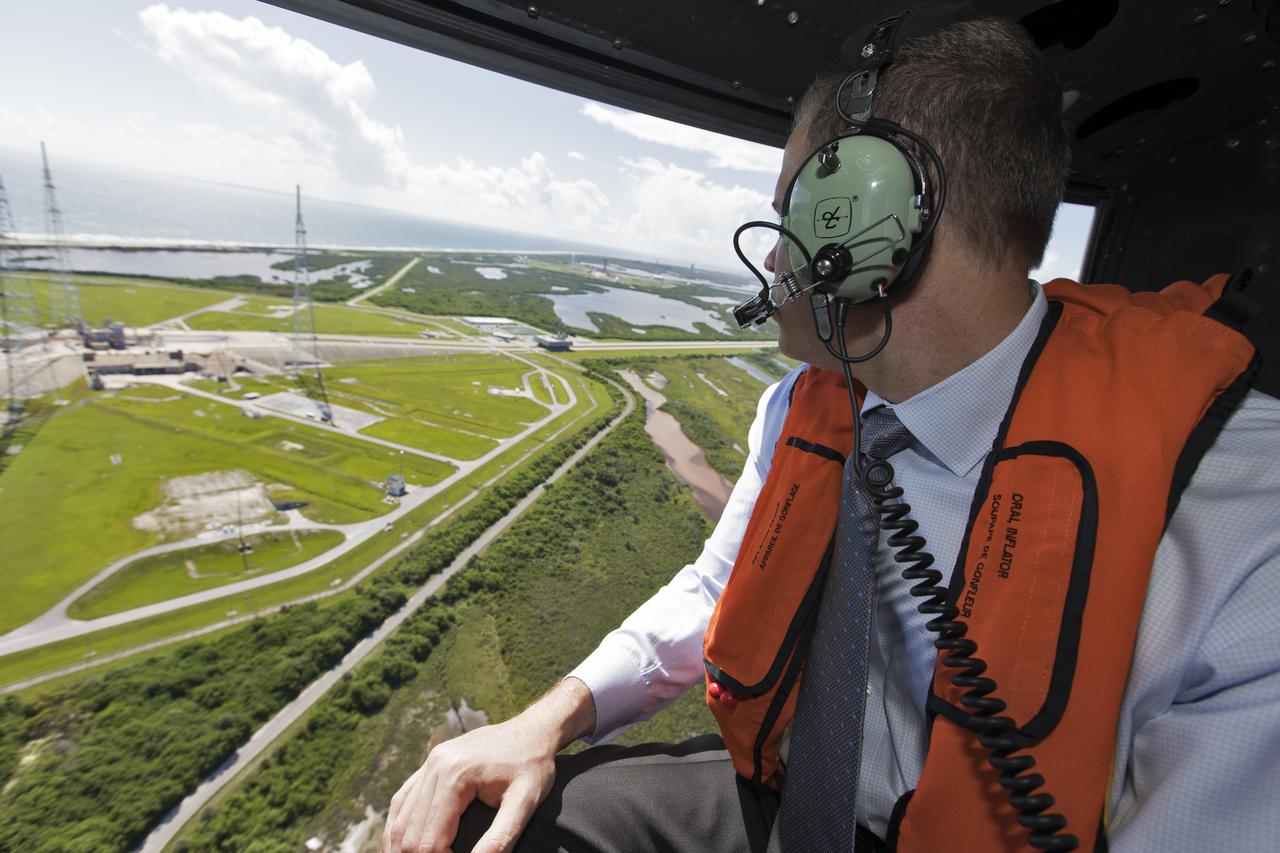
NASA Administrator Jim Bridenstine made his first official visit to the agency's Kennedy Space Center on Monday, Aug. 6, 2018. His up-close look at the premier, multi-user spaceport began with a helicopter tour over the bustling Florida spaceport that included the center's Launch Complex 39B. This will be the site where NASA's Space Launch System rocket and Orion spacecraft will liftoff on trips to the Moon, Mars and beyond.
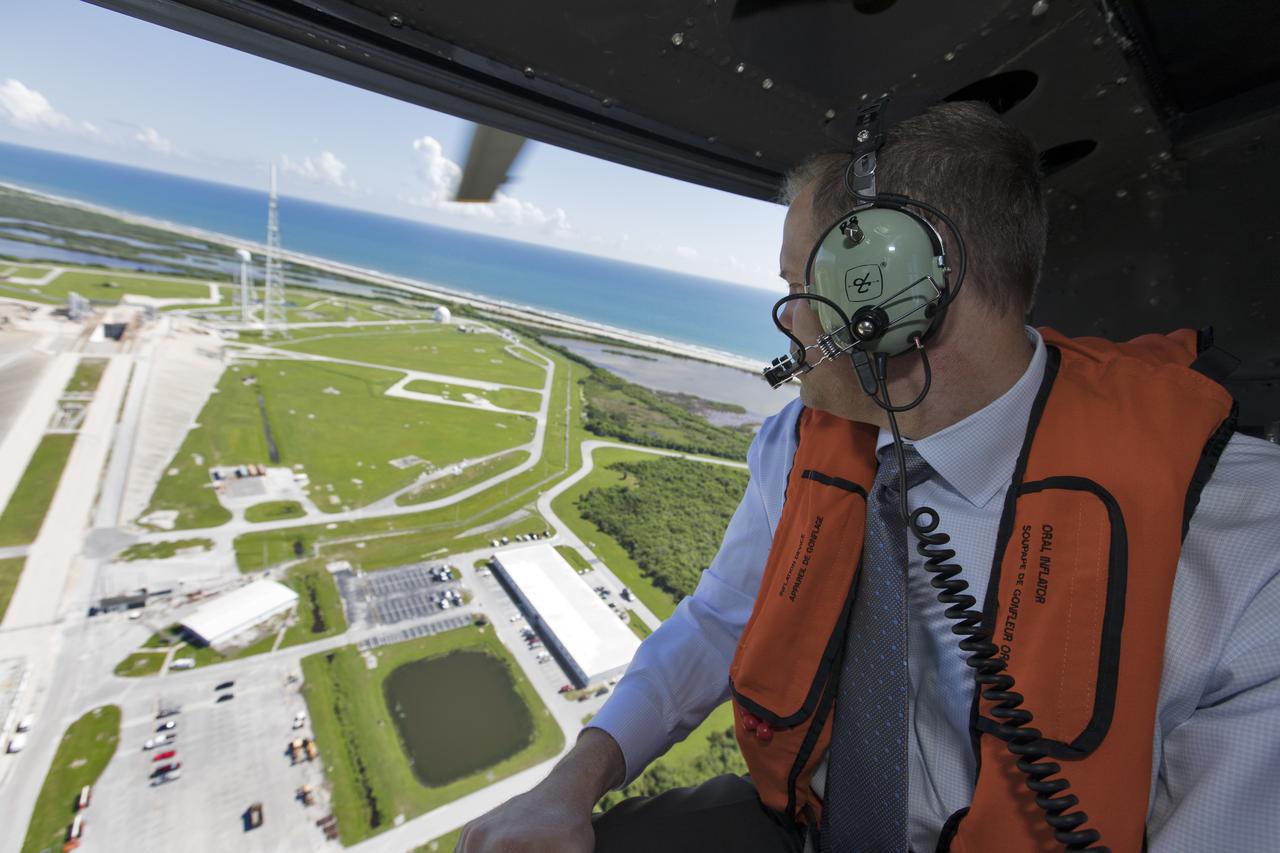
NASA Administrator Jim Bridenstine made his first official visit to the agency's Kennedy Space Center on Monday, Aug. 6, 2018. His up-close look at the premier, multi-user spaceport began with a helicopter tour over the bustling Florida spaceport that included the center's Launch Complex 39B. This will be the site where NASA's Space Launch System rocket and Orion spacecraft will liftoff on trips to the Moon, Mars and beyond.
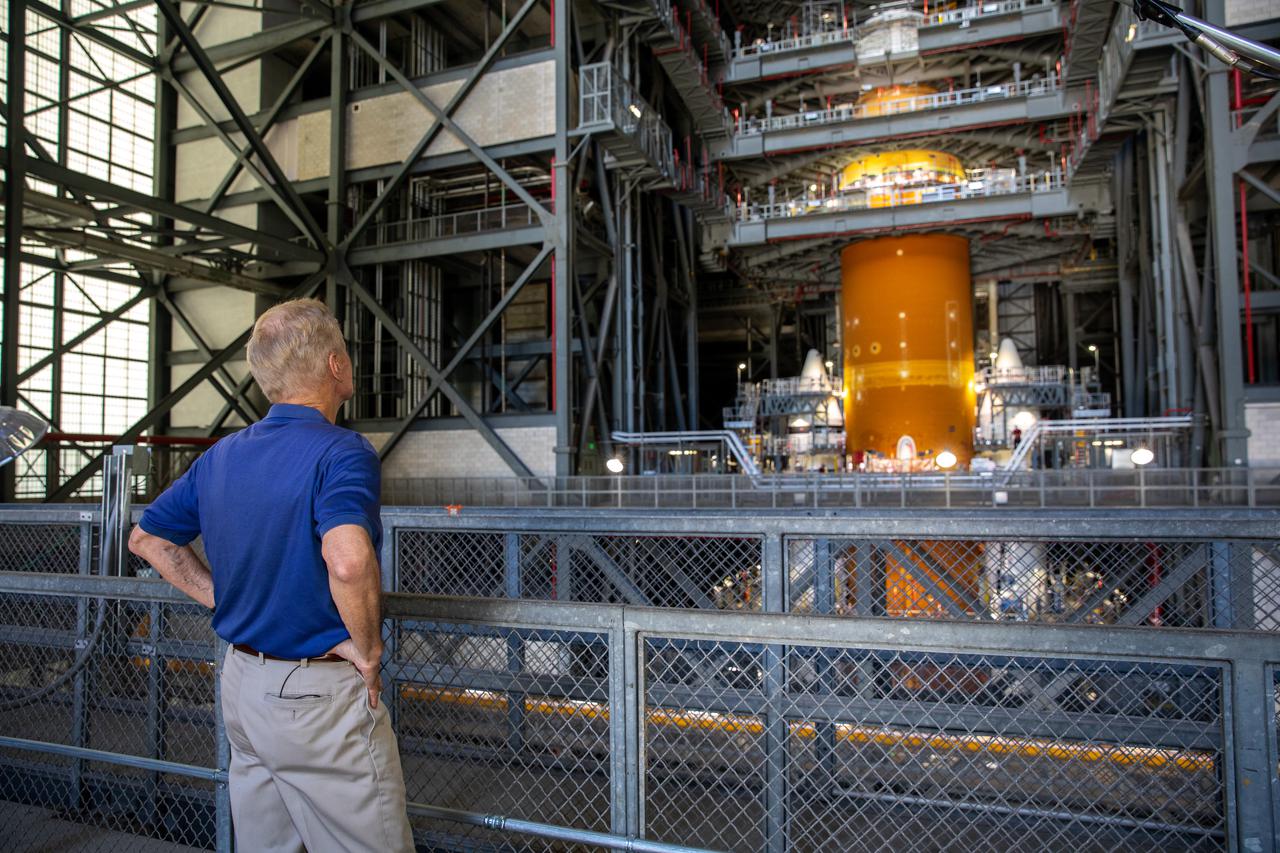
NASA Administrator Bill Nelson views the Space Launch System (SLS) rocket inside the Vehicle Assembly Building during a tour and visit to the agency’s Kennedy Space Center in Florida on July 28, 2021, as preparations for the Artemis I launch continue. The first in an increasingly complex set of missions, Artemis I will test SLS and Orion as an integrated system prior to crewed flights to the Moon. Through Artemis, NASA will land the first woman and first person of color on the lunar surface, as well as establish a sustainable presence on and around the Moon.
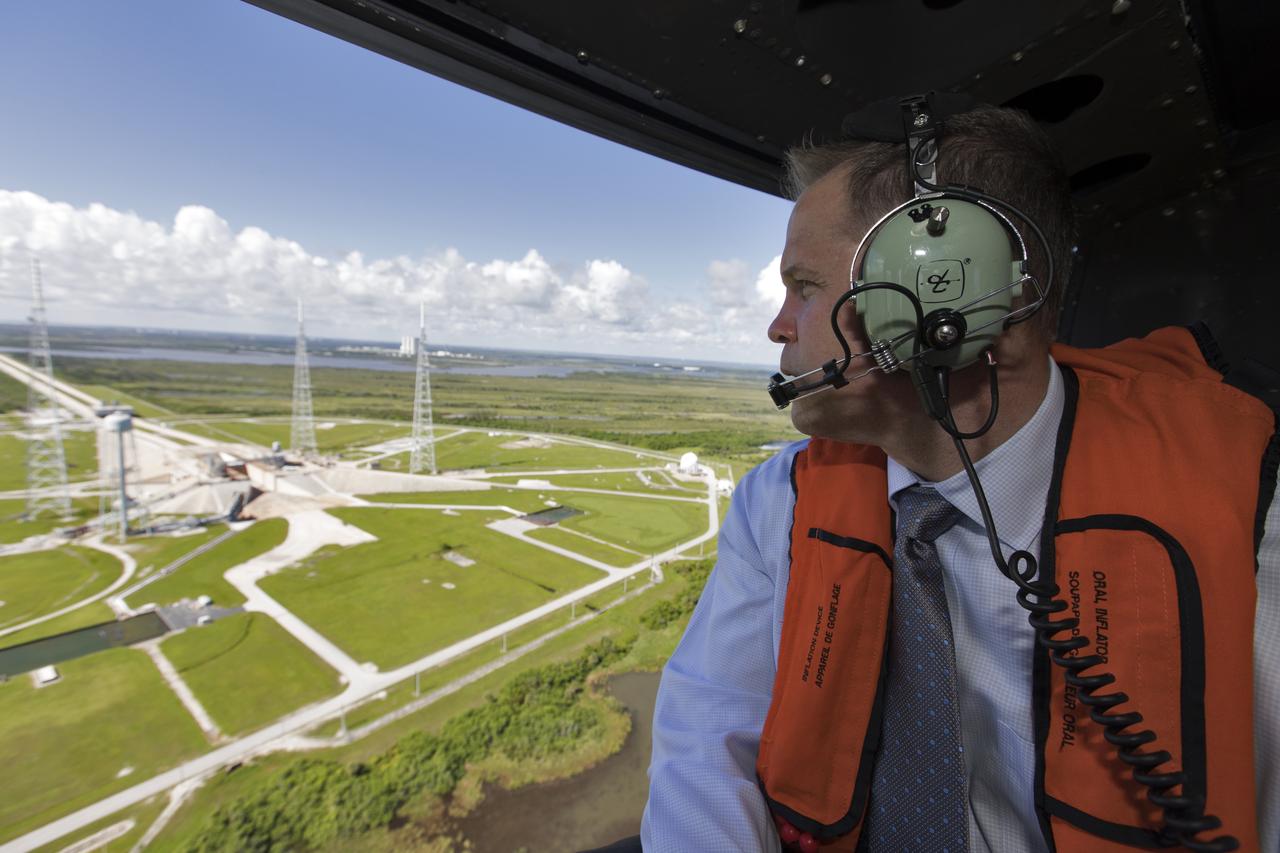
NASA Administrator Jim Bridenstine made his first official visit to the agency's Kennedy Space Center on Monday, Aug. 6, 2018. His up-close look at the premier, multi-user spaceport began with a helicopter tour over the bustling Florida spaceport that included the center's Launch Complex 39B. This will be the site where NASA's Space Launch System rocket and Orion spacecraft will liftoff on trips to the Moon, Mars and beyond.
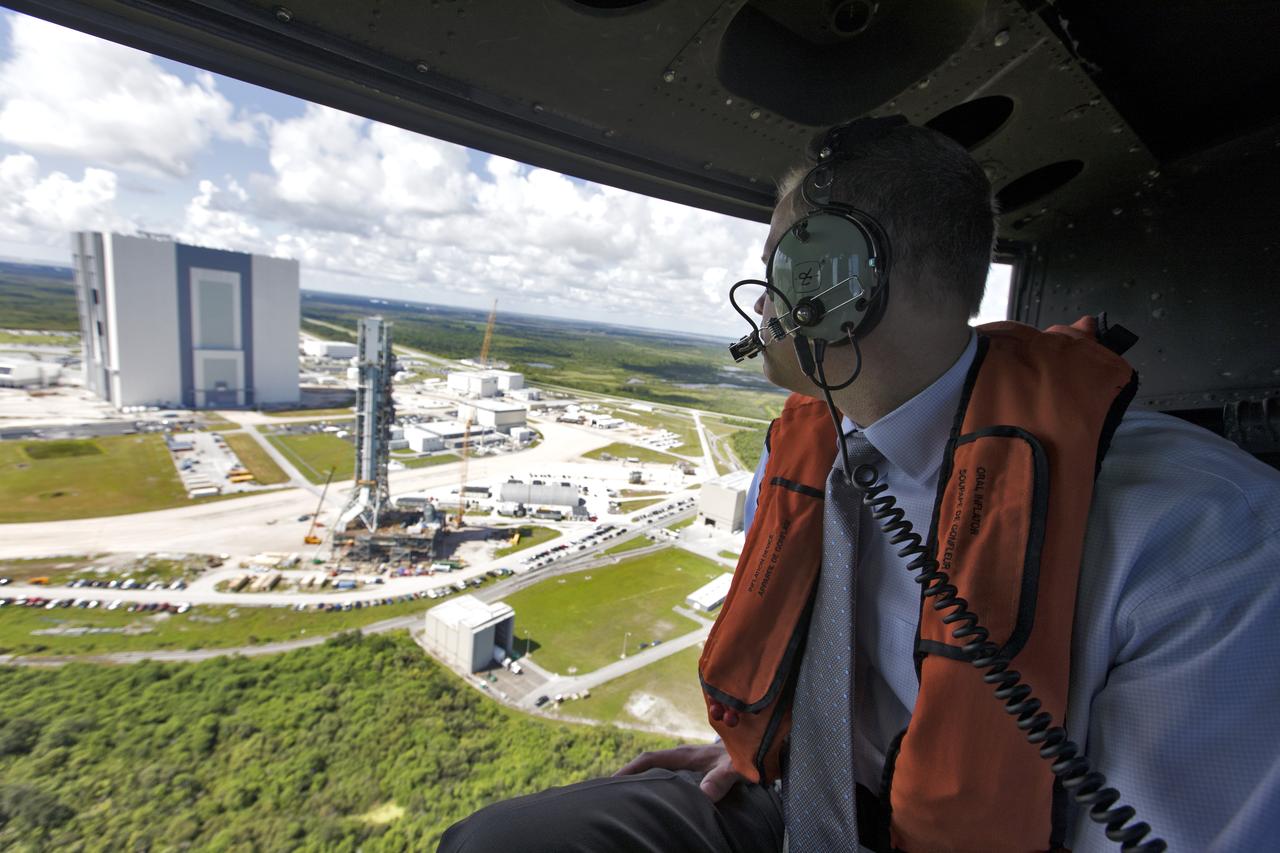
NASA Administrator Jim Bridenstine made his first official visit to the agency's Kennedy Space Center on Monday, Aug. 6, 2018. His up-close look at the premier, multi-user spaceport began with a helicopter tour over the bustling Florida spaceport that included the mobile launcher, in the foreground, that will support NASA's Space Launch System rocket and Orion spacecraft will liftoff on trips to the Moon, Mars and beyond. In the background is the iconic Vehicle Assembly Building.
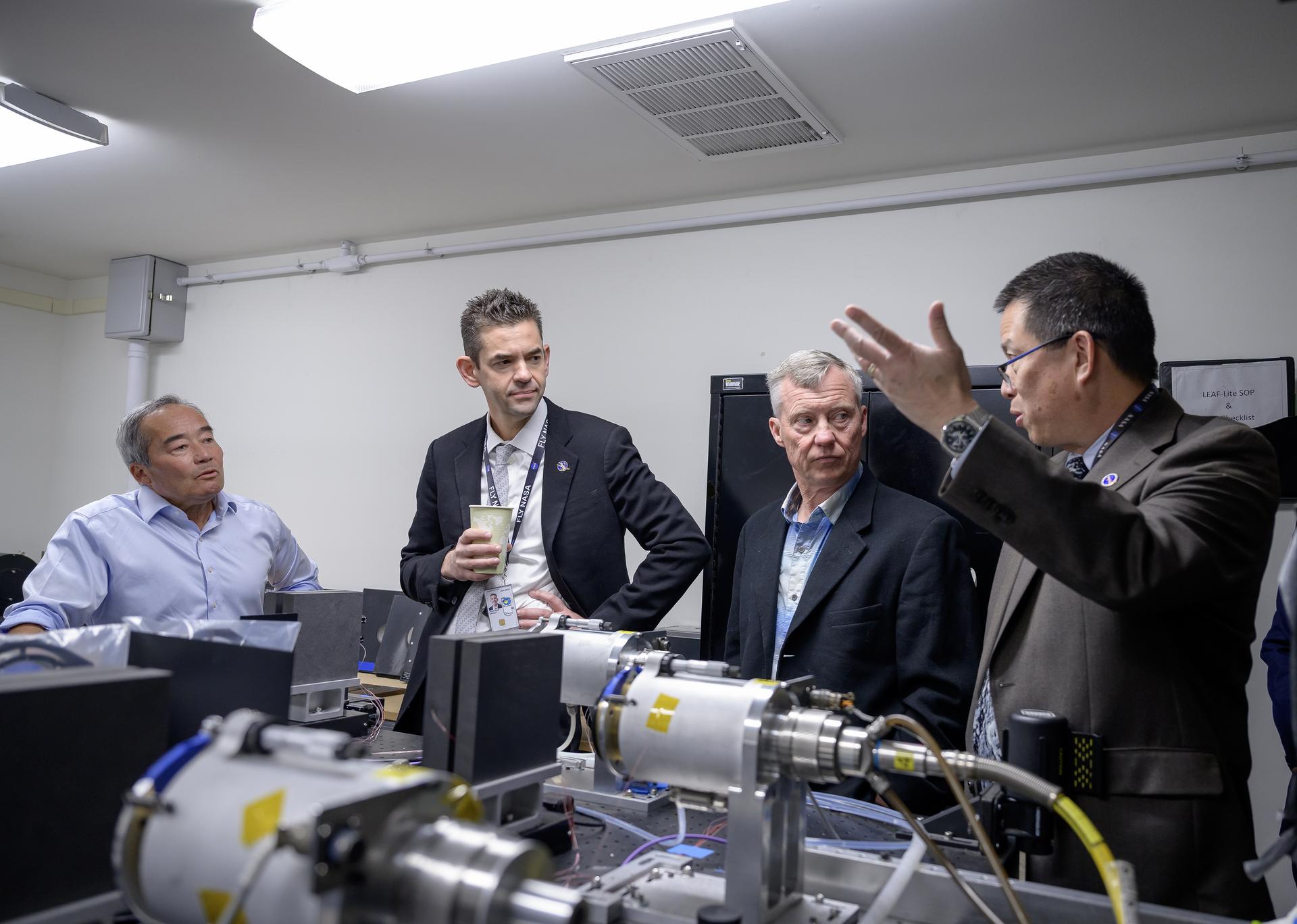
NASA Administrator Jared Isaacman visits the Arc Jet facility in N238.
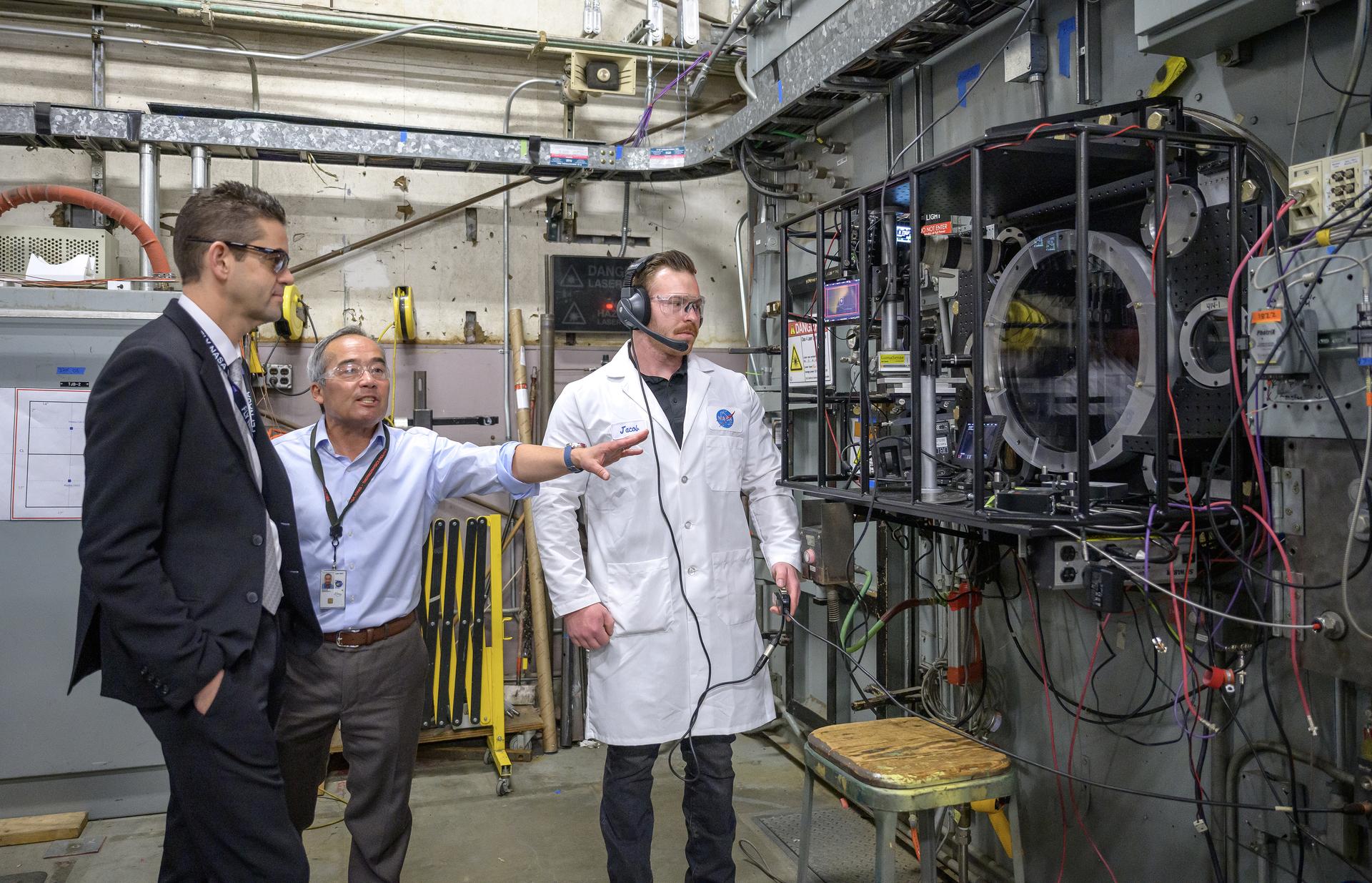
NASA Administrator Jared Isaacman visits the Arc Jet facility in N238.
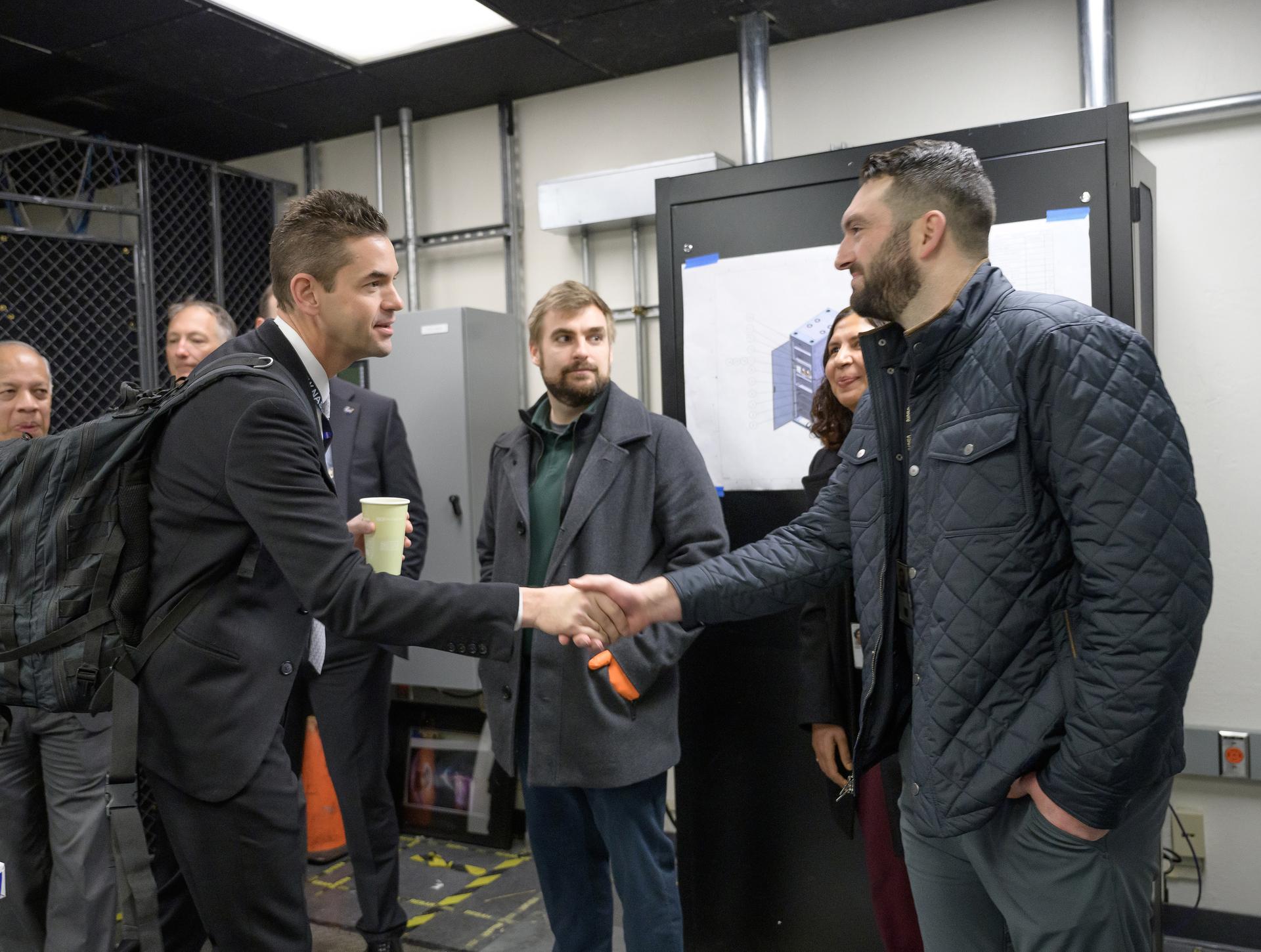
NASA Administrator Jared Isaacman visits the Arc Jet facility in N238.
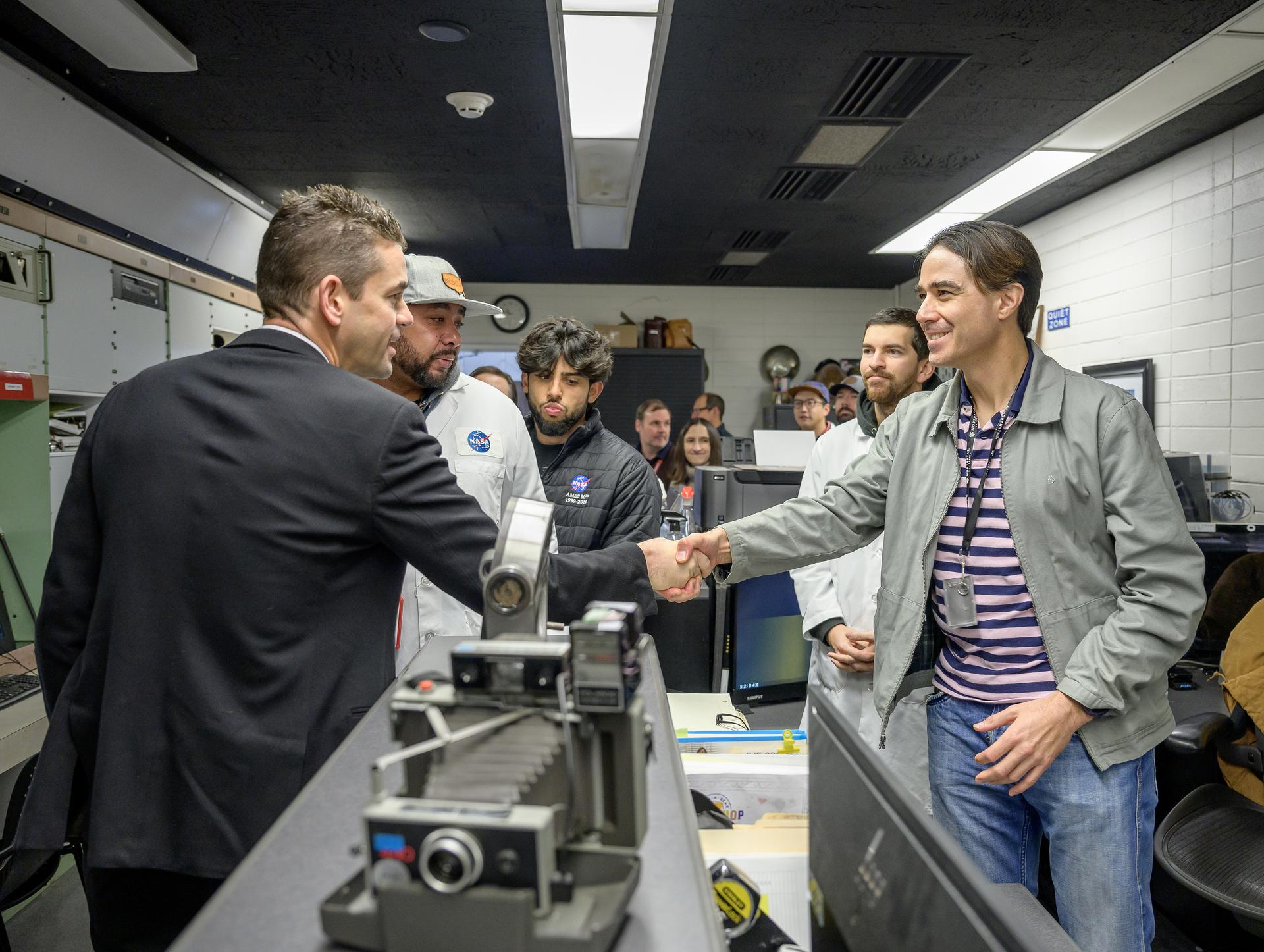
NASA Administrator Jared Isaacman visits the Arc Jet facility in N238.
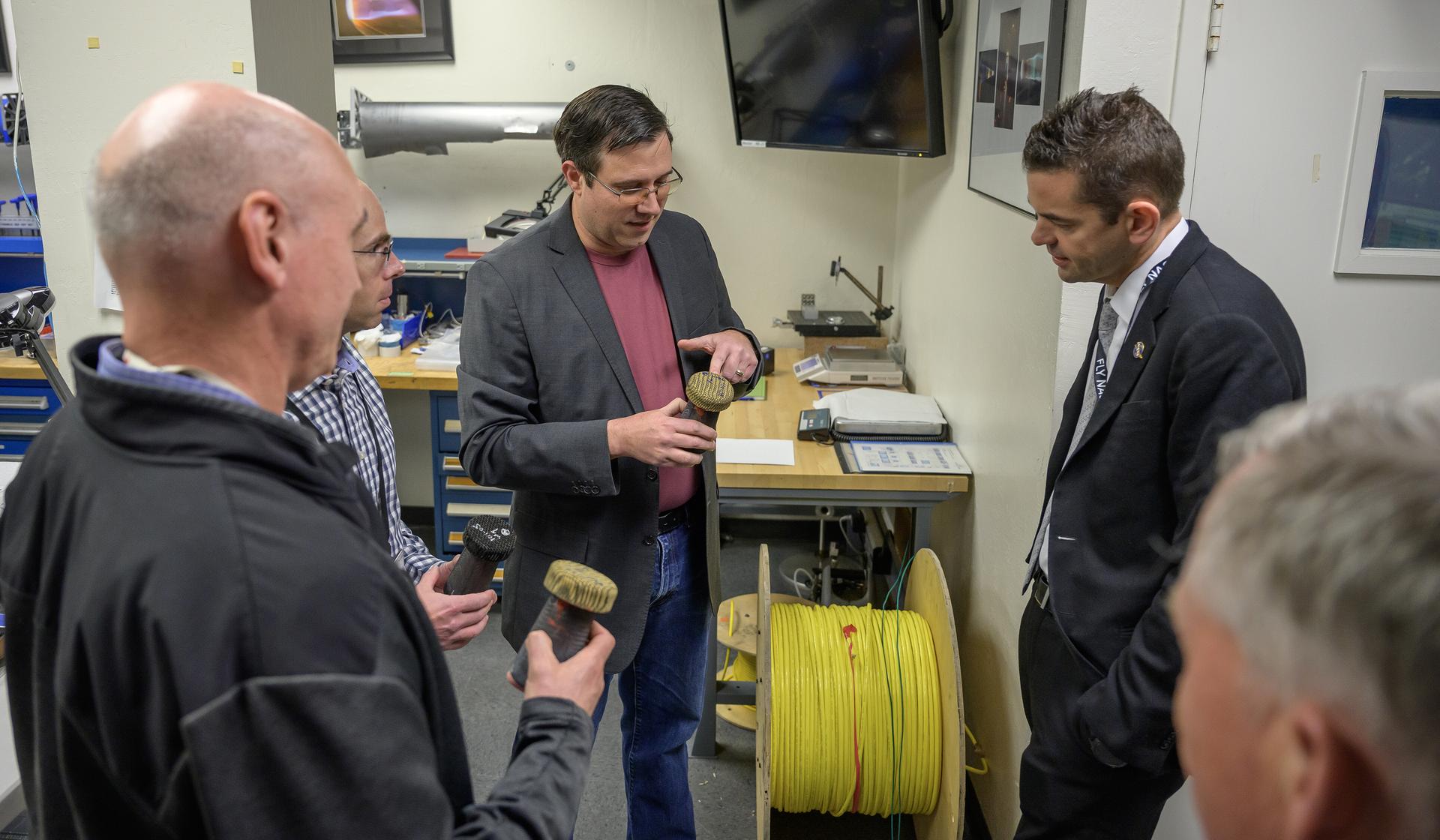
NASA Administrator Jared Isaacman visits the Arc Jet facility in N238.
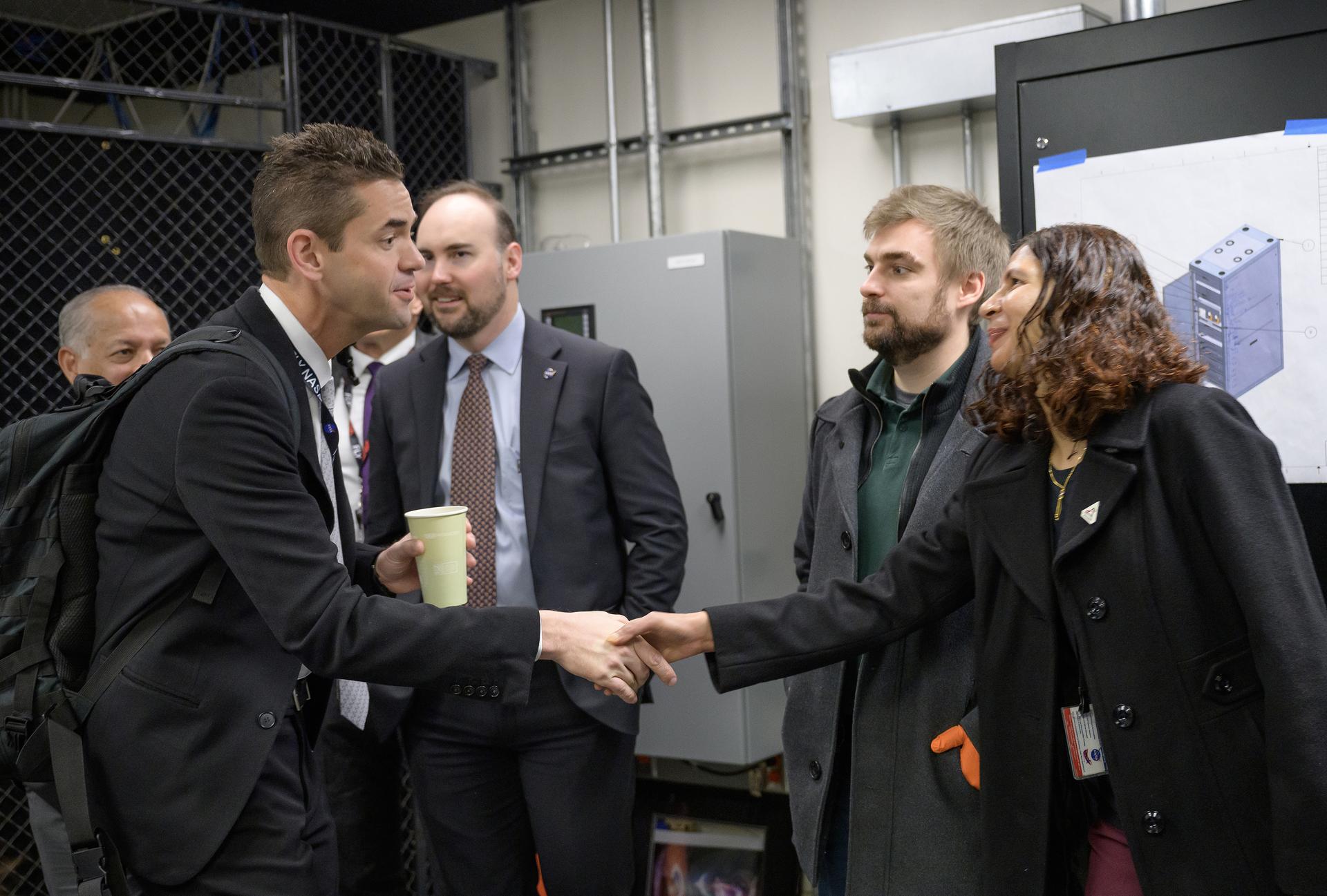
NASA Administrator Jared Isaacman visits the Arc Jet facility in N238.
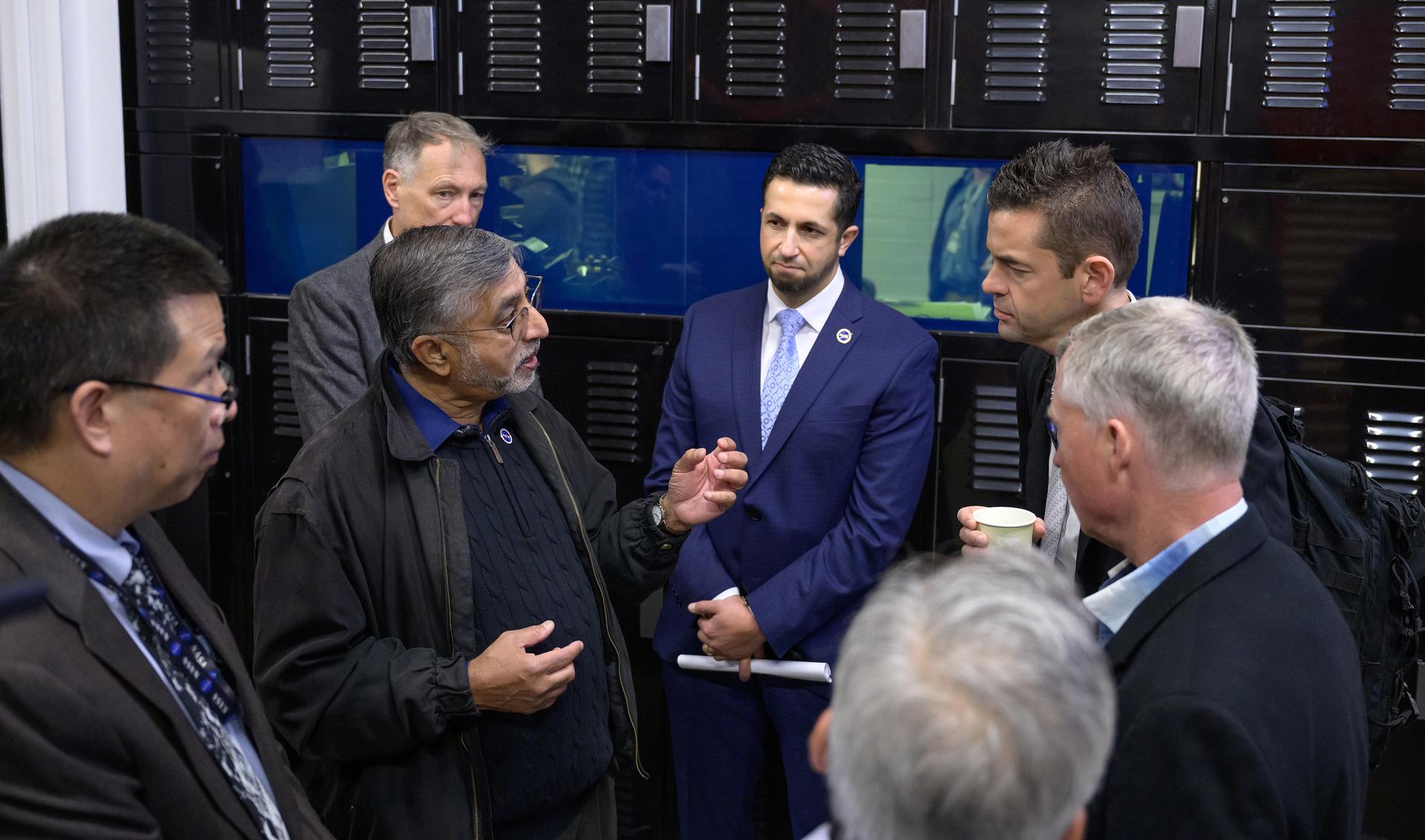
NASA Administrator Jared Isaacman visits the Arc Jet facility in N238.
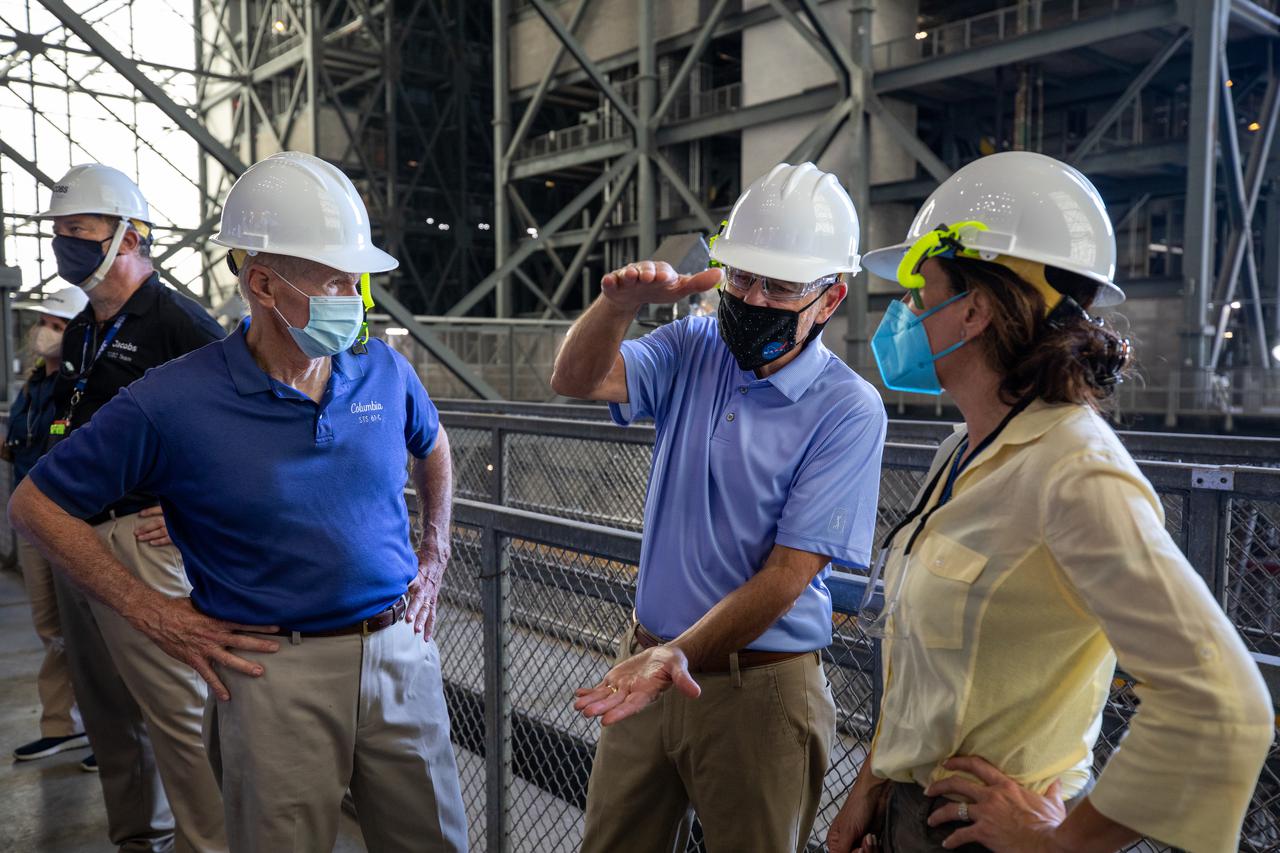
NASA Administrator Bill Nelson, left, tours the Vehicle Assembly Building (VAB) during a visit to the agency’s Kennedy Space Center in Florida on July 28, 2021. In the center is Bob Cabana, NASA associate administrator and former director of Kennedy, and to the right is Susie Perez Quinn, NASA chief of staff. While inside the VAB, Nelson had the opportunity to view the Space Launch System (SLS) rocket as preparations for the Artemis I launch continue. The first in an increasingly complex set of missions, Artemis I will test SLS and Orion as an integrated system prior to crewed flights to the Moon. Through Artemis, NASA will land the first woman and first person of color on the lunar surface, as well as establish a sustainable presence on and around the Moon.
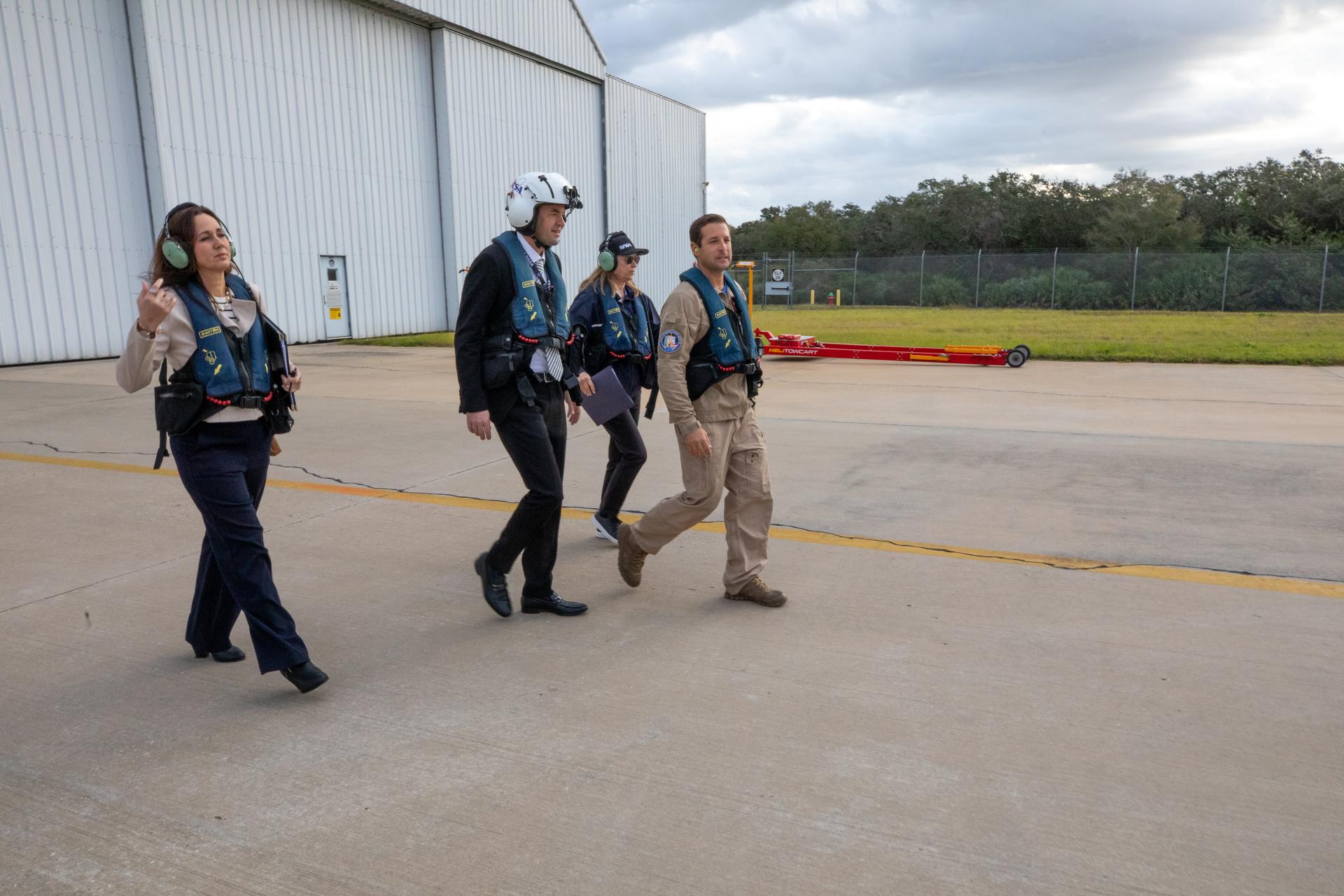
NASA Administrator Jared Isaacman (center left) and Kennedy Space Center Director Janet Petro (center right) prepare to board NASA Airbus H135 (T3) helicopters during the administrator’s visit to the agency’s Florida spaceport on Tuesday, Jan. 13, 2026. Isaacman, NASA’s 15th administrator, began visiting the agency’s centers after his appointment on Dec. 17, 2025, to meet with employees, contractors, and partners.
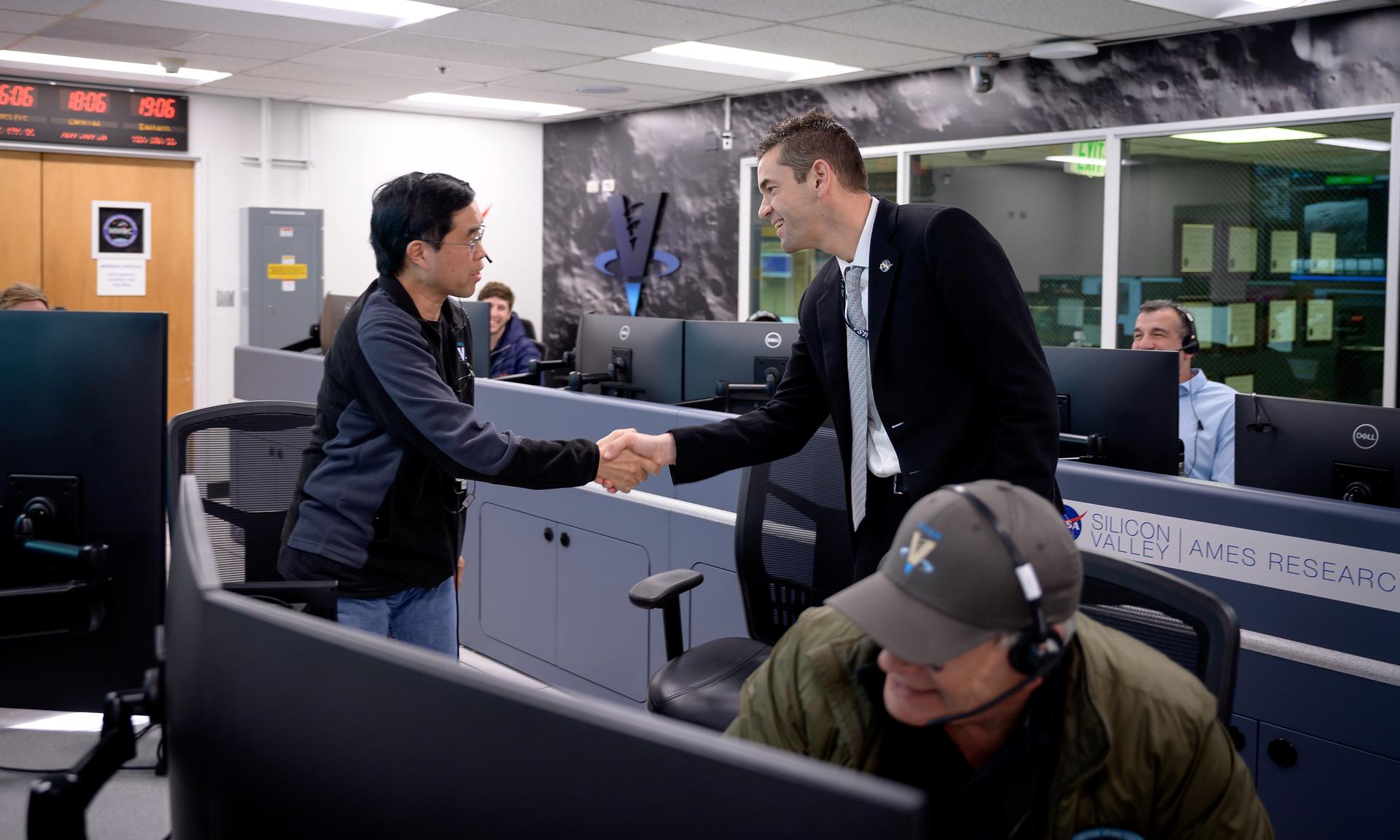
NASA Administrator Jared Isaacman meets Terry Fong during his visit to the Multi-Mission Operations Center (MMOC) in N240A.
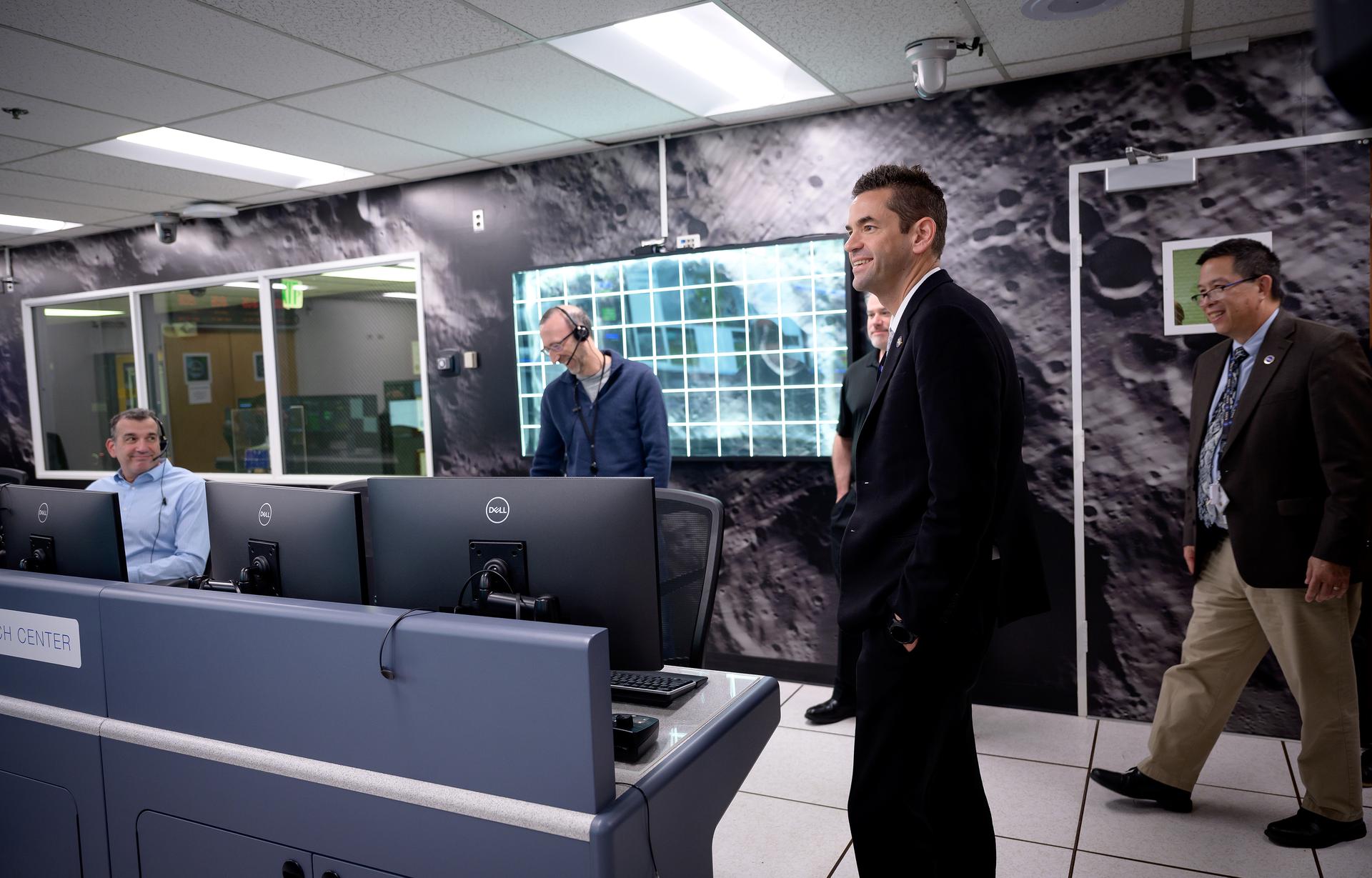
NASA Administrator Jared Isaacman speaks with Ames engineers during his visit to the Multi-Mission Operations Center (MMOC) in N240A.
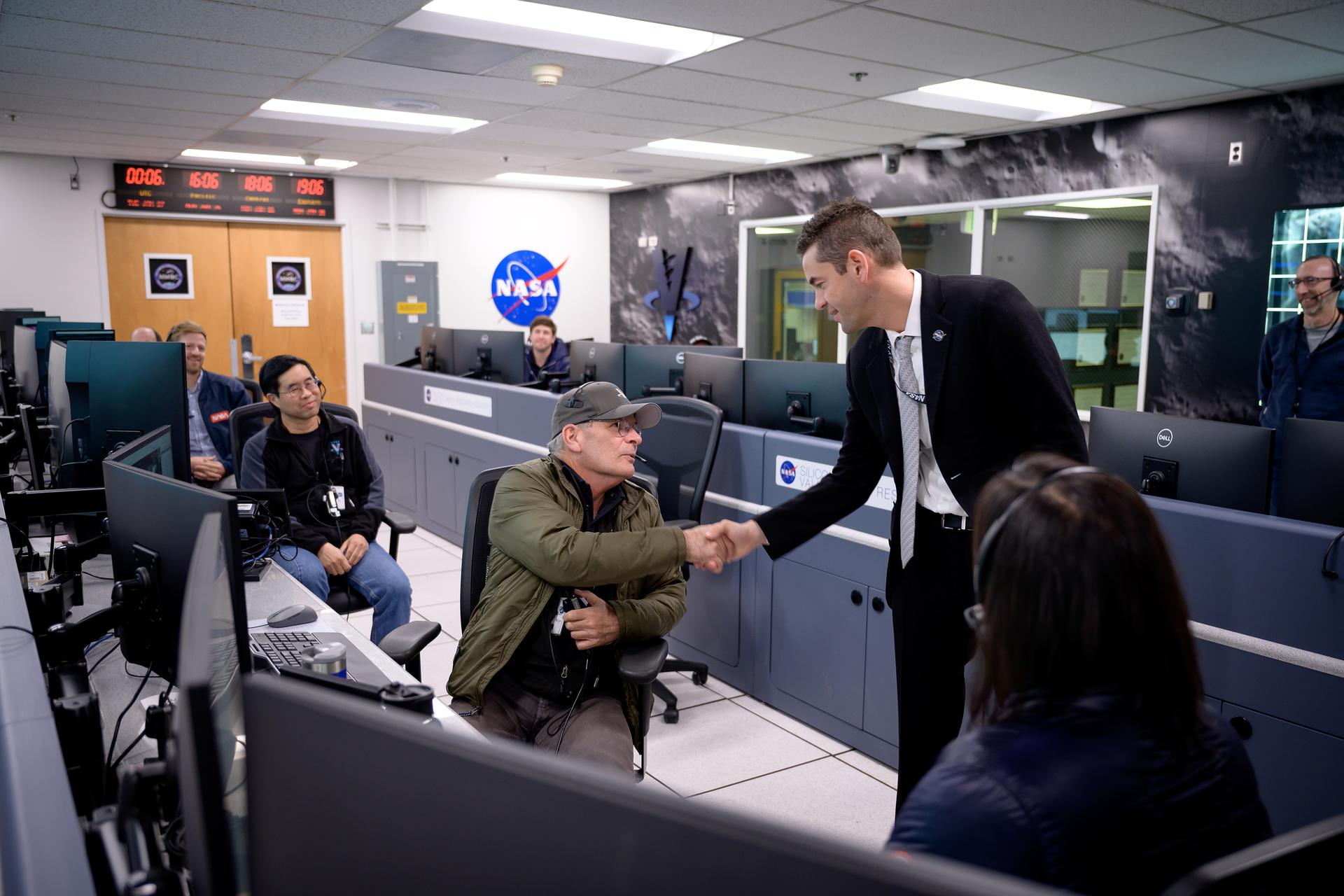
NASA Administrator Jared Isaacman speaks with Ames engineers during his visit to the Multi-Mission Operations Center (MMOC) in N240A.
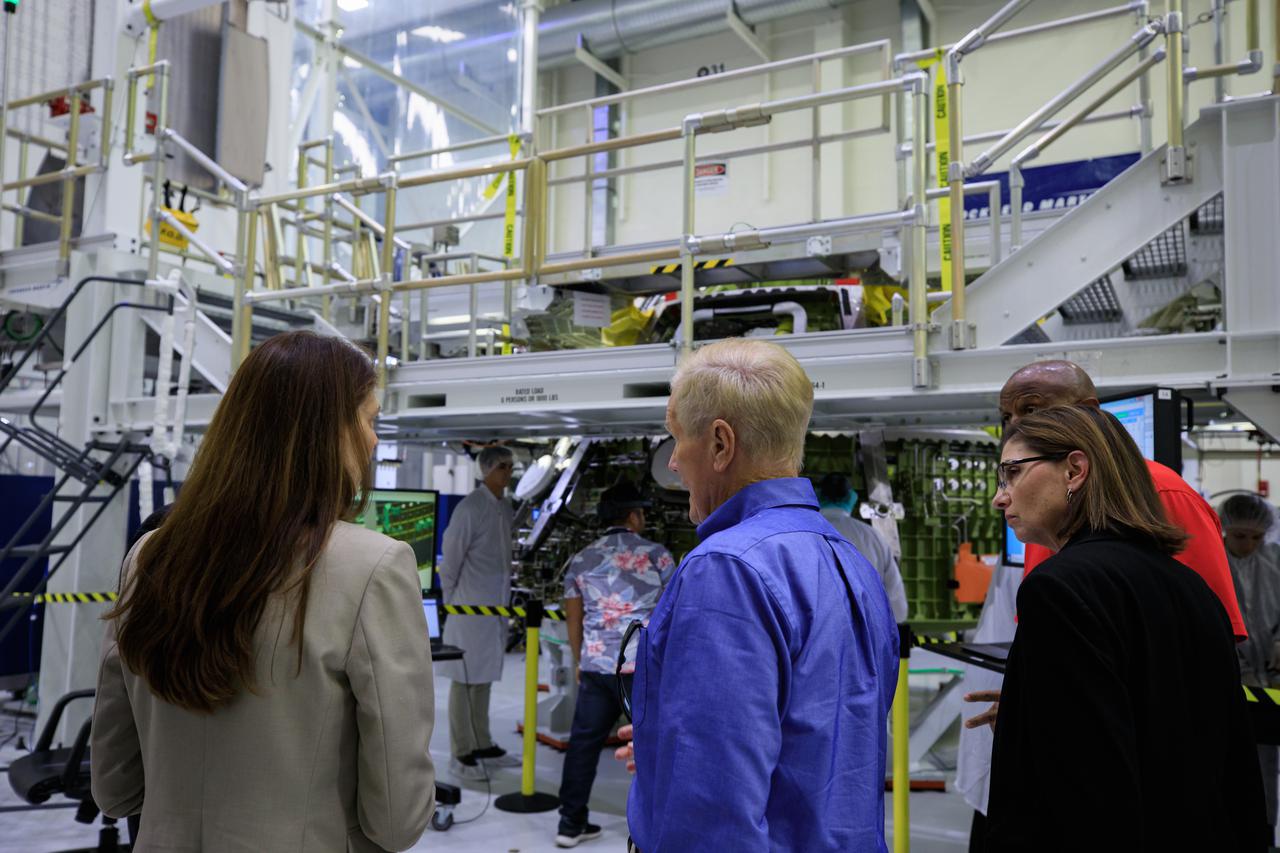
NASA Administrator Bill Nelson, center, tours the Neil Armstrong Operations and Checkout (O&C) Building high bay during a visit to the agency’s Kennedy Space Center in Florida on July 27, 2021. While at the O&C, Nelson had the opportunity to view some of the flight hardware for Artemis II – the first test flight of the Space Launch System rocket and Orion spacecraft with crew on board. Through Artemis, NASA will land the first woman and first person of color on the lunar surface, as well as establish a sustainable presence on and around the Moon.
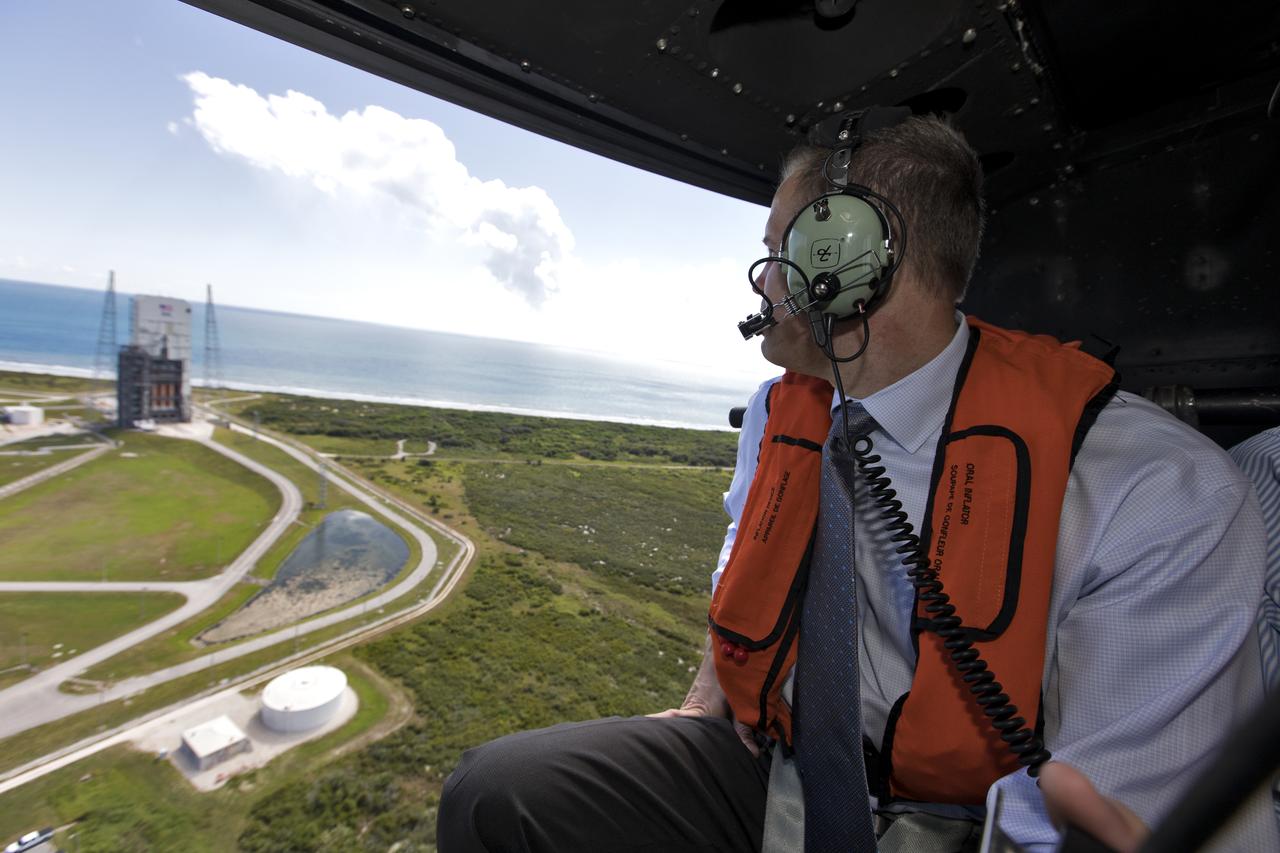
NASA Administrator Jim Bridenstine made his first official visit to the agency's Kennedy Space Center on Monday, Aug. 6, 2018. His up-close look at the premier, multi-user spaceport began with a helicopter tour over the bustling Florida spaceport that included Space Launch Complex 37 at Cape Canaveral Air Force Station. NASA's Parker Solar Probe is being prepared for launch atop a United Launch Alliance Delta IV Heavy rocket. The mission will perform the closest-ever observations of a star when it travels through the Sun's atmosphere, called the corona. The probe will rely on measurements and imaging to revolutionize our understanding of the corona and the Sun-Earth connection.
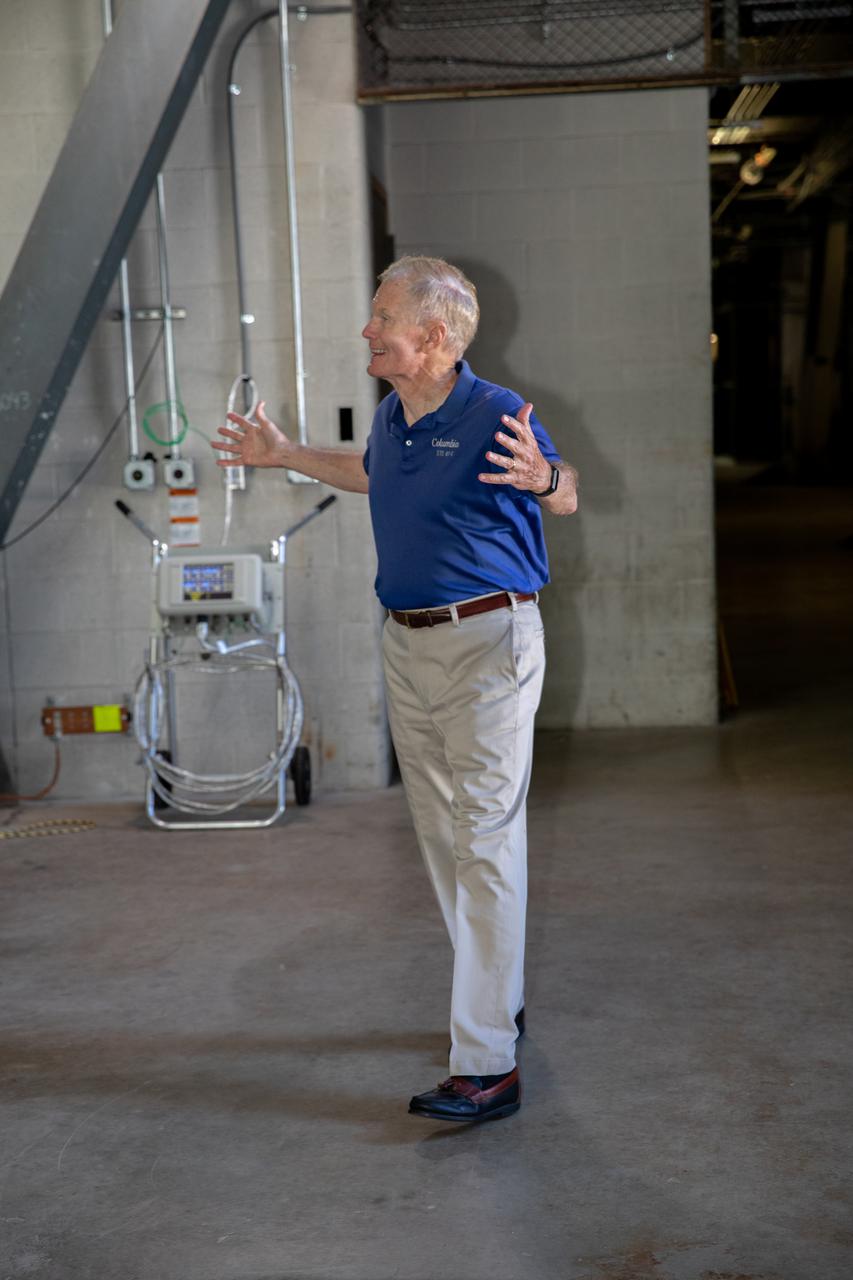
NASA Administrator Bill Nelson tours the Vehicle Assembly Building (VAB) during a visit to the agency’s Kennedy Space Center in Florida on July 28, 2021. While inside the VAB, he had the opportunity to view the Space Launch System (SLS) rocket as preparations for the Artemis I launch continue. The first in an increasingly complex set of missions, Artemis I will test SLS and Orion as an integrated system prior to crewed flights to the Moon. Through Artemis, NASA will land the first woman and first person of color on the lunar surface, as well as establish a sustainable presence on and around the Moon.
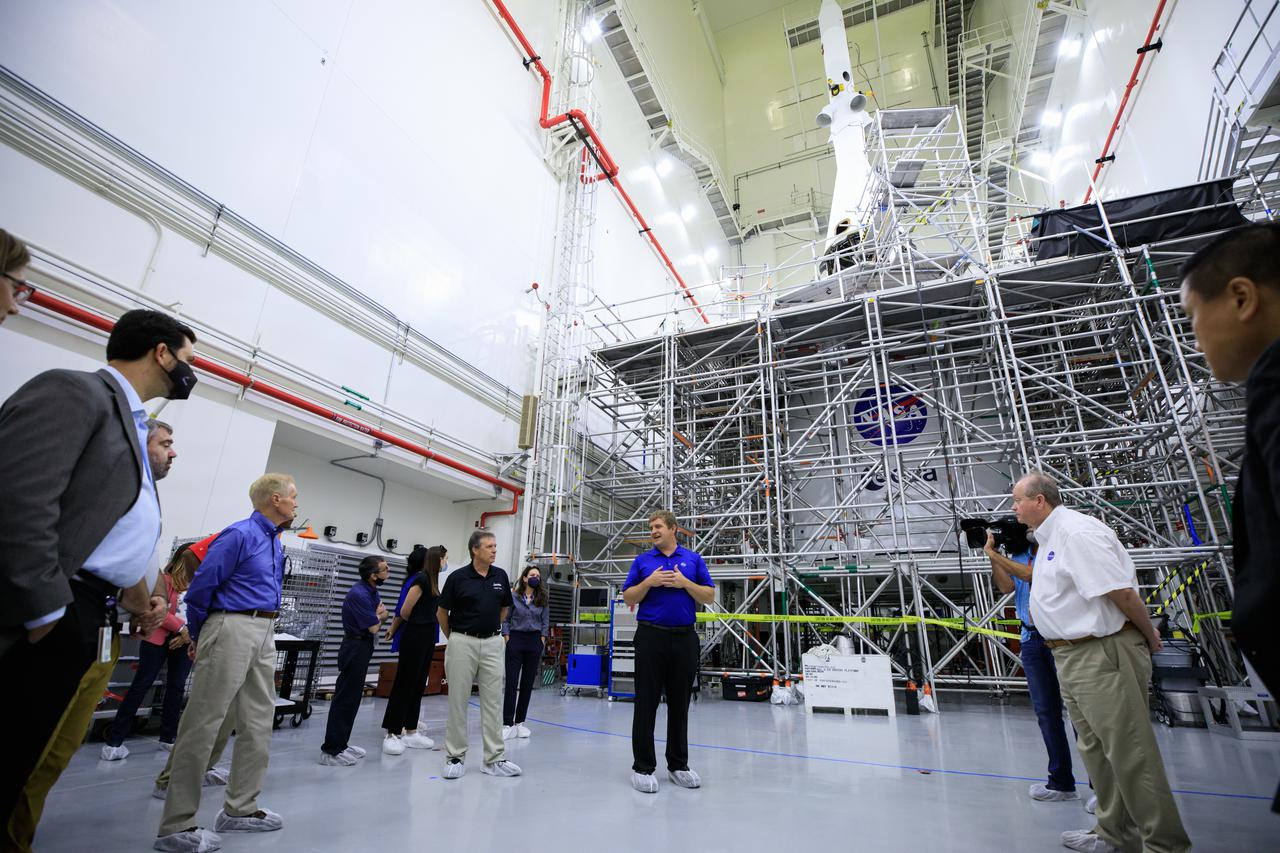
NASA Administrator Bill Nelson, second from left, tours the Launch Abort System Facility during a visit to the agency’s Kennedy Space Center in Florida on July 27, 2021. In view is the Orion spacecraft with the newly integrated launch abort system atop as preparations for Artemis I continue. The first in an increasingly complex set of missions, Artemis I will test the Space Launch System rocket and Orion spacecraft as an integrated system prior to crewed flights to the Moon. Through Artemis, NASA will land the first woman and first person of color on the lunar surface, as well as establish a sustainable presence on and around the Moon.
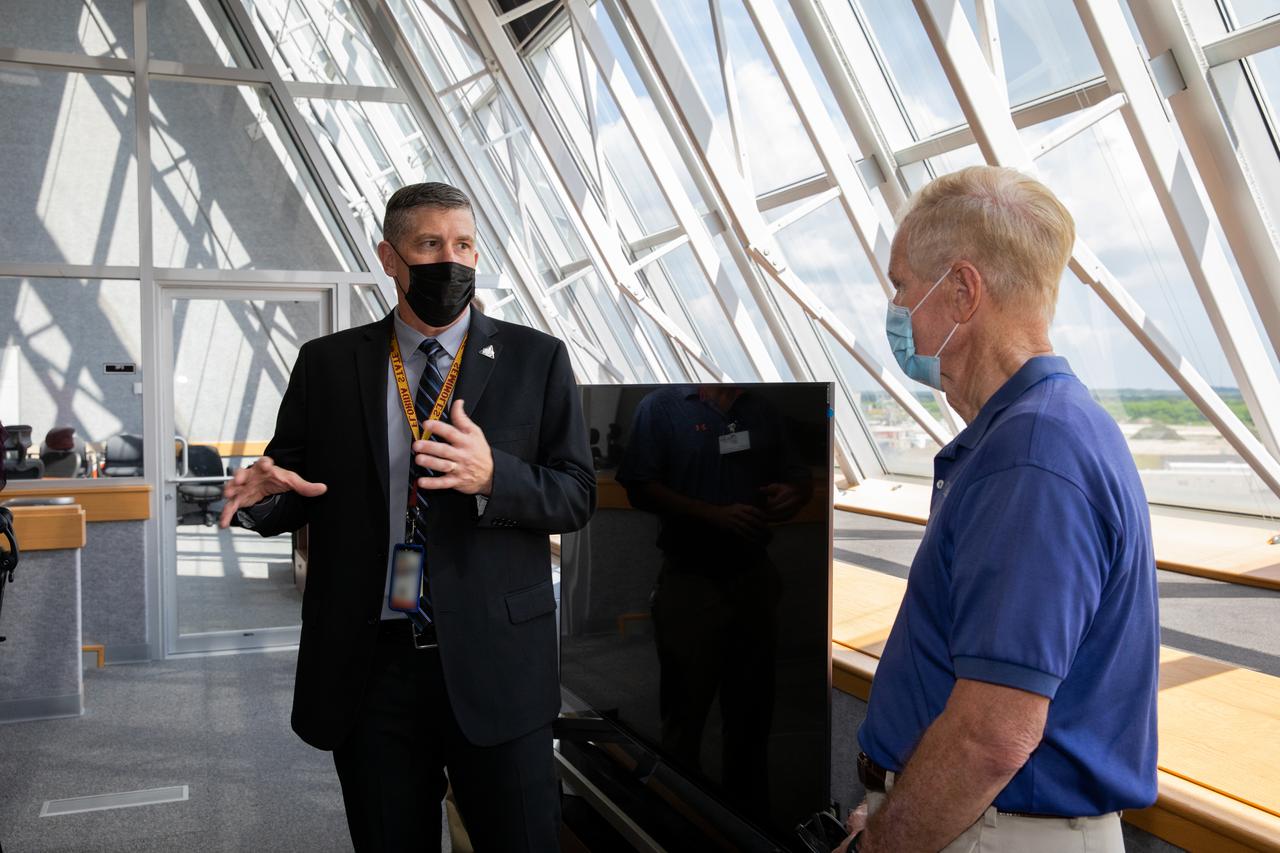
Jeremy Graeber, left, chief of the Test, Launch, and Recovery Operations Branch within the agency’s Exploration Ground Systems Program, speaks with NASA Administrator Bill Nelson inside the Launch Control Center (LCC) at the agency’s Kennedy Space Center in Florida on July 28, 2021. During Nelson’s visit to Kennedy, he had the opportunity to tour the LCC and learn about the launch team as preparations for Artemis I continue. The first in an increasingly complex set of missions, Artemis I will test SLS and Orion as an integrated system prior to crewed flights to the Moon. Through Artemis, NASA will land the first woman and first person of color on the lunar surface, as well as establish a sustainable presence on and around the Moon.
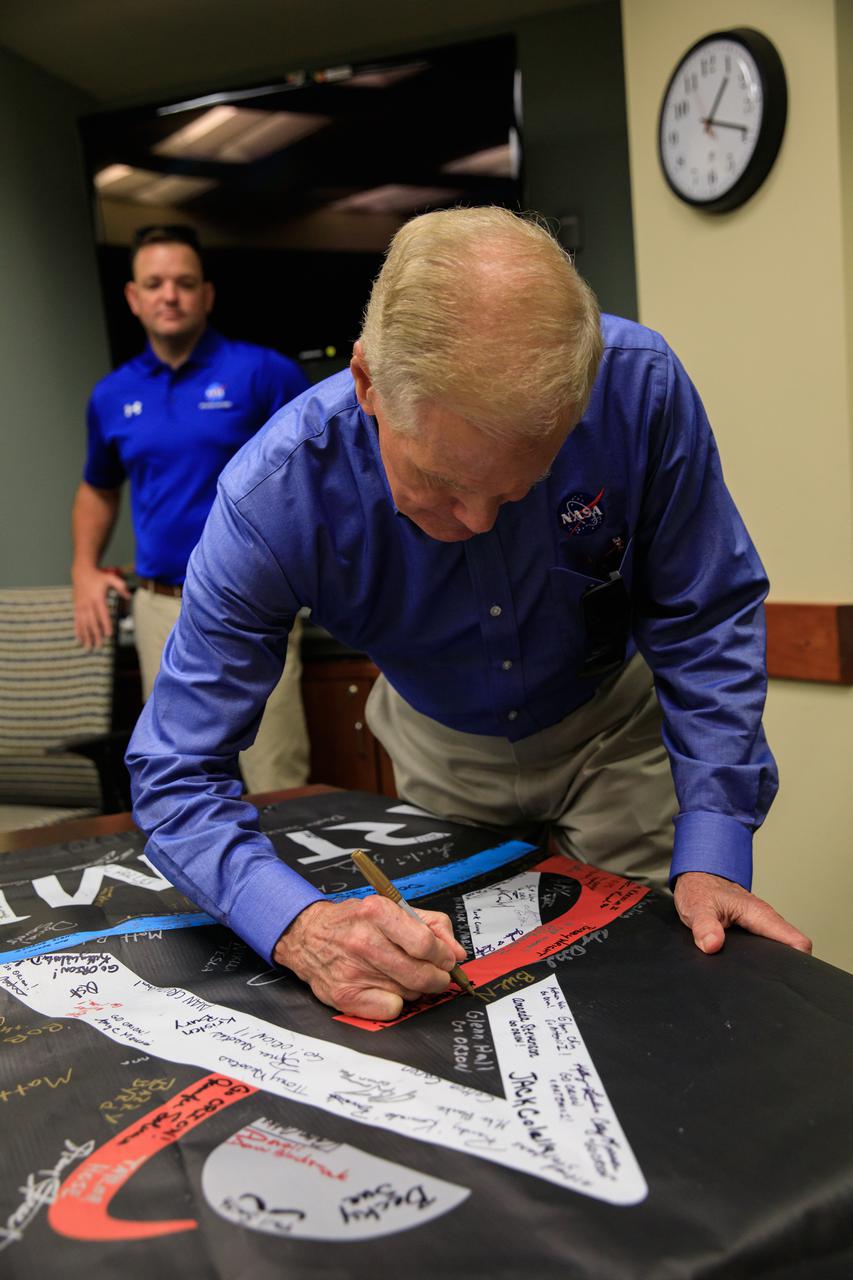
NASA Administrator Bill Nelson adds his signature to an Artemis banner inside the Neil Armstrong Operations and Checkout (O&C) Building during a visit to the agency’s Kennedy Space Center in Florida on July 27, 2021. While at the O&C, Nelson had the opportunity to view some of the flight hardware for Artemis II – the first test flight of the Space Launch System rocket and Orion spacecraft with crew on board. Through Artemis, NASA will land the first woman and first person of color on the lunar surface, as well as establish a sustainable presence on and around the Moon.
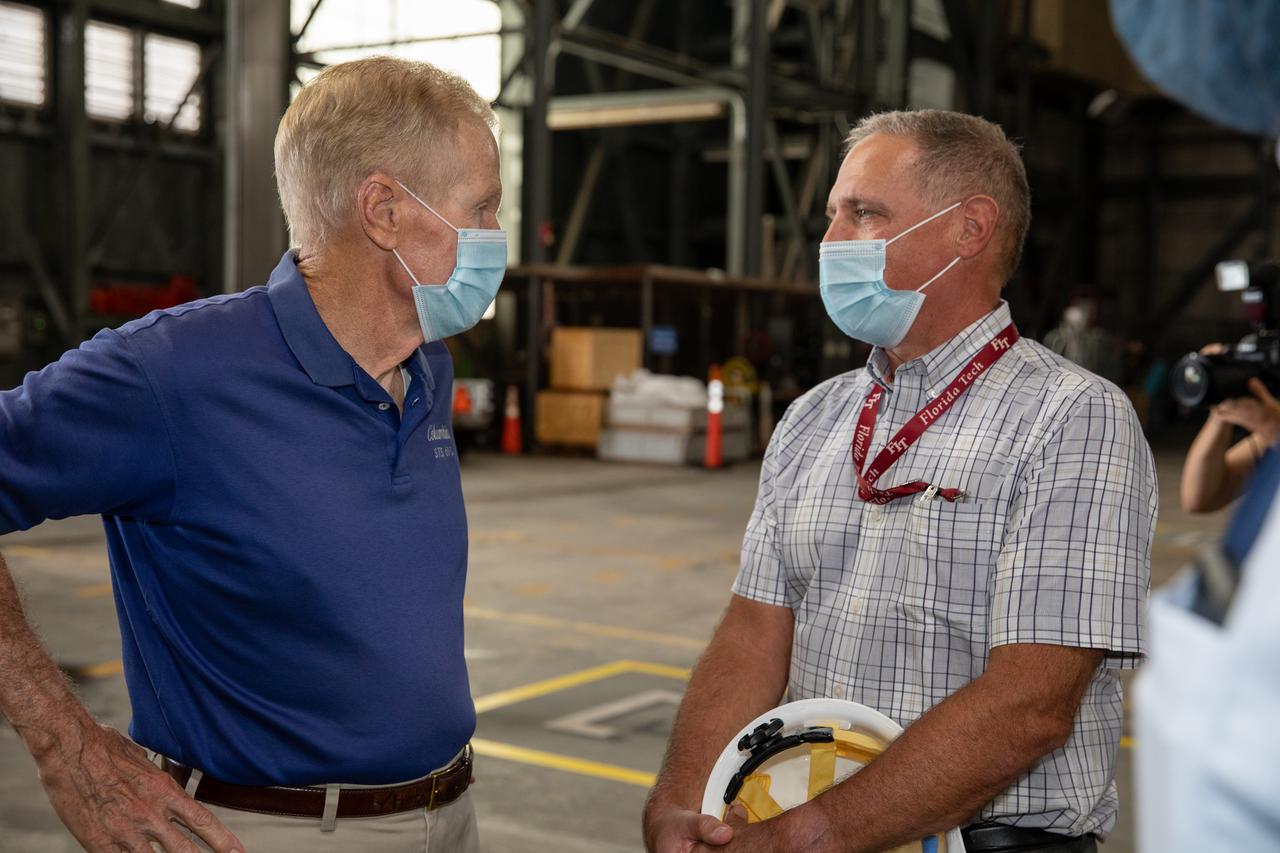
NASA Administrator Bill Nelson, left, tours the Vehicle Assembly Building (VAB) during a visit to the agency’s Kennedy Space Center in Florida on July 28, 2021. To his right is Mark Nappi, Boeing integrated product team leader for Space Launch System (SLS) core stage 1. While inside the VAB, Nelson had the opportunity to view the SLS rocket as preparations for the Artemis I launch continue. The first in an increasingly complex set of missions, Artemis I will test SLS and Orion as an integrated system prior to crewed flights to the Moon. Through Artemis, NASA will land the first woman and first person of color on the lunar surface, as well as establish a sustainable presence on and around the Moon.
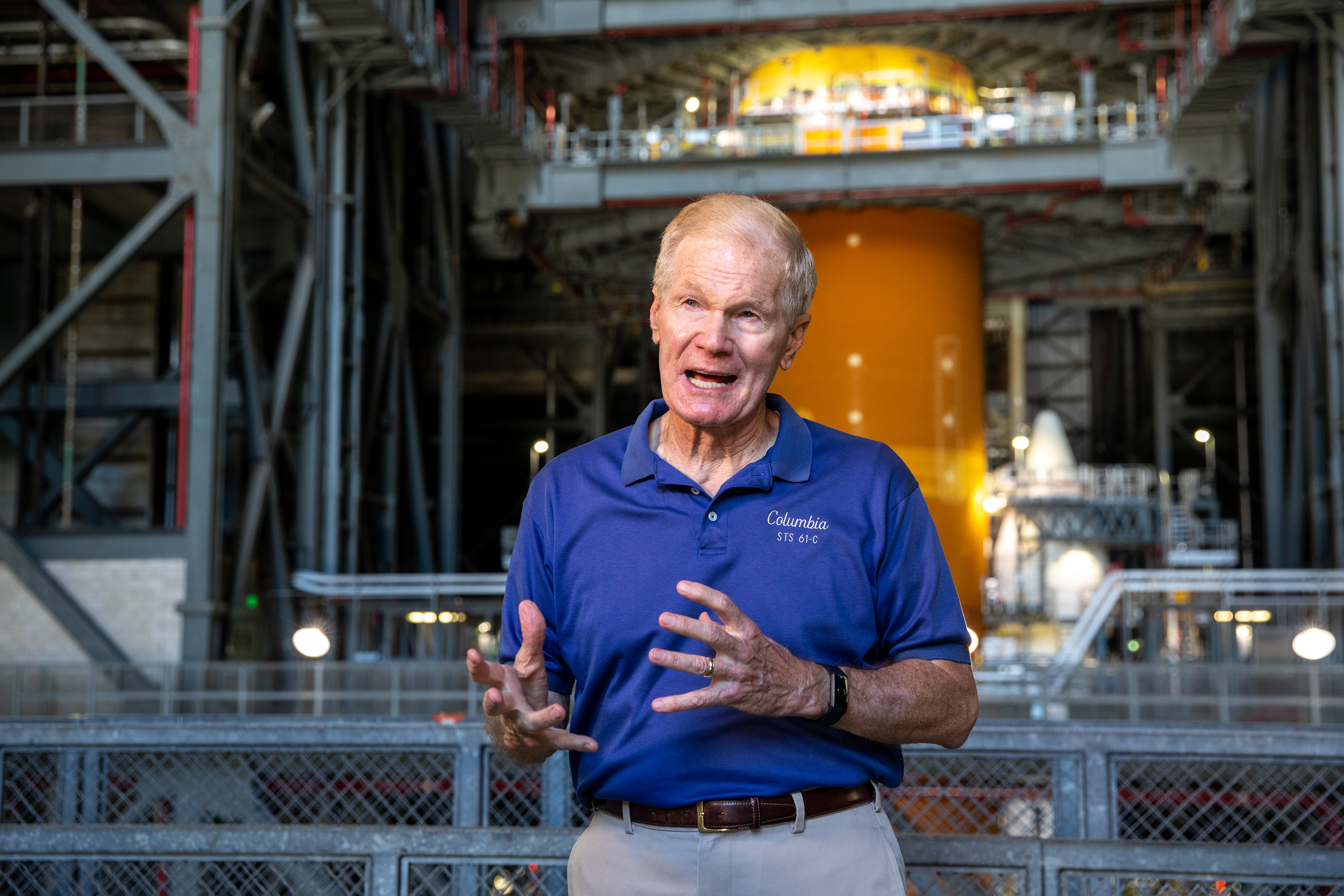
NASA Administrator Bill Nelson participates in an interview inside the Vehicle Assembly Building during a tour and visit to the agency’s Kennedy Space Center in Florida on July 28, 2021. In view in the background is the massive core stage of the Space Launch System (SLS) rocket. The next components to be stacked on top of the rocket are the Orion stage adapter and the spacecraft as preparations for Artemis I continue. The first in an increasingly complex set of missions, Artemis I will test SLS and Orion as an integrated system prior to crewed flights to the Moon. Through Artemis, NASA will land the first woman and first person of color on the lunar surface, as well as establish a sustainable presence on and around the Moon.
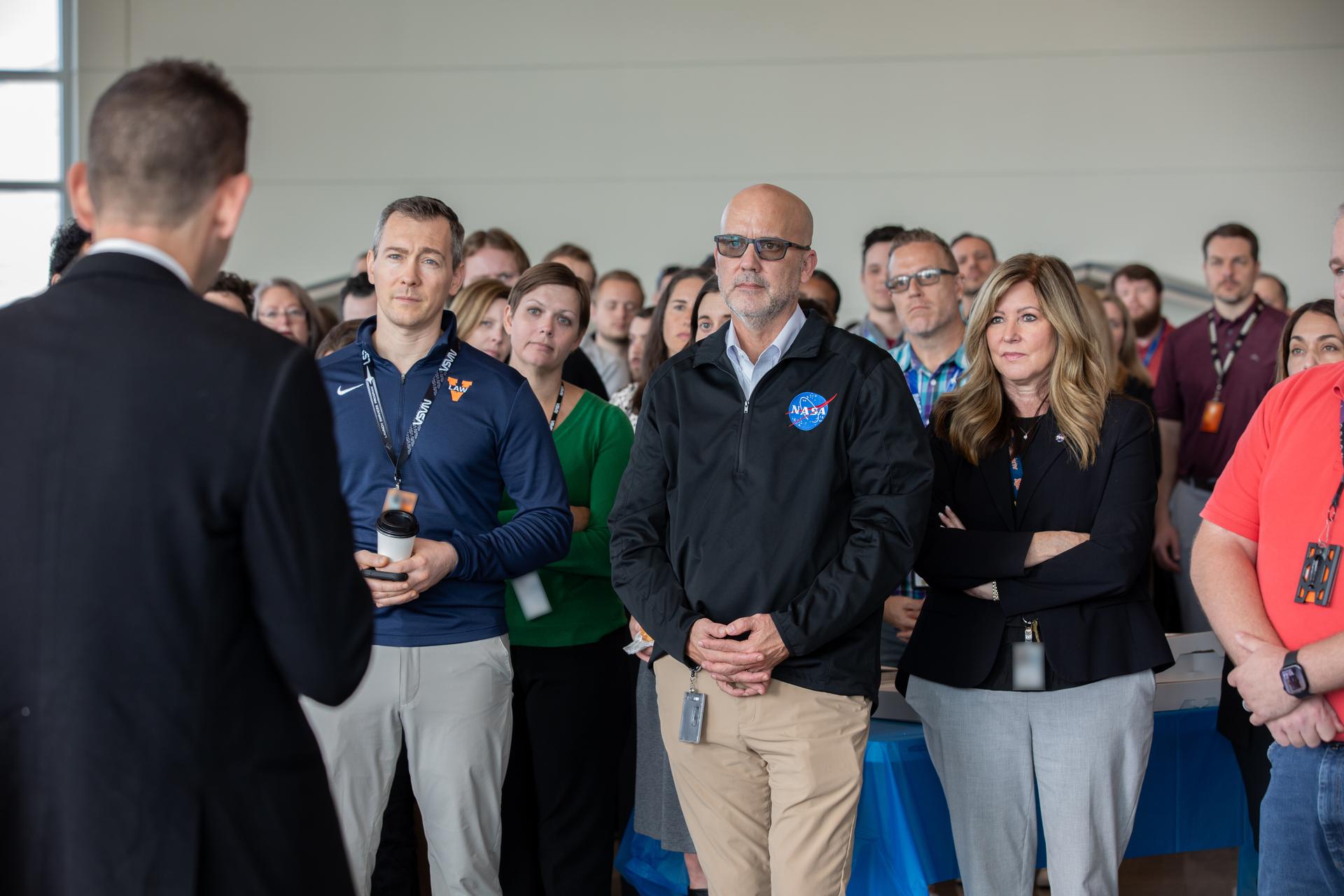
NASA Administrator Jared Isaacman (far left) speaks with NASA employees during his visit to the agency’s Kennedy Space Center in Florida, on Tuesday, Jan. 13, 2026, including, from right, Jennifer Kunz, associate director, technical, NASA Kennedy; Michael Beaupre, director, human resources, NASA Kennedy; and Louis Shernisky, NASA Launch Services Program counsel. Isaacman, NASA’s 15th administrator, began visiting the agency’s centers after his appointment on Dec. 17, 2025, to meet with employees, contractors, and partners.
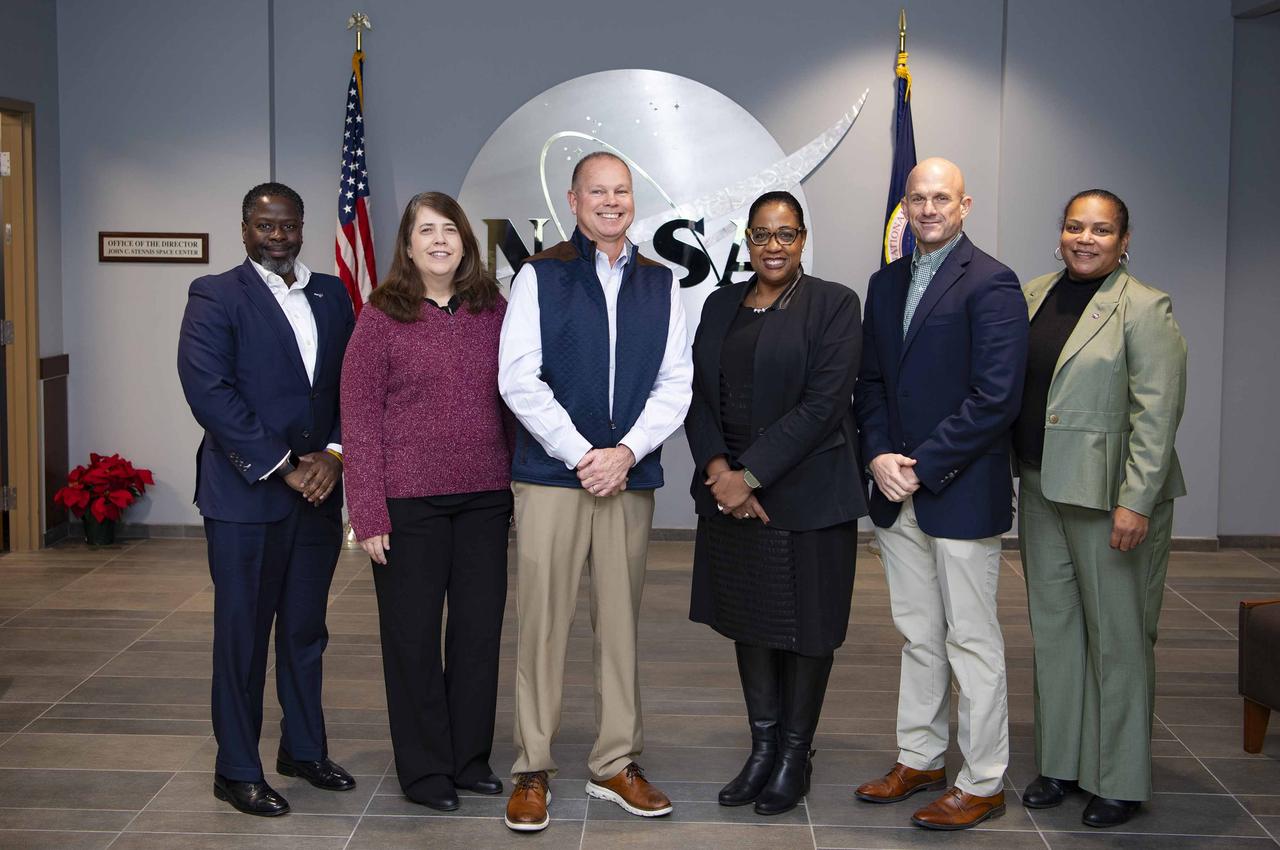
The NASA assistant administrator for procurement stands with leaders of NASA’s Stennis Space Center and the NASA Shared Services Center during a visit to the south Mississippi site Dec. 11 to deliver an agency update, highlighting key initiatives and priorities across NASA’s procurement activities. The visit focused on fostering open communications and collaboration, and included an opportunity for Jackson to engage with procurement staff, provide updates, and respond to questions. The assistant administrator met with NASA leadership to align on strategic goals, discuss procurement-related challenges and opportunities, and reinforce support for the NASA Stennis mission. The visit highlighted NASA’s continued commitment to innovation, efficiency, and mission success through effective procurement strategies. Pictured (left to right) are James Bailey, NASA Shared Services Center/NASA Stennis deputy procurement officer; NASA Stennis Deputy Director Christine Powell; NASA Stennis Director John Bailey; Karla Smith, NASA assistant administrator for procurement; Eli Ouder, NASA Shared Services Center/NASA Stennis procurement officer; and Jamiel Charlton, NASA executive officer.
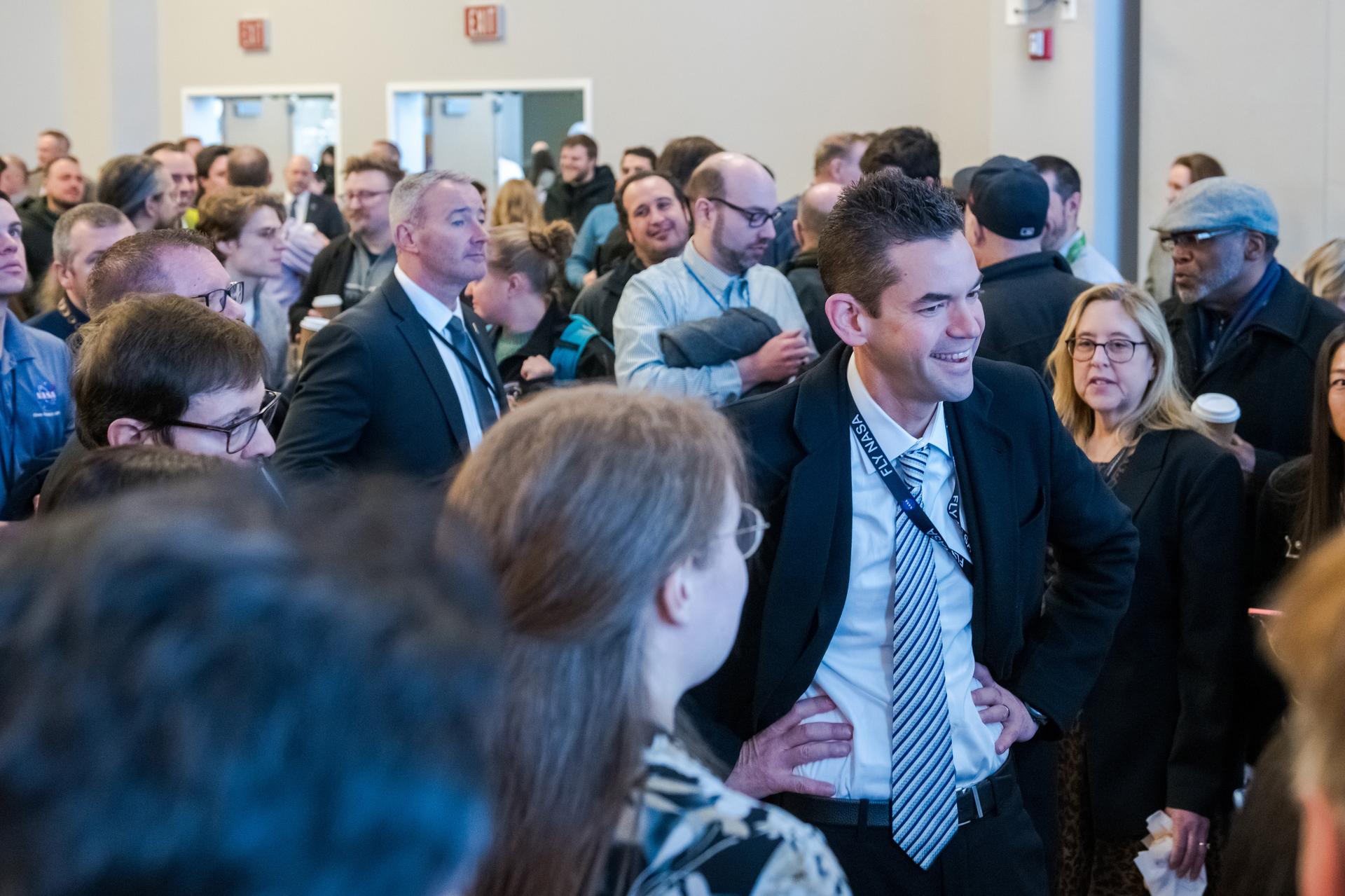
NASA Administrator Jared Isaacman speaks with staff in the Mission Integration Center Auditorium during a visit to NASA's Glenn Research Center in Cleveland on Jan. 27, 2026.
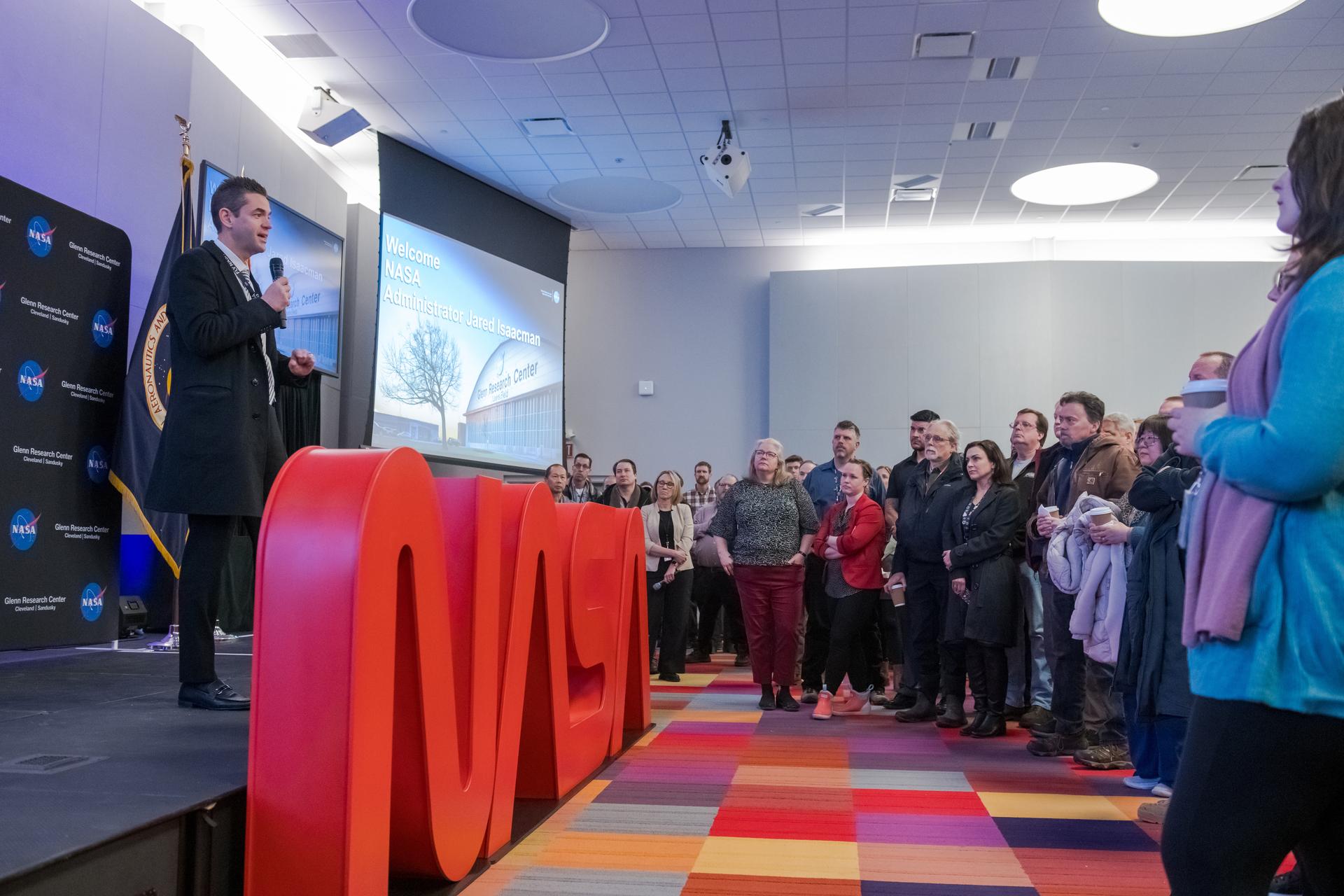
NASA Administrator Jared Isaacman speaks with staff in the Mission Integration Auditorium Center during a visit to NASA's Glenn Research Center in Cleveland on Jan. 27, 2026.
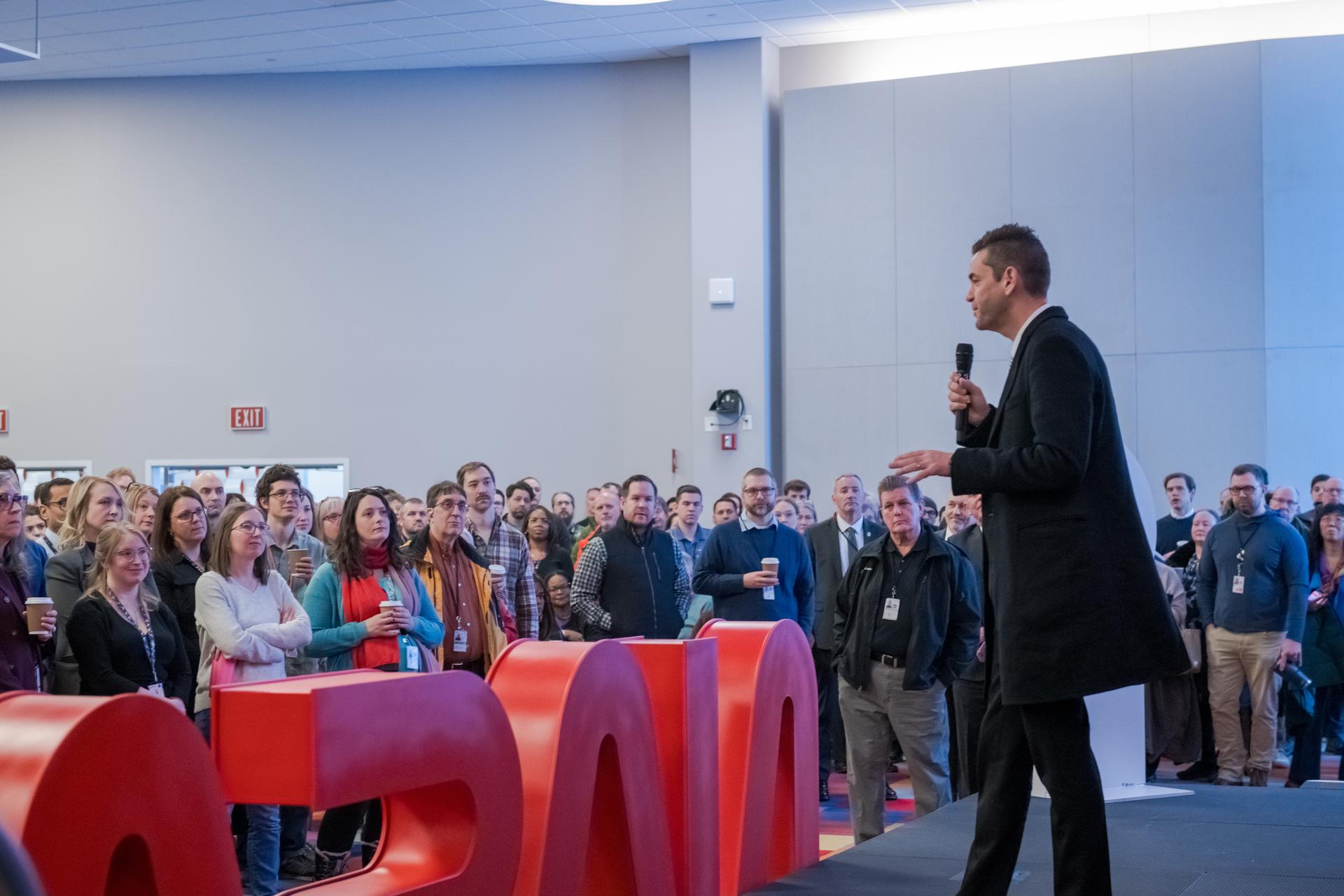
NASA Administrator Jared Isaacman speaks with staff in the Mission Integration Auditorium Center during a visit to NASA's Glenn Research Center in Cleveland on Jan. 27, 2026.
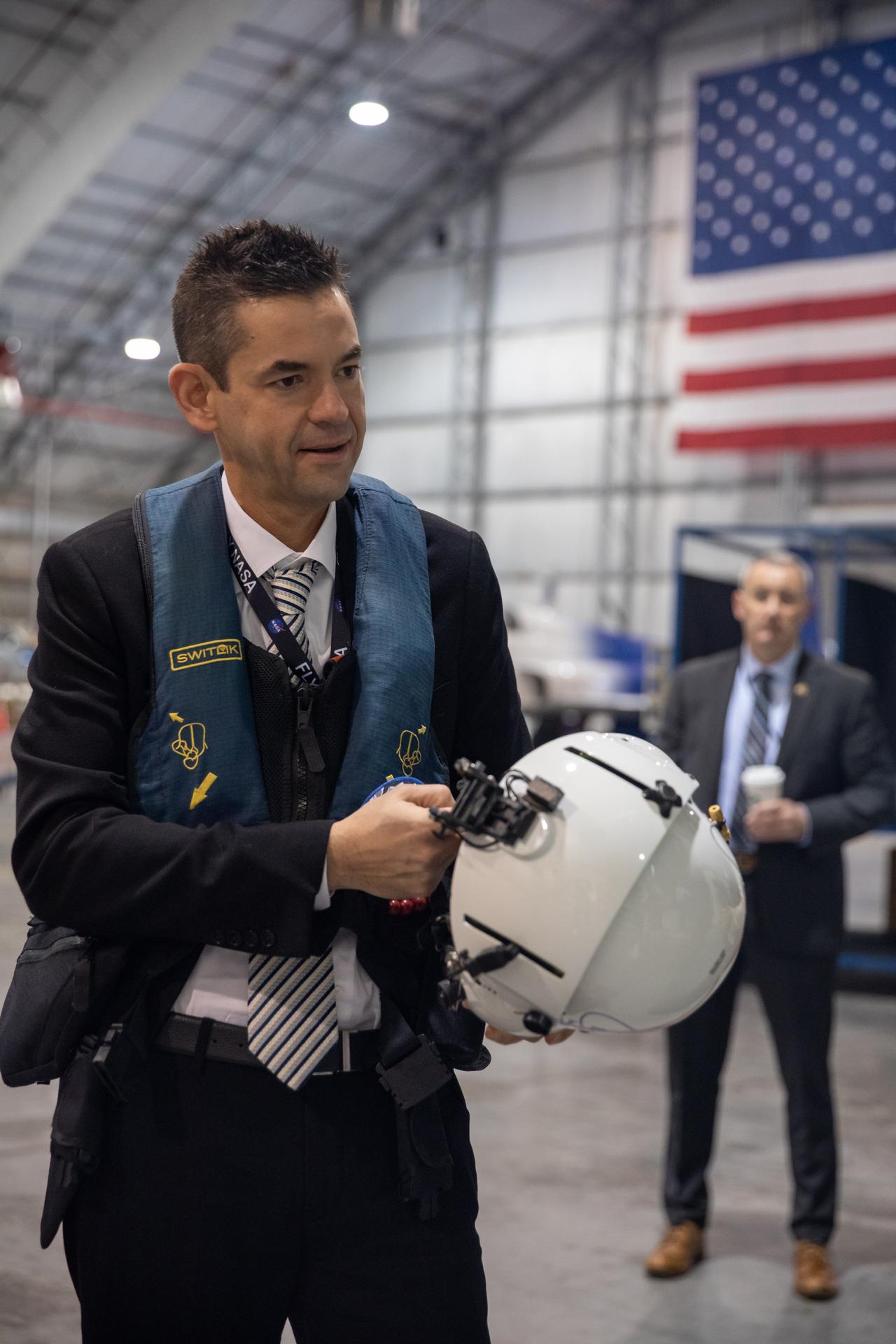
NASA Administrator Jared Isaacman prepares to board a NASA Airbus H135 (T3) helicopter for an aerial tour of the agency’s Kennedy Space Center in Florida on Tuesday, Jan. 13, 2026. Isaacman, NASA’s 15th administrator, began visiting the agency’s centers after his appointment on Dec. 17, 2025, to meet with employees, contractors, and partners.
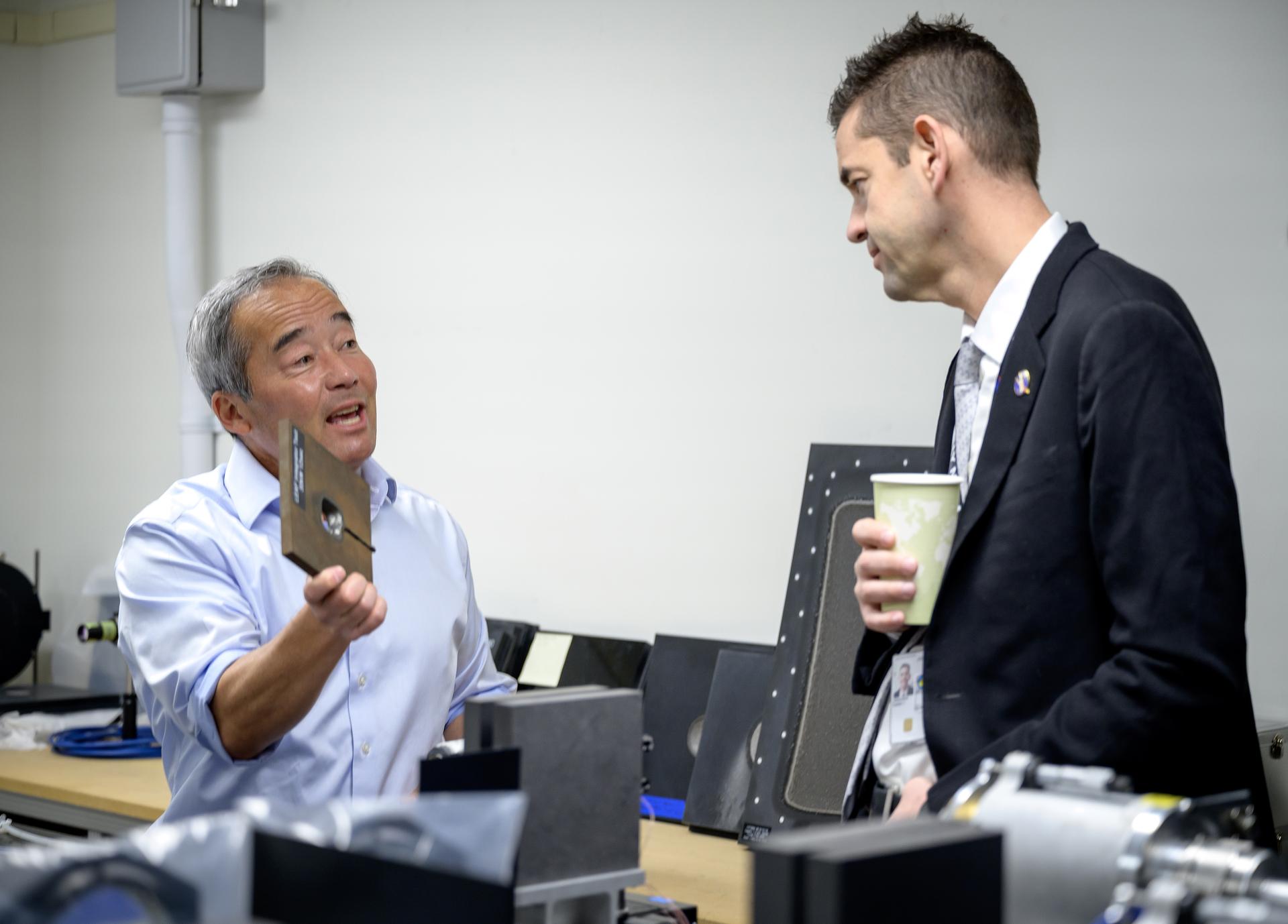
NASA Administrator Jared Isaacman speaks with Dr. George Raiche, Associate Director for Exploration Technology Infrastructure during his visit to the Arc Jet facility in N238.
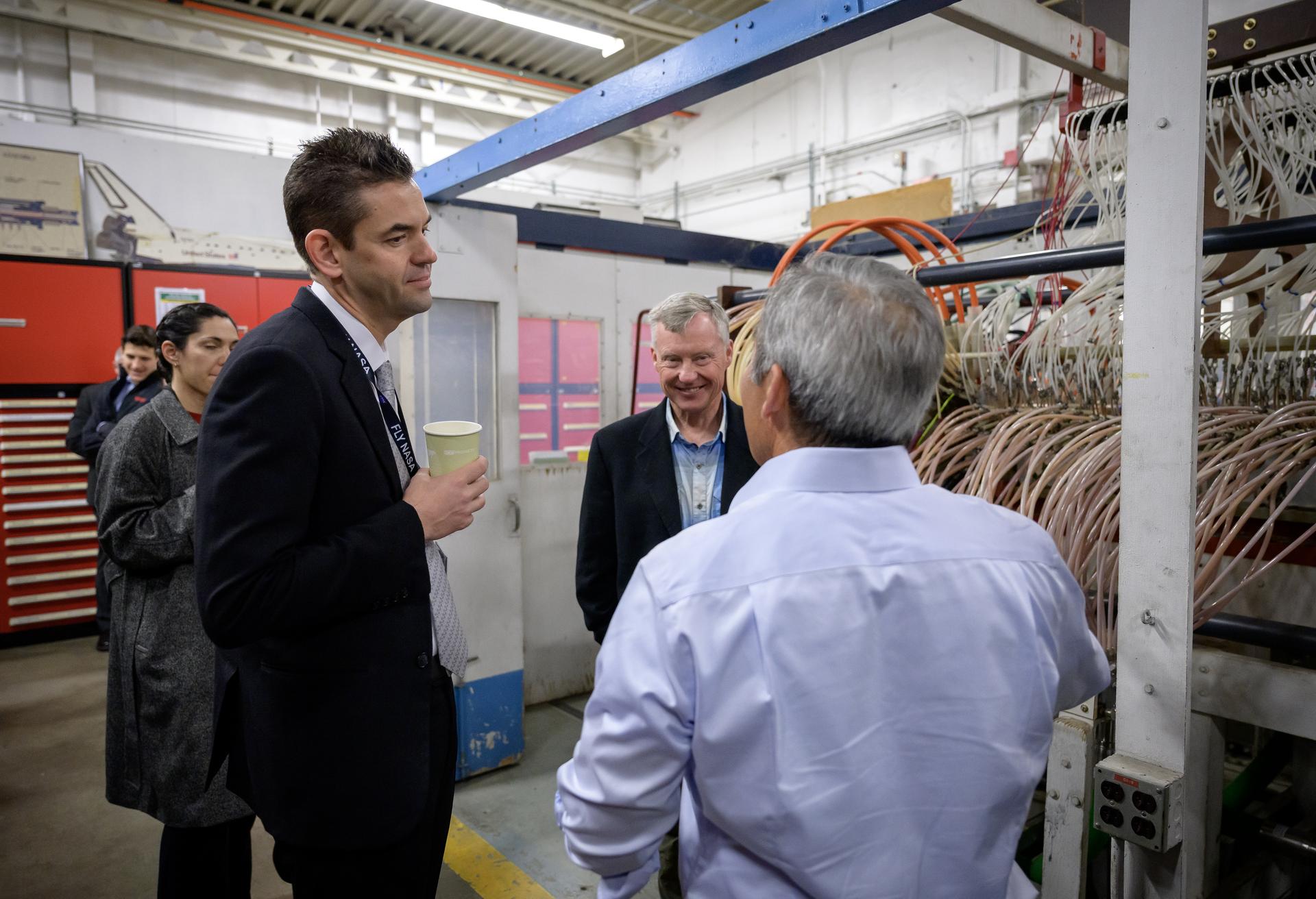
NASA Administrator Jared Isaacman speaks with Dr. George Raiche, Associate Director for Exploration Technology Infrastructure during his visit to the Arc Jet facility in N238.
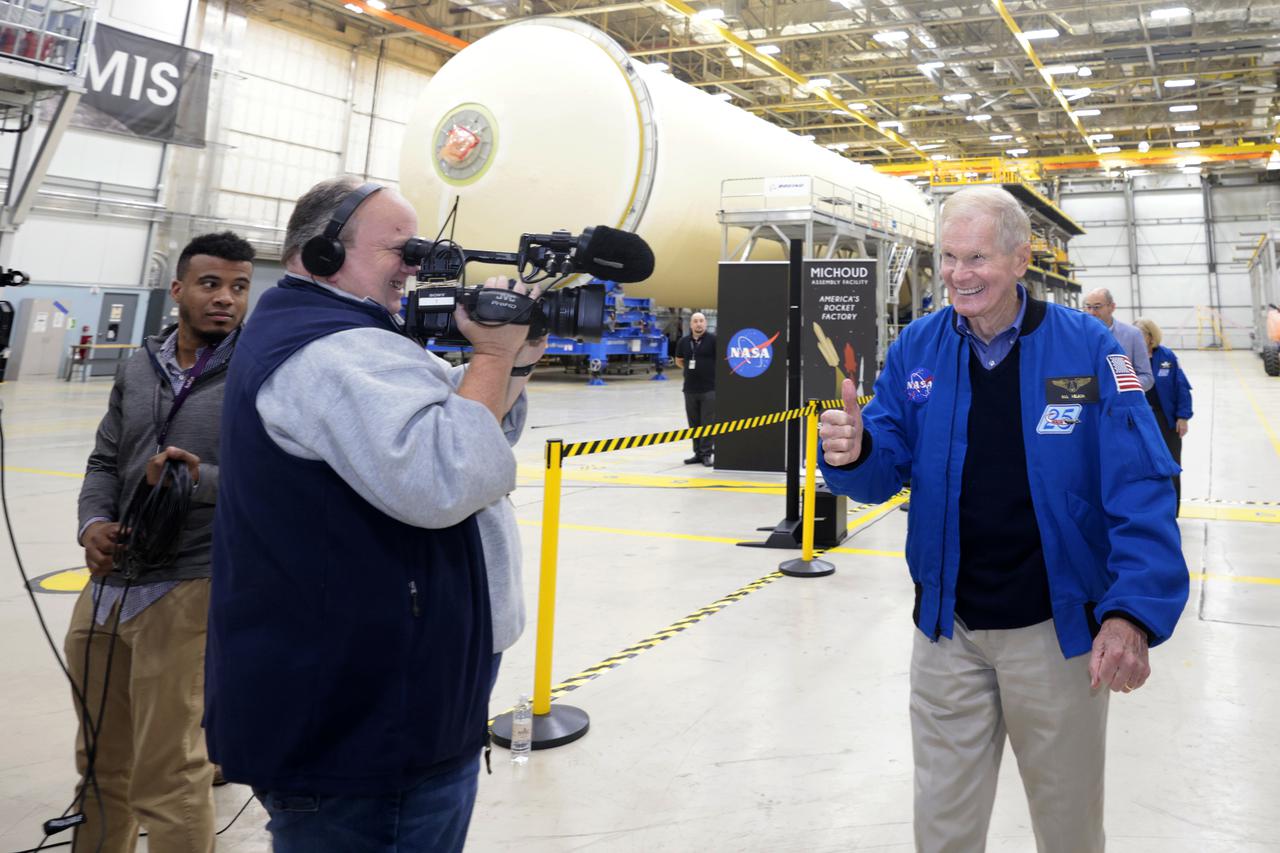
NASA Administrator Bill Nelson and Deputy Administrator Pam Melroy visited the agency’s Michoud Assembly Facility in New Orleans on Dec. 8, 2021 for tours and briefings on Michoud’s role in the Artemis program and other capabilities that enrich many facets of the nation’s space exploration endeavors. Image credit: NASA/Michael DeMocker
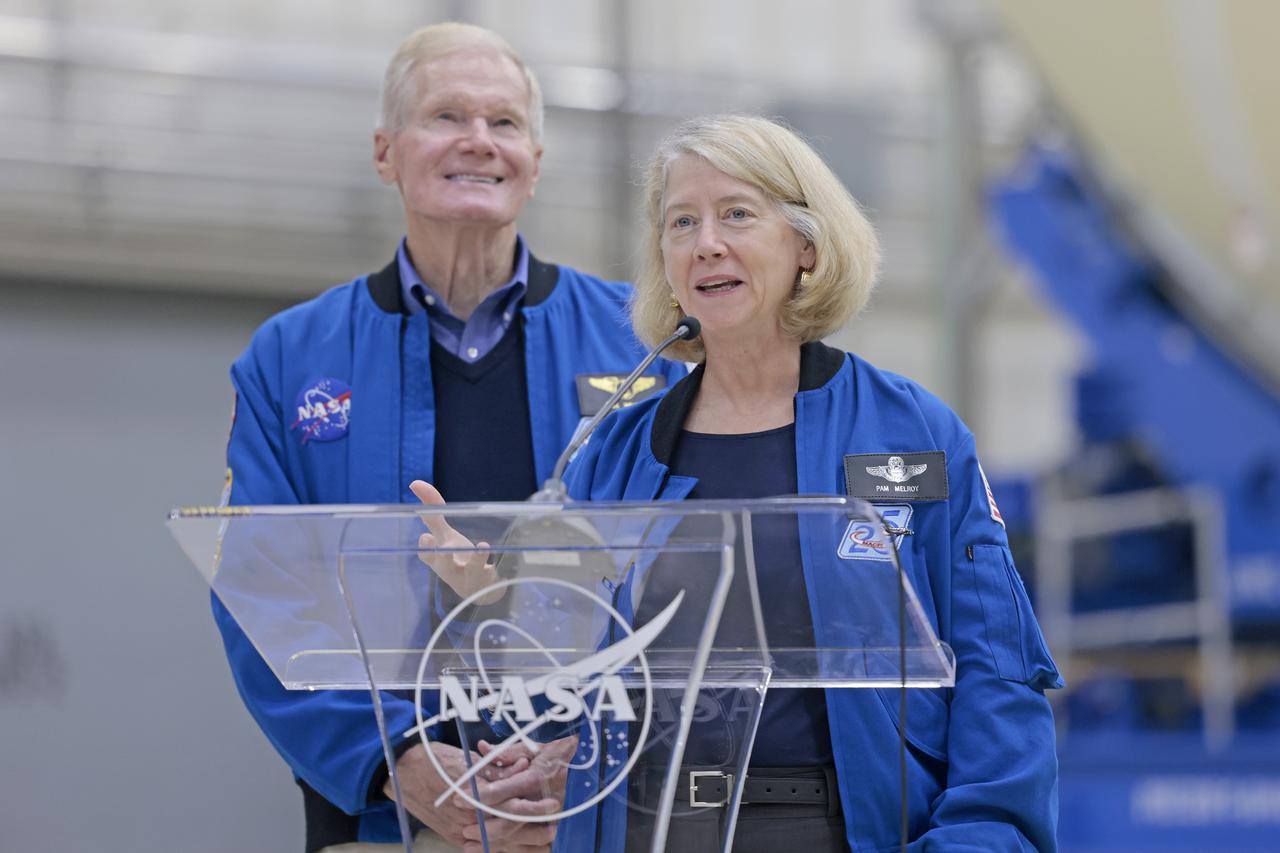
NASA Administrator Bill Nelson and Deputy Administrator Pam Melroy visited the agency’s Michoud Assembly Facility in New Orleans on Dec. 8, 2021 for tours and briefings on Michoud’s role in the Artemis program and other capabilities that enrich many facets of the nation’s space exploration endeavors. Image credit: NASA/Michael DeMocker
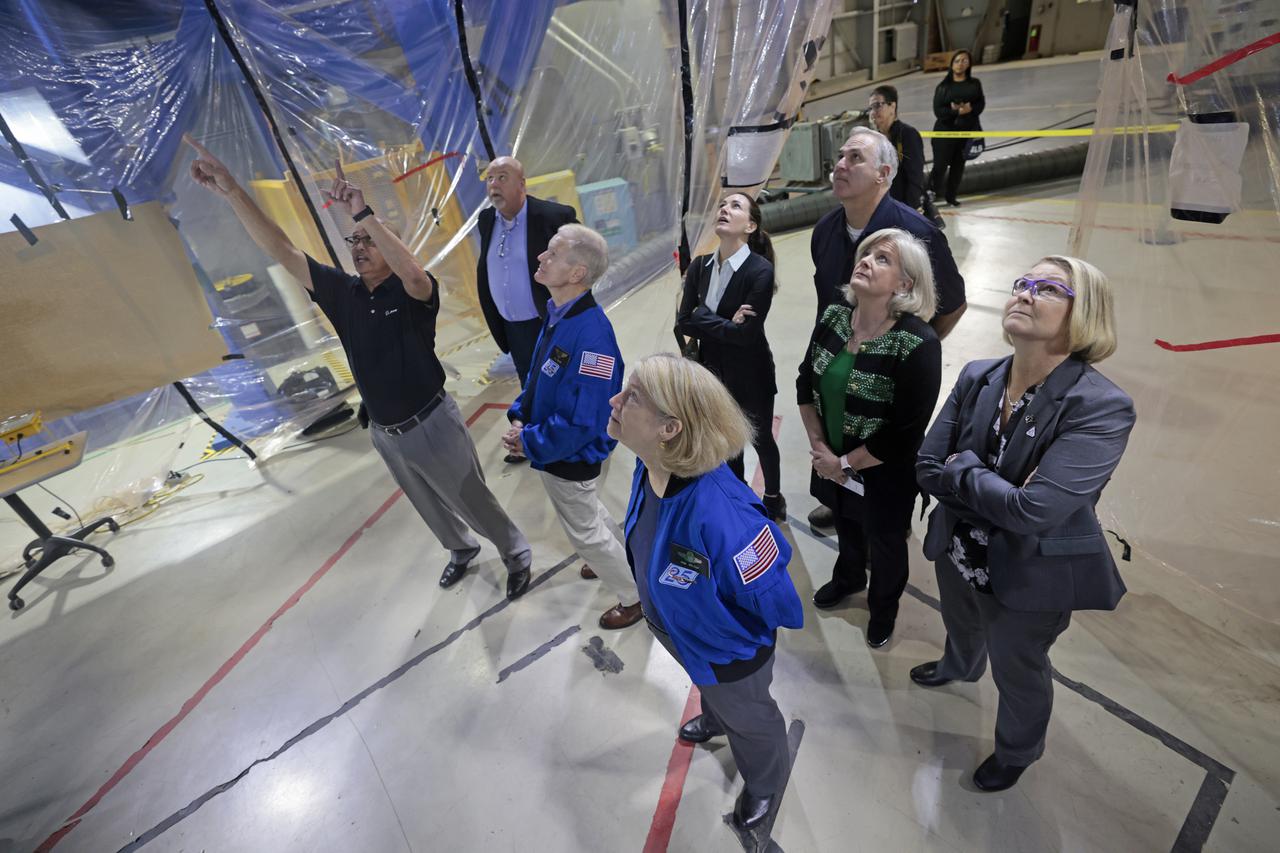
NASA Administrator Bill Nelson and Deputy Administrator Pam Melroy visited the agency’s Michoud Assembly Facility in New Orleans on Dec. 8, 2021 for tours and briefings on Michoud’s role in the Artemis program and other capabilities that enrich many facets of the nation’s space exploration endeavors. Image credit: NASA/Michael DeMocker
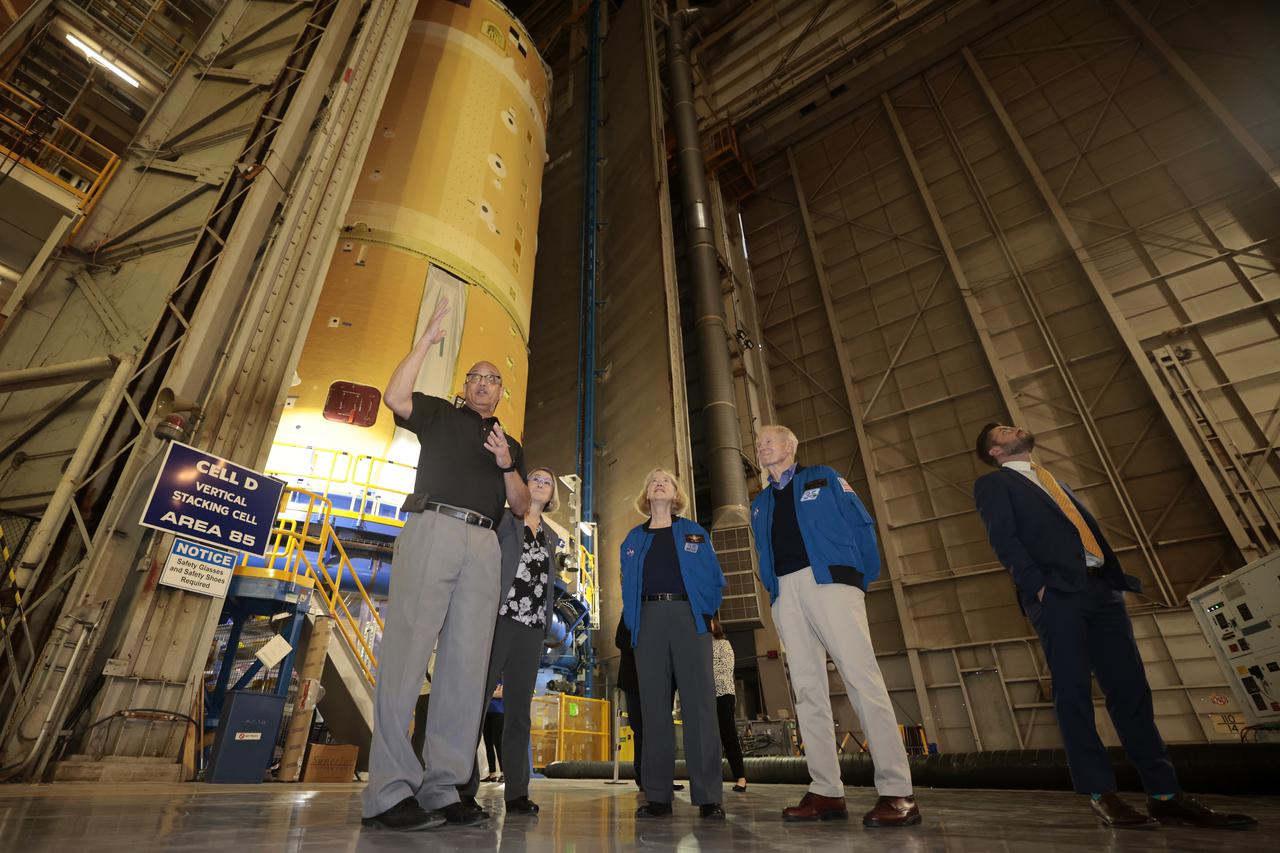
NASA Administrator Bill Nelson and Deputy Administrator Pam Melroy visited the agency’s Michoud Assembly Facility in New Orleans on Dec. 8, 2021 for tours and briefings on Michoud’s role in the Artemis program and other capabilities that enrich many facets of the nation’s space exploration endeavors. Image credit: NASA/Michael DeMocker
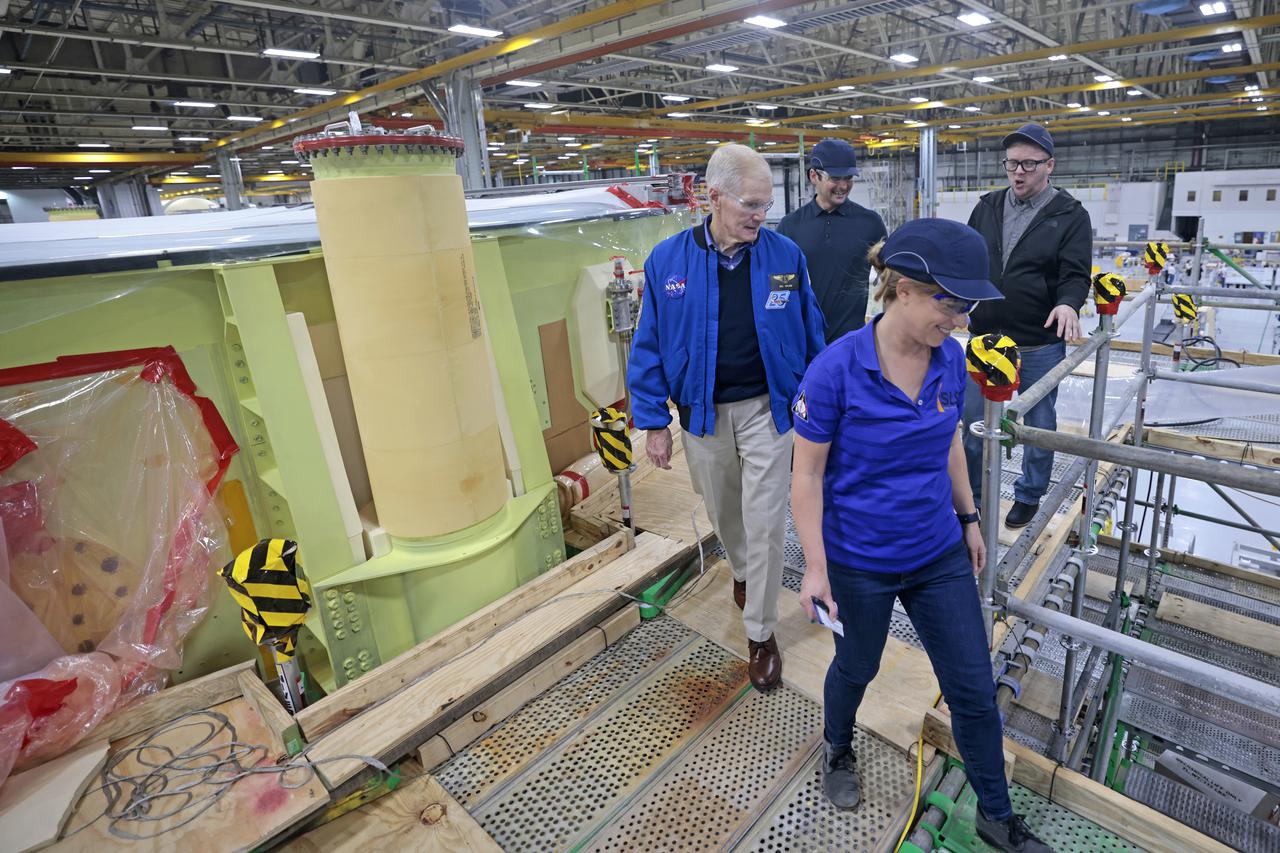
NASA Administrator Bill Nelson and Deputy Administrator Pam Melroy visited the agency’s Michoud Assembly Facility in New Orleans on Dec. 8, 2021 for tours and briefings on Michoud’s role in the Artemis program and other capabilities that enrich many facets of the nation’s space exploration endeavors. Image credit: NASA/Michael DeMocker
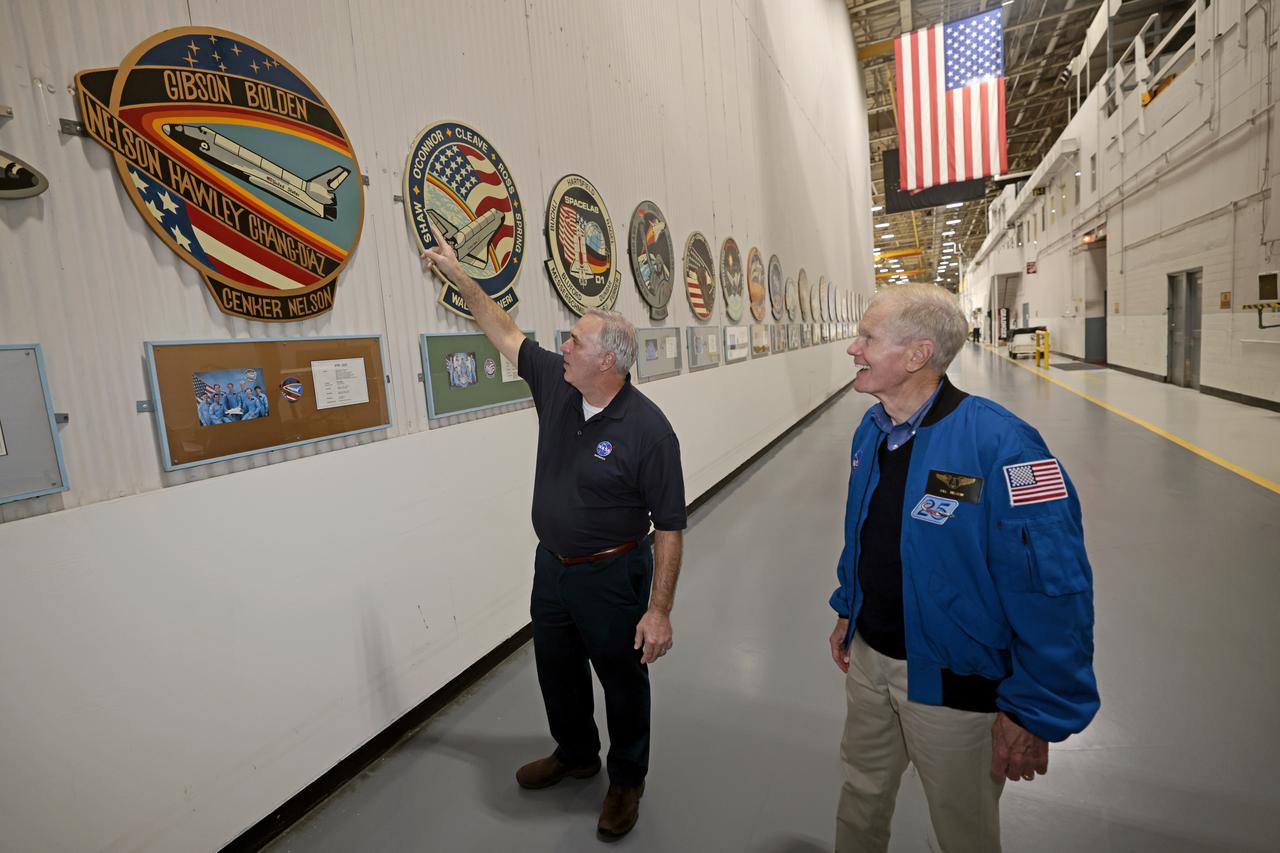
NASA Administrator Bill Nelson and Deputy Administrator Pam Melroy visited the agency’s Michoud Assembly Facility in New Orleans on Dec. 8, 2021 for tours and briefings on Michoud’s role in the Artemis program and other capabilities that enrich many facets of the nation’s space exploration endeavors. Image credit: NASA/Michael DeMocker

NASA Administrator Bill Nelson and Deputy Administrator Pam Melroy visited the agency’s Michoud Assembly Facility in New Orleans on Dec. 8, 2021 for tours and briefings on Michoud’s role in the Artemis program and other capabilities that enrich many facets of the nation’s space exploration endeavors. Image credit: NASA/Michael DeMocker

NASA Administrator Bill Nelson and Deputy Administrator Pam Melroy visited the agency’s Michoud Assembly Facility in New Orleans on Dec. 8, 2021 for tours and briefings on Michoud’s role in the Artemis program and other capabilities that enrich many facets of the nation’s space exploration endeavors. Image credit: NASA/Michael DeMocker
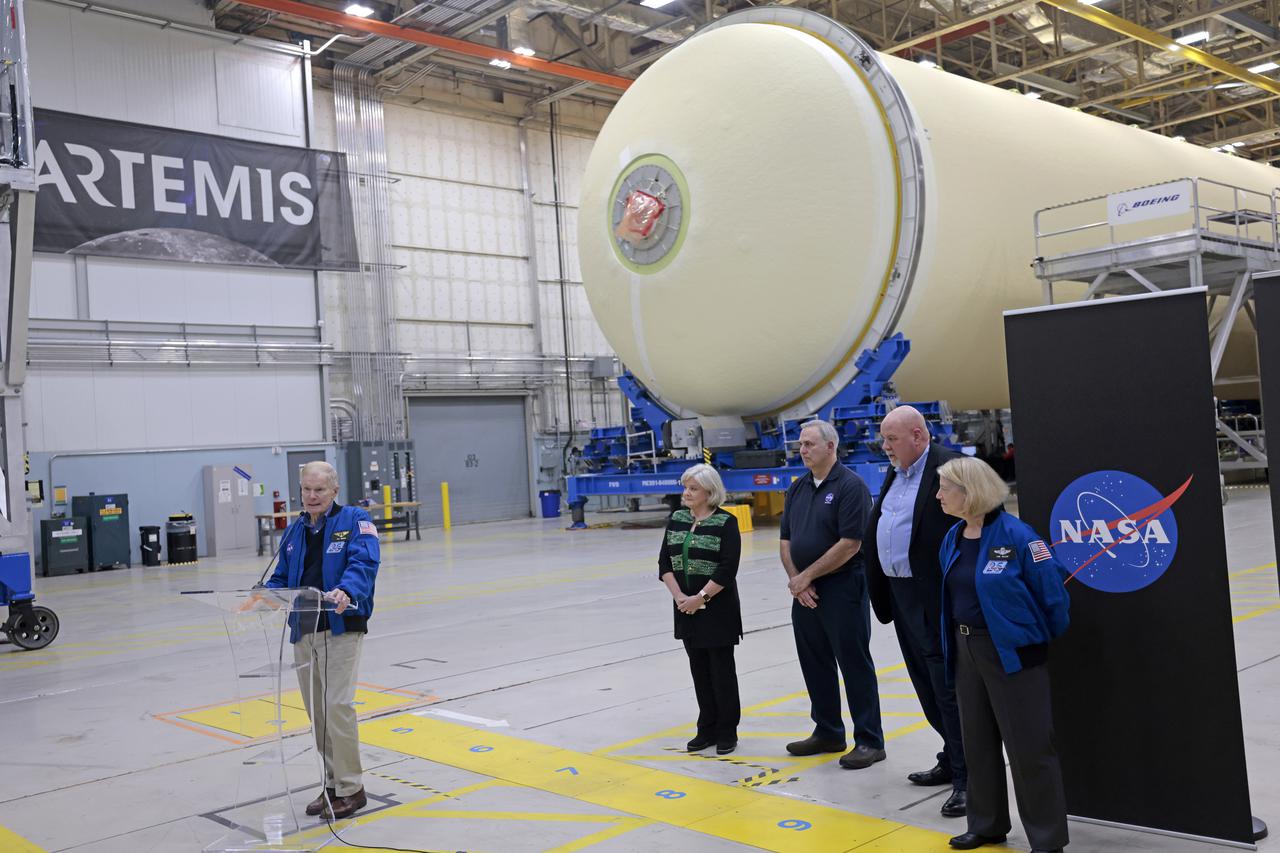
NASA Administrator Bill Nelson and Deputy Administrator Pam Melroy visited the agency’s Michoud Assembly Facility in New Orleans on Dec. 8, 2021 for tours and briefings on Michoud’s role in the Artemis program and other capabilities that enrich many facets of the nation’s space exploration endeavors. Image credit: NASA/Michael DeMocker
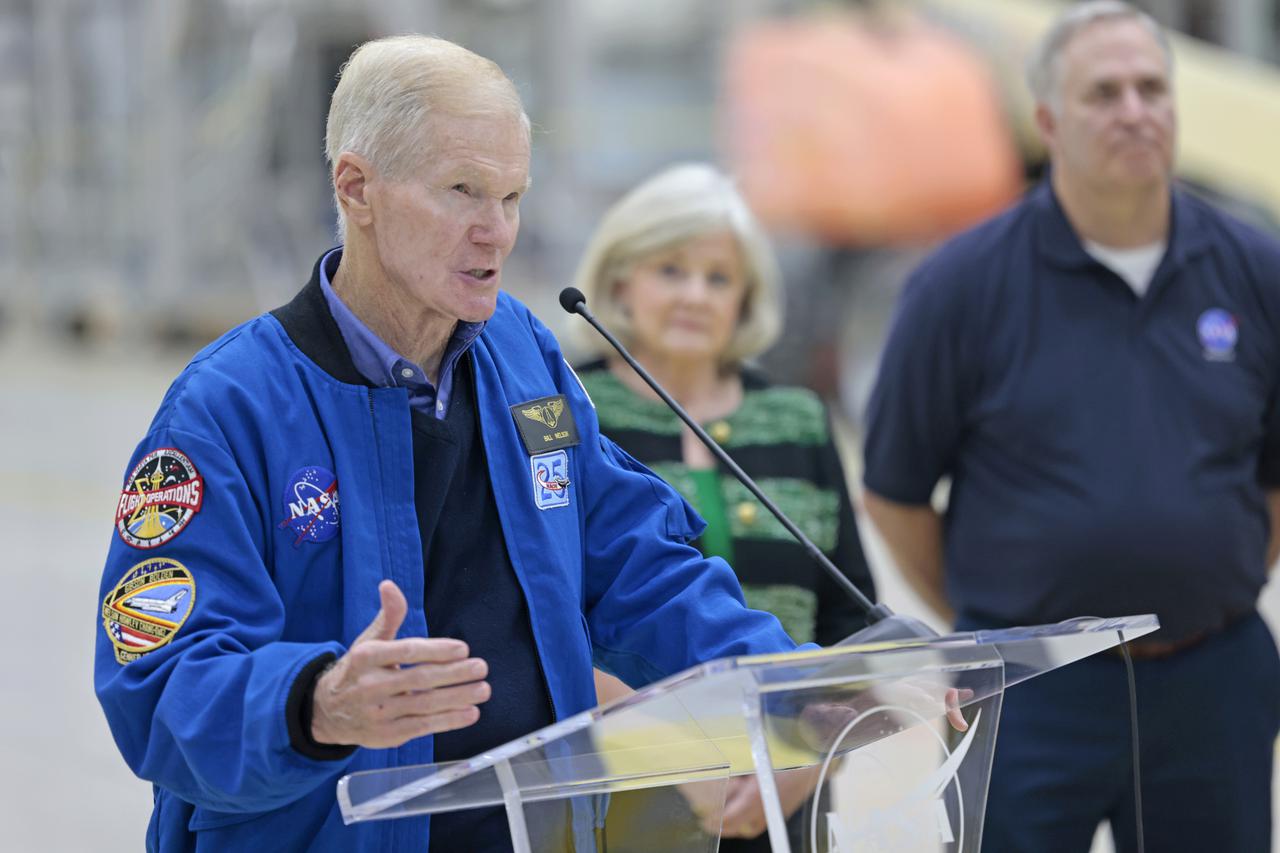
NASA Administrator Bill Nelson and Deputy Administrator Pam Melroy visited the agency’s Michoud Assembly Facility in New Orleans on Dec. 8, 2021 for tours and briefings on Michoud’s role in the Artemis program and other capabilities that enrich many facets of the nation’s space exploration endeavors. Image credit: NASA/Michael DeMocker
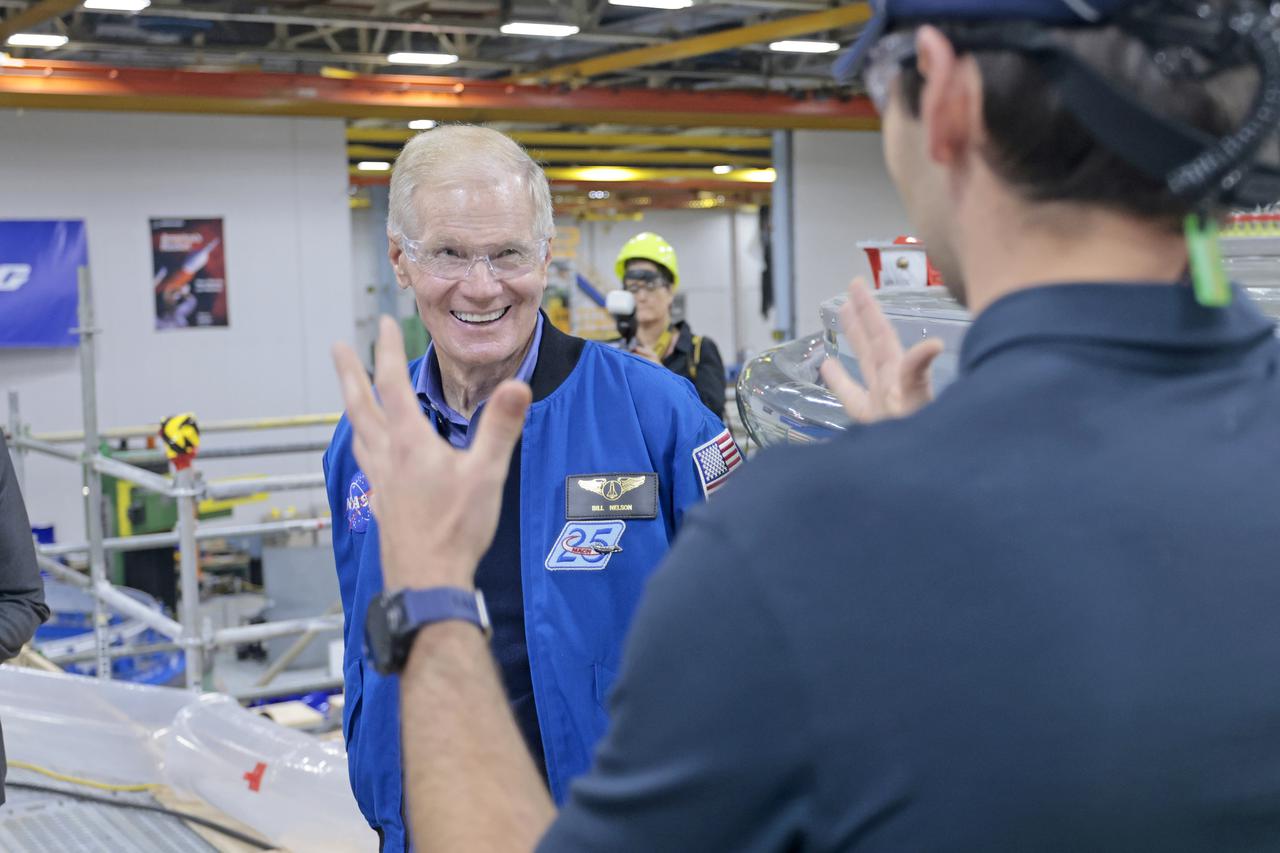
NASA Administrator Bill Nelson and Deputy Administrator Pam Melroy visited the agency’s Michoud Assembly Facility in New Orleans on Dec. 8, 2021 for tours and briefings on Michoud’s role in the Artemis program and other capabilities that enrich many facets of the nation’s space exploration endeavors. Image credit: NASA/Michael DeMocker

NASA Administrator Bill Nelson and Deputy Administrator Pam Melroy visited the agency’s Michoud Assembly Facility in New Orleans on Dec. 8, 2021 for tours and briefings on Michoud’s role in the Artemis program and other capabilities that enrich many facets of the nation’s space exploration endeavors. Image credit: NASA/Michael DeMocker
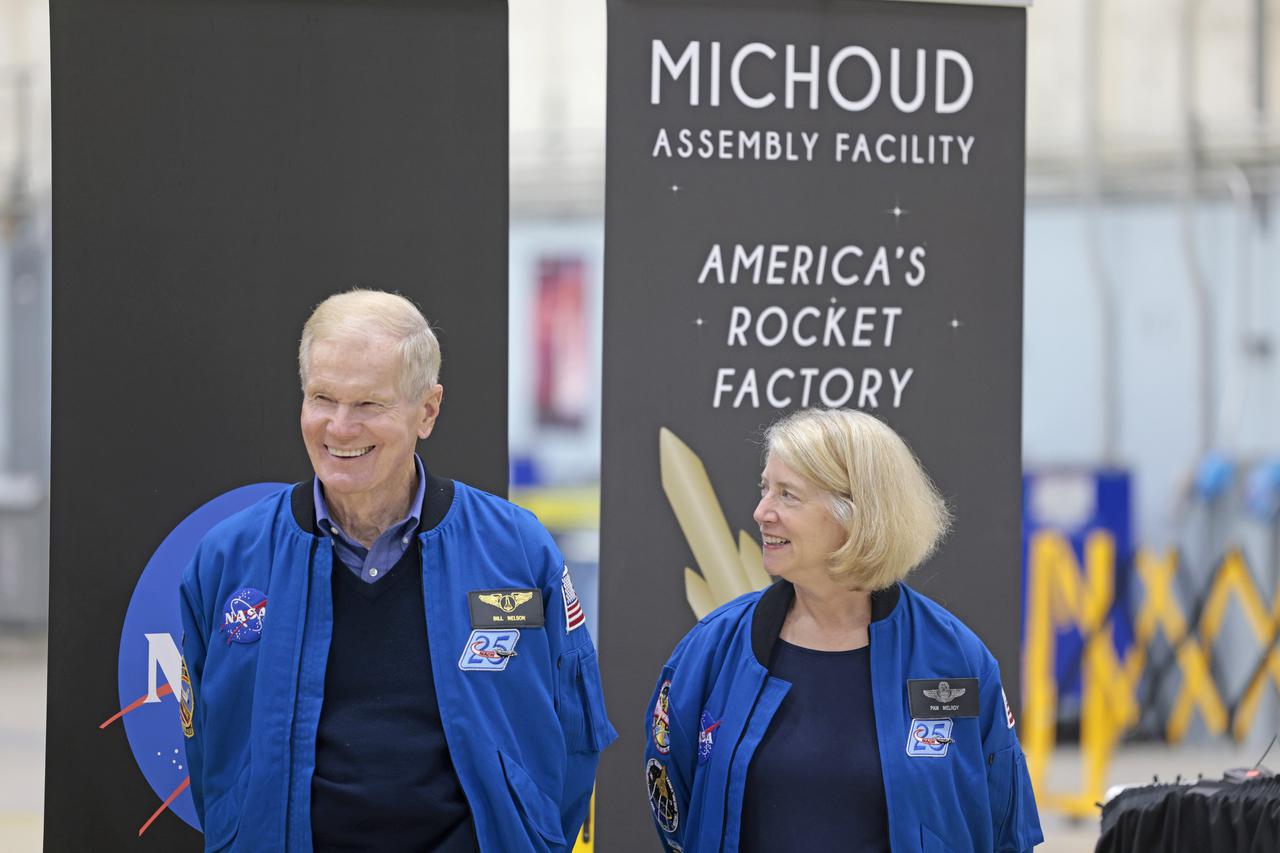
NASA Administrator Bill Nelson and Deputy Administrator Pam Melroy visited the agency’s Michoud Assembly Facility in New Orleans on Dec. 8, 2021 for tours and briefings on Michoud’s role in the Artemis program and other capabilities that enrich many facets of the nation’s space exploration endeavors. Image credit: NASA/Michael DeMocker
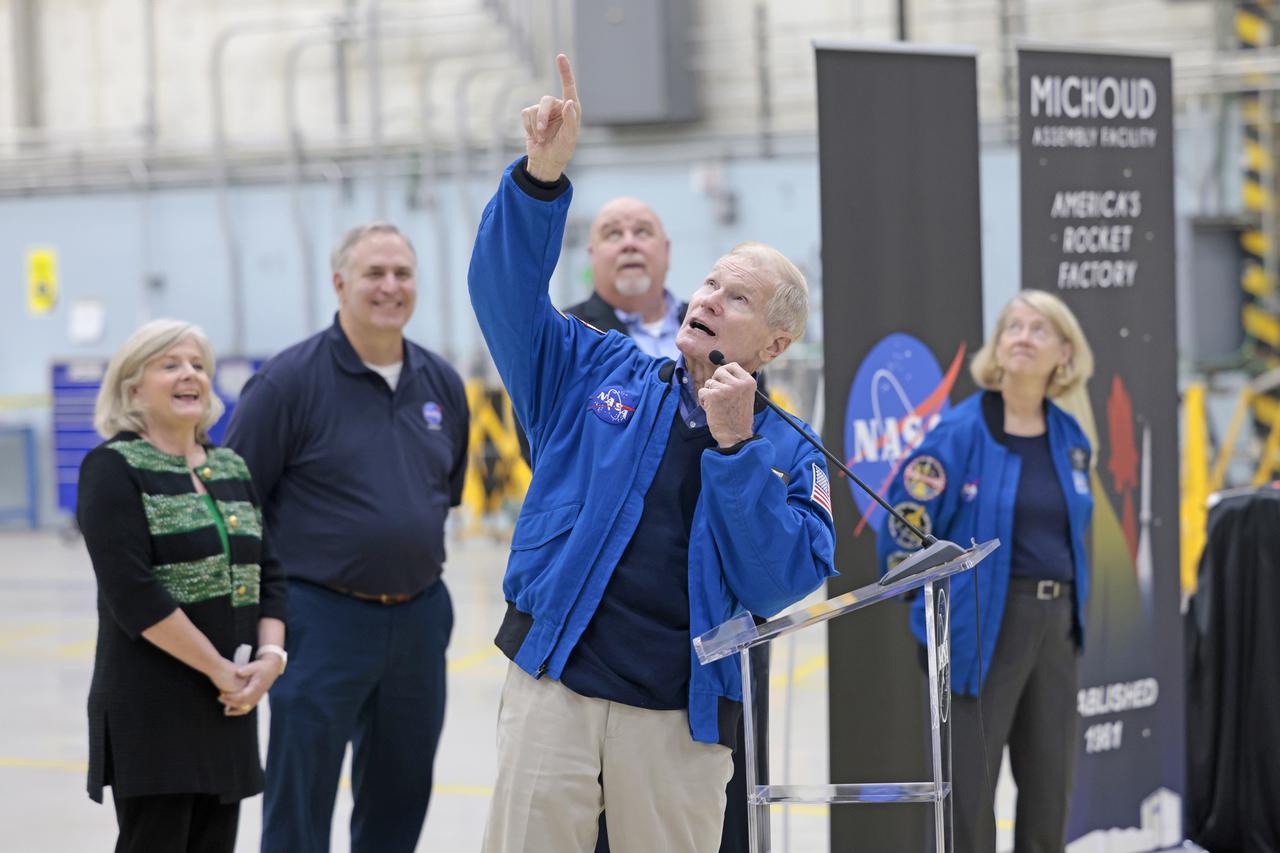
NASA Administrator Bill Nelson and Deputy Administrator Pam Melroy visited the agency’s Michoud Assembly Facility in New Orleans on Dec. 8, 2021 for tours and briefings on Michoud’s role in the Artemis program and other capabilities that enrich many facets of the nation’s space exploration endeavors. Image credit: NASA/Michael DeMocker
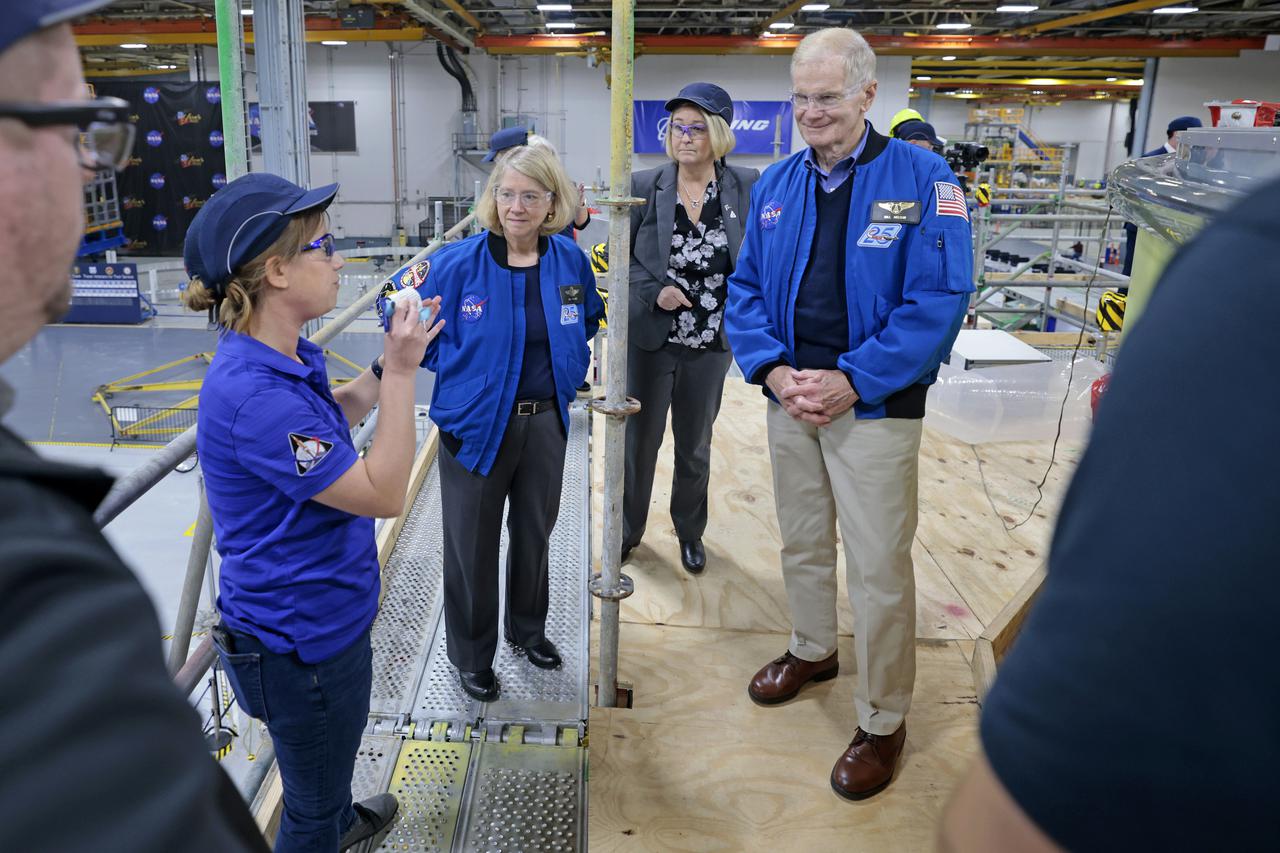
NASA Administrator Bill Nelson and Deputy Administrator Pam Melroy visited the agency’s Michoud Assembly Facility in New Orleans on Dec. 8, 2021 for tours and briefings on Michoud’s role in the Artemis program and other capabilities that enrich many facets of the nation’s space exploration endeavors. Image credit: NASA/Michael DeMocker
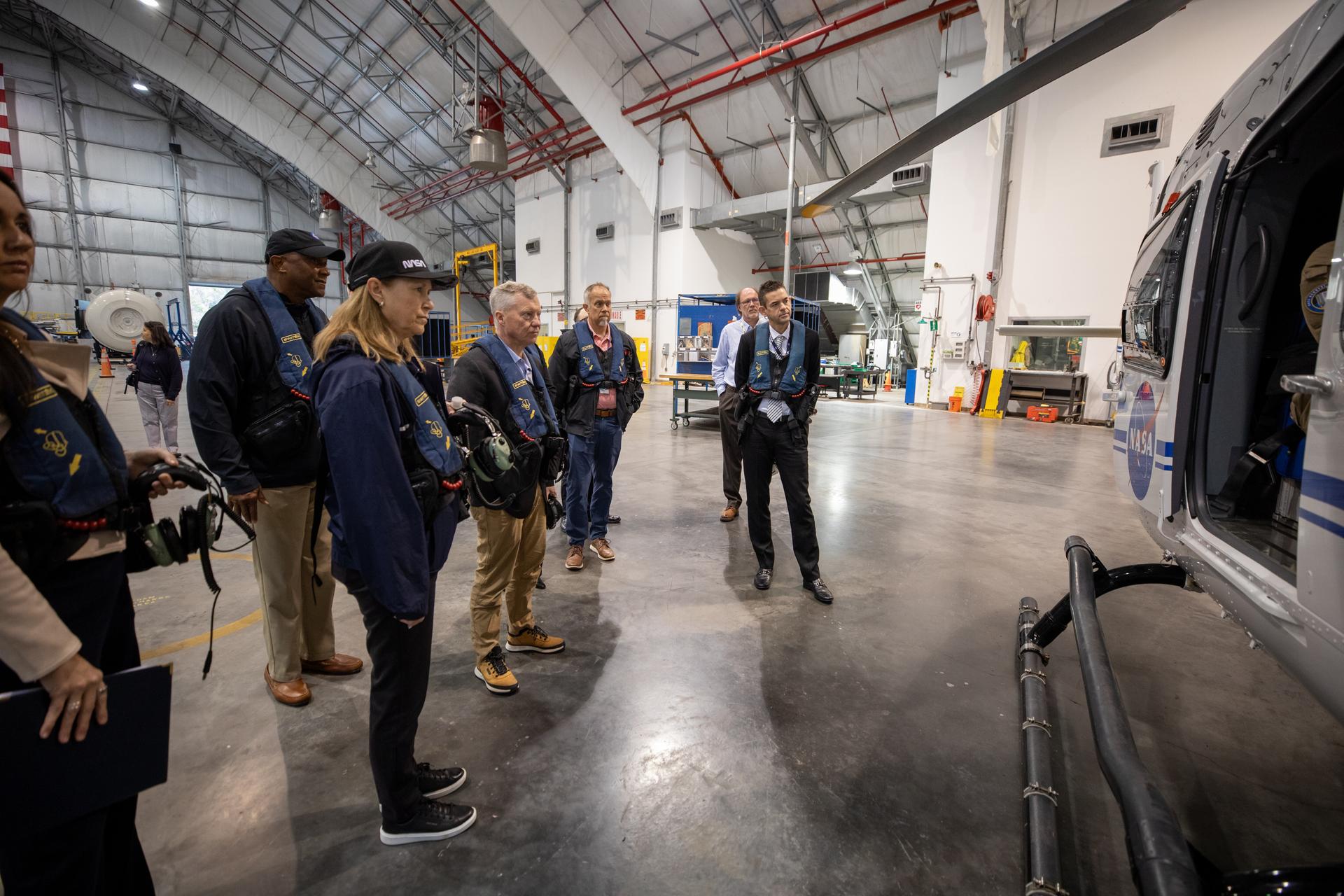
NASA Administrator Jared Isaacman (right) and leadership from the agency’s Kennedy Space Center in Florida prepare to board NASA Airbus H135 (T3) helicopters for an aerial tour of the spaceport during the administrator’s visit on Tuesday, Jan. 13, 2026. Participants on the helicopter tour include, from left, Kennedy Space Center Deputy Director Kelvin Manning; Kennedy Space Center Director Janet Petro; Todd Ericson, senior advisor to the NASA administrator; Kennedy Space Center Chief of Staff Trey Carlson; John Graves, NASA senior project manager, and Isaacman. Isaacman, NASA’s 15th administrator, began visiting the agency’s centers after his appointment on Dec. 17, 2025, to meet with employees, contractors, and partners.
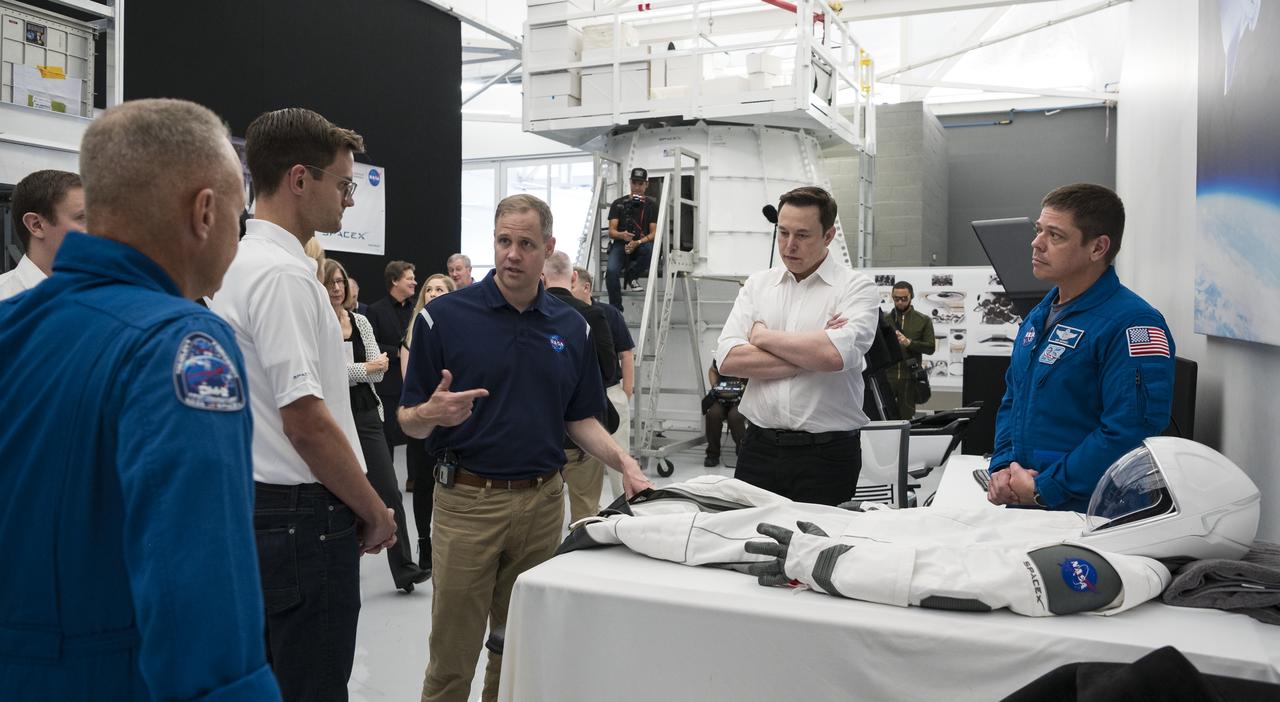
SpaceX Chief Engineer Elon Musk, second from right, and NASA astronaut Bob Behnken, right, look on as NASA Administrator Jim Bridenstine, third from left, speaks to NASA astronaut Doug Hurley, left, as they look at an identical version of the SpaceX spacesuit that he will wear for the Demo-2 mission during a visit to SpaceX Headquarters, Thursday, Oct. 10, 2019 in Hawthorne, CA. Behnken and Hurley are assigned to fly onboard Crew Dragon for the Demo-2 mission. Photo credit: (NASA/Aubrey Gemignani)
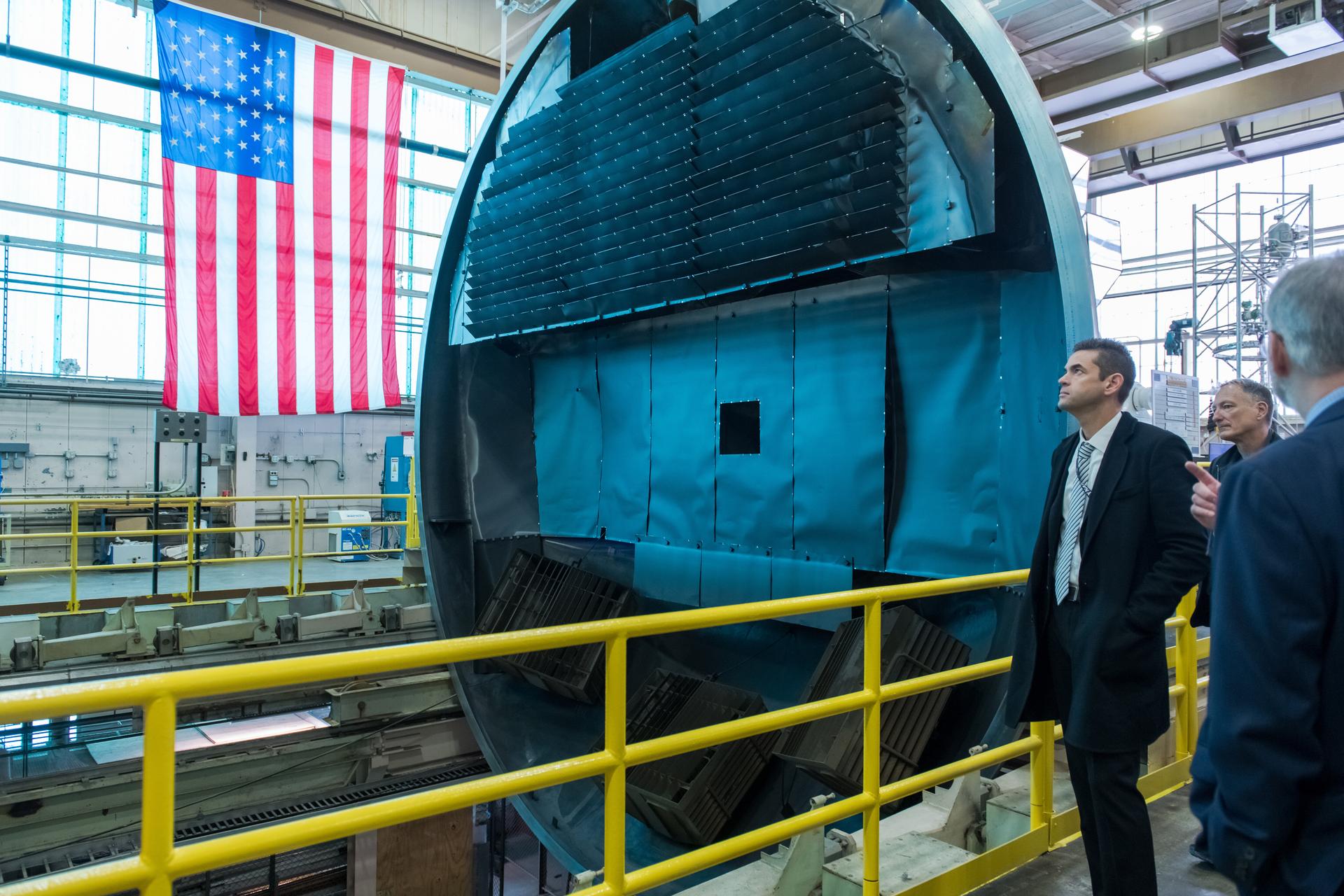
NASA Administrator Jared Isaacman looks inside Vacuum Facility-6 in the Electric Propulsion and Power Laboratory during a visit to NASA's Glenn Research Center in Cleveland on Jan. 27, 2026.
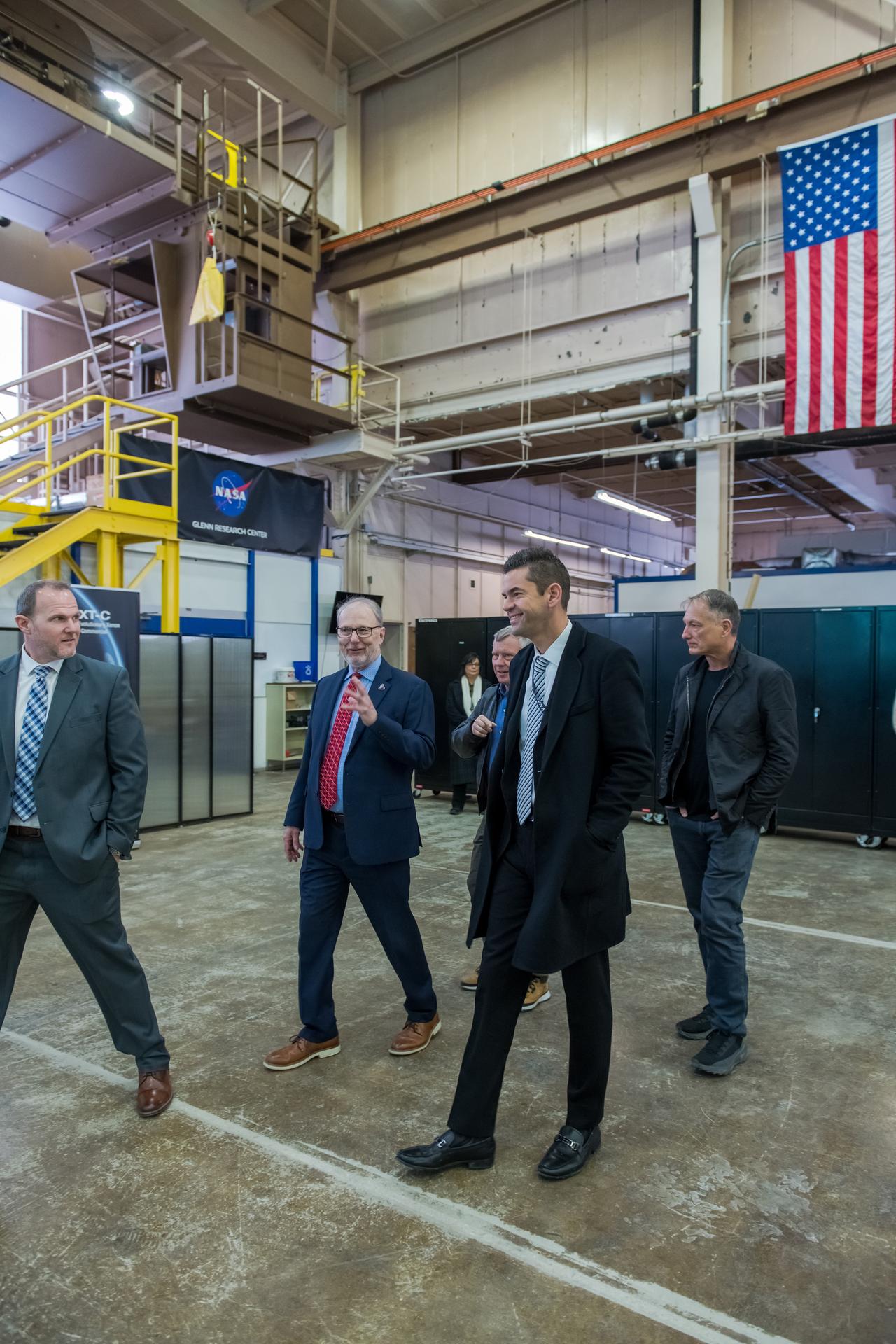
NASA Administrator Jared Isaacman walks with staff through the Electric Propulsion and Power Laboratory during a visit to NASA's Glenn Research Center in Cleveland on Jan. 27, 2026.
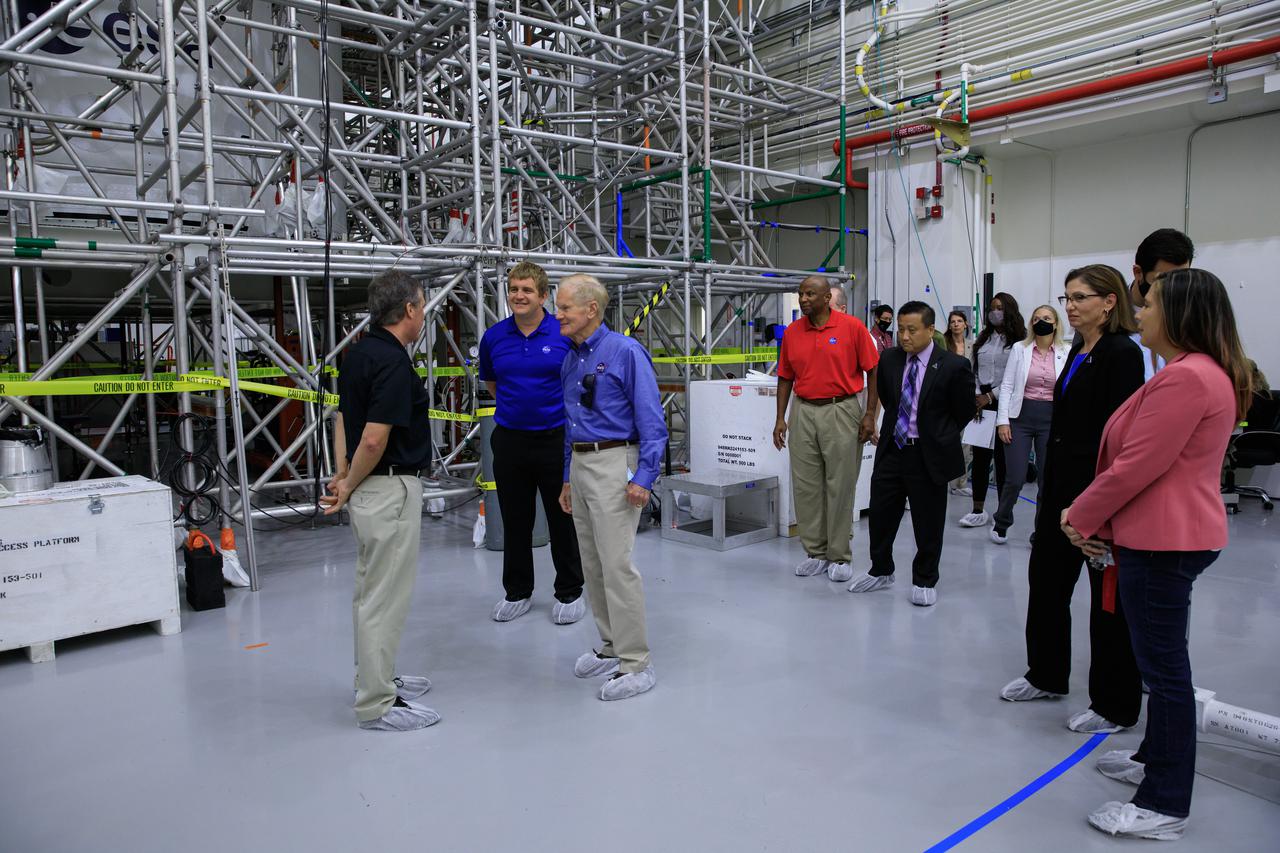
NASA Administrator Bill Nelson, right, tours the Launch Abort System Facility (LASF) during a visit to the agency’s Kennedy Space Center in Florida on July 27, 2021. In the background to the right of Nelson is Kennedy Deputy Director Kelvin Manning. Recently, teams with NASA’s Exploration Ground Systems and contractor Jacobs integrated the launch abort system with the Orion spacecraft inside the LASF as preparations for Artemis I continue. The first in an increasingly complex set of missions, Artemis I will test the Space Launch System rocket and Orion spacecraft as an integrated system prior to crewed flights to the Moon. Through Artemis, NASA will land the first woman and first person of color on the lunar surface, as well as establish a sustainable presence on and around the Moon.
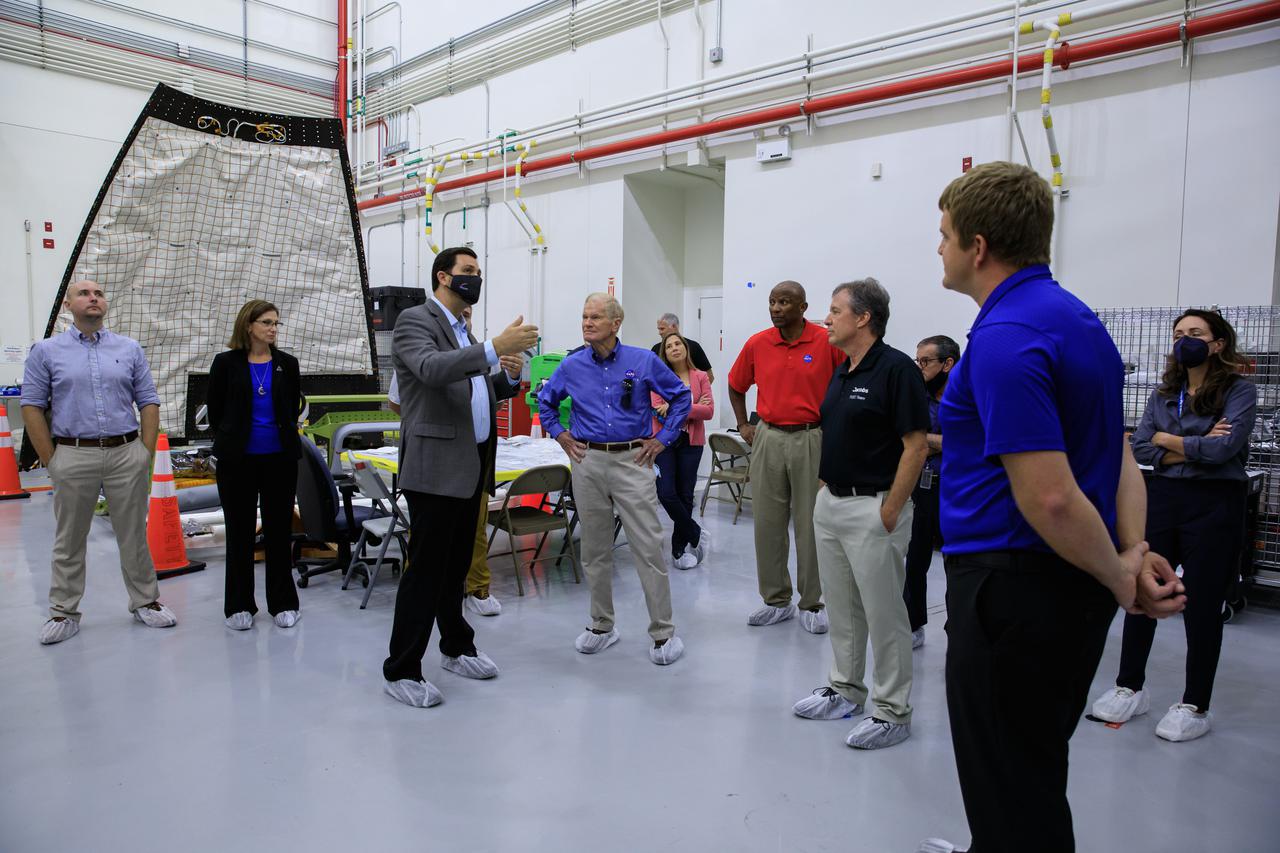
NASA Administrator Bill Nelson, center, tours the Launch Abort System Facility (LASF) during a visit to the agency’s Kennedy Space Center in Florida on July 27, 2021. To his right is Kennedy Deputy Director Kelvin Manning. Recently, teams with NASA’s Exploration Ground Systems and contractor Jacobs integrated the launch abort system with the Orion spacecraft inside the LASF as preparations for Artemis I continue. The first in an increasingly complex set of missions, Artemis I will test the Space Launch System rocket and Orion spacecraft as an integrated system prior to crewed flights to the Moon. Through Artemis, NASA will land the first woman and first person of color on the lunar surface, as well as establish a sustainable presence on and around the Moon.
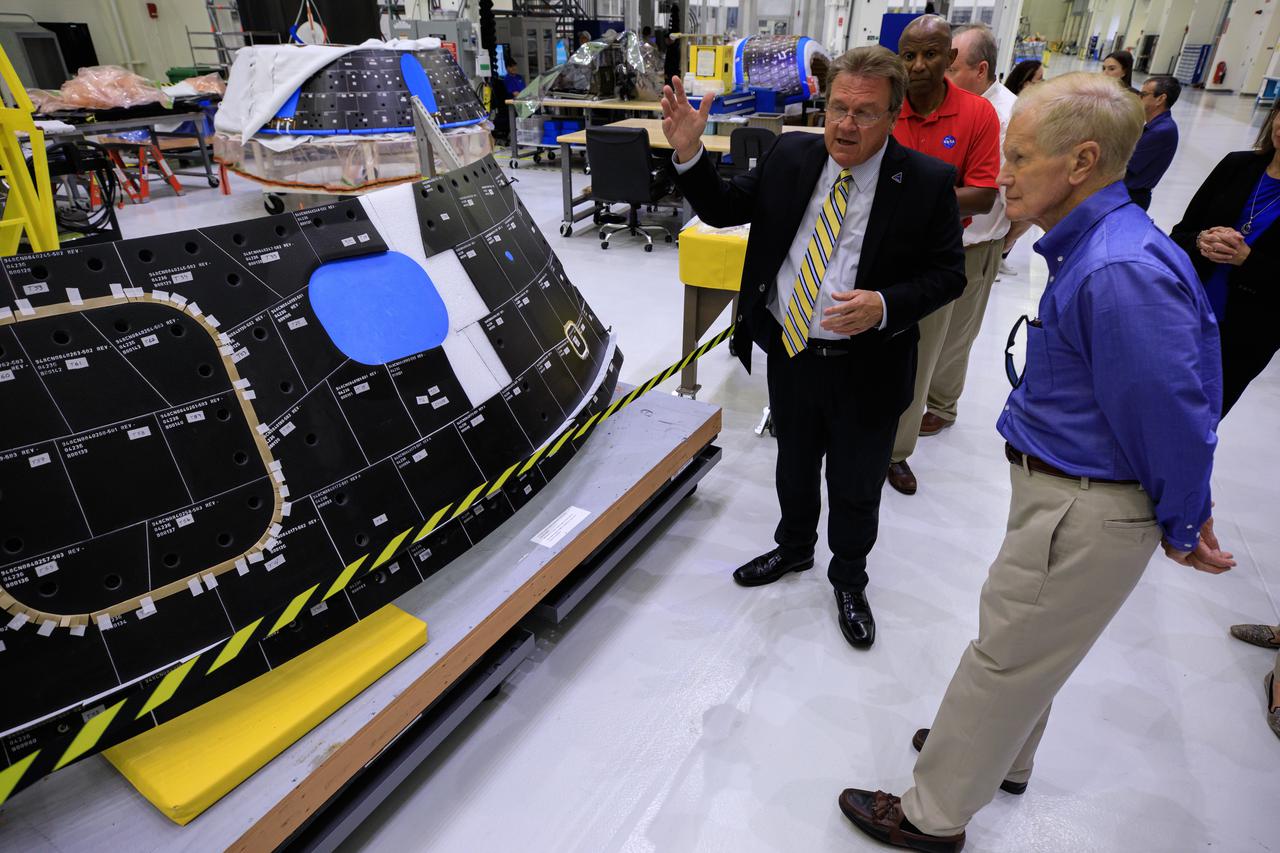
NASA Administrator Bill Nelson, right, tours the Neil Armstrong Operations and Checkout Building during a visit to the agency’s Kennedy Space Center in Florida on July 27, 2021. In this photo, Jules Schneider, Lockheed Martin director of Orion Assembly, Test, and Launch Operations at Kennedy, is showing Nelson the thermal protection tiles on the forward bay cover for the Artemis II crew module. Behind Schneider is Kennedy Deputy Director Kelvin Manning. Artemis II is the first crewed mission in a series of missions to the Moon and Mars. The mission will test the Space Launch System rocket and Orion spacecraft as an integrated system with astronauts on board. Through Artemis, NASA will land the first woman and first person of color on the lunar surface, as well as establish a sustainable presence on and around the Moon.
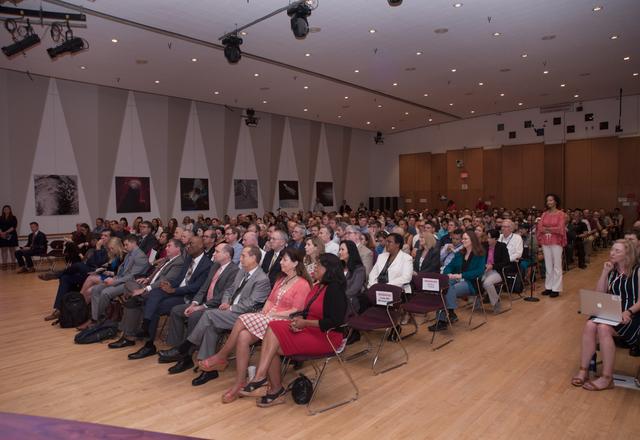
NASA Administrator Jim Bridenstine meets with Goddard Space Flight Center employees during his first visit to the Maryland facility.
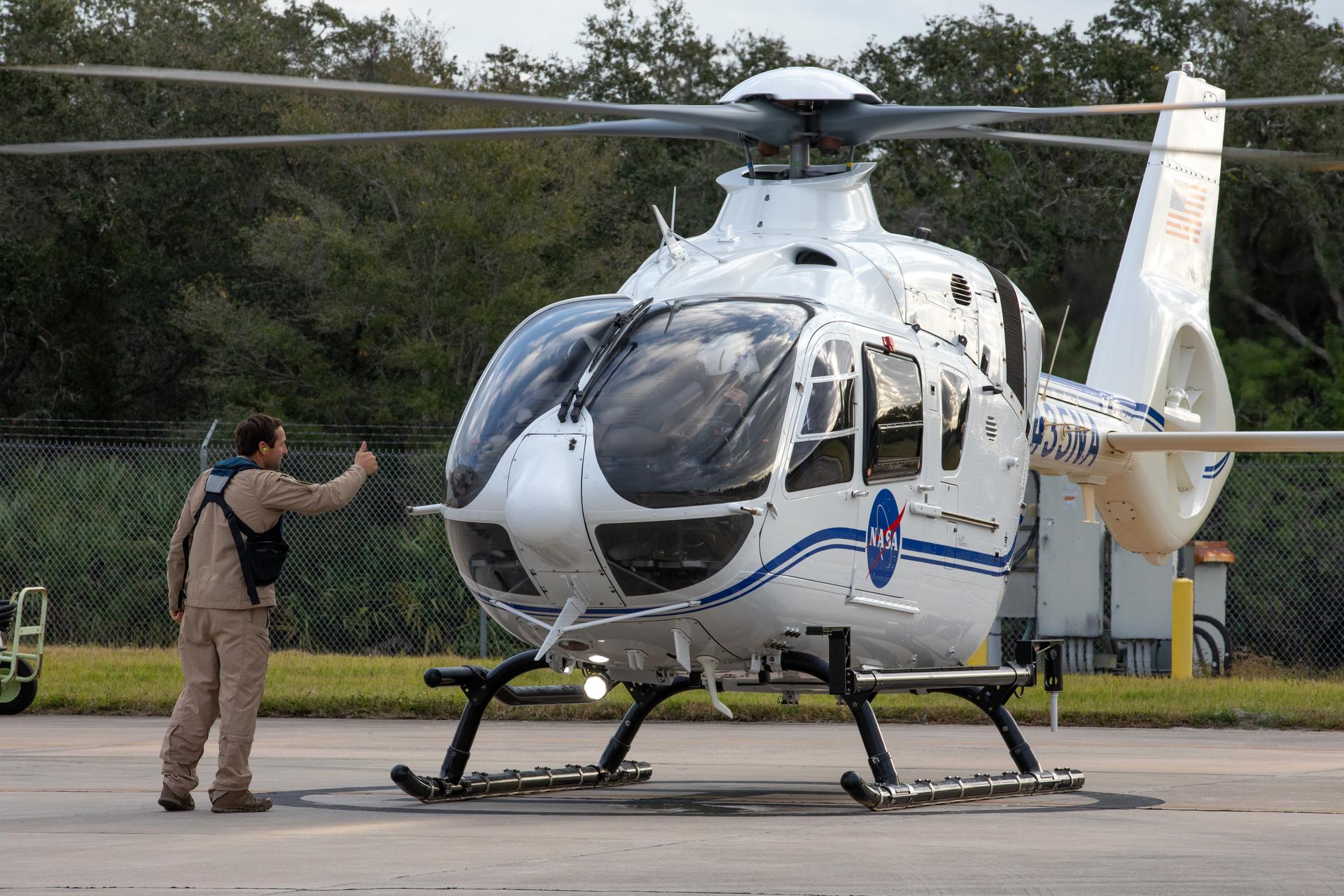
A member of Flight Operations at NASA’s Kennedy Space Center in Florida gives a thumbs up to the NASA Airbus H135 (T3) helicopters carrying NASA Administrator Jared Isaacman and NASA Kennedy leadership on Tuesday, Jan. 13, 2026. Isaacman, NASA’s 15th administrator, began visiting the agency’s centers after his appointment on Dec. 17, 2025, to meet with employees, contractors, and partners.
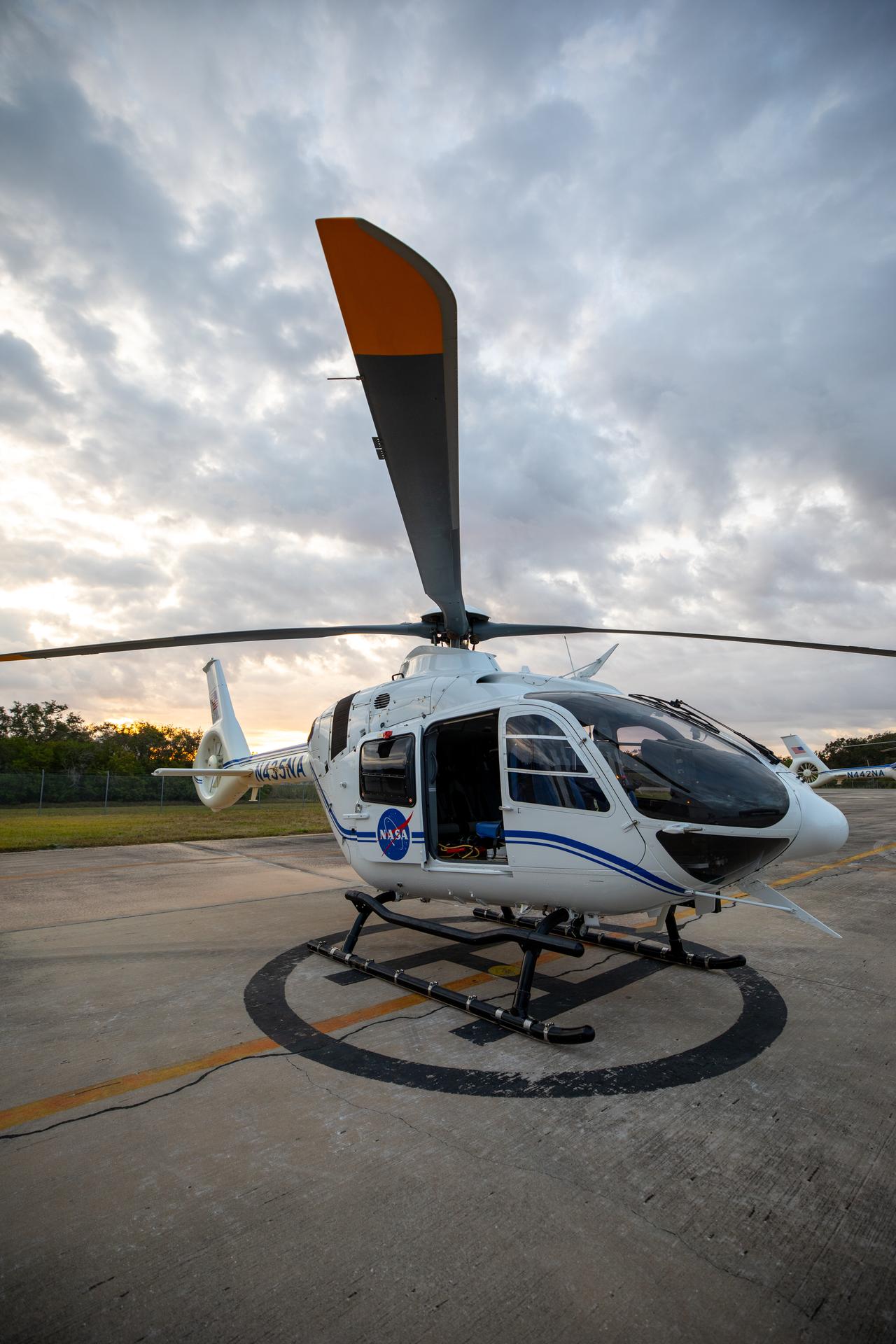
NASA Airbus H135 (T3) helicopters prepare for takeoff from the Launch and Landing Facility at the agency’s Kennedy Space Center in Florida carrying NASA Administrator Jared Isaacman and NASA Kennedy leadership on Tuesday, Jan. 13, 2026. Isaacman, NASA’s 15th administrator, began visiting the agency’s centers after his appointment on Dec. 17, 2025, to meet with employees, contractors, and partners.