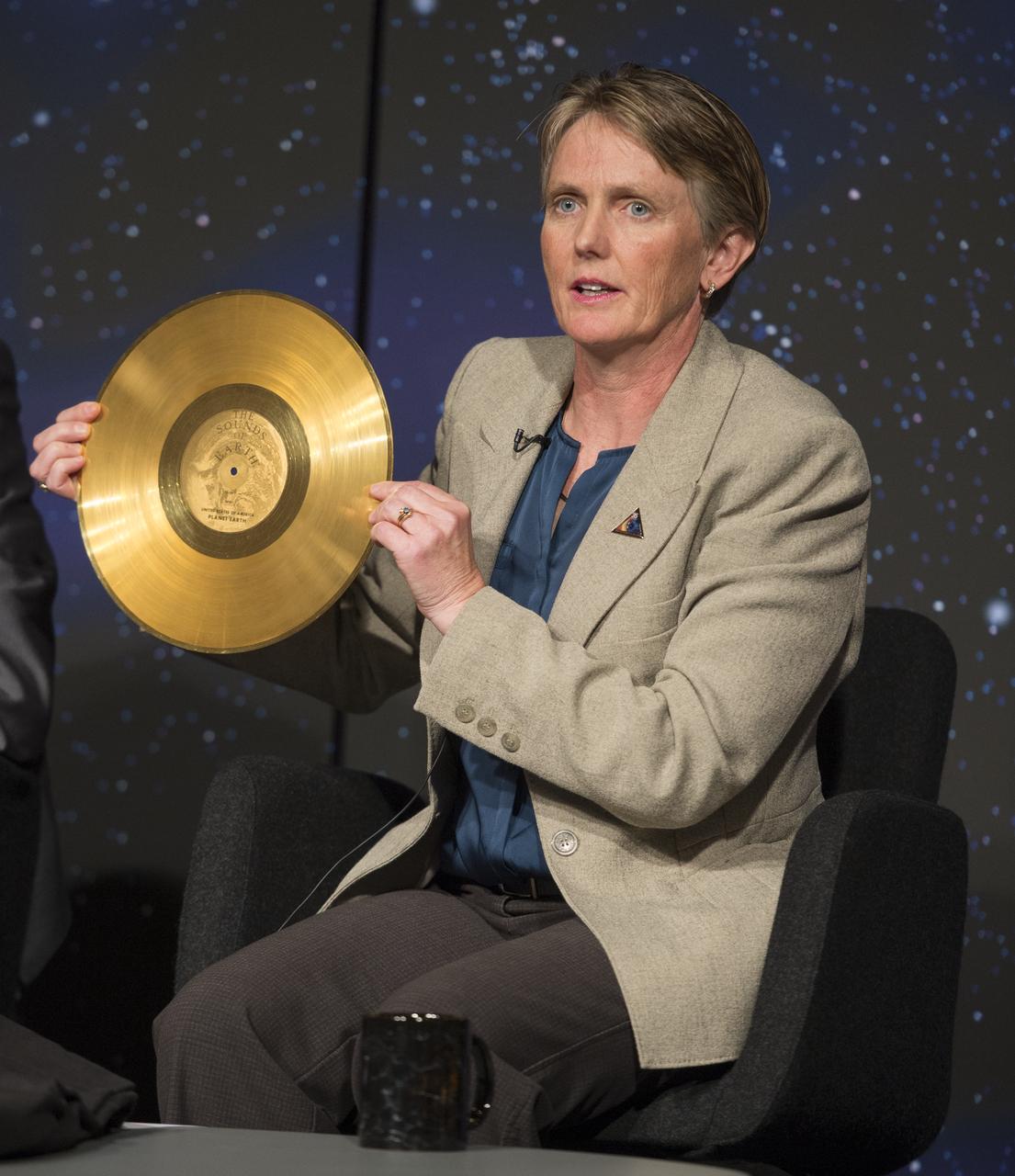
Suzanne Dodd, Voyager project manager, NASA's Jet Propulsion Lab (JPL) holds a replica of the golden record carried on Voyager at a news conference on NASA's Voyager 1 spacecraft, Thursday, Sept. 12, 2013 at NASA Headquarters in Washington. The Golden Record was intended to communicate a story of our world to extraterrestrials. NASA's Voyager 1 spacecraft officially is the first human-made object to venture into interstellar space. The 36-year-old probe is about 12 billion miles (19 billion kilometers) from our sun. New and unexpected data indicate Voyager 1 has been traveling for about one year through plasma, or ionized gas, present in the space between stars. A report on the analysis of this new data is published in Thursday's edition of the journal Science. Photo Credit: (NASA/Carla Cioffi)
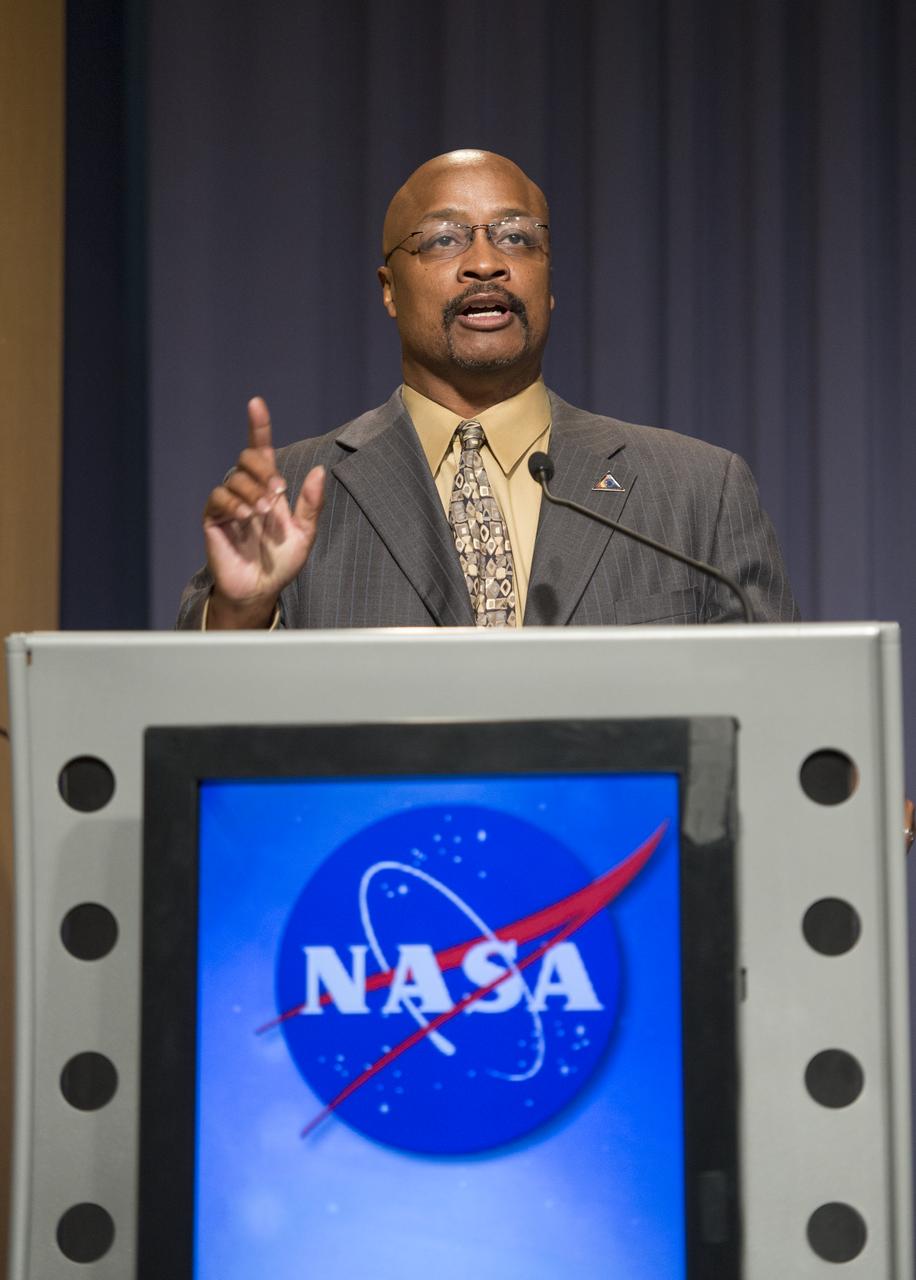
Dwayne Brown, Senior Public Affairs Officer, NASA Science Mission Directorate at NASA Headquarters, kicks off a news conference on NASA's Voyager 1 spacecraft, Thursday, Sept. 12, 2013 in Washington. NASA's Voyager 1 spacecraft officially is the first human-made object to venture into interstellar space. The 36-year-old probe is about 12 billion miles (19 billion kilometers) from our sun. New and unexpected data indicate Voyager 1 has been traveling for about one year through plasma, or ionized gas, present in the space between stars. A report on the analysis of this new data is published in Thursday's edition of the journal Science. Photo Credit: (NASA/Carla Cioffi)
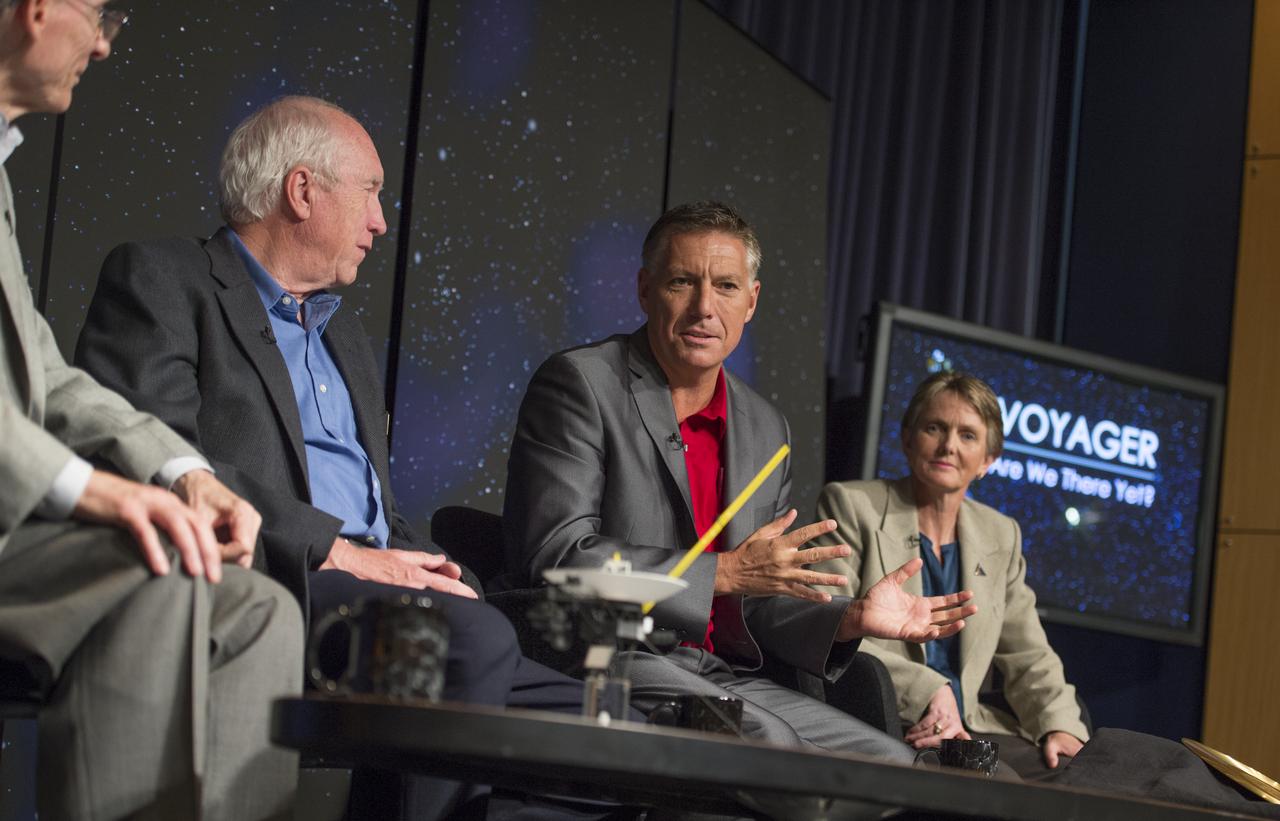
Gary Zank, (second from right) Department of Space Sciences, Center for Space Plasma and Aeronomics Research (CSPAR), University of Alabama in Huntsville, speaks at a news conference on NASA's Voyager 1 spacecraft, Thursday, Sept. 12, 2013 at NASA Headquarters in Washington. NASA's Voyager 1 spacecraft officially is the first human-made object to venture into interstellar space. The 36-year-old probe is about 12 billion miles (19 billion kilometers) from our sun. New and unexpected data indicate Voyager 1 has been traveling for about one year through plasma, or ionized gas, present in the space between stars. A report on the analysis of this new data is published in Thursday's edition of the journal Science. Photo Credit: (NASA/Carla Cioffi)
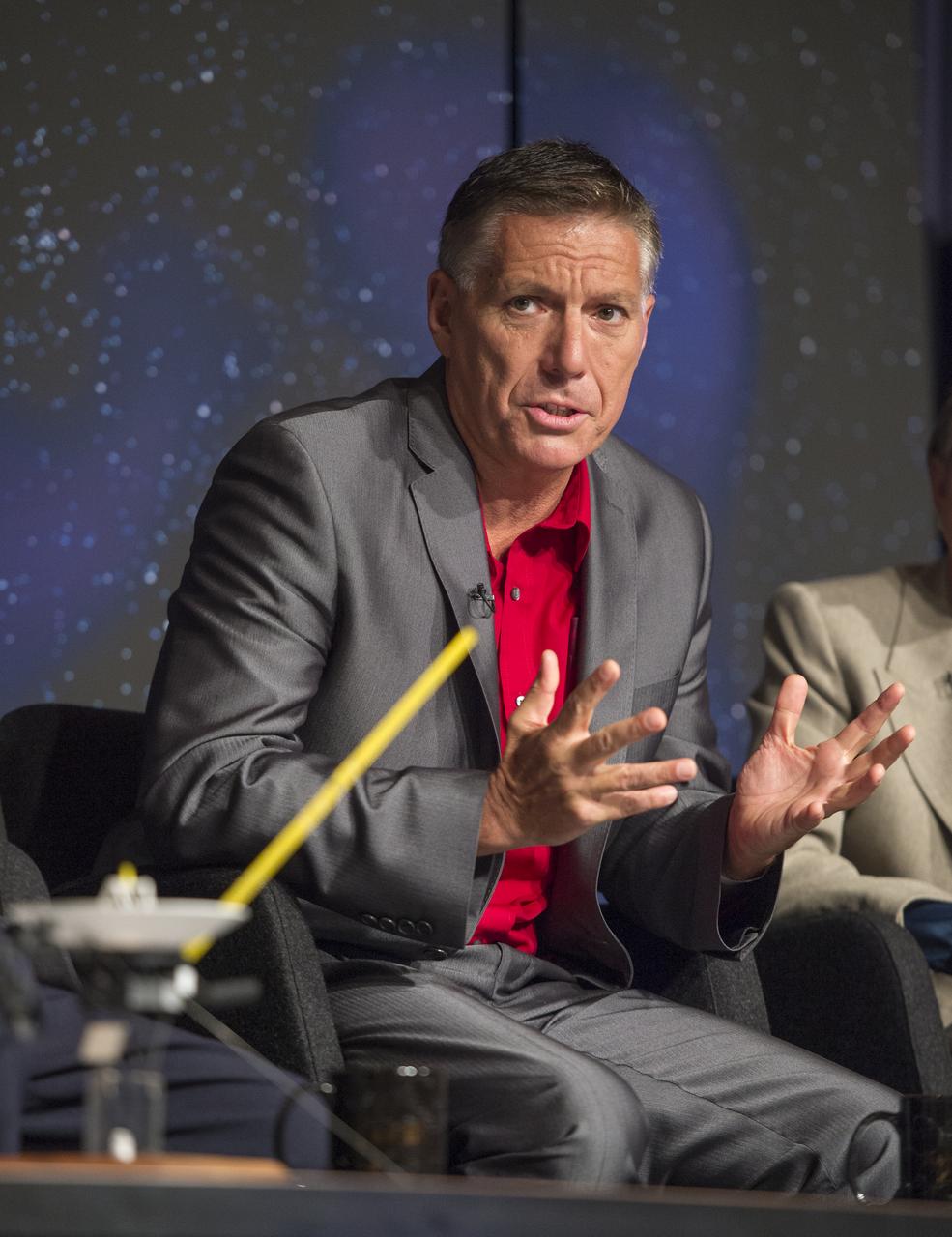
Gary Zank, Department of Space Sciences, Center for Space Plasma and Aeronomics Research (CSPAR), University of Alabama in Huntsville, speaks at a news conference on NASA's Voyager 1 spacecraft, Thursday, Sept. 12, 2013 at NASA Headquarters in Washington. NASA's Voyager 1 spacecraft officially is the first human-made object to venture into interstellar space. The 36-year-old probe is about 12 billion miles (19 billion kilometers) from our sun. New and unexpected data indicate Voyager 1 has been traveling for about one year through plasma, or ionized gas, present in the space between stars. A report on the analysis of this new data is published in Thursday's edition of the journal Science. Photo Credit: (NASA/Carla Cioffi)
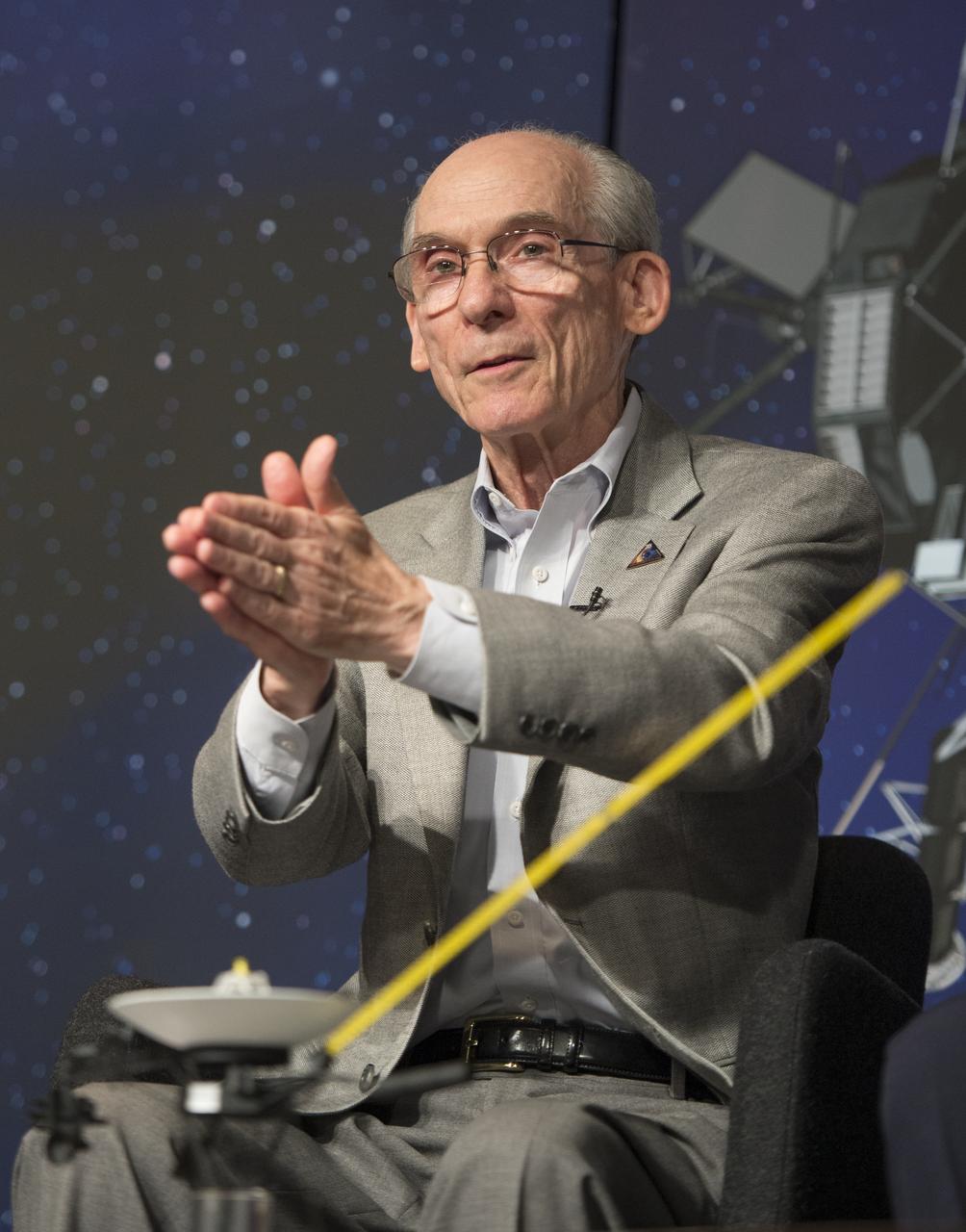
Ed Stone, Voyager project scientist, California Institute of Technology, is seen as he speaks at a news conference on NASA's Voyager 1 spacecraft, Thursday, Sept. 12, 2013 at NASA Headquarters in Washington. NASA's Voyager 1 spacecraft officially is the first human-made object to venture into interstellar space. The 36-year-old probe is about 12 billion miles (19 billion kilometers) from our sun. New and unexpected data indicate Voyager 1 has been traveling for about one year through plasma, or ionized gas, present in the space between stars. A report on the analysis of this new data is published in Thursday's edition of the journal Science. Photo Credit: (NASA/Carla Cioffi)
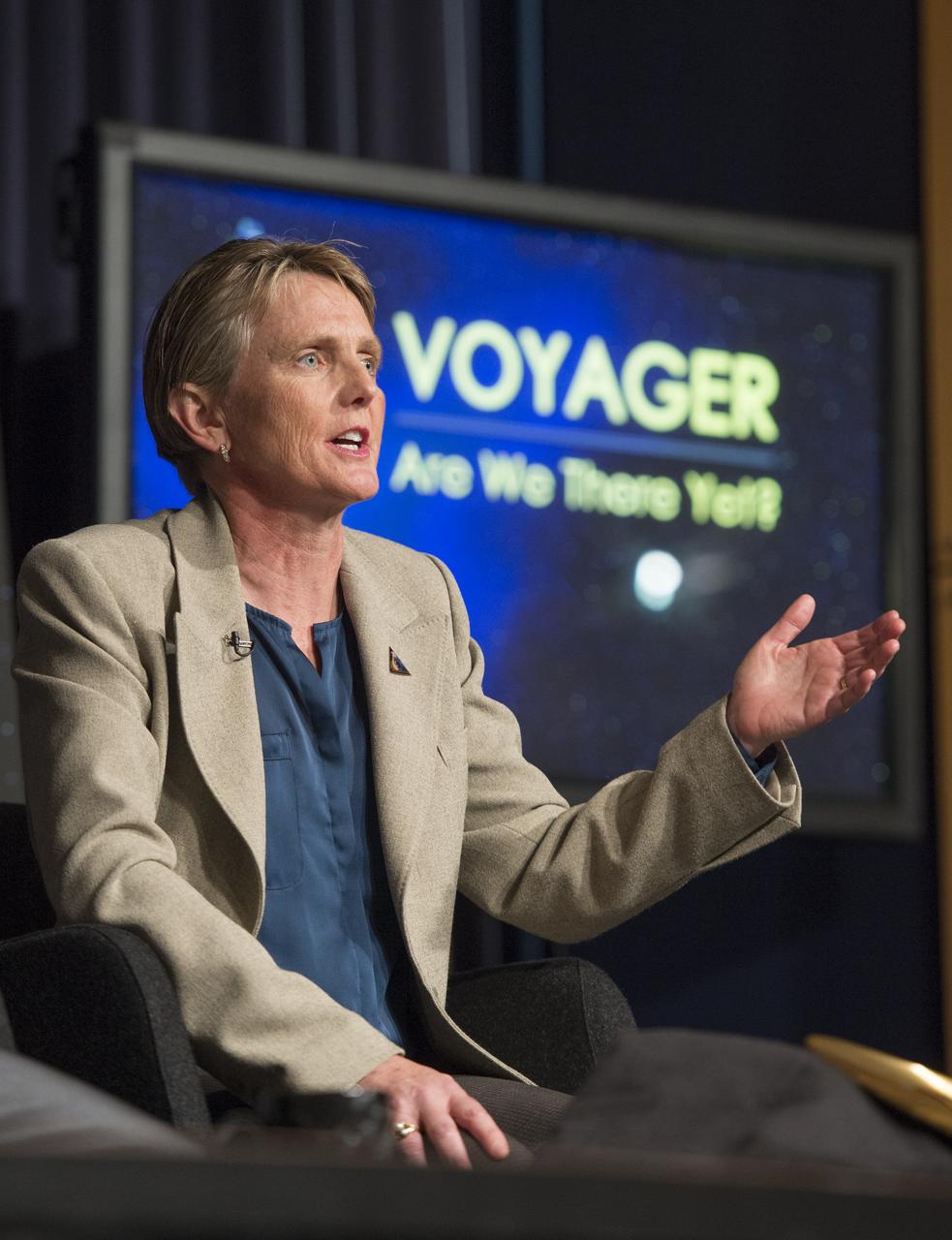
Suzanne Dodd, Voyager project manager, NASA's Jet Propulsion Lab (JPL) speaks at a news conference on NASA's Voyager 1 spacecraft, Thursday, Sept. 12, 2013 at NASA Headquarters in Washington. NASA's Voyager 1 spacecraft officially is the first human-made object to venture into interstellar space. The 36-year-old probe is about 12 billion miles (19 billion kilometers) from our sun. New and unexpected data indicate Voyager 1 has been traveling for about one year through plasma, or ionized gas, present in the space between stars. A report on the analysis of this new data is published in Thursday's edition of the journal Science. Photo Credit: (NASA/Carla Cioffi)
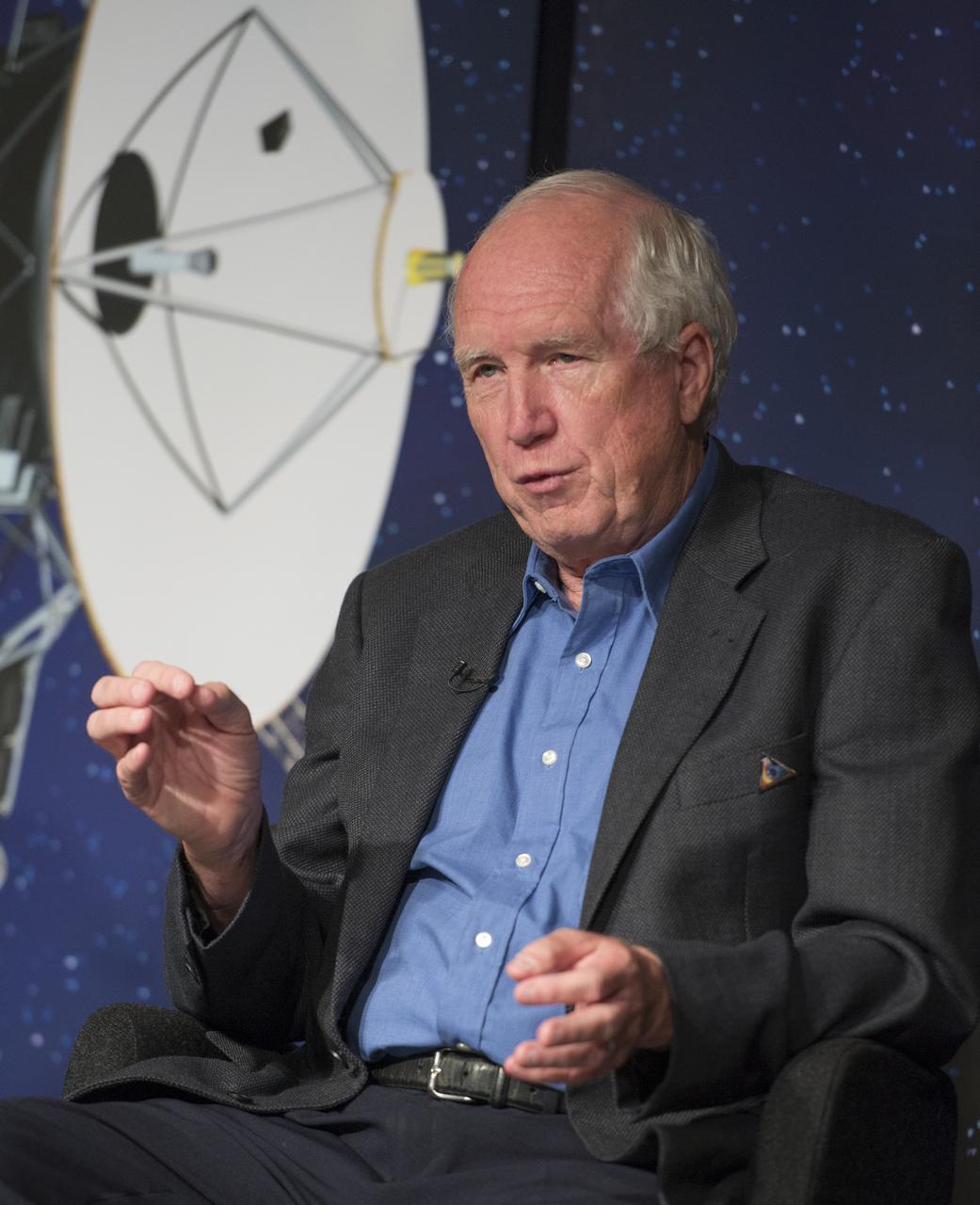
Don Gurnett, Voyager plasma wave investigation principal investigator, University of Iowa, speaks at a news conference on NASA's Voyager 1 spacecraft, Thursday, Sept. 12, 2013 at NASA Headquarters in Washington. NASA's Voyager 1 spacecraft officially is the first human-made object to venture into interstellar space. The 36-year-old probe is about 12 billion miles (19 billion kilometers) from our sun. New and unexpected data indicate Voyager 1 has been traveling for about one year through plasma, or ionized gas, present in the space between stars. A report on the analysis of this new data is published in Thursday's edition of the journal Science. Photo Credit: (NASA/Carla Cioffi)
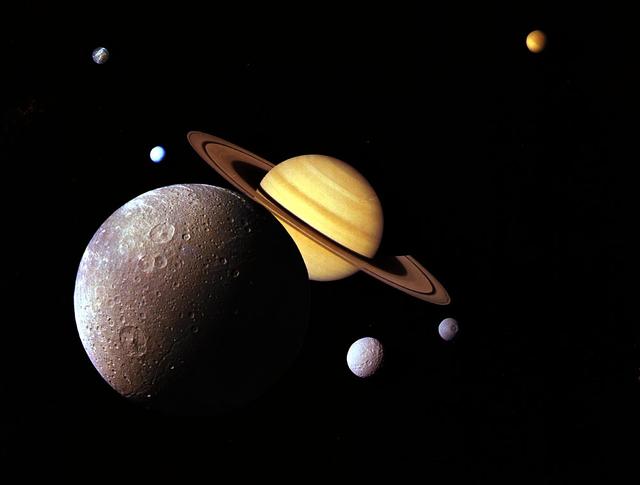
Voyager 1 passed the Saturnian system in November 1980; nine months later Voyager 2 passed through this same system. The ensuing scientific discoveries were unprecedented with regards to the rings around Saturn and its satellite's chemical makeup. Pictured are: Saturn (shown with rings), Dione (forefront), Tethys and Mimas (lower right), Enceladus and Rhea (upper left) and Titan in distant orbit (upper right).
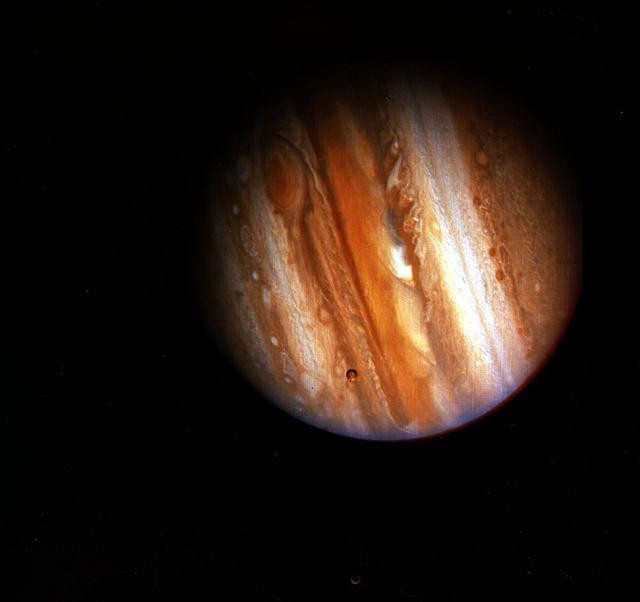
On February 5, 1979, Voyager 1 made its closest approach to Jupiter since early 1974 and 1975 when Pioneers 10 and 11 made their voyages to Jupiter and beyond. Voyager 1 completed its Jupiter encounter in early April, after taking almost 19,000 pictures and recording many other scientific measurements. Although astronomers had studied Jupiter from Earth for several centuries, scientists were surprised by many of Voyager 1 and 2's findings. They now understand that important physical, geological, and atmospheric processes go on that they had never observed from Earth. Discovery of active volcanism on the satellite Io was probably the greatest surprise. It was the first time active volcanoes had been seen on another body in the solar system. Voyager also discovered a ring around Jupiter. Thus Jupiter joins Saturn, Uranus, and Neptune as a ringed planet -- although each ring system is unique and distinct from the others.
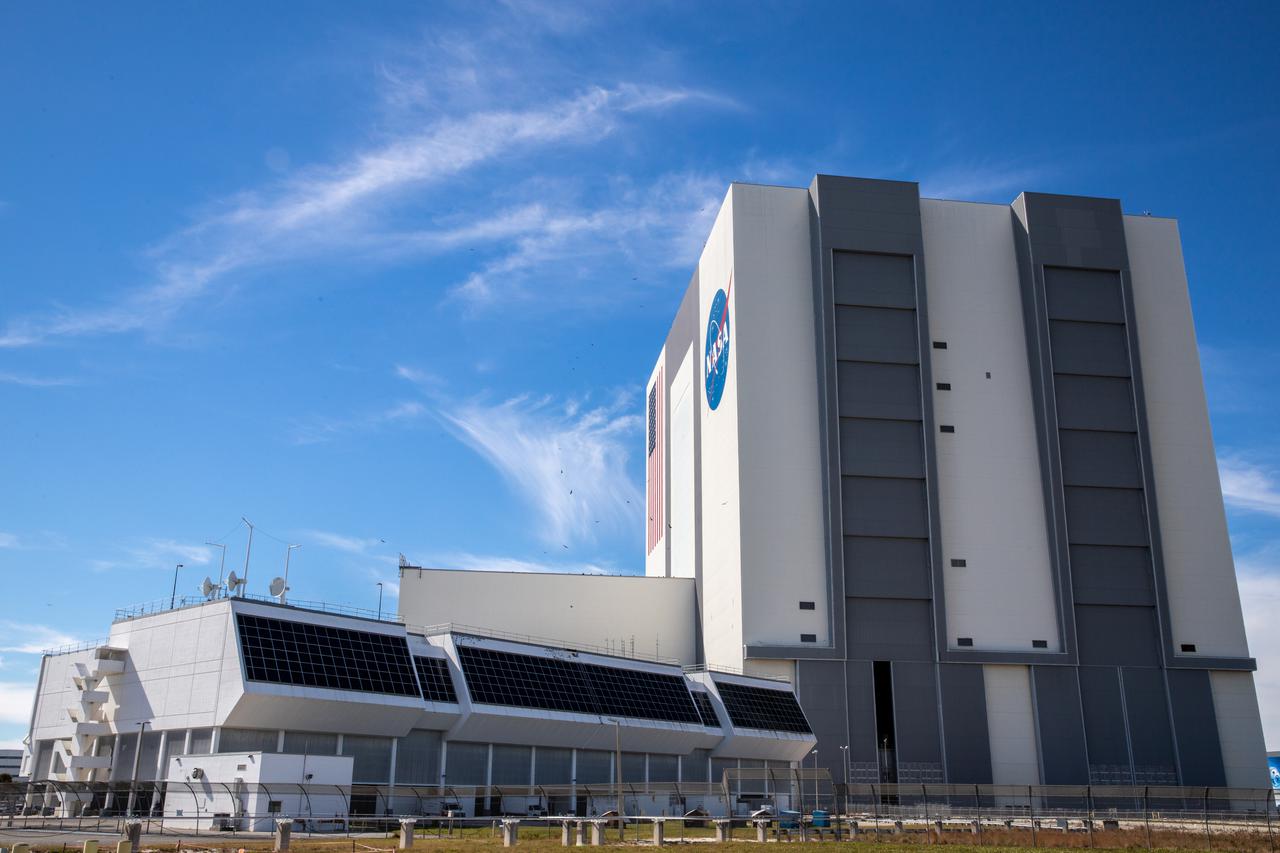
Following a ceremony at NASA’s Kennedy Space Center, the Florida spaceport’s launch control center was officially renamed the Rocco A. Petrone Launch Control Center. The facility serves as a nerve center where engineers and the launch director will monitor their flight consoles and give the “go” for the upcoming launch of Artemis I and later missions that will establish a sustainable presence on the Moon to prepare for missions to Mars. Petrone, who was instrumental in America’s first voyages to the Moon and headed the Apollo program, died in 2006 at the age of 80.
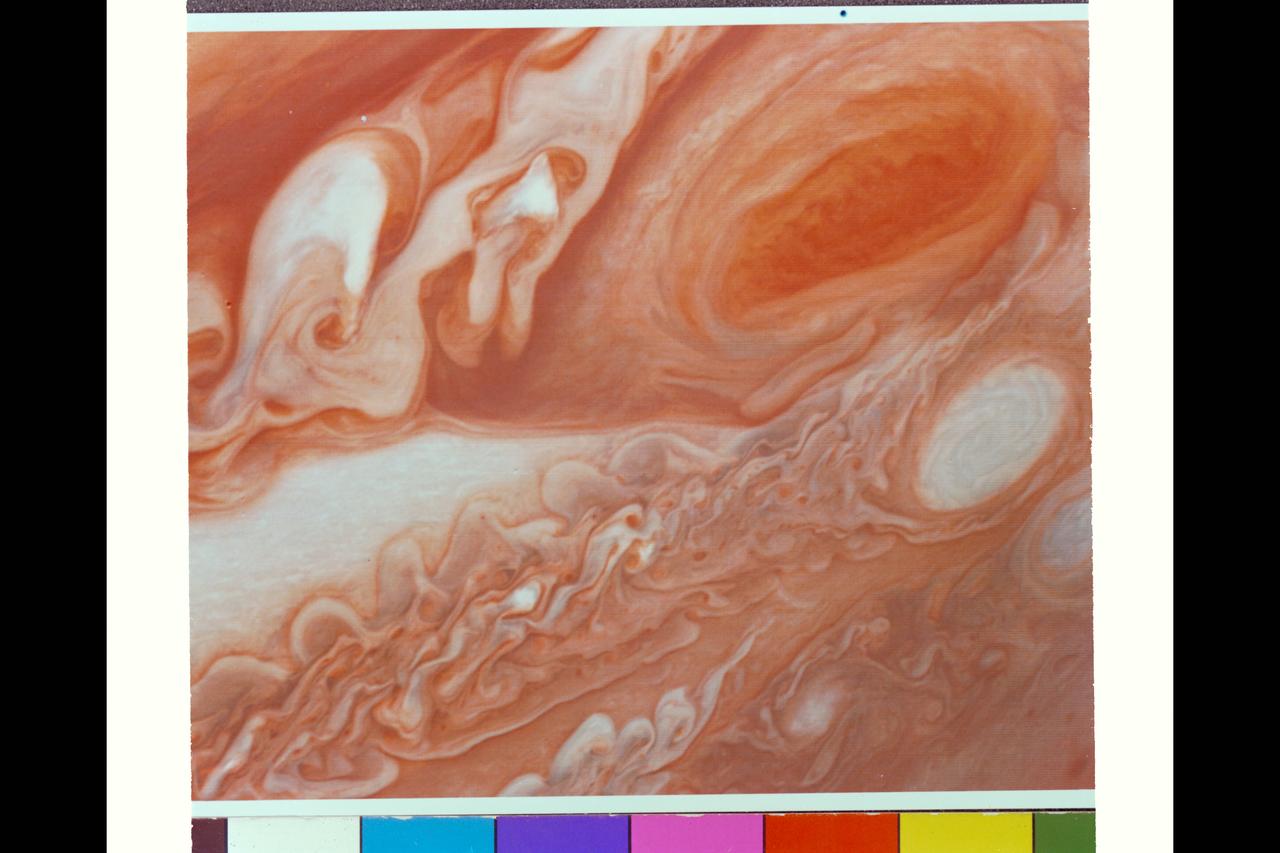
Range : 5 million km. ( 3 million miles ) This photograph, shot from Voyager I, shows Jupiter's Great Red Spot, turbulent regions immediattely to the west, and, middle right, one of the several white ovals seen on Jupiter from Earth. This photograph represents much better resolution than ever seen by telescopic means to date. The Red Spot and Ovals both reveal intricate, involved structures, the smallest details of which, are estimated at 95 km. ( 55 miles ) across.
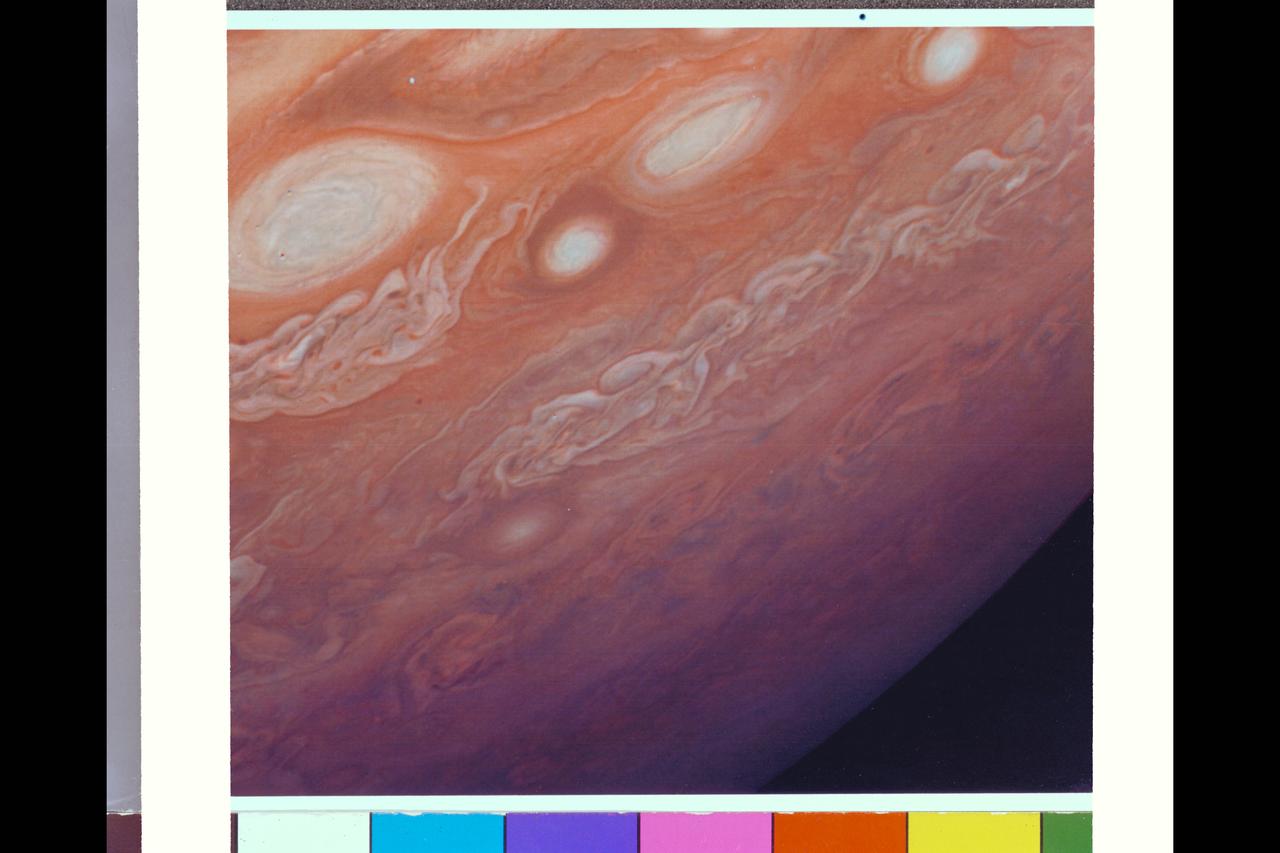
Range : 4.3 million km. ( 2.7 million miles ) This photograph taken from Voyager I, shows the area east of the Great Red Spot. The dark halo surrounding the bright spot, just to the right of the bright oval, is said by scientists to be, almost certainly, a five micron hot spot. This is a region of the atmosphere warmer than those around it. The dark halo may represent an area in which we are looking deeper into Jupiter's Atmosphere, although not yet completely understood.
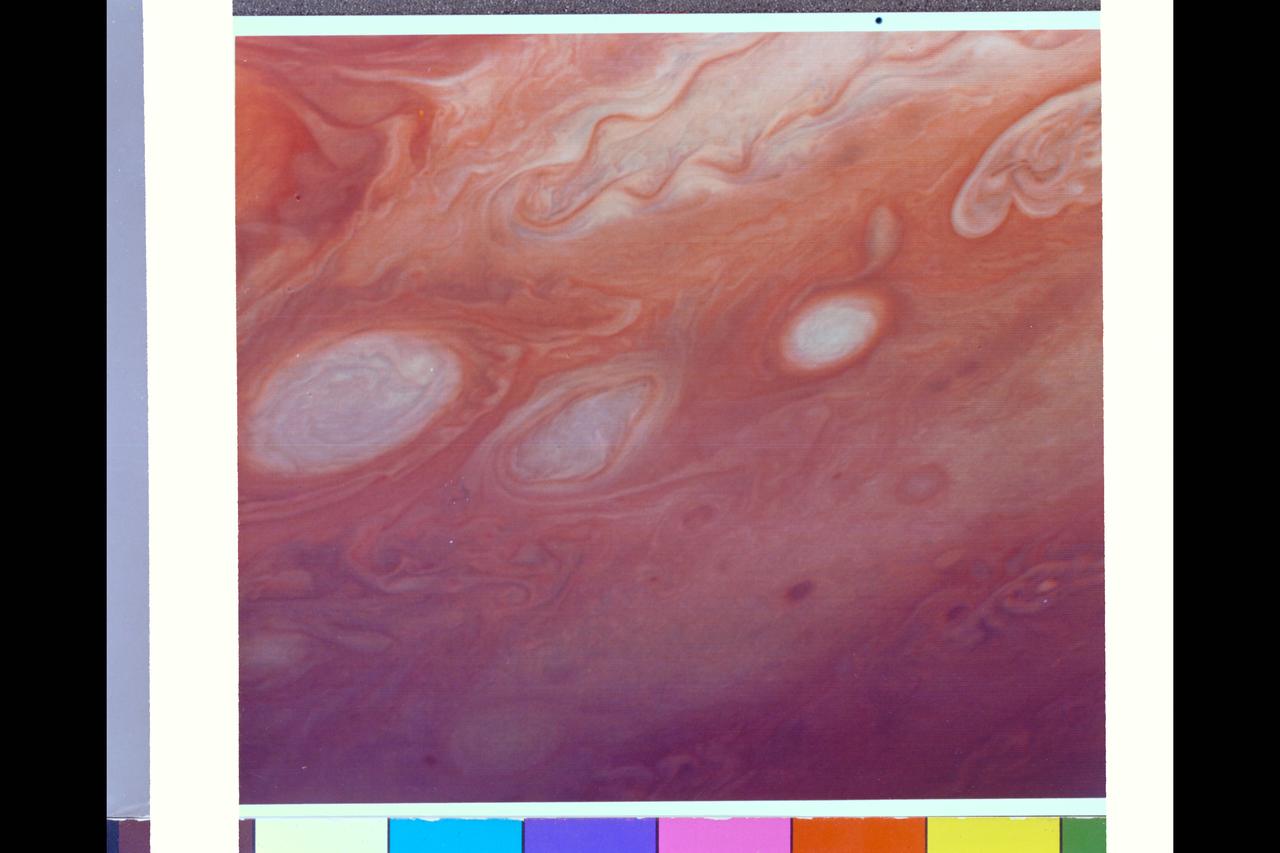
Range : 4.3 million km. ( 2.7 million miles ) Southeast of the Great Red Spot, as seen at upper left, this photograph taken by Voyager I also shows one of Jupiter's 40 year old white ovals, seen at middle left. Along with a variety of other atmospheric features, and flow in and around the ovals, the smallest details in this photograph represent features 80 km. ( 45 miles ) across.

Following a ceremony at NASA’s Kennedy Space Center, the Florida spaceport’s launch control center was officially renamed the Rocco A. Petrone Launch Control Center. The facility serves as a nerve center where engineers and the launch director will monitor their flight consoles and give the “go” for the upcoming launch of Artemis I and later missions that will establish a sustainable presence on the Moon to prepare for missions to Mars. Petrone, who was instrumental in America’s first voyages to the Moon and headed the Apollo program, died in 2006 at the age of 80.
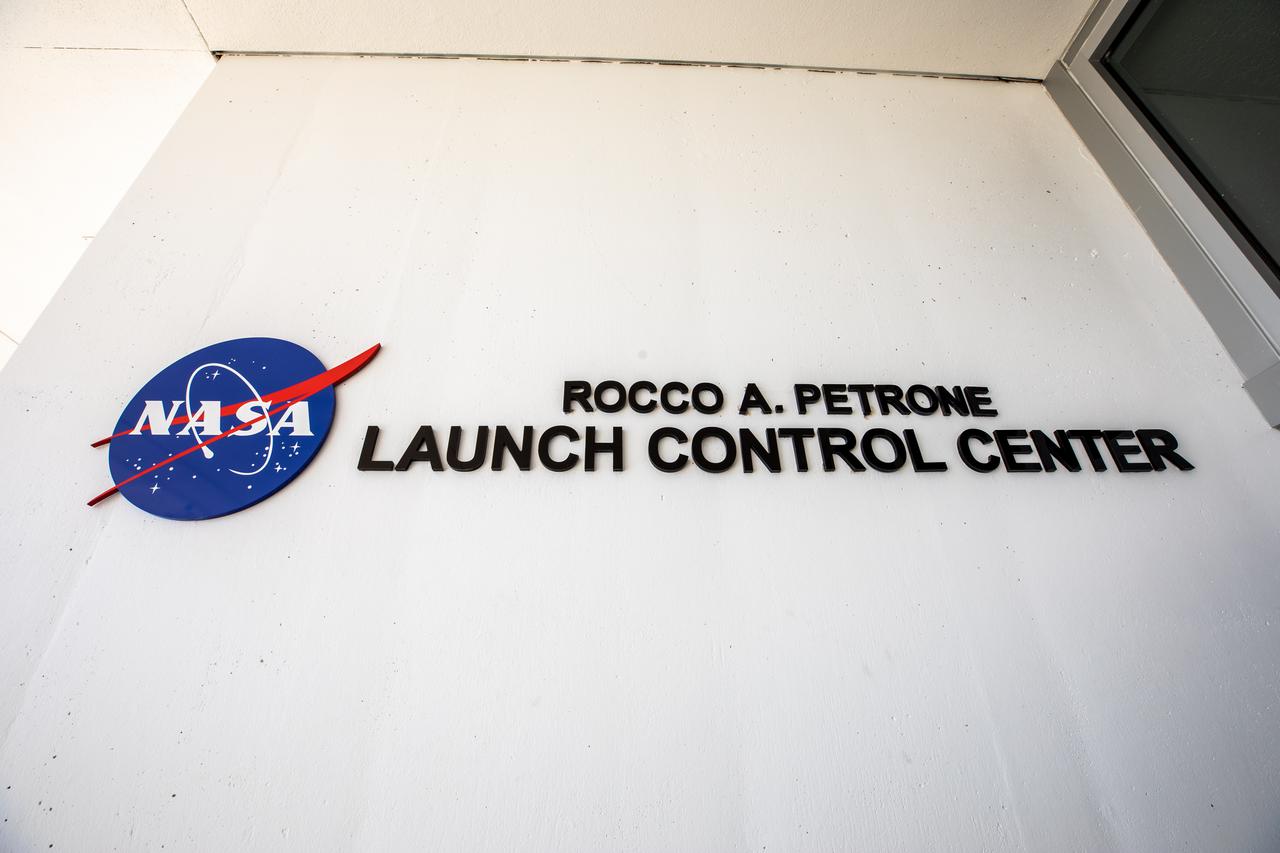
Following a ceremony at NASA’s Kennedy Space Center, the Florida spaceport’s launch control center was officially renamed the Rocco A. Petrone Launch Control Center. The facility serves as a nerve center where engineers and the launch director will monitor their flight consoles and give the “go” for the upcoming launch of Artemis I and later missions that will establish a sustainable presence on the Moon to prepare for missions to Mars. Petrone, who was instrumental in America’s first voyages to the Moon and headed the Apollo program, died in 2006 at the age of 80.
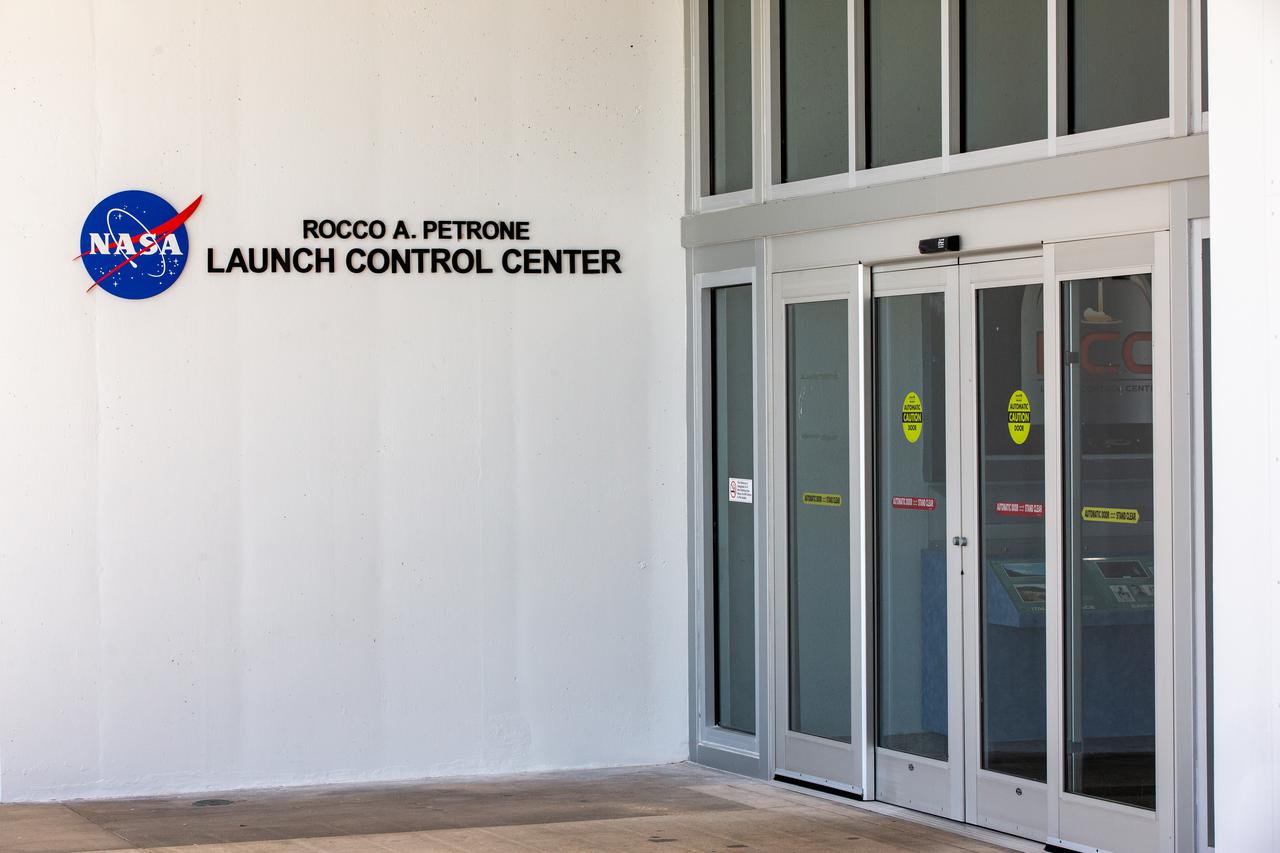
Following a ceremony at NASA’s Kennedy Space Center, the Florida spaceport’s launch control center was officially renamed the Rocco A. Petrone Launch Control Center. The facility serves as a nerve center where engineers and the launch director will monitor their flight consoles and give the “go” for the upcoming launch of Artemis I and later missions that will establish a sustainable presence on the Moon to prepare for missions to Mars. Petrone, who was instrumental in America’s first voyages to the Moon and headed the Apollo program, died in 2006 at the age of 80.
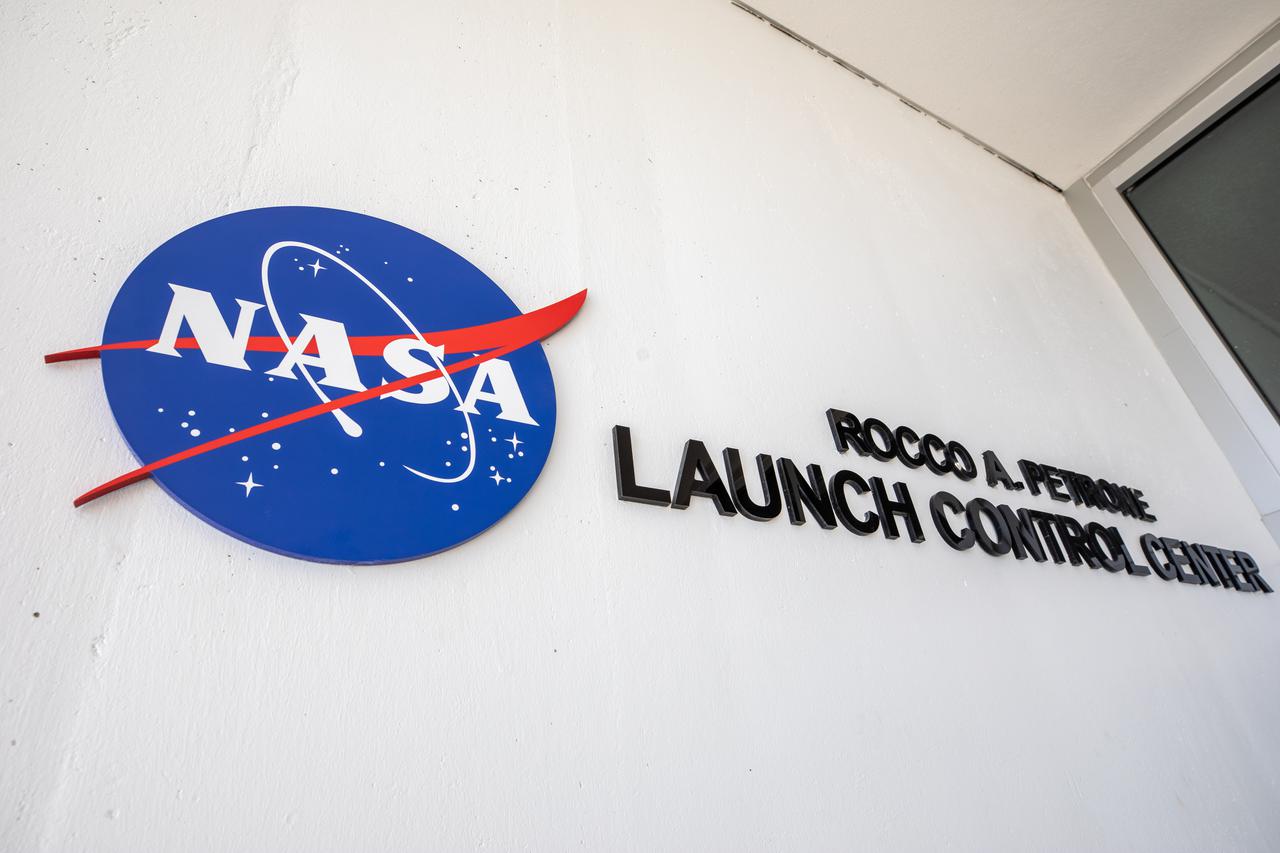
Following a ceremony at NASA’s Kennedy Space Center, the Florida spaceport’s launch control center was officially renamed the Rocco A. Petrone Launch Control Center. The facility serves as a nerve center where engineers and the launch director will monitor their flight consoles and give the “go” for the upcoming launch of Artemis I and later missions that will establish a sustainable presence on the Moon to prepare for missions to Mars. Petrone, who was instrumental in America’s first voyages to the Moon and headed the Apollo program, died in 2006 at the age of 80.

Range : 4.3 million km. ( 2.7 million miles ) This photograph taken from Voyager I shows Jupiter's Great Red Spot and one of the white ovals seen from Earth . These white ovals were seen to have formed in 1939 & 1940, and have remained somewhat consistant since. The Great Red Spot is three times the size of the Earth. This photograph represents the finnest detail seen to date, with the smallest details being 80 km. ( 45 miles ) across.
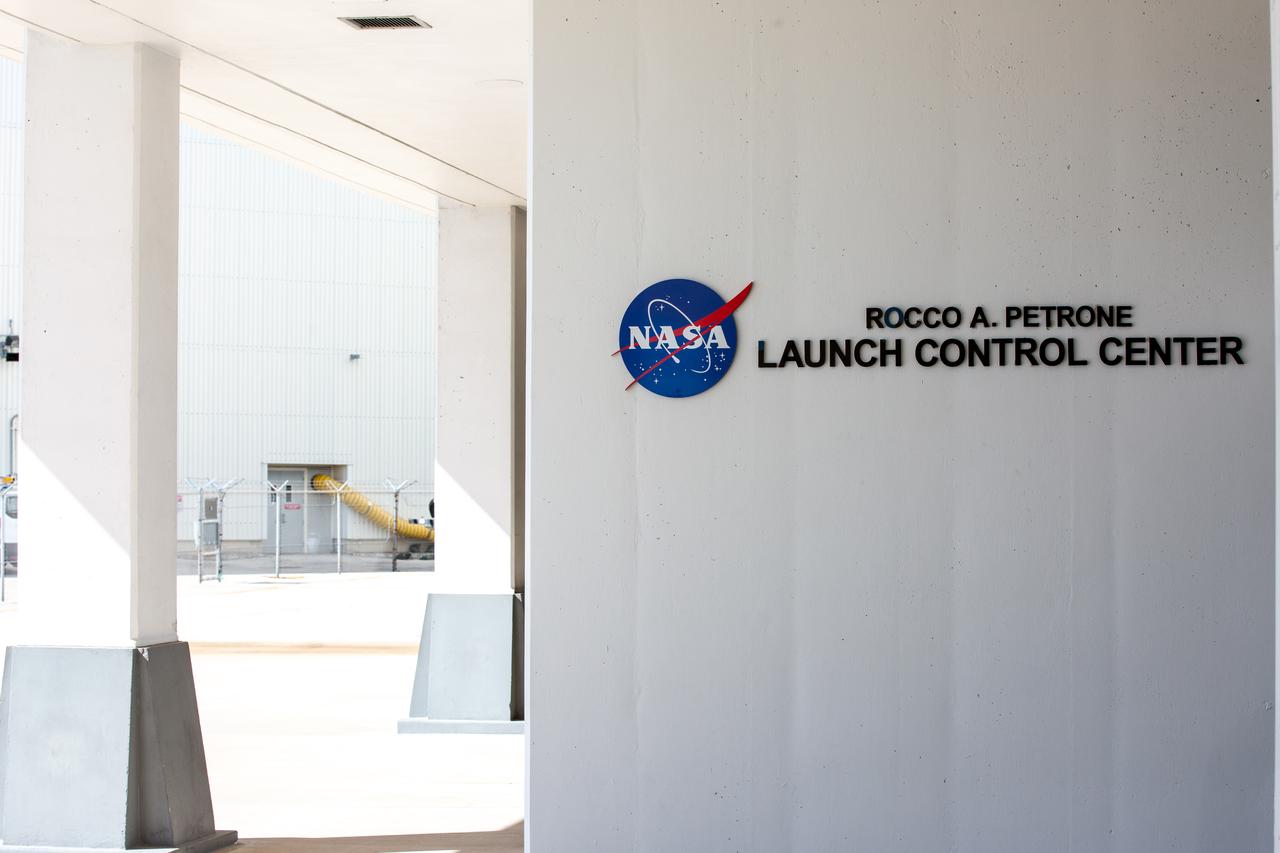
Following a ceremony at NASA’s Kennedy Space Center, the Florida spaceport’s launch control center was officially renamed the Rocco A. Petrone Launch Control Center. The facility serves as a nerve center where engineers and the launch director will monitor their flight consoles and give the “go” for the upcoming launch of Artemis I and later missions that will establish a sustainable presence on the Moon to prepare for missions to Mars. Petrone, who was instrumental in America’s first voyages to the Moon and headed the Apollo program, died in 2006 at the age of 80.
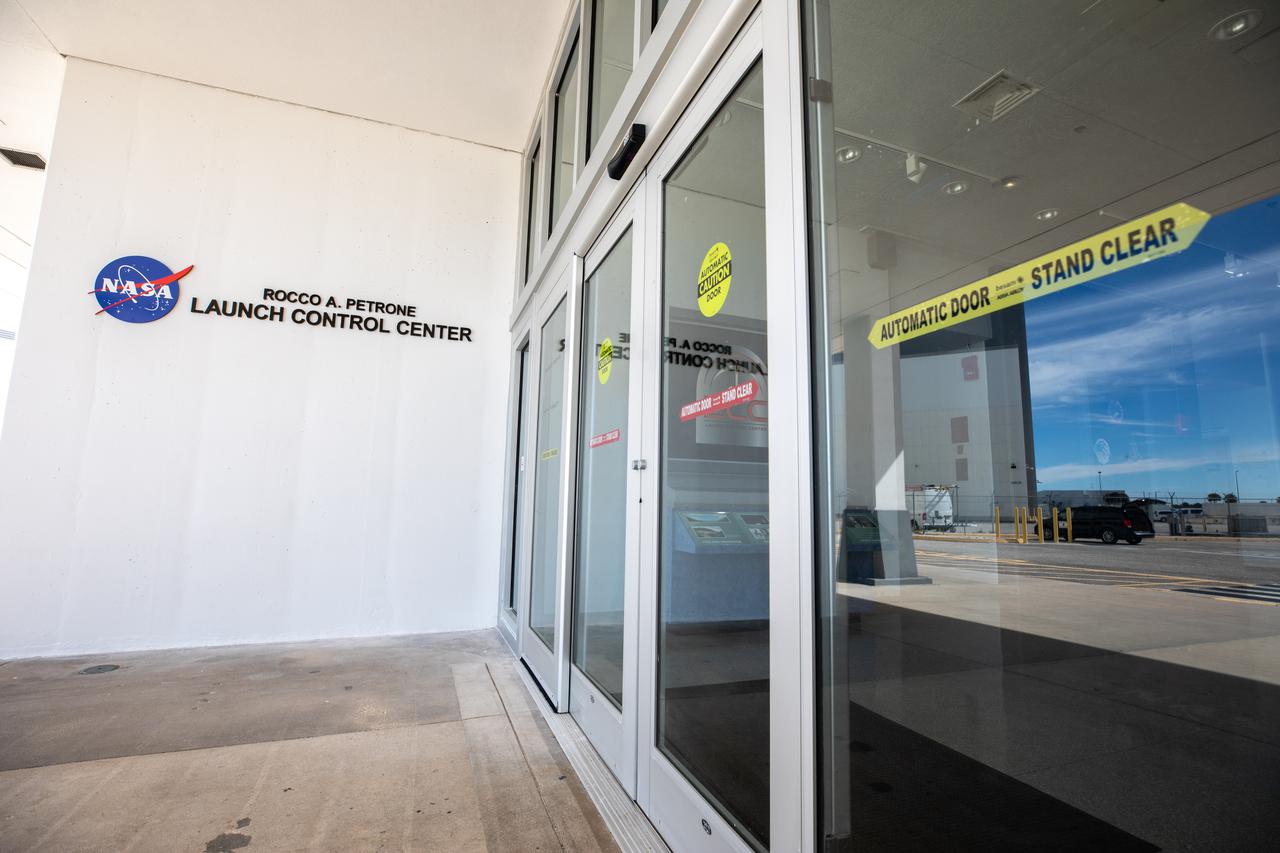
Following a ceremony at NASA’s Kennedy Space Center, the Florida spaceport’s launch control center was officially renamed the Rocco A. Petrone Launch Control Center. The facility serves as a nerve center where engineers and the launch director will monitor their flight consoles and give the “go” for the upcoming launch of Artemis I and later missions that will establish a sustainable presence on the Moon to prepare for missions to Mars. Petrone, who was instrumental in America’s first voyages to the Moon and headed the Apollo program, died in 2006 at the age of 80.
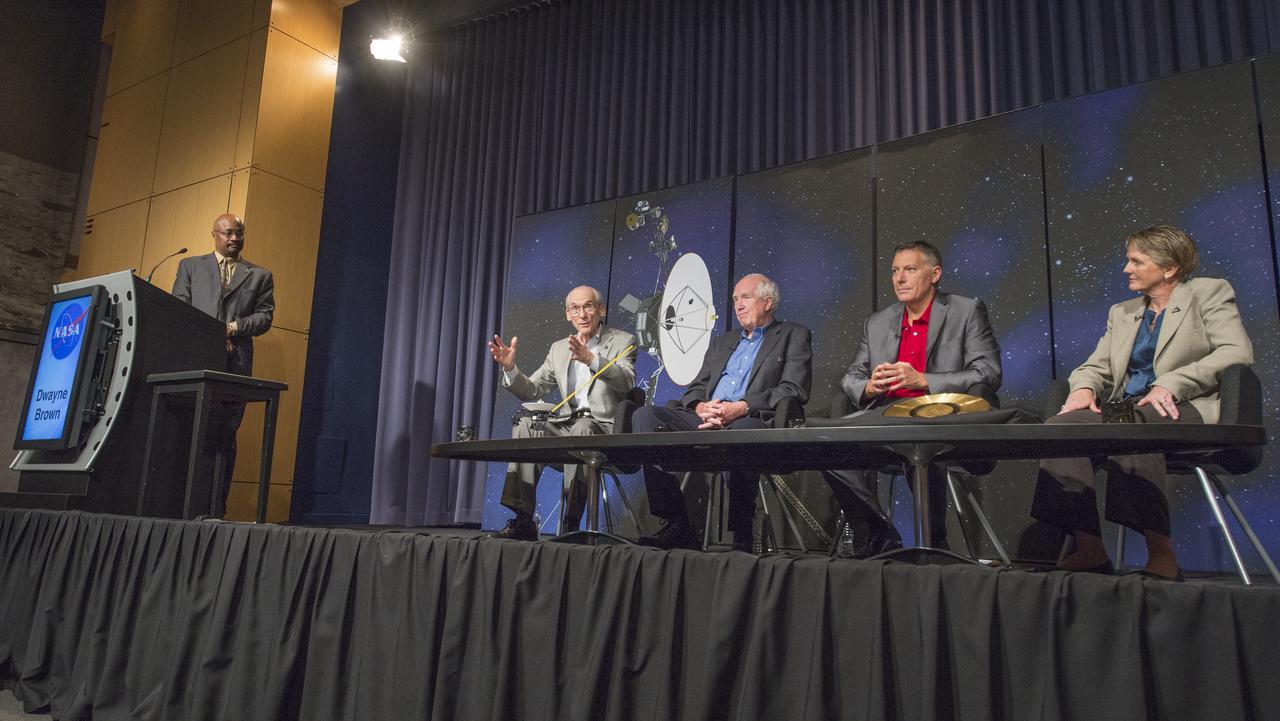
Ed Stone, Voyager project scientist, California Institute of Technology, is seen as he speaks at a news conference on NASA's Voyager 1 spacecraft, Thursday, Sept. 12, 2013 at NASA Headquarters in Washington. NASA's Voyager 1 spacecraft officially is the first human-made object to venture into interstellar space. The 36-year-old probe is about 12 billion miles (19 billion kilometers) from our sun. New and unexpected data indicate Voyager 1 has been traveling for about one year through plasma, or ionized gas, present in the space between stars. A report on the analysis of this new data is published in Thursday's edition of the journal Science. Photo Credit: (NASA/Carla Cioffi)
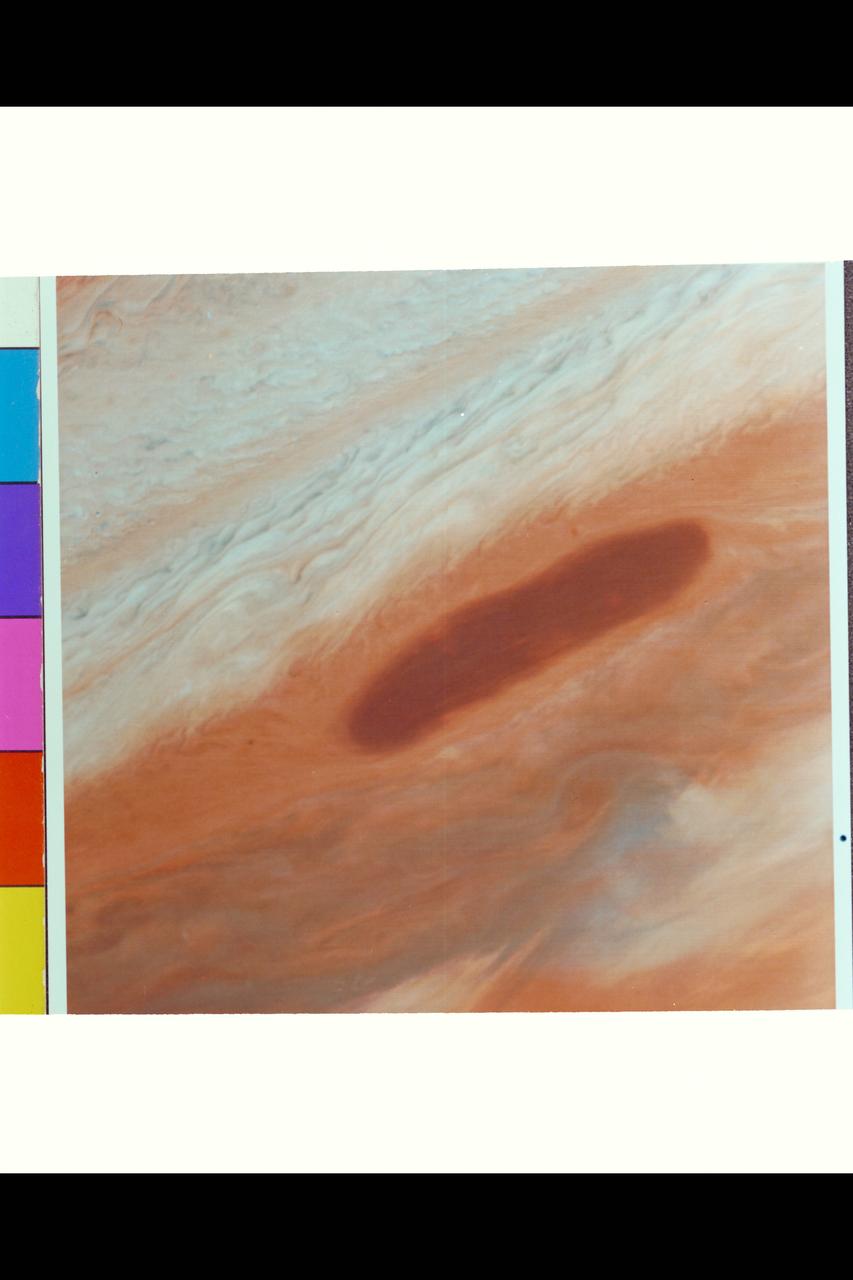
Range : 4.0 million km. ( 2.5 million miles ) This brown oval, located between Jupiter's 13 and 18 degree N latitude, may be an opening in the upper cloud deck. It was a selected target to be photographed by Voyager I on its closest approach to Jupiter because, if observed at high resolution, could provide information on deeper, warmer cloud levels. Above the oval, is the pale orange North Temperate Belt, bounded on the south by the North Temperate Current, with winds of 120 meters/sec. ( 260 Mi./hr ). The smallest resolvable features from this photograph is 75 km ( 45 miles ) wide.
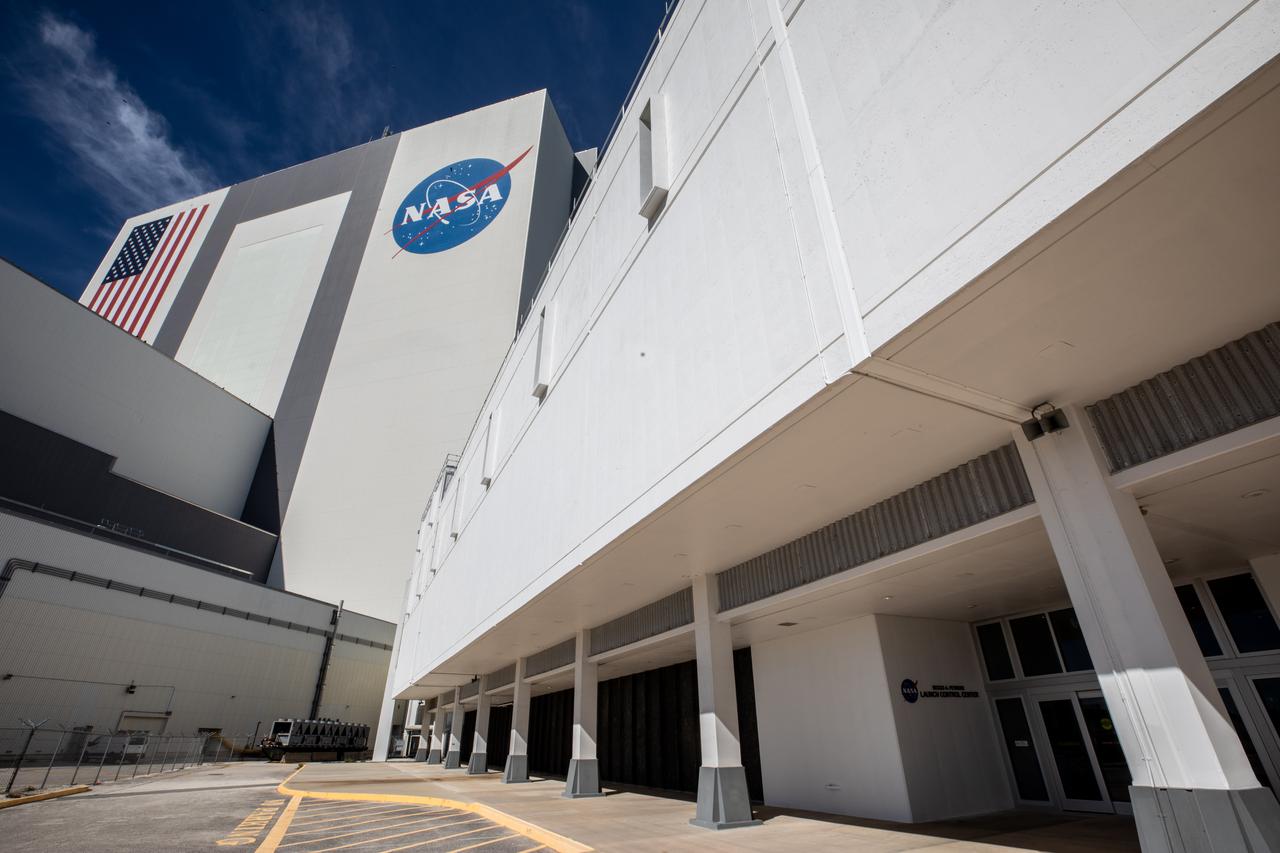
Following a ceremony at NASA’s Kennedy Space Center, the Florida spaceport’s launch control center (foreground) was officially renamed the Rocco A. Petrone Launch Control Center. In the background is Kennedy’s historic Vehicle Assembly Building. The newly named facility serves as a nerve center where engineers and the launch director will monitor their flight consoles and give the “go” for the upcoming launch of Artemis I and later missions that will establish a sustainable presence on the Moon to prepare for missions to Mars. Petrone, who was instrumental in America’s first voyages to the Moon and headed the Apollo program, died in 2006 at the age of 80.
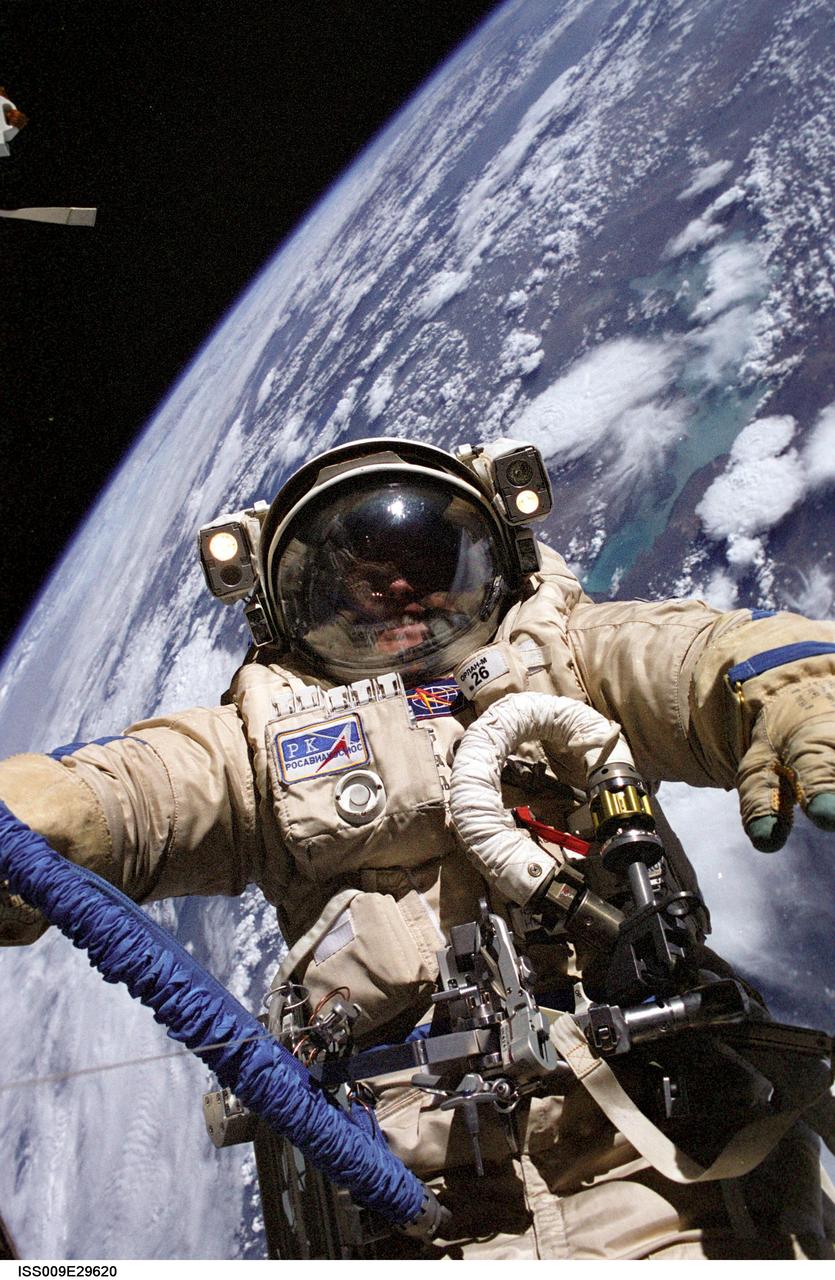
ISS009-E-29620 (3 August 2004) --- Astronaut Edward M. (Mike) Fincke, Expedition 9 NASA ISS science officer and flight engineer, wearing a Russian Orlan spacesuit, participates in the third of four sessions of extravehicular activities (EVA) performed by the Expedition 9 crew during their six-month mission. Fincke and cosmonaut Gennady I. Padalka (out of frame), commander representing Russia's Federal Space Agency, spent 4 ½ hours outside the Station swapping out experiments and installing hardware associated with Europe’s Automated Transfer Vehicle (ATV), scheduled to launch on its maiden voyage to ISS next year. A cloudy Earth provided the backdrop for the image.
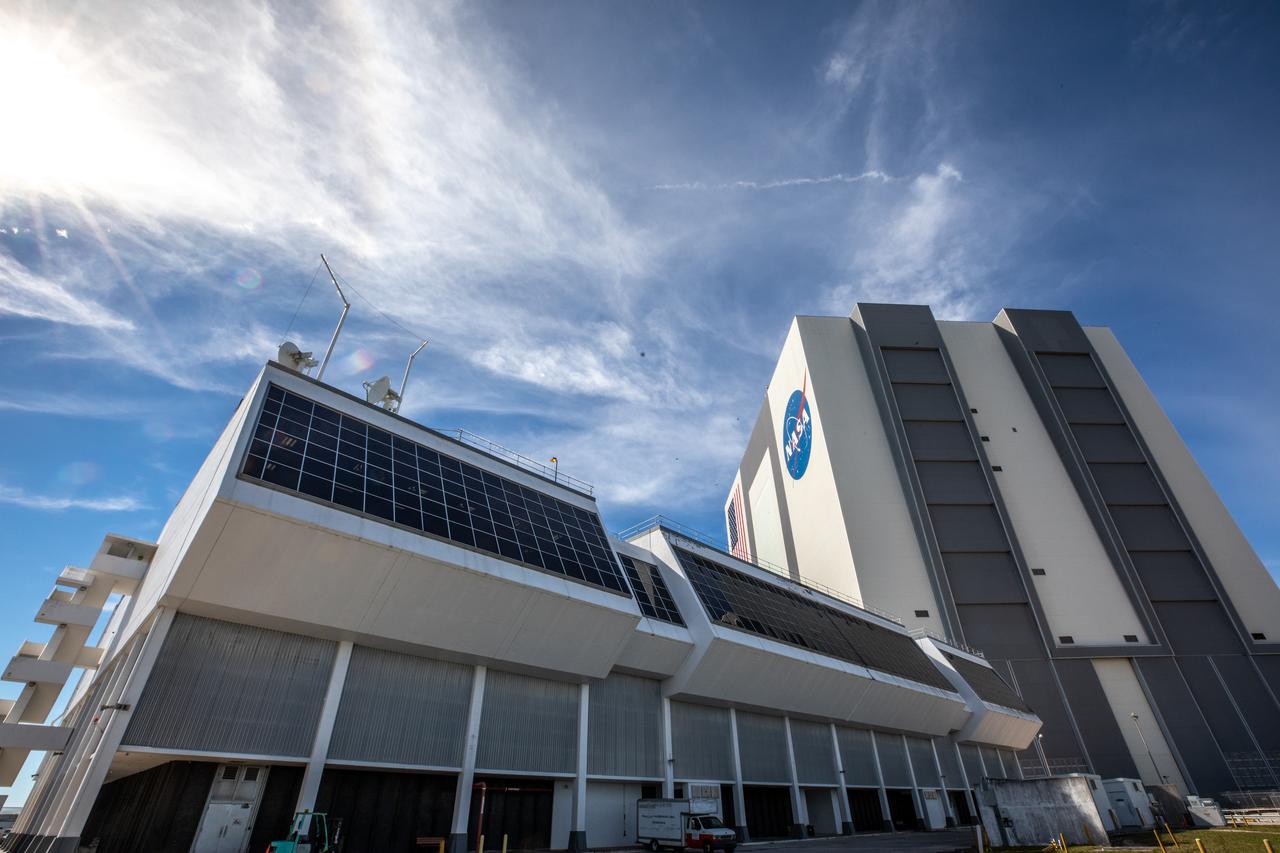
Following a ceremony at NASA’s Kennedy Space Center, the Florida spaceport’s launch control center (foreground) was officially renamed the Rocco A. Petrone Launch Control Center. In the background is Kennedy’s historic Vehicle Assembly Building. The newly named facility serves as a nerve center where engineers and the launch director will monitor their flight consoles and give the “go” for the upcoming launch of Artemis I and later missions that will establish a sustainable presence on the Moon to prepare for missions to Mars. Petrone, who was instrumental in America’s first voyages to the Moon and headed the Apollo program, died in 2006 at the age of 80.
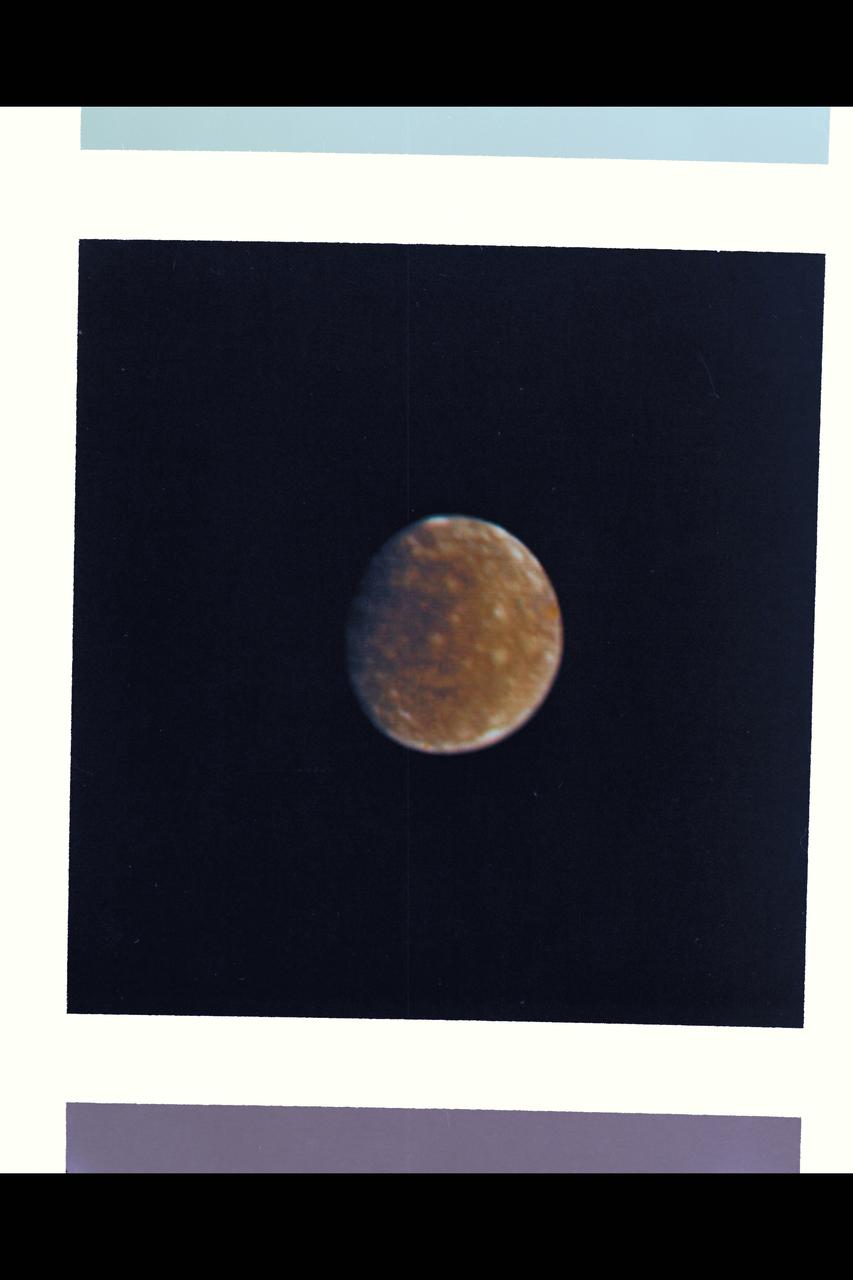
Callisto , The outermost Galilean Satellite , or Moon , of Jupiter, as taken by Voyager I . Range : About 7 Million km (5 Million miles) . Callisto, the darkest of the Galilean Satellites, still nearly twice as bright as the Earth's Moon, is seen here from the face that always faces Jupiter. All of the Galilean Satellites always show the same face to Jupiter, as the Earth's moon does to Earth. The Surface shows a mottled appearance of bright and dark patches. The former reminds scientists of rayed or bright haloed craters, similiar to those seen on earth's Moon. This color photo is assembled from 3 black and wite images taken though violet, orange, & green filters
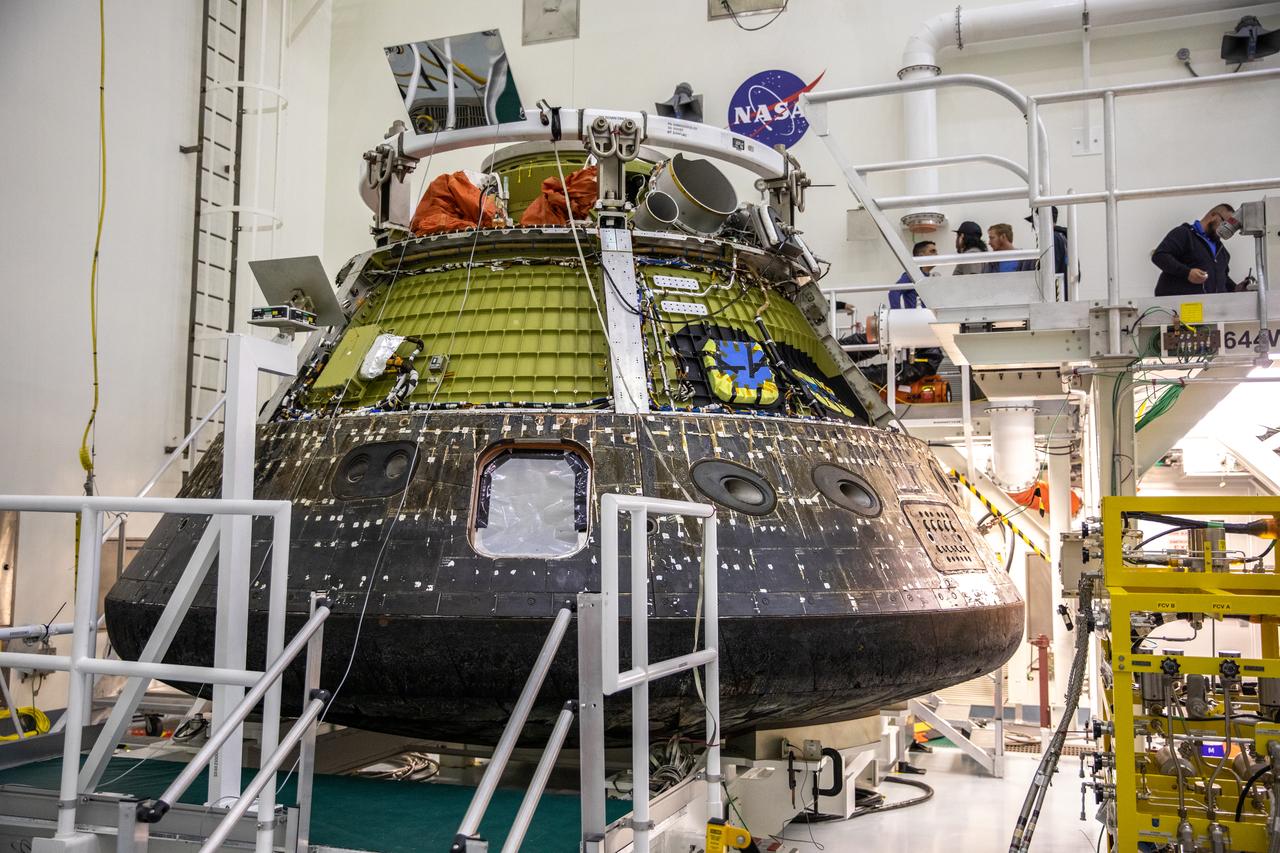
NASA’s Artemis I Orion capsule is secured on a platform inside the Multi-Payload Processing Facility (MPPF) at Kennedy Space Center in Florida on Jan. 6, 2023. Orion splashed down in the Pacific Ocean at 12:40 p.m. EST on Dec. 11, 2022. The spacecraft was secured inside the well deck of the USS Portland for the voyage to U.S. Naval Base Sand Diego, arriving on Dec. 13, 2022. Orion was offloaded and transported back to Kennedy for deservicing inside the MPPF. Orion launched atop the Space Launch System rocket on Nov. 16, 2022 at 1:47 a.m. EST from Kennedy’s Launch Complex 39B for a 25-day trip beyond the Moon and back. During the flight, Orion flew farther than any human-rated spacecraft has ever flown, paving the way for human deep space exploration and demonstrating NASA’s commitment and capability to extend human presence to the Moon and beyond.
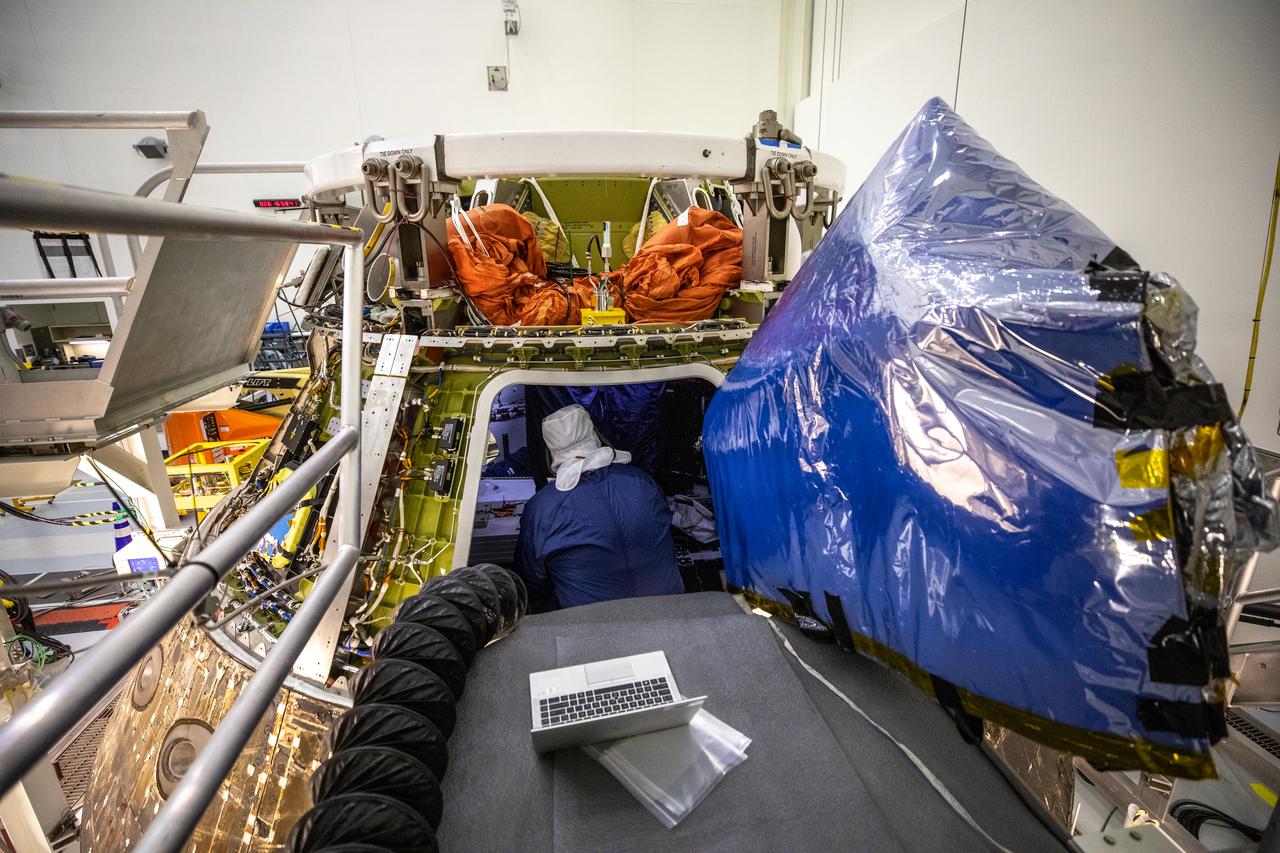
A technician unpacks NASA’s Artemis I Orion capsule inside the Multi-Payload Processing Facility (MPPF) at Kennedy Space Center in Florida on Jan. 6, 2023. Orion splashed down in the Pacific Ocean at 12:40 p.m. EST on Dec. 11, 2022. The spacecraft was secured inside the well deck of the USS Portland for the voyage to U.S. Naval Base Sand Diego, arriving on Dec. 13, 2022. Orion was offloaded and transported back to Kennedy for deservicing inside the MPPF. Orion launched atop the Space Launch System rocket on Nov. 16, 2022 at 1:47 a.m. EST from Kennedy’s Launch Complex 39B for a 25-day trip beyond the Moon and back. During the flight, Orion flew farther than any human-rated spacecraft has ever flown, paving the way for human deep space exploration and demonstrating NASA’s commitment and capability to extend human presence to the Moon and beyond.
NASA’s Artemis I Orion capsule is secured on a platform inside the Multi-Payload Processing Facility (MPPF) at Kennedy Space Center in Florida on Jan. 6, 2023. Orion splashed down in the Pacific Ocean at 12:40 p.m. EST on Dec. 11, 2022. The spacecraft was secured inside the well deck of the USS Portland for the voyage to U.S. Naval Base Sand Diego, arriving on Dec. 13, 2022. Orion was offloaded and transported back to Kennedy for deservicing inside the MPPF. Orion launched atop the Space Launch System rocket on Nov. 16, 2022 at 1:47 a.m. EST from Kennedy’s Launch Complex 39B for a 25-day trip beyond the Moon and back. During the flight, Orion flew farther than any human-rated spacecraft has ever flown, paving the way for human deep space exploration and demonstrating NASA’s commitment and capability to extend human presence to the Moon and beyond.
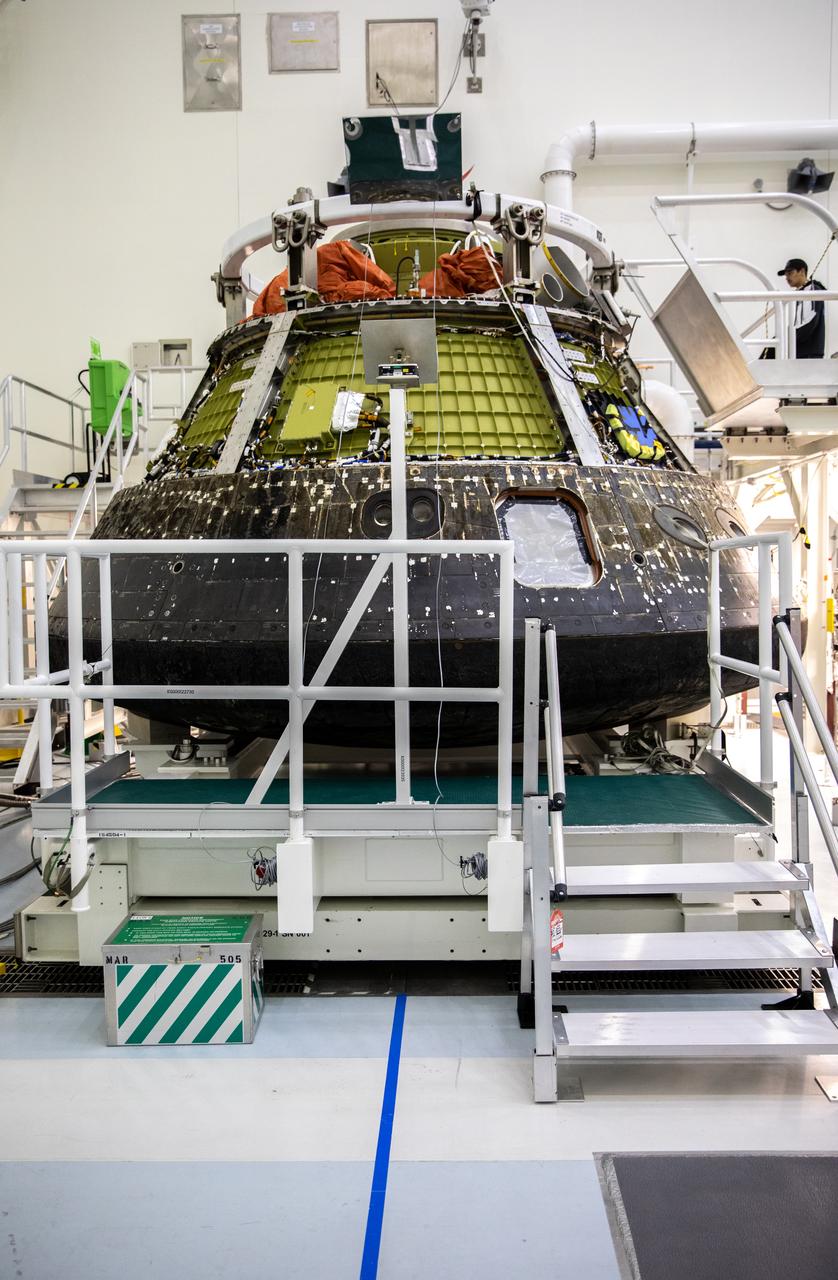
NASA’s Artemis I Orion capsule is secured on a platform inside the Multi-Payload Processing Facility (MPPF) at Kennedy Space Center in Florida on Jan. 6, 2023. Orion splashed down in the Pacific Ocean at 12:40 p.m. EST on Dec. 11, 2022. The spacecraft was secured inside the well deck of the USS Portland for the voyage to U.S. Naval Base Sand Diego, arriving on Dec. 13, 2022. Orion was offloaded and transported back to Kennedy for deservicing inside the MPPF. Orion launched atop the Space Launch System rocket on Nov. 16, 2022 at 1:47 a.m. EST from Kennedy’s Launch Complex 39B for a 25-day trip beyond the Moon and back. During the flight, Orion flew farther than any human-rated spacecraft has ever flown, paving the way for human deep space exploration and demonstrating NASA’s commitment and capability to extend human presence to the Moon and beyond.

NASA’s Artemis I Orion capsule is secured on a platform inside the Multi-Payload Processing Facility (MPPF) at Kennedy Space Center in Florida on Jan. 6, 2023. Orion splashed down in the Pacific Ocean at 12:40 p.m. EST on Dec. 11, 2022. The spacecraftwas secured inside the well deck of the USS Portland for the voyage to U.S. Naval Base Sand Diego, arriving on Dec. 13, 2022. Orion was offloaded and transported back to Kennedy for deservicing inside the MPPF. Orion launched atop the Space Launch System rocket on Nov. 16, 2022 at 1:47 a.m. EST from Kennedy’s Launch Complex 39B for a 25-day trip beyond the Moon and back. During the flight, Orion flew farther than any human-rated spacecraft has ever flown, paving the way for human deep space exploration and demonstrating NASA’s commitment and capability to extend human presence to the Moon and beyond.
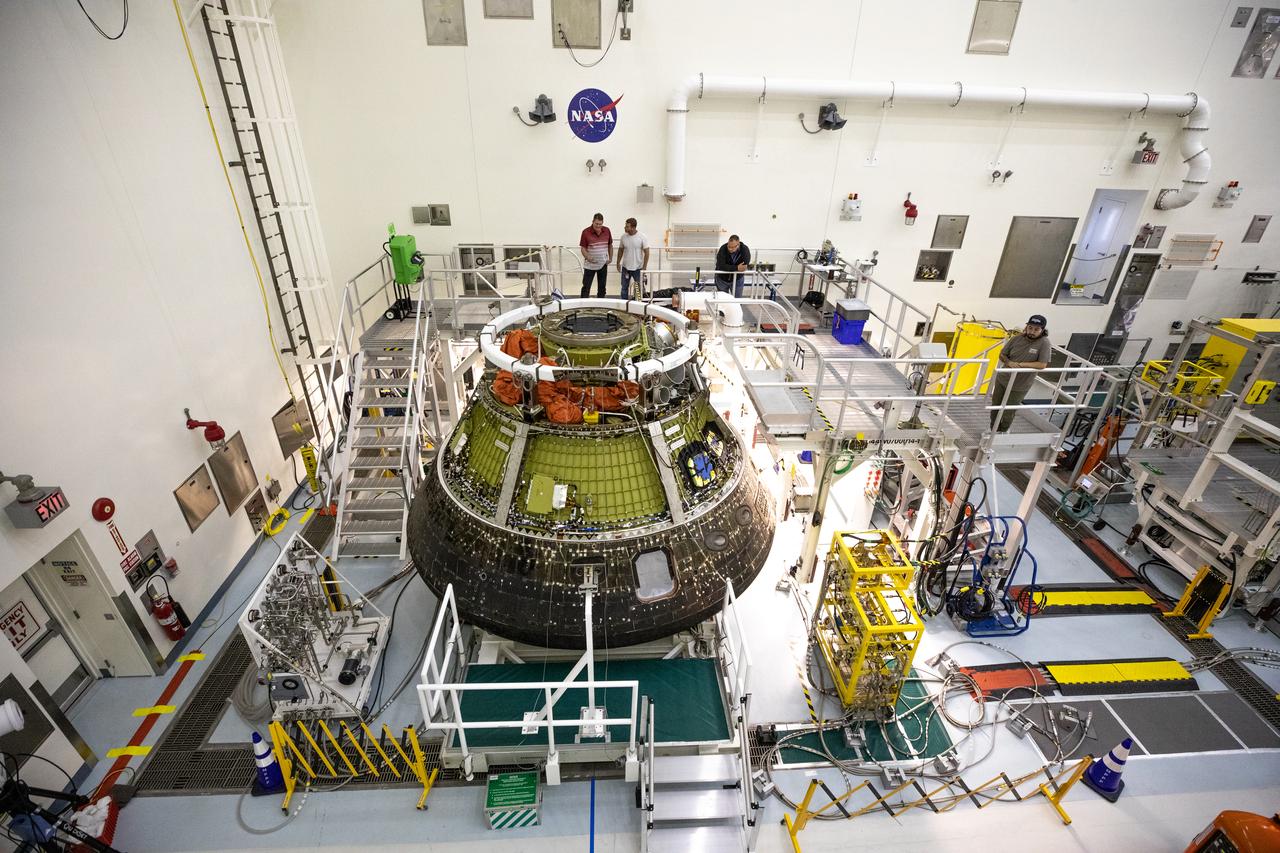
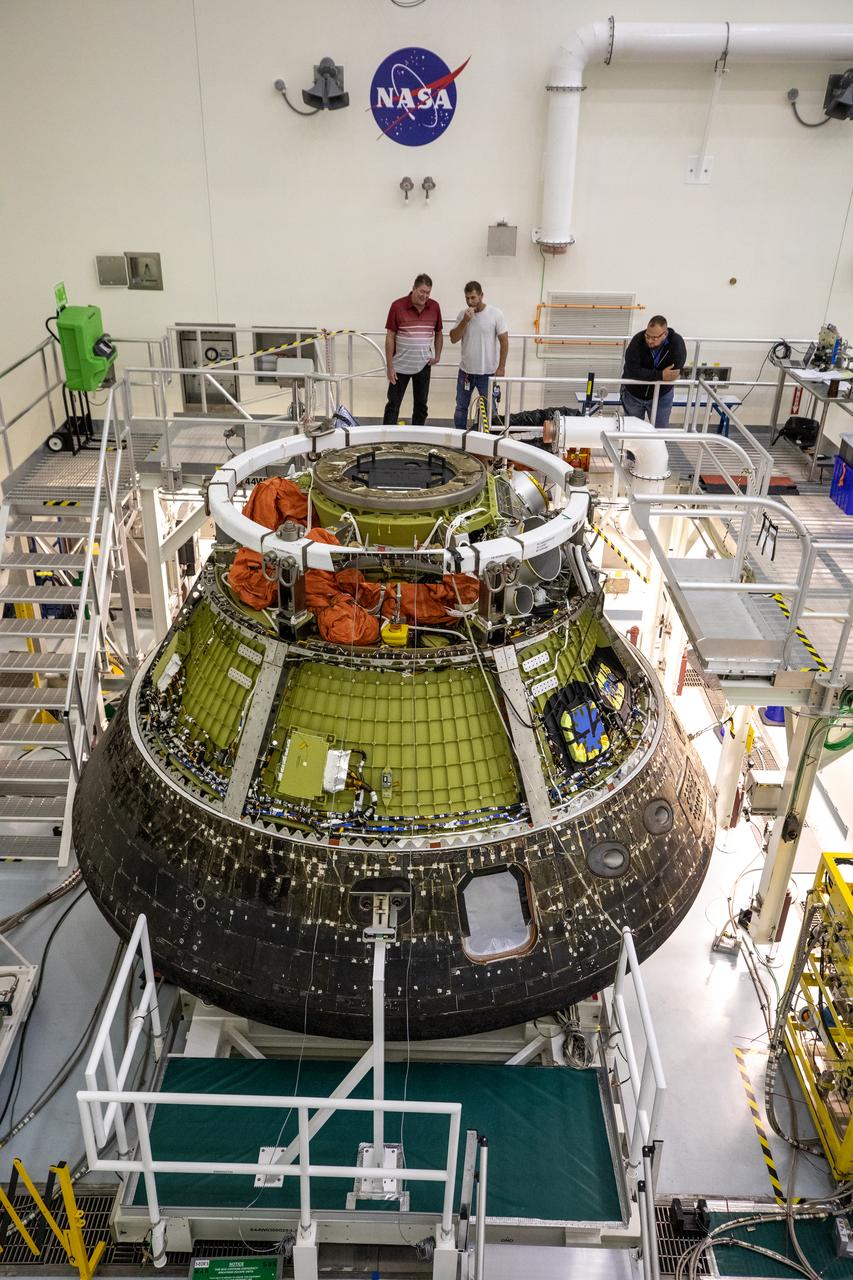
A view from above shows NASA’s Artemis I Orion capsule secured on a platform inside the Multi-Payload Processing Facility (MPPF) at Kennedy Space Center in Florida on Jan. 6, 2023. Orion splashed down in the Pacific Ocean at 12:40 p.m. EST on Dec. 11, 2022. The spacecraft was secured inside the well deck of the USS Portland for the voyage to U.S. Naval Base Sand Diego, arriving on Dec. 13, 2022. Orion was offloaded and transported back to Kennedy for deservicing inside the MPPF. Orion launched atop the Space Launch System rocket on Nov. 16, 2022 at 1:47 a.m. EST from Kennedy’s Launch Complex 39B for a 25-day trip beyond the Moon and back. During the flight, Orion flew farther than any human-rated spacecraft has ever flown, paving the way for human deep space exploration and demonstrating NASA’s commitment and capability to extend human presence to the Moon and beyond.
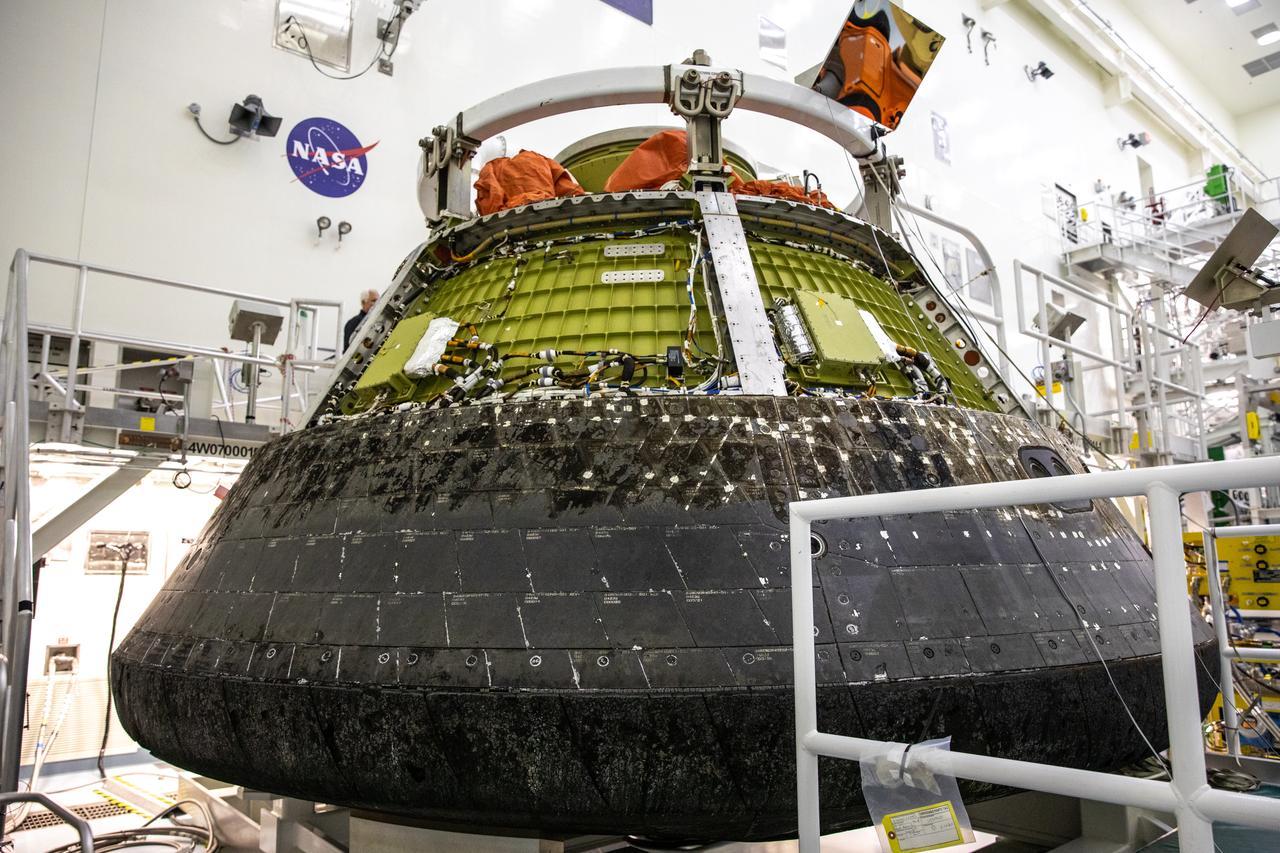
A close-up view shows NASA’s Artemis I Orion capsule secured on a platform inside the Multi-Payload Processsing Facility (MPPF) at Kennedy Space Center in Florida on Jan. 6, 2023. Orion splashed down in the Pacific Ocean at 12:40 p.m. EST on Dec. 11, 2022. The spacecraft was secured inside the well deck of the USS Portland for the voyage to U.S. Naval Base Sand Diego, arriving on Dec. 13, 2022. Orion was offloaded and transported back to Kennedy for deservicing inside the MPPF. Orion launched atop the Space Launch System rocket on Nov. 16, 2022 at 1:47 a.m. EST from Kennedy’s Launch Complex 39B for a 25-day trip beyond the Moon and back. During the flight, Orion flew farther than any human-rated spacecraft has ever flown, paving the way for human deep space exploration and demonstrating NASA’s commitment and capability to extend human presence to the Moon and beyond.
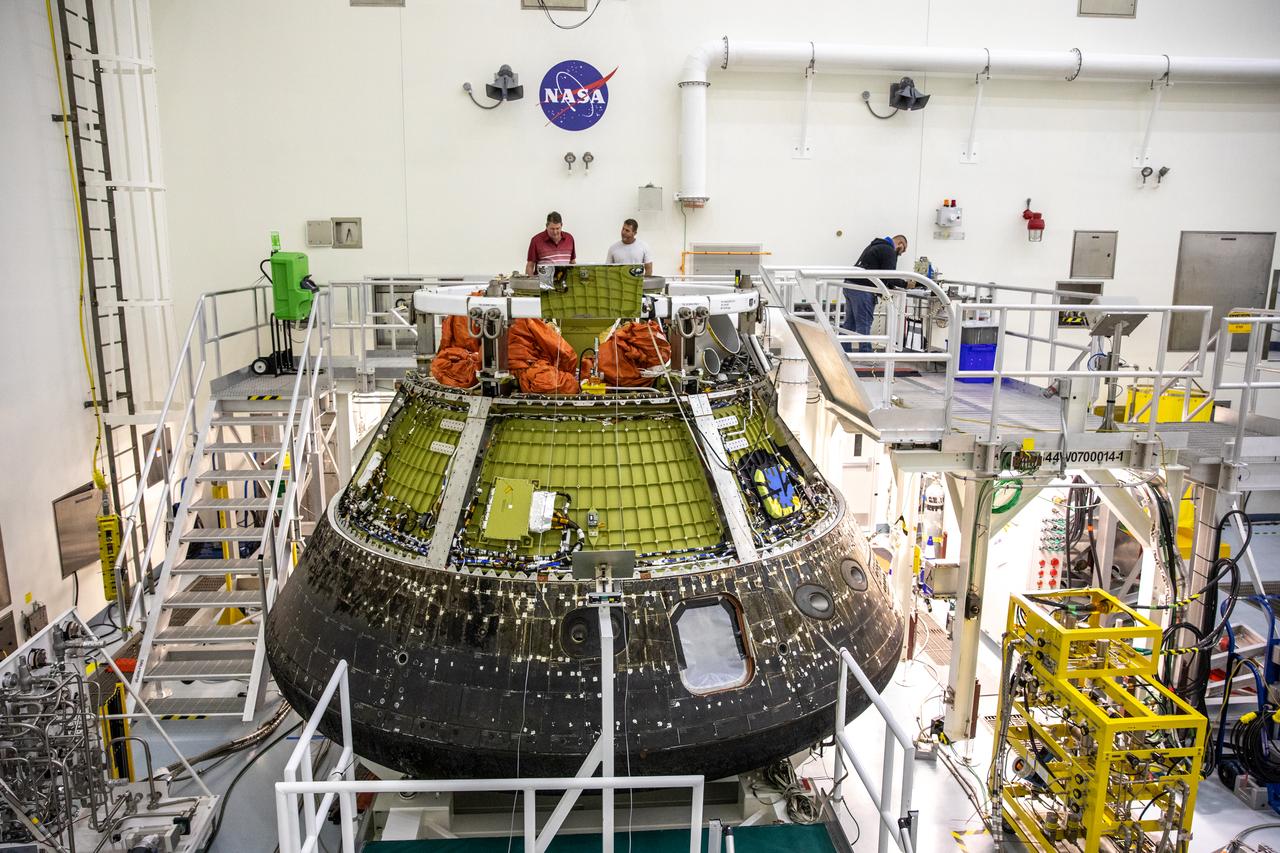
A close-up view shows NASA’s Artemis I Orion capsule secured on a platform inside the Multi-Payload Processsing Facility (MPPF) at Kennedy Space Center in Florida on Jan. 6, 2023. Orion splashed down in the Pacific Ocean at 12:40 p.m. EST on Dec. 11, 2022. The spacecraft was secured inside the well deck of the USS Portland for the voyage to U.S. Naval Base Sand Diego, arriving on Dec. 13, 2022. Orion was offloaded and transported back to Kennedy for deservicing inside the MPPF. Orion launched atop the Space Launch System rocket on Nov. 16, 2022 at 1:47 a.m. EST from Kennedy’s Launch Complex 39B for a 25-day trip beyond the Moon and back. During the flight, Orion flew farther than any human-rated spacecraft has ever flown, paving the way for human deep space exploration and demonstrating NASA’s commitment and capability to extend human presence to the Moon and beyond.
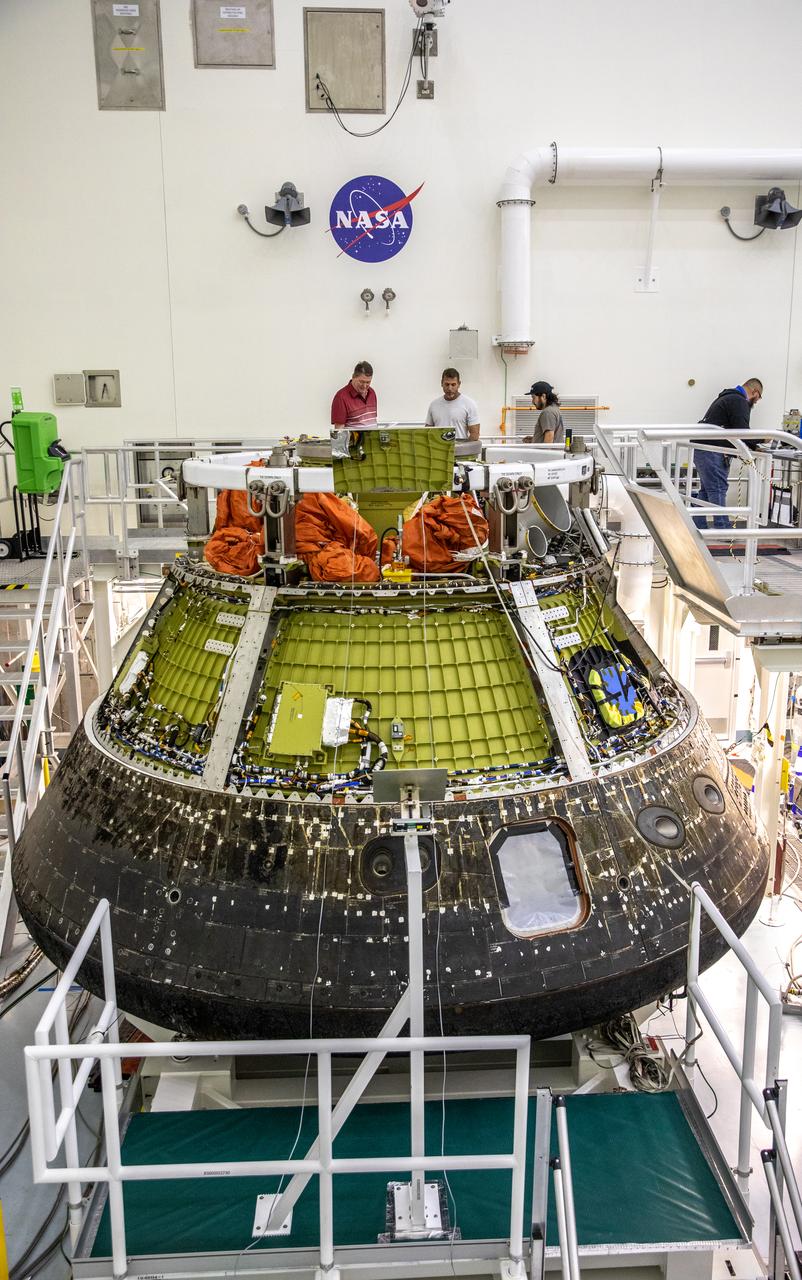
A close-up view shows NASA’s Artemis I Orion capsule secured on a platform inside the Multi-Payload Processsing Facility (MPPF) at Kennedy Space Center in Florida on Jan. 6, 2023. Orion splashed down in the Pacific Ocean at 12:40 p.m. EST on Dec. 11, 2022. The spacecraft was secured inside the well deck of the USS Portland for the voyage to U.S. Naval Base Sand Diego, arriving on Dec. 13, 2022. Orion was offloaded and transported back to Kennedy for deservicing inside the MPPF. Orion launched atop the Space Launch System rocket on Nov. 16, 2022 at 1:47 a.m. EST from Kennedy’s Launch Complex 39B for a 25-day trip beyond the Moon and back. During the flight, Orion flew farther than any human-rated spacecraft has ever flown, paving the way for human deep space exploration and demonstrating NASA’s commitment and capability to extend human presence to the Moon and beyond.
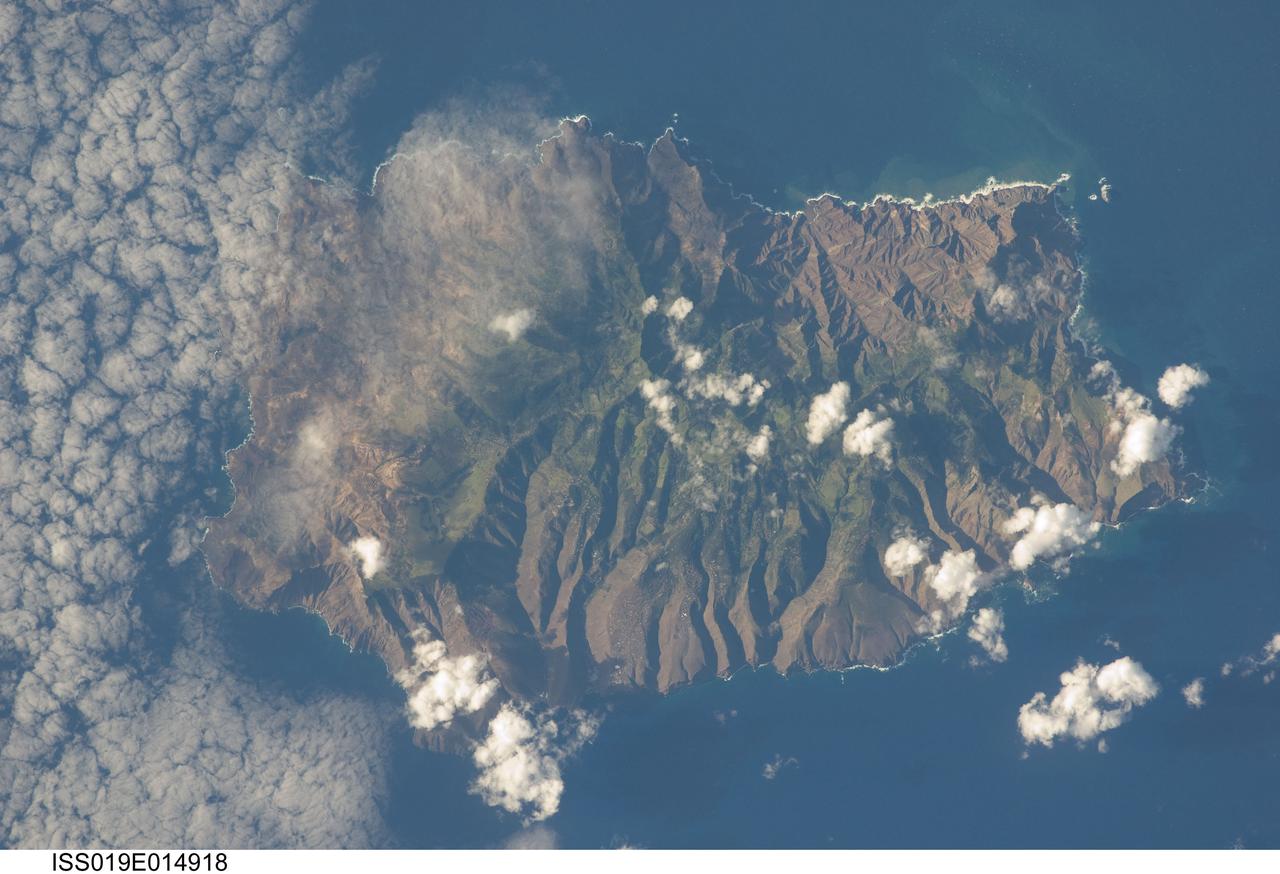
ISS019-E-014918 (7 May 2009) --- Saint Helena Island is featured in this image photographed by an Expedition 19 crewmember on the International Space Station. This isolated island, located in the South Atlantic Ocean approximately 1860 kilometers to the west of the African coastline, is perhaps best known as the final resting place of Napoleon Bonaparte I of France. Bonaparte was exiled to the island following his defeat at the Battle of Waterloo in 1815; he died on the island six years later in 1821. Today, the island is a British Overseas Territory, with access provided thirty times a year by a single ship, the RMS St. Helena. The rugged topography evident in this photograph is the result of erosion of the volcanic rocks that make up the island into sharp peaks and deep ravines. A climatic gradient related to elevation is also evident ? the higher, wetter central portion of the island is covered with green vegetation, whereas the lower coastal areas are drier and hotter with little vegetation cover. Human presence on the island has also caused dramatic changes to the original flora and fauna of the island. Only approximately 10 percent of the forest cover observed by the first explorers now remains in a semi-natural state, and that is concentrated in the interior highlands. Saint Helena Island was also visited by Charles Darwin during his scientific voyages in the 19th century. He visited the island in 1836 aboard HMS Beagle, recording observations of the flora, fauna, and geology that would inform his theory of evolution. This image was acquired by crew members onboard the International Space Station as part of an ongoing project (the HMS Beagle Project) to document current biodiversity in areas visited by Charles Darwin.