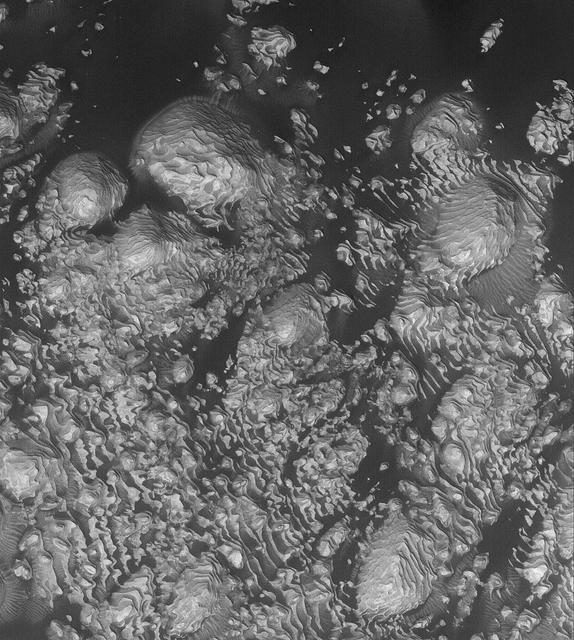
8°N 7°W Crater
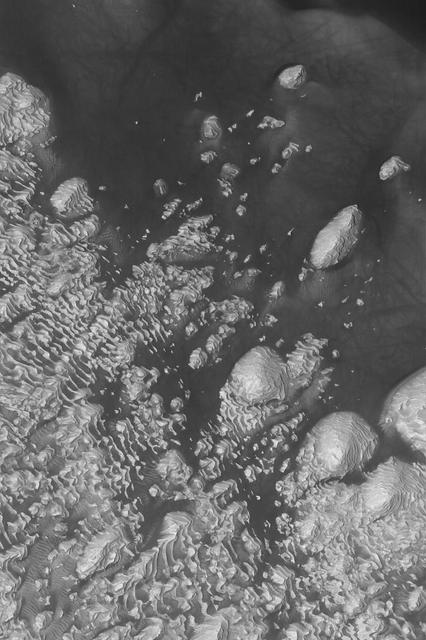
Sedimentary Rocks of 8°N, 7°W
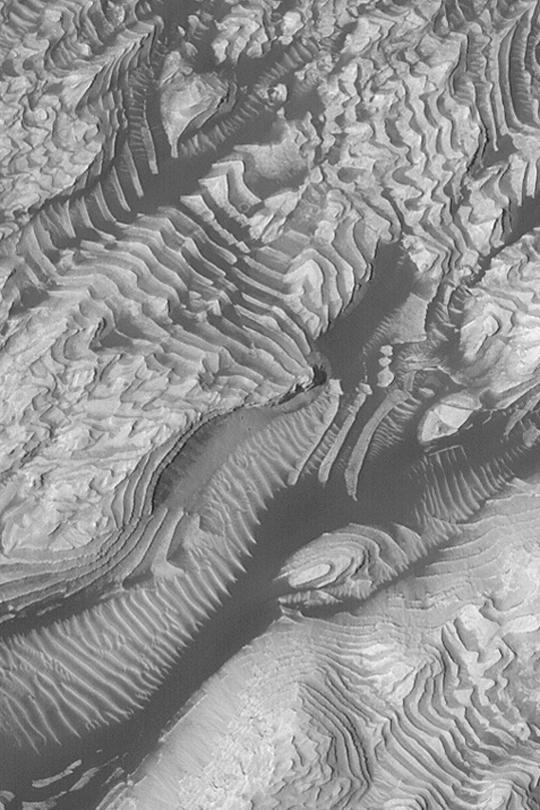
Layers in 8°N, 7°W Crater
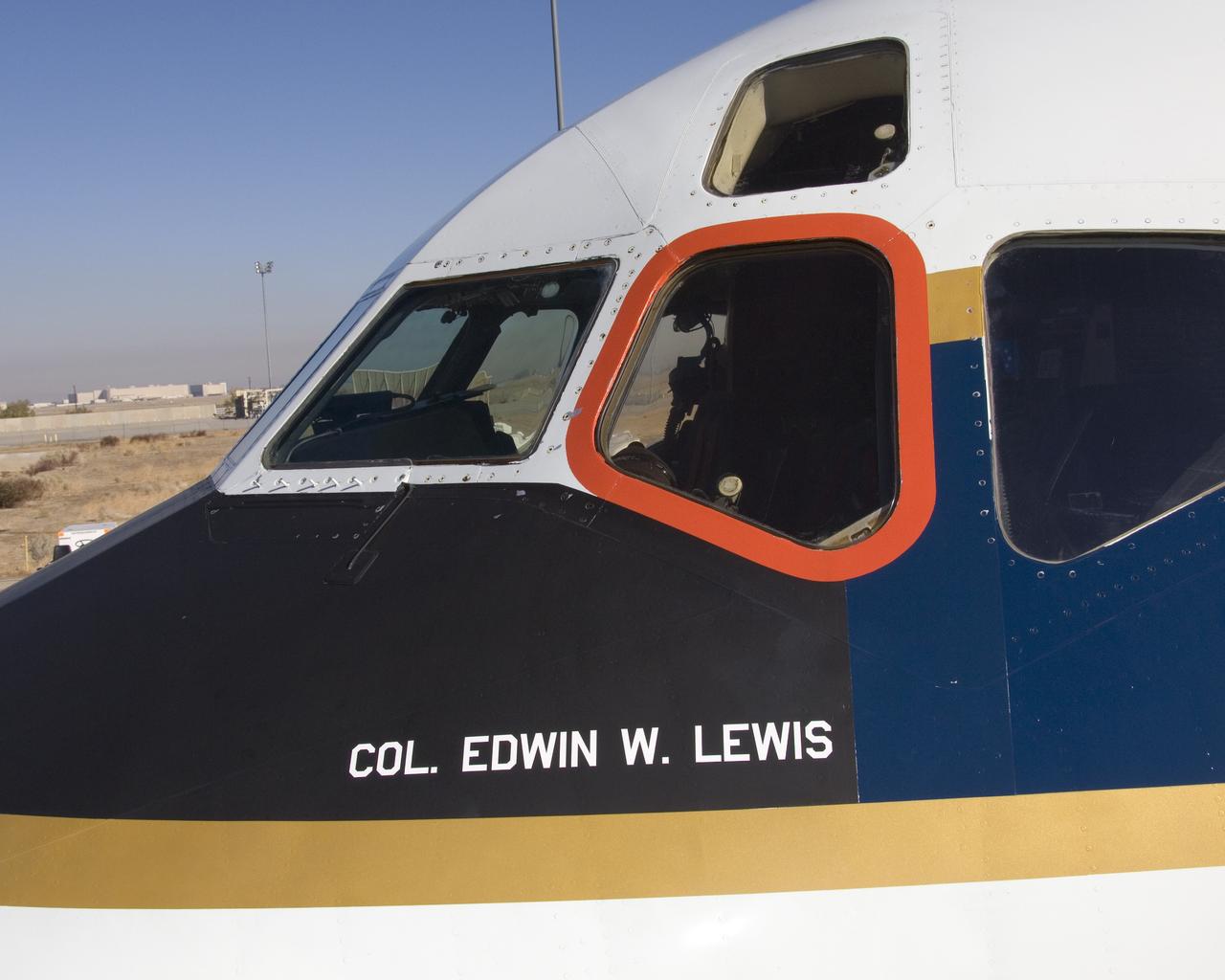
NASA's modified DC-8 now carries the name of the late Edwin W. Lewis below its cockpit window, a tribute to his 18 years piloting the unique science laboratory.
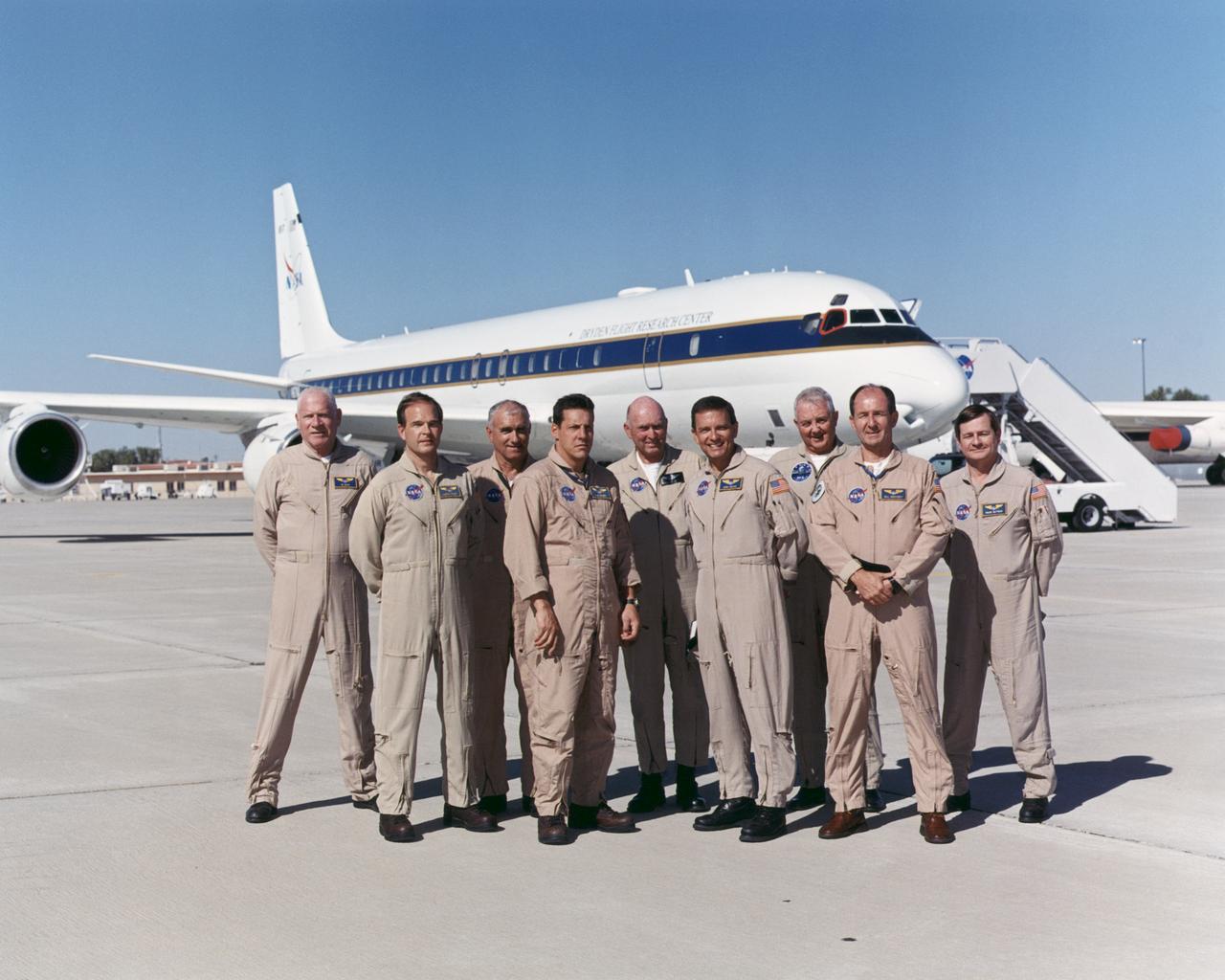
2004 NASA Dryden DC-8 flight crew. Left to Right: Edwin W. Lewis, Jr., Martin J. Trout, Richard G. Ewers, Craig R. Bomben, C. Gordon Fullerton (Chief Pilot), Mark Pestana, Douglas H. Baker, William Frederick Brockett, and Frank Batteas.

Title: W-8 Fan Acoustic Casing Treatment Test on the Source Diagnostic Test Rotor Alone Hardware Program: Advanced Air Vehicles Program (AAVP) Project: Advanced Air Transport Technology (AATT) Sub-project: Aircraft Noise Reduction (ANR) Weekly Highlight: · Acoustic Casing Treatment Testing Completed in the W-8 Single Stage Axial Compressor Facility: Testing of Acoustic Casing Treatments on the Source Diagnostic Test (SDT) rotor alone hardware which had begun in early January was completed on Thursday, February 16th. Four different over-the-rotor acoustic casing treatment concepts were tested along with two baseline configurations. Testing included steady-aerodynamic measurements of fan performance, hotfilm turbulence measurements, and inlet acoustic measurements with an in-duct array. These measurements will be used to assess the aerodynamic and acoustic impact of fan acoustic casing treatments on a high bypass ratio fan at TRL 3. This test was the last of 3 planned tests of potential over-the-rotor acoustic casing treatments. The first treatment test was completed in the Normal Incidence Tube (NIT) at Langley Research Center (LaRC) in Fall 2015 and the second was completed on the Advanced Noise Control Fan (ANCF) in the Aero-Acoustic Propulsion Laboratory (AAPL) in Winter 2016. This work is supported by the Aircraft Noise Reduction (ANR) subproject of the Advanced Air Transport Technology (AATT) Project. (POC: LTV/ Rick Bozak 3-5160)
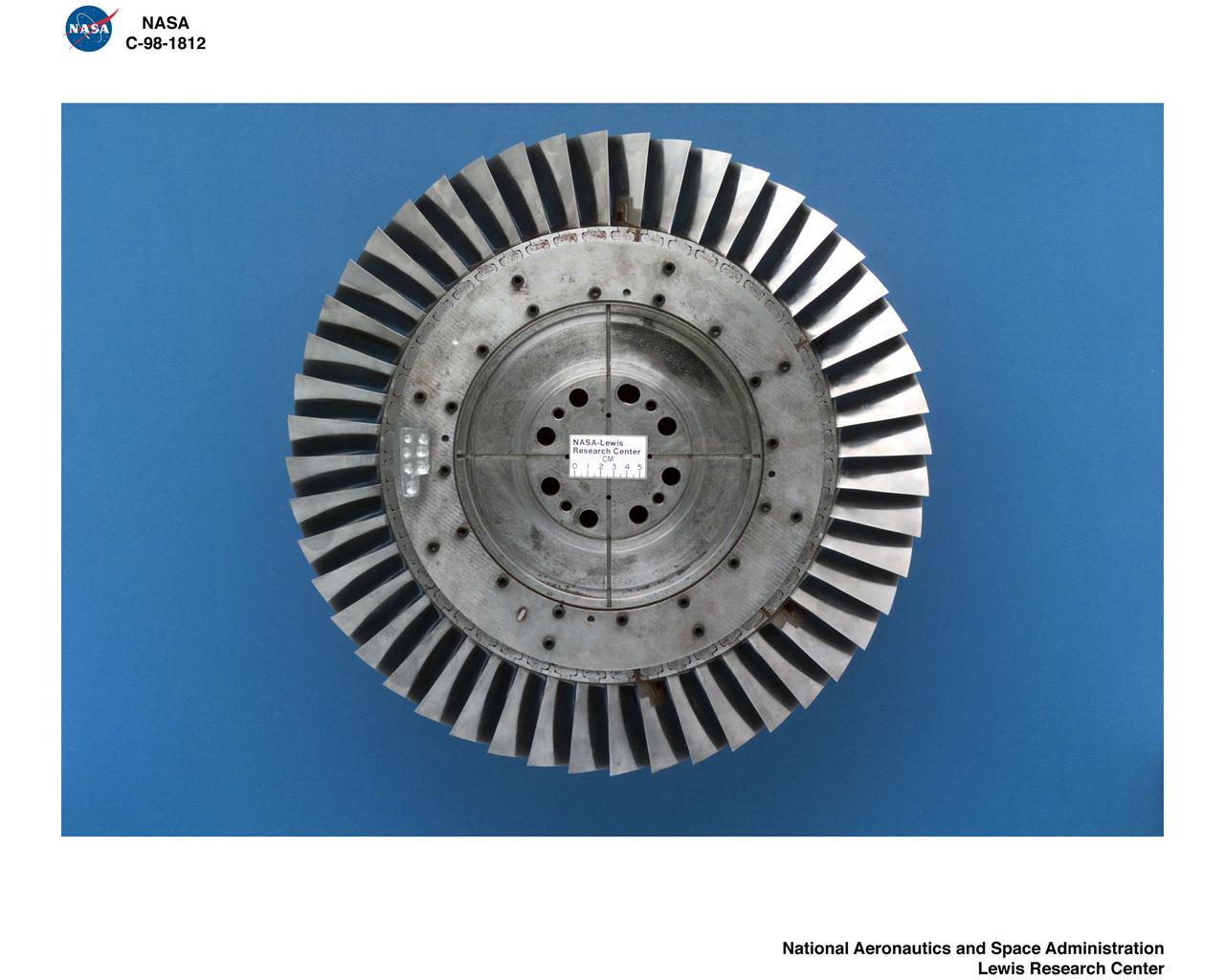
ROTOR 38 FOR SINGLE STAGE COMPRESSOR FACILITY W-8
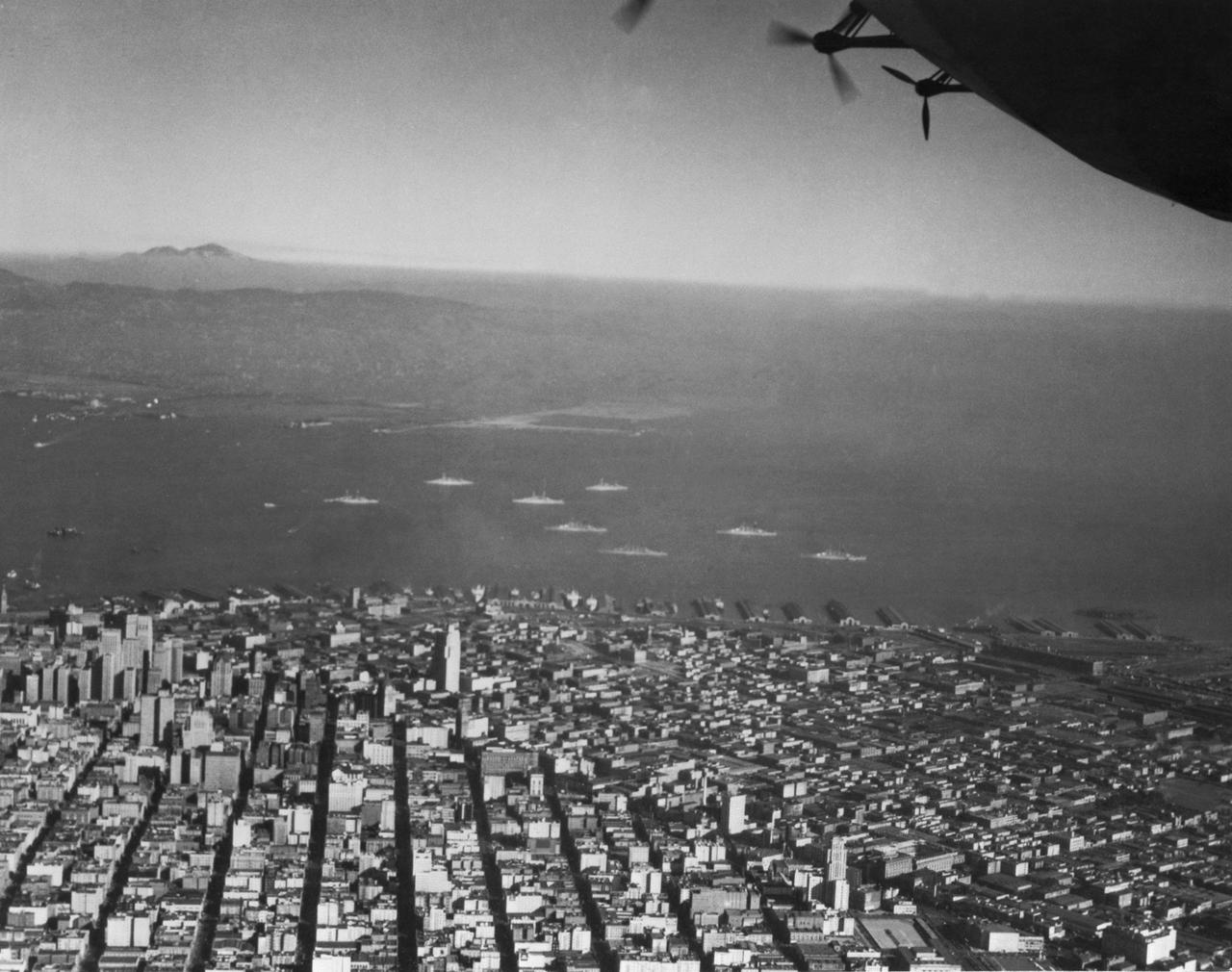
Navy Aerial of San Francisco, California; W/8 Pacific Fleet Battleships anchored in bay
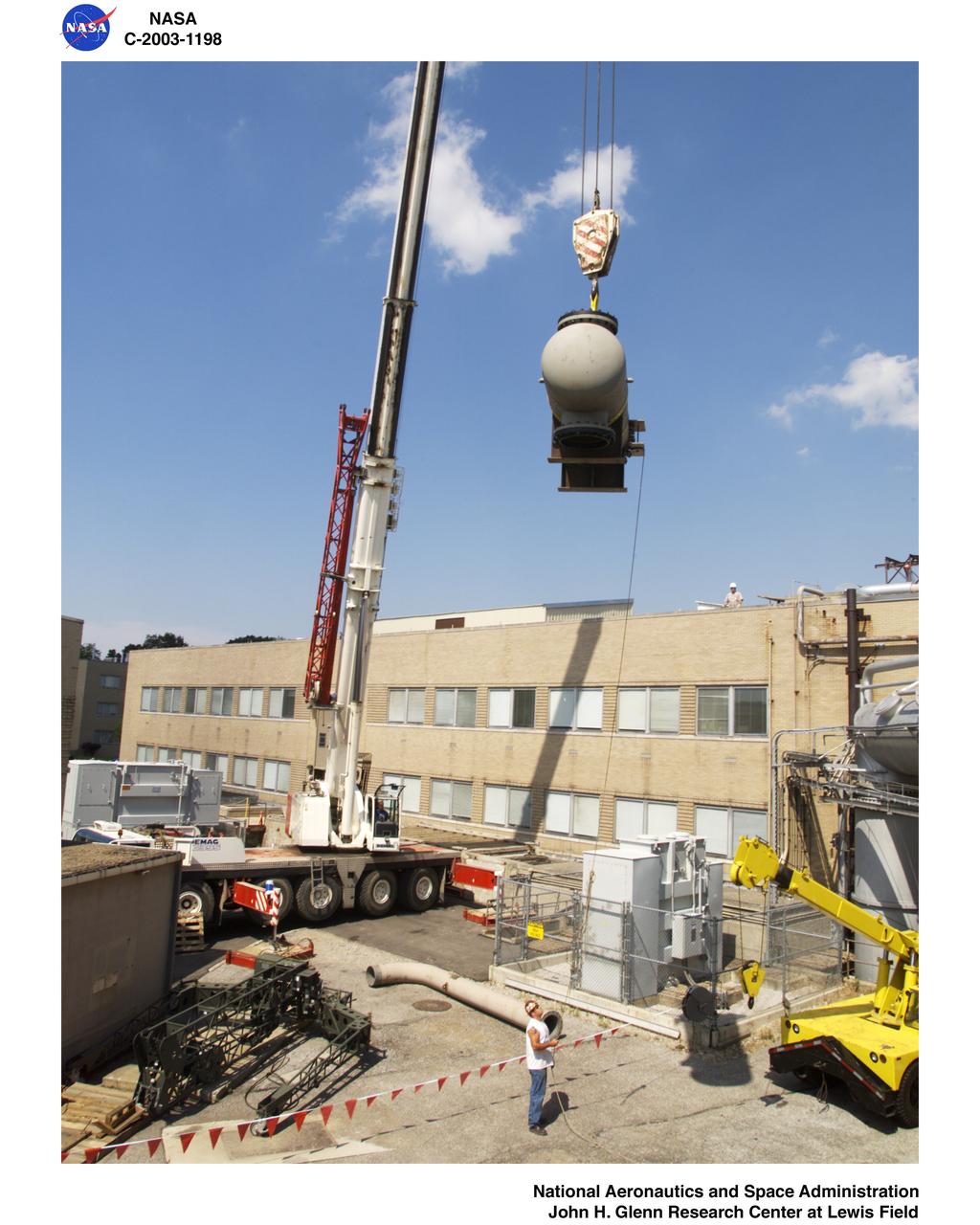
165 Ton Crane lifting air filter into position for Building 23 Cell W-8
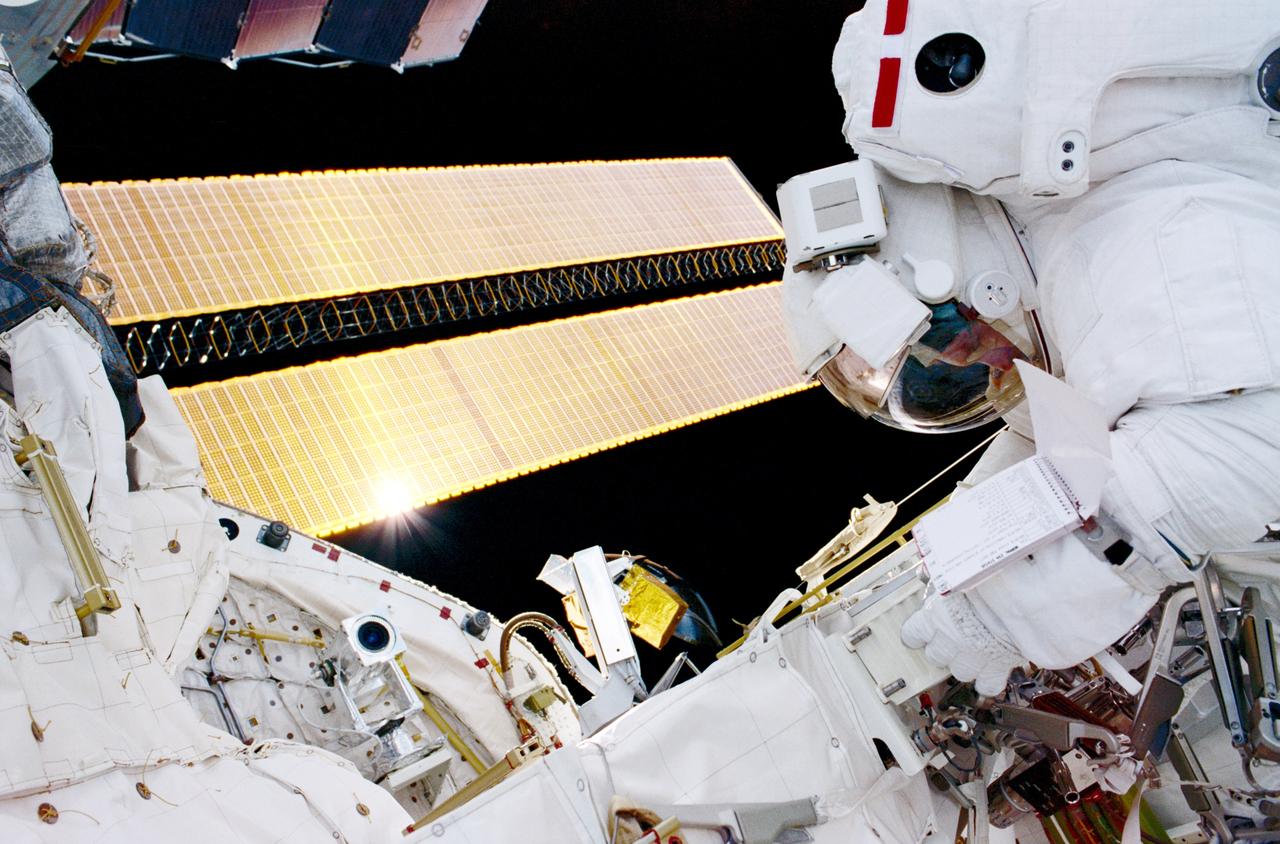
STS102-315-027 (8-21 March 2001)--- Astronaut Andrew S. W. Thomas, mission specialist, is photographed by astronaut Paul W. Richards, mission specialist, while in the cargo bay of the Earth-orbiting Space Shuttle Discovery during the second space walk. Sunglint on the solar array for the P6 Truss is seen in the background.
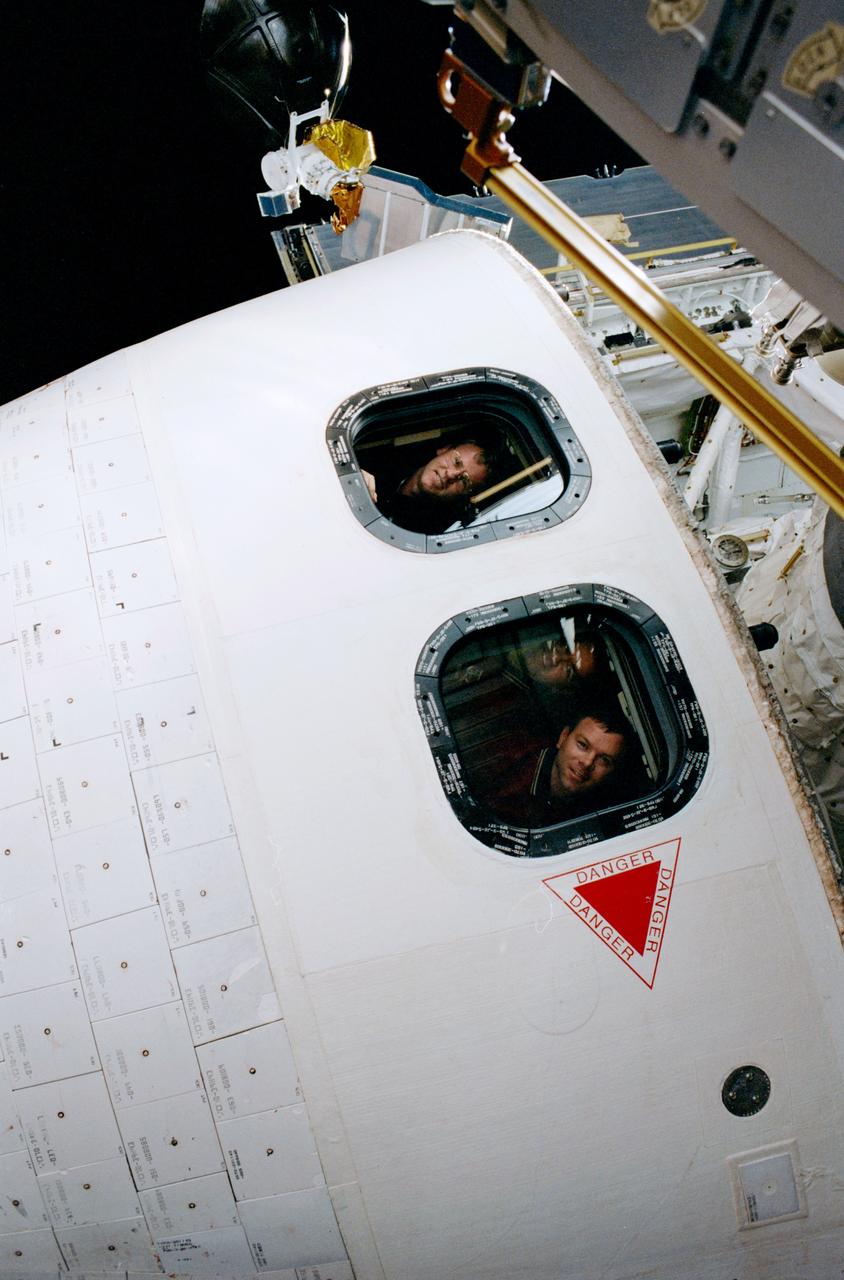
STS102-314-005 (8-21 March 2001) --- From the aft flight deck of the Space Shuttle Discovery, astronauts Andrew S. W. Thomas and Paul W. Richards, STS-102 mission specialists and James M. Kelly, STS-102 pilot look through overhead windows.
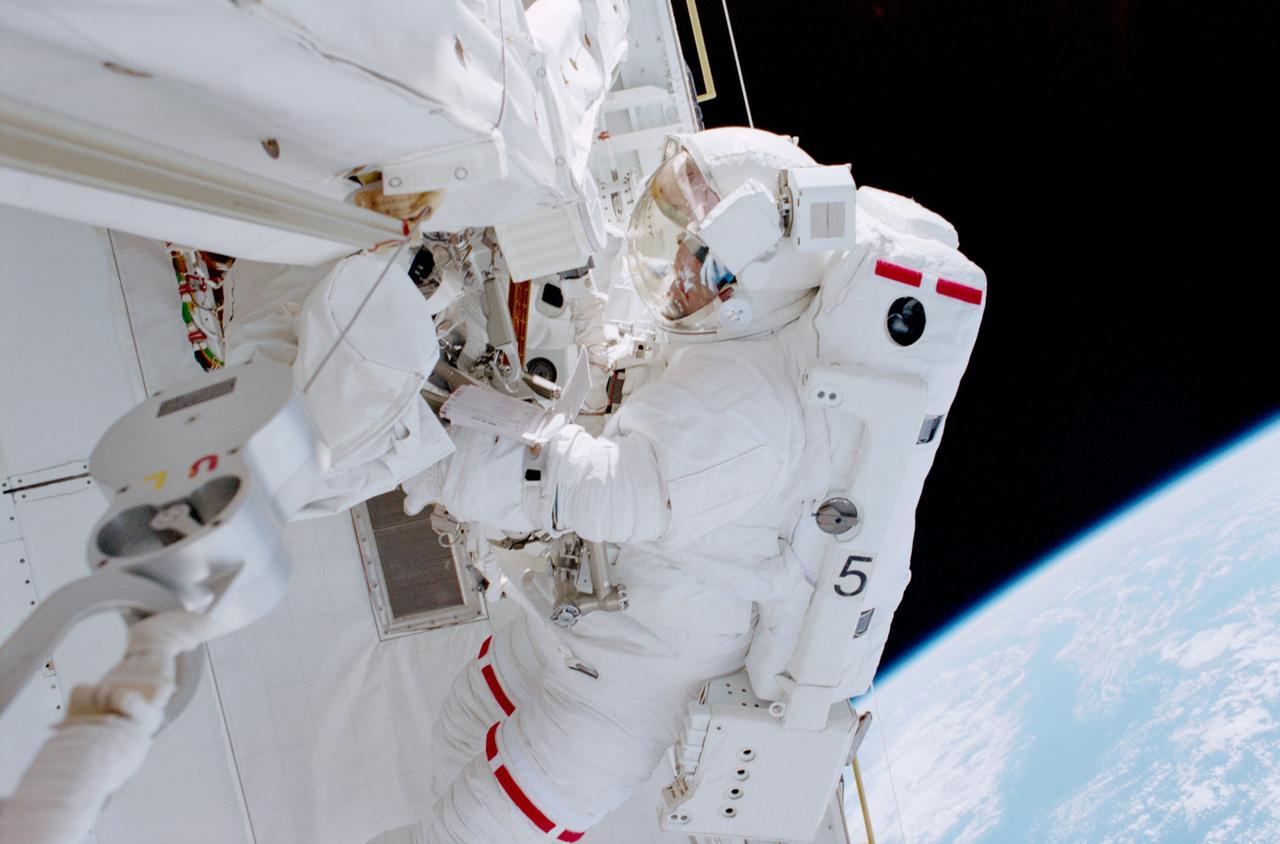
STS102-315-025 (8-21 March 2001)--- Astronaut Andrew S. W. Thomas, mission specialist, was captured on film by astronaut Paul W. Richards, mission specialist, while in the cargo bay of the Earth-orbiting Space Shuttle Discovery during the second space walk of the STS-102 mission.
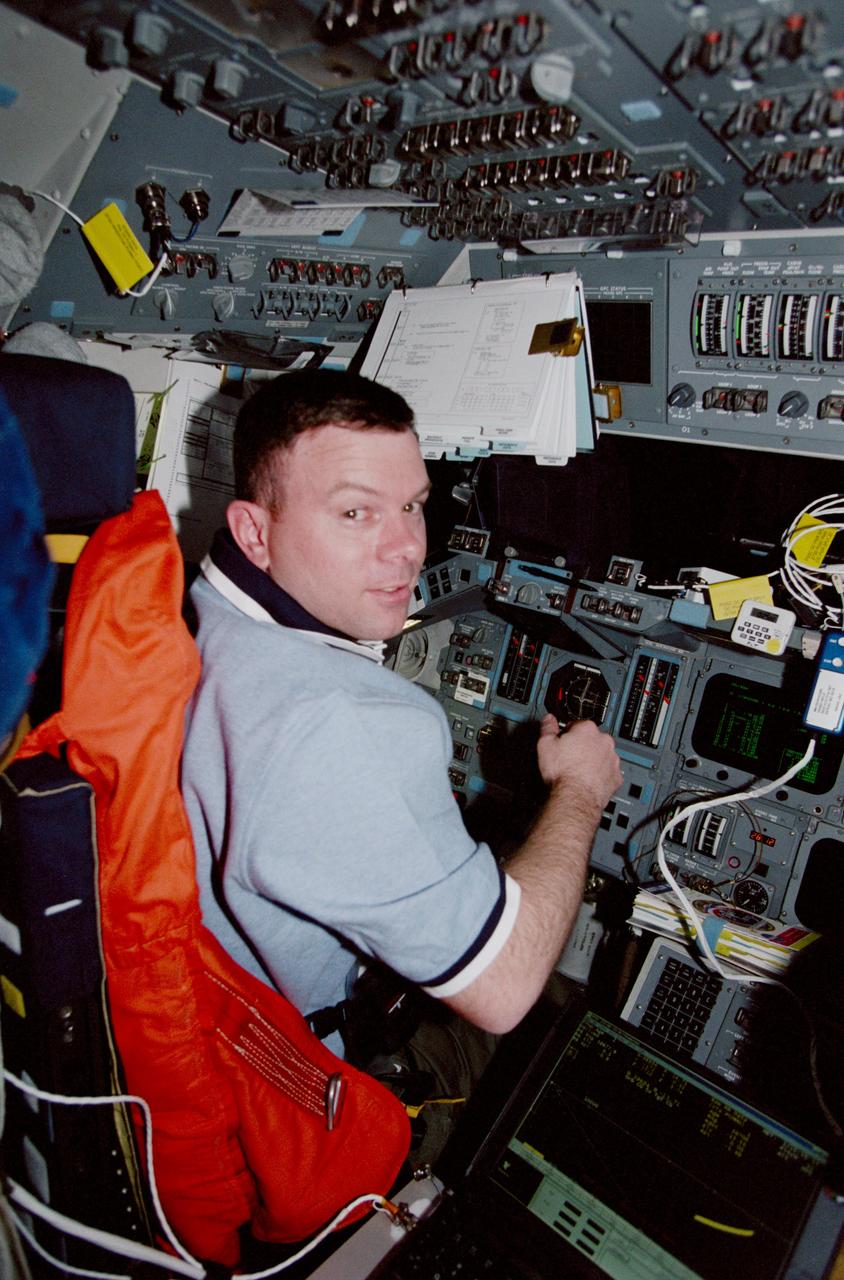
STS102-327-010 (8-21 March 2001) --- Astronaut James W. Kelly, STS-102 pilot, temporarily occupies the commander’s station on the forward flight deck of the Earth-orbiting Space Shuttle Discovery.
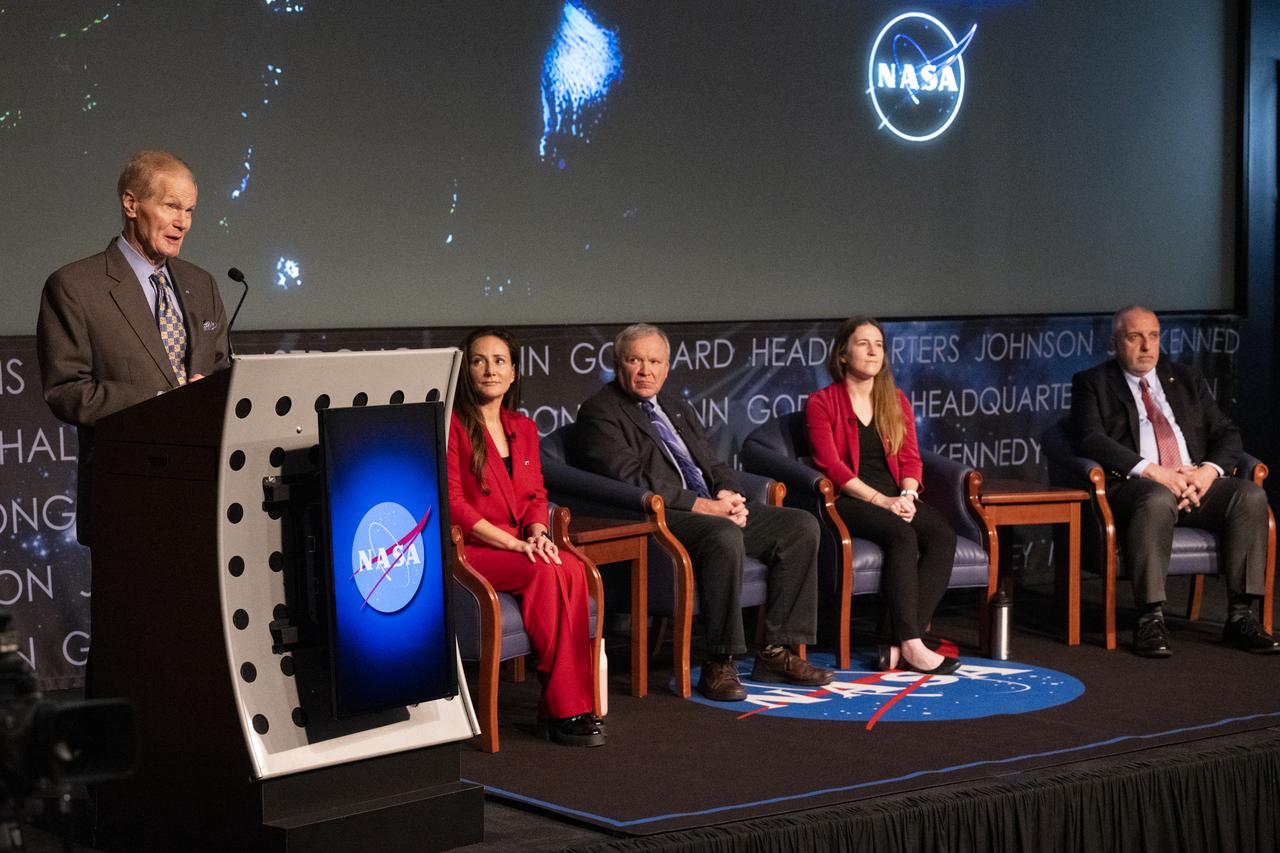
NASA Administrator Bill Nelson delivers opening remarks during the inaugural NASA Climate Summit Thursday, Dec. 8, 2022, at the Mary W. Jackson NASA Headquarters building in Washington. Photo Credit: (NASA/Keegan Barber)
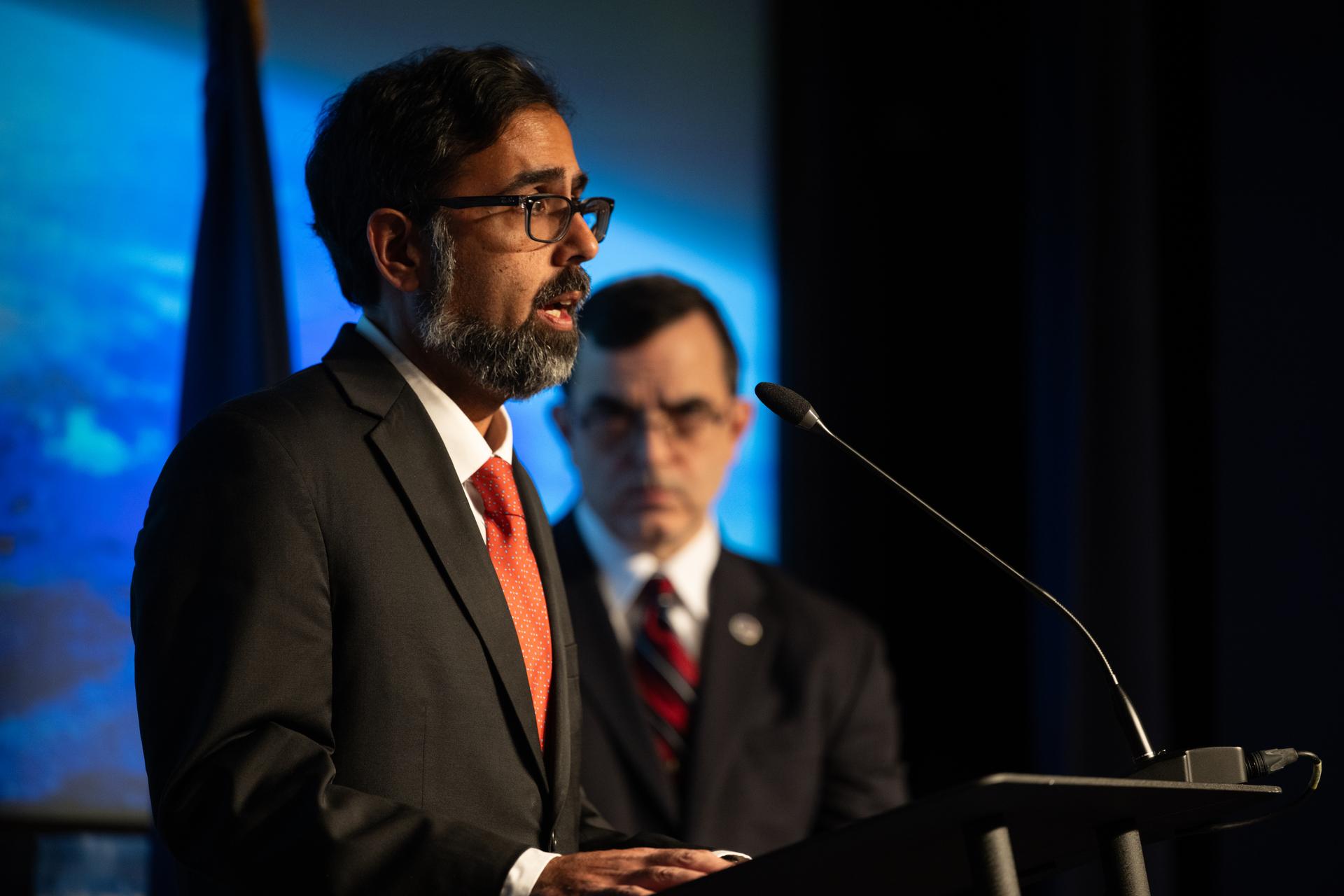
Amit Kshatriya, NASA associate administrator, provides an update on the International Space Station and its crew, Thursday, Jan. 8, 2026, at the Mary W. Jackson NASA Headquarters building in Washington. Photo Credit: (NASA/Joel Kowsky)
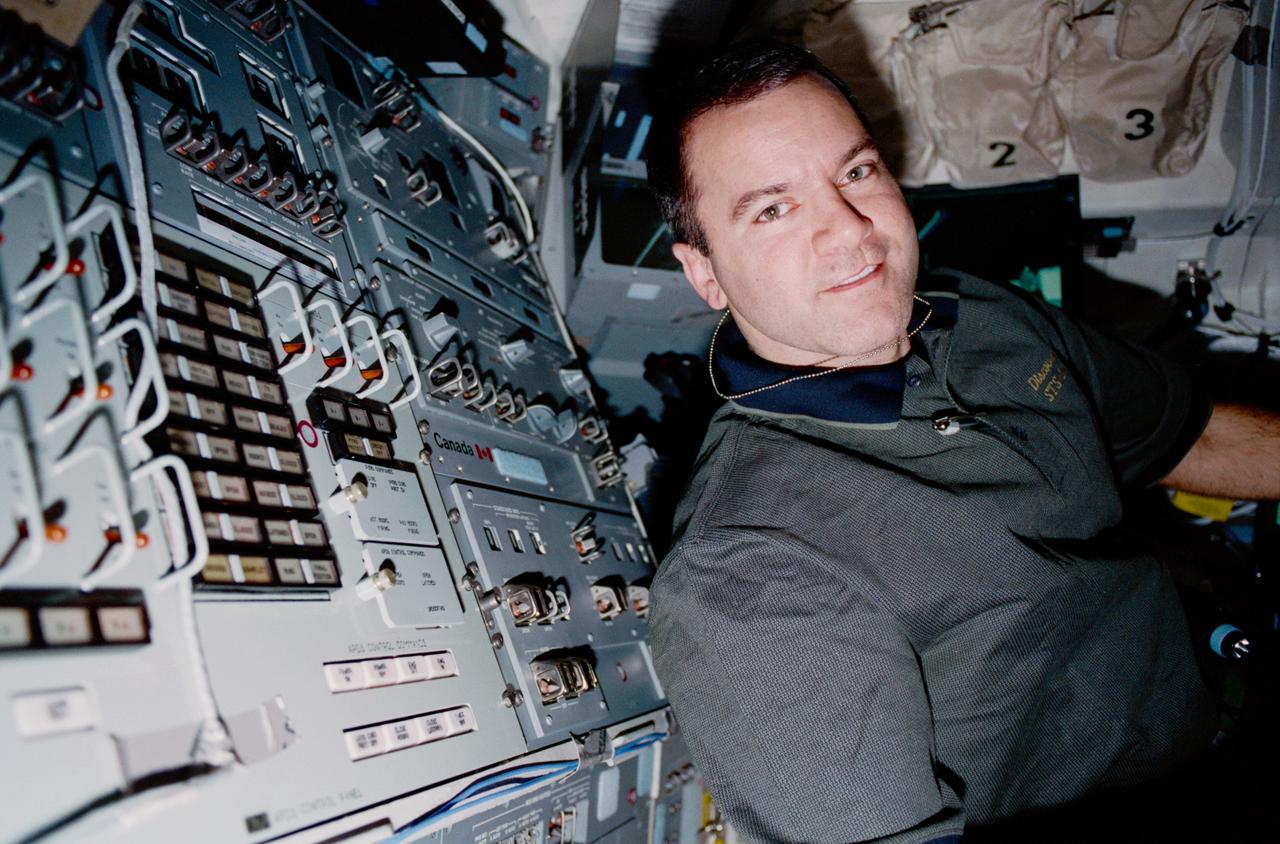
STS102-317-030 (8-21 March 2001)--- Astronaut Paul W. Richards, mission specialist, is photographed on the aft flight deck of the orbiting Space Shuttle Discovery during the STS-102 mission.
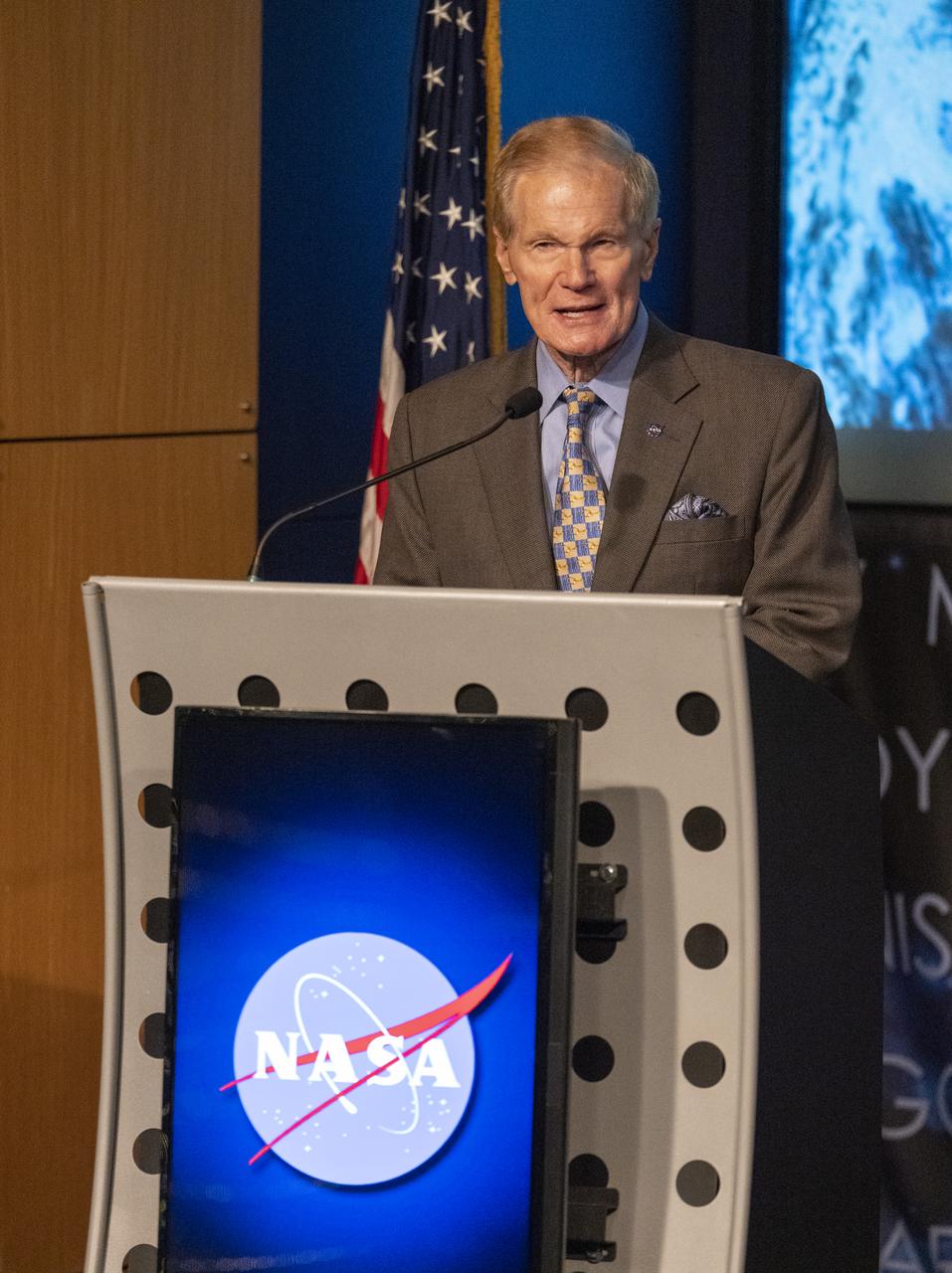
NASA Administrator Bill Nelson delivers opening remarks during the inaugural NASA Climate Summit Thursday, Dec. 8, 2022, at the Mary W. Jackson NASA Headquarters building in Washington. Photo Credit: (NASA/Keegan Barber)
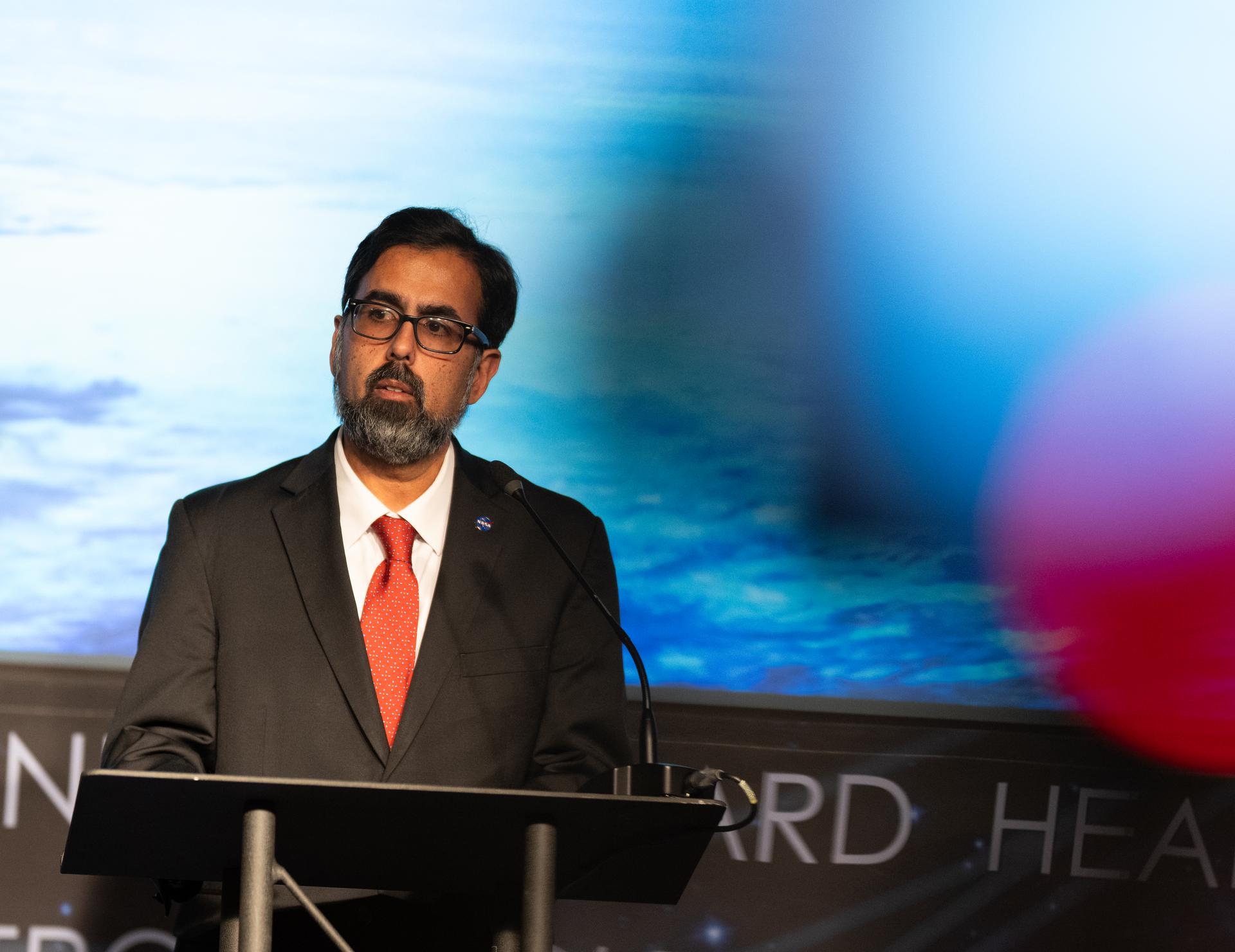
Amit Kshatriya, NASA associate administrator, provides an update on the International Space Station and its crew, Thursday, Jan. 8, 2026, at the Mary W. Jackson NASA Headquarters building in Washington. Photo Credit: (NASA/Joel Kowsky)
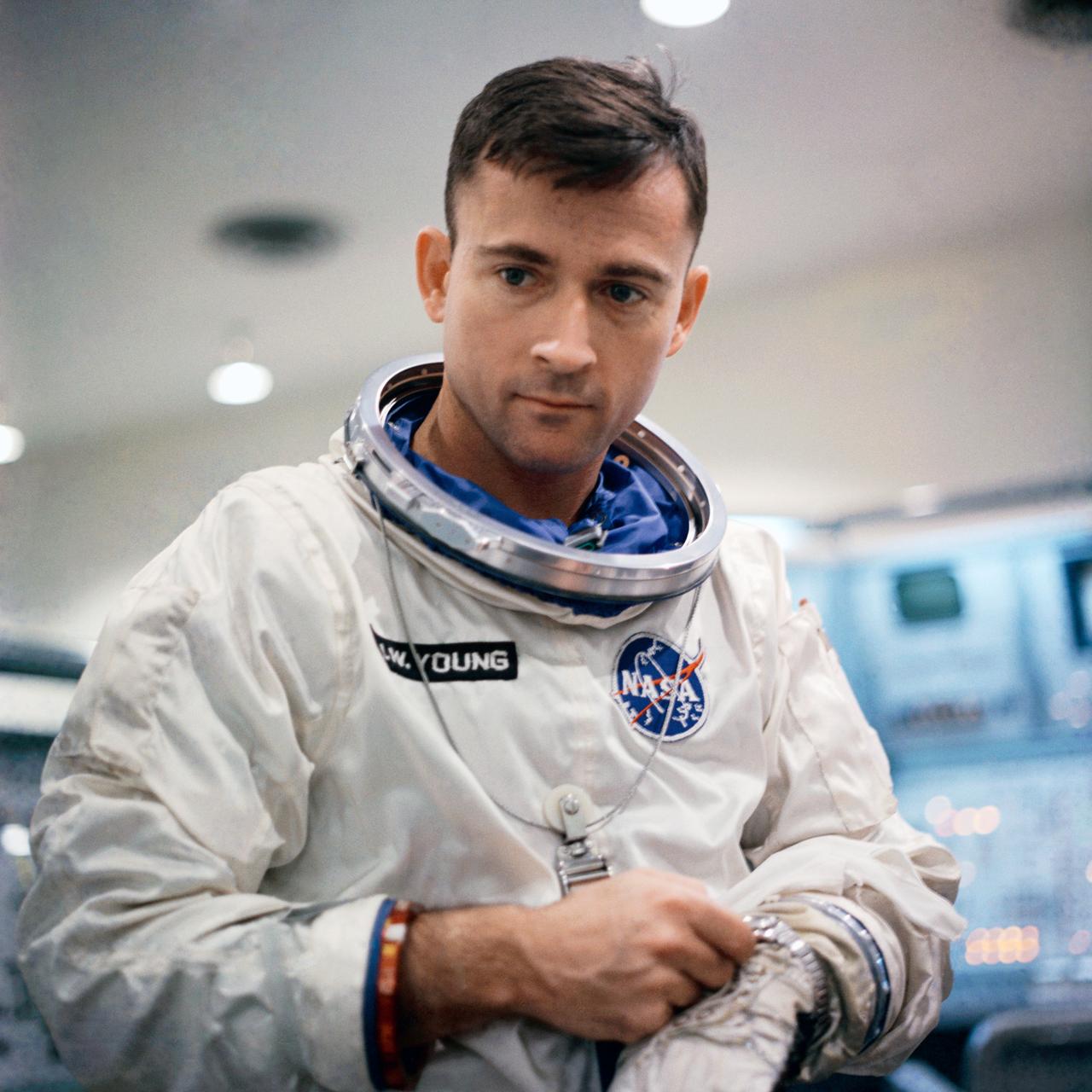
S65-22670 (8 March 1965) --- Astronaut John W. Young, the pilot of the Gemini-Titan 3 prime crew, is shown suited up for GT-3 prelaunch test exercises.
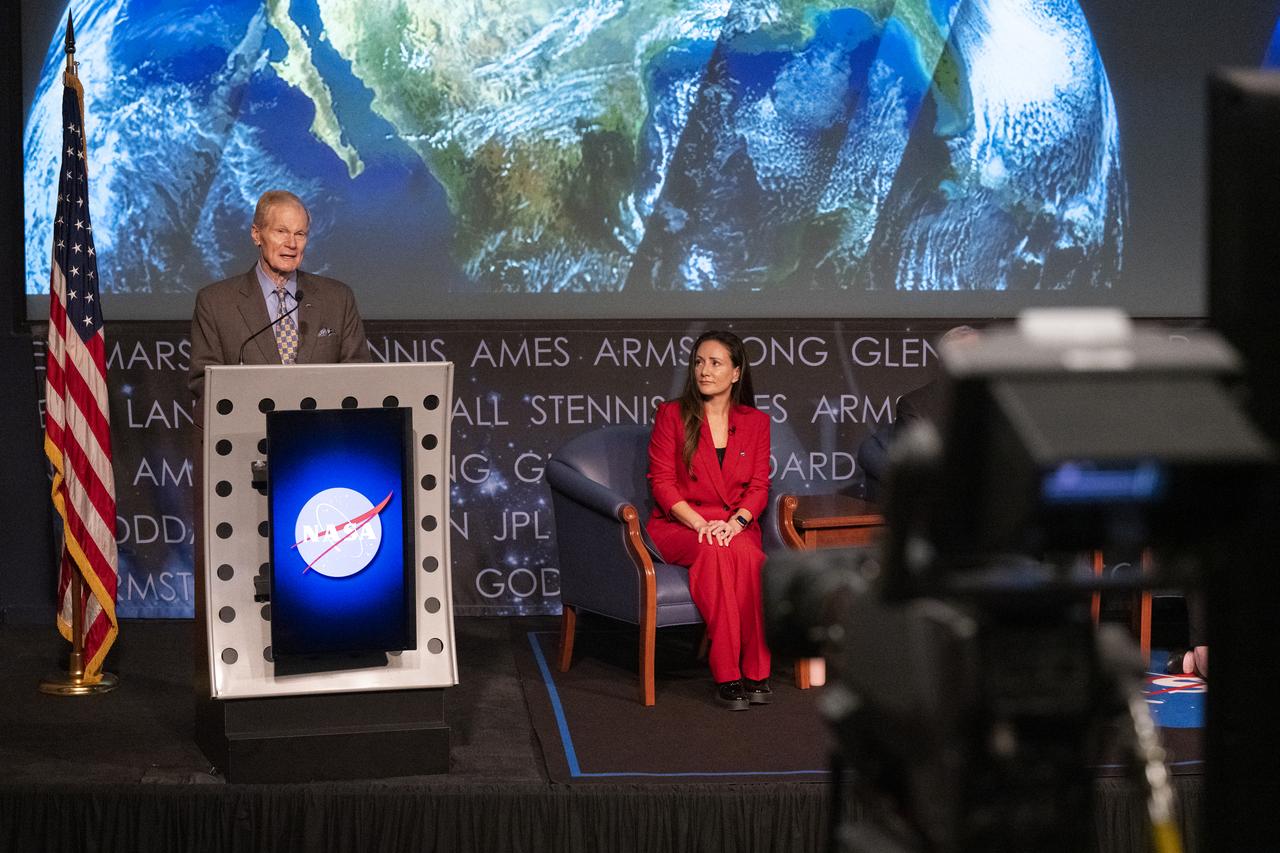
NASA Administrator Bill Nelson delivers opening remarks during the inaugural NASA Climate Summit Thursday, Dec. 8, 2022, at the Mary W. Jackson NASA Headquarters building in Washington. Photo Credit: (NASA/Keegan Barber)
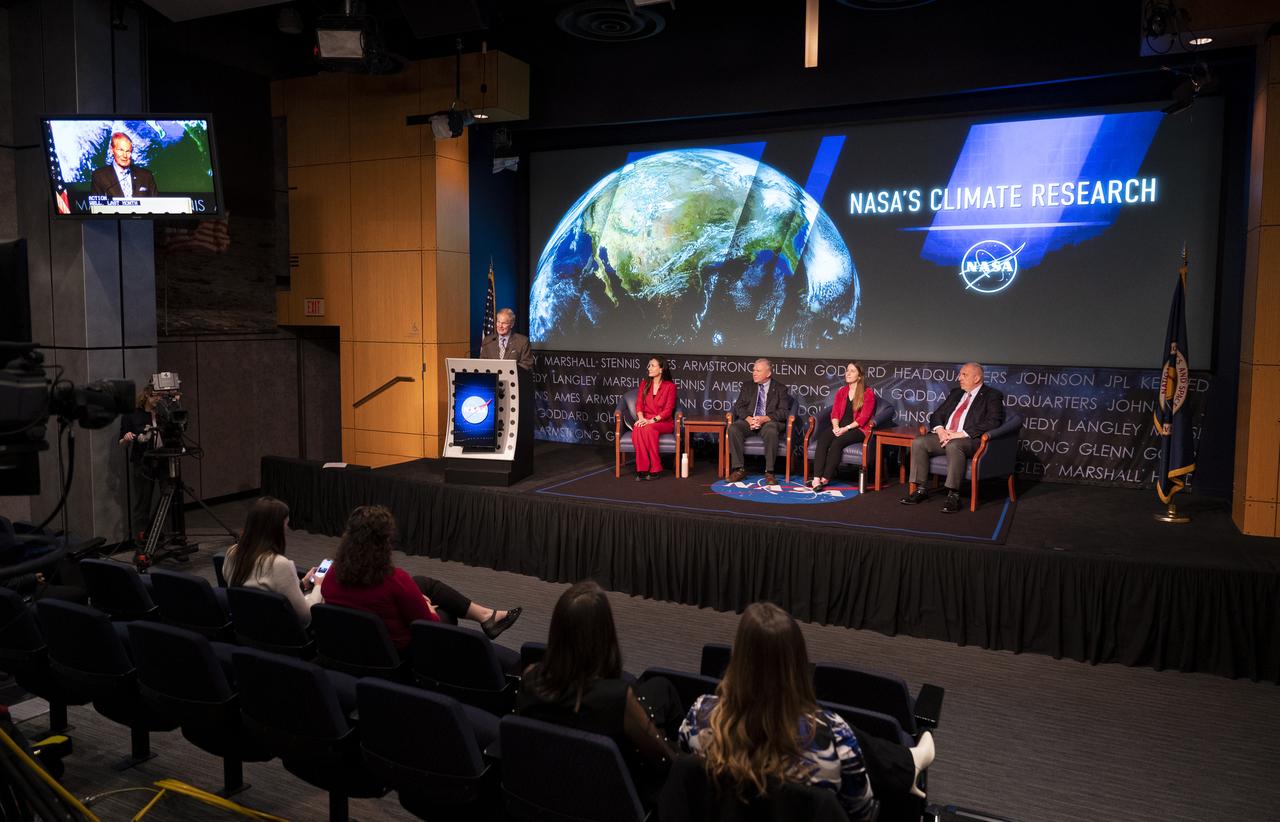
NASA Administrator Bill Nelson delivers opening remarks during the inaugural NASA Climate Summit Thursday, Dec. 8, 2022, at the Mary W. Jackson NASA Headquarters building in Washington. Photo Credit: (NASA/Keegan Barber)
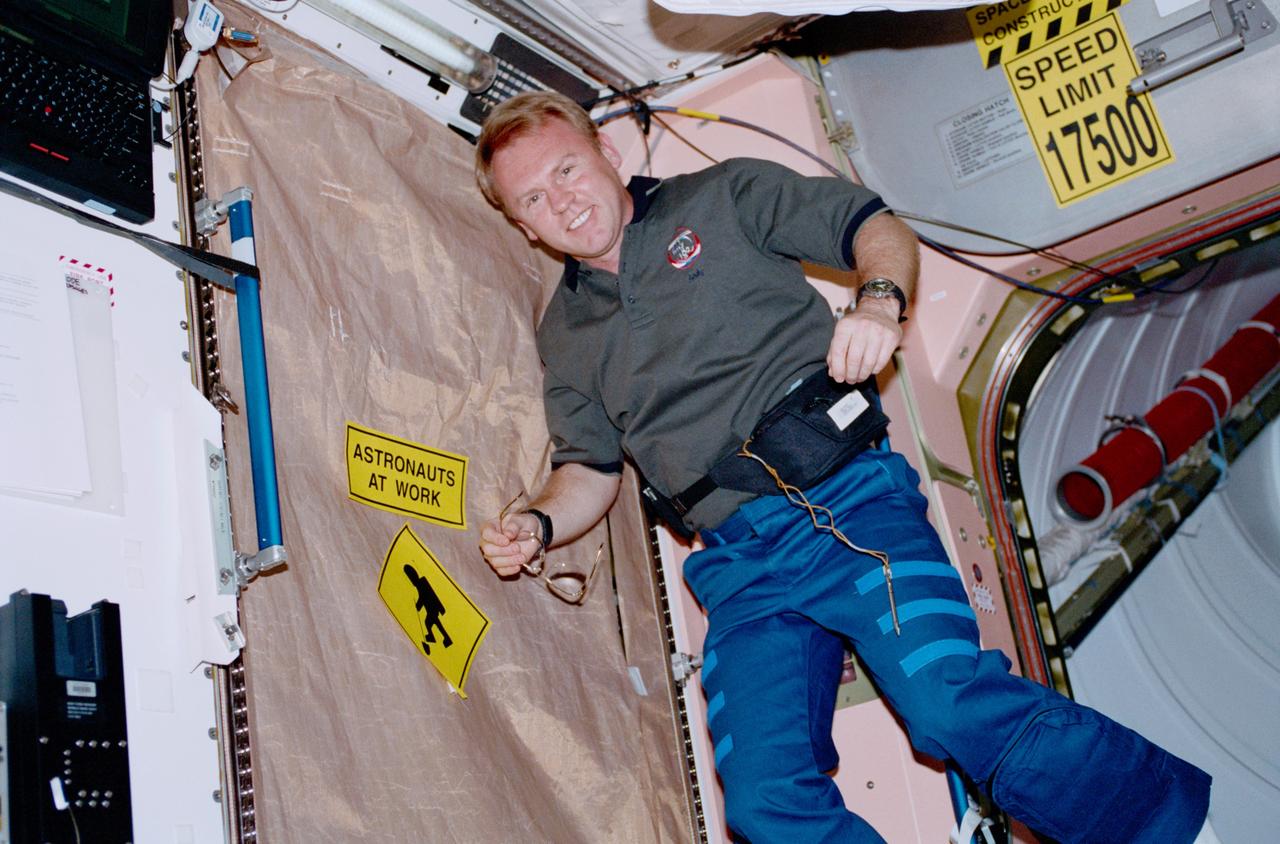
STS102-320-035 (8-21 March 2001) --- Astronaut Andrew S. W. Thomas, mission specialist, is photographed in the U.S.-built Unity node of the International Space Station during the STS-102 mission.
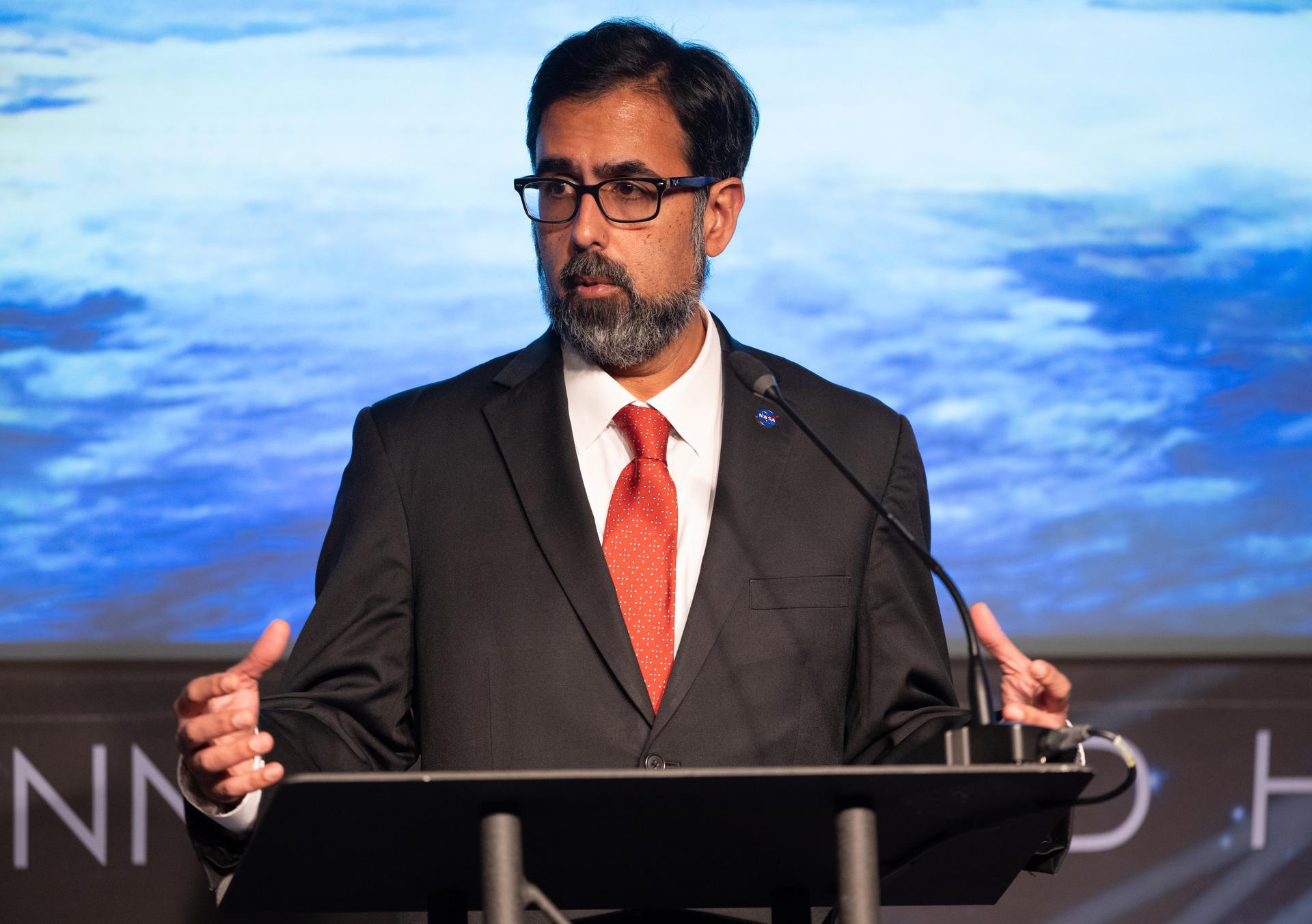
Amit Kshatriya, NASA associate administrator, provides an update on the International Space Station and its crew, Thursday, Jan. 8, 2026, at the Mary W. Jackson NASA Headquarters building in Washington. Photo Credit: (NASA/Joel Kowsky)
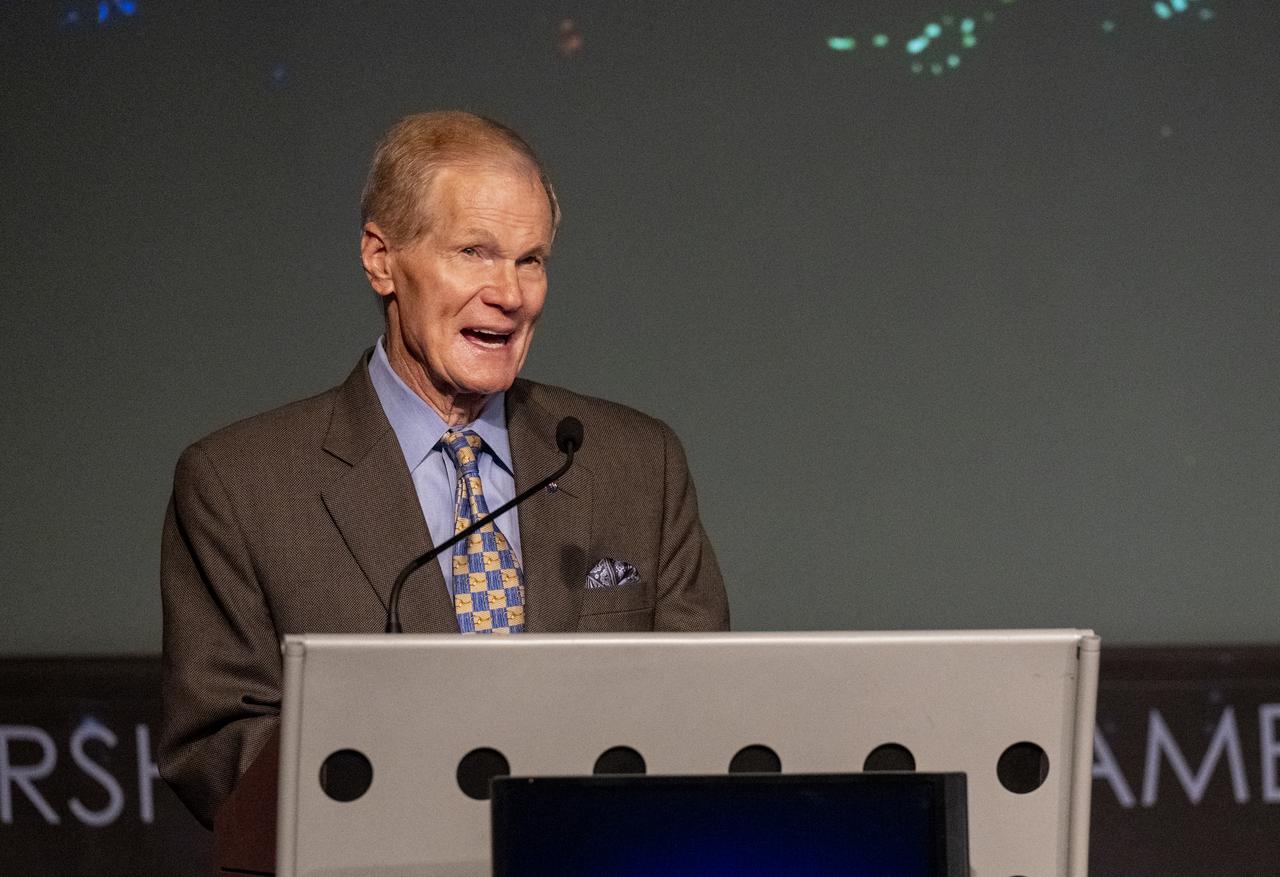
NASA Administrator Bill Nelson delivers opening remarks during the inaugural NASA Climate Summit Thursday, Dec. 8, 2022, at the Mary W. Jackson NASA Headquarters building in Washington. Photo Credit: (NASA/Keegan Barber)
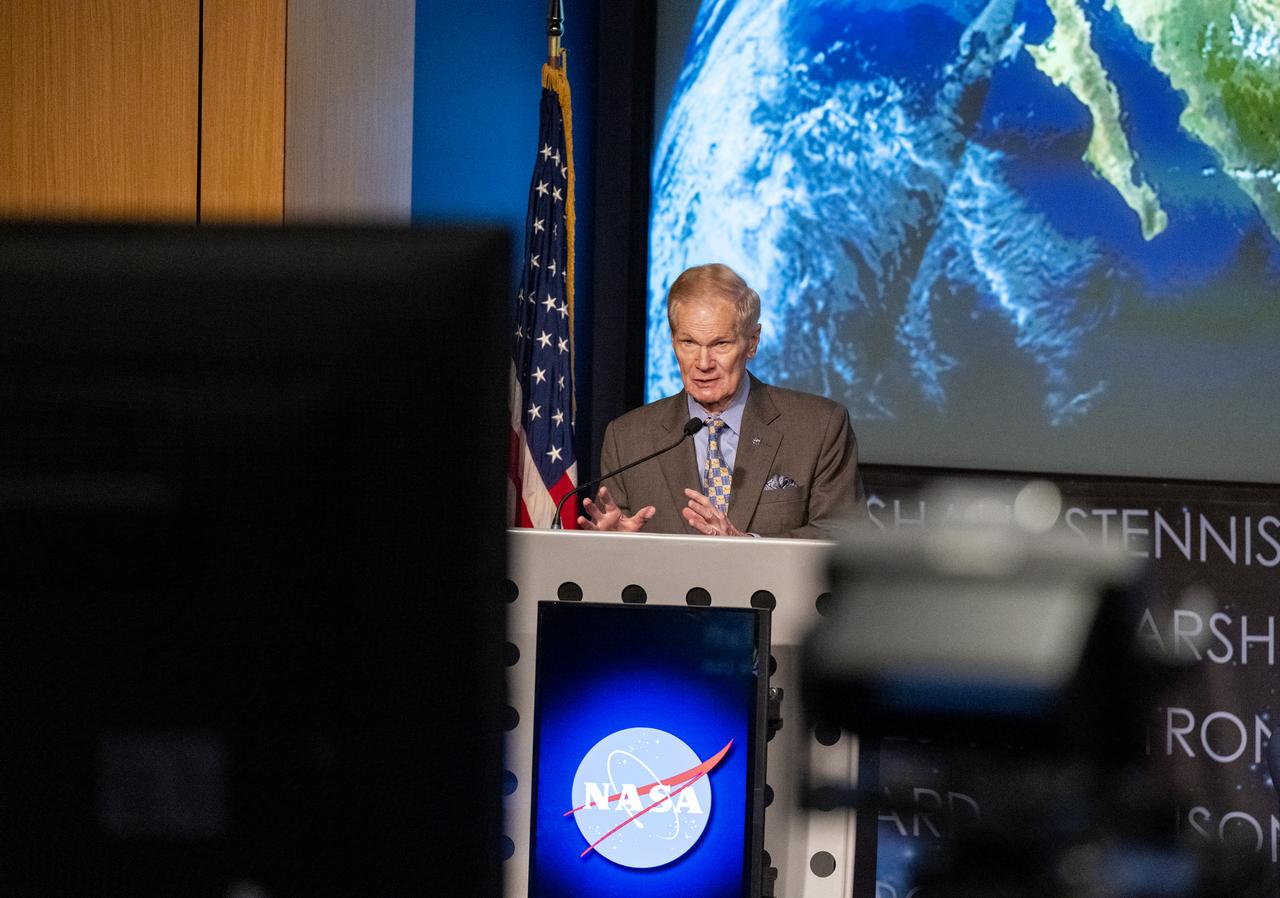
NASA Administrator Bill Nelson delivers opening remarks during the inaugural NASA Climate Summit Thursday, Dec. 8, 2022, at the Mary W. Jackson NASA Headquarters building in Washington. Photo Credit: (NASA/Keegan Barber)
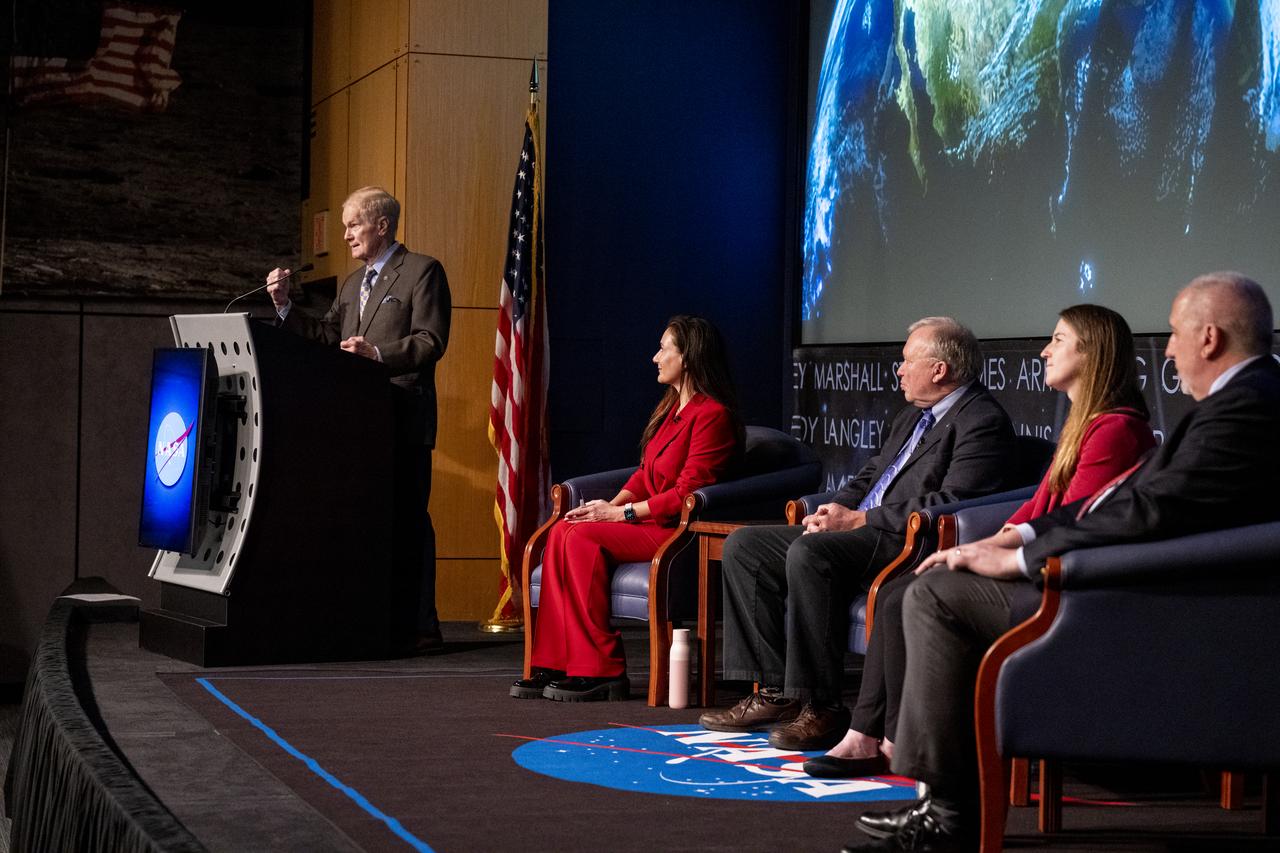
NASA Administrator Bill Nelson delivers opening remarks during the inaugural NASA Climate Summit Thursday, Dec. 8, 2022, at the Mary W. Jackson NASA Headquarters building in Washington. Photo Credit: (NASA/Keegan Barber)
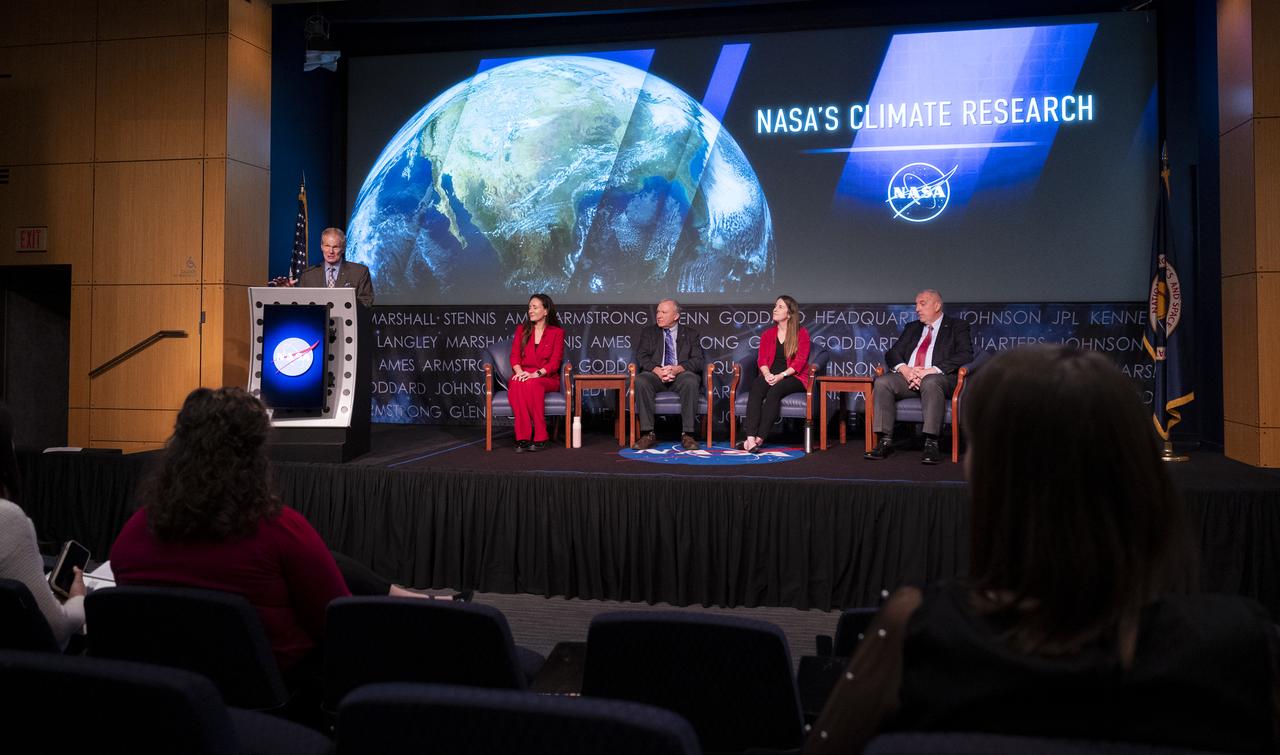
NASA Administrator Bill Nelson delivers opening remarks during the inaugural NASA Climate Summit Thursday, Dec. 8, 2022, at the Mary W. Jackson NASA Headquarters building in Washington. Photo Credit: (NASA/Keegan Barber)
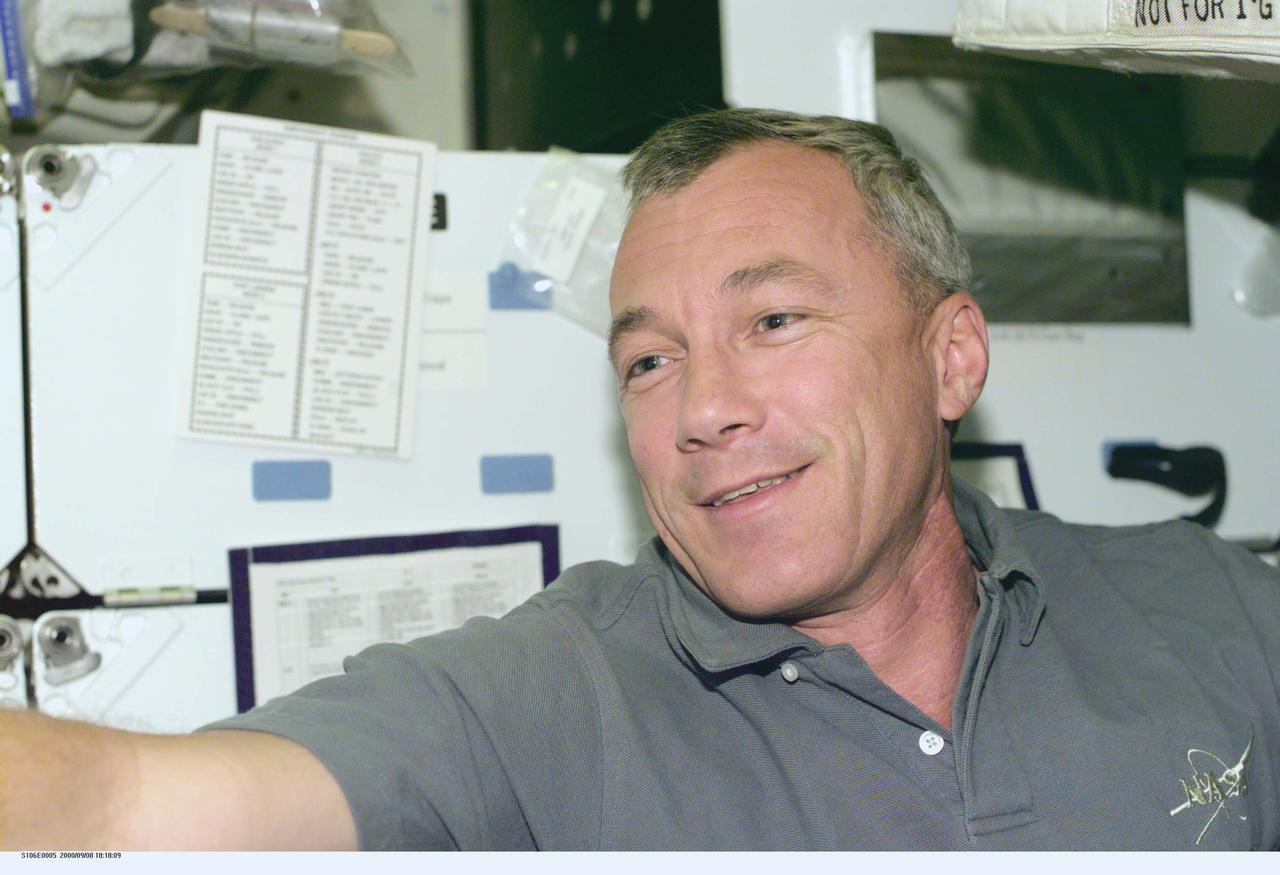
S106-E-5005 (8 September 2000) --- Astronaut Terrence W. Wilcutt, mission commander, participates in early tasks aboard the Space Shuttle Atlantis, now headed toward its date with the International Space Station (ISS).
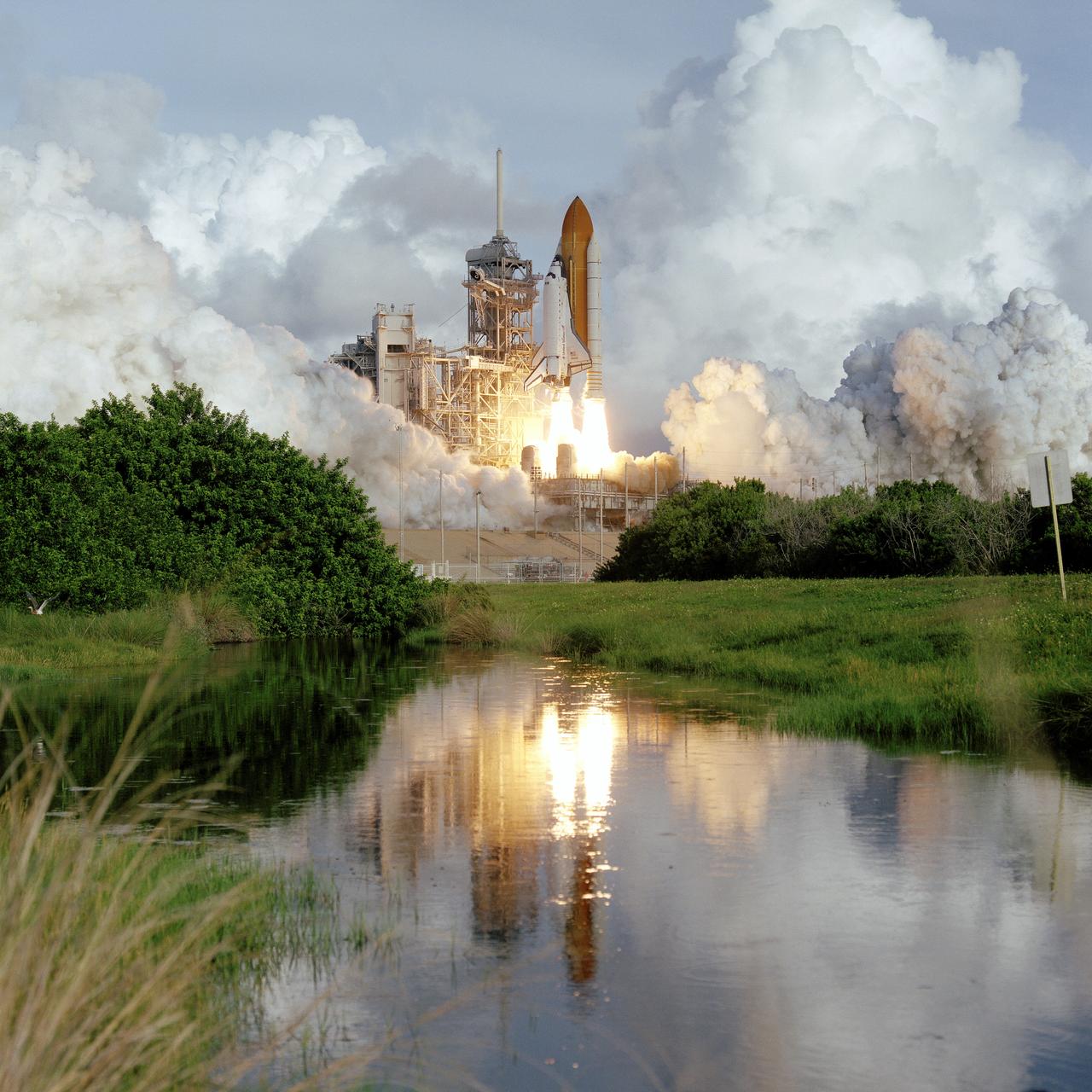
STS106-S-010 (8 Sept. 2000) --- The Space Shuttle Atlantis is mirrored in nearby marsh waters as it makes its 22nd launch into space. The perfect on-time liftoff for STS-106 occurred at 8:45:47 a.m. (EDT), Sept. 8, 2000. Onboard the shuttle were astronauts Terrence W. Wilcutt, Scott D. Altman, Edward T. Lu, Richard A. Mastracchio and Daniel C. Burbank, along with cosmonauts Yuri I. Malenchenko and Boris V. Morukov who represent the Russian Aviation and Space Agency.
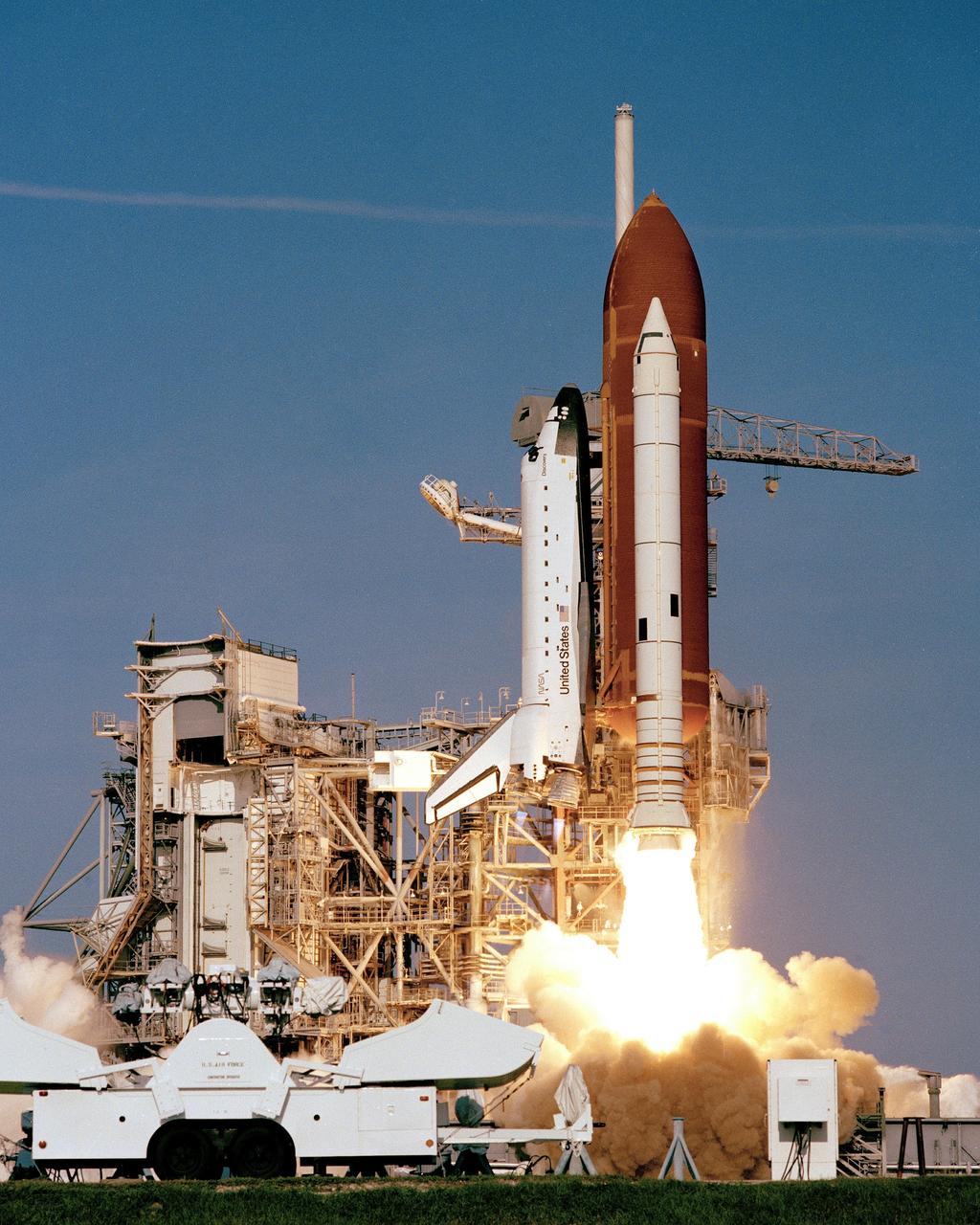
CAPE CANAVERAL, Fla. -- At the Kennedy Space Center in Florida, The space shuttle Discovery lifts off from Launch Pad 39A for its maiden flight at 8:42 a.m. EDT. The crew members for the 41-D flight are commander Henry w. Hartsfield, pilot Michael L. Coats, mission specialists Judith A. Resnik, Steven A. Hawley, Richard M. Mullane, and payload specialist Charles W. Walker. Photo Credit: NASA
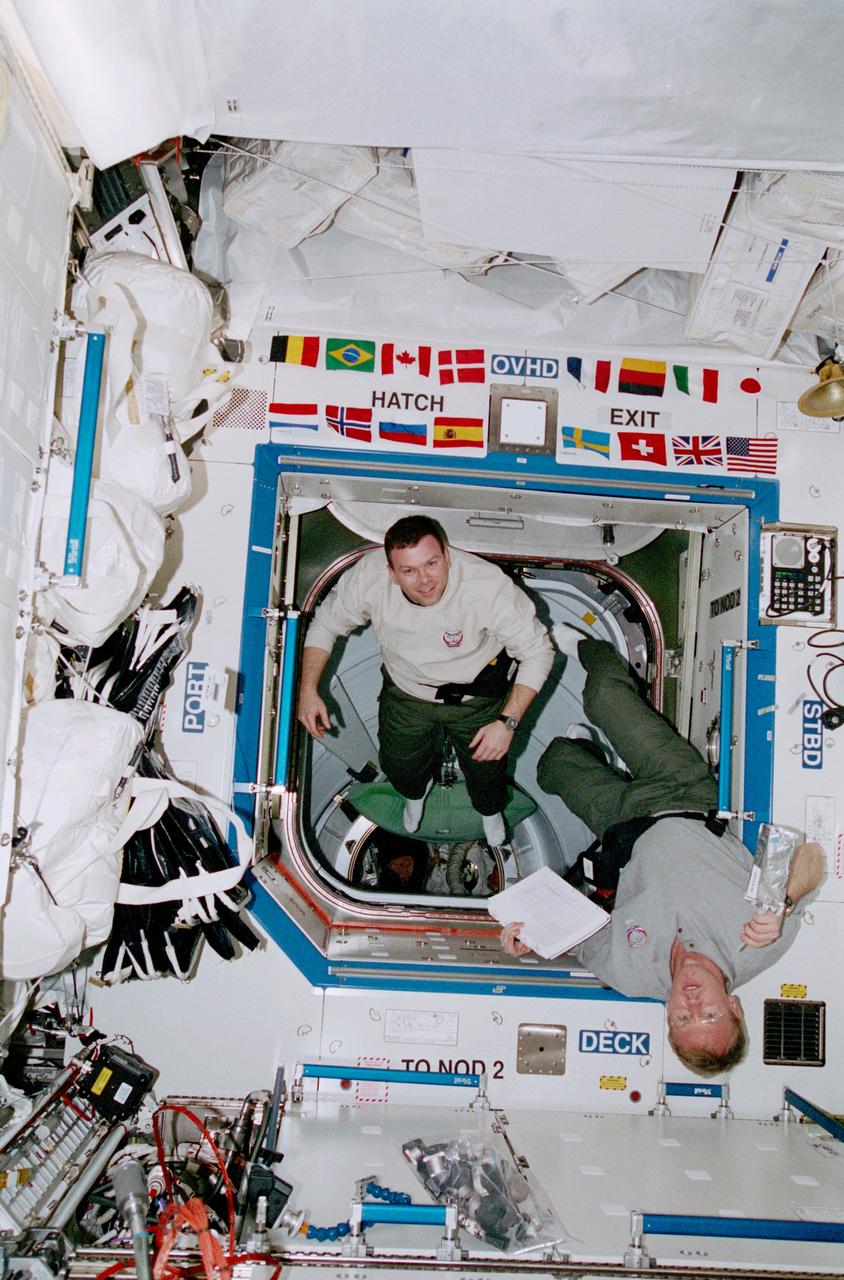
STS102-368-030 (8-21 March 2001) --- Astronauts Andrew S. W. Thomas (holding a beverage), STS-102 mission specialist and James M. Kelly, STS-102 pilot, are photographed while onboard the Destiny laboratory on the International Space Station (ISS).
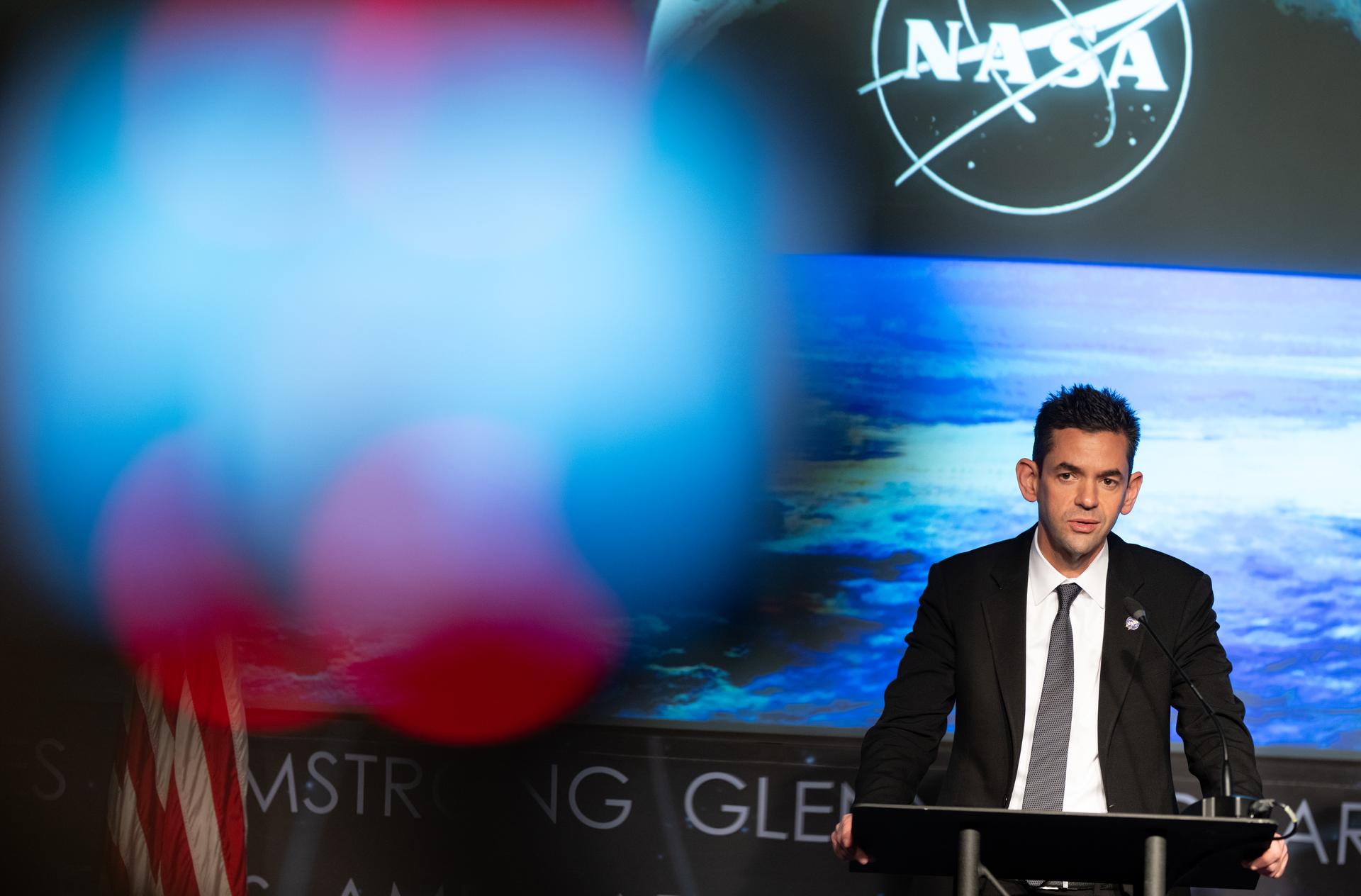
NASA Administrator Jared Isaacman, is seen as he provides an update on the International Space Station and its crew, Thursday, Jan. 8, 2026, at the Mary W. Jackson NASA Headquarters building in Washington. Photo Credit: (NASA/Joel Kowsky)

STS102-329-007 (8-21 March 2001) --- Astronaut Paul W. Richards, STS-102 mission specialist, is about to enjoy some coffee with cream while on the Space Shuttle Discovery’s aft flight deck.
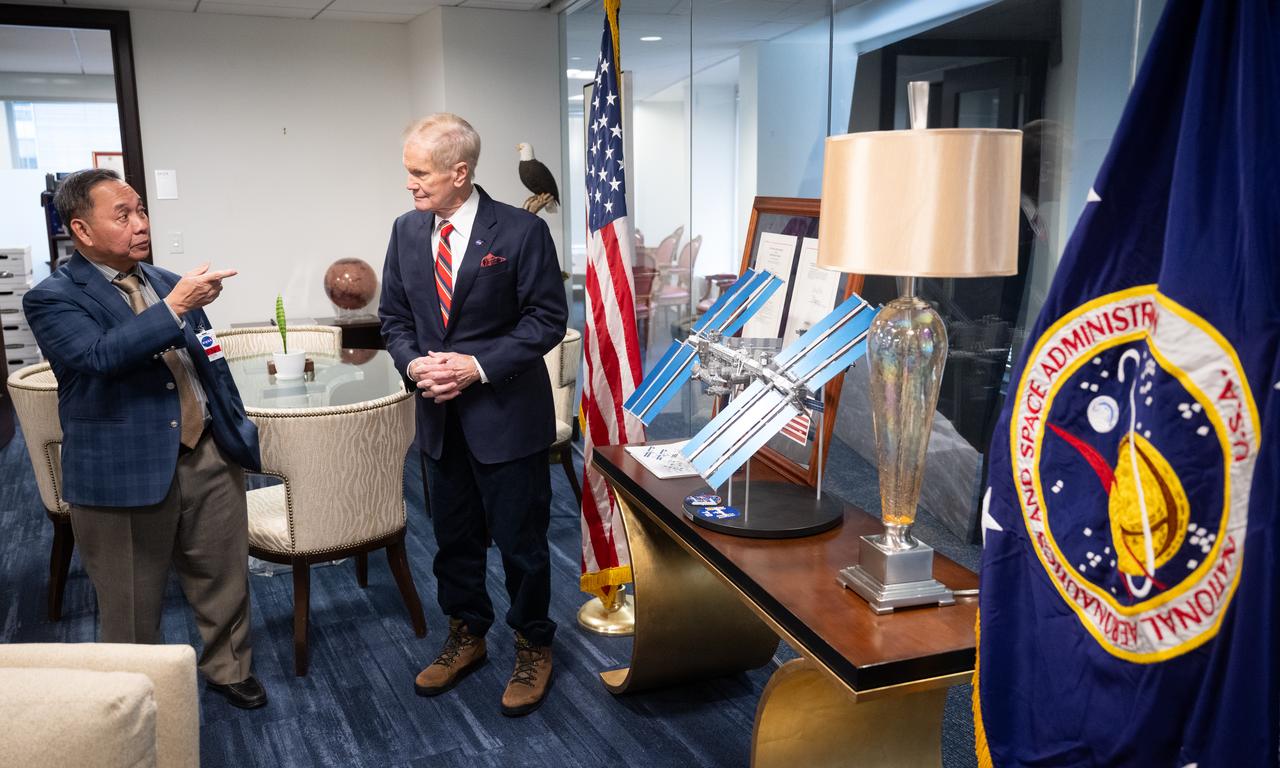
NASA Administrator Bill Nelson and His Excellency Dato Paduka Serbini Ali, Ambassador of Brunei to the United States, speak during a courtesy visit, Wednesday, Jan. 8, 2025 at the Mary W. Jackson NASA Headquarters building in Washington. Photo Credit: (NASA/Joel Kowsky)
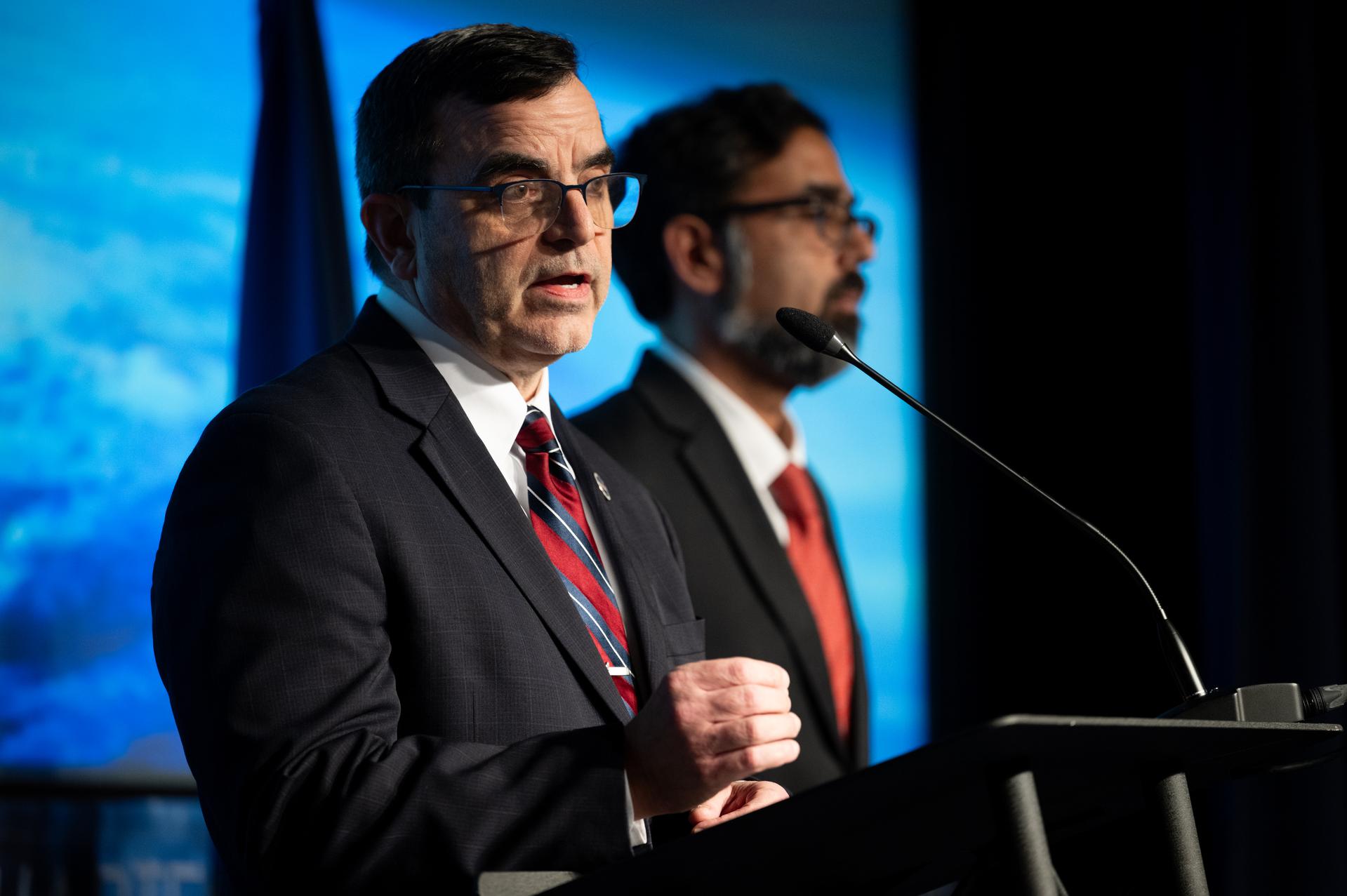
Dr. James Polk, NASA’s chief health and medical officer, provides an update on the International Space Station and its crew, Thursday, Jan. 8, 2026, at the Mary W. Jackson NASA Headquarters building in Washington. Photo Credit: (NASA/Joel Kowsky)
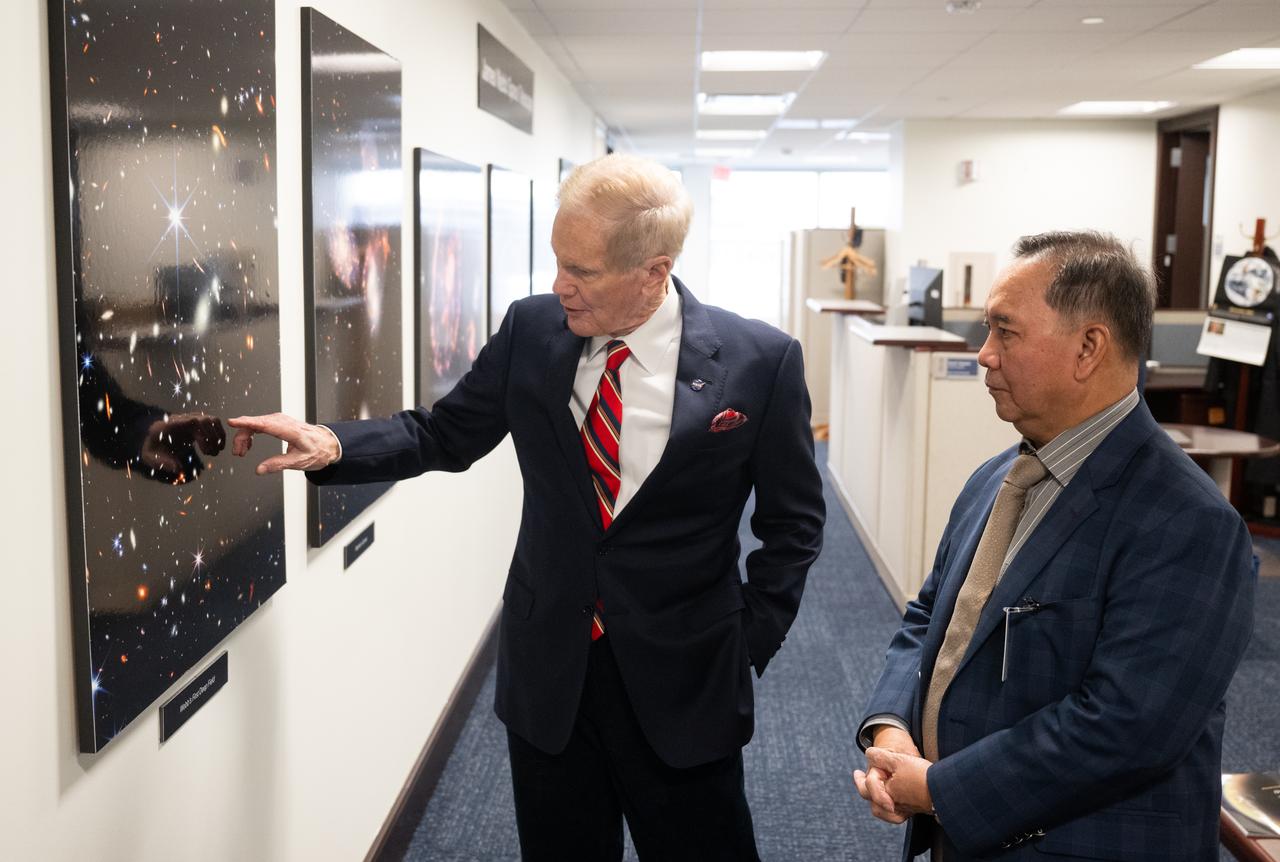
NASA Administrator Bill Nelson and His Excellency Dato Paduka Serbini Ali, Ambassador of Brunei to the United States, speak during a courtesy visit, Wednesday, Jan. 8, 2025 at the Mary W. Jackson NASA Headquarters building in Washington. Photo Credit: (NASA/Joel Kowsky)
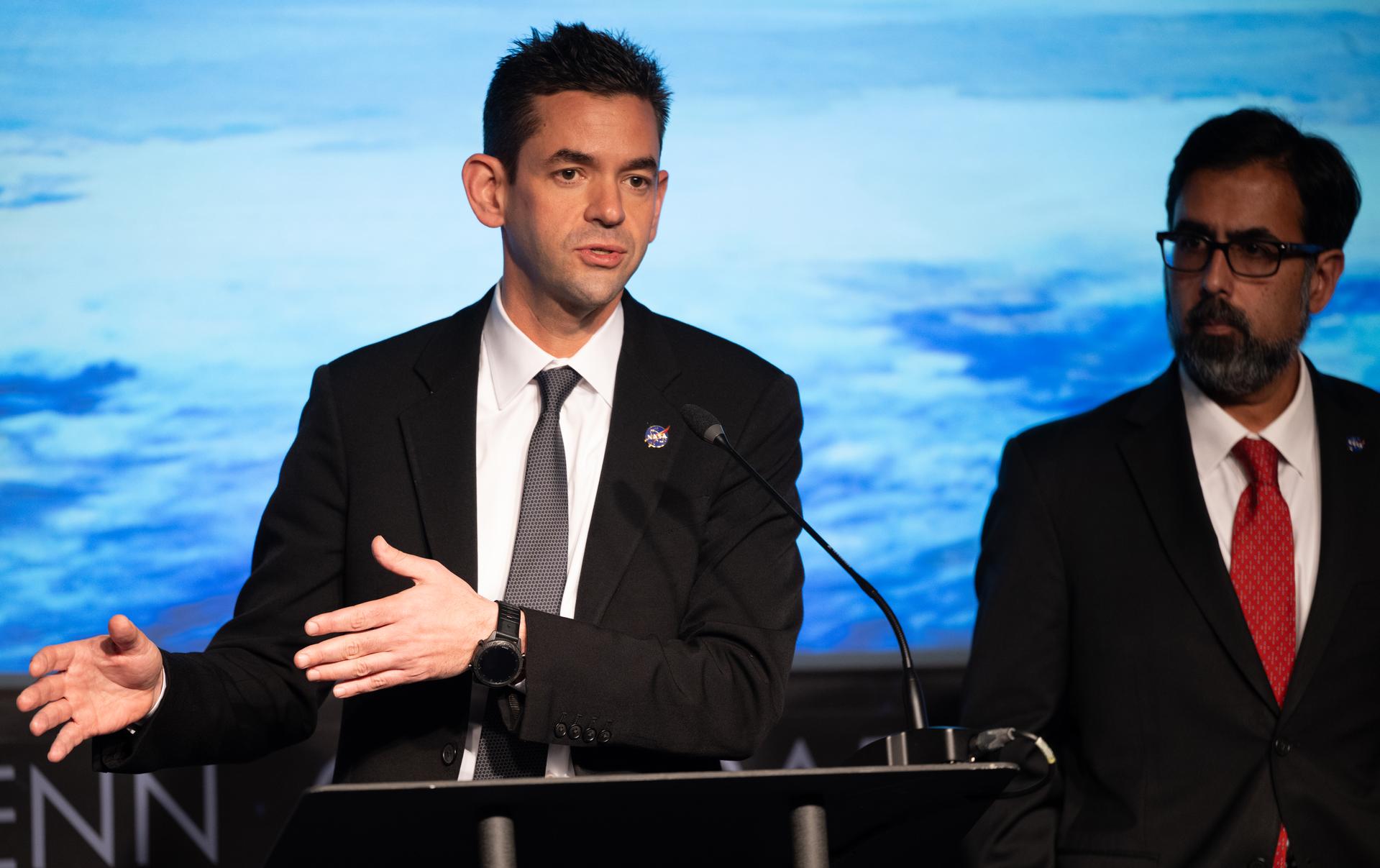
NASA Administrator Jared Isaacman, is seen as he provides an update on the International Space Station and its crew, Thursday, Jan. 8, 2026, at the Mary W. Jackson NASA Headquarters building in Washington. Photo Credit: (NASA/Joel Kowsky)
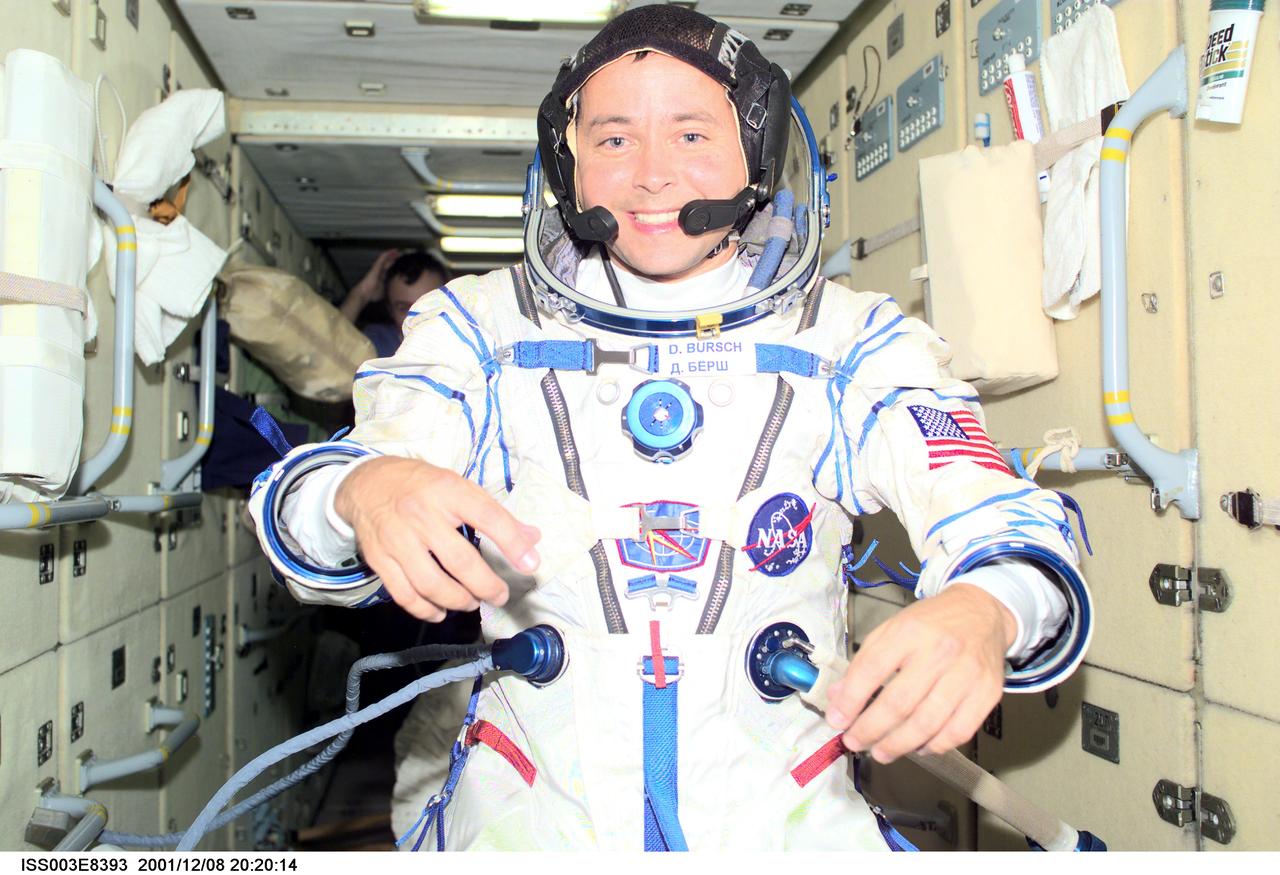
ISS003-E-8393 (8 December 2001) --- Astronaut Daniel W. Bursch, Expedition Four flight engineer, wearing a Russian Sokol suit, is photographed in the functional cargo block (FGB), or Zarya on the International Space Station (ISS). The image was taken with a digital still camera.
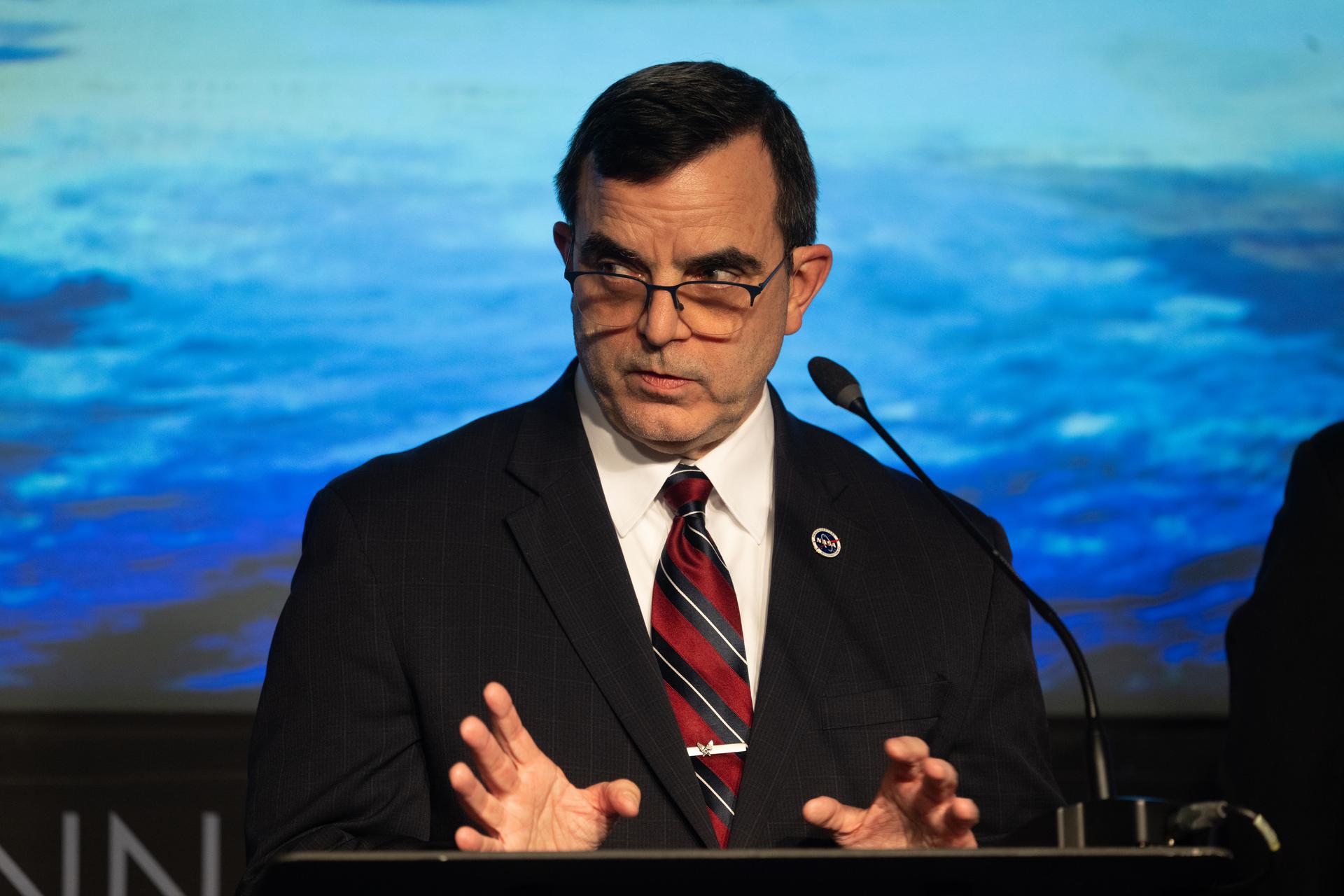
Dr. James Polk, NASA’s chief health and medical officer, provides an update on the International Space Station and its crew, Thursday, Jan. 8, 2026, at the Mary W. Jackson NASA Headquarters building in Washington. Photo Credit: (NASA/Joel Kowsky)

His Excellency Dato Paduka Serbini Ali, Ambassador of Brunei to the United States, right, and NASA Administrator Bill Nelson speak during a courtesy visit, Wednesday, Jan. 8, 2025 at the Mary W. Jackson NASA Headquarters building in Washington. Photo Credit: (NASA/Joel Kowsky)
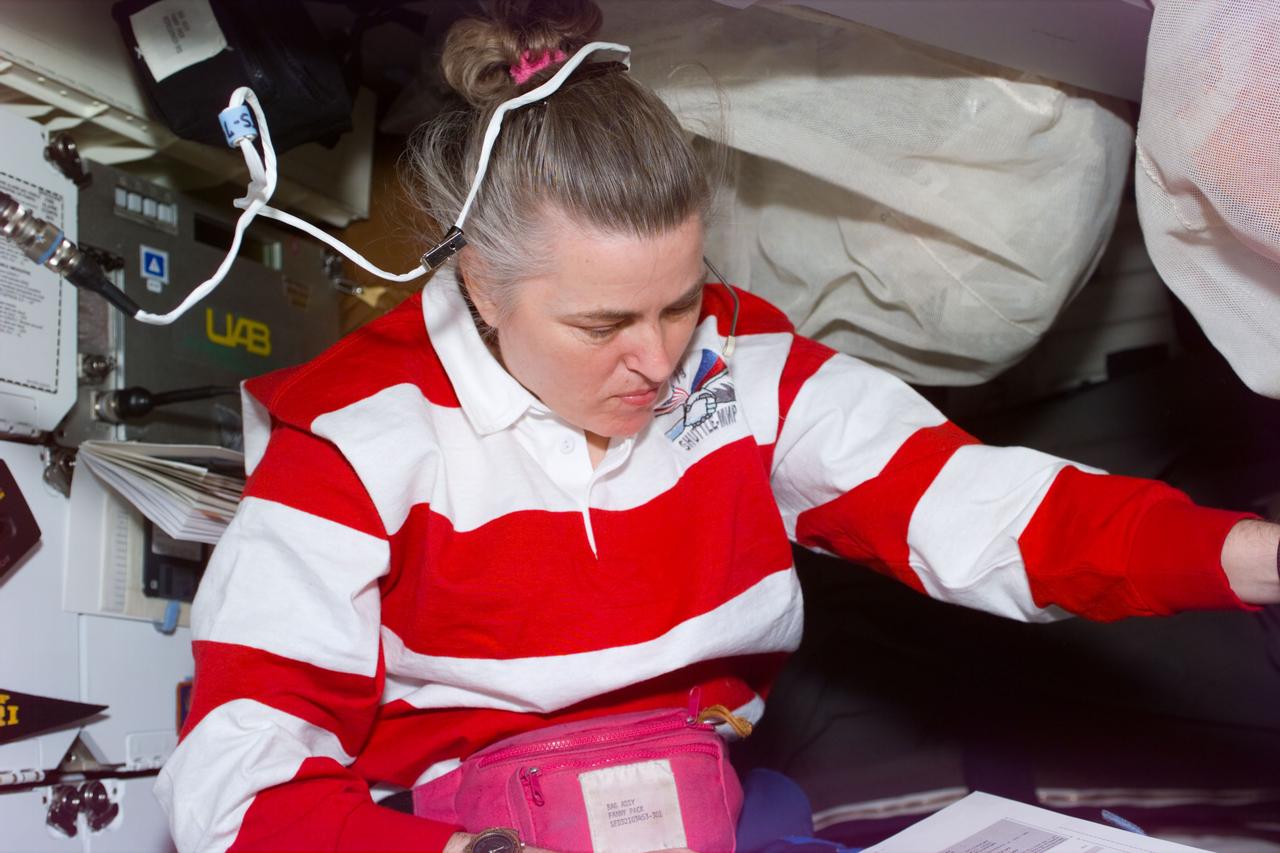
STS79-E-5309 (23 September 1996) --- Astronaut Shannon W. Lucid, former cosmonaut guest researcher, is captured in her first photograph aboard the Space Shuttle Atlantis since leaving Russia's Mir Space Station for the final time, during Flight Day 8.
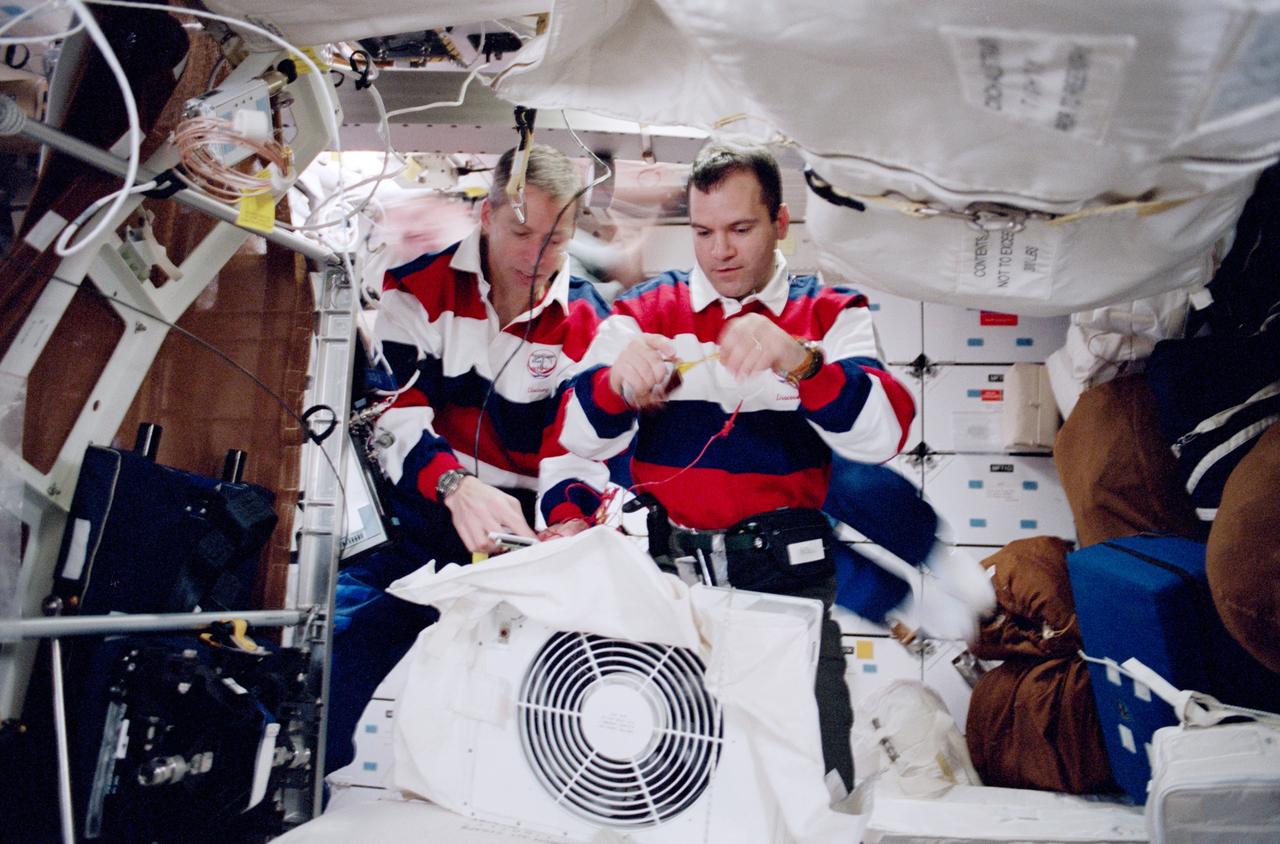
STS102-324-004 (8-21 March 2001) --- Onboard the mid deck of the Earth-orbiting Space Shuttle Discovery, astronauts James D. Wetherbee, STS-102 commander (left) and Paul W. Richards, mission specialist, are photographed performing in-flight maintenance on the cabin fan.
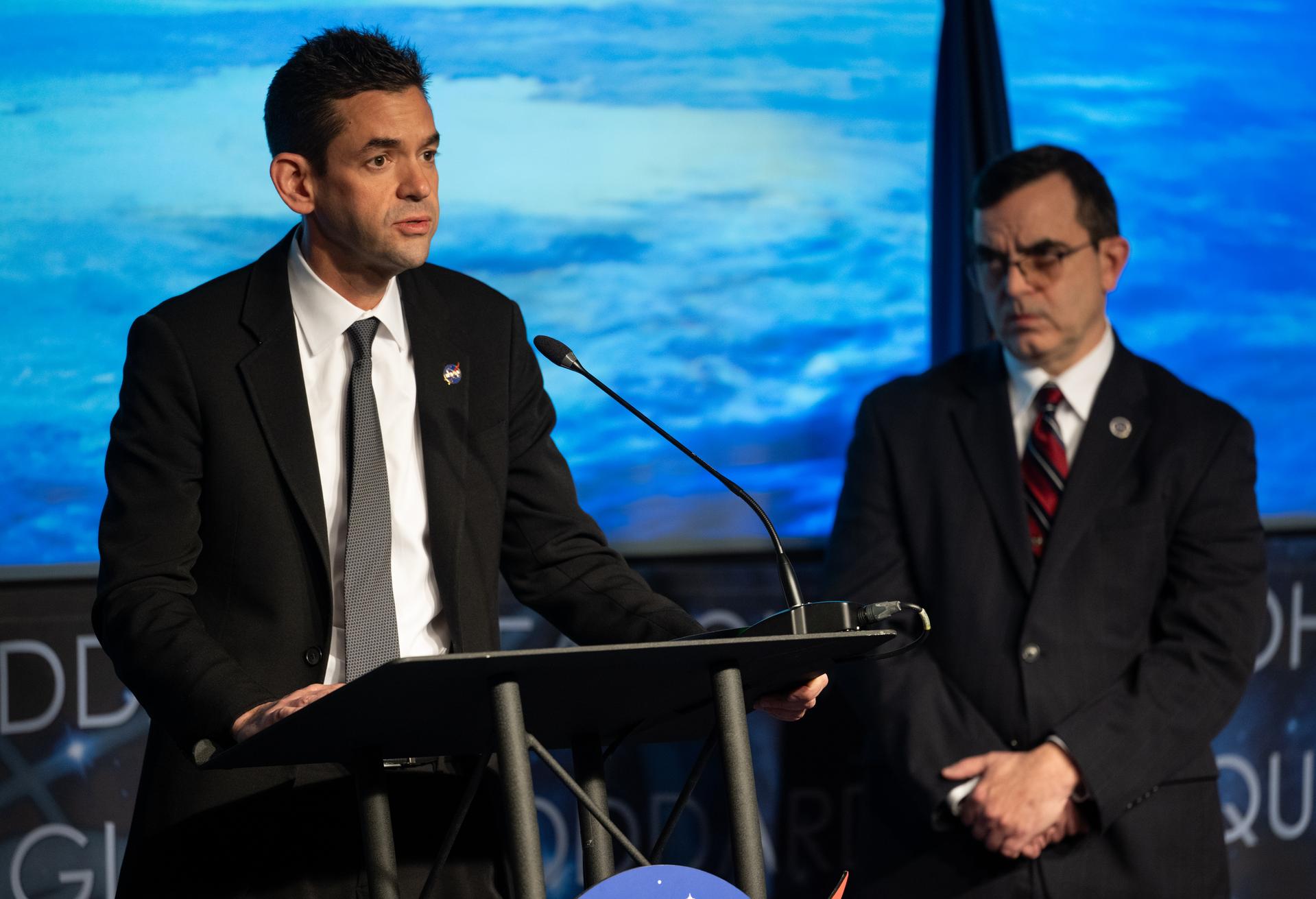
NASA Administrator Jared Isaacman, is seen as he provides an update on the International Space Station and its crew, Thursday, Jan. 8, 2026, at the Mary W. Jackson NASA Headquarters building in Washington. Photo Credit: (NASA/Joel Kowsky)
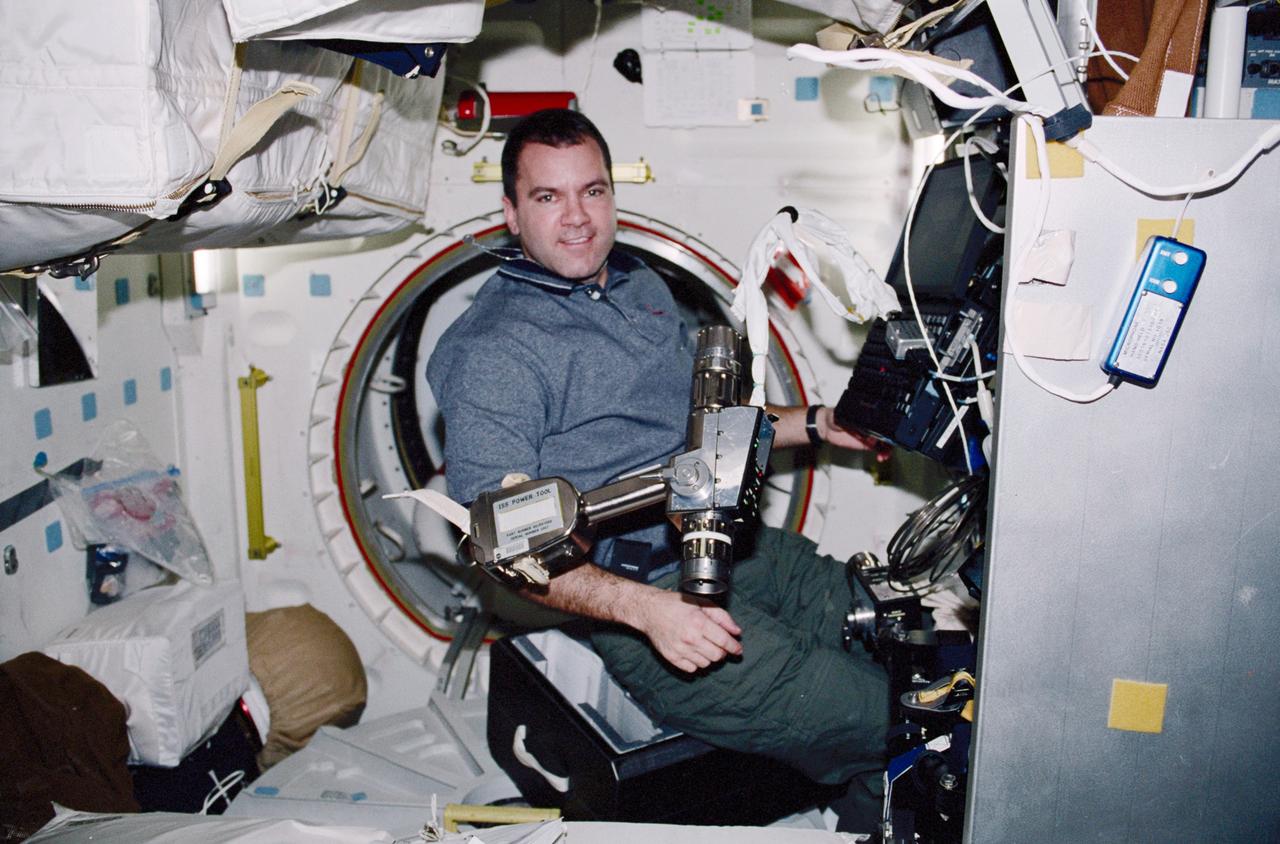
STS102-346-027 (8-21 March 2001) --- Astronaut Paul W. Richards, STS-102 mission specialist, consults data on a lap top computer on the Space Shuttle Discovery’s mid deck. An International Space Station (ISS) pistol grip tool floats near Richards.
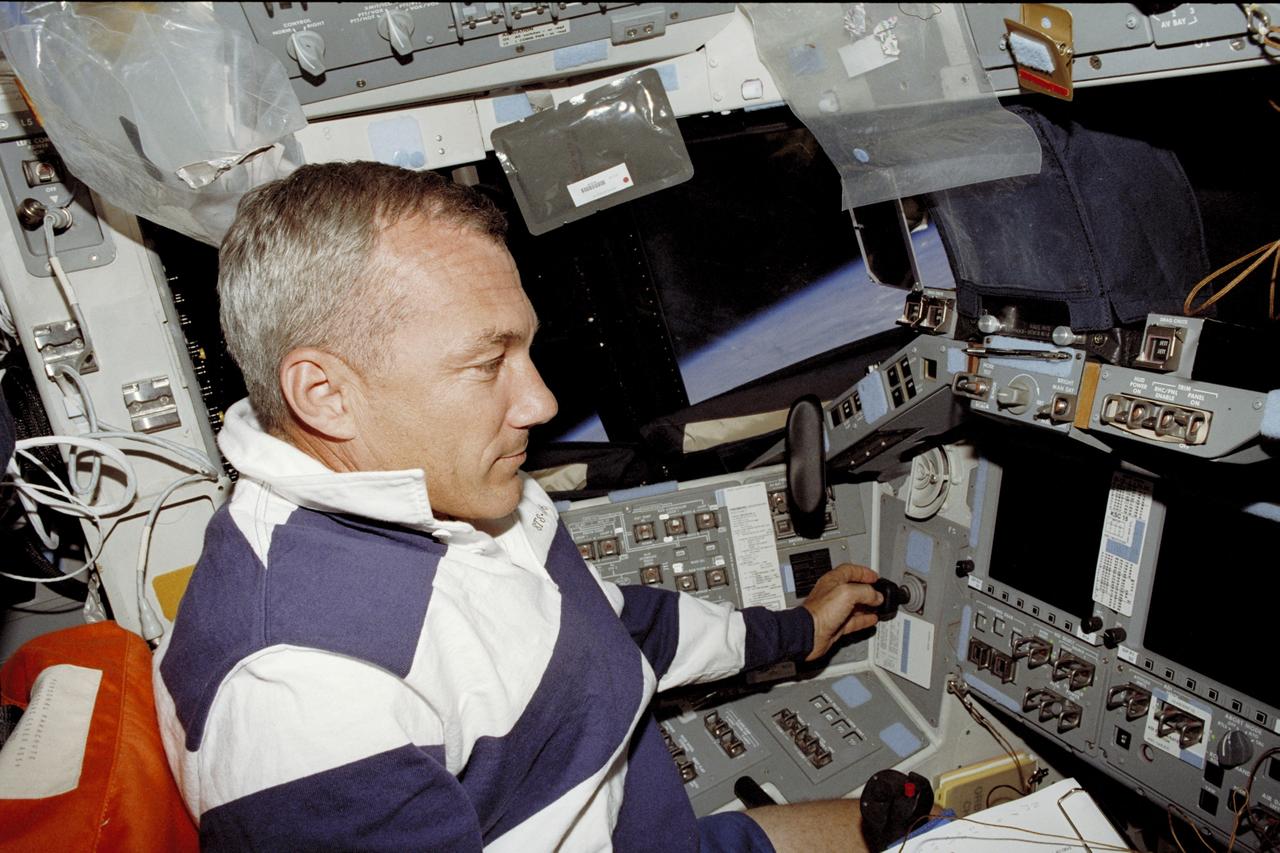
STS106-352-009 (8-20 September 2000) --- Astronaut Terrence W. Wilcutt, STS-106 mission commander, performs a firing of the reaction control system on the flight deck of the Space Shuttle Atlantis. Earth’s horizon is visible through the commander’s window.
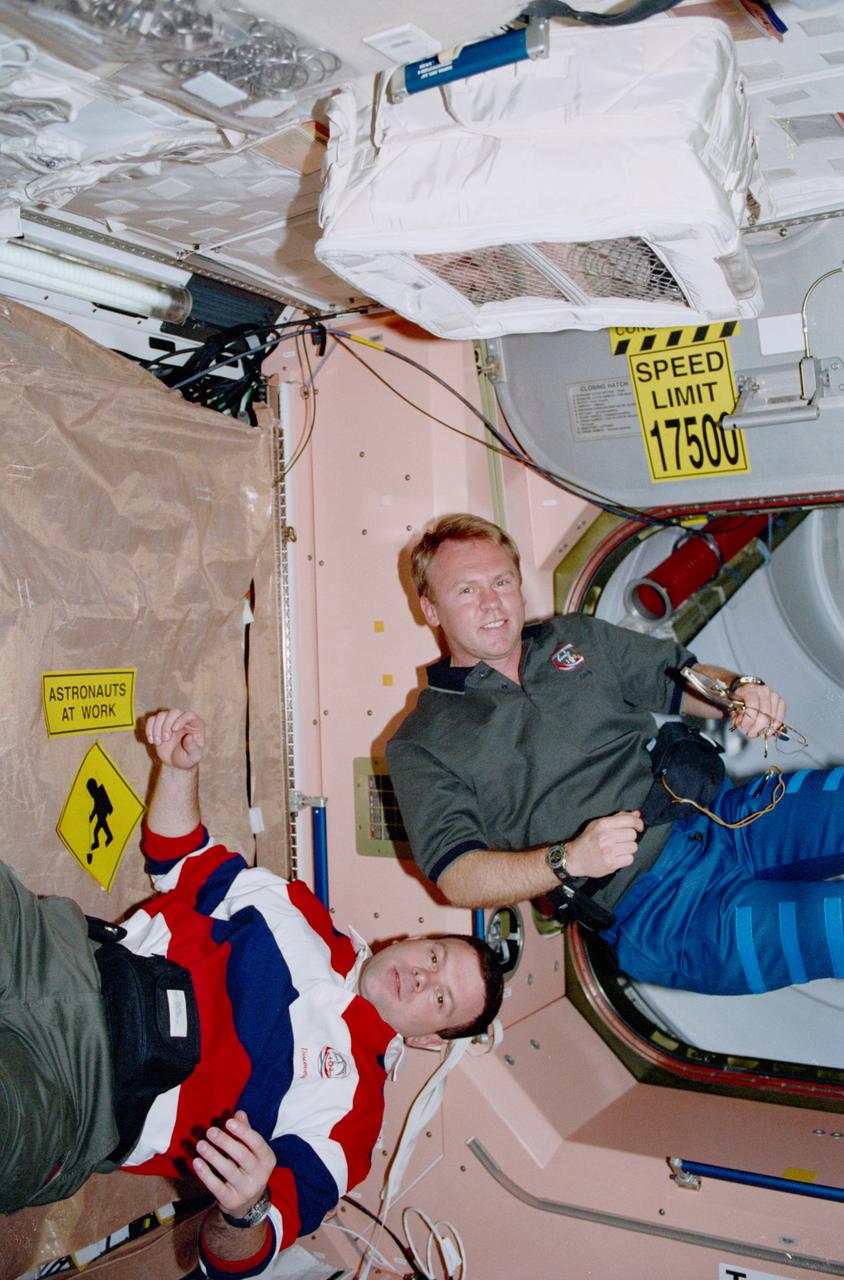
STS102-319-005 (8-21 March 2001) --- Astronauts Andrew S. W. Thomas, mission specialist and James M. Kelly, pilot, are photographed in the U.S.-built Unity node of the International Space Station during the STS-102 mission.
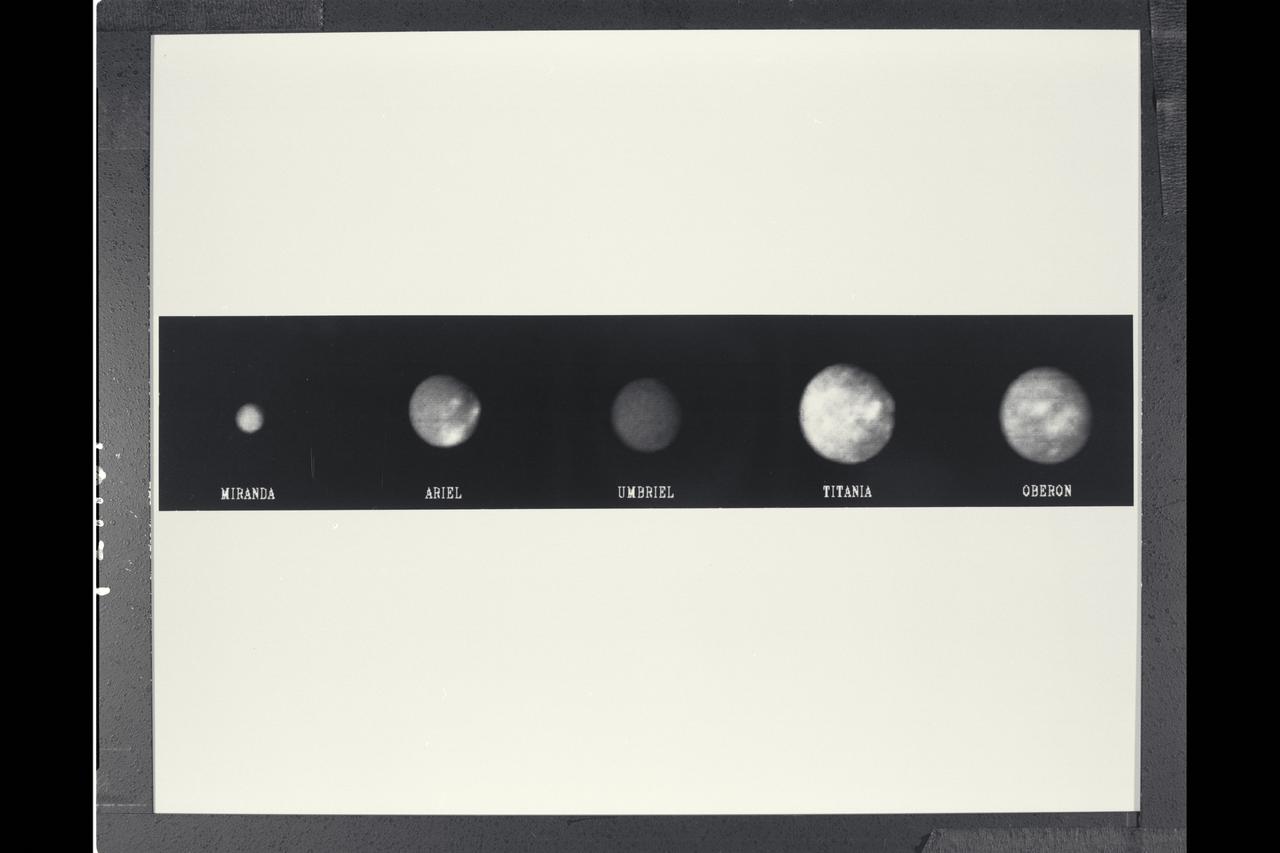
Range : 5 to 6.1 million km. ( 3.1-.8 million miles ) P-29314B/W This 'family portrait' of Uranus' five largest moons was compiled from images sent back from Voyager 2 The photographs were taken through a clear filter.
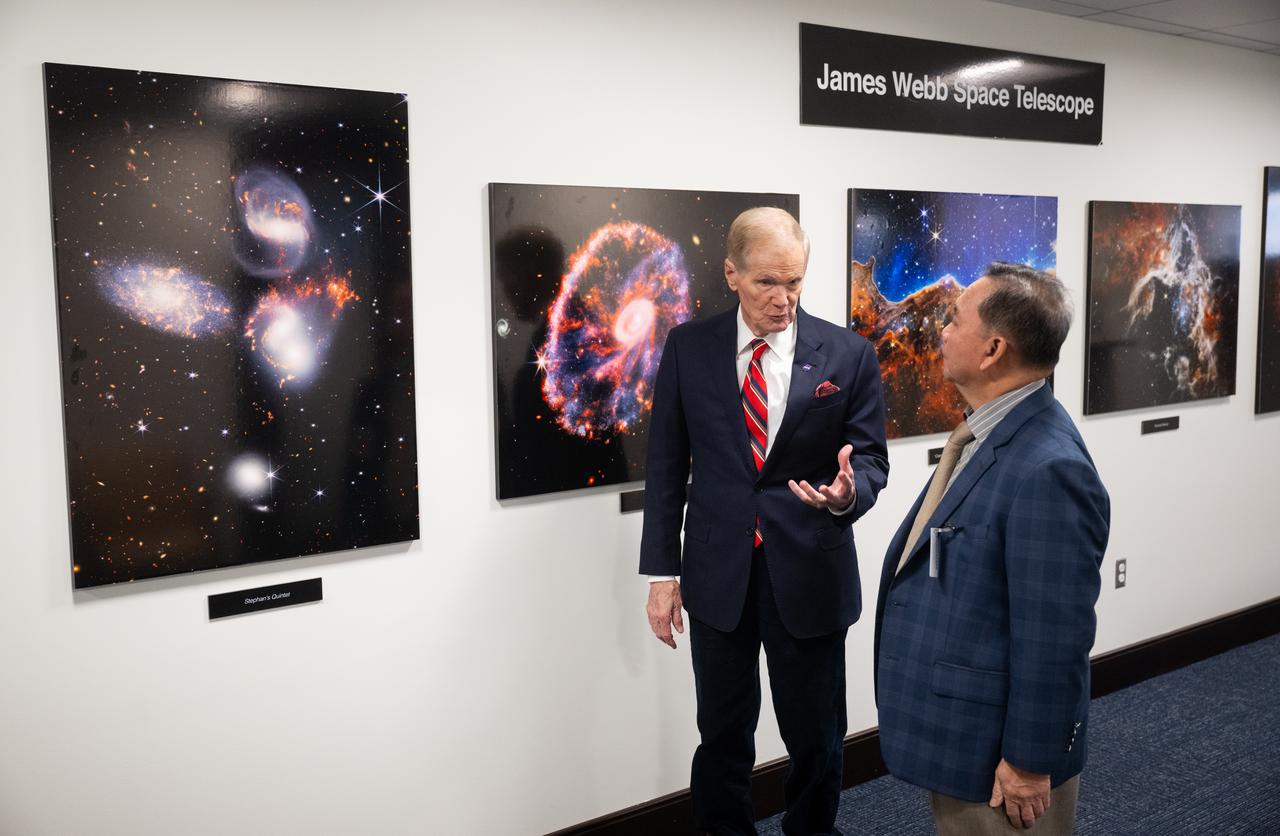
NASA Administrator Bill Nelson and His Excellency Dato Paduka Serbini Ali, Ambassador of Brunei to the United States, speak during a courtesy visit, Wednesday, Jan. 8, 2025 at the Mary W. Jackson NASA Headquarters building in Washington. Photo Credit: (NASA/Joel Kowsky)
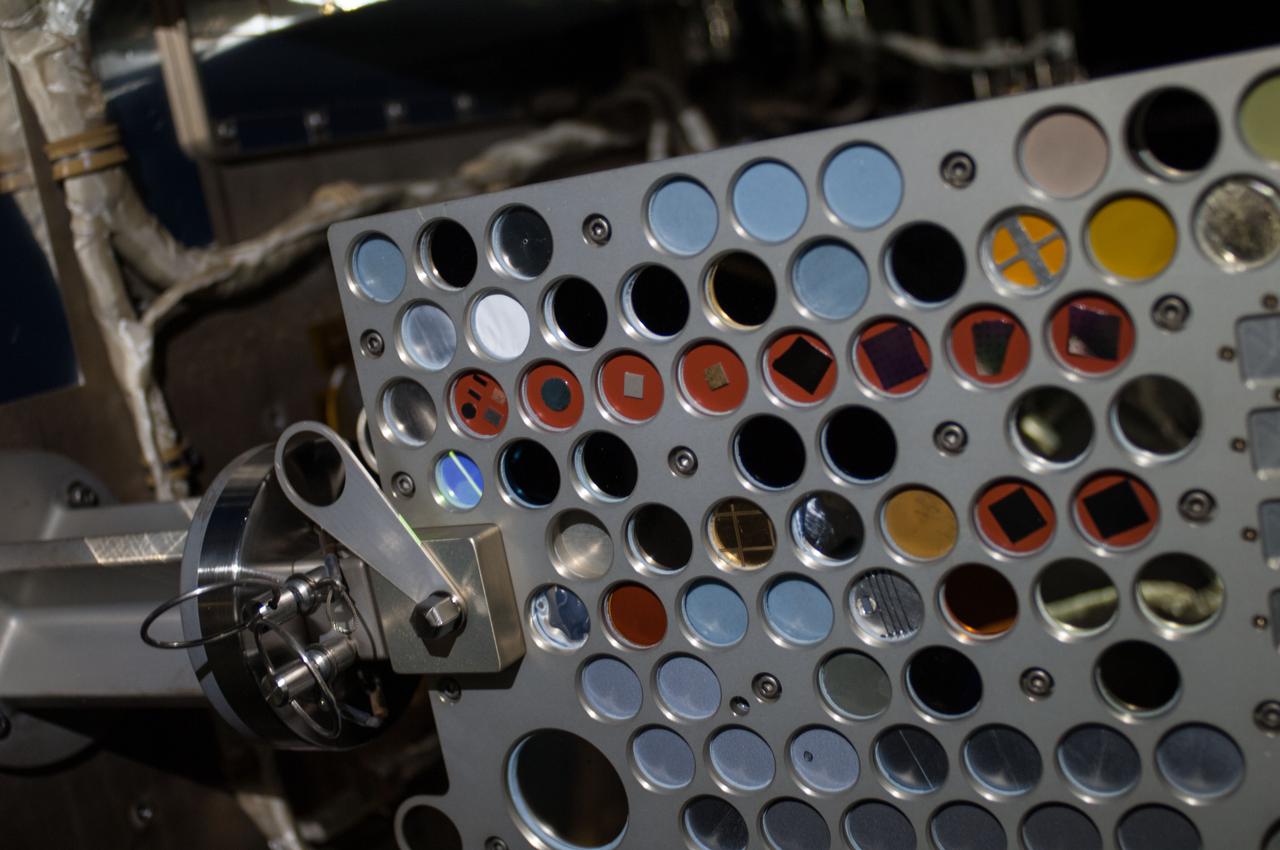
iss036e016736 (7/9/2013) --- Close-up view of the Optical Reflector Materials Experiment III Ram/Wake (ORMatE-III R/W) which is part of the Materials on International Space Station Experiment - 8 (MISSE-8) installed on the starboard truss. View was taken during a session of extravehicular activity (EVA) 22 as work continues on the International Space Station.
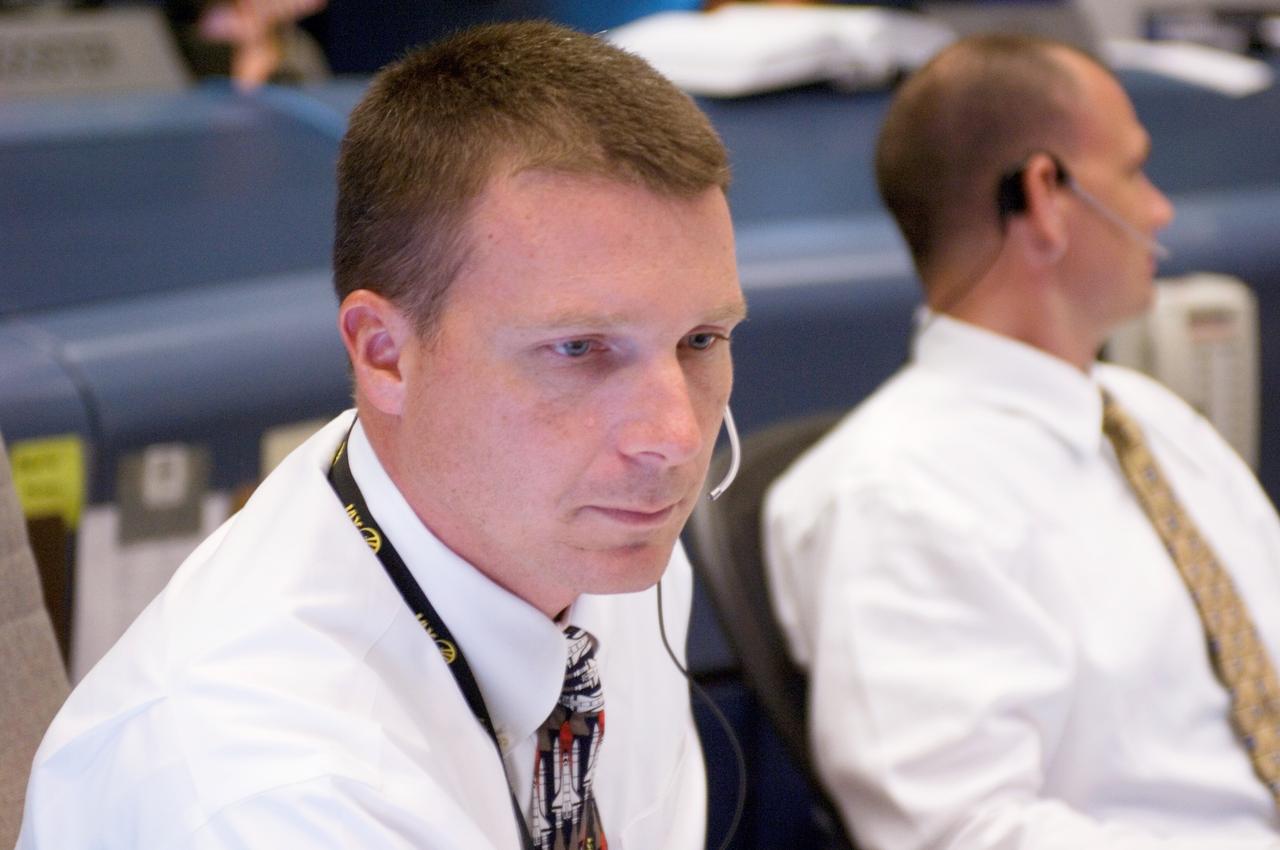
JSC2007-E-28291 (8 June 2007) --- In the space shuttle flight control room of Johnson Space Center's Mission Control Center (MCC), astronauts Terry W. Virts Jr. (foreground) and Dominic A. (Tony) Antonelli, spacecraft communicators (CAPCOM), monitor launch countdown activities a few hundred miles away in Florida, site of Space Shuttle Atlantis' scheduled STS-117 launch. Liftoff occurred at 7:38 p.m. (EDT) on June 8, 2007 from launch pad 39A at Kennedy Space Center.
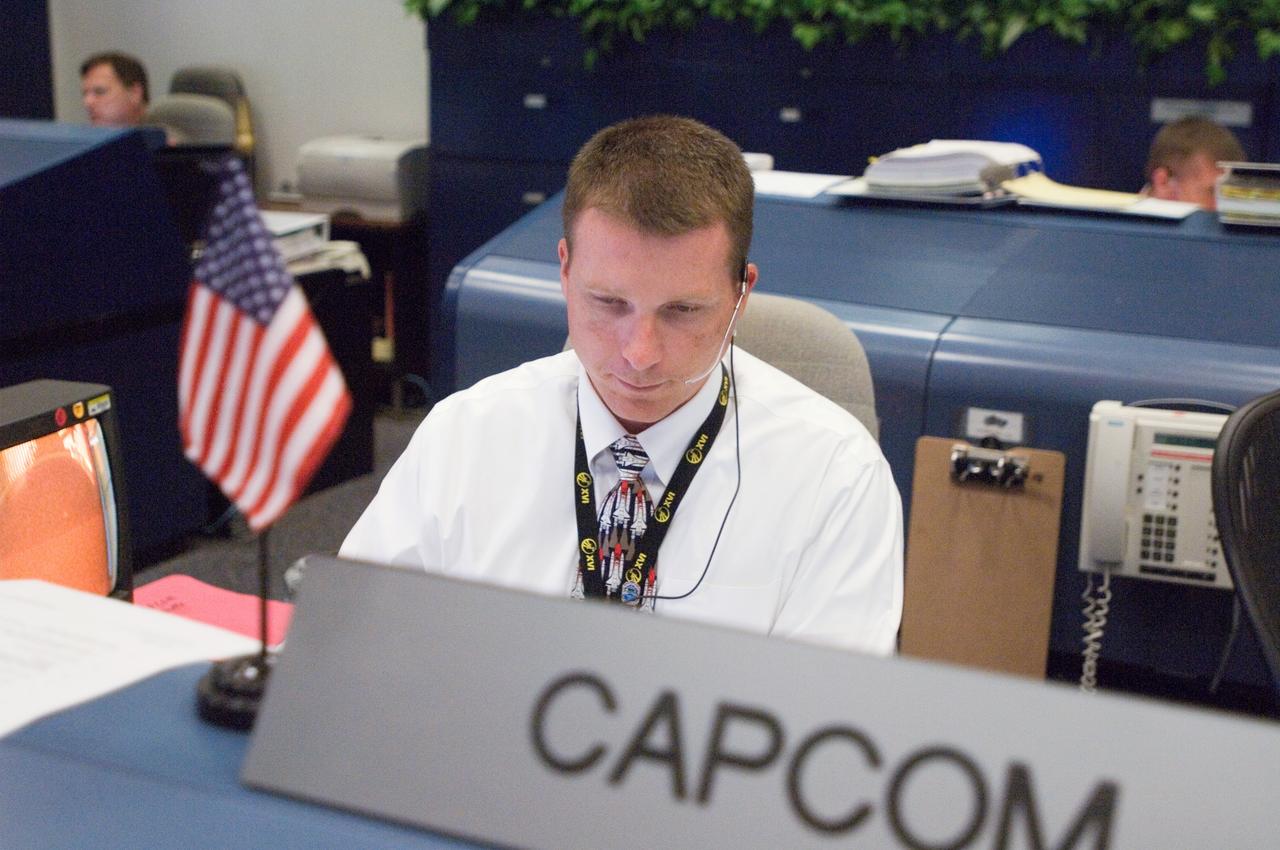
JSC2007-E-28281 (8 June 2007) --- In the space shuttle flight control room of Johnson Space Center's Mission Control Center (MCC), astronaut Terry W. Virts Jr., spacecraft communicator (CAPCOM), monitors weather data and launch countdown activities a few hundred miles away in Florida, site of Space Shuttle Atlantis' scheduled STS-117 launch. Liftoff occurred at 7:38 p.m. (EDT) on June 8, 2007 from launch pad 39A at Kennedy Space Center.

JSC2007-E-28296 (8 June 2007) --- Astronauts Terry W. Virts Jr. (foreground) and Dominic A. (Tony) Antonelli, spacecraft communicators (CAPCOM), monitor data at their consoles in the space shuttle flight control room of Johnson Space Center's Mission Control Center (MCC) following the launch of Space Shuttle Atlantis for the STS-117 mission. Liftoff occurred at 7:38 p.m. (EDT) on June 8, 2007 from launch pad 39A at Kennedy Space Center.
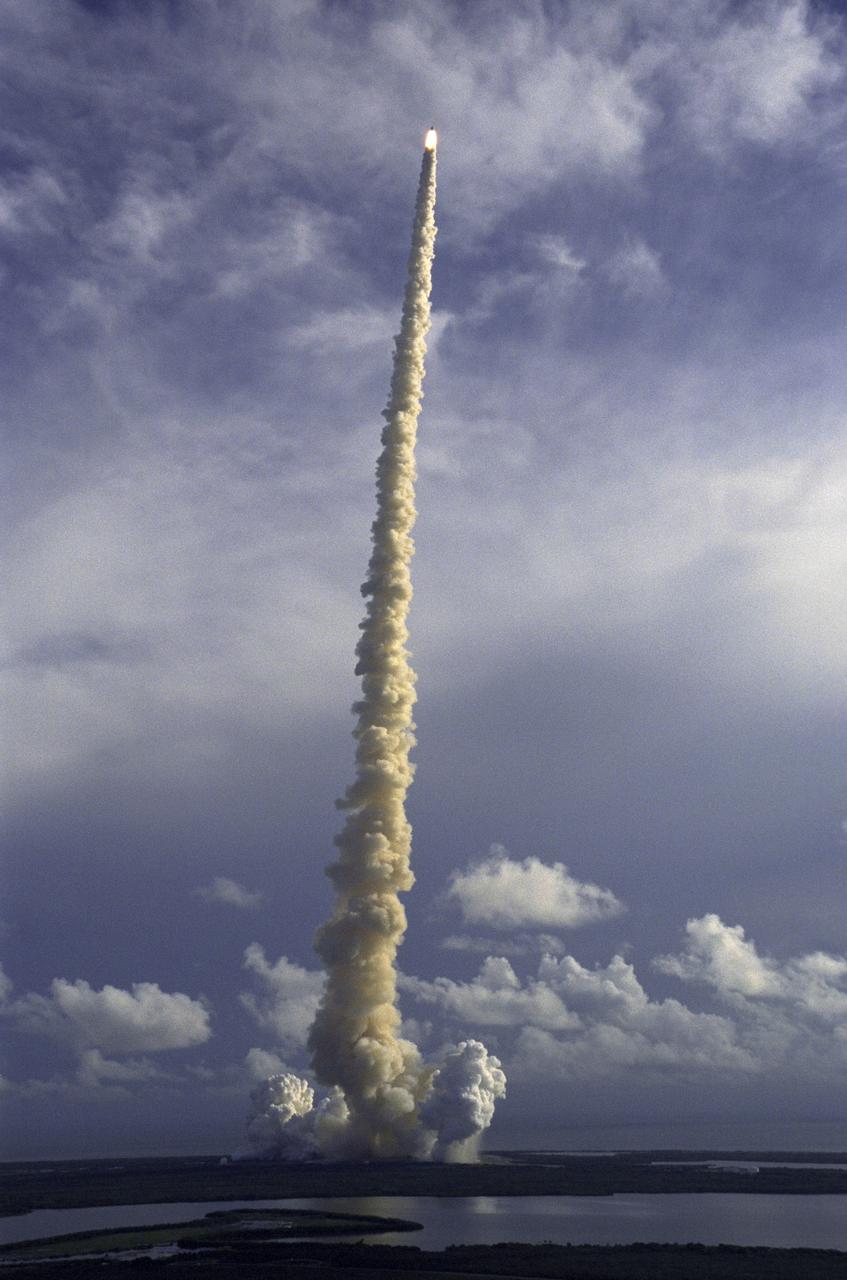
STS106-S-005 (8 September 2000) --- This distant view of the STS-106 liftoff was photographed across marsh waters around Mosquito Lagoon and Banana Creek, looking toward the Atlantic Ocean. The perfect on-time liftoff of the Space Shuttle Atlantis occurred at 8:45:47 a.m. (EDT), September 8, 2000. Onboard the shuttle were astronauts Terrence W. Wilcutt, Scott D. Altman, Edward T. Lu, Richard A. Mastracchio and Daniel C. Burbank, along with cosmonauts Yuri I. Malenchenko and Boris V. Morukov who represent the Russian Aviation and Space Agency.
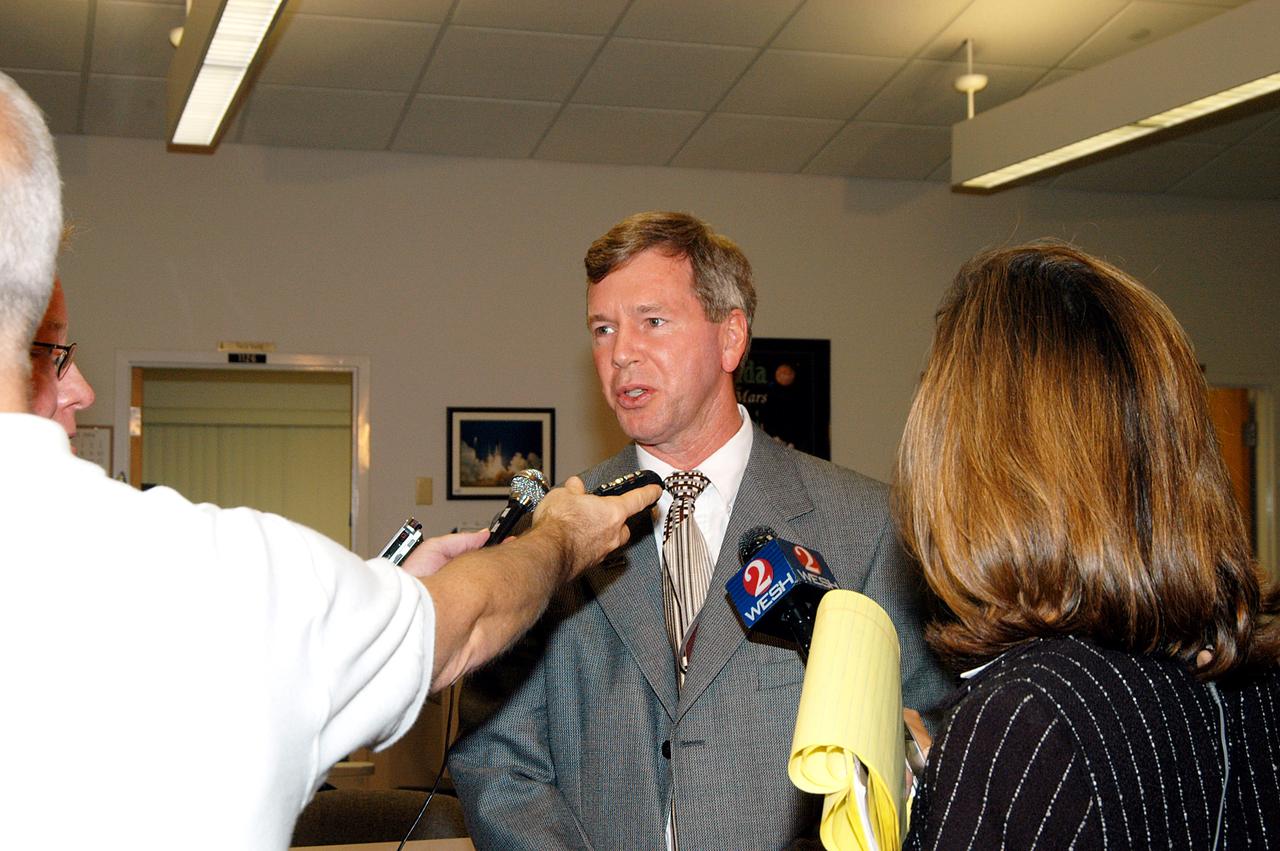
KENNEDY SPACE CENTER, FLA. -- Mike O’Neal, with the KSC Spaceport Technology Development Office, talks to the media at the NASA-KSC News Center after viewing President George W. Bush’s message on the future of NASA. The President stated his goals for NASA’s new mission: Completing the International Space Station, retiring the Space Shuttle orbiters, developing a new crew exploration vehicle, and returning to the moon and beyond within the next two decades. Pres. Bush was welcomed by NASA Administrator Sean O’Keefe and Expedition 8 Commander Michael Foale, who greeted him from the International Space Station.
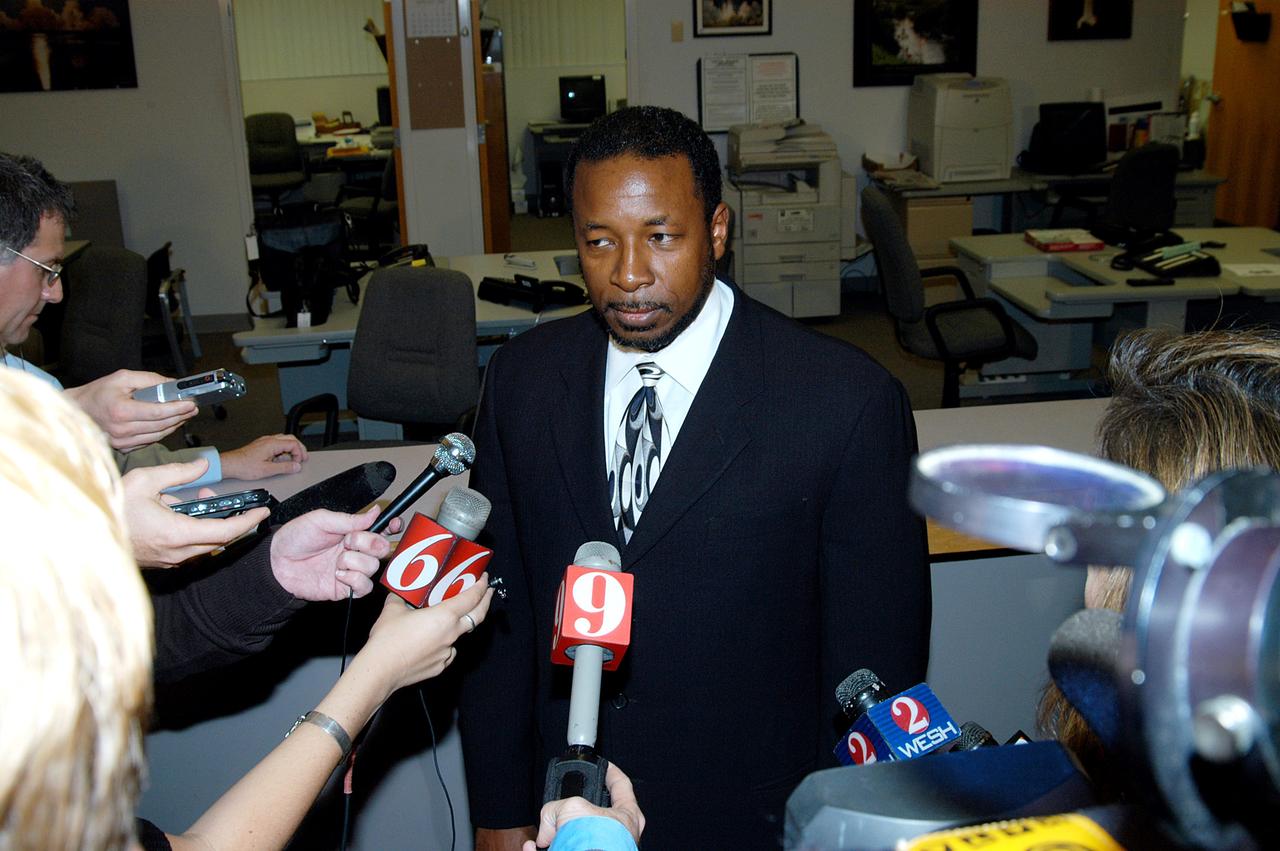
KENNEDY SPACE CENTER, FLA. -- Dr. Woodrow Whitlow, KSC deputy director, talks to the media at the NASA-KSC News Center after viewing President George W. Bush’s message on the future of NASA. The President stated his goals for NASA’s new mission: Completing the International Space Station, retiring the Space Shuttle orbiters, developing a new crew exploration vehicle, and returning to the moon and beyond within the next two decades. Pres. Bush was welcomed by NASA Administrator Sean O’Keefe and Expedition 8 Commander Michael Foale, who greeted him from the International Space Station.
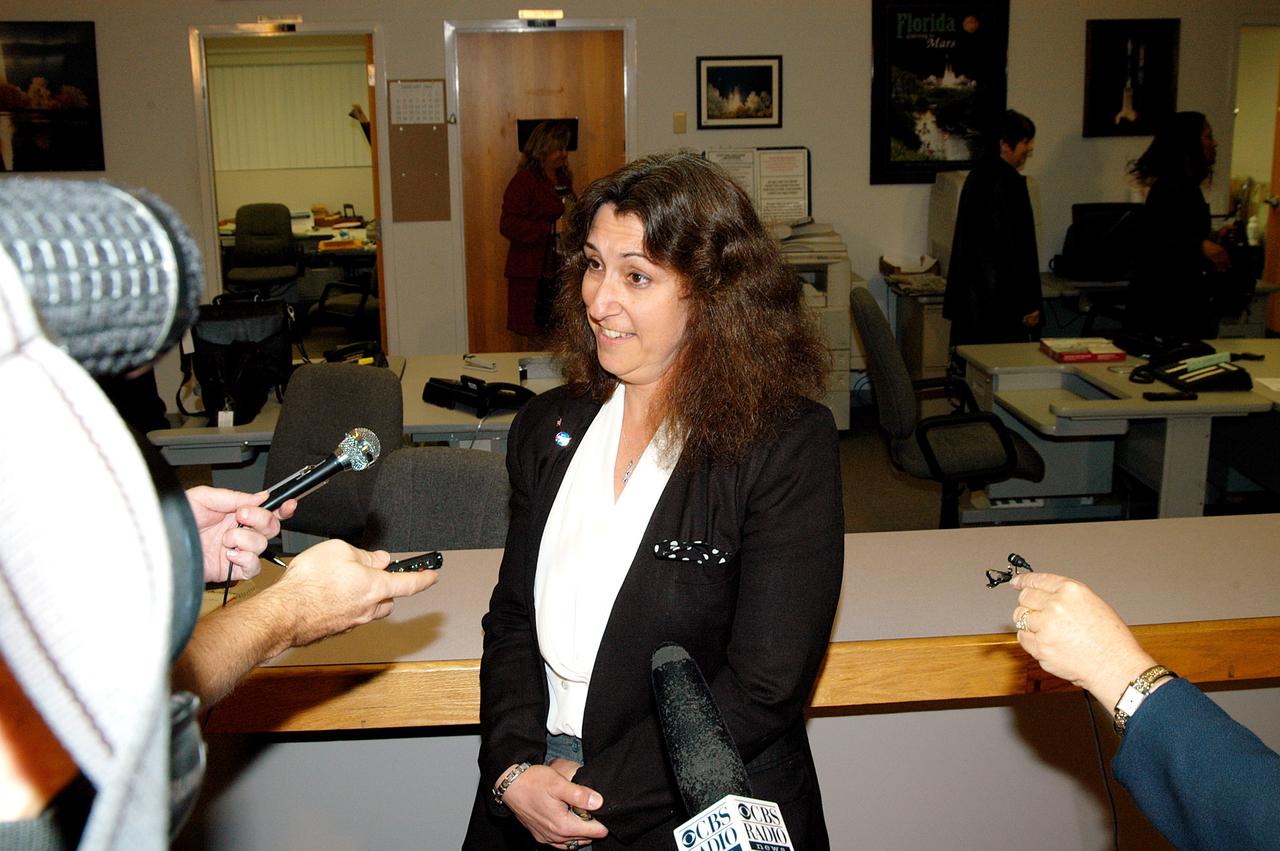
KENNEDY SPACE CENTER, FLA. -- Maria Littlefield, chief technologist with the Launch Services Program Office, talks to the media at the NASA-KSC News Center after viewing President George W. Bush’s message on the future of NASA. The President stated his goals for NASA’s new mission: Completing the International Space Station, retiring the Space Shuttle orbiters, developing a new crew exploration vehicle, and returning to the moon and beyond within the next two decades. Pres. Bush was welcomed by NASA Administrator Sean O’Keefe and Expedition 8 Commander Michael Foale, who greeted him from the International Space Station.
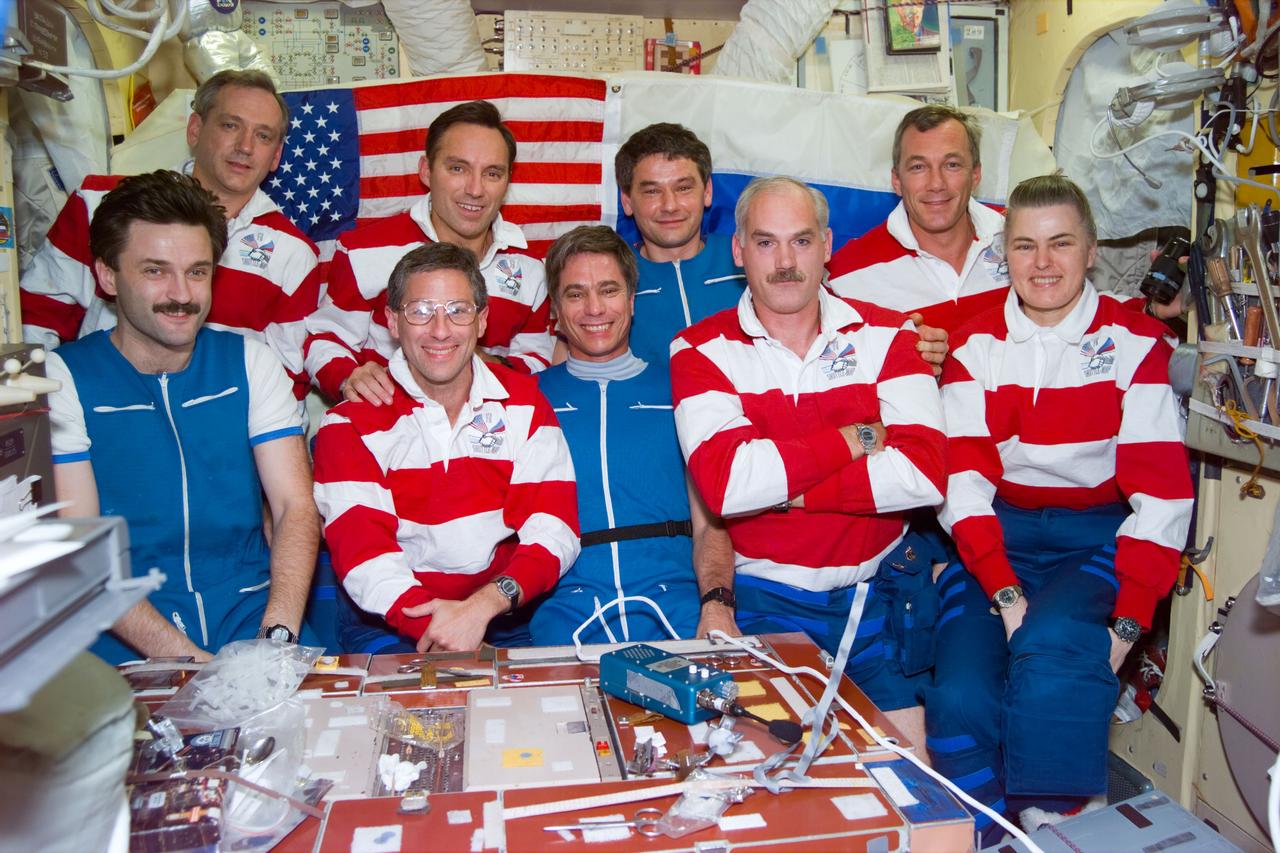
STS79-E-5289 (23 September 1996) --- Crew members of STS-79 and Mir-22 pose for final group portrait aboard Russia's Mir Space Station's Core Module before going separate ways in Earth-orbit, during Flight Day 8. Front row, left to right, are Aleksandr Y. Kaleri, Jerome (Jay) Apt, William F. Readdy and Shannon W. Lucid. On the back row are, left to right, Thomas D. Akers, Carl E. Walz, Valeri G. Korzun and Terrence W. Wilcutt. Note Blaha, the new cosmonaut researcher for Mir-22, is now wearing the uniform of that crew and Lucid's garment is uniform with the STS-79 astronauts.
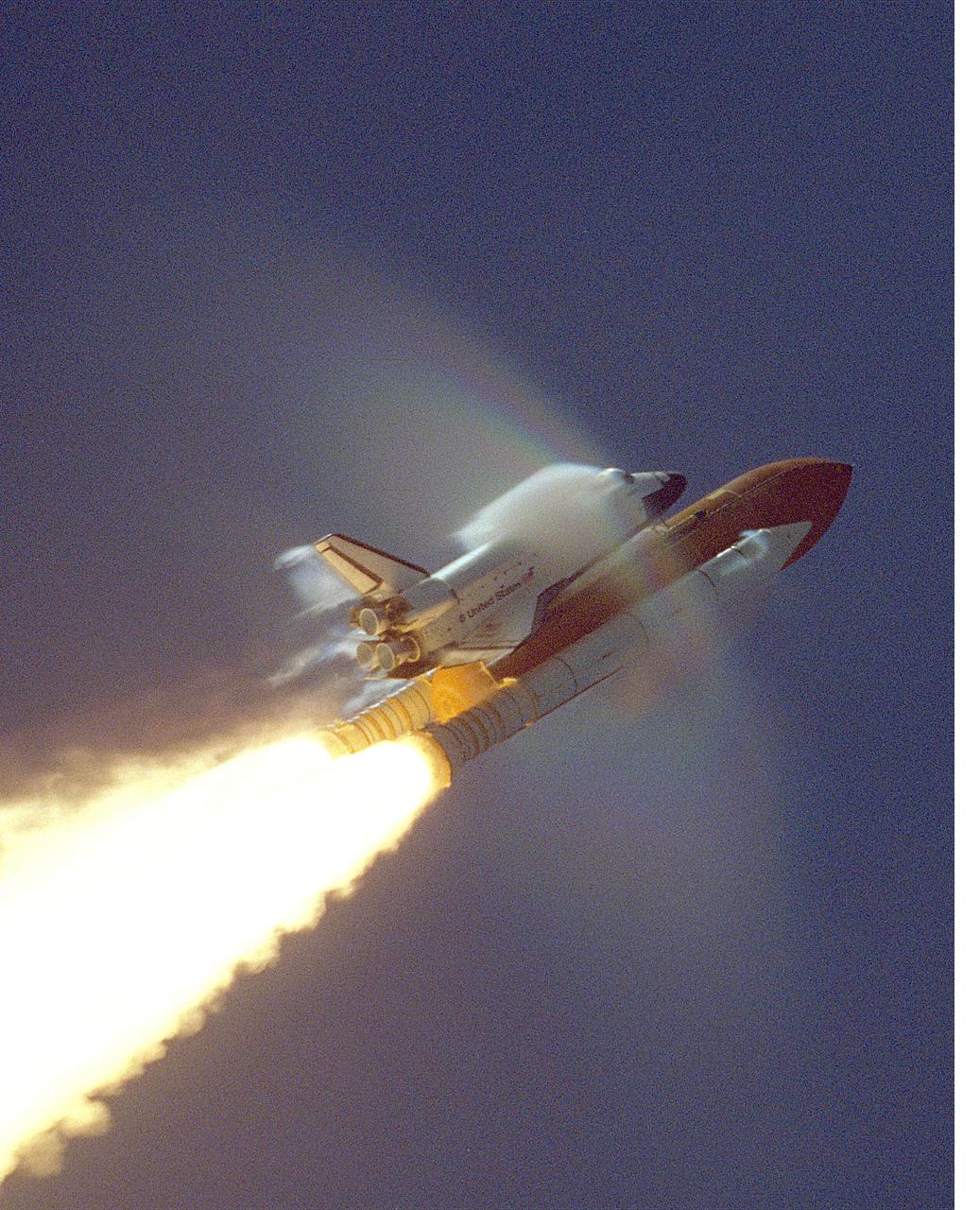
STS106-S-013 (8 September 2000)--- This view of shock-wave condensation collars backlit by the Sun occurred during the launch of the Space Shuttle Atlantis on September 8, 2000. The scene was captured on 35mm motion picture film. One frame was digitized to make this still image. Although the primary effect is created by the forward fuselage of the Atlantis, secondary effects can be seen on the solid rocket booster (SRB) forward skirt, shuttle vertical stabilizer and wing trailing edge, behind the Space Shuttle Main Engines (SSME). The perfect on-time launch took place at 8:45:47 a.m. (EDT), September 8, 2000. Onboard the shuttle were astronauts Terrence W. Wilcutt, Scott D. Altman, Edward T. Lu, Richard A. Mastracchio and Daniel C. Burbank, along with cosmonauts Yuri I. Malenchenko and Boris V. Morukov who represent the Russian Aviation and Space Agency.
STS-106 Commander Terrence W. Wilcutt waves to onlookers as he arrives at the KSC Shuttle Landing Facility. He and the rest of the crew will be making pre-launch preparations for the fourth flight to the International Space Station. STS-106 is scheduled to launch Sept. 8, 2000, at 8:45 a.m. EDT from Launch Pad 39B. On the 11-day mission, the seven-member crew will perform support tasks on orbit, transfer supplies and prepare the living quarters in the newly arrived Zvezda Service Module. The first long-duration crew, dubbed “Expedition One,” is due to arrive at the Station in late fall
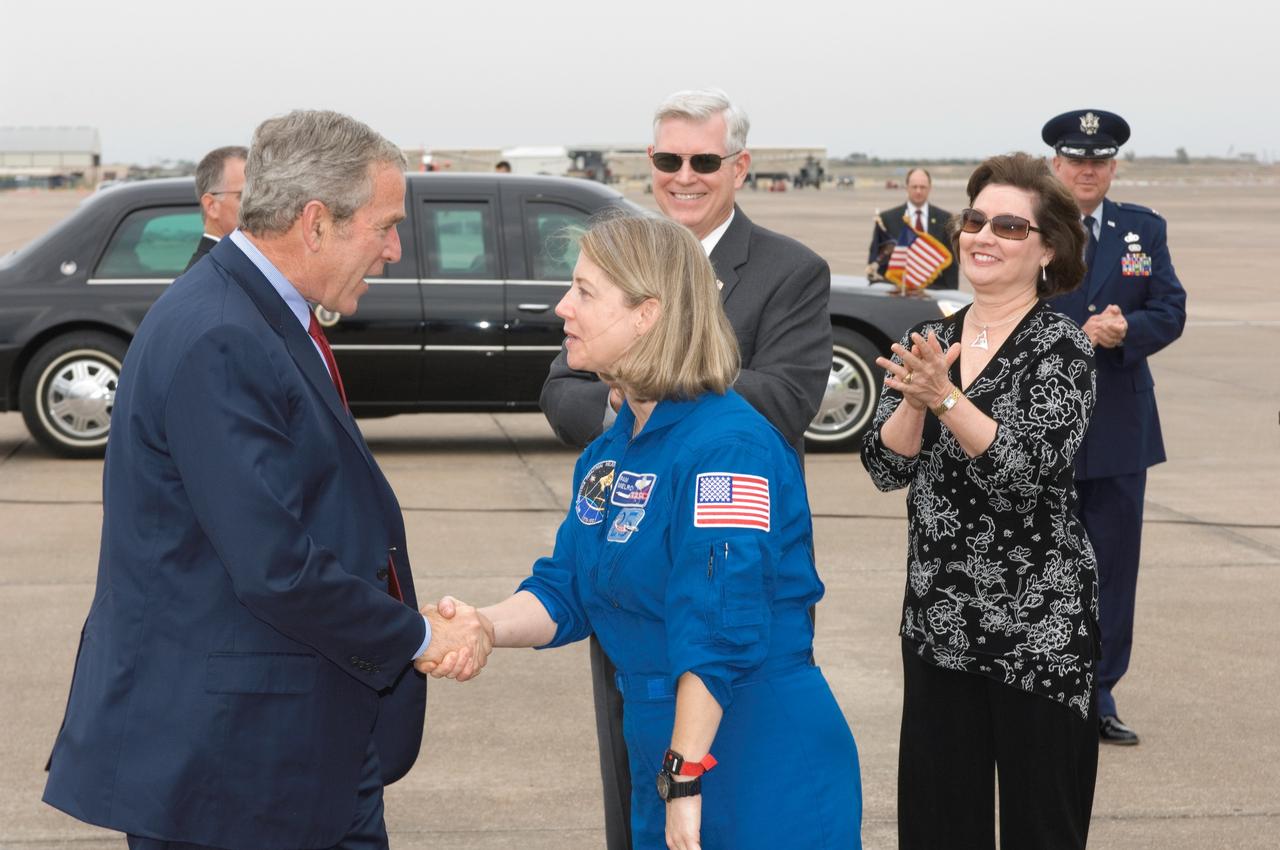
JSC2007-E-097963 (8 Nov. 2007) ---- The crew of the STS-120 mission received a special greeting upon their return home to Houston Thursday, Nov. 8, following the landing of space shuttle Discovery in Florida on Wednesday, Nov. 7. President George W. Bush greeted STS-120 commander Pam Melroy (pictured). He also exchanged greetings with the other members of the crew (out of frame) -- pilot George Zamka and mission specialists Scott Parazynski, Stephanie Wilson, Doug Wheelock, Paolo Nespoli and Clay Anderson at Houston's Ellington Field. JSC Director Mike Coats applauds in the background.
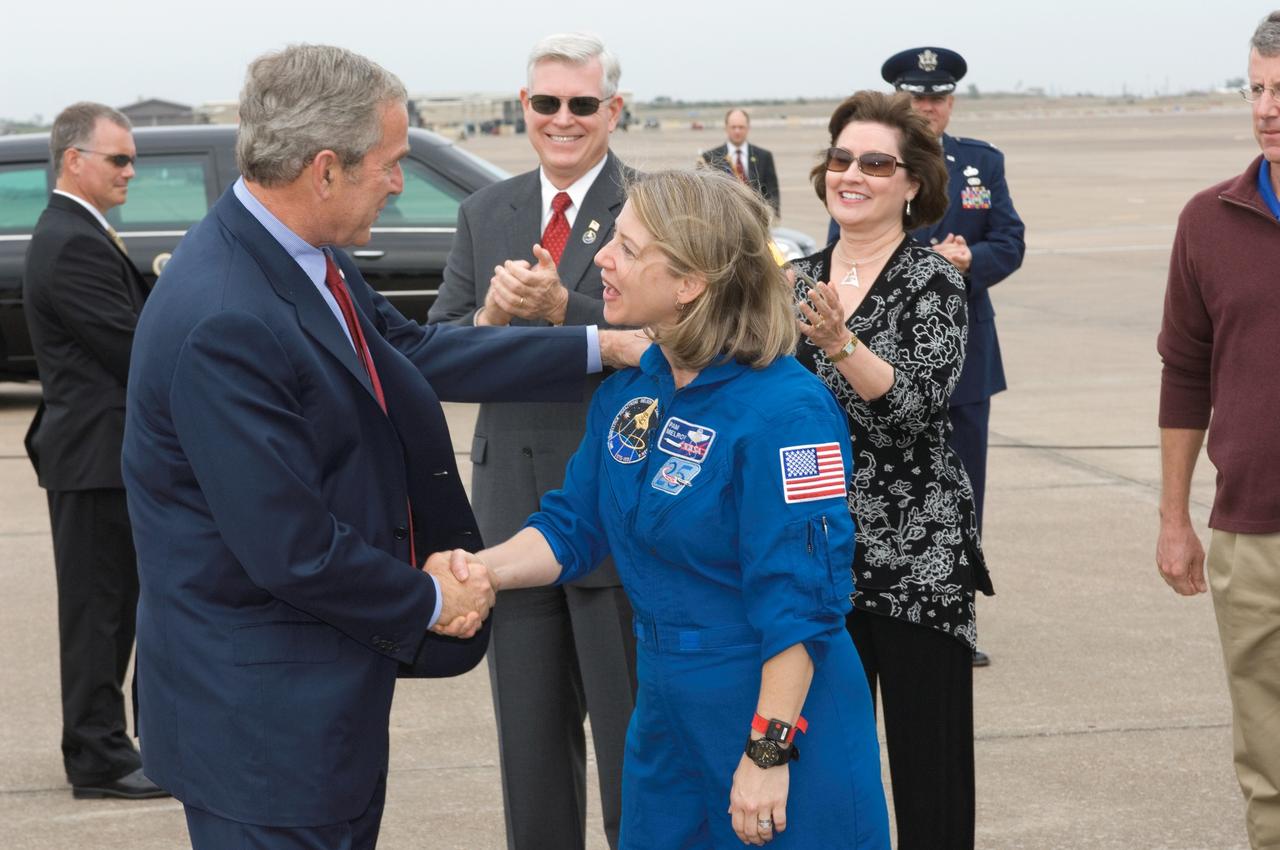
JSC2007-E-097964 (8 Nov. 2007) ---- The crew of the STS-120 mission received a special greeting upon their return home to Houston Thursday, Nov. 8, following the landing of space shuttle Discovery in Florida on Wednesday, Nov. 7. President George W. Bush greeted STS-120 commander Pam Melroy (pictured). He also exchanged greetings with the other members of the crew (out of frame) -- pilot George Zamka and mission specialists Scott Parazynski, Stephanie Wilson, Doug Wheelock, Paolo Nespoli and Clay Anderson at Houston's Ellington Field. JSC Director Mike Coats applauds in the background.
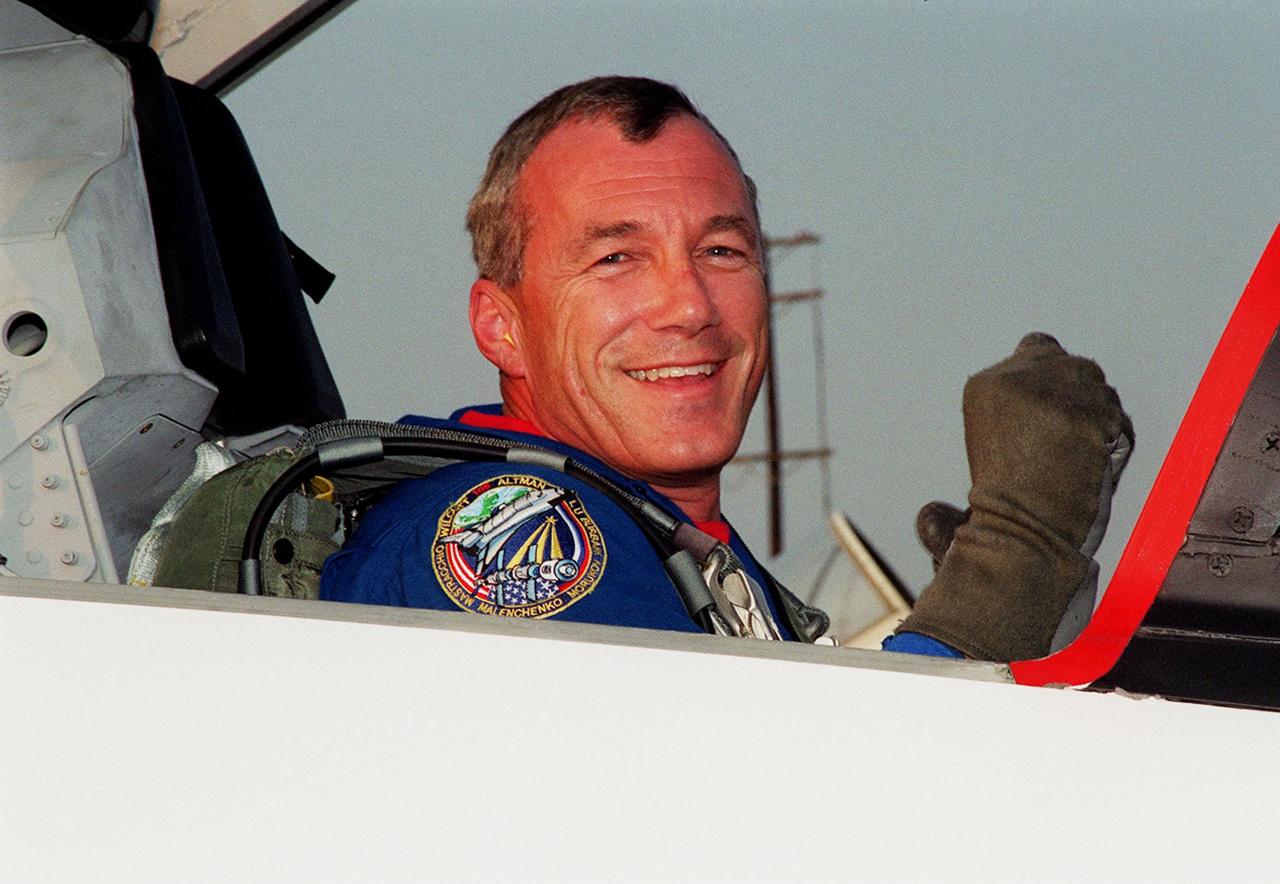
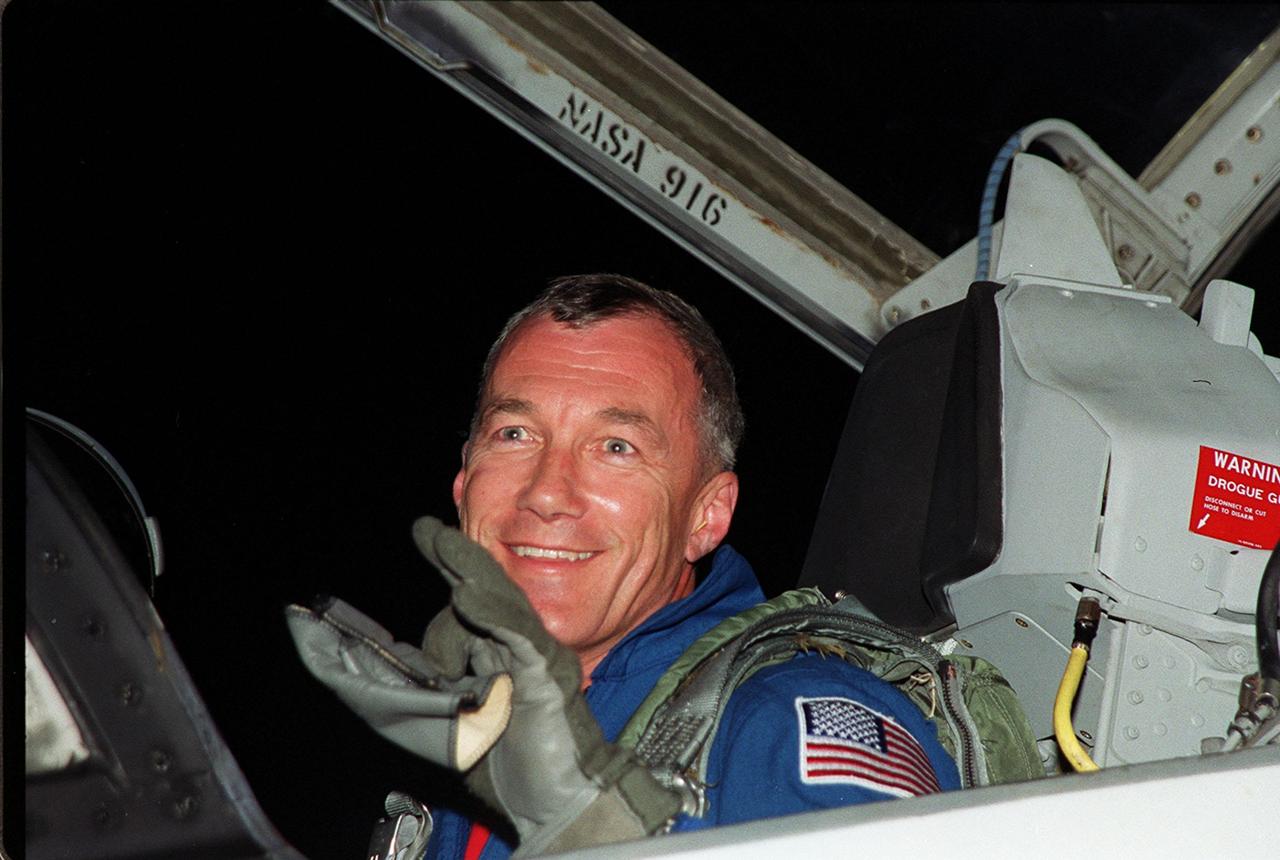
STS-106 Commander Terrence W. Wilcutt grins after landing at the KSC Shuttle Landing Facility aboard a T-38 jet aircraft. He and the rest of the crew will be taking part in Terminal Countdown Demonstration Test activities, which include emergency egress training and a simulated launch countdown. STS-106 is scheduled to launch Sept. 8, 2000, at 8:31 a.m. EDT from Launch Pad 39B. On the 11-day mission, the seven-member crew will perform support tasks on orbit, transfer supplies and prepare the living quarters in the newly arrived Zvezda Service Module. The first long-duration crew, dubbed “Expedition One,” is due to arrive at the Station in late fall
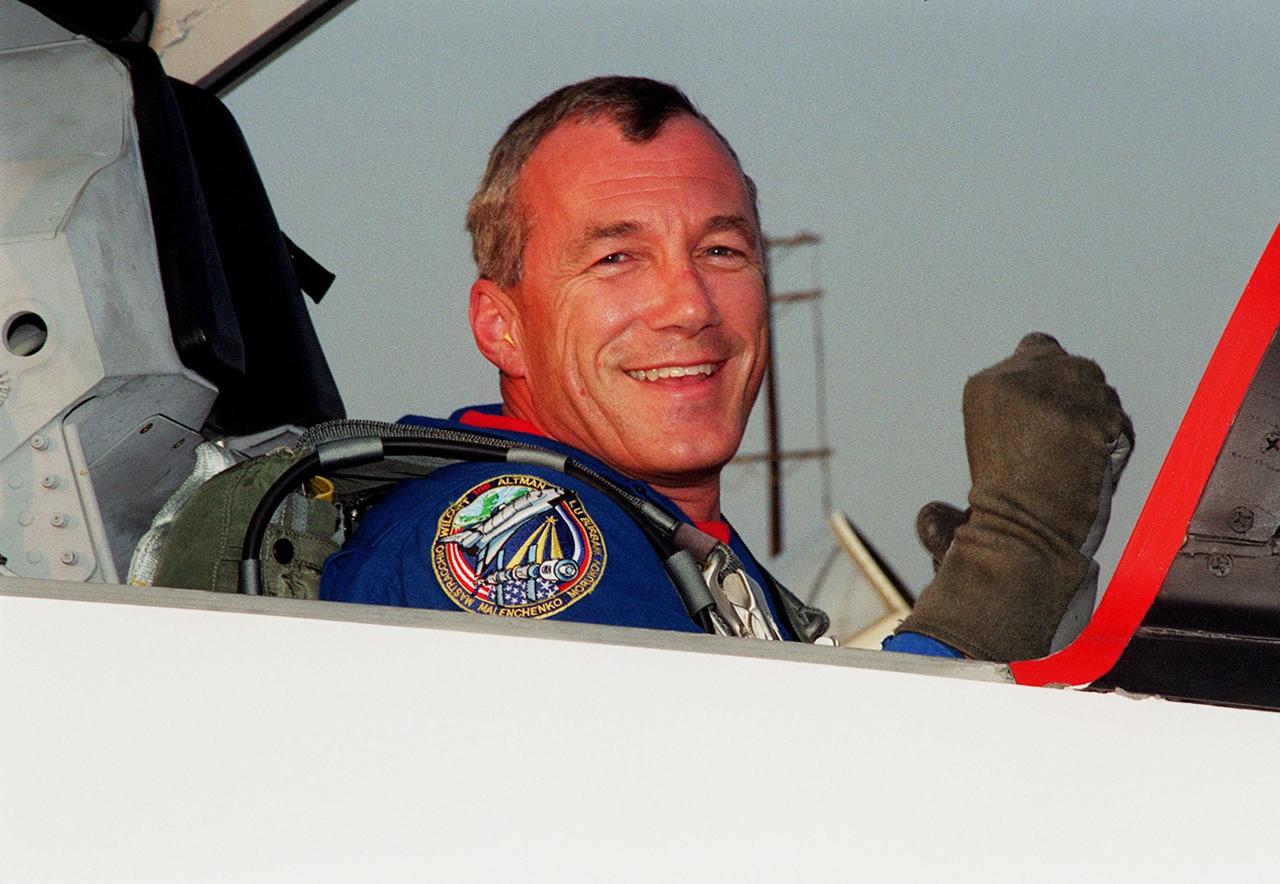
STS-106 Commander Terrence W. Wilcutt grins after landing at the KSC Shuttle Landing Facility aboard a T-38 jet aircraft. He and the rest of the crew will be taking part in Terminal Countdown Demonstration Test activities, which include emergency egress training and a simulated launch countdown. STS-106 is scheduled to launch Sept. 8, 2000, at 8:31 a.m. EDT from Launch Pad 39B. On the 11-day mission, the seven-member crew will perform support tasks on orbit, transfer supplies and prepare the living quarters in the newly arrived Zvezda Service Module. The first long-duration crew, dubbed “Expedition One,” is due to arrive at the Station in late fall
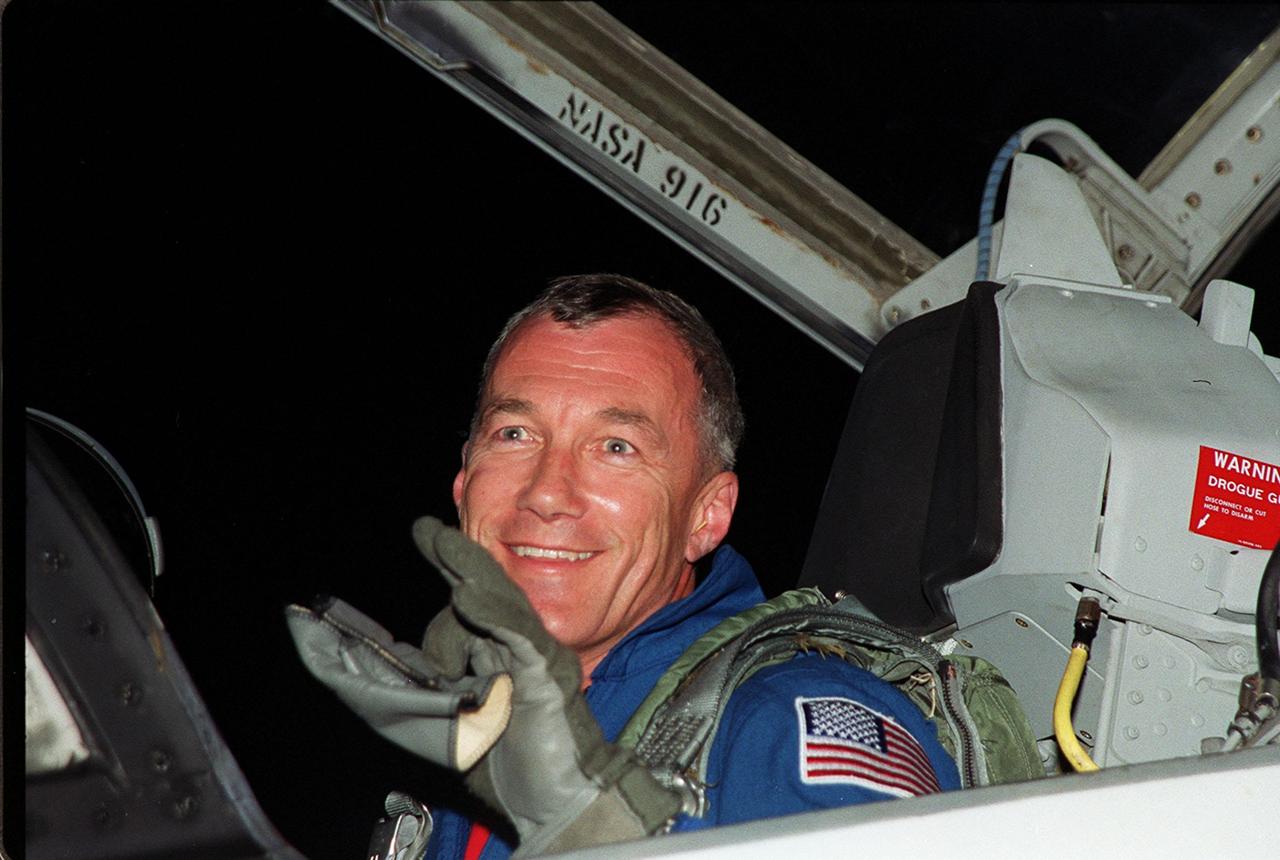
STS-106 Commander Terrence W. Wilcutt waves to onlookers as he arrives at the KSC Shuttle Landing Facility. He and the rest of the crew will be making pre-launch preparations for the fourth flight to the International Space Station. STS-106 is scheduled to launch Sept. 8, 2000, at 8:45 a.m. EDT from Launch Pad 39B. On the 11-day mission, the seven-member crew will perform support tasks on orbit, transfer supplies and prepare the living quarters in the newly arrived Zvezda Service Module. The first long-duration crew, dubbed “Expedition One,” is due to arrive at the Station in late fall
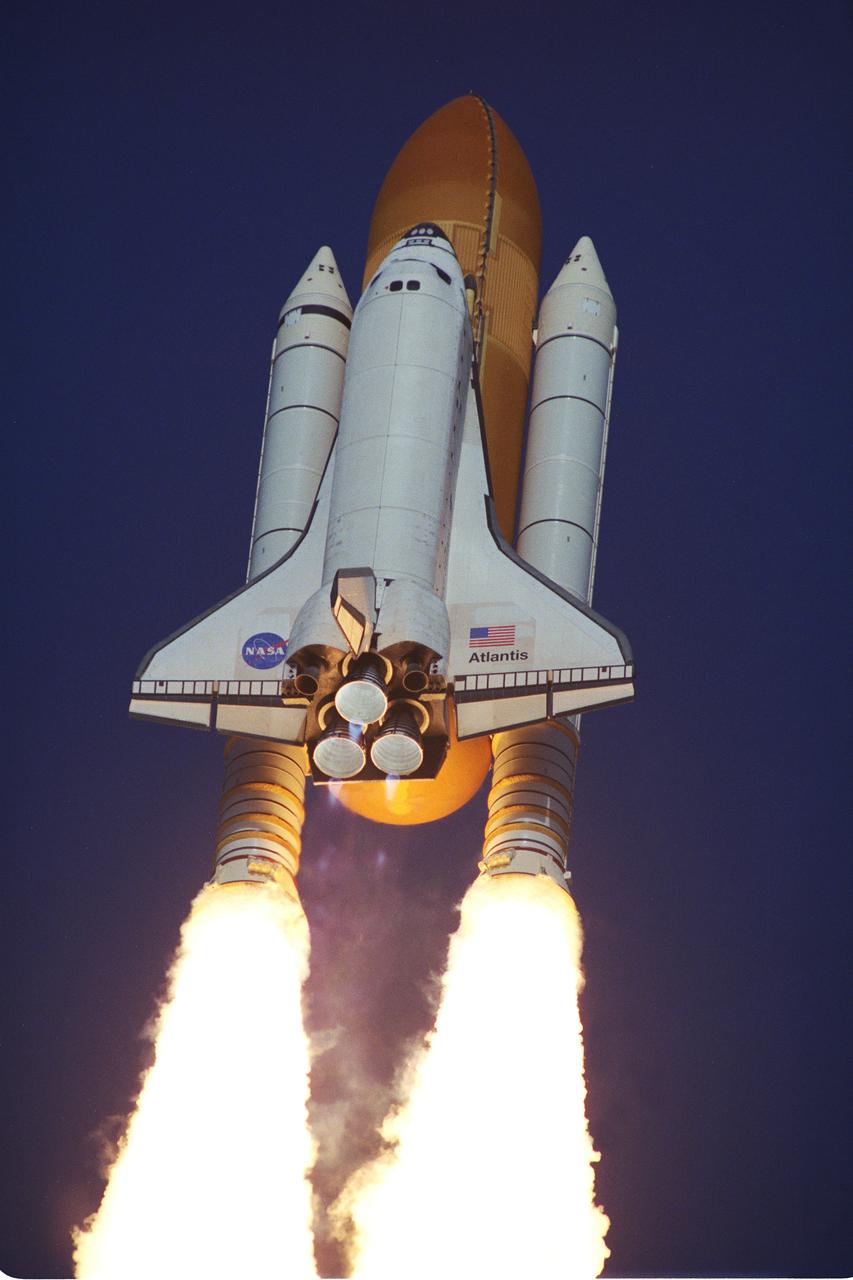
STS106-S-015 (8 September 2000) --- The Space Shuttle Atlantis streaks into the sky on mission STS-106 after a perfect on-time launch at 8:45:47 a.m. (EDT), September 8, 2000. Blue mach diamonds are barely visible beneath the main engine nozzles. On the 11-day mission to the International Space Station, the seven-member crew will perform support tasks on orbit; transfer supplies and prepare the living quarters in the newly arrived Zvezda Service Module. The first long-duration crew is due to arrive at the Station in late fall. Onboard the spacecraft were astronauts Terrance W. Wilcutt, Scott D. Altman, Edward T. Lu, Richard A. Mastracchio and Daniel C. Burbank, along with cosmonauts Yuri I. Malenchenko and Boris Morukov, both of whom represent Rosaviakosmos.
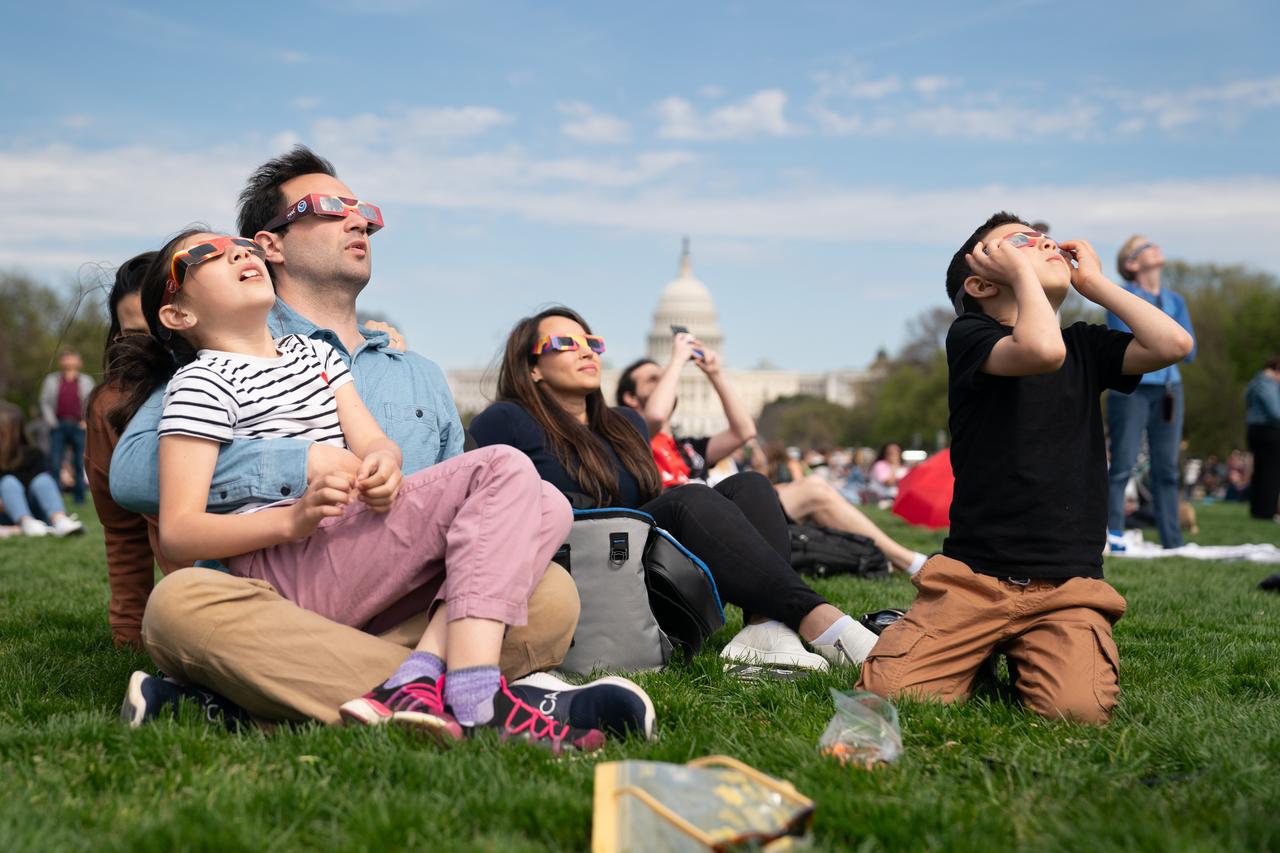
(L-R) Miranda (9) and Cameron Dyal, Yudi Lewis, and Cameron Dyal (7) view a partial solar eclipse in Washington, DC, Monday, April 8, 2024. A total solar eclipse swept across a narrow portion of the North American continent from Mexico’s Pacific coast to the Atlantic coast of Newfoundland, Canada. A partial solar eclipse was visible across the entire North American continent along with parts of Central America and Europe. Photo Credit: (NASA/Denny Henry)W
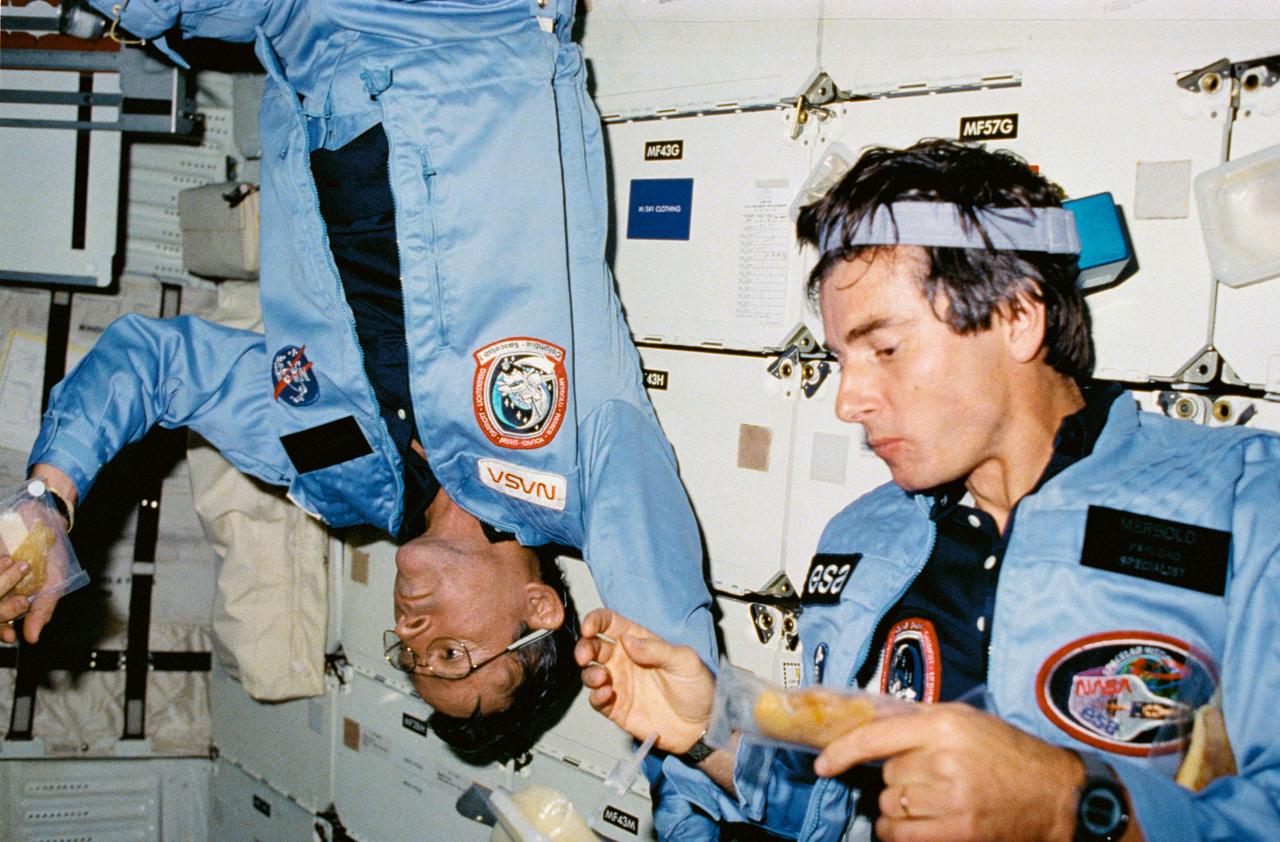
STS009-003-075 (28 November - 8 December 1983) --- Astronaut John W. Young (left), STS-9 crew commander; and Ulf Merbold, payload specialist, enjoy a meal in the middeck of the Earth-orbiting Space Shuttle Columbia. Merbold is a physicist from the Federal Republic of Germany, representing the European Space Agency (ESA) on this 10-day flight. Many of the nearby stowage lockers are used for clothing and food. The photograph was made with a 35mm camera.
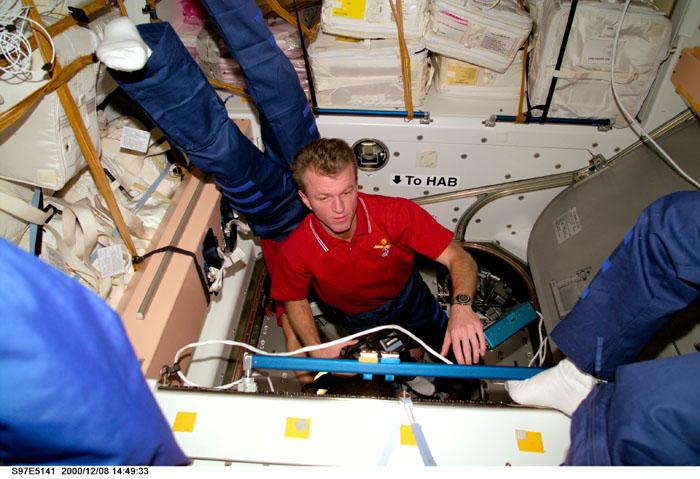
S97-E-5141 (8 December 2000) --- Astronaut Brent W. Jett, Jr., passes another astronaut going the opposite direction in the hatchway that leads from Unity to Pressurized Mating Adapter-3 (PMA-3), which leads to Endeavour. Jett, the STS-97 mission commander, and his four crew mates went into the International Space Station (ISS) following hatch opening. The photograph was taken with a digital still camera.
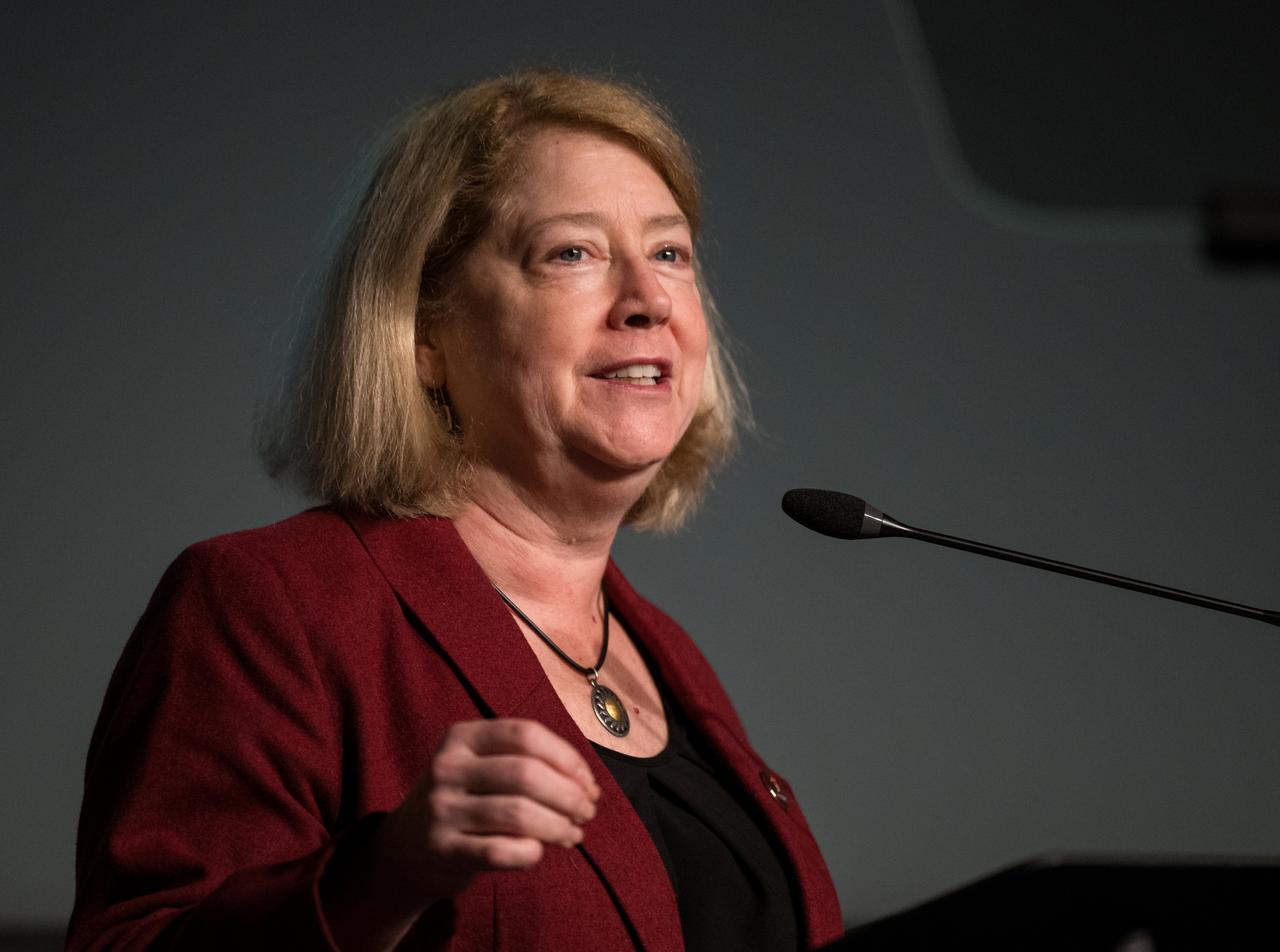
NASA Deputy Administrator Pam Melroy speaks during a media briefing to discuss the upcoming solar eclipse, Tuesday, March 26, 2024 at the Mary W. Jackson NASA Headquarters building in Washington. A total solar eclipse will sweep across a narrow portion of the North American continent from Mexico’s Pacific coast to the Atlantic coast of Newfoundland, Canada on April 8, 2024. A partial solar eclipse will be visible across the entire North American continent along with parts of Central America and Europe. Photo Credit: (NASA/Aubrey Gemignani)
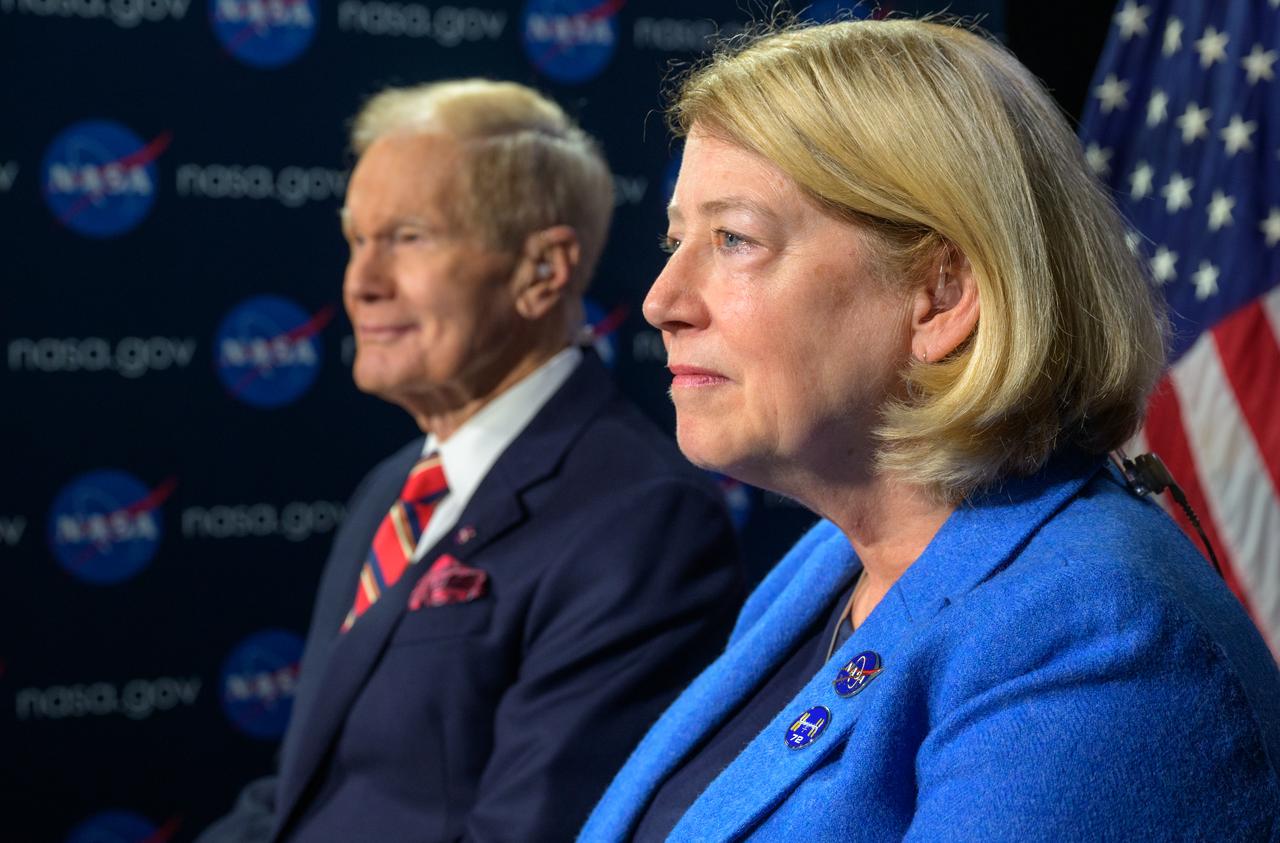
NASA Administrator Bill Nelson, left, and NASA Deputy Administrator Pam Melroy are seen during an Earth-to-space call with astronauts aboard the International Space Station, Wednesday, Jan. 8, 2025, at the Mary W. Jackson NASA Headquarters building in Washington. Nelson and Melroy spoke with NASA astronauts Nick Hague, Butch Wilmore, Suni Williams, and Don Pettit. Photo Credit: (NASA/Bill Ingalls)
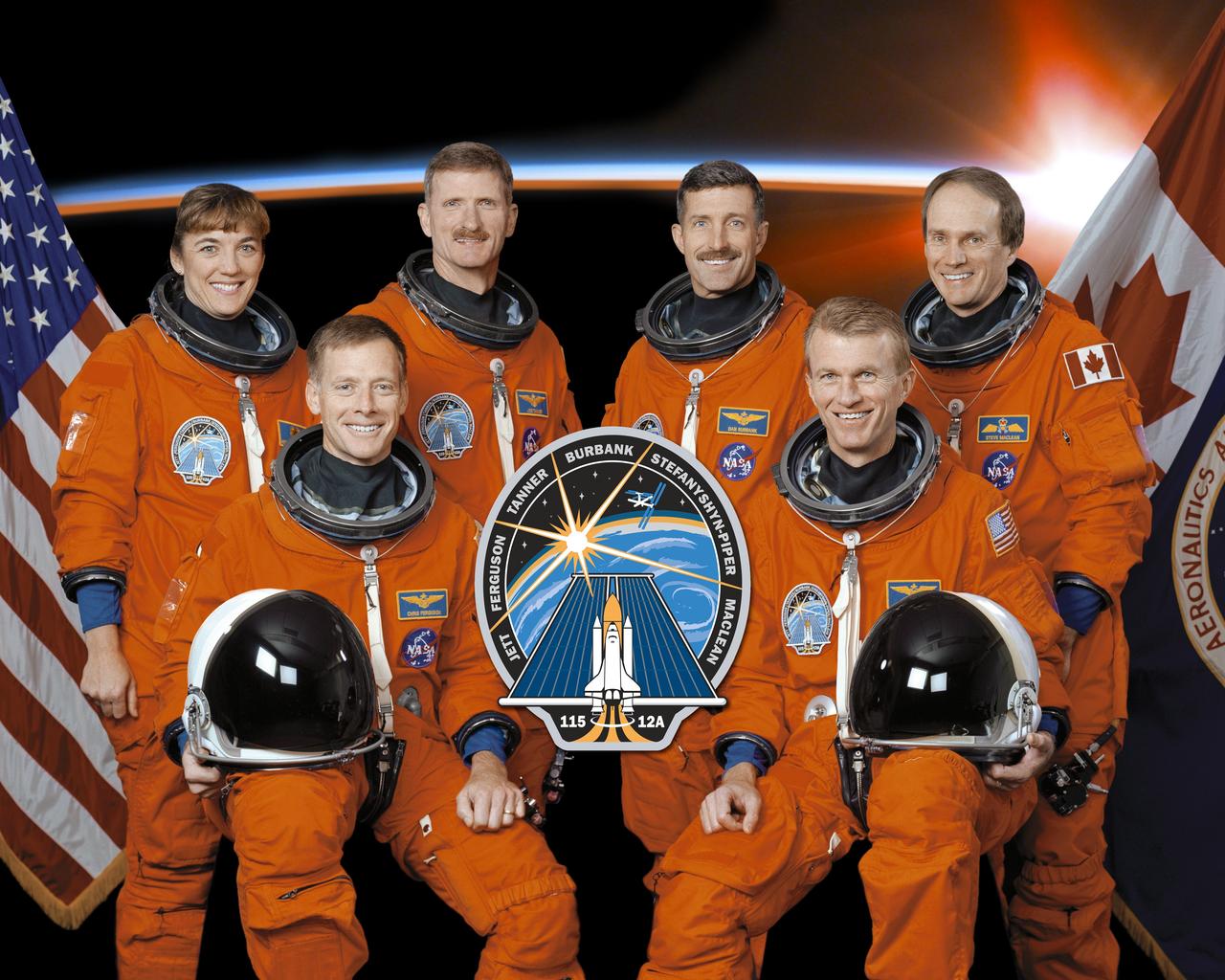
STS115-S-002 (8 November 2002) --- These six astronauts take a break from training to pose for the STS-115 crew portrait. Astronauts Brent W. Jett, Jr. (right) and Christopher J. Ferguson, commander and pilot, respectively, flank the mission insignia. The mission specialists are, from left to right, astronauts Heidemarie M. Stefanyshyn-Piper, Joseph R. (Joe) Tanner, Daniel C. Burbank, and Steven G. MacLean, who represents the Canadian Space Agency.
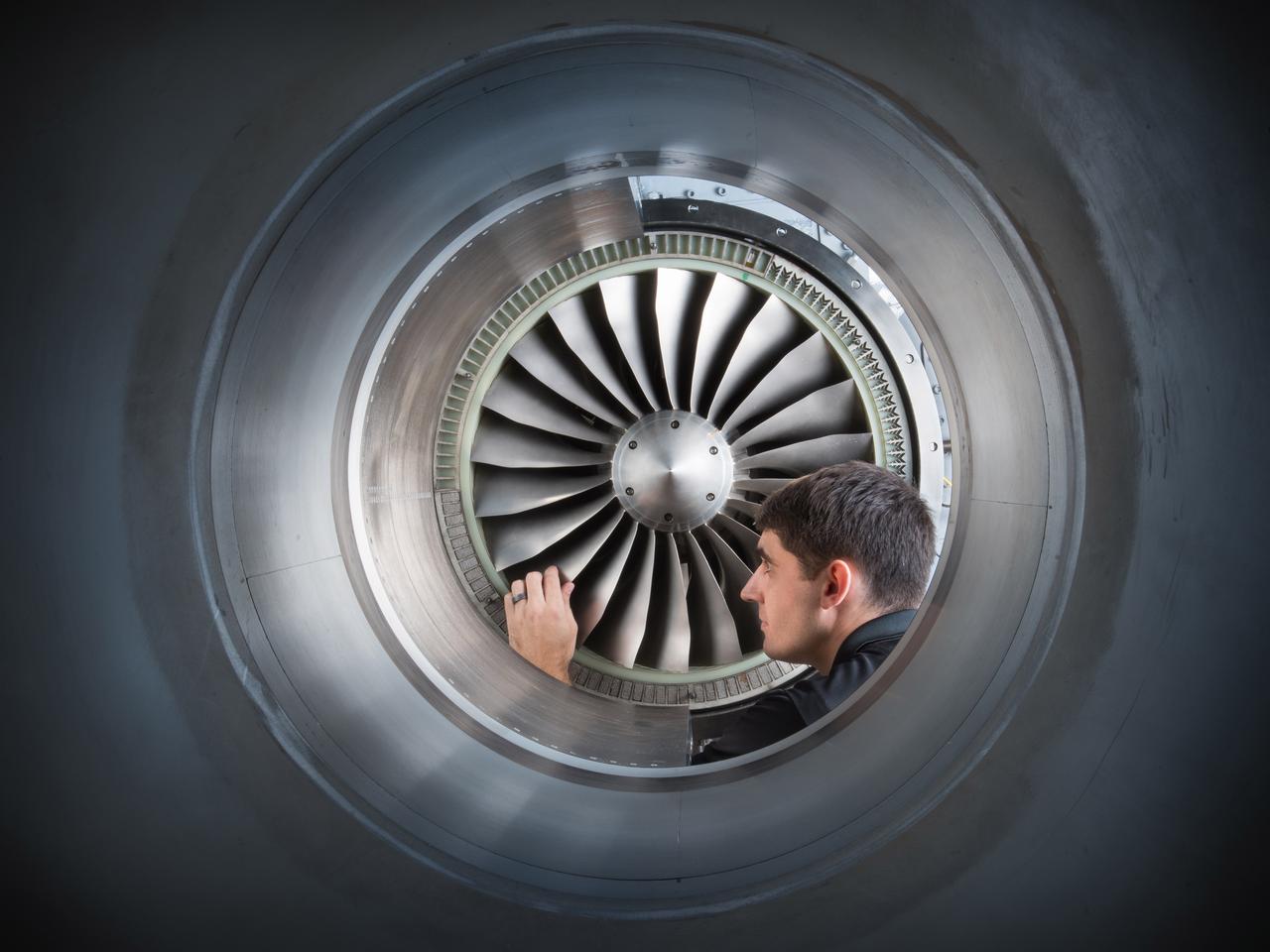
Acoustic Casing Treatment Testing Completed in the W-8 Single Stage Axial Compressor Facility at NASA Glenn. Four different over-the-rotor acoustic casing treatment concepts were tested along with two baseline configurations. Testing included steady-aerodynamic measurements of fan performance, hotfilm turbulence measurements, and inlet acoustic measurements with an in-duct array.
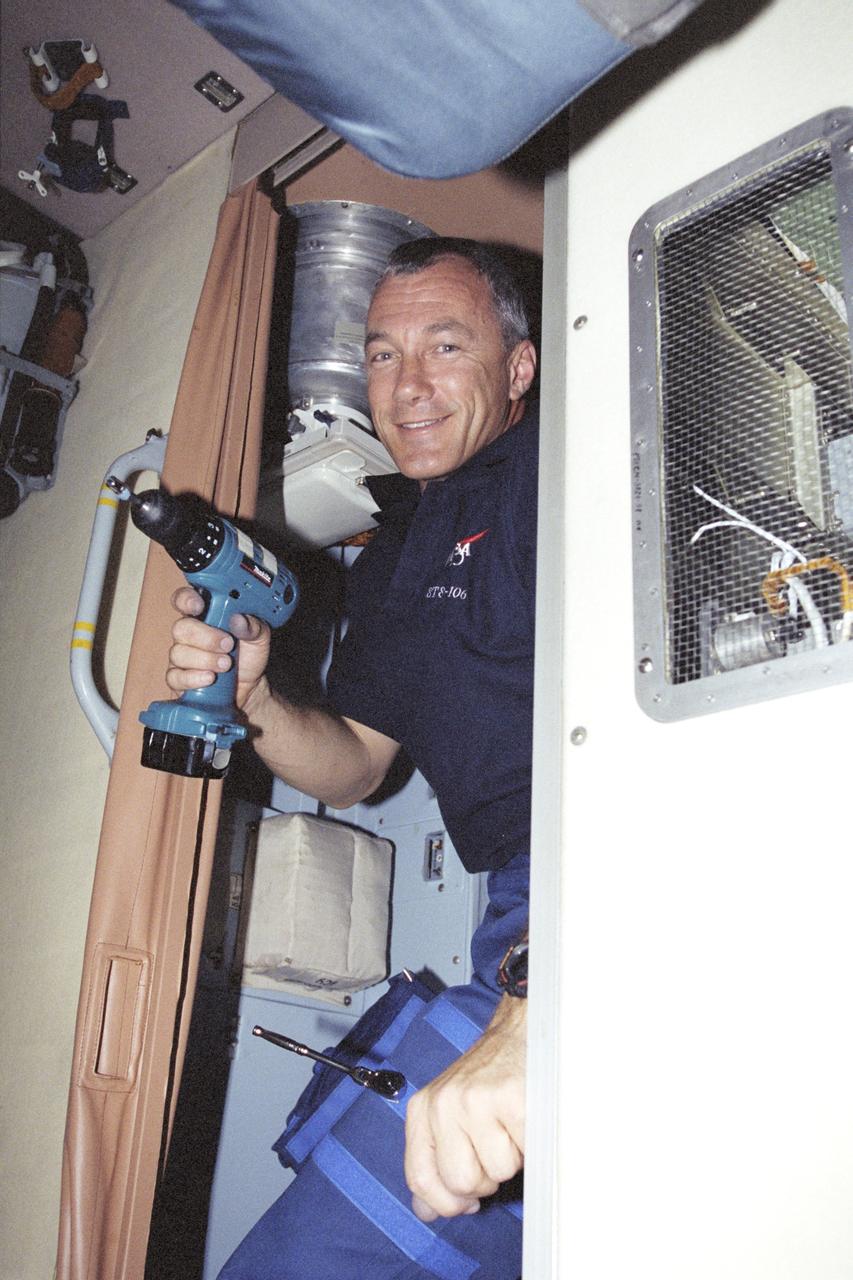
STS106-389-023 (8-20 September 2000) --- Astronaut Terrence W. Wilcutt, STS-106 commander, uses a drill during installation work in the Service Module, which linked with the International Space Station (ISS) in July of this year. Wilcutt and four other astronauts, along with two cosmonauts, teamed to perform electrician's work and other detail work on the new addition.
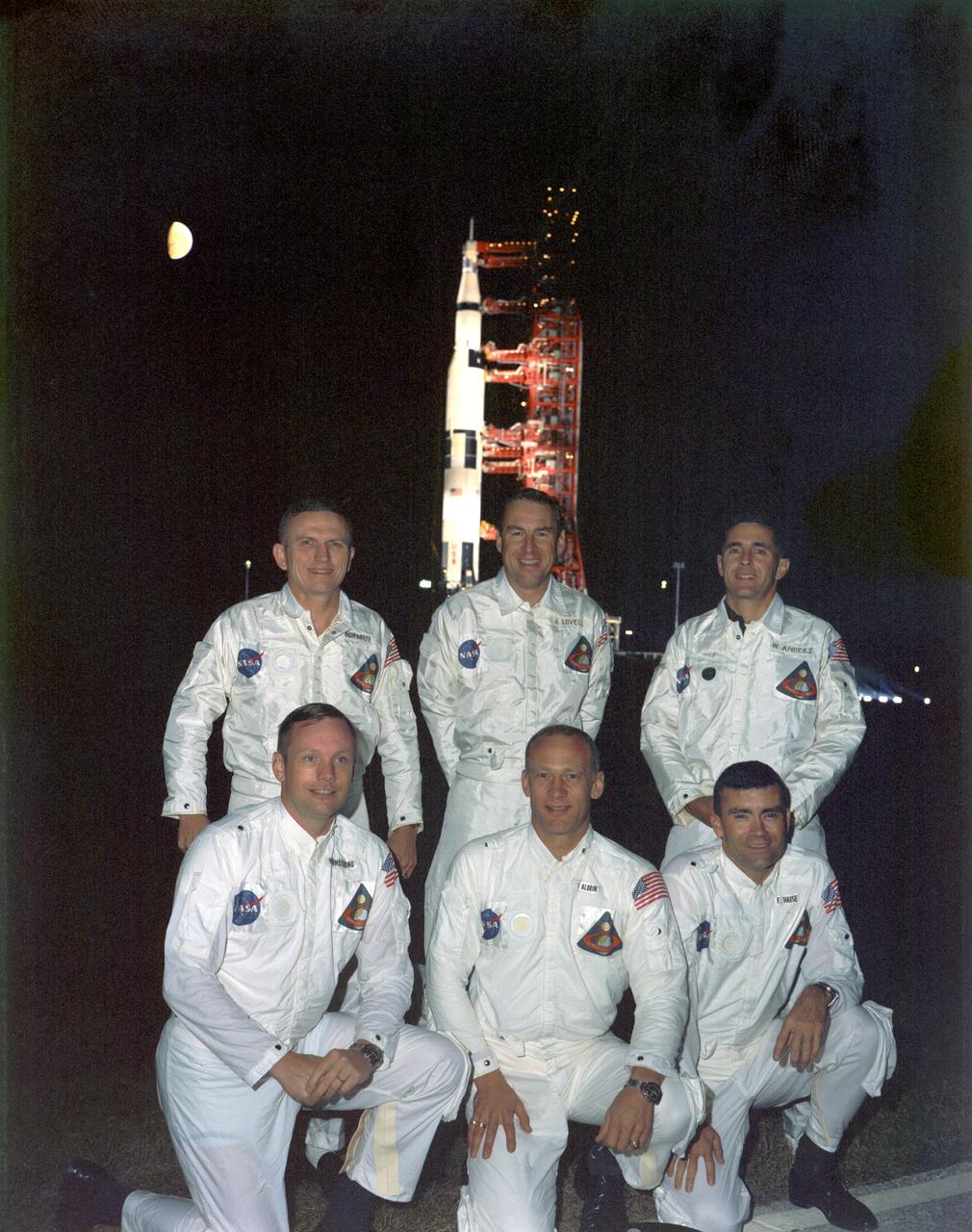
View of the Apollo 8 primary and backup crew portrait with the spacecraft at night in the background. Back row: (l.-r.) Frank Borman, commander, James A. Lovell, command module pilot and William A. Anders, lunar module pilot. Front row: (l.-r.) Neil A. Armstrong, commander, Edwin E. Aldrin, command module pilot and Fred W. Haise Jr., lunar module pilot. Original Photo number is KSC-68C-8017.
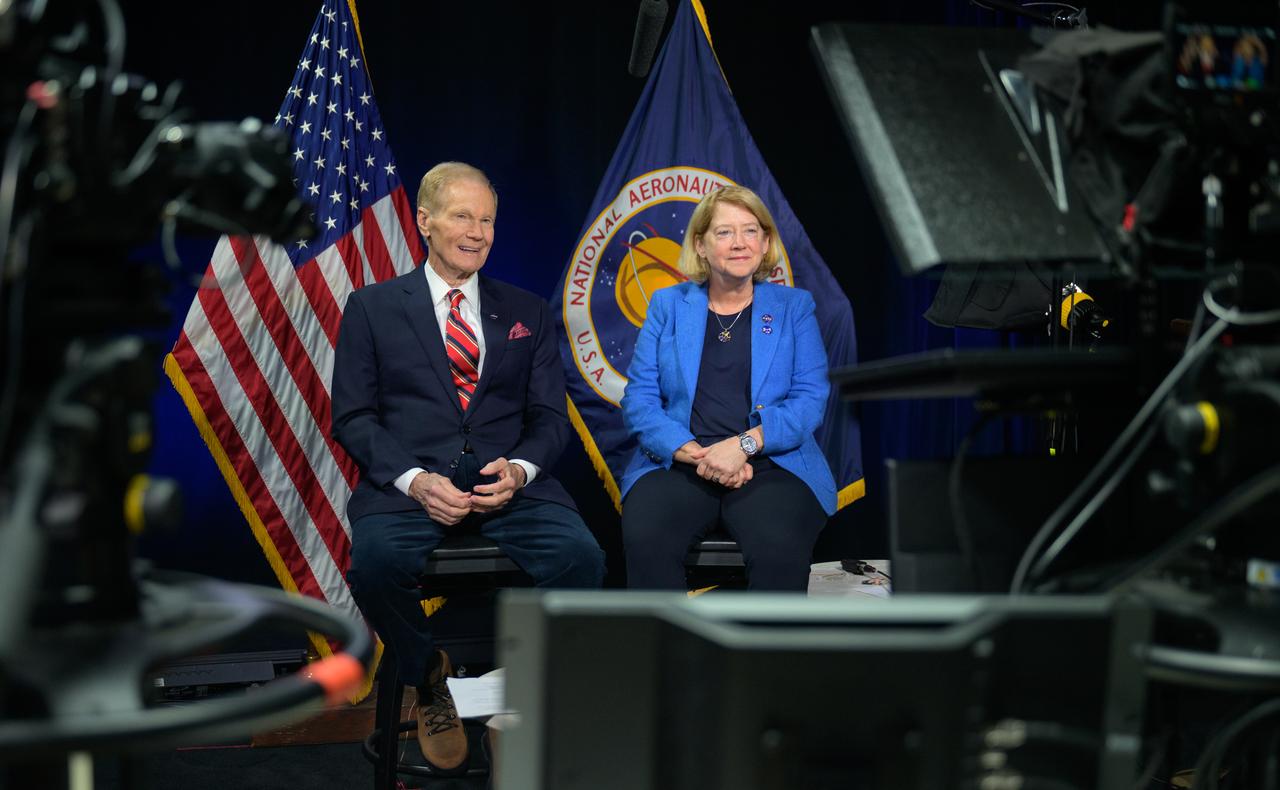
NASA Administrator Bill Nelson, left, and NASA Deputy Administrator Pam Melroy are seen during an Earth-to-space call with astronauts aboard the International Space Station, Wednesday, Jan. 8, 2025, at the Mary W. Jackson NASA Headquarters building in Washington. Nelson and Melroy spoke with NASA astronauts Nick Hague, Butch Wilmore, Suni Williams, and Don Pettit. Photo Credit: (NASA/Bill Ingalls)
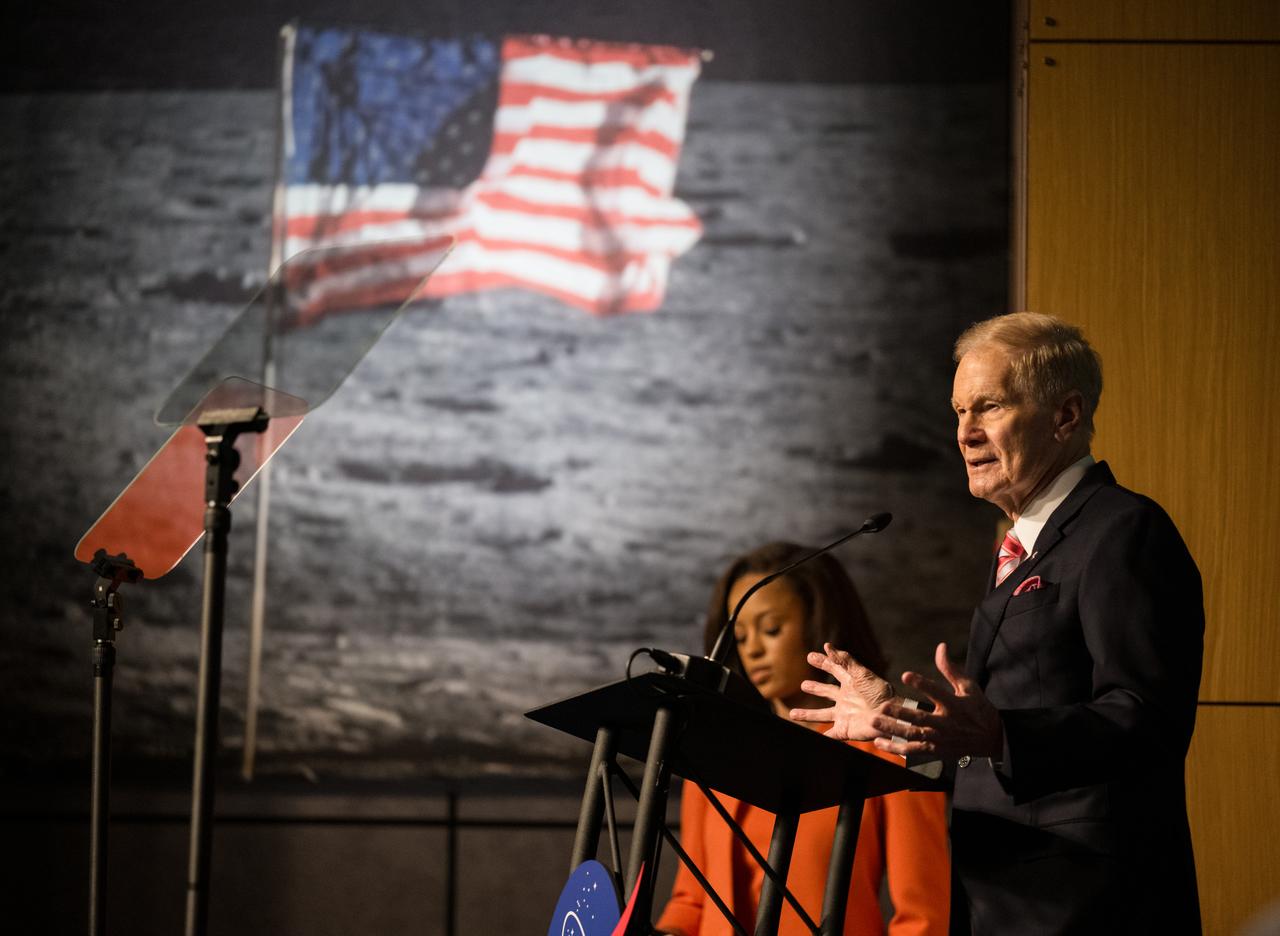
NASA Administrator Bill Nelson speaks during a media briefing to discuss the upcoming solar eclipse, Tuesday, March 26, 2024 at the Mary W. Jackson NASA Headquarters building in Washington. A total solar eclipse will sweep across a narrow portion of the North American continent from Mexico’s Pacific coast to the Atlantic coast of Newfoundland, Canada on April 8, 2024. A partial solar eclipse will be visible across the entire North American continent along with parts of Central America and Europe. Photo Credit: (NASA/Aubrey Gemignani)
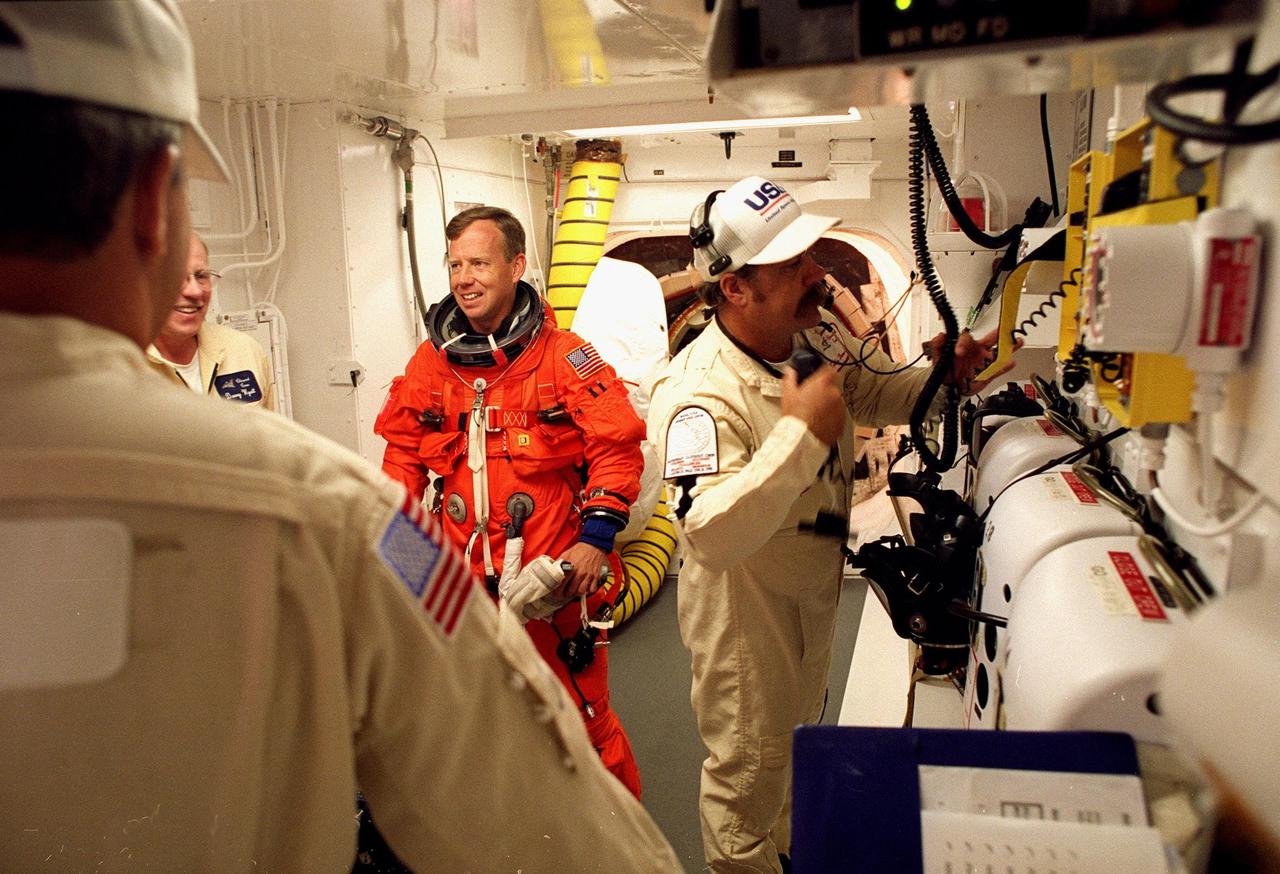
In the environmental chamber known as the white room, STS-95 Pilot Steven W. Lindsey is prepared by closeout room crew members Dave Law(left), Danny Wyatt and Travis Thompson (right) for entry into the Space Shuttle Discovery for his second flight into space. The STS-95 mission, targeted for launch at 2 p.m. EST on Oct. 29, is expected to last 8 days, 21 hours and 49 minutes, and return to KSC at 11:49 a.m. EST on Nov. 7
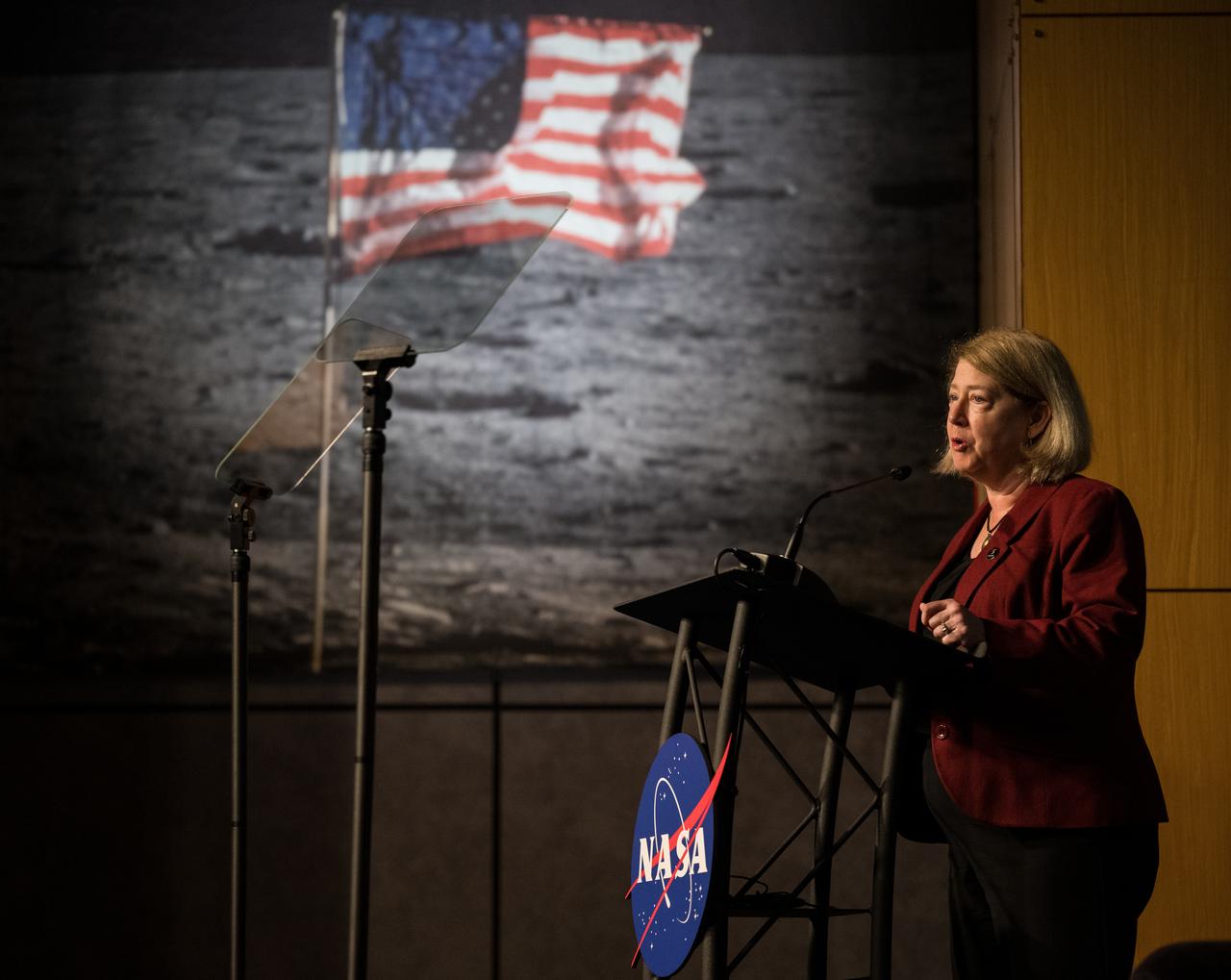
NASA Deputy Administrator Pam Melroy speaks during a media briefing to discuss the upcoming solar eclipse, Tuesday, March 26, 2024 at the Mary W. Jackson NASA Headquarters building in Washington. A total solar eclipse will sweep across a narrow portion of the North American continent from Mexico’s Pacific coast to the Atlantic coast of Newfoundland, Canada on April 8, 2024. A partial solar eclipse will be visible across the entire North American continent along with parts of Central America and Europe. Photo Credit: (NASA/Aubrey Gemignani)
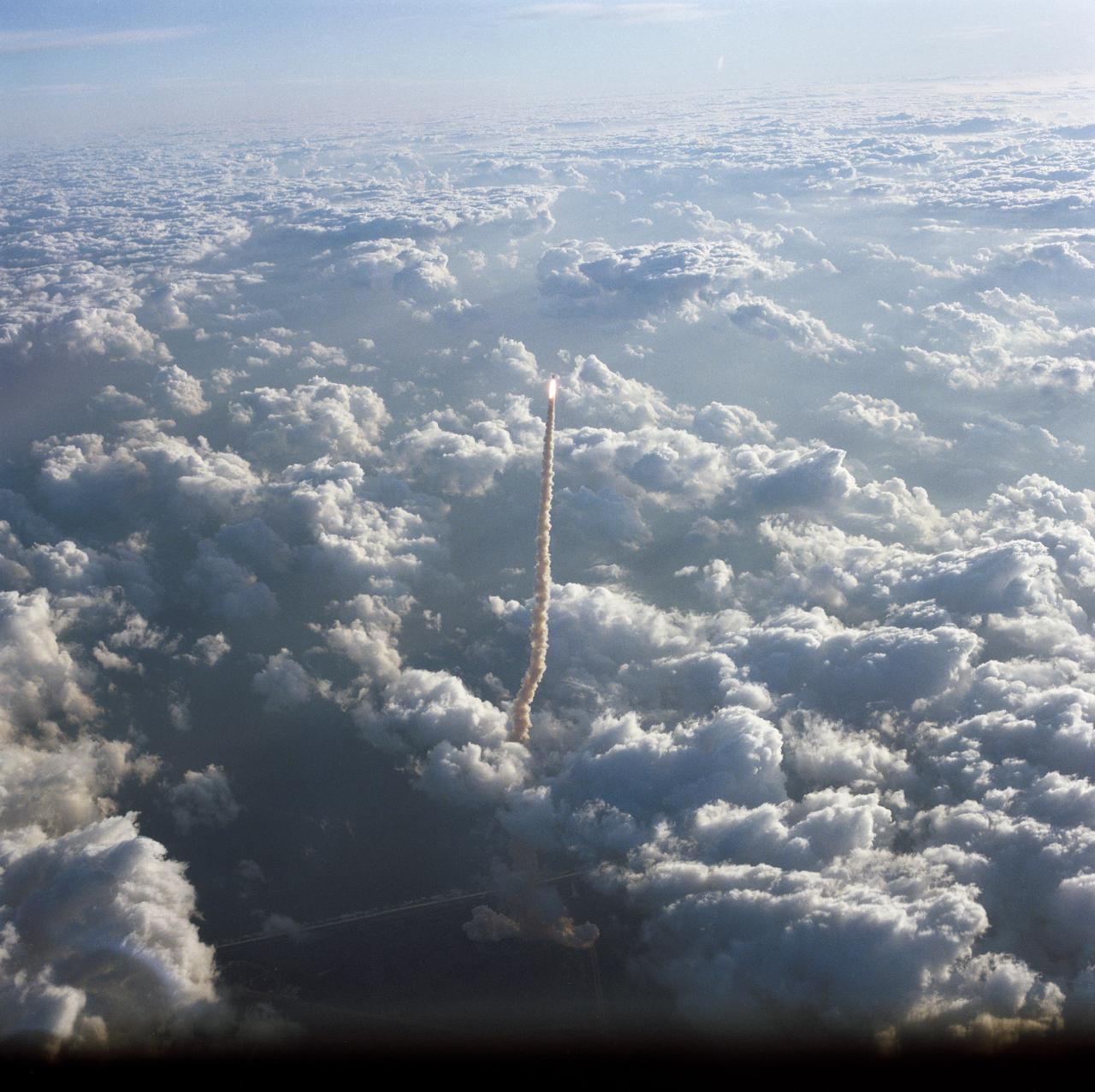
51A-90015 (8 Nov. 1984) --- John W. Young, who has seen many launches from various angles, used a handheld camera to record this scene of the very early phase of launch for NASA's space shuttle Discovery. Young was flying the NASA shuttle training aircraft (STA). Shuttle Discovery (51A) is seen as a spot of light at the top of a column of smoke outlined among the dense cloud cover. Photo credit: NASA
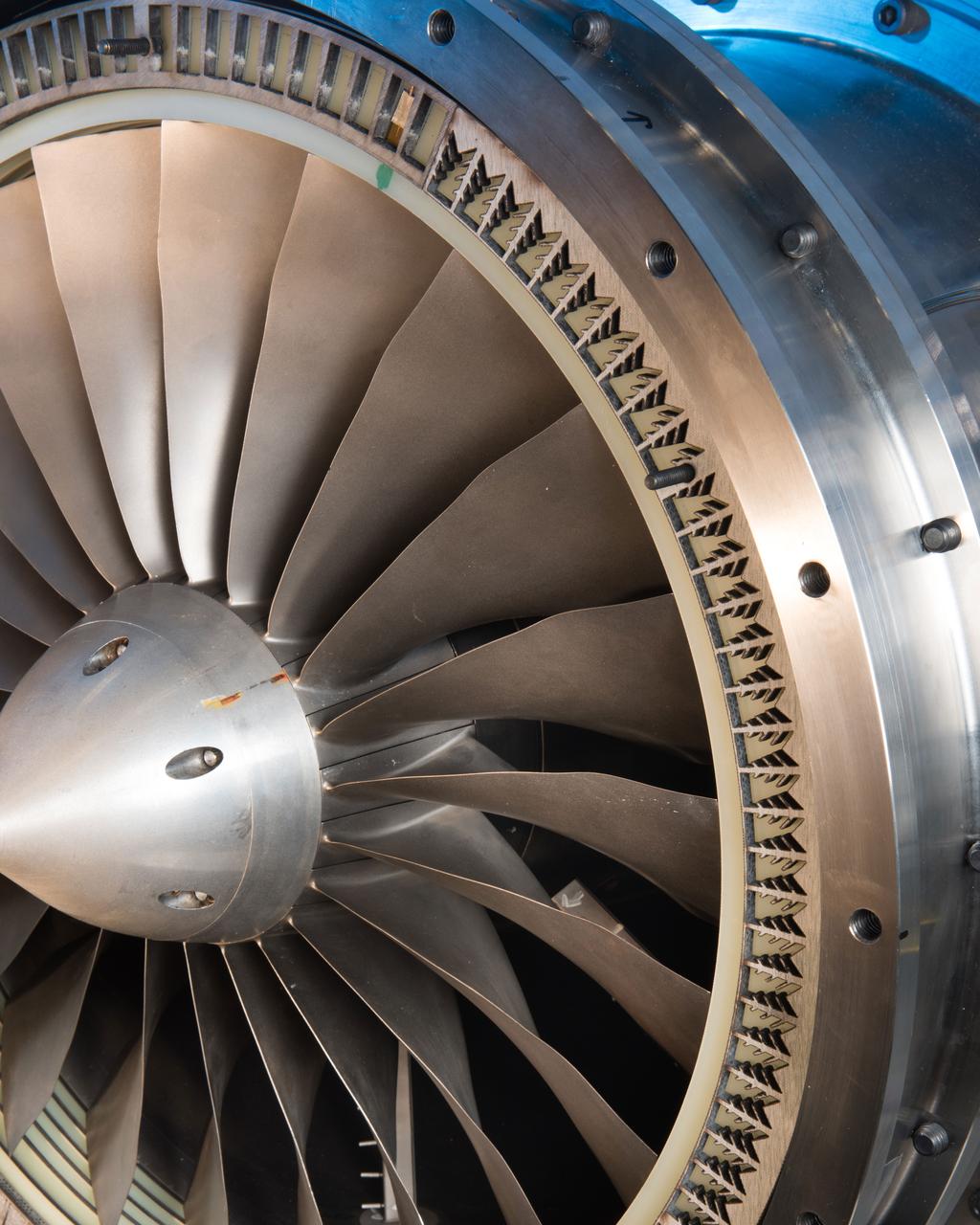
Acoustic Casing Treatment Testing Completed in the W-8 Single Stage Axial Compressor Facility at NASA Glenn. Four different over-the-rotor acoustic casing treatment concepts were tested along with two baseline configurations. Testing included steady-aerodynamic measurements of fan performance, hotfilm turbulence measurements, and inlet acoustic measurements with an in-duct array.
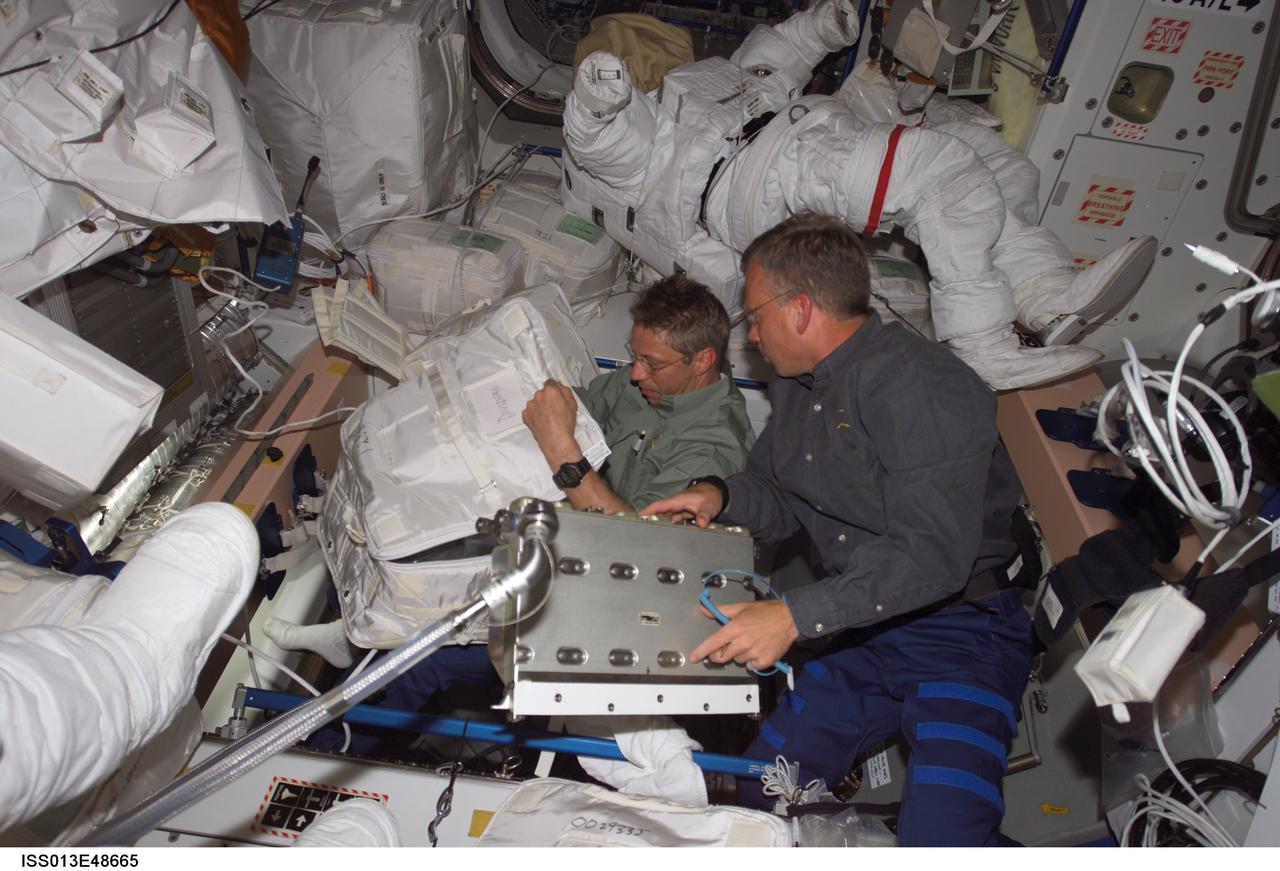
ISS013-E-48665 (6 July 2006) --- European Space Agency astronaut Thomas Reiter (left) and astronaut Steven W. Lindsey work in the Quest airlock aboard the International Space Station during their first day on the orbital outpost. Lindsey, STS-121 commander, will spend a little over a week there, and Reiter is scheduled for a six month stay. Astronaut Piers J. Sellers' extravehicular mobility unit space suit for the scheduled July 8 space walk is in the background.
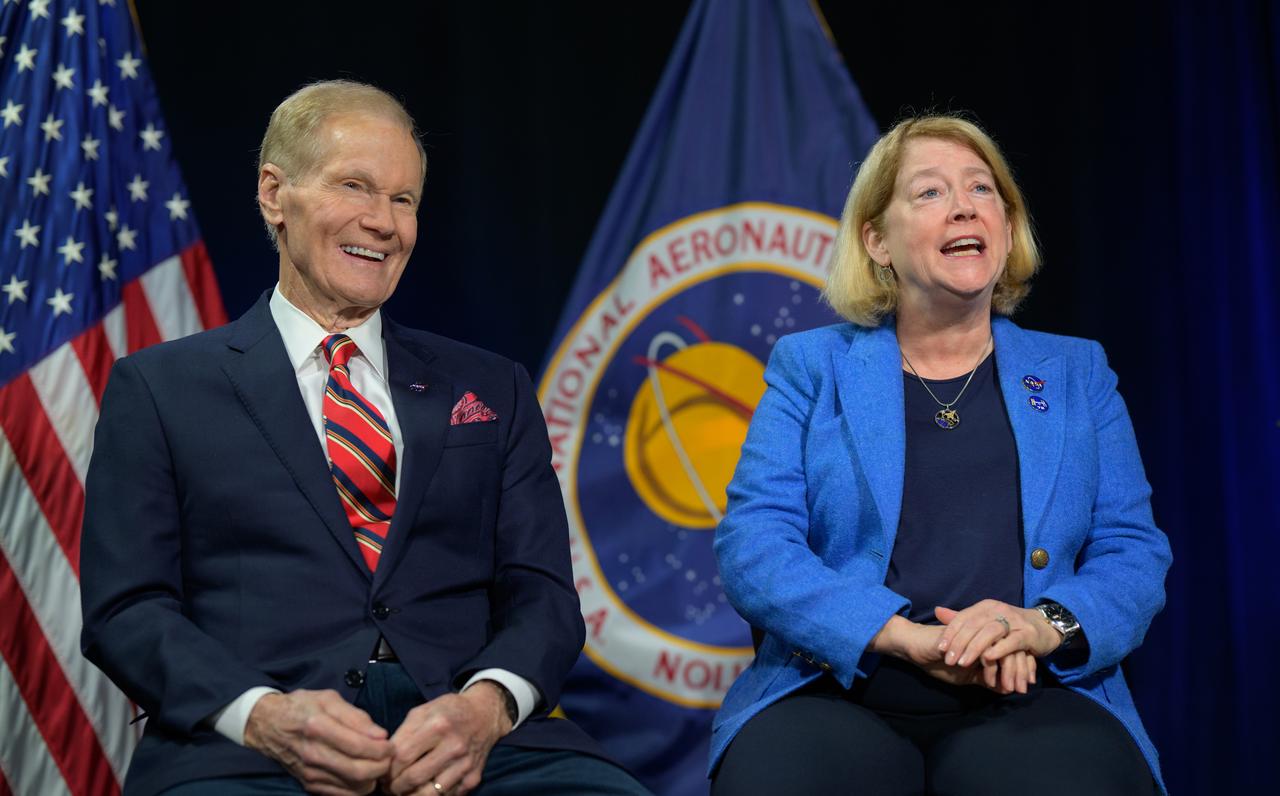
NASA Administrator Bill Nelson, left, and NASA Deputy Administrator Pam Melroy are seen during an Earth-to-space call with astronauts aboard the International Space Station, Wednesday, Jan. 8, 2025, at the Mary W. Jackson NASA Headquarters building in Washington. Nelson and Melroy spoke with NASA astronauts Nick Hague, Butch Wilmore, Suni Williams, and Don Pettit. Photo Credit: (NASA/Bill Ingalls)
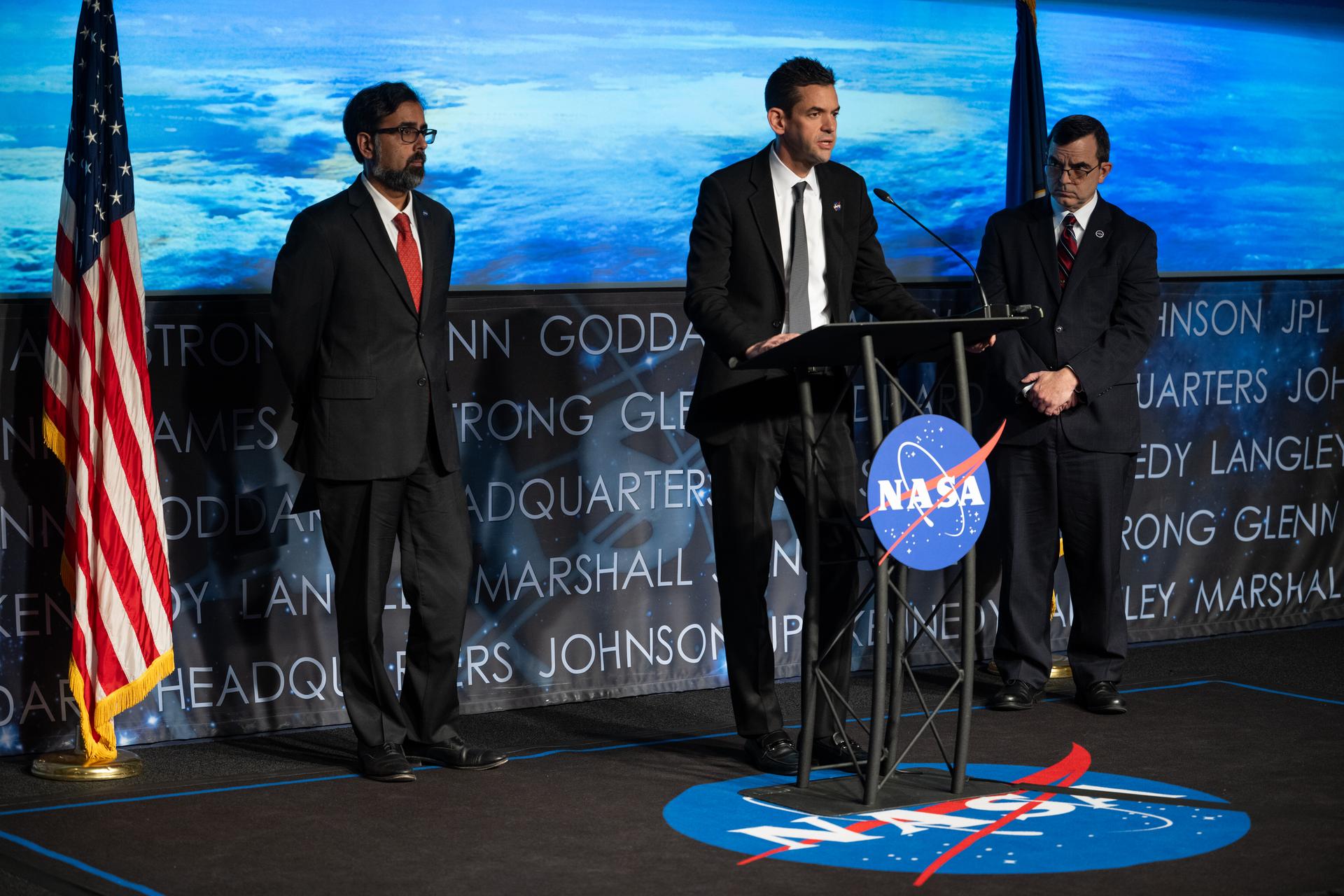
NASA Administrator Jared Isaacman, center, speaks alongside Amit Kshatriya, NASA associate administrator, left, and Dr. James Polk, NASA’s chief health and medical officer, right, as they provide an update on the International Space Station and its crew, Thursday, Jan. 8, 2026, at the Mary W. Jackson NASA Headquarters building in Washington. Photo Credit: (NASA/Joel Kowsky)
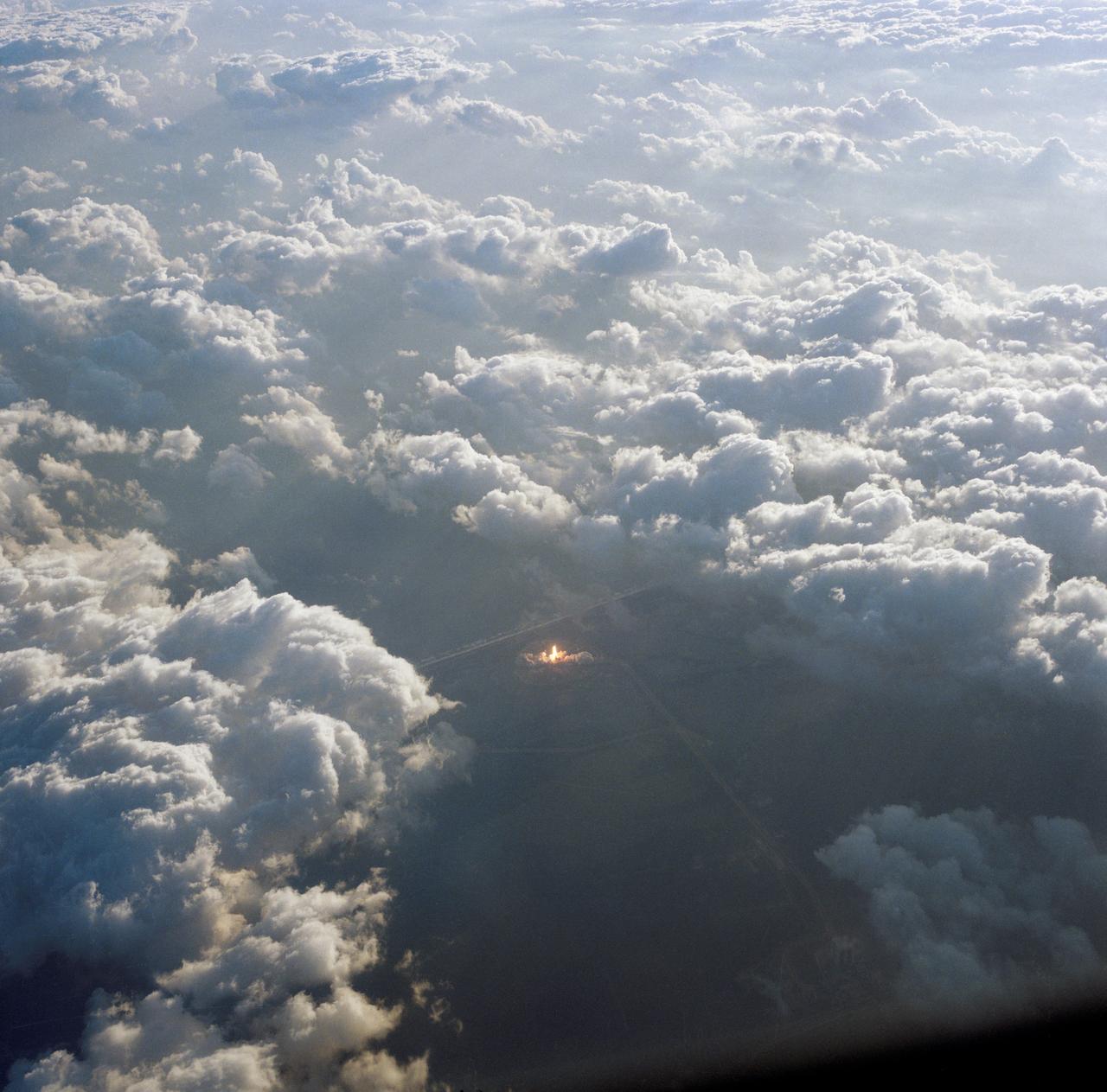
51A-90014 (8 Nov. 1984) --- John W. Young, who has seen many launches from various angles, used a handheld camera to record this scene of the very early phase of launch for NASA's space shuttle Discovery. Young was flying the NASA shuttle training aircraft (STA). The launch pad can be seen as a bright spot in the center of a mass of clouds. Photo credit: NASA
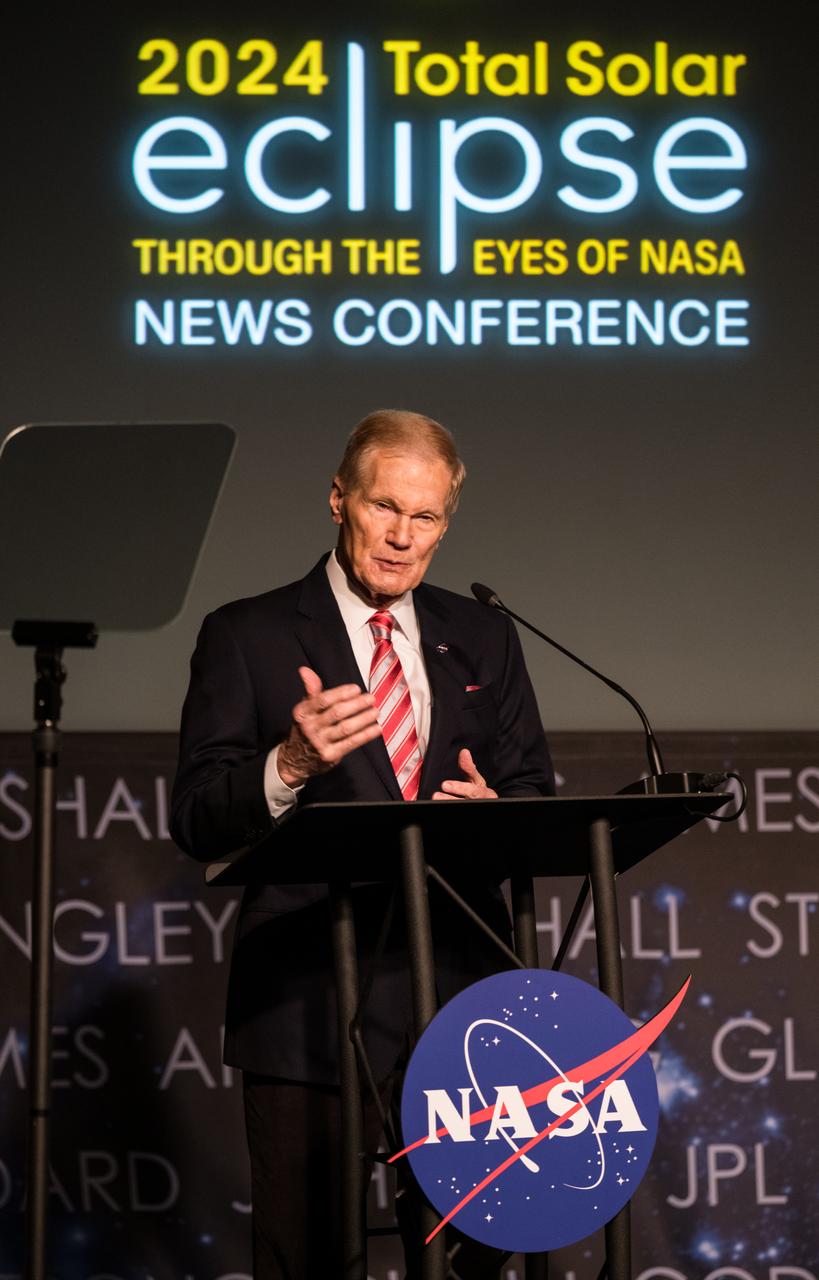
NASA Administrator Bill Nelson speaks during a media briefing to discuss the upcoming solar eclipse, Tuesday, March 26, 2024 at the Mary W. Jackson NASA Headquarters building in Washington. A total solar eclipse will sweep across a narrow portion of the North American continent from Mexico’s Pacific coast to the Atlantic coast of Newfoundland, Canada on April 8, 2024. A partial solar eclipse will be visible across the entire North American continent along with parts of Central America and Europe. Photo Credit: (NASA/Aubrey Gemignani)
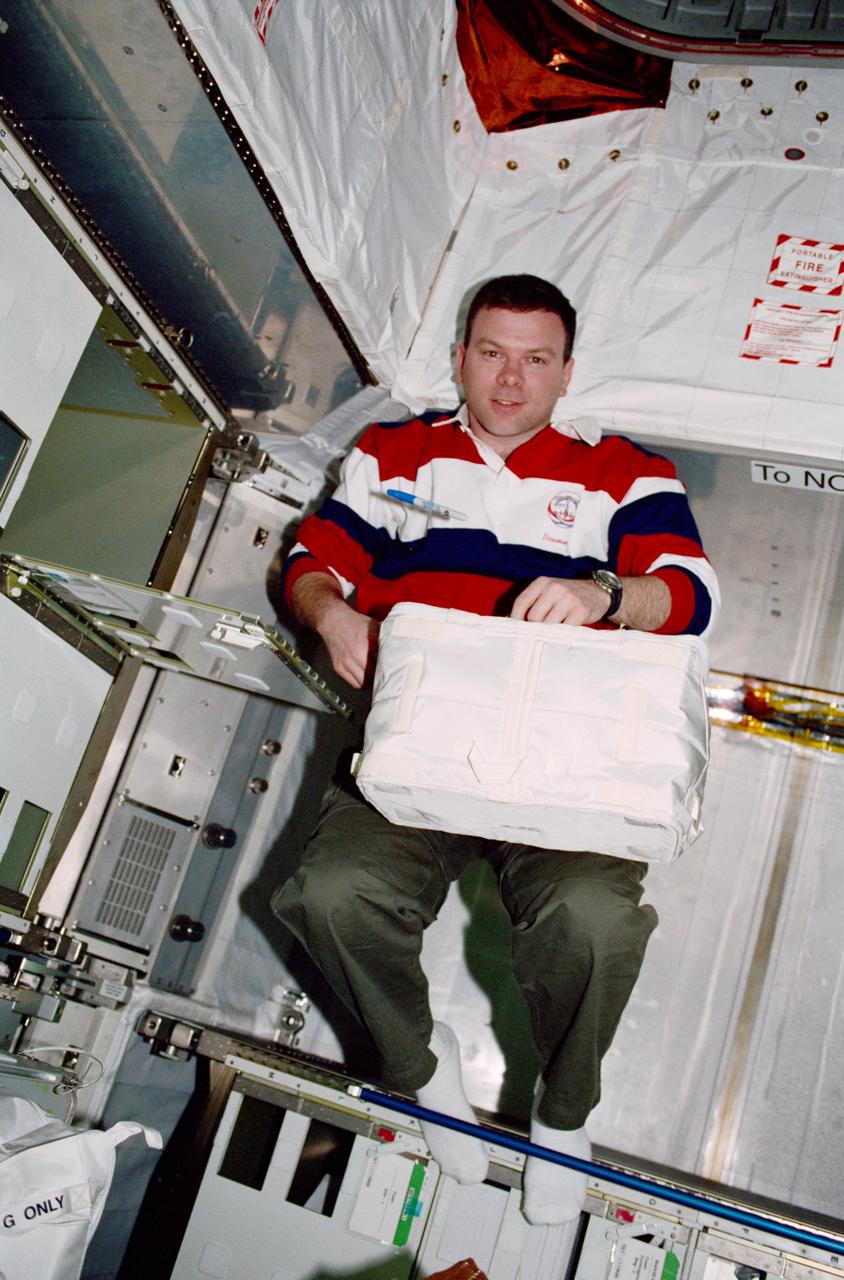
STS102-319-024 (8-21 March 2001) --- Astronaut James W. Kelly, STS-102 pilot, is photographed inside Leonardo, the Italian Space Agency-built Multi-Purpose Logistics Module (MPLM). Leonardo is the first of three such pressurized modules that will serve as the International Space Station’s (ISS) “moving vans”, carrying laboratory racks filled with equipment, experiments and supplies to and from the station aboard the space shuttle.
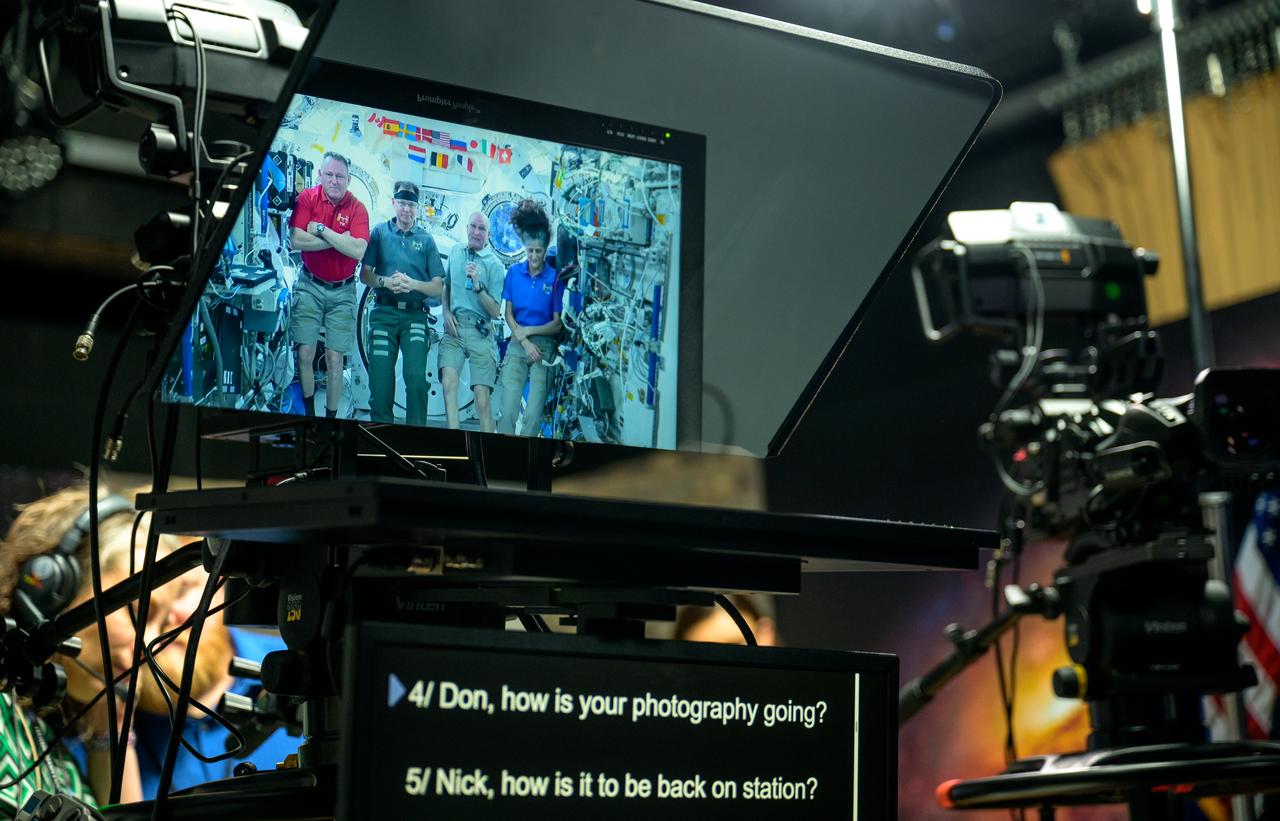
NASA astronauts Butch Wilmore, left, Nick Hague, Don Pettit, and Suni Williams, right, aboard the International Space Station, are seen on a television monitor as they speak with NASA Administrator Bill Nelson, and NASA Deputy Administrator Pam Melroy during a Earth-to-space call, Wednesday, Jan. 8, 2025, at the Mary W. Jackson NASA Headquarters building in Washington. Photo Credit: (NASA/Bill Ingalls)
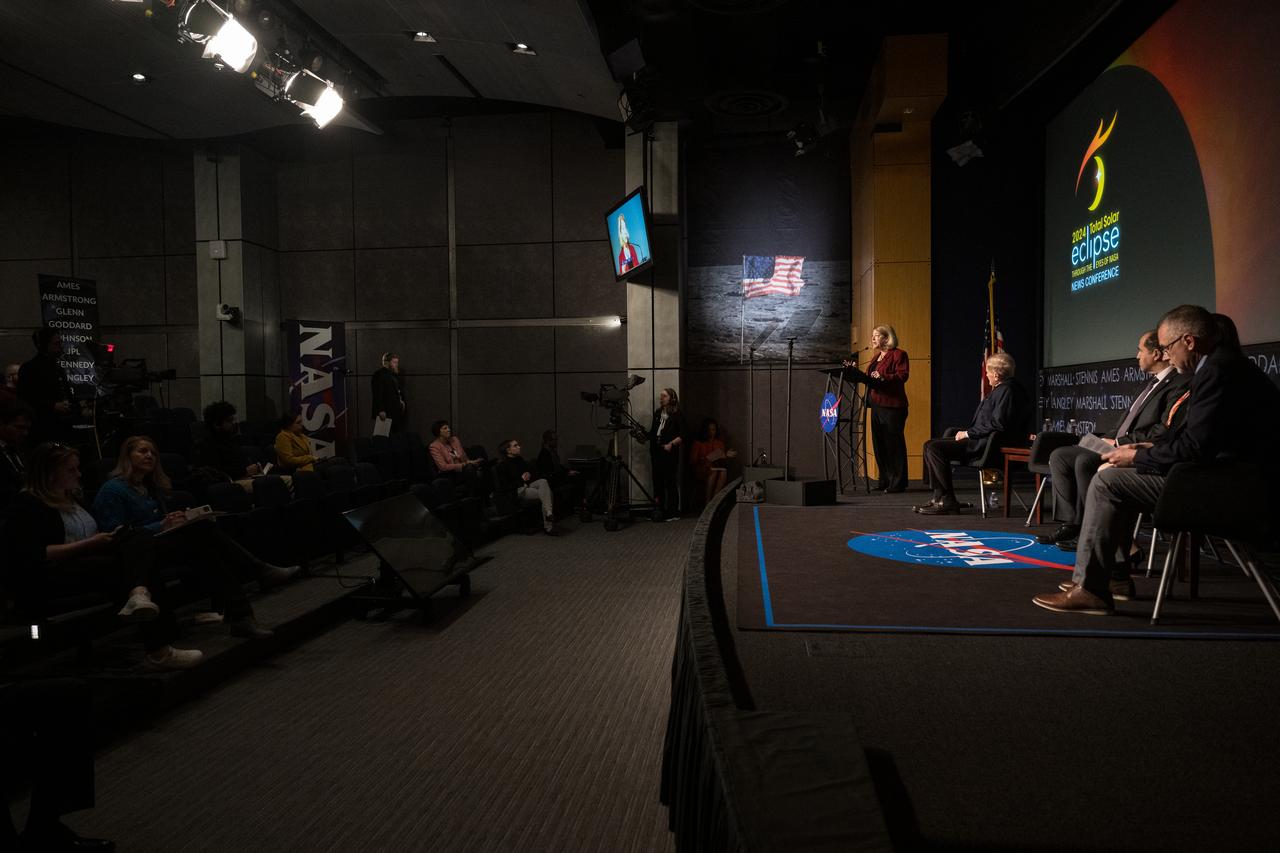
NASA Deputy Administrator Pam Melroy speaks during a media briefing to discuss the upcoming solar eclipse, Tuesday, March 26, 2024 at the Mary W. Jackson NASA Headquarters building in Washington. A total solar eclipse will sweep across a narrow portion of the North American continent from Mexico’s Pacific coast to the Atlantic coast of Newfoundland, Canada on April 8, 2024. A partial solar eclipse will be visible across the entire North American continent along with parts of Central America and Europe. Photo Credit: (NASA/Aubrey Gemignani)
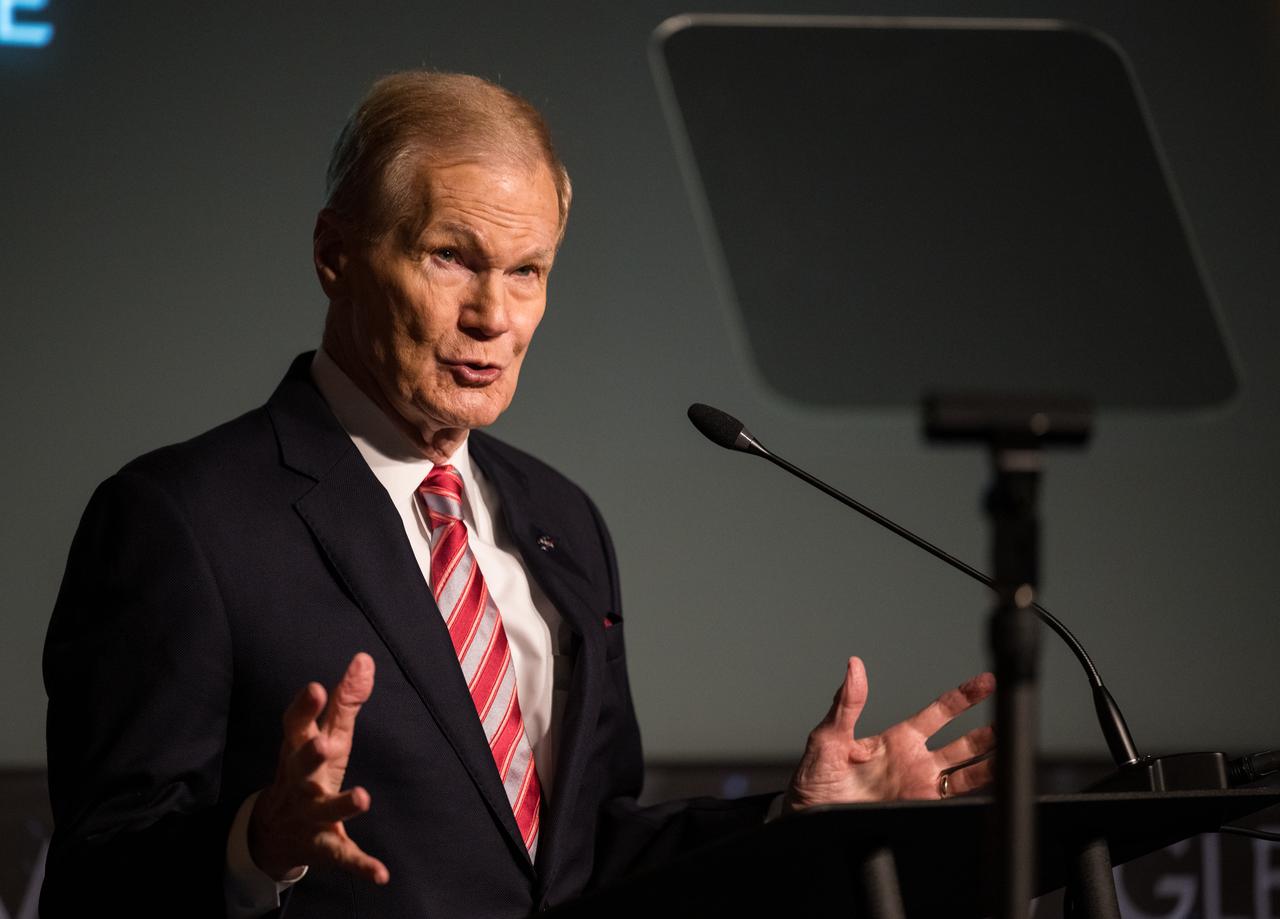
NASA Administrator Bill Nelson speaks during a media briefing to discuss the upcoming solar eclipse, Tuesday, March 26, 2024 at the Mary W. Jackson NASA Headquarters building in Washington. A total solar eclipse will sweep across a narrow portion of the North American continent from Mexico’s Pacific coast to the Atlantic coast of Newfoundland, Canada on April 8, 2024. A partial solar eclipse will be visible across the entire North American continent along with parts of Central America and Europe. Photo Credit: (NASA/Aubrey Gemignani)
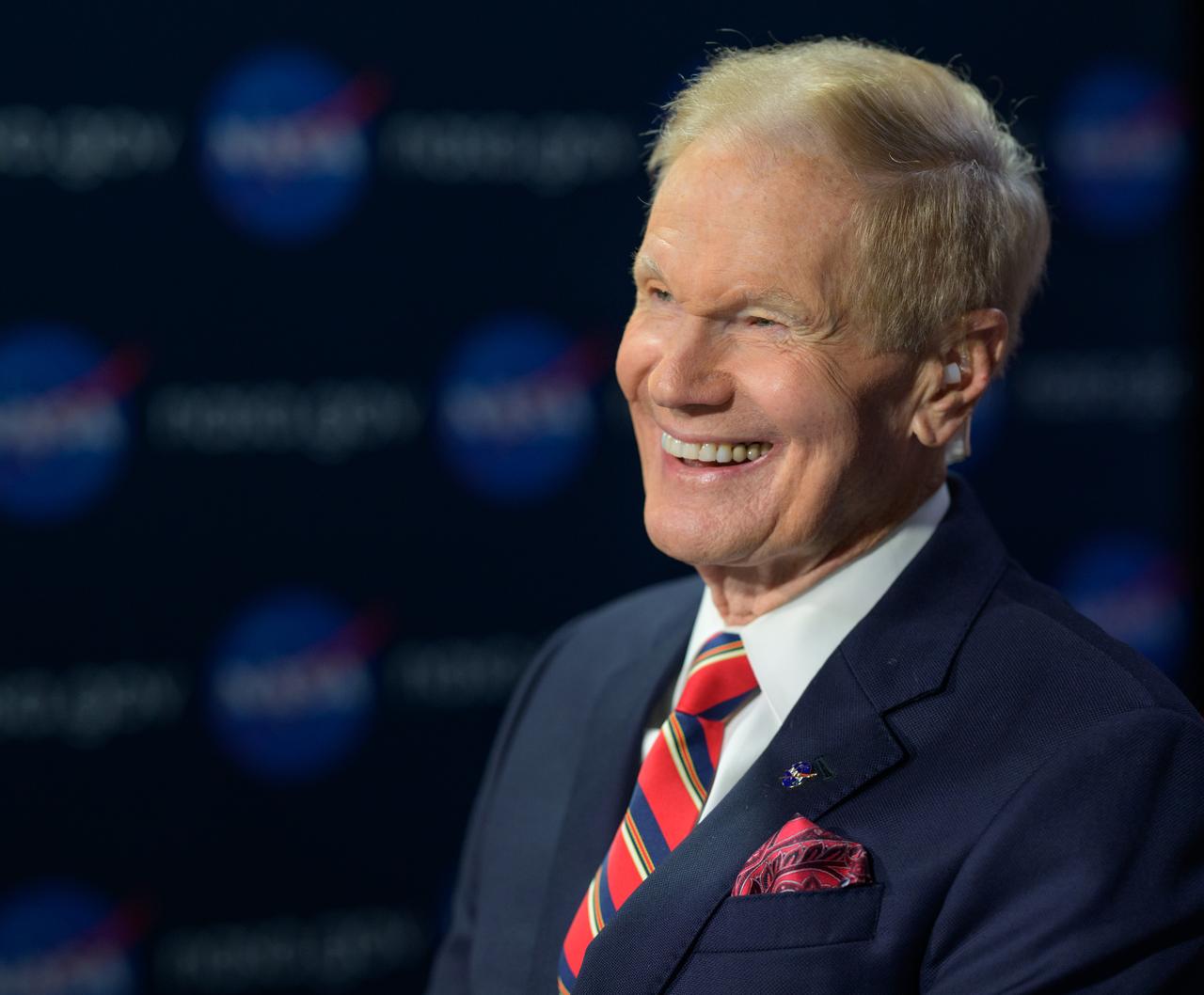
NASA Administrator Bill Nelson, smiles, as he and NASA Deputy Administrator Pam Melroy have an Earth-to-space call with astronauts aboard the International Space Station, Wednesday, Jan. 8, 2025, at the Mary W. Jackson NASA Headquarters building in Washington. Nelson and Melroy spoke with NASA astronauts Nick Hague, Butch Wilmore, Suni Williams, and Don Pettit. Photo Credit: (NASA/Bill Ingalls)

STS009-128-858 (28 Nov-8 Dec 1983) --- Astronaut John W. Young takes notes in the commander?s station on the flight deck of the Columbia. The cathode ray tube (CRT) among the forward panels displays the orbiter?s position in relation to the Earth on its monitor. Astronaut Brewster H. Shaw Jr., pilot, took this photograph.
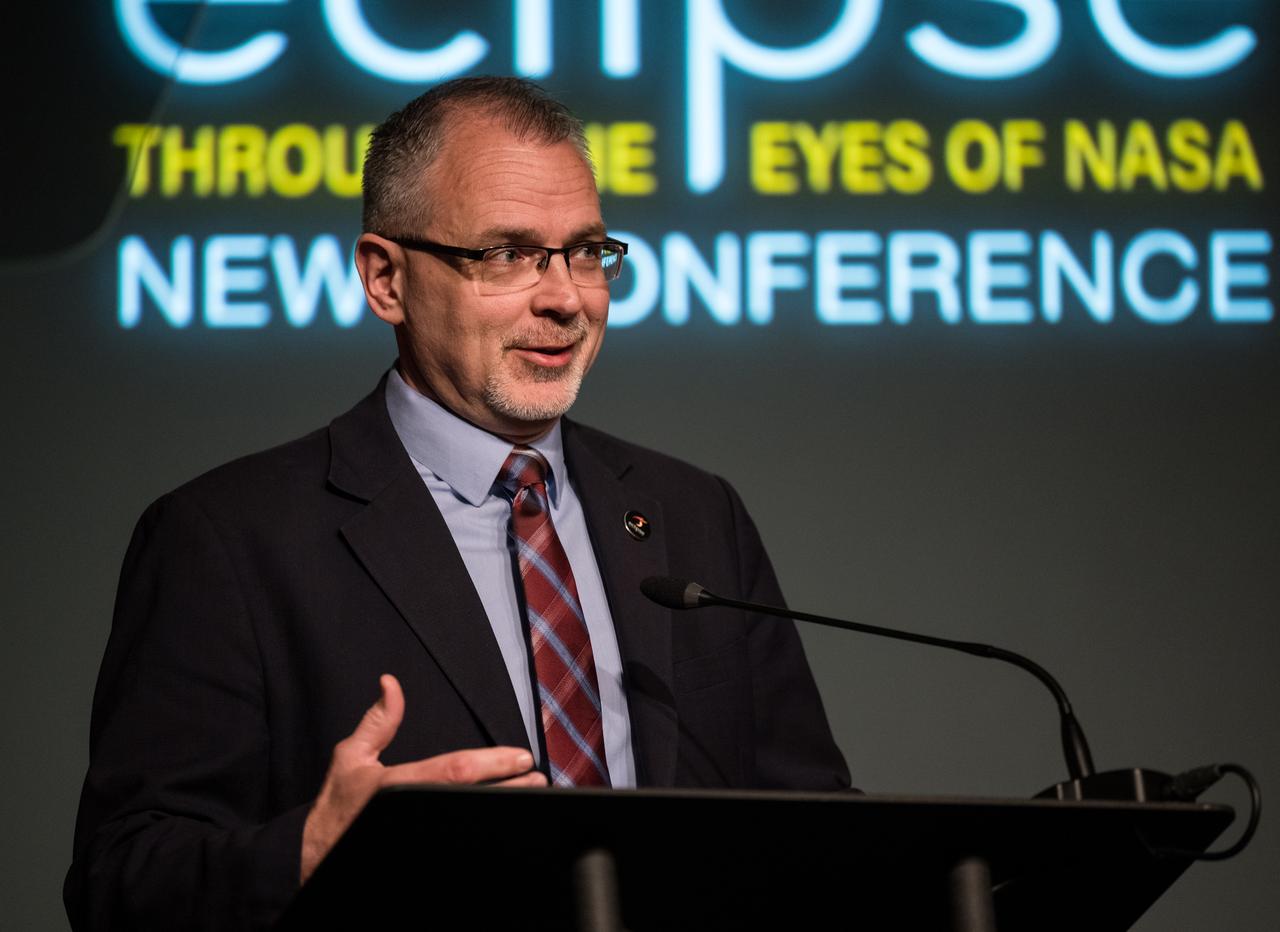
NASA Associate Administrator Jim Free speaks during a media briefing to discuss the upcoming solar eclipse, Tuesday, March 26, 2024 at the Mary W. Jackson NASA Headquarters building in Washington. A total solar eclipse will sweep across a narrow portion of the North American continent from Mexico’s Pacific coast to the Atlantic coast of Newfoundland, Canada on April 8, 2024. A partial solar eclipse will be visible across the entire North American continent along with parts of Central America and Europe. Photo Credit: (NASA/Aubrey Gemignani)
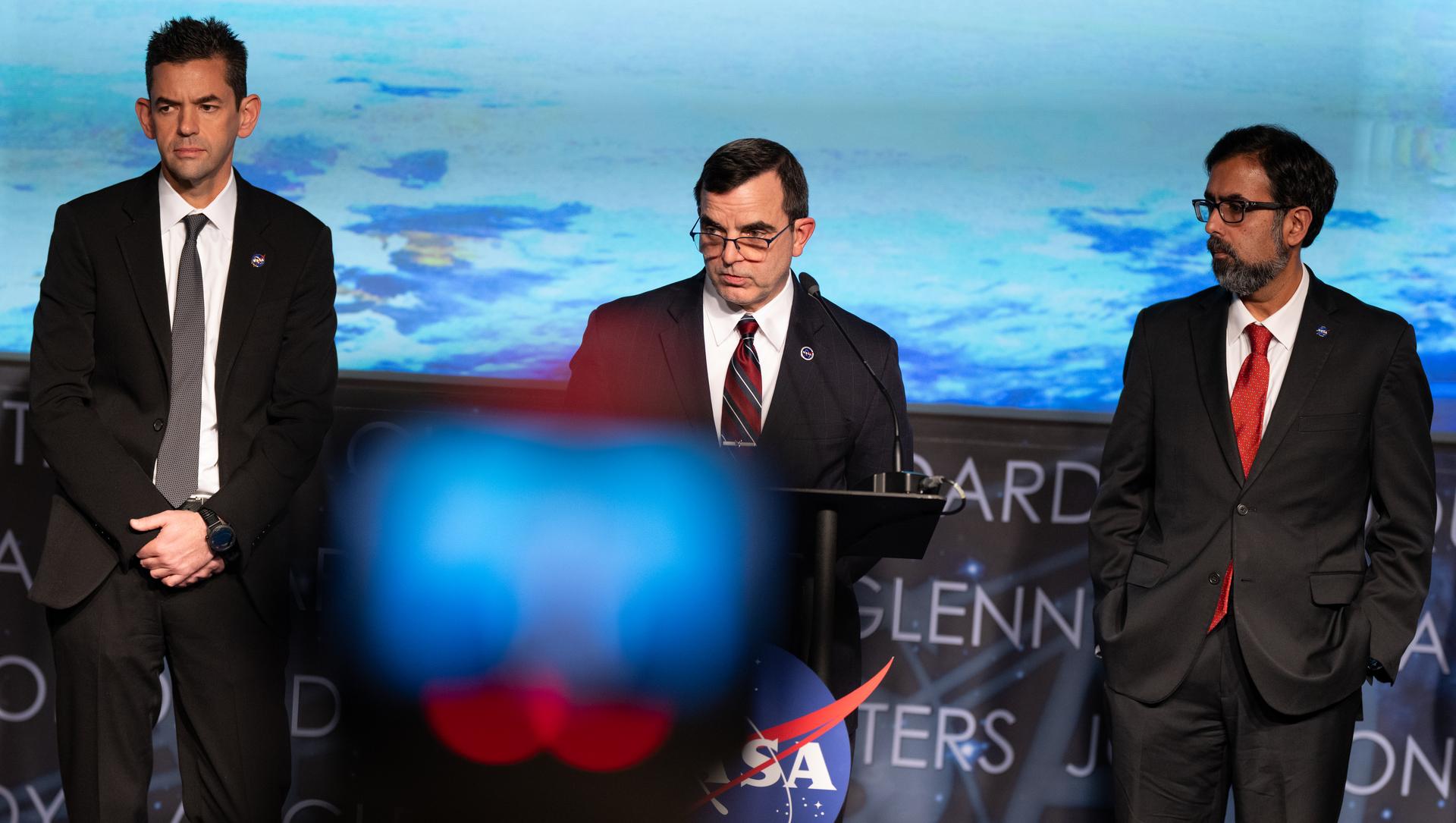
Dr. James Polk, NASA’s chief health and medical officer, center, speaks alongside NASA Administrator Jared Isaacman, left, and Amit Kshatriya, NASA associate administrator, as they provide an update on the International Space Station and its crew, Thursday, Jan. 8, 2026, at the Mary W. Jackson NASA Headquarters building in Washington. Photo Credit: (NASA/Joel Kowsky)

NASA Administrator Bill Nelson, left, and NASA Deputy Administrator Pam Melroy are seen during an Earth-to-space call with astronauts aboard the International Space Station, Wednesday, Jan. 8, 2025, at the Mary W. Jackson NASA Headquarters building in Washington. Nelson and Melroy spoke with NASA astronauts Nick Hague, Butch Wilmore, Suni Williams, and Don Pettit. Photo Credit: (NASA/Bill Ingalls)

NASA Administrator Bill Nelson, left, and NASA Deputy Administrator Pam Melroy are seen during an Earth-to-space call with astronauts aboard the International Space Station, Wednesday, Jan. 8, 2025, at the Mary W. Jackson NASA Headquarters building in Washington. Nelson and Melroy spoke with NASA astronauts Nick Hague, Butch Wilmore, Suni Williams, and Don Pettit. Photo Credit: (NASA/Bill Ingalls)
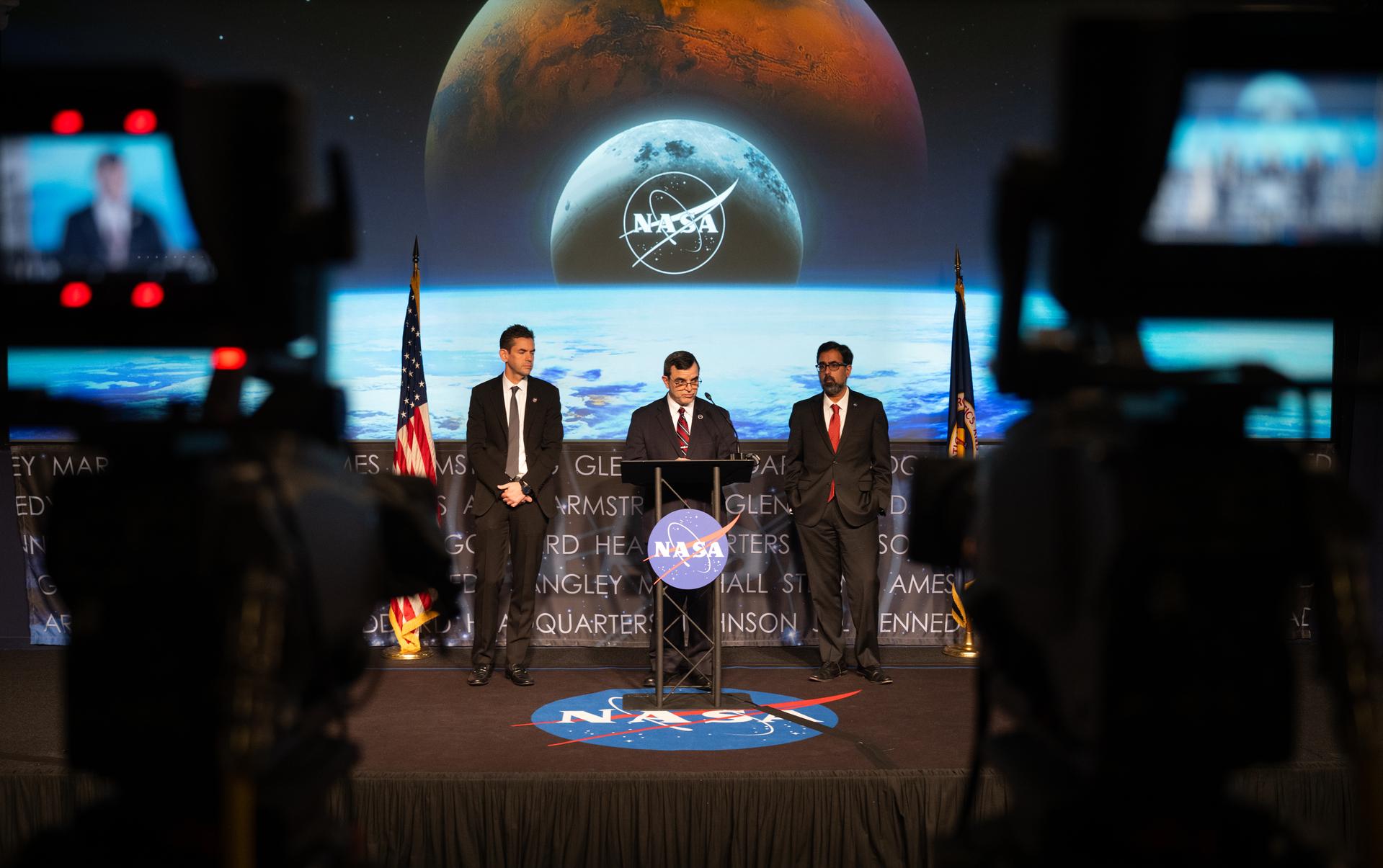
Dr. James Polk, NASA’s chief health and medical officer, center, speaks alongside NASA Administrator Jared Isaacman, left, and Amit Kshatriya, NASA associate administrator, as they provide an update on the International Space Station and its crew, Thursday, Jan. 8, 2026, at the Mary W. Jackson NASA Headquarters building in Washington. Photo Credit: (NASA/Joel Kowsky)
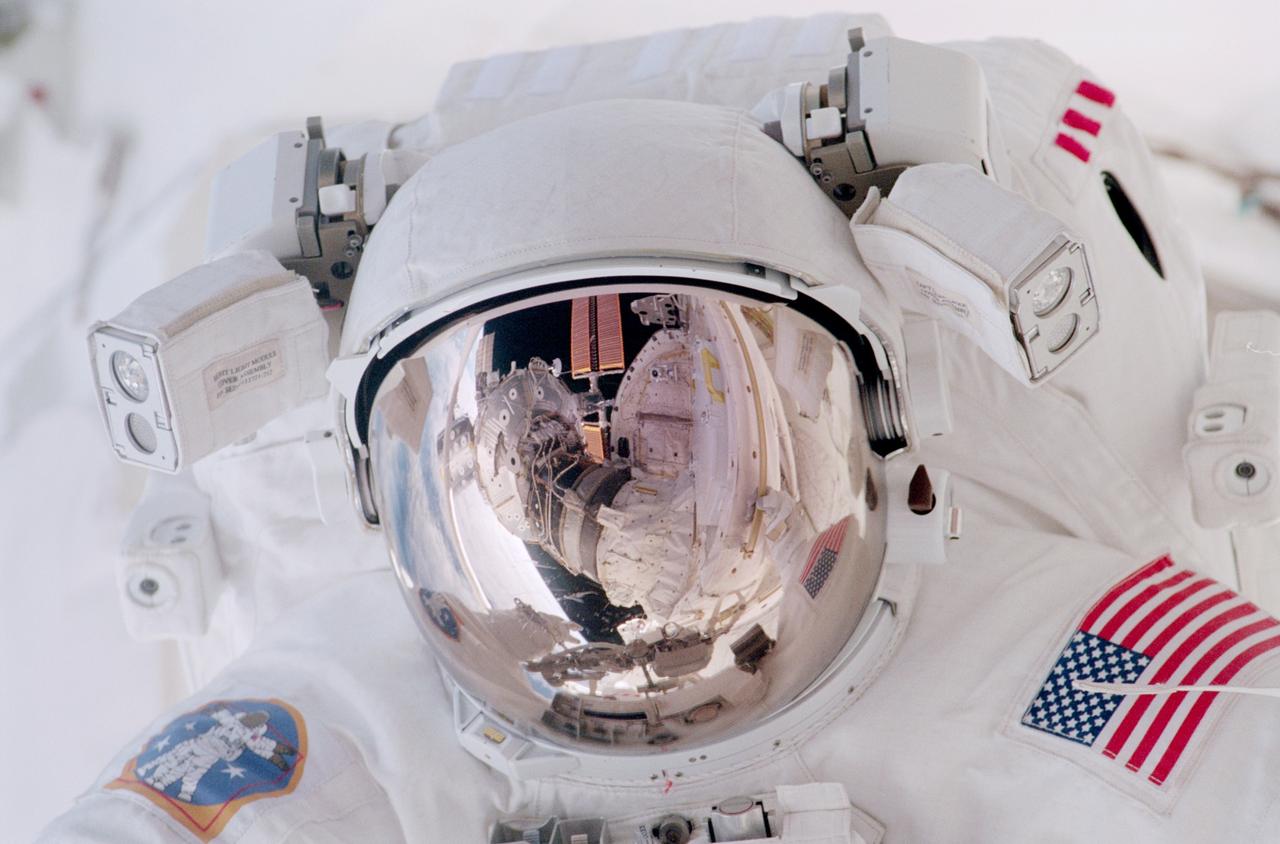
STS102-346-021 (8-21 March 2001) --- The Space Shuttle Discovery;s cargo bay, International Space Station (ISS), and the Earth;s horizon are reflected in the helmet visor of astronaut Paul W. Richards, STS-102 mission specialist, while participating in extravehicular activity during the flight;s second space walk.
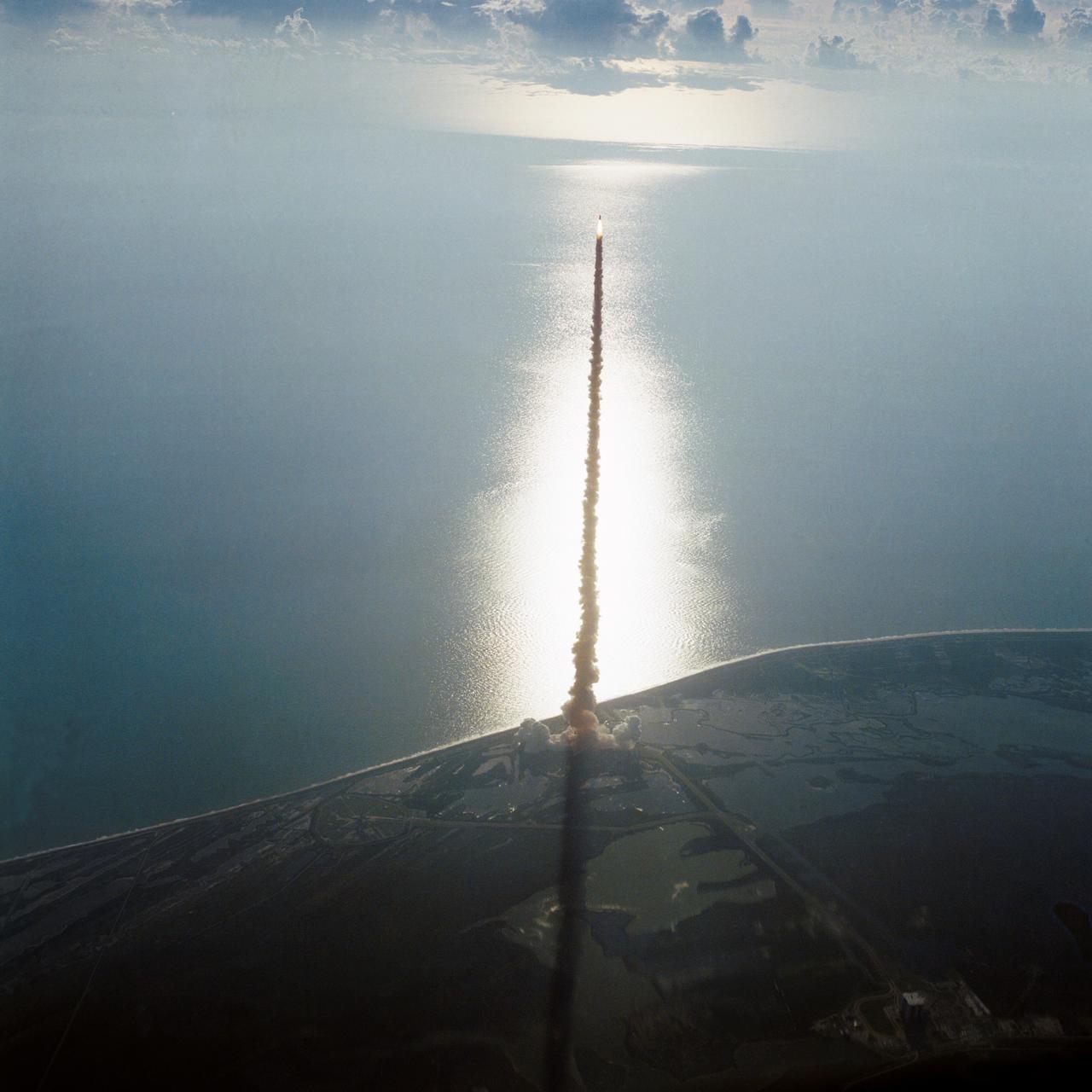
41D-3063 (30 Aug. 1984) --- The space shuttle Discovery climbs toward Earth orbit following a successful liftoff from KSC's Pad 39A at 8:41:50 a.m. (EDT), Aug. 30, 1984. Inside the spacecraft are six crewmembers looking forward to a busy week in space. The scene was photographed by astronaut John W. Young in the Shuttle Training Aircraft (STA). Photo credit: NASA
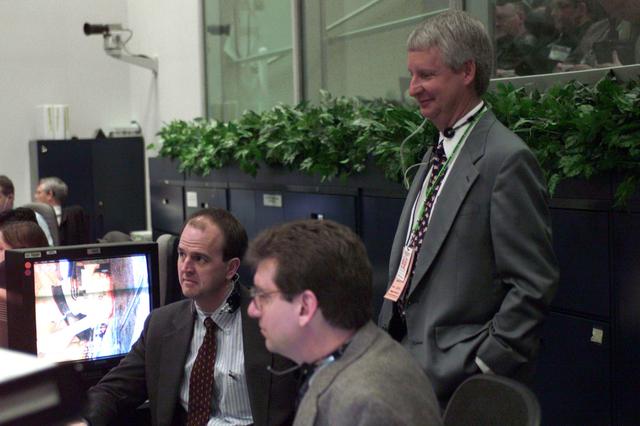
JSC2001-E-06209 (8 March 2001) --- At the Mission Operations Directorate (MOD) console in Houston's Mission Control Center (MCC), (from the left) Robbie D. Gest, Jeffrey W. Bantle and Steven A. Hawley monitor pre-launch activity for STS-102. Gest is Project Leader for Mission Operations for the United Space Alliance (USA); Bantle is with the Flight Director Office in MOD; and Hawley is with the Flight Crew Operations Directorate.
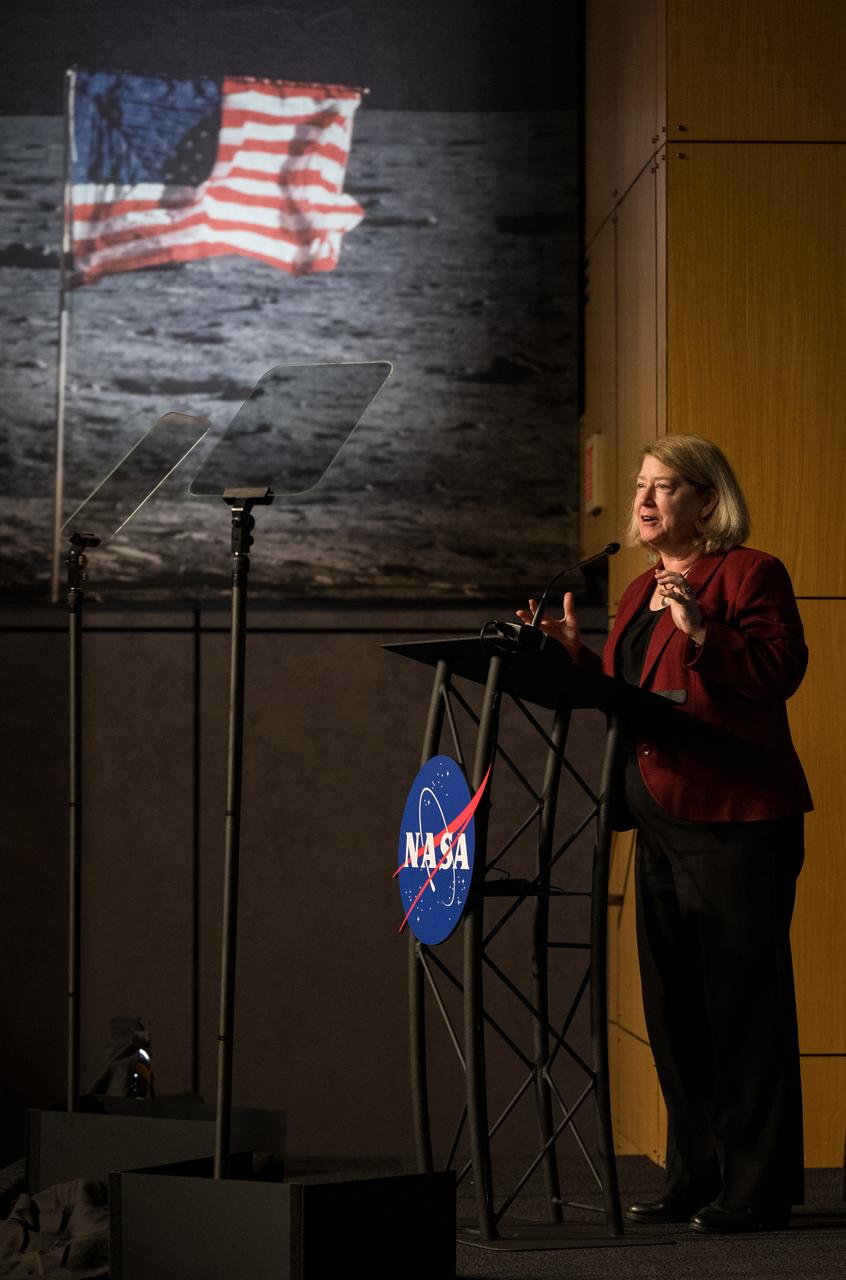
NASA Deputy Administrator Pam Melroy speaks during a media briefing to discuss the upcoming solar eclipse, Tuesday, March 26, 2024 at the Mary W. Jackson NASA Headquarters building in Washington. A total solar eclipse will sweep across a narrow portion of the North American continent from Mexico’s Pacific coast to the Atlantic coast of Newfoundland, Canada on April 8, 2024. A partial solar eclipse will be visible across the entire North American continent along with parts of Central America and Europe. Photo Credit: (NASA/Aubrey Gemignani)