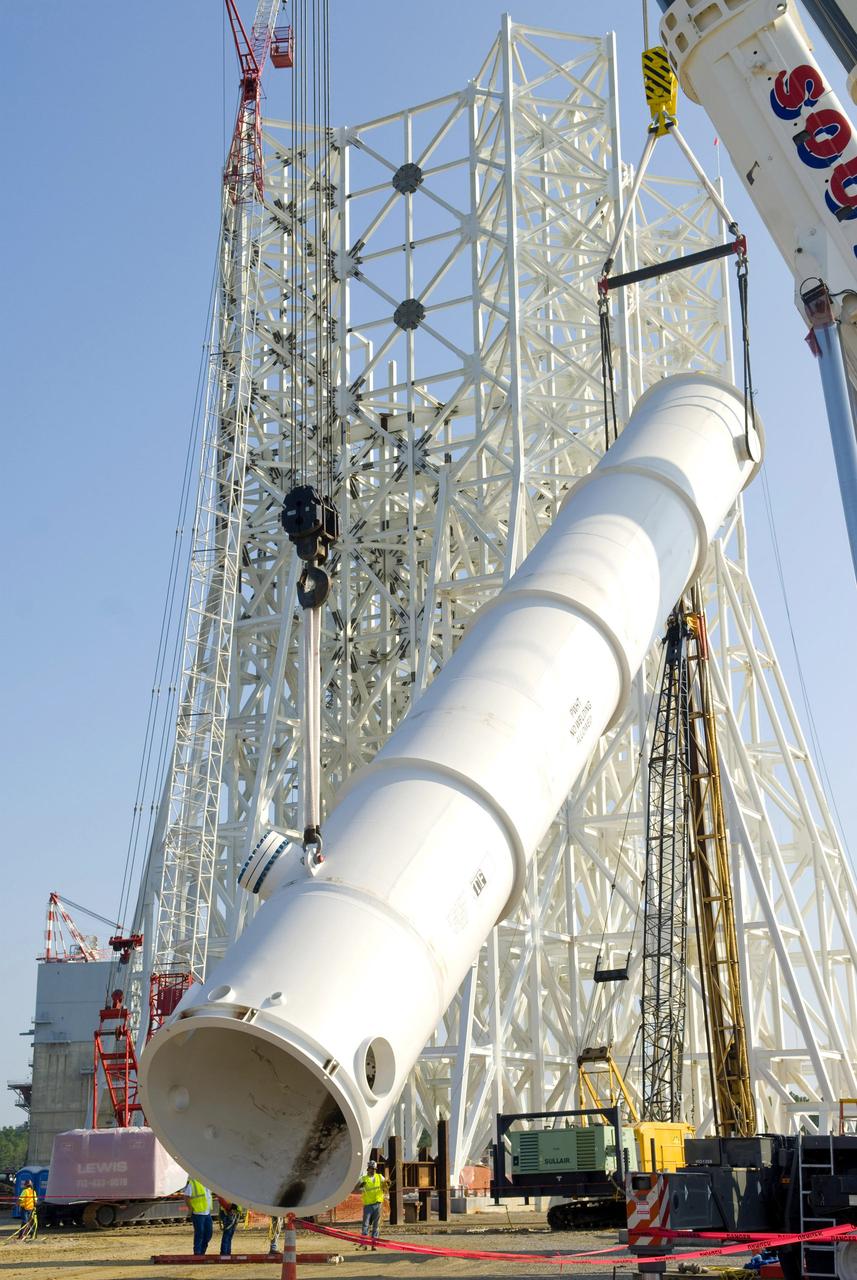
A water tank is lifted into place at the A-3 Test Stand being built at NASA's John C. Stennis Space Center. Fourteen water, liquid oxygen (LOX) and isopropyl alcohol (IPA) tanks are being installed to support the chemical steam generators to be used on the A-3 Test Stand. The IPA and LOX tanks will provide fuel for the generators. The water will allow the generators to produce steam that will be used to reduce pressure inside the stand's test cell diffuser, enabling operators to simulate altitudes up to 100,000 feet. In that way, operators can perform the tests needed on rocket engines being built to carry humans back to the moon and possibly beyond. The A-3 Test Stand is set for completion and activation in 2011.
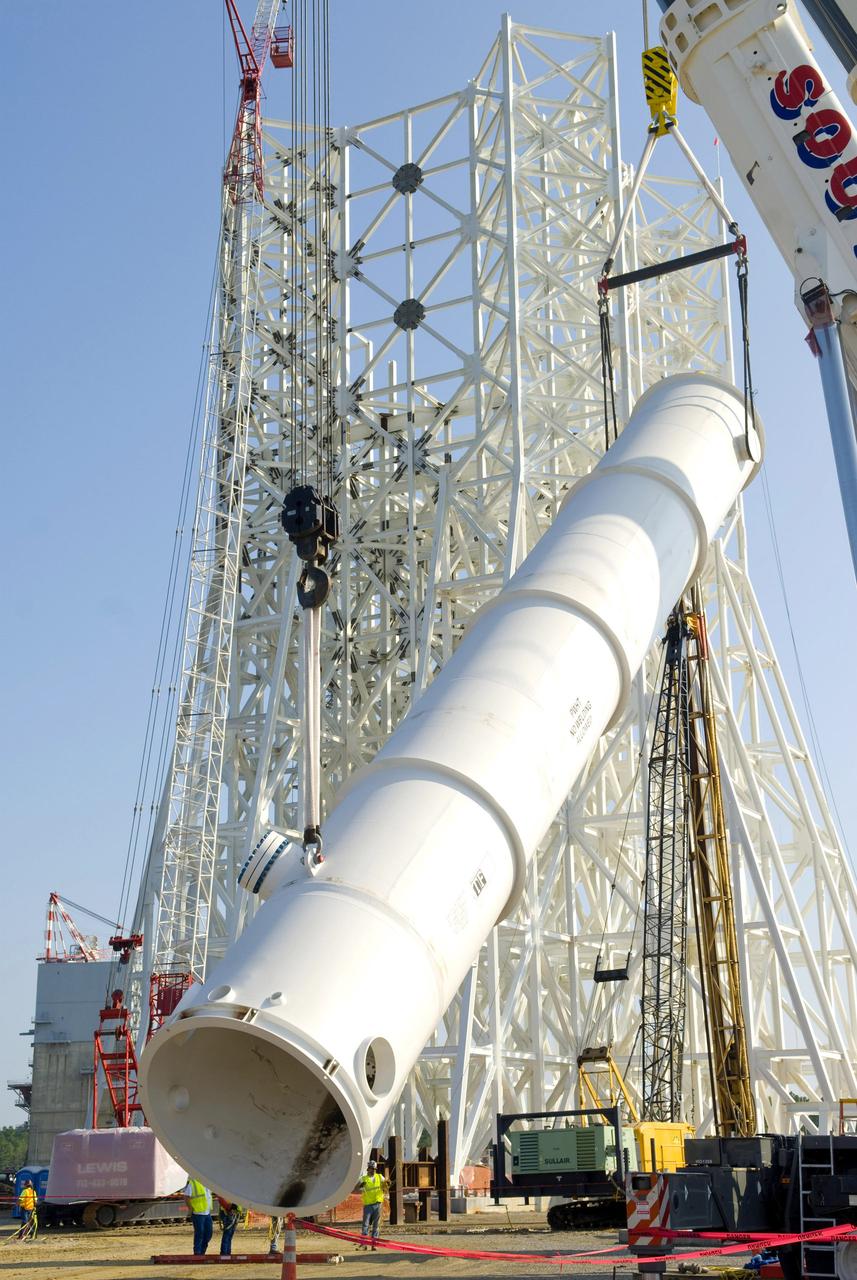
A water tank is lifted into place at the A-3 Test Stand being built at NASA's John C. Stennis Space Center. Fourteen water, liquid oxygen (LOX) and isopropyl alcohol (IPA) tanks are being installed to support the chemical steam generators to be used on the A-3 Test Stand. The IPA and LOX tanks will provide fuel for the generators. The water will allow the generators to produce steam that will be used to reduce pressure inside the stand's test cell diffuser, enabling operators to simulate altitudes up to 100,000 feet. In that way, operators can perform the tests needed on rocket engines being built to carry humans back to the moon and possibly beyond. The A-3 Test Stand is set for completion and activation in 2011.
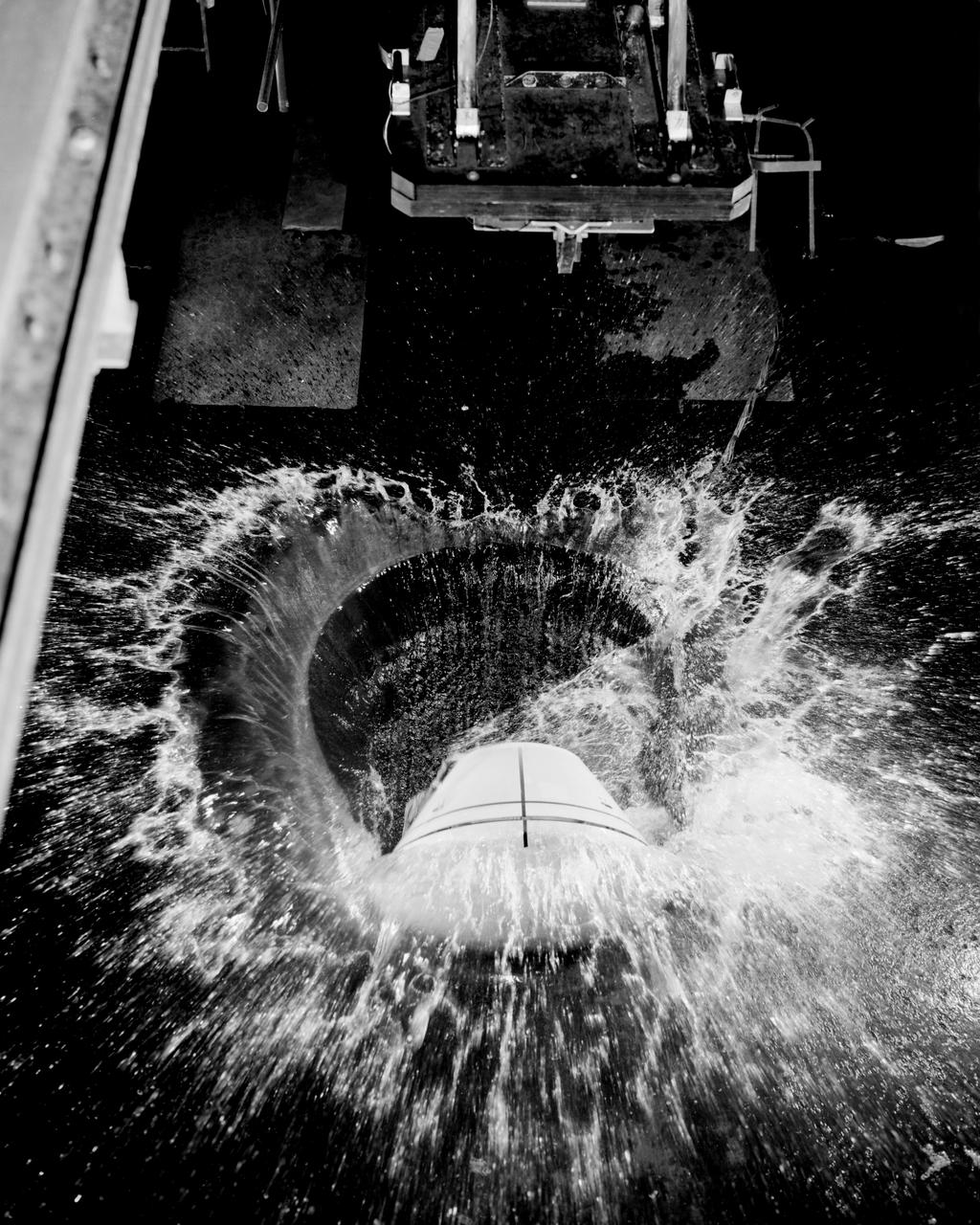
1/4th Scale Model of Apollo - Impact Structures Facility Launched from an overhead pendulum device, this Apollo spacecraft was tested in the Impact Structures Facility to determine water-landing characteristics. -- Photograph published in Winds of Change, 75th Anniversary NASA publication (page 91), by James Schultz.
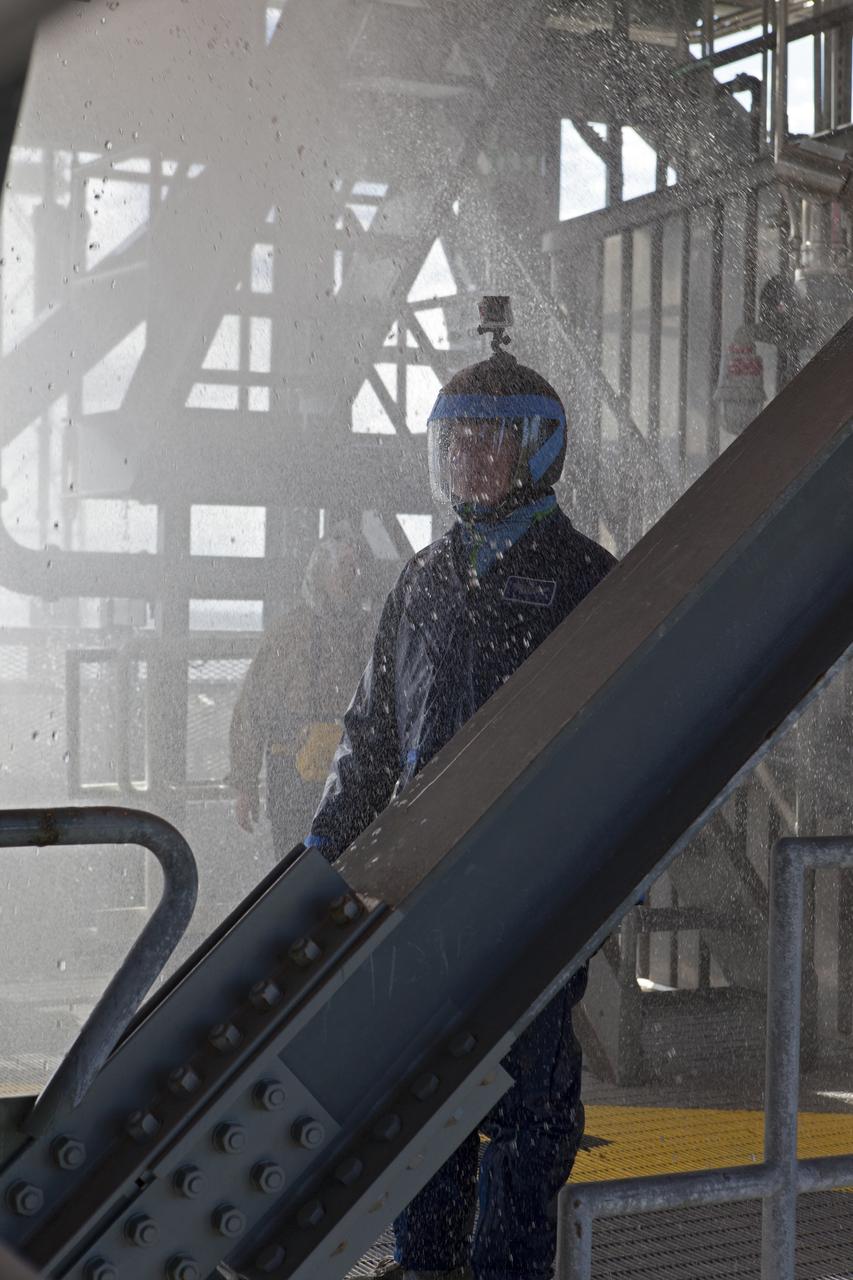
NASA and Boeing personnel experience conditions during a water deluge test on the Crew Access Tower at Space Launch Complex 41 on Cape Canaveral Air Force Station in Florida. The test gathered data on how launch site and astronaut crews would exit in the event of an emergency from the white room at the end of the crew access arm to the emergency escape system on the pad. Boeing’s Starliner will launch on a United Launch Alliance Atlas V rocket to the International Space Station as part of NASA’s Commercial Crew Program.
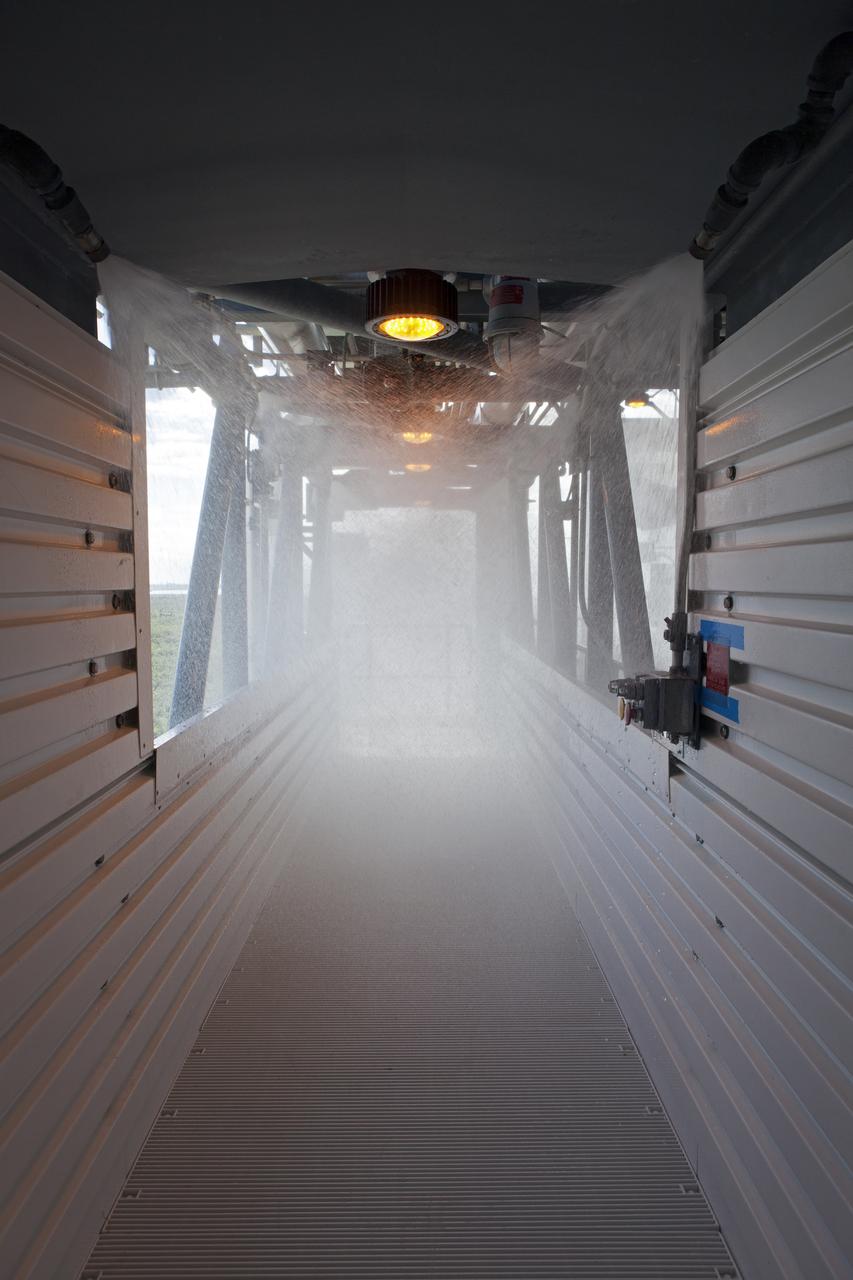
NASA, Boeing and United Launch Alliance personnel run a water deluge test on the Crew Access Tower at Space Launch Complex 41 on Cape Canaveral Air Force Station in Florida. The test gathered data on how launch site and astronaut crews would exit in the event of an emergency from the white room at the end of the crew access arm to the emergency escape system on the pad. Boeing’s Starliner will launch on a United Launch Alliance Atlas V rocket to the International Space Station as part of NASA’s Commercial Crew Program.
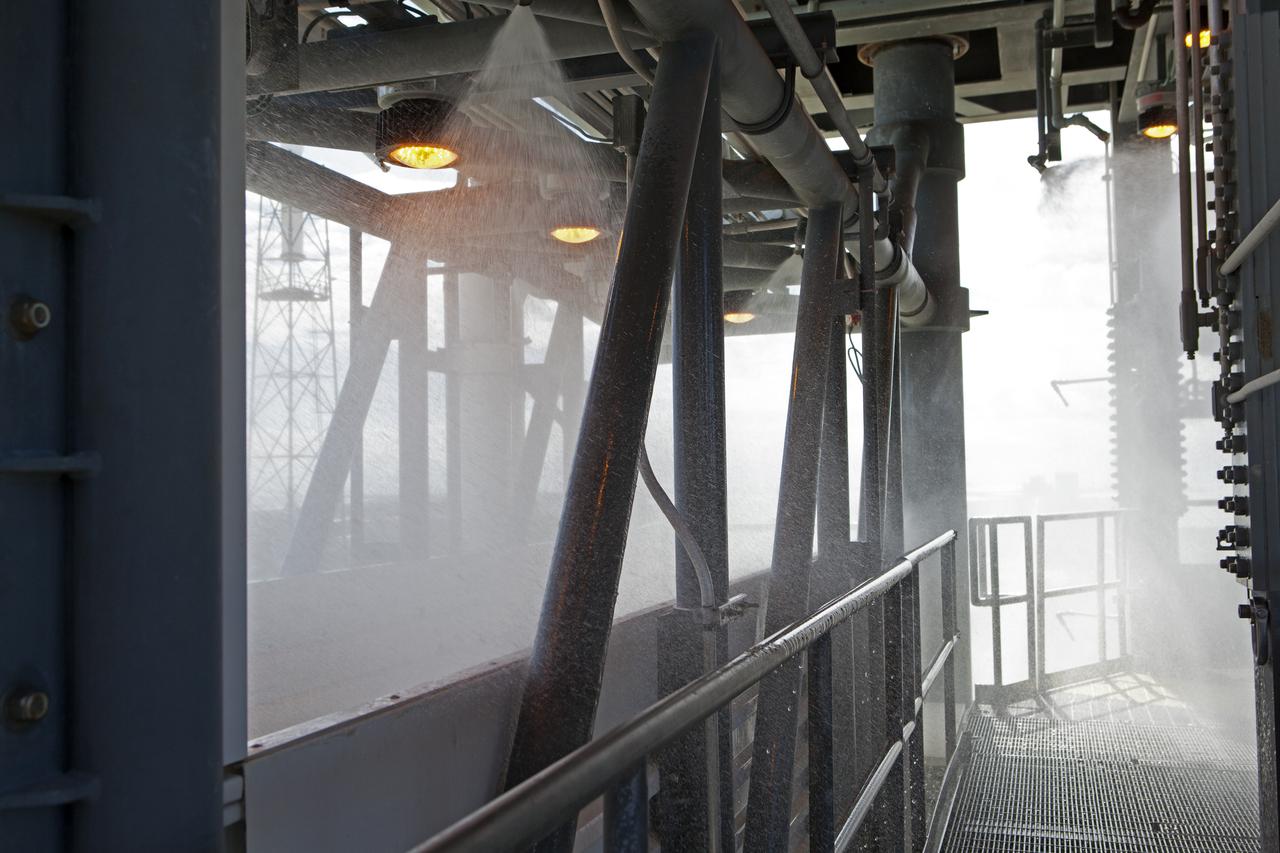
NASA, Boeing and United Launch Alliance personnel begin a water deluge test on the Crew Access Tower at Space Launch Complex 41 on Cape Canaveral Air Force Station in Florida. The test gathered data on how launch site and astronaut crews would exit in the event of an emergency from the white room at the end of the crew access arm to the emergency escape system on the pad. Boeing’s Starliner will launch on a United Launch Alliance Atlas V rocket to the International Space Station as part of NASA’s Commercial Crew Program.
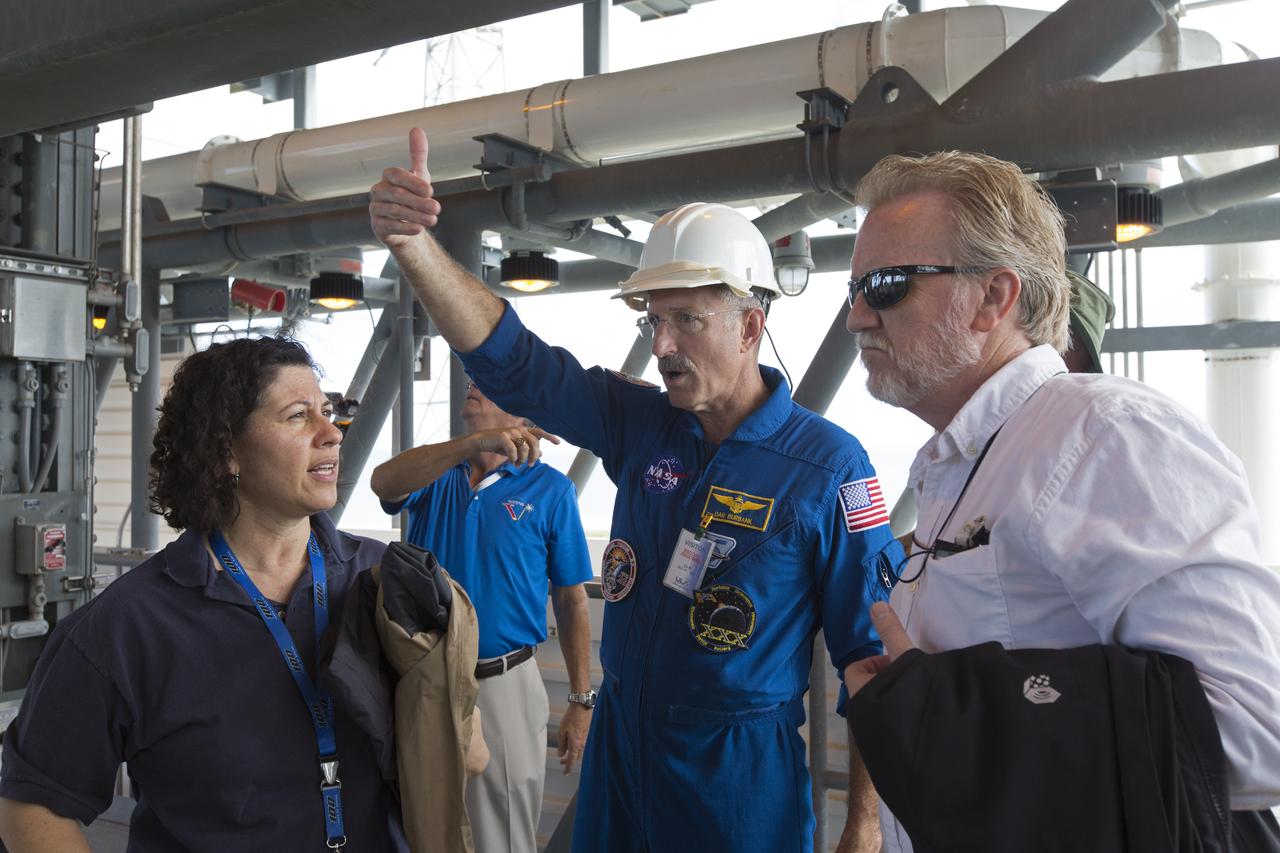
NASA, Boeing and United Launch Alliance personnel discuss procedures for an upcoming water deluge test on the Crew Access Tower at Space Launch Complex 41 on Cape Canaveral Air Force Station in Florida. The test gathered data on how launch site and astronaut crews would exit in the event of an emergency from the white room at the end of the crew access arm to the emergency escape system on the pad. Boeing’s Starliner will launch on a United Launch Alliance Atlas V rocket to the International Space Station as part of NASA’s Commercial Crew Program.
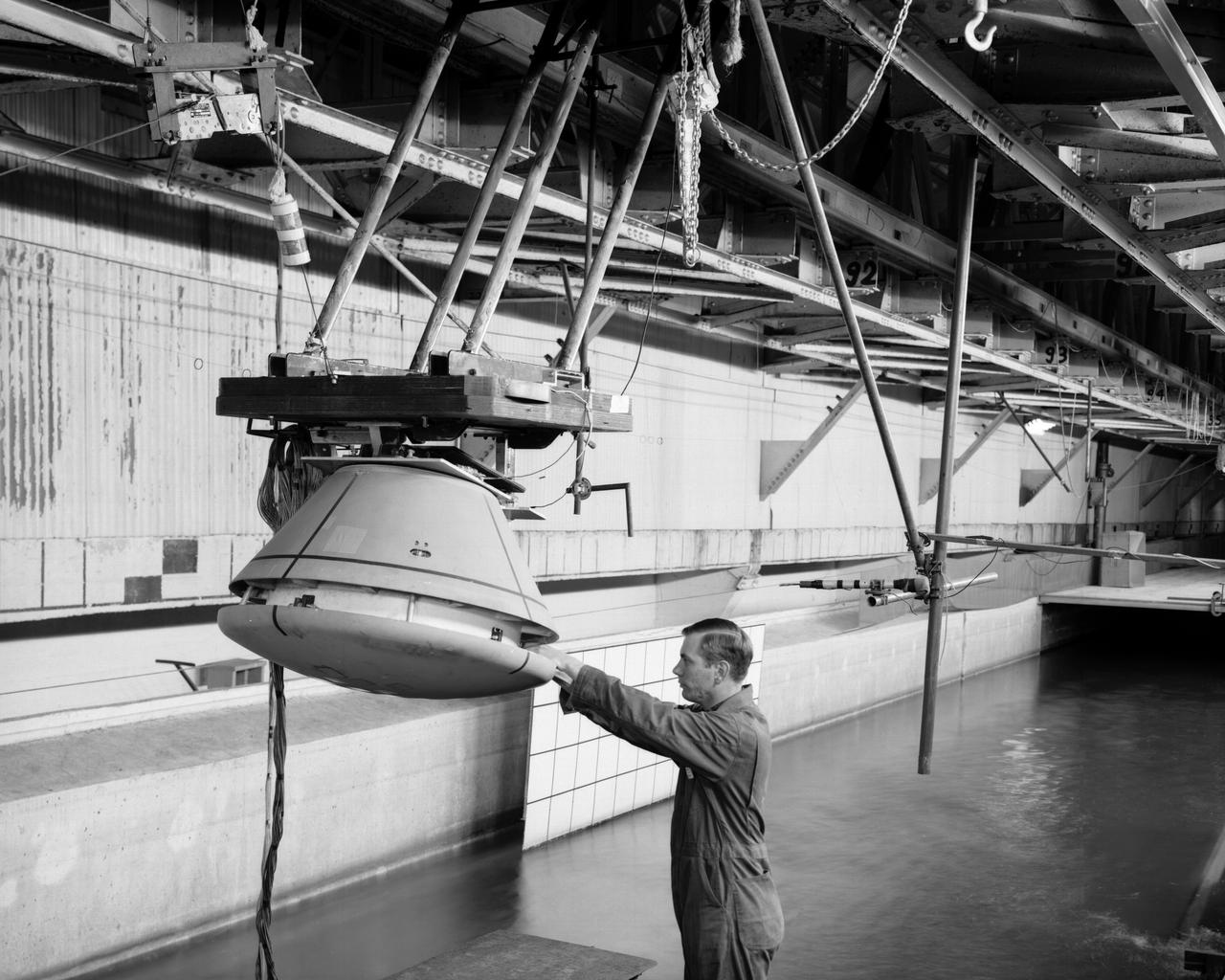
1/4th Scale Model of Apollo - Impact Structures Facility Launched from an overhead pendulum device, this Apollo spacecraft was tested in the Impact Structures Facility to determine water-landing characteristics. -- Photograph published in Winds of Change, 75th Anniversary NASA publication (page 91), by James Schultz.

Photos of the Emergency Evacuation Water Test at the CCP Crew Access Arm in Oak Hill, for Boeing/ULA.
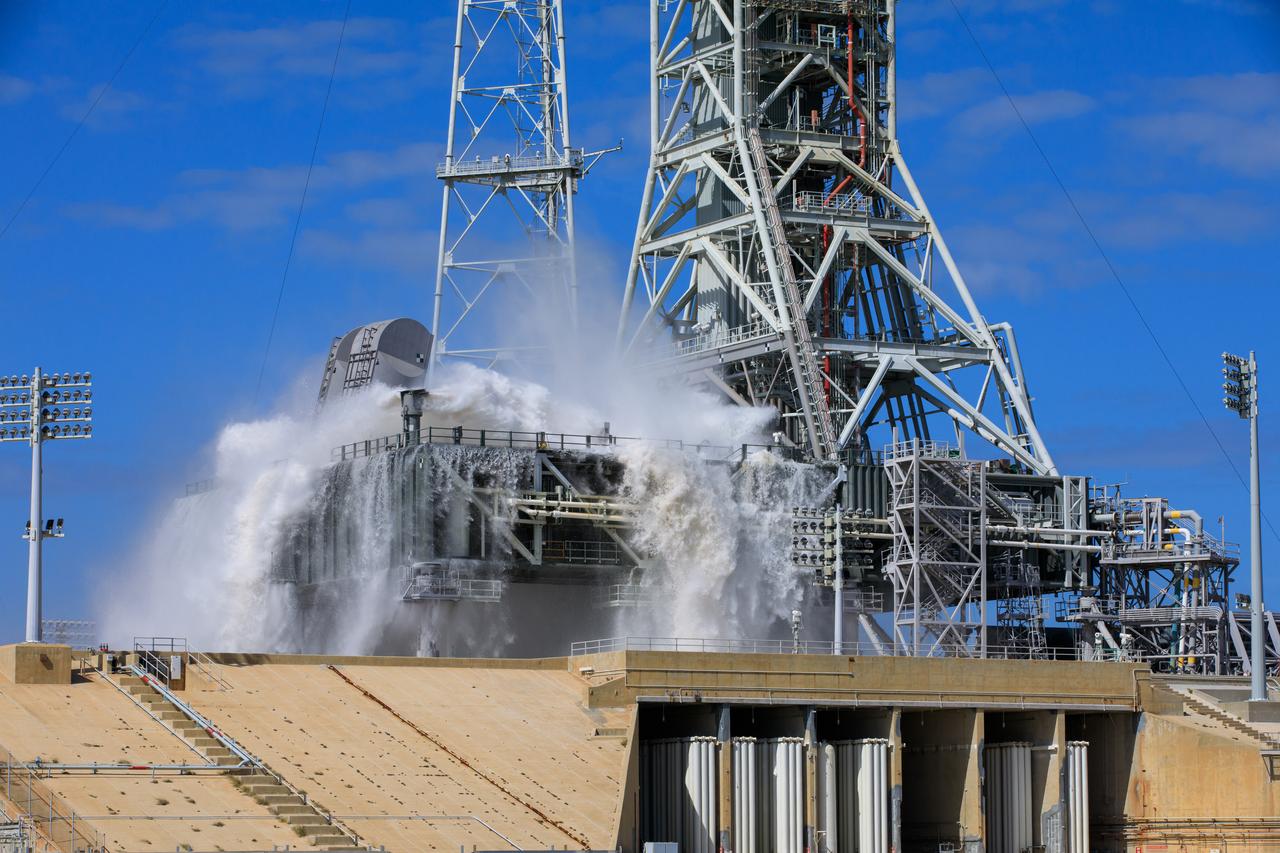
NASA’s Exploration Ground Systems conducts a water flow test with the mobile launcher at Kennedy Space Center’s Launch Complex 39B in Florida on Oct. 24, 2023. It is the third in a series of tests to verify the overpressure protection and sound suppression system is ready for launch of the Artemis II mission. During liftoff, 400,000 gallons of water will rush onto the pad to help protect NASA’s SLS (Space Launch System) rocket, Orion spacecraft, mobile launcher, and launch pad from any over pressurization and extreme sound produced during ignition and liftoff.
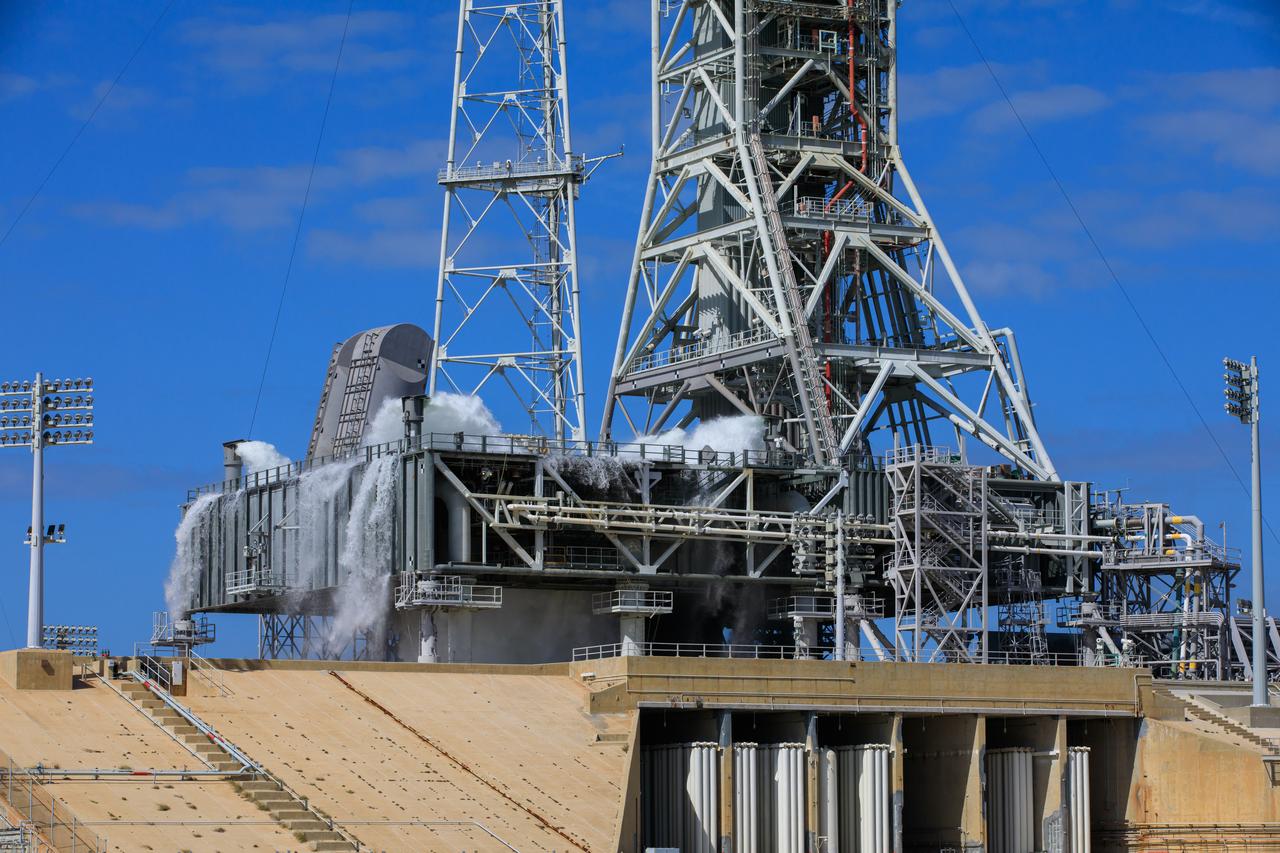
NASA’s Exploration Ground Systems conducts a water flow test with the mobile launcher at Kennedy Space Center’s Launch Complex 39B in Florida on Oct. 24, 2023. It is the third in a series of tests to verify the overpressure protection and sound suppression system is ready for launch of the Artemis II mission. During liftoff, 400,000 gallons of water will rush onto the pad to help protect NASA’s SLS (Space Launch System) rocket, Orion spacecraft, mobile launcher, and launch pad from any over pressurization and extreme sound produced during ignition and liftoff.
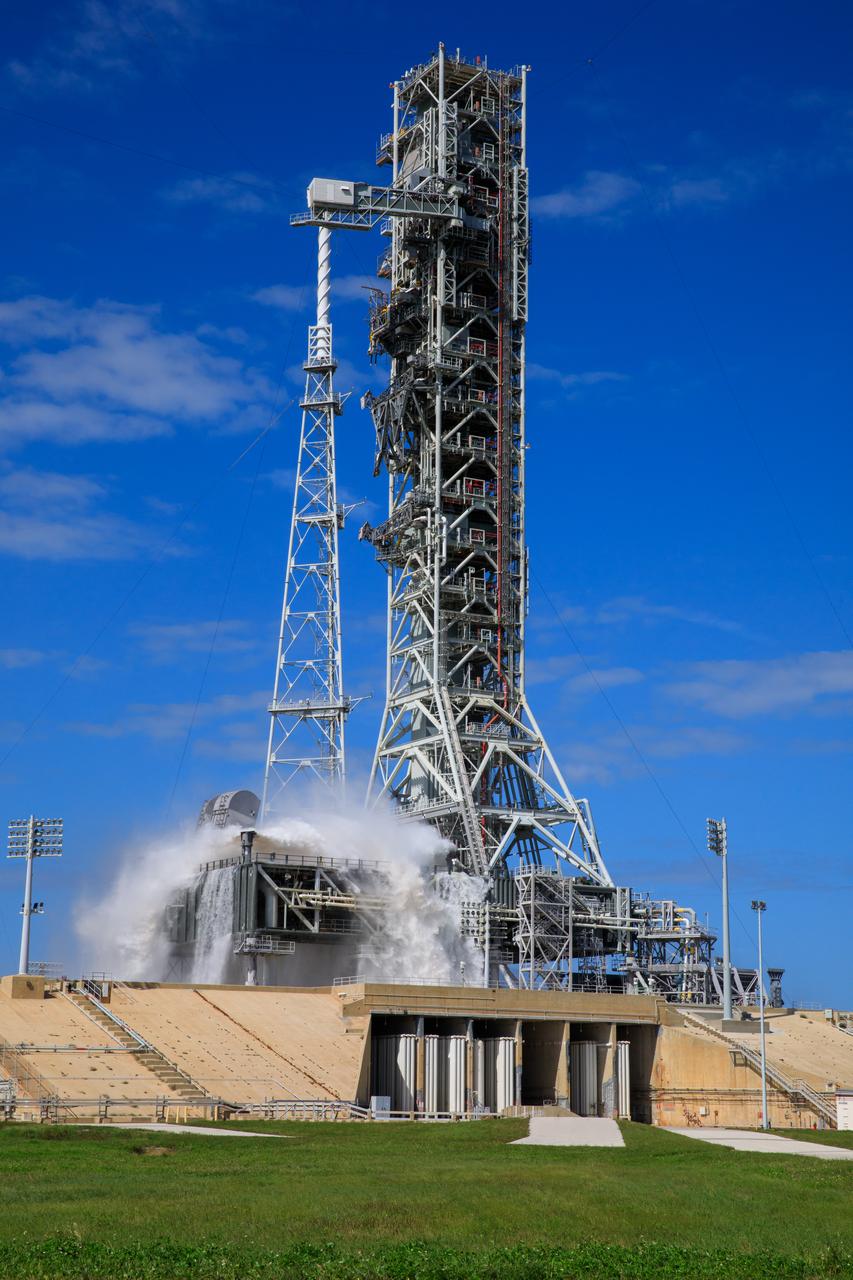
NASA’s Exploration Ground Systems conducts a water flow test with the mobile launcher at Kennedy Space Center’s Launch Complex 39B in Florida on Oct. 24, 2023. It is the third in a series of tests to verify the overpressure protection and sound suppression system is ready for launch of the Artemis II mission. During liftoff, 400,000 gallons of water will rush onto the pad to help protect NASA’s SLS (Space Launch System) rocket, Orion spacecraft, mobile launcher, and launch pad from any over pressurization and extreme sound produced during ignition and liftoff.
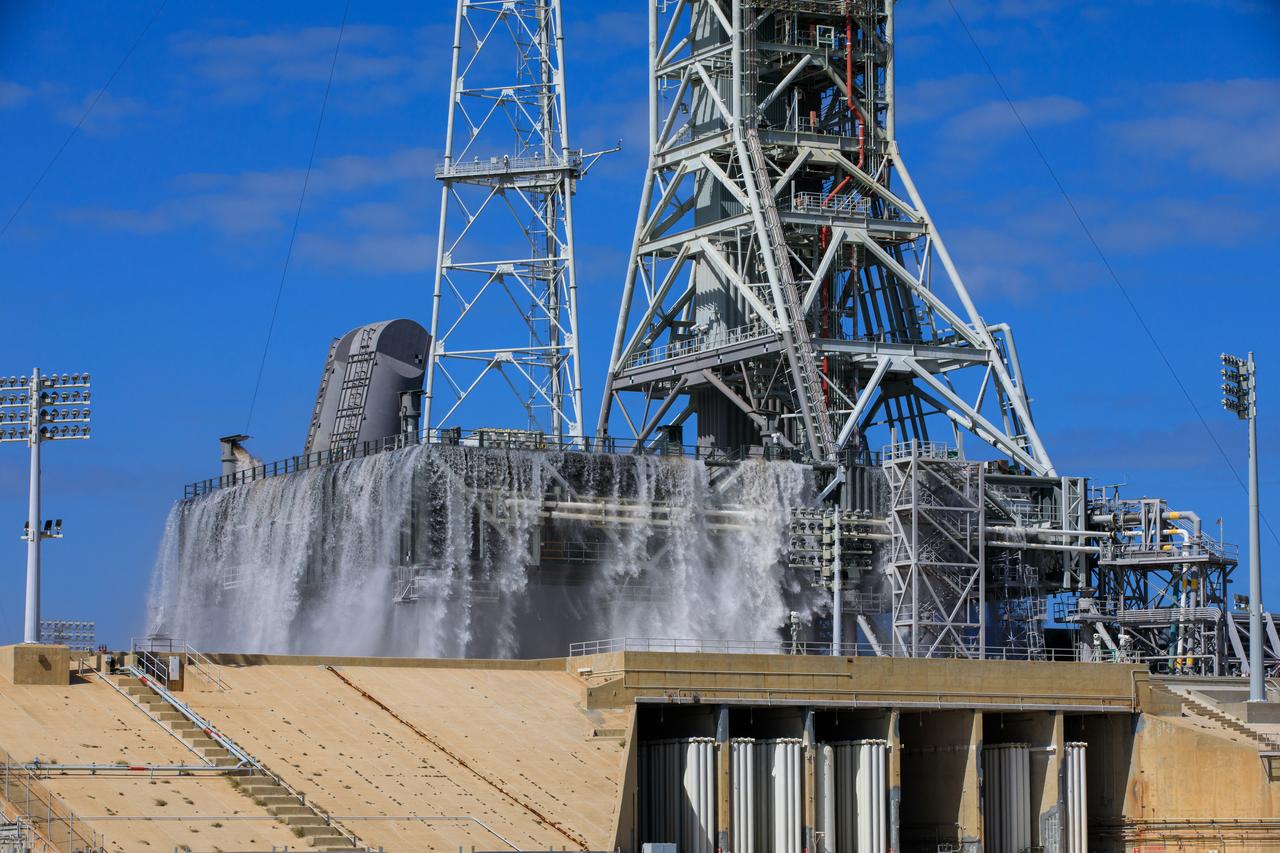
NASA’s Exploration Ground Systems conducts a water flow test with the mobile launcher at Kennedy Space Center’s Launch Complex 39B in Florida on Oct. 24, 2023. It is the third in a series of tests to verify the overpressure protection and sound suppression system is ready for launch of the Artemis II mission. During liftoff, 400,000 gallons of water will rush onto the pad to help protect NASA’s SLS (Space Launch System) rocket, Orion spacecraft, mobile launcher, and launch pad from any over pressurization and extreme sound produced during ignition and liftoff.
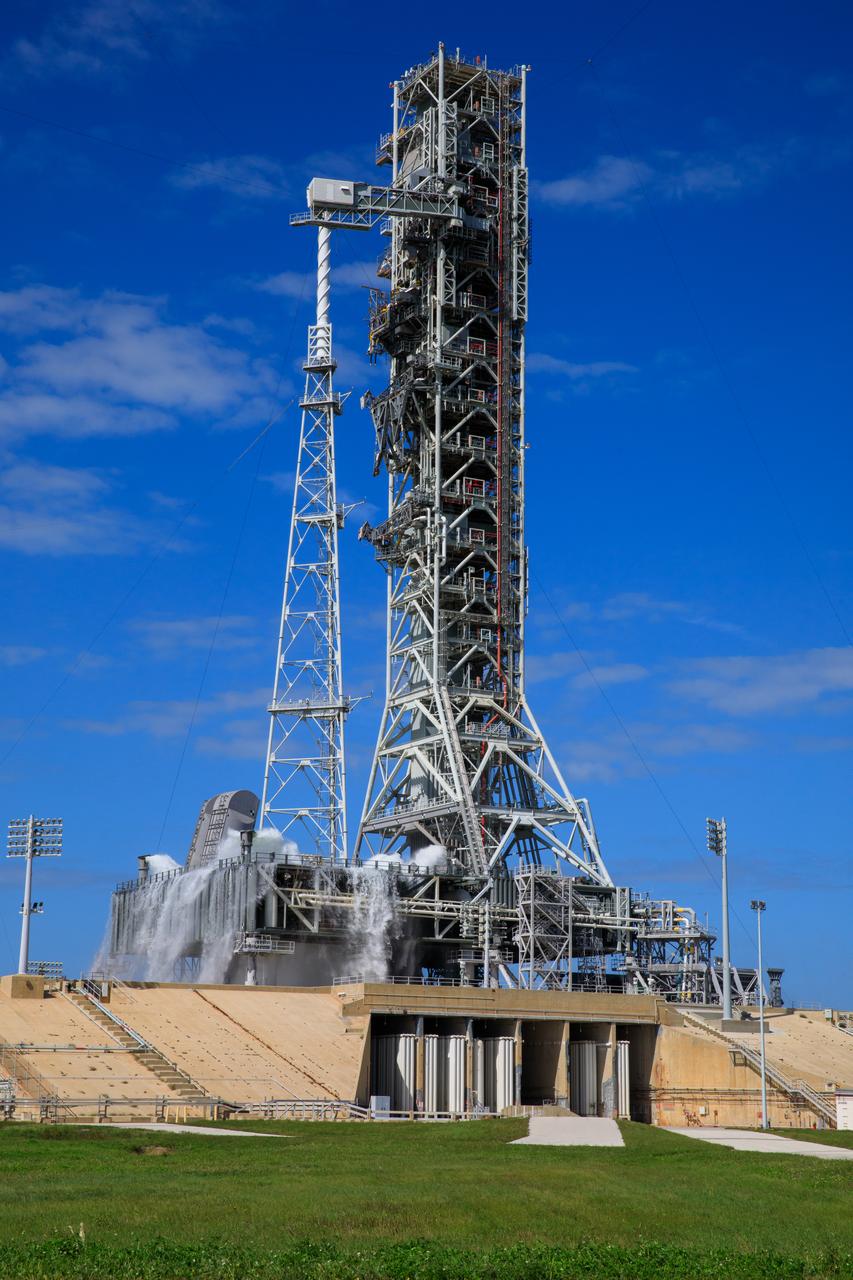
NASA’s Exploration Ground Systems conducts a water flow test with the mobile launcher at Kennedy Space Center’s Launch Complex 39B in Florida on Oct. 24, 2023. It is the third in a series of tests to verify the overpressure protection and sound suppression system is ready for launch of the Artemis II mission. During liftoff, 400,000 gallons of water will rush onto the pad to help protect NASA’s SLS (Space Launch System) rocket, Orion spacecraft, mobile launcher, and launch pad from any over pressurization and extreme sound produced during ignition and liftoff.

NASA’s Exploration Ground Systems conducts a water flow test with the mobile launcher at Kennedy Space Center’s Launch Complex 39B in Florida on Oct. 24, 2023. It is the third in a series of tests to verify the overpressure protection and sound suppression system is ready for launch of the Artemis II mission. During liftoff, 400,000 gallons of water will rush onto the pad to help protect NASA’s SLS (Space Launch System) rocket, Orion spacecraft, mobile launcher, and launch pad from any over pressurization and extreme sound produced during ignition and liftoff.
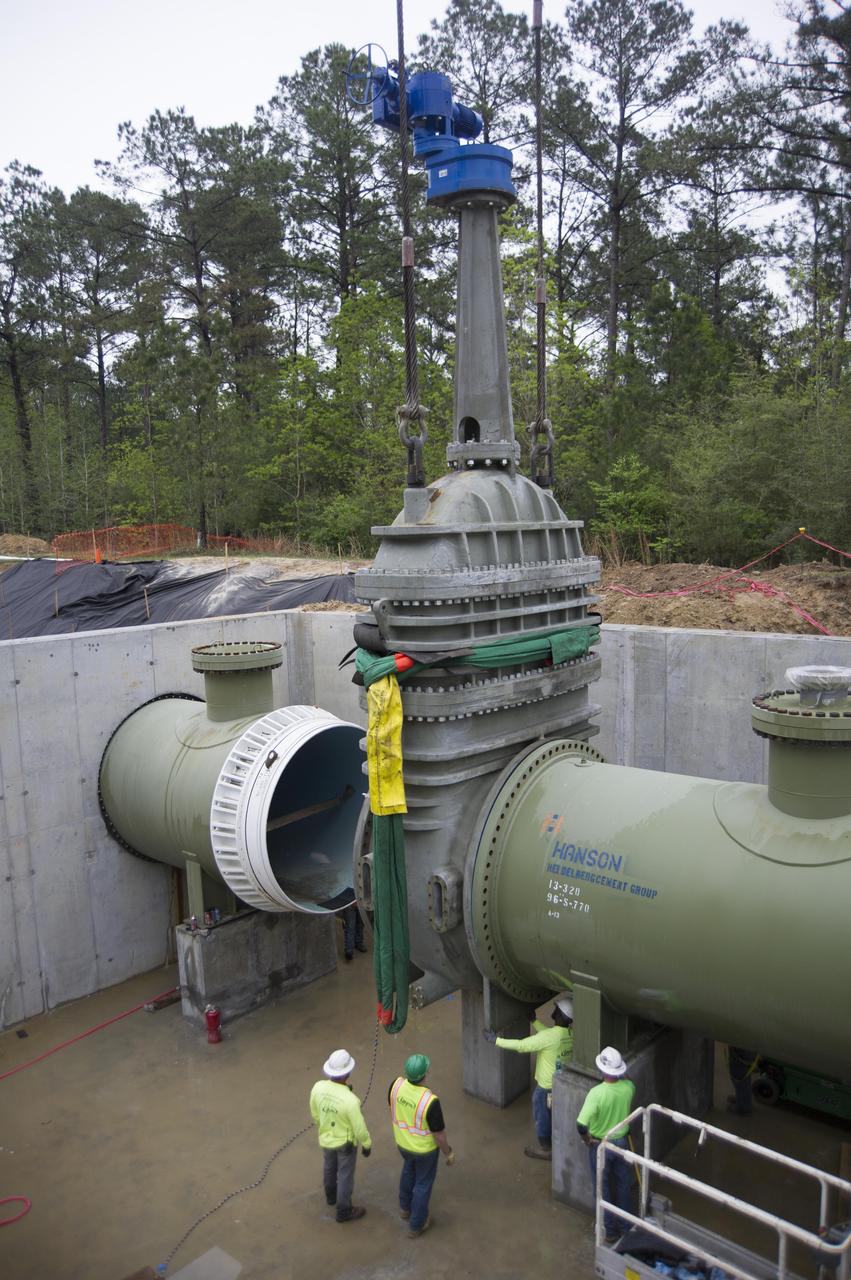
Stennis Space Center employees install a 96-inch valve during a recent upgrade of the high-pressure industrial water system that serves the site’s large rocket engine test stands. The upgraded system has a capacity to flow 335,000 gallons of water a minute, which is a critical element for testing. At Stennis, engines are anchored in place on large test stands and fired just as they are during an actual space flight. The fire and exhaust from the test is redirected out of the stand by a large flame trench. A water deluge system directs thousands of gallons of water needed to cool the exhaust. Water also must be available for fire suppression in the event of a mishap. The new system supports RS-25 engine testing on the A-1 Test Stand, as well as testing of the core stage of NASA’s new Space Launch System on the B-2 Test Stand at Stennis.
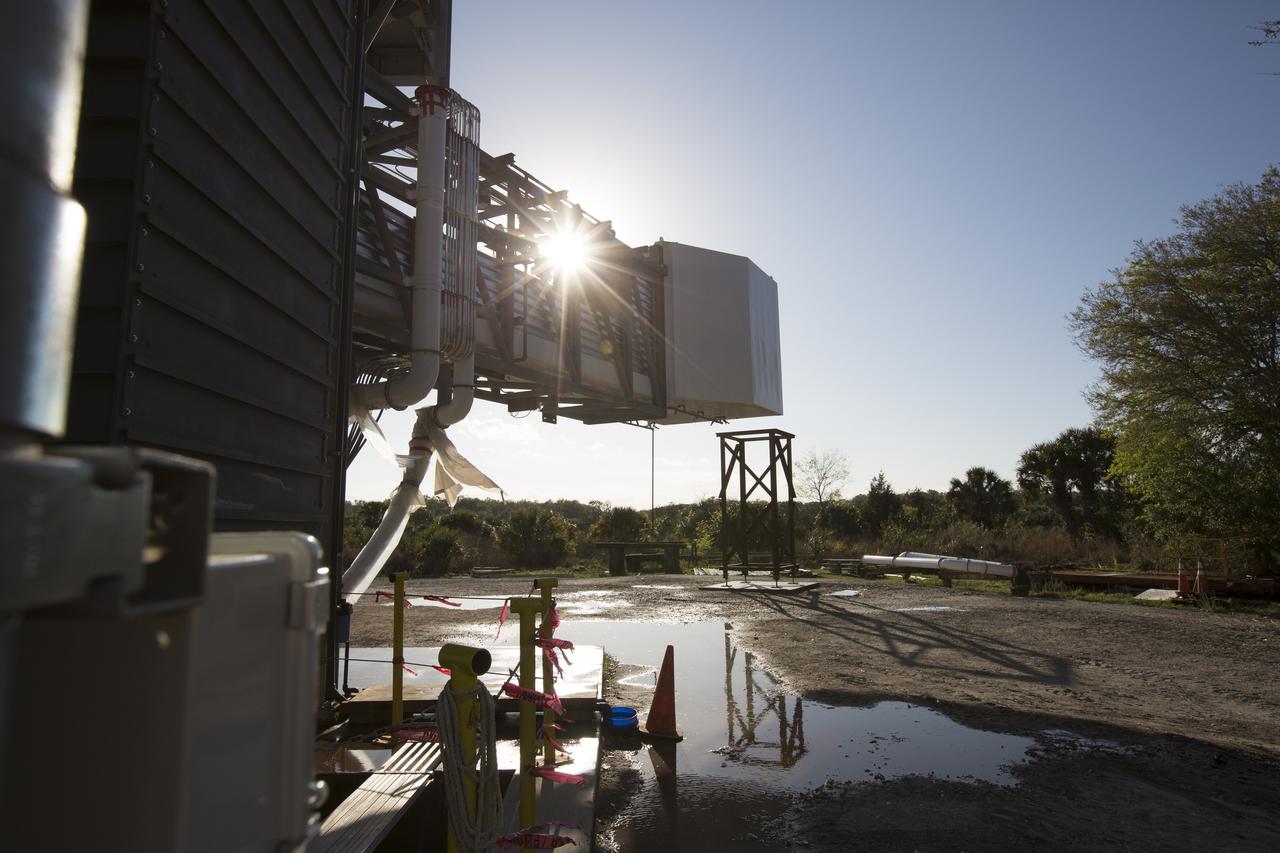
The Crew Access Arm is seen following a water deluge systems test March 23 at a construction yard near NASA's Kennedy Space Center in Florida. The arm is being tested before being installed on Space Launch Complex 41 Crew Access Tower later this year. It will be used as a bridge by astronauts to board Boeing's CST-100 Starliner spacecraft as it stands on the launch pad atop a United Launch Alliance Atlas V rocket.
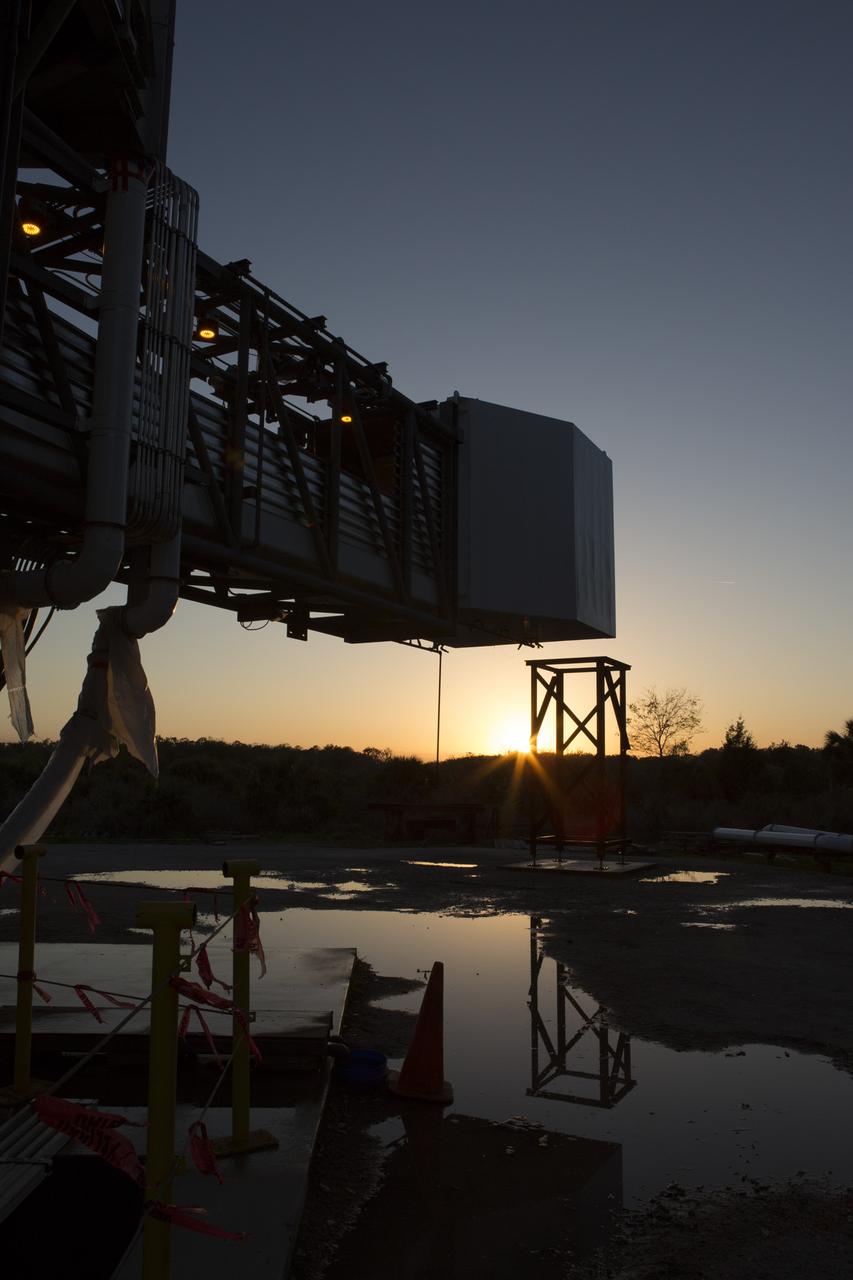
The Crew Access Arm is seen following a water deluge systems test March 23 at a construction yard near NASA's Kennedy Space Center in Florida. The arm is being tested before being installed on Space Launch Complex 41 Crew Access Tower later this year. It will be used as a bridge by astronauts to board Boeing's CST-100 Starliner spacecraft as it stands on the launch pad atop a United Launch Alliance Atlas V rocket.
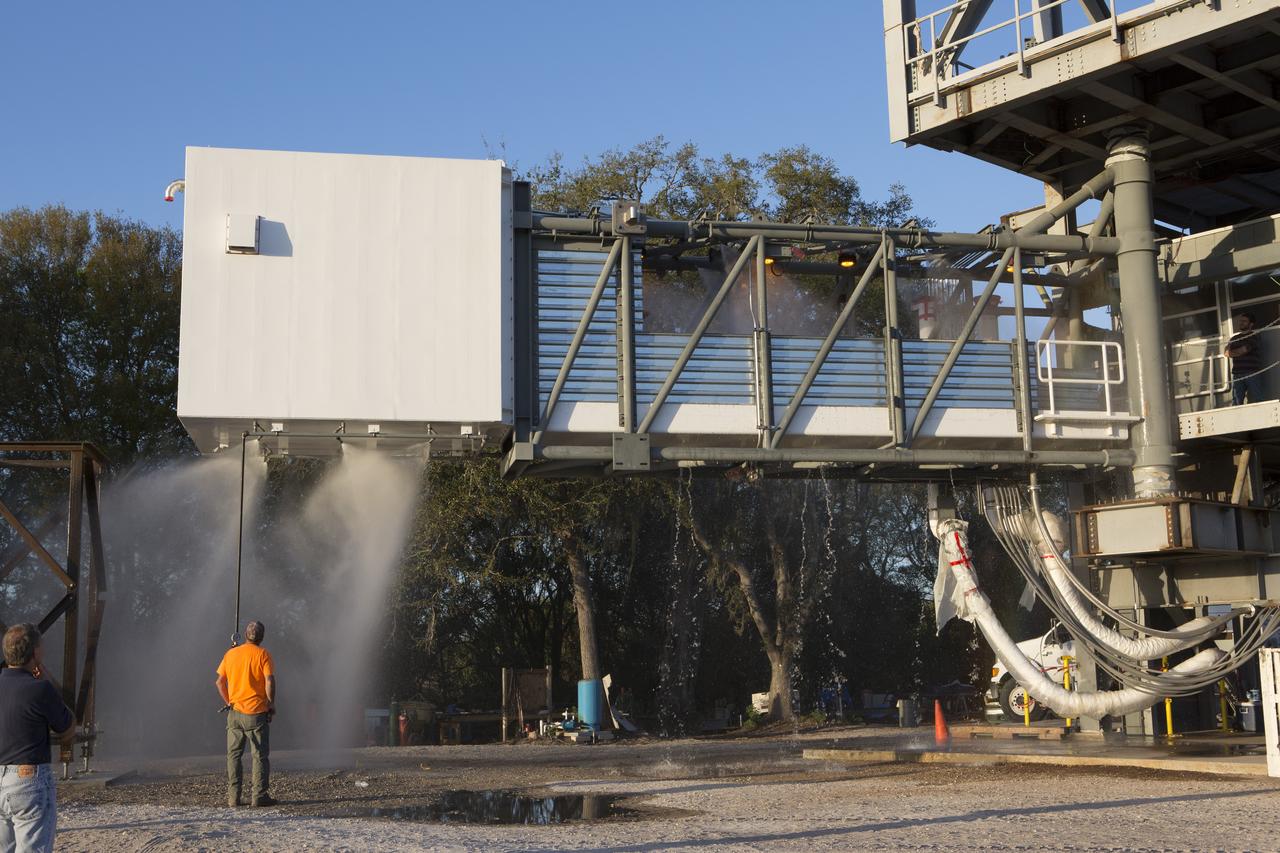
Water sprays on the Crew Access Arm during a deluge systems test March 23 at a construction yard near NASA's Kennedy Space Center in Florida. The arm is being tested before being installed on Space Launch Complex 41 Crew Access Tower later this year. It will be used as a bridge by astronauts to board Boeing's CST-100 Starliner spacecraft as it stands on the launch pad atop a United Launch Alliance Atlas V rocket.
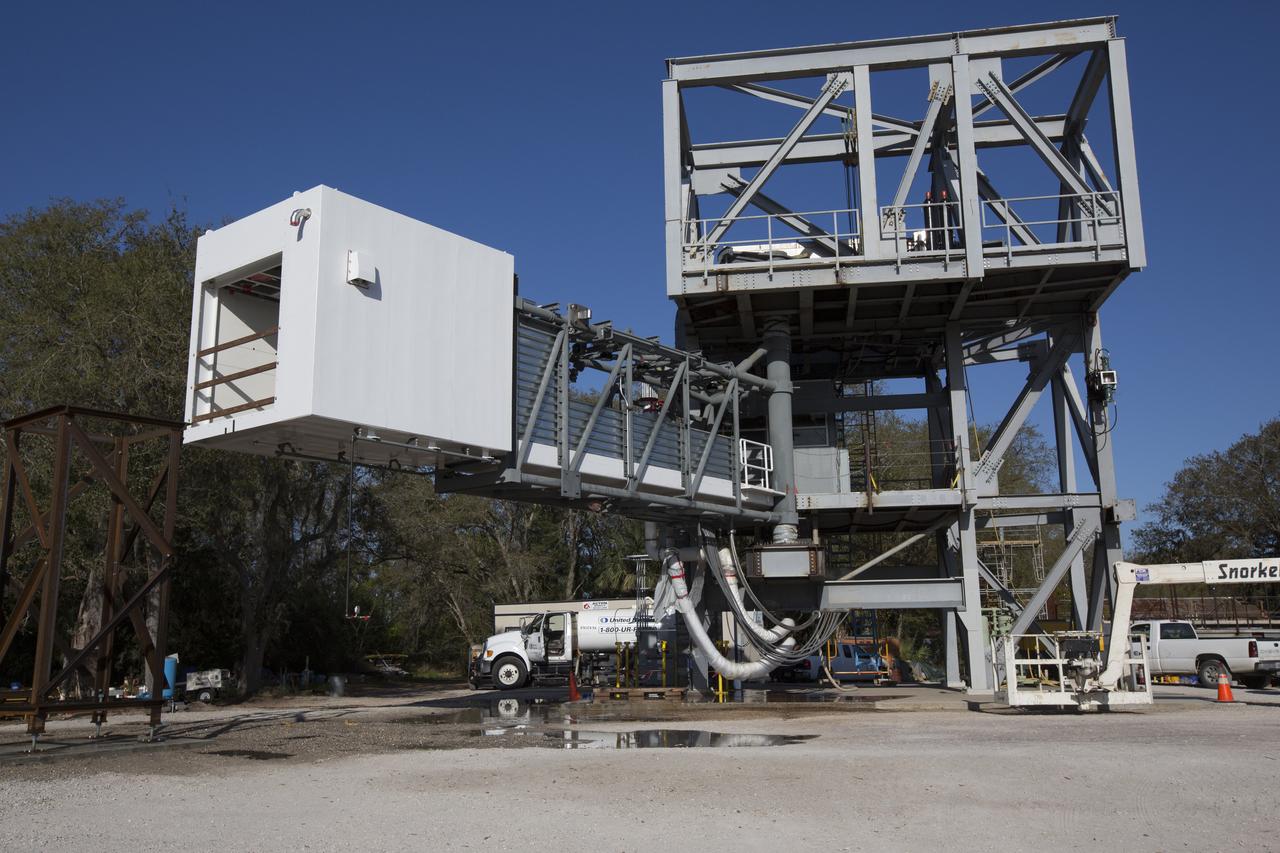
The Crew Access Arm is seen following a water deluge systems test March 23 at a construction yard near NASA's Kennedy Space Center in Florida. The arm is being tested before being installed on Space Launch Complex 41 Crew Access Tower later this year. It will be used as a bridge by astronauts to board Boeing's CST-100 Starliner spacecraft as it stands on the launch pad atop a United Launch Alliance Atlas V rocket.

Water sprays on the Crew Access Arm during a deluge systems test March 23 at a construction yard near NASA's Kennedy Space Center in Florida. The arm is being tested before being installed on Space Launch Complex 41 Crew Access Tower later this year. It will be used as a bridge by astronauts to board Boeing's CST-100 Starliner spacecraft as it stands on the launch pad atop a United Launch Alliance Atlas V rocket.
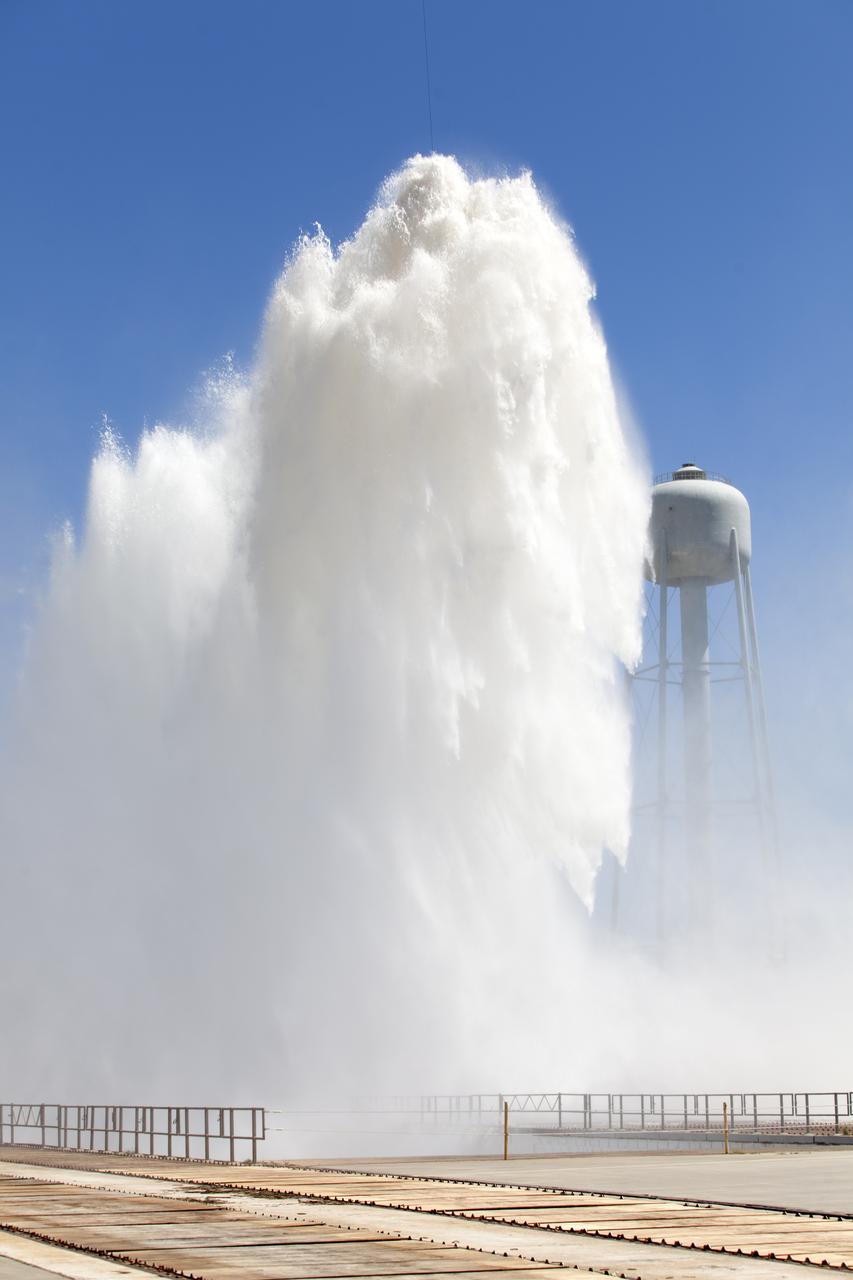
About 450,000 gallons of water flow at high speed from a holding tank through new and modified piping and valves, the flame trench, flame deflector nozzles and mobile launcher interface risers during a wet flow test on May 24, 2018, at Launch Pad 39B at NASA's Kennedy Space Center in Florida. At peak flow, the water reached about 100 feet in the air above the pad surface. The test was performed by Exploration Ground Systems to confirm the performance of the Ignition Overpressure/Sound Suppression system. During launch of NASA's Space Launch System rocket and Orion spacecraft, the high-speed water flow will help protect the vehicle from the extreme acoustic and temperature environment during ignition and liftoff.

About 450,000 gallons of water flow at high speed from a holding tank through new and modified piping and valves, the flame trench, flame deflector nozzles and mobile launcher interface risers during a wet flow test on May 24, 2018, at Launch Pad 39B at NASA's Kennedy Space Center in Florida. At peak flow, the water reached about 100 feet in the air above the pad surface. The test was performed by Exploration Ground Systems to confirm the performance of the Ignition Overpressure/Sound Suppression system. During launch of NASA's Space Launch System rocket and Orion spacecraft, the high-speed water flow will help protect the vehicle from the extreme acoustic and temperature environment during ignition and liftoff.
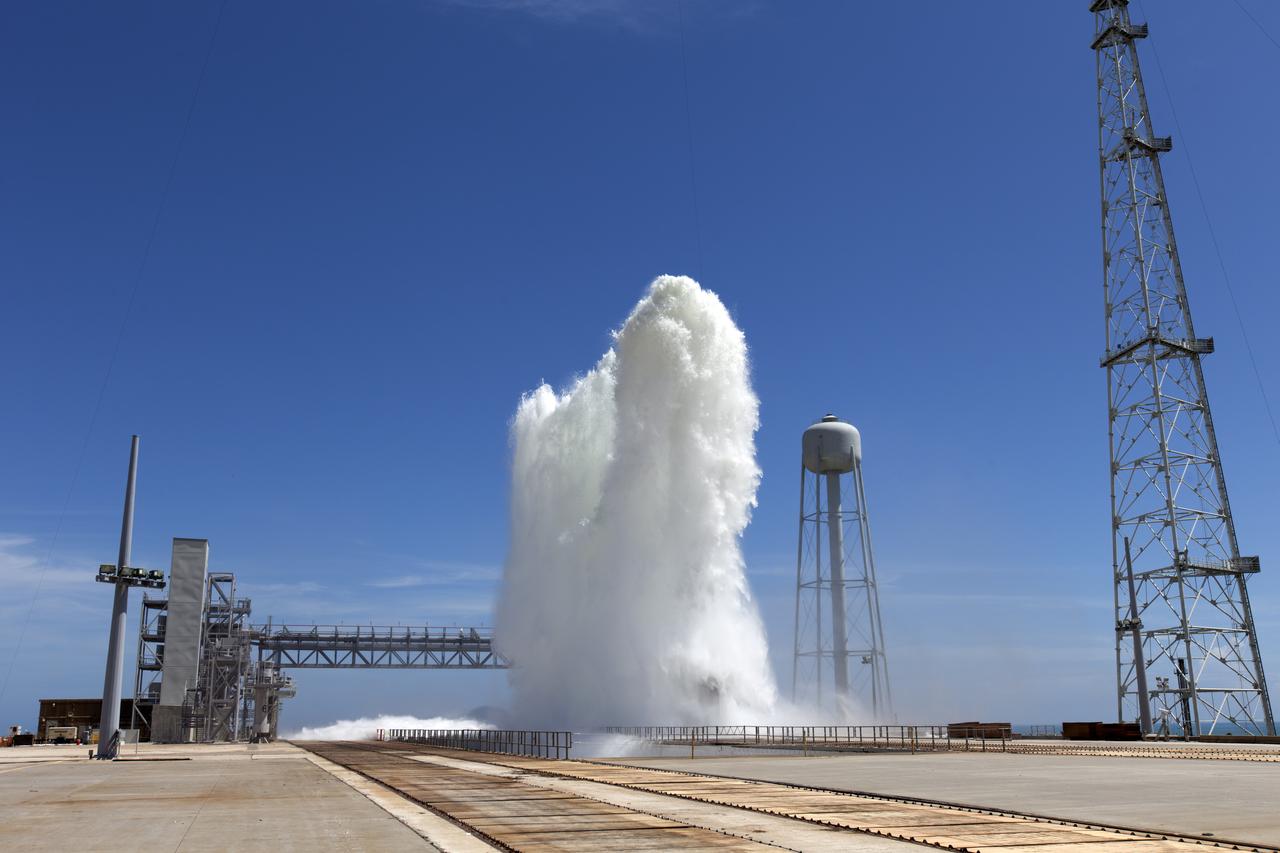
About 450,000 gallons of water flow at high speed from a holding tank through new and modified piping and valves, the flame trench, flame deflector nozzles and mobile launcher interface risers during a wet flow test on May 24, 2018, at Launch Pad 39B at NASA's Kennedy Space Center in Florida. At peak flow, the water reached about 100 feet in the air above the pad surface. The test was performed by Exploration Ground Systems to confirm the performance of the Ignition Overpressure/Sound Suppression system. During launch of NASA's Space Launch System rocket and Orion spacecraft, the high-speed water flow will help protect the vehicle from the extreme acoustic and temperature environment during ignition and liftoff.
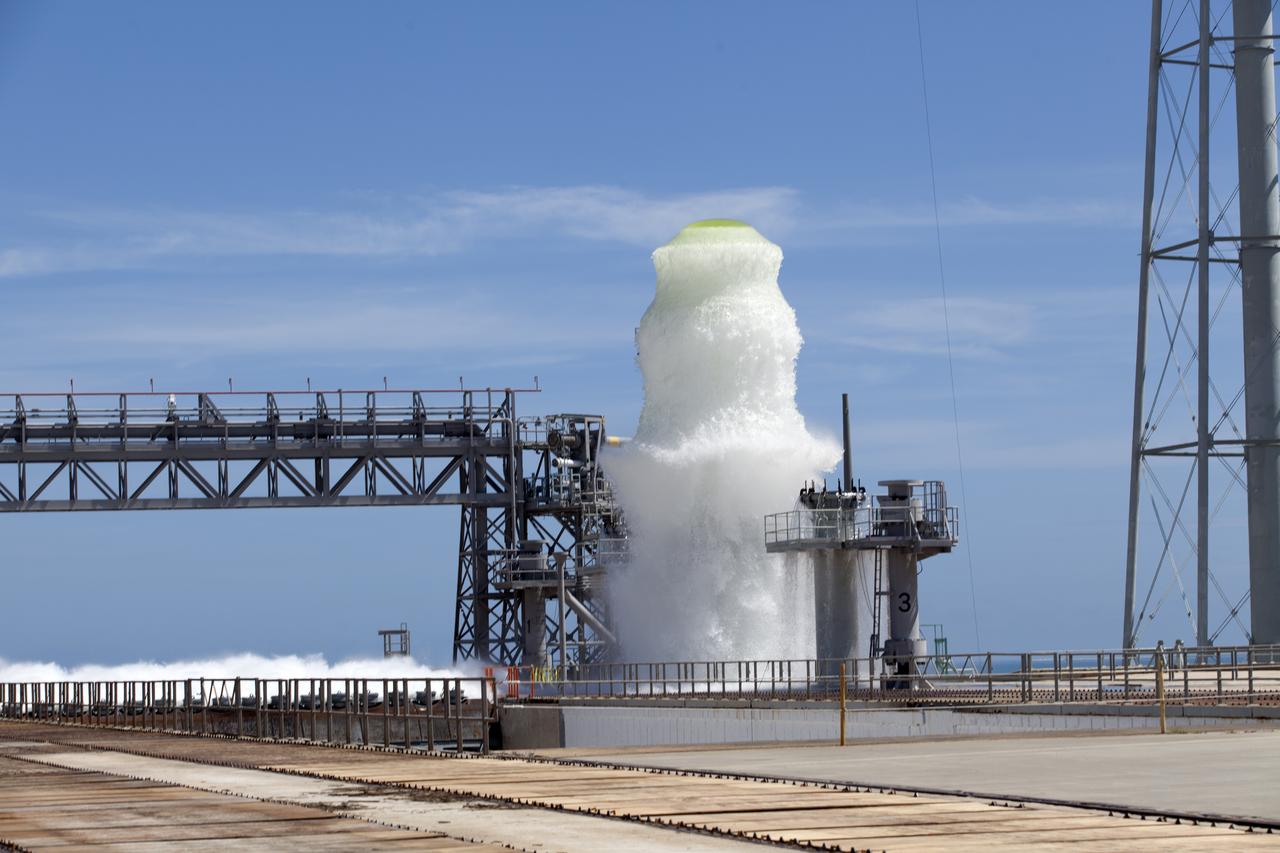
About 450,000 gallons of water flow at high speed from a holding tank through new and modified piping and valves, the flame trench, flame deflector nozzles and mobile launcher interface risers during a wet flow test on May 24, 2018, at Launch Pad 39B at NASA's Kennedy Space Center in Florida. At peak flow, the water reached about 100 feet in the air above the pad surface. The test was performed by Exploration Ground Systems to confirm the performance of the Ignition Overpressure/Sound Suppression system. During launch of NASA's Space Launch System rocket and Orion spacecraft, the high-speed water flow will help protect the vehicle from the extreme acoustic and temperature environment during ignition and liftoff.
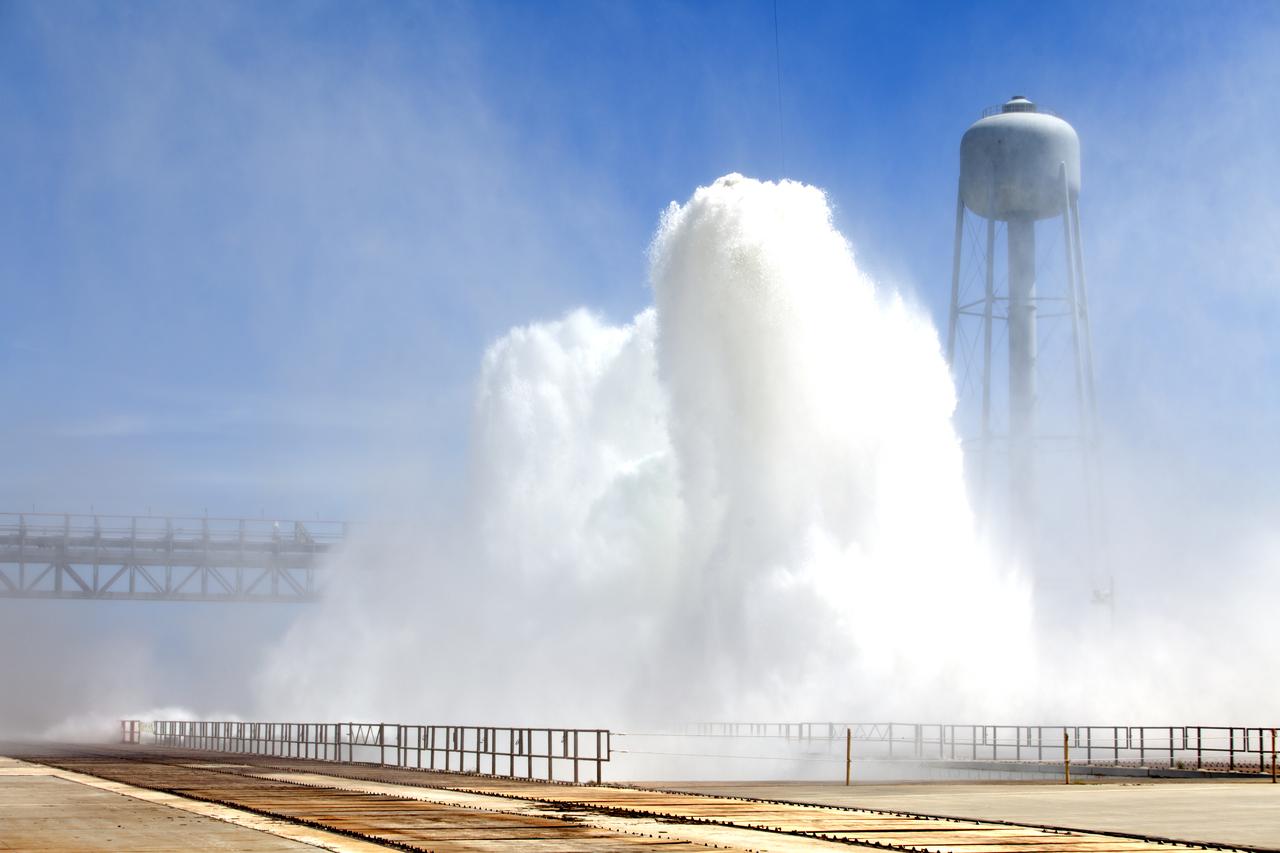
About 450,000 gallons of water flow at high speed from a holding tank through new and modified piping and valves, the flame trench, flame deflector nozzles and mobile launcher interface risers during a wet flow test on May 24, 2018, at Launch Pad 39B at NASA's Kennedy Space Center in Florida. At peak flow, the water reached about 100 feet in the air above the pad surface. The test was performed by Exploration Ground Systems to confirm the performance of the Ignition Overpressure/Sound Suppression system. During launch of NASA's Space Launch System rocket and Orion spacecraft, the high-speed water flow will help protect the vehicle from the extreme acoustic and temperature environment during ignition and liftoff.
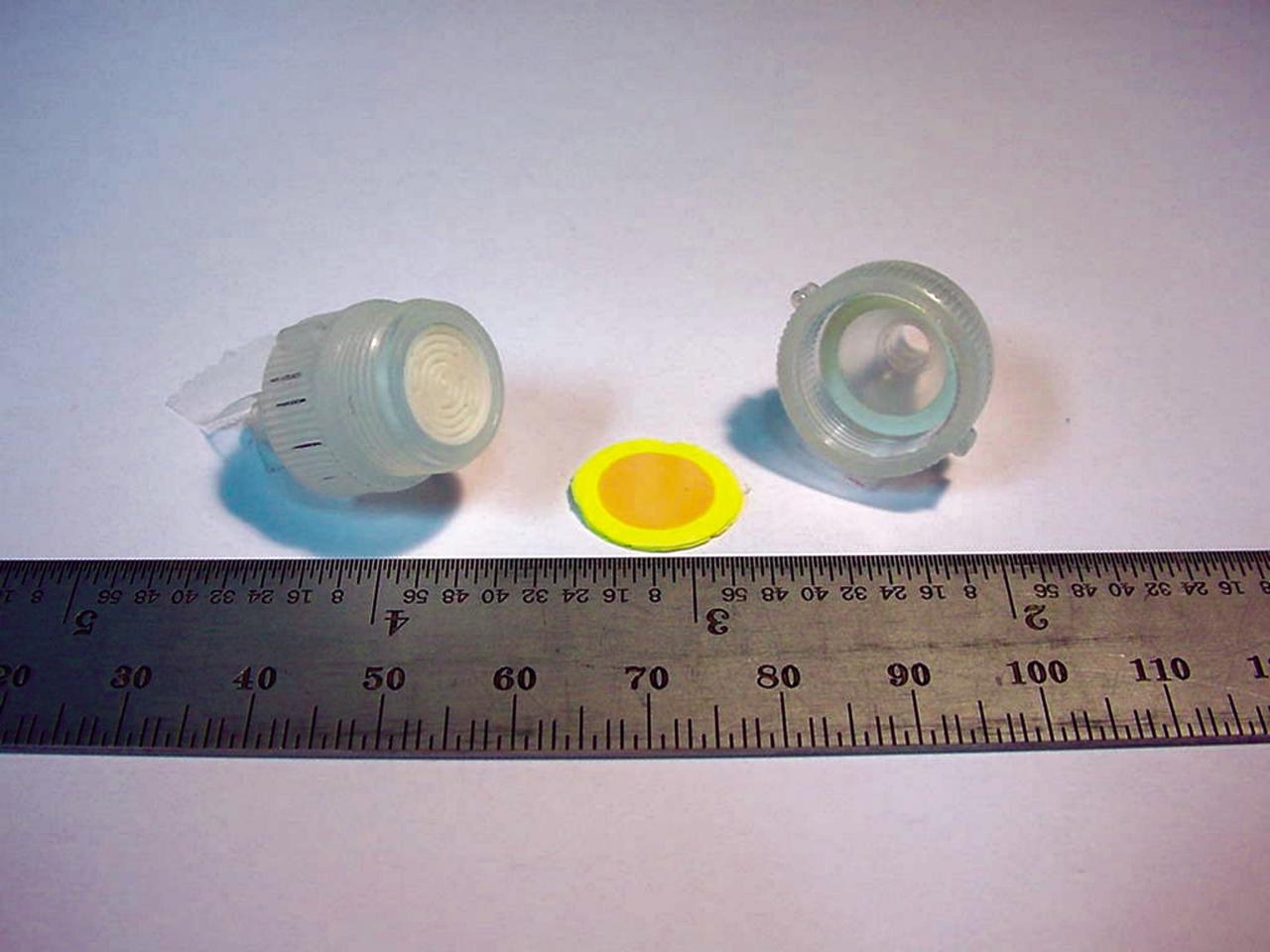
The heart of a colorimetric solid phase extractor (CSPE) test kit quickly measures the concentration of the biocides silver or iodine in astronauts’ drinking water to determine whether concentrations are safe. When 10 milliliters (ml) of water is drawn through the disk, the disk will turn color (yellow in this picture for iodine) indicating the presence of the biocides. The device could someday be used to test water safety at reservoirs and water treatment plants on Earth. (photo credit: Microanalytical Instrumentation Center, Iowa State University).

Water Type Muffler Test

Water Type Muffler Test

Water Type Muffler Test

Water Type Muffler Test
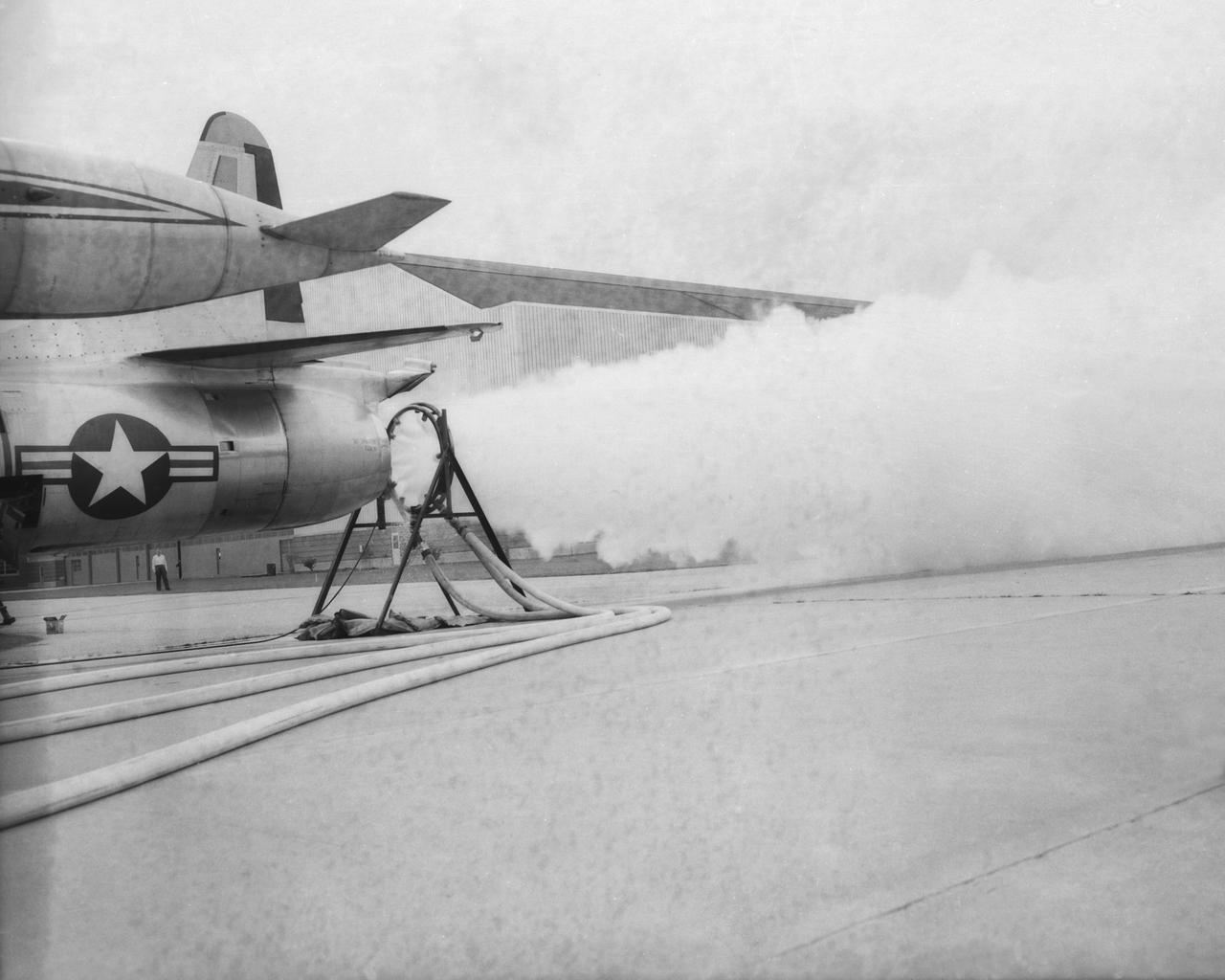
Water Type Muffler Test
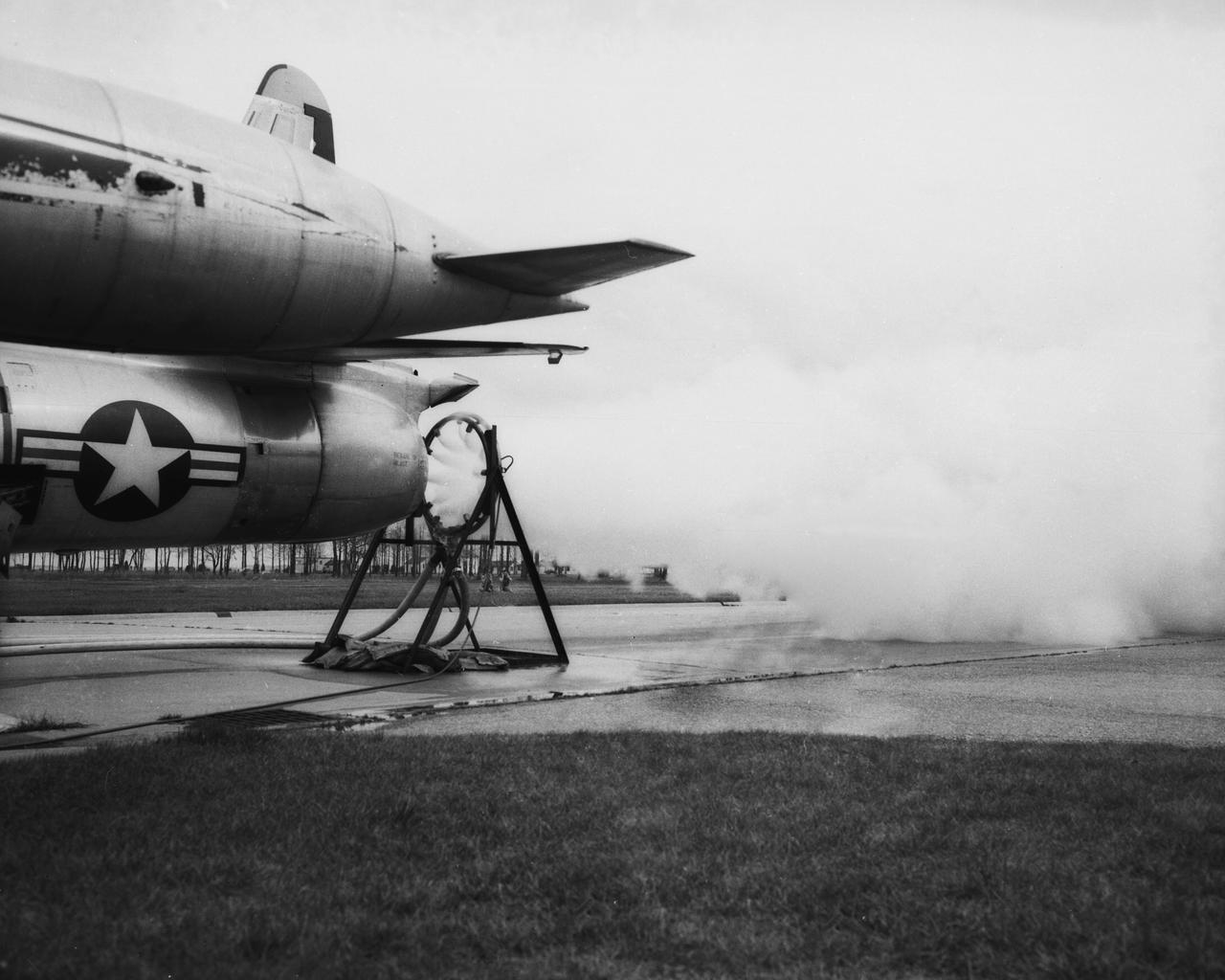
Water Type Muffler Test

Water Type Muffler Test

Water Type Muffler Test
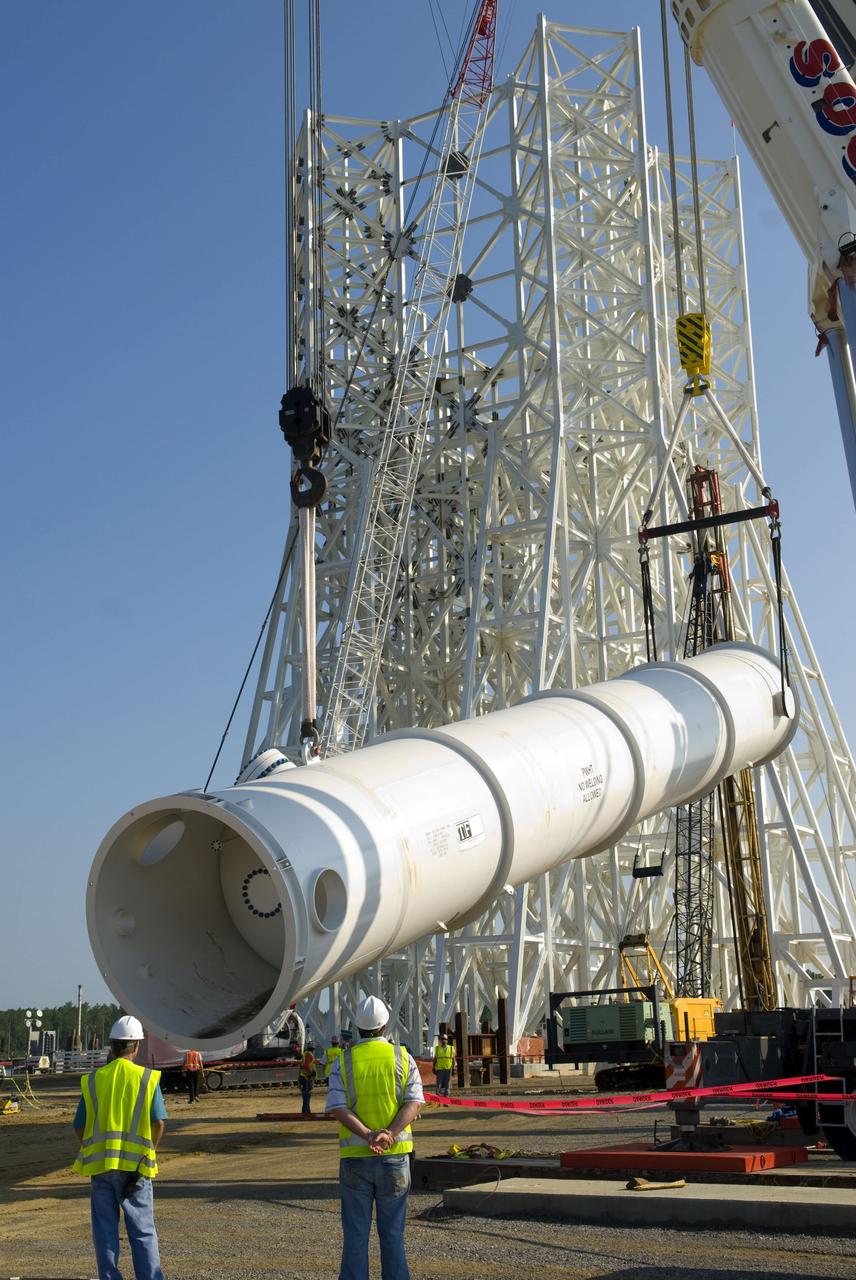
Water storage vessels for the A-3 Test Stand are delivered to Stennis on Aug. 12.
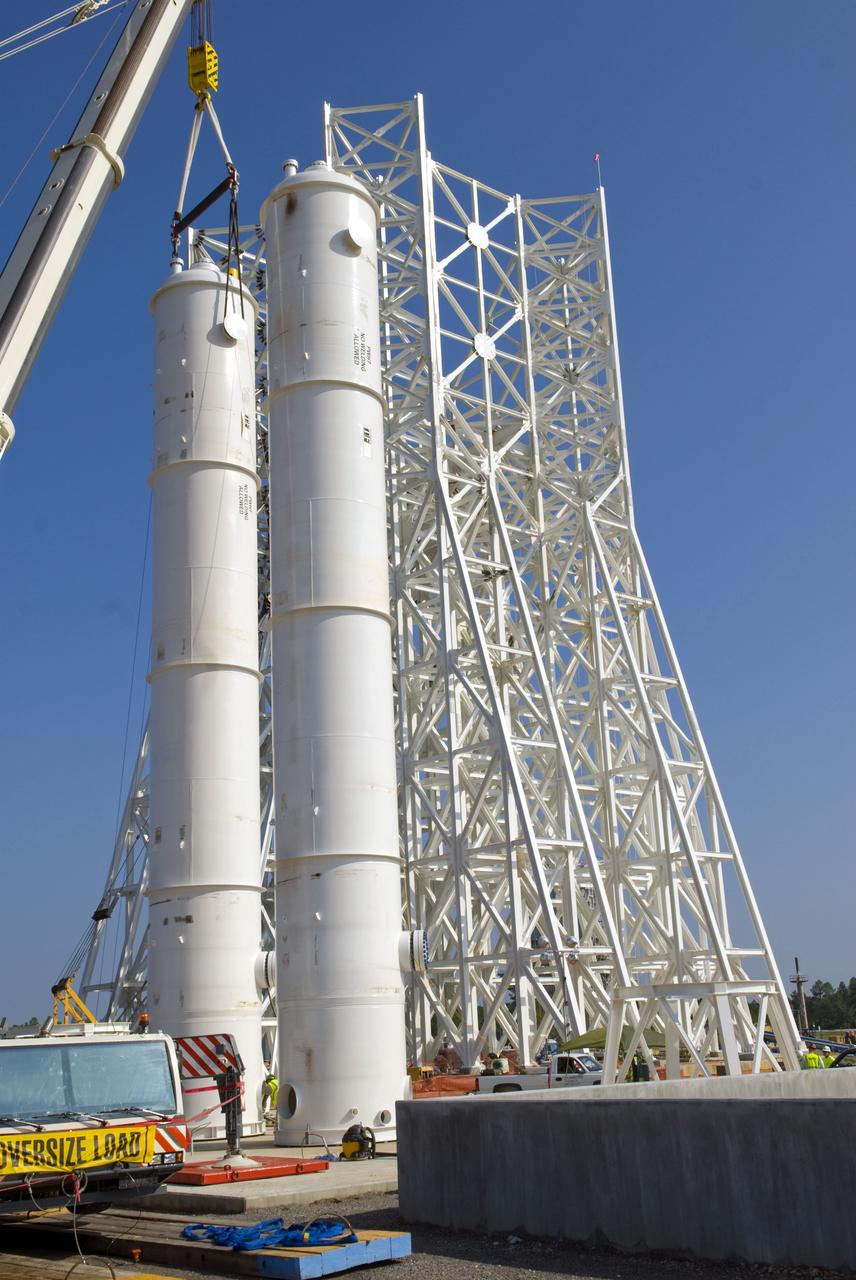
Water storage vessels for the A-3 Test Stand are delivered to Stennis on Aug. 12.
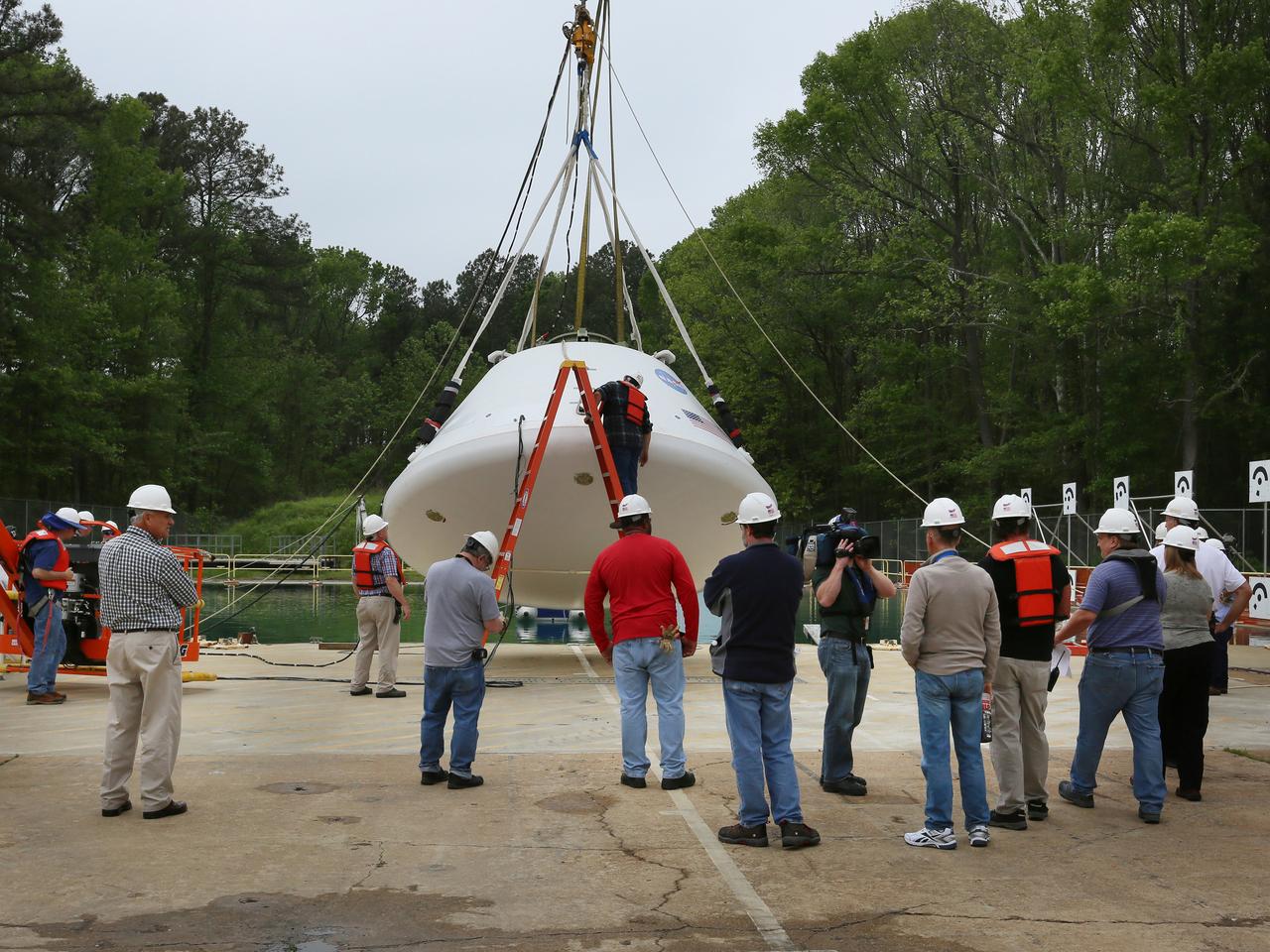
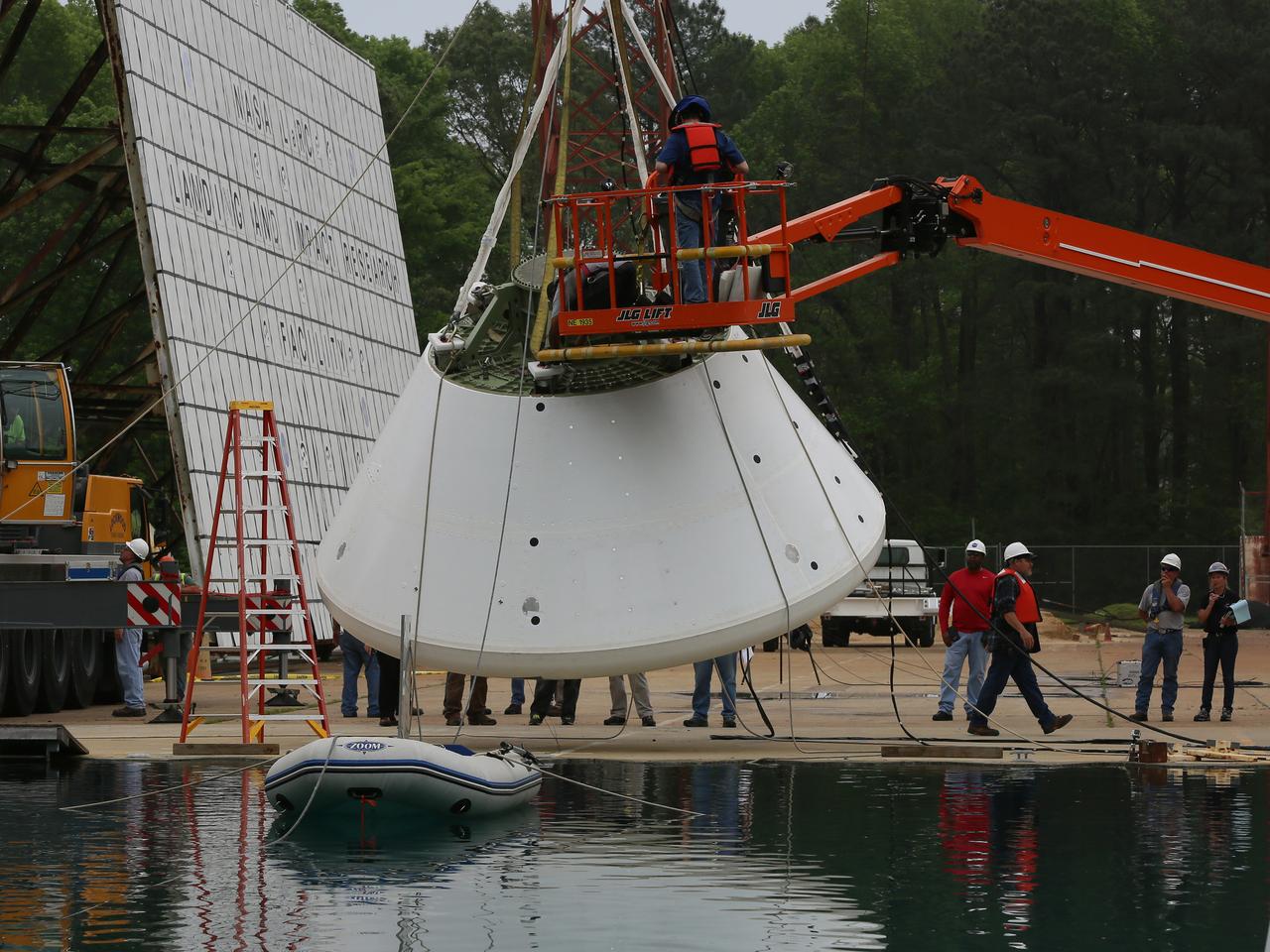
An Orion water drop test, with instrumented test dummies, takes place on May 11, 2016 at NASA's Langley Research Center in Virginia.
An Orion water drop test, with instrumented test dummies, takes place on May 11, 2016 at NASA's Langley Research Center in Virginia.
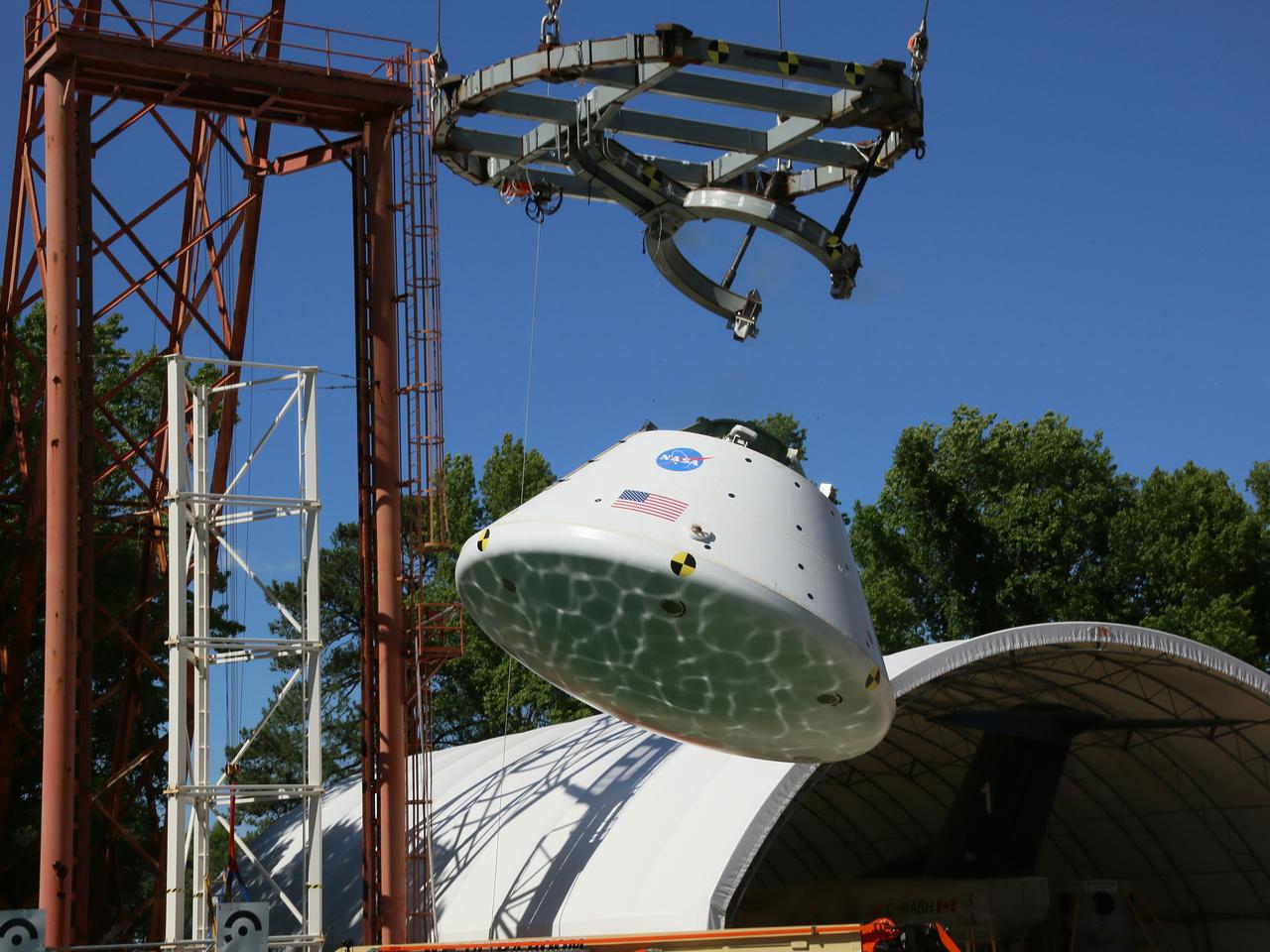
The Orion Ground Test Article completes its first swing water impact test at NASA's Langley Research Center in Virginia on June 8, 2016.
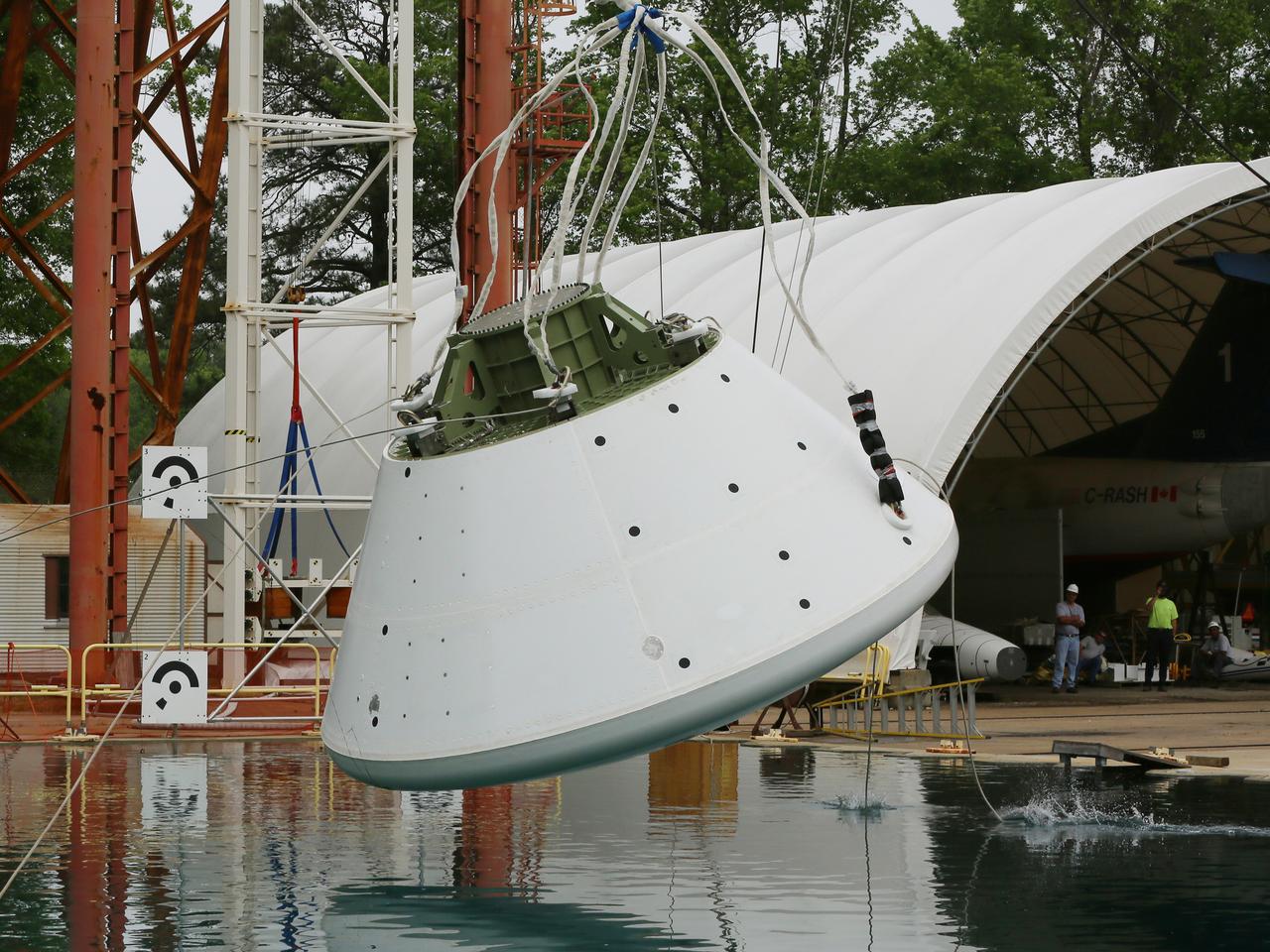
An Orion water drop test, with instrumented test dummies, takes place on May 11, 2016 at NASA's Langley Research Center in Virginia.
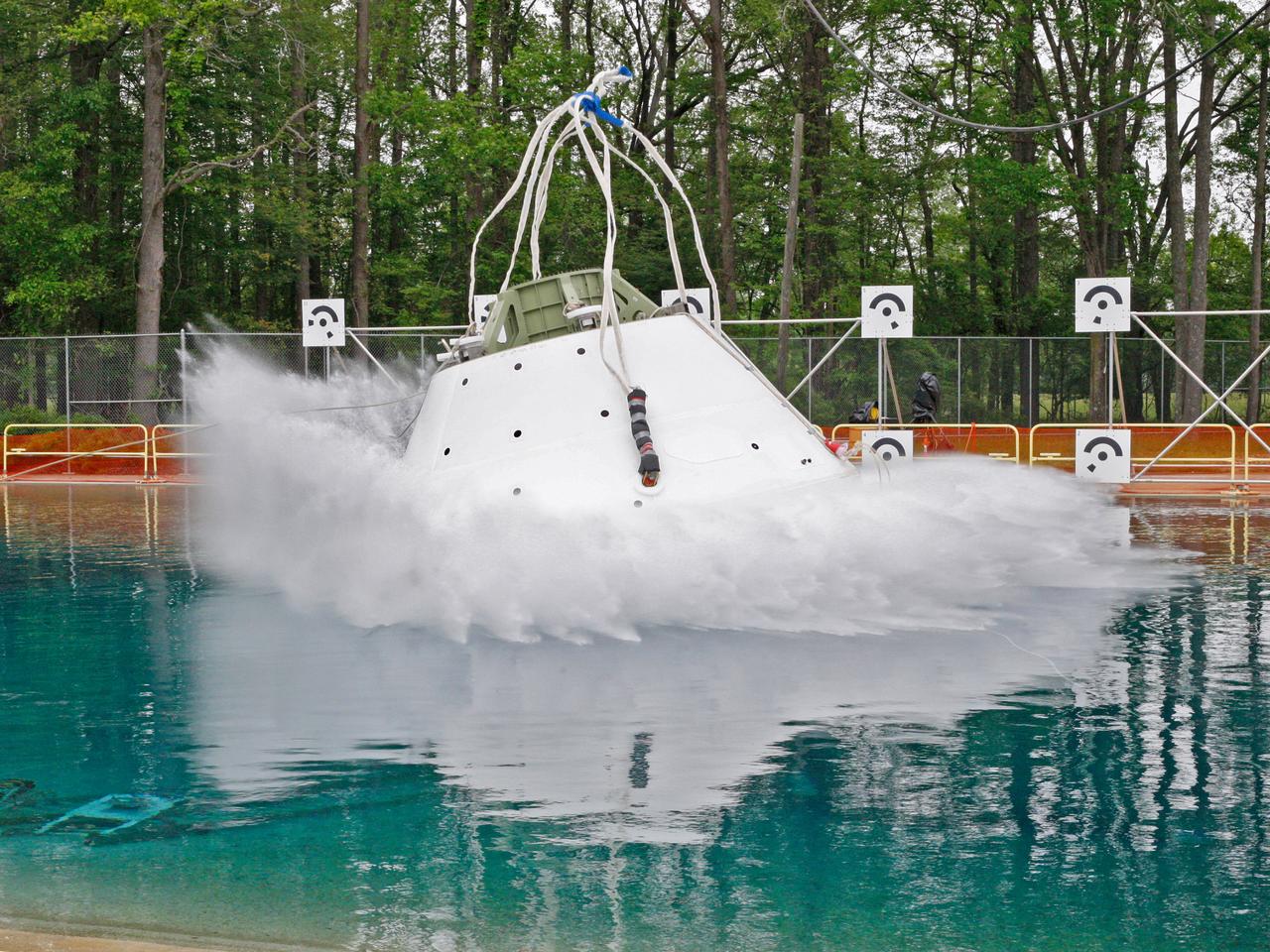
An Orion water drop test, with instrumented test dummies, takes place on May 11, 2016 at NASA's Langley Research Center in Virginia.
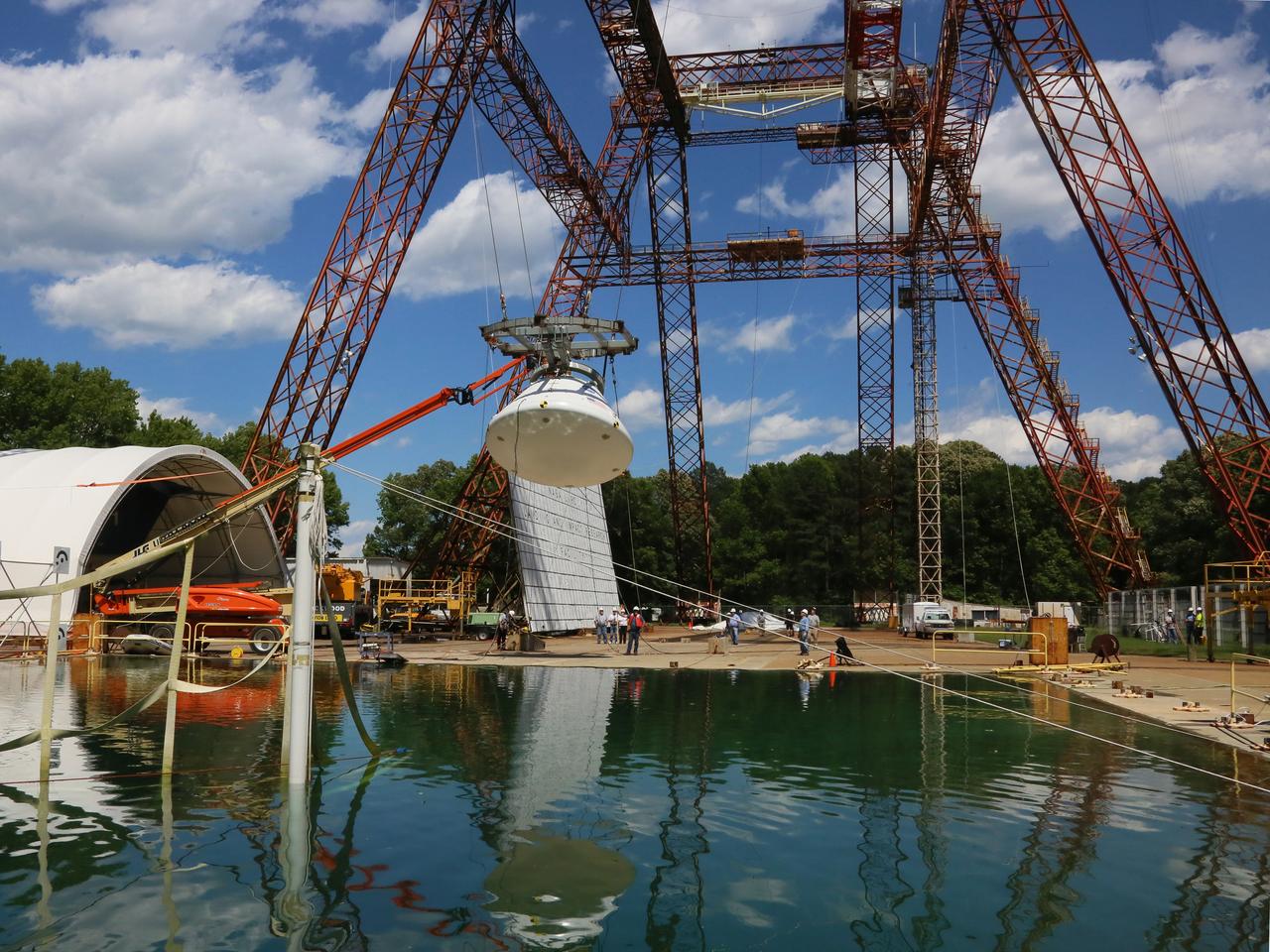
The Orion Ground Test Article completes its first swing water impact test at NASA's Langley Research Center in Virginia on June 8, 2016.
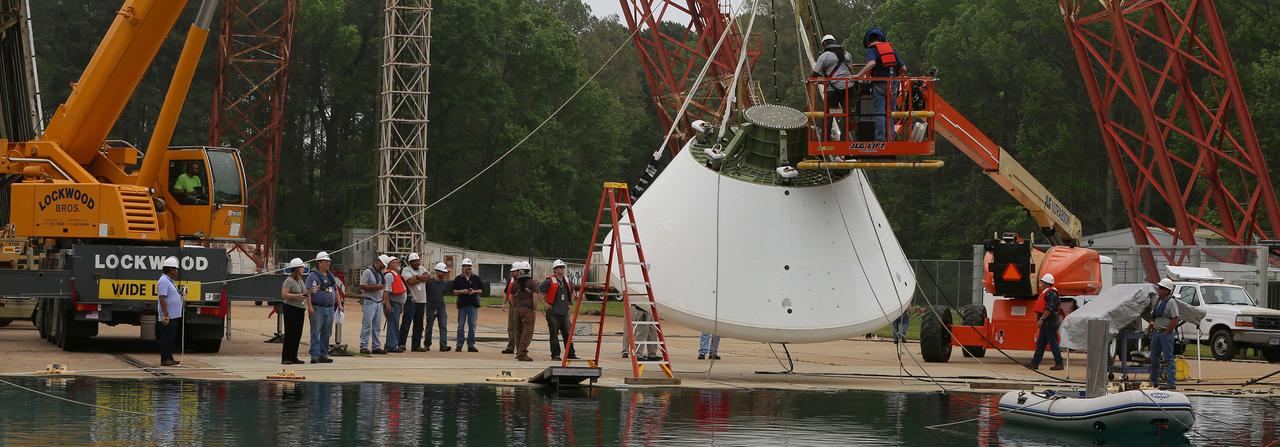
An Orion water drop test, with instrumented test dummies, takes place on May 11, 2016 at NASA's Langley Research Center in Virginia.
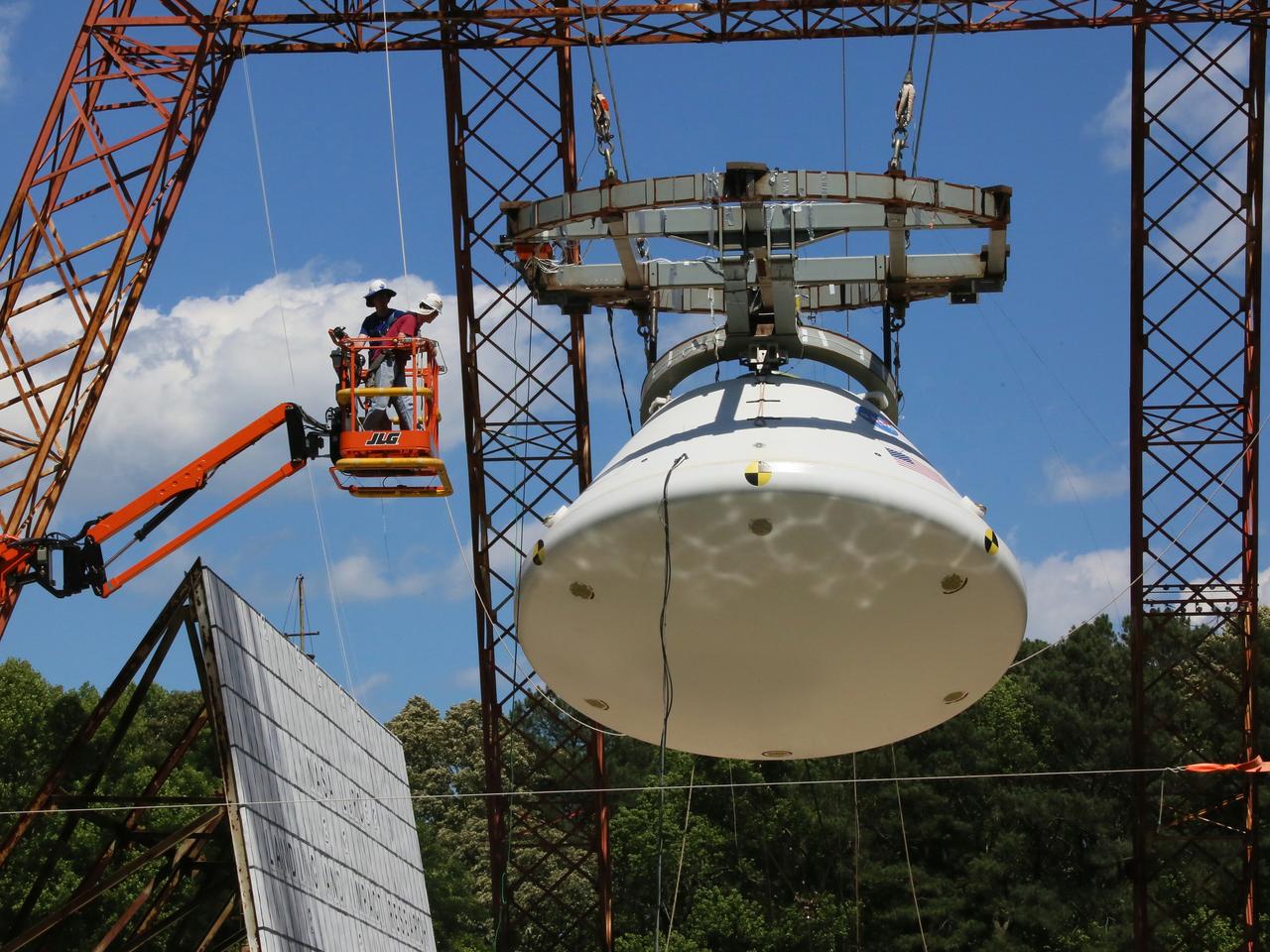
The Orion Ground Test Article completes its first swing water impact test at NASA's Langley Research Center in Virginia on June 8, 2016.

The Orion Ground Test Article completes its first swing water impact test at NASA's Langley Research Center in Virginia on June 8, 2016.
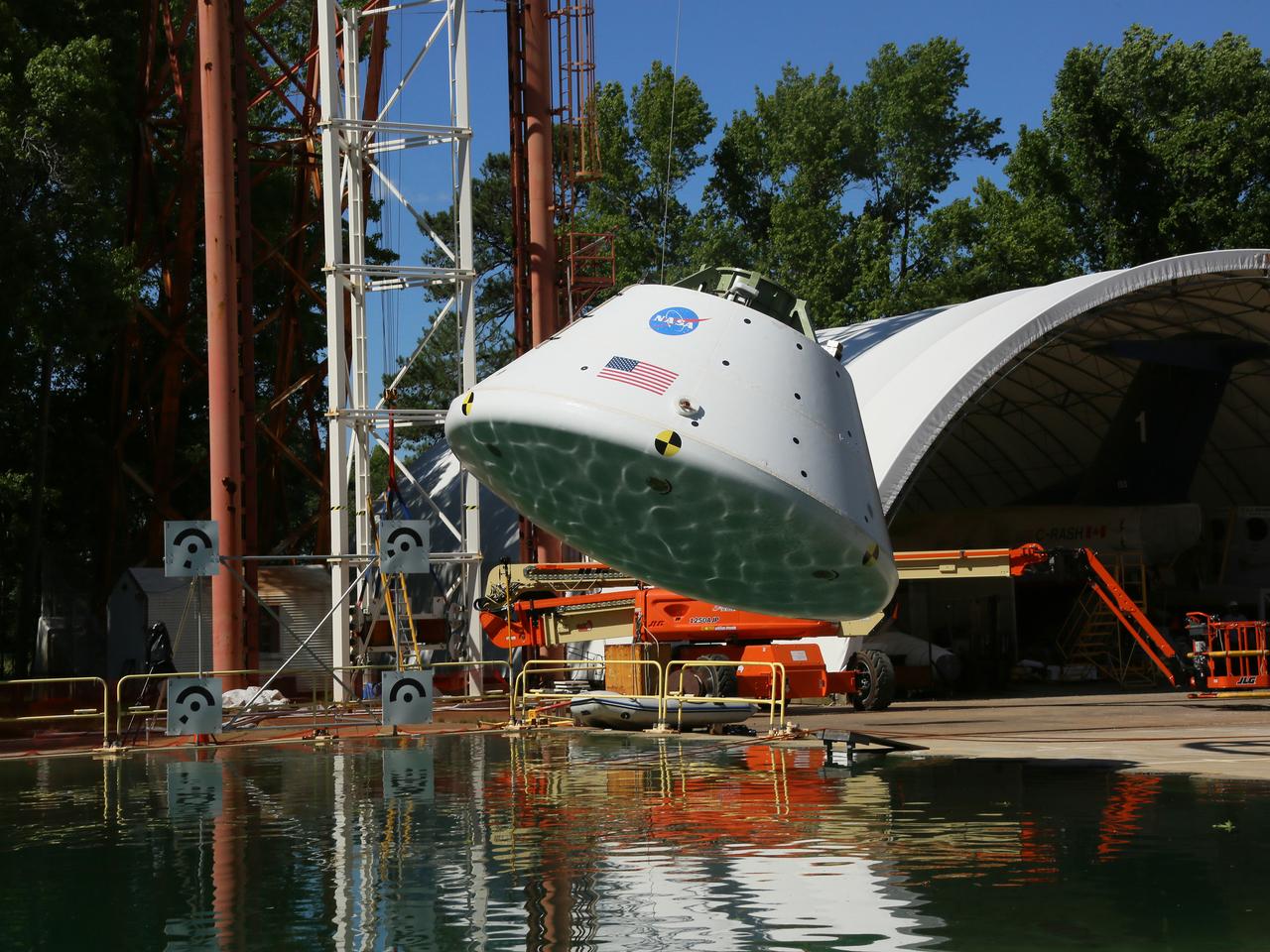
The Orion Ground Test Article completes its first swing water impact test at NASA's Langley Research Center in Virginia on June 8, 2016.

The Orion Ground Test Article completes its first swing water impact test at NASA's Langley Research Center in Virginia on June 8, 2016.
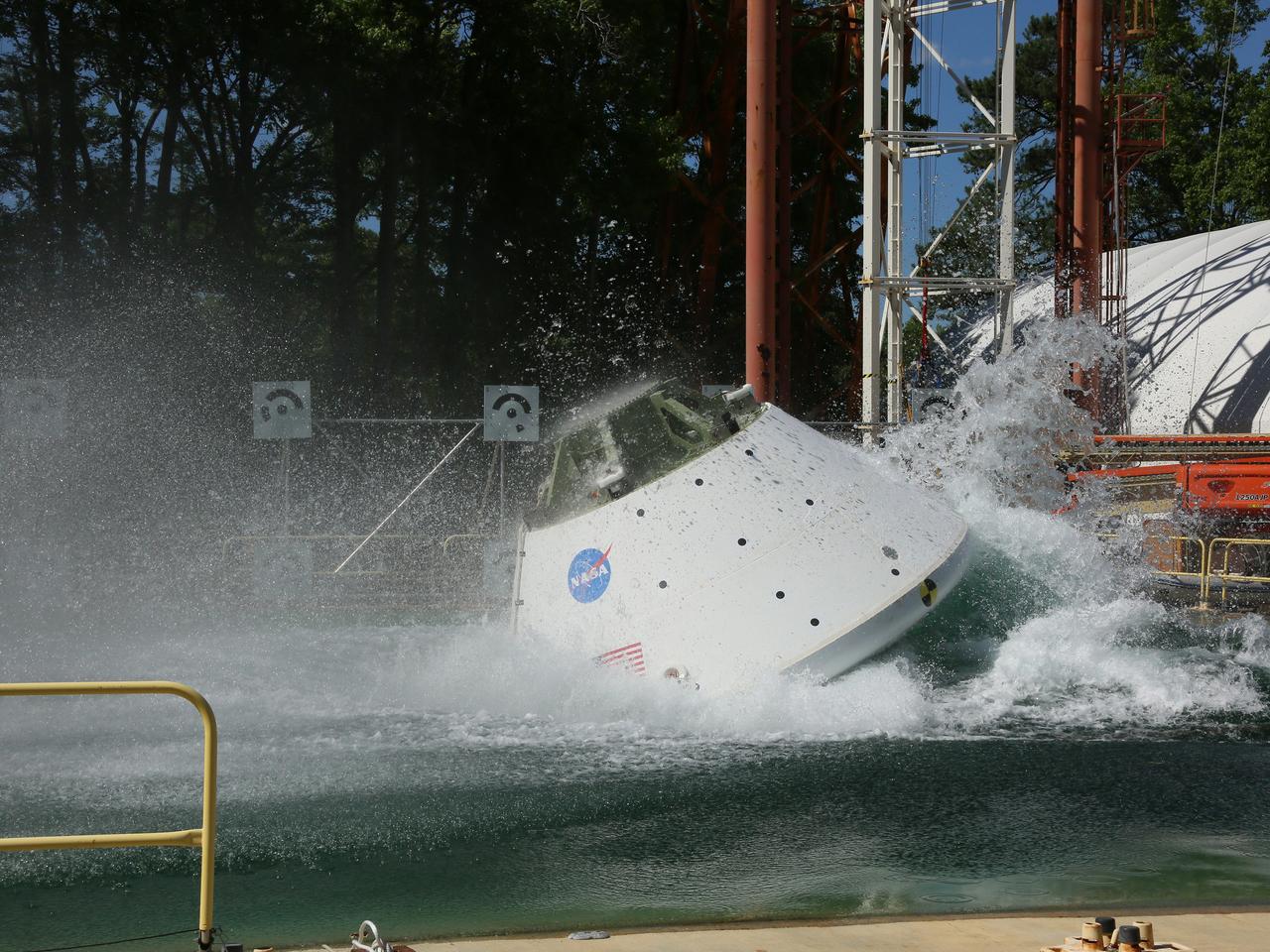
The Orion Ground Test Article completes its first swing water impact test at NASA's Langley Research Center in Virginia on June 8, 2016.
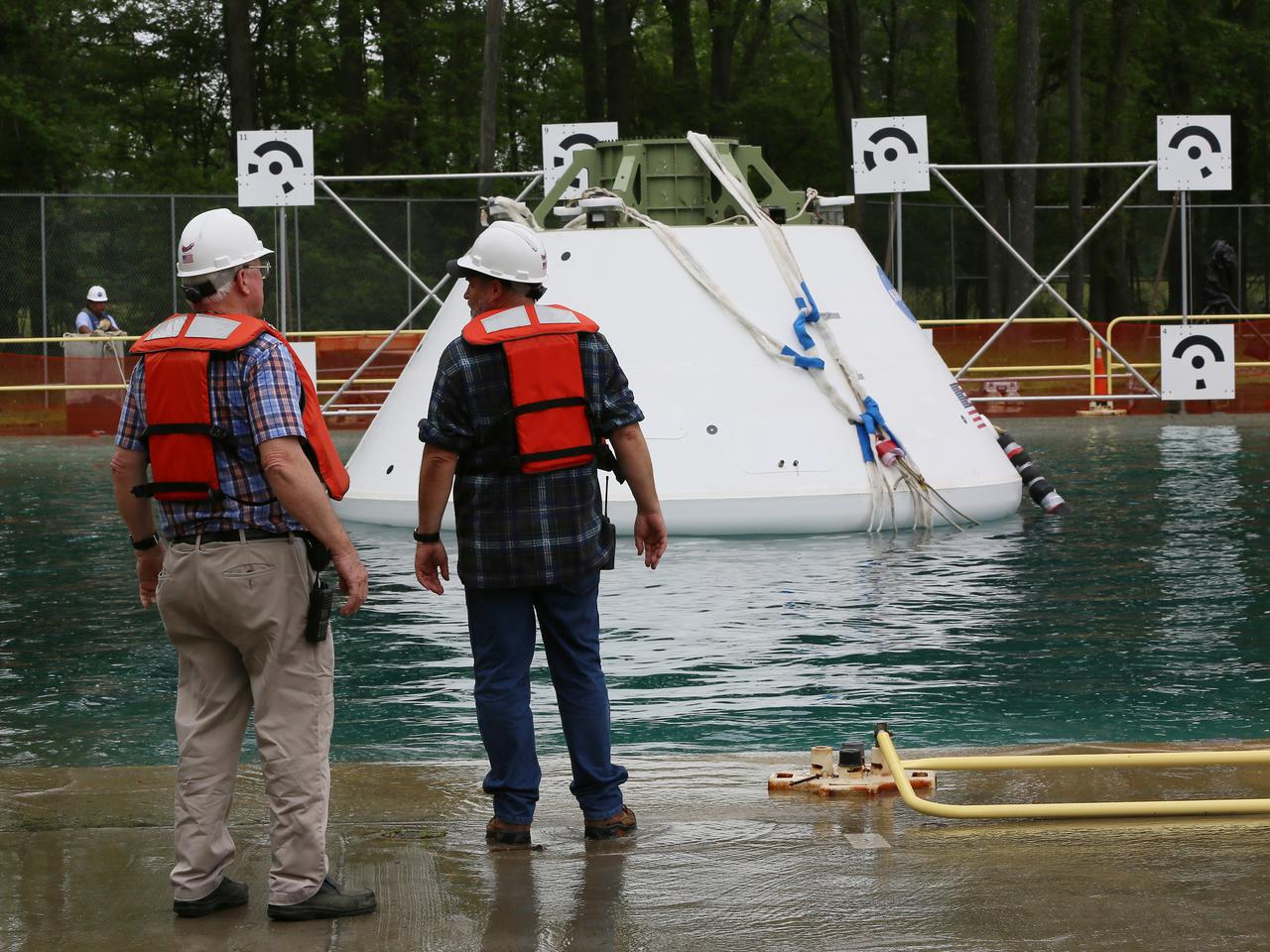
An Orion water drop test, with instrumented test dummies, takes place on May 11, 2016 at NASA's Langley Research Center in Virginia.
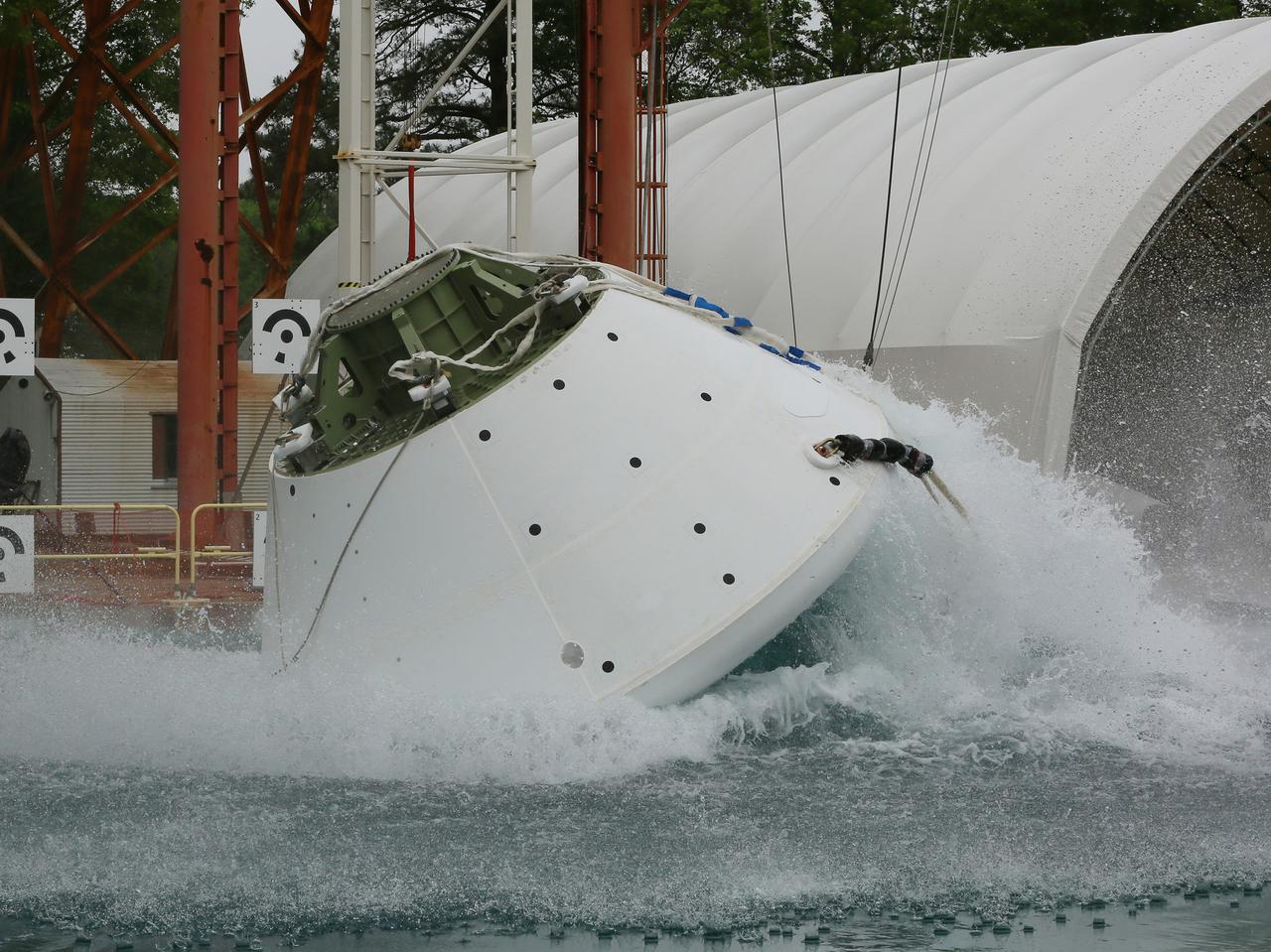
An Orion water drop test, with instrumented test dummies, takes place on May 11, 2016 at NASA's Langley Research Center in Virginia.
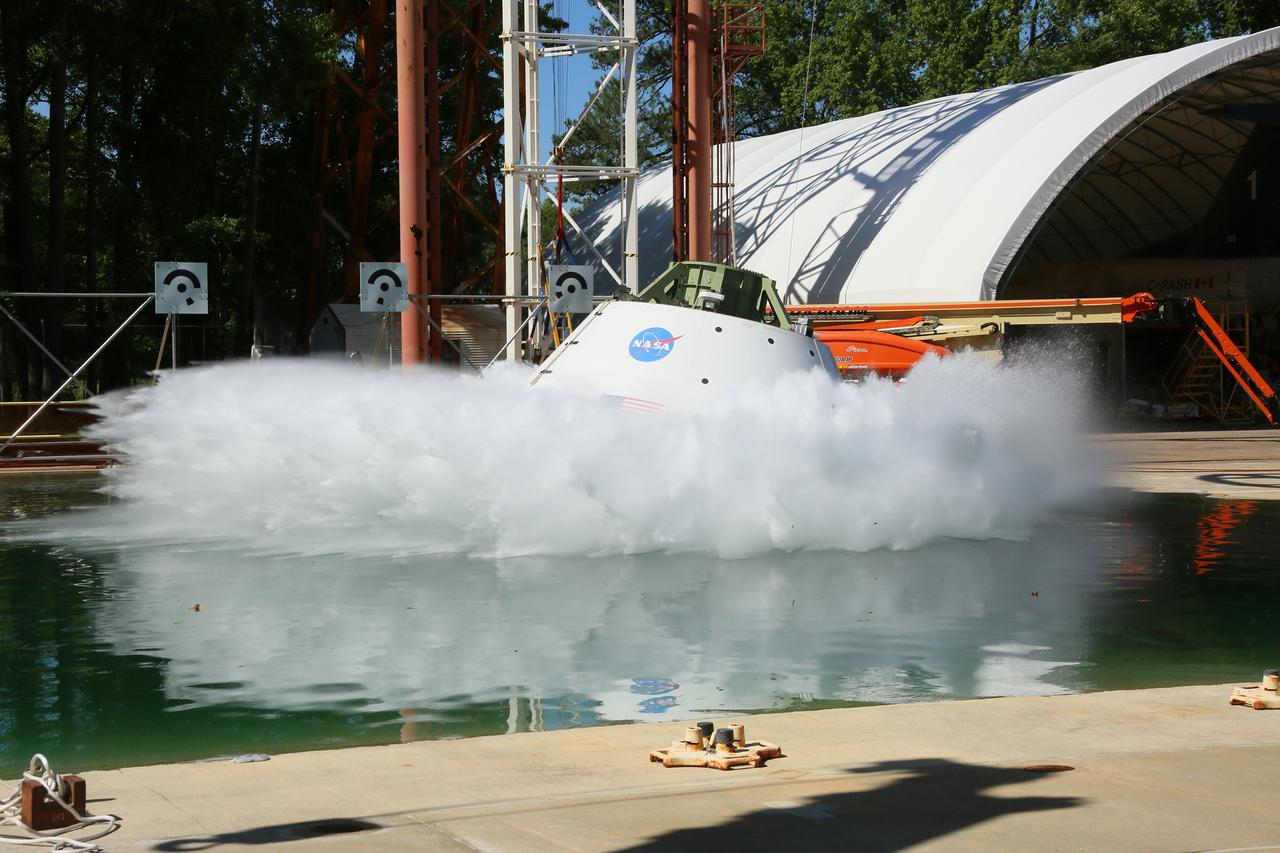
The Orion Ground Test Article completes its first swing water impact test at NASA's Langley Research Center in Virginia on June 8, 2016.
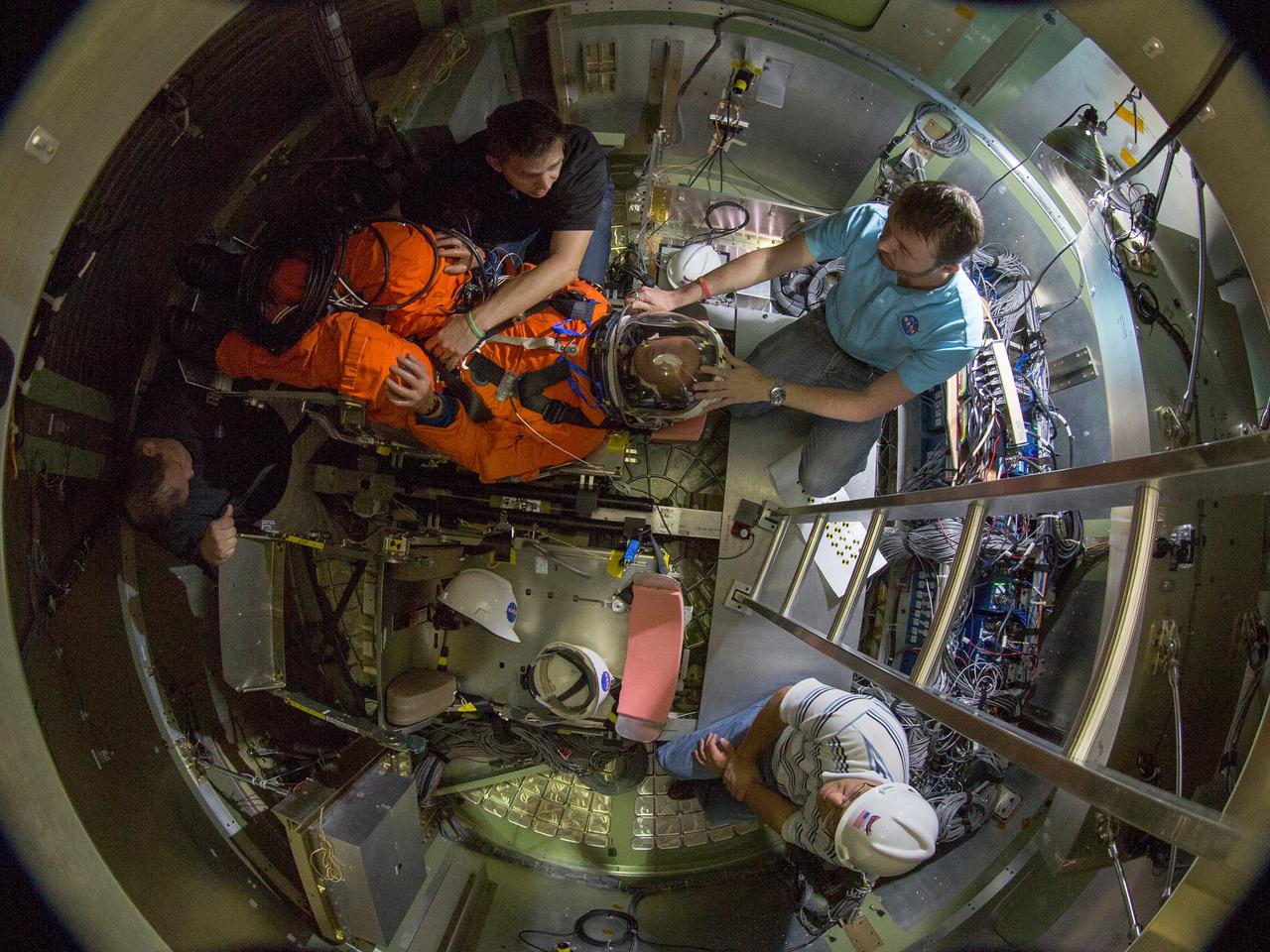
Orion's 2016 water drop test series included heavily instrumented test dummies, shown here on May 6, 2016, to assess the impact future crews will experience in Orion splashdown scenarios.
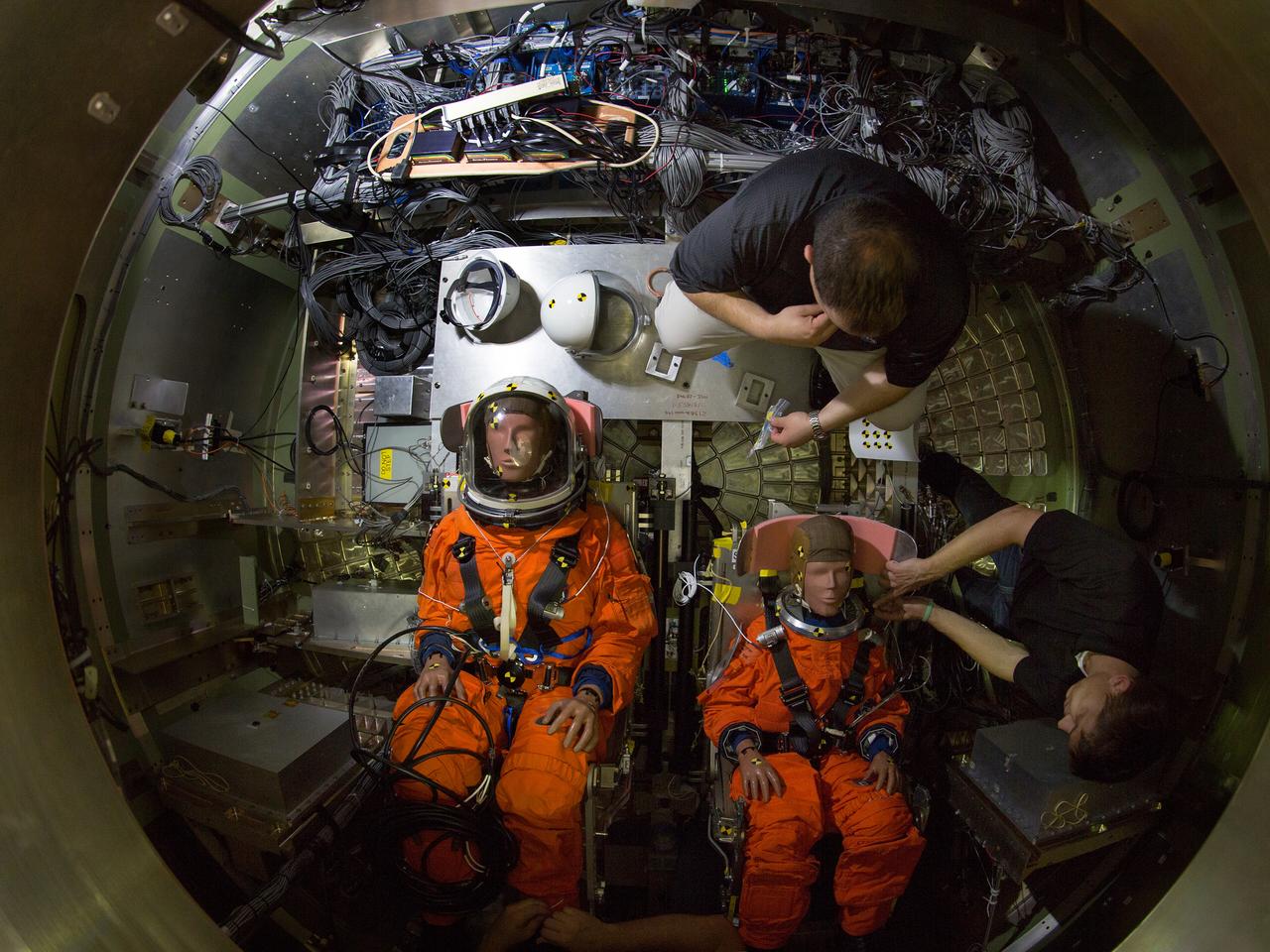
Orion's 2016 water drop test series included heavily instrumented test dummies, shown here on May 6, 2016, to assess the impact future crews will experience in Orion splashdown scenarios.
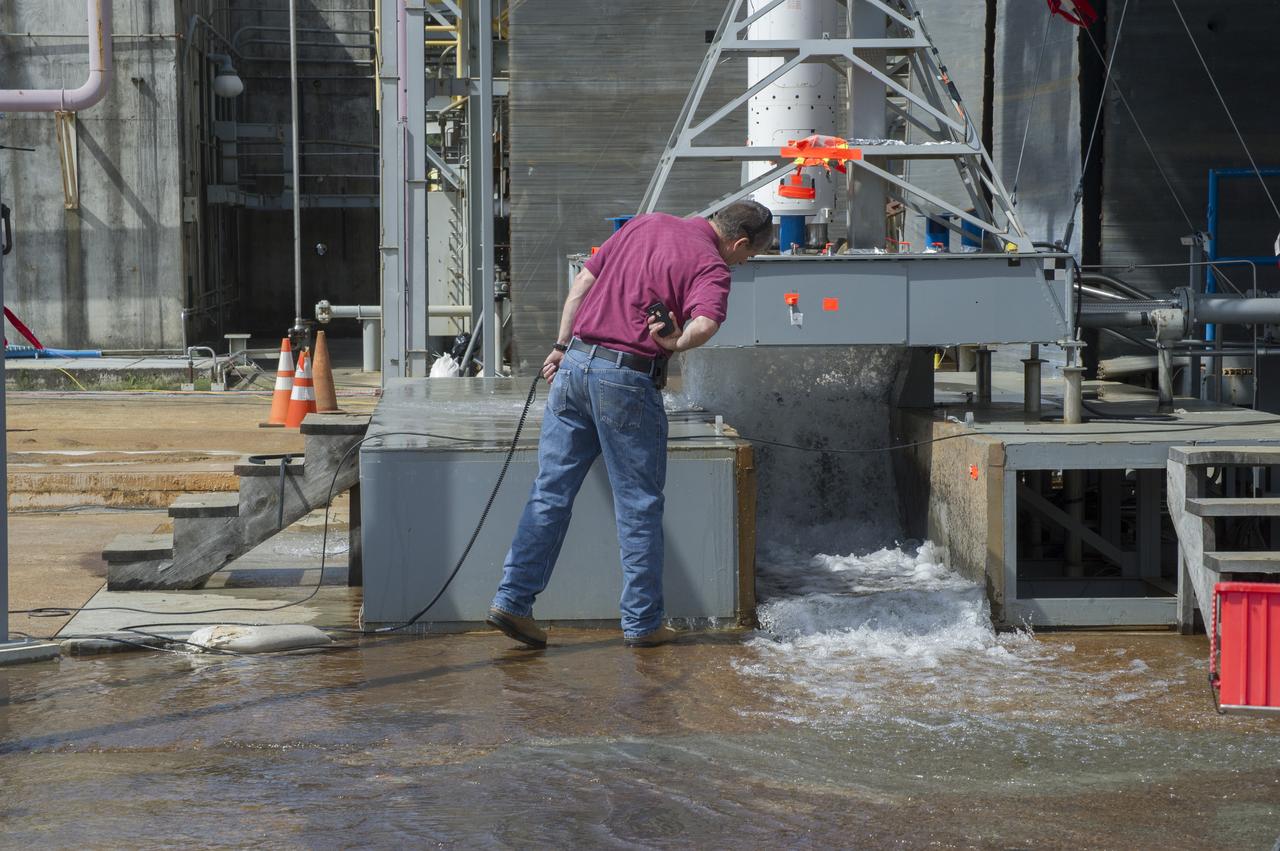
TEST ENGINEER DENNIS STRICKLAND CONDUCTS WATER FLOW TESTS AT TEST STAND 116 FOR SPACE LAUNCH SYSTEM SCALE MODEL ACOUSTIC TEST SERIES (WITH SOLID ROCKET BOOSTERS)
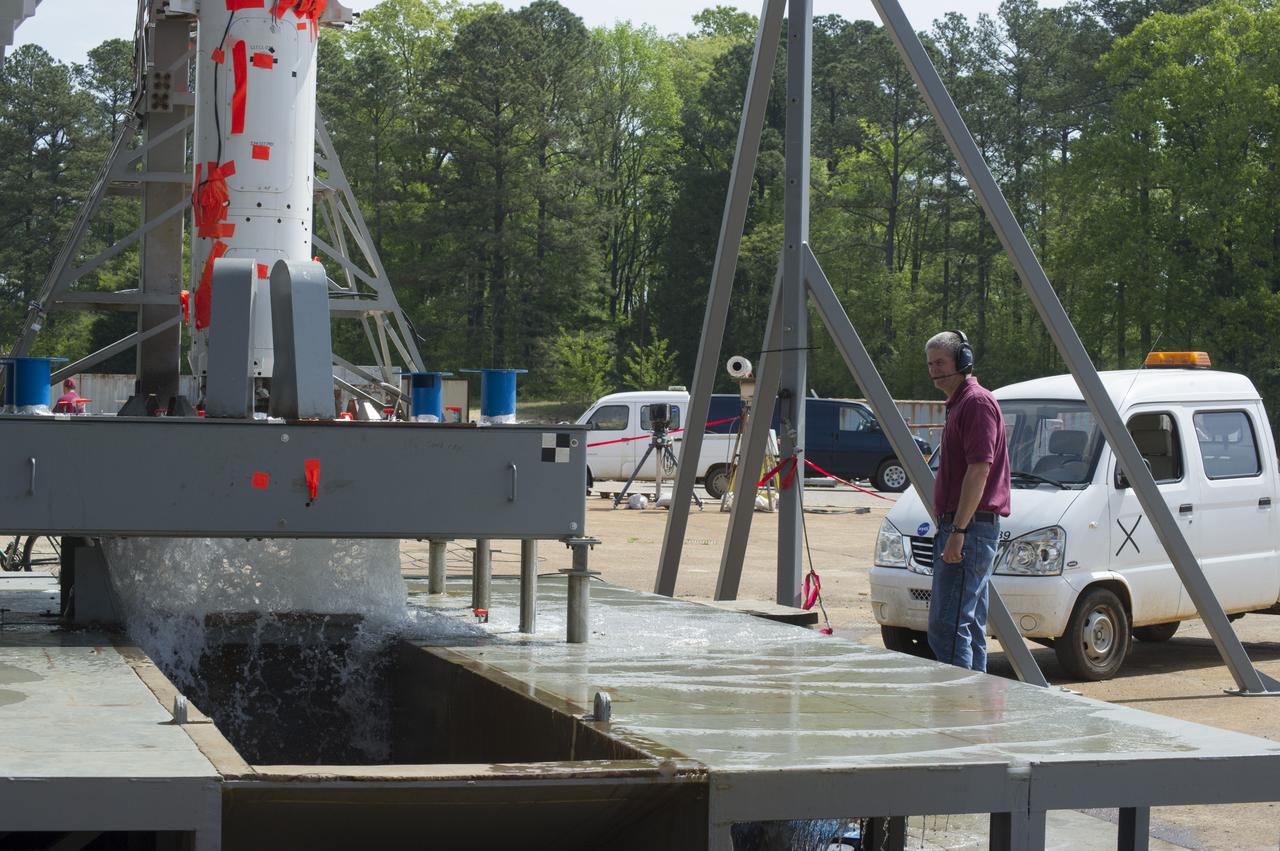
TEST ENGINEER DENNIS STRICKLAND CONDUCTS WATER FLOW TESTS AT TEST STAND 116 FOR SPACE LAUNCH SYSTEM SCALE MODEL ACOUSTIC TEST SERIES (WITH SOLID ROCKET BOOSTERS)

Engineers at NASA’s Langley Research Center in Hampton, Virginia, install test dummies into the seats of an Orion test article on Feb. 26, 2016. The capsule, coupled with the heat shield from the spacecraft’s first flight, will be used for water-impact testing to simulate what astronauts will experience when landing in the Pacific Ocean during a real mission.
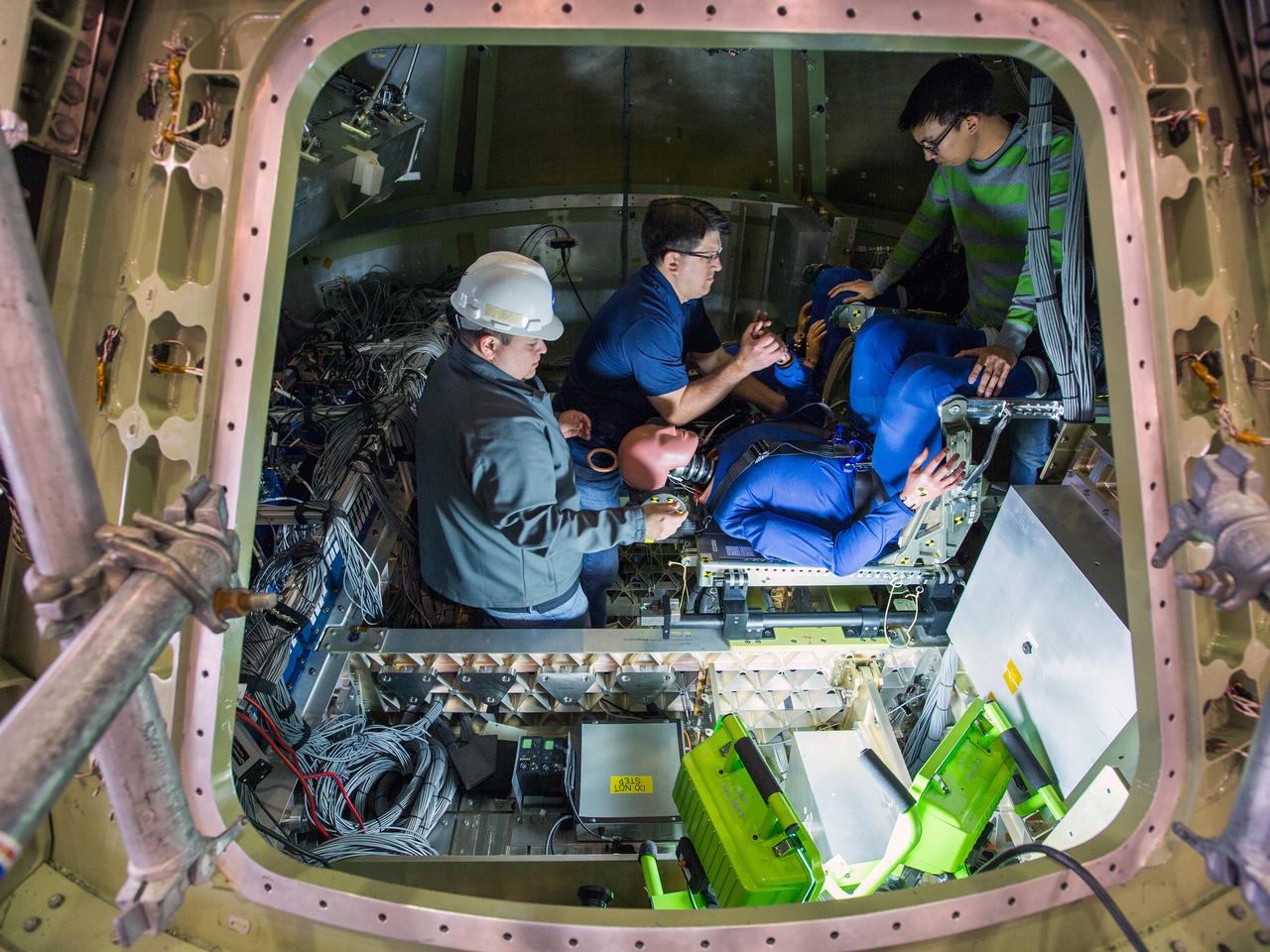
Engineers at NASA’s Langley Research Center in Hampton, Virginia, install test dummies into the seats of an Orion test article on Feb. 26, 2016. The capsule, coupled with the heat shield from the spacecraft’s first flight, will be used for water-impact testing to simulate what astronauts will experience when landing in the Pacific Ocean during a real mission.

Engineers at NASA’s Langley Research Center in Hampton, Virginia, install test dummies into the seats of an Orion test article on Feb. 26, 2016. The capsule, coupled with the heat shield from the spacecraft’s first flight, will be used for water-impact testing to simulate what astronauts will experience when landing in the Pacific Ocean during a real mission.

Engineers at NASA’s Langley Research Center in Hampton, Virginia, install test dummies into the seats of an Orion test article on Feb. 26, 2016. The capsule, coupled with the heat shield from the spacecraft’s first flight, will be used for water-impact testing to simulate what astronauts will experience when landing in the Pacific Ocean during a real mission.
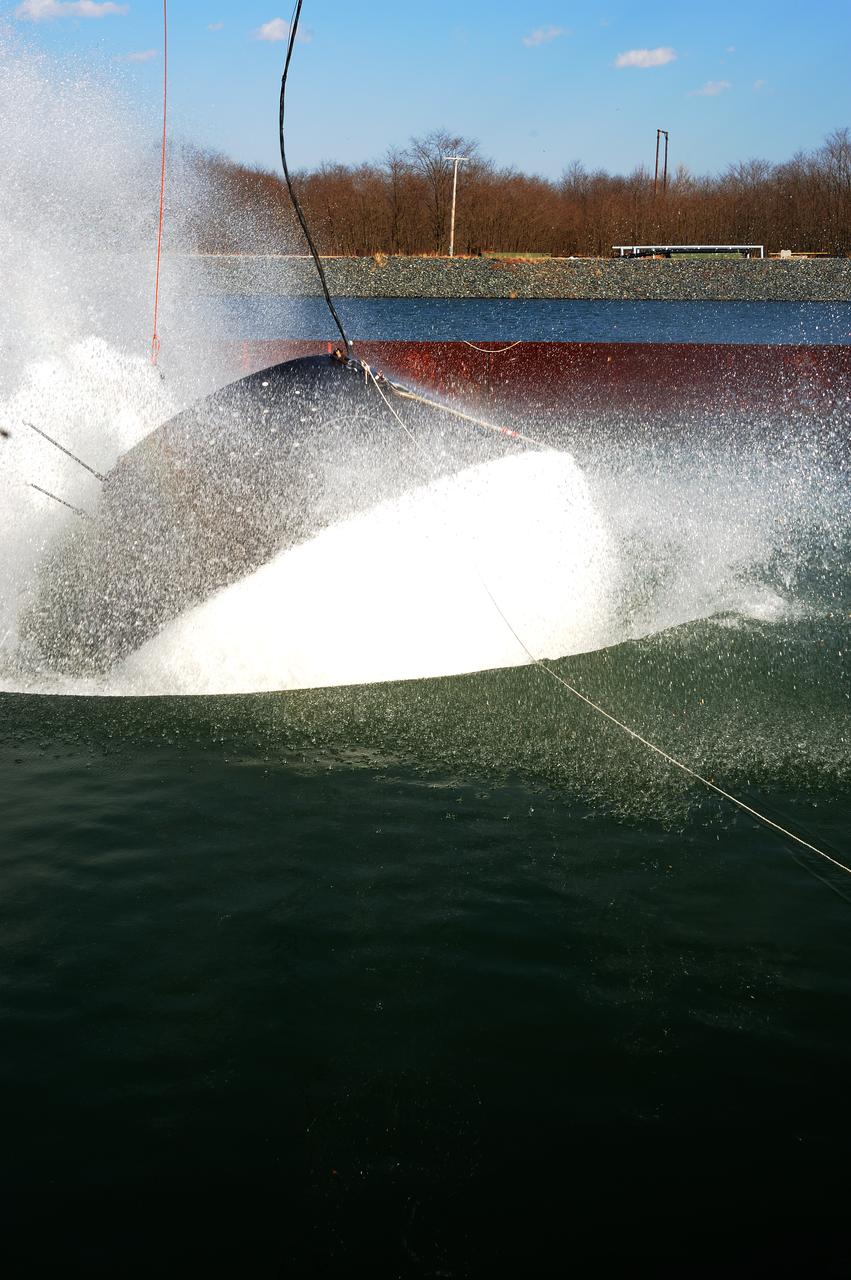
Crew Model Water Landing Module Assessment Photographs taken at Aberdeen Test Facility Aberdeen MD.
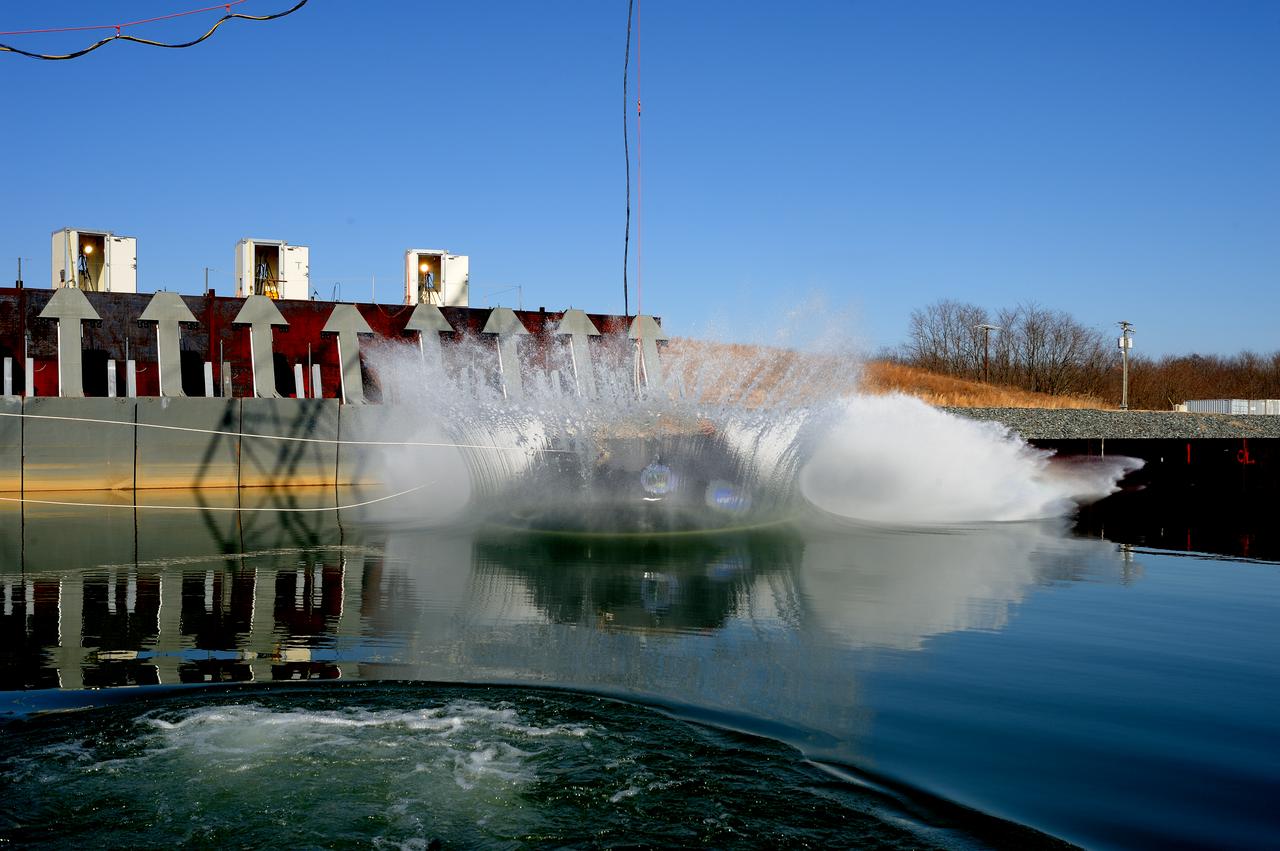
Crew Model Water Landing Module Assessment Photographs taken at Aberdeen Test Facility Aberdeen MD.
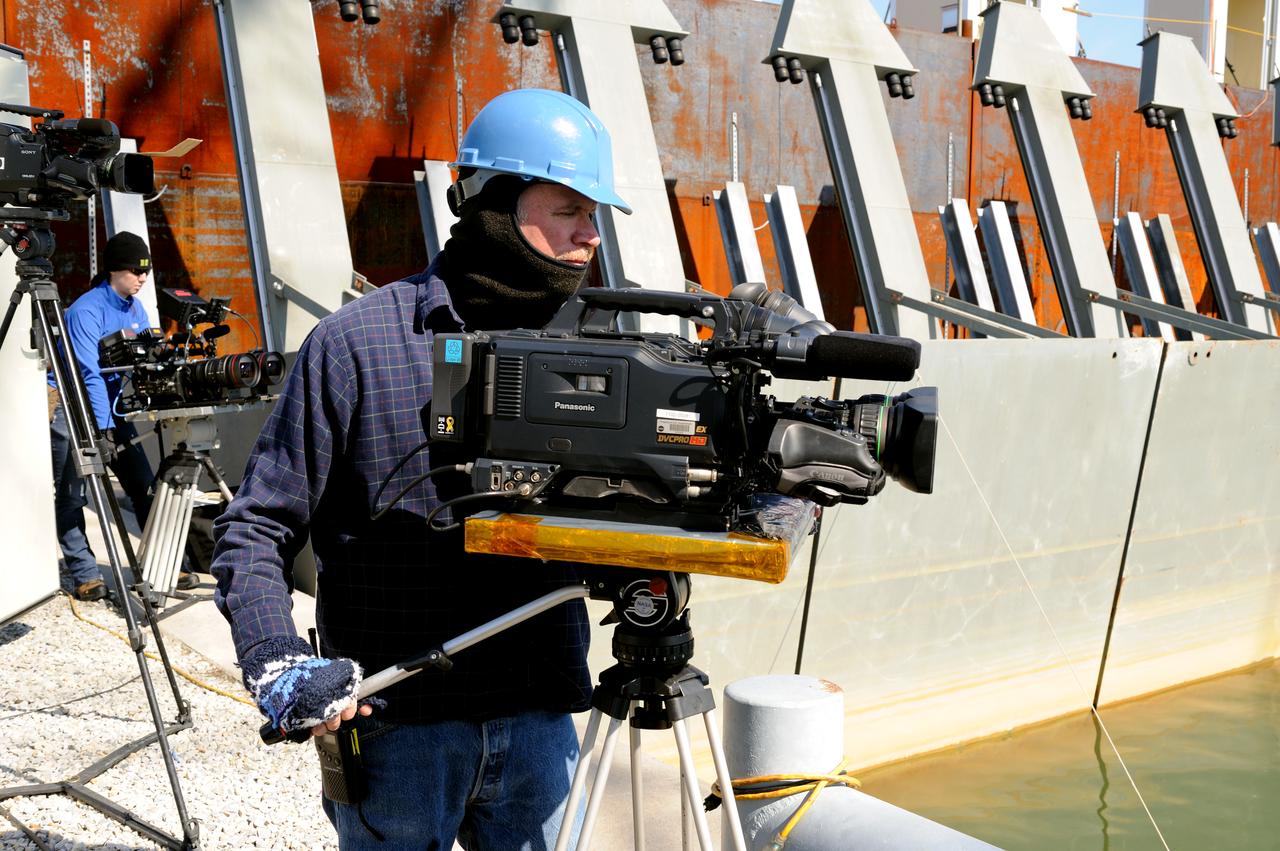
Crew Model Water Landing Module Assessment Photographs taken at Aberdeen Test Facility Aberdeen MD.

Crew Model Water Landing Module Assessment Photographs taken at Aberdeen Test Facility Aberdeen MD.
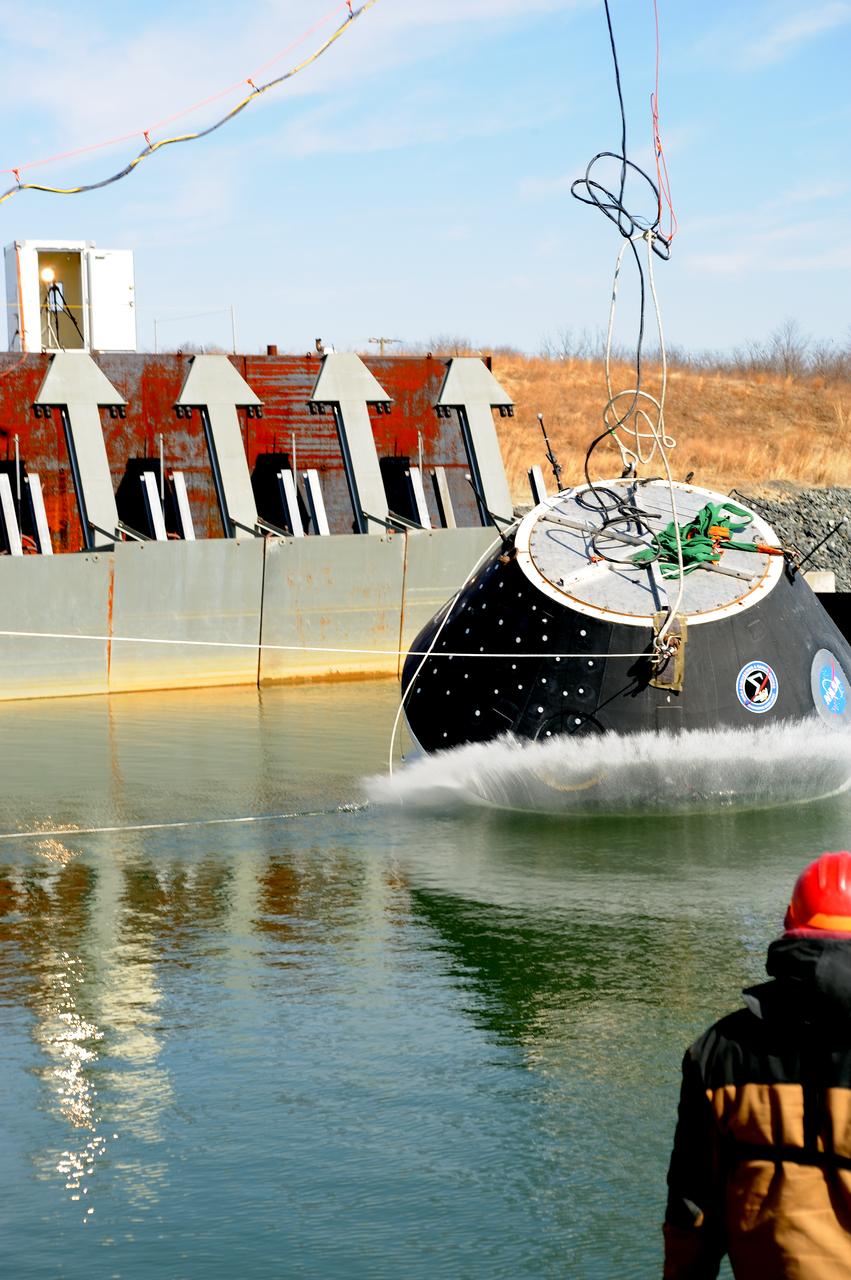
Crew Model Water Landing Module Assessment Photographs taken at Aberdeen Test Facility Aberdeen MD.
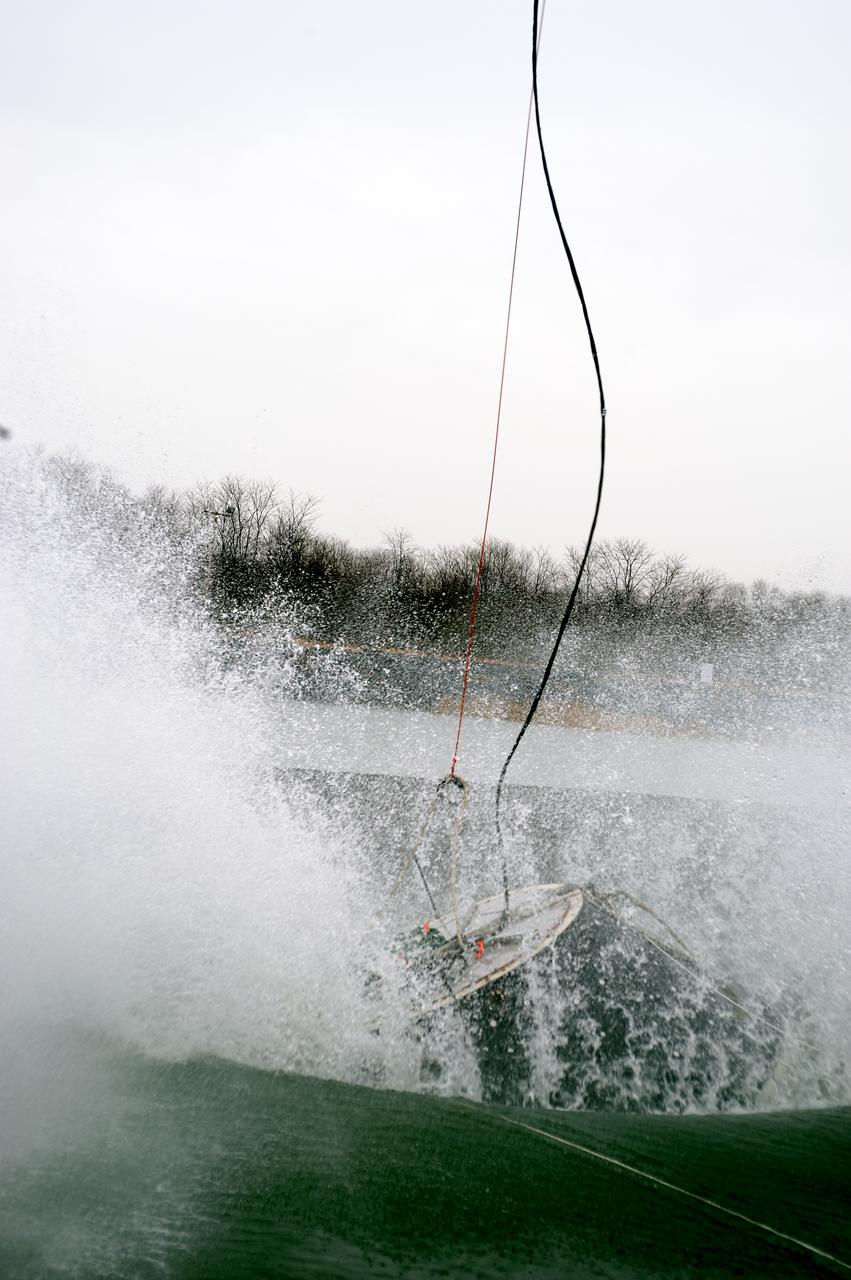
Crew Model Water Landing Module Assessment Photographs taken at Aberdeen Test Facility Aberdeen MD.
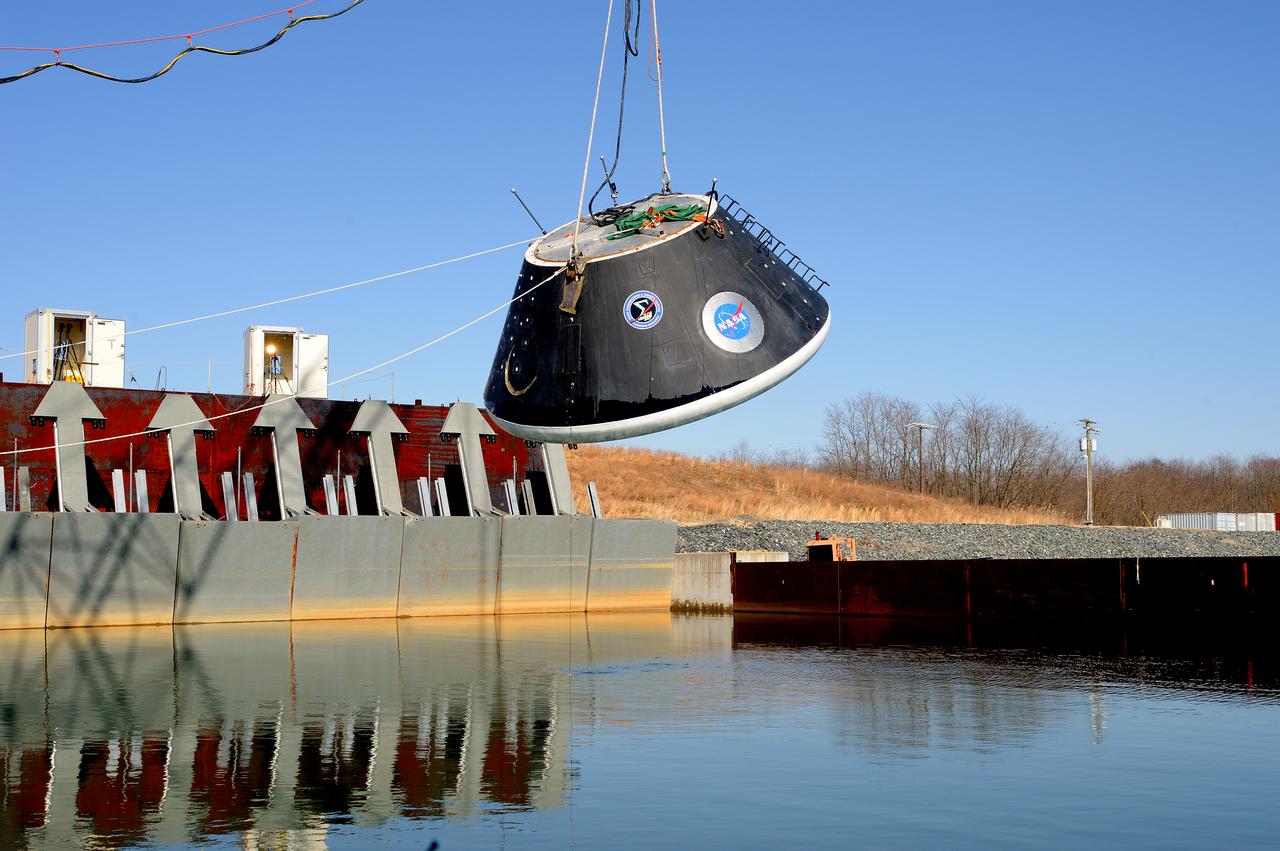
Crew Model Water Landing Module Assessment Photographs taken at Aberdeen Test Facility Aberdeen MD.
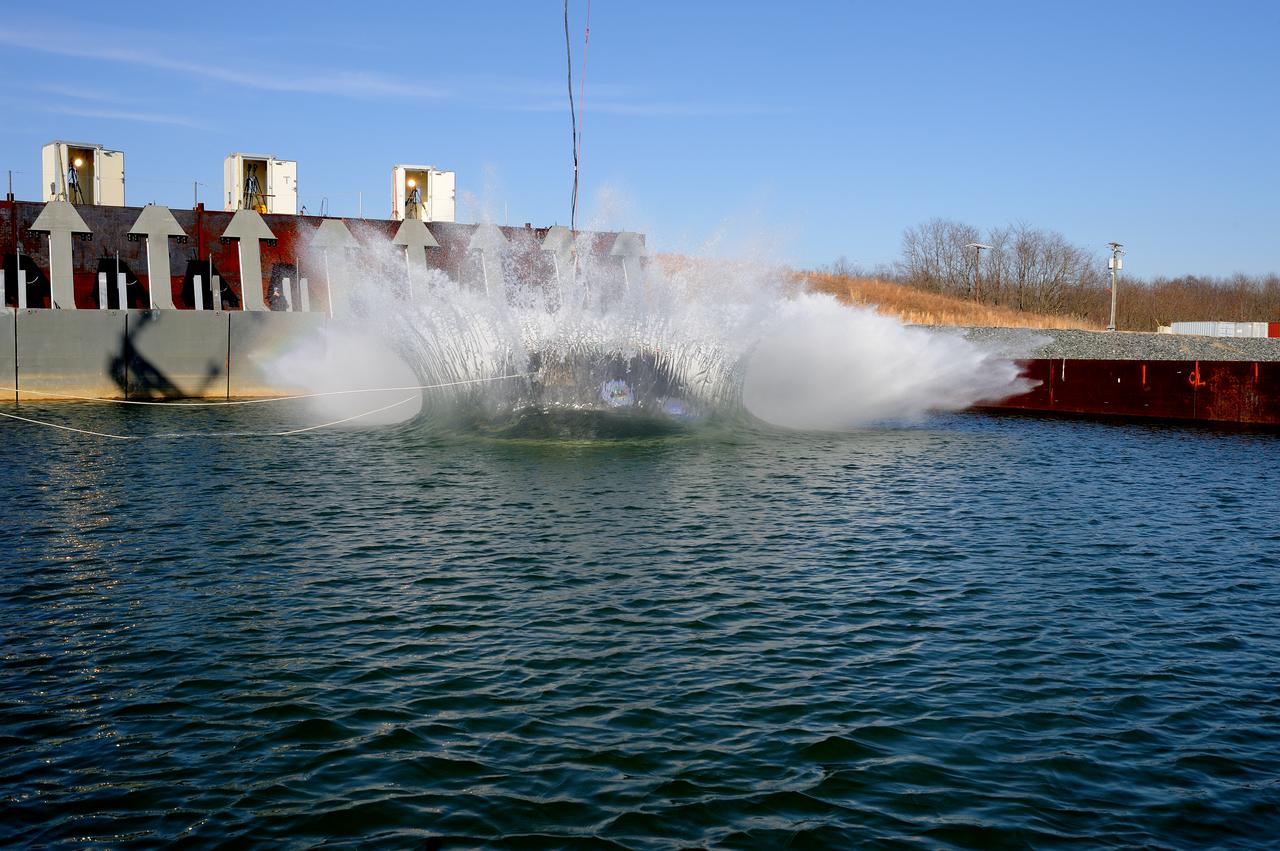
Crew Model Water Landing Module Assessment Photographs taken at Aberdeen Test Facility Aberdeen MD.
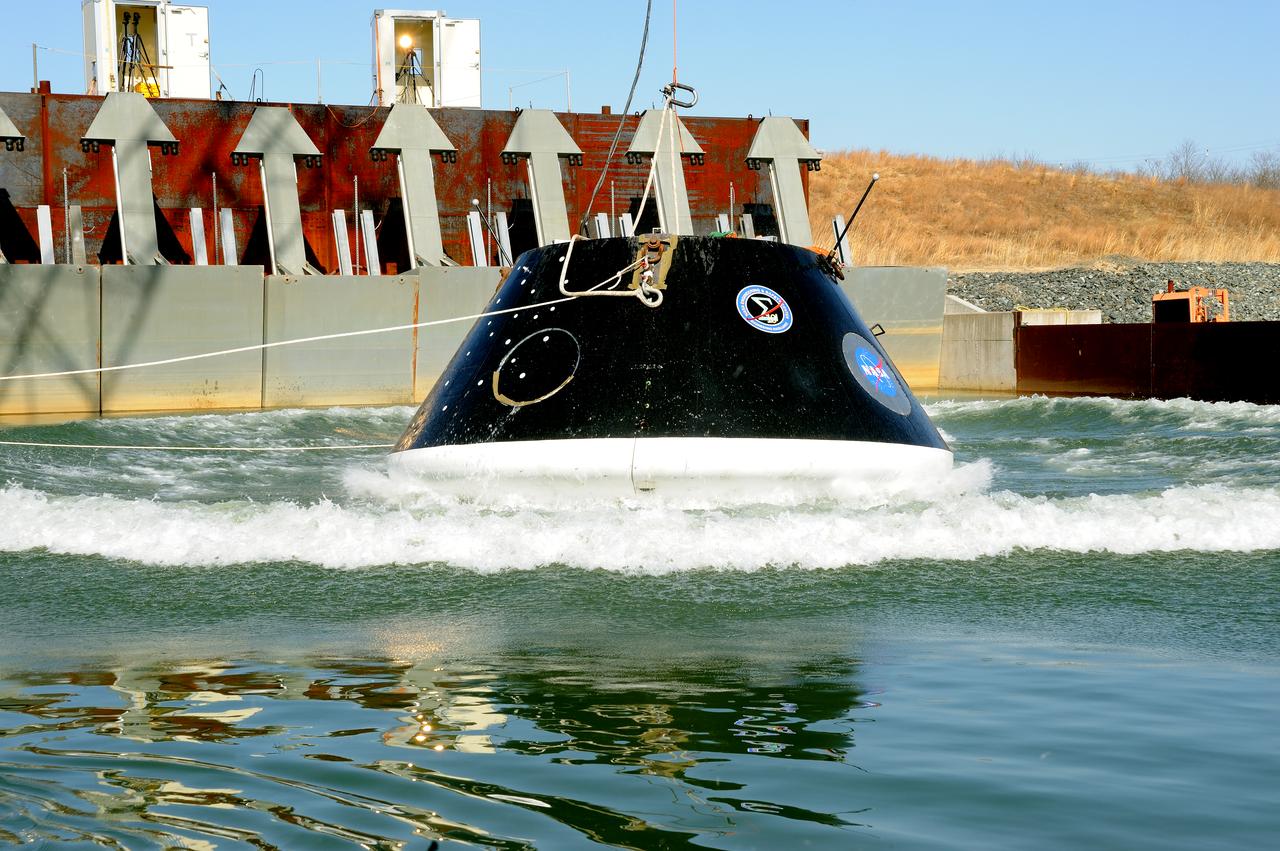
Crew Model Water Landing Module Assessment Photographs taken at Aberdeen Test Facility Aberdeen MD.
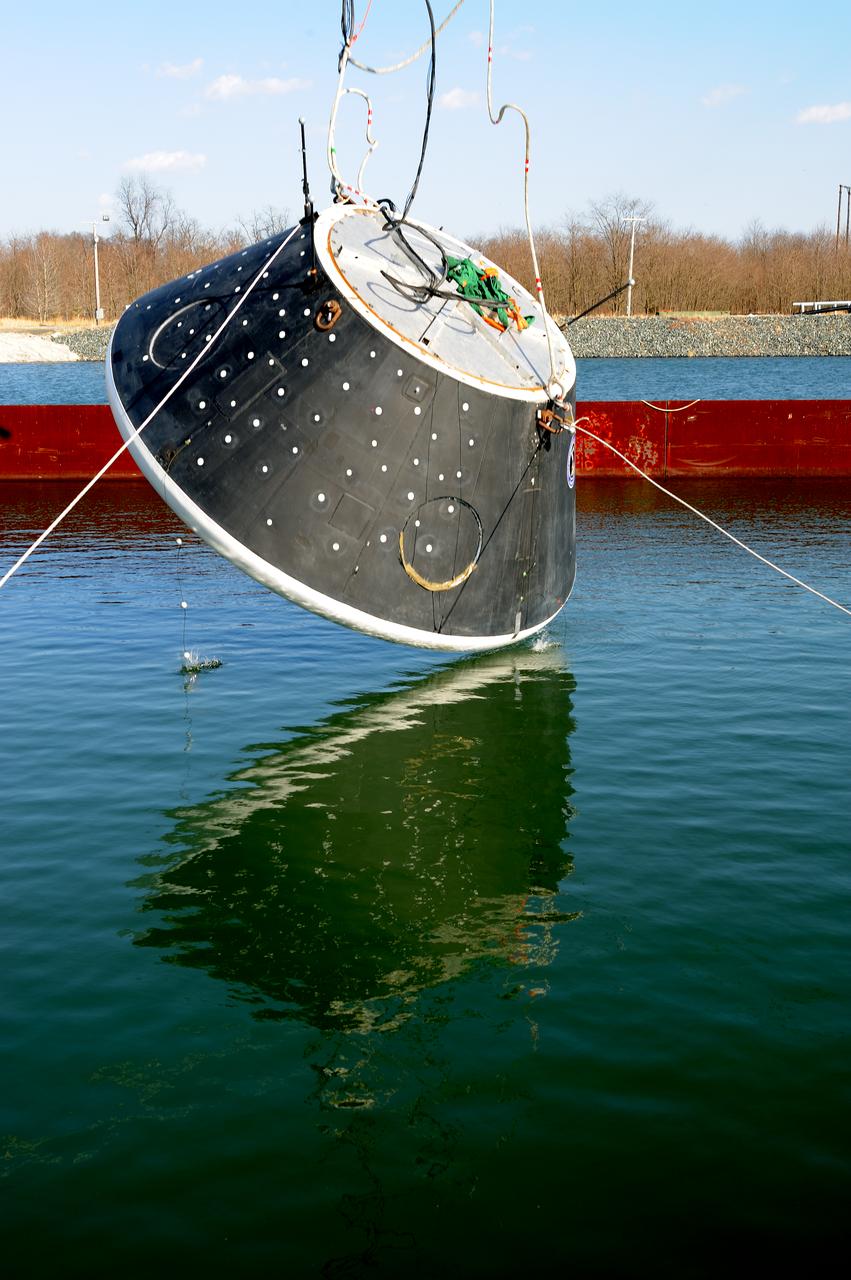
Crew Model Water Landing Module Assessment Photographs taken at Aberdeen Test Facility Aberdeen MD.
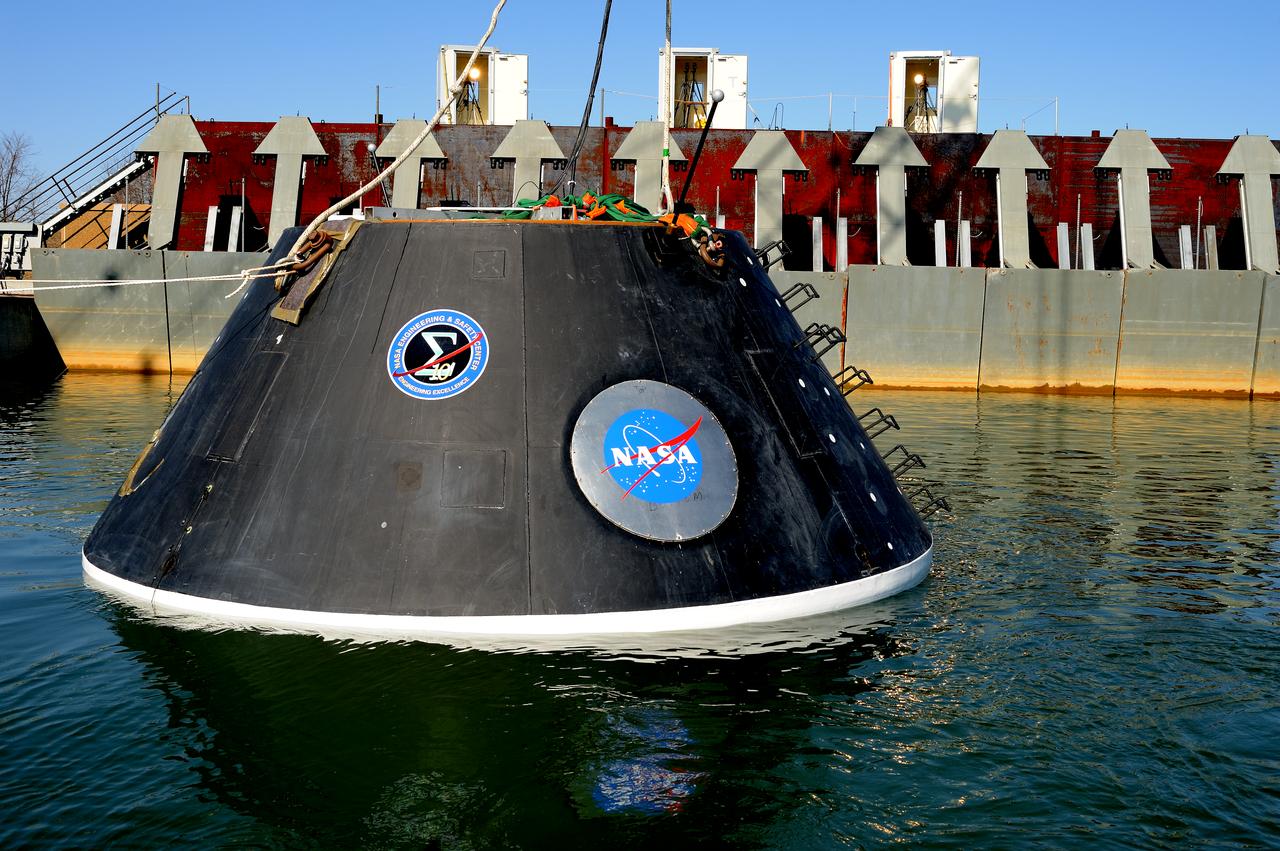
Crew Model Water Landing Module Assessment Photographs taken at Aberdeen Test Facility Aberdeen MD.
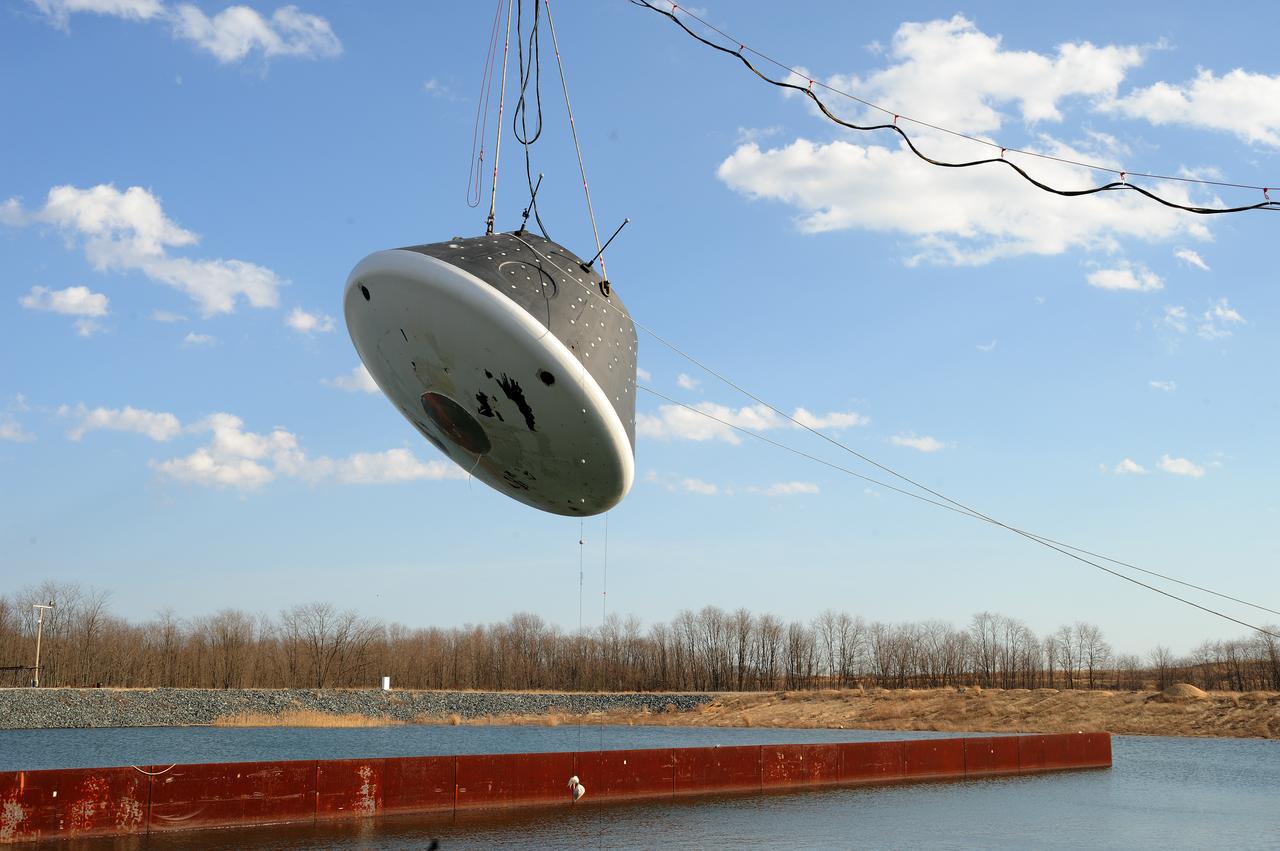
Crew Model Water Landing Module Assessment Photographs taken at Aberdeen Test Facility Aberdeen MD.
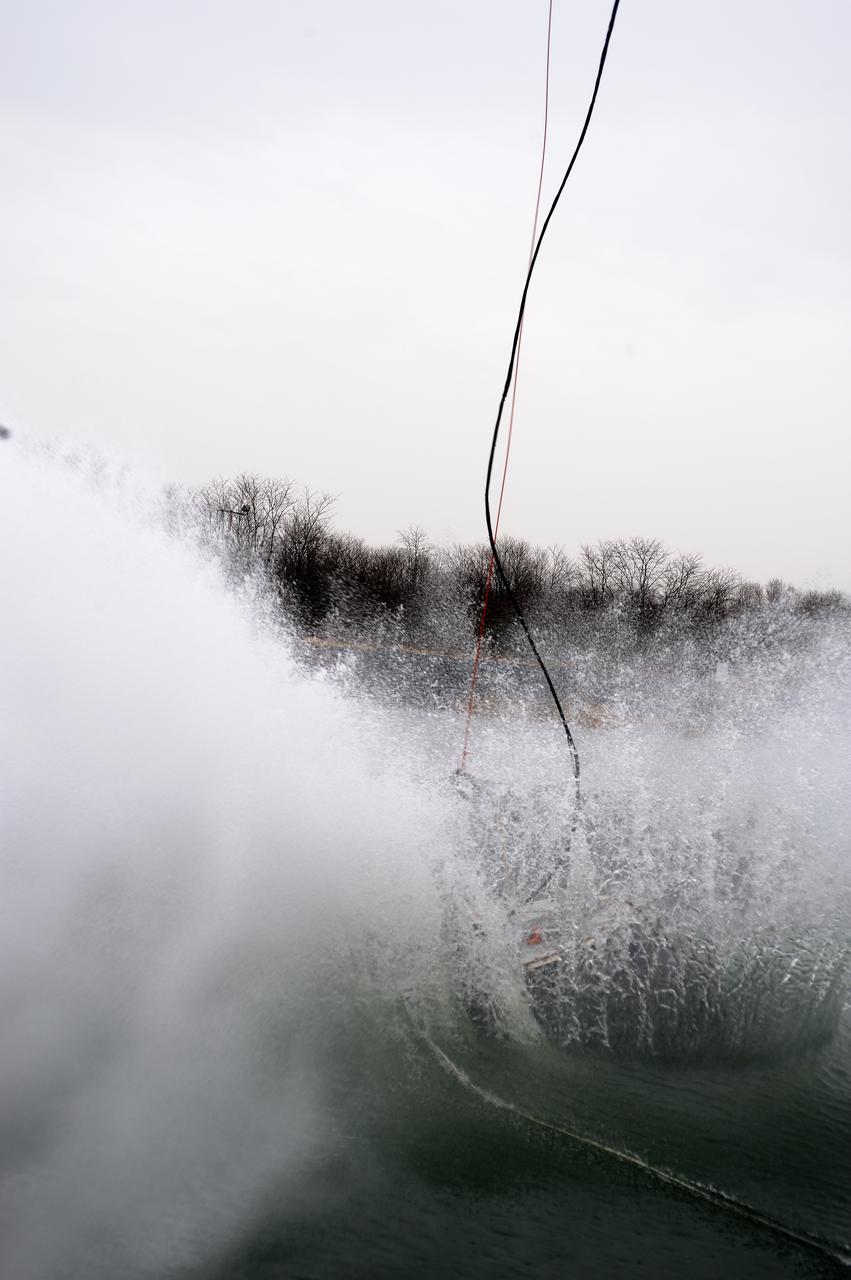
Crew Model Water Landing Module Assessment Photographs taken at Aberdeen Test Facility Aberdeen MD.
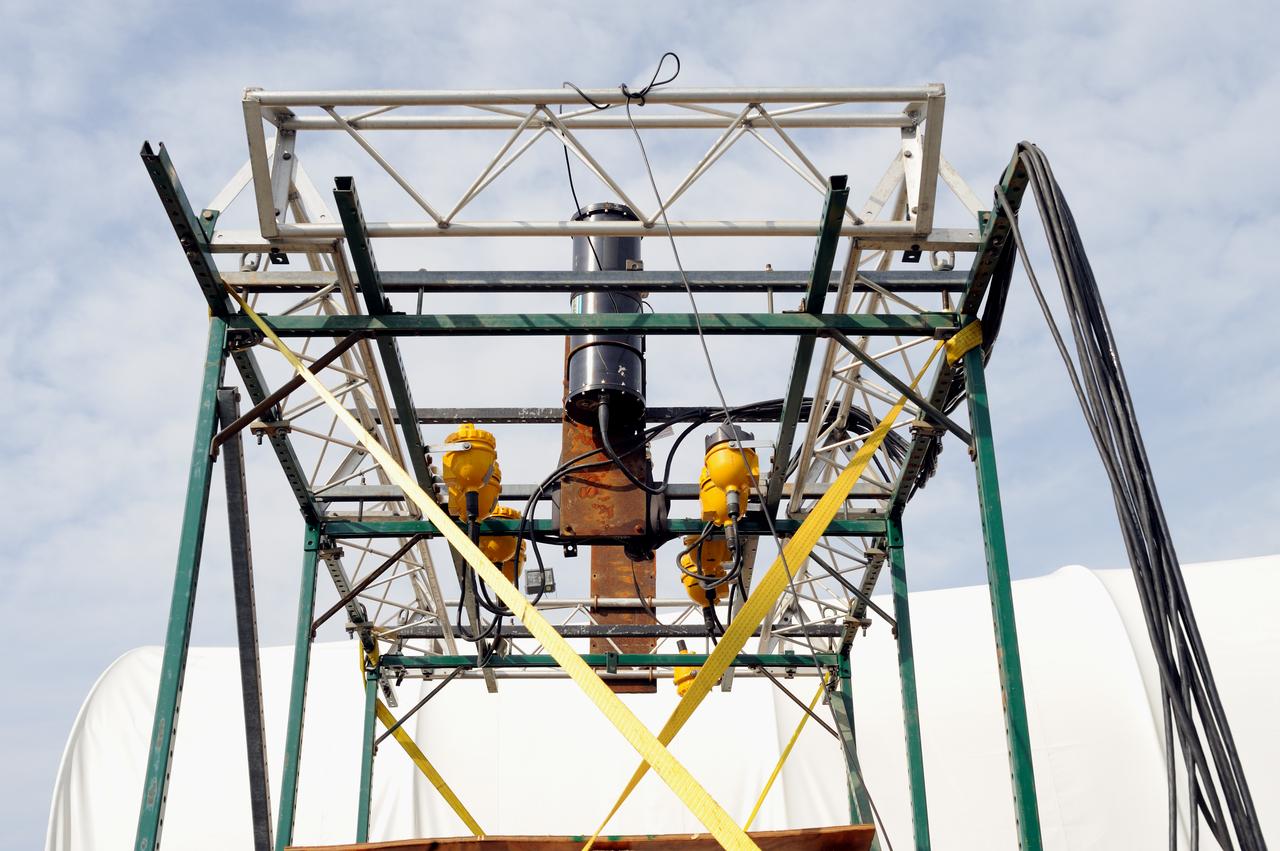
Crew Model Water Landing Module Assessment Photographs taken at Aberdeen Test Facility Aberdeen MD.
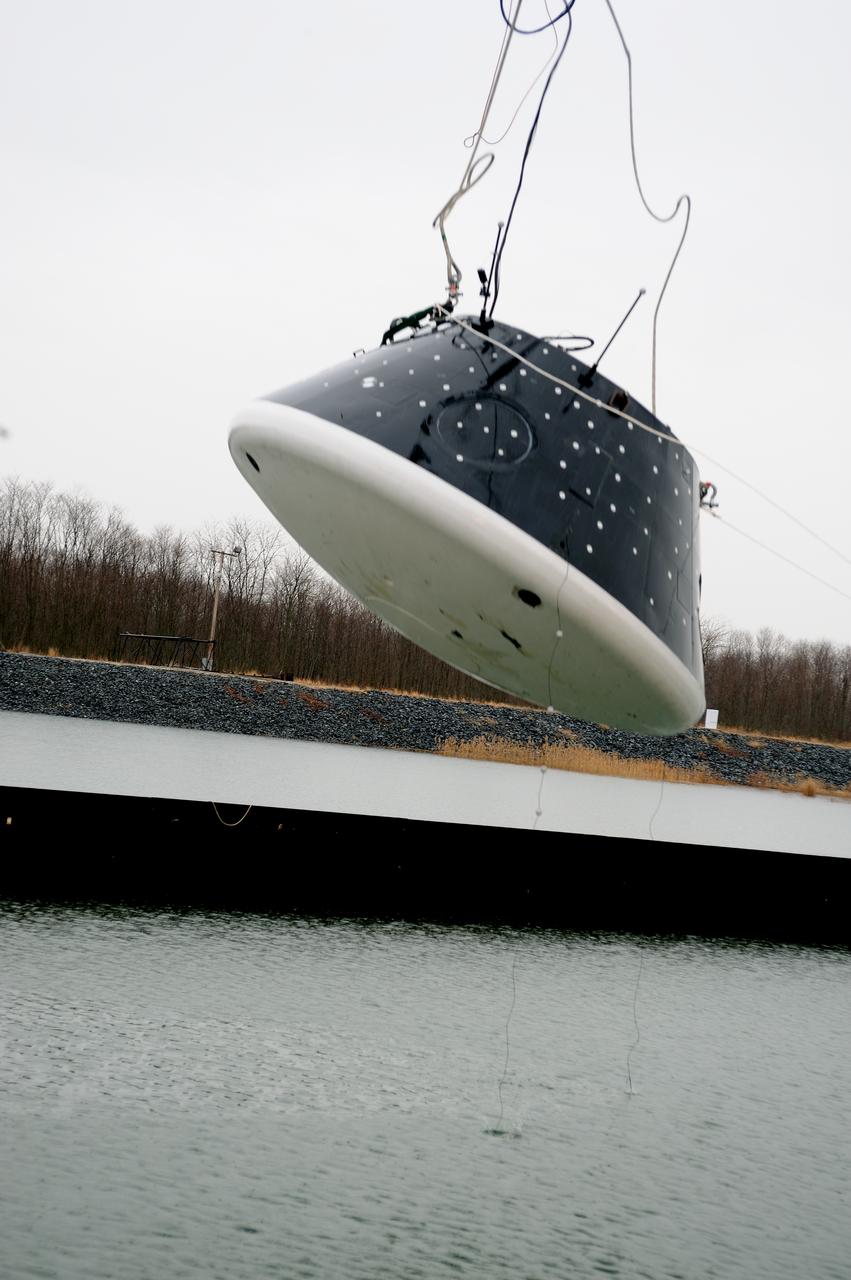
Crew Model Water Landing Module Assessment Photographs taken at Aberdeen Test Facility Aberdeen MD.

Crew Model Water Landing Module Assessment Photographs taken at Aberdeen Test Facility Aberdeen MD.
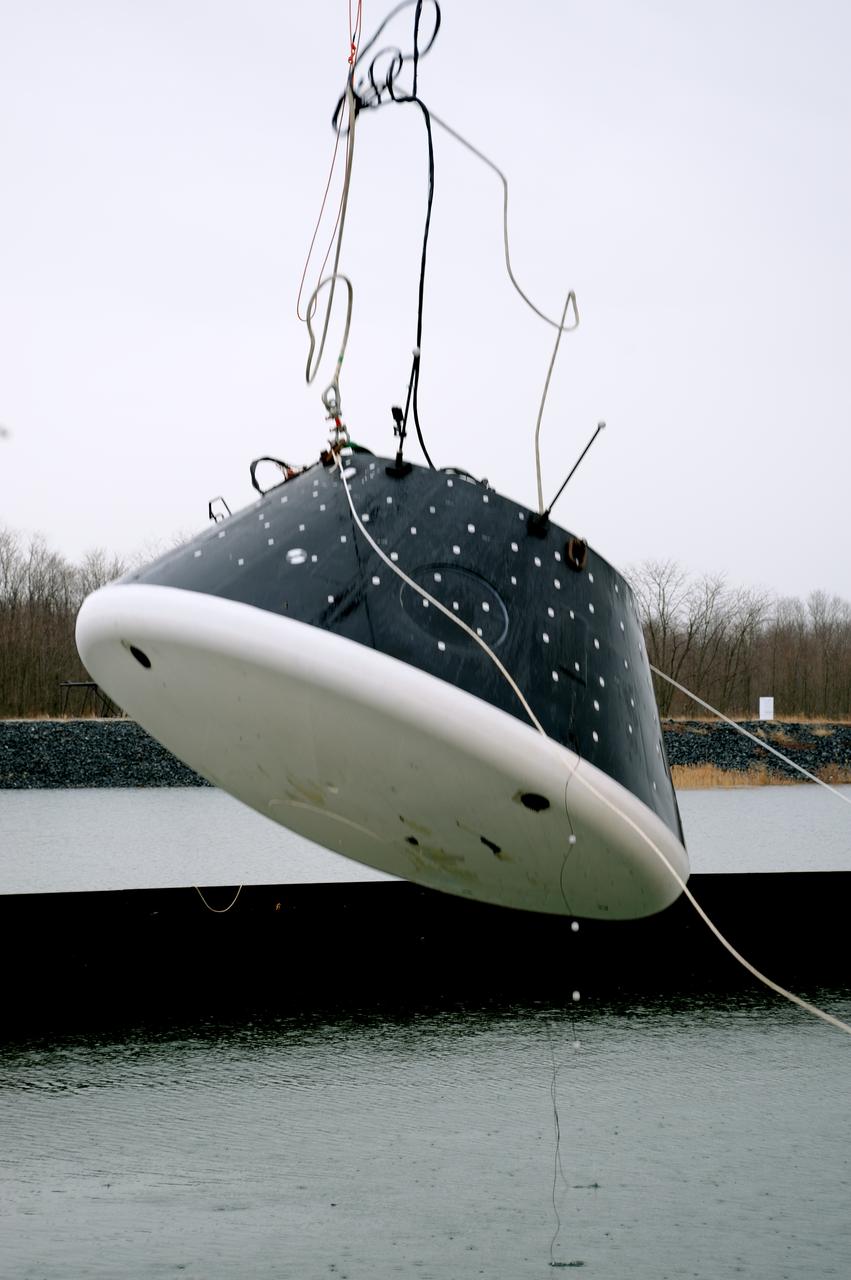
Crew Model Water Landing Module Assessment Photographs taken at Aberdeen Test Facility Aberdeen MD.
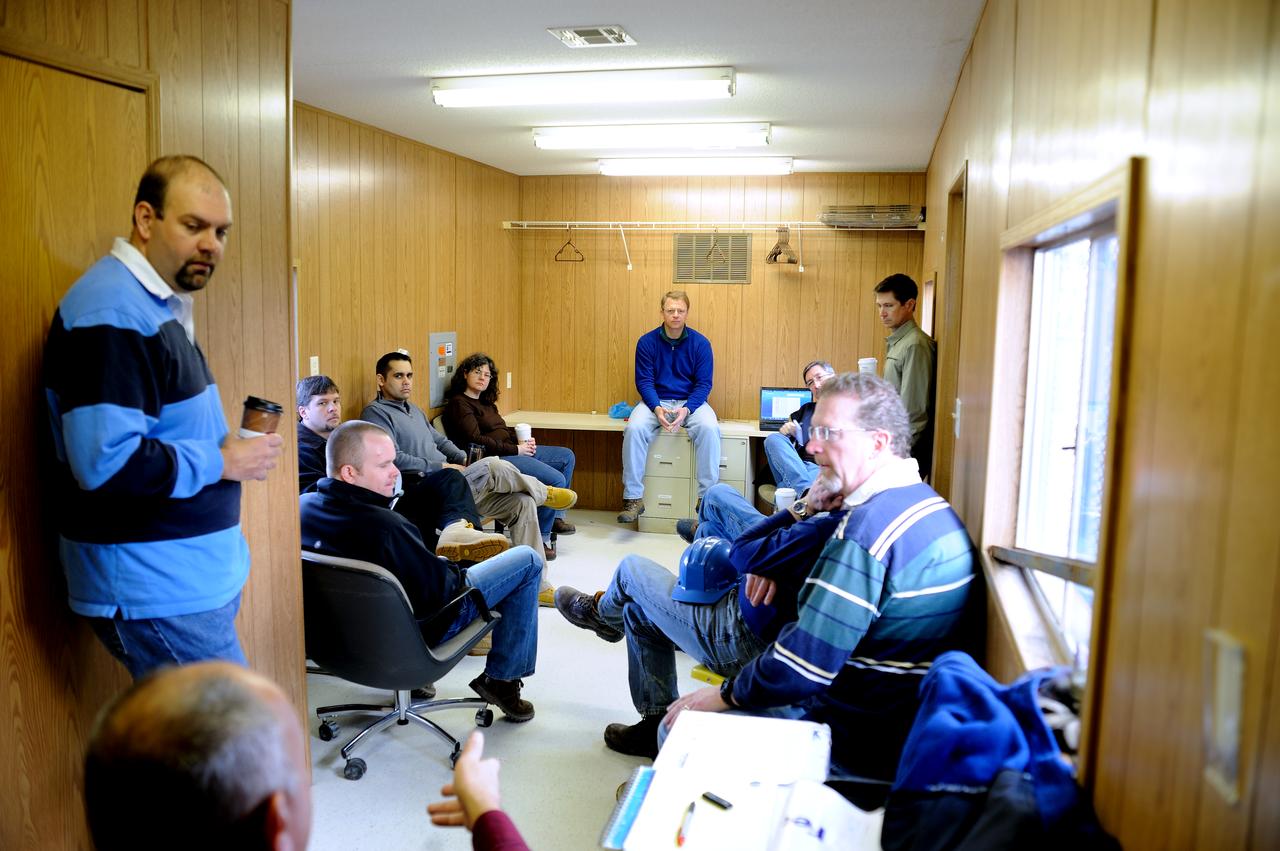
Crew Model Water Landing Module Assessment Photographs taken at Aberdeen Test Facility Aberdeen MD.
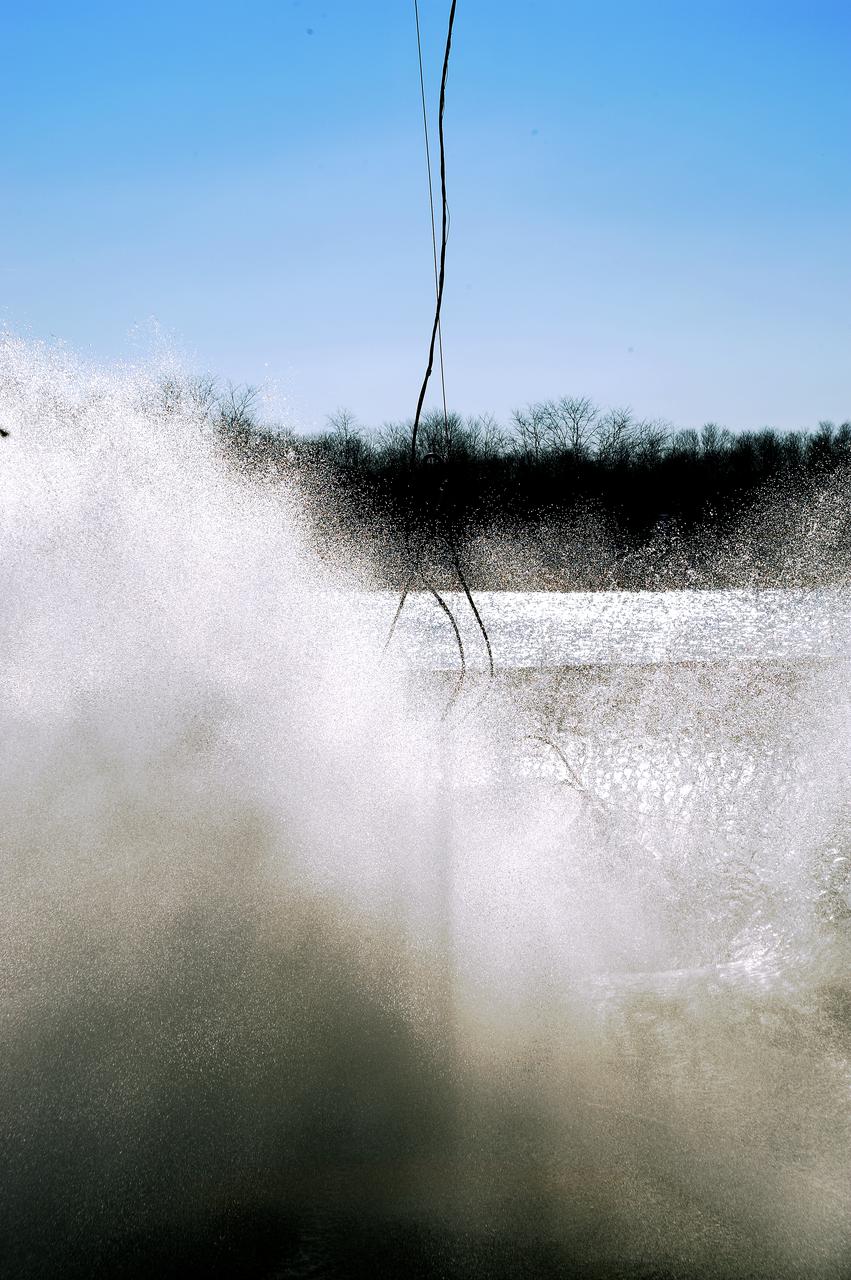
Crew Model Water Landing Module Assessment Photographs taken at Aberdeen Test Facility Aberdeen MD.

Crew Model Water Landing Module Assessment Photographs taken at Aberdeen Test Facility Aberdeen MD.
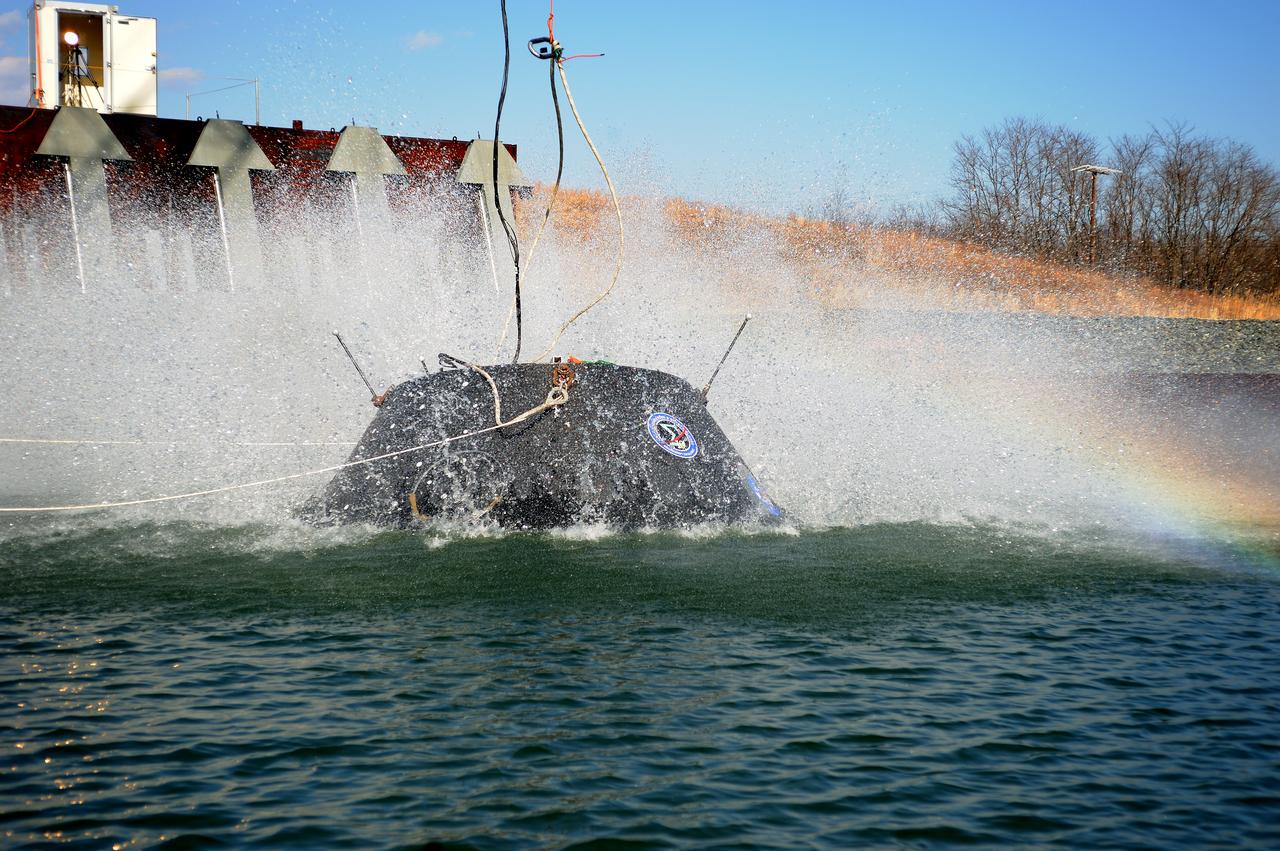
Crew Model Water Landing Module Assessment Photographs taken at Aberdeen Test Facility Aberdeen MD.
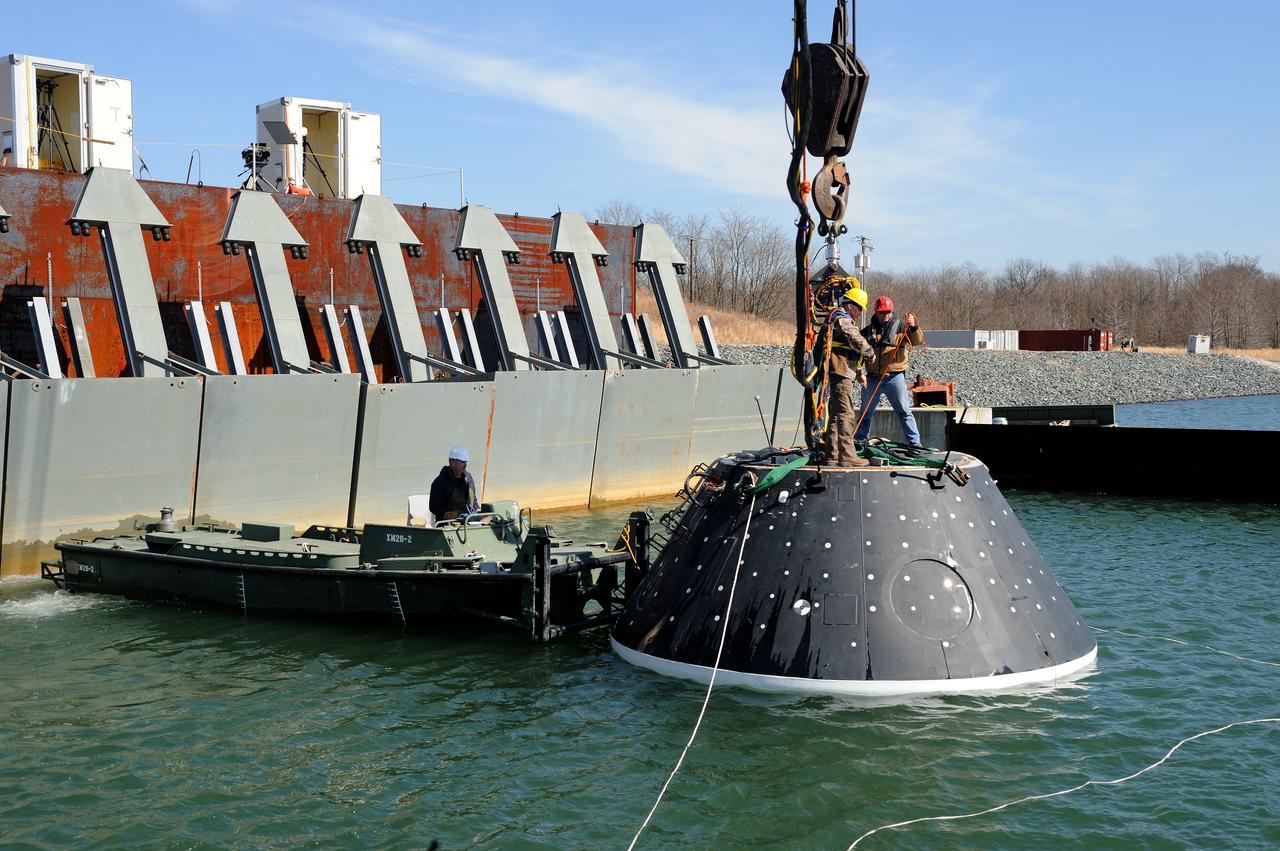
Crew Model Water Landing Module Assessment Photographs taken at Aberdeen Test Facility Aberdeen MD.
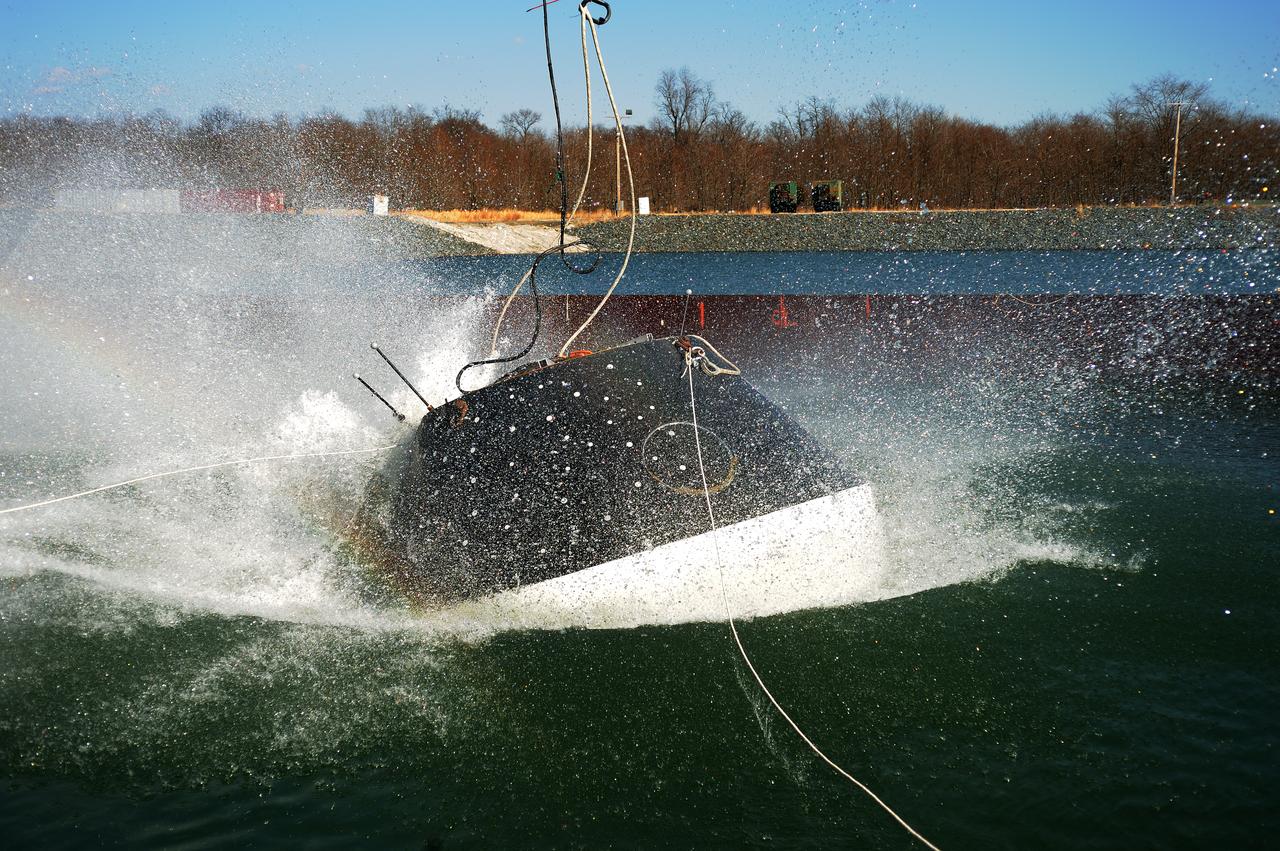
Crew Model Water Landing Module Assessment Photographs taken at Aberdeen Test Facility Aberdeen MD.
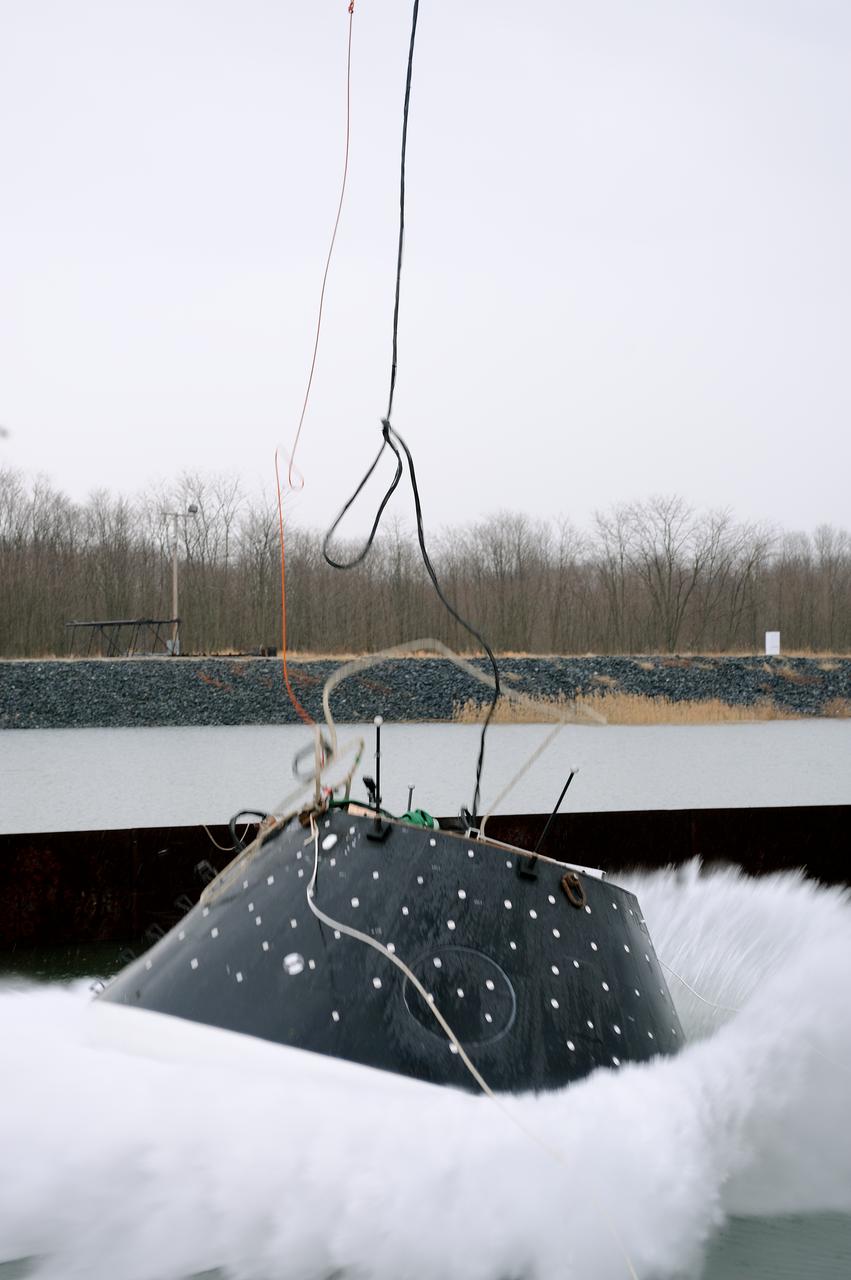
Crew Model Water Landing Module Assessment Photographs taken at Aberdeen Test Facility Aberdeen MD.
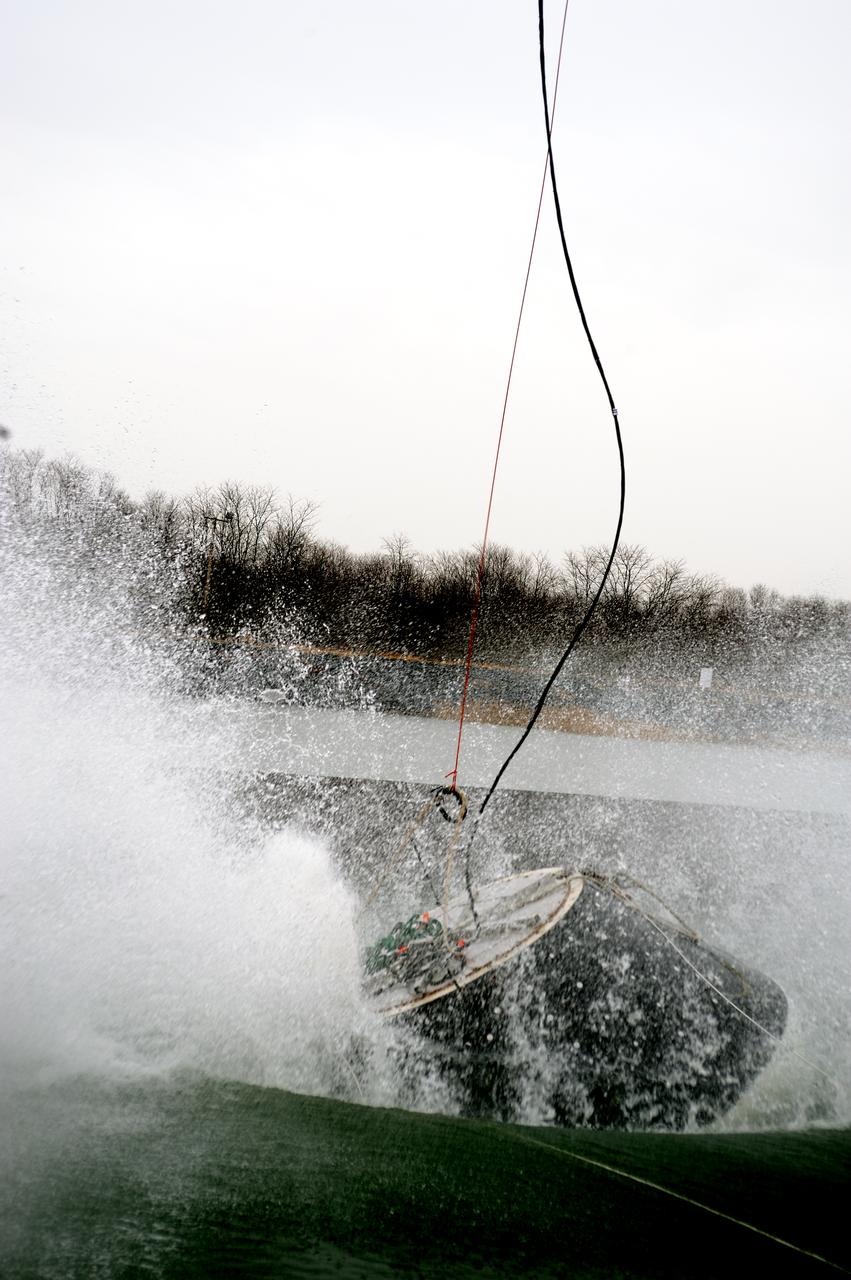
Crew Model Water Landing Module Assessment Photographs taken at Aberdeen Test Facility Aberdeen MD.
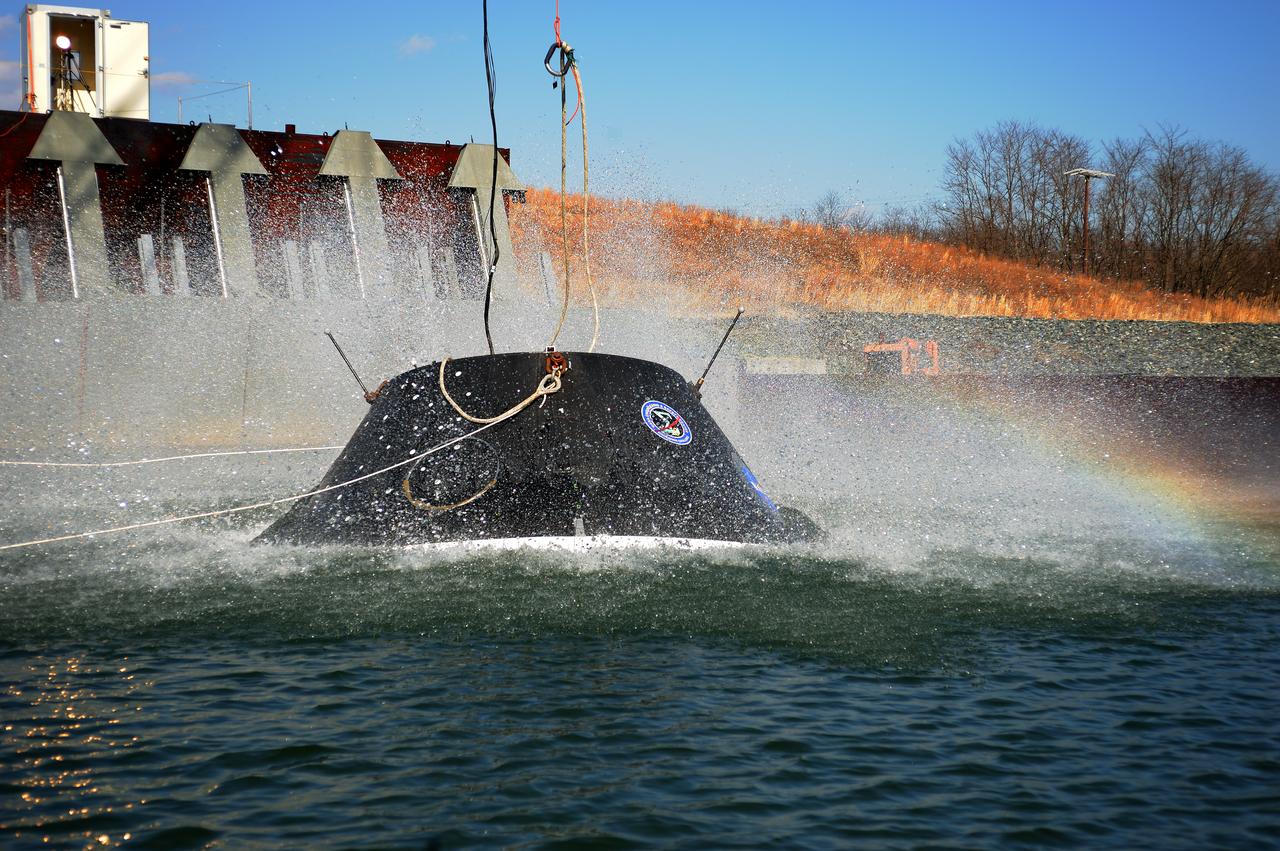
Crew Model Water Landing Module Assessment Photographs taken at Aberdeen Test Facility Aberdeen MD.
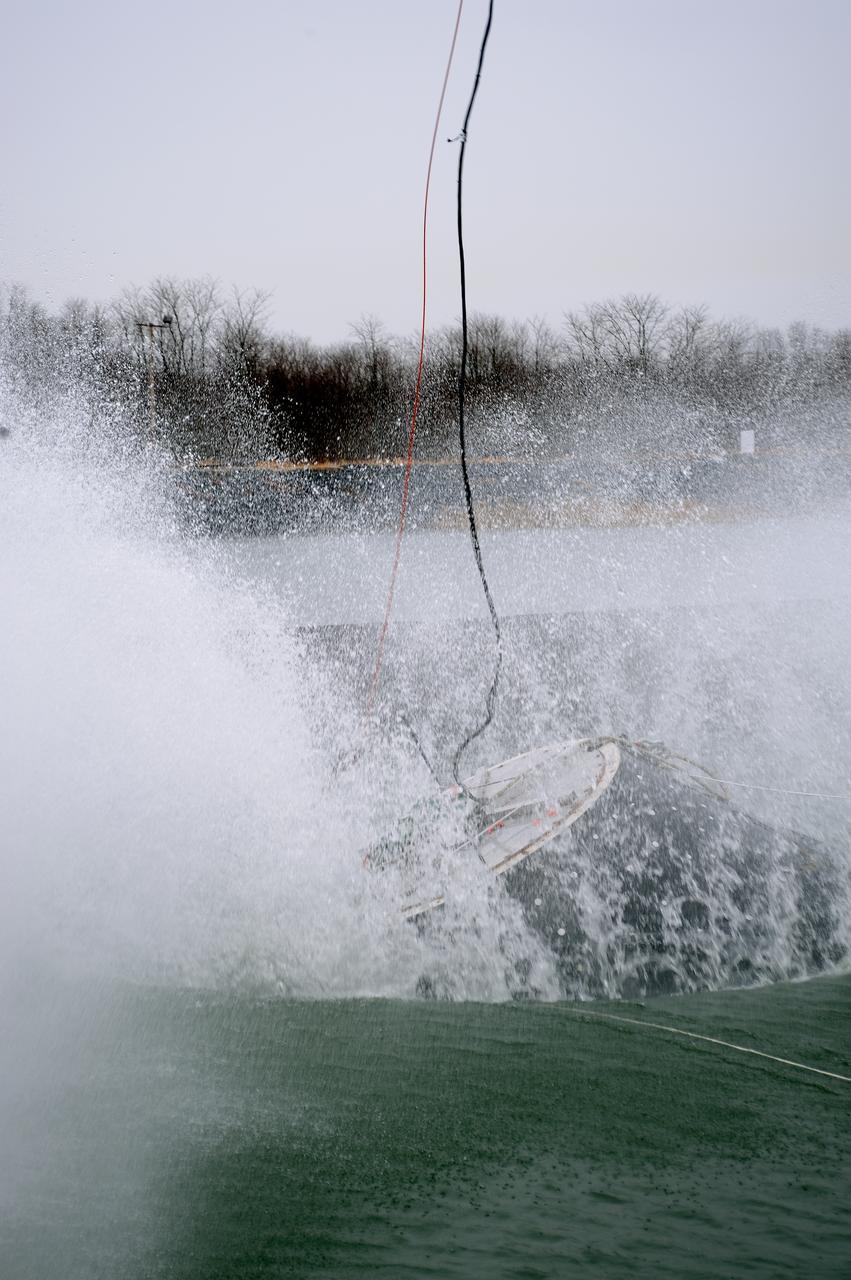
Crew Model Water Landing Module Assessment Photographs taken at Aberdeen Test Facility Aberdeen MD.
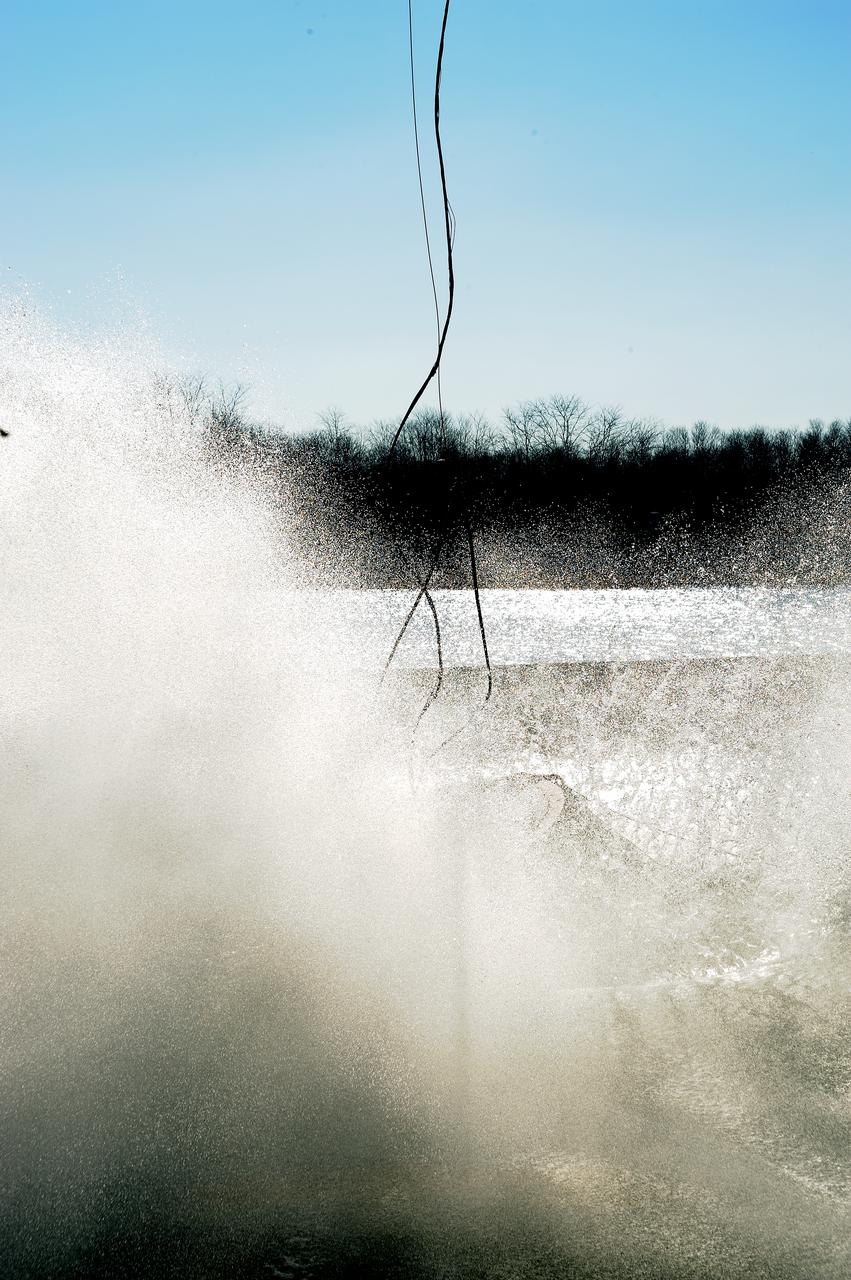
Crew Model Water Landing Module Assessment Photographs taken at Aberdeen Test Facility Aberdeen MD.
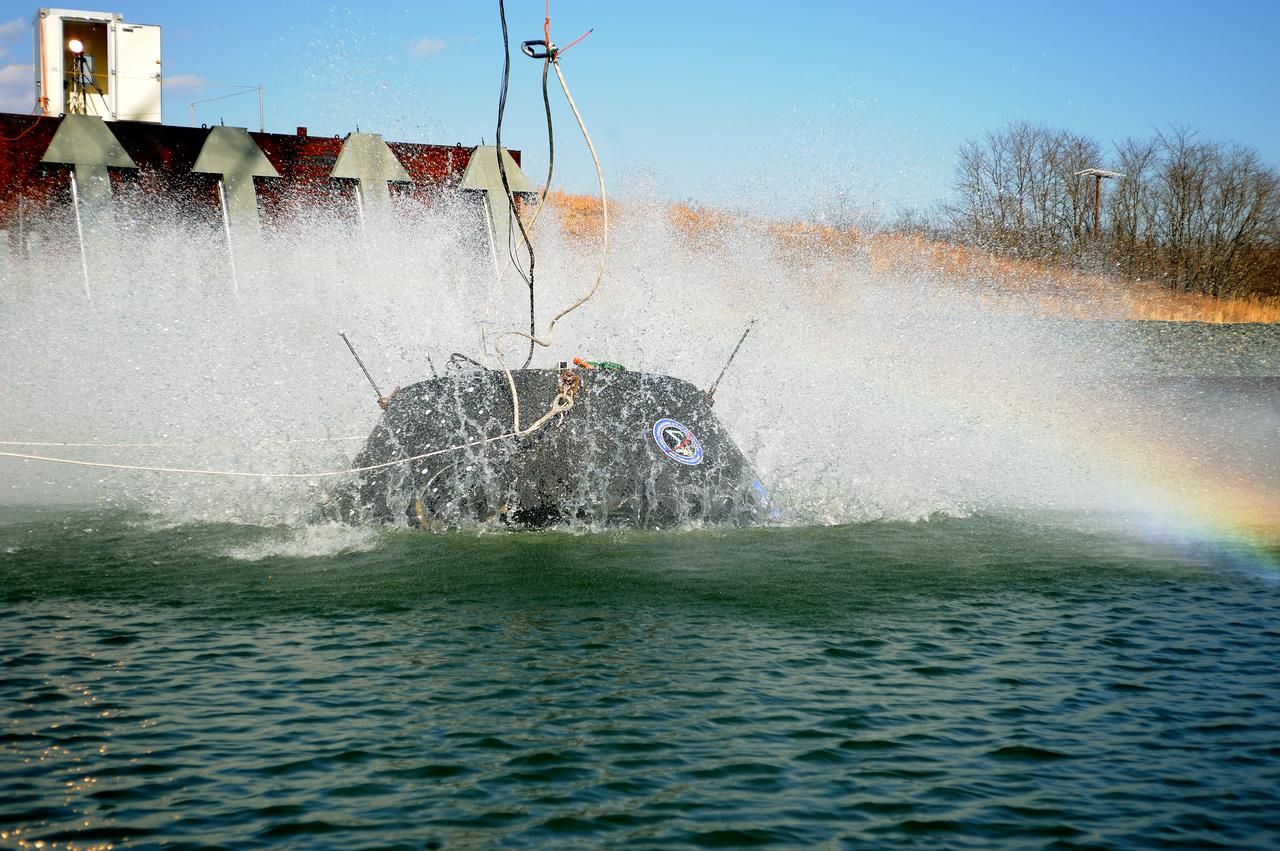
Crew Model Water Landing Module Assessment Photographs taken at Aberdeen Test Facility Aberdeen MD.
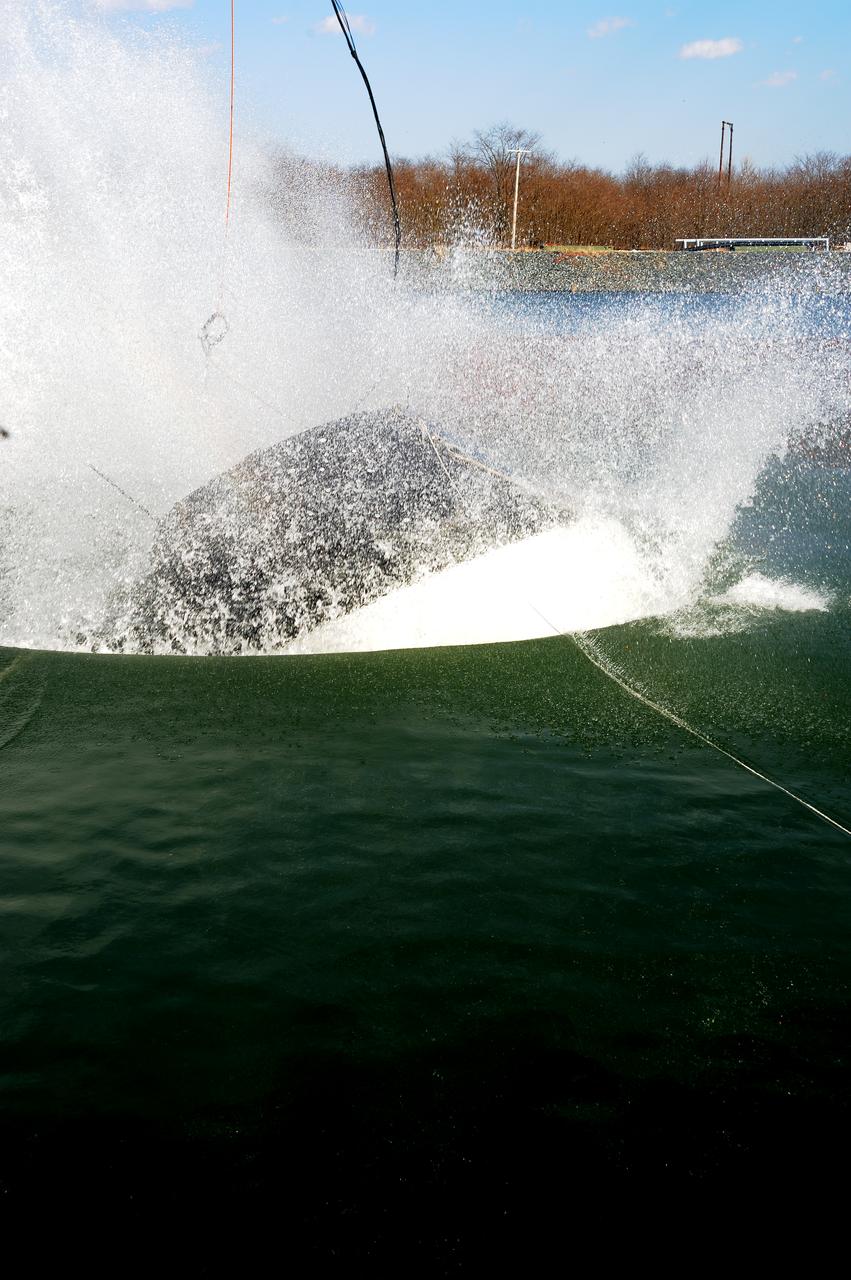
Crew Model Water Landing Module Assessment Photographs taken at Aberdeen Test Facility Aberdeen MD.
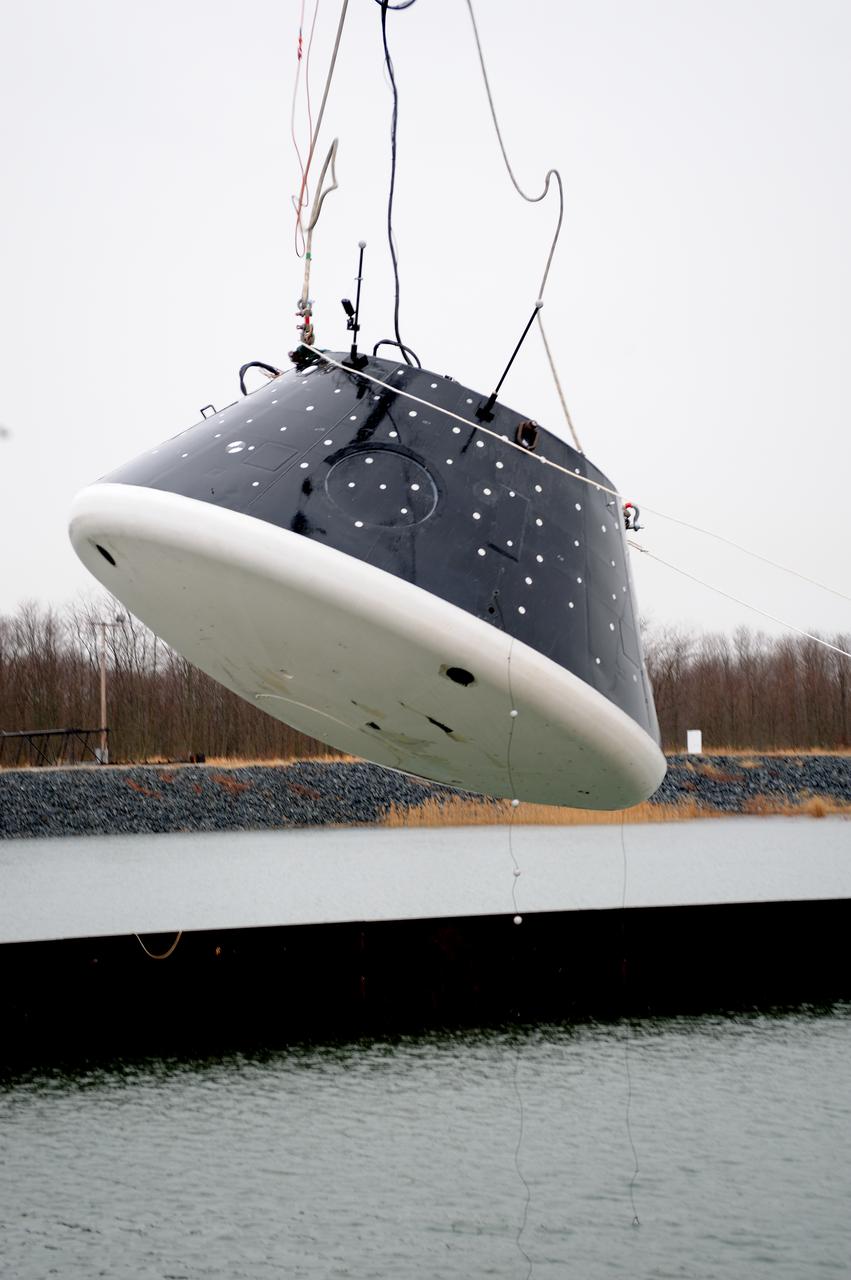
Crew Model Water Landing Module Assessment Photographs taken at Aberdeen Test Facility Aberdeen MD.
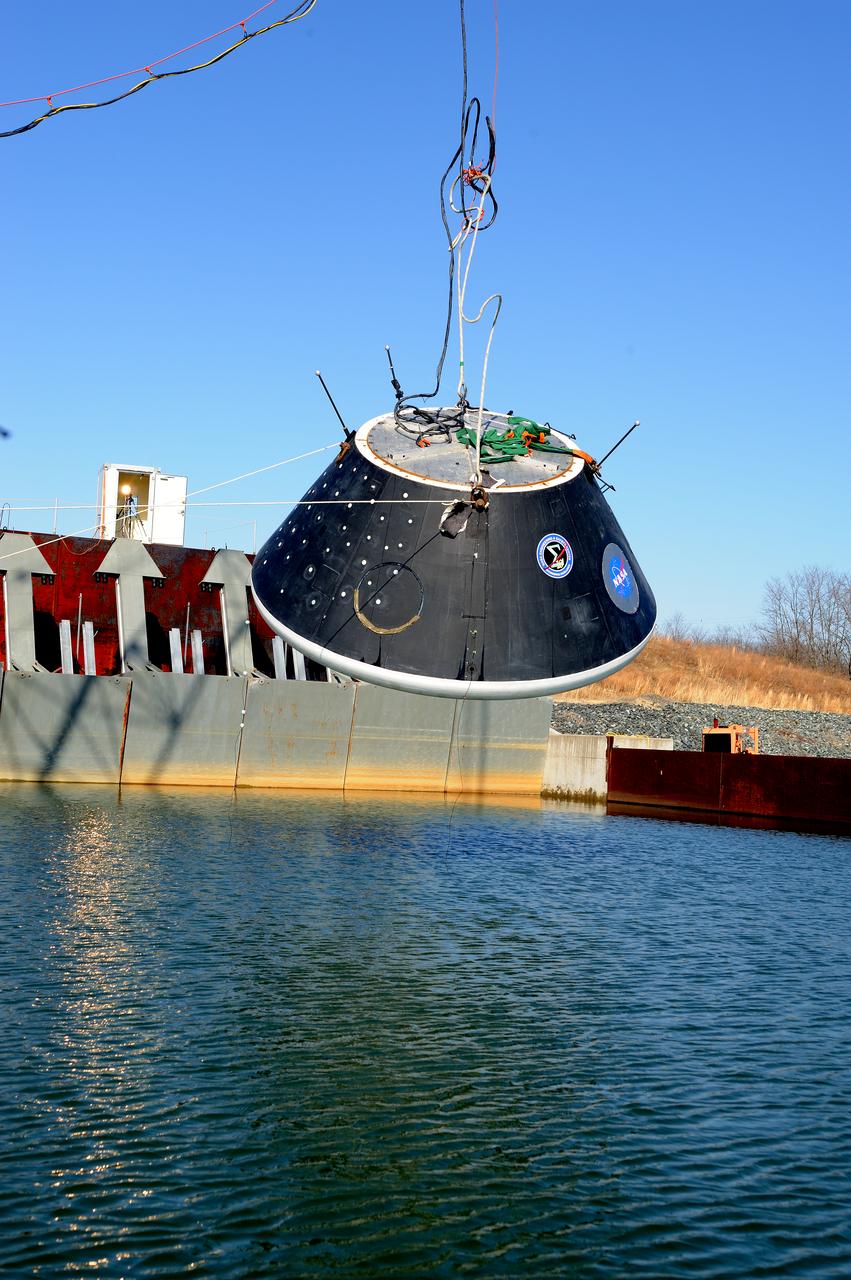
Crew Model Water Landing Module Assessment Photographs taken at Aberdeen Test Facility Aberdeen MD.
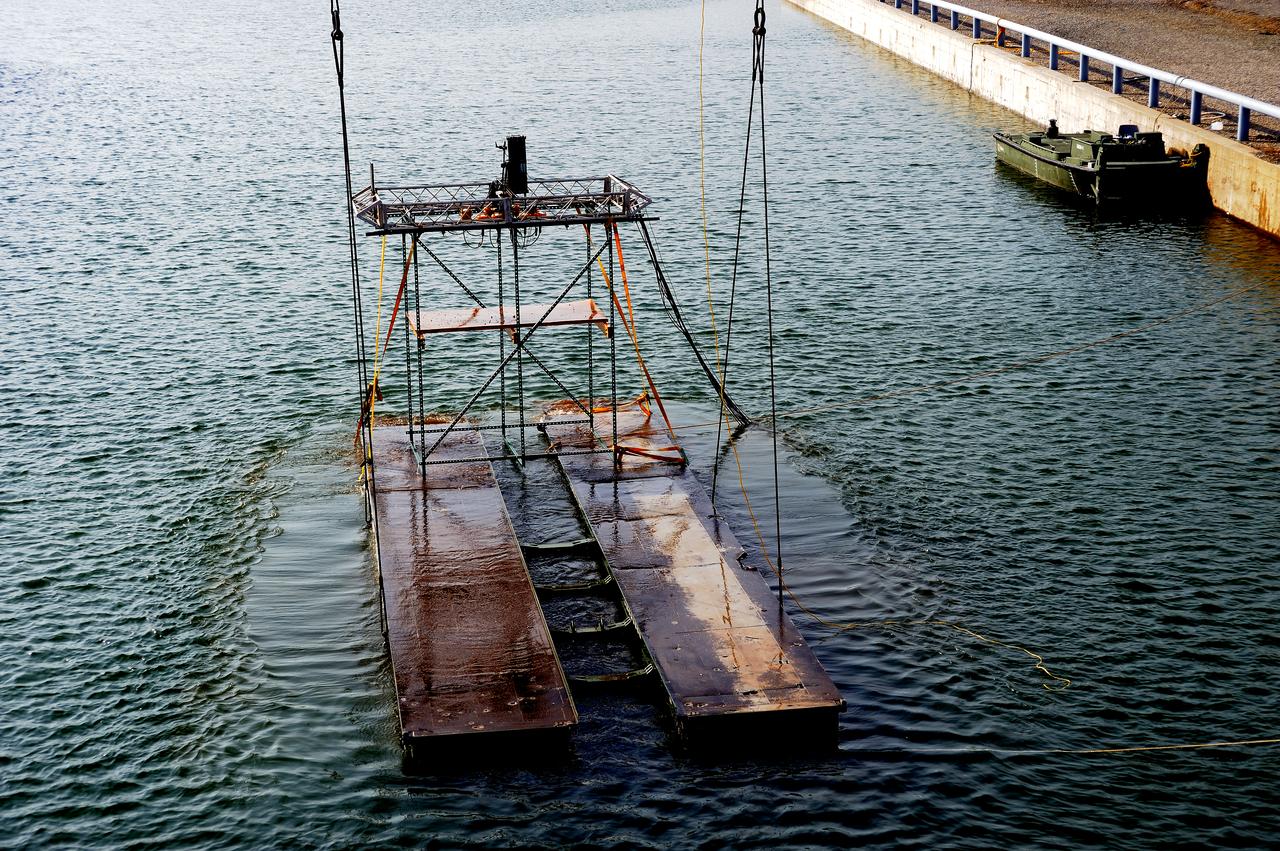
Crew Model Water Landing Module Assessment Photographs taken at Aberdeen Test Facility Aberdeen MD.
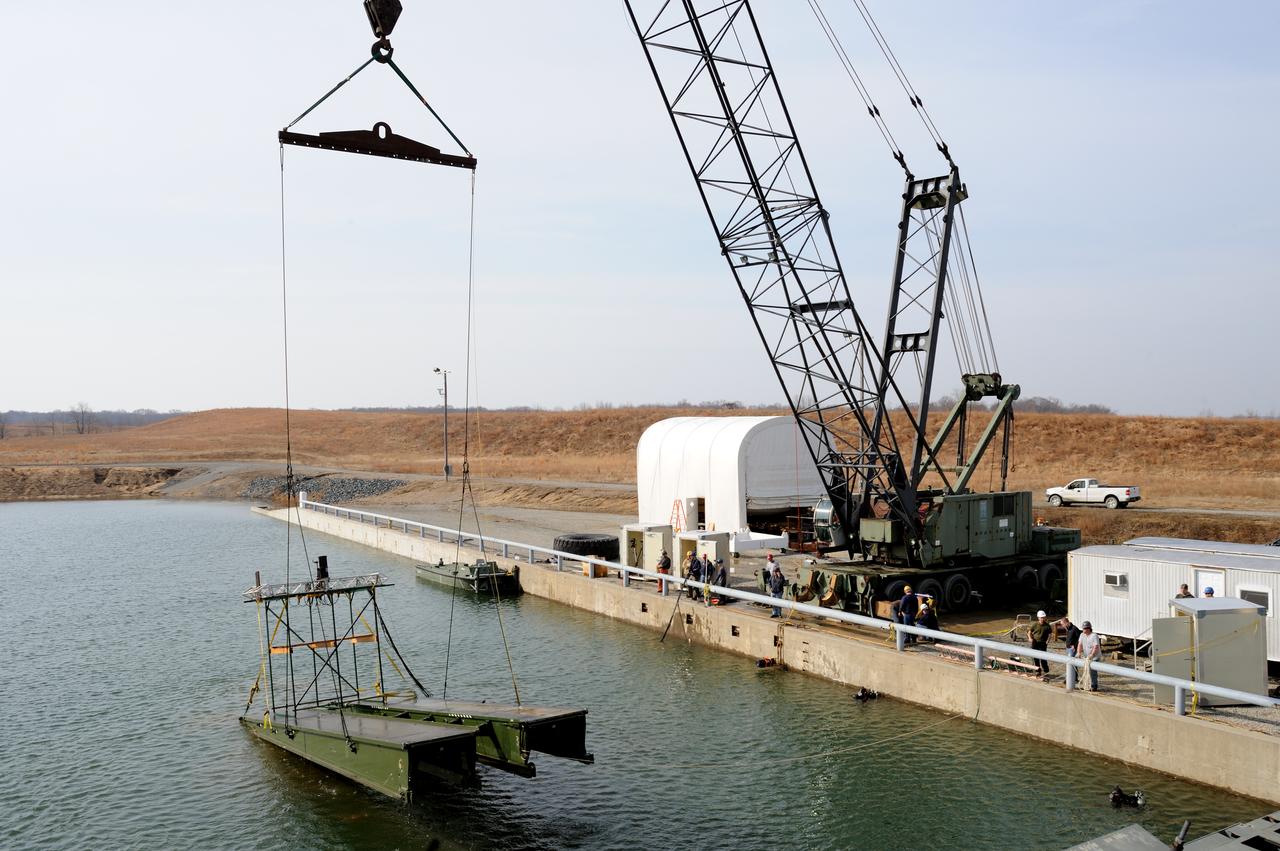
Crew Model Water Landing Module Assessment Photographs taken at Aberdeen Test Facility Aberdeen MD.

Crew Model Water Landing Module Assessment Photographs taken at Aberdeen Test Facility Aberdeen MD.
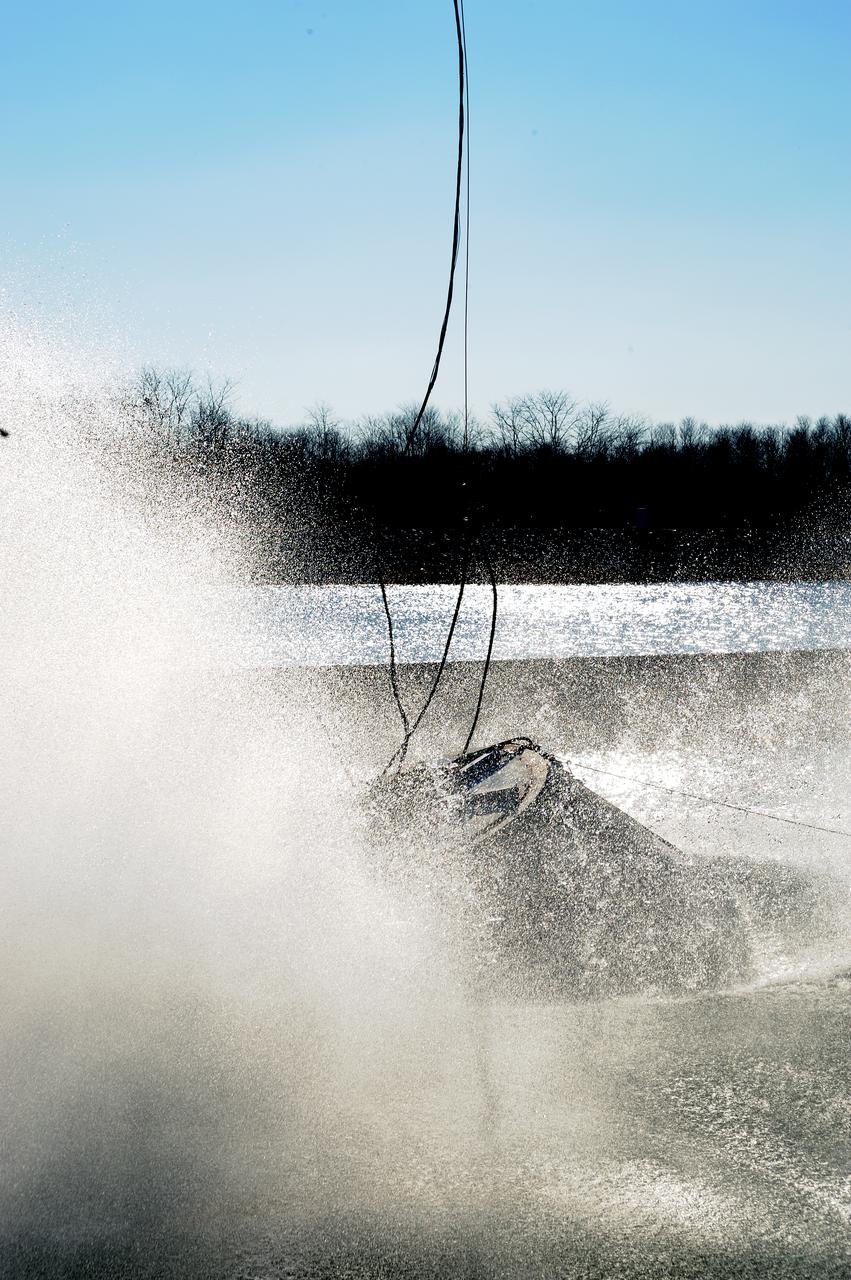
Crew Model Water Landing Module Assessment Photographs taken at Aberdeen Test Facility Aberdeen MD.
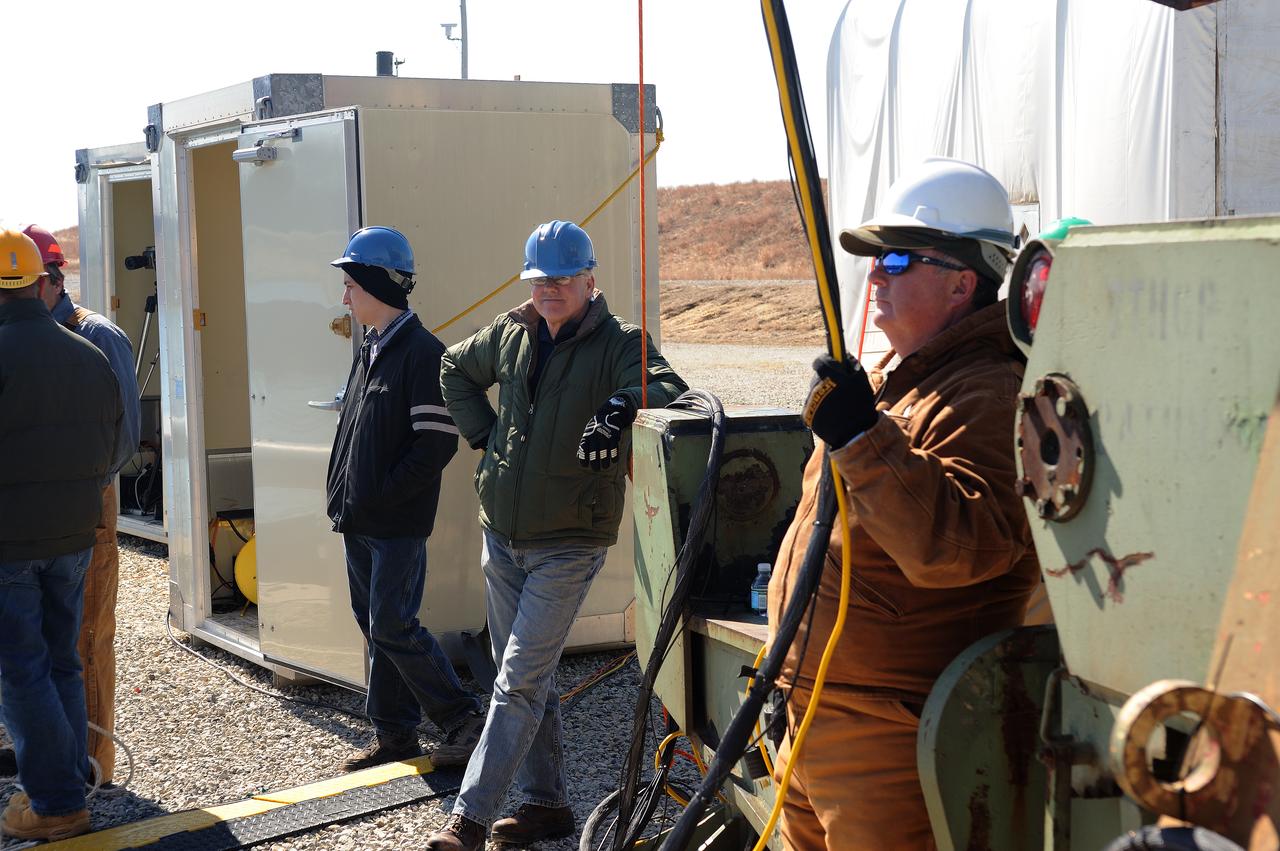
Crew Model Water Landing Module Assessment Photographs taken at Aberdeen Test Facility Aberdeen MD.
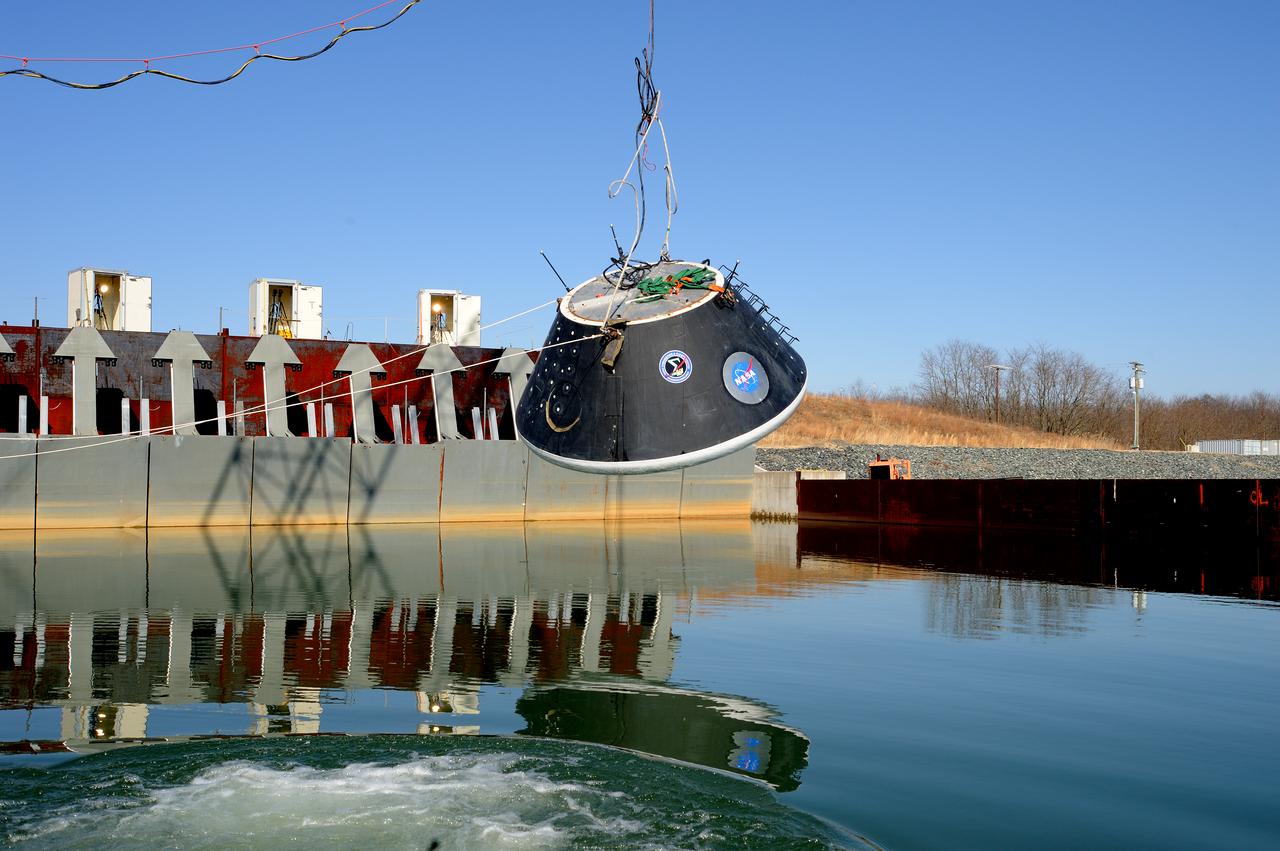
Crew Model Water Landing Module Assessment Photographs taken at Aberdeen Test Facility Aberdeen MD.
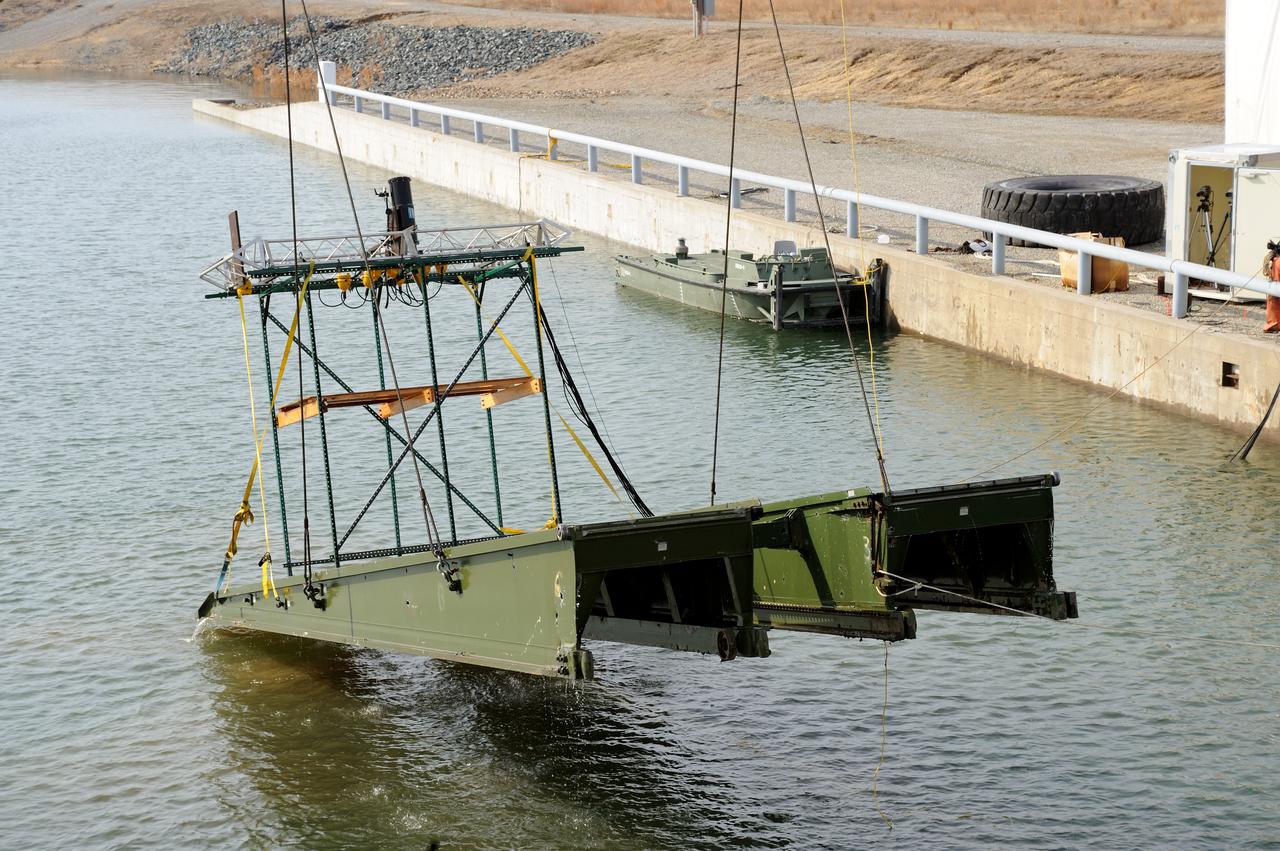
Crew Model Water Landing Module Assessment Photographs taken at Aberdeen Test Facility Aberdeen MD.
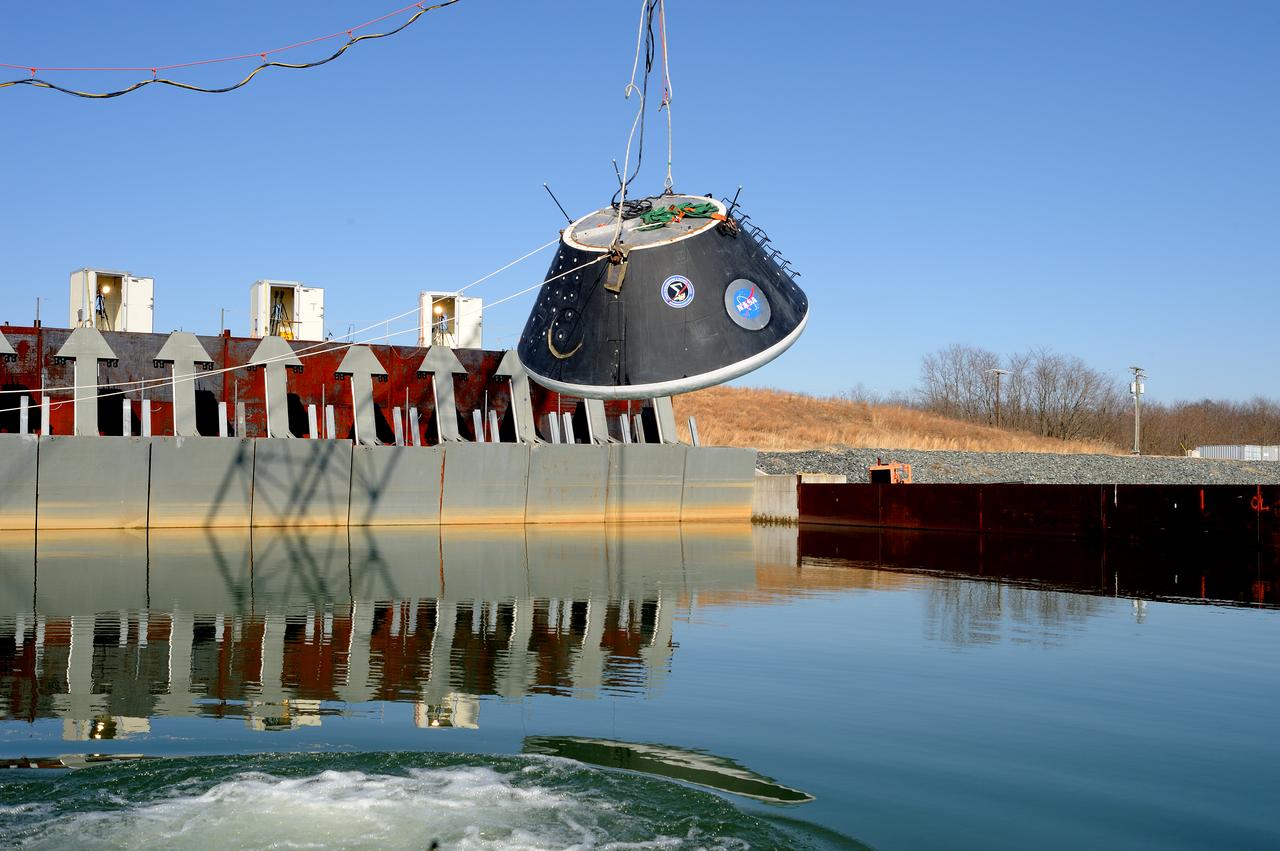
Crew Model Water Landing Module Assessment Photographs taken at Aberdeen Test Facility Aberdeen MD.