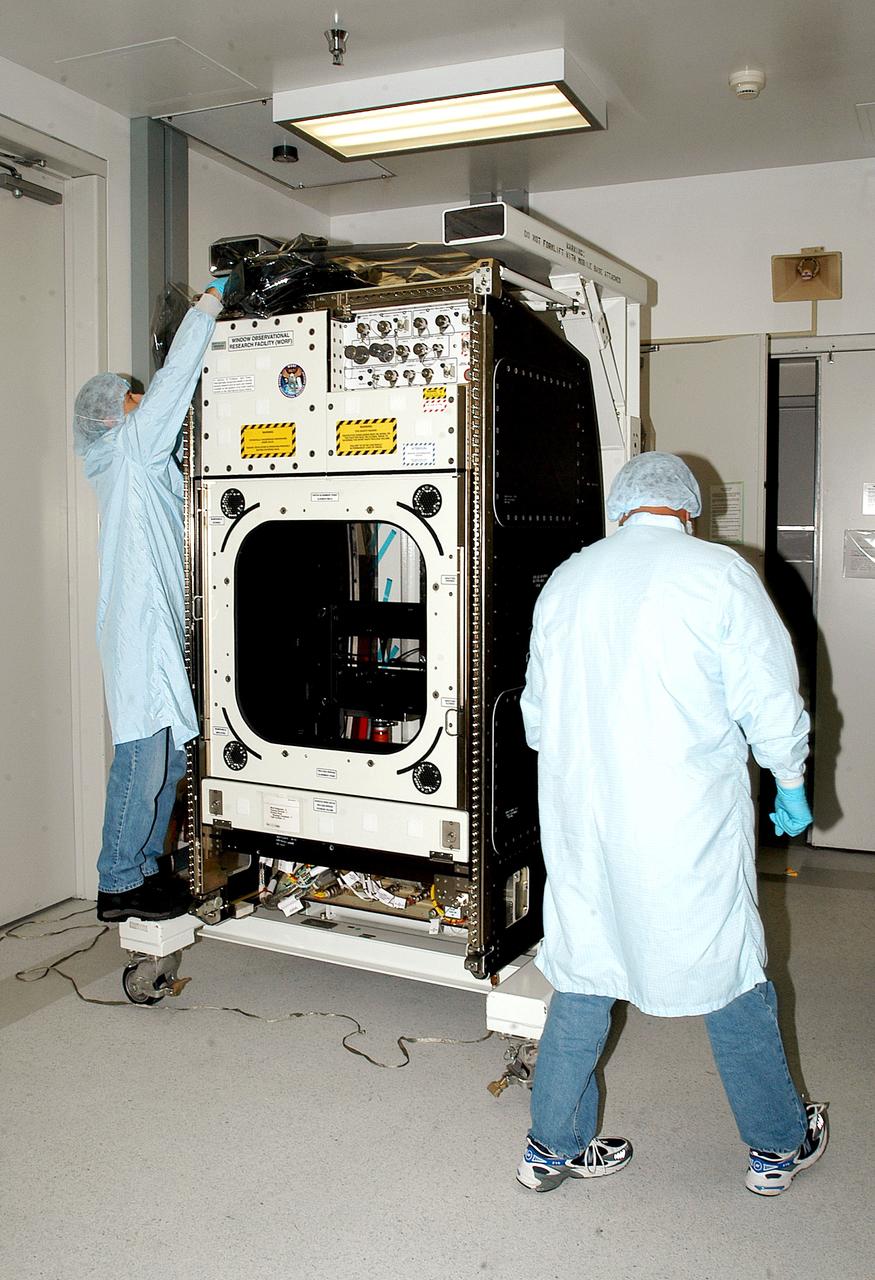
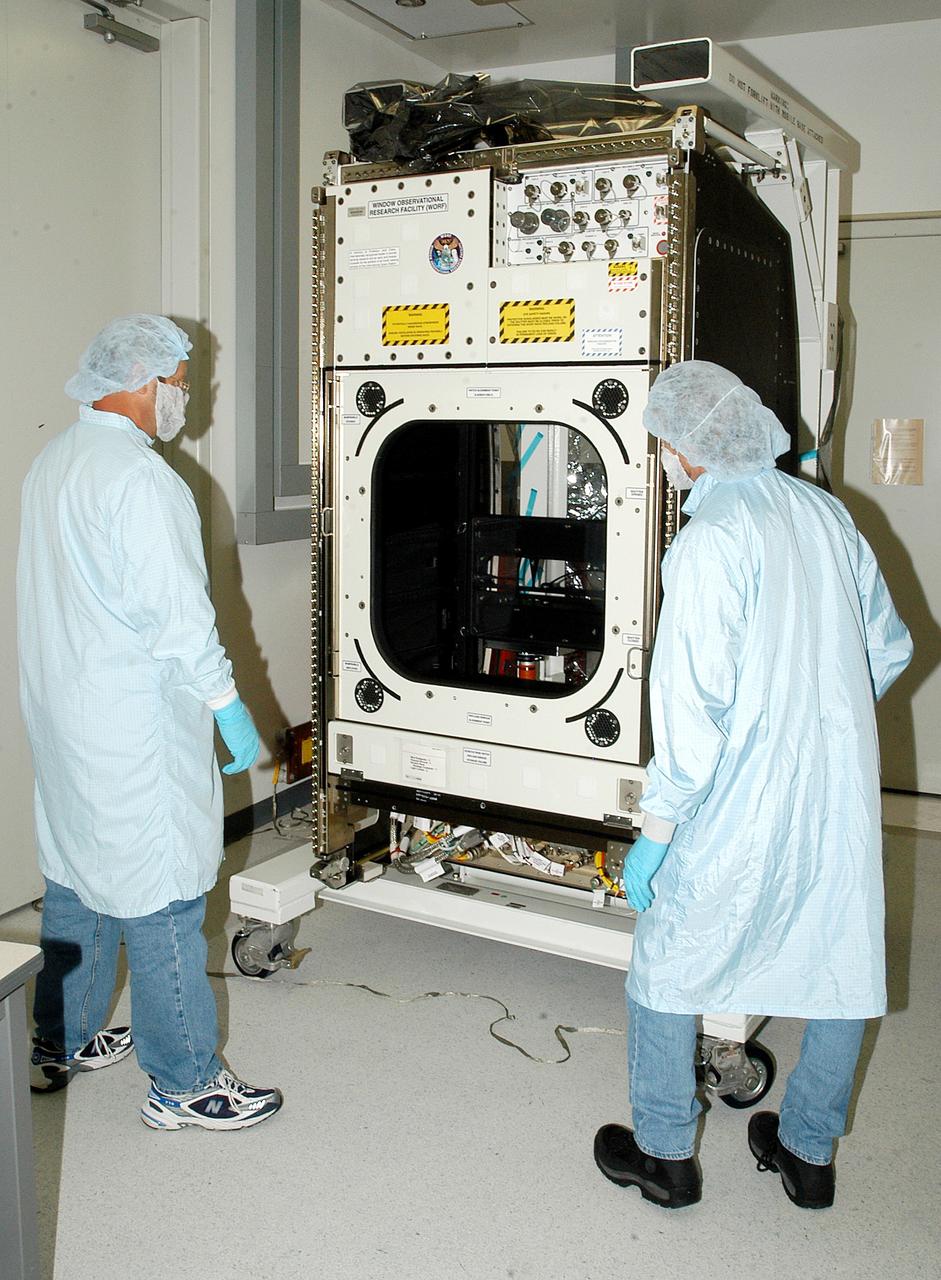
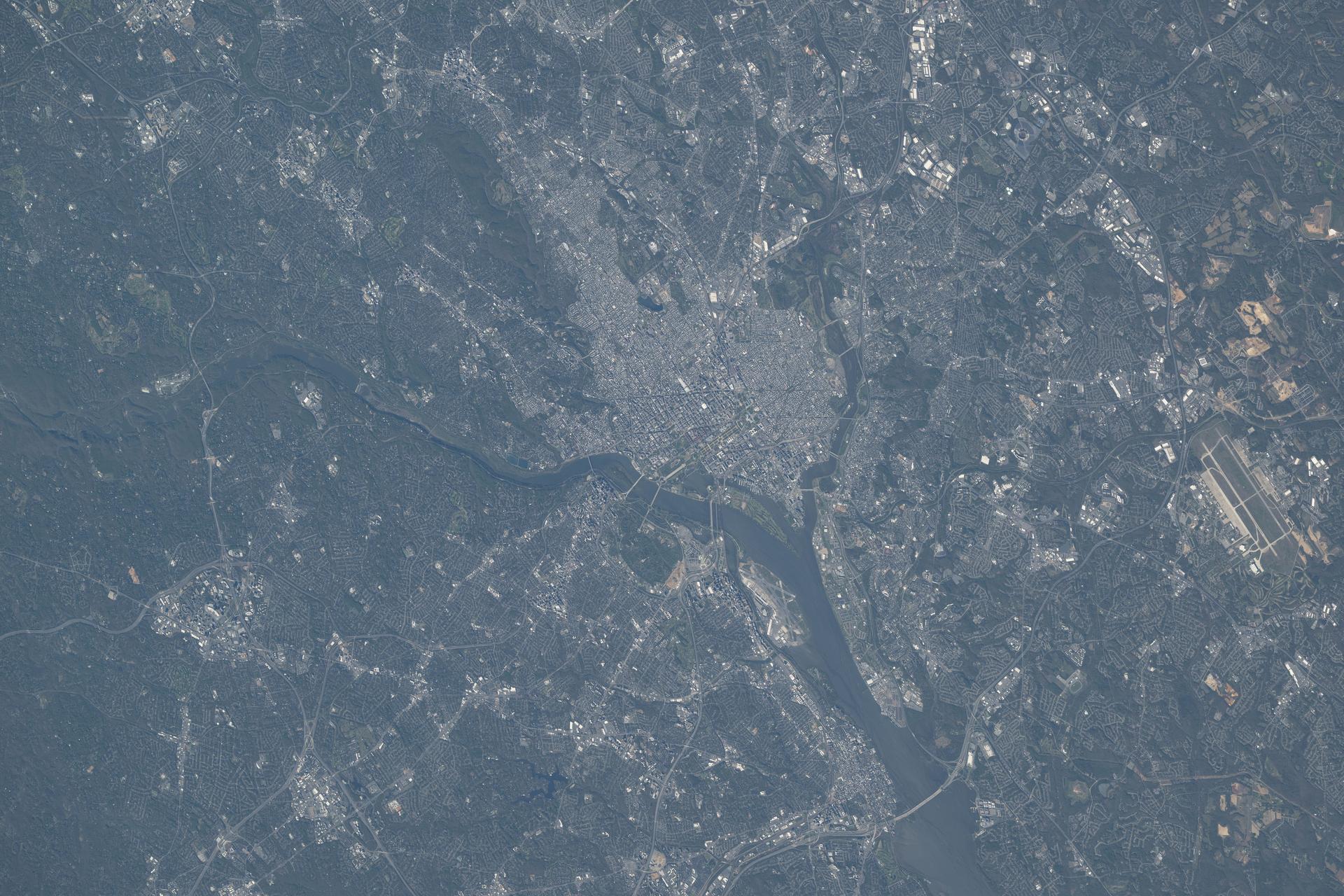
Developed by Boeing, at the Marshall Space Flight Center (MSFC) Space Station Manufacturing building, the Window Observational Rack Facility (WORF) will help Space Station crews take some of the best photographs ever snapped from an orbiting spacecraft by eliminating glare and allowing researchers to control their cameras and other equipment from the ground. The WORF is designed to make the best possible use of the high-quality research window in the Space Station's U.S. Destiny laboratory module. Engineers at the MSFC proposed a derivative of the EXPRESS (Expedite the Processing of Experiments to the Space Station) Rack already used on the Space Station and were given the go-ahead. The EXPRESS rack can hold a wide variety of experiments and provide them with power, communications, data, cooling, fluids, and other utilities - all the things that Earth-observing experiment instruments would need. WORF will supply payloads with power, data, cooling, video downlink, and stable, standardized interfaces for mounting imaging instruments. Similar to specialized orbital observatories, the interior of the rack is sealed against light and coated with a special low-reflectant black paint, so payloads will be able to observe low-light-level subjects such as the faint glow of auroras. Cameras and remote sensing instruments in the WORF can be preprogrammed, controlled from the ground, or operated by a Station crewmember by using a flexible shroud designed to cinch tightly around the crewmember's waist. The WORF is scheduled to be launched aboard the STS-114 Space Shuttle mission in the year 2003.
International Space Station (ISS)
This patch represents the essential elements associated with pressurized Earth science research aboard the International Space Station.  At the top of the patch Klingon script spells out the acronym WORF making reference to the famed Star Trek character of the same name.  In doing so it attests to the foresight, honor, integrity, and persistence of all those who made the WORF possible.  To the right of the Klingon script is a single four pointed star in the form of a cross to honor the late Dr. Jack Estes and Dr. Dave Amsbury, the individuals most responsible for seeing to it that an optical quality, Earth science research window was added to the United States laboratory module, Destiny.  The "flying eyeball" represents the ability of the ISS to allow scientists and astronauts to make and record continuous observations of natural and manmade processes on the surface of the Earth.  The Destiny laboratory is depicted on the right of the patch above the Flag of the United States of America and highlights the position of the nadir looking, optical quality, science window in the module.  The light emanating from the window from the lighted interior of the module appropriately illuminates the National Ensign for display during both day and night time.  In the center of the patch, below the flying eyeball is a graphic representation of the WORF rack.  A science instrument is mounted on the WORF payload shelf and is recording data of the Earth's surface through the nadir looking, science window over which the WORF rack is mounted.  An astronaut represented by Mario Runco Jr., a designer, developer, and manager of the WORF and depicted as Star Trek's Mr. Spock, is to the left of the WORF rack and is shown in his flight suit with his STS-44 mission patch operating an imaging instrument, emphasizing the importance of astronaut participation to achieve the maximum scientific return from orbital research.
Updated WORF patch
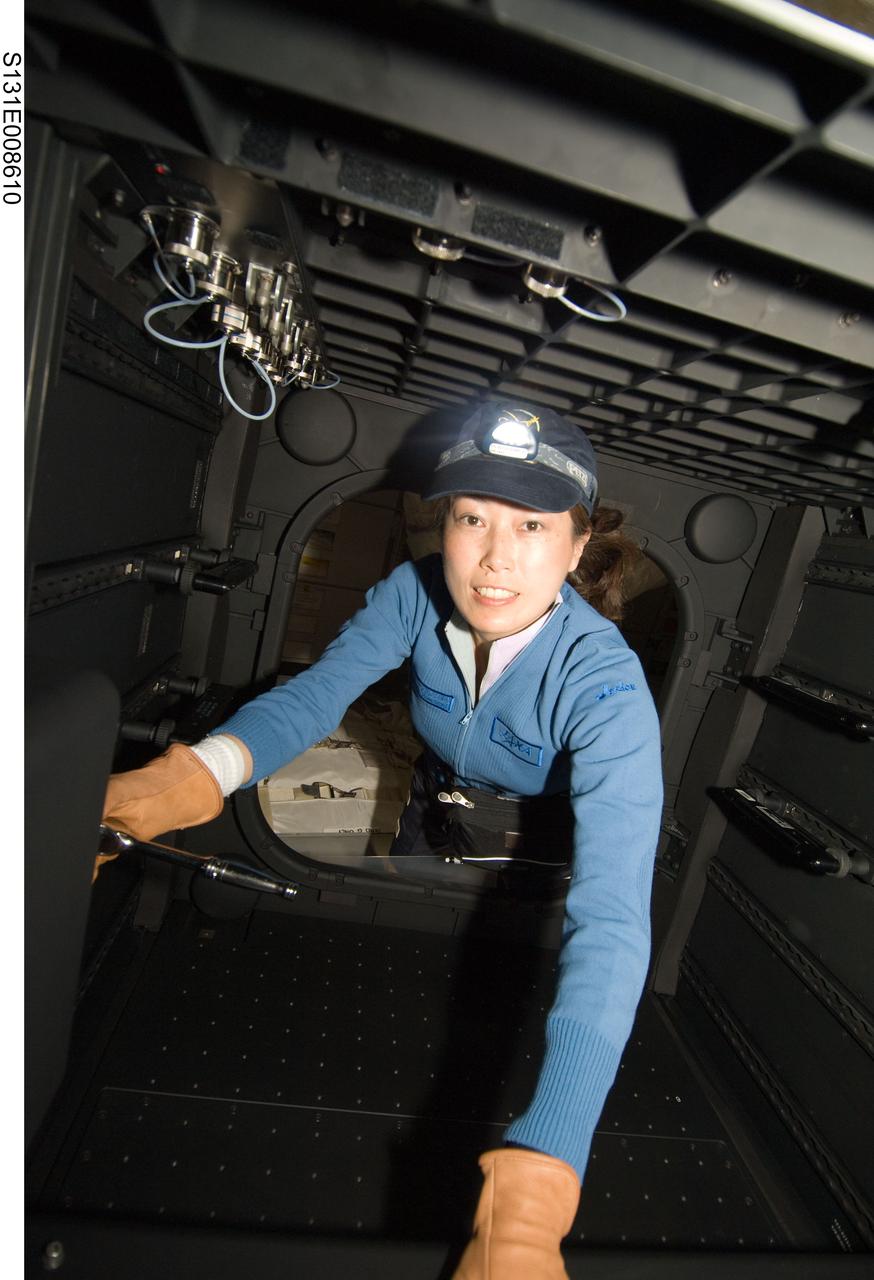
S131-E-008610 (10 April 2010) --- Japan Aerospace Exploration Agency (JAXA) astronaut Naoko Yamazaki, STS-131 mission specialist, works in the Window Observational Research Facility (WORF) in the Destiny laboratory of the International Space Station while space shuttle Discovery remains docked with the station. WORF will provide cameras, multispectral and hyperspectral scanners, camcorders and other instruments to capture Earth imagery through Destiny?s nadir window.
WORF Prep and Transfer OPS
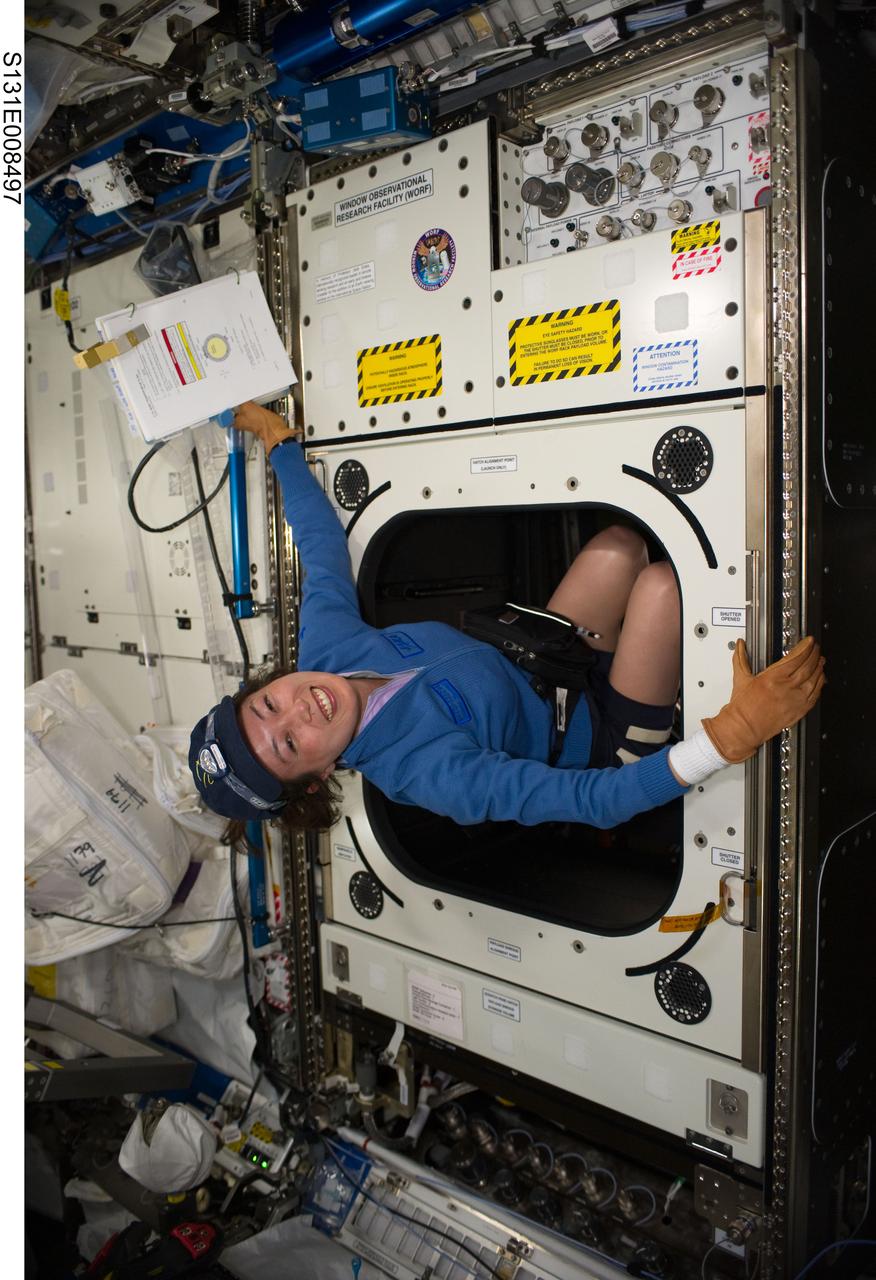
S131-E-008497 (10 April 2010) --- Japan Aerospace Exploration Agency (JAXA) astronaut Naoko Yamazaki, STS-131 mission specialist, works with the Window Observational Research Facility (WORF) in the Destiny laboratory of the International Space Station while space shuttle Discovery remains docked with the station. WORF will provide cameras, multispectral and hyperspectral scanners, camcorders and other instruments to capture Earth imagery through Destiny?s nadir window.
Yamazaki works on WORF
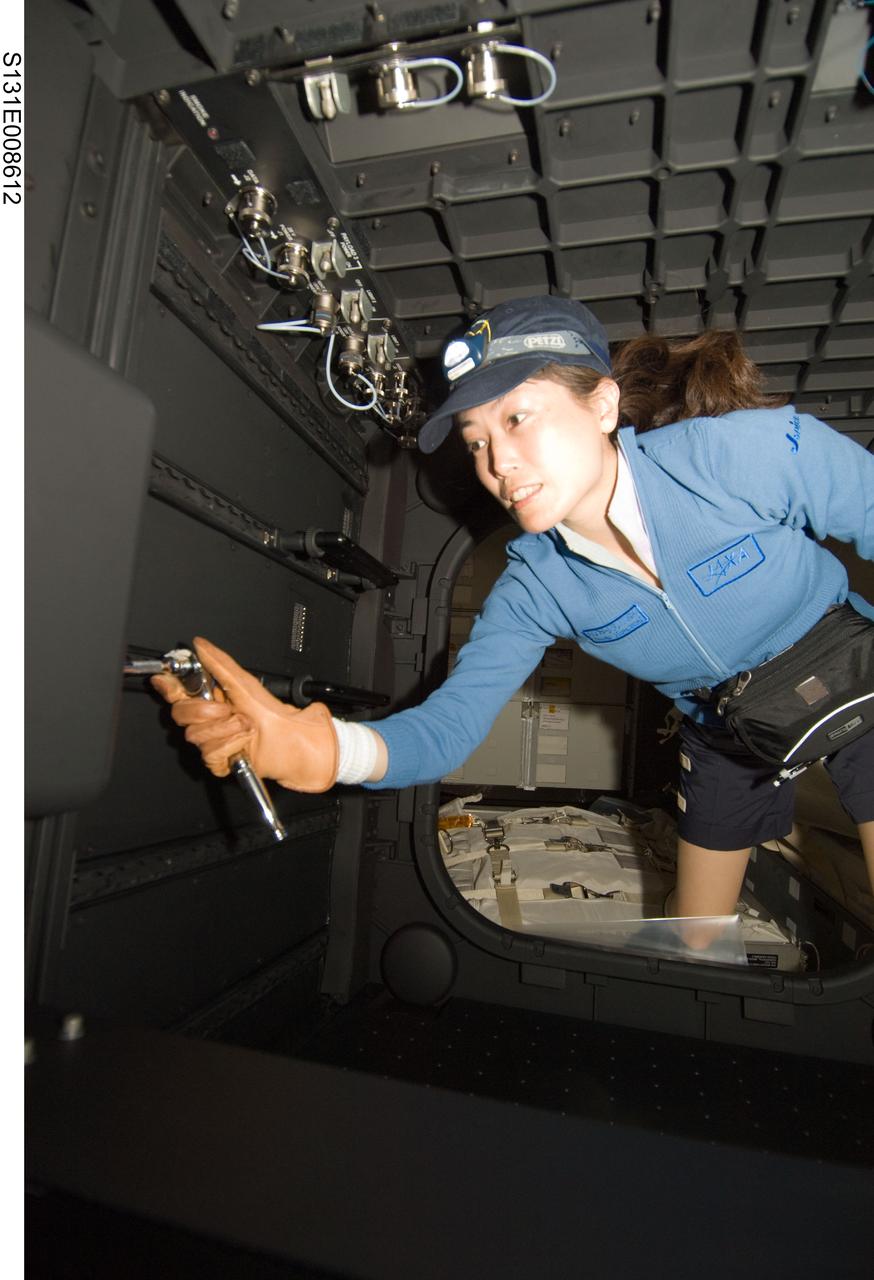
S131-E-008612 (10 April 2010) --- Japan Aerospace Exploration Agency (JAXA) astronaut Naoko Yamazaki, STS-131 mission specialist, works in the Window Observational Research Facility (WORF) in the Destiny laboratory of the International Space Station while space shuttle Discovery remains docked with the station. WORF will provide cameras, multispectral and hyperspectral scanners, camcorders and other instruments to capture Earth imagery through Destiny?s nadir window.
WORF Prep and Transfer OPS
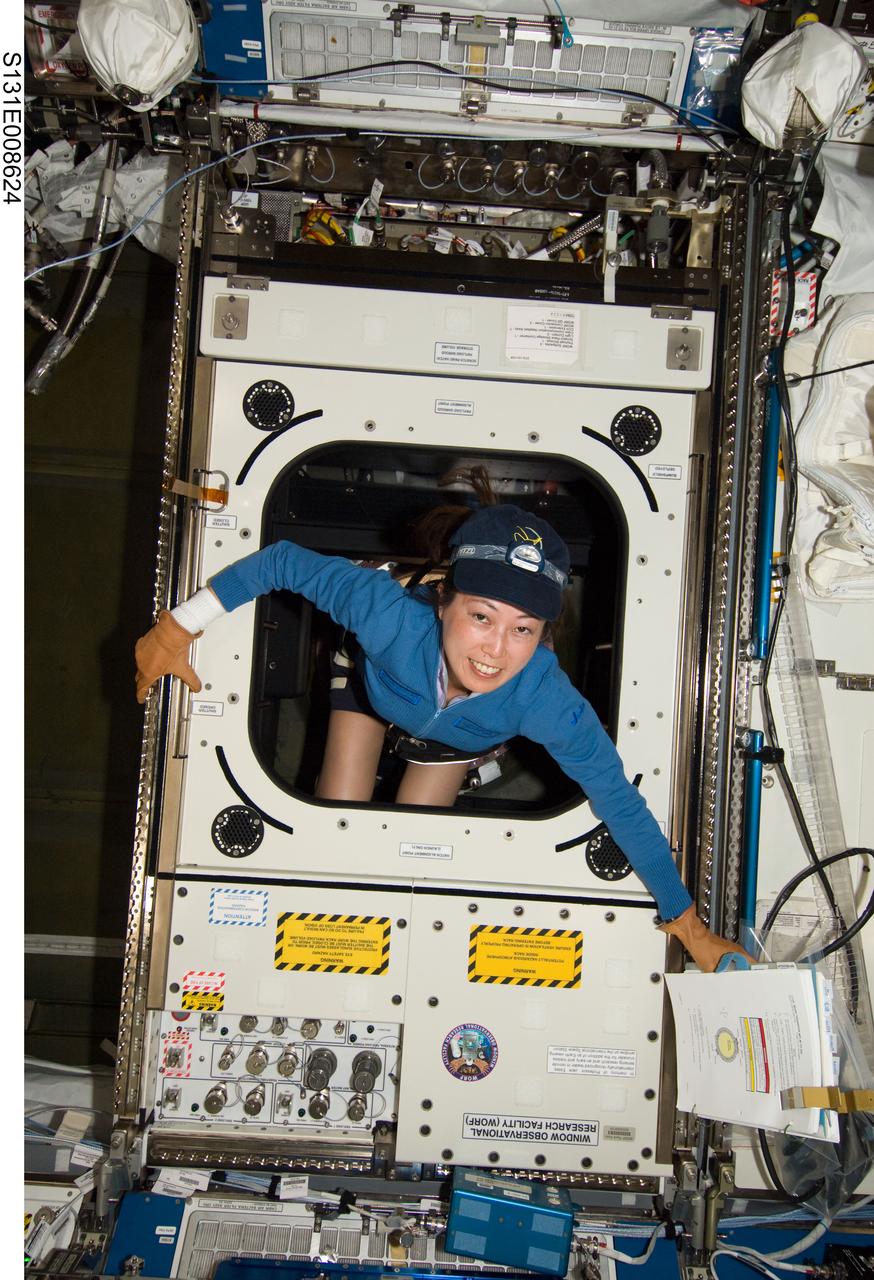
S131-E-008624 (10 April 2010) --- Japan Aerospace Exploration Agency (JAXA) astronaut Naoko Yamazaki, STS-131 mission specialist, works with the Window Observational Research Facility (WORF) in the Destiny laboratory of the International Space Station while space shuttle Discovery remains docked with the station. WORF will provide cameras, multispectral and hyperspectral scanners, camcorders and other instruments to capture Earth imagery through Destiny?s nadir window.
WORF Prep and Transfer OPS
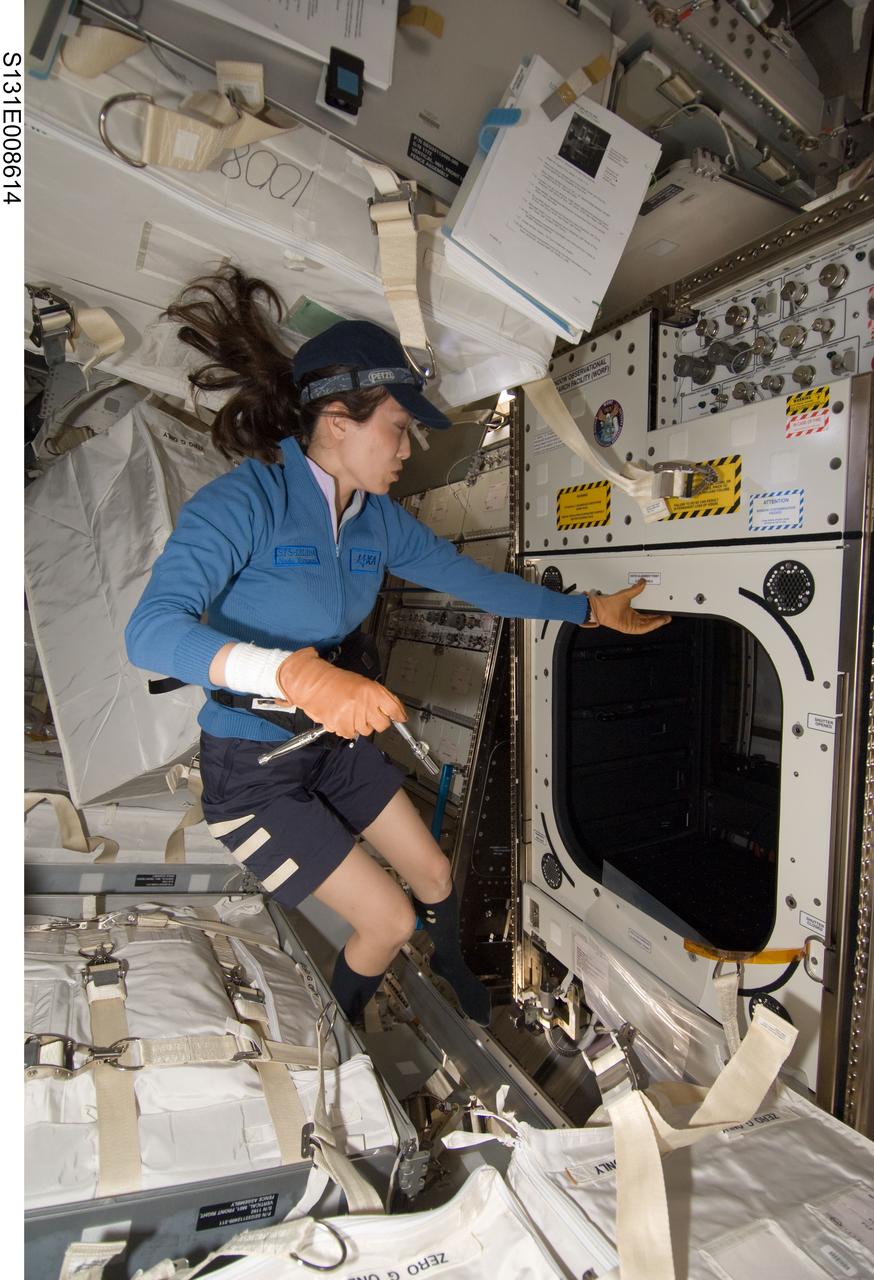
S131-E-008614 (10 April 2010) --- Japan Aerospace Exploration Agency (JAXA) astronaut Naoko Yamazaki, STS-131 mission specialist, works with the Window Observational Research Facility (WORF) in the Destiny laboratory of the International Space Station while space shuttle Discovery remains docked with the station. WORF will provide cameras, multispectral and hyperspectral scanners, camcorders and other instruments to capture Earth imagery through Destiny?s nadir window.
WORF Prep and Transfer OPS
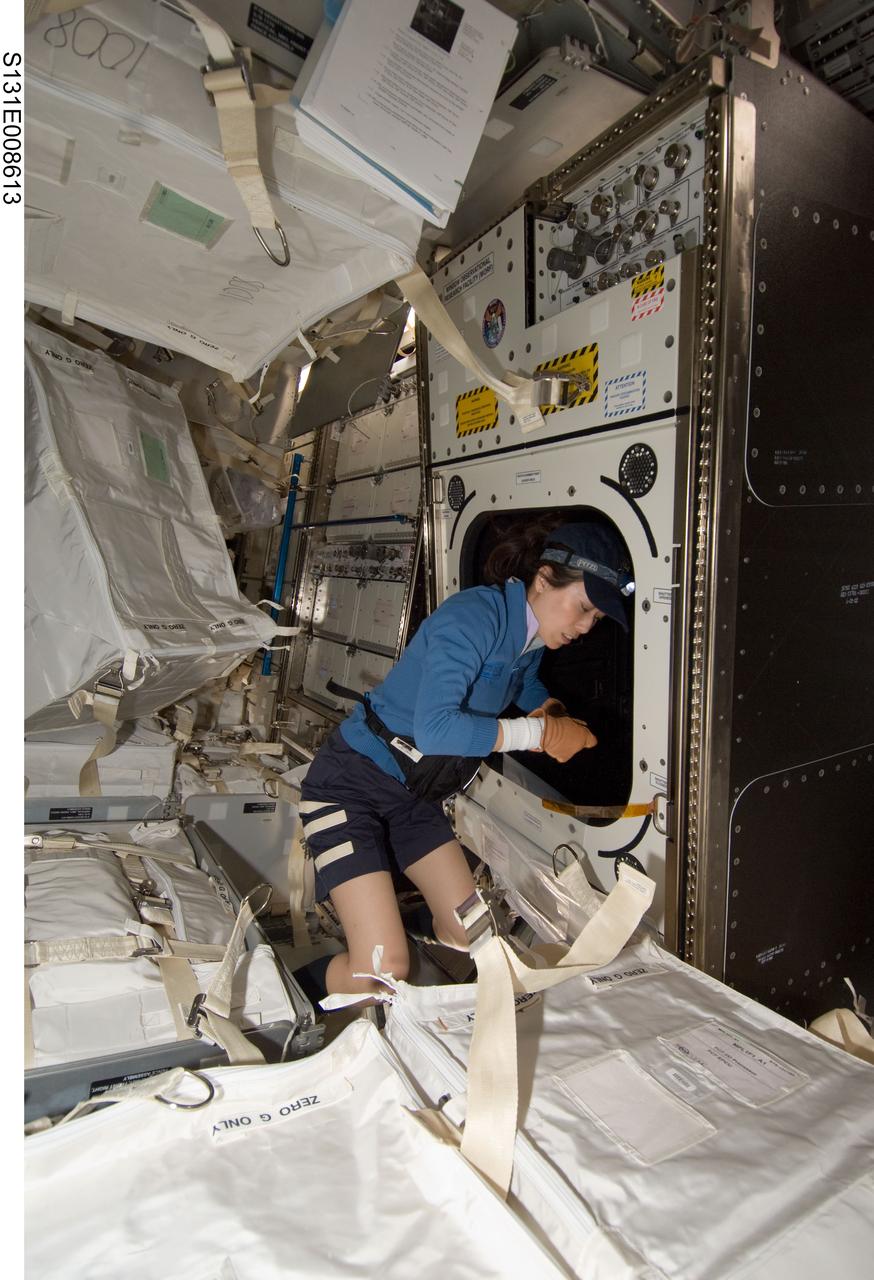
S131-E-008613 (10 April 2010) --- Japan Aerospace Exploration Agency (JAXA) astronaut Naoko Yamazaki, STS-131 mission specialist, works with the Window Observational Research Facility (WORF) in the Destiny laboratory of the International Space Station while space shuttle Discovery remains docked with the station. WORF will provide cameras, multispectral and hyperspectral scanners, camcorders and other instruments to capture Earth imagery through Destiny?s nadir window.
WORF Prep and Transfer OPS
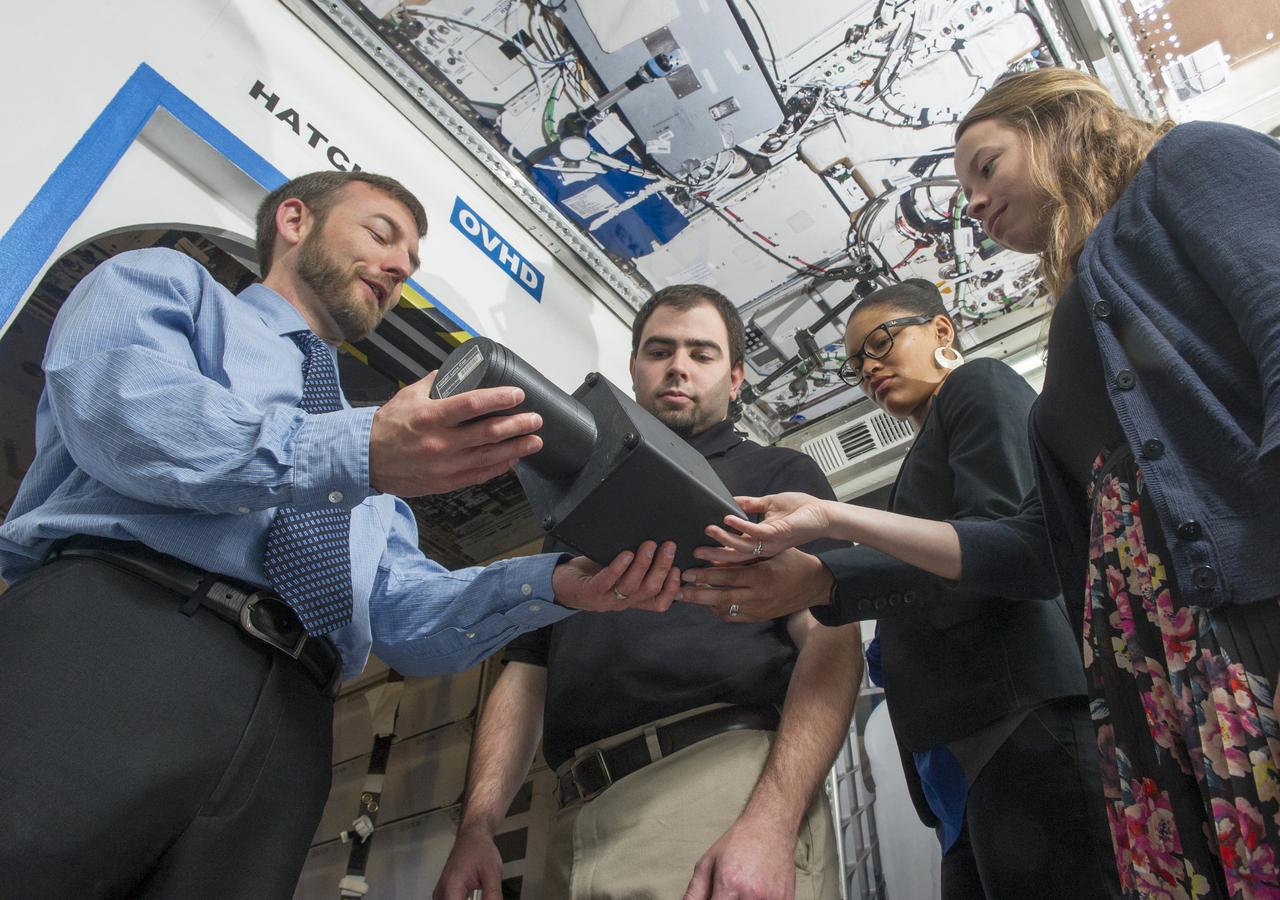
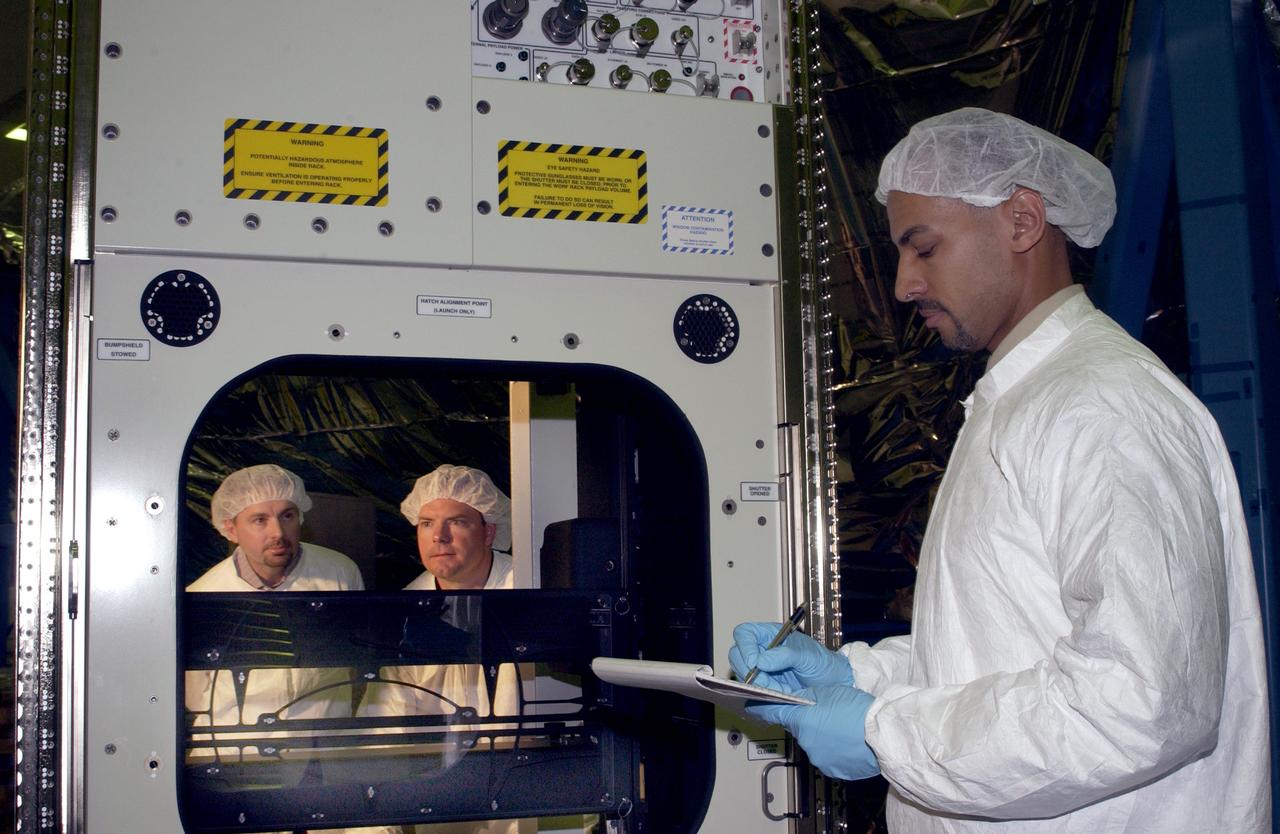
JOEL HARDY, MICHAEL ROYSTER, TAMEKA STEWART, & SAMANTHA SHINE MISSION OPERATIONS LABORATORY - LABORATORY TRAINING COMPLEX (LTC), BUILDING 4663, WINDOW OBSERVATIONAL RESEARCH FACILITY (WORF) TRAINING
1400166
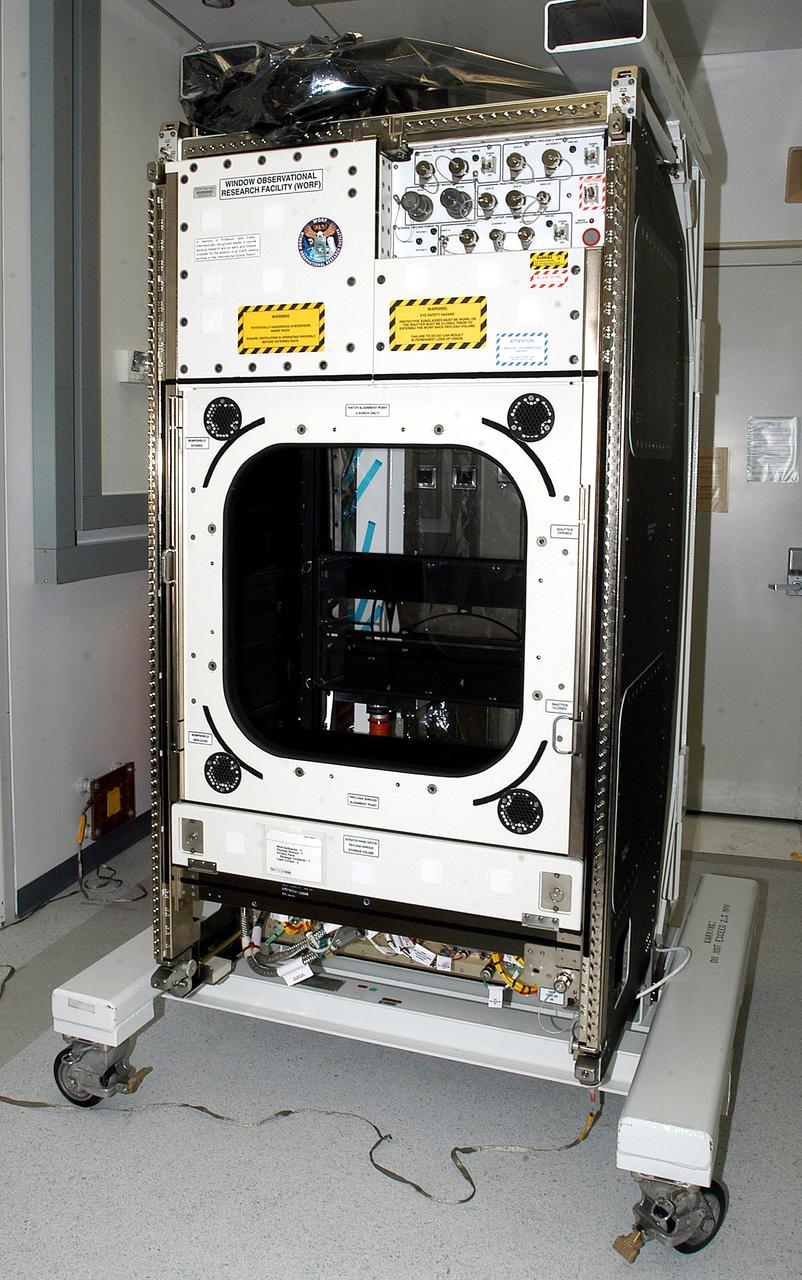
KENNEDY SPACE CENTER, FLA. -  The Window Observational Research Facility (WORF), seen in the Space Station Processing Facility, was designed and built by the Boeing Co. at NASA’s Marshall Space Flight Center in Huntsville, Ala.   WORF will be delivered to the International Space Station and placed in the rack position in front of the Destiny lab window,  providing locations for attaching cameras, multi-spectral scanners and other instruments. WORF will support a variety of scientific and commercial experiments in areas of Earth systems and processes, global ecological changes in Earth’s biosphere, lithosphere, hydrosphere and climate system, Earth resources, natural hazards, and education.  After installation, it will become a permanent focal point for Earth Science research aboard the space station.
KENNEDY SPACE CENTER, FLA. - The Window Observational Research Facility (WORF), seen in the Space Station Processing Facility, was designed and built by the Boeing Co. at NASA’s Marshall Space Flight Center in Huntsville, Ala. WORF will be delivered to the International Space Station and placed in the rack position in front of the Destiny lab window, providing locations for attaching cameras, multi-spectral scanners and other instruments. WORF will support a variety of scientific and commercial experiments in areas of Earth systems and processes, global ecological changes in Earth’s biosphere, lithosphere, hydrosphere and climate system, Earth resources, natural hazards, and education. After installation, it will become a permanent focal point for Earth Science research aboard the space station.
KENNEDY SPACE CENTER, FLA. -   Workers in the Space Station Processing Facility check out the Window Observational Research Facility (WORF),  designed and built by the Boeing Co. at NASA’s Marshall Space Flight Center in Huntsville, Ala.   WORF will be delivered to the International Space Station and placed in the rack position in front of the Destiny lab window,  providing locations for attaching cameras, multi-spectral scanners and other instruments. WORF will support a variety of scientific and commercial experiments in areas of Earth systems and processes, global ecological changes in Earth’s biosphere, lithosphere, hydrosphere and climate system, Earth resources, natural hazards, and education.  After installation, it will become a permanent focal point for Earth Science research aboard the space station.
KENNEDY SPACE CENTER, FLA. - Workers in the Space Station Processing Facility check out the Window Observational Research Facility (WORF), designed and built by the Boeing Co. at NASA’s Marshall Space Flight Center in Huntsville, Ala. WORF will be delivered to the International Space Station and placed in the rack position in front of the Destiny lab window, providing locations for attaching cameras, multi-spectral scanners and other instruments. WORF will support a variety of scientific and commercial experiments in areas of Earth systems and processes, global ecological changes in Earth’s biosphere, lithosphere, hydrosphere and climate system, Earth resources, natural hazards, and education. After installation, it will become a permanent focal point for Earth Science research aboard the space station.
KENNEDY SPACE CENTER, FLA. -  Workers in the Space Station Processing Facility check out the Window Observational Research Facility (WORF),  designed and built by the Boeing Co. at NASA’s Marshall Space Flight Center in Huntsville, Ala.   WORF will be delivered to the International Space Station and placed in the rack position in front of the Destiny lab window,  providing locations for attaching cameras, multi-spectral scanners and other instruments. WORF will support a variety of scientific and commercial experiments in areas of Earth systems and processes, global ecological changes in Earth’s biosphere, lithosphere, hydrosphere and climate system, Earth resources, natural hazards, and education.  After installation, it will become a permanent focal point for Earth Science research aboard the space station.
KENNEDY SPACE CENTER, FLA. - Workers in the Space Station Processing Facility check out the Window Observational Research Facility (WORF), designed and built by the Boeing Co. at NASA’s Marshall Space Flight Center in Huntsville, Ala. WORF will be delivered to the International Space Station and placed in the rack position in front of the Destiny lab window, providing locations for attaching cameras, multi-spectral scanners and other instruments. WORF will support a variety of scientific and commercial experiments in areas of Earth systems and processes, global ecological changes in Earth’s biosphere, lithosphere, hydrosphere and climate system, Earth resources, natural hazards, and education. After installation, it will become a permanent focal point for Earth Science research aboard the space station.
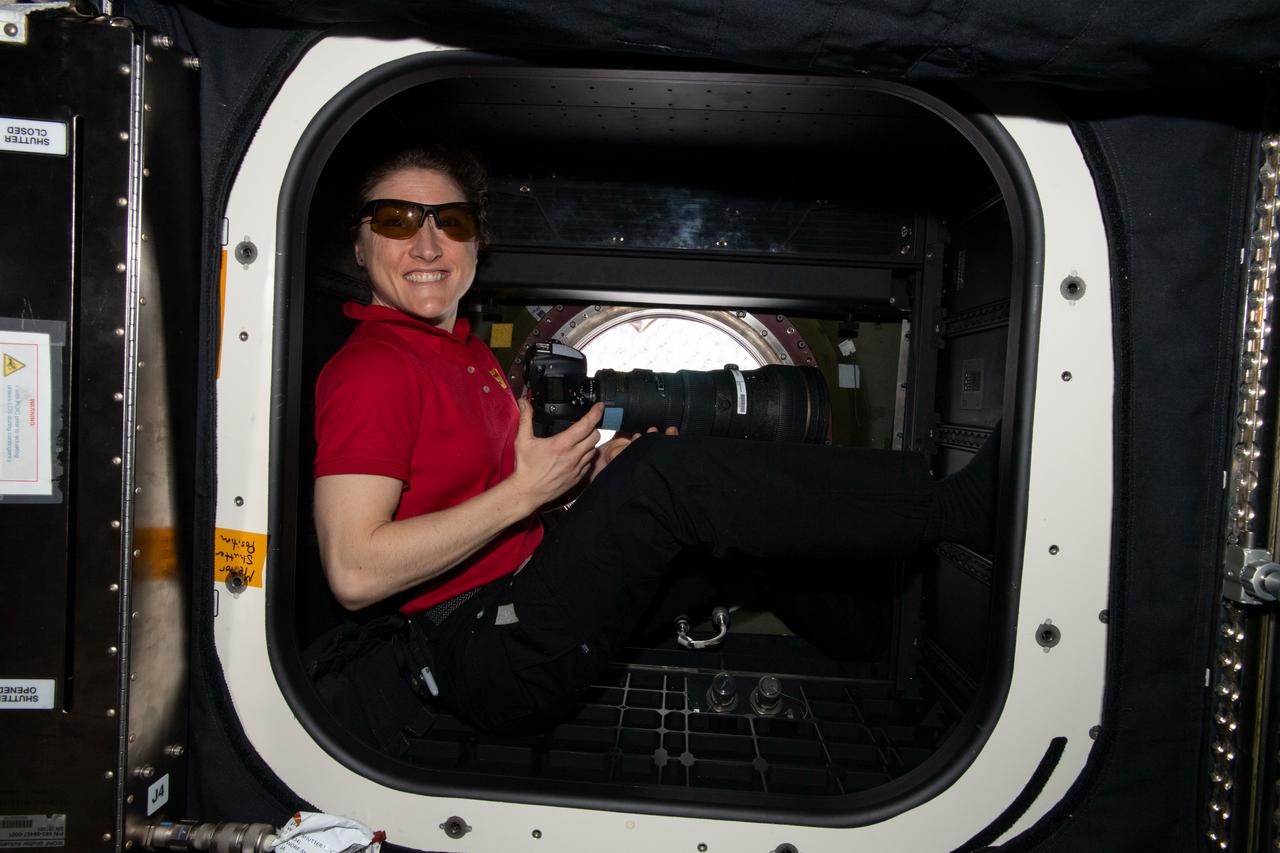
iss060e014992 (July 27, 2019) --- Expedition 60 Flight Engineer Christina Koch of NASA rests inside the U.S. Destiny laboratory module's Window Observation Research Facility (WORF). She is wearing specialized goggles to protect her eyes from the Sun's rays while photographing Earth landmarks from the International Space Station.
iss060e014992
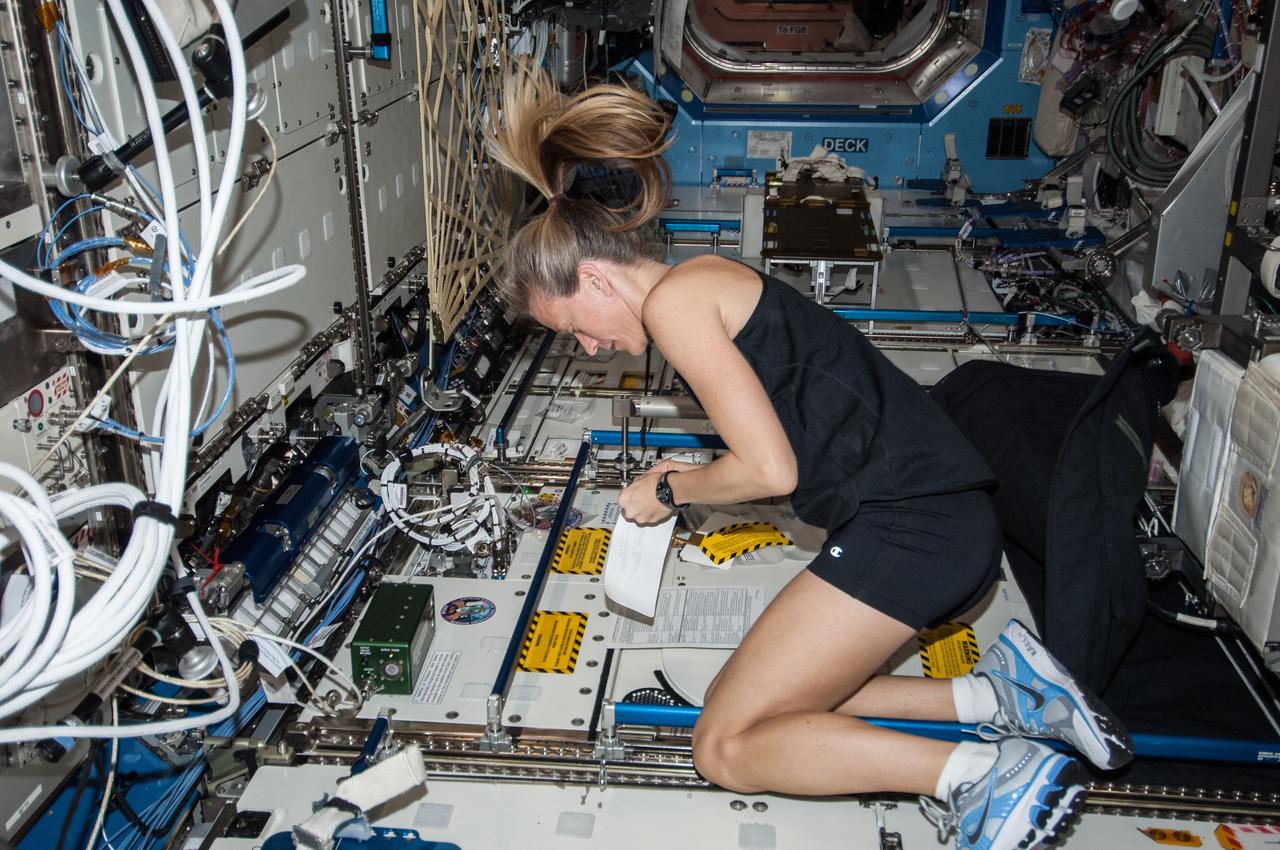
ISS036-E-028239 (5 Aug. 2013) --- NASA astronaut Karen Nyberg, Expedition 36 flight engineer, works in the Destiny laboratory of the International Space Station.
Nyberg in U.S. Lab with WORF labels
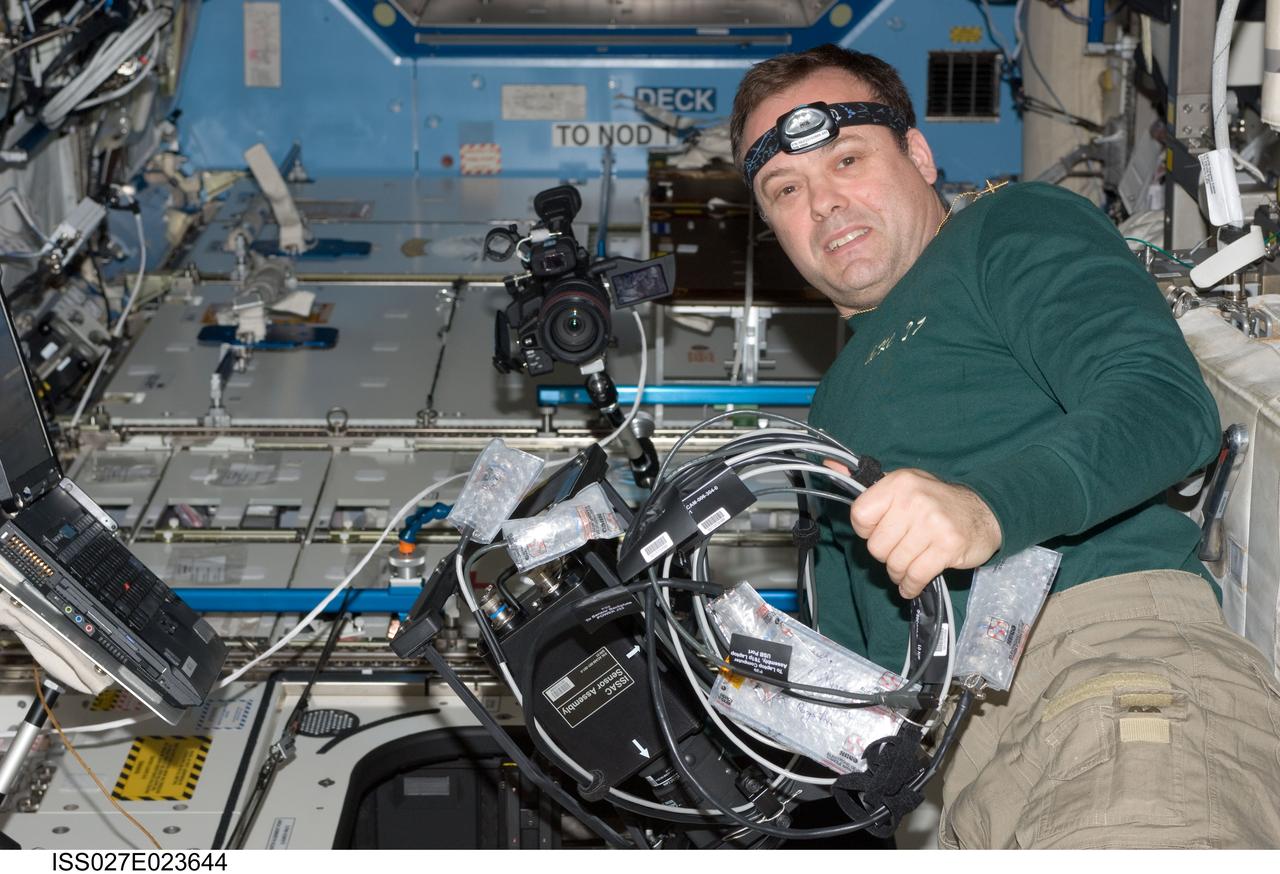
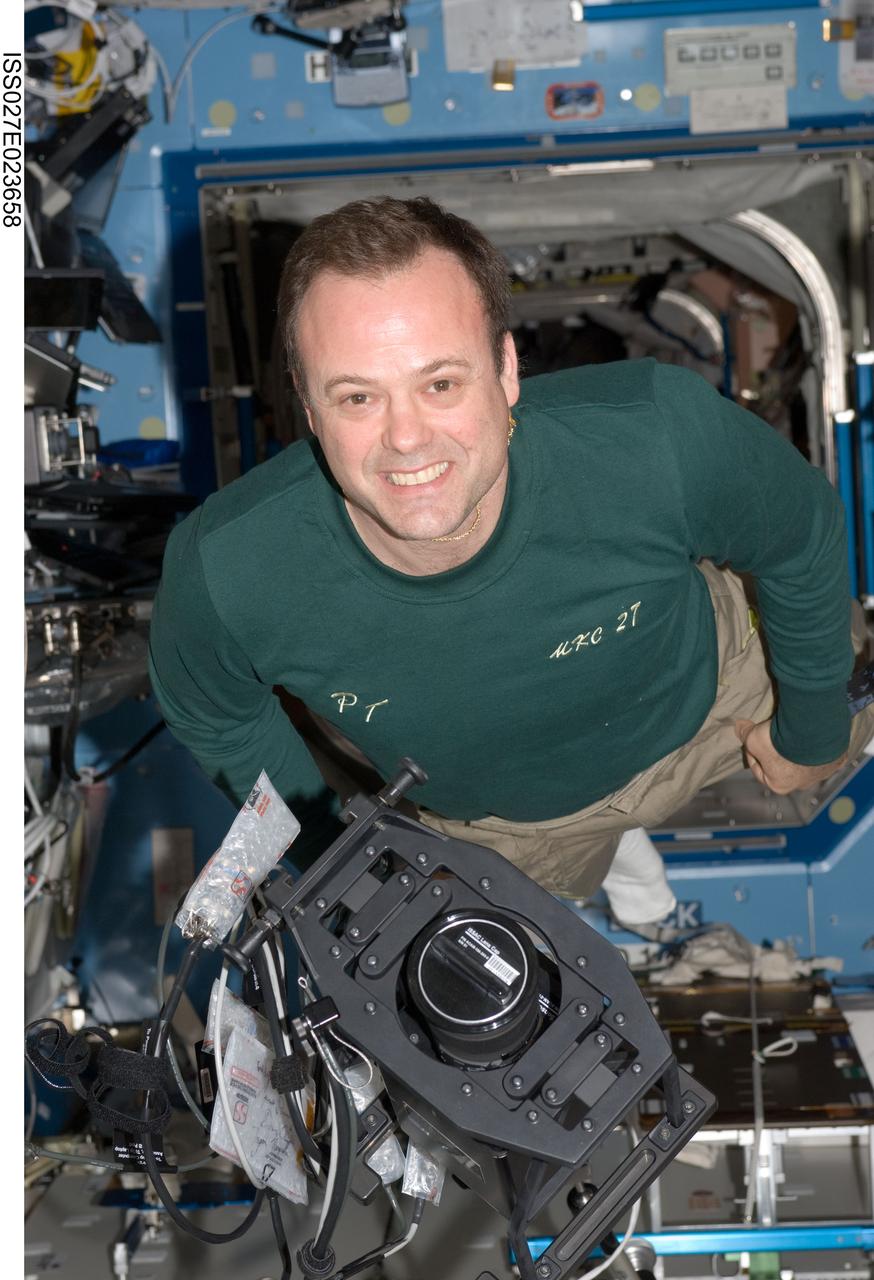
ISS027-E-023644 (6 May 2011) --- NASA astronaut Ron Garan, Expedition 27 flight engineer, works with ISS Agricultural Camera (ISSAC) hardware in the Destiny laboratory of the International Space Station. ISSAC, a successor of the earlier AgCam, will operate in conjunction with EarthKAM, both instruments to conduct simultaneous but independent operations in the WORF rack in Destiny.
Garan conducts ISSAC installation in the US Lab
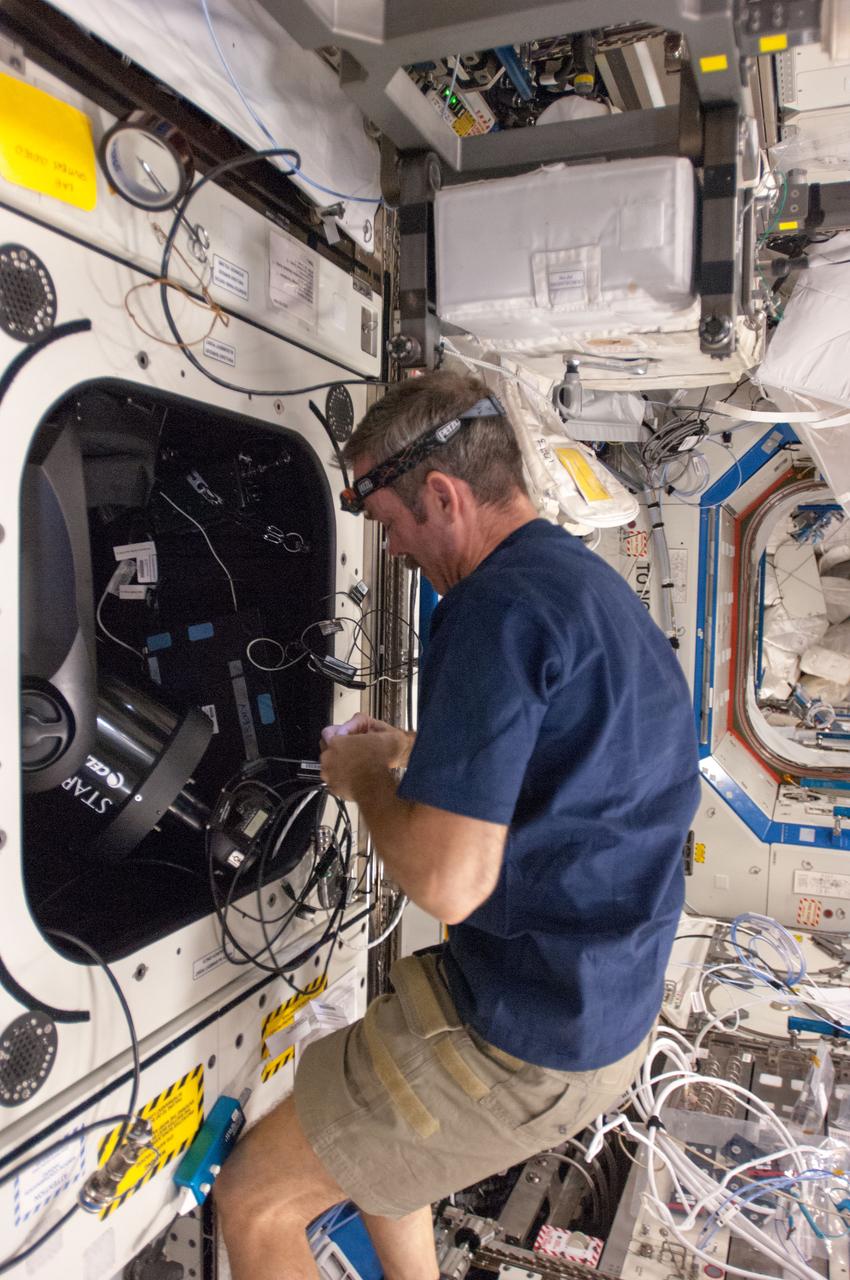
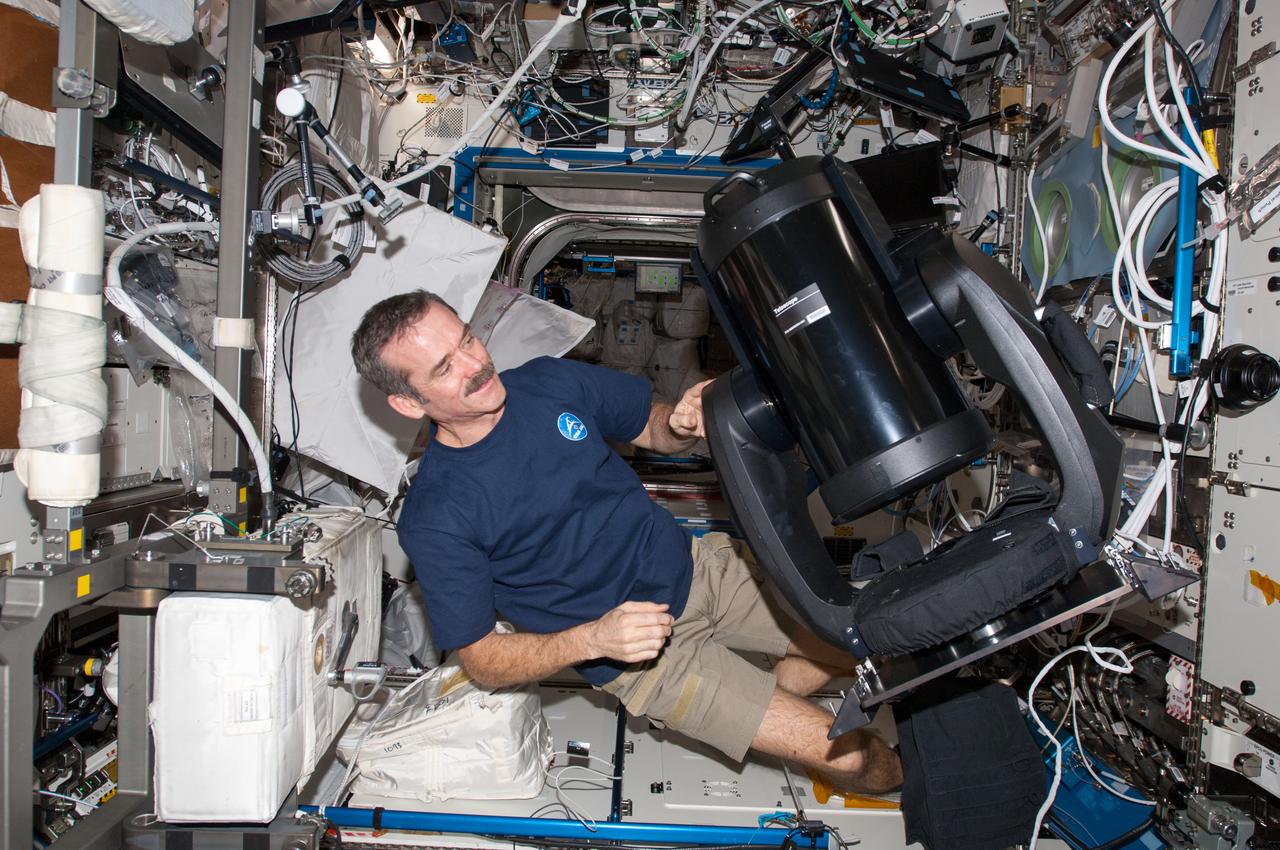
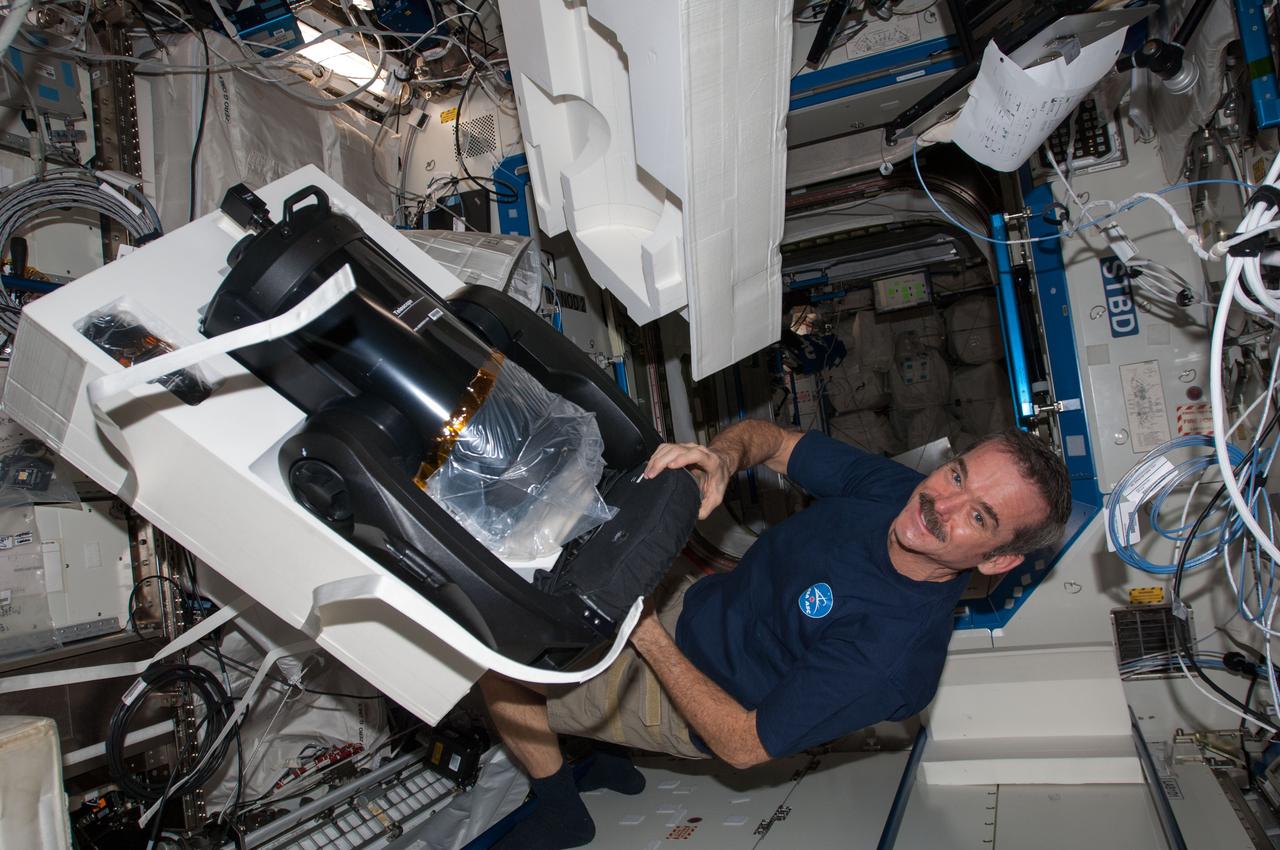
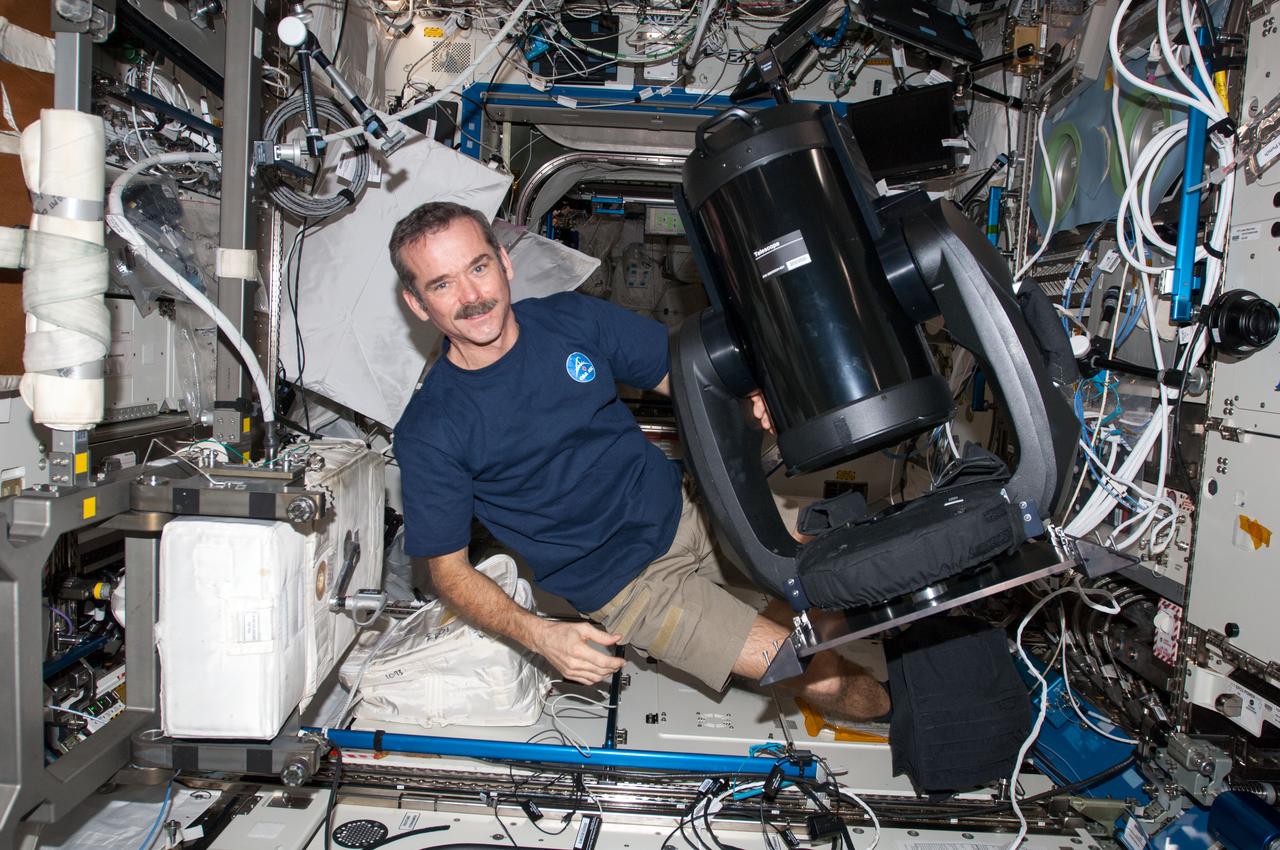
ISS034-E-029975 (15 Jan. 2013) --- Canadian Space Agency astronaut Chris Hadfield, Expedition 34 flight engineer, sets up the ISS SERVIR Environmental Research and Visualization System (ISERV) in the Destiny laboratory of the International Space Station. ISERV is a fully automated image data acquisition system that flies aboard the space station and deploys in the Window Observational Research Facility (WORF) rack within Destiny. The study is expected to provide useful images for use in disaster monitoring and assessment and environmental decision making.
Hadfield works on the ISERV in the U.S. Laboratory
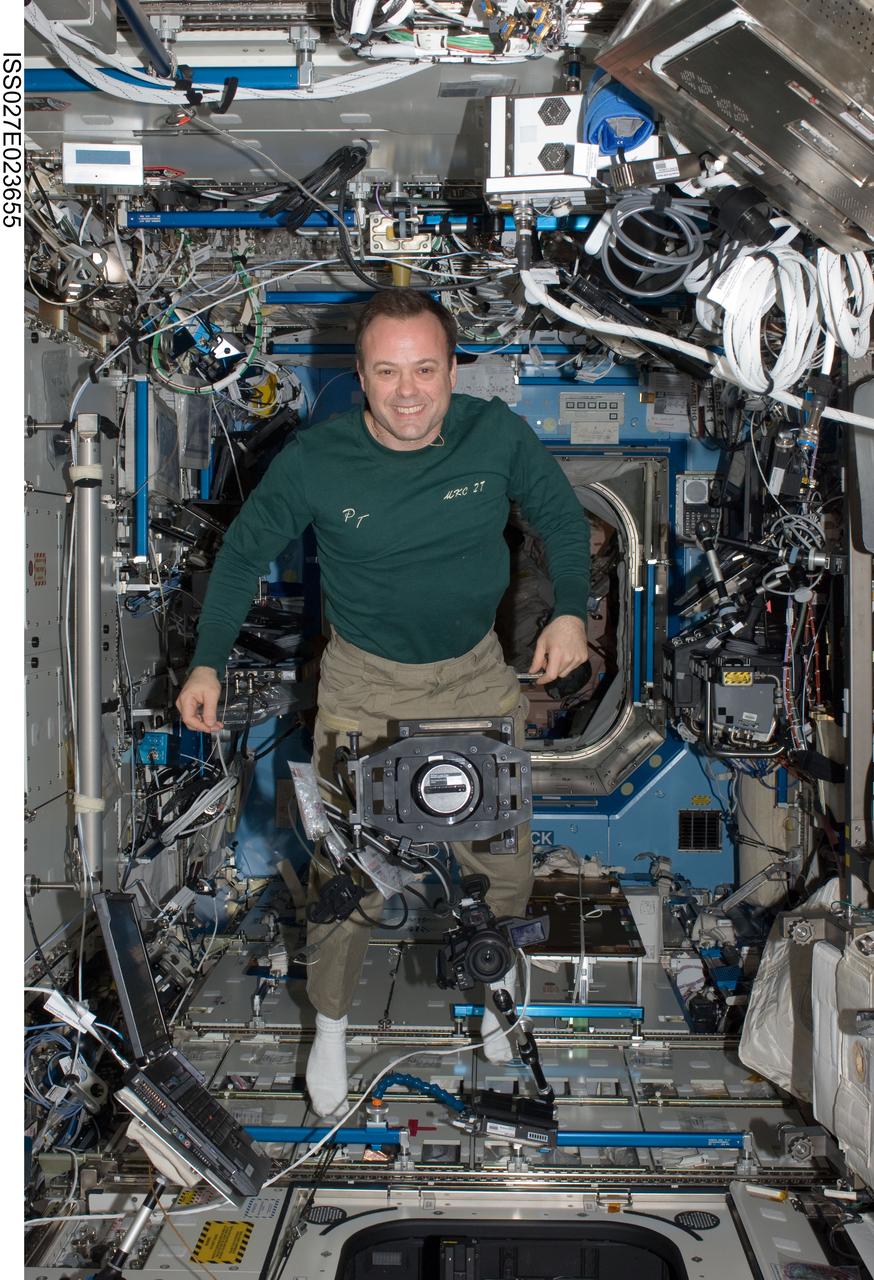
ISS027-E-023655 (6 May 2011) --- NASA astronaut Ron Garan, Expedition 27 flight engineer, works with ISS Agricultural Camera (ISSAC) hardware in the Destiny laboratory of the International Space Station. ISSAC, a successor of the earlier AgCam, will operate in conjunction with EarthKAM, both instruments to conduct simultaneous but independent operations in the WORF rack in Destiny.
Garan conducts ISSAC installation in the US Lab
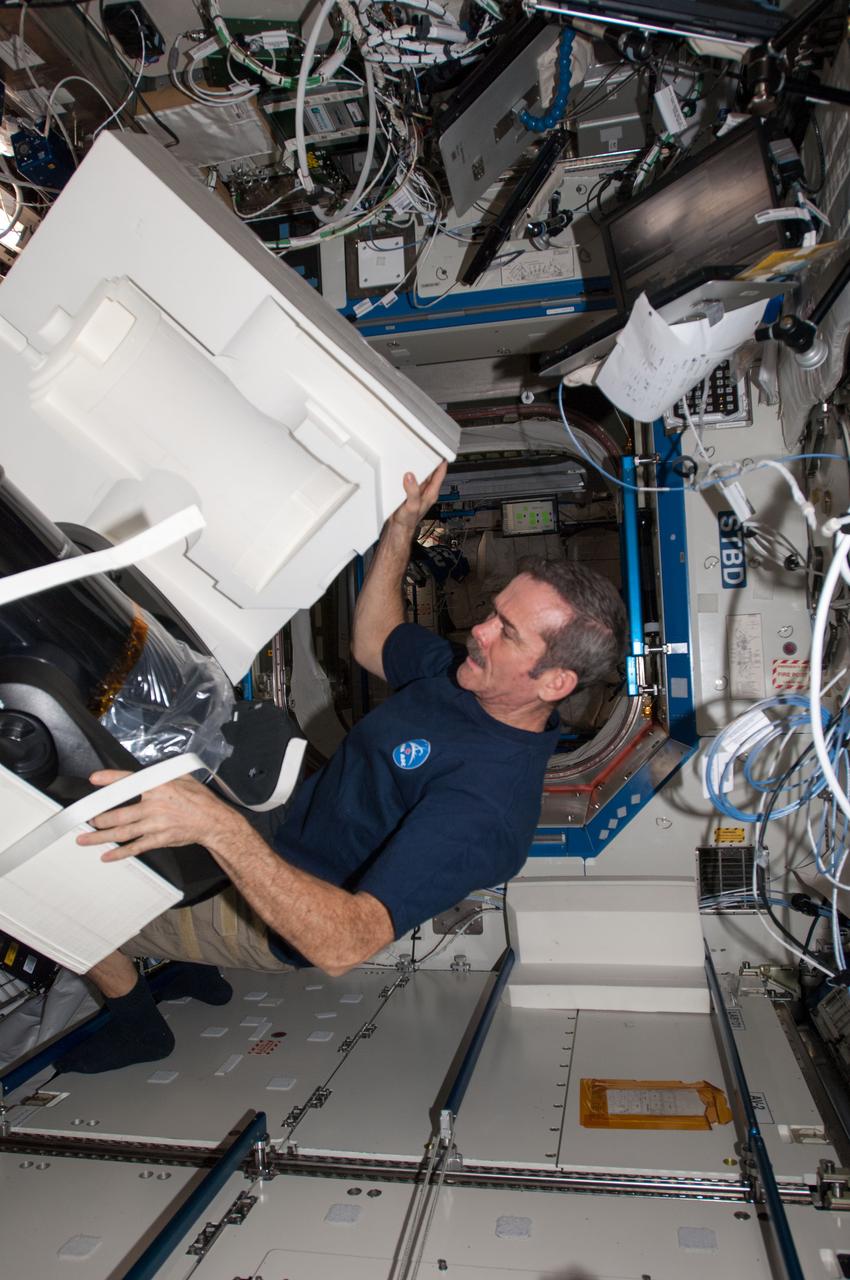
ISS034-E-029914 (15 Jan. 2013) --- Canadian Space Agency astronaut Chris Hadfield, Expedition 34 flight engineer, prepares to set up the ISS SERVIR Environmental Research and Visualization System (ISERV) in the Destiny laboratory of the International Space Station. ISERV is a fully automated image data acquisition system that flies aboard the space station and deploys in the Window Observational Research Facility (WORF) rack within Destiny. The study is expected to provide useful images for use in disaster monitoring and assessment and environmental decision making.
Hadfield prepares to set up the ISERV in the U.S. Laboratory
iss047e126086 (5/20/2016) --- View during the meteor setup and installation, in the U.S. Laboratory - installed in Window Observational Research Facility (WORF). The Meteor investigation provides the first space-based measurement of meteor flux. It also allows for the monitoring of carbon-based compounds. Continuous measurement of meteor interactions with the Earth’s atmosphere could also spot previously unforeseen meteor showers.
Meteor T61P Software Image Load
ISS027-E-023658 (6 May 2011) --- NASA astronaut Ron Garan, Expedition 27 flight engineer, works with ISS Agricultural Camera (ISSAC) hardware in the Destiny laboratory of the International Space Station. ISSAC, a successor of the earlier AgCam, will operate in conjunction with EarthKAM, both instruments to conduct simultaneous but independent operations in the WORF rack in Destiny.
Garan conducts ISSAC installation in the US Lab
ISS034-E-029954 (15 Jan. 2013) --- Canadian Space Agency astronaut Chris Hadfield, Expedition 34 flight engineer, prepares to set up the ISS SERVIR Environmental Research and Visualization System (ISERV) in the Destiny laboratory of the International Space Station. ISERV is a fully automated image data acquisition system that flies aboard the space station and deploys in the Window Observational Research Facility (WORF) rack within Destiny. The study is expected to provide useful images for use in disaster monitoring and assessment and environmental decision making.
Hadfield and Ford in the U.S. Laboratory
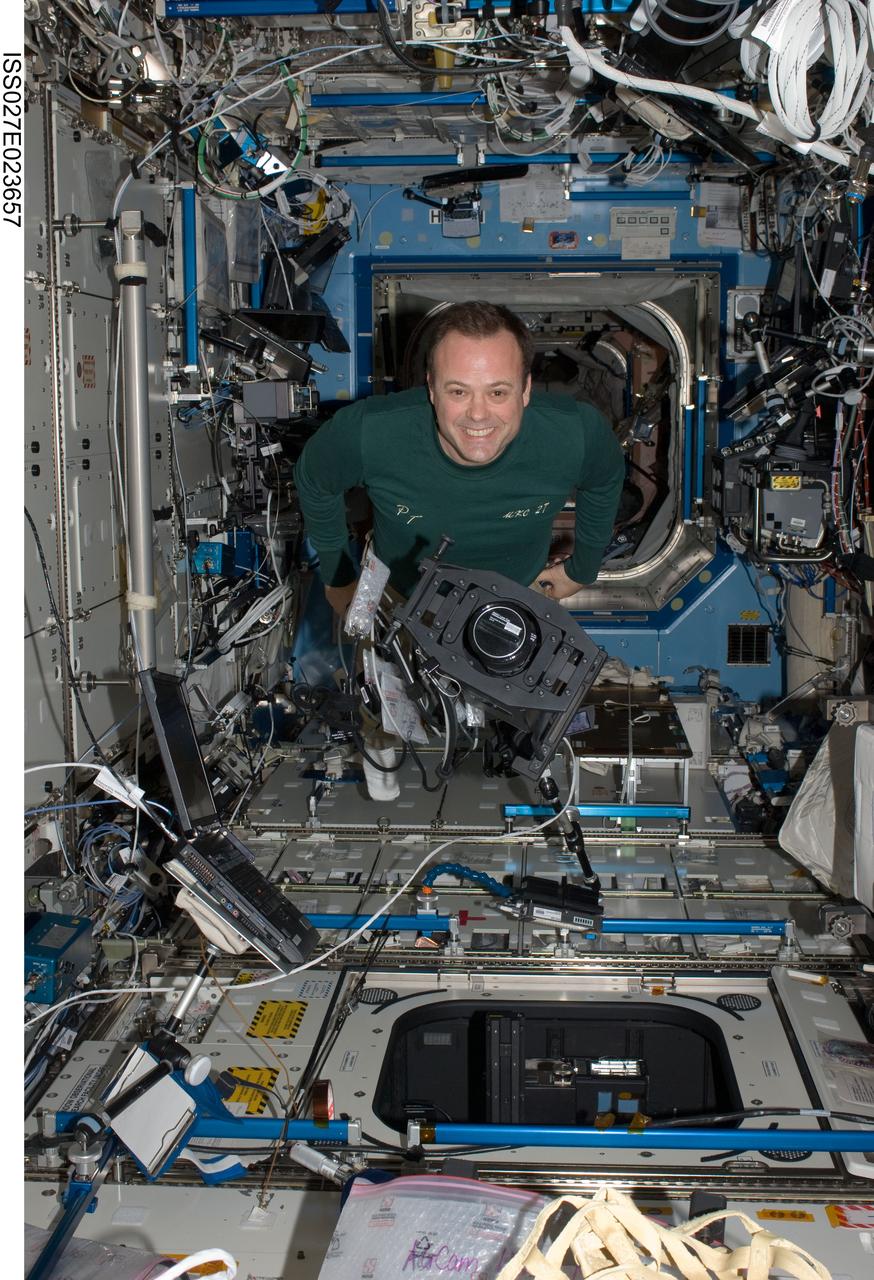
ISS027-E-023657 (6 May 2011) --- NASA astronaut Ron Garan, Expedition 27 flight engineer, works with ISS Agricultural Camera (ISSAC) hardware in the Destiny laboratory of the International Space Station. ISSAC, a successor of the earlier AgCam, will operate in conjunction with EarthKAM, both instruments to conduct simultaneous but independent operations in the WORF rack in Destiny.
Garan conducts ISSAC installation in the US Lab
ISS034-E-029961 (15 Jan. 2013) --- Canadian Space Agency astronaut Chris Hadfield, Expedition 34 flight engineer, prepares to set up the ISS SERVIR Environmental Research and Visualization System (ISERV) in the Destiny laboratory of the International Space Station. ISERV is a fully automated image data acquisition system that flies aboard the space station and deploys in the Window Observational Research Facility (WORF) rack within Destiny. The study is expected to provide useful images for use in disaster monitoring and assessment and environmental decision making.
Hadfield and Ford in the U.S. Laboratory
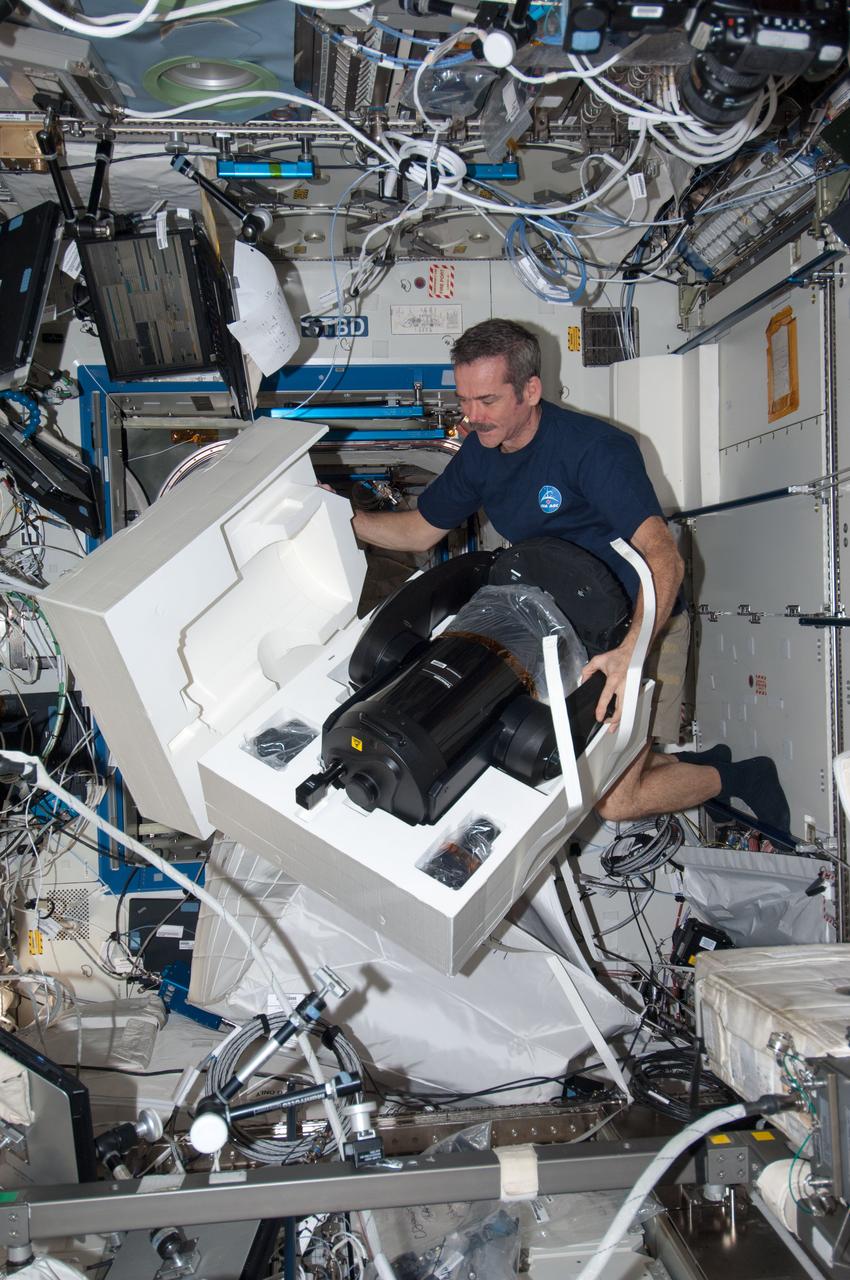
View of Canadian Space Agency (CSA) Chris Hadfield,Expedition 34 Flight Engineer (FE),unpacking ISS SERVIR Environmental Research and Visualization System (ISERV) in the U.S. Laboratory.  ISERV is a fully automated image data acquisition system in the Window Observational Research Facility (WORF) rack.  Kevin Ford,Expedition 34 Commander is visible on the right of frame.  Photo was taken during Expedition 34.
Hadfield and Ford in the U.S. Laboratory
View of Canadian Space Agency (CSA) Chris Hadfield,Expedition 34 Flight Engineer (FE), preparing to setup the ISS SERVIR Environmental Research and Visualization System (ISERV) in the U.S. Laboratory.  ISERV is a fully automated image data acquisition system in the Window Observational Research Facility (WORF) rack.  Kevin Ford,Expedition 34 Commander is visible on the right of frame.  Photo was taken during Expedition 34.
Hadfield and Ford in the U.S. Laboratory