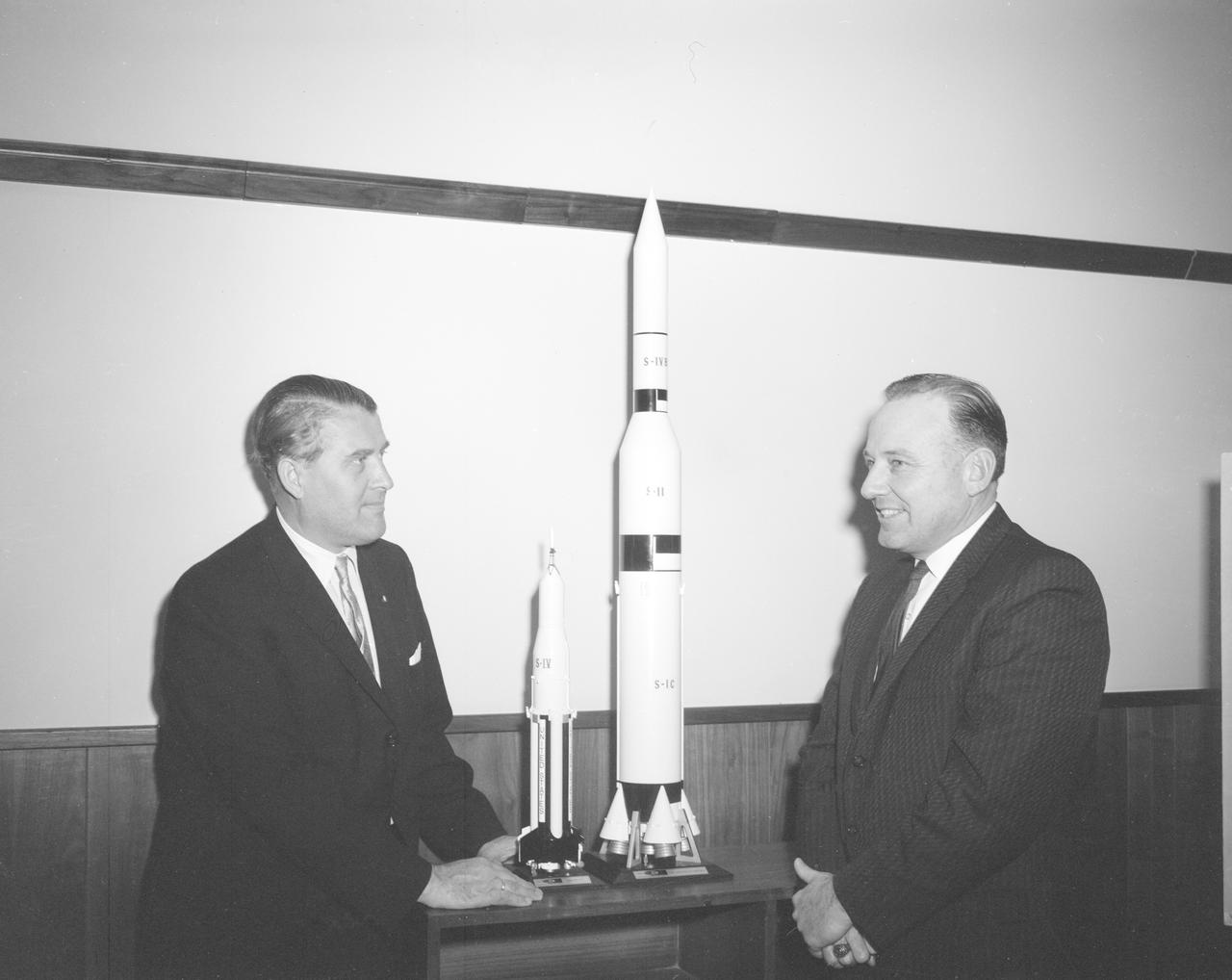
The members of the House Committee on Science and Astronautics visited the Marshall Space Flight Center (MSFC) on March 9, 1962 to gather firsthand information of the nation’s space exploration program. The congressional group was composed of members of the Subcommittee on Manned Space Flight. The subcommittee was briefed on MSFC’s manned space efforts earlier in the day and then inspected mockups of the Saturn I Workshop and the Apollo Telescope Mount, two projects developed by MSFC for the post-Apollo program. In this photograph, MSFC Director, Dr. Wernher von Braun and Joe Waggoner, Democratic representative of Louisiana, discuss Apollo models.
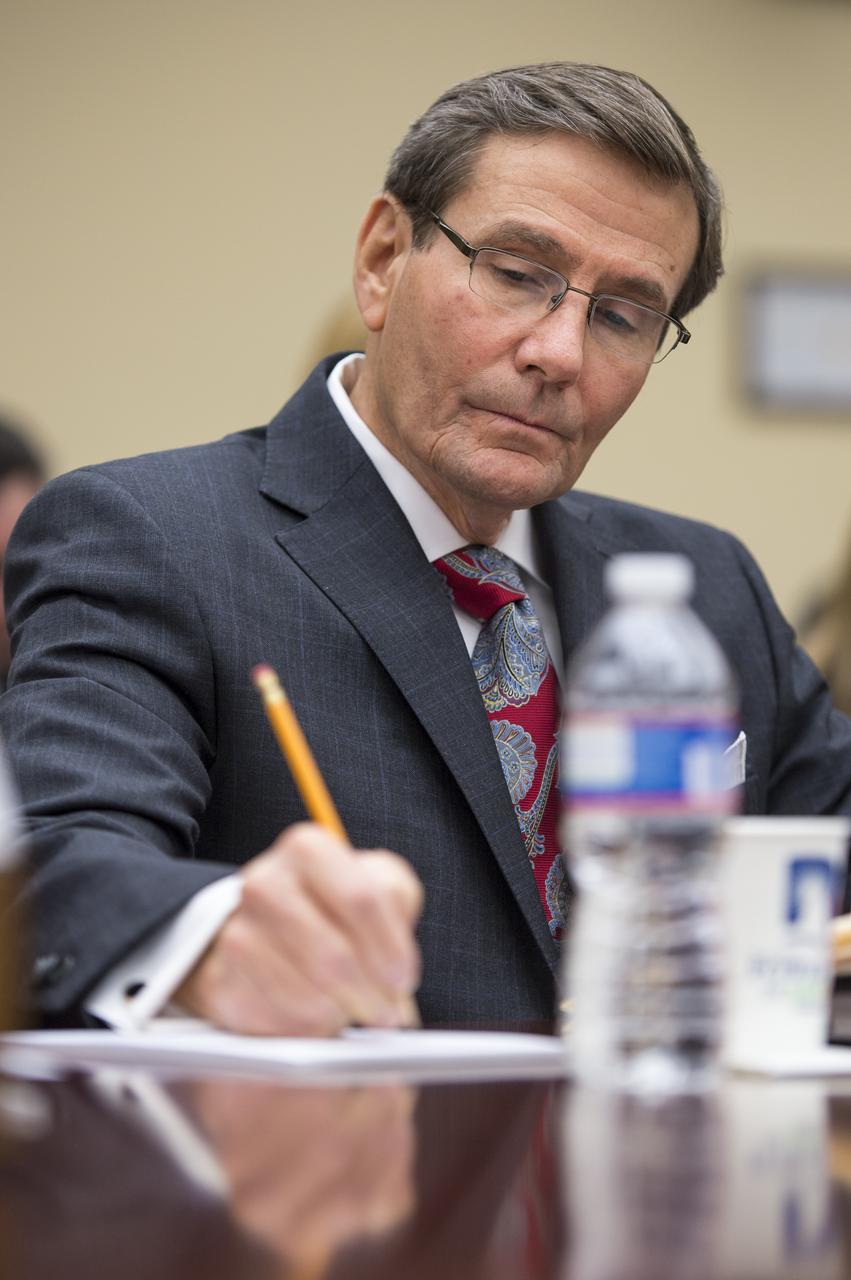
Dr. Edgar Waggoner, Director, Integrated Systems research Program Office, National Aeronautics and Space Administration (NASA), takes notes during a House Subcommittee on Oversight hearing titled "Operating Unmanned Aircraft Systems in the National Airspace System: Assessing Research and Development Efforts to Ensure Safety" on Friday, Feb. 15, 2013 at the Rayburn House Office Building in Washington. Photo Credit: (NASA/Bill Ingalls)
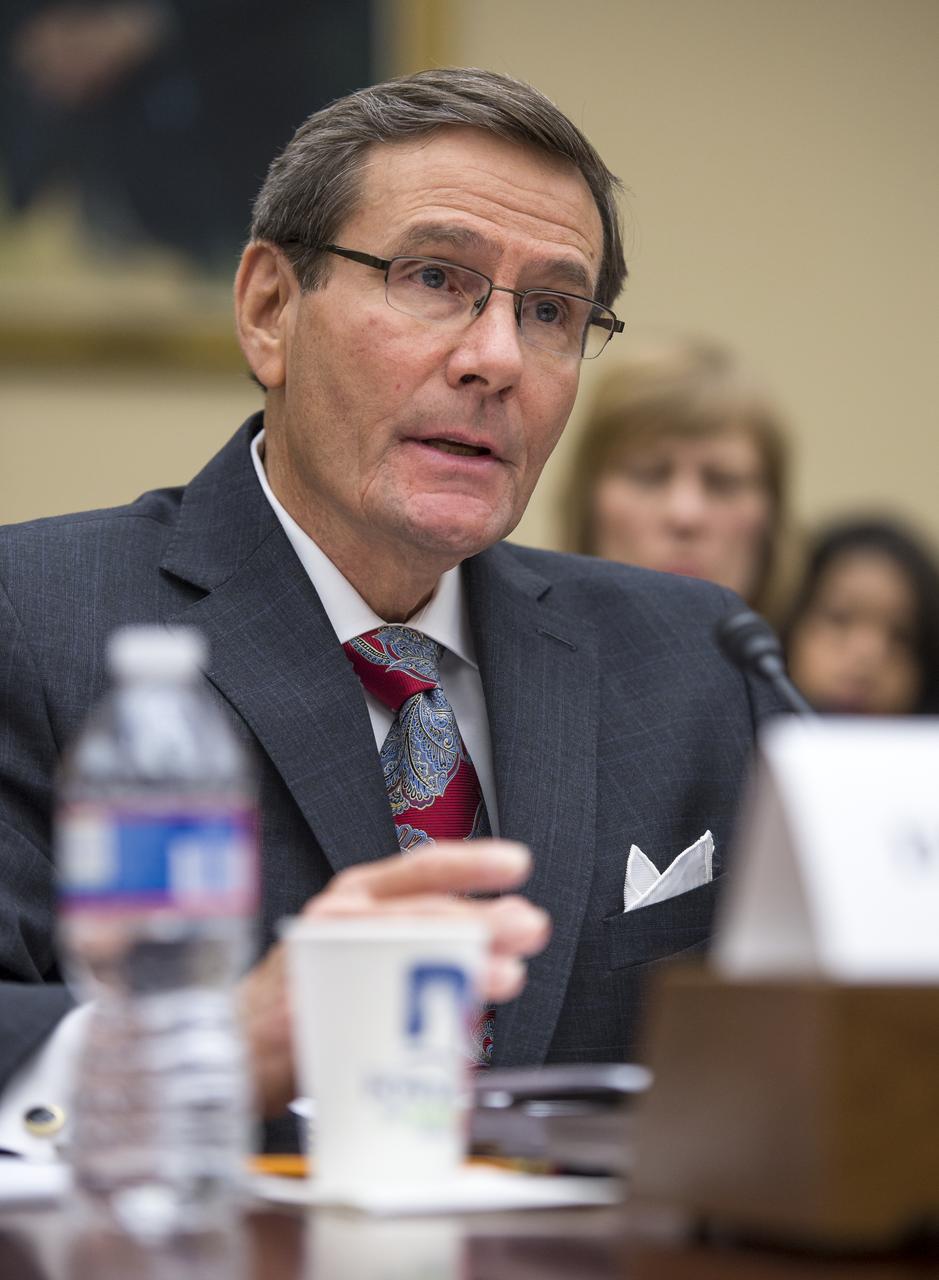
Dr. Edgar Waggoner, Director, Integrated Systems research Program Office, National Aeronautics and Space Administration (NASA), talks during a House Subcommittee on Oversight hearing titled "Operating Unmanned Aircraft Systems in the National Airspace System: Assessing Research and Development Efforts to Ensure Safety" on Friday, Feb. 15, 2013 at the Rayburn House Office Building in Washington. Photo Credit: (NASA/Bill Ingalls)

Dr. Ed Waggoner, program director, Integrated Aviation Systems Program, NASA, speaks at a briefing on the Low Boom Flight Demonstrator, Tuesday, April 3, 2018 at NASA Headquarters in Washington. This new experimental aircraft will cut cross country travel times in half by flying faster than the speed of sound without creating a sonic boom, enabling travel from New York to Los Angeles in two hours. Photo Credit: (NASA/Aubrey Gemignani)
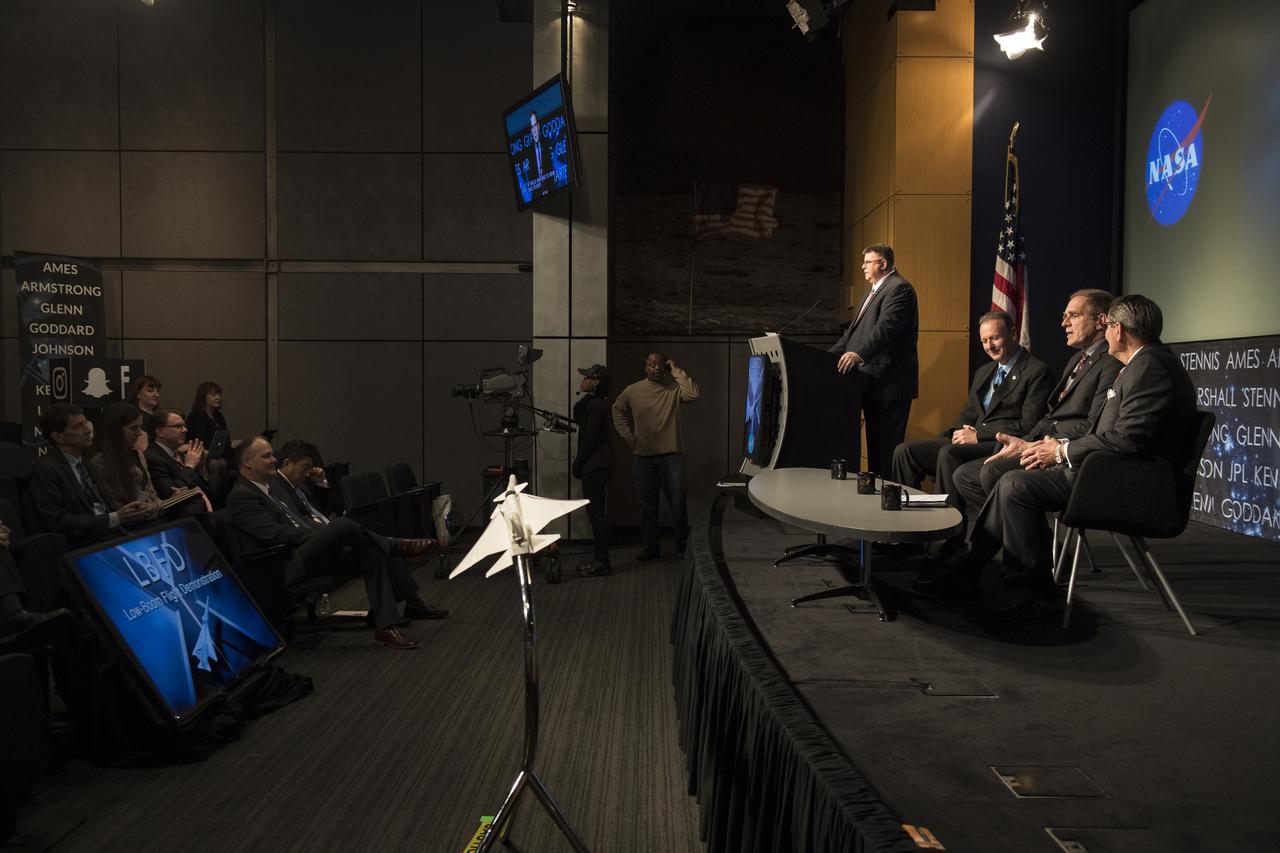
Peter Coen, project manager, Commercial Supersonics Technology Project, Langley Research Center, NASA, center, speaks on a panel with Peter Iosifidis, Lockheed Martin, left, and Dr. Ed Waggoner, NASA, right, at a briefing on the Low Boom Flight Demonstrator, Tuesday, April 3, 2018 at NASA Headquarters in Washington. This new experimental aircraft will cut cross country travel times in half by flying faster than the speed of sound without creating a sonic boom, enabling travel from New York to Los Angeles in two hours. Photo Credit: (NASA/Aubrey Gemignani)
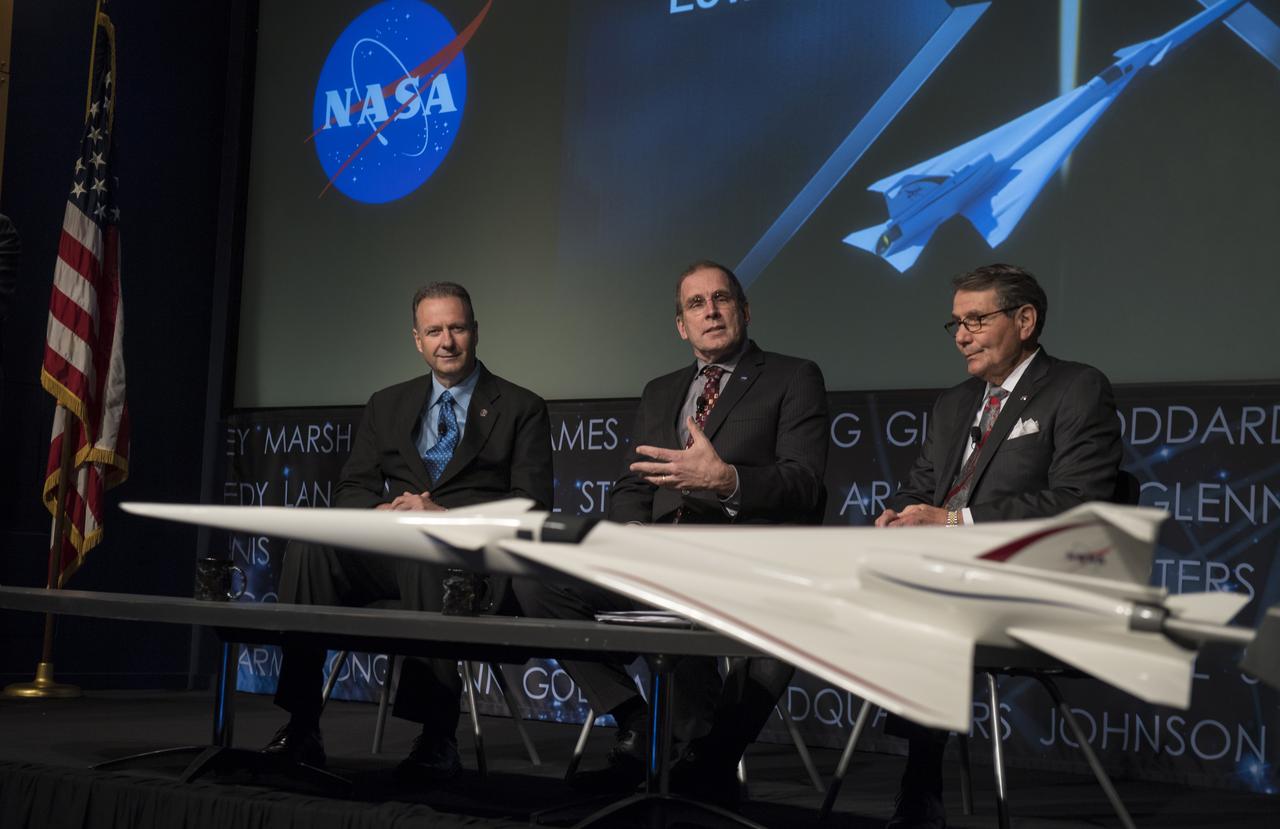
Peter Coen, project manager, Commercial Supersonics Technology Project, Langley Research Center, NASA, speaks on a panel with Peter Iosifidis, Lockheed Martin, left, and Dr. Ed Waggoner, NASA, right, at a briefing on the Low Boom Flight Demonstrator, Tuesday, April 3, 2018 at NASA Headquarters in Washington. This new experimental aircraft will cut cross country travel times in half by flying faster than the speed of sound without creating a sonic boom, enabling travel from New York to Los Angeles in two hours. Photo Credit: (NASA/Aubrey Gemignani)
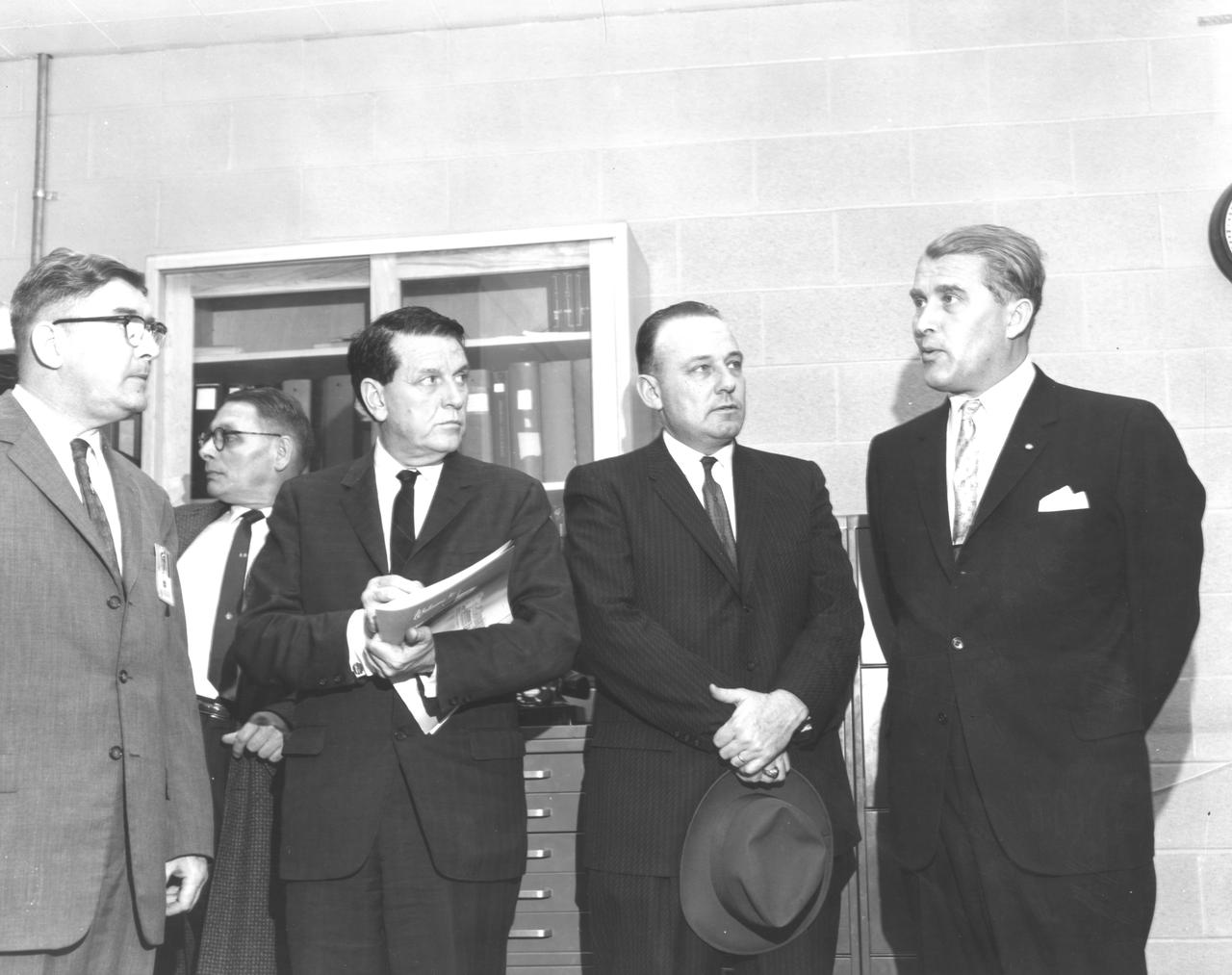
The members of the House Committee on Science and Astronautics visited the Marshall Space Flight Center (MSFC) on March 9, 1962 to gather firsthand information of the nation's space exploration program. The congressional group was composed of members of the Subcommittee on Manned Space Flight. They were briefed on MSFC's manned space efforts earlier in the day and then inspected mockups of the Saturn I Workshop and the Apollo Telescope Mount, two projects developed by MSFC for the post-Apollo program. Pictured left-to-right are Dieter Grau, MSFC; Konrad Dannenberg, MSFC; James G. Fulton, Republican representative for Pennsylvania; Joe Waggoner, Democratic representative for Louisiana; and Dr. Wernher von Braun, Director of MSFC.
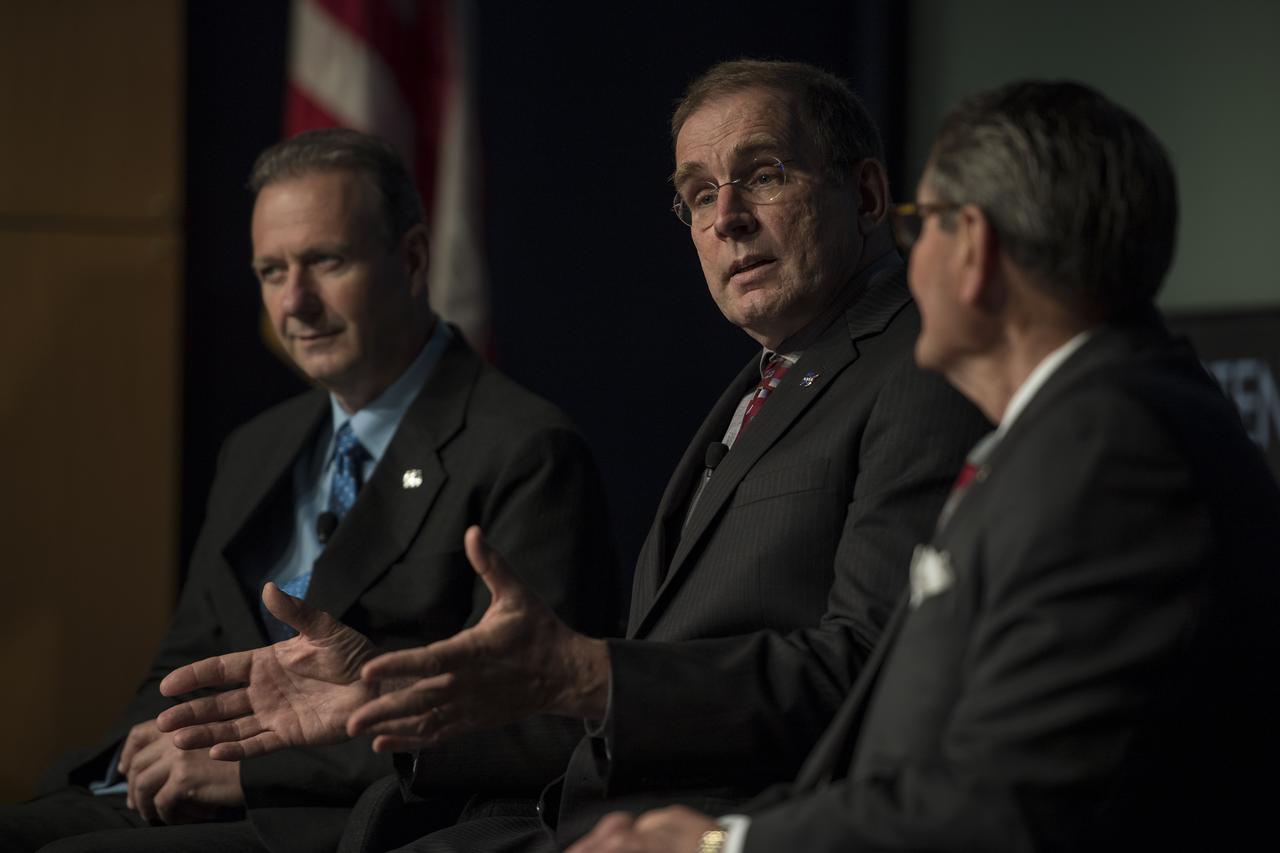
Peter Coen, project manager, Commercial Supersonics Technology Project, Langley Research Center, NASA, speaks on a panel with Peter Iosifidis, Lockheed Martin, left, and Dr. Ed Waggoner, NASA, right, at a briefing on the Low Boom Flight Demonstrator, Tuesday, April 3, 2018 at NASA Headquarters in Washington. This new experimental aircraft will cut cross country travel times in half by flying faster than the speed of sound without creating a sonic boom, enabling travel from New York to Los Angeles in two hours. Photo Credit: (NASA/Aubrey Gemignani)
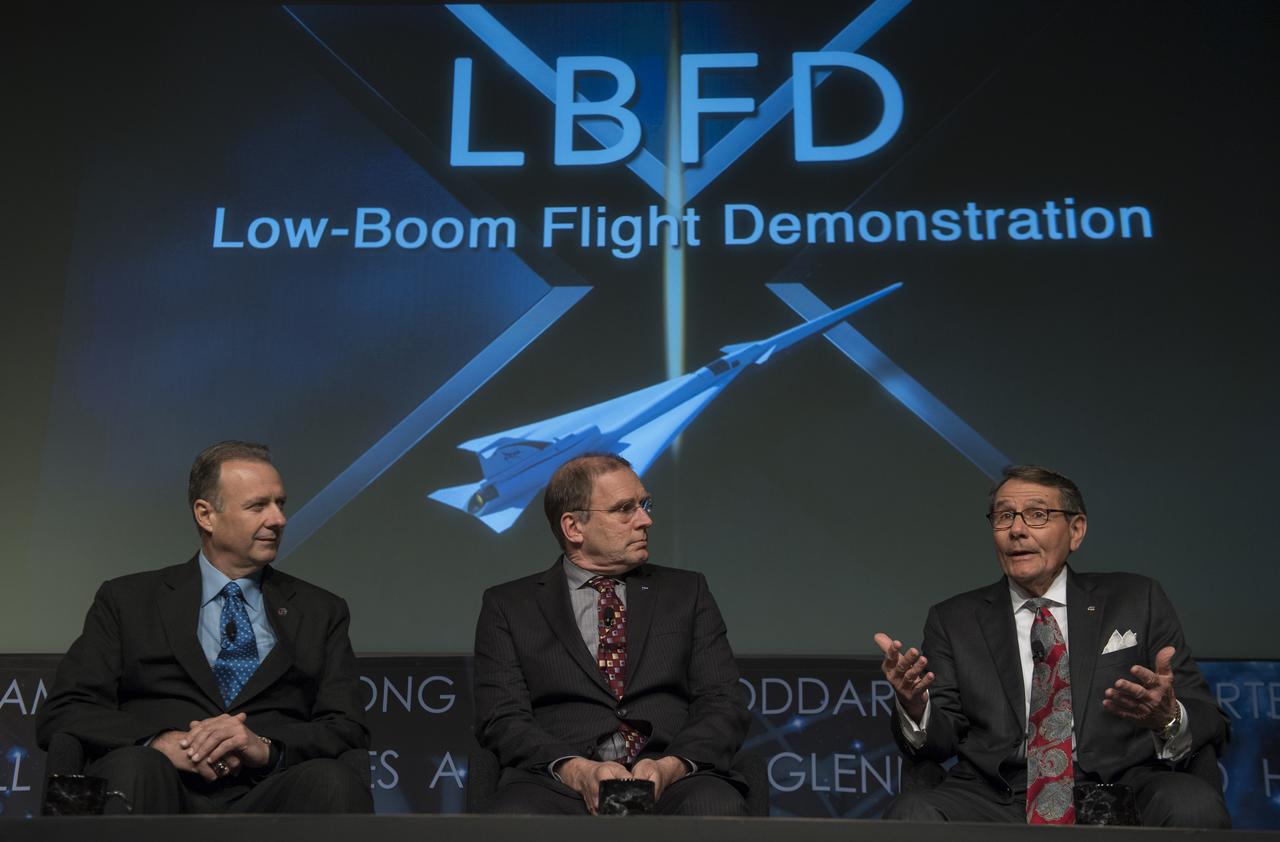
Dr. Ed Waggoner, program director, Integrated Aviation Systems Program, NASA, right, speaks on a panel with Peter Iosifidis, program manager, Low-Boom Flight Demonstrator, Lockheed Martin Skunk Works, left, and Peter Coen, project manager, Commercial Supersonics Technology Project, Langley Research Center, NASA, center, at a briefing on the Low Boom Flight Demonstrator, Tuesday, April 3, 2018 at NASA Headquarters in Washington. This new experimental aircraft will cut cross country travel times in half by flying faster than the speed of sound without creating a sonic boom, enabling travel from New York to Los Angeles in two hours. Photo Credit: (NASA/Aubrey Gemignani)
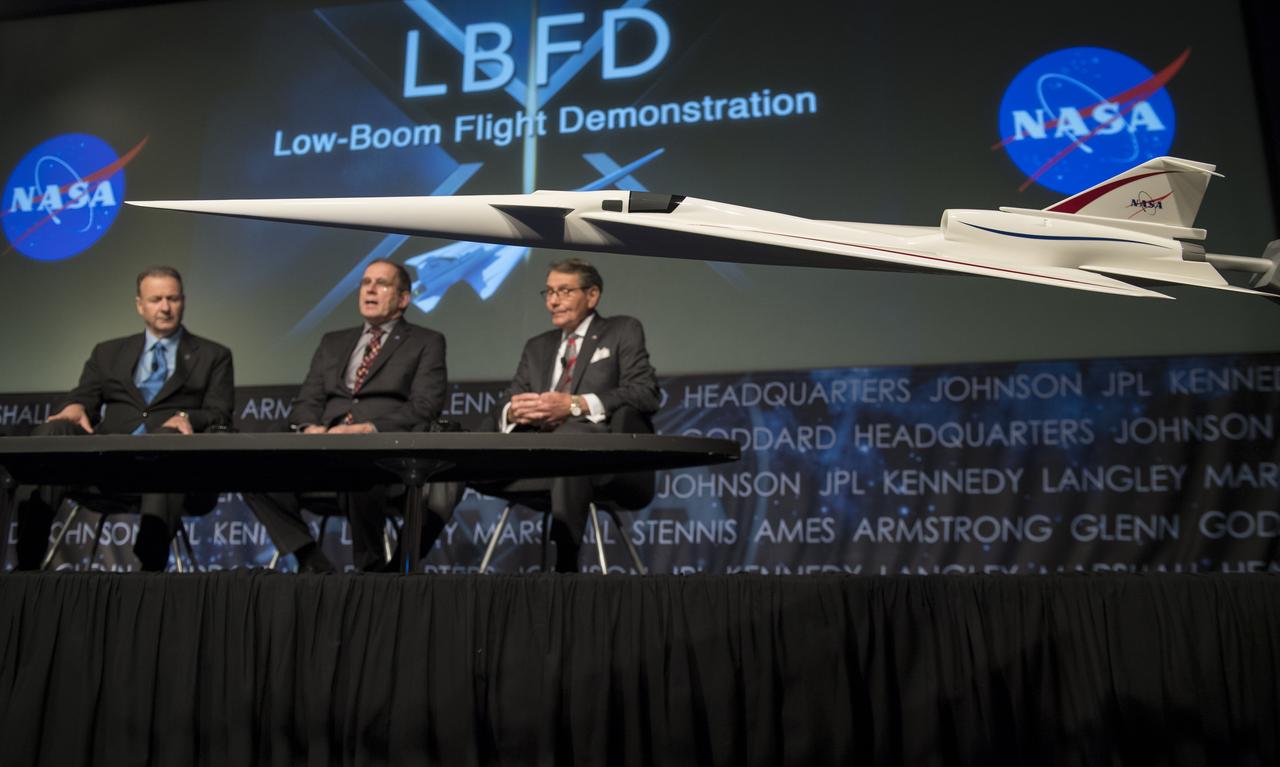
Panelists Peter Iosifidis, program manager, Low-Boom Flight Demonstrator, Lockheed Martin Skunk Works, left, Peter Coen, project manager, Commercial Supersonics Technology Project, Langley Research Center, NASA, center, and Dr. Ed Waggoner, program director, Integrated Aviation Systems Program, NASA, right, are seen behind a model of the Low Boom Flight Demonstrator at a briefing, Tuesday, April 3, 2018 at NASA Headquarters in Washington. This new experimental aircraft will cut cross country travel times in half by flying faster than the speed of sound without creating a sonic boom, enabling travel from New York to Los Angeles in two hours. Photo Credit: (NASA/Aubrey Gemignani)
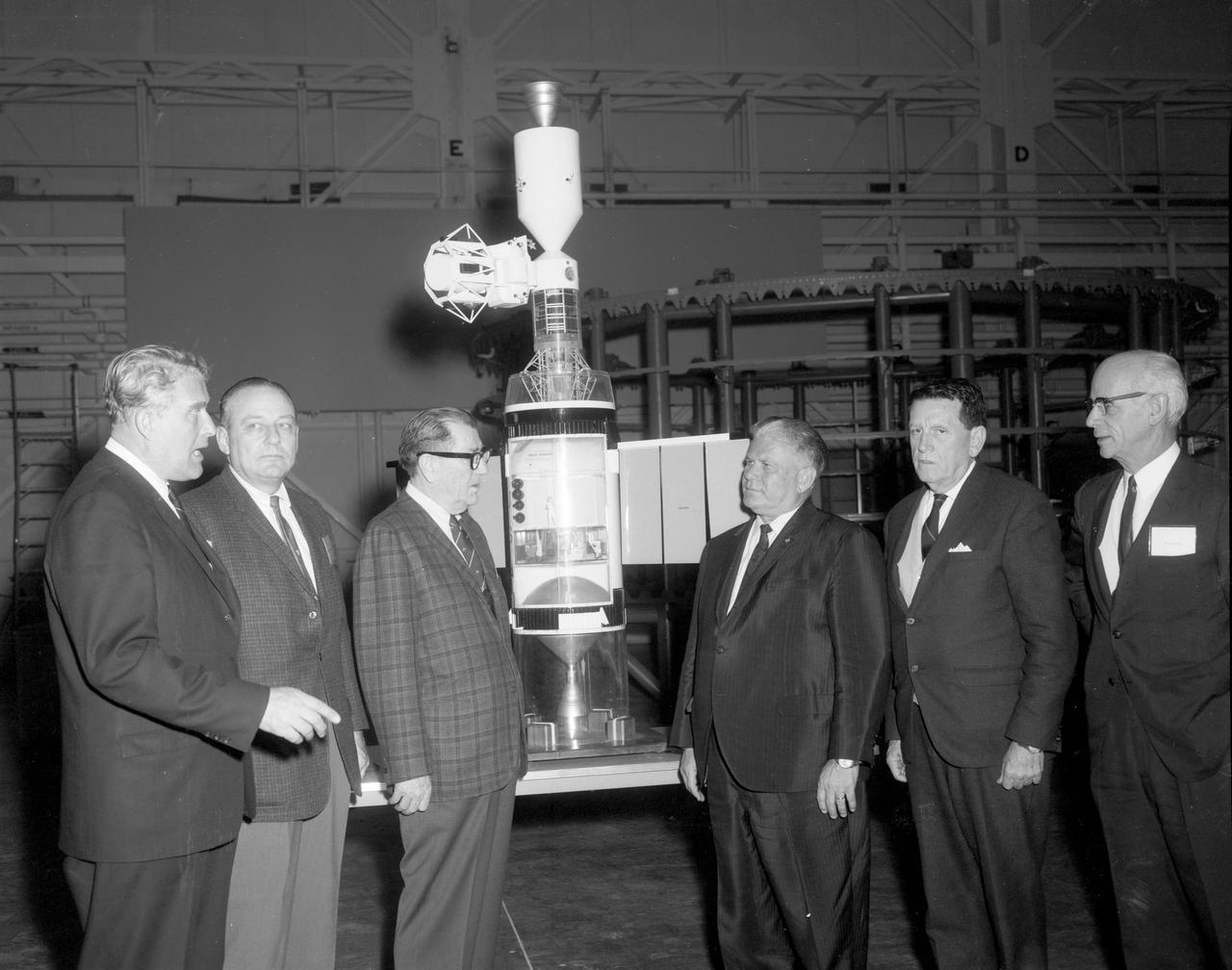
The members of the House Committee on Science and Astronautics visited the Marshall Space Flight Center (MSFC) on March 9, 1962 to gather firsthand information of the nation’s space exploration program. The congressional group was composed of members of the Subcommittee on Manned Space Flight. Standing at the Apollo Applications Program Cluster Model in building 4745 are (left-to-right): Dr. Wernher von Braun, MSFC; Congressman Joe D. Waggoner, Democratic representative of Louisiana; Congressman Earle Cabell, Democratic representative of Texas; Subcommittee Chairman Olin E. Teague, Democratic representative of Texas; Congressman James G. Fulton, Republican representative of Pennsylvania; and Dr. Ernst Stuhlinger, associate MSFC director for science. The subcommittee was briefed on MSFC’s manned space efforts earlier in the day and then inspected mockups of the Saturn I Workshop and the Apollo Telescope Mount, two projects developed by MSFC for the post-Apollo program.
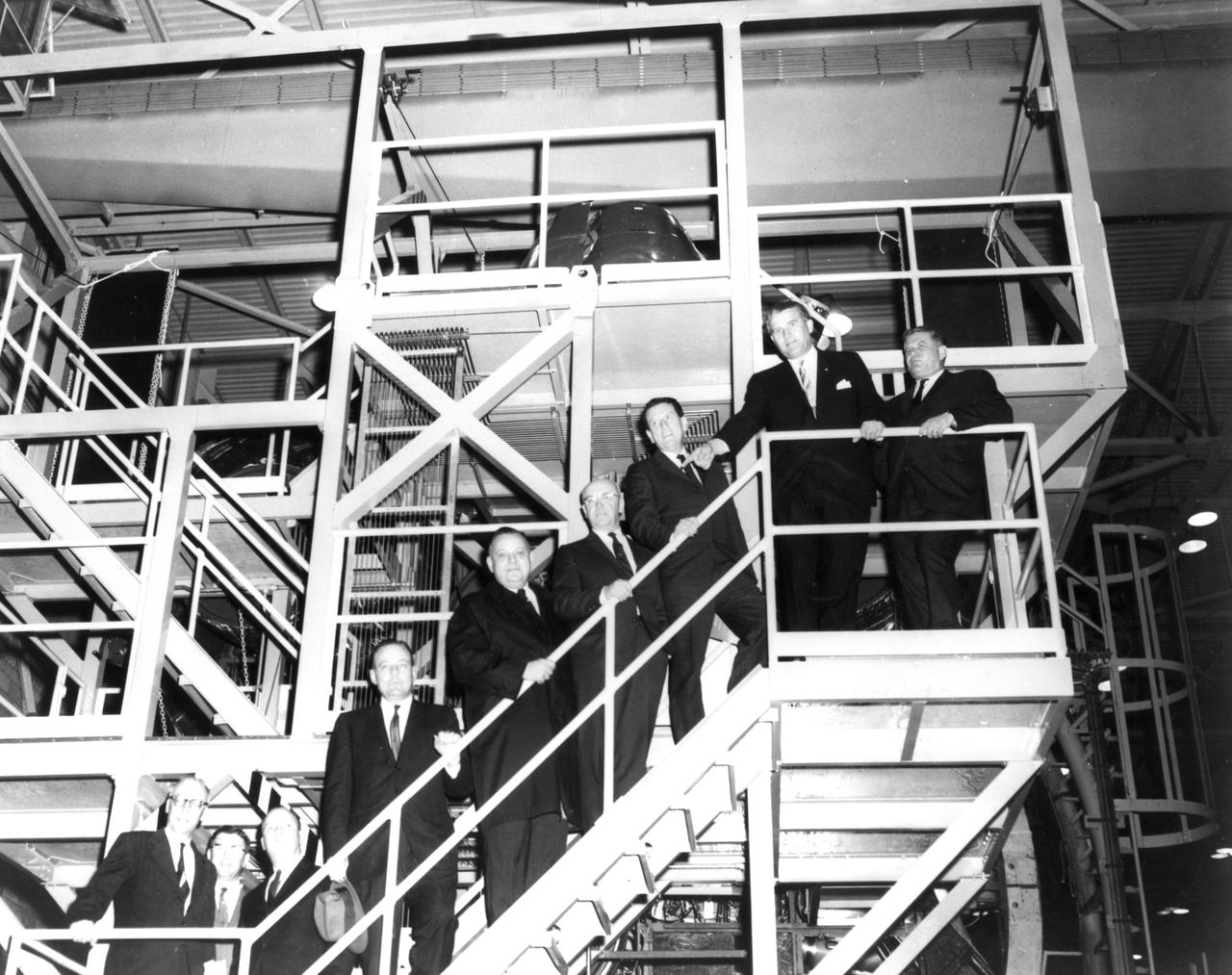
The members of the House Committee on Science and Astronautics visited the Marshall Space Flight Center (MSFC) on March 9, 1962 to gather firsthand information of the nation’s space exploration program. The congressional group was composed of members of the Subcommittee on Manned Space Flight. Pictured from left-to-right are Congressman Ken Hechler, Democratic representative of West Virginia; Dieter Grau, MSFC; Congressman John W. Davis, Democratic representative of Georgia; Congressman Joe Waggoner, Democratic representative of Louisiana; Congressman Richard L. Roudebush, Republican representative of Indiana; Congressman R. Walter Riehlman, Republican representative of New York; Congressman James G. Fulton, Republican representative of Pennsylvania; Dr. Wernher von Braun, MSFC; and Congressman Olin E. Teague, Democratic representative of Texas.
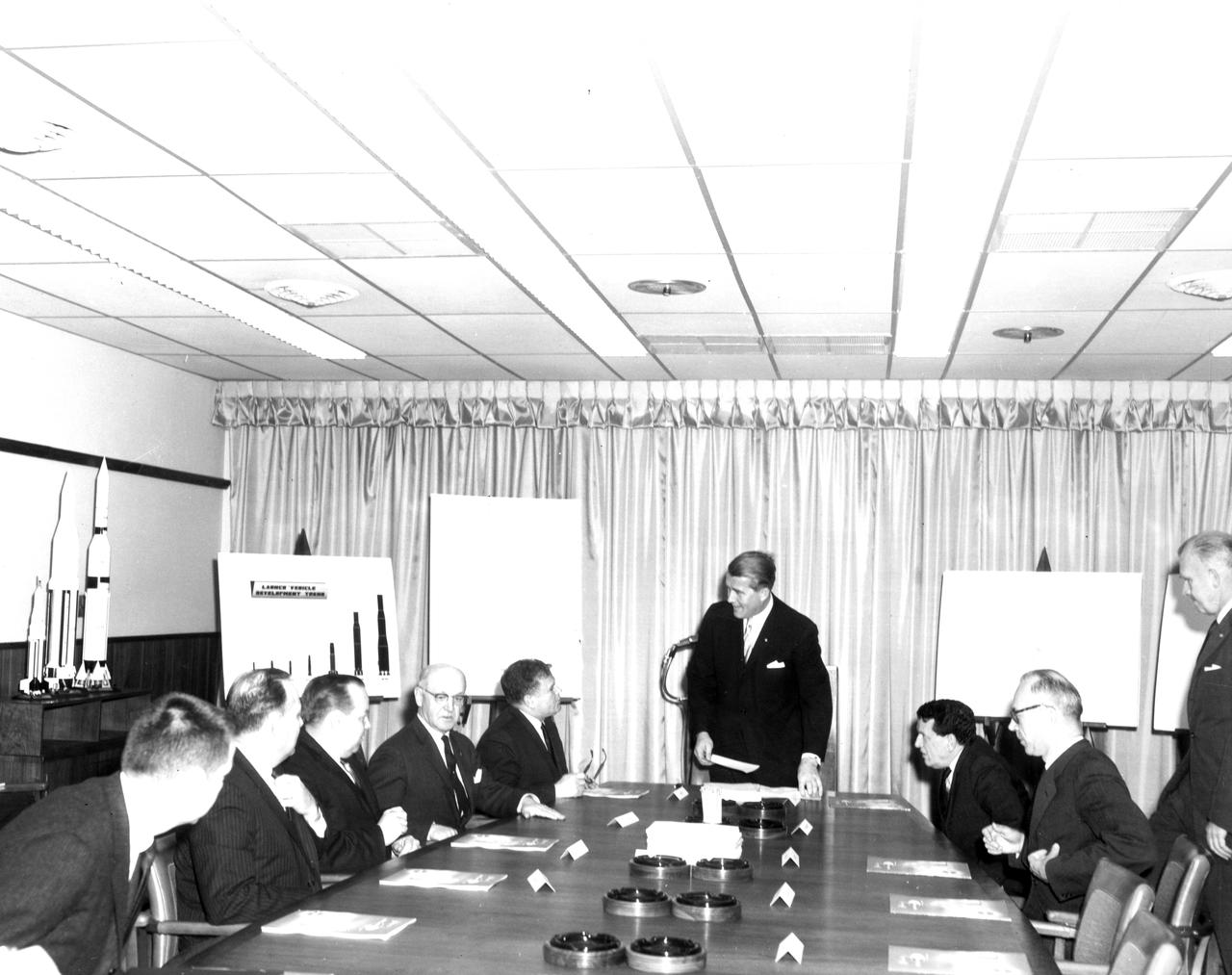
The members of the House Committee on Science and Astronautics visited the Marshall Space Flight Center (MSFC) on March 9, 1962 to gather firsthand information of the nation’s space exploration program. The congressional group was composed of members of the Subcommittee on Manned Space Flight. The subcommittee was briefed on MSFC’s manned space efforts earlier in the day and then inspected mockups of the Saturn I Workshop and the Apollo Telescope Mount, two projects developed by MSFC for the post-Apollo program. In this photograph, MSFC Director, Dr. Wernher von Braun meets with Congressmen in the MSFC boardroom. Pictured from left to right are: Jack Cramer, NASA Headquarters; Joe Waggoner, Democratic representative of Louisiana; John W. Davis, Democratic representative of Georgia; R. Walter Riehlman, Republican representative of New York; Olin E. Teague, Democratic representative of Texas; Dr. Wernher von Braun, Director of MSFC; James G. Fulton, Republican representative of Pennsylvania; Ken Hechler, Democratic representative of West Virginia; and Erich Neubert of MSFC.
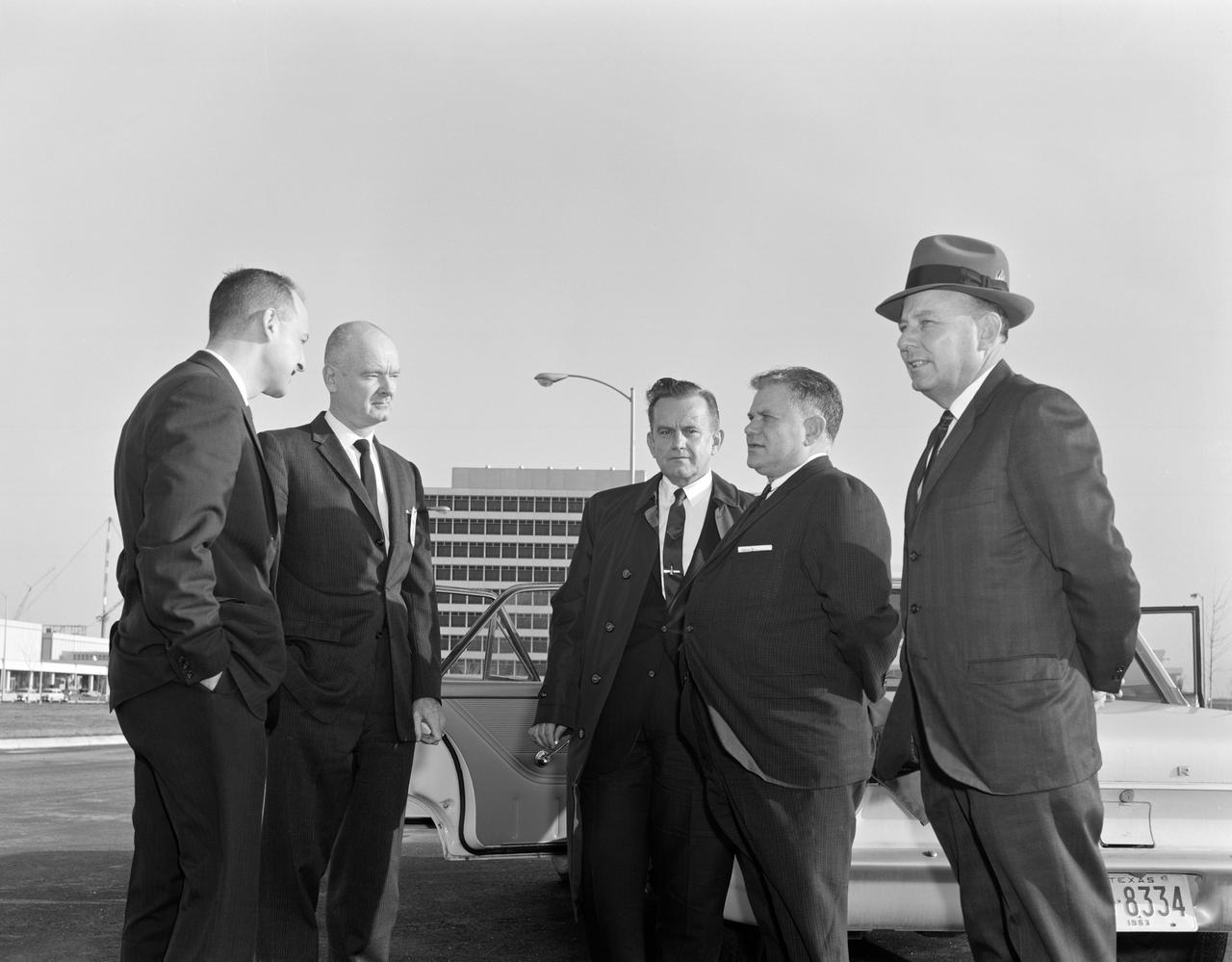
George Low, Joseph Piland, Philip Hamburger, Congressman Olin Teague from Texas; and, Congressman Joe D. Waggoner from Louisiana at the entrance to Site 1, Clear Lake, prior to briefing for the House Subcommittee on Manned Spaceflight. MSC, Houston, TX
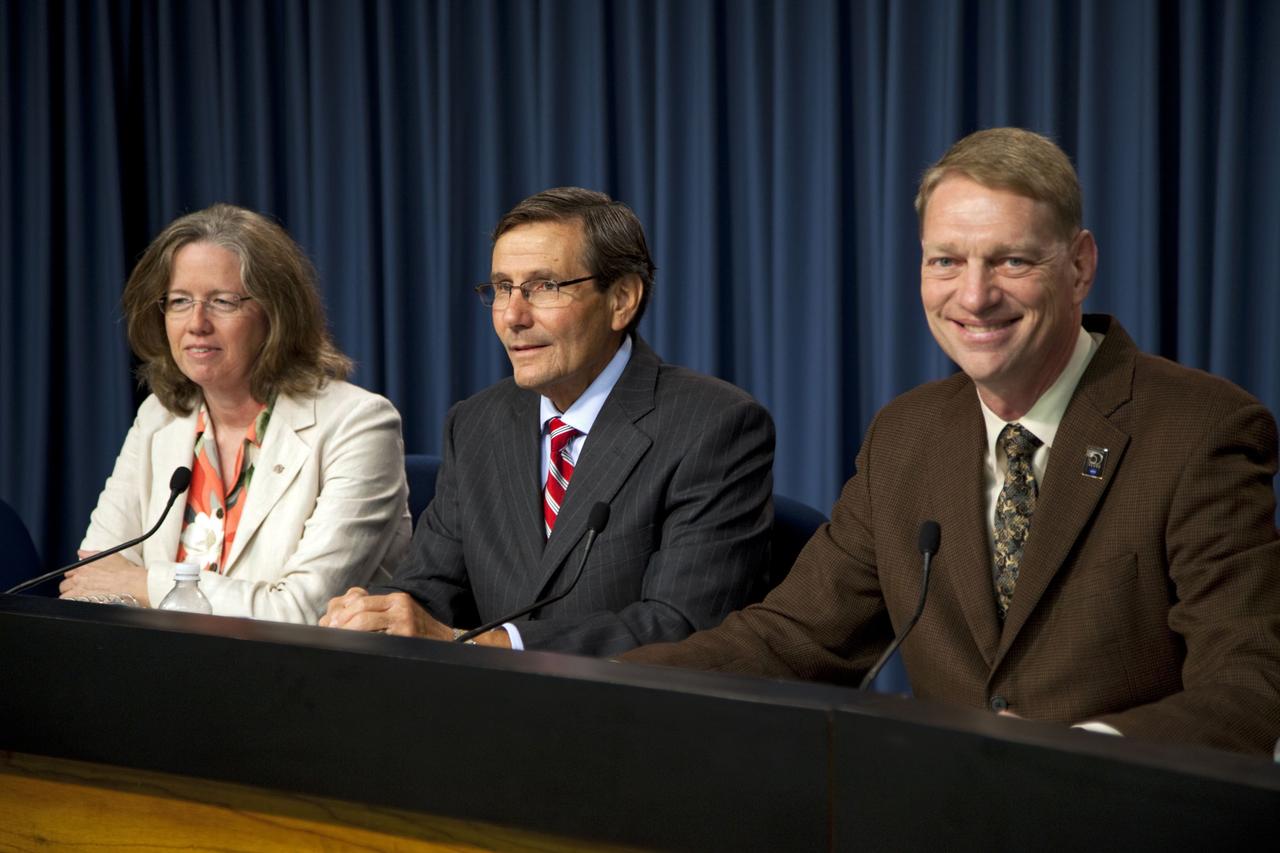
CAPE CANAVERAL, Fla. -- In the Press Site auditorium at NASA's Kennedy Space Center in Florida, media were briefed about updates to aeronautics research at NASA. Seen here are NASA Public Affairs Officer Beth Dickey, Edgar G. Waggoner, director of the Integrated Systems Research Program Office, Aeronautics Research Mission Directorate and John Cavolowsky, director of the Airspace Systems Program Office, Aeronautics Research Mission Directorate. Photo credit: NASA/Frankie Martin
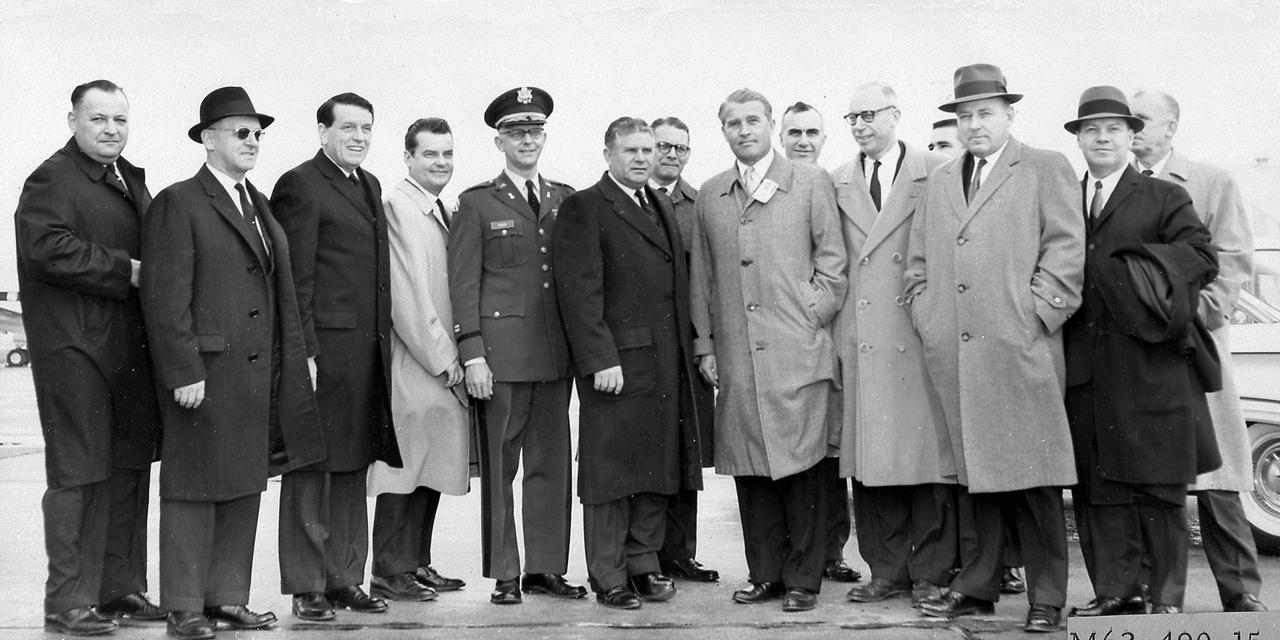
The members of the House Committee on Science and Astronautics visited the Marshall Space Flight Center (MSFC) on March 9, 1962 to gather first-hand information of the nation's space exploration program. The congressional group was composed of members of the Subcommittee on Marned Space Flight. Headed by Representative Olin E. Teague of Texas, other members were James G. Fulton, Pennsylvania; Ken Heckler, West Virginia; R. Walter Riehlman, New York; Richard L. Roudebush,, Indiana; John W. Davis, Georgia; James C. Corman, California; Joseph Waggoner, Louisiana; J. Edgar Chenoweth, Colorado; and William G. Bray, Indiana.
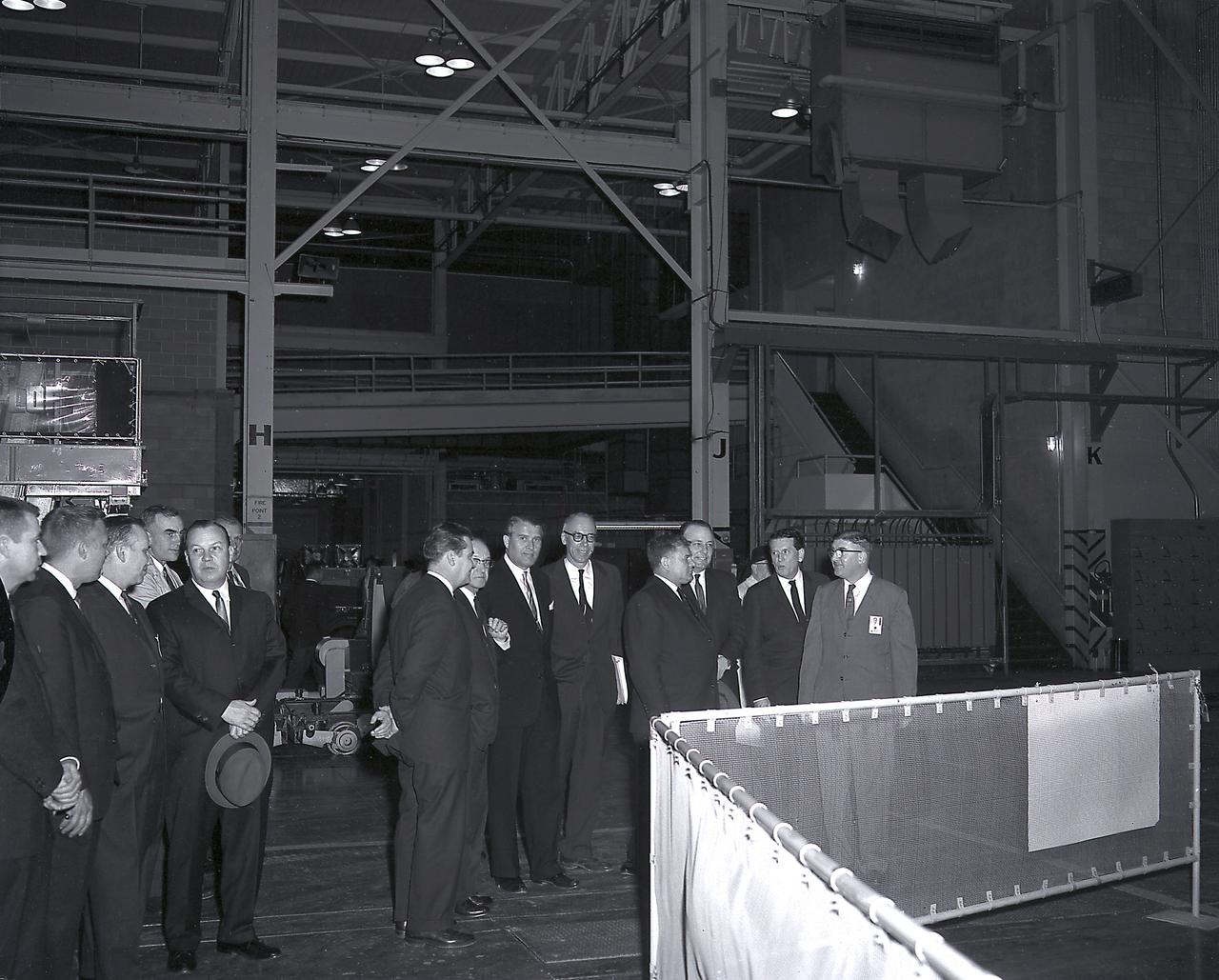
The members of the House Committee on Science and Astronautics visited the Marshall Space Flight Center (MSFC) on March 9, 1962 to gather first-hand information of the nation's space exploration program. The congressional group was composed of members of the Subcommittee on Marned Space Flight. Headed by Representative Olin E. Teague of Texas, other members were James G. Fulton, Pennsylvania; Ken Heckler, West Virginia; R. Walter Riehlman, New York; Richard L. Roudebush, Indiana; John W. Davis, Georgia; James C. Corman, California; Joseph Waggoner, Louisiana; J. Edgar Chenoweth, Colorado; and William G. Bray, Indiana.

The inaugural Glenn Symposium focused on advancements in aerospace technology including power and propulsion, autonomy and communications, low boom supersonics, hypersonics, and more. Discussion also encompassed humans returning to the moon, including challenges associated with the 2024 mission.
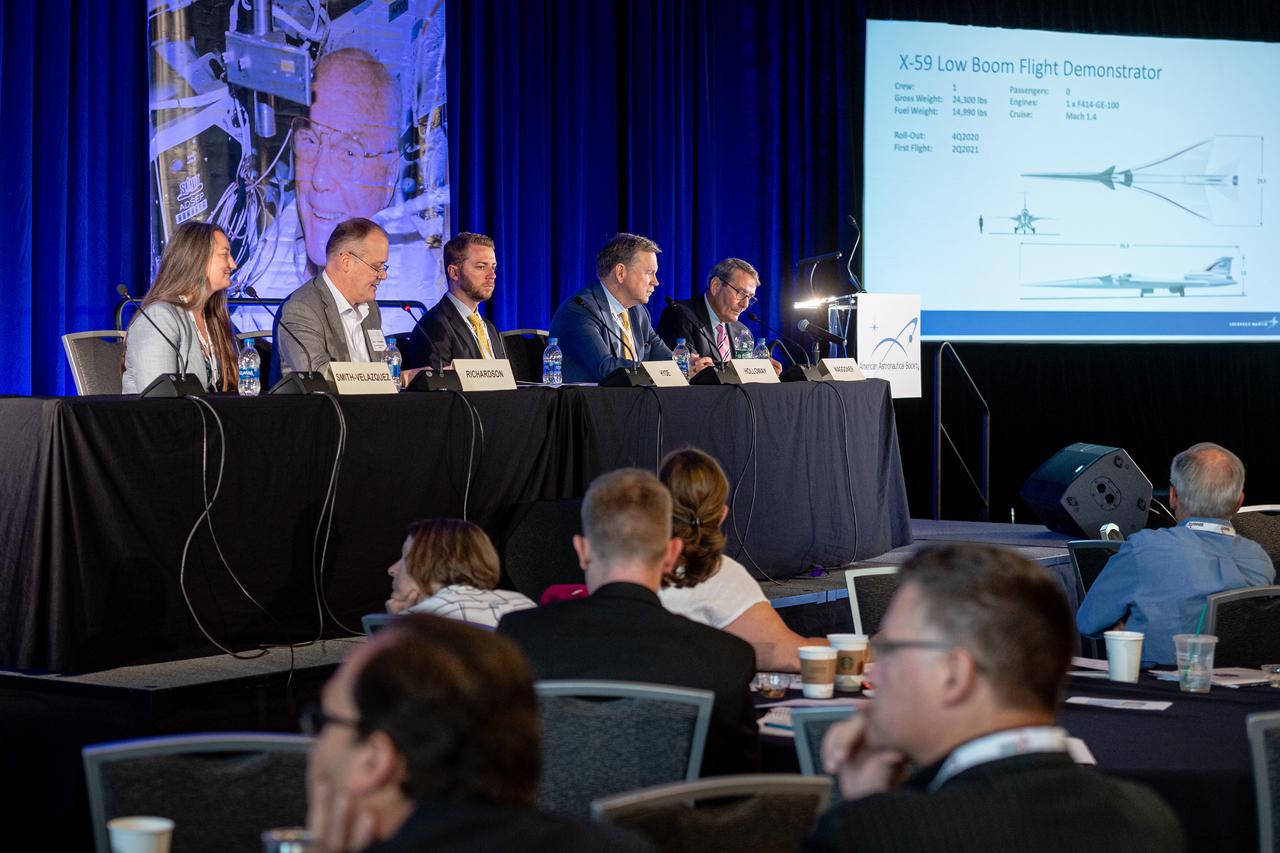
The inaugural Glenn Symposium focused on advancements in aerospace technology including power and propulsion, autonomy and communications, low boom supersonics, hypersonics, and more. Discussion also encompassed humans returning to the moon, including challenges associated with the 2024 mission.